TAMIL NADU’S STRATEGIC SHOWCASE AT WTM LONDON 2025: A GATEWAY TO A $1 TRILLION FUTURE WITH VISION 2030
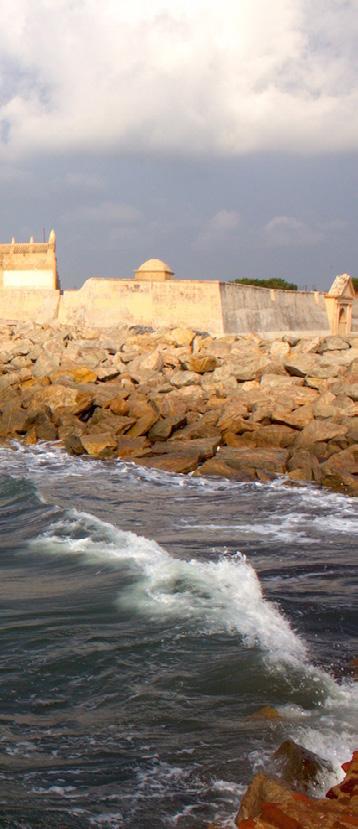
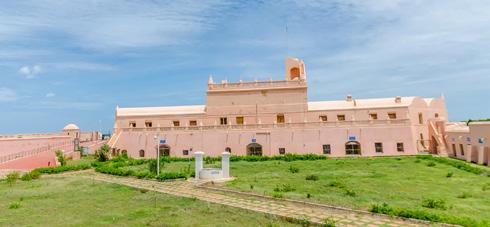
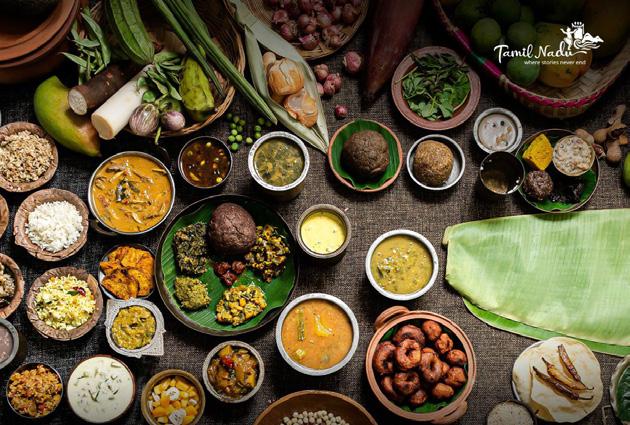
The Tamil Nadu’s tourism sector reached a significant international milestone through a comprehensive and strategic showcase at the World Travel Market (WTM) London. Held from November 4 to 6, 2025, the state’s participation was not merely a promotional exercise but a calculated move to align its tourism growth with its broader vision of becoming a $1 trillion economy by 2030. The showcase highlighted Tamil Nadu as a "Land of Timeless Stories," leveraging its deep historical ties with London and the thriving Tamil diaspora to position itself as a preferred destination for UK and European travellers.
Tamil Nadu shares a longstanding relationship with London, shaped by centuries of cultural, educational, and economic exchange. From early maritime trade and colonial-era interactions to contemporary global partnerships, the bond between the two regions has continued to deepen. London is also home to a thriving Tamil diaspora that actively preserves and promotes the state’s traditions, cuisine, and festivals—strengthening peopleto-people connections and broadening cultural appreciation. With increasing interest in heritage tourism, film collaborations, and business engagement, Tamil Nadu stands as a compelling gateway for UK travellers seeking immersive cultural experiences.
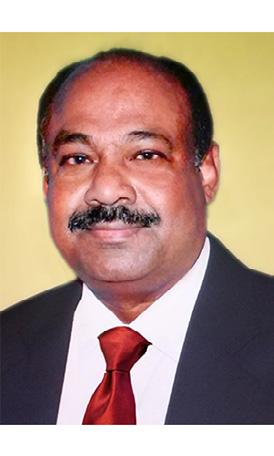
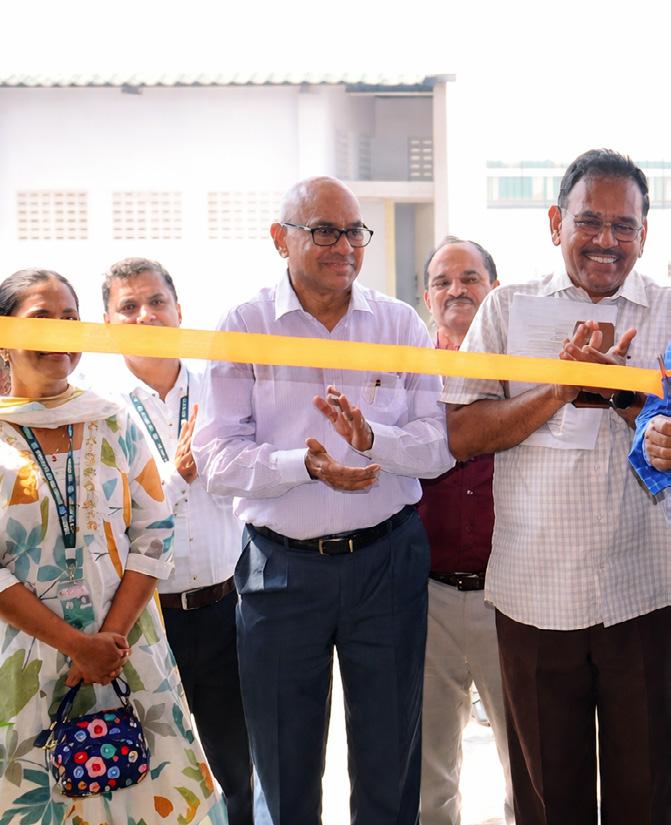
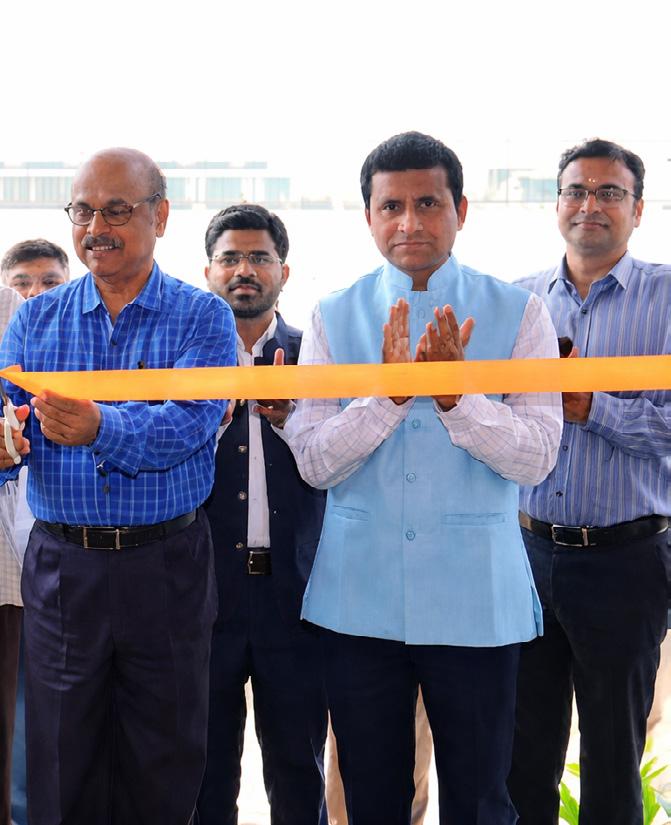
The Delegation and Global Positioning: The Tamil Nadu delegation at WTM 2025 was led by high-ranking officials, including Dr. K. Manivasan, I.A.S. (Additional Chief Secretary for Tourism, Culture, and Religious Endowments) and Mr. T. Christuraj, I.A.S. (Director of Tourism and Managing Director of TTDC). Inauguration: The dedicated Tamil Nadu Pavilion was inaugurated on November 4, 2025, by Kartik Pande, Deputy High Commissioner of India to the UK. Strategic Intent: The presence in London focused on the UK as a high-potential source market. It served as a catalyst for strengthening international partnerships, attracting investments, and fostering B2B interactions with global tour operators.
Key Themes: Heritage, Eco-Tourism, and Adventure: The state’s showcase was built around several core pillars that define its "Dravidian Model" of governance—balancing preservation with progress. UNESCO Heritage Boost: A major focus was placed on the state’s seven UNESCO World Heritage Sites, including the
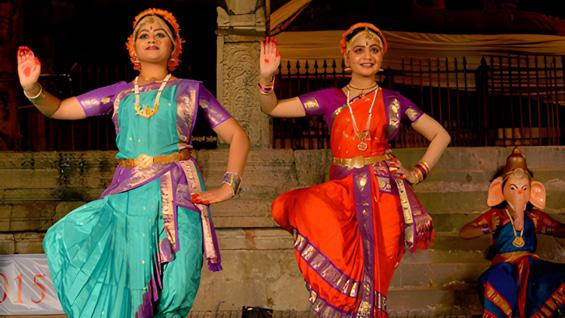
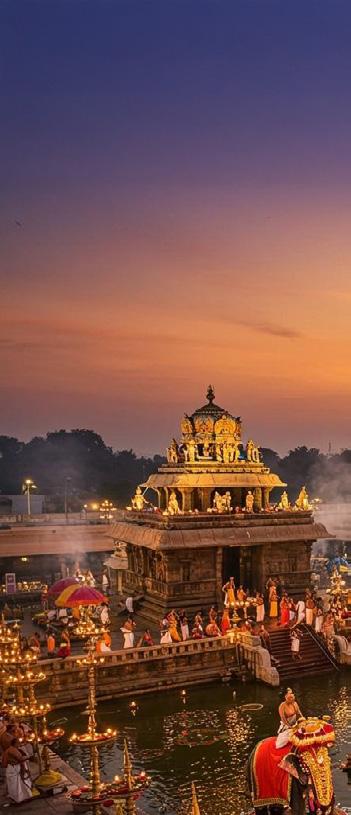
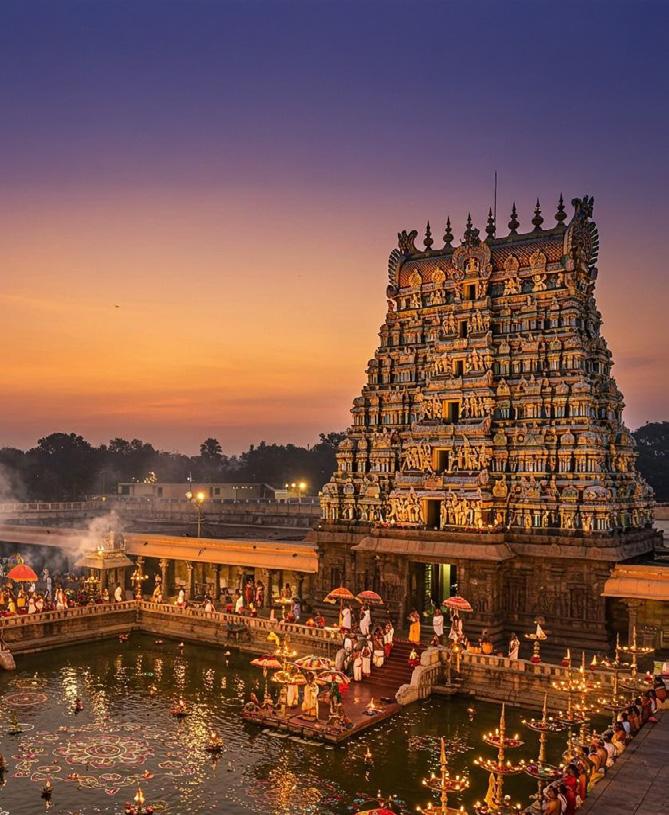
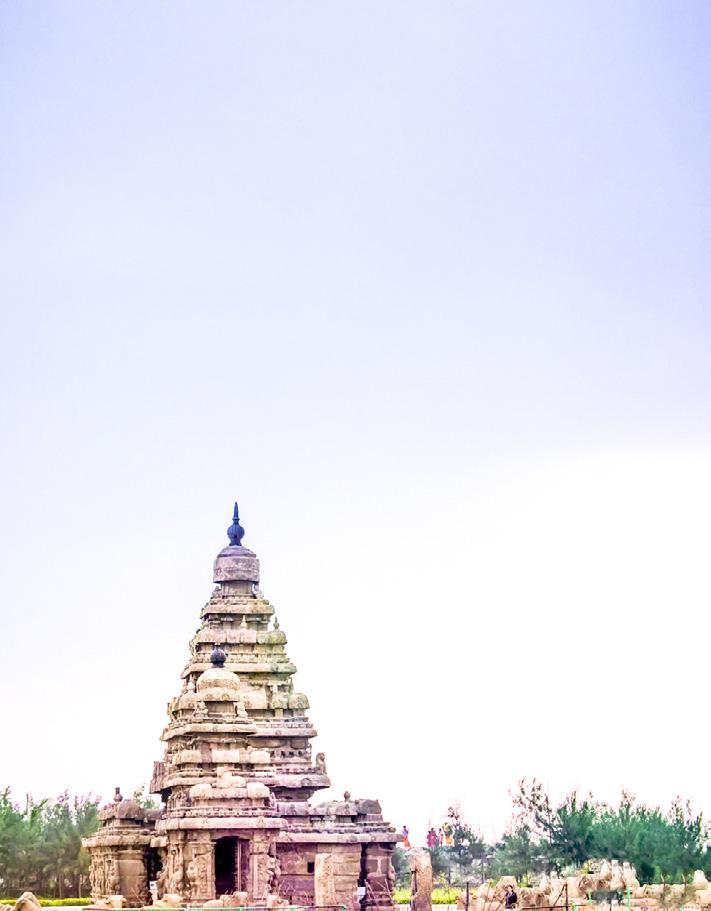
1500-year-old Shore Temple at Mahabalipuram and the Great Living Chola Temples. Eco-Tourism and "Trek Tamil Nadu": For the first time, the Tamil Nadu Wilderness Corporation coexhibited alongside the tourism department. This marked the launch of the "Trek Tamil Nadu" initiative, showcasing the state's diverse ecological landscapes—from the Nilgiri hills to the Gulf of Mannar Biosphere Reserve. Spiritual and Cultural Circuits: The delegation promoted spiritual tourism and grand festivals like Pongal and the Indian Dance Festival. A highlight was the modern 16-acre Jallikattu arena in Madurai, a symbol of blending ancient customs with modern infrastructure.
Niche Segments and Sustainable Development: Approaching 2026, the state is diversifying its offerings to include high-value niche segments showcased at WTM: Niche Tourism: Promotions included Medical & Wellness Tourism, Rural Tourism, and even Cruise Tourism and Glamping. Infrastructure Master Plans: Officials announced that seven comprehensive master plans are being developed for key destinations to ensure holistic, world-class development supported by agencies like the New Development Bank. GI Heritage: The state highlighted its 69 Geographical Indication tags, emphasizing traditional crafts like Kanchipuram silk and Tanjore paintings as part of the authentic visitor experience.
Follow-up and Economic Impact: The WTM showcase were part of a larger European offensive. Directly following the London event, the delegation conducted an exclusive roadshow in Paris on November 7, 2025, to sustain momentum in the French market. These international engagements laid the groundwork for the Tamil Nadu Global Tourism Summit 2026, which eventually secured ₹22,795 crore in MoUs, promising to create 66,000 employment opportunities. By positioning the state as a hub for sustainable and immersive travel at WTM London, the government successfully integrated tourism into its 2026 vision of cultural preservation and economic expansion.
Roadmap
for a Global
Destination:
As the year 2026 unfolds, the Tamil Nadu Tourism Development Corporation has transitioned from being a mere facilitator of travel to a sophisticated engine of economic growth and cultural preservation. Aligned with the state government’s overarching "Dravidian Model" of
Editor -in - ChiEf from the desk of
governance—which emphasizes inclusive growth and social justice. TTDC’s Vision 2026 represents a radical reimagining of the tourism sector. The mission is clear: to leverage Tamil Nadu’s 3,000-year-old heritage and diverse geography to make the state the most visited and preferred destination in South Asia for both domestic and international travellers.
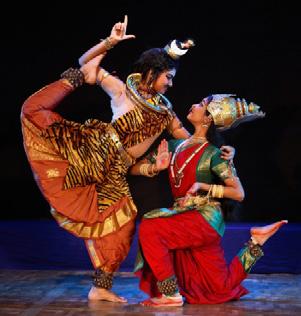
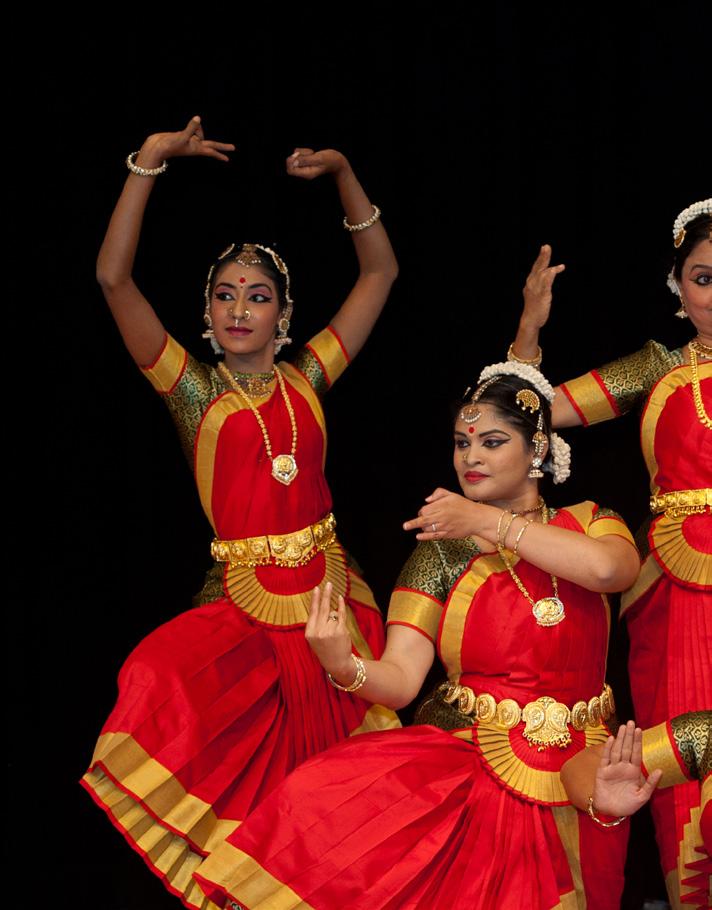
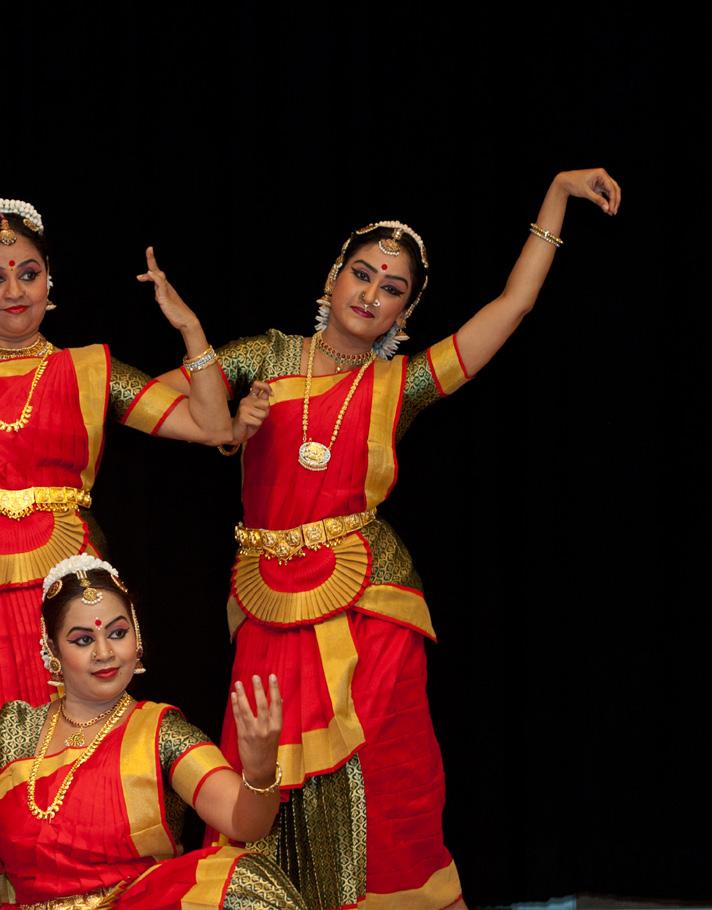
The Strategic Pivot: From "Sightseeing" to "Experiences": For decades, tourism was viewed as a visit to a monument or a temple. Under Vision 2026, TTDC has shifted its focus toward Experiential Tourism. Trek Tamil Nadu: A flagship objective of 2026 has been the institutionalization of adventure sports. TTDC, in collaboration with the Forest Department, has professionalized 40 trekking trails across the Western and Eastern Ghats. By 2026, these trails are equipped with GPS tracking, certified guides, and eco-friendly camping sites, targeting the high-spending millennial and Gen-Z demographic. Cultural Immersion: Beyond just viewing the Chola Temples, TTDC now offers "Living Heritage" packages where tourists engage with local artisans, participate in Bharatanatyam workshops, and experience the agrarian lifestyle in regions like Thanjavur and Chettinad.
Niche-Tourism: Diversifying the Portfolio: To achieve the state’s $1 trillion economy goal, TTDC has targeted high-value niche segments: MICE Tourism: With the expansion of the Chennai Trade Centre and new convention hubs in Coimbatore, TTDC is positioning Tamil Nadu as a global destination for Meetings, Incentives, Conferences, and Exhibitions. Medical and Wellness Tourism: Leveraging Chennai’s status as the "Health Capital of India," TTDC has partnered with major hospitals to offer "Wellness Retreats" that combine modern medical check-ups with traditional Siddha and Ayurveda treatments in the serene hills of the Nilgiris. Cruise Tourism: Following the successful trials in 2024-25, 2026 sees regular luxury cruise liners docking at Chennai and Thoothukudi, connecting Tamil Nadu to Sri Lanka and Southeast Asian circuits.
The Road Ahead: The TTDC Vision 2026 is not just a plan for more hotels and buses; it is a blueprint for a resilient, sustainable, and high-tech tourism ecosystem. By blending the "Ancient" (Tamil culture) with the "Modern" (Digital infrastructure), TTDC has successfully rebranded Tamil Nadu as a 365-day destination. As the state moves toward its 2030 goals, the achievements of 2026 stand as a testament to how tourism can be a primary driver of both cultural pride and economic prosperity.
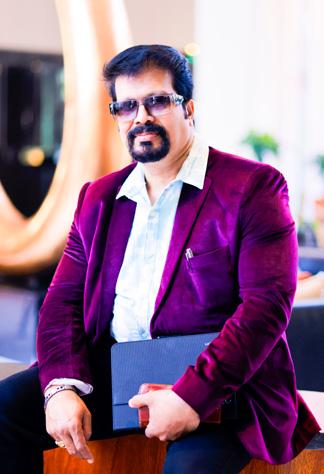
Dr. S. E. Alexander Global Media Chief & MD
Table of Content
FASHION & TRENDS
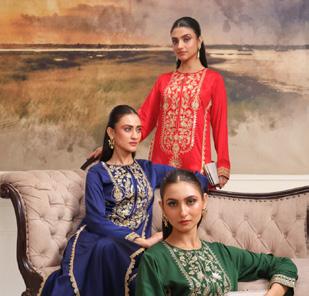
RINESSA- BRINgS BRItISh-INdIAN CoutuRE ANd RENAISSANCE ElEgANCE to ChENNAI
VIBRANT LIFESTYLE
lIvINg WIth thE tIdE
AN 8,000-SquARE-Foot ChENNAI homE dESIgNEd FoR SloW lIvINg
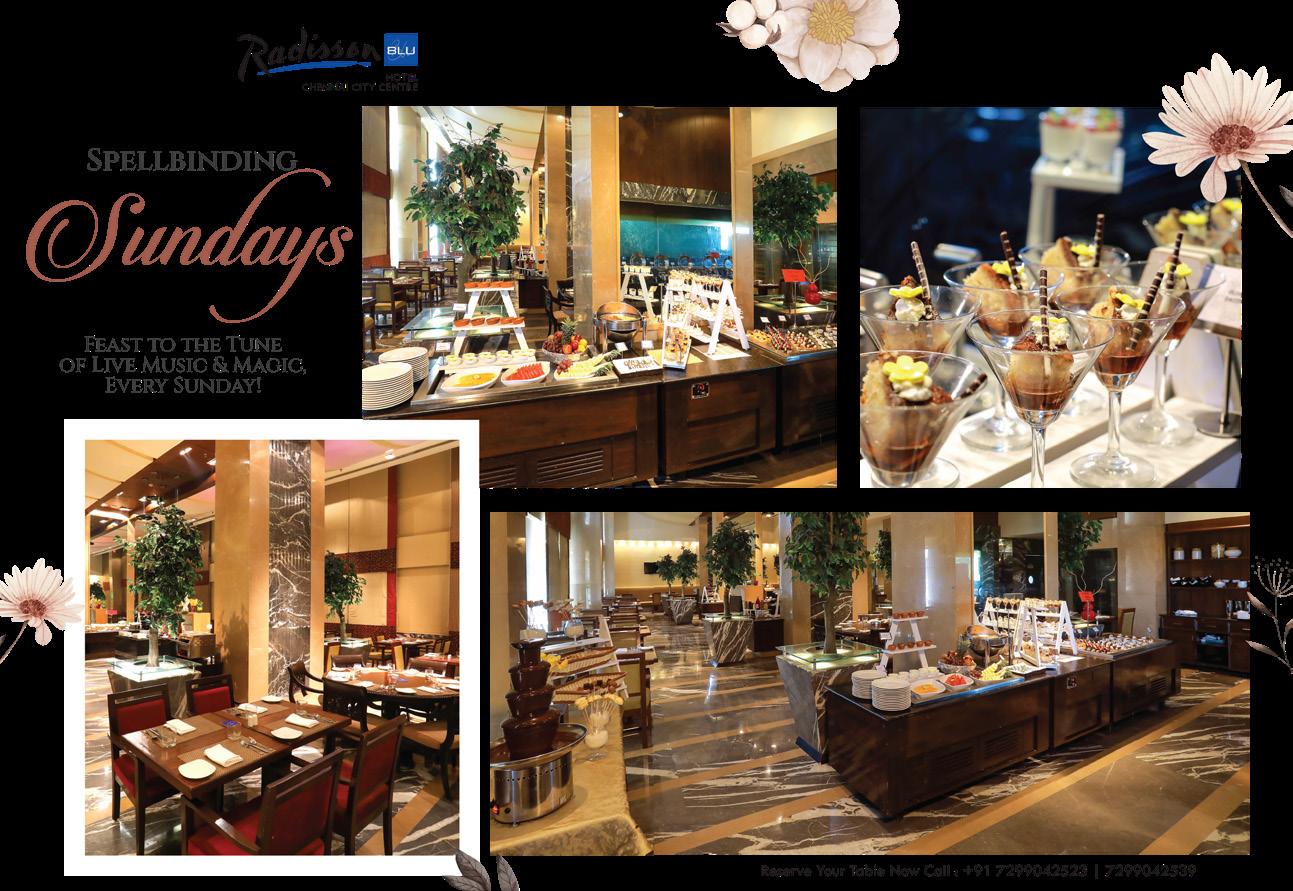
The Westin Chennai Velachery Unveils a Spectacular Line-Up of Christmas Eve Celebrations
RETAIL
& SHOPPING OF
TAMILNADU
SAWSEE AthlEISuRE - A ChENNAI-BoRN
BRANd REdEFININg SuStAINABlE, All-dAy
WEAR FoR INdIAN WomEN
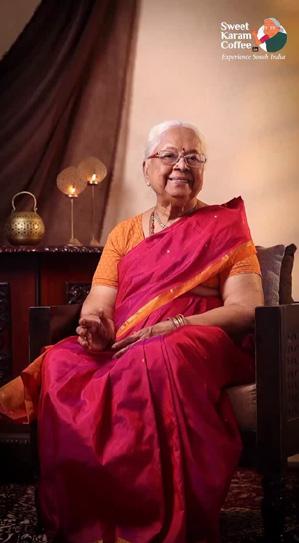
SWEEt KARAm CoFFEE - hoW A gRANdmothER’S RECIpES SpARKEd A quIEt Food REvolutIoN
HOTELS, RESORTS & RESTAURANTS
FERNhIllS pAlACE ooty
thE RoyAl hERItAgE JEWEl oF tAmIl NAdu
HEALTH & FAMILY WELFARE
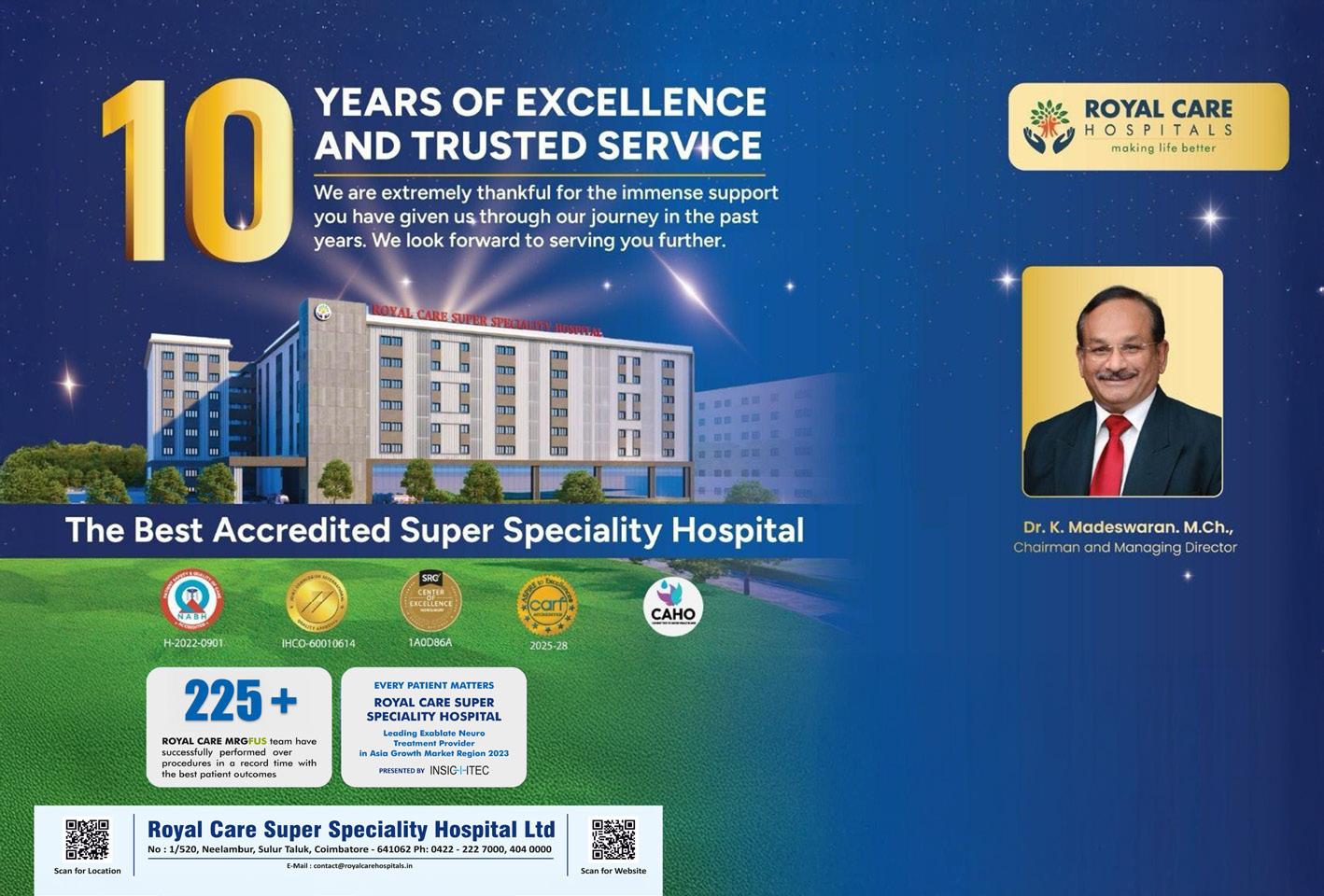
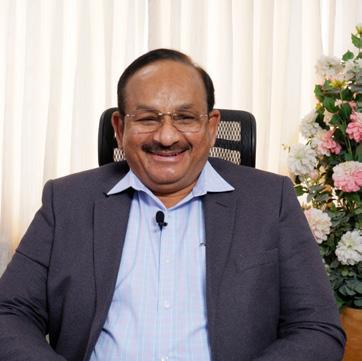
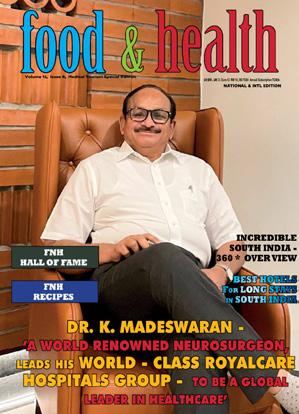
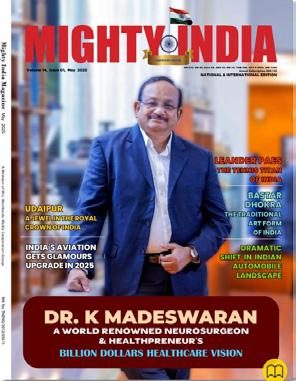
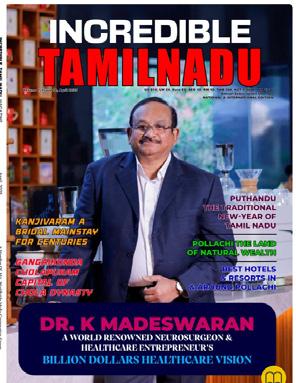
dR. K. mAdESWARAN - ‘ top 10 NEuRoSuRgEoN oF thE
WoRld’ FouNdER & Cmd oF RoyAlCARE
SupER-SpECIAlIty hoSpItAlS gRoup
HERITAGE & ARCHITECTURE OF INCREDIBLE TAMILNADU
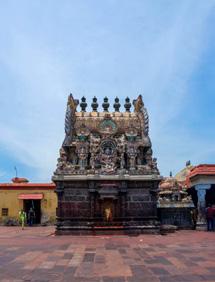
CHIDAMBARAM - THE SACRED ABODE OF LORD NATARAJA
CULTURE & TRADITION
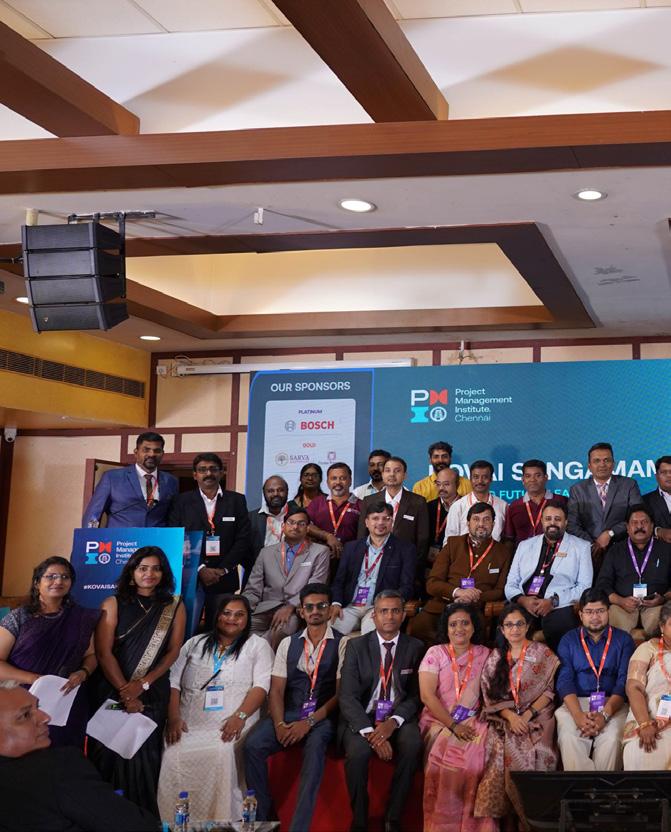
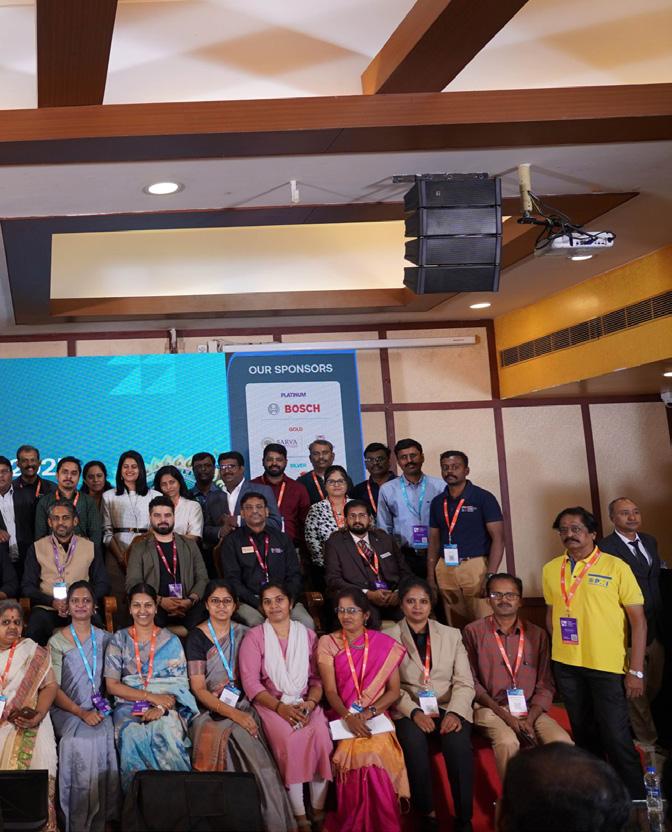
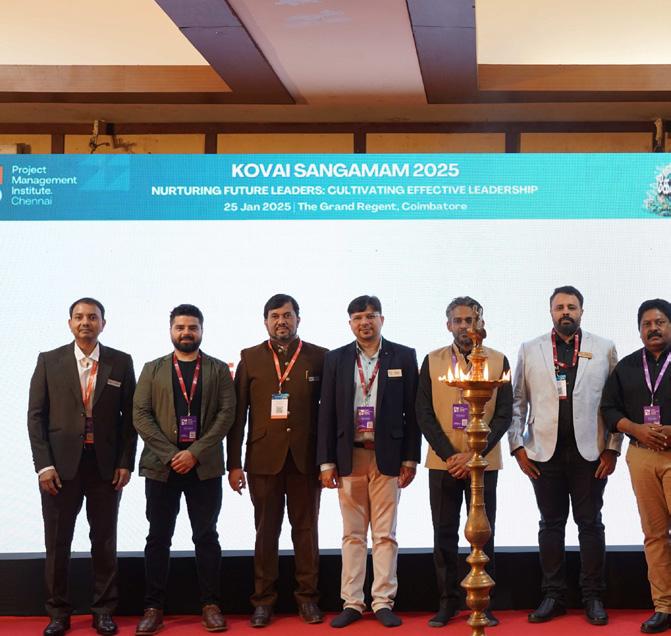
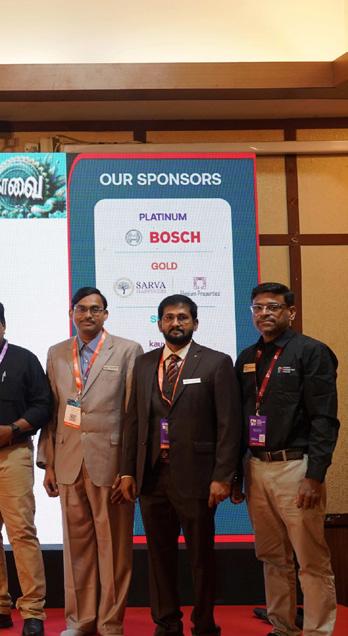
KovAI SANgAmAm FEStIvAl 2025
A CElEBRAtIoN oF tAmIl NAdu’S
FolK hERItAgE
190
GLOBAL TAMIL NADU
pANdIAN ChEmICAlS uNvEIlS ₹48 CRoRE
AdvANCEd mANuFACtuRINg FACIlIty NEAR ChENNAI
INTERNATIONAL EDUCATION OF TAMIL NADU
NIt tIRuChIRAppAllI (NIt tRIChy) WhERE INNovAtIoN mEEtS ExCEllENCE
114
218
TRAVEL & TOURISM
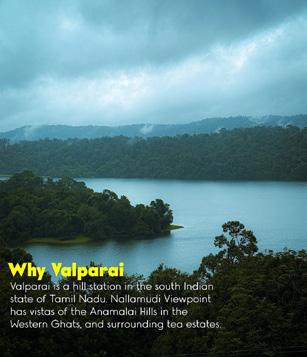
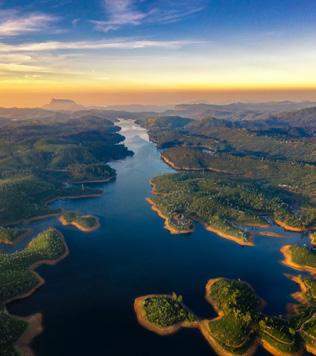
dISCovERINg vAlpARAI tAmIl NAdu’S hIddEN hIll StAtIoN gEm
244
SPORTS & YOUTH WELFARE
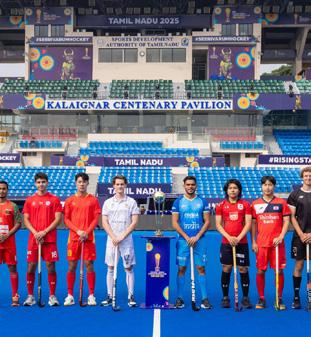
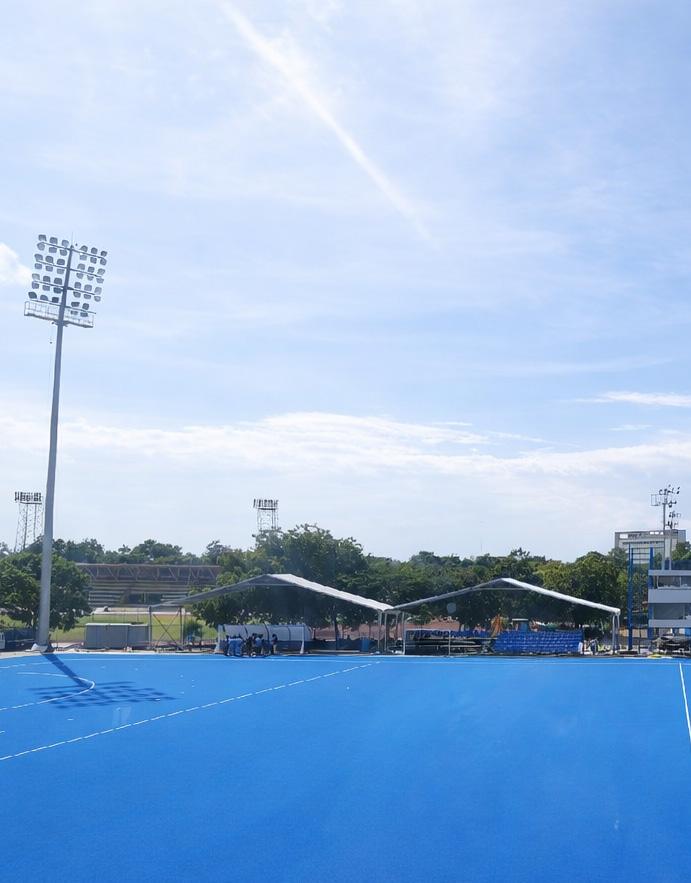
GLOBAL HOCKEY COMES HOME JUNIOR WORLD CUP 2025 IN TAMIL NADU
INCREDIBLE TAMILNADU & Fashion Trends
RINESSA
Brings British-Indian
Couture and Renaissance Elegance to Chennai
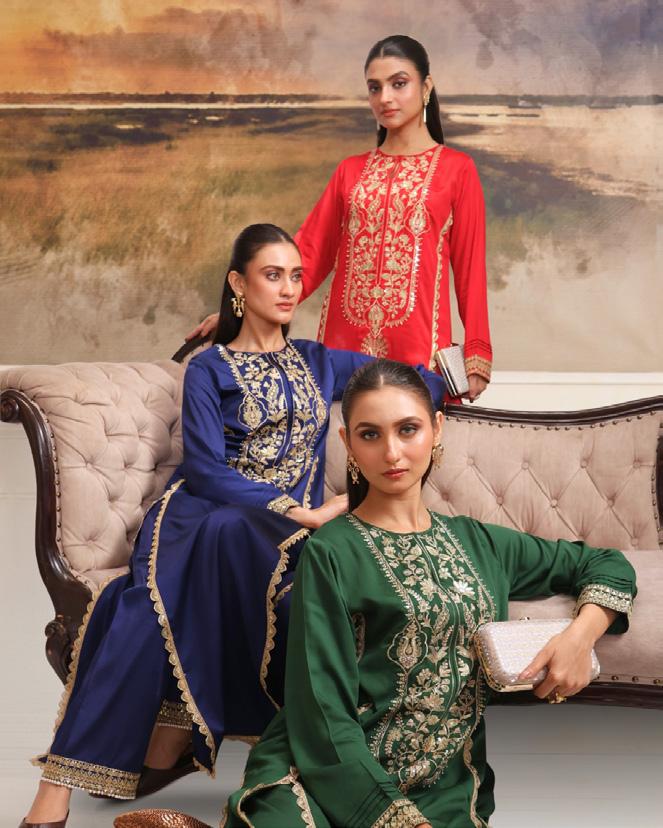
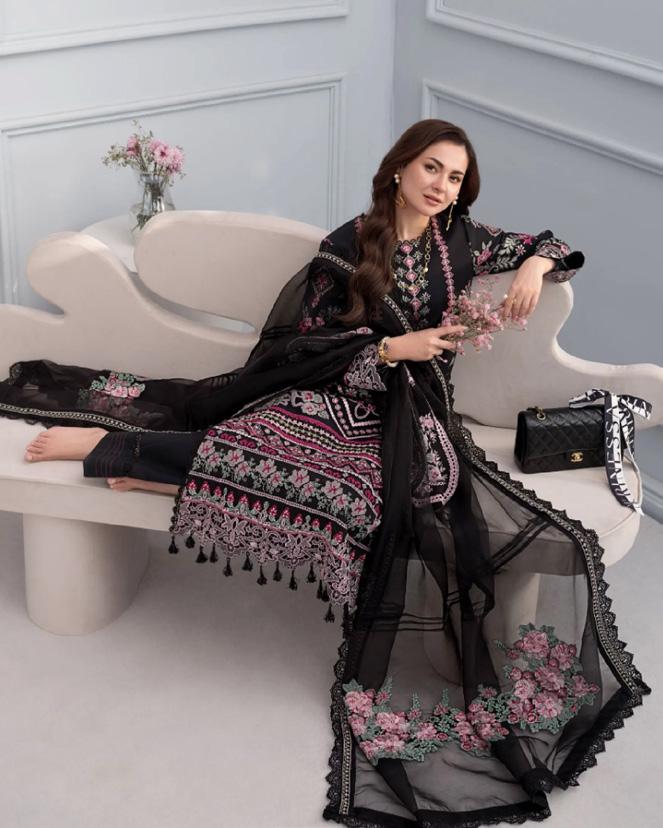
Chennai’s evolving fashion landscape has welcomed a refined new voice with the arrival of RINESSA, a BritishIndian luxury couture label that blends cultural heritage with contemporary elegance. Marking its first flagship showroom in the city, RINESSA brings with it a design philosophy shaped by dual worlds—East and West, tradition and modernity, craftsmanship and storytelling. At the helm is Sobia Anwar, an Irish-born designer of South Asian origin, currently based in the United Kingdom, whose work reflects a deeply personal dialogue between identity and artistry.
For Sobia Anwar, RINESSA is not merely a fashion label but an extension of her lived experience. Operating from her Mayfair studio in London, where each collection is first conceptualised, she approaches design as a narrative process. “For me, RINESSA is much more than just a fashion label,” she says. “It’s a space for heritage, storytelling, and identity. It represents tradition in a form that speaks to women who value elegance, culture, and individuality.” This ethos resonates strongly in Chennai, a city known for its appreciation of craftsmanship, textiles, and cultural continuity. The name RINESSA itself carries symbolic weight. Inspired by the Renaissance— an era defined by rebirth, artistic awakening, and human expression—the label draws from the ideals of renewal and timeless beauty. “I’ve always loved the idea of bringing something timeless into the present,” Sobia explains. “The name comes from ‘Renaissance,’ but I adapted it to feel feminine, international, and memorable—something that truly reflects creativity and renewal.” This philosophy forms the backbone of the brand’s aesthetic, guiding everything from silhouettes to surface detailing.
Renaissance ideals of balance, harmony, and proportion subtly influence RINESSA’s contemporary ethnic couture. Rather than recreating historical references literally, Sobia interprets their essence through modern forms. Clean lines, thoughtful layering, and restrained opulence define her designs. “It’s never about copying history,” she says. “It’s about honouring its spirit and redefining beauty in a way that feels personal and expressive.” This approach allows her creations to feel rooted yet relevant, traditional yet unmistakably modern. Currently, RINESSA presents three distinct collections, each catering to different facets of a woman’s wardrobe while maintaining a cohesive design language. The Elara collection, also known as the Studio Lawn line, focuses on refined everyday wear. Crafted from premium lawn cottons and paired with satin
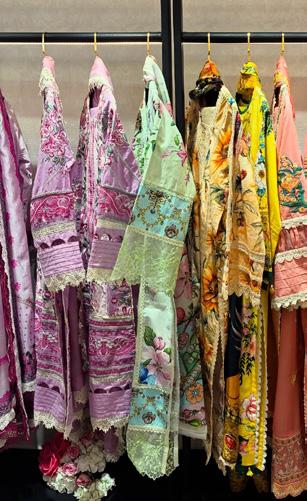
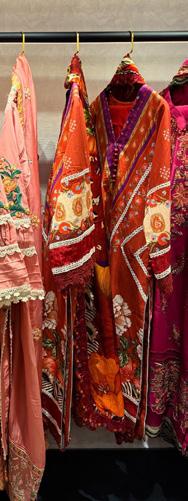
dupattas and ethically dyed natural laces, Elara prioritises comfort without compromising on sophistication. “It’s comfortable, breathable, and designed for daily life,” Sobia notes, making it ideal for women who seek understated elegance in their everyday attire. At the heart of the brand lies Celine, the Luxury Lawn collection, which exemplifies RINESSA’s couture sensibility. These pieces feature intricate, couture-grade embroidery—often averaging close to 20 lakh stitches—executed on pure cotton bases. The juxtaposition of heavy embroidery on lightweight natural fabrics is both technically challenging and visually striking. Celine embodies the brand’s commitment to craftsmanship, transforming what is traditionally considered casual fabric into a canvas for high artistry.
The Myrah collection represents RINESSA’s most celebratory expression. Designed for weddings, formal occasions, and grand events, Myrah embraces drama and opulence. Rich silks, delicate organza, pearls, sequins, and elaborate hand embellishments come together in designs that are unapologetically luxurious. These pieces are intended for women who see couture as an extension of emotion and occasion—garments that carry presence, memory, and meaning.
One of RINESSA’s defining achievements has been mastering the technical complexity of heavy embroidery on natural fabrics like cotton. “Getting almost 23 lakh stitches to sit beautifully on cotton took weeks of technical problem-solving,” Sobia recalls. The process involved extensive experimentation to ensure durability, comfort, and aesthetic balance. “But once we cracked it, it became our true signature,” she adds. This innovation sets RINESSA apart in the ethnic couture space, where such craftsmanship is often reserved for silks and heavier textiles.
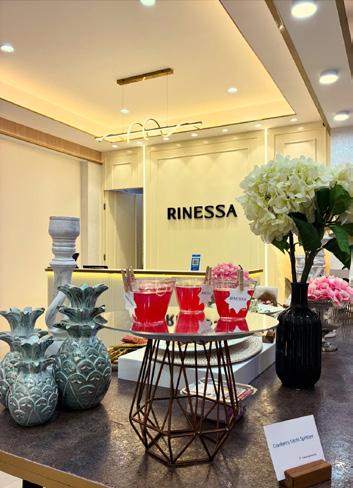
The opening of the Chennai flagship marks a significant milestone for the brand. Designed as more than a retail space, the showroom has been envisioned as an immersive experience. “I want it to feel warm, posh, and inviting,” Sobia says. The interiors are intended to reflect the brand’s ethos—elegant yet approachable, luxurious yet personal—allowing clients to connect not just with the garments, but with the stories behind them.
Chennai’s role as the brand’s Indian flagship location is a deliberate choice. The city’s strong connection to textiles, handloom traditions, and artisanal excellence aligns seamlessly with RINESSA’s values. Moreover, Chennai’s discerning clientele appreciates craftsmanship and subtle luxury, making it an ideal audience for the brand’s refined aesthetic. Through its presence here, RINESSA bridges global couture sensibilities with Indian cultural depth. Sobia Anwar’s journey as a designer of South Asian origin living and working in the West has deeply influenced her design language.
Her work reflects the experience of navigating multiple identities—Irish by birth, South Asian by heritage, and British by professional base. This cultural duality lends her collections a layered richness, where Eastern techniques meet Western structure, and tradition is interpreted through a global lens.
Ultimately, RINESSA speaks to women who see fashion as an expression of self rather than trend. It celebrates individuality, cultural pride, and quiet confidence. With prices starting at ₹9,500, the brand positions itself firmly within the luxury segment while offering a range that spans daily elegance to couture grandeur. With its Chennai flagship, RINESSA introduces not just a new label, but a new perspective on ethnic couture—one where heritage is honoured, craftsmanship is elevated, and identity is woven seamlessly into design. As the city continues to embrace global influences while staying rooted in tradition, RINESSA finds its place as a brand that understands both worlds with grace and intent.
INCREDIBLE TAMILNADU Vibrant Lifestyle
Living With the Tide AN 8,000-SQUARE-
FOOT CHENNAI HOME DESIGNED FOR SLOW LIVING
VIBRANT LIFESTYLE
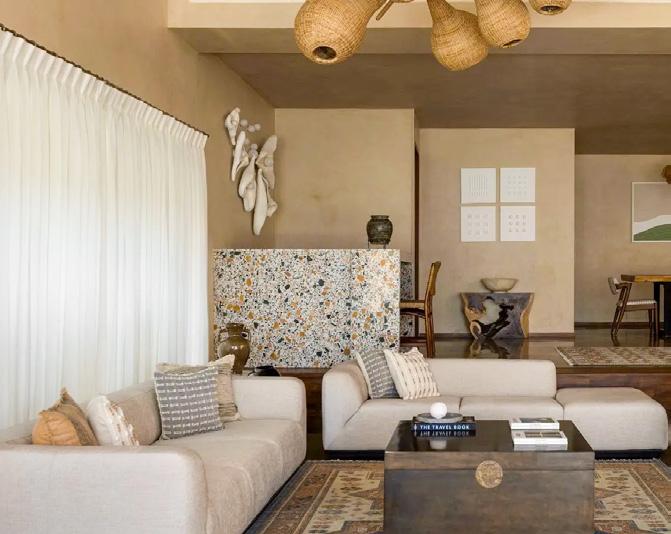
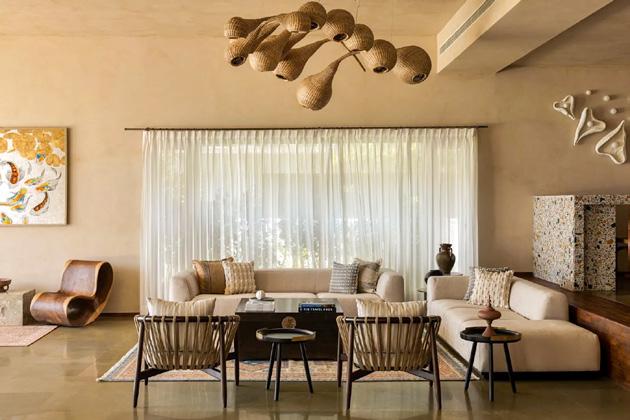
Set along Chennai’s coastline, this expansive 8,000-square-foot oceanfront residence is conceived as a gentle retreat from the pace of urban life. Designed by Studio Alara, the home embraces a philosophy of slow living—where spaces are shaped by light, breeze, texture, and time rather than excess or or-namentation. Originally built as a family bungalow by the homeowner’s father, a respected architect, the house carried deep emotional and architectural significance. When it came time to reimagine the space, the brief was clear: retain the soul of the original structure while transforming it into a calm sea-side sanctuary for a young family, their children, and pets. The vision was not to create a showpiece, but a home that feels intuitive, tactile, and deeply connected to its surroundings.
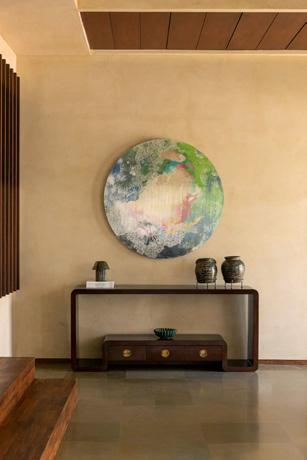
The design language draws inspiration from wabi-sabi, the Japanese philosophy that celebrates imperfection, impermanence, and authenticity. This influence is expressed through muted colours, hand-finished surfaces, and materials that are allowed to age gracefully. Lime-washed walls, softly textured finishes, and natural stone floors establish a quiet, earthy base that echoes the hues of sand, sea, and sky. Spatial planning prioritises openness and flow. Common areas are arranged in an open-plan format, allowing rooms to dissolve into one another and encouraging movement guided by light and air. Large openings frame uninterrupted views of the ocean, while glass doors invite sea breezes deep into the interiors. The boundary between indoors and outdoors is inten-tionally blurred, reinforcing a constant connection with nature.
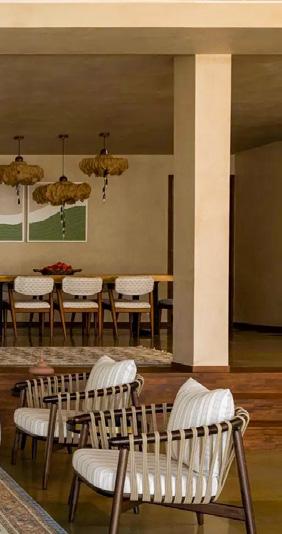
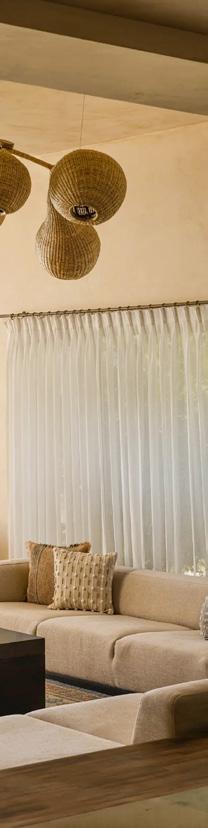
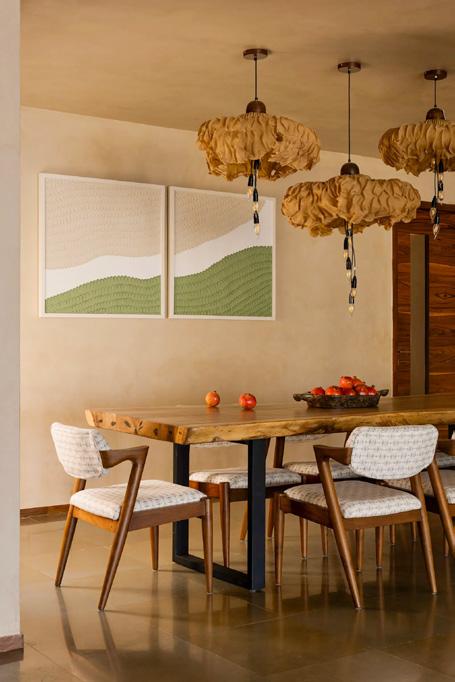
The living and dining spaces are understated yet deeply atmospheric. Furniture is low-slung and comfortable, chosen to complement rather than dominate the architecture. Organic forms, neutral upholstery, and handcrafted accents lend warmth without visual noise. Statement light fixtures—some inspired by marine forms—add a sculptural quality, subtly referencing the coastal context without resorting to literal themes. Throughout the home, materials are selected with both emo-tion and practicality in mind.
Kota stone flooring, breathable fabrics, cane, wood, and artisanal fin-ishes ensure durability in the salty coastal climate while maintaining a soft, lived-in feel. Metals and finishes that might corrode over time are consciously avoided, allowing the home to weather natu-rally alongside its environment. Private spaces follow the same restrained philosophy. Bedrooms are designed as restful cocoons, with muted palettes, filtered daylight, and minimal furnishings. Each room opens toward greenery or the sea, ensuring that even the most intimate spaces remain connected to the landscape. A study and guest rooms are thoughtfully integrated, maintaining privacy while preserving the home’s overall sense of openness. Outdoors, the architecture extends seamlessly into landscaped terraces and lounging areas. An infinity pool sits quietly against the horizon, its
edge visually dis-solving into the ocean beyond. Outdoor seating is intentionally simple, encouraging long, unhurried moments—watching the tide change, listening to the wind, or simply being present. Personal objects, contemporary Indian artworks, and travel mementoes are woven subtly into the interiors, adding layers of memory and meaning. Rather than standing out, these elements blend effortlessly into the home’s calm rhythm, reinforcing the idea that this is a space meant to be lived in, not merely admired. Ultimately, this Chennai oceanfront home is less about grandeur and more about balance. It is a place shaped by restraint, where architecture supports everyday rituals and nature sets the pace. In embracing slowness, the house offers its residents something increasingly rare—a life attuned to the quiet, restorative rhythms of the sea.
THE WESTIN CHENNAI VELACHERY UNVEILS
A SPECTACULAR
LINE-UP OF CHRISTMAS EVE
CELEBRATIONS
This Christmas Eve, The Westin Chennai Velachery transforms into a festive wonderland, unveiling a curated collection of celebrations designed to delight every mood, every palate, and every festive desire. From high-energy grooves and skyline dining to luxurious feasts and chef-crafted signatures, guests are invited to immerse themselves in a vibrant tapestry of holiday experiences across the hotel’s iconic venues.
Seasonal Tastes: The Pre-Christmas Soiree
Seasonal Tastes invites diners to step into a warm, indulgent Christmas Eve dinner experience at The Pre-Christmas Soiree. With a menu inspired by classic holiday comforts and global signatures, this elegant culinary spread is designed for those who cherish tradition, refinement, and a wholesome festive feast.
Outlet: Seasonal Tastes, Time: 7pm, Price: ₹2,450 + taxes per person
Madras Kitchen Company: Your Holiday Signature
Madras Kitchen Company presents Your Holiday Signatures, an immersive festive dining showcase that unites indulgent textures, global influences, and chef-driven creativity. This experience is crafted for the adventurous gourmet seeking holiday classics reimagined with flair and sophistication.
Outlet: Madras Kitchen Company, Time: 7pm, Price: A La Carte
At Sunset Grill, “Sunset Cabana” sets the scene on the al fresco terrace with cityskyline views, premium cuts on the grill and winterinspired marinades served under the stars. The poolside, openkitchen restaurant is curating chefcrafted specials around charcoalkissed meats, hearty sides and thoughtful vegetarian signatures, turning the rooftop into an intimate cabanastyle Christmas cookout.
Outlet: Sunset Grill, Time: 7 Pm, Price:A La Carte
Skyline Magic: Sunset Cabana
A Night of Vibes: Pre-Christmas Groove
Willows turns up the holiday spirit with its Pre-Christmas Groove — a pulsating evening where upbeat mixes, festive favorites, and an electrifying atmosphere set the stage for an unforgettable celebration. As the DJ brings the energy alive, guests can kickstart their Christmas Eve with dancing, cheer, and the year’s most anticipated night-out.
Outlet: Willows, Time: 8pm, Price: A La Carte
The Westin Chennai Velachery presents Christmas Eve as a “choose-your-own celebration,” inviting guests to dance the night away, dine al fresco, explore inventive culinary creations, or indulge in a classic festive feast. Backed by Westin’s wellness-led hospitality and signature service standards, the hotel blends seasonal sparkle with thoughtful touches — from family-friendly dining experiences to late-night revelry for the city’s festive crowd.
Glass Facials, Scalp Spas and
More
The New Wave of Skin Treatments Taking Chennai by Storm
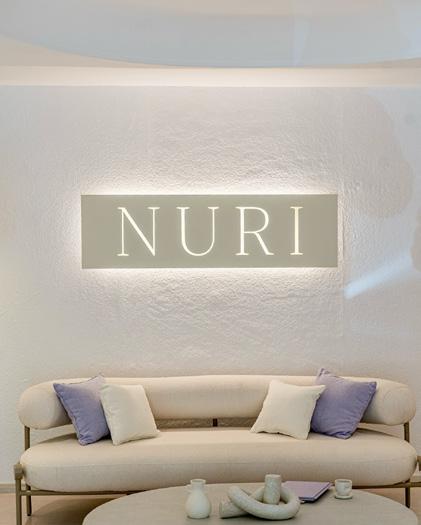
As conversations around skincare in India evolve, there is a noticeable shift from surface-level cosmetic fixes to a deeper, more holistic understanding of skin health. Today, skincare is increasingly viewed as an extension of overall wellness— connected to lifestyle, emotional balance, and long-term vitality rather than quick results alone. Reflecting this transformation is Nuri, a new aesthetics clinic in Chennai that brings intention, prevention, and personalisation to the forefront of dermatological care. Founded by Samyuktha Adityan, Nuri grew from a deeply personal place. Her journey into skincare was not driven by trends or instant glow-ups, but by a genuine search for meaning and longevity in how skin is cared for. “My personal journey with skincare started as a search for something beyond quick fixes,” she shares. “I realised that thoughtful care can transform not just your skin, but your confidence and well-being.” That philosophy now defines every aspect of Nuri—from its treatment menu to its clinical approach.
The timing of Nuri’s entry into Chennai’s aesthetic landscape is significant. Indian consumers today are better informed and more discerning, questioning aggressive procedures and miracle promises. Instead, they are gravitating toward treatments that strengthen the skin barrier, respect natural processes, and deliver results that evolve gradually and sustainably. Nuri positions itself firmly within this new wave, offering services that prioritise skin health over short-lived perfection. Samyuktha’s explorations in skincare eventually led her to South Korea, a country she describes as a global centre for transformation and renewal. What drew her was not just cutting-edge technology, but a philosophy rooted
in nourishment, ritual, and mindfulness. “The Korean approach resonated with me because it focuses on strengthening the skin barrier and supporting long-term vitality,” she explains. This influence is clearly reflected in Nuri’s treatment offerings, including the much-talkedabout Glass Facial, the immersive 12-step Scalp Spa, and the capsule-based Aura Lift.
Her travels to Korea proved formative in shaping the clinic’s ethos.“Skincare isn’t just something you do there— it’s part of daily life, a form of self-respect,” Samyuktha says. Watching how tradition and innovation coexist in Korean skincare culture inspired her to create a space
where treatments feel both scientific and ritualistic. Even the clinic’s name reflects this worldview. “‘Nuri’ means ‘the world’ in Korean,” she notes. “It symbolises our global vision and the belief that every individual’s skin tells a story.”
At Nuri, this philosophy is translated into a calm, considered approach to aesthetics—one that moves away from harsh interventions and instead focuses on restoring balance. Supporting this vision is medical director Dr Shvetha R, who echoes the shift toward barrier-focused, skin-respecting care. “We don’t view skin as just a surface,” she explains. “It’s a living reflection of internal balance, emotional well-being, and lifestyle.” This perspective underpins the clinic’s belief that meaningful skin transformation requires understanding the person behind the skin. Dr Shvetha emphasises that treatments at Nuri are curated to be gentle yet effective, science-backed yet sensorial. Rather than offering rapid, aggressive results, the focus is on restoring skin function and resilience. “Our aim is not to overwhelm the skin, but to support it,” she says. This approach resonates with clients who are increasingly wary of over-treatment and are seeking care that feels intuitive and safe.
The clinic’s clinical framework blends Korean devices and therapeutic techniques with global dermatological innovations. Treatments incorporate Swedish and American skin boosters known for hydration and collagen support, pigment-safe Italian peels designed for diverse skin tones, and peptide-based lifting platforms that stimulate renewal without trauma. Yet, despite the advanced technology, Dr Shvetha stresses that the process always begins with listening. “Personalisation starts by understanding barrier health, age-related changes, stress levels, and lifestyle,” she explains. “No two treatment plans here are identical.”
This emphasis on customisation reflects a broader truth in modern dermatology—that skin responds best when treatments are tailored rather than standardised.At Nuri, consultations are designed to decode individual skin narratives, accounting for environmental exposure, sleep patterns, nutrition, and emotional stress. This ensures that every procedure fits into a long-term skin strategy rather than functioning as an isolated fix. Both Samyuktha and Dr Shvetha highlight the growing intersection of wellness and dermatology. Skin health, they argue, cannot be separated from broader habits and internal balance. “Sleep, nutrition, and emotional stability matter as much as lasers and serums,” says Dr Shvetha. Samyuktha adds that misconceptions still persist, particularly the expectation of overnight miracles or one-size-fits-all routines. Nuri’s approach actively challenges these ideas, encouraging patience, consistency, and awareness.
Among the clinic’s most popular offerings is the Glass Facial, inspired by Korean skincare ideals of translucency and hydration. Rather than relying on abrasive techniques, the treatment focuses on deep hydration, barrier repair, and inflammation control, resulting in a luminous, healthy glow that improves over time. Equally sought-after is the 12-step Scalp Spa, which treats the scalp as an extension of facial skin—addressing circulation, tension, and follicle health through a combination of exfoliation, massage, and targeted actives. The Aura Lift, another signature treatment, uses capsule-based technology to deliver lifting and firming benefits while maintaining skin comfort.These procedures reflect Nuri’s commitment to results that feel natural and progressive, rather than dramatic and short-lived. Clients are encouraged to view treatments as part of an ongoing relationship with their skin, not a one-off solution. Dr Shvetha also shares insights into skincare principles she personally believes in. Hydration layering, a cornerstone of Korean skincare, is one ritual she swears by.“When the skin is well-hydrated, every ingredient and procedure performs better,” she notes. She considers LED Light Therapy one of the most underrated treatments— gentle, barrier-respecting, and versatile across concerns such as acne, inflammation, and ageing.
For pre-event or pre-wedding care, Dr Shvetha recommends chemical peels that are carefully selected and timed according to individual skin types. When customised correctly, these peels offer a fresh, bright, even-toned glow without compromising skin integrity. Among glow-boosting ingredients, niacinamide stands out as her favourite for its reliability, versatility, and compatibility with most skin types. One treatment that genuinely surprised her with its results is skin boosters, which deliver hydration and luminosity that evolve gradually over weeks. This slow transformation aligns perfectly with Nuri’s philosophy of patience and long-term care. She also addresses common skincare myths, particularly the belief that more products equal better skin. “Skin thrives on precision and balance, not excess,” she says.
According to Dr Shvetha, the secret to healthy, glasslike skin lies in a strong barrier, continuous hydration, and low inflammation. These principles form the backbone of every treatment protocol at Nuri, reinforcing the clinic’s commitment to skin health over spectacle. Located on Uthamar Gandhi Road in Nungambakkam, Chennai, Nuri operates from Tuesday to Sunday, with treatments starting at ₹2,500. As Chennai’s beauty and wellness landscape continues to evolve, Nuri stands out for its thoughtful, globally informed yet deeply personal approach. By blending science with ritual and technology with mindfulness, the clinic represents a new chapter in Indian aesthetics—one where skincare is not about chasing perfection, but about nurturing balance, confidence, and long-term well-being.
CAPPELLA BY THE PALOMAR BY CROSSWAY
UNVEILS A MAGICAL CHRISTMAS FEAST
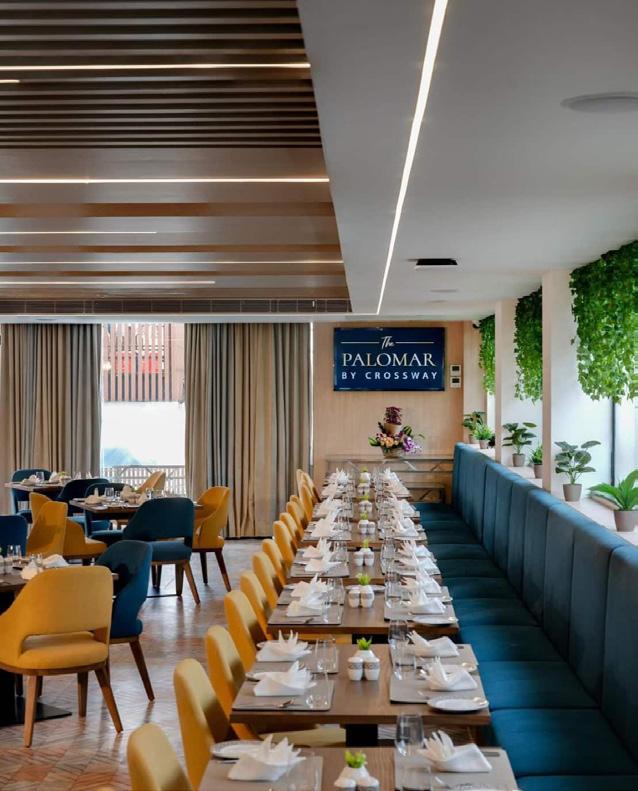
As the most magical time of the year approaches, Cappella at The Palomar by Crossway opens its doors to a season filled with flavour, warmth, and celebration. Known for its refined culinary experiences and inviting ambience, the restaurant is all set to host an unforgettable Christmas celebration with thoughtfully curated menus, live music, and a festive spirit that brings people together.
This year, Cappella promises not just a meal, but a memorable holiday experience—where elegant dining meets joyful togetherness.
VIBRANT LIFESTYLE
Christmas Eve Dinner
24th December | 7:30 PM | ₹2499 + Taxes
The celebrations begin with a spectacular Christmas Eve Dinner designed to set the perfect tone for the festivities. Guests can step into a warm, beautifully styled setting that captures the essence of the season—soft lights, cheerful décor, and an atmosphere brimming with holiday charm.
The evening’s menu has been carefully crafted by the culinary team to showcase seasonal ingredients and festive classics with a refined touch. Every dish reflects attention to detail, balancing traditional Christmas flavours with contemporary flair. From comforting starters to indulgent mains, the experience promises a harmonious blend of taste and artistry.
The Christmas Eve Dinner at Cappella is ideal for couples seeking a romantic festive evening, families gathering for a special celebration, or friends looking to toast to the holiday season. The elegant ambience, attentive service, and thoughtfully designed menu come together to create an evening of indulgence and joy.
Christmas Special Brunch
25th December | 12 PM Onwards | ₹2499 +Taxes (Featuring Live Music)
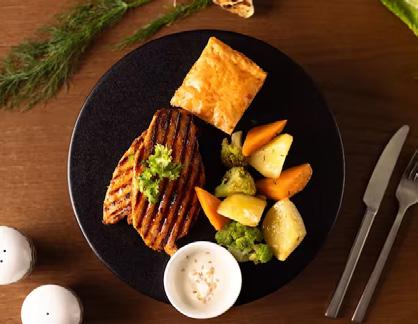
The festive spirit continues the next day with a vibrant and indulgent Christmas Special Brunch. Designed to be grand, cheerful, and flavour-packed, the brunch is a celebration of festive favourites and culinary craftsmanship. The lavish spread features an exciting array of dishes that cater to every palate. Guests can savour the delicate sweetness of Cinnamon Poached Pears, relish the bold flavours of Achari Paneer Tikka, and enjoy crispy, golden Beer-Battered Fish. The centrepiece of the celebration, the traditional Roast Turkey, promises to be a festive highlight,
served with all the classic accompaniments. Adding a dynamic touch to the brunch is the Live Grill Station, where chefs prepare Tender Grilled Beef, Chicken, and Prawns fresh to order, infusing the air with irresistible aromas. For lovers of regional flavours, the rich and aromatic Karur Mutton Biryani offers a comforting and indulgent addition to the feast. No Christmas celebration is complete without desserts, and Cappella elevates the sweet finale with a luxurious collection curated exclusively by Bakestagramz. From decadent cakes to festive confections, each dessert is crafted to deliver indulgence in every bite— ensuring the meal ends on a delightful note.
The Christmas Brunch is further enhanced by cheerful live music, creating a lively and heartwarming atmosphere.The blend of soulful tunes, festive décor, and shared laughter makes it the perfect setting for families and friends to come together and celebrate the season.
Celebrate the Spirit of Christmas
At Cappella, the festive season is about more than exceptional food—it’s about creating moments that linger long after the celebration ends. With impeccable hospitality, elegant interiors, and menus that capture the true essence of Christmas, The Palomar by Crossway invites guests to gather, feast, and make cherished memories.
Whether it’s a refined Christmas Eve dinner or a vibrant Christmas Day brunch filled with music and merriment, Cappella offers a celebration that is stylish, soulful, and truly unforgettable.
INCREDIBLE TAMILNADU & Retail Shopping
Sawsee Athleisure A Chennai-Born Brand
Redefining Sustainable, All-Day Wear for Indian Women
Sawsee Athleisure is a Chennai-born start-up that enters India’s rapidly growing athleisure space with a clear purpose—to create clothing that supports movement, comfort, and confidence throughout the day. At a time when fitness, wellness, and lifestyle choices are becoming deeply interconnected, the brand recognises that Indian women no longer want clothes confined to a single role. Instead, they seek versatile pieces that can transition effortlessly from workouts and yoga sessions to work, travel, and moments of rest. Positioned in the mass-premium segment, Sawsee Athleisure brings together performance, sustainability, and thoughtful design tailored to Indian lifestyles.
Founded by entrepreneur and wellness professional Mahi Mohan, the brand was officially launched in India after more than 18 months of intensive research. The idea for Sawsee emerged from Mahi’s personal struggle to find clothing that could keep up with the many roles she balanced in a single day. Fitness wear often felt too restrictive or overly sporty, while casual wear lacked comfort and flexibility. This gap inspired her to build a brand focused on all-day essentials that allow women to feel comfortable, confident, and at ease in their bodies, making movement feel natural rather than forced. Sawsee Athleisure has been designed specifically for Indian women who balance fitness routines with work schedules, family life, travel, and social commitments. Rather than following global trends blindly, the brand starts with the realities of everyday life in India—long hours, varying climates, and the need for adaptable clothing.
The silhouettes are clean and flattering, the colour palettes understated and versatile, and the fits engineered to move with the body. This approach ensures that Sawsee garments feel equally appropriate during a yoga class, a casual meeting, or a long travel day. The debut collection reflects
this philosophy of versatility at its core. It includes performance-driven activewear for workouts and movement, yogawear crafted from sustainable bamboo fabrics that offer breathability and softness, and travel and loungewear designed for comfort on the move.
Alongside these are all-day essentials that seamlessly transition between professional and personal settings. Each category has been created to complement the others, encouraging women to build a functional wardrobe rather than separate outfits for every activity.
One of the defining aspects of Sawsee Athleisure is its positioning as “playwear” rather than conventional activewear. The brand views play not as something frivolous, but as an essential part of a balanced life. According to Mahi Mohan, comfort enables freedom, and freedom inspires play—allowing joy and movement to become a natural part of everyday routines. This philosophy challenges the idea that fitness clothing must look intense or technical, instead embracing softness, ease, and durability as core values.
Fabric innovation lies at the heart of Sawsee’s offering. The brand has developed proprietary textiles such as FABUL™, PLAYE™, EARTHKIN™, and SERENE™, each engineered to deliver a specific balance of softness, breathability, stretch, and durability. These fabrics are tested extensively in laboratories as well as real-world conditions to ensure they can withstand Indian climates and daily wear. The result is clothing that feels gentle on the skin while retaining its shape and performance over time. Sustainability is deeply embedded in Sawsee Athleisure’s operations. More than 60 per cent of the
brand’s production takes place in Tiruppur, Tamil Nadu, a globally recognised hub for knitwear manufacturing. By partnering with local units, Sawsee supports fair wages, safe working conditions, and environmentally conscious production practices. The brand also uses 100 per cent recycled materials for its packaging and continues to invest in research and development to increase the use of recycled and eco-friendly fabrics without compromising on quality.
Choosing Tiruppur as a manufacturing base also reflects Sawsee’s commitment to India’s textile heritage. The region’s skilled workforce and advanced infrastructure allow the brand to maintain high quality standards while keeping production transparent and ethical. These partnerships help Sawsee balance innovation with responsibility, ensuring that growth does not come at the cost of people or the environment.
Despite its emphasis on premium fabrics and responsible manufacturing, Sawsee Athleisure remains accessible. Prices start at around ₹1,000, making the brand appealing to a wide audience of fitness enthusiasts and lifestyle consumers. By offering durable, multifunctional garments, Sawsee encourages mindful consumption—pieces that last longer and serve multiple purposes, rather than fast-fashion buys that are quickly discarded. Available online through a direct-to-consumer model, Sawsee Athleisure connects closely with its audience, allowing it to share its philosophy, gather feedback, and evolve with changing needs. As India’s wellness movement continues to grow, the brand stands out for its thoughtful approach to athleisure—one that blends sustainability, comfort, and everyday practicality. In redefining activewear as playwear, Sawsee Athleisure offers not just clothing, but a more relaxed and joyful way to move through modern life.
SWEET KARAM COFFEE
HOW A GRANDMOTHER’S RECIPES SPARKED A QUIET FOOD REVOLUTION
In a marketplace crowded with protein bars, plant-based snacks, and algorithm-driven food trends, Sweet Karam Coffee has grown by doing the opposite of what modern food branding usually demands. It has slowed down. It has looked backward. And in doing so, it has built one of India’s most emotionally resonant direct-to-consumer food brands—one rooted in memory, patience, and the deeply personal act of home cooking.
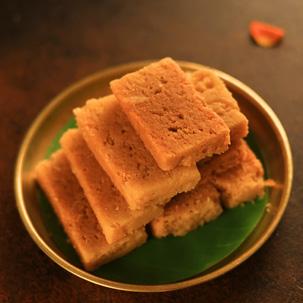
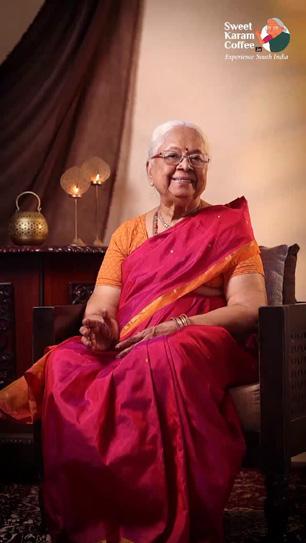
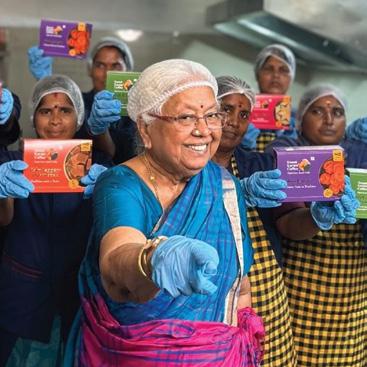
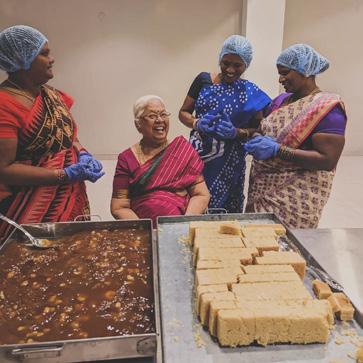
Founded in Chennai in 2015, Sweet Karam Coffee is a South Indian food brand offering traditional sweets, snacks, and beverages made the way they once were—without refined flour, palm oil, artificial preservatives, or industrial shortcuts. Yet its real product is not Mysore Pak or murukku alone. It is the feeling of home for those who are far from it, and the reassurance of continuity for a generation that fears losing its culinary inheritance. At the heart of this story is a grandmother, Janaki Paati, whose kitchen became the brand’s moral centre. Her recipes, passed down through practice rather than paper, now travel across continents, carrying with them the textures, aromas, and rituals of South Indian households.
From a Family Memory to a Shared Mission
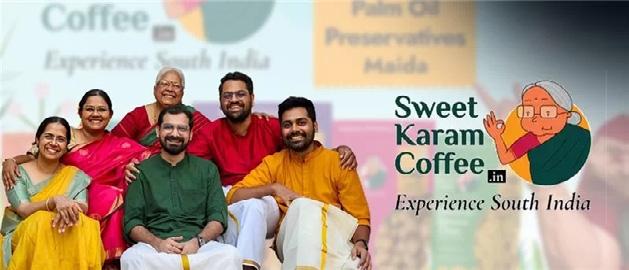
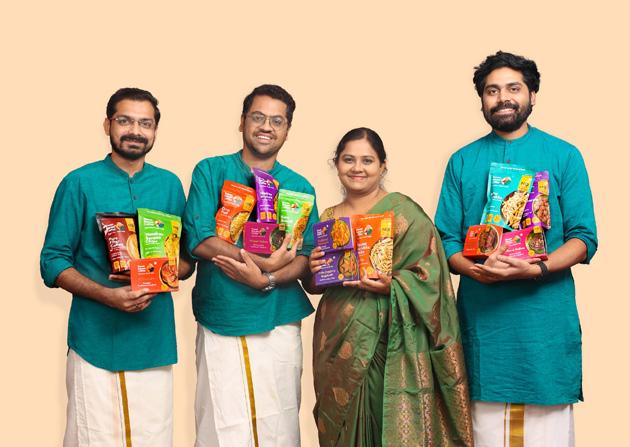
Sweet Karam Coffee was founded by four cousins—Nalini Parthiban, Anand Bharadwaj, Srivatsan Sundararaman, and Veera Raghavan— who shared a common childhood shaped by food. Their grandmother’s cooking was not a special occasion affair; it was everyday nourishment, made with instinctive precision and care. For years, those flavours lived only in memory, resurfacing during festivals or rare family gatherings. As careers and lives scattered them across cities and countries,
the cousins began to recognise a quiet, collective longing—not just their own, but that of countless others who had moved away from home. South Indian food, they noticed, was either overcommercialised or reduced to stereotypes. The nuance of home cooking—the balance, restraint, and emotional intelligence of it—was missing. Sweet Karam Coffee emerged from this gap. What began as a modest experiment, backed by a small investment and a large amount of faith, was never intended to be a startup chasing valuations. It was a response to absence: the absence of trustworthy food, of familiar flavours, of the assurance that what one eats is made with care. Janaki Paati was not positioned as a mascot for branding convenience. She became the brand’s anchor. Her image, her recipes, and her presence served as a constant reminder that growth should never come at the cost of integrity.
Leadership Rooted in Discipline, Not Disruption
As Sweet Karam Coffee grew, its leadership style became one of its defining strengths. Nalini Parthiban, the co-founder and CEO, brought a rare balance of emotional clarity and operational rigour. With a background in engineering, banking, and consulting, she was well-versed in structured problem-solving. Yet her approach to the brand remained deeply human. When Nalini joined the business full-time in 2021, Sweet Karam Coffee was already gaining traction. Demand was growing rapidly, especially from customers abroad. The temptation to scale quickly—to automate, centralise, and simplify—was strong. But she resisted it.
Instead, Nalini focused on building systems that could protect the soul of the brand. Quality control was strengthened, supplier relationships were formalised without becoming extractive, and growth targets were set realistically. The aim was not to become the fastest-growing food brand, but the most trusted one. This insistence on sustainability over speed has shaped Sweet Karam Coffee’s reputation. In an ecosystem where shortcuts are often celebrated as innovation, the brand’s refusal to compromise has become its quiet form of rebellion.
The Good Food Revolution and the Politics of Ingredients
Sweet Karam Coffee often describes its philosophy as a Good Food Revolution. Unlike movements driven by health fads or superfoods, this revolution is anchored in simplicity. The brand does not promise weight loss, immunity boosts, or lifestyle transformations. It promises food made the way it always was. Every ingredient choice is intentional. Refined flour is avoided not because it is fashionable to do so, but because it was never a part of traditional home kitchens. Palm oil is excluded because it alters both taste and ethics. Preservatives are avoided even when it complicates logistics.
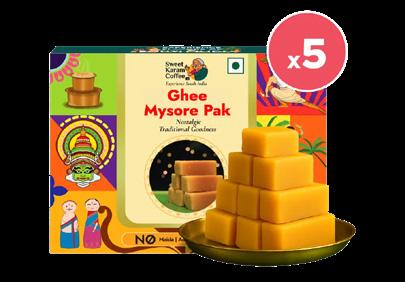
This commitment comes at a cost. Shelf life is shorter. Production is slower. Margins are tighter. But what the brand gains instead is trust—an increasingly rare currency in the food industry. Sweet Karam Coffee does not market itself as a “healthy” brand. It embraces indulgence without guilt and nourishment without jargon. A ghee Mysore Pak is unapologetically rich. A murukku is crunchy, salty, and comforting. The honesty of this approach has resonated deeply with consumers who are exhausted by performative wellness.
Decentralised Kitchens, Centralised Values
One of the most distinctive aspects of Sweet Karam Coffee is its production model. Rather than relying on large, centralised factories, the brand works with a decentralised ecosystem of small farmers, regional producers, and home chefs. Many of these collaborators are women who have cooked all their lives but never had access to formal markets. Sweet Karam Coffee provides these partners with recipes, quality benchmarks, packaging standards, and access to a global customer base. What it does not take away is autonomy. Food continues to be prepared in familiar environments, using traditional tools and methods. This model allows the brand to preserve regional specificity. A murukku made in Tamil Nadu tastes different from one made elsewhere, and that difference is respected rather than erased. At the same time, strict quality checks ensure consistency without uniformity. In doing so, Sweet Karam Coffee has created a system where tradition becomes a source of livelihood, not nostalgia alone. The brand’s success is shared, distributed across households and communities rather than concentrated in a single facility.
A Catalogue of Memory: Products That Carry Stories
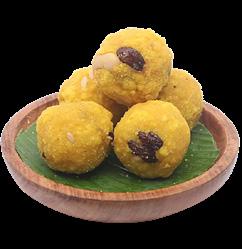
Over the years, Sweet Karam Coffee has built a catalogue of more than 100 products. Each one is rooted in familiarity. There are ghee-based Mysore Pak varieties that dissolve on the tongue, jaggerysweetened laddus that recall festival mornings, and athirasam that demands patience and skill to prepare correctly. The savoury offerings are equally evocative. in coconut oil speak of regional kitchens and afternoon snacks. The beverage range includes filter coffee blends that honour South India’s coffee culture, along with milk mixes inspired by household remedies and rituals.What ties this diverse range together is not novelty, but coherence. Each product feels like it belongs to the same world—a world where food is an extension
Today, Sweet Karam Coffee ships to over 30 countries, reaching customers who may have left India decades ago. For many of them, opening a package from the brand is an emotional experience. It is not uncommon for customers to write back, describing how a particular sweet tasted exactly like something their grandmother used to make.
Nostalgia as a Form of Cultural Preservation
Sweet Karam Coffee understands that nostalgia is not merely sentimental; it is cultural. Through storytelling initiatives such as Dakshin Tales, the brand documents South Indian food traditions, festival practices, and everyday culinary rituals. These stories are shared not as marketing copy, but as archives of lived experience.
In doing so, the brand positions food as a language— one that carries history, geography, and identity. It resists the flattening of South Indian cuisine into generic categories, instead highlighting its internal diversity and depth. This approach has helped Sweet Karam Coffee build a community rather than just a customer base. People do not merely consume the brand’s products; they engage with its worldview. In a time when algorithms dictate taste, this insistence on context feels radical.
Growth Without Losing the Plot
As Sweet Karam Coffee expanded, it began to
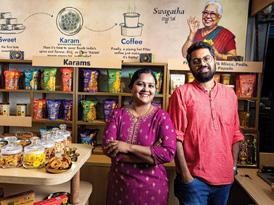
explore offline retail, opening physical stores that extend the brand’s philosophy into space. These stores are not designed as flashy outlets but as extensions of the home—warm, familiar, and unhurried. The brand has also raised funding to support its growth, allowing it to strengthen infrastructure, improve logistics, and expand its team. Yet, even with institutional capital, the founders have remained careful about scale. Every decision is weighed against a simple question: does this still feel like home? This restraint has allowed Sweet Karam Coffee to grow without eroding its essence. It remains a brand that listens closely to its customers, many of whom have been with it since the beginning.
Why Sweet Karam Coffee Matters Now
In a global food industry increasingly defined by speed, spectacle, and sameness, Sweet Karam Coffee represents a different possibility. It suggests that tradition does not have to be fragile, that home
cooking can survive modern logistics, and that growth does not require abandonment of values.The brand’s success is not loud. It does not rely on celebrity endorsements or viral gimmicks. Instead, it grows through word of mouth, through trust, through the quiet recognition that something made with care feels different. Sweet Karam Coffee is ultimately not just about food. It is about continuity— about ensuring that the knowledge held in kitchens is not lost to time or convenience. In preserving the past, it has found a way to nourish the present.
And in a world constantly searching for what is next, Sweet Karam Coffee reminds us that sometimes, what we need most is what we already know— made well, shared generously, and remembered with love.
Sweet Karam Coffee’s newest product launches continue to build on its core philosophy: celebrat-ing traditional Indian snacks and drinks while making them suitable for contemporary lifestyles.The brand has gained recognition for avoiding white sugar, palm oil, artificial preservatives, and unnec-essary additives—an approach that resonates strongly with today’s health-conscious consumers. With each new product, Sweet Karam Coffee bridges the gap between age-old kitchen wisdom and modern convenience. The latest range reflects a clear shift toward functional foods, clean-label snacks, and readyto-consume beverage mixes. Whether it is a comforting turmeric latte, a crunchy savoury snack, or a naturally sweet laddu, these products are designed to fit seamlessly into everyday routines—from quick breakfasts and teatime munching to festive gifting.
Golden Milk Mix: Tradition Meets Wellness
One of the standout recent launches is the Golden Milk Mix, also known as turmeric latte. Inspired by the age-old Indian practice of consuming haldi doodh, this mix brings together turmeric and warming spices in a convenient, ready-to-use format.Traditionally associated with immunity, di-gestion, and overall wellness, golden milk has found renewed relevance among urban consumers seeking functional beverages. Sweet Karam Coffee’s Golden Milk Mix stays true to its roots while offering a refined, balanced flavour profile that suits modern palates. It can be enjoyed hot or cold and works equally well as a bedtime drink or a calming mid-day beverage. This product signals the brand’s entry into the wellness beverage category, an area with significant growth potential.
Milk Mix Powder: A Nostalgic Favourite Reimagined
Another noteworthy addition is the Milk Mix Powder, a product that evokes memories of childhood glasses of flavoured milk. Unlike conventional mixes loaded with refined sugar and artificial flavours, this version focuses on natural taste and quality ingredients. Designed for both children and adults, it offers a comforting, mildly sweet flavour that pairs effortlessly with warm or cold milk. This launch reinforces Sweet Karam Coffee’s ability to take familiar formats and elevate them with cleaner ingredients and better nutritional choices. It also caters to families looking for trust-worthy everyday products that balance taste and health.
Dates Laddu:
Natural Sweetness with a Modern Twist
In the sweets category, the Dates Laddu with choco and dry fruit variants stands out as a contem-porary take on traditional energy-rich treats. Made primarily from dates, these laddus rely on natu-ral sweetness rather than refined sugar, making them popular among fitness enthusiasts and those looking for guilt-free indulgence. Blending the richness of dry fruits with subtle chocolate notes, the Dates Laddu appeals to a younger audience while retaining the essence of homemade laddus. It works equally well as a snack, a dessert, or a festive offering, highlighting Sweet Karam Coffee’s ability to innovate within the traditional sweets segment.
Peanut Chikki Bites: Crunchy, Wholesome, and Familiar
Peanut chikki has long been a staple Indian snack, associated with winter treats and roadside ven-dors. Sweet Karam Coffee’s Peanut Chikki Bites reinterpret this classic in a bitesized, neatly pack-aged format suitable for on-the-go snacking. Made using peanuts and jaggery, these bites pre-serve the authentic crunch and flavour while offering portion control and convenience. This launch caters to consumers seeking protein-rich, naturally sweet snacks without compromising on taste. It also aligns with the brand’s emphasis on reviving traditional snacks in a more accessible and hygien-ic form.
Andhra Spicy Murukku: Regional Flavours Take Centre Stage
Savoury snacks remain at the heart of Sweet Karam Coffee’s identity, and the Andhra Spicy Murukku exemplifies this focus. Drawing inspiration from the bold spice profiles of Andhra cuisine, this murukku delivers an extra kick while retaining the familiar crunch loved across South India. Alongside the standalone variant, the Andhra Spicy & Garlic Murukku Combo offers variety and caters to diverse taste preferences. The garlic-infused option adds depth and aroma, appealing to consumers who enjoy robust flavours. These launches highlight the brand’s regional storytelling, using spice blends and recipes that celebrate India’s culinary diversity.
Premium Filter Coffee: Honouring South Indian Coffee Culture
True to its name, Sweet Karam Coffee has also expanded its beverage portfolio with a Premium Filter Coffee blend. South Indian filter coffee is not just a drink but a ritual, deeply ingrained in daily life. This premium blend focuses on rich aroma, balanced bitterness, and authentic taste, appealing to coffee purists who value tradition. By introducing this product, the brand strengthens its associ-ation with heritage beverages and reinforces its roots in South Indian culinary culture. It also posi-tions Sweet Karam Coffee as more than just a snack brand, extending its presence into everyday beverage rituals.
Crunchy Party Mixture:
Everyday Indulgence for All Occasions
Completing the recent lineup is the Crunchy Party Mixture, a versatile savoury snack designed for sharing. Combining multiple textures and flavours, this mixture is ideal for tea-time, gatherings, and festive occasions. It reflects the brand’s understanding of Indian snacking habits, where mix-tures are often the go-to accompaniment for conversations and celebrations. This product caters to both individual consumers and families, making it a staple pantry item that balances indulgence with quality ingredients.
With its latest product launches, Sweet Karam Coffee continues to carve a distinctive space in In-dia’s evolving food landscape. By blending tradition with innovation, the brand demonstrates that heritage foods can be both relevant and aspirational. These new offerings not only strengthen its portfolio but also signal a longterm vision of becoming a trusted household name for authentic, mindful indulgence.
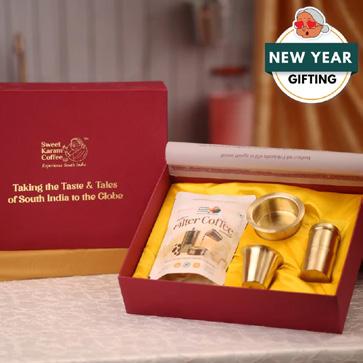
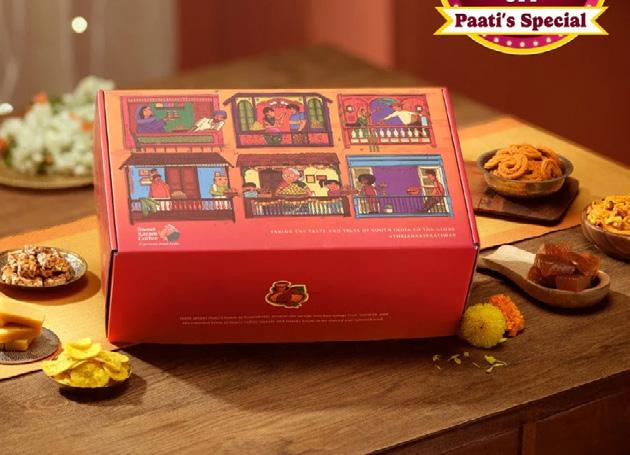
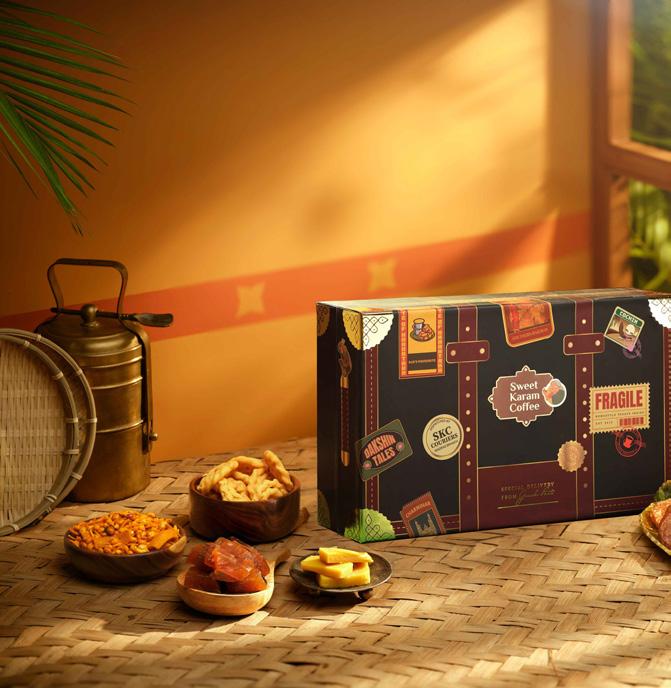
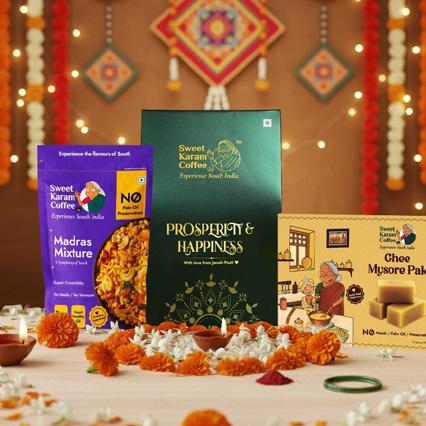
Beyond its much-loved range of snacks and beverages, Sweet Karam Coffee has created a thoughtful collection of gift hampers that capture the warmth and emotion of Indian gifting traditions. Designed to celebrate authentic South Indian flavours, these hampers make it easy to share moments of joy—whether during festivals, family milestones, corporate occasions, or simple gestures of appreciation. More than assortments of food, each hamper is a carefully curated experience rooted in nostalgia, quality, and heartfelt connection. The brand’s gifting portfolio features beautifully packaged boxes that bring together sweets, sa-vouries, and beverages in balanced combinations.
Crafted to be savoured and remembered, these hampers invite recipients to relive familiar flavours and comforting rituals with every bite and sip. Ideal for festivals, weddings, birthdays, anniversaries, and housewarmings, the range reflects an understanding that gifting in India is as much about emotion as it is about taste.
Popular options include the Premium Gift Box, a luxurious selection suited for festive celebrations and special occasions, and the Sweet Hamper Box, a mid-range favourite that blends sweet and savoury classics for sharing.
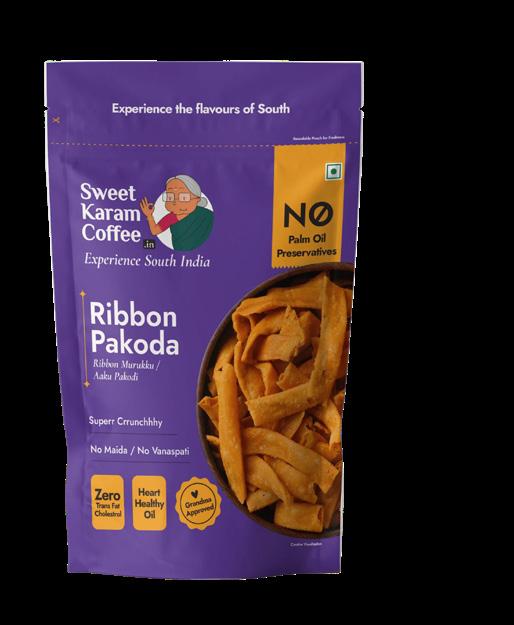
The Classic Traditional Indulgence Gift Hamper celebrates heritage with items like Madras mixture, ribbon pakoda,
wheat halwa, and ghee Mysorepak— handcrafted with-out preservatives. Coffee lovers gravitate toward the Filter Coffee Potli Gift Hamper, while the Paati Gift Hamper taps into nostalgia with grandmother-inspired treats. For events and gatherings, the Return Gift Hamper offers a thoughtful yet budgetfriendly option. Sweet Karam Coffee also curates seasonal and festival-ready hampers, especially for occasions like Diwali, featuring celebratory favourites such as Mysorepak, halwa, and murukku. Extending into corporate gifting, these hampers resonate with values of care and gratitude—making them ideal for employees and clients alike.
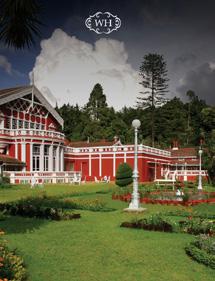
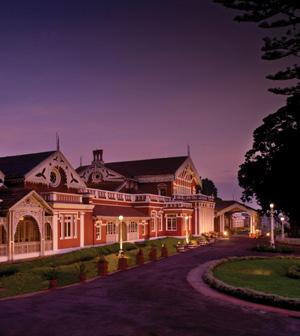
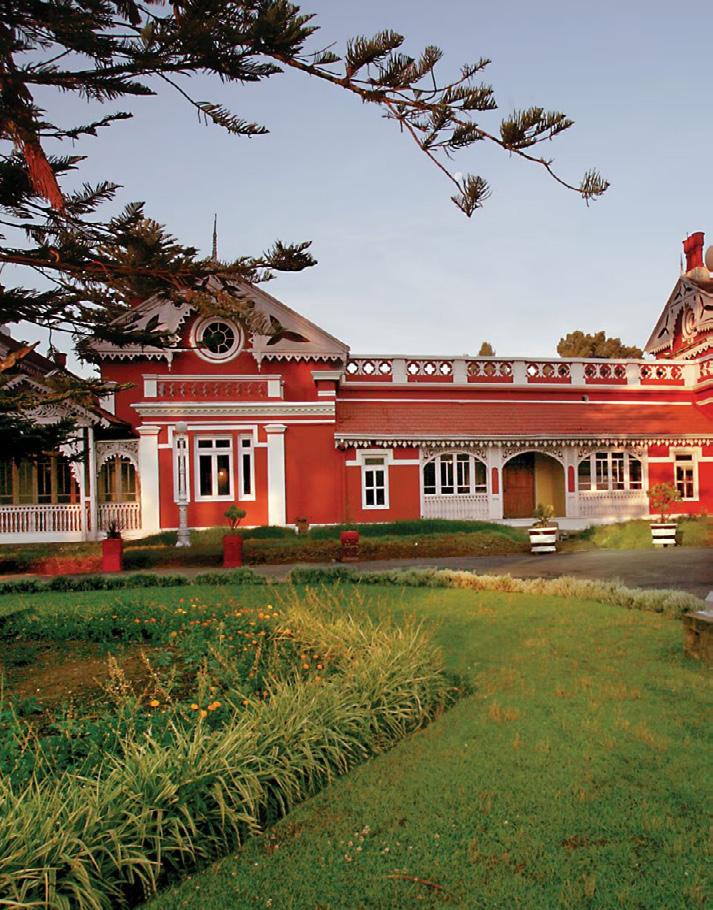
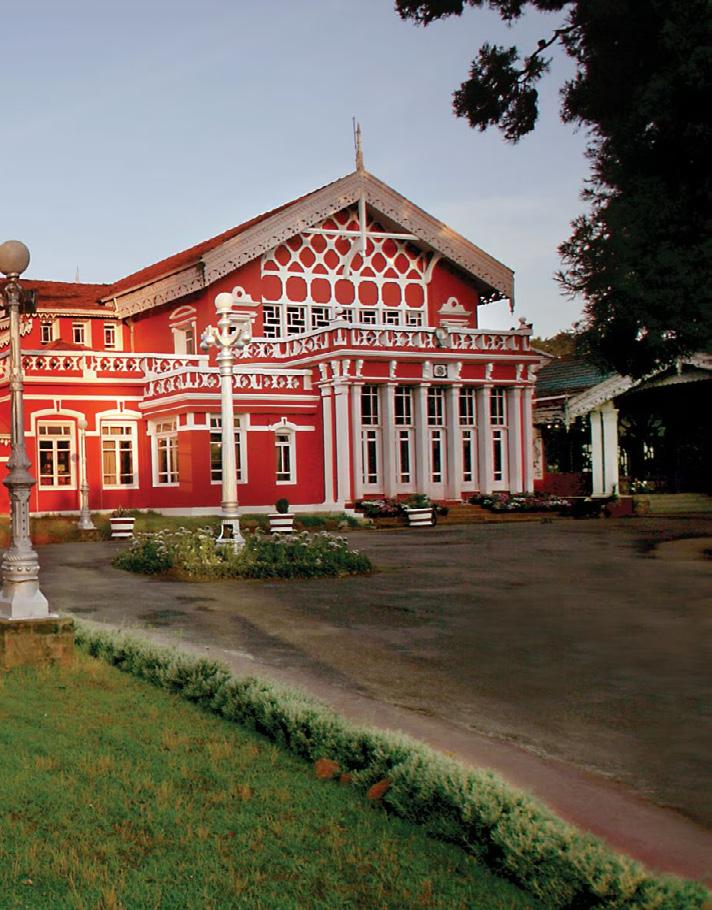
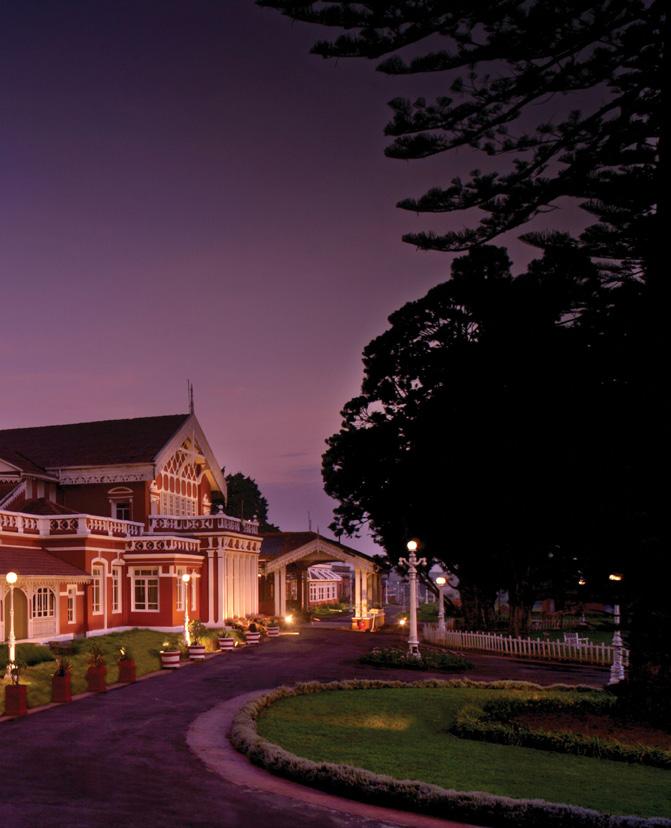
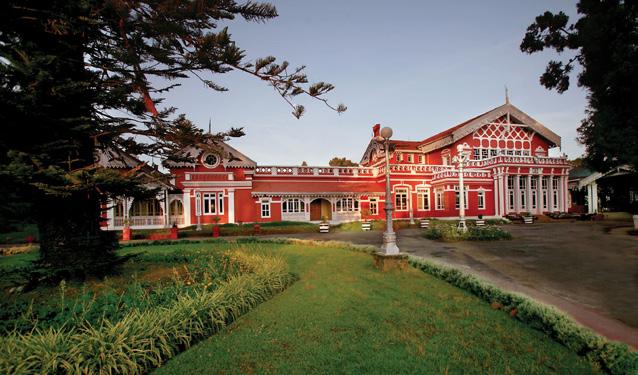
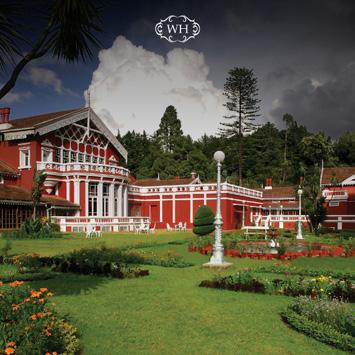
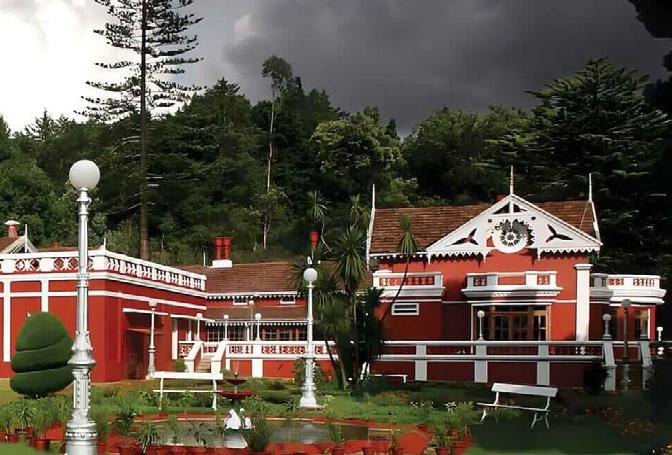
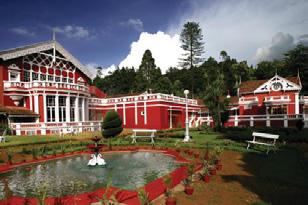
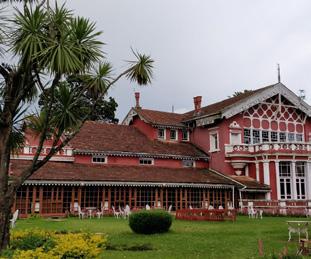
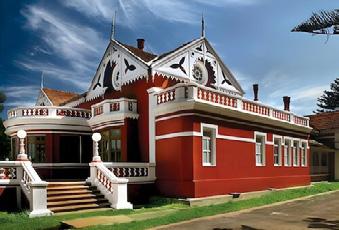
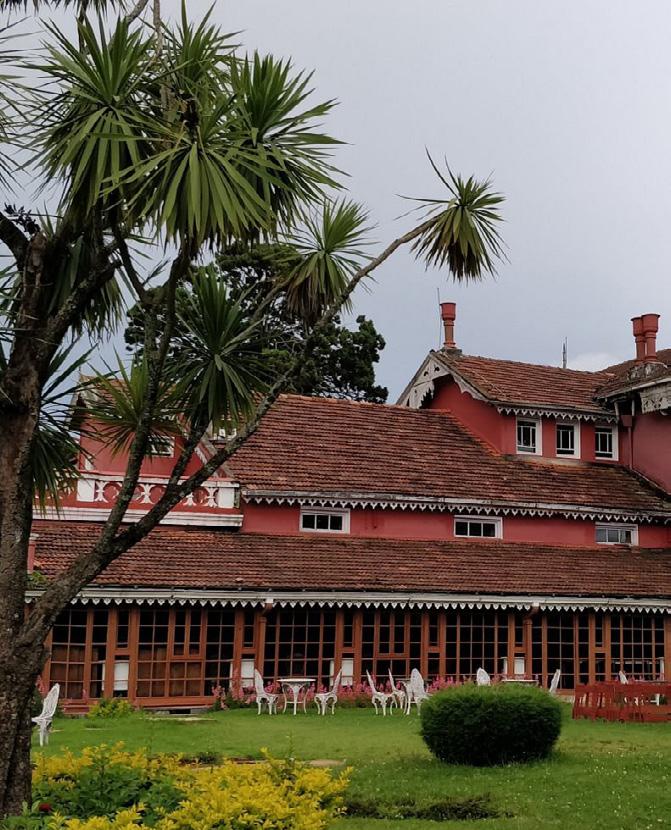
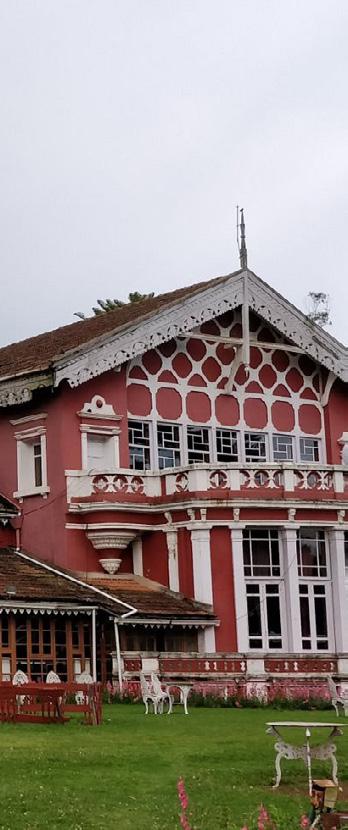
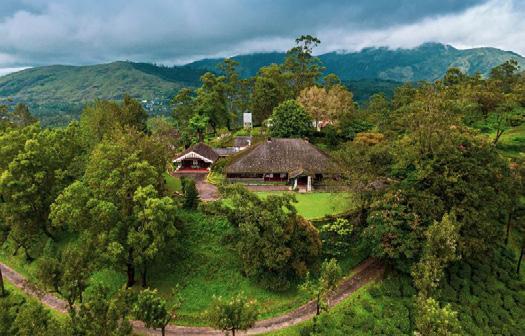
Fernhills Palace in Ooty is one of Tamil Nadu’s most iconic heritage hotels, celebrated for its royal charm, colonial architecture, and serene location in the Nilgiri hills. Originally built in 1844 and later owned by the Wadiyar kings of Mysore, the palace has transformed into a luxury retreat that preserves history while offering modern comfort. Spread across a 50-acre estate of meadows, gardens, and eucalyptus groves, the palace offers guests an atmosphere of peace, elegance, and old-world romance.
Royal Legacy and Historical Significance
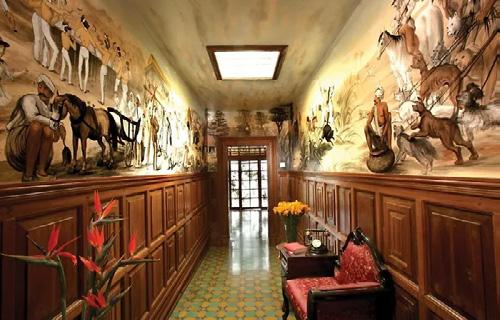
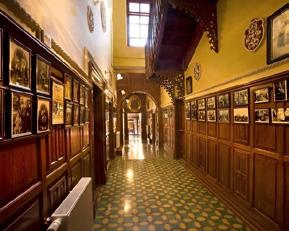
The history of Fernhills Palace begins with its construction by Captain F. Cotton as a Europeanstyle hill retreat. In the 1870s, the Wadiyar royal family of Mysore purchased the property and elevated it into their majestic summer palace. For decades, it hosted royal gatherings, dignitary visits, elite hunting parties, and high-society events during the British colonial era. Even today, the palace is owned by the Mysore royal family, making it one of the very few remaining active royal properties in India that continue to welcome guests. Every corner of the palace—its long verandas, antique furniture, royal portraits and handcrafted décor— reflects the grandeur of aristocratic life from a bygone era.
Architectural Grandeur: A Unique Blend of Cultures
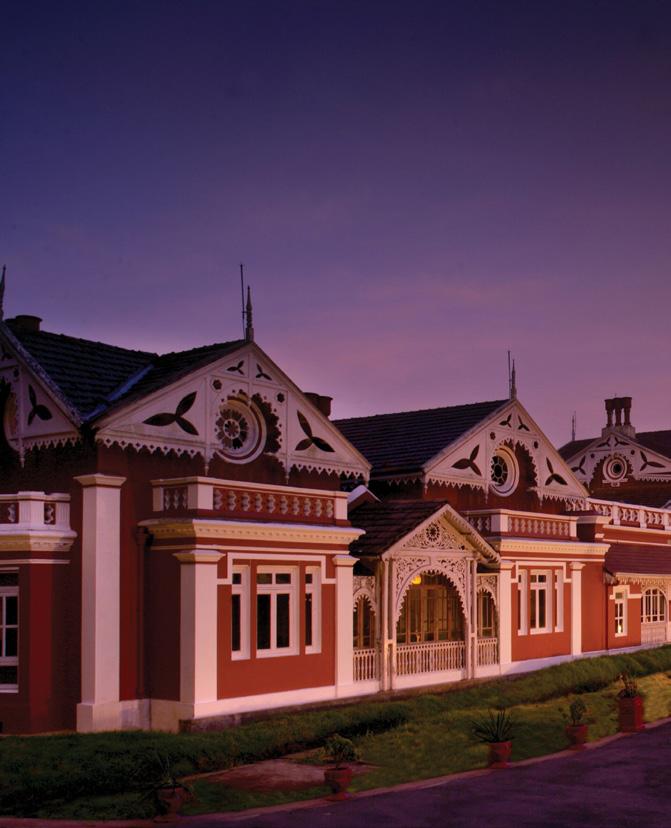
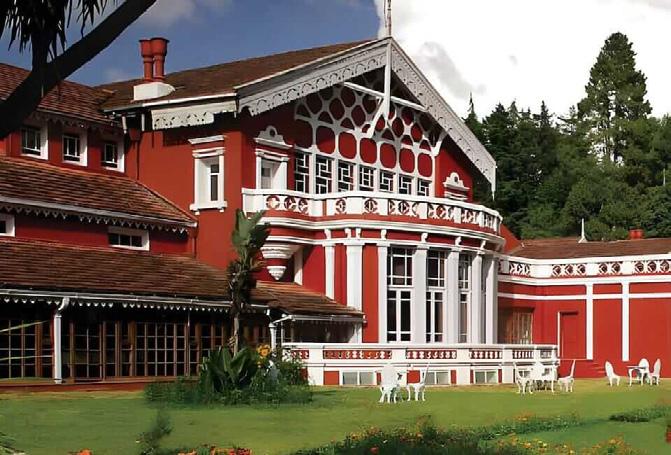
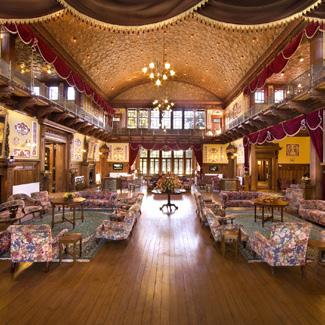
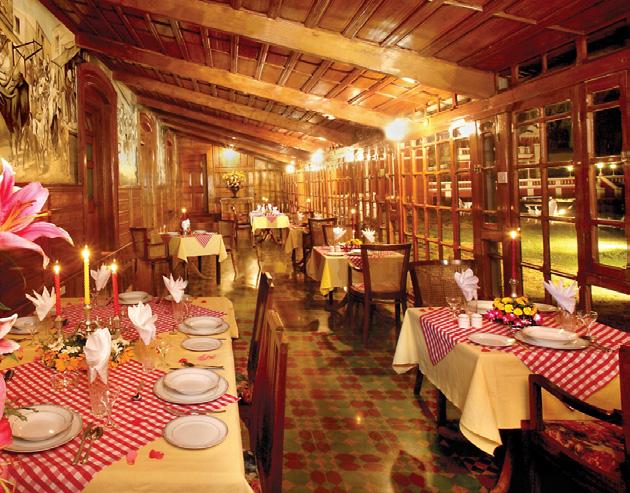
Architecturally, Fernhills Palace stands apart due to its rare Swiss-chalet inspired design, blended beautifully with colonial and Anglo-Indian elements. The red gabled roofs, tall wooden pillars, long corridors, stately fireplaces and intricately carved teakwood interiors create a setting straight from the Victorian period. Inside the palace, vintage chandeliers glow softly over polished wooden floors, while heritage artefacts narrate the story of the royal family. Spacious rooms open into wide lawns and rolling hill views, making the architecture not just aesthetically stunning but also deeply connected to the scenic beauty of the Nilgiris.
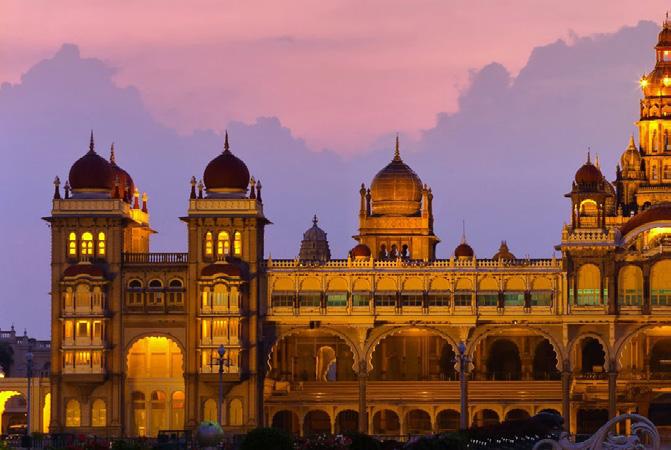
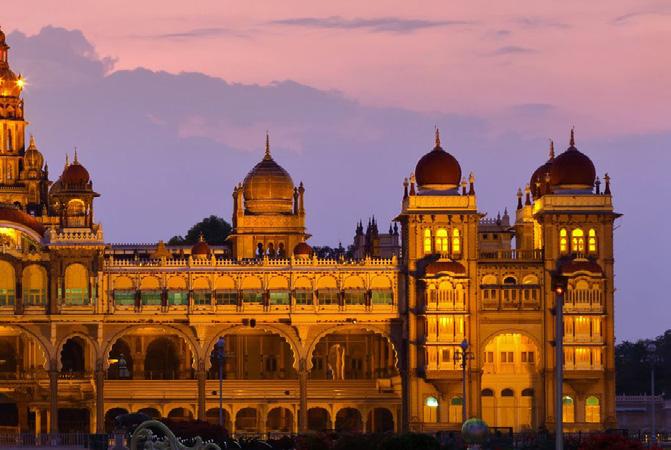
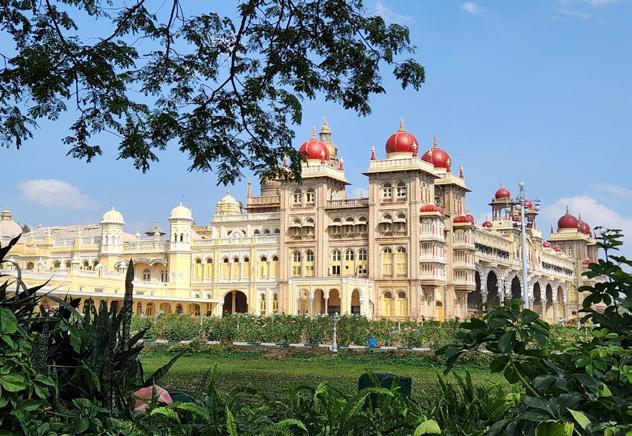
Mysore Palace
Location: The Charm of Tamil Nadu’s Queen of Hills
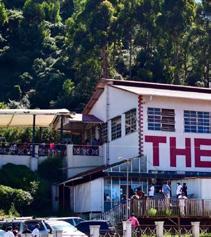
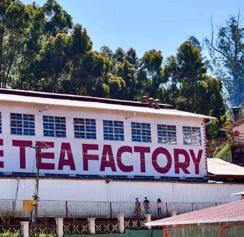
Located in Udagamandalam (Ooty), the “Queen of Hills” in Tamil Nadu, Fernhills Palace enjoys a cool, refreshing climate throughout the year. At an elevation of 7,000 feet, the estate stays surrounded by mist, pine forests and lush mountain greenery. Its proximity to famous sites like the Ooty Botanical Garden, Tea Factory & Museum, Fernhill Railway Station and toy train routes makes it ideal for tourists, honeymooners and families seeking both comfort and exploration. Despite being close to the town, the palace’s vast grounds create a cocoon of silence and privacy, keeping guests away from the busy crowds.
Accommodation: Royal Comfort and Heritage Charm
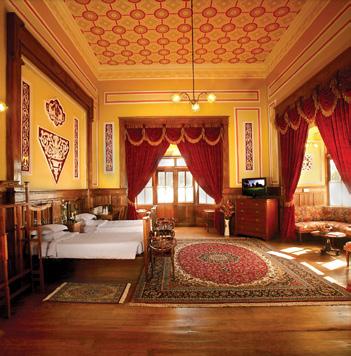
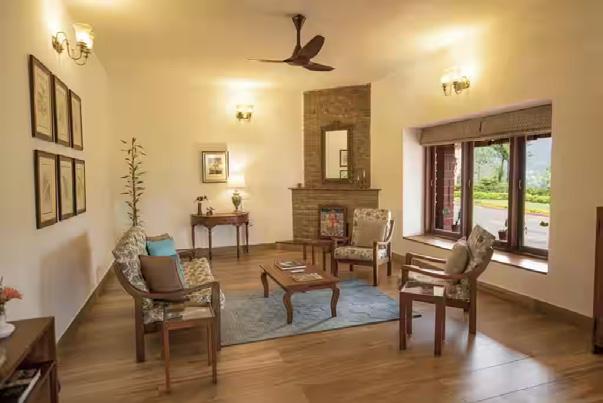
Every room and suite at Fernhills Palace is designed to preserve the royal atmosphere of the past. Instead of uniform hotel interiors, each room holds its own personality with antique four-poster beds, royal photographs, vintage mirrors, handcrafted décor and cosy reading corners. The rooms offer a beautiful balance between heritage elegance and modern amenities. Morning sunlight flowing through the large windows and the cool Nilgiri breeze together create an experience that feels both intimate and grand. Guests often describe staying here as living inside a storybook.
Culinary Experience: Dining with Royal Flavour
Dining at Fernhills Palace is a royal experience. The palace kitchen blends recipes from the Mysore royal household with traditional Tamil Nadu flavours and continental classics. Meals are served in charming colonial-style dining halls where chandeliers, long wooden tables and vintage cutlery add to the ambience. Organic vegetables and herbs sourced from the estate gardens are used in many dishes, giving every meal a fresh and homely touch. Whether it is steaming South Indian breakfast, handmade breads, royal-style biryanis or candle-lit dinners, the palace ensures that food becomes a memorable part of the stay.
Activities and Experiences on the Estate
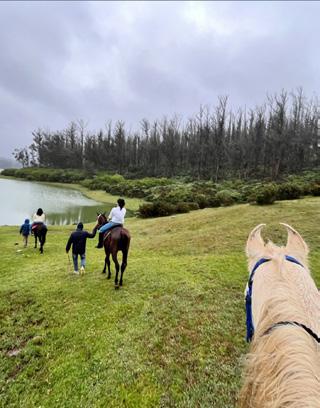
The palace offers a wide range of experiences that allow guests to connect with nature, culture and heritage. Guided heritage walks through the palace halls reveal stories of the royal family. Outdoor
lovers can enjoy horse riding on the sprawling meadows, nature walks in eucalyptus forests, or bird-watching sessions in the Nilgiri wilderness. Tea estate visits, yoga sessions and meditation retreats enrich the wellness aspect of the stay. In the evenings, bonfires under the starry sky create a warm, nostalgic setting perfect for conversations and relaxation.
A Grand Venue for Weddings, Films and Events
With its magnificent architecture and breathtaking landscapes, Fernhills Palace has become a sought-after destination for luxury weddings, pre-wedding shoots, film shootings and corporate retreats. The palace lawns, Victorian halls and panoramic views provide picturesque backdrops for photography, cultural events and celebrations. Its royal ambience combined with natural beauty makes it an unforgettable venue for special occasions.
Role in Tamil Nadu’s Tourism Landscape
Fernhills Palace has emerged as an important heritage landmark in Tamil Nadu’s tourism sector. It preserves the legacy of the Mysore royalty, enriches Nilgiri tourism and supports the local community through employment and cultural promotion. As travellers increasingly seek meaningful, experiential and historic stays, Fernhills Palace stands out as a property that offers authenticity, luxury and cultural depth all at once.
Where History Lives in Luxury
Fernhills Palace is not just a hotel; it is a living museum of Tamil Nadu’s rich culture, mountain beauty and royal history. With its timeless architecture, spacious nature-filled estate, warm hospitality and regal elegance, the palace offers an experience that is both luxurious and soulsoothing. For anyone visiting Tamil Nadu, Fernhills Palace remains one of the most enchanting and unforgettable destinations.
The Wadiyars of Mysore: Guardians of Royal Legacy and Heritage
A Dynasty Rooted in History
The Wadiyar (or Wodeyar) dynasty of Mysore is one of India’s most illustrious royal families, with a legacy spanning over 400 years. Known for their patronage of art, culture, architecture, and administration, the Wadiyars ruled the Kingdom of Mysore with vision and elegance. Today, while India is a republic and the monarchy holds no official power, the family continues to preserve its heritage through palaces, cultural initiatives, and properties like Fernhills Palace in Ooty.
Historical Background
The Wadiyar dynasty traces its origins to the 14th century in southern India.They rose to prominence in the early 17th century, consolidating power in Mysore under Raja Wadiyar. Over generations, the family became known for sophisticated governance, prosperity, and strong ties with
British colonial authorities while maintaining their cultural and religious traditions. The dynasty witnessed both glory and challenges, from resisting invasions to collaborating with colonial powers. They are credited with shaping Mysore into a hub of art, architecture, and education. The royal family’s patronage led to the construction of iconic landmarks like Mysore Palace, temples, gardens, and educational institutions that remain central to Karnataka’s identity.
Modern Era: Custodians of Culture and Heritage
Post-independence, the Wadiyars transitioned from ruling monarchs to cultural custodians. They focused on preserving their palaces, traditions, and philanthropic activities.The family actively promotes classical music, dance, literature, and festivals. The current head of the family is Yaduveer Krishnadatta Chamaraja Wadiyar, who was adopted in 2015 as the successor to the royal lineage. Despite the absence of formal ruling powers, Yaduveer and the family play a symbolic and influential role in cultural and heritage preservation.
Fernhills Palace and Other Properties
TheWadiyar family owns several heritage properties across Karnataka and Tamil Nadu. Among them, Fernhills Palace in Ooty is particularly significant, reflecting the family’s colonial-era summer retreats. They ensure these properties are preserved with authenticity, offering luxury hospitality while maintaining royal aesthetics. Other properties, like Mysore Palace, continue to serve as cultural landmarks and attract millions of tourists each year.
Contribution to Arts, Education, and Philanthropy
The Wadiyars have a long tradition of supporting the arts. They are patrons of Carnatic music, Bharatanatyam, and other classical art forms. The family also sponsors educational institutions, libraries, and charitable trusts to improve community welfare. Their initiatives emphasize blending traditional values with modern education and social responsibility.
Cultural Significance
Beyond their political history, the Wadiyars are symbols of South Indian heritage and royal grandeur. Their festivals, such as Dasara in Mysore, are celebrated with unmatched pomp and are recognized globally for their cultural richness. Properties like Fernhills Palace allow visitors to experience this legacy firsthand, walking through halls that once hosted royal gatherings and colonialera elites.
Living Legacy
The Wadiyars of Mysore represent a bridge between India’s royal past and its contemporary cultural identity. By preserving palaces, promoting arts, and engaging with heritage tourism, the family continues to inspire admiration and respect. Fernhills Palace in Ooty stands as a testament to their enduring commitment to history, elegance, and hospitality, giving guests a glimpse into the regal lifestyle of a bygone era.
INCREDIBLE TAMILNADU & Intl. Standard Education
NIT TIRUCHIRAPPALLI
(NIT Trichy) Where Innovation Meets Excellence
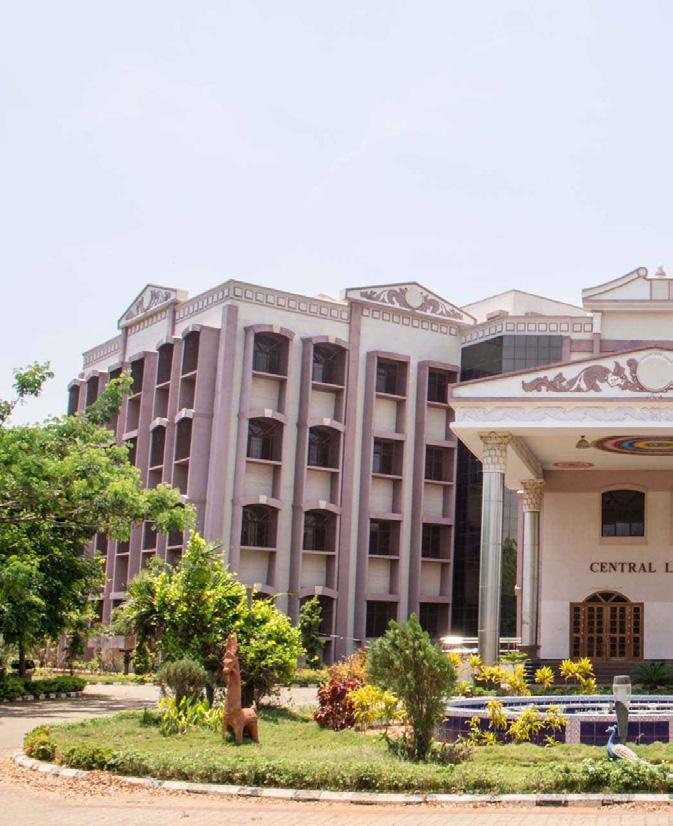
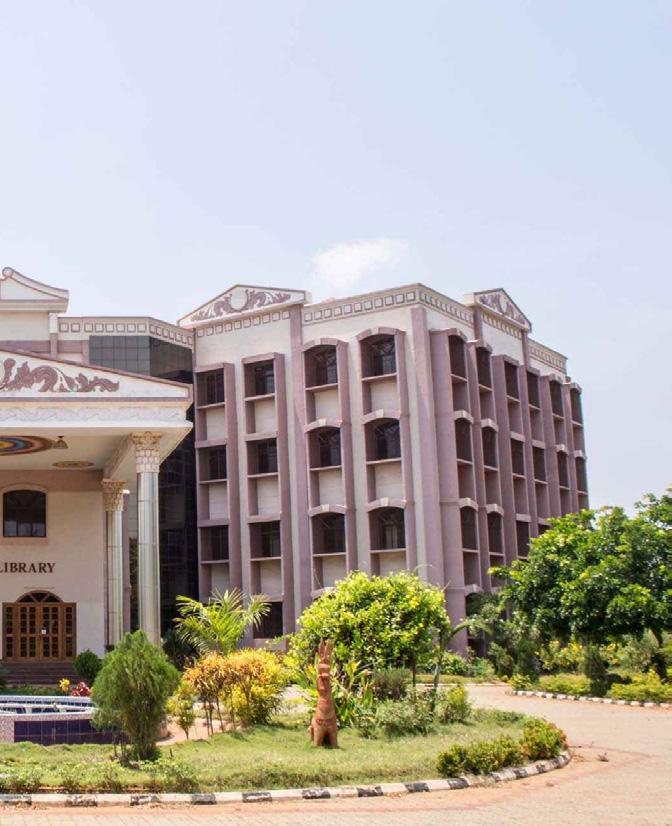
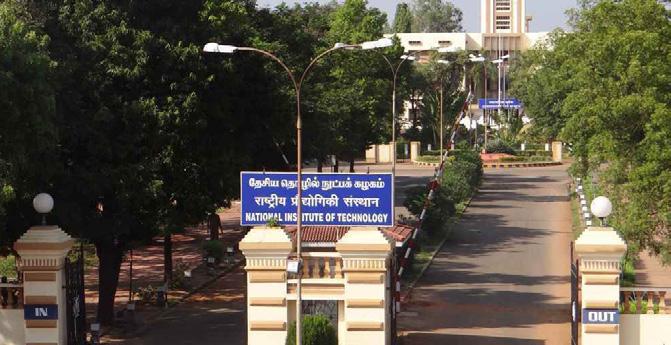
Located in the cultural city of Tiruchirappalli, Tamil Nadu, NIT Tiruchirappalli (NIT Trichy) is one of India’s premier engineering institutes. Renowned for its academic rigor, cutting-edge research, and vibrant campus life, NIT Trichy has established itself as a hub for producing world-class engineers, innovators, and leaders. The institute’s commitment to blending traditional values with modern technology has made it a coveted destination for students from across the country and a symbol of excellence in Indian technical education.
History and Evolution
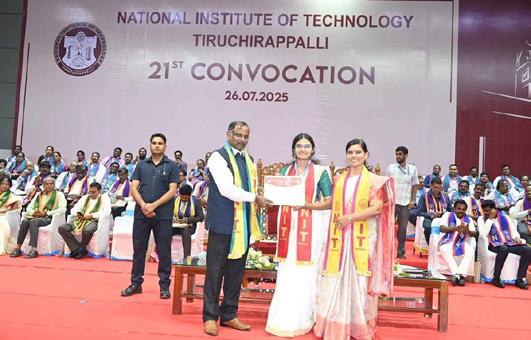
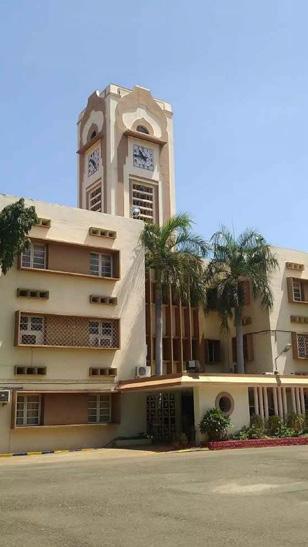
The institute was established in 1964 as the Regional Engineering College (REC),Tiruchirappalli, with the aim of providing high-quality technical education in South India. In 2002, it was upgraded to the status of a National Institute of Technology and declared an Institute of National Importance by the Government of India. Over the decades, the institute has steadily expanded its academic offerings, research programs, and collaborations with global universities and industries, while maintaining a strong commitment to producing technically proficient and socially responsible graduates.
Campus and Infrastructure
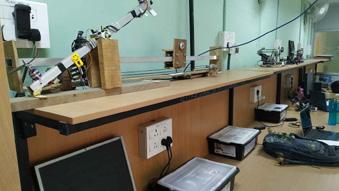
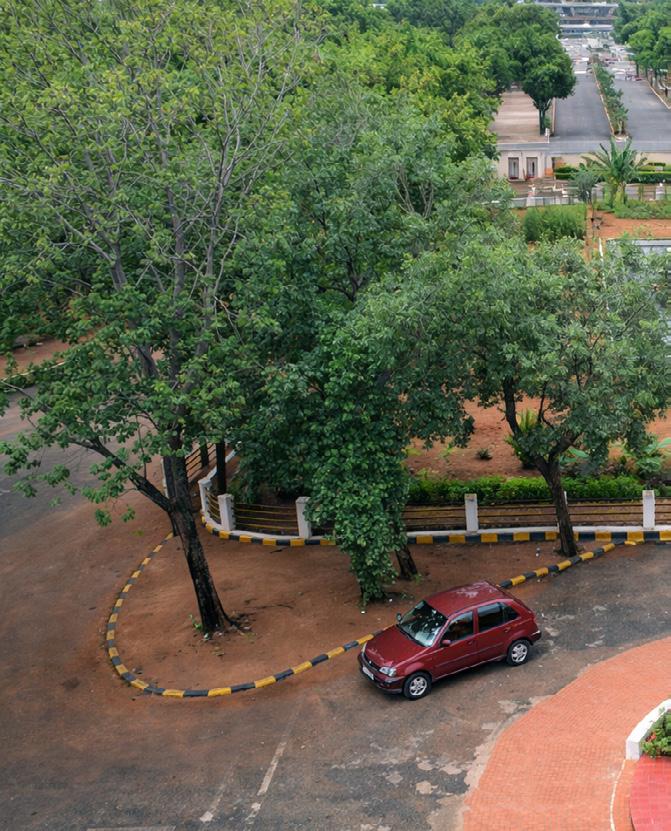
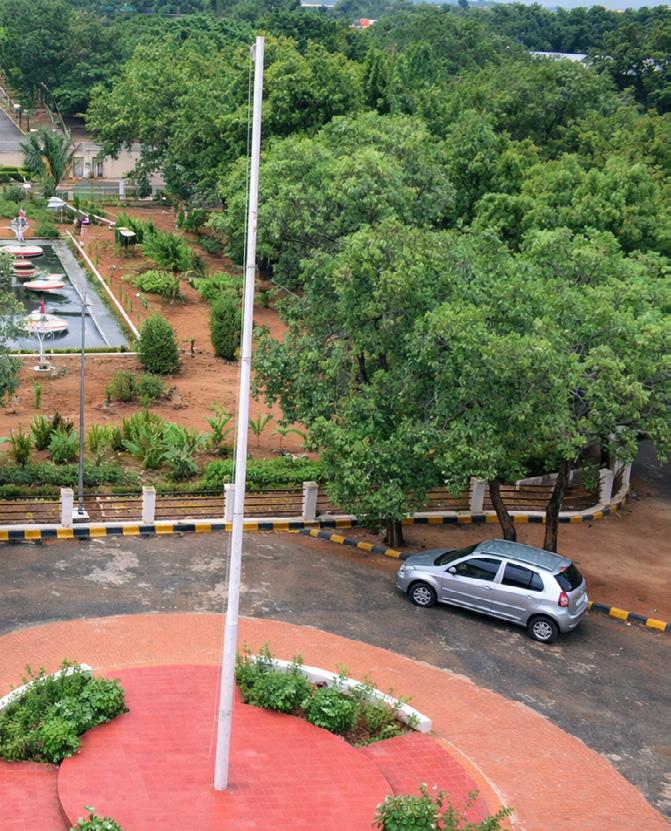
Spanning over 800 acres, NIT Trichy’s campus is an impressive blend of modern architecture and natural greenery. The institute features state-ofthe-art academic buildings equipped with advanced laboratories and classrooms, comprehensive residential facilities including hostels, faculty housing, and guest accommodations, and extensive sports infrastructure with a stadium, indoor arenas,
and swimming pools. The libraries and innovation centers together house over two lakh books, journals, and digital resources. The campus is thoughtfully designed to foster intellectual growth, research, and holistic development, and its scenic surroundings combined with modern amenities create a stimulating and inspiring environment for students.
Academic Excellence
NIT Trichy offers undergraduate, postgraduate, and doctoral programs across engineering, sciences, and management. Its B.Tech programs cover disciplines such as Civil, Mechanical, Electrical, Electronics and Communication, Computer Science, Chemical, and Production Engineering. At the postgraduate and doctoral levels, the institute offers M.Tech and Ph.D. programs with strong research orientation in areas including Artificial Intelligence, Robotics, Renewable Energy, Structural Engineering, and several other emerging fields. In addition, the MBA program focuses on technology management, innovation, and entrepreneurship. The institute places strong emphasis on hands-on learning, internships, and industry exposure, ensuring that graduates are well prepared for both academic pursuits and professional careers.
Research and Innovation
Research forms a cornerstone of NIT Trichy’s mission. The institute houses more than 50 specialized research centers working in areas such as Artificial Intelligence and Data Science, Robotics and Automation, Renewable Energy and Sustainable Engineering, and Advanced Materials and Nanotechnology. Through collaborations with international universities, corporate partnerships, and government-funded projects, the institute produces high-impact publications, patents, and innovative technologies. Students actively participate in these research initiatives, gaining valuable experience that sets them apart in competitive industries and academic environments.
Campus Life and Student Activities
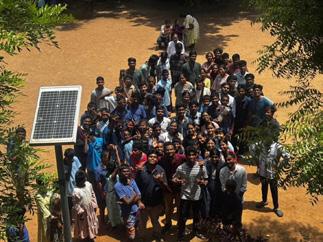
Life at NIT Trichy is vibrant and dynamic, extending far beyond classrooms and laboratories. Students actively engage in cultural, technical, and sports activities that nurture creativity, leadership, and teamwork. The institute’s flagship festivals, Festember (the cultural festival) and Pragyan (the technical festival), attract participation from across the country and showcase talent in arts, music, technology, and innovation. Numerous clubs and societies, including the Robotics Club, Literary Society, Dance and Drama Club, and Photography Club, provide avenues for personal growth and creative expression. Sports and fitness are also an integral part of campus life, with inter-hostel competitions, national-level sports events, and wellequipped fitness facilities encouraging a healthy and active lifestyle. Together, these experiences shape students into well-rounded individuals ready to face global challenges.
Achievements and Recognition
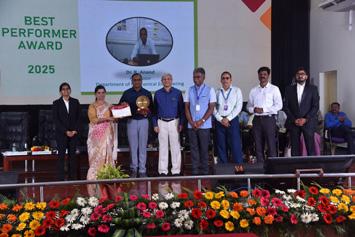
NIT Trichy has consistently been ranked among the top engineering institutes in India by the National Institutional Ranking Framework (NIRF). Both faculty members and students have received numerous national and international awards for excellence in research and innovation.The institute maintains active collaborations with universities in the United States, Germany, Japan, and Singapore, further strengthening its global presence and reinforcing its reputation for academic excellence.
Alumni: Leaders of Tomorrow
The alumni network of NIT Trichy is among the most prestigious in India. Graduates of the institute have gone on to excel in multinational corporations, research institutions, and startups across the world. Notable employers include Google, Microsoft, ISRO, DRDO, and several leading Indian industries. Many alumni have also made their mark in entrepreneurship and academia, reflecting the institute’s strong emphasis on innovation, leadership, and social impact.
Shaping the Future
NIT Tiruchirappalli is more than just an academic institution; it is a launchpad for innovation, leadership, and global impact. With its blend of rigorous academics, strong research culture, and vibrant student life, the institute continues to produce engineers and leaders who contribute significantly to society, technology, and industry. For decades to come, NIT Trichy is set to remain a symbol of excellence in Indian technical education.
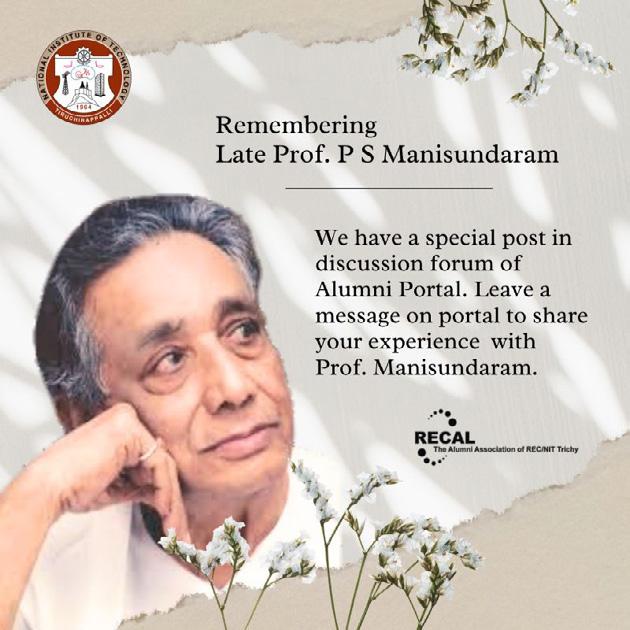
NIT Tiruchirappalli: The Legacy of Excellence and Its Visionary Founder, Dr. P. S. Manisundaram Introduction: A Legacy of Innovation
Located in the heart of Tamil Nadu, NIT Tiruchirappalli (NIT Trichy) stands as one of India’s premier engineering institutes. Known for its academic rigor, cutting-edge research, and vibrant campus life, the institute attracts top talent from across the country. Its focus on blending traditional values with modern technology has firmly established it as a symbol of engineering excellence.
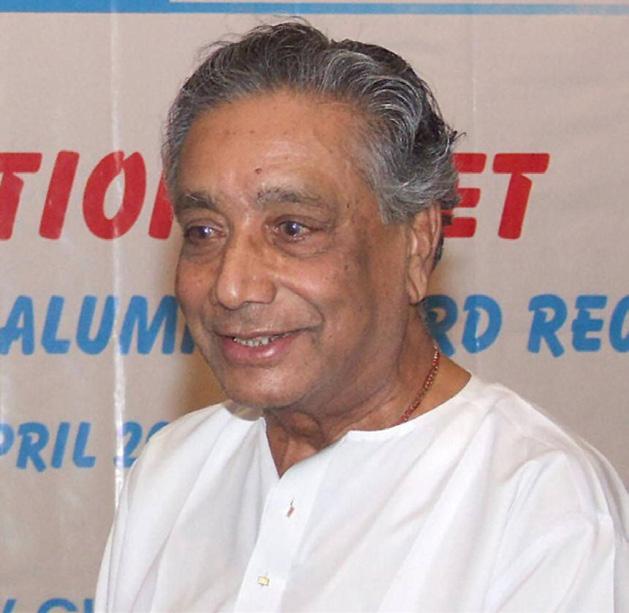
Dr. P. S. Manisundaram
History and Evolution
Established in 1964 as the Regional Engineering College (REC), Tiruchirappalli, the institute was later upgraded to the status of a National Institute of Technology in 2002 and declared an Institute of National Importance. From its early days, the institution steadily expanded its academic programs, research initiatives, and global collaborations, shaping generations of leaders in technology and innovation.
Founding Principal: Dr. P. S. Manisundaram
Dr. P. S. Manisundaram, born on 9 December 1927 in Mandalay, Burma, was the visionary
educator who became the first Principal of REC Tiruchirappalli. He completed his undergraduate studies at Loyola College, Chennai, and went on to earn a Master’s degree in Civil Engineering from Nova Scotia University, Canada. After his studies abroad, he returned to India and dedicated his life to the cause of engineering education.
Building a World-Class Institution (1964–1982)
During his 18-year tenure as Principal, Dr. Manisundaram transformed REC into a respected and well-regarded engineering institution. He modernized the curriculum, encouraged students to seek international exposure through examinations such as GRE and TOEFL, and maintained an approachable and student-friendly leadership style. Students fondly remember him as “Princi,” a mentor who personally engaged with them while consistently fostering a culture of academic excellence.
Campus and Infrastructure
Today, NIT Trichy’s 800-acre campus combines modern infrastructure with abundant natural greenery. It features state-of-the-art academic blocks, advanced laboratories, libraries with over two lakh resources, residential facilities, and welldeveloped sports arenas. The campus provides a stimulating environment for intellectual growth, research, and holistic student development.
Academic Excellence and Research
The institute offers B.Tech, M.Tech, Ph.D., and MBA programs across engineering, sciences, and management. With a strong emphasis on hands-on learning, research, and industry exposure, NIT Trichy ensures that its graduates are globally competitive. The institute houses more than 50 research centers in areas such as Artificial Intelligence, Robotics, Renewable Energy, and Nanotechnology, fostering innovation and encouraging high-impact research.
Campus Life and Student Activities
Beyond academics, students actively participate in Festember, the cultural festival, and Pragyan, the technical festival, along with a wide range of clubs, societies, and sports activities. These experiences nurture leadership, creativity, and teamwork, helping to produce well-rounded individuals. The vibrant student life on campus reflects Dr. Manisundaram’s vision of holistic education that goes beyond textbooks and classrooms.
Vice-Chancellorship and Broader Influence
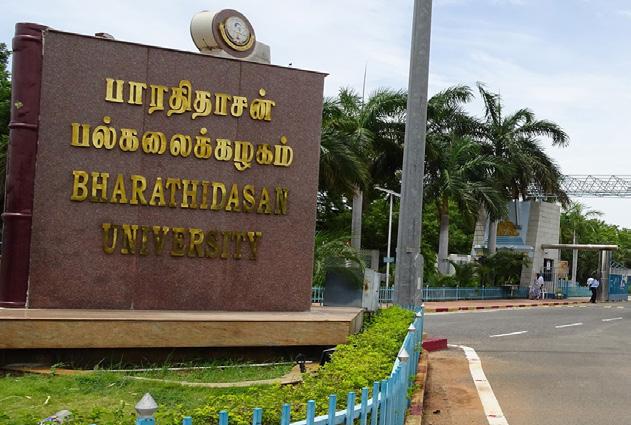
After 1982, Dr. Manisundaram went on to become the first Vice-Chancellor of Bharathidasan University, where he extended his vision beyond engineering education. He emphasized academic quality, research, and institution-building, and played a key role in shaping higher education policies and frameworks in Tamil Nadu. In recognition of his contributions, he was awarded an honorary Doctor of Engineering (Honoris Causa) by Nova Scotia University.
Philosophy and Leadership Style
Dr. Manisundaram firmly believed that the true quality of an institution is reflected in its students. Known for his accessibility, openness, and personal engagement, he balanced discipline with empathy and left a lasting impact on generations of engineers. His leadership combined administrative excellence with genuine care for student welfare, making him a deeply respected and admired figure in academic circles.
Achievements, Recognition, and Legacy
Under his leadership, REC Tiruchirappalli matured into a respected institution that laid the foundation for what is today NIT Trichy. His emphasis on academic rigor, student welfare, and global exposure helped produce engineers who went on to excel both nationally and internationally. Dr. Manisundaram passed away on 26 October 2013 at the age of 87, leaving behind a legacy of vision, mentorship, and institution-building that continues to inspire educators and students alike.
Shaping the Future
Guided by the vision of Dr. P. S. Manisundaram, NIT Tiruchirappalli remains more than an academic institution—it is a launchpad for innovation, leadership, and global excellence. With its blend of rigorous academics, strong research focus, and vibrant campus life, the institute continues to produce engineers and leaders who make a meaningful mark in India and around the world.
INCREDIBLE TAMILNADU & Health Family welfare
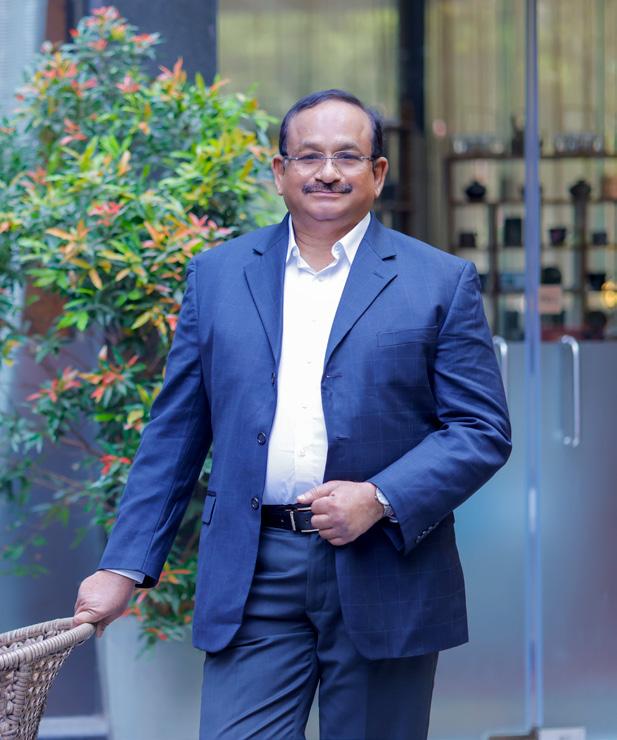
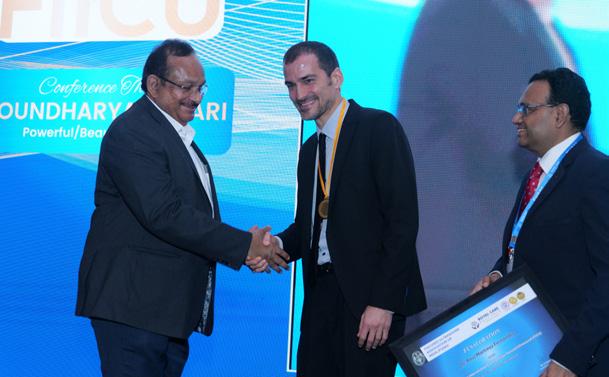
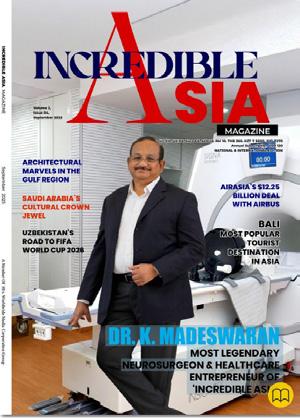
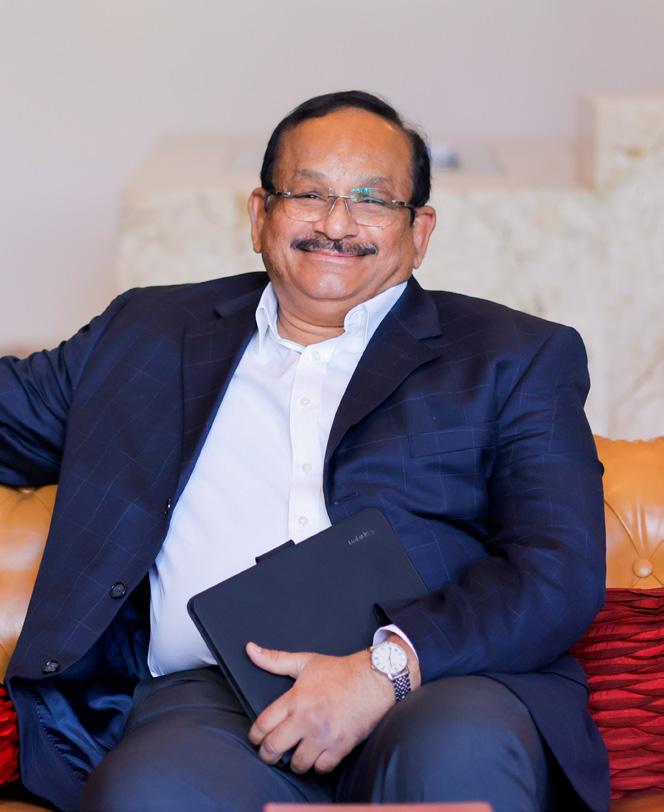
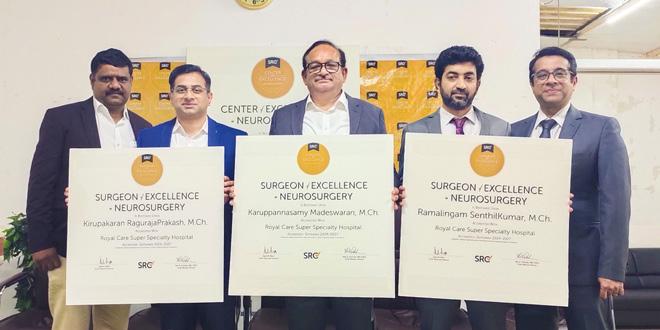
DR. K. MADESWARAN
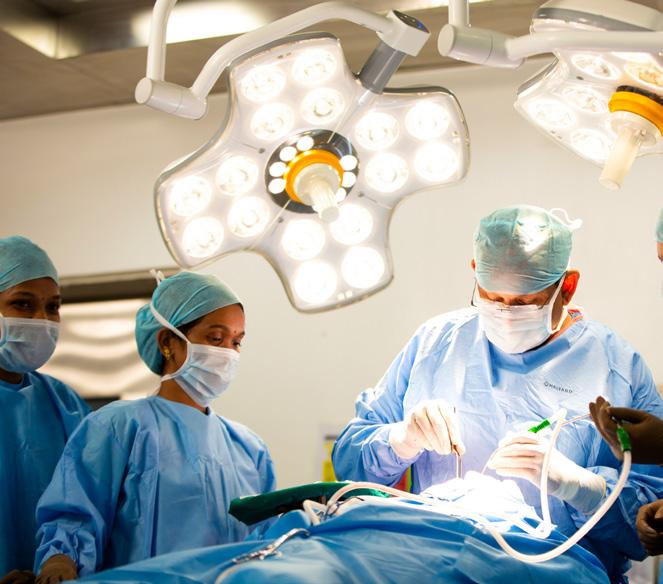
‘Top 10 Neurosurgeon of the World’
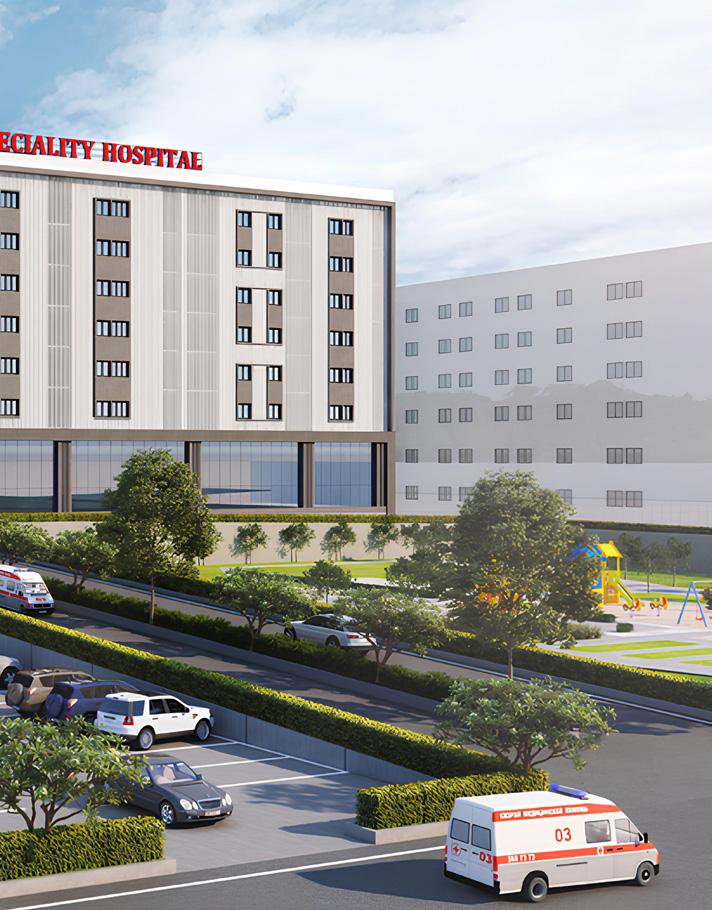
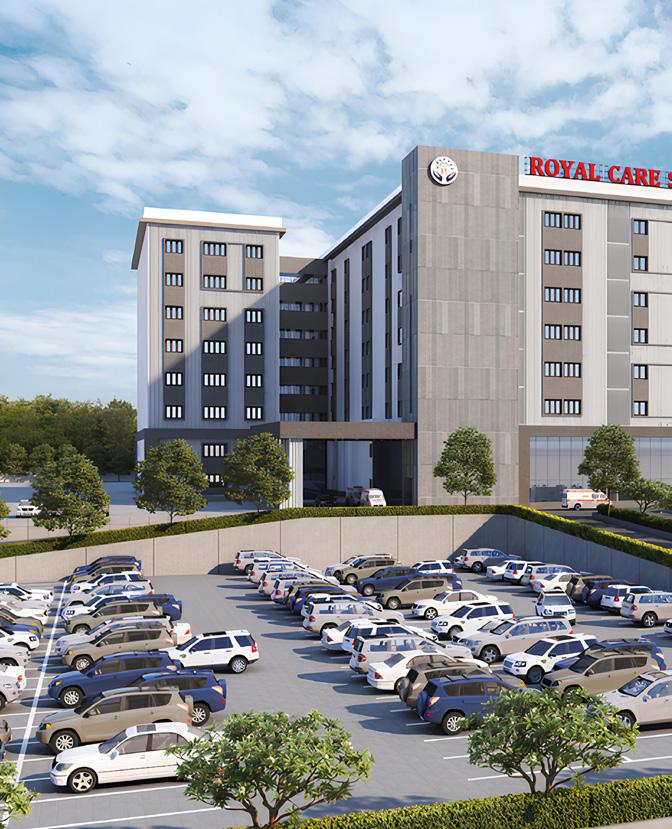
Founder & CMD Of Royalcare Super-Speciality Hospitals Group
In the realm of advanced medicine and healthcare entrepreneurship in India, Dr. K. Madeswaran stands as a colossus, seamlessly blending the demanding precision of neurosurgery with the expansive vision of a leading hospital administrator. As the Founder and Chairman of Royal care Super-specialty Hospital in Coimbatore, his career narrative is a compelling account of unwavering dedication, groundbreaking innovation, and a profound commitment to making world-class medical care accessible to all.
Living his Mother’s Dream
Born and brought up in a small town of Erode, with a family of agricultural background, Dr K. Madeswaran became a doctor not by mere desire, but by the motivation and determination of his mother. Having struggled through various health complication and cardiac issues, she chose. Dr. Madeswaran amongst her other 2 sons to become a doctor and help many more in the society. Although reluctantly, but with due course of time, his mother’s dream was embedded in him and he was The Chosen One to become who he is today.
Impact of Schooling
With his goal set by his mother at the age of eight, he studied at St. Michael’s Higher Secondary Boarding School in Coimbatore. Enrolled at just six, he spent most of his formative years away from home. The school permitted visits only during midsemester and summer holidays to maintain academic focus. Dr. Madeswaran credits this environment for instilling strong life skills, perseverance, and a positive attitude in the face of adversity.
Cheerful Childhood
Dr. Madeswaran considers himself to be the fortunate few who got to live a cheerful childhood. He recollects having fun with his friends in his growing up years out in the school grounds, unlike this generation of schools with no amenities and hardly any space for physical training. Although he was the only one to take up Neuroscience as he shaped his future, his friends and batchmates still connect with him on recognizing him to be from the same batch.
Hostel Life of Discipline & Dedication
The influence of catholic reverence not only imbibed in him a great sense of discipline, with not just academic but also grooming his overall personality, making him active in various activities like football and various other forms of sport in school. Dr. Madeswaran claims that this discipline which was imbibed in him, went a long way in shaping his identity and character. Recollecting
an impactful warden in school, who mistook his identity in one of the events for others making noise in a park and yet being punished for no fault of his, he still holds the mentor in high regard, as he would constantly motivate and stimulate his students to perform well, which had a positive impact on him. Father Victor, Father Arogyasamy and teachers like Mr. Arpudam, who would reach the campus at 5.30 am riding on his bicycle only to coach hostelites, transferred in him the essence of dedication and commitment.
The Journey from Physics to Neuroscience
Growing up in an atmosphere of a Tamil medium school at St. Michael’s Higher secondary school, he initially faced difficulties and inhibitions in conversing to other students in medical school. However, constantly motivated by his mother, he
looked beyond these challenges and was dedicated to do well. Although having an affinity towards Nuclear Physics, recalling how his epileptic mother would have to travel to Chennai and wait for an entire day only to get checked and the constant impels and compulsions from his mother making him realize the limited resources to good healthcare, made him switch his core subject field from Physics to Medicine.
The Transforming Years & Positive Influences
Starting his journey at medical college at one of the most applauded institutes - M. S Ramaiah Institute Bangalore, at an age of 19 he recalls being unfocussed for close to a year in college. With almost no contact with family, except the postcards that were sent, for almost 3 years until the STD was launched, he hardly recollects having met any of the family members throughout his college life. Also, with a shift from a Tamil medium and disciplined background to a sudden exposure of liberalization, he had challenges coping and adapting to the new culture.
He also recalls winning the football trophy later in 1984 for his college, which sure did play its role to bring back the focus and concentration. Also a few sincere and committed teachers, like Ms. Girija and others who helped train and coach him, gave him more confidence and played a major positive role in his college years.
Appropriate Comprehensive Study
Dr. Madeswaran somehow had an affinity towards the functioning of the Brain and the peripheral nervous system. This field in particular is known to be a one that is highly complex. And to handle areas of the body that involve the brain and the spine requires for an immense amount of skill and study. Unsure of continuing with post-graduation after completion of MBBS, he joined medical service at primary health centres for almost 7 years. Having a penchant for the subject and adamant to do a post-graduation only in Neurology, he started his post-graduation in Neurosurgery at Madurai Medical College, a 5-year course. Although rigorous at that time, he recalls the neurosurgeons to have played a significant role.
Hands on Learning and Shaping up Years
Dr. Madeswaran states that although the education imparted was basic in the yester years, but learning the basics of Neurology in a small set up by Dr. Natarajan with roughly 70 graduates in Madurai, was an extra ordinary experience with hands on sharpening of the skills, treating and handling patients. Mentioning every case as a thesis, he says there was hardly any time to read about anything else other than Neurosurgical advancements, as the subject was so vast. Having treated various patients and even accidents, over a period of time, he claims to have known the subject and worked towards mastering Neurosurgery.
Being a True Indian
Recalling his marriage being fixed after his under graduation and initially agreeing to move to the U.S with his wife, he however refused to go and stayed back. Claiming himself to be one of those “Be Indian, Buy Indian”, he recalls the then President of India Indira Gandhi had proposed a particular scheme to doctors staying back. Acknowledging to benefit out of these schemes, he chose to stay back and serve his Nation, rather than settling on a foreign land.
Self-taught and Self Made
Recalling a few challenges faced after having completed his post-graduation and now a family of 4 with 2 daughters practicing in Tuticorin, he faced few constraints of mobility from learning world experiences. Most of his time was spent on experimenting with basic neurosurgical equipment like Microscope, which weren’t as popular back then. Having no experience or expertise with the usage of this equipment, he experimented with fruits, seeds and various other self-taught and self-practiced ideologies. However, things began to change in 1995 and with improved air connectivity, a congress of neurosurgeons emerged and various workshops were conducted in local colleges. Despite being short courses, the exchange of knowledge and experience he gained was tremendous.
Growing Confidence and Skill
Recalling a rare case in one of the hospitals during his practice in Tuticorin, he states not every post graduate has the skill to operate immediately on certain tumors of the brain. However, he is one of those surgeons who operated on a rare condition for 13 hours removing the tumor from the patient’s brain without much formal training. Experiences like these gave him a lot of confidence before relocating to Coimbatore in 2004, with an objective to do things on a larger scale.
From Freelancing Practitioner to Super Specialty Hospital
With immediate success as a freelancer, visiting almost 30 hospitals in the city, he later practiced in a corporate hospital as a neurologist for 7 years. However, with a goal to setting zero tolerance towards infections and medical errors, he quit his practice at the corporate hospital to start working towards Royal care Super Specialty Hospital. An interim set up and team was formed with support from his friend Chockalingam, the construction of the hospital began in June 2015. Overcoming all hurdles and challenges, the hospital was inaugurated in May 2016 spread across 2,00,000 sqft of land.
3M Methodology – Man, Machine & Morale
Royal Care Super Specialty Hospital always believed in going an extra mile to discover more accurate and in some times less invasive ways of surgery. Always equipped with Skilled doctors (Man), Best technology (Machine) and the Best medical ethics (Morale) since the time of inception, has helped Royal Care Hospital gain the popularity it has today. Within 6 months of operation, which was originally planned after 3 years, a second unit of Oncology was set up with the rise in number of patients and the need to serve the patients.
A Process of Conviction & Determination
Providing good quality healthcare comes at an upscaled and premium cost. Having initially approached Bankers for a loan and eventually realizing them to be non-beneficial, Dr. Madeswaran approached other financial institutions with a conviction to provide international quality of healthcare. Hoping for a greater need of comprehensive thinking from governance providing subsidized rates to health care, Royal Care Super Specialty Hospital hopes to create a sustainable health care system for the people with the most contemporary
facilities and latest infrastructure, to deliver treatment as per the latest advances in modern medicine to global patients.
India’s First Master Surgeon: A Global Benchmark of Excellence
A defining chapter in Dr. Madeswaran’s career is his global recognition by the Surgical Review Corporation (SRC). This non-profit organization, focused on improving surgical safety and quality worldwide, bestowed upon him the prestigious title of Master Surgeon in Neurosurgery (MSNS). This accolade is a rare achievement; Dr. Madeswaran holds the distinction of being the first and only neurosurgeon in India to receive this certification. The MSNS accreditation is not merely an honorary title; it is a validation based on stringent criteria:
• A proven track record of high surgical volume in complex procedures.
• Demonstrably low complication rates and excellent patient outcomes.
• Adherence to standardized protocols and advanced patient safety guidelines.
This recognition solidifies his standing as a neurosurgeon operating at the highest international standards of safety and efficacy.
The Scope of Expertise: A Leader in Advanced Neurology
With over 36 years of experience, Dr. Madeswaran is proficient at managing a vast spectrum of neurological and spinal conditions. He is particularly known for his proficiency in advanced surgical techniques, including minimally invasive neurosurgery, stereotactic surgery, and image-guided navigation, which often lead to faster recovery times and better patient experiences.
His core areas of specialization include:
• Neurosurgical Oncology: Resection of brain and spinal cord tumours.
• Vascular Neurosurgery: Management of cerebral aneurysms, stroke-related disorders, and vascular malformations.
• Spinal Disorders: Treatment for trauma, degenerative diseases of the spine, and spinal cord injuries.
• Functional Neurosurgery: Innovative treatments for debilitating disorders like Parkinson’s disease and essential tremors.
Founding a Legacy: The Royalcare Ecosystem
The vision of Dr. Madeswaran extends far beyond the operating theatre. As the Founder and Chairman of Royalcare Super-specialty Hospital, he set out to create an institution that operates at the cutting edge of medical technology while remaining rooted in community service. Under his leadership, Royalcare achieved a significant milestone by obtaining the prestigious Joint Commission International (JCI) accreditation, a gold standard in global healthcare quality and patient safety.
Dr. Madeswaran is a pioneer in bringing advanced technology to the region. Royalcare was the first hospital in the area to introduce Magnetic Resonance Guided Focused Ultrasound (MRgFUS) technology, offering non-invasive treatment options for movement disorders. His administrative philosophy emphasizes holistic care and accessibility. This commitment is evident in his establishment of the Royal Care Institute of Nursing to ensure a steady supply of well-trained healthcare professionals.
Compassion in Action: Awards and Philanthropy
Dr. Madeswaran’s contribution to society has not gone unnoticed. He has been honored with several accolades, including the “Incredible Asia Legendary Neurosurgeon Award’,” the “Mighty Indian Book of Achievers Records & Award ‘Incredible Tamilnadu Golden Awards of Excellence Award,” and “The beloved son of mother nature Award.” His community initiatives highlight a deep sense of social responsibility. He launched an impactful scheme called “Karuvarai Kaviyam,” an affordable maternal health package that drastically reduced the cost of delivery services, making quality obstetric care accessible to lower-income families.
DR. S. E. ALEXANDER, Global Media Chief & MD - M/s Worldwide Media Corporation Group
USA Congratulates, DR. K. MADESWARAN, Chairman & Managing Director-
DR. KMD’s ROYALCARE INTERNATIONAL HOSPITALS GROUP for the Exemplary Leadership & Proud Achievements in Multi Various Fields by Both DR. KMD & HIS INTERNATIONAL HOSPITALS & HEALTHCARE VENTURES.
Dr. Madeswaran operates with a philosophy that the greatest reward in medicine is the positive change he brings to lives. He often speaks about the profound satisfaction derived from bringing “smiles” back to the families of patients who have recovered from lifethreatening conditions. Dr. K. Madeswaran remains a towering figure in Indian healthcare—a surgeon of unparalleled skill, a leader with a clear vision, and a philanthropist dedicated to healing his community. His legacy is etched in the high standards of care at Royalcare and the countless lives he has touched and transformed.
Advice to New Age Doctors
Strongly believing that every doctor has to forego and sacrifice a part of his personal life to rise on his professional front, Dr. Madeswaran says a doctor cannot have the best of both worlds. Time has to be invested initially to acquire the skill and then that skill has to be invested in patients. Although mortality is bound to happen, each doctor has to give it his best, be committed to serve and achieve greater success.
DR. K. MADESWARAN & MRS. SHREEKALA MADESWARAN
INCREDIBLE TAMILNADU & Heritage Architecture
CHIDAMBARAM The Sacred Abode of Lord Nataraja
Chidambaram, situated in the Cuddalore district of Tamil Nadu, is a town of immense religious, historical, and cultural significance. Located approximately 217 kilometers from Chennai, 173 kilometers from Tiruchirappalli, 66 kilometers from Pondicherry, and 43 kilometers from Cuddalore, Chidambaram has long been a center for pilgrimage and devotion in South India. Known also by its ancient name Thillai, derived from the dense forest of thillai mangrove trees that once covered the area, Chidambaram has been intrinsically linked with the worship of Lord Shiva in his form as Nataraja, the cosmic dancer.
The very name Chidambaram comes from the Tamil word Chitrambalam, meaning “the small hall or stage of wisdom,” symbolizing the sacred space where spiritual knowledge, dance, and cosmic energy converge. This etymology also reflects the temple’s function as a stage for the divine cosmic dance, illustrating the philosophical and artistic depth embedded within Tamil spiritual traditions.The town’s origins are deeply intertwined with Hindu mythology. It is believed that sages Vyagrapada and Patanjali, renowned for their penance and devotion, performed austerities in the thillai forest. Their unwavering devotion to Lord Shiva culminated in the divine revelation of the Ananda Tandava, the cosmic dance of Nataraja, on the auspicious day of Thai Poosam. According to legend, the dance was revealed as a demonstration of the universe’s creation, preservation, and destruction, emphasizing the cyclical nature of life. This sacred event immortalized Chidambaram as a central site of Shaivite worship and a symbol of the interplay between devotion, cosmic philosophy, and art. As a result, Chidambaram is not only a pilgrimage town but also a cultural and artistic hub, particularly revered by practitioners of Bharatanatyam, whose origins are closely associated with the temple and its rituals.
Historically, Chidambaram has been under the rule of numerous dynasties, each of whom left an indelible mark on its architecture, culture, and traditions. The Medieval Cholas were among the earliest significant patrons, establishing many of the original structures within the temple complex.
Later, the Later Cholas, Pandyas, Vijayanagara rulers, Marathas, and the British all contributed to the expansion, renovation, and maintenance of the temple. The present-day Nataraja Temple, one of the most celebrated Shaivite shrines in South India, was largely constructed during the 11th century under the patronage of the Cholas.
Over the centuries, the temple evolved into an intricate architectural marvel, combining devotion, aesthetics, and symbolism into every stone, pillar, and carving.The golden hall of dance, Kanaka Sabha, which is adorned with gold plates, was constructed by the Pandya king Jatavarman Sundara Pandya, adding further grandeur to the temple’s splendor. The temple was considered the family deity of Vikrama Chola and his successors, emphasizing its central role in the spiritual and political life of the Chola empire.
The architectural brilliance of the Chidambaram Nataraja Temple is a testament to Dravidian design principles, characterized by towering gopurams, intricately carved pillars, and expansive halls that serve both spiritual and cultural functions. The temple complex spans several acres and is enclosed by high walls, offering multiple prakarams or corridors for devotees to circumambulate. The east-facing Rajagopuram, the main gateway tower, dominates the skyline, intricately carved with depictions of deities, celestial beings, and mythical scenes that narrate Shaivite lore. Inside the temple, the sanctum sanctorum houses Lord Nataraja, depicted in the Ananda Tandava pose, where Shiva performs the cosmic dance within a circle of flames, symbolizing the cyclical nature of existence.
The roof of Chitrambalam Is made of 21600 gold plates,
This image of Nataraja represents not only the divine energy of the universe but also embodies philosophical concepts such as creation, destruction, and liberation. Surrounding the main deity are shrines for other gods and goddesses, including Vishnu as Govindaraja Perumal, the goddess Thillai Kaali Amman, and various forms of Shiva, highlighting the temple’s inclusive representation of the Hindu pantheon. The intricately carved pillars display scenes from Hindu mythology, celestial dancers, and musicians, while the ceilings and walls are adorned with depictions of divine stories that guide devotees through both spiritual and artistic journeys. The spiritual significance of Chidambaram extends beyond its architecture. The temple is one of the Panchabhoota Stalas, representing the element of akasha or space. According to Shaivite philosophy, these five temples, each associated with a fundamental element—wind, water, fire, earth, and space— symbolize the building blocks of the cosmos.
Chidambaram, as the embodiment of space, holds a special place in Hindu thought, emphasizing the immaterial, infinite nature of divinity. The philosophical depth of the temple also attracts scholars, yogis, and practitioners of various spiritual traditions, making it a hub for learning, meditation, and cultural discourse.
Chidambaram is also renowned for its festivals and cultural celebrations, which form an integral part of the temple experience. The Natyanjali Dance Festival, held annually in February, is a global event attracting dancers, musicians, and devotees from across India and abroad. During this festival, classical dancers perform Bharatanatyam as an offering to Lord Nataraja, continuing a centuries-old tradition that intertwines devotion with artistic expression. Other major festivals include Brahmotsavam, celebrated with grand processions and elaborate rituals; Ani Thirumanjanam, a sacred bathing ceremony of the deity; Thai Poosam,
commemorating the cosmic dance revelation; and Arudra Darshan, marking the annual celebration of Shiva’s cosmic energy. During these times, the temple becomes a hub of vibrant activity, drawing devotees, tourists, and art enthusiasts alike, creating a unique blend of spirituality, culture, and community celebration.
The town of Chidambaram itself is dotted with other places of interest, offering visitors a rich tapestry of heritage and natural beauty. Nearby attractions include the Pichavaram Mangrove Forest, one of the largest in India, known for its unique biodiversity and serene waterways; Sattanathar Temple in Bhuvanagiri, a historic shrine dedicated to Lord Shiva; Parangipettai, a coastal town with colonial heritage; the Kollidam River, providing scenic views and recreational opportunities; Annamalai University, a renowned educational institution; and Poompuhar, an ancient port town of historical and archaeological significance. Exploring these sites allows travelers to experience the region’s natural, historical, and cultural richness beyond the spiritual aura of the temple itself.
For travelers planning a visit, Chidambaram is wellconnected by air, rail, and road. The nearest airport is Chennai International Airport, located about 212 kilometers away, providing both domestic and international connectivity. Chidambaram lies on the Madras-Trichy main line of the Southern Railway and is connected to major cities such as Chennai, Trichy, Madurai, Rameshwaram, Bangalore, Villupuram, Mayiladuthurai, Thanjavur, and Tirupati. Bus services further enhance accessibility, linking the town with nearby cities and towns across Tamil Nadu. Within the town, local transportation options such as auto-rickshaws and taxis facilitate convenient travel to the temple and surrounding attractions.
Visitors are advised to plan their trips between July and March, when the weather is pleasant and suitable for sightseeing. Peak periods are observed in July and from December to February, coinciding with major temple festivals and cultural events. The temple timings are from 6:00 AM to 12:30 PM and 4:45 PM to 9:00 PM, allowing devotees and tourists sufficient time to experience the rituals, explore the complex, and admire its architectural magnificence.
Modest clothing is recommended, with men traditionally wearing dhotis or formal trousers with shirts, and women opting for sarees, half-sarees, or churidhar. While non-Hindus are welcome to explore the temple premises, access to the inner sanctum is often restricted to preserve the sanctity of the shrine. Chidambaram, with its blend of devotion, architecture, history, and culture, serves as a living testament to Tamil Nadu’s rich heritage. The Nataraja Temple embodies the philosophy of Shaivism, the artistry of classical dance, and the grandeur of Dravidian architecture, attracting pilgrims, scholars, and travelers from all over the world.
Beyond the spiritual and cultural significance, the town provides an immersive experience of South Indian traditions, festivals, and community life. The cosmic dance of Nataraja continues to inspire devotees and artists alike, symbolizing the eternal rhythm of creation, preservation, and liberation, making Chidambaram a sacred, timeless destination in the heart of Tamil Nadu.
MUST VIST TOURIST ATTRACTIONS FROM CHIDAMBARAM
PICHAVARAM MANGROVE FOREST
Located about 14–16 kilometres from the centre of Chidambaram, Pichavaram Mangrove Forest stands as one of Tamil Nadu’s most remarkable natural wonders and is recognised as the world’s second-largest mangrove ecosystem. Spread across a complex estuarine landscape, the forest features an intricate network of nearly 4,400 waterways weaving around around 50 small islands.These dense mangroves form a natural barrier against cyclones and tidal erosion while supporting an exceptionally rich
ecosystem of flora and fauna. The highlight of a visit to Pichavaram is undoubtedly the boat ride through its narrow mangrove “tunnels.” Manual rowboats are highly recommended, as they allow visitors to glide silently through shaded canals, heightening the sense of immersion and increasing chances of wildlife sightings.The interlocking roots, arching branches, and reflections on still waters create a surreal, almost dreamlike environment. Birdwatchers are particularly drawn here, especially between October and
March, when migratory birds arrive in large numbers. Egrets, herons, kingfishers, cormorants, and spoonbills are commonly spotted, making the forest a paradise for nature photographers. Boat rides are affordably priced, generally ranging from around ₹150 to ₹560 depending on the type of boat and duration. The experience is well managed by the forest department, with safety measures
and guides available. Open typically from 9:00 AM to 5:00 PM, the mangrove forest is best explored in the early morning or late afternoon when temperatures are pleasant. Pichavaram is not just a tourist attraction but a living classroom of coastal ecology, offering visitors a rare chance to witness the delicate balance between land, river, and sea.
THILLAI KALI AMMAN TEMPLE
Situated about 2 kilometres from the renowned Nataraja Temple on the outskirts of Chidambaram, Thillai Kali Amman Temple holds a powerful place in local mythology and spiritual tradition. Dedicated to Goddess Kali, the temple is deeply connected to the cosmic narrative of dance that defines Chidambaram’s religious identity. According to legend, Goddess Kali once engaged in a divine dance competition with Lord Shiva. When Kali refused to replicate Shiva’s urdhva tandava, she accepted defeat and moved to this location, where the temple now stands. One of the most distinctive aspects of the temple is the form of the deity itself. Thillai Kali Amman is worshipped with four faces, each representing different dimensions of divine energy and awareness. Uniquely, the goddess is revered in both her fierce and benevolent manifestations, symbolising the balance between destruction and
protection. The temple’s atmosphere is intense yet calming, drawing devotees seeking courage, strength, and spiritual clarity. Architecturally, the temple reflects traditional Dravidian elements, with a modest yet expressive gopuram and a sanctum that radiates sacred energy. Daily rituals are performed with deep devotion, accompanied by chants and rhythmic temple sounds that heighten the spiritual experience. Open from early morning to noon and again in the evening, the temple is especially vibrant during festivals dedicated to the goddess. Unlike the bustling Nataraja Temple,Thillai Kali Amman Temple offers a quieter, more introspective space for worship. It stands as an essential spiritual complement to Chidambaram, reminding visitors that the town’s sacred heritage embraces both the dynamic grace of Shiva and the raw, transformative power of Kali.
PARANGIPETTAI
Located about 20 kilometres north of Chidambaram, Parangipettai—historically known as Porto Novo—is a coastal town with a rich maritime past. Over the centuries, it served as an important trading port for European powers including the Portuguese, Dutch, and British, each leaving subtle imprints on the town’s cultural fabric. Though quieter today, Parangipettai retains a strong connection to the sea, shaping both its history and daily life. One of the town’s main attractions is Pudhukuppam Beach, commonly referred to as Porto Novo Beach. Unlike crowded tourist beaches, this shoreline remains relatively untouched and peaceful, making it ideal for travellers seeking solitude and uninterrupted views of the Bay of Bengal. The broad stretch of sand, gentle waves, and open horizon create a perfect setting for evening walks and sunset watching. Fishing activity along the coast adds authenticity to the experience rather than distraction.
Parangipettai is also known for its academic and scientific relevance due to the presence of marine research institutions, including a Marine Biology Museum that highlights coastal ecosystems and marine life. This reinforces the town’s identity as a place where traditional fishing culture intersects with modern marine science. Nearby, just around the town’s outskirts, lies the Sirkazhi Sattanathar Temple, adding a spiritual dimension to the coastal visit. With its layered colonial history, quiet beaches, and proximity to religious and scientific landmarks, Parangipettai offers a different perspective of the Tamil Nadu coast. It is best explored slowly, allowing its understated charm and seabound legacy to reveal themselves naturally.
POOMPUHAR BEACH & MUSEUM
Located around 40 kilometres from Chidambaram, Poompuhar is a destination where history, literature, archaeology, and nature converge in a deeply evocative way. Once known as Kaveripoompattinam, this ancient port town was a flourishing centre of maritime trade during the early Chola period and finds immortal mention in the celebrated Tamil epic Silappathikaram. Though much of the original city is believed to have been submerged by the sea due to ancient natural calamities, Poompuhar today stands as a living reminder of Tamil Nadu’s seafaring past. Poompuhar Beach is strikingly different from typical sandy shores. Its black sand coastline, shaped by volcanic minerals and river sediments, gives the beach a dramatic appearance. Located at the confluence of the River Cauvery and the Bay of Bengal, the area carries a quiet, contemplative atmosphere rather than a recreational one.
Gentle waves, open horizons, and cooling sea winds make it ideal for peaceful walks and reflection, especially during early mornings and sunsets. One of Poompuhar’s most significant cultural landmarks is the Silappathikara Art Gallery, a unique seven-tiered structure designed to narrate the story of Kannagi through detailed miniature sculptures. Each level visually interprets episodes from the epic, making ancient Tamil literature accessible even to casual visitors. Nearby, the Maritime Archaeological Museum provides valuable insights into underwater excavations conducted off the coast. Exhibits include stone anchors, pottery shards, and trade artefacts that confirm Poompuhar’s role as a major international port linking South India with Southeast Asia and beyond. Open generally from 10 AM to 5 PM and closed on Sundays, the museum complex adds scholarly depth to the visit. Together, the beach and museums offer a rare blend of landscape and legacy, making Poompuhar not just a destination, but a journey into Tamil Nadu’s ancient soul.
TRANQUEBAR
About 50 kilometres from Chidambaram lies Tranquebar, officially known as Tharangambadi, a tranquil coastal town where Tamil culture blends seamlessly with Danish colonial heritage. Established as a Danish trading post in the 17th century, the town retains an atmosphere unlike anywhere else along the Coromandel Coast. Quiet streets, pastelhued bungalows, and historic churches evoke a sense of timelessness that feels both European and deeply South Indian. The town’s most prominent landmark is Fort Dansborg, a massive seaside fortress built by the Danish East India Company in 1620. Overlooking the Bay of Bengal, the fort now houses a museum displaying colonial artefacts, maritime relics, and historical documents that narrate Tranquebar’s unique past.A walk along the fort walls offers sweeping views of the sea, where waves crash rhythmically against the shore, creating a soothing coastal soundtrack.
Beyond the fort, strolling through the old Town Gate leads visitors into a preserved colonial zone marked by churches such as the Zion Church and the New Jerusalem Church, along with restored heritage homes. The ozone-rich beach, though less commercialised, is ideal for quiet walks and sunset views rather than swimming. Open, airy, and refreshingly uncrowded, Tranquebar appeals to travellers seeking history, calm, and architectural charm. With its fort and museum generally open from mid-morning to early evening,Tranquebar offers a deeply enriching cultural escape from Chidambaram.
INCREDIBLE TAMILNADU & Culture Traditions
KOVAI SANGAMAM FESTIVAL 2025
A CELEBRATION OF TAMIL NADU’S FOLK HERITAGE
CULTURE & TRADITION
Coimbatore, Tamil Nadu, witnessed a vibrant cultural spectacle on 1 November 2025 with the grand inauguration of the Kovai Sangamam – Namma Ooru Thiruvizha, a festival dedicated to celebrating the rich folk traditions of Tamil Nadu. Held at the VOC Grounds, the event brought together more than 400 folk artists from across the state, transforming the city into a living showcase of dance, music, storytelling, and street performance. The festival was inaugurated by M. P. Saminathan, Minister for Information & Publicity, who Emphasized the importance of preserving rural arts while simultaneously creating opportunities for cultural education, tourism, and community pride. He remarked that Kovai Sangamam bridges the gap between rural heritage and urban audiences, ensuring that the artistry of folk performers is celebrated and passed on to future generations.
The Kovai Sangamam Festival was conceptualized as part of the Tamil Nadu government’s cultural preservation initiatives. The state possesses a millennia-old tradition of folk arts that were historically performed during temple festivals, harvest seasons, and community gatherings, where they served not only as entertainment but also as expressions of devotion, gratitude, social values, and cultural narratives. Over time, many of these traditional art forms began to decline due to modernization, migration, and rapid urbanization. In response, Kovai Sangamam was initiated with
the objectives of preserving and promoting indigenous folk arts, providing recognition and economic opportunities for rural artists, educating the younger generation about Tamil Nadu’s heritage, and engaging both local and global audiences, including tourists, in immersive cultural experiences. During the festival, Coimbatore is transformed into a cultural village where the past and present meet in a celebration of creativity, devotion, and community.
The festival is not merely an event but a cultural movement that celebrates rural artistry and craftsmanship by recognizing performers who dedicate their lives to folk traditions. It emphasizes the importance of oral and performance traditions, preserves stories, music, and dances passed down through generations, and strengthens community identity and pride by showcasing unique regional cultures and customs. It also plays a crucial role in cultural education, offering urban audiences and younger generations access to
M. P. Saminathan, Minister for Information & Publicity
authentic experiences of Tamil Nadu’s heritage, while simultaneously promoting tourism and boosting the local economy. By balancing heritage, education, and entertainment, Kovai Sangamam ensures that folk arts remain relevant, engaging, and widely celebrated.
Throughout the festival, audiences experienced a rich tapestry of folk dance, music, and storytelling, each representing a distinct facet of Tamil culture. Kavadi Attam, a devotional dance associated with the worship of Lord Murugan, featured performers carrying elaborately decorated structures while executing intricate rhythmic movements that symbolized faith, devotion, and endurance. Parai Attam brought highenergy drum performances traditionally used for social commentary and community storytelling, with precise rhythms creating a mesmerizing atmosphere. Thodar Dance presented narrative performances that conveyed legends, myths, and moral stories through expressive movement, song, and storytelling, highlighting Tamil Nadu’s deep-rooted oral traditions.
Karakattam added a visual spectacle, with dancers balancing decorated pots on their heads while performing rhythmic steps, a form traditionally associated with fertility and harvest rituals that showcases grace, coordination, and cultural symbolism. Villu Paatu, also known as the “bow song,” combined musical storytelling with a stringed bow instrument, narrating epic tales, folklore, and moral lessons while often engaging audiences through interactive calland-response segments. Thaniyan Koothu, a solo dance-drama form, demonstrated the intensity of Tamil theatrical traditions through dramatic gestures and expressive storytelling of folktales and religious narratives.
Silambattam, a martial art dance performed with bamboo sticks, blended combat techniques with choreographed rhythm and showcased athleticism, precision, and cultural artistry. Oyilattam, a group dance characterized by synchronized steps and vibrant formations, reflected community cohesion and festive joy. Thudumbattam, with its percussive rhythms, stomping, clapping, and synchronized beats, created a dynamic and immersive experience for the audience.
Beyond dance performances, Kovai Sangamam also featured folk songs from various regions of Tamil Nadu that reflected local stories, traditions, and historical events, along with street dramas depicting village life, morality tales, and humorous anecdotes. Interactive workshops allowed audiences to participate in drumming, dancing, and storytelling, making the festival a truly holistic and multi-
sensory cultural experience. The VOC Grounds thus became a living cultural village where visitors could observe, learn, and actively engage with folk traditions.
Culturally, Kovai Sangamam stands as a powerful platform for preservation, education, and recognition. It helps safeguard endangered folk arts for future generations, empowers rural artists by giving them visibility and economic support, educates audiences about Tamil Nadu’s heritage in an accessible and engaging way, strengthens community identity and pride among performers, and promotes tourism by attracting visitors seeking authentic cultural experiences. By bridging urban and rural India, the festival connects modern audiences with traditional practices and ensures that Tamil Nadu’s folk arts remain alive, relevant, and celebrated.
In conclusion, the Kovai Sangamam – Namma Ooru Thiruvizha emerges as a living celebration of Tamil Nadu’s cultural richness. From the devotional rhythms of Kavadi Attam to the energetic beats of Thudumbattam, from the narrative charm of Villu Paatu to the graceful movements of Karakattam, the festival offers a comprehensive journey through the state’s folk traditions. By honoring rural artists, educating audiences, and engaging communities, Kovai Sangamam ensures that Tamil Nadu’s folk heritage continues to thrive in the modern world, celebrating the resilience, creativity, and vibrancy of rural culture while creating a lasting cultural legacy for future generations.
M. P. Saminathan – Champion of Tamil Nadu’s Culture and Heritage
M. P. Saminathan is a senior and respected political leader in Tamil Nadu who currently serves as the Minister for Information & Publicity in the state government. Known for his dynamic approach to public engagement and cultural promotion, he has been instrumental in spearheading initiatives that bring Tamil Nadu’s rich heritage, arts, and folk traditions to both national and international attention.
In his role as Minister for Information & Publicity, Saminathan oversees a wide spectrum of responsibilities that directly influence the state’s cultural, social, and informational landscape. He ensures that government policies, programs, and achievements are effectively communicated to the public through both traditional and modern media platforms. He actively supports festivals, exhibitions, heritage programs, and cultural initiatives, encouraging community participation in preserving traditions. A strong advocate of folk and rural arts, he emphasizes their importance by organizing and promoting state-sponsored festivals such as the Kovai Sangamam, which provide visibility and recognition to performing artists from across Tamil Nadu. Through the promotion of festivals, arts, and heritage sites, he also plays a significant role in strengthening cultural tourism, attracting
both domestic and international visitors. At the Kovai Sangamam – Namma Ooru Thiruvizha, inaugurated on 1 November 2025 at the VOC Grounds in Coimbatore, Minister M. P. Saminathan highlighted the festival’s dual purpose of cultural preservation and community engagement. He stressed that folk arts are not merely a source of entertainment but also a living repository of Tamil Nadu’s history, spirituality, and social values. During the inauguration, he remarked that Kovai Sangamam is not just a festival but a celebration of rural communities, heritage, and the artistic brilliance of folk performers, and that bringing these traditions to urban audiences ensures the cultural legacy of Tamil Nadu thrives for generations to come. Under his leadership, the festival brought together more than 400 artists from diverse districts of Tamil Nadu, highlighted ancient folk art forms such as Kavadi Attam, Karakattam, Villu Paatu, and Silambattam, and provided a platform for rural performers to gain recognition, support, and economic opportunities. It also successfully engaged urban audiences, schoolchildren, tourists, and cultural enthusiasts through participatory workshops, performances, and demonstrations, thereby expanding the reach and impact of traditional arts.
KOVAI SANGAMAM
Saminathan’s efforts have had a significant impact on cultural preservation in the state. His initiatives have elevated the status of folk artists by helping them reach broader audiences beyond their native villages, fostered intergenerational learning so that younger generations appreciate and participate in traditional art forms, integrated heritage with tourism to create opportunities for both cultural education and economic development, and strengthened Tamil Nadu’s identity by highlighting its rich history, regional diversity, and living traditions. By bridging government support with community engagement, he ensures that festivals like Kovai Sangamam are not just one-time events but sustainable platforms for cultural growth and preservation.
Today, M. P. Saminathan is widely recognized for championing rural and folk art forms at state, national, and international platforms, for creating inclusive cultural programs that involve communities, tourists, and students, and for promoting Tamil Nadu as a vibrant hub of heritage, festivals, and tourism. In the context of the Kovai Sangamam Festival, he stands not only as its chief patron but also as a visionary leader who understands the intrinsic value of folk arts. His commitment ensures that Tamil Nadu’s traditions, performances, and stories remain vibrant, allowing artists and audiences alike to continue celebrating the state’s rich cultural tapestry.
FESTIVAL 2025
INCREDIBLE TAMILNADU Special Initiatives
PANDIAN CHEMICALS
SPECIAL INITIATIVES
Tamil Nadu’s industrial landscape strengthened significantly this November with the inauguration of Pandian Chemicals Ltd (PCL)’s new manufacturing facility at the SIPCOT Industrial Estate, Thervoy Kandigai, located north of Chennai. The RS.48-crore investment marks a key step forward in expanding the state’s specialty chemicals capacity and supporting Tamil Nadu’s ambition to become a national leader in high-value manufacturing.
A State-of-the-Art Facility for High-Demand Perchlorates
The newly opened plant is designed to manufacture perchlorates, essential chemicals widely used across:
• Safety match manufacturing – Tamil Nadu is India’s largest matchbox production hub
• Fireworks industry – with major clusters in Sivakasi
• Select defence applications – including propellants and ignition compounds Initially, the facility will produce 40 tonnes per month, with a built-in capacity to scale significantly as domestic and export demands grow. The plant features modern process automation, advanced safety systems, and enhanced environmental safeguards, ensuring compliance with global manufacturing standards.
Supporting Tamil Nadu’s Industrial Backbone
Tamil Nadu is home to some of India’s most powerful industrial clusters. The launch of PCL’s new facility contributes to multiple sectors, creating a ripple effect across supply chains.
Strengthening the Chemicals & Materials Sector
Specialty chemicals like perchlorates are crucial inputs for industries with high export intensity. The new plant helps reduce import dependence and positions Tamil Nadu as a stronger supplier of critical materials.
Boosting Defence Manufacturing
With the Tamil Nadu Defence Industrial Corridor gaining momentum, locally produced perchlorates support indigenous defence production — a key national priority.
Generating Employment & Local Development
SIPCOT zones have historically created thousands of direct and indirect jobs. PCL’s investment expands:
• Skilled chemical production jobs
• Logistics and transportation activities
• Ancillary and support services This promotes balanced economic development around Chennai’s fast-growing northern industrial belt.
Aligned with Tamil Nadu’s Industrial Growth Vision
The state government has placed strong emphasis on decentralised and sustainable industrial development, encouraging investment in manufacturing zones outside traditional metropolitan limits. Thervoy Kandigai has emerged as a key beneficiary of this policy shift. The launch of this plant reflects:
• Investor confidence in Tamil Nadu’s stable industrial ecosystem
• Strong infrastructure support from SIPCOT
• A rising focus on high-value manufacturing and export-oriented industries
Tamil Nadu’s proactive policies — including ease of doing business reforms, single-window clearance, and targeted sectoral incentives — continue to attract both domestic and global investors.
A Key Industrial Highlight of November 2025
In a month filled with major updates across industries, the Pandian Chemicals expansion stands out as a high-impact, forward-looking investment. It reinforces Tamil Nadu’s position as:
• A national leader in chemical processing
• A fast-growing defence manufacturing hub
• One of India’s top destinations for industrial and infrastructure investment
As Tamil Nadu prepares for another year of industrial acceleration, this facility represents the state’s strong foundation in innovation, manufacturing excellence, and economic resilience.
Pandian Chemicals Limited: Tamil Nadu’s Legacy in Advanced Chemical Manufacturing
For more than five decades, Pandian Chemicals Limited (PCL) has stood as one of Tamil Nadu’s most enduring industrial pillars—quietly powering sectors as diverse as safety matches, fireworks, space research, and defence manufacturing. In an era where India is witnessing rapid technological and industrial transformation, PCL remains a symbol of reliability, precision, and long-term vision.
A Foundation Built on Partnership
Pandian Chemicals was not the creation of a single entrepreneur; instead, it was born from a powerful collaboration. Established in 1972, the company was founded as a joint-sector enterprise promoted by two influential institutions:
• TIDCO (Tamil Nadu Industrial Development Corporation)
• MEPCO (Metal Powder Company Limited)
This institutional founding gave Pandian Chemicals a strong industrial backbone from day one. It was envisioned as a company that would strengthen India’s chemical production capabilities, reduce dependency on imports, and support strategic industries.
Pioneering Vision & Leadership
Instead of a single founder figure, PCL has been shaped by a capable and experienced board of directors who have guided its growth with expertise and discipline. Prominent among them are:
• Sankaralingam Annamalai – A senior leader whose contributions in building the company’s core manufacturing capabilities are widely acknowledged.
• Gunasingh Chelladhurai – Director
• Vairaprakasam Kodiswaran – Director
• Dhanasekarapandian Manoharraj –Director
Together, the leadership has ensured that PCL remains true to its mission—maintaining high standards, embracing innovation, and supporting critical industrial sectors.
What Pandian Chemicals Produces
Over the years, the company has become a trusted manufacturer of several essential chemicals. Its products play a crucial role in industries that are central to both India’s economy and national security:
• Potassium Chlorate – Widely used in the match and fireworks industries
• Ammonium Perchlorate – A high-value chemical used in rocket propellants, making PCL an important contributor to India’s aerospace and defence programs
• Specialty oxidizing agents for industrial applications
The precision and purity of their chemicals make the company an irreplaceable supplier for many manufacturers across India.
Innovation & Expansion: The RS.48-Crore Leap Forward
Demonstrating its commitment to modernization, Pandian Chemicals recently inaugurated a 48-crore advanced manufacturing facility near Chennai. This new plant represents:
• Upgraded production technology
• Higher safety standards
• Increased capacity to meet industry demand
• Strengthening of Tamil Nadu’s chemical engineering ecosystem
Gunasingh Chelladhurai – Director
The expansion underscores the company’s ambition to remain competitive in a global market and its readiness for the next phase of industrial growth.
Honours, Milestones & Industry Reputation
Pandian Chemicals Limited has earned a respected place in India’s industrial landscape because of its:
• 50+ years of dependable operations, a rarity in the specialty chemicals sector
• Consistent role as a strategic supplier to the defence and aerospace industries
• Recognition as a trusted manufacturing partner for precision chemicals
• Strong governance framework, thanks to institutional founders and experienced directors These milestones have solidified the company’s reputation as one of Tamil Nadu’s most stable and significant industrial organizations.
A Quiet Giant With a Powerful Impact
While Pandian Chemicals may not dominate headlines, its contributions power some of India’s most essential industries. From matchstick factories in Sivakasi to advanced rocket programs, the company’s products touch every level of the manufacturing chain. Its success lies in a blend of technical skill, disciplined leadership, and a foundation built on collaboration.Today, as India’s chemical and defence sectors expand, Pandian Chemicals stands ready— equipped with legacy, expertise, and modern infrastructure. Pandian Chemicals Limited is more than a manufacturing company—it is a testament to Tamil Nadu’s industrial heritage and India’s technological progress. With forward-looking expansion, reliable leadership, and a commitment to innovation, the company continues to shape the future of specialty chemical production.As India aims higher in aerospace, engineering, and advanced manufacturing, Pandian Chemicals remains a strong, steady force behind the country’s bold ambitions.
Tamil Nadu is preparing for one of the most ambitious leisure developments of the decade with the launch of Wonderla Chennai, a world-class amusement destination being developed with an investment exceeding ₹611 crores. Strategically located along the bustling Old Mahabalipuram Road (OMR), the new park represents Wonderla Holidays’ largest expansion in South India and positions Chennai as a rapidly rising entertainment hub.
The project has emerged as one of the most significant industrial and tourism-related highlights of November, drawing widespread attention for its sheer scale, employment potential, and the tourism boost it is expected to generate for the state. With strong government support, environmental clearances in place, and construction reaching its final stages through November, Wonderla Chennai has stood out as a major economic and infrastructure update during the month.
The grand opening is scheduled for December 2025, marking a landmark moment for the state’s leisure industry. The park will be inaugurated by the Chief Minister of Tamil Nadu on December 1, 2025, and will open to the public from December
2, 2025. This launch will make Wonderla Chennai the company’s fourth mega park in India, following the successful operations in Bengaluru, Kochi, and Hyderabad.
Designed to deliver a truly world-class experience, Wonderla Chennai blends cutting-edge entertainment with eco-conscious infrastructure. The park will feature international-standard thrill rides, including high-adrenaline roller coasters, drop towers, and technology-driven attractions aimed particularly at young adults and Gen Z adventure seekers. At the same time, specially curated family and kids’ zones will ensure that visitors of all age groups—from toddlers to grandparents—can enjoy safe, immersive, and enjoyable experiences together.
A major highlight of the new park will be its water attractions, which are expected to be among Wonderla’s largest in India. These will include wave pools, river rides, and multi-level aqua play structures, positioning the water park segment as a first-of-its-kind experience within the brand’s portfolio. Alongside entertainment, the project places strong emphasis on sustainability, with features such as rainwater harvesting, solid waste management systems, and energyefficient infrastructure aligning closely with Tamil Nadu’s broader environmental goals. Beyond entertainment, the ₹611+ crore investment is being viewed as a powerful economic catalyst. The project is expected to create thousands of direct and indirect jobs while significantly boosting tourism by attracting visitors not only from Tamil Nadu but also from Karnataka,Andhra Pradesh, and
other neighboring regions. The surrounding areas along OMR are also set to benefit from increased commercial activity, hospitality sector growth, and rising demand for supporting infrastructure.
As Wonderla Chennai nears completion, the city stands on the brink of a major addition to its entertainment and tourism map. The project demonstrates how large-scale private investment can accelerate urban development while adding to cultural and recreational vibrancy. With Tamil Nadu continuing to attract major ventures across manufacturing, technology, and leisure sectors, Wonderla Chennai stands as a symbol of progress, innovation, and family-friendly entertainment. December 2025 will mark the beginning of a new era of fun in Chennai, and the headlines of November have already underscored just how significant this development is for the state.
Wonderla Chennai: Tamil Nadu’s Newest Destination for Thrills, Tourism, and Family Fun
Tamil Nadu has added a vibrant new landmark to its tourism landscape with the arrival of Wonderla Chennai, the fourth amusement park from India’s most celebrated entertainment brand, Wonderla Holidays. Located near Chennai on a vast, thoughtfully planned site, the park has quickly positioned itself as a must-visit destination for families, youth, tourists, and thrill-seekers alike. With its cutting-edge rides, strong focus on safety, and commitment to delivering joyful experiences, Wonderla Chennai is emerging as one of South India’s premier leisure attractions.
Wonderla Holidays Limited, headquartered in Bengaluru, is one of India’s most trusted amusement park companies. Following the success of its parks in Bengaluru, Kochi, and Hyderabad, the brand expanded into Tamil Nadu with a clear vision: to create a large-scale entertainment zone that blends innovation, advanced technology, and cultural inclusivity. Wonderla Chennai represents not only a major tourism investment for the state, but also a significant boost to local employment and the hospitality sector, while creating a new entertainment ecosystem for Chennai and its neighboring districts. The park is designed to deliver the same international standards that have made Wonderla a household name across India.
Spread across lush, well-planned landscapes, Wonderla Chennai has been crafted as a worldclass theme park offering experiences for every age group. The attraction features a balanced mix of dry rides, water attractions, and immersive entertainment zones. High-thrill rides such as roller coasters, drop towers, and gyro rides cater to adrenaline lovers, while the Water World zone offers giant slides, wave pools, lazy rivers, and rain dance arenas for visitors seeking refreshing fun. Families and children are equally well catered to, with thoughtfully designed rides that focus on safety and gentle enjoyment for all ages.
Adding a modern edge to the experience, the park also incorporates virtual and technologydriven attractions, including AR and VR-based entertainment aimed at Gen Z and tech-savvy visitors. To ensure a comfortable full-day outing, Wonderla Chennai includes multi-cuisine food courts, shaded relaxation areas, and convenient facilities that allow guests to unwind between rides and activities.
The development of Wonderla Chennai is driven by the vision and leadership of Wonderla Holidays Limited, founded by the Chittilappilly family, one of South India’s most respected business families. The brand was founded by Kochouseph Chittilappilly, who is also the founder of V-Guard Industries and is widely known for his entrepreneurship and social initiatives. The expansion and growth of Wonderla have been led by Arun K. Chittilappilly, the Managing Director of Wonderla Holidays, who has played a key role in bringing the brand to new cities. Supporting them is a team of expert engineers, safety specialists, and designers who ensure worldclass ride quality, international safety standards, and advanced maintenance protocols. Their guiding vision is simple yet powerful: to make world-class entertainment affordable and accessible to Indian families.
Safety and sustainability form the core priorities of Wonderla Chennai.The park follows internationally certified ride engineering standards, conducts 360-degree safety inspections, and employs trained operators and emergency staff to ensure visitor security. All water attractions are supported by advanced water purification systems, and clear age and height regulations are enforced across rides. On the sustainability front, the park incorporates water recycling units, uses solar energy in its operations, promotes green landscaping and biodiversity zones, and follows responsible waste management practices, making it one of the most environmentally responsible amusement parks in the country.
Arun K. Chittilappilly, the Managing Director of Wonderla Holidays
Beyond recreation, Wonderla Chennai is proving to be a catalyst for regional development. Its establishment has strengthened Tamil Nadu’s domestic tourism sector, created new employment opportunities in hospitality, retail, and transport, and encouraged a growing weekend tourism culture among youth and families.The presence of the park has also given a significant boost to hotels and restaurants in the surrounding areas, positioning it as one of the most visited entertainment zones in the state. The experience at Wonderla Chennai goes far beyond rides alone. The park offers school and college trip packages, corporate team-building programs, and special seasonal events such as New
Year, Summer Fest, and Winter Fest. It also provides spaces for birthday parties and private celebrations, along with special discounts for students and early-bird visitors. This makes Wonderla Chennai not just a tourist attraction, but a vibrant hub for community gatherings and celebrations. Wonderla Chennai marks a major milestone in India’s amusement park industry. Backed by the expertise of Wonderla Holidays, strengthened by innovative technology, and built with a strong focus on safety and family-friendly experiences, it stands as a truly world-class entertainment destination for people of all ages.
As Chennai continues to grow as a metropolitan powerhouse, Wonderla adds a refreshing layer of excitement, joy, and leisure to the city’s cultural and tourism landscape—making Wonderla Chennai not just a park, but a complete experience of thrills, memories, and fun.
INCREDIBLE TAMILNADU & Travel Tourism
Discovering Valparai
TAMIL NADU’S HIDDEN HILL STATION GEM
Nestled in the lush embrace of the Anamalai Hills within Tamil Nadu’s Western Ghats, Valparai beckons travelers with its mist-shrouded tea estates and whispers of untamed wilderness. This serene hill station, perched at around 3,500 feet above sea level, offers a tranquil escape from the hustle of urban life, where rolling green plantations meet ancient forests teeming with wildlife. Valparai unfolds like a forgotten chapter from a colonial-era novel, where the air carries the fresh aroma of tea leaves and the distant call of hornbills echoes through the valleys. Far from the crowded hill stations of the south, this offbeat gem in Coimbatore district draws those seeking solace in nature’s lap, with its 56 sprawling estates painting the landscape in endless shades of emerald. Originally known as Poonachimalai, Valparai has evolved from a cluster of coffee and tea plantations into a haven for eco-tourists, trekkers, and birdwatchers, all while preserving its rustic charm amid the Anamalai Tiger Reserve. Visitors often describe the drive up as a journey through paradise, with 40 hairpin bends revealing panoramic views of dams, waterfalls, and forests that feel worlds away from the plains below. The town’s modest population of about 70,000 lives in harmony with the plantations, fostering a quiet rhythm dictated by the seasons and the harvest. Whether you’re sipping morning chai overlooking misty hills or spotting a Nilgiri tahr on a rugged cliff, Valparai promises moments that linger long after departure, blending adventure with profound peace.
History
The story of Valparai begins in the mid-19th century, when entrepreneur K. Ramasamy Mudaliyar planted the seeds— literally—of its plantation legacy by establishing the area’s first coffee estate in 1846. This bold venture attracted others, though many early planters grappled with the challenging terrain and climate, leading to modest successes until the British colonial administration took notice. By 1864, the Karnatic Coffee Company expanded operations but struggled financially, selling off portions of land that would later flourish under new hands. The turning point came in 1875, when roads, guesthouses, and camps were hastily constructed in anticipation of a visit by the Prince of Wales, the future King Edward VII—though the royal trip never materialized, these developments solidified Valparai’s infrastructure and allure. In 1890, planters W. Wintil and Nordan acquired vast tracts from the Madras Presidency, enlisting expert Carver Marsh to clear forests and introduce tea alongside coffee, transforming the hills into productive estates that form the backbone of the local economy today.
This colonial imprint endures in the architecture of old bungalows and the enduring tea culture, but Valparai’s history also weaves in indigenous narratives from the tribal communities who once roamed these ghats. Post-independence, the region integrated into Tamil Nadu’s plantation economy, with government initiatives boosting tourism through parks and resorts in collaboration with bodies like ITDC. The Indira Gandhi Wildlife Sanctuary, established later, highlighted Valparai’s biodiversity, drawing conservationists and shifting focus from mere cultivation to sustainable coexistence. Today, echoes of that pioneering spirit persist in annual football tournaments—a nod to British influences—and in the resilient estate workers who trace their lineages back generations, their stories as rich as the soil they tend.
Perched at coordinates 10°19′39″N 76°57′19″E, Valparai spans the Anaimalai Hills, a vital spur of the Western Ghats that straddle the Tamil Nadu-Kerala border, reaching an average elevation of 3,914 feet. This mid-altitude haven enjoys a mild tropical monsoon climate, characterized by high humidity and rainfall totaling around 3,538 mm annually, making it one of Tamil Nadu’s wettest locales. Summers see highs of 25-29°C dropping to 15°C at night, while winters chill to 10-15°C, with mist often blanketing the valleys from December to February. The landscape is a tapestry of evergreen forests, grasslands, and shola patches interspersed with tea, coffee, and cinchona plantations covering thousands of hectares. Rivers like the Aliyar and Sholayar carve through the terrain, feeding a network of dams that power hydroelectric plants and sustain the ecology. Proximity to Kerala’s Thrissur district adds cross-border trails rich in biodiversity, home to endemic species amid cliffs and streams. Valparai’s geography fosters unique microclimates— cooler summits harbor rare flora, while lower slopes burst with monsoon-fed waterfalls—creating a dynamic environment where human estates blend seamlessly with protected reserves like the Anamalai Tiger Reserve.
Road to Valparai
Embarking on the road to Valparai from Coimbatore is an exhilarating ascent that transforms a routine drive into an unforgettable adventure, covering about 105 km in 3.5 to 4 hours. The journey kicks off smoothly from Coimbatore through Pollachi, a 40 km stretch of flat farmlands giving way to the Western Ghats’ foothills. As you approach Aliyar Dam after another 24 km, the real thrill begins: a serpentine climb featuring 40 razor-sharp hairpin bends over 41 km, each turn unveiling denser forests, cascading
streams, and viewpoints like Loam’s Point that stop drivers in awe. This iconic route, State Highway 78, weaves past Monkey Falls’ gushing waters and Sholayar Dam’s reservoir, with elephant crossings adding a wild edge— proceed cautiously, especially at dusk. From Pollachi alone, it’s 64 km of pure elevation gain, rewarding patient motorists with misty panoramas and tea garden previews. Locals recommend early starts to catch dawn light on the bends, fuel stops at Aliyar, and breaks for photography; the path demands focus but repays with serenity upon arrival, as the road levels into Valparai’s plantation-draped plateau.
Best Time to Visit
Valparai reveals its most enchanting side from October to March, when post-monsoon clarity sharpens the greens of tea estates and temperatures hover comfortably between 15-25°C. Winter months of December to February bring a crisp chill ideal for trekking and wildlife spotting, with low rainfall allowing unfettered exploration of forests and dams. Summers from March to May offer blooming flora but warmer days up to 28°C, suiting those who relish cooler evenings amid the hills. Avoid the southwest monsoon peak of June to September, when relentless downpours—up to 800 mm in July— turn roads slippery and trails inaccessible, though the lush aftermath in October paints a verdant wonderland. Shoulder seasons like early summer or late winter balance crowds and weather, with festivals adding local flavor; birders thrive year-round, but migratory species peak in cooler months.
The Tea Estate Heart of Valparai
At the pulsing core of Valparai lie its legendary tea estates, vast undulating carpets of Camellia sinensis that cloak over 15,000 hectares, producing some of South India’s finest brews. Pioneered by British planters, these gardens like Glenmorgan, at 1,500 meters, offer guided walks where visitors pluck fresh leaves, witness withering and rolling processes, and taste estate-specific infusions amid panoramic hill views. The heart-shaped bushes, meticulously pruned, thrive in the misty microclimate, yielding orthodox teas renowned for their brisk, malty notes.
Wandering these estates feels timeless: workers in colorful attire harvest by hand, their rhythmic snips blending with bird calls, while colonial bungalows dot the horizon like relics from a bygone era. Peria Tea Estate, spanning 1,518 hectares with Rainforest Alliance certification, exemplifies sustainable practices, inviting tours that educate on organic farming and biodiversity corridors linking plantations to forests. Tea here isn’t just a crop—it’s Valparai’s lifeblood, fueling economies and cultures, with factory visits revealing the alchemy from leaf to leaf that scents the air eternally.
Nature Wonders
Valparai’s natural splendor bursts forth in the Anamalai Tiger Reserve, where dense shola forests shelter endangered lion-tailed macaques swinging through canopies and Nilgiri tahrs scaling sheer cliffs. Elephant herds roam plantation fringes, their nocturnal forays creating thrilling yet cautious encounters, while Indian gaur thunder across grasslands and leopards prowl twilight shadows. Birdlife dazzles with great pied hornbills’ resonant calls and Malabar whistling thrushes’ melodies, drawing enthusiasts to forested trails.
Waterfalls like Chinnakallar, third-highest in India by rainfall, plunge dramatically post-monsoon, their misty veils framing rainbows over fern-cloaked rocks. Trek to Nallamudi Hills for valley vistas or spot giant squirrels in evergreen patches; the reserve’s 958 sq km harbor over 2,000 plant species, making every path a discovery. Nature here demands respect—humanelephant conflicts underscore the delicate balance, yet safaris and walks reveal a biodiverse tapestry that feels prehistoric and pristine.
Food & Flavours
Valparai’s culinary scene mirrors its plantations—simple, hearty, and infused with South Indian soul, where flavors bloom from fresh spices and local produce. At Sri Lakshmi Chettinadu Mess, savor fiery Chettinad curries with steaming idlis, the mutton varuval’s heat tempered by coconut chutney in a bustling, authentic setting favored by locals. Friendz Cafe shifts gears to North Indian delights like buttery naans and paneer tikka, its casual vibe perfect for lingering over filter coffee amid hill views.
Green Hill Hotel caters to families with diverse thalis— vegetarian feasts of sambar rice, poriyal veggies, and crispy vadas—while Sinna Dorai’s Bungalow evokes colonial charm with snacks like wood-fired pizzas and herbal teas in a heritage ambiance. Hotel Saravana Grand excels in pure veg South Indian spreads, dosas as thin as lace paired with aromatic chutneys, and Anandhass Pure Veg tempts with innovative twists on classics. For casual bites, Aaric Cafe & Restaurant serves grilled meats and fusion plates till late, ensuring every meal celebrates Valparai’s fresh bounty with warmth and spice.
Where to Stay
Indulge in Valparai’s hospitality spectrum, from opulent retreats to cozy nests amid the estates. Valparai Mount Terrain Resort, a luxury jungle hideaway in the Sholayar Tiger Reserve, blends eco-adventure with urban comforts—Mountain View Rooms gaze over forested peaks and tea gardens, complete with premium amenities and on-site dining celebrating local flavors. For refined stays, estate bungalows like those at Glenmorgan offer heritage elegance with fireplaced lounges and private balconies overlooking misty mornings.
Homestays provide intimate immersion: Ripples Holidays lists budget gems near waterfalls, sanitized family cottages with modern touches for groups or honeymooners. Treat Hotel & Lodging delivers value with clean rooms and homey meals, while Sinna Dorai’s stands out for its bungalow charm. Whether splashing in infinity pools at upscale resorts or waking to birdsong in a homestay, accommodations harmonize with Valparai’s serene rhythm.
Nearby Attractions
Just beyond Valparai’s estates, Aliyar Dam sparkles 41 km downhill, its boating lake and gardens ideal for picnics amid Anamalai foothills. Monkey Falls, a short detour on the ascent, roars with monsoon force, its natural pool inviting refreshing dips under vigilant forest guards. Sholayar Dam, near the Kerala border, impresses with dual powerhouses and reservoir views, linked by canals to Parambikulam. Nirar Dam and Upper Neeraar offer secluded tranquility, while Chinna Kallar Falls enchants with its high-rainfall mystique and forested trails. Balaji Temple and Velankanni Church on Karimalai blend spirituality with scenery, and Pancha Mugha Vinayagar Koil near Sholayar adds cultural depth. These spots, woven into the ghat fabric, extend Valparai’s allure seamlessly.
SHOLAYAR DAM
Nestled about 15 km from Valparai town, Sholayar Dam stands as one of Asia’s largest gravity dams, an engineering marvel straddling the Sholayar River on the Tamil Nadu-Kerala border. Constructed in the 1960s as part of a hydroelectric powerhouse, it harnesses the river’s fury to generate electricity, its massive 460-meter length and 55-meter height creating a serene reservoir framed by dense Anamalai forests. Visitors arrive via winding estate roads, greeted by misty vistas where tea plantations meet rocky escarpments, perfect for photography at dawn when golden light dances on the waters. Picnics unfold on grassy banks, with boating options allowing gentle glides across the expanse, often revealing kingfishers darting overhead. The dam’s dual powerhouses hum subtly, a reminder of human ingenuity amid wilderness, while nearby trails lead to viewpoints overlooking cascading spillways during monsoons. Trekkers relish paths to Upper Sholayar, where cooler altitudes host rare orchids and glimpses of elephants quenching at the edges. Safety rails and forest guards ensure secure exploration, though dusk visits heighten thrill with potential wildlife sightings like sambars emerging from sholas. This landmark encapsulates Valparai’s harmony of power and peace, drawing families for day trips and anglers for catch-and-release sessions in the nutrientrich waters. Seasonal festivals occasionally light up the area with local dances, blending modernity with tribal rhythms under starlit skies.
ALIYAR DAM
Approximately 40 km downhill from Valparai via the iconic 40-hairpin route, Aliyar Dam emerges as a verdant oasis across the Aliyar River, built in 1969 to irrigate Pollachi’s farmlands while powering homes. Spanning 3 km with a 120foot height, its curved structure cradles a vast lake ringed by manicured gardens, rose parterres, and fountains that sparkle under Tamil Nadu sun. The drive here teases with previews of Valparai’s heights, transitioning from misty ghats to sunlit plains. Boating in colorful pedal boats or motor launches offers intimate lake encounters, where hills reflect mirrorlike on calm days, and picnickers spread feasts amid 100 acres of parkland alive with butterflies. The site’s Hanging Garden provides elevated panoramas, ideal for drone shots or yoga sessions, while a musical fountain show synchronizes lights and sprays evenings from 6 PM. Nearby, an aquarium showcases freshwater species, educating on local ecology, and children’s play areas buzz with laughter. Monsoon swells the reservoir dramatically, amplifying the dam’s roar, though summers suit leisurely strolls. Entry is nominal, with parking easing access; it’s a family staple, blending recreation with subtle history via plaques on its irrigation legacy. Aliyar transcends utility, becoming a canvas for Valparai-bound travelers’ first taste of the region’s watery wonders.
MONKEY FALLS
En route to Valparai, just 8 km past Aliyar Dam amid the Pollachi-Valparai ghat section, Monkey Falls cascades 30 meters into a rock pool, fed by perennial streams from Anamalai peaks. This natural spectacle, enveloped in tropical foliage, draws crowds for its refreshing spray and the playful troops of bonnet macaques that lend the name, their antics adding whimsy to the scene. A short, steep flight of steps from the highway leads to the base, where basalt boulders form inviting basins for safe dips.
Post-monsoon, the falls thunder with vigor, mist cloaking visitors in rainbows, while drier months reveal tiered pools perfect for photography. Forest department oversight maintains trails, with viewing decks preventing erosion and ensuring wildlife distance. Nearby, vendor stalls hawk coconut water and snacks, fueling treks to upper cascades. Birders spot racket-tailed drongos amid vines, and the site’s biodiversity hints at the sanctuary ahead. Caution against slippery rocks prevails, yet its accessibility—mere minutes off SH-78—makes it an unmissable pitstop. Monkey Falls embodies raw, accessible nature, a baptismal plunge before Valparai’s serene heights.
INDIRA GANDHI WILDLIFE SANCTUARY
(ANAMALAI TIGER RESERVE)
Encompassing Valparai within its 958 sq km, the Indira Gandhi Wildlife Sanctuary, renamed Anamalai Tiger Reserve in 2007, pulses with Western Ghats biodiversity since its 1989 establishment. Home to tigers, elephants, leopards, and over 250 bird species, its shola-grassland mosaic shelters Nilgiri tahrs on sheer cliffs and liontailed macaques in canopies. Core zones restrict access, but buffer safaris from Topslip or rainforests reveal herds crossing roads.
Jeep trails wind through estates, spotting gaurs and pythons, while watchtowers at Varagaliar offer nocturnal vigils. Birdwatching peaks with hornbills’ booms, and guided treks explore fern gullies. Conservation efforts, including anti-poaching camps, sustain this Project Tiger haven. Entry permits via forest offices cover vehicles, with eco-cottages for overnights. Monsoon lushness contrasts dry-season sightings, making year-round appeal. This sanctuary isn’t viewed—it’s experienced, a vital lung where Valparai’s wild heart beats.
CHINNAKALLAR FALLS
Tucked 15 km from Valparai near Manambolly, Chinnakallar Falls claims India’s third-highest rainfall, plummeting 300 feet through a forested gorge into emerald pools. A narrow, winding path—often jeep-required—winds 3 km from the highway, rewarding with mist-shrouded veils and thunderous roars post-southwest monsoon. Blanketed in evergreens, the trek passes tribal hamlets, immersing in raw Anamalai allure. Base pools tempt cautious swimmers amid boulders, while upper viewpoints frame rainbows. Rare sightings of flying lizards or Malabar giant squirrels punctuate hikes. Forest permits regulate crowds, preserving sanctity; avoid monsoons for safety. This hidden gem, lesser-trodden than Ooty falls, offers solitude and spectacle, a nature’s symphony for adventurers.
NALLAMUDI VIEWPOINT
Perched atop Nallamudi Hills, 10 km from Valparai, this panoramic eyrie surveys undulating valleys, distant waterfalls, and tea seas from 4,000 feet. A bumpy estate road climbs
to the crest, where a stone platform unveils 360-degree vistas—elephant paths below, Kerala ghats afar. Ideal for sunrise, when fog lifts revealing golden contours. Trekkers extend to Poonjolai grasslands, spotting tahrs; picnics enhance tranquility. No fees, but 4x4 advised. This viewpoint distills Valparai’s grandeur into breathtaking simplicity.
NIRAR DAM: 20 km from Valparai, Nirar Dam’s placid reservoir mirrors shola forests, a serene picnic haven amid cinchona estates. Lesser-known, its earthen embankment invites walks, fishing, and birding—egrets and herons abound. Monsoon feeds mini-falls; quietude suits contemplation. Accessible via minor roads, it’s a peaceful detour.
BALAJI TEMPLE:
On Karimalai hill, 5 km away, this vibrant Venkateswara shrine perches amid estates, drawing devotees for its golden idol and panoramic blessings. Fridays buzz with abhishekam and annadanam; architecture blends Dravidian motifs with hill simplicity. Spiritual solace meets scenery.
LOAM’S VIEW POINT
: One of 10 numbered points along the ghat road, Loam’s (No.9) overlooks dams and forests, a quick halt for misty panoramas and tea sips from vendors. Iconic for photographers capturing bends.
GRASS HILLS:
High in the reserve, 30 km distant, Grass Hills’ rolling montane grasslands host Nilgiri tahrs and kurinji blooms every 12 years. Jeep safaris reveal alpine-like expanses, rare flora. Restricted access enhances exclusivity.
BIRLA FALLS:
Secluded 12 km trek yields this cascade, named post-monsoon vigor near estates. Forest immersion with pools for dips; permits needed.
What to Get Back Home from Valparai Things to Shop
Shopping in Valparai is a treasure hunt through plantation bounty: scoop up fresh tea packets from estate outlets— brisk orthodox leaves or aromatic green varieties that evoke misty mornings long after return. Local markets brim with homemade spices, coffee beans roasted on-site, and cinchona-infused honey from government estates, perfect for gifting wellness. Handwoven shawls dyed in natural hues and wooden carvings of tahrs or elephants capture the wild spirit. For edible mementos, snag jackfruit chips, banana wafers, and coconut candies from roadside stalls near Pollachi road—crisp, addictive snacks born of local groves. Jams from wild berries and eucalyptus oils round out hauls, best sourced from authorized co-ops ensuring quality.These souvenirs aren’t mere buys; they’re portable pieces of Valparai’s essence, infusing homes with hill-station magic.
Valparai is not about ticking attractions off a list. It is about slowing down, breathing deeply, and letting nature reclaim attention. Between tea-scented mornings and forest-dark nights, this hill station leaves travellers with something increasingly rare—a sense of quiet luxury rooted in authenticity, and memories that unfold gently long after the journey ends.
INCREDIBLE TAMILNADU Sports &Youth Development
GLOBAL HOCKEY COMES HOME
JUNIOR WORLD CUP 2025 IN TAMIL NADU
November 2025 marks an extraordinary milestone for sports enthusiasts in Tamil Nadu. The 2025 Men’s FIH Hockey Junior World Cup is coming to Chennai and Madurai, bringing together 24 of the world’s most talented under-21 hockey teams. Scheduled from 28 November to 10 December, the event promises not just international competition, but a celebration of youth, skill, and India’s growing prominence in field hockey. For Tamil Nadu, this is more than just a tournament. It is a showcase of state infrastructure, sports culture, and community engagement, placing Chennai and Madurai firmly on the global hockey map.
Significance of the Event
The FIH Junior World Cup is the premier international hockey tournament for under-21 men, organized by the International Hockey Federation (FIH). It serves as a truly global stage where 24 countries compete, each representing diverse playing styles and strategies. Over the years, the tournament has earned a reputation as a talent incubator, with many former junior stars later becoming key players in senior national teams. Equally important is its impact on youth engagement. Young audiences in India get the rare opportunity to witness top-tier hockey firsthand, inspiring the next generation of players. Tamil Nadu’s role as host demonstrates the state’s strong commitment to high-quality sports infrastructure and youth development programs.
Chennai & Madurai as Hosts
Chennai, one of India’s major cultural hubs, is home to state-of-the-art sports facilities and hosts the tournament opener, welcoming fans from across the country. Madurai, meanwhile, features a recently inaugurated international-standard hockey stadium built specifically in preparation for the World Cup. The city’s deep-rooted sports culture complements its historic status as a cultural center. Together, these two cities combine modern facilities, logistical readiness, and enthusiastic fanbases, creating an unforgettable environment for both players and spectators.
November 5 Trophy Unveiling
On 5 November 2025, the official Junior World Cup trophy was unveiled in Chennai by Tamil Nadu Chief Minister M.K. Stalin along with Hockey India officials. The ceremony highlighted strong state government support, which is crucial for hosting international sporting events. Officials also announced free entry for spectators, emphasizing accessibility and community inclusion. Media and sports personalities praised the state’s preparation and infrastructural upgrades, and the event clearly signaled that November 2025 would be the month Tamil Nadu steps into the international sports spotlight.
Participating Teams & Players
The tournament hosts 24 junior men’s hockey teams, including traditional powerhouses such as India, Germany, the Netherlands, Australia, Spain, Argentina, and Japan. Each team brings its own style, strategy, and emerging talent, offering fans a diverse and exciting hockey experience. The Indian junior team is led by promising young stars, many already on the radar for senior national selection. International teams arrive with Olympic-caliber coaching methods, turning the tournament into a true festival of skill and strategy.
Infrastructure & Preparation
The Madurai Hockey Stadium has been newly upgraded with FIH-approved turf, modern locker rooms, and advanced media facilities. It is designed to host international-standard matches, training sessions, and workshops. Chennai’s facilities include air-conditioned arenas, VIP lounges, broadcastready stadiums, and large spectator seating areas. Advanced logistics ensure smooth entry, transport, and accommodation for teams and fans. Together, these preparations showcase Tamil Nadu’s worldclass readiness and reflect long-term investment in sports infrastructure.
Positive Impacts for Tamil Nadu
The World Cup brings international attention to the state, encouraging youth to engage in hockey and other team sports. Economically, the event boosts hospitality, tourism, transport, and local businesses as teams and fans arrive from across the world. On a global level, the tournament enhances Tamil Nadu’s image as a preferred destination for international sporting events, strengthening its reputation in the global sports ecosystem.
Community & Fan Engagement
Free entry makes matches accessible to students, families, and local sports enthusiasts, ensuring packed stands and lively atmospheres. Pre-match workshops allow fans to learn basic hockey skills, while fan zones, live commentary, and community events keep engagement high throughout the tournament. Hockey becomes a shared lifestyle experience, fostering pride, participation, and enthusiasm across communities.
Educational & Developmental Dimension
Schools and colleges organize student field trips to watch matches live, turning the tournament into a real-world learning experience. Players conduct coaching clinics that teach young athletes about teamwork, strategy, and discipline. The event also provides exposure for aspiring players, coaches, and sports journalists, linking education with elite sport.
Young Talent Spotlight
The Indian junior squad features a mix of prodigious talents and seasoned youth players, while international teams showcase rising stars from their national leagues. The tournament becomes a major scouting ground, inspiring young fans to dream of professional sports careers and international representation.
Global Broadcast & Digital Access
Matches are live-streamed on AIR, Hockey India TV, and social media platforms, ensuring global reach. Highlights, interviews, and match analytics provide valuable educational content for players and fans alike. Digital archiving also ensures long-term preservation of matches for research and historical reference.
Cultural Integration & Lifestyle Angle
Matches are complemented by local cultural performances in stadium lobbies and fan zones. Tamil Nadu’s cuisine, arts, and handicrafts are showcased for visitors, blending sports with cultural tourism. The event also promotes healthy, active lifestyles through sports participation and community activities.
Fan & Media Stories
Fans from nearby towns arrive early, waving flags and supporting their teams, creating a festive and celebratory atmosphere. Media coverage highlights local stories of young athletes, family experiences, and volunteer efforts, bringing a human touch to the tournament. Stories of fan passion and athlete dedication strengthen the narrative of sports as a way of life.
Why This Event Matters
The Junior World Cup promotes grassroots and professional hockey development, encourages youth participation, and enhances Tamil Nadu’s
global sporting reputation. It demonstrates how sports, culture, and lifestyle can intersect to offer community pride, entertainment, and education at the same time.The 2025 Men’s FIH Hockey Junior World Cup is a landmark event for Tamil Nadu. November 2025 places Chennai and Madurai in the international spotlight. The tournament brings positive momentum by promoting youth talent, strengthening sports infrastructure, and deepening community engagement. Fans and players alike experience vibrant, educational, and culturally enriched sporting environments. From local stadiums to global screens, Tamil Nadu shows how sports can inspire, unite, and elevate a community— one goal, one save, and one victory at a time.
History of the FIH Hockey Junior World Cup
The Men’s FIH Hockey Junior World Cup first emerged on the global sports stage in 1979 in France. It was envisioned as a platform to nurture the next generation of international hockey talent at a time when youth development in the sport was gaining prominence. The tournament provided under-21 players with a dedicated competitive environment to hone their skills, gain exposure, and prepare for senior-level international hockey. By focusing exclusively on junior athletes, the FIH aimed to bridge the gap between grassroots development and elite competition, ensuring that promising talent received both recognition and experience. The tournament’s primary purpose has always been to identify and nurture future hockey stars. For young players, it is more than a competition—it is a gateway to professional leagues, Olympic participation, and national representation. The Junior World Cup allows athletes to experience the intensity of international hockey, adapt to different styles of play, and understand the tactical and mental demands of elite sport. Over time, it has become a crucial stepping stone, producing players who later dominate senior international competitions.
Held every four years, the tournament follows a structure aligned with youth development cycles and senior international calendars.This quadrennial format ensures that each generation of under-21 players gets a single, highly competitive opportunity to participate. Teams qualify through continental championships and FIH rankings, guaranteeing global representation and maintaining high standards of competition. Since its inception, the tournament has seen fierce rivalries and the rise of hockey powerhouses such as Germany, India, the Netherlands, Pakistan, and Australia. India’s victories in 2001 and 2016 were especially significant, highlighting the country’s ability to produce future Olympians and world-class players. These wins inspired a new generation and demonstrated the impact of consistent youth development. One of the tournament’s greatest strengths is its role as a talent incubator. Many players who shine at this level transition smoothly into senior international hockey, including the Olympics, World Cups, and professional leagues. The experience gained— facing diverse playing styles, handling high-pressure situations, and showcasing skills to selectors— proves invaluable.
Beyond individual careers, the Junior World Cup strengthens national hockey programs and contributes to the global evolution of the sport. It also serves as a cultural and educational hub, fostering sportsmanship, collaboration, and mutual respect among young athletes from different countries. Over the years, it has elevated the quality, pace, and tactical sophistication of youth hockey worldwide. From its beginnings in France in 1979 to its current global stature, the FIH Hockey Junior World Cup has consistently fulfilled its mission of shaping the future of hockey. By blending competition, education, and international exposure, it has become an indispensable platform for emerging talent. As Tamil Nadu prepares to host the 2025 edition, the tournament’s rich history reminds us that every match, every goal, and every young player represents the continuation of a proud hockey legacy—bridging tradition with the aspirations of tomorrow’s champions.
INCREDIBLE TAMILNADU
( A Member M/s. Worldwide Media Corporation Group USA )
Exciting opportunity for all those who want to share their most memorable, Interesting. Amazing, Pro-active & Growth oriented activities & Experiences covering areas such as
• Fashion, Trend & Lifestyle
• Culture, Tradition & Heritage
• Education, Healthcare & Wellnes
• Industries, Investments & Growth
• Travel, Tourisn & Hospitality
With Millions of Readers across the world
Stories/ Articles will be Published with your Photograph &Name.
INCREDIBLE TAMILNADU
Special Coverage & Press Release
Launguage Rights & Overseas Rights
Circulation, Subscription & Global Distributions
Advertisements & Advertorials
Featured Stories & Articles
Feedback & Customer Relationship
Dr. Kevin Francis
Dr. Andre Lubbe
Dr. George Fedrick
WWMCG Global Communications Inc.,
Rishi Wadhwa
Ms. Nancy
Email ID : aseworldwidemedia@gmail.com worldwidemediaasiapacific@gmail.com