KAZAKHSTAN Dynamically Expands Tourism Sector Through Infrastructure Development & Digital Innovation
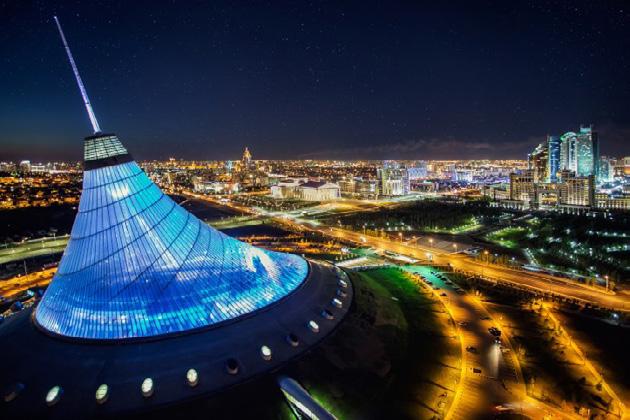
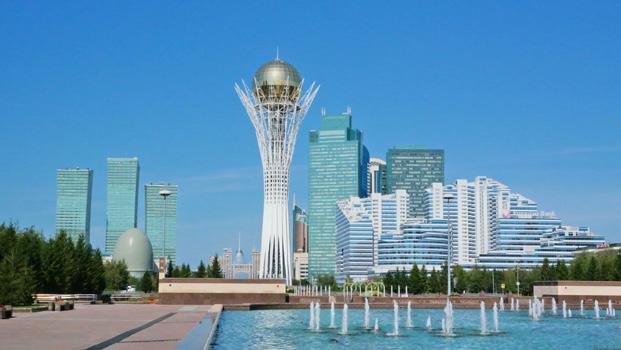
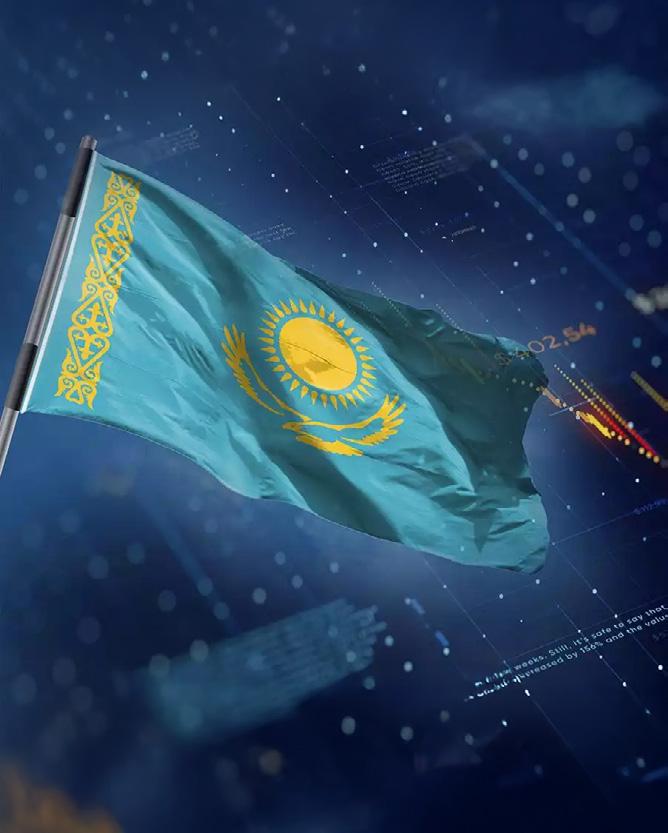
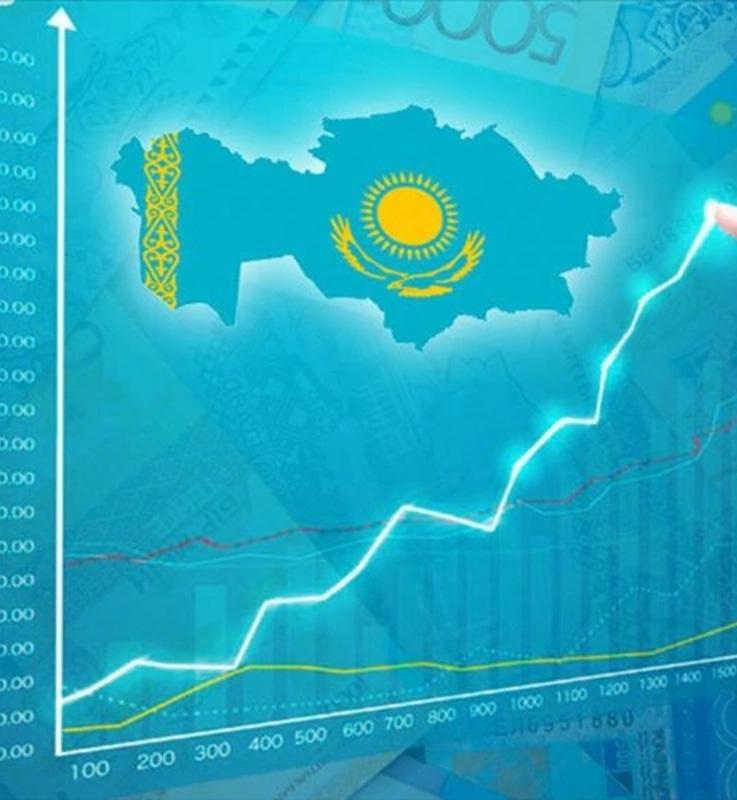
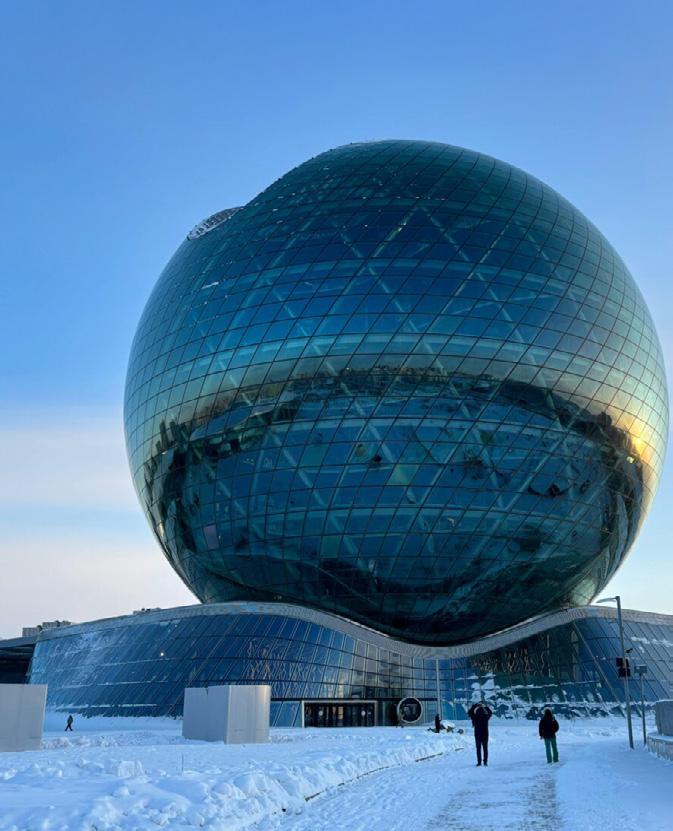
Kazakhstan has solidified its position as the preeminent tourism hub of Central Asia, a transformation driven by a rigorous dual strategy of large-scale infrastructure development and cutting-edge digital innovation. Under the National Tourism Development Program 2023–2029, the country is on track to attract 15 million tourists annually and generate over €10 billion in economic output by 2029.
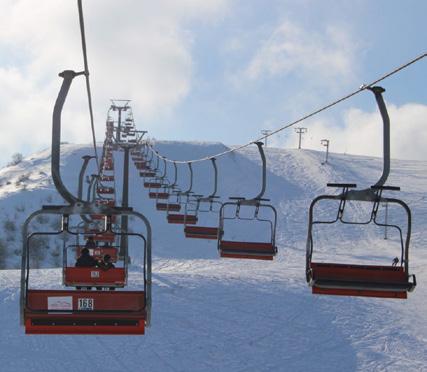
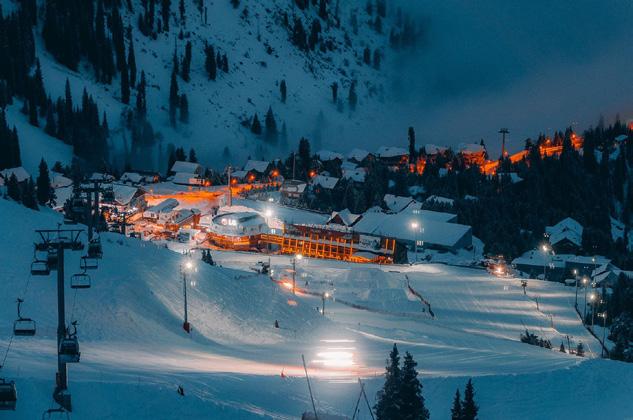
STRATEGIC INFRASTRUCTURE: Building the Tourism Backbone: Kazakhstan’s "dynamic expansion" is anchored in massive physical investments, with tourism funding increasing by 20% to €1.6 billion in 2024 alone. The Almaty Mountain Cluster: A centrepiece of regional growth, this project has secured $358 million in private investment to triple foreign arrivals to 1.8 million. By late 2025, the Qi-Qaragai Ski Cluster aimed to create over 1,200 jobs, while plans for a world-class ski resort with 150 kilometres of trails are projected to attract five million annual visitors. Caspian
RIVIERA AND COASTAL DEVELOPMENT: The Mangystau Region is undergoing a 137.4 billion tenge transformation into a premier resort zone featuring aqua parks and golf facilities, targeting over 1.3 million tourists upon completion. Transport Connectivity: As of January 2026, Kazakhstan is entering an "acceleration period" for road construction, with 11,000 kilometres of work underway to enhance inter-regional links. Modernization of 124 railway stations is in progress,
and the national carrier, Air Astana, plans to launch satellite internet on flights in 2026 to enhance traveller comfort.
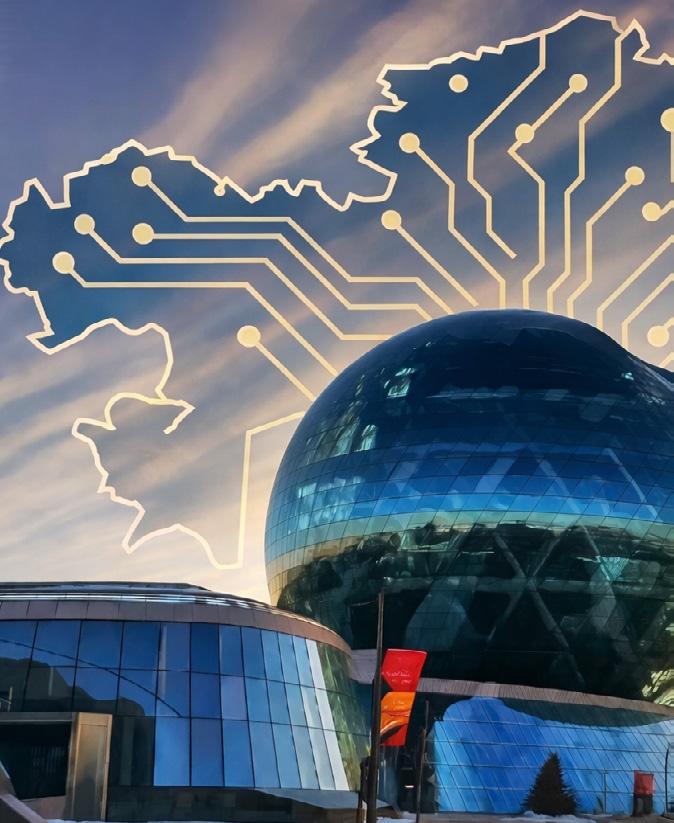
DIGITAL INNOVATION: Revolutionizing the Tourist Experience: Digitalization is the "second pillar" making Kazakhstan a regional leader, simplifying everything from entry to on-site navigation. Smart Tourism and SuperApps: Almaty has pioneered the SuperApp, a digital portal integrated with VR that allows tourists to plan routes, buy tickets, and book verified tours. By the end of 2025, the government planned to launch 50 AIpowered virtual assistants to process real-time tourist requests.
THE NEO NOMAD VISA: Launched in late 2024, this digital nomad visa allows remote workers from 48 countries to live in Kazakhstan for up to a year, an initiative expected to generate 3.6 billion tenge annually. eQonaq and E-Guides: The eQonaq electronic registration system provides seamless guest tracking across all hotels, while the E-Guides platform allows tourists to easily find and hire certified local guides. Ubiquitous Connectivity: By 2026, more than 3,000 rural villages will be connected to high-speed internet, ensuring that even remote eco-tourism sites are digitally accessible.
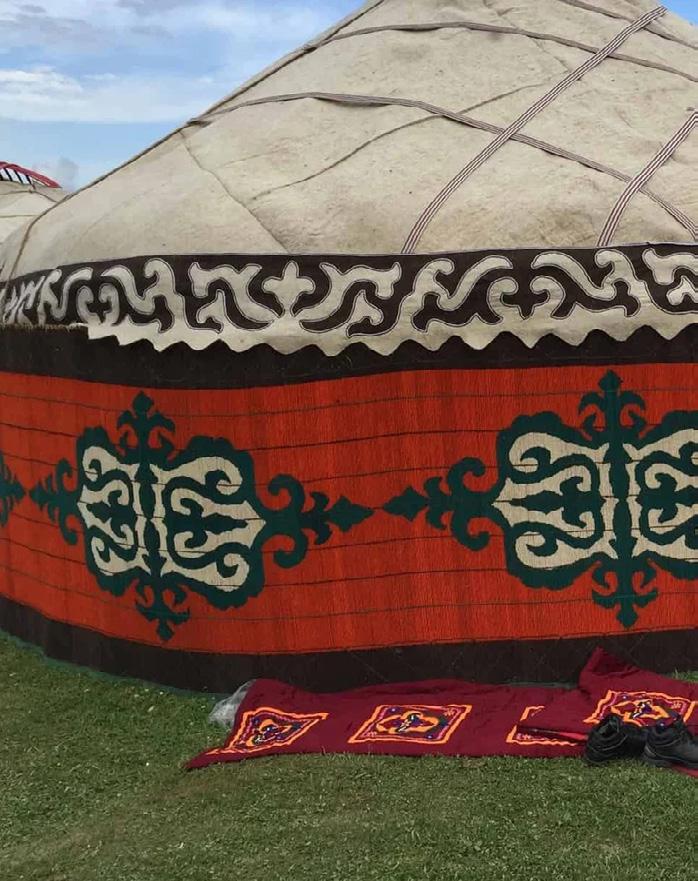
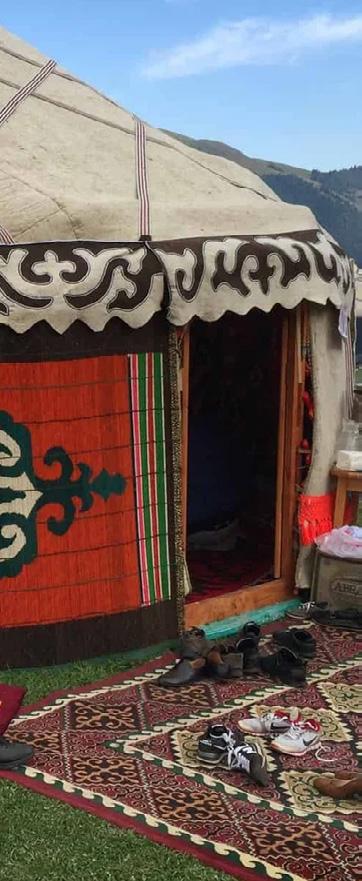
GLOBAL POSITIONING AND SUSTAINABLE GROWTH: Kazakhstan’s rise to 52nd place on the World Economic Forum’s Travel and Tourism Index reflects its successful global marketing. Cultural Diplomacy: Leveraging "soft power" through global stars like Dimash Kudaibergen and the promotion of Kazakh yurt traditions has heightened international
EDITOR - IN - CHIEF From The Desk Of
interest. UNESCO Expansion: In 2026, UNESCO is expected to add 11 additional Kazakh monuments to the World Heritage List, significantly boosting the country’s appeal for cultural and historical tourism.
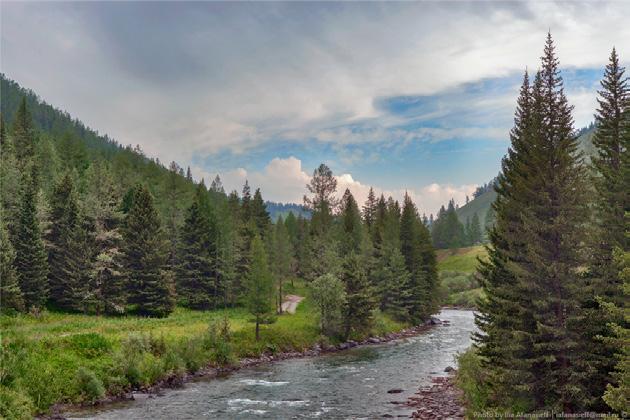
ECO-TOURISM AND SUSTAINABILITY: Kazakhstan has officially adopted global ecotourism principles, focusing on sustainable hiking routes like the 1,200 km trail near Almaty and the development of the Baikonur Cosmodrome as a unique adventure destination. Through these integrated efforts, Kazakhstan has successfully transitioned from an oil-reliant economy to a diverse, service-oriented leader, making tourism a cornerstone of its national growth. There are many essential and novel Measures that the Government of Kazakhstan has taken to Optimise the usage of Digital Innovations and Revolutionizing the Tourist Experience and to attract more Tourist from all around the world. And the most dynamic and significant measures are as follows:
STREAMLINING ENTRY AND MIGRATION: e-Visa & Migration Portal: The government is working to make the "Neo Nomad Visa" entirely online-only via the national Visa Migration Portal (vmp.gov.kz), simplifying the application process for digital nomads. eQonaq System: This electronic guest registration system is being fully implemented nationwide by 2027. It streamlines the registration process for foreign tourists at hotels, removing the need for physical visits to migration police departments, which significantly reduces administrative burden and enhances convenience.
UNIFIED DIGITAL PLATFORM: A unified digital platform for migration management, integrated with national databases, is scheduled for a full rollout to further enhance efficiency in border control and residency management. Enhancing the On-Site Experience: Smart City Applications (SuperApp): In Almaty, a "SuperApp" has been launched, allowing tourists to book tours, plan routes, purchase tickets, and explore attractions using virtual reality (VR). A related app, QazETA, offers similar comprehensive government and tourism services, including visa applications and SIM card purchases.
E-GUIDES PLATFORM: A new digital platform, E-Guides, helps tourists easily find and hire certified local guides, with guides receiving QR-coded badges to confirm their official status and provide site access. SafeTravel.kz: Foreign visitors are issued a QR code card at border control linking to the multilingual SafeTravel.kz website and mobile app, which offers safety recommendations, city maps, emergency contacts (including an SOS function for instant police contact), and information on migration compliance and official transport operators. Improved Connectivity: To ensure seamless digital access, high-speed internet and Wi-Fi hotspots are being installed in key tourist areas, such as the Shymbulak resort and Burabai resort zone. The national 5G network coverage is also planned to reach 60% of the country by the end of 2025, and satellite internet is planned for installation on national trains.
DATA-DRIVEN MANAGEMENT AND MARKETING: Mobile
Data Integration: Kazakhstan is the first CIS country to integrate mobile phone data into its official tourism statistics. This allows for accurate tracking of visitor movement patterns and trends, providing invaluable data for informed decision-making on infrastructure planning, marketing strategies, and service enhancements. Unified Digital Register: A unified digital register of tour operators is being created to automate processes, reduce the human factor in decision-making, and allow consumers to verify the legality of services. AI and Virtual Assistants: The government
is planning to launch 50 AI-powered virtual assistants to process realtime tourist requests and improve service efficiency.In other words, The Government of Kazakhstan has implemented a multi-faceted digital strategy to revolutionize the tourist experience and attract international visitors. And most of these Key measures that focuses on streamlining access, improving on-site convenience, enhancing safety, and leveraging data for informed decision-making; have substantially enhanced the inflow of Tourists from all around the world to keep ‘Kazakhstan’; one of the most sought-after Destinations for Travel, Tourism and Settlement.
KAZAKHSTAN INCREDIBLE
FASHION & TRENDS
Sewing in KazaKhStan iS MORe than JUSt a tRaDitiOn
42
VIBRANT LIFESTYLE KAZAKHSTAN
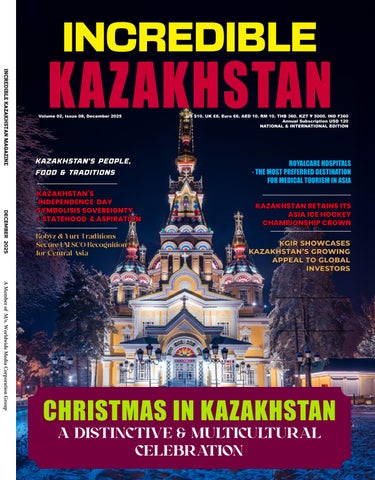
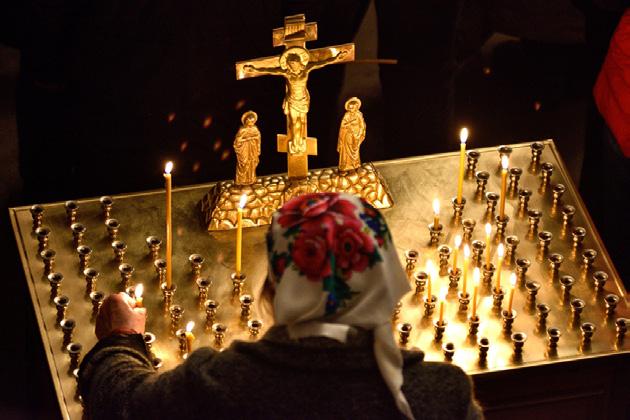
ChRiStMaS in KazaKhStan a DiStinCtive & MUltiCUltURal CelebRatiOn
welCOMe new YeaR in 2026 in a ROYal ManneR @ alMat Y - a SnOwY paRaDiSe
INTERNATIONAL RELATIONSHIP
KazaKhStan & KYRgYzStan Set SightS On $3 billiOn tRaDe bY 2030
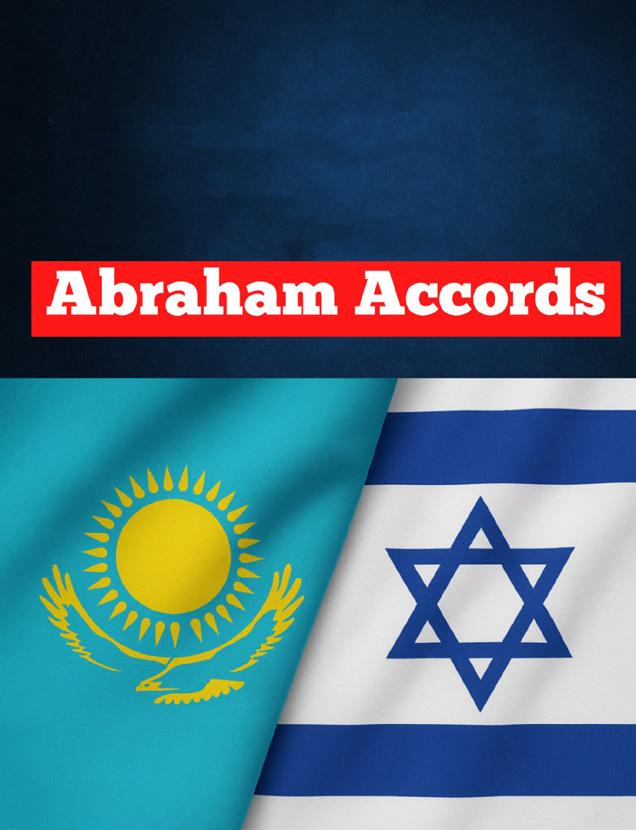
KazaKhStan, whiCh alReaDY ReCO gniSeS iSRael, tO JOin ‘abRahaM aCCORDS’
CULTURE & TRADITIONS OF KAZAKHSTAN
KazaKhStan eMeRgeS aS aSia’S UltiMate JOURneY thROUgh natURe & hiStORY
the SOUl Of the Steppe KazaKhStan’S peOple, fOOD & tRaDitiOnS
HOUSING & INFRASTRUCTURE DEVELOPMENT
KazaKhStan aDvanCeS itS eneRgY tRanSitiOn thROUgh MaJOR pOweR infRaStRUCtURe & Renewable pROJeCtS
KazaKhStan’S inDepenDenCe DaY
SYMb OliSiS SOveReignt Y - StatehOOD & aSpiRatiOn
80
SPECIAL INITATIVES KAZAKHSTAN
KazaKhStan’S inDepenDenCe DaY
SYMb OliSiS SOveReignt Y - StatehOOD & aSpiRatiOn
alMat Y iS ReDefining itSelf aS a MODeRn & viSitOR-fRienDlY glObal Cit Y
INTL. STANDARD EDUCATION KAZAKHSTAN
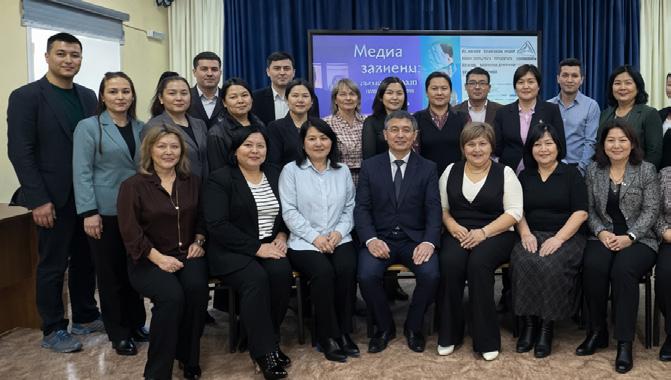
KazaKhStan integRateS MeDia & infORMatiOn liteRaCY intO itS natiOnal eDUCatiOn SYSteM
KazaKhStan eMeRgeS aS a leaDing eDUCatiOn hUb with 35,000 inteRnatiOnal StUDentS
180
HEALTHCARE & MEDICAL TOURISM KAZAKHSTAN
DR. KMD’S ROYalCaRe hOSpitalS gROUp iS the MOSt pRefeRReD DeStinatiOn fOR MeDiCal tOURiSM in aSia
SPORTS &
YOUTH
AFFAIRS OF KAZAKHSTAN
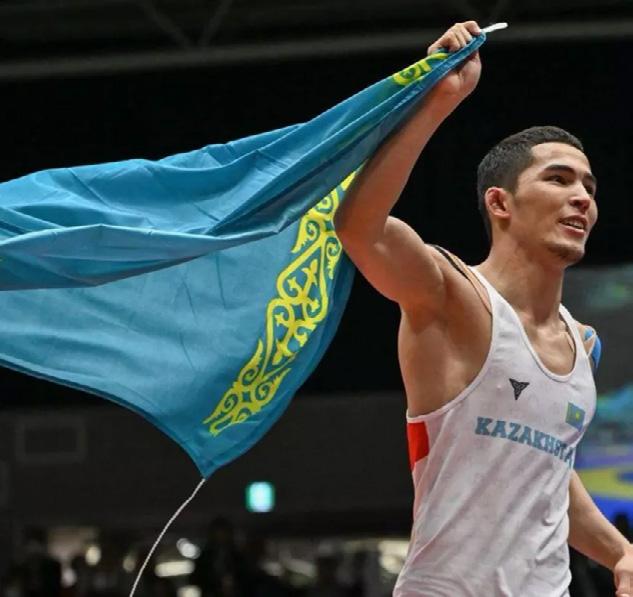
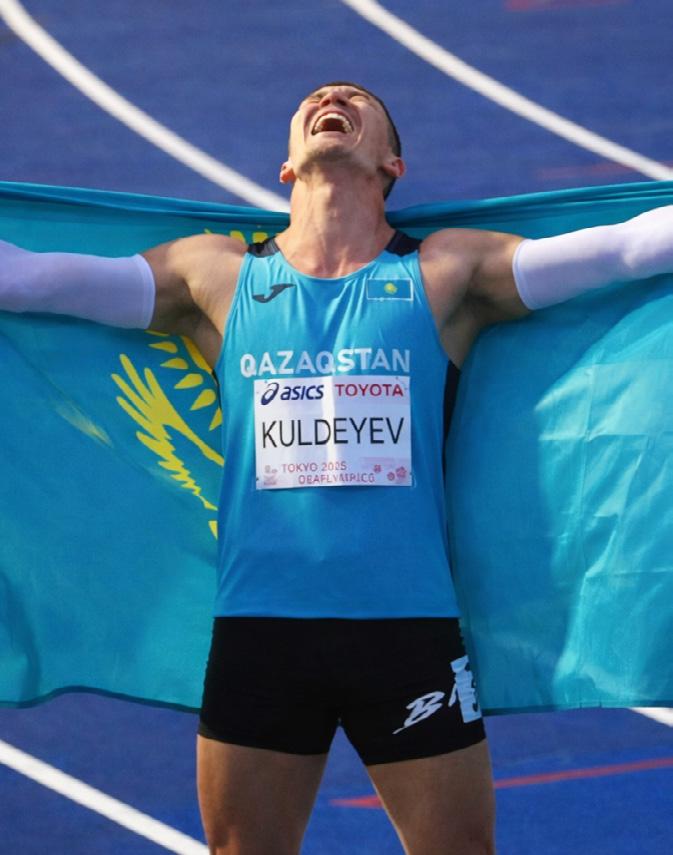
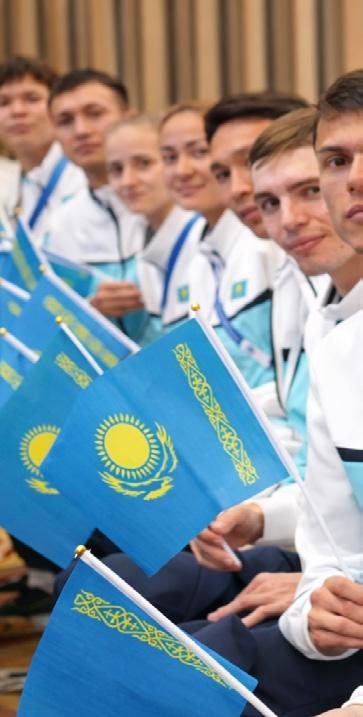
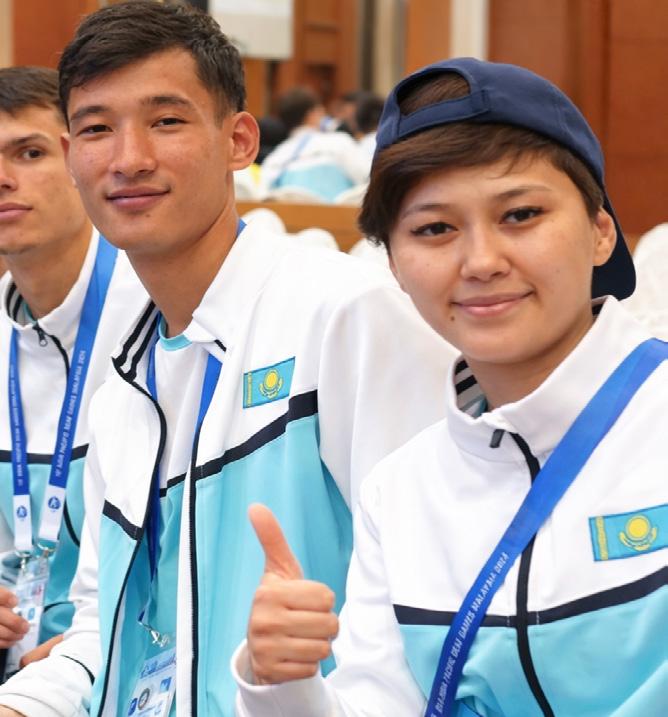
KazaKhStan DeliveRS a lanDMaRK peRfORManCe @ the 2025 tOKYO DeaflYMpiCS
KazaKhStan RetainS itS aSia iCe hOCKeY ChaMpiOnShip CROwn
TRAVEL & TOURISM OF KAZAKHSTAN
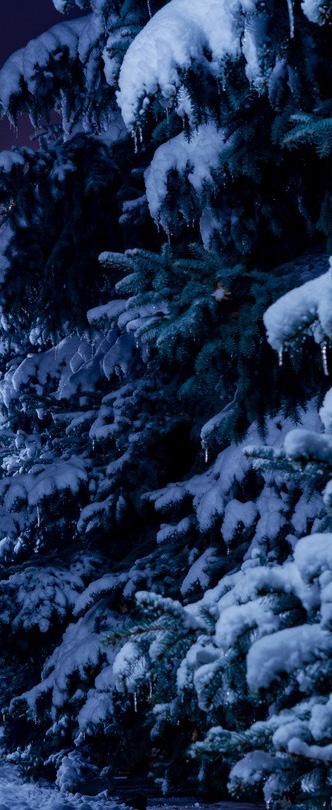
winteR in KazaKhStan OffeRS a MagiCal eSCape Of SnOw, CUltURe & aDventURe
FASHION & TRENDS KAZAKHSTAN
Sewing In Kazakhstan IS MORE THAN JUST A TRADITION
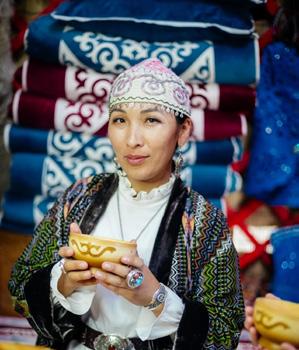
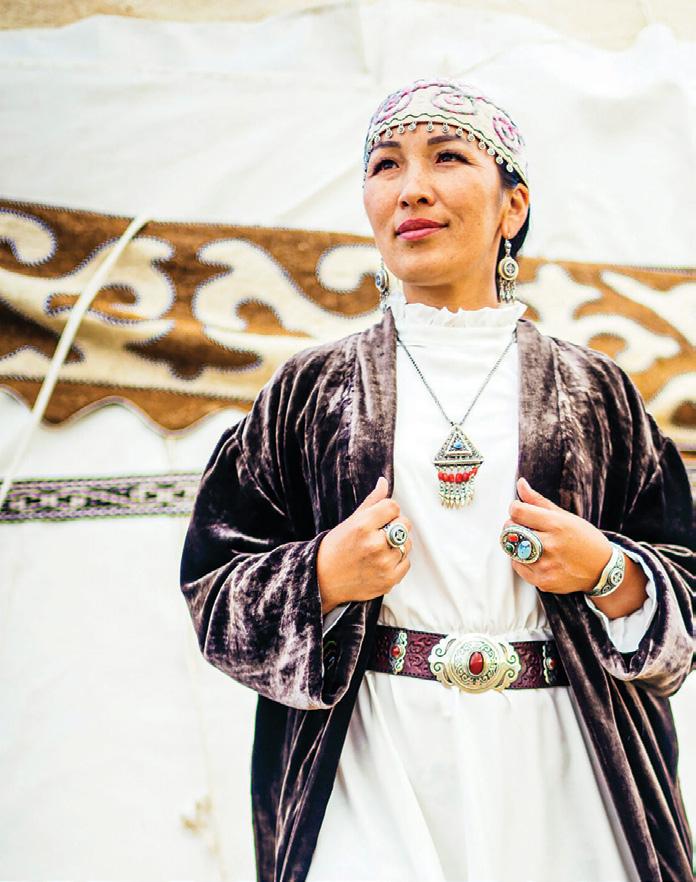
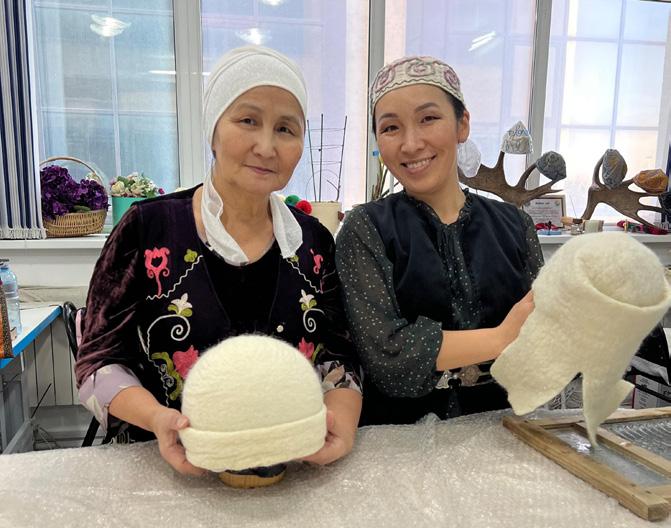
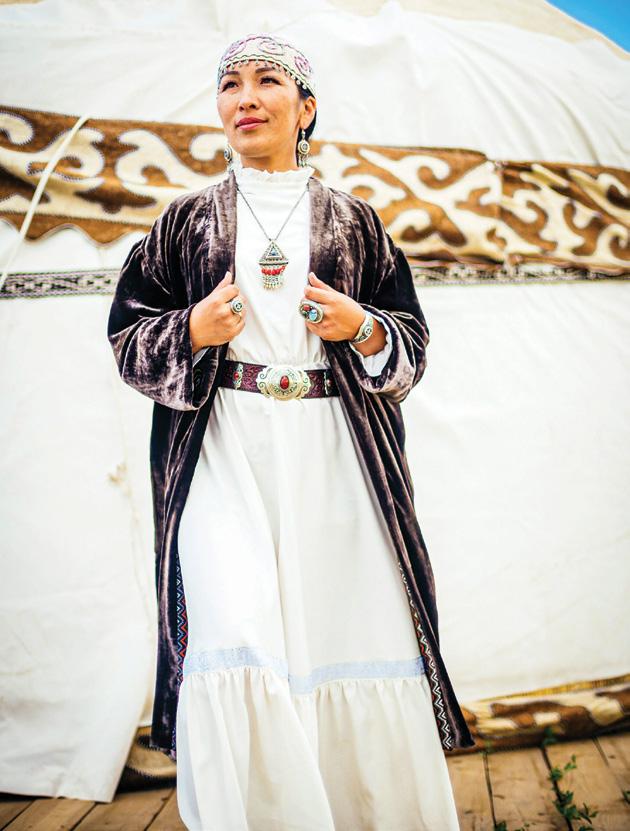
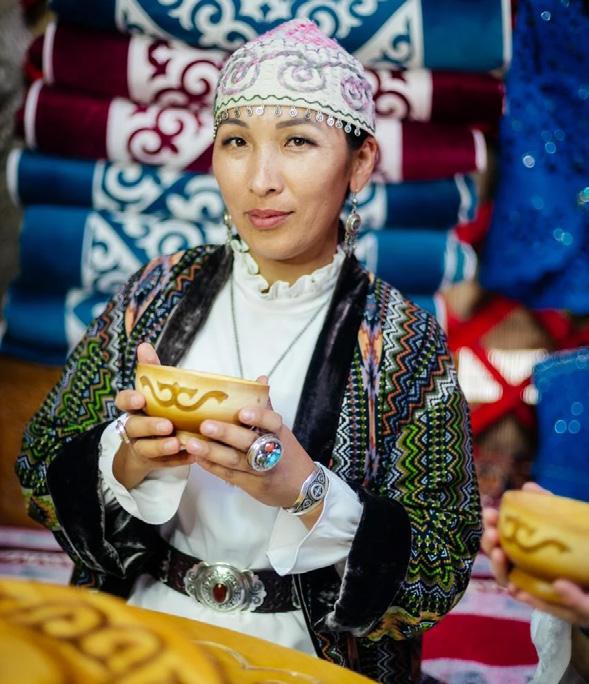
Sewing in Kazakhstan is more than just clothing creation; it’s an entire culture, steeped in centuries-old traditions, symbolism, and nomadic craftsmanship. Using natural fabrics, intricate patterns, and unique techniques, Kazakh artisans have passed down the secrets of creating garments that reflect the nation’s history from generation to generation. Ethnic designers like Madina Kuandyk reinterpret this ancestral legacy, combining traditional motifs with modern trends and restoring national dress to its rightful place in everyday life.
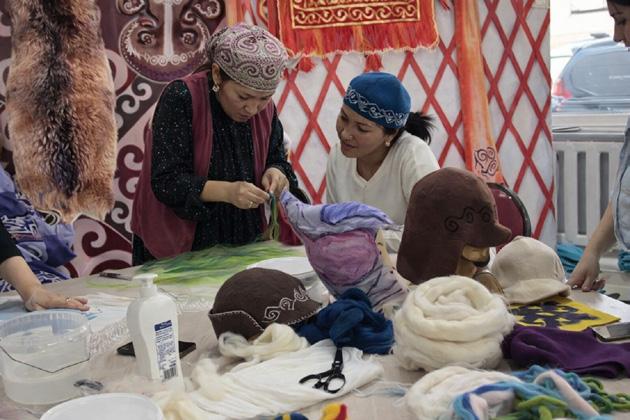
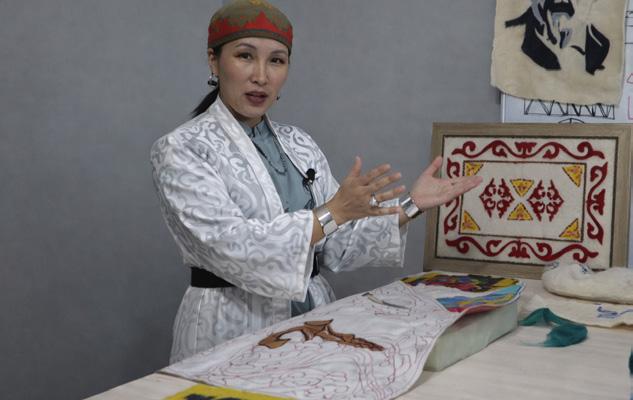
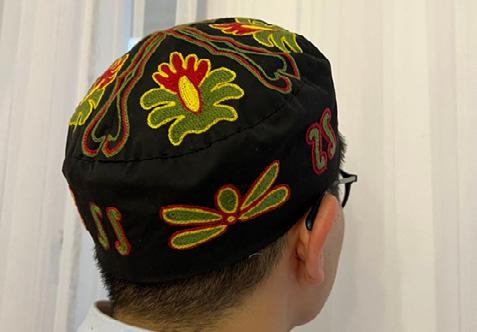
Madina Kuandyk is a designer and tailor; her family’s sewing craft has been passed down for four generations. She actively participates in fashion shows, presenting Kazakh national clothing, and also organizes free traditional felting classes. She founded a social enterprise that not only preserves ancient crafts but also supports vulnerable groups by providing jobs. Her efforts are focused on preserving and developing cultural heritage through creativity and social initiatives. Since childhood, she watched her mother and grandmother craft Kazakh items: embroidering kuraq körpe (patchwork blankets), creating traditional outerwear and headdresses such as börük, tymaq, and taqiya. Her grandfather, meanwhile, made horse harnesses and wore the traditional shapan. This sparked her interest in the craft, which only grew stronger over the years.
After ninth grade, the future craftswoman decided to enroll in a tailoring program. In 2000, she had the opportunity to intern at a renowned fashion house. Her first major project was a set of traditional clothing for her grandfather. She sewed for him a taqiya, börük, tymaq, and shapan, which he wore with pride.
According to the designer, traditional Kazakh clothing always featured natural fabrics: linen, velvet, cotton, silk, brocade, broadcloth, and felt. Colors were typically earthy, muted, reflecting the surrounding environment. For example, red was considered the color of fire, green was associated with leaves, and brown with earth.
“In my work, I use all these natural materials to preserve traditions and adapt them to modern realities. I sew shapans, dresses, skirts, headdresses, vests, and much more. The kimeshek (headdress), while rarely used, is also an important element of traditional dress. Through my work, I want to show that national dress is not a museum piece, but a living, centuries-old nomadic culture that can be worn with pride. This isn’t just a business, but a mission—to revive crafts, inspire people, and preserve Kazakh identity in every stitch, as well as pass it on to future generations,” explains Madina.
Today, many elements of Kazakh dress have faded into the background due to social, historical, and cultural changes. For example, the long-sleeved camisole, which was once an important part of women’s attire, was often decorated with gold patterns, but these styles are now less common. Also rarely used are details like the veiled taqiya (zhelek), which once covered part of the face or back, especially on young women. The fur-trimmed saukel—a traditional wedding headdress—is found mainly in stage or stylized versions. In the past, it was often decorated with natural fur, symbolizing wealth and status. Furthermore, among the Kazakhs, it was valued in herds of horses.
“Equally important are the men’s elements of the costume. The keshpent, a felt outerwear, was once an essential part of the wardrobe, but has virtually disappeared today. The aiyr kalpaq, a tall felt hat with a split crown, was a symbol of masculinity,
worn by adult men. It is now extremely rare. Many believe it to be a Kyrgyz hat, although Kazakhs also wore them. This kalpak was felted and also protected from the sun. We mustn’t forget the belbeu, a wide belt, an important element of the men’s costume that not only served as decoration but also had a practical function: it held a knife, tobacco pouch, and bags. All these elements of traditional costume carry deep meaning and reflect the culture that we must preserve and pass on to future generations,” says the ethnic designer. The designer develops signature pieces, creating lightweight garments in just two days, while a full, hand-embroidered suit can take up to a year, depending on its complexity.
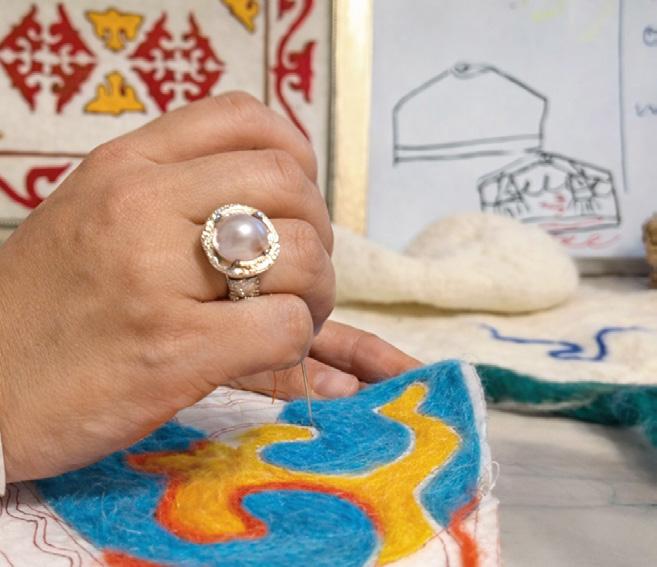
Madina Kuandyk master’s ancient techniques rarely encountered in modern sewing. For example, one such embroidery technique is “syrma” (Syrmaq әдісі), which is felt embroidery. In this technique, multicolored pieces of felt are cut out and sewn onto a background, creating complex patterns.
“Felt was once used not only for shoes and hats but also for clothing, creating warm and durable details. I also learned the technique of etching fabrics with vegetable dyes, which creates rich hues and unique patterns similar to batik. Another rare technique is ornamented leather, where the pattern is embossed and covered with gold or silver. This technique was passed down to me by my mother,
an artist and teacher, as if it had been passed down to me through my mother’s milk and my ancestral heritage,” she says. The designer places particular emphasis on eco-friendly production. Her workshop uses zero-waste manufacturing, and patchwork pieces like the kuraq potholders have become her signature. In 2023, her brand received ESG status for its sustainable approach to materials.
“Kazakh clothing is designed to eliminate waste. For example, the shapan is traditionally cut from straight pieces (front, back, sleeves), allowing for the most efficient use of material. We utilize upcycling in our work, as our artisans are very resourceful,” she explains.
Madina also conducts free workshops for rural women and students. One of the most memorable sessions took place in the village of Yenbek, where women tried working with wool for the first time. “Many of them had never worked with wool, and one woman even said she’d leave if she didn’t like it. In the end, she stayed and enthusiastically made a felt flower brooch. This moment was special because I saw how traditional crafts can inspire, give people confidence, and open up new possibilities. It reminded me why I do ethnic design. It’s important to me that clothing not only looks ethnic but is also comfortable, functional, and suitable for everyday wear,” she explains.
Today, national clothing is more than just a relic of the past, but a stylish, comfortable, and distinctive expression of identity. The designer emphasizes that Kazakh attire is no longer limited to holidays, but is becoming part of a modern wardrobe that can be both traditional and functional. She also notes that this fashion is especially popular among young people who, while abroad, want to maintain a connection to their native culture and represent their country in the best possible light.
VIBRANT LIFESTYLE KAZAKHSTAN
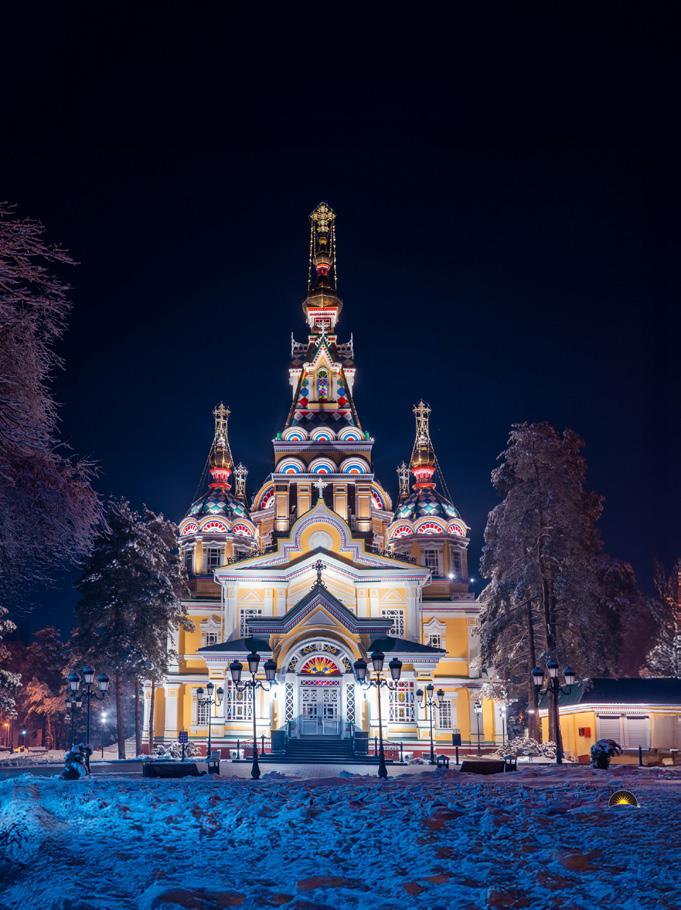
CHRISTMAS IN KAZAKHSTAN
A DISTINCTIVE & MULTICULTURAL CELEBRATION
Christmas in Central Asia is celebrated in a distinctive and multicultural way, reflecting the region’s rich blend of religions, ethnicities, and historical traditions. While Central Asia is predominantly Muslim, Christmas has found a visible and meaningful place in public life—particularly in urban centres—where Christian communities, expatriates, and increasingly curious locals come together to mark the festive season. The result is a celebration that blends Orthodox Christian customs, European-style winter festivities, and uniquely Central Asian hospitality.
A Multicultural Setting for Christmas
Countries such as Kazakhstan, Uzbekistan, Kyrgyzstan, and Tajikistan are home to diverse populations that include Orthodox Christians, Catholics, Protestants, and expatriate communities from Europe and East Asia. In December 2025, Christmas is less a religious divide and more a cultural moment—one that highlights tolerance, coexistence, and shared joy. Although Christmas Day on December 25 is officially observed mainly by Catholic and Protestant communities, the festive atmosphere extends across society through decorations, concerts, shopping events, and winter celebrations.
Kazakhstan: The Region’s Festive Showcase
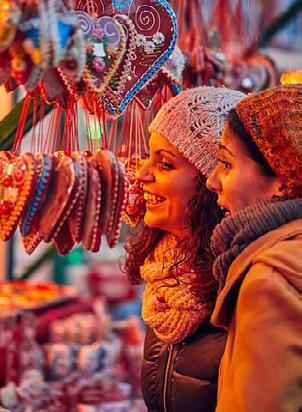
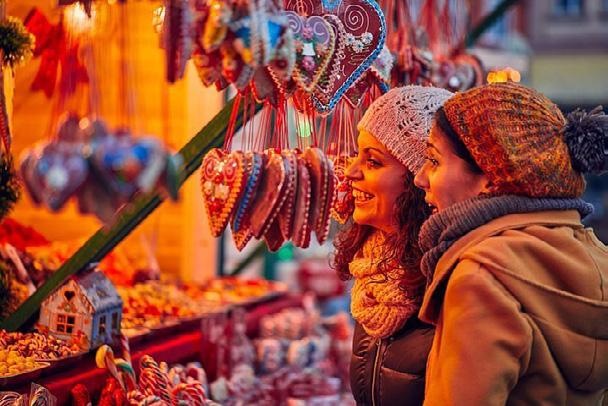
Kazakhstan stands out as the most visible Christmas celebrator in Central Asia. In cities such as Almaty and Astana, December 2025 sees streets illuminated with festive lights, towering New Year trees, and decorated shopping centres. Christmas markets— though smaller than their European counterparts— feature hot drinks, seasonal sweets, handmade crafts, and live music. Orthodox Christian communities attend church services and family gatherings, while younger generations and urban residents embrace Christmas as a winter festival. Restaurants and hotels offer Christmas-themed menus, and international schools and embassies host carol evenings and charity events.
Orthodox Christmas in January
An important distinction in Central Asia is the celebration of Orthodox Christmas on January 7, following the Julian calendar. This means that December festivities often flow seamlessly into early January celebrations. In December 2025, preparations for Orthodox Christmas are already visible, especially among Russian, Ukrainian, and other Slavic communities living across the region. Churches conduct special services, while families prepare traditional meals and observe religious customs. This extended festive season gives Central Asia a longer and more relaxed holiday atmosphere compared to many other regions.
Uzbekistan and Kyrgyzstan: Quiet but Meaningful Celebrations
In Uzbekistan and Kyrgyzstan, Christmas is observed more quietly but with growing visibility in major cities like Tashkent and Bishkek. International hotels, cafes, and cultural centres decorate their spaces and organize Christmas dinners, concerts, and themed events aimed at tourists and expatriates.
In December 2025, local youth and families increasingly view Christmas as part of the global winter holiday culture. While religious observance remains limited to Christian communities, public acceptance of Christmas as a cultural celebration continues to grow.
Public Spaces and Winter Festivals
Across Central Asia, Christmas celebrations blend naturally with New Year festivities, which are widely celebrated regardless of religion. Public squares host winter fairs, light shows, ice skating rinks, and concerts. Santa Claus figures—often paired with local or Russian New Year characters— are a common sight, especially in Kazakhstan and Kyrgyzstan.
This combination creates a festive environment where Christmas becomes part of a broader seasonal celebration rather than a standalone religious holiday. In December 2025, city authorities continue to promote winter tourism, making Christmas an integral element of seasonal branding.
Role of Tourism and Global Influence
Tourism has played a growing role in shaping Christmas celebrations in Central Asia. International visitors from Europe, South Korea, and the Middle East expect familiar holiday experiences, prompting hotels, airlines, and tour operators to adapt. Christmas-themed tours, winter photography packages, and festive dining experiences have become more common, particularly in Kazakhstan.
Global media, social networks, and international education have also influenced local perceptions. Younger Central Asians increasingly associate Christmas with warmth, generosity, and global connection rather than religious identity alone.
A Symbol of Coexistence and Openness
By December 2025, Christmas in Central Asia has become a symbol of cultural openness rather than religious transformation. The holiday reflects how the region balances tradition with modern global influences, allowing different communities to celebrate side by side with mutual respect.
While Christmas may not be the most important religious event in Central Asia, its growing presence highlights the region’s diversity and adaptability. From softly lit churches and family dinners to lively city squares and winter festivals, Christmas in Central Asia offers a unique example of how global traditions can be reinterpreted through a local, inclusive lens— making the season meaningful for people of many backgrounds.
- A snowy paradise
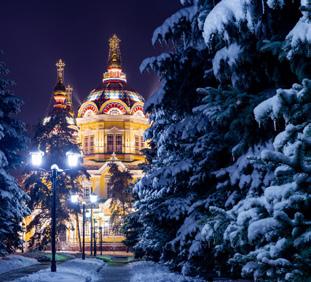
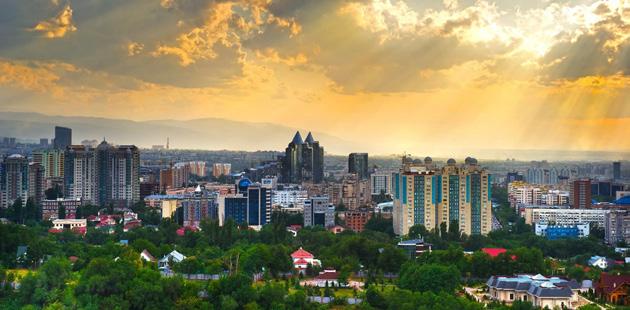
As the clock strikes midnight on December 31, why not find yourself in one of Central Asia’s most vibrant and stunning destinations? Almaty, Kazakhstan’s cultural and economic hub, offers a unique and unforgettable way to ring in the New Year. From breathtaking mountain views to dazzling festivities, Almaty has everything you need to start your year with a bang.
Why Choose Almaty for Your New Year Celebration?
Almaty is a city that perfectly blends urban charm with natural beauty, making it a top destination for celebrating the New Year. Whether you’re looking to embrace the cold winter with outdoor adventures or indulge in warm, festive activities, Almaty has something for everyone.
Experience Winter Wonderland
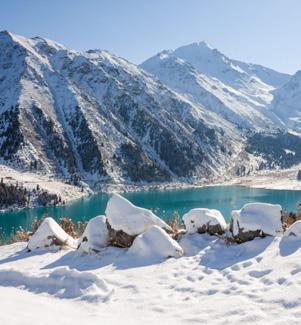
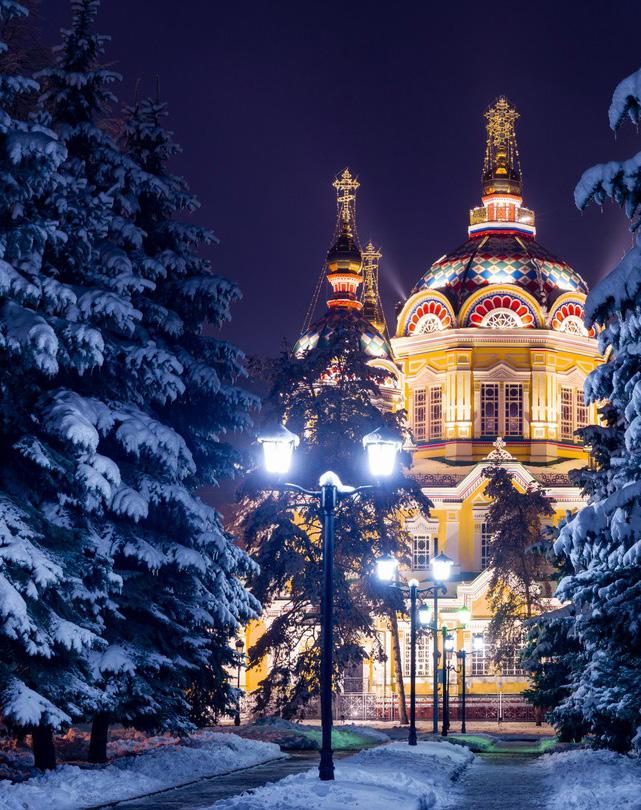
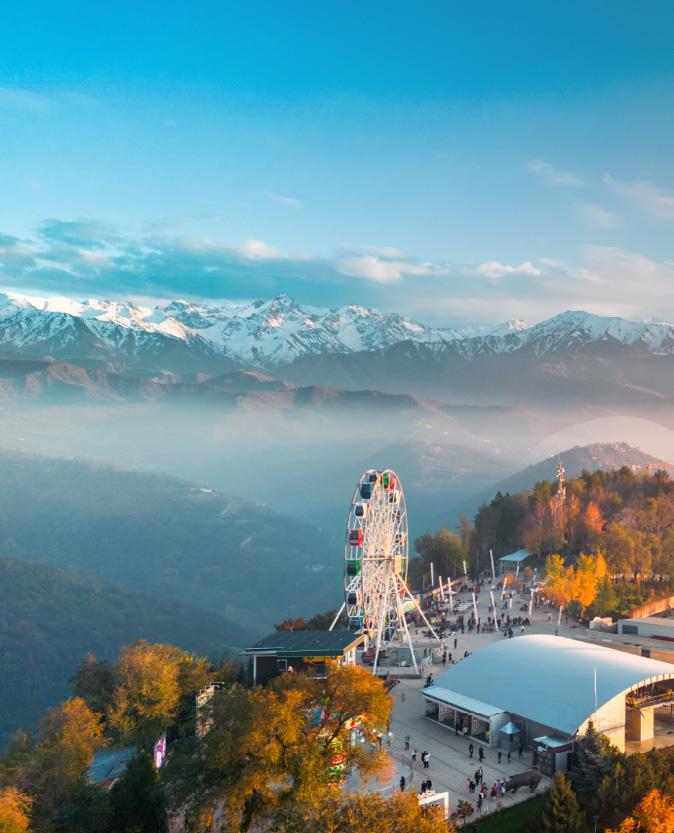
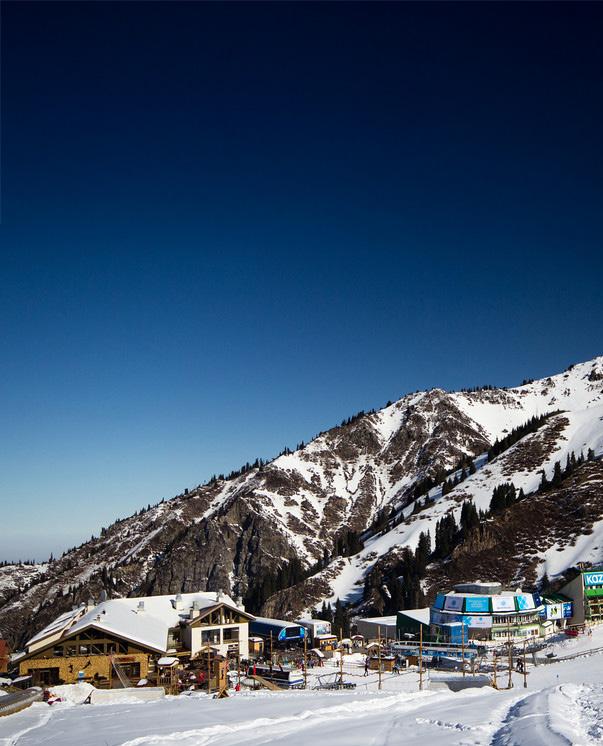
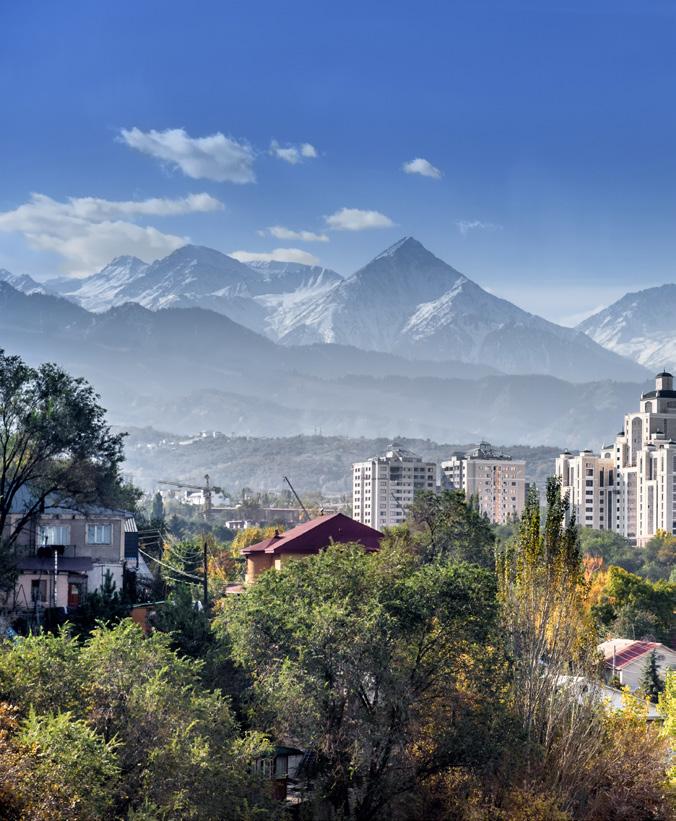
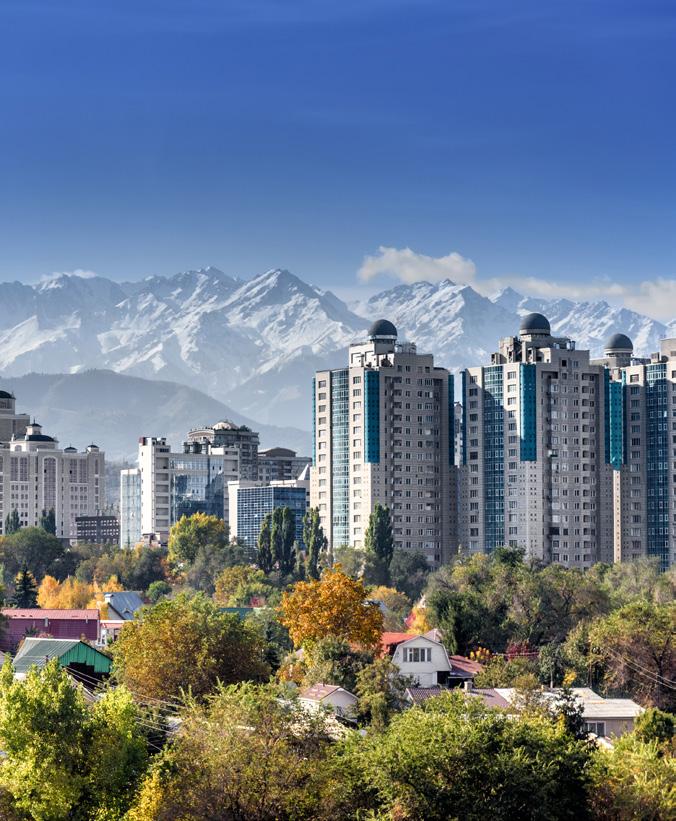
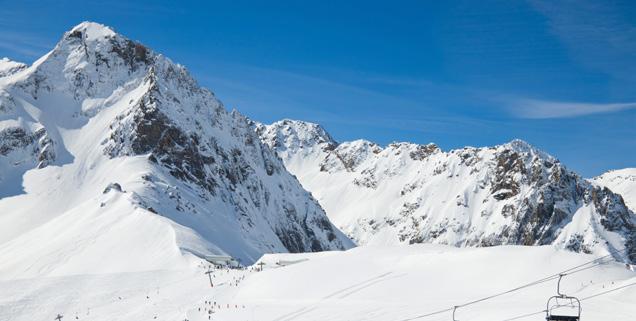
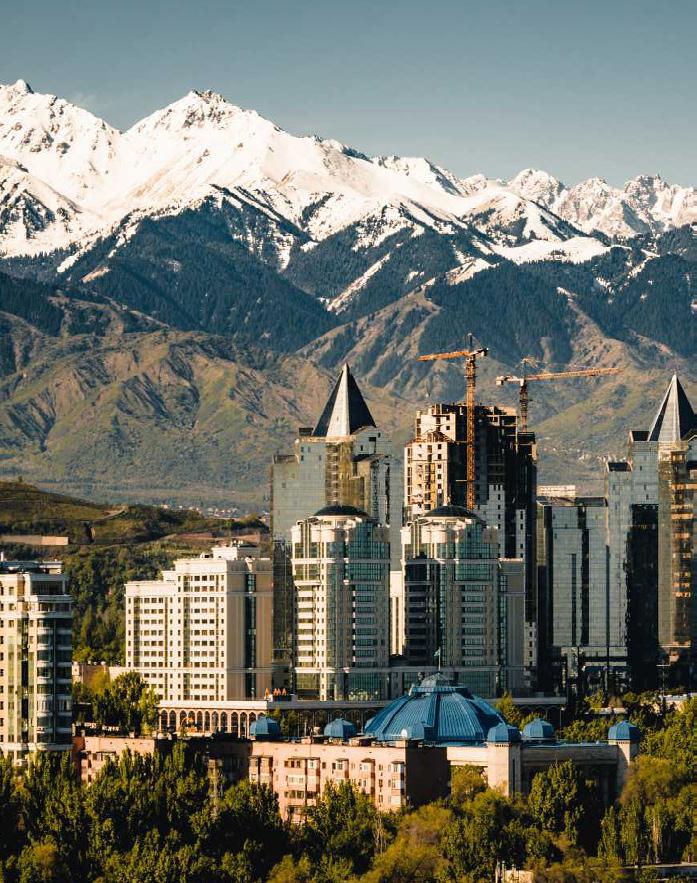
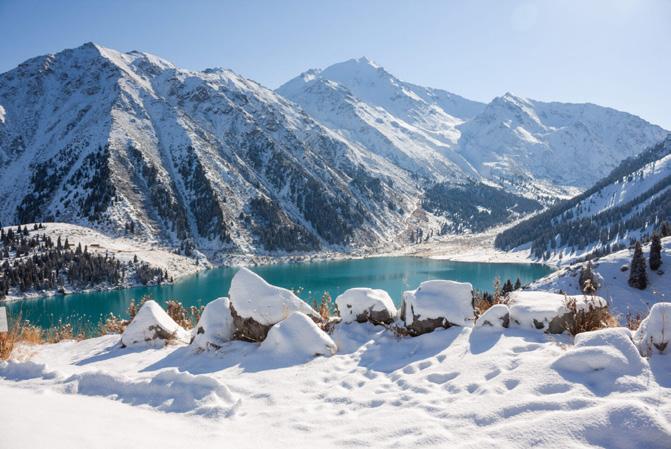
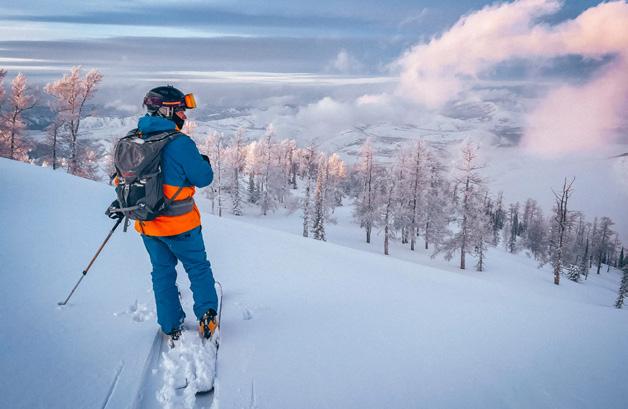
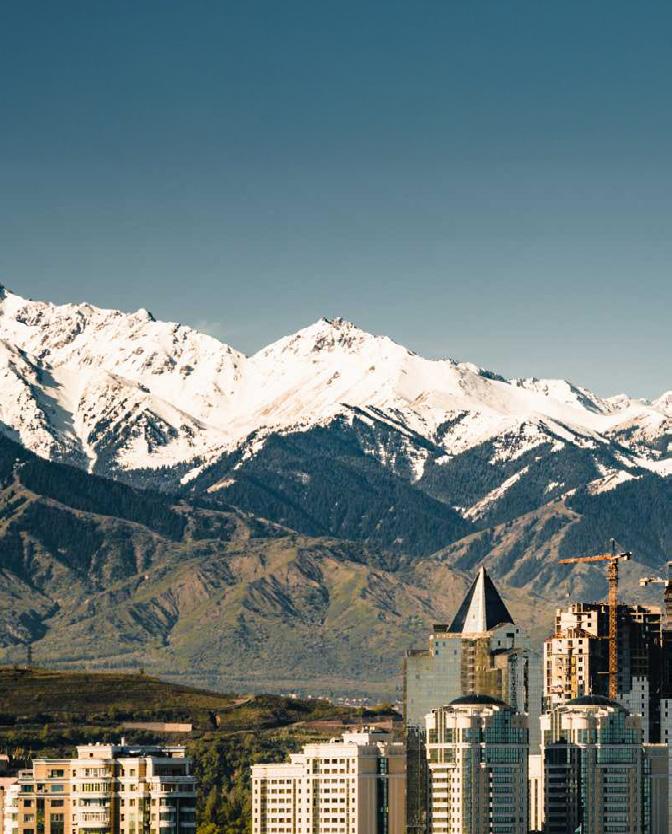
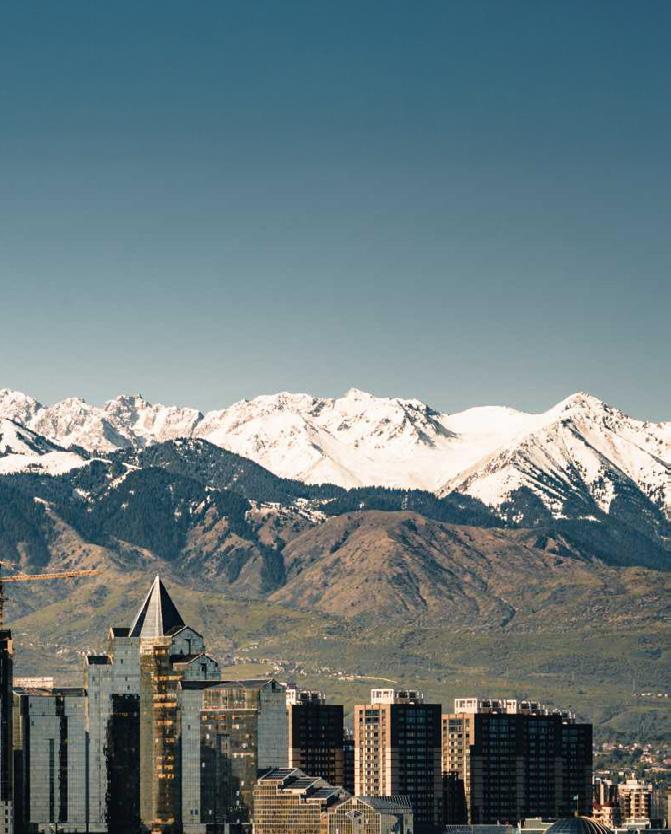
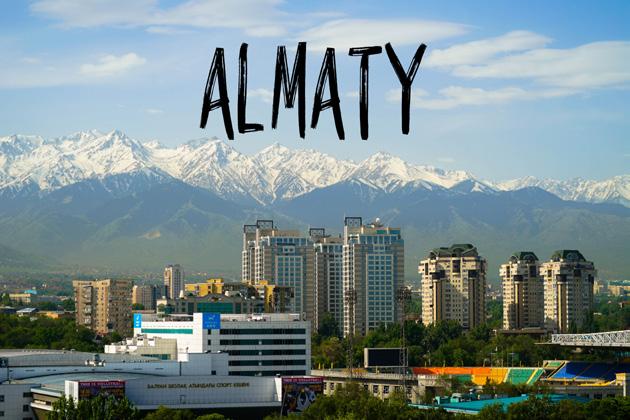
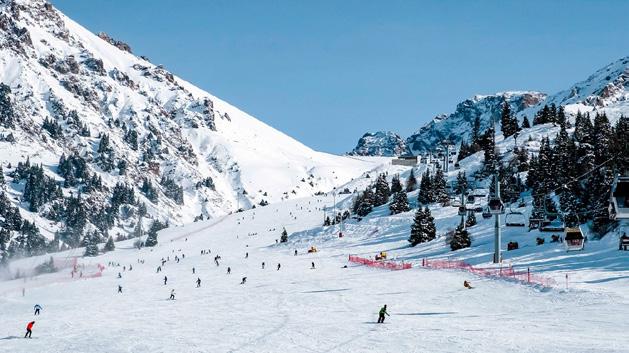
Nestled at the foot of the Trans-Ili Alatau Mountains, Almaty transforms into a snowy paradise during the winter. The city’s streets come alive with festive lights, and the mountains offer a stunning backdrop for your celebrations. Ski enthusiasts and winter adventurers will find their haven at nearby Shymbulak Ski Resort, one of Central Asia’s premier winter sports destinations.
Festive Events and Activities
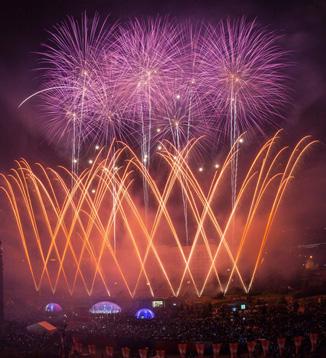
Almaty’s vibrant New Year’s Eve scene offers everything from live music performances to dazzling fireworks displays. Republic Square, the heart of the city, becomes a gathering spot for locals and visitors alike, where you can enjoy open-air concerts and countdown to midnight under the stars. If you prefer a cozy indoor setting, many of Almaty’s luxury hotels and restaurants host exclusive New Year’s Eve galas featuring traditional Kazakh cuisine, live entertainment, and festive décor. What to Do in Almaty During Your New Year Tour.
Hit the Slopes at Shymbulak Ski Resort
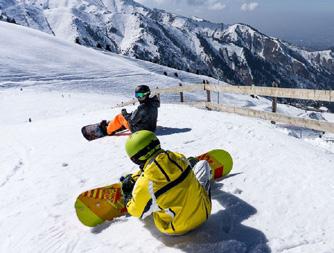
Just a short drive from the city, Shymbulak is a mustvisit for skiing, snowboarding, or simply enjoying the scenic cable car rides over the snowy peaks. The resort also offers après-ski options, where you can sip on hot cocoa while soaking in the stunning mountain views.
Skate at Medeu Ice Rink
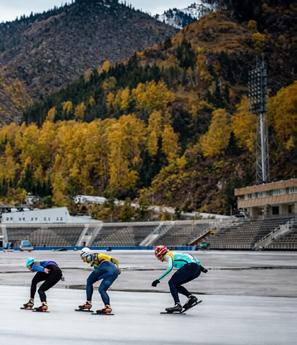
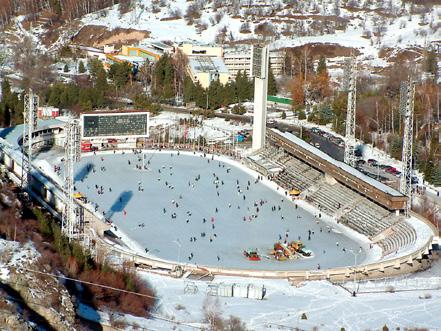
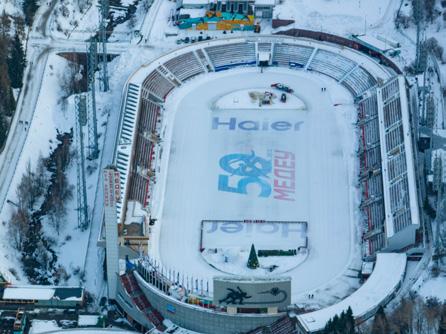
Medeu, the world’s highest-altitude ice rink, is a magical spot to enjoy skating under the crisp winter sky. It’s an activity that’s fun for all ages and offers a quintessential winter experience.
Explore Almaty’s Festive Markets
Get into the holiday spirit by visiting Almaty’s Christmas and New Year markets. These markets are perfect for picking up handmade souvenirs, tasting traditional snacks like baursaks (fried dough), and soaking in the festive atmosphere.
Savor Traditional Kazakh Cuisine
No New Year celebration in Kazakhstan is complete without indulging in its rich culinary traditions. Treat yourself to festive dishes like beshbarmak, manty (steamed dumplings), and shashlik (grilled skewers) at Almaty’s renowned restaurants. Don’t forget to try kumis, the famous fermented horse milk drink!
5. Witness the Midnight Fireworks
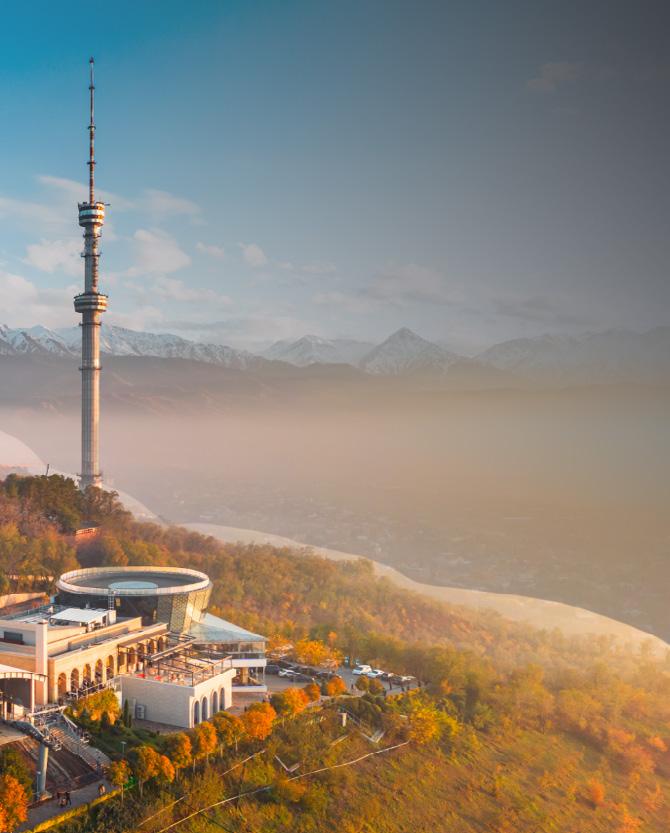
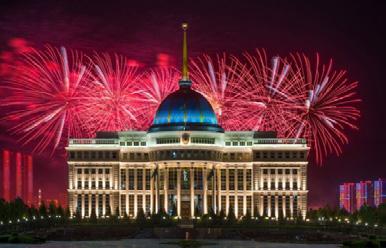
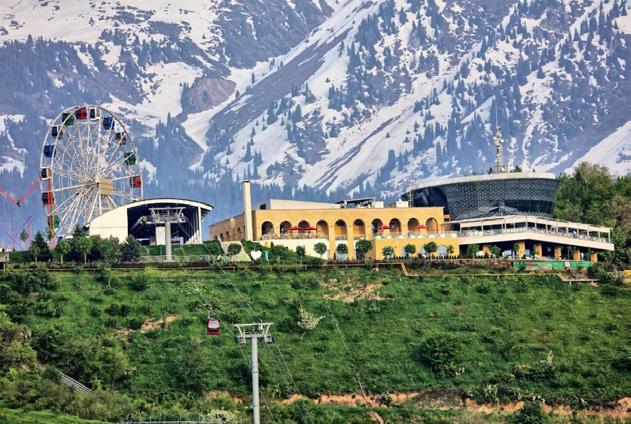
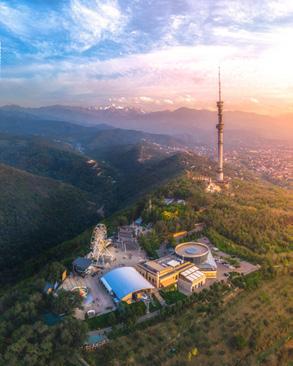
End the year on a high note with Almaty’s spectacular New Year fireworks. Gather with locals at Republic Square or enjoy a panoramic view from Kok-Tobe Hill to see the sky light up with dazzling colors.
Tips for Your New Year Tour in Almaty
• Dress Warmly: Winter temperatures in Almaty can drop below freezing, so pack layers, a warm coat, gloves, and a hat.
• Plan Ahead: New Year is a popular time for tourists, so book your accommodations and activities in advance.
• Learn Basic Phrases: While many people in Almaty speak English, knowing a few Kazakh or Russian phrases can be helpful and appreciated.
HISTORY, CULTURE & TRADITIONS
KAZAKHSTAN
KAZAKHSTAN EMERGES As Asia’s Ultimate Journey Through Nature & History
Kazakhstan offers unique landscapes and hospitality for European audiences and for the whole world. Kazakhstan is about five times the size of France and lies south of Russia. That’s what makes it so different and why the country has so much to see.
Paradise of Nature
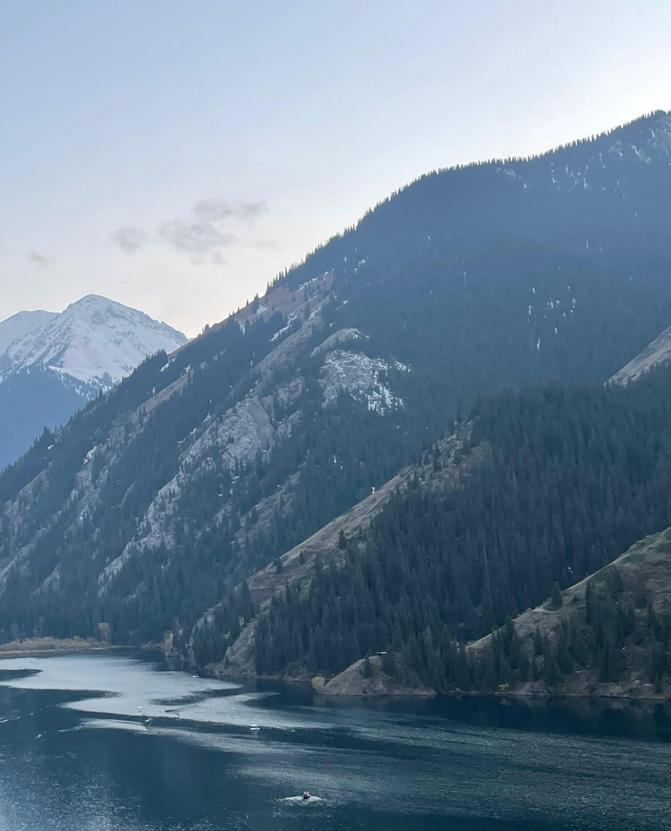
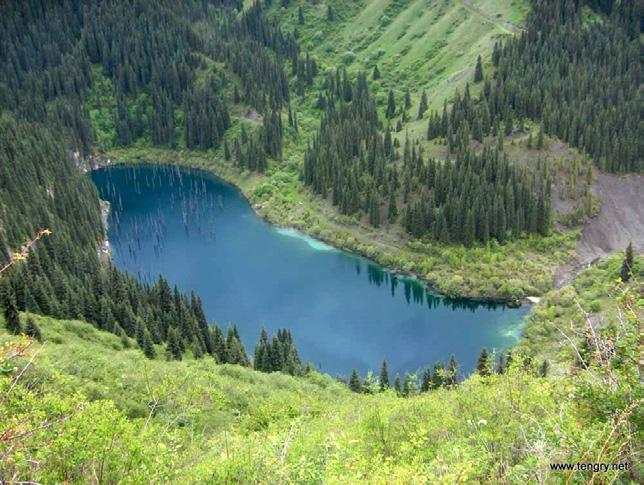
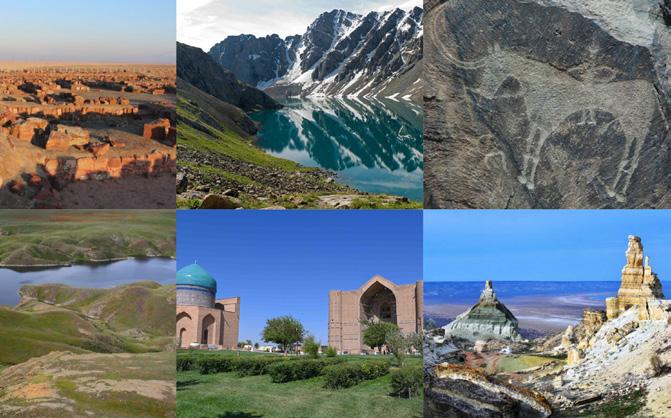
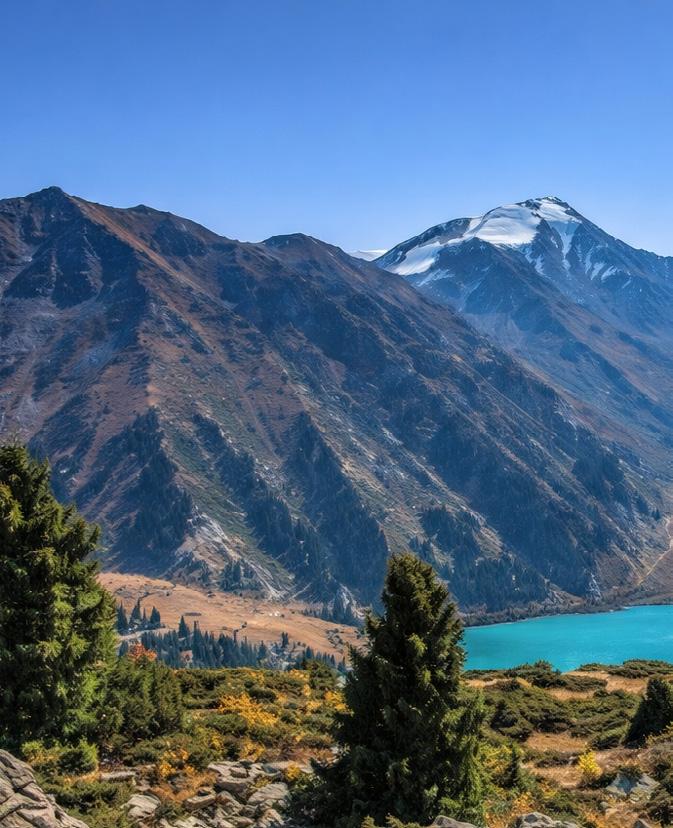
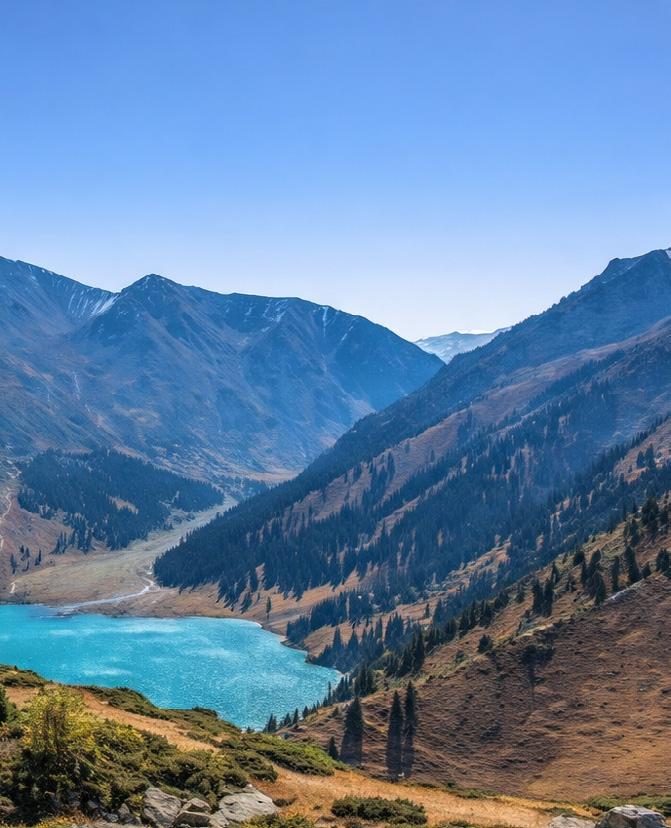
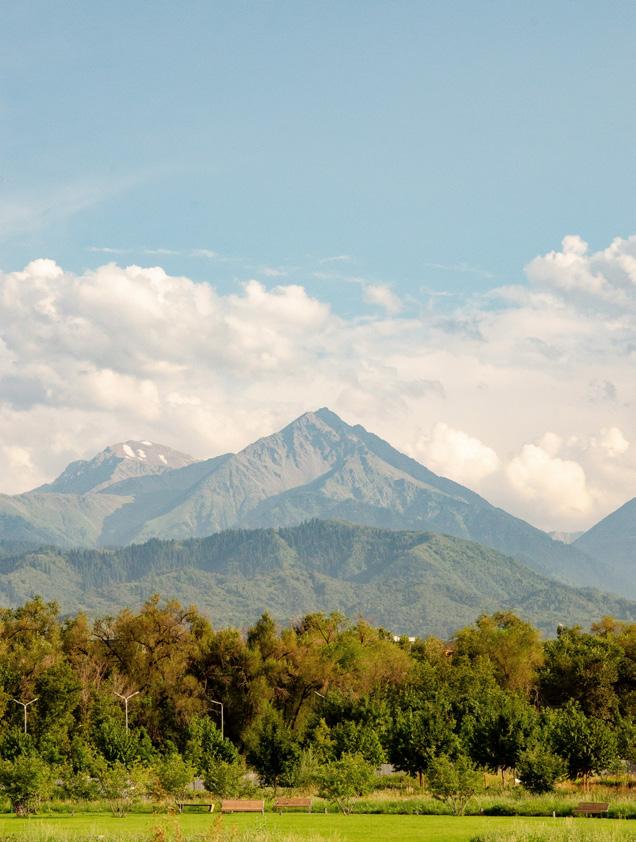
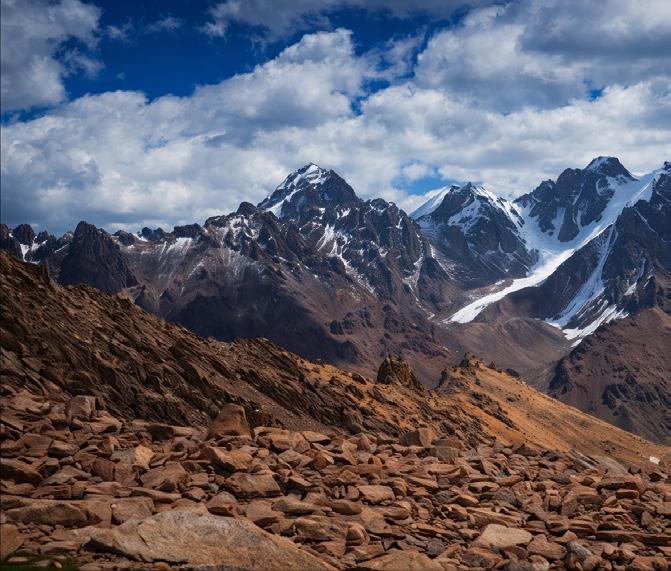
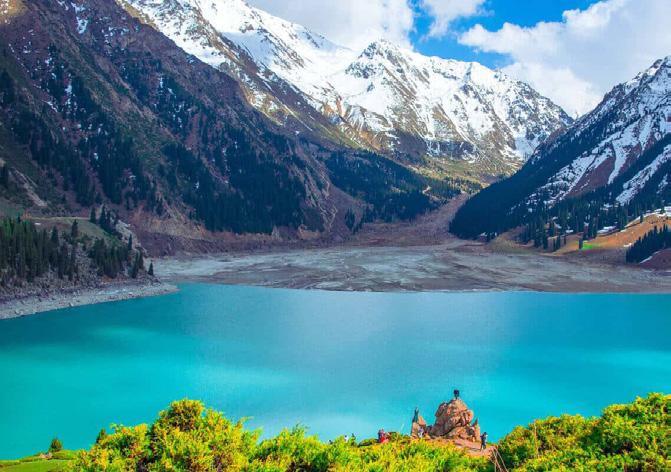
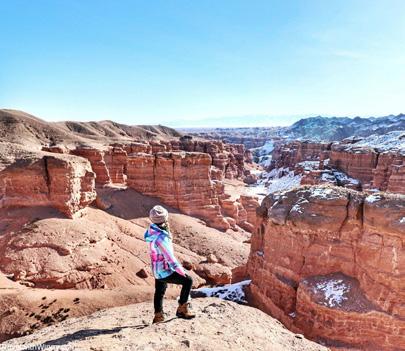
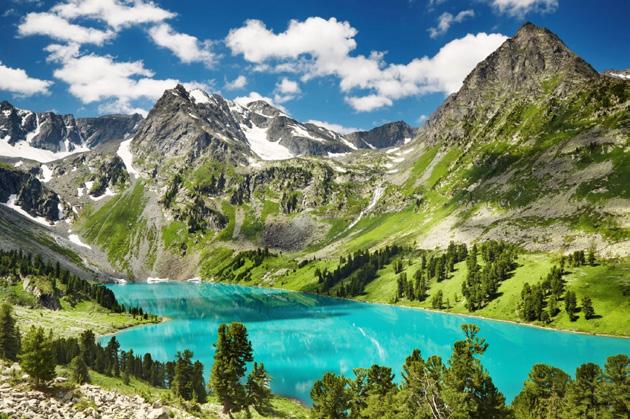
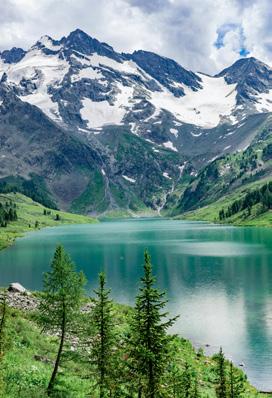
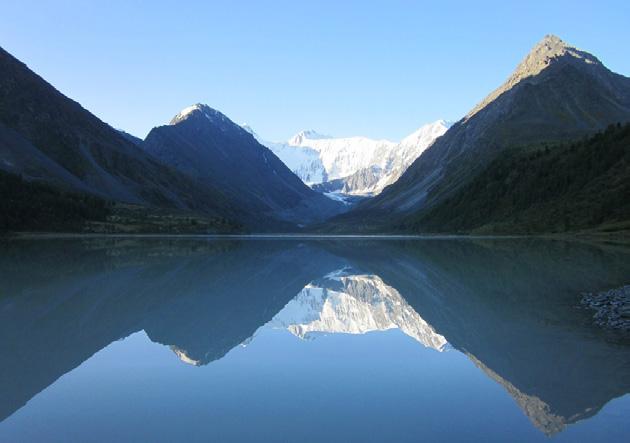
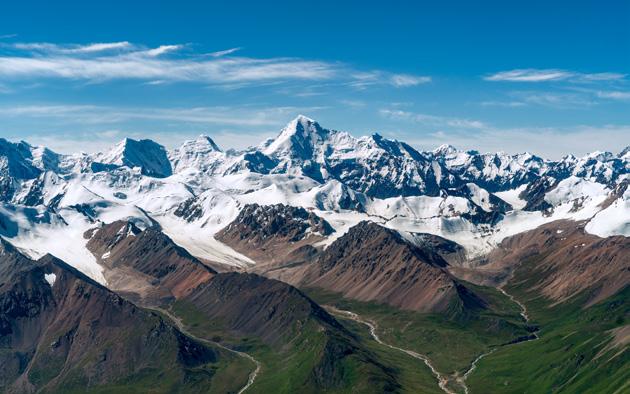
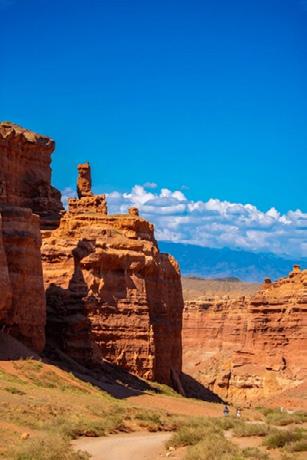
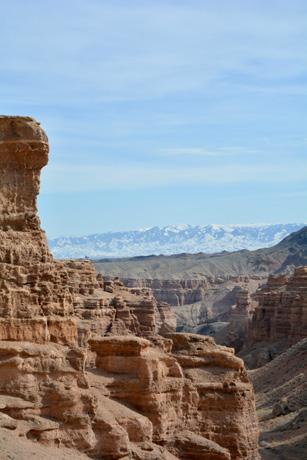
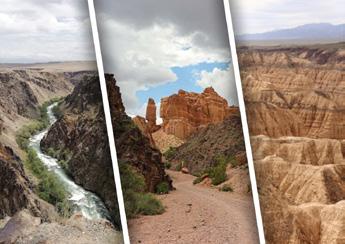
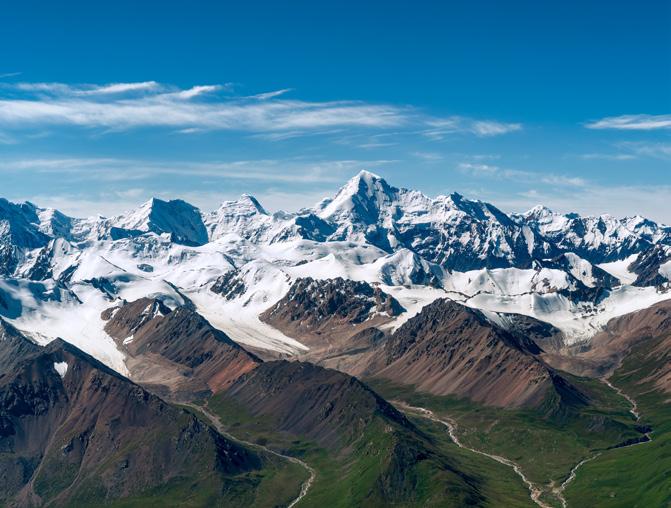
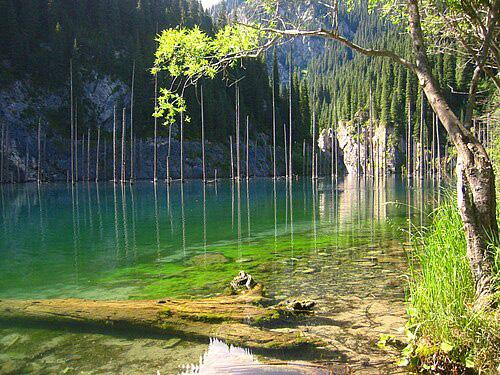
In terms of nature, Kazakhstan has some unbeatable locations, whether it is the Kolsai Lakes, the Kaindy Lake, or the Rakhmanov Springs. Almaty is one of Kazakhstan’s most captivating destinations, and for good reason. Just a few hours’ drive from the country’s greenest city, you will discover a variety of natural wonders, from the rocky towers of Charyn Canyon to the enchanting lakes of Kolsai and Kaindy. One of the most remarkable things to see in the country is the Tengri Tagh mountains. From all over the city of Almaty, you can admire this majestic mountain range, which is why it is called the Mountains of God.
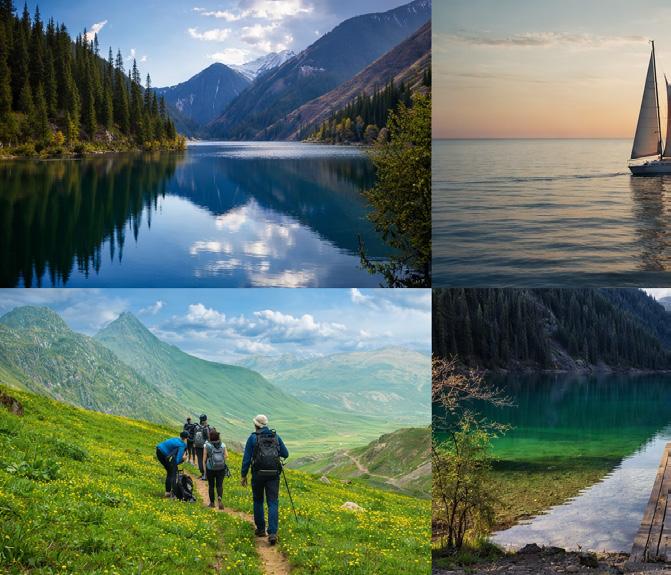
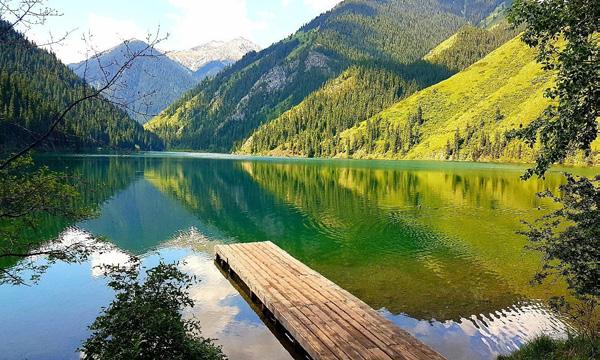
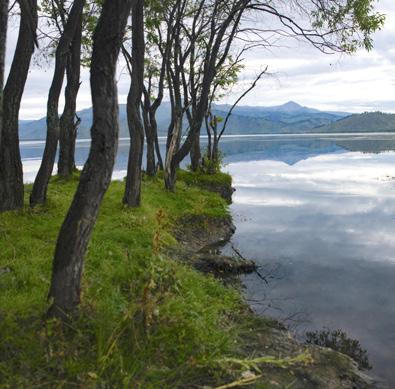
This year, I had the chance to visit some of the most beautiful lakes in Kazakhstan, and they were among the most stunning I’ve ever seen in my life, such as Lake Kaindy and Lake Kolsai in the Almaty region. The park is part of the Kolsai Kolderi Biosphere Reserve, recognized by UNESCO in 2021. Nicknamed the “Pearl of the Northern Tien Shan,” the Kolsai Lakes are a breathtaking series of three mountain lakes, all connected by the Kolsai River. They offer spectacular natural beauty with crystal-clear waters surrounded by beautiful trees and magnificent nature.
Wonderful Historical Heritage
Beyond its natural beauty, the country is full of historical sites. In fact, its historic city, Turkestan, is considered one of the most beautiful cities in Central Asia. Turkestan is one of the oldest cities in Kazakhstan, located in the southern part of the country, and close to Uzbekistan. It was founded more than 2500 years ago and has always had special cultural and historical significance for Central Asia. The first mention of the name of the city of Turkestan dates back to the end of the 15th century according to Abdrassilova et al. (2021). In the XVI–XVIII centuries, the city was the capital of the Kazakh Khanate. Since the second half of the twentieth century, the city has been one of the cultural and tourist centres of Kazakhstan.
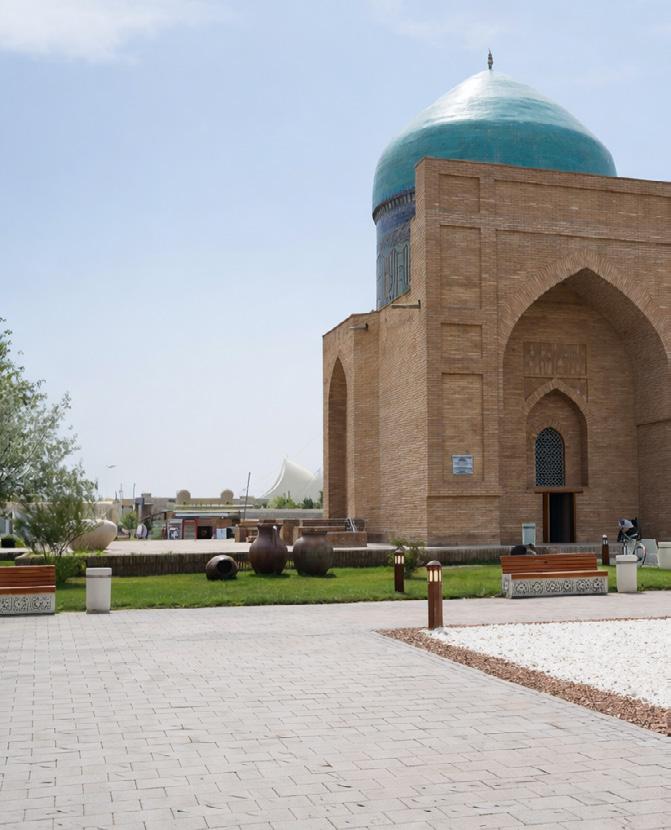
“One of the most famous architectural monuments of Central Asia is of great interest – the Mausoleum of Khoja Akhmed Yassavi in the city of Turkestan. The architecture of the mausoleum reflects the local traditions of formation and has become a source of inspiration for architects of different periods,” wrote Abdrassilova et al. (2021). Nestled in the sundrenched steppes of south-western Kazakhstan, Turkistan is calling. With its breath-taking architecture, sacred heritage, and vibrant cultural life, this city offers an unforgettable journey into the heart of Central Asia.
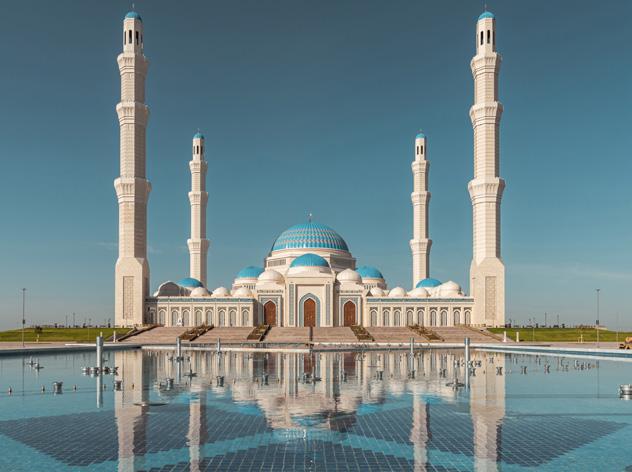
In recent months, the Kazakh city of Turkistan has been gaining attention across social media. A historic gem and UNESCO World Heritage site, Turkistan is a spiritual centre for the TurkicMuslim world and a rising star in Central Asian tourism. Indeed, thousands of people visit the city of Turkestan in Kazakhstan every year, making a pilgrimage to the mausoleum of Khoja Akhmed Yassavi, which is highly revered by Muslims in Central Asia. As a monument of architecture of the XIV century, since 2003 the mausoleum has been included in the list of UNESCO World Heritage Sites according to Abdrassilova et al. (2021).
Some tourists come to the city as pilgrims to honour the 12th-century Sufi mystic Khoja Ahmed Yasawi, while others are drawn by the city’s stunning architecture and archaeological treasures. At the heart of Turkistan stands the awe-inspiring mausoleum of Khoja Ahmed Yasawi, commissioned by Timur the Great, founder of the Timurid Empire. With its intricate blue-tiled façade and grand domes, the mausoleum is both a sacred site and a major tourist attraction, proudly listed as a UNESCO cultural heritage site. The mausoleum reflects the art and constructive traditions of Timurid architecture and represents a longitudinal axial portal-dome structure. Ahmed Yasawi’s influence spread widely across Central Asia and beyond. His tomb in Turkistan became a major pilgrimage site, and his spiritual legacy was honoured by Timur, who built a grand mausoleum over his grave. His teachings, conveyed in simple Turkic verse, played a key role in spreading Islam among the nomadic Turkic peoples. He left behind many disciples and spiritual successors, and his impact is still felt in the Turkic-Islamic world today.
The Kazakh government has invested heavily in the city’s infrastructure, offering high-quality hotels and modern amenities. Visitors can enjoy open-air shopping, try on traditional costumes, ride horses, and capture breath-taking photos of the landscape. Turkistan concentrates centuries of history, culture, and spirituality into one vibrant destination. In Turkestan, along with the mausoleum of Khoja Ahmed Yasawi, there are the best monuments of archaeology, history, architecture and fine arts, such as the Great Kiluet (underground mosque, XII century), octagonal mausoleum, mausoleum of Ulugbek’s daughter, wife of Abulkhair Khan Rabigi Begim , eastern bath , mausoleum of Esimkhan, Zhuma Mosque. The total area of the territory occupied by the reserve-museum is 90 hectares noted Issakov et al. (2023). From the Mausoleum of Rabia Sultan Begum to the Underground Mosque and the Kervansaray cultural complex, the city offers a rich and immersive experience for all who visit. In conclusion, Kazakhstan is more than just a destination—it is an experience that combines breath-taking landscapes, centuries of history, and a vibrant cultural spirit. From the turquoise lakes of Almaty to the sacred mausoleum of Khoja Ahmed Yasawi in Turkistan, every corner of this vast country tells a story of resilience, beauty, and tradition. Whether you seek adventure in the mountains, tranquillity by the lakes, or inspiration in ancient architecture, Kazakhstan offers it all. As the country continues to invest in tourism and preserve its heritage, now is the perfect time to explore this hidden gem of Central Asia and create memories that will last a lifetime.
THE SOUL OF THE STEPPE KAZAKHSTAN’S PEOPLE, FOOD & TRADITIONS
When talking about the Republic of Kazakhstan, many people immediately think of vast steppes, snow-capped mountains, or its thriving oil-based economy. However, the beauty of Kazakhstan lies not only in its rich nature but also in its unique culture, where the ancient nomadic spirit coexists with modern life. This article will take you on a journey to explore the culture of Kazakhstan through fascinating glimpses of its people, cuisine, and traditions of a country “grown on horseback.” In addition to its abundant nature, Kazakhstan also boasts a unique culture that attracts tourists.
Overview of Kazakhstan – The Birthplace of Cross-cultural Fusion
Unique Geographic Location at the Crossroads of Asia and Europe
Spanning across Central Asia and Eastern Europe, Kazakhstan is the world’s largest landlocked country and ranks 9th in global size. It borders Russia to the north, China to the east, and Central Asian nations like Uzbekistan and Kyrgyzstan to the south. This strategic “crossroads of Asia and Europe” location has made Kazakhstan a meeting point for numerous civilizations, including Turkish, Persian, Arab, Russian, and Chinese cultures. From this, a vibrant and diverse cultural landscape has emerged.
A Brief History of the Land of Free Nomads
The name Kazakhstan originates from the word “Kazakh” meaning “free people” in Turkic, and the suffix “-stan” meaning “land” in Persian. Together, Kazakhstan means “the land of free people.” This name accurately reflects the strong nomadic spirit, love for freedom, and independence of the people here.
In ancient times, nomadic tribes like the Scythians and Turks laid the foundation for a free-spirited way of life closely tied to the steppes, expressed through folk dances, songs, and instruments like the dombra. Under the Mongol Empire in the 13th century, warrior culture and horseback traditions were reinforced, leaving a mark in festivals like Nauryz – the traditional New Year marking spring. By the 19th and 20th centuries, the occupation
by the Russian Empire and the Soviet Union brought significant changes: Russian became the administrative language, European architecture emerged in cities, and modern education systems were established. However, the Kazakh people resiliently preserved their identity through traditions such as dastarkhan (traditional feast) and aitys (poetry battles). After gaining independence in 1991, Kazakhstan entered a new era where nomadic traditions coexist with modernization.
Despite modern life, Kazakhstan still preserves many traditional customs and cultural identities. Kazakhstan’s history has not only shaped its layered cultural identity but also defined the lifestyle of its people. They have managed to retain their nomadic traditions through festivals, folk music, and community spirit, while also moving towards modernization in education, architecture, and urban life.
People of Kazakhstan – The Vast Beauty of Hospitable Souls
Amidst the vast steppes of Central Asia, the people of Kazakhstan stand out for their openness, hospitality, and strong community spirit – qualities nurtured over thousands of years of nomadic life The people of Kazakhstan are known for their courage, hospitality, and strong community ties. Hospitality – A Tradition from the Heart of the Steppes
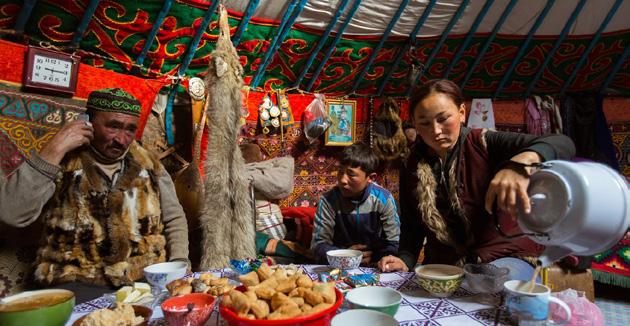
In Kazakh culture, inviting guests into one’s home, sharing meals, and telling stories is a way to show respect. If you’re invited into a traditional yurt, you’ll be treated to tea and baursak (sweet fried bread) as a warm greeting. No matter where you come from or who you are, you will be treated like family.
During major celebrations like weddings and the New Year (Nauryz), Kazakhs open their doors to friends, neighbors, and even strangers. This tradition reflects the nomadic philosophy of “sharing to survive.” Whether in urban or rural areas, you’ll encounter friendly smiles, strong handshakes, and warm gazes.
Strong and Bonded Character of the Kazakh People
The resilient spirit is another prominent trait of Kazakhs. Living on the harsh steppes, the Kazakhs have long learned to adapt and respect nature. They hold great value in honor and place high importance on family and community. In rural areas, many three-generation families still live together under one roof, where elders are given special respect. A representative ceremony showing this respect is Tusau Kesu, the tradition of cutting the cord that ties a child’s legs, symbolizing the opening of a stable path for the child to walk through life, while also conveying heartfelt blessings.
The tradition of respecting elders and maintaining strong bonds between generations still exists in daily life, creating a solid ethical foundation for Kazakh society. “Growing up on horseback,” Kazakhs have an open-minded character and a deep respect for nature.
Tolerance in a Multi-ethnic Society
Kazakhstan is home to more than 130 ethnic groups, with Kazakhs making up about 70% of the population, followed by Russians, Uzbeks, Ukrainians, and other minority groups. This diversity originates from historical trade along the Silk Road and migrations during the Soviet era. Kazakhs, with their Turkic roots, embody the nomadic spirit, while Russians and other ethnic groups bring influences from Europe and Central Asia.
As a result, the people of Kazakhstan have cultivated a mindset of openness, tolerance, and equality, with no distinction made based on origin. Whether in daily communication or at work, the spirit of equality and cooperation is highly valued.
3. Kazakh Cuisine – The Essence of Nomadic Life Kazakh cuisine is a reflection of the nomadic lifestyle, hospitality, and community spirit of the Kazakh people.
Key Features of Kazakh Cuisine
• Influences from various cultures: Kazakh cuisine is influenced by neighboring countries such as Russia and Uzbekistan, with dishes like shorpa soup, which is similar to Russian borscht, and Central Asian noodle dishes.
• Main ingredients: In Kazakh culinary culture, meats such as beef, lamb, and horse are commonly used due to their high nutritional value and suitability for the cold climate. Particularly, horse meat plays a crucial role in Kazakh traditions, often used during festivals. Dairy products, especially fermented mare’s milk (kumys), and flour-based dishes like fresh noodles and fried bread, are also staples of the nomadic diet.
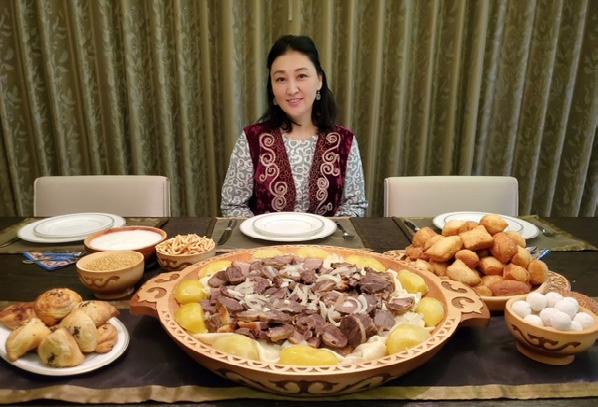
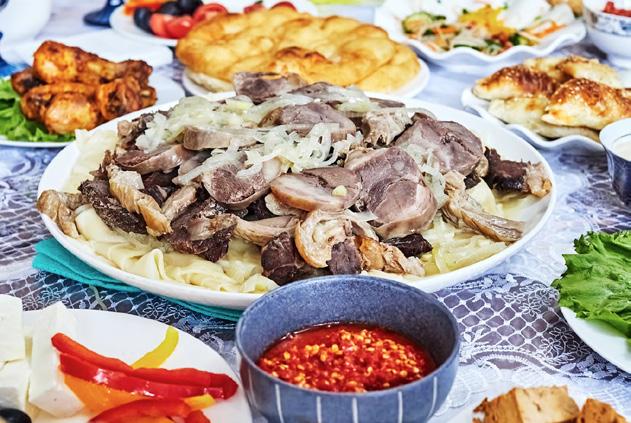
• Rituals of eating showing hospitality: In Kazakh life, a meal is not just for enjoying food but also for building community. A standout feature is the dastarkhan, the traditional banquet table in the steppe. The table is carefully prepared with foods arranged according to ceremonial order: boiled meat at the center, surrounded by baursak (crispy fried bread), tea, fruit jams, cold cuts, vegetables, and sometimes warm shorpa soup. The host typically cuts the meat and invites honored guests to sit in a place of honor, pouring tea from their own hand as a sign of respect. Kazakh traditional dishes primarily use ingredients such as meat, milk, and flour.
Iconic Dishes
• Beshbarmak: The national dish, consisting of thinly sliced boiled horse meat (or lamb), served with fresh noodles and broth, typically eaten with hands to express closeness and community.
Horse meat dishes are considered the “soul of the nation” by the people of Kazakhstan.
• Kazy: Traditional horse meat sausage, handmade from the finest fresh rib meat, with a rich and fatty flavor.
• Kuyrdak: A nomadic-style stir-fried meat dish, typically using offal, onions, and potatoes, especially popular at family gatherings.
• Baursak: Crispy golden fried bread, considered the “soul” of every Kazakh banquet, often served with tea or alongside meat.
• Irimshik: Naturally fermented milk, with a mild sweet taste, often served as a dessert.
Traditional Customs – The Cultural Essence of Kazakhstan
Beneath the modernity spreading across large cities, Kazakhstan still deeply preserves its long-standing customs. From rituals, clothing, to daily etiquette, Kazakh traditions reflect a blend of nomadic spirit, ancient beliefs, and tolerance in a multicultural society.
Nauryz – The Traditional Kazakh New Year
Nauryz is the largest holiday of the year in Kazakhstan, occurring on March 21st, marking the vernal equinox when day and night are of equal length, and life is reborn on the steppes.
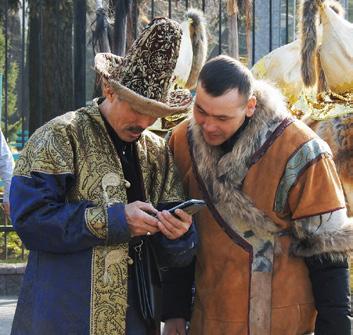
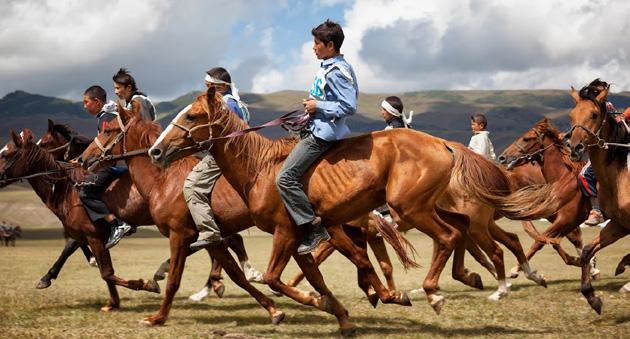
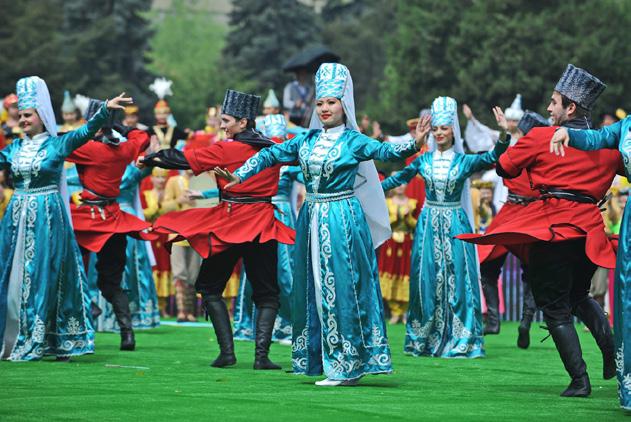
During this time, villages and cities are vibrant with festival colors. People wear traditional clothing, set up yurts outdoors, and cook nauryz kozhe – a sacred soup made with seven ingredients symbolizing fertility. Rituals like honoring elders, horse racing, wrestling, and akyn folk singing are held to preserve the spirit of the nation.
Nauryz in Kazakhstan is celebrated with lively ceremonies and many traditional rituals.
Yurt – Living Space and Cultural Symbol
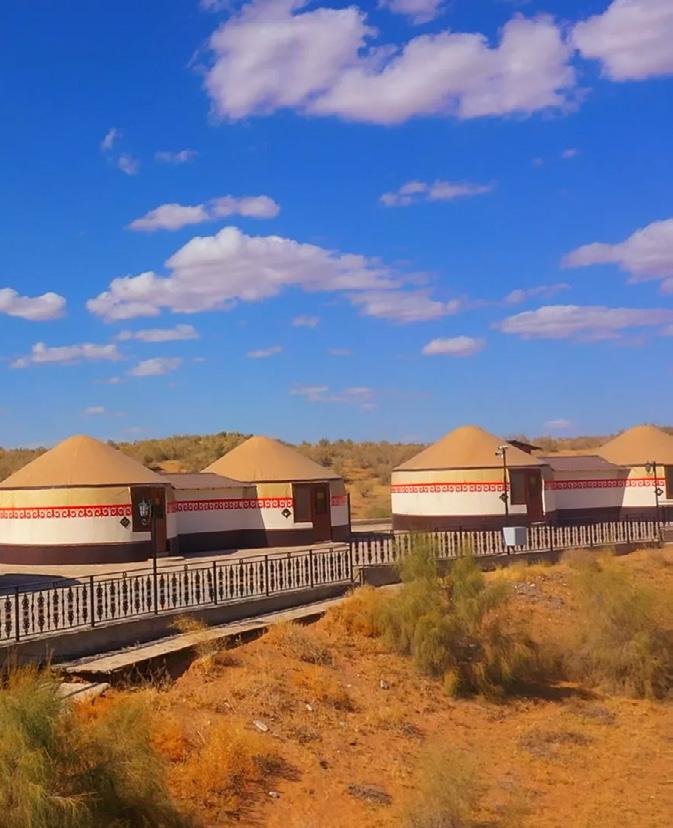
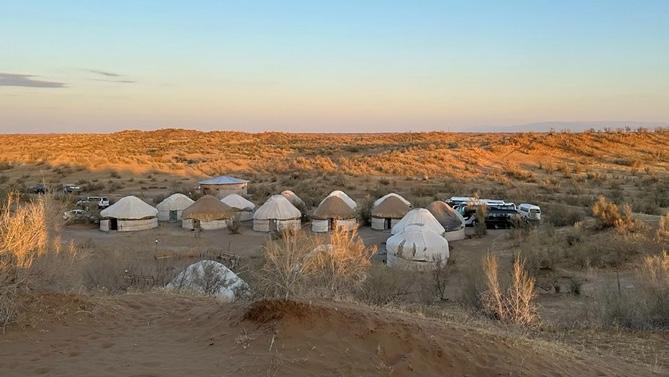
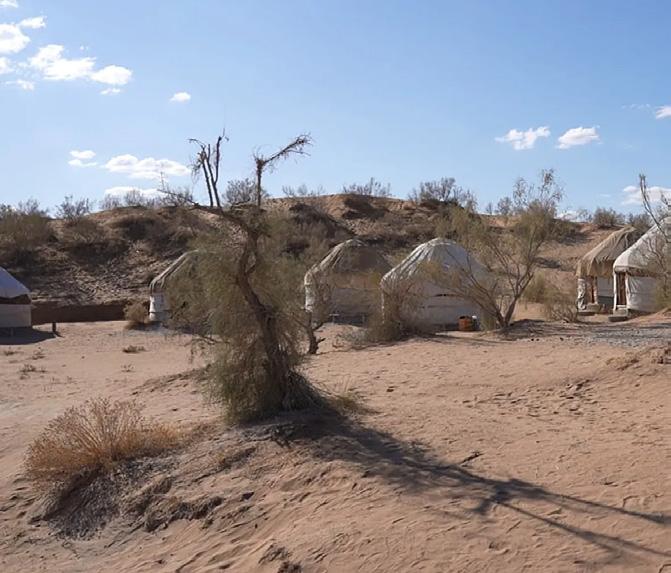
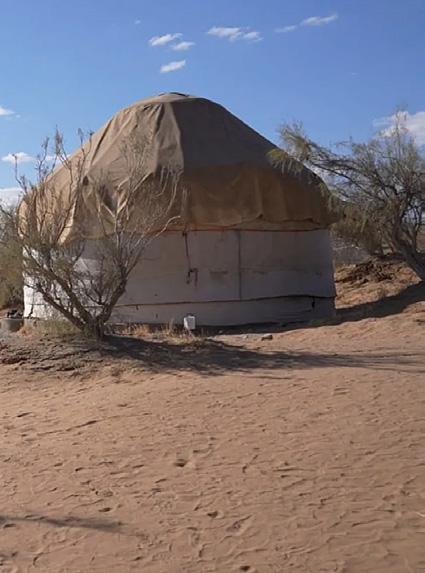
Though modern Kazakhs mostly live in sturdy houses, the traditional yurt is still erected during festivals like Nauryz and has become a symbol of culture and national pride.
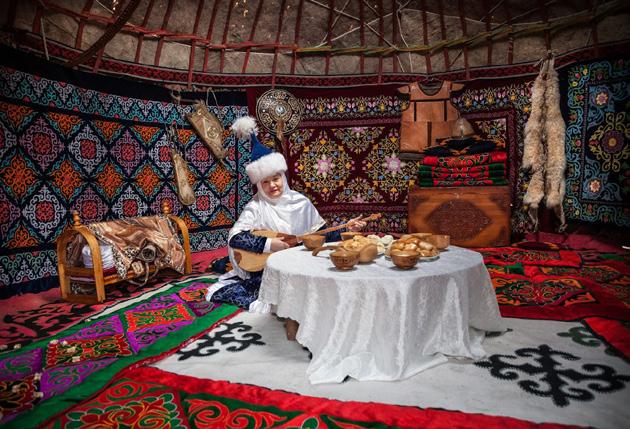
The yurt is considered the heart of Kazakh families, where most daily activities, hospitality, and teachings of lifestyle are passed down through generations. Every detail of the yurt carries significance, from the decorative patterns to the arrangement of furnishings, symbolizing the harmony between humans and nature. In Kazakhstan’s culture, the yurt represents the nomadic lifestyle and community bonds.
Folk Art and Traditional Clothing
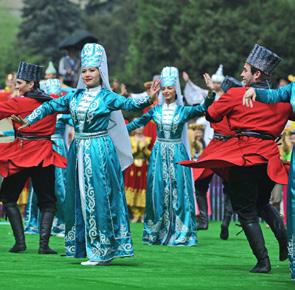
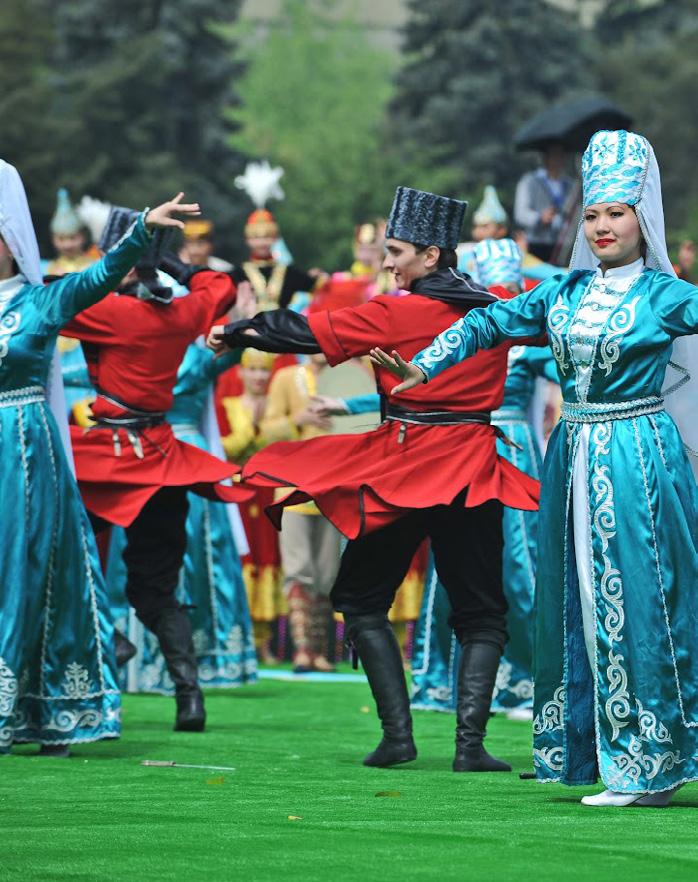
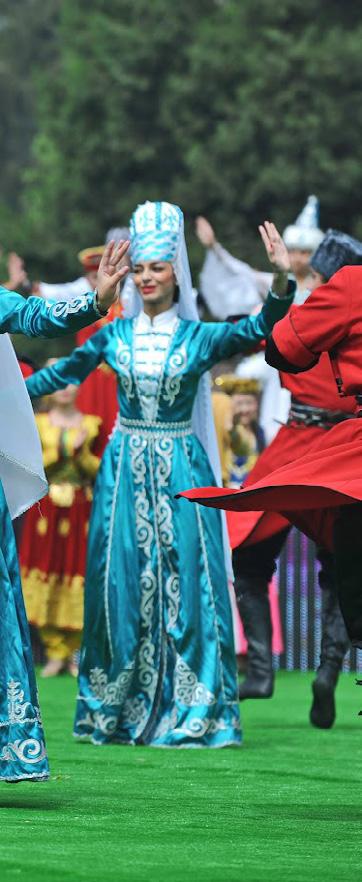
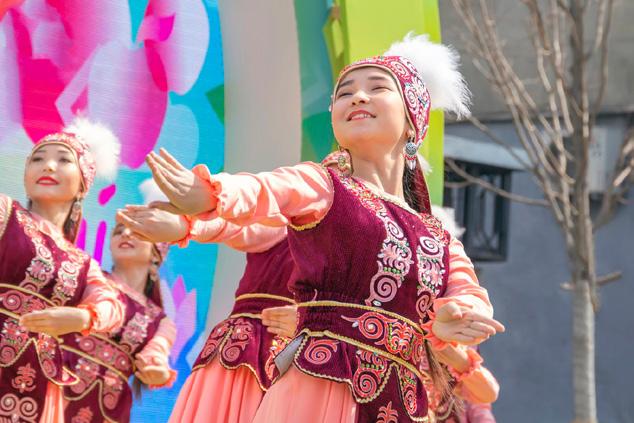
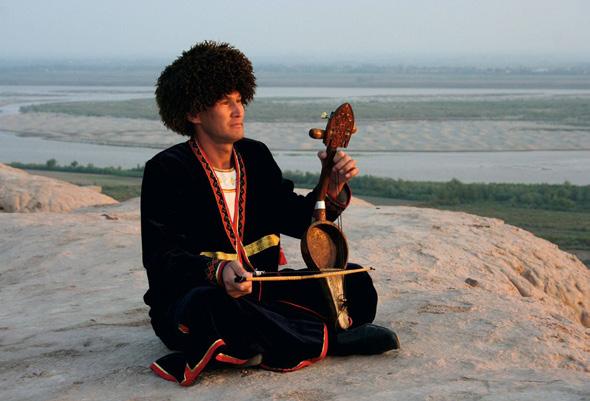
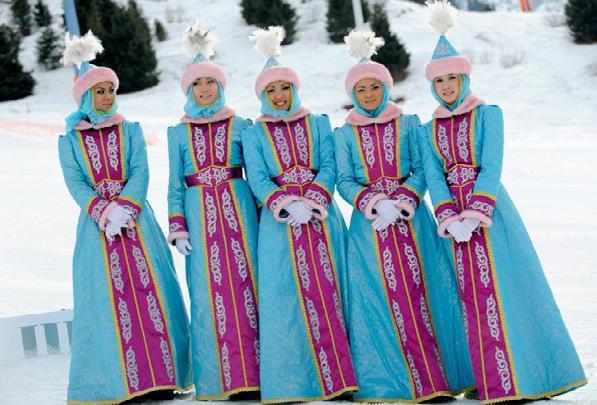
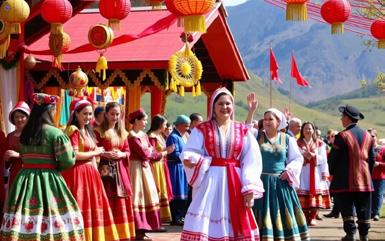
Kazakh music is an essential part of spiritual life. The sound of the dombra (two-stringed instrument), the voice of zhyrau (epic singers) telling stories, and the simple folk songs passed down through generations are ways the Kazakhs preserve their history, emotions, and beliefs from a time before widespread written language. Kazakh people still enjoy wearing traditional clothing, especially during weddings or Nauryz. Their traditional garments often feature vibrant colors, combining steppe patterns with fur, silk, and silver jewelry, showcasing both luxury and a deep reverence for nature. Kazakh people sing and dance in traditional attire.
SPECIAL INITATIVES KAZAKHSTAN
KAZAKHSTAN’S INDEPENDENCE DAY SYMBOLISIS
SOVEREIGNTY
- STATEHOOD & ASPIRATION
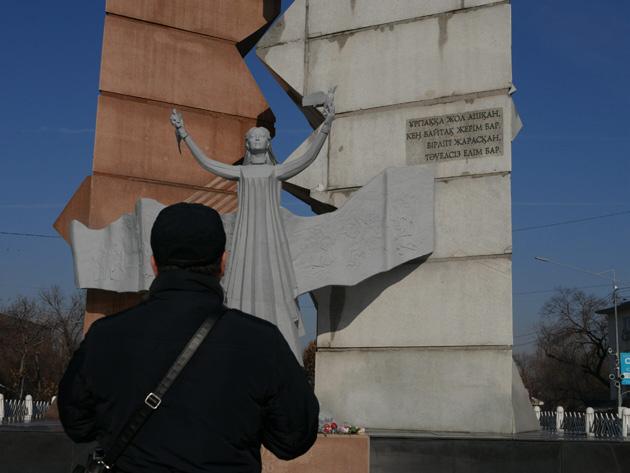
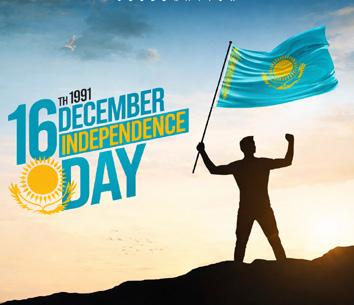
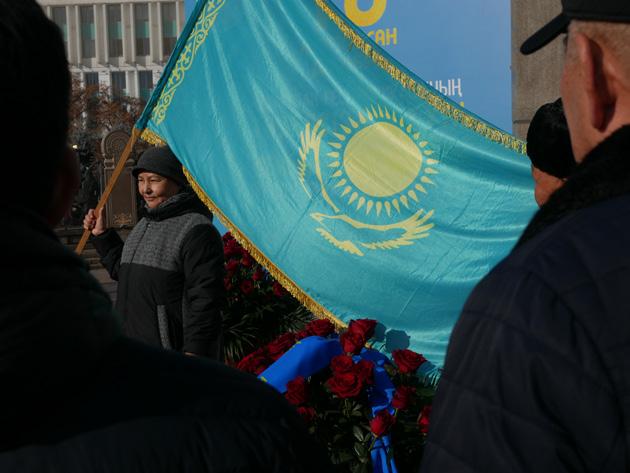
Kazakhstan’s Independence Day, observed annually on December 16, has long stood as a cornerstone of the nation’s modern identity. Marking the declaration of independence from the Soviet Union in 1991, the day symbolizes sovereignty, statehood, and the aspirations of a young country charting its own path. Yet, over more than three decades, Independence Day in Kazakhstan has undergone a slow but noticeable transformation—shifting in tone, meaning, and public expression as the country itself evolves.
From Foundational Celebration to Reflective Commemoration
In the early years of independence, December 16 was celebrated with a strong sense of historical rupture and national awakening. Public ceremonies, largescale concerts, official speeches, and patriotic displays emphasized unity, pride, and the achievement of statehood. Independence Day served as a reminder that Kazakhstan had emerged as a sovereign actor on the global stage, building institutions, symbols, and a national narrative almost from scratch. As the years passed and independence became a lived reality rather than a recent memory, the character of the holiday began to change. The sense of urgency and triumph gradually gave way to a more reflective tone. Independence Day increasingly became a moment to assess progress, acknowledge challenges, and honor the sacrifices that accompanied the country’s transition in the 1990s.
Historical Layers and Collective Memory
One of the defining aspects of Kazakhstan’s Independence Day is its connection to deeper
historical experiences. December 16 also recalls the events of December 1986, when protests by Kazakh youth in Almaty were met with a harsh crackdown. Over time, public discourse has increasingly linked Independence Day to these earlier struggles for dignity, cultural recognition, and political voice. This layering of meanings has contributed to a more complex commemoration. Independence Day is no longer solely about the political act of 1991 but also about the long journey toward national self-awareness, social justice, and historical reconciliation. Museums, academic discussions, documentaries, and cultural programs now often accompany official events, encouraging citizens to engage with history in a more nuanced way.
Changing Public Celebrations
Public celebrations themselves have evolved. While official ceremonies, state awards, and presidential addresses remain central, large-scale festivities have become more restrained compared to earlier decades. In some years, celebrations are merged with broader cultural or civic events rather than standing alone as exuberant mass gatherings.This shift reflects broader social changes.
Urban populations, especially younger generations, tend to mark the day more quietly—through cultural events, exhibitions, or digital engagement—rather than traditional parades or rallies. Social media has become an important space for reflection, where citizens share personal interpretations of independence, national identity, and hopes for the future.
Independence in a Changing Society
Kazakhstan today is very different from the country that declared independence in 1991. Economic diversification, urbanization, digital transformation, and a more globally connected society have reshaped public expectations. As a result, Independence Day increasingly prompts questions not only about sovereignty but also about governance, social equity, cultural identity, and the country’s place in a rapidly changing world.
For many citizens, especially younger Kazakhs, independence is assumed rather than celebrated as an achievement. This generational shift has encouraged a quieter, more introspective approach to the holiday. Instead of focusing solely on past milestones, discussions often center on the quality of independence—how it translates into opportunity, fairness, and inclusion in everyday life.
State Narrative and Modern Identity
Official narratives around Independence Day have also adapted. While reaffirming statehood and stability, speeches and messaging now emphasize reform, modernization, and responsibility toward future generations. Independence is framed not as a completed chapter but as an ongoing process that requires adaptation, dialogue, and resilience.This evolving narrative reflects Kazakhstan’s broader effort to balance continuity with change—honouring its post-Soviet achievements while acknowledging the
need for political, economic, and social renewal. Independence Day thus becomes a platform for articulating long-term national goals rather than only commemorating past success.
A Quiet but Enduring Symbol
The slow transformation of Kazakhstan’s Independence Day does not signal a decline in its importance. On the contrary, it suggests maturity. As independence becomes embedded in daily life, its celebration naturally becomes less about spectacle and more about substance. Today, December 16 stands as a day of remembrance, reflection, and cautious optimism. It invites citizens to consider how far the country has come—and how far it still aims to go. In this quieter form, Independence Day continues to serve as a powerful symbol of Kazakhstan’s sovereignty, resilience, and evolving national identity. The transformation may be gradual, but it mirrors the country itself: steadily redefining what independence means in a complex, interconnected world.
ALMATY IS REDEFINING ITSELF AS
A MODERN & VISITOR-FRIENDLY GLOBAL CITY
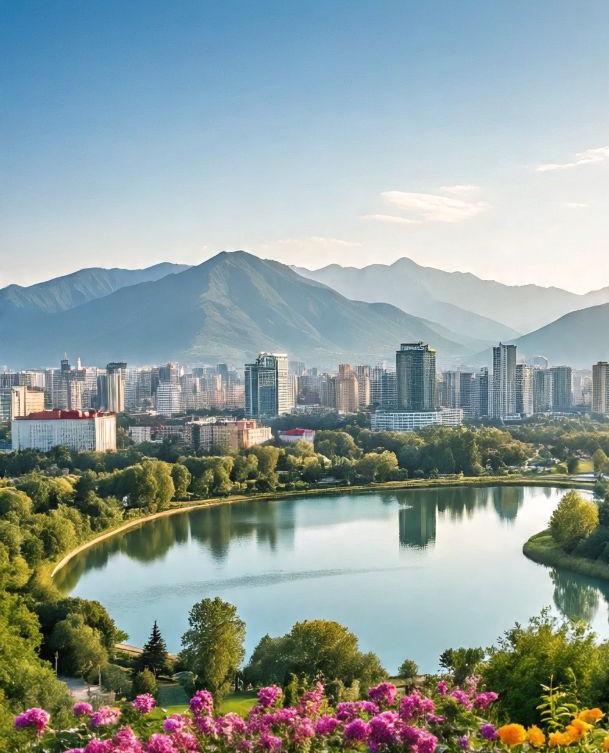
Almaty, Kazakhstan’s cultural and commercial heart, is undergoing one of the most significant transformations in its modern history. Once known primarily as the former capital and the gateway to the Tian Shan mountains, Almaty is now positioning itself as Central Asia’s most vibrant and visitor-friendly destination. A strategic combination of new hotel developments, upgraded transport systems, and tourism-driven infrastructure projects has propelled the city to the forefront of regional travel rankings in 2025.
This coordinated push — combining investment, innovation, and international partnerships — is reshaping the city into a cosmopolitan hub capable of competing with global destinations.
A Tourism Vision Driven by Infrastructure
The rapid growth of Almaty’s tourism sector is not accidental. It reflects a clear, long-term vision shaped by city authorities, tourism agencies, investors, and private enterprise. Over the past few years, Almaty has invested heavily in urban mobility, airport modernization, hospitality expansion, and improved visitor services.
The result is a city that feels more accessible, more modern, and more connected — not only internally, but to the wider world. With Almaty emerging as a transit hub between Europe and Asia, these upgrades are essential to its competitiveness.
New Hotels Transform the Hospitality Landscape
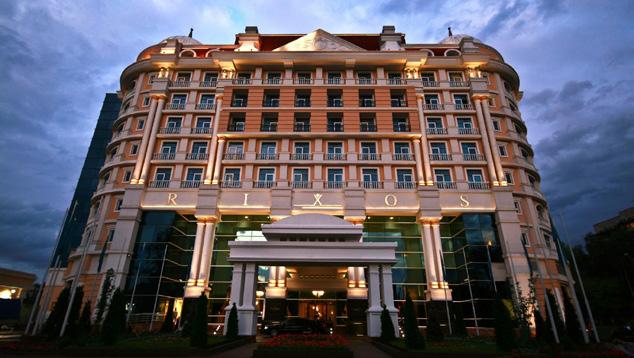
One of the strongest indicators of Almaty’s tourism rise is the rapid expansion of its hotel sector. From luxury brands to boutique residences and eco-friendly lodges, the city is experiencing an unprecedented boom in accommodation.
Global brands enter or expand
International hotel groups have either launched new properties or expanded existing ones, encouraged by rising visitor numbers and favorable investment policies. These new hotels bring:
• high-end amenities
• multilingual staff
• international service standards
• modern MICE (Meetings, Incentives, Conferences, Exhibitions) facilities
This positions Almaty as a strong competitor for hosting business events and regional conferences.
Boutique & lifestyle hotels
Beyond global chains, the city has seen a rise in boutique hotels that emphasize design, culture, and local character. These smaller properties cater to young travelers, digital nomads, and those seeking more personalized experiences.
Eco-lodges and mountain resorts
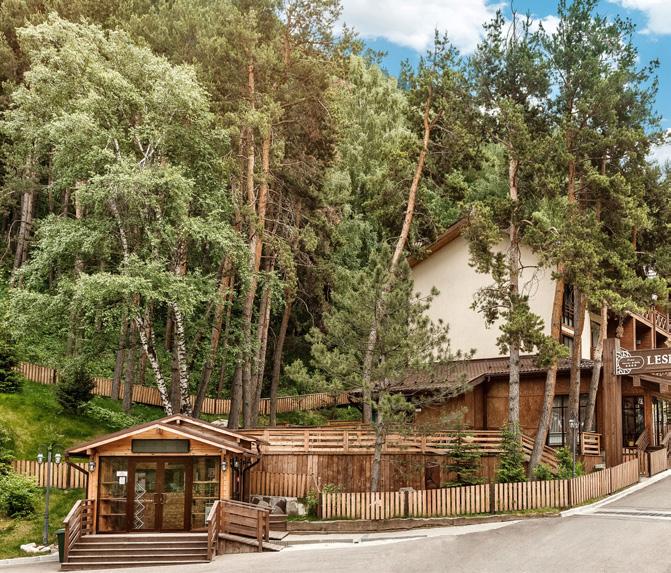
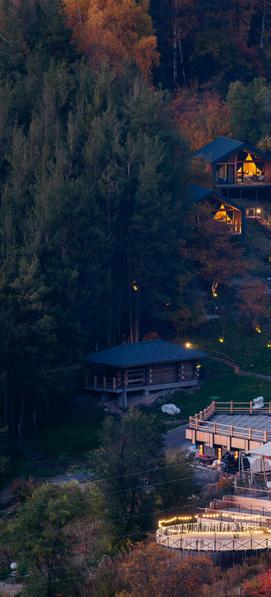
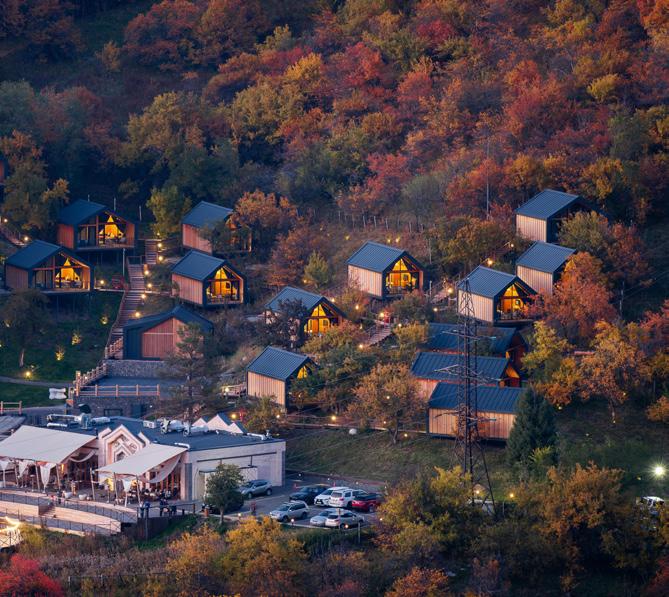
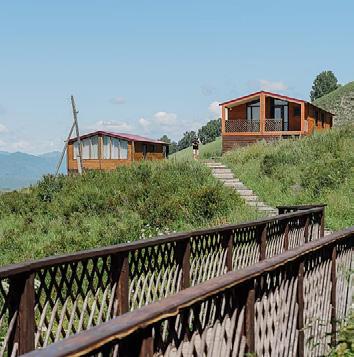
The foothills of the Alatau mountains — within minutes of central Almaty — now host a growing segment of eco-friendly resorts. These offer hiking, skiing, wellness retreats, and year-round outdoor recreation, adding depth and diversity to Almaty’s hospitality portfolio.
Together, these developments have increased the city’s accommodation capacity and elevated its reputation for quality lodging options.
Transport Upgrades Strengthen Accessibility
No tourism system can flourish without reliable transport, and Almaty has made major strides in improving how visitors move in, out, and around the city.
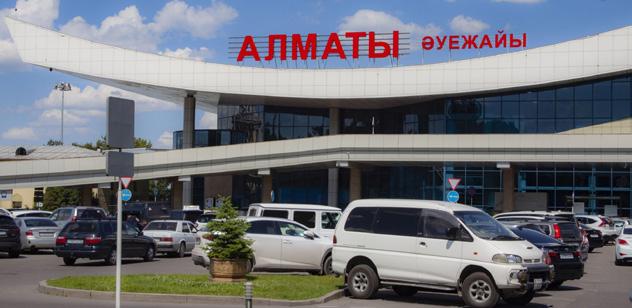
Airport modernization
• Almaty International Airport has undergone a large-scale upgrade, including:
• a modernized terminal
• increased passenger capacity
• more efficient security and customs procedures
• expanded international flight routes
These enhancements reduce bottlenecks and create a smoother travel experience, essential as visitor numbers continue to climb.
Public transport reforms
The city’s metro system, buses, and BRT corridors have expanded significantly. New routes improve connectivity between districts, tourist attractions, and the airport. With cleaner buses and digital ticketing, transportation is becoming more touristfriendly.
Road improvements & intercity links
Highways connecting Almaty with other regions — including Shymkent, Turkistan, Bishkek (Kyrgyzstan), and the northern lakes — have been upgraded. This has improved road safety, reduced travel time, and opened scenic routes for tourists exploring nature sites around the city.
Smart Infrastructure Enhancing Visitor Experience
Beyond physical infrastructure, Almaty is investing in smart city technology to enhance tourism:
• digital tourist maps
• QR-coded historical sites
• unified transportation apps
• online hotel and attraction booking systems
• multilingual emergency and navigation tools
These innovations create a more seamless and accessible environment for both domestic and international visitors.
Almaty’s Unique Natural Advantage
While infrastructure matters, Almaty’s biggest asset remains its extraordinary landscape. Few major cities in the world offer such immediate access to nature. Within 30–40 minutes, travelers can reach:
• Shymbulak Ski Resort
• Medeu ice skating rink
• Big Almaty Lake
• Ile-Alatau National Park
Hiking trails, waterfalls, and alpine meadows
By improving roads, signage, public transport, and safety measures in these areas, the city ensures that natural attractions are both accessible and preserved.
Adventure tourism has surged: skiing, mountain biking, trekking, paragliding, and canyoning are now year-round draws. The new infrastructure supports this growth by improving safety standards, trail management, and accommodation options around nature zones.
Cultural Tourism: A Growing Emphasis
Almaty’s cultural landscape — museums, theatres, art districts, music festivals, and architectural sites — has also received a boost. Restoration projects, event sponsorships, and new cultural centers aim to present Almaty not just as a nature destination but as a cultural capital of Central Asia.
• Key developments include:
• renovation of historical buildings
• promotion of Kazakh heritage and crafts
• international film and music festivals
• expanded creative districts and café culture
These elements enrich the urban experience and appeal to a broader range of travelers.
Economic Benefits and Investor Confidence
As tourism grows, so does investor interest. The rise in hotels, recreational complexes, commercial projects, and real-estate developments is generating:
• job creation
• entrepreneurship opportunities
• increased tax revenue
• diversification of the city’s economy
Almaty’s steady political environment and tourismfriendly policies — including tax incentives and simplified licensing — have further strengthened investor confidence.
The city’s tourism revenue is projected to continue rising through 2026–2030, supported by growing global interest in Central Asian travel routes.
Challenges & Sustainability Priorities
Despite its progress, Almaty faces challenges that require long-term planning:
• congestion during peak seasons
• environmental pressures on mountain ecosystems
• balancing urban growth with nature protection
• ensuring equitable access to tourism benefits
• maintaining affordability for locals
To address these, the city is adopting sustainability measures such as:
• green building standards for new hotels
• eco-tourism guidelines
• improved waste management
• expanded pedestrian zones
• environmental monitoring of mountain reserves
These steps aim to prevent overdevelopment and ensure that tourism growth remains aligned with environmental protection.
Almaty’s Future: A Leading Destination in Central Asia
With new hotels elevating hospitality standards, modern transport systems enhancing mobility, and smart infrastructure improving convenience, Almaty is rapidly shaping itself into a premier travel destination. The city’s blend of nature, culture, cuisine, business opportunities, and safety creates a compelling offer for global tourists. And as Kazakhstan continues to promote itself as a bridge between East and West, Almaty is emerging as the flagship destination of the region.The momentum is clear: Almaty is no longer just a stopover — it is becoming a must-visit city, dynamic, inviting, and ready to welcome the world.
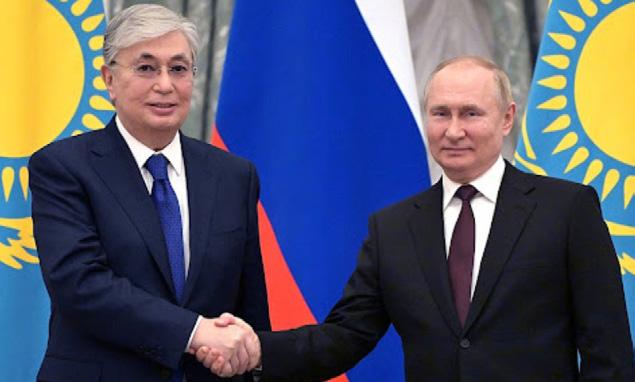
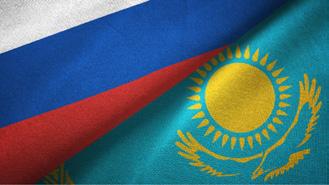
KAZAKHSTAN & RUSSIA
Deepen Trade & Transport Cooperation
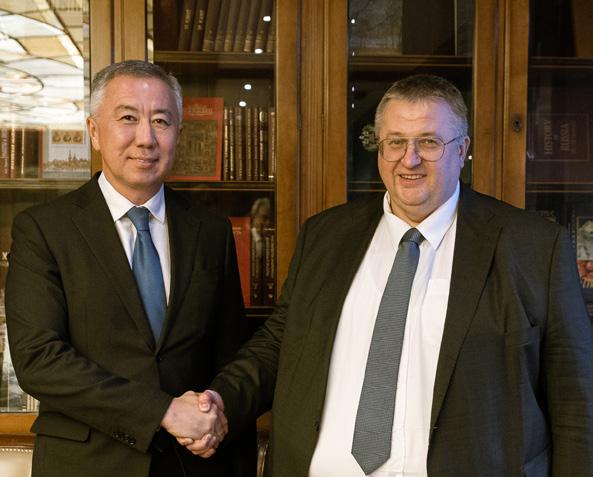
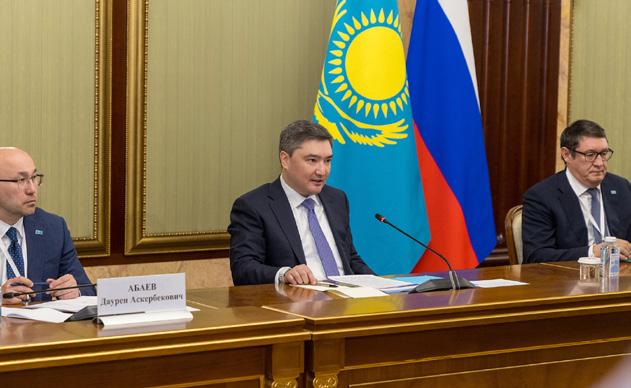
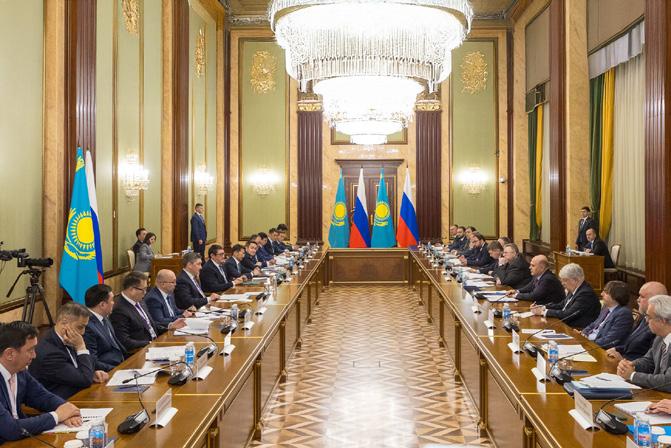
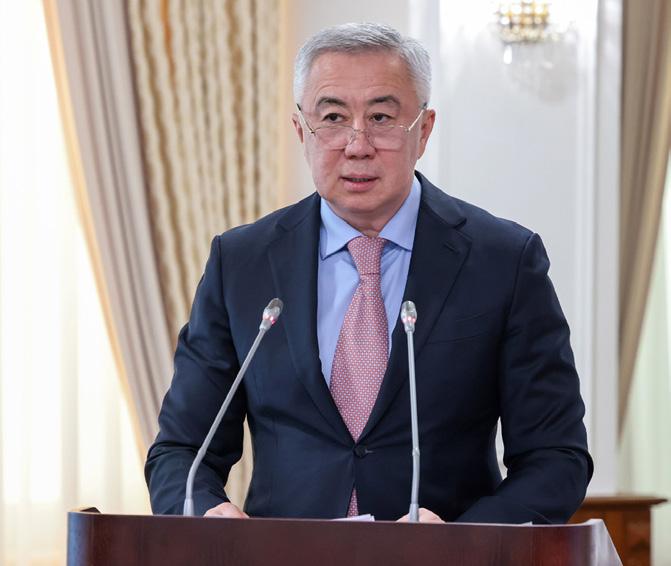
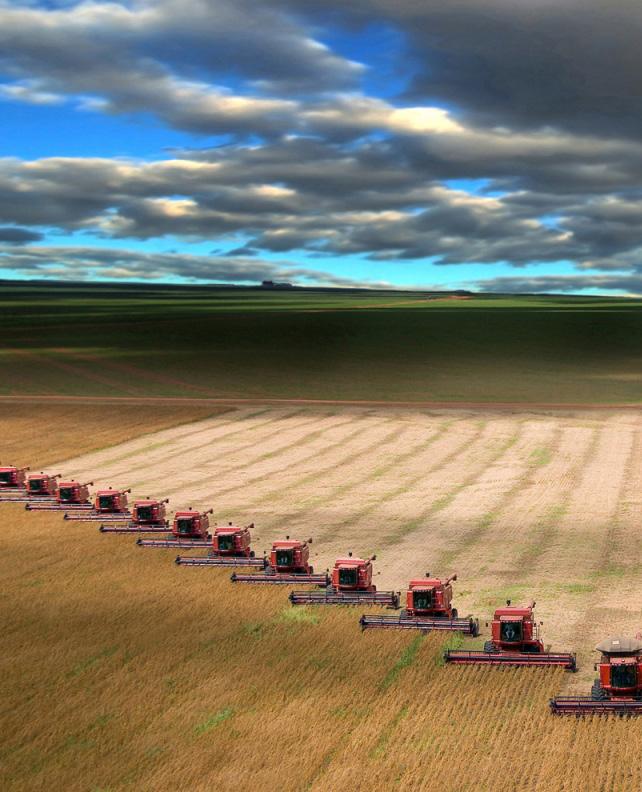
Kazakhstan and Russia have agreed to expand mutual trade in agricultural products and food at a meeting of their intergovernmental commission on cooperation (IGC) in Astana last week. The Kazakh delegation was headed by Deputy Prime Minister and National Economy Minister Serik Zhumangarin, and the Russian delegation was headed by Deputy Prime Minister Alexei Overchuk. A statement issued after the discussions read, “Special attention was paid to issues in the agricultural sector. The parties discussed joint work on creating new competitive varieties of agricultural crops with high yields, resistance to external factors, and improved quality characteristics. An agreement was reached to expand mutual trade in agricultural products and food.”
The Russian side also expressed readiness to consider lifting phytosanitary restrictions on imports of flax and lentil seeds from Kazakhstan and to ensure the possibility of grain and legume transit with warehousing in Russia. Prospects for increasing the amount of railway transportation were considered in connection with the launch in September of second tracks on the Dostyk-Moiynty section and the planned growth of transit along the China-Europe-China route. “An agreement was reached on a joint assessment of prospective cargo levels passing through Kazakh-Russian checkpoints, as well as on further promoting the development of the North-South international transport corridor to increase cargo flow in bilateral and transit traffic.
The Kazakh side also raised the issue of problems faced by Kazakh road carriers related to changes in Russian migration legislation that came into force on January 1, 2025. According to the new rules, the period of stay for foreign citizens without registration in Russia has been reduced from 180 to 90 days within a year. The Russian side has stated it will facilitate a speedy resolution of the issue regarding returning the period of stay for Kazakh drivers engaged in international transportation to the previous 180 days.
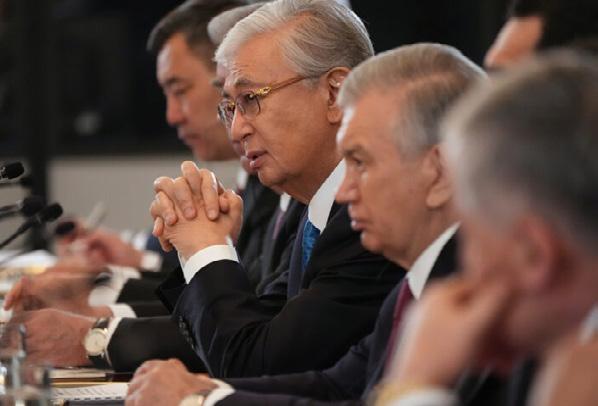
The meeting’s participants also discussed current issues of cooperation in fuel and energy, finance, oil and gas, industry, nuclear energy, standardization and metrology, tourism, education, communications, and information technology. The next meeting of the commission will be held in 2026 in Omsk, Russia. The Kazakh President, Kassym-Jomart Tokayev, is also in Moscow this week to hold talks with Russian President Vladimir Putin. These are expected to focus on key issues concerning the development of Russian-Kazakh relations, strategic partnership and alliance in the political, trade and economic, and cultural and humanitarian spheres.
TURKMENISTAN & KAZAKHSTAN REAFFIRM
DEEP STRATEGIC TIES DURING STATE VISIT
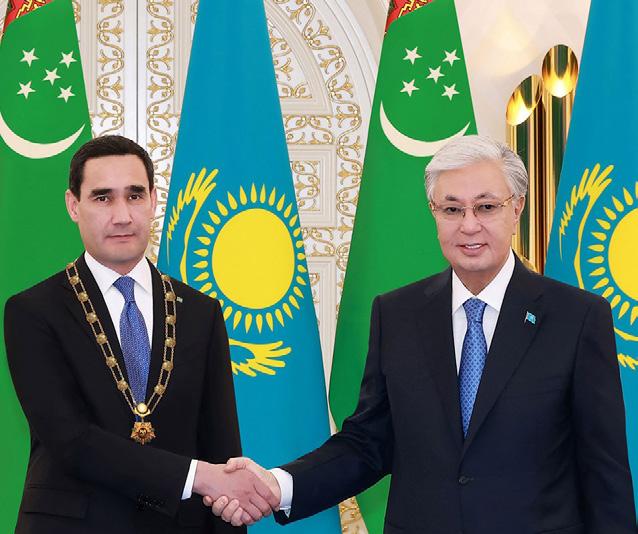
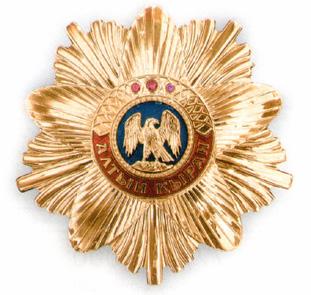
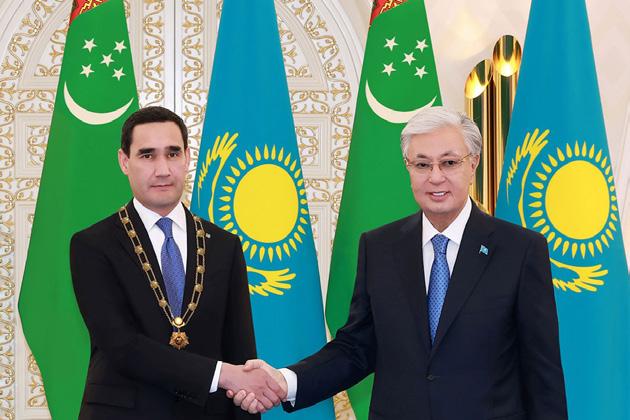
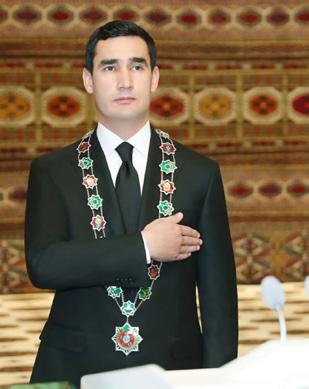
The recent state visit of the esteemed President Serdar Berdimuhamedov to the brotherly Republic of Kazakhstan was a great success and was rich in remarkable events that added special significance to the International Year of Peace and Trust. During the visit, the Head of State was awarded the highest honor of the Republic of Kazakhstan — the “Altyn Kyran” Order. This event further strengthened the pride of our united people in their worthy President and beloved Homeland. It is worth noting that in 2022, Hero Arkadag was also awarded this high state honor of the brotherly country, which became one of the joyful and significant events for our nation.
Serdar Berdimuhamedow President of Turkmenistan
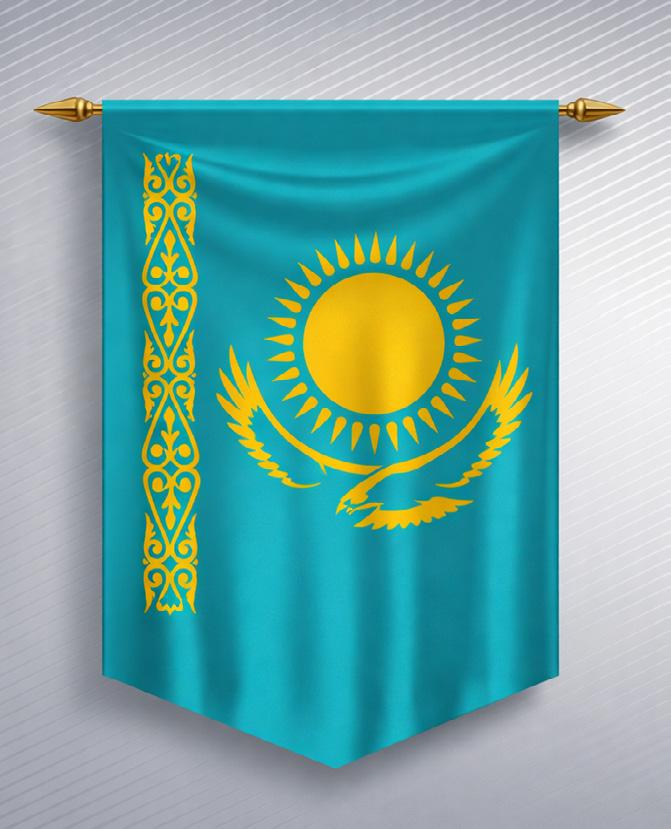
The “Altyn Kyran” Order was established in 1995. It is awarded to citizens who have made exceptional contributions to the development of Kazakhstan, as well as to prominent contemporary state, public, and political figures. “Altyn Kyran” translates as “Golden Eagle”. The eagle is considered one of the key state symbols of Kazakhstan and is depicted on the national flag. Awarding Arkadagly Hero Serdar with the highest state honour of the Republic of Kazakhstan represents a worthy recognition of his tremendous contribution to strengthening friendship, mutual trust, and strategic partnership between the two neighbouring countries. At the same time, it confirms that the broad and fruitful activities of our President, aimed at developing cooperation and taking into account the interests of both countries, are highly appreciated by the brotherly Kazakh people. Turkmens and Kazakhs are nations spiritually close to each other due to common historical roots, language, religion, national culture, and traditions. They place special value on friendly and good-neighbourly relations. In the brotherly country, there is a sincere interest in Turkmenistan’s achievements on the international stage and its new successes, which are viewed with pride.
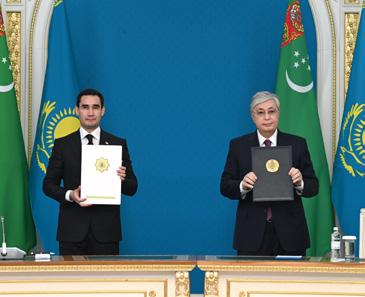
This is evidenced by the words of President KassymJomart Tokayev of Kazakhstan, addressed to Arkadagly Hero Serdar during the award ceremony: “You are worthily continuing the strategic course of the National Leader of the Turkmen people, the highly respected Arkadag Gurbanguly Malikgulyyevich Berdimuhamedov. Under your wise leadership, Turkmenistan demonstrates steady economic growth; the country is actively modernizing its industrial and transport infrastructure; great work is being done to strengthen the energy potential of the state and its technological renewal. Thanks to your far-sighted initiatives, large-scale, socially oriented projects are consistently implemented in brotherly Turkmenistan, the system of science and education is developing, and the living standards of citizens are improving. All these achievements deserve sincere respect and the highest praise.”Highlighting the outstanding role of our esteemed President as a statesman and a wise leader, the President of the brotherly country emphasized his contribution to strengthening Turkmenistan’s socio-economic potential, enhancing its international authority, and reinforcing the country’s role as a centre of diplomacy, peace, and stability. This clearly demonstrates Kazakhstan’s strong interest in the historical achievements of our Motherland. The signing of the Joint Statement by Presidents Serdar Berdimuhamedov and KassymJomart Tokayev, as well as the exchange of a number of bilateral documents — the Agreement on Cooperation in the Cultural and Humanitarian Sphere, the Agreement on Cooperation in the Field of Migration, the Memorandum of Understanding on Pension Provision, the Memorandum on Cooperation in the Field of Justice, the Memorandum
on Cooperation in the Field of Veterinary Medicine, the Memorandum of Understanding between agricultural research institutions of both countries, the Joint Action Plan for Transport Cooperation for 2026–2027, the Plan of Key Measures for Developing Cooperation in Healthcare for 2026–2027, the Memorandum on Cooperation between Balkan Province and Mangystau Region, the Memorandum on Scientific Cooperation, and the Agreement on Cooperation in the Media Sector — confirm the high effectiveness of Arkadagly Hero Serdar’s state visit to the Republic of Kazakhstan. We wholeheartedly congratulate the Head of our State on receiving this high award, which symbolizes the high level of indestructible Turkmen-Kazakh friendship. We wish that such successful visits and significant contributions to the development of interstate relations continue to bring our President well-deserved recognition, and that his work, of great importance to all humankind, be marked by new achievements.
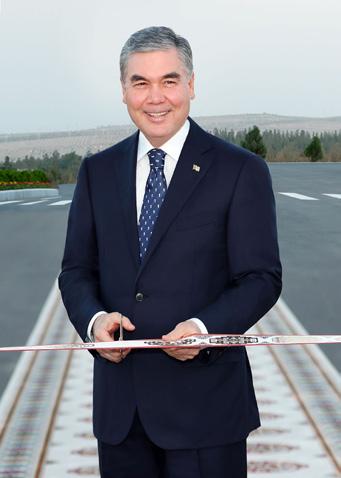
Gurbanguly Berdimuhamedow Chairman of the People’s Council of Turkmenistan
HOUSING & INFRASTRUCTURE DEVELOPMENT
KAZAKHSTAN ADVANCES ITS ENERGY TRANSITION Through Major Power Infrastructure
& Renewable Projects
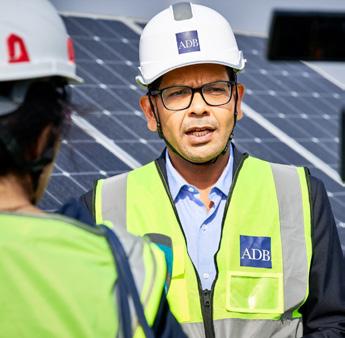
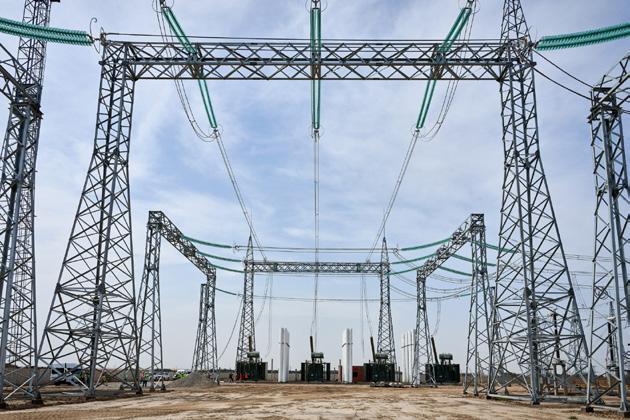
Kazakhstan is moving to upgrade its energy system, working with the Asian Development Bank (ADB) to modernize key power infrastructure, expand renewable energy, and improve electricity reliability for millions of people in the country. “ADB has invested over $500 million to strengthen Kazakhstan’s energy sector. These investments include renewable energy projects, modernization of the Almaty Combined Heat and Power Plant 2 [CHP-2], and grid expansion in the southern regions. The projects align with Kazakhstan’s Strategy for Achieving Carbon Neutrality by 2060, foster private sector development, and create a more favourable business environment,” said ADB Country Director for Kazakhstan Utsav Kumar.
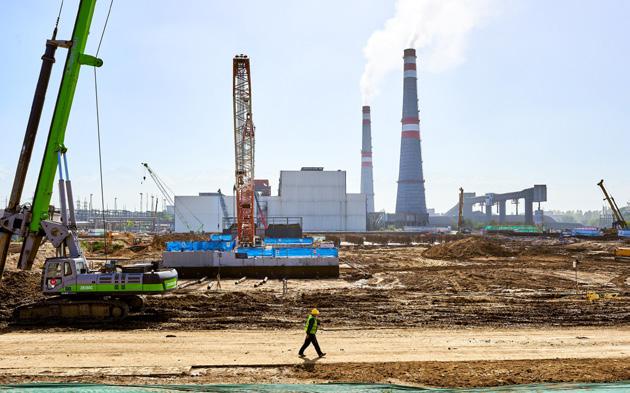
One of the key projects is the planned conversion of Almaty’s CHP-2 from coal to natural gas, scheduled for completion by late 2026. The bank said this project will help cut emissions by almost 13-fold, a major step for Almaty, where air pollution remains a serious concern. ADB is one of the international financial institutions backing the project. “This project is important for Kazakhstan’s energy transition and a major step toward improving Almaty’s environment,” said Alibek Abdrakhmanov, ADB’s country operations head. “It will significantly reduce carbon dioxide emissions and other air pollutants and help the country meet its Paris Agreement commitments. Beyond environmental benefits, the project will generate additional tax revenues during construction and operation. Indirectly, though harder to quantify, it will lower healthcare costs and improve public health thanks to cleaner air,” Abdrakhmanov said. In the Zhambyl Region, the M-KAT solar power plant highlights Kazakhstan’s push to expand its renewable energy capacity. With a capacity of 100 megawatts and nearly 300,000 solar panels, the facility generates approximately 174 million kWh annually, enough to power thousands of households.
Operated by Total Energies Renewables Kazakhstan, the plant uses advanced tracking systems that optimize panel tilt to follow the sun, boosting efficiency by 25%. The plant’s seasonal employment reaches up to 140 people. Since its launch in December 2019, M-KAT has produced over 966 million kWh of electricity, avoiding emissions equivalent to those generated by coal plants over several years. Reliable transmission lines are critical for bringing more renewable energy into Kazakhstan’s grid. KEGOC is leading a major upgrade of the southern network, including expanding the Shu 500-kV substation and building a 475-kilometer high-voltage line linking Shu, Zhambyl and Shymkent. The upgrade is slated to be completed in mid-2027. Officials expect it will ensure an uninterrupted power supply for Almaty, Jambyl, Turkistan, Kyzylorda, and Zhetisu regions, while preparing the grid for new generation facilities, including solar and wind farms.“Strengthening the grid is critical for integrating renewable energy. In Kazakhstan’s southern region, densely populated and facing an energy deficit, ADB financing is helping meet urgent power needs,” said Utsav Kumar. Beyond infrastructure investment, ADB also provides transaction advisory support to public-private partnerships in the hydropower
sector, technical assistance for the Energy Transition Mechanism, and policy advice to the Ministry of Energy. These initiatives are part of ADB’s broader country partnership strategy to help Kazakhstan build an inclusive and sustainable economy that benefits all citizens. Kumar spoke in detail about ADB priorities and milestones in Kazakhstan in an interview with The Astana Times in December 2024.
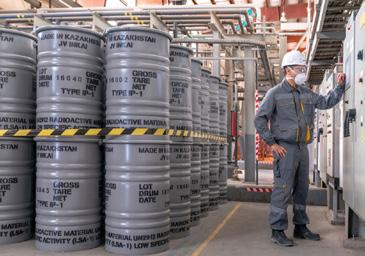
URANIUM & NUCLEAR ENERGY ANCHOR KAZAKHSTAN’S FUTURE POWER STRATEGY
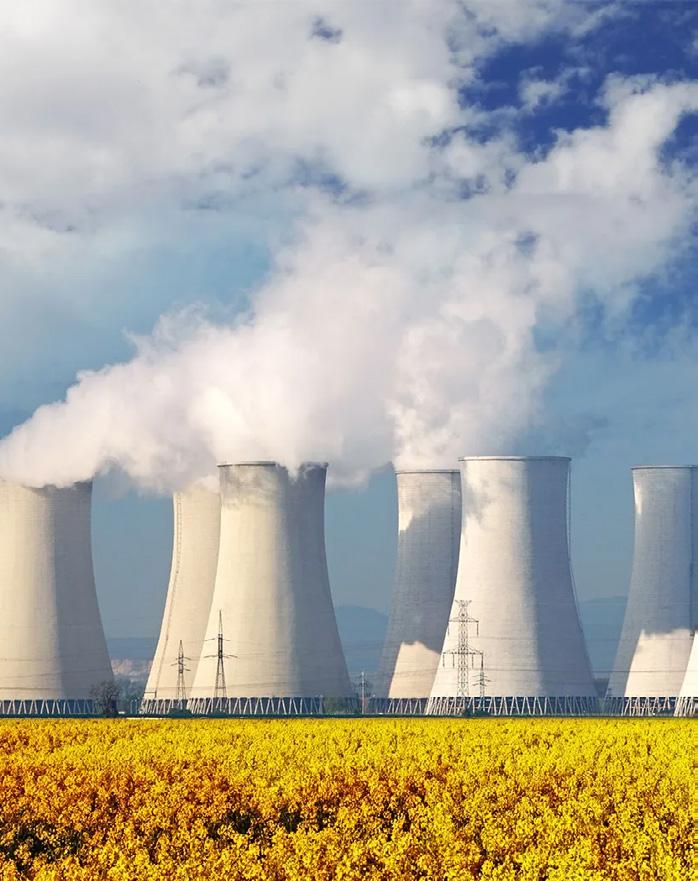
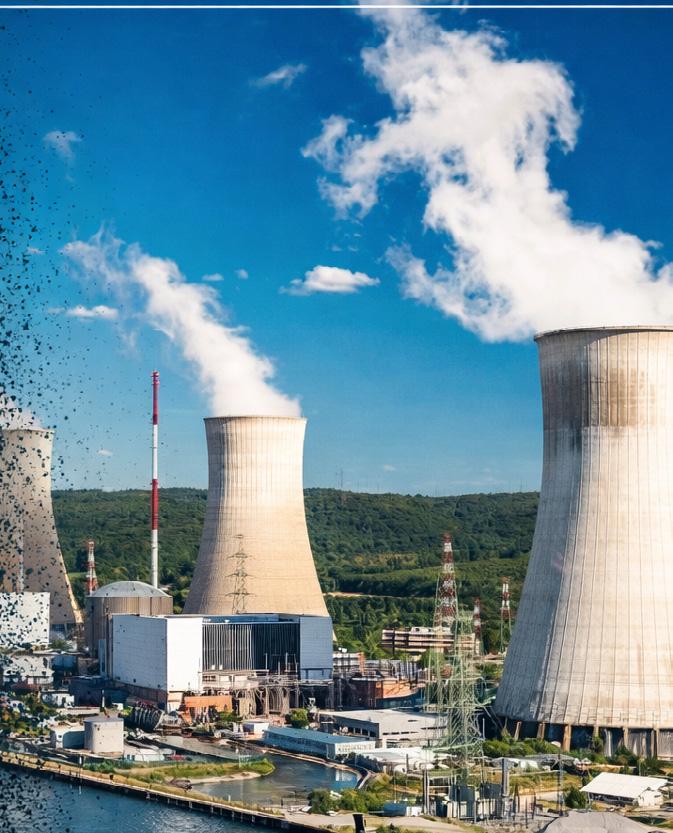
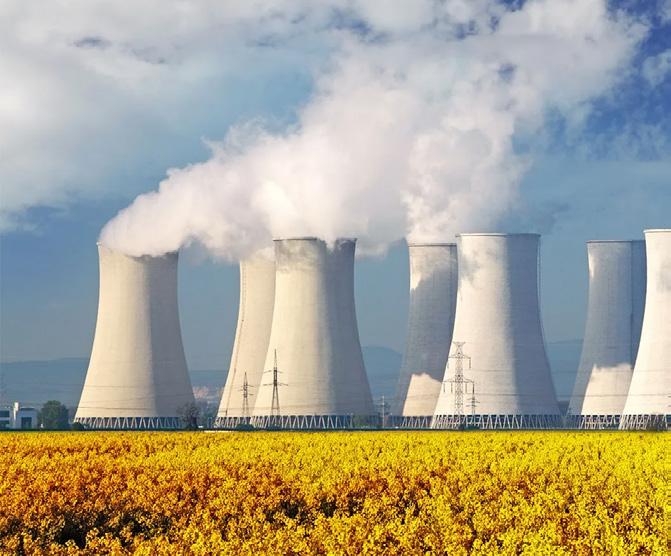
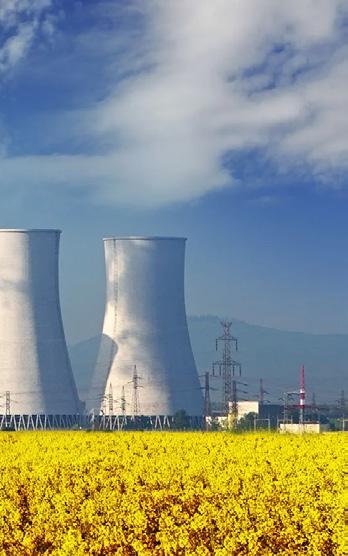
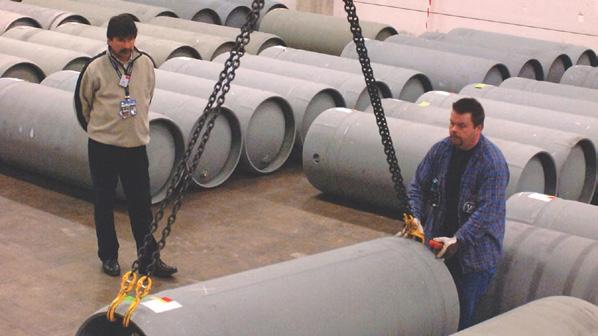
As the global energy landscape undergoes rapid transformation, Kazakhstan continues to play a pivotal role in shaping the future of nuclear energy. By December 2025, the country’s position as the world’s leading uranium producer and its renewed focus on nuclear power have reinforced Kazakhstan’s status as a key contributor to global energy security, clean power generation, and technological cooperation. Kazakhstan possesses nearly 15 percent of the world’s known uranium reserves and has, for more than a decade, remained the largest producer globally. The backbone of this success is Kazatomprom, the national atomic company that dominates uranium mining through advanced in-situ leaching technologies. These methods are widely regarded as environmentally safer and more cost-efficient than traditional mining, aligning with Kazakhstan’s commitment to sustainable resource development.
In 2025, uranium demand has continued to rise as countries seek reliable, low-carbon energy sources to meet climate targets. Nuclear power, once controversial, is increasingly recognized as a stable complement to renewable energy. Against this backdrop, Kazakhstan’s uranium exports to Asia, Europe, and North America remain strategically significant, supporting the operation of nuclear power plants worldwide. Beyond uranium mining, Kazakhstan has taken measured steps toward developing its own nuclear power generation capacity. Discussions around building the country’s first full-scale nuclear power plant gained renewed momentum in 2025, driven by growing domestic electricity demand and the need to reduce reliance on coal-fired power. Nuclear energy is viewed as a long-term solution to ensure energy stability while supporting Kazakhstan’s carbon neutrality goals. Public engagement and safety assurances have been central to this process. Authorities have emphasized transparency, international oversight, and adherence to the highest safety standards.
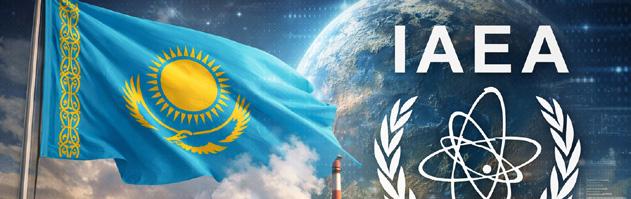
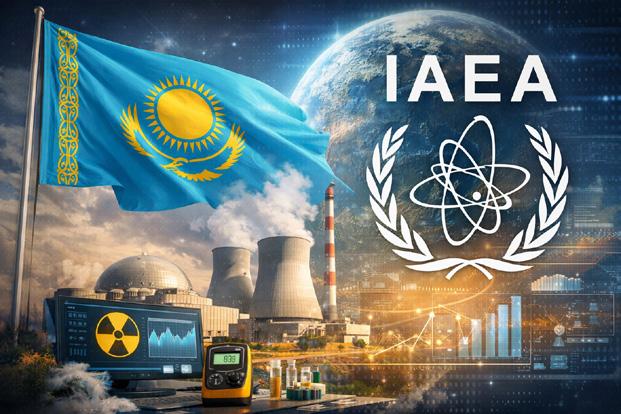
Kazakhstan’s long-standing cooperation with the International Atomic Energy Agency plays a crucial role in this regard. The country is widely respected for its non-proliferation record, having voluntarily relinquished the world’s fourth-largest nuclear arsenal in the 1990s and later hosting the IAEA’s Low Enriched Uranium Bank. The IAEA Low Enriched Uranium Bank, located in eastern Kazakhstan, continues to operate as a global safety mechanism, ensuring that countries can access nuclear fuel without developing their own enrichment capabilities. In 2025, the facility remains a powerful symbol of Kazakhstan’s contribution to peaceful nuclear development and international trust-building.
Economically, the nuclear sector supports thousands of skilled jobs and generates significant export revenue. Uranium mining regions benefit from infrastructure investment, training programs, and technological upgrades. At the same time, Kazakhstan is expanding its ambitions beyond raw material supply by exploring deeper involvement in the nuclear fuel cycle, including fuel fabrication and nuclear engineering services. Nuclear power also fits into Kazakhstan’s broader vision of energy diversification. While the country continues to invest in wind, solar, and hydropower, nuclear energy offers a stable baseload option that can operate independently of weather conditions. This balance is particularly important for an economy with energy-intensive industries such as metallurgy, mining, and manufacturing. International partnerships remain a defining feature of Kazakhstan’s nuclear strategy. Cooperation with leading nuclear nations and technology providers ensures access to best practices, advanced reactor designs, and safety innovations. These partnerships are not only commercial but also educational, supporting the training of engineers, scientists, and regulators. Environmental considerations are another key dimension. Modern nuclear power plants produce minimal greenhouse gas emissions during operation, contributing to climate mitigation efforts. In 2025, as global climate commitments intensify, Kazakhstan’s nuclear pathway is increasingly framed as part of a responsible energy transition rather than a departure from sustainability.
Public perception continues to evolve as well. Through awareness campaigns, expert consultations, and open discussions, authorities aim to build informed consensus around nuclear power. The emphasis on safety, international oversight, and long-term benefits has helped foster a more balanced national dialogue. In December 2025, uranium and nuclear power stand as strategic pillars of Kazakhstan’s energy and economic future. By leveraging its natural resources responsibly, embracing international cooperation, and aligning nuclear development with sustainability goals, Kazakhstan is positioning itself not merely as a supplier of uranium, but as a mature and trusted leader in the global nuclear energy ecosystem.
INTERNATIONAL RELATIONSHIP KAZAKHSTAN
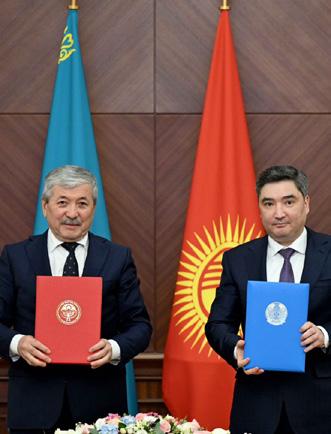
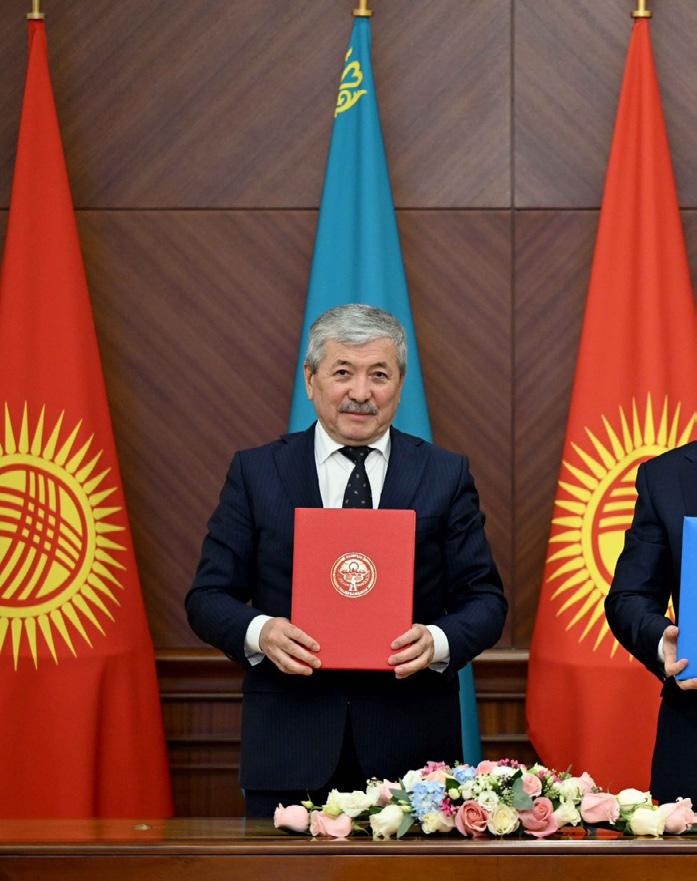
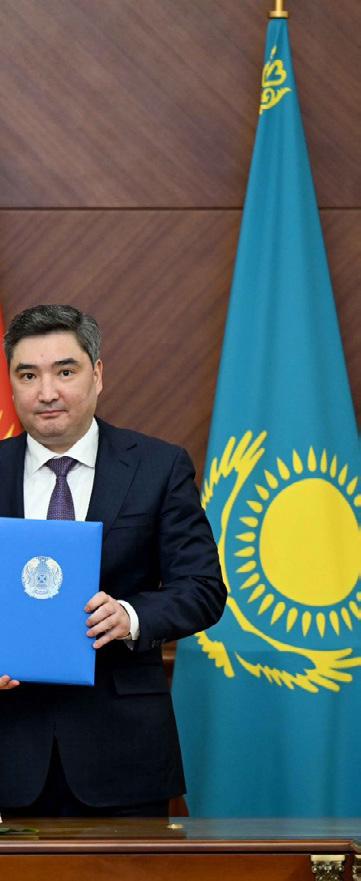
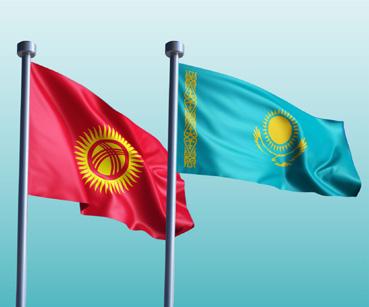
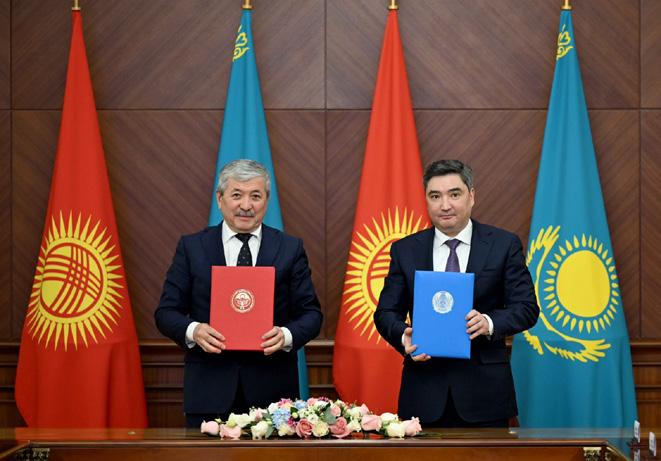
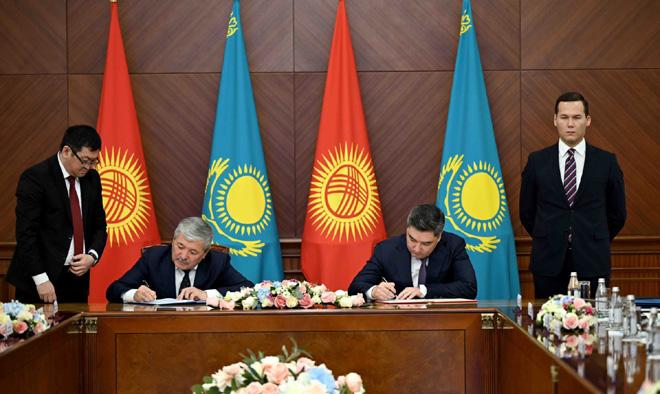
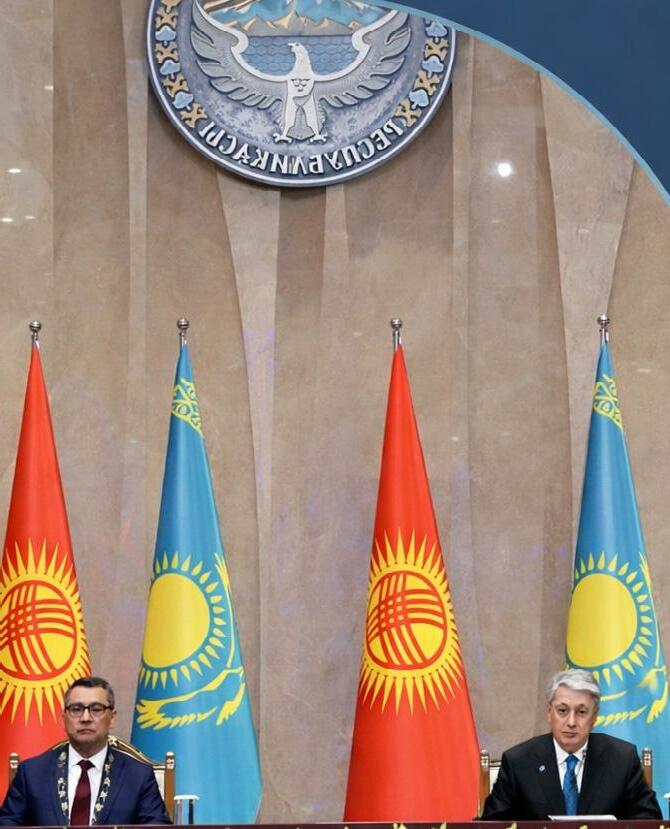
KAZAKHSTAN & KYRGYZSTAN SET SIGHTS ON $3 BILLION TRADE BY 2030
Kazakhstan and Kyrgyzstan have set an ambitious yet achievable goal: increasing bilateral trade turnover to $3 billion by 2030. This target reflects the deepening economic partnership between the two Central Asian neighbors and underscores their shared commitment to regional integration, sustainable growth, and mutual prosperity. Historically linked by geography, culture, and trade routes, Kazakhstan and Kyrgyzstan have long maintained close economic ties. In recent years, these relations have gained new momentum through high-level political dialogue, intergovernmental commissions, and coordinated efforts within regional frameworks such as the Eurasian Economic Union (EAEU). The new trade target signals a shift from traditional cooperation toward a more diversified, innovation-driven partnership.
Trade between the two countries has already shown steady growth, driven largely by agriculture, energy products, construction materials, textiles, and consumer goods. Kazakhstan remains one of Kyrgyzstan’s key trading partners, while Kyrgyz businesses increasingly view Kazakhstan as a gateway to wider Eurasian markets. However, both governments recognize that reaching the $3 billion mark will require structural changes, modernization, and expansion into higher-value sectors. A major pillar of this strategy is industrial cooperation. Joint ventures in food processing, light manufacturing, pharmaceuticals, and building materials are being actively encouraged. Kazakhstan’s industrial capacity and investment resources complement Kyrgyzstan’s growing manufacturing base and skilled labour force, creating opportunities for shared value chains rather than simple importexport relationships.Agriculture also plays a central role in future trade expansion. Both countries aim to strengthen cooperation in grain supplies, livestock breeding, dairy production, and agro-processing. Improved logistics, harmonized standards, and modern storage facilities are expected to reduce costs and increase competitiveness in regional and international markets. Another key focus area is transport and logistics infrastructure. As landlocked countries, efficient transit is vital for
economic growth. Kazakhstan and Kyrgyzstan are working to modernize border checkpoints, simplify customs procedures, and enhance digital trade platforms. These measures are expected not only to boost bilateral trade but also to strengthen Central Asia’s role as a transit hub between Europe and Asia. Energy cooperation and cross-border investment are also gaining importance. Kazakhstan’s experience in energy production and infrastructure development offers valuable expertise, while Kyrgyzstan’s hydropower potential presents opportunities for joint energy projects and green transition initiatives. Beyond economics, the $3 billion trade goal reflects a broader vision of regional stability and cooperation. Stronger economic ties are seen as a foundation for social development, job creation, and resilience against global economic uncertainties. Small and medium-sized enterprises (SMEs), in particular, are expected to benefit from simplified regulations and expanded market access. As Kazakhstan and Kyrgyzstan move toward 2030, their partnership illustrates how neighbouring countries can leverage trust, complementary strengths, and shared ambitions to achieve sustainable growth. The $3 billion trade target is more than a number—it is a symbol of Central Asia’s evolving economic landscape and a confident step toward deeper regional integration.
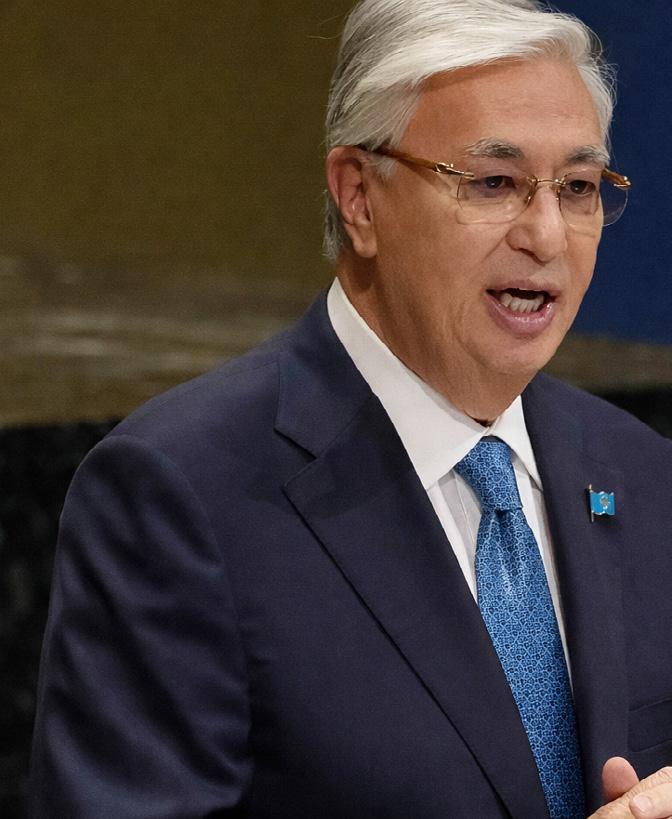
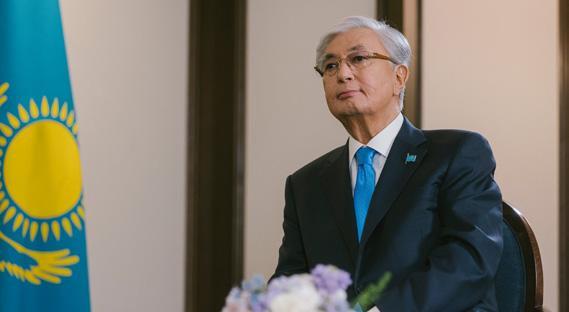
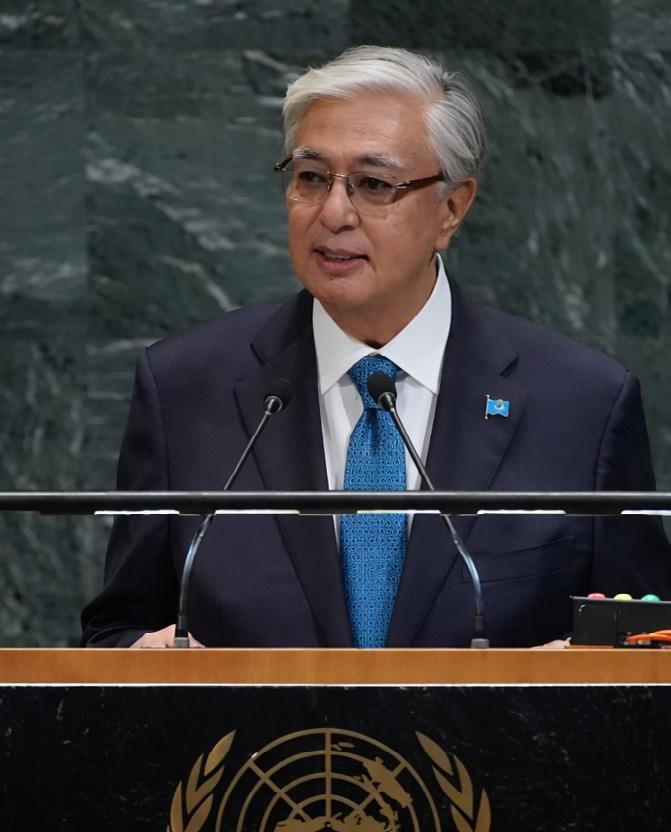
KASSYM-JOMART TOKAYEV, The President of Kazakhstan
KAZAKHSTAN’S POTENTIAL ENTRY INTO THE ABRAHAM ACCORDS SIGNALS A NEW DIPLOMATIC CHAPTER
Kazakhstan, which already maintains diplomatic relations with Israel, has signalled its intention to join the Abraham Accords, marking a potentially significant development in the country’s foreign policy and its engagement with the Middle East. The move reflects Kazakhstan’s long-standing approach of pragmatic diplomacy, multilateral cooperation, and bridge-building between regions.
The Abraham Accords, launched in 2020, were designed to normalize relations between Israel and several Muslim-majority countries, beginning with the United Arab Emirates and Bahrain, with support from the United States. Since then, the framework has expanded beyond diplomatic normalization to include cooperation in trade, technology, energy, tourism, and innovation. Kazakhstan’s interest in joining signals that the accords are increasingly viewed not only as a Middle Eastern initiative, but as a broader platform for economic and diplomatic collaboration.
Kazakhstan has long pursued a balanced and independent foreign policy, maintaining constructive relations with countries across Europe, Asia, the Middle East, and the West. Its diplomatic philosophy emphasizes dialogue over confrontation and economic cooperation over ideological divides. In this context, joining the Abraham Accords aligns with Kazakhstan’s established role as a mediator and connector between diverse political and cultural spheres.
Already, Kazakhstan and Israel enjoy stable bilateral relations, particularly in trade, agriculture, healthcare, and technology. Israeli expertise in water management, desert agriculture, and innovation has been of interest to Kazakhstan, especially as the country works to modernize its agricultural sector and address climaterelated challenges. Formal participation in the Abraham Accords could elevate these ties to a multilateral level, opening access to wider regional networks and investment flows. Economically, the potential benefits are considerable. The accords emphasize cross-border business partnerships, joint ventures, and innovation-driven growth. For Kazakhstan, participation could attract new investment from the Middle East, enhance cooperation in renewable energy and digital technologies, and strengthen links with global financial and logistics hubs. Given Kazakhstan’s ambition to serve as a Eurasian transport and trade corridor, closer ties with Abraham Accords partners could further integrate the country into emerging global supply chains. The diplomatic implications are equally important. Kazakhstan has consistently supported peaceful coexistence and international law, while avoiding alignment with polarizing blocs. Joining the accords does not alter its existing positions on regional conflicts, but rather reinforces
its preference for dialogue and normalization. Kazakhstan’s experience hosting international talks and promoting confidence-building measures lends credibility to its involvement in initiatives aimed at reducing tensions and expanding cooperation.From a regional perspective, Kazakhstan’s participation would underscore Central Asia’s growing relevance in global diplomacy. While geographically distant from the Middle East, Kazakhstan shares economic interests, cultural ties, and energy partnerships with the region.
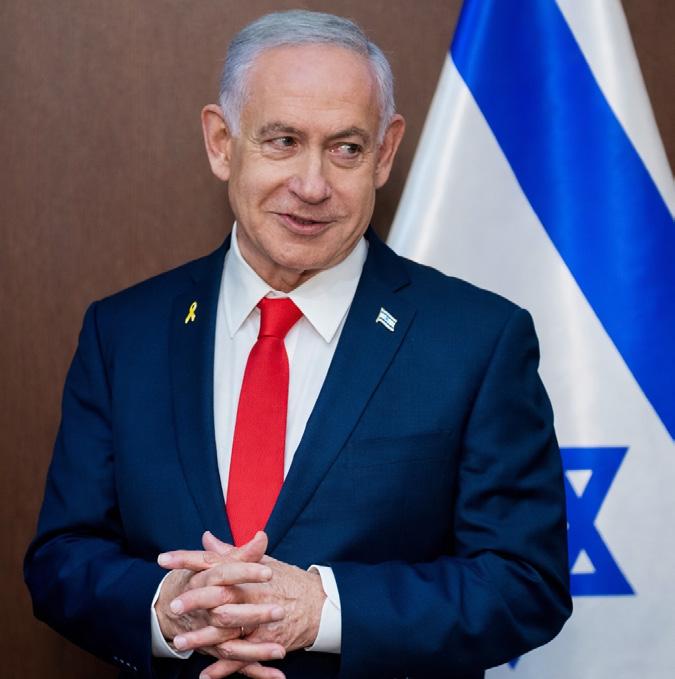
BENJAMIN NETANYAHU, Prime Minister of Israel
Its inclusion in the Abraham Accords framework could encourage greater interaction between Central Asia and Middle Eastern economies, fostering south–north investment and collaboration. Domestically, the move is consistent with Kazakhstan’s vision of openness and modernization. By engaging with diverse partners, the country aims to create opportunities for its
private sector, expand markets for its exports, and expose local businesses to global best practices. Cooperation under the accords could also support knowledge exchange in education, science, and healthcare, benefiting long-term human capital development. Importantly, Kazakhstan’s potential accession highlights the evolving nature of the Abraham Accords themselves.
What began as a diplomatic breakthrough in the Middle East is increasingly becoming a flexible cooperation platform for countries that value stability, economic growth, and cross-cultural engagement. In December 2025, Kazakhstan’s intention to join the Abraham Accords reflects confidence in diplomacy as a tool for progress.
By building on its existing relationship with Israel and engaging with a wider network of partners, Kazakhstan is reinforcing its image as a forwardlooking, pragmatic, and globally engaged nation— one that sees cooperation, not division, as the path to sustainable development and international relevance.
DEEPER LESSONS FOR KAZAKHSTAN FROM PRESIDENT STUBB’S
NORTHERN VISIT
When Finland’s leader Alexander Stubb showed up in Kazakhstan lately, folks figured it would be just another standard meet-and-greet. But things played out differently: the trip actually hinted at change; ties between these nations have grown past basic courtesy into something closer to meaningful teamwork. To Kazakhstan, Finland isn’t only a buddy but also proof that even smaller countries can earn worldwide respect by backing solid systems, informed citizens, while making creativity part of everyday life instead of treating it like some side tech project.
President of Finland Alexander Stubb with Altynay Kozhaeva during his official visit to Astana in 2025.
Alexander Stubb talked about what makes Finland strong – clear rules, schools that work well, yet ideas driven by folks, not bosses. While Kazakhstan works on updating its government and economy, these points hit home. Finland proves lasting progress isn’t really about oil or minerals but building trust, growing skills, also sparking new thinking. My short trip to Helsinki this year changed how I see government systems in places where people generally trust each other. Getting access to public services meant almost no forms, using online IDs worked without hassle, also officials spoke clearly but politely. Locals didn’t think any of that was special, still it showed something powerful: things run smoothly when trust isn’t earned, and it’s just assumed.
Trust as a practical economic tool
Finnish people often rank their country as one of the clearest and cleanest when it comes to honesty. It’s more than just how folks behave; it’s built into the system. Companies get things done thanks to steady regulations, locals don’t mind going online for paperwork, while outsiders understand exactly what they will face dealing with Finland’s offices.
Folks in Kazakhstan, busy upgrading how they run things, might look to Finland – there, belief in systems makes progress quicker. Once rules feel transparent and shady deals fade out, changes stick better, people join in without hesitation, while global funders start seeing the nation as someone reliable down the road.
Education as the foundation of resilience
The Finnish way of teaching works because it
treats educators like true professionals. Teachers get solid preparation plus full freedom in how they run classrooms, this builds trust and skill. Rather than just memorizing the facts, kids are taught how to think carefully and question things. This style prepares people to adapt quickly when jobs or markets suddenly shift. Kazakhstan’s cities have seen some real gains in schooling, but rural spots lag. Finland is proof that results come from trusting teachers, loosening top-down rules, while boosting preschool access-this builds stronger futures through people.
Innovation shaped by networks, not authority
The country developed its tech landscape more by partnering with the networks than by taking top-down orders. The Finnish rebound following Nokia’s fall is a good example to begin with. Instead of staying along the old lines of technology, they turned in other directions, leaping into gamemaking, coding projects, green power systems, and modern design work. Such a change paid off nicely because new ideas in Finland grow out of loose connections among schools, labs, and companies that share goals but remain independent. Astana Hub’s innovation spots have shown promise, but Kazakhstan needs to enhance how it converts new ideas into tangible products, it must be bold, and it also must connect colleges to businesses. Finland’s example shows that countries should make room for trial runs, connect experts across industries, yet provide young businesses with space to experience settings where errors are a part of progress.
Why this moment matters
Whereby Finland’s path beyond NATO has just begun, Kazakhstan is restructuring both its politics and economy. In a nutshell, the two countries are stepping into fresh phases of growth. Their cooperation goes both ways: Kazakhstan receives smart governance ideas, and in return, Finland finds a key partner in Central Asia. Each side gets what it needs from the other.
A pathway Kazakhstan can realistically pursue
Kazakhstan does no need needs to adopt Finnish ideas that are appropriate for its current setup, rather than simply can interpret Finnish systems in ways that fit its own context:
The country needs to build confidence by running things fairly and sharing what is happening behind the scenes.
The government should raise the standards for teachers by increasing the amount of training while offering more flexible job situations with greater respect in the profession.
The government should establish places that foster creativity, but at the same time leave space for longterm projects.
The government should apply tech improvements to improve public services-but avoid the bureaucratic tangles.
The two nations need to establish institutional partnerships for the improvement of learning processes.
Tiny smart moves piled up and created real strength for Finland over time. Kazakhstan might take those ideas and shape a fresh path for Central Asia fuelled by people, trust, and creativity, not scale.
ROYAL HERITAGE & ARCHITECTURE KAZAKHSTAN
Kobyz & Yurt Traditions Secure UNESCO Recognition for Central Asia
On a cold morning in Chimbay, a small town in northwestern Uzbekistan’s Karakalpakstan region, an elderly craftsman bends over a half-finished wooden frame. His hands move slowly but with certainty: Shaping, bending, adjusting. He is building a yurt the same way his father once did, and his grandfather before him. A few streets away, a young apprentice holds a bow of horsehair against an unfinished two-stringed instrument, trying to coax out a sound his teacher calls “as old as the steppe.”
These scenes reflect a broader recognition across Central Asia. At the 20th session of the UNESCO Intergovernmental Committee in New Delhi, the bowed instrument Kobyz and the Yurt, jointly nominated by Uzbekistan, Kazakhstan and Kyrgyzstan, were inscribed on UNESCO’s Lists of Intangible Cultural Heritage. UNESCO warned that parts of this heritage are “under serious threat due to the reduction of experienced masters.”
The Kobyz: a sound shaped by centuries
The Kobyz is among the earliest bowed instruments of the Turkic world, traced by scholars to the 5th8th centuries CE. Its scoop-shaped wooden body, arched neck and camel-skin membrane give it a resonant, overtone-rich sound rooted in shamanic traditions. Among Turkic peoples, the word qobuz once meant “musical instrument” itself, showing its cultural centrality. In Kazakhstan, the Kobyz tradition is especially strong in regions such as Kyzylorda and Mangystau, where generations of storytellers and musicians known as baky and kyuishe maintained the instrument’s repertoire. In Kyrgyzstan, elements of the tradition survive in the musical heritage of the Issyk-Kul and Naryn regions, where bowed instruments related to the Kobyz are still performed in epic storytelling.
First step of Kobuz makingArt and Culture Development Foundation of Uzbekistan
Crafting a Kobyz requires specialised skills, choosing the right tree, carving the body from a single piece, and preparing horsehair for the strings and bow, knowledge traditionally passed down within families. Today, the Kobyz survives in Karakalpakstan mostly through zhyrau, epic storytellers who accompany their narration with the instrument. But the tradition is shrinking quickly.
Ermek Bayniyazov, a zhyrau from a village near Nukus, notes how rapidly the craft is fading. “When I was young, you could walk into any village and someone would know how to tune or repair a Kobyz. Now I can count the real masters on one hand. If one of them stops working, the skills disappear with him.”
Traditional workshop. Patterning into the surface of Kobuz - Art and Culture Development Foundation of Uzbekistan
He adds: “A Kobyz isn’t like a guitar you can buy in a shop. The body must be carved from a single block. The horsehair must be washed, dried and twisted in a certain way. Even choosing the right tree used to be an art. Today there are players who don’t know how the instrument is built, and that’s a warning sign for the future.”
The Yurt: a home that shaped nomadic life
If the Kobyz is a voice of the steppe, the yurt is its architecture. For nomadic and semi-nomadic peoples of Central Asia, Karakalpaks, Kazakhs and Kyrgyz, the yurt remained the primary form of housing until the late 19th century. By the 1930s–40s, it survived mainly among shepherds during seasonal migrations.
Historically, the yurt held deep social meaning. A young man preparing for marriage was expected to acquire one; among Karluk and Kipchak groups (early Turkic tribes that once dominated much of Central Asia), parents would not give their daughter in marriage to someone who did not own a yurt. Wedding yurts were covered in white felt, while everyday ones – kara ui – were made from darker material.
A cluster of traditional yurts set against the sandy landscape of the Kyzylkum desert in Uzbekistan
Across the region, the yurt symbolised continuity and connection to the land. For many communities, its interior represented a microcosm of order, while the world beyond its felt walls formed the wider universe.
INDUSTRIES & INVEST in KAZAKHSTAN
Kazakhstan Launches a Bold Investment Drive to Power Growth and Global Capital
Kazakhstan is launching a new investment cycle to accelerate economic growth and modernize key industries. At a Nov. 19 government meeting chaired by Prime Minister Oldham Bettino, officials reviewed the draft Joint Action Program of the Government, National Bank, and the Agency for Regional Development and Financial Markets (ARDFM) for 2026–2028, which aims to stabilize the economy, boost real incomes, and stimulate investment growth. The main focus of the plan is the transformation of Bai
Terek Holding into the country’s Investment Holding Company, tasked with overseeing 15-20 systemically important projects. The 2026 portfolio prioritizes chemical and petrochemical industries (42%), transport and logistics (19.6%), and energy (12.1%), with up to 1 trillion tinge (US$1.9 billion) allocated for 2026-2028, reported the Prime Minister’s press service. The program introduces the ‘investment order’ principle and a national digital investment platform to simplify processes, ensure transparency, and attract large-scale private and foreign investment. Investment agreements guaranteeing legislative stability for 25 years will be offered for priority projects exceeding 29.5 billion
tinge (US$56.7 million). Foreign investors will also be supported through the Astana International Financial Centre (AIFC), while microfinance institutions will help implement major publicprivate partnership projects. These measures aim to increase the share of fixed capital investment to 21% of GDP by 2028. In addition, the government plans to modernize 30,000 kilometres of utility networks with around 3 trillion tinge (US$5.7 billion), optimize the quasi-public sector by transferring 500 assets worth over 2 trillion tinge (US$3.8 billion) to competitive environments, and prepare IPOs/SPOs for major companies, including Kazakh telecom JSC and Qajaq Green Power PLC.
Deputy Prime Minister Seri Zhumangarin emphasized that these measures, combined with countercyclical fiscal policies, will build long-term production capacity and gradually bridge the gap between GDP growth and wage growth. The investment strategy is expected to maintain GDP growth at a minimum of 5% per year, ensuring stability and transparency for investors.
KAZAKHSTAN STRENGTHENS ITS ROLE
In Global Food Security Through Grain Export Expansion
In November 2025, Kazakhstan strengthened its position as one of the world’s leading grain exporters, marking a significant expansion of shipments to Europe and other global markets. Backed by a strong harvest, improved logistics, and strategic diversification of trade routes, the country’s grain sector has emerged as a key driver of economic growth and international trade engagement. The foundation of this success lies in an exceptional agricultural year. Kazakhstan harvested more than 27 million tons of grain in 2025, including over 20 million tons of high-quality wheat. Favorable weather conditions, wider use of modern farming technologies, and state support programs for farmers all contributed to higher yields and improved quality. This abundance has allowed Kazakhstan not only to meet domestic demand comfortably but also to significantly boost exports.
Traditionally, Kazakh grain exports have been concentrated in Central Asia, Afghanistan, and parts of the Middle East. However, 2025 marked a decisive shift toward broader geographic diversification. European countries such as Belgium, Poland, Portugal, Norway, and the United Kingdom have emerged as new or expanded destinations for Kazakh wheat. These markets value Kazakhstan’s grain for its consistent quality and competitive pricing, particularly amid global supply fluctuations.
A crucial factor enabling this expansion has been the development of alternative logistics corridors. In 2025, Kazakhstan actively utilized Baltic Sea routes, working with ports in Estonia to transport grain onward to Europe and North Africa. This approach reduces dependence on traditional transit routes and provides exporters with more flexibility and cost efficiency. Improved rail connectivity and streamlined customs procedures have further enhanced the reliability of deliveries, making Kazakh grain more attractive to distant buyers.
Beyond Europe, Kazakhstan has also expanded exports to North Africa, the Middle East, and Asia. Shipments to countries such as Morocco, Algeria, Vietnam, and the United Arab Emirates increased during the year, reflecting strong global demand and growing recognition of Kazakhstan as a stable supplier. At the same time, exports to neighboring Central Asian states and the South Caucasus remained robust, reinforcing Kazakhstan’s role as a regional food security partner.
The government’s long-term strategy goes beyond simply exporting raw grain. In 2025, investments accelerated in deep grain processing projects aimed at producing flour, starches, bioethanol, and proteinrich feed products. These initiatives are designed to increase export value, create jobs, and reduce
vulnerability to price swings in global commodity markets. By moving up the value chain, Kazakhstan is positioning itself not only as a supplier of grain but also as an exporter of processed agricultural goods.
The expansion of grain exports in November 2025 highlights Kazakhstan’s growing integration into global food markets. It underscores the country’s ability to adapt to changing trade conditions, invest in infrastructure, and build new partnerships across continents. As global demand for reliable food supplies continues to rise, Kazakhstan’s strategic approach to agriculture and trade places it in a strong position to remain a key contributor to global food security in the years ahead.
CRITICAL MINERALS & CAPITAL MARKETS
Put Kazakhstan on Investors’ Radar
U.S. President Donald J. Trump vowed to make the stock market great again and to bring “Liberation Day” to global trade and tariff agreements. While the U.S. stock market and dollar-denominated assets continue to dominate most private and institutional investment portfolios as part of U.S. exceptionalism, Central Asian countries and their stock, currency and capital markets are gaining more attraction with smart and patient capital. The U.S. is also stepping up efforts to engage directly with Central Asia, as governments in the region seek to diversify economic partnerships and secure investment for transport links, the energy transition, and critical minerals development.
While New York City and Wall Street have a new mayor, it is important to recall that Wall Street runs on narratives and that it is also a large marketing machine that can influence investor psychology and global asset allocation. Kazakhstan assets typically sit within the frontier or emerging market segment of global portfolios. Kazakhstan and its local currency assets could increasingly be seen as the Saudi Arabia of rare earth and critical minerals. Because of this, Kazakh assets may be poised for a fundamental re-rating. Kazakhstan has emerged as a beacon of investment in recent years, capturing the attention of international businesses and investors alike. The nation’s strategic location, abundant natural resources and forwardthinking policies have driven a surge in business activity, positioning Kazakhstan as a pivotal player in the global economy and underpinning its local currency, the tenge (KZT). In January 2024, the Berlin-based German Institute for International and Security Affairs (Deutsches Institute fur Internationale Politic und Sicherheit) placed Kazakhstan, for the first time, among the world’s middle powers. This recognition underscores Kazakhstan’s growing influence on the global stage. As a middle power, the country plays a vital role in shaping regional dynamics and contributing to international stability and potentially driving global growth and prosperity, and stronger capital market returns for investors.
Rare earth elements are becoming the new oil in the age of artificial intelligence and energy transition.
Just as Saudi Arabia has long been regarded as the Kingdom of Oil, Kazakhstan could emerge as the Saudi Arabia of critical materials. In time, the Kazakh tenge may even be viewed by global financial markets as a currency backed by critical materials. Geopolitics, ESG considerations, and climate change will become increasingly important factors driving global demand for rare earth elements and other critical materials, further supporting the tenge.
Kazakhstan sits at the crossroads of commodities, corridors and capital. Hydrocarbons, uranium, copper and rare metals give the macro its backbone; overland trade routes linking China – Central Asia – Caspian – Europe give it an embedded optionality; and ongoing financial-market reforms (AIFC/AIX, KASE), pension-system depth, inflation-targeting central bank) provide the institutional scaffolding. For global allocators, Kazakhstan assets represent a carry and term-premium play, offering cyclical beta to commodities and structural upside from logistics and industrial upgrading.
The Kazakhstan Stock Exchange (KASE) offers global investors equity exposure to energy, mining, transport, telecoms and financial sectors, a play on domestic demand and corridor logistics. Liquidity is improving but still concentrated, so portfolio construction needs position-size discipline and event risk awareness.Global investors might not necessarily look at Kazakhstan assets as a middle power in global investment portfolios yet, but the country merits some study and evaluation for investment allocation. Kazakhstan is generally classified as an emerging market rather than a developed one. As a result, Kazakhstan is not included in the MSCI World Index, which comprises only developed markets. Instead, Kazakhstan is part of the MSCI Emerging Markets Index, currently categorized under “Others” within the 21% allocation to smaller emerging markets. Kazakhstan has several large publicly traded companies that are significant players in their respective industries and where global investors can gain exposure to. London-listed Kazakh blue chip stocks like Halyk Bank and Kazatomprom have performed very well for global investors and should be part of any globally diversified investment portfolio. Kazatomprom (KAP) reached a new 52week high of 59.00 on 31 Oct 2025; up around 54% year-on-year, driven by strong uranium prices and tight supply. Halyk Bank (HSBK):
Near its 52-week high of 27.85 (5 Sep 2025), up significantly from 17.50 a year earlier, supported by strong capital ratios and profitability.Kaspi. kz delisted from the London Stock Exchange in 2024 and is now listed on Nasdaq. Due to its ambitious Turkish acquisition, Kaspi’s share price has underperformed and disappointed investors so far this year. Investors, however, should remember that a great company with strong fundamentals and attractive dividend yields can still be a poor stock, while a weaker company at the whims of the global market can sometimes be a great stock. As always, diversification and a long-term investment mindset remain key. Kazakhstan remains one of the most compelling selective overweight opportunities in frontier and lower-emerging markets, driven by a combination of strategic commodity positioning, stable macro policy and deepening domestic financial markets. The investable universe for offshore investors is narrow but concentrated in high-quality, systemically relevant corporations with improving transparency and consistent shareholder distribution frameworks. The global market for critical minerals is currently valued at $328 billion and is projected to reach $586 billion by 2032. By 2030, significant new mining capacity will be required to meet demand, especially for copper and other essential minerals. Kazakhstan’s
vast potential places it at the forefront of this global growth, this could make tenge denominated assets shine like Gold. Kazakhstan assets offer compelling real carry and diversified macro exposure anchored by improving institutions and significant commodity and corridor optionality. They are not “set and forget” investments: returns hinge on the policy-inflation dance, terms of trade and regional geopolitics. Kazakhstan’s tenge assets increasingly merit inclusion in Strategic Asset Allocation (SAA) frameworks. Over time, the tenge could be viewed as a currency implicitly backed by strategic mineral wealth, especially as global supply chains diversify away from single-country concentration risks.
KGIR SHOWCASES KAZAKHSTAN’S GROWING APPEAL TO GLOBAL INVESTORS
Thirteen commercial agreements worth $3.8 billion were signed in the presence of Prime Minister Olzhas Bektenov. Opening the forum, Bektenov said that Kazakhstan remains open and predictable for long-term investments and continues to maintain direct dialogue with investors.
“Kazakhstan remains an open and predictable country for long-term investments. Building a relationship of trust with investors is an integral part of our investment policy. I invite everyone to make full use of the opportunities available for developing business in Kazakhstan. We are ready to provide comprehensive support at every stage of project implementation,” said Bektenov.
He emphasized that the country is shifting toward a model in which the government not only supports but also initiates projects in partnership with investors. Over the first nine months of 2025, Kazakhstan’s gross domestic product grew by 6.3%, while investment in fixed capital increased by 13.5% to 13.8 trillion tenge (US$26.04 billion).
Key agreements across manufacturing, energy and agriculture
The roundtable resulted in agreements across multiple industries and regions.
In manufacturing, the Ministry of Industry and Construction signed with Kazakhstan Lihua to expand production, while QazCement Industries agreed to build a cement plant in the Aktobe Region. In energy and environmental projects, the Ministry of Ecology and Natural Resources signed with East Hope to establish the Astana Energy EcoPark and with Shaanxi Construction Engineering Kazakhstan to build a waste-to-energy plant in Shymkent. The Mangystau Region signed with Qazaq LNG Mangistau for a liquefied natural gas facility in the Karakiya district.Agriculture was also a key focus. The Akmola Region and China’s Hopefull Grain & Oil Group agreed to build a deep wheat-processing complex. The Ministry of Agriculture and Turkistan Cotton Agroindustrial Complex will create a cotton-textile cluster in the Turkistan Region.
Another deal was signed with Asyl Sugar to build a new sugar plant in the North Kazakhstan Region. Prime Minister Olzhas Bektenov at KGIR 2025. Additional agricultural agreements include a partnership with Fabe-Agro to build a greenhouse complex in Shymkent and a framework deal among the Ministry of Agriculture, the Kyzylorda Akimat (regional administration), and Harvest Agro Holding to establish an agro-industrial cluster in the region.
The Ministry of Agriculture also signed with CocaCola Almaty Bottlers to build a beverage production plant in the Aktobe Region. The Almaty regional administration, Hopefull Grain & Oil Group, and Kazakhstan Utility Systems agreed to develop new industrial parks.
The International Finance Corporation and KazFoodProducts signed a deal to launch sustainable aviation fuel production in Kazakhstan.
Foreign companies unveil new projects and expansion plans
During the exhibition held alongside the forum, Bektenov viewed projects under development and new proposals from international investors.
Swiss company Harvest Group SA presented an irrigation project to convert 300,000 hectares of pastureland into irrigated fields by 2029, increasing soil productivity by up to sixfold.
Turkish company Orzax Alyors announced a $40 million investment to build Central Asia’s largest dietary supplement facility that meets international good manufacturing practice (GMP) standards in the TURAN Special Economic Zone in Turkistan.
“Kazakhstan is the regional leader in digital transformation and environmentally friendly production. We have decided to invest $40 million in constructing the largest food supplement production facility in Central Asia that meets GMP standards. Our plant is being built in the TURAN Special Economic Zone, located in the city of Turkistan. The production will create 500 jobs and achieve an annual export volume of $100 million, with further growth to follow,” said Orzax Group Chairman Selman Alimoğlu.
In addition, pharmaceutical companies R-Pharm and Abdibrahim Global Pharm announced plans to build new facilities to produce medicines. Swiss manufacturer Stadler will launch production of railway rolling stock and components. Primus Education plans to open a campus of Britain’s Coventry University in Kazakhstan, Success Co., Ltd. will develop industrial manufacturing facilities, and RETD presented a proposal for a high-speed transport system in the Almaty agglomeration.
PREVIOUS KGIR AGREEMENTS TAKING SHAPE
Bektenov also outlined the progress of projects that stemmed from last year’s roundtable. China’s Fufeng Group is completing a corn-processing agropark, while PepsiCo is building a savory snack plant in the Almaty Region, expected to open early next year. Dalian Hesheng Holding Group is constructing a deep wheatprocessing plant, and Spain’s Roca Group is preparing to establish a sanitary ware production facility for export. Lihua Group launched a cotton textile cluster within the TURAN Special Economic Zone in Turkistan, and the KIA Qazaqstan automobile plant, completed in two years, is now operational.
INTL. STANDARD EDUCATION KAZAKHSTAN
Kazakhstan Integrates Media & Information Literacy into Its National Education System
COUNTRY’S EDUCATION SYSTEM
The introduction of MIL into curriculum content aims to ensure that learners not only absorb information, but also become active and responsible participants of the media environment, capable of analysing, interpreting and creating media content, applying digital tools and participating in social and civic processes while being aware of the consequences of their actions. In 2025, the UNESCO Regional Office in Almaty, in collaboration with the National Academy of Education named after Y.Altynsarin of the Ministry of Education of the Republic of Kazakhstan, carried out extensive preparatory work on the introduction of Media and Information Literacy (MIL) into the state compulsory education standard and secondary education curricula of the Republic of Kazakhstan.
At the start of the project, a three-day training workshop was held for national specialists, during which international approaches to the MIL were considered from the perspective of both the Communication and Information sector and the Education sector of UNESCO, methodological principles for its integration into educational policy and practice, as well as tools for developing media literacy among students. A total of 36 participants took part in the workshop: 20 representatives of regional methodological centres, an associate professor of the Department of Pedagogy at Abai Kazakh National Pedagogical University, the head of the Academic Programme Development Department at Kazakh National Women’s Teacher Training University, two employees of the National Centre for Professional Development ‘Orleu’ JSC, and 12 employees of the Academy. Next, a detailed analysis of the current state standard and model curricula was prepared to assess the availability and potential for introduction of MIL components, which made it possible to formulate valid conclusions and recommendations for further improvement of regulatory and educational support.
This study covered the curricula of the following educational areas: «Language and Literature» «Mathematics and Informatics» «Natural Sciences» «Person and Society» «Technologies and Arts» as well as the course «Global Competencies». The analysis examined learning objectives, content structure, interdisciplinary connections, and potential opportunities for developing media competencies. The results of the analysis show that the integration of MIL can be traced in all core curricula, but remains uneven and unbalanced. In the end, as part of the project, a methodological resource for teachers was developed to support the introduction of MIL into the educational process and improve the quality of teaching in the context of the digital transformation of education. Regional workshops for methodologists were also organised and held in five regions of the country, providing a platform for broad discussion of the conceptual foundations of MIL, identifying practical barriers to implementation and forming a professional community of specialists capable of supporting this process in educational organisations. The methodological guide for teachers on the introduction of MIL provides methodological
recommendations for teaching staff and specialists from educational organisations on the introduction of MIL into the secondary education curriculum in the Republic of Kazakhstan. These recommendations have been developed in accordance with the priorities of state education policy, UNESCO’s international competency frameworks, and the requirements of the current and updated State Educational Standards for Secondary Education. A series of regional workshops aimed at improving the competence of methodologists on issues related to the introduction of MIL into state compulsory education standards was held in five regions of the country – Uralsk, Taraz, Semey, Pavlodar and Almaty – covering 25–30 methodologists in each region. As part of the project, the National Academy of Education named after Y.Altynsarin worked closely with two national MIL experts and media trainers, Meiramkhan Zhepek and Tatiana Golubtsova, who were involved in adapting international MIL approaches to the context of school education in the Republic of Kazakhstan, assisting in the preparation of project activities and discussing methodological materials with methodologists and the teaching community.
Kazakhstan Emerges as a Leading Education Hub
With 35,000 International Students
Kazakhstan is rapidly consolidating its position as one of Eurasia’s leading education destinations. In the 2025 academic year, 35,075 international students from 88 countries are enrolled in Kazakh universities, marking an 11% increase from the previous year and underscoring the growing global competitiveness of the country’s higher education system.
The expanding geography of international enrolment highlights Kazakhstan’s rising academic appeal, reported the Ministry of Science and Higher Education on Dec. 2. The largest groups of students come from India (9,959), Turkmenistan (9,089), Uzbekistan (4,136), China (3,367), and Russia (2,426), reflecting strong regional demand for medical, engineering, IT, and economic programs offered at competitive tuition rates. Many students cite the combination of affordable education, expanding international partnerships, and improved infrastructure as decisive factors in choosing Kazakh universities. Three major cities, such as Almaty, Astana and Chimkent, have emerged as the country’s top academic centres. Almaty hosts 18,195 international students, forming one of Central Asia’s largest higher education clusters, while Astana continues to strengthen its role as an intellectual and research hub, hosting 4,292 students. Shymkent, meanwhile, is becoming a key educational and industrial centre for 3,645 students from the southern regions. Together, these cities demonstrate Kazakhstan’s ability to compete with other regional education hubs such as Tashkent, Bishkek, and Baku.
National universities remain core drivers of Kazakhstan’s educational attractiveness. Al-Farabi Kazakh National University hosts 4,497 students, making it the top choice among international applicants. Asfendiyarov Medical University became the education hub for 2,687 students, while Gumilyov Eurasian National University enrols 2,483 international students. Their prominence highlights growing confidence in academic quality, research infrastructure, and opportunities for cross-border academic collaboration. A closer look at academic preferences reveals strong sectoral trends. Medicine and healthcare attract 12,950 students, making it the most in-demand field. Pedagogical sciences draw 5,943; business and law programs enrol 4,539; engineering attracts 3,374; and information technology programs host 2,141 international students. This distribution reflects global labour market needs as well as Kazakhstan’s emerging role in training professionals for rapidly developing economies in South and Central Asia.
The opening of foreign university branches, modernization of academic standards, development of research clusters, and expansion of global academic networks have significantly improved the sector’s competitiveness. The Ministry of Science and Higher Education emphasized that Kazakhstan will continue its policy of openness, internationalization, and integration into the global academic landscape, building on the strong momentum achieved in recent years.
HEALTHCARE &
TOURISM KAZAKHSTAN
MEDICAL
DR. KMD’S ROYALCARE HOSPITALS GROUP
is THE MOST PREFERRED DESTINATION FOR MEDICAL TOURISM IN ASIA
Dr. KMD’s Royalcare International Hospitals Group is one of the Top-Class Hospitals in Asia that offer a comprehensive array of leading-edge medical treatment services for international patients of all ages. And they under the able leadership of Dr. K. Madeswaran, Founder & CMD is highly focused and determined to Improve Health and Health Care Globally. Royalcare Hospitals Group, tailor each patient’s treatment and use advanced approaches, such as multidisciplinary care Involving experts from multiple specialties and work together in order to apply collective skills and experience along with the latest research knowledge.
RoyalCare Hospitals Group is committed to caring for the whole patient during complex treatment, including prevention and wellness, acute care, mental health treatment, rehabilitation and care for chronic conditions. And in this regard, they have evolved Comprehensive System that specially Cares for Patients with Complex Needs. Royalcare had very Renowned Team of Specialists, Expert Surgeons, Doctors to handle a Wide Range of Complex Diseases. Their physicians and researchers are leaders in their Lives.
RCIHG’s International Patient Care Centres
Multilingual appointment, registration and finance personnel at International Centres located in RCIHG’s campus, is dedicated to meeting the needs of you and your family, have before you arrive, during your medical appointments and even after your return home; After Completing Your Treatments. International Patient Care Centre staff shall arrange appointments, find interpreters and answer questions about billing, insurance and international health coverage. The staff can guide you in making travel and lodging arrangements and tell you about community services, including shopping, entertainment, banking options and worship. In other words all that you need to come and avail one of the most effective, efficient and the best health solutions for all your healthcare needs. Royalcare International Hospitals Group’s ‘International Patient Care Centres can also arrange for fee-based travel services, including airline, hotel reservations and ground transportation, including shuttles, limousine service and car rentals. Each International Centre offers patients and visitors a comfortable and relaxing environment where they can feel at home before or after appointments.
DR. K. MADESWARAN Chairman & Managing Director M/s. Royalcare International Hospitals Group
Apparently,
RCIHG’s Team of Experts will Structure and Create your Comprehensive treatment Plan:
RCIHG’s Patient Centric Care Team includes the best Surgeons, Doctors, Physicians, Specialists and Nurses for all healthcare Needs. The Experts Team is for every medical field of support that you need. No matter what serious or complex health challenge you're facing, you can be confident that you're receiving the Best of the World’s most advanced care at Royalcare International Hospitals. Royalcare Hospitals Group have established a Top-Class International Healthcare Facility to provide Comprehensive Health, Healthcare & Wellness Services at an affordable cost to patients who come from countries across the world. ‘RCH Medical Tourism & International Patient Services Division’ is though based at
their Flagship Hospital, which is situated at ‘Greater Coimbatore (Neelambur), Tamil Nadu, India’. They Have Their Global Network and Liaison Offices spread across the Continents. This Exclusive Division with State-Of-the Art Facilities of ‘Royalcare International Hospitals Group’ have tied up with one of the ‘Leading Multinational MassMedia Organizations of the World’ in order to utilize their Corporate Network & Establishments located in 110 countries across the World; with the view to provide most reliable and Patient-friendly Healthcare Services; both at the Country of Origin of Patients as well as at the Country of their Destination, where Advanced & Surgical health services are provided.
With the fully operational Centres of Medical & Clinical Excellence; covering over Eleven Super- Specialties, which are fully packed with Most Ultra-Modern Technologies, Equipment, Highly Trained Doctors and Medical Professionals; Royalcare International Hospitals Group is considered as one of most preferred and Popular Destinations for Medical Tourists & Patients from all around the world; especially for all those, who seek ‘World-class Healthcare & Surgical-care and Wellness Solutions/ Packages at an Affordable Cost. The most able, renowned and dynamic Medical Team with the Operational Staff of RCH Medical Tourism & International Patient Services Division (RCHMT& IPSD) in association with their Global Business Network & Logistic Partners; offer a wide Portfolio of Travel & Medical Services to their Medical Tourists & International Patients from all over the World.
With the Specific Request, Demand and Predefined Requirements of International Patients; ROYALCARE Could provide Services for:
• Remote & Online Medical Consultations.
• Offering Projected Cost Estimates.
• Allocating Exclusive Consultant Doctor for Regular Medical Guidance.
• Customized Medical Treatment Packages.
• Travel & Visa Arrangements.
• Accommodation arrangements for Patients & their Families.
• Airport Pick-up & Drop Facilities (With supported Medial Staff on Demand).
• Translator / Interpreter Services.
HOW DR. KMD’S ROYALCARE INTL. HOSPITALS GROUP BECOME THE
FIRST AMONG THE BEST HOSPITALS
IN INDIA
First in India
• Bronchial Thermoplasty for treatment of complicated asthma cases.
• Kinevo 900 high-resolution operating microscope to reach inaccessible areas in the brain for complex neurosurgery.
• Broncus (Bronchoscopic Navigation)first time in Corporate India
• CAPI (Centre for Advanced Pulmonary Intervention)
First in South India
• O-arm - The latest intraoperative CT along with integrated computer - aided navigation technology to facilitate advanced Neuro & Spine surgery.
• NIR - enabled laparoscopy system to view critical anatomy to perform complex surgeries
• All beds of the critical care units are self-contained with advanced monitoring systems. which are networked to a central monitor and also linked by an automated vitals charting system (ICCA). This facility aims at administering personalised and targeted intensive care for speedy recovery.
First in the Region
• The critical care units have been specially designed to prevent cross contamination and dreadful infection.
• Fully equipped trauma ambulance with online patient monitoring by base ICU.
• First hospital to be recognized with NABH Safe - I for best infection control Practices
• Authorized hospital of Materiovigilance Programme of India ( MvPI ) for south Tamilnadu.
• Senographe Pristina - Digital Mammography
• HBOT-Hyperbaric Oxygen Therapy
ABOUT DR. KMD’S ROYALCARE
INTERNATIONAL HOSPITALS GROUP
Founded and Commenced by Dr. K. Madeswaran along with His Most Trusted Team of Leading Surgeons, Doctors, Physicians, Medical Professionals, Subject Matter Experts and Management Professionals in the year 2015 as a 50 bedded multi-specialty hospital in One of the Vibrant Cities of India, Namely Coimbatore in the State of Tamil Nadu. Indeed, Dr. KMD’S Royalcare Super Specialty Hospital, within the first Two years of operations, became One of the Most preferred Multi-Super-Specialty Hospital in western Tamil Nadu for emergency, primary and specialty care in virtually all branches of modern medicine. The hospital did continue being, the perfect destination for people seeking superior and Patient friendly healthcare. Functioning with those objectives of making cutting edge healthcare to common man, they provide the best medical service with highly qualified doctors and highly equipped technologies.
This necessitated an imminent expansion and created the need for a larger and more comprehensive tertiary care unit encompassing all the field of medicine. A 1100-bedded ultramodern Hospital facility Plan was thus conceived at Neelambur, Coimbatore By Dr. K. Madeswaran and His Team. RCIHG was Built within a record time of 400 days, the first phase comprising 500 beds were dedicated to the society in November 2016.
With over 4,00,000 square feet of modern infrastructure, the Centre contained all necessary facilities to deliver comprehensive care under one roof.
With a commitment to make available all facilities on par with the latest advances in the Western World, RoyalCare Super Specialty Hospital became the first Hospital in the country to introduce Bronchial Thermoplasty for the treatment of severe asthma. RoyalCare is also the first hospital in the country to introduce the micro plasma-advanced oxidation for dialysis feed water disinfection to eliminate endotoxins and to prevent pyrogenic reactions in patients undergoing haemodialysis. Royal Care will strive to ensure that the benefits of modern healthcare reach all strata of society.
Apparently, A patient centric culture exists at RoyalCare as they are the focus of everything they do. Every patient will receive warm and committed attention with a smile. Royal Care Super Specialty
Hospital aspires to be Ultimate Choice of Hospital for People and Patients from all around the world; in all aspects of Health & Wellness or for people seeking comprehensive healthcare. And that they have been recognized as One of the Top-Class Hospitals for very High Quality and International Standards Health Services in Asia. And Dr. KMD’s Royalcare International Hospitals Group is going to achieve its Vision of having over 1000 Bedded Most Advanced International Standard Hospitals in the Same Location very shortly. This has been mainly possible by the meticulous involvement and incomparable Contributions of Dr. K. Madeswaran, The Founder & CMD of Royalcare International Hospitals Group, whose vision was to bring together highly talented medical professionals from all around the world on board with phenomenal expertise in their respective fields, establishing cutting edge innovative diagnostic, Latest Hi-Tech Equipment, State-Of-TheArt Infrastructure and therapeutic medical technologies combined with the Most friendly medical and paramedical staff to provide courteous and compassionate and Utmost Care to Patients at all times.
SPORTS & YOUTH AFFAIRS OF KAZAKHSTAN
Kazakhstan delivered one of its most inspiring athletic performances of the year at the 2025 Summer Deaflympics, held in Tokyo from 15 to 26 November, earning widespread praise for its medal haul, teamwork, and resilience. For a nation that increasingly invests in inclusive and adaptive sports, the Deaflympics have become a symbol of both athletic ambition and social progress—and the 2025 results proudly reinforced that vision. The Tokyo Games welcomed thousands of deaf and hard-of-hearing athletes from across the globe, competing in disciplines ranging from athletics to swimming, taekwondo, judo, shooting, football, and more. Amid this competitive field, the Kazakh national Deaflympics team stood out, demonstrating a blend of technical mastery, discipline, and emotional strength that captivated supporters both at home and abroad.
KAZAKHSTAN DELIVERS A LANDMARK PERFORMANCE
@ the 2025 Tokyo Deaflympics
From the opening ceremony, Kazakhstan’s delegation carried a palpable sense of confidence. Many athletes arrived in Tokyo after months of intense training camps in Astana and Almaty, supported by national programs focused on strengthening Olympic-level sports for athletes with disabilities. The investment paid off: Kazakhstan quickly began collecting medals during the first week, marking its strongest start in any Deaflympics to date.
A Strong Medal Performance
By the close of the Games, Kazakhstan’s athletes had secured multiple medals across several disciplines,
with particular success in wrestling, judo, athletics, and taekwondo. Their early sweep of 13 medals during the first phase of the competition drew international attention and set the tone for what would become a landmark campaign. Among the standout achievements were gold-medal performances in wrestling and judo— sports where Kazakhstan traditionally excels. The Kazakh wrestlers showcased not only raw power but also intelligent strategy, often turning matches around in dramatic fashion. In judo, the team displayed exceptional technical precision, overcoming experienced competitors from Japan, South Korea, and Turkey.
On the track, Kazakh athletes also impressed. Sprinters and middle-distance runners posted national-record-level times, demonstrating that the country’s athletics programs for deaf athletes are advancing rapidly. While not all efforts resulted in podium finishes, their performances reflected steady improvement, setting the foundation for greater success in future multisport events.
Team Spirit and National Pride
What distinguished Kazakhstan in Tokyo was more than medal numbers—it was the collective spirit of its delegation. Coaches and officials emphasized
teamwork, unity, and emotional resilience, qualities that became increasingly apparent as the competition intensified. The athletes supported one another across venues, often seen celebrating victories or consoling teammates in moments of difficulty. Their efforts resonated deeply with fans back home. Social media channels across Kazakhstan buzzed with messages of encouragement, edited highlight clips, and celebrations led by schools, sports academies, and disability-advocacy organizations. Many hailed the team as national heroes who continue to raise awareness about the importance of inclusive sports development.
Athlete Stories that Inspired a Nation
Several Kazakh athletes became breakout stars of the Tokyo Games.
• A young taekwondo competitor, competing in her first international event, stunned audiences by defeating higher-ranked opponents and capturing a medal.
• A judo veteran, known for his perseverance after past injuries, delivered a flawless performance that earned him gold and a standing ovation.
• A sprinter from Chimkent broke her personal record in the 200m final, finishing just milliseconds behind the podium but winning admiration for her determination.
The Rise of Adaptive Sports in Kazakhstan
Kazakhstan’s strong showing at the 2025 Deaflympics reflects a larger trend within the country: growing investment in adaptive, Paralympic, and Deaflympics sports. Over the past several years, government agencies, private foundations, and regional sports programs have expanded funding for training facilities, international competition exposure, and specialized coaching for deaf and hard-of-hearing athletes.
These initiatives have driven significant progress, helping Kazakhstan evolve from a developing participant in deaf sports to a regular medal contender on the world stage. The Tokyo results, many experts argue, underline the effectiveness of these nationwide efforts.
These personal stories added emotional depth to Kazakhstan’s overall performance and highlighted the diversity of talent within its Deaflympics delegation. The 2025 Deaflympics were more than a competition—they were a stage where Kazakhstan demonstrated its commitment to inclusion and respect for athletes of all abilities. Government representatives present in Tokyo emphasized that the country intends to continue expanding programs for deaf athletes and promoting equal opportunities in sports. For many, Kazakhstan’s achievements at the Tokyo Games symbolize the nation’s broader journey toward building a more inclusive sporting culture—one that values excellence in all its forms. As the delegation returned home in late November, celebrations erupted across the country. Athletes were welcomed with traditional customs, music, flowers, and words of pride from officials and families. The performance in Tokyo has already sparked discussions about preparing for upcoming Asian Deaf Games and the next Deaflympics cycle. Kazakhstan leaves the 2025 Tokyo Deaflympics not only with medals, records, and memories but also with a renewed sense of national pride. Their success stands as both a milestone and a motivation—proof that the nation is steadily emerging as a force in global deaf sports.
KAZAKHSTAN RETAINS ITS ASIA ICE HOCKEY
CHAMPIONSHIP CROWN
Kazakhstan reaffirmed its dominance in regional ice hockey this November as the national men’s team successfully defended its Asia Ice Hockey Championship title, securing back-to-back victories in one of the continent’s fastest-growing sporting tournaments. Held in Beijing from 20 to 23 November 2025, the championship brought together top Asian teams in a compact but fiercely competitive format, where Kazakhstan once again emerged as the clear powerhouse, blending speed, strategy, and discipline to outclass its rivals. The victory marks an important milestone for Kazakhstan’s hockey program, which has steadily expanded its presence across Asia and global competitions.
For years, the nation has been recognized as one of the strongest hockey countries outside the traditional elite, but its consecutive championships now position it distinctly above its Asian peers. With a mix of experienced veterans and ambitious young players, Kazakhstan demonstrated not just technical skill but also the maturity and confidence of a team built for long-term continental leadership.
A Tournament Fuelled by Precision and Power
From the opening faceoff in Beijing, Kazakhstan signalled its intentions. Their first match, a decisive win over Mongolia, set the tone for the tournament. The Kazakh forwards showed remarkable speed, exploiting gaps in defence and applying pressure from the first shift. Their aggressive fore-checking and fluid transitions left opponents scrambling, showcasing a style that combined physical dominance with quick, intelligent puck movement.
The defensive line-up, long regarded as one of Kazakhstan’s greatest strengths, delivered again. Anchored by reliable blue liners with strong reading of the game, the backline neutralized threats before opponents could build momentum. Their disciplined positioning and seamless coordination with the goaltender ensured Kazakhstan conceded few goals across the tournament. Goaltending, too, was a standout. Kazakhstan’s starting goalie delivered critical saves during highpressure moments, particularly in tight matches where a single mistake could shift the entire rhythm. His calm presence in the crease inspired confidence across the roster, reinforcing the team’s reputation for defensive stability.
A Commanding Run Toward the Final
Kazakhstan’s path through the group stage was marked by composure and tactical clarity. The coaching staff’s emphasis on balanced hockey—combining offensive creativity with disciplined back checking—was evident in every match.
The team’s ability to adapt to different opponents’ styles proved crucial, whether facing teams that relied on speed, physicality, or structured defensive systems. One of the most memorable games came against Uzbekistan, a rising contender in regional hockey. The match showcased Kazakhstan’s endurance and ability to respond under pressure. After a tightly contested first period, Kazakhstan shifted into a more aggressive offensive posture, dominating puck possession and creating scoring opportunities through precise passing sequences. Their patience paid off as two quick goals in the second period put them firmly in control. By the time Kazakhstan reached the final, they were widely acknowledged as the team to beat. Their record, momentum, and growing confidence made them the favourites—yet they approached the final with humility and strategic focus, aware of the unpredictability inherent in knockout games.
The Final: A Statement of Authority
The championship final against Thailand was a showcase of highlevel hockey. Thailand, known for its fast skating and resilience, challenged Kazakhstan early with a burst of offensive attempts. But Kazakhstan’s defence absorbed the pressure effectively, slowly shifting the game’s tempo in their favour. Midway through the first period, Kazakhstan capitalized on a power-play opportunity. A clean faceoff win led to a slick passing sequence, ending with a blistering slap shot from the blue line that found the top corner of the net. The arena erupted as Kazakhstan took the lead, reinforcing their tactical precision. The second period saw Kazakhstan widen the gap with two well-executed goals. Their passing was sharp, their breakouts smooth, and their fore-checking relentless. Thailand struggled to maintain puck control, repeatedly forced into turnovers by Kazakhstan’s disciplined
positioning. By the third period, Kazakhstan shifted into a controlled defensive strategy, protecting their lead while continuing to generate counterattacks. Their confidence was unmistakable. When the final buzzer sounded, Kazakhstan emerged victorious with a multi-goal win—and once again, the champions of Asian ice hockey.
Team Strengths that Set Kazakhstan Apart
Kazakhstan’s success lies not in a single factor, but in a combination of elements that together create a formidable team identity:
• Depth of talent: The roster features both seasoned veterans with international experience and young players who bring speed, energy, and creativity.
• Strong coaching philosophy: The coaching staff’s emphasis on tactical discipline and situational awareness shapes a team that rarely loses control of the game.
• Physical conditioning: Kazakhstan’s players maintained high performance across intense back-to-back matches.
• National infrastructure: Ice hockey continues to receive major support in Kazakhstan, with improved training facilities, youth development programs, and international partnerships. These strengths make Kazakhstan not just a regional champion but an emerging global competitor capable of challenging stronger national teams in major championships.
A Victory with National Meaning
Back home, the victory sparked excitement across the country. Fans celebrated on social media, sports journalists highlighted the team’s skill and resilience, and local hockey academies proudly pointed to the championship as inspiration for the next generation. For Kazakhstan, the title defence symbolizes more than athletic success—it represents the nation’s
commitment to building sports excellence and nurturing world-class talent. The back-to-back championships reinforce Kazakhstan’s identity as an Asian hockey powerhouse and provide momentum heading into future international tournaments. With their second consecutive Asia Ice Hockey Championship now secured, Kazakhstan’s focus shifts toward preparing for global competitions, including World Championship qualifiers and international friendlies. The team’s performance in Beijing proves their upward trajectory and sets high expectations for the years ahead. Kazakhstan’s triumphant title defence stands as a testament to its passion for hockey, its disciplined team culture, and its unyielding determination to stay at the top. In 2025, once again, Kazakhstan showed Asia—and the world—what champions look like.
IT, DIGITAL SCIENCE & TECHNOLOGY
KAZAKHSTAN
KAZAKHSTAN’S STRATEGIC ROLE IN SECURING THE NEXT PHASE OF AMERICA’S AI GROWTH
The U.S.–Central Asia Summit in Washington this month marked a turning point in how the United States engages with the region. Beyond discussions of energy and security, technology and artificial intelligence emerged as new pillars of cooperation. For Washington, sustaining AI growth now depends on secure energy, resilient digital infrastructure, and diversified supply chains. Investment banks and industry analysts now identify energy supply and cooling capacity as the No. 1 bottleneck to further expansion. AI data centers consume exponentially more power than traditional computing, and their rapid growth is straining existing grids and infrastructure. For Kazakhstan, these are areas where partnership with the United States can deliver practical, mutually advantageous outcomes.
During the summit, Kazakhstan and the U.S. announced several initiatives to deepen cooperation in digital infrastructure and high-performance computing. One of the agreements involves the establishment of a $2 billion regional AI Compute Hub in Kazakhstan in partnership with NVIDIA. Additional memoranda worth over $1 billion were signed with Hewlett Packard Enterprise, Cisco and Oracle to strengthen collaboration in data infrastructure, cloud services and AI solutions. Together, these initiatives lay the foundation for a transcontinental digital partnership that complements U.S. goals of expanding trusted AI capacity and diversifying computing resources. The U.S.–Central Asia Summit in Washington this month marked a turning point in how the United States engages with the region. Beyond discussions of energy and security, technology and artificial intelligence emerged as new pillars of cooperation. For Washington, sustaining AI growth now depends on secure energy, resilient digital infrastructure, and diversified supply chains. Investment banks and industry analysts now identify energy supply and cooling capacity as the No. 1 bottleneck to further expansion. AI data centers consume exponentially more power than traditional computing, and
their rapid growth is straining existing grids and infrastructure. For Kazakhstan, these are areas where partnership with the United States can deliver practical, mutually advantageous outcomes.During the summit, Kazakhstan and the U.S. announced several initiatives to deepen cooperation in digital infrastructure and high-performance computing. One of the agreements involves the establishment of a $2 billion regional AI Compute Hub in Kazakhstan in partnership with NVIDIA. Additional memoranda worth over $1 billion were signed with Hewlett Packard Enterprise, Cisco and Oracle to strengthen collaboration in data infrastructure, cloud services and AI solutions. Together, these initiatives lay the foundation for a transcontinental digital partnership that complements U.S. goals of expanding trusted AI capacity and diversifying computing resources. A key component of this transformation is the Trans-Caspian Fiber Optic project, a subsea cable connecting Kazakhstan and Azerbaijan across the Caspian Sea. Once completed, it will provide a direct link between Central Asia and Europe, offering an additional route for regional and intercontinental data transmission. For the United States, it provides an alternative, secure pathway for data exchange between Asia and Europe.
Global technology firms are already participating in the process. Partnerships with Starlink, Amazon Kuiper and Meta are supporting the rollout of satellite connectivity, cloud infrastructure and language-specific AI tools for Central Asian users. These collaborations could make Kazakhstan an emerging regional digital hub linking Asia and Europe. Such cooperation builds on a long history of successful U.S. investment in Kazakhstan’s economy. American companies have invested more than $100 billion over the past three decades, and more than 600 U.S. firms currently operate in the country. What is changing now is the focus — from hydrocarbons and logistics toward innovation and knowledgebased industries. The digital and AI agreements announced this month complement that evolution, deepening a relationship that has always been grounded in shared pragmatism. For the United States, engaging Kazakhstan in this way supports its broader strategic objectives. As AI reshapes industries, demand for computing power is surging faster than domestic grids can expand. Establishing diversified data infrastructure abroad, especially in politically stable, resource-secure environments, can help ensure the resilience of America’s AI ecosystem. It also strengthens Washington’s hand in shaping international standards on data governance, cybersecurity and responsible AI development. For Kazakhstan, these partnerships support its broader shift toward innovation and technology-driven growth. By hosting compute facilities, training AI specialists and integrating into global value chains, Kazakhstan can move beyond being a supplier of raw materials toward becoming an active participant in the global digital economy. To sustain AI leadership, Washington will need to address the twin bottlenecks of energy and critical minerals and that requires looking beyond its own borders for complementary partners. The message from this month’s summit is that the next phase of U.S.–Central Asia cooperation will be defined not only by pipelines and railways, but by fiber networks, data centers, and AI systems. The infrastructure of the 21st century is digital, and the United States should build it together with Kazakhstan.
Kazakhstan, Central Asia’s largest economy, is rapidly positioning itself as a regional leader in digital transformation. Increasingly, United States partners no longer view Kazakhstan solely as a source of natural resources. Instead, future cooperation is expected to expand into digital technologies and artificial intelligence (AI).
KAZAKHSTAN & USA
FORGE A NEW DIGITAL & AI PARTNERSHIP
Advances in Digitalization
In October, Kazakhstan reaffirmed its digital ambitions with a major technological breakthrough. Kaspi, the country’s leading fintech firm and a systemically important bank, launched Kaspi Alaqan, a palm-based payment system that requires no phone, card, or internet connection. The service will debut in December 2025 through dedicated ATMs in Almaty before expanding nationwide. Analysts say the innovation puts Kaspi on par with Amazon One and China’s WeChat, highlighting Kazakhstan’s readiness to adopt cutting-edge global technologies. Traditionally associated with oil, gas, and uranium, Kazakhstan is now investing heavily in becoming Central Asia’s digital hub, an evolution that presents strategic opportunities for the U.S. Partnerships in digital governance, AI, and innovation ecosystems align closely with Washington vision for expanded cooperation in Eurasia.According to the United Nations, Kazakhstan ranked 24th globally in digital development as of June 2025, placing in the top 10 for online public services. Services such as school enrollment, vehicle registration, and passport issuance have been fully digitized, requiring minimal citizen effort. In some cases, the process is faster than in many Western countries.
Kazakhstan’s government aims to double its GDP to $450 billion by 2029, a target that will require more than a 2.5-fold increase in investment. Digital technologies are central to this strategy. To manage this transformation, a new Investment Board was established in October 2025 to oversee large-scale projects and determine economic priorities. In September, the Mazhilis (lower house of parliament) passed a landmark law on artificial intelligence. Deputies highlighted fairness, transparency, and the protection of personal data as key legal principles. The newly launched National Artificial Intelligence Platform hosts over 100 AI agents that support e-government functions and expand access to
technology. Additionally, in July, Kazakhstan introduced a supercomputer powered by NVIDIA H200 GPUs. With performance reaching 2 exaflops (FP8), it is the most powerful computing system in Central Asia. Startups, universities, and research centers now have access to this infrastructure. The language models KazLLM and Alem LLM have also been introduced, capable of generating content in Kazakh, Russian, English, and Turkish. For the U.S., Kazakhstan’s AI ecosystem offers a valuable partner for collaborative research, ethical framework development, and State Department–supported initiatives using AI for sustainable development.
Investing in the Future
U.S.–Kazakhstan cooperation in digital innovation is already accelerating. In September, Amazon announced a $200 million investment in Kazakhstan’s internet infrastructure. A distribution agreement with Kazakhtelecom will bring Amazon’s Kuiper satellite network to the republic, improving connectivity and driving economic growth.Additionally, 24 startups from Central Eurasia have joined U.S. accelerator programs such as AlchemistX and Silicon Valley Residency. These initiatives, launched in September in Palo Alto, connect regional teams with U.S. venture capital and technology ecosystems.Kazakhstan is also advancing blockchain infrastructure. Astana recently launched the Solana Economic Zone, the first in Central Asia based on a blockchain platform. In partnership with the Solana Foundation, the government plans to offer blockchainfocused education and attract global Web3 companies. Programs implemented with Forma will support international startups. For U.S. firms seeking a regulated Web3 environment, the Solana Economic Zone could serve as a sandbox for innovation in emerging markets.
Fostering Education
Kazakhstan is investing in education to build a future-ready workforce. At the Alem.ai Center in Astana, teenagers learn animation, 3D design, and generative AI through the TUMO creative program. Older students participate in Tomorrow School, a programming initiative.Launched this year, the AISana program aims to train 650,000 students—undergraduate, master’s, and doctoral—in artificial intelligence skills. The initiative seeks to develop research and entrepreneurial teams to deploy AI across key economic sectors.
Benefits for Washington
Kazakhstan’s digital transformation aligns with U.S. strategic objectives: diversifying supply chains, promoting open data flows, and providing alternatives to authoritarian digital governance models. The country’s AI and digital sectors offer Washington a springboard for joint research, secure satellite infrastructure investment, and venture collaboration with American accelerators. This shift requires not massive U.S. funding, but broader strategic recognition of Kazakhstan and Central Asia as more than resource suppliers. In the coming years, the region could emerge as a 21st-century model for digital modernization on a global scale.
TRAVEL & TOURISM KAZAKHSTAN
WINTER IN KAZAKHSTAN OFFERS A MAGICAL ESCAPE OF SNOW, CULTURE, & ADVENTURE
Winter is the most exciting yet quiet time of the year. During this time, everything seems so calm and surreal. What better season can there be than vacationing during winter? For this, Kazakhstan is one of the best countries to head to for quite a delightful trip. Winter in Kazakhstan looks majestically beautiful as every corner is covered with fresh snow, snowmen, and Christmas lights. Kazakhstan is one of the largest countries in Central Asia, with a unique geography, captivating landscapes, beautiful mountains, and stunning attractions.
It doesn’t matter what kind of winter holidays you are rooting for; Kazakhstan offers you everything you may need to experience during the cold months. If you are puzzled about what you can enjoy during winter in Kazakhstan, you are at the right place. This post has everything you need to know about your winter trip to Kazakhstan. So, skim through the whole blog to revel in the magic of winter.
PLACES TO VISIT IN KAZAKHSTAN DURING WINTER
If you don’t know about the places you can visit in winter in Kazakhstan, the following list will help you to find out.
Almaty
Almaty is one of the largest cities in Kazakhstan, set in the foothills of the beautiful Alatau Mountains. Winter in Almaty starts in late November and ends in early March when the city turns into a snowy wonderland. The whole city glitters in white, offering majestic views and breathtaking backdrops. The place provides an enchanting winter experience for tourists. From strolling on the streets filled with snow and holiday lights to indulging in cultural events, Almaty winter can make you fall in love with this season more. Tourist Attractions in AlmatyKazakhstan Museum of Arts, First President’s Park, Central Mosque, Big Almaty Lake, Shymbulak Ski Resort, etc.
Ile-Alatau National Park
Ile-Alataun National Park is one of the most stunning places to visit in Kazakhstan in the winter months. Located in the Trans-Ile Alatau Mountains, this park converts into a surreal landscape, offering a perfect backdrop for photographers. This national park offers many beautiful hiking trails for adventure-seekers that take them to glaciers, waterfalls, and untouched paths. It is an ideal place for local winter sports. You can indulge in different activities and enjoy your time here.
Astana
Astana is one of the best places to visit in Kazakhstan in winter. This capital city depicts a bewitching transformation during the winter season when everything is covered in a white blanket of snow, adorned with twinkling holiday lights, and bustling with cultural festivals. Everywhere you look, something magical unfolds in front of you. If you like to stay inside, you can enjoy events at theatres, museums, and concert halls.
Tourist Attractions in Astana - Bayterek Tower, Hazret Sultan Mosque, City Park, The State Theatre of Opera and Ballet Astana Opera, and more.
Semey
Semey is another name on the list of top places to visit in Kazakhstan during cold months. Semey turns into a charming land of snow during the winter season. The city captivates the tourists with its old-world charm and natural beauty. It offers many out-of-the-world landscapes to capture forever and adventurous things. From ice skating to fishing to sightseeing historical sites and much more, Semey has everything you need to enjoy during cold months. Tourist Attractions in Semey - Irtysh River, Gorky Park, Abay Museum, Semey Historical Museum, Victory Park, and more.
Shymkent
Shymkent is the most popular place in Kazakhstan that turns into a winter paradise during winter in Kazakhstan. It has a distinct charm in the winter season due to its pleasant climate. Shymkent is not as cold as other parts of the country, but it still offers a unique winter experience to tourists.
. The green parks around the city provide pleasant spaces to relax and to take leisurely walks. Tourists can even enjoy cultural events and culinary heritage during the cold months. Top Attractions in Shymkent - Shymkent Zoo, Independence Park, Sayram & its Mausoleums, Abay Park, Museum of Fine Arts, White Mosque, and more.
TOP THINGS TO DO IN KAZAKHSTAN DURING WINTER
Being one of the largest countries in the world, Kazakhstan has so much to offer in its bucket. Kazakhstan has unique, extraordinary, and exceptional sights and adventures for travelers to behold. If you don’t know what to do in Kazakhstan during winter, keep reading the following incredible things to do:
Admire the beauty of Issyk Lake
The stunning Issyk Lake is one of the most admired attractions in Kazakhstan. This lake gets even more spectacular with fresh snow, offering marvelous views and a perfect backdrop for Instagram-worthy photographs.
Visit the Charyn Canyon for unparalleled views
The Charyn Canyon is Kazakhstan’s natural wonder that lies in the east of Almaty. It is fondly known as the Kazakhstan’s Grand Canyon. If you visit Kazakhstan in winter, Charyn Canyon is the best place to head to.
Adore the charming Kolsai Lake
Kolsai Lake is one of the most serene lakes in the world. If you haven’t seen this lake yet, you are missing out on a beautiful place. It is a perfect place for a picnic or having lunch by the lake.
Enjoy a soothing experience at Astana Opera
Astana Opera is one of the famous attractions in Kazakhstan. The red and gold color theme makes it look more pleasing to the eyes. Astana Opera is one of the best places to watch any show at pocketfriendly prices.
The captivating decor and spellbound performances will leave you stunned.
Explore the National Museum of Kazakhstan
If you want to indulge in the history of Kazakhstan, there is no better place than the National Museum of Kazakhstan. The country’s profound history and museum’s extraordinary architecture attract the visitors and tempt their curiosity. You can look at a wide collection of artifacts and crafts of Kazakhstan.
REASONS TO VISIT KAZAKHSTAN IN WINTER
Every season has something unique and alluring to offer, but nothing can beat the essence of winter in Kazakhstan. During the winter, Kazakhstan sprinkles charm from every corner through its winter attractions, adventures, and cuisines. If you are still seeking reasons to visit Kazakhstan, here we have a list of many of them:
Unparalleled Winter Landscapes
- Have you ever seen Kazakhstan in winter when fresh snow has covered the country in a white sheet? If not, you must see it at least once in your life. You will be spellbound to see the unmatched landscapes everywhere.
Unique
Cultural
Festivals
- Winter is the best time to visit Kazakhstan, as you will enjoy various cultural festivals during this time. From New Year to Christmas celebrations, you will experience an array of traditional and cultural events.
Fewer Crowd - One of the best things about winter in Kazakhstan is the less crowded. As it is not a peak season to visit the country, there are fewer people around. It makes your holiday stress-free as you can explore the places without crowds hovering around.
Thrilling Winter Sports - Winter comes with adrenaline adventure sports that keep the thrill alive in you. Kazakhstan has various winter adventures, such as snowboarding, skiing, ice skating, and more.
Affordable Trip - Winter in Kazakhstan is an off-season when few people visit the country. Therefore, the tour packages and flights are comparatively cheaper than the other seasons.
Eccentric Photography
Opportunities - Kazakhstan’s snow-covered landscapes and natural wonders together create mesmerizing backdrops for photography lovers. You can click unforgettable pictures for your social media.
Northern Lights - If you are lucky enough to witness nature’s unparalleled allure, you will catch northern lights in northern regions like Burabay and the Atlai Mountains. It will be a lifelong memory for you to add to your bucket list experiences.
FOOD TO TRY IN KAZAKHSTAN IN WINTER
Food is an inescapable part of any trip. Trying new and unique dishes on a new land is wholesome experience. Kazakhstan has so many delightful dishes to offer its tourists. Rich in flavors and all kinds of tastes, Kazakh cuisines warm the heart of a food lover. With every cuisine offering a different story, you will experience the warm hospitality of Kazakhstan. If you want to try the delectable dishes of Kazakhstan, you should go through the list below:
Shelpek- Shelpek is a famous Kazakh pastry that holds significance in the hearts of locals. Tourists also love this pastry. You can have it in multiple ways.
Manti- Manti is the most-loved dumpling in Kazakhstan. It is especially famous during winter. This dish has gained massive popularity in the country. Manti warms your heart during winter in Kazakhstan with its delicious taste.
Lagman- Lagman is a mouthwatering noodle dish that is widely popular in Kazakhstan. This dish is a fusion of many flavors that results in a unique and satisfying culinary experience.
Kurt- Kurt is another flavorful cuisine that is loved for its taste. Its tangy and salty taste satiates your taste buds. Kurt is the best dish to try for Kazakh taste.
Plov- Plov is the most-loved traditional Kazakh dish. This rice-based cuisine is truly a special dish in Kazakhstan.
SHOPPING DESTINATIONS IN KAZAKHSTAN IN WINTER
Shopping is a favorite thing of every vacationer. No one leaves a new country without a shopping spree. Kazakhstan is one of the best countries for shopping in any season. However, winter shopping is slightly more prevalent in Kazakhstan. You can find handmade souvenirs, local crafts, traditional items, branded clothes, and much more in shopping destinations in Kazakhstan. If you don’t know about the shopping places in Kazakhstan, explore the list below:
Zelyony Bazaar- Zelyony Bazaar is one of the most popular winter markets in Almaty, Kazakhstan. Although it remains open year-round, it gets crowded during winter.
Atakent Shopping Mall- Atakent Shopping Mall is one of the largest shopping hubs in Kazakhstan. It boasts a variety of shops and stores that sell a wide range of products.
Local Artisan Markets- If you are strolling through the lanes of small villages and towns, you will find an array of local artisans selling their handcrafted items.
Mega Park- Mega Park is one of the famous shopping places in Kazakhstan in winter. This place offers you a perfect blend of shopping and entertainment.
Villa Boutiques- Villa Boutiques is one of the enriching shopping destinations. This villa has unique stores and boutiques which offer a vast range of products.
EXPERIENCE A DELIGHTFUL WINTER IN KAZAKHSTAN!
If you are a winter lover and want to explore a winter wonderland, then Kazakhstan is an ideal destination to head to. All you need is to read this post and check out Dook International’s Kazakhstan tour packages. You can check out our limited-edition-offer holiday packages that we can customize to your travel preference. We ensure a hassle-free travel experience and offer thorough travel assistance throughout the trip. So, don’t look further than Dook and buy costeffective tour packages.
EAST KAZAKHSTAN REDEFINES TOURISM WITH WELLNESS, SKI RESORTS
& MORE
Kazakhstan’s East region is quickly establishing itself as a key tourism destination, driven by a blend of wellness retreats, eco-tourism, and world-class ski resorts. The region’s unique natural beauty and rich cultural heritage are being leveraged to attract global travellers seeking diverse experiences, from serene in Katon-Karagay to adventurous ski trips in Ridder. With major international investments in infrastructure and an emphasis on sustainability, East Kazakhstan is poised to become a leader in tourism, offering visitors unforgettable experiences across multiple sectors.
East Kazakhstan Sets Bold Vision for Tourism Growth, Promising New Opportunities for Eco, Wellness, and Cultural Travel
East Kazakhstan is poised to become a prominent player in Central Asia’s tourism sector with a series of targeted initiatives aimed at revitalizing its economy. At a recent briefing held by the Central Communications Service in Astana, government officials outlined the key clusters that will drive the region’s tourism development, marking a strategic shift towards diverse and sustainable tourism offerings. Tourism is rapidly emerging as one of the central pillars of East Kazakhstan’s economic transformation, driven by four primary areas of focus: wellness tourism, eco-tourism, ski tourism, and weekend tourism. These sectors have been identified as crucial for harnessing the region’s unique natural resources and cultural heritage while bolstering its economic prospects.
Wellness
Tourism: Embracing Katon-Karagay’s Natural Beauty
One of the key highlights of East Kazakhstan’s tourism strategy is the promotion of wellness tourism in the stunning Katon-Karagay region. Known for its pristine landscapes, the area is being positioned as an idyllic destination for health and wellness retreats. The region’s clean air, mountainous terrain, and tranquility offer a natural sanctuary for visitors seeking to recharge physically and mentally. Plans are underway to develop wellness resorts that offer a range of therapeutic and recreational activities, tapping into the global wellness tourism trend that continues to grow in demand.
Katon-Karagay’s Natural Beauty
Eco-Tourism: Markakol Natural Reserve as a Conservation Hub
Eco-tourism in the Markakol Natural Reserve is another focal point for the region. The reserve is home to diverse wildlife, pristine forests, and untouched landscapes, making it an ideal destination for nature lovers and eco-conscious travelers. Efforts to establish eco-friendly tourism practices are at the core of this initiative, with sustainable travel options and naturecentric experiences designed to attract those seeking a deeper connection with the natural world. The region aims to position itself as a leader in eco-tourism within Kazakhstan, offering travelers opportunities for responsible exploration while promoting conservation efforts.
Lake Markakol
Ski Tourism: Ridder as a Premier Winter Destination
Ski tourism is another promising avenue for East Kazakhstan, with the city of Ridder emerging as a prime candidate to become a key winter sports hub. The region’s mountainous terrain, coupled with favorable snow conditions, makes it an attractive destination for skiing enthusiasts from both within Kazakhstan and abroad. Plans to develop ski resorts and improve infrastructure are well underway, with the goal of creating a world-class destination that draws international visitors looking for exciting winter sports experiences. The Ridder ski resorts will offer stateof-the-art facilities, enhancing.The overall appeal of East Kazakhstan’s winter tourism sector.
Weekend Tourism: Oskemen as a Gateway to Adventure
In addition to its natural and wellness offerings, East Kazakhstan is placing a significant emphasis on weekend tourism, particularly in Oskemen and its surrounding areas. The city, which serves as the regional capital, offers a variety of attractions, including rich cultural heritage, historical sites, and modern amenities. With a growing number of short-term tourists looking for quick getaways, Oskemen’s convenient location, coupled with its expanding infrastructure, makes it an ideal weekend destination. Efforts are being made to enhance local attractions and services, creating a welcoming atmosphere for travelers seeking a convenient and relaxing break.
International Support for Infrastructure Development
The development of tourism infrastructure in East Kazakhstan is being further supported by international partnerships. Prominent hotel operator Pana Asia is set to play a key role in this expansion, with plans to build modern hotels that
here to global standards. These investments will not only improve the quality of accommodations but also ensure that East Kazakhstan can cater to the growing influx of international tourists. With a focus on high-quality facilities and services, the region is preparing to meet the expectations of global travelers.
Medical Tourism: Affordable Healthcare Services at Global Standards
Medical tourism is also on the rise in East Kazakhstan, with the region offering highly affordable health services compared to international benchmarks. The Oncology and Surgery Center in Oskemen, for example, offers comprehensive check-up programs that cost a fraction of the price charged in countries like South Korea. While similar services may cost between $5,000 and $10,000 in South Korea, they are available in East Kazakhstan for approximately $500. This cost-effective advantage is expected to attract medical tourists from around the world, seeking quality healthcare at a more affordable price point.
Cultural Festivals: Showcasing East Kazakhstan’s Rich Traditions
The region’s tourism growth is being further fueled by major cultural events that highlight its rich traditions and vibrant local culture. The AltaiFest, an annual event, has gained significant attention in recent years. It celebrates the region’s nomadic heritage, drawing a diverse audience of local and international visitors. In addition to the AltaiFest, the Shygys Salburyny international festival has emerged as a major cultural event, attracting participants and spectators from across the globe. This year’s festival saw 148 eagle hunters from Kazakhstan, Russia, China, Spain, Hungary, Mongolia, and Kyrgyzstan gather to showcase their skills, while over 10,000 spectators attended the event. These festivals play a crucial role in boosting the region’s visibility on the international stage and generating interest among potential tourists.
Investing in the Future: 15 New Projects and a Promising Horizon
As part of its long-term tourism strategy, East Kazakhstan is preparing to launch 15 new projects, valued at 55 billion tenge. These projects, which will span a range of tourism-related developments, are expected to create thousands of jobs, attract
investment, and further enhance the region’s appeal as a travel destination. With a clear vision for the future, East Kazakhstan is positioning itself as a dynamic and forward-thinking destination, eager to welcome visitors from all corners of the globe. East Kazakhstan is charting an ambitious course towards becoming a regional tourism powerhouse. Through a combination of wellness, eco-tourism, ski tourism, and cultural experiences, the region is set to offer a unique and diverse range of travel opportunities. With international partnerships and government-backed investments in infrastructure and services, East Kazakhstan is poised to become a key player in the global tourism landscape.
YOUNG
Kazakhstan is fast gaining a reputation as the “new Switzerland” for young Indian travellers, according to a recent travel insights report by niyo. With its dramatic mountain landscapes, pristine lakes, modern cities, and relatively affordable travel costs, the central Asian nation is increasingly capturing the imagination of India’s millennial and gen z explorers. The report highlights a growing shift in Indian outbound travel preferences— from traditional European destinations to emerging, value-driven locations offering similar experiences at a fraction of the cost.
Why Kazakhstan appeals to young Indians
For decades, Switzerland symbolised alpine beauty, scenic train journeys, and postcard-perfect towns. Today, Kazakhstan is offering many of those same experiences—snow-capped mountains, turquoise lakes, cable cars, adventure sports, and vibrant urban culture—without the high price tag. According to the niyo report, affordability combined with novelty is a major driver behind Kazakhstan’s rising popularity among Indian travellers aged 22 to 40. Another key factor is ease of travel. Kazakhstan offers visa-free entry for Indian citizens for short stays, significantly lowering barriers for spontaneous and
For young Indian travellers accustomed to crowded hill stations back home, the open spaces and uncrowded trails of Kazakhstan offer a refreshing contrast. Instagram Mable landscapes and adventure tourism
The niyo report notes that social media influence plays a major role in Kazakhstan’s tourism boom. Destinations such as charyn canyon, often compared to the Grand Canyon, and the surreal kaindy lake with its submerged forest have gone viral on Instagram and travel reels. Adventure tourism is another major draw. Trekking, skiing, paragliding, hiking, and horseback riding
budget-conscious travellers. Direct and connecting flights from major Indian cities have also become more accessible, reducing travel time and costs. Almaty: the heart of the experience
Much of Kazakhstan’s appeal centres on Almaty, a cosmopolitan city nestled at the foot of the tien shan mountains. Almaty blends modern cafés, shopping streets, and nightlife with immediate access to nature—an increasingly rare combination for global travellers. From Almaty, visitors can reach alpine destinations such as shymbulak ski resort, big Almaty lake, and kok-tobe hill within hours.
are widely available and affordable. For Indian travellers seeking experiences beyond sightseeing— especially post-pandemic—Kazakhstan offers a sense of discovery and authenticity that more established destinations sometimes lack. Cultural comfort with a sense of discovery Despite being a relatively new destination for Indian tourists, Kazakhstan offers a level of cultural comfort that eases travel anxiety. English is widely spoken in tourist areas, Indian restaurants are increasingly visible in major cities, and local cuisine—rich in grilled meats, breads, and dairy—appeals to Indian palates.
CHARYN CANYON SKI RESORT IN CENTRAL ASIA
KOK-TOBE HILL
At the same time, Kazakhstan delivers a strong sense of cultural discovery. Nomadic traditions, yurts, eagle hunting festivals, and silk road heritage sites provide travellers with immersive experiences far removed from mainstream tourist circuits.
Cost advantage: Europe without the expense
One of the strongest conclusions of the niyo report is Kazakhstan’s cost competitiveness. Accommodation, food, local transport, and guided tours are significantly cheaper than in western Europe. A week-long Kazakhstan trip can cost a fraction of a comparable Swiss holiday, making it particularly attractive to young professionals and first-time international travellers. Digital payments and international cards are widely accepted in cities, aligning well with the spending habits of Indian travellers. Niyo’s data indicates a rise in card usage and foreign transactions in Kazakhstan, reflecting growing confidence and comfort among Indian visitors. A post-pandemic shift in travel mind-set
The report also points to a broader shift in how young Indians approach travel. Rather than ticking off famous landmarks, today’s travellers
prioritise experiences, value, and uniqueness. Kazakhstan fits squarely into this new mind-set, offering fresh landscapes without over tourism. Additionally, the country’s clean cities, safety record, and well-developed urban infrastructure add to its appeal, especially for solo travellers and small friend groups.
KAINDY LAKE
Tourism strategy and future growth Kazakhstan’s government has actively promoted tourism as a pillar of economic diversification. Investments in infrastructure, hospitality, digital services, and international promotion are beginning to yield results, particularly in markets like India. As air connectivity improves and awareness grows, Kazakhstan is expected to strengthen its position as a preferred destination for Indian travellers seeking nature, culture, and adventure in one package. Travel operators in India are already responding with customised Kazakhstan itineraries tailored for young audiences. The ‘new Switzerland’ narrative takes hold While Kazakhstan does not aim to replace Switzerland, the comparison reflects a changing global travel narrative. For young Indians, Kazakhstan represents aspirational travel without exclusivity—a place where alpine beauty meets affordability and authenticity. As highlighted by the niyo report, Kazakhstan’s rise is not a fleeting trend but part of a deeper shift in outbound travel patterns. With its blend of scenic grandeur, modern comforts, and accessible pricing, Kazakhstan is well on its way to becoming a staple on the travel bucket lists of India’s next generation.
( A Member M/s. Worldwide Media Corporation Group USA )
Exciting opportunity for all those who want to share their most memorable, Interesting. Amazing, Pro-active & Growth oriented activities & Experiences covering areas such as
• Fashion, Trend & Lifestyle
• Culture, Tradition & Heritage
• Education, Healthcare & Wellnes
• Industries, Investments & Growth
• Travel, Tourisn & Hospitality
With Millions of Readers across the world
Special Coverage & Press Release
Launguage Rights & Overseas Rights
Circulation, Subscription & Global Distributions
Advertisements & Advertorials
Featured Stories & Articles
Feedback & Customer Relationship
Dr. Kevin Francis
Dr. Andre Lubbe
Dr. George Fedrick
WWMCG Global Communications Inc.,
Rishi Wadhwa
Ms. Nancy
Email ID : aseworldwidemedia@gmail.com worldwidemediaasiapacific@gmail.com