












Media Corporation Group
aseworldwidemedia@gmail.com
worldwidemediaasiapacific@gmail.com

Global Media Chief & MD
Dr. S. E. Alexander
Chief Executive Editor & ED
Dr. Andre Lubbe
Senior Executive Editors & Directors
Dr. Kevin Francis, George Fedrick
Executive Editor & SVP
Thamen, Reetu Bansal
Associate Editor & Regional Directors
Nicolas Flemings, Nitirooge Phoneprasert, Ken Obeng
Regional Director Malaysia
Shariman Abd Rahim
Creative Director
Randy Redstone
Art Directors
Richard Flemings
EVP - Asia Pacific Region Operations
Graham Starmer, Sudhakar Gupta
AGM – Corporate Communication
Swetha Naren
Vice President Operations
Amit, Rahul Shinde, Ruchi Srivatsa
Corporate Advisors & Consultants
Venkat, Mike Dobbertine, Chandrasekar, Ujagar Singh
Senior Sub Editors
Prasad ST, Ram Mohan Rao, Vinu Agarwal
Editorial Consultants, Senior Journalists & Sub Editors
Bruce N Lesly, Edna Ferber, Sreedevi, Nancy, Aarti Mukherjee, Maddy, Rachel D’souza, Vidya, Kruthiga, Ajay Franklin
Regional & Business Managers
Sanjay, Steve Mathews, Nirupama Rao, Sunil Kumar, T.P. Bhaskar, Kiran, Kishore
Circulation Managers
Shewtha Shetty, Alan, Rakesh Khanna, Subbodh Chakraborthy
Photographers
James O Corner, Nikhil, Bosh Winter
Resident Managers & Journalists
Aarthi Agarwal, Sarika, Vikram Kapoor, Swetha
Assistant Managers & Executives
Rocky, Manju, Prakash, Neetu
Senior Creative Designer
Raj, Ryan D’souza
Creative Designers
Ajeesh, Rajesh, Abhijit, Sonam, Reetu, Sonal, Ashish, Chithra
Email:





Education is the backbone of every child's future. It acts like a guiding-tool that helps the child reach their potential and shapes them into who they will be. In India, the importance of child education cannot be ignored. Education brings about intellectual development and helps instil vital life skills, social awareness, and confidence required to face today's competitive world. Invariably Parents to give our children all the means of success. However, with the ever-growing demands of modern society, ensuring your children get the best education involves more than just admission to a good school. In-fact, planning, foresight, and clear-cut strategy can help prepare your child to face life's challenges. Thus, its important to know as to; how you as an Indian-Parent, can secure your child's future through a well-planned child education plan.
WHY IS EDUCATION IMPORTANT FOR CHILDREN IN INDIA: When we ask anyone or any Parent in India as to, "Why is education important for children?" answers seem pretty straightforward. However, the after-effects of child education go beyond classroom teachings. And If we take a deeper look into how education deeply impacts the child's life: You would invariably agree to the following crucial facts.
EMPOWERMENT AND CONFIDENCE: Education imparts knowledge, which is a source of empowerment. An educated child grows older with high self-worth and confidence to face challenging life situations with strength. By encouraging learning, we enable children to develop a sense of independence and self-assurance that will stay with them throughout their lives. Critical Thinking and Problem Solving: Education provokes young minds to think critically and approach problems with solutionoriented thinking.These attributes are among the most prized in today's world, with so much emphasis on innovation and adaptability. Children who learn to analyse any situation, consider diverse perspectives, and
make informed decisions thereby lay a foundation for lifelong learning. Social-Emotional Development: Schools provide a social environment where children learn empathy, teamwork, and communication. These attributes build emotional intelligence, a significant personal and professional success determinant. Education exposes children to a diverse world and equips them to engage positively with all types of individuals.
ECONOMIC MOBILITY: Economic mobility is another vital factor in India, which is certainly influenced by education. Education enables children from different backgrounds to elevate their family and community through the attainment of financial independence. Quality education will give children coming from modest means the opportunity to reach better job opportunities and raise their living standards.
ADAPTATION TO TECHNOLOGICAL CHANGES: The world is fastmoving, and most of the sectors are influenced by technology. From coding to data analysis, education teaches children what they need to thrive in today's technologically driven economy. When children learn to adapt to newer technologies early, they gain a competitive advantage that serves them well in their careers.
IMPORTANCE OF EDUCATION IN INDIA: Education in India has long been an equaliser, allowing children to break the chains of poverty and inequity. However, despite improving literacy rates, many children still face obstacles that plague their attempts at a quality education. Economic disparity, geographical constraints, and limited resources are some factors that blur the chances of many families across the country. The importance of education in India is not confined to individual success but also serves as a passport for social and economic reform. Investing in child education is an investment in the future of our nation, where every child gets a fair opportunity to succeed.
Education is fundamental to developing India's human capital. A well-educated and skilled workforce drives productivity, innovation, and technological advancements, which in turn boosts the GDP and overall economic
prosperity. Poverty Alleviation and Social Equity: Education is one of the most effective tools to break intergenerational cycles of poverty. It provides children, especially those from disadvantaged backgrounds, with opportunities for better jobs and higher incomes, thereby reducing poverty and income inequality across the country.
Education empowers children with knowledge, critical thinking skills, and self-confidence, enabling them to make informed decisions about their lives, explore their interests, and pursue their dreams. Improved Health and Well-being: Educated individuals are more likely to make better health choices, leading to improved general wellbeing and lower mortality rates.
An educated population is better equipped to understand their rights and responsibilities, leading to more informed civic participation, better governance, and a stronger democratic process. Social Cohesion and National Integration: Education promotes tolerance, respect for diversity, and social awareness, which is vital in a diverse country like India. It helps in developing empathy and teamwork skills, fostering a more cohesive and inclusive society. Addressing Societal Challenges: Education acts as a deterrent against social evils like child labour and child marriage by providing children with alternative pathways and the knowledge to advocate for their rights.
INVEST IN YOUR CHILD'S EDUCATION: It’s the Very Essential Step Towards Their Bright Future. Because, when it comes to the importance of education for children, one thing is crystal clear: investing in education is one way of investing in a better future. However, quality education, the very foundation of higher education, is an economic drain that many families face. Here, a child education plan can act as a beacon or roadmap, ensuring that you are financially secure for your child's educational needs.
IN BRIEF: It is impossible to overstate the importance of child-education. It serves as the very foundation on which each child secures their future. A love for learning and planning for their needs in the educational process can provide opportunities for them to dream big and work toward goals with perseverance and strength. As an Ideal Indian parent, do remember that; Education is the best gift you can give your child. Child development is critical for India's future, because it builds a strong foundation for a healthy, educated, and prosperous population. Investment in children's physical, mental, and emotional well-being through nutrition, education, and healthcare ensures a skilled workforce, drives economic growth, reduces social inequality, and creates responsible citizens for generations to come.



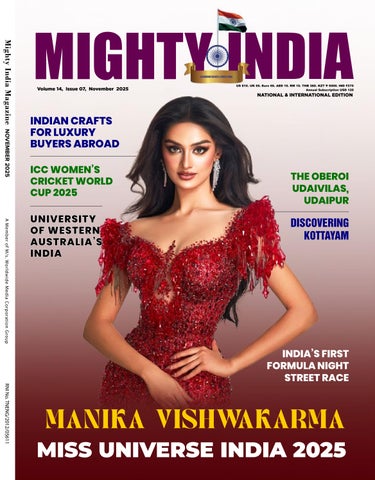
• Miss Universe India 2025 The Rise Of Manika Vishwakarma


• How Indian Crafts Are Finding Luxury Buyers Abroad
• Travis Scott’s ‘Circus Maximus Stadium Tour’ Ignites India In 2025




• The Resurgence Retail India Of Campa Cola Reviving The Great Indian Taste
• University Of Western Australia’s GameChanging Move Into India’s Higher Education
• ICC Women’s Cricket World Cup 2025 A Milestone For The Global Game
• The Oberoi Udaivilas, Udaipur India’s Crown Jewel Of Royal Hospitality
• MRGfUS @ Dr.KMD’s Royalcare Intl. Hospitals Group A Market Leader In Asia

INDIA
• Ola Electric’s Sankalp: Pioneering India’s Ev Revolution
164

176
• The Kamath Brothers Who Built Zerodha - India’s Largest Brokerage Firm




• The Heritage & Architecture Chenab Railway Bridge An Engineering Marvel Connecting Kashmir To The World
• Discovering Kottayam A Luxuriant jewel in the heart of Kerala

• The Radiance Of Diwali - A Celebration Of Light, Unity And Renewal
• Navi Mumbai Gears Up for India’s First Formula Night Street Race









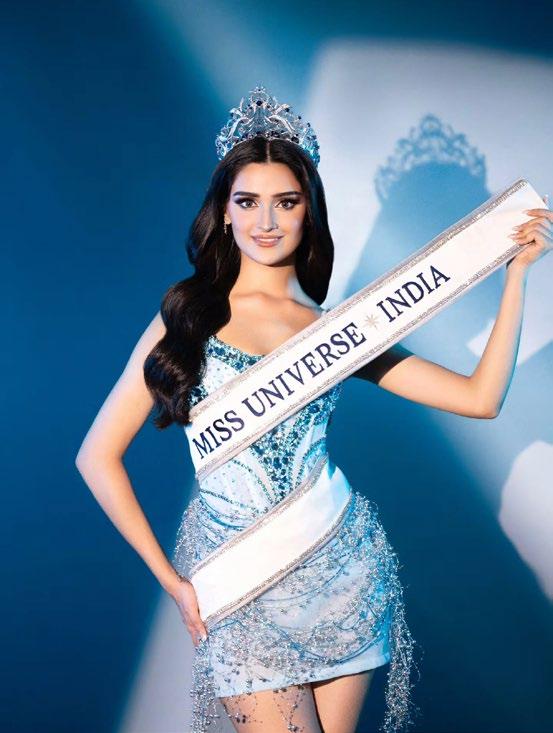
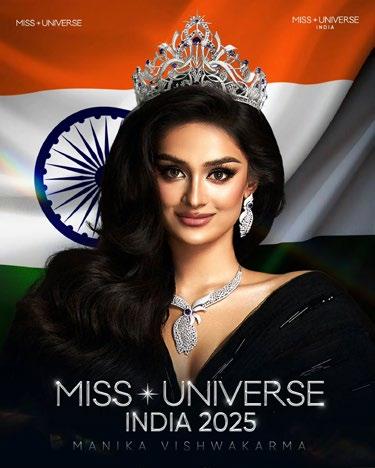
Miss Universe India 2025 marked a defining moment in Indian pageantry, celebrating a new generation of women who balance intelligence, purpose, and presence. At the centre of this year’s spectacular event stood Manika Vishwakarma, a young woman from Rajasthan whose blend of academic excellence, artistic talent, and social advocacy captured national attention. Her coronation in Jaipur was not just a personal victory but a powerful reflection of how modern pageants value substance as much as style, and conviction as much as charisma. As she steps forward to represent India at the global Miss Universe platform, her story has already begun inspiring countless young voices across the country.
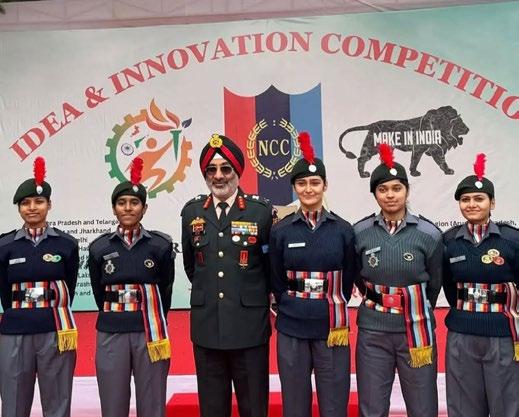
Born in 2003 in Sri Ganganagar, Rajasthan, Manika grew up in a culturally vibrant and academically driven environment. Her childhood was defined by a natural inclination towards the arts—she painted extensively, trained in classical dance, and participated in cultural activities with passion. Alongside her artistic interests, she also excelled in academics, showing a sharp curiosity for subjects that explored human behaviour, society, and governance. These early influences shaped her into a multidimensional individual who valued creativity just as deeply as intellectual growth. Her participation in the National Cadet Corps further strengthened her foundation, giving her a sense of discipline, leadership, and responsibility.
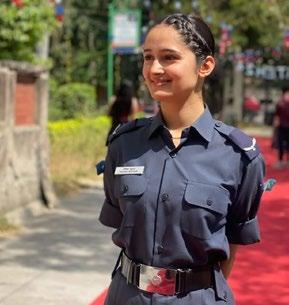

Manika moved to Delhi to pursue higher education, enrolling in Political Science and Economics at Mata Sundri College under the University of Delhi. Her academic path reflects her interest in understanding systems, social structures, and policy-making—subjects she often integrates into her public conversations. Even as she balanced demanding coursework, she continued nurturing her artistic side, participating in dance, painting, and cultural activities. This duality of academic focus and artistic expression later became one of her most defining strengths on the pageant stage, helping her stand out not just for her beauty but for her depth of thought and perspective.
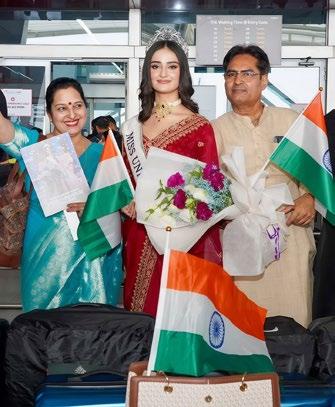
Her pageant journey began when she participated in Miss Universe Rajasthan, a regional platform that opened the doors to national recognition. Winning the state title made her realise that pageantry was a place where her creativity, intellect, and social awareness could coexist. It wasn’t merely a competition; it was a space where she could express her identity, her
mindset, and her vision for the future. As she advanced to the Miss Universe India stage, her focus sharpened and her preparation intensified. She embraced the challenge with discipline, understanding that modern pageantry demanded holistic development in communication, stage presence, fitness, and emotional intelligence.




One of the most compelling aspects of Manika’s pageant journey is her advocacy platform, Neuronova, which she founded long before winning her national title. Neuronova is dedicated to promoting awareness around neurodiversity and ensuring that individuals with ADHD, dyslexia, and other cognitive variations receive understanding and support rather than stigma. Her interest in neurodivergence arose through personal interactions and observations of peers who struggled to navigate rigid academic and social structures. Through Neuronova, she aims to encourage early identification, inclusive education, and positive framing of neurodivergent traits as strengths. Her purpose-driven advocacy distinguishes her from many contemporaries and adds a meaningful layer to her public persona.

The grand finale of Miss Universe India 2025 took place in Jaipur, a city known for its majestic architecture and cultural richness. The venue was transformed into an immersive visual experience, blending traditional motifs with modern aesthetics. Under shimmering lights and vibrant staging, 48 contestants from across India came together to compete for the national title. The event unfolded across multiple segments, including the introduction round, personal interview, swimwear and fitness round, evening gown showcase, and the final question-and-answer session. Each segment tested not just appearance but communication, personality, poise, and the ability to deliver under pressure.


Manika’s performance throughout the competition displayed consistency, confidence, and clarity. Her personal interview left a strong impression on the judges, earning her the title of Best in Personal Interview. Her communication skills, sincerity, and thoughtful responses made her stand out immediately. She also won the subtitle award for Miss Beautiful Smile, reflecting her natural charm and warmth. Her evening gown walk demonstrated elegance, with her calm movements and graceful presence reflecting both her artistic training and inner confidence. However, it was the final question-and-answer round that truly shaped her victory. Her answer was not rehearsed or mechanical—it was genuine, insightful, and delivered with poise, showcasing her ability to think critically while remaining composed.
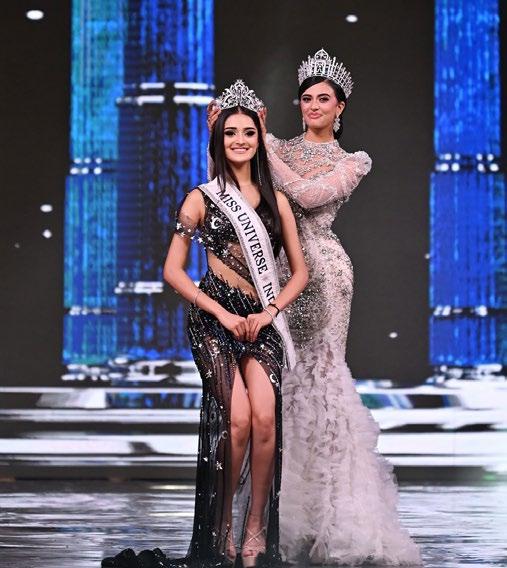
As the final moments approached and the tension in the hall grew, Manika stood on stage with remarkable composure. When her name was announced as Miss Universe India 2025, the audience erupted with applause. The crown was placed on her head as she took her first walk as India’s new titleholder, her expression reflecting joy, gratitude, and a deep sense of purpose. It was not merely a win—it was the culmination of years of hard work, passion, and self-belief. Her crowning moment symbolised the beginning of a new chapter, one where she steps into national and international responsibilities with confidence and clarity.


Manika brings a rare balance of academic depth, artistic expression, emotional intelligence, and authentic advocacy. Her educational background gives her a broad worldview, allowing her to speak with confidence on topics that matter globally. Her creative pursuits strengthen her stage presence and styling decisions, giving her an intuitive understanding of performance and aesthetics. Her emotional intelligence enables her to handle stress and connect with diverse audiences, while her advocacy through Neuronova showcases her commitment to meaningful social change. These qualities combined make her a strong representative for India on the international Miss Universe stage.

Manika’s victory represents a shift in Indian pageantry, highlighting how beauty queens today embody multifaceted strengths. Her rise from a non-metro city emphasises that talent and ambition exist everywhere, not just in major urban centres. As a college-going student, she shows that academic commitment and pageantry can coexist successfully, inspiring young women to pursue multiple passions simultaneously. Her advocacy underlines the evolving expectations of beauty queens to champion social causes with sincerity and long-term intention. On the global platform, her presence reinforces India’s reputation for producing strong, articulate, purpose-driven representatives.




As she prepares for the Miss Universe 2025 competition, Manika’s journey enters a more intensive phase. Her preparation will include advanced communication training, international grooming, fitness routines, wardrobe planning, cultural representation strategies, and mental resilience development. Alongside this, she aims to strengthen Neuronova and expand its reach, ensuring her advocacy continues to evolve. Beyond pageantry, she aspires to explore opportunities in public policy, creative arts, and social impact, reflecting her long-term vision to contribute meaningfully to society.
Manika Vishwakarma’s journey to becoming Miss Universe India 2025 is a story of discipline, determination, and depth. Her life reflects the strength of balancing academics, creativity, advocacy, and ambition. As she moves towards representing India on the global stage, she carries with her not just a crown but the hopes, pride, and admiration of a nation. Her win signals a new direction in Indian pageantry—one that values authenticity, substance, and purpose just as much as beauty and performance. Through her work, voice, and vision, Manika is set to become an influential figure far beyond the world of pageants, inspiring the next generation to dream boldly and pursue their goals with sincerity and passion.


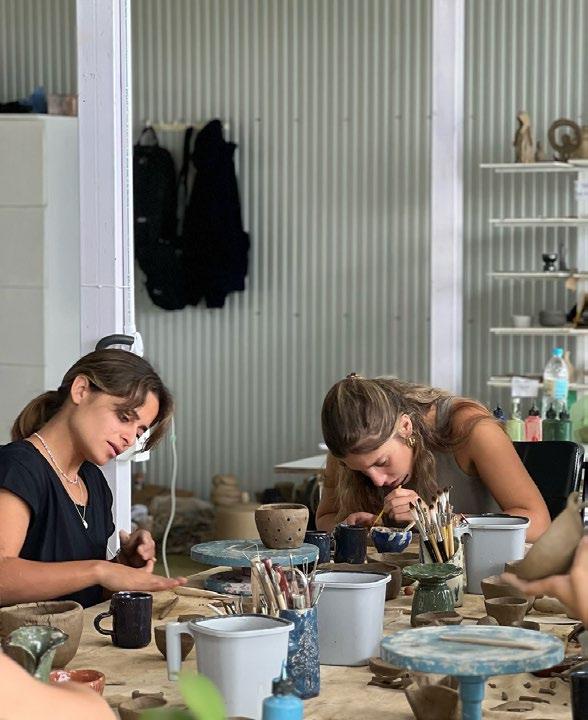



In the heart of Rajasthan, a weaver sits at a centuries-old loom, threading vibrant silk through intricate patterns that tell stories of a bygone era. In a small village in Odisha, a craftsman hammers delicate silver filigree into ethereal jewellery, each piece a testament to generations of skill. These scenes of Indian craftsmanship, rooted in tradition and honed over centuries, are no longer confined to local markets or tourist bazaars. Today, Indian handicrafts are captivating luxury buyers across the globe, finding their place in high-end boutiques, designer showrooms, and the homes of discerning collectors from New York to Dubai.
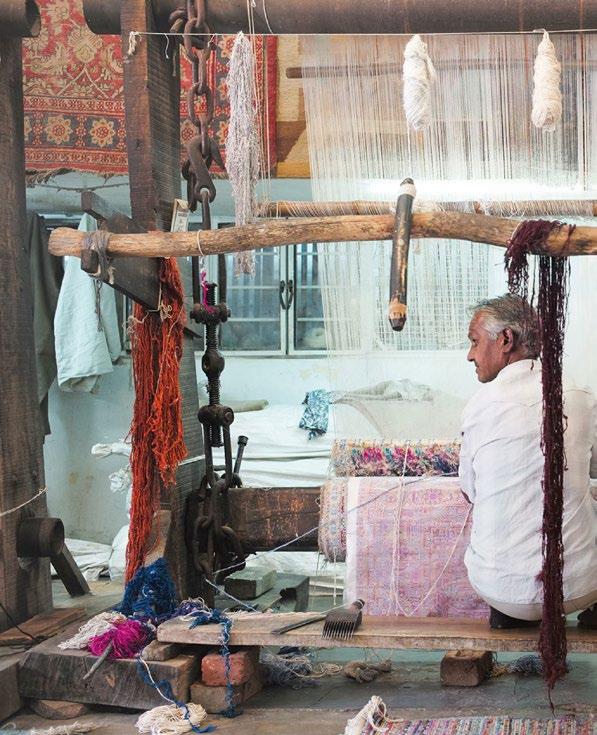
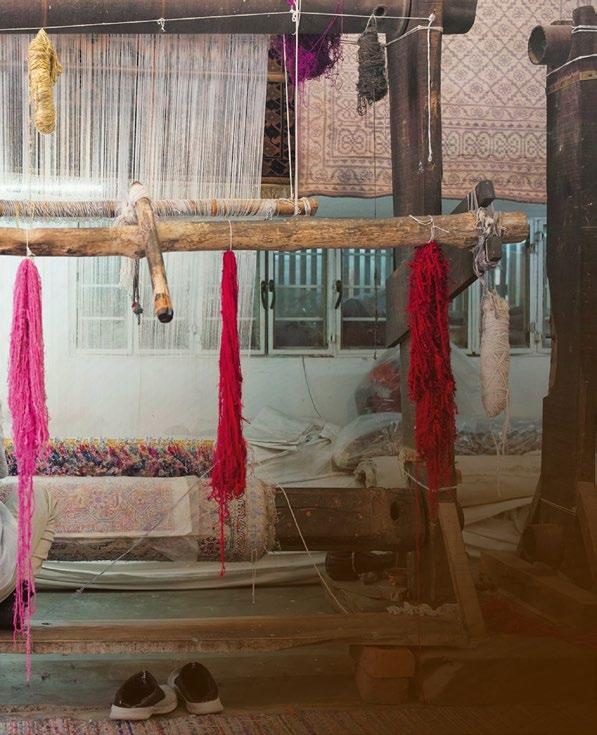
The allure of Indian crafts lies in their unique blend of heritage, artistry, and authenticity. From the handwoven Banarasi sarees of Varanasi to the hand-painted Madhubani art of Bihar, these creations are more than mere objects—they are cultural narratives, woven, carved, or painted with stories of India’s diverse traditions. This resonance with authenticity is what’s driving a growing international demand for Indian crafts in the luxury market, where buyers seek exclusivity, sustainability, and a connection to something timeless.
The journey of Indian crafts to international luxury markets has been fuelled by a confluence of factors. First, there’s the global shift toward sustainable and ethically sourced products. Luxury buyers, increasingly conscious of the environmental and social impact of their purchases, are drawn to handmade crafts that embody slow, intentional production. Unlike mass-produced goods, a handembroidered Pashmina shawl or a block-printed Jaipur textile carries the mark of its maker, offering a story of human effort and cultural legacy. This aligns perfectly with the values of high-networth consumers who prioritize uniqueness over uniformity.
Indian artisans have also benefited from strategic efforts to bridge the gap between rural workshops and global markets. Organizations like the All India Artisans and Craftworkers Welfare Association (AIACA) and initiatives like Dastkar and Paramparik Karigar have played a pivotal role in connecting artisans with international designers and buyers. Trade fairs like India Design ID and international platforms like Maison&Objet in Paris have showcased Indian crafts to global audiences, earning them a place in luxury retail spaces. For instance, brands like Good Earth and Jaypore have successfully positioned Indian textiles, pottery, and jewellery as premium offerings, appealing to buyers in Europe, the Middle East, and the United States.





What makes Indian crafts particularly appealing to luxury buyers is their exclusivity. A handcrafted Kashmiri carpet, with its intricate knots and vibrant dyes, can take months to complete, ensuring that no two pieces are identical. Similarly, the painstaking process of creating a Pattachitra painting or a Bidriware metal inlay piece guarantees a level of rarity that resonates with collectors who value oneof-a-kind creations. This exclusivity is amplified by the growing trend of bespoke craftsmanship, where artisans collaborate with international designers to
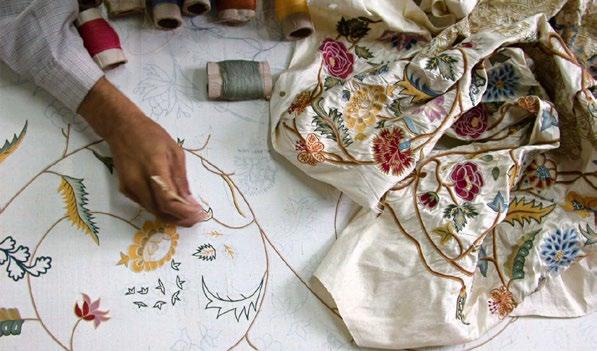
create custom pieces tailored to elite tastes. Take, for example, the resurgence of handwoven Indian textiles in global fashion. Designers like Sabyasachi Mukherjee and Anita Dongre have elevated traditional weaves like Chanderi and Kanjeevaram to haute couture status, with their collections gracing runways in Paris and Milan. International fashion houses, too, are taking note. Brands like Dior and Hermès have incorporated Indian embroidery techniques, such as zardozi and chikankari, into their collections, blending them with contemporary silhouettes to create pieces that command premium prices.
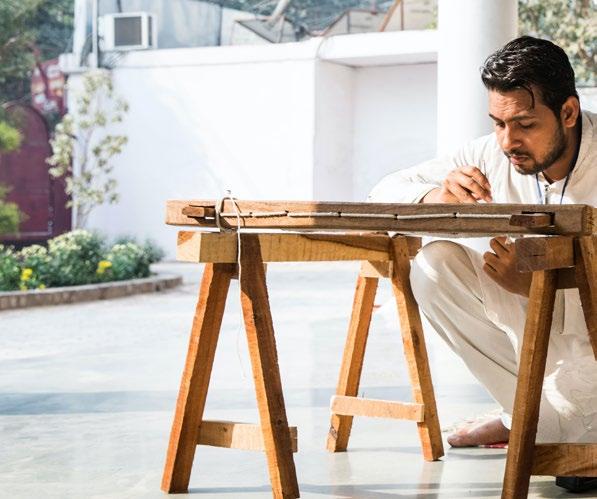

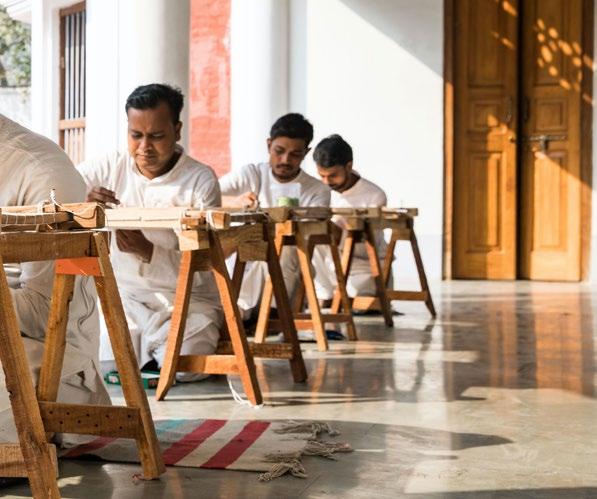
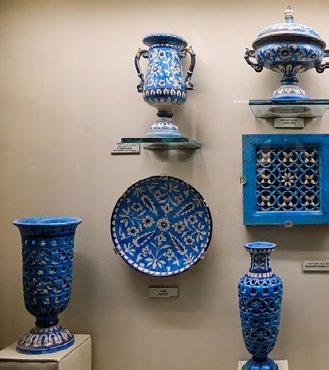
A key factor in the global appeal of Indian crafts is their ability to tell a story. Luxury buyers aren’t just purchasing a product; they’re investing in a narrative. A Kantha-stitched quilt from West Bengal, for instance, isn’t just a textile—it’s a canvas of recycled saris, stitched with patterns that reflect the artisan’s life and community. Similarly, the vibrant blue pottery of Jaipur, with its Persian-inspired motifs, carries the legacy of Mughal craftsmanship. These stories, when shared through thoughtful branding and marketing, create an emotional connection with buyers, transforming crafts into heirlooms.
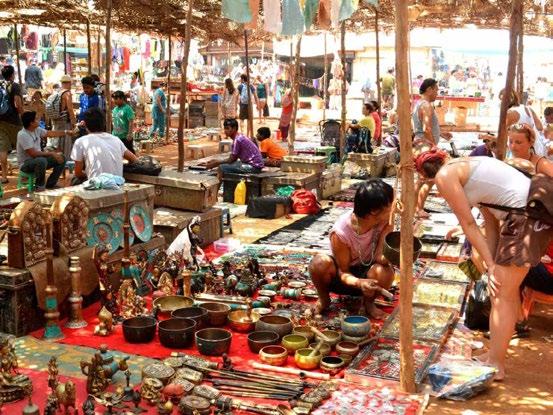
Social media and e-commerce platforms have further amplified this storytelling. Artisans and brands are leveraging platforms like Instagram to showcase the process behind their creations, from the dyeing of threads to the final polishing of brassware. There has been a growing appreciation for Indian crafts, with people sharing images of Phulkari dupattas and Dhokra figurines displayed in chic London lofts or Dubai penthouses on social media. This digital visibility has helped Indian crafts transcend geographical boundaries, reaching buyers who might never visit a village mela but are eager to own a piece of India’s cultural heritage.



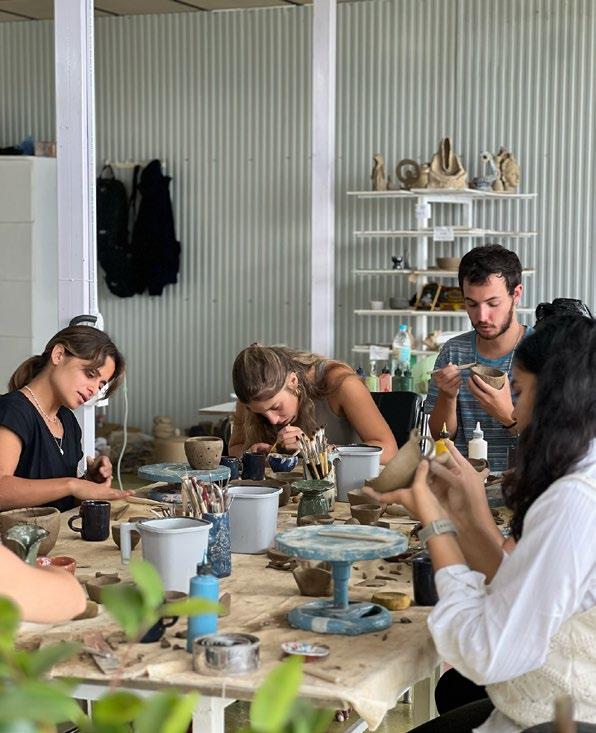
Despite their growing popularity, Indian artisans face significant challenges in accessing the luxury market. Limited access to capital, inconsistent quality control, and competition from machine-made imitations can hinder their ability to scale. Moreover, many artisans lack the resources to navigate international markets or meet the stringent standards of luxury retail. To address these issues, government initiatives like the Handicrafts Mega Cluster Scheme and partnerships with e-commerce giants like Amazon and Flipkart are providing artisans with training, funding, and global exposure. Another challenge is ensuring fair compensation for artisans. While luxury buyers may pay thousands of dollars for a handcrafted piece, the artisans themselves often receive only a fraction of the final price. Ethical sourcing and fair-trade certifications are helping to bridge this gap, ensuring that the
creators of these exquisite works are adequately rewarded for their skill and time.
As the global luxury market continues to evolve, Indian crafts are poised to play an even bigger role. The rise of conscious consumerism, coupled with a growing appreciation for cultural heritage, has created a perfect storm for Indian artisans to shine. From the intricate mirror work of Kutch to the vibrant bandhani tie-dye of Gujarat, these crafts are not just surviving— they’re thriving, redefining luxury in a world that craves authenticity. For Indian artisans, this is more than a commercial triumph; it’s a celebration of their legacy. As their creations adorn the homes and wardrobes of luxury buyers abroad, they’re weaving India’s rich cultural tapestry into the global narrative—one thread, one stroke, one hammer at a time.
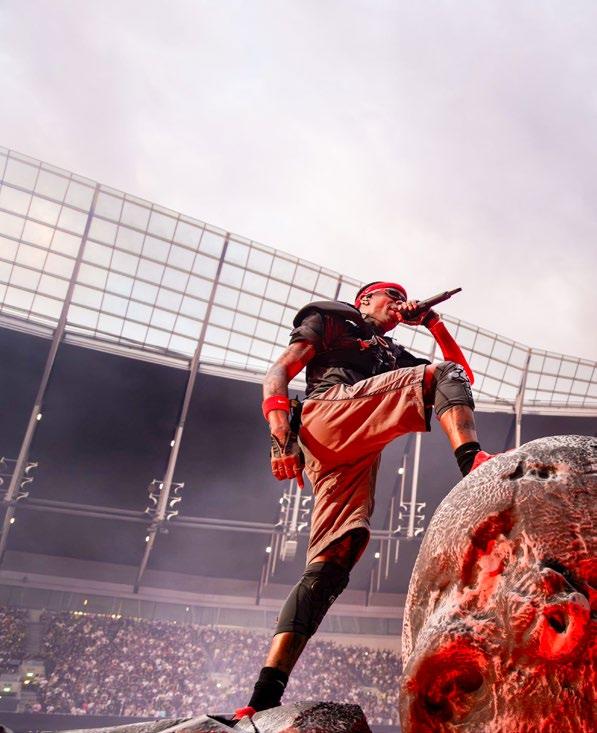
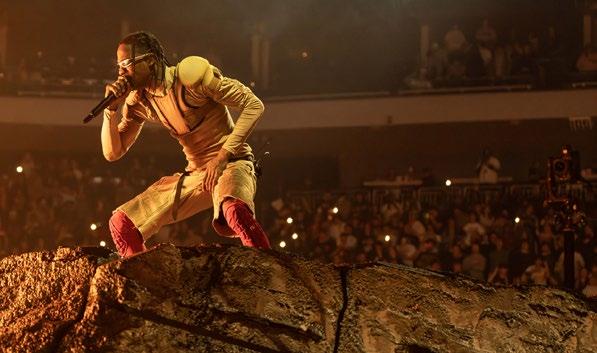
In a seismic moment for India’s music scene, global hip-hop titan Travis Scott is set to bring his record-shattering ‘Circus Maximus Stadium Tour’ to the subcontinent in October and November 2025, marking his debut performances in the country. With sold-out shows in Delhi and a freshly announced Mumbai finale, this tour is poised to redefine live music in India, blending high-octane performances, psychedelic visuals, and a cultural milestone for hip-hop fans. From the pulsating beats of “UTOPIA” to the raw energy of “SICKO MODE,” Scott’s arrival is nothing short of a revolution for Indian audiences craving global music experiences.
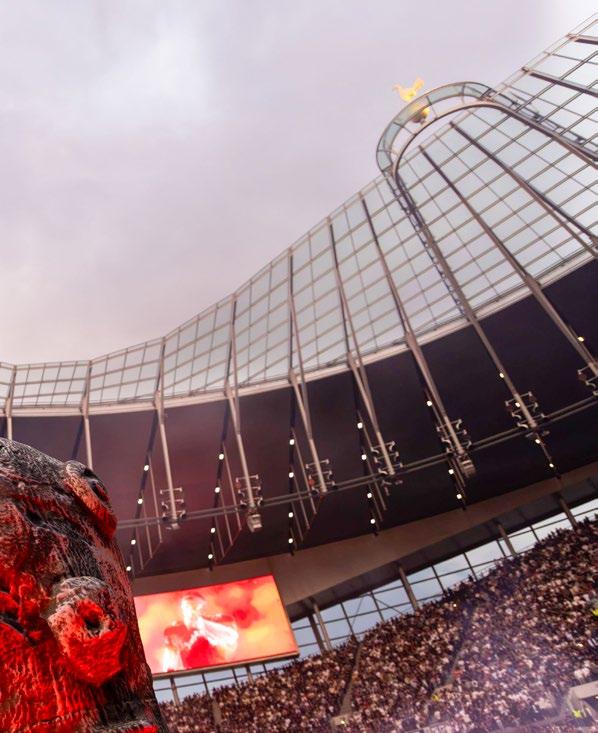
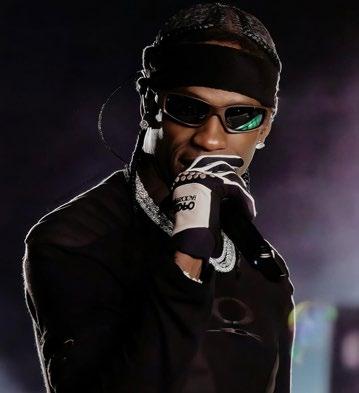
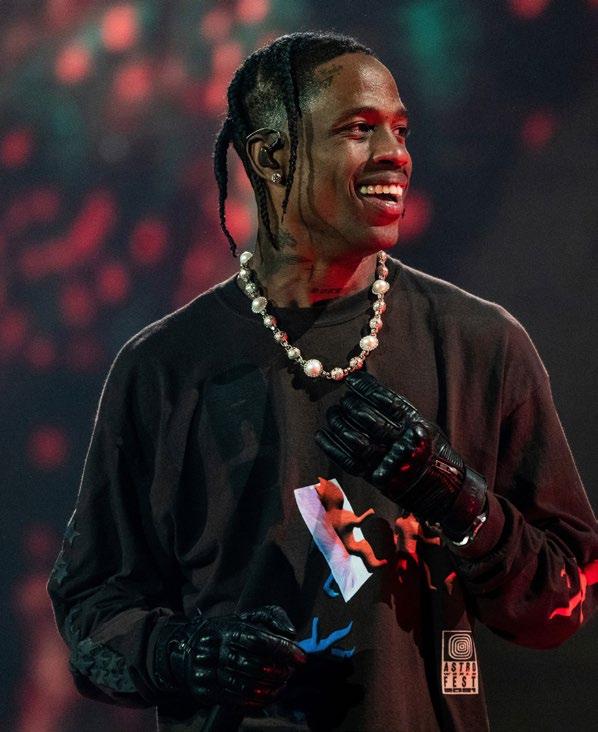
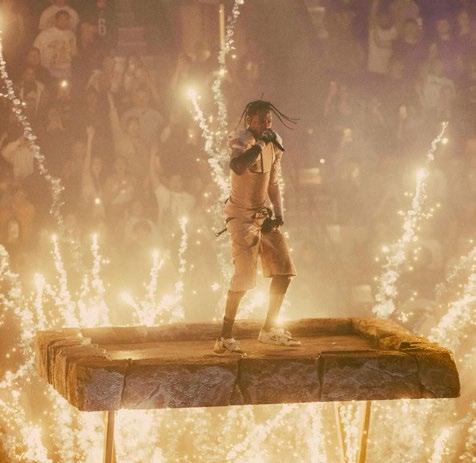
Travis Scott, the Grammy-nominated rapper, producer, and cultural icon, has built a legacy on larger-than-life performances that transcend traditional concerts. His ‘Circus Maximus World Tour’, an extension of a global run that’s grossed over $209 million and sold 1.7 million tickets, is a testament to his universal appeal. India, with its burgeoning hip-hop culture and a young, vibrant fanbase, is the perfect stage for Scott to make history. The tour arrives at a time when Indian audiences are embracing global genres like never before, with events
like Lollapalooza India and Rolling Loud setting the stage for this blockbuster moment. Scheduled for October 18 and 19, 2025, at Delhi’s Jawaharlal Nehru Stadium and November 19, 2025, at Mumbai’s Mahalaxmi Racecourse, these shows are a collaboration between BookMyShow Live and Live Nation, two powerhouses ensuring a worldclass experience. The Delhi dates sold out within hours of tickets going live on April 5, 2025, prompting a second show to meet the unprecedented demand. Mumbai’s addition reflects the insatiable appetite of Indian fans, many of whom are traveling cross-country or even internationally to witness Scott’s magic.
If you’ve ever seen clips of Scott’s performances, you know they’re not just concerts—they’re immersive spectacles. The Circus Maximus show is a five-hour sensory overload, kicking off at 5 PM with a mix of pyrotechnics, lasers, giant LED screens, and 3D visuals that transform stadiums into otherworldly arenas. Fans can expect a setlist spanning Scott’s discography, from Rodeo anthems like “Antidote” to Astroworld bangers like “Goosebumps” and the chart-topping tracks of UTOPIA. Surprise guest artists—potentially global stars or Indian rap talents—could elevate the energy, as Scott is known for pulling out all the stops.
The vibe? Think mosh pits, crowd surfing, and a collective roar as Scott commands the stage with his signature intensity. Standing zones on the field will pulse with energy, while seated sections and premium lounges (offering gourmet food, dedicated entries, and alcohol) cater to diverse audiences. With an age limit of 10+, the shows are designed to welcome a broad spectrum of fans, though parents should note the highenergy, sometimes chaotic atmosphere.
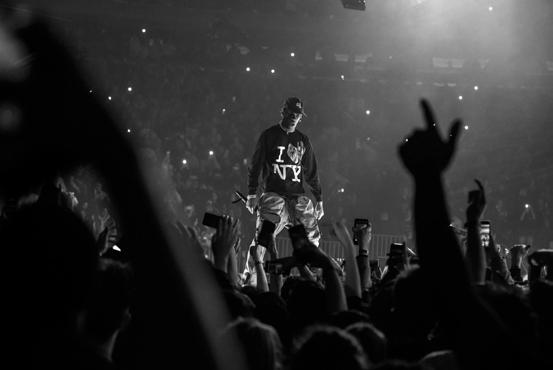
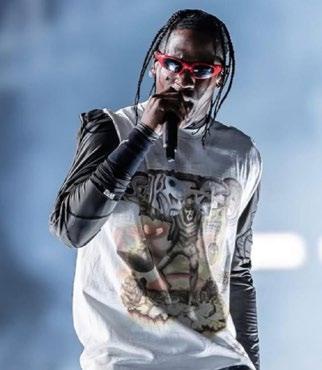
Travis Scott’s India debut is more than a concert—it’s a cultural pivot. Hip-hop in India has exploded over the past decade, with homegrown artists like Yo Yo Honey Singh, Badshah, and emerging underground rappers carving out a vibrant scene. Yet, global superstars of Scott’s calibre rarely tour here, making this a landmark event. It signals India’s growing clout in the global music market, where fans have long demanded the same headline acts that dominate Western festivals.
The tour also highlights the power of India’s youth, who’ve turned social media platforms into a buzzing hub of excitement. Fans are organizing group trips from cities like Hyderabad, Bangalore, and Kolkata, sharing resale ticket tips, and hyping the event as a “once-in-a-lifetime” moment. Fans trading tickets at face value or below, reflect a community spirit that amplifies the event’s impact. This isn’t just a concert— it’s a movement, uniting diverse fans in a shared love for music and culture.
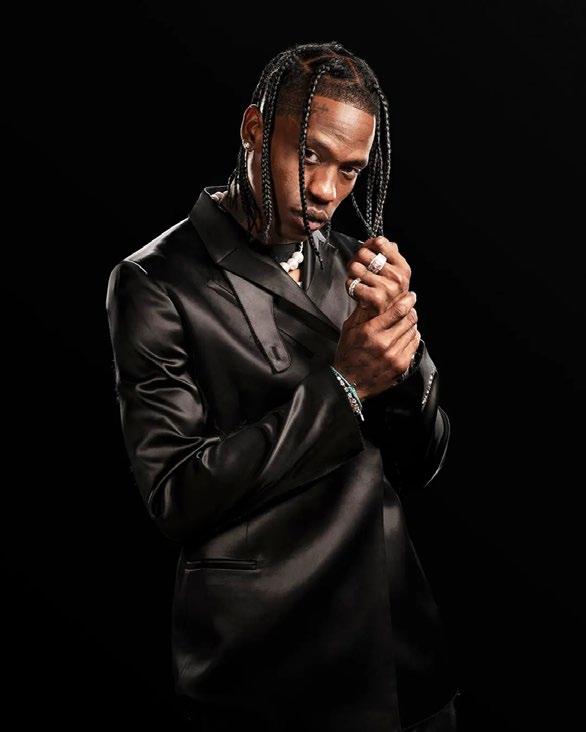
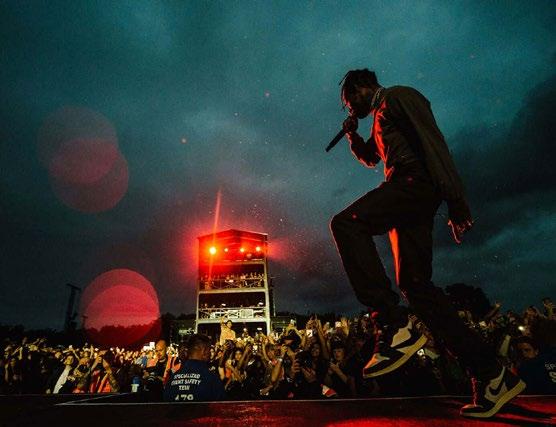
Tickets for the Delhi shows, priced between ₹5,000 (Silver Sitting) and ₹30,000 (Premium Lounge), vanished quickly, with Gold Standing (~₹12,500) and Silver Standing (~₹6,500–₹15,000) zones being the hottest commodities. Mumbai’s tickets, which went on sale July 19, 2025, followed a similar trajectory. For those still hunting, resale platforms like list options, though prices can climb (e.g., Block B seats at ₹18,000+). Social media posts reveal fans selling spares at MRP, but buyers should verify sellers to avoid scams. Security will be tight, with bag checks and pat-downs ensuring safety. Attendees are advised to arrive early, as gates open hours before the 5 PM start. The buzz on social media suggests fans are planning outfits, pre-show meetups, and even carpooling to venues, turning the concerts into a festival-like experience.
Travis Scott’s ‘Circus Maximus Stadium Tour’ isn’t just a win for fans—it’s a bold statement about India’s place in the global music landscape. As the country hosts more international acts, from Coldplay to Diljit Dosanjh’s sold-out tours, Scott’s shows elevate the stakes. They prove that Indian audiences are ready for the world’s biggest stars, and promoters like BookMyShow Live are ready to deliver. For those lucky enough to snag tickets, prepare for a night of pure adrenaline, where Scott’s larger-than-life persona meets India’s unstoppable energy. For everyone else, keep an eye on BookMyShow for updates—rumours of livestreams or additional surprises could still emerge. One thing’s certain: October and November 2025 will mark a new chapter for hip-hop in India, and Travis Scott is lighting the fuse.




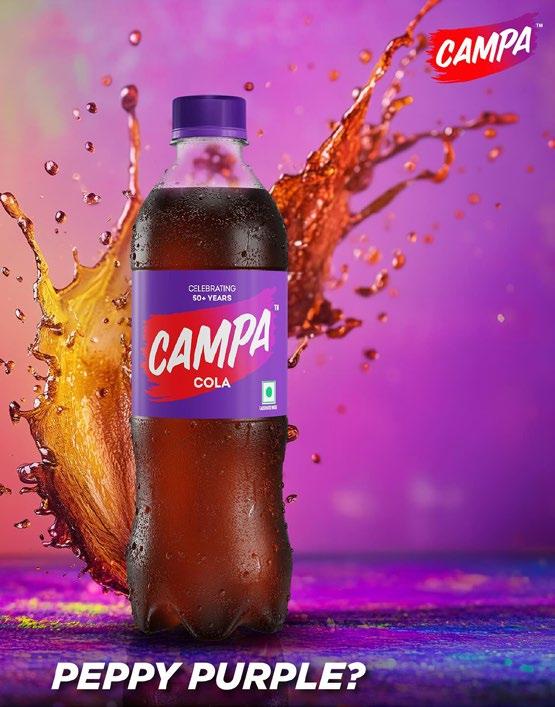
Campa Cola, a name synonymous with nostalgia for many Indians, is making a bold comeback in the country's bustling beverage market. Once a dominant force in the Indian soft drink industry during the 1970s and 1980s, Campa Cola faded into obscurity with the arrival of global giants like Coca-Cola and PepsiCo. However, under the stewardship of Reliance Consumer Products Limited (RCPL), a subsidiary of Reliance Retail Ventures, the iconic brand is being reimagined for a new generation while retaining its legacy of "The Great Indian Taste." This article explores the history, decline, and remarkable revival of Campa Cola, highlighting its strategic relaunch and its potential to disrupt India's $4.6 billion soft drink market.
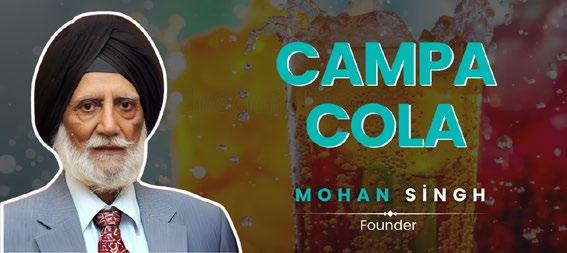
Campa Cola’s story begins with the Pure Drinks Group, a pioneer in India’s soft drink industry. Founded by Padma Shri Late Sardar Mohan Singh, Pure Drinks introduced Coca-Cola to India in 1949, serving as its sole manufacturer and distributor until the 1970s. When government policies in 1977 forced Coca-Cola to dilute its equity stake and reveal its concentrate formula, the multinational exited India. Seizing the opportunity, Pure Drinks launched Campa Cola in the late 1970s, filling the void left by Coca-Cola.
Campa Cola quickly became a household name, capturing the imagination of Indian consumers with its fruity, spicy flavour and vibrant marketing. The brand’s slogan, “The Great Indian Taste,” resonated deeply, appealing to a sense of national pride. Alongside its flagship cola, Campa introduced variants like Campa Orange and Campa Lemon, which became staples at birthday parties, family gatherings, and local shops. Its advertisements, featuring catchy jingles and youthful imagery—such as a young Salman Khan sailing on a yacht— cemented its cultural significance. For nearly
15 years, Campa Cola and the Pure Drinks Group dominated the Indian soft drink market, operating major bottling plants in Mumbai and Delhi. However, the liberalization of the Indian economy in 1991 under Prime Minister P.V. Narasimha Rao changed the landscape. The reentry of Coca-Cola and the arrival of PepsiCo, backed by aggressive marketing and expansive distribution networks, overshadowed Campa Cola. By the early 2000s, the brand’s bottling plants in Delhi had shut down, and Campa faded from mainstream markets, with limited production continuing in regions like Haryana.



Campa Cola's decline was not due to a lack of popularity but rather the overwhelming might of multinational competitors. Coca-Cola and PepsiCo invested heavily in marketing campaigns, celebrity endorsements, and chiller infrastructure, creating formidable barriers to entry. For instance, CocaCola boasts nearly 4 million retail outlets across India, while PepsiCo's franchisee, Varun Beverages, maintains approximately 1 million Visi coolers nationwide. Campa struggled to keep pace. Its distribution network, while significant in its heyday, could not match the scale of the global giants. Additionally, some consumers felt Campa Cola was an "imitation brand" compared to its predecessor, Coca-Cola. By the late 1990s, Campa Cola had largely disappeared from urban markets, relegated to nostalgic memories for those who grew up in the 1970s and 1980s.
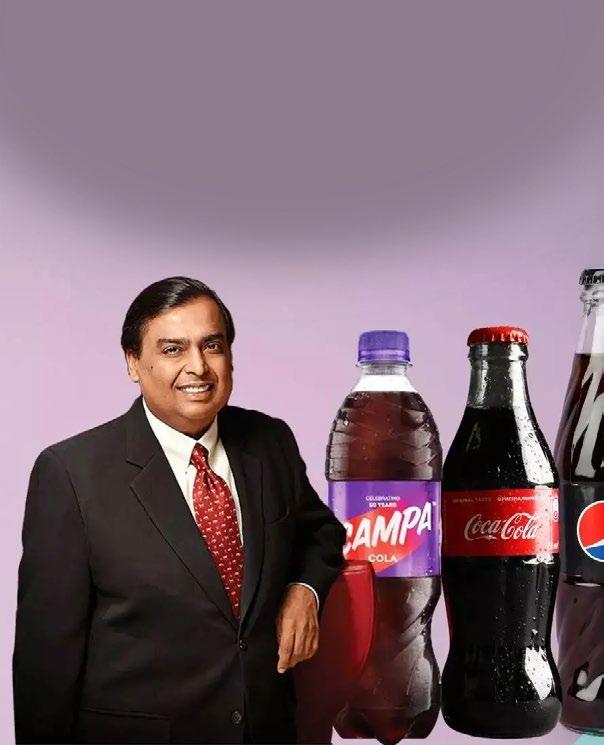
In August 2022, Reliance Industries, led by billionaire Mukesh Ambani, acquired Campa Cola from Pure Drinks Group for ₹22 crore (approximately $2.7 million). This acquisition marked the beginning of Campa’s revival, with Reliance Consumer Products Limited (RCPL) announcing the brand’s relaunch on March 9, 2023. The relaunched Campa portfolio includes three sparkling beverage flavours: Campa Cola, Campa Lemon, and Campa Orange, available in multiple pack sizes (200ml, 500ml, 600ml, 1l, and 2l) to cater to various consumption occasions.

Reliance’s strategy is multifaceted, combining aggressive pricing, enhanced retailer incentives, and a robust distribution network to challenge Coca-Cola and PepsiCo. Here are the key pillars of Campa’s resurgence:
• AGGRESSIVE PRICING: Campa Cola’s relaunch introduced a game-changing price point: a 200ml PET bottle priced at ₹10, significantly lower than the ₹20 price of comparable Coca-Cola and Pepsi products. This pricing strategy targets India’s price-sensitive consumers, particularly in rural markets, where 68% of consumers are concerned about inflation’s impact on household budgets. The competitive pricing has already forced rivals to respond, with CocaCola reducing the price of its glass bottles to ₹10 to retain market share.
• RETAILER INCENTIVES: Reliance has disrupted the market by offering retailers higher margins—6–8% compared to the 3.5–5% typically provided by Coca-Cola and Pepsi. This has led to Campa gaining prime shelf space in kirana stores and small retail outlets, which are critical to India’s fragmented retail sector. As a result, retailers are actively pushing Campa, reorganizing shelf space to prioritize the brand.
• NOSTALGIA AND NATIONALISM: Campa’s marketing leverages its legacy as a homegrown brand. The rebranding, designed by Elephant Design, emphasizes “50 years of celebration” and “The Great Indian Taste,” appealing to both older consumers with fond memories and younger ones seeking a crisp, refreshing taste. The visual identity, featuring a dynamic swoosh and a confident logotype, balances modernity with heritage. The brand’s association with Indian cricket, as the official partner for BCCI’s India home cricket season from 2024–2026, further amplifies its reach among youth audiences.
• DISTRIBUTION AND INFRASTRUCTURE: Reliance is leveraging its unmatched retail network, including Reliance Fresh, Reliance Smart, and JioMart, to ensure Campa’s availability across India. The company has also partnered with regional players, such as Gujarat-based Sosyo Hajoori Beverages, acquiring a 50% stake to bolster its beverage portfolio. Additionally, RCPL plans to invest ₹500–700 crore to establish bottling plants, with a ₹1,000 crore manufacturing unit announced for Begusarai, Bihar, to enhance production capacity and address supply constraints.
• PRODUCT DIVERSIFICATION: Beyond its core offerings, Campa has introduced new products like Campa Energy, a caffeinated beverage designed for on-the-go consumers. The flexible packaging system allows for future variants, including healthy or sporty options, ensuring the brand remains relevant in a dynamic market.



Campa Cola’s relaunch has already made waves. In its first full year of operations (FY 2023–24), RCPL reported ₹400 crore in sales for Campa, a remarkable feat for a revived brand. Distributors have noted strong demand, with 20–45 day wait times for stock in some regions, and Campa is being dubbed “sold out for summer” in certain areas. The brand’s aggressive tactics have prompted competitors to cut prices, offer combos, and launch new

campaigns to defend their market share. However, Campa faces significant challenges. Breaking into a market dominated by CocaCola and PepsiCo, which have decades of brand loyalty and infrastructure, is no small feat. Building a robust chiller network and maintaining consistent supply chains will be critical. Additionally, while nostalgia is a powerful tool, Campa must win over younger consumers who have grown up with global brands. Reliance’s long-term commitment, as evidenced by its cricket sponsorships and planned investments, suggests it is prepared for a sustained battle

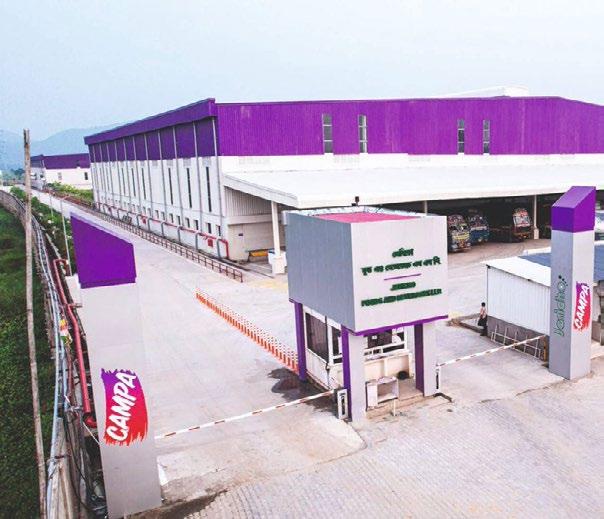





Campa Cola’s revival is more than a nostalgic comeback; it’s a strategic move by Reliance to disrupt India’s soft drink market and promote homegrown brands. By combining competitive pricing, retailer incentives, and a modernized brand identity, Campa is positioning itself as a formidable challenger to CocaCola and PepsiCo. The brand’s success will depend on its ability to scale distribution, maintain quality, and resonate with a new generation while honouring its rich heritage. As India’s beverage market continues to evolve, Campa Cola’s journey serves as a testament to the enduring power of nostalgia and the potential of indigenous brands to reclaim their place in a globalized world. With Reliance’s backing and a clear vision, Campa is poised to once again become a household name, offering consumers “The Great Indian Taste” in every sip.

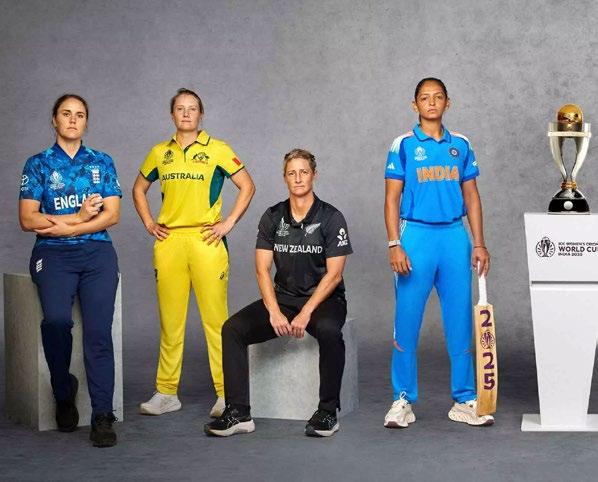
As the curtain rises on the 13th edition of the ICC Women’s Cricket World Cup, co-hosted by India and Sri Lanka from September 30 to November 2, 2025, women’s cricket stands at a pivotal moment. This tournament, featuring eight powerhouse teams and a recordbreaking prize pool of $13.88 million, underscores the sport’s explosive growth and its push toward parity with the men’s game. For India, hosting for the fourth time since 1978, the event evokes memories of near-misses, while Sri Lanka’s debut as co-host adds a fresh layer of regional pride. With 31 matches across five venues, the World Cup promises high-stakes drama, emerging talents, and potential upsets in a round-robin format where the top four advance to semifinals.
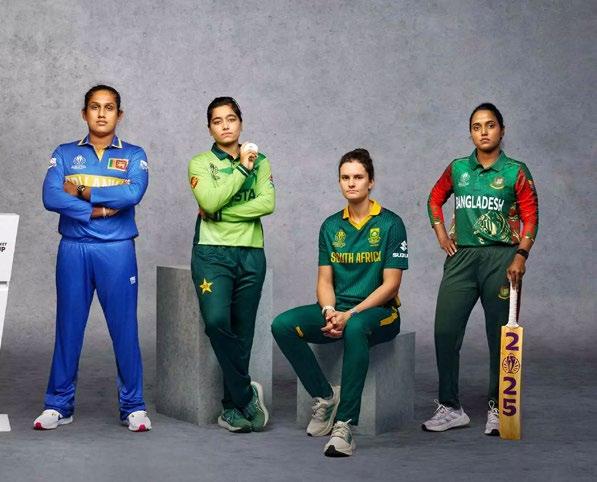
The eight contenders represent the pinnacle of women’s ODI cricket. Defending champions Australia, with seven titles to their name, enter as favourites, bolstered by their dominance in the 2022–2025 ICC Women’s Championship. England, four-time winners and 2022 runners-up, South Africa, New Zealand, and co-host Sri Lanka secured automatic spots through the same cycle. Hosts India join them directly, while Bangladesh and Pakistan earned their places via the intense 2025 Women’s World Cup Qualifier in Pakistan, where Bangladesh edged West Indies on net run rate for a dramatic qualification. Pakistan, led by all-rounder Fatima Sana, overcame challenges to book their ticket, setting the stage for their neutral-venue matches in Colombo due to geopolitical agreements.
Squads were finalized in August and September, blending veterans like Australia’s Alyssa Healy and Ellyse Perry with rising stars. India’s Harmanpreet Kaur captains a side eyeing their first title, while England’s Alice Capsey and South Africa’s Annerie Dercksen—2024’s ICC Emerging Cricketer of the Year—add youthful dynamism.

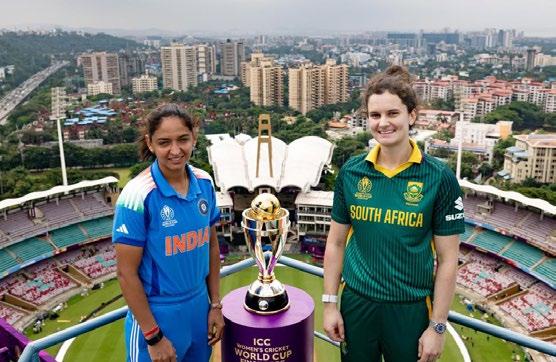

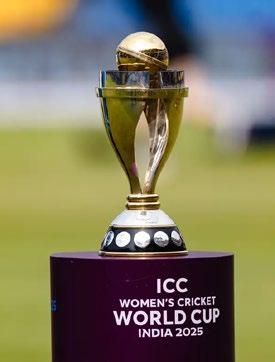
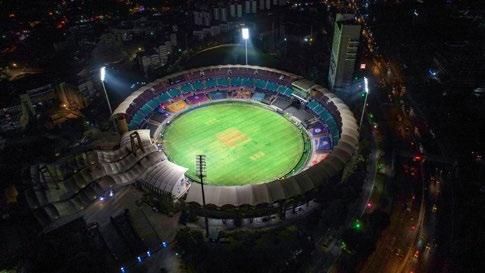
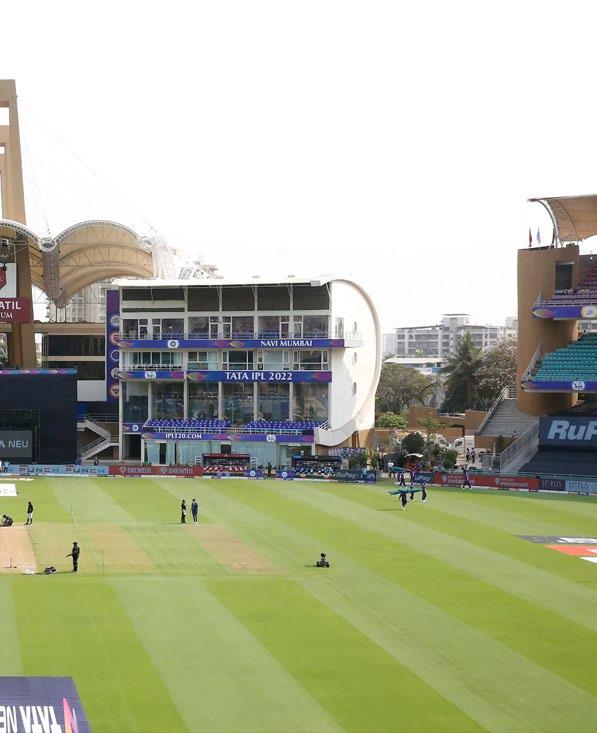
The tournament unfolds in a hybrid model across India and Sri Lanka to accommodate logistics, including Pakistan’s fixtures. Key venues include Assam Cricket Association Stadium in Guwahati (capacity 46,000, hosting up to five matches including India’s opener), Holkar Stadium in Indore, ACA-VDCA Stadium in Visakhapatnam, DY Patil Stadium in Navi Mumbai (replacing Bengaluru due to scheduling conflicts), and R. Premadasa Stadium
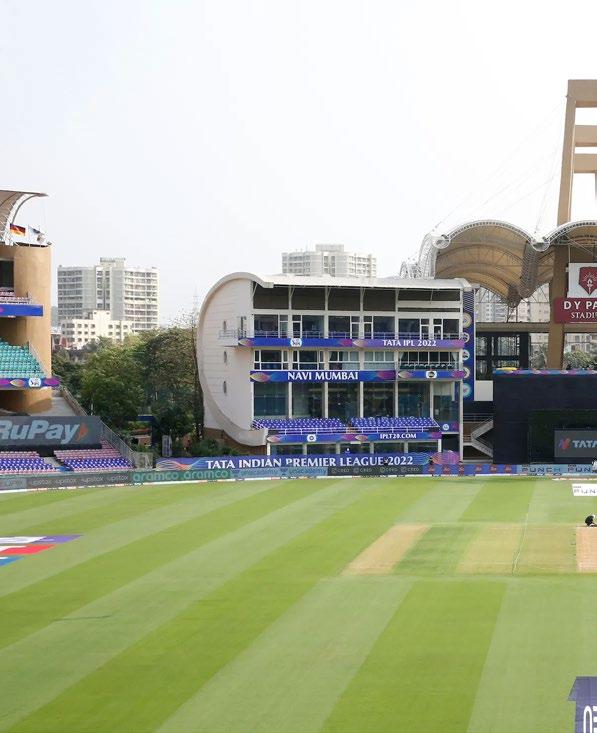
in Colombo, which could host up to 13 games and the final if Pakistan advances. The action kicked off on September 30 with India facing Sri Lanka in Guwahati, in what was an exciting fixture which set the tone for the rest of the tournament. Defending champions Australia face New Zealand in Indore on October 1, a matchup Sophie Devine downplays despite New Zealand’s 15-match ODI losing streak against them. High-voltage clashes like India vs. Pakistan on October 5 in Colombo and Australia vs. England promise fireworks. Semifinals are slated for October 29–30, with the final on November 2 in Navi Mumbai or Colombo.
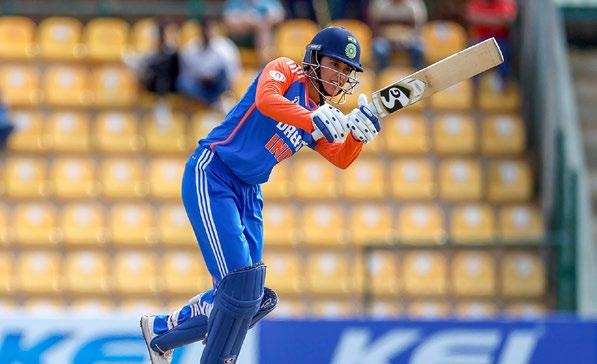
Australia’s depth makes them frontrunners, but challengers abound. India’s Smriti Mandhana and bowler Kranti Gaud, who took six wickets in England earlier this year, could shine on home pitches. England’s Lauren Bell and Capsey offer all-round threat, while Bangladesh’s Nishita Akter Nishi brings U19 World Cup pedigree. Pakistan’s uncapped Eyman Fatima, a U19 standout, and South Africa’s versatile Dercksen are breakout candidates. Bowlers like Australia’s Megan Schutt and India’s Sneh Rana will exploit subcontinental conditions favouring spin.
The round-robin ensures every match counts, with points table intrigue building toward knockouts. Warm-ups precede the league phase, and for the first time, an all-female panel of officials, led by G. S. Lakshmi, oversees proceedings.
The 2025 World Cup is more than a tournament; it’s a transformative moment for women’s cricket. The unprecedented $13.88 million prize pool, sets a global benchmark for equal pay in major team sports, aligning the women’s event with its male counterpart. This financial leap signals the ICC’s commitment to elevating the women’s game, ensuring players are rewarded commensurately with their skill and impact. The tournament’s visibility, amplified by broadcasts on Star Sports, JioHotstar, and global networks like Sky Sports, reaches an unprecedented audience, inspiring young girls to take up the sport.
As the last eight-team World Cup before potential expansion, it serves as a bridge to a more inclusive future, spotlighting emerging teams like Bangladesh and Sri Lanka alongside traditional giants. Recordbreaking attendance at India’s opener in Guwahati reflects growing fan investment, fuelled by initiatives like the trophy tour and an opening ceremony featuring Shreya Ghoshal’s anthem “Bring it Home.” By showcasing diverse talent and competitive spirit, the tournament dismantles stereotypes, cements women’s cricket as a mainstream spectacle, and lays the foundation for sustained growth in participation and infrastructure worldwide.


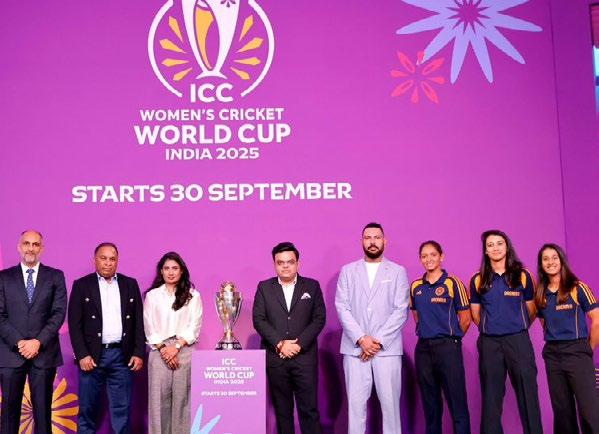

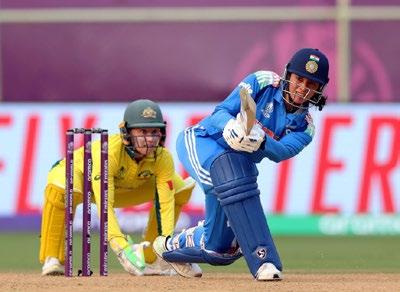




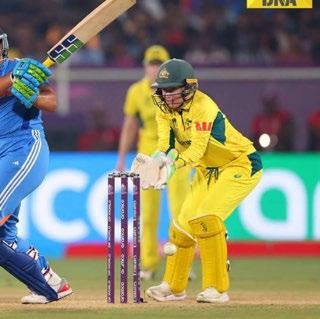
This edition marks the last with eight teams before potential expansion, amplifying its significance. The prize money surge—297% higher than 2022—reflects ICC’s commitment to equity, with winners earning a share that rivals men’s events. Broadcast on Star Sports and streamed on JioHotstar in India, plus global partners like Sky Sports, it reaches millions. The trophy tour, launched by ICC Chairman Jay Shah with legends like Mithali Raj, and an opening ceremony featuring Shreya Ghoshal’s anthem “Bring it Home,” set a festive tone which will be remembered fondly as a part of ICC Women’s Cricket history. India’s opener shattered attendance records, signalling packed stadiums ahead. As rainsoaked Guwahati witnessed resilience, the tournament embodies women’s cricket’s ascent: from underdogs to global icons, ready to inspire a new generation. Whether Australia defend their crown or an underdog like Bangladesh scripts history, the 2025 World Cup will etch indelible moments in the sport’s evolving narrative.
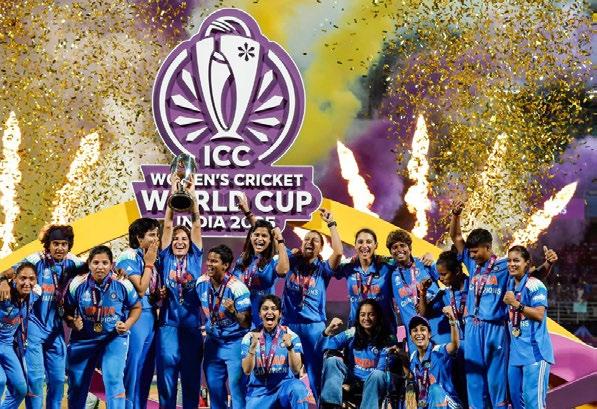
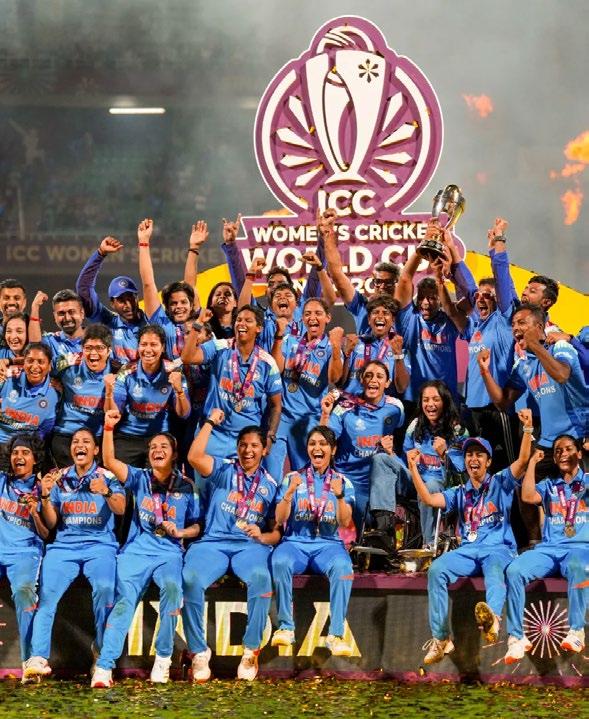
When India lifted the ICC Women’s Cricket World Cup in 2025, it wasn’t just a trophy that went up — it was every girl who ever picked up a cricket bat in a dusty gully, every mother who told her daughter she could dream bigger than her circumstances, every fan who had waited far too long for this moment. The victory marked a seismic shift, not only in Indian cricket, but in the global women’s game. Co-hosted by India and Sri Lanka, the 2025 edition delivered spectacle, strategy, and staggering storylines, but nothing matched the sheer magnetism of India’s journey to the crown. India walked into the tournament with expectation, yes — but also with something deeper: hunger. A collective feeling that 2025 had to be the year. The squad, a perfect blend of seasoned warriors and fearless young guns, displayed a clarity of intent right from the opener. Their group-stage dominance didn’t just come from good form; it came from a team
completely locked into their purpose. Each match felt like a chapter in a destiny already written.
Harmanpreet Kaur captained this campaign like a woman who had waited her entire life for this script. Calm in chaos and electric in big moments, she became the emotional fulcrum of the squad. Her aggressive instincts, sharp field placements, and the ability to lift her team when matches got tense gave the 2025 campaign its signature heartbeat. Her knock in the semifinal — a defiant innings stitched with resilience and experience — instantly entered “all-time great” territory.
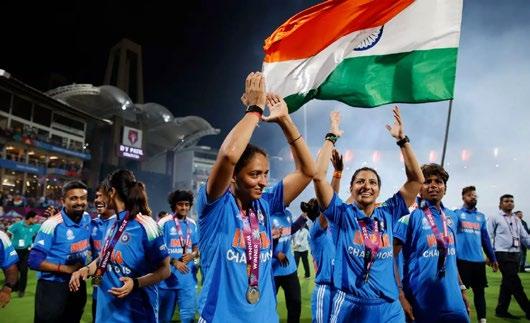
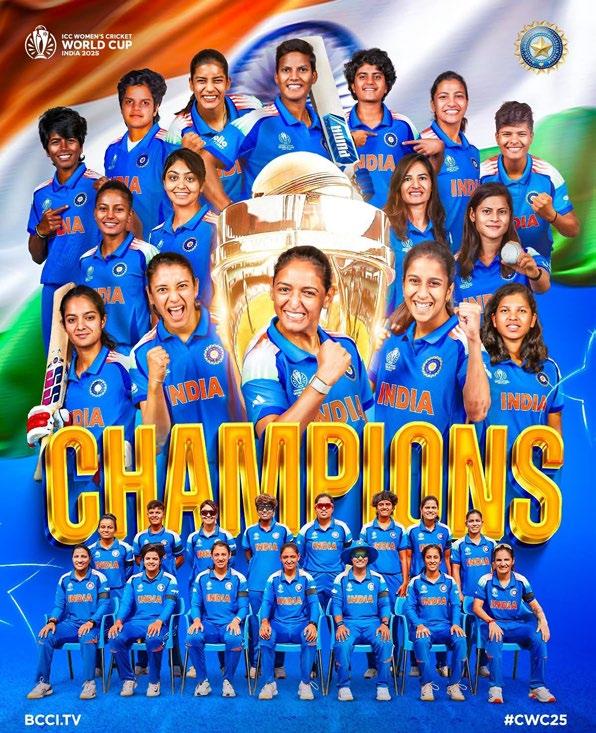
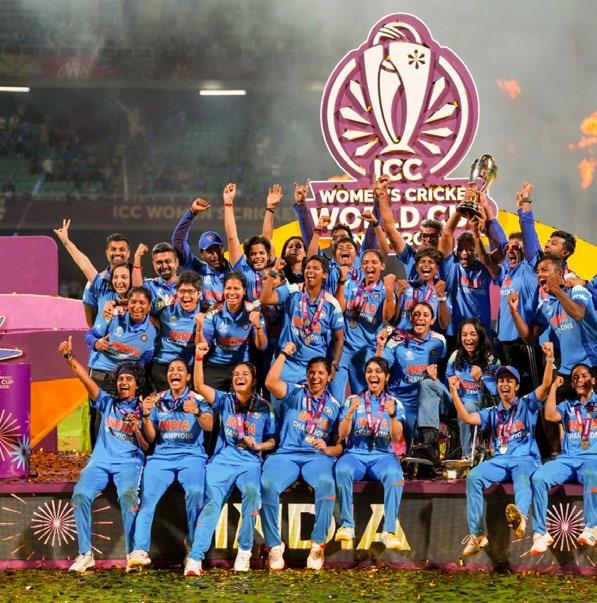
India’s World Cup win wasn’t just powered by veterans. New stars emerged with the kind of swagger usually reserved for seasoned pros. A young opener who played with audacity, a middle-
order stabilizer who turned pressure into poetry, a death-overs specialist who bowled yorkers like she was born for crunch moments — these women redefined what the world thought the Indian women’s team could be. The fielding unit, often criticized in previous years, was razor-sharp. Diving stops, boundary saves, and rocket throws became routine. This wasn’t just evolution; it was revolution.
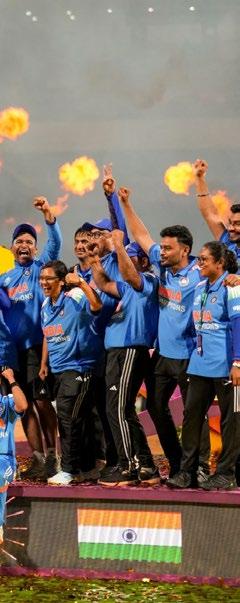
The grand finale of the World Cup unfolded in front of a roaring, full-capacity home crowd. The energy was chaotic in the best way — dhols, tricolour waves, chants echoing through every stand. India walked out for the final looking composed, but the weight of a billion hopes floated around them like invisible fog. The match itself was a masterclass in clutch cricket. Bowlers struck early, batters stitched clever partnerships, and the team never allowed momentum to slip. When the final winning run was scored, it felt like a collective exhale across the country — fireworks, tears, celebrations spilling into streets, homes, and hearts.
Years from now, when people talk about India’s rise as a powerhouse in women’s cricket, 2025 will be the pillar they point to. The turning point. The moment everything changed. The triumph wasn’t an isolated high — it was the spark that ignited a new generation of fearless young cricketers. It proved that dreams don’t need permission, only persistence. It immortalized a team that didn’t just chase history — they created it.
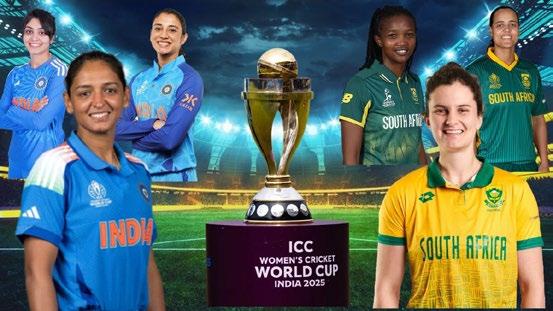
Smriti Mandhana served as India’s vice-captain in the 2025 World Cup and provided top-order stability throughout the tournament. As an opener, she delivered important starts in key games, including a crucial 45 in the final that helped India set a solid foundation. She worked closely with Harmanpreet Kaur on planning and decision-making, especially in building partnerships and assessing pitch conditions. Smriti also guided younger players and provided calm support in tense situations. Her experience, consistency, and leadership presence made her one of the most dependable performers of the campaign. Her role as vice-captain ensured that the team always had a clear and balanced approach on and off the field.
Shafali Verma was India’s standout performer in the 2025 World Cup and the main reason behind several match-winning totals. She produced explosive batting performances, including a matchdefining 99 in the final against South Africa. In the semifinal, her rapid scoring helped India chase a record target against Australia. Shafali’s aggressive style put pressure on opponents from the first over, changing the momentum of matches quickly. She broke multiple tournament records, including most runs in the knockout stage for an Indian player. Her ability to score fast and dominate bowlers played a direct role in India reaching and winning the final. She was the biggest on-field impact player of India’s 2025 World Cup campaign.
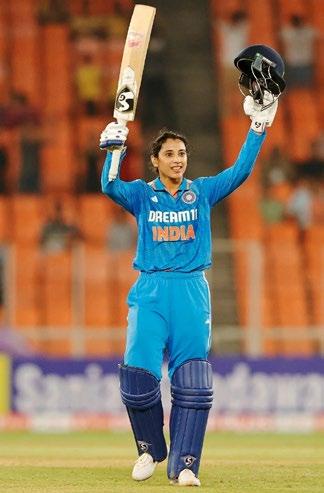

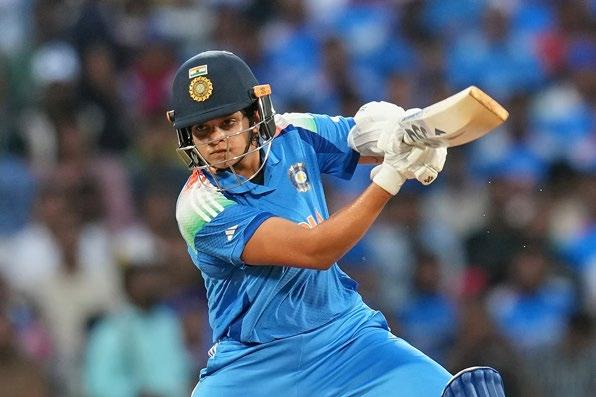
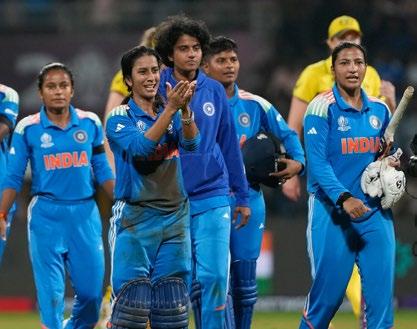
Jemimah Rodrigues was one of India’s most influential players in the 2025 Women’s World Cup and delivered some of the loudest and most decisive performances of the tournament. She played a major role in India’s middle order, especially in matches where early wickets fell and the team needed stability. Jemimah consistently came in during pressure situations and rebuilt the innings with controlled, high-quality batting. Her ability to rotate strike, find gaps, and maintain the run rate without taking unnecessary risks made her one of the most reliable players in the Indian lineup.
She produced multiple innings above 40 and 50 during the tournament, most of them in games where India needed someone to steady the innings. Her performance in the semifinal against Australia was one of the key turning points of India’s campaign. India lost quick wickets, and the chase could have collapsed early, but Jemimah held the innings together with a composed knock that kept the scoreboard moving and prevented pressure from building. Her partnership with Smriti Mandhana in that match was crucial for India’s record chase. Jemimah batted with maturity, choosing safe scoring areas and avoiding high-risk shots until the chase was fully under control. In the final against South Africa, she again made an important contribution when India lost quick wickets after a
fast start. Jemimah’s innings brought stability and added important middle overs that prevented India from losing momentum. Her controlled batting helped India reach a total that was strong enough for their bowlers to defend comfortably. She also displayed sharp fielding throughout the tournament, saving boundaries, diving in the infield, and taking clean catches that shifted match momentum. Her fielding energy often boosted the team during tight phases. Jemimah also became known for showing confidence and clarity in high-pressure overs. She communicated well with her partners, helped control the pace of the innings, and showed an understanding of match situations that elevated her value to the team.
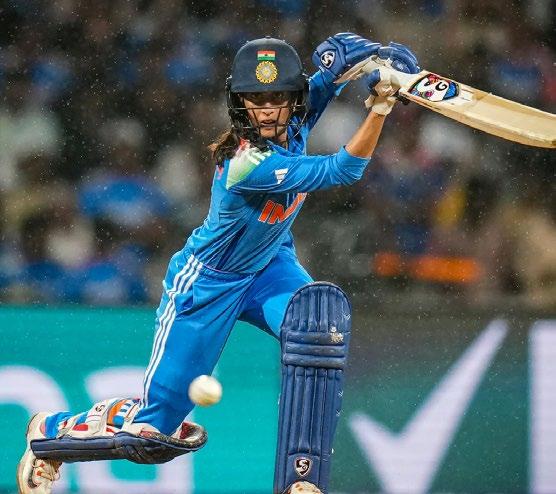
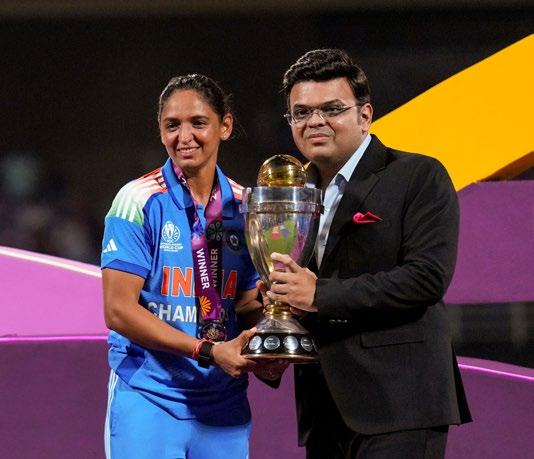
Her ability to stay composed during tense phases made her one of India’s most impactful and dependable performers. Overall, Jemimah Rodrigues was not just a supporting batter — she became one of the central figures of India’s 2025 World Cup win. She delivered in crucial moments, played mature innings under pressure, and made her presence felt loudly with both batting and fielding. Her performances were one of the biggest reasons India maintained balance, avoided collapses, and stayed in strong positions throughout the tournament. The ICC Women’s Cricket World Cup 2025 will stand as one of the most important chapters in the history of the women’s game. The tournament not only showcased the rapid advancement of women’s cricket across continents but also proved that the sport now commands global attention, investment, and competitive depth. India’s victory,
powered by the leadership of Harmanpreet Kaur, the consistency of Smriti Mandhana, the match-winning impact of Shafali Verma, and the crucial middle-order strength of Jemimah Rodrigues, reflected the growth of a team that has learned from past setbacks and matured into a champion unit. The event delivered record attendance, increased financial rewards, breakthrough performances, and a level of visibility that has pushed women’s cricket into a stronger, more sustainable future. As the last eight-team edition before expansion, the 2025 World Cup sets a new benchmark for what the women’s game can achieve. It leaves behind a legacy of progress, opportunity, and belief, ensuring that the momentum built this year will continue to shape the next era of international women’s cricket.




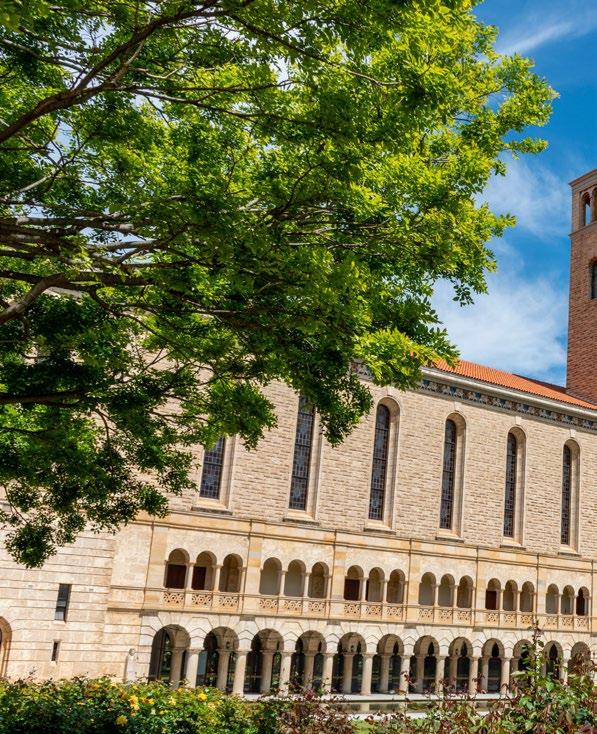
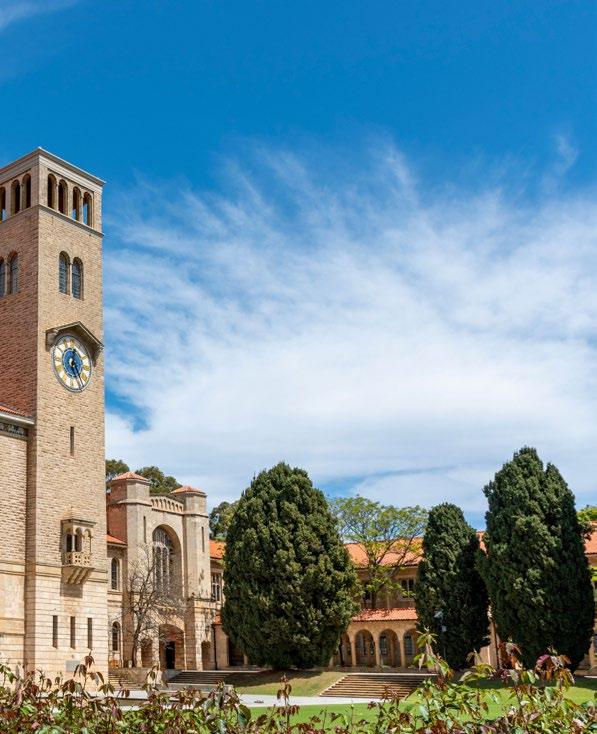
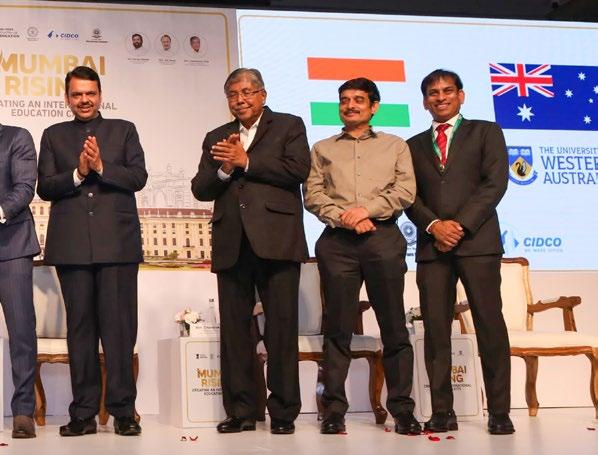
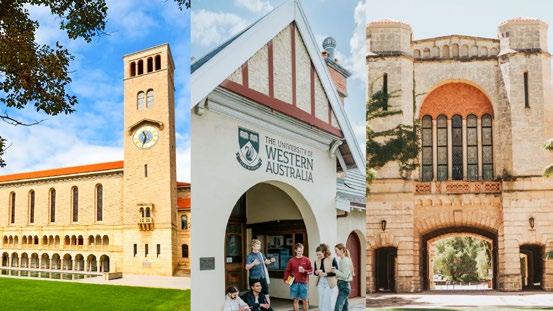
n a landmark move for global education, the University of Western Australia (UWA), a prestigious member of Australia’s Group of Eight (Go8) and ranked 77th in the QS World University Rankings 2025, has announced plans to establish two international branch campuses in India. Set to open in August 2026 in Mumbai and Chennai, these campuses mark UWA as the first Go8 institution to establish a physical presence in India, aligning with the country’s National Education Policy (NEP) 2020 to attract world-class universities. This ambitious expansion is poised to transform India’s higher education landscape, offering Indian students unprecedented access to global academic excellence, cutting-edge research, and industry-aligned opportunities.
UWA’s decision to establish campuses in Mumbai and Chennai is a strategic response to India’s burgeoning demand for high-quality education and its emergence as the world’s second-largest innovation ecosystem. The Mumbai campus, positioned in India’s financial capital, will focus on businessrelated programs, catering to the city’s dynamic corporate environment. Meanwhile, the Chennai campus will emphasize STEM (Science, Technology, Engineering, and Mathematics) disciplines, tapping into Tamil Nadu’s thriving tech and innovation hub. Both campuses will offer undergraduate and master’s degrees in fields such as business, STEM, and creative industries, including programs from
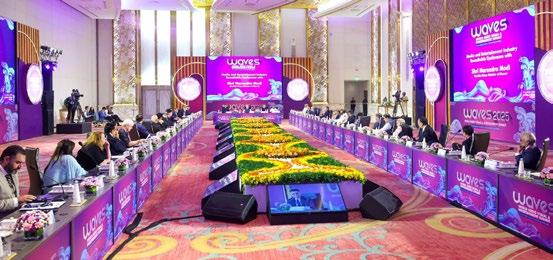
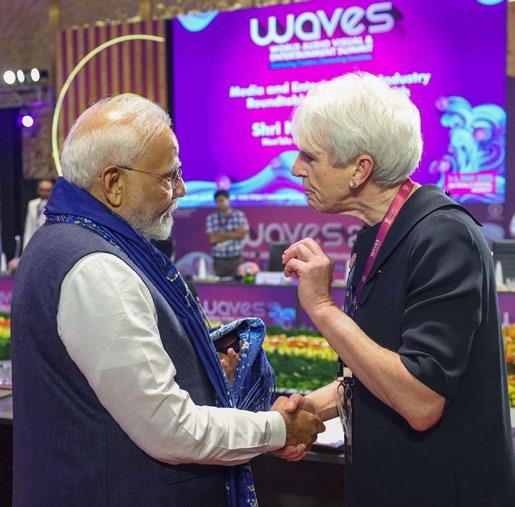
UWA’s renowned Conservatorium of Music. These degrees will mirror the academic rigor and quality assurance of UWA’s Perth campus, ensuring globally recognized qualifications. The initiative builds on high-level engagements, including a May 2025 meeting between UWA Chancellor Diane SmithGander and Indian Prime Minister Narendra Modi, as well as discussions with Maharashtra Chief Minister Devendra Fadnavis. In October 2025, a UWA delegation led by Professor Guy Littlefair, Deputy Vice-Chancellor for Education and Student Experience, visited India to finalize site selections and forge partnerships. The University Grants Commission (UGC) approved UWA’s application in June 2025, issuing a Letter of Intent, paving the way for this transformative venture.
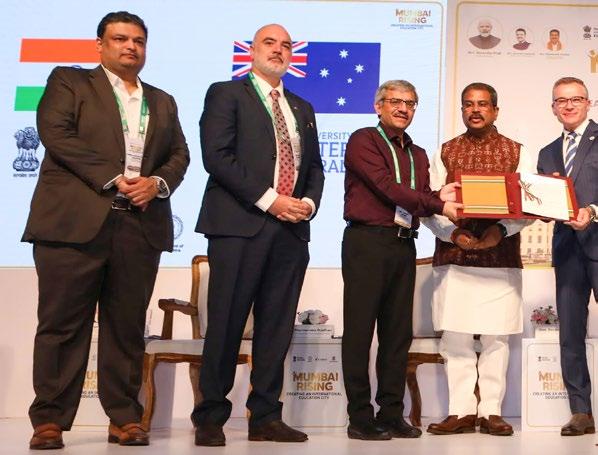
India’s higher education sector is at a pivotal moment. With over 35 million students enrolled in tertiary education and a growing middle class, the demand for accessible, world-class education has never been higher. However, many Indian students face barriers to studying abroad, including high costs, visa complexities, and cultural adjustments. UWA’s campuses address these challenges by bringing a globally ranked university to India’s doorstep, offering
affordable access to international education without the need to relocate. The significance of UWA’s move extends beyond accessibility. By establishing physical campuses, UWA is not merely exporting education but embedding itself in India’s academic and economic fabric. The university has partnered with leading Indian organizations, including HCLTech for innovation hubs and digital transformation courses, Andhra Pradesh MedTech Zone (AMTZ) for health and medical sciences internships, and Avid Sports for sports science and high-performance training pathways.
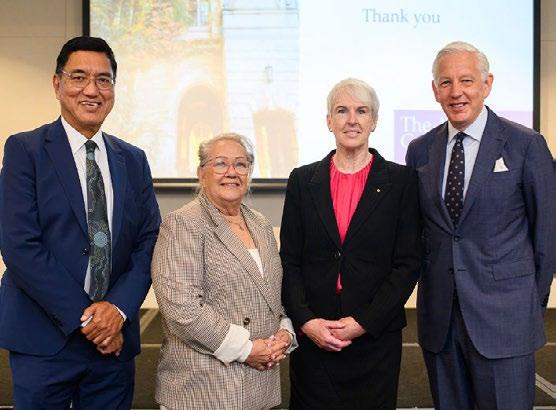


These collaborations will create startup launchpads, research centres, and cross-border incubation programs in critical areas such as sustainable mining, renewable energy, climate change, and ocean science. For Indian students, this means exposure to cutting-edge research, industry connections, and entrepreneurial opportunities that align with global and local needs.
The establishment of UWA’s campuses promises transformative benefits for Indian students:
1. World-Class Education at Home: Students will access UWA’s globally recognized programs without the financial and logistical burdens of studying abroad. Degrees from UWA’s India campuses will carry the same prestige as those from Perth, enhancing employability in global markets.
2. Affordability and Accessibility: By studying locally, students can save on international tuition fees, travel, and living expenses. This democratizes access to elite education, particularly for students from diverse socio-economic backgrounds.
3. Flexible Study Pathways: UWA’s campuses will offer options for students to transfer to Perth for part of their studies, providing a global experience without committing to a full overseas degree. This flexibility caters to varied aspirations and financial capacities.
4. Industry-Relevant Skills: Partnerships with organizations like HCLTech and AMTZ ensure that curricula are aligned with industry demands. Students will gain practical skills through internships, innovation hubs, and short courses in fields like digital transformation and medical technology.
5. Global and Regional Opportunities: The campuses will attract students from across South Asia, positioning India as a regional education hub. This multicultural environment will foster cross-cultural collaboration and prepare students for global careers.
6. Research and Innovation: UWA’s focus on research in areas like renewable energy and climate change will empower students to tackle pressing global challenges. Access to UWA’s research ecosystem will nurture India’s next generation of innovators and thought leaders.
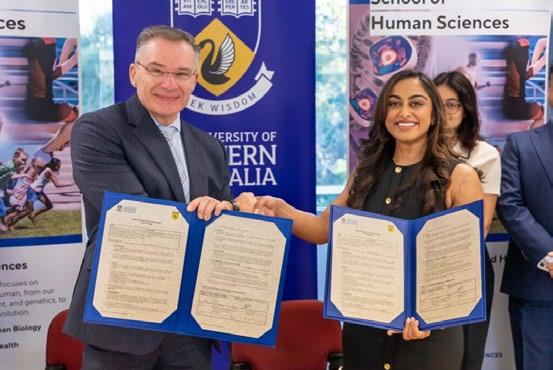

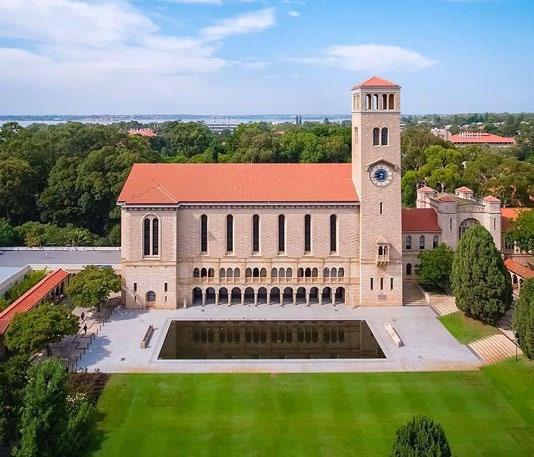
UWA’s entry into India strengthens AustraliaIndia ties, building on the growing educational and economic partnership between the two nations. Indian students already form UWA’s second-largest international cohort, and the new campuses will deepen this connection. By fostering collaborations with Indian institutions and industries, UWA is creating a two-way knowledge exchange that benefits both countries. The campuses will also contribute to India’s goal of becoming a global education destination, as outlined in NEP 2020, and inspire other foreign universities to follow suit. Five institutions, including Australia’s Deakin University, have already announced similar plans, signalling a new era for Indian higher education.
As UWA’s Mumbai and Chennai campuses take shape, they promise to redefine educational opportunities for Indian students. By combining global academic excellence with local relevance, UWA is not only addressing India’s educational needs but also empowering its youth to shape a sustainable, innovative future. For students dreaming of a world-class education, UWA’s arrival in India is a beacon of opportunity, bringing the prestige of a toptier university within reach. As August 2026 approaches, the anticipation is palpable—this is more than an expansion; it’s a revolution in Indian higher education.

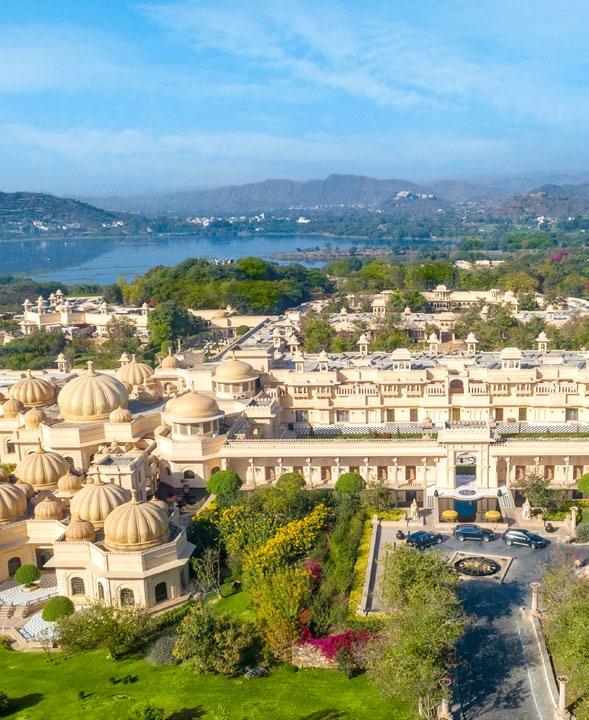

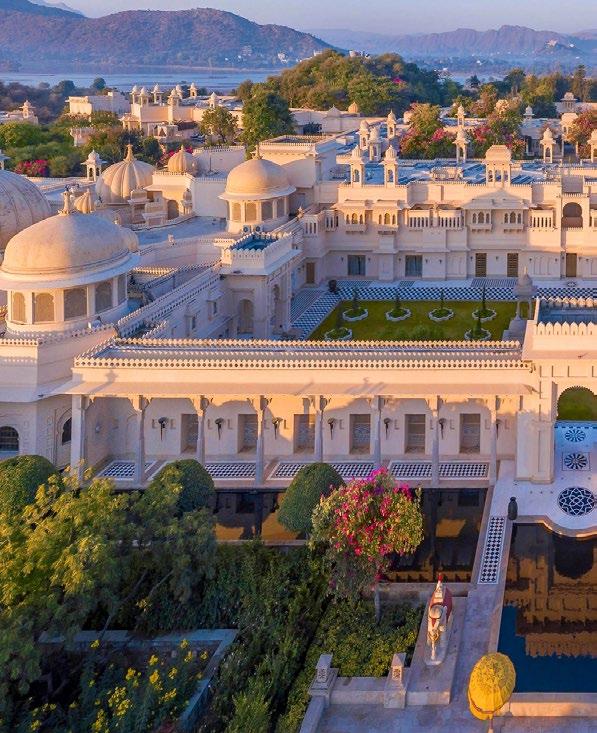
India’s Crown Jewel of Royal Hospitality
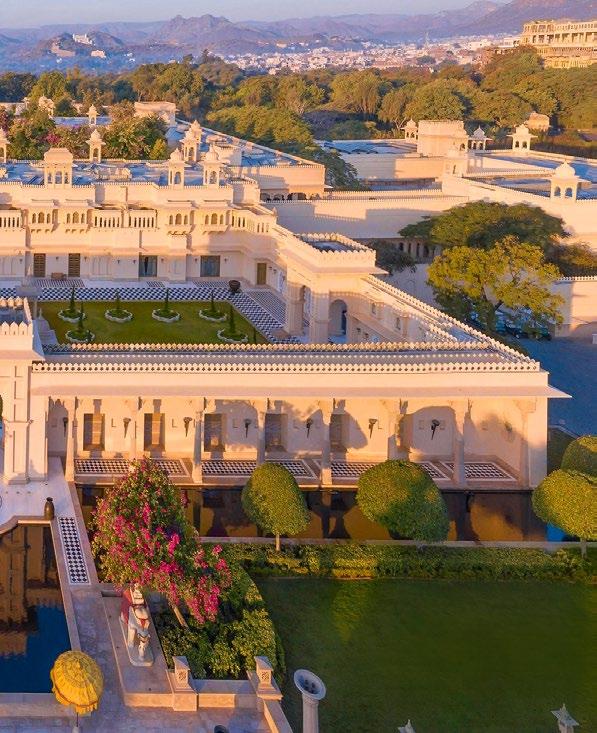
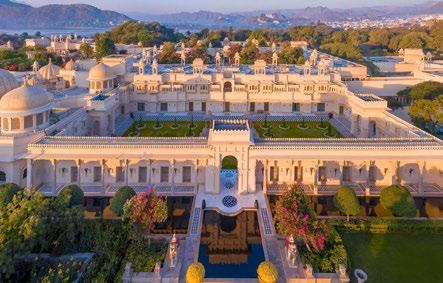
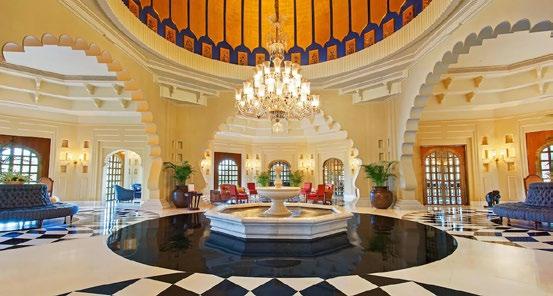
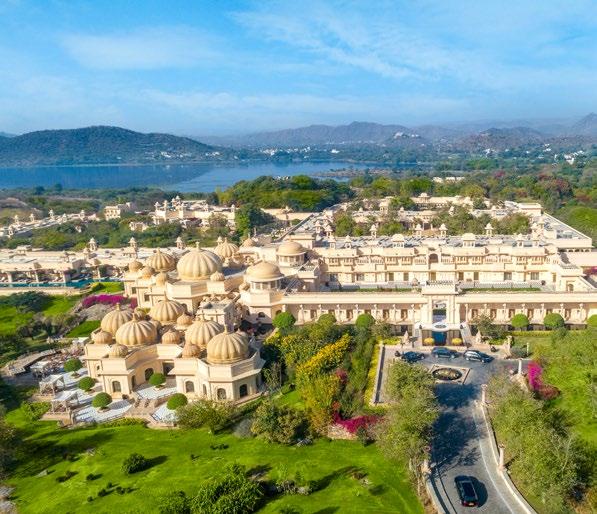
There are hotels that feel luxurious, hotels that feel exceptional, and then there is The Oberoi Udaivilas—a world of its own. Rising on the serene banks of Lake Pichola in Udaipur, the “City of Lakes,” this iconic retreat is more than a hotel. It is an escape into a world that still remembers the refined art of royal living. Every arch and dome seems to hum with heritage, every corridor whispers with timeless grace, and every moment here feels like slipping into a grander, slower, more indulgent rhythm of life.
The Oberoi Udaivilas is not merely experienced; it is absorbed through the senses. It is the scent of mogra drifting through the courtyards, the light gliding across gold leaf paintings, the gentle sound of oars on Lake Pichola, the quiet of sprawling gardens, the glide of silken upholstery, and the warmth of service that knows what you desire before you do. It is the very definition of what luxury hospitality aims to be—and what many
hotels around the world attempt to emulate. From the moment you step onto the property, Udaivilas offers a dreamlike immersion into the architectural and emotional soul of Rajasthan. No detail is too small, no gesture too subtle, and no moment ordinary. This is where the romance of Udaipur finds its purest expression, and where the art of hospitality reaches its most dignified and polished form.
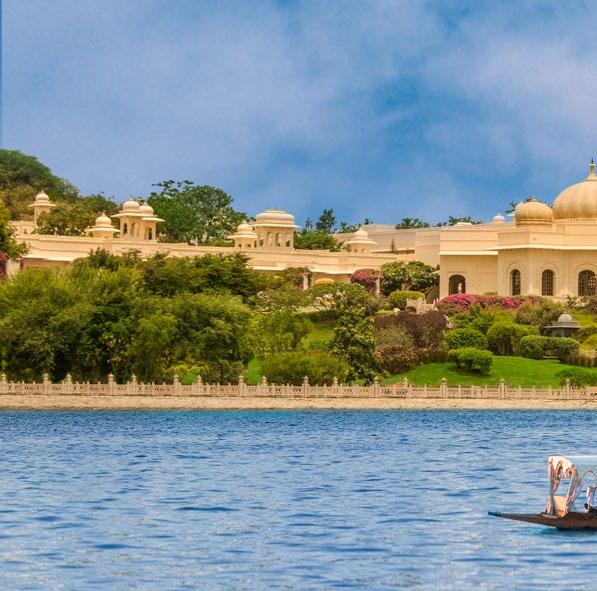
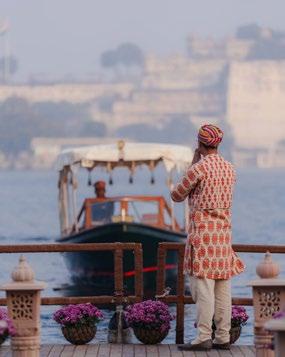
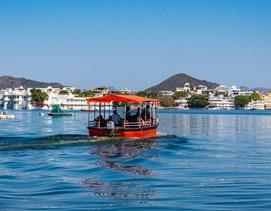
Arriving at The Oberoi Udaivilas feels like arriving at a palace that has been waiting specifically for you. Guests often choose to approach the hotel by boat—a signature Udaivilas experience that immediately sets the tone. As the boat glides across Lake Pichola, the
Aravalli hills frame the horizon, the city palace gleams like a polished stone, and the domes of Udaivilas rise like a mirage of marble and gold. Stepping off the boat to a traditional welcome—rose petals, a tilak, and lilting flute music—you feel the faint blush of royalty. Nothing is rushed, nothing is transactional. The air is calm, warm, and slightly perfumed. The hospitality is quietly sweeping, almost poetic.
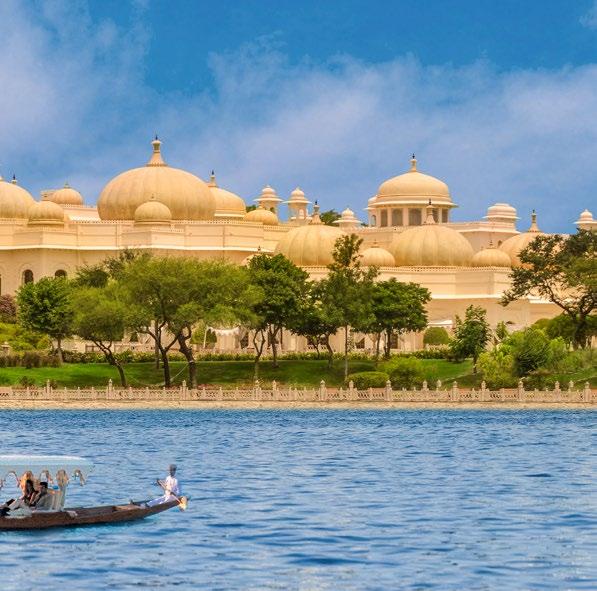
The hotel does not try to impress you; it simply allows you to feel important in a way few places do. This is the beginning of a stay where every detail is orchestrated with harmony, grace, and attentive care—the kind of hospitality that has earned Udaivilas global acclaim from the world’s most discerning travellers.
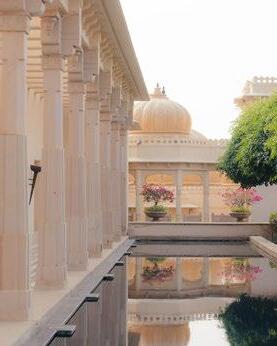
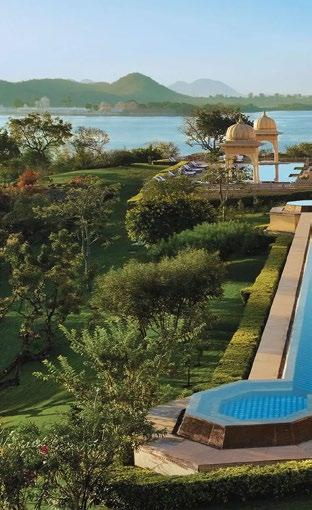
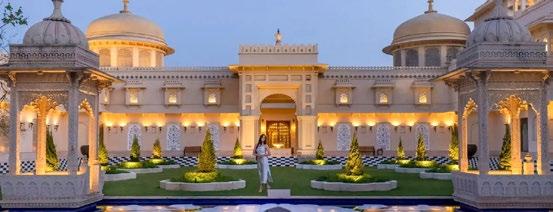
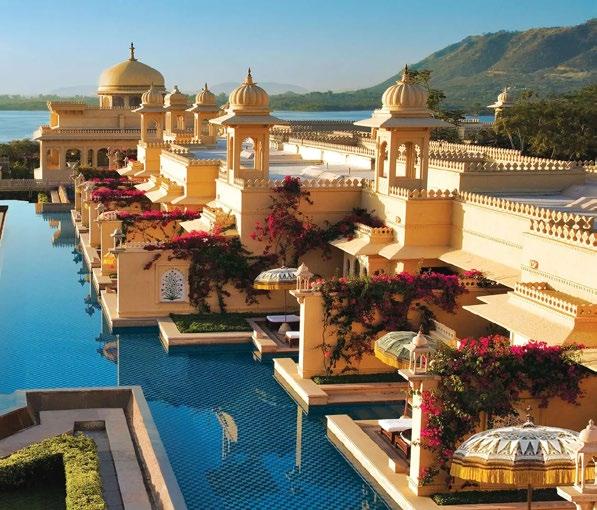
The Oberoi Udaivilas is a masterpiece of modern hospitality, crafted with meticulous respect for the architectural traditions of Rajasthan’s grand palaces. Built on the 200-year-old hunting grounds of the Mewar royal family, the resort does not imitate history; it elevates it. Architects and artisans worked with devotion to create an estate that feels eternal—heritage reborn rather than replicated. The domes, hand-painted frescoes, mirror-work details, and Mewarinfluenced arches all draw inspiration from
Rajasthan’s royal past. Yet everything is subtly refined. Symmetry and proportion guide its design, giving it an almost meditative calm. The courtyards are expansive, the gardens mature and lush, the fountains soft and whispering. Everywhere you turn, light plays a starring role, bouncing off reflective marble, filtering through jaalis, and dancing on the surface of the lily ponds. Walking through the hotel is an experience in itself. Long corridors lined with hand-painted walls create a sense of intimacy and artful quiet. The interplay of domes and water bodies throughout the property feels cinematic. The hotels of the world that try to recreate Indian luxury sometimes feel theatrical—but Udaivilas feels authentic, effortless, alive.
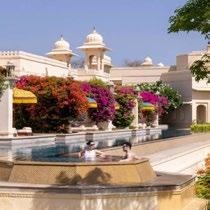
Few hotels are able to offer rooms that feel simultaneously opulent and deeply personal, but Udaivilas achieves this effortlessly. The rooms and suites are meticulously designed to blend stately aesthetics with quiet, restorative comfort. High ceilings, handcrafted furniture, rich textiles, and large windows framing green courtyards or tranquil lake views create an atmosphere of serene indulgence. The Premier Rooms with Semi-Private Pool remain one of the hotel’s most iconic offerings. Step from your bedroom into a beautifully tiled corridor that leads directly into
a long, river-like pool shared by a few suites. Sunlight glistens on the water, the breeze is tinged with the scent of flowering trees, and the privacy is profound. It’s not just a room—it’s a sanctuary. The suites elevate the experience to a realm that feels almost palatial. The Kohinoor Suite, in particular, is a world of domed ceilings, gold-leaf details, private courtyards, and unmatched views. Everything is immersive: the handcrafted lamps, the marble-clad bathrooms, the deep soaking tubs, the charming window seats, and the quiet elegance that saturates every corner. What premium travellers love about Udaivilas is not just luxury—it is considered luxury, refined and curated. There is no clutter, no unnecessary ornamentation. Every item in a room exists with purpose and harmony.


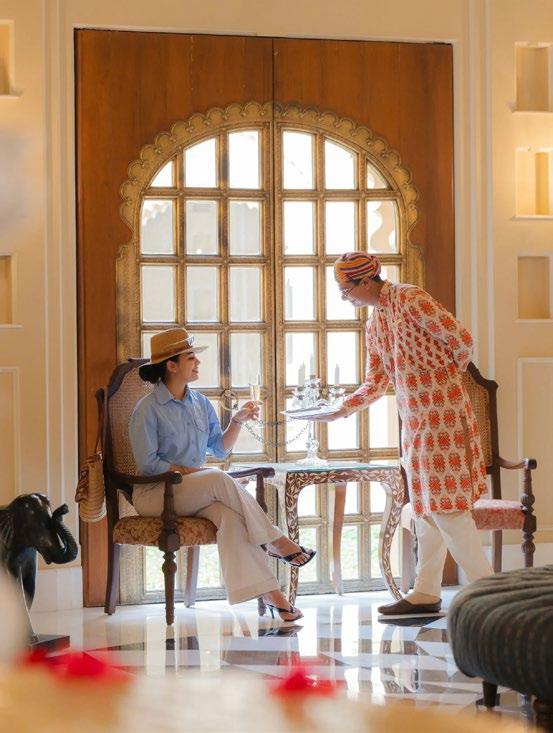
Luxury hotels around the globe compete on amenities, décor, and location. But true greatness rests in service. The Oberoi group has long been celebrated for offering hospitality that feels personal, heartfelt, and intuitive—and Udaivilas takes this to an incomparable level. The staff remembers your preferences without needing reminders. Your tea arrives exactly how you like it. Your breakfast table is set in your favourite spot. Your room is refreshed at the perfect time—neither intrusive nor delayed. The team doesn’t just respond; they anticipate. This is the kind of service that makes guests return year after year, celebrating anniversaries, reunions, proposals, and milestones. Udaivilas has earned countless glowing reviews because its service is never mechanical; it is warm, polished, and sincere. Everyone—from the concierge to the gardeners— seems genuinely invested in your comfort. The hospitality isn’t simply efficient; it has soul. This emotional intelligence is what sets Udaivilas apart from even the world’s most luxurious hotels.
Dining at The Oberoi Udaivilas is not just about food; it is about ambience, artistry, and cultural reflection. The restaurants here serve as immersive spaces where cuisine meets mood, tradition meets innovation, and every meal feels like a celebration of place.
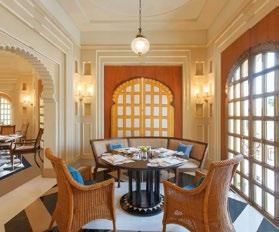
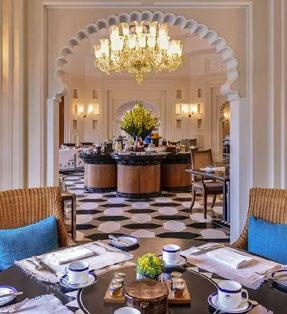
Suryamahal: This all-day dining restaurant is bright, airy, and filled with light. The décor feels contemporary yet regal, with elegant table settings and views that spill into the gardens. The menu offers Indian, Western, and international favourites, but the Indian dishes always stand out for their authenticity, richness, and depth of flavour.
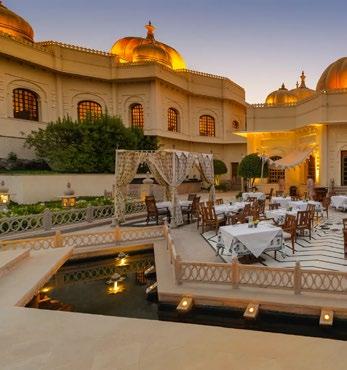
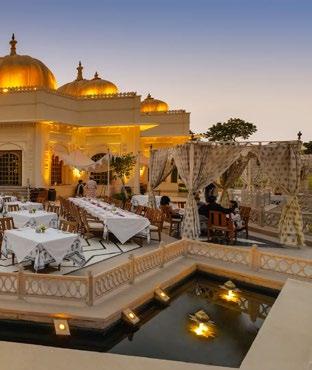
Chandni: Chandni is enchanting. Open-air dining under the stars, overlooking the gentle shimmer of Lake Pichola—there’s something romantic and unhurried about the experience. Traditional music sets the mood, candles glow in the cool breeze, and the dishes come plated with precision. The dal makhani, kebabs, and Rajasthani specialities here often leave a lasting imprint on travellers.
Udaimahal: This fine-dining venue is a showcase of classical Indian culinary artistry. The setting is intimate, refined, and beautiful— richly decorated with intricate patterns, soft lighting, and an ambience that feels like dining in a royal chamber.
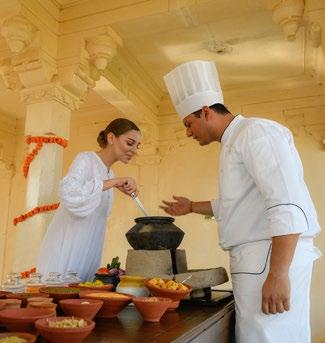
The chefs at Udaivilas excel not only in flavour but in hospitality. They are often delighted to discuss dishes, customise meals, and share stories of local ingredients or age-old recipes. Every course feels crafted with care, every plate a testament to culinary craftsmanship.



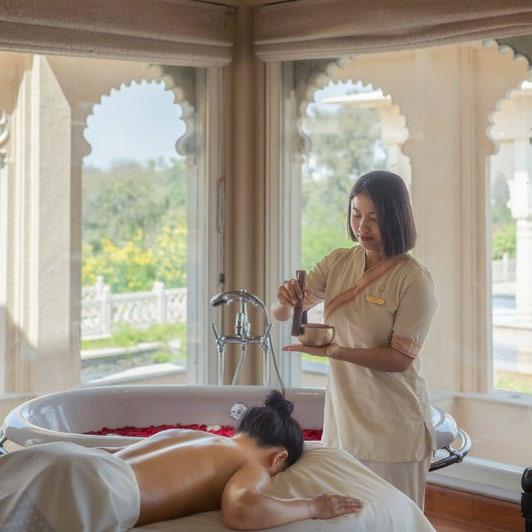
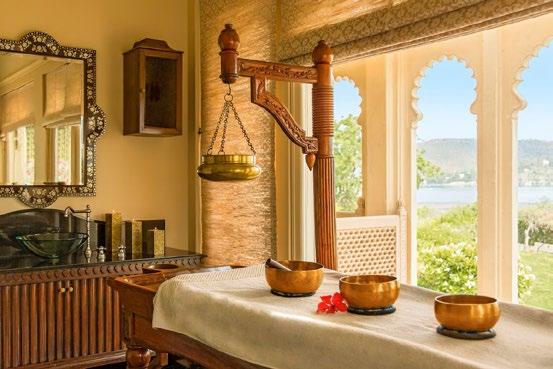
At the heart of the hotel lies one of the most serene spas in India. The Oberoi Spa at Udaivilas blends Ayurveda, holistic wellness, and modern techniques into a calming retreat. The spa rooms, positioned around a quiet courtyard, create a sense of seclusion that helps guests disconnect completely. The therapies are indulgent and deeply restorative—massages, body rituals,
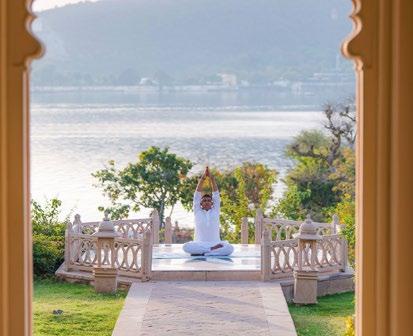
facials, and signature treatments inspired by Indian wellness traditions. Warm oils, herbal blends, and expert hands allow tensions to dissolve effortlessly. The spa pool, with its softly curved edges and lush surroundings, feels like a hidden paradise. Morning yoga sessions on the lawns, overlooking the lake, add a meditative charm to the stay. The fitness centre, though understated, is modern and well-equipped. Wellness at Udaivilas is not rushed. It follows a slow, mindful rhythm that leaves guests feeling light, renewed, and grounded.
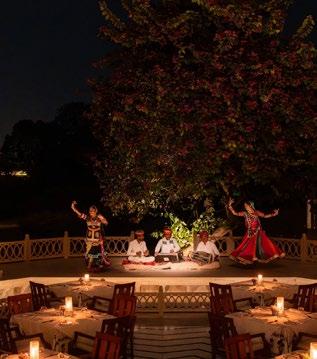
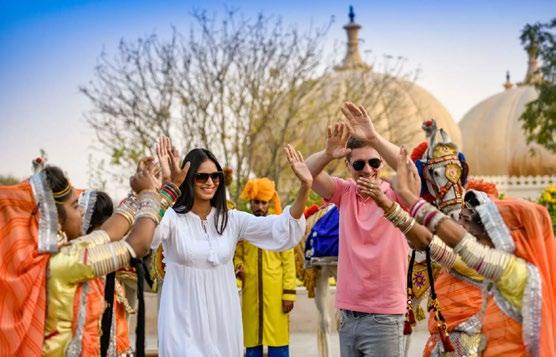
The Oberoi Udaivilas is deeply rooted in the cultural narrative of Udaipur. The hotel not only reflects the architectural brilliance of Rajasthan but also celebrates its living traditions. Every evening, the property comes alive with music and dance performances that pay homage to the region’s vibrant folk culture. Guests often pause in the courtyards to enjoy these performances— ghoomar dancers swirling in mirrored skirts, musicians playing traditional instruments, and artists narrating tales of the Mewar kingdom. These moments are immersive and genuine, offering a delightful glimpse into the cultural fabric of Rajasthan. Even the décor throughout the hotel supports cultural preservation. Hand-painted murals, miniature-style artwork, intricately carved screens, and artisanal pieces contribute to the larger mission of celebrating and sustaining Indian craftsmanship.
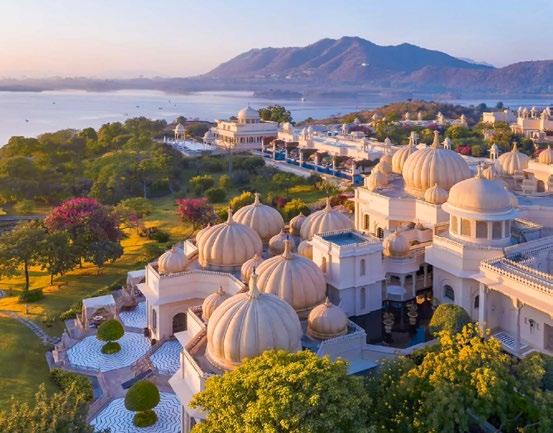
What makes Udaivilas especially magical is its relationship with nature. Sprawling across 50 acres, the hotel includes wildlife conservation areas where peacocks roam freely and migratory birds often visit during specific seasons. The beautiful gardens are filled with bougainvillaea, manicured lawns, blossoming trees, and water features that reflect the sky like liquid glass. Morning walks on the pathways reveal quiet corners shaded by old trees, lily ponds sparkling in the early light, and glimpses of peacocks unfurling their feathers. The estate feels alive yet soothing, luxurious yet natural. The balance is impeccable. The peacefulness is infectious. Many guests come here to unwind, reset, and simply exist in the gentle stillness that Udaivilas naturally creates.

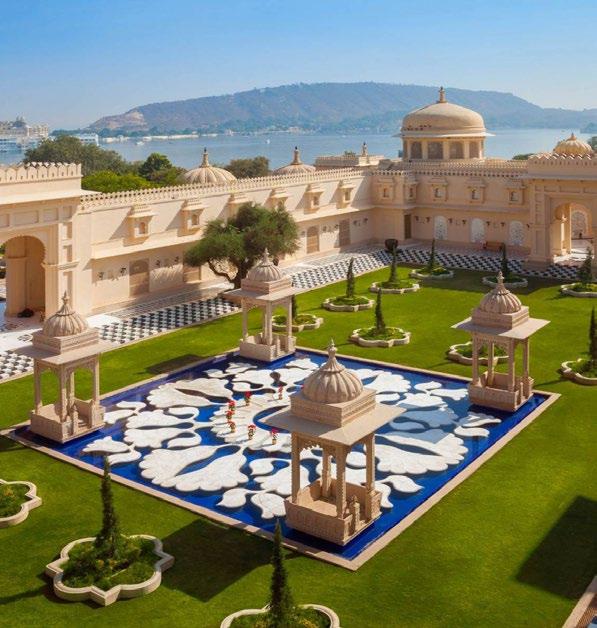
While the hotel itself is enchanting, the curated experiences elevate Udaivilas to a whole new league.
Boat Rides on Lake Pichola: A sunset boat ride arranged by the hotel is one of the most beautiful experiences in Udaipur. The water turns golden, the city palace glows softly, and the silhouettes of the Aravallis shift with the fading light. It is serene, romantic, and unforgettable.
Private Dining by the Lakeside: Udaivilas is known for creating magical private dining setups— candlelit tables by the lake, floral décor, personalised menus, and dedicated butlers. Many couples choose the hotel for proposals or anniversaries specifically because of the intimate dining experiences it creates.
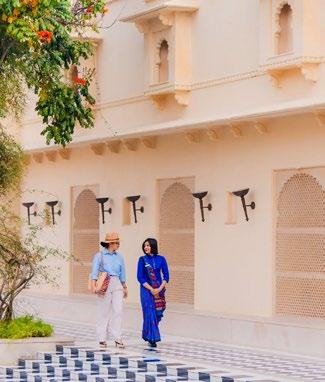
Heritage Walks and City Exploration: The hotel arranges curated tours of Udaipur’s treasures—City Palace, Jagmandir, old markets, historic temples, and ghats. These tours offer a deeper connection to the cultural legacy of the city.
Classes
Guests who enjoy cultural immersion can participate in bespoke cooking sessions with the hotel’s chefs or meet local artisans whose crafts inspire parts of the hotel’s design.
Each experience is executed with meticulous attention to detail, ensuring every moment feels personalised and memorable.


In the landscape of global luxury resorts, very few properties achieve what Udaivilas does so effortlessly. The location on Lake Pichola is one of the most romantic and iconic in the world. No skyscraper, beach, or mountain view can replicate the magic of Udaipur’s shimmering lake surrounded by palaces and hills. It feels like a living palace, not a commercial hotel. The design is soulful, authentic, and breathtaking in every sense. True luxury is about human touch, and Udaivilas offers service that feels warm, heartfelt, and intuitively personalised. erhaps the most remarkable quality is the emotion the place evokes. Many hotels can wow you, but very few can touch you. Udaivilas does. It leaves you changed, uplifted, and deeply connected to the experience.
The Oberoi Udaivilas is also one of India’s most sought-after venues for destination weddings, milestone anniversaries, and luxury celebrations. Its open courtyards, domes, shimmering waterways, and palatial architecture create a dreamlike setting for events. Many couples from around the world choose Udaivilas for its regal ambience, perfect hospitality, and breathtaking backdrops. Intimate gatherings, corporate retreats, wellness escapes, and romantic getaways all find an elevated expression here. The hotel offers tailor-made event planning, floral artistry, gourmet menus, and seamless coordination that ensures every celebration feels flawless. When you leave The Oberoi Udaivilas, you don’t simply check out—you carry a piece of the place with you. Perhaps


it’s the memory of walking through sunlit corridors, the echo of flute music during sunset, or the feeling of floating in a semi-private pool under a sky full of stars. Perhaps it’s the softness of the linens, the warmth of the staff, or the gentle quiet that settles into your bones. The magic of Udaivilas lies in how it makes you feel—cherished, seen, and cared for. It is a place where luxury is not displayed; it is lived. Where hospitality is not performed; it is felt. Where time slows, the heart softens, and the world feels a little more beautiful. For travellers seeking the finest expression of royal India, for those who adore immersive experiences steeped in authenticity, and for those who simply crave a sanctuary of calm and beauty, The Oberoi Udaivilas remains a masterpiece.
It is not just one of the best hotels in India; it is one of the best hotels in the world.


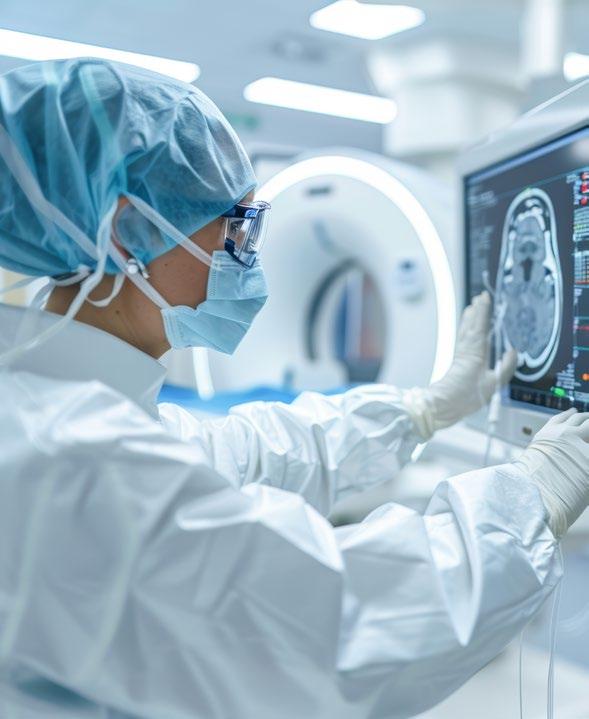


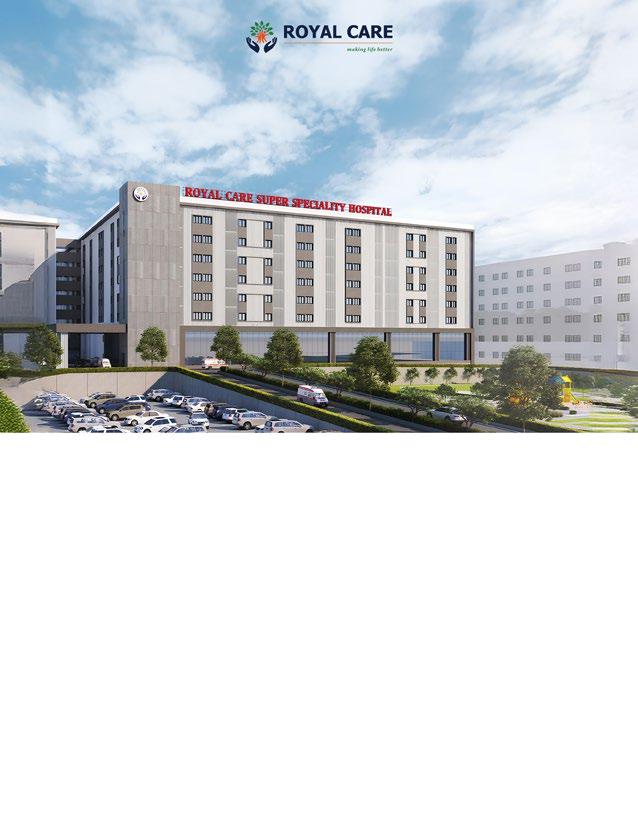
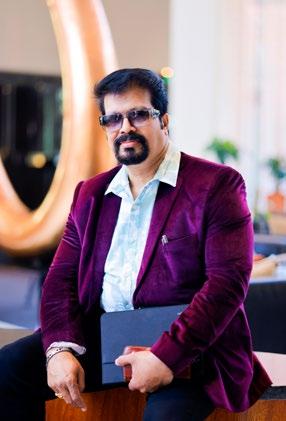
Dr. K. Madeswaran has been known as a Visionary, Missionary and an Unstoppable Dreamer. But what makes him absolutely unique, is his ability to have continual, cumulative and focused Dreams, His fully committed Efforts, highly Determined mindset to pursue his Vision and to see them becoming a Cherished Reality; And in this process of his foresighted vision combined with His Mission of bringing the best of the best Medical Technologies from all around the world and make it available to all; at an affordable cost. As a part of his noble Mission, Royalcare Hospitals Group has purchased and implemented one of the Latest and biggest Breakthroughs in Medical Science, which is the ‘MRI’ Magnetic Resonance Imagingguided (MRI) Focused Ultrasound Facility @ Royalcare Super-Specialty Hospitals, Neelambur (Coimbatore), Tamil Nadu, India.
Widely regarded as one of the best healthcare providers, Royal Care Super Speciality Hospital, Coimbatore is equipped with advanced medical equipment and technologies, and often has been the first in introducing the latest treatments in the medical field. The newest and the most advanced being the MR-Guided Focused Ultrasound for treatment of Essential tremors and tremor dominant Parkinson’s disease. This procedure is conducted by a team of highly qualified and experienced Neuro Surgeons and Specialists, who have been specifically trained in the Focused Ultrasound technique to target any hard-to-get lesions in the brain and clear them efficiently.
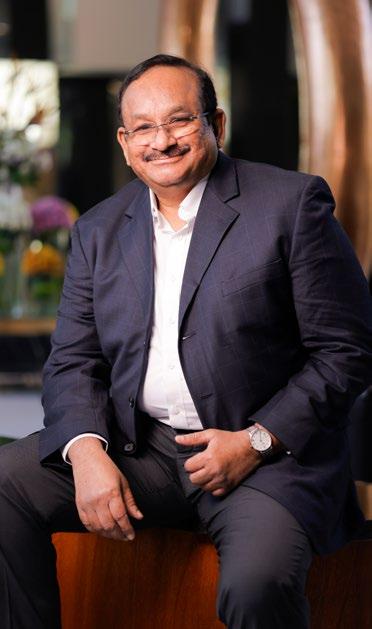
DR. K. MADESWARAN Chairman & Managing Director
M/s. Royalcare International Hospitals Group
Experience the transformative power of Incisionless Surgery through MRgFUS (Magnetic Resonance guided Focussed UltraSound) at the only Neuro Centre in the entire Indian Subcontinent. Royal Care Super Speciality Hospital is the only Neurocare Centre in whole of India, facilitated with expertise and technology that provides an MRgFUS (Magnetic Resonance guided Focussed UltraSound) therapy to Essential Tremors and Parkinsons’ patients with tremors.
Best in Neurological Care Imbibing the Best in Innovation: Neurological Care has taken a new transformation with advancements in science and technology. The concept of incision-less surgery has been devised to cure the tremors in patients suffering from Parkinson’s Disease.




Royal Care MRgFUS (Magnetic Resonance guided Focussed UltraSound) Therapy for patients in Asia & Middle East. Magnetic Resonance-guided Focused Ultrasound (MRgFUS) is a treatment option for patients with essential tremor or tremor dominant Parkinson’s disease who haven’t responded to medication or are not willing to have invasive surgery. The procedure uses focused beams of ultrasonic energy guided by MRI to target areas deep in the brain with no incisions or permanent implants.


Incisionless Surgery - Little to no risk of infection.
No General Anaesthesia Required- No invasive burr holes or implants.
Improvement In Hand Tremor -Stably maintained at 3 years.
Personalized Treatment-With sub-millimetre target movement.
Single Session Treatment-Minimal hospitalization.
Safe And Effective- Minimal side effects.
Hand tremors can be effectively treated even when medications don’t help. Life-changing transformations are now possible world-over thanks to innovation in medical technology by our Specialized Neuro Care Technology.
Unique Outpatient Treatments: Treatment for hand tremors using the therapeutic power of Focused UltraSound is typically a simple single-sitting outpatient procedure. Guided by MRI, precise spots in the brain are targeted using adjustable parameters tailored just for you, to go back home the same day.
Safety & Risk Information: MRgFUS (Magnetic Resonance guided Focussed UltraSound) technique is an overall reasonably safe procedure with minimal risks. Patients must discuss with their physician about all treatment options available and the risks involved as a mandate.




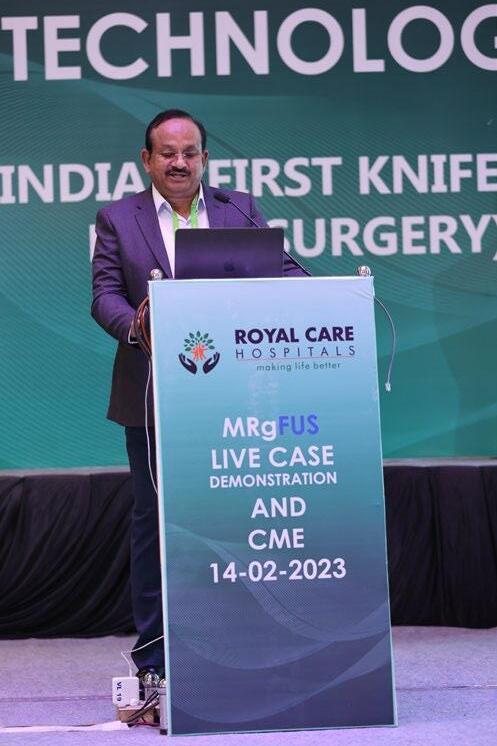
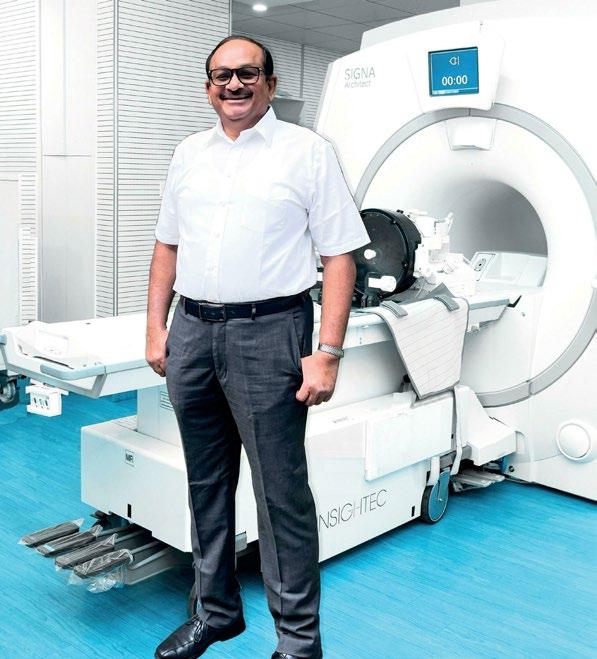

FDA Approved: You can always count on our expert care. Our physicians are leading the way in research & advanced therapies, paving the path to fearless incision-less treatments.
Minimally Invasive Techniques: Use of hightech diagnostic tools through minimally invasive surgeries not only help improve your results and recovery, but also make surgeries a comfortable option.
Convenient, Comprehensive Care: You can rest assured find complete neurological care when you need it at our specialized facilities like spine centres, sleep centres, and neuro-rehab locations.
Same-Day Tremor Relief: Even the mildest of Tremors can pose threat to daily activities and make life a struggle. Our advanced Neuro Care technology along with our select neurologic experts marks us as one of the first centres in India offering MRgFUS (Magnetic Resonance guided Focussed UltraSound) solution to tremors; The best, effective, and incision-free option to treat tremors.
For Essential Tremor: Tremors upon outstretched hand postures or simplest hand actions, it is one of the most common movement disorders.
Tremor Dominant Parkinsons: Uncontrollable movements like shaking or stiffness mark this neurodegenerative condition affecting - 1% of people over 60 yrs.
Patient Candidacy: It is vital you discuss your entire medical history with your neurologist and evaluate your suitability for the procedure with accuracy.
How It Works: In simple words, the concept of MRgFUS (Magnetic Radiation guided Focused UltraSound) is a procedure similar to using a high-powered magnifying lens to focus the sun’s energy on a specific spot on a leaf.
Treatment Benefits: tremor Improvement: 40-80% improvement in tremor severity (many with immediate improvement) stably maintained at three years.
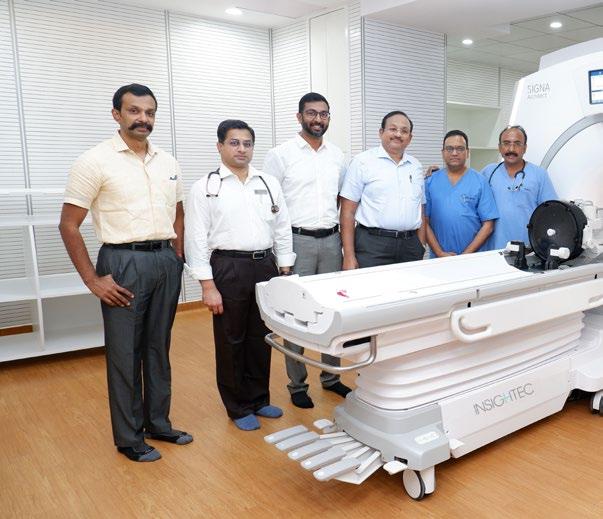





By harnessing acoustic energy, you can now treat Essential Tremor and Tremordominant Parkinson’s Disease patients with the therapeutic power of focused ultrasound. The future of Neurosurgery has arrived. Royal Care Hospital is the first among its peers to introduce to the South Asian market a Focused Ultrasound platform to treat Essential Tremor and Parkinson’s Disease – Delivering up to 1,024 ultrasound waves across select points in the skull to precisely ablate a target deep in the brain, this treatment is performed incisionfree in the MRI suite on an outpatient basis.
The Focused Ultrasound treatment involves a treating physician sitting at a computer in the MRI control room, using a mouse instead of a scalpel, to expertly mark and create a lesion in the skull. This treatment is guided by MR imaging for the patient-specific treatment planning, with real-time thermal feedback, along with continuous treatment monitoring. MRgFUS (Magnetic Resonance guided Focussed UltraSound) is approved for the treatment of essential tremors that cannot be controlled with medication. Approval is for treatment of one side of the brain only; you must be at least 22 years old. It is also available for tremor-dominant Parkinson’s disease. Approval is for treatment of one side of the brain only; you must be at least 30 years old.
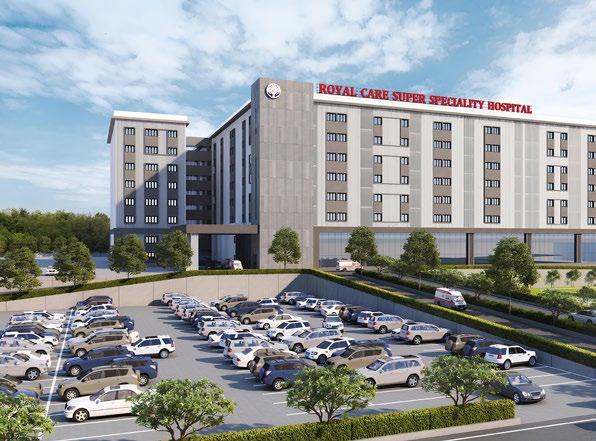
Founded and Commenced by Dr. K. Madeswaran along with His Most Trusted Team of Leading Surgeons, Doctors, Physicians, Medical Professionals, Subject Matter Experts and Management Professionals in the year 2015 as a 50 bedded multi-specialty hospital in One of the Vibrant Cities of India, Namely Coimbatore in the State of Tamil Nadu. Indeed, Dr. KMD’S Royalcare Super Specialty Hospital, within the first Two years of operations, became One of the Most preferred Multi-Super-Specialty Hospital in western Tamil Nadu for emergency, primary and specialty care in virtually all branches of modern
medicine. The hospital did continue being, the perfect destination for people seeking superior and Patient friendly healthcare. Functioning with those objectives of making cutting edge healthcare to common man, they provide the best medical service with highly qualified doctors and highly equipped technologies. This necessitated an imminent expansion and created the need for a larger and more comprehensive tertiary care unit encompassing all the field of medicine. A 1100-bedded ultramodern Hospital facility Plan was thus conceived at Neelambur, Coimbatore By Dr. K. Madeswaran and His Team. RCIHG was

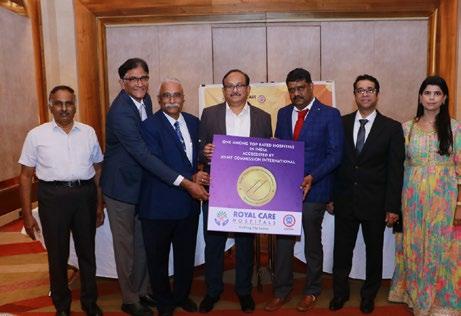

Built within a record time of 400 days, the first phase comprising 500 beds were dedicated to the society in November 2016. With over 4,00,000 square feet of modern infrastructure, the Centre contained all necessary facilities to deliver comprehensive care under one roof.
With a commitment to make available all facilities on par with the latest advances in the Western World, RoyalCare Super Specialty Hospital became the first Hospital in the country to introduce Bronchial Thermoplasty for the treatment of severe asthma. RoyalCare is also the first hospital in the country to introduce the micro plasma-advanced oxidation for dialysis feed water disinfection to eliminate endotoxins and to prevent pyrogenic reactions in patients undergoing haemodialysis. Royal Care will strive to ensure that the benefits of modern healthcare reach all strata of society. Apparently, A patient centric culture exists at RoyalCare as they are
the focus of everything they do. Every patient will receive warm and committed attention with a smile. Royal Care Super Specialty Hospital aspires to be Ultimate Choice of Hospital for People and Patients from all around the world; in all aspects of Health & Wellness or for people seeking comprehensive healthcare. And that they have been recognized as One of the Top-Class Hospitals for very High Quality and International Standards Health Services in Asia. And Dr. KMD’s Royalcare International Hospitals Group is going to achieve its Vision of having over 1000 Bedded Most Advanced International Standard Hospitals in the Same Location very shortly.
This has been mainly possible by the meticulous involvement and incomparable Contributions of Dr. K. Madeswaran, The Founder & CMD of Royalcare International Hospitals Group, whose vision was to bring together highly talented medical professionals from all around the world on board with phenomenal expertise in their respective fields, establishing cutting edge innovative diagnostic, Latest Hi-Tech Equipment, State-Of-The-Art Infrastructure and therapeutic medical technologies combined with the Most friendly medical and paramedical staff to provide courteous and compassionate and Utmost Care to Patients at all times.
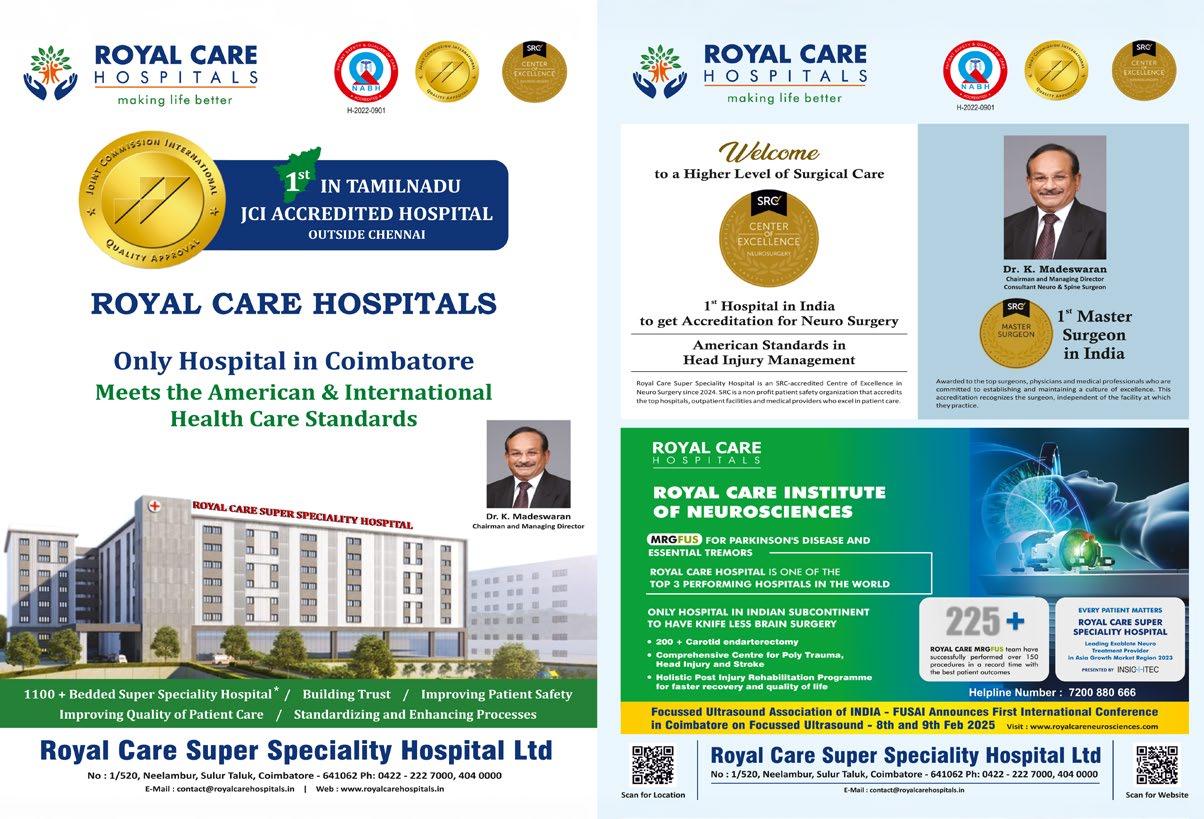


In a landmark move for Indian healthcare, Marengo Asia Hospitals has become the first Indian hospital group to establish a presence in Saudi Arabia, marking a significant step in global healthcare integration. This strategic expansion aligns with Saudi Arabia’s Vision 2030 healthcare transformation and positions Marengo as a trailblazer in
creating a pan-Asian healthcare network. With a group-wide milestone of surpassing 2,000 beds, including a new partnership in Nazran, Saudi Arabia, this development underscores India’s growing influence in global healthcare and promises substantial benefits for patients, healthcare professionals, and the industry at large.

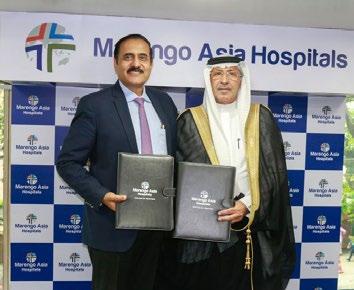

Marengo Asia Hospitals has partnered with Specialized Nazran Hospital in Nazran, a southern province of Saudi Arabia, to introduce its expertise in tertiary and quaternary care. The Nazran facility currently operates with 120 beds and holds top national accreditation, comparable to Joint Commission International (JCI) standards. Plans are underway to double its capacity to 240 beds by 2026, enhancing access to specialized medical services in the region. Dr. Raajiv Singhal, Founding Member, Managing Director, and Group CEO of Marengo Asia Hospitals, emphasized the strategic choice of Saudi Arabia, stating, “Saudi Arabia is an untapped market with huge opportunities compared to saturated markets like Dubai. Our entry will enable us to build superspecialties, attract global talent, and establish a clinical corridor for medical value travel between India and Saudi Arabia”.

The 2,000-bed milestone refers to Marengo’s cumulative capacity across its network, including its eight hospitals in India and the new Saudi venture. Recent domestic expansions, such as the 300-bed Metis-The Medicity in Varanasi and the acquisition of a majority stake in Sunshine Global Hospitals (350 beds across Surat and Vadodara), have pushed the group’s total capacity to over 2,500 beds. This robust domestic growth has provided the foundation for Marengo’s international ambitions.



Marengo’s entry into saudi arabia is a historic Milestone for several reasons:
1. First Mover Advantage: As the first Indian hospital group to establish a presence in Saudi Arabia, Marengo sets a precedent for other Indian healthcare providers to explore the Middle East. This move strengthens India’s soft power in global healthcare, showcasing its ability to deliver highquality, cost-effective medical services.
2. Alignment with Vision 2030: Saudi Arabia’s Vision 2030 aims to diversify its economy and enhance healthcare access through privatization and international partnerships. Marengo’s focus on Centres of Excellence in oncology, cardiology, neurosciences, and orthopaedics directly supports these goals by introducing advanced medical expertise and infrastructure to underserved regions like Nazran.
3. Clinical Corridor Creation: The establishment of a clinical corridor between India and Saudi Arabia facilitates seamless patient referrals, second opinions, and medical value travel. This crossborder collaboration ensures patients can access specialized care at competitive costs, leveraging India’s reputation for affordable, high-quality healthcare.
4. Technological Innovation: Marengo plans to integrate cutting-edge technologies such as robotics, biosensors, non-invasive glucose monitoring, and QR-based self-registration systems at the Nazran facility. These advancements will enhance patient experiences, streamline operations, and set new benchmarks for healthcare delivery in the region.

Marengo’s expansion signals a transformative shift in global healthcare dynamics, with far-reaching implications:
Scalable Model for Growth: Marengo’s success in Saudi Arabia could inspire other Indian healthcare providers to explore international markets, particularly in the Middle East, where demand for specialized care is growing. The group’s plan to double its domestic capacity within a year through organic growth and acquisitions suggests a scalable model that could be replicated globally.
Strengthening Indo-Saudi Ties: This partnership fosters deeper bilateral cooperation between India and Saudi Arabia, extending beyond healthcare to economic and cultural exchanges. The clinical corridor could also boost medical tourism, with Saudi patients accessing cost-effective treatments in India and Indian expertise being exported to the Kingdom.
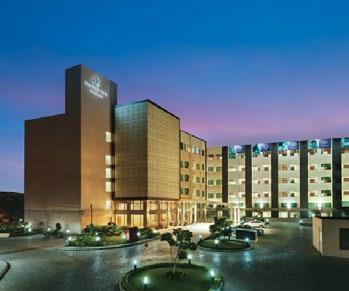
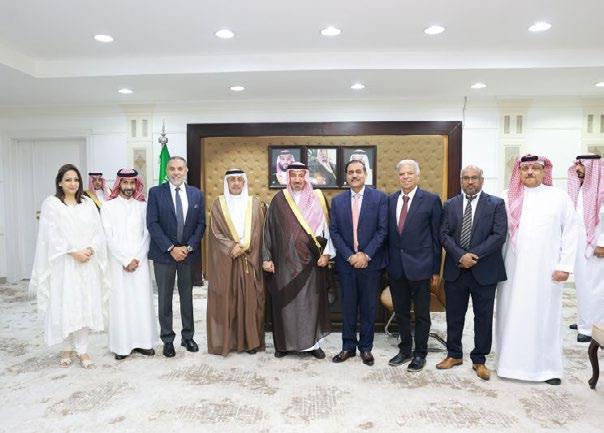


Global Talent Attraction: By establishing super-specialty centres, Marengo aims to attract top medical talent from around the world. This will elevate the standard of care in Saudi Arabia and create opportunities for knowledge exchange and professional development.
Leadership: Marengo’s emphasis on advanced technology positions it as a leader in digital healthcare transformation. The integration of robotics and AI-driven diagnostics could set a new standard for patient-centric care, influencing healthcare practices globally.


The expansion offers tangible benefits for patients, healthcare professionals, and the broader industry. Saudi patients in Nazran and surrounding areas will gain access to world-class tertiary and quaternary care without needing to travel to urban hubs like Riyadh or Jeddah. The clinical corridor with India ensures affordable access to specialized treatments, reducing wait times and costs. For Indian patients, the partnership enhances Marengo’s expertise and capacity, improving domestic service quality.
The collaboration creates opportunities for Indian doctors, nurses, and technicians to work in an international setting, fostering skill development and global exposure. Conversely, Saudi healthcare professionals will benefit from training and knowledge transfer from Marengo’s experienced team. Marengo’s entry paves the way for other Indian healthcare providers to explore global markets, potentially leading to a wave of international partnerships. This could drive innovation, improve standards, and create a more interconnected global healthcare ecosystem.
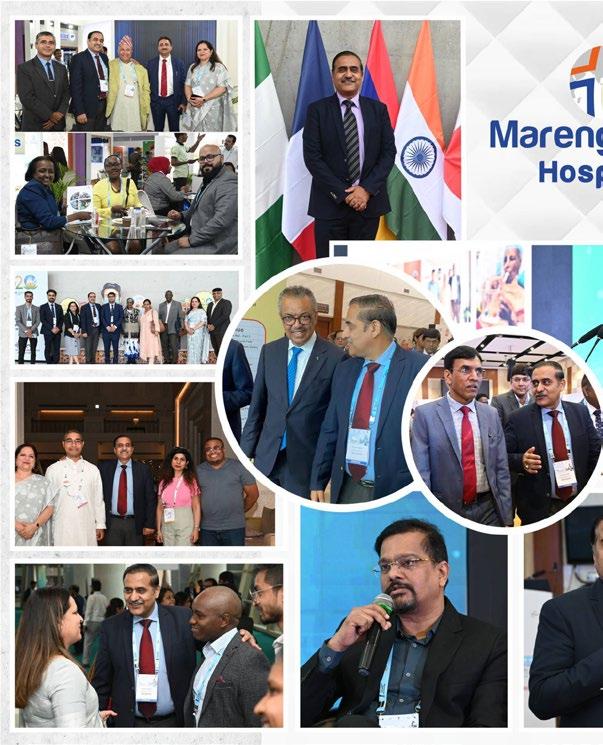

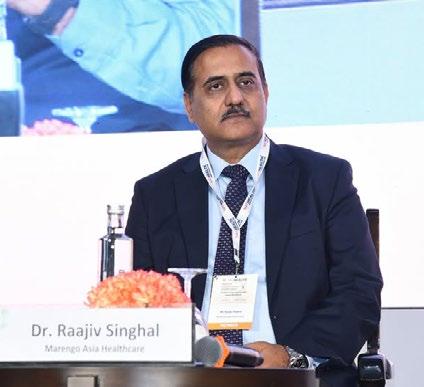
Marengo Asia Hospitals’ pioneering expansion into Saudi Arabia marks a bold step in redefining global healthcare delivery. By crossing the 2,000-bed milestone and establishing a foothold in Nazran, the group is not only expanding its footprint but also bridging healthcare gaps between India and Saudi Arabia. With a focus on advanced technology, clinical excellence, and patient-centric care, Marengo is poised to transform lives while setting a blueprint for future Indo-Saudi healthcare collaborations. As Dr. Singhal aptly noted, this venture taps into an “untapped market with huge opportunities,” heralding a new era of accessible, high-quality healthcare for the region and beyond.


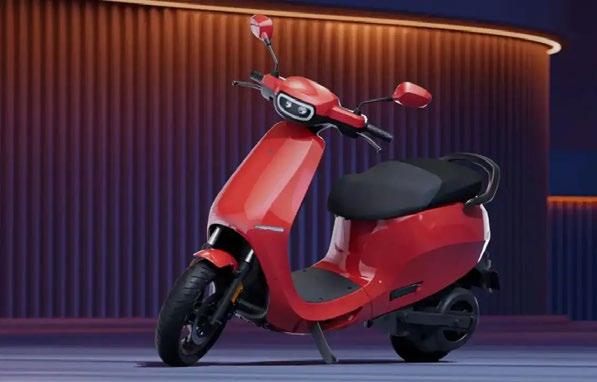
Ola Electric hosted its annual Sankalp event at its sprawling Gigafactory in Tamil Nadu, unveiling a suite of groundbreaking technologies under its ambitious "India Inside" vision. This event marked a significant milestone in India’s electric vehicle (EV) landscape, showcasing Ola’s commitment to building a self-reliant, cutting-edge EV ecosystem. From India’s
first indigenously developed lithium-ion battery cell to a rare earth-free motor and futuristic vehicle prototypes, Ola Electric’s announcements signal a bold step toward supply chain sovereignty and technological leadership. This article delves into the highlights of Sankalp 2025, exploring how Ola’s innovations could reshape India’s mobility and energy future.



At the heart of Ola’s announcements was the 4680 Bharat Cell, India’s first homegrown lithium-ion battery cell. Designed and developed at Ola’s Battery Innovation Centre in Bengaluru, this cylindrical cell boasts a 10% higher energy density than conventional batteries and an impressive 15-year lifespan. The Bharat Cell is a gamechanger, not only for Ola’s electric scooters and motorcycles but also for applications in energy storage and drones. By producing batteries in-house, Ola aims to reduce dependence on imported cells, which
are often subject to volatile global supply chains, particularly from China. The Bharat Cell will power two new models launched at Sankalp: the S1 Pro+ scooter, offering a 320 km range and priced at Rs 1,69,999, and the Roadster X+ motorcycle, with a staggering 501 km range for Rs 1,89,999. Both vehicles are set to hit the roads during Navratri 2025 (September-October). This move not only strengthens Ola’s product lineup but also positions India as a potential global hub for battery manufacturing, a critical component of the EV revolution.
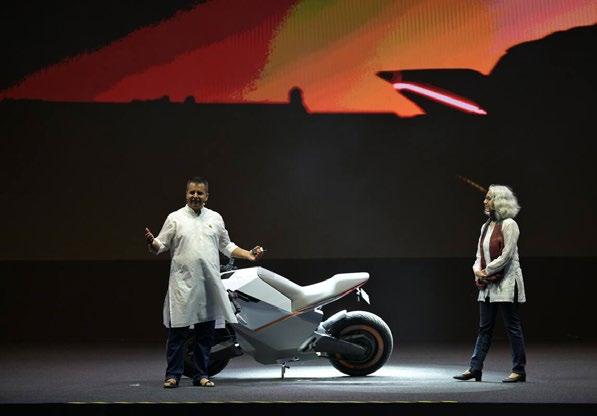
RARE EARTH-FREE FERRITE MOTOR: BREAKING GEOPOLITICAL
Another standout innovation was the rare earth-free ferrite motor, a first-of-its-kind in India. Traditional EV motors rely on rareearth magnets like neodymium, which are expensive and subject to geopolitical risks due to China’s dominance in their supply. Ola’s ferrite motor eliminates these materials, offering a sustainable and costeffective alternative without compromising performance. Scheduled for a phased rollout starting in Q3 FY26 (July-September 2026), this motor underscores Ola’s strategy to mitigate supply chain vulnerabilities and reduce production costs, making EVs more accessible to Indian consumers.

Ola also introduced MoveOS 6, an AI-driven operating system that elevates the user experience with advanced features. These include adaptive cruise control, collision and lane-departure warnings, support for 11 Indian languages, and customizable motor sounds for a personalized ride. MoveOS 6 delivers 15% better energy efficiency, 25% weight reduction, and 43% cost savings compared to its predecessors. Set to roll out in early 2026, this software upgrade reflects Ola’s focus on integrating artificial intelligence to enhance safety, efficiency, and rider engagement.
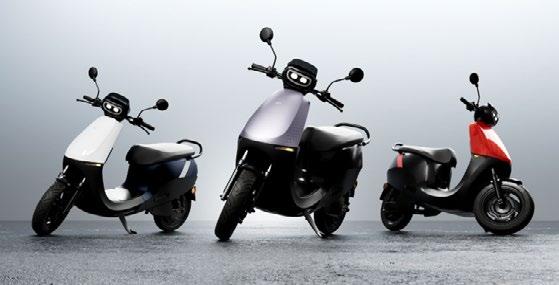

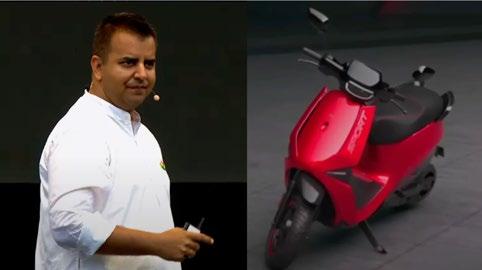
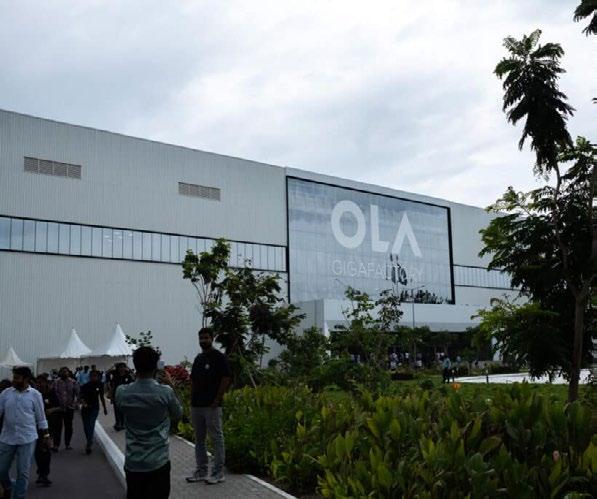
Sankalp 2025 also showcased Ola’s expanding vehicle portfolio. The S1 Pro Sport scooter, priced at Rs 1,49,999, is a performance beast powered by a 16kW motor and available with 5.2kWh or 4kWh Bharat Cell options. With a 320 km range, a top speed of 152 km/h, and advanced driverassistance systems (ADAS), it’s designed for thrill-seekers. Deliveries are slated for January 2026. The event’s showstopper was
the Diamondhead Motorcycle, a futuristic prototype that pushes the boundaries of design and technology. Featuring hubcentered steering, AI-powered self-driving capabilities via Ola’s Krutrim Silicon, and a blistering 0-100 km/h sprint in 2 seconds, the Diamondhead is a bold vision of the future. Targeted for a 2027 launch under Rs 5 lakh, it hints at Ola’s ambitions to dominate the premium EV market.

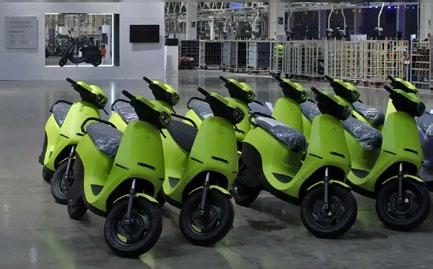
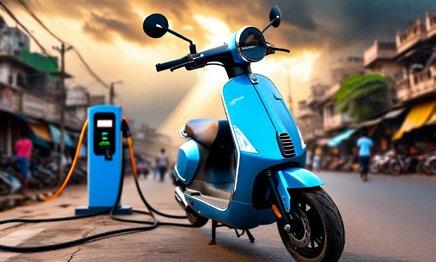
Underpinning Ola’s vehicle innovations is the Gen 4 platform, a modular architecture designed for versatility. Supporting two-, three-, and fourwheelers, as well as drones and humanoids, this platform delivers 76% higher power, 25% lower weight, and 41% cost reduction compared to Ola’s Gen 1 platform. Compatible with multiple cell formats and motor types, it positions Ola to scale its technology across diverse applications, from urban mobility to industrial solutions.
While Ola’s Sankalp 2025 announcements have generated significant buzz, the company faces challenges. Financial reports indicate a net loss of Rs 428 crore in Q1 FY26, and its market share in the EV scooter segment has slipped to 16.8% amid rising competition. Posts on social media reflect excitement about Ola’s indigenous innovations but also highlight consumer concerns about aftersales service and product reliability. Addressing these issues will be crucial for Ola to maintain its momentum.
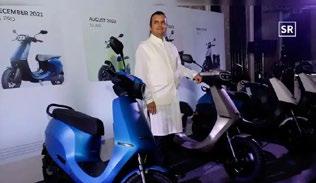


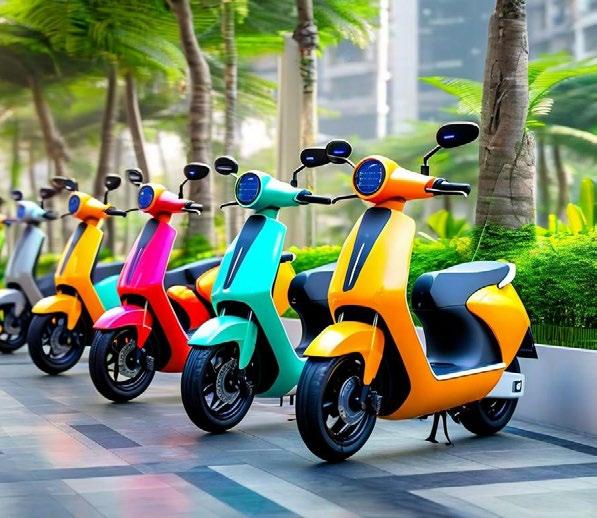
Ola Electric’s Sankalp 2025 event was more than a product showcase; it was a declaration of India’s potential to lead the global EV revolution. By developing critical components like the Bharat Cell and ferrite motor in-house, Ola is reducing reliance on foreign technology and building a resilient supply chain. The integration of AI through MoveOS 6 and the versatility of the Gen 4 platform further demonstrate Ola’s forward-thinking approach. As the company prepares to roll out its new vehicles and
technologies, it is poised to redefine mobility in India and beyond. With the EV market projected to grow rapidly, Ola’s focus on indigenous innovation could position India as a global leader in sustainable transportation. However, the road ahead requires balancing ambitious innovation with operational excellence to win consumer trust and market dominance. For now, Sankalp 2025 has set the stage for an electrifying future, one where India’s ingenuity powers the world’s mobility.


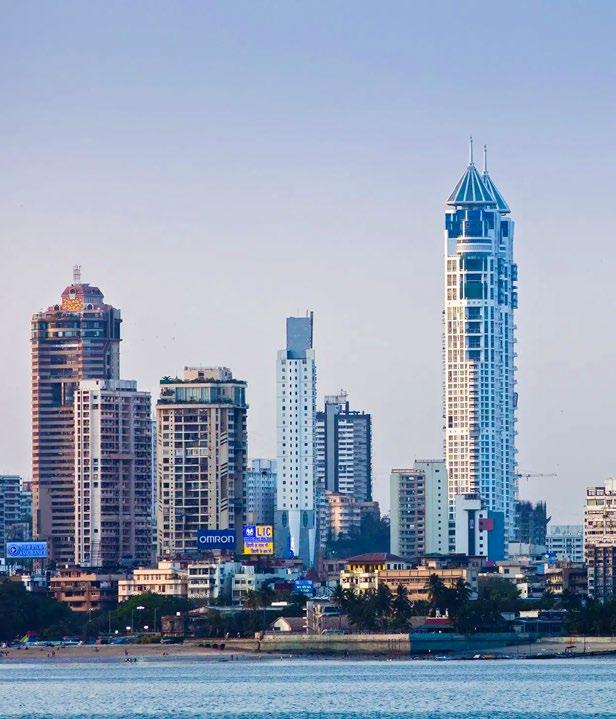

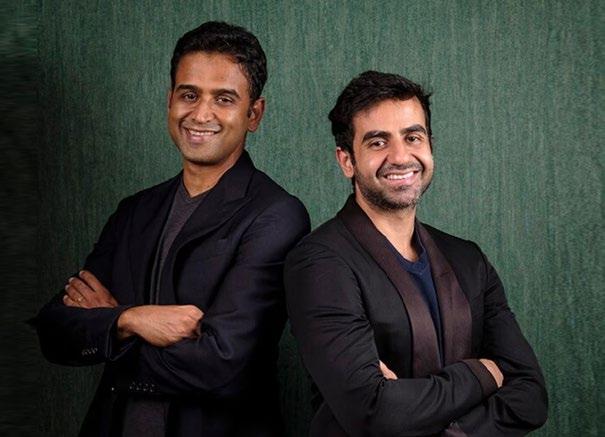


In the dynamic world of Indian entrepreneurship, few stories resonate as powerfully as that of Nithin and Nikhil Kamath, the brothers who founded Zerodha, a company that has redefined stock trading in India. Starting with little more than a passion for capital markets and a vision to make trading accessible to all, the Kamath brothers have built Zerodha into India’s largest retail brokerage firm, boasting over 10 million clients and a valuation of $3.6 billion as of September 2023. Their journey from modest beginnings to becoming self-made billionaires is a testament to innovation, resilience, and an unwavering commitment to democratizing.
Born in Shimoga, Karnataka, to a Konkani
family, Nithin and Nikhil Kamath grew up in a middleclass household. Their father, Raghuram Kamath, was an executive at Canara Bank, while their mother, Revathi Kamath, was a veena player who instilled a love for music in her sons. The family moved to Bengaluru in 1996, where Nithin completed his schooling and pursued a degree in telecommunications engineering at Bangalore Institute of Technology. Nikhil, the younger brother, took a more unconventional path, dropping out of school after the 10th grade to pursue his interests in trading and entrepreneurship.
Nithin’s tryst with the stock market began at 17, introduced to trading by friends during his college years. He traded penny stocks, initially making money but losing it all during the 2001-02 market crash. To make ends meet, he worked night shifts at a call centre while trading during the day. Nikhil, meanwhile, showed an early entrepreneurial streak, selling used mobile phones at 14 and working at a call centre by 17, all while teaching himself the intricacies of equity trading. By 2006, the brothers had started Kamath & Associates, a sub-broking firm managing portfolios for high-networth individuals. These early experiences shaped their understanding of the market’s challenges, particularly high brokerage fees and lack of transparency.
In 2010, Nithin and Nikhil founded Zerodha, a name
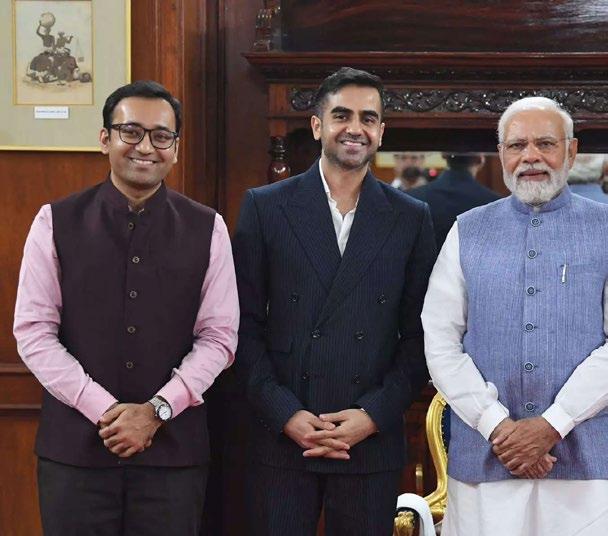
derived from “Zero” and “Rodha,” the Sanskrit word for barrier, reflecting their mission to eliminate obstacles in trading. Frustrated by the exorbitant fees charged by traditional brokers, they introduced a revolutionary discount brokerage model, charging a flat fee of ₹20 per trade, regardless of transaction size, and offering free equity delivery trades. This disrupted the industry, making trading affordable for retail
investors and challenging the percentage-based fee structures of established players like HDFC and ICICI. Zerodha’s early days were lean. Bootstrapped with minimal capital, the brothers relied on Nikhil’s trading profits to keep the company afloat. Nithin focused on building the brokerage, while Nikhil managed risk and trading. Their friend Venu Madhav handled operations, and Hanan Delvi led customer support. With no formal tech background or elite education, the team leveraged technology to create “Kite,” an intuitive trading platform that offered real-time data, advanced charting, and a user-friendly interface. This focus on simplicity and accessibility resonated with tech-savvy young traders. Zerodha’s growth was meteoric. By 2015, the company
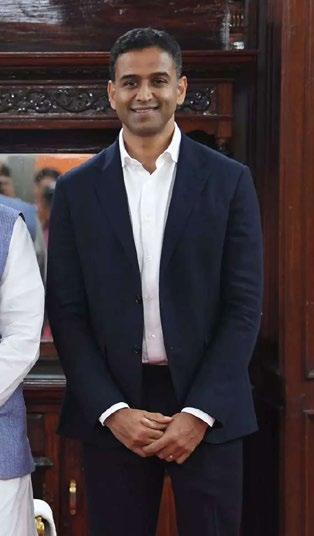
made equity delivery trades free, triggering a surge in its client base from 30,000 to 1.4 million by 2020. The COVID-19 lockdown in 2020 further fuelled interest in stock trading, and Zerodha capitalized on this trend, reaching 10 million clients by 2022. In 2019, it overtook ICICI Securities to become India’s largest retail stockbroker by active client base, contributing over 15% of retail trading volumes on Indian exchanges. The brothers’ innovative approach extended beyond brokerage. They launched “Varsity,” a comprehensive
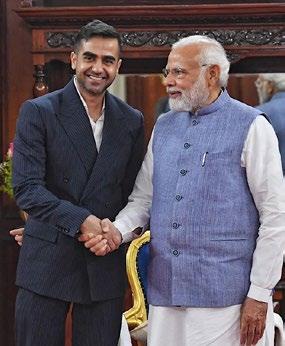

educational platform to improve financial literacy, written single-handedly by team member Karthik Rangappa. Their fintech incubator, Rainmatter, founded in 2014, has invested in startups like Cred and Smallcase, fostering innovation in the financial ecosystem. In 2023, Zerodha launched Zerodha Fund House in partnership with Smallcase, focusing on commission-free index funds, and in 2024, it introduced the FLOSS Fund to support open-source projects globally with up to $1 million annually.
The success of Zerodha is rooted in the complementary
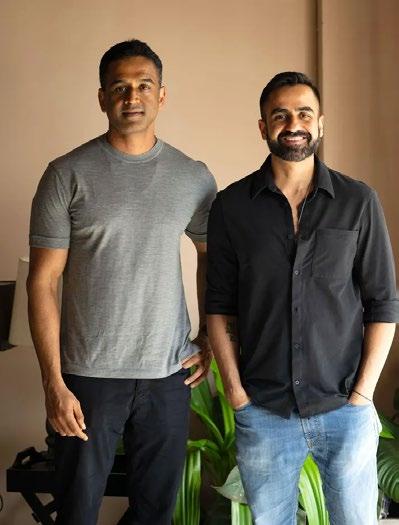




strengths of Nithin and Nikhil. Nithin, the CEO, is the visionary leader, focusing on operations, compliance, and customer-centric innovation. A self-described average student, he brings a trader’s perspective to the business, shaped by years of market experience. Nikhil, the co-founder and CFO, is the astute investor, managing financial planning and risk. A school dropout, his selftaught expertise in trading and asset management led him to co-found True Beacon, a zero-fee hedge fund for ultra-high-net-worth individuals, and Gruhas, a real estate investment firm.
Their brotherly partnership has been a key advantage. As Nikhil noted in a 2024 interview, 65% of startups fail due to founder conflicts, but their distinct roles— Nithin handling broking and people management, Nikhil focusing on markets—minimize overlap and egos. Clear communication and shared values have sustained their collaboration, even through challenges like regulatory changes and technical glitches on Zerodha’s Kite platform. Zerodha’s journey hasn’t been without hurdles. The
company has faced criticism for technical issues, including outages during high-volatility trading days, and its online-only model has drawn complaints about slow customer support. Regulatory changes by SEBI, such as the 2024 true-to-label circular, have pressured revenues, prompting Nithin to warn that the best days for Indian brokers may be over. Competition from startups like Groww, which surpassed Zerodha’s market share in 2024, adds further pressure. Yet, the brothers remain optimistic, adapting by exploring new revenue streams and maintaining a premium product offering. With a combined net worth of over $7 billion,

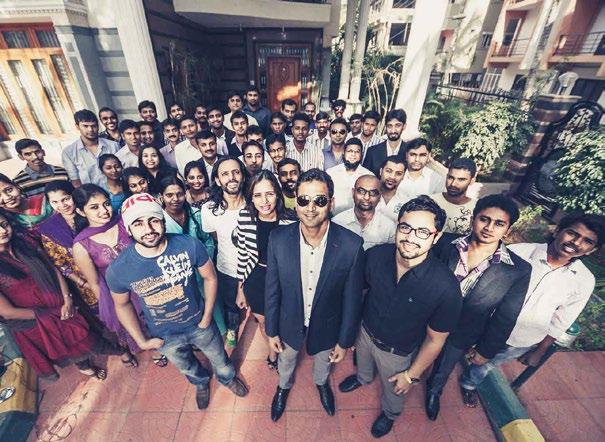



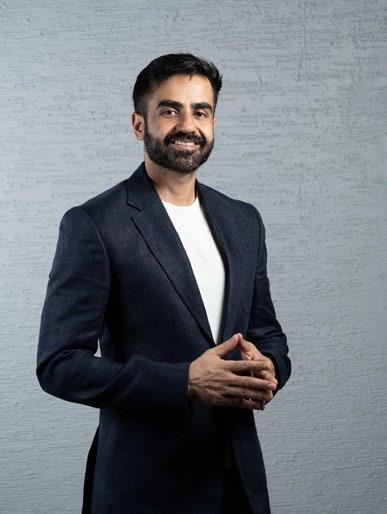

according to Hurun India’s 2024 report, the Kamath brothers are among India’s richest self-made entrepreneurs. Yet, their focus extends beyond wealth. Nikhil signed the Giving Pledge in 2023, committing to donate a significant portion of his wealth to philanthropy. Through the Rainmatter Foundation, they support environmental sustainability and social causes. Nithin, a fitness enthusiast and guitarist, advocates for financial literacy and cautions retail investors against scams, as seen in his 2024 warning about fake trading apps.
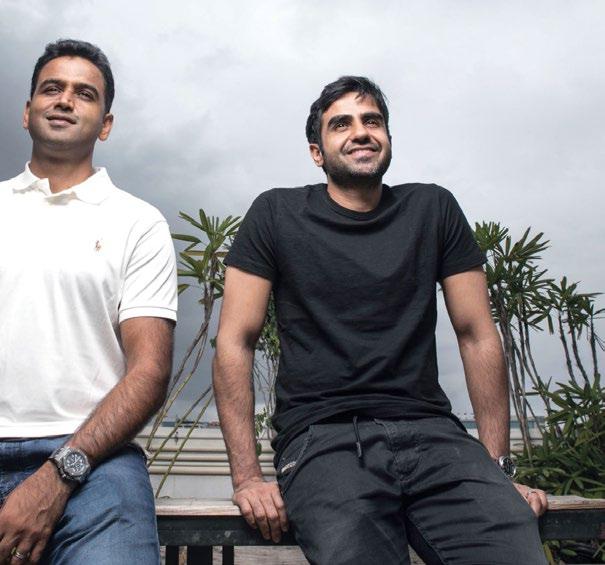
The story of Nithin and Nikhil Kamath is one of grit, innovation, and breaking barriers. From call centre jobs to building a unicorn without external funding or advertising, they’ve shown that success doesn’t require elite credentials—just a deep understanding of customer pain points and a relentless drive to solve them. Zerodha’s low-margin, high-volume model, coupled with its commitment to education and
transparency, has made trading accessible to millions, reshaping India’s financial landscape. As they navigate regulatory challenges and competition, the Kamath brothers continue to inspire. Their journey proves that unconventional paths, when fuelled by passion and purpose, can lead to extraordinary outcomes. For aspiring entrepreneurs, Zerodha’s success is a reminder: focus on solving real problems, stay true to your vision, and the impact will follow.
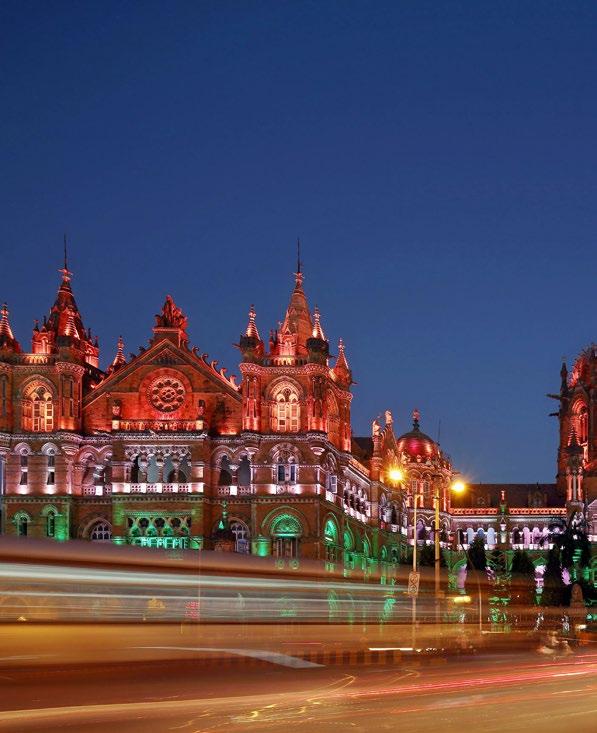
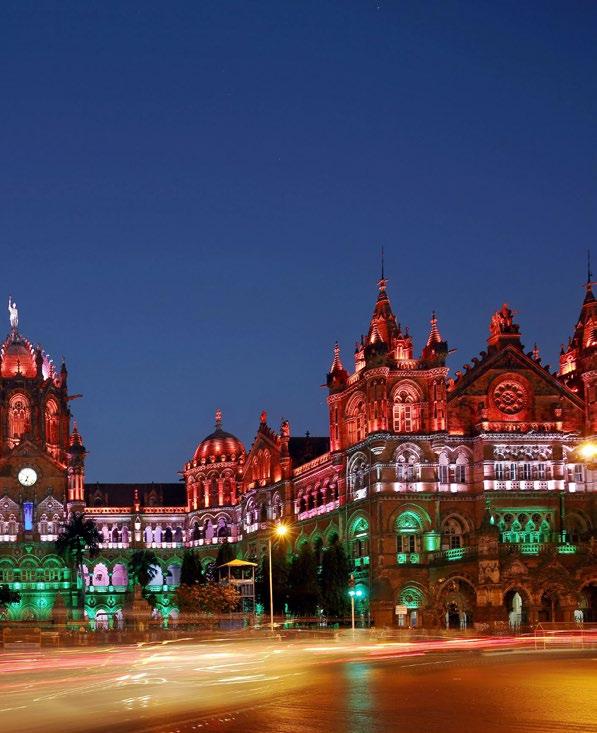
Mumbai, the city that never sleeps, is about to shine even brighter. In a bold and progressive move, the Maharashtra government has reaffirmed and clarified its policy allowing shops and commercial establishments to operate 24x7 across the state, including its bustling financial capital. This decision, formalized through a circular issued on October 1, 2025, under the Maharashtra Shops and Establishments (Regulation of Employment and Conditions of Service) Act, 2017, is set to transform the state’s economic landscape, boost job creation, and elevate Mumbai’s status as a global metropolis. For a city synonymous with hustle and ambition, this policy is not just a regulatory update—it’s a game-changer.
The new clarification empowers a wide range of businesses—shops, restaurants, malls, cinemas, theatres, and other places of public amusement— to operate round the clock, seven days a week, based on market demand. The policy addresses longstanding grievances from businesses facing restrictions from local authorities and police, despite the 2017 Act already permitting extended hours. By ensuring stricter enforcement, the government has sent a clear message: Maharashtra is open for business, day and night. However, the policy isn’t a free-for-all. Certain establishments, such as liquor stores, bars, dance bars, and hookah parlours, remain bound by existing time restrictions to balance public safety and regulatory compliance. For all other businesses, the freedom to operate 24x7 comes with a commitment to employee welfare. The policy mandates a continuous 24-hour weekly rest period for workers, alongside adherence to labour laws on minimum wages, overtime, and occupational safety. This ensures that the economic boost doesn’t come at the cost of
workers’ well-being—a win-win for employers and employees alike.
Mumbai has long been India’s economic powerhouse, but its nightlife has often lagged behind global cities like New York, London, or Singapore. The 24x7 policy changes that narrative, ushering in a vibrant “night economy” that promises to redefine urban living in Maharashtra. From late-night eateries serving piping-hot vada pav to malls hosting midnight shopping sprees, the policy caters to the modern consumer’s demand for convenience and flexibility. The significance of this move extends far beyond extended shopping hours. It’s about creating a dynamic ecosystem where businesses thrive, consumers are empowered, and the local economy gets a shot of adrenaline. Cities like Mumbai, Pune, and Nagpur stand to benefit immensely, as round-the-clock operations attract tourists, professionals, and locals alike, fostering a culture of accessibility and inclusivity.
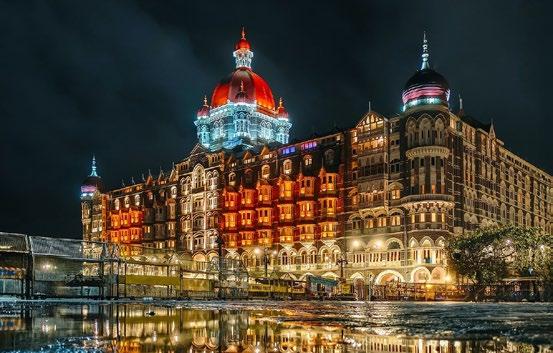
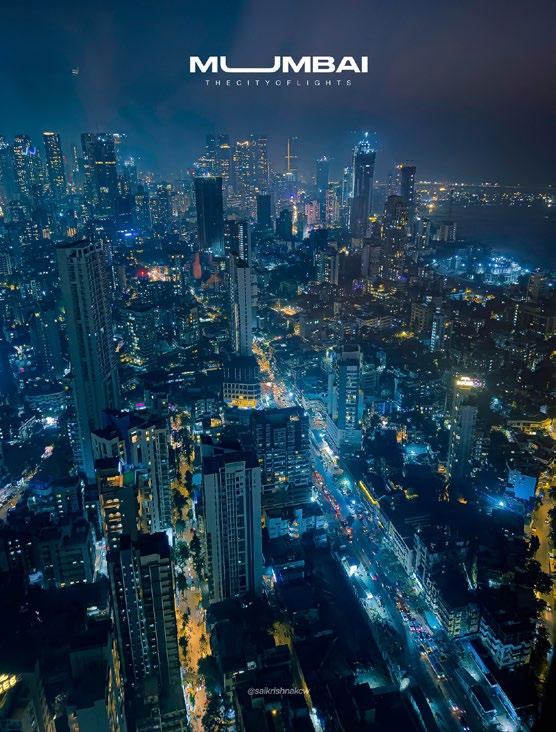
The economic implications of this policy are profound. By allowing businesses to operate 24x7, Maharashtra is poised to create thousands of jobs across sectors like retail, hospitality, logistics, and tourism. Restaurants can hire more staff for late-night shifts, malls can extend security and maintenance teams, and delivery services can cater to round-the-clock demand. This job creation is particularly significant for young workers and those in the gig economy, offering new opportunities in a competitive job market.
Moreover, the policy is a boon for small and medium enterprises (SMEs). Local shops, cafes, and eateries can now compete with larger chains by staying open longer, tapping into the growing demand for late-night services. For instance, a roadside dosa stall in Bandra or a bookstore in Pune can now cater to night owls, boosting their revenue and contributing to the local economy.
On a macro level, the policy enhances Maharashtra’s appeal as a global investment destination. A 24x7 operational framework aligns the state with international business standards, making it more attractive to foreign investors and tourists. Mumbai, already a hub for finance and entertainment, can now cement its reputation as a city that rivals global metropolises in accessibility and vibrancy. The ripple effects will likely extend to tourism, with visitors enjoying late-night cultural events, dining, and shopping experiences, further boosting the state’s revenue.
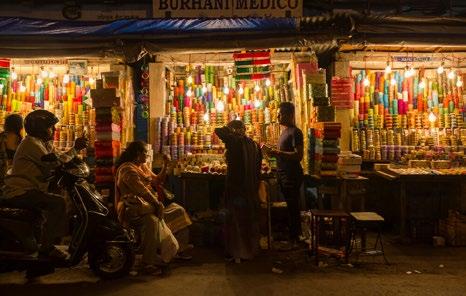

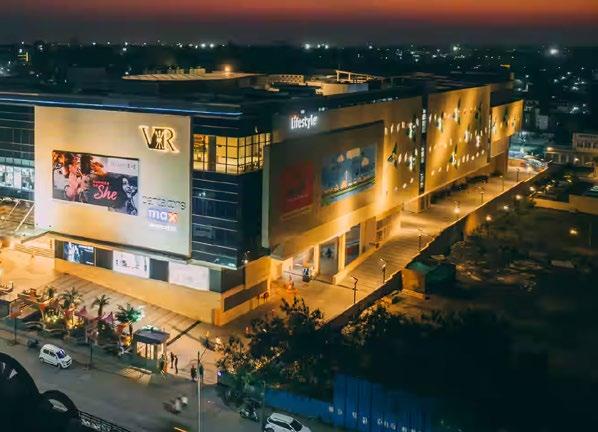
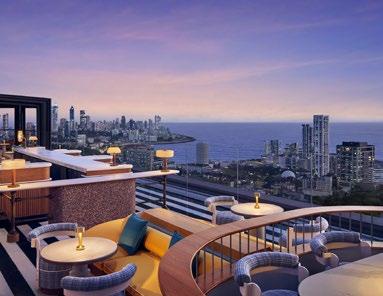



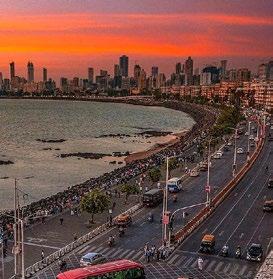
The 24x7 policy is more than a regulatory tweak—it’s a vision for a modern, thriving Maharashtra. It acknowledges the evolving needs of a dynamic population while prioritizing economic growth and worker welfare. For Mumbai’s residents, it means grabbing a midnight snack without worry, catching a late-night movie, or shopping for essentials at any hour. For businesses, it’s an opportunity to innovate, expand, and prosper. And for the state, it’s a step toward becoming a global leader in urban innovation.
As Maharashtra embraces this nighttime renaissance, the message is clear: the state is ready to shine 24 hours a day, seven days a week. So, whether you’re a night owl craving a late-night biryani or a business owner dreaming of new possibilities, Mumbai’s doors are now open around the clock—welcoming you to a brighter, bolder future.


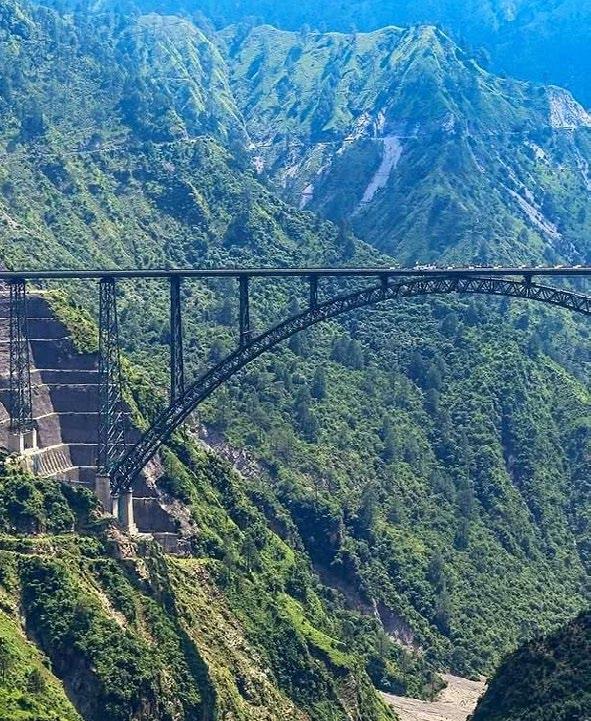

Nestled in the rugged Himalayan terrain of Jammu and Kashmir, India, the Chenab Railway Bridge stands as a testament to human ingenuity and perseverance. Officially the world’s tallest railway arch bridge, this architectural masterpiece soars 359 meters above the Chenab River, dwarfing even the iconic Eiffel Tower by 35 meters. Spanning 1,315 meters, the bridge is a pivotal component of the ambitious 272-km UdhampurSrinagar-Baramulla Railway Link (USBRL), a project aimed at seamlessly connecting the Kashmir Valley to the rest of India. Since its completion, the bridge has not only transformed regional connectivity but also captured global attention as an engineering feat of unparalleled scale.


The Chenab Railway Bridge, located between the villages of Bakkal and Kauri in Reasi district, was constructed over two decades at a cost of ₹1,486 crore (approximately $178.3 million USD). The project faced immense challenges due to the region’s treacherous terrain, extreme weather, and high seismic activity, classified as Zone 4. Yet, through meticulous planning and cutting-edge engineering, the bridge was designed to endure wind speeds of up to 266 km/h and earthquakes of significant magnitude, ensuring both safety and longevity. With
a lifespan of 120 years, the bridge is built to last, constructed using 28,000 tons of steel and secured with 600,000 bolts across its 93 deck segments. The bridge’s construction was a collaborative effort involving the Indian Railways, the Defense Research and Development Organization (DRDO), and other engineering bodies. Notably, the structure is blastproof, a feature developed with DRDO’s expertise, making it resilient against potential security threats in the geopolitically sensitive region. The arch design, inspired by global engineering marvels like Portugal’s Aqueduct of Lisbon, distributes weight efficiently, allowing the bridge to support heavy rail traffic, including modern trains like the Vande Bharat Express.


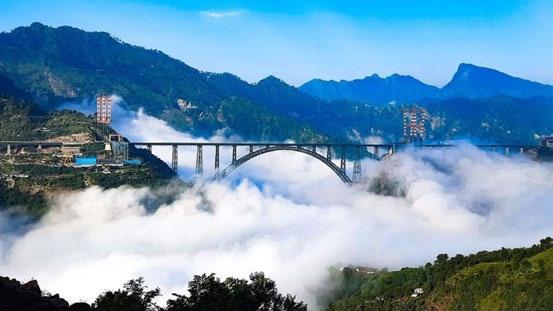
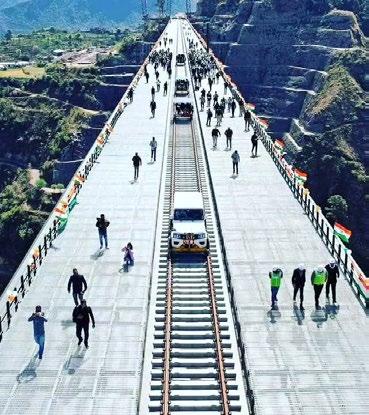
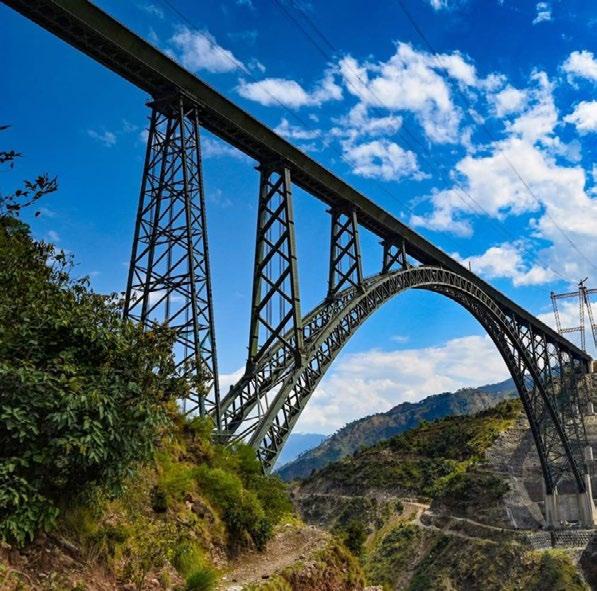
The Chenab Railway Bridge is more than a structural triumph; it is a lifeline for the people of Jammu and Kashmir. As part of the USBRL project, it connects remote areas to the broader Indian railway network, fostering economic growth, tourism, and social integration. Before its completion, the Kashmir Valley’s accessibility was limited, particularly during harsh winters when road routes often became impassable. The bridge, along with the broader railway link, enables year-round connectivity, with trains now running from Udhampur to Srinagar and beyond to Baramulla.

The bridge’s strategic importance was underscored during its inauguration by Prime Minister Narendra Modi, who hailed it as a “golden chapter” in India’s infrastructure development. The first train to cross the bridge, a historic milestone, marked the realization of a long-standing vision to integrate Kashmir more closely with the rest of the country. For locals, it means faster travel, cheaper transport of goods, and greater access to opportunities. For India, it symbolizes progress, resilience, and unity.
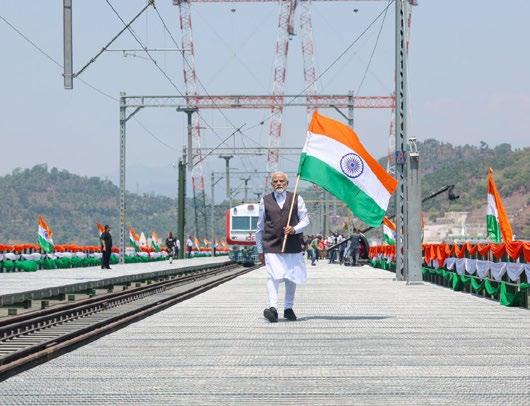
The Chenab Railway Bridge is a showcase of advanced engineering tailored to extreme conditions. Its massive steel arch, one of the largest of its kind globally, required precision fabrication and assembly. The bridge’s deck, elevated 359 meters above the riverbed, was constructed using a unique cable-crane system to navigate the deep valley and turbulent winds. Each of the 93 deck segments was
meticulously placed, ensuring structural integrity under the region’s dynamic environmental stresses. The bridge’s design incorporates several innovative features. It is equipped with sensors to monitor wind speed, temperature, and structural health in real-time, ensuring proactive maintenance. Its seismic resilience is achieved through flexible foundations and dampers that absorb earthquakeinduced vibrations. Additionally, the bridge’s blastproof design enhances its security, making it a model for critical infrastructure in sensitive areas.
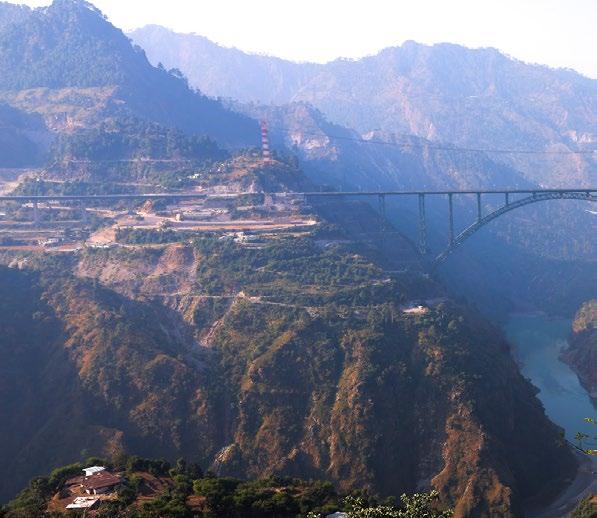

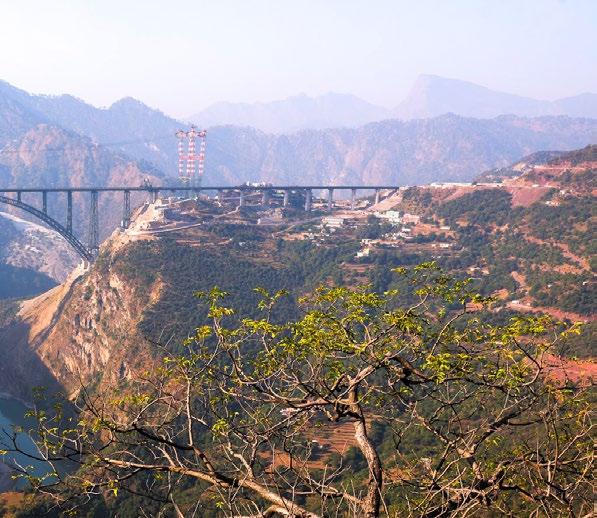
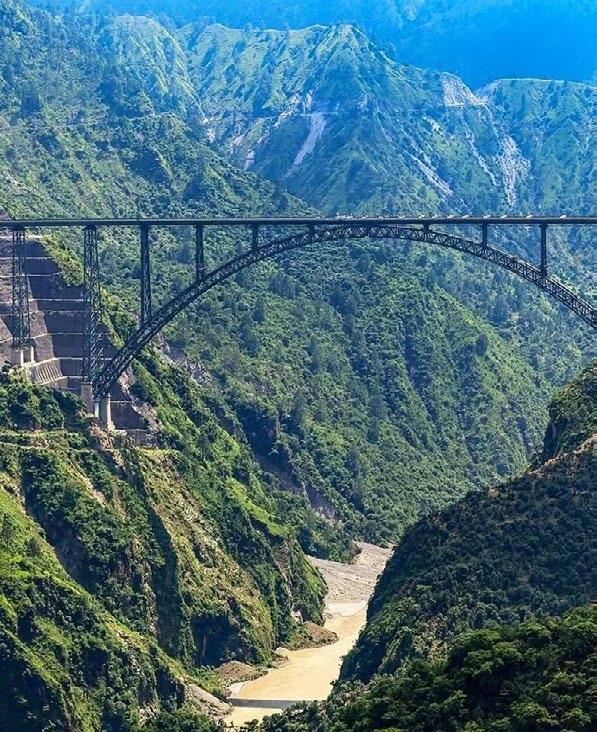


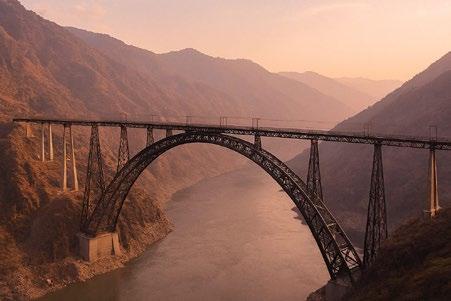
Beyond its technical achievements, the Chenab Railway Bridge holds profound cultural and economic significance. It has become a point of pride for India, showcasing the country’s ability to execute complex projects in challenging environments. The bridge has also drawn attention as a potential tourist attraction, with its breathtaking views of the Himalayan landscape and the Chenab River below. For engineers and architects worldwide, it serves as an inspiration, demonstrating how innovation can overcome even the most formidable obstacles.
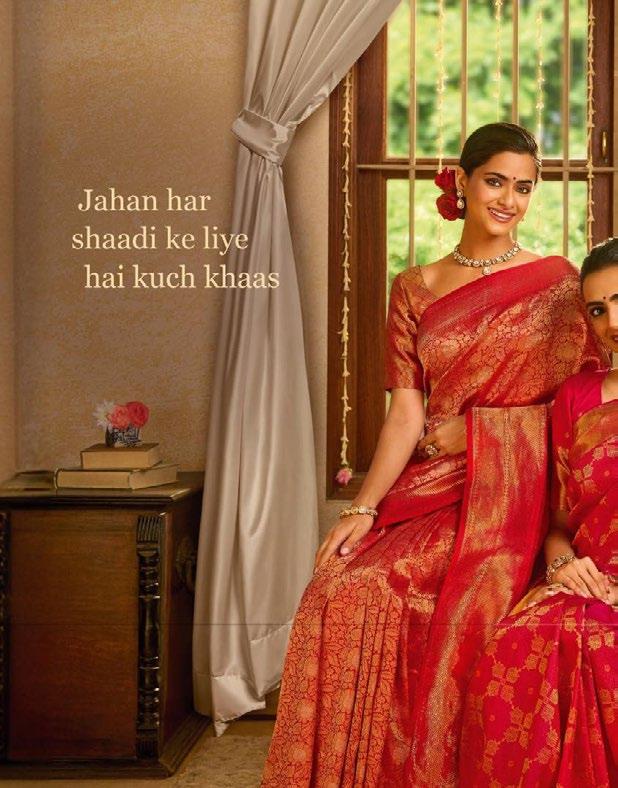

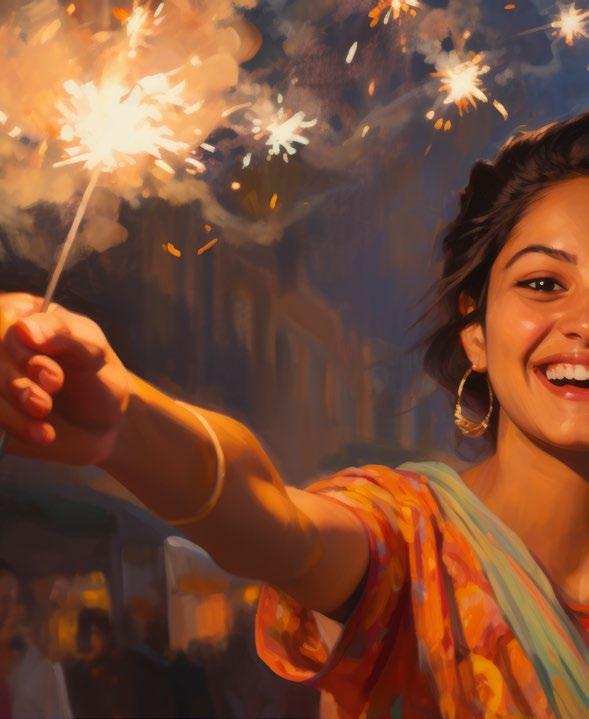

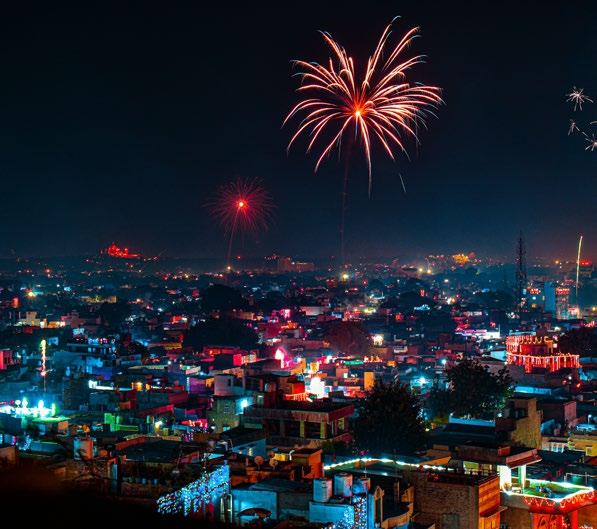
As the crisp autumn air settles over India in October 2025, a familiar wave of excitement ripples through homes, streets, and hearts. Diwali, the festival of lights, transforms the nation into a kaleidoscope of color, warmth, and joy, uniting millions across India and the global diaspora in a celebration that transcends borders and beliefs. In 2025, Diwali is poised to be a particularly vibrant affair, with communities embracing both timeless traditions and innovative ways to honour this cherished festival. More than a religious event, Diwali is a cultural and spiritual touchstone, weaving together ancient stories, universal values, and a shared hope for brighter days. This year, as the world navigates an ever-changing landscape, Diwali’s message of light over darkness, good over evil, and knowledge over ignorance feels more resonant than ever.

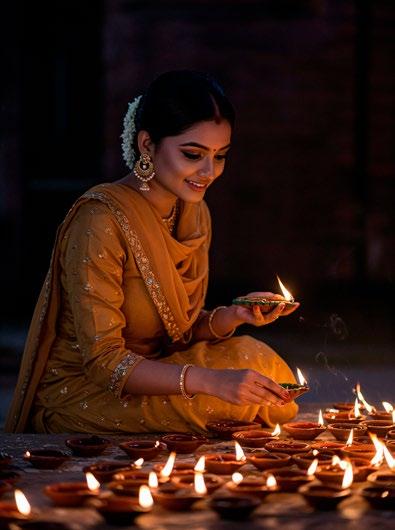
At its heart, Diwali is a celebration of triumph and renewal, rooted in the rich tapestry of Indian mythology and spirituality. For many Hindus, the festival commemorates the return of Lord Rama, his wife Sita, and brother Lakshmana to Ayodhya after 14 years of exile and Rama’s victory over the demon king Ravana, as told in the Ramayana. The people of Ayodhya welcomed their beloved prince by lighting oil lamps, or diyas, creating a glow that has come to symbolize hope, righteousness, and the eternal victory of good. Yet Diwali’s significance
is beautifully diverse, reflecting India’s pluralistic spirit. In eastern India, the festival honours Goddess Kali, the fierce destroyer of evil, while in the south, it marks Lord Krishna’s defeat of the demon Narakasura, a victory of light over tyranny. For Jains, Diwali celebrates Lord Mahavira’s attainment of nirvana, a moment of ultimate spiritual liberation. Sikhs observe Diwali as Bandi Chhor Divas, commemorating Guru Hargobind Ji’s release from imprisonment, a symbol of freedom and justice. This mosaic of narratives underscores Diwali’s universal appeal, uniting communities in a shared celebration of virtue, resilience, and renewal.
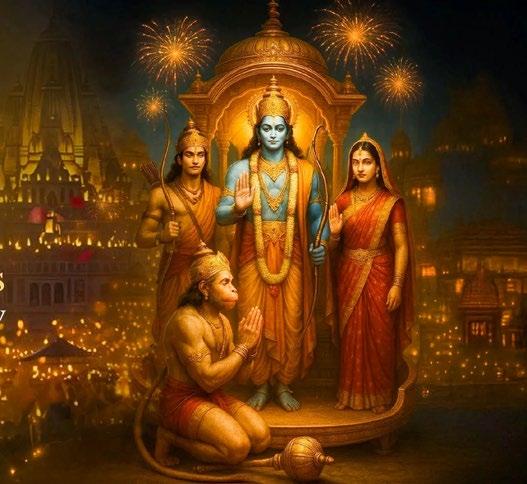
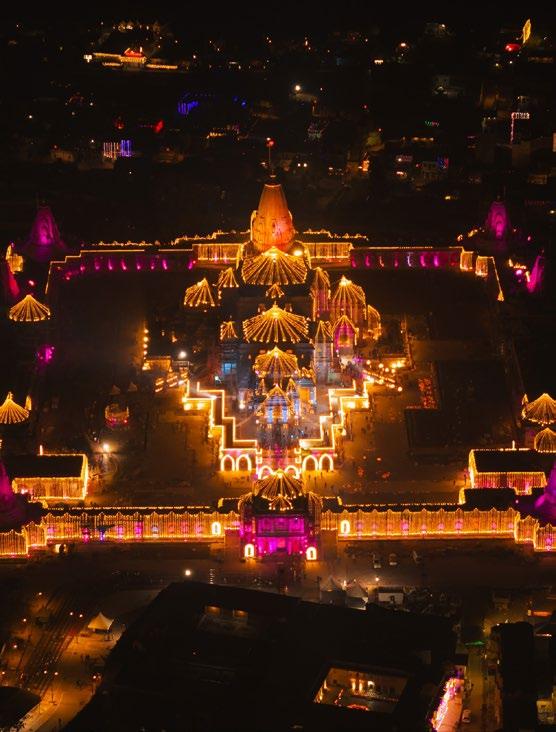

In 2025, Diwali is expected to fall on October 20, based on the lunar calendar, with festivities spanning five days, each rich with meaning and ritual. The festival begins with Dhanteras, a day dedicated to prosperity and new beginnings. Families clean their homes, purchase gold, silver, or kitchenware, and light a single diya to invite Goddess Lakshmi’s blessings. The second day, Naraka Chaturdasi or Choti Diwali, is a time for purification, with early morning baths in fragrant oils and the lighting of diyas to banish negativity. The third day, the pinnacle of the festival, is Diwali itself, marked by elaborate pujas to Goddess Lakshmi, the deity of wealth and abundance. Homes glow with countless diyas, fairy lights, and intricate rangoli—vibrant patterns made from coloured powders, rice, or flower petals—that welcome guests with their artistry. The fourth day, Annakut, celebrates gratitude with offerings of food, from heaps of rice to sweets, symbolizing abundance. The fifth day, Bhai Dooj, honours the bond between siblings, with sisters praying for their brothers’ long lives and brothers offering gifts in return.



This year, Diwali’s celebrations are likely to reflect a blend of tradition and modernity, shaped by global connectivity and growing environmental consciousness. Urban centres like Delhi, Mumbai, and Bengaluru will come alive with bustling markets selling marigold garlands, clay diyas, and an array of sweets— laddoos, barfis, jalebis, and regional specialties like Karnataka’s obbattu or Gujarat’s ghughra. The night sky, traditionally ablaze with fireworks, may see quieter celebrations in 2025 as ecofriendly practices gain traction. Many cities are promoting green Diwali initiatives, encouraging LED lights, biodegradable decorations, and noise-free celebrations to reduce pollution. Social media platforms, are filled with ideas for sustainable Diwali décor, from upcycled diyas to plant-based rangoli, reflecting a collective desire to honour tradition while protecting the planet.
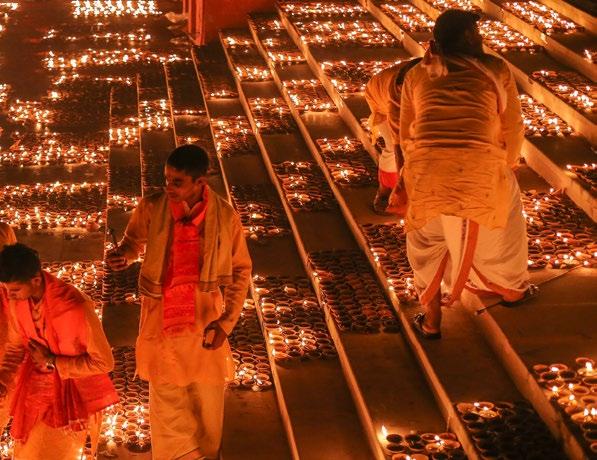
Diwali’s magic lies in its versatility, offering countless ways to celebrate that cater to different lifestyles, beliefs, and circumstances. Whether you’re in a bustling city, a quiet village, or part of the global diaspora, Diwali in 2025 can be a deeply personal and communal experience. Here are some inspiring ways to embrace the festival, blending tradition with contemporary flair: For those who cherish tradition, the classic Diwali experience remains unmatched. Begin by cleaning and decorating your home, a ritual believed to invite prosperity. Craft a rangoli at your doorstep using vibrant powders or natural materials like turmeric, vermilion, and flower petals. Light diyas—simple clay lamps filled with sesame or mustard oil—and place them on windowsills, balconies, and courtyards to create a warm, inviting glow. Prepare a feast of traditional dishes, from North India’s puri-aloo and kheer to South India’s coconutladen payasam or Maharashtra’s spicy chakli. Perform a Lakshmi puja with family, offering sweets, fruits, and prayers to seek blessings for abundance. Share mithai and dry fruits with neighbours and friends, reinforcing community bonds. In 2025, many families may enhance these rituals with virtual pujas, connecting with loved ones across the globe via video calls to share prayers and laughter.

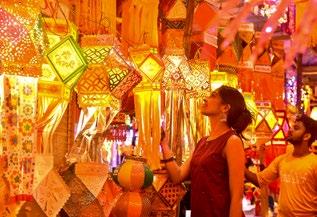
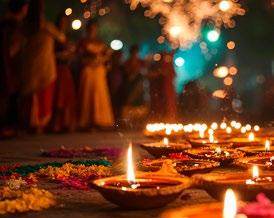


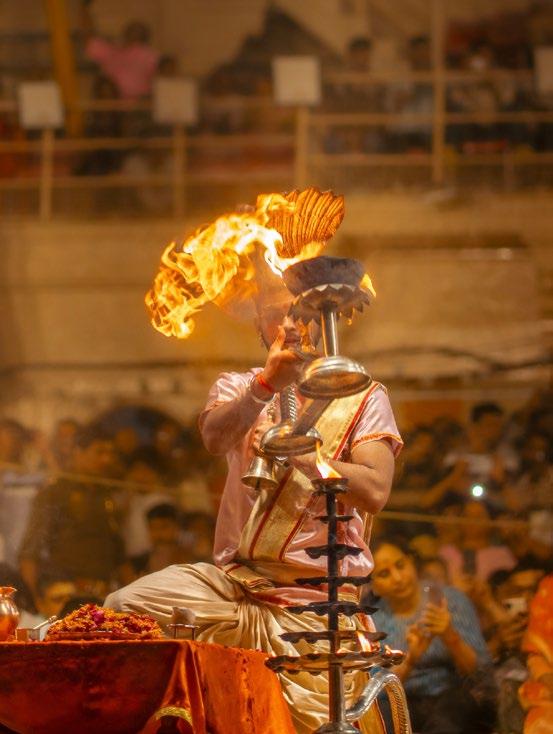

For the environmentally conscious, a green Diwali offers a meaningful way to celebrate. Opt for eco-friendly diyas made from clay or recycled materials, and use LED lights instead of traditional fireworks to reduce air and noise pollution. Create rangoli with natural dyes, pulses, or even fresh produce like fruits and vegetables, as seen in viral posts showcasing innovative designs. Host a sustainable Diwali party with plant-based sweets or locally sourced ingredients, minimizing waste with reusable serveware. Support small businesses by purchasing handmade decorations or organic sweets, contributing to both the environment and local economies. Many communities in 2025 are organizing “green Diwali fairs,” where artisans sell biodegradable décor and eco-conscious gifts,
making sustainability a festive centrepiece. For those seeking a modern twist, Diwali can be a canvas for creativity. Host a Diwali-themed game night with card games like teen patti, a festival favourite, or trivia based on Indian mythology. Curate a playlist of Bollywood Diwali anthems and contemporary fusion tracks for a lively dance party. Experiment with fusion cuisine—think Diwali tacos with spiced paneer or cupcakes topped with saffron frosting— to delight guests. For the tech-savvy, create digital rangoli using design apps or share Diwali greetings via animated videos on social platforms. In 2025, virtual reality experiences are gaining popularity, with some companies offering immersive Diwali tours of Ayodhya or interactive puja simulations, blending tradition with cutting-edge technology.

For the global diaspora, Diwali is a bridge to cultural roots. In cities like London, New York, or Sydney, Indian communities organize grand Diwali melas, featuring dance performances, food stalls, and lantern-making workshops. Host a potluck with friends, blending Indian classics with local flavours—perhaps a Diwali pizza. Share stories of Diwali’s significance with non-Indian friends, fostering cultural exchange. In 2025, online platforms are making it easier to celebrate remotely, with curated Diwali gift boxes available for international shipping, filled with sweets, diyas, and personalized notes. Virtual storytelling sessions, where elders narrate tales from the Ramayana or regional folklore, are also gaining traction, keeping traditions alive across continents.
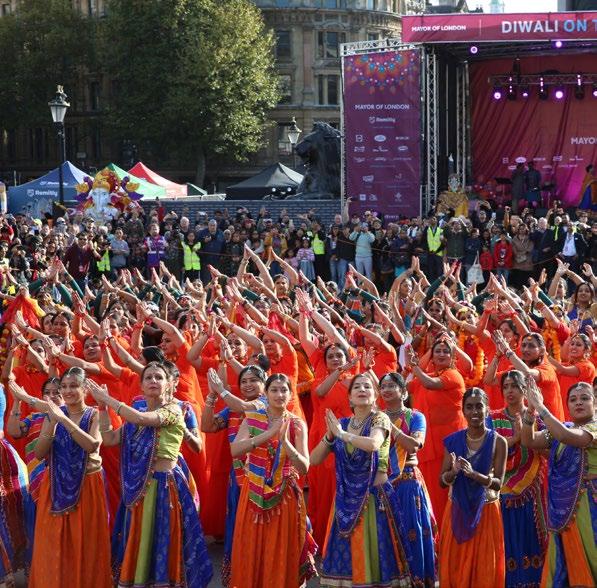
For those seeking a spiritual focus, Diwali offers a chance for introspection. Light a single diya as a meditation focal point, reflecting on personal growth and gratitude. Practice acts of kindness—donate to a local charity, volunteer at a community kitchen, or share a meal with someone in need. In 2025, many spiritual leaders are emphasizing “inner Diwali,” encouraging mindfulness practices like journaling or yoga to align with the festival’s themes of renewal and enlightenment. Joining a community satsang or virtual prayer session can deepen the spiritual experience, connecting you with others on a shared journey.


Diwali’s sensory splendour—glistening sweets, fragrant marigolds, the soft glow of diyas— creates an unforgettable atmosphere, but its true power lies in its universal message. The festival reminds us that light, in all its forms, can overcome darkness. A single diya symbolizes the spark of knowledge that dispels ignorance, the warmth of compassion that bridges divides, and the courage to face life’s challenges. In 2025, as the world grapples with environmental concerns, social changes, and global connectivity, Diwali’s call to embrace unity, sustainability, and hope resonates deeply.
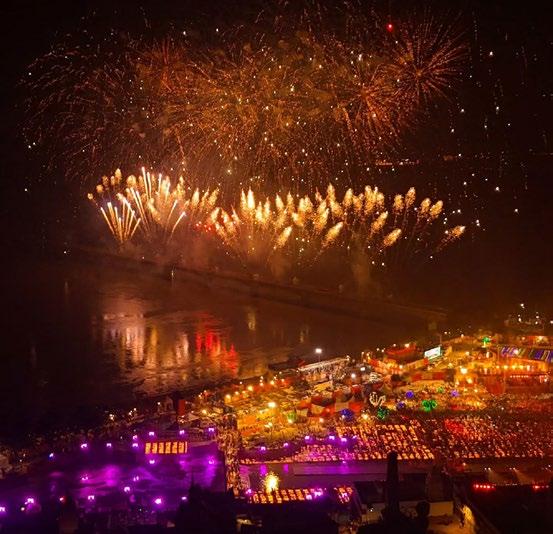


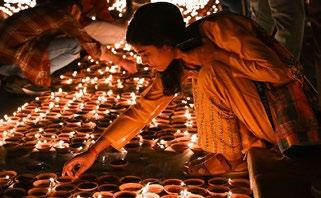
Whether you’re lighting a diya in a rural courtyard, hosting a green Diwali party in a city apartment, or joining a virtual puja from halfway across the globe, Diwali invites you to celebrate in your own way. It’s a time to sweep away negativity, reconnect with loved ones, and set intentions for the future. As homes glow and hearts align, Diwali 2025 promises to be a radiant reminder that even in the darkest moments, a single spark can illuminate the world. So light a lamp, share a sweet, and let the festival’s timeless magic guide you toward a brighter tomorrow.
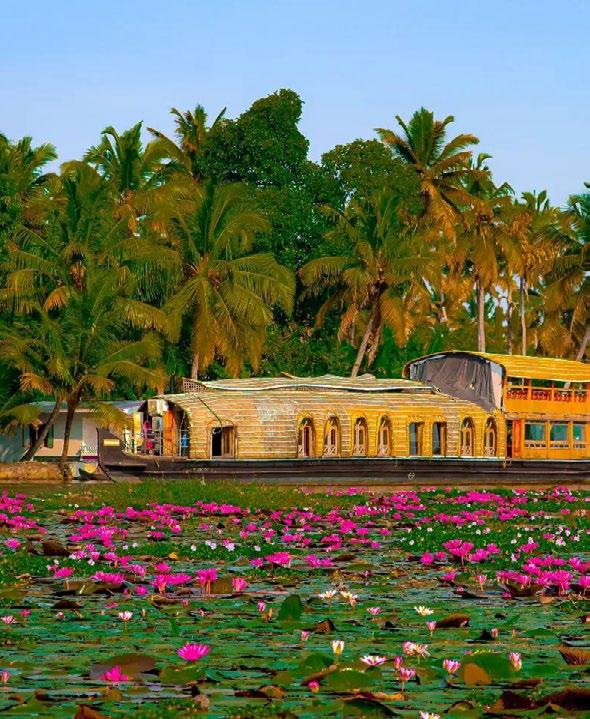

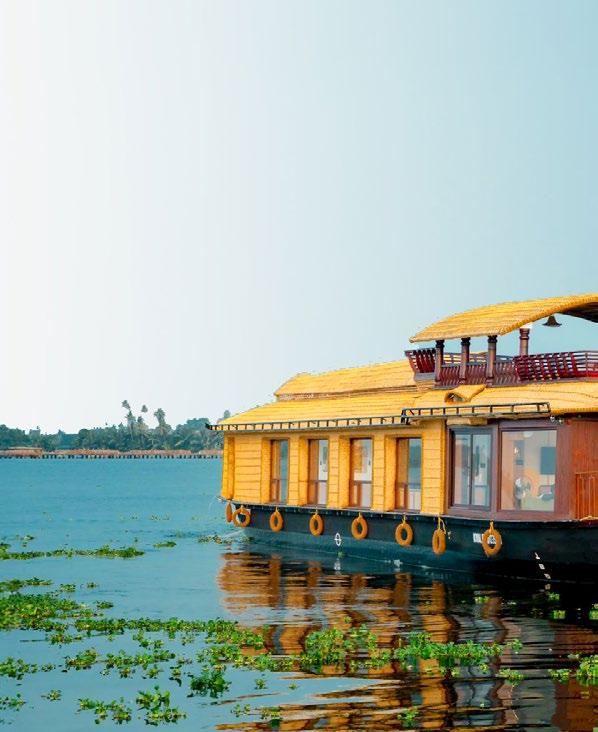
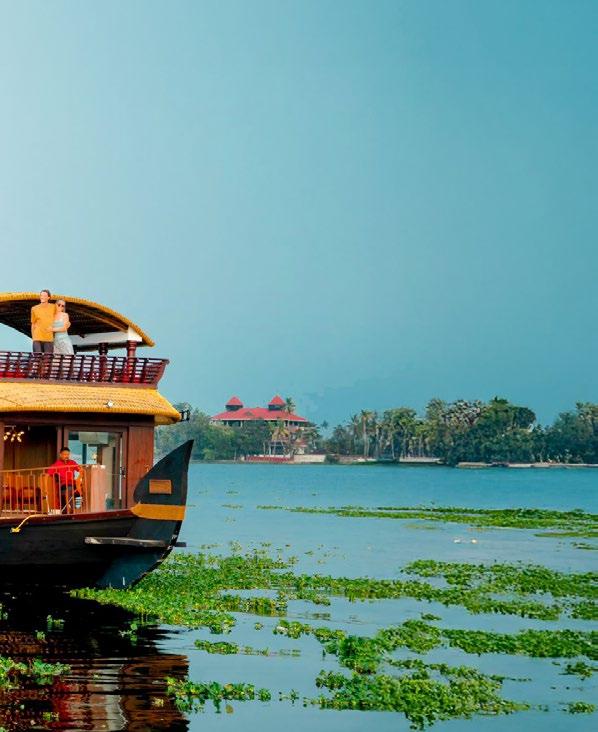
Tucked between the misty slopes of the Western Ghats and the tranquil waters of Vembanad Lake lies Kottayam, a verdant jewel in the heart of Kerala. Known as the ‘Land of letters, latex, and lakes’, it earns this title for its high literacy and vibrant publishing industry (letters), expansive rubber plantations (latex), and scenic backwaters (lakes). If this hamlet were a painting, it would be a vibrant palette of green — rolling rubber plantations, paddy fields, and spice gardens stretch as far as the eye can see. To the east, the Ghats rise with misty charm, offering lush forested trails and hidden waterfalls. To the west, calm canals flow gently into Vembanad Lake, Kerala’s largest. Beyond its natural beauty, Kottayam is deeply spiritual and culturally rooted, with ancient temples, historic churches, and lively local festivals that reflect its diverse heritage. For the ultimate Kerala escape, explore the top places in Kottayam that will take your breath away!

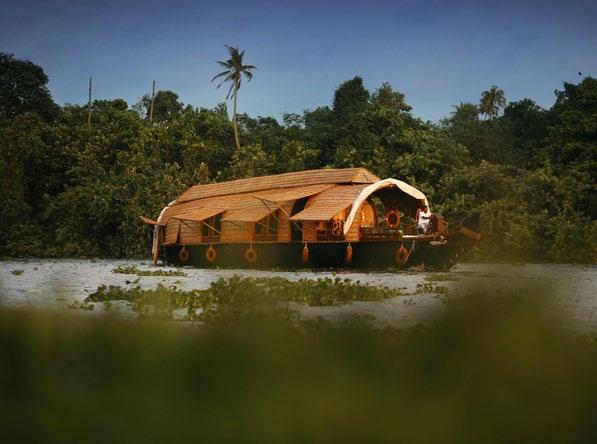
Stretching gracefully across the heart of Kerala, Vembanad Lake is not just India’s longest lake; it’s one of the most iconic and awe-inspiring backwater destinations in the country. Spanning over 96 km, this lake is the lifeline of Kerala’s unique backwater ecosystem. With swaying coconut palms,
endless stretches of emerald-green paddy fields and tranquil waters that shimmer under the sun, Vembanad offers postcardperfect views in every direction, making it a top place to visit in Kottayam for any nature lover. No trip to Vembanad Lake is complete without a houseboat cruise.
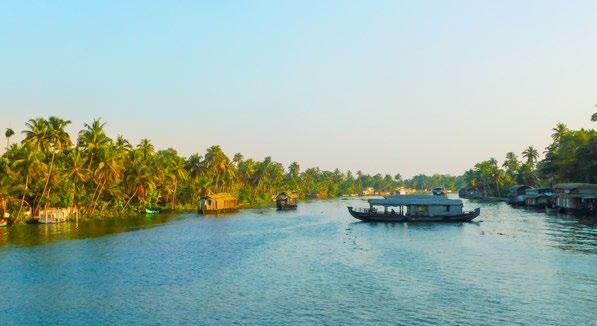

These traditional boats, locally known as ‘kettuvallams’, are now converted into floating homes complete with bedrooms, kitchens and sundecks. As you glide through the vast expanse, the magic of Kerala comes alive around you: fishermen casting their nets, women washing clothes and children
waving from the banks. Things to do: Houseboat cruise, experience first-hand traditional fishing techniques, savour local seafood, enjoy a stay at eco resorts or luxury houseboats, visit the Kumarakom Bird Sanctuary and witness the legendary snake boat race.
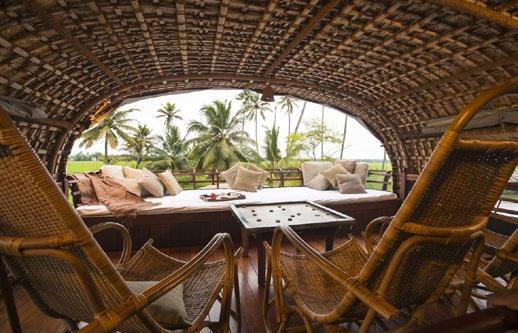


A dramatic rock formation, Illikkal Kallu, is one of the most breathtaking viewpoints and a natural wonder that seems to defy gravity. Sitting around 3,500 feet above sea level, it’s the thrill of seeing this massive boulder that looks like it’s floating in the sky that makes Illikkal Kallu a must-visit place in Kottayam. The journey up here is as mesmerising as the destination itself. Winding roads lead you through dense green forests, tea and spice plantations and mist-covered hills. Once you reach the top, you’re rewarded with a stunning 360-degree panoramic view. On clear days, the view stretches all the way to the Arabian Sea. Things to do: A short 1-km hike to the top, enjoy panoramic views, or simply enjoy hot tea and Kerala snacks.

This hamlet remains quiet for most of the year, with serene paddy fields, calm canals, and simple rural life. But after the monsoon, something magical occurs: the fields fill with just the right amount of water, and thousands of pink water lilies bloom simultaneously. Malarikkal transforms into a pink paradise, like a watercolour painting brought to life. Framed by swaying coconut palms and gentle backwater inlets, it
becomes a peaceful haven where every view feels like a postcard. This yearly transformation is not just a visual delight but a gentle reminder of how nature can quietly create magic when left undisturbed. Things to do: Go for a scenic boat ride, witness the magical sunset, explore the village life, sip fresh toddy or tea, do nature photography or simply immerse themselves in the quiet charm of Kerala’s countryside.



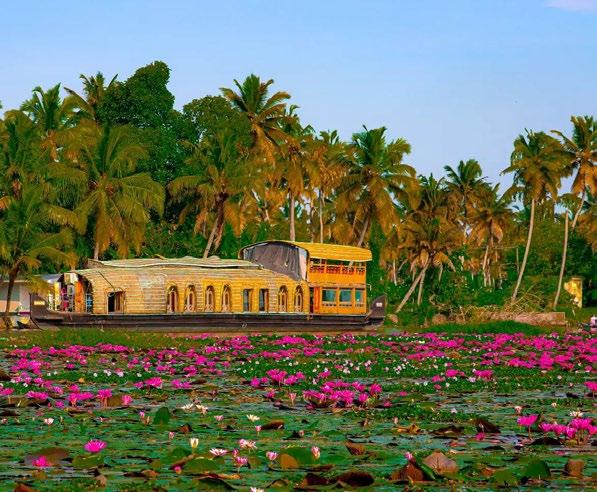
Spread across 14 acres, this serene sanctuary is famed for its remarkable bird diversity, attracting both resident and migratory species from as far as the Himalayas, Siberia, and other distant regions. The sanctuary also has an interesting history: it was once Baker’s Estate, a rubber plantation established by British planter George Alfred Baker. Today, it has blossomed into one of Kerala’s top ecotourism destinations and a standout attraction among places to visit in Kottayam. Tranquil and teeming with wildlife, the sanctuary’s picturesque landscape features a harmonious blend of mangrove forests, marshlands, lakes, and winding canals.
Birds you can spot: Resident species like egrets, herons, kingfishers, darters, cormorants, waterfowls and many more; and migratory species like Siberian cranes, teals, pintails, flycatchers and various types of ducks. Things to do: Guided bird watching tours, boating and nature walks. When to visit: June to August for local bird watching; November to February for spotting migratory birds.







Few places in Kerala blend the sacred and the scenic as beautifully as Aruvikkuzhi, where a church crowns a waterfall. The name ‘Aruvi’ means waterfall, and ‘Kuzhi’ refers to a deep pit or hollow, aptly describing this enchanting cascade, which tumbles around 100 feet (30 metres) in five graceful tiers. You can take a refreshing dip in the cool waters, enjoy a
leisurely picnic, or wander along nearby trails to uncover the hidden beauty surrounding the falls. What makes Aruvikkuzhi truly unique is St Mary’s Church (also known as Lourde Martha Church), perched atop the waterfall. From the panoramic vantage point at the top, the cascading waters set against verdant greenery create a breathtaking sight.

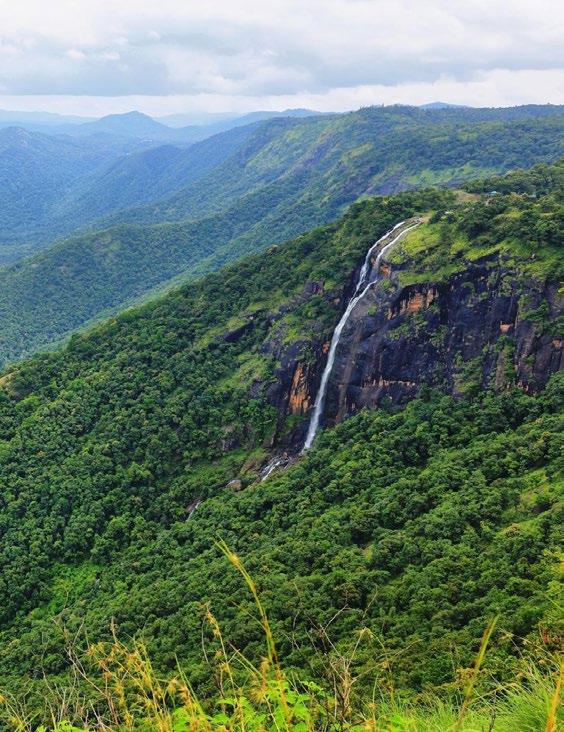
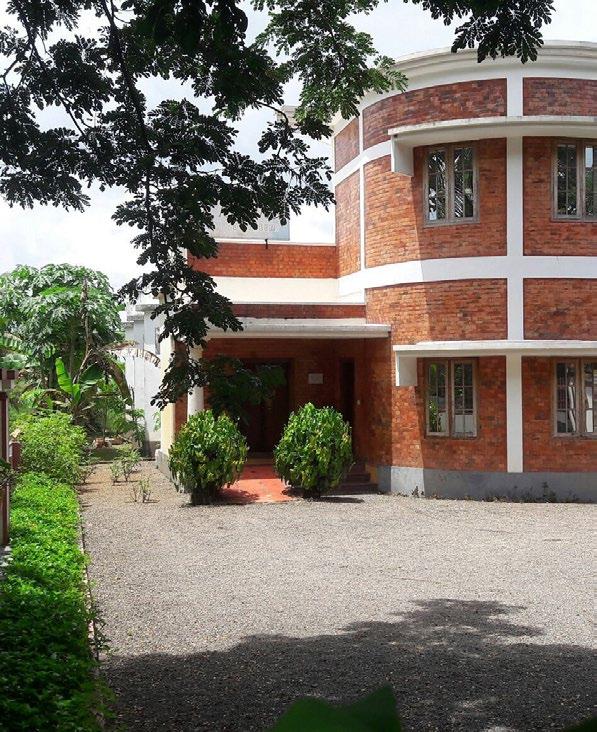

In a quiet corner of Kumarakom lies something truly extraordinary: India’s first, and one of the world’s finest, museums dedicated entirely to driftwood and fossil-wood art. Founded by retired school teacher Raji Punnoose, the Bay Island Driftwood Museum showcases over 100 stunning sculptures created from wood that has washed ashore from the Andaman and Nicobar islands, each transformed into a timeless masterpiece. Many pieces are centuries old, shaped by relentless waves, sand, and salt before finally reaching the coast.
What to expect: Witness root stumps, twisted trunks, fossilised fragments, and drifted remains of trees shaped by storms and time. Life-size crocodiles, birds in graceful flight, tribal women, lions, elephants, and even sculptures inspired by historic events like the Kargil War.

Food in Kottayam is a delicious reflection of its rich cultural fabric, deeply influenced by Kerala’s Syrian Christian heritage, lush backwaters and agricultural abundance. The local cuisine is known for its bold use of spices, coconut and fresh ingredients, with a special emphasis on fish and meat-based dishes. Recommended restaurants and cafes: Malabar Village, Theos Restaurant (for fine-dining), Sree Anandha Bhavans and Ente Amma Veg Restaurant (for pure veg food), Grand Entree, Kargeen, Ko.co. Kottayam Company, Cafe Merakle, Ann’s Bistro, Kanthari (for biryani), 12 to 12 for BBQ and Nuevo’s Pizzeria.
Accommodation in Kottayam ranges from heritage retreats to luxurious lakeside resorts, which blend traditional Kerala architecture with modern comforts. They are often
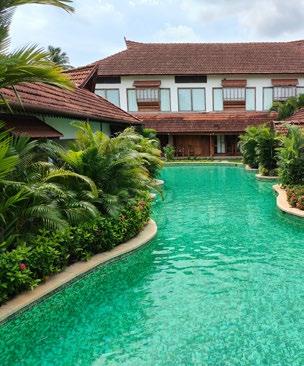
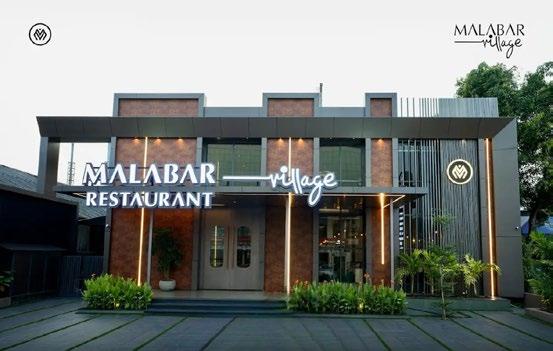

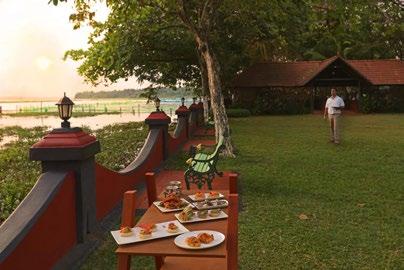
set amidst rubber plantations, paddy fields or along the tranquil banks of Vembanad Lake. Expect elegantly designed villas, backwater views, Ayurvedic wellness and exceptional hospitality — perfect for those looking to unwind in style. Recommended hotels and resorts: Kumarakom Lake Resort (comes highly recommended), Gokulam Grand Resort and Spa Kumarakom, Taj Kumarakom Resort & Spa, and The Windsor Castle Leisure Hotel & Ayurvedic Resort.
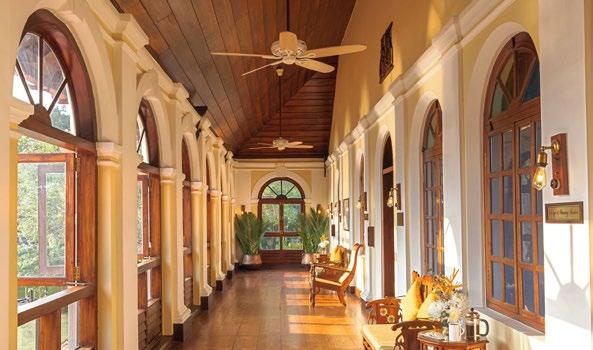
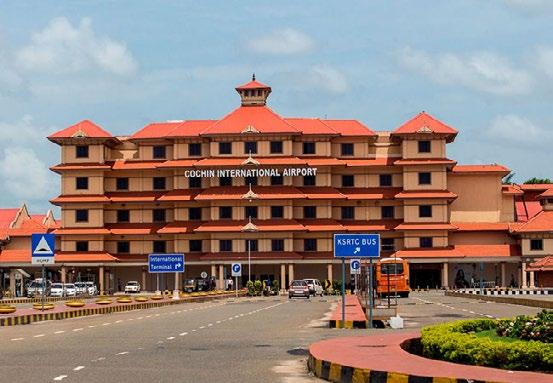
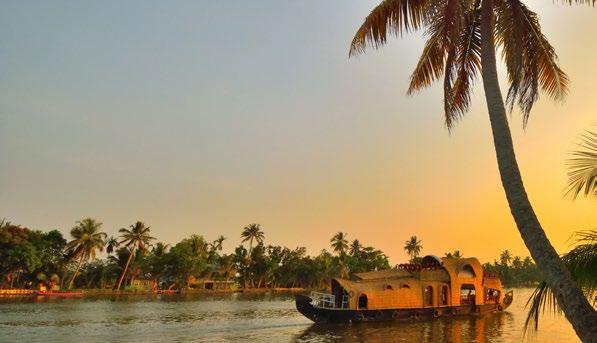
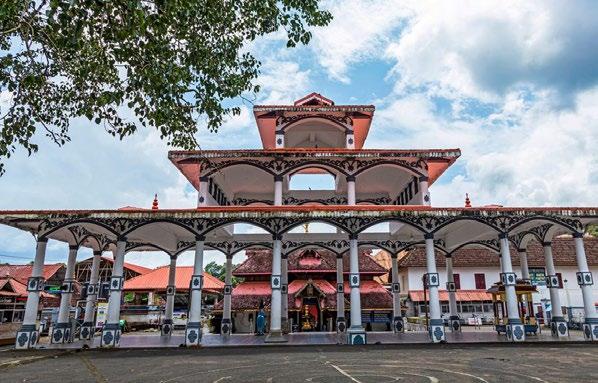

By air: Cochin International Airport (around 90 km away) is well connected to major Indian cities and international destinations.
By rail: Kottayam Railway Station is within the city, with trains connecting to cities like Kochi, Thiruvananthapuram and Chennai.
By road: Kottayam is well connected by road.
Kottayam isn’t just a destination you check off a list — it’s a mood, a memory, and a mellow slice of Kerala that stays with you long after you leave. Whether you’re drifting through the stillness of Vembanad Lake, breathing in the misty air atop Illikkal Kallu, wandering through pink-washed fields in Malarikkal, or soaking in centuries of culture at ancient temples and churches, every corner whispers a story. It’s a place where nature feels untouched, traditions run deep, and everyday life unfolds at its own gentle pace. From wildlife sanctuaries and waterfalls to vibrant local markets and soulful cuisine, Kottayam captures the very essence of “God’s Own Country.”



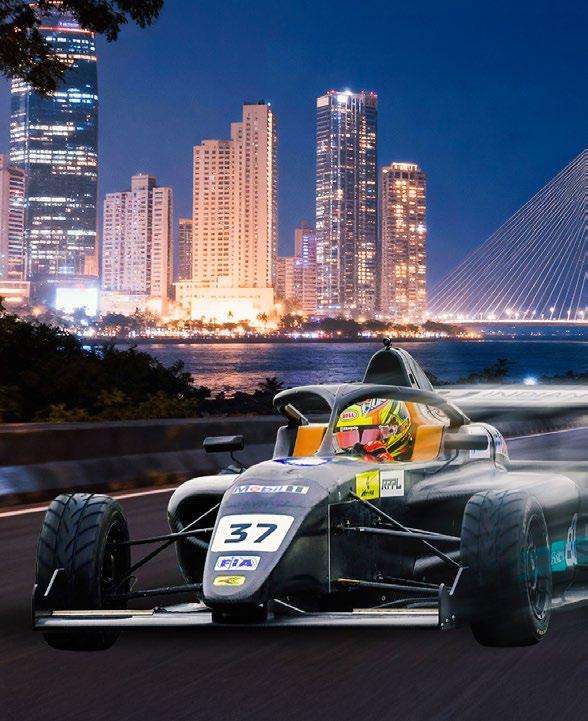


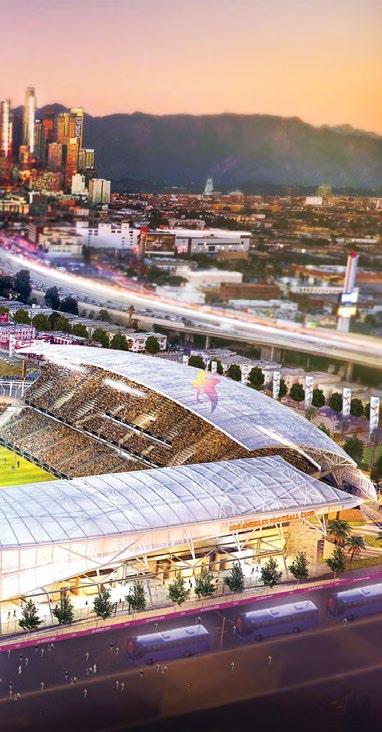
In a nation where cricket reigns supreme, evoking the fervour of Diwali celebrations and monsoon debates, India’s tryst with the Olympics has often felt like a distant cousin—admired but undernourished.
Yet, as the echoes of the 2024 Paris Games fade, a quiet revolution is underway. With six medals in Paris—five from individual athletes and one from hockey—India’s tally marked a modest improvement, but it underscored a persistent truth: the country’s Olympic aspirations are evolving, pushing boundaries beyond the cricket pitch toward a more balanced, multi-sport identity. As we stand on the cusp of the 2028 Los Angeles Olympics, the question looms large: Can India transform its sporting DNA to compete on the global stage, not just in bat and ball, but in track, field, and beyond?
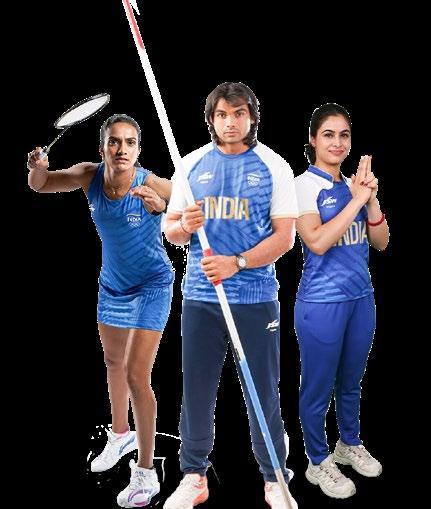
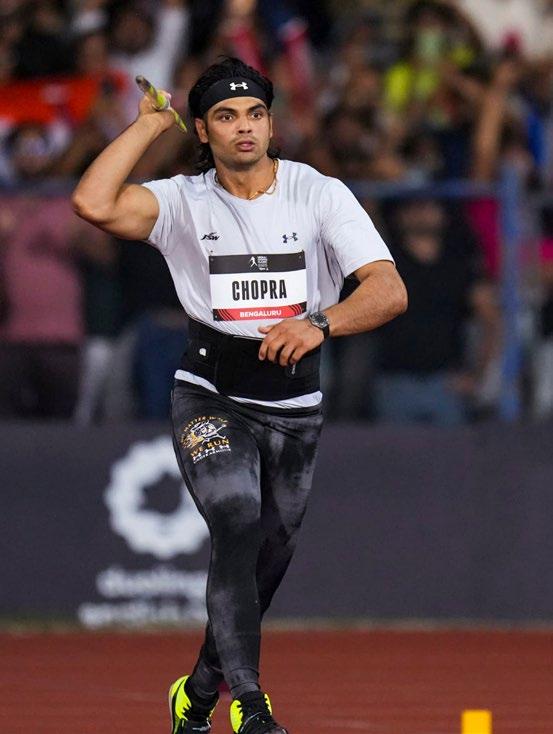

India’s sporting narrative has long been dominated by cricket, a colonial legacy that has ballooned into a billion-dollar behemoth. The Indian Premier League (IPL) alone generates revenues exceeding $1 billion annually, drawing crowds that dwarf Olympic viewership. This obsession has sidelined other disciplines, leaving Olympic sports in the shadows. Since India’s Olympic debut in 1900, the medal count tells a tale of sporadic triumphs: 41 medals across 28 Games, with hockey claiming 12 (eight golds) in its golden era pre-1980. The 21st century brought flickers of hope—bronze in shooting (2004), wrestling (2008), and
badminton (2012)—but until the Tokyo 2020 Games, where India clinched seven medals including a historic athletics bronze by Neeraj Chopra, the nation hovered below 10 medals per edition.
This disparity stems from systemic issues. Cricket’s robust ecosystem—private academies, corporate sponsorships, and media hype— contrasts sharply with the grassroots neglect in other sports. A 2023 NITI Aayog report highlighted that while cricket receives over 70% of sports funding, Olympic disciplines share the scraps, leading to inadequate training facilities and talent scouting. The result? A talent pool skewed toward one sport, while potential Olympians in wrestling, boxing, or athletics languish without support.
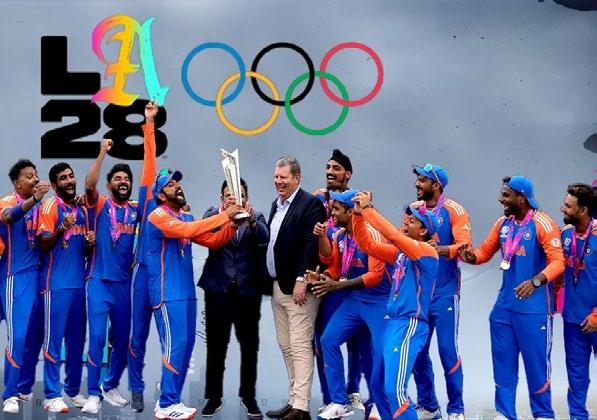
The tide began turning post-Rio 2016, when India’s paltry two medals sparked soul-searching. The government’s response was the Target Olympic Podium Scheme (TOPS), launched in 2014, which identifies and funds elite athletes with annual budgets up to ₹1 crore per individual. By 2025, TOPS has supported over 300 athletes across 20 disciplines, covering everything from sports science to international exposure. Complementing this is Khelo India, a 2018 initiative that has established over 1,000 centres nationwide, nurturing talent from the school level with scholarships and infrastructure grants.
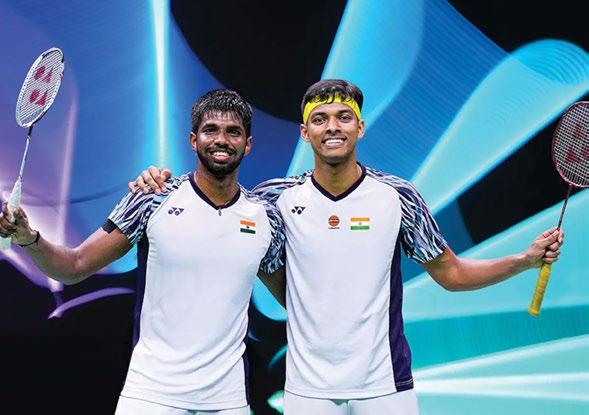
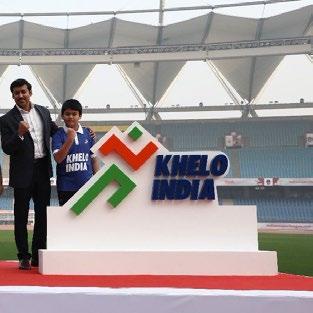
Private sector involvement has accelerated the shift. Reliance Foundation’s Young Champs program scouts rural talent in non-cricket sports, while JSW Sports has backed weightlifters and swimmers. The 2024 Paris Olympics showcased this synergy: Neeraj Chopra’s javelin silver, Manu Bhaker’s double bronze in shooting, and the men’s hockey team’s bronze were not anomalies but products of sustained investment. Bhaker, at 22, became the first Indian woman to win two medals in a single Olympics, crediting TOPS for her mental conditioning. Similarly, the rise of badminton duo Satwiksairaj Rankireddy and Chirag Shetty, who reached world No. 1, signals India’s potential in racket sports, fuelled by the Badminton Association of India’s revamped academies.
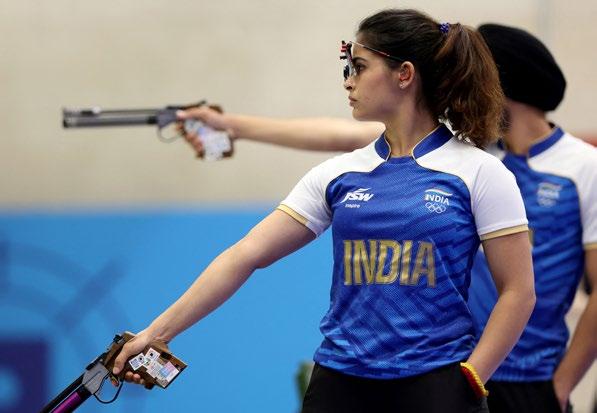
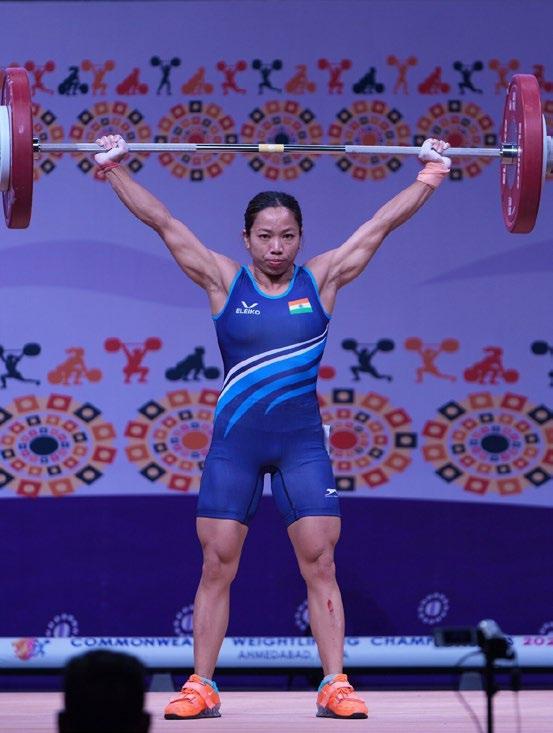
Infrastructure is catching up too. The National Centre of Excellence in Bengaluru and the Khelo India University Games have created hubs for multi-sport training. By mid-2025, over 500 new sports facilities have been inaugurated under the ₹10,000 crore Khelo India budget, including high-altitude centres in the Himalayas for endurance athletes. These efforts are yielding dividends: India’s junior wrestlers and boxers are dominating Asian championships, hinting at a medal surge in 2028.

Despite progress, the road to multi-sport glory is potholed. Funding remains uneven; while TOPS aids elites, grassroots programs suffer from corruption and inefficiency. The Sports Authority of India (SAI) faces criticism for outdated facilities—many stadia lack modern biomechanics labs or anti-doping protocols. Rural-urban divides exacerbate this: 70% of India’s population is rural, yet talent identification relies on urban hubs, leaving talents like weightlifter Mirabai Chanu (from Manipur’s remote hills) as exceptions rather than the rule.
Gender parity is another battleground. Women athletes, grapple with societal barriers. A 2024 FICCI study revealed that female participation in sports drops 40% post-adolescence due to safety concerns and lack of facilities. Moreover, the cricket bias in media coverage starves Olympic sports of visibility, deterring sponsors. Global benchmarks loom large. China, with 91 medals in Paris, invests 0.3% of GDP in sports; India’s figure hovers at 0.01%. Without scaling up, dreams of hosting the 2036 Olympics—a bid announced in 2024—may remain aspirational.
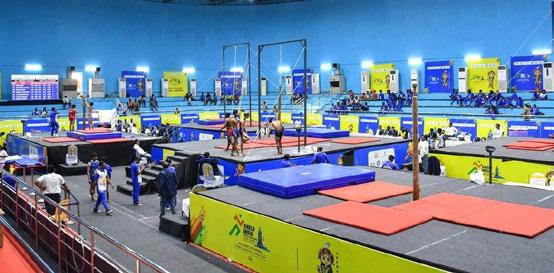
Looking ahead, India’s Olympic blueprint is ambitious. The Sports Ministry’s 2025 roadmap targets 20 medals in Los Angeles 2028, emphasizing athletics, wrestling, and shooting—disciplines where India has niche strengths. The 2032 Brisbane Games, with India eyeing a co-hosting role, could be a catalyst. Initiatives like the National Sports Policy 2025 prioritize data-driven talent pipelines, integrating AI for scouting and VR for training.

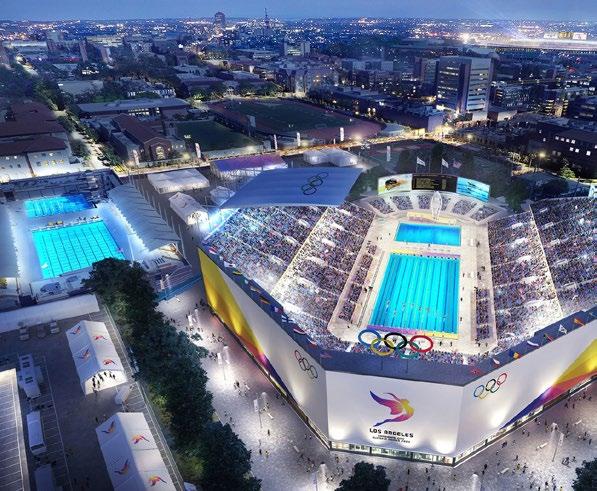


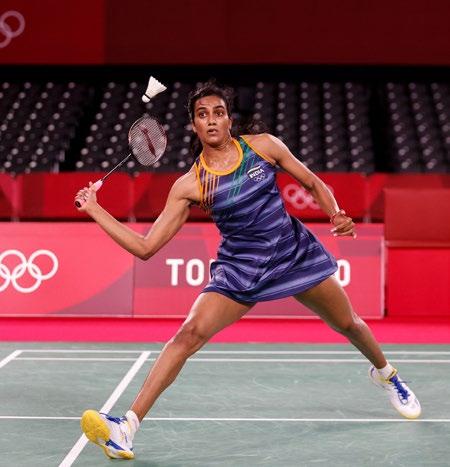
Success stories abound: PV Sindhu’s dual Olympic medals in badminton and Aman Sehrawat’s Paris wrestling bronze at 21 years old embody the new ethos. If sustained, these could inspire a cultural shift, where Olympic heroes rival cricket icons like Virat Kohli. Partnerships with the International Olympic Committee (IOC) for coach exchanges and the Asian Games 2026 as a dress rehearsal will be pivotal.
Ultimately, India’s Olympic dreams hinge on inclusivity. By democratizing sports—through school curricula, women’s leagues, and rural outreach—the nation can forge a multi-sport legacy. As Prime Minister Narendra Modi noted in his 2024 Independence Day address, “Sports is the new soft power.” Beyond cricket’s boundaries, India is scripting a story of resilience, one medal at a time.
Buckle up, India! The roar of engines is set to electrify Navi Mumbai as it hosts Maharashtra’s first-ever Formula Night Street Race, the grand finale of the Indian Racing Festival (IRF) 2025. Scheduled for December, 2025, this high-octane event promises to transform the city’s streets into a dazzling night-time battleground, where speed, skill, and
star power collide under a canopy of lights. With the announcement sealed in September, 2025, through a landmark Memorandum of Understanding (MoU) between Racing Promotions Pvt. Ltd. (RPPL) and the Navi Mumbai Municipal Corporation (NMMC), the stage is set for a motorsport milestone that could redefine India’s place on the global racing map.
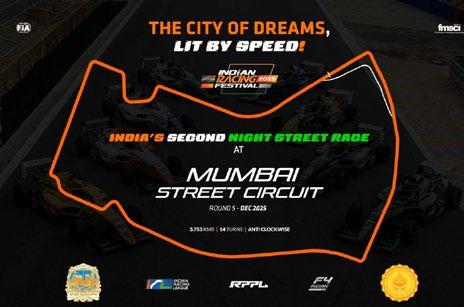
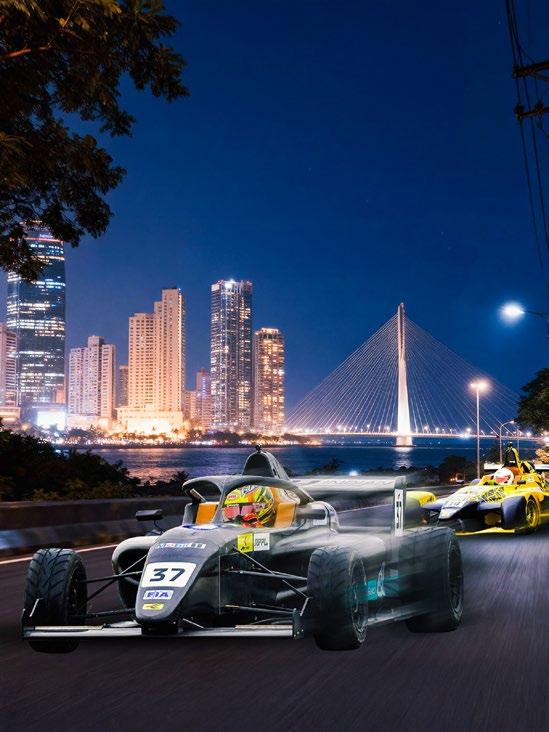

The race will take place in a 3.5–4 km Mumbai Street Circuit, weaving through Navi Mumbai’s urban landscape, aglow with floodlights as sleek Formula 4 cars and Wolf GB08 single-seaters scream past at speeds topping 240 km/h. Inspired by the success of Chennai’s groundbreaking night race in August 2024, Navi Mumbai’s event will be only the second of its kind in India, blending the glamour of a Monacostyle street circuit with the vibrant energy of an Indian metropolis. Maharashtra Chief Minister Devendra Fadnavis, present at the MoU signing, called it “a bold step toward making Maharashtra the motorsports capital of Asia.” And with good reason—this race is more than a sporting event; it’s a turbo-charged celebration of innovation, youth, and ambition.
The Indian Racing Festival 2025, organized by RPPL, is already lighting up tracks across the country. The season kicked off in August at Coimbatore’s Kari Motor Speedway, followed by a thrilling Chennai street race where young talents like Shahan Ali Mohsin (Speed Demons Delhi) and Sachel Rotge (Kichcha’s Kings Bengaluru) stole the show.
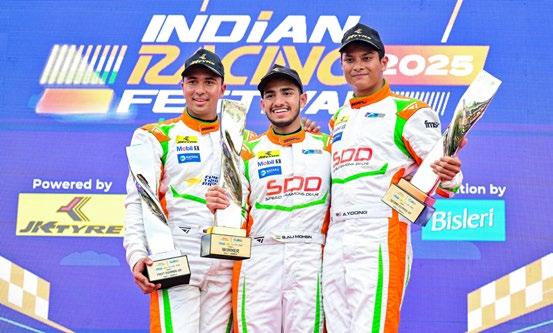

The IRF features two electrifying championships: the Indian Racing League (IRL), a team-based series with six city franchises boasting celebrity owners like John Abraham (Goa Aces JA Racing), Arjun Kapoor (Speed Demons Delhi), and Sourav Ganguly (Kolkata Royal Tigers), and the FIA Formula 4 Indian Championship, a proving ground for 15 young drivers in turbocharged Mygale F4 cars. Each IRL team fields a mix of Indian and international racers, including at least one female driver, ensuring diversity and fierce competition.





Navi Mumbai’s night race will cap this adrenaline-fueled season, joining Hyderabad, Chennai, and Goa as the fourth Indian city to host a street circuit. The Goa Street Circuit, a 3.2 km oceanfront track at Headland Sada, was recently greenlit by the state cabinet, adding to the festival’s growing footprint. But Navi Mumbai’s event is poised to steal the spotlight. Imagine cheering crowds, pulsating music, and the glow of neon-lit grandstands as drivers battle for glory. The circuit’s design, still under wraps, promises tight corners and long straights, testing both courage and precision under the night sky.

This isn’t just about speed—it’s about legacy. The IRF is nurturing India’s next generation of racers, with talents like 18-year-old Shahan Ali Mohsin, who clinched IRL Race 1 in Chennai, and Jaden Pariat, a rising star in F4. The festival’s commitment to accessibility, with live broadcasts and affordable tickets, ensures fans across the nation can join the excitement. Add to that the economic boost from tourism, hospitality, and merchandise, and Navi Mumbai’s race is set to be a game-changer. As RPPL CEO Akhilesh Reddy puts it, “This is about putting
India on the global motorsport stage while inspiring our youth to dream big.” With the city’s skyline as a backdrop and the roar of engines echoing through the night, Navi Mumbai is ready to deliver a spectacle that will leave hearts racing and jaws dropping. Mark your calendars, motorsport fans—December 2025 is when India’s streets light up with speed! For tickets and updates, keep an eye on RPPL’s official channels. The countdown to Maharashtra’s moonlit speed fest has officially begun!

In the frosty slopes of Corralco, Chile, in September 2025, a 29-year-old from the coffee estates of Kodagu, Karnataka, scripted a moment that will echo through Indian sports history. Thekkada Nanjunda Bhavani, fondly known as TN Bhavani, clinched two bronze medals in women’s cross-country skiing at the South America Cross-Country Skiing FIS Competition, marking India’s first-ever international medals in the discipline at a Fédération Internationale de Ski (FIS)-accredited event. For a nation where snow is a rarity and winter sports a distant dream for most, Bhavani’s achievement is nothing short of revolutionary.
Bhavani’s journey to the podium is as improbable as it is inspiring. Born in Kodagu, a lush hill district in South India far removed from snowy peaks, her first encounter with snow came during a childhood trip to Kashmir. That fleeting moment sparked a lifelong passion. Through the National Cadet Corps (NCC) and mountaineering camps in the Himalayas, she summited peaks like Renok in Darjeeling, honing her resilience in rugged terrains. But it was in 2020, during a winter course at the Jawahar Institute of Mountaineering in Pahalgam, that her path took a pivotal turn. A mentor’s suggestion to try cross-country skiing—a gruelling sport combining endurance, technique, and sheer willpower— changed everything.
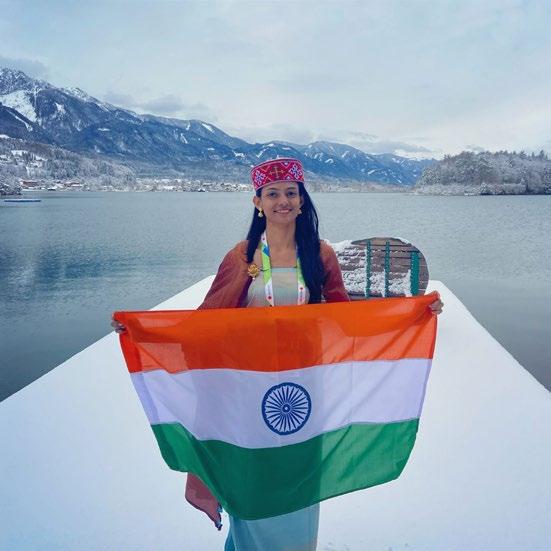


With no formal coaching or snow-covered training grounds in Kodagu, Bhavani taught herself the basics, drawing inspiration from Army skiers and YouTube tutorials. Her determination led her to become India’s first female international ski instructor in 2019, certified after training in New Zealand. She also made history as the first South Indian to compete at the FIS Nordic World Ski Championships in Slovenia (2023) and the first Indian woman to medal in cross-country skiing, with a silver in Italy’s 2022 Raiffeisen Langlauf Cup.

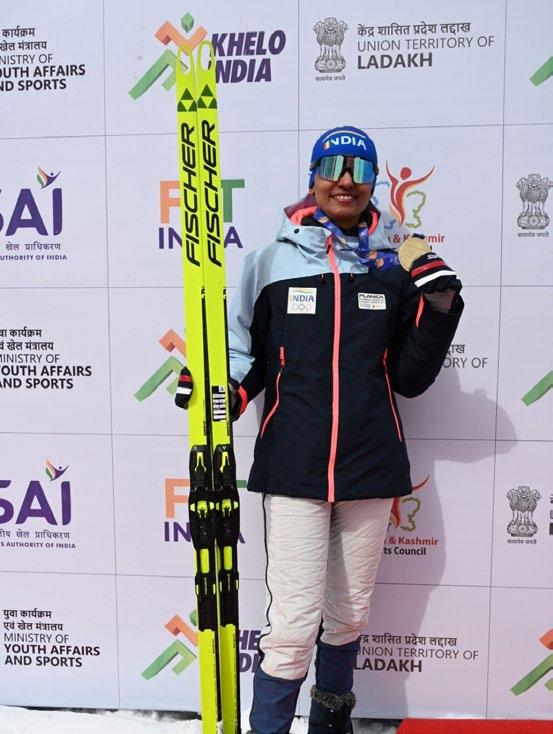
The Corralco event was a testament to Bhavani’s grit. On September 14, she secured bronze in the 5km distance race, finishing 3 minutes and 51 seconds behind Mexico’s Regina Martinez Lorenzo, who clocked 17:13.6. The next day, she doubled down with another bronze in the 1.3km sprint race. Competing against seasoned skiers in a sport dominated by Nordic and European nations, Bhavani’s back-to-back podiums were a triumph of skill and spirit. “I’m thrilled to share that I won

my first international FIS medal today,” she posted on social media after the 5km race, her words radiating pride for both herself and her country. These medals are more than personal victories— they’re a milestone for Indian winter sports. India has seen sporadic success in disciplines like luge (Shiva Keshavan) and alpine skiing (Arif Khan), but women’s cross-country skiing remained uncharted territory. Bhavani’s breakthrough shatters stereotypes about who can excel in winter sports, proving that a South Indian woman from a tropical region can compete on the global stage.






Bhavani’s path has been far from easy. Self-funding much of her career—covering travel, equipment, and coaching—she has juggled training with instructing gigs to sustain her dream. Her family, including her coffee-farmer father and homemaker mother, provided unwavering support despite the sport’s obscurity in their community. At the Khelo India Winter Games, Bhavani has dominated, sweeping golds in Nordic skiing events in 2024 and setting national records in both cross-country skiing and biathlon, a discipline combining skiing with rifle shooting. Her ultimate goal? The 2026 Winter Olympics in Milan-Cortina, Italy, where she aims to become the first Indian to medal in a winter sport. “A girl from the South qualifying for the Olympics will change how people see what’s possible,” she told in a recent interview. Her story is a clarion call for greater investment in India’s winter sports ecosystem—more facilities like those in Gulmarg or Manali, better funding for athletes, and increased exposure to global competitions.

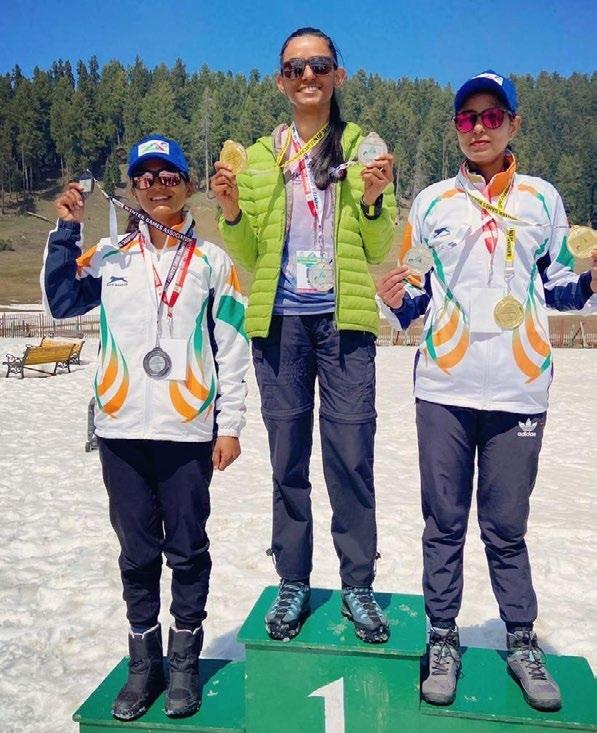

Bhavani’s medals are a beacon for young Indians, particularly women, who dare to dream beyond conventional sports. Her journey from Kodagu’s coffee plantations to the snowy slopes of Chile mirrors the transformative impact of pioneers like Karnam Malleswari, whose 2000 Olympic weightlifting bronze opened doors for Indian women in strength sports. As Bhavani continues her “cycle of chasing winter across the world,” her achievements challenge us to rethink India’s sporting boundaries. In a nation of 1.4 billion, where cricket reigns supreme, TN Bhavani is carving out a new narrative—one of resilience, ambition, and icy triumphs. As she glides toward the 2026 Olympics, India watches with bated breath, rooting for its Kodava warrior on skis to bring home a historic medal. For now, her two bronzes in Chile stand as a testament to what’s possible when passion meets perseverance.





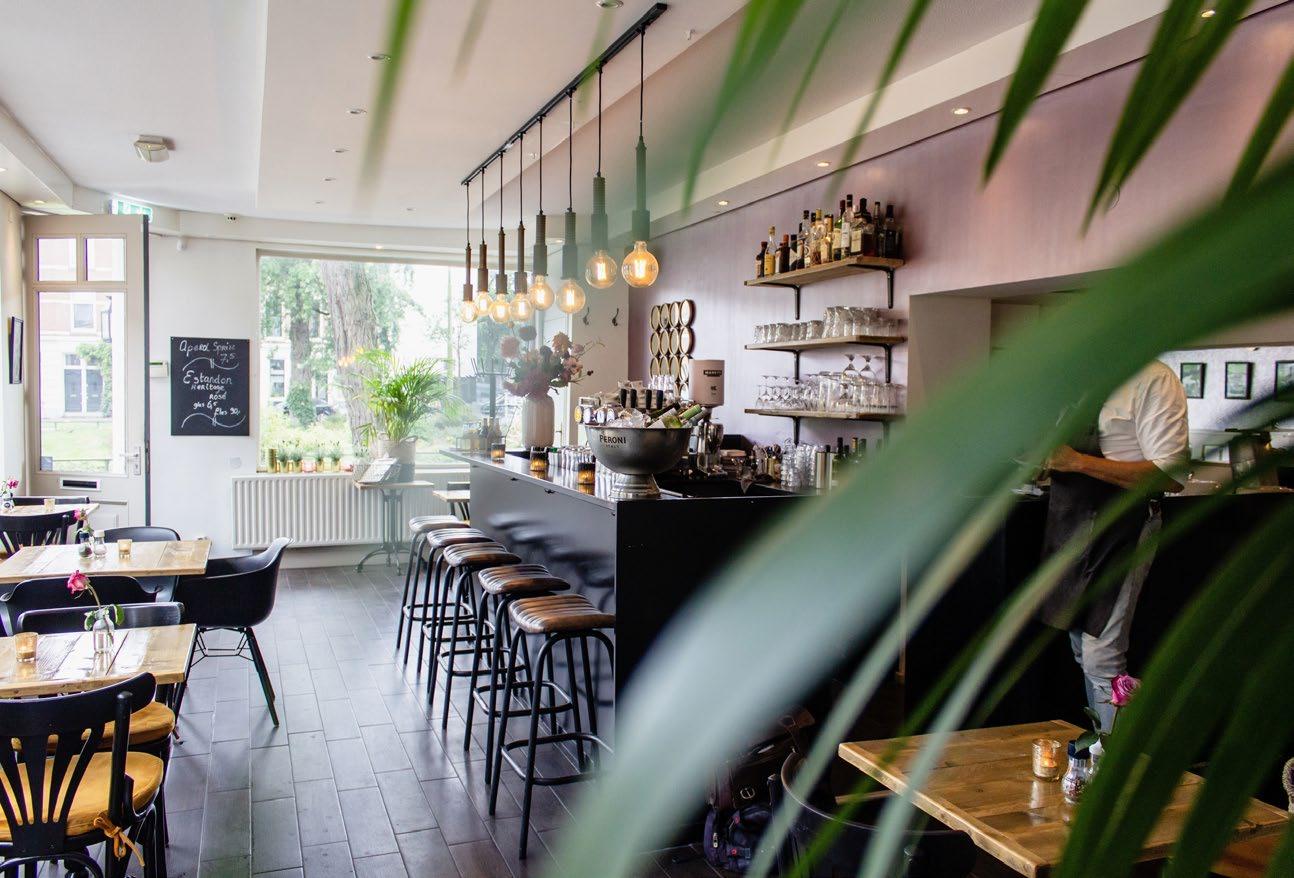

Exciting opportunity for all those who want to share their most memorable, Interesting. Amazing, Pro-active & Growth oriented activities & Experiences covering areas such as
• Fashion, Trend & Lifestyle
• Culture, Tradition & Heritage
• Education, Healthcare & Wellnes
• Industries, Investments & Growth
• Travel, Tourisn & Hospitality With Millions of Readers across the world



Special Coverage & Press Release Dr. Kevin Francis
Launguage Rights & Overseas Rights
Dr. Andre Lubbe
Circulation, Subscription & Global Distributions Dr. George Fedrick
Advertisements & Advertorials WWMCG Global Communications Inc.,
Featured Stories & Articles Rishi Wadhwa
Feedback & Customer Relationship
Ms. Nancy
Email ID : aseworldwidemedia@gmail.com worldwidemediaasiapacific@gmail.com
Website : www.mightyindia.com