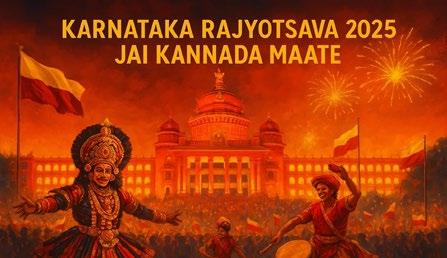
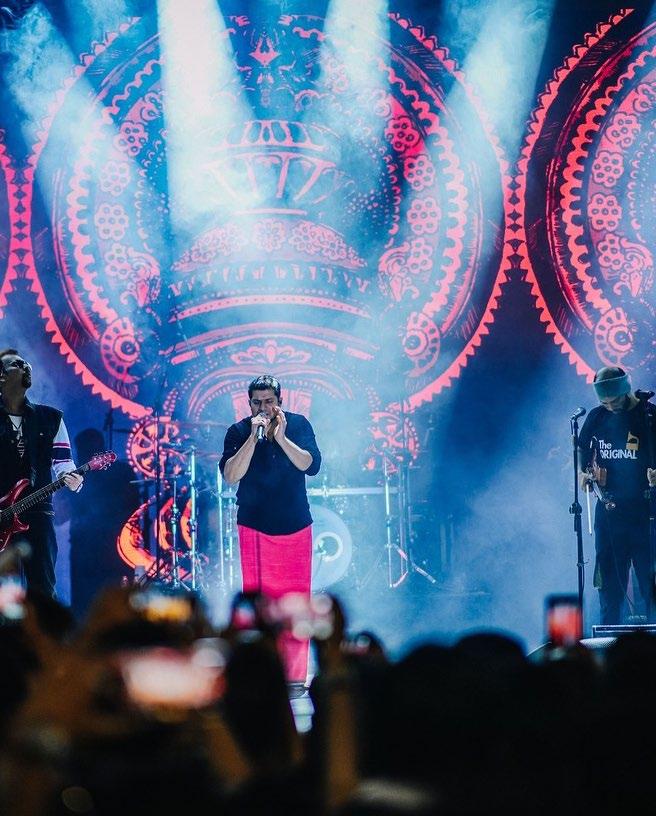
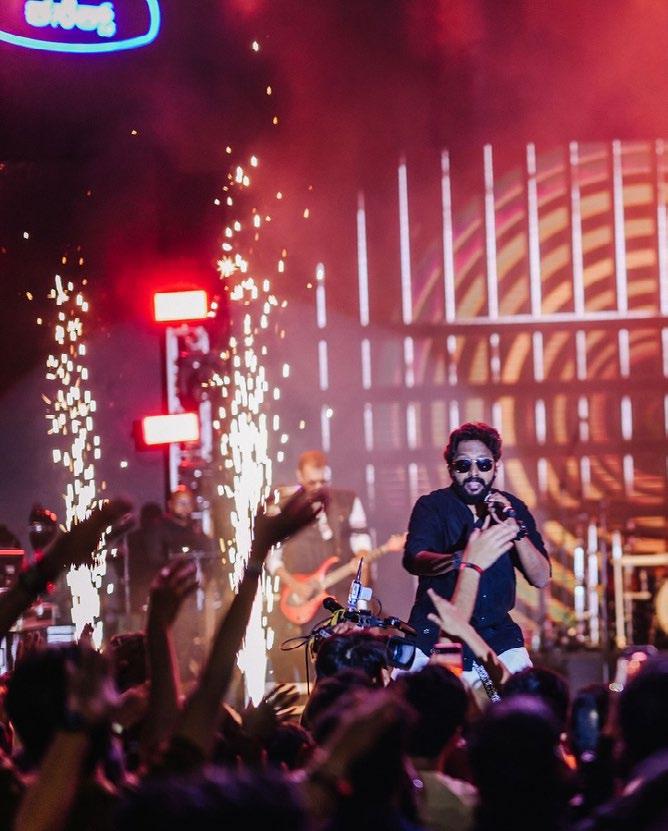
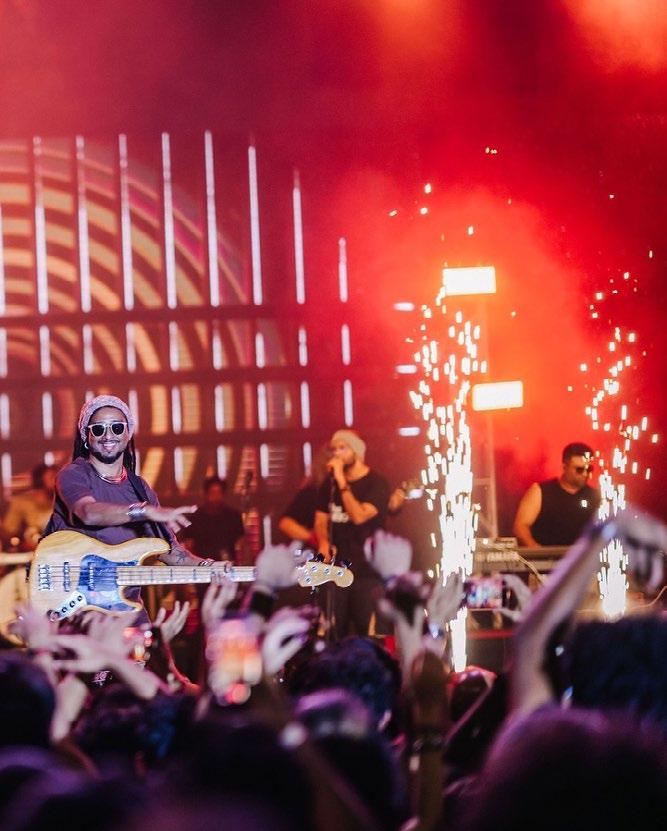
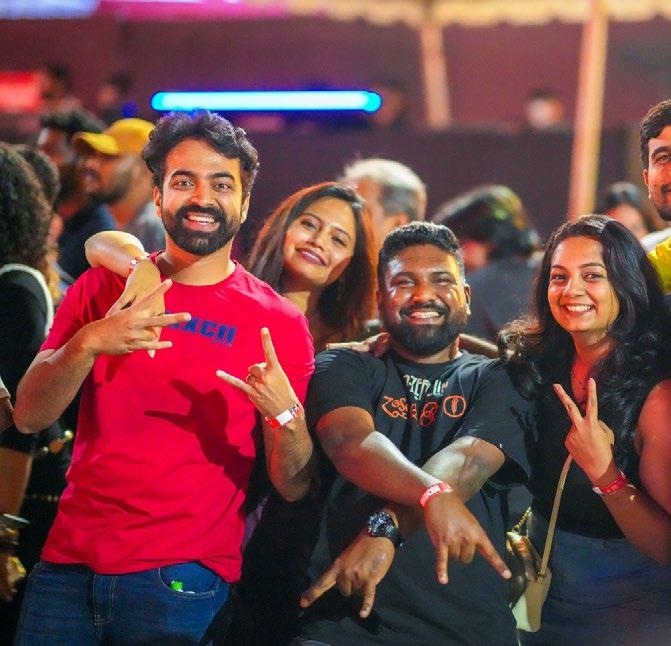
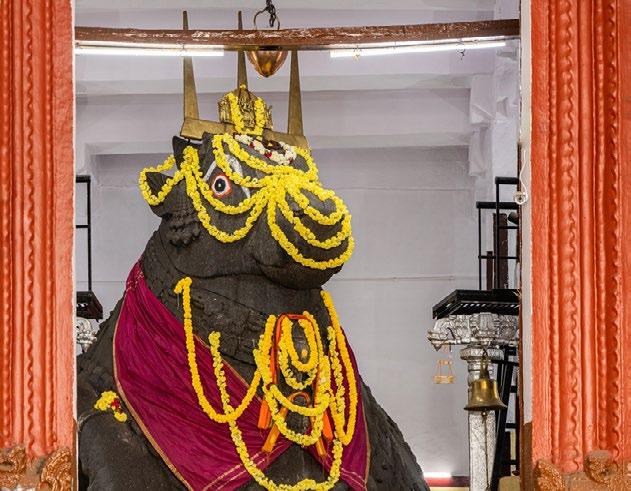
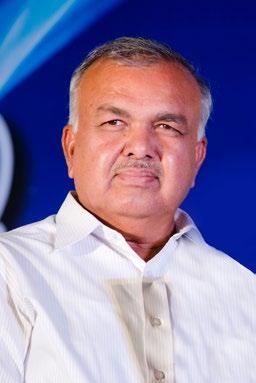
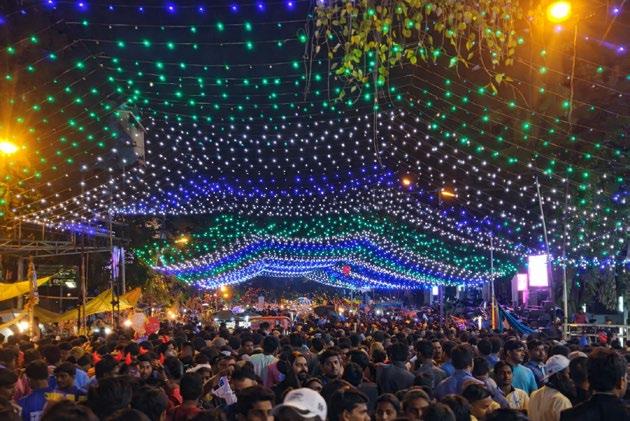
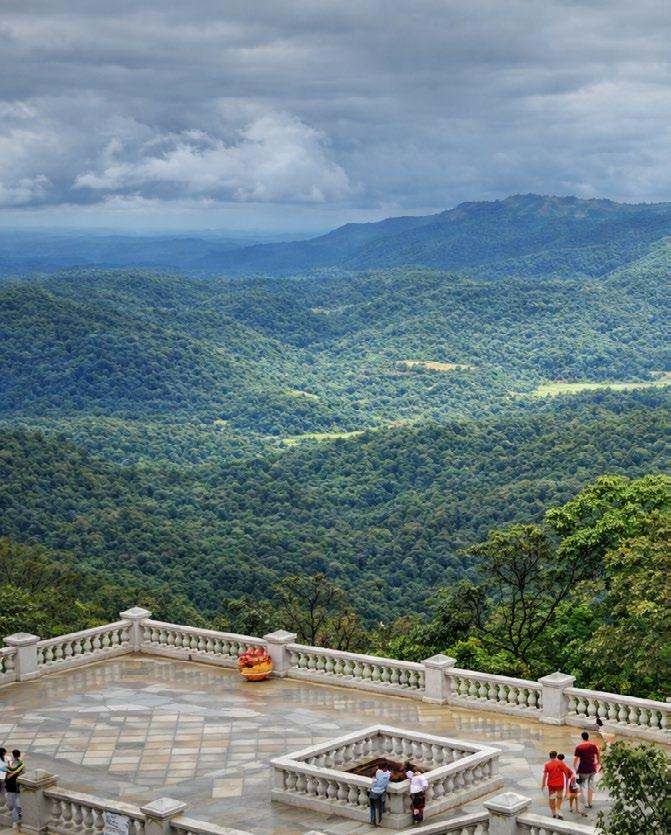
The 69th Karnataka Rajyotsava Celebrations 2025 were an Unique Blend of Cultural Confluences, Digital Innovation, Rural Heritage & Global Participation
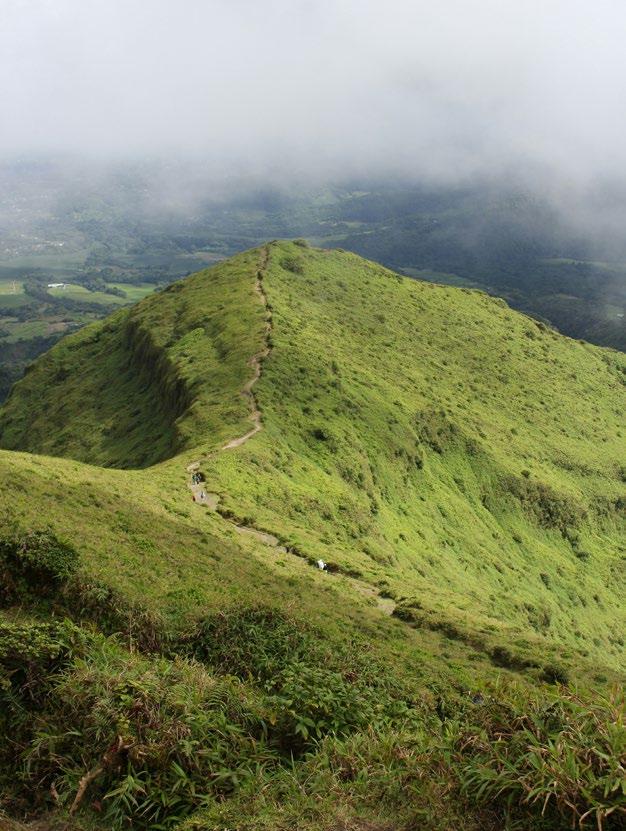
The 69th Karnataka Rajyotsava, celebrated on November 1, 2025, was not merely a state anniversary; it was a profound declaration of "Kannada Pride" (Kannadambe) that resonated from the peak of Mullayanagiri to the shores of Karwar. Marking the 69th year since the unification of Kannada-speaking regions in 1956, the 2025 celebrations were characterized by an unprecedented blend of digital innovation, rural heritage revival, and global participation.
The Symbolic Dawn: Red and Yellow over the Skyline: The festivities commenced at the break of dawn across all 31 districts.
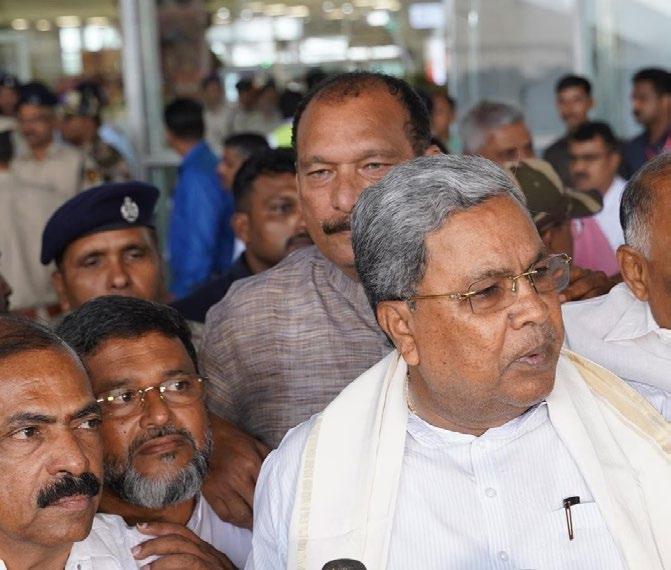
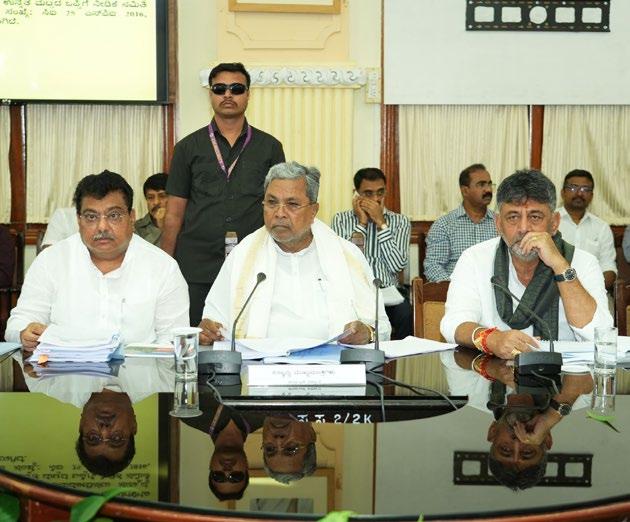
The iconic red and yellow flag— symbolizing courage and peace—was hoisted at every government building, school, and village panchayat. In Bengaluru, the state-level ceremony at the Kanteerava Stadium saw the Chief Minister hoisting the flag, accompanied by the soulful rendition of the state anthem, "Jaya Bharata Jananiya Tanujate", penned by the Rashtrakavi Kuvempu.
The 2025 Rajyotsava Awards: Honouring Excellence: A hallmark of the 69th celebration was the presentation of the Rajyotsava Awards. In 2025, the government emphasized "Unsung Heroes," selecting 69 distinguished individuals to match the anniversary year. Diverse Fields: Awards were conferred upon veterans in literature, Yakshagana exponents, social workers from the Kalyan-Karnataka region, and pioneers in the Bengaluru startup ecosystem. Inclusive Spirit: For the first time, a special category recognized "Global Kannada Ambassadors"—individuals who have promoted Kannada language and culture in the USA, Europe, and the Middle East.
"Koti Kanta Gaayana": A Sonic Revolution: One of the most moving activities of November 2025 was the Koti Kanta Gaayana Synchronized Unity: At exactly 11:00 AM on the launch day, over 10 million people across the state—including techies in Electronic City, farmers in Mandya, and students in Belagavi—simultaneously sang six iconic Kannada songs, including "Udayavagali Namma Cheluva Kannada Nadu". Global Echo: Through the Karnataka Digital Economy Mission, Kannada diasporas in over 25 countries joined via live-stream, making it a truly global choral event.
Cultural Confluences: The "Beyond-Bengaluru" Showcase: As Karnataka marked its 69th Rajyotsava, the coastal districts of Dakshina Kannada, Udupi, and Uttara Kannada transformed into a sprawling stage for folk revival. While the rest of the state echoed with the "Koti Kanta Gaayana" (mass singing), the coast added its own primal, rhythmic signature to the celebrations. Under the banner of the "Beyond Bengaluru" cultural initiative, the 2025 Rajyotsava was designed to showcase the "Seven Wonders of Coastal Folk," ensuring that the state’s unification anniversary was celebrated through the lens of regional identity.
The Yakshagana Marathons: To celebrate the 69th year, the Udupi Yakshagana Kalaranga and several private Melas (troupes) organized 69-hour non-stop Yakshagana performances.The Theme: The episodes (Prasangas) selected for the Rajyotsava week focused on "Bhoomi Taayi" (Mother Earth) and the legends of the Vijayanagara Empire, bridging the gap between coastal lore and state history. Visual Grandeur: In Mangaluru’s Kadri Park, the Badagutittu and Tenkutittu schools of Yakshagana performed on a single platform, a rare sight that drew thousands of international tourists.
Pili Yesa: The "Tiger" Processions: The Pili Yesa (Tiger Dance) troupes, which usually peak during Navaratri, were invited by the Dakshina Kannada District Administration to lead the Rajyotsava processions. The "Yellow Wave": Over 500 performers, painted in the iconic yellow and black stripes, marched through the streets of Mangaluru to the beat of the Taase (drums). State Colors: In a unique 2025 twist, many "tigers"
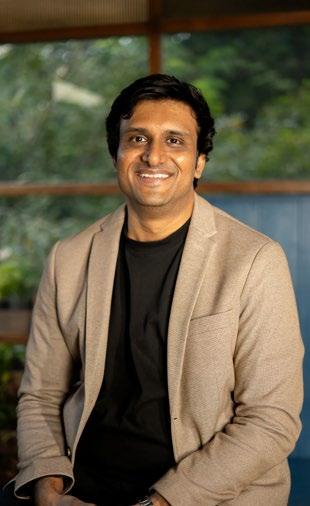
EDITOR -IN - CHIEF From The Desk Of
integrated the red and yellow of the Karnataka flag into their body paint designs, symbolizing the union of Tulunadu with the wider state.
Special Bhuta Kola Showcases: While Bhuta Kola is a sacred ritual and not a "show," the government facilitated "Educational Heritage Galleries" in Udupi. Heritage Education: These galleries displayed the intricate masks of Panjurli and Guliga and featured oral historians explaining the significance of the Daiva tradition in maintaining social justice and ecological balance in the coast. Documentary Screenings: As part of the Rajyotsava celebrations, the Karnataka Digital Economy Mission (KDEM) showcased VR-based documentaries on the ritual, allowing visitors to experience the "spirit" of the coast safely and respectfully.
Suggi Kunitha and Gumate Pang: The Uttara Kannada Spirit: In the Karwar and Sirsi regions, the Suggi Kunitha (Harvest Dance) took center stage. The Performance: Groups of men in towering, colorful headgear performed the "Step of the Harvest," a rhythmic dance that celebrates the bounty of the coastal fields. Musical Heritage: The Gumate Pang, a unique percussion instrument made of clay, was featured in a massive "Drummers' Meet" in Karwar, where 200 drummers played in unison to celebrate the state's unification.
Kangilu and Paddanas: The Oral Tradition: The Kangilu dance, traditional to the Mundala community, was performed at the Rajyotsava ceremonies in Putur and Belthangady. Dancers dressed in costumes made of coconut fronds performed to the chants of Paddanas (ballads). These ballads, which are the oral epics of the Tulu people, were specially translated into Kannada and English during the 2025 festival to help a wider audience appreciate the depth of coastal folklore.
The Impact of 2025 Celebrations: The 69th Rajyotsava was a turning point for coastal folk arts. By integrating these specific regional performances into the state-wide "Nada Habba," the government successfully: Boosted Cultural Tourism: Hotel occupancy in Udupi and Mangalore saw a 35% increase during the first week of November 2025. Preserved Micro-Cultures: Small, village-based troupes received state grants through the Department of Kannada and Culture, ensuring that rare forms like Kangilu continue to thrive. The coastal celebrations of 2025 proved that the strength of Karnataka lies in its diversity—where the red and yellow flag flies proudly alongside the masks of the Daivas and the headgear of the Yakshagana artists.
The Spirit of "Unification" (Ekikarana) : Special tributes were paid to the pioneers of the Ekikarana movement. Seminars were held to educate the younger generation about the struggles of Aluru Venkata Rao and others who fought to bring the disjointed parts of the Kannadaspeaking world under one administrative umbrella.
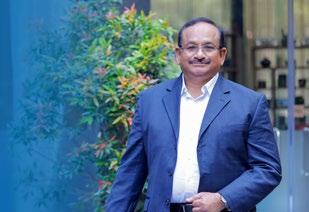
Dr. S. E. Alexander
Global Media Chief & MD
In Short: The 69th Karnataka Rajyotsava in November 2025 was a resounding success because it moved beyond symbolism. It was a month where the state's technological prowess met its ancient roots. The grandeur was not just in the lights and flags, but in the renewed pledge of 70 million citizens to uphold the language, the land, and the inclusive spirit of Vishwa Manava (Universal Citizen).
FASHION & TRENDS
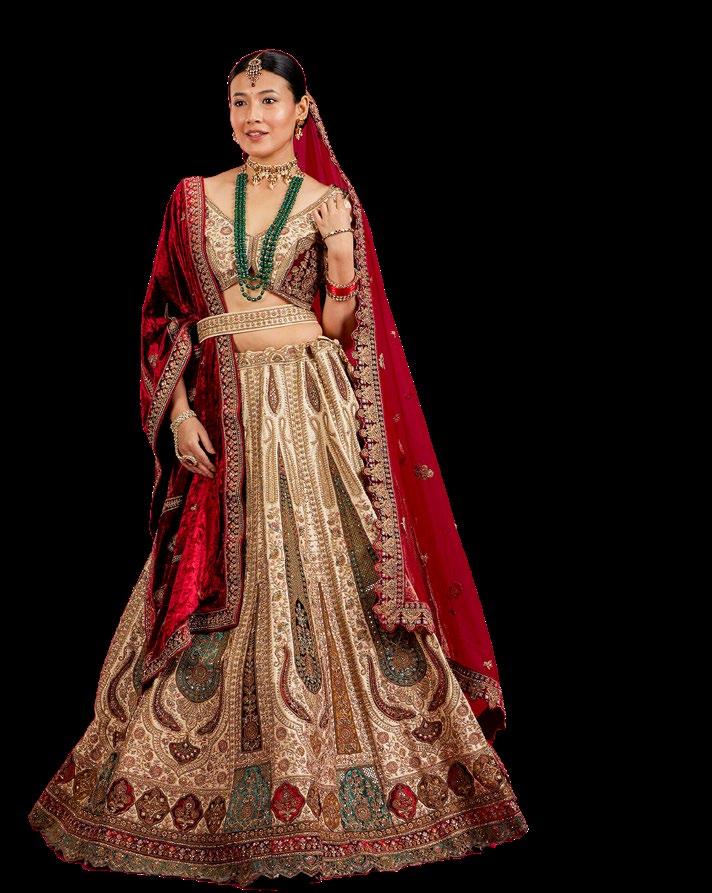
Stunning Lehenga CoLour CombinationS every bride WiLL Love
VIBRANT LIFESTYLE
ro CktoberfeSt 2025 (bengaLuru)
karnataka’S uLtimate urban muSiC & LifeStyLe feStivaL
CORPORATE, INDUSTRIES, INVEST IN KARNATAKA
Sfx india & the ₹27,600 Crore Wave
big infraStruCture bigger inveStment in karnataka
RETAIL & SHOPPING
Max Fashion’s Big ReB oot a new Flagship stoRe in BengaluRu
MEN & WOMEN OF GREATER SUBSTANCE
b. Saroja devi the timeLeSS Queen of indian Cinema
pes univeRsity a new ChapteR in teChnology & innovation
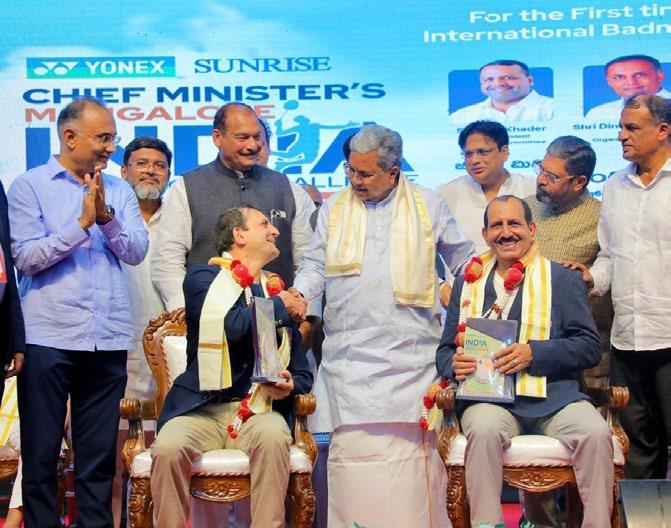
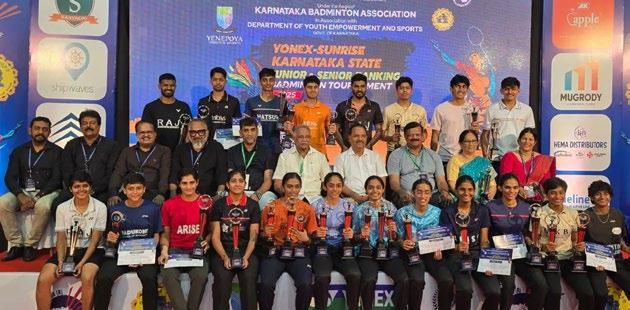
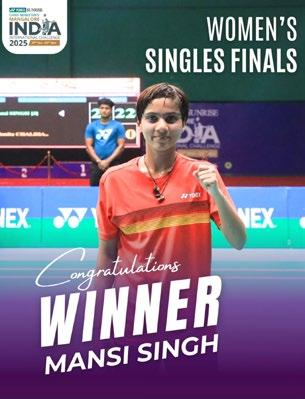
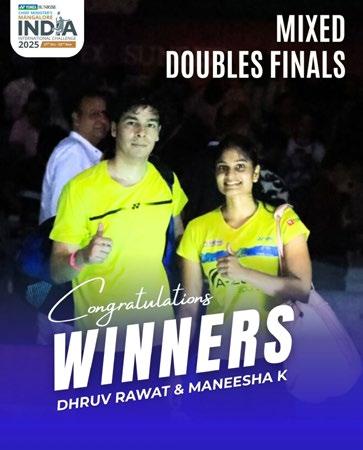
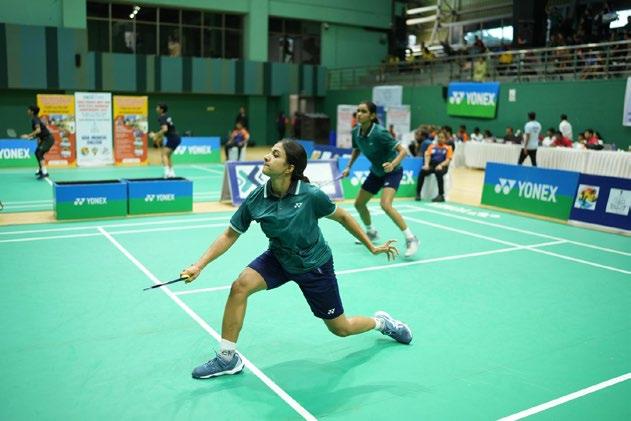
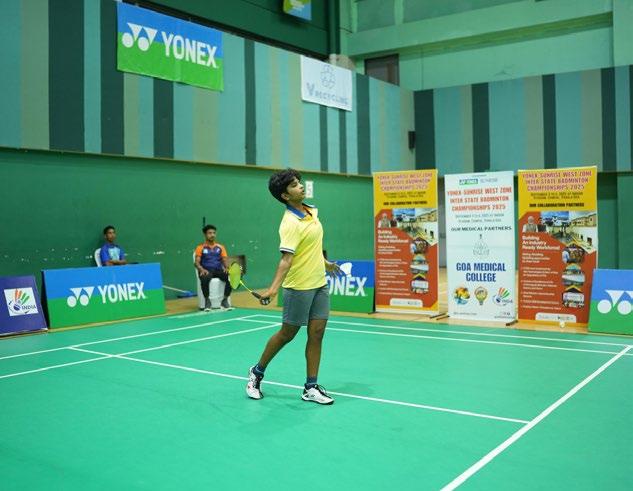
MangaloRe’s Big MoMent hosting its FiRst inteRnational BadMinton Challenge
ROYAL HERITAGE & ARCHITECTURE OF KARNATAKA
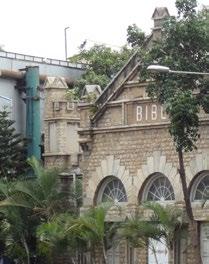
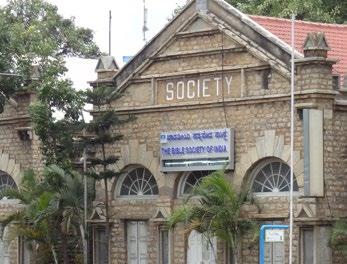
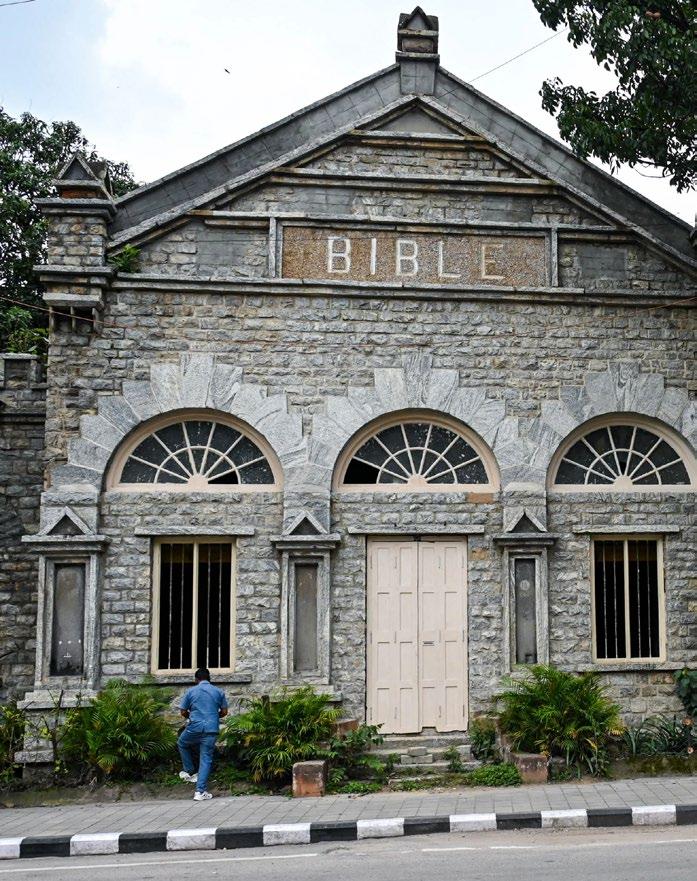
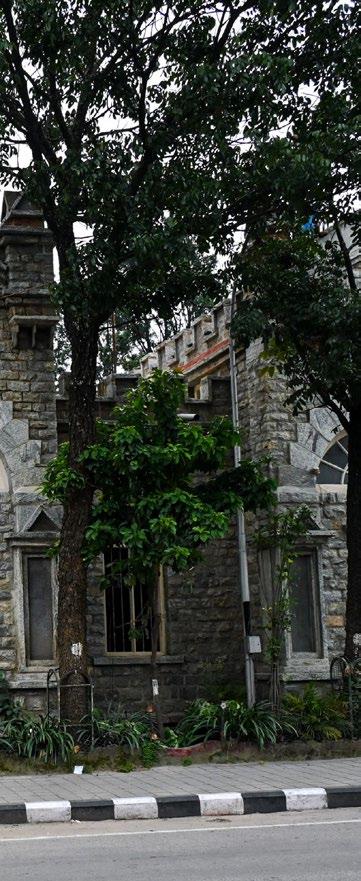
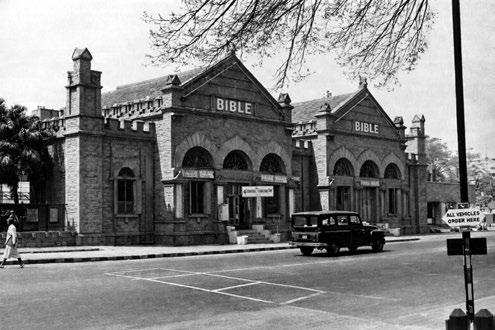
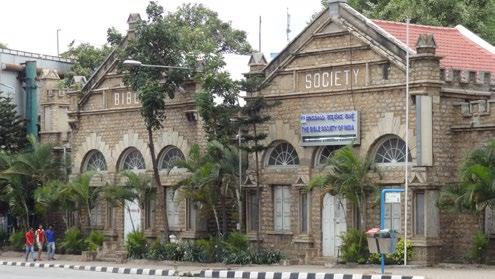
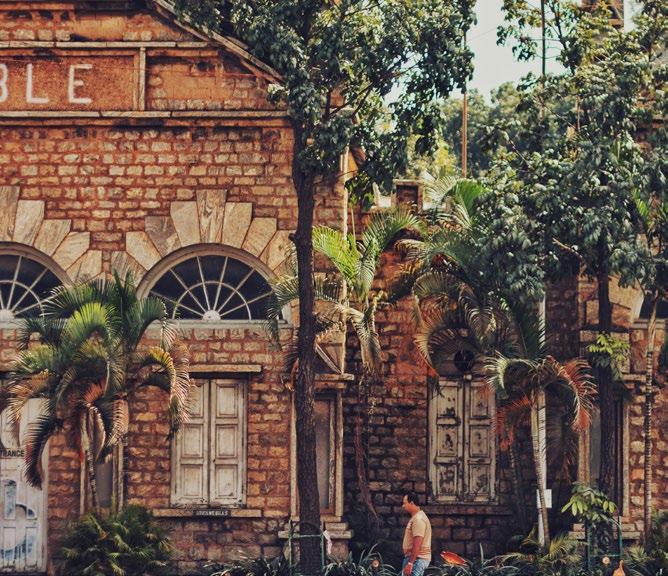
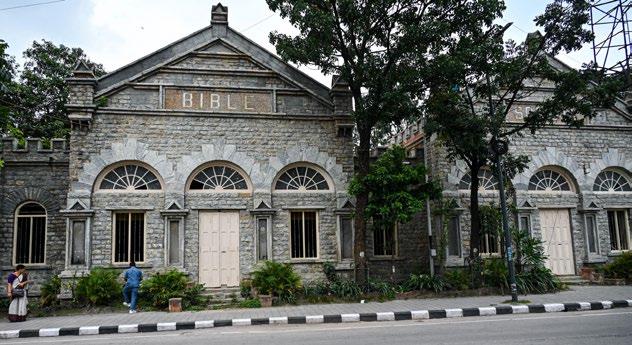
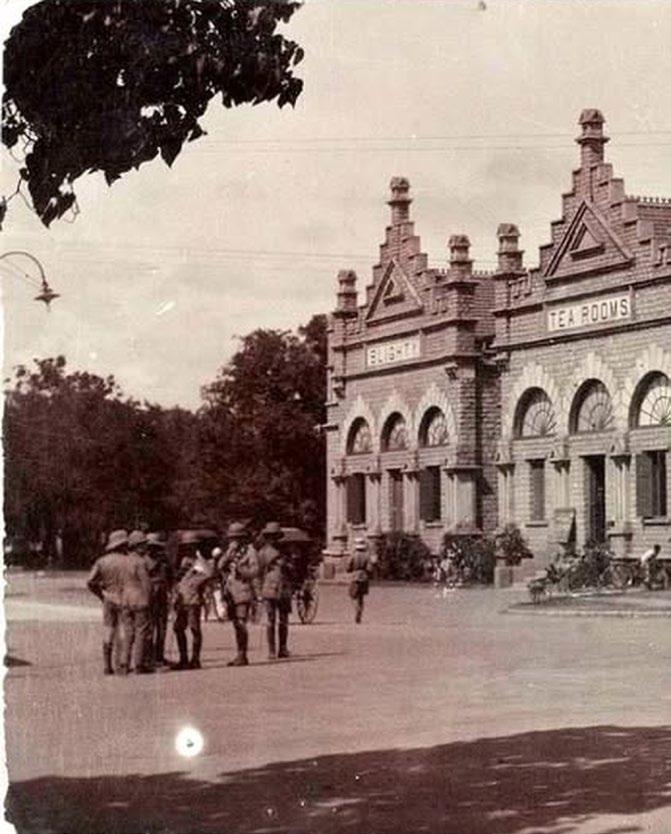
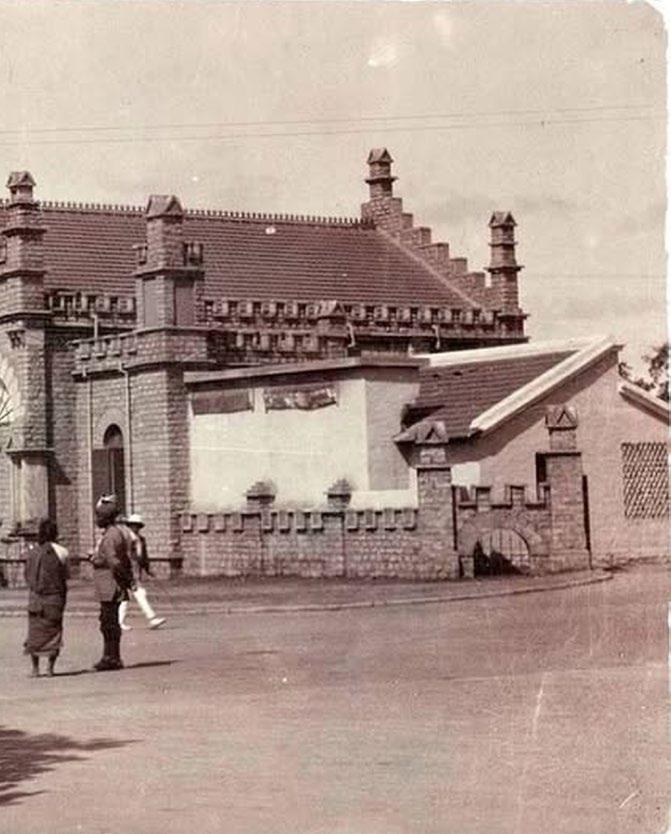
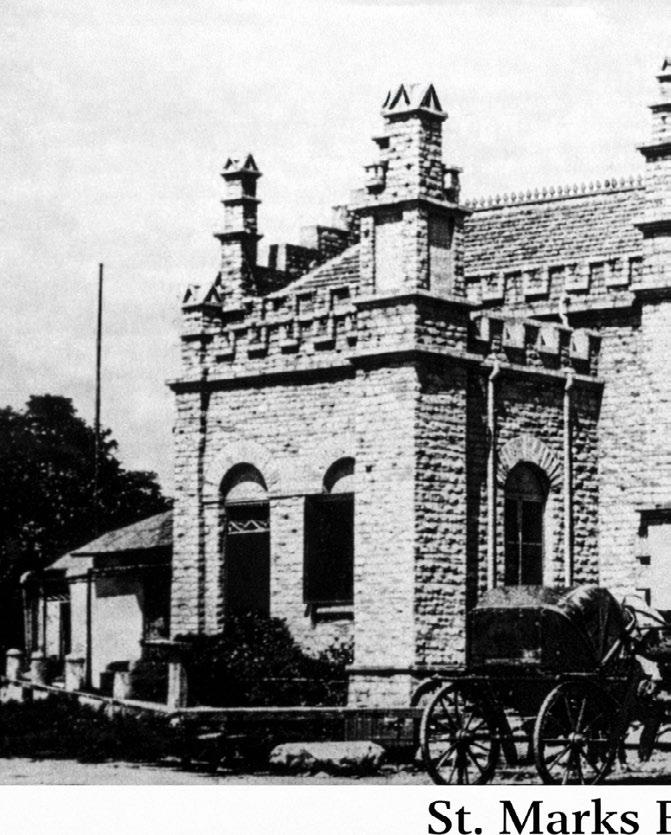
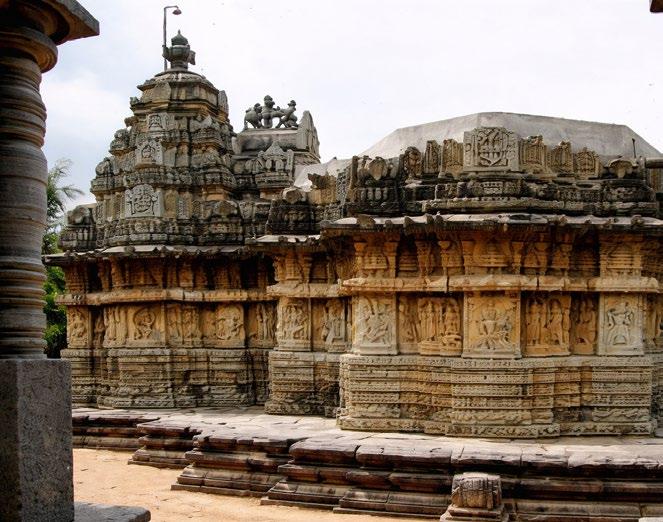
BangaloRe’s CentuRy-old tReasuRe the BiBle so Ciety Building
TRAVEL & TOURISM
goKaRna KaRnataKa’s spiRitual & Coastal paRadise
FASHION & TRENDS KARNATAKA
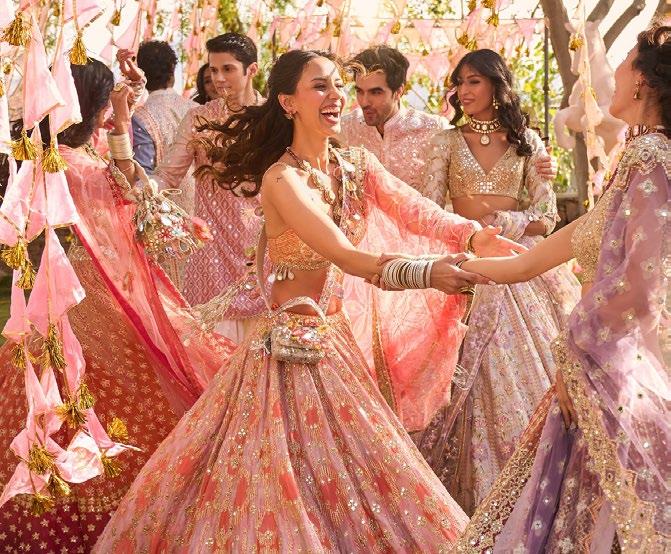
Stunning Lehenga Colour Combinations Every Bride Will Love
Stylish Lehenga Colour Combinations
That Make An Impression
Whether you’re the bride or a wedding guest, choosing the right lehenga colour can instantly elevate your overall look. The right pairing enhances your vibe, photographs beautifully, and adds personality to your outfit. A good way to narrow down your options is to consider the occasion—daytime events usually suit lighter and softer shades, while evening celebrations allow for deeper, richer tones. Skin tone also plays an important role, as some colours naturally enhance certain complexions, while a few universal shades flatter everyone. Fabric matters too, since some materials carry colour better and bring out its depth and richness.
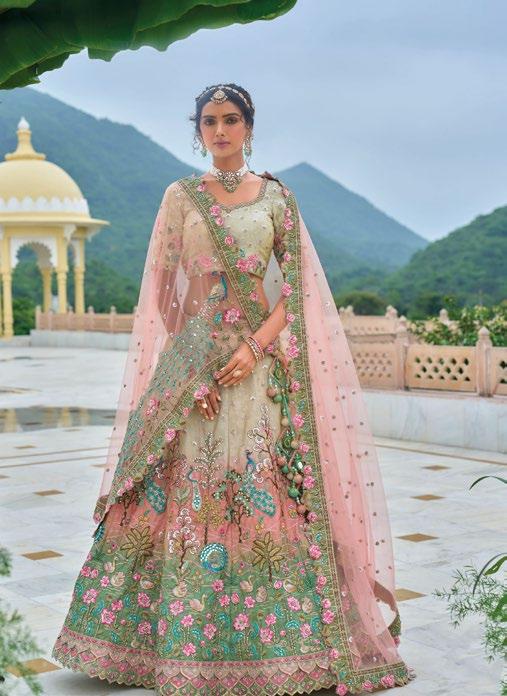
White and Beige: From bridal lehengas to bridesmaid ensembles, the white and beige combination has become a statement choice. Soft, elegant, and timeless, this pairing looks especially stunning with delicate floral embroidery. A white and beige lehenga creates an ethereal effect and pairs beautifully with silver or diamond-studded jewellery for a refined, understated bridal look.
Multi-Colour: One of the most visually striking lehenga colour combinations is a multi-coloured ensemble. Whether the base is pink, deep red, or another bold hue, the addition of multiple colours creates a vibrant, festive feel. A true riot of shades, multi-colour lehengas are perfect for brides who want something playful, artistic, and full of life.
Pink and Peach: Soft, feminine, and effortlessly charming, pink and peach lehengas give off dreamy summer vibes.This colour combination flatters almost every skin tone and works beautifully for daytime functions. Paired with a statement jewellery piece, this lehenga ensures a graceful yet memorable presence.
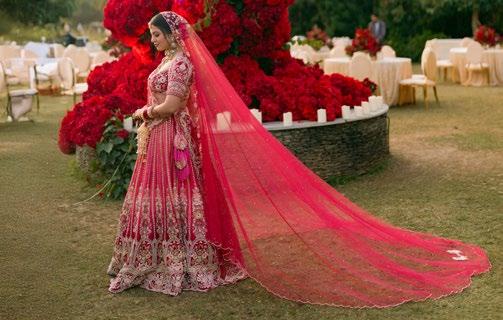
Red and Pink: Red may be traditional, but when paired with pink, it takes on a softer, more contemporary appeal. Pink balances the intensity of red, creating an ensemble that is bold yet harmonious. Bright, eye-catching, and glamorous, this is one of the best colour combinations for brides who want to look truly show-stopping.
Navy Blue and Silver: Sophisticated and cooltoned, navy blue and silver is a striking lehenga colour combination ideal for evening weddings and receptions. The depth of navy paired with the shimmer of silver embroidery creates a regal, Indo-western aesthetic that feels modern yet timeless.
Green and Peach: Green and peach come together in perfect harmony, offering a soothing and refreshing palette. From sage green with soft peach to lime green with peach accents, this combination exudes calm elegance. It’s ideal for brides who want a balanced look that feels both festive and serene.
Pastel Colours: Pastels may be soft, but their impact is anything but subtle. Shades like sky blue, baby pink, mint green, and lavender create a dreamy, romantic bridal look. The key to pulling off pastels lies in choosing the right fabric and embroidery so the colours truly shine and don’t appear washed out.
Teal Blue and Green: Rich yet refreshing, teal blue paired with green brings out classic bridal charm. This versatile colour combination works beautifully for daytime events and can easily transition into evening wear with the right embellishments and detailing.
Peach and Gold: Gold is a natural fit for bridal wear, and when paired with peach, it creates a powerful yet feminine combination. Peach and gold lehengas glow beautifully in wedding lighting and can be styled with subtle shimmer for night events. With the right jewellery, this pairing looks effortlessly luxurious.
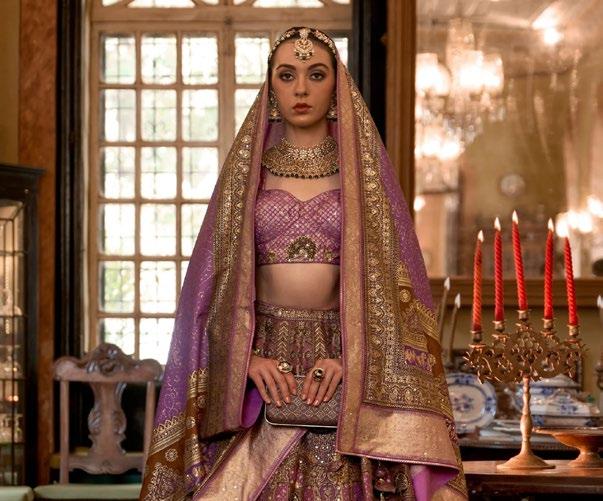
Violet and Gold: Violet instantly evokes royalty, and when combined with gold—whether through zari work or rich embroidery—the result is nothing short of majestic. This lehenga colour combination is perfect for brides who want to channel queenly elegance at their wedding or reception.
Wine and Grey: Grey may not be the first colour that comes to mind for bridal wear, but when paired with deep wine, it becomes strikingly sophisticated. The grey softens the richness of wine, creating a balanced, elegant look that flatters all skin tones and stands out for its uniqueness.
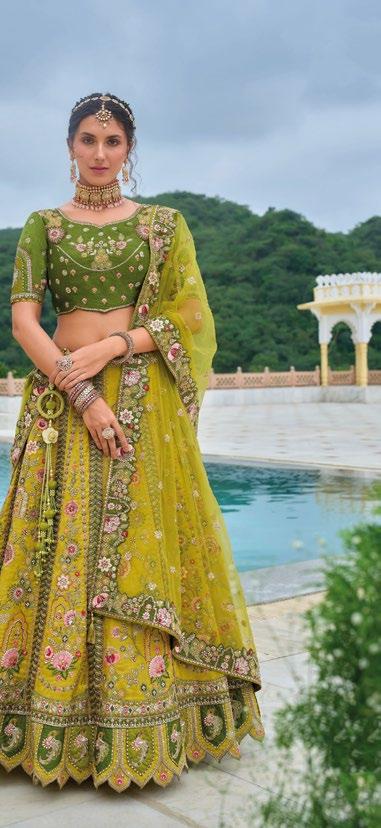
Olive Green and Yellow: For a fresh, almost Mediterranean-inspired look, olive green and yellow make a delightful pairing. Lemon yellow combined with olive or pistachio green feels playful and vibrant, making it ideal for Mehndi or Haldi ceremonies. An off-white dupatta can tie the look together beautifully.
Black and Silver: Classic, dramatic, and forever stylish, black and silver is a lehenga colour combination that never fails. Black naturally commands attention, while silver adds sparkle and glamour. Together, they create a powerful look that’s perfect for evening receptions or cocktail events.
Lehenga Colour Combinations For Every Skin Tone
Choosing the perfect lehenga colour combination becomes much easier when you consider your complexion. Fair skin tones tend to glow in bright colours such as yellow, pink, red, and blue, as well as deeper shades like emerald green and royal blue. Dusky skin tones are beautifully complemented by earthy hues such as browns, coppers, and greys, along with rich shades like purple, violet, and lilac. Understanding what works best for your skin tone ensures your lehenga not only looks beautiful but also enhances your natural radiance.With so many stunning lehenga colour combinations to choose from, the key is to find one that feels authentically you—because confidence, after all, is the most beautiful colour a bride can wear.
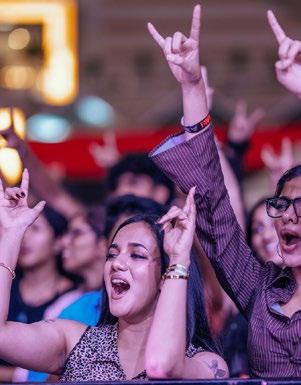
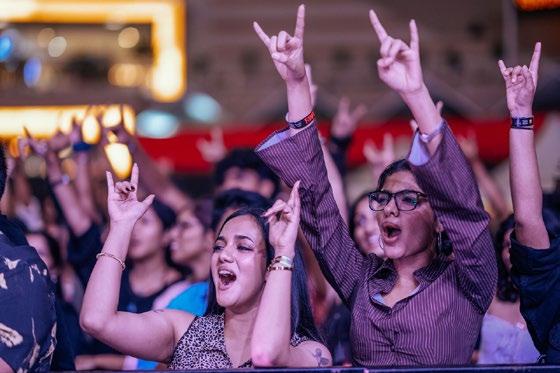
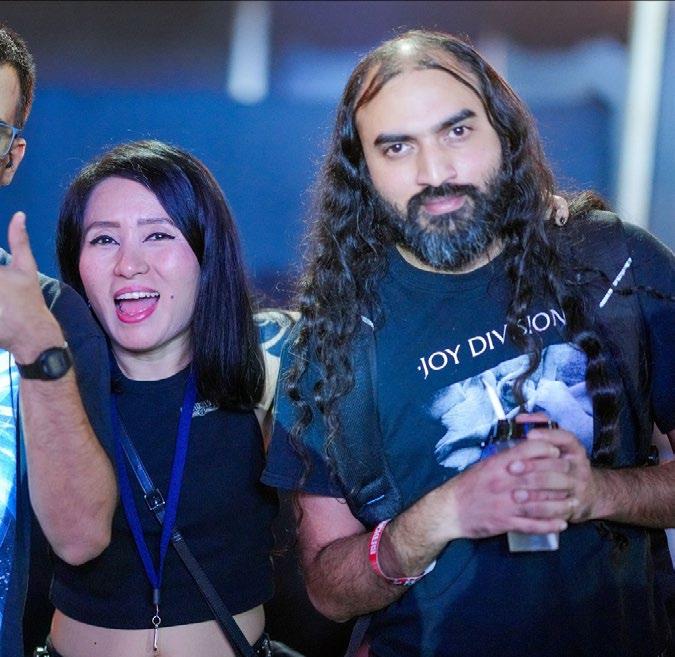
Bengaluru, a city celebrated for its electric nightlife, thriving youth culture, and global music sensibilities, witnessed one of its most high-energy urban festivals of the year — Rocktoberfest 2025. Hosted at Phoenix Marketcity, Whitefield, this October festival brought together music lovers, indie artists, lifestyle brands, food pop-ups, and immersive experiences under one pulsating roof. As Karnataka continues strengthening its identity as a lifestyle and entertainment hub, Rocktoberfest 2025 stood out as a signature event that blended music, culture, cuisine, creativity, and urban vibrancy into an unforgettable celebration.
What began years ago as a small rock-themed gig series has today evolved into one of Bengaluru’s most anticipated October events. The 2025 edition pushed boundaries further, transforming Rocktoberfest into a full-scale multi-day lifestyle festival that attracted crowds from across the city. Live rock and indie performances, art installations, fashion pop-ups, gaming zones, food and beverage experiences, open-air hangout areas, and a distinctly youth-centric cultural lineup perfectly mirrored Bengaluru’s identity — global, youthful, experimental, and deeply connected to music.
The Event Experience
Rocktoberfest 2025 took place at the Courtyard and Outdoor Arena of Phoenix Marketcity, Whitefield, across an October weekend, running daily from 4 PM to 10:30 PM. Thousands of attendees — from college students and IT professionals to families seeking weekend entertainment — filled the venue. This year’s festival distinguished itself with a curated multi-genre music experience, a larger
open-air performance space, double the number of lifestyle and brand pop-ups compared to previous years, and significantly expanded interactive and engagement zones. The result was not just a music festival, but a holistic urban lifestyle experience.
Music at the Core
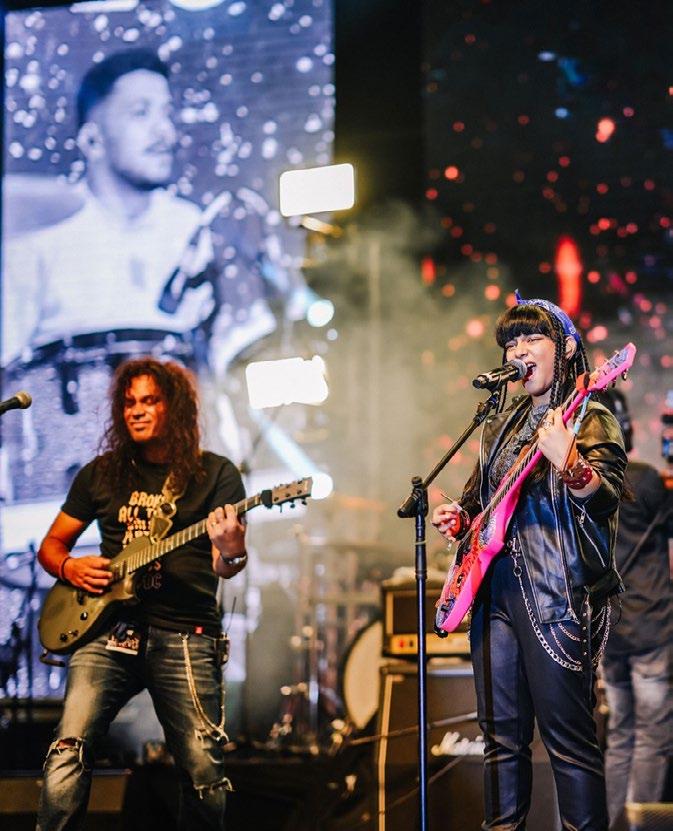
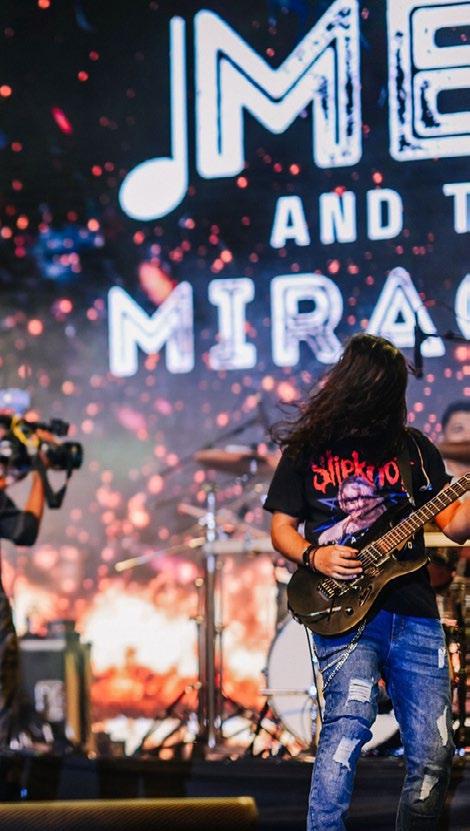
At its heart, Rocktoberfest remained a music-first festival.The main stage showcased Bengaluru’s rising indie artists, popular rock bands, fusion performers, and electronic experimentalists. High-energy guitar sets, unplugged acoustic sessions, percussion showcases, and electronic after-hours kept crowds energized throughout the evenings. Special highlights included rock tribute nights celebrating classic rock legends, indie emerging-artist hours spotlighting college and local talent, DJ-led techno and electronic sessions, and collaborative jam performances. The open-air soundstage featured world-class acoustics, advanced lighting rigs, and large visual installations that elevated the live music atmosphere to international standards.
Lifestyle, Fashion and Creative Culture
Rocktoberfest 2025 extended far beyond music into a complete urban lifestyle festival. Fashion and urban-wear pop-ups displayed streetwear, festival accessories, handcrafted jewelry, indie designer apparel, eco-friendly merchandise, and bandthemed souvenirs. Youth-focused fashion, denim
culture, and rock-inspired styling dominated the retail stalls. Meanwhile, interactive creative zones invited visitors to participate in graffiti walls, live painting sessions, tattoo pop-ups, and vinyl art corners. These spaces reflected Bengaluru’s artistic energy and encouraged participation, not just observation — making the festival an inclusive creative playground.
Food and Beverage Experience
Phoenix Marketcity curated a multi-cuisine food and beverage lineup that matched the festival’s lively energy. Food trucks, craft bakery stalls, BBQ and grill counters, beverage and smoothie bars, street-food classics, desserts, and festival-themed treats created a vibrant culinary scene. Sustainable cutlery initiatives and eco-friendly packaging promoted responsible waste management, aligning entertainment with environmental consciousness — a value increasingly embraced by Bengaluru’s youth.
Youth Engagement and Interactive Zones
One of Rocktoberfest’s strongest draws was its immersive engagement zones. Gaming areas featured VR and AR experiences, retro arcades, and console gaming competitions. Instagramfriendly installations, neon-lit rock backdrops, themed photo booths, and decorative lighting domes became instant social-media hotspots. Dance and movement corners hosted open dance circles, music-based challenges, and flash-mob performances. These elements turned the festival into a full-fledged lifestyle carnival rather than a conventional concert event.
Why Rocktoberfest Matters
Rocktoberfest has grown from a mall-based event into a state-level lifestyle phenomenon, significantly shaping Bengaluru’s modern cultural identity. It provides a major platform for local indie bands and emerging musicians, actively supporting Karnataka’s grassroots music ecosystem. It promotes urban creativity by encouraging graffiti art, pop-culture expression, fashion entrepreneurship, and youthled creative initiatives. The festival attracts visitors from neighboring cities, boosting October tourism in Bengaluru. It also creates safe, inclusive, and vibrant youth-centric entertainment spaces while generating economic value for local vendors, food outlets, retail brands, and event professionals.
Visitor Experience
Attendees at Rocktoberfest 2025 enjoyed a diverse mix of music genres, stylish shopping booths, delicious food stalls, relaxed leisure zones, and high-energy live performances — all within a safe, modern, and premium environment. Visitors praised the seamless event management, clean spaces, creative décor, and upscale festival vibe. The overall experience reinforced Rocktoberfest’s reputation as Bengaluru’s most polished urban lifestyle festival.
A Cultural Signature
More than just an event, Rocktoberfest 2025 successfully reinforced Bengaluru’s position as India’s lifestyle and music capital. It has become a cultural signature celebrating youth energy, music culture, fashion innovation, artistic creativity, and Karnataka’s urban spirit. With expanding scale and rising
popularity, Rocktoberfest is now firmly established as a highlight of Bengaluru’s October calendar — inspiring more urban festivals, nurturing creative talent, and shaping the future of lifestyle experiences in Karnataka.
The History of Rocktoberfest: Bengaluru’s October Music Tradition
Rocktoberfest did not emerge overnight. It evolved over more than a decade, shaped by Bengaluru’s growing appetite for live music, lifestyle culture, and experiential mall festivals. When Phoenix Marketcity opened in 2011–12, it experimented with small weekend open-air gigs featuring college bands, local rock musicians, and indie performers. These concerts became unexpectedly popular among IT professionals and students in Whitefield, encouraging mall management to conceptualize a larger recurring music event.
By 2015, noticing strong October shopping footfall, Bengaluru’s love for rock and fusion music, and demand for nightlife-style entertainment, Phoenix Marketcity’s Marketing and Events Team launched Rocktoberfest — a dedicated October music festival combining live bands, food pop-ups, shopping offers, lifestyle activities, and interactive zones. The name cleverly merged “Rock” with “October,” giving Bengaluru its own autumn music festival in the style of global city celebrations.
Between 2016 and 2019, Rocktoberfest expanded into a multi-day festival with larger stages, LEDenhanced lighting, participation of popular bands, food trucks, beverage counters, fashion stalls, and art zones. It became a signature cultural property of Phoenix Marketcity. After the pandemic slowdown, from 2022 to 2024, the festival reinvented itself with tech-enabled stage designs, AR and VR zones, EDM DJs, indie and fusion acts, family-friendly corners, and Instagram-ready décor — blending music, shopping, food, and youth culture.
By 2025, Rocktoberfest had matured into a flagship annual festival for Phoenix Marketcity, a major event in Bengaluru’s lifestyle calendar, and a platform for both emerging and established artists. The 2025 edition featured three stages, diverse genres from rock and indie to fusion, retro, and EDM, global food pop-ups, beverage zones, fashion and lifestyle stalls, and large-scale art installations. Conceptualized, owned, and operated entirely by Phoenix Marketcity Bengaluru under The Phoenix Mills Ltd., it stands today as one of Karnataka’s largest in-house urban festivals.
Phoenix Marketcity: Bengaluru’s Cultural and Lifestyle Landmark
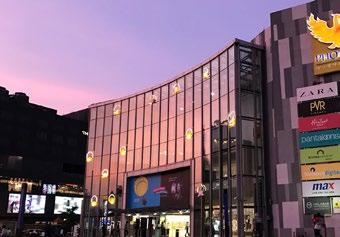
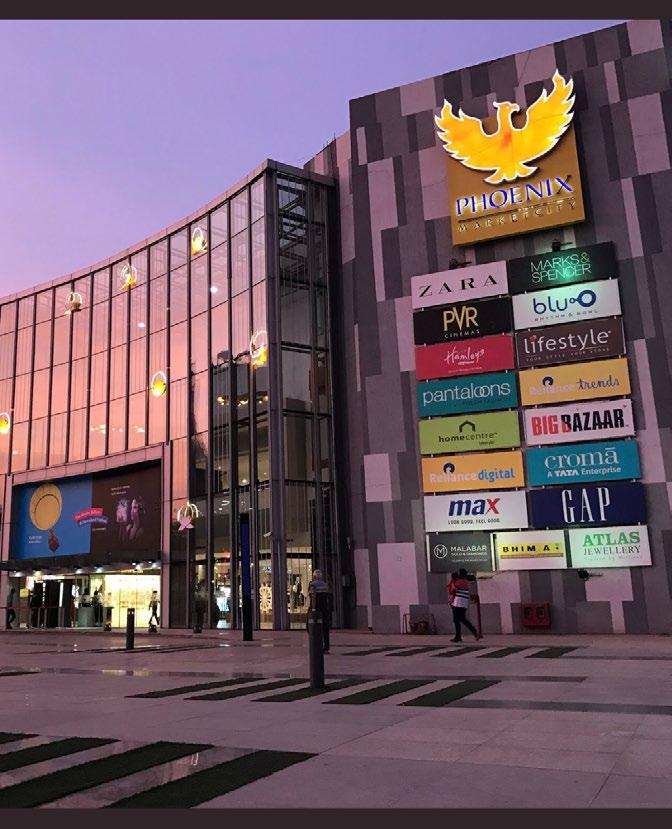
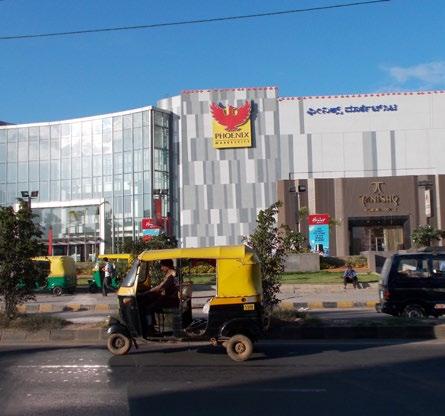
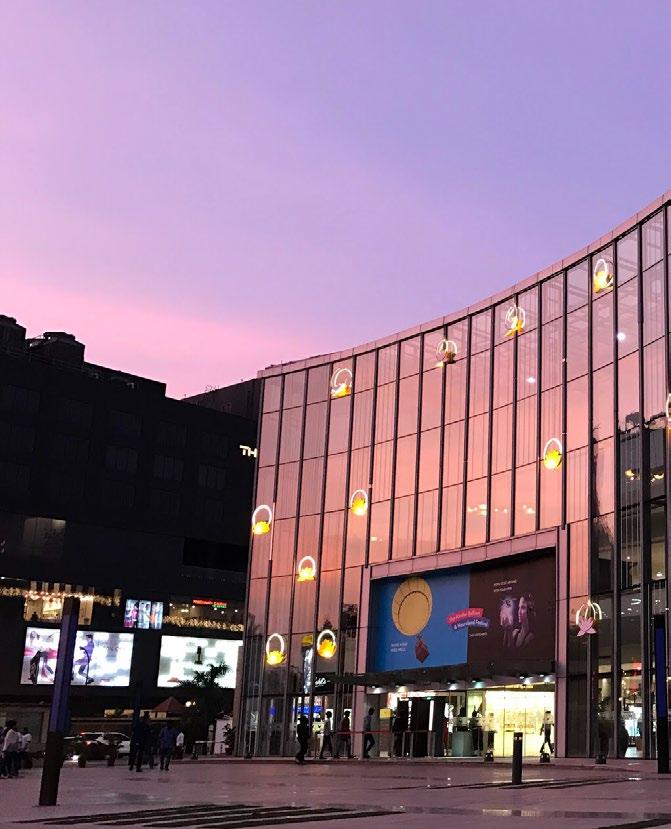
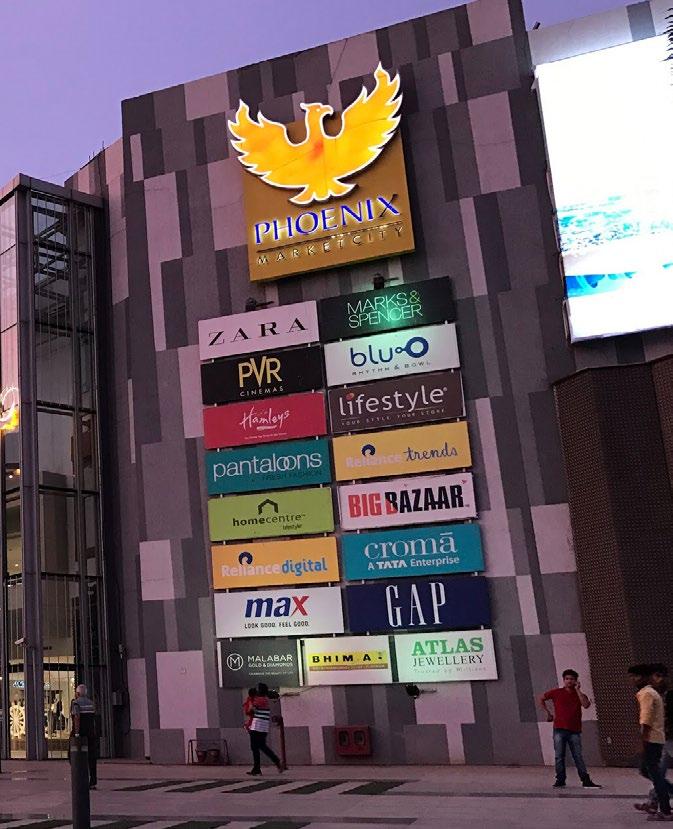
Located in Whitefield, Mahadevpura, Phoenix Marketcity Bengaluru is among India’s largest lifestyle, retail, and entertainment destinations. Opened in 2011 and developed by The Phoenix Mills Ltd., it spans over 1.4 million square feet and houses 300+ national and international brands. Its strategic position in Bengaluru’s IT corridor makes it a favorite among tech professionals, families, and young consumers.
The mall features international fashion and lifestyle brands, luxury beauty labels, electronics stores, footwear and accessories outlets, and home décor brands. Beyond retail, Phoenix Marketcity is widely recognized as Bengaluru’s cultural stage — hosting Rocktoberfest, food and craft carnivals, fashion shows, art exhibitions, celebrity meet-and-greets, EDM concerts, and live cultural performances. Its large Courtyard Area is known for hosting the city’s biggest open-air events. Entertainment options include a multiplex cinema, fine-dining restaurants, multi-cuisine food courts, experiential cafés, kids’ play zones, VR and AR gaming spaces, and seasonal Instagram-friendly décor installations. The mall’s key strengths lie in being Karnataka’s largest event-hosting mall, offering a balanced premium and mass retail
mix, promoting experiential mall culture, maintaining strong youth engagement, and delivering innovative seasonal programming. Through its initiative-driven model, Phoenix Marketcity has shaped Bengaluru’s youth culture, mall entertainment trends, live music ecosystem, festive shopping experiences, and premium retail growth — firmly establishing the city as South India’s leading fashion, lifestyle, and cultural hub. Rocktoberfest 2025 represents the fusion of Bengaluru’s musical heartbeat, youthful creativity, and lifestyle innovation. Supported by Phoenix Marketcity’s visionary event culture, it has grown into Karnataka’s defining urban festival — a celebration of music, energy, fashion, and modern cultural identity. As it continues to evolve, Rocktoberfest stands as a symbol of Bengaluru’s transformation into a global city of experiences.
RETAIL & SHOPPING KARNATAKA
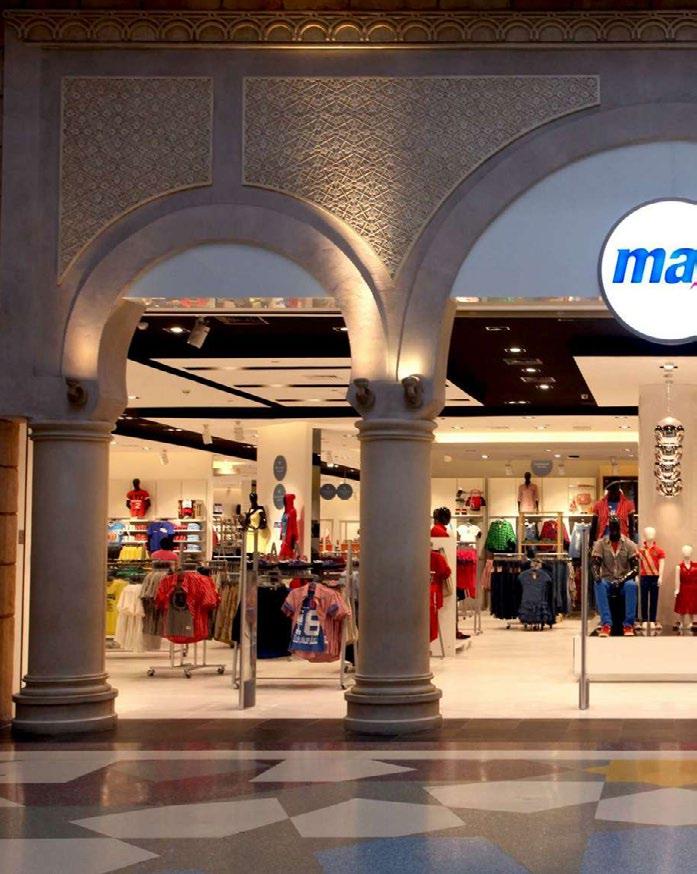
MAX FASHION’S BIG REBOOT
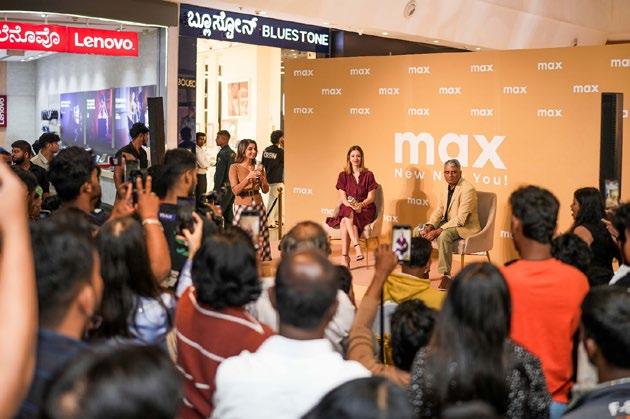
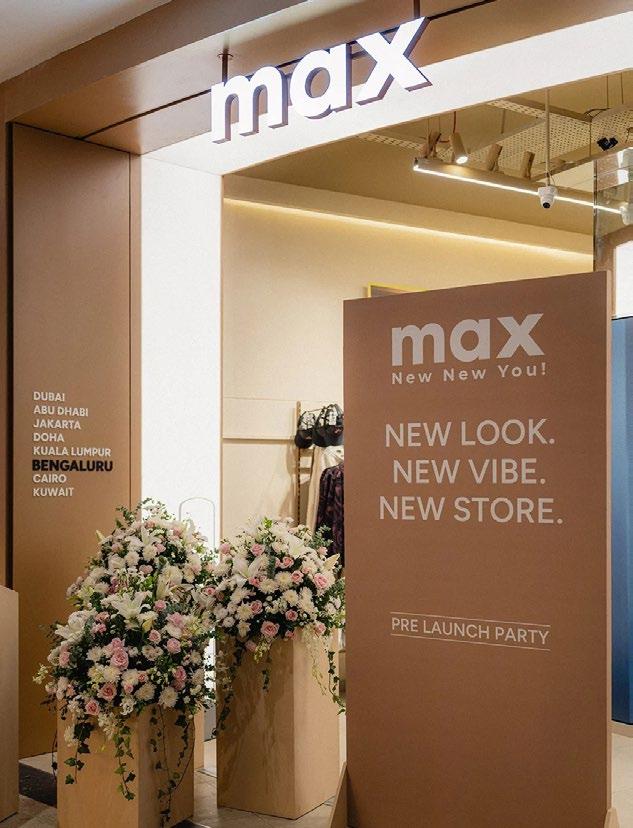
Max Fashion opened a reimagined, 12,000 sq. ft. flagship store at Phoenix Marketcity, Bengaluru — a major move that marks the brand’s shift from “just clothes” to a full-fledged retail experience. This isn’t just another store launch; it represents a whole new identity for the brand: a refreshed logo; contemporary visual language; a redesigned store layout; and a focus on immersive, customer centric retail.
Experience-led Retail, Not Just Product Display
The new store features a sleek, modern design — from ambient lighting and uncluttered layout to stylish store décor. At the storefront, a “fashion theatre” appeals to visitors at first glance — showcasing curated seasonal collections and trend edits to immediately draw attention.
Tech Enabled Convenience Meets Traditional Shopping
Buyers can browse extended inventories through an “Endless Aisle” feature — giving access to online stock directly from the store. Digital POS (point-ofsale) ensures itemised billing, transparent offers, and smooth checkouts, upgrading the in store shopping to match a digital era shopper’s expectations.
Contemporary Collections with Updated Aesthetics
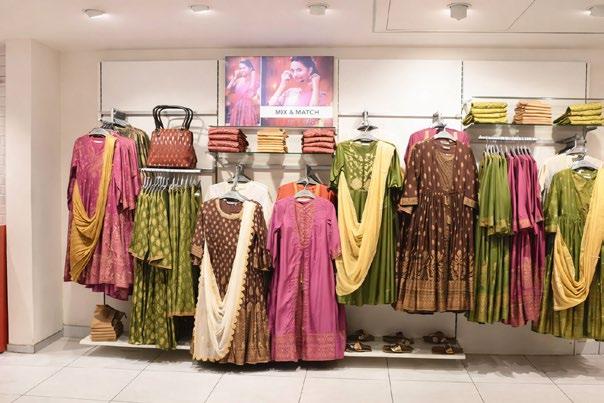
The store’s collection now emphasises modern cuts, relaxed fits, fresh colour palettes — reflecting current fashion sensibilities rather than just value fashion basics. The redesign extends beyond store layout to brand packaging, communication, and user experience — signalling a holistic brand refresh.
Why This Matters — For Bengaluru, Consumers & Retail Landscape
For Customers: Better Style + Better Experience
Shoppers now get a style meets convenience experience — modern trends, comfortable fits, and a store setup that’s easy to navigate and user friendly.
For festival seasons (like Diwali) and everyday wear alike, the new store offers a wide range of contemporary, trend forward clothing — useful for diverse wardrobes.
For Bengaluru’s Retail Scene
The store’s launch indicates confidence in Bengaluru’s retail market — showing that large national brands are investing in the city’s consumers and shopping culture. With tech enabled elements and an experience led approach, it raises the bar for retail shopping — blending convenience of online with charm of offline stores.
For Max Fashion Brand Strategy
The rebranding signals a shift from merely “value fashion” to “fashion lifestyle” — aiming to attract a wider audience including trend conscious youth, urban professionals, and fashion forward shoppers. This positioning could help Max compete not just on price but on design, convenience, and retail experience — aligning with evolving consumer expectations.
What This Means for You
Since you’re in Bengaluru — this store could be a great spot for:
• Festive & everyday shopping: Modern outfits, comfortable fits — good for festival get togethers or casual wear.
• Mix and match wardrobes: With contemporary cuts + affordability, you can build practical yet stylish outfits for dance, swim, or daily wear.
• Convenient, cool shopping experience:Tech enabled browsing, trial rooms, easy checkout — a step up from regular value fashion stores.
Origins of Max Fashion
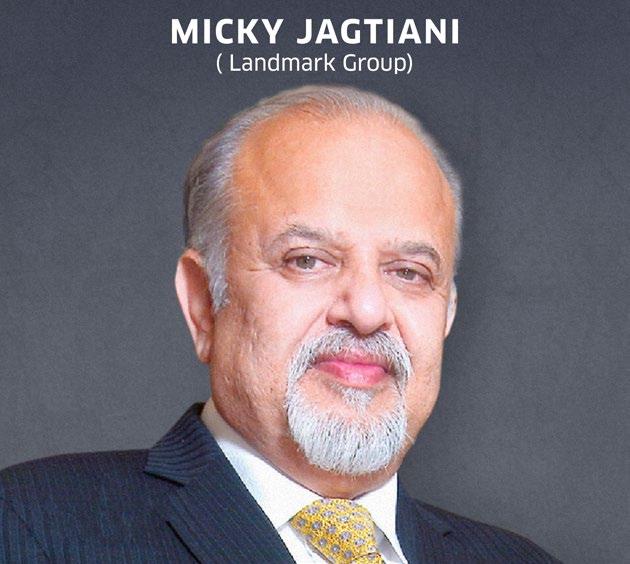
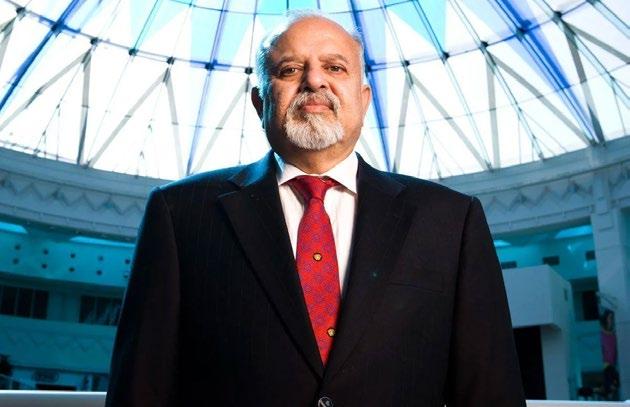
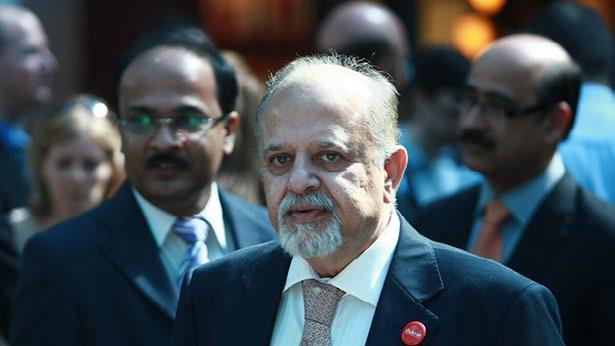
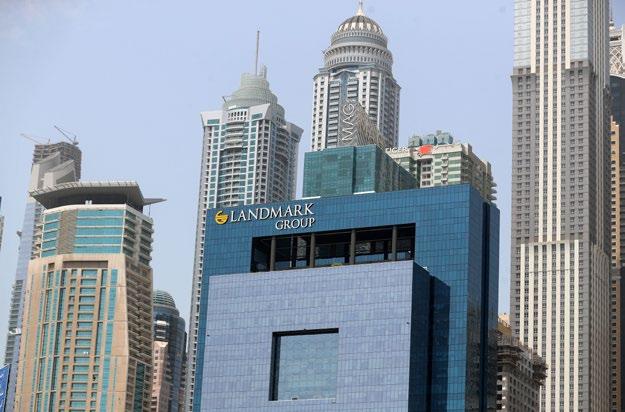
Max Fashion was launched in May 2004 by the Landmark Group, a Dubai based multinational retail conglomerate. Landmark Group was founded by Micky Jagtiani — so you could say he is among the original founders/sponsors of the brand.
Entry into India & Growth
Max Fashion entered the Indian market in 2006, opening its first store in Indore. In India, Max Fashion is run by the group’s Indian retail arm.
Over the years it has expanded to hundreds of outlets across the country.
What That Means — Brand Ownership & Identity
Max Fashion is not a local Bengaluru or Karnataka brand — it’s part of an international group headquartered in Dubai (Landmark Group). Its designs, business model, and expansion strategy come from a global retail brand — but adapted for the Indian market. From Humble Beginnings to Global Retail Empire:
The Micky Jagtiani Story Early Life & Background
Micky Jagtiani — full name Mukesh Wadhumal Jagtiani — was born on 15 August 1952 in Kuwait City, into a Sindhi family. His early schooling took him across Chennai, Mumbai and Beirut. Later he moved to London to study accounting — but eventually dropped out. While in London, during tough times, he did odd jobs: worked as a hotel cleaner and even as a taxi driver to sustain himself.
The Leap: From a Small Shop to a Retail Giant
In 1973 — with about USD 6,000 inherited savings — Jagtiani started a small baby products shop in Bahrain (named “Babyshop”) after taking over a shop previously owned by his late brother. From this modest beginning, he expanded slowly but steadily: within a decade the shop had grown to multiple stores. In 1992–1993, he shifted base to Dubai. There, he carefully diversified — expanding into apparel, footwear, home furnishing, electronics, furniture, and eventually hospitality.
Building the Empire: Landmark Group
The shop he started evolved and grew into what is today known as the Landmark Group — one of the largest retail and hospitality conglomerates in the Middle East and Indian subcontinent. By the time of his death, the group operated across 21–24 countries (Middle East, Africa, Southeast Asia, India), with over 2,200 retail outlets including fashion (clothes & footwear), home furnishing, baby products, electronics, and more. In India, the group’s formats include familiar brands like Max Fashion, Lifestyle, Home Centre, Babyshop among others.
Recognition, Wealth & Influence
Over the decades, Jagtiani’s entrepreneurial success earned global recognition. As of early 2023, his net worth was estimated at USD 5.2 billion. Through his leadership, Landmark grew from a singleshop outfit to a multinational conglomerate — a testament to his vision, risk taking, and business acumen.
Philosophy, Leadership Style & Values
Jagtiani believed in hands on work. In early days, he himself handled inventory — picking up boxes, stacking goods, mopping floors — even as he expanded. He once said: “Retail is not rocket science. I have always been a hands-on person.” His approach was customer centric: building affordable value fashion and lifestyle retail that catered to everyday people. This made his brands widely accessible, culturally relevant, and valuedriven.
Jagtiani also maintained a commitment to social responsibility. Through his group and associated foundation (Landmark International Foundation of Empowerment or LIFE), efforts were made to support under privileged children via educational, health, and community development programs.
Personal Life & Legacy
Micky was married to Renuka Jagtiani — she later assumed leadership after his passing. They had
three children: Rah¬ul, Nisha, and Aarti — all of whom are involved in various segments of the business across the group. Jagtiani passed away on 26 May 2023 in the United Arab Emirates, aged 70, after a prolonged illness. His death was widely mourned across the retail and business community. In his passing note, the Landmark Group described him as a visionary whose “customer centric approach, deep market understanding, and passion for excellence” shaped the group’s journey.
An inspiring blueprint for modern retail leadership
Micky Jagtiani’s journey from running a small babyproducts shop to founding one of the world’s largest retail empires is more than a business success story — it is a masterclass in vision, resilience, and purpose. His life offers powerful lessons that continue to shape the global retail landscape.
From Modesty to Magnitude
Jagtiani’s rise is a true “rags to riches” narrative. Beginning with a single Babyshop in Bahrain, he built a multi-billion-dollar retail group based on consistency, customer trust, and deep market understanding. His journey reminds aspiring entrepreneurs that transformative success doesn’t require privilege — only persistence, intuition, and the courage to start small.
Hands-On Leadership
Unlike many business moguls who maintain distance from day-to-day operations, Jagtiani believed in being fully involved. In his early years, he personally handled stock, cleaned the shop floor, managed customers, and monitored sales. This hands-on approach grounded him in real retail challenges and shaped a leadership style rooted in practicality and empathy.
Retail for Everyone
One of his defining philosophies was accessibility. Jagtiani reshaped the retail landscape by bringing affordable fashion, lifestyle products, home essentials, and children’s goods to everyday consumers. Through brands like Max Fashion and Lifestyle, he democratized modern retail — ensuring that quality products were not a luxury but a basic offering for all.
Diversification & Vision
Under his leadership, Landmark Group evolved far beyond its origins. Jagtiani diversified into apparel, electronics, home décor, furniture, hospitality, and e-commerce. His strategic expansion across industries and countries showcased his ability to anticipate changing consumer needs and build a resilient, future-ready business ecosystem.
Social Responsibility at the Core
Jagtiani believed corporate success must carry social purpose. His Landmark International Foundation for Empowerment (LIFE) actively supported underprivileged children, health programs, and
skill-development initiatives. Through philanthropy, he demonstrated that doing good for society is not separate from business — it is an integral part of it.
Global Vision with Local Sensitivity
Though headquartered in Dubai, the Landmark Group flourished in more than 20 countries, including India, Southeast Asia, and Africa. Jagtiani mastered the delicate balance of global expansion while respecting local cultures, consumer habits, and design preferences. His brands reflect a fusion of international aspirations and local authenticity.
The Lasting Legacy
Micky Jagtiani’s life is a testament to the power of ambition, humility, and impact-driven entrepreneurship. His legacy continues to influence millions — from customers walking into Max Fashion stores in Bengaluru to employees across continents who work under the Landmark umbrella.
He proved that retail is not just about selling —
• it is about serving.
• It is about uplifting.
• It is about building something that outlives you.
The revamped Max Fashion flagship store in Bengaluru marks a significant step forward in the evolution of modern retail in Karnataka. More than just a store upgrade, it represents the brand’s commitment to offering a seamless, tech-enabled, and customer-first shopping experience.With its refreshed interiors, trend-forward collections, and smart retail technology, the store sets a new benchmark for value fashion in the city. For Bengaluru’s diverse and fashion-conscious consumers, the relaunch brings together affordability, accessibility, and style under one roof — making everyday fashion more vibrant and aspirational. As retail continues to blend digital convenience with in-store engagement, Max Fashion’s upgraded flagship stands as a symbol of innovation, inclusivity, and future-ready shopping. In essence, this launch not only strengthens Max Fashion’s presence in Karnataka but also reflects the growing momentum of the state’s fashion and lifestyle landscape — bold, modern, and customer-centric.
CORPORTATE, INDUSTRIES, & INVEST IN KARNATAKA
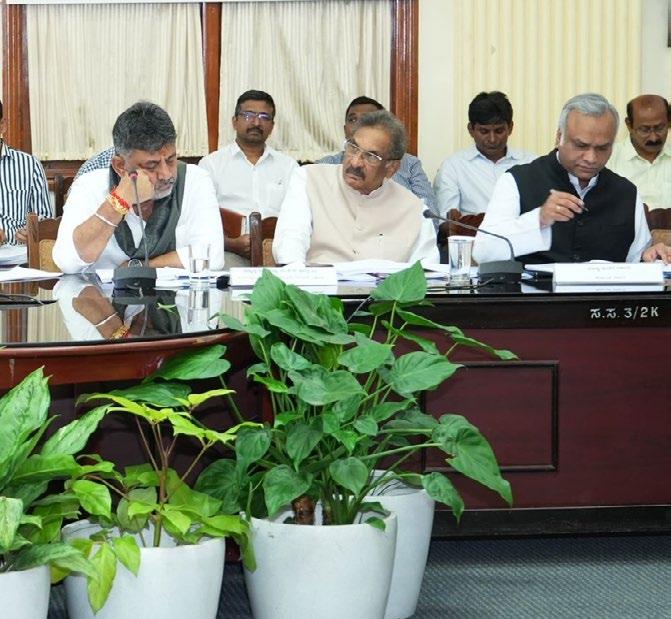
Karnataka’s industrial ambitions surged into the national spotlight when the State High Level Clearance Committee (SHLCC), in its 66th meeting, approved 13 investment proposals amounting to 27,607.26 crore. Among these, SFX India Mfg Pvt Ltd emerged as the dominant player with a single proposal of 9,298 crore — nearly one-third of the total approved investment — large enough to reshape industrial priorities, employment prospects, and supply chain ecosystems across the state. This development marked not just another clearance round but a defining moment in Karnataka’s push to become a diversified manufacturing powerhouse, transitioning from its long-standing identity as India’s IT capital toward a balanced industrial economy anchored in high-value production.
The SFX India project stands out for both scale and potential significance. Positioned as a largescale greenfield manufacturing investment, the proposal’s sheer magnitude suggests a heavy industry operation with extensive upstream and downstream linkages, likely encompassing equipment manufacturing, capital goods production, and component ecosystems. Investments of this size typically demand expansive land parcels, multi-year capital expenditure, and the creation of comprehensive industrial environments that include logistics yards, utility networks, vendor parks, and employee housing. While public disclosures about SFX’s detailed project scope remain limited, the financial scale alone indicates the birth of a major manufacturing hub capable of anchoring a broader supplier and services ecosystem. Employment projections linked to the October approvals indicate thousands of direct jobs across all 13 projects, with SFX expected to generate several hundred direct operational roles and far more during the construction phase. Beyond direct hiring, the project’s multiplier effect is anticipated to stimulate indirect employment through logistics operations, supplier contracts, transport services, retail activity, and ancillary support services, thereby injecting sustained economic momentum into local districts.
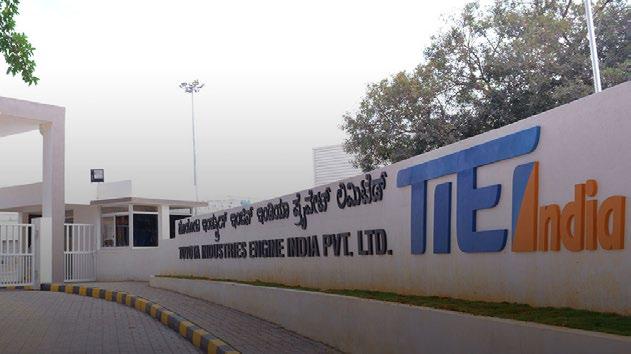
The October 2025 clearance round itself reflects an unusually ambitious industrial push. The SHLCC approved 13 proposals covering a wide range of sectors including steel and electrical steel, consumer goods, textiles, electronics and telecom equipment, and industrial infrastructure. Prominent companies featured in this approval package include JSW JFE Electrical Steel, Reliance Consumer Products, Schneider Electric IT Business India, Tejas Networks, HSS Textile, Toyota Industries Engine India Ltd., Grasim Industries, and several others. What distinguishes this round from routine clearance meetings is not just the number of approvals, but the concentration of large-scale investments cleared simultaneously.This indicates rising investor confidence in Karnataka’s manufacturing environment and a deliberate government strategy to accelerate decision-making for mega projects, signaling administrative readiness to handle big-ticket industrial transformations.
These approvals align closely with Karnataka’s Industrial Roadmap for 2025–30, which outlines a clear ambition to attract high-value manufacturing and diversify the state’s economic base beyond IT services. The policy framework prioritizes sectors such as electronics, semiconductors and telecom equipment, green mobility and electric vehicle manufacturing, aerospace and defence production, advanced manufacturing involving automation and robotics, and logistics and industrial infrastructure including corridors and specialized parks.
The October approvals mirror this vision by blending traditional sectors like steel and textiles with emerging technology-driven manufacturing such as telecom hardware and electrical components. Another notable feature of the policy approach is the emphasis on dispersing industrial investments beyond Bengaluru into tier-2 and tier3 districts, fostering balanced regional development and reducing over-concentration in the capital region.
From an economic standpoint, the implications of this investment wave are significant. The combined 13 projects are estimated to create approximately 8,700 direct jobs, spanning factory workers, technicians, engineers, managers, and administrative
staff. Indirect employment generation is expected to exceed direct hiring figures as supply chains develop and service ecosystems expand. Large greenfield investments like SFX’s typically require extensive networks of local vendors for raw materials, subassemblies, packaging, logistics, maintenance, and professional services, opening fresh opportunities for MSMEs across Karnataka. Over time, this can lead to the formation of specialized industrial clusters — such as component parks for electrical steel or dedicated logistics hubs — enhancing efficiency, innovation, and regional competitiveness. The government’s stated intention to distribute these projects across districts could also stimulate real estate growth, entrepreneurship, and service sector expansion in emerging industrial towns.
However, projects of such magnitude also bring environmental and social responsibilities. Land acquisition remains a sensitive issue, making transparent processes, fair compensation, and proper rehabilitation essential to avoid disputes and litigation. Heavy manufacturing requires substantial water and power, placing pressure on Karnataka’s already stretched resources, especially in semi-arid regions where agricultural and domestic needs must be balanced with industrial demand. Pollution control is another critical factor, particularly for steel and heavy industry projects, necessitating rigorous environmental clearances, continuous monitoring, and corporate adherence to emissions and waste management standards. Equally important is local skill development; companies must invest in vocational training and commit to hiring local youth to ensure that employment benefits genuinely reach host communities.
Recognizing that approvals alone do not build factories, the Karnataka government has paired the clearance drive with a reform agenda focused on execution. State leaders have emphasized reducing bureaucratic timelines through expanded singlewindow clearance systems, integrating land use permissions, pollution control NOCs, and utility connections under unified platforms. Time-bound approvals and escalation mechanisms are being introduced to minimize interdepartmental delays. Parallel investments in roads, industrial corridors, and logistics infrastructure near proposed sites are also being prioritized to accelerate project rampup. These measures aim to bridge the traditional gap between investment announcements and onground project commissioning.
Despite the optimism, several challenges remain. Execution delays related to land procurement, infrastructure readiness, and departmental coordination can still slow progress. Inadequate stakeholder consultation or mishandled land
acquisition may trigger community resistance and legal hurdles. Resource constraints, particularly water and power availability, could limit project scalability if not planned strategically. Additionally, global demand cycles for steel, consumer goods, and telecom hardware may influence investment timelines and profitability, making market conditions an external risk factor beyond state control.
From an analyst’s perspective, the October 2025 clearance round — led by SFX India’s mammoth proposal — represents a pivotal opportunity for Karnataka. If a majority of these approved projects reach commissioning, the state could witness a structural shift toward a diversified industrial economy with stronger manufacturing clusters and a reduced dependency on IT services. The real test will lie in implementation: converting approvals into operational factories that employ local talent, nurture supplier networks, and deliver sustainable long-term growth.
Quick facts underline the scale of this moment: the clearance occurred on 24 October 2025; 13 projects were approved with a combined investment of 27,607.26 crore; the largest single proposal came from SFX India Mfg Pvt Ltd at 9,298 crore; estimated direct job creation stands at around 8,700; and key sectors include steel, electrical steel, consumer goods, textiles, and electronics and telecom equipment. Suggested visual representations for this story include a district-wise map of proposed project locations with a highlight of SFX’s site, an infographic illustrating how 9,298 crore could flow across capital expenditure, construction, utilities, and operations, a bar chart of the top six projects by investment value, and a photo essay showcasing industrial training centres, operational manufacturing units, and aerial views of industrial parks.
This feature draws upon official statements released following the SHLCC meeting on 24 October 2025 and contemporaneous media reports listing approved projects and investment values. Job and scope estimates reflect those reports alongside industry benchmarks for projects of similar scale. Taken together, October 2025’s clearance round presents Karnataka with a rare window of opportunity to accelerate industrialisation in a planned, inclusive, and sustainable manner. If the state ensures transparent land processes, reliable infrastructure, timely clearances, and strong investor follow-through, Karnataka could firmly establish itself as a manufacturing hub that complements its global reputation in technology services — transforming approvals on paper into factories that drive real economic change.
BIG INFRASTRUCTURE BIGGER INVESTMENT IN KARNATAKA
The year end emerged as one of the most transformative period for Karnataka’s development roadmap. A series of bold infrastructure decisions — from high-tech research hubs to major road upgrades and manufacturing expansions — sent a powerful message to investors: Karnataka is entering a new phase of capital-ready growth.This article decodes the projects, the policies behind them, and how each move became a magnet for national and global investment interest.
The Big Announcements That Mattered
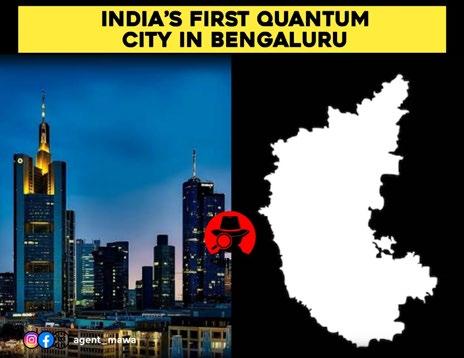
India’s First Quantum City, Bengaluru
The Karnataka government approved over six acres of land in Hesaraghatta to establish the country’s first dedicated Quantum City — an integrated campus for quantum research, hardware development, advanced laboratories and deep-tech start-ups. This vision is backed by a large state-level Quantum Mission, aimed at building a foundation for a future $20-billion quantum economy. The announcement instantly elevated Karnataka’s status in deep-tech, making it a preferred destination for scientific research companies, quantum computing firms, and global technology partners.
Mysuru’s Road & Connectivity Revamp
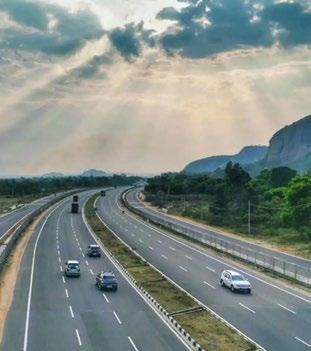
A major package of road improvements, ringroad expansions and peripheral connectivity upgrades was cleared in Mysuru. These include modernisation of existing corridors, new link roads and an integrated urban mobility plan under the “Nava Mysuru Nirmana” development programme. For investors, this signalled improved logistics, easier freight movement, and rapidly strengthening real-estate potential around these new corridors.
Hubballi–Dharwad Manufacturing Push
Hubballi–Dharwad continued to rise as an industrial powerhouse with the commissioning of new manufacturing campuses. Major global firms began expanding production capacity in these twin cities, recognising the advantage of better industrial land availability, planned connectivity improvements, and skilled labour pools. These developments strengthened the region’s position as Karnataka’s next high-growth manufacturing hub.
State Funding Boost for Deep-Tech & AI
The Karnataka Budget strengthened investor confidence by dedicating significant financial support for deep-tech research, start up incubation, hardware development, and AI innovation infrastructure. This policy commitment reduced the long-term uncertainty that often limits R&D investments and signalled stable support for technology-driven enterprises.
Why These Projects Attracted So Much Investment
Policy Stability Reduces Investor Risk
When a government allocates land, funds missions, and publicly supports future-tech infrastructure, investors view it as reduced risk. Karnataka’s clear endorsement of deep-tech — especially quantum computing — boosted confidence among venture capitalists and corporate R&D teams.
Better Infrastructure = Lower Operating Cost
Manufacturers, logistics companies and IT firms all evaluate transport quality before committing capital. Mysuru’s new connectivity projects, along with planned expressway expansions and urban upgrades, directly improved the business case for industries relocating from metro regions.
Anchor Projects Create Their Own Ecosystems
A large R&D facility or manufacturing campus is never alone. It attracts suppliers, service providers, training centres, residential developments, and hospitality. Quantum City is expected to trigger demand for cryogenics labs, chip-level suppliers, electronics testing units and specialised engineering talent — creating a self-sustaining corridor.
Global Signalling Effect
High-impact announcements (like India’s first Quantum City) act as global “signals” that a region is future-focused. Investors, particularly technology and manufacturing giants, interpret this as long-term stability and potential for multi-phase expansion.
What Investors Said They Want Next
While enthusiasm was high, investors also highlighted three priorities for Karnataka:
•Faster land handovers for government-approved projects
•Timely execution of promised road and infrastructure works
•Affordable workforce housing around new tech and industrial clusters
Addressing these factors will ensure the September momentum translates into long-term capital flows.
Regional Impact: What Changes Now?
Short-Term
•Surge in construction activity
•Rise in local employment
•Higher demand for commercial and residential real estate
•Increased attention on tier-2 Karnataka cities Medium-Term
•Formation of new tech ecosystems (especially quantum and AI)
•Greater manufacturing decentralisation
•Strengthening of logistics and warehousing sectors
•Improved district-level GDP contributions Long-Term
•Karnataka positions itself as India’s innovation capital beyond Bengaluru alone
•Balanced regional development across Mysuru, Mangaluru, Hubballi–Dharwad, Shivamogga
•Emergence of globally competitive research and manufacturing corridors
What to Watch in the Coming Months
•Groundbreaking of Quantum City and arrival of first research partners
•Rapid movement on Mysuru’s road and mobility plans
•New manufacturing MoUs in Hubballi–Dharwad
•Real-estate expansion along Bengaluru’s northwest corridor
•Upgrades in power, water, and digital infrastructure supporting these hubs
Karnataka’s infrastructure announcements in September weren’t routine updates — they were strategic catalysts designed to draw capital, talent and innovation into the state. From Quantum City to Mysuru’s road revamp and Hubballi’s manufacturing rise, the message is clear: Big infrastructure isn’t just development — it’s an investment engine. And Karnataka has switched it on at full power.
MEN & WOMEN OF GREATER SUBSTANCE
KARNATAKA
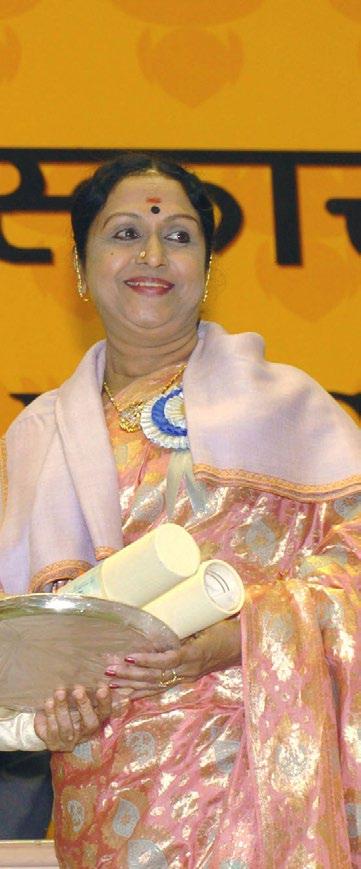
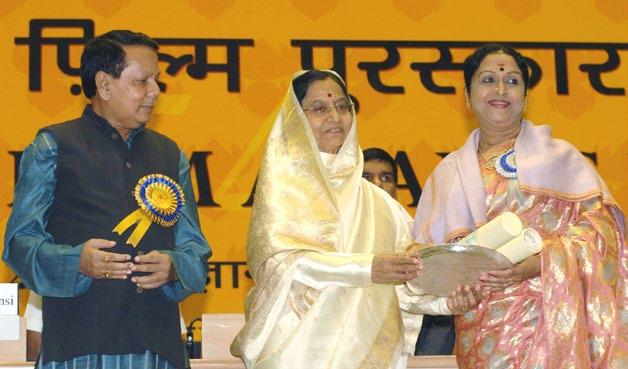
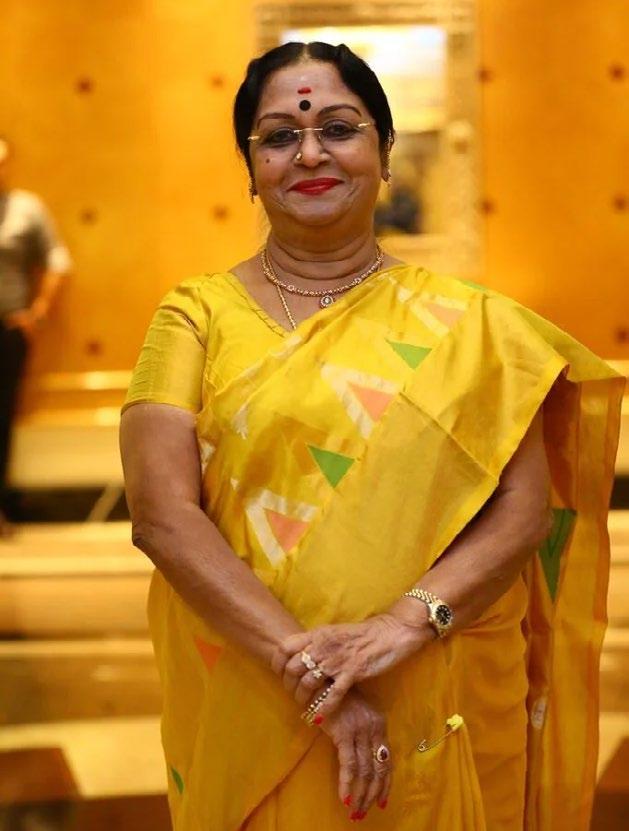
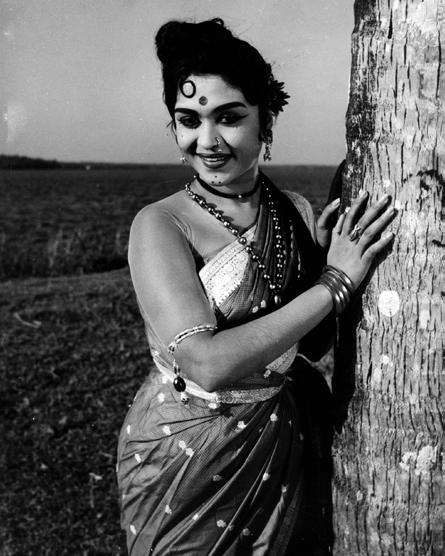
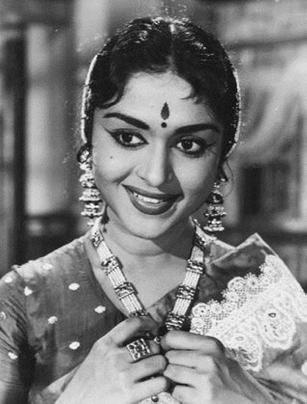
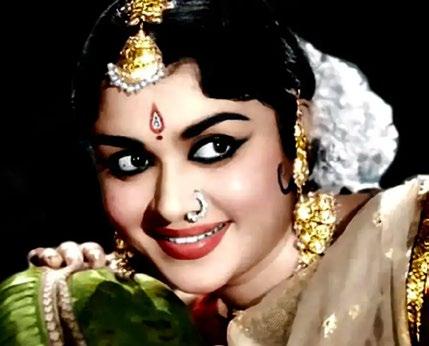
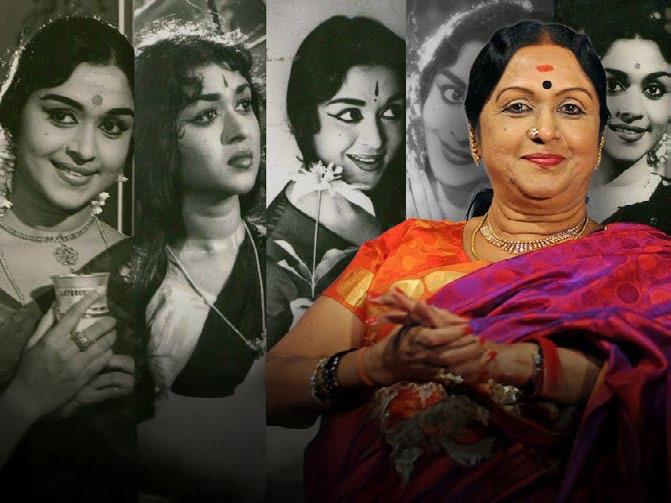
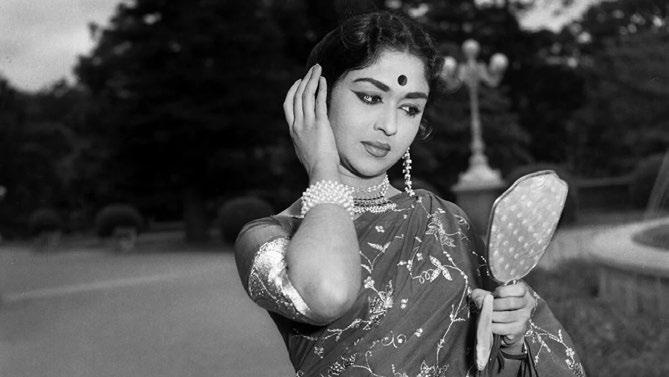
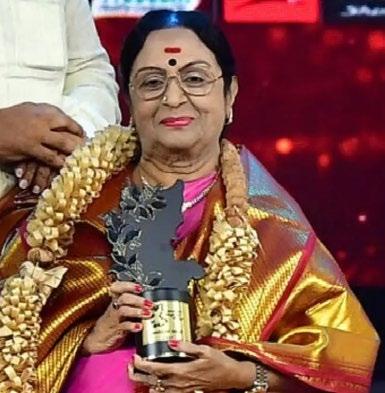
B.SAROJADEVI THE TIMELESS QUEEN OF INDIAN CINEMA
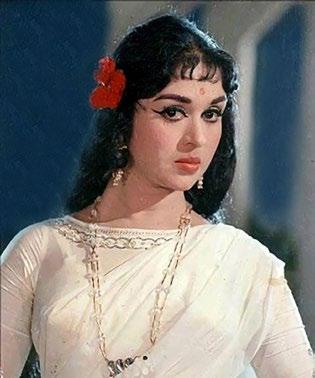
In the golden era of Indian cinema, few names evoke as much admiration and reverence as B. Saroja Devi. A pioneering figure, she holds the distinction of being the first female superstar of Kannada cinema and a cherished icon across Tamil, Telugu, and Hindi films. Her life and career stand as a testament to talent, perseverance, and enduring grace. Spanning more than seven decades, her cinematic journey reflects not only extraordinary artistic ability but also a commitment to professionalism, cultural pride, and the elevation of women’s roles in Indian cinema. Even today, her films continue to be celebrated, studied, and cherished by fans and cinephiles alike.
Early Life: From Bengaluru to the Silver Screen
B. Saroja Devi was born on 7 January 1938 in Bengaluru, Karnataka (then part of the Kingdom of Mysore), into a modest household. Growing up in a family that valued culture and education, she developed a natural flair for the performing arts.Her early exposure to classical dance, music, and theatre nurtured a talent that was both expressive and disciplined. Encouraged by her family, she pursued her passion and, at the age of 17, made her cinematic debut in the Kannada film Mahakavi Kalidasa (1955). This debut, though modest, revealed a unique combination of charm, poise, and screen presence, marking the beginning of a career that would redefine stardom for women in Indian cinema. Her early success was not just a personal triumph but also a signal of changing times, as female actors began to take more central, respected roles in regional and national cinema.
Rise to Stardom: A Multilingual Phenomenon
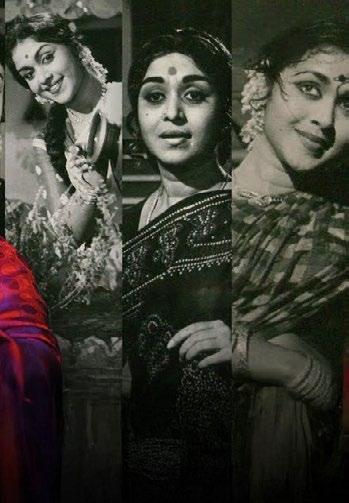
Saroja Devi’s career is extraordinary not only for its longevity but also for its pan-Indian appeal. Over the decades, she appeared in more than 200 films across Kannada, Tamil, Telugu, and Hindi cinema, earning the title “Chaturbhasha Taare”, or the star who conquered four languages. Her ability to adapt seamlessly to diverse linguistic and cultural contexts, while maintaining her distinctive elegance and emotive power, set her apart from her contemporaries. Unlike many actors of her era, Saroja Devi successfully traversed regional boundaries, bringing together audiences from different states and cultures, and establishing herself as a national icon.
Tamil Cinema and the MGR Era
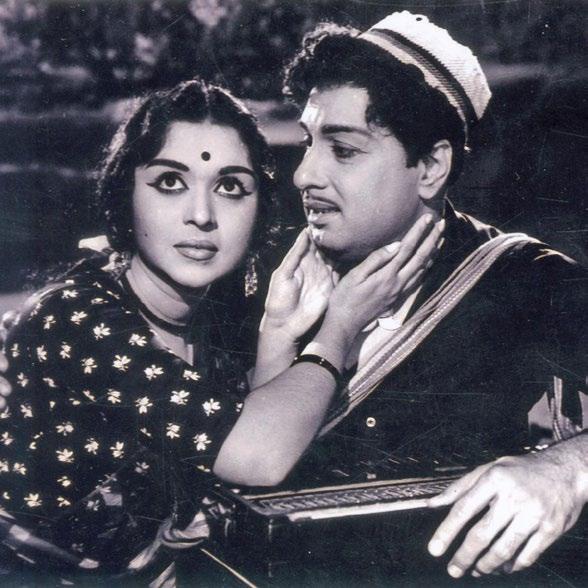
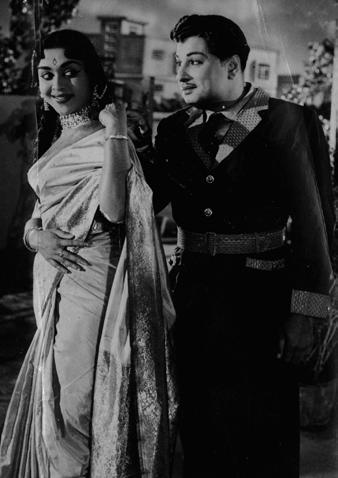
A transformative phase of her career was her foray into Tamil cinema, where she achieved legendary status. Her collaboration with M.G. Ramachandran (MGR), beginning with Nadodi Mannan (1958), marked one of the most celebrated on-screen pairings in Indian film history. Together, they starred in 26 successful films, captivating audiences
with a combination of romance, drama, and social messaging. These films became cultural touchstones, not only entertaining but also reflecting social aspirations and ideals of the time. Her ability to match MGR’s charisma and screen presence cemented her status as a true superstar, proving that female actors could hold equal weight in defining cinematic success. Her performances were marked by a natural grace, emotive subtlety, and the ability to connect deeply with audiences, qualities that would define her entire career.
Telugu and Hindi Cinema: Expanding Horizons
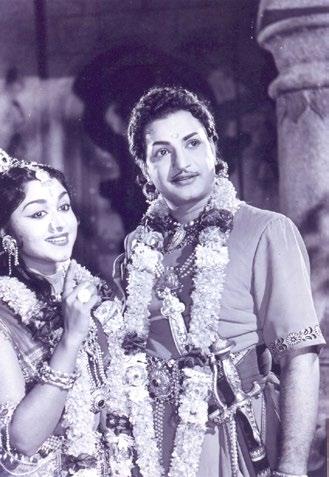
Saroja Devi’s versatility extended to Telugu cinema, where she starred in memorable films like Seetarama Kalyanam, sharing the screen with legends such as N.T. Rama Rao. Her portrayals combined classical charm with contemporary sensibilities, appealing to audiences across generations. In Hindi cinema, she appeared in films like Paigham (1959), demonstrating her ability to transcend regional limitations and reach a broader national audience.Her multilingual success was not just a matter of linguistic adaptability; it reflected a cultural bridgebuilding that helped unify audiences across India.
By appearing in films that ranged from historical dramas to romantic comedies, she became one of the first actresses to command a pan-Indian identity, earning respect and adoration in multiple film industries.
Record-BreakingCareer Milestones
Saroja Devi’s career achievements are staggering. Between 1955 and 1984, she appeared as the lead heroine in 161 consecutive films, a record that remains unmatched in Indian cinema.This consistency was a testament to her dedication, professionalism, and immense popularity. She managed to sustain her stardom across decades, even as cinematic styles and audience preferences evolved. Her career was not
merely about quantity; it was about quality, versatility, and cultural resonance. From mythological epics to socially relevant dramas, she proved her ability to inhabit any character with authenticity and poise.
Iconic Roles and Lasting Performances
Throughout her career, Saroja Devi played an extraordinary range of roles. In Kannada cinema, she starred in Amarashilpi Jakanachari, the first full-length Kannada colour film, portraying historical narratives with authority and elegance. Her performance as Kittur Rani Chennamma, the legendary queen and warrior, remains etched in the collective memory of audiences, reflecting her ability to convey strength, dignity, and emotional depth.
In Tamil cinema, films like Nadodi Mannan and Enga Veetu Pillai showcased her versatility, blending romance, action, and social drama effortlessly. She could shift seamlessly between grand historical narratives, light-hearted romances, and socially conscious stories, making her a dynamic and enduring screen presence.
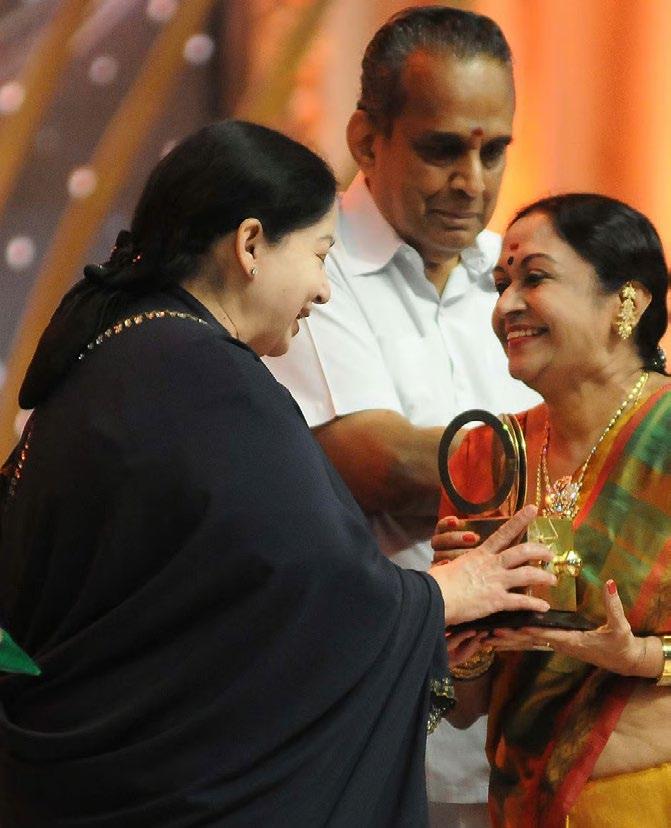
Awards and National Recognition
• Saroja Devi’s immense contribution to Indian cinema was recognised with numerous prestigious honours:
• Padma Shri (1969) – Awarded by the Government of India for her exceptional contribution to cinema.
• Padma Bhushan (1992) – India’s third-highest civilian honour, acknowledging her lifetime achievements and cultural impact.
• Kalaimamani Award – Conferred by the Tamil Nadu government for her outstanding contribution to Tamil cinema.
• Lifetime Achievement Award (2008) – Presented by the Government of India, celebrating her enduring legacy.
• Honorary Doctorate from Bangalore University – Recognising her artistic influence and contribution to Kannada culture.
Together, these honours reflect not just professional excellence but her role as a cultural ambassador of Indian cinema.
State Honours and Cultural Recognition
Her impact on Tamil cinema was formally recognised by the Tamil Nadu government, which conferred upon her the Kalaimamani Award, celebrating her exceptional performances and enduring popularity. Beyond awards, the Government of India also presented her with a Lifetime Achievement Award in 2008, acknowledging her decades of dedication, versatility, and influence. Bangalore University honoured her with an honorary doctorate, celebrating her cultural significance and contribution to the arts. Together, these recognitions reflect a legacy that transcends cinema, highlighting her as a trailblazer and cultural icon.
Personal Life: Dignity Beyond
the Spotlight
In 1967, Saroja Devi married Sri Harsha, an engineer, and continued her acting career postmarriage—a rare achievement for actresses at the time. Her personal life mirrored the elegance and dignity she brought to her roles. Known for her humility, professionalism, and discipline, she earned immense respect from co-stars, filmmakers, and fans alike. Honorific titles such as “Abhinaya Saraswathi” (Goddess of Acting) and “Kannadathu Paingili” highlighted both her artistic brilliance and her linguistic versatility.
Legacy and Enduring Influence
Saroja Devi passed away on 14 July 2025 at the age of 87, leaving behind a legacy that continues to inspire. As a pioneering female superstar, she broke gender barriers, showing that women could command equal prominence and respect in cinema. Her multilingual films connected audiences across India, making her a truly national icon. Her longevity, adaptability, and the respect she commanded among critics and fans alike have set a benchmark for generations of actors, particularly women.
Cinema’s Eternal Icon
B. Saroja Devi was more than an actress—she was a movement, a symbol, and a cultural ambassador. From her early days in Bengaluru to her iconic roles across South and North Indian cinema, she embodied professionalism, artistic excellence, and cultural pride. Her films continue to be celebrated, studied, and cherished, ensuring her presence remains eternal in the hearts of audiences. In the history of Indian cinema, she will forever be remembered as a timeless queen, the first female superstar, and the face of grace and versatility.
INTERNATIONAL STANDARD EDUCATION OF KARNATAKA
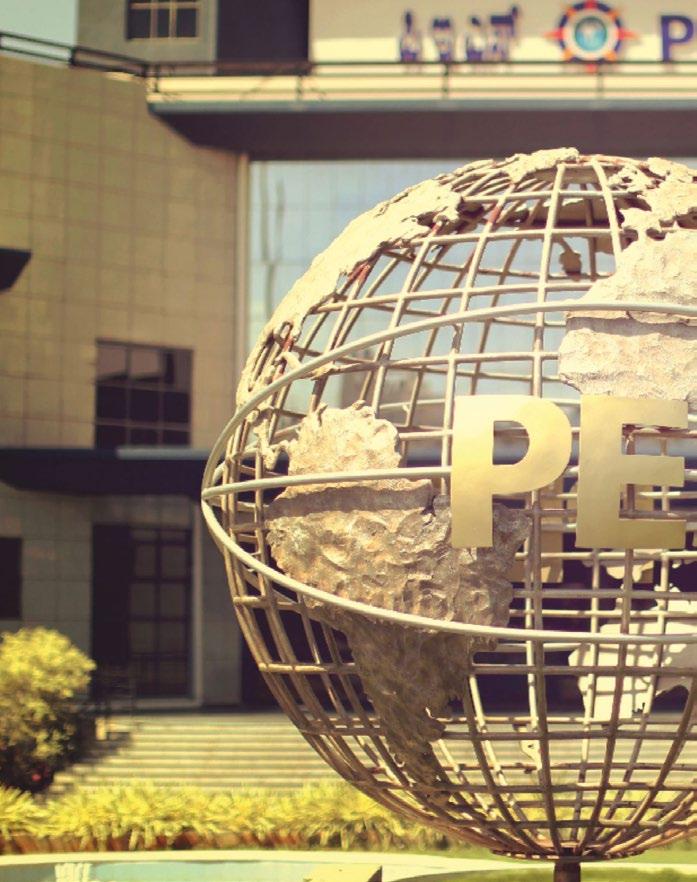
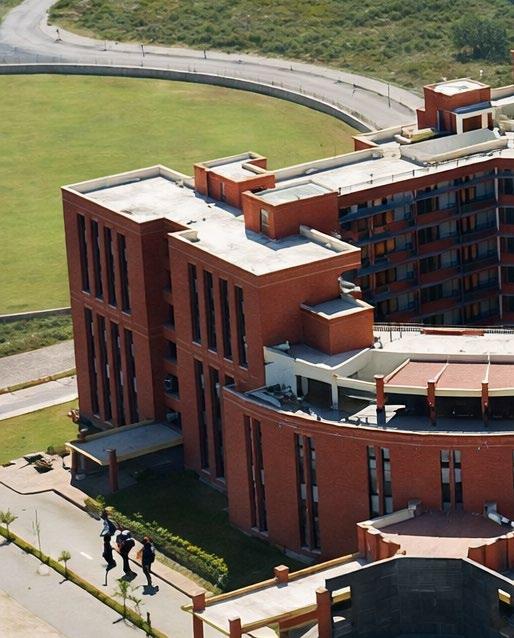
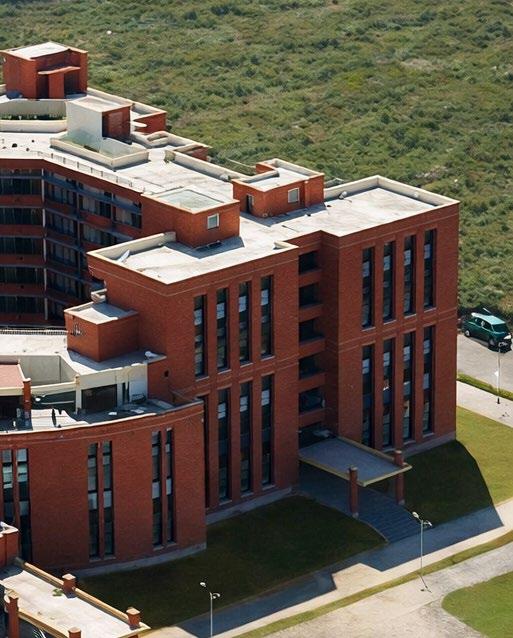
PES UNIVERSITY A NEW CHAPTER IN TECHNOLOGY & INNOVATION
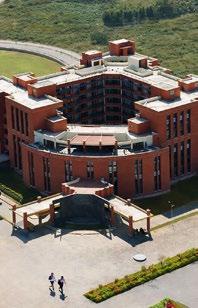
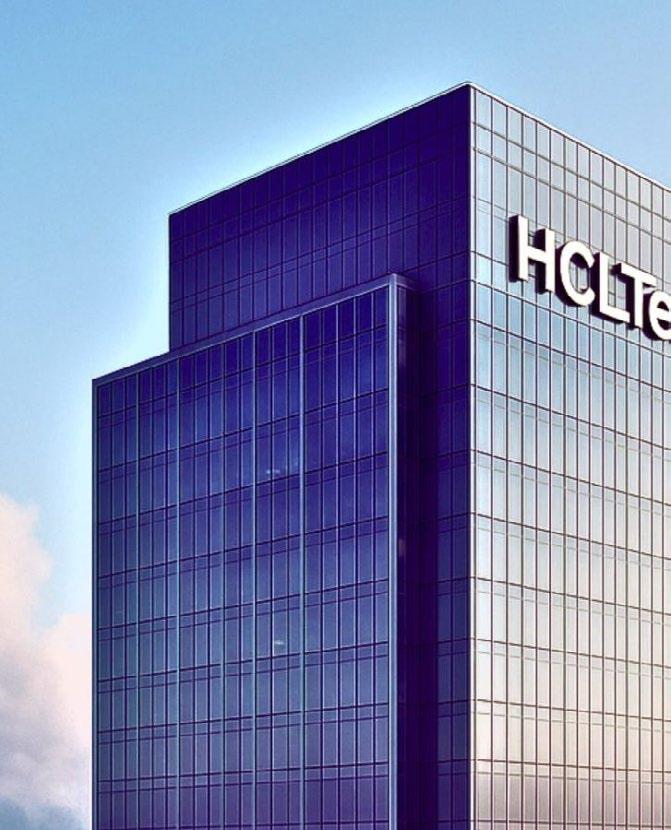
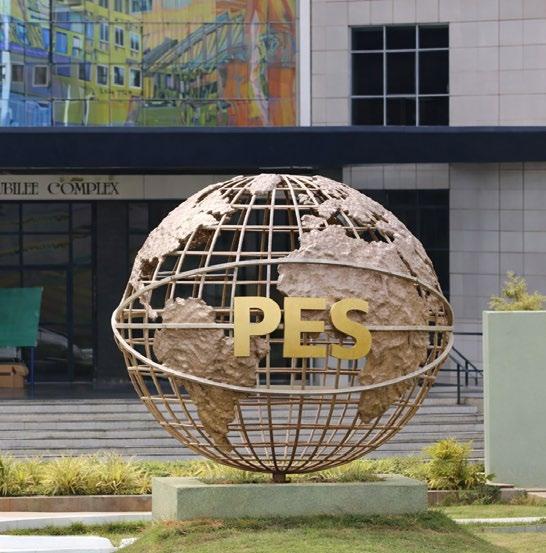
PES University, one of Bengaluru’s most respected higher-education institutions, entered September 2025 with a major strategic leap in its technology and engineering ecosystem. The month marked a significant collaboration with global IT leader HCLTech, introducing a new wave of industry-integrated learning, design excellence, and next-generation engineering talent development on campus. At a time when India is accelerating toward digital transformation, this initiative positions PES University at the forefront of Karnataka’s innovation-driven education landscape.
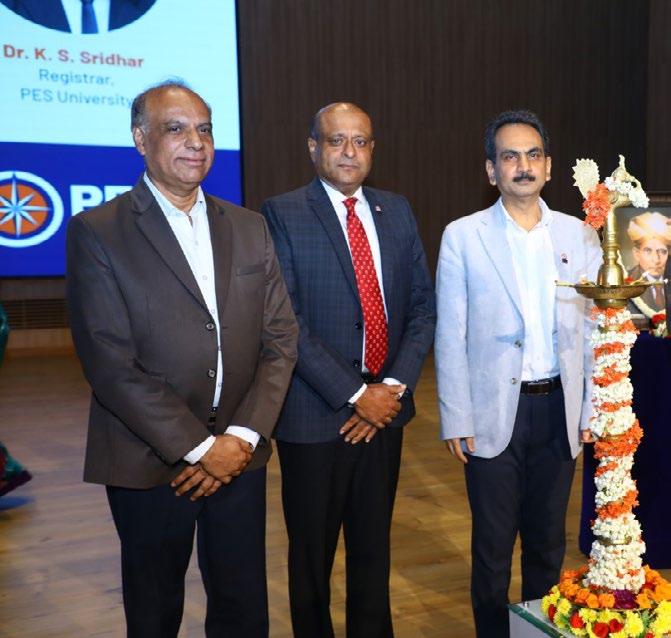
On September 17, 2025, PES University officially announced the launch of a state-of-the-art Engineering Design Studio in partnership with HCLTech.The purpose of this facility is to strengthen hands-on engineering education, provide students with exposure to real-world design challenges, enable collaborative industry-guided projects, and support innovation in aerospace, electronics, and mechanical engineering. The studio is also envisioned as a talent pipeline for future technology and research-and-development roles, sending a strong message that PES is investing in practical, industry-connected engineering competencies.
This partnership marks a shift from conventional classroom-based learning toward high-value experiential education. Students benefit from access to advanced design tools, mentorship from HCLTech engineers, opportunities to work on live R&D challenges, and improved internship and
placement prospects. Rapid upskilling in design thinking, prototyping, and applied engineering further enhances graduate readiness. At the ecosystem level, the collaboration strengthens Bengaluru’s reputation as India’s engineering capital by deepening university–industry synergy.
PES University’s existing academic strengths provide a solid foundation for this initiative. The institution offers well-established programs in Computer Science and Engineering, Artificial Intelligence and Machine Learning, Electronics and Communication Engineering, Mechanical Engineering, and Civil Engineering. Supporting these programs are specialized research groups and laboratories, including AI and Data Science Labs, IoT and Embedded Systems Hubs, Sustainable Energy Research Cells, and Advanced Computing Facilities. These resources ensure that the Engineering Design Studio functions as a true innovation center rather than a symbolic infrastructure addition.
Over the past few years, PES University has steadily expanded its technology and AI landscape. Rising enrollments in CSE and AI-ML programs, multiple national-level hackathon victories,AI-based research publications, industry-oriented curriculum updates, and student-led projects in robotics, automation, and data analytics highlight the university’s growing influence in tech education. These developments set the stage for the September 2025 initiative to deliver meaningful academic transformation. Following the partnership, students can expect enhanced academic experiences through industrydriven capstone projects, joint design workshops, certification programs offered by HCLTech, and expanded placement opportunities in specialized technology fields. The university’s strategy is focused on closing the gap between theoretical knowledge and industry expectations, ensuring graduates are ready for real-world engineering challenges.
PES University’s location in Bengaluru provides access to a thriving startup culture, corporate ecosystem, and technology hubs, reinforcing its position as a growing innovation-focused institution. Strong alumni networks in global tech companies, student-led clubs in robotics, coding, AI, and entrepreneurship, national-level engineering competitions, collaborative research projects, and 24/7 innovation labs contribute to a vibrant learning environment.
Education analysts view the HCLTech–PES collaboration as a timely strategic move. With India’s engineering design market expanding and demand for AI, automation, and machine learning skills rising, students increasingly require real-world
exposure beyond textbooks. By partnering with an industry leader, PES University positions itself at the forefront of application-oriented, future-ready engineering education.
While September 2025 did not bring a dramatic national-level AI breakthrough for PES University, it marked a significant institutional turning point. The HCLTech Engineering Design Studio symbolizes a new era of hands-on engineering education, industry-driven curriculum enhancement, and a long-term vision for developing future-ready technology professionals. With this milestone, PES University moves confidently toward becoming a top-tier innovation ecosystem in Karnataka’s higher education landscape.
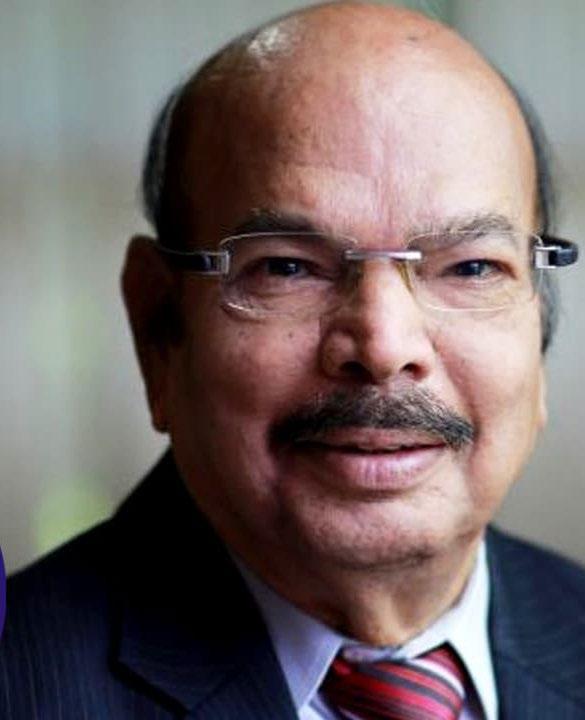
Dr. M. R. Doreswamy — The Visionary Who Transformed Education in Karnataka
In the heart of Bengaluru, where modern ambition meets Karnataka’s rich cultural heritage, one man’s vision reshaped the region’s educational landscape. Dr. M. R. Doreswamy, founder of the People’s Education Society and PES University, was more than an educator — he was a pioneer, social reformer, and lifelong advocate for accessible and quality education.
Born on November 7, 1937, in a small village in Andhra Pradesh, Dr. Doreswamy grew up witnessing the hardships faced by rural communities in accessing education. These early experiences inspired his lifelong mission to make education a bridge for social mobility. He later moved to Bengaluru for higher studies at St. Joseph’s College, where his academic journey and involvement in social service initiatives further shaped his belief that education must be inclusive, empowering, and socially responsible.
In 1972, Dr. Doreswamy founded the People’s Education Society with just forty students in a modest rented facility. His vision was clear: to create institutions that offered not only knowledge but also values, skills, and opportunities for students from all backgrounds. Over the decades, PES expanded into a network of schools, engineering colleges, medical and dental institutions, management schools, and arts and science colleges. In 2013, the Government of Karnataka granted PES full university status, formalizing its transformation into PES University — a multidisciplinary academic hub that continues to flourish today.
Dr. Doreswamy believed strongly in holistic education. For him, academic success was inseparable from character building, ethical responsibility, and commitment to society. He introduced scholarships for underprivileged students, outreach programs for rural schools, and community engagement initiatives for faculty and students. Under his leadership, PES became a model for socially responsible education, extending support to marginalized communities through school adoption programs and infrastructure development projects.
His contributions to education were far-reaching. He built PES University from humble beginnings into a nationally recognized institution with global partnerships. He promoted multidisciplinary learning across engineering, management, medicine, arts, and sciences. He served as an advisor to the Karnataka government on educational reforms and played a key role in shaping policies for equitable access to quality education. Under his guidance, PES earned national acclaim for academic excellence and community-focused initiatives.
Dr. Doreswamy received numerous honors during his lifetime, including recognition as Chancellor of PES University and special tributes during the institution’s Golden Jubilee celebrations. He was widely respected across Karnataka for his dedication to improving educational infrastructure and opportunities for underprivileged children.
Dr. M. R. Doreswamy passed away on March 6, 2025, at the age of eighty-eight. Although his passing marked the end of an era, his legacy continues through the thousands of students whose lives were transformed by his vision. Today, PES University serves over 25,000 students and employs more than 2,500 faculty and staff, standing as a lasting testament to his impact.
Dr. Doreswamy’s life story offers a powerful lesson for educators, policymakers, and social entrepreneurs. Vision combined with action can transform education. Ensuring access and equity in learning creates opportunities for societal progress. Holistic education that blends knowledge, values, and skills builds leaders for tomorrow. Institution-building demands patience, foresight, and unwavering commitment. Through PES University, Dr. M. R. Doreswamy proved that one individual’s dedication can shape generations, uplift communities, and redefine the future of education in Karnataka.
AUTOMOBILE, TRANSPORTATION & AVIATION
OF KARNATAKA
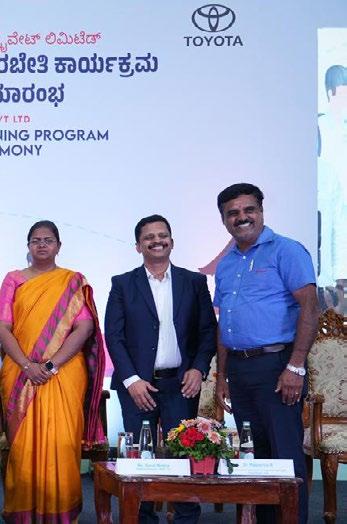
TOYOTA SENDS 100 INDIAN YOUTH TO JAPAN IN A GLOBAL SKILLING INITIATIVE
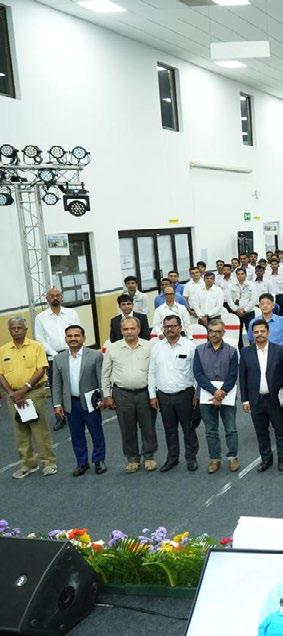
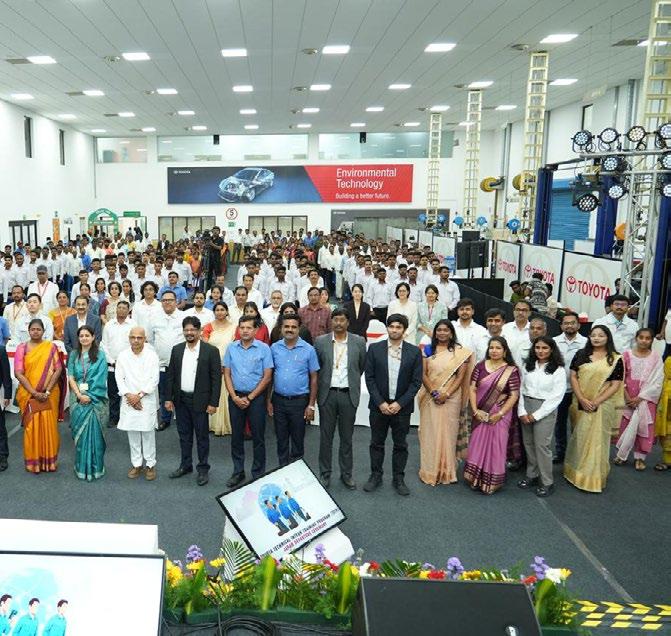
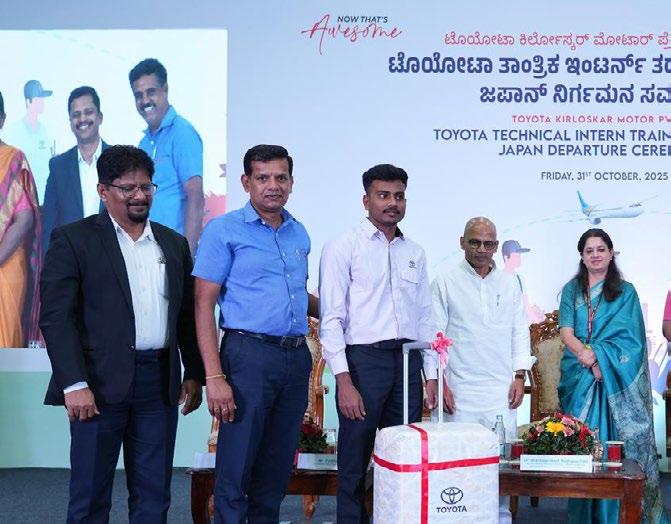
In a significant step toward strengthening India’s manufacturing workforce and enhancing global tech-nical exposure, Toyota Kirloskar Motor (TKM) has announced that 100 young Indian technicians will travel to Japan to participate in an intensive 11-month Global Skill-Up Training (GST) programme con-ducted by Toyota Motor Corporation. The initiative highlights the company’s continued commitment to workforce development while aligning with national and international skilling frameworks. Designed to support India’s evolving industrial landscape, the programme is closely aligned with the Govern-ment of India’s Skill India Mission and the Technical Intern Training Program (TITP) — a collaborative platform that promotes skill exchange between India and Japan. Together, these initiatives aim to equip young professionals with globally relevant capabilities while strengthening bilateral cooperation in manufacturing and technology.
Building Globally Competent Technicians
The Global Skill-Up Training programme offers a comprehensive learning experience that blends classroom instruction with practical, on-the-job exposure inside Japan’s highly advanced manufacturing ecosystem. Participants will gain first-hand insight into Japanese production philosophies, automotive assembly processes, and globally benchmarked quality standards — practices widely regarded as among the most efficient in the world. Beyond technical training, the curriculum incorporates Japanese language instruction and cultural orientation modules.These components are critical in preparing participants to work effectively in multicultural environments, fostering adapt-ability, communication skills, and collaborative problemsolving abilities.
By immersing trainees in a new professional and cultural setting, the programme aims to cultivate attributes that modern factories increasingly demand: agility, teamwork, precision, and a deep understanding of integrated manufacturing systems. Such competencies are expected to become even more valuable as India’s automotive sector continues to expand and integrate with global supply chains.
Strong Institutional Backing
The launch event drew senior government leaders, reinforcing the strategic importance of indus-trydriven skill development. Among those present were Sharanaprakash Patil, Karnataka’s Minis-ter for Skill Development, and Sonal Mishra, Additional Secretary at the Ministry of Skill Develop-ment & Entrepreneurship.
Their participation underscored the growing synergy between public policy and private-sector initiatives aimed at preparing India’s youth for future-ready careers. Government endorsement signals recognition that largescale manufacturing growth must be sup-ported by a workforce capable of operating within global production frameworks. Programmes like GST demonstrate how industry partnerships can accelerate this transition by providing structured pathways for international exposure.
A Proven Track Record in Overseas Training
TKM’s selection as a National Skill Development Corporation (NSDC)-approved Sending Organisa-tion under TITP further highlights its expanding role in shaping India’s manufacturing talent base. Over the years, the company has facilitated overseas training for more than 1,000 young profes-sionals across destinations such as Jordan, Qatar, and Slovakia — each offering specialised expo-sure to different industrial practices.
Central to these efforts are TKM’s training platforms, including the Toyota India Centre of Excel-lence and the Toyota Technical Training Institute (TTTI). These institutions focus on nurturing talent at multiple levels, from entrylevel technicians to leadership development and advanced technical skills. The latest Japan-bound cohort represents a natural progression of these initiatives, extend-ing the company’s skilling ecosystem beyond national boundaries and into a truly global learning environment.
Preparing the Workforce for a Globalised Manufacturing Future
The broader message behind this initiative is clear: tomorrow’s manufacturing workforce must possess more than technical expertise alone. Global exposure, cross-cultural fluency, and a mobili-ty-oriented mindset are quickly becoming essential attributes in an industry shaped by automa-tion, digital integration, and multinational collaboration.
As Indian factories scale operations, diver-sify production, and participate more actively in international markets, structured overseas training programmes may emerge as a critical competitive differentiator. Companies that invest in globally trained talent are likely to benefit from improved productivity, stronger quality culture, and en-hanced innovation capabilities.
Toyota Kirloskar Motor’s latest move therefore represents more than a training opportunity — it signals a strategic investment in human capital that aligns with India’s longterm industrial ambi-tions. By bridging domestic talent with global manufacturing expertise, the initiative not only em-powers young technicians but also contributes to building a workforce prepared for the demands of a rapidly transforming automotive sector. In an era where skills define competitiveness, TKM’s Global Skill-Up Training programme stands as a noteworthy milestone — one that reflects the growing importance of international collaboration in shaping the future of manufacturing.
CULTURE & TRADITIONS OF KARNATAKA
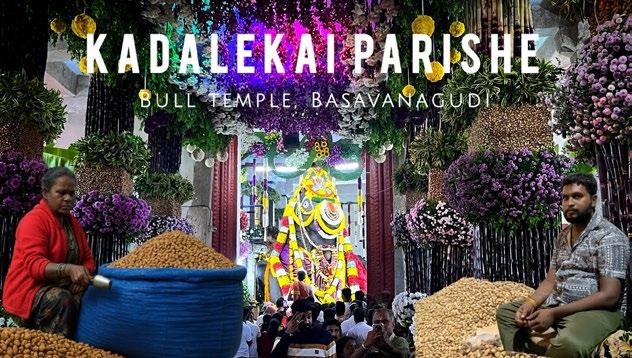
Basavanagudi Kadalekai Parishe 2025 Five-Day
Groundnut Fair Runs Until November 21
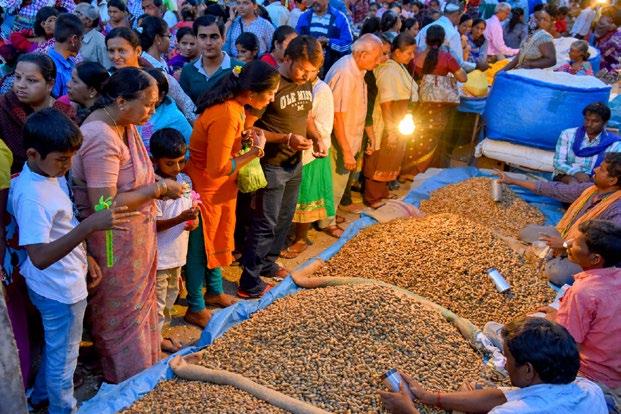
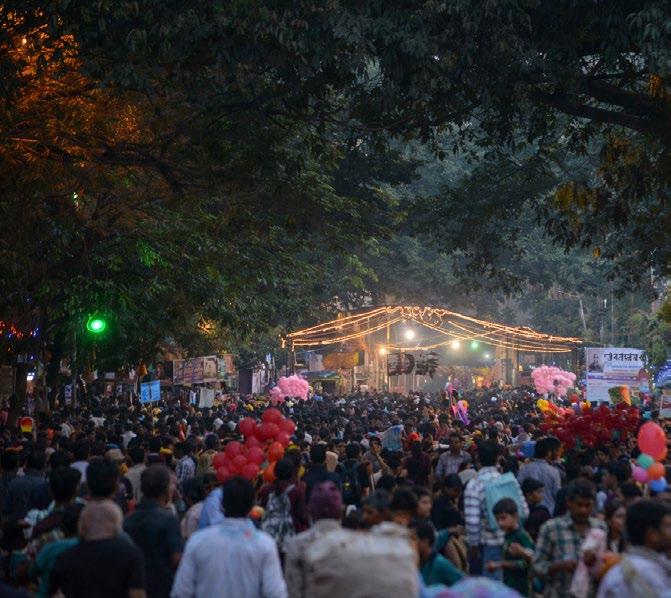
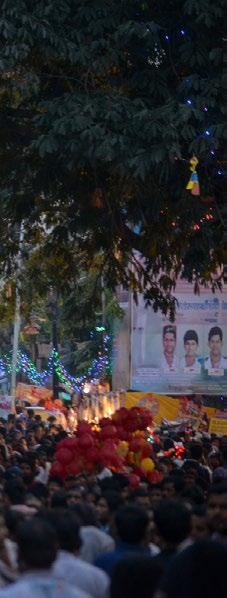
Bengaluru’s heritage heartland, Basavanagudi, once again transforms into a vibrant cultural haven as the iconic Kadalekai Parishe—the city’s beloved Groundnut Festival— returns with greater grandeur in 2025. For the first time in its storied history, the festival stretches across five full days, offering residents and visitors an extended opportunity to experience the richness of tradition, devotion, and local enterprise. The fair runs until November 21, marking a milestone year for one of Bengaluru’s oldest and most celebrated cultural events.
A Festival Rooted in Legend and Devotion
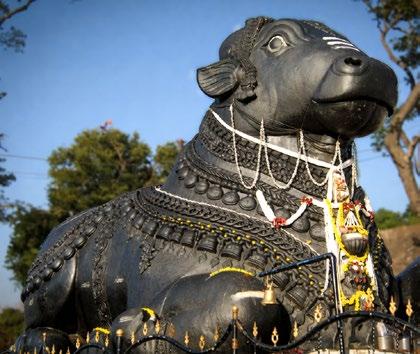
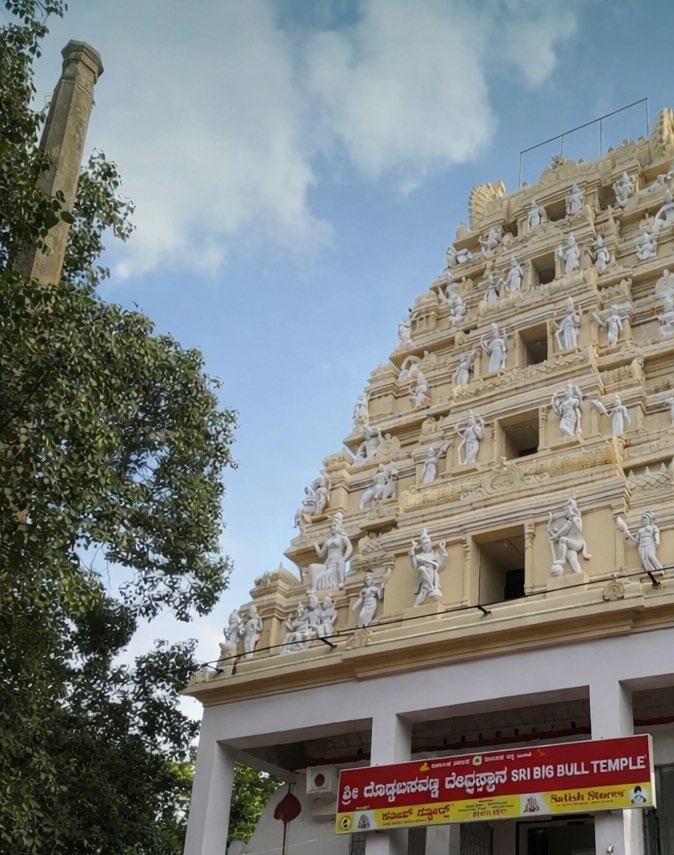
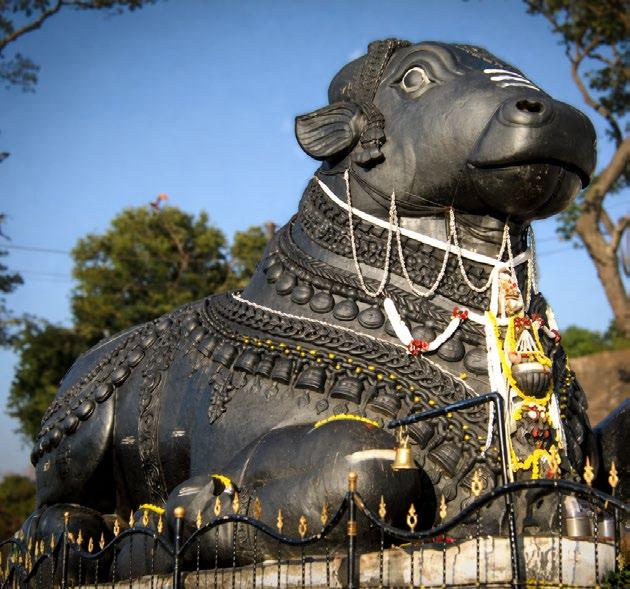
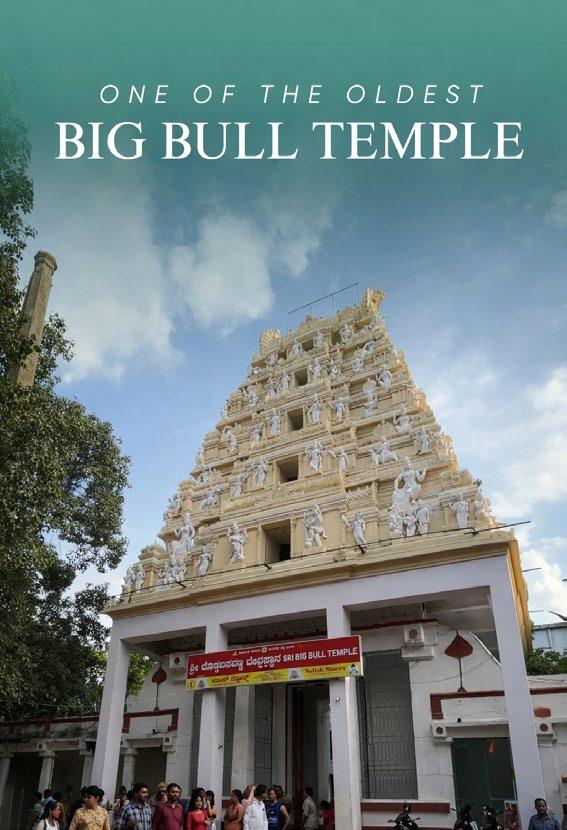
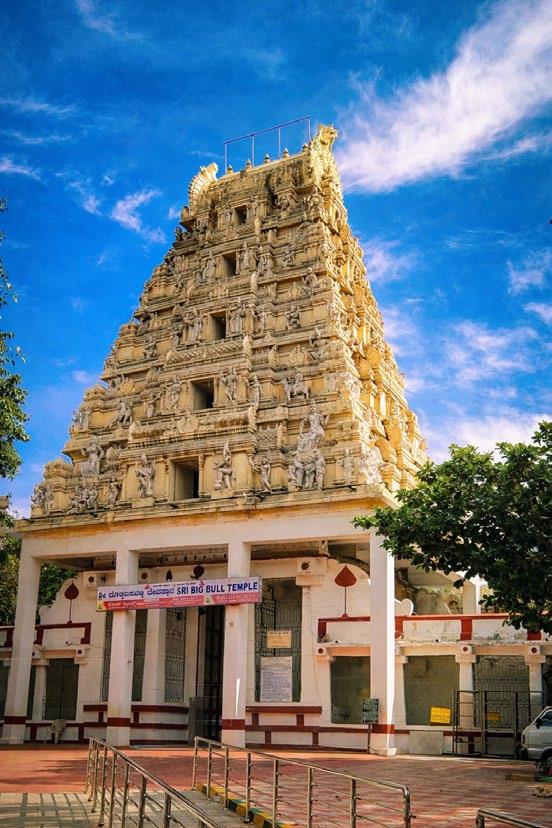
At the core of Kadalekai Parishe lies a centuriesold tradition tied to the sacred Dodda Basavana Gudi (Bull Temple). The fair began when farmers, grateful for divine protection against a legendary bull that once ravaged their crops, pledged to offer the first harvest of groundnuts to Nandi (Basava). This symbolic offering still takes place today, uniting farmers, devotees, and communities in a shared celebration of gratitude, faith, and agricultural heritage.
A Bigger, Better & Greener Edition in 2025
The 2025 edition stands out for a number of positive and progressive enhancements that elevate the festival experience:
Five Days of Celebration
What was once a two-day event has now grown into a five-day cultural extravaganza, easing crowd pressure and giving local vendors more time to showcase their produce and crafts. This expansion is a welcome move for both devotees and tourists who often struggled to experience the festival fully within a shorter window.
Plastic-Free Festival Zone
In alignment with Bengaluru’s sustainable city goals, Kadalekai Parishe 2025 enforces a strict plasticfree policy.Vendors have been encouraged to adopt eco-friendly packaging, while enforcement teams monitor compliance. The initiative has been widely applauded as a meaningful step toward greener festivals.
3. Strengthened Safety & Infrastructure
With lakhs of visitors expected, the fair features:
• 24×7 CCTV surveillance
• Additional public lighting
• Hygiene and sanitation teams
• Drinking water points
• Enhanced traffic and crowd management These improvements ensure a smoother and safer visitor experience across the bustling temple streets.
The Heartbeat of the
People, Culture & Flavour
Kadalekai Parishe remains a joyful blend of devotion and celebration, offering a sensory experience that reflects the soul of old Bengaluru.
Parishe:
• Groundnut Harvests & Farmers
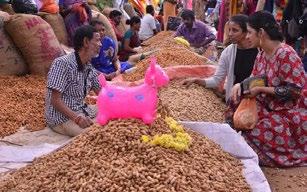
Hundreds of farmers bring their freshly harvested groundnuts to the Basavanagudi markets—raw, roasted, salted, spiced, and sweetened—preserving a tradition that has endured for generations.
• Heritage Stalls & Local Crafts
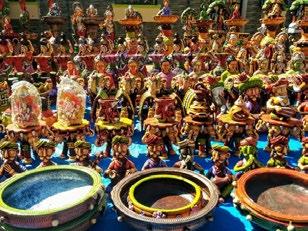
The festival lanes are filled with stalls selling clay toys, lacquer bangles, wooden dolls, traditional jewellery, and local handicrafts, turning the area into an open-air craft bazaar.
• Traditional Flavours
From hot bajjis and bonda to holige, kodubale, churmuri, and “kadlekai mittai,” the air is thick with aromas that embody the warm nostalgia of Bengaluru’s street food culture.
• Intergenerational Celebrations
Families who have attended for decades return with children and elders. The Parishe serves as a bridge between generations, carrying the charm of an ageold Bengaluru into the present.
Community Pride & Cultural Continuity
The 2025 edition reinforces the festival’s role as a cultural anchor for the city. It revives the spirit of unity, where communities come together to celebrate heritage, agricultural gratitude, small businesses, and spiritual devotion. The festival’s extended duration and eco-friendly vision reflect Bengaluru’s progressive identity—where tradition meets thoughtful modernity.
A Celebration That Defines Bengaluru
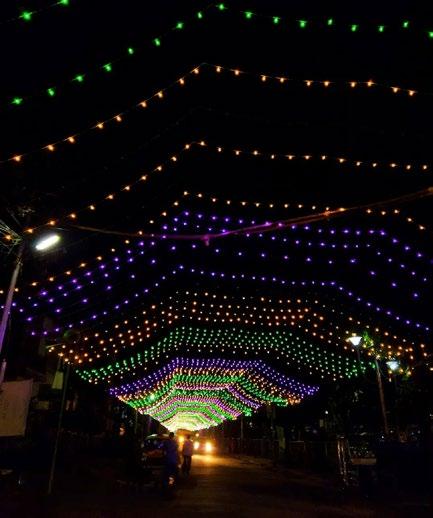
As the festival continues until November 21, Basavanagudi stands illuminated with devotion, heritage, and joy. Kadalekai Parishe 2025 is more than a fair—it is a reminder of the city’s roots, resilience, and the enduring beauty of its cultural fabric. With its greener initiatives, stronger community participation, and historic expansion to five days, this year’s Parishe stands as one of the most memorable editions yet. Kadalekai Parishe 2025 not only honours a centuries-old tradition— it celebrates the very soul of Bengaluru.
History & Significance
What Is Kadalekai Parishe?
Kadalekai Parishe — literally “Groundnut Fair”
— is a deeply rooted cultural and agrarian festival in Bengaluru, celebrated annually in Basavanagudi around the Dodda Basavanna (Big Bull) Temple. It honors the first yield of the groundnut (peanut) crop, combining religious devotion, folklore, community, and commerce.
A Rich Legend: Why It Started
• According to tradition, the nearby farms — around Basavanagudi and its surrounding villages — used to grow groundnuts in abundance.
• But every full-moon night, a bull would run into these fields and destroy the crop.
• The farmers discovered that this “bull” was not ordinary: they realized it was Nandi (Basava), the sacred bull linked to Lord Shiva, appearing in physical form.
• In response, they pledged to offer the first yield of their groundnut harvest to Basava as a devotional promise.
• Over time, a temple was built for Basava on a hillock (now the Bull Temple in Basavanagudi) — and the fair began around this spiritual act.
Historical Significance
• The festival is very old — Karnataka Tourism says the fair dates back centuries, linked with the historic agrarian roots of Bengaluru.
• The Dodda Basavanna Temple (Bull Temple) is the religious heart of this fair.
• Every year, farmers bring their freshly harvested groundnuts (in-shell, roasted, boiled, or fried) to offer at the temple.
• Over time, apart from groundnuts, the fair has become a cultural marketplace: traditional toys, clay trinkets, bangles, food stalls (selling bajji, batthaas, etc.) all set up around the temple road.
What’s Special About the 2025
1.
Extended Duration
• In 2025, the Parishe is extended from its usual two-day format to five days (17 Nov – 21 Nov).
• The extension aims to ease crowd pressure and give more time for farmers, traders, and visitors to participate.
2. Eco-Friendly Theme
• This year’s fair is being run as a plastic-free event
• Organisers have pushed for sustainable options: for example, the Bengaluru Apartments Federation (BAF) has launched a zero-waste initiative, encouraging composting, recycling, and paper bags.
3. Cultural Festivities
• The fair kicked off with a special abhisheka (ritual bathing) of Nandi at the Bull Temple.
• There are also cultural programs lined up: Teppotsava (float festival) on Kempambudhi Lake, music evenings, dance performances at Bugle Rock Park.
• Decorative lighting, floral arrangements at the temples, and beautifully set-up stalls make the area vibrant.
4. Economic & Social Impact
• Around 5,000 stalls have been set up, many by groundnut farmers from across Karnataka and even neighbouring states like Tamil Nadu and Andhra Pradesh.
• Groundnut prices have risen this year (reported between 100–140 per kg) compared to earlier years.
• Local business owners (shops, eateries) are expecting a big boost in footfall and sales.
• Public safety measures: heavy police deployment, CCTV monitoring, control rooms, and improved sanitation during the fair.
5. Religious and Spiritual Importance
• The offering of the first groundnut harvest to Basava is not just ritualistic; it’s a thank-you and a seeking-of-blessings for the next crop.
• This tradition ties agriculture, faith, and community together — highlighting how rural farming practices remain deeply embedded in urban Bengaluru’s cultural life.
• Local politicians and leaders (like Muzrai Minister Ramalinga Reddy) officially participate in rituals, boosting the event’s ceremonial status.
6. Record Footfall & Scale
• The 2025 fair is expected to draw lakhs (hundreds of thousands) of visitors.
It’s one of Bengaluru’s largest traditional fairs, where farmers directly connect with city buyers, creating a significant economic ecosystem.
Why Kadalekai Parishe Matters Today
Cultural Preservation: In a rapidly modernising city, this fair keeps alive a centuries-old tradition linking agriculture with urban spirituality.
Supporting Farmers: It gives groundnut farmers a direct market, better prices, and visibility.
Sustainable Celebration: With the push for zero waste, the 2025 edition also aligns with environmental consciousness.
Community Bonding: Locals, tourists, and farmers come together in celebration — it’s not just a fair; it’s a social and spiritual gathering.
Tourism & Heritage: The event contributes to Bengaluru’s cultural tourism, drawing people to Basavanagudi’s historic temple precinct.
The Basavanagudi Kadalekai Parishe 2025 beautifully reinforces why this centuries-old groundnut fair remains one of Bengaluru’s most iconic cultural celebrations. Extending over five vibrant days until November 21, the festival not only marks the arrival of the season’s first groundnut harvest but also honours the long-standing tradition of offering the crop to Dodda Ganesha and the sacred Nandi of Bull Temple Road. This year’s Parishe highlights the city’s unique harmony between history, devotion, and community life, while also providing a vital economic boost to hundreds of farmers and small traders. As thousands of visitors gather to shop, eat, pray, and celebrate, the Parishe becomes more than a fair—it becomes a reminder of Bengaluru’s living heritage, its agricultural roots, and its ability to preserve cultural identity even in a fast-growing metropolitan landscape.
KAVERI TULA SANKRAMANA 2025 KARNATAKA’S REVERENCE
FOR THE SACRED RIVER
In the heart of Kodagu, Karnataka, amid the mist-laden Brahmagiri Hills, lies Talakaveri, the sacred birthplace of the mighty Kaveri River. Every year, in mid-October, this serene hilltop becomes the focal point of faith, culture, and community celebration during Kaveri Tula Sankramana — a festival that honours the river as a life-giving deity and preserves Karnataka’s rich cultural and spiritual heritage.
In 2025, the festival was celebrated on October 17–18, drawing thousands of pilgrims, devotees, and cultural enthusiasts from Karnataka and neighboring states. The event beautifully marries ancient rituals, Kodava traditions, folk music, and ecological reverence, making it one of the most significant cultural festivals of the state.
Spiritual Significance and Cultural Roots
Talakaveri is not just a geographic site; it is a sacred spiritual landmark. According to legend, the Brahma Kundike, a small spring atop the hills, is the origin of Kaveramma, the river goddess. The river emerging from this spring is believed to bless communities with fertility, prosperity, and spiritual merit.
For the indigenous Kodava community, Kaveri is both a deity and an ancestral symbol. Families preserve portions of the sacred water, known as tirtha, to use in household rituals, reflecting the deep interconnection between faith, nature, and tradition. This practice underscores how spiritual beliefs are inseparable from the ecological and cultural identity of Karnataka.
Rituals and Cultural Practices
Theerthodbhava: The Sacred Emergence
The festival’s centerpiece is Theerthodbhava, when the holy spring gushes forth, marking the river’s symbolic birth. Pilgrims gather at Talakaveri, chanting “Kaveramme Ukki Baa”, many walking barefoot from nearby Bhagamandala, about 8 kilometers away. Devotees collect the sacred water in vessels to carry home, preserving spiritual blessings and ancestral traditions.
Kanni Puje: Honoring Women’s Devotion
A unique feature of the festival is Kanni Puje, performed by Kodava women. They offer a coconut or cucumber wrapped in red silk to Goddess Kaveri, alongside betel leaves, areca nuts, and bangles. The ritual symbolizes protection, prosperity, and continuity of family and community traditions. On this day, Kodava households observe vegetarian meals, emphasizing purity and devotion.
Kaveri Jatre: Folk Culture and Community
The spiritual observances are complemented by the Kaveri Jatre, a fair celebrating Kodagu’s vibrant culture. Traditional folk music, dances, and handicrafts dominate the festival atmosphere. Instruments like the Dudi accompany processions, while food stalls feature local Kodava cuisine. The festival thus becomes a cultural showcase, reinforcing community cohesion and transmitting traditions across generations.
The 2025 Celebration: A Grand Confluence of Faith and Culture
In 2025, Kaveri Tula Sankramana was celebrated with unprecedented devotion and cultural vibrancy, attracting thousands of pilgrims, spiritual seekers, and cultural enthusiasts from across Karnataka, Kerala, and Tamil Nadu. The festival spanned October 17–18, with each day blending sacred rituals, folk traditions, and communal activities that highlighted the deep cultural heritage of Kodagu.
The Sacred Emergence of the Kaveri
The highlight of the festival was the Theerthodbhava, the moment the holy spring of Talakaveri surged forth. Precisely at 1:44 PM, the sacred waters gushed into the Brahma Kundike, symbolizing the river’s “birth” for the year. Thousands of devotees had gathered in anticipation, many having walked several kilometres barefoot from Bhagamandala, carrying metal and clay vessels to collect the tirtha (holy water). Pilgrims recited the traditional invocation “Kaveramme Ukki Baa”, creating an atmosphere thick with spiritual fervour, chants echoing across the misty hills. The sacred water was not only collected for personal devotion but also shared among families in their homes, used in rituals, and offered to elders, reinforcing intergenerational religious practices. The moment was marked by quiet reflection, devotional songs, and the gentle sound of flowing water, creating a serene yet electrifying spiritual experience.
Pilgrimage and Community Participation
Thousands of participants, including families, scholars, and tourists, participated in the pilgrimage. Walking barefoot on winding hill paths, devotees carried offerings such as coconuts, turmeric, betel leaves, and flowers. Elderly pilgrims shared folk songs and Kodava legends along the way, while younger participants helped transport water containers, fostering a sense of communal cooperation and shared heritage. Local authorities coordinated meticulously to ensure crowd safety, first-aid stations, hydration points, and traffic management, allowing participants of all ages to perform rituals peacefully. Volunteers and youth
organizations actively guided pilgrims, explaining the significance of each ritual and festival practice.
Cultural Programs and Folk Traditions
Cultural activities formed an integral part of the celebration. The Kodava and Are Baashe Sahitya Academies curated programs that included:
• Kodava folk music: Traditional songs performed using instruments like the Dudi, telling tales of the river, Kodagu history, and local legends.
• Storytelling sessions: Elders narrated myths about Kaveramma, the Kodava warrior history, and the spiritual significance of the river.
• Folk dances and performances: Local artists performed dances depicting harvest, fertility rituals, and the river’s journey across Karnataka. These programs provided not only entertainment but also education, allowing younger generations and visitors to immerse themselves in Kodagu’s living traditions.
Annadhana: The Spirit of Community
One of the festival’s highlights was Annadhana (mass feeding), where volunteers served traditional Kodava meals to pilgrims. Rice-based dishes, vegetarian curries, and local sweets were offered, reinforcing the communal and inclusive nature of the festival. Pilgrims shared stories, sang together, and celebrated their connection to the river and each other.
Atmosphere and Pilgrim Experiences
The festival grounds were alive with devotion, music, and cultural vibrancy. The scent of flowers, the sound of chanting, and the visual spectacle of pilgrims in colourful attire created a unique sensory experience. Many participants described the moment of collecting Kaveri water as spiritually transformative, a connection to both nature and centuries-old traditions.
Significance of the 2025 Celebrations
The 2025 Kaveri Tula Sankramana reinforced the festival’s status as a living tradition. It demonstrated how rituals, folklore, and community gatherings continue to sustain cultural identity, attract cultural travelers, and inspire ecological reverence. Pilgrims and tourists alike left with a deeper appreciation of Karnataka’s heritage, understanding that Kaveri is more than a river — it is a cultural, spiritual, and social lifeline for generations.
Cultural, Environmental, and Social Significance
Kaveri Tula Sankramana is not merely a religious festival; it is a living celebration of Karnataka’s heritage, intertwining faith, ecology, community, and identity. Its significance extends beyond rituals, touching multiple dimensions of cultural and social life.
Preservation of Identity
For the Kodava community, the festival is a vital link to ancestral traditions and cultural memory. Through rituals such as Kanni Puje, the pilgrimage to Talakaveri, and participation in folk music and storytelling sessions,
the community actively transmits knowledge across generations. These practices safeguard oral histories, local legends, and cultural expressions that might otherwise be lost in modern times. The festival also strengthens regional identity, highlighting Kodagu’s unique heritage while fostering pride among Karnataka’s diverse communities. Pilgrims from across the state engage in these traditions, reinforcing the idea that Kaveri Tula Sankramana is not only a spiritual observance but also a cultural affirmation.
Ecological Awareness
By venerating the Kaveri as a sacred river, the festival fosters environmental consciousness. Participants are reminded of the river’s role as a life-sustaining resource, vital to agriculture, wildlife, and human settlements. The reverence for water encourages sustainable practices, such as preserving clean water sources, protecting riverbanks, and reducing pollution.
The symbolic act of collecting and sharing the holy water emphasizes that nature and spirituality are intertwined, making ecological awareness an integral part of cultural devotion. In a modern context, this helps communities recognize the importance of conserving rivers as living entities crucial to ecological balance.
Community Bonding
Kaveri Tula Sankramana is also a powerful social glue, bringing together families, friends, and even neighbouring communities. Shared rituals, devotional music, and communal meals strengthen intergenerational and intercultural bonds. The pilgrimage to Talakaveri, where devotees walk together, sing folk songs, and participate in ceremonies, fosters collective participation and empathy. Annadhana (mass feeding) amplifies this sense of community, emphasizing inclusion, generosity, and shared cultural values. The festival creates a network of connected individuals who, through shared reverence for the river, feel united in purpose and tradition.
Cultural Tourism and Heritage Promotion
Beyond its religious significance, Kaveri Tula Sankramana has emerged as a cultural tourism highlight. The breathtaking landscapes of Talakaveri and Brahmagiri Hills, combined with the rituals, folk performances, and Kodava cuisine, attract visitors from across India. Tourists witness a living heritage, engaging with traditional music, dance, and crafts while experiencing authentic Kodava hospitality. This fusion of culture, nature, and spirituality promotes economic opportunities for local communities, supports artisans and performers, and encourages the preservation and celebration of Karnataka’s intangible cultural heritage. In essence, Kaveri Tula Sankramana embodies a holistic cultural philosophy — preserving identity, fostering ecological respect, nurturing community bonds, and promoting heritage tourism. It demonstrates how a festival rooted in devotion can also sustain cultural continuity and social cohesion in contemporary times.
Reflections for Contemporary Society
Kaveri Tula Sankramana is far more than a religious observance; it is a living bridge connecting the past with the present, demonstrating how ancient traditions continue to shape contemporary life. For younger generations, the festival is an opportunity to actively engage with their heritage. Participating in Kanni Puje, walking the pilgrimage route from Bhagamandala, and learning Kodava folk songs and dances, children and youth absorb cultural knowledge directly from elders, ensuring that the rich tapestry of Kodava and Karnataka traditions is preserved for future generations.
Brahmagiri Hills
The festival also offers a larger philosophical reflection: it highlights the interconnectedness of faith, culture, and nature. Devotion to the Kaveri River instils respect for water as a sacred, lifesustaining resource. This spiritual consciousness fosters environmental awareness, reminding communities that rivers are living entities, crucial not only to survival but also to cultural and social identity. In today’s fast-paced world, Kaveri Tula Sankramana stands as a shining example of Karnataka’s enduring cultural vitality. It shows that traditions are not static relics of the past; they are dynamic practices that nurture social cohesion, ecological respect, and spiritual well-being.Through this festival, the people of Karnataka reaffirm a timeless message: that heritage and nature, when celebrated together, can guide societies toward harmony, continuity, and collective identity.
SPECIAL INITIATIVES OF KARNATAKA
OMRON Opens Bengaluru Automation Centre to Accelerate Industry
4.0 Growth
In a strategic move that underscores India’s rising importance in the global manufacturing landscape, OMRON Cor-poration has inaugurated a new Automation Centre in Bengaluru. The facility marks a significant milestone in the company’s efforts to support India’s manufacturing transformation while strengthening technological collaboration between India and Japan. The Bengaluru centre forms part of OMRON’s worldwide network of 44 automation facili-ties and is designed to help manufacturers — particularly micro, small, and medium enterprises (MSMEs) — adopt smart technologies and build globally competitive solutions aligned with the country’s industrial ambitions. By offering hands-on exposure to next-generation automation systems, the initiative aims to accelerate the shift toward digitally enabled production environments.
Supporting Industry
4.0 and India–Japan
Collaboration
The new Automation Centre aligns closely with the Government of India’s Make in India campaign and the broader Industry 4.0 movement, both of which focus on modernising manufacturing through advanced technologies. The facility will provide practical automation solutions, proof-of-concept devel-opment, and specialised skill training — enabling businesses to test innovations before deploying them on factory floors. Beyond technology adoption, the centre also reflects the strengthening economic partnership between India and Japan. Japan has committed investments worth approximately ¥10 tril-lion over the coming decade
across sectors such as semiconductors, digital industries, and smart manu-facturing. Initiatives like the Bengaluru Automation Centre serve as tangible expressions of this part-nership, creating platforms where knowledge transfer, co-innovation, and industrial growth can converge. Speaking at the inauguration, Motohiro Yamanishi, Company President of OMRON Industrial Automa-tion, highlighted India’s strategic role in the company’s global roadmap. He noted that the country’s manufacturing sector holds immense potential and emphasised that the centre is intended to work closely with local partners to enhance their global competitiveness. “The Automation Center under-scores India’s profound importance to our global vision and is designed to work hand-in-hand with lo-cal partners,” Yamanishi said. “This Centre is more than a showcase of technology; it is an engine for co-creation.”
Driving Innovation, Skills, and Sustainable Manufacturing
The Bengaluru facility will showcase OMRON’s latest technologies spanning sensing, robotics, artificial intelligence, and machine vision — tools increasingly considered essential for modern factories seek-ing higher productivity and precision. These capabilities are expected to support a wide spectrum of industries, including e-mobility, food processing, logistics, and pharmaceuticals.
A key feature of the centre is its integration with IT–OT (Information Technology–Operational Technol-ogy) solutions developed in collaboration with Cognizant. This integration enables real-time analytics and predictive insights, allowing manufacturers to optimise operations, minimise downtime, and im-prove overall efficiency. Such data-driven manufacturing models are rapidly becoming the backbone of competitive industrial ecosystems worldwide. According to Sameer Gandhi, Managing Director of OMRON Automation India, the centre adopts a solutions-based approach tailored to the evolving needs of Indian manufacturers.
“Our Automation Center takes a solutions-based approach to help Indian manufacturers tackle the challenges of building safer workplaces, delivering higher-quality products, and driving sustainable growth,” Gandhi stated.
Strengthening India’s Industrial Talent Pipeline
Beyond technological advancement, workforce development remains a core objective of the initiative. OMRON plans to train more than 1,000 engineers annually through programmes hosted at the centre, helping cultivate a talent pool equipped with skills relevant to digital manufacturing environments. The company has also set an ambitious business target — aiming to achieve a turnover of ₹600 crore by the financial year 2025–26. This projection signals long-term confidence in India’s industrial growth trajectory and reflects OMRON’s commitment to expanding its footprint within the country’s automa-tion ecosystem.
A Catalyst for FutureReady Manufacturing
As global supply chains evolve and industries increasingly prioritise agility, resilience, and sustainability, automation is no longer optional — it is foundational. Facilities like the Bengaluru Automation Centre are poised to act as catalysts, enabling Indian manufacturers to transition from traditional production models to intelligent, connected systems. More importantly, the initiative highlights a broader shift underway in India’s manufacturing narrative: success will depend not only on scale but also on techno-logical sophistication and skilled human capital. By fostering innovation, encouraging collaboration, and building technical expertise, OMRON’s latest investment positions Bengaluru — already known as a technology hub — even more firmly on the map of advanced manufacturing.
In doing so, the company is not merely launching a facility; it is contributing to the architecture of a future-ready industrial ecosystem where smart factories, trained professionals, and global partnerships collectively drive growth.
HOTELS, RESTAURANTS & HOSPITALITY OF KARNATAKA
ITC GARDENIA BENGALURU WHERE
LUXURY MEETS
NATURE IN THE GARDEN CITY
Situated in the bustling heart of Bengaluru on Residency Road — close to MG Road, UB City and Cubbon Park — ITC Gardenia stands out not just for luxury, but as a statement of refined elegance, sustainability, and tranquil hospitality in a fast paced urban metropolis.
Launched in 2009, ITC Gardenia was conceived as more than just a hotel; it was envisioned as a “hotel built inside a garden,” reflecting the city’s legacy as the “Garden City” and the hotel’s commitment to lush, green, and eco sensitive luxury living. Philosophy & Identity: Responsible Luxury Meets
Green Living
One of the defining features of ITC Gardenia is its pioneering commitment to sustainable luxury.When it opened, it became Asia’s first hotel to receive a LEED® Platinum green building certification — a recognition of its green architecture and ecofriendly practices.
• The interiors and exteriors are designed to blend architecture with nature: the lobby’s vertical hanging gardens, green courtyards, water bodies, and lawn roofed structures carry forward the hotel’s tagline
“
FORWARD TO GREEN , BACK TO NATURE
”
• Energy efficient systems, waste recycling, water reuse, use of locally sourced materials and food, and other sustainable practices make ITC Gardenia a benchmark for eco-conscious hospitality.
Thus, ITC Gardenia stands not only as a luxury destination — but as a statement that comfort and environmental responsibility can coexist.
ITC Gardenia offers a wide spectrum of rooms and suites designed to cater to luxury travellers, business guests, and long stay visitors alike. In total, the hotel has 292 well-appointed rooms and suites, each carefully crafted with comfort, privacy, and modern amenities.
Room Categories:
• The Towers / Towers with Balcony — spacious rooms with views of the garden city, ideal
for both short stays and extended stays.
• ITC One — a premium category with larger rooms, designed for guests who value extra space, refined décor, and enhanced services such as butler service and balcony overlooking the pool/ garden.
• Suites: Including Towers Suite, Flamingo Suite, Pelican Suite, and the top end Peacock Suite — the latter is notable as one of India’s most luxurious business class hotel suites.
In room comforts & features include: king/queensize beds, soundproofing, minibars, tea/coffee makers, HDTVs, in-room control interfaces, spacious bathrooms, and high-quality bath amenities — designed to make each stay luxurious and hassle-free.
Lifestyle & Well being: Spa, Pool & Leisure Sanctuaries
ITC Gardenia delivers a holistic hospitality experience — where travel isn’t just about where you stay, but how you feel:
• Kaya Kalp – The Spa: Offers Ayurvedic therapies, massages, hydrotherapy, aromatherapy, sauna/steam rooms, and more — ideal for relaxation after a busy day.
• Outdoor Swimming Pool & Garden Courtyard: A serene aquamarine pool surrounded by landscaped gardens — perfect for leisure, quiet swims, or sun drenched lounging.
• Fitness & Recreation: A 24 hour gym outfitted with modern equipment, yoga spaces, spa–salon facilities, and complementary services like valet parking and poolside loungers.
Whether you’re in Bengaluru for work, leisure, or a mix of both — ITC Gardenia provides a calm, rejuvenating retreat right in the middle of the city.
Dining & Culinary Excellence: A Global Palette with Local Soul
Food at ITC Gardenia is a journey in itself — combining global sensibilities with local flavours, reflecting Bengaluru’s cosmopolitan character. Culinary Highlights:
• Cubbon Pavilion: The 24 hour all-day dining venue offering multi-cuisine spreads — ideal for casual meals, business breakfasts, or postmidnight cravings alike.
• Lotus Pavilion: An open air dining experience under the stars or amidst city lights, blending the tranquillity of the hotel’s green surroundings with gourmet food and elegant ambience.
• Signature Restaurants & Bars: From Indian delicacies at Kebabs & Kurries, global flavors at CAJSA, Japanese/Asian cuisine at EDO Restaurant & Bar, to delights at Fabelle (the in house chocolate boutique), the hotel caters to diverse tastes and dietary preferences.
Whether you’re a global traveler or a local guest, the culinary offerings at ITC Gardenia are designed to match the highest standards of taste, variety, and ambience.
Business, Events & Meetings: Where Corporate Meets Class
Being centrally located and well-equipped, ITC Gardenia is a preferred address for business travellers, conferences, and upscale social events:
• Multiple meeting, banquet and conference venues, both indoor and outdoor — flexible for corporate meetings, weddings, social gatherings, and events.
• A business centre, high-speed internet, concierge services, valet parking, airport transfers, and all conveniences needed by professionals and executives.
• The combination of luxury accommodation + premium amenities + location proximity to Bengaluru’s business hubs makes the hotel popular among business travellers and international guests alike.
Thus, ITC Gardenia skilfully balances corporate utility with luxury lifestyle, a rare feat among city centre hotels.
Location & Connectivity: Heart of the City, Pocket of Calm
Located at Residency Road, Bengaluru, ITC Gardenia enjoys prime positioning in the city’s commercial and cultural core.
• Just minutes away from MG Road, UB City, Cubbon Park, major shopping districts, business zones, and entertainment hubs — yet the hotel maintains a serene, green, garden city ambiance within its premises.
• This blend of urban convenience and garden tranquillity makes it ideal both for travellers seeking ease of access, and those looking for a peaceful retreat within the city.
Awards, Recognition & Why ITC Gardenia Matters
ITC Gardenia’s blend of luxury, sustainability, hospitality, and design has earned it a distinguished place among India’s top hotels:
• Recognized globally for eco-conscious architecture and “Responsible Luxury” — Asia’s first LEED Platinum hotel.
• Its signature suites — especially the Peacock Suite — have been listed among the top hotel suites globally by travel publications.
• Award winning spa, dining, event services and consistent guest satisfaction — making it a benchmark for city centre luxury stays in India. By combining a high end guest experience with environmental responsibility and urban convenience — ITC Gardenia demonstrates that modern luxury need not come at the cost of sustainability or comfort.
A Green Sanctuary in Urban Pulse
In a city often defined by its pace, traffic, and hustle, ITC Gardenia emerges as a rare blend of calm, comfort, luxury, and conscience. It offers the best of three worlds: urban connectivity, nature-inspired tranquillity, and world-class hospitality.
Whether visiting Bengaluru for business, leisure, a family trip or a weekend escape — ITC Gardenia promises a stay that feels like a restful retreat, a stylish base, and a respectful nod to both luxury and sustainability.
It embodies a new kind of hospitality — one that values people, planet, and experience — making it not just a landmark hotel, but a model for futureready luxury stays.
Thai flavours meet Singaporean flair
Just like the IT boom in the ’90s, Bengaluru has a way of sensing the pulse of its market and moulding itself to meet demand. A closer look at concepts like Naru Noodle Bar, Farmlore, Bengaluru Oota Company, Bar Spirit Forward, and Soka shows how the city is slowly staking its claim on the global culinary map. Alongside local greats, this marks a slow-burn shift in nightlife— there’s a growing urge to step out and sip what the world is drinking right now. Bar Sama is the latest to join this evolution. A mood board of balance, “Sama” is drawn from the Kannada phrase “Samavaagidiya nodu?” loosely translated to “Check if it’s equal?” A stone’s throw from MG Road, the new bar tempers the city’s energy with an eclectic cocktail programme, a culinary-forward approach, and a collaboration with Singapore’s Cat Bite Club— their first creative foray into India, adding a global accent to Bengaluru’s homegrown spirit.
The Team
When I first met Pratheek Reddy, the founder, it was an off-chance encounter at his well-received Mexican restaurant Comal, his eye for detail impossible to miss. With Bar Sama, that instinct takes on new meaning. A civil engineer by training, Pratheek is deeply entrenched in form and function, translating both seamlessly into hospitality “It’s a natural extension of who I am. Everyone carries their own chaos, and ideally, when people walk into a space I’ve built, I want them to feel better—whether it’s a good day or a bad one,” he says. His growing portfolio, from Comal to Bar Sama, carries an ethos where design, food and drinks move in sync.
Chef-Partner Vichita Kumar, once an advertising professional, has since carved her own path in the kitchen. In her journey from O Pedro to Lupa and then Comal, she has transitioned confidently, evolving her Mumbai learnings in this garden city. Bar Sama’s cocktail programme embodies Singapore’s cocktail culture, led by Jesse Vida, Gabriel Lowe and Lauren Sosnowsky of Cat Bite Club. They bring with them a collaborative lexicon steeped in pedigree, yet full of spunk. Their consultant, Sami Terki ,who comes in as bar manager with stints across Singapore, the UK and Australia, brings a well-levelled approach to operations.
The Space
The thing about Bengaluru, apart from its wretched traffic, is that it’s inherently outdoorsy. With its tree-lined streets and open-air dining culture, Bar Sama’s 50-seater layout captures that spirit even from one floor above street level. Designed by Pronoti Chabbi of Studio Grain, the space reflects the balance behind its name, shifting from an outer to an inner core. The outer section rehashes old Bangalore with dusty green and charcoal walls, art deco grills and postcard-style frames that open to a 65-foot windowed façade framing the trees outside.
Step further in, and the tone turns cocooned and contemporary, softened with fabric panels and floral wall art inspired by the city’s garden legacy. That synchrony of light and shadow, old and new, openness and introspection, is a breath of fresh air, bringing about an atmosphere that’s far from insular. A charcoal grey granite-topped bar sleekly anchors the space, allowing for a countertop conversation, with top-shelf spirits catching soft red light.
The Drinks
Teaming up with Cat Bite Club brings a new dimension to Bengaluru’s blooming bar scene. Known for its distinctive, contemporary style and ranking amongst Asia’s 50 Best Bars, the Singapore-based bar makes this collaboration a veritable flex.The drinks that emerge from this partnership are confident, purposefully balanced and bring their philosophy to the forefront.The cocktail program leans into agave spirits and a focus on freshness, with most ingredients made in-house from scratch. I skip the bar for once; the corner nook feels just right for a weekday unwind. The hardbound menu, almost scripture-like, is thankfully not a parade of jargon. The focus is clear: let the components speak, and let the drink do the talking. I start with Eve’s Afternoon. Not usually one for highballs, its low-ABV tag makes it an easy choice—bright and crisp, with green apple, a spritz of prosecco and combinations of sherry, fortified wine and vermouth, all building to a crescendo of complexity. Highball lovers shouldn’t miss the Pulp Friction,
a notch higher in tempo: smoky mezcal and citrus matched by the intensity of pink peppercorn. The template of flavours is surprising, in the botanical-rich Freshware, gin is accented by the bitter-sweet profile of Aperol and the playful freshness of a kiwi-mint cordial. Meanwhile, Rumour Has It rides the country’s next big trend—rum. Perky and bright, it’s laced with basil and strawberry, a sharp yet elegant counterpoint to the tropical clichés rum often carries.
For spice lovers, the Chilli On is a genius-level riff on the Picante.The real joy comes from its sidecar, a chilli tincture that lets you dial the heat to your liking. I ended with the Last Drop, a potent Manhattan spin using cacao nibs and burnt sugar, the perfect classic and Reddy’s favourite. Bonus points: every classic is executed to perfection.
The Food
What began as a bar built around drinks has found its equal in the kitchen, especially with a chef as partner. Chef Kumar brings a fresh lens as well as a touch of science, people simply drink better when savoury flavours accompany the pairings. Her choice to reinterpret Thai cuisine was a smart one.The umami, sodium, spice and heat come together in measured doses to reset the palate, keeping you sipping rather than switching to straight pours. “The food at Bar Sama is bold and unapologetic,” says Vichita. “It’s really my take on Thai food—balance has always been key to us: sweet, sour, salty. That’s why Thai felt like the right canvas.”
I spot Kra-Pao Potato Chips first on the menu, and promptly dig in, crisp and fiery, drenched in nam-prik-pao. The Asparagus & Tofu, with its creamy house-made silken tofu and a dusting of Belper Knolle sourced locally from Elfetheria is luxurious. The Yum Sum-Oh, a pomelo and young coconut salad with yuzu, brings a tropical perkiness into a nightspot. The Panaeng Chicken Skewers were smoky and comforting, while the White Lotus Beef Salad, nigiri style, is an ode to the pop-culture series. Shellfish fans will find joy in the soft-shell crab jungle curry and fire-grilled scampi with nam-prik-pao butter.A sinful, savouryedged finale comes in the form of the Chocolate Mousse, dark and flecked with green peppercorn and sea salt.
In a city embracing bold, ingredient-led menus, Bar Sama’s food and drinks strike a perfect balance— perhaps the very reason the city has earned its acclaim.
FILM, ENTERTAINMENT & NIGHTLIFE
KARNATAKA
RAJ B. SHETTY
Redefining Kannada Cinema
One Story At A Time
In the evolving landscape of Kannada cinema, Raj B. Shetty has emerged as a transformative creative force who challenges conventions and reshapes expectations. Unlike traditional stars driven by formula, spectacle, and image, Shetty represents a cinema rooted in authenticity, realism, and cultural truth. As an actor, writer, director, and producer, his multifaceted approach allows him to retain creative control while consistently delivering stories that resonate deeply with audiences. His rise signals a larger shift in Sandalwood—one where content, courage, and originality matter more than star power alone.
ROOTS IN COASTAL KARNATAKA
Raj B. Shetty hails from Byndoor, a small coastal town in Karnataka known for its folk traditions, rituals, and strong storytelling culture. Growing up in this environment shaped his worldview and artistic sensibility. Coastal Karnataka’s everyday life—its people, dialects, customs, and emotional rhythms—would later become an intrinsic part of his cinema. Before entering films, Shetty worked as a radio jockey, where he learned the power of voice, timing, and connection with audiences.
His early work in short films further sharpened his observational skills, teaching him to tell meaningful stories with limited resources. These formative experiences grounded him firmly in realism and human emotion.
THE BREAKTHROUGH: ONDU MOTTEYA KATHE (2017)
Raj B. Shetty announced his arrival with Ondu Motteya Kathe, a film that would redefine what a Kannada debut could achieve. Writing, directing, and starring in the film, Shetty told the story of a bald man navigating love, societal judgment, and self-worth. Made on a shoestring budget of approximately 30 lakhs, the film resonated strongly with audiences and critics, ultimately grossing over 2.5 crore. Its success lay in its honesty—humor blended seamlessly with vulnerability, and social commentary emerged naturally through character rather than preachiness.The film proved that relatable, human stories could triumph over spectacle, establishing Shetty as a bold new voice in Sandalwood.
BUILDING CONFIDENCE THROUGH EXPERIMENTATION
Rather than repeating a winning formula, Shetty chose to experiment. Gubbi Mele Brahmastra (2019) showcased his flair for quirky, character-driven humor while exploring misunderstandings and modern relationships in small-town Karnataka. With Mayabazar 2016 he ventured further into narrative experimentation, blending nostalgia, romance, and contemporary storytelling techniques. These films reflected Shetty’s growing confidence and refusal to be boxed into a single genre or style. Each project became a stepping stone, reinforcing his belief that cinema should evolve with every story.
A pivotal moment in Raj B. Shetty’s career came with Garuda Gamana Vrishabha Vahana. Dark, intense, and stylistically bold, the film combined mythology, friendship, crime, and the cultural ethos of coastal Karnataka into a powerful cinematic experience. Shetty’s layered characterization, non-linear storytelling, and visual symbolism marked a significant departure from mainstream norms. The film received widespread critical acclaim and quickly attained cult status, firmly establishing Shetty as an auteur filmmaker. It demonstrated that Kannada cinema could be both artistically ambitious and emotionally compelling without compromising its cultural roots.
2025: COMMERCIAL PEAK WITH SU FROM SO
The year 2025 marked Raj B. Shetty’s most significant commercial success with Su From So, a horrorcomedy rooted in coastal folklore. As producer and lead actor, Shetty took a calculated risk—casting fresh faces, working with debut technicians, and trusting an unconventional narrative structure. The gamble paid off spectacularly, as the film emerged as the highestgrossing Kannada movie of the year. Importantly, Su From So proved that mass entertainment and creative integrity can coexist, reinforcing Shetty’s belief that audiences are ready for innovative storytelling when it is grounded in cultural familiarity.
A DISTINCT CREATIVE PHILOSOPHY
What truly distinguishes Raj B. Shetty is his independent creative philosophy. He consistently prioritizes story over glamour, often opting for lowto-mid-budget productions to preserve artistic freedom. By wearing multiple hats—actor, writer, director, and producer—he ensures a cohesive vision across his projects. His films frequently feature flawed, deeply human characters, reflecting real social pressures and emotional conflicts. Equally important is his willingness to take risks across genres, moving effortlessly from comedy to gritty thrillers to folkloreinspired narratives.
Mentorship and Industry Impact. Beyond his own success, Shetty has made a conscious effort to uplift emerging talent in Kannada cinema. He actively collaborates with new actors, writers, and technicians, offering them a platform to experiment and grow. This collaborative approach has contributed to a healthier creative ecosystem in Sandalwood, inspiring a new generation of filmmakers to focus on originality rather than imitation. His influence extends beyond box-office numbers—it lies in reshaping mindsets within the industry.
AWARDS AND CRITICAL RECOGNITION
Raj B. Shetty’s contributions have earned significant recognition. Ondu Motteya Kathe won the Filmfare Award South for Best Film –Kannada, while Garuda Gamana Vrishabha Vahana received multiple honors, including SIIMA for Best Film and several Chandanavana Critics Awards for Best Actor, Director, and Screenplay. These accolades reflect his rare ability to bridge critical acclaim and popular success, a balance few filmmakers achieve consistently.
With a suspense thriller slated for early 2026 and ambitious projects like Karavali, where he immerses himself deeply in coastal traditions such as Kambala, Raj B. Shetty continues to push his creative boundaries. Each upcoming venture signals his commitment to authenticity, cultural immersion, and narrative innovation. Rather than chasing trends, he appears focused on building a body of work that stands the test of time.
Raj B. Shetty may not fit the traditional superstar mold, but his impact on Kannada cinema is undeniable. By championing contentdriven films, spotlighting regional stories, and embracing creative risks, he represents a meaningful shift in Sandalwood’s cinematic identity. His journey from a small-town storyteller to a defining voice of contemporary Kannada cinema underscores a powerful truth: cinema thrives when it is honest, rooted, and fearless. In an industry often driven by formulas, Raj B. Shetty stands as a beacon of originality, proving that heart, culture, and storytelling courage remain cinema’s greatest strengths.
ROYAL HERITAGE & ARCHITECTURE OF KARNATAKA
BANGALORE’S CENTURY-OLD TREASURE THE BIBLE SOCIETY BUILDING
Bangalore’s MG Road today thrives as a bustling commercial artery lined with glass-and-steel office towers, retail outlets, and vibrant cafés. Amidst this contemporary landscape stands the Bible Society building, a century-old landmark whose quiet elegance continues to narrate the city’s colonial past. Constructed in 1912, the building is far more than a surviving relic—it is a physical embodiment of Bangalore’s architectural, cultural, and historical identity. Its presence amid modern development creates a powerful dialogue between past and present,reminding residents that the city’s evolution is layered with memory and meaning.
Architecturally, the Bible Society building is a rare example of Tudor-style colonial design adapted sensitively to the Indian environment. The sharply pitched gable roofs, a defining feature of Tudor architecture, were modified to suit Bangalore’s monsoon climate, allowing efficient water runoff while preserving European stylistic character. Symmetrical arched windows punctuate the stone façade, inviting natural light and airflow into the interiors while lending the building a dignified rhythm and visual balance. Although rooted in European architectural tradition, the structure subtly incorporates local design responses such as verandahs and courtyards that encourage ventilation and communal gathering. This architectural hybridity reflects how colonial-era
builders merged Western aesthetics with Indian environmental and cultural needs, producing a structure that is both functional and visually striking.
The building’s longevity owes much to its robust material palette. Locally sourced stone forms the primary structure, offering remarkable durability and stability while giving the façade a textured, timeless appearance. Timber, used extensively in window frames, rafters, and interior elements, adds warmth and flexibility, absorbing thermal variations and keeping the interiors comfortable throughout seasonal changes. Together, stone and timber demonstrate an intuitive understanding of climateresponsive construction long before sustainability became a design principle.
Their natural adaptability to Bangalore’s monsoon-heavy environment has enabled the building to endure over a century with minimal structural compromise, testifying to the craftsmanship and engineering insight of its makers.
Inside, the spatial layout reflects both practicality and the social priorities of its time. A central hall forms the heart of the building, once accommodating administrative operations, printing activities, and community gatherings. Surrounding rooms provided spaces for scholarly work, storage, and organizational tasks linked to the Bible Society’s mission of translation and dissemination of literature. A modest courtyard introduces natural light and ventilation while offering a shared gathering space, underscoring the social character embedded in colonial architecture. This thoughtful organization illustrates how form and function were harmoniously integrated, creating a building that served operational needs without sacrificing architectural grace.
Aesthetically, the Bible Society building derives its charm from balanced proportions, symmetrical fenestration, and a battlement-like roofline that silhouettes elegantly against the urban skyline. Its stone façade stands in deliberate contrast to the glass-and-steel structures that surround it today, acting as a visual anchor to Bangalore’s historical narrative. The play of light across arched windows, the tactile texture of stone, and the warmth of timber elements together create an architectural composition that is both grounded and poetic. It is this timeless quality that makes the building not merely an old structure, but a living monument in the city’s urban consciousness.
Understanding the architectural significance of the Bible Society building goes beyond appreciating its age. It reveals a story of cultural exchange, where European colonial design principles were thoughtfully adapted to Indian climate and social life. The building’s material choices and spatial logic demonstrate early environmental awareness, while its enduring aesthetic continues to inspire heritagesensitive design practices today. Serving as a living museum of colonial craftsmanship, the structure shows how heritage buildings can coexist with modern urban development, retaining relevance, dignity,and beauty even as the city grows around them.
Ultimately, the Bible Society building stands as a masterclass in colonial-era architecture where design, materiality, functionality, and aesthetics
HEALTHCARE KARNATAKA
MRgFUS @ DR.KMD’S ROYALCARE
INTL. HOSPITALS GROUP
A Market Leader In Asia
Dr. K. Madeswaran has been known as a Visionary, Missionary and an Unstoppable Dreamer. But what makes him absolutely unique, is his ability to have continual, cumulative and focused Dreams, His ful-ly committed Efforts, highly Determined mindset to pursue his Vi-sion and to see them becoming a Cherished Reality; And in this process of his foresighted vision combined with His Mission of bringing the best of the best Medical Technologies from all around the world and make it available to all; at an affordable cost. As a part of his no-ble Mission, Royalcare Hospitals Group has purchased and imple-mented one of the Latest and biggest Breakthroughs in Medical Sci-ence, which is the ‘MRI’ Magnetic Resonance Imagingguided (MRI) Focused Ultrasound Facility @ Royalcare SuperSpecialty Hospitals, Neelambur (Coimbatore), Tamil Nadu, India.
Widely regarded as one of the best healthcare providers, Royal Care Super Speciality Hospital, Coimbatore is equipped with advanced medical equipment and technologies, and of-ten has been the first in introducing the latest treatments in the medical field. The newest and the most advanced being the MR-Guided Focused Ultrasound for treatment of Essen-tial tremors and tremor dominant Parkinson’s disease. This procedure is conducted by a team of highly qualified and experienced Neuro Surgeons and Specialists, who have been specifically trained in the Focused Ultrasound technique to target any hard-to-get lesions in the brain and clear them ef-ficiently.
Knifeless Brain Surgery Royalcare Super Speciality
Hospital, Coimbatore
Experience the transformative power of Incisionless Surgery through MRgFUS (Magnetic Resonance guided Focussed UltraSound) at the only Neuro Centre in the entire Indian Sub-continent. Royal Care Super Speciality Hospital is the only Neurocare Centre in whole of India, facilitated with expertise and technology that provides an MRgFUS (Magnetic Reso-nance guided Focussed UltraSound) therapy to Essential Tremors and Parkinsons’ patients with tremors. Best in Neurological Care Imbibing the Best in Innovation: Neurological Care has taken a new transformation with advancements in science and technology. The concept of incision-less surgery has been devised to cure the tremors in pa-tients suffering from Parkinson’s Disease.
Royal Care MRgFUS (Magnetic Resonance guided Focussed UltraSound) Therapy for patients in Asia & Middle East. Magnetic Resonance-guided Focused Ultrasound (MRgFUS) is a treatment option for patients with essential tremor or tremor dominant Parkinson’s disease who haven’t responded to medication or are not willing to have invasive surgery. The procedure uses focused beams of ultrasonic energy guided by MRI to target areas deep in the brain with no inci-sions or permanent implants.
Futuristic Medicine Starts Right Here!
“Innovation
Defining A Safer & A Healthier Future “
UNIQUE & EXCLUSIVE FEATURES OF MRgFUS
• Incisionless Surgery - Little to no risk of infection.
• No General Anaesthesia Required- No invasive burr holes or implants.
• Improvement In Hand Tremor -Stably maintained at 3 years.
• Single Session Treatment-Minimal hospitalization.
• Safe And Effective- Minimal side effects.
Get Back To Ageing Gracefully: Hand tremors can be effectively treated even when medica-tions don’t help. Life-changing transformations are now pos-sible world-over thanks to innovation in medical technology by our Specialized Neuro Care Technology.
Unique Outpatient Treatments:
Treatment for hand tremors using the therapeutic power of Focused UltraSound is typi-cally a simple single-sitting outpatient procedure. Guided by MRI, precise spots in the brain are targeted using adjustable parameters tailored just for you, to go back home the same day.
Safety & Risk Information:
MRgFUS (Magnetic Resonance guided Focussed UltraSound) technique is an overall reason-ably safe procedure with minimal risks. Patients must dis-cuss with their physician about all treatment options availa-ble and the risks involved as a mandate.
Complete care that makes you the main point of focus
FDA Approved: You can always count on our expert care. Our physicians are leading the way in research & advanced ther-apies, paving the path to fearless incisionless treatments.
Minimally Invasive Techniques: Use of high-tech diagnostic tools through minimally invasive surgeries not only help improve your results and recovery, but also make surgeries a comfortable option.
Convenient, Comprehensive Care: You can rest assured find complete neurological care when you need it at our special-ized facilities like spine centres, sleep centres, and neuro-rehab locations.
Same-Day Tremor Relief: Even the mildest of Tremors can pose threat to daily activities and make life a struggle. Our advanced Neuro Care technology along with our select neu-rologic experts marks us as one of the first centres in India offering MRgFUS (Magnetic Resonance guided Focussed Ul-traSound) solution to tremors; The best, effective, and inci-sion-free option to treat tremors.
For Essential Tremor: Tremors upon outstretched hand pos-tures or simplest hand actions, it is one of the most common movement disorders.
Tremor Dominant Parkinsons: Uncontrollable movements like shaking or stiffness mark this neurodegenerative condi-tion affecting - 1% of people over 60 yrs.
Patient Candidacy: It is vital you discuss your entire medical history with your neurologist and evaluate your suitability for the procedure with accuracy.
How It Works: In simple words, the concept of MRgFUS (Magnetic Radiation guided Focused UltraSound) is a proce-dure similar to using a high-powered magnifying lens to fo-cus the sun’s energy on a specific spot on a leaf.
Treatment Benefits: tremor Improvement: 4080% im-provement in tremor severity (many with immediate improvement) stably maintained at three years.
Exablate Neuro
By harnessing acoustic energy, you can now treat Essential Tremor and Tremor-dominant Parkinson’s Disease patients with the therapeutic power of focused ultrasound. The future of Neurosurgery has arrived. Royal Care Hospital is the first among its peers to introduce to the South Asian market a Fo-cused Ultrasound platform to treat Essential Tremor and Parkinson’s Disease – Delivering up to 1,024 ultrasound waves across select points in the skull to precisely ablate a target deep in the brain, this treatment is performed inci-sion-free in the MRI suite on an outpatient basis. The Focused Ultrasound treatment
involves a treating physi-cian sitting at a computer in the MRI control room, using a mouse instead of a scalpel, to expertly mark and create a le-sion in the skull. This treatment is guided by MR imaging for the patient-specific treatment planning, with real-time ther-mal feedback, along with continuous treatment monitoring. MRgFUS (Magnetic Resonance guided Focussed UltraSound) is approved for the treatment of essential tremors that can-not be controlled with medication. Approval is for treatment of one side of the brain only; you must be at least 22 years old. It is also available for tremor-dominant Parkinson’s dis-ease. Approval is for treatment of one side of the brain only; you must be at least 30 years old.
Sansad Khel Mahotsav 2025 aims to promote sports culture, identify young talent, and unite communities through games and physical activities. The Hubballi edition, scheduled to begin on September 21, 2025, is expected to engage thousands of children, youth, and local communities.
Purpose of the Mahotsav
Sansad Khel Mahotsav is designed with multiple objectives. It focuses on grassroots sports promotion by bringing traditional and modern games to villages, towns, and semi-urban areas, encouraging participation from an early age. The event also serves as a platform for talent identification, where scouts and organizers seek promising young athletes for further training and state-level competitions. Community engagement remains central to the initiative, with families, schools, and local organizations encouraged to participate, promoting healthy lifestyles and social unity. Inclusivity is another key focus, ensuring equal opportunities for children from all socio-economic backgrounds, including underprivileged and rural participants.
Event Structure and Activities
The Hubballi Mahotsav follows a multi-tiered structure to ensure widespread participation. Initial rounds begin at village and ward levels in local schools, playgrounds, and community centers.Winners then advance to block and taluk-level competitions. The top performers eventually compete in the Parliamentary Constituency Finals in Hubballi,
representing the Dharwad Lok Sabha constituency.
Sports and Games Featured
The Mahotsav includes a mix of traditional and modern sports, ensuring diversity and cultural representation. Traditional games such as Kabaddi, Kho-Kho, Lagori, Goli (marbles), Hagga-Jagga, and Chinnidandu celebrate Karnataka’s indigenous sporting heritage. Modern and competitive sports like Volleyball, Wrestling, Athletics, Football, and Badminton provide structured competitive exposure. Fitness and wellness activities, including yoga sessions, physical fitness challenges, and health awareness workshops, add a holistic development aspect. Cultural programs are also integrated to celebrate Karnataka’s heritage alongside sports.
Participation and Community Involvement
Thousands of children and youth, both boys and girls, are expected to participate in the Hubballi Mahotsav. Local schools, sports clubs, and community organizations play a crucial role in mobilizing participants. Parents, teachers, and community leaders actively contribute by offering encouragement, supervision, and mentorship. Volunteers and sports coaches from district associations assist in training, evaluation, and match organization.
Impact on Youth
Participation in the Mahotsav provides young athletes exposure to competitive environments and structured sports training. It encourages healthy lifestyle habits while building teamwork, discipline, and confidence from an early age. The experience nurtures both physical and personal growth among participants.
Significance for Karnataka and Hubballi
The Mahotsav plays a vital role in promoting sports beyond metropolitan regions, ensuring that sports development reaches semi-urban and rural areas instead of remaining limited to major cities like Bengaluru. It helps develop a strong talent pipeline, strengthening Karnataka’s representation in future state, national, and international sports events. By integrating traditional games, the initiative preserves local culture and promotes social bonding. Moreover, early engagement in sports inspires lifelong participation, contributing to a healthier and more active population.
Voices from the Field
“Sansad Khel Mahotsav is about more than winning medals.It’s about building character,promoting health, and identifying hidden talent in every corner of our constituency,” said a local coordinator in Hubballi.
“By bringing both traditional and modern sports together, we are celebrating Karnataka’s heritage while preparing our youth for competitive opportunities,” added a KSFA volunteer assisting with the event.
Top performers from Hubballi will gain opportunities to compete at state and national levels, ensuring recognition and further development. Preparations for the Mahotsav also include improving local playgrounds and sports facilities, leaving a lasting impact on community infrastructure. Organizers plan to institutionalize such events annually, creating continuous engagement and a sustainable sports culture in the region.
A Celebration of Spirit
The Sansad Khel Mahotsav 2025 in Hubballi stands as a powerful example of Karnataka’s commitment to grassroots sports, youth empowerment, and cultural preservation. Scheduled in September, the event has already generated excitement among participants and communities. By blending competitive sports, traditional games, and wellness activities, the Mahotsav becomes more than a sporting event — it transforms into a celebration of talent, health, and community spirit. For Hubballi and Karnataka, September 2025 will be remembered as a month that brought sports to the forefront, inspired young athletes, and strengthened the foundation for a vibrant and inclusive sporting future.
In late 2025, coastal Karnataka’s scenic city of Mangaluru — known more for its beaches, culture, and coastal flavour — stepped into the global sports spotlight with the arrival of the Mangalore India International Challenge 2025. Scheduled from October 27 to November 2, 2025 at the recently revamped Urwa Indoor Stadium, this tournament marks the first time Mangaluru is hosting an international level badminton competition. Organised by the Karnataka Badminton Association (KBA) in collaboration with the Dakshina Kannada Badminton Association (DKBA), and under the sanction of the Badminton Association of India (BAI), the challenge brings together top talent — both national and international — for a week of top tier competition.
For Mangaluru, this isn’t just a tournament: it’s a milestone — a signal that the city is ready to be part of the global sporting map.
Tournament
Layout: Dates,
Venue & Participation
Venue & Infrastructure
The matches will be played at the Urwa Indoor Stadium — a state of the art facility featuring 11 courts, of which 8 will be used for tournament matches. The stadium upgrades and all preparations have been fast tracked so that Mangaluru meets international event standards — from lighting and courts to hygiene and spectator facilities.
Dates & Format
Official tournament dates: October 28 to November 2, 2025 (though inauguration begins October 27). The event is categorized as an “International Challenge” — part of the formal competitive circuit under BAI / BWF recognition — giving players world ranking exposure and prize money.
Participants
Over 450 players — domestic and international — are expected. Approximate breakdown: ~350 Indian players, and ~100 from abroad. Countries represented span India and international nations. Organizers expect diverse representation.
Investment, Sponsorship & The Big Push
Hosting a global standard tournament requires more than just courts — and organisers and the
government have stepped up.
The state government has sanctioned W1 crore for the tournament.
• Overall estimated costs — including infrastructure, preparation, hospitality, events — run up to roughly 2.75–2.8 crore, with additional funding expected via private sponsorships.
• A structured sponsorship drive is underway: different tiers of sponsorship (Platinum, Gold, Silver, etc.) offer branding, advertisement, stalls, media exposure and more.
• Event planners are also coordinating with city bodies — civic, tourism, sanitation, transport — to ensure facilities, city beautification and smooth hosting, reflecting Mangaluru’s ambition to position itself as a sports tourism hub.
• This combination of government will + civic collaboration + private support underscores how seriously Mangaluru — and Karnataka — are investing in raising the city’s sporting profile.
Why It Matters — Beyond Just Badminton
For Mangaluru (and Karnataka), this tournament is about more than shuttle and nets:
• It puts Mangaluru on the international sports map — showing that global level events can thrive outside big metros.
• For local youths — especially aspiring shuttlers or sports lovers — it offers a rare chance to witness/participate in world class competition at home.
• Economically: sports tourism, hospitality, city improvement, local business — all stand to benefit.
• Infrastructure legacy: post tournament,
.
the upgraded stadium and related facilities can host more national/international events — a long term boost for sports culture.
• Civic pride & identity: Mangaluru transforming from “coastal city + culture + beaches” to “sports + tourism + global connectivity.” As local leaders said, this challenge could be “a feather in the cap” for the city — and a blueprint for other smaller cities in India aiming big
Early Victory & Headlines — Results of the First Edition
• In a thrilling final, Rithvik Sanjeevi — ranked around 60 globally — clinched the Men’s Singles title, defeating compatriot Rounak Chouhan (score: 14 21, 21 19, 21 19).
• The Women’s Singles crown went to Mansi Singh, while the mixed doubles title was won by Dhruv Rawat & Maneesha Kukkapalli — signalling strong Indian presence across categories.
• The success of players like Rithvik — relatively young and upcoming — highlights the tournament’s role as a platform for rising
stars, giving them both visibility and ranking opportunities. These early outcomes add legitimacy to the tournament and stir excitement for future editions.
Mangaluru’s Vision: Sports, Tourism & Long Term Growth
Beyond the week of badminton:
• Local officials — including the state Chief Minister and district ministers — described the event as part of a broader vision: making Mangaluru a sports city and a destination for national and international events.
• City beautification and infrastructure upgrades — roads, cleanliness, stadium maintenance — are being aligned with the tournament to raise the city’s profile.
• For grassroots sports — especially youth players — having access to a world class stadium and international exposure in their own city could be transformative. If Mangaluru leverages this momentum well, this tournament could go beyond being a one-off event: it could signal the start of a new sporting era for coastal Karnataka.
What’s Next — The Road Ahead
The 2025 edition of Mangalore India International Challenge sets a precedent. For future, what matters is:
Consistent organisation of high quality tournaments to build reputation. Integration of sports with tourism, hospitality and local culture — so the city attracts both athletes and visitors. Development of grassroots infrastructure — training facilities, coaching, youth outreach — so talent from local areas get nurtured.
Ensuring sustainability: stadium maintenance, city beautification, accommodation standards, support systems for players & spectators.
TRAVEL, TOURISM & LEISURE OF KARNATAKA
GOKARNA KARNATAKA’S SPIRITUAL & COASTAL PARADISE
Gokarna, located along the scenic Konkan coast of Karnataka, is a destination that beautifully blends spirituality, natural splendor, and adventure. Once known primarily as a sacred pilgrimage town, Gokarna has evolved into a sought-after travel hotspot attracting tourists who seek tranquil beaches, breathtaking landscapes, and meaningful cultural experiences. Situated about 485 km from Bengaluru, 150 km from Goa, and 75 km from Karwar, the town is well connected by road, rail, and nearby airports. Its rare dual identity as both a holy temple town and a laid-back beach retreat makes it one of India’s most distinctive coastal destinations.
Spiritual Significance: Land of
Sacred Temples
Gokarna is revered as one of Karnataka’s most important pilgrimage centers, deeply associated with Lord Shiva worship. The Mahabaleshwar Temple, housing the sacred Atmalinga, is believed to be among the most holy Shiva temples in India. Devotees gather here in large numbers, especially during Maha Shivaratri, to participate in rituals and seek blessings. Built in traditional coastal Karnataka
architectural style, the temple features intricate carvings and serene interiors that reflect centuries of devotion. Other significant temples include the Mirjan Fort Temple, which blends spiritual and historical importance, and the Bhagavati and Ganapati temples, which form the heart of local religious festivals and rituals. Pilgrims and travelers visiting these sacred sites experience Karnataka’s rich devotional traditions, gaining insight into the region’s enduring spiritual heritage.
Beaches: Serenity Meets Adventure
Beyond its temples, Gokarna is celebrated for its pristine beaches, each offering a distinct atmosphere. Om Beach, named after its natural Om-shaped shoreline, is ideal for meditation, sunset photography, yoga sessions, swimming, and beachside bonfires. Kudle Beach, known for its soft sands and calm ambiance, attracts backpackers, solo travelers, and wellness seekers looking for peaceful relaxation. Half Moon Beach and Paradise Beach, accessible by trekking trails or boat rides, offer secluded escapes perfect for private picnics, camping, and solitude. Together, these beaches provide a rare balance of relaxation, adventure, and untouched natural beauty, appealing to spiritual seekers and beach lovers alike.
Adventure and Outdoor Experiences
Gokarna is equally appealing to adventure enthusiasts. Coastal trekking routes connect Om, Kudle, Half Moon, and Paradise beaches, guiding travelers along scenic cliffs and panoramic ocean viewpoints. Water-based activities such as snorkeling, kayaking, and occasional surfing are popular at Om Beach. For those seeking deeper immersion in nature, overnight beach camping under star-lit skies creates unforgettable experiences. Photography lovers find ideal conditions during sunrise and sunset, capturing dramatic coastal landscapes. This combination of adventure and tranquility makes Gokarna versatile for every type of traveler.
Nature and Scenic Beauty
The town’s natural environment enhances its charm. Coconut palms, casuarina trees, and rugged cliffs frame the coastline, creating picturesque seascapes. Migratory seabirds, occasional dolphin sightings, and diverse marine life enrich the ecological appeal. The striking contrast of turquoise waters, golden sands, and lush greenery makes Gokarna a paradise for nature lovers and photographers. Its relatively untouched environment has also encouraged ecotourism and conservation awareness, ensuring that the region’s pristine beauty remains preserved for future generations.
Historical and Cultural Heritage
Gokarna’s cultural depth extends beyond spirituality and beaches. The nearby Mirjan Fort, dating back to the 16th century, showcases Karnataka’s strategic coastal history and offers panoramic views of surrounding landscapes. Local festivals such as Maha Shivaratri, temple fairs, and the Gokarna Beach Festival bring vibrant energy to the town. Traditional coastal Karnataka cuisine, known for seafood delicacies and kokum-based dishes, provides visitors with an authentic culinary experience. These elements immerse travelers in the region’s living heritage, blending history, culture, and gastronomy.
Accommodation and Hospitality
Gokarna offers accommodation for every budget. Luxury beachfront resorts provide modern comforts and serene ocean views, while midrange hotels and guesthouses near Om and Kudle beaches offer comfortable stays. Backpacker hostels attract solo travelers and budget tourists with community-driven environments. Due to high demand during peak season from December to March, early booking is recommended, especially during festival periods when both pilgrims and tourists visit in large numbers.
Tourism and Sustainability
Local communities in Gokarna actively promote eco-friendly tourism through clean beach initiatives, guided treks, and minimal environmental impact practices. Responsible tourism ensures that natural
resources remain protected while supporting the local economy. Visitors are encouraged to respect cultural customs, avoid littering, and travel responsibly. This balance between exploration and preservation has made Gokarna a model for sustainable coastal tourism.
Nearby Attractions
Several destinations near Gokarna further enhance its appeal. Mirjan Fort, located just 10 km away, offers historical exploration amid scenic surroundings. Yana Rocks, about 55 km away, feature dramatic limestone formations ideal for trekking and photography. Karwar, 90 km from Gokarna, is famous for its beaches and seafood cuisine. The quieter Kumta and Ankola beaches nearby provide offbeat alternatives for travelers seeking solitude. Together, these attractions make Gokarna a gateway to the broader wonders of Karnataka’s coastline.
Traveler Experience and Suggested Itinerary
A two-day visit provides a well-rounded experience. On Day One, travelers can arrive in Gokarna, check in near Om Beach, visit the Mahabaleshwar Temple for morning rituals, and spend the evening relaxing at Kudle Beach while enjoying sunset views. On Day Two, a coastal trek to Half Moon and Paradise beaches offers adventure and scenic beauty, followed by an optional visit to Mirjan Fort. Evenings are best spent with beachside meditation or a peaceful bonfire. Visitors are advised to carry
comfortable footwear, sunscreen, water, and light snacks, while respecting local customs and avoiding restricted areas.
A Spiritual and Coastal Retreat
Gokarna is a destination of beautiful contrasts, where sacred temples coexist with untouched beaches, adventurous treks blend with meditative calm, and cultural heritage complements natural splendor. Whether one seeks spiritual reflection, beachside relaxation, or adventurous exploration,
Gokarna offers a complete and enriching travel experience. Its pristine shores, deep-rooted traditions, and immersive encounters make it a must-visit jewel on Karnataka’s coastline.
Exciting opportunity for all those who want to share their most memorable, Interesting. Amazing, Pro-active & Growth oriented activities & Experiences covering areas such as
• Fashion, Trend & Lifestyle
• Culture, Tradition & Heritage
• Education, Healthcare & Wellnes
• Industries, Investments & Growth
• Travel, Tourisn & Hospitality
With Millions of Readers across the world
Stories/ Articles will be Published with your Photograph &Name.
Circulation,
Advertisements
Featured Stories & Articles Rishi Wadhwa
Feedback & Customer Relationship Ms. Nancy
Email ID : aseworldwidemedia@gmail.com worldwidemediaasiapacific@gmail.com