






Asia has long been recognized as a powerhouse of global economic growth and a magnet for international investment. While developed economies grapple with issues like demographic challenges and stagnating growth, many Asian markets present a dynamic landscape characterized by rapid economic expansion, a burgeoning middle class, technological innovation, and favorable government policies. However, the diverse and complex nature of the region requires a nuanced approach, and investors must carefully weigh the significant opportunities against the inherent risks.
Economic Growth & Rapid Economic Expansion: For decades, Asia has been the epicenter of global economic growth, consistently outperforming other regions. From Japan’s postwar miracle to the rise of the “Asian Tigers” (Singapore, South Korea, Taiwan, and Hong Kong), the region has demonstrated an unparalleled capacity for development. More recently, giants like China and India, along with the fast-growing ASEAN bloc (Indonesia, Vietnam, Thailand, Malaysia), have propelled Asia’s global economic role. For investors, this rapid expansion creates a fertile environment for high returns across various sectors, including manufacturing, construction, and services. As these economies mature, they offer a diverse array of investment opportunities, from established, high-tech hubs like South Korea and Taiwan to dynamic, industrializing nations like Vietnam and India.
A Shift in the Global Economic Order: Asia’s relentless growth is reshaping the global economic order, with Asian economies projected to take on a more prominent leadership role. For investors, this shift means aligning portfolios with the structural trends that are driving this transformation. This includes participating in the rise of a new breed of global leaders
and tapping into the economic momentum of regions poised for sustained expansion.
Demographics and Consumer Power: Burgeoning Middle Class: A key factor underpinning Asia’s appeal is its vast and growing consumer market. With over half of the world’s consumers residing in Asia, the rapid expansion of the middle class is a powerful driver of economic growth. As disposable incomes rise, consumer spending is increasing exponentially across industries such as retail, technology, and healthcare. For international businesses, this immense consumer base represents a significant opportunity to expand their market footprint and achieve sustainable growth. While local products enjoy strong loyalty, Asian consumers also show a keen interest in foreign goods and cultures, particularly those from the West, offering ample opportunities for global brands.
Young and Growing Population: Unlike many developed nations facing aging populations and shrinking workforces, many Asian countries benefit from a demographic dividend of young and growing populations. This provides a large and productive labor pool, which can be a key competitive advantage. Countries like India, with a young median age, offer a robust and skilled workforce at competitive costs, attracting significant foreign investment in labor-intensive industries.
Business Environment & Pro-Investment Government Policies: Many Asian governments are actively implementing policies to attract foreign direct investment (FDI). These probusiness initiatives often include a range of incentives, such as: Tax Incentives: Offering tax holidays, reduced corporate tax rates, and accelerated tax write-offs for R&D to attract specific industries, particularly in high-tech sectors. Special Economic Zones (SEZs):
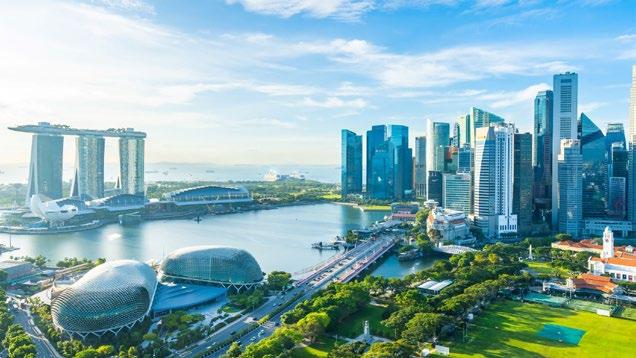
Establishing designated zones that provide favorable conditions, including streamlined regulations and robust infrastructure, to promote investment and trade. Ease of Business: Simplifying business registration and administrative processes to reduce bureaucratic hurdles for foreign investors. Singapore, for example, is renowned for its efficient, hassle-free business setup, with companies able to register in a single day.
Strategic Location and Trade Agreements: Asia’s strategic location at the nexus of global trade routes provides companies with efficient access to regional and international markets. This advantage is further amplified by a network of comprehensive free trade agreements (FTAs), such as the Regional Comprehensive Economic Partnership (RCEP) and the Comprehensive and Progressive Agreement for Trans-Pacific Partnership. These agreements reduce trade barriers, lower tariffs, and enhance connectivity, boosting trade and investment opportunities across the region. Robust Legal Frameworks For countries like Singapore, strong legal protections, particularly for intellectual property, provide a stable and transparent environment for businesses. This is a crucial consideration for foreign investors, especially those in high-tech and innovative industries, who depend on robust IP protection.
Innovation and Technology: Hub for Startups and Innovation - Asia is rapidly emerging as a global hub for technological innovation and entrepreneurship. A surge in funding for tech startups, driven by a combination of rapid growth, large consumer markets, and a youthful population, is fueling this trend. Cities like Singapore and Ho Chi Minh City are actively competing to become the next Silicon Valley, with governments offering attractive incentives to lure investors and entrepreneurs. Digitization and Technology Adoption: The region is leading the charge in digitalization, with rapid adoption of cutting-
edge technologies across various sectors, from manufacturing to e-commerce. Massive investments in technology and infrastructure are creating new opportunities in areas like AI, fintech, robotics, and renewable energy.
Global Supply Chain Integration: Asian economies are deeply integrated into global supply chains, with countries like South Korea and Taiwan playing critical roles in manufacturing key components like semiconductors and EV batteries. This integration makes them integral to the world economy and positions them at the forefront of global mega-trends, such as AI and new energy. Asia’s compelling investment proposition is built on a foundation of dynamic economic growth, a large and expanding consumer base, and increasingly business-friendly environments. From global economic powerhouses like China and India to innovative technology hubs and burgeoning startup ecosystems, the region offers a vast and diverse universe of opportunities for global investors. While risks related to market volatility, regulatory uncertainty, and cultural differences require careful navigation, the potential for long-term growth and diversification remains unparalleled. By adopting a strategic, informed, and adaptable approach, investors can effectively participate in and capitalize on Asia’s ongoing transformation and its central role in shaping the future of the global economy.
Global Media Chief & MD
Dr. S. E. Alexander
Chief Executive Editor & ED
Dr. Andre Lubbe
Senior Executive Editors & Directors
Dr. Kevin Francis, George Fedrick
Executive Editor & SVP
Thamen, Reetu Bansal
Associate Editors & Regional Directors
Nicolas Flemings, Nitirooge Phoneprasert, Ken Obeng
Regional Director Malaysia
Shariman Abd Rahim
Creative Director
Randy Redstone
Art Directors
Richard Flemings
EVP - Asia Pacific Region Operations
Graham Starmer, Sudhakar Gupta
AGM – Corporate Communication
Swetha Naren
Vice President - Operations
Amit, Rahul Shinde, Ruchi Srivatsa
Corporate Advisors & Consultants
Venkat, Mike Dobbertine, Chandrasekar, Ujagar Singh
Senior Sub Editors
Prasad ST, Ram Mohan Rao, Vinu Agarwal
Editorial Consultants, Senior Journalists & Sub Editors
Bruce N Lesly, Edna Ferber, Sreedevi, Nancy, Aarti Mukherjee, Maddy, Rachel D’souza, Vidya, Kruthiga, Ajay Franklin
Regional & Business Managers
Sanjay, Steve Mathews, Nirupama Rao, Sunil Kumar, T.P. Bhaskar, Kiran, Kishore
Circulation Managers
Shewtha Shetty, Alan, Rakesh Khanna, Subbodh Chakraborthy
Photographers
James O Corner, Nikhil, Bosh Winter
Resident Managers & Journalists
Aarthi Agarwal, Sarika, Vikram Kapoor, Swetha
Assistant Managers & Executives
Rocky, Manju, Prakash, Neetu
Senior Creative Designer Raj, Ryan D’souza
Creative Designers
Ajeesh, Rajesh, Abhijit, Sonam, Reetu, Sonal, Ashish, Chithra
Email:




24
24
United Arrows Launches Global Online Store A New Era for Japanese Fashion
74
94
Xin Zhilei’s Triumph A Historic Win For Chinese Cinema At Venice
38
54
Asia’s longevity labs: how scientists are extending life
84
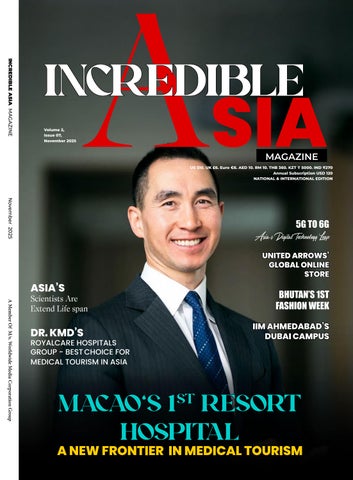
Macao’s First Resort Hospital A New Frontier In Medical Tourism
62
Bhutan’s First Fashion WeekWeaving Tradition Into The Future
100
Dr. Kmd’s Royalcare Hospitals Group Is The Most Preferred Destination For Medical Tourism In Asia
Youth Voices How Gen Z Redefines Identity In Asia
114
IIM Ahmedabad’s Dubai Campus A New Frontier In Global Management Education
246
124
Cambodia’s Techo International Airport - A $2 Billion Gateway To The Future
176
Cross-Cultural Weddings Blending Traditions
134
5G to 6G Asia’s Digital Technology Leap
204
Boutique Hotels in AsiA Tells Their Story
146
Japan’s Iron Lady Sanae Takaichi To Become The Nation’s First Female Prime Minister
218
Asian Visionaries:The Top 5 CEOs Redefining Global Leadership in 2025
164
Asia’s Talent Titans: Hong Kong & Singapore Shine In The 2025 Global Talent Rankings
258
Singapore Week Of Innovation And Technology Switch 2025





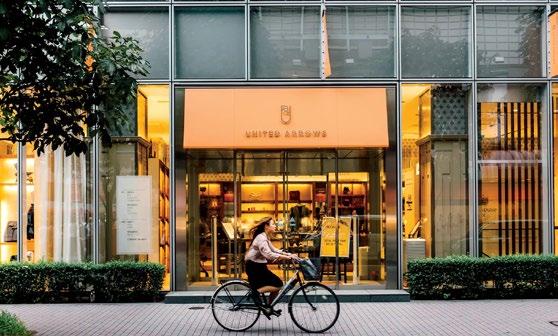
In a bold move that underscores the growing influence of Japanese fashion on the global stage, United Arrows, one of Japan’s most revered retail giants, launched its highly anticipated global online store in September 2025. Announced in September, this digital expansion marks a pivotal moment for the brand, known for its sophisticated blend of Japanese craftsmanship, Western tailoring,
and contemporary streetwear. For fashion enthusiasts worldwide, the platform promises not just access to premium clothing but an invitation to experience United Arrows’ unique philosophy of “creating a rich and high-quality lifestyle culture.” As the fashion industry increasingly pivots to e-commerce, this launch positions United Arrows to captivate a global audience with its curated aesthetic and seamless shopping experience.
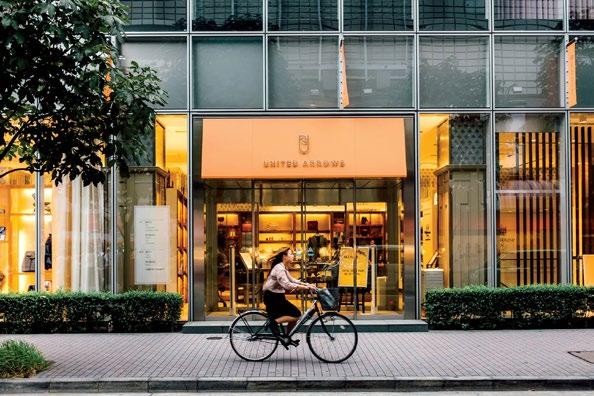

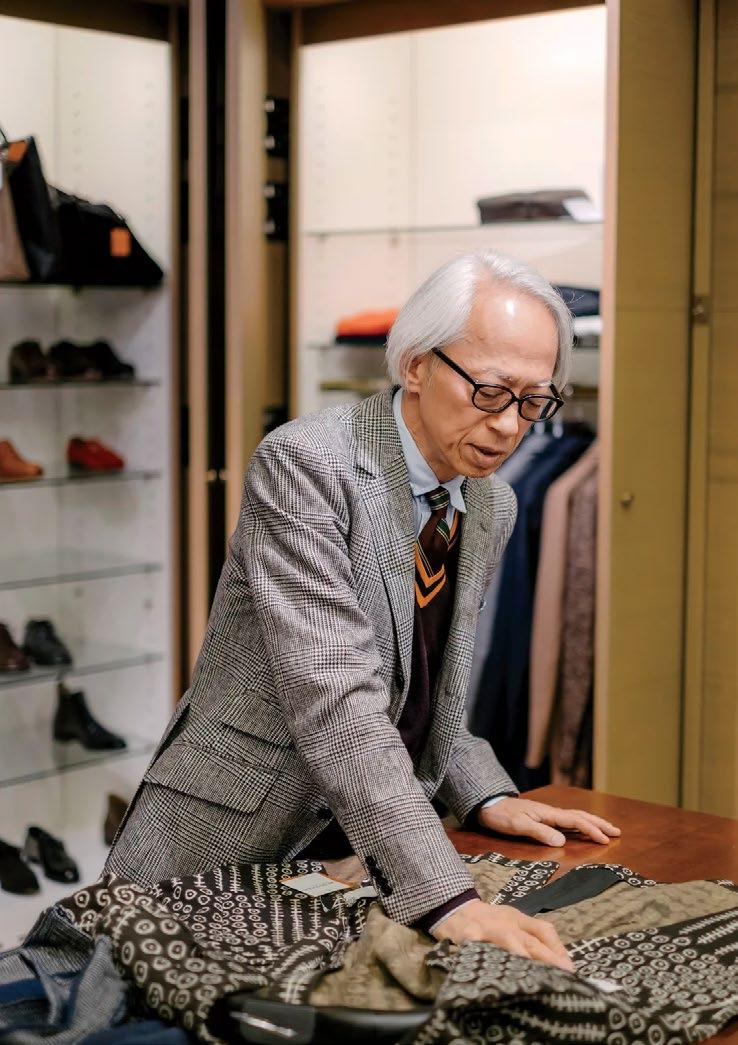

Founded in 1989 by Yasuto Kamoshita, Osamu Shigematsu, and Hirofumi Kurino, United Arrows began as a beacon of sartorial excellence in Tokyo’s Harajuku district. Over the past three decades, it has grown into a powerhouse with over 200 stores across Japan and a portfolio of 30 distinct brands, including Drawer, Blamink, H Beauty & Youth, and Green Label Relaxing. The retailer’s ethos is rooted in blending the refined elegance of British and Italian tailoring with the relaxed cool of American casual wear, infused with Japan’s meticulous attention to detail. This fusion has earned United Arrows a loyal following, both domestically and among international tastemakers
who have long relied on thirdparty platforms or trips to Japan to access its offerings. The decision to launch a global online store reflects United Arrows’ recognition of its growing international fanbase and the shifting dynamics of retail. Until now, its online presence was largely limited to a Japan-centric platform, which posed barriers such as language restrictions and limited shipping options. The new global store eliminates these hurdles, offering a fully localized experience with multi-language support, region-specific pricing, and international shipping. This move not only democratizes access to United Arrows’ coveted collections but also aligns with the broader trend of Asian fashion brands expanding their digital footprint to meet global demand.


The global online store is designed to embody United Arrows’ commitment to quality and customer satisfaction. Shoppers can expect a meticulously curated selection of menswear, womenswear, and accessories, featuring both in-house labels and exclusive collaborations with international designers. Brands like Drawer, known for its luxurious minimalism, and H Beauty & Youth, which channels youthful energy with a sophisticated edge, will sit alongside carefully selected pieces from global names, reflecting United Arrows’ knack for blending cultures and aesthetics.
What sets this platform apart is its attention to user experience. The site is optimized for accessibility, with intuitive navigation and a clean, visually appealing design that mirrors the brand’s refined aesthetic. Multi-language support ensures that customers from diverse regions can browse effortlessly, while region-specific pricing addresses the complexities of currency conversion and import duties. International shipping, a critical component for global reach, is streamlined to deliver United Arrows’ signature style to doorsteps worldwide. For fans who have previously navigated proxy services or language barriers to shop from Japan, this is a gamechanger.





At the heart of United Arrows’ global expansion is its enduring mission: to enrich lives through fashion. The brand’s slogan, “creating a rich and high-quality lifestyle culture,” is more than a tagline—it’s a guiding principle that informs every aspect of its operations. From the meticulous curation of its collections to the warm, attentive service in its physical stores, United Arrows has always prioritized substance over fleeting trends. The global online store extends this philosophy, inviting customers to discover clothing that combines timeless elegance with modern relevance.
This launch also reflects United Arrows’ ability to adapt to changing consumer behaviours. The rise of e-commerce, accelerated by the global shift to online shopping, has reshaped the fashion industry. In Asia, where digital retail is booming, brands like United Arrows are seizing the opportunity to connect with a broader audience. By offering a platform that transcends geographical boundaries, United Arrows is not only catering to existing fans but also introducing its unique worldview to new markets. Whether it’s a tailored blazer from the United Arrows mainline or a streetwear-inspired piece from Monkey Time, the global store ensures that every item tells a story of craftsmanship and cultural fusion.

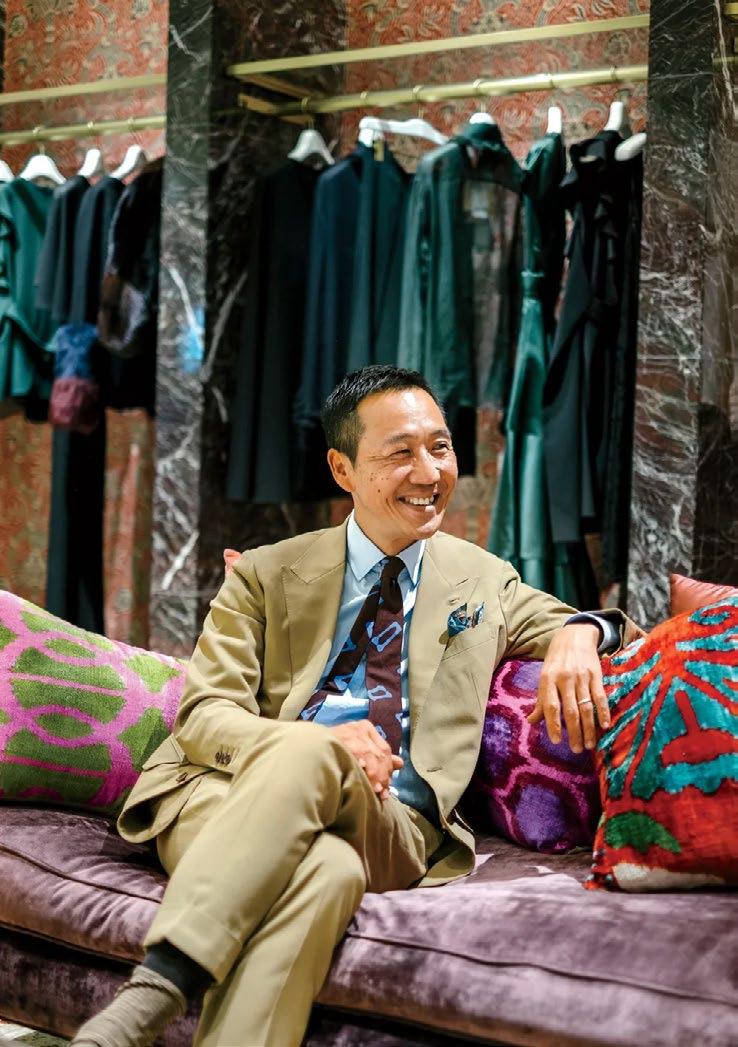
United Arrows’ foray into global e-commerce is part of a larger wave of Japanese brands making their mark internationally. Japan’s fashion scene has long been celebrated for its ability to blend tradition with innovation, producing designs that resonate across cultures. Brands like Comme des Garçons, Issey Miyake, and Uniqlo have paved the way, and United Arrows is poised to follow suit with its distinct approach. Unlike fast-fashion giants, United Arrows emphasizes quality over quantity, offering pieces that are designed to endure both in style and construction. The timing of the launch is strategic. As the fashion industry grapples with sustainability concerns and a growing demand for authenticity, United Arrows’ focus on “real clothes” resonates deeply. Its collections prioritize versatility and longevity, appealing to consumers who value investment pieces over disposable trends. Moreover, the brand’s
collaborations with designers and artisans highlight its commitment to fostering creativity and supporting the global fashion ecosystem.
Fashion enthusiasts can anticipate a curated selection of seasonal collections, exclusive collaborations, and staple pieces that embody United Arrows’ signature aesthetic. The platform will also likely feature editorial content, such as styling guides and brand stories, to deepen customers’ connection to the United Arrows universe. For those unfamiliar with the brand, the global store offers a gateway to explore its diverse portfolio. From the polished sophistication of Drawer to the relaxed charm of Green Label Relaxing, there’s something for every sensibility. The inclusion of accessories, footwear, and lifestyle products further enhances the platform’s appeal, making it a onestop destination for elevated everyday wear.





The launch of United Arrows’ global online store is more than a business decision—it’s a cultural milestone. By bringing its unique blend of Japanese precision and global influences to a worldwide audience, United Arrows is redefining what it means to be a modern fashion retailer. This platform is not just about selling clothes; it’s
about sharing a vision of style that inspires and uplifts. As the fashion world watches, United Arrows is poised to leave an indelible mark, proving that true style knows no borders. For international shoppers eager to experience the elegance and innovation of United Arrows, the wait is over. Visit united-arrows-global. com to step into a world where fashion meets culture, and quality meets creativity. The global stage is set, and United Arrows is ready to shine.



In the bustling laboratories of Asia, a quiet revolution is underway. Scientists across the continent are unlocking the secrets of human longevity, blending cutting-edge biotechnology with ancient wisdom to push the boundaries of how long and how well we can live. From Japan’s stem cell breakthroughs to
Singapore’s AI-driven drug discovery, Asia’s longevity labs are redefining aging, not as an inevitable decline, but as a process that can be slowed, managed, or even reversed. This article explores the groundbreaking work happening in Asia’s scientific hubs and its potential to reshape the future of human health.



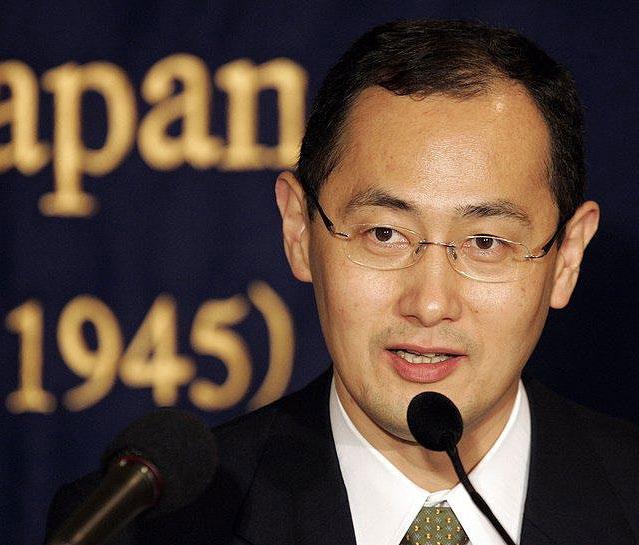
Japan has long been a global leader in regenerative medicine, thanks in part to its progressive regulatory environment and pioneering researchers like Shinya Yamanaka, who won the 2012 Nobel Prize for his work on induced pluripotent stem cells (iPSCs). These cells, which can be reprogrammed to become any cell type in the body, are at the heart of Japan’s longevity research. At institutions like Kyoto University’s Centre for iPS Cell Research and Application (CiRA), scientists are developing therapies to repair damaged tissues, regenerate organs, and combat age-related diseases such as Alzheimer’s and heart failure. One notable project is the use of iPSCs to create lab-grown heart tissue for transplants, reducing reliance on donor organs. Researchers at Osaka University have already successfully implanted iPSC-derived heart cells in patients with severe heart disease, with early results showing
improved cardiac function. Such advancements could extend healthy lifespans by addressing the chronic conditions that often accompany aging. Beyond stem cells, Japan is exploring senolytics—drugs that selectively eliminate senescent cells, which accumulate with age and contribute to inflammation and tissue dysfunction. The University of Tokyo is collaborating with biotech startups to develop senolytic therapies that could delay the onset of age-related diseases like arthritis and diabetes. Japan’s aging population, with one of the world’s highest life expectancies (84.7 years in 2023), provides both a testing ground and an urgent impetus for these innovations.


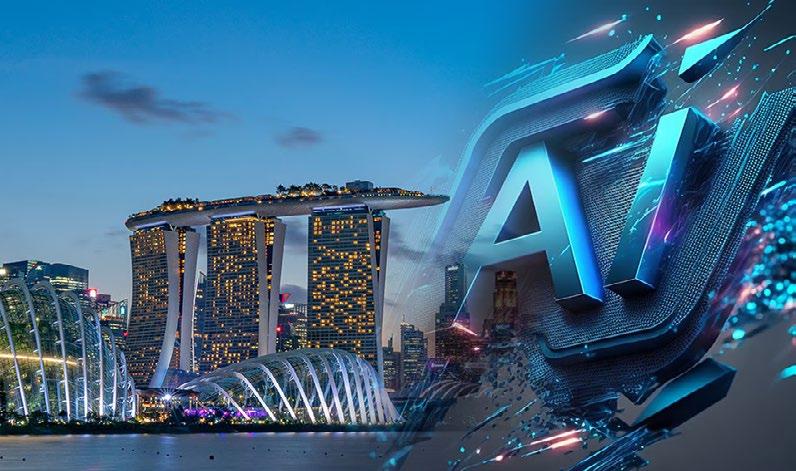
Singapore, a global hub for biomedical research, is leveraging artificial intelligence (AI) to accelerate longevity science. At the National University of Singapore (NUS), researchers are using AI to analyze vast datasets of genetic, lifestyle, and environmental factors to identify patterns that influence aging. This precision approach allows scientists to tailor interventions to individual patients, a field known as personalized medicine. One standout initiative is the work of Insilico Medicine, a biotech company with a strong presence in Singapore. Insilico uses AI to discover new molecules for anti-aging drugs, slashing the time and cost of traditional drug development. In 2024, the company announced a promising candidate for treating fibrosis, a condition linked to aging
organs. By combining AI with highthroughput screening, Singapore’s labs are not only identifying new therapies but also predicting how they’ll perform in diverse populations—a critical step for global scalability. Singapore’s government is also investing heavily in longevity research through initiatives like the National Research Foundation’s Aging-inPlace program. This program funds projects that integrate robotics, wearable sensors, and telemedicine to support elderly populations, ensuring they remain active and independent. For example, smart wearables developed at Nanyang Technological University can monitor vital signs in real-time, alerting doctors to early signs of decline and preventing hospitalizations.



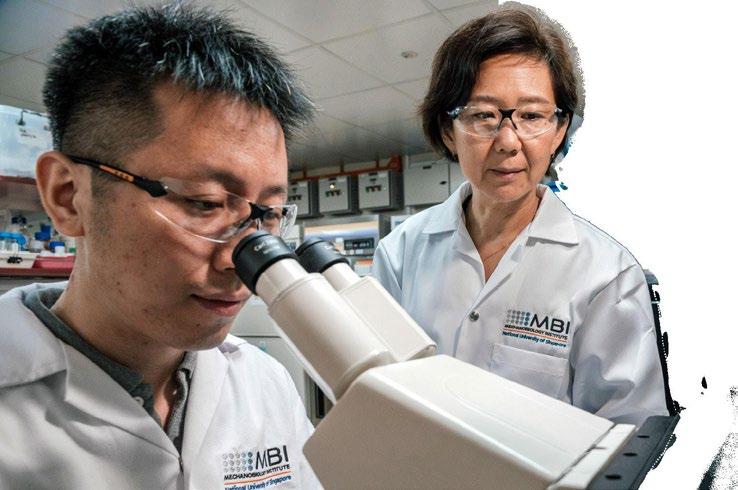
China’s vast resources and ambitious biotech sector make it a powerhouse in longevity research. The country’s scientists are tackling aging at both the molecular and societal levels. At the Chinese Academy of Sciences in Beijing, researchers are studying the role of telomeres—the protective caps at the ends of chromosomes— in aging. By developing compounds to slow telomere shortening, they aim to delay cellular aging and extend healthy lifespans. China is also a leader in gene editing, with CRISPR-based therapies showing promise for treating age-related genetic disorders. At Shenzhen’s BGI Group, one of the world’s largest genomics organizations, scientists are sequencing the genomes of centenarians to uncover genetic factors that contribute to exceptional
longevity. These insights are being used to develop gene therapies that could mimic the protective effects of “longevity genes” in the broader population. On a larger scale, China’s Healthy China 2030 initiative is integrating longevity research into public health policy. Pilot programs in cities like Shanghai are testing community-based interventions, such as dietary supplements inspired by traditional Chinese medicine (TCM). Compounds like ginseng and astragalus, long used in TCM, are being studied for their potential to enhance immune function and reduce inflammation, offering a bridge between ancient practices and modern science.


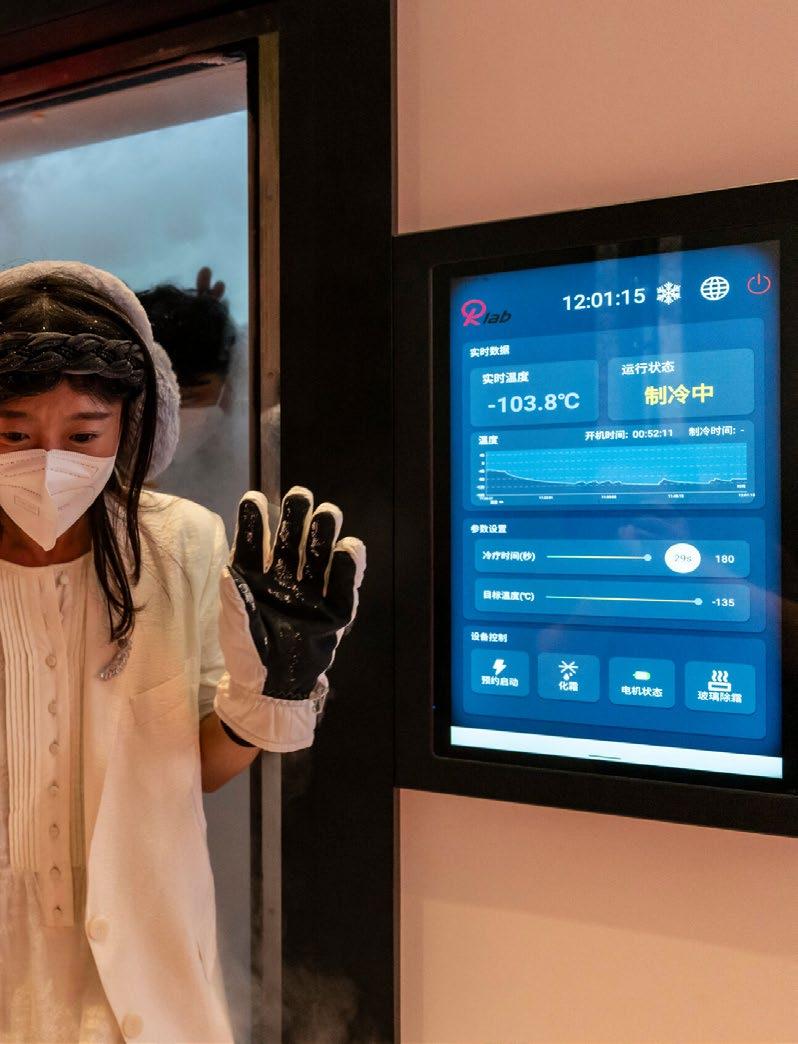





South Korea’s longevity labs are making waves in bioengineering and microbiome research. At Seoul National University, scientists are exploring how the gut microbiome— the trillions of microbes living in our digestive systems—influences aging. By manipulating the microbiome through diet, probiotics, or fecal transplants, researchers aim to improve metabolic health and reduce agerelated inflammation. Early studies suggest that a balanced microbiome could delay conditions like dementia and cardiovascular disease.
South Korea is also a leader in 3D bioprinting, a technology that creates tissue-like structures for medical applications. The Korea Institute of Science and Technology (KIST) has developed 3D-printed skin and cartilage for use in reconstructive surgeries, which could improve quality of life for aging populations. Meanwhile, companies like Medipost are advancing stem cell therapies for osteoarthritis, a common ailment among the elderly, with clinical trials showing reduced pain and improved mobility.
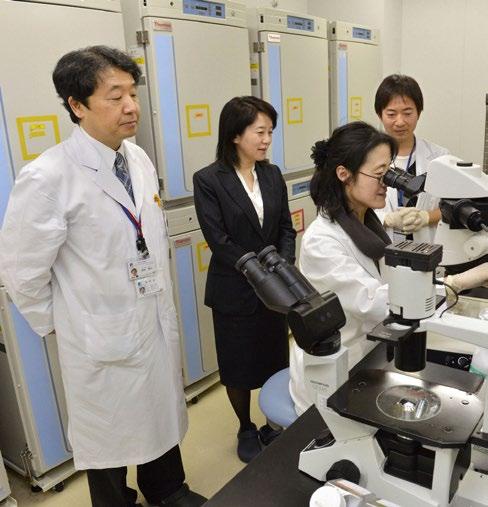

Despite these advances, Asia’s longevity labs face significant challenges. The high cost of cutting-edge therapies like stem cell treatments and gene editing raises questions about accessibility. Will these breakthroughs be available only to the wealthy, or can they be scaled to benefit broader populations? Governments in Japan, Singapore, and China are addressing this through public-private partnerships

and subsidies, but global disparities remain a concern. Ethical questions also loom large. Gene editing, for instance, sparks debates about “designer” longevity and the potential for unintended consequences, such as ecological imbalances or genetic inequalities. In South Korea, public consultations are underway to establish ethical guidelines for microbiome and stem cell research, ensuring that scientific ambition aligns with societal values.






Asia’s longevity labs are at the forefront of a global quest to extend human life—not just in years, but in vitality. Japan’s stem cell therapies, Singapore’s AI-driven discoveries, China’s genomic insights, and South Korea’s bioengineering feats are converging to create a future where aging is less a burden and more a manageable phase of life. While challenges remain, the continent’s blend of innovation, investment, and cultural reverence for longevity positions it as a global leader in this transformative field. As these technologies mature, they promise not only longer lives but also healthier, more fulfilling ones. For now, Asia’s scientists are proving that the fountain of youth may not be a myth—it might just be a lab bench away.


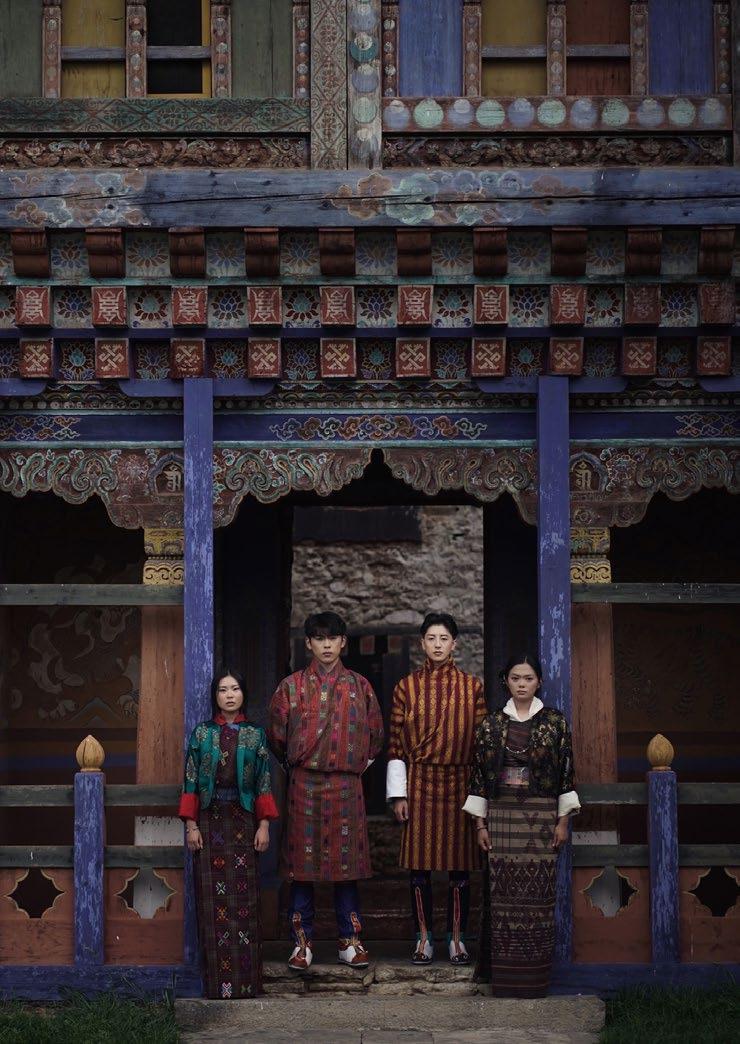
Nestled in the heart of the Himalayas, Bhutan is known for its breathtaking landscapes, vibrant culture, and unwavering commitment to Gross National Happiness. This October, the tiny kingdom is adding a new thread to its rich tapestry with its first-ever Bhutan Fashion Week, set to take place from October 27 to November 1, 2025. From the historic palaces of Bumthang to the bustling streets of Paro and the modern pulse of Thimphu, this groundbreaking event promises to stitch together Bhutan’s past, present, and future in a dazzling celebration of style, sustainability, and
homegrown talent. Organized by the Department of Media, Creative Industry and Intellectual Property (DoMCIIP) in collaboration with the Royal Textile Academy, Bhutan Fashion Week is more than just a runway—it’s a love letter to the country’s iconic textiles and the artisans who bring them to life. Picture this: 21 local designers, each weaving their unique vision into collections that honour Bhutan’s handwoven fabrics, like the intricate kira and gho, while pushing the boundaries of contemporary design. It’s a bold step for a nation that cherishes tradition but isn’t afraid to strut into the global spotlight.

So far, 11 talented designers have been confirmed to showcase their collections at Bhutan Fashion Week, including Karma Yangchin Tsho, Chimi Lhakyi Dolma, Tshering Choden, Peldon, Pema Choki, Sangay Choden, Dorji Zangmo, Tashi Zangmo, Chandrika Tamang, Gaymit Sada Lepcha, and Leena D Ghalley. Their designs promise a stunning fusion of Bhutan’s traditional textiles with contemporary styles, vibrant hues, and cutting-edge silhouettes, blending cultural roots with global fashion flair. With more designers yet to be announced, excitement is growing for what’s set to be one of Bhutan’s most
dazzling and creative events of the year. The event’s theme, “Past, Present, and Future,” is cleverly reflected in its three distinct locations. In Bumthang, the historic Wangduechhoeling Palace will host a showcase of heritage-inspired designs, where traditional weaves meet timeless elegance. Paro’s vibrant streets will come alive with collections celebrating the “present,” blending Bhutan’s cultural essence with modern flair. And in Thimphu, the capital city, futuristic designs will take centre stage, offering a glimpse of where Bhutanese fashion is headed— think sustainable chic with a Himalayan twist.



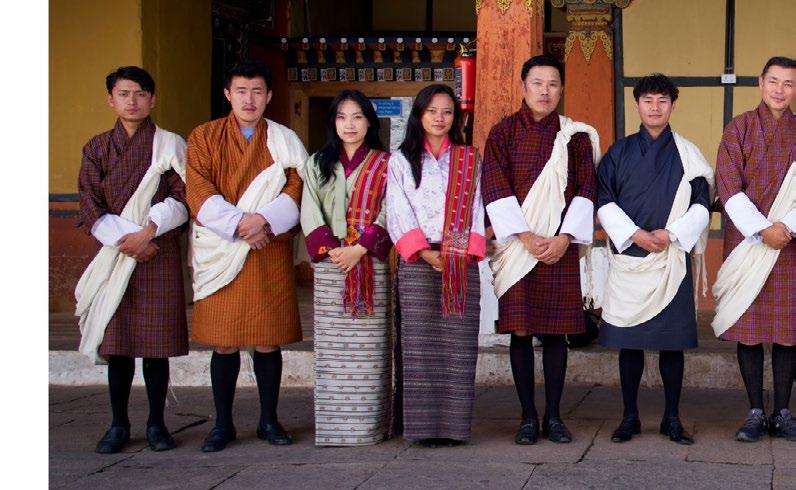


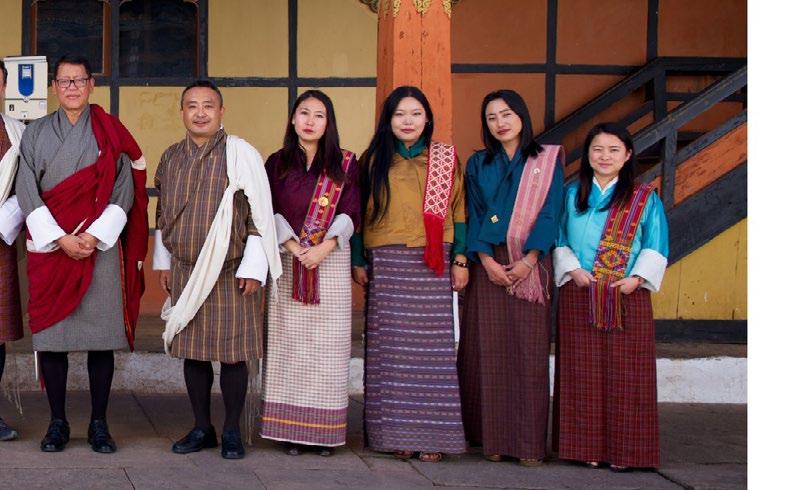

Creative Director Lhari Karma Wangchuk emphasized on the thoughtful approach of Bhutanese designers in approaching the fine line between tradition and innovation. “Designers are mindful, balancing preservation with the need to evolve.” He added that cultural attire naturally evolves over time, highlighting how the gho and kira have seen changes through the years. “What matters is finding the balance; preserving the past while looking forward.” What makes this Fashion Week extra special is its heart. Bhutan’s commitment to sustainability shines through, with designers emphasizing ecofriendly practices and the use of locally sourced materials. The event isn’t just about looking good (though trust us, it will!); it’s about doing good, too. By spotlighting homegrown talent, Bhutan Fashion Week aims to put the kingdom’s textile industry on the global map,
fostering pride among locals and curiosity among international fashionistas. And the ambition doesn’t stop at the runway. Plans are already in motion to establish a Bhutan Fashion Council to nurture the industry long-term, alongside a digital marketplace to connect Bhutanese designers with the world. Imagine scrolling online and snagging a piece of Bhutan’s soul, handcrafted with love and delivered to your doorstep! Bhutan Fashion Week is a celebration of creativity, culture, and conscious style. It’s a chance for this serene Himalayan kingdom to share its unique voice with the world, proving that fashion can be both beautiful and meaningful. So, mark your calendars for October 2025, and get ready to fall in love with Bhutan’s weave of tradition and innovation. Who knows? You might just find yourself dreaming of a kira-inspired couture moment of your own.





In the vibrant tapestry of Asia, where tradition and modernity often collide, Generation Z— born roughly between 1997 and 2012—is weaving a bold new narrative around identity. Unlike previous generations, Asia’s Gen Z is navigating a world shaped by rapid digitalization, global connectivity, and shifting cultural norms. With access to platforms like TikTok, Instagram, and X, they are redefining what it means to be Asian, challenging longstanding conventions around gender, culture, and self-expression while embracing a fluid, multifaceted sense of identity.
The internet is Gen Z’s playground, and in Asia, where smartphone penetration is among the highest globally, digital platforms have become spaces for self-discovery and activism. In South Korea, for instance, young people are using K-pop fandoms to explore and express non-binary and queer identities, often in defiance of conservative societal norms. The global reach of K-pop, amplified by social media, allows fans to connect with like-minded peers across borders, creating virtual communities where traditional expectations around gender and sexuality are questioned.
A 2023 study by the Pew Research Centre noted that 65% of Asian Gen Zers feel more comfortable expressing their true selves online than offline, highlighting the internet’s role as a safe space for identity exploration.
In India, Gen Z is leveraging platforms to challenge caste and class-based identities. Young influencers from marginalized communities, such as Dalit creators, are sharing stories of resilience and pride, reshaping narratives that have long been dominated by uppercaste voices. For example, posts on social media amplify personal experiences, sparking
conversations about systemic inequities and inspiring others to embrace their identities unapologetically.
Blurring genDer anD CulTural lines
Gen Z in Asia is also dismantling rigid gender norms. In Japan, where traditional gender roles have historically been entrenched, young people are embracing androgynous fashion and rejecting binary expectations. Streetwear brands like WEGO and UNIQLO have capitalized on this trend, offering gender-neutral clothing lines that resonate with Gen Z’s desire for fluidity.









Meanwhile, in Thailand, the acceptance of non-binary identities like “kathoey” (a traditional third gender) is being reframed by Gen Z as a modern expression of self, often showcased through viral TikTok videos that blend humour, fashion, and activism.
Cultural identity, too, is being redefined. In multiethnic societies like Malaysia and Singapore, Gen Z is embracing hybrid identities that transcend rigid ethnic categories. For instance, young Malaysians of Chinese, Malay, and Indian descent are creating content that celebrates their mixed heritage, challenging the siloed ethnic identities promoted by older generations. On platforms like Instagram, hashtags like #MixedMalaysian have gained traction, showcasing stories of individuals who navigate multiple cultural
worlds. This fluidity reflects a broader rejection of monolithic national identities in favour of personalized, intersectional ones.
aCTivism anD iDenTiTy PoliTiCs
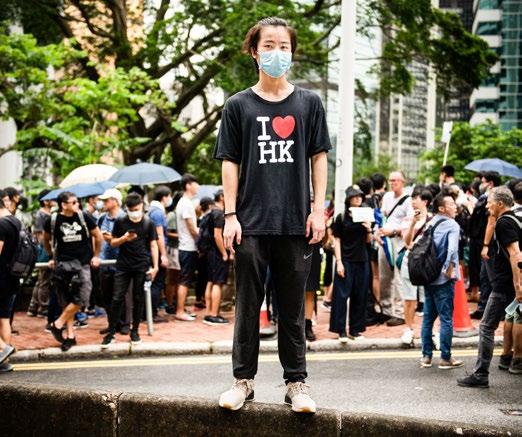
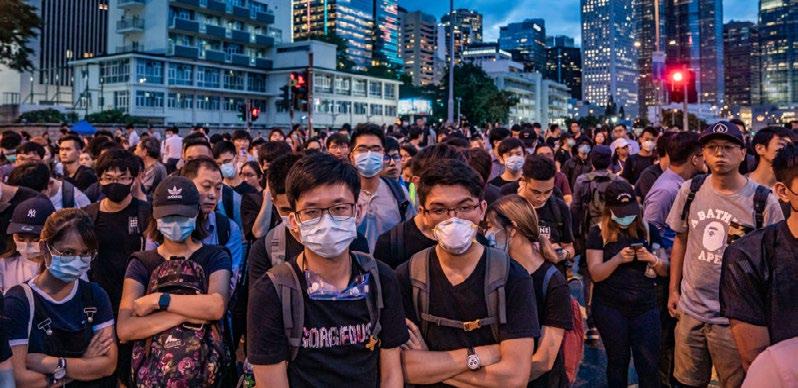
Gen Z’s redefinition of identity is inseparable from their activism. In Hong Kong, young people have been at the forefront of pro-democracy movements, using their collective identity as “Hongkongers” to resist mainland China’s influence. The 2019 protests saw Gen Zers, many still in their teens, organizing via encrypted apps like Telegram, blending digital savvy with political courage. Their identity as Hongkongers is not just geographic but a statement of values—freedom, autonomy, and resistance.
Similarly, in Myanmar, Gen Z played a pivotal role in the 2021 anti-coup protests, using social media to document military atrocities and rally global support. The hashtag #WhatsHappeningInMyanmar trended globally on social media, driven largely by young activists who saw their identity as tied to justice and democracy. These movements show how Gen Z’s sense of self is often collective, rooted in shared struggles rather than individual gain.
Yet, this redefinition of identity is not without challenges. In conservative societies like Indonesia and Pakistan, Gen Z’s push for self-expression often clashes with religious and cultural orthodoxy. For example, young Indonesian
women advocating for body positivity or feminist ideals on social media face backlash from traditionalists. A 2024 report by Human Rights Watch noted that online harassment targeting Gen Z activists in Asia has risen by 30% in the past five years, reflecting the risks of challenging entrenched norms. Economic pressures also complicate identity formation. In China, where the “lying flat” movement has gained traction among Gen Z, young people are rejecting the hyper-competitive work culture that defined their parents’ identities. Instead, they prioritize personal fulfilment over societal expectations, often at the cost of financial stability. This shift has sparked debates about whether Gen Z’s focus on individual identity undermines collective responsibility—a tension that resonates across Asia.



a new asian iDenTiTy
Asia’s Gen Z is crafting an identity that is dynamic, inclusive, and unapologetically global. They draw inspiration from K-dramas, anime, and Western pop culture while grounding themselves in local traditions, creating a hybrid identity that defies borders. Their voices, amplified by digital platforms, are reshaping societal norms and challenging power structures. From Seoul’s queer K-pop fans to Myanmar’s activist

youth, Gen Z is proving that identity in Asia is no longer a fixed script but a canvas for selfexpression. As this generation comes of age, their influence will only grow, pushing Asia toward a future where identity is not dictated by tradition or authority but by the courage to be oneself. In their hands, the question “Who am I?” becomes a powerful act of creation, one post, one protest, one voice at a time.




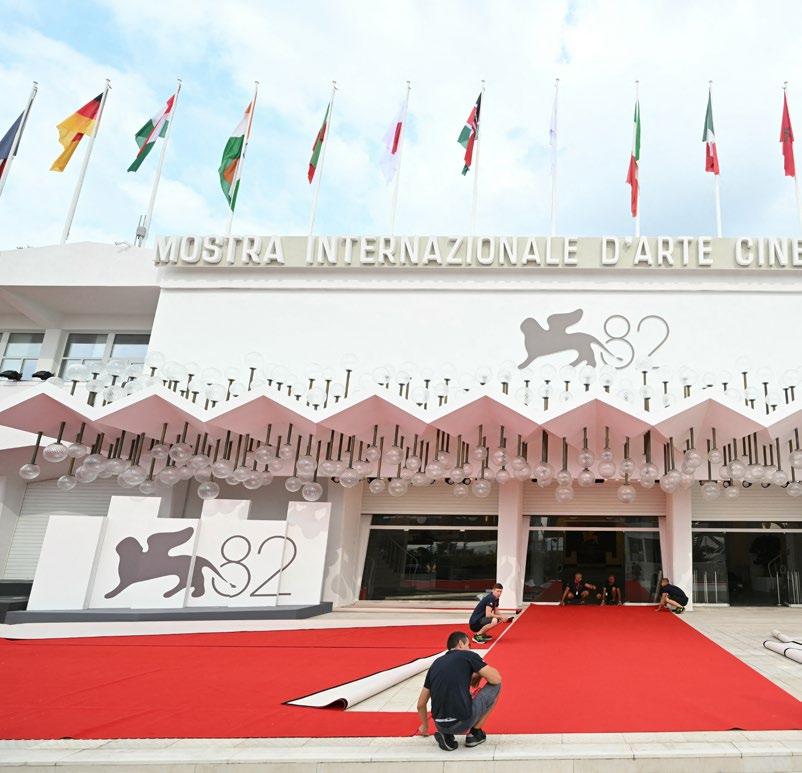
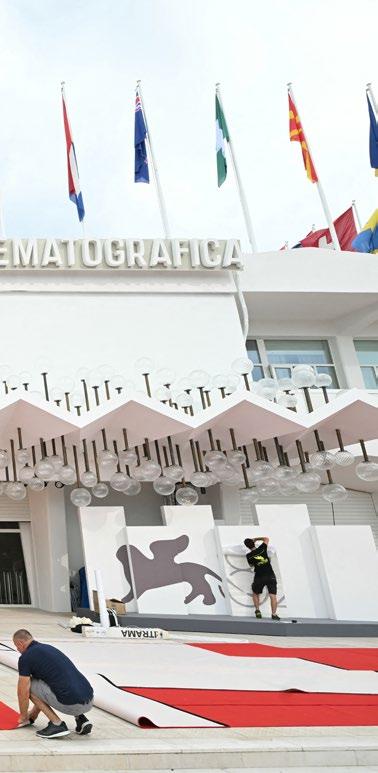
In a moment that will be etched into the annals of cinematic history, Chinese actress Xin Zhilei claimed the prestigious Best Actress award at the 82nd Venice Film Festival. Her captivating performance in The Sun Rises on Us All, directed by Cai Shangjun, earned her the coveted Volpi Cup, making her only the third Chinese actress to receive this honour, following in the footsteps of legends Gong Li (1992) and Deanie Ip (2011). This
victory not only underscores Xin’s remarkable talent but also signals a powerful moment for Chinese cinema on the global stage. Xin’s role as Meiyun in The Sun Rises on Us All is a masterclass in emotional depth and nuance. The film, a poignant exploration of guilt, redemption, and human connection, centres on Meiyun’s complex relationship with her former lover, who took the fall for a crime she committed years earlier.

Xin’s portrayal is both raw and restrained, capturing the weight of her character’s past while navigating the delicate balance of love and moral conflict. Critics at Venice lauded her ability to convey profound emotion through subtle gestures and expressive silences, a testament to her versatility as an actress.
The Venice Film Festival, one of the world’s oldest and most prestigious cinematic events, has long been a platform for groundbreaking performances. Xin’s win places her among an elite group of actors recognized for their contributions to global cinema. During her acceptance speech, delivered with grace and humility, Xin spoke of her
pride in representing Chinese cinema. “Standing here, I feel the weight of this moment— not just for me, but for my country and its stories,” she said. She also encouraged aspiring artists to chase their dreams with courage, no matter where they come from. Her words resonated deeply, sparking a wave of pride across Chinese social media platforms, where fans and industry peers alike hailed her as a trailblazer. Xin Zhilei’s journey to this moment has been one of steady determination. Born in Hegang, Heilongjiang, in 1986, she graduated from the Central Academy of Drama in Beijing and began her career with supporting roles in television and film.




Her breakout came with the 2017 action thriller Brotherhood of Blades II: The Infernal Battlefield, where her commanding presence caught the attention of audiences and critics. Since then, she has built a reputation for tackling diverse roles, from historical epics to modern dramas, earning acclaim for her ability to embody complex characters with authenticity. The significance of Xin’s win extends beyond her personal achievement. It marks a milestone for Chinese cinema, which has increasingly gained recognition on the international stage. Directors like Cai Shangjun, whose vision brought
The Sun Rises on Us All to life, are pushing the boundaries of storytelling, blending universal themes with distinctly Chinese perspectives. Xin’s performance is a testament to the power of such narratives, which resonate with audiences far beyond China’s borders. The reaction in China has been nothing short of euphoric. On platforms like Weibo, hashtags celebrating Xin’s win trended for days, with users calling her “a national treasure” and “the pride of Chinese cinema.” Industry figures, including prominent directors and actors, have praised her as an inspiration for the next generation.






This victory also highlights the growing influence of Chinese films at major festivals, following successes like Chloé Zhao’s Oscar-winning Nomadland and Jia Zhangke’s acclaimed works. As the global film industry continues to evolve, Xin Zhilei’s triumph at Venice serves as a reminder of the universal language of cinema. Her performance in The Sun Rises on Us All not
only captivated the festival jury but also sparked conversations about the human experience, transcending cultural boundaries. For Xin, this is more than an award—it’s a celebration of resilience, artistry, and the power of storytelling. As she steps into the spotlight, the world eagerly awaits her next chapter, confident that this is only the beginning of her ascent.



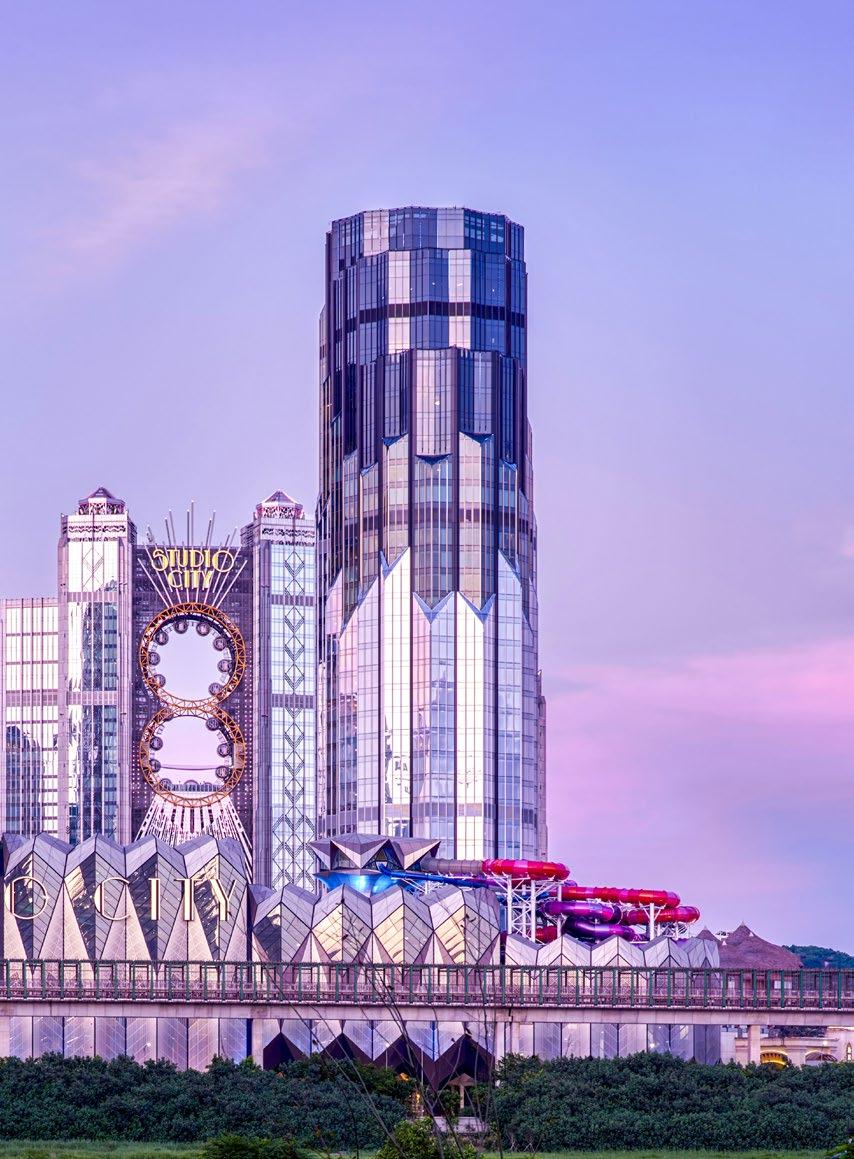
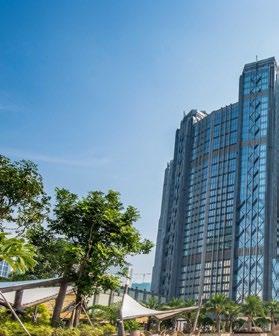
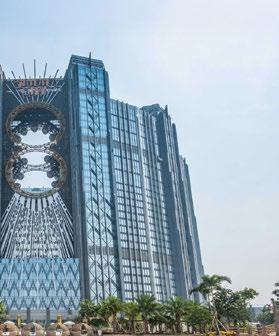
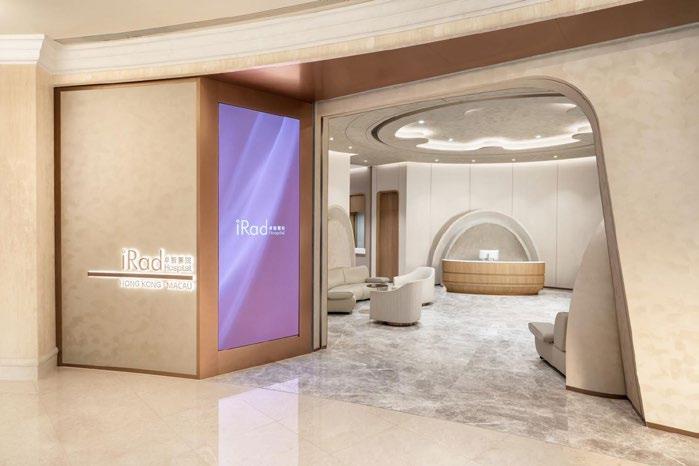
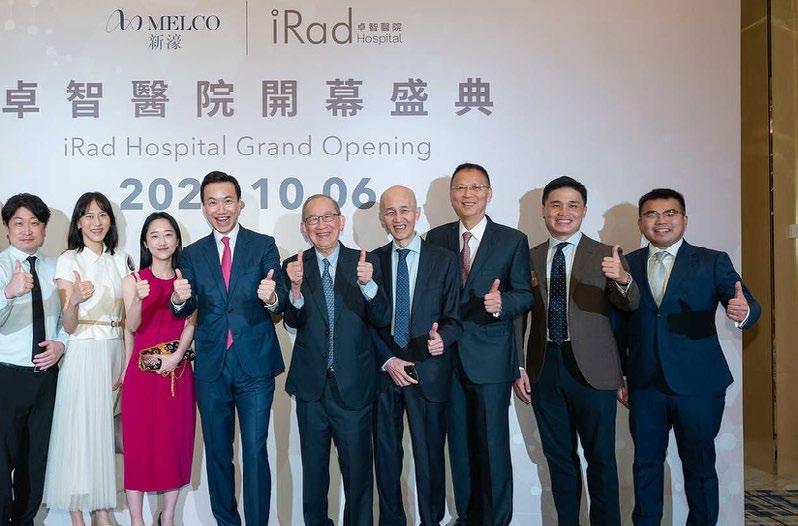
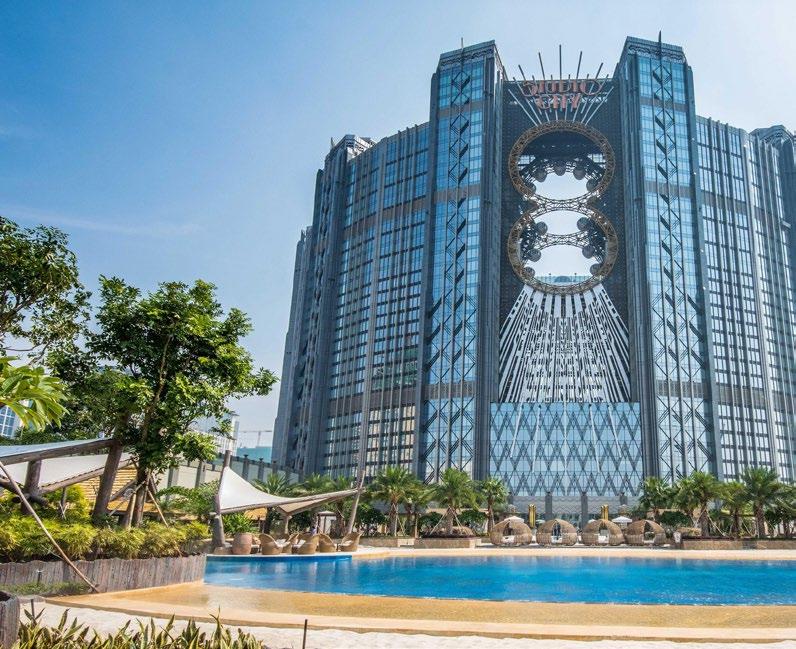
Macao welcomed a groundbreaking addition to its vibrant landscape: ‘iRad Hospital’, the world’s first hospital integrated within a casino and entertainment resort, Studio City. Spanning 15,000 square feet and equipped with cutting-edge MRI and CT scanning technology, this pioneering facility marks a bold step in redefining Macao’s identity. Known primarily as Asia’s gaming capital, Macao is now leveraging its global allure to pioneer a new era of medical tourism, blending luxury healthcare with leisure and entertainment. Operated through a partnership between Melco Resorts & Entertainment and Hong Kong’s iRad Medical, iRad Hospital is not just a healthcare milestone but a visionary move toward economic diversification and regional influence. This article explores the significance of this development and its implications for Macao’s future as a global wellness hub.
Located on the Cotai Strip, Studio City is a Hollywood-themed integrated resort renowned for its casinos, theatres, and luxury accommodations. The addition of iRad Hospital introduces a novel concept: a state-of-the-art medical facility nestled within a world-class entertainment complex. Guests can now undergo comprehensive health screenings, diagnostic imaging, aesthetic treatments, or longevityfocused therapies, then step out to enjoy a Broadway-style show or a night at the gaming tables. This seamless integration of healthcare and leisure is unprecedented, offering a unique value proposition for visitors seeking both wellness and
indulgence. The hospital’s advanced diagnostic capabilities, including MRI and CT scanners, set it apart as a leader in precision medicine within a resort setting. Beyond diagnostics, iRad Hospital offers cosmetic procedures and wellness programs tailored to the growing demand for anti-aging and preventative care. This holistic approach aligns with global trends, where affluent travellers increasingly seek destinations that combine medical expertise with luxury experiences. For Macao, with its projected 3940 million annual visitors, iRad Hospital positions the city to capture a share of the booming medical tourism market, estimated to reach $207 billion globally by 2027.






Macao’s economy has long been tethered to gaming, which accounts for over 80% of its government revenue. However, the COVID-19 pandemic exposed the risks of this dependency, prompting authorities to prioritize diversification into sectors like healthcare, technology, and conventions. iRad Hospital is a flagship initiative in this strategy, showcasing Macao’s ability to innovate beyond its casinos. By embedding a hospital within Studio City, Melco Resorts & Entertainment is not only enhancing its property’s appeal but
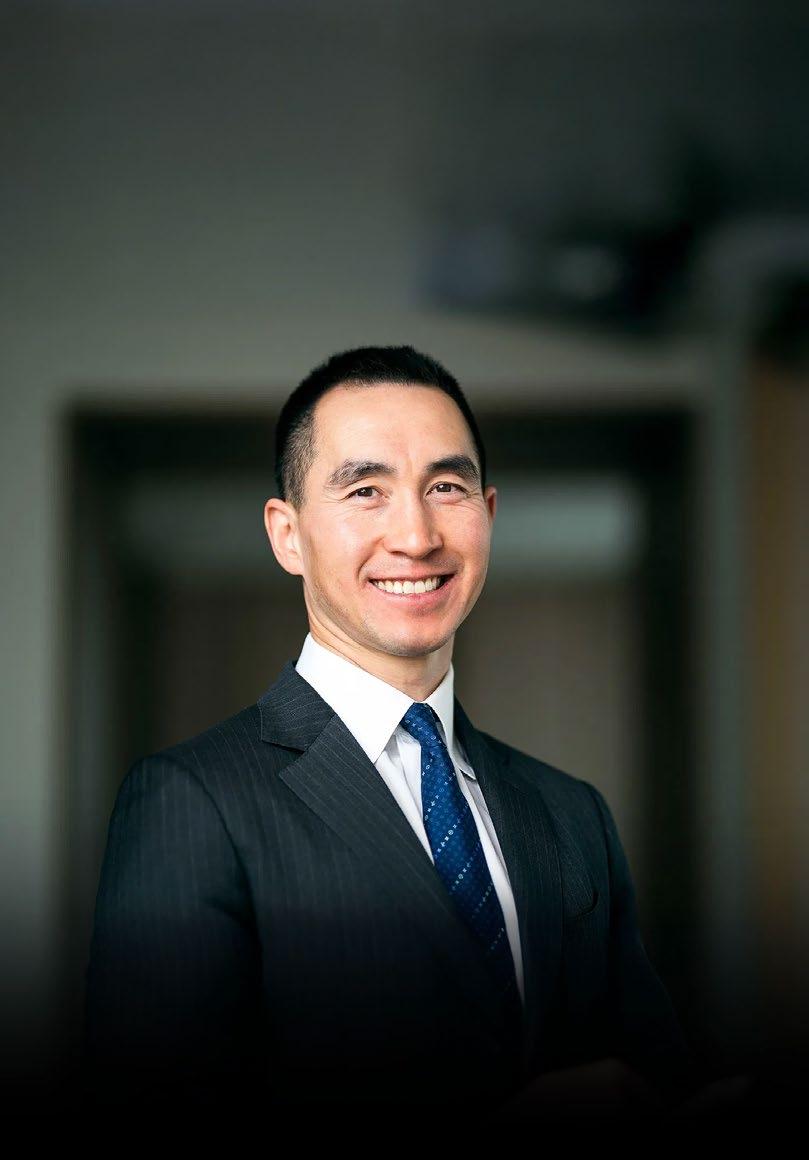
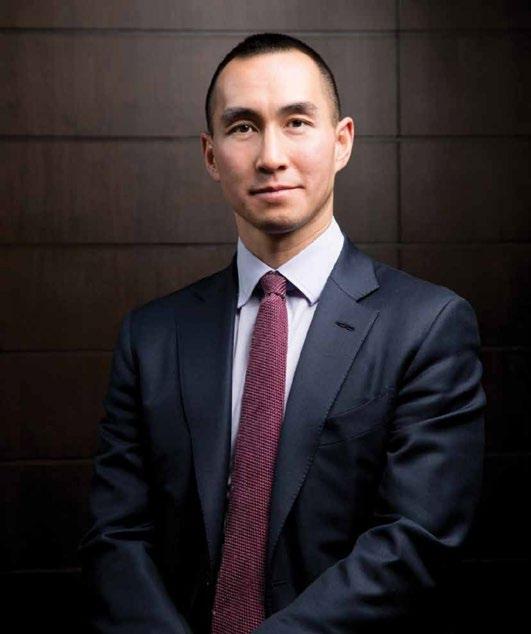
also contributing to Macao’s broader economic transformation. Lawrence Ho, Chairman and CEO of Melco, emphasized the project’s significance:
“By launching the world’s first and Macao’s only hospital with MRI and CT facilities within an integrated resort, we strive to contribute to the advancement of medical tourism in Macao.” This vision is echoed by Dennis Tam, President and CEO of Black Spade Capital, who noted that the partnership sets “a new benchmark for medical services” in the region. The hospital creates jobs, fosters local expertise, and attracts high-net-worth visitors from Greater China and Southeast Asia, reinforcing Macao’s role as a regional hub.
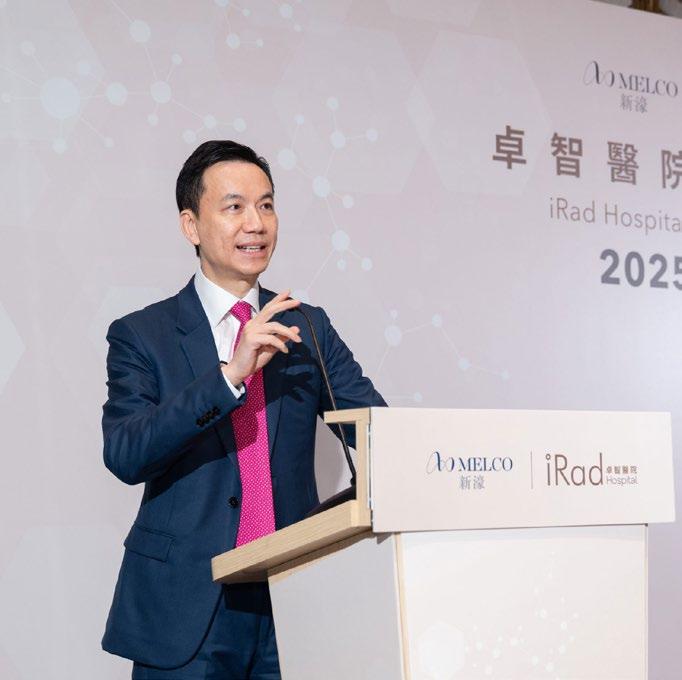
The timing is opportune. Macao’s gaming sector has rebounded post-pandemic, with gross gaming revenue surpassing preCOVID levels in 2024. Yet, the government’s push for nongaming investments ensures long-term resilience. iRad Hospital aligns with this agenda, offering a model that other integrated resorts in Macao— and potentially globally—may emulate. By catering to healthconscious travellers, the facility taps into a demographic that values convenience, quality, and exclusivity, further elevating Macao’s global brand.
The launch of iRad Hospital signals Macao’s ambition to compete with established medical tourism destinations like Thailand, Singapore, and South Korea. These countries have long attracted international patients with affordable, high-quality care. Macao, however, brings a unique edge: its compact size, world-class infrastructure, and proximity to mainland China, a market with growing demand for premium healthcare.


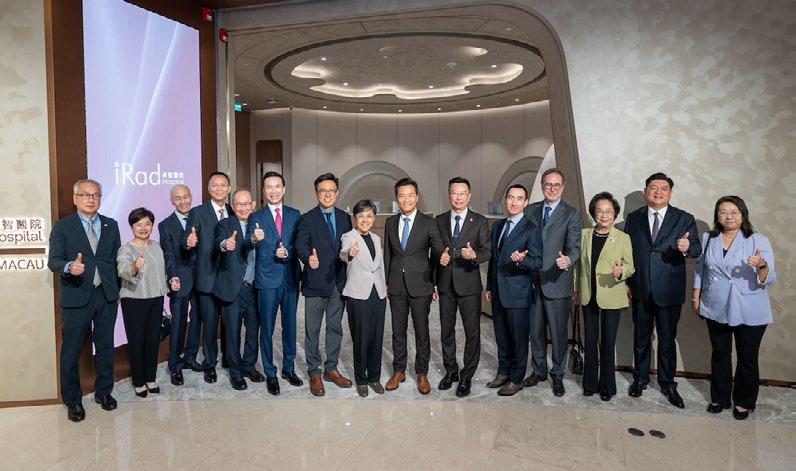
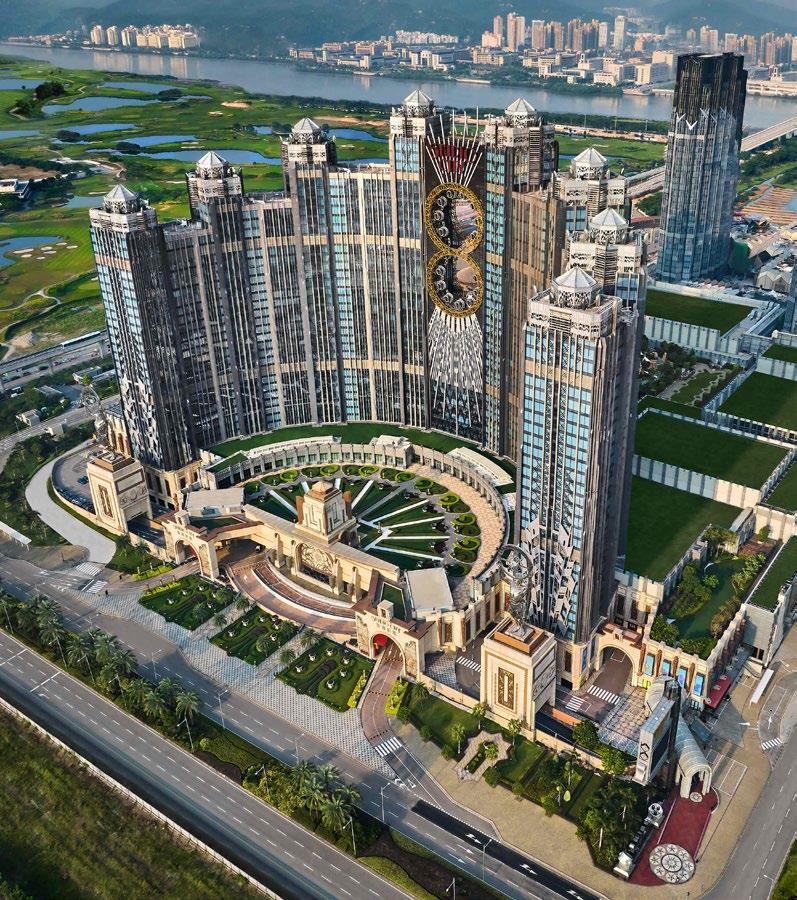
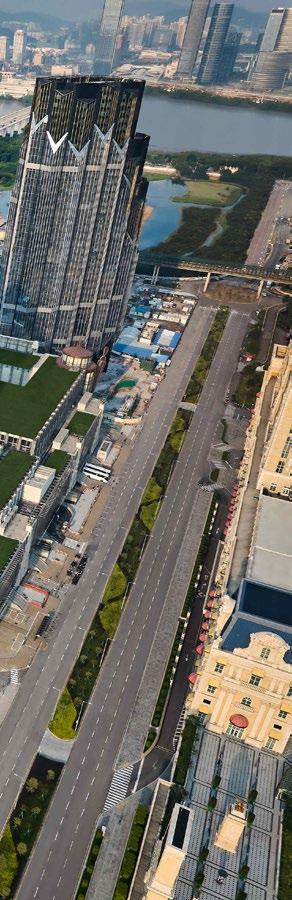
The hospital’s location within Studio City adds a layer of convenience, allowing patients to combine medical visits with family vacations or business trips. Moreover, iRad Hospital caters to the rising trend of preventative and longevityfocused healthcare. As affluent consumers prioritize wellness, the hospital’s offerings—ranging from advanced diagnostics to aesthetic treatments—position Macao as a forward-thinking destination. The integration of healthcare with entertainment also appeals to younger, healthconscious travellers who seek destinations that align with their lifestyle. For instance, a visitor could undergo a health screening in the morning, dine at a Michelin-starred restaurant by noon, and attend a concert in the evening—all without leaving the resort.
Looking ahead, iRad Hospital could catalyze the development of a broader wellness ecosystem in Macao. The city’s compact geography and robust tourism infrastructure make it an ideal testing ground for innovative healthcare models. Future expansions could include specialized clinics, telehealth services, or partnerships with international medical institutions, further elevating Macao’s reputation. The hospital’s success may also inspire other gaming concessionaires to invest in similar ventures, creating a network of healthfocused facilities across the Cotai Strip.

On a regional level, iRad Hospital strengthens Macao’s position within the Greater Bay Area (GBA), a megalopolis encompassing Hong Kong, Shenzhen, and other southern Chinese cities. The GBA’s integrated transport links, including the Hong KongZhuhai-Macao Bridge, facilitate seamless travel for medical tourists. By positioning itself as a wellness hub, Macao can attract patients from the GBA’s 86 million residents, many of whom seek premium healthcare services abroad. However, challenges remain. Macao must navigate regulatory complexities to ensure iRad Hospital meets international standards, particularly for crossborder patients. Competition from established medical tourism
hubs will also require sustained investment in quality and branding. Yet, with Melco’s backing and iRad Medical’s expertise, the hospital is well-positioned to overcome these hurdles and set a global precedent.
iRad Hospital at Studio City is more than a healthcare facility; it’s a bold statement about Macao’s future. By merging cutting-edge medicine with luxury hospitality, the hospital redefines what a destination can offer. It signals Macao’s evolution from a gaming-centric enclave to a

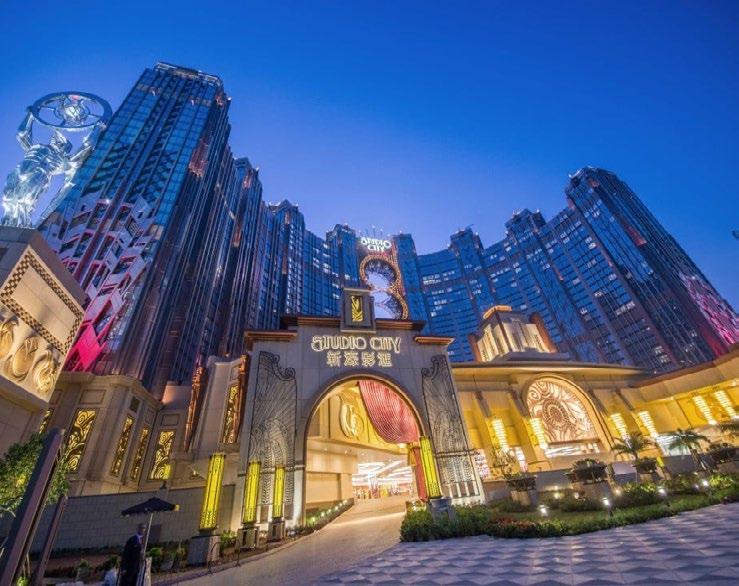


multifaceted hub for tourism, wellness, and innovation. As the world’s first resort hospital of its kind, iRad Hospital sets a new standard for integrated resorts globally, proving that health and leisure can coexist in harmony. For Macao, the stakes are high but the potential is vast. If iRad Hospital succeeds, it could inspire
a wave of similar initiatives, transforming the city into a global leader in medical tourism. For now, as visitors flock to Studio City for both check-ups and thrills, Macao is writing a new chapter—one where wellness takes centre stage in the city of lights.




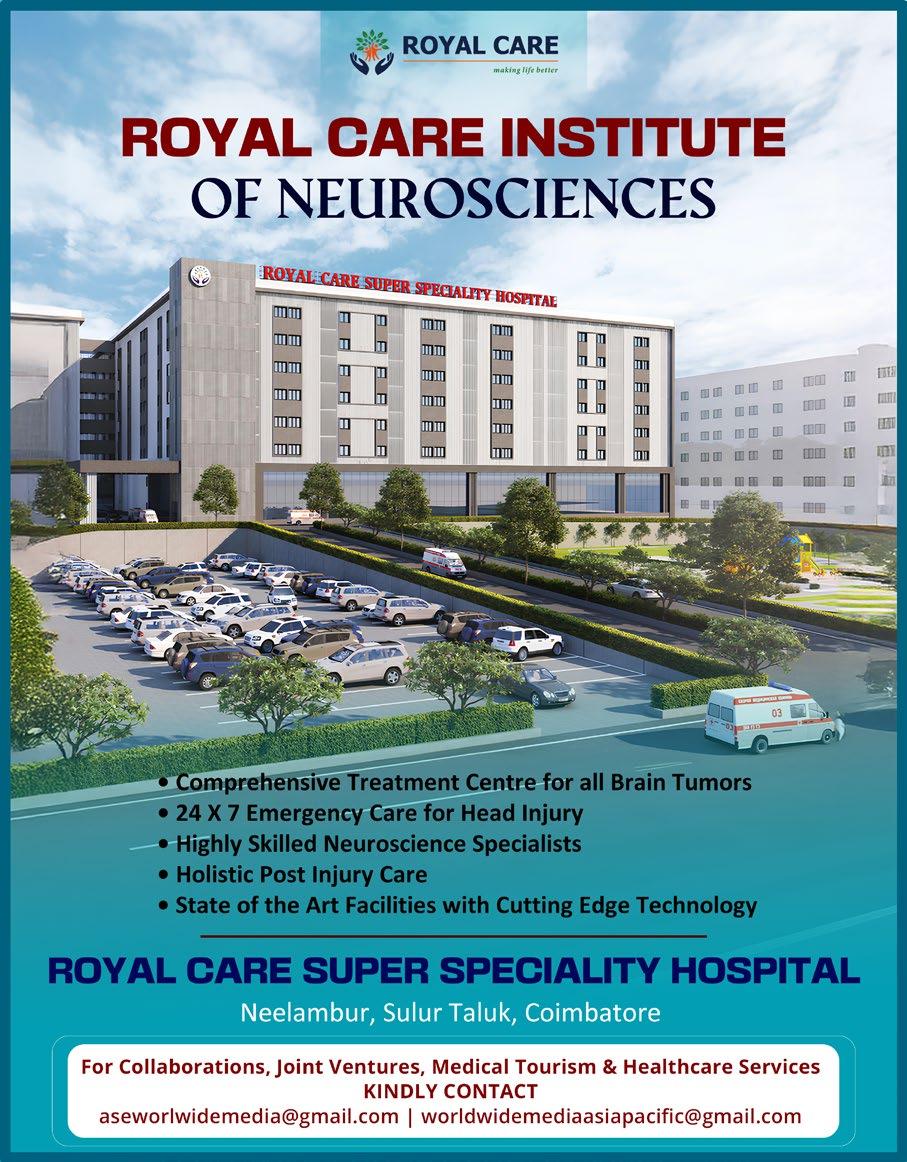
Dr. KMD’s Royalcare International Hospitals Group is one of the Top-Class Hospitals in Asia that offer a comprehensive array of leading-edge medical treatment services for international patients of all ages. And they under the able leadership of Dr. K. Madeswaran, Founder & CMD is highly focused and determined to Improve Health and Health Care Globally. Royalcare Hospitals Group, tailor each patient’s treatment and use advanced approaches, such as multidisciplinary care Involving experts from multiple specialties and work together in order to apply collective skills and experience along with the latest research knowledge.



RoyalCare Hospitals Group is committed to caring for the whole patient during complex treatment, including prevention and wellness, acute care, mental health treatment, rehabilitation and care for chronic conditions. And in this regard, they have evolved Comprehensive System that specially Cares for Patients with Complex Needs. Royalcare had very Renowned Team of Specialists, Expert Surgeons, Doctors to handle a Wide Range of Complex Diseases. Their physicians and researchers are leaders in their Lives.

Multilingual appointment, registration and finance personnel at International Centres located in RCIHG’s campus, is dedicated to meeting the needs of you and your family, have before you arrive, during your medical appointments and even after your return home; After Completing Your Treatments. International Patient Care Centre staff shall arrange appointments, find interpreters and answer questions about billing, insurance and international health coverage. The staff can guide you in making travel and lodging arrangements and tell you about community services, including shopping, entertainment, banking options and worship. In other words all that you need to come
and avail one of the most effective, efficient and the best health solutions for all your healthcare needs. Royalcare International Hospitals Group’s ‘International Patient Care Centres can also arrange for feebased travel services, including airline, hotel reservations and ground transportation, including shuttles, limousine service and car rentals. Each International Centre offers patients and visitors a comfortable and relaxing environment where they can feel at home before or after appointments.

RCIHG’s Patient Centric Care Team includes the best Surgeons, Doctors, Physicians, Specialists and Nurses for all healthcare Needs. The Experts Team is for every medical field of support that you need. No matter what serious or complex health challenge you're facing, you can be confident that you're receiving the Best of the World’s most advanced care at Royalcare International Hospitals. Royalcare Hospitals Group have established a Top-Class International Healthcare Facility to provide Comprehensive Health, Healthcare & Wellness Services at an affordable cost to patients who come from countries across the world. ‘RCH Medical Tourism & International Patient Services
Division’ is though based at their Flagship Hospital, which is situated at ‘Greater Coimbatore (Neelambur), Tamil Nadu, India’. They Have Their Global Network and Liaison Offices spread across the Continents. This Exclusive Division with State-Of-the Art Facilities of ‘Royalcare International Hospitals Group’ have tied up with one of the ‘Leading Multinational MassMedia Organizations of the World’ in order to utilize their Corporate Network & Establishments located in 126 countries across the World; with the view to provide most reliable and Patient-friendly Healthcare Services; both at the Country of Origin of Patients as well as at the Country of their Destination, where Advanced & Surgical health services are provided.


With the fully operational Centres of Medical & Clinical Excellence; covering over Eleven Super- Specialties, which are fully packed with Most Ultra-Modern Technologies, Equipment, Highly Trained Doctors and Medical Professionals; Royalcare International Hospitals Group is considered as one of most preferred and Popular Destinations for Medical Tourists & Patients from all around the world; especially for all those, who seek ‘World-class Healthcare & Surgical-care and Wellness Solutions/ Packages at an Affordable Cost. The most able, renowned and dynamic Medical Team with the Operational Staff of RCH Medical Tourism & International Patient Services Division (RCHMT& IPSD) in association with their Global Business Network & Logistic Partners; offer a wide Portfolio of Travel & Medical Services to their Medical Tourists & International Patients from all over the World.
With the Specific Request, Demand and Pre-defined Requirements of International Patients; ROYALCARE Could provide Services for:
• Remote & Online Medical Consultations.
• Offering Projected Cost Estimates.
• Allocating Exclusive Consultant Doctor for Regular Medical Guidance.
• Customized Medical Treatment Packages.
• Travel & Visa Arrangements.
• Accommodation arrangements for Patients & their Families.
• Airport Pick-up & Drop Facilities (With supported Medial Staff on Demand).
• Translator / Interpreter Services.
• The critical care units have been specially designed to prevent cross contamination and dreadful infection.
• Fully equipped trauma ambulance with online patient monitoring by base ICU.
• Fully - integrated modular voice enabled operation theatre, radial probe for EBUS, IVUS, 5D ultrasound, latest generation MRI, ECMO etc.,
• True beam STX for high precision radiotherapy
• Drug and poison information centre
• First hospital to be recognized with NABH Safe - I for best infection control Practices
• Authorized hospital of Materiovigilance Programme of India ( MvPI ) for south Tamilnadu.
• Senographe Pristina - Digital Mammography
• HBOT-Hyperbaric Oxygen Therapy







Certificate of Accrediation for Royalcare Super Speciality Hospital Ltd.
Royal Care Super Speciality Hospital proudly announces its accreditation by the Joint Commission International
Royal Care Super Speciality Hospital Recently Achieved SRC’s Center of Excellence in Neurosurgery
Royal Care Super Speciality Hospital Recently Achieved NABL - The National Accreditation Board for Testing & Calibration
DR. K. MADESWARAN
CHAIRMAN & MANAGING DIRECTOR M/S. ROYALCARE INTERNATIONAL HOSPITALS GROUP

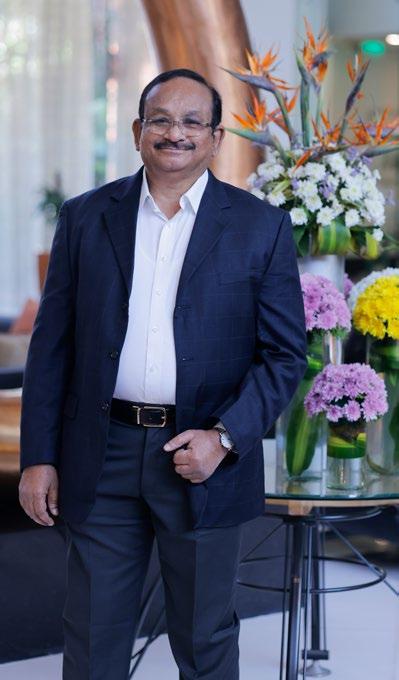



Founded and Commenced by Dr. K. Madeswaran along with His Most Trusted Team of Leading Surgeons, Doctors, Physicians, Medical Professionals, Subject Matter Experts and Management Professionals in the year 2015 as a 50 bedded multi-specialty hospital in One of the Vibrant Cities of India, Namely Coimbatore in the State of Tamil Nadu. Indeed, Dr. KMD’S Royalcare Super Specialty Hospital, within the first Two years

of operations, became One of the Most preferred Multi-Super-Specialty Hospital in western Tamil Nadu for emergency, primary and specialty care in virtually all branches of modern medicine. The hospital did continue being, the perfect destination for people seeking superior and Patient friendly healthcare. Functioning with those objectives of making cutting edge healthcare to common man, they provide the best medical service with highly qualified doctors and highly equipped technologies.
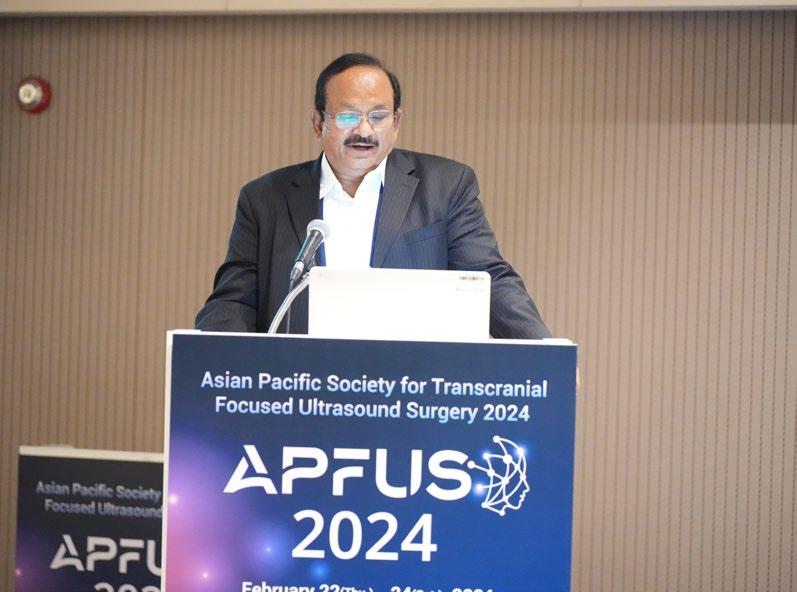
This necessitated an imminent expansion and created the need for a larger and more comprehensive tertiary care unit encompassing all the field of medicine. A 1100-bedded ultramodern Hospital facility Plan was thus conceived at Neelambur, Coimbatore By Dr. K. Madeswaran and His Team. RCIHG was Built within a record time of 400 days, the first phase comprising 500 beds were dedicated to the society in November 2016. With over 4,00,000 square feet of modern infrastructure, the Centre contained all necessary facilities to deliver comprehensive care under one roof.
With a commitment to make available all facilities on par with the latest advances in the Western World, RoyalCare Super Specialty Hospital became the first Hospital in the country to introduce Bronchial Thermoplasty for the treatment of severe asthma. RoyalCare is also the first hospital in the country to introduce the micro plasma-advanced oxidation for dialysis feed water disinfection to eliminate endotoxins and to prevent pyrogenic reactions in patients undergoing haemodialysis. Royal Care will strive to ensure that the benefits of modern healthcare reach all strata of society.


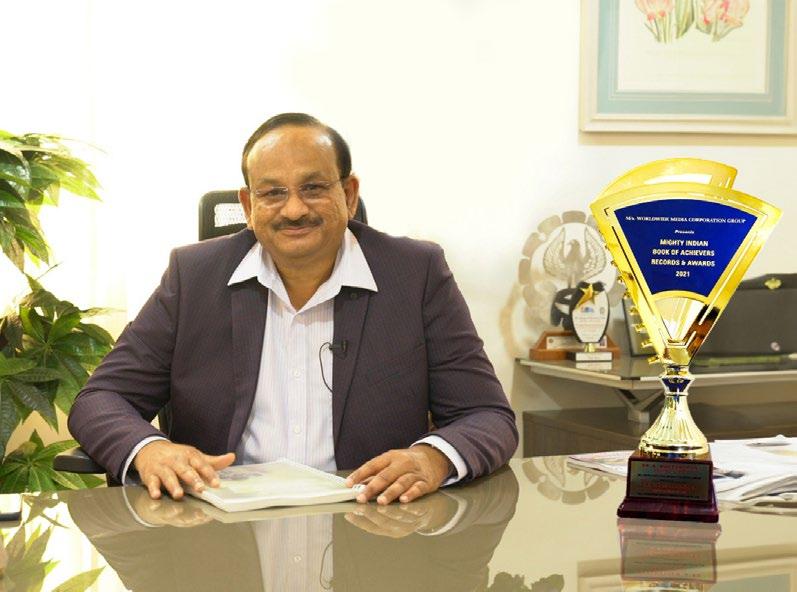

Apparently, A patient centric culture exists at RoyalCare as they are the focus of everything they do. Every patient will receive warm and committed attention with a smile. Royal Care Super Specialty Hospital aspires to be Ultimate Choice of Hospital for People and Patients from all around the world; in all aspects of Health & Wellness or for people seeking comprehensive healthcare. And that they have been recognized as One of the Top-Class Hospitals for very High Quality and International Standards Health Services in Asia. And Dr. KMD’s Royalcare International Hospitals Group is going to achieve its Vision of having over 1000 Bedded Most Advanced International Standard Hospitals in the Same
Location very shortly. This has been mainly possible by the meticulous involvement and incomparable Contributions of Dr. K. Madeswaran, The Founder & CMD of Royalcare International Hospitals Group, whose vision was to bring together highly talented medical professionals from all around the world on board with phenomenal expertise in their respective fields, establishing cutting edge innovative diagnostic, Latest HiTech Equipment, State-Of-The-Art Infrastructure and therapeutic medical technologies combined with the Most friendly medical and paramedical staff to provide courteous and compassionate and Utmost Care to Patients at all times.


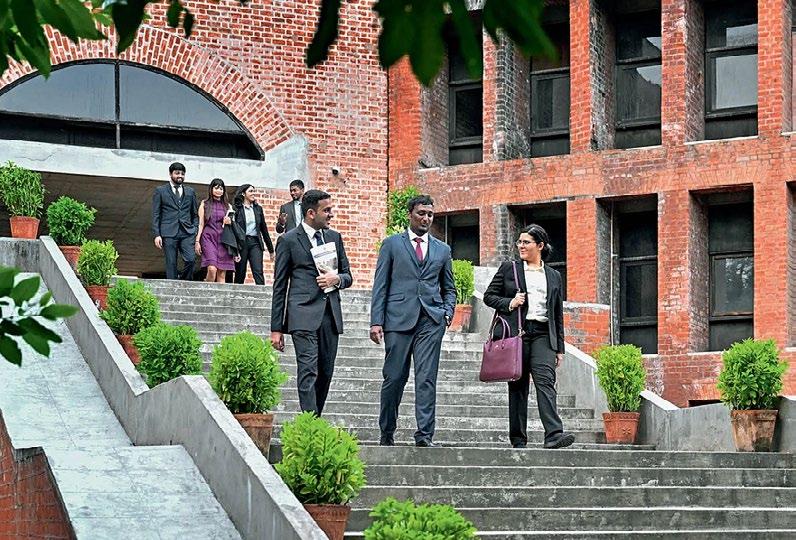
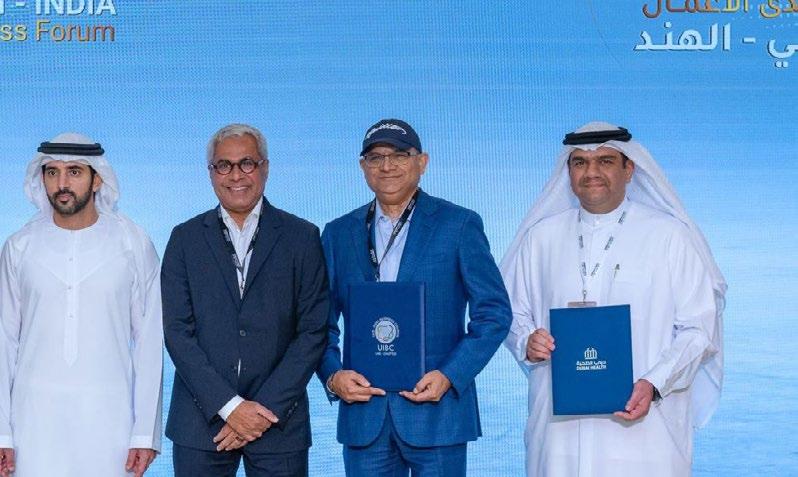
In a landmark move for Indian higher education, the Indian Institute of Management Ahmedabad (IIM-A), one of the world’s most prestigious business schools, has launched its first international campus in Dubai. The glittering inauguration ceremony, graced by Sheikh Hamdan bin Mohammed bin Rashid Al Maktoum, Crown Prince of Dubai, and India’s Union Education Minister Dharmendra Pradhan, marked a historic milestone. This bold step not only elevates IIM-A’s global footprint but also strengthens the burgeoning India-UAE partnership, promising to reshape the landscape of management education in the Gulf and beyond.
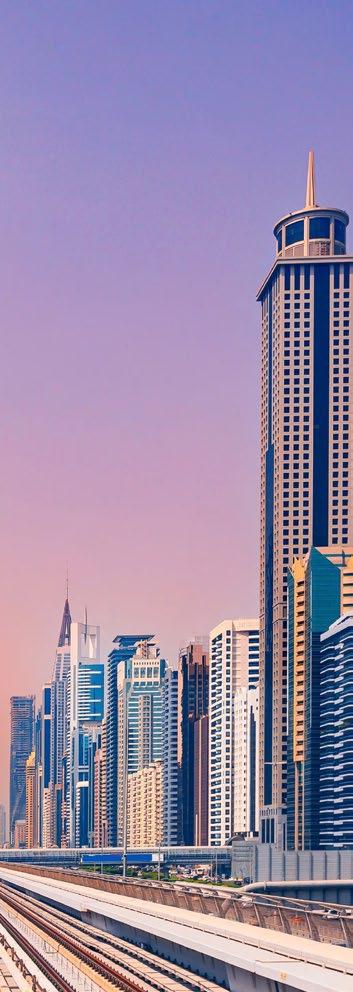
Nestled within the 30-acre expanse of Dubai International Academic City (DIAC), managed by TECOM Group PJSC, the IIM-A Dubai campus is a testament to cutting-edge infrastructure and academic ambition. With state-of-the-art facilities, the campus is designed to foster innovation, research, and cross-cultural collaboration. The launch aligns seamlessly with Dubai’s Economic Agenda D33, which aims to position the emirate as a global hub for education, business, and entrepreneurship.


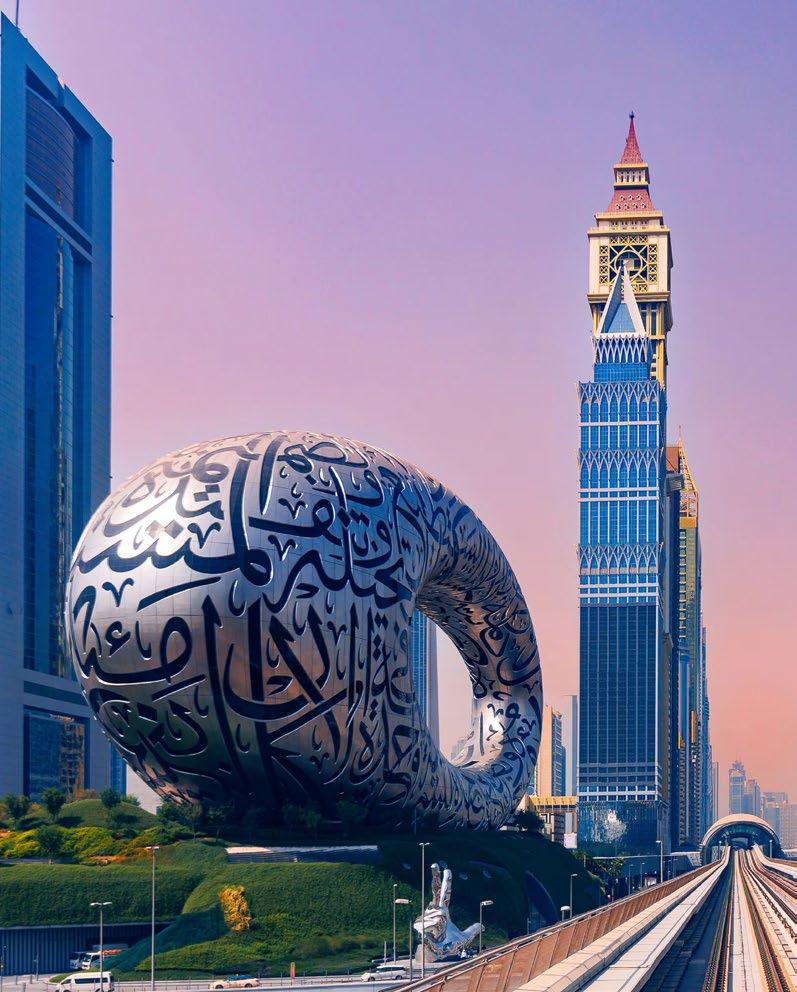
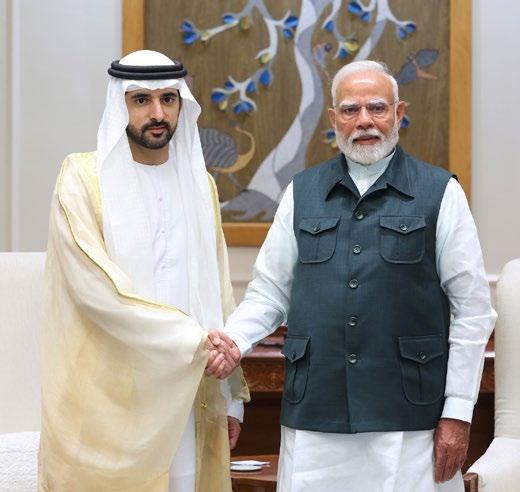
For India, this venture reflects Prime Minister Narendra Modi’s vision of globalizing Indian education, following the footsteps of institutions like IIT Delhi, which recently established a campus in Abu Dhabi.
The inaugural cohort, comprises 35 professionals—27 men and 8 women—drawn from diverse sectors such as banking, consulting, IT, manufacturing, and healthcare. This carefully curated group brings rich professional experience, ensuring a dynamic learning environment.
The one-year, full-time MBA program, structured across five terms, blends IIM-A’s signature case-based pedagogy with global perspectives, equipping students to navigate the complexities of today’s interconnected markets.
The choice of Dubai as IIM-A’s first international campus is no coincidence. As a global business nexus, Dubai offers unparalleled access to markets across the Middle East, Africa, and Asia. Its cosmopolitan ethos, thriving entrepreneurial ecosystem, and strategic location make it an ideal launchpad for an institution of IIM-A’s calibre. The campus is poised to attract not only Indian professionals but also international talent, fostering a melting pot of ideas and cultures. This initiative is more than an academic expansion; it’s a bridge between two nations with deepening ties.
The India-UAE Comprehensive Economic Partnership Agreement (CEPA) has already boosted trade and investment, and IIM-A’s Dubai campus adds a new dimension to this relationship. By training leaders who understand both Indian and global business contexts, the institute is set to amplify the UAE’s role as a gateway for Indian businesses and a hub for innovation.
The MBA program at IIM-A Dubai is tailored for experienced professionals and entrepreneurs, emphasizing advanced management education with a global outlook. Students will engage in rigorous case studies, gain international exposure, and develop skills to lead in a rapidly
evolving world. Beyond the MBA, the campus is launching PhD and BTech programs in Chemical Engineering and Energy & Sustainability, reflecting a commitment to addressing pressing global challenges like climate change and technological innovation. Two Centres of Excellence will further distinguish the campus: one dedicated to case writing and development, ensuring region-specific business insights, and another focused on startup incubation. The Atal Incubation Centre, unveiled during the inauguration, underscores IIM-A’s intent to nurture entrepreneurial talent, offering mentorship, funding, and access to Dubai’s vibrant startup ecosystem. These initiatives position the campus as a catalyst for innovation, aligning with the UAE’s ambition to lead in knowledge-based economies.
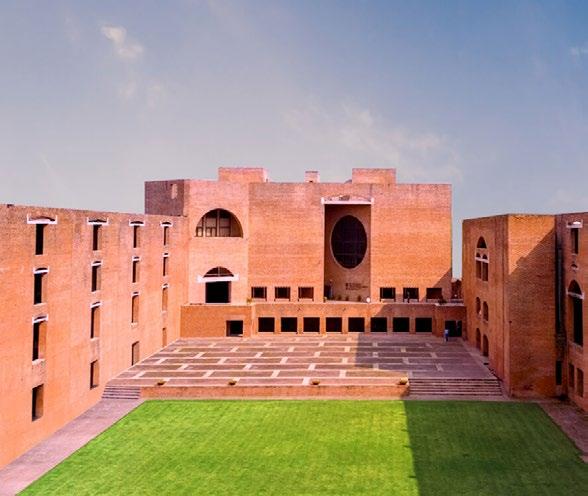


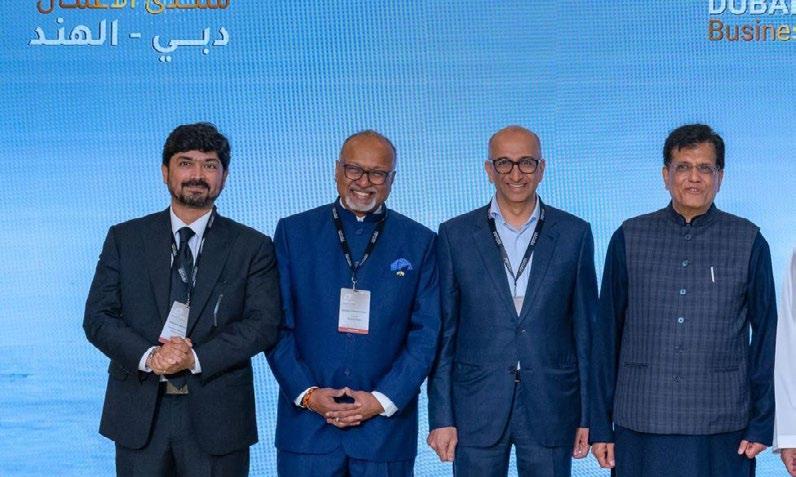

The establishment of IIM-A’s Dubai campus is a game-changer for global management education. For students, it offers a unique blend of IIM-A’s academic rigor and Dubai’s dynamic business environment, complemented by lifelong alumni networks and career support. Graduates will be wellplaced to leverage opportunities in the UAE’s thriving markets, from finance to technology to renewable energy. For the UAE, the campus enhances its reputation as a destination for worldclass education. With institutions like the University of Birmingham and Heriot-Watt already in DIAC, IIMA’s arrival cements Dubai’s status as a magnet for intellectual capital. The campus is expected to drive research, foster collaborations with local industries, and produce leaders who can navigate the complexities of a globalized economy. For India, this move signals a bold step toward internationalizing its education system. IIM-A’s Dubai campus sets a precedent for other Indian institutions
to expand globally, exporting the country’s academic excellence and fostering cross-border knowledge exchange. It also strengthens India’s soft power, showcasing its ability to deliver world-class education on a global stage.
As the first cohort prepares to embark on this transformative journey, the IIM-A Dubai campus stands as a beacon of opportunity. It embodies the institute’s ethos of being “Indian in spirit, global in outlook,” blending tradition with innovation. The campus is not just a physical space but a symbol of ambition, collaboration, and progress. Social media platforms are abuzz with excitement, with users praising the move as a “masterstroke” for Indian education and a “winwin” for India-UAE relations. As the campus begins its academic journey, it is poised to create a lasting impact, shaping the next generation of global leaders and redefining management education for a new era.


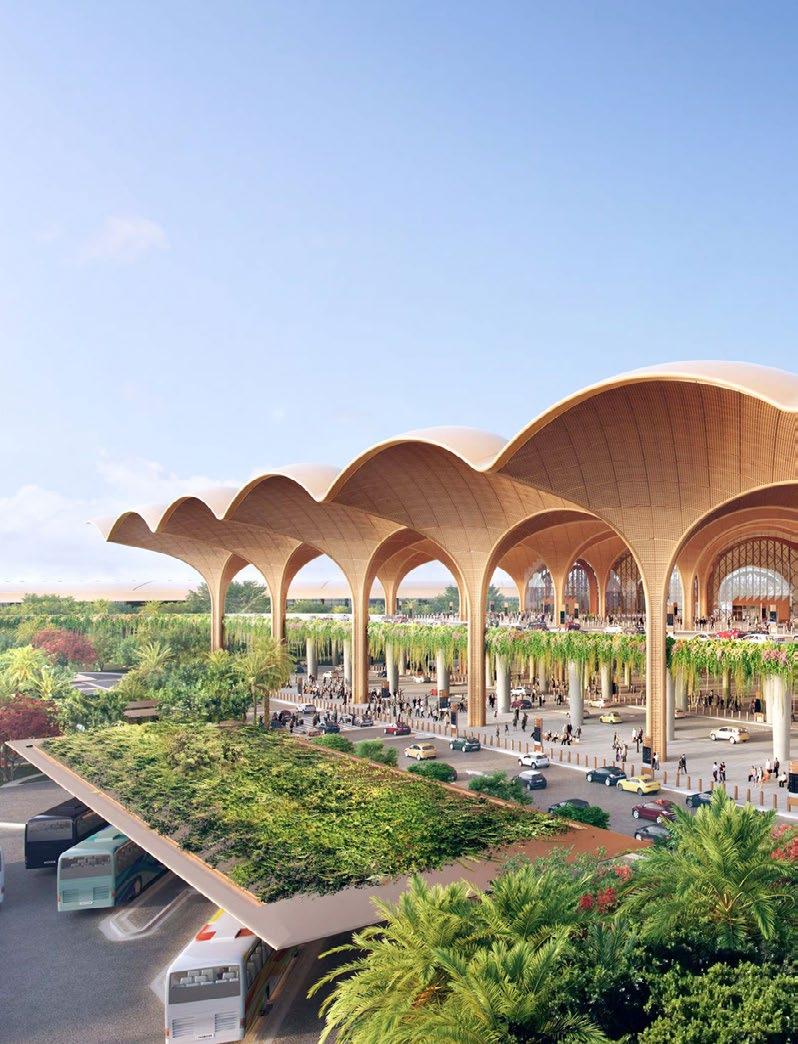
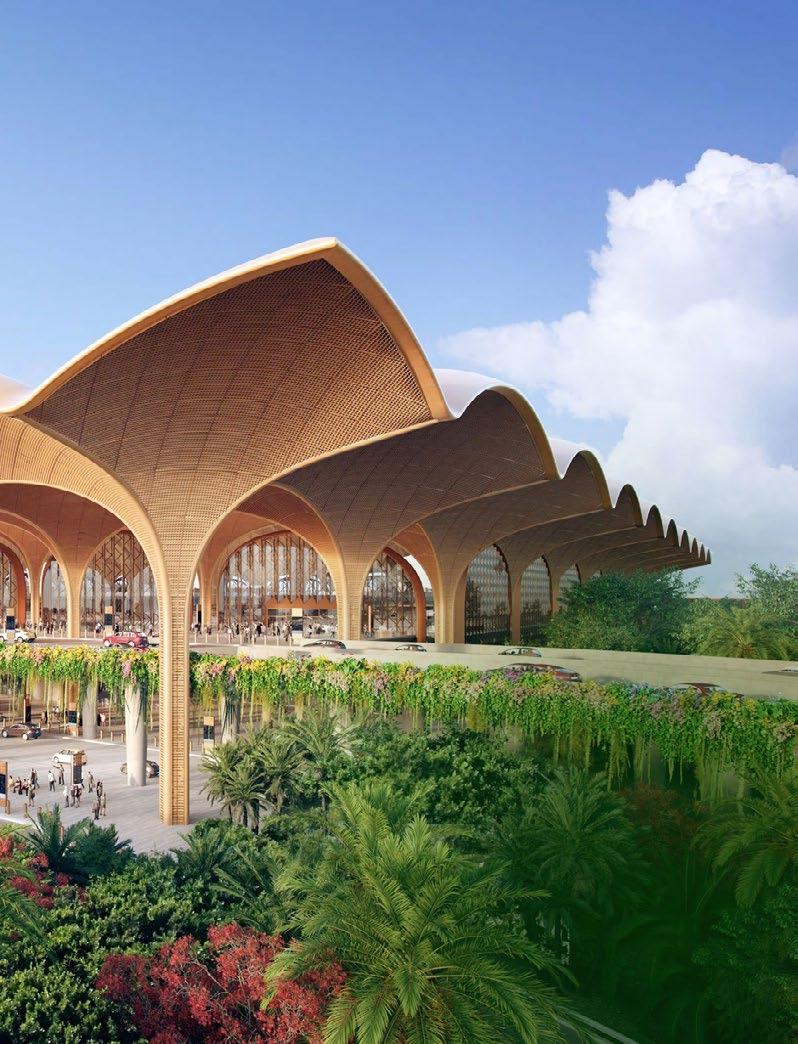
Cambodia unveiled its most ambitious infrastructure project yet: the Techo International Airport (KTI), a $2 billion marvel located just 20 kilometres south of Phnom Penh in Kandal province. Spanning 2,600 hectares—roughly 10 square miles—this sprawling aviation hub is not only one of the world’s largest airports by land area but also a bold statement of Cambodia’s aspirations to become a key player in Southeast Asia’s aviation and tourism sectors. With its nature-inspired architecture, a towering golden Buddha statue, and cutting-edge facilities, KTI is poised to redefine travel to and from the Kingdom of Wonder.
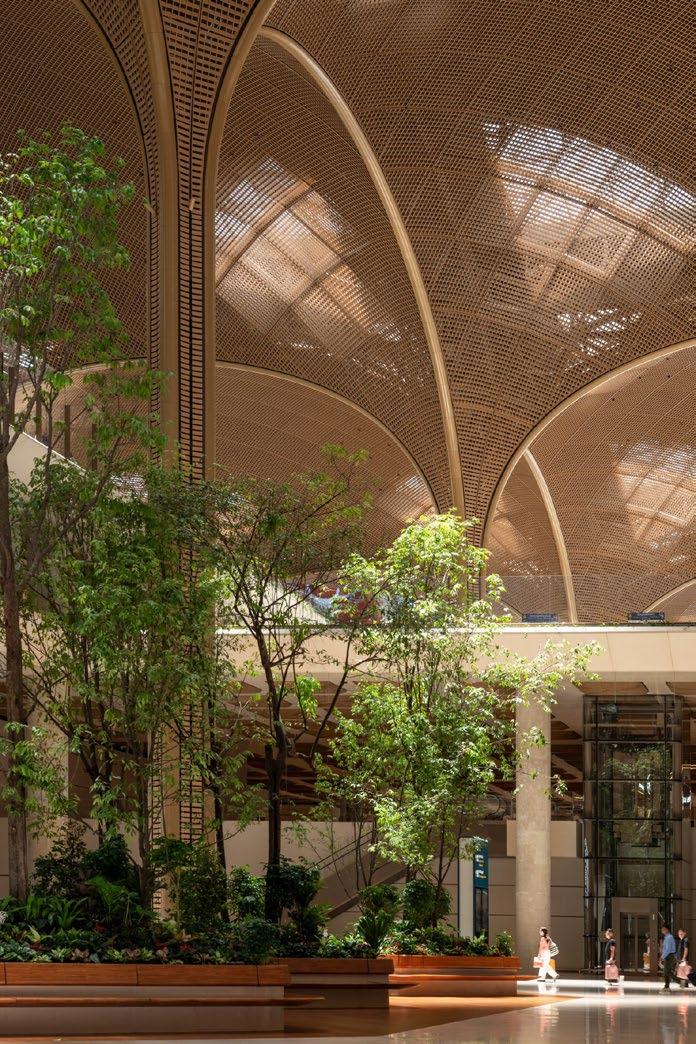



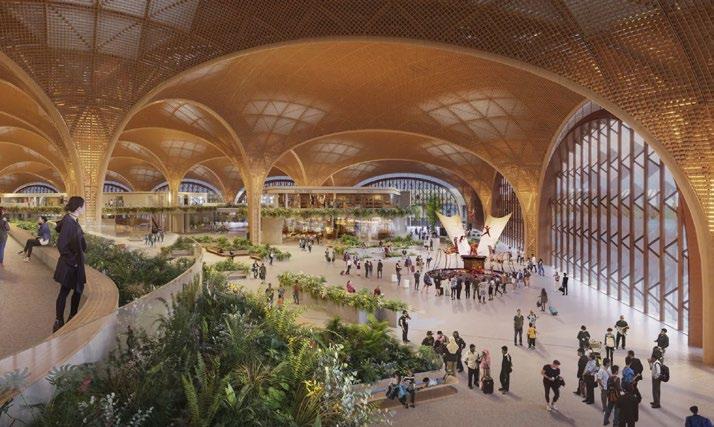
Designed by the acclaimed British architectural firm Foster + Partners, Techo International Airport seamlessly blends modern innovation with Cambodia’s rich cultural and natural heritage. The terminal’s most striking feature is its canopy roof, supported by a forest of lightweight steel “trees” that filter natural light into the expansive interiors. This design evokes Cambodia’s lush landscapes while ensuring energy efficiency, a nod to sustainable architecture. Inside, warm earthy tones, bamboo-patterned domes inspired by traditional Khmer weaving, and lush greenery create a serene, almost meditative atmosphere for travellers.
At the heart of the arrivals area stands a nine-meter-tall golden Buddha statue, striking the Abhayamudra pose—a gesture symbolizing peace, protection, and fearlessness. This majestic figure, surrounded by smaller Buddhist statues, has already become a focal point for visitors, with travellers buzzing with photos of themselves posing beside it. On opening day, traditional Khmer dancers greeted arriving passengers, reinforcing the airport’s role as a cultural gateway. “It will raise Cambodia’s tourism profile and attract greater global interest” said Chhay Sivlin, a local tourism official, during the inauguration.

The Techo International Airport replaces the aging Phnom Penh International Airport, which struggled to accommodate rising passenger numbers. Built through a partnership between the Cambodian government and the Overseas Cambodian Investment Corporation (OCIC), with construction led by China’s state-owned China Construction Third Engineering Bureau Group Co., the project is Cambodia’s second major Chinese-funded airport, following the $1.1 billion Siem Reap-Angkor International Airport opened in 2023. Phase one of KTI, now operational, can handle up to 13 million passengers annually, with three runways and a range of modern amenities, including

duty-free shops stocked with Cambodian souvenirs like silk scarves and Angkor-inspired crafts. Future expansions, planned in three phases through 2050, aim to boost capacity to 50 million passengers, positioning Phnom Penh as a regional aviation hub rivalling Bangkok and Singapore. The airport’s opening is a timely boost for Cambodia’s tourism industry, which welcomed 6.7 million international visitors in 2024 but has yet to fully recover from the pandemic’s impact.
Prime Minister Hun Manet believes this airport will be a game-changer for tourism, trade, and investment, and was present at the opening ceremony, where the first commercial flight—an Air Cambodia jet from China carrying 160 passengers—was greeted with a ceremonial water cannon salute.



While KTI is a symbol of progress, its development has not been without challenges. The project required significant land acquisition, leading to the displacement of approximately 2,000 households, according to the Cambodian NGO Sahmakum Teang Tnaut. Local communities raised concerns over fair compensation and resettlement, though government officials claim most disputes have been resolved. The involvement of Chinese funding has also sparked debate about Cambodia’s growing reliance on foreign investment, with some critics questioning the long-term economic implications. Despite these hurdles, the airport’s completion reflects Cambodia’s determination to modernize while preserving its cultural identity. The project aligns with the government’s broader vision to diversify the economy, with tourism and logistics as key pillars.
Techo International Airport is more than a transportation hub; it’s a testament to Cambodia’s ambition to carve out a larger role on the global stage. Its naturethemed architecture and cultural touches, like the golden Buddha, offer travellers a warm introduction to the country’s heritage, while its state-of-the-art facilities signal a forward-looking nation ready to compete in a connected world. As Cambodia gears up to host millions more visitors in the coming years, KTI stands as a gleaming symbol of progress—one that bridges the ancient serenity of Khmer culture with the demands of a modern, globalized economy. For travellers landing in Phnom Penh, the journey now begins with a golden welcome and a promise of discovery.

Asia has long been a powerhouse of technological innovation, and its journey from 5G to 6G is set to redefine the global digital landscape. As 5G networks continue to roll out across the continent, the race toward 6G—promising unprecedented speed, connectivity, and transformative applications—is already underway. This leap is not just about faster networks; it’s about reshaping economies, societies, and industries. From smart cities in South Korea to AI-driven manufacturing in China, Asia is poised to lead the charge into the 6G era.
The 5G Foundation: Asia’s Head Start
The rollout of 5G across Asia has been nothing short of remarkable. By 2025, countries like China, South Korea, and Japan have established some of the world’s most advanced 5G networks. China alone boasts over 1.5 million 5G base stations, covering urban centres and extending into rural areas, according to recent industry reports. South Korea, a pioneer in 5G adoption, has achieved near-nationwide coverage, enabling innovations like autonomous vehicles and immersive augmented reality (AR) experiences.


Japan, meanwhile, has leveraged 5G to enhance its manufacturing and robotics sectors, streamlining production through real-time data exchange. These advancements have set a robust foundation for 6G. 5G’s low latency, high bandwidth, and massive device connectivity have already transformed industries, from healthcare to logistics. Telemedicine in India, for instance, has flourished with 5G, enabling remote surgeries with precision. In Southeast Asia, 5G-powered smart agriculture is boosting crop yields through IoT sensors and real-time analytics. Yet, as transformative as 5G is,
its limitations—such as energy efficiency and capacity for hyperconnected ecosystems—are driving Asia’s pivot to 6G.
Why
6G, expected to debut commercially around 2030, promises to transcend 5G’s capabilities. While 5G delivers speeds up to 20 Gbps, 6G aims for terabit-per-second speeds, sub-millisecond latency, and near-perfect reliability. It will integrate advanced AI, holographic communication, and seamless connectivity across terrestrial, aerial, and satellite networks.

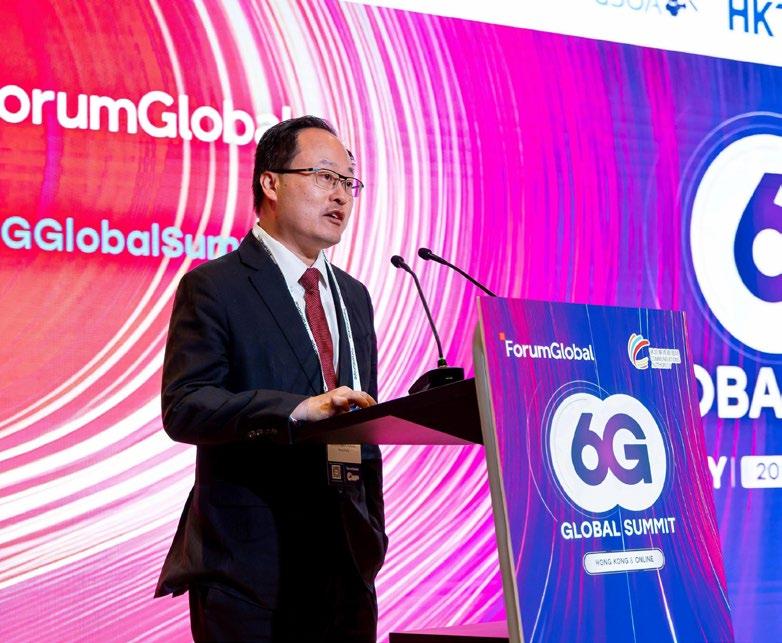
For Asia, where dense populations and rapid urbanization demand cutting-edge infrastructure, 6G is not just an upgrade—it’s a necessity. The region’s governments and tech giants are already laying the groundwork. China’s Ministry of Industry and Information Technology has outlined 6G research as a national priority, with trials underway for terahertz frequency bands. South Korea’s Electronics and Telecommunications Research Institute (ETRI) is developing 6G prototypes, targeting applications like extended reality (XR) and braincomputer interfaces. Japan’s NTT Docomo is exploring 6G’s potential for “human augmentation,” merging physical and digital experiences. Even emerging markets like India are investing heavily, with the government’s 6G Vision Document aiming to make the country a global leader by 2030.
The shift to 6G will unlock transformative applications tailored to Asia’s unique needs:
1. Smart Cities 2.0: Asia’s megacities, like Tokyo, Shanghai, and Singapore, are already 5G-powered smart hubs. 6G will take this further, enabling real-time urban management with AI-driven traffic systems, energy grids, and disaster response. For instance, Singapore’s Smart Nation initiative is exploring 6G for predictive urban planning, reducing congestion in a city of 5.7 million.


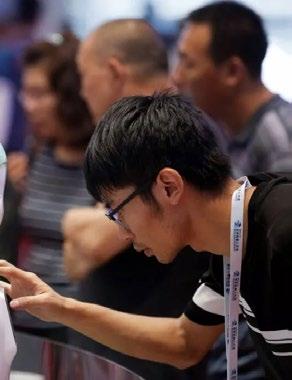






2. Immersive Technologies: From gaming to education, 6G’s ultra-low latency will make holographic and XR experiences mainstream. South Korea, a global leader in gaming, is developing 6G-powered metaverse platforms, while India’s ed-tech sector is eyeing immersive virtual classrooms to bridge educational gaps in rural areas.
3. Healthcare Revolution: 6G’s precision and reliability will enhance telemedicine, enabling remote diagnostics and surgeries with unprecedented accuracy. In China, hospitals are testing 6G for realtime health monitoring via wearable devices, critical for aging populations.
4. Industrial Automation: Japan and China are leveraging 6G to advance Industry 4.0. Factories will use 6G’s massive connectivity to manage millions of IoT devices, optimizing supply chains and reducing carbon footprints through energy-efficient networks.
5. Rural Connectivity: In countries like India and Indonesia, 6G’s satellite integration will bridge the digital divide, bringing high-speed internet
to remote regions and empowering agriculture, education, and small businesses.
Despite the optimism, Asia’s 6G journey faces hurdles. The cost of infrastructure development is staggering, with estimates suggesting trillions of dollars in global investment by 2030. Regulatory harmonization across borders is another challenge, as countries compete for 6G leadership. Cybersecurity risks will intensify with 6G’s hyper-connected ecosystems, demanding robust safeguards. Additionally, energy consumption remains a concern, though innovations in terahertz technology and AI-driven optimization are addressing this. Geopolitical tensions could also complicate progress. The U.S.-China tech rivalry, for instance, may fragment 6G standards, impacting global interoperability. Yet, Asia’s collaborative spirit—seen in initiatives like the Asia-Pacific Telecommunity’s 6G working groups— offers hope for unified standards.





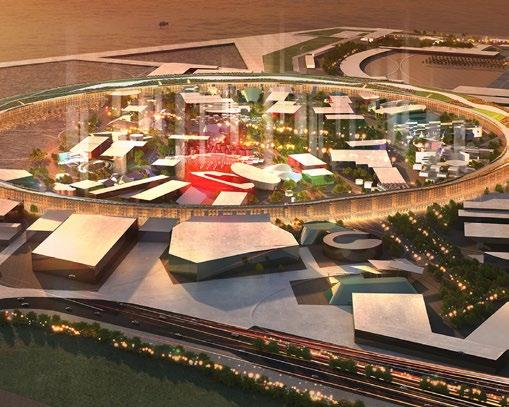
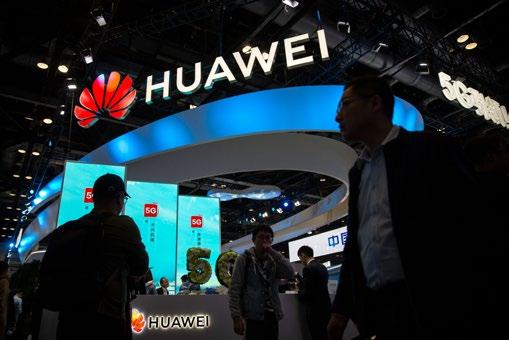
Asia’s dominance in 6G is not guaranteed, but its track record suggests it’s well-positioned. The region’s investment in R&D, coupled with its massive consumer base and tech-savvy workforce, gives it an edge. China’s Huawei and South Korea’s Samsung are already global telecom giants, while India’s push for indigenous 6G technology signals its ambition to move beyond being a consumer market. By 2030, Asia’s 6G networks could redefine how the world connects, works, and innovates. From holographic classrooms in Mumbai to autonomous factories in Osaka, the region is not just adopting 6G—it’s shaping its future. As the world watches, Asia’s digital leap from 5G to 6G promises to be a game-changer, proving once again that the future of technology is being written in the East.
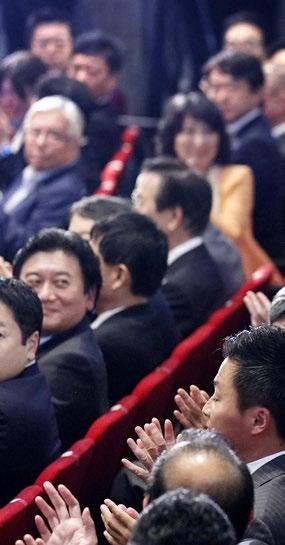
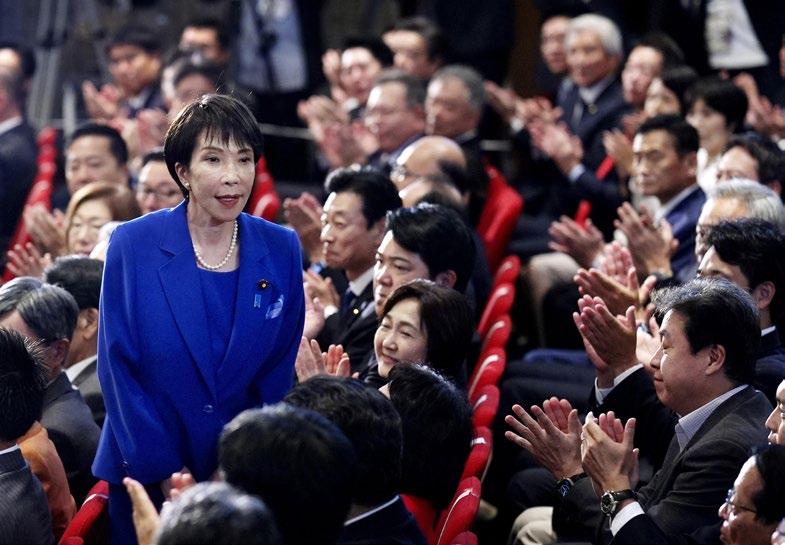
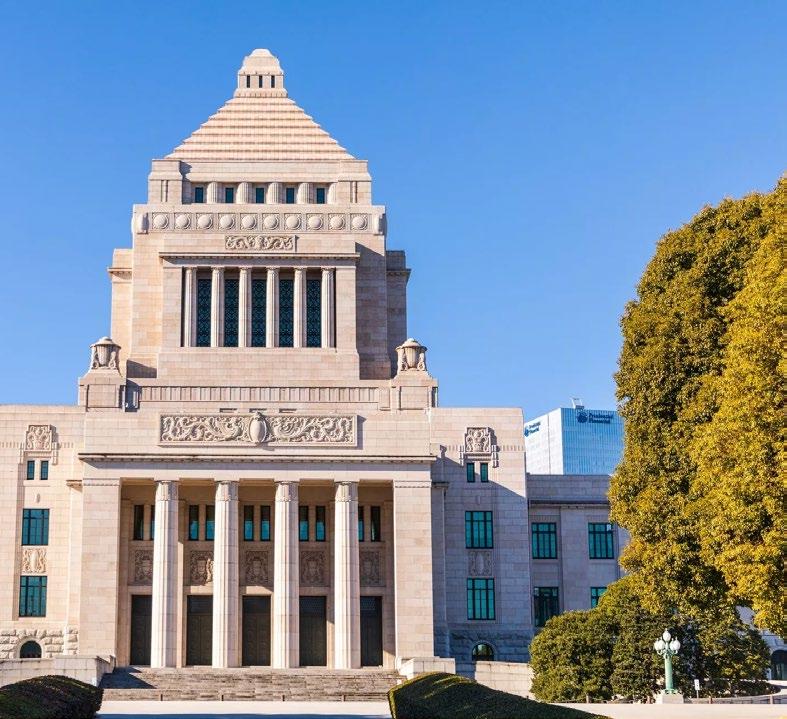
In a historic turn for Japan, Sanae Takaichi, a 64-yearold conservative firebrand, is on the cusp of becoming the country’s first female prime minister. Her victory in the Liberal Democratic Party (LDP) leadership race on October 4, 2025, has set the stage for her likely confirmation in a parliamentary vote. Known as the “Iron Lady” of Japanese politics, Takaichi’s rise signals a bold, nationalist shift for a nation grappling with economic challenges, regional tensions, and a restless electorate. As Japan prepares for this milestone,
the world watches to see how her leadership will reshape the country’s future.
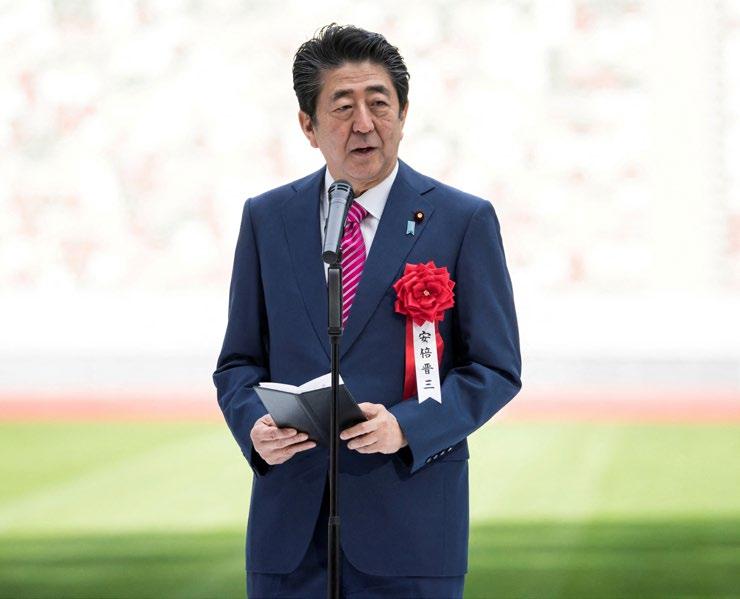
Sanae Takaichi’s journey to the top is as unconventional as it is inspiring. Before entering politics in 2005, she was a television broadcaster and a close aide to the late Prime Minister Shinzo Abe, whose nationalist vision she has long championed. Her nickname, inspired by Margaret Thatcher, reflects her unyielding resolve and conservative ideals.


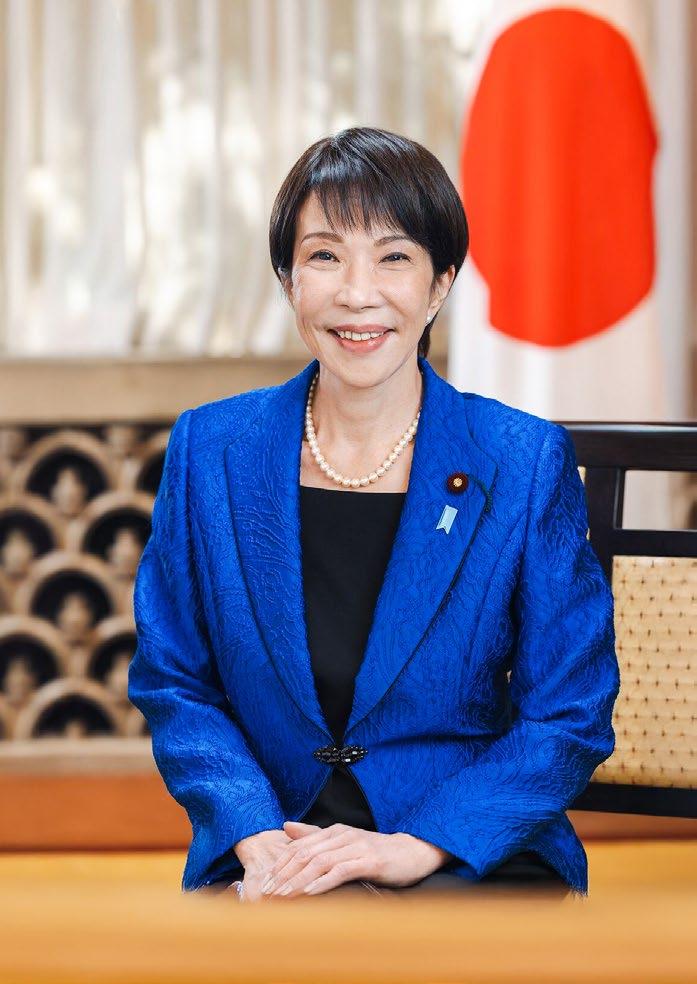
Over the years, she has held pivotal roles, from Minister of Internal Affairs to Economic Security Minister, earning a reputation as a fierce defender of Japan’s cultural identity and sovereignty. Takaichi’s ascent was no small feat. She outmanoeuvred a crowded field of contenders, including the moderate Shinjiro Koizumi, in a tightly contested LDP leadership race. Her victory came at a time of turmoil for the ruling party, which has faced public backlash over political scandals and rising living costs. For many, Takaichi represents a return to the assertive, Abe-style conservatism that resonates with the LDP’s right wing. Yet, her traditionalist views—opposing same-sex marriage and rapid immigration—have sparked heated debate about the direction she will take Japan.
At the heart of Takaichi’s platform is a commitment to reviving Japan’s economy through the continuation of “Abenomics,” the aggressive monetary easing and spending policies pioneered by her mentor. She has criticized the Bank of Japan’s recent rate hikes as illtimed, arguing they exacerbate the cost-of-living crisis. Her promise of tax cuts and increased public spending has already buoyed markets, with the Nikkei 225 soaring past 47,000 after her election. However, economists warn that her fiscal dovishness could weaken the yen further, raising concerns about inflation and global trade dynamics.

Beyond economics, Takaichi’s nationalism shapes her worldview. She is a regular visitor to the Yasukuni Shrine, a site honouring Japan’s war dead, including some convicted war criminals. This practice has long strained ties with China and South Korea, who see it as a symbol of unrepentant militarism. Takaichi’s unapologetic stance— coupled with her push to revise Japan’s pacifist constitution— suggests a more assertive foreign policy. She views China with suspicion, advocating for reduced economic dependence and stronger military ties with the United States. With U.S.
President-elect Donald Trump set to visit Japan in late October 2025, their meeting could set the tone for a reinvigorated U.S.Japan alliance.
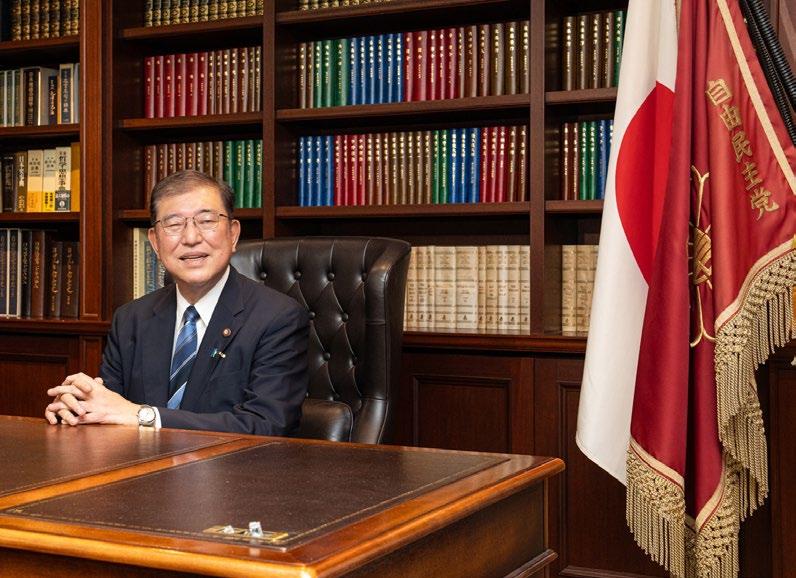
Takaichi’s leadership comes at a critical juncture. The LDP, though still dominant, is fractured after years of scandals and the brief, turbulent tenure of outgoing Prime Minister Shigeru Ishiba. Public trust is shaky, with voters frustrated by economic stagnation and rising costs. Takaichi’s challenge is to unify her party while addressing the concerns of a populace wary of change. Her opposition to rapid immigration, citing risks to cultural cohesion, resonates with some but alienates others who see diversity as a solution to Japan’s aging population crisis. Social issues pose another hurdle. Takaichi’s resistance to same-sex marriage and gender equality reforms has drawn criticism from progressive groups, who fear her policies could stall Japan’s slow march toward inclusivity.




Her past support for regulating “harmful” media, like anime and manga, has also raised eyebrows, though recent surveys suggest she may be softening on censorship to broaden her appeal. Balancing these tensions will test her political acumen as she seeks to govern a nation hungry for stability and progress.
As Japan’s potential first female prime minister, Takaichi is poised to make history, but her impact will extend far beyond
symbolism. Her hawkish foreign policy could reshape Japan’s role in a volatile region, particularly as tensions with China and North Korea simmer. Her economic policies, if successful, could reinvigorate Japan’s global standing, but missteps risk further yen depreciation and trade friction, especially with a protectionist-leaning U.S. administration under Trump. The world is watching Takaichi not just as a trailblazer but as a leader navigating a delicate balance. Can she unify a fractured party, restore public confidence,
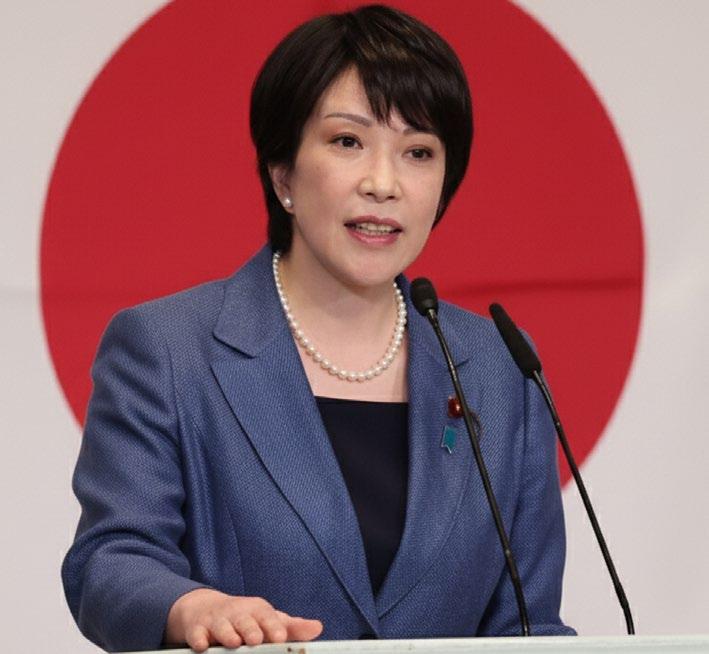


and steer Japan through economic and geopolitical storms? Her supporters see her as the bold voice Japan needs—a leader who will put “Japan first” while strengthening ties with allies. Critics, however, warn of a return to divisive nationalism that could alienate neighbours and stifle social progress.
As Sanae Takaichi prepares to take office, she has vowed to usher in a
“new era” where “Japan is Back!” Her leadership promises a blend of economic ambition, cultural pride, and strategic assertiveness. She believes she can deliver on these promises while bridging Japan’s divides and it remains to be seen how she steadies the ship. For now, the Iron Lady stands at the threshold of history, ready to etch her name into Japan’s story as its first female prime minister. The coming months will reveal whether her vision will unite or polarize a nation at a crossroads.
Asia, a continent celebrated for its vibrant cultures, rich histories, and culinary diversity, is also a treasure trove of nutrientpacked superfoods that have sustained communities for centuries. From the lush forests of South Asia to the coastal waters of East Asia, the region’s superfoods—like moringa, seaweed, goji berries, and more—are not only steeped in tradition but are now gaining global acclaim for their health benefits and versatility. In this article, we dive into the world of Asia’s superfoods, exploring their origins, nutritional prowess, and why they deserve a spot in your diet.





Known as the “drumstick tree” or “miracle tree,” moringa (Moringa oleifera) has been a staple in South Asian diets for centuries, particularly in India, Sri Lanka, and the Philippines. Every part of this unassuming tree—leaves, pods, seeds, and even roots—is edible and brimming with nutrients. Moringa leaves are a powerhouse of vitamins A, C, and E, calcium, potassium, and protein, making them a goto for combating malnutrition in rural communities. What makes moringa a superfood? It’s packed with antioxidants like quercetin and chlorogenic acid, which fight inflammation and support heart health. In India, moringa leaves are stir-fried into thoran, a coconutlaced side dish, or blended into smoothies for a nutrient boost. In the Philippines, it’s a key ingredient in soups like tinola. Modern kitchens worldwide now sprinkle moringa powder into everything from lattes to energy bars, proving its versatility. Next time you’re at an Asian market, grab some fresh moringa leaves or powder and experiment—your body will thank you.
From Japan’s nori-wrapped sushi to Korea’s miyeok-guk (seaweed soup), seaweed is a cornerstone of East Asian cuisine. Varieties like wakame, kombu, and nori are not just culinary delights but nutritional powerhouses. Seaweed is rich in iodine, essential for thyroid health, and contains fibre, omega-3 fatty acids, and antioxidants like fucoxanthin, which may support weight management and reduce inflammation. In Japan, kombu is simmered to create dashi, the umami-rich broth that forms the backbone of dishes like miso soup. In Korea, new mothers are traditionally served miyeok-guk to aid postpartum recovery, thanks to seaweed’s high mineral content. Beyond Asia, seaweed is popping up in salads, snacks, and even vegan “fish” recipes. Its sustainability—requiring no land or freshwater to grow—makes it a superfood for both your plate and the planet. Try tossing dried nori into popcorn for a savoury twist or blending wakame into a green smoothie for a briny kick.






China’s Ruby-Red Elixir
Hailing from the Himalayan regions of China and Tibet, goji berries (Lycium barbarum) have been prized in traditional Chinese medicine for over 2,000 years. These vibrant red berries, often dried or juiced, are loaded with antioxidants like zeaxanthin, which supports eye health, and beta-carotene for skin and immunity. They’re also a good source of fibre and plantbased protein. In China, goji berries are steeped in teas, tossed into congee, or eaten as a snack to boost vitality. Legend has it they promote longevity—hence their nickname,
“red diamonds.” Today, goji berries are a global sensation, sprinkled over smoothie bowls or baked into energy bites. Their sweet-tart flavour pairs beautifully with nuts and dark chocolate for a healthy trail mix. If you’re new to goji, start small—a handful a day can add a burst of flavour and nutrition.
Golden Heale
No discussion of Asian superfoods is complete without turmeric, the golden spice that’s been a cornerstone of Indian cuisine and Ayurvedic medicine for millennia. Curcumin,





its active compound, is a potent anti-inflammatory and antioxidant, linked to benefits like improved brain function and reduced risk of chronic diseases. Turmeric is also rich in manganese and iron, supporting overall wellness. In India, turmeric is a kitchen staple, adding warmth to curries, dals, and even milk-based drinks like haldi doodh (turmeric
latte). Across Southeast Asia, it’s used in dishes like Malaysian rendang and Thai yellow curry. Modern wellness enthusiasts have embraced turmeric in everything from supplements to skincare. For a quick boost, try a turmeric-infused tea with a pinch of black pepper—it enhances curcumin absorption and adds a spicy zing.



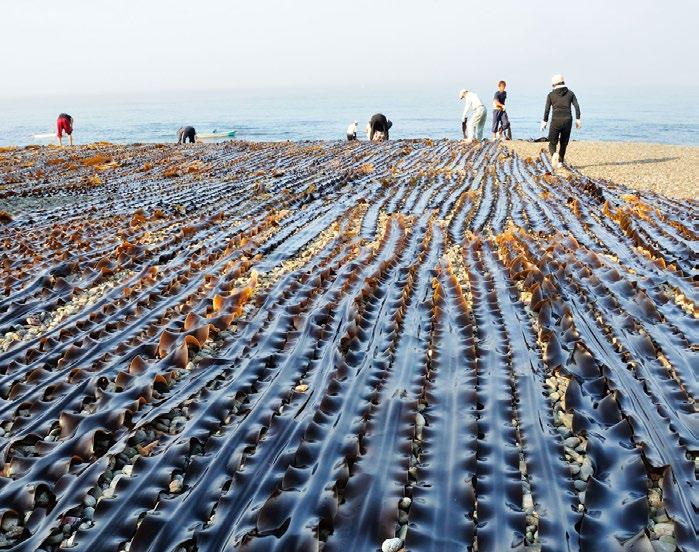

Kimchi, Korea’s fiery fermented cabbage, is more than just a side dish— it’s a gut-health superhero. Packed with probiotics, vitamins A and C, and fibre, kimchi supports digestion and boosts immunity. The fermentation process enhances its nutrient profile, while ingredients like garlic, ginger, and chili peppers add anti-inflammatory and metabolism-boosting properties. Every Korean household has its own kimchi recipe, often passed down through generations. Whether paired with rice, stuffed into dumplings, or tossed into fried rice, kimchi’s tangy, spicy kick is addictive. Its global popularity has soared, with chefs incorporating it into tacos, burgers, and even pizza. Want to try it at home? Look for authentic kimchi at Asian grocers or experiment with a DIY fermentation kit—it’s easier than you think.
Asia’s superfoods are more than just health fads—they’re deeply rooted in cultural traditions and backed by science. Moringa and seaweed offer sustainable, nutrient-dense options for a world grappling with food security. Goji berries and turmeric bridge ancient wisdom with modern wellness trends. Kimchi reminds us that flavour and health can coexist in perfect harmony. These foods are not only good for you but also tell stories of resilience, ingenuity, and the continent’s deep connection to nature. Incorporating these superfoods into your diet is easy and fun. Visit your local Asian market, experiment with recipes, or try a modern twist like seaweed chips or a turmeric smoothie. As Asia’s superfoods continue to captivate the world, they invite us to eat smarter, live better, and celebrate the flavours of a continent that’s been nourishing bodies and souls for centuries. Arev You Ready to supercharge your plate? Which of these Asian superfoods will you try first?


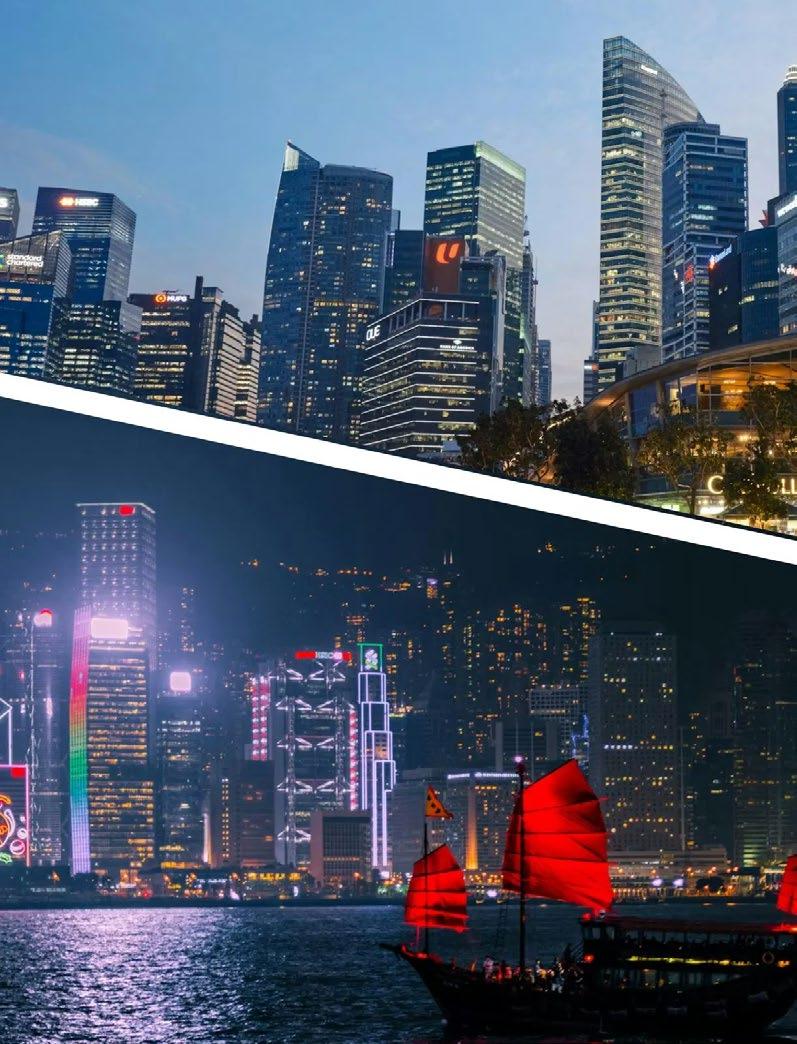
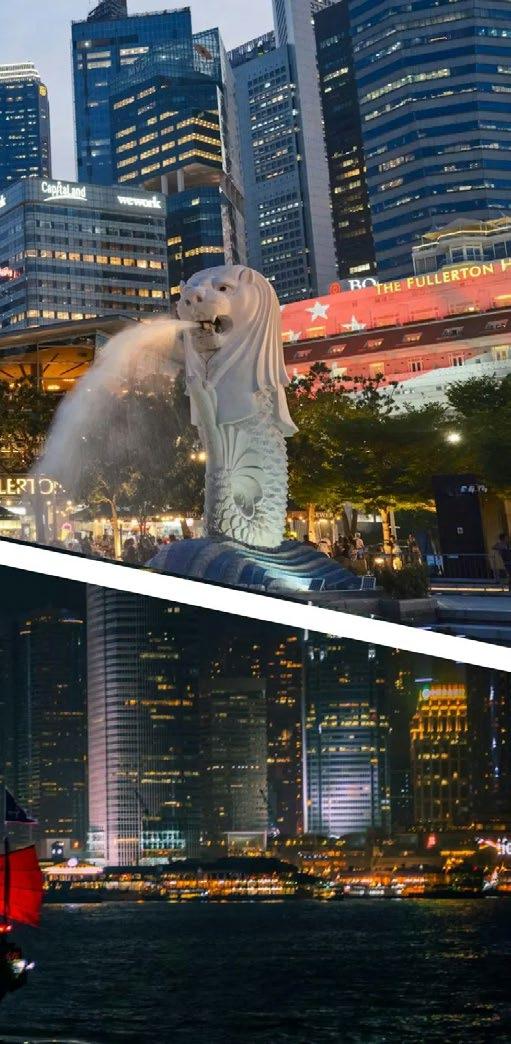
Every nation aspires to be part of a world where innovation hums, economies thrive, and bright minds shape the future. In the 2025 IMD World Talent Ranking, two Asian powerhouses—Hong Kong SAR and Singapore— are stealing the spotlight, securing coveted spots in the global top 10. With Hong Kong soaring to 4th place and Singapore holding strong at 7th, these vibrant cities are proving that Asia is a breeding ground for talent, ambition, and opportunity. But what does this ranking mean, and why is it such a big deal? Let’s dive in with a spring in our step and explore why these rankings are lighting up the global stage!
The IMD World Talent Ranking, published annually by the Switzerlandbased IMD World Competitiveness Centre, is like a global report card for how well countries nurture and attract talent. It evaluates 67 economies across three key pillars: Investment and Development (education spending and apprenticeship programs), Appeal (how attractive a place is to skilled workers), and Readiness (the availability of skilled talent and quality of education). In a world where brainpower drives progress, this ranking is a beacon,
highlighting which nations are setting the stage for innovati on and growth.For Hong Kong and Singapore to land in the top 10 is no small feat—it’s a testament to their ability to cultivate environments where talent doesn’t just survive but thrives. These rankings signal to businesses, investors, and professionals worldwide that these Asian hubs are the places to be for cutting-edge opportunities and dynamic career growth.
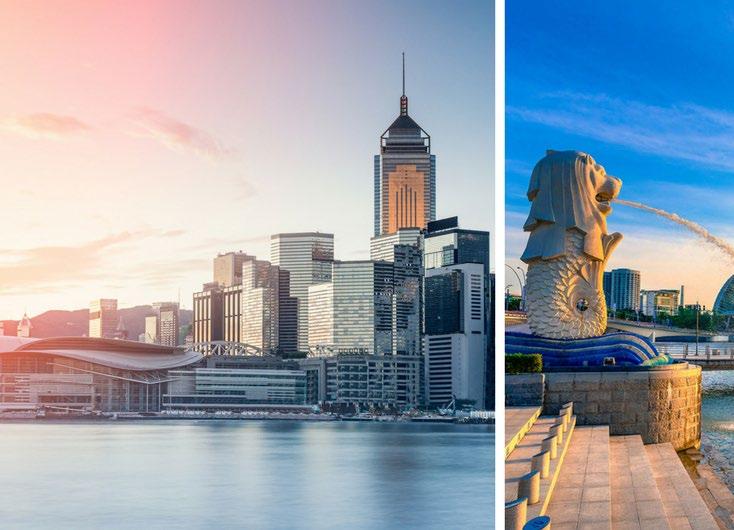
Hong Kong SAR is the belle of the ball in 2025, leaping from 9th to an impressive 4th place globally, claiming the crown as Asia’s top talent hub. This vibrant city is buzzing with strengths: a high percentage of science graduates, a knack for producing finance-savvy professionals, and management education that’s the envy of many. It’s like Hong Kong has cracked the code to building a workforce that’s ready for the future, whether it’s in tech, finance, or innovation.
What makes this jump so significant? It’s a signal that Hong Kong is rebounding with gusto, shaking off challenges like a champ. Its ability to attract international talent while fostering homegrown expertise is a recipe for success. For young professionals eyeing a global career, Hong Kong is practically rolling out the red carpet, saying, “Come build your dreams here!”

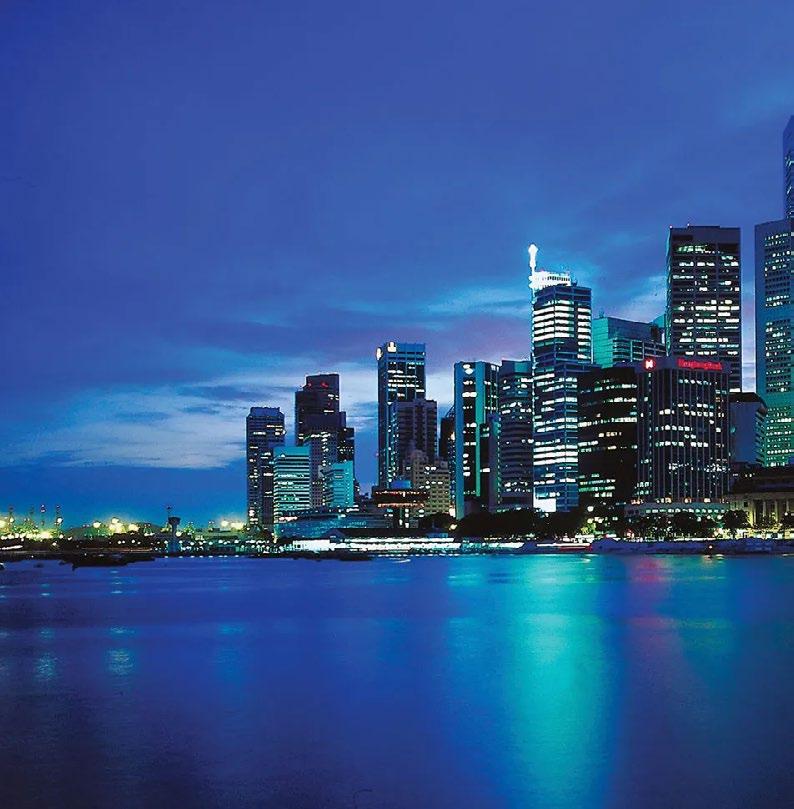


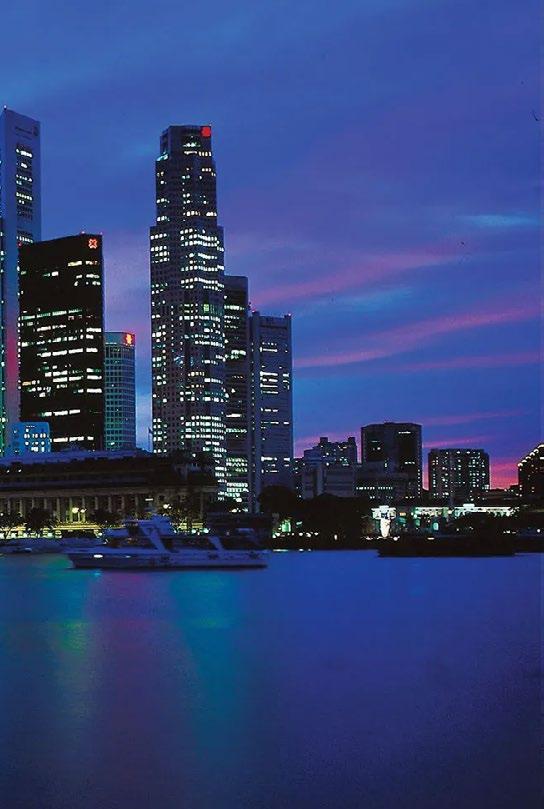


Not to be outdone, Singapore holds its own at 7th place globally, even if it slipped a few spots from its 2nd-place perch in 2024. This city-state is a talent magnet, known for its stellar education system and a workforce brimming with finance and tech skills. Sure, the high cost of living might make wallets wince, and education spending could use a boost, but Singapore’s readiness—think top-notch schools and globally competitive graduates— keeps it firmly in the elite club.
Singapore’s ranking is a reminder that consistency is key. It’s not just about flashy skyscrapers or bustling ports; it’s about creating an ecosystem where talent can flourish. For businesses looking to tap into a skilled, diverse workforce, Singapore remains a glittering gem in Asia’s crown.
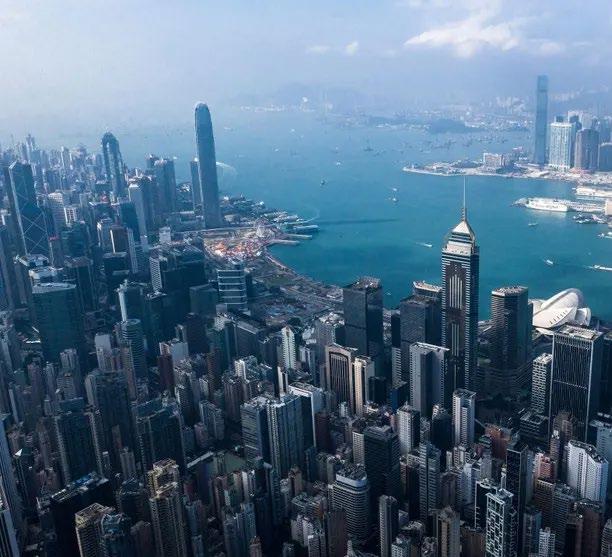
So, why should we care about a couple of numbers on a global list? Because these rankings are more than just bragging rights—they’re a window into a country’s future. High rankings mean Hong Kong and Singapore are not just keeping up but setting the pace in a world where talent is the ultimate currency. Companies are more likely to invest, startups are more likely to sprout, and professionals are more likely to
pack their bags and move to places where their skills are valued. For the everyday reader, this is exciting news! It means more job opportunities, more innovation, and more reasons to feel optimistic about Asia’s role in shaping the global economy. Whether you’re a fresh graduate dreaming of a tech startup or a seasoned pro looking for the next big challenge, these cities are shouting, “We’ve got your back!”
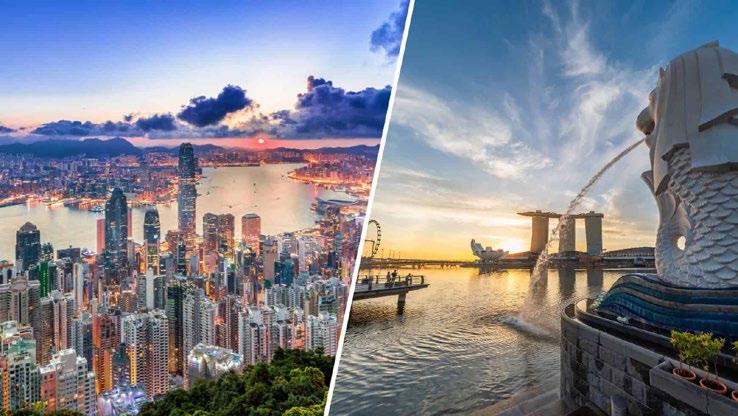
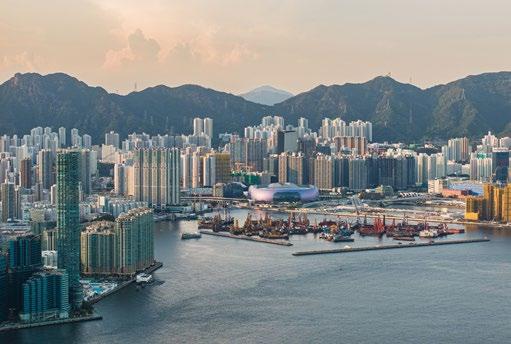
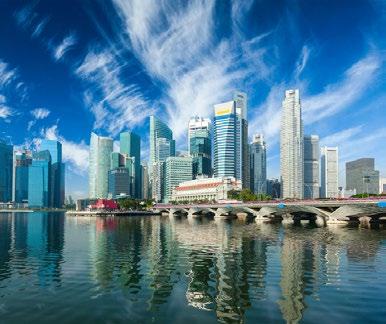
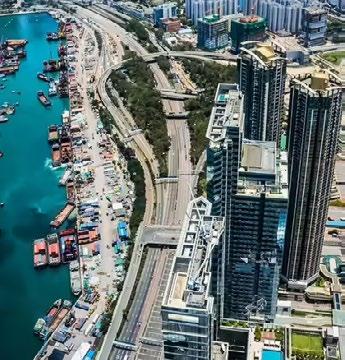
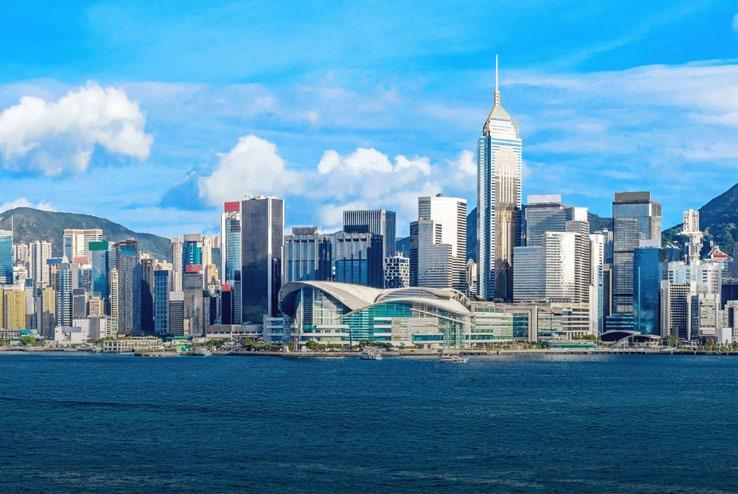
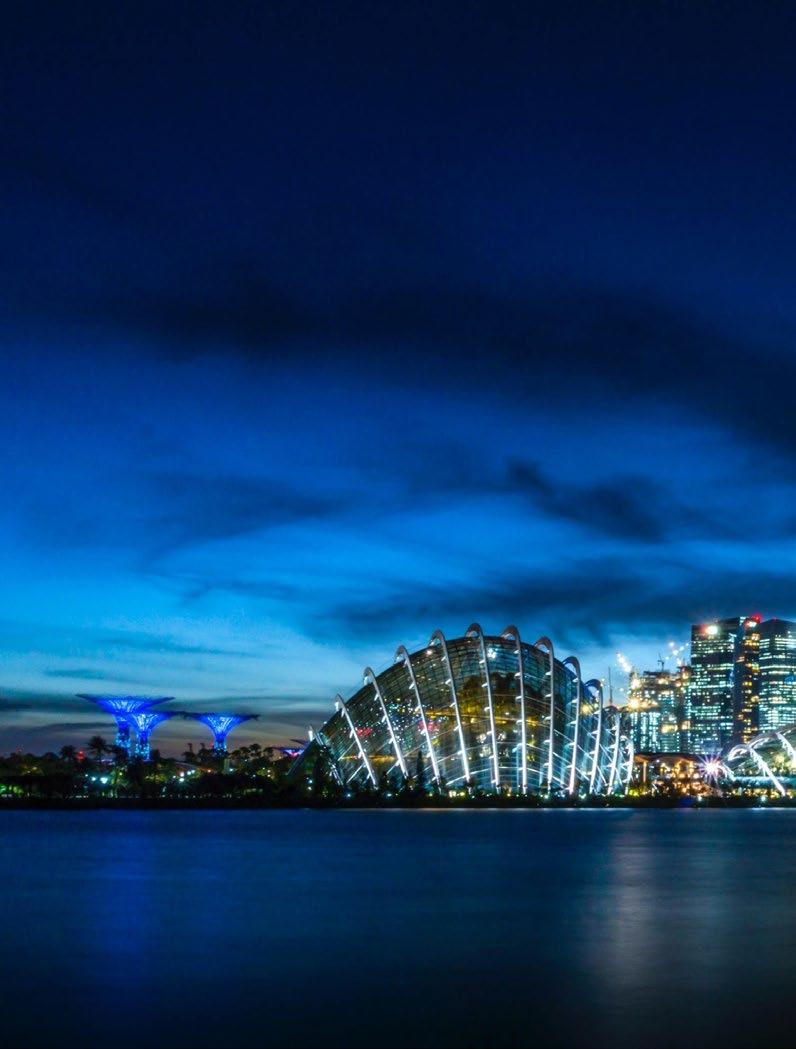
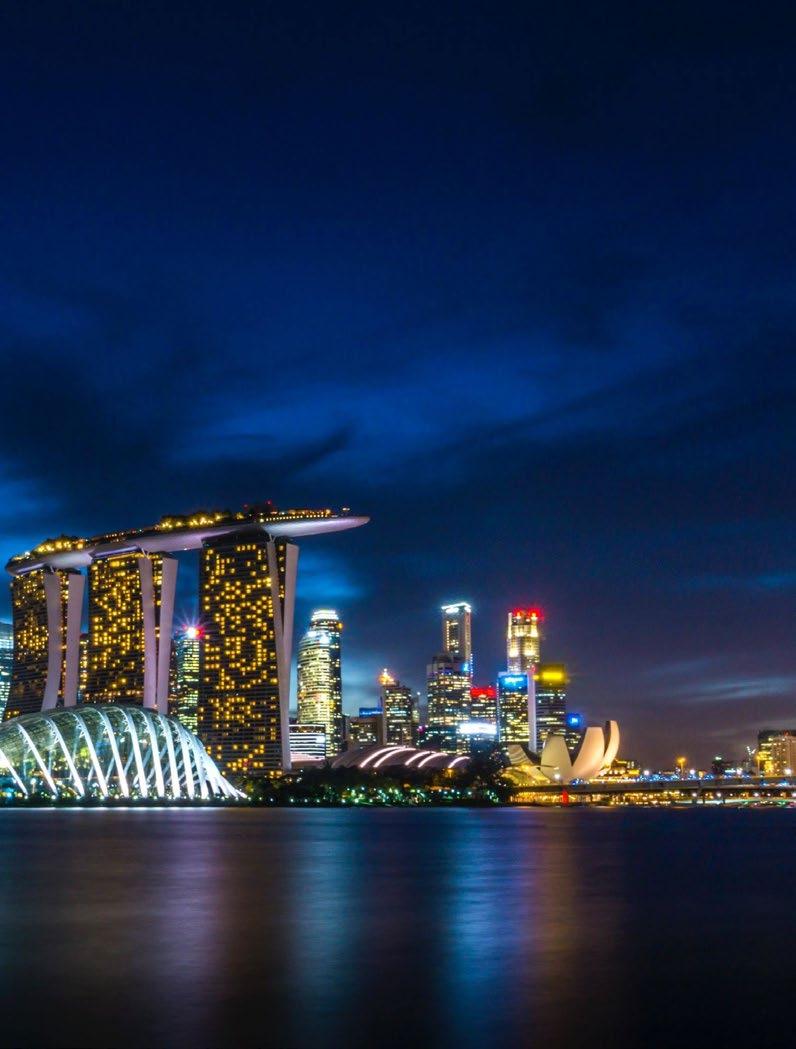
The 2025 IMD World Talent Ranking paints a rosy picture for Hong Kong and Singapore, and by extension, for Asia as a whole. Hong Kong’s climb to 4th place shows it’s ready to lead with boldness, while Singapore’s steady presence at 7th proves it’s a reliable powerhouse. Together, they’re putting Asia on the map as a place where talent doesn’t just grow—it soars.
As we flip through the pages of 2025, let’s raise a toast to these dynamic cities. They’re not just competing on a global stage; they’re redefining what it means to be a talent hub. So, whether you’re plotting your next career move or simply cheering for Asia’s success, one thing’s clear: Hong Kong and Singapore are lighting the way, and the future looks brighter than ever!


Weddings are among the most cherished rituals across the world—moments that celebrate not just the union of two individuals, but also the coming together of families, cultures, and communities. In today’s increasingly interconnected world, cross-cultural weddings are becoming more common, reflecting the diversity of modern relationships. These unions are vibrant, complex, and deeply meaningful, as they often merge centuries-old traditions into a single day—or sometimes a series of days—of celebration. But what does it take to honour two different heritages in one wedding? And how do couples manage to balance authenticity, respect, and creativity when cultures meet?
The Rise of CrossCultural Weddings
Globalization, migration, and the growth of multicultural communities have played a key role in the rise of crosscultural marriages. In many countries, younger generations are exposed to diverse traditions through education, travel, and the workplace. Love stories that once may have been confined to a single community or culture now cross borders and oceans. Data from international marriage registries suggests that intercultural marriages have been steadily increasing in regions such as North America, Europe, and parts of Asia. This shift has brought weddings that look and feel very different from the ceremonies of even a generation ago.



The focus is no longer on one tradition replacing another, but on creating a unique blend that honours both.
Designing a cross-cultural wedding is less about compromise and more about creativity. Each element of the ceremony— rituals, attire, music, food, and décor—offers opportunities for fusion.
Ceremonial Rituals: Couples often choose to conduct two separate ceremonies, or merge symbolic gestures from both cultures into one. For instance, a Hindu-Christian wedding might feature both the exchange of garlands and the exchange of rings.

Attire: Brides and grooms increasingly opt for multiple outfit changes to honour both traditions. A bride might wear a sari for the traditional part of the ceremony and then change into a white gown for the reception.
Food: Menus are perhaps the most delightful intersection of cultures. Imagine Italian pastas served alongside Indian curries, or sushi paired with Mexican tacos. Caterers are now becoming adept at creating menus that celebrate diversity while ensuring everyone feels included.
Music and Dance: From Scottish bagpipes leading the wedding procession to Bollywood hits dominating the dance floor, music becomes a natural bridge between cultures.
What makes cross-cultural weddings particularly fascinating is how they highlight the universal language of symbolism. Across continents and centuries, cultures have created unique rituals to mark the beginning of married life—yet many of these rituals share striking similarities.
Circles and Cycles: Rings in Western weddings symbolize eternity, while Hindu couples circle a sacred fire to represent the eternal cycle of life. In Chinese weddings, round banquet tables symbolize unity and harmony. The circle, it seems, is a universal emblem of continuity and wholeness.
Colours of Celebration: White is the dominant colour for brides in many Western traditions, signifying purity and new beginnings. In contrast, red dominates South Asian and Chinese weddings, symbolizing prosperity and good fortune. Yet in both cases, colour becomes a powerful language of hope and optimism for the future.
Food as Blessing: Nearly every culture uses food to symbolize abundance. Italians break bread, Nigerians share kola nuts, and Japanese couples sip sake in the san-san-kudo ritual. Though the flavours differ, the act of sharing food speaks to the same wish: a life filled with health, wealth, and happiness.
Community Involvement: Whether it’s a Zulu dance, a Jewish hora, or a Filipino money dance, weddings across cultures emphasize community participation. These traditions remind us that marriage is not just a union of two people but a weaving together of wider circles of family and friends.
By drawing on these shared symbols, couples in crosscultural weddings often find surprising common ground. Rather than seeing differences as barriers, they use symbolism as a bridge, layering multiple meanings into each ritual.



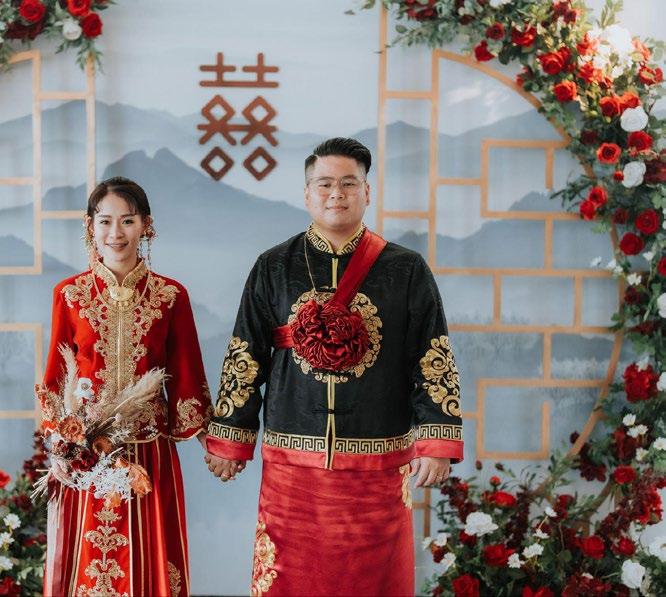



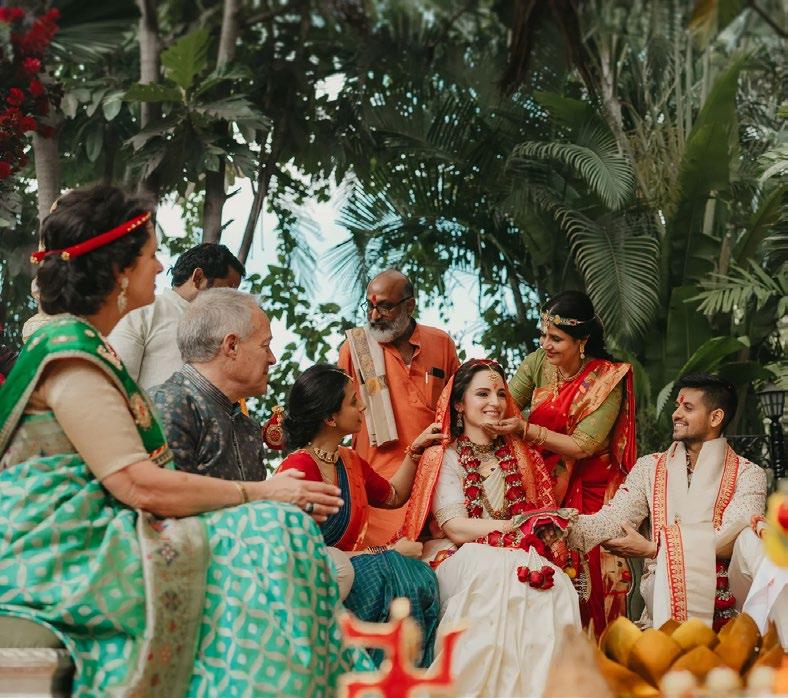


While cross-cultural weddings are beautiful, they are not without challenges.
1. Religious Differences: Navigating distinct religious practices requires sensitivity. Some couples choose to hold two separate ceremonies on different days, while others merge symbolic rituals into a single event.
2. Family Expectations: Families often hold strong views on how traditions should be honoured. Couples must walk the fine line between respecting their elders and asserting their own vision.
3. Logistics and Costs: A wedding that incorporates multiple traditions often requires more planning, multiple venues, and specialized vendors, which can increase costs.
4.Cultural Misunderstandings: Something as simple as attire or gestures may have different connotations across cultures. Couples often work closely with cultural advisors or family elders to avoid unintentional missteps.



Despite these challenges, most couples say the effort is worth it. Cross-cultural weddings become more than a personal milestone—they serve as bridges between communities. Families and guests often walk away with deeper appreciation and understanding of another culture. Moreover, these weddings create new traditions. Children of such unions grow up with a rich sense of heritage, often celebrating festivals and values from both sides. The wedding, then, is not just an event but the foundation of a multicultural legacy.
For couples considering a crosscultural wedding, here are a few guiding principles: Start with Conversations: Discuss early on which traditions are most meaningful to each of you and your families. Be Selective: You don’t have to include everything. Focus on rituals or elements that carry deep personal significance. Educate Guests: Provide short explanations in programs or through emcees so that guests understand the rituals they are witnessing.
Hire Experienced Vendors: Seek planners, caterers, and musicians who have worked on cross-cultural weddings before. Embrace Flexibility: Remember that it’s okay to adapt traditions. The essence lies in the respect and intention behind them.





At a time when the world is often divided by cultural and political differences, crosscultural weddings stand as quiet yet powerful symbols of unity. They remind us that love can transcend boundaries, and that traditions need not compete— they can coexist, complement, and even enhance one another. These weddings are not about erasing differences, but about celebrating them. They show that identity can be layered, fluid, and inclusive. In many ways, crosscultural unions embody the spirit of the modern global citizen: rooted in heritage yet open to new possibilities.
Cross-cultural weddings are more than celebrations of love; they are celebrations of diversity, resilience, and creativity. Every ritual, every dish, every dance step becomes a metaphor for blending worlds. They are living testaments to the fact that love does not recognize borders, and that when two traditions meet, they do not dilute each other—they enrich each other.
In a world increasingly defined by hybridity, these weddings are not exceptions; they are becoming the new norm. And in their joyous fusion, they remind us of a timeless truth: that love, in all its forms, is the most universal tradition of all.



South Korea etched its name in cinematic history with the release of Run to the West, the nation’s first commercial feature film to harness generative AI technology. Directed by Kang Yun-sung, known for blockbusters like The Roundup and Disney+ series such as Big Bet, this 61-minute fantasy chaseaction thriller isn’t just a film—it’s a bold experiment that could redefine how movies are made. Premiering exclusively at CJ CGV cinemas, Run to the West blends human creativity with cutting-edge AI, delivering a spectacle that’s as thrilling as it is groundbreaking. But what does this milestone mean for the future of filmmaking, and why should we care?



Run to the West thrusts audiences into a liminal realm between life and death, where four protagonists—Lee Jangwon (Byun Yo-han), a sharp National Intelligence Service agent; Jo Min-young (Kim Kang-woo), a determined police officer; Seol Ah (Bang Hyo-rin), a glamorous actress; and Kim Seok-tae (Im Hyung-joon), a quirky broadcasting PD—fight to outrun supernatural pursuers. From reapers to the Twelve Zodiac Animal Netherworld Emissaries, the Four Heavenly Kings, Haetae, and the fearsome King Yama, the stakes are cosmic. The chase unfolds against a backdrop of

Seoul’s iconic landmarks— Anguk Station, Jogyesa Temple, Gwanghwamun Square— transformed into apocalyptic battlegrounds with crumbling buildings and pillars of fire raining from the sky. What makes this high-octane narrative stand out isn’t just its Korean mysticism or starstudded cast—it’s the fact that much of the film’s jaw-dropping visuals were crafted by AI. From the menacing creatures to sprawling urban destruction, generative AI handled tasks that would’ve taken traditional VFX teams months, condensing them into days. The result? A film that feels both familiar and futuristic, a testament to what happens when technology amplifies human imagination.

The significance of Run to the West lies in its role as a trailblazer. South Korea, a global powerhouse in cinema with hits like Parasite and Squid Game, is no stranger to innovation. But this film marks a pivotal moment, showcasing how AI can democratize and accelerate film production. Here’s why it’s a game-changer:
Traditional visual effects are time-intensive and costly, often requiring massive budgets and teams. Run to the West proves AI can slash both time and expense. Director Kang Yunsung, collaborating with KT Corporation, used AI to design creatures and action sequences, turning weeks of work into days. This efficiency could empower smaller studios and independent filmmakers, levelling the playing field in an industry often dominated by big budgets.

AI allowed Kang to realize ambitious scenes—like the collapse of Gwanghwamun Square—that might’ve been scaled back due to financial constraints. By enabling filmmakers to dream bigger without breaking the bank, AI could usher in an era of bolder, more imaginative storytelling. As Kang himself noted, “AI enhances efficiency and scale without replacing human elements like acting.”
South Korea’s film industry, like many globally, has faced funding hurdles since the COVID-19 pandemic. AI offers a lifeline, reducing reliance on bloated budgets while maintaining high production values. Run to the West shows how technology can help filmmakers navigate economic realities without sacrificing quality.

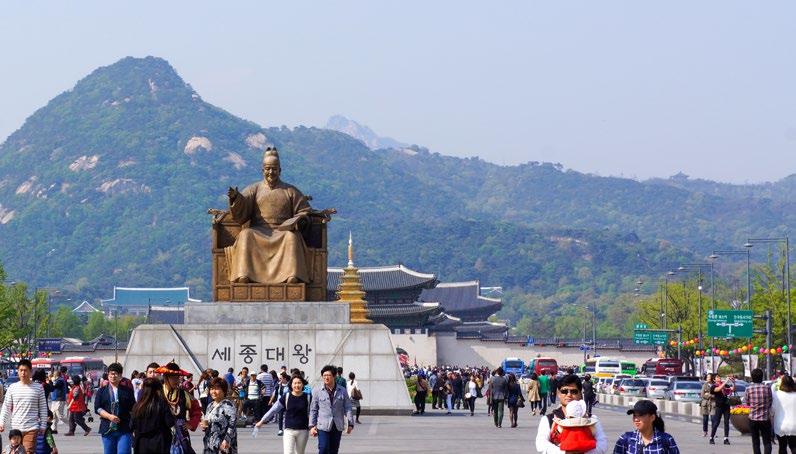
The film’s debut aligns with global debates about AI in creative industries. Hollywood has been experimenting with AI for scripting and editing, but Run to the West is among the first to integrate it so prominently in a commercial feature. Its release has sparked buzz on platforms, where users are hailing it as a milestone for Korean cinema and a glimpse into the future. Yet, it also raises questions about ethics—copyright issues in AI training data and the balance between human and machine creativity—that the industry must address.
The integration of AI in Run to the West isn’t just a gimmick; it’s a glimpse of a brighter, more inclusive future for filmmaking. Here are the standout benefits: Accessibility for Creators: AI tools lower barriers, enabling emerging filmmakers with limited resources to produce highquality visuals. This could lead to a surge in diverse voices and stories, enriching global cinema.
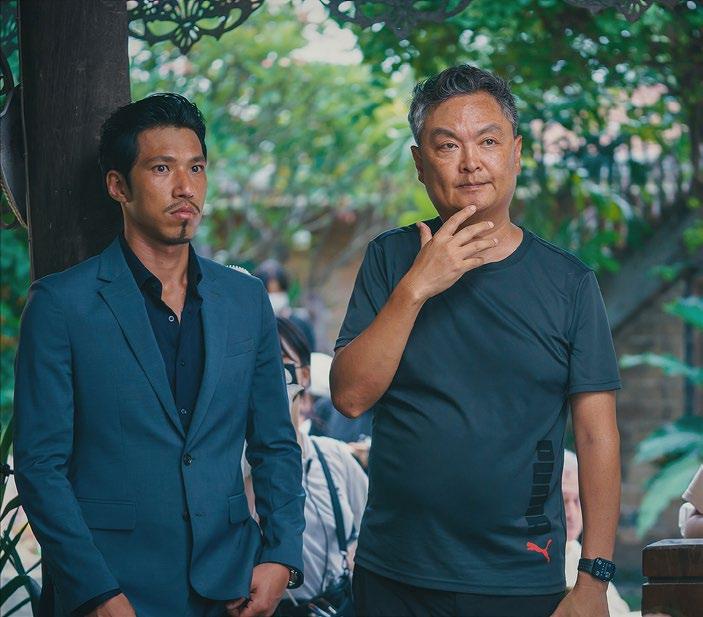







Far from replacing humans, AI acts as a creative partner. By handling repetitive or complex tasks, it frees directors, writers, and actors to focus on storytelling and performance. Byun Yo-han, the film’s lead, put it perfectly: “AI cannot exist without human creativity.”
In an industry where delays are common, AI’s speed is a revelation. Run to the West shows how quickly ideas can come to life, potentially accelerating release schedules and keeping audiences engaged.
By reducing production costs, AI makes it feasible to experiment with genres like fantasy or sci-fi, which often demand expensive effects. This could lead to a renaissance of genre filmmaking in markets like South Korea.
While Run to the West is a triumph, it’s not flawless. Early reviews note minor AI artifacts—slight distortions or lower resolution in some scenes—that remind viewers of the technology’s growing pains. Critics also point out that the storyline, while action-packed, lacks the depth of characterdriven dramas Korea is known for. These critiques highlight a key challenge: balancing AI’s visual prowess with robust storytelling.Looking forward, the film industry must navigate ethical questions. How do we ensure AI respects intellectual property? Can it coexist with human artistry without overshadowing it? Run to the West doesn’t have all the answers, but it starts the conversation. As film critic Jeon Chan-il predicts, audiences will soon embrace AI films as a “breakthrough,” especially as tools improve and integration becomes seamless.





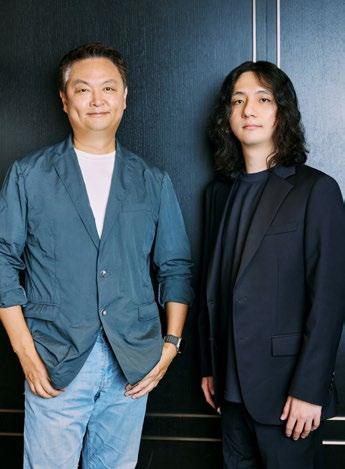
Run to the West is just the beginning. Positioned as the first in a potential series, it sets the stage for more AI-driven projects in South Korea and beyond. The film’s success could inspire other industries—Bollywood, Hollywood, and indie scenes— to experiment further. Imagine a world where a low-budget filmmaker in Seoul or Lagos can craft a sci-fi epic rivalling Marvel’s, or where AI helps preserve cultural stories through stunning visuals. For now, Run to the West is a must-see for anyone curious about the intersection
of art and technology. Head to a CGV cinema to witness this historic debut, or search for the trailer online to get a taste of its AI-crafted chaos. As Kang Yunsung and his team have shown, the future of film isn’t about humans versus machines—it’s about humans and machines, working together to push the boundaries of what’s possible.
So, what do you think? Is AI the next big star in cinema, or just a flashy supporting act? One thing’s certain: Run to the West has set the reel spinning on a new era, and the world is watching.


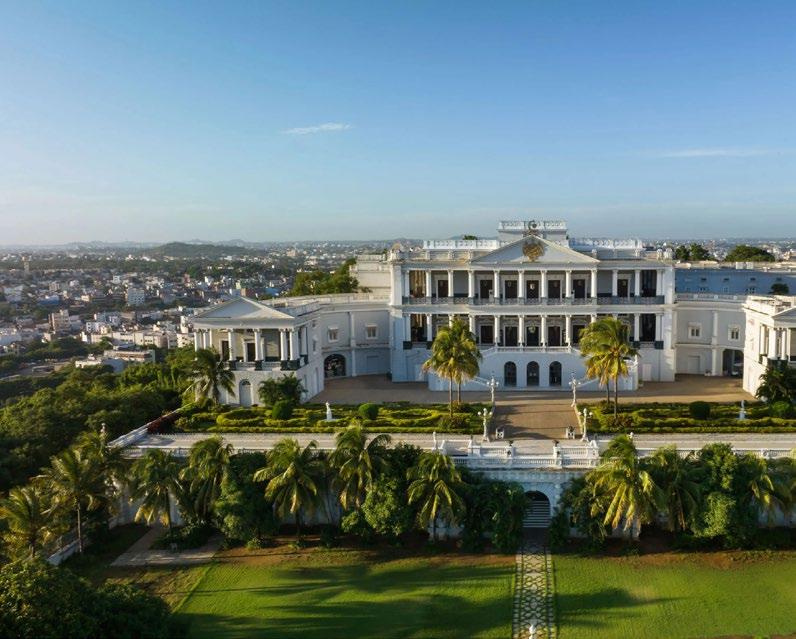
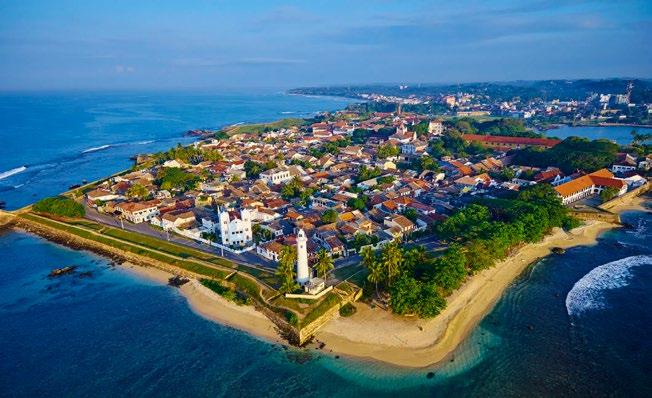

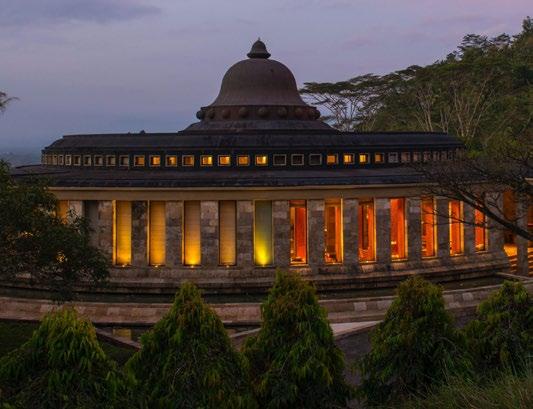
In an era where travel has become as much about curation as discovery, Asia’s boutique hotels stand out not merely as places to lay one’s head, but as living narratives—whispers of ancient dynasties, echoes of colonial intrigue, and bold reinventions of forgotten heritage. These intimate properties, often born from restored palaces or
reclaimed ruins, weave personal tales into the fabric of their design, inviting guests to step into chapters of history while savouring modern luxury. From the mist-shrouded hills of Bhutan to the sun-drenched shores of Indonesia, here are five such sanctuaries across the continent, each with a story that lingers long after checkout.
Nestled at the foot of Java’s Borobudur Temple—the world’s largest Buddhist monument, a UNESCO-listed marvel built in the 9th century—Amanjiwo feels like a modern sutra etched into the landscape. Opened in 2000 by the visionary Aman Resorts, this 36-suite retreat draws its name from “jiwo,” the Javanese word for soul, embodying a profound reverence for the island’s spiritual legacy. Architect Ed Tuttle designed its pavilions and colonnades to mirror the temple’s stepped pyramids, with limestone walls and open-air bathrooms that frame volcanic vistas and distant gamelan melodies at dusk. What truly animates Amanjiwo’s story
is its role as a guardian of rituals: guests join dawn processions to Borobudur, where monks chant amid the stupas, or partake in private blessings by local priests. The suites, some with private pools overlooking terraced rice fields, blend teak furnishings and batik accents with subtle tech like Bose sound systems. Dining under the stars at the Pavilion restaurant—savouring rijsttafel feasts of spiced prawns and sambal—feels like communing with Java’s animist past. For the discerning traveller, Amanjiwo isn’t just a stay; it’s a pilgrimage, where the hotel’s serenity amplifies the temple’s timeless hum. Rates start at around $1,200 per night.

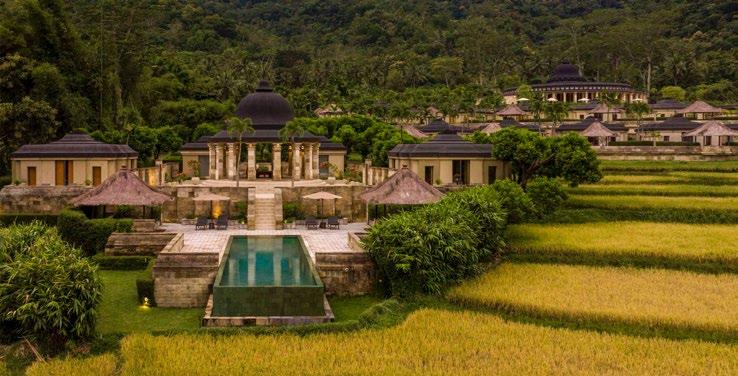
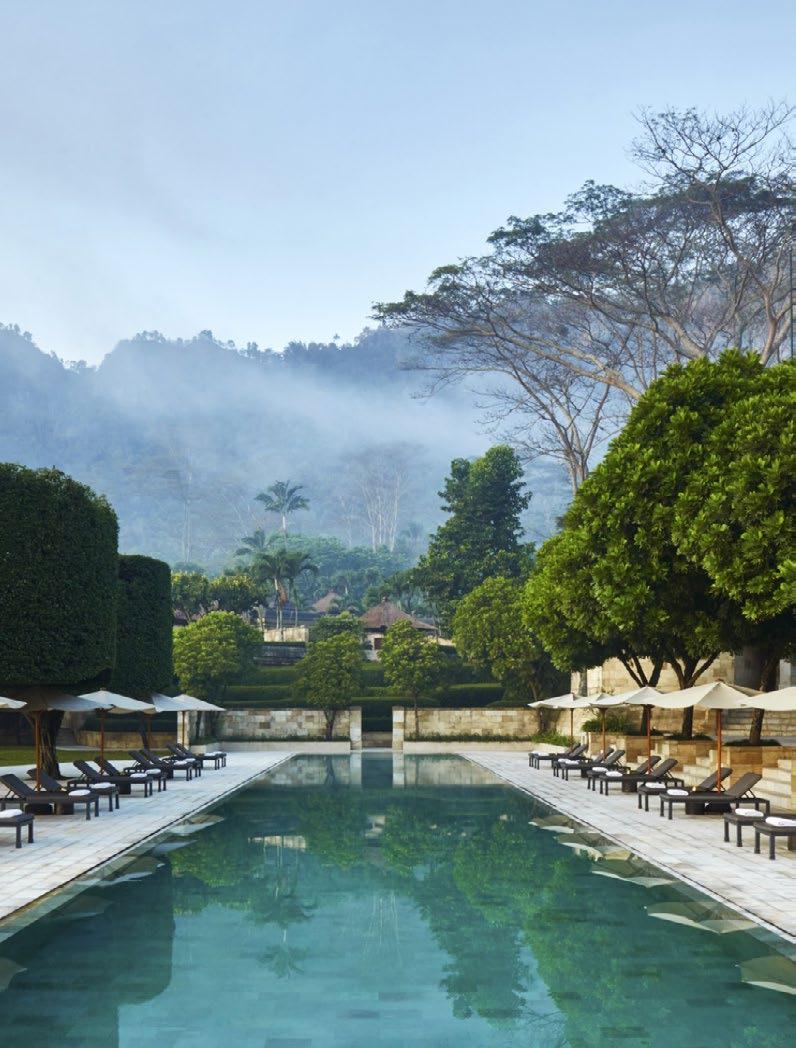
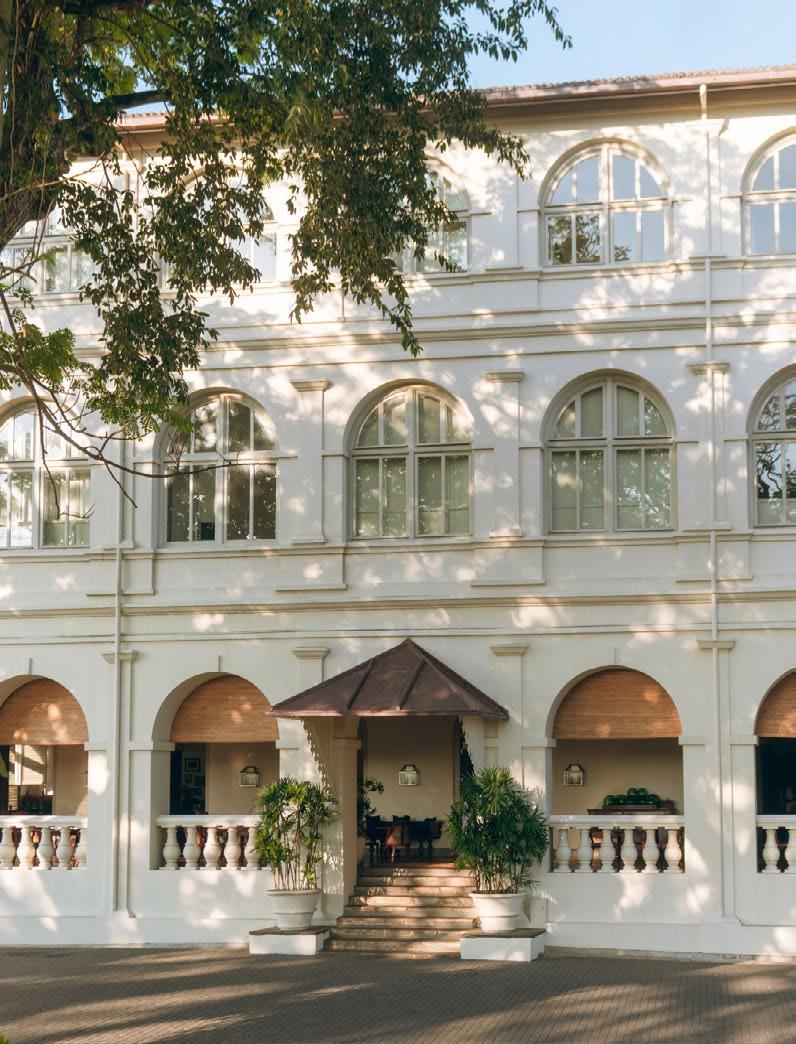

Within the honey-hued ramparts of Galle Fort, a 17th-century Dutch enclave lapped by the Indian Ocean, Amangalla unfurls like a sepia-toned novel come to life. Once the New Oriental Hotel, it hosted luminaries from yesteryear—writers like Leonard Woolf, who drew inspiration for The Village in the Jungle from its verandas, and even a young Queen Elizabeth II during her 1954 tour. Acquired by Aman in 2004, the property was meticulously restored, preserving its 106 rooms in a symphony of fourposter beds, ceiling fans whirring like lazy ceiling whispers, and clawfoot tubs overlooking the fort’s cobblestone lanes.
The narrative here is one of resilient romance: high tea in

the Great Hall, where British officers once plotted amid Wedgwood china, now pairs with sunset cocktails amid flickering lanterns. Suites in the original building evoke Victorian grandeur, while newer wing accommodations offer plunge pools and private courtyards scented with frangipani. Beyond the walls, the fort’s lighthouse and colonial churches beckon for exploratory strolls, but the real enchantment lies in the hotel’s library, stocked with first editions that invite lazy afternoons lost in Sri Lanka’s literary lore. Amangalla doesn’t just house history; it performs it, a gentle reminder that some stories are best savoured slowly. Expect to pay from $750 per night.
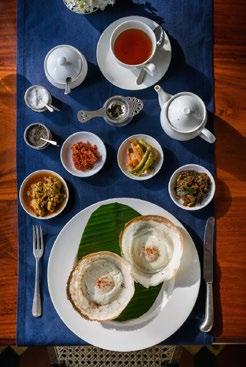
Bangkok’s Chao Phraya River has long been the city’s liquid vein, carrying tales of Siamese kings and riverine traders. The Siam, unveiled in 2012, transforms this flow into a boutique elegy to Thailand’s golden age. Owned by a Thai movie producer with a penchant for cinema, the 38-villa haven is a trove of curios: antique vitrolas, vintage film posters, and even a private yacht for cinematic cruises past Wat Arun’s spires at twilight. Architect Bill Bensley, the maestro of narrative luxury, orchestrated its design around a 1920s Thai teak mansion, blending Art Deco flourishes with Lanna textiles and gilded Buddhas. Each villa tells its own subplot—some with
outdoor copper tubs fed by rain showers, others screening classic Thai films under mosquitonet canopies. The story deepens at the Muay Thai ring, where guests learn the “art of eight limbs” from champion trainers, or at the Nahm restaurant, a Michelin-starred shrine to royal recipes like tom yum infused with heirloom herbs. As the river laps at the private dock, evenings dissolve into bespoke elixirs at the BKK Social Club, evoking speakeasies of old Siam. For urban adventurers weary of Bangkok’s neon frenzy, The Siam offers a plot twist: intimacy amid the sprawl, where every detail scripts your own adventure. Rooms begin at $800 per night.

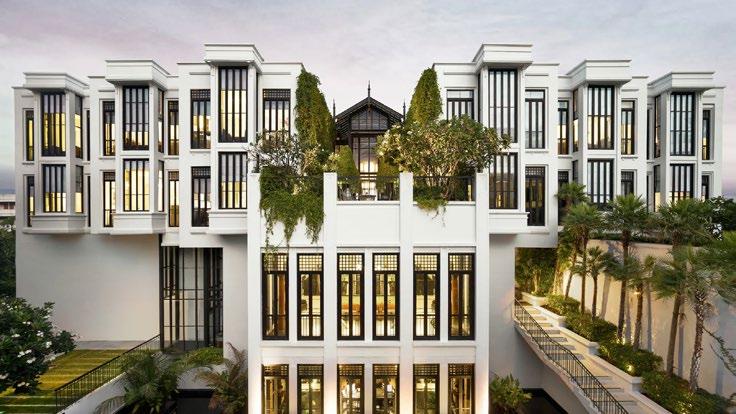
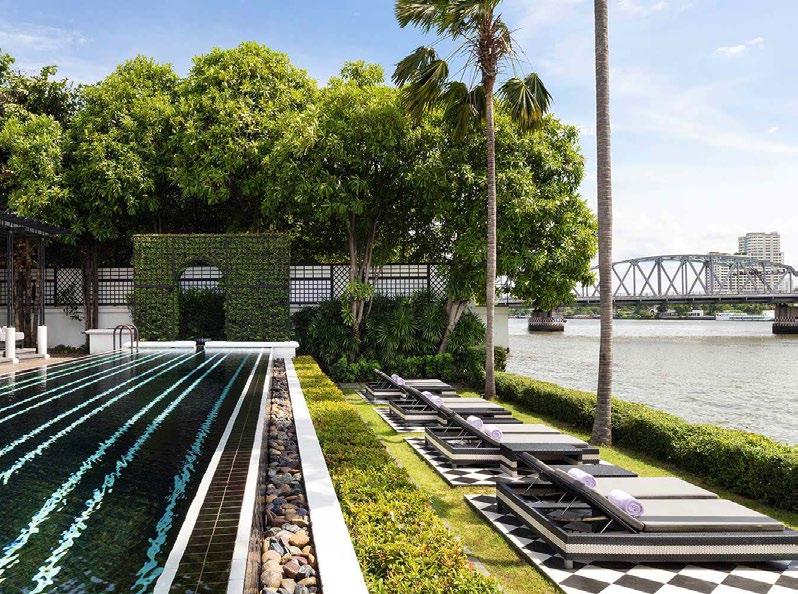
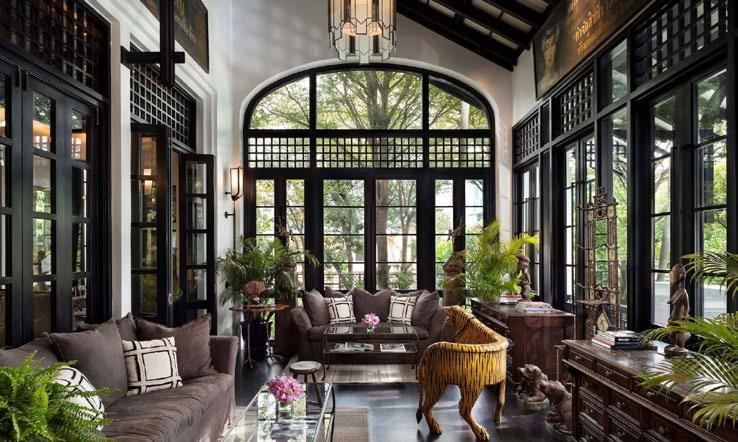





In Bhutan’s Paro Valley, where prayer flags dance against Himalayan peaks, COMO Uma Paro weaves a story of serenity and cultural reverence. Opened in 2004, this 29-room retreat blends Bhutanese craftsmanship with modern elegance, its stoneand-timber villas adorned with hand-carved wood and vibrant thagzo textiles depicting lotus and dragon motifs. Set amid pine forests, it’s a gateway to the kingdom’s spiritual heart, with guided treks to the cliffside Tiger’s Nest Monastery and archery lessons rooted in Bhutanese tradition.
The hotel’s narrative is shaped by Gross National Happiness, Bhutan’s guiding philosophy.
Guests join local artisans for weaving workshops or savour farm-to-table ema datshi (chili and cheese stew) at Bukhari restaurant, warmed by a circular fireplace. Villas feature low-slung beds with yak wool throws and private hot-stone bathhouses, while the COMO Shambhala Spa offers Himalayan salt scrubs and Buddhist-inspired meditation. In a nation that limits tourism to preserve its soul, COMO Uma Paro feels like an intimate verse in Bhutan’s cultural saga, balancing eco-luxury with profound connection. Rates start at around $650 per night, often including guided excursions.
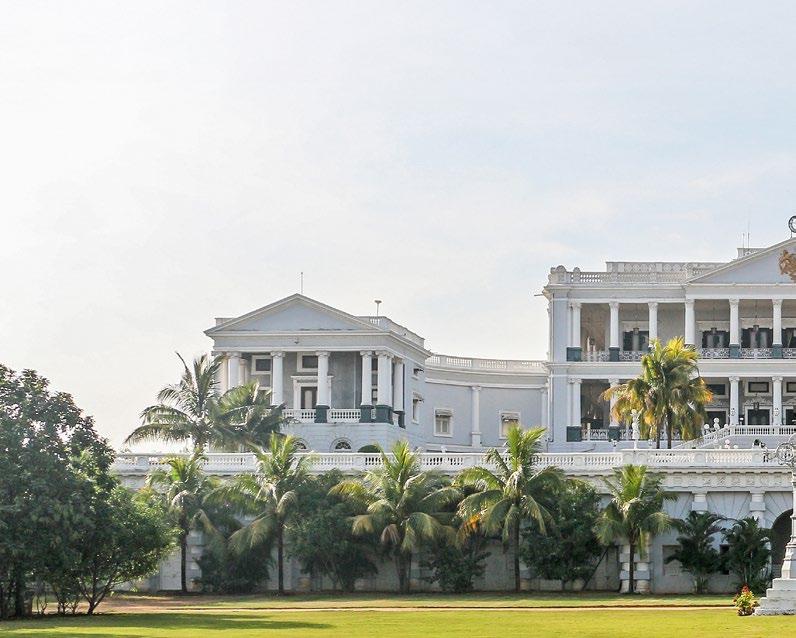


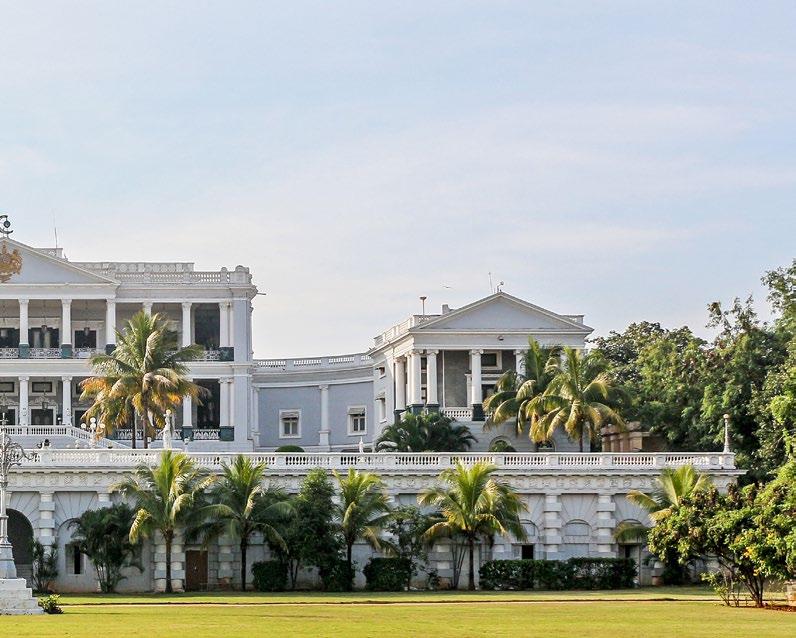

High atop Hyderabad’s Seven Hills, Falaknuma Palace—a Taj Hotels gem—rises like a mirage from the Deccan Plateau, its Italian marble facade whispering of Mughal splendour and British dalliance. Built in 1893 as a princely folly for Vikar-ul-Umra, it became the pied-à-terre of the sixth Nizam, Osman Ali Khan, the world’s richest man at the time, whose treasury rivaled empires. Restored in 2010 after decades of slumber, the 60-room palace now regales with chandeliers from Europe’s finest ateliers, libraries lined with 6,000 leather-bound tomes, and a ballroom where viceroys once waltzed. The story unfolds in lavish layers: the Adaa fine-dining hall serves Hyderabadi biryani on silver thalis, recipes guarded like state secrets, while the Jiva Spa channels Unani healing traditions in hamams of onyx and
jade. Pearl Suite guests (a nod to the Nizam’s legendary jewels) awake to filigreed jharokhas framing the city below, with butlers in sherwanis attending to whims. Evenings might include a private kathak performance or a Rolls-Royce spin through the 32acre gardens. Falaknuma isn’t mere accommodation; it’s an immersion in India’s hyphenated history—opulent, eccentric, and utterly unrepentant. Suites start from $450 per night. These boutique beacons remind us that Asia’s true allure lies in its layered legacies, where every creak of a floorboard or flicker of a lantern revives a forgotten verse. In checking in, we don’t just rest; we reprise roles in tales as old as the continent itself. Whichever chapter calls, book soon—these stories have limited seats.









In an era where innovation, resilience, and vision define global leadership, Asian CEOs are at the forefront, steering some of the world’s most influential companies toward unprecedented heights. As of 2025, these leaders, hailing from India, Taiwan, and China, are not only transforming their industries but also redefining what it means to lead in a hyper-connected, tech-



driven world. Drawing from the prestigious Brand Guardianship Index 2025 by Brand Finance, we spotlight the top five Asian CEOs whose strategic brilliance and bold decision-making are shaping the global business landscape. From AI revolutions to financial innovation, their stories inspire and captivate. Here’s a look at these trailblazers and their remarkable journeys.

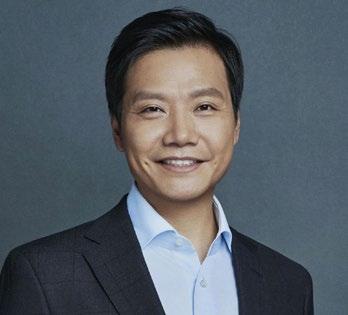

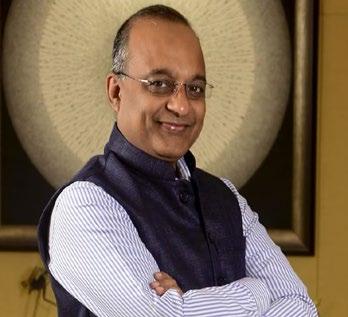


Born in Hyderabad, India, Satya Nadella, CEO of Microsoft, stands as the pinnacle of global leadership, topping the Brand Guardianship Index 2025 with an impressive score of 95.6. Since taking the helm in 2014, Nadella has transformed Microsoft from a software giant into a cloud and AI powerhouse. His bold pivot to Azure, strategic acquisitions like LinkedIn and
Activision Blizzard, and relentless focus on artificial intelligence have propelled Microsoft’s market cap to new heights. Nadella’s empathetic leadership style—rooted in his personal journey as an immigrant and engineer—resonates globally, making him a beacon of inclusive innovation. Under his watch, Microsoft isn’t just shaping technology; it’s shaping the future.

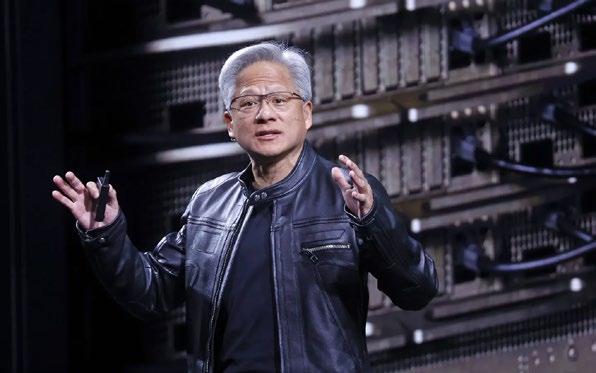
Taiwan-born Jensen Huang, CEO of NVIDIA, is the mastermind behind the company’s meteoric rise in the AI and semiconductor industries. Ranked third in the Brand Guardianship Index 2025 (score: 93.2), Huang’s foresight in graphics processing and AI has made NVIDIA a linchpin of the tech world. From gaming to autonomous vehicles, NVIDIA’s

chips power cutting-edge innovation. Huang’s charismatic leadership— often delivered in his signature leather jacket—blends technical genius with a knack for storytelling, captivating investors and employees alike. As AI reshapes industries, Huang’s NVIDIA is the engine driving that transformation, proving that bold bets on the future pay off.
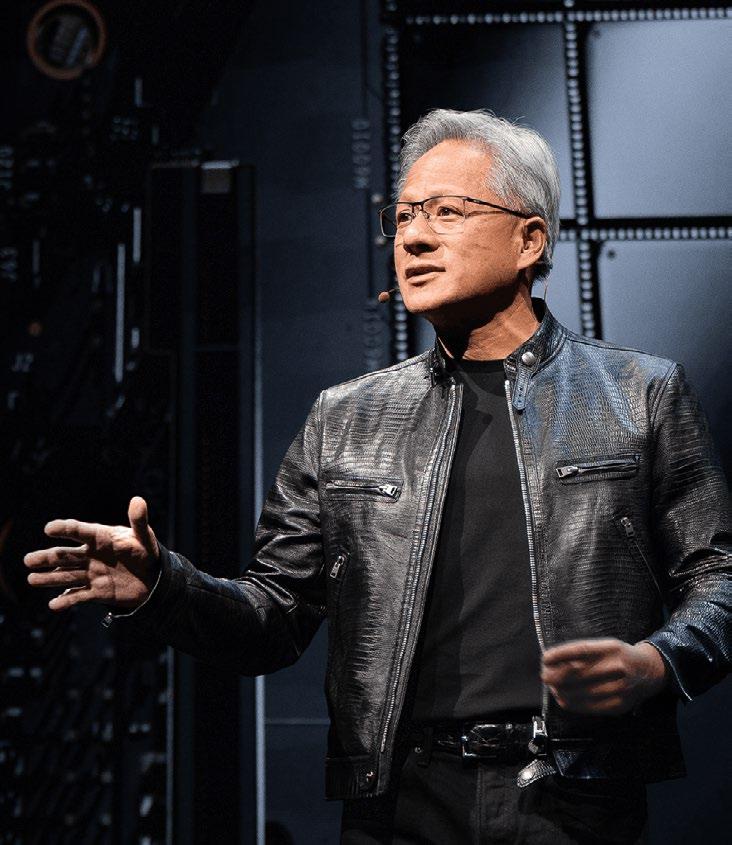



Sundar Pichai, another India-born luminary, ranks fifth in the Brand Guardianship Index 2025 (score: 89.3) as Google’s CEO. Since assuming the role in 2015, Pichai has navigated Google through a rapidly evolving tech landscape, doubling down on AI, cloud computing, and global accessibility. His leadership in launching transformative tools like
Google Bard and expanding Google Cloud has kept the company at the forefront of innovation. Pichai’s calm, methodical approach contrasts with the high-stakes world of tech, yet his ability to balance innovation with ethical considerations has earned him widespread respect. Google, under Pichai, remains a global synonym for progress.

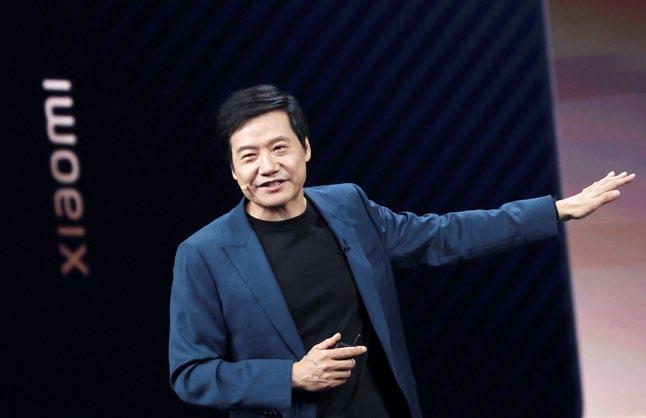
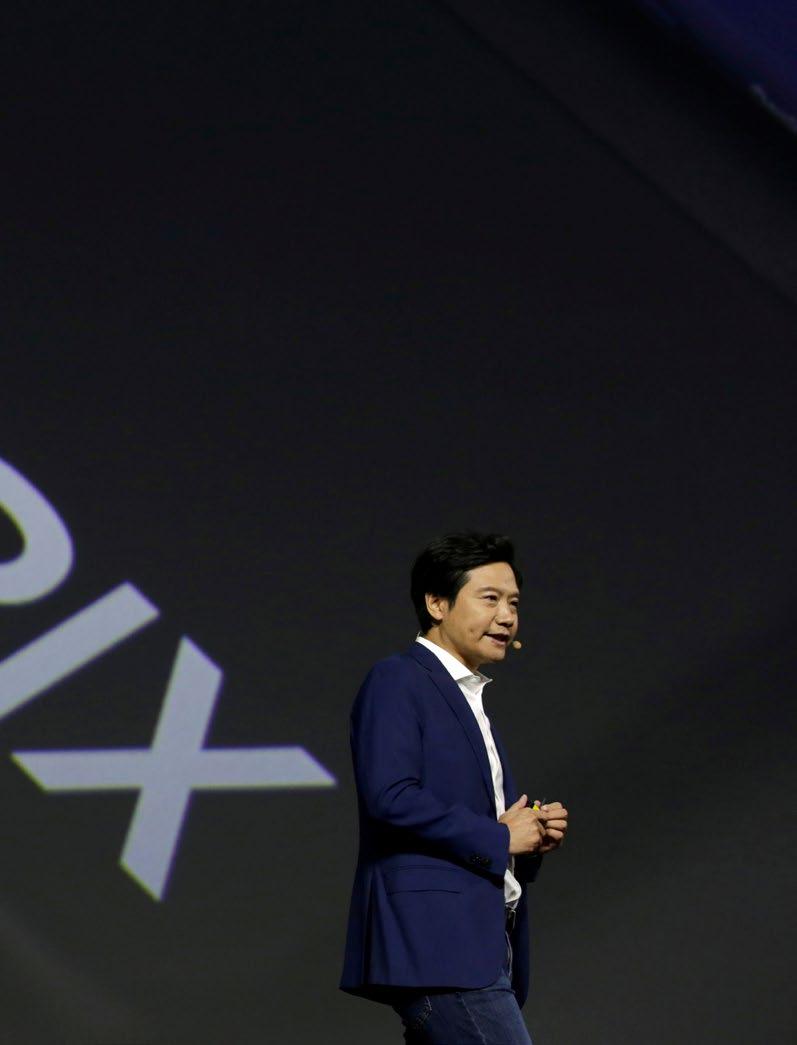
Xiaomi a household name, with products ranging from smart TVs to electric vehicles. Jun’s handson approach—engaging directly with fans on social media—has built a loyal customer base and a brand that rivals global giants. In 2025, Xiaomi’s global expansion under Jun’s leadership continues to challenge the status quo.
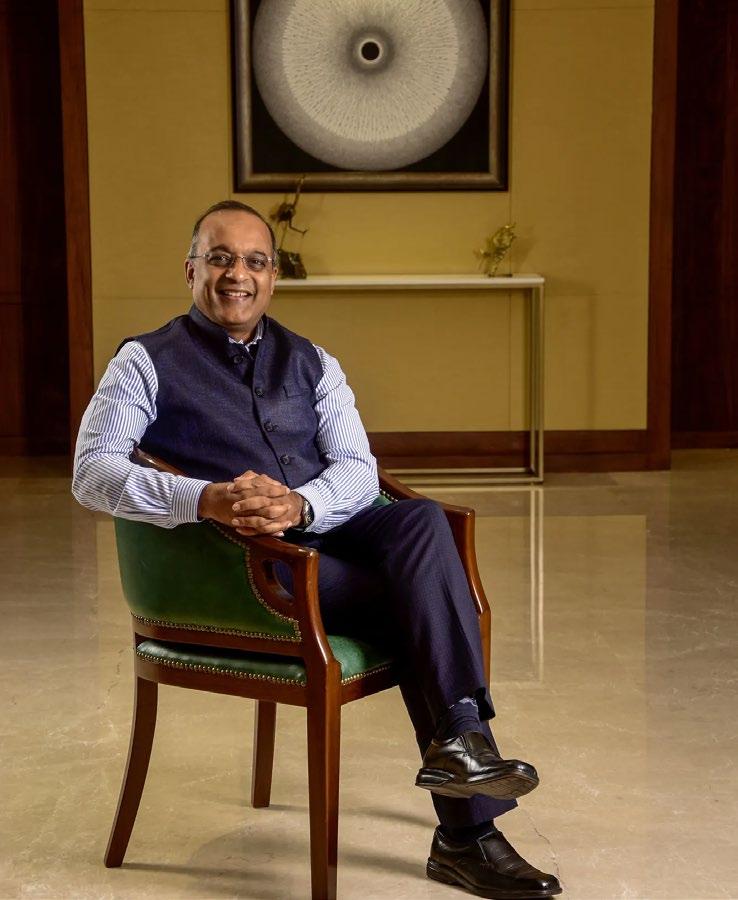
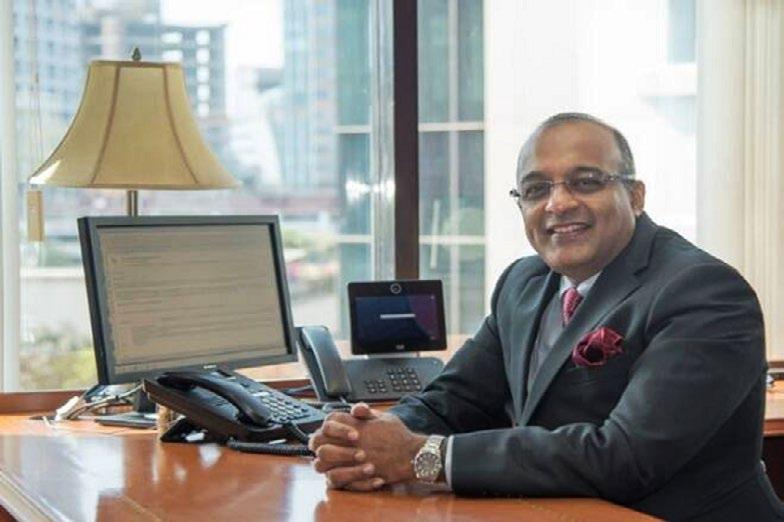
Rounding out the list is Sashi Jagdishan, CEO of India’s HDFC Bank, ranked ninth in the Brand Guardianship Index 2025 (score: 85.5).
Jagdishan, who took the reins in 2020, has solidified HDFC Bank’s position as one of India’s largest and most trusted financial institutions.
His focus on digital banking, customer-centric services,
and post-merger integration with HDFC Ltd. has driven remarkable growth.
Jagdishan’s understated yet strategic leadership has made HDFC a model for financial innovation, leveraging technology to serve millions in India’s fast-evolving economy. His story is a testament to the power of steady, impactful leadership.



What unites these CEOs is not just their Asian heritage but their ability to transcend borders, cultures, and industries. Nadella and Pichai showcase India’s growing influence in global tech, while Huang and Jun highlight the innovation hubs of Taiwan and China. Jagdishan represents the financial acumen driving India’s economic rise. Together, they embody a new era of leadership—one that blends technical expertise, cultural fluency, and a commitment to solving global

challenges. Their success also reflects broader trends: the rise of AI, the democratization of technology, and the growing importance of sustainable, inclusive growth. According to the Brand Guardianship Index 2025, these CEOs excel not only in financial performance but in building trust and long-term value for stakeholders. Their stories resonate with aspiring leaders worldwide, proving that vision, grit, and adaptability can reshape industries.



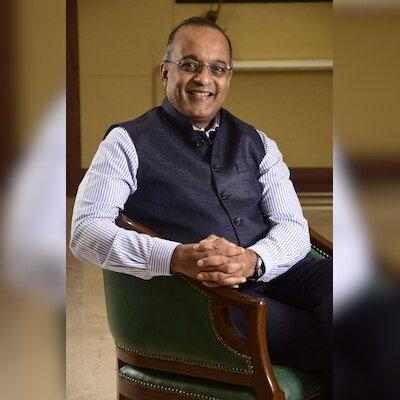

As we move deeper into 2025, the influence of these Asian CEOs will only grow. Nadella’s AI-driven Microsoft, Huang’s NVIDIA-powered future, Pichai’s Google innovations, Jun’s Xiaomi ecosystem, and Jagdishan’s financial transformation are setting the pace for a world in flux. For those

inspired by their journeys, resources online offer deeper insights into their strategies and impact. In a world where leadership is tested daily, these five CEOs stand as titans, proving that the future of global business is bright—and distinctly Asian. Their legacies are not just about profit or products; they’re about reimagining what’s possible.
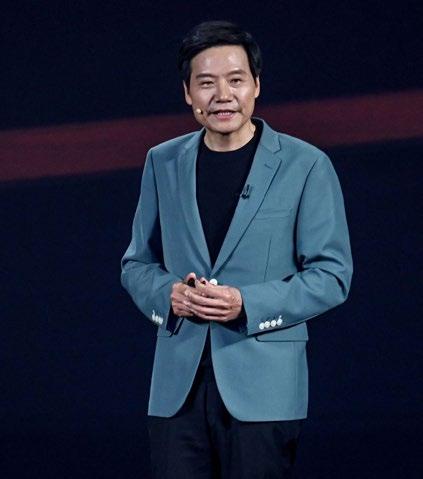


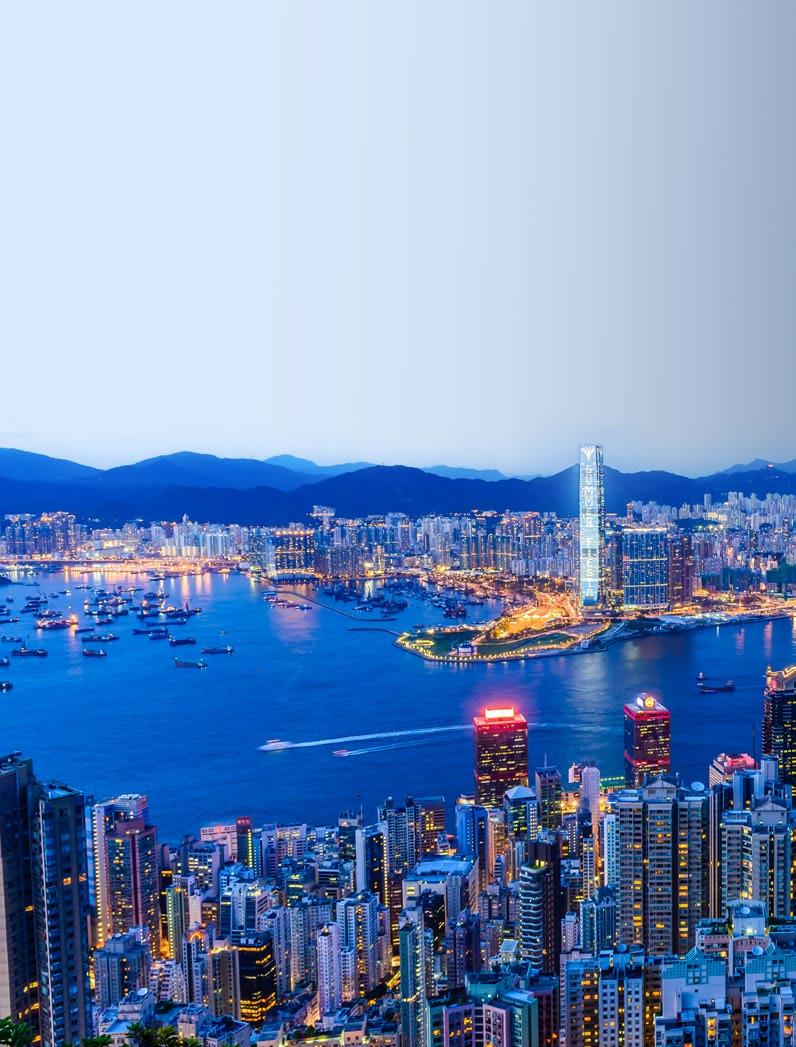
In the bustling heart of Hong Kong, where East meets West and tradition intertwines with innovation, the Hong Kong Convention and Exhibition Centre became a beacon for the cryptocurrency world from August 28 to 29, 2025. Bitcoin Asia 2025, the region’s premier Bitcoin conference, drew over 15,000 attendees from more than 100 nations, solidifying Hong Kong’s status as a pivotal hub in the evolving landscape of digital finance. Organized by The Bitcoin Conference in collaboration with Bitcoin Magazine, this second annual event transcended mere networking; it was a declaration of Bitcoin’s maturing role in
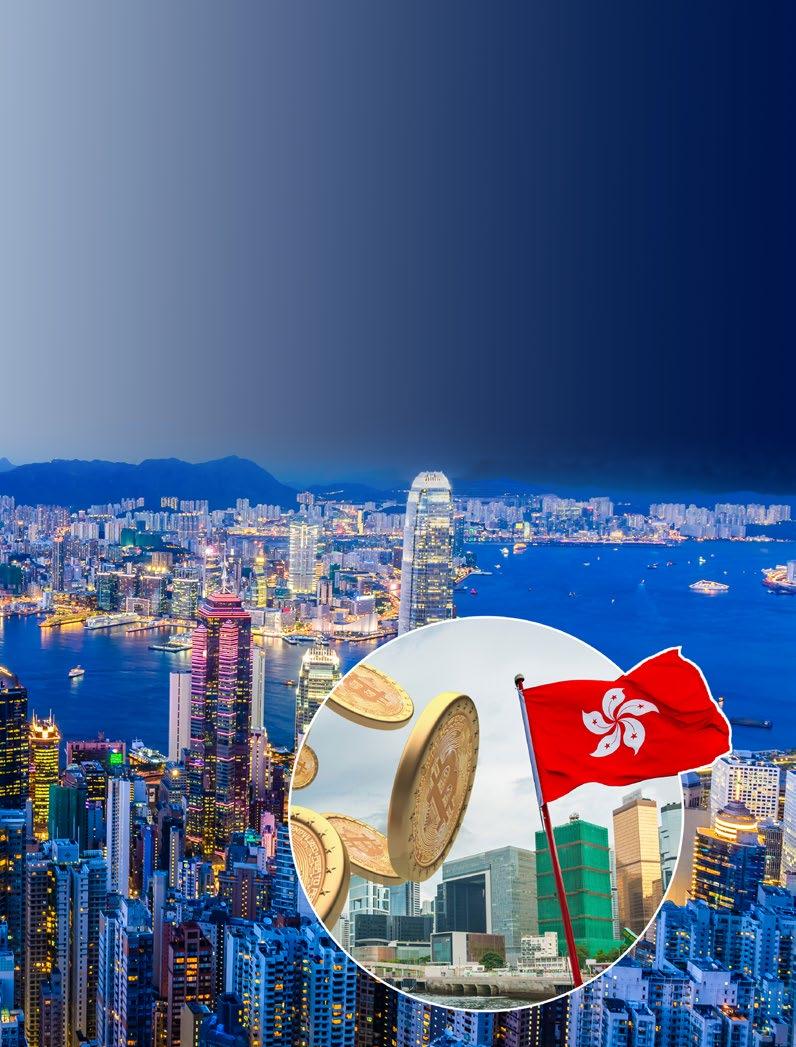
global economics, policy, and technology. The conference unfolded over two intensive days, from 9 a.m. to 5 p.m., featuring a dynamic program that blended high-profile keynotes, panel discussions, and interactive exhibits. The main stage hosted over 200 speakers, including policymakers, corporate leaders, and tech visionaries, who dissected Bitcoin’s trajectory amid geopolitical shifts and regulatory advancements. An expansive expo hall showcased innovations from more than 500 companies, while side events like the Bitcoin for Corporations Symposium delved into practical strategies for institutional integration.
Adding a touch of spectacle, a drone light show depicting a Bitcoin rocket launch lit up the Hong Kong skyline, symbolizing the asset’s explosive potential and captivating both attendees and the public. At its core, Bitcoin Asia 2025 was about accelerating Bitcoin’s adoption across Asia and beyond. Sessions explored macro forces driving institutional interest—such as fiat currency devaluation, inflationary pressures, and regulatory clarity—alongside micro-level innovations like secure custody solutions and on-chain capital markets. One standout panel, moderated by venture partner Khushboo Khullar, featured executives from Hex Trust and
DDC Enterprise Limited, who highlighted how companies are rapidly accumulating Bitcoin on their balance sheets. DDC, for instance, announced it had amassed 1,008 BTC in just 96 days, aiming for 10,000 by year’s end, underscoring Bitcoin’s appeal as a treasury asset rather than a mere hedge. The event’s significance cannot be overstated, particularly in the context of Hong Kong’s ambitious pivot toward digital asset leadership. As Asia’s financial nerve centre, the city has introduced groundbreaking policies, including the continent’s first Bitcoin and Ethereum ETFs, alongside frameworks for stablecoins and virtual assets.


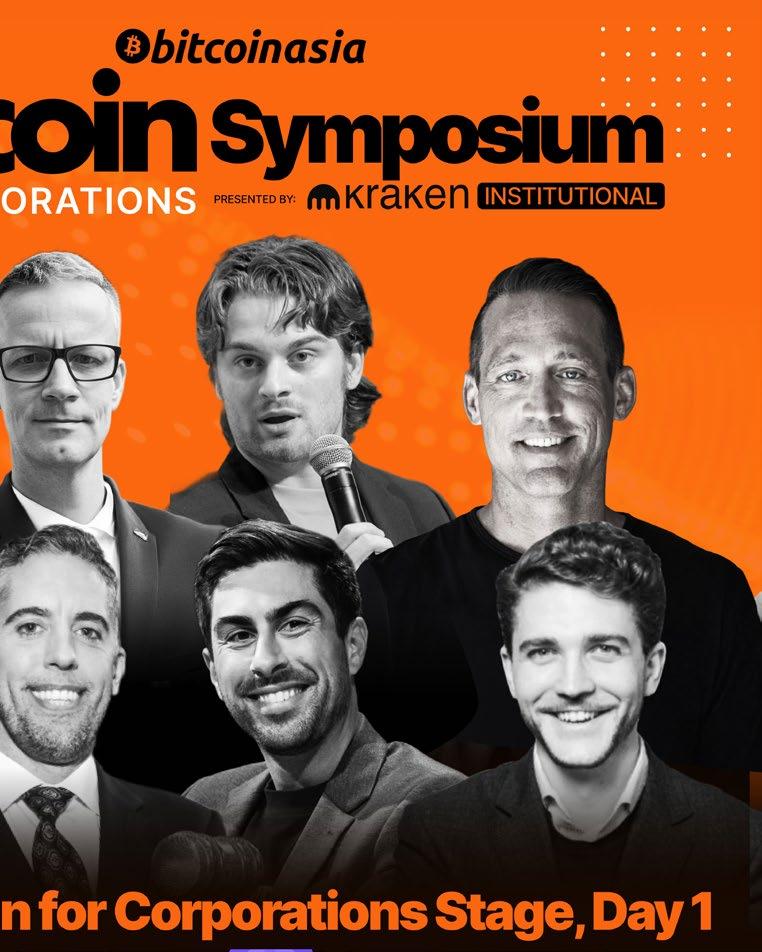

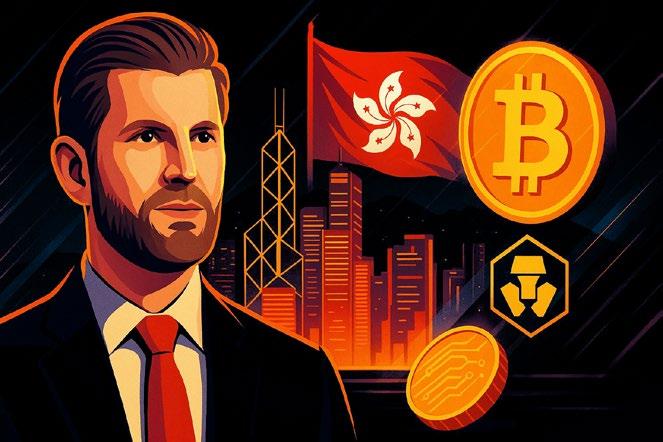

Speakers like Dr. The Hon Johnny NG, a member of Hong Kong’s Legislative Council, and Dr. Eric Yip from the Securities and Futures Commission, emphasized how these measures foster compliant innovation, attracting global capital while bridging traditional finance with blockchain. Eric Trump’s keynote further amplified the narrative, drawing parallels between Bitcoin’s decentralized ethos and broader economic sovereignty. For Asia, where Bitcoin adoption is surging amid economic uncertainties, the conference highlighted untapped opportunities. Discussions on real-world asset (RWA) tokenization, led by projects like Plume Network, illustrated how Bitcoin can underpin scalable DeFi and enterprise solutions.
Partnerships announced on-site, such as between MINAX Global Brand Exchange and the MOVA public chain, signalled a push toward RWA ecosystems tailored for global brands. Meanwhile, infrastructure providers like B2BROKER and B2BINPAY showcased tools enabling seamless Bitcoin payments, reflecting the region’s growing emphasis on practical utility over speculation. Globally, Bitcoin Asia 2025 underscored Bitcoin’s role in reshaping monetary standards. With attendees from diverse sectors—including investors from Japan and South Korea, builders from the U.S., and regulators from Europe— the event fostered cross-border collaborations.
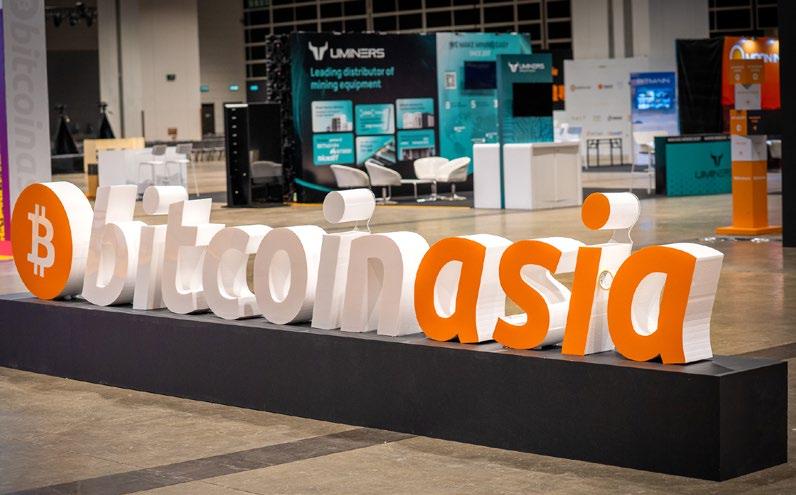

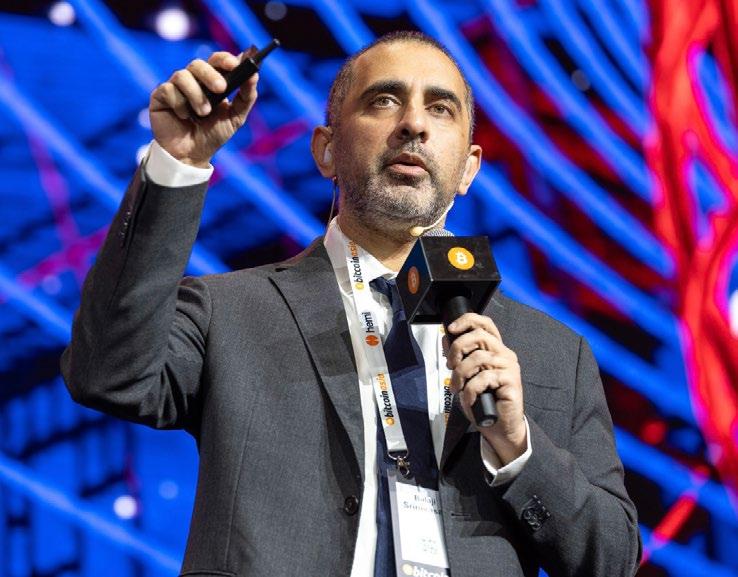


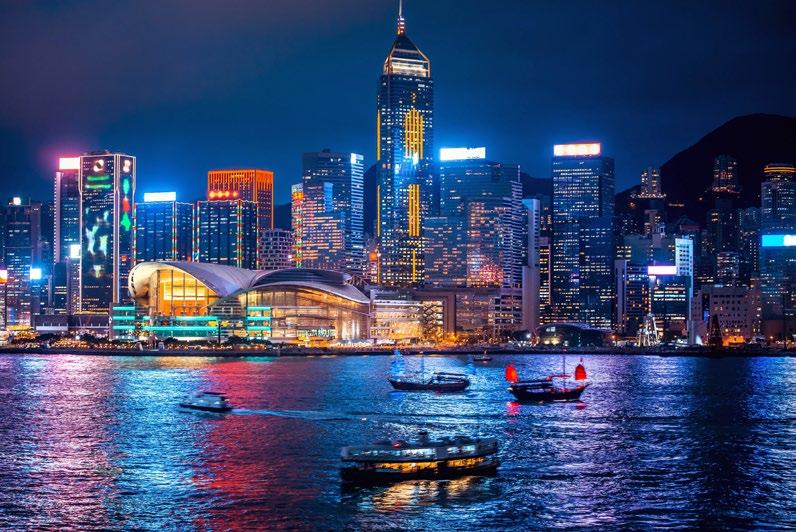

Still, the overwhelming optimism prevailed, reinforced by cultural elements like a Bitcoin art gallery featuring Ordinals collections and exclusive merchandise that blended digital and physical worlds. As the final sessions concluded, Bitcoin Asia 2025 left an indelible mark: Hong Kong is not just hosting events; it’s architecting the future of money. For international observers, it serves as a reminder that Bitcoin’s hyperbitcoinization is a global phenomenon, with Asia at its forefront. The next editions— in Amsterdam, Abu Dhabi, and Las Vegas—promise to build on this momentum, but Hong Kong’s 2025 gathering will be remembered as a turning point where East and West converged to elevate Bitcoin from fringe asset to foundational force.



In the ever-evolving world of luxury travel, where exclusivity and adventure intertwine, French cruise line PONANT Explorations Group has unveiled its latest gem: Ponant Yachting. Launched on September 10, 2025, this fourth commercial brand under the PONANT umbrella promises ultra-intimate sailing experiences that blend the thrill of yachting

with the sophistication of high-end hospitality and cruises around Asia. With a trio of sleek catamarans set to navigate pristine waters by late 2026, Ponant Yachting is poised to captivate discerning travellers seeking bespoke journeys to secluded paradises. But what exactly is yachting, and why has it become the darling of luxury travel?
Let’s dive in.
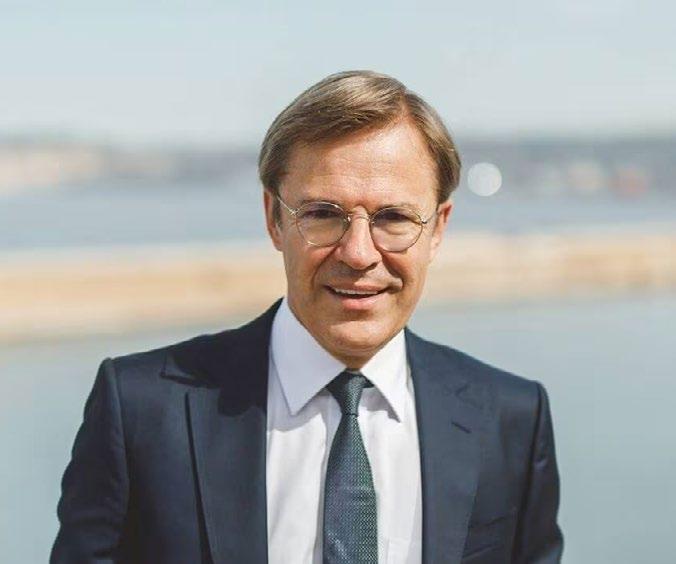
Founded in 1988, PONANT has carved a niche as a global leader in luxury small-ship cruising, blending French elegance with a passion for discovery. Headquartered in Marseille, the company operates a fleet renowned for its intimate scale, sustainable practices, and access to remote destinations— from polar ice caps to tropical atolls. With brands like PONANT Explorations (expedition cruises), Paul Gauguin Cruises (Tahiti-focused), and Aqua Expeditions (river cruises in the Amazon and Southeast Asia), PONANT has mastered the art of curated travel. The addition of Ponant Yachting expands its portfolio to 22 ships by 2026, cementing its reputation for innovation in the luxury travel sphere. PONANT offers some exciting experiences around the gems of Asia such as Japan, China and Southeast Asia as they enter a new era.
Yachting, at its core, is the art of traveling by private or semiprivate vessel, typically smaller than traditional cruise ships, offering unparalleled intimacy and flexibility. Unlike large-scale cruises, yachts—often sleek motor yachts or catamarans—cater to small groups, allowing for personalized itineraries, exclusive access to hidden coves, and a sense of owning the sea. Think anchoring in a turquoise lagoon unreachable by larger vessels, dining on gourmet cuisine tailored to your tastes, or exploring a coral reef with just a handful of fellow travellers. The allure of yachting lies in its ability to combine adventure with exclusivity. It’s a lifestyle choice for those who crave freedom from crowded tourist trails, seeking instead to chart their own course.

Whether it’s a family reunion, a romantic escape, or a gathering of friends, yachting offers a private sanctuary on the water, where every detail—from the crew’s attentiveness to the itinerary’s spontaneity—is crafted to perfection.
Yachting’s popularity has surged in recent years, fuelled by a postpandemic desire for private, meaningful experiences. Here’s why it’s capturing the hearts of luxury travellers worldwide:
Exclusivity: With vessels like Ponant Yachting’s catamarans hosting just 9–12 guests, the experience feels like chartering a private yacht without the logistical hassle. Personalized service, from a dedicated chef to a captain who knows your preferences, elevates every moment. Access to Hidden Gems:
Yachts can navigate shallow waters and small harbours, unlocking destinations like secluded Mediterranean bays, Polynesian lagoons, Asian gems or Caribbean hideaways that larger ships can’t reach.
Sustainability: Modern yachting emphasizes eco-conscious travel. Ponant Yachting, for instance, prioritizes low-impact exploration, aligning with travellers’ growing demand for responsible tourism.
Tailored Adventures: Whether it’s snorkelling in the Seychelles, cultural excursions in the Mediterranean, or stargazing in Polynesia, yachting allows for bespoke itineraries that cater to individual passions.
Intimacy and Bonding: The smallgroup setting fosters connection, making yachting ideal for families, friends, or corporate retreats seeking shared memories in a private setting.


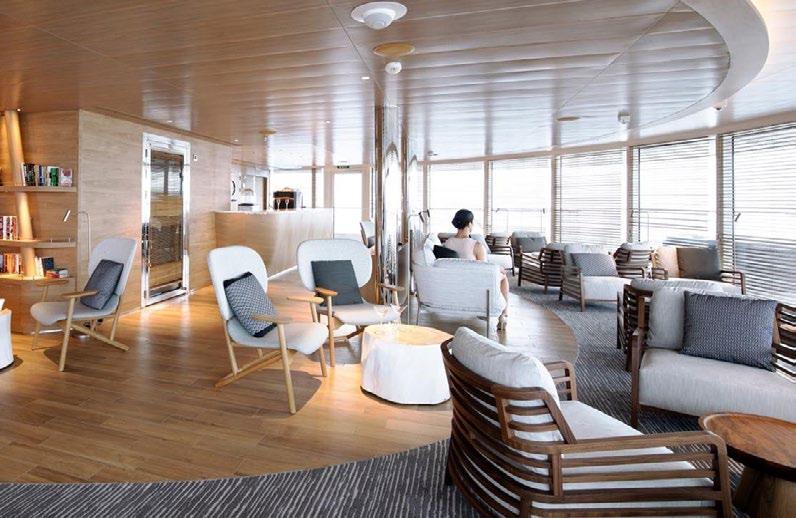



Ponant Yachting builds on the success of Spirit of Ponant, a catamaran that debuted in 2024 and wowed guests with its intimate scale and luxurious amenities. By late 2026, the brand will operate three French-built catamarans, each designed for 9–12 guests and staffed by a crew of four, including a captain, first mate, chef, and hostess. The fleet includes:
Spirit of Ponant: Already operational, this versatile catamaran sails global itineraries, offering a taste of the brand’s vision.
La Désirade: Reassigned to Ponant Yachting, it delivers intimate voyages with a focus on tailored experiences.

Spirit of Ponant II: A new Lagoon EIGHTY 2 series catamaran, debuting in late 2026, will be based full-time in French Polynesia. At 82 feet long and 36 feet wide, it promises top-tier luxury with spacious interiors and eco-friendly design.
Destinations span the Mediterranean’s sun-drenched shores, the Seychelles’ pristine islands, the Caribbean’s vibrant waters, and Polynesia’s ethereal lagoons. Each voyage is all-inclusive, featuring premium wines, cocktails, and gourmet dining, ensuring a seamless blend of adventure and indulgence.
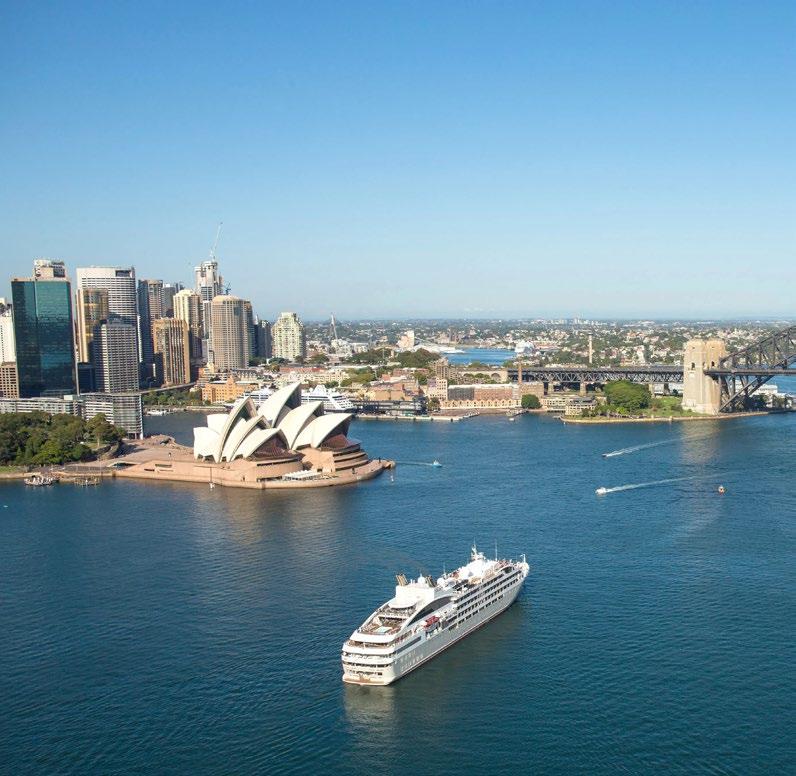




Hervé Gastinel, CEO of PONANT Explorations Group, describes Ponant Yachting as “a unique world where each experience is tailor-made.” This ethos resonates with today’s luxury traveller, who seeks not just a vacation but a story to tell. By combining the intimacy of yachting with PONANT’s expertise in sustainable, high-end travel, the brand
is set to redefine small-ship cruising. As the travel industry evolves, Ponant Yachting taps into a growing desire for experiences that feel personal yet adventurous, exclusive yet accessible. Whether you’re sipping champagne under Polynesian stars or exploring a Mediterranean cove, this new brand invites you to sail your own course— luxuriously.


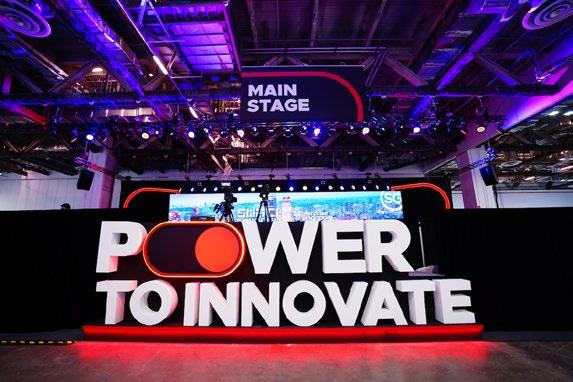
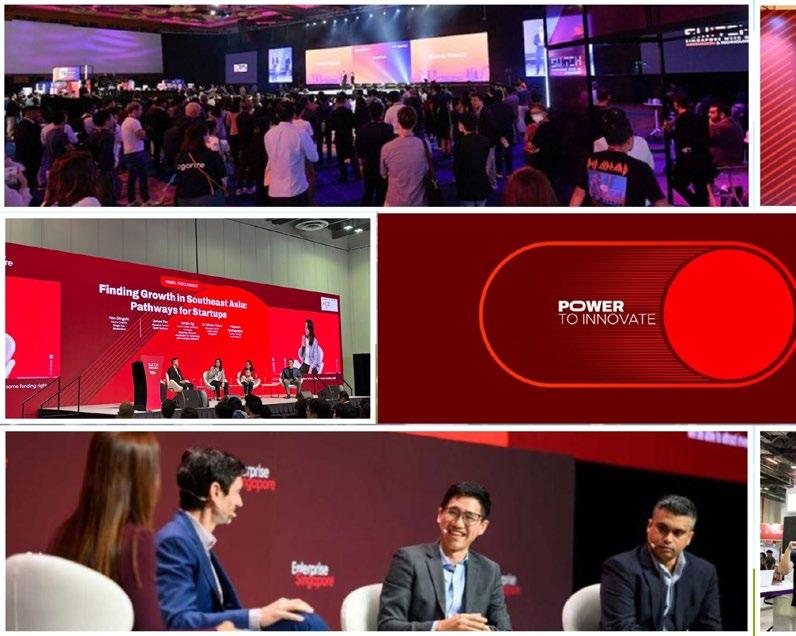
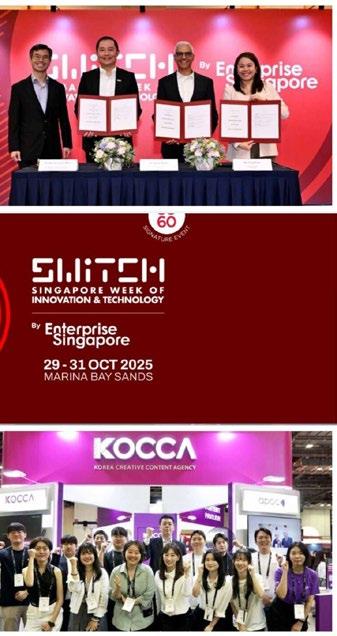
In the heart of Singapore’s futuristic Marina Bay Sands, from October 29 to 31, 2025, the ‘Singapore Week of Innovation and Technology (SWITCH)’ will ignite its 10th edition, coinciding with Singapore’s 60th year of independence (SG60). This milestone event, themed “Create Our Future,” promises to be a vibrant convergence of visionaries, startups, investors, and industry titans shaping the global innovation landscape.
As Asia’s premier deep tech festival, SWITCH 2025 is not just an event—it’s a movement that underscores Singapore’s audacious ambition to be the world’s innovation crucible. For those seeking the pulse of tomorrow’s technology, this is the place to be.
SWITCH is a dynamic platform where the brightest minds in technology converge to explore, collaborate, and commercialize groundbreaking ideas. Organized by Enterprise Singapore, the National Research Foundation (NRF), and the Intellectual Property Office of Singapore (IPOS), the festival transforms cutting-edge research into tangible solutions across sectors like health, biomedical sciences, advanced manufacturing, environmental sustainability, urban solutions, and digital services. Over three days, attendees immerse themselves in a whirlwind of keynote speeches, panel discussions, startup pitches, experiential exhibits, and highstakes networking.
Since its inception in 2015, SWITCH has grown into a global-Asia innovation nexus, drawing over 15,000 participants, 400 exhibitors, and 300 startups from more than 100 countries in past editions. The 2025 edition, hosted at the Sands Expo & Convention Centre, is set to surpass these numbers, with an expanded program celebrating a decade of impact. From interactive tech zones to oneon-one investor matchmaking, SWITCH creates an ecosystem where ideas don’t just spark— they ignite.
The 2025 edition is particularly significant, aligning with SG60, Singapore’s national milestone. This synergy amplifies the event’s role in showcasing how innovation has fuelled the citystate’s meteoric rise from a fledgling nation to a global tech hub. The theme, “Powering
Innovation, Creating Our Future,” reflects this journey, emphasizing technology’s power to build resilient communities and drive positive change. Expect immersive exhibits that blend Singapore’s innovation story with handson experiences, such as test rides on electric vehicles or tours of cutting-edge labs in one-north, Singapore’s innovation district.
SWITCH’s significance lies in its ability to bridge the gap between research and realworld impact. It’s a melting pot where scientists, entrepreneurs, and policymakers collaborate to tackle global challenges— think sustainable urban planning, next-gen healthcare, or AI-driven manufacturing. By fostering cross-border partnerships, SWITCH positions Asia as a leader in the global innovation race, with Singapore as its beating heart.
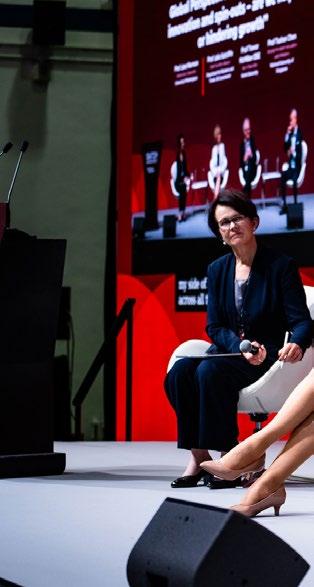
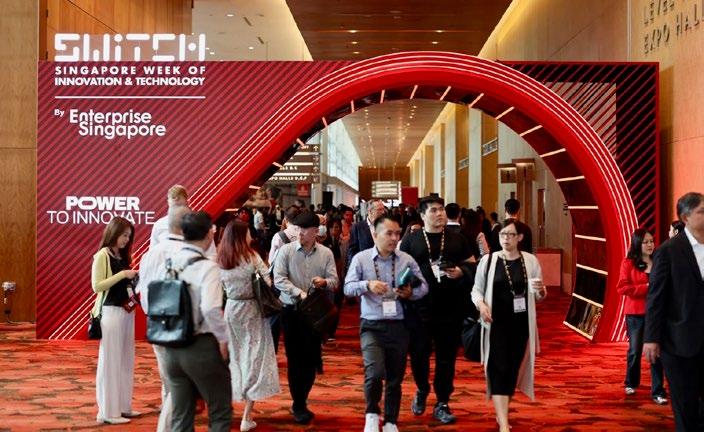


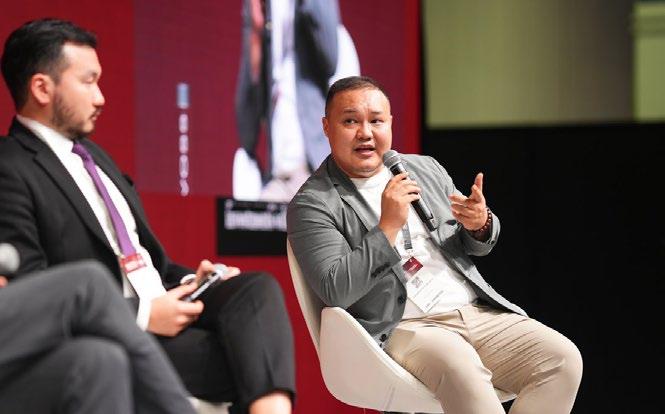
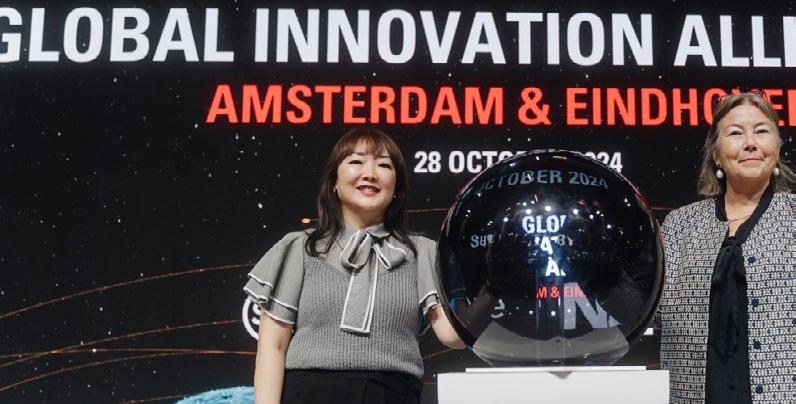


The festival’s centrepiece is SLINGSHOT 2025, Asia’s premier deep tech startup pitching competition. With over 6,800 applications from 150+ markets in past years, this year’s Top 60 finalists, announced in late August 2025, will vie for over S$2 million in grants. The finals, held during SWITCH, are a highoctane showcase of disruptive ideas, from AI diagnostics to green energy solutions. For startups, it’s a chance to secure funding, mentorship, and global exposure. Beyond SLINGSHOT, SWITCH offers over 80 content
sessions, featuring 300+ speakers—think CEOs, Nobel laureates, and tech pioneers. Topics range from fundraising strategies to navigating product-market fit in Asia’s diverse markets. The exhibition floor, with 350+ booths, will buzz with innovations, from robotics to biotech breakthroughs. Experiential zones will let attendees interact with technologies reshaping industries, while curated networking sessions connect startups with investors hungry for the next big thing. A key highlight is the integration of TechInnovation Singapore 2025, now in its 13th year, which focuses on business transformation through technology partnerships. This synergy amplifies SWITCH’s role as a catalyst for deals, with past editions facilitating thousands of connections and millions in investments.
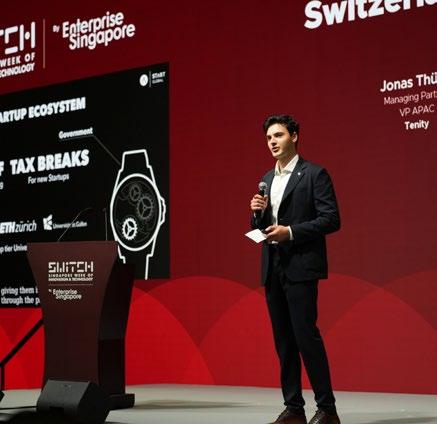
In a post-pandemic world, the urgency for resilient, sustainable innovation has never been greater. SWITCH 2025 addresses this head-on, spotlighting deep tech—technologies rooted in scientific breakthroughs that promise transformative impact. For instance, health tech startups might showcase AI-driven diagnostics, while environmental innovators could unveil carboncapture solutions. These aren’t just ideas; they’re answers to pressing global challenges.
Singapore’s unique position as a neutral, innovation-friendly hub makes SWITCH a magnet for global players. Its strategic location, robust infrastructure, and government-backed innovation ecosystem create a
fertile ground for collaboration. The festival’s track record speaks for itself: past editions have sparked partnerships that led to scalable solutions, from smart city frameworks to precision medicine.
For attendees, SWITCH is a gateway to Asia’s booming markets. With the region projected to drive global economic growth, understanding its innovation landscape is crucial. Whether you’re a startup founder seeking funding, an investor scouting talent, or a researcher aiming to commercialize discoveries, SWITCH offers unparalleled opportunities to connect and create.

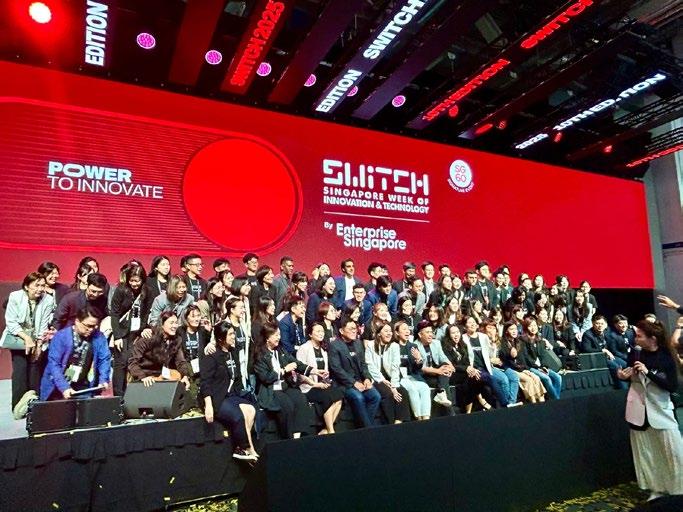




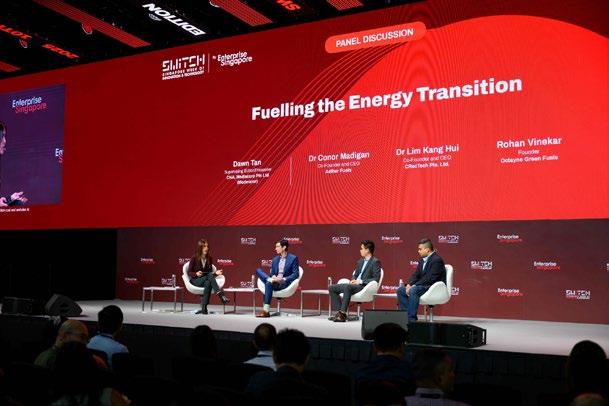

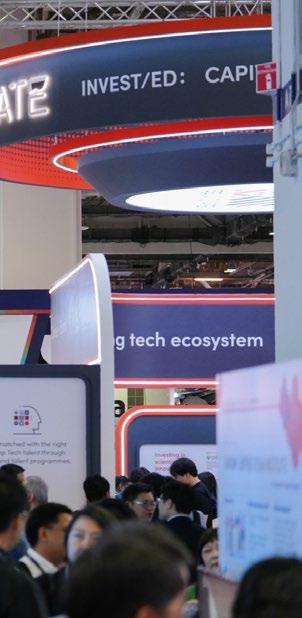

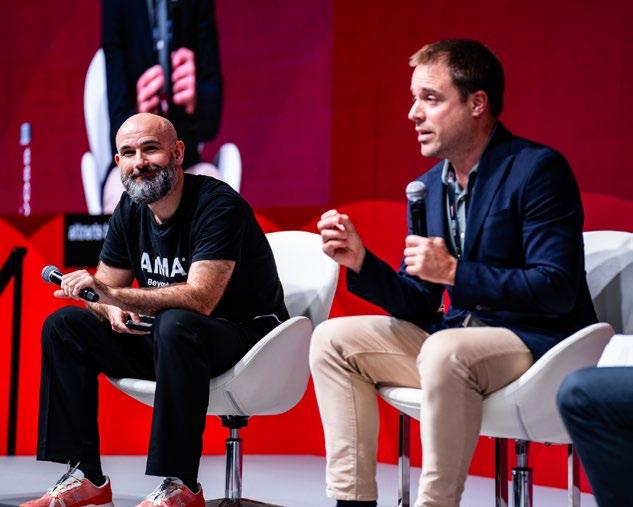
As SWITCH celebrates its 10th year, it’s more than an event— it’s a testament to the power of collective ingenuity. The 2025 edition promises to be its boldest yet, blending Singapore’s innovation legacy with a forwardlooking vision. Early bird registration is open at switchsg. org, where you can secure passes for sessions, exhibitions, and networking. For those eager to
shape the future, SWITCH Singapore 2025 is not just a destination—it’s a launchpad. In a world racing toward technological transformation, SWITCH stands out as a beacon of possibility. Join the innovators, dreamers, and doers in Singapore this October, and be part of creating our future.


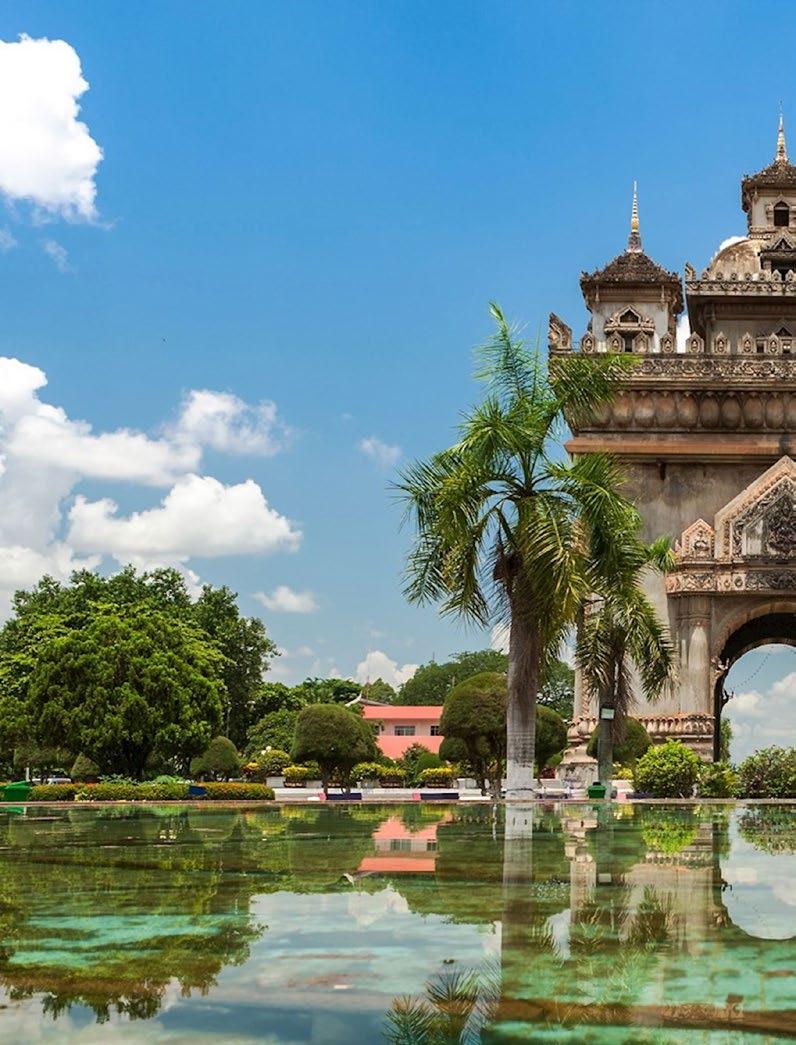
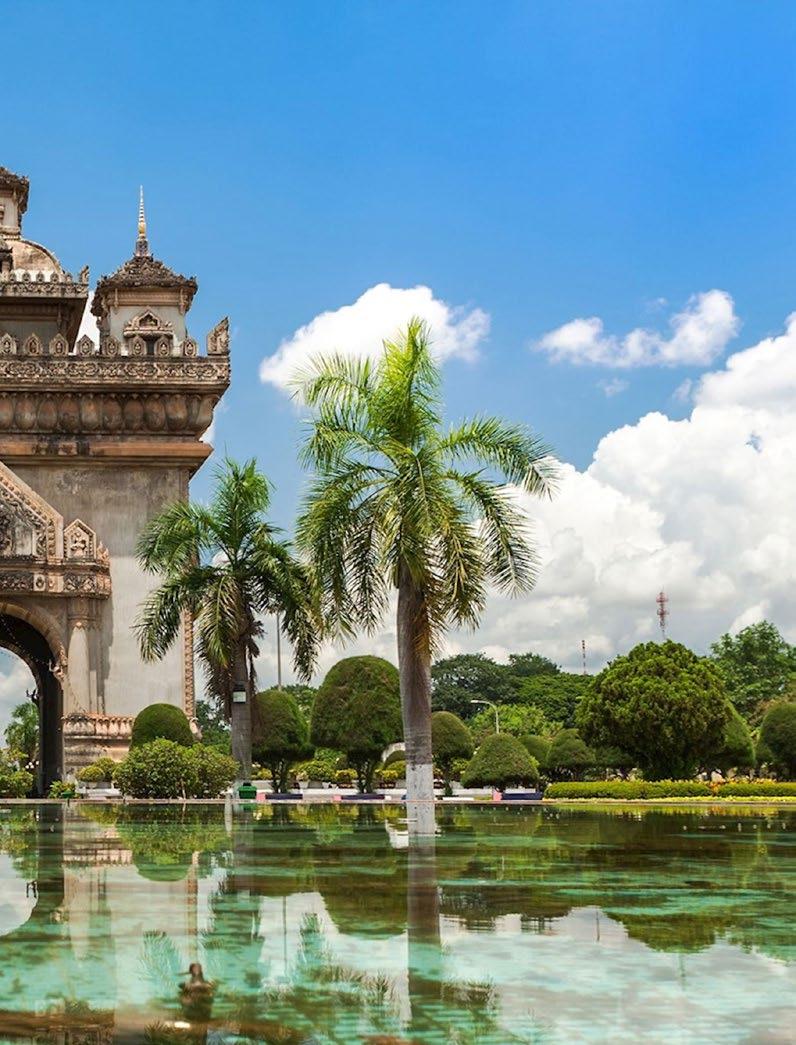
In the heart of Southeast Asia, where the Mekong River weaves through lush landscapes and ancient temples, Vientiane, the tranquil capital of Laos, is poised for a transformative leap onto the global stage. The K-Sport Vientiane project, a US$2.9 billion tourism complex spearheaded by the Korean-based Oriental Pearl Company in collaboration with the Lao government, is set to redefine the region’s travel landscape. Spanning 1,200 hectares, this visionary development promises to blend health, wellness, and sports tourism into an ecofriendly, world-class destination, positioning Laos as an unexpected contender in the competitive Southeast Asian tourism market.
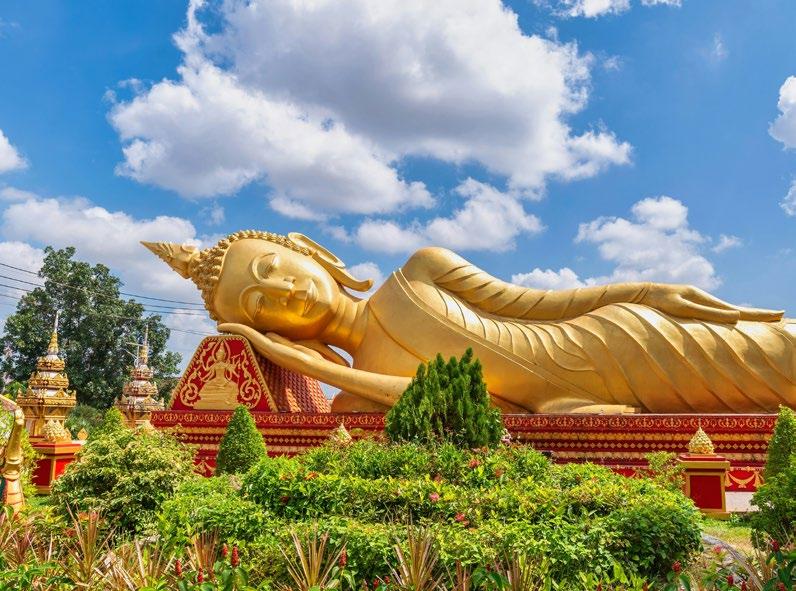
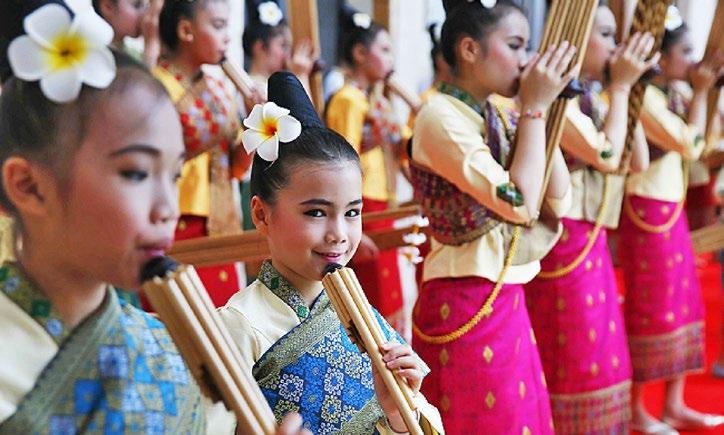

Announced with much anticipation, K-Sport Vientiane is more than just a resort—it’s a multifaceted complex designed to cater to the growing global demand for experiential and wellnessfocused travel. The project includes an impressive array of facilities: luxury hotels, a state-of-the-art stadium, a championship-grade golf course, a sprawling water park, and dedicated spaces for health and rejuvenation. This ambitious undertaking aims to attract international visitors, particularly from South Korea, while fostering economic growth in one of Asia’s leastdeveloped nations. The partnership between the Lao government and Oriental Pearl Company reflects a shared commitment to sustainable development. By emphasizing ecoconscious design and all-inclusive packages, K-Sport Vientiane seeks to appeal to modern travellers who value
both adventure and environmental responsibility. The project’s scale is staggering—covering an area larger than many urban centres—and its timeline is equally bold, with construction set to commence soon and completion expected to unfold in phases over the coming years.
Laos, often overshadowed by tourism giants like Thailand, Vietnam, and Cambodia, has long been a hidden gem for intrepid travellers seeking authenticity. Its serene landscapes, Buddhist heritage, and laid-back charm have drawn backpackers and cultural enthusiasts, but the country has struggled to compete in the luxury and leisure markets. K-Sport Vientiane aims to change that narrative by offering a destination that combines high-end amenities with the unique allure of Laotian culture.
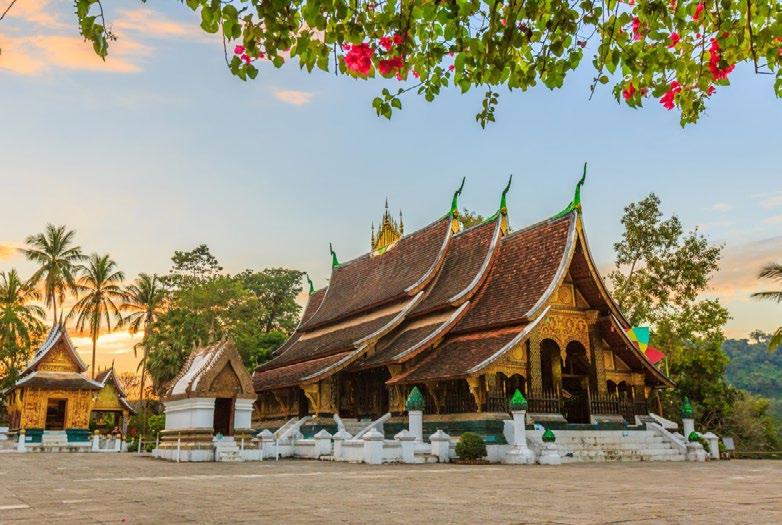
The complex is strategically designed to tap into the booming sports tourism sector, a niche that has gained traction globally. With facilities tailored for sports enthusiasts—ranging from professional-grade athletic venues to recreational activities like golf and water sports—K-Sport Vientiane is poised to attract a diverse clientele, from competitive athletes to families seeking active vacations. The inclusion of wellness-focused offerings, such as spa retreats and holistic health programs, aligns with the global trend toward mindfulness and self-care, ensuring the project appeals to a broad demographic.
The economic implications of K-Sport Vientiane are profound. Laos, with a GDP per capita among the lowest in Southeast Asia, stands to benefit significantly from the influx of foreign investment and
tourism revenue. The project is expected to create thousands of jobs, from construction to hospitality, providing opportunities for local communities and stimulating ancillary industries such as transportation, food, and retail. By positioning Vientiane as a regional hub for leisure and wellness, the Lao government hopes to diversify its economy, which has historically relied on agriculture and hydropower.
Moreover, K-Sport Vientiane could reshape Southeast Asia’s tourism dynamics. While destinations like Bali and Phuket dominate the region’s luxury travel market, Laos’ entry as a sports and wellness hub offers a fresh alternative. The project’s proximity to major Asian markets, particularly South Korea, China, and Japan, enhances its potential to draw high-spending tourists.


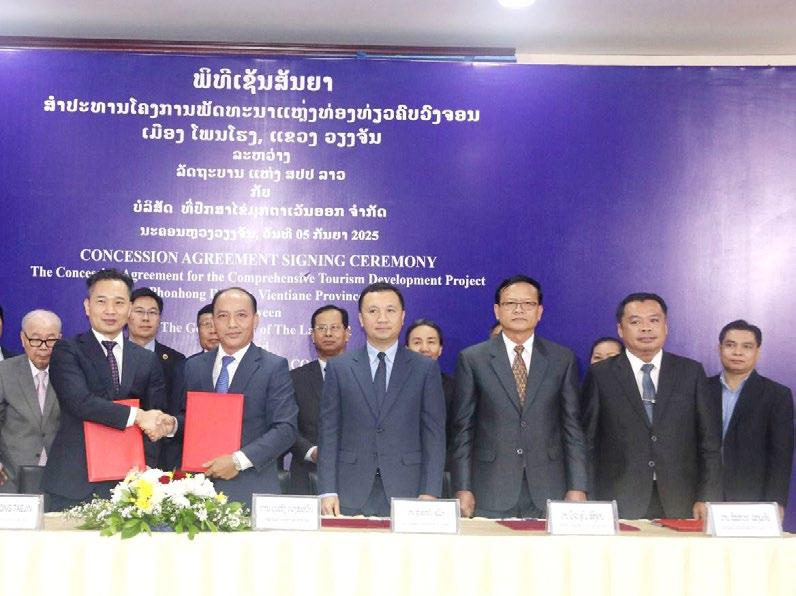

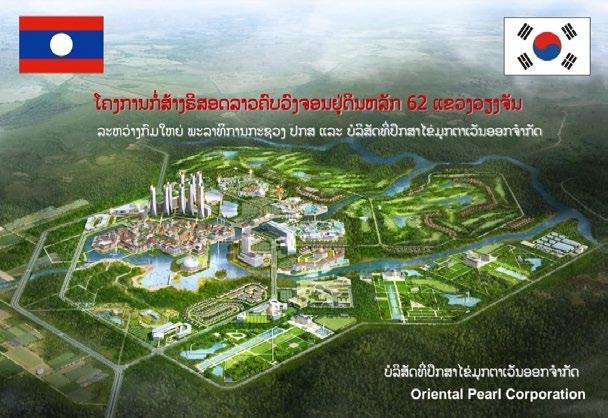
The Lao government’s support, including streamlined visa processes and incentives for investors, underscores its commitment to making K-Sport Vientiane a cornerstone of the nation’s tourism strategy.
As with any project of this magnitude, K-Sport Vientiane faces challenges. Infrastructure development in Laos, particularly in transportation and utilities, will need to keep pace with the project’s demands to ensure seamless access for international visitors. Environmental concerns also loom large, as large-scale developments can
strain natural resources and ecosystems. However, the project’s emphasis on eco-friendly design—such as sustainable construction practices and energy-efficient facilities—offers a promising framework for mitigating these risks. Community engagement will be critical to the project’s success. Ensuring that local residents benefit directly from K-Sport Vientiane, whether through employment, skills training, or cultural preservation, will help foster goodwill and long-term sustainability.
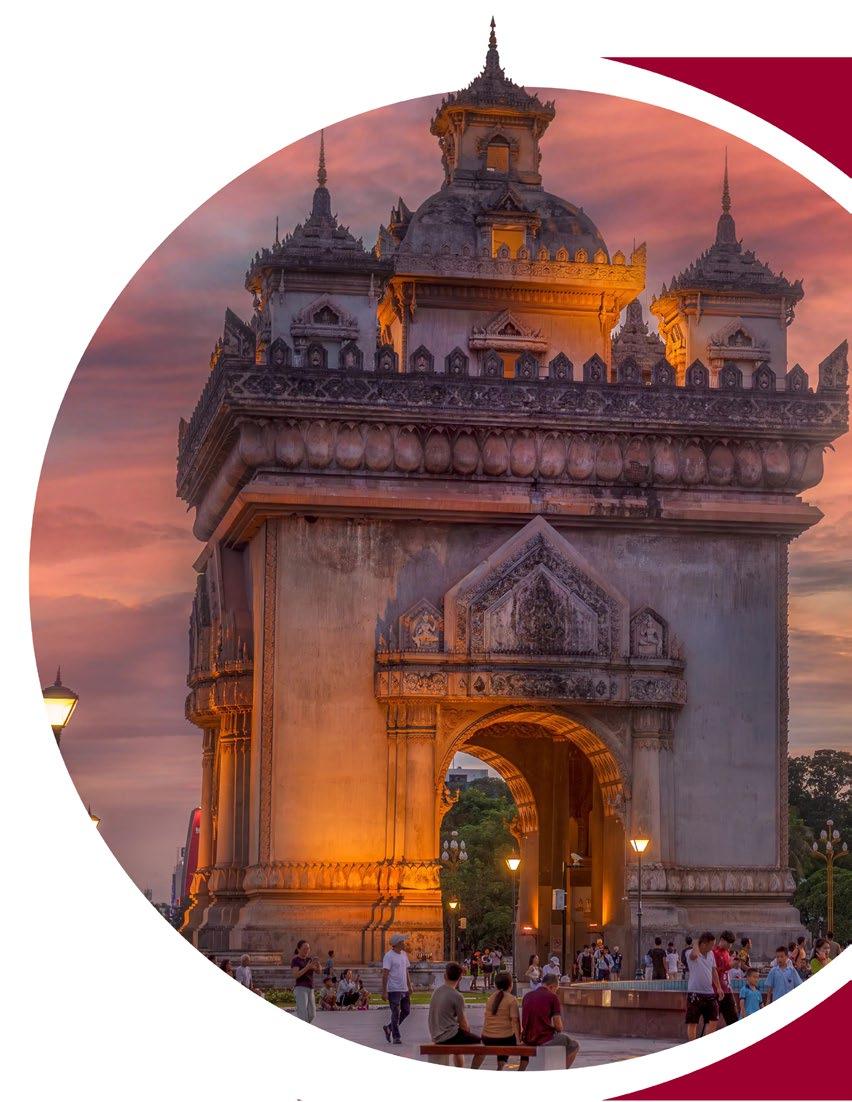
The Lao government and Oriental Pearl Company have an opportunity to set a precedent for responsible tourism development, balancing economic growth with cultural and environmental stewardship.
K-Sport Vientiane is more than a tourism project—it’s a bold statement of intent from a nation ready to claim its place on the global stage. By blending cutting-edge facilities with the timeless allure of Laotian hospitality, the complex has the potential to redefine how the world

perceives Laos. For travellers, it offers a chance to experience a destination that seamlessly marries adventure, relaxation, and cultural immersion.
As construction begins and the vision takes shape, the world will be watching Vientiane. If successful, K-Sport Vientiane could not only transform Laos’ tourism industry but also inspire other emerging destinations to dream big. For now, this ambitious project stands as a testament to the power of innovation and collaboration, promising a future where Laos shines as a beacon of wellness, sport, and sustainable travel in Southeast Asia.



BECOME A CITIZEN JOURNALIST OF INCREDIBLE ASIA magazine ( A Member M/s. Worldwide Media Corporation Group USA )

Exciting opportunity for all those who want to share their most memorable, Interesting. Amazing, Pro-active & Growth oriented activities & Experiences covering areas such as
• Fashion, Trend & Lifestyle
• Culture, Tradition & Heritage
• Education, Healthcare & Wellnes
• Industries, Investments & Growth
• Travel, Tourisn & Hospitality
With Millions of Readers across the world
Selected Stories/ Articles will be Published with your Photograph &Name.
Post your Stories & Experiences along with High Quality Photos to aseworldwidemedia@gmail.com | worldwidemediaasiapacific@gmail.com
Special Coverage & Press Release
Launguage Rights & Overseas Rights
Circulation, Subscription & Global Distributions
Advertisements & Advertorials
Featured Stories & Articles
Feedback & Customer Relationship

Dr. Kevin Francis
Dr. Andre Lubbe
Dr. George Fedrick
WWMCG Global Communications Inc.,
Rishi Wadhwa
Ms. Nancy
Email ID : aseworldwidemedia@gmail.com worldwidemediaasiapacific@gmail.com
Website : www.incredibleasia.com