History, Evolution & Growth Of The Amazing Game Of Football
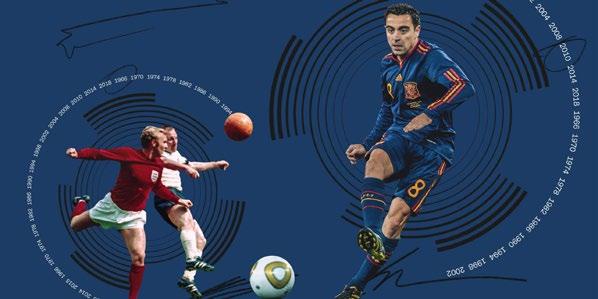
AHistory of Football from Ancient Origins to Global Phenomenon Football is arguably the world’s favourite and most popular game. With billions of fans worldwide, football has grown into a cultural phenomenon transcending borders, languages, and backgrounds. How did this sport played by people of all ages and backgrounds end up dominating the world? If we look into the ever-interesting history and evolution of football from its ancient past to its current status as a global phenomenon. Football evolved from ancient ball games into the world’s most popular sport through a process of rule standardization, tactical innovation, and global expansion. Its growth accelerated dramatically with the British Empire’s influence and later, the commercialization and media exposure of the 21st century.
HISTORY AND ORIGINS: Ancient precursors: Games involving a ball and feet can be found in ancient history. Cuju (China): The earliest version of a ball game recognized by FIFA is cuju, played in China during the Han Dynasty (206 BC–220 AD). It involved kicking a leather ball into a net, often as a form of military training. Episkyros (Greece) and Harpastum (Rome): The ancient Greeks and Romans played ball games that shared elements with both football and rugby. These games, often physical and competitive, were a distant precursor to the organized sport.
MEDIEVAL MOB FOOTBALL: A much rougher and more chaotic form of the game, known as “mob football,” was popular in medieval England.These annual contests were often played between neighboring villages with no set number of players. Matches could last for hours, and the rules were informal and brutal, often leading
to property damage and injury. Authorities frequently banned the game, but it persisted as a folk tradition. Evolution: The game transformed significantly with the standardization of rules and the development of tactics. Codification of Rules (1863): In London, the formation of the Football Association (FA) created the first universal “Laws of Football”. A key decision was banning the carrying of the ball, which permanently split the game from rugby. Formation of Leagues (1888): The English Football League was founded in 1888, establishing a professional league competition that cemented the game’s place in popular culture.
GROWTH INTO A GLOBAL SENSATION: Football’s modern growth is attributed to several key factors that turned it from a national pastime into a global phenomenon. British Empire’s Influence: The game spread rapidly in the late 19th century as British traders, sailors, and colonial administrators introduced it to Europe, South America, and other parts of the world. Formation of FIFA (1904): The establishment of the Fédération Internationale de Football Association (FIFA) provided a global governing body for international competition. The World Cup: The first World Cup in 1930 significantly boosted football’s international profile. It remains the most widely viewed sporting event in the world, drawing billions of viewers. Technological Advancements: Broadcasting: Satellite television and the internet enabled top European leagues and major tournaments to be broadcast globally in the 21st century, growing international fanbases. In-game Technology: Innovations like goalline technology (2013), the Video Assistant Referee (VAR) (2017), and semi-automated offside technology (2022) have increased the accuracy of officiating.
EDITOR -IN - CHIEF From The Desk Of
ECONOMIC COMMERCIALIZATION:
Elite Player Migration: The migration of top talent, particularly from South America and Africa to Europe, has integrated markets and raised the quality of competition. Global Club Brands: Clubs like Real Madrid, Barcelona, and Manchester United have developed global fanbases and multi-billion-dollar brand valuations through lucrative sponsorship and broadcasting deals. Cultural Significance: Football acts as a unifying force, fostering national pride and cultural identity in many countries. It has also become a platform for social change, addressing issues such as racism and gender inequality.
GLOBAL SENSATION OF FOOTBALL:
The Ultimate Game of Football became a Global Sensation due many reasons. But, the Notable ones are: Media and Broadcasting: The 21st century saw an explosion in media technologies, including satellite television, the internet, and social media. This allowed major European leagues (like the English Premier League, La Liga, and Bundesliga) and major tournaments (like the FIFA World Cup) to be broadcast to every corner of the globe in real-time, building massive international fan bases.
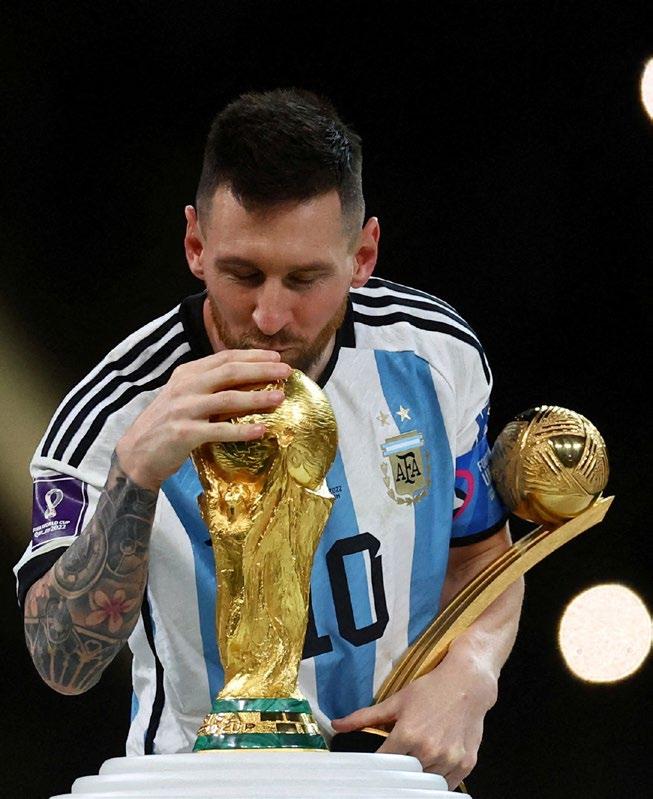
COMMERCIALIZATION AND SPONSORSHIP: The sport transformed into a multi-billion-dollar industry with lucrative sponsorship deals, merchandise sales, and high-value broadcasting rights. This financial power allowed top clubs to scout and sign international talent, further fuelling global interest and raising performance standards. Iconic Players: The rise of superstar players like Lionel Messi and Cristiano Ronaldo, who became global celebrities with huge social media followings, created personal narratives that resonated with fans worldwide. Fans could follow their idols’ every move, both on and off the pitch.
TECHNOLOGICAL INTEGRATION: Innovations like the Video Assistant Referee (VAR) and goal-line technology have made the game more accurate and fairer, which added to the professionalization and excitement of the sport. Data analytics also allowed for a deeper understanding of tactics, improving the quality of the game. Digital Engagement: Digital media platforms have transformed fan engagement, allowing fans to interact with content, discuss strategies, and share their passion across geographical boundaries, creating a unified global community.
UNIVERSAL ACCESSIBILITY: The fundamental reason for football’s global reach is its simplicity. The game requires minimal equipment—often just a ball (or a makeshift ball of rags) and an open space—making it playable by people of all economic backgrounds,
from the poorest streets to professional stadiums. Simple Rules: The basic objective—kicking a ball into a goal without using hands—is easy to grasp quickly, making it accessible to newcomers of any age or culture.
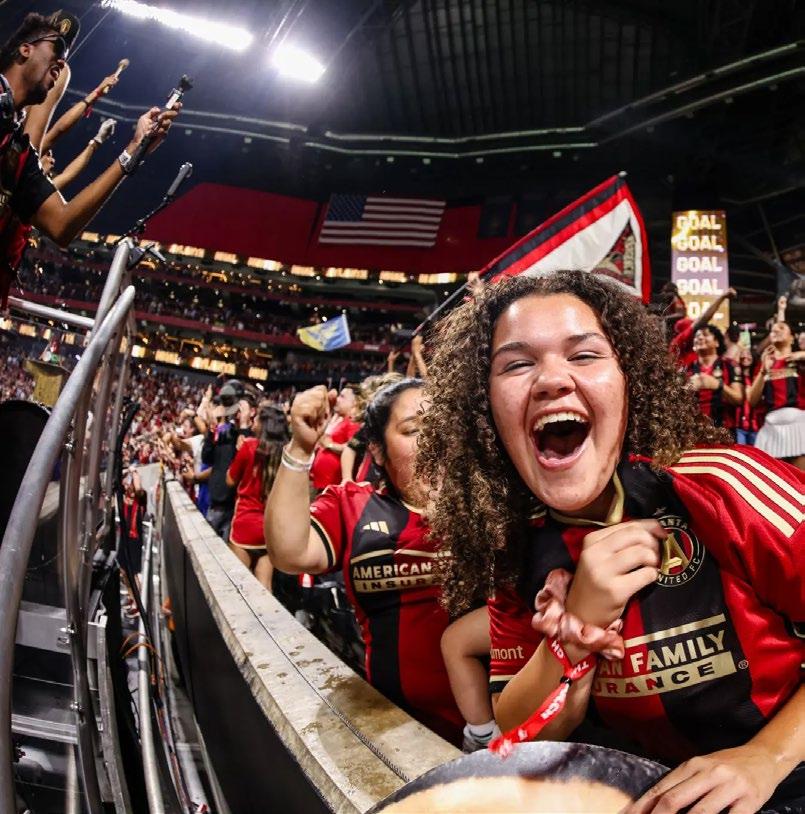
CULTURAL IDENTITY AND PASSION: In many countries, football is deeply woven into the national identity and culture, acting as a source of immense passion, pride, and a unifying force in communities. Major tournaments often become national events that bring entire countries together. Inspiring Stories: The sport offers a pathway for individuals from humble backgrounds to achieve global success, providing hope and aspirational stories that resonate deeply with people worldwide. By combining its inherent accessible nature with the power of modern media and commercial strategies, football in the 21st century transcended its status as a mere game to become an unparalleled global cultural and economic phenomenon.
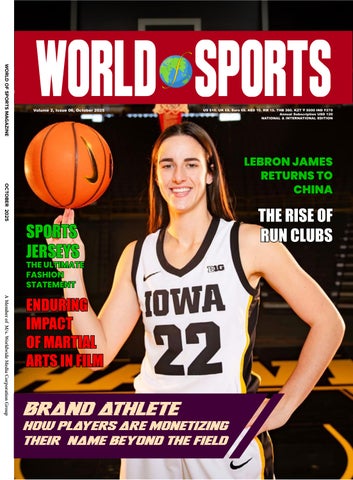
BRAND ATHLETE
HOW PLAYERS ARE MONETIZING THEIR NAME BEYOND THE FIELD 24
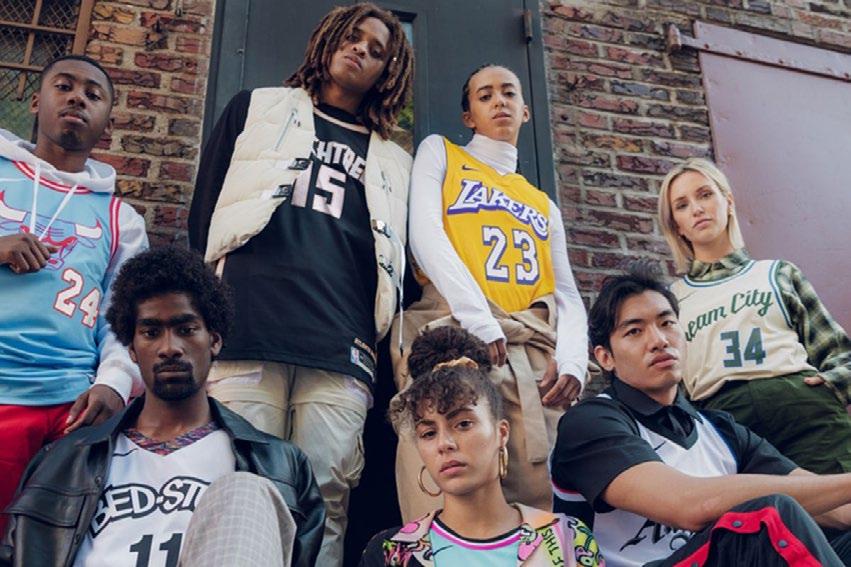
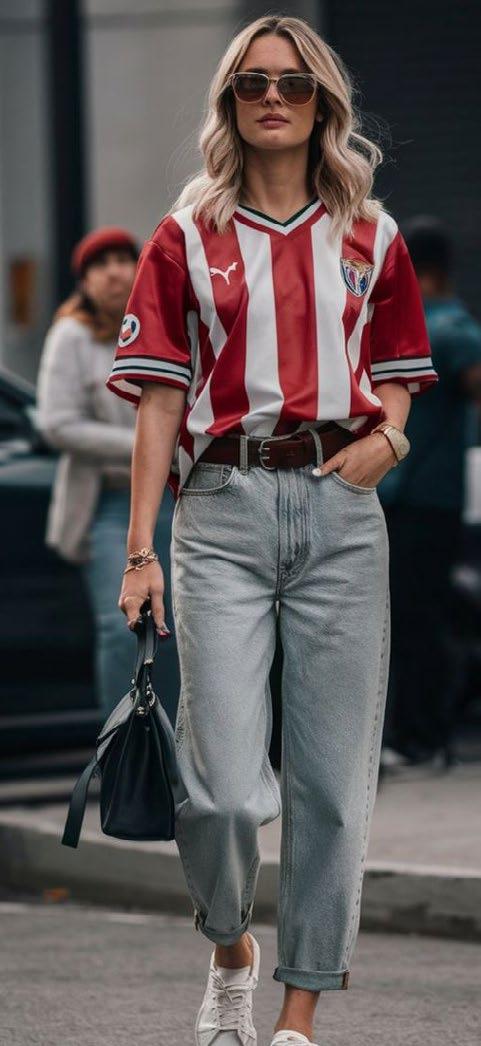
From Stadium to Street - Sports Jerseys
Became the Ultimate Fashion Statement
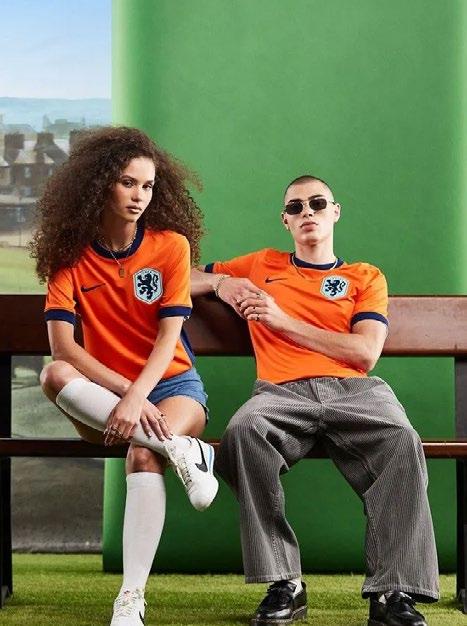
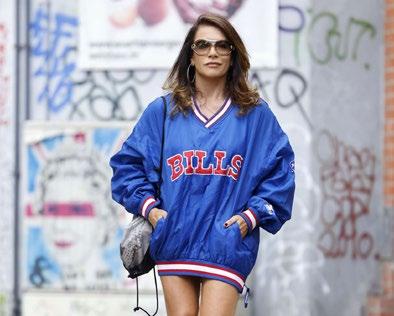
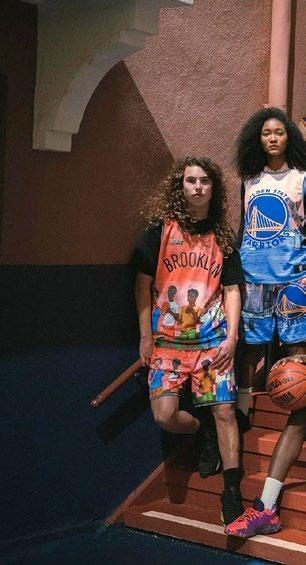
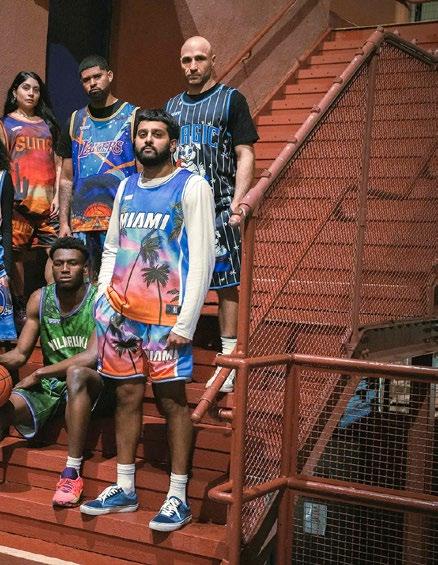
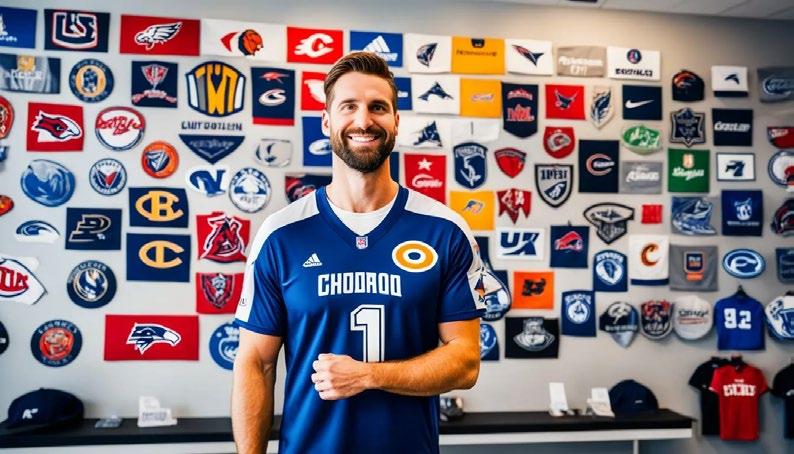
Sports team jerseys, once confined to stadium stands and game-day rituals, have transcended their athletic roots to become a staple in casual fashion. From basketball courts to city streets, these iconic garments are now a vibrant expression of personal style, cultural identity, and fandom. The growing trend of wearing sports jerseys as everyday wear reflects a blend of nostalgia, versatility, and the influence of pop culture, making them a dynamic part of modern wardrobes.
A Brief History of sports Jerseys in fAsHion
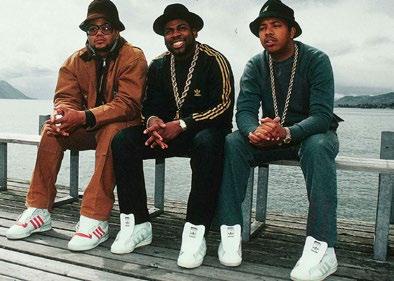
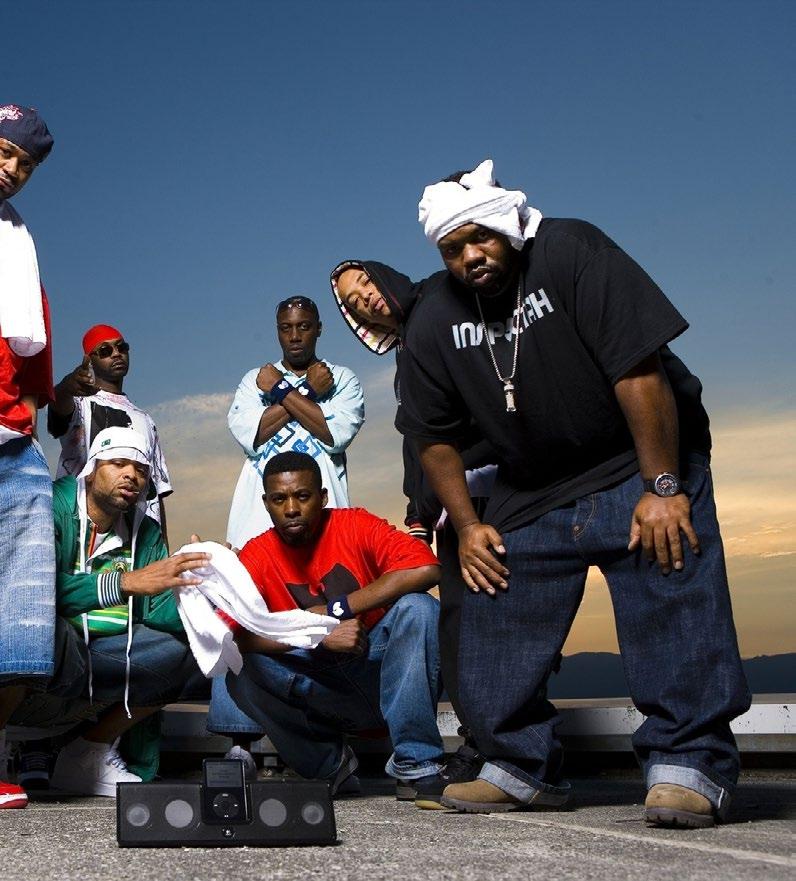
Sports jerseys have long been more than just uniforms. In the early 20th century, they were functional, designed for performance with little thought to aesthetics. However, as sports like baseball, basketball, and soccer grew into global phenomena, jerseys became symbols of team pride and loyalty. By the 1980s and 1990s, the rise of hip-hop culture and streetwear began to reshape their role. Artists like RunDMC and LL Cool J sported oversized basketball and baseball jerseys, pairing them with sneakers and bucket hats, turning athletic wear into a fashion statement.
This crossover gained momentum with the commercialization of sports merchandise. Brands like Nike, Adidas, and Puma, which produced official team kits, recognized the potential of jerseys as lifestyle products. Limited-edition releases, playerspecific designs, and retro throwback jerseys began to appeal not just to fans but to fashion enthusiasts seeking bold, authentic pieces.
WHy Jerseys HAve Become everydAy WeAr
The shift of sports jerseys into casual fashion can be attributed to several factors:
1. VERSATILITY AND COMFORT: Sports team jerseys are designed for movement, made from breathable, lightweight materials like polyester or mesh. Their relaxed fit makes them ideal for everyday wear, whether paired with jeans, joggers, or shorts. The loose silhouette aligns with the oversized clothing trend that dominates modern streetwear, offering both comfort and style.
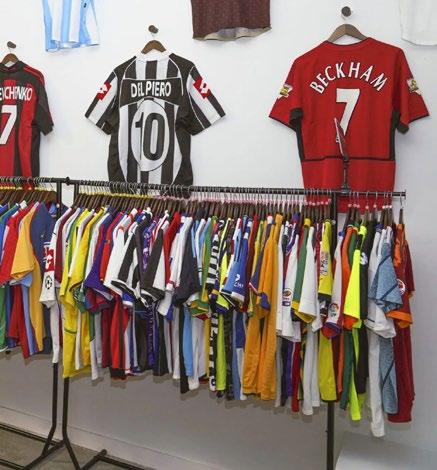
2. CULTURAL SIGNIFICANCE: Jerseys carry a sense of belonging. Wearing a team’s colours or a favourite player’s number signals allegiance, sparking conversations among fans and strangers alike. Beyond fandom, jerseys also tap into nostalgia, with retro designs evoking memories of iconic moments in sports history, like Michael Jordan’s Bulls era or Manchester United’s 1999 treble-winning season.
3. STREETWEAR AND POP CULTURE INFLUENCE: The streetwear boom, fuelled by brands like Supreme and collaborations with sports giants like the NBA and NFL, has elevated jerseys to high-fashion status. Celebrities like Rihanna, Kanye West, and Travis Scott have been spotted rocking team jerseys, styled with designer accessories or layered with jackets. Social media platforms, particularly Instagram and TikTok, amplify this trend, with influencers showcasing creative ways to style jerseys for casual outings or even semi-formal events.
4. PERSONALIZATION AND COLLECTABILITY: Modern jerseys offer customization, allowing wearers to add their names or choose specific players, making each piece feel unique. Limited-edition releases, such as city-themed NBA jerseys or anniversary soccer kits, have turned jerseys into collectibles, appealing to both sports fans and fashion collectors.
tHe modern styling of sports Jerseys
The appeal of sports jerseys lies in their adaptability. They can be dressed up or down, making them a versatile addition to any wardrobe. Here are some popular ways people are incorporating jerseys into everyday fashion:
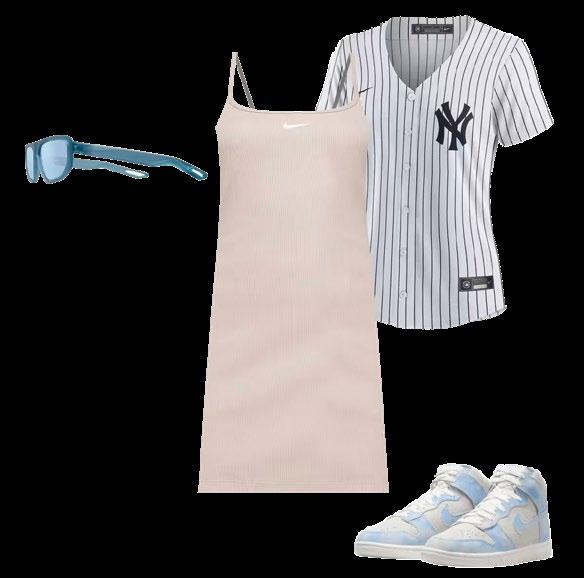
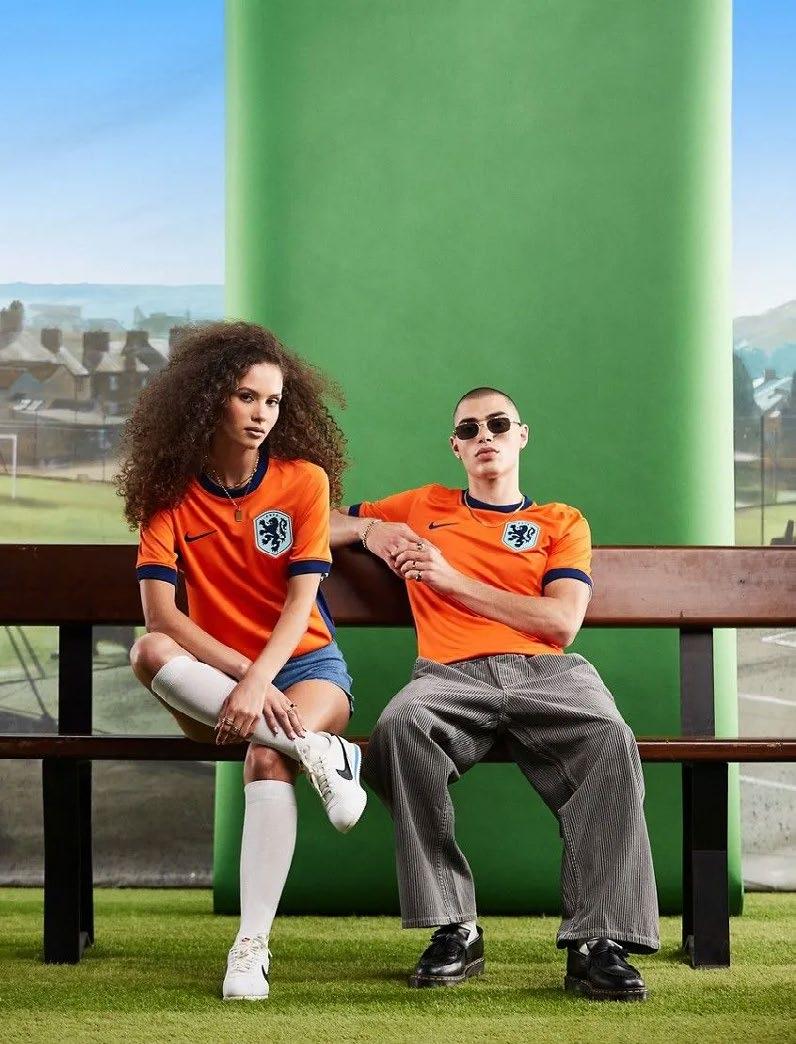
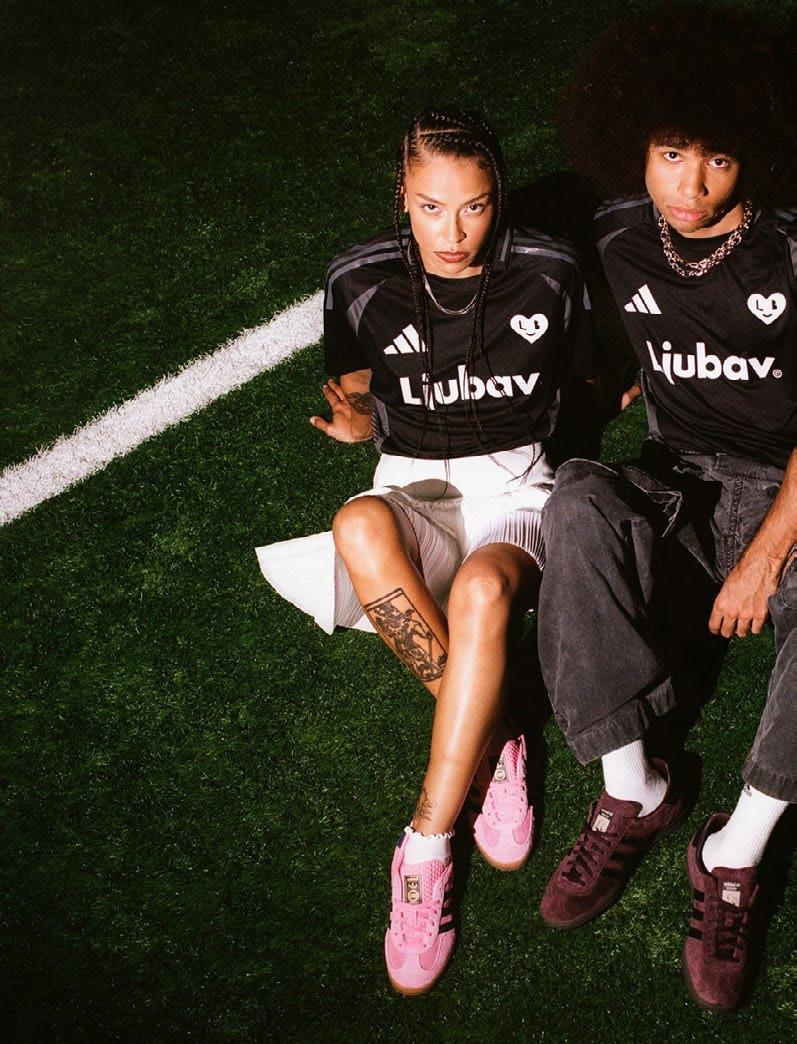
CASUAL COOL: Pairing a soccer jersey with ripped jeans and chunky sneakers creates an effortlessly stylish look. A baseball cap or crossbody bag adds a streetwear edge.
ATHLEISURE VIBES: Combining a basketball jersey with joggers and high-top sneakers taps into the athleisure trend, blending sporty comfort with urban flair.
HIGH-LOW FASHION: For a bold statement, fashion-forward individuals layer jerseys under blazers or pair them with tailored trousers and designer heels, mixing sporty aesthetics with sophistication.
RETRO REVIVAL: Vintage jerseys, especially those from the ‘90s, are highly sought after. Styling a throwback jersey with cargo pants or a denim jacket channels a nostalgic, retro vibe.
tHe role of sustAinABility And
inclusivity
As fashion evolves, so does the production of sports jerseys. Brands are increasingly focusing on sustainable materials, such as recycled polyester, to create eco-friendly kits. Additionally, the rise of unisex and women’s-specific jerseys has made the trend more inclusive, catering to diverse body types and style preferences. This inclusivity has broadened the appeal, ensuring that jerseys resonate with a wider audience beyond traditional sports fans.
tHe future of Jerseys in fAsHion
The growing popularity of sports jerseys as casual wear shows no signs of slowing down. As streetwear continues to dominate global fashion, and with the influence of social media and celebrity culture, jerseys are likely to remain a key piece in wardrobes worldwide. Collaborations between sports brands and luxury designers, such as Gucci’s partnership with Adidas or Balenciaga’s soccer-inspired collections, suggest that jerseys will continue to blur the lines between sportswear and high fashion. Moreover, the rise of e-sports and virtual fan communities is expanding the concept of team jerseys. Digital teams are now releasing their own merchandise, with jerseys designed for gamers and fans, further integrating sports-inspired fashion into new cultural spaces.
Sports team jerseys have evolved from functional athletic wear to a cornerstone of casual fashion. Their blend of comfort, cultural significance, and versatility has made them a go-to choice for people of all ages and backgrounds. Whether worn to celebrate a team, express individuality, or simply stay on-trend, jerseys have cemented their place as a timeless and dynamic element of modern style. As fashion continues to embrace authenticity and selfexpression, the sports jersey’s journey from the field to the streets is a testament to its enduring appeal.
The Rise of Run Clubs In Building Fitness, Community & Mental Resilience
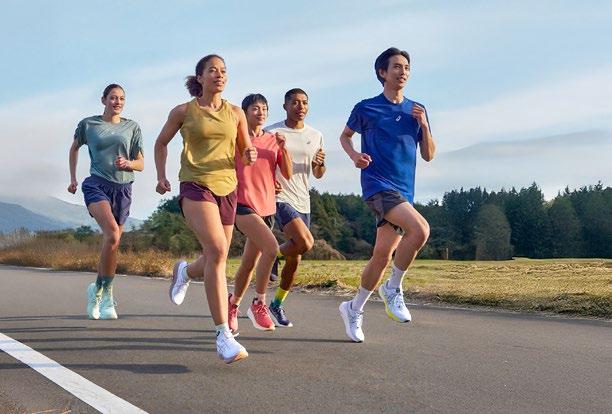
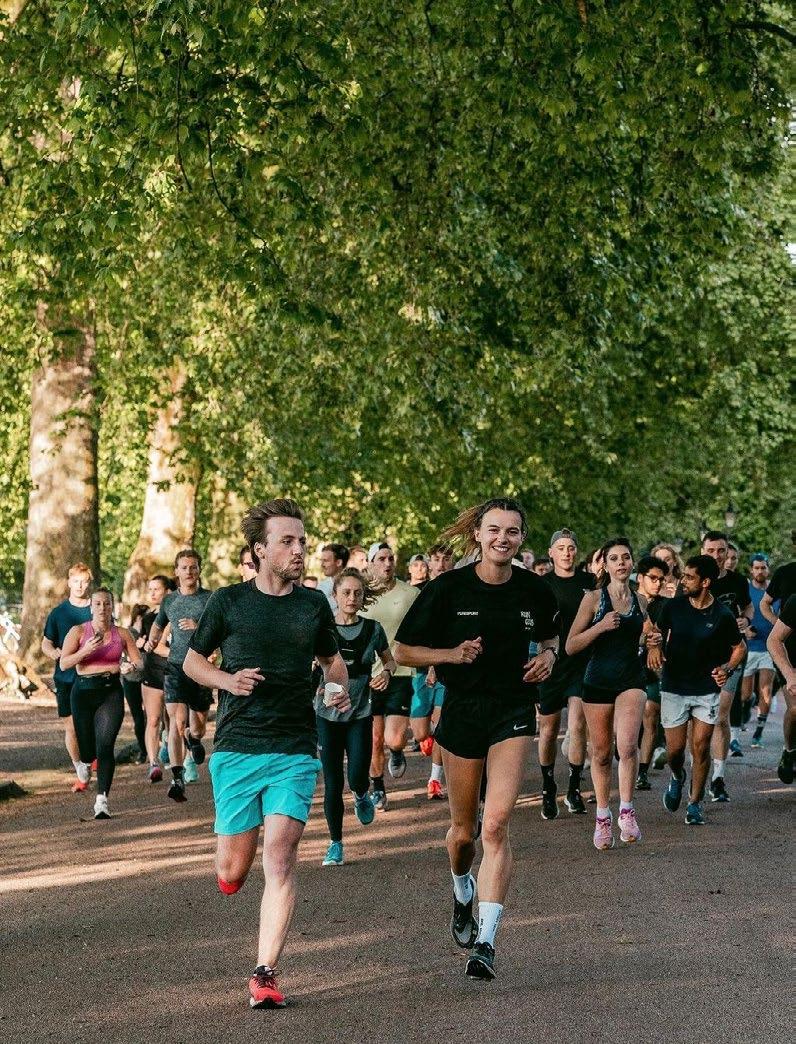
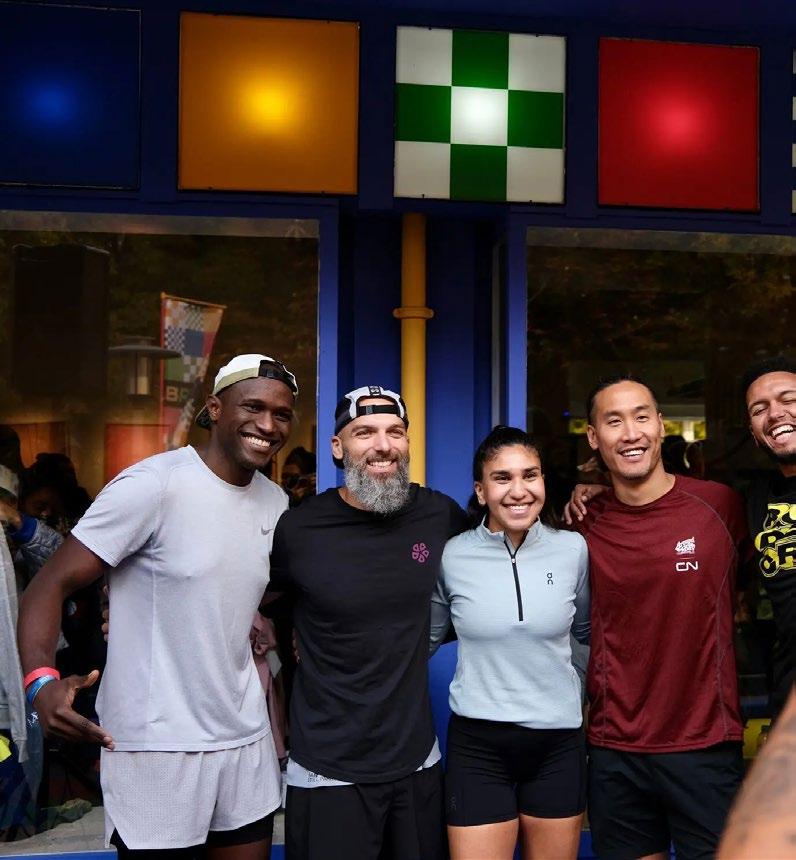
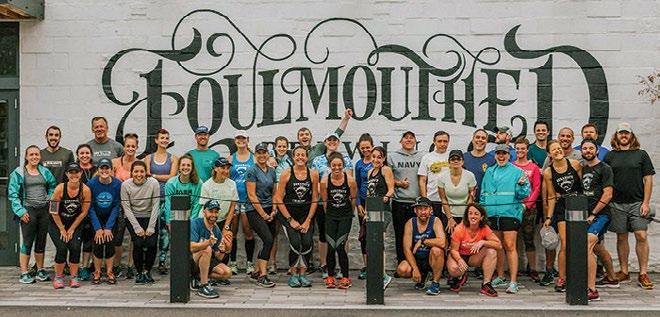
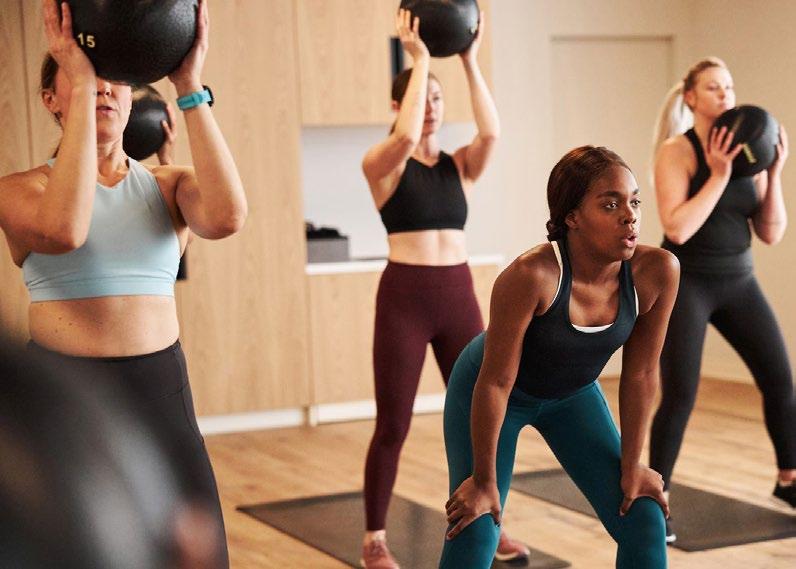
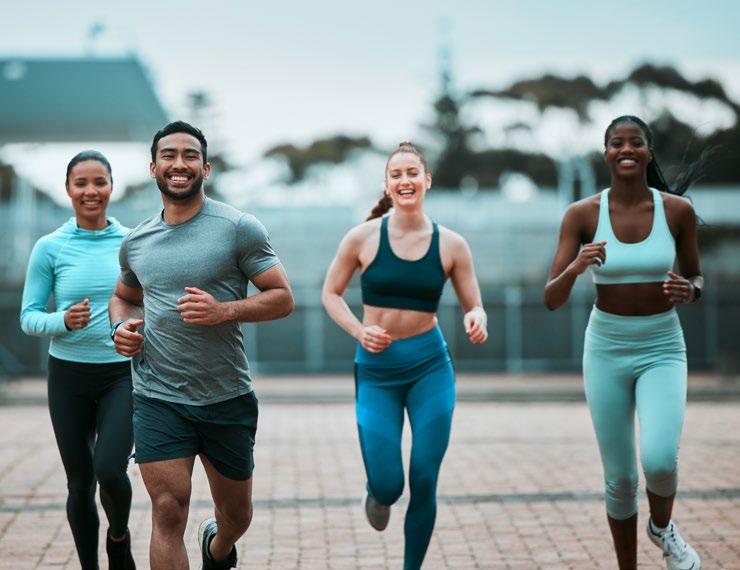
In recent years, run clubs have surged in popularity, transforming from niche gatherings of dedicated runners into vibrant, inclusive communities that attract people from all walks of life. These groups, often organized through social media, local gyms, or community centres, have become a global phenomenon, offering far more than just a chance to log miles. From fostering physical health to nurturing social connections and mental well-being, run clubs are redefining how people approach fitness and community in the modern age.
The Rise of Run Clubs
The growth of run clubs can be attributed to several factors. Social media platforms like Instagram, Strava, and Meetup have made it easier than ever for runners to connect, share routes, and organize group runs. Hashtags like #RunClub and #RunningCommunity have exploded, showcasing diverse groups pounding the pavement in cities from New York to London, Sydney to Tokyo. According to Strava’s 2024 Year in Sport report, group activities, including running, saw a 30% increase in participation globally compared to previous years, highlighting the growing appeal of communal exercise. The postpandemic shift in lifestyle also played a significant role. After periods of isolation, many
sought ways to reconnect with others while prioritizing health. Run clubs, with their low barrier to entry—no expensive equipment or memberships required—became an accessible way to combine fitness with social interaction. Unlike traditional sports teams, run clubs often welcome all skill levels, from beginners jogging their first mile to seasoned marathoners, creating an inclusive environment that appeals to a broad audience. Moreover, run clubs have evolved beyond just running. Many incorporate social elements like post-run coffee meetups, pub crawls, or even charity events, making them as much about community as exercise. Brands like Nike, Adidas, and Lululemon have capitalized on this trend, sponsoring run clubs and hosting events to engage with consumers, further fuelling their growth.
Physical Benefits of Run Clubs
At their core, run clubs promote physical health through regular exercise. Running is a highly effective cardiovascular workout that improves heart health, boosts endurance, and burns calories. According to the American Heart Association, running for just 30 minutes a day, five days a week, can reduce the risk of heart disease by up to 40%. Run clubs encourage consistency, as members are motivated to show up regularly to meet their group, making it easier to stick to fitness goals.
Group running also enhances performance. A 2023 study published in the *Journal of Sports Sciences* found that running in a group can improve pace and endurance due to the social facilitation effect, where individuals perform better in the presence of others. The encouragement from fellow runners, combined with friendly competition, pushes members to challenge themselves, whether it’s running farther, faster, or tackling their first race. Run clubs also cater to diverse fitness levels, often offering structured pacing groups or beginnerfriendly sessions. This inclusivity ensures that everyone, from casual joggers to elite athletes, can reap the physical rewards of running without feeling intimidated.
Social and Mental Health Benefits
Beyond physical fitness, run clubs offer profound social and mental health benefits. In an era where loneliness is increasingly recognized as a public health crisis— described by the World Health Organization as a “global epidemic”—run clubs provide a sense of belonging. Regular meetups foster friendships, as members bond over shared experiences, whether it’s conquering a tough hill or celebrating a personal best. For many, run clubs become a second family, offering support both on and off the trail. The mental health benefits are equally significant. Running releases endorphins, often referred to as the “runner’s high,” which can alleviate
stress, anxiety, and depression. A 2024 meta-analysis in *Frontiers in Psychology* found that group exercise, like run clubs, amplifies these effects by combining physical activity with social interaction, leading to greater reductions in stress and improved mood compared to solo exercise. The accountability of a group also helps members maintain a routine, which is critical for mental health. Run clubs also create a space for personal growth. Members often share stories of overcoming challenges, whether it’s training for a marathon or navigating personal struggles. This culture of encouragement and vulnerability fosters resilience and self-confidence, empowering participants to tackle goals beyond running.
The Impact on Culture and Community
Run clubs are also reshaping urban culture. In cities, they activate public spaces like parks and waterfronts, turning them into hubs of activity. They often partner with local businesses, boosting economies through post-run gatherings at cafes or breweries. Many clubs also organize charity runs, raising funds for causes like cancer research or mental health awareness, further embedding them in the fabric of their communities.
Diversity is another hallmark of modern run clubs. Groups like Black Girls Run and Latinas Run focus on creating inclusive spaces for underrepresented communities, challenging the stereotype that running is a predominantly white or male sport. These clubs empower members by celebrating cultural identity while promoting health equity.
What are the Challenges?
Despite their benefits, run clubs face challenges. Accessibility can be an issue in rural areas or for those with demanding schedules. Safety concerns, such as running in poorly lit areas or navigating traffic, also require careful planning. Additionally, while most clubs strive for inclusivity, some newcomers may still feel intimidated by faster runners or established cliques. Successful clubs address these issues by offering beginner sessions, clear communication, and safe routes.
More Than a Trend
Run clubs are more than a fitness trend—they’re a movement that combines physical health, social connection, and mental resilience. By fostering inclusive, supportive communities, they offer a antidote to the isolation and stress of modern life. Whether you’re lacing up for the first time or chasing a new personal record, joining a run club can transform not just your fitness but your sense of belonging and purpose. As these clubs continue to grow, they’re proving that the journey to health is better when taken together, one step at a time.
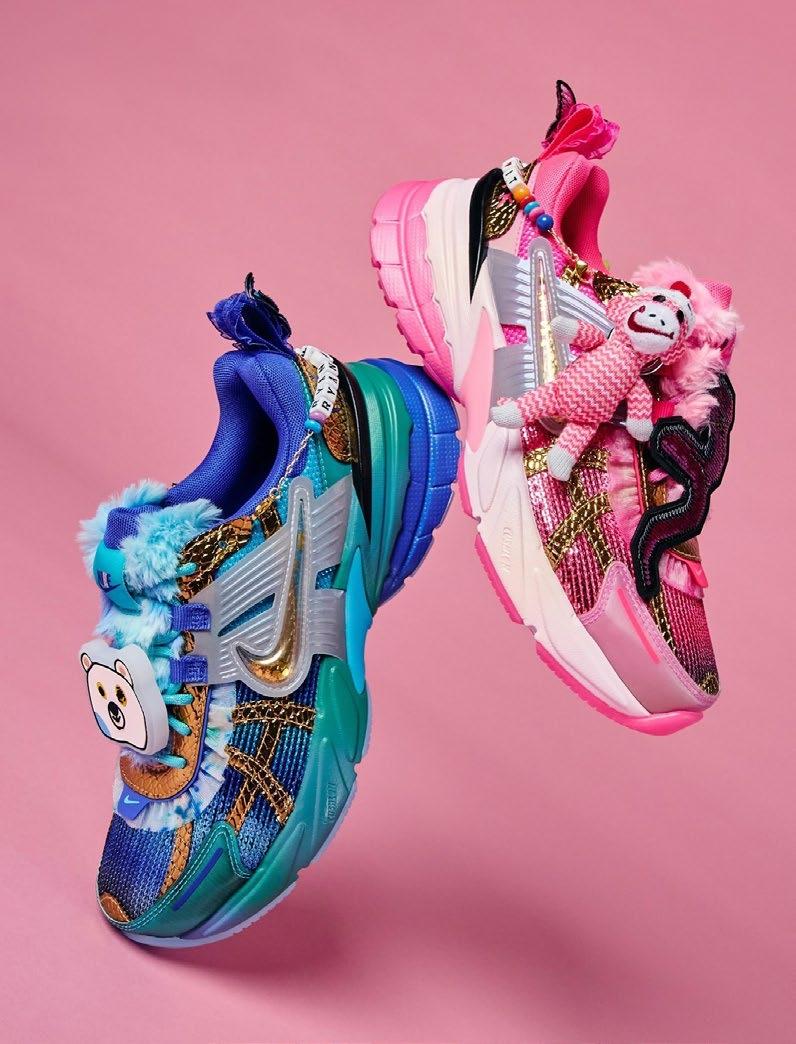
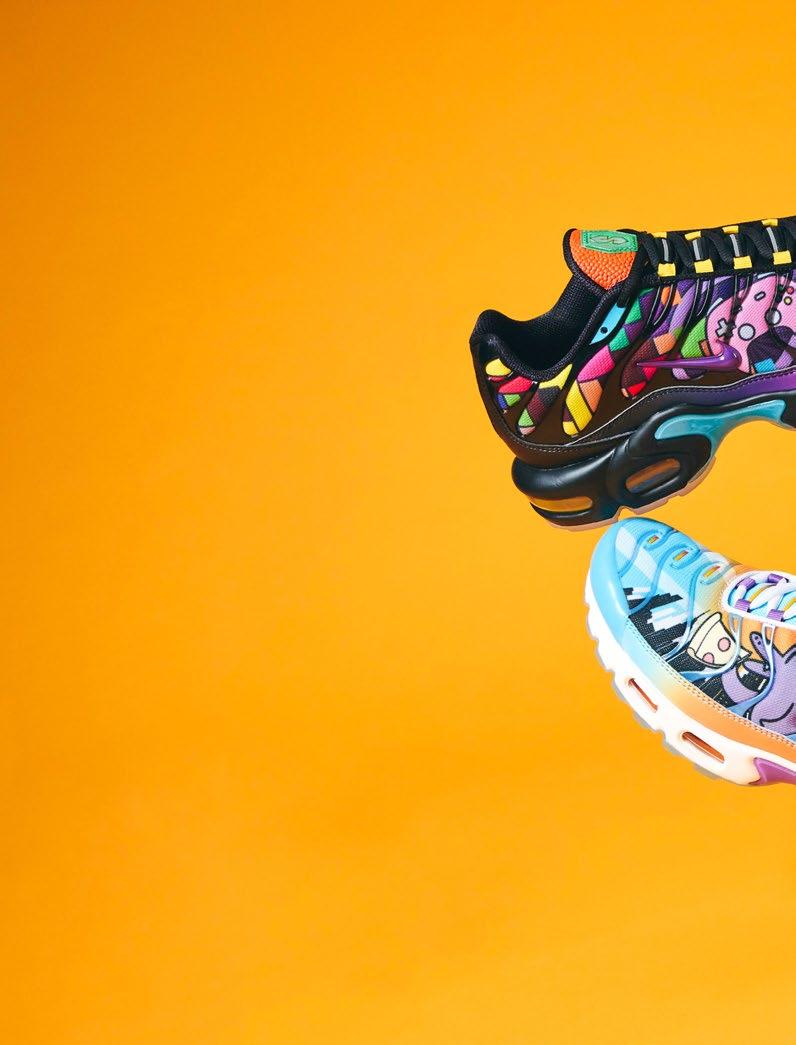
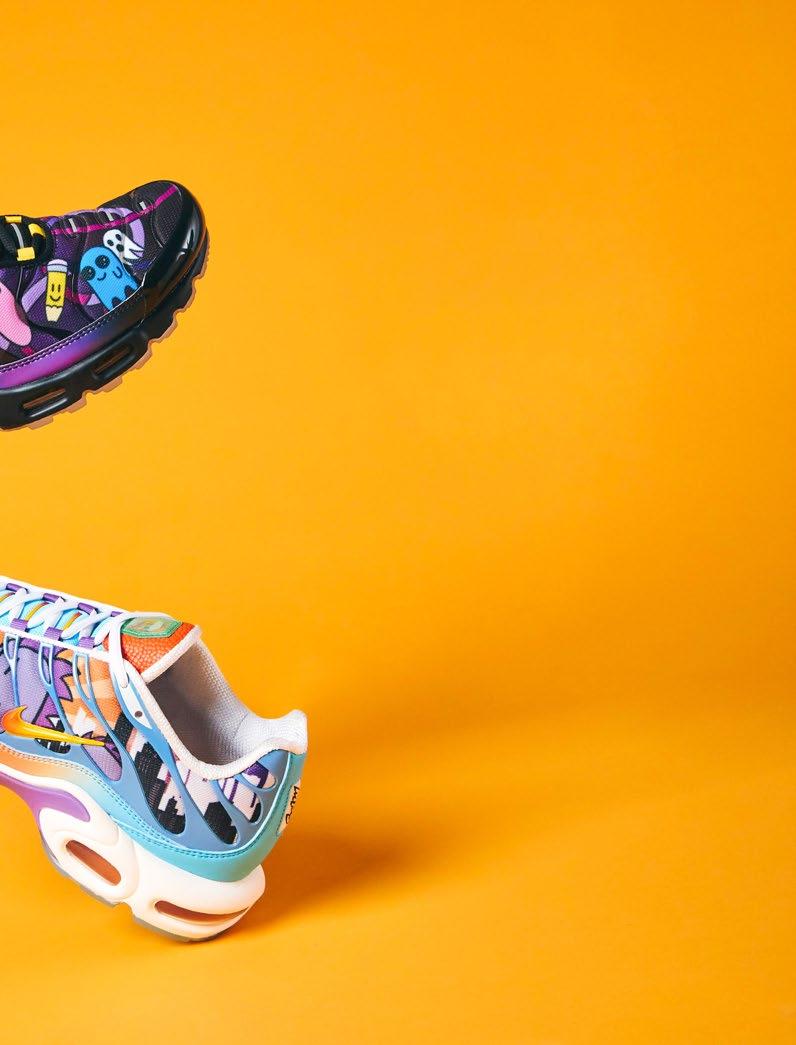
NIKE Presents the DOERNBECHER Freestyle 21 Collection
Nike and the Oregon Health & Science University (OHSU) have worked together closely for over two decades. The partners have a unique relationship, pairing courageous Doernbecher Children’s Hospital patients with volunteer product experts from Nike to create special sneakers. 128 patient-designers have collaborated with over 350 volunteers to date, with cohorts assembling creative pairs over the course of nine months. These designs are the centerpiece of a charity auction, and are then brought to the masses later on. The profits generated from this go to the OHSU Foundation, benefitting Doernbecher Children’s Hospital. Over $40 million USD have been raised since 2004, helping “fund the cost of care for families in need, support specialized treatment unavailable elsewhere in the region, and expand pioneering research that helps benefit kids around the world,” according to Nike.
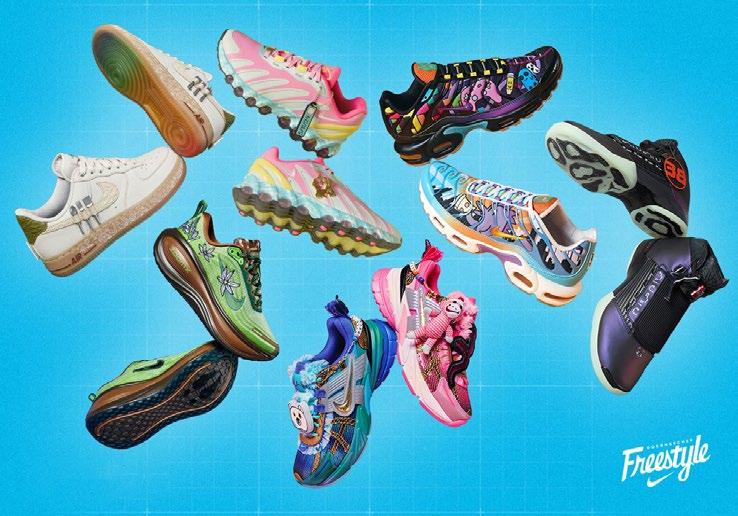
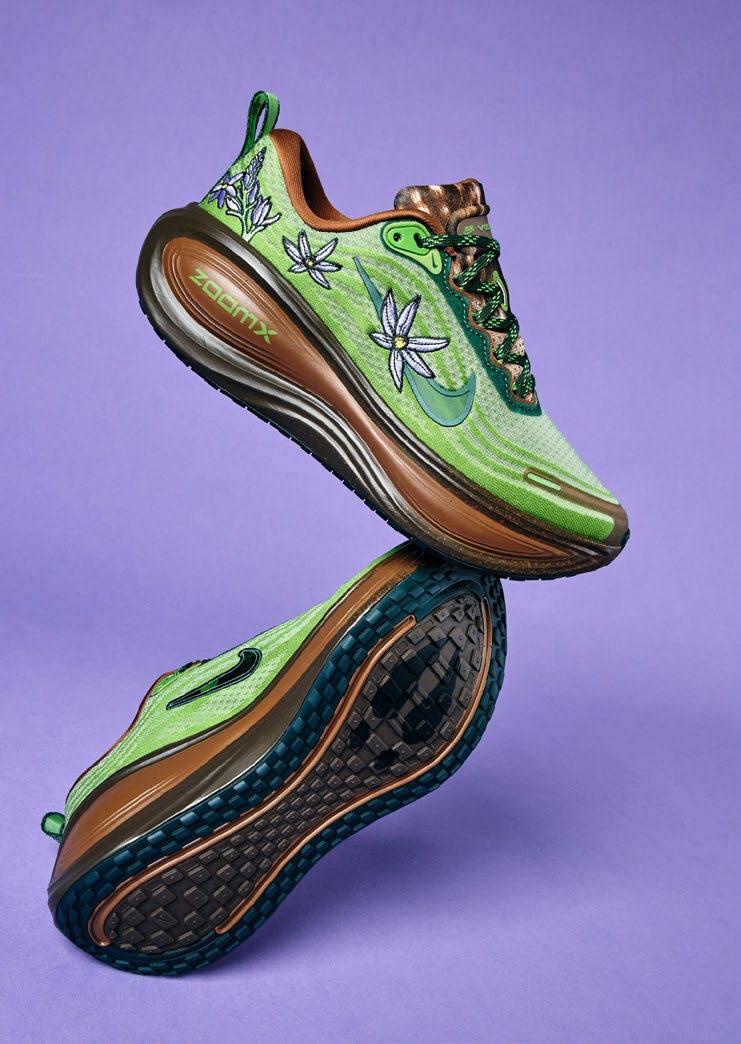
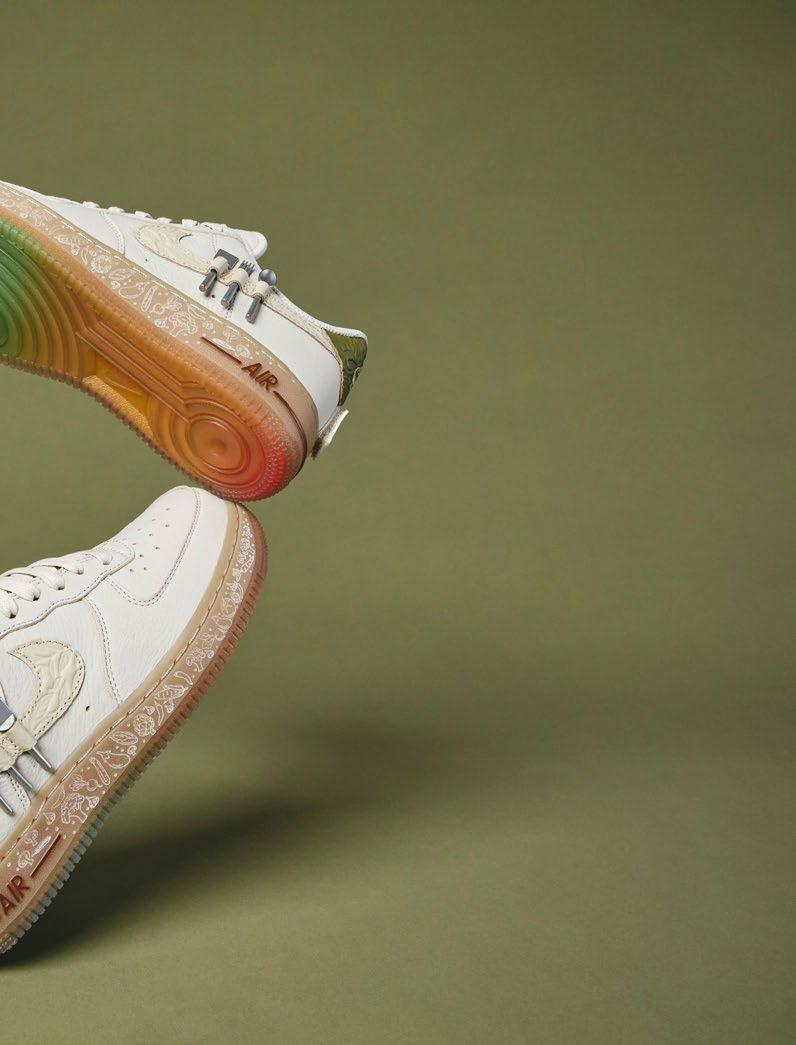
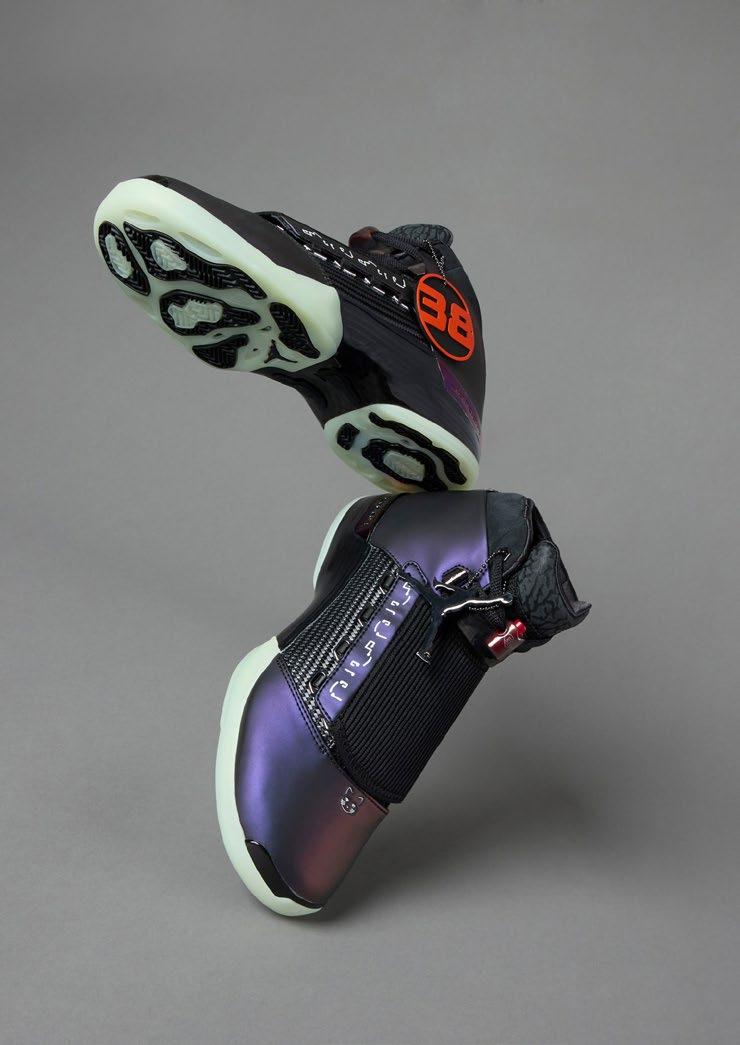
The Nike Doernbecher Freestyle 21 Collection has just officially been revealed, with six patient-designers presenting their six sneakers. This year’s lineup includes the V2K Run, Vomero Plus, Air Force 1 ’07, Air Max Dn8, Air Max Plus, and Air Jordan 17. In addition to the footwear, two exclusive apparel items have been prepared with elements that nod to each shoe and their patient-designer. First, a black Club Fairway Cardigan in men’s sizing is adorned with white and blue thematic artwork. A tee in men’s and kids’ sizing has also been created, featuring similar artwork throughout. A charity auction featuring the Nike Doernbecher Freestyle 21 Collection is being held in Portland tonight, October 17. The range will then launch via Nike SNKRS and select retail locations this winter.
Nike V2K Run by Khovny Vignery
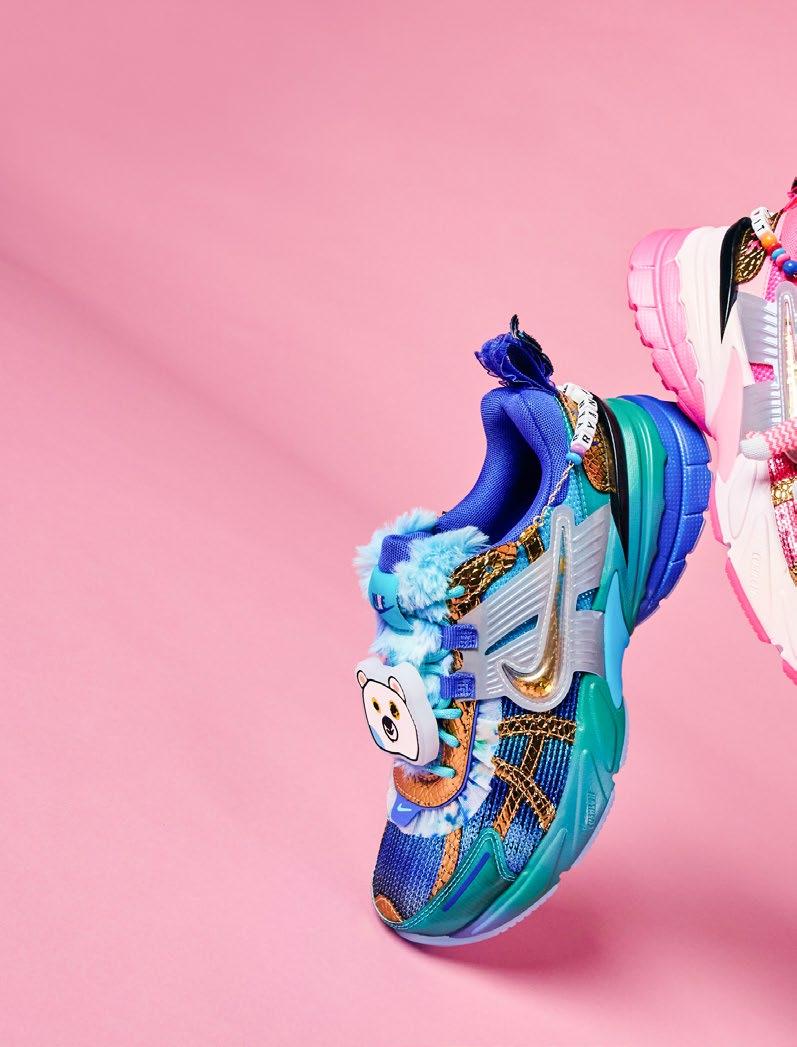
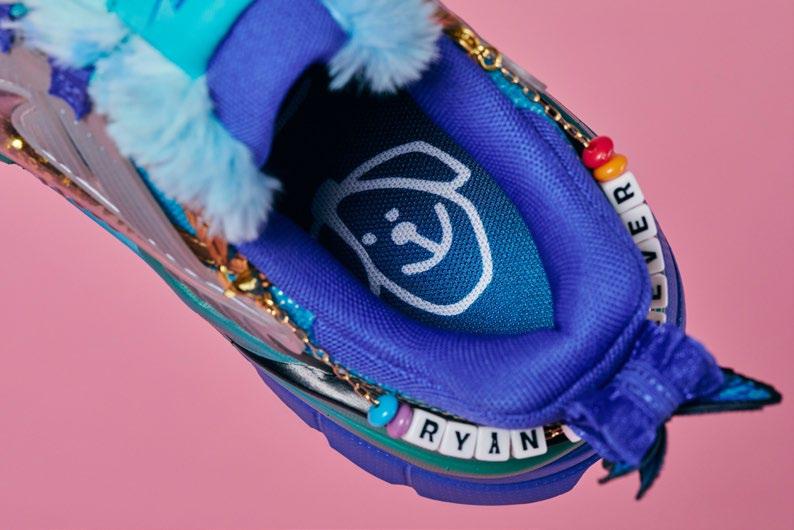
Kicking off the Doernbecher Freestyle 21 class is nine-year-old Khovny Vignery. She’s named after Stephanie and Dmitry Dukhovny, the two doctors that were able to save her life as a baby. Powering through a preterm birth and congenital chylothorax, Khovny loves drawing, dancing, and snakes, all of which inspired her vibrant rendition of the V2K Run. Glitter and fur combine with a mismatched pink and blue color scheme that nods to one of her favorite musician’s album covers. Glow-in-thedark outsoles are also a fitting element, reflecting her lively personality. Ornamental detailing gives each shoe its own spark, with her putting a pink snake on her shoe since her parents won’t let her get one as a pet. It joins Pinky Doo Doo, her stuffed monkey that has been recreated, as well as a drawing of Papa Bear, her favorite stuffy, which lights up. Butterflies are present at the heel, resting just above the detachable friendship bracelet that honors the memory of her brother Ryan, who dealt with the same rare condition.
Nike Vomero Plus by Molly Bell
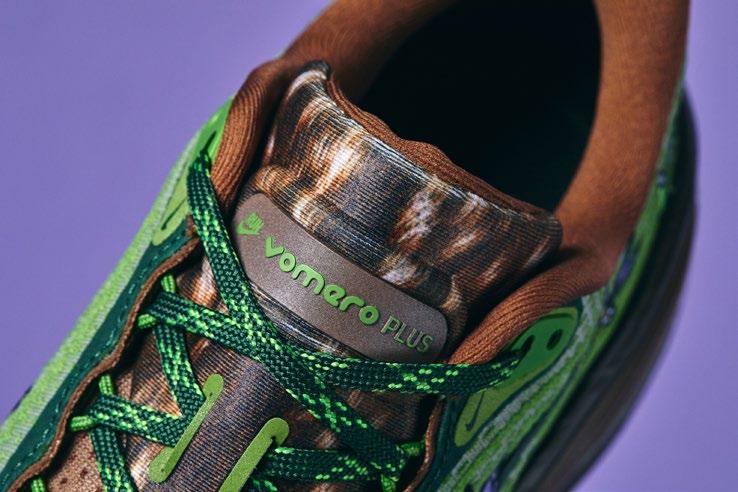
Molly Bell is a girl with a plan. The 14-year-old is all about nature, with her sights set on a career in field biology. Her sneaker with Nike, a Vomero Plus, highlights her love for nature. The camas flower, which is common throughout her home state of Oregon, is embroidered across the upper. Its joins other naturerelated notes, including a lenticular forest print at the medial Swoosh. Molly’s resourcefulness came in handy when it came time to select a midsole color. It is speckled in brown, hiding any dirt while also complementing the upper’s camas flowers that “bloom” from it. A fawn hoof can be spotted at the outsole, serving as a signal of friendliness to deer. Final touches to the kicks range from a furry animal-inspired print at the tongue to her own floral logo located at the sockliner. A field guide also accompanies each pair of the shoes, encouraging others to explore too. Diagnosed with autism, Molly included a quote within the guide from her favorite author, Robin Wall Kimmerer: “The most important thing each of us can know is our unique gift and how to use it in the world.”
Nike Air Force 1 ‘07 by Oli FasoneLancaster
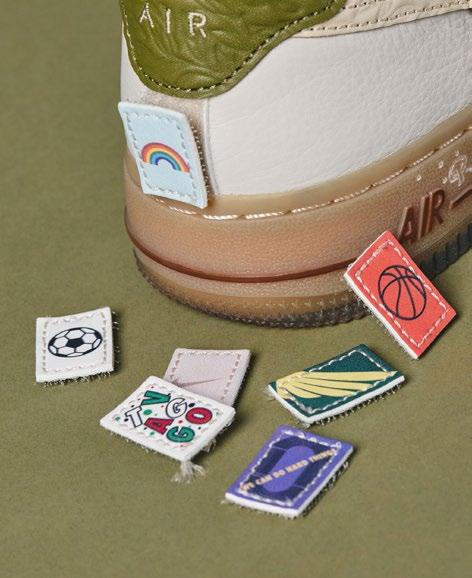
Next up is Oli Fasone-Lancaster, a 10-year-old who has served up his flavorful take on the Air Force 1 ‘07. This young chef incorporated many of his favorite ingredients into his sneaker. These range from a garden of vegetables at the midsole to olive branches embossed on the Swooshes. A mini set of utensils accompany the many foods, resting neatly at the lateral Swoosh. Meanwhile, the heel tabs are textured as an homage to the olive tree planted in Oli’s backyard when he was born. Another personal detail is the tongue dubrae, which reads “572.” This resembles the 572 loops around the Doernbecher oncology inpatient unit that are required to walk the equivalent of a marathon. Oli walked all 572 loops between cancer treatments for T-cell lymphoma in none other than the Air Force 1. Behind each tongue is one of the cook’s signature dishes: veggie tacos and African yam stew. The heel hosts interchangeable patches that represent his family initials, personal symbols, and the sports he now enjoys since overcoming cancer. Completing the sneaker is a semi-translucent rainbow outsole. Oli frequently drew rainbows for friends, family, and his medical staff while undergoing treatment, labeling them as a symbol of both hope and positivity.
Nike Air Max Dn8 by
Raegan Scheid
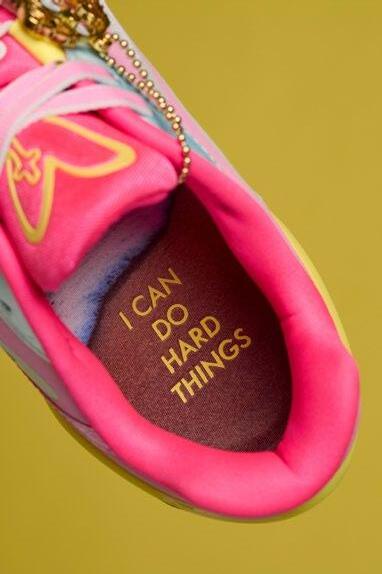
At the age of 13, Raegan Scheid’s second home is the softball field. So when it came time to design her own take on the Air Max Dn8, the sport had to be a focal point of it. The pink shoe’s upper features subtle softball iconography, from fields to gloves. That’s not all — the eight Air bubbles on each side of the shoe sport softball stitching printed atop them. Another place that puts a smile on Raegan’s face is the beach, which is represented by the midsole’s waves. She also created her own heart logo that is depicted at the tongue and nods to the congenital heart condition that she overcame. Another special logo is situated at the heel — a custom Air Max logo with Raegan’s name on it. Two keychains come with the shoe. The first represents her golden retriever, Blue, whereas the second emphasizes “5/11/24,” the first day she could play softball after undergoing openheart surgery. Rounding out the pair is a sockliner graphic with the phrase that helped her overcome challenging times: “I CAN DO HARD THINGS.”
Nike Air Max Plus by Sergio Cano Marquez
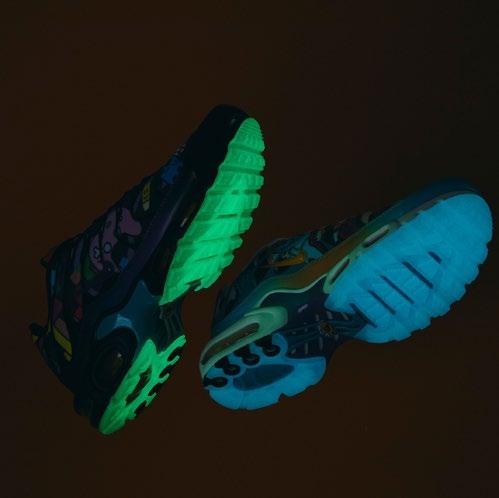
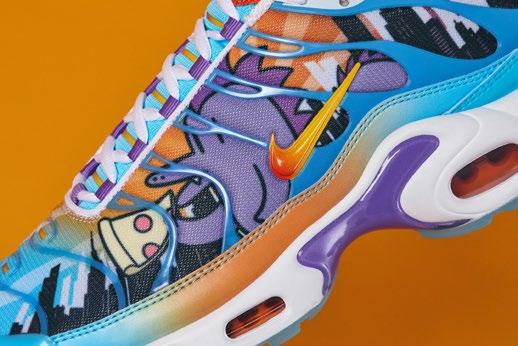
Sergio Cano Marquez, as an 11-year-old with MPS IVA, embraces his differences and designed his Air Max Plus for those who feel the same. The right shoe dons a nighttime theme in black while the left favors a daytime look in white. Looking closer at the nighttime rendition, it is dedicated to two of Sergio’s favorite things: video games and drawing. Graphics cover the shoe, as is the case with its white counterpart, and a “Gamer” callout rests atop the pizza-themed sockliner that nods to his favorite food. Swapping over to the left shoe, it sets the scene of monster lizards enjoying a pizza party against a beautiful New York skyline. Both shoes’ tongue features a basketball texture and a lenticular graphic that nods to his name with an “S” doodle. Each shoe is backed by a glow-in-the-dark outsole with button-inspired geometry that resembles his favorite gaming controller. Looking to the heel, Sergio’s name is spelled out in an 8-bit-style font.
Air Jordan 17 by Zach Rumbaugh
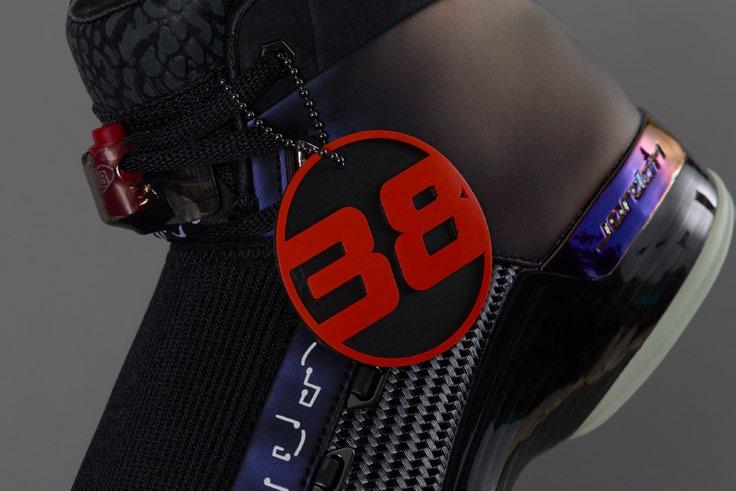
When it comes to mechanical vehicles, Zach Rumbaugh is all over it. The 18-year-old loves fixing bikes and cars, both of which inform his sleek Air Jordan 17. An iridescent purple upper kicks things off, offering a nod to custom car wraps. The suede collar similarly looks to cars for inspiration, specifically the interior of luxury ones. Continuing the theme, the color-shifting heel clip reminds him of burnt titanium exhaust tips. Hexagon-shaped eyelets were implemented to
represent his career goal of becoming a mechanic. Completing the lengthy list of vehicle references is the glow-in-the-dark outsole, which nods to engine headers glowing under hot temperatures. While Zach’s luxe design may reflect his maturity as the oldest of this Doernbecher Freestyle cohort, he included his own playful touches, like the cat graphic at the toe box that celebrates his love of cats. As someone diagnosed with CPVT, having his his heart stop after jumping into a pool, he made sure to include a lace toggle that symbolizes CPR awareness. The number 38 is visible atop it, as well as on the hangtag and heel, representing the amount of days he spent recovering from sudden cardiac arrest at the hospital.
Brand Athlete
How Players Are Monetizing Their Name Beyond the Field
In today’s world, being a top-tier athlete isn’t just about dominating on the field, court, or track—it’s about building a brand that transcends the game. Athletes are no longer just players; they’re entrepreneurs, influencers, and cultural icons who are turning their names into multi-milliondollar empires. From endorsement deals to personal product lines, social media clout to strategic investments, the modern athlete is redefining what it means to cash in on their fame. Let’s dive into how these stars are monetizing their names beyond the scoreboard and why this shift is reshaping the sports industry.
The Power of the Personal Brand
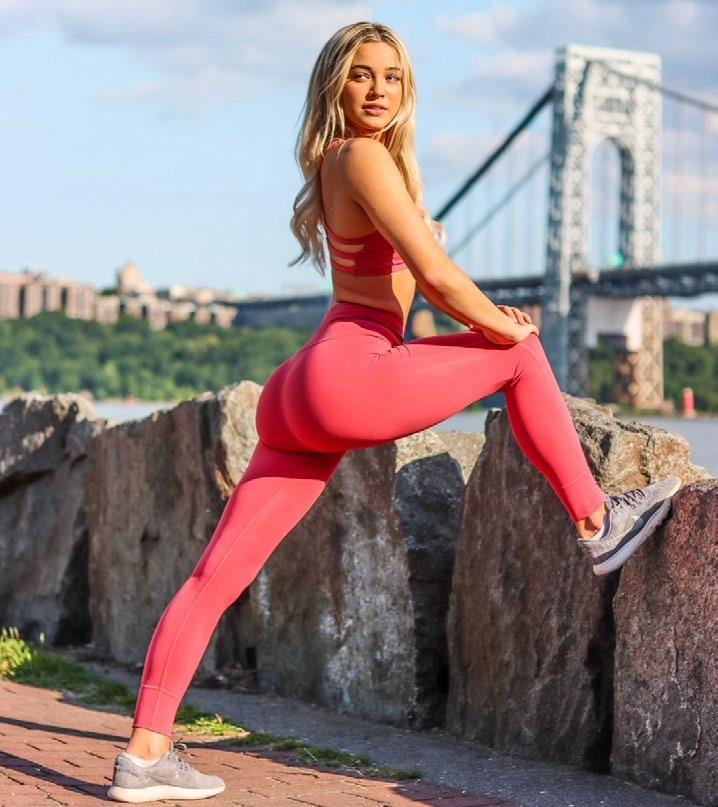
The concept of a “brand athlete” starts with one key asset: their name, image, and likeness (NIL). Thanks to evolving rules, particularly in college sports, athletes can now profit directly from their personal brand. The NCAA’s 2021 decision to allow college athletes to monetize their NIL opened the floodgates, letting young stars like LSU gymnast Livvy Dunne and former USC quarterback Caleb Williams ink deals worth millions before even turning pro. But it’s not just college kids cashing in—pro athletes have been perfecting this game for years.
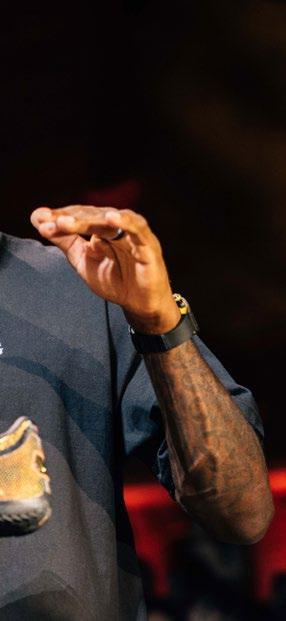
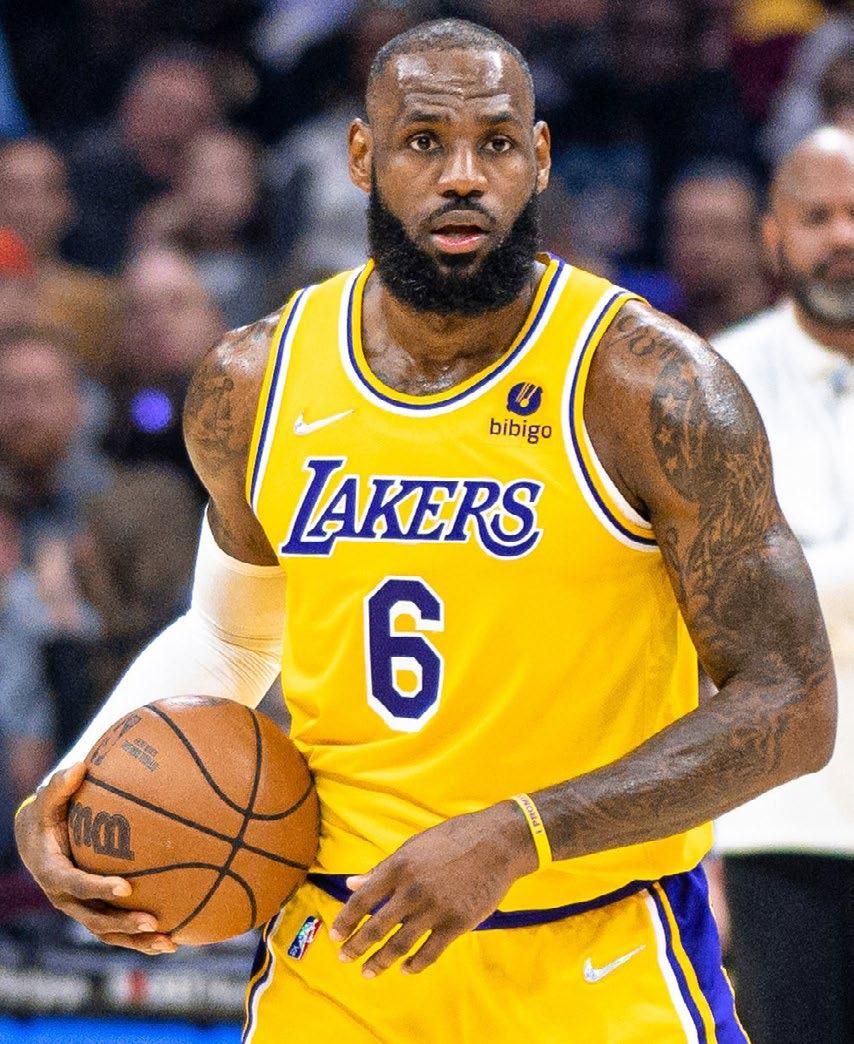
Take LeBron James, a master of brand-building. Beyond his NBA salary, LeBron’s empire includes endorsement deals with Nike, Sprite, and Beats, a production company (SpringHill), and even a stake in Fenway Sports Group. His lifetime Nike deal, reportedly worth over $1 billion, is a testament to how an athlete’s name can become a global commodity. LeBron isn’t just a basketball player; he’s a walking corporation, leveraging his charisma and influence to create revenue streams that will outlast his playing days.
Endorsements: The Classic Cash Cow
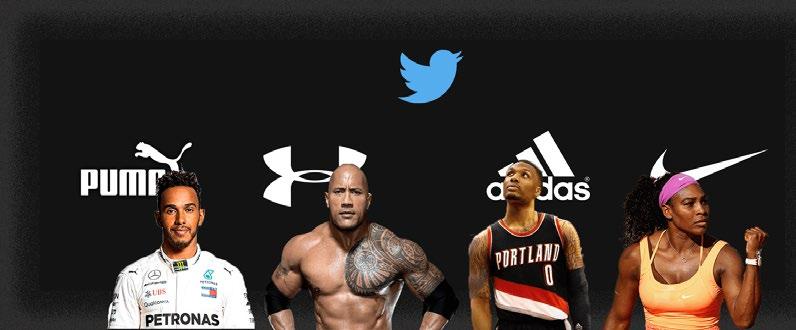
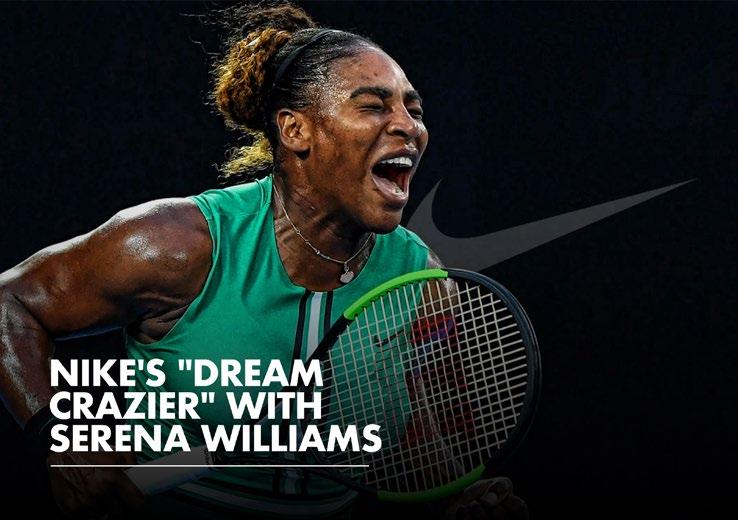
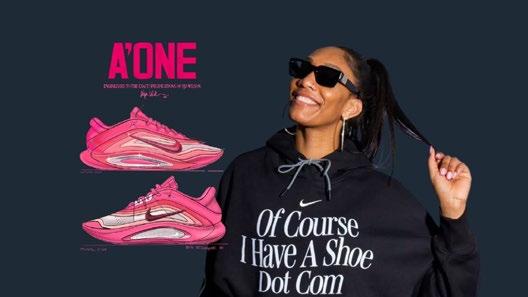
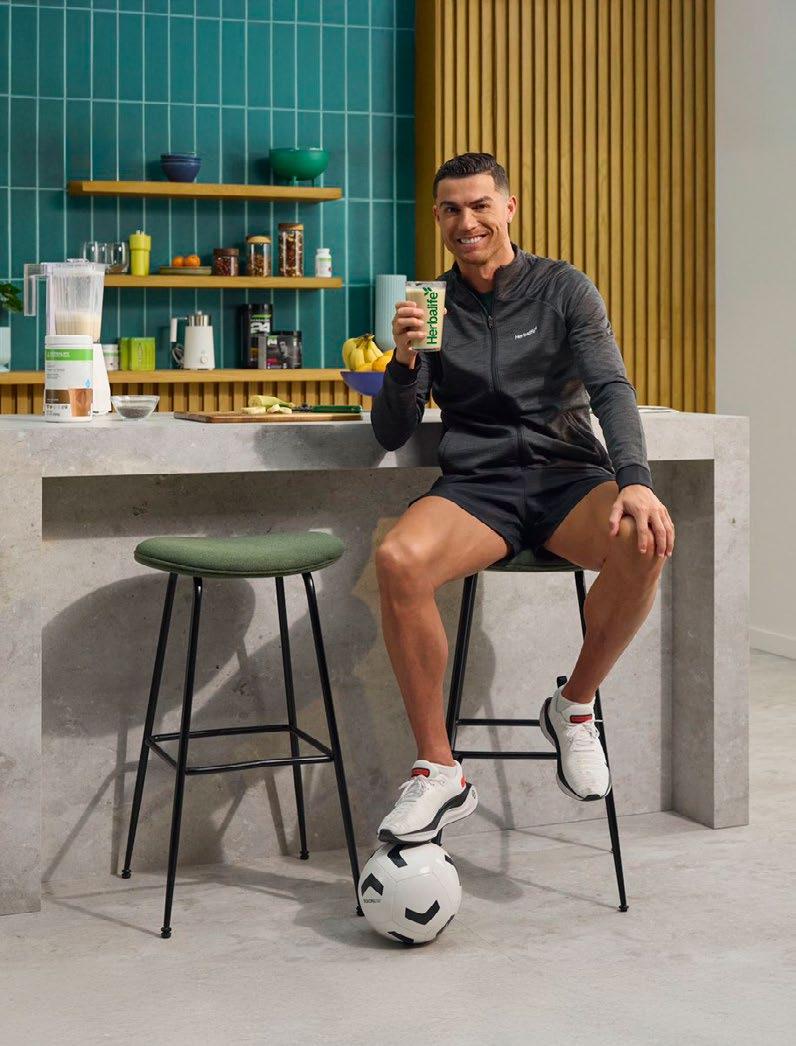
Endorsements remain the cornerstone of athlete monetization. Companies like Nike, Adidas, and Gatorade shell out billions annually to align their brands with athletic superstars. Why? Because fans trust athletes. When Serena Williams rocks a Nike swoosh or Cristiano Ronaldo sips a Coca-Co--la, it’s not just an ad—it’s a cultural moment. These deals can be jaw-dropping: Ronaldo’s endorsement portfolio, including partnerships with Tag Heuer and Herbalife, reportedly nets him over $90 million a year, rivalling his soccer earnings. But it’s not just about the big names. Lesser-known athletes are carving out lucrative niches. For example, WNBA star A’ja Wilson partnered with Nike in 2024 to launch her own signature shoe, a rare feat for a women’s basketball player. These deals show how athletes, regardless of their sport’s mainstream appeal, can leverage their story and authenticity to secure highvalue contracts.
Social Media: The New Playing Field
If endorsements were the game-changer of the past, social media is the MVP of today. Platforms like Instagram, TikTok, and X have given athletes direct access to millions of fans, turning them into influencers with unparalleled reach. A single post from someone like Neymar or Simone Biles can command six-figure fees from brands eager to tap into their engaged audiences. For example, gymnast Livvy Dunne, with
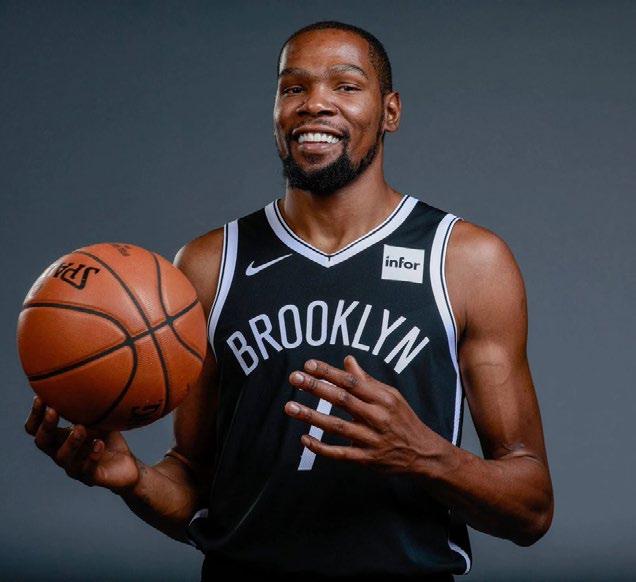
over 14 million TikTok followers, reportedly earns $3.5 million annually through sponsored posts, dwarfing her gymnastics income. Social media also lets athletes control their narrative. When Kevin Durant clapped back at critics or when Naomi Osaka shared her mental health journey, they weren’t just connecting with fans—they were building loyalty and authenticity, qualities brands pay a premium for. This direct line to fans has made athletes less reliant on traditional media, giving them the power to shape their image and monetize it on their terms.
From Merch to Media: Owning the Product
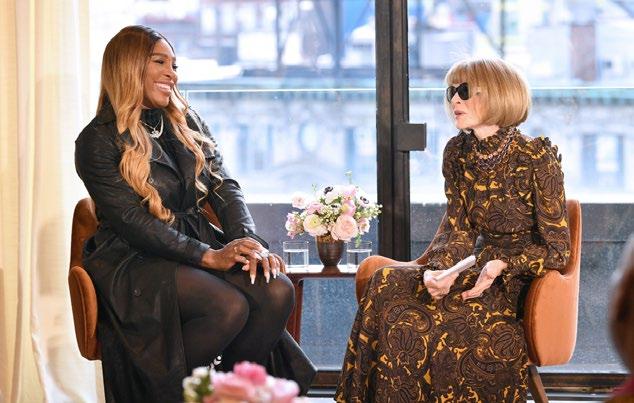
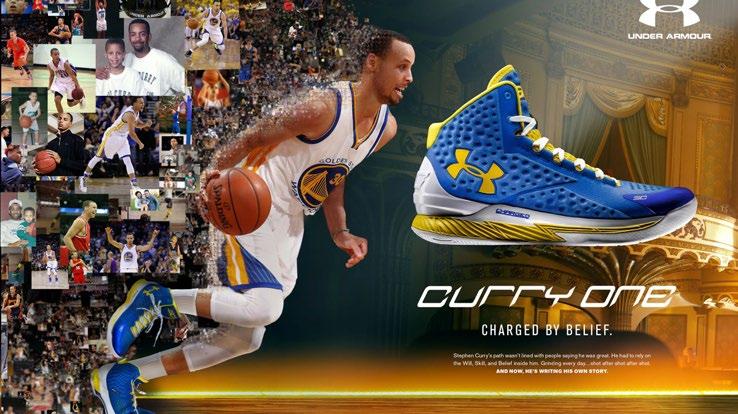
Athletes aren’t just endorsing products anymore—they’re creating them. Serena Williams has her S by Serena clothing line, while Stephen Curry’s Curry Brand under Under Armour includes sneakers and apparel that rival Nike’s top lines. These ventures allow athletes to own a piece of the profit pie, rather than just being the face of someone else’s brand. Similarly, Tom Brady’s TB12 wellness brand, which sells supplements and fitness gear, has become a multi-milliondollar business, capitalizing on his reputation as a health-conscious competitor. Then there’s the media game. Athletes are becoming content creators, launching podcasts, YouTube channels, and production companies to tell their own stories. Draymond Green’s podcast, The Draymond Green Show, pulls in listeners with his unfiltered takes, while Peyton Manning’s Omaha Productions has produced hits like ESPN’s ManningCast. These ventures don’t just generate revenue—they cement athletes as thought leaders and entertainers, extending their influence far beyond the field.
Investments and Equity: Playing the Long Game
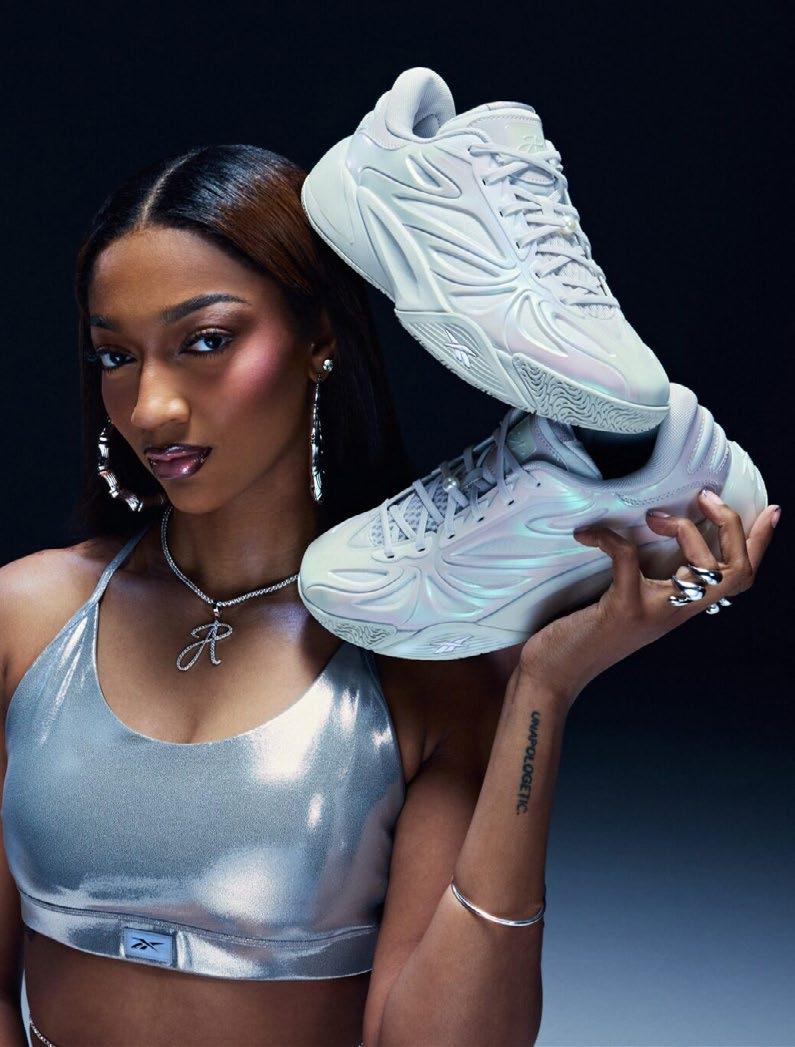
Smart athletes know that fame is fleeting, but wealth doesn’t have to be. Many are turning to investments to secure their financial future. Serena Williams, through her venture capital firm Serena Ventures, has invested in over 60 startups, including Tonal and Impossible Foods, with a portfolio valued at over $2 billion. Similarly, Kevin Durant’s Thirty Five Ventures has stakes in companies like Postmates and Coinbase, showcasing how athletes are diversifying their income streams. Equity deals are another savvy move. When athletes like Giannis Antetokounmpo or Angel Reese take equity in brands instead of cash for endorsements, they’re betting on long-term growth. For instance, Reese’s deal with Reebok includes not just a signature shoe but also a stake in the brand’s future success. These moves show how athletes are thinking like moguls, not just mercenaries for hire.
The Cultural Impact: Redefining Athlete Success
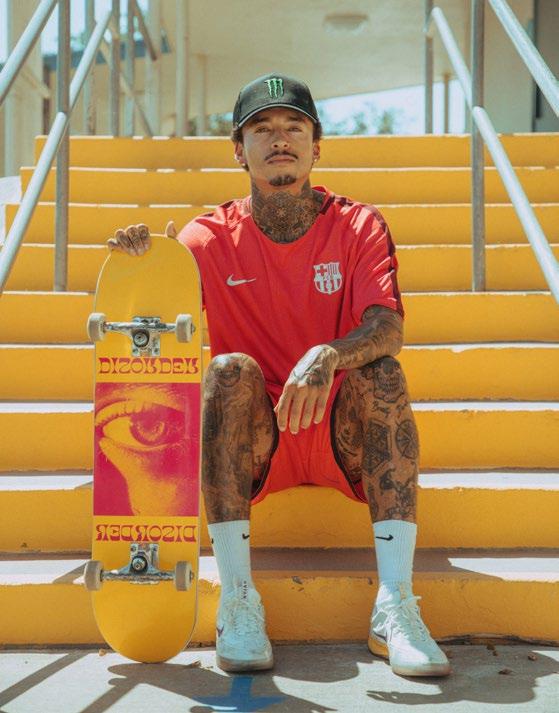
The rise of the brand athlete isn’t just about money—it’s about redefining what success looks like. Athletes are no longer just judged by their stats; they’re measured by their cultural footprint. Simone Biles, for example, has used her platform to advocate for mental health and racial equity, making her a magnet for brands like Athleta that align with her values. This shift has also empowered athletes from less mainstream sports—like skateboarding’s Nyjah Huston or climber Alex Honnold—to build brands that resonate with niche but loyal audiences.
The downside? The pressure to be a brand can be intense. Young athletes, especially in the NIL era, face scrutiny to perform both on and off the field, juggling sponsorships, social media, and training. Yet, the rewards are undeniable. A well-managed brand can provide financial security, creative freedom, and a legacy that outlives a playing career.
The Future of the Brand Athlete
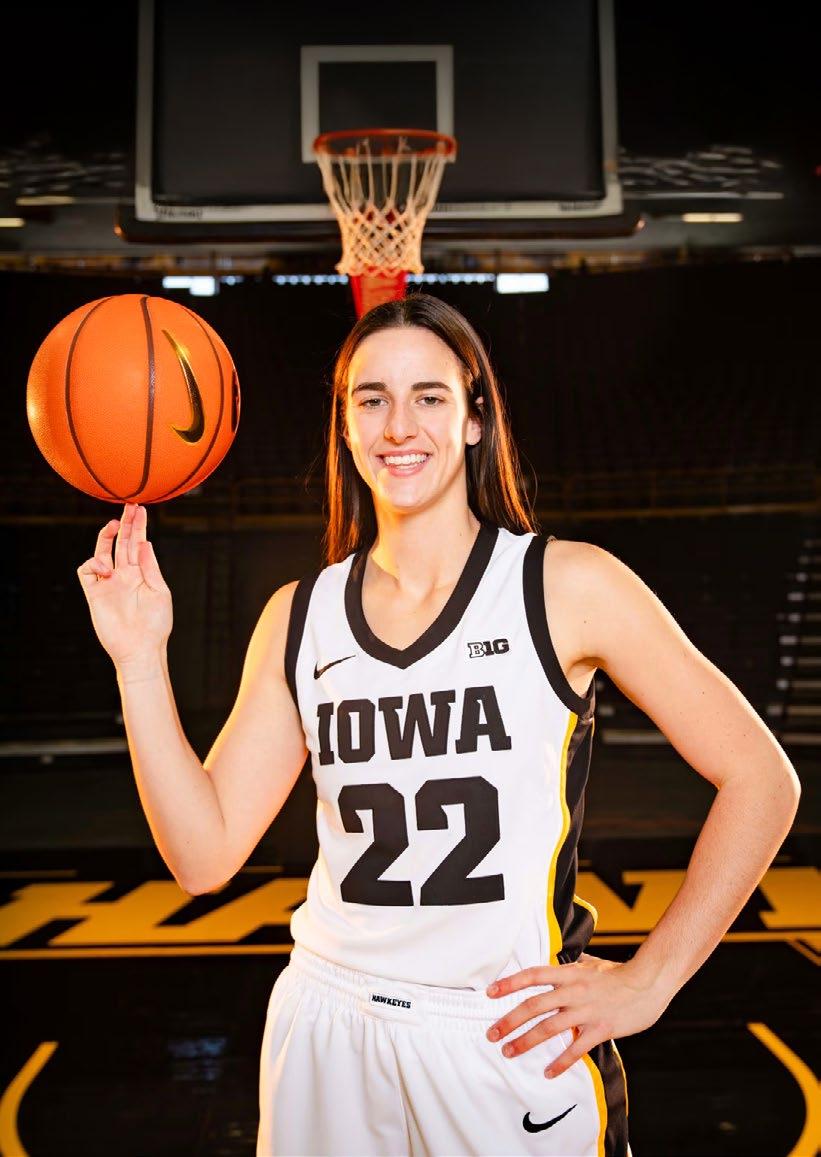
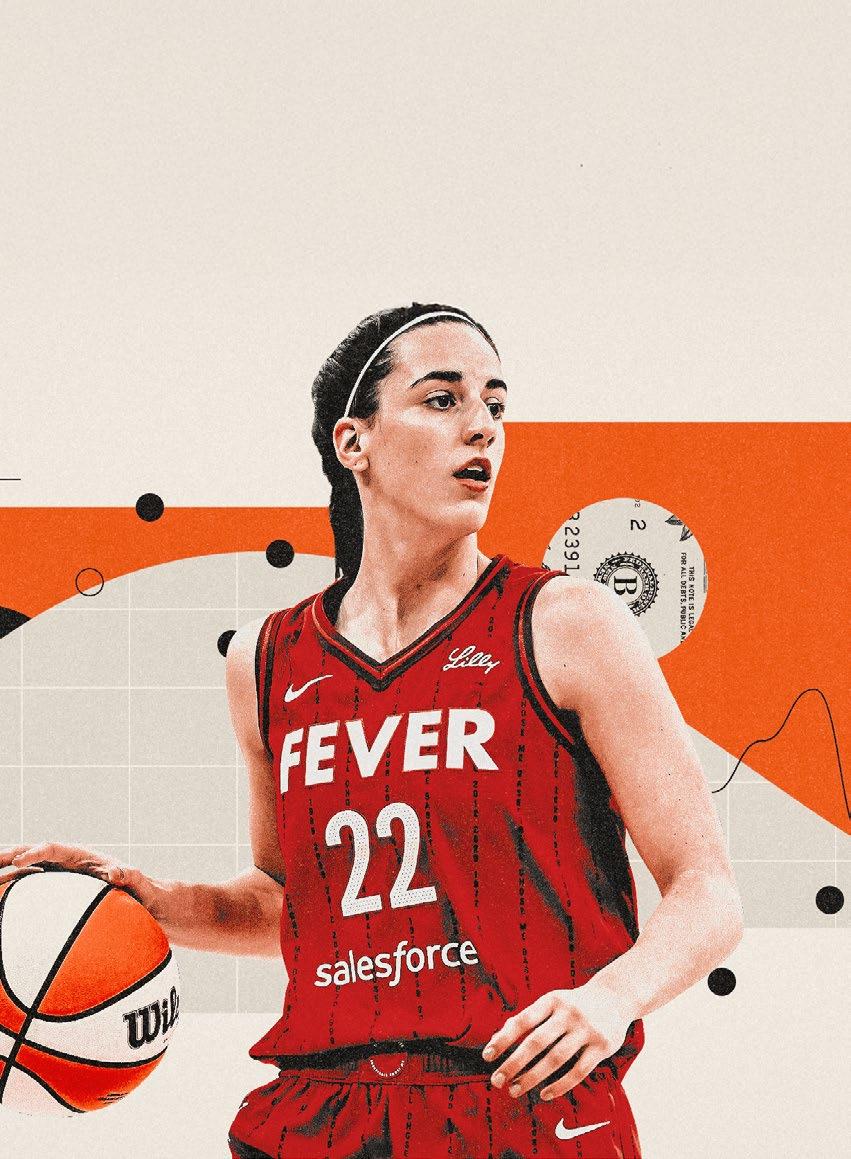
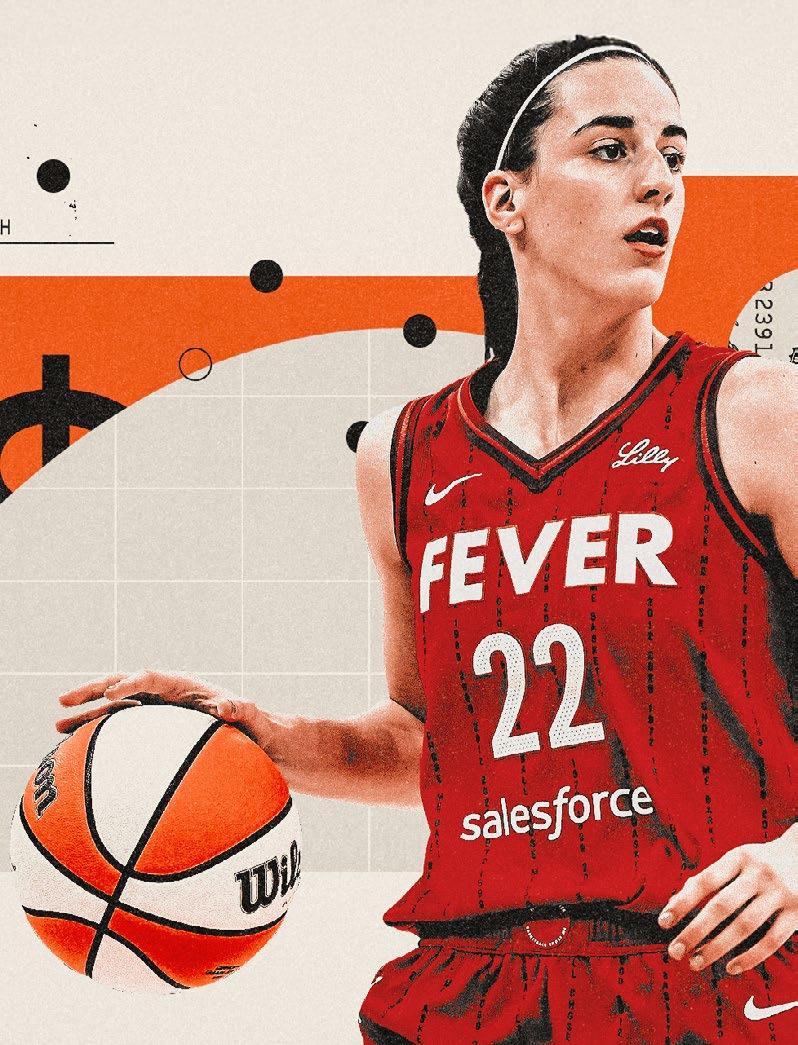
As the sports world evolves, so will the ways athletes monetize their names. Emerging technologies like NFTs and virtual reality could open new revenue streams, while the growing influence of women’s sports is creating opportunities for stars like Caitlin Clark or Coco Gauff to rival their male counterparts in earning potential. The key for athletes will be authenticity—fans can spot inauthenticity a mile away, and brands are increasingly drawn to players who stay true to themselves. From the court to the boardroom, today’s athletes are proving they’re more than just players— they’re CEOs of their own destinies. By leveraging endorsements, social media, personal products, and smart investments, they’re building empires that extend far beyond the field. So, the next time you see your favourite athlete in a commercial, on a podcast, or launching their own sneaker, remember: they’re not just playing the game—they’re rewriting the rules of it.
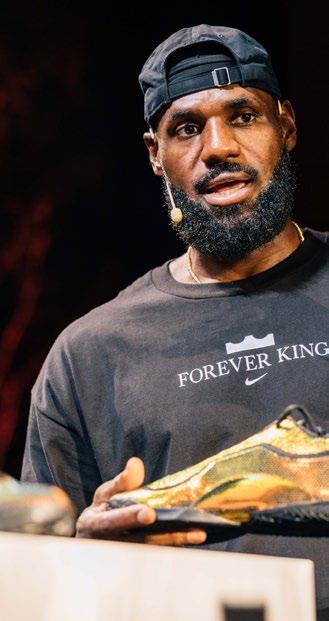
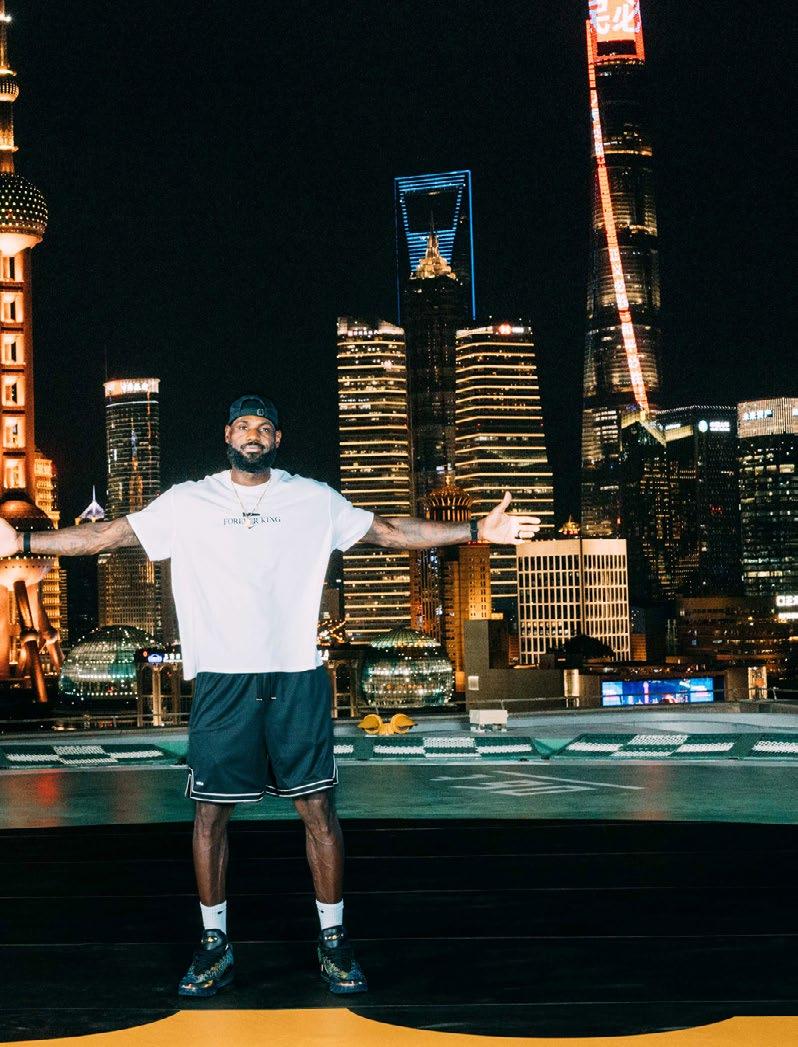
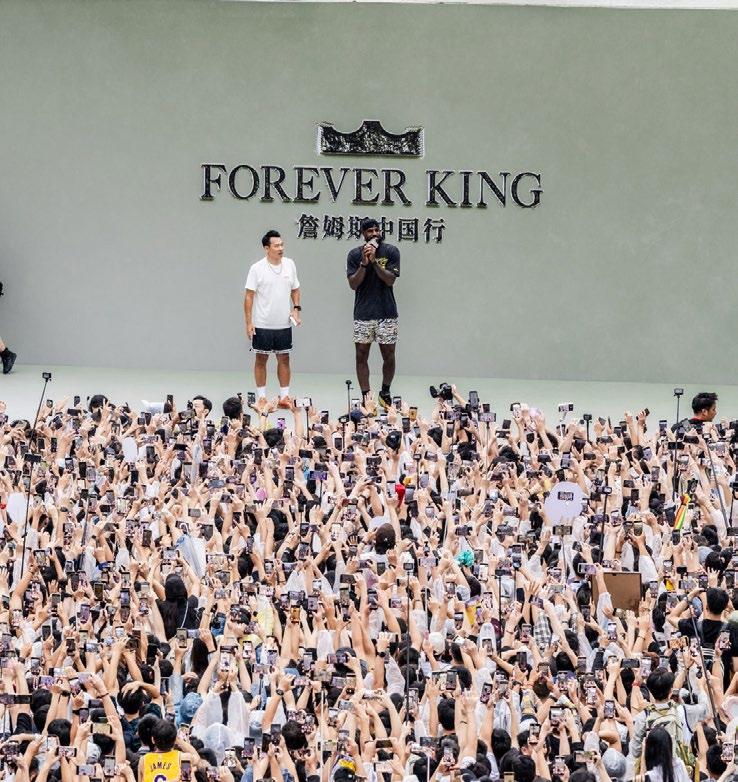
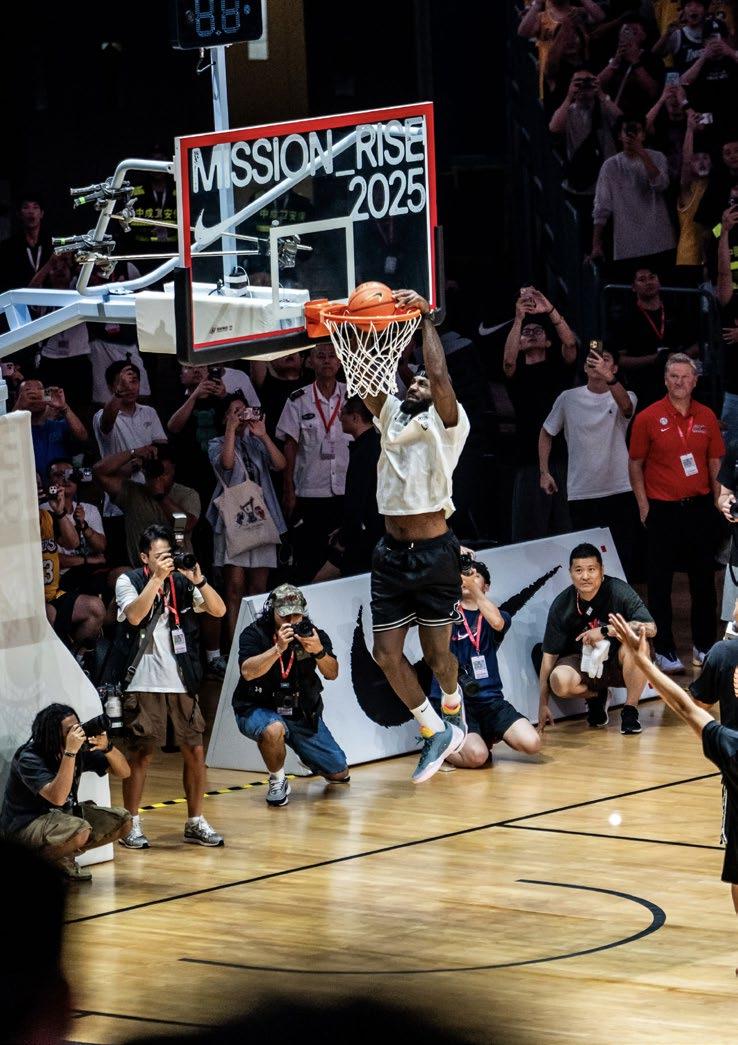
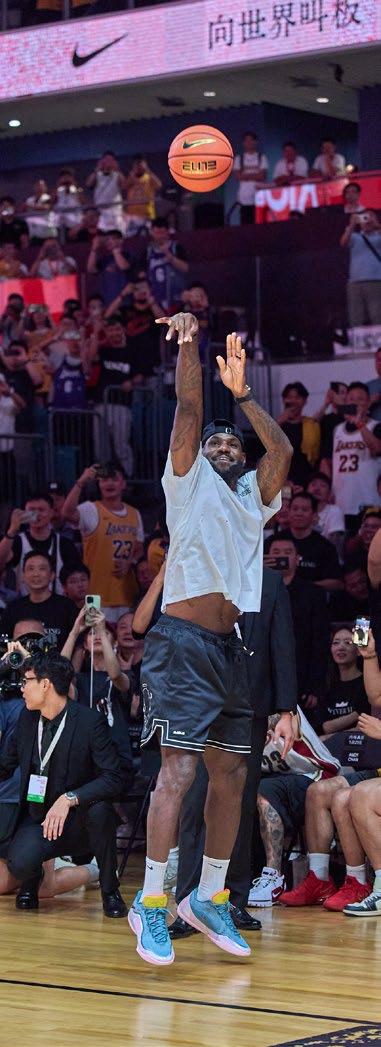
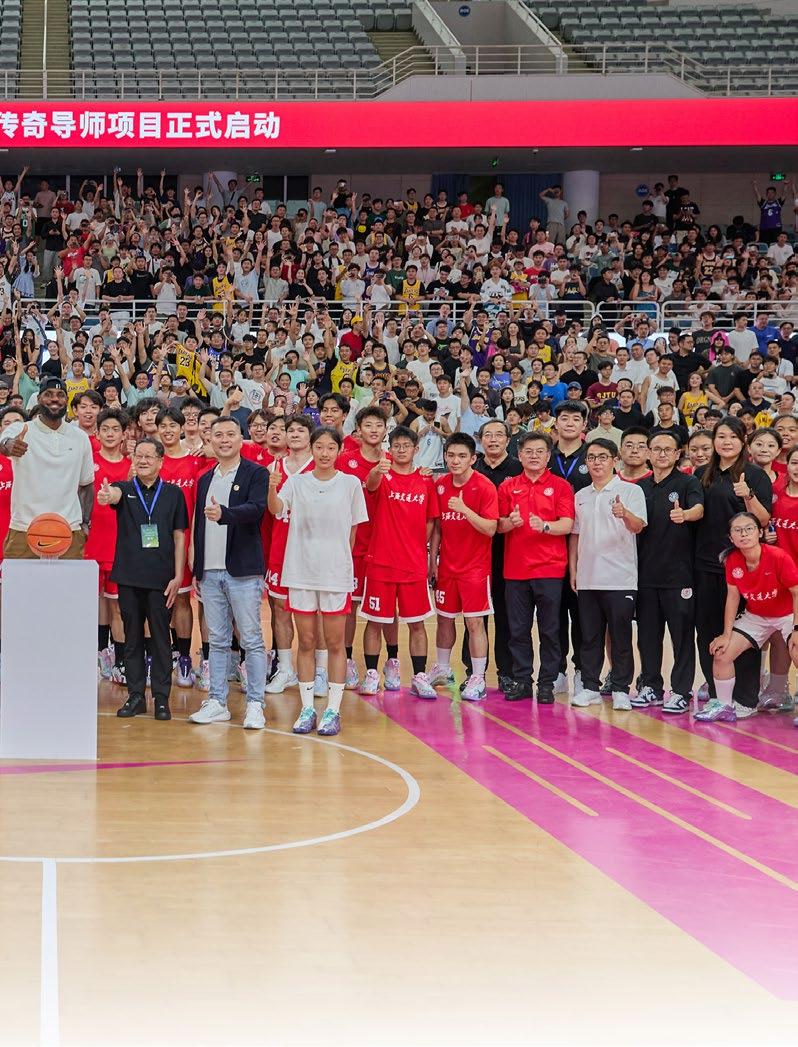
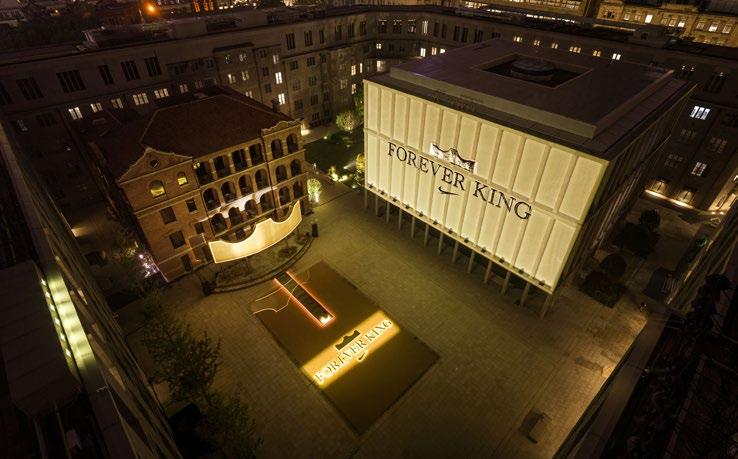
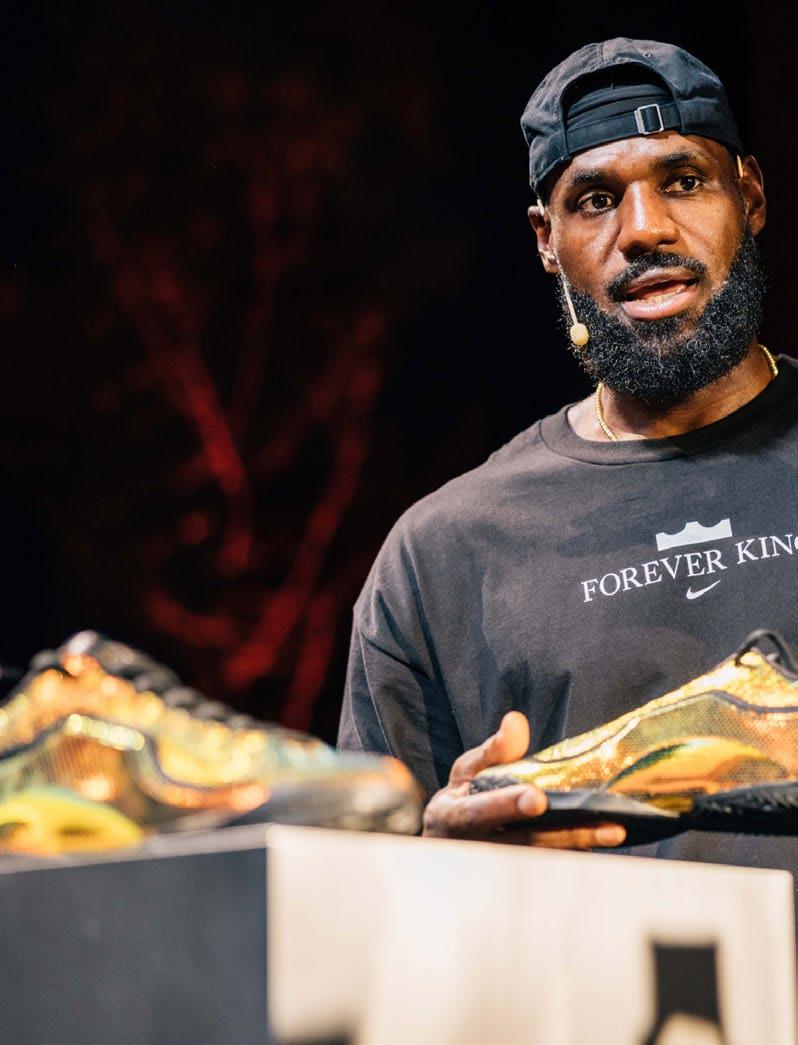
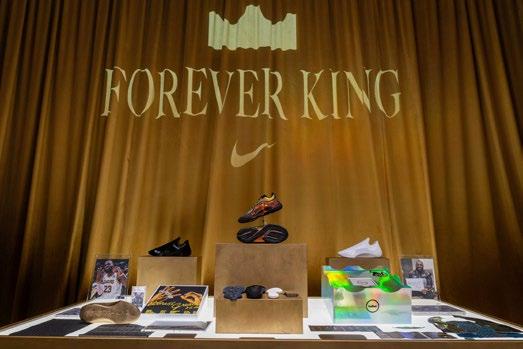
LEBRON JAMES RETURNS TO CHINA FOR THE 20THANNIVERSARY FOREVER KING TOUR 2025
As the 2025–26 NBA season draws near, LeBron James is once again stepping into the global spotlight — not for a championship chase this time, but to celebrate two decades of his influence that transcends borders. His return to China for the “Forever King Tour 2025” marks the 20th anniversary of his very first Nike Asia tour, a moment that shaped his international legacy. This milestone event is not merely a promotional visit but a tribute to basketball’s growing global reach and the enduring bond between LeBron, Nike, and millions of Chinese fans who have followed his journey since the beginning.
LeBron’s relationship with China is deeply rooted in history. Back in 2005, he embarked on his first Asian tour with Nike, a time when he was still early in his professional career. The year 2025 now stands as a full-circle moment — a commemoration of that journey from a young prodigy to one of the most celebrated athletes in history. The Forever King Tour captures that story, reflecting not only on his growth but also on how basketball has evolved into a global passion, with China playing a major role in that transformation. The timing of the tour is significant. At this stage in his career, LeBron’s focus extends beyond the court. His return to China comes as part of a broader mission to connect with fans, mentor young athletes, and strengthen the bridge between cultures through the power of sport. For the basketball icon, the tour represents gratitude — to a nation that has supported him for 20 years, and to a new generation that looks to him as a symbol of inspiration and excellence.
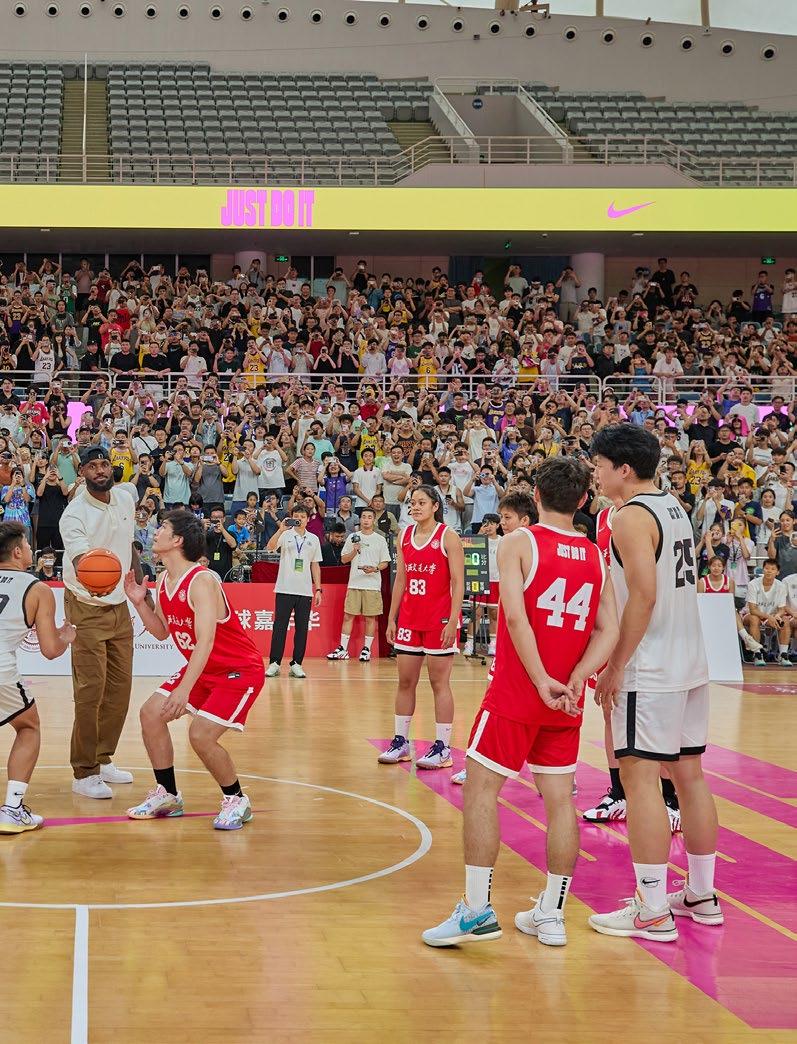
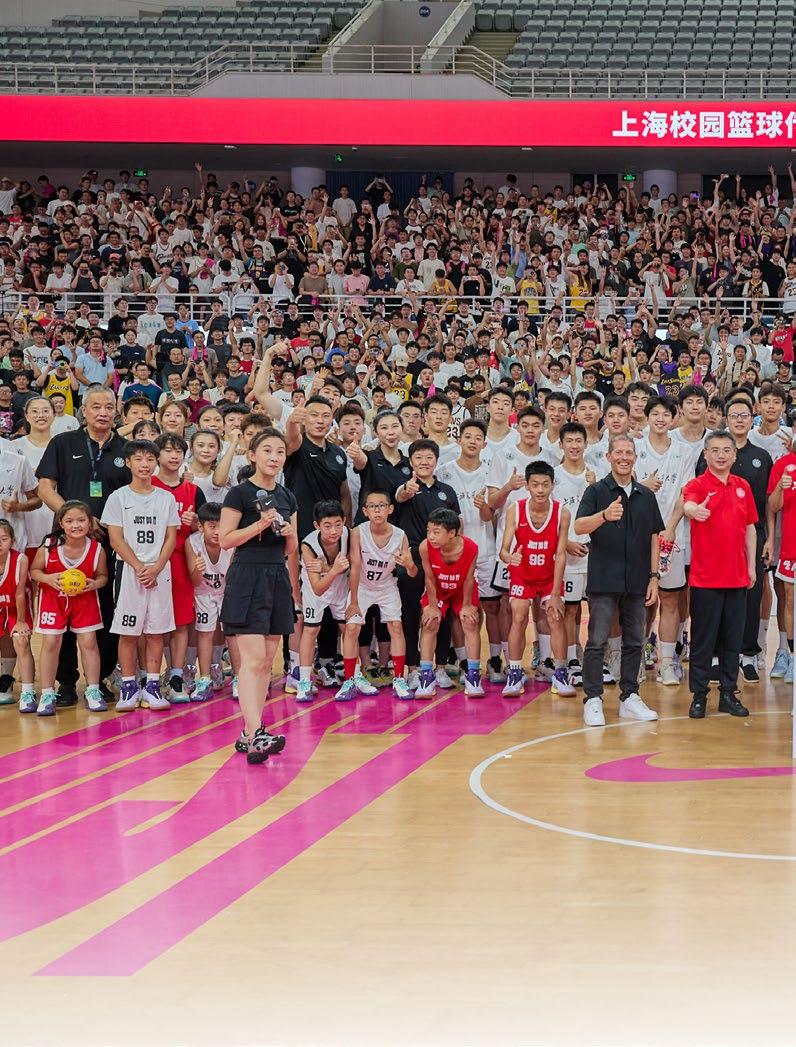
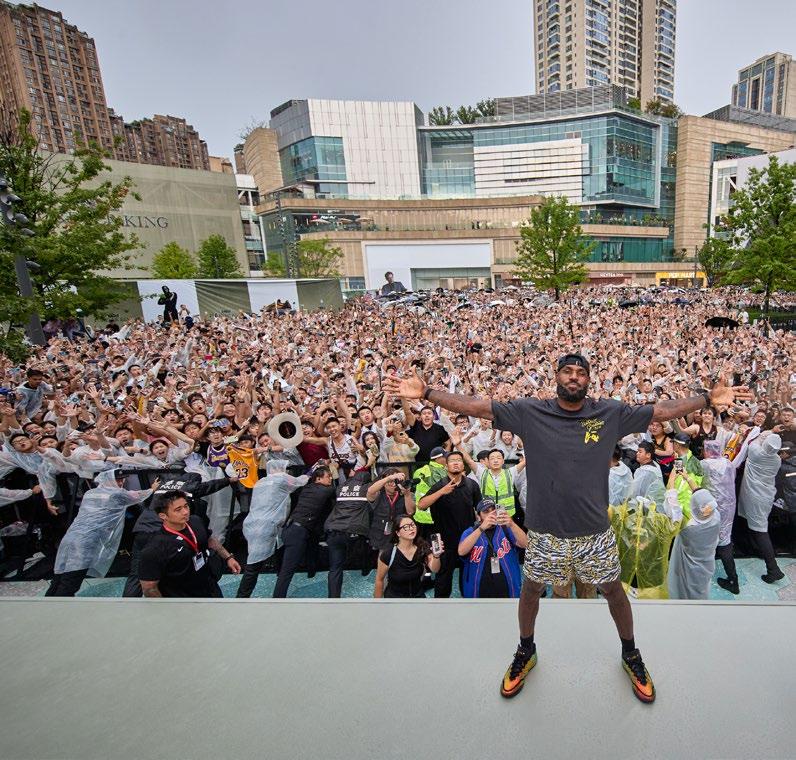
When asked about the tour, LeBron expressed deep appreciation for China’s love of basketball. He said that the energy and passion of Chinese fans have always been incredible to witness and that sharing the game with athletes around the world continues to be one of the most meaningful aspects of his career. This sentiment highlights the purpose behind the Forever King Tour: a celebration of connection, legacy, and the global unity basketball fosters. The tour’s itinerary includes two major Chinese cities — Shanghai and Chengdu — both carrying special meaning for LeBron and Nike. Shanghai has long been a hub for basketball culture in Asia and has hosted LeBron multiple times since 2007. This year’s return to the city underscores its place as the center of his bond with Chinese fans. The visit features a mix of fan meet-and-greet events, community basketball sessions, and cultural interactions that embody the tour’s message of empowerment and appreciation.
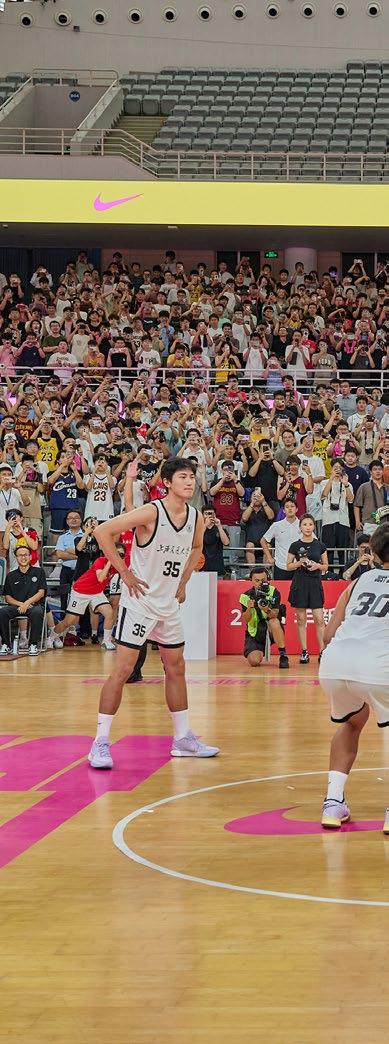
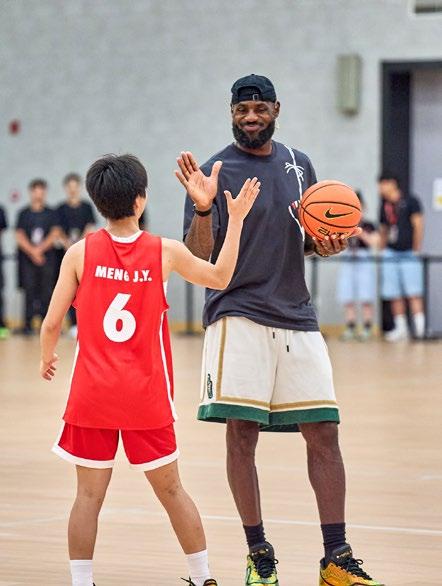
The stop in Chengdu carries a more personal tone. LeBron last visited the city in 2011, and his return is designed to focus on grassroots development and mentorship. Here, he spends time with young athletes through Nike’s RISE program, which aims to identify and nurture future basketball talent. The Chengdu leg of the tour includes training camps, workshops, and competitive scrimmages that bring together Chinese youth players and teams from Nike’s Elite Youth Basketball League in the United States. A major component of the Forever King Tour is youth engagement, a cause that LeBron has championed for years. Through Nike RISE, he works directly with young athletes, emphasizing the importance of discipline, mindset, and passion for the game. He tells the participants that success is not about chasing results but about falling in love with the process of improvement. This philosophy mirrors his own journey — a career built not just on raw talent but on commitment, consistency, and a love for the game.
The RISE 2025 program culminates during the tour, where the top young players from China, known as the “RISING 10,” compete against elite American youth teams. LeBron personally guides them through training and mental preparation, offering insight into what it takes to succeed at the highest levels. For many of these young athletes, meeting and learning from LeBron James is a once-in-a-lifetime experience — an opportunity that could shape their careers and perspectives forever. Fan engagement forms another emotional core of the tour. In both cities, thousands of fans gather to greet LeBron, many waiting for hours in rain or heat just to catch a glimpse of their idol. The enthusiasm and devotion of Chinese fans remain unmatched, and LeBron responds with humility and warmth. He spends time signing autographs, taking photos, and addressing the crowds, expressing his gratitude for their unwavering support over the years. He remarks that it is humbling to travel so far from home and still feel the same love and respect that he receives in the United States.
Beyond the courts and fan events, the Forever King Tour carries deeper significance. It arrives at a moment when basketball diplomacy plays a growing role in connecting cultures. LeBron recently made headlines for writing a special essay in a major Chinese publication, in which he spoke about basketball as a bridge that unites people around the world. His tour reinforces that message — emphasizing how sports can foster mutual respect, shared passion, and lasting friendship between nations. The business and branding aspects of the tour also play a crucial role. Nike’s partnership with LeBron has been one of the most successful athlete collaborations in history, and China remains one of the brand’s most important markets. The Forever King Tour includes the launch of the Nike LeBron 23 sneaker, which celebrates his career and legacy. The release is integrated with the tour experience — featuring exclusive popup stores, digital campaigns, and interactive fan activities that blend sport, culture, and fashion. The marketing approach reflects Nike’s strategy of building emotional engagement through authentic storytelling, rather than just product promotion.
From a corporate perspective, the tour strengthens Nike’s grassroots presence in China through programs like RISE, aligning the brand with youth development and community upliftment. At the same time, it reaffirms LeBron’s role as a global ambassador not only for the game but for leadership, mentorship, and empowerment. His presence symbolizes endurance, excellence, and the pursuit of greatness beyond the scoreboard. For the basketball community in China, the Forever King Tour
serves as both inspiration and validation. It showcases how the nation’s passion for the game has grown exponentially over the past two decades. The rise in youth participation, infrastructure development, and professional opportunities all trace back to early influences like LeBron’s first tours. The 2025 visit is therefore not just a commemoration of his personal journey but also a recognition of China’s evolution into one of basketball’s most passionate homes outside the United States.
The tour also marks a generational moment. As LeBron enters his 23rd NBA season, his focus increasingly shifts toward mentoring the next wave of athletes and global ambassadors. The Forever King Tour embodies that transition — from superstar to statesman, from champion to mentor. His interactions with young players in Chengdu reflect his belief that greatness is about giving back, inspiring others, and creating opportunities that last long after one’s own playing days are over. In reflecting on his return, LeBron shared that being able to visit China again after 20 years and witness how far the sport has come is deeply meaningful. He said that the passion of the fans and the progress of young athletes make him proud and grateful to be part of basketball’s global story. For him, this tour is not only about nostalgia but about celebrating the shared love of the game that connects millions of people, no matter where they come from.
The energy surrounding the Forever King Tour 2025 is electric. From the roaring crowds in Shanghai’s arenas to the rain-soaked fans cheering in Chengdu, the atmosphere is a testament to how deeply basketball resonates in China. Every dribble, every cheer, every handshake adds another layer to a two-decade relationship that continues to grow stronger with time. For Nike, this tour represents the power of sports to unite and inspire. For the fans, it’s a once-in-a-lifetime celebration of their hero. And for LeBron James, it’s a moment to look back with pride and look forward with purpose — to use his platform to inspire the next generation and to remind the world that greatness is not just about winning games but about changing lives.
The Forever King Tour 2025 ultimately stands as a symbol of what sports can achieve when passion, purpose, and people come together. It celebrates twenty years of connection, achievement, and legacy — the story of a young athlete who became a global icon, and of a country whose love for the game continues to grow. As LeBron departs China once again, the echoes of cheers follow him — from the streets of Shanghai to the courts of Chengdu. The message he leaves behind is timeless: love the game, respect the process, and always strive to lift others as you rise. The King may have returned for a celebration, but what he leaves behind is something far greater — a legacy that will inspire generations to come.
A GLOBAL FIESTA OF FOOTBALL: FIFA CLUB WORLD
CUP 2025
A GAME-CHANGER
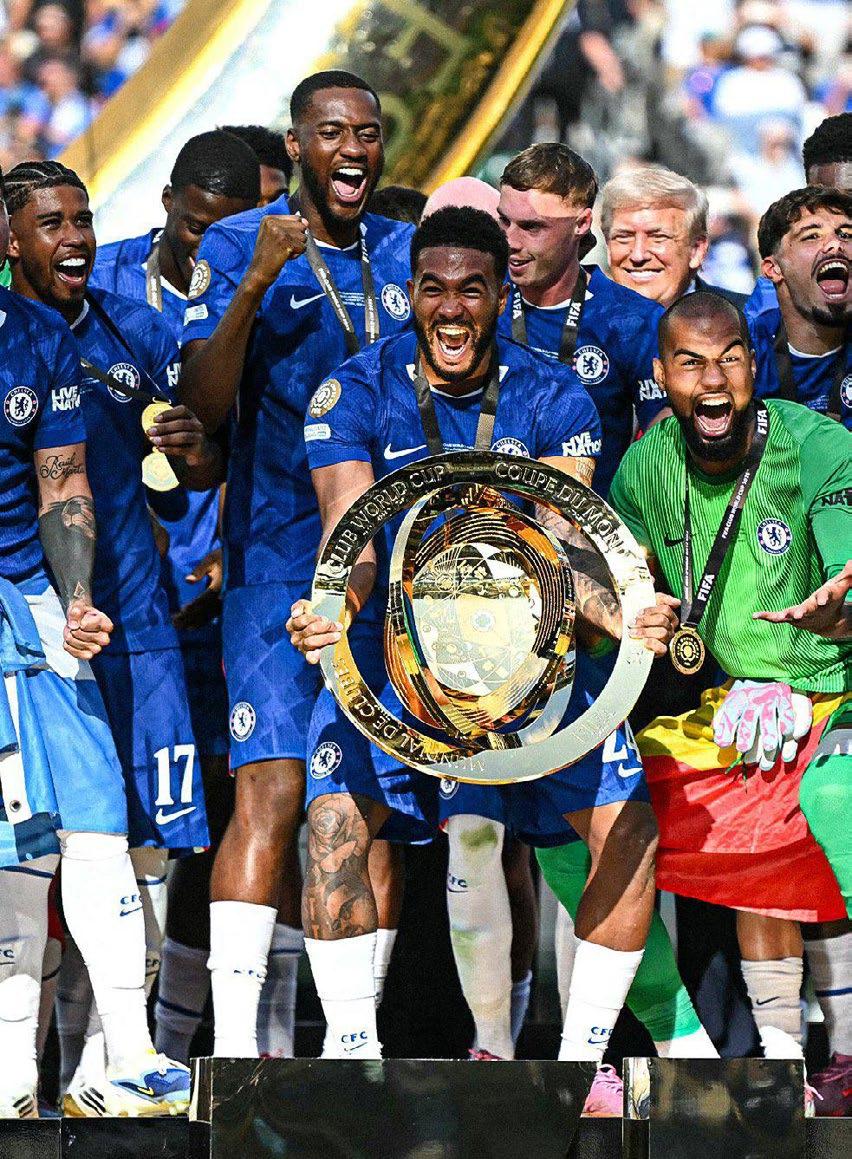
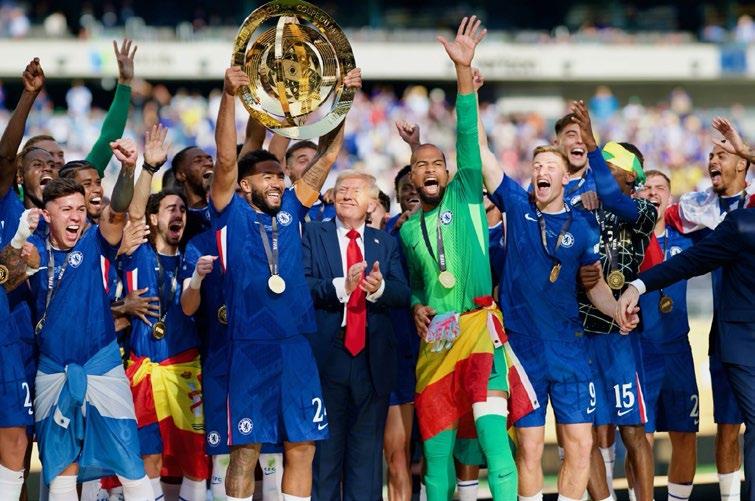
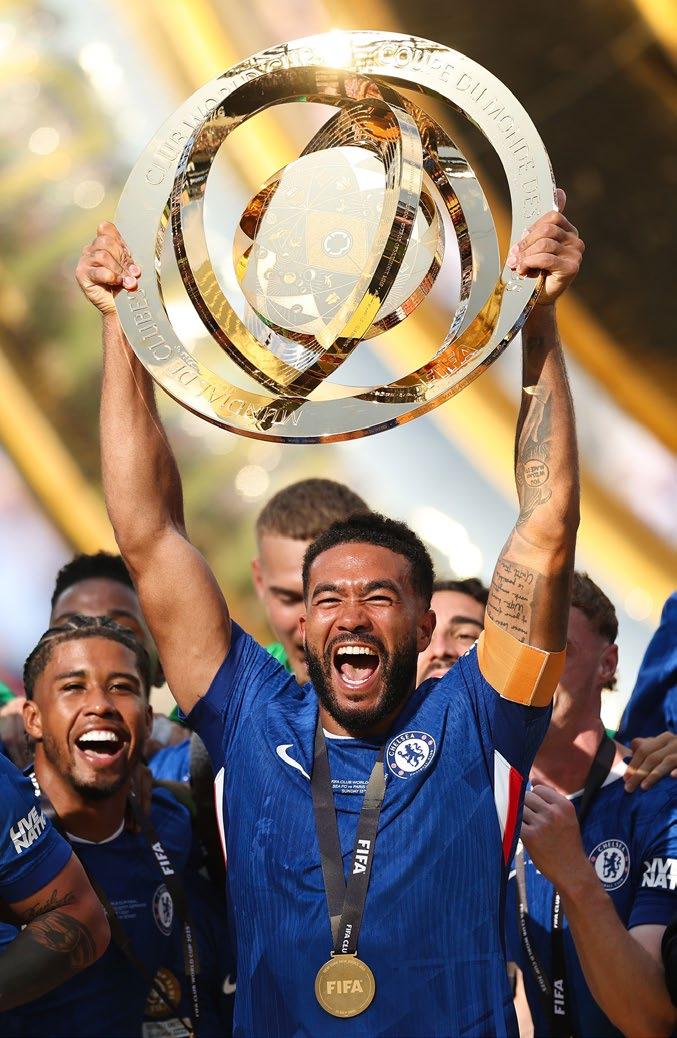
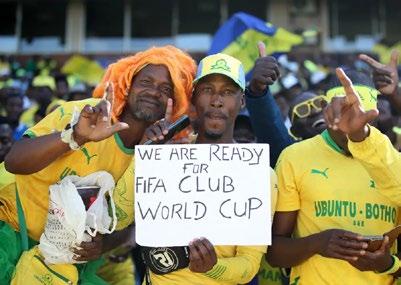
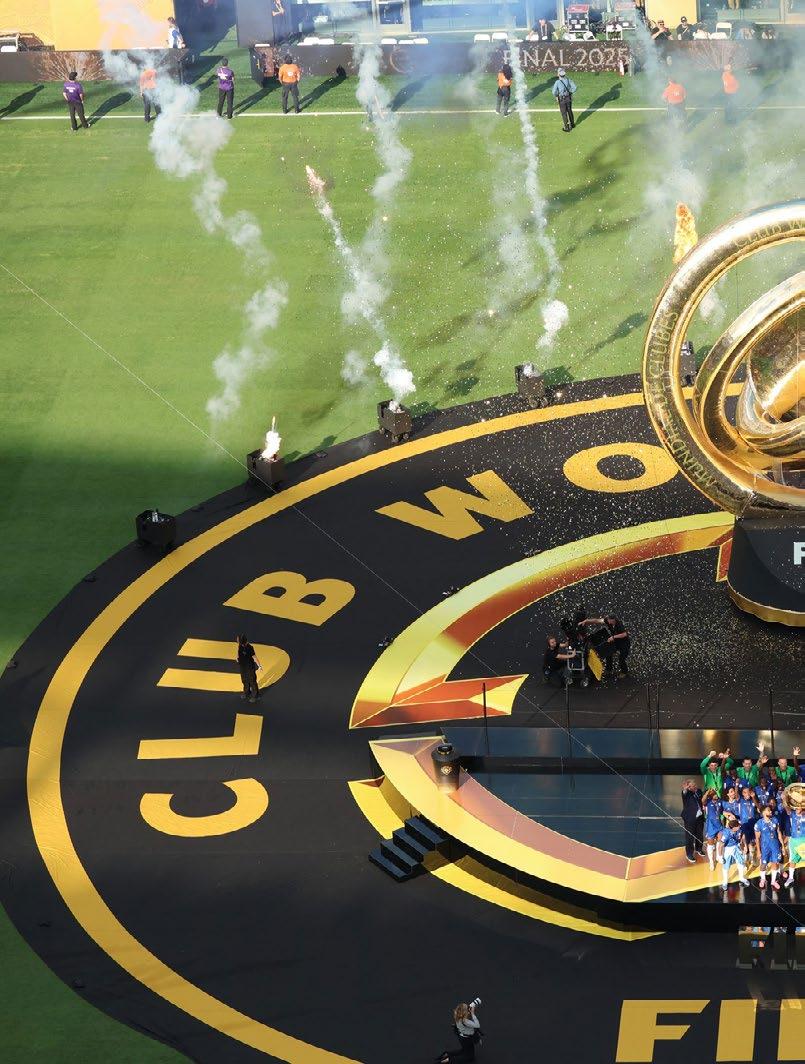
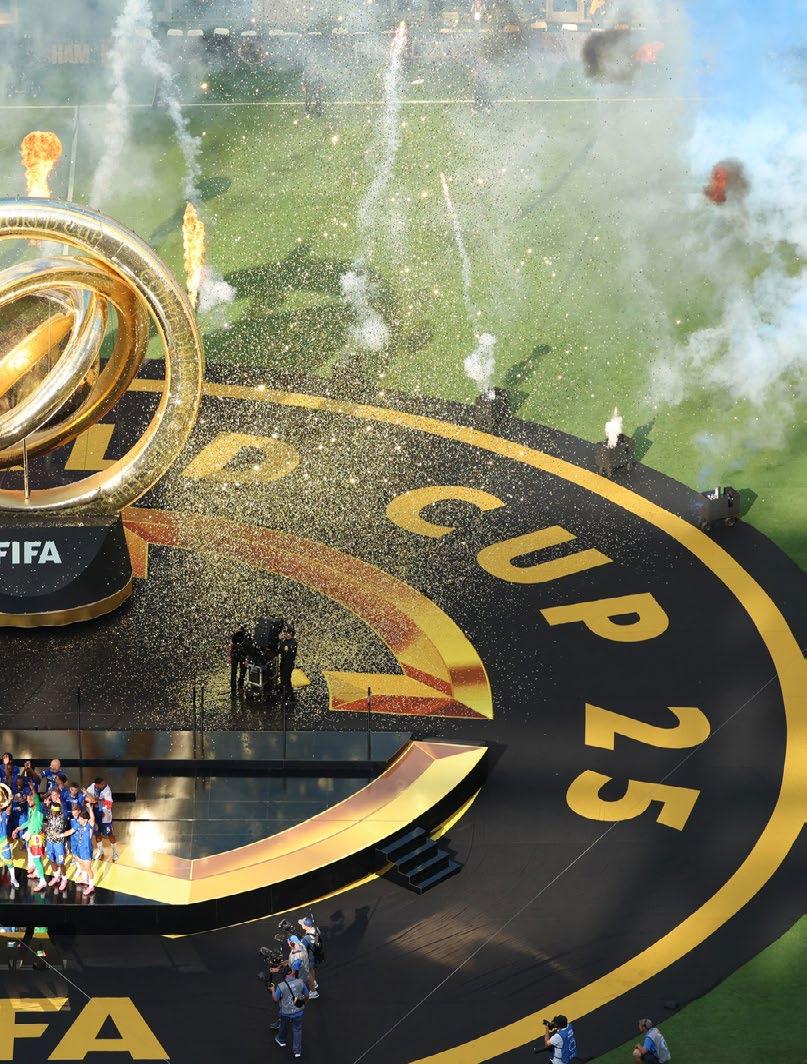
The FIFA Club World Cup 2025, held from June 14 to July 13, 2025, in the United States, marked a historic milestone in club football, redefining the sport’s global landscape. This edition of the FIFA Club World Cup, was the first to feature an expanded 32-team format, transforming the tournament from a niche annual event into a quadren-
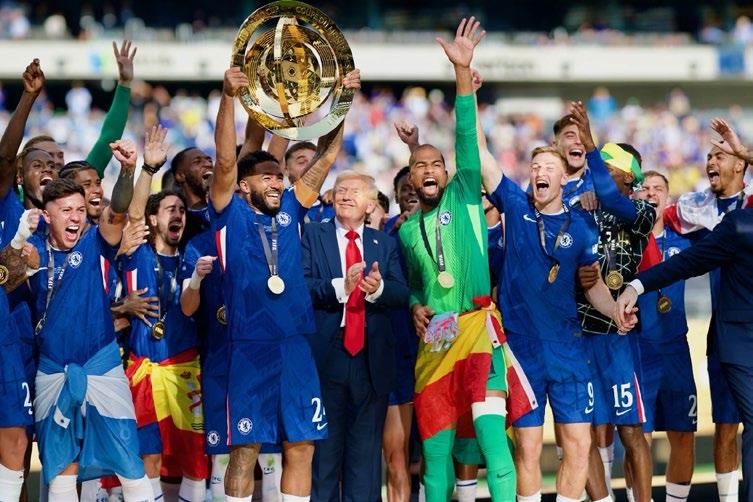
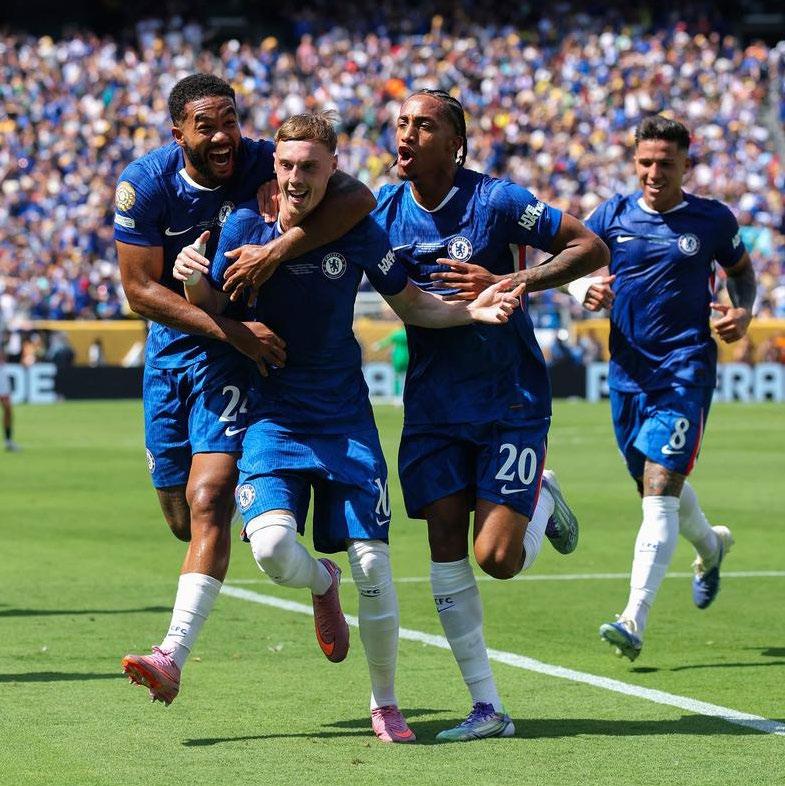
nial spectacle akin to the FIFA World Cup. With Chelsea FC emerging as champions after a commanding 3-0 victory over Paris Saint-Germain in the final, the tournament captivated football fans worldwide with its intensity, diversity, and sheer scale. Here’s why this tournament was special and what fans can anticipate for its future iterations.
A Revolutionary Format
Unlike its predecessors, which featured six to eight teams, the 2025 FIFA Club World Cup embraced a bold new structure with 32 clubs from all six FIFA confederations: UEFA (12 slots), CONMEBOL (6), AFC, CAF, and CONCACAF (4 each), OFC (1), and the host nation (1). This expansion allowed for a broader representation of global football, showcasing powerhouses like Real Madrid, Bayern Munich, and Al Ahly alongside underdogs such as Auckland City and Inter Miami. The tournament’s format mirrored the FIFA World Cup (1998–2022), with eight groups of four teams, the top two advancing to a knockout stage culminating in the final
at MetLife Stadium in East Rutherford, New Jersey. Notably, there was no third-place playoff, keeping the focus on the ultimate prize. The qualification criteria, based on continental championships from 2021 to 2024 and fouryear club rankings, ensured a merit-based field. Chelsea, for instance, secured their spot via their 2021 UEFA Champions League triumph, while Inter Miami earned theirs as the top-point earners in Major League Soccer’s 2024 regular season. The absence of Mexican club León due to a multi-club ownership rule breach added drama, with Los Angeles FC clinching the final spot after a playoff victory over Club América.
A Stage for Global Stars
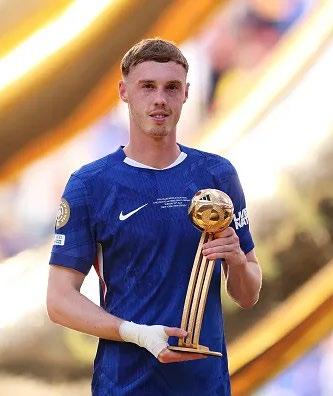
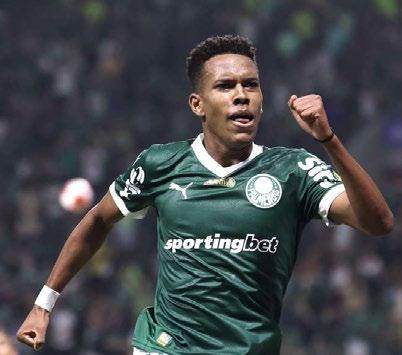
The 2025 tournament was a showcase of football’s brightest talents. Chelsea’s Cole Palmer, donning the No.10 shirt, was pivotal in their title run, while PSG’s Ousmane Dembélé and Desire Doué electrified audiences with their flair. Lionel Messi’s presence with Inter Miami drew massive attention, particularly in the opening match against Al Ahly at Hard Rock Stadium in Miami. The tournament’s global appeal was further amplified by the participation of clubs like Brazil’s Palmeiras, Argentina’s River Plate, and Japan’s Urawa Red Diamonds, bringing diverse playing styles and passionate fanbases to the U.S.
A US Spectacle with Global Reach
Hosted across 11 U.S. cities—predominantly on the East Coast to align with European broadcast schedules—the tournament utilized iconic venues like the Rose Bowl in Los Angeles (88,500 capacity) and MetLife Stadium (82,500). Despite some attendance challenges, with an average of 38.93% of seats unfilled across venues, marquee matches like the final (over 81,000 attendees) and PSG vs. Atlético Madrid (80,619) drew massive crowds. All 63 matches were live-streamed for free on DAZN worldwide, ensuring accessibility for fans globally, with sublicensing to local broadcasters enhancing reach.
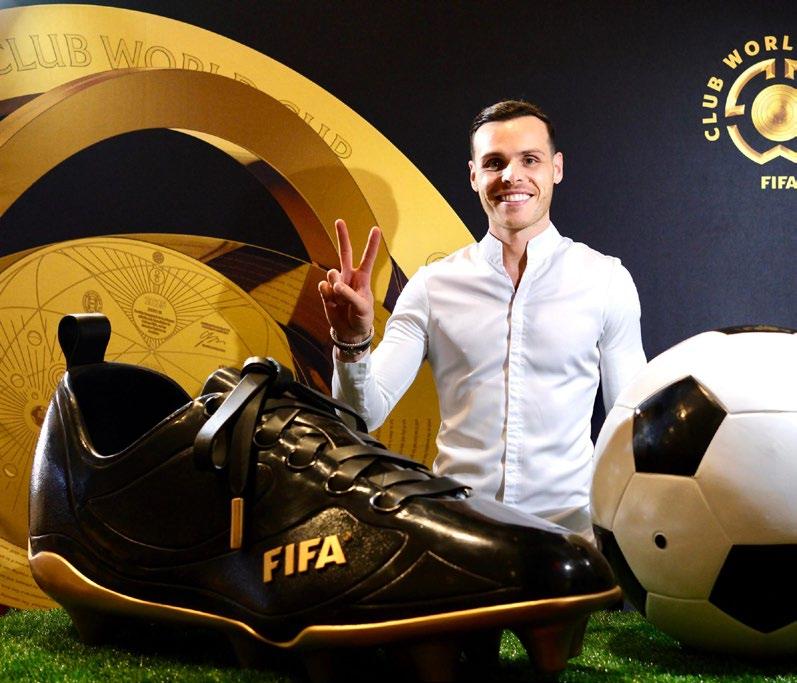
The U.S. setting was a strategic prelude to the 2026 FIFA World Cup, co-hosted with Canada and Mexico. FIFA tested logistics, from pitch quality to scheduling, under intense summer conditions. Challenges like extreme heat and thunderstorms highlighted areas for improvement, but innovations like transporting Bermuda grass for hybrid pitches showed FIFA’s commitment to quality. The unveiling of a 24-karat gold trophy designed by Tiffany & Co., inspired by maps, astronomy, and the Voyager Golden Record, added a touch of prestige to the event.
Why It Was Special
1. Unprecedented Scale and Inclusivity: The 32-team format made this the most inclusive club competition in FIFA’s history, uniting champions from every continent. It gave smaller confederations like OFC a platform while allowing giants like Real Madrid and Bayern Munich to clash with emerging forces like Al Ahly and Botafogo.
2. Massive Financial Impact: With a $1 billion prize pool and up to $125 million for the winners, the tournament was the most lucrative in football history. Chelsea’s victory earned them a substantial windfall, while FIFA targeted $250 million in solidarity payments to support global club football development.
3. Cultural Moments: Beyond the football, the tournament delivered unique highlights, such as Amaury Guichon’s 90-pound chocolate sculpture unveiled at the final, showcasing the event’s ability to blend sport with global culture.
4. A Test for 2026: As a dry run for the 2026 World Cup, the tournament exposed logistical challenges—weather, travel, and attendance—that FIFA can address. It also proved the U.S.’s capacity to host a global football event, with venues like MetLife Stadium set to shine again in 2026.
What Fans Can Look Forward To
The 2025 FIFA Club World Cup set a new benchmark for club football, and its quadrennial cycle ensures the next edition in 2029 will be eagerly anticipated. Fans can expect:
• Refined Logistics: Lessons from 2025, particularly around scheduling and pitch quality, will enhance the 2026 World Cup and future Club World Cups. FIFA’s focus on player welfare and fan experience will likely lead to smarter kickoff times and venue selections.
• Growing Global Appeal: The tournament’s success, despite attendance hiccups, proved its potential to rival the UEFA Champions League. Expect even greater fan engagement in 2029, with more clubs vying for qualification.
• Emerging Stars and Stories: The 2025 edition spotlighted young talents like Desire Doué and veterans like Messi. Future tournaments will continue to unearth new heroes and narratives, especially from underrepresented confederations.
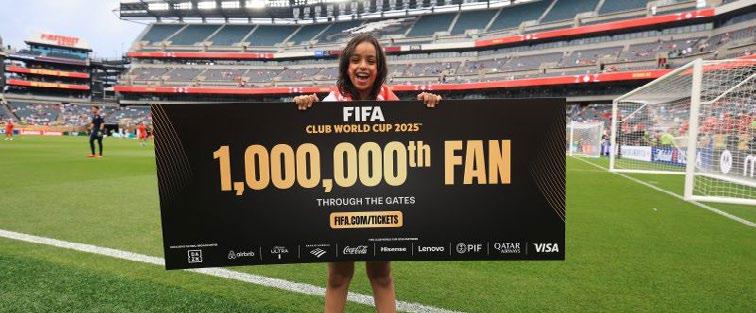
• Innovative Fan Experiences: Free streaming on DAZN and tie-ins like ticket packs for the 2026 World Cup signal FIFA’s commitment to accessibility. Fans can anticipate more interactive and inclusive viewing options in 2029.
A Legacy Forged
Chelsea’s triumph over PSG capped a tournament that was as much about footballing excellence as it was about setting a new standard for global club competitions. Despite challenges, the FIFA Club World Cup 2025 delivered unforgettable moments, from Messi’s Miami opener to Guichon’s chocolate masterpiece. As FIFA builds on this foundation, football fans can look forward to a 2029 edition that further elevates the sport’s global unity and spectacle. For now, the world celebrates Chelsea’s coronation as the inaugural champions of this bold new era.
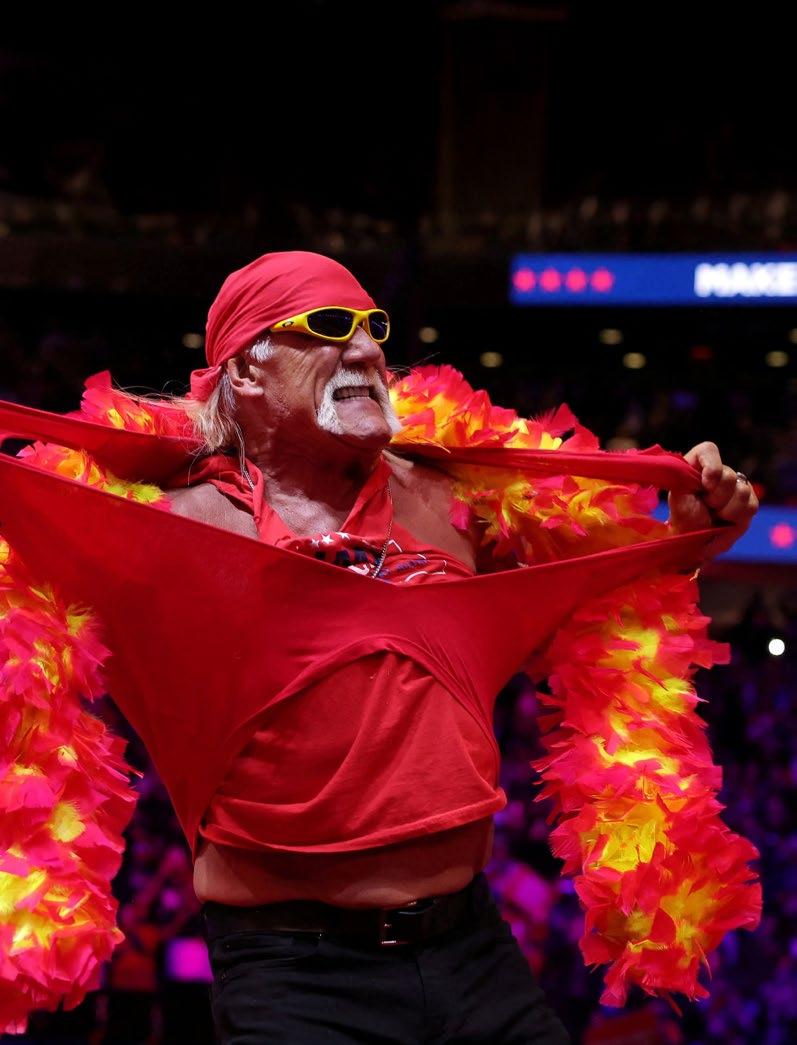
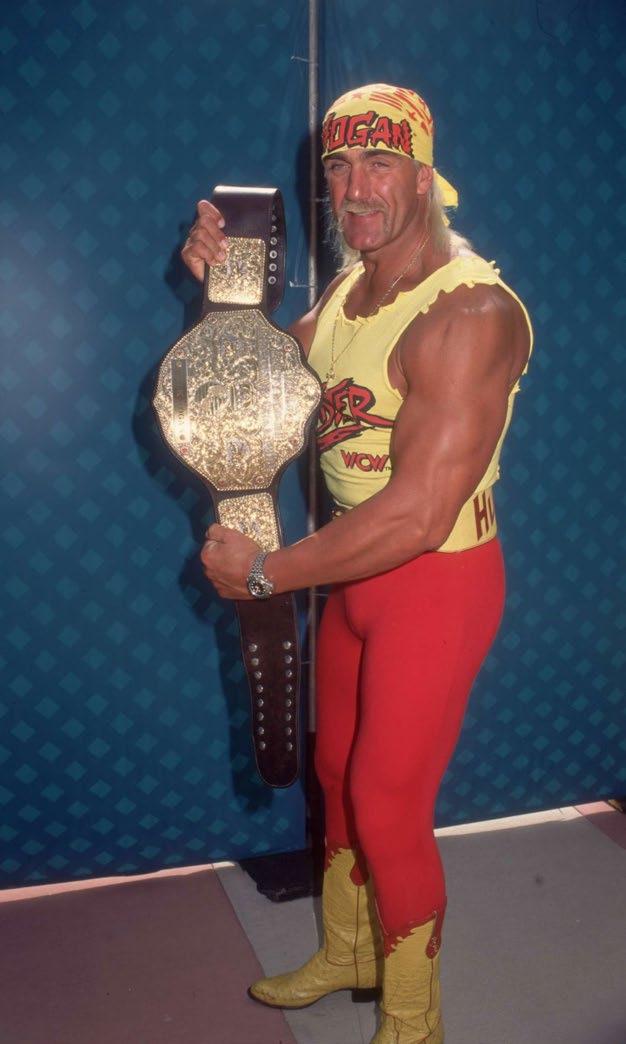
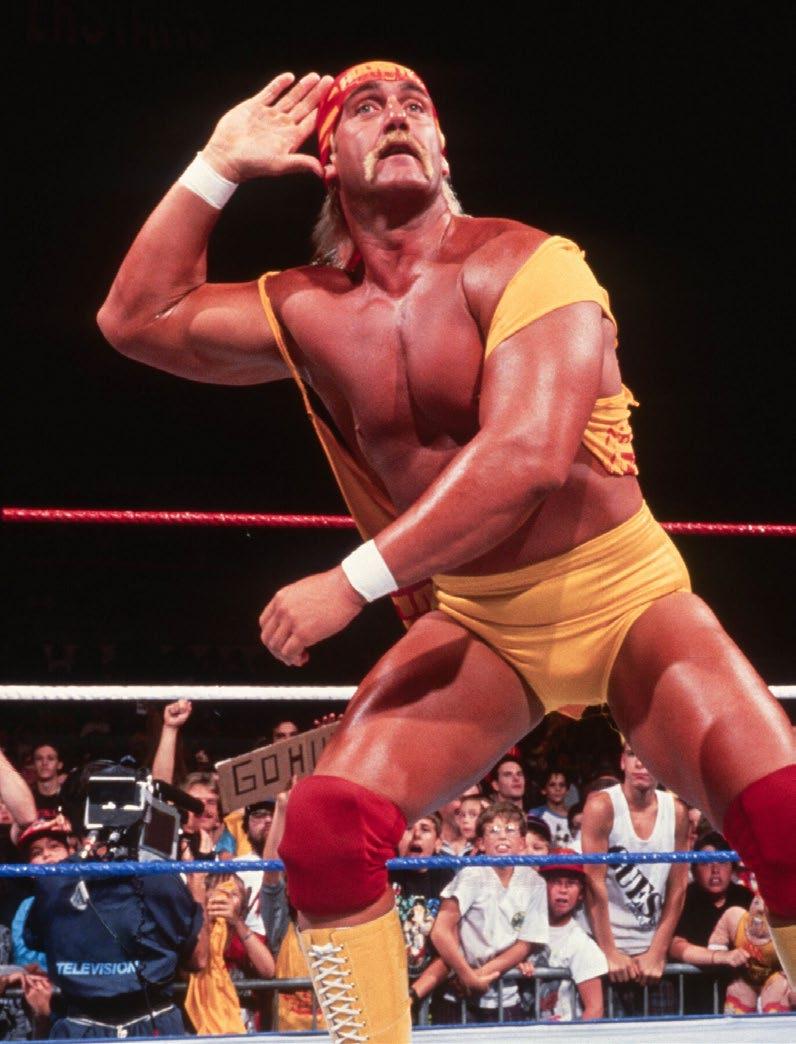
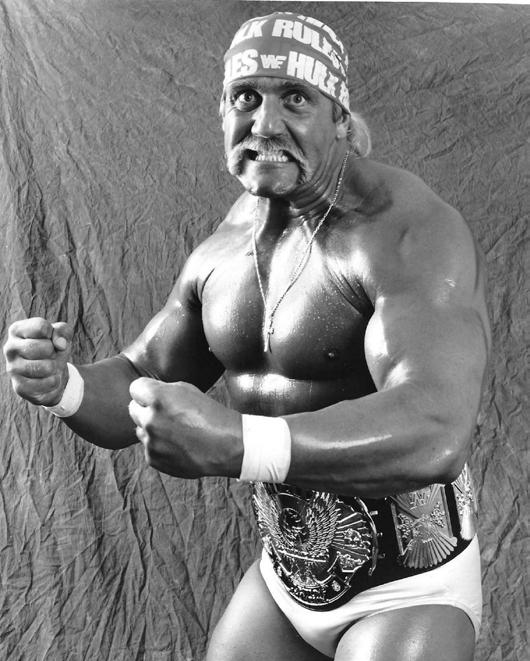
Celebrating the Immortal Legacy of Hulk Hogan
Hulk Hogan, born Terry Gene Bollea on August 11, 1953, in Augusta, Georgia, remains one of the most iconic figures in professional wrestling history. His larger-than-life persona, infectious charisma, and undeniable impact on WWE (then WWF) transformed the industry into a global phenomenon.
As we reflect on his remarkable life and career, we celebrate a man whose legacy continues to inspire generations of fans and wrestlers alike.
Hogan’s journey to stardom began in the late 1970s when he transitioned from a musician and bodybuilder to a professional wrestler. Discovered by Vincent J. McMahon, Hogan debuted in the WWF in 1979, initially portraying a villainous character. However, it was his return in 1983 under Vince McMahon Jr.’s leadership that catapulted him to fame. Adopting the red-and-yellow-clad “Hulkamania” persona, Hogan became the face of the WWF’s golden era, embodying the all-American hero with his signature catchphrase, “Whatcha gonna do when Hulkamania runs wild on you?”
Hogan’s in-ring achievements are legendary. He won the WWF Championship six times, with his first title reign beginning on January 23, 1984, after defeating The Iron Sheik at Madison Square Garden. This victory marked the birth of Hulkamania, a cultural movement that saw fans chanting his name and wearing his iconic bandanas. His epic battles against opponents like Andre the Giant, Randy Savage, and The Ultimate Warrior are etched in wrestling history. Perhaps the most iconic moment came at WrestleMania III in 1987, when Hogan body-slammed the 520-pound Andre the Giant in front of 93,173 fans at the Pontiac Silverdome—an image that still defines wrestling’s grandeur.
Beyond the ring, Hogan’s charisma made him a pop culture icon. He starred in movies like *No Holds Barred* (1989) and appeared on TV shows, bringing wrestling to mainstream audiences. His role in the 1980s “Rock ‘n’ Wrestling” era, alongside stars like Cyndi Lauper, helped the WWF bridge sports and entertainment, paving the way for today’s WWE. Hogan’s larger-than-life persona resonated with fans, encouraging them to “train, say your prayers, and eat your vitamins,” a mantra that became a rallying cry for positivity and perseverance. Hogan’s career wasn’t limited to the WWF. In 1994, he joined World Championship Wrestling (WCW), where he reinvented himself as “Hollywood” Hogan, the villainous leader of the New World Order (nWo). This heel turn shocked the wrestling world and sparked a ratings war with the WWF, showcasing Hogan’s versatility and ability to adapt. The nWo angle became one of the most influential storylines in wrestling, proving Hogan’s enduring relevance.
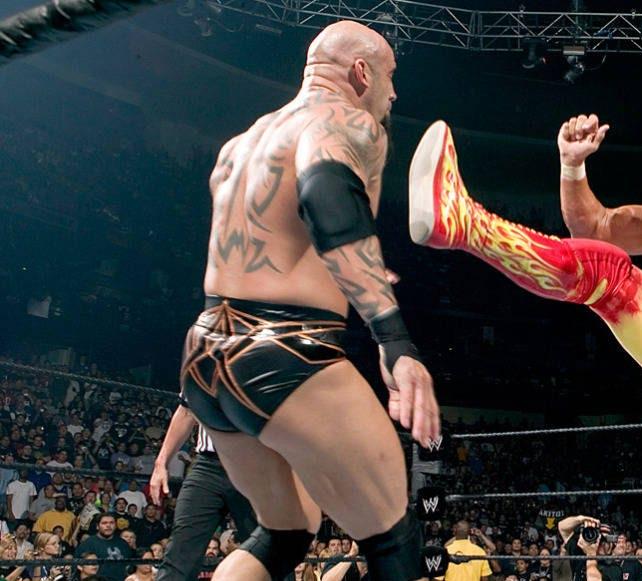
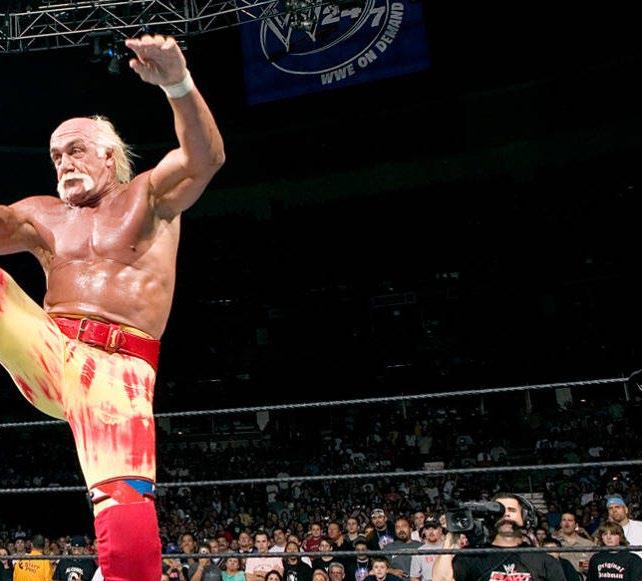
Despite controversies and personal challenges, Hogan’s contributions to wrestling are undeniable. He returned to WWE in the 2000s, engaging in memorable feuds and even winning the WWE Championship in 2002 at age 48. His 2014 return as a WWE ambassador and host of WrestleMania 30 reaffirmed his status as a beloved figure. Hogan’s induction into the WWE Hall of Fame in 2005 (and again in 2020 as part of the nWo) cemented his legacy as a pioneer. Off-screen, Hogan’s philanthropy and connection with fans shone brightly. Through Make-A-Wish and other charitable efforts, he granted countless wishes for children, embodying the hero he portrayed. His larger-than-life personality extended to his personal life, where he remained a devoted father
and friend, often sharing stories of his love for his family and “Hulkamaniacs.” As we remember Hulk Hogan, who passed away on 24th July 2025, leaving an irreplaceable void in the wrestling world, we celebrate a man who transcended wrestling to become a cultural icon. His charisma, athleticism, and ability to connect with audiences made him a trailblazer. From sold-out arenas to blockbuster storylines, Hogan’s influence endures in every wrestler who steps into the ring today. His message of positivity—encouraging fans to believe in themselves—remains timeless. Hulkamania may have been born in the 1980s, but its spirit lives on, forever running wild in the hearts of fans worldwide.
DISCIPLINE TEAMWORK LIFE SKILLS KIDS LEARN ON THE FIELD
The crack of a bat, the thud of a soccer ball, the squeak of sneakers on a basketball court—sports fields are more than just places for kids to burn energy. They’re vibrant classrooms where young athletes learn life skills that shape their character and future. Confidence, discipline, and teamwork aren’t just buzzwords; they’re the foundation of lessons learned through sweat, cheers, and even the occasional defeat. For kids, the field is where these skills take root, preparing them for challenges far beyond the game.
CONFIDENCE: BUILDING BELIEF ONE PLAY AT A TIME
Every kid starts somewhere—maybe it’s a wobbly first kick or a shaky attempt at a free throw. Sports provide a safe space to try, fail, and try again, fostering confidence with every small victory. When a child nails a tricky pitch or scores their first goal, they’re not just winning points; they’re building self-belief. Studies show that participation in youth sports boosts self-esteem, with 80% of kids in organized sports reporting higher confidence levels, according to a 2023 survey by the Aspen Institute. Take Mia, a shy 10-year-old who joined her school’s soccer team. Initially hesitant, she dreaded practices. But with encouragement from coaches and teammates, she scored her first goal after weeks of drills. That moment transformed her—she stood taller, spoke up in class, and tackled challenges with newfound courage. The field teaches kids that effort pays off, and every step forward, no matter how small, builds a reservoir of confidence they carry into adulthood.
DISCIPLINE: THE GRIT BEHIND THE GLORY
Sports demand discipline, a skill that translates seamlessly into life. From showing up to earlymorning practices to sticking to a training regimen, kids learn that success requires commitment. Coaches instil routines—stretching before a game, practicing free throws, or running laps—that teach kids to prioritize and persevere. A 2024 study from the Journal of Youth Development found that kids in sports were 30% more likely to develop strong timemanagement skills compared to non-athletes.
Consider Ethan, a 12-year-old track runner. He hated waking up for 6 a.m. practices, but his coach emphasized that consistency builds champions. Over time, Ethan not only improved his sprint times but also started managing his homework and chores without reminders. The discipline of the field— showing up, pushing through fatigue, and staying focused—became a blueprint for tackling school projects and personal goals. Sports teach kids that hard work isn’t glamorous, but it’s the backbone of achievement.
TEAMWORK: WINNING TOGETHER, GROWING TOGETHER
Perhaps the most enduring lesson from sports is teamwork. Whether it’s passing the ball in soccer or coordinating a play in football, kids learn that no one succeeds alone. Team sports require communication, trust, and sacrifice—skills critical in workplaces and relationships later in life. A 2025 report from the National Federation of State High School Associations noted that 90% of student-athletes felt sports improved their ability to collaborate effectively. Take the example of a youth basketball team facing a tough opponent. Down by 10 points, the players could’ve crumbled under pressure. Instead, they huddled, strategized, and executed a comeback by trusting each other’s strengths—passing to the best shooter, relying on the tallest kid for rebounds. That game wasn’t just a win; it was a lesson in unity. Kids learn to celebrate collective victories, share blame in losses, and value diverse roles, from star players to supportive benchwarmers. These experiences shape empathetic, cooperative individuals ready to thrive in group settings.
BEYOND THE SCOREBOARD
The beauty of sports lies in their ability to teach without preaching. Kids don’t realize they’re learning life skills when they’re chasing a ball or cheering for a teammate—they’re just having fun. Yet, these moments on the field build resilience, accountability, and camaraderie. Losses teach humility; victories teach grace. Coaches and teammates become mentors and allies, creating a support system that reinforces these lessons. Parents and educators can amplify these benefits by encouraging participation and focusing on growth over trophies. Whether it’s soccer, swimming, or track, the field is a proving ground where kids discover who they are and who they can become. Confidence, discipline, and teamwork aren’t just skills for the game—they’re the tools kids carry into classrooms, careers, and communities, proving that the lessons learned on the field last a lifetime.
DEBUNKING SPORTS NUTRITION MYTHSWHAT YOU REALLY NEED TO PERFORM
Sports nutrition is a field riddled with myths and misinformation that can mislead athletes, from weekend warriors to elite competitors. With so much conflicting advice circulating online and in locker rooms, it’s easy to fall for fads or outdated beliefs. This article cuts through the noise, debunking common sports nutrition myths and providing evidencebased guidance on what you *really* need to optimize performance.
MYTH 1: YOU NEED TO LOAD UP ON PROTEIN TO BUILD MUSCLE
The Truth: More protein doesn’t always mean more muscle. While protein is essential for muscle repair and growth, there’s a limit to how much your body can use. Research suggests that 1.6–2.2 grams of protein per kilogram of body weight per day is sufficient for most athletes to maximize muscle protein synthesis. For a 70-kg athlete, that’s about 112–154 grams of protein daily—easily achievable through a balanced diet with foods like chicken, fish, eggs, dairy, or plant-based sources like lentils and tofu. Consuming excessive protein (e.g., 3–4 g/kg/day) doesn’t provide additional benefits and may strain your kidneys or lead to unnecessary calorie intake. Focus on spreading protein intake evenly across meals (20–40 grams per meal) to support recovery and growth consistently.
MYTH 2: CARBS ARE THE ENEMY OF ATHLETIC PERFORMANCE
The Truth: Carbohydrates are a primary fuel source for athletes, especially for high-intensity or endurance activities. Low-carb diets, while trendy, can impair performance by depleting glycogen stores—the energy reserves in your muscles and liver. Studies show that athletes performing high-intensity exercise (e.g., sprinting, cycling, or team sports) benefit from 5–10 grams of carbs per kilogram of body weight daily, depending on training intensity. Whole-food sources like oats, brown rice, sweet potatoes, and fruits provide sustained energy and essential nutrients. Timing matters too: eating carbs 2–3 hours before exercise and within 30–60 minutes post-workout helps replenish glycogen and speed recovery. Low-carb diets may work for some in specific contexts (e.g., ultra-endurance events), but for most athletes, carbs are a performance ally, not an enemy.
MYTH 3: SUPPLEMENTS ARE ESSENTIAL FOR PEAK PERFORMANCE
The Truth: Supplements are often overhyped and rarely necessary if your diet is well-rounded. The global sports supplement market is worth billions, yet most products—pre-workouts, BCAAs, or “muscle maximizers”—offer minimal benefits over whole foods. For example, branched-chain amino acids (BCAAs) are marketed as musclebuilding must-haves, but studies show they’re no more effective than a protein-rich meal or shake.
That said, a few supplements have evidence backing their use in specific scenarios:
• Creatine monohydrate (3–5 g/day) enhances strength and power output in high-intensity exercises like weightlifting or sprinting.
• Caffeine (3–6 mg/kg body weight, taken 30–60 minutes pre-workout) boosts alertness and endurance.
• Electrolytes (sodium, potassium) are useful for endurance athletes in hot, humid conditions to replace sweat losses.
• Prioritize a nutrient-dense diet first, then consider supplements only if you have specific needs or deficiencies (e.g., vitamin D or iron, confirmed by a blood test).
MYTH 4: YOU MUST EAT IMMEDIATELY AFTER A WORKOUT TO RECOVER
The Truth: The “anabolic window” concept—that you must consume protein and carbs within 30 minutes postworkout to maximize recovery—has been overstated. While nutrient timing can matter for elite athletes training multiple times a day, most people have flexibility. Research indicates that consuming a balanced meal with protein and carbs within 1–2 hours post-exercise is sufficient for glycogen replenishment and muscle repair. If you’ve eaten a meal a few hours before your workout, your body already has nutrients available for recovery. For convenience, a post-workout shake is fine, but it’s not mandatory. Focus on total daily nutrient intake rather than obsessing over a narrow post-workout window.
MYTH 5: HYDRATION REQUIRES SPORTS DRINKS FOR EVERY WORKOUT
The Truth: Sports drinks are often unnecessary for workouts lasting less than 60–90 minutes. For shorter sessions, water is sufficient to maintain hydration, especially if you’re starting wellhydrated. Sports drinks, which contain carbs and electrolytes, are designed for prolonged, intense exercise (e.g., marathons or 2-hour soccer matches) where glycogen and sodium losses are significant. Overusing sports drinks can lead to excess sugar and calorie intake, potentially causing weight gain or digestive issues. For most gym-goers or casual athletes, water and a balanced diet cover hydration needs. If you’re sweating heavily for over an hour, a drink with 500–700 mg of sodium per litre can help, but you can also make your own by mixing water, a pinch of salt, and a splash of juice.
MYTH 6: FASTING BEFORE EXERCISE BURNS MORE FAT
The Truth: Training in a fasted state (e.g., morning cardio on an empty stomach) may increase fat oxidation during exercise, but it doesn’t lead to greater fat loss over time. Total calorie balance determines fat loss, not whether you eat before a workout. Fasted training can also reduce performance in high-intensity or long-duration sessions due to low glycogen levels, leading to fatigue or suboptimal effort. If fat loss is your goal, focus on a consistent calorie deficit through diet and exercise, not fasted workouts. For performance, eating a small carb- and protein-rich meal or snack (e.g., a banana with yogurt) 1–2 hours before training can boost energy and output.
WHAT YOU *REALLY* NEED TO PERFORM
To optimize athletic performance, strip away the myths and focus on these evidence-based principles:
1. Eat a Balanced Diet: Prioritize whole foods—lean proteins, complex carbs, healthy fats, fruits, and vegetables—to meet your energy and nutrient needs.
2. Match Nutrition to Training: Adjust carb and protein intake based on your activity level and goals (e.g., higher carbs for endurance, moderate for strength).
3. Stay Hydrated: Drink water throughout the day and use sports drinks only for prolonged, intense efforts.
4. Time Nutrients Wisely: Spread protein intake across meals and aim for carbs pre- and postworkout to fuel and recover.
5. Use Supplements Sparingly: Stick to proven options like creatine or caffeine if needed, but don’t rely on them as a crutch.
6. Listen to Your Body: Individual needs vary, so experiment and adjust based on how you feel and perform.
Sports nutrition doesn’t need to be complicated or driven by flashy products and rigid rules. By debunking these myths, you can focus on what truly matters: a balanced, individualized approach that fuels your body for performance and recovery. Forget the hype—eat well, train smart, and let science guide your success.
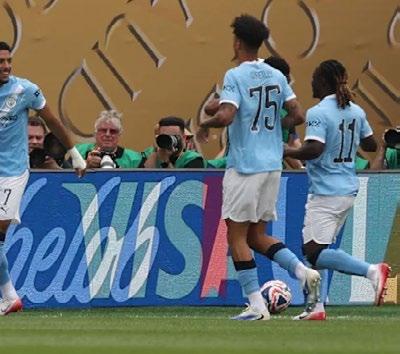
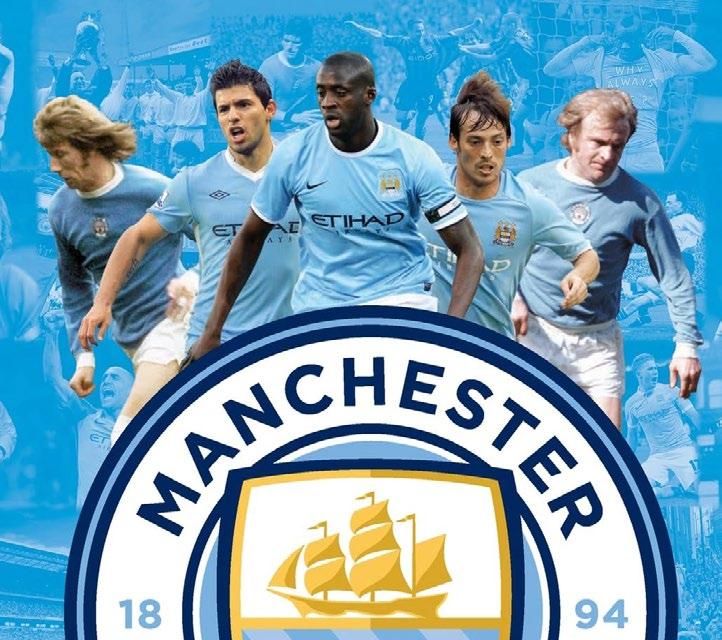
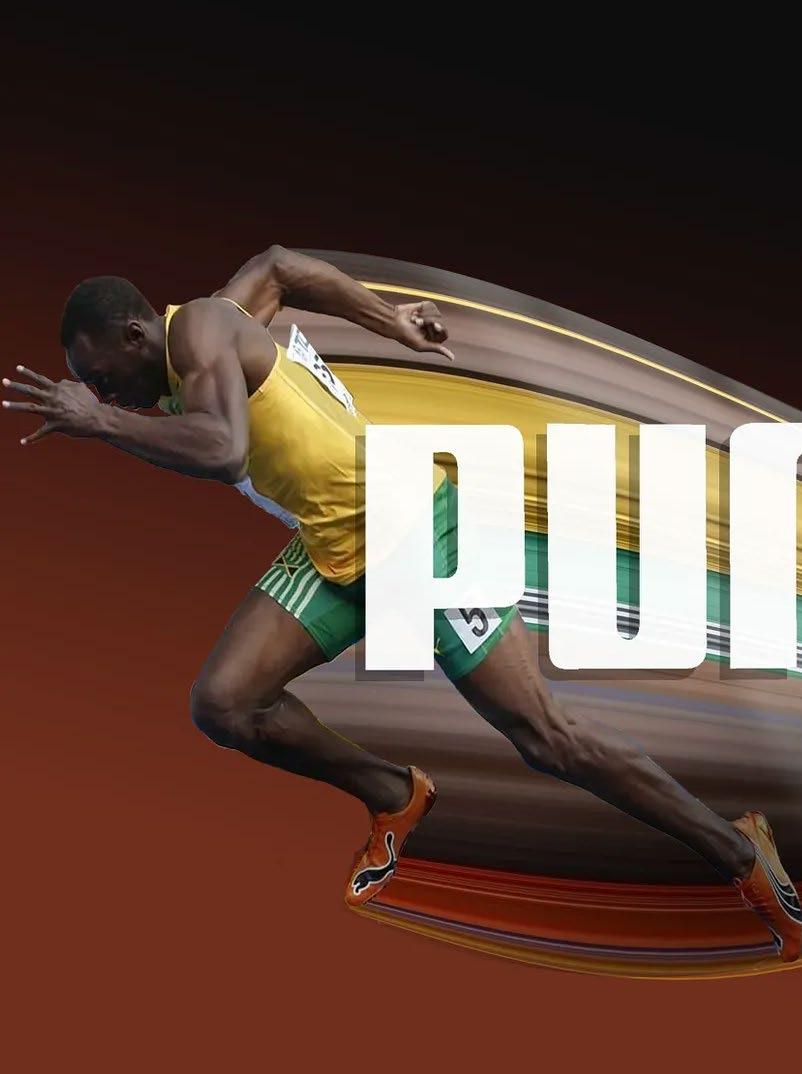
Manchester City’s £1 Billion Puma Deal-A GameChanger in Football
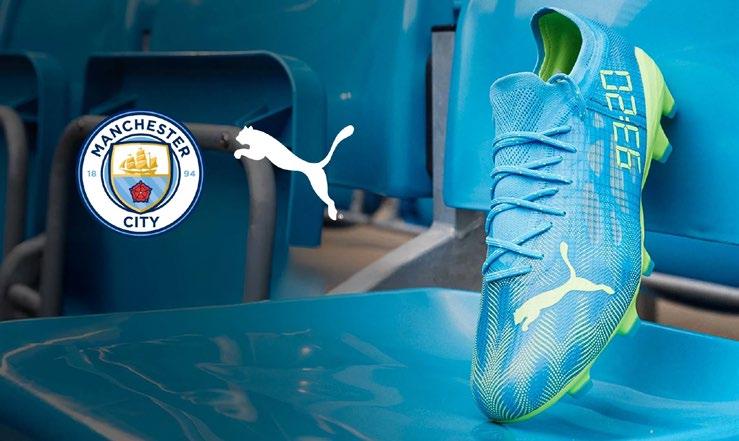
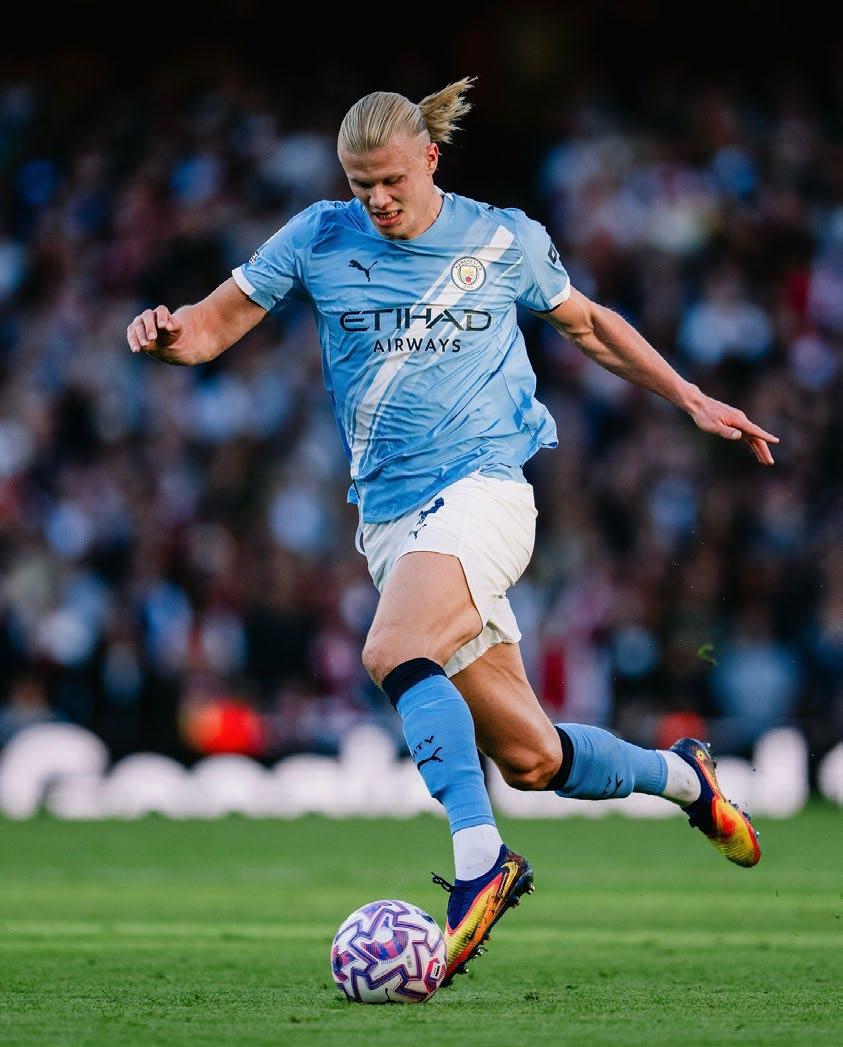
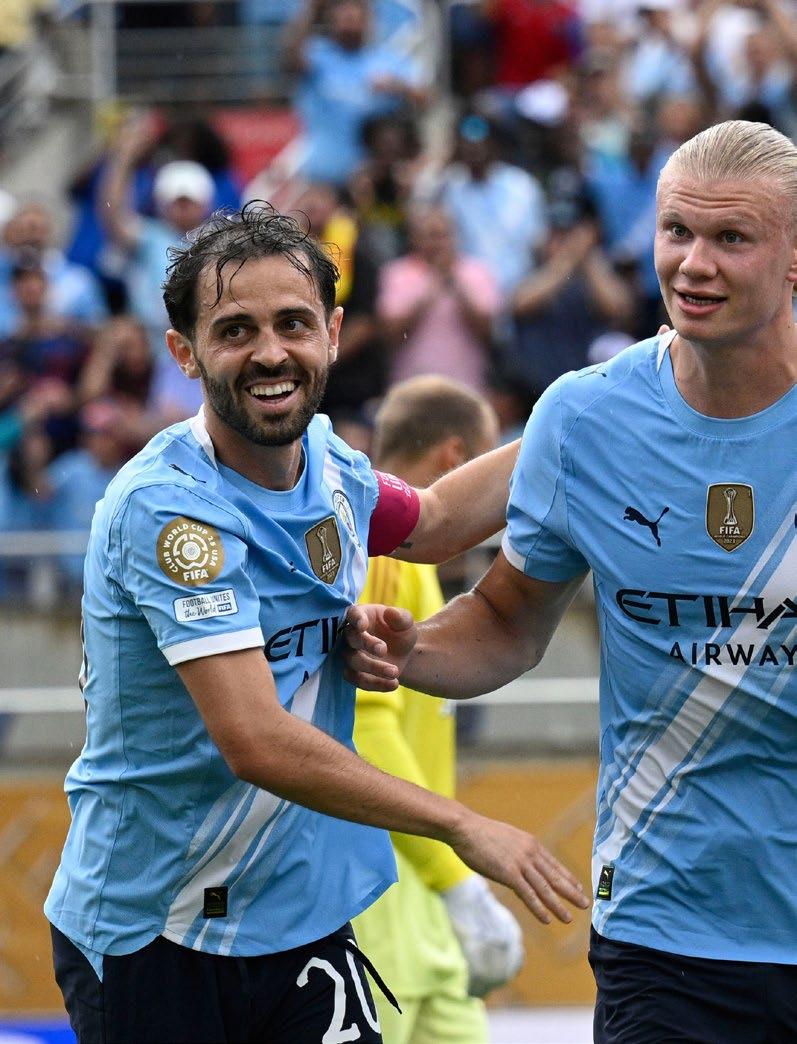
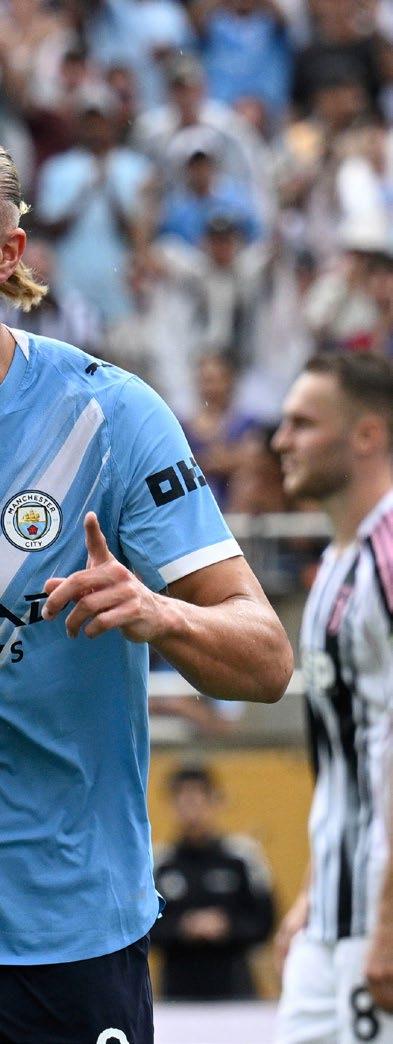
Manchester City have once again redefined the financial boundaries of English football by signing a record-breaking £1 billion kit deal with Puma, cementing their status as a global powerhouse both on and off the pitch. Announced on July 15, 2025, this 10-year extension, running until at least 2035, is the most lucrative kit manufacturing partnership in Premier League history, valued at £100 million per season. This landmark agreement not only surpasses the previous record held by rivals Manchester United but also signals Puma’s unwavering confidence in City’s enduring success and global appeal.
The deal marks a significant leap from City’s previous agreement with Puma, signed in 2019, which was worth £65 million annually. The new contract, reportedly worth £1 billion ($1.34 billion) over its duration, eclipses Manchester United’s £900 million, 10-year deal with Adidas, signed in 2023, and Liverpool’s £60 million-per-season agreement with the same brand. While Spanish giants Real Madrid and Barcelona are said to have kit deals exceeding £100 million annually, City’s contract sets a new benchmark for English clubs, reflecting their rapid commercial growth and on-field dominance.
Since partnering with Puma in 2019, Manchester City have enjoyed unprecedented success, winning five Premier League titles, two FA Cups, a UEFA Champions League, a UEFA Super Cup, and a FIFA Club World Cup. The 202223 season, which saw City secure a historic treble, underscored their global marketability, making them an attractive partner for Puma. The sportswear giant’s chief executive, Arthur Hoeld, emphasized the partnership’s success, stating, “Puma’s partnership with Manchester City has been a great success both on and off the pitch.” This sentiment was echoed by City Football
Group’s CEO, Ferran Soriano, who highlighted the shared ambition to “go beyond expectations,” noting Puma’s integration into City’s global network, which includes clubs like Girona, New York City, Mumbai City, and Melbourne City. The financial scale of the deal, however, raises questions about its structure. Reports suggest the £100 million annual figure may include performance-based bonuses, similar to other high-profile kit deals. For instance, Manchester United’s Adidas contract includes penalties for missing Champions League qualification, costing them £10 million this season.
It remains unclear whether City’s deal guarantees the full £100 million annually or if it is contingent on continued success. Regardless, the agreement positions City to potentially become the first English club to reach £1 billion in annual revenue within the next five years, building on their record £715 million in revenue last season. Beyond financials, the partnership showcases innovation. Puma and City have pushed boundaries with initiatives like launching a kit in the metaverse with Roblox in 2022 and inviting fans to design future kits using AI technology. Since 2024, all City replica shirts have been made using Puma’s RE:FIBRE materials, recycled from factory off-cuts and pre-loved clothing, aligning with sustainability goals. Puma’s subsidiary, STICHD, also serves as City’s exclusive retail partner, expanding their global footprint with stores in Manchester, Abu Dhabi, and New York.
The timing of the deal has sparked discussion, as City face 115 Premier League charges related to financial regulations, with many cantered on the valuation of sponsorship deals. Critics argue the scale of this agreement could draw scrutiny, but Puma’s long-term commitment suggests confidence in City’s legal position. Posts on social media reflect mixed sentiments, with some fans celebrating the deal as a “show of faith,” while others question its implications amid the ongoing charges. This £1 billion deal is more than a commercial transaction; it’s a statement of Manchester City’s global dominance. For Puma, it’s a bold bet on City’s continued ascent, positioning both as leaders in football’s commercial and cultural evolution. As City gear up for the 2025-26 season, this partnership ensures they remain a force to be reckoned with, both on the pitch and in the boardroom.
THE ENDURING IMPACT OF MARTIAL ARTS IN FILM AND POP CULTURE
Martial arts have carved a permanent niche in the heart of cinema and pop culture, blending raw athleticism with storytelling flair. From the gritty, sweat-soaked dojos of 1970s Hong Kong films to the CGI-enhanced spectacles of modern blockbusters, martial arts have shaped how we view combat, heroism, and discipline. They’ve turned actors into icons, inspired real-world practitioners, and influenced everything from video games to fitness trends. But how did this fusion of fists and film become so iconic, and what does it say about our fascination with combat sports? Let’s dive into the legacy of martial arts in movies, starting with the man who ignited it all: Bruce Lee.
THE BRUCE LEE REVOLUTION
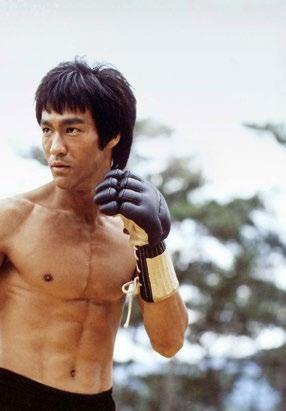
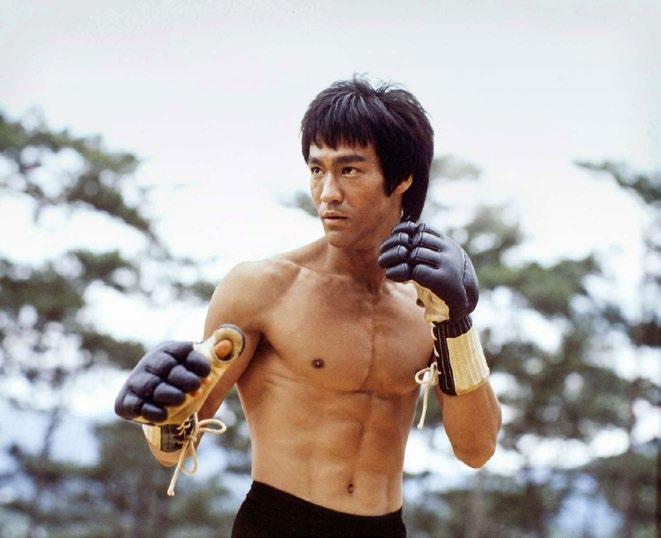
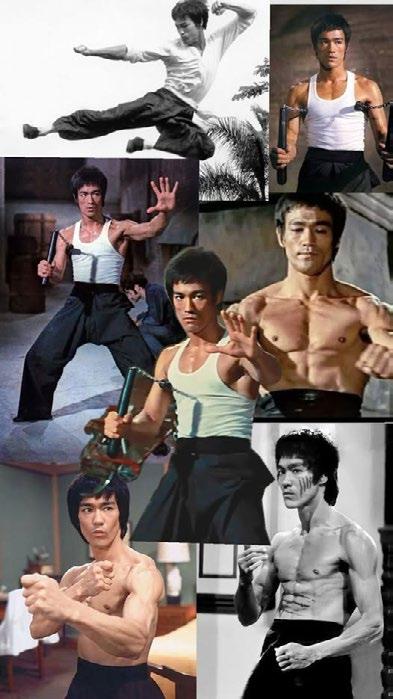
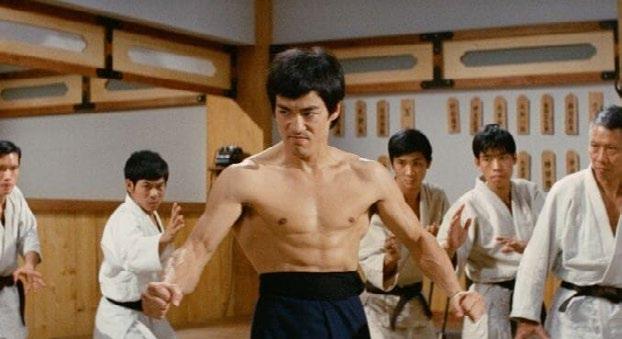
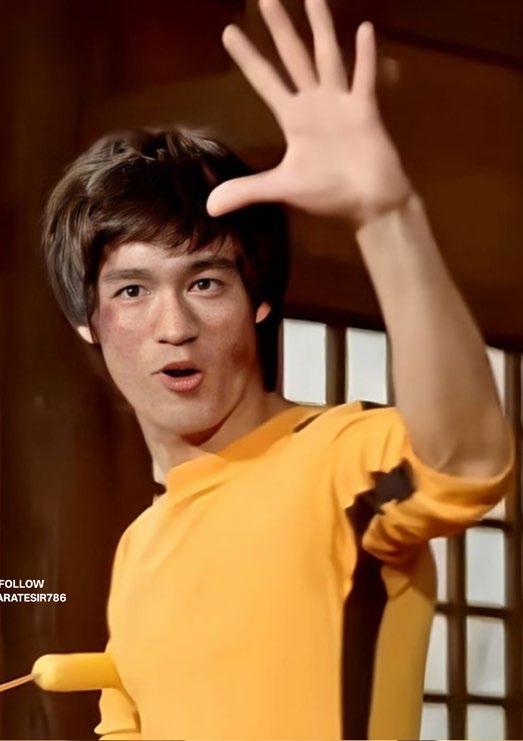
If there’s one name synonymous with martial arts in film, it’s Bruce Lee. Bursting onto the scene in the early 1970s with films like The Big Boss (1971) and Enter the Dragon (1973), Lee didn’t just perform martial arts— he embodied them. His lean, lightning-fast physique and philosophical approach to fighting (rooted in his
creation, Jeet Kune Do) made him a global sensation. Lee’s films weren’t just about action; they carried a cultural weight, blending Eastern martial arts traditions with Western cinematic appeal. His iconic nunchaku scenes and high-pitched battle cries became instant pop culture staples.
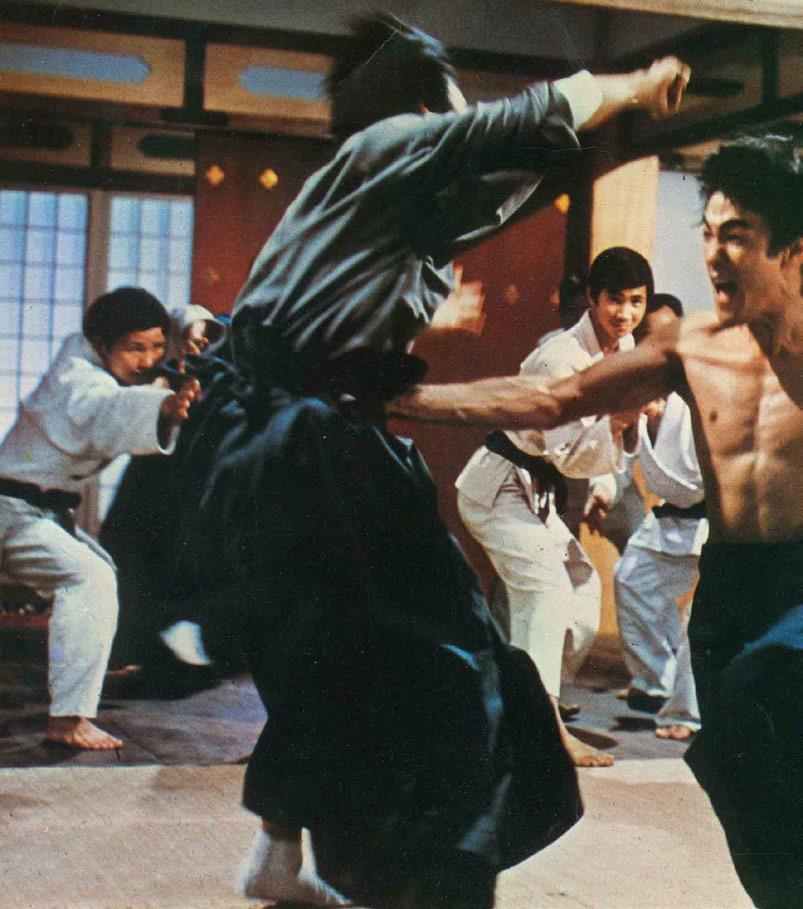
Lee’s influence was seismic. Before him, martial arts were niche, often relegated to obscure dojos or stereotyped as mysterious Eastern practices. His films brought kung fu to the masses, inspiring a wave of “kung fu mania” in the West. Suddenly, kids were mimicking his moves in backyards, and martial arts schools saw enrolment spikes.
But Lee’s legacy wasn’t just about flashy kicks. His characters often stood for justice, resilience, and self-mastery, embedding martial arts with a moral dimension that resonated deeply. Even today, his image— shirtless, battle-scarred, and intense— remains a cultural shorthand for badassery.
THE GOLDEN AGE OF MARTIAL ARTS CINEMA
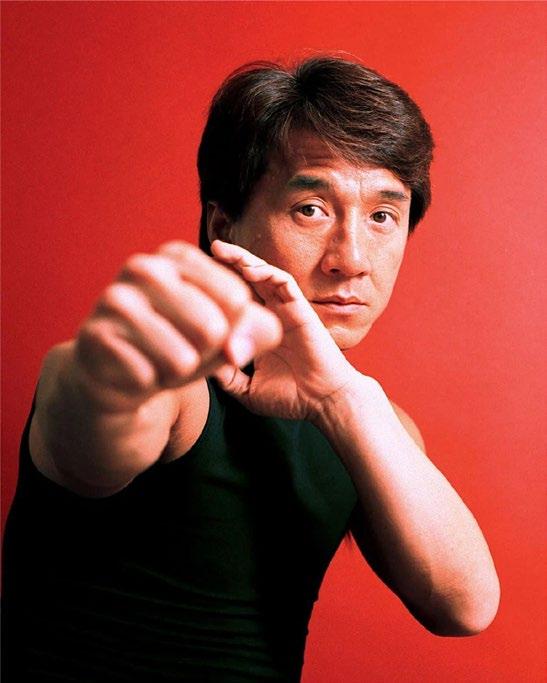
The 1980s and 1990s built on Lee’s foundation, ushering in a golden age of martial arts films. Hong Kong cinema led the charge, with stars like Jackie Chan and Jet Li redefining the genre. Chan’s Drunken Master (1978) and Police Story (1985) blended martial arts with slapstick comedy and death-defying stunts, proving that action could be both thrilling and fun. Li, with his wushu precision, brought a balletic grace to films like Once Upon a Time in China (1991). These movies didn’t just entertain; they showcased martial arts as an art form,
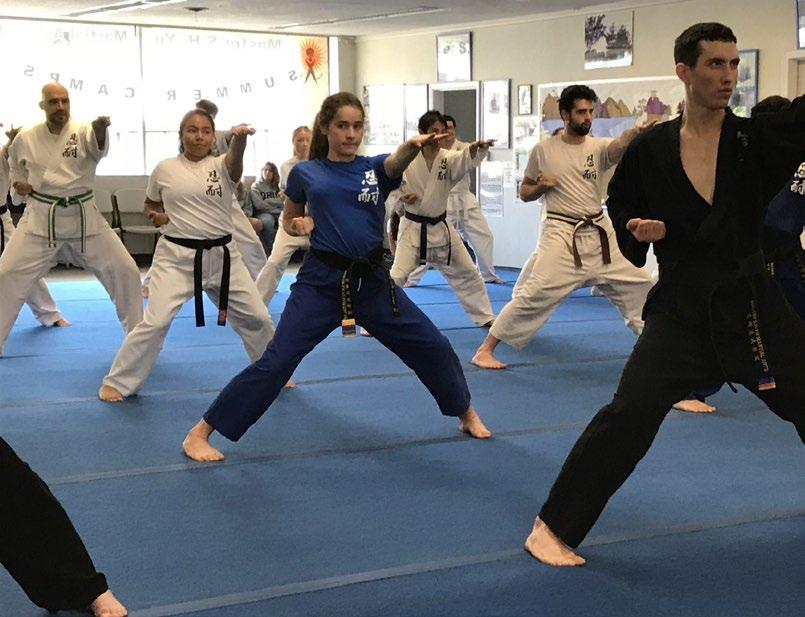
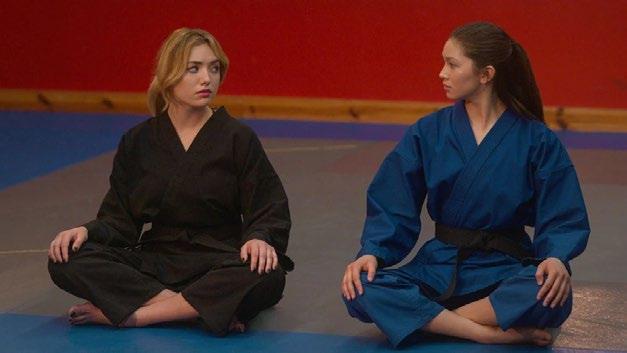
with meticulously choreographed fight scenes that felt like dances. Hollywood caught the wave, too. Films like The Karate Kid (1984) introduced younger audiences to martial arts through relatable coming-of-age stories. Daniel LaRusso’s journey under Mr. Miyagi’s tutelage made karate seem accessible, sparking a surge in dojo memberships. Meanwhile, action stars like Jean-Claude Van Damme (Bloodsport, 1988) and Steven Seagal (Hard to Kill, 1990) leaned into the gritty, hyper-masculine side of martial arts, appealing to audiences craving raw power.
This era also saw martial arts seep into pop culture beyond film. Video games like Street Fighter and Mortal Kombat turned fighters into pixelated legends, while TV shows like Teenage Mutant Ninja Turtles made martial arts kid-friendly. The public’s perception of combat sports shifted: they weren’t just about fighting but about discipline, honour, and self-improvement. Yet, the exoticized portrayal of Eastern martial arts often carried stereotypes, with wise masters and mystical dojos sometimes overshadowing the practical realities of training.
MODERN BLOCKBUSTERS AND THE EVOLUTION OF FIGHT CHOREOGRAPHY
Fast forward to the 21st century, and martial arts in film have evolved dramatically. Modern blockbusters like The Matrix (1999) and John Wick (2014) owe a debt to Lee’s legacy but take it to new heights with technology and global
influences. The Matrix blended Hong Kongstyle wirework with cyberpunk aesthetics, choreographed by Yuen Woo-ping, a legend from the Hong Kong scene. Its “bullet time” fight scenes made martial arts feel futuristic, influencing a generation of filmmakers.
The John Wick series, meanwhile, introduced “gun-fu,” a hybrid of martial arts and firearms that feels both brutal and elegant. Keanu Reeves’ intense training in judo, jiu-jitsu, and tactical shooting for the role highlighted a new trend: authenticity. Modern audiences demand realism, and actors like Reeves and Charlize Theron (Atomic Blonde, 2017) undergo gruelling training to make their fights believable. This shift has elevated the public’s appreciation for combat sports like Brazilian jiu-jitsu and Muay Thai, which now appear regularly in films.
Marvel films have also embraced martial arts, with movies like Shang-Chi and the Legend of the Ten Rings (2021) showcasing kung fu on a superhero scale. Simu Liu’s portrayal of Shang-Chi brought a fresh, culturally nuanced take on martial arts, blending traditional Chinese wushu with Marvel’s bombastic style. These films don’t just entertain; they introduce diverse fighting styles to global audiences, from capoeira in Black Panther (2018) to silat in The Raid (2011), a modern classic from Indonesia.
SHAPING PUBLIC PERCEPTION
Martial arts in film have done more than entertain—they’ve shaped how we view combat sports. On one hand, they’ve glamorized them, making disciplines like karate and taekwondo seem heroic and accessible. The surge in martial arts schools post-Karate Kid and the popularity of MMA (inspired partly by films like Warrior, 2011) show how movies drive real-world interest. UFC fighters like Conor McGregor owe some of their charisma to the larger-than-life personas crafted in cinema.
But there’s a flip side. Films often exaggerate martial arts, portraying fighters as near-superhuman. This can create unrealistic expectations—most dojo students won’t be dropkicking villains through windows. The “one-punch knockout” trope also oversimplifies the complexity of real combat sports, where endurance and strategy matter as much as power. Moreover, the fetishization of Eastern martial arts in early films sometimes reduced them to stereotypes, though modern films like Shang-Chi and Everything Everywhere All at Once (2022) are working to diversify representation.
THE CULTURAL RIPPLE EFFECT
Beyond the screen, martial arts films have influenced fitness trends (think kickboxing classes), fashion (Bruce Lee’s yellow tracksuit is iconic), and even philosophy. Lee’s teachings about adaptability and self-expression resonate in self-help books and motivational speeches. Meanwhile, the choreography of films like Crouching Tiger, Hidden Dragon (2000) has
inspired dance and theatre, proving martial arts’ versatility as a cultural force. Yet, the genre isn’t without critique. Some argue it glorifies violence, though defenders point out that martial arts films often emphasize discipline over aggression. Others note the underrepresentation of female martial artists, though stars like Michelle Yeoh and Ronda Rousey are changing that narrative.
THE FUTURE OF MARTIAL ARTS IN FILM
As cinema evolves, so does its portrayal of martial arts. Virtual reality and motion-capture technology promise even more immersive fight scenes, while global streaming platforms like Netflix are amplifying non-Western martial arts films. The rise of authentic, culturally grounded stories suggests that the genre is moving away from stereotypes toward richer narratives. Martial arts in film have come a long way from Bruce Lee’s era, but his spirit—
athletic, philosophical, and rebellious— still fuels the genre. Whether it’s a kung fu epic or a gritty MMA drama, these stories remind us why we’re drawn to combat: not just for the spectacle, but for what it reveals about the human spirit. So, the next time you watch a perfectly executed roundhouse kick on screen, remember: it’s not just a move—it’s a legacy that’s been kicking ass for decades.
THE SURGE IN SPORTS EQUIPMENT PURCHASES
A GAME-CHANGER FOR THE SPORTS APPAREL INDUSTRY
In recent years, a remarkable trend has taken hold: consumers are flocking to buy sports equipment like never before. From yoga mats to high-tech running shoes, dumbbells to smart fitness trackers, people are investing in gear to fuel their active lifestyles. This surge isn’t just about getting fit—it’s a cultural shift toward health, self-expression, and community. And while consumers are lacing up their sneakers and grabbing their kettlebells, the sports apparel industry is reaping the rewards. This article dives into the growing trend of sports equipment purchases, explores why it’s happening, and highlights how it’s transforming the sports apparel market in exciting ways.
Why Are Consumers Buying More Sports Equipment?
The boom in sports equipment purchases is driven by several dynamic factors. First, the global emphasis on health and wellness has never been stronger. The COVID-19 pandemic was a catalyst, pushing people to prioritize fitness as gyms closed and home workouts became the norm. According to a 2023 report by Statista, the global sports equipment market was valued at over $150 billion and is projected to grow at a compound annual growth rate (CAGR) of 6.4% through 2030. Consumers aren’t just buying equipment—they’re building personal fitness ecosystems. Social media has also played a starring role. Platforms like Instagram, TikTok, and YouTube are flooded with fitness influencers showcasing sleek gear, from resistance bands to rowing machines. These influencers don’t just inspire workouts; they create aspirational lifestyles that consumers want to emulate. A quick scroll through #FitnessGoals reveals curated setups with branded equipment, making that shiny new treadmill or set of adjustable dumbbells feel like a ticket to a better self.
Another driver is the rise of hybrid fitness routines. People are blending traditional gym workouts with outdoor activities like running, cycling, or hiking. This versatility demands specialized equipment—think trailrunning shoes, lightweight backpacks, or GPS-enabled smartwatches. Meanwhile, the “athleisure” trend has blurred the lines between workout gear and everyday life, encouraging consumers to invest in equipment that complements their stylish, functional wardrobes. Finally, technological advancements have made sports equipment more appealing. Smart fitness devices—like Peloton bikes with live-streamed classes or wearables that track heart rate and calories—offer personalized, data-driven experiences. These innovations make consumers feel like they’re not just buying gear but investing in a high-tech fitness journey.
How This Trend Benefits the Sports Apparel Industry
The ripple effects of this equipment-buying frenzy are transforming the sports apparel industry in profound ways. Here’s how:
1. INCREASED DEMAND FOR PERFORMANCEDRIVEN APPAREL: As consumers invest in sports equipment, they’re also seeking apparel that enhances their performance. For example, someone buying a new pair of running shoes is likely to pair them with moisture-wicking leggings or a breathable tank top designed for high-intensity workouts. Brands like Nike, Adidas, and Under Armour have capitalized on this by offering apparel that complements specific activities. Their marketing often showcases how their gear works seamlessly with equipment, like compression wear for weightlifting or aerodynamic outfits for cycling. This synergy drives sales, with the global sports apparel market expected to reach $248 billion by 2026, according to a report by Allied Market Research.
2. CROSS-PROMOTION AND BUNDLING OPPORTUNITIES:
The sports apparel industry is getting creative with cross-promotion. Retailers and brands are bundling equipment with apparel to create irresistible packages. For instance, a yoga mat purchase might come with a discount on a matching sports bra or a set of grippy socks. Peloton, for example, doesn’t just sell bikes—it offers branded apparel like cycling shorts and sweat-wicking shirts, creating a cohesive brand experience. These bundles not only boost sales but also foster brand loyalty, as consumers associate their fitness journey with a single company’s ecosystem.
3. RISE OF ATHLEISURE AS A LIFESTYLE: The athleisure trend—where workout clothes double as casual wear—has exploded alongside the equipment boom. Consumers buying sports gear often want apparel that transitions from gym to street. Lululemon, for instance, has mastered this by designing leggings and hoodies that look as good at a coffee shop as they do in a Pilates class. The versatility of athleisure encourages consumers to invest in high-quality pieces, knowing they’ll get more wear out of them. This has led to a surge in premium apparel sales, with brands reporting double-digit growth in this category.
4. SUSTAINABILITY AS A SELLING POINT : As consumers buy more sports equipment, they’re also becoming conscious of sustainability, which extends to apparel. Eco-friendly yoga mats or recycledmaterial dumbbells pair naturally with apparel made from sustainable fabrics like recycled polyester or organic cotton. Brands like Patagonia and Adidas (with its Parley line) are tapping into this by offering eco-conscious apparel that appeals to environmentally aware fitness enthusiasts. This alignment not only boosts sales but also enhances brand reputation in a competitive market.
5. COMMUNITY AND BRAND ENGAGEMENT: The equipment trend has fuelled fitness communities, both online and offline, which apparel brands are leveraging. For example, running clubs or CrossFit groups often use specific equipment, like kettlebells or speed ropes, and participants want apparel that signals their membership in these tribes. Brands sponsor events, create limited-edition apparel tied to fitness challenges, or collaborate with equipment manufacturers to co-brand products. This builds a sense of belonging, encouraging consumers to invest in both gear and apparel to fully immerse themselves in the experience.
6. INNOVATION IN APPAREL TECHNOLOGY: The tech boom in sports equipment has spurred parallel innovation in apparel. Smart fabrics that monitor body temperature, UV-protective clothing for outdoor sports, or anti-slip materials for yoga are gaining traction. Consumers buying high-tech equipment, like smartwatches or VR fitness systems, are drawn to apparel that matches this cutting-edge vibe. Brands investing in these technologies are seeing increased market share, as consumers are willing to pay a premium for gear that feels futuristic and functional.
Room for Growth
While the trend is a boon for the sports apparel industry, it’s not without challenges. The market is crowded, with new brands emerging alongside established giants. Smaller companies must differentiate themselves through unique designs, sustainability, or niche products. Additionally, supply chain disruptions and rising material costs can squeeze margins, especially for eco-friendly apparel. However, the opportunities are vast. Brands that align their apparel with the latest equipment trends—whether it’s partnering with fitness tech companies or catering to niche sports like pickleball—can capture new market segments. Personalization is another frontier; offering custom-fit apparel or designs tailored to specific activities could set brands apart.
A Winning Play for Sports Apparel
The growing tendency of consumers to buy sports equipment is more than a trend—it’s a lifestyle shift that’s reshaping the fitness landscape. For the sports apparel industry, this is a golden opportunity to innovate, connect, and grow. By offering performancedriven, stylish, and sustainable apparel, brands can ride the wave of this equipment boom, creating products that empower consumers to look good, feel great, and perform at their best. As fitness becomes a cornerstone of modern life, the synergy between equipment and apparel is set to dominate, ensuring that both industries score big in the years to come.
THE RISE OF SPORTS BETTING
Why It’s So Popular
Sports betting has surged in popularity worldwide, transforming from a niche pastime into a global industry worth billion. From casual fans placing wagers on their favourite teams to seasoned bettors analysing odds with precision, the appeal of sports betting spans a wide audience. Its growth is fuelled by a mix of accessibility, entertainment, and the thrill of potential rewards. But what exactly makes sports betting so captivating? Let’s explore the key factors driving its widespread popularity.
One major reason for the boom in sports betting is its increased accessibility. The rise of online betting platforms and mobile apps has made it easier than ever to place a wager. Gone are the days when bettors had to visit a physical bookmaker. Now, with a few taps on a smartphone, anyone can bet on a soccer match in Europe, an NFL game in the U.S., or a cricket tournament in India. This convenience has opened the door to a broader audience, including younger fans who are comfortable navigating digital platforms. Legalization in many regions, such as parts of the United States following the 2018 Supreme Court decision to lift the federal ban on sports betting, has further fuelled this growth by creating regulated, safe environments for betting.
The entertainment value of sports betting is another significant draw. For many, placing a wager adds an extra layer of excitement to watching sports. A close game becomes even more thrilling when there’s money on the line, turning a casual viewing experience into a high-stakes event. Betting also encourages fans to engage more deeply with sports, whether it’s researching team statistics, player performance, or game strategies. This added engagement fosters a sense of involvement, making fans feel like active participants rather than passive spectators. From friendly wagers among friends to sophisticated bets on specific in-game outcomes, the variety of betting options caters to all levels of interest.
The potential for financial gain is, of course, a major factor in sports betting’s appeal. While most bettors are aware that the odds favour the house, the possibility of winning big draws many to try their luck. Stories of life-changing payouts, though rare, fuel this allure. For some, sports betting is a strategic endeavour, with bettors using data analysis, statistical models, and expert insights to inform their decisions. This intellectual challenge attracts those who enjoy testing their knowledge and intuition against the unpredictability of sports. However, the financial aspect cuts both ways, as losses are a reality for many, and responsible
gambling practices are critical to maintaining a healthy relationship with betting. Social and cultural factors also play a role. In many places, betting on sports is a tradition woven into the fabric of fandom. Whether it’s a friendly bet on a local team or participating in a fantasy sports league, wagering often strengthens social bonds among fans. Online communities and forums have further amplified this, allowing bettors to share tips, discuss odds, and celebrate wins together. The rise of live betting, where wagers can be placed during a game, has added a dynamic, real-time element that aligns with today’s fast-paced, interactive culture.
Technology has also enhanced the betting experience. Advanced algorithms provide realtime odds, while features like cash-out options and live streaming keep bettors engaged. Artificial intelligence and data analytics have made betting platforms more sophisticated, offering personalized recommendations and insights. Meanwhile, the integration of betting into sports broadcasts, with odds displayed during games, has normalized wagering as part of the sports-watching experience.
In conclusion, sports betting’s popularity stems from its accessibility, entertainment value, potential rewards, and cultural significance. While it offers excitement and engagement, it also requires responsibility to ensure it remains a fun pastime. As technology and legalization continue to evolve, sports betting is likely to grow even further, captivating fans across the globe.
FIFA Bets on Konamis eFootball for Esports In-House Game
Remains a Distant Goal
In the ever-evolving world of football gaming, FIFA’s next move has been a topic of intense speculation since the organization parted ways with EA Sports in 2022. Fans hoping for a groundbreaking in-house FIFA game to rival EA Sports FC may need to temper their expectations, as recent developments point to FIFA doubling down on its partnership with Konami, specifically in the esports arena. While FIFA president Gianni Infantino once promised a new simulation game to reclaim the crown from EA, the organization’s focus in 2025 seems firmly rooted in leveraging Konami’s eFootball platform for competitive gaming rather than developing or licensing a new standalone title.
A SHIFT TO ESPORTS WITH KONAMI
In October 2024, FIFA and Konami announced a renewed partnership centered on esports, marking a significant step in their collaboration. The agreement includes hosting two FIFAe World Cup tournaments—one for mobile and one for consoles—using Konami’s free-to-play eFootball game. Qualifiers began in October 2024, involving 18 nations, with the tournaments set to showcase top-tier competitive gaming. This move builds on Konami’s existing relationship with FIFA, which has seen eFootball serve as the backbone for FIFA’s esports initiatives since the split with EA. The decision to stick with Konami for esports makes strategic sense. eFootball, while not as dominant in the market as EA Sports FC, offers a cost-effective platform for FIFA to maintain its presence in the gaming world. Konami’s game has evolved significantly since its rocky launch in 2021, with regular updates improving gameplay and visuals. By aligning with eFootball, FIFA can tap into an established player base and infrastructure without the financial burden of developing a new game from scratch.
THE IN-HOUSE DREAM: STALLED AMBITIONS
When FIFA and EA Sports ended their decades-long partnership in 2022, Infantino boldly declared that FIFA would create its own football simulation game, one that would “be the best” and reclaim the franchise’s legacy. The split was driven by financial disagreements, with reports indicating FIFA demanded $250 million annually for its licensing rights—double what EA was paying. EA, unwilling to meet these demands, rebranded its series as EA Sports FC, retaining licenses for major leagues like the Premier
League, La Liga, and Bundesliga, as well as thousands of players and clubs. FIFA’s ambitious promise of an in-house game has yet to materialize. Developing a AAA football simulation title is a monumental task, requiring years of development, significant investment, and access to extensive licensing agreements. Without the backing of a major studio, FIFA’s plans appear stalled. Sources on gaming forums have expressed skepticism about FIFA’s ability to deliver a competitive game, citing the organization’s lack of development expertise and the high costs involved. Meanwhile, EA Sports FC 25 and its upcoming iterations continue to dominate the market, bolstered by their comprehensive licensing portfolio and polished gameplay.
WHY KONAMI WON’T TAKE THE FULL LICENSE
While Konami’s eFootball serves as FIFA’s esports platform, the likelihood of Konami securing the full FIFA license for a mainline game remains slim. The reported $250 million annual licensing fee is a significant barrier, especially for a company that has shifted focus to free-to-play models and smaller-scale projects. Konami’s eFootball, while popular in certain regions, lacks the market share and licensing depth of EA Sports FC. Posts on social media suggest that Konami is content with its current role, focusing on esports and incremental updates to eFootball rather than investing heavily in a FIFA-branded title that would need to compete directly with EA’s juggernaut.
Additionally, FIFA’s licensing demands have reportedly deterred other potential partners, including major publishers like 2K and smaller studios like those behind UFL, a new football game backed by Cristiano Ronaldo. Without a deep-pocketed partner willing to meet FIFA’s financial expectations, the organization’s dream of a new simulation game remains elusive.
THE FUTURE OF FIFA IN GAMING
For now, FIFA’s gaming strategy hinges on its esports partnership with Konami. The FIFAe World Cup tournaments are a step toward maintaining relevance in the gaming community, offering a platform for competitive players and a way to keep the FIFA brand visible. However, the absence of a new FIFA-branded game leaves a gap that EA Sports FC continues to fill. Fans have voiced mixed sentiments, with some praising Konami’s esports efforts and others lamenting the lack of a true FIFA game to challenge EA’s dominance.
Looking ahead, FIFA faces a challenging road. Developing an inhouse game would require a massive investment of time and resources, something the organization has shown little progress on. Partnering with another developer is an option, but FIFA’s high licensing fees may continue to scare off potential suitors. For the foreseeable future, Konami’s eFootball will likely remain FIFA’s primary gaming outlet, focusing on esports rather than a full-fledged simulation title.
THE EA DOMINANCE
FIFA’s partnership with Konami for the FIFAe World Cup underscores a pragmatic approach to staying relevant in gaming, but it also highlights the organization’s struggles to deliver on its promise of a new in-house game. As EA Sports FC continues to dominate the football gaming market, FIFA’s ambitions appear constrained by financial and logistical hurdles. For fans hoping for a revolutionary FIFA title, the wait continues—but with Konami’s eFootball carrying the torch in esports, FIFA is at least keeping one foot in the game.
KICKING STIGMA IN THE BALLS: CD
LEGA NÉS BOLD
T ESTICUL AR CA NCER
CA MPAIGN SCORES
BIG
In April 2025, CD Leganés, a Spanish La Liga football club, took a daring leap into uncharted territory with their “Sponsored Balls” campaign, a collaboration with the Testicular Cancer Society and FP7 McCann Dubai. This audacious initiative, launched during Testicular Cancer Awareness Month, didn’t just push boundaries—it obliterated them. By placing the Testicular Cancer Society’s purple cherry-like logo on the testicular region of players’ shorts for a high-profile match against FC Barcelona at Butarque Stadium, the campaign turned heads, sparked conversations, and drove unprecedented awareness for a disease that affects 1 in 250 men. With the cheeky slogan #TenemosUnPar (“We have a pair”), CD Leganés transformed a taboo topic into a global rallying cry for men’s health.
Testicular cancer, though highly treatable with early detection, often goes unaddressed due to stigma and embarrassment. Men shy away from self-exams or discussing symptoms, which can delay diagnosis and treatment. CD Leganés’ campaign tackled this head-on, using the universal language of football to deliver a message that was impossible to ignore. The match, broadcast to over 180 countries, reached millions of viewers, making the logo’s placement not just a marketing stunt but a powerful public health statement. The campaign’s boldness paid off: searches for “testicular cancer” surged by 700%, and the
Testicular Cancer Society’s website saw over 2 million unique visitors in April 2025 alone—more than the previous three years combined.What made this campaign so effective was its blend of humour and heart. The cheeky logo placement and hashtag #TenemosUnPar injected levity into a serious topic, making it approachable without trivializing it. CD Leganés captain Sergio González encapsulated the campaign’s impact, saying, “Some of my teammates didn’t even know how to do a self-exam until this campaign. If showing our pair helps save even one life—that’s a win beyond football.” This sentiment resonated with fans and players alike, turning the campaign
into a cultural moment that transcended the pitch. Michael Craycraft, founder of the Testicular Cancer Society, called the stunt, “the most effective few seconds in testicular cancer awareness history,” and added, “We’ve spent years trying to normalise selfexams through traditional means, reaching thousands. This campaign reached millions in one shot—getting people talking like never before.”
Federico Fanti, regional chief creative officer, FP7McCann MENAT added, “In football, every inch of the kit is branded, from sleeves to socks, but no one’s ever dared to sponsor the area that actually matters for this conversation. So, we found the ultimate white space in sponsorship, one that perfectly aligned message and medium. Its power lies in simplicity of the idea: put the message where men need to look—on themselves, while watching the thing they love most: the beautiful game.” The campaign’s reach extended far beyond the stadium. Social media amplified the message, with fans and influencers sharing posts, memes, and videos that celebrated the
club’s gutsy approach. The hashtag #TenemosUnPar trended globally, sparking discussions about men’s health in homes, locker rooms, and workplaces. By leveraging football’s massive platform, CD Leganés ensured that testicular cancer was no longer a hushed topic but a call to action for men to take charge of their health through regular selfexams. The campaign’s creativity didn’t go unnoticed. At the Cannes Lions 2025 International Festival of Creativity, “Sponsored Balls” won a Bronze Lion in the Public Relations category for “Use of Events & Stunts” and was a finalist in “Breakthrough on a Budget” and “Use of Humour.”
These accolades underscored the campaign’s ingenuity, proving that a modest budget could yield massive impact when paired with bold ideas. Building on the Testicular Cancer Society’s earlier “Highlight Your Balls” campaign, CD Leganés elevated the conversation, showing how sports can be a catalyst for social change.
The significance of “Sponsored Balls” lies in its ability to destigmatize a critical health issue while engaging a global audience. Football, often seen as a hyper-masculine domain, became a space for vulnerability and education, challenging stereotypes about what it means to be “tough.” By placing the campaign’s message literally where it matters most, CD Leganés made self-examination impossible to ignore. The campaign also set a precedent for how brands and sports teams can use unconventional sponsorships to drive meaningful impact, proving that creativity and courage can score goals far beyond the field.
As testicular cancer remains a significant health concern for young men, CD Leganés’ campaign serves as a reminder that awareness and early detection save lives. It’s a legacy that will outlast the final whistle, inspiring other organizations to take bold risks for the greater good. In the end, “Sponsored Balls” wasn’t just a campaign—it was a movement, one that kicked stigma where it hurts and gave men the courage to check their pair.
WHY FUNCTIONAL FITNESS IS THE FUTURE OF ATHLETIC TRAINING
In a world obsessed with chiselled abs and marathon times, the treadmill has long been a symbol of fitness—a relentless machine promising cardiovascular prowess and calorie burn. But as athletes, coaches, and fitness enthusiasts evolve in their understanding of what it means to be truly fit, the spotlight is shifting. Enter functional fitness, a training philosophy that’s rewriting the rules of athletic performance and redefining strength for the modern world. Far from the monotonous hum of gym equipment, functional fitness is dynamic, practical, and, dare we say, the future of athletic training.
So, what exactly is functional fitness? At its core, it’s about training the body for real-world movement. Unlike traditional gym routines that isolate muscles—think bicep curls or leg presses—functional fitness emphasizes compound, multi-joint movements that mimic everyday activities or sport-specific demands. Squatting to lift a heavy box, lunging to chase a toddler, or rotating to swing a tennis racket: these are the motions functional fitness hones. It’s not about looking good in a mirror (though that’s a nice bonus); it’s about building a body that’s strong, agile, and resilient in the chaos of life.
The appeal of functional fitness lies in its versatility. Athletes from weekend warriors to elite professionals are drawn to its promise of practical strength. A 2023 study published in the Journal of Strength and Conditioning Research found that functional training programs improved overall athletic performance—speed, agility, and power—by 1520% more than traditional strength training in collegiate athletes. Why? Because functional fitness trains the body as a cohesive unit. Exercises like kettlebell swings, battle rope slams, or medicine ball throws engage multiple muscle groups, enhance coordination, and boost neuromuscular efficiency. This holistic approach translates directly to the field, court, or trail, where no movement happens in isolation.
But it’s not just about performance metrics.
Functional fitness is a game-changer for injury prevention, a critical concern for athletes at any level. Traditional training often overemphasizes certain muscles while neglecting others, creating imbalances that invite injury. Functional exercises, by contrast, strengthen stabilizing muscles and improve joint mobility. For example, a single-leg Romanian deadlift not only builds hamstring strength but also enhances balance and core stability, reducing the risk of ankle sprains or knee injuries. Physical therapists and sports medicine experts are increasingly incorporating functional movements into rehab programs, with a 2024 report from the American College of Sports Medicine noting a 30% reduction in reinjury rates among athletes using functional training protocols.
What sets functional fitness apart is its adaptability to individual needs. Unlike the one-size-fits-all approach of treadmill sprints or weight machines, functional training can be tailored to any goal or fitness level. A CrossFit enthusiast might tackle high-intensity circuits with burpees and box jumps, while a senior might focus on bodyweight squats to improve mobility for daily tasks. This scalability makes it accessible to everyone, from Olympians to office workers. It’s no wonder functional fitness programs like CrossFit, F45, and Hyrox have exploded in popularity, with global participation in CrossFit alone surpassing 5 million in 2025, according to the CrossFit Games organization.
The mental benefits are just as compelling. Functional fitness workouts are rarely repetitive, keeping the mind engaged and boredom at bay. The variety—think flipping tires one day, rowing the next—taps into the brain’s love for novelty, boosting motivation and adherence. A 2024 study in Psychology of Sport and Exercise found that participants in functional fitness programs reported 25% higher levels of workout enjoyment compared to those on traditional gym routines. This psychological edge is crucial in an era where consistency is the biggest hurdle to fitness success.
Critics might argue that functional fitness lacks the measurable progress of, say, adding plates to a barbell. But technology is closing that gap. Wearable devices and apps now track metrics like power output, movement efficiency, and even biomechanical form, allowing athletes to quantify their gains. Meanwhile, the rise of hybrid training spaces—gyms blending functional fitness zones with traditional equipment—shows the industry is catching up to the trend. By 2025, over 40% of U.S. gyms had incorporated functional fitness areas, per the International Health, Racquet
& Sportsclub Association. The treadmill isn’t going anywhere, and nor should it. Cardio and strength training still have their place. But functional fitness is carving out a bold new path, one that prioritizes movement over monotony, resilience over repetition. It’s about preparing the body for life’s unpredictable demands, whether that’s sprinting for a bus or scoring the winning goal. As athletes and coaches embrace this paradigm, the message is clear: the future of athletic training isn’t about running in place—it’s about moving with purpose.
TRUMP TURNBERRY AILSA COURSE
Perched dramatically on the rugged Ayrshire coast of Scotland, the Trump Turnberry – Ailsa Course stands as one of the most breathtaking and storied golf destinations in the world. With sweeping views of the Firth of Clyde, the mystical Ailsa Craig, and the ruins of the Turnberry Lighthouse, the course combines natural beauty, strategic brilliance, and historic significance in a way few others can. Revered by professionals and amateurs alike, the Ailsa Course represents the essence of Scottish links golf — untamed, poetic, and profoundly challenging.
History
The origins of Turnberry date back to 1901, when the first golf course was laid out by Willie Fernie, a former Open Champion and renowned golf professional. The site’s coastal location had already been significant for centuries — Turnberry Point was once home to a medieval castle, reputedly the birthplace of Robert the Bruce, Scotland’s legendary king. In its early years, Turnberry quickly gained a reputation for its scenic charm and coastal character. However, its fate was dramatically shaped by history. During World War I, the land was transformed into an airfield, and the original course was destroyed. When peace returned, James Miller redesigned the layout in 1919, restoring Turnberry’s
charm and prestige. Rebirth Under Mackenzie Ross: The outbreak of World War II again turned Turnberry into a Royal Air Force base. When the war ended, the landscape bore the scars of conflict. Yet from these ruins emerged a rebirth that would define golf history. In 1949, the legendary architect Mackenzie Ross redesigned the course from the ground up, creating what is now known as the Ailsa Course. His design captured the natural flow of the coastal terrain, incorporating the dunes, cliffs, and rolling fairways into a masterpiece of links architecture. Named after the nearby volcanic island Ailsa Craig, the course soon gained renown for its beauty and challenge — a seamless blend of artistry and nature. The Duel in the Sun – The 1977 Open Championship: The Ailsa Course’s place in golf legend was
cemented in 1977, when it hosted one of the most iconic tournaments in history — The Duel in the Sun. That summer, under a rare stretch of perfect Scottish sunshine, Jack Nicklaus and Tom Watson engaged in one of sport’s greatest head-to-head battles. For four days, the two titans traded birdies and brilliance, pushing each other to their limits. On the final day, Watson’s dazzling 65 gave him victory by a single stroke. The images of their handshake on the 18th green became immortal — a symbol of friendship, sportsmanship, and excellence. The Ailsa Course, with its graceful contours and dramatic coastal winds, proved the perfect stage. The world watched in awe as Turnberry joined St. Andrews and Royal Birkdale among the holy shrines of golf.
Championship Legacy
The Ailsa Course would go on to host The Open Championship three more times — in 1986, 1994, and 2009 — each producing moments of brilliance. In 1986, Greg Norman captured his first major title with commanding precision, showcasing his power and control over Turnberry’s undulating fairways. In 1994, Nick Price triumphed with a blend of strength and finesse, confirming his place among golf’s greats. And in 2009, Turnberry witnessed one of the sport’s most emotional stories when Tom Watson, then 59 years old, came within a single putt of rewriting history. His near-victory stirred the hearts of millions, reminding the world that Turnberry is not merely a course but a theatre of dreams.
A New Era of Grandeur
In 2014, Turnberry entered a new chapter when it was acquired by The Trump Organization. The course underwent a significant renovation under the expert guidance of architect Martin Ebert, known for his sensitive approach to heritage design. The transformation, completed in 2016, was both bold and respectful. Ebert enhanced the course’s natural drama while preserving its traditional soul. The coastline was integrated more deeply into the routing, and the Turnberry Lighthouse was transformed into the centerpiece of the experience — both visually and symbolically. Today, the Ailsa Course stands as a perfect marriage of heritage and innovation. Its sweeping coastal holes, cliffside greens, and awe-inspiring views make it one of the most photogenic and strategically rewarding courses on the planet.
Design and Signature Holes
Stretching to 7,489 yards from the championship tees, the Ailsa Course plays as a par 71. Yet its challenge lies not in distance alone but in the subtleties of wind, terrain, and strategy. Every hole demands thought and creativity, rewarding those who respect the land rather than try to overpower it. Among its many jewels, several holes define the course’s character. The 9th hole, known as “Bruce’s Castle”, is a spectacular par 3 that plays across the cliffs toward the lighthouse. The 10th, “Dinna Fouter”, sweeps along the ocean, offering both beauty and danger in equal measure. The 11th, “Maidens”, hugs the coastline with breathtaking intimacy, while the 16th, “Wee Burn”, tests nerve and accuracy with a stream cutting through its fairway. The final hole, “Duel in the Sun”, named after Watson and Nicklaus’s famous showdown, offers a grand and fitting finish — a hole that leads the golfer back toward the majestic Turnberry Hotel and the applause of history.
The Lighthouse – Heart of Turnberry
The Turnberry Lighthouse, standing between the 9th and 10th holes, is the soul of the course. Built in 1873 by David and Thomas Stevenson, relatives of the novelist Robert Louis Stevenson, it has guided mariners for generations. Now beautifully restored, it serves as a halfway house and an exclusive suite offering panoramic views of the sea and the rolling links. Here, golfers can pause to absorb the full majesty of Turnberry — the crashing waves below, the call of seabirds above, and the distant silhouette of Ailsa Craig rising from the ocean. The lighthouse represents not only history but the eternal relationship between man, nature, and the game of golf.
Nature’s Masterpiece
Few courses can match the natural grandeur of Turnberry. The Ayrshire coastline provides a landscape of unmatched drama — cliffs, dunes, and the ever-shifting sea. The volcanic island of Ailsa Craig dominates the horizon, a silent guardian watching over the course. The weather is an everpresent force. Winds from the Firth of Clyde can turn a gentle morning into a fierce test by afternoon. Sunlight, mist, and storm all have their part to play, painting the course in ever-changing hues. It is this unpredictability that defines true links golf and makes the Ailsa Course a living, breathing challenge.
Luxury and Hospitality
Complementing the golf experience is the magnificent Trump Turnberry Resort, a five-star property that epitomizes Scottish elegance and hospitality. Overlooking the 18th green, the hotel is a masterpiece of Edwardian architecture, blending timeless charm with modern sophistication. Guests are treated to sumptuous accommodations, fine dining that celebrates Scotland’s rich culinary heritage, and breathtaking views of the sea and fairways. The Turnberry Spa offers serene relaxation, while the resort’s restaurants and lounges provide an atmosphere of comfort and refinement. Together, the course and the resort form an experience that transcends sport — a celebration of culture, luxury, and nature in perfect harmony.
Global Recognition
The Ailsa Course consistently ranks among the top ten golf courses in the world. Publications such as Golf Digest, Golf Monthly, and Golf World praise its combination of beauty, challenge, and atmosphere. Its reputation extends far beyond the professional circuit, attracting golfers from every corner of the world seeking to experience its legendary fairways. Every swing at Turnberry carries a sense of legacy. It is a course that teaches respect — for the land, for the game, and for oneself. Its design rewards precision, creativity, and patience, inviting players to think, to adapt, and to feel.
A Living Legacy
Although the world around it has changed, the spirit of Turnberry remains timeless. It is a place where tradition meets evolution, where the past and present coexist beautifully. Under modern stewardship, the course has been enhanced, but its soul — the pure, authentic spirit of Scottish links golf — endures untouched. Golfers who visit Turnberry often describe the experience as a pilgrimage. Walking those fairways, feeling the salt air and hearing the sea’s rhythm, one understands why this land is sacred to the game. The connection between player and landscape is intimate and unforgettable.
To play the Ailsa Course is to experience golf at its purest. Every hole invites contemplation; every shot demands courage. It is a dialogue with nature, an exploration of skill and emotion. The elements test you, but they also inspire you. As the sun sets over the Firth of Clyde, painting the sky in hues of gold and rose, the course glows with a quiet majesty. The lighthouse beam sweeps across the waves, the wind softens, and for a brief moment, the world seems perfectly still. This is Turnberry’s magic — a reminder that golf, at its heart, is not just a game but a journey of the soul. The Trump Turnberry – Ailsa Course is more than a golf course; it is a living monument to the beauty, history, and spirit of the game. From its humble beginnings
in 1901 to its modern magnificence, it stands as a testament to endurance and artistry. Every generation that has played here has left something behind — a footprint in the sand, a memory, a story. In turn, the course gives something back: inspiration, challenge, and awe. Turnberry captures everything that makes golf timeless — respect for nature, reverence for tradition, and joy in the pursuit of excellence. It is a place that transcends sport, where land and legend meet beneath the Scottish sky. And in its rolling fairways and windswept greens, one truth remains eternal: this is the soul of golf, shining brighter than ever on the Ailsa coast of Scotland.
Completely Automated Shopping System
The Entire Shopping Process Is at Your Finger Tips
Computerized Trolleys Using Shop Smart
Application Easy Access to Product Information
Be Your Own Shopkeeper
WORLD SPORTS
A CITIZEN
OF
OF
( A Member M/s. Worldwide Media Corporation Group USA ) Selected Stories/ Articles will be Published with your Photograph &Name. Post your Stories & Experiences along with High Quality Photos to aseworldwidemedia@gmail.com | worldwidemediaasiapacific@gmail.com
Exciting opportunity for all those who want to share their most memorable, Interesting. Amazing, Pro-active & Growth oriented activities & Experiences covering areas such as
• Fashion, Trend & Lifestyle
• Culture, Tradition & Heritage
• Education, Healthcare & Wellnes
• Industries, Investments & Growth
• Travel, Tourisn & Hospitality With Millions of Readers across the world
WORLD SPORTS
Special Coverage & Press Release
Launguage Rights & Overseas Rights
Circulation, Subscription & Global Distributions
Advertisements & Advertorials
Featured Stories & Articles
Feedback & Customer Relationship
Dr. Kevin Francis
Dr. Andre Lubbe
Dr. George Fedrick
WWMCG Global Communications Inc.,
Rishi Wadhwa
Ms. Nancy
Email ID : aseworldwidemedia@gmail.com worldwidemediaasiapacific@gmail.com