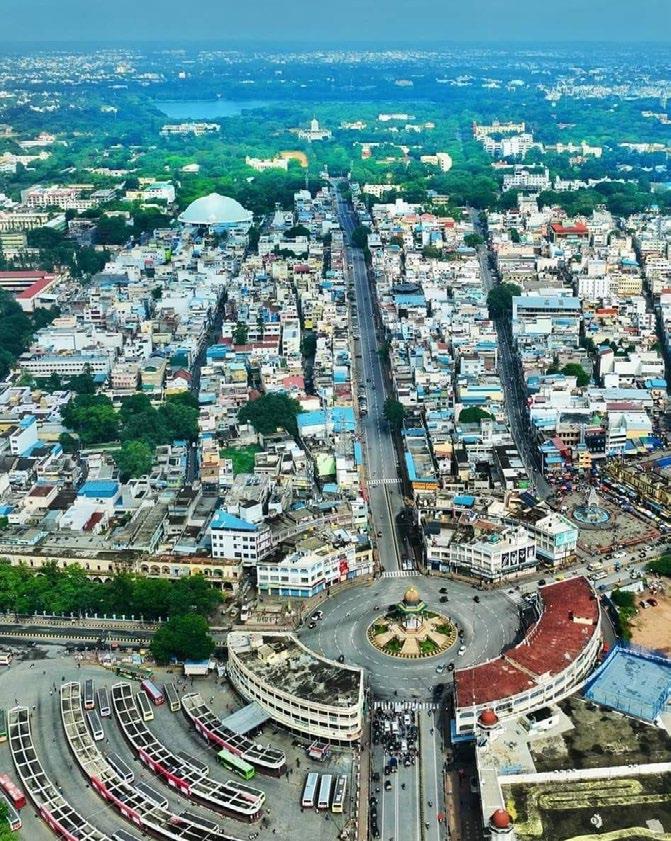
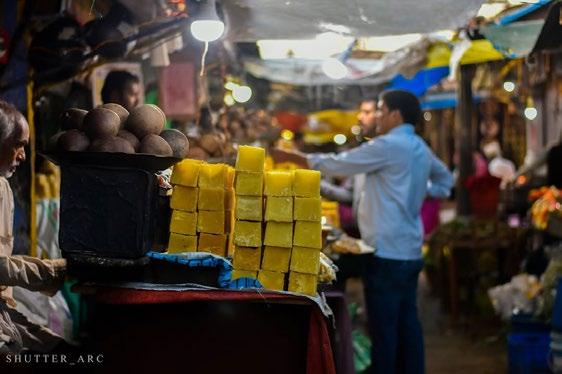
CELEBRATED IN GRANDEUR ACROSS THE STATE OF KARNATAKA IN OCTOBER
In October 2025, The State of Karnataka celebrates grand series of traditional, state, and religious festivals. The month was bookended by the state’s most iconic celebration, Mysuru Dasara, and concluded with the radiance of Deepavali. These festivals not only highlighted the state's rich spiritual heritage but also drove significant tourism and local economic activity.
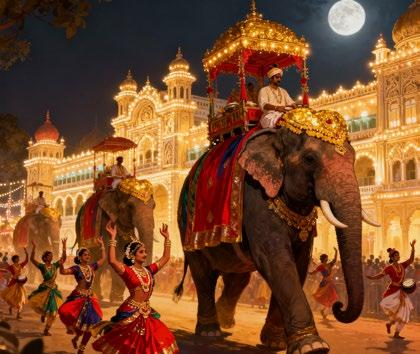
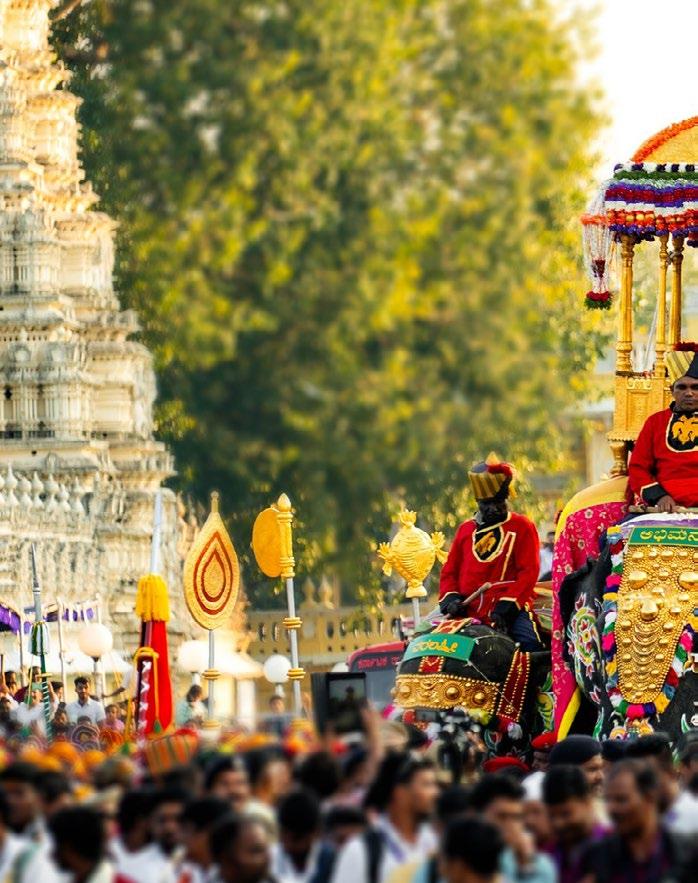
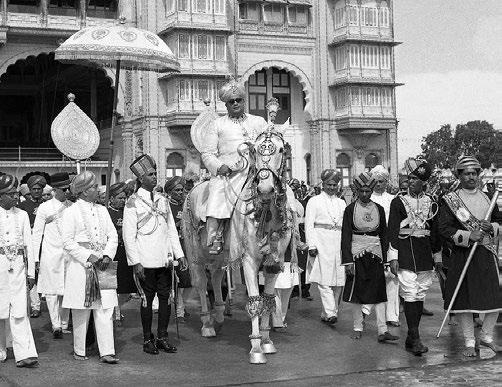
Mysuru Dasara: The "Nada Habba": The centrepiece of Karnataka’s cultural calendar, Mysuru Dasara, culminated on October 2, 2025. Significance: Celebrated for 10 days, it commemorates Goddess Chamundeshwari's victory over the demon Mahishasura. The Mysuru Dasara is not merely a festival; it is the soul of Karnataka’s cultural identity. Known as the Nada Habba (State Festival), it is a ten-day grand spectacle that culminates in a display of royal pageantry, religious devotion, and folk heritage that has no parallel in India. The festival continues to draw millions of global travellers, serving as a living link between the glorious Vijayanagara Empire, the benevolent Wadiyar dynasty, and the modern democratic state.
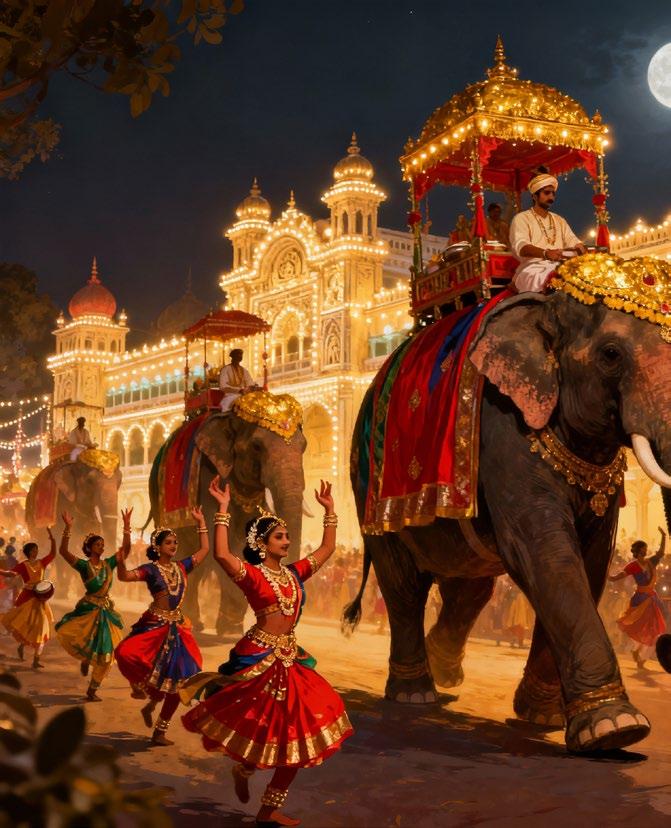
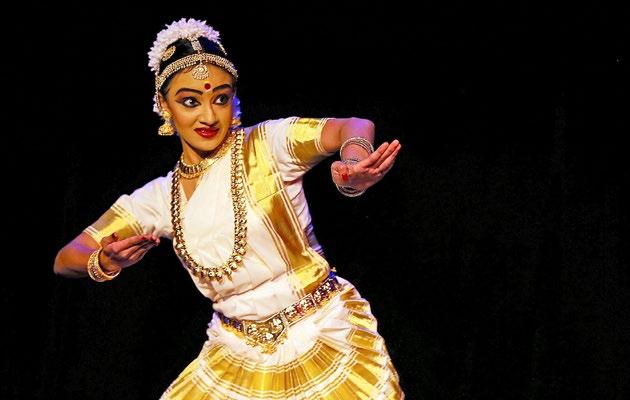
"Dasara Cultural Programs" are held, featuring world-renowned exponents of Carnatic music, Hindustani classical music, and traditional Indian dance forms like Bharatanatyam and Kathak.
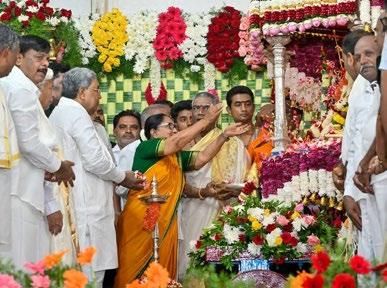
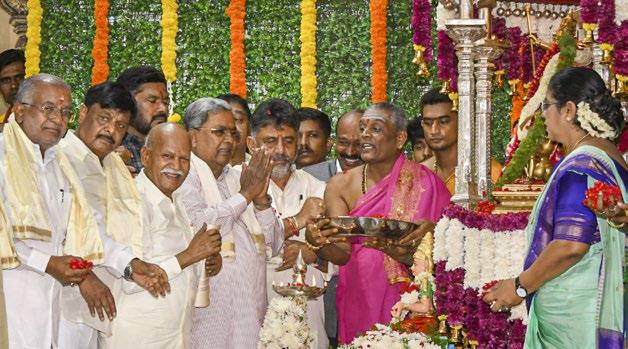
The Spiritual Significance: Victory of Good over Evil: At its core, Dasara celebrates the victory of Goddess Chamundeshwari (a form of Durga) over the buffalo-headed demon Mahishasura. According to legend, the demon’s tyranny was ended by the Goddess on the summit of Chamundi Hills after a fierce nine-day battle. The festival is divided into Navaratri (nine nights) and the final day of Vijayadashami (the tenth day of victory). Each day involves specialized pujas, including the Khas Durbar (private court) held by the royal family and the public worship of weapons, vehicles, and tools on Ayudha Puja.
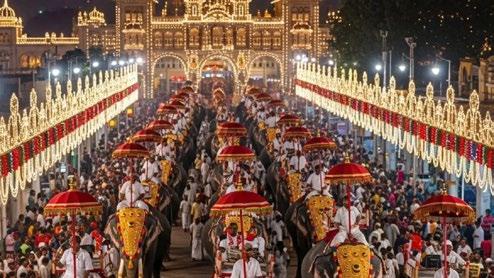
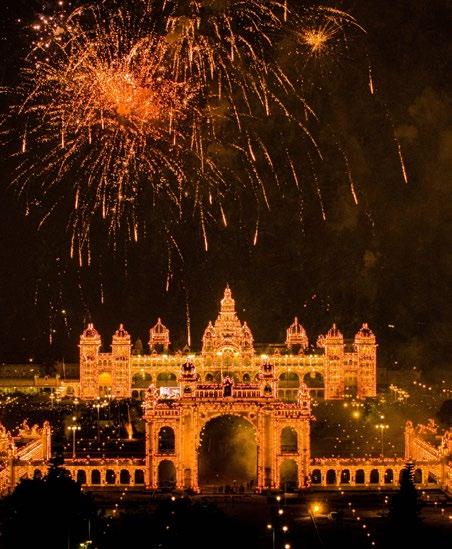
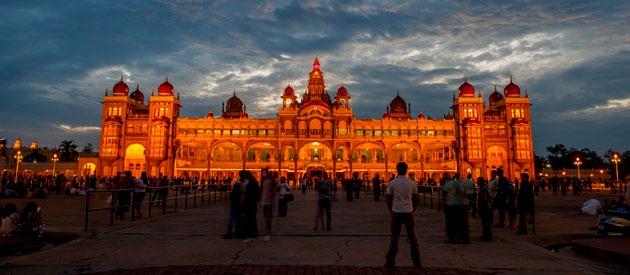
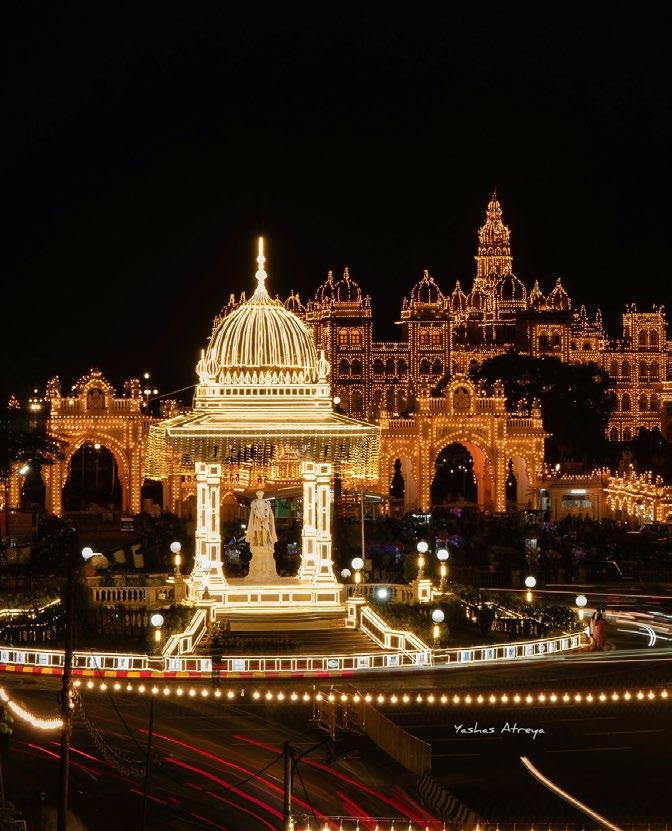
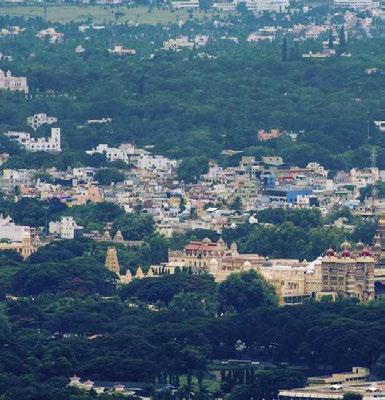
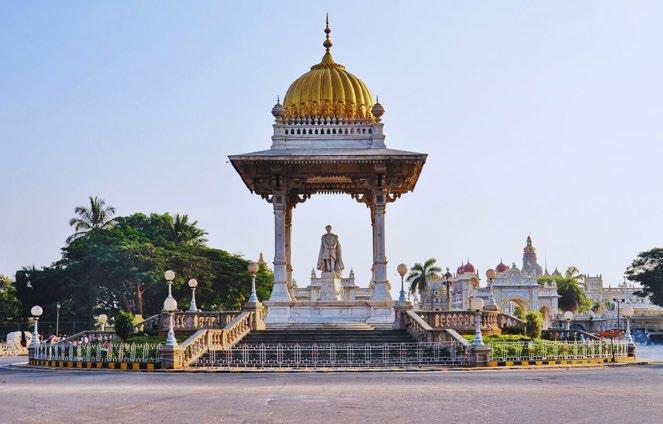
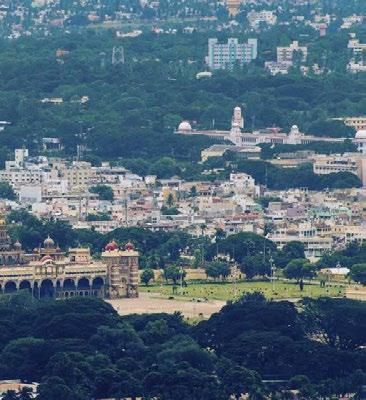
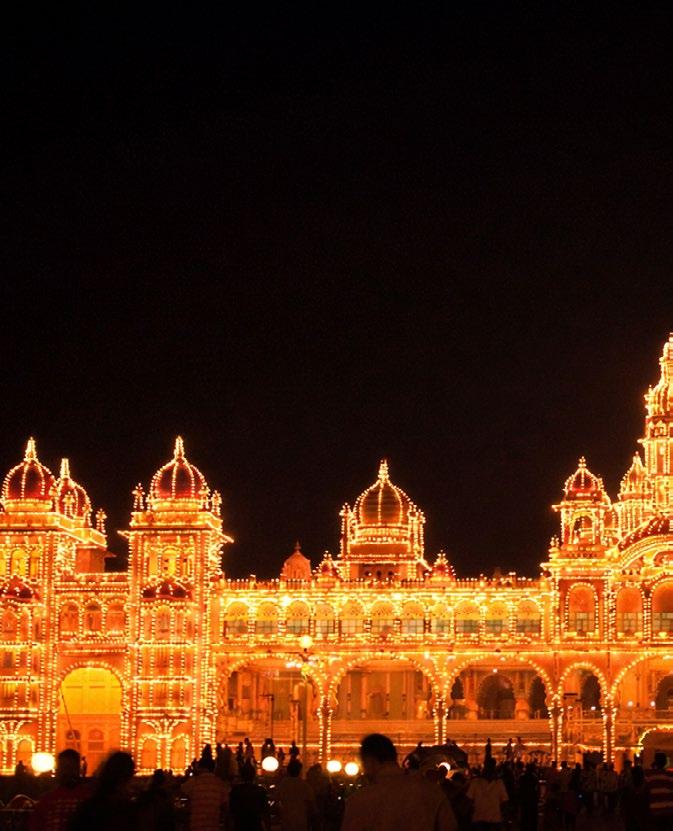
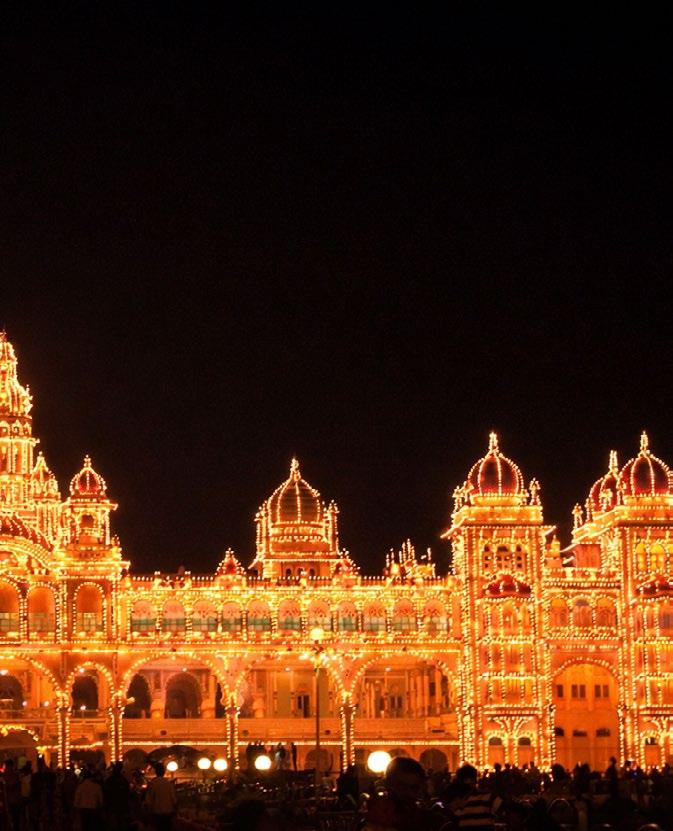
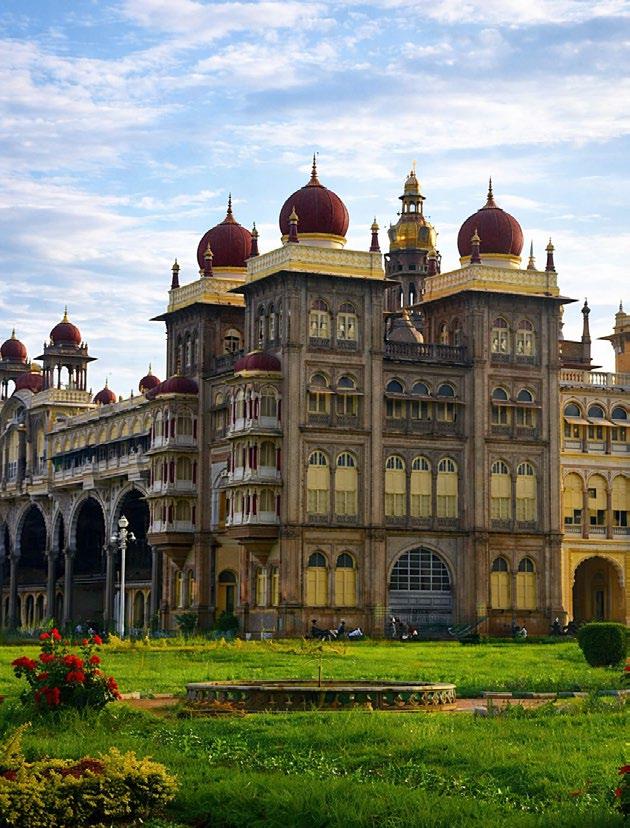
The Radiant Spectacle: Mysuru Palace: The physical epicentre of the celebration is the Mysuru Palace. During the ten days of Dasara, the palace is illuminated every evening from 7:00 PM to 10:00 PM with nearly 100,000 incandescent bulbs. The sight of the golden-yellow palace against the night sky is the most iconic image of Karnataka tourism. In front of the illuminated palace, the
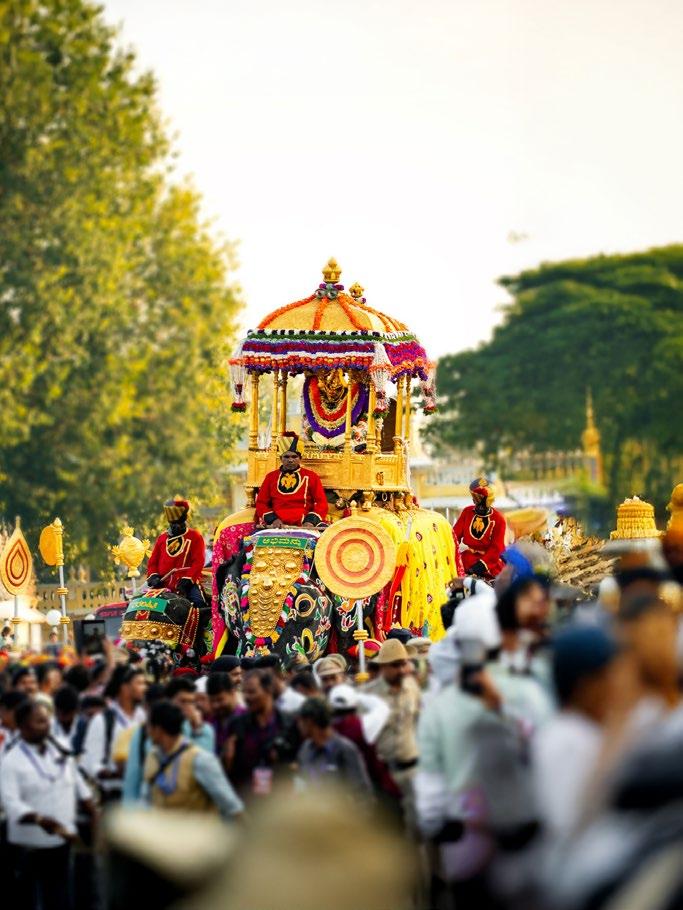
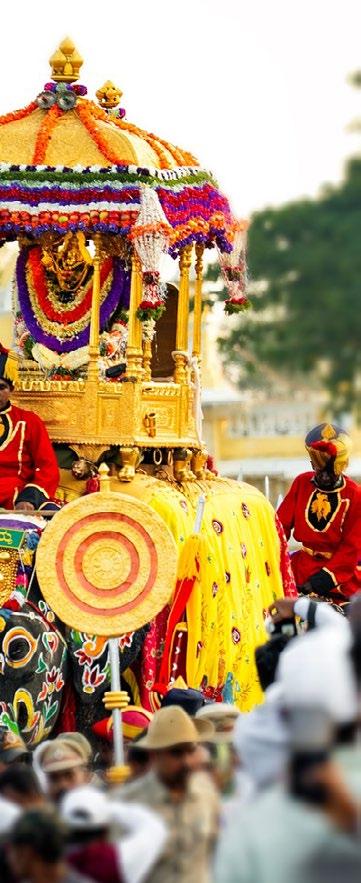
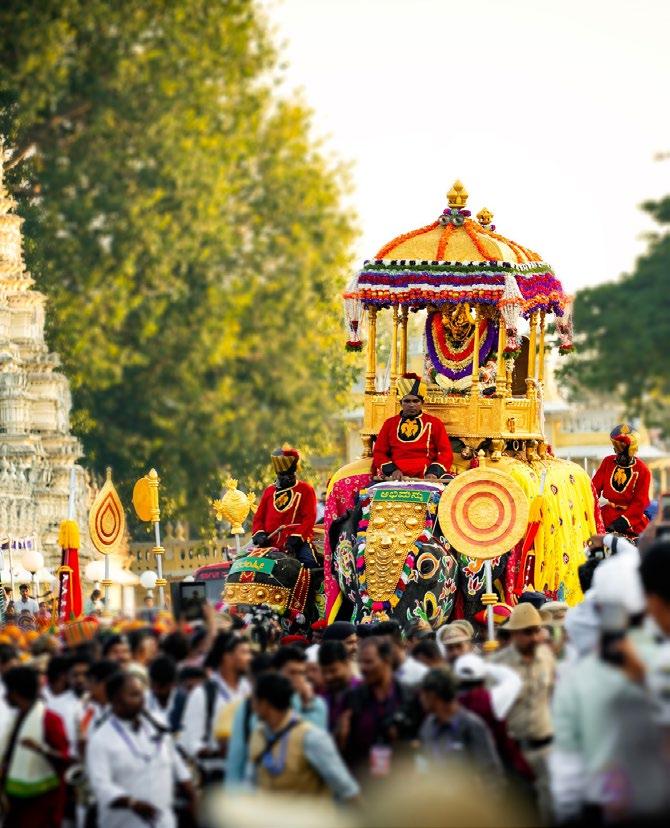
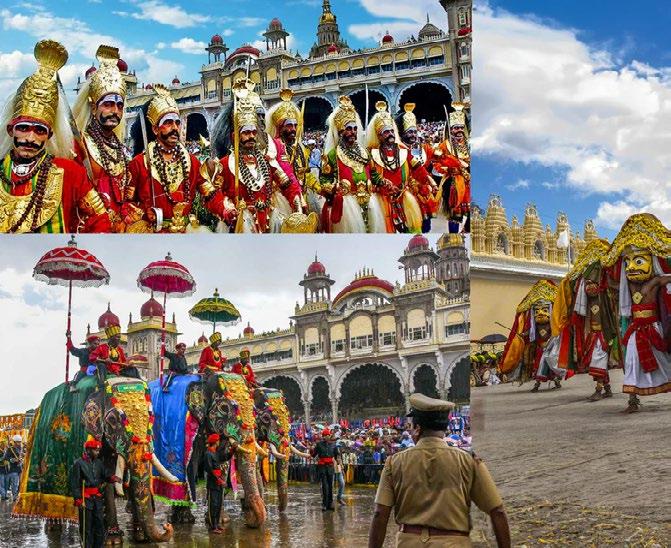
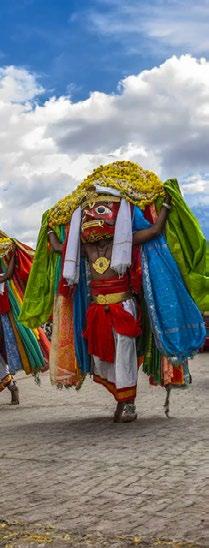
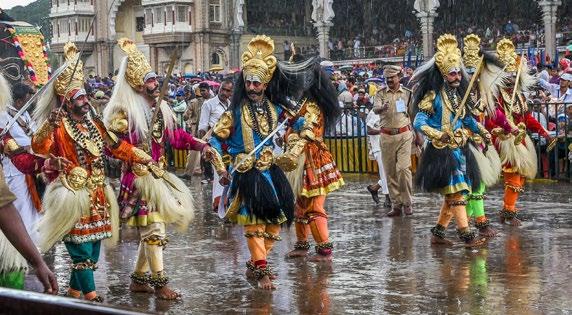
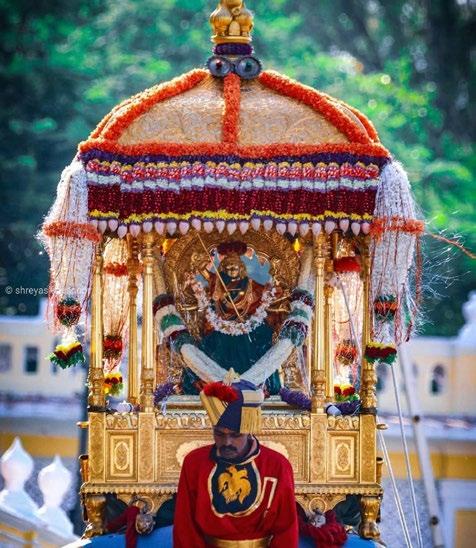
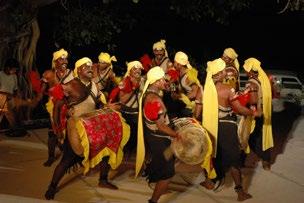
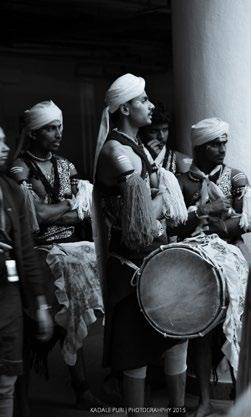
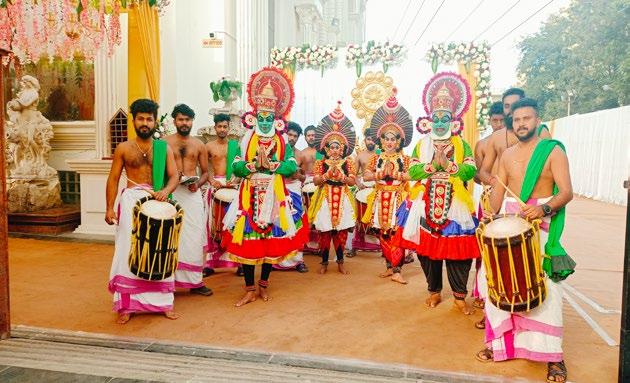
The "Jumboo Savari": The Grand Finale: The climax of the festival occurs on the tenth day, Vijayadashami, with the world-famous Jumboo Savari (Elephant Procession). The Golden Howdah: The centrepiece is a lead elephant—currently the veteran Abhimanyu in 2025— carrying a 750-kilogram Golden Mantapa (howdah) which houses an idol of Goddess Chamundeshwari. The Route: The procession begins at the Palace and winds through a 5-kilometer path to Bannimantap. Cultural Troupes: Accompanying the elephants are dozens of folk troupes performing Dollu Kunitha, Kamsale, and Pata Kunitha, along with decorated tableaux (floats) representing the history and achievements of various districts of Karnataka.
Economic and Global Impact: In 2025, Mysuru Dasara has become a significant driver of the state's economy. The Karnataka Tourism Department integrates the festival with specialized "Dasara Circuits," connecting Mysuru with nearby heritage sites like Belur, Halebidu, and Somanathapura. The influx of over 3 million tourists during this period provides a massive boost to the hospitality, transport, and handicraft sectors. The festival’s global footprint is further expanded through live streaming and VR experiences, allowing the international community to witness the grandeur of Karnataka’s heritage in real-time.
EDITOR -IN - CHIEF From The Desk Of
Mysuru Dasara is more than just a 400-year-old tradition; it is a vibrant, breathing celebration of Karnataka's resilience, artistry, and communal harmony. It is a time when the "City of Palaces" transforms into a living museum, reminding the world that even in an era of rapid technological advancement, the roots of culture and the triumph of righteousness remain the ultimate cause for celebration. For any traveler or investor, witnessing the Nada Habba is the definitive way to understand the heart and spirit of Karnataka.
Sharad Navaratri and Ayudha Puja: Before the final day of Dasara, the state observed Navaratri with deep devotion. Mahanavami / Ayudha Puja (October 1, 2025): This day was dedicated to worshipping the tools of one's trade. From industrial machines in Bengaluru to farming plows in rural areas, people decorated their equipment with vermilion and marigolds. Deepavali: The Festival of Lights: Deepavali in Karnataka has a unique ritualistic timing, with the most significant celebrations occurring in late October. Naraka Chaturdashi (October 20, 2025): Celebrated as the primary Deepavali day in Karnataka, it marks Lord Krishna's victory over Narakasura. The ritual of Abhyang Snan (oil bath before sunrise) was widely observed to symbolize spiritual purification. Bali Padyami (October 22, 2025): A uniquely important day in the state, it celebrates the return of King Bali. Farmers across rural Karnataka worshipped their cattle (Gai Puja) and decorated their fields.
Kaveri Sankramana (October 18, 2025): Celebrated primarily in the Kodagu district, this festival honours the River Kaveri, the lifeline of South Karnataka. Theerthodbhava: Thousands of pilgrims gathered at Talakaveri to witness the miraculous bubbling of water in the sacred pond, believed to represent the river's birth. Local Tradition: Kodavas performed specialized rituals at home, offering prayers to the goddess and cooking traditional delicacies like kadumbuttu (rice balls).
Kittur Utsav (October 23–25, 2025): Celebrated in the Kittur region of Belagavi, this historical festival commemorates the brave queen Rani Chennamma’s first victory against the British in 1824. The festival featured folk performances, wrestling matches, and heritage walks, serving as a reminder of the state’s warrior spirit.
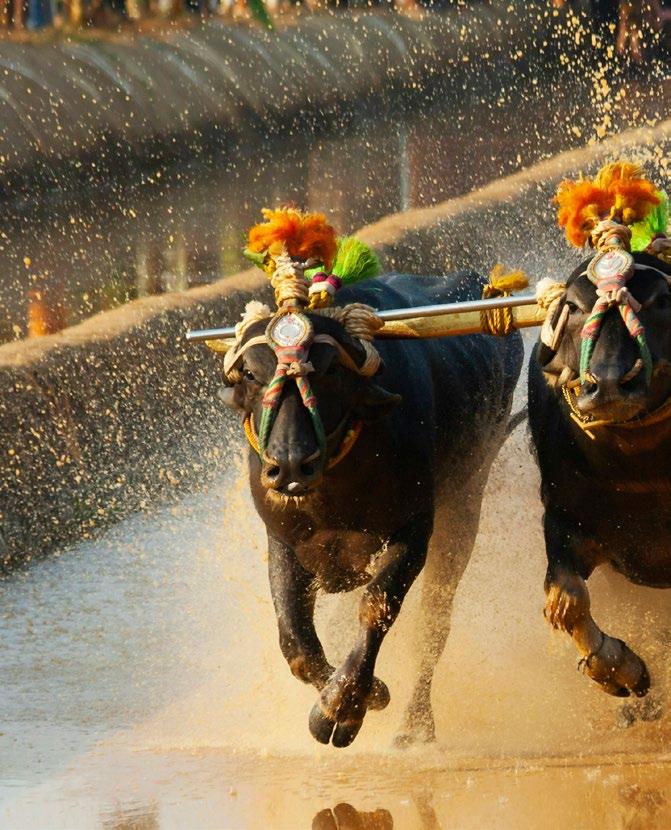
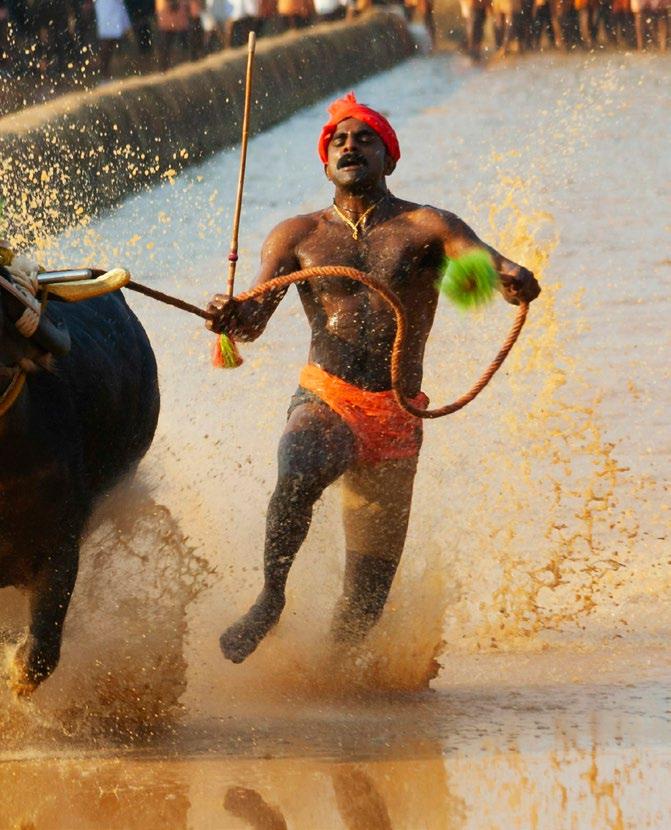
Regional and Agricultural Observances: Kambala (Start of the Season): As the monsoon receded in late October, the coastal belt (Udupi and Mangalore) prepared for the Kambala (buffalo race) season, a major rural sport and cultural event dedicated to Lord Shiva.
Dr. S. E. Alexander
Global Media Chief & MD
Karwa Chauth (October 10, 2025): While primarily a North Indian festival, it was widely observed by the significant diaspora and cosmopolitan communities in Bengaluru.
To Sum up in brief, October 2025 stands as a testament to Karnataka’s "One State, Many Worlds" philosophy, blending royal grandeur in Mysuru with river worship in Coorg and agricultural traditions in the coast.
FASHION & TRENDS
SabyaSachi OpenS Luxury FL agShip StOre in bengaLuru a paL ace OF craFt & caLm
VIBRANT LIFESTYLE
bengaLuru’S 2025 interiOrS makeOver hOw hOmeS are getting a StyLiSh, SOuLFuL upgrade 26
SPECIAL INITIATIVES
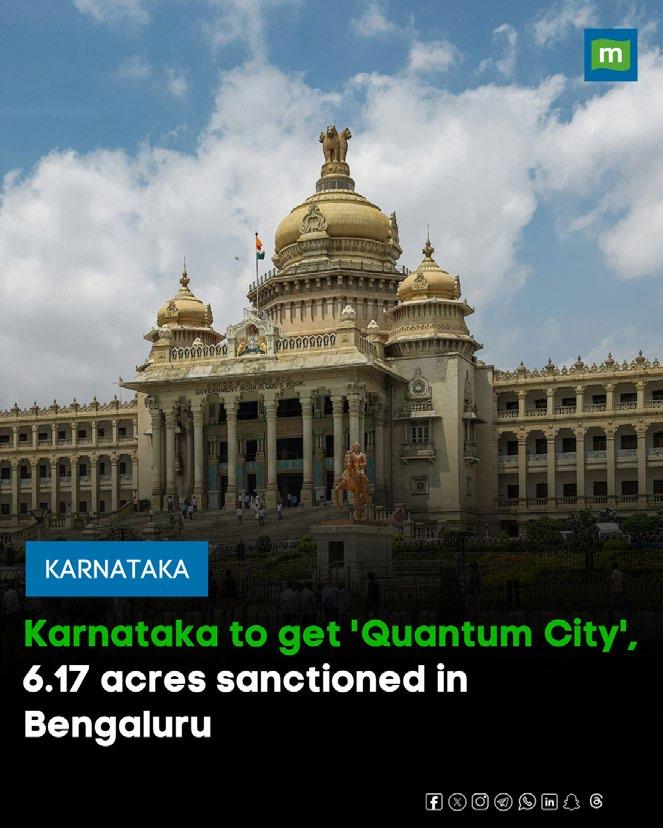
karnataka apprOveS the integrated Quantum city (Q-city)
RETAIL & SHOPPING
A ThoughTful Brew from BengAluru’s foresTs To The CiT y Cup
BlACk BAzA Coffee - A ThoughTful Brew from BengAluru’s foresTs To The CiT y Cup
MEN & WOMEN OF GREATER SUBSTANCE
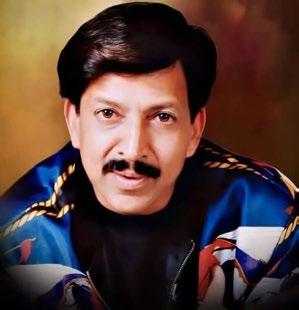
viShnuvardhan the eternaL herO OF karnataka cinema
INTL. STANDARD EDUCATION
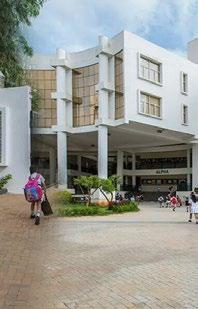
dpS bangaLOre
eaSt the riSing benchmark OF mOdern SchOOLing in karnataka
CULTURE & TRADITION OF KARNATAKA
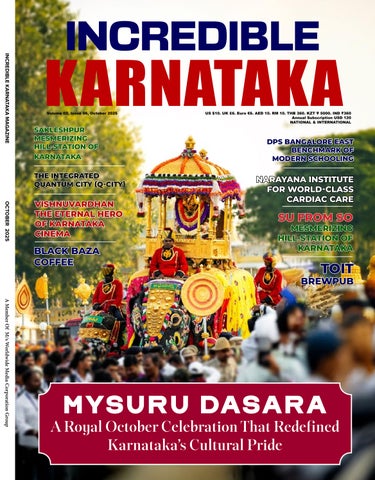
mysuru DAsArA 2025 A
royAl oCToBer CeleBrATion
ThAT reDefineD kArnATAkA’s
CulTurAl priDe
CoAsTAl kArnATAkA monsoon
TrADiTions where rAin
BeComes riTuAl
HOTELS, RESTAURANTS & HOSPITALITY
SPORTS & YOUTH DEVELOPMENT OF KARNATAKA
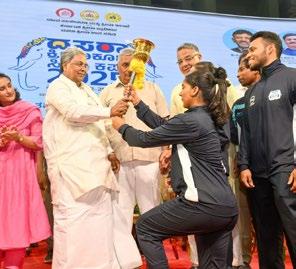
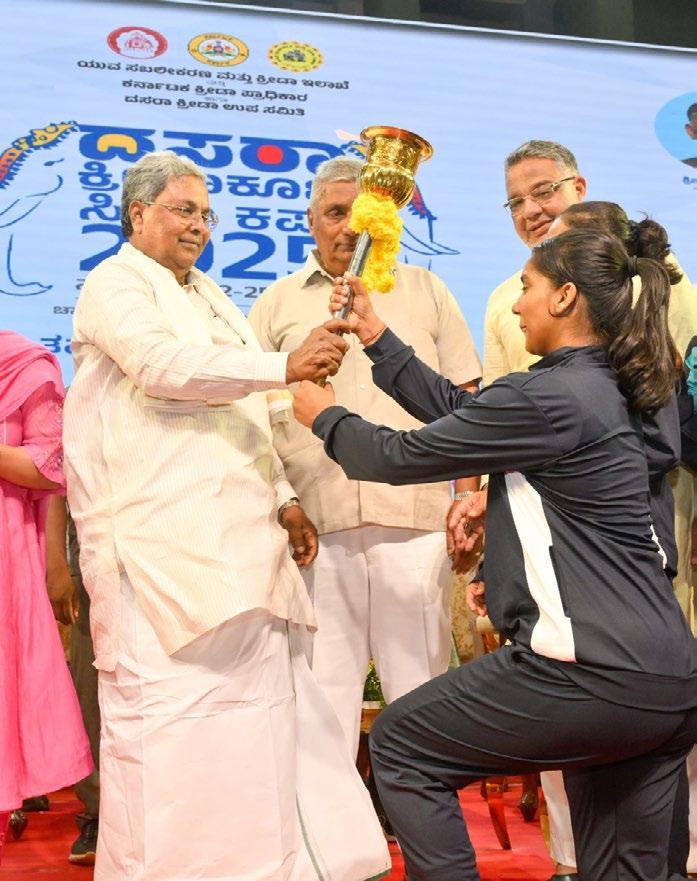
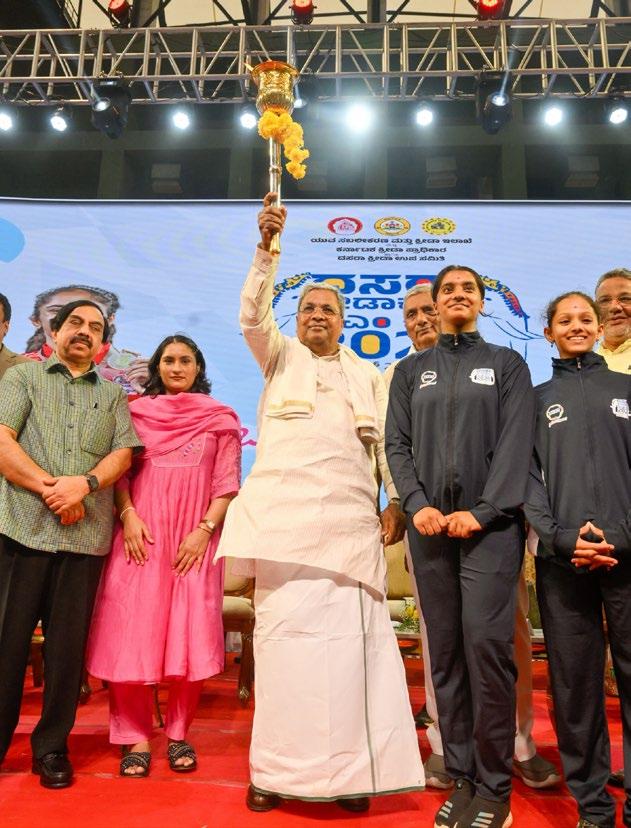
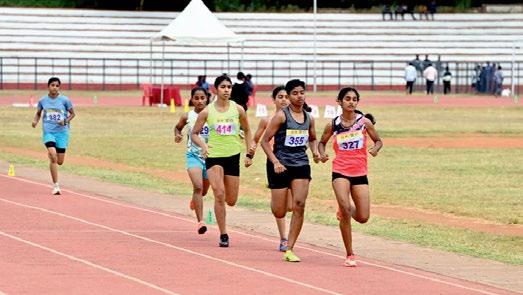
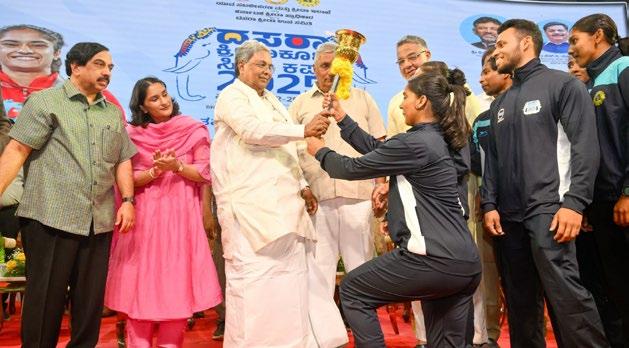
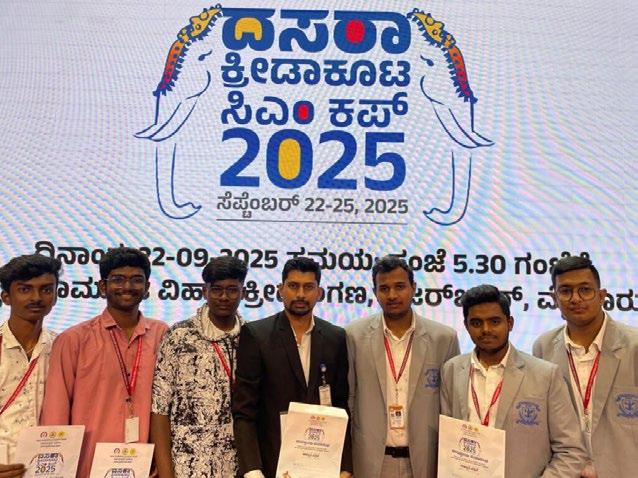
spiriT of DAsArA when mysuru BeCAme kArnATAkA’s sporTing ArenA
2025 208
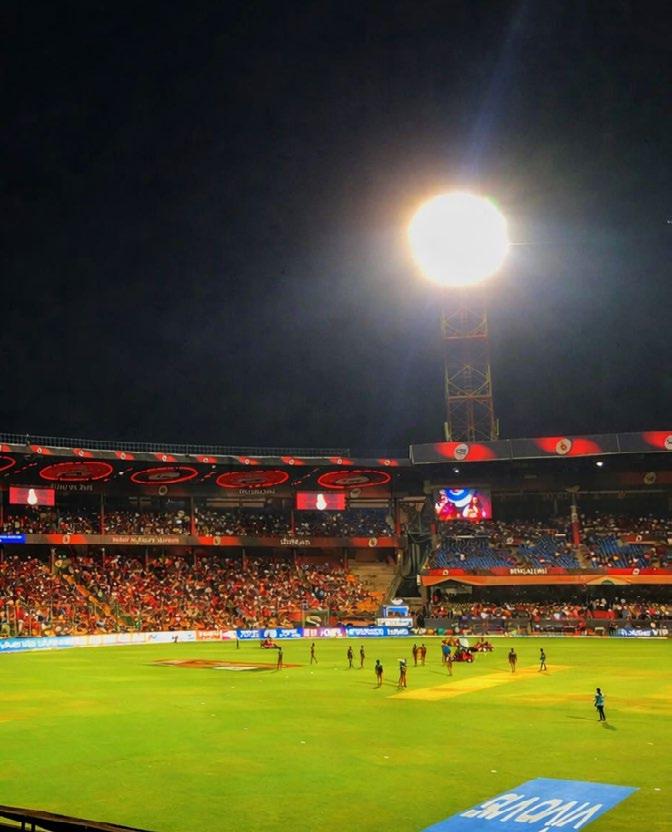
PRE SEASON RED BALL CRICKET DR(CAPT) K THIMMAPPAIAH MEMORIAL TOURNAMENT
HEALTHCARE KARNATAKA
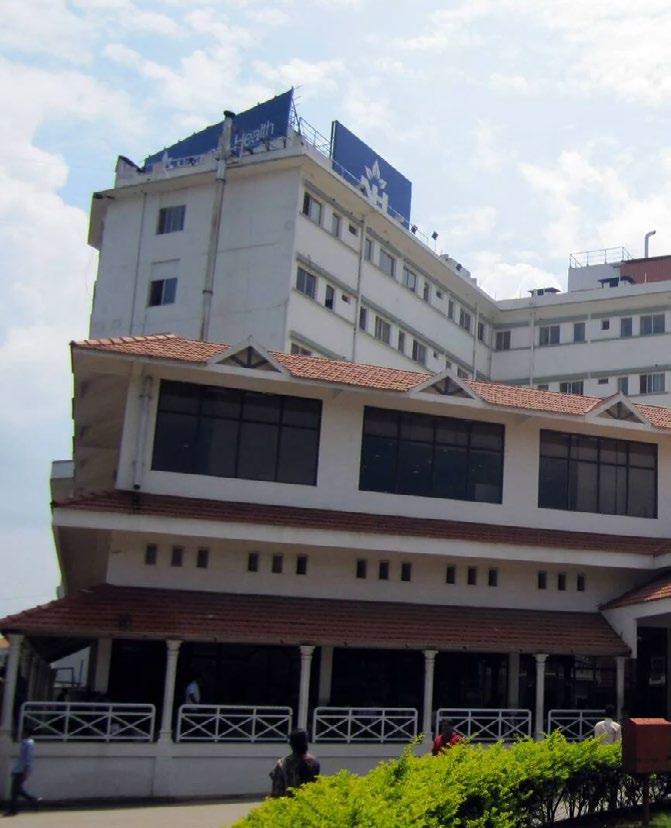
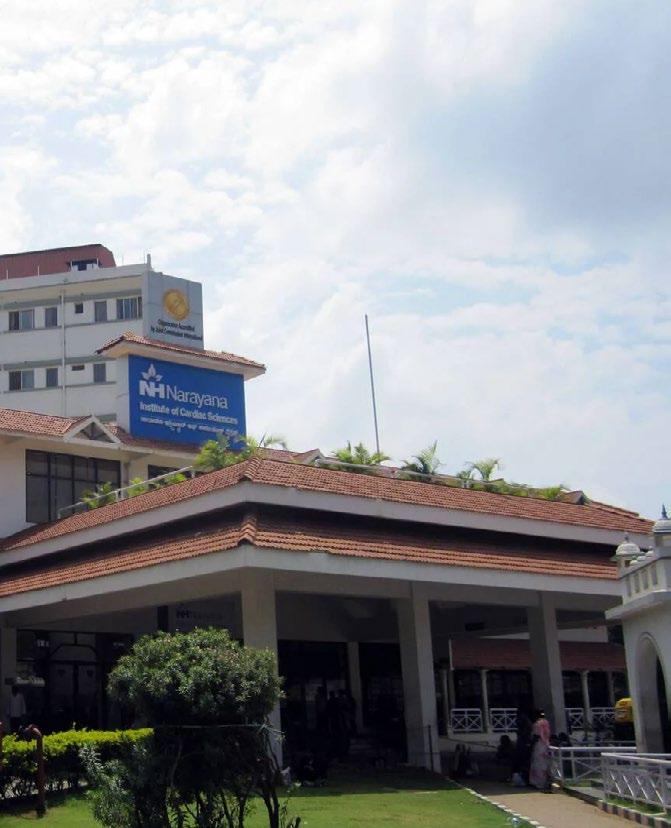
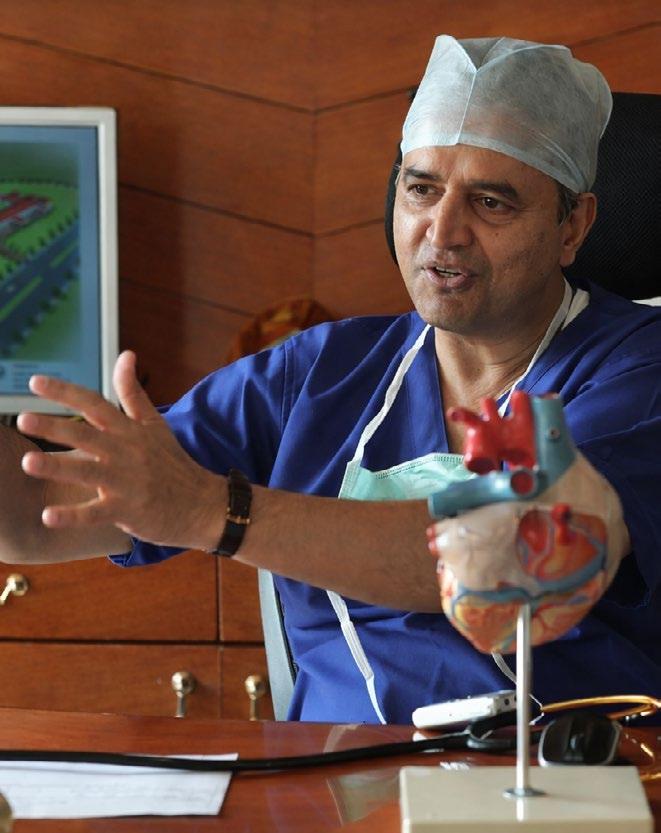
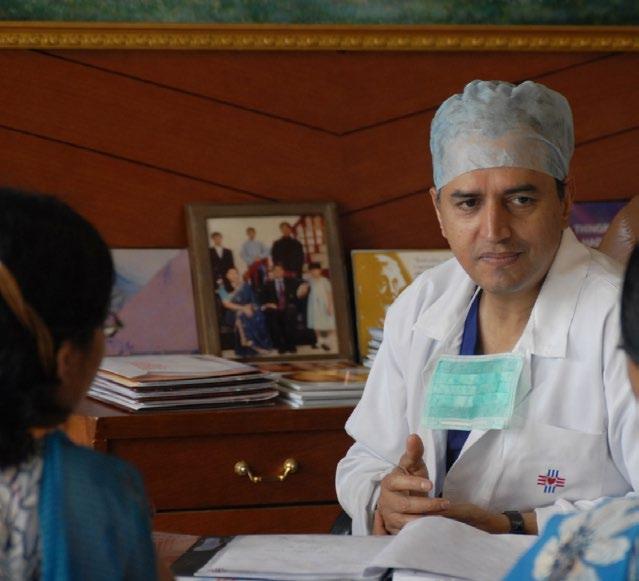
nArAyAnA insTiTuTe of CArDiAC sCienCes (niCs), BAngAlore A heArTBeAT of worlDClAss CArDiAC CAre
194
ROYAL HERITAGE & ARCHITECTURE OF KARNATAKA
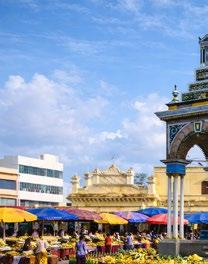
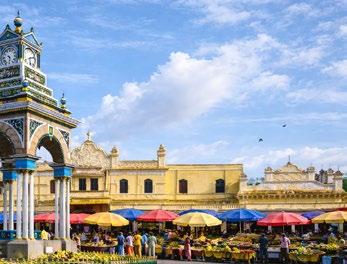
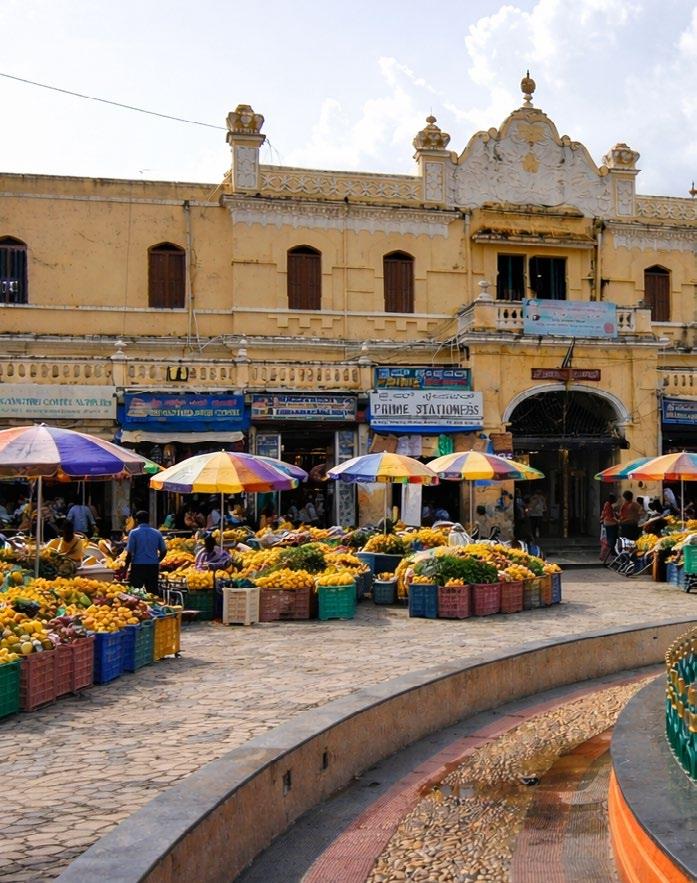
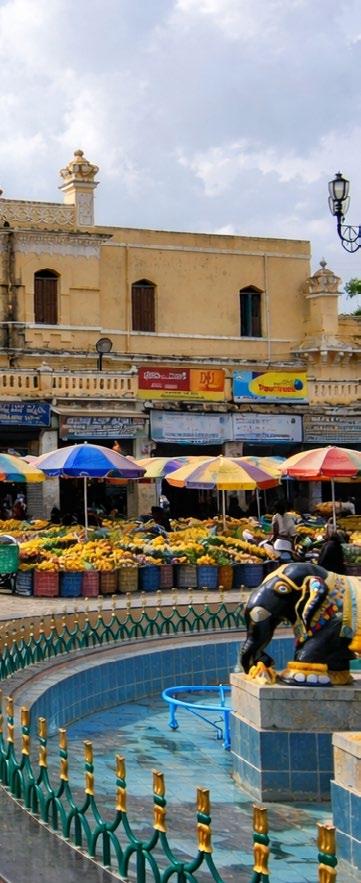
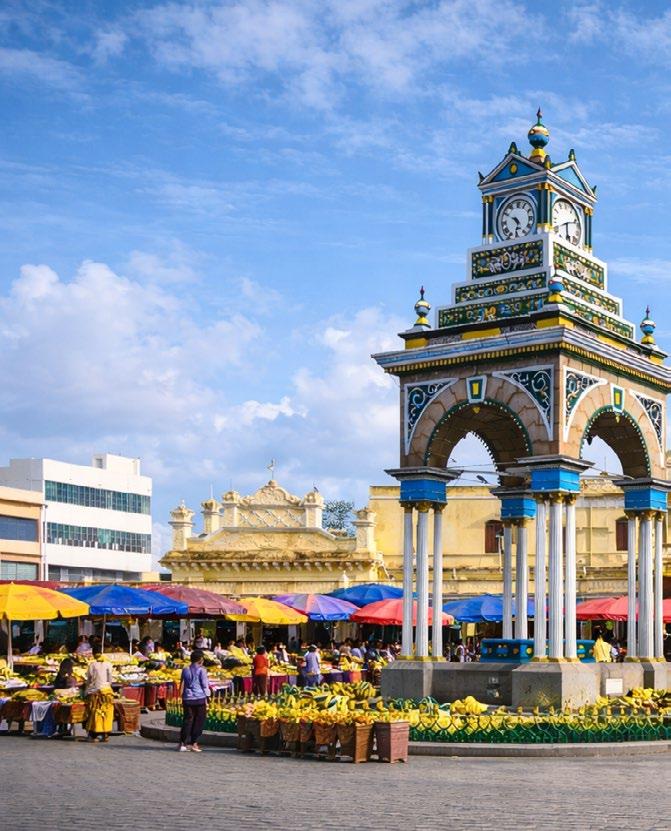
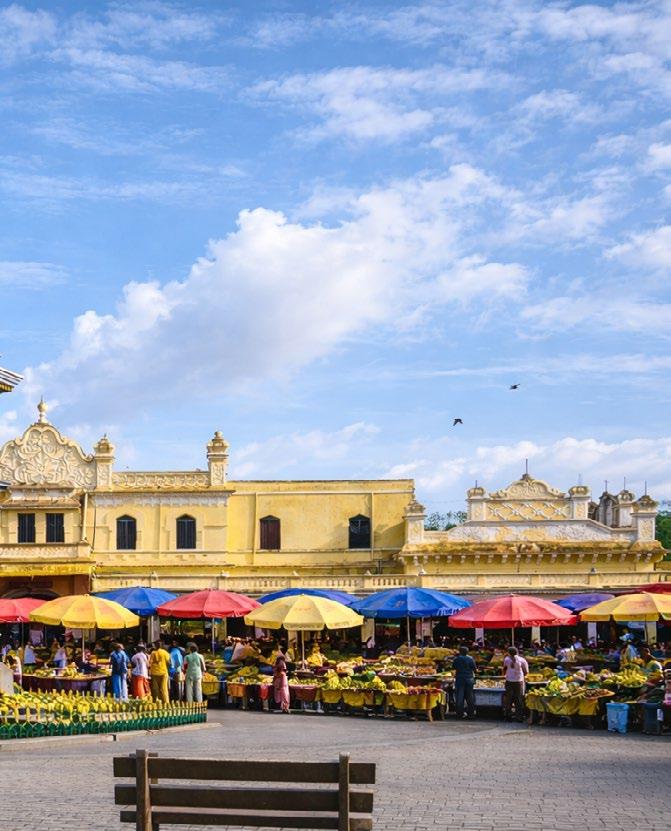
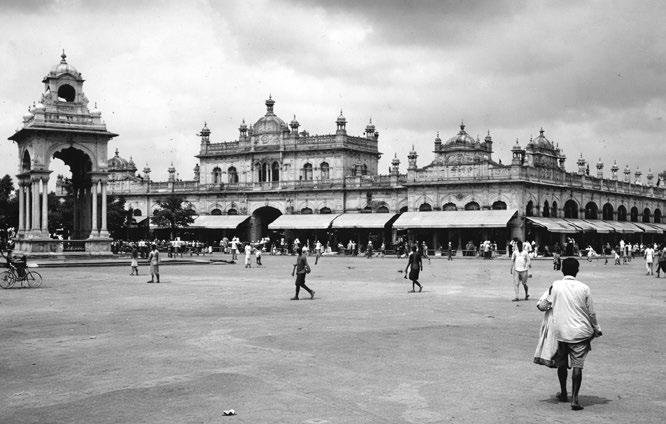
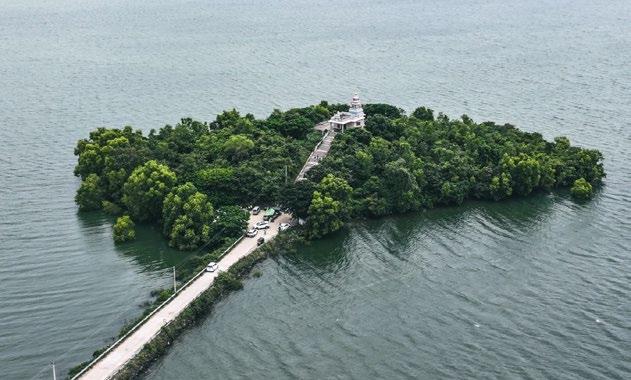
MYSURU’S HERITAGE TRIUMPH PRESERVING DEVARAJA MARKET & LANSDOWNE BUILDING
TRAVEL & TOURISM
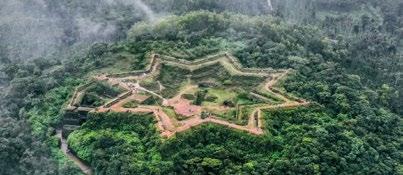
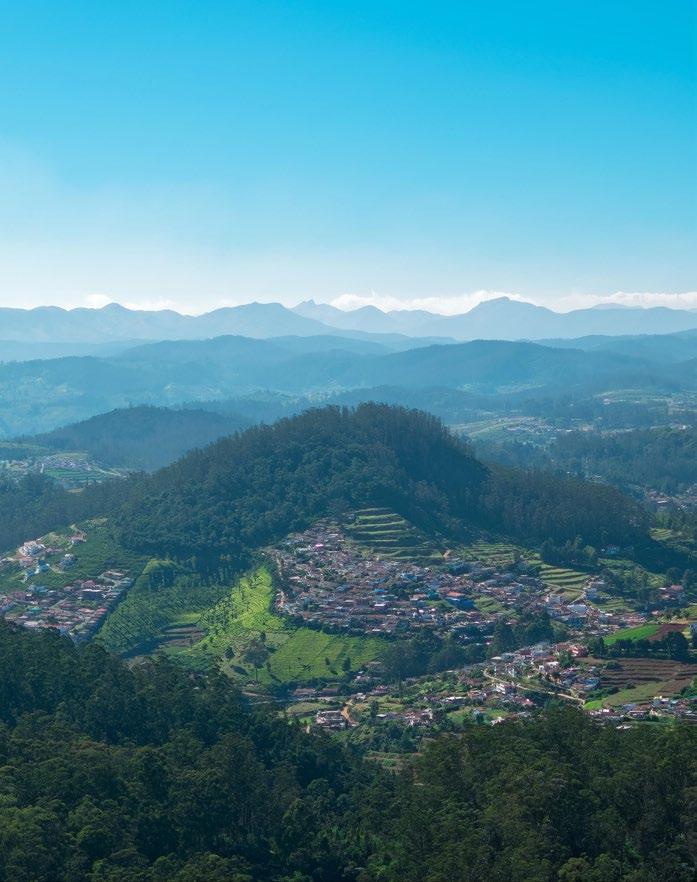
kArnATAkA’s hiDDen hillsTATion gem
FASHION & TRENDS KARNATAKA
SABYASACHI Opens Luxury Flagship Store In Bengaluru
A PALACE OF CRAFT & CALM
Sabyasachi Mukherjee’s latest boutique, opened on 25 October 2025 at The Leela Palace, Bengaluru, is conceived less as a conventional retail outlet and more as a carefully choreographed encounter with Indian craft. In a city defined by restless energy and tech-driven modernity, the store arrives like an heirloom— sumptuous, deliberate, and insistently slow. It marks a return that is both personal and strategic, allowing the brand to plant a tactile, sensory flag in South India’s rapidly expanding luxury landscape.
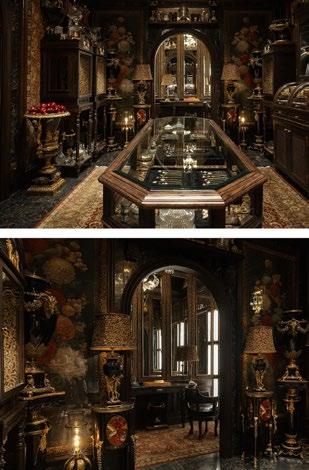
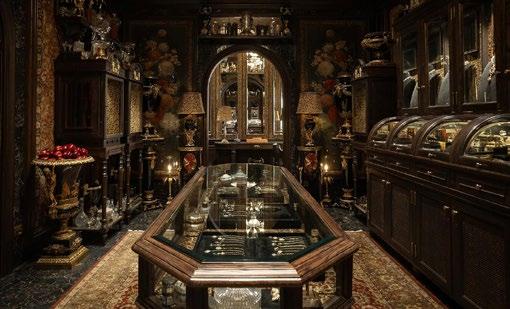
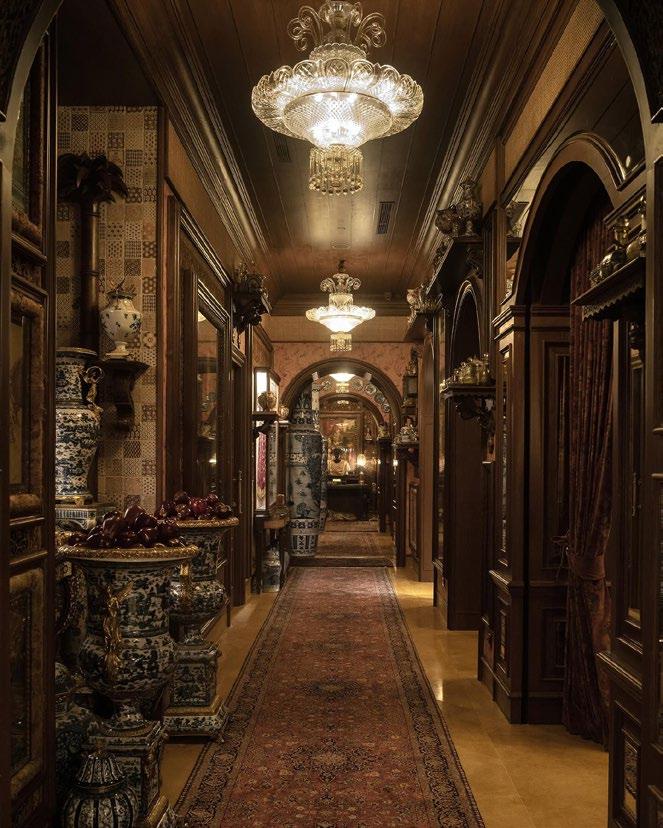
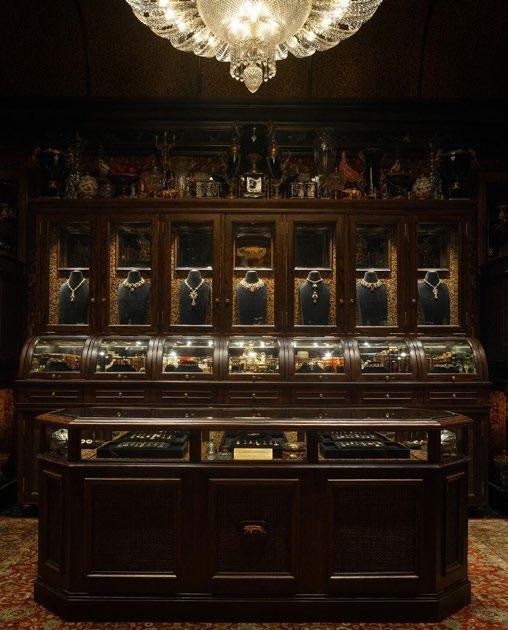
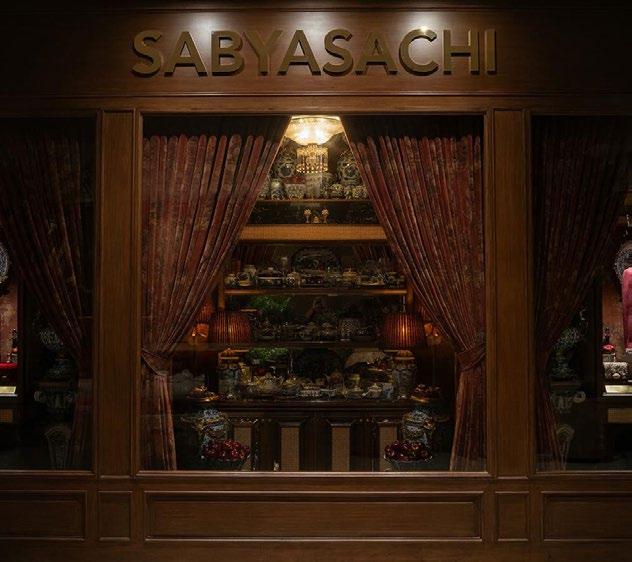
From the moment one steps into the Colonnade of The Leela Palace, the boutique establishes a different tempo. Hand-painted walls, antique teak joinery, low-lit chandeliers, and vitrines reminiscent of museum cabinets set an immersive stage. The experience is intentionally theatrical, with saris, lehengas, menswear, and high jewellery displayed as artefacts rather than seasonal merchandise. Visitors and critics alike have compared the space to a private gallery, where each piece carries a provenance-rich narrative and is meant to be contemplated rather than consumed quickly. Spread across approximately 3,800 square feet, the Bengaluru boutique houses the full breadth of the house—bridal couture, womenswear, menswear, international ready-to-wear, accessories, and high and fine jewellery—all unified by the brand’s signature maximalist yet heritagedriven aesthetic. The choice of Bengaluru, alongside established strongholds such as Kolkata, Delhi, Mumbai, Hyderabad, and New York, underscores Sabyasachi’s intention to deepen engagement with southern markets while offering residents a dedicated destination for
The interiors read unmistakably like a lived-in archive. Vintage mirrors, carved cabinets, jeweltoned drapery, Persian-inspired rugs, and carefully placed objets d’art create a layered visual language. Lighting is orchestrated to form tableaux, placing craftsmanship and display design on equal footing. The overall mood is nostalgic—a Sabyasachi hallmark—yet executed with the precision expected of a flagship boutique located within a luxury hotel. Beyond the spectacle, the boutique operates as a fully
functional couture house. Clients have access to bespoke fittings, curated bridal consultations, and premier jewellery collections. Jewellery and accessories occupy a prominent role, reflecting the brand’s continued expansion into fine jewellery and lifestyle categories. The juxtaposition of heritage textiles—handloom saris and richly embroidered bridalwear—with globally legible ready-to-wear reinforces Sabyasachi’s enduring positioning: deeply rooted in Indian craft, yet resonant with a cosmopolitan, international clientele.
For Sabyasachi Mukherjee, Bengaluru holds a personal resonance beyond commercial logic. In reflections shared around the launch, he described the city as a place that marries tradition with aspiration—a city that rewards quiet ambition and earned success. This sentiment subtly shapes the boutique’s narrative. Branding is restrained, almost understated, allowing the space to function as a memory palace where the designer’s history and India’s handcraft traditions coexist. The store’s opening also aligns with a broader shift in India’s luxury ecosystem. As both international maisons and Indian heritage brands look beyond Mumbai and Delhi, experiential retail has become central to engaging affluent, culturally curious consumers. Located at a hotel-groundfloor Colonnade, the boutique caters equally to global travellers and discerning locals, reinforcing Sabyasachi’s larger thesis that luxury today must foreground craft, provenance, and time rather than speed or trend cycles.
From a customer’s perspective, the journey is deliberately slow and visual.The layout encourages lingering rather than hurried transactions, with staff trained to guide visitors through textile histories, artisan techniques, and bespoke commissioning processes. Retail here becomes a form of education, where each purchase is framed as an act of cultural conservation. The boutique is also envisioned as a venue for curated exhibitions and seasonal trunk shows that spotlight artisans, archival inspirations, and experimental prototypes.
Critically, while the boutique’s strengths lie in its immersive ambience and narrative depth, its challenges may revolve around visibility and accessibility. A luxury hotel location ensures exclusivity and prestige but limits casual footfall, and the high-touch approach naturally caters to a clientele seeking rarity rather than everyday luxury. Yet in a market increasingly drawn to storytelling and authenticity, Sabyasachi’s model of retail as cultural stewardship feels particularly relevant. Ultimately, the Bengaluru flagship stands as both a strategic expansion and a cultural statement. It is a meticulously staged environment where garments and jewels are presented as living artefacts of India’s craft heritage. For the city, the boutique emerges as a new cultural landmark—one that invites visitors
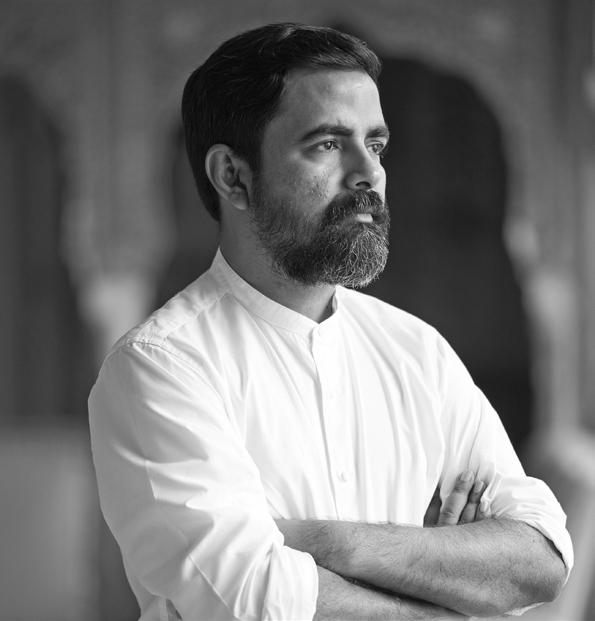
to slow down, observe closely, and reconsider how luxury, clothing, and value are defined in contemporary India. Sabyasachi Mukherjee himself remains central to this narrative. More than a designer, he is a storyteller and preservationist who has reshaped Indian luxury by anchoring it in heritage, craftsmanship, and emotional depth. From his early years in Kolkata and his education at NIFT to the launch of his label in 1999, his journey reflects perseverance and an unwavering commitment to craft. Through decades of work, global collaborations, and cultural impact, he has demonstrated that true luxury lies not in excess, but in time, care, and continuity—an ethos that finds eloquent expression in his Bengaluru boutique.
VIBRANT LIFESTYLE KARNATAKA
BENGALURU’S 2025 INTERIORS MAKEOVER
How Homes Are Getting A Stylish, Soulful Upgrade
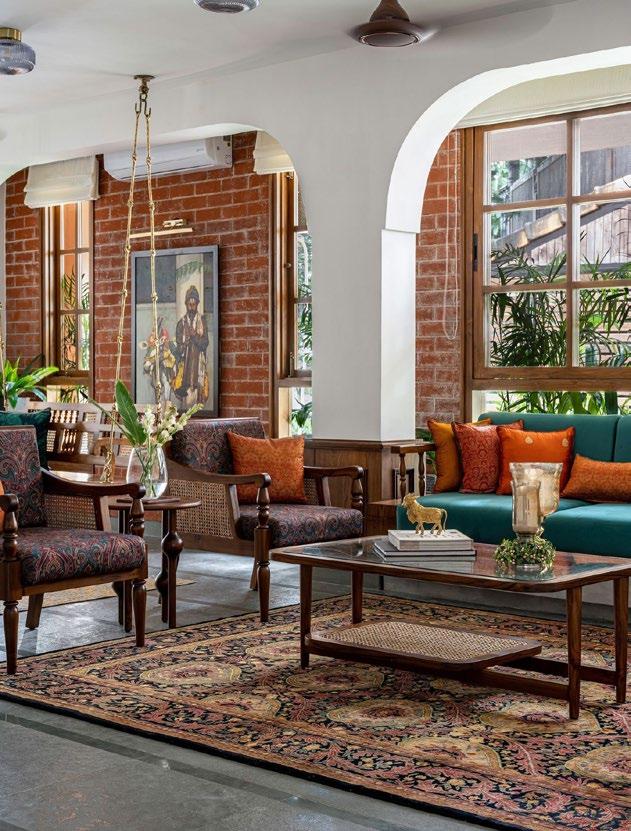
In 2025, Bengaluru is no longer defined only by its technology parks and startup culture. The city is rapidly emerging as a leader in modern urban living, where interior design and lifestyle choices reflect changing values, aspirations, and daily realities. Homes across Bengaluru—from compact apartments to independent houses—are undergoing a thoughtful transformation, blending aesthetics with comfort, sustainability, and flexibility. This shift marks a deeper cultural change: homes are no longer just functional shelters, but expressive, personalised spaces designed for holistic living.
Several lifestyle and urban factors are fueling this interior makeover. Rapid urbanisation has made apartments and compact homes the norm, especially 1–2 BHK and 2–3 BHK flats, pushing homeowners to adopt smarter layouts and space-efficient design. At the same time, work-from-home and hybrid work models have redefined how homes are used, turning living spaces into offices, relaxation zones, and family hubs simultaneously. Rising awareness around sustainability, wellness, and design aesthetics has further influenced homeowners to make conscious choices that align with their values. With easier access to professional interior designers, boutique studios, and online platforms, quality design is now more accessible than ever, accelerating this shift across the city.
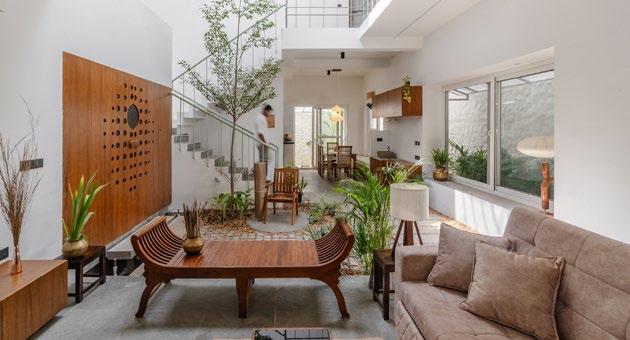
One of the strongest trends shaping Bengaluru homes in 2025 is the move toward biophilic and eco-chic interiors. Homeowners are increasingly choosing natural and sustainable materials such as reclaimed wood, bamboo, stone, terracotta, and rattan. Indoor greenery has become a defining element—vertical gardens, balcony planters, indoor plants, and green corners are now common features, offering visual calm while improving air quality. Earth-toned colour palettes dominated by terracotta, taupe, olive, muted greens, and beige have replaced stark whites, creating warm, grounded spaces. This trend reflects a collective desire to reconnect with nature and create peaceful homes amid the fastpaced urban environment.
Multifunctional & Smart Spaces for Compact Urban Living
With space often at a premium, Bengaluru homes are embracing multifunctional and adaptive design solutions. Modular furniture such as sofa-beds, foldable dining tables, expandable work desks, and built-in storage systems are widely used to maximise utility without compromising aesthetics. Home-office nooks, study corners, and flexible guest-cum-work zones have become essential, even in smaller apartments. Lighting, furniture, and décor are carefully selected to serve multiple purposes, allowing spaces to evolve throughout the day. This adaptability makes homes ideal for young professionals, couples, and small families navigating modern urban lifestyles.
Modern Minimalism Meets Traditional Heritage
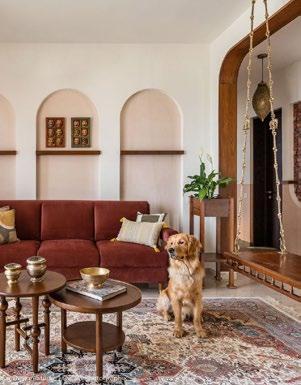
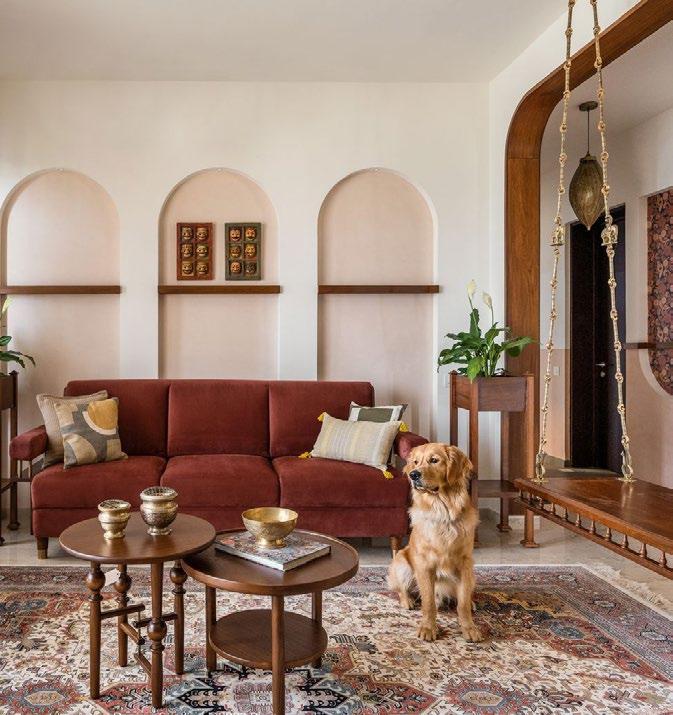
A defining aesthetic trend in 2025 is the seamless fusion of modern minimalism with traditional Indian elements. Clean architectural lines and contemporary layouts are softened with heritage touches such as carved wooden furniture, brass and metal accents, handcrafted décor, and ethnic textiles. This blend creates interiors that feel modern yet culturally rooted, offering warmth and identity without visual clutter. Bengaluru homeowners are increasingly drawn to this “modern + heritage” balance, reflecting their desire for contemporary comfort while staying connected to tradition.
Textures, Layers & Homes with Personality
Gone are the days of plain, uniform interiors. Today’s Bengaluru homes celebrate texture,layers,and individuality. Accent walls, textured finishes, reclaimed wood panels, clay or stone surfaces, and artisanal elements are used to add depth and character. Soft furnishings, handwoven rugs, vintage furniture, and curated décor pieces bring warmth and a lived-in feel. Rather than designing generic flats, homeowners are creating story-filled spaces that reflect their tastes, travels, memories, and personalities— turning houses into homes with soul.
Smart Living: Where Technology Meets Aesthetics
Technology is playing an increasingly important role in Bengaluru’s interior landscape, but with a refined, design-conscious approach. Smart home features such as automated lighting, energy-efficient appliances, and voicecontrolled systems are becoming common, especially in new apartments. When integrated thoughtfully with minimalist design, these technologies enhance comfort, efficiency, and ease of maintenance without overwhelming the space. Smart living supports hybrid work, energy conservation, and future-ready lifestyles, making homes both intelligent and elegant.
Who Is Driving This Lifestyle Shift
These trends are being embraced primarily by young professionals in tech and startups, families adapting to hybrid work models, and design-conscious homeowners who value aesthetics alongside functionality. There is also growing participation from people who appreciate sustainable living and cultural craftsmanship. This demand has created new opportunities for local artisans, interior designers, furniture makers, and décor brands, strengthening Bengaluru’s creative and design economy.
How Homeowners Can Apply These Trends
For those planning to redesign or decorate their homes, the approach is simple yet thoughtful. Choosing eco-friendly materials and adding indoor greenery can instantly elevate both aesthetics and wellbeing. Modular and multifunctional furniture helps make compact spaces more efficient. Blending modern furniture with traditional accents adds warmth and character, while layering textures through rugs, finishes, and soft furnishings brings depth. Integrating smart features ensures convenience and long-term sustainability, and personal touches—art, books, plants, and souvenirs—make the space truly one’s own.
What This Interior Shift Says About Bengaluru
This evolving interior design movement reflects a broader transformation in Bengaluru’s urban identity. The city is no longer just about productivity and innovation—it is about quality of living, balance, and conscious choices. The move away from cookie-cutter homes toward personalised, lifestyle-driven interiors signals a cultural shift where homes mirror the values, aspirations, and individuality of their inhabitants. It also highlights Bengaluru’s growth as a city that values design, sustainability, and emotional wellbeing alongside economic success.
In 2025, Bengaluru is witnessing a quiet yet powerful interior design revolution. Homes are becoming expressive spaces that blend ecoconsciousness, smart functionality, aesthetic sensibility, and cultural roots. This transformation mirrors the city itself—modern yet grounded, innovative yet soulful. Whether you are moving into a new apartment, renovating your home, or simply rethinking how you live, Bengaluru’s evolving interior trends offer a compelling blueprint for living beautifully, consciously, and comfortably in a modern urban world.
RETAIL & SHOPPING KARNATAKA
Black Baza Coffee
A THOUGHTFUL BREW FROM BENGALURU’S FORESTS TO THE CITY CUP
In Bengaluru, coffee has never been merely a beverage. It is habit and heritage, a daily rhythm that stretches from quiet early mornings to long, reflective evenings. For generations, the city’s relationship with coffee was shaped by strong filter brews, passed-down techniques, and the unmistakable aroma that lingered in homes and neighbourhood darshinis. Yet as Bengaluru transformed into a global city — driven by technology, research, and a young, curious population — its coffee culture began to evolve as well. Conversations shifted from strength and quantity to origin, flavour, process, and impact. Within this evolving landscape, Black Baza Coffee has emerged as a distinctive presence, not because it follows trends, but because it questions them. The brand’s story is as much about ecology, research, and responsibility as it is about taste, offering a vision of coffee that is rooted in forests and farms while speaking fluently to an urban, modern audience.
Black Baza Coffee did not originate as a conventional startup chasing a market gap. Its foundations lie in academic research and lived engagement with coffee-growing landscapes. The brand was founded by Dr. Arshiya Bose, a human geographer whose work examined the intersections of coffee production, certification systems, conservation, and livelihoods in India. Through years of research, she encountered the complexity behind a seemingly simple cup of coffee — the tension between market demands and ecological health, the limitations of labels and certifications, and the often invisible labour of smallholder farmers who work in some of the country’s most biodiverse regions.
Black Baza Coffee emerged as an attempt to translate this research into practice, transforming theory into an enterprise that could actively support both quality coffee and conservation on the ground. Bengaluru proved to be a natural
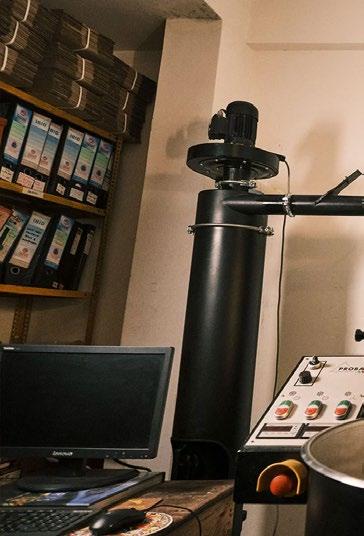
home for this idea. The city’s intellectual climate, shaped by universities, research institutions, and environmental movements, provided fertile ground for a brand that values inquiry over assumption. At the same time, Bengaluru’s rapidly maturing specialty coffee audience — home brewers, café professionals, and curious drinkers — was ready for a narrative that went beyond café aesthetics and latte art. Black Baza Coffee positioned itself not as a disruptor, but as a thoughtful participant in this ecosystem, inviting people to slow down and think about where their coffee comes from and what it supports. At the heart of the brand’s operations lies its roastery in Sahakaranagar, a working space where coffee is treated with care rather than theatrics. Roasting at Black Baza is a deliberate, attentive process, guided by the belief that roasting should reveal a coffee’s inherent character rather than dominate it.
Small-batch roasting allows the team to respond sensitively to each coffee’s origin, altitude, processing method, and moisture content. Instead of pushing beans into uniformly dark profiles or chasing exaggerated flavour notes, Black Baza favours balance and clarity. This approach reflects confidence in Indian coffee’s natural qualities — its sweetness, warmth, layered spice, gentle acidity, and depth — and resists the idea that Indian beans must be altered to meet international expectations.
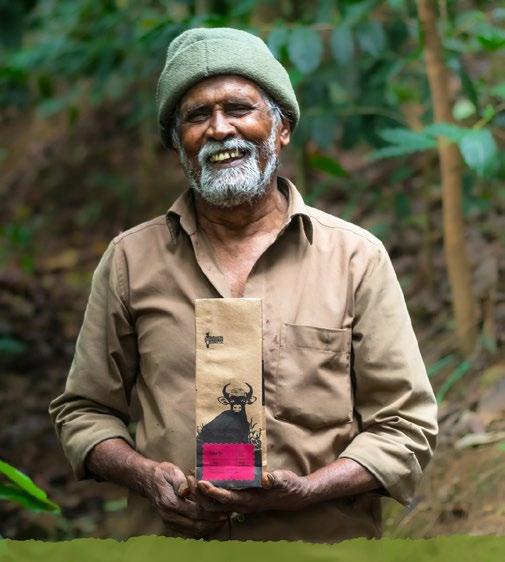
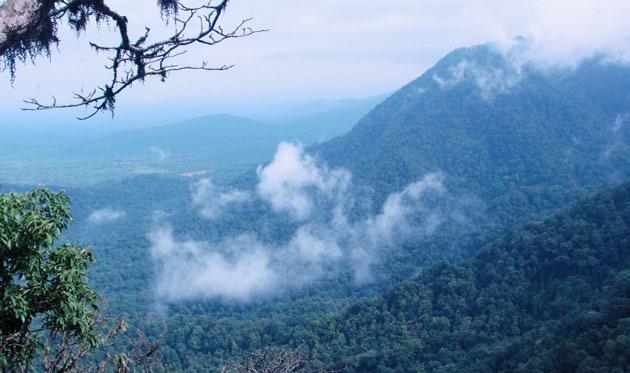
The landscapes that supply Black Baza Coffee are central to its identity. Much of the brand’s sourcing comes from smallholder farms in biodiversity-rich regions such as the Western Ghats, one of the world’s most ecologically significant hotspots.These coffee-growing areas are not vast monoculture plantations, but complex agroforestry systems where coffee grows under shade trees alongside pepper vines, fruit-bearing plants, medicinal herbs, birds, insects, and wildlife. Such farms blur the boundary between agriculture and forest, supporting biodiversity while sustaining livelihoods. Black Baza’s sourcing philosophy recognises this complexity and refuses to simplify it into marketing soundbites. Conservation, in this context, is not an abstract ideal but a practical challenge that must align with farmers’ economic realities.
Rather than relying solely on certifications or labels, Black Baza Coffee builds relationships grounded in trust, long-term engagement, and mutual respect.The brand understands that farmers operate within unpredictable conditions — fluctuating prices, changing weather patterns, rising input costs — and that sustainable practices must be economically viable to endure. By prioritising quality-driven pricing and consistent partnerships, Black Baza seeks to make biodiversity-friendly farming a rational choice rather than a moral obligation imposed from outside. This approach reflects a nuanced understanding of sustainability as a process rather than a destination, shaped by ongoing negotiation between people, land, and markets.
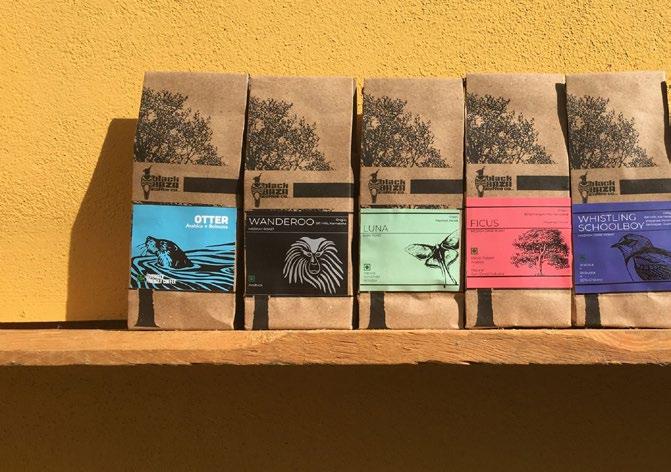
The name “Black Baza” encapsulates this worldview with quiet elegance. The black baza is a rare bird of prey found in forested regions of India, including coffee-growing areas of the Western Ghats and the Northeast. By choosing this name, the brand signalled its intent to anchor coffee within a broader ecological narrative. The bird becomes a symbol of watchfulness and balance, reminding drinkers that coffee exists within living systems far larger than the cup. This symbolism is not ornamental; it informs how the brand thinks about its role — not as a saviour of landscapes, but as a participant within them.
One of Black Baza Coffee’s most significant contributions has been its role in reshaping how Indian coffee is perceived. For decades, Indian beans were often relegated to the background in global specialty markets, valued more for volume than for nuance. Black Baza challenges this narrative by celebrating Indian coffee on its own terms. India’s monsoon climate, shade-grown systems, and diverse soils create flavour profiles that favour balance, sweetness, spice, and body rather than sharp extremes.
Instead of apologising for these qualities, the brand foregrounds them, encouraging drinkers to appreciate Indian terroir without comparison or hierarchy. Education is woven seamlessly into Black Baza Coffee’s identity. Rather than positioning itself as an authority dispensing knowledge, the brand approaches education as an invitation to curiosity. Through tastings, workshops, and transparent communication, it encourages consumers to ask questions — about origin, processing, roasting, and the social and ecological contexts of coffee. This educational impulse reflects the founder’s academic roots and resonates with Bengaluru’s culture of inquiry. Coffee becomes a starting point for broader conversations about climate change, land use, and ethical consumption, reminding drinkers that everyday choices are connected to distant landscapes and communities.
The brand’s visual language and packaging echo this restraint and clarity. Designs are minimal yet distinctive, allowing information about origin and flavour to remain central without overwhelming the consumer. There is an intentional avoidance of exaggerated claims or dense jargon. Instead, Black Baza communicates with quiet confidence, trusting that honesty and consistency will build deeper relationships than spectacle. This approach has helped the brand cultivate trust among its audience, positioning it as thoughtful rather than trendy, grounded rather than performative.
Leadership plays a defining role in shaping this ethos. In an industry where success is often measured by rapid expansion and visibility, Black Baza Coffee offers an alternative model rooted in stewardship. Dr. Arshiya Bose’s leadership emphasises listening, reflection, and accountability, influencing both strategic decisions and everyday practices. This perspective challenges conventional ideas of growth, suggesting that impact is measured not only by scale but by integrity and durability. Under this leadership, Black Baza has chosen slow, deliberate growth, ensuring that values remain intact even as the brand’s reach expands.
Within Bengaluru’s crowded specialty coffee scene, Black Baza Coffee occupies a distinctive space. It is not the loudest brand, nor the most aggressively marketed, but it is one of the most coherent in its vision. Its community includes home brewers, café professionals, environmentalists, and everyday drinkers who share a curiosity about coffee’s deeper story.This community has grown organically, shaped by word-of-mouth and trust rather than hype. Over time, this approach has fostered loyalty that feels earned rather than engineered.
As climate change continues to reshape agricultural landscapes, the questions that Black Baza Coffee raises become increasingly urgent. How can coffee farming adapt without sacrificing biodiversity? How can markets support farmers rather than extract value from them? How can consumers participate meaningfully without being overwhelmed by guilt or complexity? Black Baza does not claim to have definitive answers, but it offers a model of engagement — one that acknowledges uncertainty, values collaboration, and remains open to learning.
Ultimately, Black Baza Coffee represents a return to attentiveness in an age of speed. Each cup carries with it the imprint of forests, farms, and careful decisions made far beyond the city. By refusing to separate flavour from responsibility, the brand reminds us that coffee is not just something we consume, but something we are connected to. In a city like Bengaluru, where innovation often means moving faster, Black Baza Coffee’s greatest contribution may be its insistence on slowing down — to taste, to think, and to care.
MEN & WOMEN OF GREATER SUBSTANCE
KARNATAKA
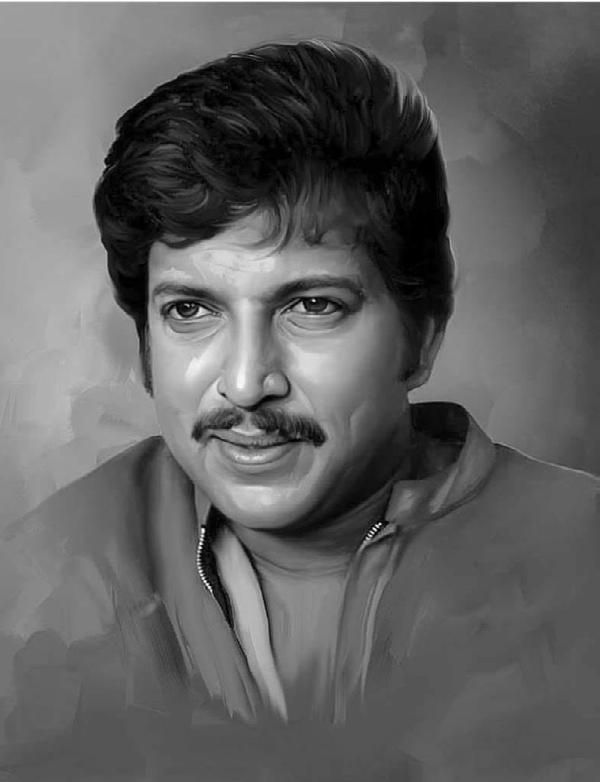
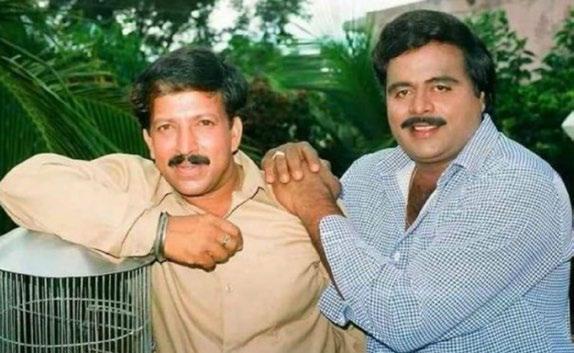
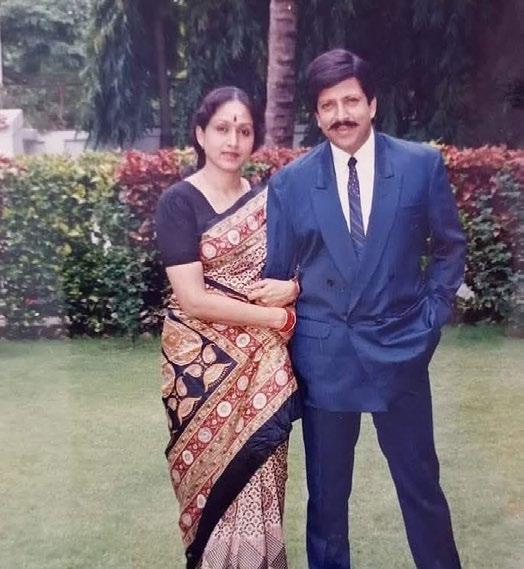
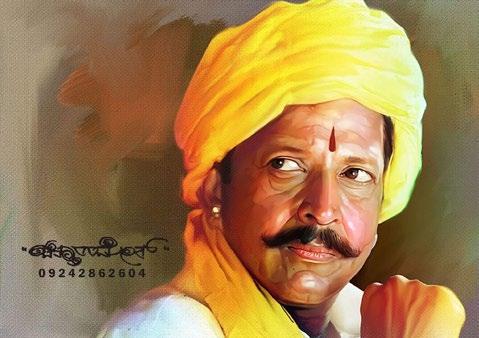
VISHNUVARDHAN
The Eternal Hero Of Karnataka Cinema
In the golden annals of Kannada cinema, few names resonate as deeply and as fondly as Vishnuvardhan. Born Sampath Kumar on 18 September 1950 in Mysore, he transformed from a young, aspiring actor into a cultural icon — a figure whose presence continues to influence the hearts of fans and the craft of filmmakers even decades after his passing.September 2025, marking the recognition of his extraordinary legacy with the posthumous Karnataka Ratna award, provides a perfect moment to reflect on his life, career, and enduring impact.
Early Life: Roots in Mysore
Vishnuvardhan grew up in a family immersed in arts and culture. His father, H.L. Narayana Rao, was a musician and scriptwriter, and his siblings pursued classical arts, instilling in him a love for performance from an early age. Educated at National College, Basavanagudi, Bangalore, he was drawn toward cinema while still young, his charisma and screen presence evident even in early auditions. It was in Vamsha Vriksha, a thoughtful art film, that he first appeared on screen, taking the name “Vishnuvardhan” on the advice of mentors who foresaw the resonance that this name would carry across generations.
Rise to Stardom: From “Ramachari” to Sahasa Simha
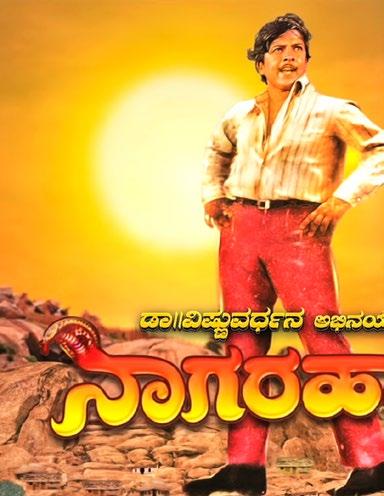
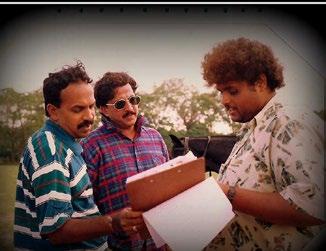
The turning point came with Nagarahaavu (1972), where his portrayal of Ramachari, the rebellious college student, made him an overnight sensation. His performance captivated audiences with its energy, intensity, and authenticity, establishing him as the “Sahasa Simha” — the Lion of Courage — a title he carried proudly throughout his career. From romantic dramas to high-octane action films, from socially conscious cinema to lighthearted entertainment, Vishnuvardhan demonstrated a rare versatility. Over a career spanning nearly four decades, he appeared in over 220 films, primarily in Kannada, but also in Tamil, Telugu, Hindi, and Malayalam, earning acclaim across South India.
Some of his most iconic works include:
Muttina Haara (1976): A powerful war drama showcasing his gravitas and artistic commitment.
Veerappa Nayaka (1999) and Sooryavamsha (1995): Demonstrations of his action hero prowess.
Yajamana (2000): A mass entertainer, celebrated even today for its timeless appeal.
Aaptha Mithra (2004) and Sirivantha (2006): Later films proving his ability to evolve
with changing cinema trends.
Vishnuvardhan’s ability to balance commercial success with artistic integrity became a benchmark in Kannada cinema, inspiring generations of actors to follow.
Off-Screen Persona: Humility and Heart
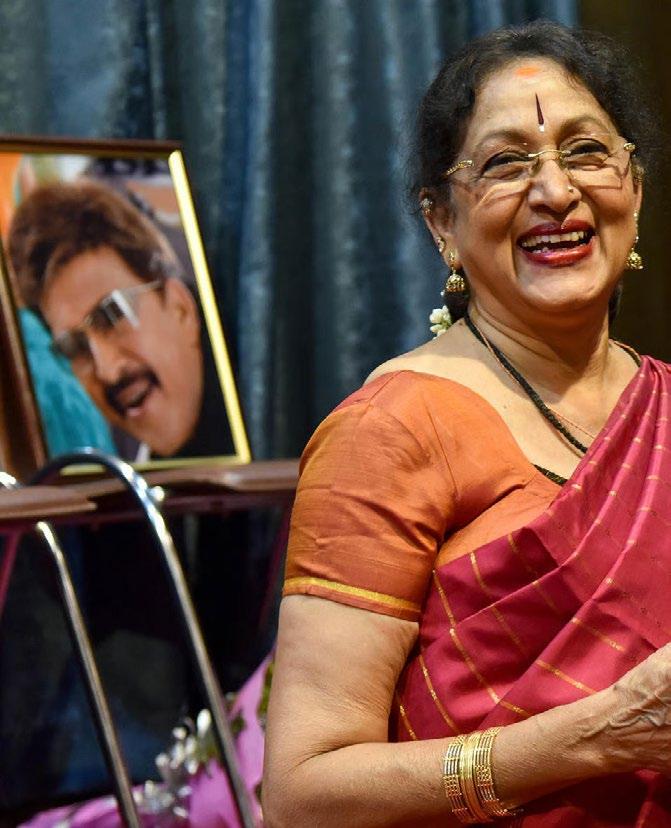
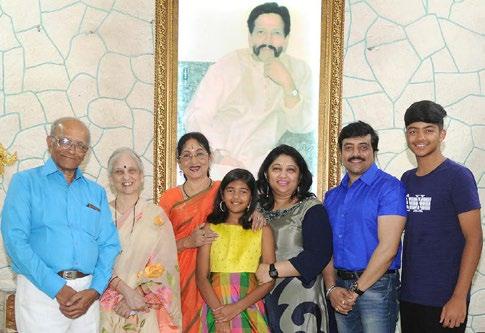
Despite superstardom, Vishnuvardhan remained humble, approachable, and deeply respectful to fans. Married to fellow actress Bharathi Vishnuvardhan, the couple adopted two daughters and maintained a private family life away from the media glare. His philanthropic gestures, quiet charity work, and spiritual inclinations made him beloved not only as an actor but as a human being.He was also musically talented, lending his voice to devotional albums and select film songs, further extending his creative footprint beyond acting.
Legacy: A Hero for All Generations
Vishnuvardhan’s films continue to be revisited, studied, and cherished. From classics like Nagarahaavu and Bandhana to re-releases of films such as Yajamana, his cinematic journey bridges generations. More than an actor, he symbolized dignity, courage, and artistic excellence traits that define Karnataka’s cultural pride.
Even in discussions of modern Kannada cinema, his influence is palpable: actors, directors, and audiences often refer to him as the gold standard of versatility, humility, and mass appeal.
More Than a Star
To call Vishnuvardhan a star is almost reductive. He was a cultural phenomenon a hero whose presence transcended cinema halls, whose legacy inspires devotion, admiration, and respect even decades later. His journey from the streets of Mysore to the hearts of millions, culminating in the Karnataka Ratna award, exemplifies the timelessness of true artistry. In September 2025, as the state celebrates his posthumous recognition, fans and cinephiles alike are reminded: legends do not fade; they live on — in films, in hearts, and in memories.
‘‘Awards, Recognition, and Karnataka Ratna: Honouring a Lifetime of Excellence”
In the history of Kannada cinema, few actors have enjoyed the combination of mass appeal and critical acclaim that Vishnuvardhan did. His talent, versatility, and unwavering commitment to his craft earned him numerous accolades over his lifetime — a testament to both his artistic skill and the profound connection he shared with audiences.
Early Recognition: Filmfare Awards South
From the early 1970s, Vishnuvardhan’s performances were not only popular with audiences but also highly appreciated by critics. Over the decades, he earned multiple Filmfare Awards South, one of the most prestigious recognitions in Indian cinema. These awards acknowledged his ability to embody a wide range of characters — from intense dramatic roles to lighthearted and commercial characters — with equal authenticity.His wins were particularly notable because they highlighted consistency over decades, a rare achievement in the competitive South Indian film industry. Each award was not merely a trophy but an affirmation of his dedication, his meticulous preparation for roles, and his innate ability to make each character believable and memorable.
State Honour: Rajyotsava Award (1990)
In 1990, Vishnuvardhan received the Rajyotsava Award, one of Karnataka’s highest state honours. The award recognized his enormous contribution to Kannada cinema, a field that had seen him transform over the years from a rising star to a legend.The Rajyotsava Award was more than a personal accolade — it symbolized the state’s pride in an actor who had not only entertained millions but also carried the Kannada language and culture to the forefront of Indian cinema. His films often highlighted social values, regional pride, and human emotions in ways that resonated deeply with the people of Karnataka, further cementing his stature as a cultural icon.
Academic Recognition: Honorary Doctorate (2005)
In 2005, Bangalore University conferred an Honorary Doctorate upon Vishnuvardhan, acknowledging his lifetime contribution to the arts and cinema. This recognition was significant because it elevated his work beyond the realm of entertainment, situating him within the broader context of Indian cultural and artistic achievement.The honorary degree celebrated not only his cinematic accomplishments but also his intellectual engagement with his craft. Colleagues and students alike praised him for his discipline, the depth of his research into roles, and the way he continuously sought to improve his art — qualities that made him a role model for aspiring actors and filmmakers.
Dr. Vishnuvardhan Award: Legacy Preserved
After his untimely demise in 2009, the Dr. Vishnuvardhan Award was established to honor individuals who make significant contributions to Kannada cinema. This award
reflects the enduring impact of his career and ensures that future generations of artists remember and emulate his dedication, versatility, and integrity.The award has been given to actors, directors, and technicians who carry forward the values Vishnuvardhan embodied — professionalism, artistic excellence, and cultural pride. In this way, his influence continues to shape the Kannada film industry, even years after his passing.
Karnataka Ratna: The Highest Honour (September 2025)
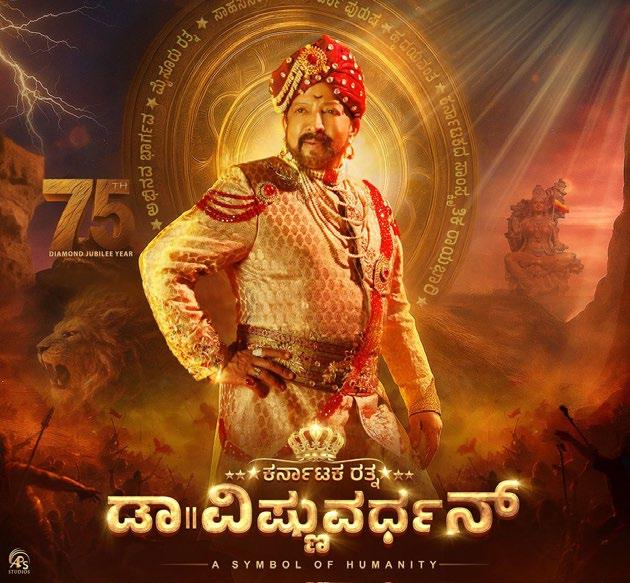
In September 2025, the Government of Karnataka posthumously awarded Vishnuvardhan the Karnataka Ratna, the state’s highest civilian honour. This award, given sparingly, recognizes extraordinary contributions across arts, literature, public service, and culture, and Vishnuvardhan became one of the few film personalities to receive this distinction.The conferment of Karnataka Ratna decades after his death reflects both the enduring love of fans and the lasting impact of his work on Kannada culture. Across
the state, admirers celebrated the announcement — revisiting his films, sharing stories of his humility and generosity, and acknowledging how his presence elevated Kannada cinema to national prominence. Critics and peers hailed the award as “long-overdue and well-deserved”, emphasizing that Vishnuvardhan’s influence extended beyond box-office records. It recognized a lifetime of artistic integrity, a commitment to cultural preservation, and a deep emotional bond with audiences that few actors have ever achieved.
The Significance of These Recognitions
Taken together,Vishnuvardhan’s awards — from Filmfare wins to the Rajyotsava, the honorary doctorate, and ultimately Karnataka Ratna — tell a story of excellence, dedication, and cultural significance.
They celebrate:His versatility as an actor, able to inhabit diverse roles across genres and languages.His commitment to Kannada culture, elevating regional cinema through nuanced performances.His humanity and professionalism, inspiring co-actors, filmmakers, and audiences alike. His lasting influence, with awards and institutions established to carry forward his legacy.In essence, each award marks not only personal achievement but also a collective recognition of his contribution to Karnataka’s artistic and cultural heritage.
INTERNATIONAL STANDARD EDUCATION OF KARNATAKA
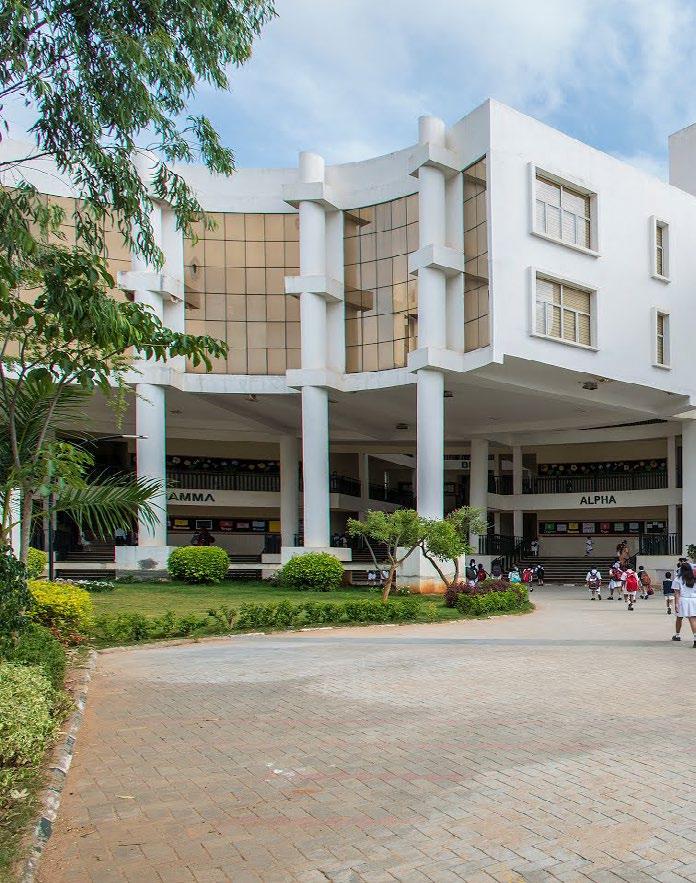
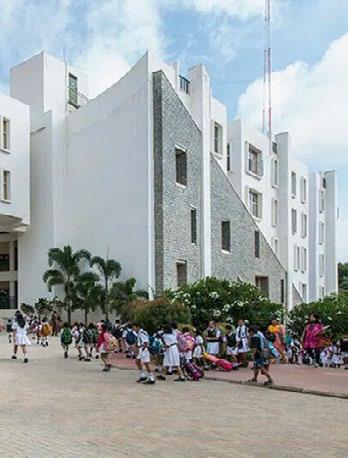
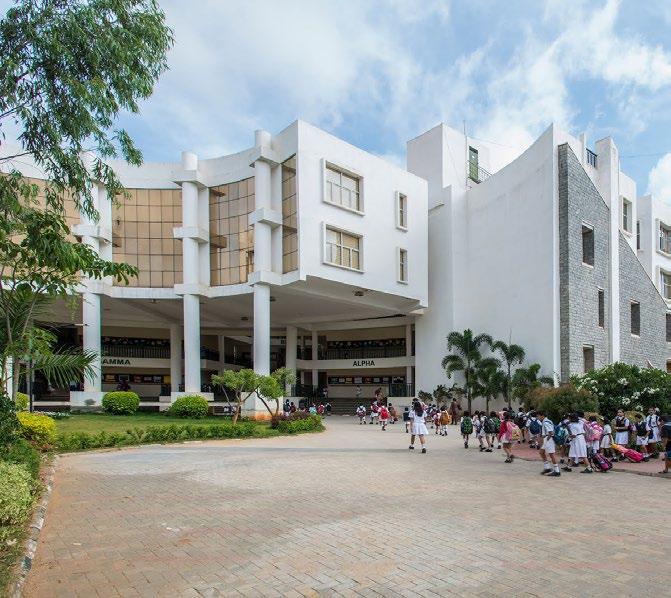
DPS BANGALORE EAST
THE RISING BENCHMARK OF MODERN SCHOOLING IN KARNATAKA
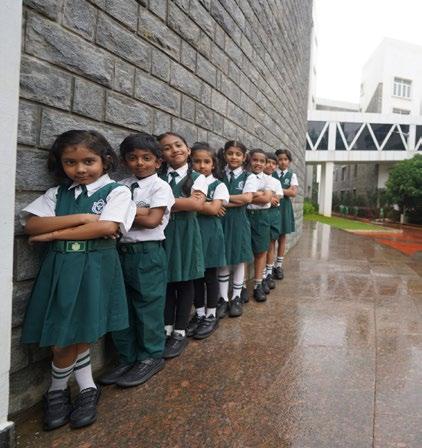
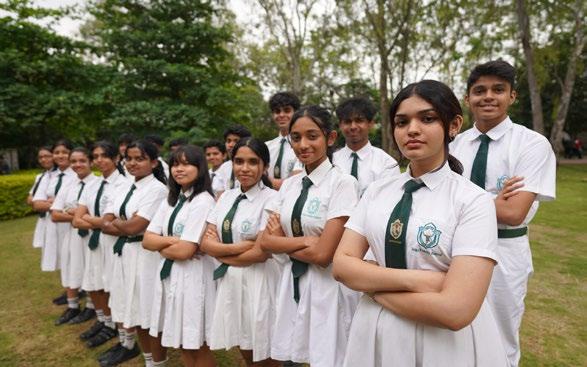
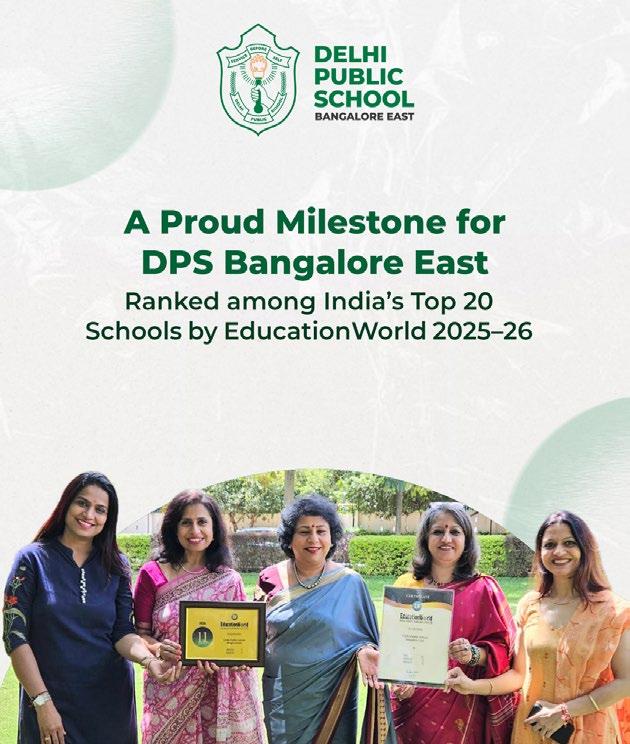
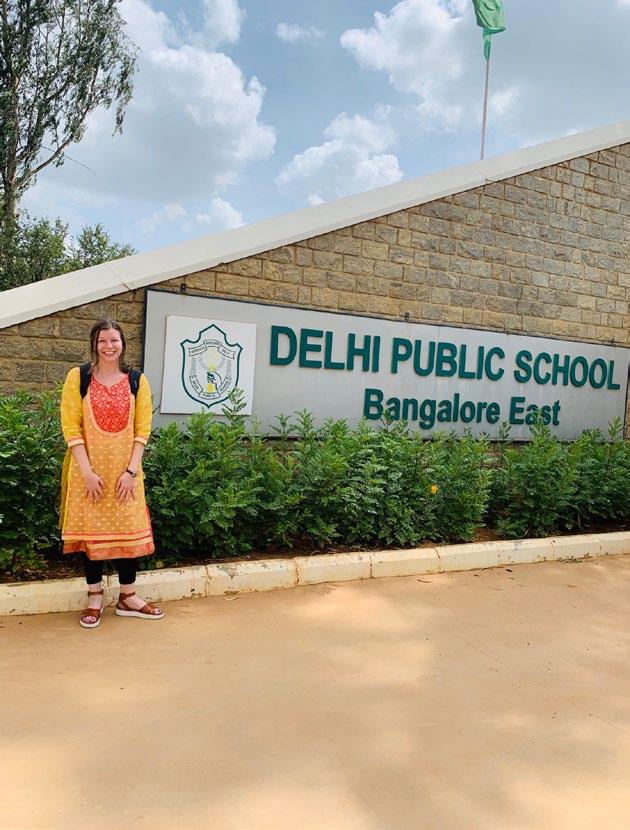
In the rapidly evolving educational landscape of Karnataka, Delhi Public School Bangalore East has emerged as a defining force shaping the future of schooling in Bengaluru. Known for its unwavering academic discipline, progressive learning environment, and commitment to holistic student development, DPS Bangalore East has steadily earned recognition as one of the city’s most influential educational institutions.
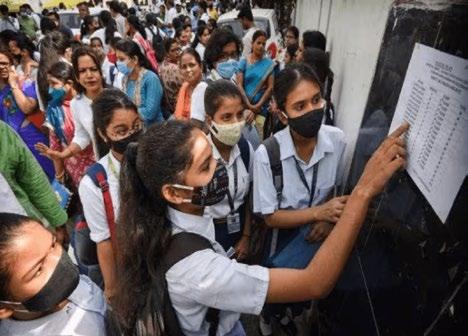
Its recent distinction in the IIRF National School Rankings 2024–25 has further strengthened its reputation, positioning the school among the topranked CBSE institutions in the country. More than a centre of academic excellence, DPS Bangalore East represents a modern philosophy of education where tradition merges seamlessly with innovation to prepare students for the demands of a global future.
DPS Bangalore East operates under the esteemed legacy of the Delhi Public School Society, a name that has been synonymous with quality education across India for decades. Since its inception, the
school has embraced the core values of integrity, academic diligence, cultural respect, and social responsibility, while adopting global benchmarks in teaching and learning. This combination of heritage and modern educational vision has allowed DPS Bangalore East to build a distinctive identity—one that nurtures intellectual curiosity, creativity, leadership, empathy, and discipline in equal measure. The institution’s vision extends beyond academic achievement, aiming to create confident, ethical, and future-ready individuals who can contribute meaningfully to society.
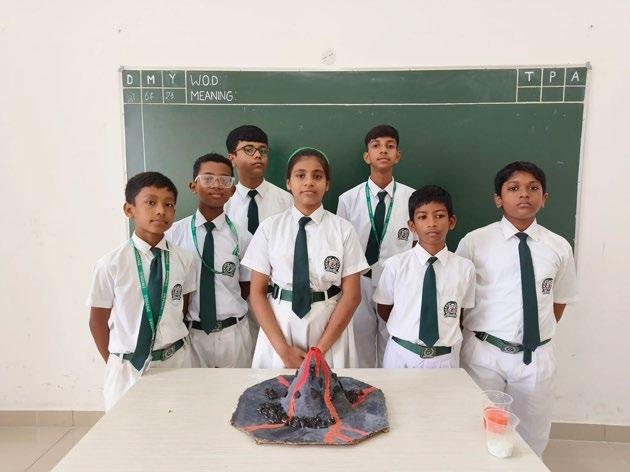
Academic excellence remains the cornerstone of DPS Bangalore East’s success. The school has consistently recorded near-perfect pass percentages in CBSE Class 10 and 12 examinations, with a remarkable number of students achieving scores above ninety percent each year. Many students also secure placements in prestigious institutions and perform exceptionally in national-level competitive examinations, Olympiads, and scholarship programs. This consistency is supported by a wellstructured academic framework that includes continuous assessments, diagnostic evaluations, personalized learning support, and integrated coaching for competitive readiness. Teachers employ innovative methodologies such as experiential learning, interdisciplinary teaching, project-based assignments, and digital learning tools to ensure students develop strong conceptual clarity, analytical ability, and adaptability to real-world challenges.
What truly distinguishes DPS Bangalore East is its firm belief that education must extend beyond textbooks. The school has established a robust ecosystem for holistic development, ensuring that students explore their talents in sports, arts, culture, and innovation. A variety of athletic facilities encourage participation in cricket, football, basketball, swimming, athletics, and indoor games, while professional coaches guide students toward competitive excellence at state and national levels. The arts and cultural wing thrives with opportunities in music, dance, theatre, fine arts, debates, and literary activities. Annual cultural festivals, talent showcases, and inter-school competitions provide platforms for students to express creativity, build confidence, and develop leadership qualities
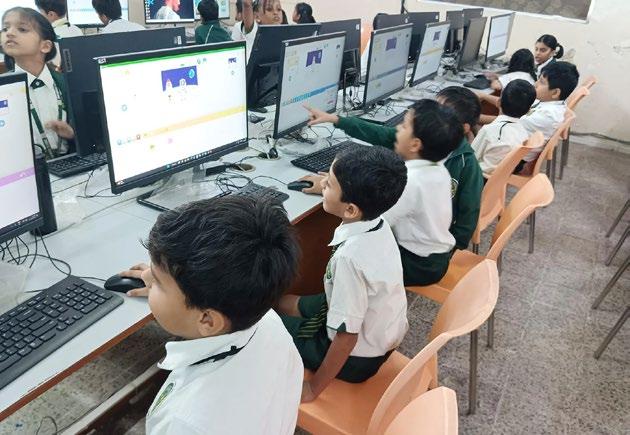
In alignment with Bengaluru’s identity as India’s technology capital, DPS Bangalore East places strong emphasis on technology-enabled learning and innovation. Smart classrooms, advanced laboratories, robotics and artificial intelligence modules, coding programs, and design-thinking sessions introduce students to emerging technologies at an early stage. Science fairs, hackathons, innovation exhibitions, and STEM competitions further stimulate critical thinking and problem-solving skills. This forwardlooking approach ensures students are not merely consumers of technology but creators and innovators prepared for the future workforce.
The school’s campus infrastructure reflects its commitment to providing a safe, modern, and inspiring learning environment. Spacious classrooms, well-equipped laboratories, extensive library resources, digital learning spaces, auditoriums, multipurpose halls, and dedicated sports arenas contribute to a well-rounded educational experience. A structured transport system, wellness programs, and counselling services ensure that students’ physical and emotional well-being are given equal importance. The environment is designed to foster comfort, curiosity, and a sense of belonging, making school life both productive and enjoyable.
A defining feature of DPS Bangalore East is its strong parent-school collaboration. The institution recognizes that meaningful education is built through partnership and trust between teachers and parents. Regular parent-teacher meetings, academic reviews, orientation programs, workshops on child development, and transparent communication channels create a supportive community where student progress is consistently monitored and nurtured. Parents appreciate the school’s responsiveness, discipline, and dedication to maintaining open dialogue for continuous improvement.
Character building and community engagement form an integral part of the school’s ethos. Students are encouraged to participate in environmental initiatives, social outreach programs, health awareness campaigns, and civic responsibility projects. These experiences cultivate empathy, ethical awareness, and a strong sense of social duty. By instilling values of compassion, responsibility, and respect for diversity, DPS Bangalore East ensures that students grow into conscientious citizens capable of contributing positively to society.
The school’s recognition in the IIRF 2024 rankings has validated its continuous pursuit of excellence. The ranking evaluates institutions on teaching quality, academic outcomes, infrastructure, research orientation, and industry exposure. DPS Bangalore East’s strong performance across these parameters highlights its effective academic delivery systems and commitment to progressive education. This achievement has further elevated its standing as one of Karnataka’s most sought-after schools for parents who value consistent performance and holistic development opportunities.
What sets DPS Bangalore East apart in Karnataka’s competitive educational ecosystem is its balanced approach to academics and co-curricular growth, its adoption of innovative teaching strategies, its emphasis on student well-being, and its strong leadership vision. The school has successfully created an environment where children feel motivated to learn, encouraged to explore, and empowered to lead. Its blend of discipline, creativity, innovation, and care exemplifies the future of modern schooling in India.
As the demand for quality education rises across Karnataka, institutions like DPS Bangalore East continue to set new benchmarks. The school embodies the transformation of education from rote learning to experiential growth, from isolated achievement to collaborative success, and from traditional instruction to global preparedness. With its steadfast focus on excellence, integrity, and future-readiness, DPS Bangalore East stands as a symbol of what contemporary education can achieve when vision meets dedication.
In essence, DPS Bangalore East is more than a school—it is a thriving educational community shaping the leaders, thinkers, and innovators of tomorrow. Its journey reflects a celebration of knowledge, character, and aspiration. As it continues to evolve and inspire, DPS Bangalore East remains at the forefront of Karnataka’s educational revolution, redefining the very meaning of modern schooling.
AUTOMOBILE, TRANSPORTATION & AVIATION OF
KARNATAKA
AUTOMOBILES IN KARNATAKA GROWTH, POLICY, & EMERGING TRENDS
September 2025 marked a pivotal month for Karnataka’s automobile sector. Between tax reforms, festival-driven demand, rising consumer interest, and a push for sustainable mobility, the state witnessed significant developments across passenger vehicles, two-wheelers, and commercial fleets. This comprehensive review examines all the key events, their implications, and what it means for vehicle owners, buyers, and the state’s transportation ecosystem.
• In late September 2025, the Indian government reduced GST on small cars, compact vehicles, and selected two-wheelers. This policy revision lowered vehicle prices significantly, making ownership more accessible for first-time buyers, young professionals, and budget-conscious families.
• Karnataka, with its large urban population in Bengaluru, Mysuru, Mangaluru, and other districts, saw this policy directly translate into increased vehicle registrations and showroom footfall.
Festival Season Effect
• September coincided with the festival season, traditionally a peak period for vehicle sales. Dealers across Karnataka reported higher inquiries and bookings, as customers combined festive sentiment with newly reduced prices. Market Impact
• Thousands of vehicles were registered daily in Bengaluru alone, creating visible traffic spikes on city roads.
• Two-wheelers and small cars led the surge, while commercial vehicles saw moderate growth due to fleet upgrades in logistics and small businesses.
• The demand reflected a cross-section of buyers: students, young professionals, families purchasing first cars, and businesses renewing fleets.
Key Insight: September 2025 became a window of opportunity where affordability, festival sentiment, and availability aligned perfectly, driving sales across all major segments.
Beyond encouraging new vehicle sales, Karnataka also looked ahead to sustainability:
• The state government issued directives in September 2025 for vehicle manufacturers and dealers to facilitate end-of-life vehicle buy-back and recycling.
• The initiative targets environmental hazards from old, abandoned vehicles, including leaking fluids, rusting metals, and non-biodegradable parts.
• Early discussions also suggested possible incentives for owners who voluntarily scrap old vehicles, though exact schemes were still under review.
Significance for the State
• Promotes sustainable mobility and reduces vehicular environmental impact.
• Encourages responsible ownership and proper disposal of older vehicles.
• Lays the foundation for Karnataka to become a benchmark state in structured vehicle recycling practices.
September 2025 also revealed evolving buyer behaviors and market trends:
• Mid-Segment Dominance: Affordable small cars and budget two-wheelers emerged as the most sought-after options.
• Commercial Vehicle Uptick: Smallbusiness owners upgraded fleets to meet logistics and delivery needs.
• Young Buyers Lead: Students and young professionals were particularly active in the twowheeler market.
Implication: The surge in registrations indicates increased mobility access not only in urban metros but also in semi-urban and rural areas, reflecting Karnataka’s growing automotive penetration.
Two-Wheeler Highlights Bikes in Demand
September saw specific developments in the twowheeler sector:
• KTM RC 160 was spotted testing in Karnataka, generating buzz among enthusiasts, although the official launch is yet to occur.
• Entry-level and mid-range scooters and motorcycles dominated the urban market due to affordability and ease of commuting, particularly in Bengaluru and Mangaluru.
• Buyers increasingly preferred bikes with fuel efficiency, lightweight frames, and stylish design, balancing cost and urban practicality.
Takeaway:Two-wheelers remain the most accessible and flexible mobility option for Karnataka’s urban youth, with new launches and upcoming premium models generating significant attention.
Challenges Amid Growth
While the surge in registrations is positive, Karnataka faces challenges:
• Environmental Concerns: Old vehicles not properly scrapped could pollute soil and water. Timely implementation of the scrappage policy is essential.
• Urban Infrastructure Pressure: More vehicles mean congestion, parking shortages, and increased fuel or electricity demand, especially in Bengaluru.
• Long-Term Costs: Buyers attracted by upfront discounts must consider maintenance, fuel, insurance, and eventual disposal costs. Insight: Growth must be balanced with planning for sustainability and urban infrastructure to avoid longterm issues.
Electric Vehicles & Sustainable Mobility
Although the September news was dominated by ICE (internal combustion engine) vehicles, EV awareness is growing in Karnataka:
• Government incentives for EV adoption and pilot projects in Bengaluru are gaining traction.
• The state’s upcoming scrappage framework may tie into EV promotion, encouraging consumers to replace older vehicles with greener options.
• Industry analysts suggest that EV penetration in Karnataka could accelerate between 2026–2030, leveraging policy support and urban infrastructure upgrades.
Implication: Karnataka is gradually preparing for a transition to more sustainable mobility, even as ICE vehicle sales remain robust.
Insights for Consumers & Businesses
• For First-Time Buyers: Septe mber was an ideal period to purchase vehicles at lower costs, with festival offers enhancing affordability.
• For Owners of Old Vehicles: Scrappage and recycling policies may provide a formal and potentially incentivized pathway to retire aging vehicles responsibly.
• For Businesses: The rise in commercial vehicle sales reflects a recovering logistics and SME market, signaling economic optimism.
Karnataka Automobile Outlook
Based on September trends, the future of Karnataka’s automobile sector looks dynamic:
• Vehicle Scrappage Implementation: A wellstructured recycling framework could position Karnataka as a leader in responsible mobility.
• Mid-Segment Vehicle Growth: Small cars and budget two-wheelers are likely to maintain their share, expanding into smaller towns.
• Infrastructure Planning: Urban centers must prepare for increased traffic, parking demand, and EV infrastructure.
• Consumer Education: Awareness about maintenance, running costs, and disposal will be critical for sustainable growth.
September 2025 stands out as a transformative month for Karnataka’s automobile landscape. Policy incentives, festival-driven demand, and steps toward sustainability converged to create an exciting period for buyers, manufacturers, and the state alike. Karnataka is not just witnessing a surge in vehicle ownership — it is embracing forward-thinking measures that could shape a more sustainable, responsible, and inclusive mobility future. Whether for urban commuters, young riders, families, or businesses, September’s developments underscore the state’s dynamic automotive growth, making it a month to remember in Karnataka’s transportation history.
CULTURE & TRADITIONS OF KARNATAKA
Mysuru Dasara 2025
A Royal October Celebration That Redefined Karnataka’s Cultural Pride
Every October, Karnataka finds its cultural pulse in Mysuru, as the royal city prepares to host its grandest celebration—Mysuru Dasara, officially recognised as the State Festival (Nadahabba) of Karnataka. In 2025, the festival rose beyond tradition to become one of the most successful, meticulously organised, and culturally resonant editions in recent memory. Rooted in centuries-old royal customs yet amplified by digital innovation and large-scale public participation, Mysuru Dasara 2025 drew unprecedented national and international attention. Its aftermath extended well beyond the festive days, creating a sustained positive impact on tourism, the local economy, urban infrastructure, and Karnataka’s global cultural identity.
Historical Foundation
of Mysuru Dasara
The power of Mysuru Dasara lies in its deep historical roots. Its earliest recorded celebrations trace back to the 14th century under the Vijayanagara Empire, where Dasara symbolised the victory of good over evil, commemorating Goddess Chamundeshwari’s triumph over the demon Mahishasura. After the decline of the Vijayanagara rulers, the tradition was carried forward and magnificently redefined by the Wadiyar Dynasty. In 1610, Raja Wadiyar shifted the capital to Srirangapatna and institutionalised Dasara as a grand royal event. Over time, iconic traditions such as the Jamboo Savari, the ceremonial royal durbar, and the illumination of Mysore Palace became inseparable from the festival’s identity. By 2025, these historic rituals were not merely preserved but presented with renewed pride and relevance.
What Made Mysuru Dasara 2025 Special
Mysuru Dasara 2025 was carefully curated as a complete cultural experience—one that balanced devotion, heritage, technology, and public engagement. The grand inauguration took place
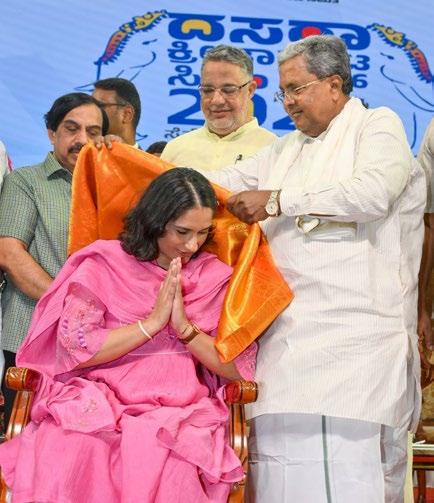
atop Chamundi Hills, reinforcing the spiritual core of the festival. The ceremony honoured Goddess Chamundeshwari through women-led rituals, folk performances, classical music ensembles, and traditional priestly blessings. For the first time at this scale, the inauguration was livestreamed globally, allowing viewers across continents to witness the sacred beginning of Dasara in real time. At the palace, the royal durbar tradition reaffirmed Mysuru’s princely legacy.The symbolic Khas Durbar conducted by the scion of the Wadiyar family featured traditional royal attire, palace musicians, curated displays of royal artefacts, and tributes to historic rulers who shaped Karnataka’s cultural landscape. This ceremony bridged the past and present, reinforcing a living connection between Mysuru’s citizens and their royal heritage.
Jamboo Savari 2025: The Crown of Dasara
The Jamboo Savari on Vijayadashami stood as the emotional and visual climax of the festival. The honoured ambari elephant carried the golden howdah—nearly 750 kilograms in weight—through the city in a procession that included more than fourteen decorated elephants, vibrant folk troupes, classical dancers, and elaborately designed tableaus from all 31 districts of Karnataka.
Royal cavalry units, police guards, nadaswaram ensembles, and traditional drummers added ceremonial grandeur. Lakhs of spectators lined the streets, many arriving a day early to secure vantage points. Beyond spectacle, the procession symbolised the timeless victory narrative of Chamundeshwari over Mahishasura, while also serving as a massive economic catalyst for vendors, guides, transport services, and local businesses.
Mysore Palace Illumination
The nightly illumination of Mysore Palace once again emerged as one of the most photographed spectacles of Dasara. Nearly 97,000 bulbs transformed the palace into a glowing golden
vision. In 2025, synchronised light-and-sound sequences, drone cinematography, and 360-degree digital experiences expanded its reach to online audiences worldwide. Extended weekend illumination schedules further boosted tourist footfall, turning the palace into a global socialmedia sensation and reinforcing Karnataka’s cultural branding.
Cultural Programmes Across the City
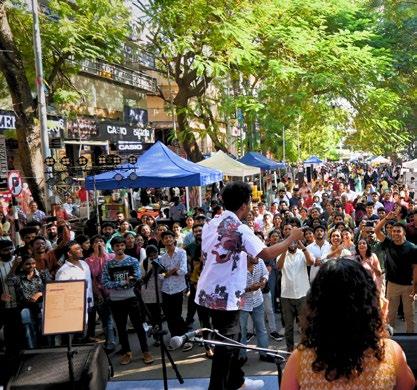
Dasara 2025 unfolded across Mysuru through multiple curated platforms. Yuva Dasara attracted younger audiences with contemporary music, indie bands, and fusion performances, energising the city’s night-time economy.
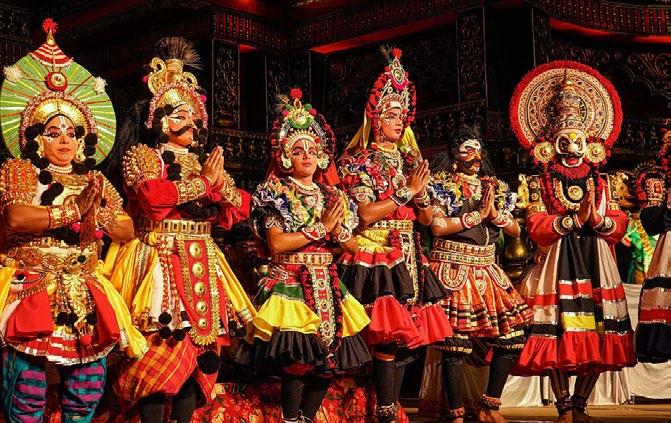
Heritage Dasara preserved classical and folk traditions such as Yakshagana, Veeragase, and Bayalata, while Women’s Dasara foregrounded female artists and leadership. Farmer’s Dasara showcased rural life, agriculture, and cattle traditions, and Sports Dasara revived indigenous games like Mallakhamba and wrestling. This decentralised cultural model ensured broader participation, longer tourist stays, and widespread economic benefits.
Dasara Exhibition: Economy in Full Swing
The Dasara Exhibition grounds became a bustling marketplace where culture met commerce. Recordbreaking stalls featured handlooms, handicrafts, Channapatna toys, Mysuru silk, sandalwood products, regional cuisines, startup showcases, and government welfare initiatives. For artisans and weavers, the 2025 exhibition proved especially rewarding, generating strong sales and long-term business orders that extended months beyond the festival.
Tourism Success in Numbers
Mysuru Dasara 2025 firmly positioned the city as one of India’s top October destinations. Tourist footfall was estimated between five and eight lakh visitors over the festival period, with hotel occupancy rates touching 95–100 percent. Railway and KSRTC bookings reached five-year highs, while international tourist numbers surged due to strategic digital promotions. Palace illumination and Jamboo Savari content garnered millions of social-media impressions and over a crore cumulative livestream views, demonstrating the festival’s dual physical and digital reach.
The Aftermath: Lasting Impact After Dasara 2025
The positive effects of Dasara continued well beyond Vijayadashami. Tourists stayed back to explore nearby attractions such as Brindavan Gardens, Bandipur, Kabini, Srirangapatna, Coorg, and even Wayanad, keeping hotels and restaurants busy for weeks. Local communities benefited from repeat orders for handicrafts, increased demand for Mysuru silk, and higher incomes for guides, drivers, and shop owners International travel publications highlighted Mysuru as a heritage capital, while global content creators amplified its visibility. The festival also catalysed lasting urban
improvements—cleaner roads, better traffic management, upgraded lighting, pedestrian-friendly heritage zones, and sustained waste-management reforms. Cultural continuity was ensured through workshops, school programmes, and invitations for local artists to perform across India. Mysuru Dasara 2025 emerged as one of Karnataka’s most emotionally resonant and economically impactful cultural events of the decade. By seamlessly blending royal heritage, living traditions, technological innovation, and inclusive public participation, the festival strengthened Karnataka’s cultural pride and global standing. Its remarkable success—and the sustained positive aftermath—demonstrated that culture in Karnataka is not merely tradition, but a powerful engine for tourism, economic growth, and community well-being.
COASTAL KARNATAKA MONSOON TRADITIONS Where Rain Becomes Ritual
The monsoon season in Coastal Karnataka is far more than a climatic occurrence; it is a deeply lived cultural experience that shapes the rhythm of everyday life, belief systems, and artistic expression. As the southwest monsoon reaches its peak in September, the coastal districts of Udupi, Dakshina Kannada (Mangalore), and Uttara Kannada transform into landscapes of lush greenery, swollen rivers, mist-covered hills, and rain-washed temples. This season carries emotional, spiritual, and cultural meaning for the people, weaving together agriculture, devotion, folklore, and community life. For generations, the arrival of heavy rains has signified renewal, abundance, and divine grace, making the monsoon a central pillar of Coastal Karnataka’s identity.
Agricultural Roots and Ecological Connection
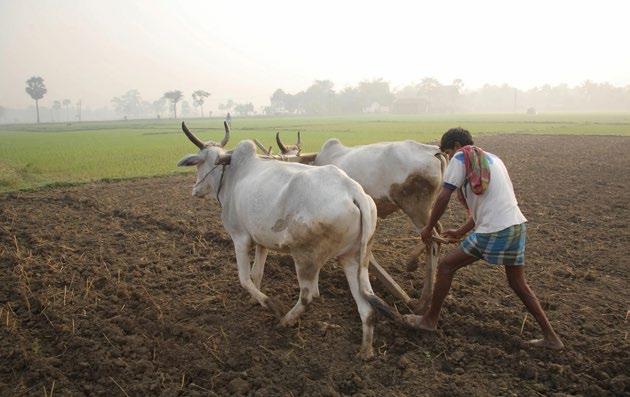
Historically, Coastal Karnataka has been an agrarian society, with rice cultivation forming the backbone of rural life alongside coconut, areca nut, and spice farming. September is a crucial month in the agricultural calendar, marking the peak phase of paddy transplantation and soil enrichment. The rains are not viewed merely as weather patterns but as blessings that determine food security and livelihood.
Farmers welcome the monsoon with gratitude, prayers, and rituals, recognizing nature as both provider and protector. Ecologically, the region comes alive during this period. Rivers overflow their banks, backwaters expand, and forests appear denser and more vibrant. This abundance of water reinforces a cultural worldview where humans, land, and nature coexist in balance, and where rituals acknowledge the dependence of life on seasonal cycles.
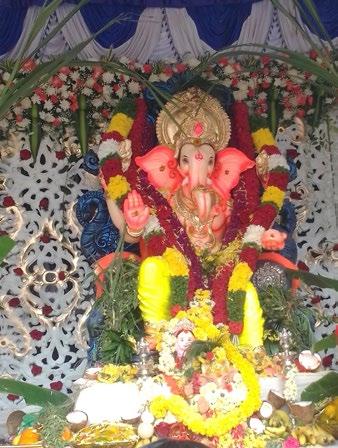
Ganesh Chaturthi and Monsoon Devotion
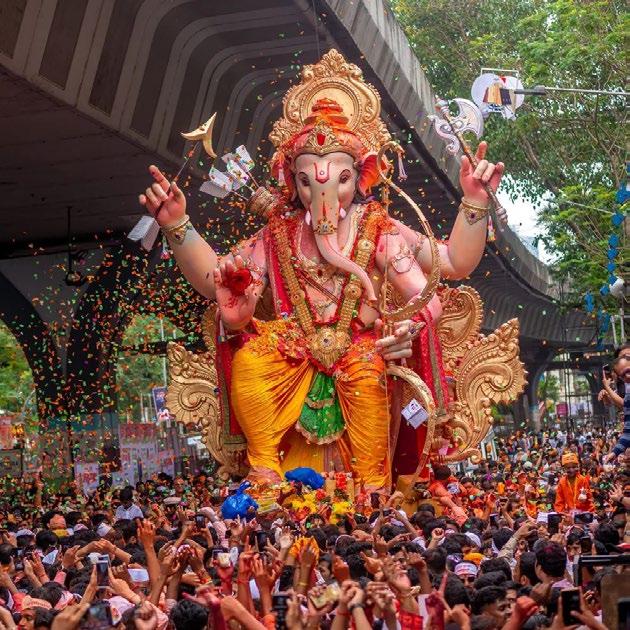
One of the most prominent festivals associated with the September monsoon is Ganesh Chaturthi, locally known as Vinayaka Chaturthi. Celebrated with deep devotion across Coastal Karnataka, the festival blends temple rituals with community participation. Clay idols of Lord Ganesha are installed in temples and homes, symbolizing wisdom, prosperity, and the removal of obstacles.The use of natural clay and biodegradable decorations reflects both traditional values and growing environmental awareness.
Processions accompanied by devotional music, classical performances, and folk rhythms fill raindrenched streets, creating a festive atmosphere despite the downpours. Special offerings such as modak and patholi—rice flour delicacies steamed in turmeric leaves with coconut and jaggery— highlight the culinary connection between monsoon produce and religious celebration. Entire villages come together to organize events, reinforcing social unity and shared cultural identity.
Yakshagana: Storytelling Under Monsoon Skies
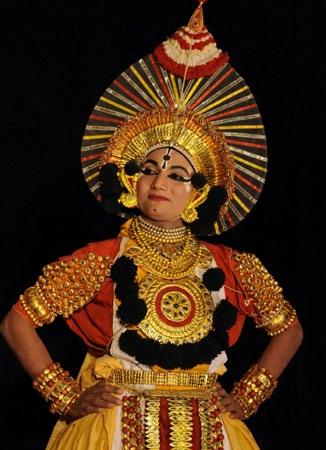
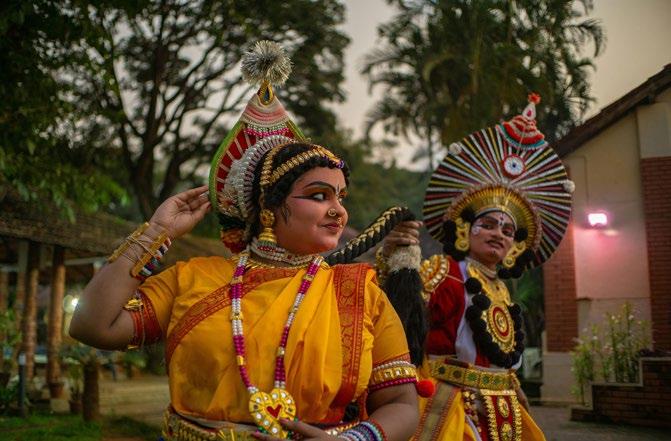
Yakshagana, the iconic folk theatre form of Coastal Karnataka, holds a special place during the monsoon months. Traditionally performed in temple courtyards and open-air stages, Yakshagana narrates stories from the Ramayana, Mahabharata, and Puranas through elaborate costumes, powerful music, rhythmic dance, and dramatic dialogue.
The monsoon season, when agricultural activity slows due to heavy rainfall, becomes an ideal time for night-long performances. These performances are not merely entertainment; they serve as moral instruction, spiritual reflection, and cultural preservation. Audiences gather under temporary shelters or umbrellas, listening attentively as mythological tales unfold against the sound of rain, creating an atmosphere that is both mystical and communal.
Preparations for Navaratri and
Ritual Continuity
Although Navaratri officially begins in late September or October, the preparatory phase often coincides with the monsoon. Communities use this period to clean temples, repaint shrines, refurbish ritual spaces, and prepare traditional decorations. Artisans craft eco-friendly idols and ceremonial items, while households engage in spiritual cleansing and planning. This transitional phase reflects the continuity of ritual life in Coastal Karnataka, where festivals are not isolated events but part of an ongoing cultural cycle linked to seasons and agricultural rhythms.
Rivers, Water Rituals, and Environmental Reverence
Water holds sacred significance in Coastal Karnataka, especially during the monsoon. Rivers such as the Netravati, Sharavathi, and Suvarna swell with rainwater, symbolizing abundance and life force. September witnesses small-scale boat rituals, river offerings, and prayers to water deities and ancestral spirits. These ceremonies acknowledge the power of water as both sustainer and destroyer. In recent years, this reverence has expanded into eco-conscious practices, with community-led riverbank cleaning drives and awareness campaigns. Such initiatives blend traditional spirituality with modern environmental responsibility, emphasizing the need to protect natural resources that are central to cultural survival.
Monsoon Cuisine: Flavours of the Season
Food plays a vital role in monsoon traditions, reflecting seasonal availability and ritual significance. Coastal Karnataka’s monsoon cuisine is characterized by warm, nourishing, and flavourful dishes. Alongside patholi and modak, households prepare huli, puliyodare, and pachadi using tamarind, coconut, and fresh greens that thrive during the rains. Seafood occupies a special place, as rivers and seas yield abundant fish during certain phasWes of the monsoon. These dishes are often prepared for communal meals, temple offerings, and festival feasts, reinforcing the bond between food, faith, and community.
Folk Practices, Music, and Handicrafts
Beyond formal festivals, monsoon evenings in Coastal Karnataka are marked by informal cultural expressions. Devotional singing, percussion ensembles, and folk music resonate through villages, celebrating rain, fertility, and divine blessings.Temple visits become more frequent, with devotees offering prayers for health, prosperity, and successful harvests. Seasonal fairs and gatherings showcase local handicrafts, including terracotta idols, woven baskets, ritual lamps, and traditional textiles. These events support artisans while keeping age-old crafts alive, ensuring that cultural knowledge is passed from one generation to the next.
Social Bonding and Cultural Preservation
The monsoon season, particularly September, strengthens social bonds in Coastal Karnataka. Despite heavy rains and logistical challenges, communities gather for festivals, rituals, and performances, reinforcing collective identity. These shared experiences foster a sense of belonging and continuity. At the same time, monsoon traditions serve as living archives of regional heritage. Folk arts like Yakshagana, ritual practices, and culinary traditions have survived centuries precisely because they are embedded in seasonal life. Through repetition and participation, cultural memory is preserved and renewed each year.
Historical Background of Monsoon Traditions
The roots of Coastal Karnataka’s monsoon traditions can be traced back to ancient agrarian societies that relied heavily on seasonal rains. Rituals emerged as expressions of gratitude and hope, blending agricultural necessity with spiritual belief. Temples dedicated to Ganesha, Vishnu, Shiva, and local deities became focal points of community life, especially during the monsoon. The region’s unique cultural landscape evolved through the integration of classical Hindu practices with indigenous folk traditions such as Bhootha Aradhane, which emphasizes protection, fertility,
and harmony between humans and nature. Over time, these practices formed a distinctive cultural identity shaped by rain, land, and belief.While deeply rooted in tradition, Coastal Karnataka’s monsoon festivals have adapted to modern life. Digital platforms now stream temple rituals and Yakshagana performances, allowing participation from the global diaspora. Cultural tourism has also gained momentum, with visitors drawn to monsoon landscapes, temple festivals, and folk performances. At the same time, eco-friendly movements have influenced celebrations, promoting clay idols, natural colours, and sustainable decorations.
These adaptations demonstrate the resilience of tradition, showing how ancient practices can remain relevant in a changing world.September in Coastal Karnataka is ultimately a celebration of life in all its forms. The monsoon breathes vitality into the land, while temples, homes, and communities resonate with devotion, music, storytelling, and shared meals. From Ganesh Chaturthi rituals to Yakshagana narratives, from river ceremonies to monsoon feasts, these traditions reflect a profound connection between nature, culture, and spirituality. For both locals and visitors, the monsoon season is not merely about rain—it is a living, breathing expression of Coastal Karnataka’s soul, where culture and craft flow as naturally as the rain itself.
SPECIAL INITIATIVES OF KARNATAKA
KARNATAKA APPROVES
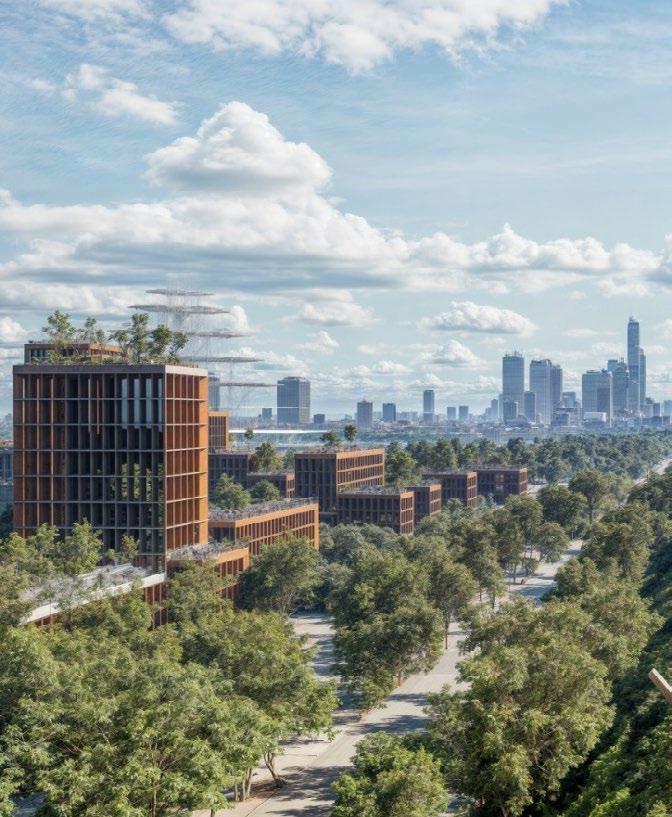
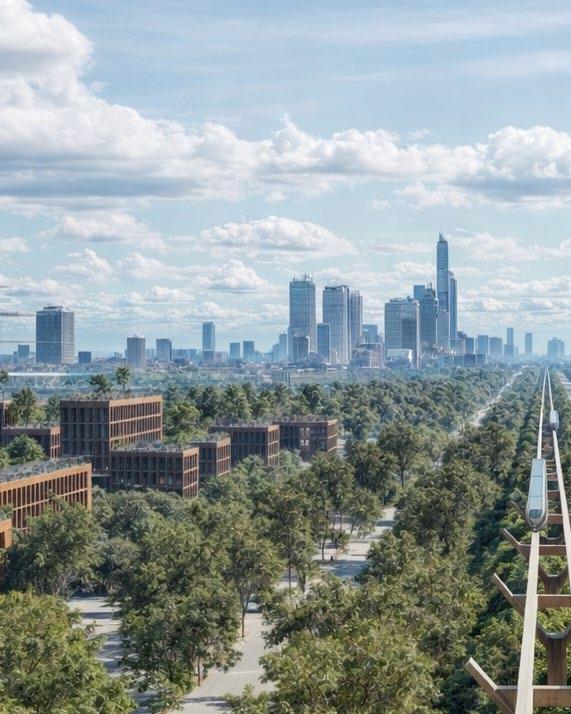
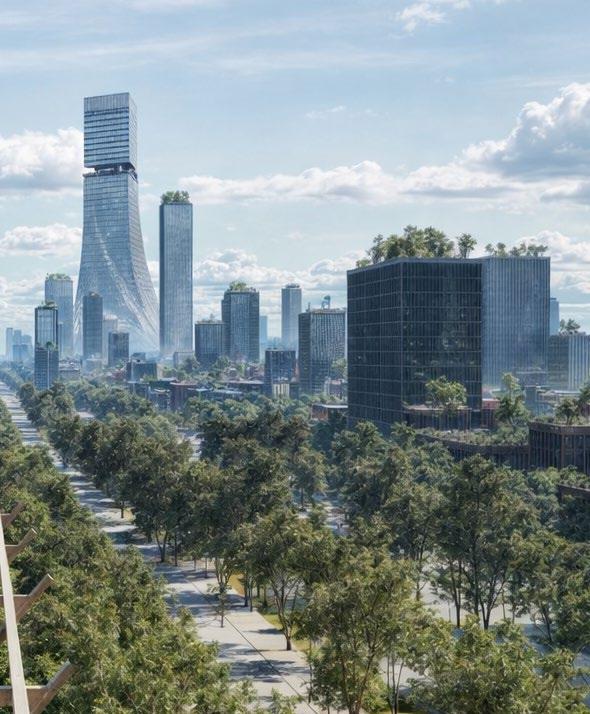
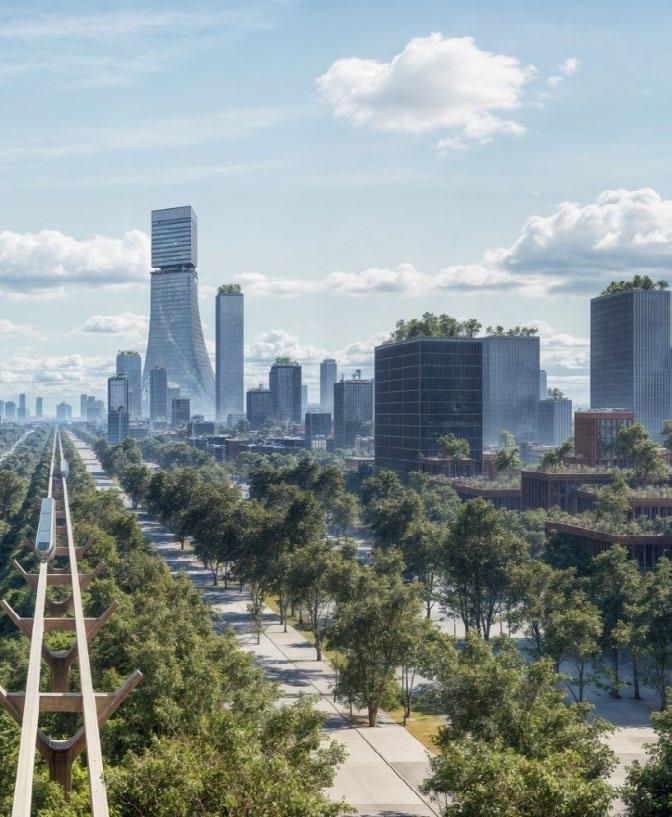
THE INTEGRATED QUANTUM CITY (Q-CITY)
In September 2025, Karnataka made a decisive move that could redefine India’s scientific and technological future. The state government officially approved the allocation of 6.17 acres of land in Hesaraghatta, Bengaluru, for the development of India’s first Integrated Quantum City, widely referred to as Q-City. This landmark decision signals not merely the launch of a new research facility, but the beginning of a transformative national endeavour aimed at positioning India as a global leader in quantum science, advanced materials, and frontier technologies.
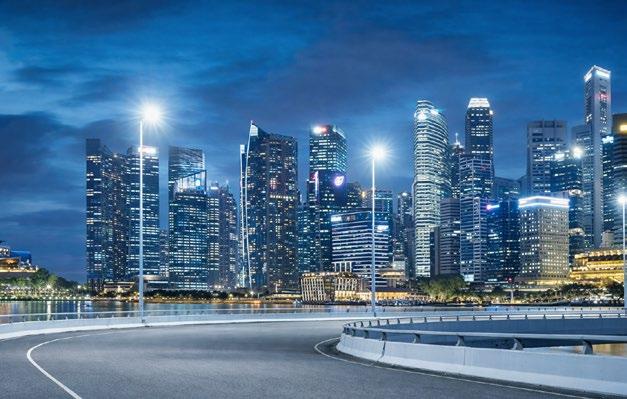
The approval represents a defining moment for Karnataka and for India’s innovation ecosystem. As nations worldwide race to harness the power of quantum technologies, Karnataka’s Q-City stands out as one of the most ambitious and comprehensive efforts undertaken anywhere in the world. Designed as a fully integrated research, innovation, and manufacturing ecosystem, Q-City is envisioned as a catalyst that will shape India’s hightech trajectory for decades to come.
A Vision Rooted in the Future
For decades, Bengaluru has carried the identity of the “Silicon Valley of India,” built on its dominance in information technology and software services. With the birth of Q-City, Karnataka is consciously redefining that identity. The state now aims to establish itself as the Quantum Capital of Asia, a hub where foundational science, advanced engineering, and industrial scale-up converge. At the heart of this ambition lies a bold economic and scientific target: building a USD 20 billion quantum economy by 2035. This vision is anchored by the Karnataka Quantum Mission 2025, a 1,000-crore initiative that seeks to place India at the forefront of global quantum innovation.
Through strategic investment, infrastructure creation, and international collaboration, the mission aims to accelerate India’s transition from a consumer of quantum technologies to a global creator and exporter.
What Exactly Is Q-City?
Q-City is not designed as a conventional research park or technology campus. Instead, it is being developed as India’s first fully integrated quantum ecosystem — a carefully planned environment where researchers, start-ups, academic institutions, global corporations, and government agencies can operate within a single, synergistic framework. The objective is to compress the innovation lifecycle, enabling faster movement from theoretical research to hardware development, real-world applications, and commercial deployment. By housing every critical element of the quantum value chain in one location, Q-City aims to eliminate the fragmentation that has historically slowed progress in deep-tech domains.
State-of-the-Art Quantum Research Laboratories
The foundation of Q-City lies in its advanced quantum research laboratories. These facilities will support cutting-edge work in quantum computing, quantum materials, quantum simulation, quantum sensing and metrology, and quantum cryptography and secure communication. Designed to meet the most stringent global standards, the laboratories will feature ultra-clean environments, vibration isolation systems, and infrastructure capable of sustaining experiments at near-absolute-zero temperatures.
Such precision-driven environments are essential for quantum research, where even the smallest disturbance can disrupt experiments. These labs are expected to become the epicentre of India’s fundamental and applied quantum research efforts.
The Quantum Hardware Park: Manufacturing the Future One of the most revolutionary aspects of Q-City is the establishment of a dedicated Quantum Hardware Park.This facility addresses one of India’s most critical technological gaps: dependence on overseas infrastructure for quantum hardware fabrication, prototyping, and testing. The hardware park will focus on manufacturing quantum processors, superconducting chips, quantum communication devices, cryogenic components, and
ultra-high-purity materials required for quantum experiments. By enabling domestic production of these components, Q-City will significantly strengthen India’s technological sovereignty while reducing costs and development timelines.
Quantum High-Performance Computing Infrastructure
Complementing the physical research infrastructure will be a powerful Quantum High-Performance Computing cluster. This digital backbone will support quantum-hybrid computing models, simulation of complex quantum circuits, advanced materials modelling, and AI-driven quantum experiments.
The integration of classical HPC with quantum systems will enable researchers and enterprises to develop, test, and deploy quantum algorithms at scale. Cloud-accessible quantum computing resources are also expected to emerge from this infrastructure, making India a serious player in global quantum computing services.
Startup and Deep-Tech Innovation Hub
Q-City is being designed as a Launchpad for India’s next generation of deep-tech start-ups. Dedicated incubation and acceleration zones will provide early-stage companies with access to funding networks, shared laboratories, testing facilities, and mentorship from leading scientists and industry experts. Start-ups working on quantum applications, quantum-safe cybersecurity, quantumenabled artificial intelligence, medical imaging,
climate modelling, and financial algorithms will find an ecosystem tailored to their needs. By lowering entry barriers and shortening innovation cycles, Q-City could dramatically accelerate India’s deeptech start-up landscape.
Academia–Industry Collaboration Zones
A defining feature of Q-City is its emphasis on collaboration between academia and industry. Specially designated zones will bring together universities, national laboratories, private enterprises, and global research partners to work on joint R&D projects and commercial applications. This collaborative framework ensures that theoretical breakthroughs are rapidly translated into practical solutions, strengthening India’s ability to compete in global technology markets.
Cryogenic Testing and Calibration Infrastructure
Access to cryogenic systems has long been a bottleneck for quantum hardware development. Q-City addresses this challenge by establishing shared cryogenic testing and calibration infrastructure, including dilution refrigerators, ultra-low-temperature chambers, and advanced calibration systems.
This specialized backbone will form the core of India’s quantum hardware research and testing capabilities, enabling consistent, high-precision experimentation across institutions and companies
Alongside the approval of land for Q-City, the Karnataka government sanctioned an additional eight acres for the expansion of the International Centre for Theoretical Sciences (ICTS–TIFR).
This expansion will reinforce India’s strengths in theoretical physics and mathematics, ensuring a steady pipeline of trained scientists who can support the applied ambitions of Q-City.
Why Hesaraghatta Was Chosen
Hesaraghatta, located in northwest Bengaluru, was selected with strategic foresight. Its proximity to major research institutions, accessibility from Kempegowda International Airport, and relatively low environmental noise make it ideal for precisionsensitive experiments.
The region also offers sufficient space for longterm expansion, aligning with Karnataka’s vision of creating a dedicated scientific corridor for frontier technologies.
Economic and Employment Impact
The economic implications of Q-City are vast. The project is expected to anchor a USD 20 billion quantum economy by 2035, fostering high-value manufacturing, exports of quantum hardware and services, and sustained foreign investment. In terms of employment, Q-City is projected to generate over 200,000 high-skilled jobs, ranging from quantum physicists and materials engineers to chip designers, cryogenics specialists, software
developers, and applied researchers. This will significantly elevate India’s scientific workforce and reduce reliance on overseas opportunities.
Global Positioning and Strategic Influence
With Q-City, Karnataka joins the ranks of global quantum hubs such as Canada’s Quantum Valley, the Netherlands’ Quantum Delft, China’s Hefei Quantum Hub, and sites under the US National Quantum Initiative. This positioning enhances India’s influence in setting global standards, forging international collaborations, and shaping the future of quantum technologies.
Challenges on the Road Ahead
Despite its promise, Q-City faces formidable challenges. India must rapidly expand its talent pool through aggressive skilling and education programmes. Quantum hardware manufacturing remains capital-intensive, requiring sustained investment and regulatory alignment. Long-term government commitment is essential, as quantum research demands consistent funding over decades. Additionally, development in Hesaraghatta must be environmentally sensitive to protect the region’s fragile ecosystem.
What Comes Next
The success of Q-City will hinge on key milestones in the coming years, including the release of a detailed master plan, construction of the hardware park, installation of HPC clusters, launch of start-up incubators, establishment of cryogenic labs, and the rollout of comprehensive training and certification programmes. Global research partnerships will also play a critical role in shaping outcomes
A New Technological Era Begins
Karnataka’s approval of the Integrated Quantum City marks the dawn of one of India’s most visionary science initiatives. Q-City is not merely a technology park; it is a strategic national asset, a platform for global collaboration, and a catalyst for India’s entry into the quantum age. With this bold step, Karnataka is not just preparing for the future — it is actively helping to build it.
HOTELS, RESTAURANTS & HOSPITALITY OF KARNATAKA
LEMON TREE PREMIER
ULSOOR LAKE
Where City Life Meets Lakeside
Serenity
Bengaluru, often referred to as India’s Silicon Valley, is a city defined by constant motion. Corporate headquarters, technology parks, buzzing cafés, and vibrant nightlife form its energetic core, while tree-lined boulevards, heritage neighborhoods, and tranquil lakes provide moments of calm. Amidst this dynamic urban landscape stands Lemon Tree Premier, Ulsoor Lake—a hotel that captures the essence of Bengaluru by offering guests both connectivity and calm. Positioned beside one of the city’s oldest and most scenic lakes, the hotel offers a refined urban retreat where modern hospitality blends seamlessly with natural serenity.
An Address That Defines Convenience
Located at 2/1, St. Johns Road, Halasuru, Lemon Tree Premier enjoys one of Bengaluru’s most strategic addresses. The hotel sits just minutes away from the city’s commercial and lifestyle hubs, including MG Road, Brigade Road, and Commercial Street. These iconic areas offer a mix of shopping, dining, entertainment, and corporate spaces, making the hotel an ideal base for travelers with packed itineraries. Kempegowda International Airport lies approximately 35 kilometers away, with travel
times typically ranging between 45 and 60 minutes depending on traffic conditions. Easy access to metro stations and major roadways ensures smooth travel across the city, while the presence of Ulsoor Lake nearby adds a rare layer of tranquility to the stay.
First Impressions and Design Philosophy
From the moment guests arrive, Lemon Tree Premier, Ulsoor Lake makes a lasting impression
through its understated elegance and welcoming ambience. The hotel’s design reflects a modern aesthetic infused with warmth, functionality, and thoughtful detailing. Interiors are crafted to balance style with comfort, creating spaces that feel both contemporary and inviting. Natural light, subtle color palettes, and efficient layouts ensure that guests feel relaxed the moment they step inside, whether arriving after a long journey or a busy day of meetings.
Rooms Designed for Every Traveler
The hotel houses 188 well-appointed rooms and suites, each designed to meet the diverse needs of today’s travelers. Superior Rooms provide a cozy and comfortable environment ideal for short stays or quick business trips. Deluxe and City-View Rooms offer added space and enhanced views of the surrounding urban landscape. For guests seeking peace and scenic beauty, Executive Garden and Lake-View Rooms are a perfect choice, offering calming views that overlook greenery or the serene waters of Ulsoor Lake.
Executive Suites are thoughtfully designed with separate living and sleeping areas, catering to business travelers on extended stays or guests who value additional space. At the pinnacle of luxury lies the Presidential Suite, featuring a king-sized bedroom, an elegant sitting area, a private bar, and a dining space—ideal for hosting or indulging in an elevated stay experience. Every room is equipped with modern amenities such as high-speed Wi-Fi, LED televisions with cable or DTH, minibars, tea and coffee makers, electronic safes, air conditioning, and ergonomic workstations, ensuring comfort and productivity in equal measure.
Inclusivity at the Core
One of the defining aspects of Lemon Tree Premier is its commitment to inclusivity and thoughtful hospitality.The hotel offers specially designed rooms for differently-abled guests, ensuring accessibility without compromise. A dedicated ladies’ floor provides enhanced safety and comfort for women travelers, reflecting the brand’s deep understanding of evolving guest needs. These inclusive features are not add-ons but integral elements of the hotel’s design philosophy.
A Culinary Journey Under One Roof
Dining at Lemon Tree Premier, Ulsoor Lake is a diverse and satisfying experience, curated to appeal to a wide range of palates. Citrus Café, the hotel’s all-day dining restaurant, offers an extensive multi-cuisine menu that caters to both Indian and international tastes. Guests can begin their day with traditional South Indian favorites such as idli, dosa, and vada, along with North Indian parathas, continental breakfasts, and healthy options. Lunch and dinner menus feature an array of Indian, Asian, and global dishes, making every meal a culinary exploration.
Republic of Noodles brings the bold flavors of Southeast Asia to the table, offering a specialized menu of pan-Asian cuisine. From aromatic curries to expertly prepared stir-fries and noodle dishes, the restaurant is a favorite among guests who enjoy vibrant, authentic flavors. Slounge, the hotel’s stylish bar and lounge, provides a relaxed yet contemporary setting for evening cocktails, mocktails, and light bites. Whether unwinding after work or socializing with friends, Slounge adds a lively yet refined dimension to the hotel’s dining landscape. In-room dining services further ensure that guests can enjoy quality meals in privacy at any hour.
Wellness and Leisure in the City
Recognizing the importance of balance, Lemon Tree Premier offers a range of leisure and wellness facilities designed to help guests recharge. The rooftop swimming pool provides a refreshing escape, offering panoramic city views that make for a relaxing experience. A fully equipped fitness center allows guests to maintain their workout routines while traveling, featuring modern
equipment suitable for both casual and intensive training sessions.Spa Fresco offers a sanctuary of relaxation, with a range of rejuvenating treatments and massages designed to ease stress and restore vitality. For those who prefer outdoor activities, the walking paths around Ulsoor Lake offer a peaceful environment for morning walks or evening jogs, allowing guests to reconnect with nature without leaving the city.
A Smart Choice for Business Travelers
Lemon Tree Premier, Ulsoor Lake is particularly well-suited for business travelers, offering facilities that support productivity and professionalism. The hotel features a modern conference hall capable of accommodating up to 90 guests, making it ideal for seminars, workshops, and
corporate gatherings. A boardroom designed for smaller meetings of up to eight participants offers a more intimate setting for discussions and decision-making. High-speed internet, audiovisual equipment, and attentive service ensure that every business event is conducted smoothly and efficiently.
Service That Feels Personal
Guest services at Lemon Tree Premier are designed to deliver seamless comfort from check-in to departure. A 24hour front desk, efficient housekeeping, laundry services, valet and self-parking, airport transfers, and concierge assistance ensure that every guest need is met promptly. The hotel’s eco-conscious initiatives highlight a commitment to sustainable hospitality, while inclusive infrastructure ensures accessibility for guests of all abilities. Every interaction reflects the brand’s philosophy of warmth, reliability, and thoughtful service.
Who Should Stay Here
Lemon Tree Premier, Ulsoor Lake appeals to a broad spectrum of travelers. Business professionals benefit from its central location, meeting facilities, and dependable connectivity. Leisure travelers enjoy access to wellness amenities, dining options, and nearby attractions. Couples and friends appreciate the stylish ambience and proximity to shopping and nightlife, while families value the comfort, safety, and inclusive design of the hotel. Solo travelers, too, find reassurance in its secure environment and convenient access to the city.
The Vision Behind Lemon Tree Hotels
Lemon Tree Premier is part of Lemon Tree Hotels, one of India’s most respected mid-market hospitality chains. Founded in 2002 by Patanjali Govind Keswani, widely known as Patu Keswani, the brand emerged from a clear vision— to provide high-quality, well-managed hotels that bridge the gap between luxury and affordability. With a background in engineering from IIT Delhi and management from IIM Calcutta, Keswani combined corporate expertise with hospitality insight to build a brand focused on consistency, comfort, and value.
Growth Rooted in Consistency
From its first property in Gurugram to a portfolio spanning over 100 hotels across more than 60 cities, Lemon Tree Hotels has grown steadily while maintaining uniform standards. By designing, building, owning, and operating most of its properties, the brand ensures that guests experience the same level of service and comfort regardless of location. This consistency has made Lemon Tree a trusted name among domestic and international travelers alike.
A Commitment to Social Responsibility
What truly sets Lemon Tree Hotels apart is its strong emphasis on social inclusion.The brand is widely recognized for its pioneering efforts in employing people with disabilities, offering equal opportunities and fostering a culture of dignity and respect.This commitment to inclusion is not symbolic but deeply embedded in the organization’s operations, making Lemon Tree a model employer in India’s hospitality sector.
A Stay That Reflects Bengaluru
Lemon Tree Premier, Ulsoor Lake captures the spirit of Bengaluru in every sense—dynamic yet calm, modern yet grounded, efficient yet welcoming. Whether guests are enjoying lake views from their rooms, attending business meetings, exploring the city, or unwinding at the spa, the hotel offers an experience that feels both effortless and enriching.
Lemon Tree Premier, Ulsoor Lake stands as more than just a hotel; it is a thoughtfully curated destination that mirrors the rhythm of the city it inhabits. With its prime location, modern amenities, inclusive philosophy, and warm hospitality, it offers guests a balanced experience that combines urban energy with lakeside tranquility. For travelers seeking comfort, convenience, and a sense of calm in the heart of Bengaluru, Lemon Tree Premier, Ulsoor Lake is a destination that truly feels like a home away from home.
In the heart of Bengaluru’s vibrant Indiranagar, where neon lights glow against bustling streets and conversations spill into the night, Toit Brewpub has carved a reputation as one of the city’s most iconic social destinations. More than a restobar, Toit represents a lifestyle — a place where craft beer meets global cuisine, where music blends with laughter, and where every evening feels like a celebration. For locals and travelers alike, Toit Brewpub has become synonymous with Bengaluru’s modern nightlife culture, offering an experience that balances flavor, energy, and community.
A Neighborhood That Never Sleeps
Indiranagar is known as Bengaluru’s pulse of nightlife — a district where cafés, pubs, boutique restaurants, and cultural spaces thrive side by side. Strategically positioned in this energetic neighborhood, Toit Brewpub stands as a landmark that attracts crowds from across the city. Its understated exterior, framed with warm lighting and rustic wooden accents, gives a hint of the charm waiting inside. Step through the doors, and guests are welcomed into a space that seamlessly blends industrial chic with cozy warmth — exposed brick walls, timber furniture, soft ambient lighting, and the unmistakable aroma of freshly brewed beer.
One of Toit’s most distinctive features is its in-house brewery, proudly visible from the main seating area. Gleaming copper tanks and brewing equipment stand as a testament to the craftsmanship behind every pint. This transparency not only highlights the authenticity of Toit’s craft but also sparks curiosity and conversation, making the brewing process part of the overall experience.
The seating layout is thoughtfully designed to suit every mood — intimate corners for quiet conversations, high tables for casual gatherings, long communal benches for lively groups, and a buzzing bar counter where bartenders serve with flair. Outdoor seating spills onto the lively streets of Indiranagar, allowing patrons to enjoy Bengaluru’s pleasant evenings while soaking in the city’s rhythm. Whether it’s a weekday wind-down or a weekend celebration, Toit’s ambiance remains vibrant yet welcoming.
The Birth of a Vision
Behind Toit Brewpub’s success lies the vision of three founders — Badrinath “Badri” Kumar, Matt Kapur, and Sharan Pasricha. United by a shared passion for hospitality and innovation, the trio envisioned a destination that would introduce world-class craft beer culture to India while offering a refined yet approachable dining experience.
Badri Kumar, a Bengaluru-based entrepreneur, recognized early the city’s growing appetite for
premium social spaces.With a keen understanding of the evolving food and beverage landscape, he aimed to create a venue that combined quality, creativity, and consistency. Matt Kapur and Sharan Pasricha brought complementary expertise in hospitality operations and business strategy, shaping Toit into a concept that was as sustainable as it was stylish. The founders were deeply involved in every stage of Toit’s creation — from designing the brewing layout and sourcing ingredients to curating menus and training staff. Their hands-on approach ensured that Toit was not just another pub, but a thoughtfully crafted experience.
The philosophy was simple yet powerful: deliver excellence in beer, food, and service while creating a space where people feel connected.
Craft Beer at the Core
At the heart of Toit Brewpub is its celebrated craft beer. Brewed in-house with precision and passion, each batch is carefully developed to balance aroma, flavor, and texture. Toit’s Pale Ale, known for its crisp and hoppy profile, quickly became a crowd favorite, while the Dark Ale, rich and malty, appeals to those who enjoy deeper flavors. Over time, seasonal brews and limited-edition experimental batches have added excitement, ensuring that no two visits feel the same.
For guests who prefer alternatives, Toit offers an impressive selection of cocktails,mocktails,spirits,and non-alcoholic beverages.The bar team continuously experiments with new combinations, blending global mixology trends with local inspirations.
A Culinary Journey
Toit’s kitchen complements its beers with a menu that fuses global cuisine and Indian influences. Wood-fired pizzas with perfectly crisp crusts, gourmet burgers stacked with inventive fillings, and Indian-inspired small plates form the backbone of the menu. Signature dishes like Smoked Chicken Wings, Lamb Chops, Pepperoni Pizza, and Crispy Calamari have earned loyal followings for their bold flavors and generous portions.
Every dish is crafted to pair seamlessly with specific beer styles — a thoughtful touch that elevates the dining experience. Fresh ingredients, attention to presentation, and consistent quality define the culinary approach. Desserts such as Chocolate Brownie with Ice Cream, Caramel Cheesecake, and rotating seasonal specials provide a satisfying conclusion to the meal.
An Immersive Social Experience
What truly sets Toit apart is the experience beyond food and drink. The restobar frequently hosts live music nights, themed events, and beer-tasting sessions, turning routine evenings into memorable occasions. The playlist — lively yet never overpowering — creates an energetic background for conversation.
Service is another hallmark. Staff members are well-trained, knowledgeable, and enthusiastic, ready to recommend perfect beer and food pairings. Guests feel guided rather than served, creating a sense of hospitality that encourages repeat visits.
Toit attracts a wonderfully diverse crowd — young professionals unwinding after work, college students celebrating milestones, families gathering for special occasions, and travelers exploring Bengaluru’s nightlife. The venue’s ability to cater to every demographic makes it uniquely versatile.
Cultural Impact and Community
Over the years, Toit Brewpub has grown into more than a business; it has become part of Bengaluru’s cultural identity. It played a pioneering role in popularizing craft beer culture in India and inspired numerous microbreweries across the city. The founders’ emphasis on local sourcing, sustainability, and staff development contributes positively to the broader hospitality ecosystem.
Toit has also become a meeting ground — a place where stories are shared, friendships are formed, and memories are made. In a fast-evolving urban environment, Toit maintains a balance between modern trends and authentic community spirit.
A Benchmark in Bengaluru’s Nightlife
Toit’s consistent popularity lies in its ability to evolve while maintaining core values. Premium craft beer, inventive cuisine, vibrant ambiance, and warm hospitality create an all-encompassing experience. It is neither just a pub nor simply a restaurant — it is a destination that embodies the essence of Bengaluru’s cosmopolitan lifestyle.
For visitors,Toit offers a taste of the city’s energetic spirit. For locals, it remains a familiar gathering spot that never loses its charm. Its strategic location, innovative concept, and unwavering quality have set a benchmark in India’s restobar industry.
As Bengaluru continues to grow as a global city,Toit Brewpub stands poised to remain at the forefront of its social evolution. The founders’ ongoing commitment to innovation, sustainability, and guest experience ensures that Toit will continue to surprise and delight future generations of patrons.
Plans for expanding brewing capabilities, introducing new menu concepts, and enhancing event experiences keep the brand fresh and relevant. Yet, at its core, Toit remains faithful to its founding vision — creating spaces where people connect over great beer, flavorful food, and shared moments.
Final Pour
Toit Brewpub is more than an establishment; it is a story of vision, craftsmanship, and community. It represents how passion, attention to detail, and cultural awareness can transform a simple restobar into a landmark of a city’s identity.
In the heart of Indiranagar, where Bengaluru’s nights come alive, Toit continues to pour not just beer — but experiences, friendships, and memories. For anyone seeking to understand the city’s spirit, one evening at Toit Brewpub is enough to capture the taste of Bengaluru itself.
FILM, ENTERTAINMENT & NIGHTLIFE
KARNATAKA
From Theatres To Streaming Triumph SU FROM SO & the Making of a Kannada Blockbuster in 2025
In a year dominated by large-scale spectacles, franchise films, and star-powered releases, “Su From So” emerged as 2025’s most remarkable sleeper hit. While much of the industry focused on scale, spectacle, and aggressive promotions, this modest Kannada drama chose a different path—one rooted in emotional honesty, grounded storytelling, and quiet confidence. Released without commercial embellishments or loud marketing campaigns, the film entered theatres almost unnoticed.Yet, what followed was extraordinary.
Through powerful word-of-mouth and deep audience connection, “Su From So” steadily transformed from a low-key theatrical release into a box-office success and, eventually, a national sensation after its OTT premiere in early September. Its journey became a defining moment not just for the film, but for Kannada cinema as a whole.Released without massive hoardings, viral trailers, or social media blitzes, “Su From So” relied entirely on the strength of its narrative. In its opening days, theatre footfall was modest, but viewers who watched the film walked out visibly moved.
Conversations began organically—between friends, families, colleagues, and cinema-goers who felt compelled to recommend the experience. Audiences connected instantly with its relatable storytelling, emotionally layered characters, and understated performances. From Bengaluru to Mysuru, Hubballi to coastal towns, the film resonated across age groups and social backgrounds because it felt real, lived-in, and deeply human. By its fourth week, the film had achieved something rare in modern cinema—a content-driven narrative becoming a mainstream success purely through audience love.
A Slow-Burn Box-Office Journey
Unlike typical blockbusters that peak during opening weekends and decline rapidly, “Su From So” followed a classic slow-burn trajectory. The first week showed promise rather than fireworks. The second week witnessed a steady rise as word-of-mouth translated into fuller shows. By the third week, exhibitors added more screens to meet growing demand. Family audiences and repeat viewers sustained collections well beyond expectations. With low production costs and minimal marketing expenditure, the film emerged as one of the most profitable Kannada releases of 2025. Industry observers took note, recognizing that “Su From So” was rewriting success metrics by proving that content-first cinema could be both critically admired and commercially rewarding.
The Power of Word-of-Mouth in a Digital Era
One of the film’s greatest strengths lay in how traditional word-of-mouth seamlessly merged with digital amplification. Instead of paid promotions, viewers shared emotional reactions, quiet praise, and thoughtful reviews on social media. Short clips, dialogues, and stills circulated organically, sparking curiosity rather than overselling the film. This authentic buzz proved more powerful than any marketing campaign. The film became a talking point in everyday conversations, reinforcing a timeless truth—audiences still trust audiences more than advertisements.
OTT Premiere and National Recognition
The film’s OTT debut in early September marked its most transformative phase. With subtitles in multiple Indian languages, “Su From So” became instantly accessible to viewers across the country.Within 48 hours of release, social media buzz exploded across cities such as Mumbai, Chennai, Hyderabad, Delhi, and Pune. High completion rates and repeat viewings signalled
strong audience engagement, while algorithmdriven visibility pushed the film into Top 10 lists. By mid-September, “Su From So” had become one of the most-watched Kannada titles nationwide, proving that regional cinema can transcend linguistic boundaries when driven by emotional universality. At its core, “Su From So” thrives on emotional truth rather than spectacle. The narrative unfolds organically, allowing viewers to inhabit the world of its characters instead of observing them from a distance. Themes of identity, memory, personal conflict, and quiet resilience form the emotional
backbone of the film. Performances feel lived-in rather than staged, with actors embodying their roles naturally. Subtle cinematography, muted colour palettes, and natural lighting enhance the realism, while a restrained soundtrack supports emotion without overpowering the narrative. The film’s greatest strength lies in its trust—trust in silence, trust in nuance, and trust in the audience’s emotional intelligence.
Trusting the Audience
In an era where films often over-explain and overstimulate, “Su From So” stands apart by respecting its viewers. It allows emotions to breathe, moments to linger, and meanings to emerge organically. This refusal to spoon-feed the audience created a deeper emotional connection, encouraging reflection and repeat viewings. The film proves that subtlety can be powerful, and that audiences are willing to engage deeply when given space.
A Marker of Kannada Cinema’s Creative High
The success of “Su From So” reflects a broader creative shift within Kannada cinema. Story-first filmmaking is gaining momentum, driven by young writers and directors exploring intimate, grounded narratives. Audiences—particularly urban youth—are increasingly choosing authentic storytelling over formula-driven spectacle. OTT platforms have further levelled the playing field, allowing regional films to reach national and global audiences without traditional distribution barriers. Encouraged by this success, producers are now more confident in backing small-to-medium budget films that prioritise originality and emotional depth.
Industry Impact and Changing Mindsets
“Su From So” has sparked important conversations across the industry about risk, scale, and sustainability. Its success challenged the assumption that heavy marketing guarantees visibility or that star power alone ensures profitability. Instead, it demonstrated that well-crafted stories, emotional honesty, and audience trust can create lasting impact. For emerging filmmakers, the film stands as a powerful reminder that sincerity still cuts through noise. In a landscape crowded with franchises, sequels, and spectacle-heavy entertainers, “Su From So” reinforces cinema’s most enduring truth:
a good story—told honestly—will always find its audience. Its journey from a quiet theatrical release to a nationwide OTT triumph stands as a cultural milestone, redefining how success is measured in 2025.
More than just a film, “Su From So” became a phenomenon shaped by genuine audience sentiment rather than marketing budgets. Its theatrical success reaffirmed faith in cinema halls and collective viewing, while its OTT triumph showcased the national appeal of Kannada storytelling. As 2025 unfolds, one conclusion is undeniable—the era of content-driven Kannada cinema has firmly arrived, and “Su From So” stands proudly at the forefront of this transformative movement.
ROYAL HERITAGE & ARCHITECTURE OF KARNATAKA
MYSURU’S HERITAGE
TRIUMPH PRESERVING
DEVARAJA MARKET & LANSDOWNE BUILDING
Mysuru has always occupied a unique place in Karnataka’s cultural and architectural landscape. Known for its royal legacy, carefully planned urban spaces, and deeply rooted traditions, the city reflects a harmonious blend of history and everyday life. Unlike many rapidly modernizing cities, Mysuru’s identity is closely tied to its heritage structures, which continue to serve functional and social purposes. In September 2025, this identity was powerfully reaffirmed when two of the city’s most iconic landmarks — Devaraja Market and the Lansdowne Building — were saved from demolition. This moment marked not just the preservation of physical structures, but the safeguarding of Mysuru’s collective memory and cultural continuity.
The Threat of Urban Development
For several years, Devaraja Market and the Lansdowne Building faced increasing pressure from urban development plans that cited structural deterioration and safety concerns. Proposals suggested demolition and redevelopment as the fastest solution to modern infrastructure needs.While modernization is essential for growing cities, these plans raised serious concerns among historians, conservationists, traders, architects,
and local residents. The fear was not merely about losing old buildings, but about erasing spaces that had shaped Mysuru’s social, economic, and cultural rhythms for generations.
Historical Roots of Devaraja Market
Devaraja Market traces its origins to the late nineteenth and early twentieth centuries, during the reign of the Mysuru royal family. Named after
the Devaraja lineage, the market was conceived as a centralized trading space that could organize commerce while reflecting the city’s architectural ethos.
Designed with traditional wooden pillars, sloping tiled roofs, and open corridors, the market was both functional and aesthetically refined. It became the city’s primary hub for flowers, spices, vegetables, fruits, incense, and handicrafts, embedding itself deeply into the daily lives of Mysureans.Over decades, Devaraja
Market evolved into more than a commercial center. It became a social space where relationships were built, traditions were passed down, and community life flourished. Generations of traders inherited shops from their parents and grandparents, turning the market into a living archive of family histories and economic resilience. Despite facing floods, political changes, and urban expansion, the market continued to function, retaining its original character while adapting organically to modern needs.
Lansdowne Building and Colonial-Era Urban Identity
The Lansdowne Building, constructed during the early twentieth century under British colonial administration, represents a different yet equally significant chapter in Mysuru’s architectural story. Likely named after Lord Lansdowne, the then Viceroy of India, the building was designed to house administrative offices and commercial establishments. Its architecture reflects European colonial influences adapted to local climatic and urban conditions, featuring arched windows, high ceilings, ornamental façades, and robust masonry construction. Situated in a prominent part of the city, the Lansdowne Building played a crucial role in shaping Mysuru’s civic identity during the colonial period. It symbolized the transition of the city from a royal capital to a modern municipality, reflecting the evolving governance systems of the time. Over the years, the building became an integral part of Mysuru’s urban fabric, serving both functional and symbolic roles within the cityscape.
Cultural and Social Significance
Together, Devaraja Market and the Lansdowne Building represent Mysuru’s layered history — royal patronage, colonial influence, and contemporary civic life coexisting within shared spaces. Devaraja Market continues to serve as an economic lifeline for hundreds of small traders and local families, sustaining livelihoods while preserving traditional modes of commerce.
The Lansdowne Building, with its colonial charm and architectural presence, attracts visitors interested in history, photography, and urban heritage.These structures are not frozen monuments but living spaces that actively contribute to the city’s social ecosystem. They provide continuity in a rapidly changing urban environment, offering residents a sense of belonging and historical grounding. Their loss would have created a void not just in Mysuru’s skyline, but in its cultural consciousness.
Civic Resistance and Community Advocacy
The proposed demolition of these landmarks sparked widespread public concern and civic activism. Local NGOs, heritage conservation groups, architects, traders’ associations, and concerned citizens mobilized to raise awareness about the importance of preserving these structures.Through public campaigns, legal petitions, expert reports, and media engagement, they challenged the notion that demolition was the only viable solution. This collective effort highlighted a crucial truth: heritage belongs to the community. The movement demonstrated how informed citizen participation can influence policy decisions and hold authorities accountable. It also reinforced the idea that conservation is not an obstacle to development, but a thoughtful alternative that respects history while planning for the future.
The Supreme Court Verdict of September 2025
On 2 September 2025, the Supreme Court of India delivered a decisive ruling that halted the demolition of Devaraja Market and the Lansdowne Building. Recognizing their immense cultural, architectural, and historical significance, the Court directed authorities to prioritize preservation, repair, retrofitting, and adaptive reuse before considering any form of demolition.This judgment was widely celebrated as a landmark victory for heritage conservation in Karnataka. It set a strong legal precedent, emphasizing that development must be balanced with cultural responsibility. The ruling sent a clear message that heritage structures cannot be casually erased in the name of modernization and that judicial systems play a critical role in safeguarding cultural assets.
Architectural Importance of Devaraja Market
Architecturally, Devaraja Market is a prime example of vernacular design suited to local climate and social needs. The extensive use of wood, open-air planning, natural ventilation, and shaded corridors reflects sustainable building practices long before modern environmental concepts emerged. The visual richness of the market — from carved wooden columns to traditional signage — contributes to its timeless appeal and cultural authenticity.
Architectural Value of the Lansdowne Building
The Lansdowne Building stands as a testament to colonial-era urban planning that balanced form and function. Its arched openings, symmetrical façade, and interior spatial planning reflect European design principles, while adaptations for local weather conditions demonstrate architectural
dialogue rather than imposition. As a civic structure, it illustrates how architecture can shape administrative efficiency while contributing to urban aesthetics.
Restoration and Adaptive Reuse
Following the Supreme Court’s ruling, authorities and conservation experts began exploring comprehensive restoration and adaptive reuse strategies. Structural reinforcement through sensitive retrofitting aims to ensure safety without compromising heritage integrity. Conservation plans emphasize retaining original materials and design elements while introducing modern safety measures.Adaptive reuse proposals include cultural exhibitions, heritage walks, community events, and educational programs, ensuring these buildings remain active and relevant. At Devaraja Market, efforts focus on preserving its commercial vitality while improving infrastructure and safety. The overarching goal is to integrate heritage into contemporary urban life rather than isolating it as a relic of the past.
Economic and Tourism Benefits
Preserving heritage structures also brings tangible economic benefits. Heritage tourism attracts visitors seeking authentic cultural experiences, boosting local businesses and hospitality sectors. For Mysuru, already a major tourist destination, maintaining its historic landmarks enhances its appeal and reinforces its brand as a city of culture and elegance. Local traders, artisans, and service providers stand to benefit from increased footfall and sustained economic activity.
A Positive Turning Point for Karnataka
The preservation of Devaraja Market and the Lansdowne Building marks a significant shift in Karnataka’s approach to urban development and cultural conservation. It highlights the growing recognition that heritage is an asset rather than a liability. The case demonstrates how legal frameworks, civic engagement, and expert knowledge can work together to protect cultural identity while accommodating progress.
A Celebration of Continuity
September 2025 will be remembered as a defining moment in Mysuru’s heritage narrative.The Supreme Court’s intervention ensured that two of the city’s most cherished landmarks continue to stand, not as silent relics, but as living spaces woven into everyday life. Devaraja Market and the Lansdowne Building now symbolize resilience, community strength, and cultural pride.
Heritage is not merely about preserving structures; it is about preserving identity, memory, and continuity. In safeguarding these landmarks, Mysuru has reaffirmed its commitment to honoring the past while shaping a thoughtful future. The city’s heart beats stronger, enriched by the stories, spaces, and traditions that define it — proving that true progress respects where it comes from as it moves forward.
HEALTHCARE KARNATAKA
In the bustling suburb of Bommasandra, Bengaluru, lies a beacon of cardiac excellence — Narayana Institute of Cardiac Sciences (NICS).
Established in 2000 by visionary cardiac surgeon Dr. Devi Prasad Shetty, NICS has grown into one of the largest and most advanced cardiac specialty hospitals in the world. Its mission is clear: deliver world-class, affordable, and accessible cardiac care to all strata of society. Over two decades, NICS has redefined the healthcare landscape in Karnataka, combining cutting-edge technology, high-volume patient care, research, and education under one roof. For patients in India and abroad, it has become synonymous with trust, expertise, and hope.
Infrastructure & Accreditation
NICS is a 1,000-bed hospital, entirely dedicated to cardiac care, a rarity even globally. The hospital is JCI (Joint Commission International) and NABH accredited, a reflection of its unwavering commitment to patient safety, clinical excellence, and quality standards.
Key infrastructure highlights:
• 23 dedicated cardiac operating theatres for simultaneous complex surgeries.
• Five advanced digital catheterization labs, including a hybrid lab for combined surgical and interventional procedures.
• Dedicated pediatric cardiac ICU with approximately 80 beds, one of the largest in the world.
• Over 200 critical-care beds to manage post-operative and high-risk patients.
• Integration of state-of-the-art imaging and diagnostic equipment for comprehensive cardiac evaluation.
This scale enables NICS to perform high-volume procedures without compromising quality — a factor that sets it apart from many other institutions. Research, Training & Innovation
NICS is not just a hospital; it is a center of research and learning.
• The ELiTE Program (Experience Learning and Training in Echocardiography) trains hundreds of cardiologists, intensivists, and sonographers every year in advanced echocardiography techniques.
• The hospital collaborates with the Thrombosis Research Institute (TRI), pursuing global-level research projects, including innovations in heart disease prevention and treatment.
• NICS actively participates in clinical trials, ensuring patients have access to the latest advancements in cardiac therapy.
By combining patient care with research and training, NICS ensures its medical teams remain at
the forefront of innovation while delivering worldclass treatment.
Achievements & Recognition
• Recognized nationally and internationally as a top cardiac hospital in India.
• Awarded “Best Single-Specialty Hospital – Cardiology” by several national healthcare organizations.
• Serves patients from across India and neighboring countries seeking complex cardiac interventions.
• Maintains a high patient satisfaction rate, with robust follow-up care and rehabilitation programs.
• The hospital’s founder, Dr. Devi Prasad Shetty, has been globally recognized for his vision of providing affordable cardiac care at scale, making life-saving procedures accessible to thousands who would otherwise be unable to afford treatment.
Vision & Philosophy
At its core, NICS embodies Dr. Shetty’s vision: quality cardiac care should not be a privilege, but a right. The hospital balances high-volume surgical efficiency with affordability, ensuring that socioeconomic barriers do not prevent access to lifesaving treatment.
Its philosophy also emphasizes holistic care:
• Treating not just the heart, but supporting families through counseling and education.
• Combining cutting-edge technology with compassionate care.
• Investing in future cardiac specialists through education and training.
Patient-Centric Care
Patients at NICS benefit from:
• Comprehensive treatment under one roof, from diagnosis to post-operative rehabilitation.
• Multi-disciplinary teams including cardiologists, cardiac surgeons, anesthesiologists, nutritionists, physiotherapists, and counselors.
• State-of-the-art telemedicine services, allowing follow-ups for remote patients.
• Programs designed for affordability, including charity care for patients in need.
NICS’s patient-centric approach has made it a trusted choice for families dealing with complex heart conditions.
Conclusion
The Narayana Institute of Cardiac Sciences is more than a hospital; it is a symbol of hope, innovation, and excellence. By combining world-class infrastructure, highly skilled specialists, researchdriven care, and affordability, NICS has set the benchmark for cardiac care in India and globally.
From pioneering complex pediatric surgeries to managing high-volume adult cardiac interventions, the hospital continues to touch lives daily. For patients seeking trustworthy, advanced, and compassionate cardiac care, NICS represents the heartbeat of excellence in Karnataka and beyond. With its continued focus on innovation, research, and accessibility, NICS is not just saving hearts — it is shaping the future of cardiac healthcare. Narayana Institute of Cardiac Sciences (NICS), Bangalore: Excellence in Clinical Care and Innovation.
Clinical Expertise & Services
At the heart of Narayana Institute of Cardiac Sciences (NICS) lies a simple philosophy: comprehensive cardiac care should be world-class, accessible, and patientfocused. From routine preventive screenings to the most complex surgical interventions, NICS has established itself as a beacon of cardiac excellence in Karnataka and beyond.
Adult Cardiac Surgery
NICS is renowned for its advanced adult cardiac procedures. Surgeons perform coronary artery bypass grafting (CABG), valve repair and replacement, aneurysm repairs, and complex interventions like the ROSS procedure. These surgeries cater to a broad spectrum of patients — from those with early-stage cardiac conditions to individuals requiring high-risk, multi-step procedures. The hospital’s infrastructure and team allow multiple surgeries to be conducted simultaneously, reducing wait times while maintaining the highest quality standards.
Pediatric Cardiac Surgery
Pediatric care is a cornerstone of NICS’s services. The hospital treats children with congenital heart defects such as ASD,VSD, Tetralogy of Fallot, and neonatal cardiac conditions. Its dedicated pediatric ICU, one of the largest globally, ensures continuous monitoring and specialized post-operative care, giving young patients the best chance at a full recovery.The hospital’s multidisciplinary approach integrates surgeons, intensivists, nurses, and support staff trained specifically in pediatric cardiac care.
Interventional Cardiology
NICS leads in minimally invasive cardiac procedures, performing angioplasty, stenting, and TAVI (Transcatheter Aortic Valve Implantation). Its electrophysiology department manages complex arrhythmias, device therapy such as pacemakers and LVADs, and cutting-edge interventions under image-guided precision. This blend of surgical and non-surgical expertise allows patients to receive the exact care needed, with minimized risk and faster recovery.
Critical Care & ICU
The hospital operates 24/7 intensive care units for both adults and children, equipped with advanced monitoring systems. High patient volumes are managed efficiently without compromising safety, thanks to well-trained teams and streamlined protocols.This ensures patients receive continuous, high-quality monitoring and immediate intervention when necessary.
Preventive Cardiology & Rehabilitation
Beyond surgery and interventions, NICS emphasizes prevention and long-term cardiac health. Programs include heart disease prevention, lifestyle modification, post-surgical rehabilitation, and patient education. These initiatives empower patients and families to actively participate in recovery and maintain a heart-healthy lifestyle.With dozens of surgeries daily — up to 60 according to reports — NICS is among the highestvolume cardiac hospitals globally, showcasing its ability to handle simultaneous complex procedures efficiently, thanks to its highly skilled multidisciplinary teams.
Research, Training & Innovation
NICS is more than a hospital; it is a center for research, learning, and innovation, shaping the future of cardiac care in India and abroad.
The ELiTE Program
The Experience Learning andTraining in Echocardiography (ELiTE) Program trains hundreds of cardiologists, intensivists, and sonographers annually.Through advanced hands-on workshops and theoretical modules, clinicians gain expertise in echocardiography, ensuring high standards of diagnostics and patient care. This program strengthens the hospital’s reputation as a training hub for the next generation of cardiac specialists.
SPORTS & YOUTH WELFARE OF KARNATAKA
SPIRIT OF DASARA WHEN MYSURU BECAME KARNATAKA’S SPORTING ARENA
As Mysuru celebrated the grandeur and lights of the Dasara festival this September, the city also witnessed a spectacular display of athleticism, competition, and talent at the Dasara CM Cup Sports Meet 2025. Over four days, Mysuru transformed into Karnataka’s sporting capital, welcoming 3,230 athletes from across the state — from urban hubs to remote districts — in a celebration of both tradition and athletic ambition.
Tradition Meets Sport
The Dasara CM Cup, organized by the Department of Youth Empowerment & Sports (DYES), Karnataka, is held annually during the Dasara festival. This year, the event, spanning 22–25 September 2025, was remarkable for its inclusivity. For the first time, a “local talent” category was introduced, giving athletes from rural and underrepresented areas an opportunity to compete at a state-level platform. Athletes competed in 26 disciplines, ranging from athletics, swimming, and combat sports to traditional games like kho-kho and yoga. Niche events such as cycle-polo, blind chess, bodybuilding, and a hill-climb on Chamundi Hills added unique flavor to the meet. Competitions
took place across 13 venues, including Chamundi Vihar Stadium, indoor arenas, aquatic complexes, and university grounds.
Opening Ceremony & Special Guests
The meet was inaugurated on 22 September at Chamundi Vihar Stadium by Chief Minister Siddaramaiah. The ceremony was graced by celebrated wrestler Vinesh Phogat, Commonwealth and Asian Games medallist, who encouraged young athletes and praised Karnataka’s sports academies as “world-class”. The atmosphere was electric, combining the festive spirit of Dasara with the energy of a major sporting carnival.
Records, Champions & Highlights
Athletes broke records and showcased immense talent throughout the four days: In women’s 100 m sprint, Neole Anna Cornelio (Bengaluru Urban) set a new meet record of 12.00 seconds. In women’s 100 m hurdles, Shreya Rajesh (Bengaluru) clocked 14.31 seconds, breaking the previous record of 15.45
seconds.M.S. Ashrith (Bengaluru Rural) dominated men’s athletics with a new record in the 800 m. By the end, 16 new meet records were established. The overall championship went to Bengaluru Urban Division with 865 points, followed by Mysuru Division (597 points) and Belagavi Division (493 points). Individual champions included M.S. Ashrith (men) and Neole Anna Cornelio (women), each delivering extraordinary performances in multiple events.
Infrastructure & Athlete Support
The 2025 meet featured significant upgrades in infrastructure and athlete support. Chamundi Vihar Stadium saw renovations, a new boxing ring and a revamped multi-purpose football stadium. A ₹3.5 crore Sports Science Centre provided medical, physiotherapy, and performance support. Lodging, meals, and transport were meticulously organized for the athletes and staff, ensuring a professionallevel experience.
Beyond Medals: Grassroots & Inclusion
What sets the Dasara CM Cup apart is its commitment to inclusion. By introducing the local talent category and hosting niche and adaptive events, the meet enabled wider participation and visibility for grassroots athletes. Integrating the sports festival with the cultural celebration of Dasara also brought athletic events to the public eye, fostering a statewide sporting culture.
Human Stories & Inspiration
The real magic of the meet lies in personal stories — young athletes from remote districts experiencing state-level competition for the first time, families traveling miles to support their children, and coaches and volunteers working tirelessly behind the scenes. These narratives capture the essence of the CM Cup: ambition, perseverance, and the transformative power of sport.
The success of the 2025 edition sets the stage for even larger and more inclusive future events. With upgraded facilities, professional support, and growing public interest, the Dasara CM Cup is not just a state-level competition — it is becoming a vital platform for nurturing the next generation of athletes from Karnataka.
The Dasara CM Cup Sports Meet 2025 was more than a tournament — it was a statement. It demonstrated that sporting excellence in Karnataka belongs not only to urban elites but also to rural youth, small towns, and those driven by sheer passion. By blending culture, competition, and opportunity, the meet celebrated not just medals, but dreams — and laid the foundation for a brighter sporting future for the state.
September 2025 marked the return of competitive domestic cricket in Karnataka with the Dr (Capt) K. Thimmappaiah Memorial Pre-Season Red Ball Tournament. Organized by the Karnataka State Cricket Association (KSCA), the tournament stood as both a tribute to one of Karnataka cricket’s greatest pioneers and a vital preparatory platform for the state’s emerging domestic players. More than just a competition, it represented a bridge between Karnataka’s rich cricketing legacy and its promising future.
Named in honor of Dr (Capt) K. Thimmappaiah, an iconic figure who laid the foundation for structured cricket in the state, the tournament continues his vision of nurturing talent through traditional longformat cricket. In an era dominated by shorter formats, this red-ball event plays a crucial role in strengthening technique, patience, and match temperament — qualities essential for first-class cricket success. It also serves as an important warmup stage ahead of the state and national domestic seasons, giving selectors and coaches an opportunity to assess player form, fitness, and skill readiness.
Hosted at Bengaluru’s prestigious M. Chinnaswamy Stadium, the tournament took advantage of postmonsoon playing conditions, offering high-quality pitches and professional facilities. Sixteen teams representing district cricket associations from across Karnataka participated, creating a highly competitive environment that reflected the depth of cricketing talent in the region. Matches followed a 50-overper-innings red-ball format, closely mirroring the demands of longer domestic competitions.
The tournament opened with an intense inaugural match that immediately set the tone for the season. Young cricketers seized the opportunity to perform alongside experienced domestic players, producing several standout performances. Selectors noted impressive batting technique, disciplined bowling spells, and sharp fielding efforts, while coaches emphasized the importance of observing players’ mental strength and temperament under pressure — a key requirement in red-ball cricket. Closely contested matches throughout the event kept fans engaged and reaffirmed Karnataka’s reputation as a powerhouse of domestic cricket.
Beyond match results, the tournament’s impact on Karnataka cricket remains significant. It continues to serve as a talent pipeline for the Karnataka state team, with many participants progressing to prestigious national tournaments such as the Ranji Trophy and Cooch Behar Trophy. By prioritizing red-ball cricket, KSCA reinforces the technical foundation required for multi-day matches, ensuring that young players develop endurance, discipline, and strategic thinking. The effective use of top-tier infrastructure like Chinnaswamy Stadium further strengthens skill development at the grassroots and elite levels.
Indian cricketer Rajat Patidar
Speaking on the occasion, a KSCA official remarked that the tournament is more than a competition — it is a platform where young talent finds opportunity and experienced players maintain match readiness. The tournament coordinator echoed this sentiment, stating that the core aim remains the promotion of red-ball cricket, identification of emerging stars, and preparation of Karnataka’s players for national and international challenges.
Looking ahead, performances in the tournament will directly influence state-level squad selections, particularly for the Karnataka Ranji Trophy team. KSCA plans to continue institutionalizing pre-season competitions annually, ensuring consistent competitive exposure for domestic cricketers. For young players, the experience of playing high-pressure matches in professional settings proves invaluable, preparing them for the demands of advanced cricketing careers.
The Dr (Capt) K. Thimmappaiah Memorial PreSeason Red Ball Tournament 2025 ultimately became a celebration of tradition, skill, and ambition. September witnessed Karnataka’s aspiring cricketers showcase their technique and temperament, setting the stage for an exciting domestic season. For enthusiasts, selectors, and players alike, the tournament reaffirmed Karnataka’s enduring legacy as a cradle of cricketing excellence.
Dr (Capt) K. Thimmappaiah:
The Pioneer Behind Karnataka’s Cricketing Rise
Karnataka’s cricketing journey owes much of its early structure and success to Dr (Capt) K. Thimmappaiah — a player, mentor, and administrator whose foresight shaped the state’s sporting identity. Born in the early 1920s in Mysore, he grew up during a time when cricket in India was still developing beyond princely states and select urban centers. Driven by passion and discipline, he rose through local club cricket before making his mark on the national stage.
In December 1940, Thimmappaiah made his firstclass debut representing Mysore. Just two years later, on January 2, 1942, he created history by scoring 127 runs against Madras — the first-ever Ranji Trophy century for Mysore. That innings was more than a personal milestone; it announced Karnataka’s arrival in India’s domestic cricket arena. Over an eleven-year first-class career, he accumulated
418 runs across eleven matches — statistics that may seem modest today but carried enormous significance in pre-independence Indian cricket. After retiring from active play, Thimmappaiah dedicated himself to cricket administration and development. In 1990, he became President of the Karnataka State Cricket Association, succeeding M. Chinnaswamy, and served for eight transformative years. Under his leadership, KSCA invested in grassroots programs, strengthened infrastructure, and reinforced red-ball cricket as the foundation of player development. His hands-on mentorship and talent-scouting efforts helped Karnataka consistently produce players capable of performing at national levels.
His enduring legacy lives on through the Dr (Capt) K. Thimmappaiah Memorial Tournament. Instituted to honor his immense contributions, the tournament continues his philosophy of building strong firstclass cricketers through competitive long-format exposure. It provides emerging players with a crucial platform to showcase their abilities before state and national selectors, keeping alive his belief in patience, technique, and traditional cricketing values.
Thimmappaiah remains relevant not only as Karnataka’s first Ranji centurion but as a visionary who connected cricket’s early passion-driven era with modern professional management. He was a trailblazer who proved Karnataka’s potential, an administrator who strengthened its cricketing institutions, and an inspiration whose dedication continues to guide future generations.
Dr (Capt) K. Thimmappaiah’s influence goes far beyond records and titles. He was a pioneer who built pathways where none existed, ensuring Karnataka cricket would dream big — and achieve even bigger. Through every edition of the memorial tournament and every young player stepping onto the field, his vision continues to shape the future of cricket in the state.
TRAVEL, TOURISM & LEISURE OF KARNATAKA
Sakleshpur Mesmerizing Hill Station of Karnataka
Nestled in the heart of the Western Ghats in Hassan district of Karnataka, Sakleshpur is a hill station that has largely remained off the beaten path, untouched by the throngs of mass tourism. Unlike popular hill stations crowded with tourists, Sakleshpur offers serenity, scenic beauty, and a chance to reconnect with nature. Its rolling hills, dense forests, aromatic coffee and spice plantations, and cascading waterfalls make it a haven for travelers seeking a mix of adventure, heritage, and rejuvenation.
Sakleshpur is part of the Malnad region, renowned for its biodiversity and misty landscapes. This region is a hotspot for flora and fauna, housing rare and endangered species of birds, butterflies, and small mammals. Nature lovers will find themselves immersed in a world of greenery, where trekking paths wind through dense forests, and the air carries
the fragrance of coffee blossoms and spice plantations. Offbeat by nature, the town allows visitors to explore without the crowds, creating an authentic and peaceful travel experience. The post-monsoon months, from September to November, are ideal for visiting Sakleshpur, as the hills are lush, waterfalls are brimming, and the weather is refreshingly cool.
Manjarabad Fort: A Historical Marvel
One of Sakleshpur’s most iconic landmarks is Manjarabad Fort, constructed in 1792 by the visionary ruler Tipu Sultan. What sets this fort apart is its unique 8-pointed star design, inspired by European star forts, which enhanced its defensive capabilities. The fort stands as a testament to Tipu Sultan’s military ingenuity and architectural foresight. Visitors can climb approximately 250 steps to reach the top, where panoramic views of coffee plantations, mist-covered valleys, and rolling hills await.The fort’s walls, cannons, and strategic layout offer a glimpse into 18th-century military architecture. Photographers, history enthusiasts, and travelers seeWking a serene spot to absorb the landscape will find the fort an unforgettable experience. Sunset from Manjarabad Fort is particularly mesmerizing, as the valleys and plantations are bathed in golden light, with clouds weaving through the hills.
Bisle View Point & Bisle Reserve Forest: Nature’s Panorama
Another gem of Sakleshpur is Bisle View Point, offering sweeping views of the Western Ghats, including the peaks of Pushpagiri, Kumara Parvatha, and Dodda Betta. The point is a haven for photographers, nature lovers, and anyone who appreciates panoramic vistas framed by verdant hills.Adjacent to the viewpoint lies the Bisle Reserve Forest, a protected area teeming with
wildlife and endemic plant species. Trekking and early morning nature walks here are magical, as mist drifts through dense canopies, and the sounds of birds and insects provide a natural symphony. Birdwatchers can spot rare species, including hornbills and kingfishers, while butterflies in vibrant hues flutter across the trails. The reserve forest embodies the untouched beauty of the Western Ghats, offering both tranquility and adventure to those willing to explore.
Jenukallu Betta (Jenkal Peak): Trekking Adventure
Standing tall at 1,383 meters, Jenukallu Betta is the highest peak in the Hassan district. The trek to the summit is a blend of adventure and natural immersion, passing through aromatic coffee estates, spice plantations, and thick forest trails. Along the way, hikers are greeted with the sights of native flora, such as wild orchids, ferns, and towering trees, and the occasional glimpse of local wildlife.The summit rewards trekkers with breathtaking views of the Western Ghats, stretching endlessly into the horizon. On particularly clear days, the distant Arabian Sea can even be seen glinting under the sun. The trek suits both beginners and experienced hikers, providing a fulfilling combination of exercise, adventure, and visual delight. The journey up Jenukallu Betta is not just a physical climb but a sensory experience, with the cool breeze, earthy aroma, and melodious birdcalls enhancing the connection to nature.
Waterfalls & Green Route
Railway Trek: Eco-Adventure
Sakleshpur is dotted with stunning waterfalls that come alive after the monsoon. Manjehalli Falls and other smaller cascades are nestled amid lush greenery and misty hills, offering serene spots for picnics and photography. These waterfalls are perfect for travelers seeking a refreshing experience in nature.Equally unique is the Green Route Railway Trek, following the old Mangalore–Bangalore railway line. The trek passes through historic tunnels, bridges, and rolling hills, giving travelers a sense of adventure and discovery. Walking along the tracks, visitors feel transported back in time while enjoying the natural beauty of plantations, forests, and gushing streams.The Green Route combines history, adventure, and ecological appreciation, making it a must-visit for eco-tourism enthusiasts.
Accommodation & Local Cuisine
Sakleshpur offers a variety of accommodation options, from cozy homestays on coffee estates to budget guesthouses and mid-range resorts. Homestays provide a unique Malnad experience, allowing guests to interact with local families and enjoy home-cooked meals made from fresh, locally sourced ingredients.The local cuisine emphasizes Malnad flavors, featuring staples such as ragi, coconut, and fresh vegetables, often paired with aromatic spices unique to the region. Coffee lovers will delight in sipping freshly brewed Malnad coffee, often served with traditional snacks. Budget accommodations typically range from 800–1,500 per night, while mid-range hotels charge 1,500–3,000 per night, making Sakleshpur accessible to various travelers.
Suggested 2–3 Day Itinerary
Day 1: Arrive from Bengaluru, check into a homestay, visit Manjarabad Fort, and enjoy sunset views.
Day 2: Start early with a trek to Jenukallu Betta, explore coffee plantations, visit Bisle View Point in the afternoon, and unwind at the homestay with fresh coffee.
Day 3: Explore waterfalls like Manjehalli Falls, undertake the Green Route Railway Trek, visit local markets, and depart. This itinerary balances adventure, nature, and relaxation.
Who Should Visit Sakleshpur?
Sakleshpur is ideal for nature lovers and photographers seeking lush greenery, misty hills, and panoramic vistas. Adventure seekers will enjoy trekking, waterfall hikes, and railway track explorations. The destination is also perfect for families and solo travelers, offering peace, accessibility, and offbeat charm. For weekend travelers from Bengaluru or Mangalore, Sakleshpur is a rejuvenating 2–3 day getaway, far from city crowds.
Local Culture & Community Experience
Visiting Sakleshpur is not just about nature and adventure; it is also an opportunity to experience local Malnad culture. The coffee plantations and spice estates are often family-run, and homestay experiences allow travelers to participate in daily routines, understand traditional farming techniques, and enjoy locally prepared meals. Festivals, local markets, and interactions with villagers offer insight into the rich cultural tapestry of the region. Travelers can witness traditional dances, music, and handicrafts, making their visit culturally immersive. Sakleshpur is a perfect blend of nature, history, and adventure. From heritage forts and misty hills to waterfalls and aromatic plantations, the hill station promises a unique and rejuvenating experience. Whether sipping fresh coffee amidst rolling plantations, trekking to scenic peaks, photographing waterfalls, or enjoying quiet moments in the forest, Sakleshpur offers travelers a chance to slow down, reconnect with nature, and explore offbeat beauty. Its untouched landscapes, rich biodiversity, and serene atmosphere make it a destination that lingers in memory long after the journey ends.
Exciting opportunity for all those who want to share their most memorable, Interesting. Amazing, Pro-active & Growth oriented activities & Experiences covering areas such as
• Fashion, Trend & Lifestyle
• Culture, Tradition & Heritage
• Education, Healthcare & Wellnes
• Industries, Investments & Growth
• Travel, Tourisn & Hospitality
With Millions of Readers across the world
Stories/ Articles will be Published with your Photograph &Name.
Circulation,
Advertisements
Featured Stories & Articles Rishi Wadhwa
Feedback & Customer Relationship Ms. Nancy
Email ID : aseworldwidemedia@gmail.com worldwidemediaasiapacific@gmail.com