






Asia’s traditional values captivate cultural enthusiasts through their deep philosophical roots, emphasis on social harmony, and profound respect for heritage. These principles often guide daily life, ceremonies, and social interactions, presenting a striking contrast to modern, individualistic norms.
Deep Philosophical and Spiritual Traditions: Cultural enthusiasts are often amazed by how seamlessly philosophy and religion are woven into the fabric of Asian societies, shaping everything from daily conduct to artistic expression. Dharma: A core concept in Indian traditions (Hinduism, Buddhism, Jainism, Sikhism), dharma is a complex idea encompassing duty, virtue, and moral law. It guides individuals in performing actions that align with the universal order and their specific roles in life. The Mahabharata, for example, explores the profound moral dilemmas that arise from conflicting duties, making dharma a central theme for reflection. Mindfulness: Originating in Eastern philosophies, particularly Buddhism, mindfulness (sati) emphasizes presentmoment awareness and acceptance. Practices like meditation help individuals cultivate tranquillity and wisdom. Mindfulness and meditation techniques, once confined to monasteries, have been adapted in the modern world to enhance focus and emotional regulation. Wabi-sabi: In Japanese culture, this aesthetic principle finds beauty in imperfection, transience, and simplicity. It is reflected in everything from rustic pottery to the minimalist design of a Zen-Garden, offering a profound appreciation for the natural and unpolished. Taoism: This ancient Chinese philosophy emphasizes living in harmony with the Tao, or the natural flow of the universe. It encourages simplicity, humility, and balance, influencing everything from landscape painting to traditional Chinese medicine.
Strong Social Bonds and Respect for Hierarchy: Many Asian traditions emphasize the collective over the individual, prioritizing family, community, and respect for elders. Filial Piety (Xiao): This Confucian concept, prevalent across East and Southeast Asia, is a cornerstone of family and social life. It demands respect, care, and loyalty for one’s parents and ancestors.
In Confucian thought, filial piety is seen as the root of benevolence and the basis for a well-ordered society. The concept’s influence can still be seen in family structures, where multiple generations often live together. Communalism: Concepts like Indonesia’s gotong royong and the Philippines’ bayanihan highlight the power of collective effort and cooperation. This communal spirit prioritizes the well-being of the group, a value that contrasts with the individualism common in many Western cultures. Hospitality: Many cultures, particularly in South Asia, practice the tradition of Atithi Devo Bhava, meaning “the guest is equivalent to God”. This value ensures that guests are treated with the utmost respect and generosity, reflecting the importance of human connection.
Refined Arts and Ceremonies:
Asian cultures have perfected many ceremonial arts over centuries, transforming ordinary acts into meditative and profound experiences. The tea ceremony: The Japanese tea ceremony, known as matcha, is a transformative practice influenced by Zen Buddhism. It emphasizes harmony, respect, and purity, and involves a careful, choreographed process of preparing and serving tea. This ritual elevates a simple beverage into a form of spiritual practice and mindful appreciation. Symbolic festivals: Festivals across Asia are elaborate, colourful, and deeply meaningful affairs. Celebrations like Diwali (India), Tet (Vietnam), and Songkran (Thailand) involve rituals, special foods, and family gatherings
that celebrate renewal, community, and spirituality. These festivals offer a vivid, sensory experience of long-held cultural beliefs.
Ancient Knowledge Systems:
Ancient Asian civilizations developed sophisticated knowledge systems that are still revered today. Yoga and Ayurveda: These traditional Indian systems of health and well-being have gained global recognition. Yoga encompasses physical, psychological, and spiritual practices, while Ayurveda focuses on natural medicine. They represent a holistic approach to health that emphasizes the interconnectedness of mind, body, and spirit. The Guru-Shishya Tradition: In India, this system of transmitting knowledge from a teacher (guru) to a student (shishya) relies on an oral tradition and a deep, personal relationship. It ensured the preservation and continuation of ancient texts and teachings, including the Vedas and Upanishads, even when physical institutions were destroyed. Asia’s reputation as a land of diverse cultures and traditions is rooted in a unique combination of its immense size, varied geography, deep history of migration and empires, and the parallel development and exchange of its many belief systems. These factors have consistently driven the differentiation and blending of human societies for millennia, creating an unparalleled cultural mosaic.
Geographic Diversity and Isolation:
Asia’s colossal and varied geography has played a dual role in shaping its culture—both fostering unique cultural identities through isolation and encouraging cross-pollination through trade. Barriers to homogenization: Natural barriers, such as the Himalayas and the vast deserts of Central Asia, allowed civilizations to develop independently for long periods. This fostered highly distinct cultures, such as the Tibetan Plateau’s unique spiritual traditions and the nomadic lifestyles of the Central Asian steppes, which differ greatly from the coastal civilizations of East and Southeast Asia. Gateways for exchange: Conversely, major river systems and accessible coastlines became arteries of civilization and trade. The strategic crossroads position of regions like Southeast Asia created cultural “shatter zones” where multiple influences met and intermingled.

A Nexus of Intellectual and Religious Thoughts: Asia is the birthplace of most of the world’s major religions and philosophical systems, and their spread and interaction were fundamental drivers of cultural diversity. Spiritual origins: Major belief systems like Hinduism, Buddhism, Islam, Judaism, Confucianism, and Taoism all originated in Asia. As these belief systems spread, they adapted and synthesized with existing local beliefs, creating unique regional variations. Intellectual exchange: The movement of monks, scholars, and pilgrims along trade routes facilitated a rich exchange of ideas and knowledge in fields like philosophy, medicine, and science. This intellectual crosspollination further enriched regional traditions. Syncretism and adaptation: Examples of this include the blending of Buddhist and indigenous beliefs in Southeast Asia, and the incorporation of Confucian and Taoist concepts into Chinese Buddhist practice.
In Short: Asia’s immense cultural and traditional diversity is not the result of a single factor but a complex interplay of geography, migration, trade, and philosophical and religious exchange over thousands of years. This rich historical tapestry has continuously fostered both the isolation required for unique cultural traits to emerge and the networks necessary for different cultures to interact, adapt, and enrich one another.
Global Media Chief & MD
Dr. S. E. Alexander
Chief Executive Editor & ED
Dr. Andre Lubbe
Senior Executive Editors & Directors
Dr. Kevin Francis, George Fedrick
Executive Editor & SVP
Thamen, Reetu Bansal
Associate Editors & Regional Directors
Nicolas Flemings, Nitirooge Phoneprasert, Ken Obeng
Regional Director Malaysia
Shariman Abd Rahim
Creative Director
worldwidemediaasiapacific@gmail.com aseworldwidemedia@gmail.com
Randy Redstone
Art Directors
Richard Flemings
EVP - Asia Pacific Region Operations
Graham Starmer, Sudhakar Gupta
AGM – Corporate Communication
Swetha Naren
Vice President - Operations
Amit, Rahul Shinde, Ruchi Srivatsa
Corporate Advisors & Consultants
Venkat, Mike Dobbertine, Chandrasekar, Ujagar Singh
Senior Sub Editors
Prasad ST, Ram Mohan Rao, Vinu Agarwal
Editorial Consultants, Senior Journalists & Sub Editors
Bruce N Lesly, Edna Ferber, Sreedevi, Nancy, Aarti Mukherjee, Maddy, Rachel D’souza, Vidya, Kruthiga, Ajay Franklin
Regional & Business Managers
Sanjay, Steve Mathews, Nirupama Rao, Sunil Kumar, T.P. Bhaskar, Kiran, Kishore
Circulation Managers
Shewtha Shetty, Alan, Rakesh Khanna, Subbodh Chakraborthy
Photographers
James O Corner, Nikhil, Bosh Winter
Resident Managers & Journalists
Aarthi Agarwal, Sarika, Vikram Kapoor, Swetha
Assistant Managers & Executives
Rocky, Manju, Prakash, Neetu
Senior Creative Designer
Raj, Ryan D’souza
Creative Designers
Ajeesh, Rajesh, Abhijit, Sonam, Reetu, Sonal, Ashish, Chithra





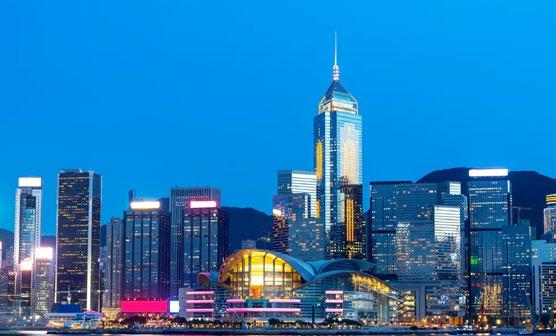
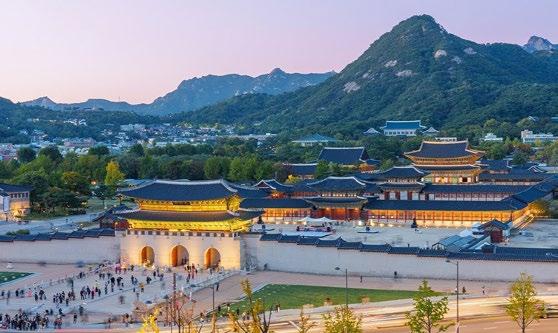
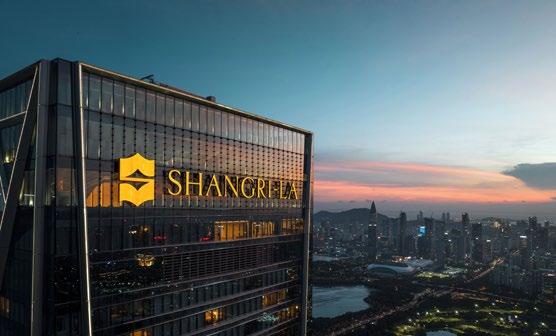





Asia, the world’s largest and most populous continent, has emerged as a powerhouse in the global economy, offering compelling opportunities for investors. With its dynamic markets, rapid economic growth, and increasing global influence, investing in Asia can yield significant returns and diversification benefits. This article explores why Asia is an attractive investment destination, focusing on its economic growth, demographic advantages, technological innovation, and strategic geopolitical positioning.
Asia’s economic rise over the past few decades has been nothing short of remarkable. Home to some of the world’s fastestgrowing economies, such as China, India, and Southeast Asian nations like Vietnam and Indonesia, the region has consistently outperformed global averages in GDP growth.
According to the International Monetary Fund, Asia contributed over 70% of global economic growth in 2023, a trend that continues into 2025.



This growth is driven by robust domestic demand, increasing foreign direct investment (FDI), and favourable government policies aimed at fostering economic development. China, despite recent challenges, remains a dominant force with its massive consumer market and manufacturing prowess. India, with its projected GDP growth of over 6% annually, benefits from structural reforms, a burgeoning digital economy, and a young workforce. Smaller economies like Vietnam and the Philippines are also gaining traction, offering low-cost manufacturing and a growing middle class. These markets present opportunities across sectors such as infrastructure, real estate, consumer goods, and financial services, making Asia a diversified investment hub.
Asia’s demographic profile is a significant draw for investors.
The region is home to over 4.7 billion people, representing roughly 60% of the global population. Countries like India, Indonesia, and Pakistan have youthful populations, with a median age significantly lower than that of Western nations.
For instance, India’s median age is around 28, compared to 38 in the United States and 48 in Japan. This youthful demographic fuels a growing labour force, rising consumer spending, and increasing demand for goods and services. The expanding middle class in Asia is another critical factor.
By 2030, Asia is expected to account for over 50% of the global middle class, with countries like China and India leading the charge. This demographic shift drives demand for everything from consumer electronics and automobiles to healthcare and education, creating fertile ground for investment in retail, technology, and service industries. Investors can tap into this consumptiondriven growth through stocks, mutual funds, or direct investments in local businesses.
Asia is at the forefront of technological innovation, making it a hotspot for investors in tech and digital industries. China leads in areas like
artificial intelligence, e-commerce, and renewable energy, with companies like Alibaba, Tencent, and BYD setting global benchmarks. India’s tech ecosystem, cantered in cities like Bangalore and Hyderabad, is a hub for software development, fintech, and startups, with unicorns like Flipkart and Paytm showcasing the region’s potential. Southeast Asia is also witnessing a digital boom, with platforms like Grab and Shopee revolutionizing e-commerce and mobility. The region’s rapid adoption of digital technologies—accelerated by widespread smartphone penetration and internet access—has created new investment avenues. For example, Asia’s fintech sector is thriving, with mobile payment systems like WeChat Pay and UPI in India transforming financial inclusion. Investors can explore opportunities in tech-focused ETFs, venture capital funds, or direct stakes in startups, capitalizing on Asia’s digital transformation.
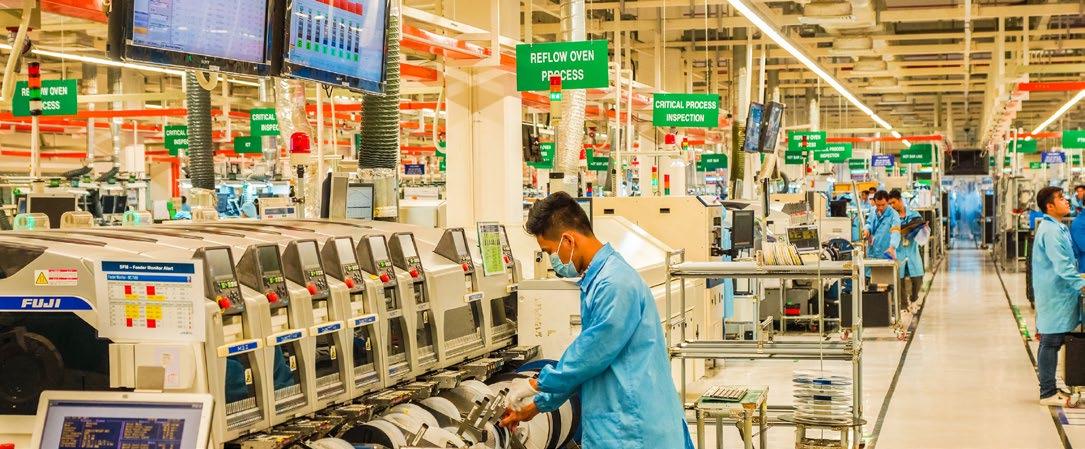

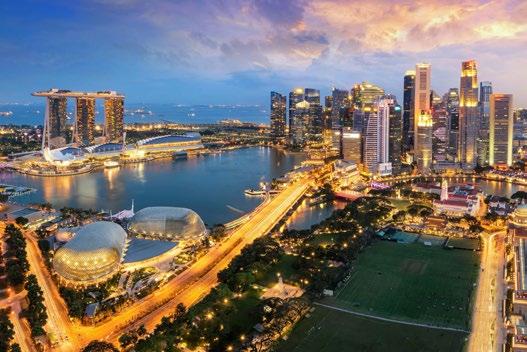
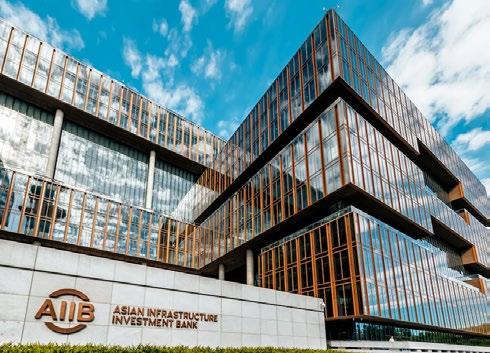
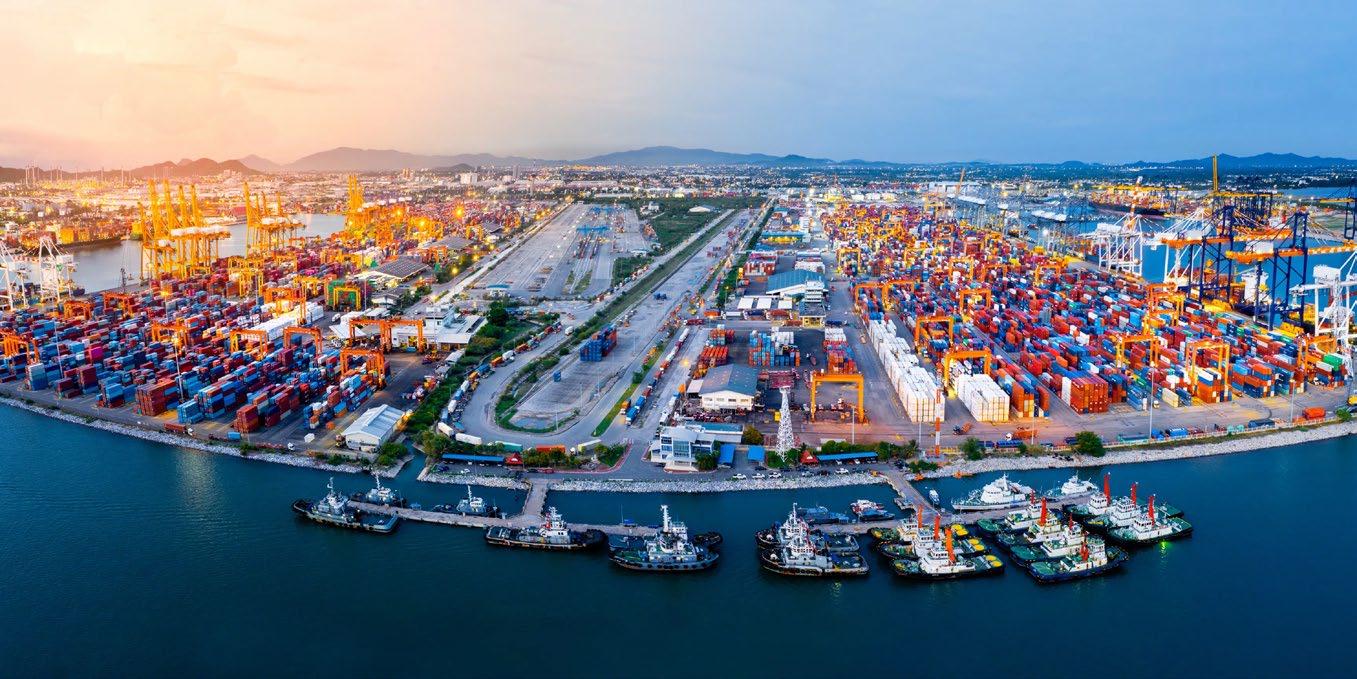
Asia’s geopolitical significance enhances its appeal as an investment destination. The region is a critical node in global trade, with major shipping routes and supply chains cantered around hubs like Singapore, Shanghai, and Dubai. Initiatives like China’s Belt and Road Initiative and India’s “Make in India” campaign are fostering infrastructure development and economic integration, creating opportunities in logistics, construction, and energy. Moreover, Asia’s growing influence in global governance— through institutions like the Asian Infrastructure Investment Bank (AIIB) and regional trade agreements like the RCEP— strengthens its economic stability. While geopolitical tensions, such as U.S.-China rivalry, pose risks, they also drive diversification as companies relocate manufacturing to countries like Vietnam and Thailand. Investors can benefit from this shift by targeting emerging markets with stable policies and growing trade networks.
Investing in Asia offers portfolio diversification, a critical strategy for mitigating risk. The region’s markets often have low correlation with Western markets, meaning they may perform differently under global economic conditions. For instance, during periods of U.S. market volatility, Asian markets may remain resilient, driven by domestic demand and regional growth. Exchange-traded funds (ETFs) like the iShares MSCI Asia ETF or country-specific funds provide easy access to this diversification. However, investing in Asia comes with risks, including currency fluctuations, regulatory differences, and political uncertainties. To manage these, investors should conduct thorough due diligence, focus on markets with transparent governance,

and consider hedged investment vehicles. Partnering with local experts or investing through mutual funds can also mitigate risks while maximizing exposure to high-growth opportunities.
Asia is increasingly aligning with global environmental, social, and governance (ESG) trends, attracting investors focused on sustainable growth. Countries like China and India are investing heavily in renewable energy, with China leading in solar and wind power and India targeting 500 GW of renewable capacity by 2030. Green bonds, sustainable infrastructure projects, and ESG-focused funds are gaining traction, offering investors a chance to align profits with purpose.




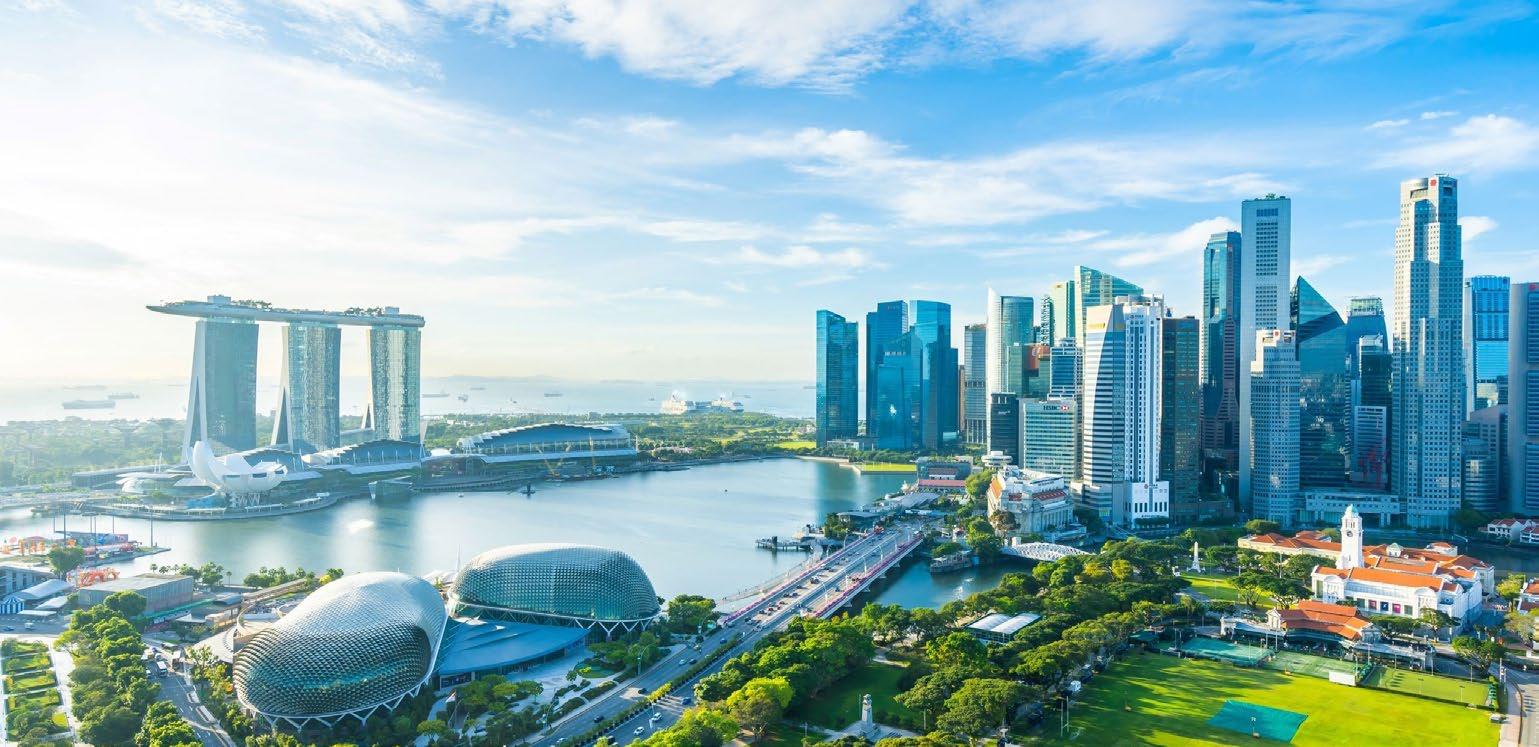
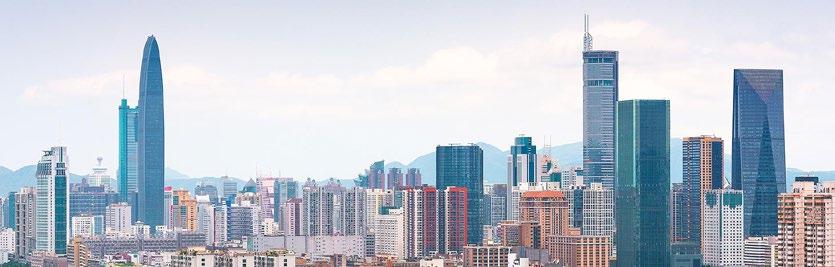

Investing in Asia is not just a trend but a strategic move for long-term wealth creation. The region’s economic dynamism, youthful demographics, technological advancements, and geopolitical significance make it a compelling destination for investors. While risks exist, the potential rewards—driven by growth, diversification, and innovation—far outweigh them for those who approach the market with informed strategies. Whether through stocks, ETFs, or direct investments, Asia offers a wealth of opportunities for investors seeking to capitalize on the future of global growth. As the continent continues to shape the world economy, now is the time to explore its vast potential.

Singapore’s automotive landscape welcomed a thrilling new chapter with the official debut of the Chevrolet Corvette at a high-octane launch event at ION Orchard. For the first time, the Corvette—now marketed as a standalone brand under General Motors—is available in Singapore in righthand-drive form, tailored for local enthusiasts. Spearheaded by Alpine Motors, GM’s authorized dealer, this debut marks a historic moment for the Lion City, bringing the eighth-generation Corvette Stingray to its streets with unmatched style and
performance. With limited units available and a starting price of S$648,000 (excluding COE), the Corvette is poised to captivate Singapore’s discerning car aficionados. The Corvette Stingray, the star of the debut, is a masterpiece of engineering and design. This mid-engine marvel, the C8, represents a bold evolution for the Corvette lineage, which has enthralled drivers since 1953. Powered by a naturally aspirated 6.2-liter V8 engine, the Stingray delivers a heartpounding 495 horsepower and 637 Nm of torque, propelling it from 0 to 100 km/h in a blistering 2.9 seconds.


Its top speed of 312 km/h ensures it can hold its own against the world’s elite supercars. The Stingray comes equipped with the Z51 Performance Package as standard, featuring a track-tuned suspension, performance exhausts, larger brakes, and Michelin Pilot Sport 4S tires for exceptional grip. This setup makes the Corvette not just a car, but a precision instrument for driving enthusiasts. The launch event at ION Orchard was a spectacle, blending American automotive heritage with Singapore’s cosmopolitan flair. Attendees were treated to an up-close
look at the Stingray’s sleek lines and aggressive stance, with its low-slung profile and aerodynamic curves turning heads. A pop-up display ran at ION Orchard until August 3, 2025, allowing the public to experience the Corvette’s allure firsthand. Complementing the launch, Alpine Motors opened a flagship Corvette showroom at 1 Commonwealth Lane on July 28, offering a dedicated space for fans to explore this iconic machine. The showroom promises to be a hub for Corvette culture, providing personalized consultations and a glimpse into the brand’s legacy.




Singapore’s unique automotive market, with its high costs and Certificate of Entitlement (COE) system, makes the Corvette’s arrival particularly significant.
Priced at S$648,000 before COE, the Stingray is positioned as a premium offering, competing with European heavyweights like Porsche and Ferrari. Yet, its value proposition is compelling: few cars in its class can match the Corvette’s raw power, advanced technology, and heritage at this price point. The right-hand-drive configuration, a first for the Corvette in Singapore, ensures it meets local regulations while retaining its authentic driving dynamics.
This adaptation reflects GM’s commitment to expanding the Corvette’s global reach, with Singapore as a key market in Asia. For local enthusiasts, the Corvette Stingray offers more than just performance. Its cabin blends luxury and functionality, featuring a driver-centric cockpit with a 12-inch digital instrument cluster, an 8-inch touchscreen infotainment system, and premium materials

like leather and carbon fibre.
The car’s Magnetic Selective Ride Control allows drivers to tailor the suspension for comfort or track-ready precision, making it versatile for Singapore’s urban roads and beyond. Safety features, including a rearview camera and performance data recorder, add modern practicality to this high-performance package. The Corvette’s debut signals a new era for supercar culture in Singapore. With its midengine layout, a departure from the traditional frontengine design, the C8 Stingray redefines what an American supercar can be. Alpine Motors has hinted at future models, such as the high-performance Z06 or electrified E-Ray, potentially joining the lineup, further elevating the brand’s presence. For now, the Stingray stands as a bold statement of power and ambition, inviting Singaporeans to embrace a driving experience that’s as exhilarating as it is iconic. As the Corvette accelerates into the Lion City, it’s clear: this is just the beginning of a thrilling ride.





Asia, a sprawling tapestry of cultures, histories, and landscapes, serves up a culinary mosaic as diverse as its people. From the aromatic street stalls of Bangkok to the refined sushi counters of Tokyo, the continent’s food tells stories of tradition, innovation, and shared humanity. Each region, each country, even each village, contributes its own Flavors, shaped by geography, climate, and centuries of trade and migration. To explore Asia’s popular foods and cuisines is to embark on a sensory journey, one that reveals the soul of a place through every bite.
In East Asia, the culinary heartbeat pulses strongest in the balance of simplicity and precision. Japan’s cuisine, for instance, is a masterclass in restraint. Sushi, with its glistening slices of raw fish draped over vinegared rice, showcases the Japanese reverence for fresh ingredients and meticulous technique. A bowl of ramen, on the other hand, is a soul-warming embrace, its broth simmered for hours to coax out umami depths from pork bones, seaweed, or miso. Across the Sea of Japan, South Korea brings bold, fiery energy to the table. Kimchi, the fermented cabbage or radish laced with chili and garlic, is a national obsession, served at nearly every meal. Korean barbecue, where diners grill marinated beef or pork at the table, turns eating into a communal celebration, sizzling and smoky. China, vast and varied, offers
everything from the delicate dim sum of Cantonese teahouses—think steamed buns and dumplings stuffed with shrimp or pork—to the tonguenumbing heat of Sichuan hotpot, where diners plunge thinly sliced meats and vegetables into bubbling, chili-laced broths. Each region of China tells its own culinary story, united by a love for balance, whether it’s sweet and sour, or crisp and tender. Southeast Asia, by contrast, is a riot of bold Flavors and vibrant street food scenes. Thailand’s cuisine dances on the palate with its interplay of sweet, sour, spicy, and salty. A plate of pad thai, stir-fried noodles tossed with shrimp, peanuts, and tamarind, captures this harmony in every mouthful, while fiery som tam, a green papaya salad pounded with chilies and fish sauce, delivers a wakeup call to the senses. In Vietnam, the food is lighter but no less captivating.



Phở, the fragrant beef or chicken noodle soup scented with star anise and cinnamon, is a breakfast staple, sipped in roadside stalls as motorbikes hum by. Bánh mì, a crusty baguette stuffed with pate, pickled carrots, and grilled pork, reflects Vietnam’s colonial history while remaining utterly its own. Malaysia and Singapore, meanwhile, share a love for dishes like nasi lemak, coconut rice served with sambal, fried anchovies, and egg, a dish so comforting it feels like a hug from the inside. Hawker centres in these countries buzz with choices— Hainanese chicken rice, laksa with its creamy coconut broth, or roti canai, flaky flatbread dipped in curry. Indonesia adds its own flair with sate, skewered meats grilled over charcoal and slathered in peanut sauce, and rendang, a slow-cooked beef curry so rich it’s almost a meditation. South Asia’s cuisines are a symphony of

spices, where every dish feels like a celebration. India, with its staggering diversity, offers everything from the buttery, tomato-laced curries of the north to the coconut-infused fish stews of the south. Butter chicken, creamy and mildly spiced, has won hearts worldwide, while street foods like chaat—crisp papdi topped with yogurt, chutneys, and sev—deliver chaotic bursts of flavour. Biryani, fragrant rice layered with spiced meat or vegetables, is a testament to India’s Mughal influences, each region adding its own twist. In Pakistan, similar traditions shine through in dishes like nihari, a slow-cooked beef stew enriched with bone marrow, or seekh kebabs, minced meat skewers grilled to smoky perfection.




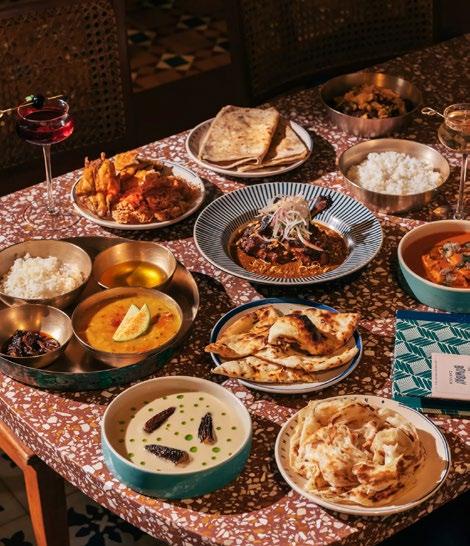
Sri Lanka brings its own magic with dishes like kottu roti, a stirfry of chopped flatbread, vegetables, and meat, laced with fiery curry sauces. The common thread across South Asia is the spice palette— cumin, coriander, turmeric, and cardamom—woven into dishes that are as bold as they are comforting.
Central and West Asia, though less globally celebrated, hold their own culinary treasures. In Turkey, straddling Asia and Europe, food is a bridge between continents. Kebabs, whether döner shaved from a spit or şiş grilled on skewers, are ubiquitous, paired with fluffy pide bread and tangy yogurt. Meze platters, with hummus, stuffed grape leaves, and smoky eggplant dips, invite leisurely sharing. Further east, Uzbekistan’s cuisine reflects its Silk Road heritage. Plov, a rice dish cooked with lamb, carrots, and raisins, is a national pride, fragrant with cumin and cooked in massive cauldrons for
communal feasts. Afghanistan’s mantu, delicate dumplings filled with spiced meat and topped with yogurt and lentils, carry echoes of Central Asia’s nomadic past. These cuisines, often hearty and meatcentric, reflect the region’s rugged landscapes and pastoral traditions. What unites Asia’s cuisines is not just flavour but the way food weaves people together. Whether it’s families gathering around a steaming hotpot in China, friends sharing skewers at a Thai street market, or strangers bonding over chai and samosas in India, food is connection. It’s history on a plate, shaped by trade routes, invasions, and migrations. From the delicate precision of Japanese kaiseki to the fiery chaos of a Malaysian sambal, Asia’s culinary landscape is a testament to human creativity and resilience. To taste it is to understand a little more of the world’s vast, delicious complexity.


K-pop, short for Korean pop music, has transformed from a regional phenomenon into a global cultural juggernaut, captivating millions with its infectious melodies, intricate choreography, and vibrant aesthetics. What began in South Korea in the 1990s has grown into a multi-billiondollar industry, influencing music, fashion, and fandom culture worldwide. The genre’s meteoric rise is a testament to its unique blend of artistry, strategy, and fan engagement, making it one of the most dynamic forces in modern entertainment. The roots of K-pop trace back to the
early 1990s, with groups like Seo Taiji and Boys laying the groundwork by blending Western genres such as hiphop, rock, and pop with Korean sensibilities. This fusion set the stage for the modern K-pop industry, which took shape with the formation of major entertainment companies like SM, YG, and JYP Entertainment. These agencies perfected the “idol system,” a rigorous process of scouting, training, and debuting young talents as polished performers.
Groups like H.O.T. and S.E.S. in the late ‘90s marked the first wave of K-pop’s global potential, but it was the 2000s that saw the genre break international barriers.

The turning point came with the “Hallyu” or Korean Wave, fuelled by the internet and social media. Platforms like YouTube allowed groups such as Girls’ Generation, Super Junior, and BIGBANG to reach audiences far beyond Asia. By 2012, PSY’s “Gangnam Style” became a global sensation, proving K-pop’s universal appeal with its catchy beat and quirky dance moves. The song’s viral success shattered preconceptions, showing that language barriers could not stop a well-crafted pop anthem. Today, groups like BTS, BLACKPINK, and Stray Kids dominate charts, sell out stadiums, and collaborate with Western artists like Coldplay and Dua Lipa, cementing K-pop’s place in the mainstream.
What makes K-pop so irresistible? Its music is a kaleidoscope of genres— pop, EDM, hip-hop, R&B—paired with visually stunning music videos and elaborate live performances. Choreography is a cornerstone, with synchronized dance routines that fans eagerly learn and replicate. Beyond the music, K-pop idols are trained to embody multifaceted personas, blending charisma, relatability, and talent. This meticulous crafting creates a sense of intimacy with fans, who feel deeply connected to their favourite groups through social media interactions, fan meetings, and reality shows. The fandom culture is another pillar of K-pop’s success.




Fans, often organized into dedicated groups like BTS’s ARMY or BLACKPINK’s BLINKs, are a driving force, promoting their idols through streaming, voting in music awards, and creating fan content. This loyalty is reciprocal; idols engage fans with personalized content, from livestreams to handwritten letters, fostering a sense of community. The global reach of these fandoms is staggering—BTS alone has fans in over 190 countries, with their 2020 album Map of the Soul: 7 topping charts in 20 nations.
K-pop’s influence extends beyond music. Its stars are fashion icons, setting trends with bold outfits and beauty standards that inspire global brands. The industry has also sparked interest in Korean culture, boosting tourism and the popularity of K-dramas and
cuisine. Economically, K-pop contributes billions to South Korea’s GDP, with BTS alone estimated to generate $4.9 billion annually. However, the industry faces criticism for its intense training regimes and pressure on idols, prompting calls for better mental health support. As K-pop continues to evolve, its future looks boundless. New groups debut regularly, each pushing creative boundaries, while virtual concerts and AI-driven content hint at innovative directions. With its ability to adapt and resonate across cultures, K-pop is more than a genre—it’s a global movement that thrives on connection, creativity, and the unyielding passion of its fans. Whether you’re a casual listener or a devoted stan, K-pop’s rhythm is impossible to resist.

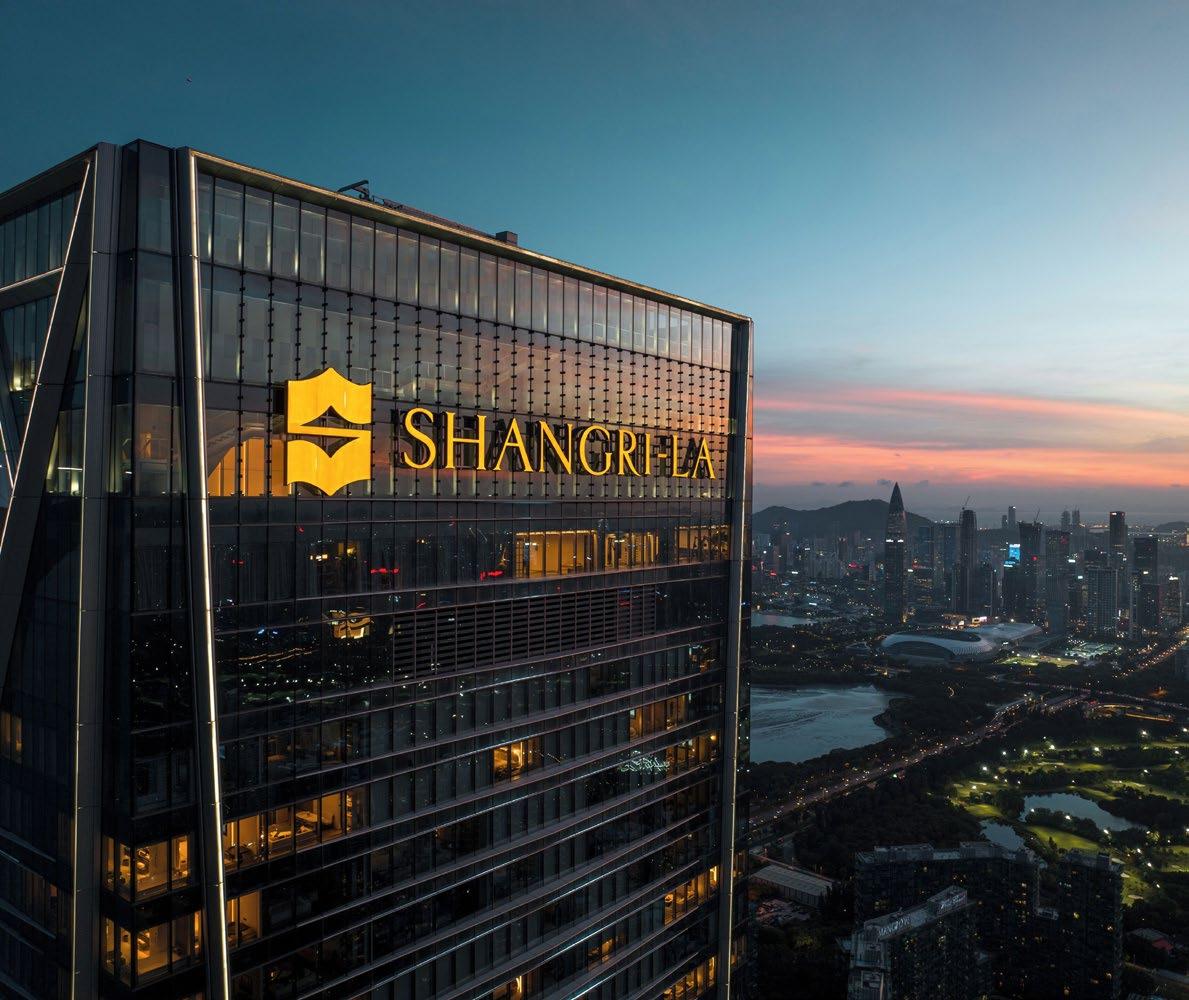

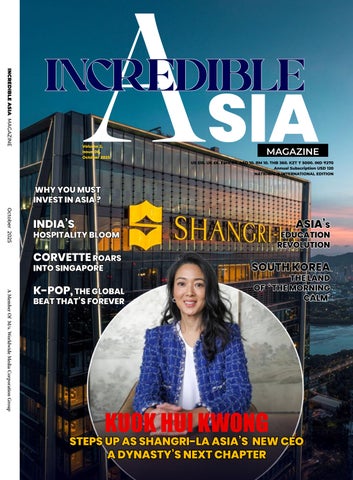
Kuok Hui Kwong, the 47-yearold daughter of Malaysian billionaire Robert Kuok, assumes the role of Chief Executive Officer at ShangriLa Asia, marking a pivotal moment for the luxury hotel conglomerate. This appointment, which sees her combine the roles of chairman and CEO, underscores her growing influence within one of Asia’s most prominent business dynasties and signals a strategic shift for the company as it navigates an evolving global hospitality landscape.
Kuok Hui Kwong is no stranger to Shangri-La’s inner workings. She has served as the company’s executive director since June 2016 and chairman since January 2017, bringing a wealth of experience to her new role. Her appointment consolidates leadership responsibilities, a move the company says will enhance strategic cohesion and operational efficiency.
Shangri-La Asia, listed on both the Hong Kong and Singapore stock exchanges, operates over 100 hotels worldwide under brands such as Shangri-La, Kerry, Hotel Jen, and Traders. With a portfolio spanning Asia, the Middle East, and beyond, the group is a titan in the luxury hospitality
sector, and Kuok’s leadership is poised to steer it through a competitive and dynamic market. Born into the Kuok family, often described as one of Asia’s most powerful business clans, Hui Kwong has been groomed for leadership. Her father, Robert Kuok, is a legendary figure in Asian commerce, with a fortune built on sugar, palm oil, and real estate, alongside his hospitality empire. Hui Kwong’s ascent reflects a blend of familial legacy and modern business acumen.
Educated at Harvard, she has held roles across the Kuok Group, including positions at Kerry Properties and other family ventures, showcasing her versatility in managing diverse portfolios.






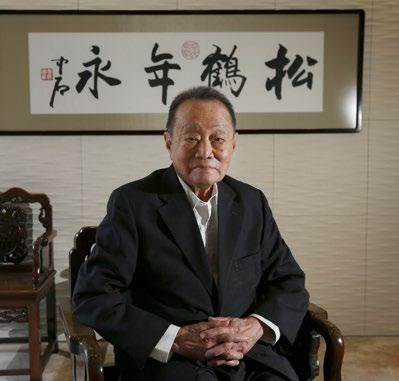
Her financial stake in Shangri-La Asia is significant, with a direct and indirect interest in 95.57 million shares, aligning her personal success with the company’s performance.
As CEO, Kuok will earn a monthly base salary of HK$576,000 (approximately US$73,000), supplemented by discretionary bonuses and pension benefits. This compensation reflects the high stakes of her role, as she takes the helm following the retirement of former CEO Lim Beng Chee in December 2022. Lim, who remains a non-executive director, leaves behind a legacy of growth, but Kuok faces new challenges, including postpandemic recovery, rising operational costs, and the need to innovate in a digitalfirst hospitality era. Under her leadership, ShangriLa Asia aims to maintain
its reputation for luxury while adapting to changing traveller expectations. Sustainability, technology integration, and expansion into emerging markets are likely priorities. Kuok’s dual role as chairman and CEO positions her to drive these initiatives with unified vision, though it also places immense responsibility on her shoulders to balance strategic oversight with dayto-day operations.
The appointment also carries symbolic weight. As a woman leading a major Asian corporation, Kuok Hui Kwong breaks barriers in a region where boardrooms remain male-dominated. Her rise signals a generational shift, blending tradition with innovation. For ShangriLa Asia, this is more than a leadership change—it’s the dawn of a new era under a scion determined to uphold her family’s legacy while charting a bold future.


“The
Indonesia, an archipelago of over 17,000 islands, is a kaleidoscope of cultures, landscapes, and traditions. From Bali’s serene temples to Jakarta’s bustling urban pulse, the country has long captivated travellers with its diversity. Now, a groundbreaking digital platform, Event by Indonesia, launched on July 16, 2025, by the Indonesian Ministry of Tourism and Creative Economy, is transforming how visitors and locals alike experience the nation’s vibrant event scene. This innovative app is not just a tool—it’s a gateway to Indonesia’s soul, offering a seamless way to explore festivals, concerts, and cultural showcases while boosting sustainable tourism.
The Event by Indonesia platform is a one-stop hub designed to centralize information about events across the archipelago, making it easier for users to plan unforgettable experiences.
Whether you’re a music enthusiast chasing the next big festival, a foodie craving authentic Indonesian flavours, or a professional attending a global conference, this platform caters to all. It organizes events into seven distinct pillars: Music, Creative, Culinary, Sports & Wellness, Arts & Culture, Carnival, and MICE (Meetings, Incentives, Conventions, and Exhibitions). This structure ensures that every interest is covered, from the adrenaline of sports events to the serenity of cultural showcases. At the heart of the platform is the Karisma Event Nusantara (KEN), a curated selection of over 110 high-quality events that highlight Indonesia’s cultural richness. These events, ranging from traditional
dance festivals in Yogyakarta to modern music concerts in Bali, position Indonesia as a global leader in event tourism. The platform doesn’t stop at listing events—it enriches the experience by offering real-time details on schedules, ticketing, and accommodations. Imagine attending a vibrant carnival in Surabaya and, with a few taps, discovering nearby attractions like the historic House of Sampoerna or a hidden gem serving spicy soto ayam. This integration of event and travel planning sets the app apart, making it a must-have for any traveller. What makes Event by Indonesia truly special is its commitment to immersive, sustainable tourism. The platform suggests curated travel experiences, such as visiting cultural landmarks, exploring natural wonders, or dining at local eateries, ensuring travellers connect deeply with Indonesia’s heritage.



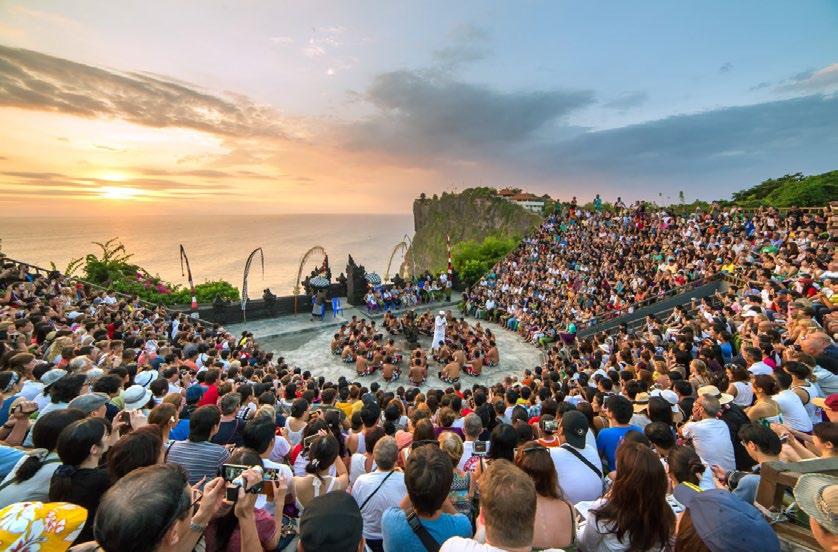



For instance, a visitor to a music festival in Bandung might be guided to nearby tea plantations or traditional angklung performances, creating a holistic journey. By promoting local businesses and cultural preservation, the app supports Indonesia’s economy while encouraging responsible travel practices. Accessibility is another strength. While specific details about a dedicated mobile app are still emerging, the platform is active across social media channels like Instagram, TikTok, and YouTube, where users can engage with dynamic content and stay updated on upcoming events. This digital presence ensures that even those unfamiliar with Indonesia’s vast geography can easily navigate its offerings.
Compared to other event platforms in Indonesia, such as Goers or Loket, which focus primarily on ticketing for concerts and workshops, Event by Indonesia takes a broader approach. It’s not just about selling tickets—it’s about storytelling, weaving together events, culture, and travel into a cohesive experience. This aligns with Indonesia’s goal of becoming a toptier destination for event tourism, rivalling global hubs like Singapore or Dubai. In a world where travel is as much about connection as exploration, Event by Indonesia is a game-changer. It invites users to dive into the archipelago’s vibrant tapestry, from the rhythmic beats of a Balinese kecak dance to the cutting-edge innovation of a Jakarta tech summit. Whether you’re a local rediscovering your roots or a global traveller seeking adventure, this platform promises to make every moment unforgettable. Download it, explore it, and let Indonesia’s soul captivate you.
Asia, a continent of vibrant economies and cultural diversity, is a powerhouse for business travel, serving as a nexus for global commerce. From the towering skyscrapers of Singapore to the bustling tech hubs of Bangalore, business travel in Asia is a dynamic blend of opportunity, innovation, and adaptation. As companies expand their footprints across this vast region, understanding the nuances of business travel here is essential for professionals aiming to thrive in its fast-paced markets. The scale of business travel in Asia is staggering. The region accounts for a significant share of global business travel expenditure, driven by economic giants like China, Japan, and India, alongside emerging markets such as Vietnam and Indonesia.

According to industry reports, AsiaPacific business travel spending is projected to surpass $900 billion by 2027, fuelled by rapid urbanization, technological advancements, and increasing foreign investment.
Cities like Hong Kong, Tokyo, and Shanghai remain top destinations, offering world-class infrastructure and connectivity, while secondary cities like Chengdu and Hyderabad are gaining traction as business hubs. One of the defining features of business travel in Asia is its diversity. Each country presents unique opportunities and challenges. In Japan, punctuality and formal business etiquette are paramount, with meetings often requiring meticulous preparation. In contrast,
India’s business culture thrives on relationship-building, where informal conversations over chai can pave the way for successful deals. Navigating these cultural nuances is critical, as missteps can hinder partnerships. For instance, understanding the importance of “guanxi” (relationship networks) in China can make or break negotiations. Technology is reshaping business travel in Asia. High-speed rail networks, such as China’s bullet trains and Japan’s Shinkansen, offer efficient alternatives to air travel for regional trips. Meanwhile, digital tools like WeChat in China and UPI in India streamline transactions and communication.
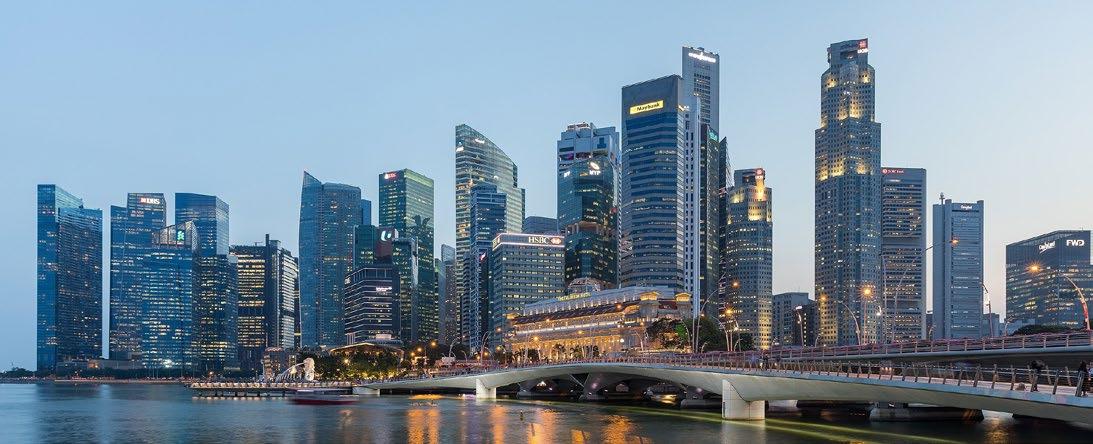

However, challenges like language barriers and varying technological adoption across countries require travellers to be adaptable. For example, while Singapore boasts seamless digital infrastructure, rural areas in Southeast Asia may rely on cash-based systems, necessitating flexibility. Sustainability is also
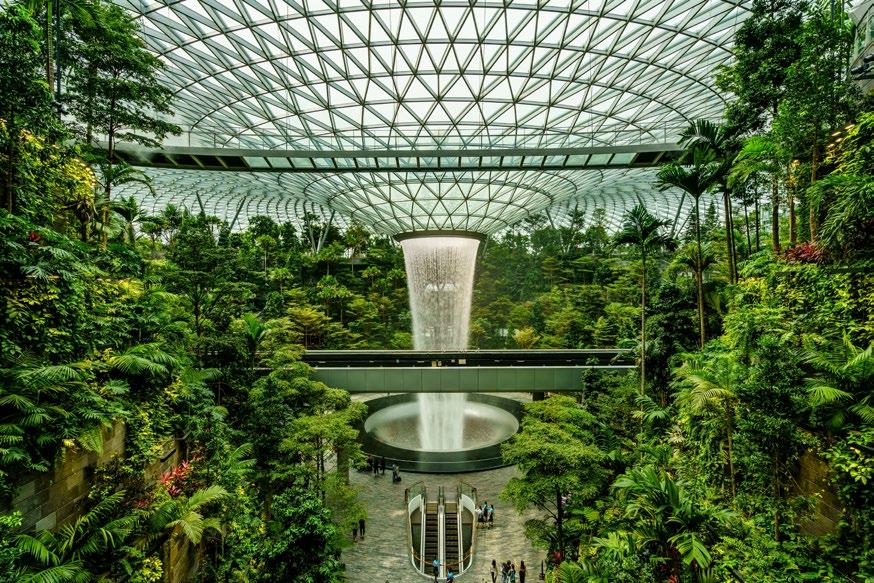
becoming a priority. Asian companies and governments are increasingly promoting eco-friendly travel practices. Singapore’s Changi Airport, a major transit hub, has implemented green initiatives like energy-efficient terminals, while airlines like Japan Airlines offer carbon offset programs.


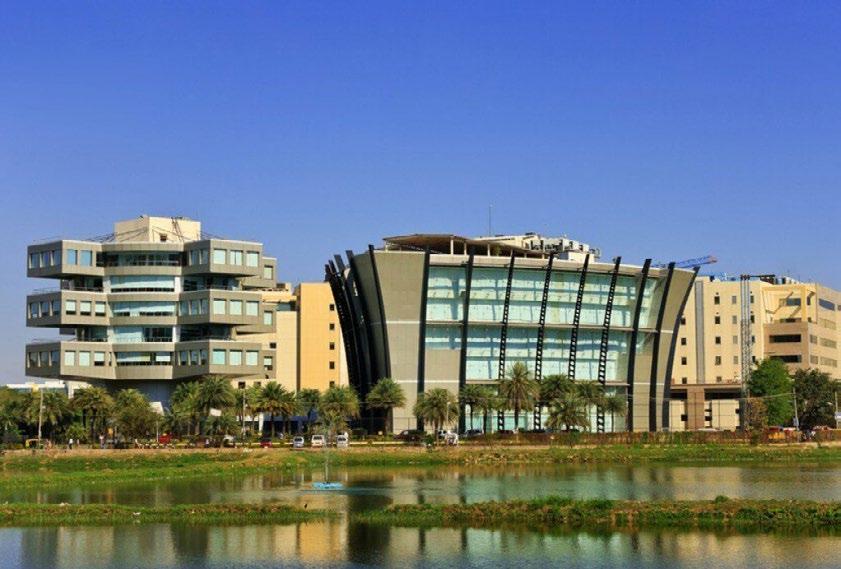

Business travellers are encouraged to adopt sustainable practices, such as choosing direct flights or using public transport in cities like Seoul, where efficient metro systems reduce carbon footprints. Despite its opportunities, business travel in Asia comes with challenges. Political instability in some regions, coupled with natural phenomena like typhoons, can disrupt travel plans. Visa regulations also vary widely—Singapore and Japan offer relatively hassle-free entry, while countries like China and India have stricter requirements.
Additionally, the post-pandemic era has introduced hybrid work models, prompting companies to balance virtual meetings with in-person travel to maintain relationships. For business travellers, preparation is key. Researching cultural norms, leveraging technology, and staying informed about regional developments can enhance efficiency and success. Asia’s business travel landscape is a vibrant tapestry of innovation and tradition, offering unparalleled opportunities for those ready to navigate its complexities with agility and respect.


In the rugged, windswept Altai Mountains of western Mongolia, where the steppe meets the sky, a centuriesold tradition thrives: eagle hunting. Known as burkitshi among the Kazakh nomads of Bayan-Ölgii Province, these skilled hunters forge an extraordinary bond with golden eagles, training them to hunt foxes, hares, and even wolves. This ancient practice, dating back over 2,000 years, is more than a survival skill— it’s a cultural lifeline, a testament to resilience, and a celebration of the profound connection between humans, animals, and nature. As modernization encroaches, the burkitshi remain steadfast, preserving

a way of life that captivates the world. Eagle hunting is deeply rooted in the nomadic heritage of the Kazakh people, who form the majority of Bayan-Ölgii’s population. Historically, the practice was essential for survival in the harsh Altai region, where winters are brutal and resources scarce. Golden eagles, with their razor-sharp talons, 2.5-meter wingspans, and eyesight eight times sharper than a human’s, were ideal partners for securing food and fur. Today, while less critical for survival, eagle hunting remains a sacred art form, symbolizing strength, patience, and harmony with the wild.
The Mongolian Eagle Hunters’ Association estimates there are about 400 registered hunters, with 250 actively practicing, a number that underscores the tradition’s enduring yet fragile presence. Training a golden eagle is a labour of love, requiring years of dedication. Hunters, typically men but increasingly women, capture young female eagles—preferred for their size and ferocity—from cliffside nests at around four years old. The process begins with building trust: the eagle is gently hooded to stay calm, fed red meat by hand, and taught to perch on the hunter’s leather-gloved arm. Over time, the burkitshi and eagle develop a partnership, with the bird learning to hunt on command while soaring above the steppe. Horses are integral, carrying hunters and eagles across the mountainous terrain during the hunting season from late October to early February. In a remarkable act of respect, eagles are released back to the wild after 6-12 years, ensuring they live out their lives freely.


The Golden Eagle Festival, held annually in September and October in Bayan-Ölgii, is the tradition’s vibrant showcase. Hundreds gather to watch burkitshi compete, demonstrating their eagles’ speed, precision, and loyalty through events like calling the eagle from a mountainside or hunting simulated prey. The festival, filled with Kazakh music, dance, and camel races, draws global visitors, though smaller events in August and September offer a more intimate glimpse. Tourism has boosted awareness but also sparked concerns about cultural commodification, prompting local operators to emphasize respectful engagement through homestays and guided tours.



A notable shift in recent years is the rise of female eagle hunters, challenging the tradition’s maledominated history. Aisholpan Nurgaiv, a 13-year-old who won the 2014 festival, became a global icon through the documentary The Eagle Huntress (2016), inspiring others like Zamanbol, one of only 11 female hunters today. Their stories highlight the tradition’s inclusivity, proving

that skill and spirit transcend gender. Yet, challenges loom: urbanization lures younger generations away, and conservation laws regulate eagle capture to protect populations. Hunters adapt, balancing tradition with sustainability, ensuring eagles are not overexploited. For travellers, experiencing eagle hunting is unforgettable.
Local operators like Kazakh Tour offer immersive trips, from training sessions to winter camp visits, where visitors can witness the burkitshi’s artistry firsthand. Respectful photography and cultural sensitivity are key—ask permission before snapping photos, and engage with the Kazakh community to understand their pride in this heritage. As you stand on the Altai’s windswept slopes, watching a golden eagle dive with breathtaking precision, you’ll feel the pulse of a tradition that soars beyond time, connecting Mongolia’s past to its future.
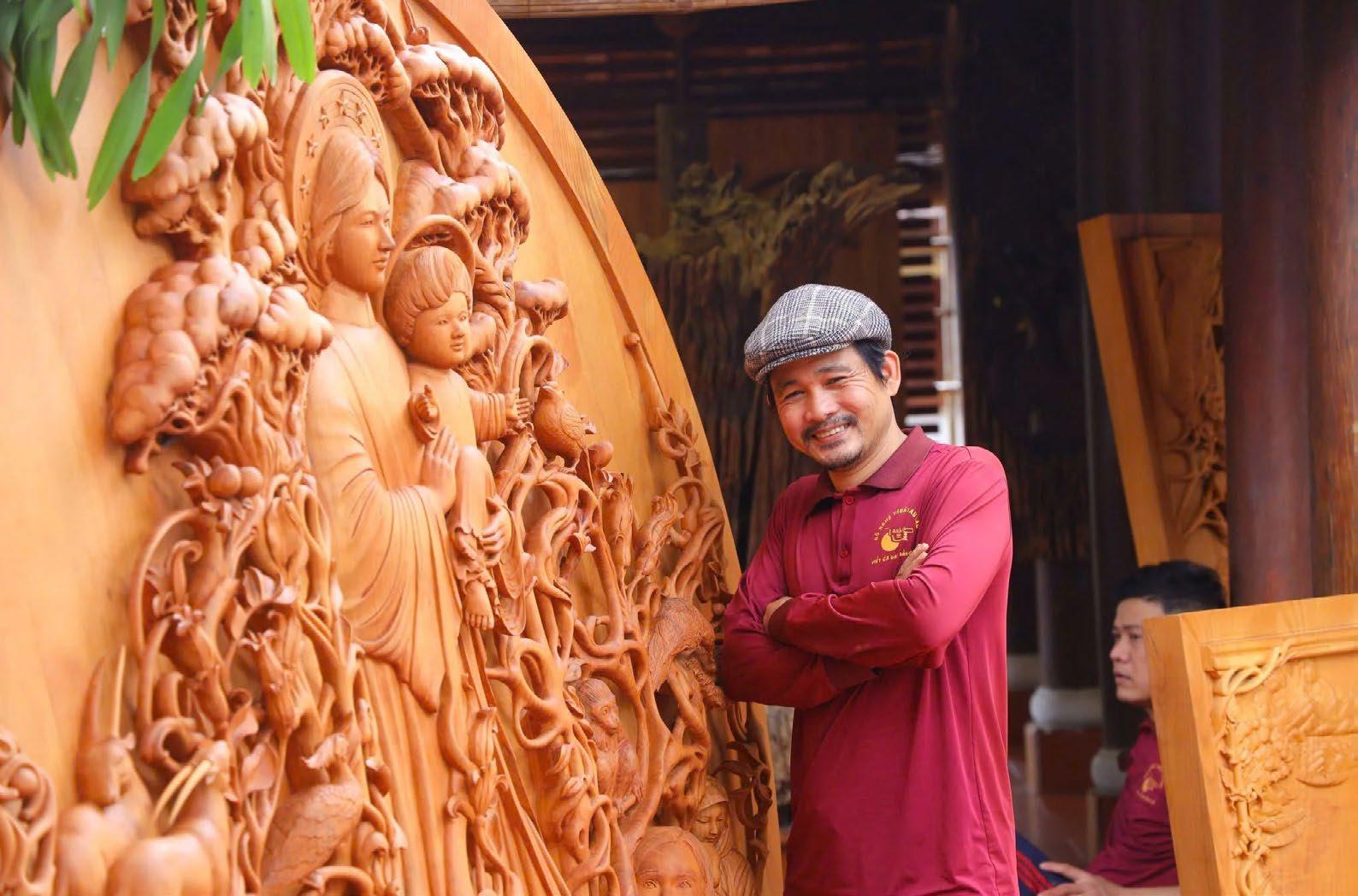
In the heart of Cẩm Giàng District, Hải Phòng City, Vietnam, lies Đông Giao village, a cultural gem renowned for its wood sculptures. With a history spanning over 300 years, this small village has carved its name into the annals of Vietnamese craftsmanship, blending tradition, skill, and innovation. Today, Đông Giao remains a vibrant hub where wood is transformed into intricate works of art, furniture, and sacred objects, preserving a legacy that resonates both locally and globally.
Đông Giao’s wood carving tradition began centuries ago, rooted in the creation of worship items such as altar tables, temple gates, and statues for pagodas. The craft gained prominence during the construction of the Imperial City of Huế, where Đông Giao artisans contributed their expertise to royal projects. Over time, the village’s reputation grew, and today, more than 95% of its 1,000 households are engaged in wood carving, making it a cornerstone of the local economy and identity. The artisans’ dedication is evident in their lifelong commitment to mastering techniques, as exemplified by veteran carver Vũ Văn Năng, who, even after 40 years, continues to refine his skills daily. The sculptures of Đông Giao are celebrated for their precision and artistry. From functional furniture like cabinets and tables to elaborate
fine art pieces, each creation showcases the artisans’ ability to breathe life into wood. A standout example is artisan Vũ Xuân Én’s monumental work, *4,000 Years of Vietnamese History*. Carved from a single 6-meter-wide, 5-ton tree root, this masterpiece depicts hundreds of historical figures, capturing Vietnam’s rich cultural narrative in intricate detail. Such works highlight the village’s ability to blend historical reverence with artistic innovation. The craft’s enduring success stems from a combination of tradition and adaptability. Artisans pass down techniques through generations, with families often specializing in specific styles or products. Young carvers apprentice under seasoned masters, learning to wield chisels with precision while developing an eye for design.
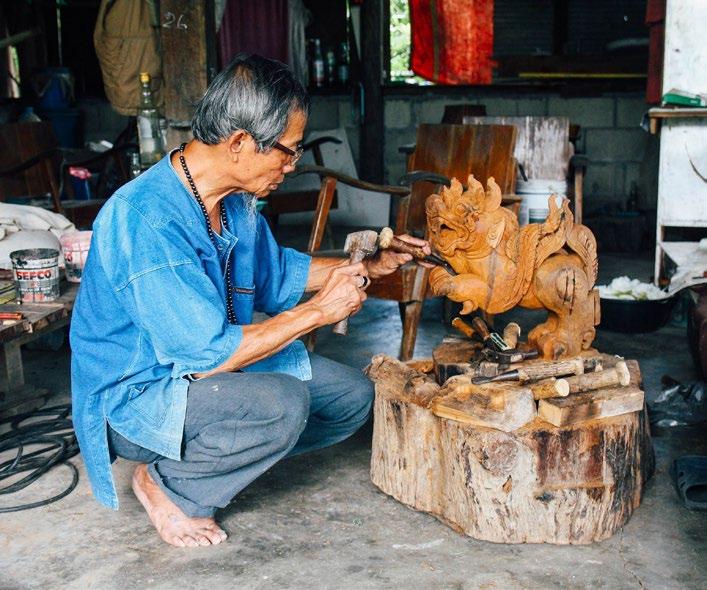

Đông Giao’s wood carving tradition is deeply rooted in Vietnamese culture, reflecting centuries of artistry and spiritual significance. The craft began with creating sacred objects for temples and pagodas, such as altar tables and statues, and later contributed to royal projects like the Imperial City of Huế. Today, over 95% of the village’s 1,000+ households are involved, producing everything from intricate furniture to fine art sculptures. Artisans like Vũ Văn Năng, with 40 years of experience, emphasize lifelong learning, ensuring the craft’s precision and cultural value endure. Works like Vũ Xuân Én’s *4,000 Years of Vietnamese History*, carved from a 5-ton tree root, showcase the village’s ability to preserve history through art.
While steeped in tradition, Đông Giao’s artisans embrace modern influences to stay relevant. Social media platforms like YouTube inspire new techniques, allowing carvers to blend contemporary designs with traditional methods. The village’s products, including furniture and decorative pieces, are exported to markets like China, expanding their global footprint. Local authorities support this growth through loan programs and training for young apprentices, ensuring the craft adapts to modern demands while maintaining its heritage.


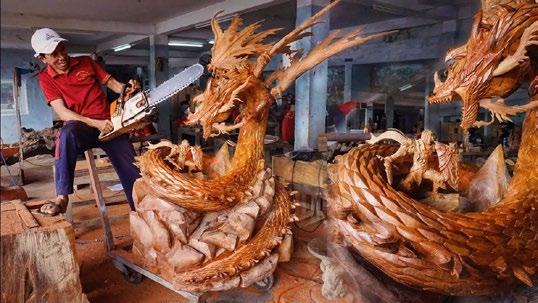






Đông Giao’s wood carving industry is a communal effort, with entire families collaborating in workshops. The craft provides livelihoods for thousands, fostering economic stability. Artisans take pride in their work, viewing it as both a profession and a cultural duty. Events like trade fairs and exhibitions, supported by local government, promote Đông Giao’s sculptures, attracting domestic and international buyers. This collective spirit and economic vitality make the village a model for sustaining traditional crafts in a modern world.


Imagine stepping into the vibrant world of Pokémon, where Pikachu scampers through tall grass, a Primarina Fountain sparkles under the Tokyo sun, and the thrill of a gym battle feels just a heartbeat away. This dream is becoming reality with the announcement of PokéPark Kanto, the world’s first permanent outdoor Pokémon theme park, set to open in spring 2026 at Yomiuriland in Tokyo’s Tama Hills. As a lifelong Pokémon

fan, the news of this immersive park feels like a love letter to the franchise’s global community, promising an adventure that blends nostalgia, nature, and cutting-edge entertainment. Spanning 26,000 square meters, PokéPark Kanto is a collaboration between The Pokémon Company, Yomiuri Land, and The Yomiuri Shimbun, timed perfectly to celebrate Pokémon’s 30th anniversary. The park is designed to transport visitors straight into the Kanto region—the iconic setting of the original Pokémon Red and Blue games. Divided into two main areas, Pokémon Forest and Sedge Town, the park offers a dynamic mix of exploration and interactive fun, crafted to appeal to trainers of all ages.

Pokémon Forest is the heart of the adventure, a 500-meter-long wilderness trail that winds through varied terrains—think hilly paths, dense foliage, and open meadows. Here, visitors can encounter over 600 Pokémon species, not just from Kanto but from across the franchise’s expansive universe. Picture stumbling upon a Bulbasaur nestled in the grass or spotting a Charizard soaring overhead. The forest is designed to feel alive, with Pokémon integrated into the environment through a mix of animatronics, augmented reality, or other tech wizardry (details are still under wraps). It’s a space that invites you to channel your inner Ash Ketchum, exploring with a sense of wonder and discovery.
Then there’s Sedge Town, the park’s social and cultural hub, where the Pokémon world feels like a bustling community. At its centre is a Pokémon Centre, a mustvisit for any trainer looking to stock up on themed merchandise or maybe even “heal” their imaginary team. Nearby, the PokéMart will offer snacks and souvenirs, while the Sedge Gym promises an interactive experience— perhaps a mock battle or challenge to test your skills. The Primarina Fountain, featuring the elegant Watertype Pokémon, adds a touch of magic, likely serving as a stunning centrepiece for photo ops. A Pokémon parade will bring the streets to life, with floats and characters parading through the town, and two yet-to-be-revealed attractions are already sparking speculation.

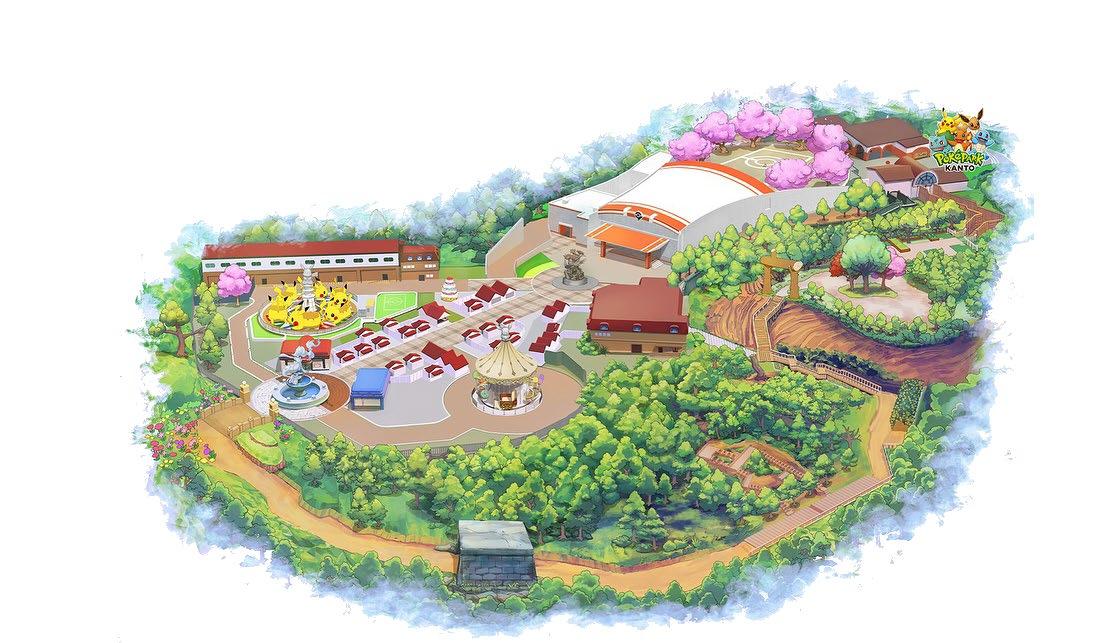






Could one be a Pikachu-themed roller coaster or a merrygo-round featuring rideable Pokémon like Rapidash? Fans are buzzing with possibilities. What makes PokéPark Kanto so exciting is its commitment to blending the Pokémon universe with the natural beauty of Yomiuriland’s lush surroundings.
Unlike the temporary Pokémon attractions of the past—like the 2005 PokéPark in Nagoya or popup events—this is a permanent, thoughtfully designed destination. It’s a place where families, hardcore fans, and casual visitors can lose themselves in a world they’ve only explored through screens. The park’s spring 2026 opening aligns with cherry blossom season, promising a breathtaking backdrop for its debut. Advance ticket sales are expected to begin in late 2025, though pricing details remain undisclosed. Given Yomiuriland’s existing admission structure
(around 1,800 yen for adults, roughly $12 USD), PokéPark Kanto will likely offer tiered tickets for park access and special experiences. For fans planning a trip, Tokyo’s Tama Hills are easily accessible from central Tokyo, making this a must-visit for anyone already drawn to Japan’s rich pop culture scene. As a fan who grew up trading Pokémon cards and battling on Game Boys, the thought of walking through PokéPark Kanto feels surreal. It’s more than a theme park—it’s a chance to live the Pokémon journey we’ve all dreamed of. Whether you’re chasing a rare Mew in the forest or snapping a selfie by the Primarina Fountain, this park promises to capture the heart of what makes Pokémon so enduring: the joy of adventure, connection, and imagination. Mark your calendars for 2026— Kanto is calling, and I choose you!


In the vibrant world of designer toys and collectibles, few characters have captured hearts as swiftly and universally as Labubu, the mischievous, toothy creature with a whimsical charm. This endearing monster, with its distinctive oversized teeth and playful demeanour, has become a global phenomenon, adorning shelves, social media feeds, and even high-fashion collaborations. But who is the creative mind behind Labubu, and how did this quirky character come to life?
The story begins with Kasing Lung, a Hong Kong-born artist whose imagination and storytelling prowess gave birth to Labubu in 2015, as part of his acclaimed storybook series, The Monsters.
Kasing Lung, a multifaceted artist known for his work in illustration, design, and storytelling, is the mastermind behind Labubu. Born in Hong Kong, Lung’s creative journey is deeply rooted in his fascination with fantasy and folklore. His work often blends elements of whimsy with a touch of the surreal, drawing inspiration from myths, legends, and his own vivid imagination. Before Labubu became a household name in the collectible toy world, Lung was already making waves as an illustrator, particularly in Hong Kong and Taiwan, where his storybooks gained a loyal following.

Lung’s artistic style is characterized by its playful yet slightly mischievous tone, often featuring creatures that are both adorable and eccentric. His ability to craft characters that resonate emotionally with audiences has been a hallmark of his career. With The Monsters, Lung set out to create a universe that was both fantastical and relatable, drawing heavily on Nordic folklore for inspiration. It was within this imaginative world that Labubu was born.
Labubu first appeared in 2015 as a character in Lung’s storybook series The Monsters, a collection of tales that introduced a cast
of quirky, lovable creatures. Unlike traditional monsters that evoke fear, Lung’s creations were designed to be endearing, with Labubu standing out as the star of the ensemble. With its large, expressive eyes, oversized buckteeth, and a playful, almost naughty personality, Labubu quickly became a fan favourite. The character’s design was inspired by Lung’s interpretation of Nordic mythical creatures, infused with his signature blend of cuteness and quirkiness.
The storybook series laid the foundation for Labubu’s world, portraying the character as a mischievous yet kind-hearted monster who roams a fantastical realm alongside other creatures.




The narrative charm of The Monsters gave Labubu a depth that went beyond its physical appearance, allowing fans to connect with the character on a storytelling level. However, it was Labubu’s transition from the pages of a book to a tangible collectible that catapulted the character to global fame.
In collaboration with How2Work, a Hong Kongbased toy company, Kasing Lung brought Labubu to life as a vinyl figure, tapping into the growing designer toy market. The first Labubu figures were released as part of The Monsters toy line, and their unique aesthetic—combining cuteness with a slightly edgy

vibe—struck a chord with collectors. The figures’ highquality craftsmanship, vibrant colours, and attention to detail made them instant hits, appealing to both toy enthusiasts and fans of pop culture. Labubu’s popularity soared as it became a staple in the blind box trend, where collectors purchase sealed packages without knowing which figure is inside. This element of surprise, combined with the character’s versatile design, fuelled a collecting frenzy. Limited-edition releases, collaborations with brands like Pop Mart, and special colourways further amplified Labubu’s appeal, turning it into a cultural phenomenon. From keychains and plush toys to apparel and even café collaborations, Labubu’s image has been adapted across a wide range of merchandise, cementing its status as a global icon.

What makes Labubu so special? Beyond its adorable appearance, the character embodies a universal appeal that transcends cultural and generational boundaries. Its mischievous grin and playful personality resonate with fans who see it as a symbol of individuality and fun. Kasing Lung’s ability to infuse Labubu with a sense of storytelling has allowed the character to evolve beyond a mere toy, becoming a canvas for self-expression. Fans often share their Labubu collections on social media, showcasing customized figures or elaborate displays, fostering
a sense of community among collectors. Lung’s Nordicinspired aesthetic also sets Labubu apart in a crowded market. While many designer toys draw from anime or urban street culture, Labubu’s folklore-inspired roots give it a unique identity. The character’s versatility has led to collaborations with major brands, including fashion labels and lifestyle companies, further expanding its reach. For instance, Labubu has appeared in limited-edition collections with Pop Mart, a leader in the blind box industry, and has even been featured in themed pop-up events across Asia.






Kasing Lung’s creation of Labubu is a testament to the power of imagination and storytelling in the world of art and design. By blending his love for folklore with a modern, collectible aesthetic, Lung has crafted a character that resonates with millions.
Labubu’s journey from a storybook character to a global collectible phenomenon highlights the growing influence of designer toys as a form of artistic expression.
As Labubu continues to evolve, with new designs and collaborations on the horizon, Kasing Lung remains at the heart of its success. His ability to create a character that feels both timeless and contemporary speaks to his skill as an artist and storyteller. For fans and collectors, Labubu is more than just a toy—it’s a piece of Kasing Lung’s imaginative world, inviting everyone to embrace their inner mischief and creativity.


Avibrant green latte steaming in your favourite mug, a frothy smoothie that looks like it belongs on a magazine cover, or even a decadent matcha-dusted dessert that makes your taste buds sing. That’s the magic of matcha, the finely ground green tea powder that’s become the darling of cafes, kitchens, and Instagram feeds worldwide. But what’s behind the matcha craze? Why has this ancient Japanese staple turned into a global obsession? Grab a matcha whisk, and let’s dive into the frothy, fabulous world of matcha!
Matcha isn’t some trendy newcomer—it’s been stealing hearts for centuries. Originating in China during the Tang Dynasty, it found its true home in Japan around the 12th century, thanks to Zen monks who cherished it for its meditative qualities. Traditionally prepared in a ceremonial style, matcha involves whisking the vivid green powder with hot water until it’s frothy, creating a moment of mindfulness in every sip.

Fast forward to today, and matcha has swapped its ceremonial robes for a modern, versatile vibe, popping up in everything from ice cream to face masks. Who knew a humble tea leaf could live such a glamorous life?
One reason matcha’s popularity is skyrocketing is its superherolevel health benefits. Unlike regular green tea, where you steep and discard the leaves, matcha involves consuming the entire leaf, delivering a concentrated dose of goodness. It’s packed with antioxidants called catechins, which are

like tiny bodyguards fighting off free radicals. Matcha also contains L-theanine, an amino acid that promotes calm focus—think of it as a zen hug for your brain. Plus, it has just enough caffeine to give you a gentle lift without the jitters of a triple espresso. Healthconscious folks love that it’s a natural energy booster, perfect for powering through yoga sessions or late-night study marathons.
Matcha’s versatility is another reason it’s the life of the party. In the kitchen, it’s like that friend who can pull off any outfit.




Baristas whip it into creamy lattes spiced with vanilla or coconut. Bakers sprinkle it into cakes, cookies, and mochi for a pop of colour and earthy flavour. Feeling adventurous?
Try matcha in savoury dishes like soba noodles or even a zesty salad dressing. Its slightly bitter, umami-rich taste plays well with sweet and savoury alike, making it a chef’s dream ingredient. And let’s not forget the aesthetic appeal—matcha’s vibrant green hue screams “photo-worthy,” turning every dish into a social media star.

Speaking of social media, matcha’s rise owes a big highfive to platforms like Instagram and TikTok. Scroll through your feed, and you’ll see matcha in all its glory: swirled into smoothie bowls, layered in parfaits, or starring in ASMR-worthy latte art videos. The hashtag #matcha has millions of posts, with creators sharing recipes, reviews, and tips for the perfect whisk.
This visual appeal, combined with the wellness wave, has made matcha a must-have for millennials and Gen Z, who love snapping pics of their emerald-green creations. It’s not just a drink; it’s a lifestyle vibe.



Matcha’s popularity also ties into the growing love for sustainable and mindful living. High-quality matcha is often shade-grown and hand-harvested, with farmers taking care to preserve the environment. Brands are increasingly transparent about sourcing, appealing to ecoconscious consumers. Plus, preparing matcha at home— whisking it slowly, savouring the process—feels like a mini meditation, offering a moment of calm in our fast-paced world. In a way, matcha’s bringing a slice of Japanese serenity to coffee tables everywhere.
So, why has matcha become the green goddess of the food world? It’s a perfect storm of health benefits, culinary versatility, and social media stardom, all wrapped in a feelgood, eco-friendly package. Whether you’re sipping a traditional bowl in Kyoto or blending a matcha smoothie in your blender, this powder has a way of making every moment feel special. It’s fun, it’s vibrant, and it’s here to stay—so why not join the matcha mania? Grab some powder, get whisking, and let the green magic begin!



In a landmark move toward universal healthcare, the Philippine government has rolled out zero-balance billing (ZBB) in 87 Department of Health (DOH)-run hospitals nationwide, effective May 14, 2025. Announced by President Ferdinand Marcos Jr. during his fourth State of the Nation Address on July 28, 2025, this policy ensures that patients admitted to basic or ward accommodations face no out-of-pocket costs for essential inpatient services, including room charges, medicines, laboratory tests, and doctors’ professional fees. This transformative initiative is set to alleviate financial burdens for millions, particularly the poor, and marks a significant step toward equitable healthcare access in the Philippines.



The ZBB policy is a beacon of hope for Filipinos who have long grappled with high medical costs. By covering all expenses for patients in basic accommodations, the program eliminates the fear of crippling hospital bills that often deter low-income families from seeking timely care. Funded through a robust combination of resources— including the Medical Assistance to Indigent and Financially Incapacitated Patients (MAIFIP) program, contributions from the Philippine Charity Sweepstakes Office (PCSO), the Philippine Amusement and Gaming Corporation (PAGCOR), and allocations to DOH hospitals, alongside support from the Philippine Health Insurance Corporation (PhilHealth)—the initiative ensures sustainability. This multipronged funding approach reflects the government’s commitment to prioritizing healthcare as a fundamental right. One of the most commendable aspects of ZBB is its inclusivity. The policy applies to all patients in DOH hospitals’ basic accommodations, regardless of PhilHealth membership status. For non-members, hospitals facilitate immediate enrolment, ensuring no one is left behind. The integration of MAIFIP processing into the eGov app further streamlines

access, removing bureaucratic hurdles like guarantee letters. This user-friendly approach empowers patients to focus on recovery rather than navigating complex administrative processes. By prioritizing basic accommodations, the policy directly benefits the most vulnerable, who often rely on public hospitals for critical care.
The impact of ZBB extends beyond financial relief. It addresses the pervasive issue of catastrophic health spending, which has long pushed families into debt or forced them to forego essential treatment. With essential services fully covered, patients can access timely diagnostics, medications, and professional care without the looming threat of financial ruin. This is particularly significant for chronic conditions requiring prolonged hospital stays, where costs can quickly spiral. By removing these barriers, ZBB promotes early intervention, potentially reducing complications and improving health outcomes across the board. Moreover, the policy underscores the
government’s proactive stance on healthcare reform. The DOH has ensured that hospitals are equipped with adequate budgets, bolstered by PhilHealth rate increases and hospitalgenerated revenues. This financial backbone minimizes the risk of service disruptions, ensuring that the promise of free care is not just a temporary gesture but a sustainable model. The availability of a comprehensive list of the 87 participating DOH hospitals (accessible at sites.google.com/ view/doh-hfdb/facilities) enhances transparency, enabling patients to make informed decisions about where to seek care. While challenges like limited coverage in private hospitals or for elective procedures remain, the ZBB policy is a monumental stride toward health equity. By prioritizing the poor and simplifying access to care, it sets a precedent for compassionate governance. As the Philippines continues to refine its healthcare system, zero-balance billing stands as a testament to the power of policy to transform lives, offering a brighter, healthier future for all Filipinos.



In a bold stride toward a digitally empowered future, Malaysia’s Ministry of Human Resources (KESUMA) and Huawei Malaysia unveiled an ambitious proof-of-concept (PoC) project on July 13, 2025, introducing Smart and Digital Classrooms at six Advanced Technology Training Centre (ADTEC) campuses across the nation. This groundbreaking initiative is set to redefine Technical and Vocational Education and Training

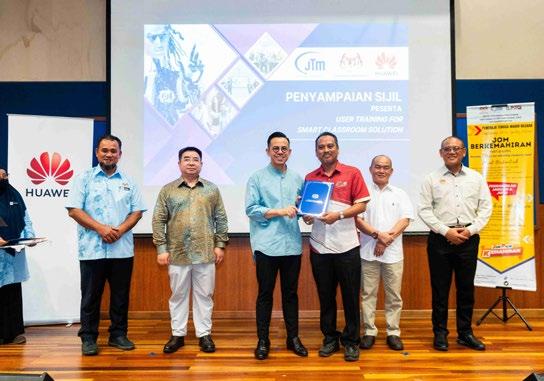
(TVET) in Malaysia, equipping students and instructors with the tools and skills needed to thrive in an increasingly digital workforce. With a focus on cutting-edge technology and industryrelevant education, this collaboration marks a pivotal moment in Malaysia’s journey toward becoming a global leader in technical education.
The launch, a culmination of strategic discussions initiated during Prime Minister Datuk Seri Anwar Ibrahim’s visit to China in November 2024, aligns with a Memorandum of Understanding (MoU) signed
at the Malaysia-China Summit in December 2024. Fully funded by Huawei Malaysia, the project runs until December 2025 and aims to bridge the gap between education and industry, a core objective of Malaysia’s National TVET Policy 2030. By integrating advanced technologies like 5G, artificial intelligence (AI), and cloud computing into the TVET ecosystem, this initiative is poised to prepare Malaysia’s youth for the demands of Industry 4.0.
At the heart of this transformative project is the Smart Classroom at ADTEC Senai in Kulai, Johor, designated as the national reference centre. Equipped with Huawei’s state-of-the-art
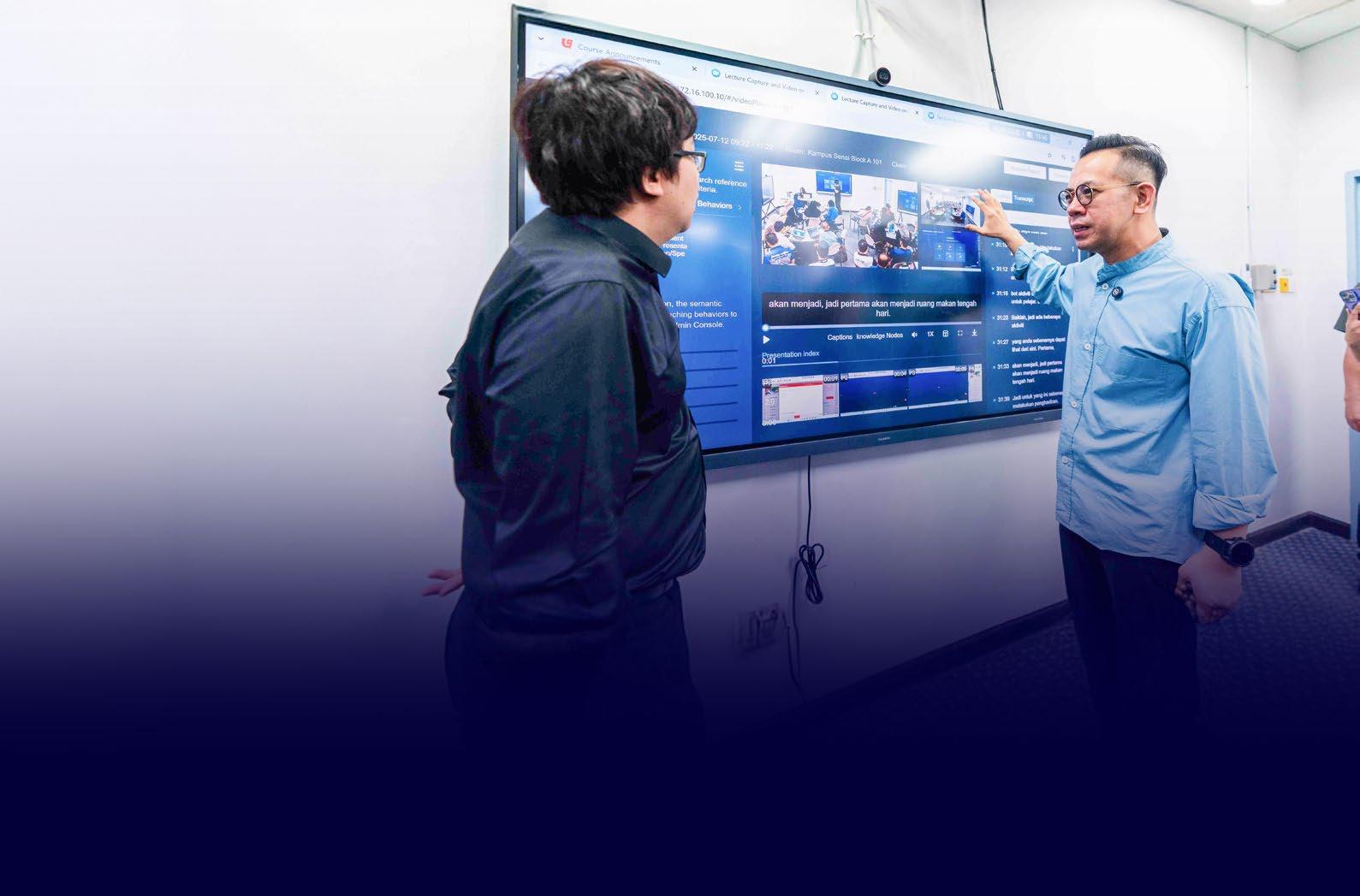
IdeaHub smartboards and a robust Learning Management System (LMS), this classroom enables a hybrid learning model that blends in-person and virtual instruction.
Students and instructors can engage in real-time lessons, record sessions for later review, and share digital content seamlessly. Complementing the Smart Classroom are five Digital Classrooms established at ADTEC campuses in Pasir Gudang, Johor Bahru, Pedas, Selandar, Perai, and Jerantut. These facilities leverage similar technologies to create dynamic, interactive learning environments that foster creativity and critical thinking. The impact of this initiative extends beyond hardware.




Huawei Malaysia has trained over 41 instructors to master these advanced systems, ensuring that the transition to digital learning is smooth and effective. By empowering educators with the skills to navigate smart technologies, the project sets a strong foundation for sustainable, long-term growth in TVET education. Students, in turn, gain access to hands-on training that mirrors real-world industry scenarios, preparing them for careers in high-demand fields like telecommunications, cybersecurity, and data science. This collaboration is more than a technological upgrade; it’s a vision for a future-ready workforce. The Smart and Digital Classrooms are designed to foster collaboration between educational institutions and industry partners, ensuring that TVET curricula remain relevant to evolving market needs. As part of the broader partnership, KESUMA and Huawei plan to establish TVET Huawei Learning
Centres, starting with the Institut Latihan Perindustrian (ILP) in Kuala Lumpur. These centres aim to train 2,000 participants by the end of 2025, offering specialized programs in emerging technologies. This ambitious target underscores Huawei’s commitment to supporting Malaysia’s digital transformation and economic growth.
The timing of this initiative couldn’t be more critical. As Malaysia positions itself as a hub for innovation in Southeast Asia, the need for a skilled, tech-savvy workforce has never been greater. The National TVET Policy 2030 emphasizes the importance of aligning education with industry demands, and the KESUMAHuawei partnership is a shining example of this vision in action. By leveraging Huawei’s expertise in 5G, AI, and cloud computing, Malaysia is not only enhancing its TVET ecosystem but also setting a benchmark for other nations to follow.


As the PoC project unfolds, its success will likely pave the way for broader implementation across Malaysia’s TVET institutions. The Smart and Digital Classrooms represent more than just a technological leap; they symbolize a commitment to empowering the next generation with the skills, confidence, and opportunities to shape a brighter future. With KESUMA and Huawei Malaysia leading the charge, Malaysia’s TVET landscape is on the cusp of a digital revolution, one classroom at a time.


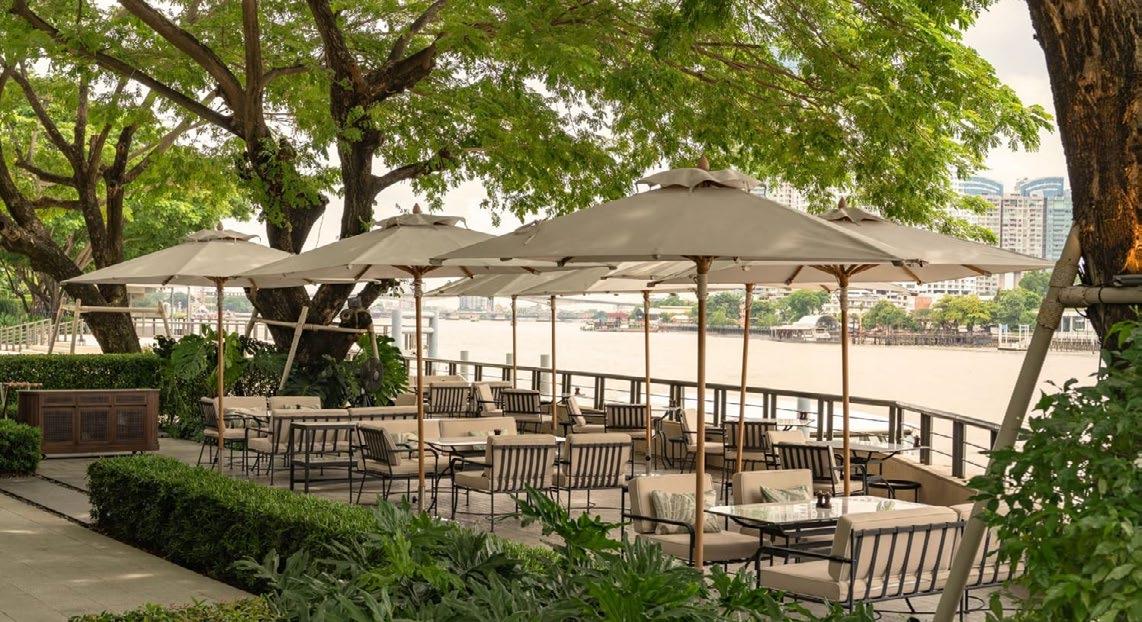
Tucked along a tranquil stretch of the Chao Phraya River, Capella Bangkok is more than a hotel — it is a sanctuary where the timeless spirit of Thai hospitality meets contemporary elegance. With its flawless riverfront setting, meticulous design, and soulful approach to service, the hotel has emerged as one of Asia’s most celebrated luxury properties. It stands as a serene counterpoint to Bangkok’s restless energy — a place where tradition, art, and architecture coexist in perfect harmony.
Capella Bangkok rests gracefully on Charoenkrung Road, Bangkok’s oldest paved street, known for its cultural texture and artistic revival.
Unlike towering hotels that
chase skyline dominance, Capella maintains a deliberately intimate profile. Its low-rise structure stretches along the riverbank, giving every room and suite an unbroken view of the water’s ebb and flow. From the moment guests arrive — often greeted with a gentle wai and jasmine-scented towel — they sense that this isn’t a hotel that shouts for attention. It whispers. The river glides past gracefully, temple bells ring faintly in the distance, and Bangkok’s past and present seem to converge in one tranquil breath. Capella Bangkok was envisioned as a “quiet dialogue with the river”, not a monument to modernity. It succeeds beautifully, crafting a world where calm and culture coexist effortlessly.

The design of Capella Bangkok reflects the philosophy of understated sophistication. Every line, texture, and proportion feels deliberate yet relaxed. The architecture embraces openness — large glass walls dissolve the boundary between interior and exterior, inviting the river and gardens to become part of the living experience. Inside, the hotel’s interiors are a masterclass in restraint. Warm woods, soft linens, brushed brass, and local crafts are layered to create a palette of serenity. Traditional Thai motifs are subtly embedded in modern forms — from handwoven textiles in muted tones to sculptural lighting that recalls lotus blossoms. The design captures the Thai concept of “sanuk” — joy in everyday details. Each space has a tactile beauty that rewards slow discovery: a carved screen here, a hand-painted ceramic there, all whispering stories of heritage and craftsmanship.
Capella Bangkok’s 101 suites and villas redefine what riverfront living can feel like. Each room opens to uninterrupted views of the Chao Phraya, creating an atmosphere that feels both luxurious and deeply personal. The Verandah Suites are particularly alluring — each comes with an outdoor jacuzzi and a private terrace overlooking the river, perfect for morning coffee or sunset contemplation. For guests seeking ultimate privacy, the Riverside Villas offer their own plunge pools, garden courtyards, and direct access to the river walkway.
Every element, from the thread count of the linens to the placement of an orchid stem, has been chosen with precision. Technology is present but discreet. Lighting adapts to mood; blinds glide silently; and an intuitive service system ensures you never feel interrupted. The sense of calm is accentuated by the rhythmic flow of the river — a natural meditation that defines the Capella experience.

Food is central to Capella Bangkok’s philosophy of pleasure. Its restaurants are not just dining venues but expressions of Bangkok’s cultural duality — tradition and innovation dancing in balance. Phra Nakhon, the hotel’s signature Thai restaurant, celebrates authentic regional flavours in a refined riverside setting. Inspired by Bangkok’s historic family kitchens, the menu features heirloom recipes prepared with farm-fresh ingredients. Guests dine in a glass conservatory surrounded by gardens, watching the river shimmer as they savour aromatic curries, river prawns, and coconutbased delicacies. The kitchen sources many of its ingredients from smallscale Thai farmers, preserving culinary traditions while promoting sustainability. The flavours are bright yet balanced, and every dish tells a story of Thailand’s diverse provinces — from Chiang Mai’s herbal complexity to the tangy depth of Southern Thai curries.

Côte by Mauro Colagreco brings the brilliance of a three-Michelinstarred chef to Bangkok’s riverfront. The restaurant offers a modern Mediterranean tasting menu that mirrors Colagreco’s philosophy of purity and seasonality. The space is minimalist and bright, with blond wood, marble textures, and panoramic river views. Each plate is a piece of art — elegant, balanced, and deeply flavourful. This restaurant quickly became a magnet for gourmets from around the world, earning its place among the finest dining experiences in Asia. The Tea Lounge at Capella Bangkok is a serene corner where time slows down. Here, afternoon tea is a ritual of grace — delicate pastries, housemade scones, and teas sourced from Chiang Rai’s highlands. Each serving is presented with choreography-like precision, turning a simple moment into a sensory ceremony.
At Stella, the hotel’s intimate bar, evenings come alive with creative cocktails inspired by Asian heroines. The interiors gleam with art deco accents, velvet textures, and soft lighting, offering a glamorous yet comforting setting. The mixologists craft drinks that blend local botanicals with modern mixology techniques — an embodiment of Bangkok’s evolving bar culture.






The Auriga Wellness Spa at Capella Bangkok is more than a retreat; it’s an awakening of body and spirit. Drawing from traditional Thai healing practices and contemporary therapies, Auriga designs each treatment as a journey rather than a service. The spa’s concept revolves around personalized wellness rituals — treatments guided by the lunar cycle, Thai herbal compresses, crystal sound baths, and energybalancing therapies. There are vitality pools, infrared saunas, steam rooms, and meditation corners surrounded by gardens.
Guests can also experience holistic workshops, yoga by the river at sunrise, and private consultations that tailor programs to individual energy and emotional states. Every detail, from the scent of lemongrass oil to the music of temple gongs, encourages
a deeper reconnection with oneself. Capella Bangkok’s service philosophy goes beyond luxury. The hotel employs what it calls “Capella Culturalists” — personal assistants who serve as both hosts and storytellers. Their role isn’t simply to manage itineraries, but to connect guests with the soul of Bangkok. Want to explore hidden shrines, local textile ateliers, or family-run noodle stalls? Your culturalist designs those experiences with authenticity and discretion. This personalised service transforms the hotel from a place of stay into a gateway to discovery.
Every interaction feels genuine — a smile that reaches the eyes, a cup of lemongrass tea waiting at your door after a spa session, a quiet check-in that feels like returning home. It’s a modern reinterpretation of Thai warmth, executed with world-class precision. Charoenkrung Road, once Bangkok’s main commercial artery, is now at the heart of a creative revival. Art galleries, antique shops, and street cafés line its winding alleys. Capella Bangkok plays a vital role in this transformation, serving as



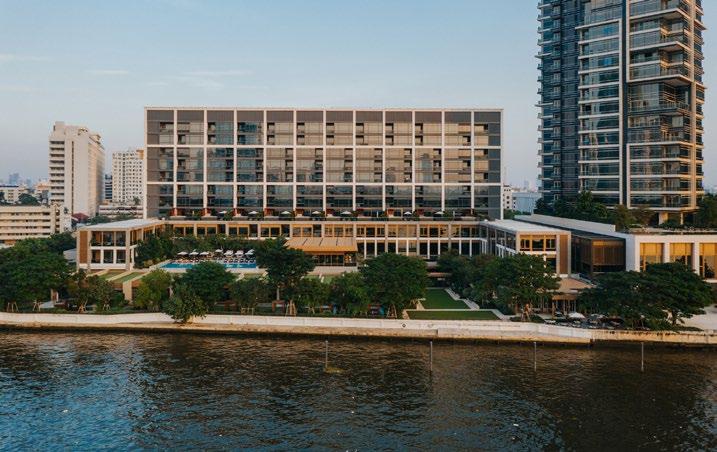

Capella Bangkok is also an exquisite venue for weddings, private dinners, and celebrations. The riverside lawns and elegant banquet spaces create a romantic setting framed by the glimmer of city lights. Each event is curated with precision — floral artistry, custom menus by award-winning chefs, and décor that captures Thai sophistication. For couples or families seeking an intimate yet grand celebration, the hotel offers one of Bangkok’s most enchanting backdrops.
Since its opening, Capella Bangkok has quickly accumulated a constellation of accolades. It has been ranked among Asia’s best hotels by international travel publications, praised for its architecture, service,
and culinary excellence. Côte by Mauro Colagreco has earned Michelin recognition, and the spa is frequently listed among the top wellness destinations in Thailand. These honours validate what guests already feel — that Capella Bangkok has redefined riverside hospitality in one of Asia’s most vibrant capitals. What truly sets Capella apart is its belief that luxury is not about excess, but about attention — attention to craft, to people, and to place. The hotel does not overwhelm guests with opulence; it gently envelops them in authenticity.
Capella Bangkok stands as one of the finest examples of newgeneration luxury hospitality in Asia — intelligent, soulful, and deeply respectful of its surroundings. It doesn’t compete with Bangkok’s energy; it complements it. Here, you don’t just stay by the river — you live with it. You wake to the glow of sunrise on the water, dine beneath candlelight as boats drift silently by, and end the day in your villa surrounded by the hum of the city’s heart.


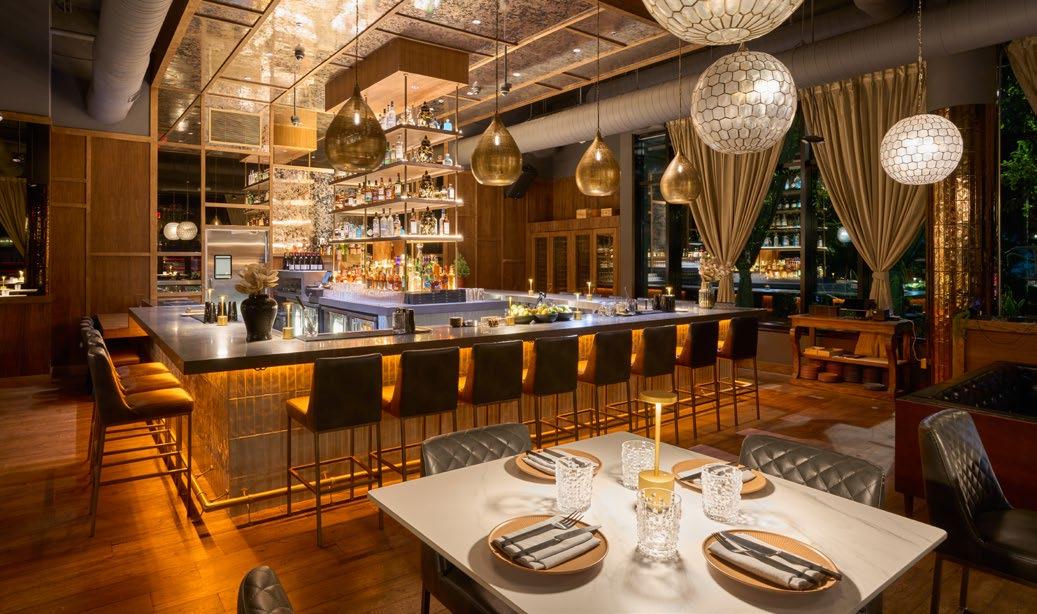
India’s hospitality sector is sizzling, and B2B food startups are eagerly plating up innovative solutions to fuel its growth. From bustling metro cities to emerging tier-2 and tier-3 markets, the industry is projected to reach a staggering USD 541.70 billion by 2030, growing at a robust 13.96% CAGR. This dynamic landscape, driven by rising tourism, evolving consumer preferences, and technological advancements, is proving to be a goldmine for B2B food startups. But what’s cooking behind this frenzy? Let’s dive into the key ingredients making India’s hospitality sector an irresistible bet for these ventures.
India’s hospitality industry is riding a wave of transformation. A postCOVID travel surge, coupled with a burgeoning middle class and
improved infrastructure, has turned the country into a hotspot for domestic and international tourism. The restaurant industry alone is expected to employ 10.3 million people by 2028, up from 8.5 million in 2024, signalling robust economic impact. Hotels, restaurants, and cafes (HORECA) are expanding rapidly, not just in urban centres but also in tier-2 and tier-3 cities, where corporate presence and tourism are driving demand for quality dining experiences. This growth creates a massive opportunity for B2B food startups to supply everything from high-quality ingredients to readyto-eat (RTE) meals. For instance, startups like Captain Fresh are revolutionizing seafood supply chains, while others like Farmley deliver premium nuts and dry fruits to meet the hospitality sector’s need for consistent, scalable solutions. The sector’s economic promise— projected to contribute 10% to India’s GDP by 2030—makes it a magnet for entrepreneurial innovation.
Today’s diners, particularly millennials and Gen-Z, who make up over 35% of India’s population, are redefining culinary expectations. They crave hyperlocal authenticity, global flavors, and healthier options, all delivered with speed and convenience. This shift has pushed hospitality businesses to seek B2B partners who can provide specialized products, such as plantbased meats from Greenest or organic teas from Goodwyn Tea. These startups enable hotels and restaurants to offer menus that align with modern demands for sustainability and nutrition. The rise of food delivery and cloud kitchens has further amplified the need for B2B solutions. Platforms like Zomato and Swiggy, which partner with hospitality businesses, rely on startups to supply pre-prepared ingredients and packaged foods that ensure consistency across outlets. This trend is particularly pronounced in urban areas, where quick-commerce platforms like BigBasket’s 10-minute delivery model are setting new standards for speed and quality.
Technology is the backbone of this B2B revolution. Startups are leveraging AI, IoT, and data analytics to streamline supply chains, reduce waste, and enhance operational efficiency. For example, Jumbotail’s proprietary platform connects kirana stores with brands, while HungerBox offers digital cafeteria management for corporate and institutional clients. These solutions help hospitality businesses manage inventory, predict demand, and deliver seamless dining experiences. Cloud kitchens, a fastgrowing segment, depend on B2B startups for tech-driven logistics, such as automated ordering systems and realtime delivery tracking. Meanwhile, IoT-based innovations like Daalchini’s smart vending machines address lastmile delivery challenges, ensuring fresh food reaches consumers efficiently. By integrating these technologies, B2B startups are becoming indispensable partners for hospitality businesses aiming to stay competitive in a digitalfirst world.







Government initiatives are adding fuel to the fire. The Production Linked Incentive (PLI) Scheme and 100% FDI allowance in food e-commerce have attracted over USD 839 million in investments to the food processing sector. Programs like the PM Formalisation of Micro Food Processing Enterprises Scheme empower small-scale startups and farmers, strengthening the supply chain for hospitality businesses. This supportive ecosystem encourages B2B startups to innovate and scale, particularly in underserved rural and semi-urban markets. The investment landscape is equally vibrant, with USD 14.8 billion poured into food and agriculture startups, including USD 250 million in 2025 alone. Investors like BIRAC and L Catterton are backing ventures that cater to the hospitality sector’s needs, from sustainable packaging to highvalue processed foods. This influx of capital signals strong confidence in the sector’s long-term potential.
Sustainability is no longer a buzzword but a business imperative. Hospitality businesses are adopting ecofriendly practices, such as in-house water bottling and biodegradable packaging, creating demand for B2B startups like Evlogia, which supplies organic straws, or To Be Honest, which offers healthy snacks. These startups align with consumer preferences for greener, healthier dining options, giving them a competitive edge. The expansion into tier-2 and tier-3 cities is another game-changer. With chain hotels and restaurants doubling their presence in these regions, B2B startups like ZappFresh and Country Delight are stepping in to supply fresh meat, seafood, and dairy. This untapped market, driven by rising corporate activity and tourism, offers immense growth potential for startups willing to navigate logistical challenges.


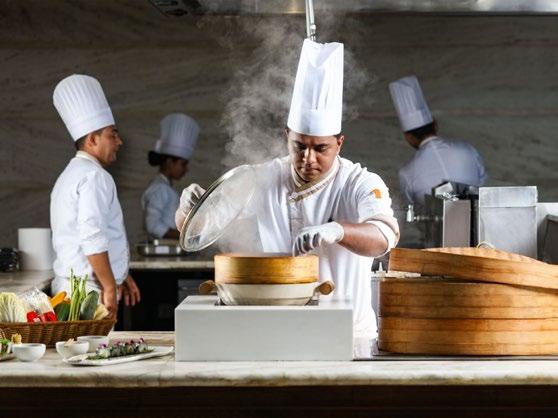



Despite the promise, challenges like inadequate cold chain infrastructure, which leads to 30% agricultural produce loss, persist. However, B2B startups are turning these hurdles into opportunities. By investing in AI-powered supply chains and cold storage solutions, they’re addressing inefficiencies and building trust with hospitality partners. These innovations not only reduce waste but also ensure reliability, making startups critical to the sector’s growth.
India’s hospitality sector is a feast of opportunities, and B2B food startups are serving up the perfect recipe for success. By addressing consumer demands for quality, convenience, and sustainability, leveraging cutting-edge technology, and capitalizing on government support and regional expansion, these startups are carving out a lucrative niche. As the industry continues to grow, the partnership between B2B food startups and hospitality businesses will redefine India’s culinary landscape, delivering value to consumers and profits to innovators. For these startups, the future is as promising as a perfectly plated dish—ready to be savoured.
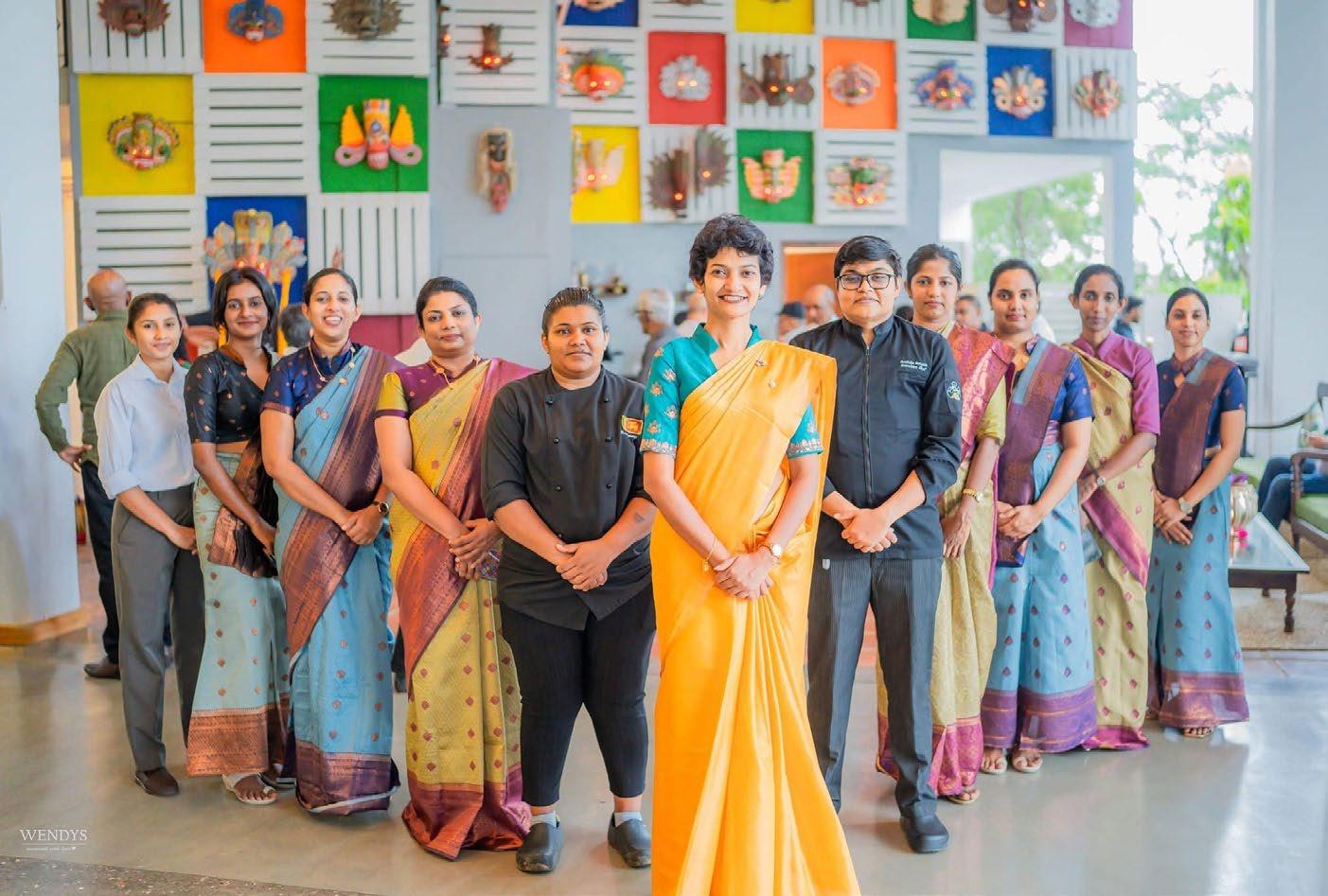
In a landmark move for gender equality and economic progress, Sri Lanka’s government has repealed a decades-old regulation that barred women from working as waitresses in hotels and restaurants after 10:00 PM.
The amendment to the Shop and Office Employees Act, enacted in July 2025, marks a significant shift in the country’s labour landscape, allowing women over 18 to work night shifts as food servers in establishments with residential facilities. This policy change, warmly welcomed by the hospitality sector, is poised to reshape Sri Lanka’s booming tourism industry, which welcomed two million visitors in 2024, while sparking conversations about workplace safety and inclusivity.
The repealed 1954 regulation was a relic of a bygone era, rooted in outdated notions of protecting women by restricting their work hours. For years, it limited women’s roles in hospitality, confining them to daytime shifts or non-serving positions like receptionists, who were already exempt from the restriction. The amendment now levels the playing field, allowing women to take on night shifts in restaurants and hotels, aligning their opportunities with those of their male counterparts. Industry leaders see this as a game-changer for a sector that employs over 400,000 people and contributes significantly to Sri Lanka’s economy.
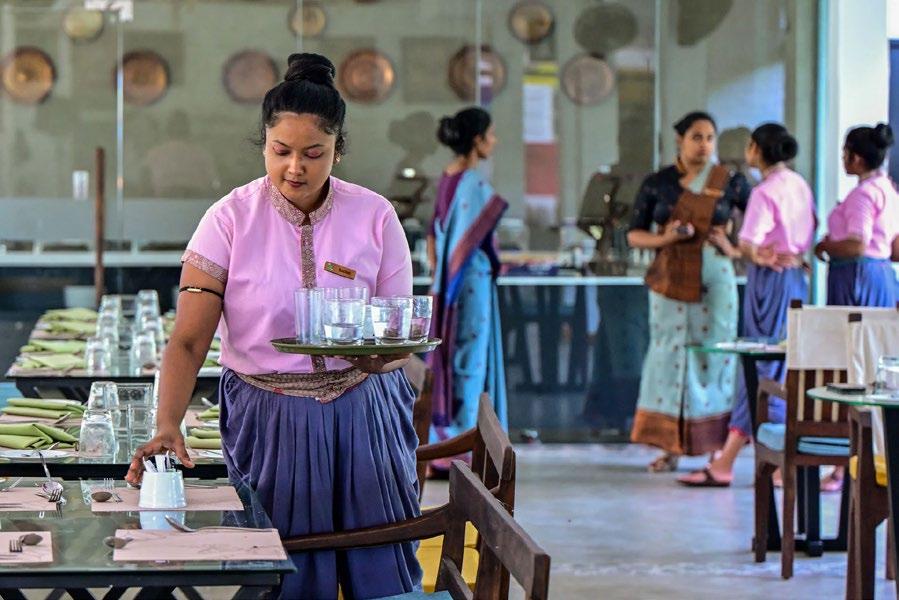
Chandra Wickremesinghe, a prominent figure in the hospitality industry and director of Thema Collection, hailed the reform as a “long-overdue step toward gender equality.” He noted that women currently make up just 10% of the hospitality workforce, a figure that lags behind global standards.
“This change opens doors for women to take on roles that were previously inaccessible, boosting both their economic empowerment and the industry’s diversity,” Wickremesinghe said. Hotels and restaurants, especially in tourist hotspots like Colombo, Galle, and Kandy, often operate late into the night to cater to international visitors. Allowing women to work these shifts ensures businesses can operate at full capacity while offering women greater flexibility and
earning potential. The timing of the reform couldn’t be better. Sri Lanka’s tourism sector is riding a wave of recovery, with visitor numbers rebounding to pre-pandemic levels. The influx of tourists has created a high demand for skilled workers, and the hospitality industry sees the inclusion of women in night shifts as a way to address labour shortages while enhancing service quality.
Establishments like five-star hotels and upscale restaurants, which often host late-night diners, can now tap into a broader talent pool, fostering a more dynamic and inclusive workforce. However, the reform is not without its challenges. While the policy change is a step forward, stakeholders emphasize the need for robust safety measures to protect women working late hours.
M Shanthikumar, president of the Hotels Association of Sri Lanka, stressed the importance of providing safe transportation and accommodation for female employees. “If we want women to feel confident taking on night shifts, employers must prioritize their safety and well-being,” he said. This sentiment is echoed by many in the industry, who argue that without proper infrastructure—such as secure
transport, well-lit workplaces, and clear anti-harassment policies— the reform’s benefits could be undermined.Public reaction has been mixed, with some voicing concerns about the potential for exploitation. On some criticized the lack of transparency in the policy’s drafting, warning that without stringent safeguards, women could face unsafe working conditions or pressure to work undesirable hours.

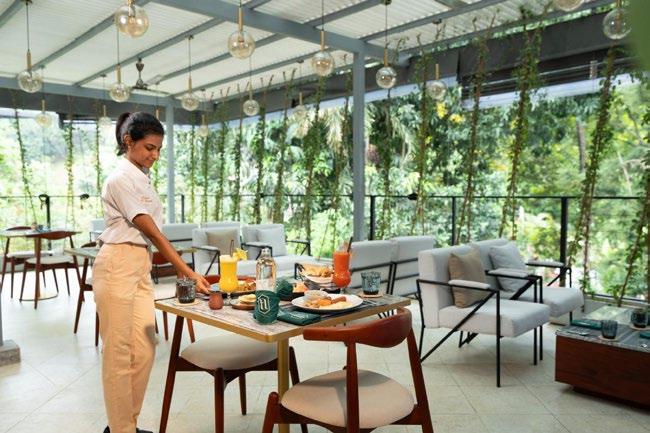
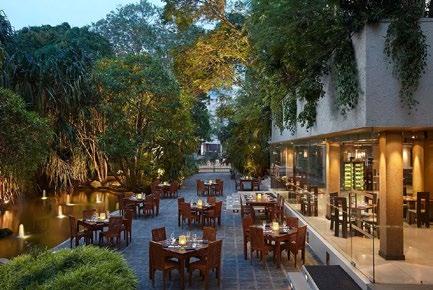
Others, however, see the reform as a progressive move that empowers women to make their own choices.
“It’s about trusting women to decide what’s best for them, not infantilizing them with outdated laws,” is a common sentiment shared among some people. As Sri Lanka navigates this transition, the hospitality sector is optimistic about the future. The reform not only aligns with global trends toward gender equality but also positions the country to maximize its tourism potential. By fostering an inclusive workforce, Sri Lanka is sending a clear message: women are not just part of the hospitality industry— they are key to its growth and success. As hotels and restaurants adapt to this new reality, the hope is that this policy will pave the way for broader labour reforms, ensuring that all workers, regardless of gender, can thrive in a safe and equitable environment.

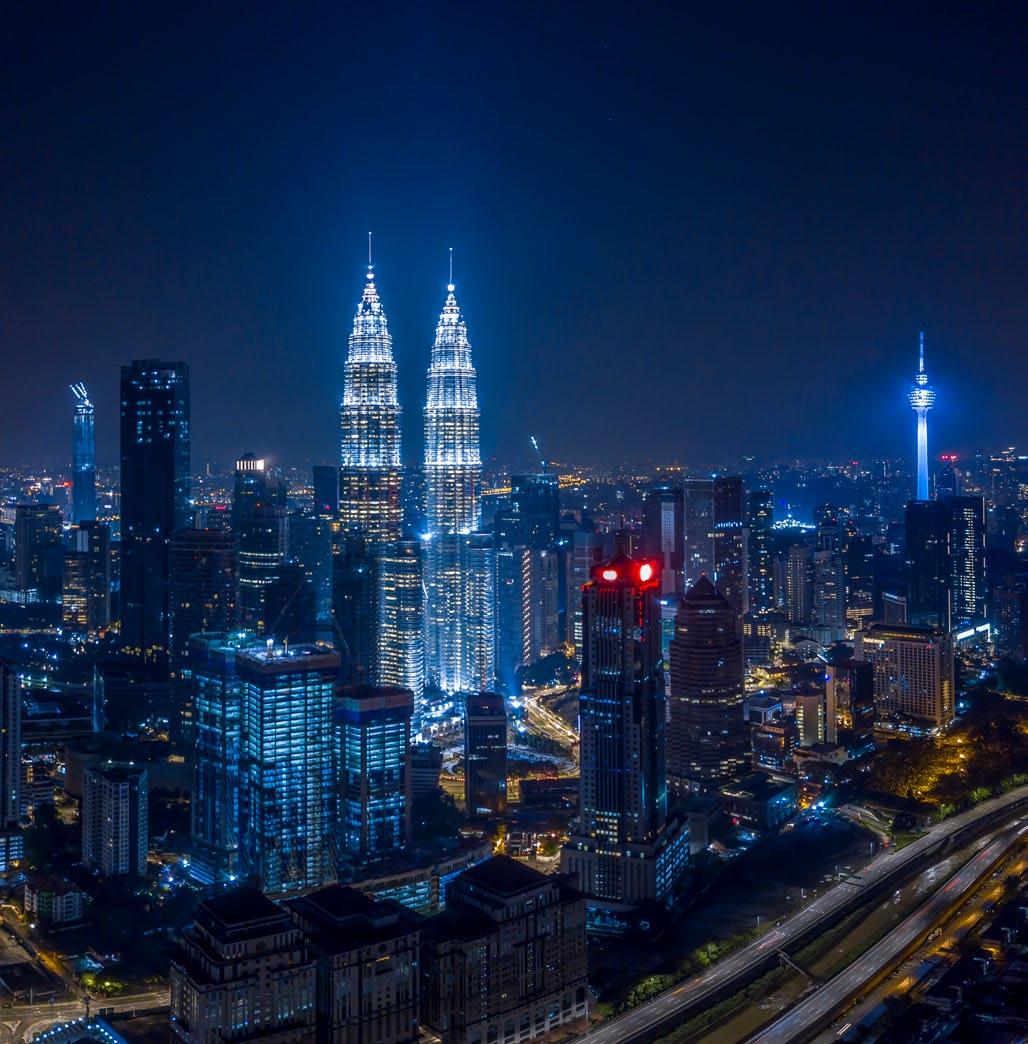
In a world increasingly shaped by artificial intelligence (AI), Malaysia is charting an ambitious course to transform itself from a technology consumer into a regional AI powerhouse. Launched under the 13th Malaysia Plan (13MP) and guided by the National Artificial Intelligence Roadmap 2021-2025, the country’s five-year plan is a strategic blueprint to drive innovation, boost economic competitiveness, and ensure inclusive, sustainable AI adoption. With a vision to contribute up to USD 115 billion to its economy by 2030, Malaysia is positioning itself as a leader in the global AI landscape. Here’s an indepth look at how Malaysia is paving the way to become an AI hub and the challenges and opportunities that lie ahead.

A Vision for AI-Driven Transformation
Malaysia’s AI aspirations are rooted in a clear goal: to evolve into a creator of “Made by Malaysia” AI solutions that rival global standards. The establishment of the National Artificial Intelligence Office (NAIO) in December 2024 marks a pivotal step toward centralizing policy-making, regulatory oversight, and strategic planning. The NAIO is tasked with delivering critical frameworks, including an AI Technology Action Plan 2026-2030 and an AI Adoption Regulatory Framework, to ensure Malaysia’s AI ecosystem is both innovative and responsible.

The plan aligns with Malaysia’s broader digital transformation agenda, aiming to elevate per capita income to RM 77,200 by 2030 and position the country as a digital leader during its 2025 ASEAN chairmanship. By fostering public-private partnerships, investing in infrastructure, and prioritizing ethical AI, Malaysia is laying the groundwork for a sustainable and inclusive AI-driven future.
Pillars of Malaysia’s AI Ambition
Malaysia’s five-year plan is built on six strategic pillars designed to create a robust AI ecosystem: 1. Innovation and Research: The government is promoting cutting-edge AI research in high-impact sectors such as healthcare, agriculture, manufacturing, and finance. For instance, AI applications in smart farming and medical diagnostics are expected to enhance productivity and global competitiveness.
2. Talent Development:
Recognizing that a skilled workforce is the backbone of AI innovation, Malaysia is investing heavily in education and training. Initiatives include introducing AI literacy in primary schools, establishing an AI faculty at Universiti Teknologi Malaysia, and partnering with tech giants to train 800,000 Malaysians in AI skills by 2025.
3. Infrastructure and Ecosystem: Malaysia is capitalizing on significant investments from global tech leaders like Google, Microsoft, and Amazon, which have committed over RM 99 billion to build data centres and cloud infrastructure. A national cloud policy further supports public service efficiency, data security, and digital inclusivity.
4. Ethical AI and Governance: To ensure responsible AI adoption, Malaysia is developing a code of ethics and regulatory guidelines to address risks like algorithmic bias and data misuse. The NAIO is at the forefront of creating transparency and accountability frameworks.



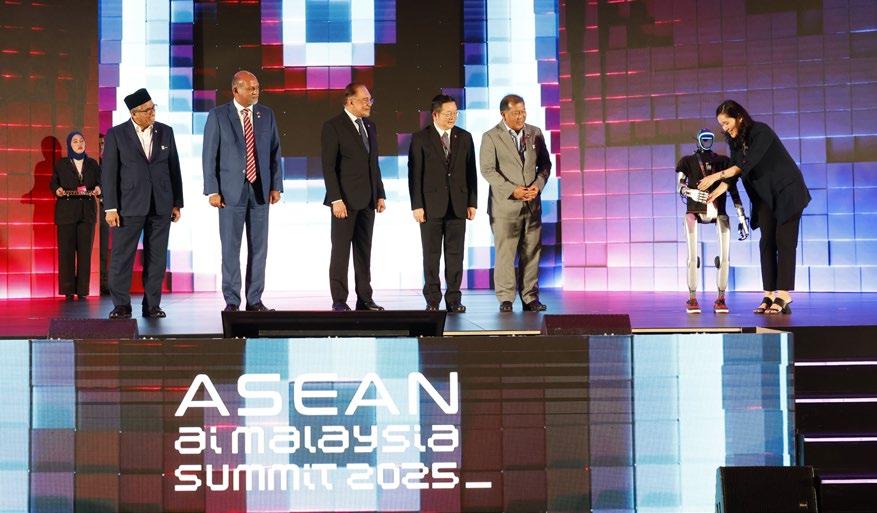

5. Sectoral Integration:
AI is being embedded across key industries, from finance and telecommunications to agriculture and healthcare. This integration aims to create high-value jobs and position Malaysia as a leader in smart manufacturing and digital services.
6. Global Collaboration:
By partnering with international tech firms and aligning with global AI standards, Malaysia is fostering knowledge exchange and positioning itself as a regional hub. Its role in leading the ASEAN AI Safety Network in 2025 underscores this commitment.
Several flagship initiatives are propelling Malaysia’s AI agenda forward:
National AI Office (NAIO): Launched in 2024, the NAIO is the cornerstone
of Malaysia’s AI strategy, overseeing policy development and delivering seven key outcomes in its first year, including an AI code of ethics and a five-year action plan.
AI for Policymakers:
Programs like “AI for Policymakers,” developed with Microsoft and the Parliament of Malaysia, leverage tools like ParlimenGPT to enhance data-driven governance and decision-making.
Budget 2025 Support:
The government has allocated RM 10 million to fund NAIO operations and introduced tax incentives for AI-related research, training, and job creation, encouraging privatesector participation.
Industry Partnerships:
Collaborations with tech giants like Google, Microsoft, and Alibaba are bolstering Malaysia’s digital infrastructure, while local startups are being supported to scale innovative AI solutions.
While Malaysia’s AI ambitions are promising, several challenges must be addressed to ensure success:
Funding Constraints: Local AI innovators often face limited access to capital, hindering their ability to compete globally. Experts emphasize the need for stronger public-private funding models to support startups.
Public Preparedness:
Bridging the digital divide between urban and rural communities is critical for inclusive AI adoption. Raising AI literacy across all demographics remains a priority.
Mindset Shift: Malaysian solutions face skepticism compared to imported technologies, requiring robust validation and scalability support to gain trust.
Regulatory Gaps: Comprehensive frameworks are needed to address emerging risks, such as data privacy and
ethical AI use, without stifling innovation.
The potential rewards of Malaysia’s AI strategy are significant. By 2030, AI is projected to contribute RM 115 billion to the country’s GDP, driven by growth in sectors like semiconductors, agri-tech, and digital services.
The focus on high-value industries is expected to create thousands of jobs, particularly in smart manufacturing and the digital economy. Malaysia’s strategic position as a regional hub, bolstered by its 2025 ASEAN chairmanship, offers a platform to lead initiatives like the ASEAN AI Safety Network, enhancing its global influence.
Moreover, Malaysia’s commitment to ethical AI and inclusivity positions it as a model for responsible AI adoption. By fostering an ecosystem that balances innovation with governance, the country is poised to attract further investment and talent, cementing its role as a regional AI leader.





Industry experts highlight the plan’s potential while calling for focused efforts. Khalil Nooh stresses the importance of public-private collaboration to overcome funding barriers. Dr. Azree Nazri of the Malaysian AI Society advocates for inclusive AI adoption, particularly in rural and agricultural sectors.
Tan Han Wei of Sustainable Hrvest emphasizes the need for a complete ecosystem, including cloud infrastructure and export-readiness programs, to scale local solutions.
Adrian Marcellus, CEO of MyDIGITAL, underscores a phased, risk-based governance approach to balance innovation and safety.
Malaysia’s five-year plan to become an AI powerhouse is a bold and comprehensive strategy that leverages its strengths in infrastructure, talent, and global partnerships. By addressing challenges like funding, inclusivity, and regulatory gaps, Malaysia can unlock the full potential of AI to drive economic growth and societal benefits. As the country prepares to take the global stage during its 2025 ASEAN chairmanship, its journey toward becoming a regional AI leader is one to watch.

Asia is rapidly emerging as a global powerhouse for scientific innovation, with several cities leading the charge in producing groundbreaking research that shapes the future. These “brain hubs” are not just urban centres; they are vibrant ecosystems where academia, industry, and government converge to push the boundaries of knowledge in fields like artificial intelligence, biotechnology, quantum computing, and sustainable energy. From Tokyo’s tech-driven labs to Bangalore’s bustling startup scene, here’s a look at the top Asian cities driving cuttingedge research and why they matter.
TOKYO, JAPAN
The Epicentre of Technological Innovation
Tokyo stands tall as Asia’s premier hub for research and development (R&D). Home to institutions like the University of Tokyo and RIKEN, Japan’s leading research institute, the city churns out pioneering work in robotics, AI, and quantum physics. In 2024, Tokyo-based researchers made headlines with advancements in quantum computing, developing qubits with unprecedented stability, bringing practical quantum computers closer to reality. The city’s strength lies in its



synergy between academia and industry giants like Sony, Hitachi, and Toshiba, which pour billions into R&D annually. Tokyo’s government also plays a pivotal role, with initiatives like the “Society 5.0” vision fostering smart, humancentred technologies. Beyond its labs, Tokyo’s ecosystem thrives on collaboration. Research parks like the Kashiwa-no-ha Smart City integrate universities, startups, and corporations, creating a melting pot for innovation. With over 3,000 patents filed annually and a robust network of international partnerships, Tokyo’s influence on global science is undeniable. Its researchers are tackling pressing challenges, from aging populations to climate change, making it a beacon of progress.
The Compact Powerhouse of Multidisciplinary Research
Singapore, a city-state with outsized impact, punches well above its weight in global research. The National University of Singapore (NUS) and Nanyang Technological University (NTU) rank among the world’s top institutions, excelling in fields like biomedical engineering, nanotechnology, and green energy. In 2025, Singapore’s A*STAR (Agency for Science, Technology and Research) led breakthroughs in mRNA vaccine technology, building on its pandemicera contributions. The city’s Biopolis and Fusionopolis hubs foster interdisciplinary research, bringing together scientists, engineers, and entrepreneurs under one roof.
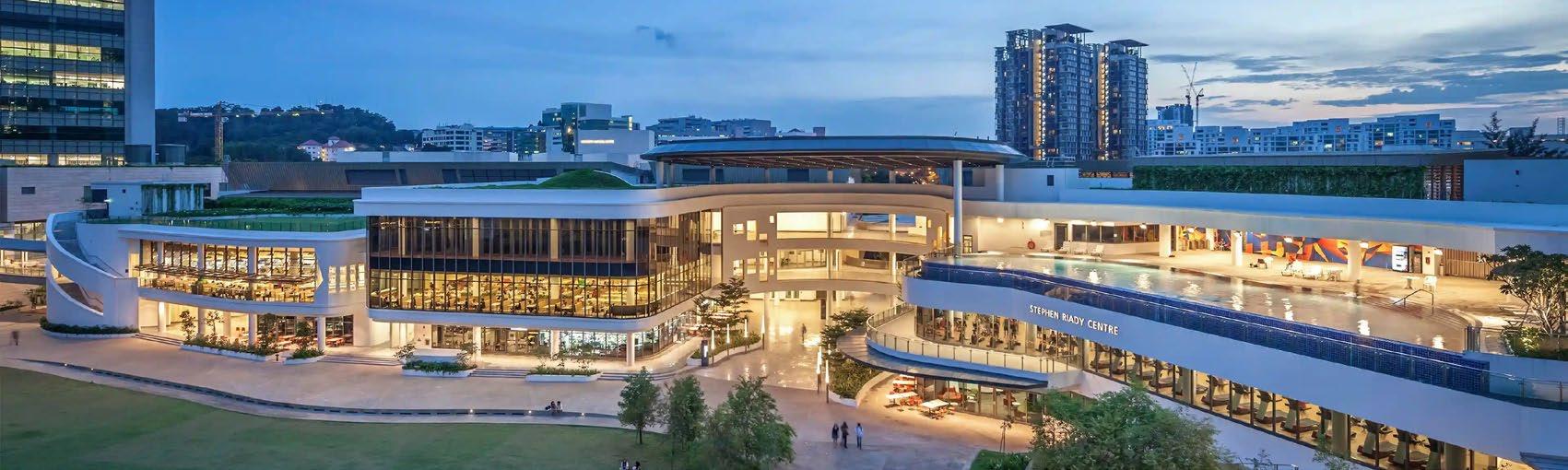
Singapore’s edge lies in its strategic vision and global connectivity. The government’s hefty investment—over 2% of GDP annually—fuels R&D, while policies like the Research, Innovation, and Enterprise 2025 Plan attract top talent worldwide. The city’s compact size enables seamless collaboration, with researchers moving swiftly from lab to market. Singapore’s focus on sustainability, evidenced by its work on carbon capture and vertical farming, positions it as a leader in addressing global challenges. Its diverse, Englishspeaking workforce and open immigration policies further amplify its appeal as a research magnet.
Beijing is China’s intellectual nerve centre, home to Tsinghua University and Peking University, which consistently rank among Asia’s best. The city’s research output is staggering, with over 100,000 scientific papers published annually, many in high-impact fields like AI, genomics, and renewable energy. In 2024, Beijing researchers unveiled a breakthrough in perovskite solar cells, boosting efficiency to record levels and promising cheaper, greener energy. The Chinese Academy of Sciences, headquartered here, drives much of this innovation, supported by state-backed funding and ambitious national goals like achieving carbon neutrality by 2060.


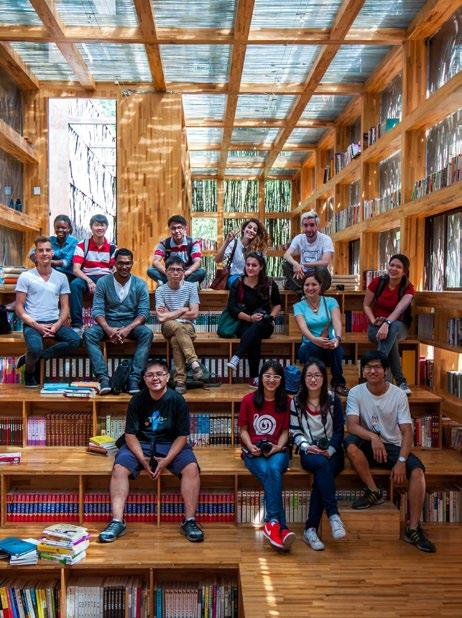

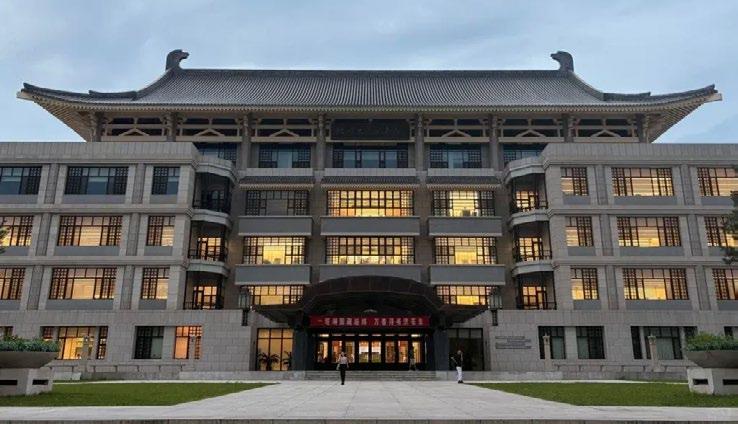
Beijing’s strength is its scale. The Zhongguancun Science Park, dubbed China’s Silicon Valley, hosts thousands of startups and tech giants like Baidu and Lenovo. Government policies, including the “Made in China 2025” initiative, prioritize cutting-edge sectors, ensuring a steady flow of resources. However, Beijing’s research ecosystem is not without challenges—geopolitical tensions and restrictions on international collaboration can limit its global reach. Still, its sheer output and investment make it a formidable player.
The Startup-Science Nexus
Bangalore, often called India’s Silicon Valley, is a rising star in global research, blending academic excellence with entrepreneurial energy. The Indian Institute of Science (IISc) and Indian Institute of Technology (IIT) Bangalore lead in areas like AI, space technology,
and biotechnology. In 2025, Bangalore-based researchers developed a low-cost, AI-powered diagnostic tool for early cancer detection, showcasing the city’s knack for frugal innovation. The city’s startup ecosystem, with over 7,000 tech ventures, bridges lab discoveries to real-world applications.
Bangalore’s vibrancy stems from its youthful talent pool and collaborative culture. Organizations like the Bangalore Life Sciences Cluster foster partnerships between academia, industry, and government. The city’s affordability and dynamic startup scene attract global tech firms like Google and Microsoft, which run major R&D centres here. While infrastructure challenges like traffic congestion and power outages persist, Bangalore’s momentum is unstoppable, with its researchers tackling local and global issues, from clean water to climate tech.
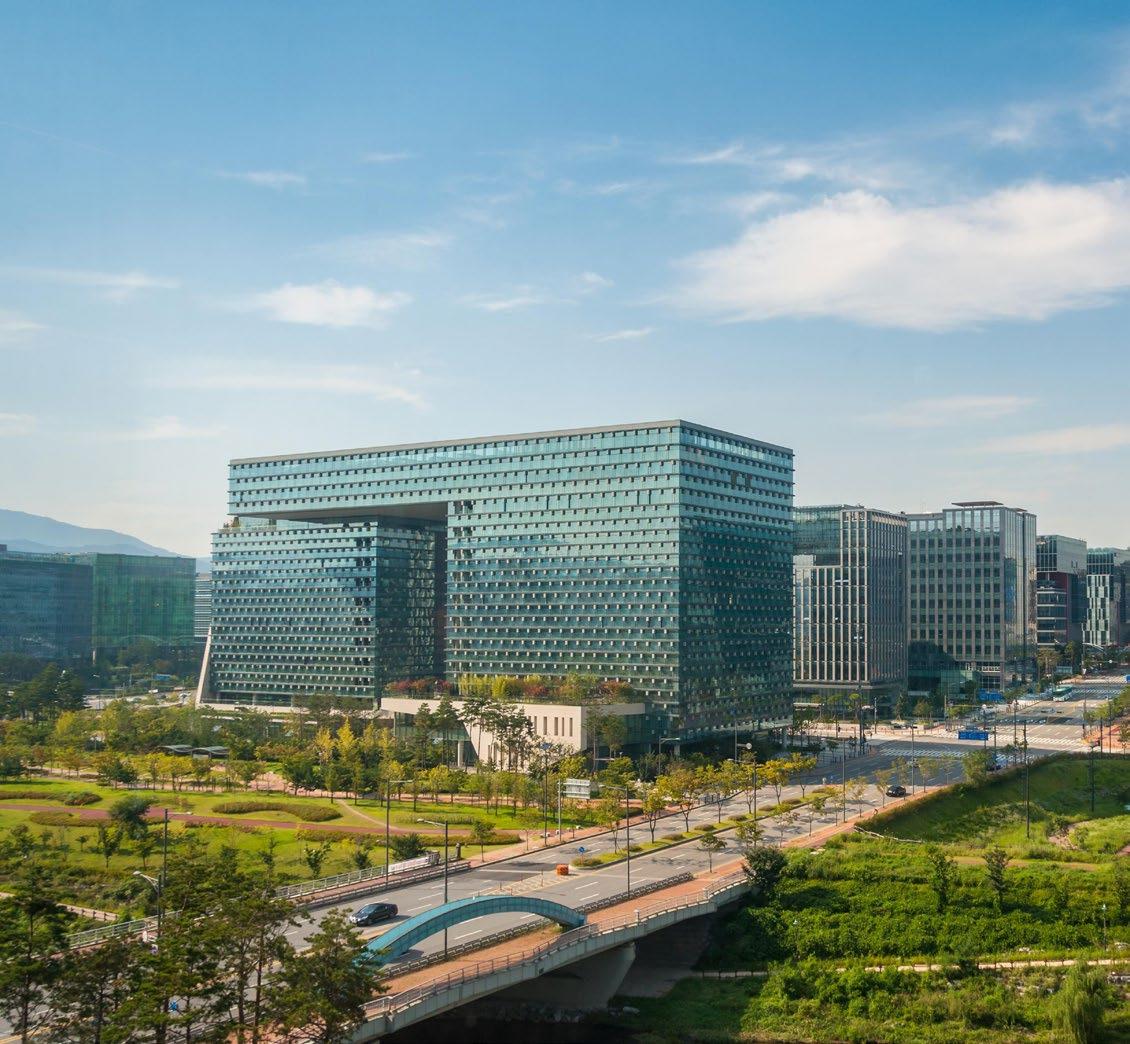

The Hub of Speed and Precision
Seoul’s rise as a research hub is fuelled by its relentless focus on innovation and speed. Home to Seoul National University and KAIST, the city excels in semiconductors, 5G technology, and bioengineering. In 2024, Seoul-based Samsung Advanced Institute of Technology unveiled a next-generation 3nm chip, solidifying South Korea’s dominance in semiconductors. The government’s heavy investment—over 4% of GDP on R&D—drives this progress, with initiatives like the K-Global Project fostering global collaboration. Seoul’s Pangyo Techno Valley is a hotspot for startups and tech giants, creating a dynamic environment where ideas move quickly from concept to market. The city’s emphasis on precision and quality control ensures its research translates into
reliable, scalable solutions. Seoul’s cultural emphasis on education and innovation, combined with its techsavvy population, makes it a powerhouse for cutting-edge discoveries.
WHY THESE CITIES MATTER
These Asian brain hubs are reshaping the global research landscape. Tokyo’s technological prowess, Singapore’s interdisciplinary agility, Beijing’s scale, Bangalore’s frugal innovation, and Seoul’s precision collectively address humanity’s biggest challenges—climate change, health crises, and technological disruption. Their diverse approaches, from state-driven models in Beijing to entrepreneurial ecosystems in Bangalore, offer lessons for the world. As these cities continue to collaborate and compete, they’re not just producing research—they’re defining the future.



The Philippines is carving a niche as a premier destination for senior-friendly tourism, blending its rich cultural heritage, natural beauty, and warm hospitality with innovative policies to cater to older travellers. Through a groundbreaking partnership between the Department of Tourism
(DoT) and the National Commission of Senior Citizens (NCSC), formalized by a Memorandum of Understanding (MOU) signed on May 21, 2025, the country is redefining inclusive tourism. This initiative not only enhances


the travel experience for seniors but also positions the Philippines as a leader in accessible tourism in Southeast Asia, fostering economic growth and social empowerment. The collaboration between the DoT and NCSC aims to create an inclusive tourism ecosystem that prioritizes the well-being and active participation of senior citizens. Tourism Secretary Christina Garcia Frasco emphasized that seniors are not just passive travellers but valuable contributors to the industry. “By ensuring that our tourism offerings are accessible and engaging for seniors, we are fostering an environment where they can thrive, explore, and even share their expertise,” Frasco


stated. This vision aligns with national policies like the National Commission of Senior Citizens Act and the Tourism Act of 2009, which underscore the importance of inclusivity in nationbuilding. A cornerstone of this initiative is the development of age-friendly infrastructure. The DoT is prioritizing accessible features such as ramps, elevators, handrails, and senior-friendly amenities at tourist sites. The Barrier-Free Tourism program, a flagship effort, ensures destinations are equipped with facilities like accessible restrooms, lactation stations, and clear signage to accommodate seniors and persons with disabilities (PWDs).



Popular destinations like Bohol, with its scenic Chocolate Hills and serene Loboc River Cruise, and Cebu, home to PWD-friendly resorts, are being enhanced to require minimal walking and offer convenient transport options. Iloilo, known for its cultural heritage, is also emerging as a senior-friendly hub with accessible heritage sites and accommodations.
Beyond infrastructure, the Philippines is empowering seniors through engagement and livelihood opportunities. The DoT and NCSC are rolling out artisan workshops, wellness programs, homestays, and culinary tourism experiences tailored to seniors’ interests. These activities not only enrich their travel experience but also promote active aging. Additionally,


training programs are equipping seniors to serve as tour guides, resort staff, or cultural ambassadors, leveraging their knowledge and life experiences to enrich the tourism sector. This dual approach—enhancing accessibility while creating economic roles for seniors— sets a new standard for inclusive tourism. Digital literacy is another focus area, recognizing that technology can be a barrier for older adults. The initiative includes programs to teach
seniors how to navigate online booking platforms, access virtual tours, and use mobile apps for travel planning. By bridging the digital divide, the Philippines ensures that seniors can independently explore destinations and make informed travel decisions, enhancing their confidence and autonomy.The timing of this push aligns with favourable policies and economic incentives. The Expanded Centenarians Act, for instance, provides
cash grants to Filipinos, including overseas citizens, at milestone ages (e.g., 80, 85, 90, and 100), enabling seniors to fund leisure travel. The proposed PWD and Senior Citizen-Friendly Tourism Sites Act further reinforces the government’s commitment to accessibility, mandating compliance with universal design standards across tourism facilities. These measures not only benefit seniors but also stimulate local economies by increasing tourism spending.



For senior travellers, the Philippines offers a wealth of accessible destinations. Manila’s historic sites, such as Intramuros, are being retrofitted with seniorfriendly pathways, while El Nido’s stunning beaches are accessible via resorts with inclusive amenities.
The cooler months from December to February are ideal for seniors, offering pleasant weather for exploring. Additionally, retirement tourism packages are being developed, promoting the Philippines as
a destination for long-term stays with wellness-focused accommodations.This senior-friendly tourism push is more than a policy—it’s a cultural shift. By prioritizing accessibility, engagement, and empowerment, the Philippines is not only enhancing the travel experience for seniors but also setting a global benchmark for inclusive tourism. As the country continues to refine its offerings, it invites seniors worldwide to discover its beauty, proving that age is no barrier to adventure.
In the fast-paced digital era, Asia’s education landscape is undergoing a transformative shift, driven by the rise of microcontent—bite-sized, engaging, and accessible learning materials designed for quick consumption. From short videos and infographics to interactive quizzes and podcasts, microcontent is reshaping how students learn, educators teach, and institutions adapt across the continent.
THE RISE OF MICRO -CONTENT IN ASIA
Asia, home to over 4 billion people and some of the world’s most techsavvy populations, is a fertile ground for digital

innovation in education. With smartphone penetration rates soaring— over 90% in countries like South Korea and Singapore— and internet access expanding even in rural areas, microcontent has become a gamechanger. Platforms like ByteDance’s Douyin (China’s TikTok), India’s Josh, and Indonesia’s SnackVideo deliver educational snippets alongside entertainment, making learning seamless and engaging. Meanwhile, dedicated edtech platforms like BYJU’S in India and Ruangguru in Indonesia offer micro-courses tailored to local curricula, catering to students’ need for flexibility and instant access.

Micro-content’s appeal lies in its brevity and focus. Typically lasting 1–5 minutes, these resources align with shrinking attention spans and busy schedules. In Asia, where competitive academic cultures often demand supplementary learning, micro-content provides an efficient alternative to traditional study methods. For instance, a 3-minute video explaining quadratic equations or a quick quiz on Mandarin tones can fit into a student’s commute or lunch break.
Micro-content is rewiring education by prioritizing accessibility and personalization. Unlike conventional textbooks or hour-long lectures, microcontent is mobile-first, allowing students in urban centres like Tokyo or rural villages in Vietnam to learn on-demand. Apps like China’s Xueersi

break down complex topics into digestible chunks, while gamified platforms like South Korea’s Classcard use flashcards and quizzes to boost retention. This modular approach caters to diverse learning styles, enabling students to master concepts at their own pace. Moreover, microcontent fosters inclusivity. In multilingual nations like India, platforms offer lessons in regional languages such as Hindi, Tamil, or Bengali, bridging educational gaps for non-English speakers. For underserved communities, free or low-cost micro-content on platforms like YouTube or WeChat provides access to quality education, levelling the playing field.





Educators are also adapting to this trend. Teachers across Asia are creating microcontent to supplement classroom learning, using tools like Canva or shortform video editors to craft engaging materials. In Malaysia, teachers share 60-second science explainers on TikTok, while in Japan, platforms like Studyplus enable instructors to distribute bite-sized revision notes. This shift empowers teachers to reach wider audiences and
experiment with creative pedagogies. Institutions, too, are embracing microcontent to stay relevant. Universities in Singapore and Hong Kong offer micro-credentials—short, stackable courses on topics like AI or sustainability— catering to professionals seeking upskilling. Edtech startups, backed by Asia’s booming venture capital scene (over $20 billion invested in 2024 alone), are driving innovation, with companies like China’s Yuanfudao integrating AI to personalize micro-content for millions of users.


Despite its promise, microcontent faces challenges. Quality control is a concern, as unverified sources on social platforms can spread misinformation. Additionally, over-reliance on short-form content risks superficial learning, lacking the depth of traditional methods. Digital divides persist, with limited internet access in parts of South and Southeast Asia hindering equitable adoption. Yet, the future looks bright. As 5G networks expand and AI-driven personalization improves, micro-content will become even more tailored and interactive. Governments are stepping in—India’s NEP 2020 and China’s Double Reduction
policy emphasize digital learning—paving the way for scalable, inclusive education models.
Micro-content is revolutionizing education in Asia by making learning accessible, engaging, and flexible. By empowering students, educators, and institutions, it is redefining how knowledge is consumed and shared. As Asia continues its digital ascent, microcontent will play a pivotal role in shaping a future where education is not just a privilege but a universal, bite-sized opportunity.


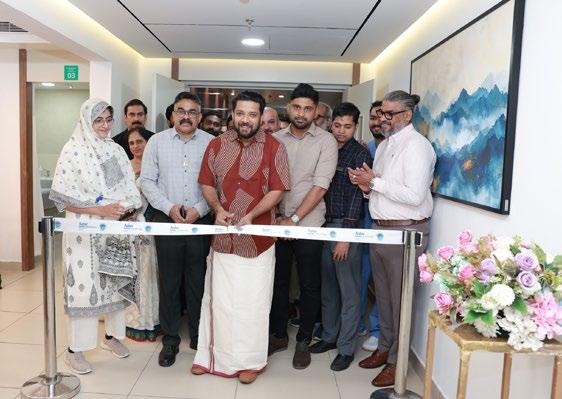

Aster MIMS Calicut marked a significant milestone in healthcare innovation with the grand opening of its state-of-theart AI-integrated Physical Medicine and Rehabilitation Centre. This pioneering facility, designed to redefine rehabilitation services in India, leverages artificial intelligence (AI) and advanced technologies to deliver personalized, efficient, and precise care for patients with sports injuries, neurological disorders, and musculoskeletal conditions.
The new centre at Aster MIMS
Calicut integrates AI-driven tools to transform traditional rehabilitation practices. By combining cuttingedge technologies such as AI-powered rehabilitation planning, Internet of Things (IoT)-based patient monitoring systems, and virtual assistants, the facility
aims to enhance patient outcomes through precision and personalization. These technologies enable healthcare professionals to create tailored treatment plans, monitor progress in real time, and adjust therapies dynamically based on patient data. AI-driven rehabilitation planning

analyzes patient data to design customized recovery programs, ensuring optimal outcomes for conditions such as stroke, spinal cord injuries, and joint disorders. IoT devices, including wearable sensors, track vital metrics like mobility, muscle strength, and joint function, providing clinicians with real-time insights into a
patient’s progress. Virtual assistants further enhance the patient experience by offering guidance, reminders for exercises, and motivational support, making rehabilitation more engaging and accessible.
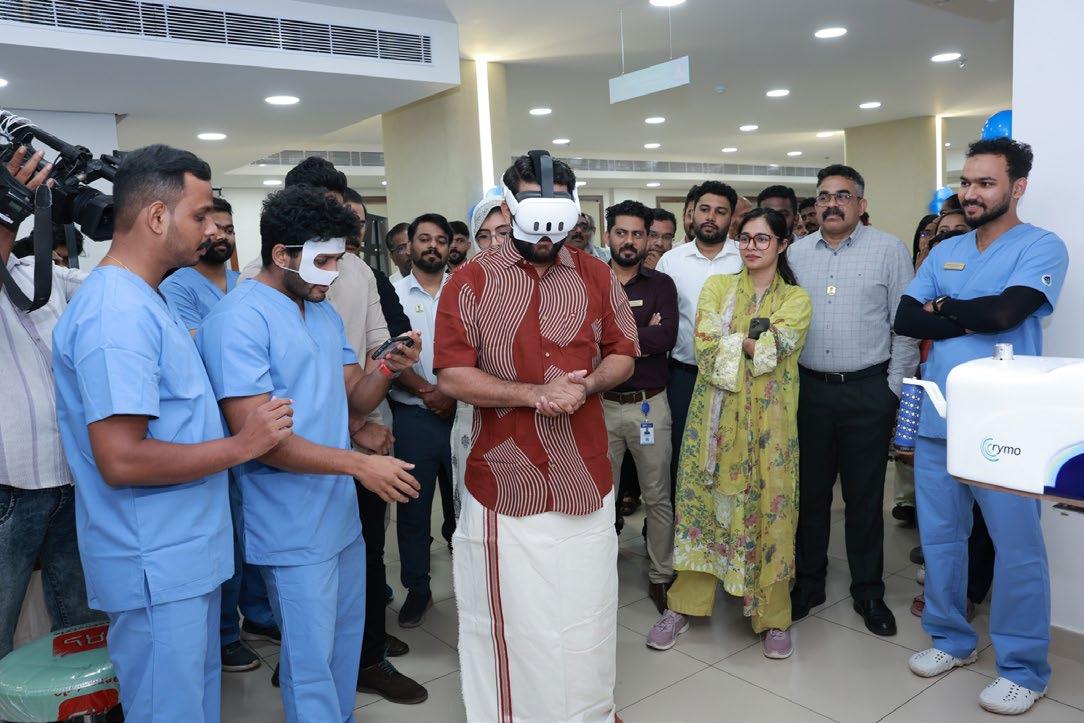
The Aster MIMS Calicut Physical Medicine and Rehabilitation Centre caters to a wide range of conditions, from sportsrelated injuries to chronic neurological disorders like Parkinson’s disease and multiple sclerosis. The facility is equipped with
advanced diagnostic tools and a multidisciplinary team of physiatrists, physiotherapists, occupational therapists, and rehabilitation specialists who work collaboratively to address each patient’s unique needs. The centre’s holistic approach integrates physical therapy, occupational
The launch of this AI-integrated centre aligns with global trends in healthcare, where AI is increasingly being adopted to enhance diagnostic accuracy and treatment efficacy. According to industry reports, AI in rehabilitation is projected to grow significantly, driven by its ability to analyze large datasets, predict recovery trajectories, and optimize therapy protocols. Aster MIMS Calicut’s initiative positions the hospital as a leader in this transformative shift, bringing world-class rehabilitation services to Kerala and beyond.
therapy, and psychological support to promote overall well-being. By incorporating AI, the facility ensures that treatments are not only evidence-based but also adaptive to the evolving needs of patients, reducing recovery times and improving quality of life.

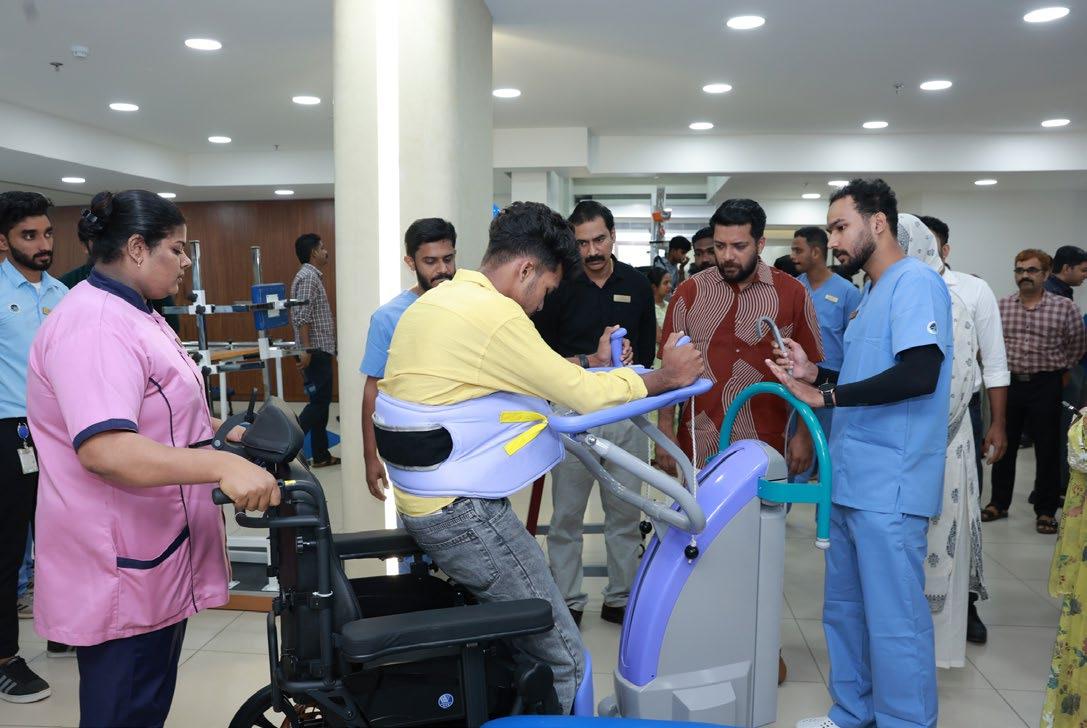
The centre’s patient-centric design extends beyond technology. The facility features modern amenities, accessible infrastructure, and a compassionate care environment to ensure comfort and convenience.
Patients benefit from seamless integration of technology and human expertise, with AI tools complementing the skills of the rehabilitation team rather
than replacing them.The use of virtual assistants also fosters greater patient engagement, encouraging adherence to therapy regimens through interactive and userfriendly interfaces. This is particularly beneficial for patients requiring longterm rehabilitation, such as those recovering from neurological conditions or major surgeries.

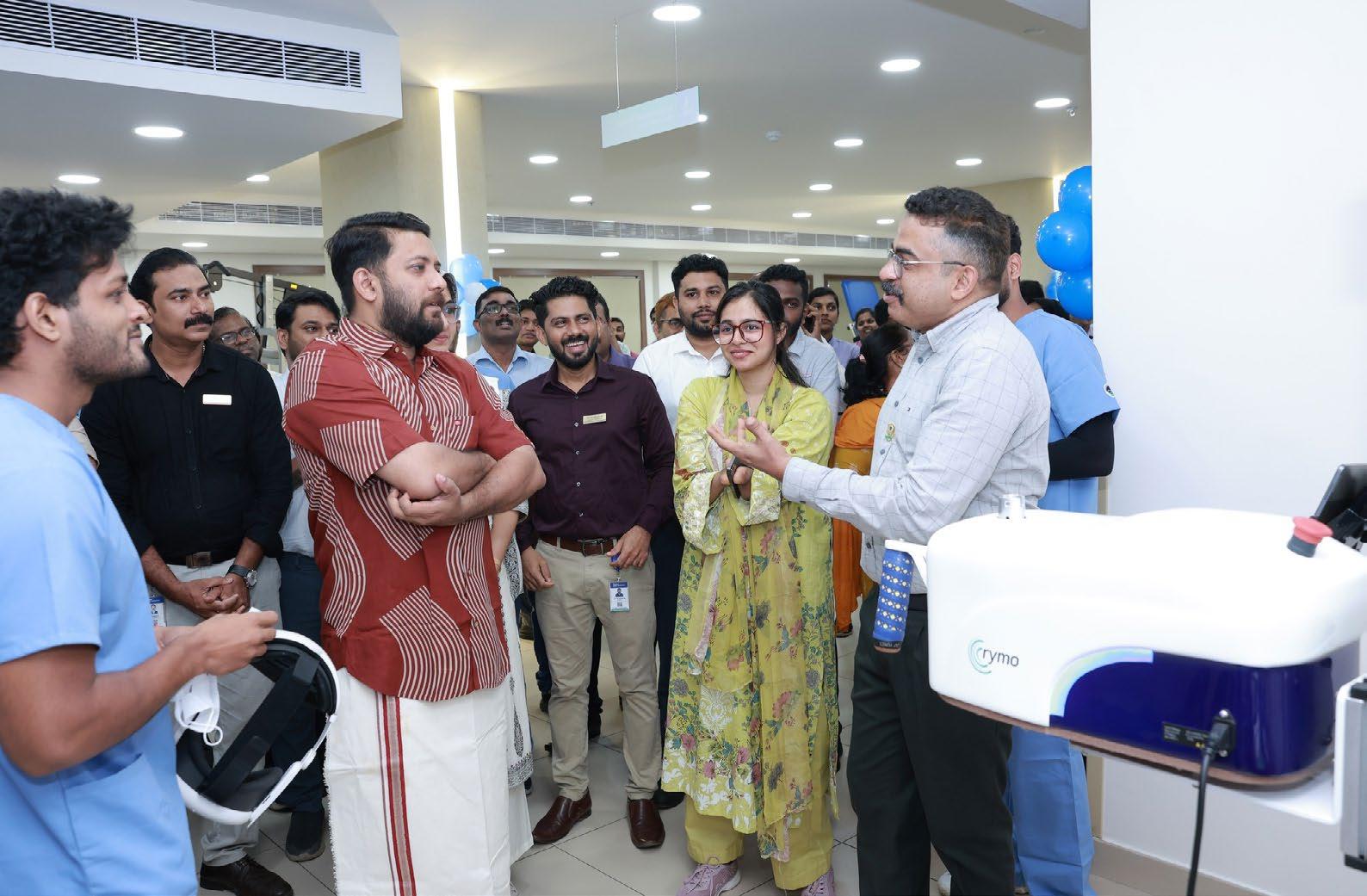
The launch of the AIintegrated Physical Medicine and Rehabilitation Centre underscores Aster MIMS Calicut’s commitment to innovation and excellence in healthcare. As one of the leading hospitals in Kerala, Aster MIMS continues to set benchmarks by adopting advanced technologies to address the growing demand for specialized rehabilitation services. This initiative is expected to have a farreaching impact, not only for patients in Kerala but also for those across India seeking advanced rehabilitation care. By combining AI with clinical expertise, Aster MIMS Calicut is paving the way for a new era of healthcare where technology and compassion converge to transform lives. For more information about the AIintegrated Physical Medicine and Rehabilitation Centre or to schedule a consultation, visit the official Aster MIMS website or contact their patient care team.



In a groundbreaking move, Bhutan has partnered with Binance Pay to launch the world’s first nationallevel cryptocurrency tourism payment system, announced by the Bhutan Tourism Corporation Limited (BTCL). This innovative initiative positions the Himalayan kingdom as a global leader in blockchain adoption, seamlessly blending its commitment to cultural preservation and economic modernization.

By enabling international tourists to pay for services using cryptocurrencies, Bhutan is not only enhancing the travel experience but also setting a precedent for how small nations can leverage digital currencies to bolster their economies. The system, powered by Binance Pay, allows visitors to use over 100 cryptocurrencies, including Bitcoin (BTC), Ethereum (ETH), and stablecoins like USDT, for a wide range of tourism-related services.
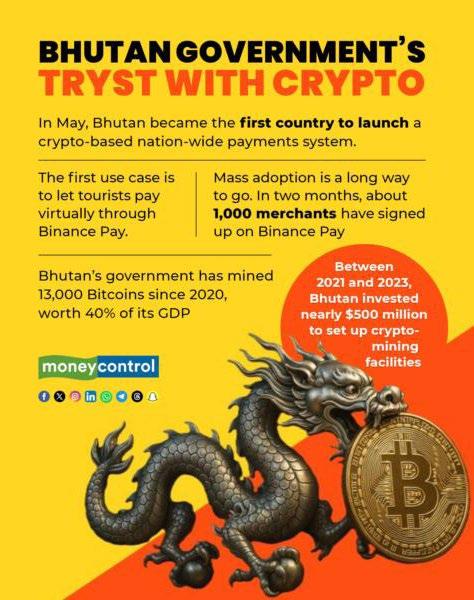

These include tour packages, accommodations, transportation, dining, and entry fees to cultural landmarks such as the iconic Paro Taktsang (Tiger’s Nest Monastery). Binance Pay’s platform ensures secure, contactless, and instant transactions with minimal fees, offering a convenient alternative to traditional payment methods. This is particularly appealing to crypto-savvy travellers who value efficiency and flexibility. As of the launch, over 50 tourism merchants across Bhutan, including hotels, restaurants, and cultural sites, have adopted the system, with BTCL aiming to onboard 100 merchants by the end of 2025. Bhutan’s foray into cryptocurrency payments aligns with

its broader vision of modernizing its digital economy while preserving its unique ethos of Gross National Happiness (GNH). Tourism is a cornerstone of Bhutan’s economy, contributing significantly to its GDP and foreign exchange earnings. By integrating blockchain technology, the country aims to attract a new demographic of tech-forward tourists, streamline payment processes, and reduce reliance on traditional
banking systems, which can be cumbersome for international transactions. The initiative also promotes financial inclusion by enabling merchants, even in remote areas, to participate in the global digital economy. This partnership builds on Bhutan’s progressive engagement with cryptocurrency. Since 2019, the country has collaborated with blockchain firms like Bitdeer and Druk Holding to develop sustainable Bitcoin mining operations powered by its abundant hydroelectric resources.



These efforts have positioned Bhutan as a forwardthinking player in the crypto space, despite its small size and population of under 800,000. The Binance Pay partnership further cements this reputation, showcasing how a nation can harness cutting-edge technology to enhance its global appeal.
The global significance of this initiative cannot be overstated. While other countries have explored cryptocurrency payments on a limited scale, Bhutan is the first to implement a nationwide system specifically for tourism. This bold step could inspire other nations to adopt

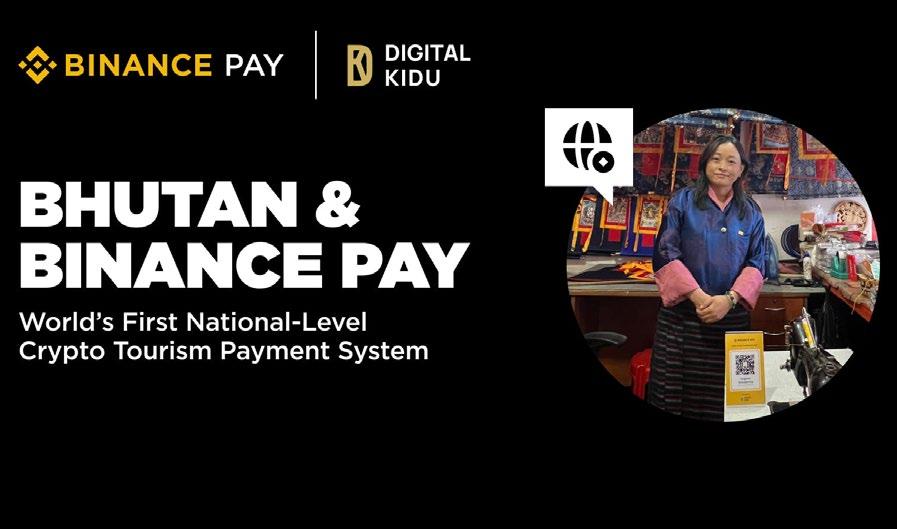
similar models, particularly in tourism-dependent economies. It also highlights the growing acceptance of cryptocurrencies as a legitimate payment method, bridging the gap between traditional finance and the digital age.However, challenges remain. Cryptocurrency volatility could pose risks for merchants and tourists alike, though stablecoins like USDT mitigate this concern. Additionally, ensuring widespread merchant adoption and educating both locals and visitors about the system will be critical to its success.
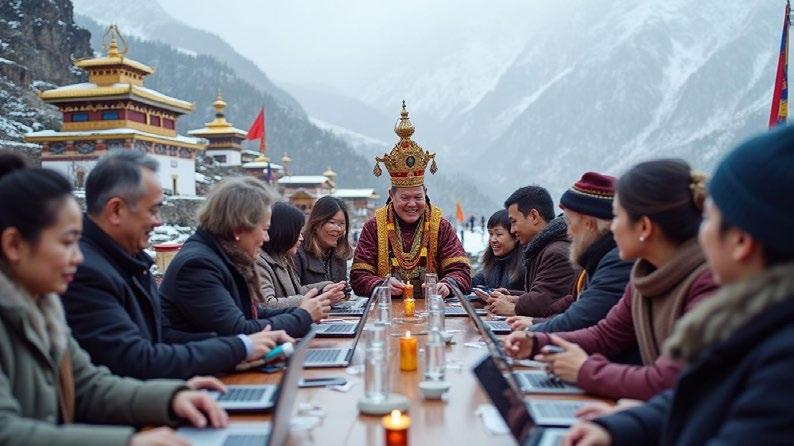
BTCL has already begun training programs for merchants, and Binance Pay’s user-friendly interface simplifies the payment process for tourists. Bhutan’s crypto tourism payment system is a testament to its ability to balance tradition with innovation. By embracing blockchain technology, the kingdom is not only enhancing its tourism sector but also paving the way for a more inclusive and modern financial ecosystem. As the world watches, Bhutan’s pioneering effort could redefine how nations integrate cryptocurrencies into everyday economic activities, proving that even a small country can lead in the global digital revolution.

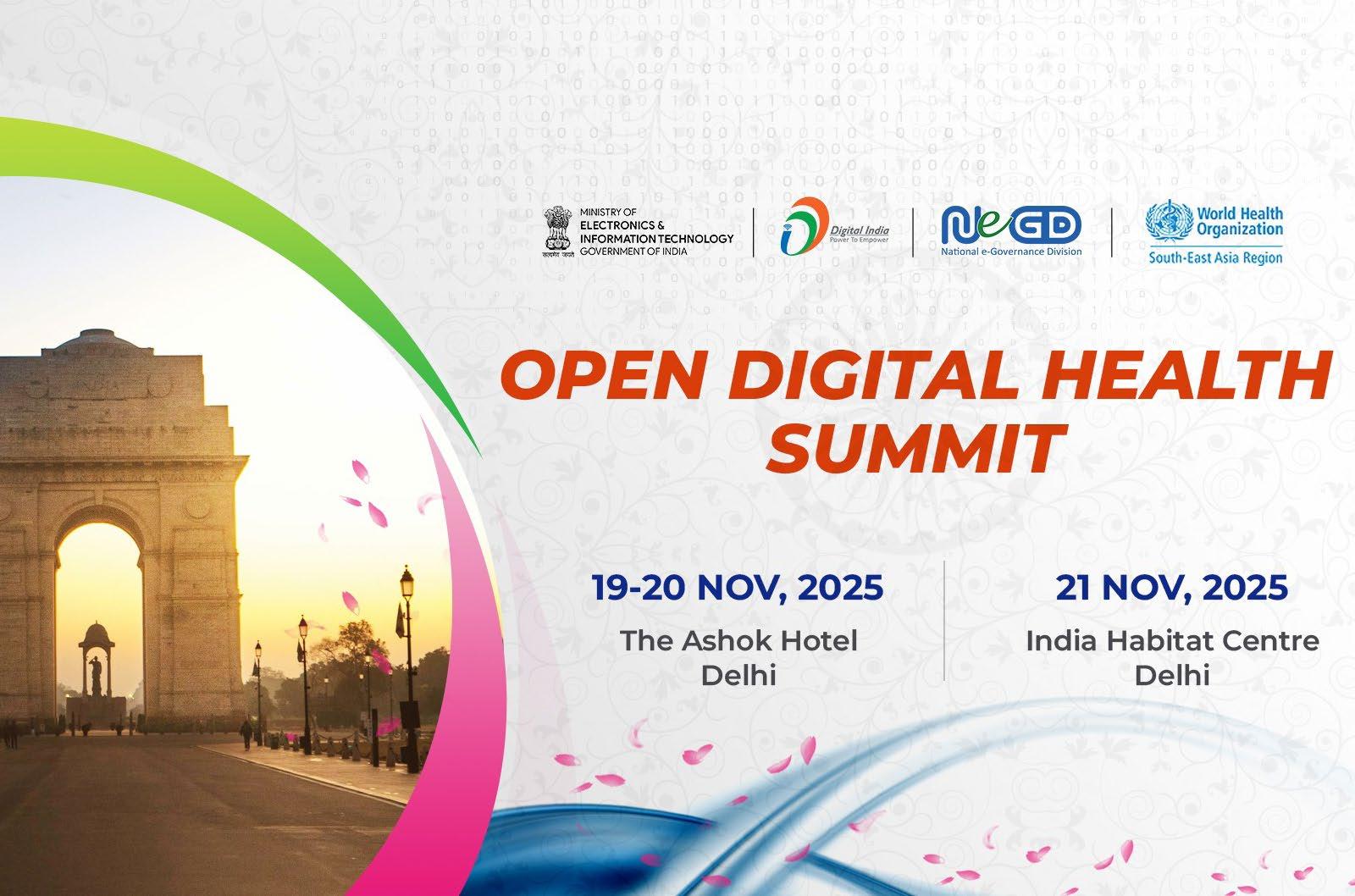
As Asia’s urban centres swell with population growth, the demand for fresh, sustainable, and locally sourced food has never been more pressing. Cities like Tokyo, Singapore, and Shanghai face unique challenges: limited arable land, high food import dependency, and the environmental toll of traditional agriculture. Enter vertical farming—a revolutionary approach that’s transforming how Asia’s megacities feed their populations. By stacking crops in high-tech, climate-controlled environments, vertical farming is redefining urban agriculture, offering a smarter, greener way to nourish Asia’s urban future.
The Urban Food Challenge
Asia is home to some of the world’s most densely populated cities. By 2030, the United Nations projects that 60% of the region’s population will live in urban areas, straining food supply chains already vulnerable to climate change, geopolitical disruptions, and resource scarcity. Traditional agriculture, reliant on sprawling farmlands, longdistance transportation, and heavy pesticide use, struggles to keep pace. In Japan, for instance, only 12% of land is arable, while Singapore imports over 90% of its food, exposing it to global supply chain risks.
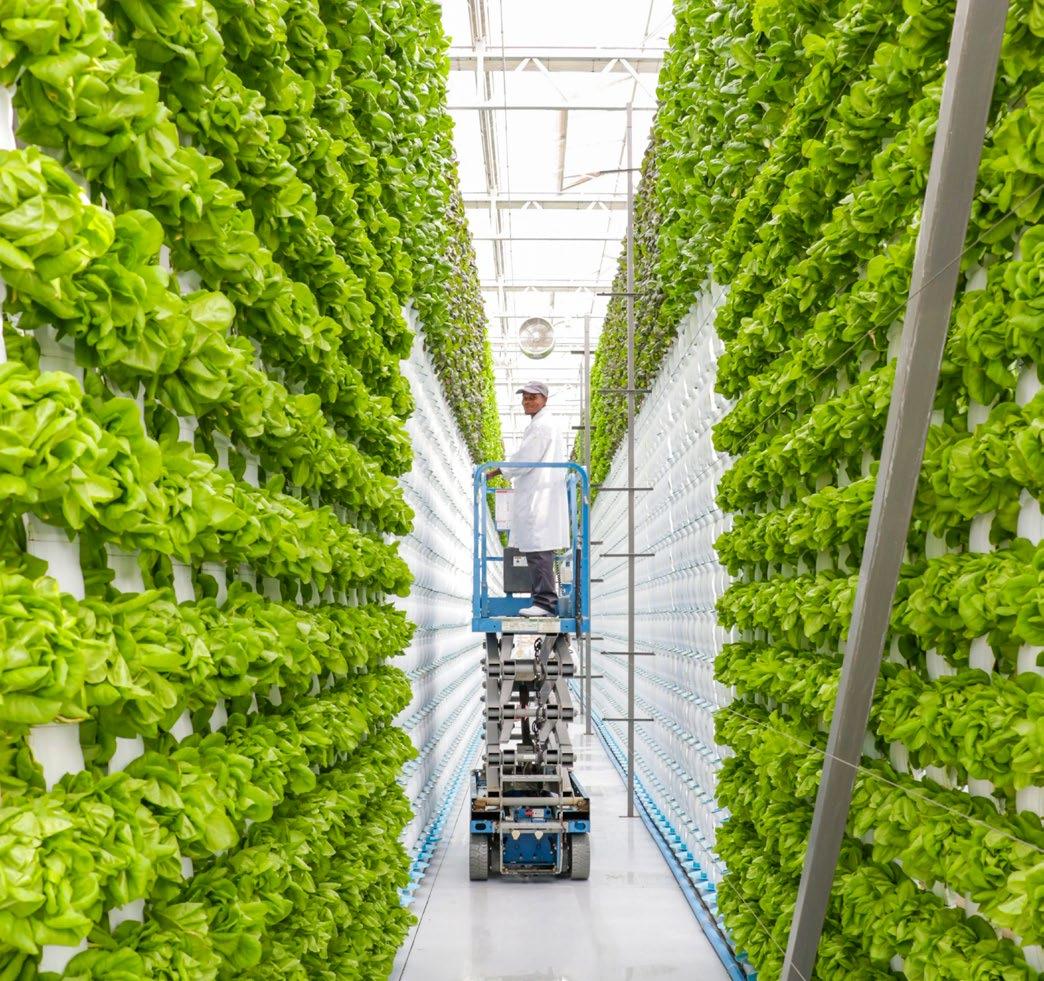
Vertical farming addresses these challenges head-on. By growing crops in multi-story structures using hydroponics, aeroponics, or aquaponics, vertical farms produce food directly in urban centres, slashing transportation costs and emissions while ensuring year-round harvests unaffected by weather.
At the heart of vertical farming’s rise is cutting-edge technology. In controlled environments, LED lights mimic sunlight, optimized for specific crops like leafy greens, herbs, or strawberries. Hydroponic systems deliver precise nutrients through water,

using up to 90% less water than traditional farming. Sensors and AI monitor plant health, adjusting light, temperature, and humidity in real time. This precision boosts yields—some vertical farms produce 10 times more per square meter than conventional farms. In Japan, companies like Spread Co. have scaled vertical farming to industrial levels. Their Techno Farm in Kyoto produces 30,000 heads of lettuce daily in a fully automated facility. Singapore’s Sky Greens, a pioneer in lowcarbon vertical farming, uses rotating towers to maximize sunlight exposure, producing greens with minimal energy. Meanwhile, China’s AEssenseGrows has developed AI-driven systems for largescale urban farms, catering to cities like Shanghai and Beijing.
Vertical farming’s appeal in Asia lies in its economic and environmental advantages. By localizing production, cities reduce reliance on imports, enhancing food security. For example, Singapore’s goal to produce 30% of its nutritional needs locally by 2030 leans heavily on vertical farms. These systems also minimize pesticide use, delivering cleaner, safer produce to consumers. Environmentally, vertical farms are a game-changer. They repurpose urban spaces— abandoned warehouses, rooftops, or even shipping containers— into productive farmland, easing pressure on rural ecosystems. Their water efficiency is critical in waterscarce regions like parts of China and India. Moreover, by cutting transportation, vertical farms reduce carbon footprints. A 2023 study estimated that urban farming could reduce food-related emissions in Asian cities by up to 20%.
Despite its promise, vertical farming faces hurdles. High initial costs for infrastructure, energy, and technology can deter investment. Energy-intensive systems, particularly those relying on artificial lighting, raise concerns about sustainability in coal-dependent grids like parts of China or India. Additionally, vertical farms are currently limited to high-value, quick-growing crops, leaving staples like rice or wheat to traditional methods. Yet, innovation is closing these gaps. Advances in renewable energy integration, like solar-powered farms, are reducing costs. In South Korea, companies like NextOn are experimenting with hybrid systems that combine vertical farming with greenhouse technology to grow a wider crop variety. Government support is also accelerating adoption—Singapore’s “30 by 30” initiative and Japan’s subsidies for agritech are prime examples.
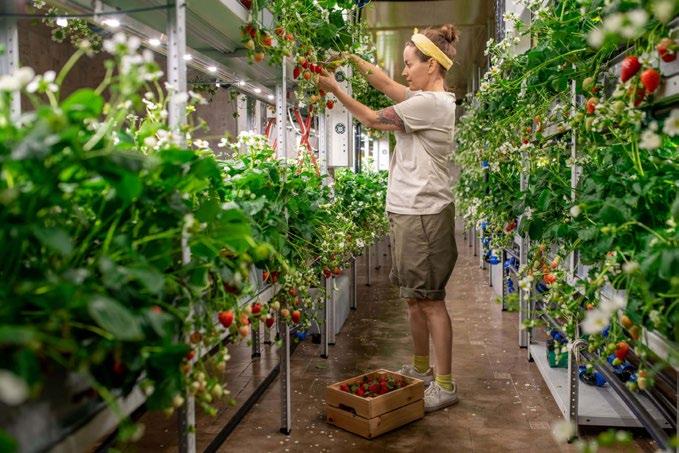
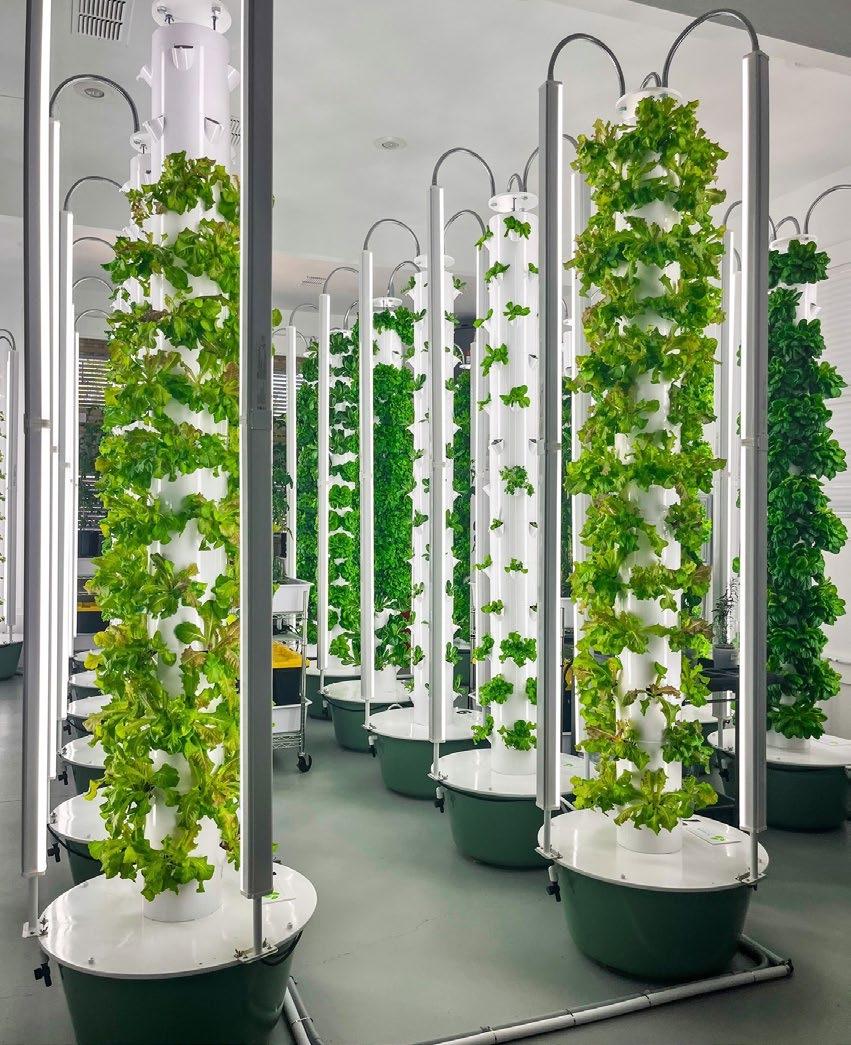

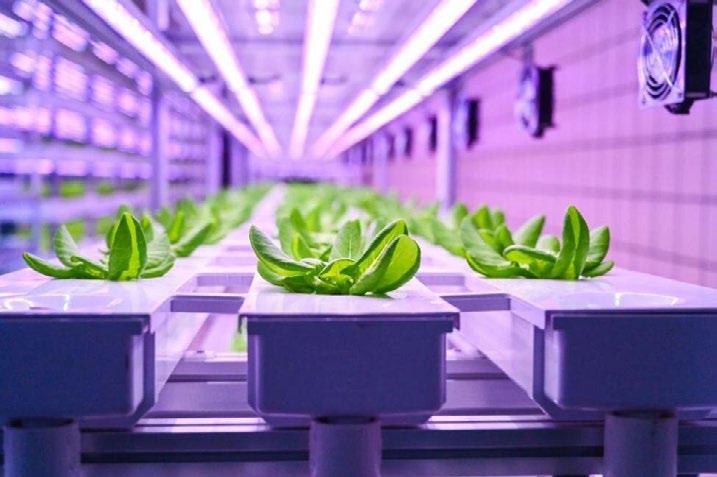

Vertical farming is more than a trend; it’s a blueprint for Asia’s urban future. As technology matures and economies of scale kick in, costs will drop, making vertical farms viable for more crops and cities. Integration with smart city frameworks—think IoT-enabled food supply chains or rooftop farms on skyscrapers—could further embed vertical farming into urban life. In India, startups like UrbanKisan are already bringing affordable hydroponics to middle-class households, democratizing access to fresh produce. Beyond food production, vertical farms are reshaping

urban culture. In Tokyo, farm-to-table restaurants source greens from nearby towers, while in Seoul, vertical farms double as educational hubs, teaching communities about sustainability. These farms aren’t just feeding cities—they’re fostering a mindset of resilience and innovation.
The rise of vertical farming in urban Asia is a testament to human ingenuity in the face of pressing challenges. By leveraging technology to grow food smarter, cities are not only securing their food supply but also paving the way for a sustainable, self-reliant future. As vertical farms scale up and spread across Asia’s skylines, they’re proving that even in the concrete jungle, agriculture can thrive—stack by stack, crop by crop.

In South and Southeast Asia, agriculture is the cornerstone of economies, with smallholder farmers—those managing less than 10 hectares of land— producing the majority of the region’s food. These farmers face significant challenges, including limited access to resources, unpredictable weather, and volatile markets. AgriTech, a suite of technological innovations, is transforming small-scale farming by providing tools to boost productivity, cut costs, and enhance resilience. From mobile apps to dronebased monitoring, AgriTech is empowering small farmers across the region, fostering sustainable growth and economic empowerment.
Smallholder farmers in countries like India, Bangladesh, Vietnam, Indonesia, and the Philippines grapple with systemic obstacles. Fragmented landholdings, reliance on traditional farming methods, and lack of access to real-time market data or modern inputs often result in low yields and debt. Climate change worsens these issues, with erratic rainfall and extreme weather disrupting planting cycles. According to the Food and Agriculture Organization (FAO), small farmers produce up to 80% of food in some Asian countries, yet many remain below the poverty line. AgriTech offers tailored solutions to bridge gaps in knowledge, finance, and infrastructure.
AgriTech encompasses digital tools, precision farming equipment, and data-driven solutions designed to enhance agricultural efficiency. In South and Southeast Asia, these technologies are making a significant impact.
Mobile applications are revolutionizing small-scale farming by providing critical information and services.
Apps like India’s Krishi and Indonesia’s eFishery deliver real-time weather forecasts, market price updates, and pest management advice, enabling farmers to optimize planting and irrigation. In Vietnam, the
NongPro app connects farmers directly to buyers, ensuring fairer prices. In Bangladesh, Digital Green offers soil testing and crop advisory services, helping farmers make informed decisions. These platforms democratize access to knowledge, empowering farmers to improve their economic prospects.
Precision agriculture, powered by Internet of Things (IoT) devices, allows farmers to monitor crops and soil conditions in real time. In India, DeHaat uses IoT sensors to provide data on soil moisture and nutrient levels, helping farmers optimize irrigation and fertilizer use.

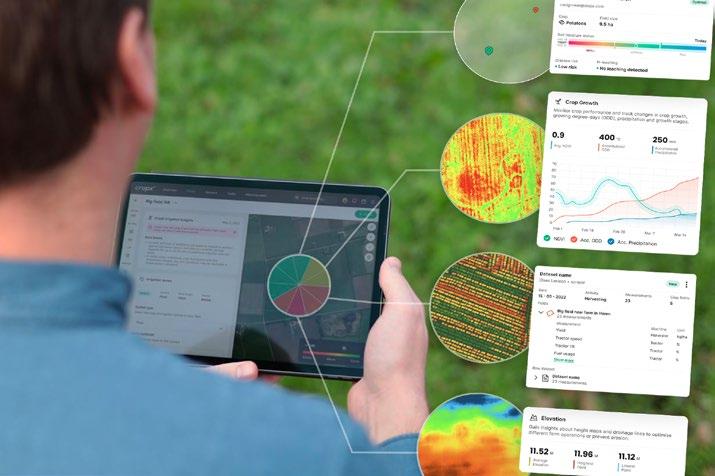


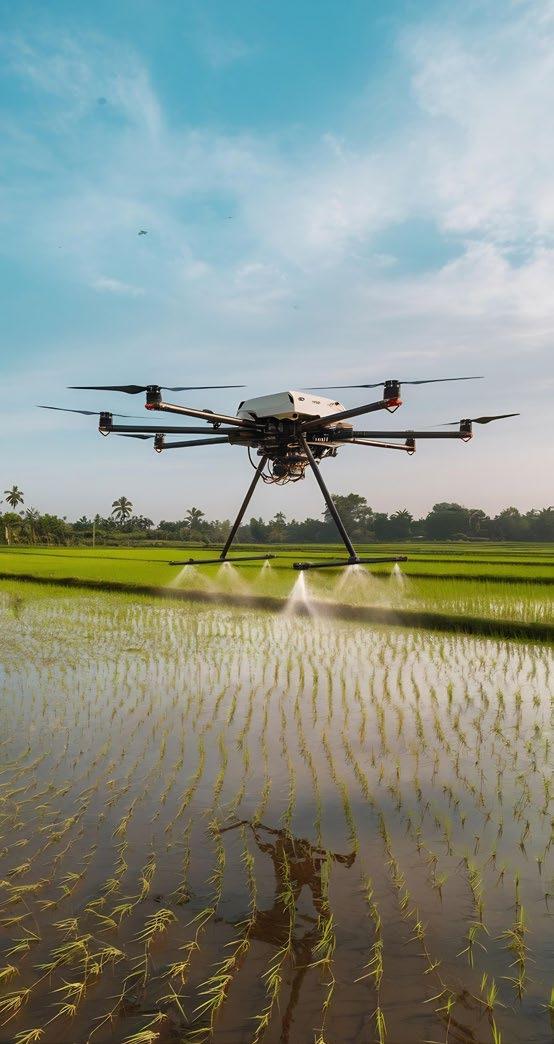

In Thailand, startups leverage satellite imagery and IoTbased tools to help small farmers reduce input costs and increase yields by up to 20%, according to a 2024 study by the International Food Policy Research Institute (IFPRI).
Drones equipped with multispectral cameras are transforming crop monitoring. In the Philippines, companies like CropX use drones to assess crop health and detect pest issues early, enabling precise interventions that save resources and boost yields. In India, drone-based spraying of fertilizers and pesticides is gaining traction, reducing
labour costs and improving efficiency for small farmers.
AgriTech is not just a technological fix but a catalyst for empowering small farmers. By providing access to real-time data, market connectivity, and innovative tools like IoT and drones, AgriTech helps smallholder farmers overcome systemic challenges, increase productivity, and build resilience against climate and market volatility. As these technologies scale, their impact will grow, promising a brighter, more sustainable future for small farmers across South and Southeast Asia.



In a transformative move to cement its place on the global stage, Kazakhstan has rolled out an ambitious visa-free policy, effective immediately, opening its doors to citizens of 56 countries. This strategic decision, aimed at boosting tourism, attracting investment, and enhancing its reputation as a businessfriendly hub, underscores the nation’s commitment to global connectivity and economic growth. With its vast steppes, vibrant cultural heritage, and burgeoning urban centres, Kazakhstan is positioning itself as a mustvisit destination for travellers, digital nomads, and investors alike.
Kazakhstan, the ninthlargest country in the world, spans over 2.7 million square kilometres, offering a stunning blend of natural beauty, modern infrastructure, and rich cultural traditions. From the futuristic skyline of Astana to the historic Silk Road city of Almaty, the country is a
treasure trove of experiences waiting to be explored. The expanded visa-free policy now allows citizens from 56 nations to enter, stay, and exit Kazakhstan without a visa for up to 30 calendar days per visit, with a cumulative stay of 90 days within any 180day period. This bold step is a game-changer for the nation’s tourism and business sectors. The list of eligible countries is extensive, reflecting Kazakhstan’s desire to forge ties across continents. In Europe, 34 nations—including Austria, Belgium, France, Germany, Italy, Spain, and the United Kingdom—can now explore Kazakhstan’s offerings without bureaucratic hurdles. In Asia, countries like Japan, South Korea, Singapore, and Thailand are included, alongside Middle Eastern nations such as Qatar, Saudi Arabia, and the United Arab Emirates. The Americas are represented by Canada, the United States, Chile, Colombia, and Mexico, ensuring a diverse influx of visitors.
Kazakhstan has also introduced tailored provisions for certain nations, reflecting its nuanced approach to diplomacy.
Citizens of India and Iran can enjoy visa-free stays of up to 14 days per visit, with a maximum of 42 days within a 180-day period, catering to the growing interest from these populous markets. Meanwhile, Turkey, a key partner with deep cultural and economic ties, benefits from an extended 90-day visa-free stay within the same 180-day timeframe. These exceptions highlight Kazakhstan’s strategic focus on fostering relationships with both emerging and established economies.

The timing of this policy couldn’t be better. Kazakhstan is already witnessing a tourism surge, with over 7.5 million visitors in the first half of 2025—a remarkable 8.7% increase compared to the same period in 2024. This growth is fuelled by the country’s unique blend of attractions: the breathtaking landscapes of the Altai Mountains, the serene beauty of Lake Balkhash, and cultural landmarks like the ancient city of Turkistan. Urban centres like Astana, with its futuristic architecture, and Almaty, with its vibrant arts scene, are also drawing global attention.

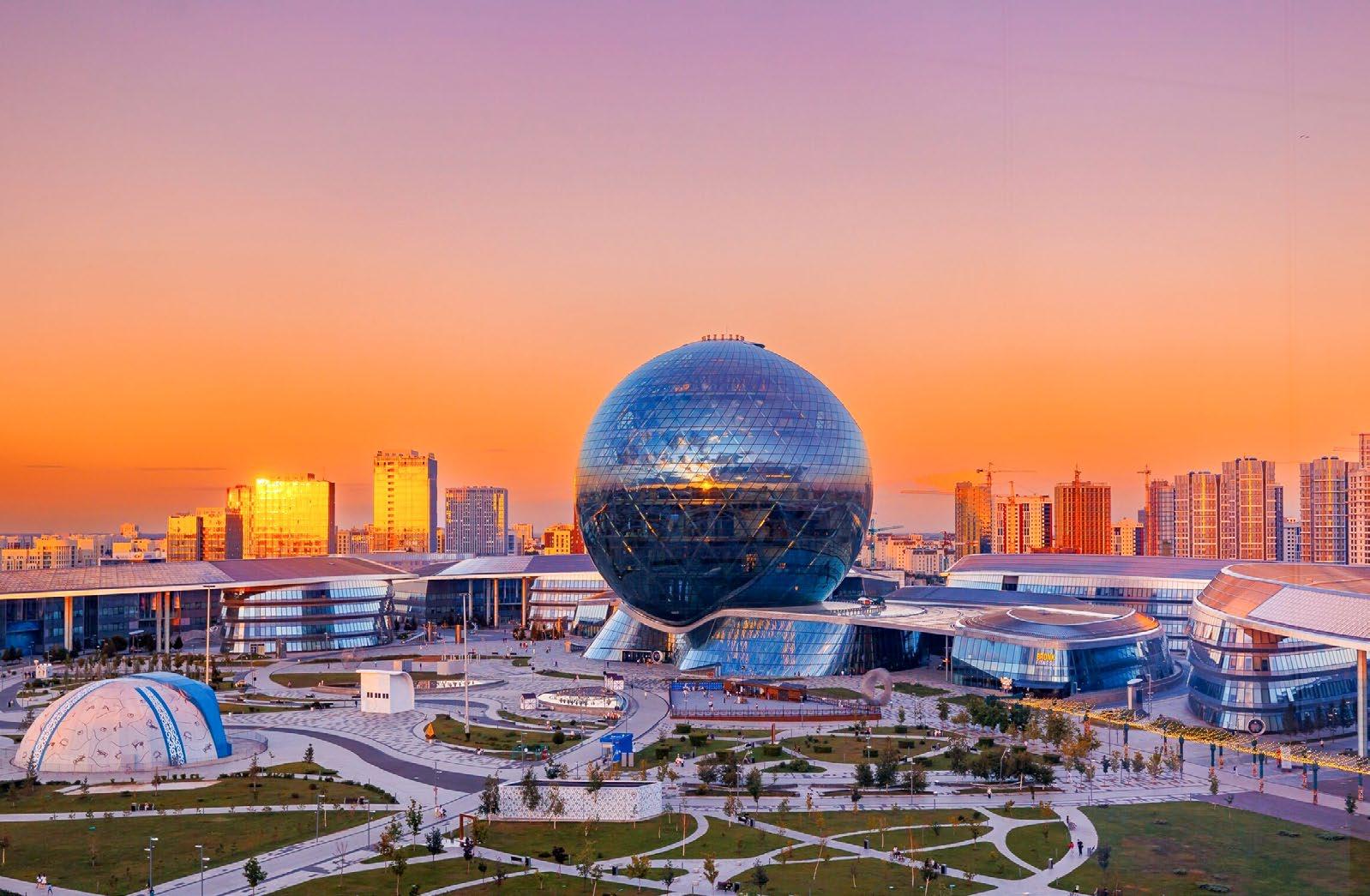
The visa-free policy is expected to amplify this trend, making Kazakhstan an attractive destination for leisure travellers, adventure seekers, and cultural enthusiasts. The government’s efforts to streamline entry processes align with its broader vision of transforming Kazakhstan into a global tourism hub. By removing visa barriers, the country is signalling its openness to the world, inviting travellers to experience its unique blend of tradition and modernity.
Beyond tourism, Kazakhstan is positioning itself as a magnet for digital innovators and business professionals. The introduction of a one-year “Digital Nomad” visa is a forward-thinking move to attract tech talent and remote workers. With affordable
living costs, reliable internet infrastructure, and a growing startup ecosystem, cities like Almaty and Astana are becoming hubs for digital nomads seeking new frontiers. This visa, combined with the visa-free policy, makes Kazakhstan an appealing destination for those who blend work and travel.
For investors, the visa-free access simplifies business travel, enabling seamless exploration of opportunities in Kazakhstan’s rapidly growing economy. The country’s strategic location at the crossroads of Europe and Asia, coupled with its abundant natural resources and investment-friendly policies, makes it a prime destination for global enterprises. Sectors like renewable energy, technology, and agriculture are particularly ripe for investment, and the visa-free regime is expected to facilitate deal-making and collaboration.
Kazakhstan’s expanded visafree policy is more than a travel initiative—it’s a strategic pivot to enhance its global standing. By welcoming citizens from 56 countries, the nation is fostering cultural exchange, economic cooperation, and innovation. The policy aligns with Kazakhstan’s broader goals of diversifying its economy and reducing reliance on traditional sectors like oil and gas. It also reflects

the government’s confidence in its ability to offer a safe, welcoming, and dynamic environment for visitors.
The move has already garnered positive attention on social media platforms, where users have praised Kazakhstan’s proactive approach to global engagement. Posts highlight the country’s stunning landscapes, warm hospitality, and growing reputation as a destination for both leisure and business. As word spreads, Kazakhstan’s visa-free policy is a game-changer for global travellers, and there is excitement surrounding the announcement.

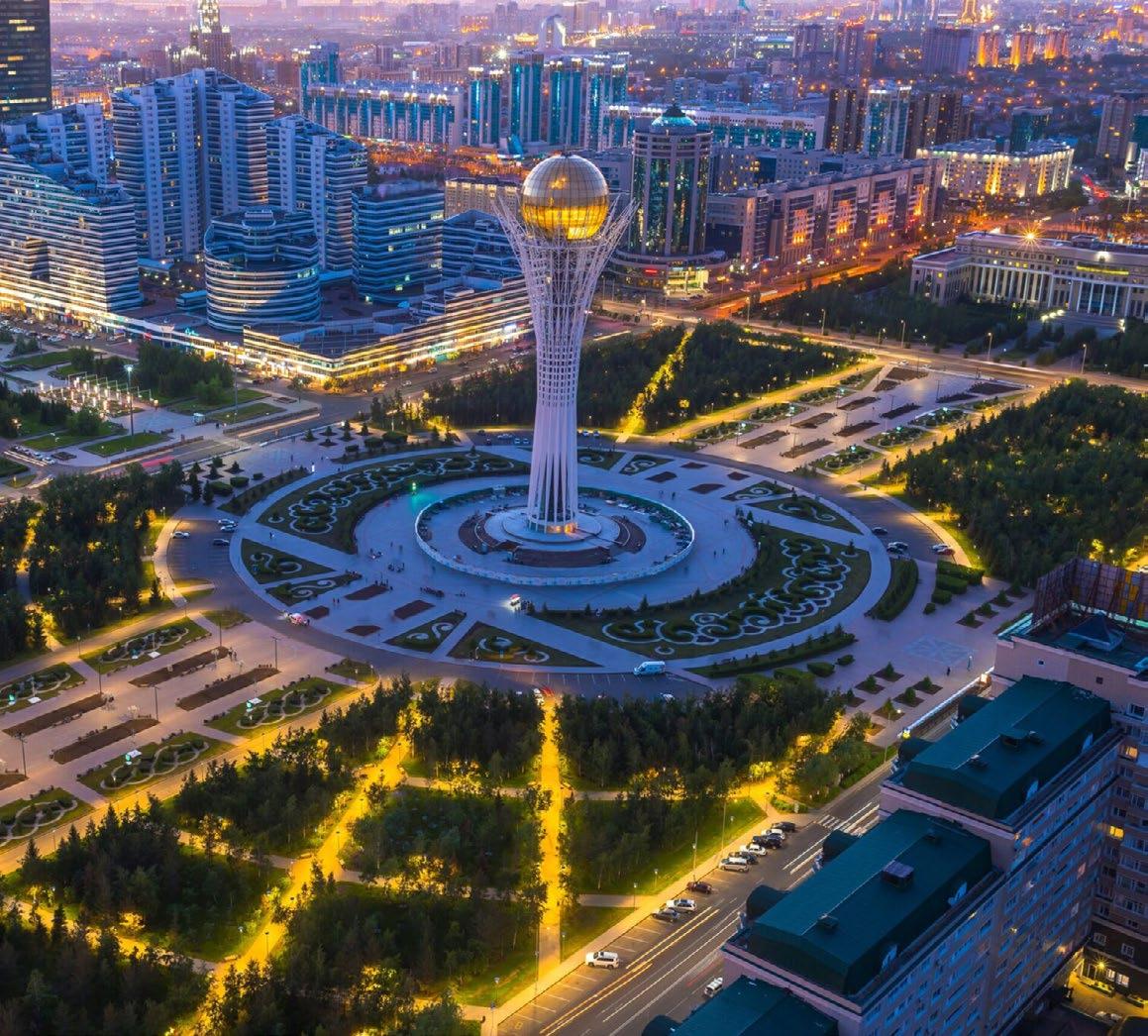

While the visa-free policy is a significant step forward, challenges remain. Kazakhstan must continue to invest in tourism infrastructure, including hotels, transportation, and English-language services, to accommodate the expected influx of visitors. Promoting lesser-known destinations and ensuring sustainable tourism practices will also be critical to maintaining the country’s natural and cultural assets. Nevertheless, the opportunities far outweigh the challenges. The visa-free policy positions Kazakhstan as a leader in Central Asia’s tourism and business landscape. By welcoming the world with open arms, the country is not only boosting its economy but also sharing its rich heritage and boundless potential with a global audience.
Kazakhstan’s decision to expand its visa-free policy to 56 countries marks a new chapter in its journey toward global integration. Whether you’re a traveller seeking adventure, a digital nomad looking for a new base, or an investor eyeing opportunities in a dynamic market, Kazakhstan is ready to welcome you. With its vast landscapes, vibrant cities, and forward-thinking policies, the country is poised to become a beacon of opportunity in the heart of Eurasia. As the world takes notice, Kazakhstan’s open-door policy is an invitation to explore, connect, and discover a nation on the rise.


South Korea, often called the “Land of the Morning Calm,” is a destination that effortlessly blends history, culture, nature, and modernity. For centuries, it has balanced tradition with progress, and today it offers travelers experiences as diverse as its landscapes. From ancient palaces in Seoul to the volcanic wonders of Jeju Island, the
country invites exploration at every turn. Walking through its bustling streets, you’ll hear the hum of K-pop, the chatter of markets, and the whispers of centuries-old temples. Every corner holds a story — whether it’s a hanok village frozen in time, a street food stall filled with local delicacies, or a panoramic view from a misty mountain peak. South Korea’s beauty is accentuated by its four distinct seasons. Spring brings cherry blossoms that paint streets and mountains in pink and white. Summer fills coastal regions with beachgoers and lush greenery. Autumn is a photographer’s paradise, with vibrant foliage transforming mountains and city parks into fiery landscapes. Winter blankets the northern regions with snow, offering skiing adventures and serene snowy vistas. No matter the season, South Korea promises a visual and cultural feast that is both captivating and memorable.
Seoul, the capital, is the pulsating heart of South Korea. It is a city where ancient history and futuristic architecture coexist harmoniously. Historical landmarks like Gyeongbokgung Palace and Changdeokgung Palace transport visitors back to the Joseon Dynasty era, offering insight into Korea’s royal heritage. Strolling through Bukchon Hanok Village, you can admire traditional Korean homes, known as hanoks, which provide excellent photography opportunities, especially during sunrise or early morning light. Modern Seoul, on the other hand, dazzles with its skyscrapers, vibrant nightlife, and shopping districts such as Myeongdong and Gangnam, where K-pop culture and
contemporary fashion collide. Food lovers can explore bustling street markets offering delicacies like tteokbokki (spicy rice cakes), hotteok (sweet pancakes), and kimbap (Korean sushi rolls). For a panoramic view of the city, the N Seoul Tower atop Namsan Mountain is a must-visit, especially at sunset, when the skyline glows in golden hues. Seoul is also a hub for culture and entertainment, with contemporary art galleries, theaters, and music venues that make the city a dynamic destination for travelers seeking both tradition and modernity. Its well-connected subway system and efficient public transportation make exploring the city convenient and accessible.
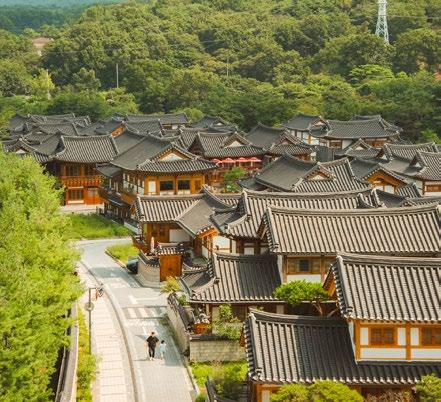
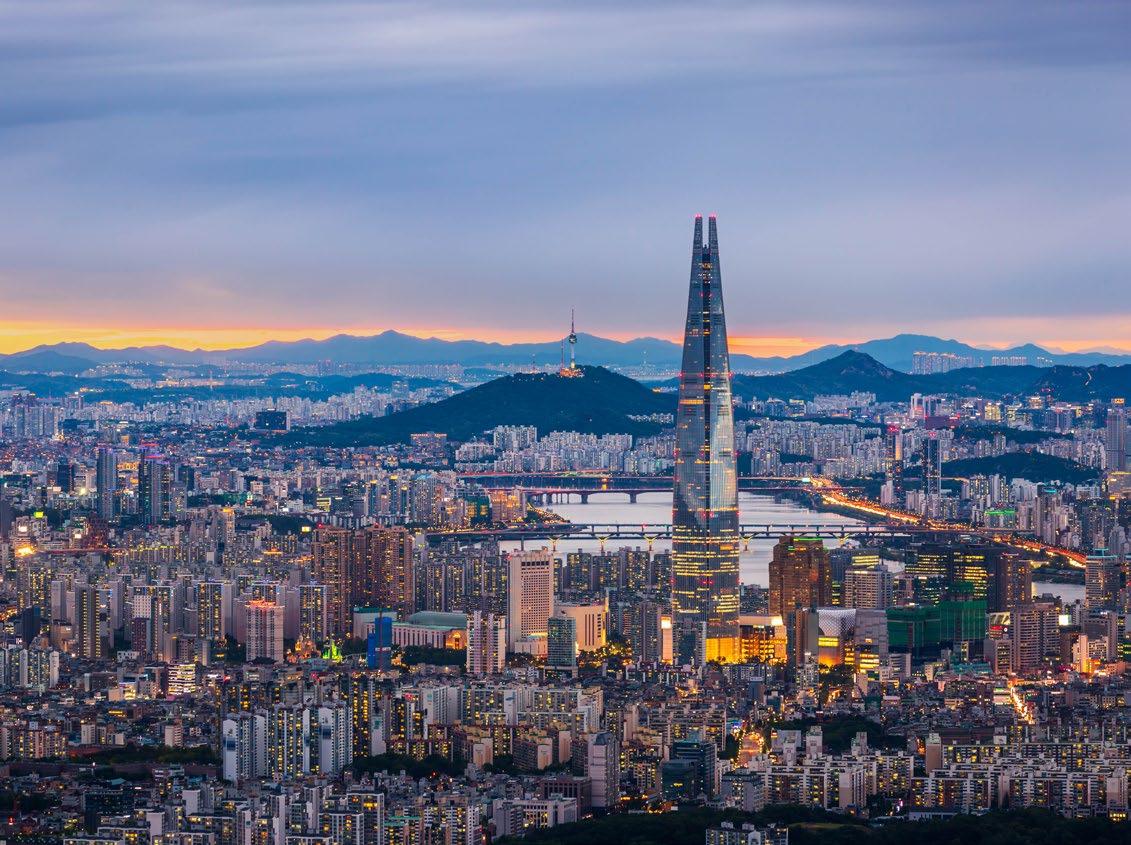
South Korea’s second-largest city, Busan, offers a striking contrast to the bustling capital. Known for its picturesque beaches like Haeundae and Gwangalli, Busan is a coastal paradise where visitors can relax by the ocean or participate in water sports. The city is also famous for its seafood markets, particularly the Jagalchi Fish Market, where fresh catches of the day are displayed in a vibrant, bustling environment. Busan is culturally rich, with highlights such as the Haedong Yonggungsa Temple, perched dramatically on a cliff overlooking the sea, and the Gamcheon Culture

Village, a colorful neighborhood filled with art murals and quaint alleys perfect for photography. For film enthusiasts, the Busan International Film Festival is a significant cultural event, attracting cinephiles from around the globe. For travelers seeking a combination of natural beauty, culinary adventures, and artistic flair, Busan offers an unforgettable coastal experience, with plenty of opportunities for stunning photographs of beaches, mountains, and city life in a single frame.





Known as the “museum without walls,” Gyeongju preserves centuries of Korean history. The city was the capital of the Silla Dynasty, and its streets are dotted with historical relics, ancient tombs, and temples. Bulguksa Temple and Seokguram Grotto, both UNESCO World Heritage Sites, showcase exquisite Buddhist architecture and stone craftsmanship that date back over a thousand years. Exploring Gyeongju feels like stepping into a living history book. Visitors
can wander through serene burial mounds, traditional tea houses, and royal relics that tell stories of Korea’s royal past. The city is also picturesque during the cherry blossom season in spring, when pink and white petals line the streets, creating ethereal landscapes ideal for photography. Autumn in Gyeongju is equally spectacular, with vibrant foliage transforming the ancient city into a tapestry of red, orange, and gold.
Jeju Island, located off the southern coast, is a volcanic wonderland that offers some of South Korea’s most dramatic natural scenery. Dominated by Hallasan Mountain, a dormant volcano and the country’s highest peak, Jeju is perfect for hiking and nature photography. The island is home to lava tubes, waterfalls, and rugged coastlines that create a striking contrast with its serene beaches.
Seongsan Ilchulbong, or Sunrise Peak, is one of Jeju’s most iconic natural landmarks. Hiking to the top at dawn rewards visitors with breathtaking views as the first light of day illuminates
the crater and surrounding ocean. Other must-visit sites include Jeongbang Waterfall, one of the few waterfalls in Asia that falls directly into the sea, and Manjanggul Lava Tube, a UNESCO-listed cave formed by ancient volcanic activity. Jeju’s local cuisine, including black pork BBQ and fresh seafood, complements the natural beauty of the island, making it a haven for both foodies and nature enthusiasts. The island is especially popular in spring and autumn, when the weather is mild and the landscapes are vibrant.



For travelers who crave the outdoors, Gangwon Province is a paradise of rugged mountains, lush forests, and pristine beaches.
Seoraksan National Park, a UNESCO Biosphere Reserve, is renowned for its jagged peaks, cascading waterfalls, and hiking trails that cater to all skill levels. The park is particularly breathtaking in autumn when the foliage turns fiery shades of red, orange, and yellow, creating a perfect backdrop for landscape photography.
Gangwon Province also offers winter sports enthusiasts access to top ski resorts such as Yongpyong and Alpensia, which gained international attention during the 2018 Winter Olympics. Along the coast, Sokcho Beach and Naksan Temple provide serene seaside vistas, blending nature with cultural heritage. For a truly immersive experience, visitors can hike the trails, explore coastal cliffs, and capture panoramic views that are uniquely Korean.
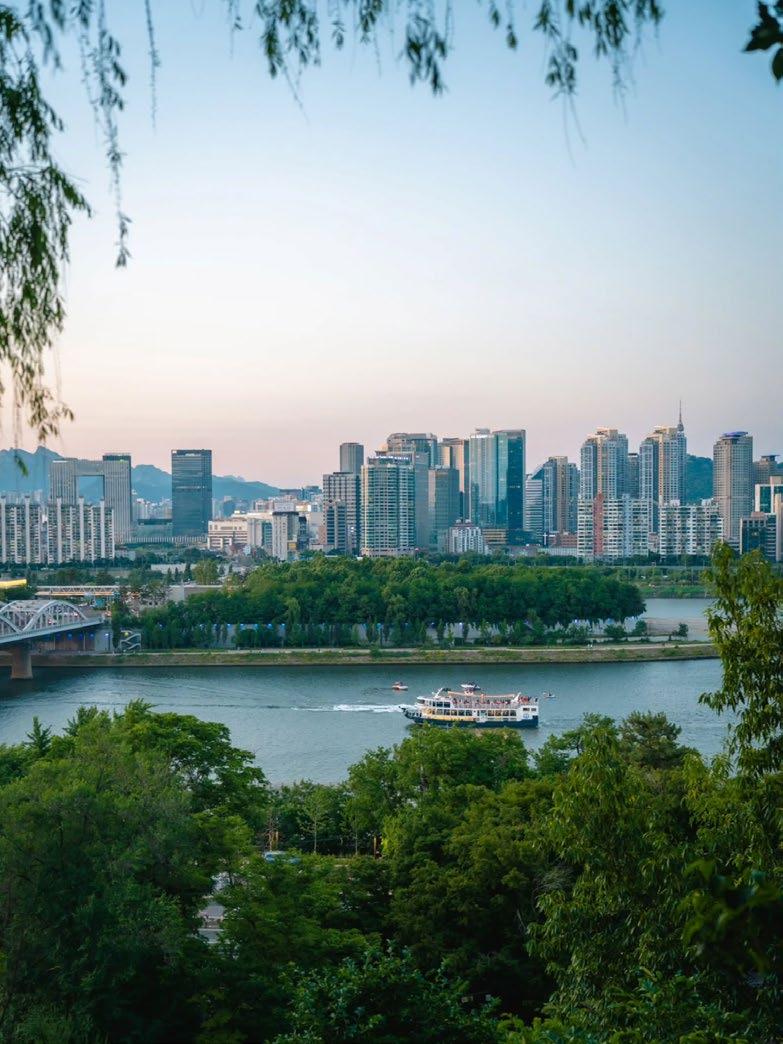

South Korea is blessed with diverse landscapes that cater to every nature lover. Its mountains, covering over 70% of the country, are interspersed with rivers, lakes, wetlands, and islands.
Bukhansan, Jirisan, and Odaesan National Parks provide hiking, wildlife watching, and breathtaking photography opportunities.
Wetlands like Suncheon Bay and Upo attract migratory birds and reveal Korea’s ecological richness. The Han River in Seoul is lined with
cycling paths and parks, offering a blend of urban and natural scenery. Coastal areas like Namhae and the Geoje Islands feature dramatic cliffs, sandy beaches, and fishing villages. Each season transforms the landscape: cherry blossoms in spring, lush greenery in summer, fiery foliage in autumn, and serene snow-covered vistas in winter. South Korea’s natural diversity ensures that travelers can experience an ever-changing visual and sensory adventure.

Korean culture is a captivating blend of tradition and modernity. Visitors can wear hanbok, the traditional attire, and explore temples such as Bongeunsa, Haeinsa, and Bulguksa. Historical villages like Andong Hahoe preserve centuries-old architecture, while traditional crafts and performances offer hands-on cultural experiences. Seasonal festivals provide immersive cultural encounters. The Jinhae Cherry Blossom Festival celebrates spring’s arrival, while the Boryeong Mud Festival combines fun, community, and tradition. In Seoul, the Lantern Festival lights up the Cheonggyecheon Stream, creating magical nighttime photography opportunities. Temple stays allow travelers to experience Buddhist rituals, meditation, and tea ceremonies, providing a serene and reflective cultural journey.
Korean cuisine is as rich and varied as the country itself. Staples like bibimbap (mixed rice with vegetables and spicy sauce) and kimchi (fermented vegetables) are omnipresent. Korean BBQ, especially pork belly and beef, offers an interactive dining experience that combines taste with social engagement. Street food markets provide budgetfriendly culinary exploration. From spicy tteokbokki to crispy hotteok, travelers can savor authentic flavors while navigating bustling alleys. Regional specialties, such as Jeonbokjuk (abalone porridge) in Jeju and Makgeolli (rice wine) in rural provinces, highlight Korea’s diverse culinary traditions.
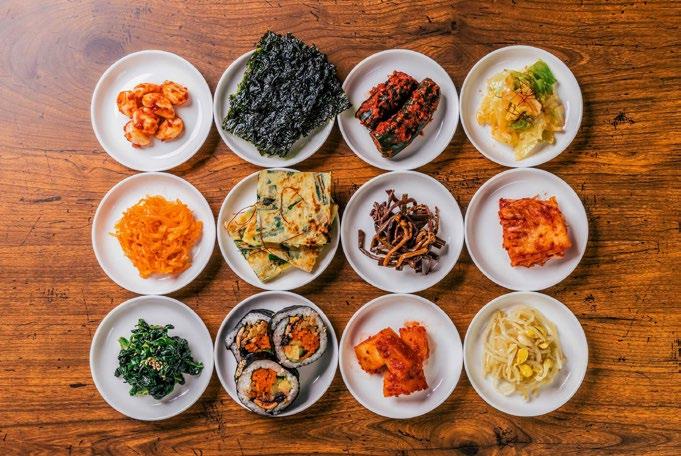

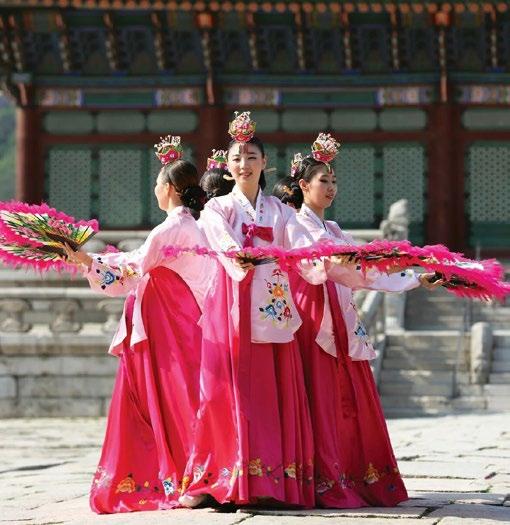
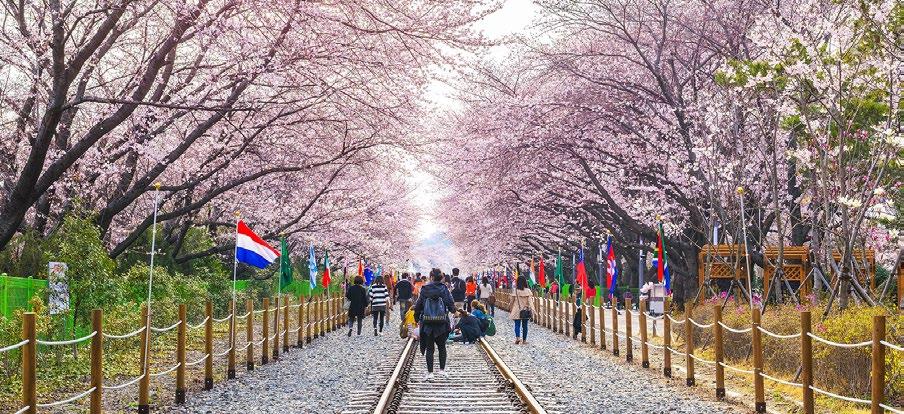

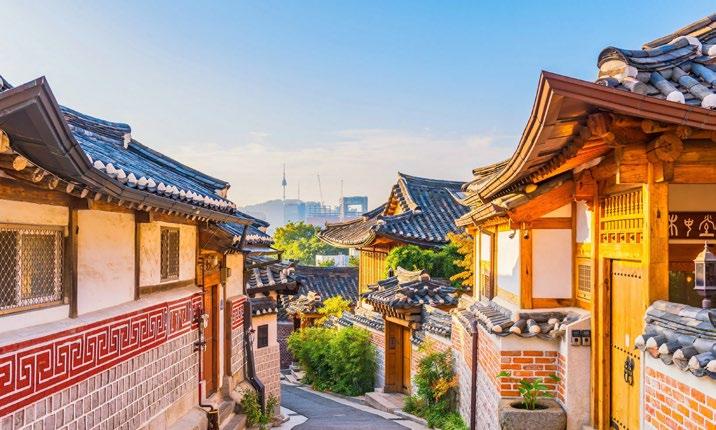


BEST TIME TO VISIT:
Spring (April–June) and autumn (September–November) offer mild temperatures and picturesque scenery. Summer is ideal for beaches, while winter provides snowy landscapes for skiing.
South Korea has an efficient transport network. The T-money card works for buses, subways, and taxis. KTX high-speed trains connect major cities, and domestic flights facilitate travel to distant islands like Jeju.
Many travelers from the US, UK, EU, Australia, and New Zealand can enter South Korea visa-free for up to 90 days. Always check current regulations before travel.
BUDGET TIPS: Affordable lodging includes hostels, guesthouses, and jjimjilbangs (Korean spas). Street food, local markets, and low-cost attractions allow for budgetfriendly exploration without sacrificing experience.
South Korea is a visual paradise. Urban photography thrives in Seoul’s neon districts, Gangnam streets, and palaces. Nature photography is spectacular in Jeju, Seoraksan, and coastal cliffs. Cultural photography flourishes in temples, traditional villages, and festivals. For seasonal photography, cherry blossoms, autumn foliage, and winter snow provide dynamic landscapes that change throughout the year. Sunrise and sunset are particularly rewarding for capturing dramatic skies and soft light across mountains, temples, and rivers.
South Korea is one of the safest countries in Asia. Travelers should respect local customs, such as removing shoes before entering homes or temples, maintaining quiet on public transportation, and observing appropriate behavior in cultural settings. Learning a few Korean phrases enhances communication and fosters respectful interactions with locals.


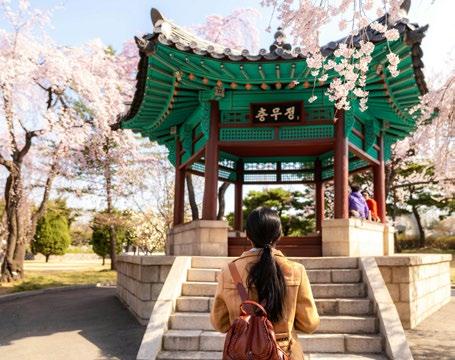
South Korea is a country where history meets modernity, mountains meet beaches, and culture meets cuisine. Each city, mountain, and village offers a unique story, from the neon-lit streets of Seoul to the volcanic landscapes of Jeju, the coastal charm of Busan, and the historical treasures of Gyeongju.
With its stunning scenery, rich cultural heritage, vibrant urban life, and unforgettable cuisine,
South Korea is a destination that captivates every sense. Traveling here is a sensory and emotional journey, where each photograph, taste, and encounter tells a story of a country steeped in tradition yet embracing the future. For travelers seeking adventure, reflection, and inspiration, South Korea is a destination that leaves an indelible mark on the heart.