



Global Media Chief & MD
Dr. S. E. Alexander
Chief Executive Editor & ED
Dr. Andre Lubbe
Senior Executive Editors & Directors
Dr. Kevin Francis, George Fedrick
Executive Editor & SVP
Thamen, Reetu Bansal
Associate Editor & Regional Directors
Nicolas Flemings, Nitirooge Phoneprasert, Ken Obeng
Regional Director Malaysia
Shariman Abd Rahim
Worldwide Media Corporation Group
aseworldwidemedia@gmail.com
worldwidemediaasiapacific@gmail.com

us at www.facebook.com/Incredible Tamilnadu
Creative Director
Randy Redstone
Art Directors
Richard Flemings
EVP - Asia Pacific Region Operations
Graham Starmer, Sudhakar Gupta
AGM – Corporate Communication
Swetha Naren
Vice President Operations
Amit, Rahul Shinde, Ruchi Srivatsa
Corporate Advisors & Consultants
Venkat, Mike Dobbertine, Chandrasekar
Senior Sub Editors
Prasad ST, Ram Mohan Rao, Vinu Agarwal
Editorial Consultants, Senior Journalists & Sub Editors
Bruce N Lesly, Edna Ferber, Sreedevi, Nancy, Aarti Mukherjee,
Maddy, Rachel D’souza, Vidya, Kruthiga, Ajay Franklin
Regional & Business Managers
Sanjay, Steve Mathews, Nirupama Rao, Sunil Kumar, T.P. Bhaskar, Kiran, Kishore
Circulation Managers
Shewtha Shetty, Alan, Rakesh Khanna, Subbodh Chakraborthy
Photographers
James O Corner, Nikhil, Bosh Winter
Resident Managers & Journalists
Aarthi Agarwal, Sarika, Vikram Kapoor, Swetha
Assistant Managers & Executives
Rocky, Manju, Prakash, Neetu
Senior Creative Designer
Raj, Ryan D’souza
Creative Designers
Ajeesh, Rajesh, Abhijit, Sonam, Reetu, Sonal, Ashish, Chithra
Email:


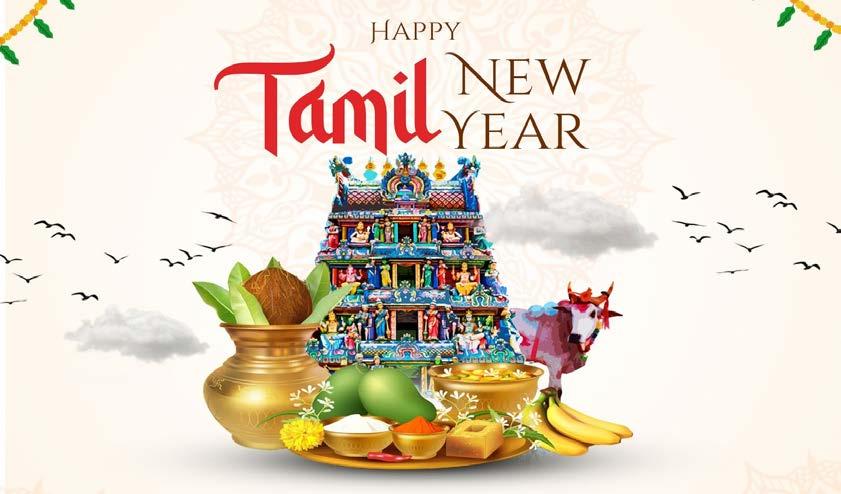
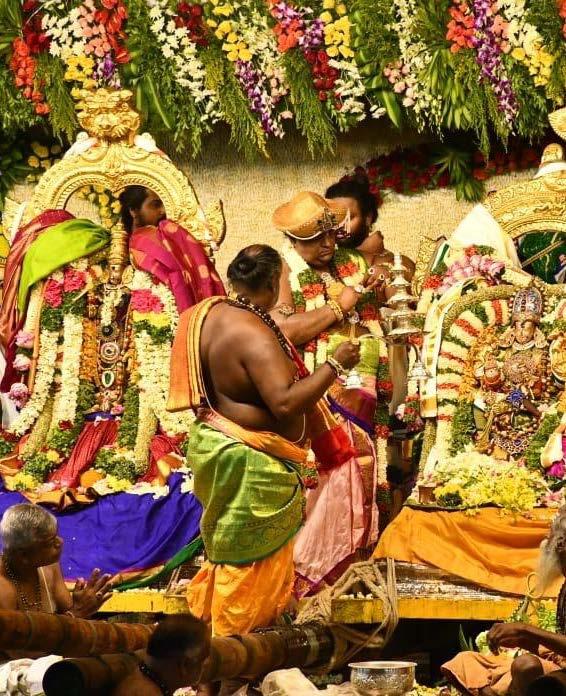
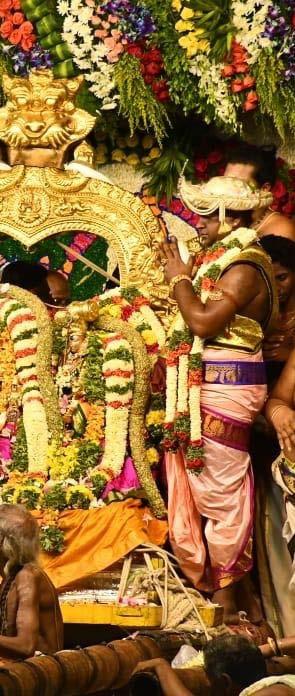
Tamil New Year (Puthandu) according to the Hindu lunisolar calendar is the first day of the traditional Tamil New Year. It generally falls on April 14, and is a public holiday in Tamil Nadu and Sri Lanka. Interestingly, along with Tamilians across the world, many other Indian communities also celebrate their traditional new year around the same time. For instance, ‘Vishu; would be celebrated in Kerala, ‘Bihu’ in Assam, ‘Baishakhi’ in Punjab, and ‘Pohela Boishakh’ or in the name of ‘Subo Nababorsho’ in West Bengal. The people of Himachal Pradesh, Haryana, Tripura and Odisha would be celebrating their new year around the middle of April.
The countries like Nepal, Bangladesh, Myanmar, Cambodia, Laos, Mauritius and Thailand would also be celebrating their new year around this time. The influence has also spread to the South and South East Asia. In Malaysia and Singapore, the people belonging to the Tamil community join Sikhs, Malayalees and Bengalis to celebrate the new-year with leaders across the political spectrum, wishing the ethnic Indian community for the new- year. Special religious events are held in Hindu temples, in Tamil community centres and in Gurudwaras. Cultural programmes and media events also take place around this time and in a nutshell, it is a day of celebration for the Indian community in abroad. Tamil diaspora celebrates the Puthandu with a firm belief that the festival would augur well for their economic
growth and improve their standard of living throughout the year. On the auspicious day, people wear new clothes and visit temples. In some parts of Tamil Nadu, the festival is also called ‘Chittirai Vishu’. The prayer offering includes three fruits, mango, jackfruit, and banana, besides money in the form of coins, gold or silver jewellery, a mirror, flowers, betel leaves and areca nut. Rangolis called Kolams are drawn using rice flour on the home entrances. A feast is enjoyed on the occasion as people sit down together dressed in their best traditional clothes after having paid respects to the elders in the family. The people in Tamil Nadu invariably wear dhotis marking their Puthandu. It refers to the Sangam period when the poet ‘Nakkiran’ spoke and sung about the relevance of the Tamil New Year.
In Sri Lanka, the people observe the new-year with the first financial transaction known as the ‘Kaivishesham’. The Tamil community in the Island Nation is taking earnest efforts to celebrate the festival like every year, despite the country is rocked with economic disaster and is in turmoil for quite some time. In Tamil Nadu, especially in Madurai, the festival is celebrated with much fanfare in the Meenakshi temple every year, with a huge exhibition called, ‘Chitterai Porutkaatchi’. A big car festival would be held at ‘Tiruvidaimarudar’ near ‘Kumbakonam’.
The festival is also are celebrated with significance at ‘Tiruchirappali’ and ‘Kanchipuram’. A large number of devotees believe that Lord Brahma began the creation of the universe on the day of Puthandu. There are also several references to the Tamil New year being celebrated in the month of April in early Tamil literature. Nakkiran also mentioned that the sun moves from Mesha or Chitteraivai 11 signals of the zodiac. Kudulur Kizhaar, a renowned scholar during that period, considered the Mesh Rashi or Aries zodiac sign as the beginning of a new and fresh year. There is no iota of doubt that Puthandu holds religious significance as many people believe that t Lord Indra, the Prince of harmony came to Earth on this day to signify peace and serenity on the planet.
In the Neighbouring State cum Union Territory of Pondicherry; this festival of immense joy and social gathering, is celebrated by meeting and greeting the relatives. Pondicherry, being a vibrant splash of colours, celebrate the Tamil New Year with great joy. From meeting and gathering with neighbours to offering prayers to deities for a healthy harvest, Tamil New Year resembles the usual New Year Celebration, except the fireworks. The houses in Pondicherry are decorated with rice and colours. A tray is arranged with three fruits, consisting of mango, banana and jackfruit, Silver/Gold jewellery, betel leaves and areca nut, flowers and a mirror. It is believed that watching the tray as the first thing on the New Year is auspicious. Puthandu is also observed with ‘arpudu’ or the first ploughing of the ground to prepare for the new agricultural cycle. A special dish called ‘Mangai-pachadi’ is prepared from a variety of flavours, similar to pacchadi of newyear foods of ‘Ugadi’ and ‘Vishu’. A day before Puthandu, Tamil women decorate their houses with ‘Kolam’ to welcome joy and prosperity in their homes. Cleaning the house on the day before or on Puthandu and setting up a tray filled with fruits, flowers, and other items that are considered auspicious is yet another common ritual witnessed and observed by many Tamil families. The people in general take an herbal bath to clean themselves thoroughly. Turmeric bath is common among Tamil women.
On this special day and occasion; Temples are filled with devotees seeking blessings for health and happiness. Families exchange gifts and good wishes, strengthening their bonds. In Tamil Nadu, cultural programs, music, and dance add to the festive spirit, creating a lively and joyous atmosphere. Tamil New Year is not just another change of date—it is a perfect reminder and time to embrace new opportunities, cherish traditions, and move forward with hope and positivity.
With
Immense Pleasure, We Wish the Entire World of Tamil People, A very Victorious, Prosperous and Rejoicing Tamil New Year’s Day Celebrations 2025.
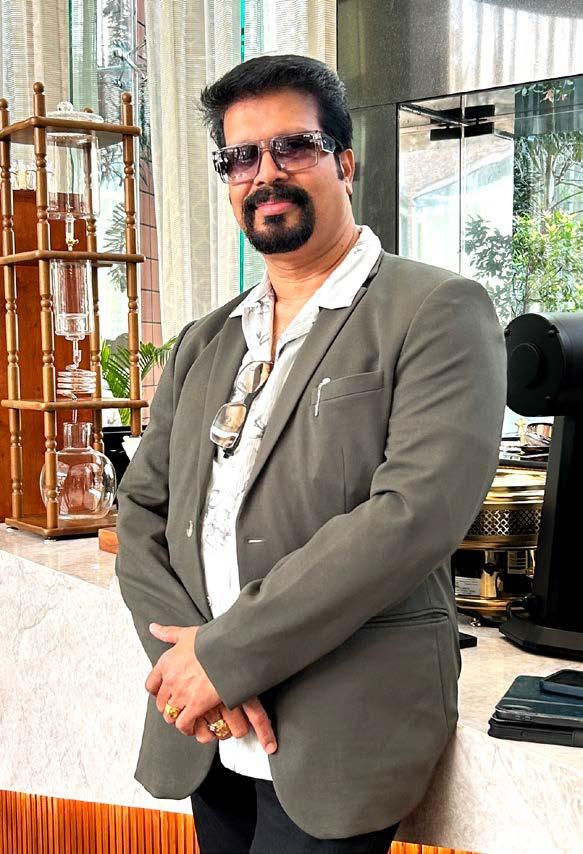

Dr. S. E. Alexander Global Media Chief & MD


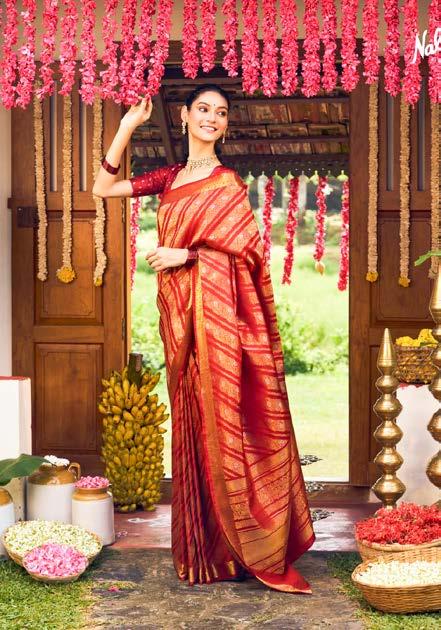
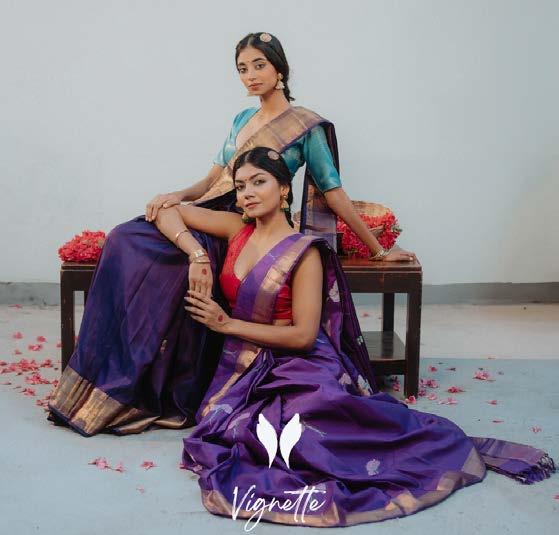
The Kanjivaram has Been a Bridal mainsTay For CenTuries
Palam silKs exPlored World arT WiTh seeKer ColleCTion
osman aBdul razaK’s 900-square-FooT BouTique in Chennai
ConTemPorary CoimBaTore home insPired By a heriTage CheTTinad villa
Tn Cm sTalin To inauguraTe nilgiris disTriCT mediCal College and hosPiTal
dePuT y Cm udhayanidhi sTalin oPens rs
3 Crore sPorTs sCienCe CenTre aT nehru sTadium
Tamil nadu Travel marT 2025
inauguraTed in Chennai, highlighTing sTaTe’s Tourism PoTenTial
Tourism deParTmenT To seT uP mediCal Tourism verTiCal
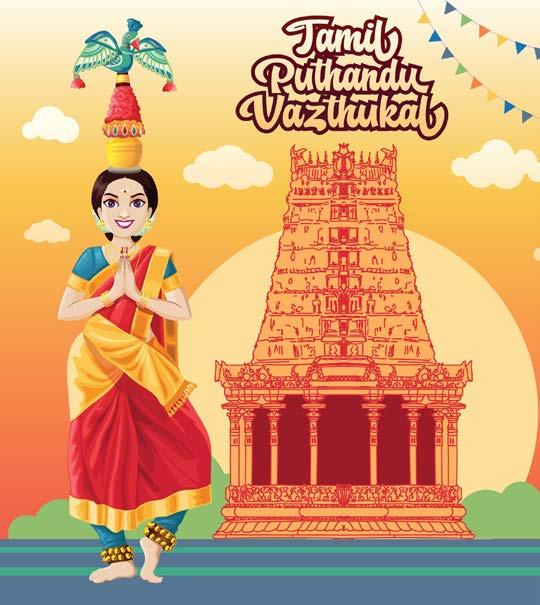
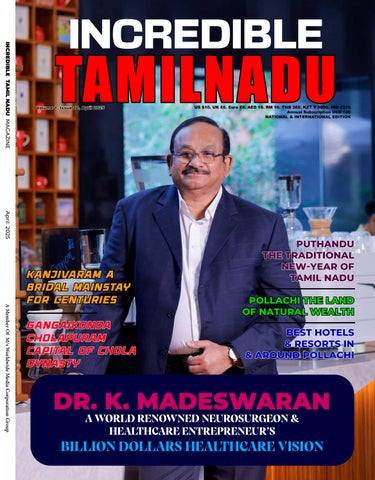
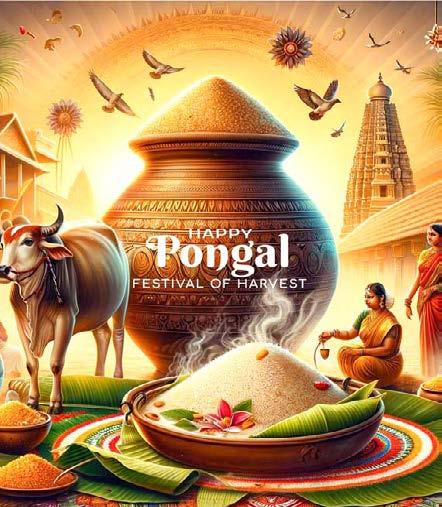
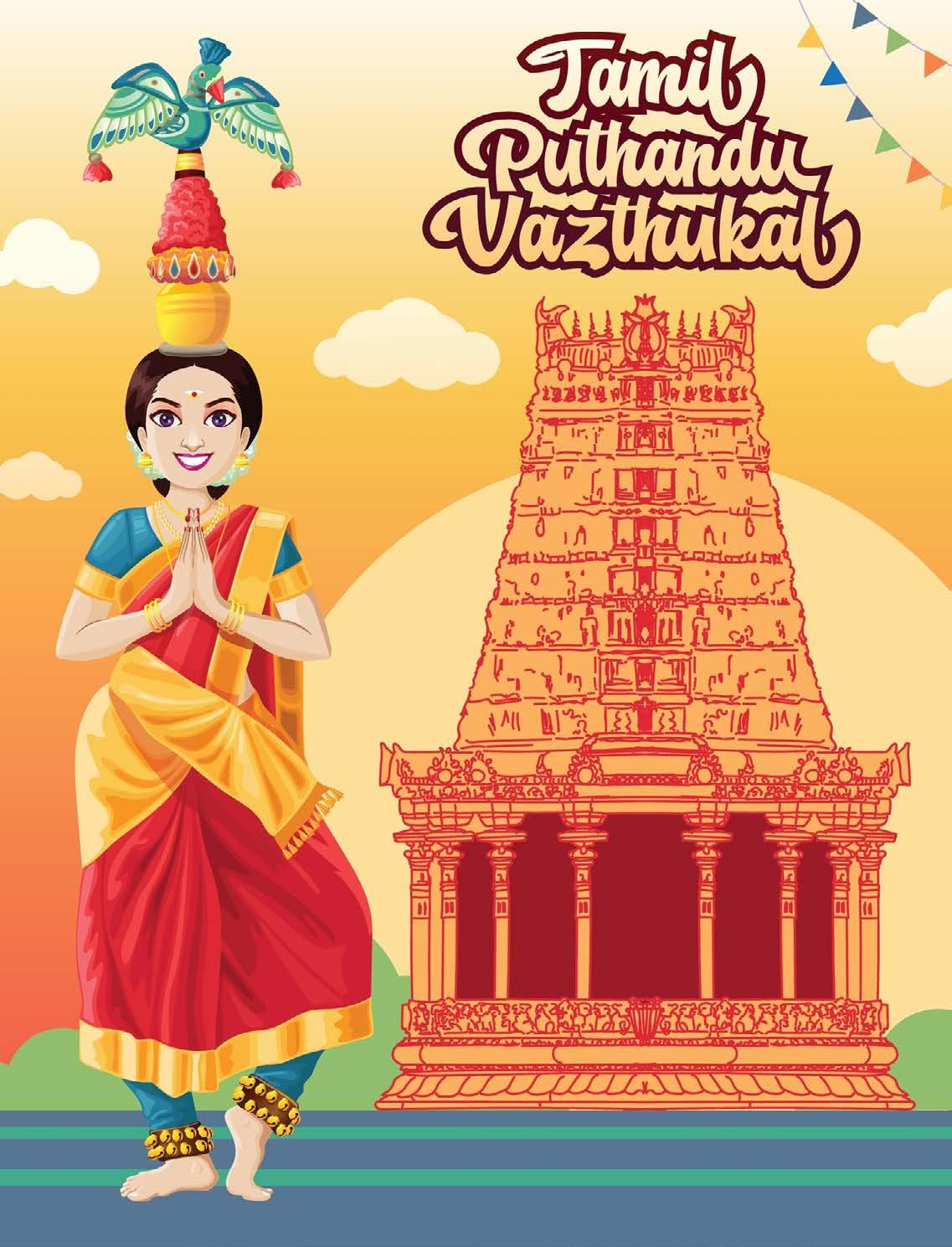
PuThandu alias Tamil-neW-year is The TradiTional neW-year CeleBraTion in Tamil nadu
Bronze CasTing in Tamil nadu an unique & divine exPerienCe
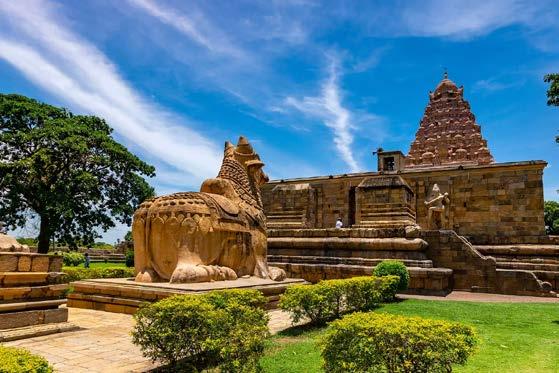
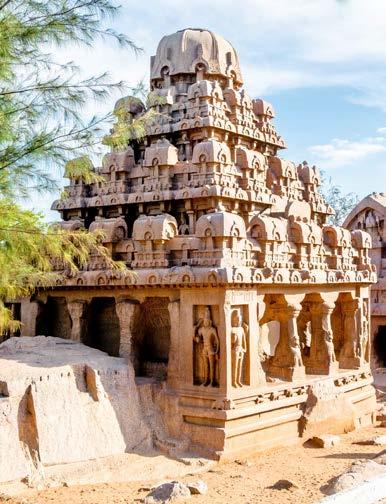
gangaiKonda CholaPuram The CaPiTal oF The Chola dynasT y in C. 1025
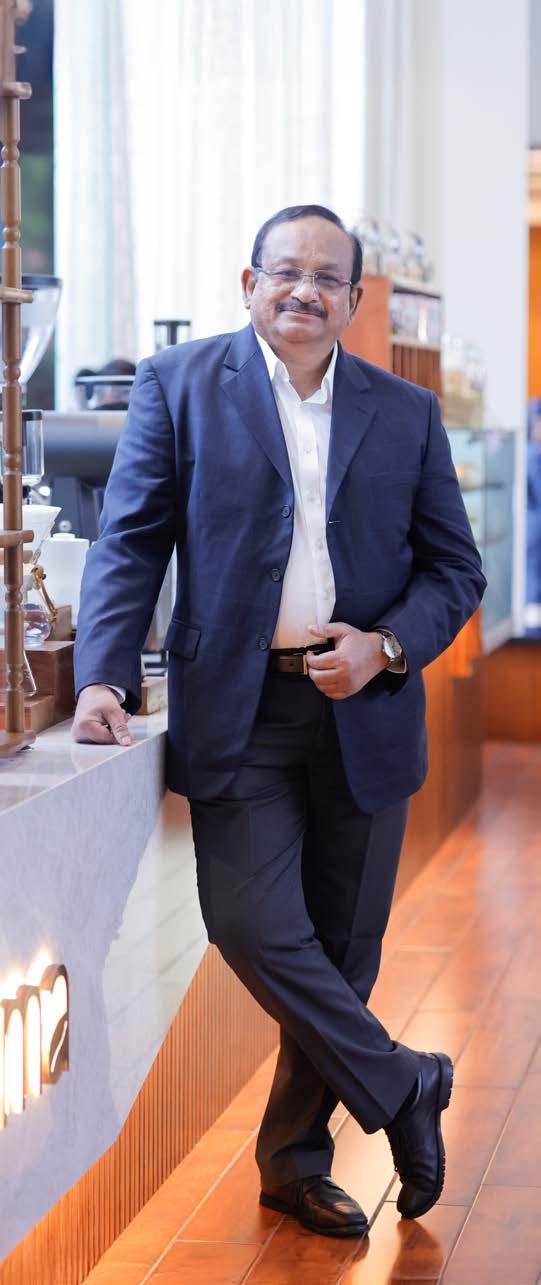
DR.K.MADESWARAN
a World renoWned neurosurgeon & enTrePreneur’s Billion dollars healThCare vision

BesT hoTels & resorTs in and around PollaChi



here’s why it still reigns supreme
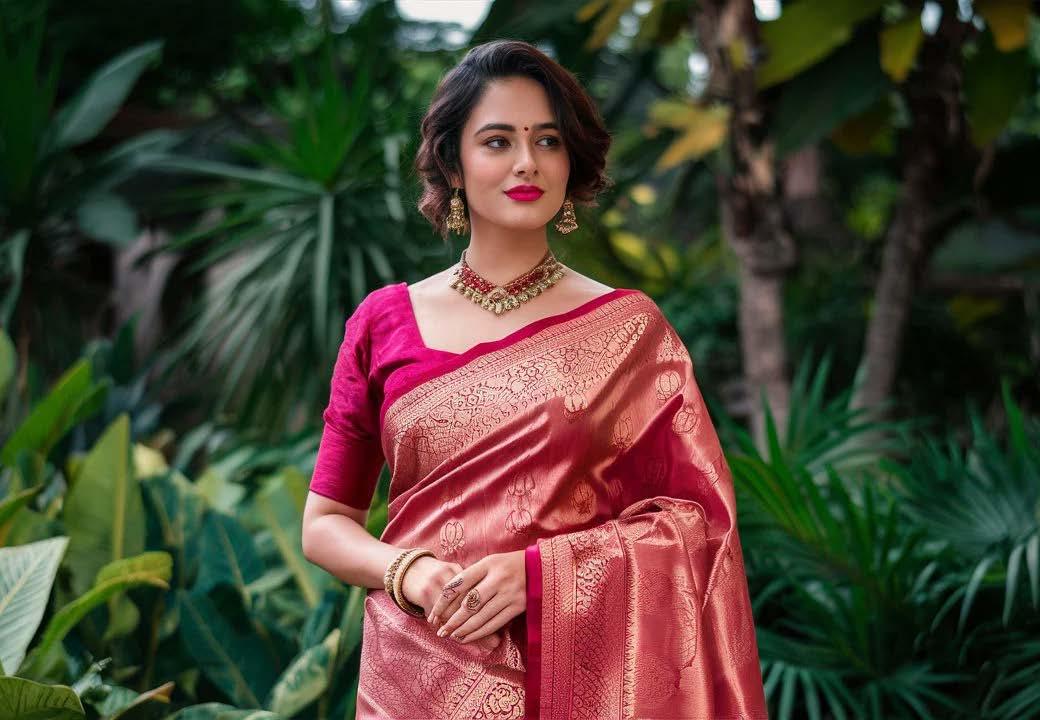
There are saris, and then there is the kanjivaram. A weave so deeply entrenched in South India’s cultural fabric that it transcends fashion—it is legacy, heirloom, and ritual woven into silk. It is the sari of milestones, of generational stories whispered between warp and weft. And for the Indian bride, it is often an expression of heritage, standing against time itself. When it comes to building an enduring bridal trousseau, the kanjivaram holds a place of reverence. It drapes generations of women—grandmothers, mothers, daughters—threading together past and present in intricate zari work and jewel-toned silks. It is a talisman of tradition, and yet, in the right hands, it evolves. This is where Kanakavalli enters the frame, not merely as a curator of the kanjivaram, but as a dedicated custodian.
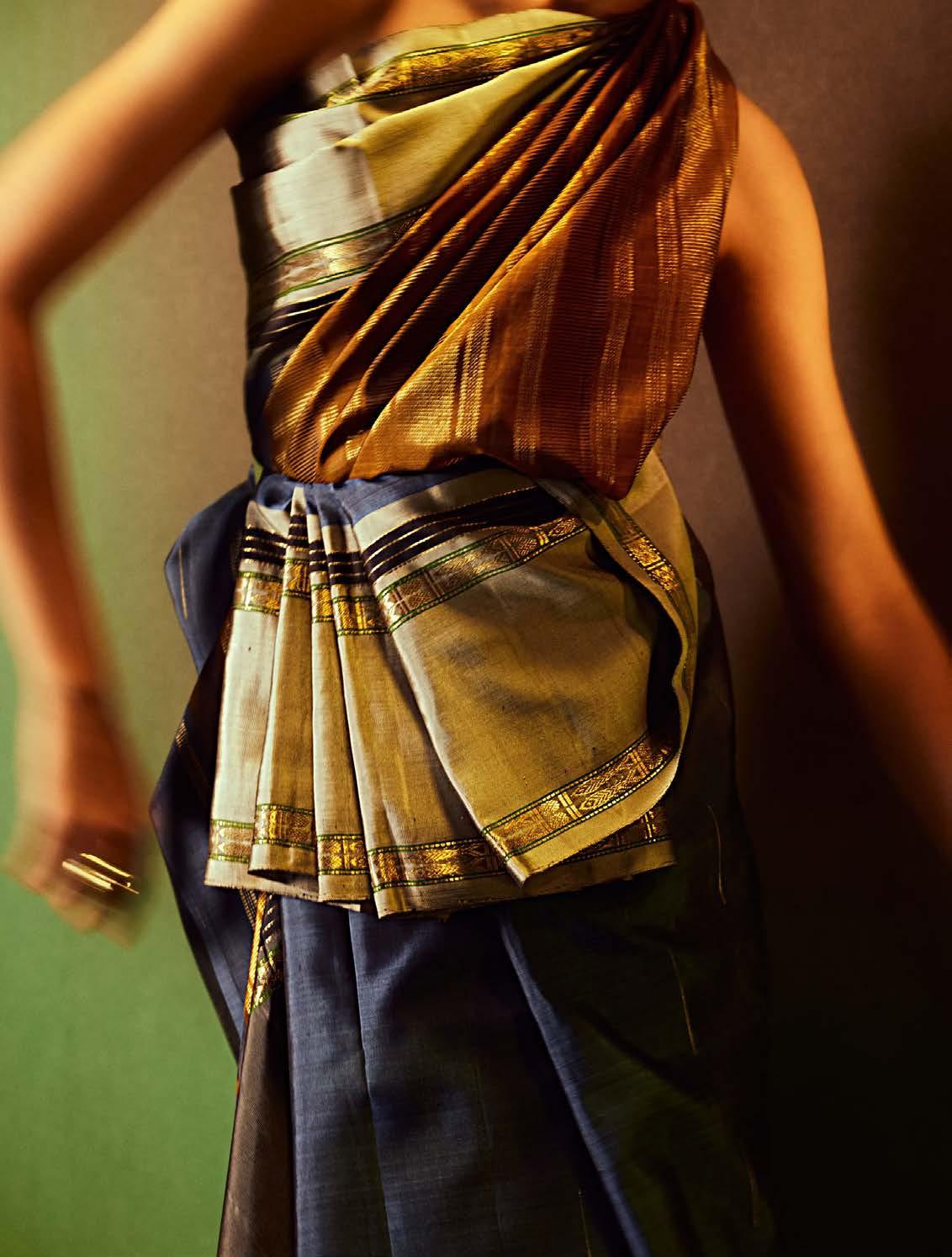

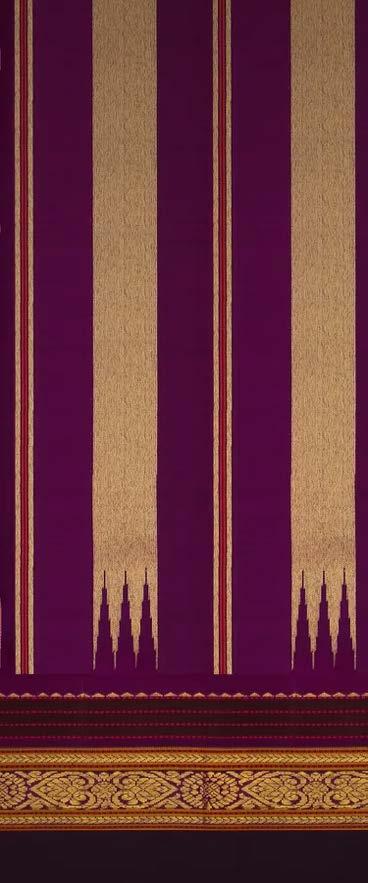
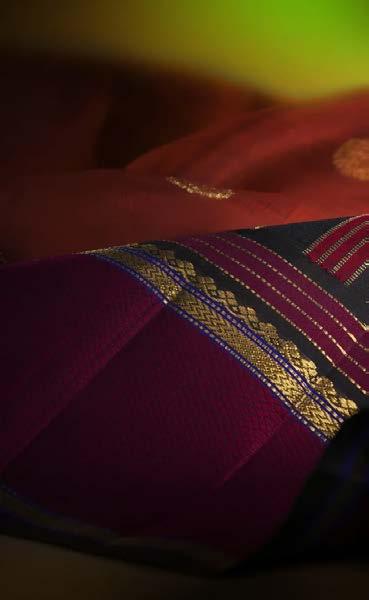
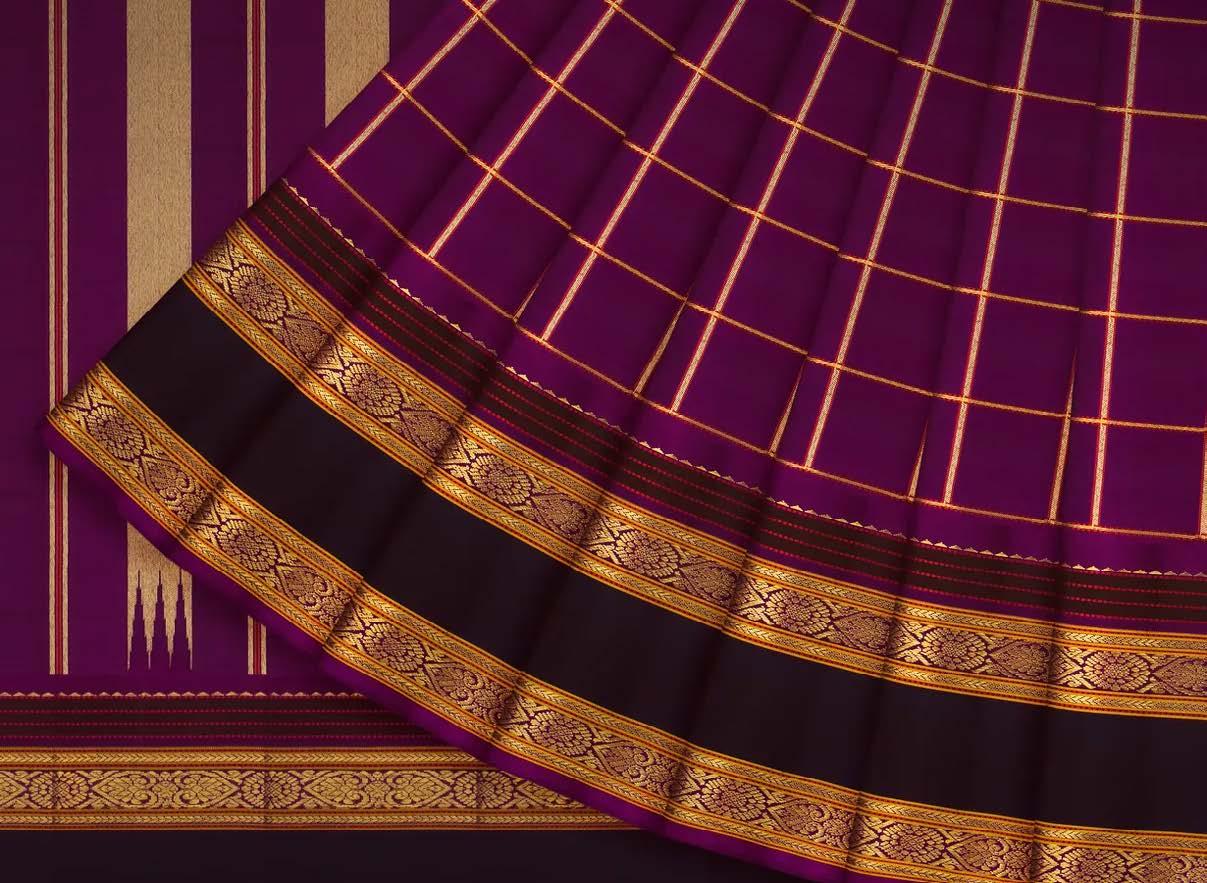
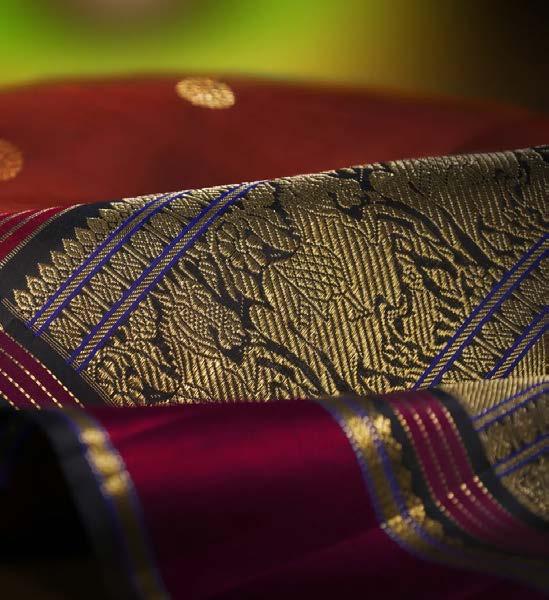
At Kanakavalli, the bridal kanjivaram is an eternal weave, untouched by fleeting trends and seasons. Instead, the brand stays true to the soul of the craft, its silk spun by the deft hands of Kanchipuram’s master weavers. Age-old motifs find their way into contemporary compositions, with colour and design interventions that lend the weave a quiet modernity. The result? Saris that feel at once classic and relevant—textiles with the ability to hold space in both a heritage-filled past and a style-conscious present. For the bride, this means options as vast as they are exquisite. Traditionalist at heart? The classic jewel tones like ruby, emerald, mustard and gold speak to a lineage of elegance. Looking for something with a whisper of modernity? Soft pastels, from lavender and dusty rose to aqua blue, are woven into bridal stories with an almost dreamlike delicacy.
And then there’s Arakku, a shade that pirouettes between pink and red in a way only silk can. But beyond the colour, Kanakavalli’s saris reveal intricate textures and fluid forms. There are those rich with gold and silver zari, intricate and opulent, meant for the grandest of wedding ceremonies. Then there are the simpler layouts, geometric in their play of lines and hues, tailored for the understated bride who still wants the quiet drama of silk. And for those who seek legacy above all, Kanakavalli’s heirloom kanjivarams pay homage to the traditional layouts that have adorned South Indian brides for centuries. With flagship stores across Chennai, Coimbatore, Bengaluru, Hyderabad, Kochi, and Vijayawada, along with an online presence, Kanakavalli ensures that the kanjivaram is never out of reach. For those who seek a more immersive experience, the brand’s wedding collectives travel across India, bringing curated weaves to brides wherever they are.

Palam Silks has always been a trailblazer in crafting innovative designs in silk. Palam has created a niche among music lovers with Resonance Collection and explored world art with Seeker Collection. Palam Silks has unveiled 3 brand new collections touching upon vibrant threadwork, unusual box pallus and culturally rich bhuttas.

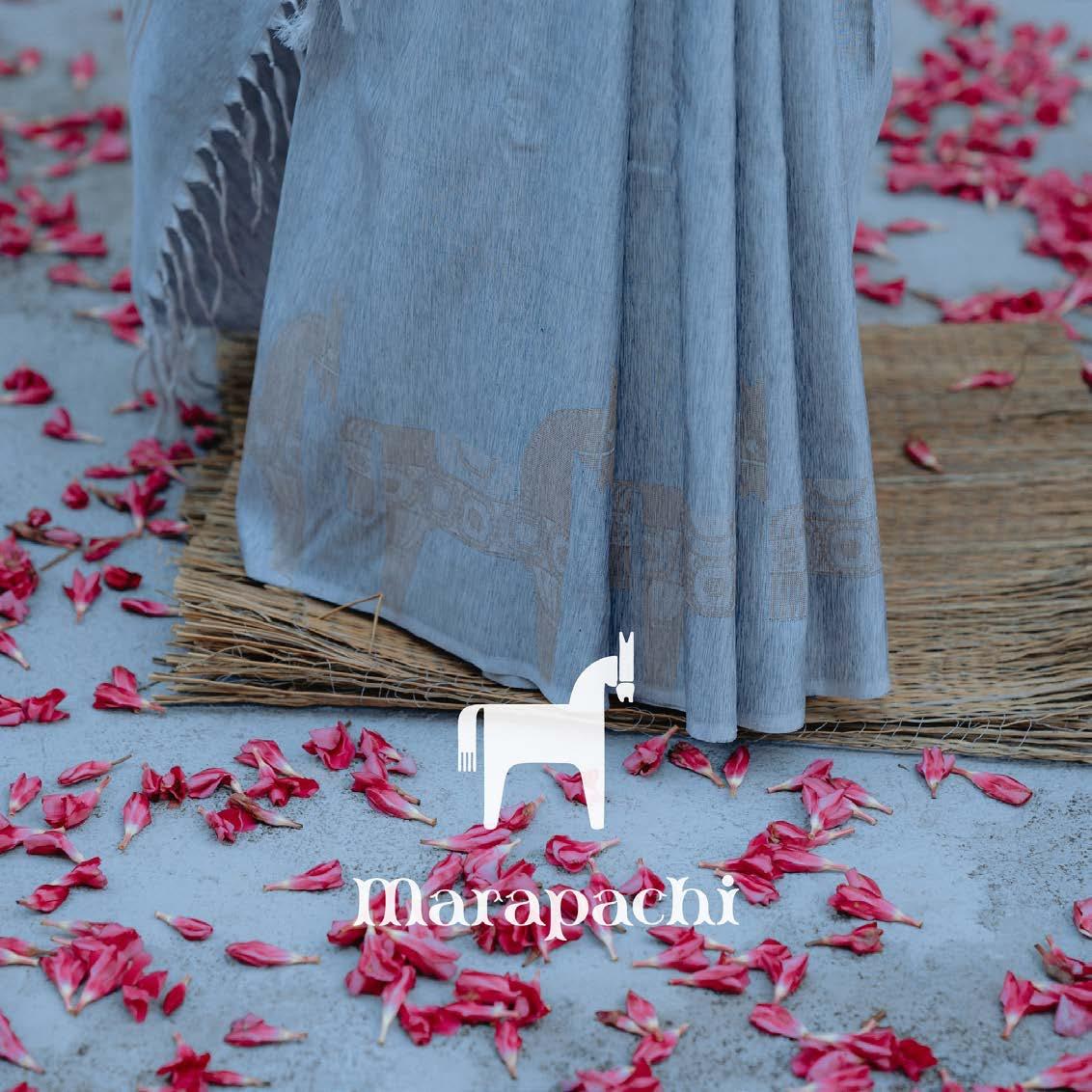
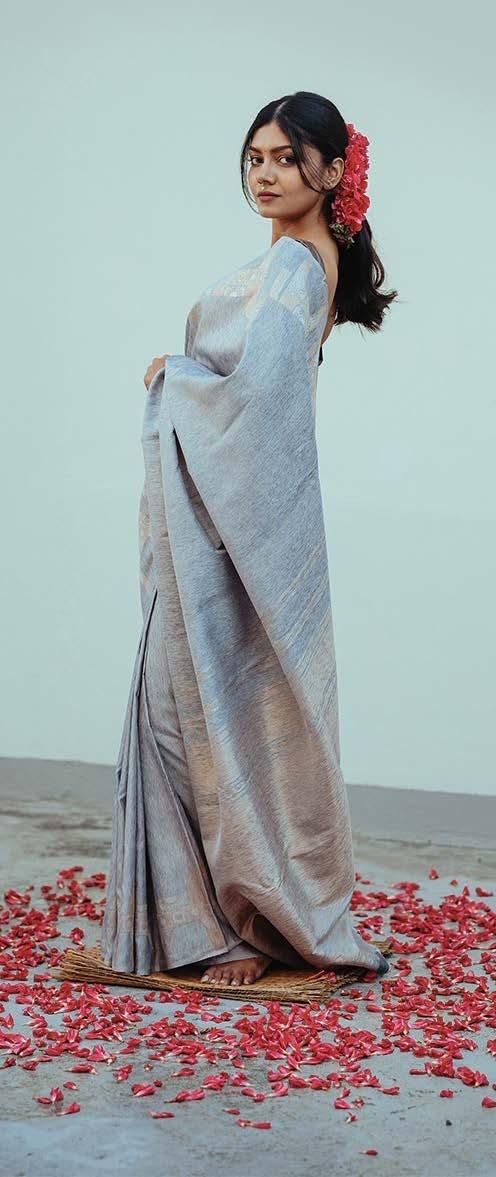
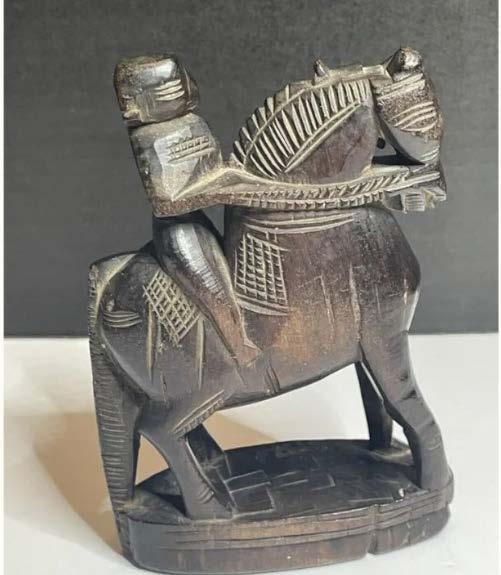
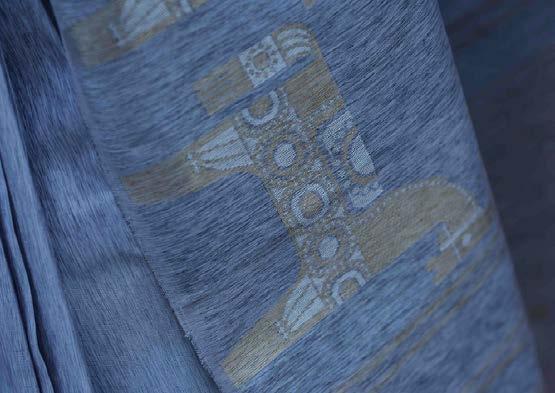
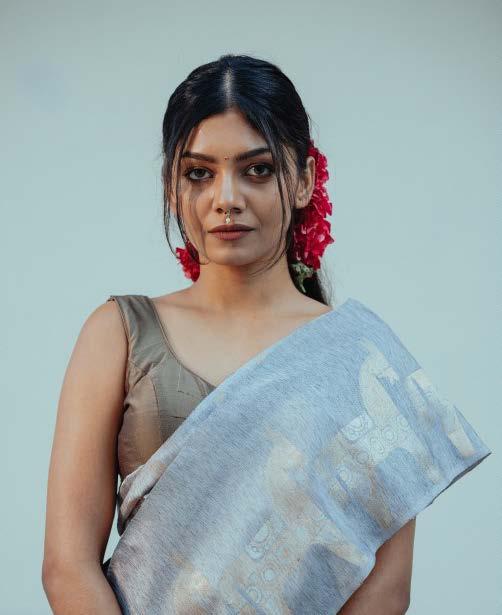
Marapachi Collection is an ode to the wooden dolls of yore. These dolls made from medicinal trees like Sandalwood, Ebony wood are believed to be bringers of good fortune, prosperity and good health. Similar to Kanchipuram Silk Sarees, our ancestors considered Marapachi dolls as an heirloom and passed them to the women of the family as a wedding present.
A decorated wooden horse doll in a mix of gold and silver zari debuts under the Marapachi Collection ranging between ₹20,000 to ₹25,000.
“Marapachi Dolls are believed to spread good energy and vibration because of the medicinal properties of the trees they are carved from. We wanted to bring this element into the design by adding the visual texture of a tree bark across the body of the saree.”
Jeyasree Ravi, Founder
of Palam Silks.
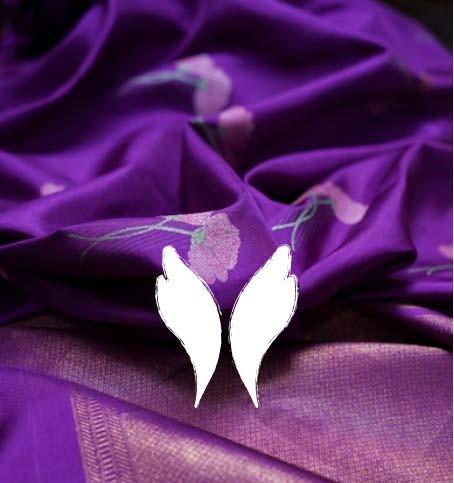
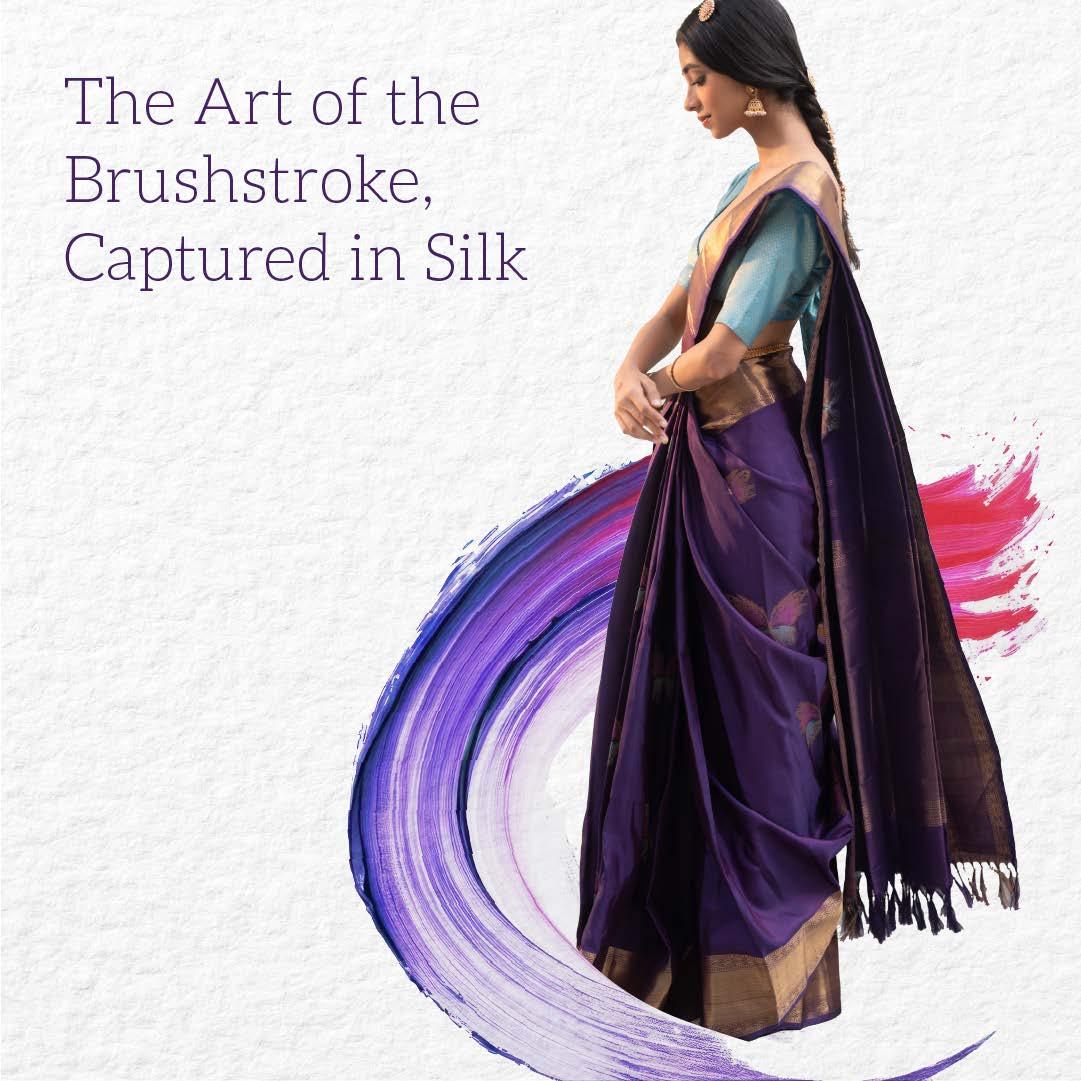
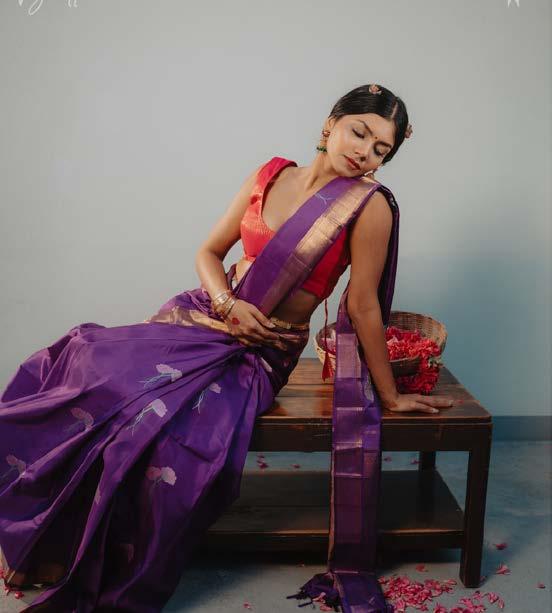
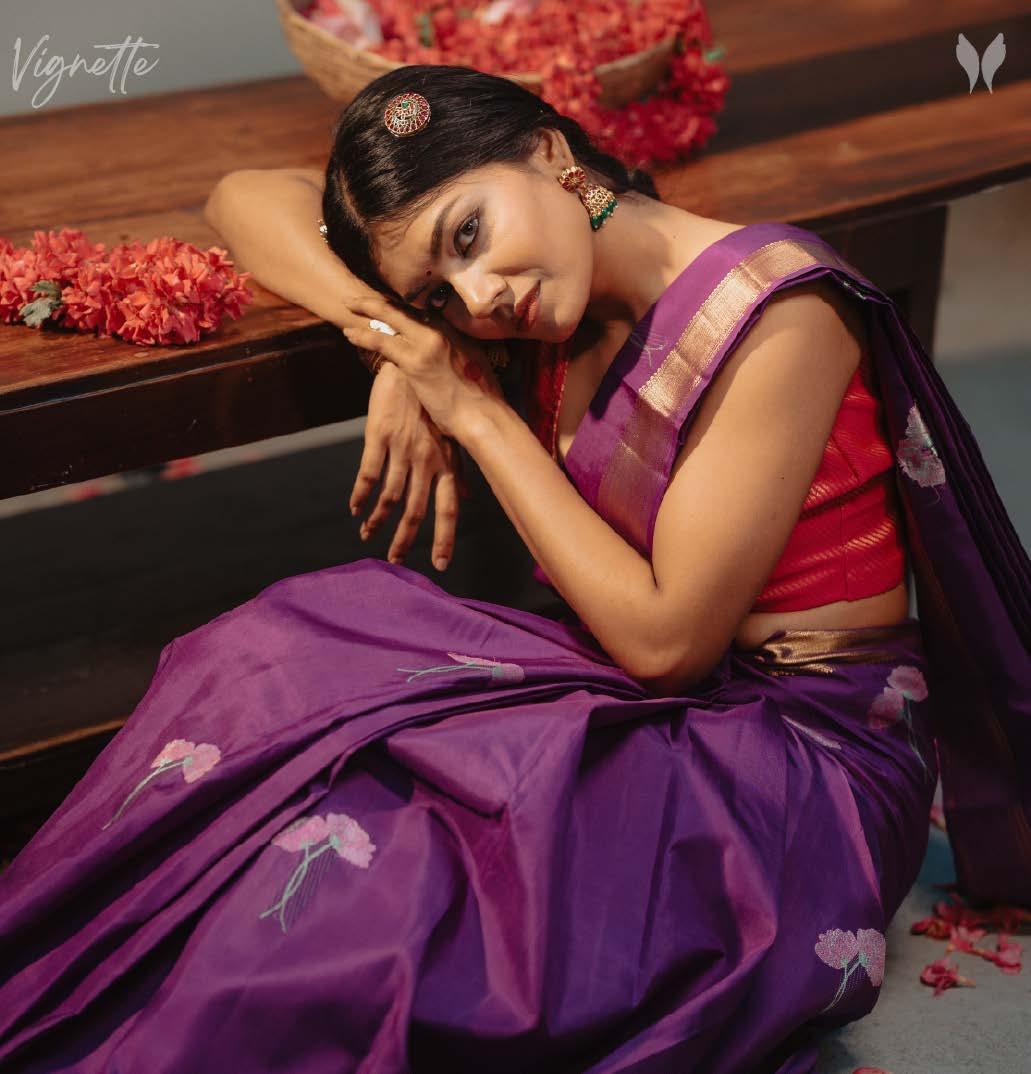
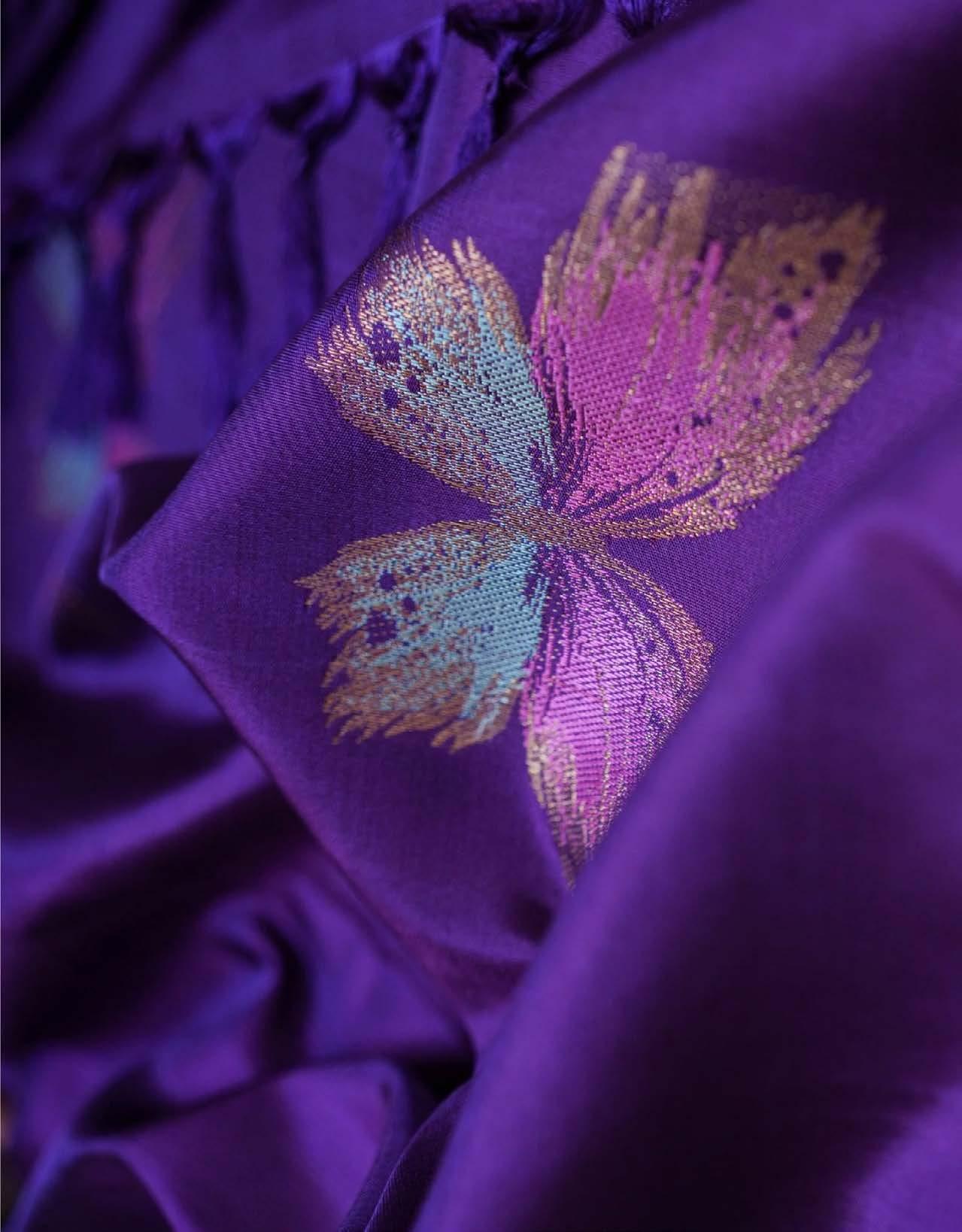
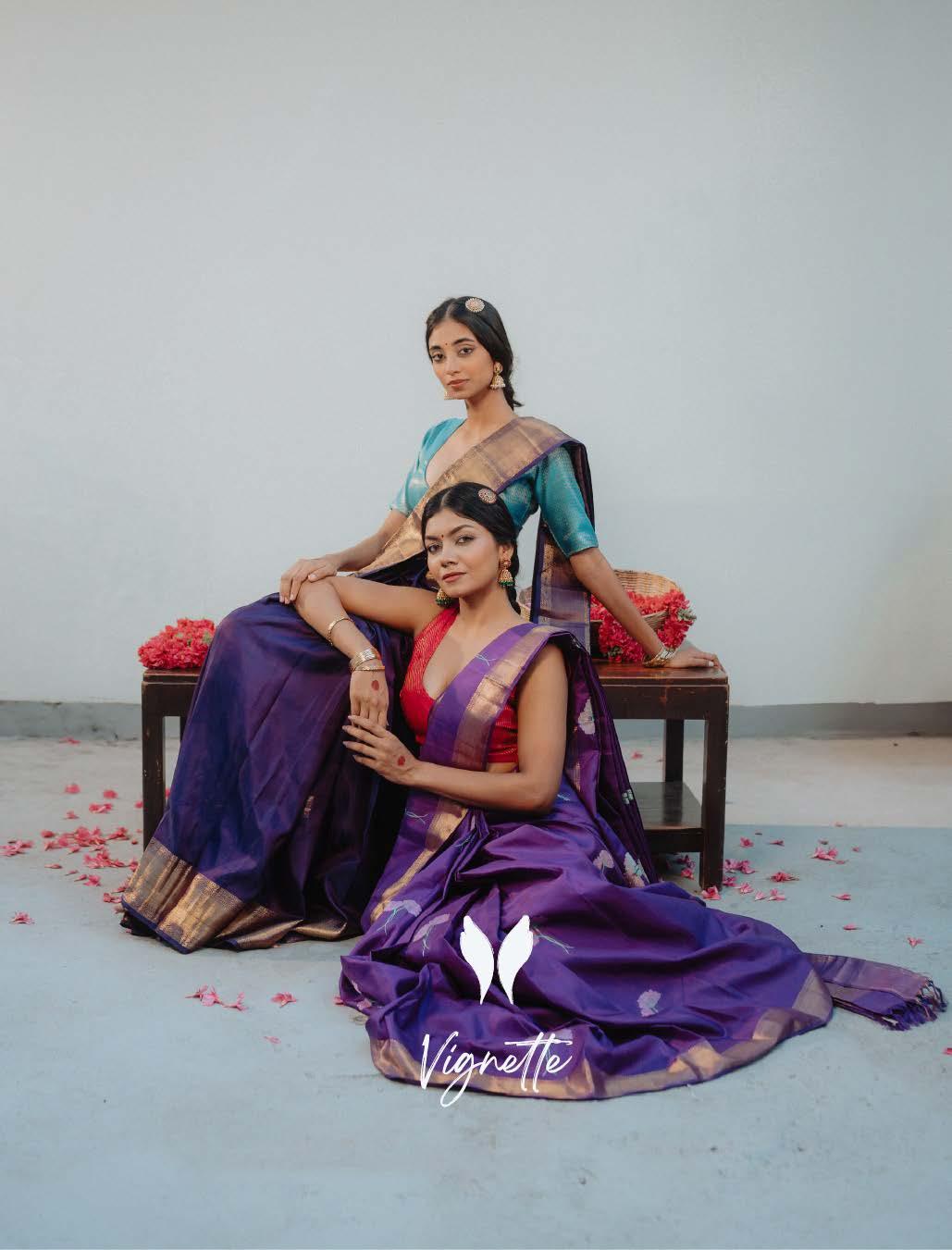
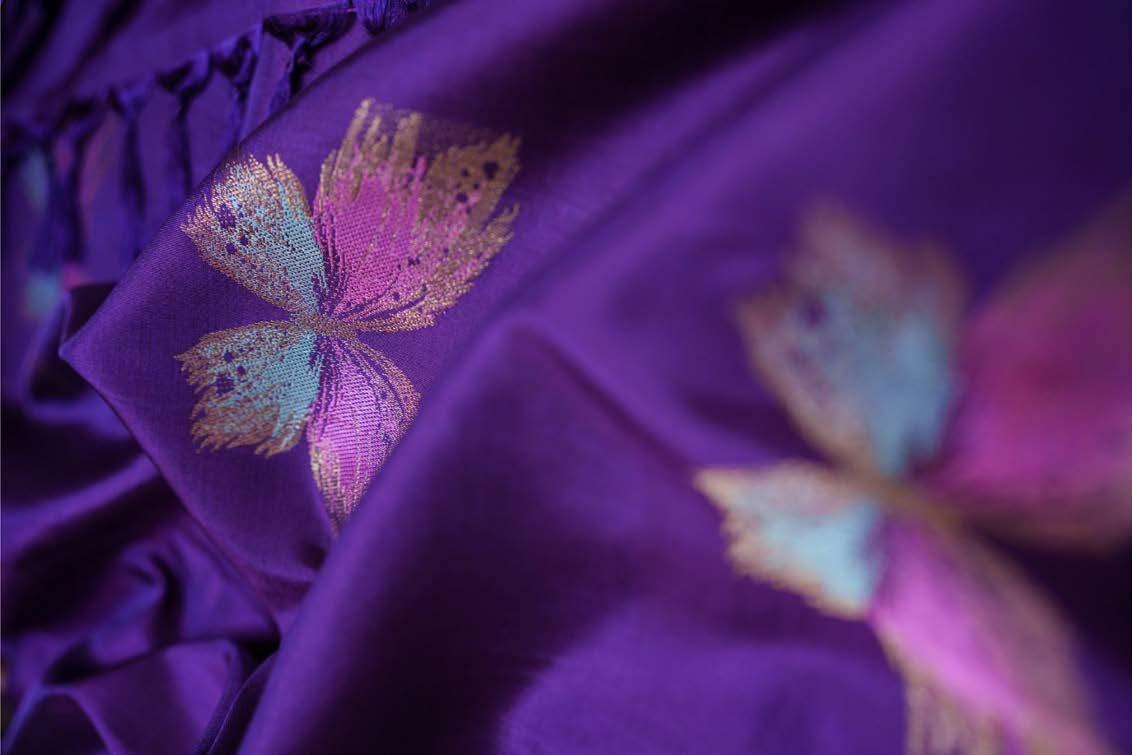
Vignette Collection turns thread bhuttas into vibrant artworks. Threads are predominantly woven along with zari to amplify the visual impact of zari work. In Vignette Collection, we have thrown the spotlight on threadwork and they take the form of imperfect brush strokes. Butterfly and Daffodil bhuttas make their first appearance under Vignette Collection priced between ₹20,000 to ₹25,000.
“A handwoven bhutta that has the same visual effect of a painting is a testament to a master weaver’s expertise. As a brand, we have never added embroidery or stonework to beautify our Kanjeevarams. We have relied only on the hands of our weavers to breathe life into all our design concepts and Vignette is truly a feather on their hats. We wanted the brush-stroked bhuttas to look as real as possible and we adopted the intrinsic nature of threads to create this visual effect. We added zari as an accompaniment to enhance the threadwork, for a change.”
Jeyasree Ravi, Founder of Palam Silks.

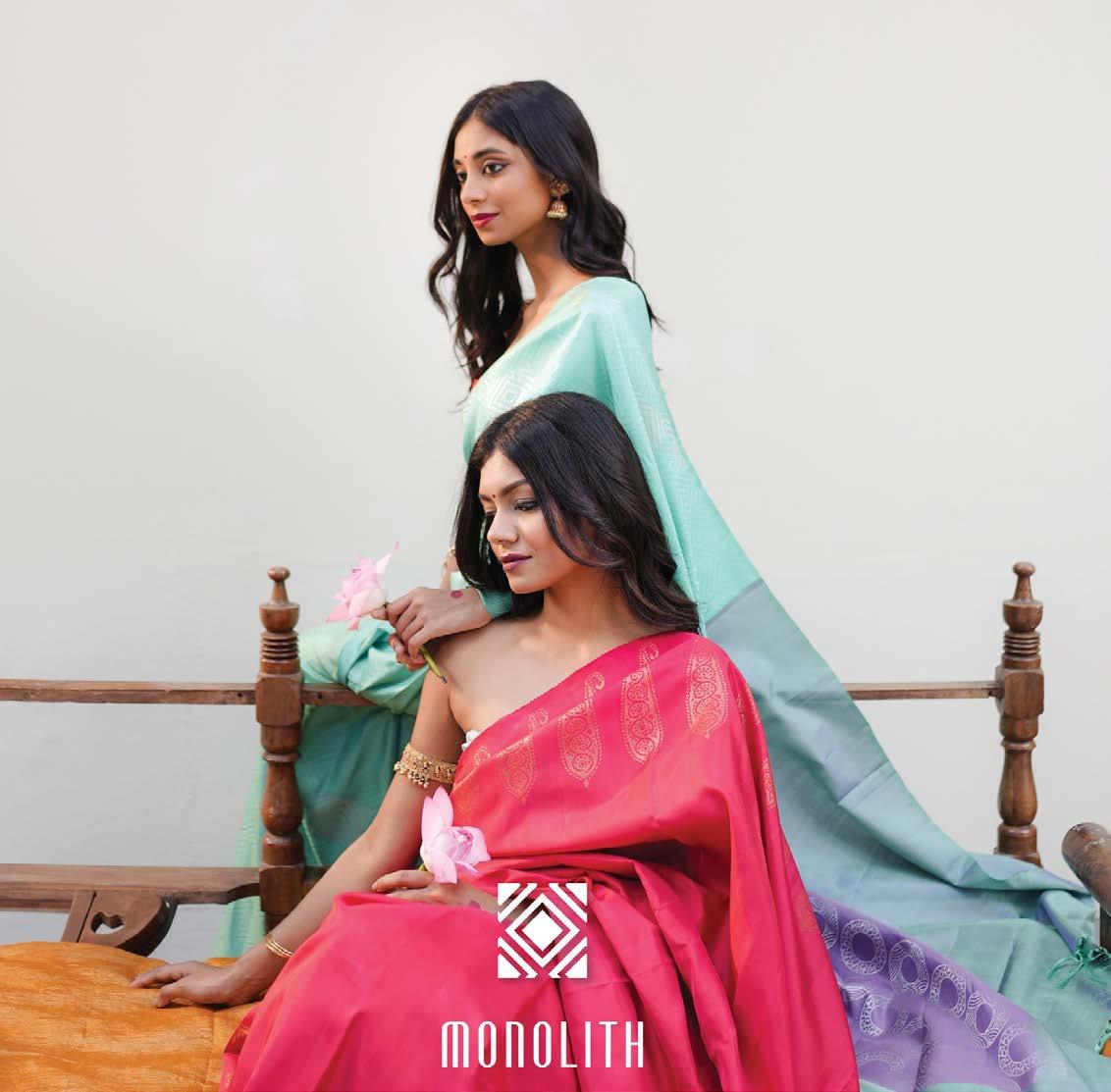
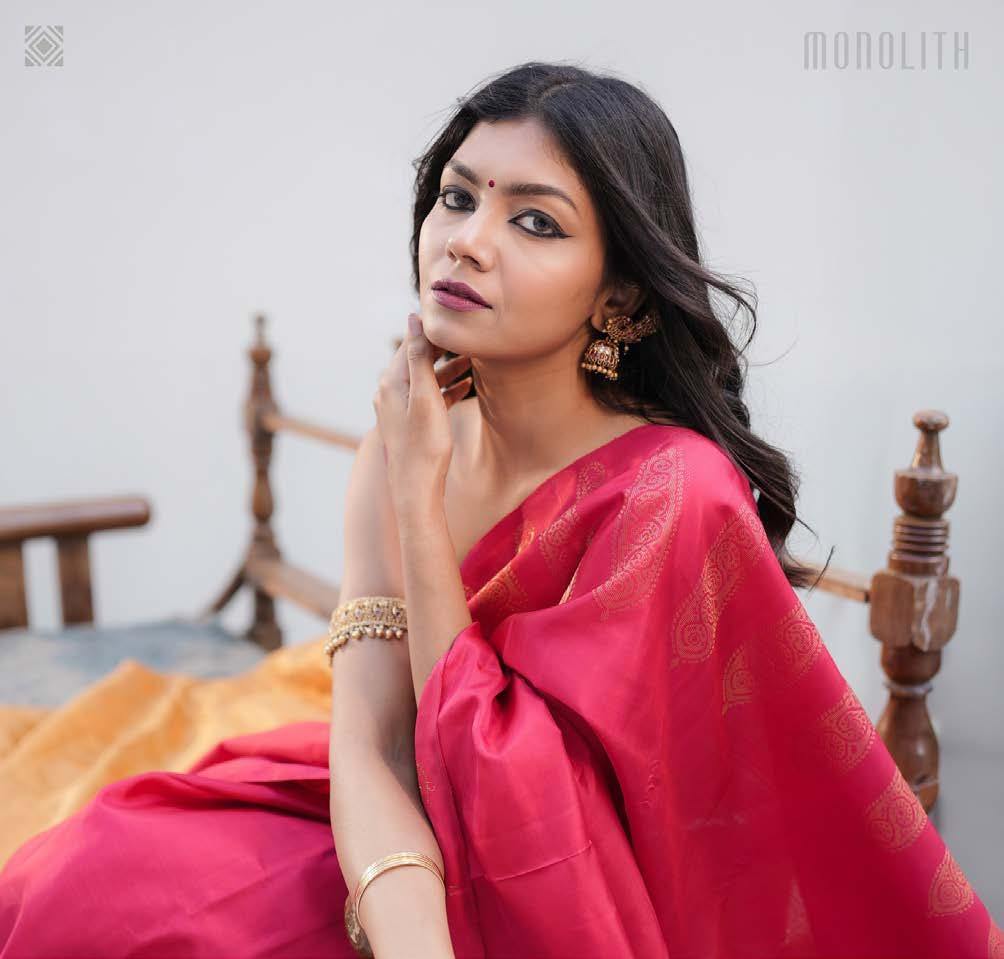
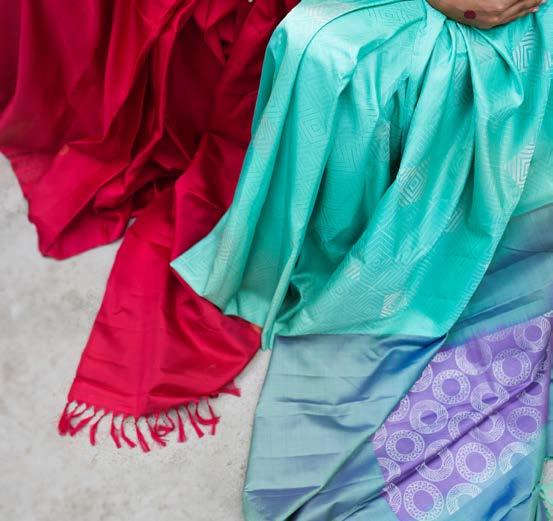
Monolith Collection re-imagines the pallu of the saree fearlessly. In a standard silk saree, pallu is hidden away from design experiments and follows traditional jacquard weave. Palam Silks goes out of the box by weaving the pallu “inside” a box. The plain frame around the box design is a show of understated elegance.
“When it comes to a saree, even the customers tend to see the border first, body next and only then their eyes move towards the pallu. All design innovations are restricted to the bhuttas and borders - Ganga Jamuna borders, Morning-evening borders, Annam bhuttas, Temple bhuttas. But there are no “styles” to describe the pallu except a few like “Seer munthi” and Jacquard weave. As we were dabbling with the designs we realised an empty frame around the pallu has completely changed the way a contemporary silk saree looks. They resembled a box and we decided to call them “Box Pallu.”
Jeyasree Ravi, Founder of Palam Silks.
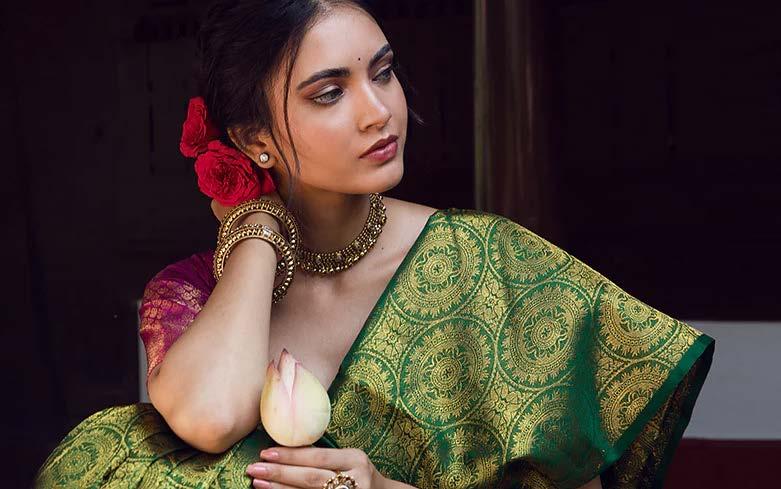
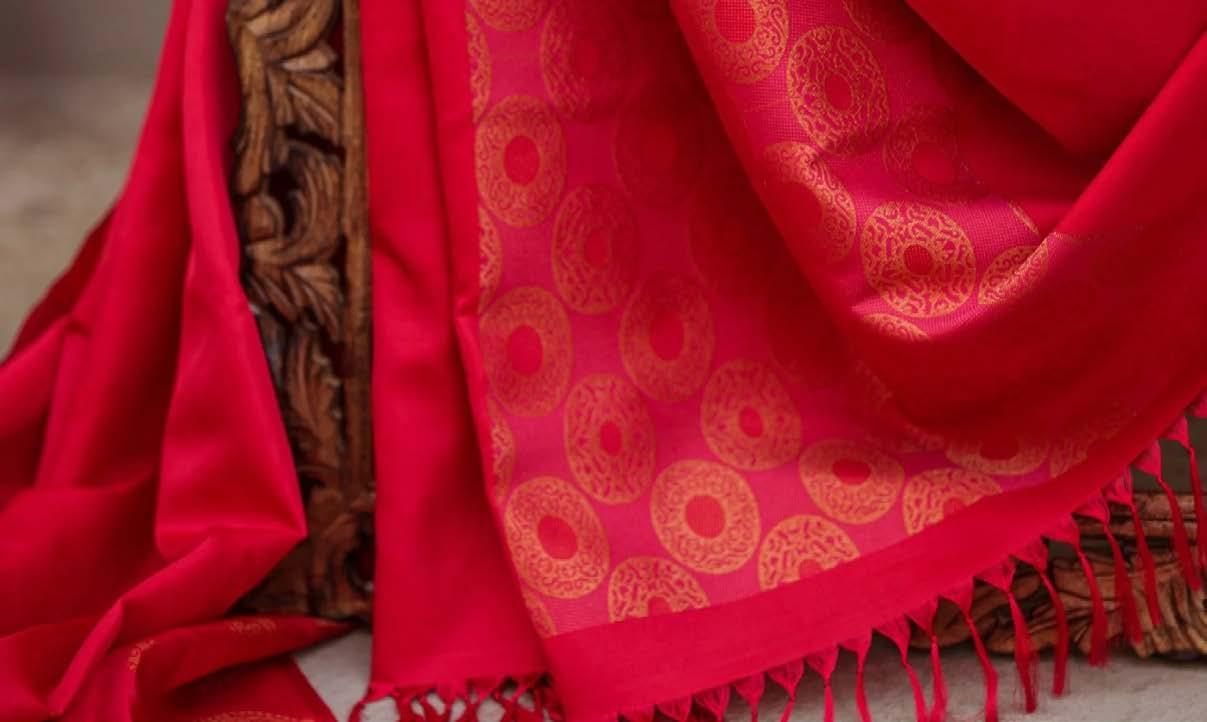

“Kanjeevaram is a designer’s dream. A canvas unlike any other to bring anything come to life in the most aesthetic way possible. We hope to re-imagine Kanjeevarams in terms of colours, designs and texture without any barriers, staying true to the integrity of the craft. When you drape a Marapachi, you vibrate with good energy. When you drape a Vignette, you are an artist. When you drape Monolith, you are the showstopper.
Choose an Avatar that resonates with your personality. Visit Palam Silks and explore all 3 collections, Marapachi, Monolith and Vignette ranging between 20,000 to 25,000. Palam Silks is located in Pondybazar, Mylapore ( Oliver Road ) and Anna nagar ( 2nd Avenue ) in Chennai. Palam Silks also presents a whole range of Gift Sarees under 5,000, Softsilk Sarees and Lightweight Silk Sarees between 8,000 to 10,000.
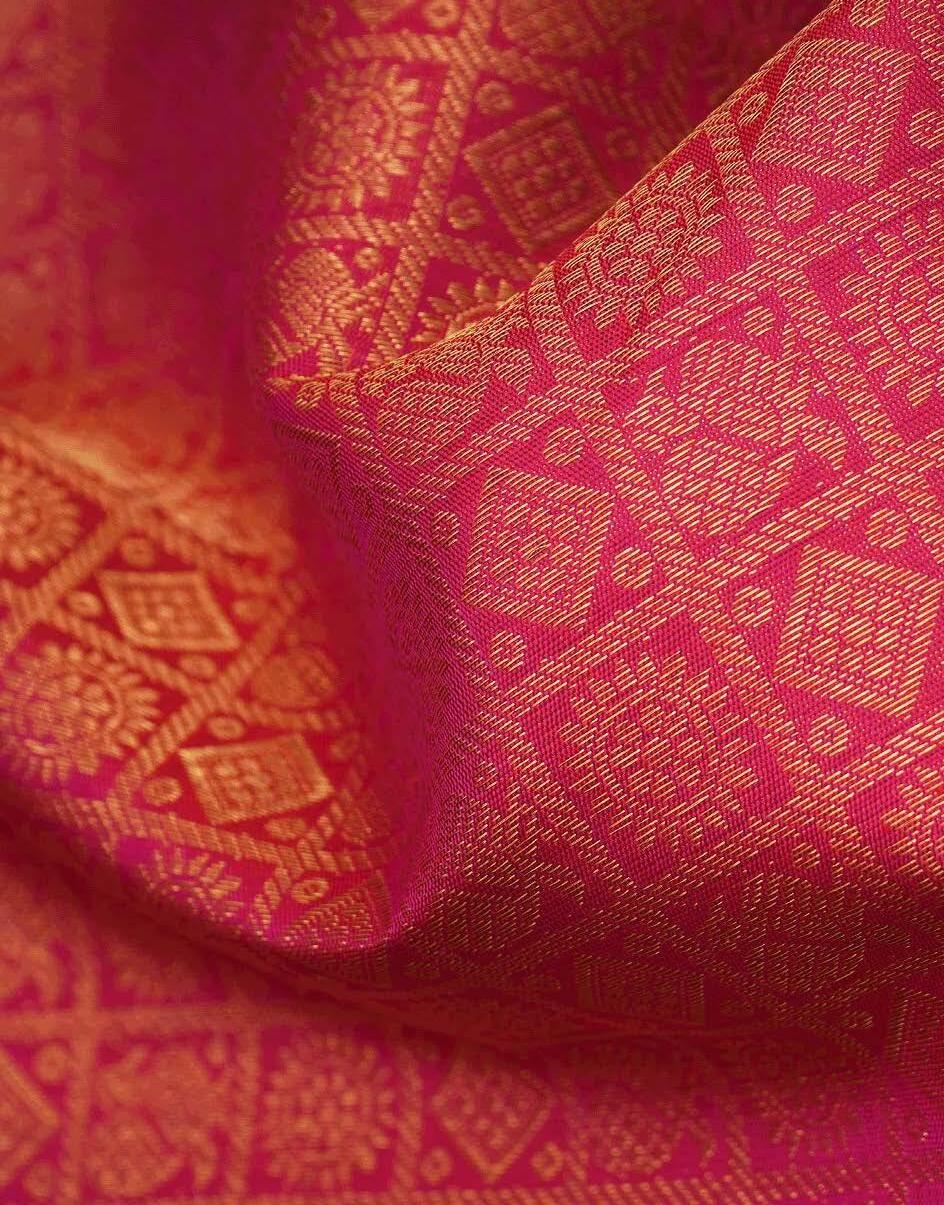
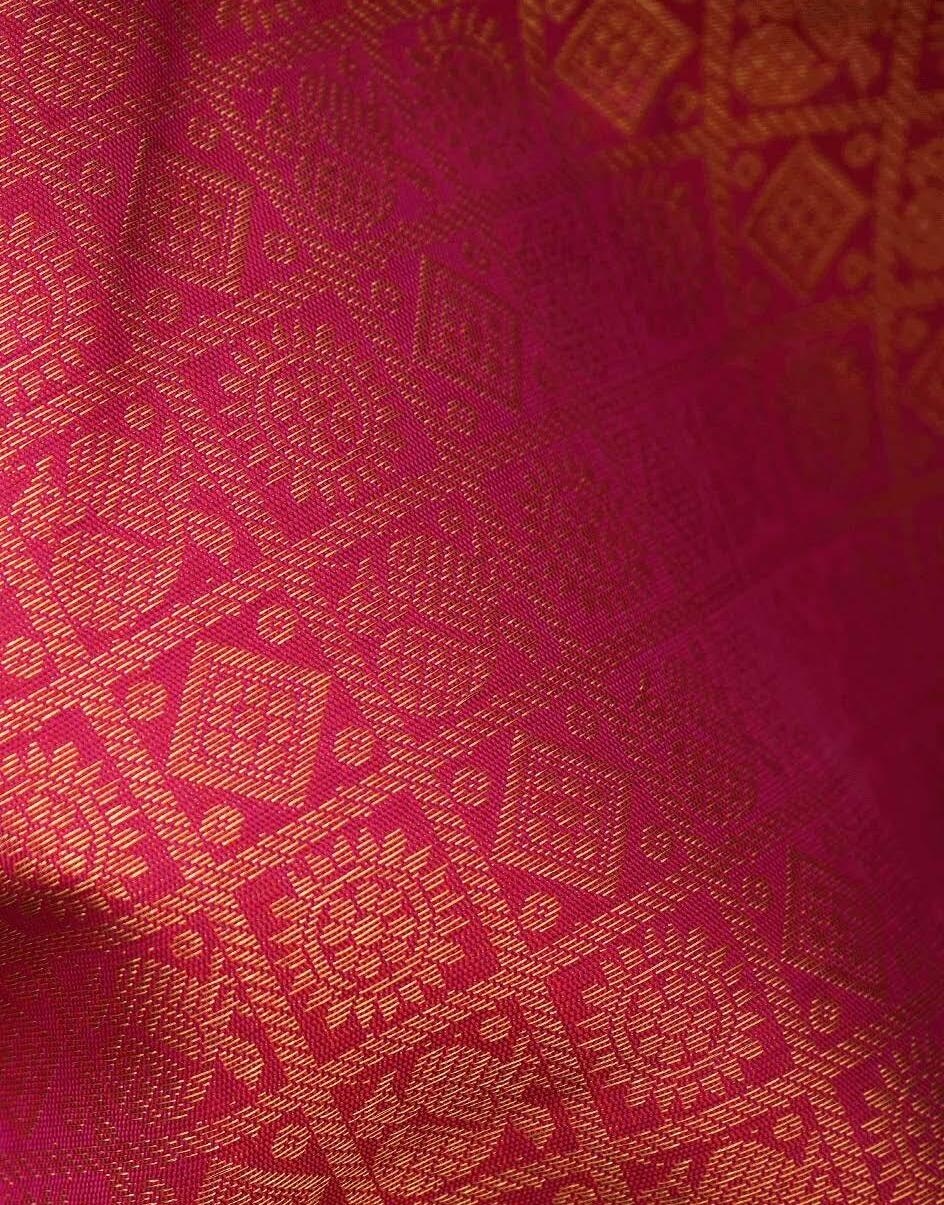
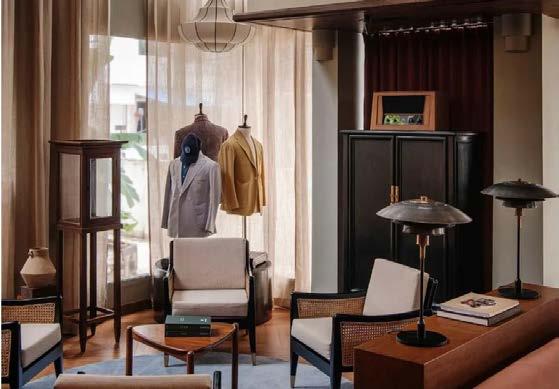
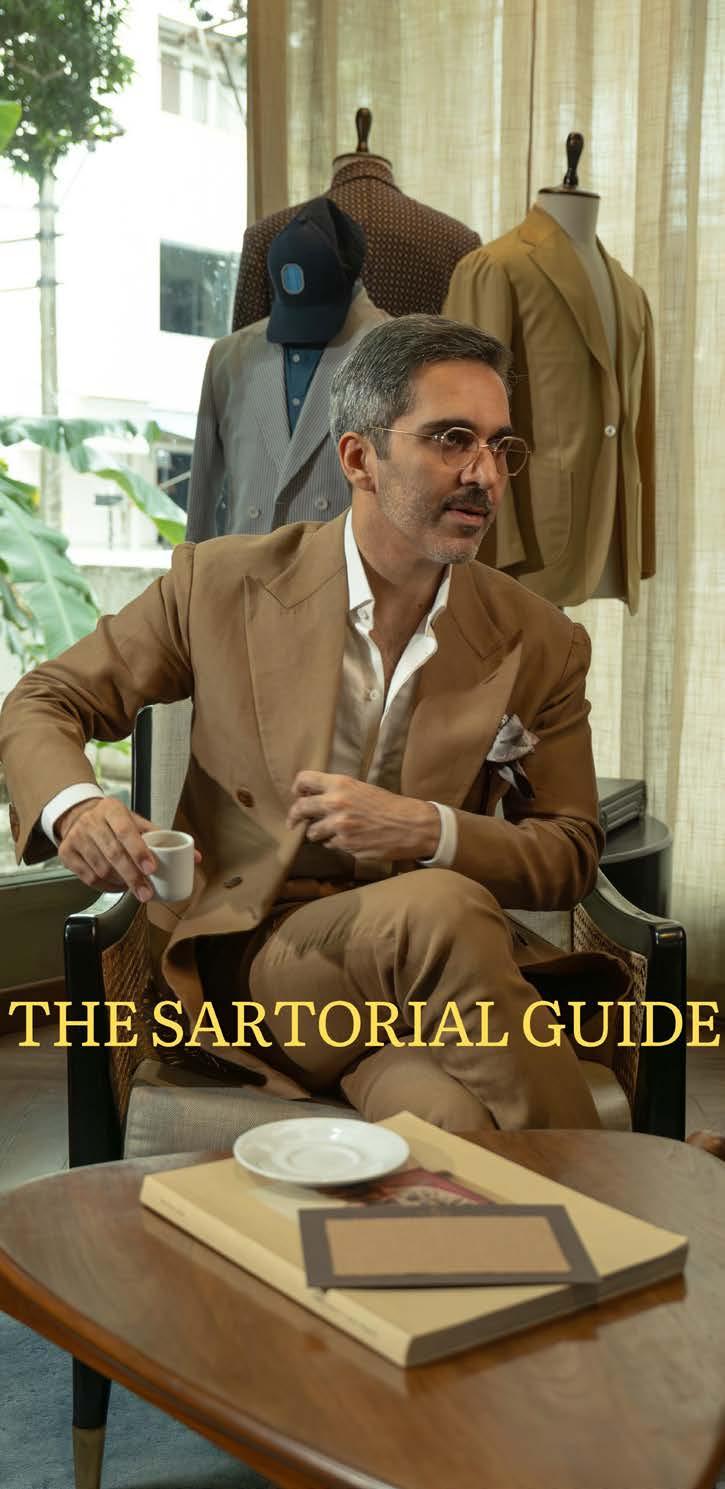
On Chennai’s bustling Khader Nawaz Khan Road, nestled between glittering storefronts and chic restaurants, stands a boutique that feels willfully at odds with its flashy neighbors. “It’s like someone plucked it straight from Milan,” quips Faisal Manzur, founder and principal of his eponymous Chennai-based design studio—the someone being none other than himself. But anyone familiar with Manzur’s flair knows that’s not quite true. After all, if there’s one thing this swashbuckling architect excels at, it’s not importing spaces from elsewhere but conjuring them from thin air—evoking distant places with such vivid charm, you’d swear you’d stepped into another world, or in this case, another country. No exception is this boutique in Chennai, which Manzur dreamed up for fashion designer Osman Abdul Razak in the manner of a Milanese tailor house, marrying European charm with the cultural soul of the city. “We wanted to ditch the usual retail vibe and create more of a lounge—something with a gentleman’s feel. The idea from the start was to design a space that reflects Osman’s craftsmanship as a Savile Row-certified bespoke tailor, with a focus on quality, sophistication, and a really curated, personal experience,” adds Manzur, who was assisted by in-house designers Anisha Panesar and Vazeema Rehana.
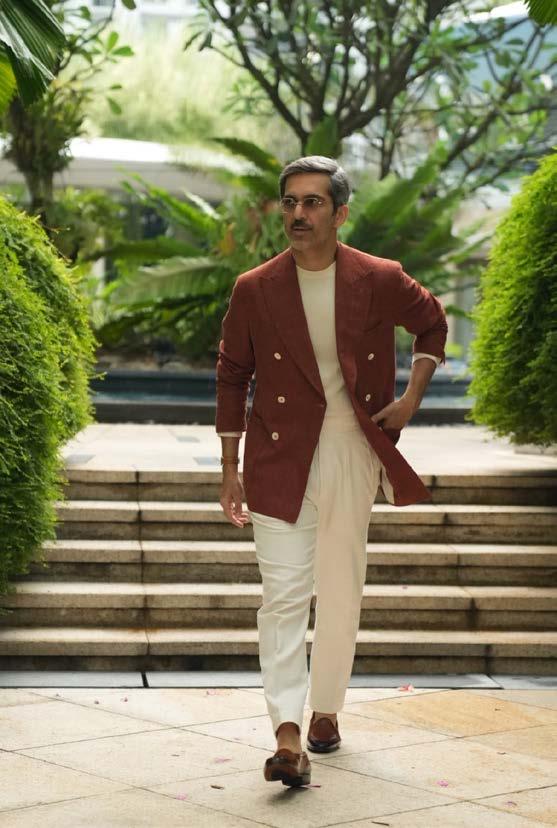
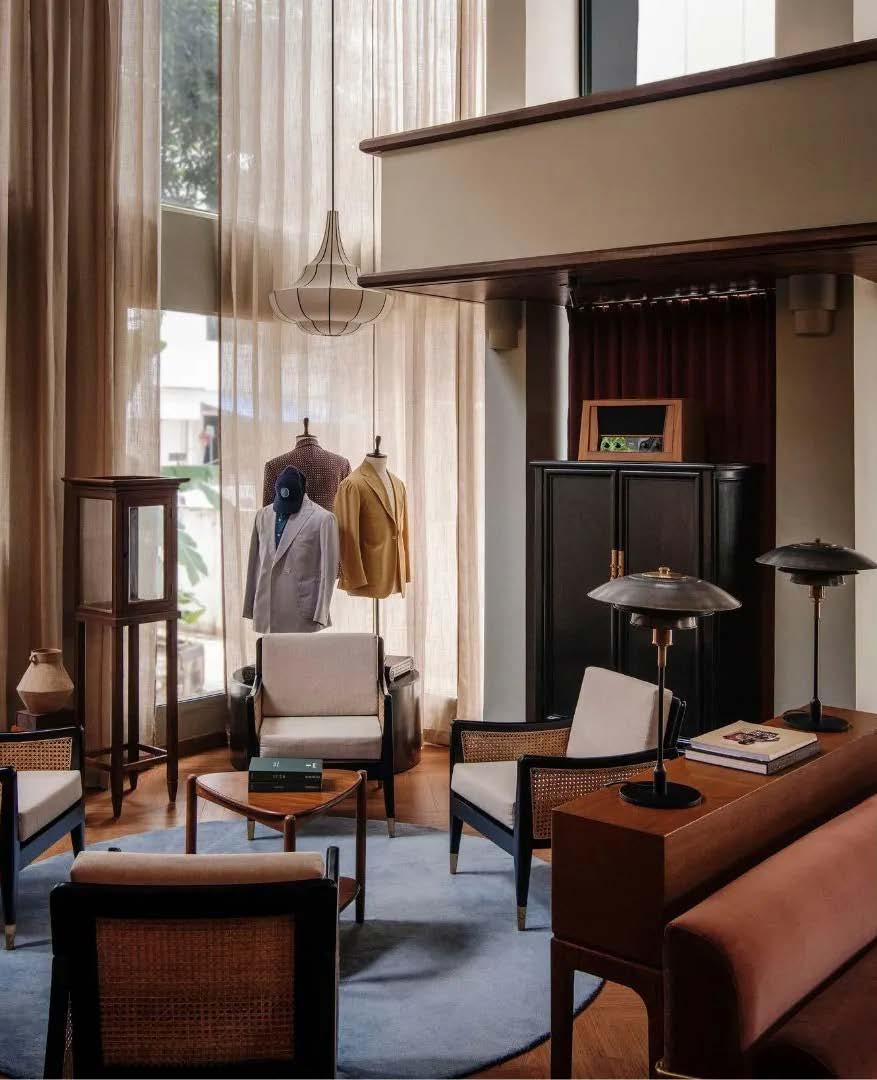
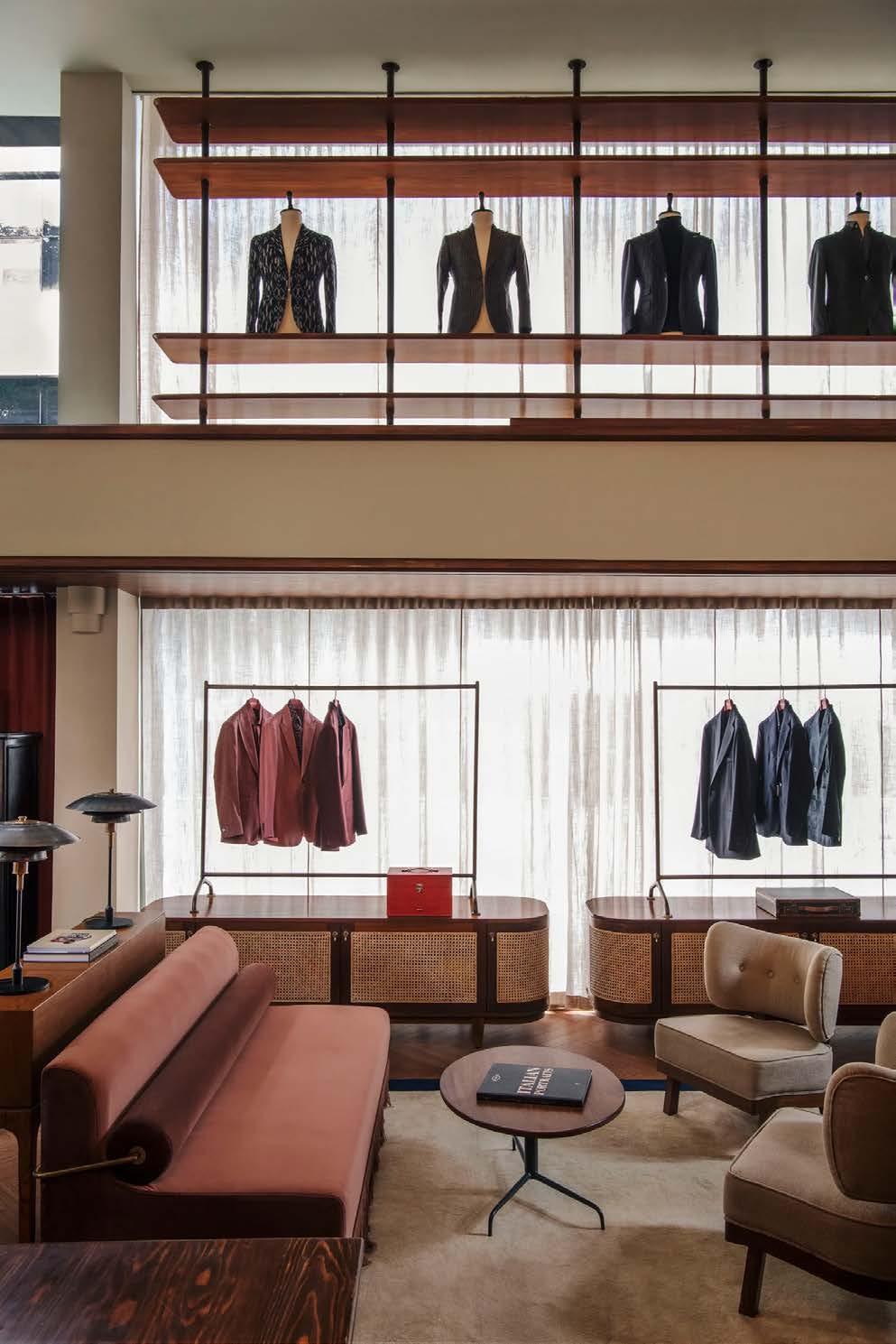
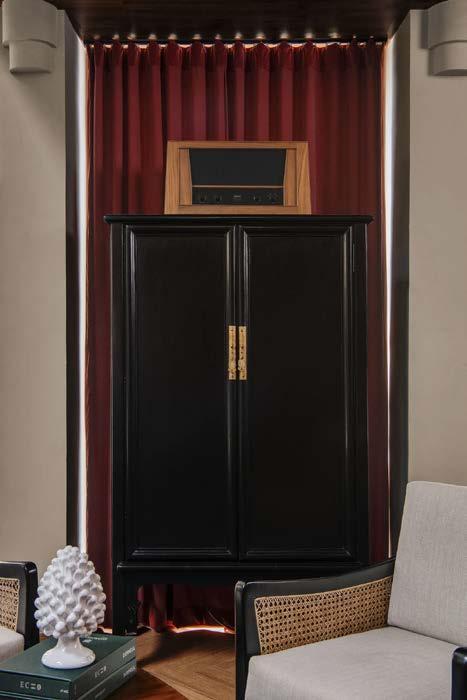
Stepping into the store feels like stepping into the past—not just Razak’s own, woven from his travels, but also the storied elegance of Milan itself. Souvenirs and curios murmur of sun-drenched riverfront daydreams, while vintage horse paintings, handpicked by Razak at London’s iconic Portobello Market, add a dash of English charm. “The store’s decor is a thoughtfully curated blend of luxury and warmth, layered with elements from Osman Abdul Razak’s journeys that give it a personal, worldly character,” says Manzur, who made sure the city of Chennai wasn’t left behind. Through luminous, floor-to-ceiling windows, he framed the verdant streetscape, inviting the lush trees to play peek-a-boo. As for the furniture, sourced from Studio Mahek Lalan, the designer embraced a midcentury modern aesthetic, opting for custom shelving and rattan-accented cabinets with an emphasis on handcrafted details. “The walls and overall vibe have a collected, refined feel, with abstract art and sculptural pendant lights adding a cool, artistic touch,” continues Manzur, who used a constellation of lighting points—including hanging pendants from Atelier Lumys, Lampshaper luminaires, black table lamps from Hesperus, and a Hatsu floor lamp—to make the store glow like a jewel box.
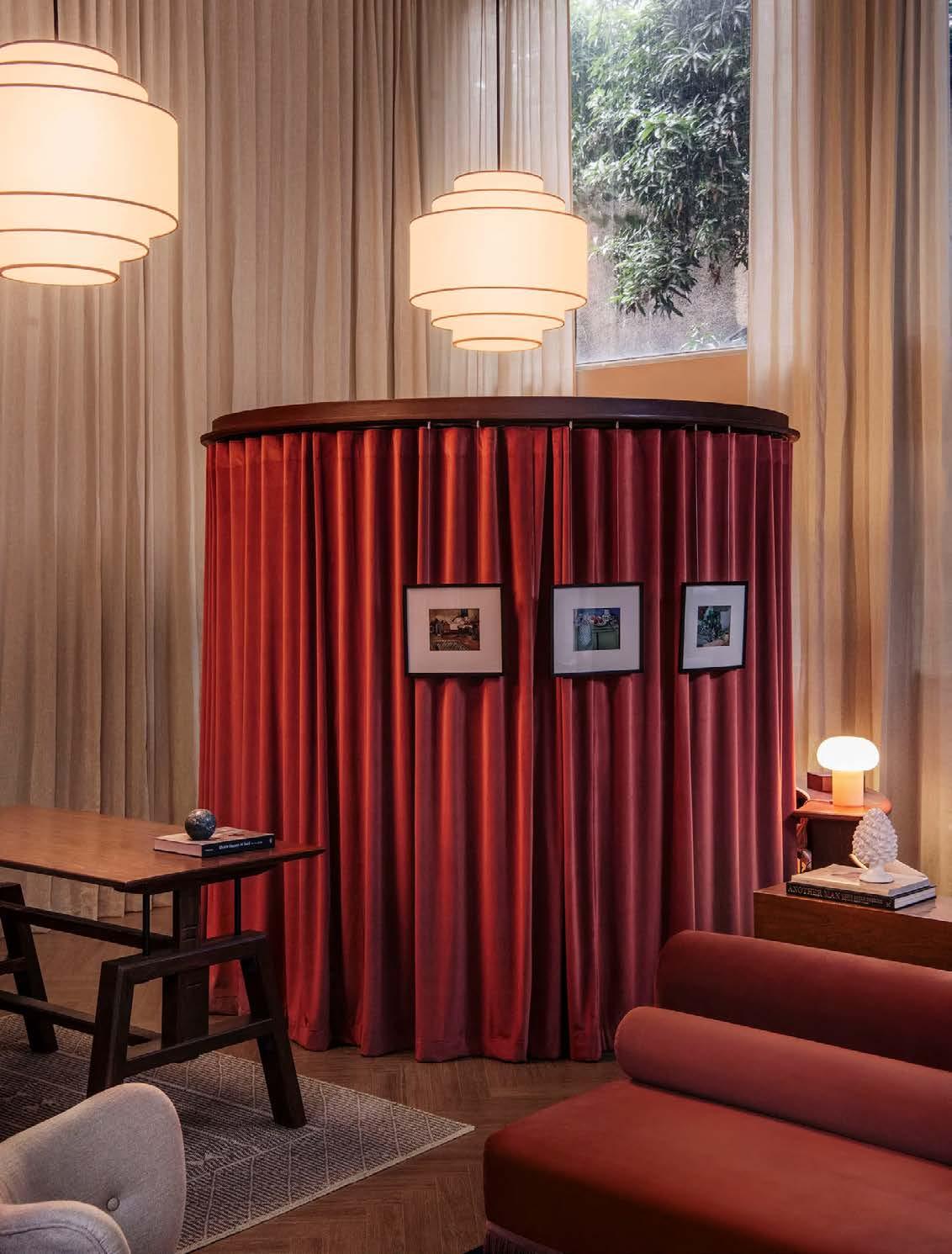
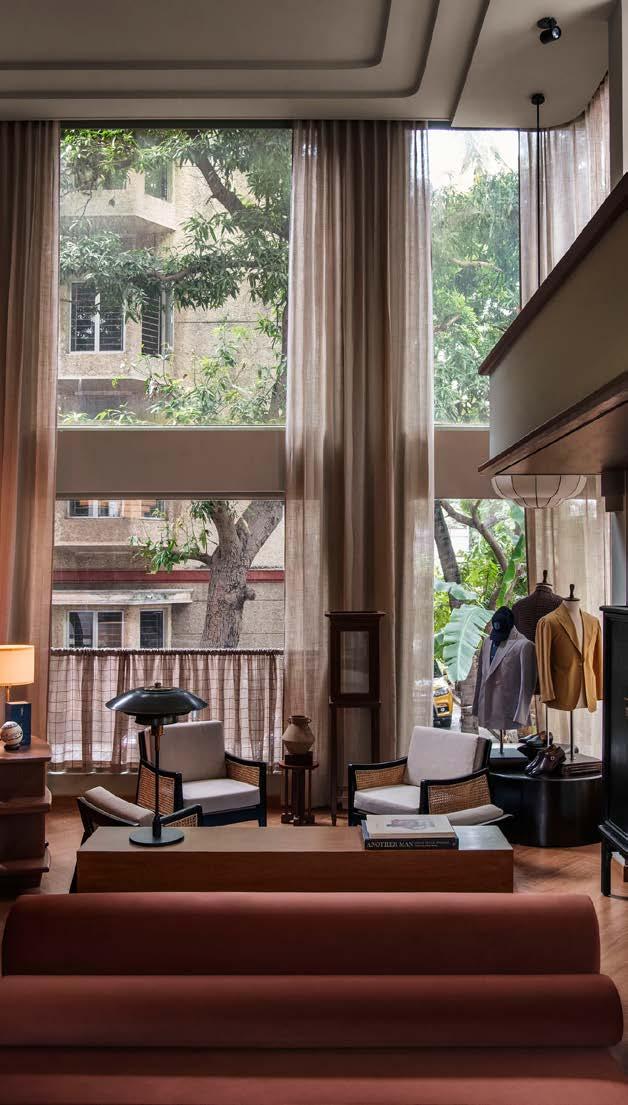
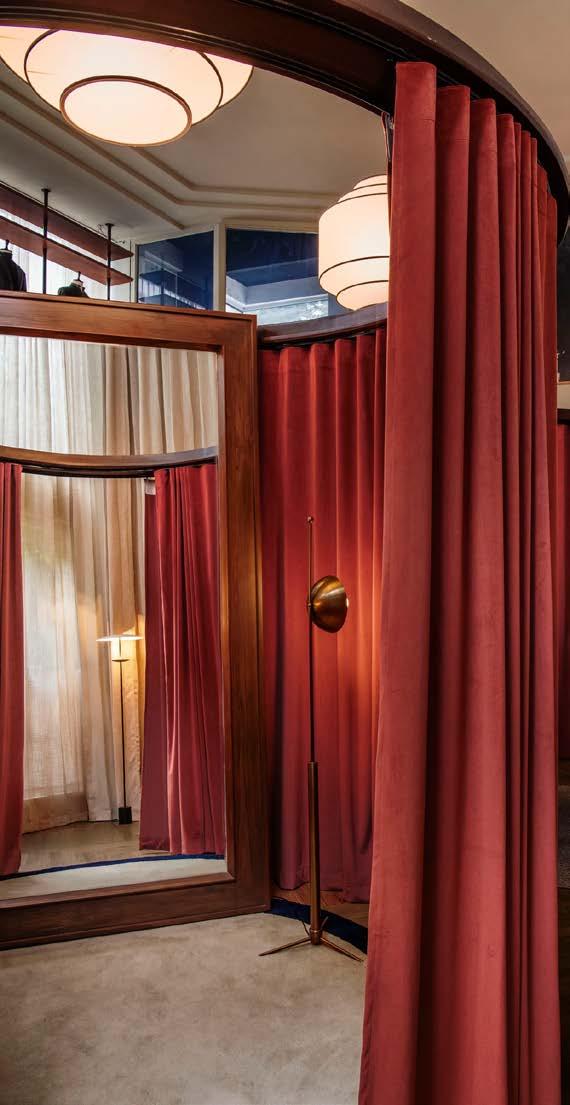
Where he hushed the color palette for the walls, Manzur compensated with the curtains, enlivening them in plush rust velvet to create a sense of exclusivity. “They make the trial rooms come alive,” insists the designer, who designated the cubicles of this boutique in Chennai as the crown jewel, enveloping them with drapes. “With just 900-square-feet to work with, the challenge was to create a standout design element that would elevate the space without overwhelming it. Instead of hiding the trial rooms like most stores do, we decided to make them a focal point. The bold use of velvet dials up the drama, subtly enhancing the vibe while keeping the store’s understated elegance intact,” says Manzur. Ask him what he considers the design’s biggest drawcard, and Manzur cites, of all things, the circulation area as the tour de force. “The main challenge when designing the store was making sure we didn’t sacrifice functionality in the name of luxury—because as much as we love aesthetics, people still need to find the door and not mistake a chair for modern art,” he adds with a chuckle.


Some spaces are just a house, but some become a concept, statements that set a unique tone for other designs that follow. This Coimbatore home, located on the Racecourse Road, by Bricks & Beams is one of the latter—where the single-level layout of a 12th-floor apartment succeeds in emulating the spirit and ethos of a traditional, two-storeyed Karaikudi Chettinad villa. A strong desire to create a one-of-a-kind space that serves as a conversation starter anchors this design. The homeowner and a pair of like-minded friends combined two apartments to create an expansive 3,300-square-foot floorscape, upon which the ingredients of a quintessential Chettinad royal home are layered.
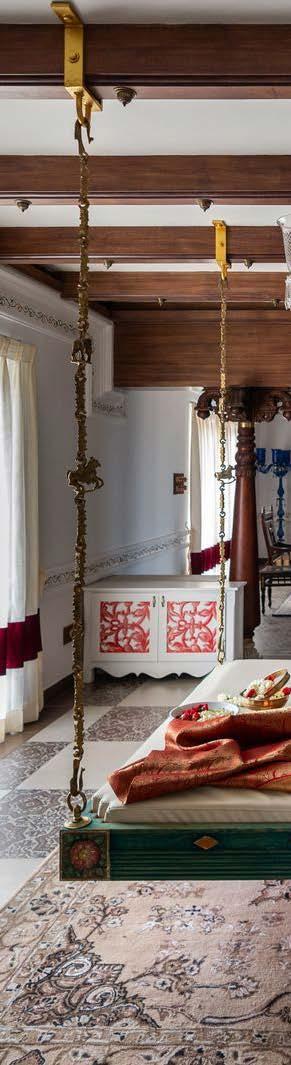

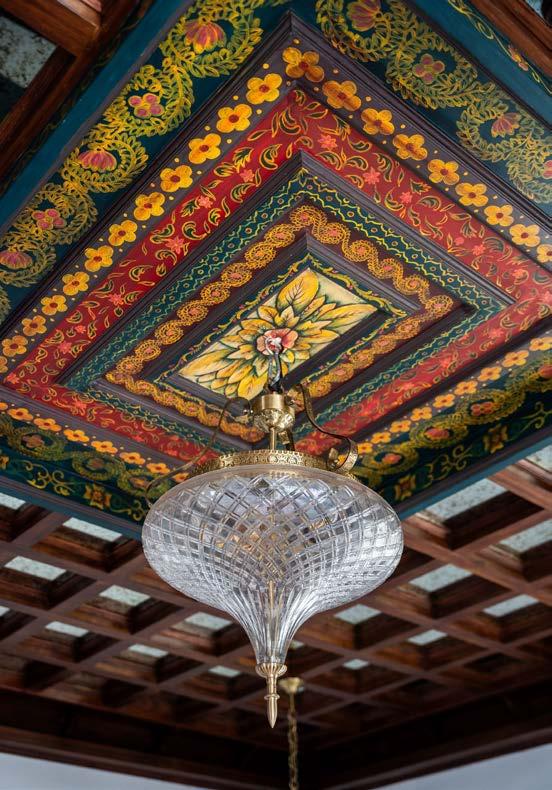
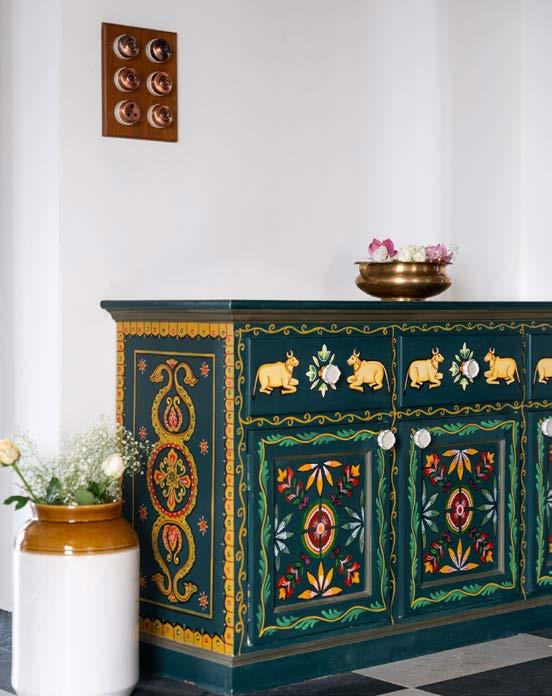
When Dinakar Manie, founder and principal designer, and Ram Krish, principal interior designer of Bricks & Beams were brought on board, they turned to history and heritage for inspiration—towards traditional Chettinad homes and the Chettiars who were infamous for their larger-thanlife way of living. During their era, the Chettiars eschewed prevailing, conventional and far more conservative design languages, showcasing their wealth and taking pride in their collectables. People from the royal families and British expats were frequent guests witnessing this flamboyance. Hints of this traditional Tamilian Chettinad language meet Keralan and colonial genres to give this apartment its unique flair—a timeless amalgamation of the old and new, the traditional and the contemporary.
Since two individual apartments merged to form this single home, the designers reworked the internal spatial configuration for a cohesive space. “We eliminated many bottlenecks, converting some bathrooms into rooms and vice versa, as we had to be mindful of the neighbours,” elaborates Manie. Within this new layout—with a spacious central hall that leads to the kitchen, dining, drawing and living rooms—the designers layered their distinct design vocabulary.
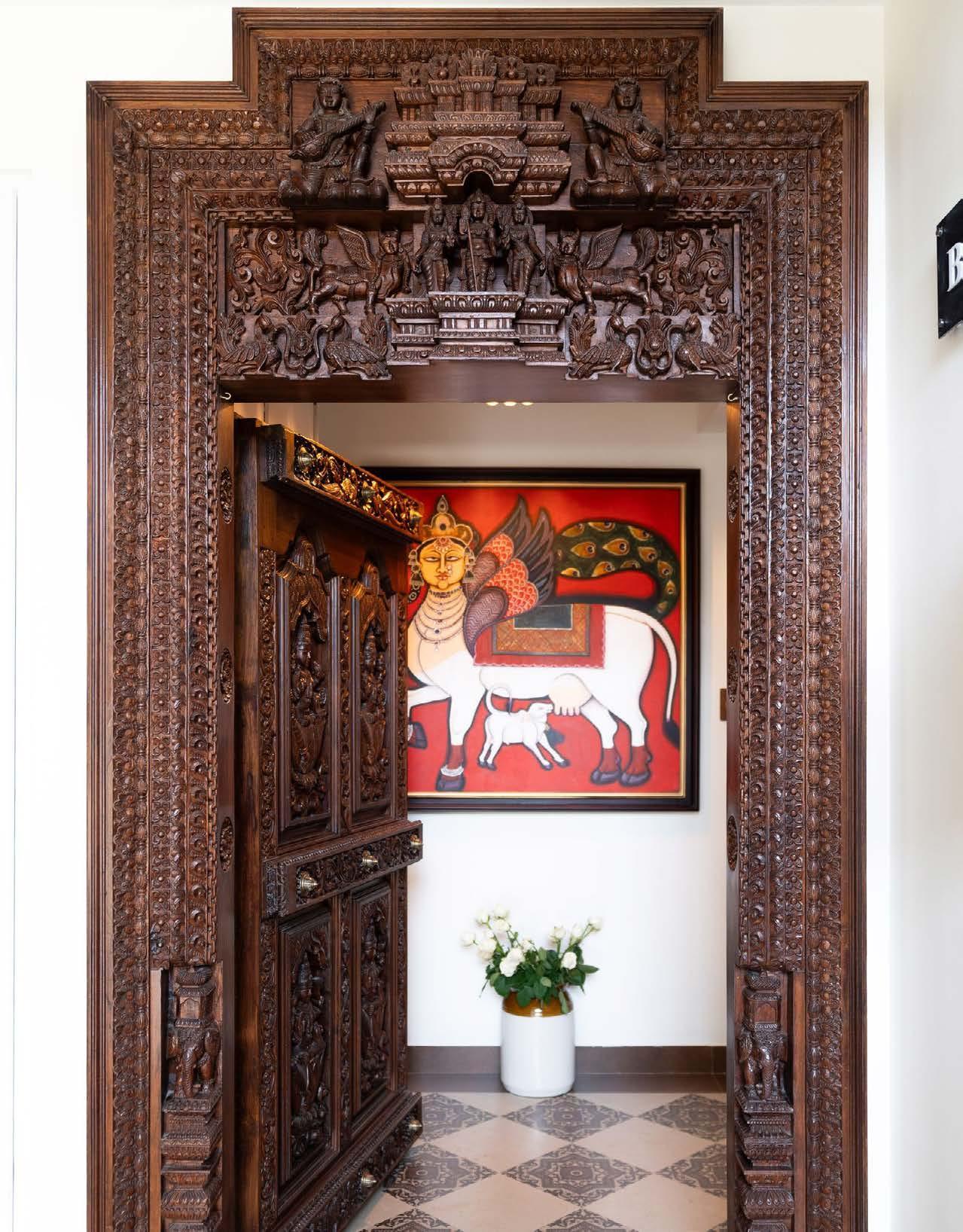
“We began at the entrance with our Chettinad influences,” explains Ram. A typical Chettinad home would have a primary front door entry and a secondary back door entry, a feature that the designers borrowed for this apartment.
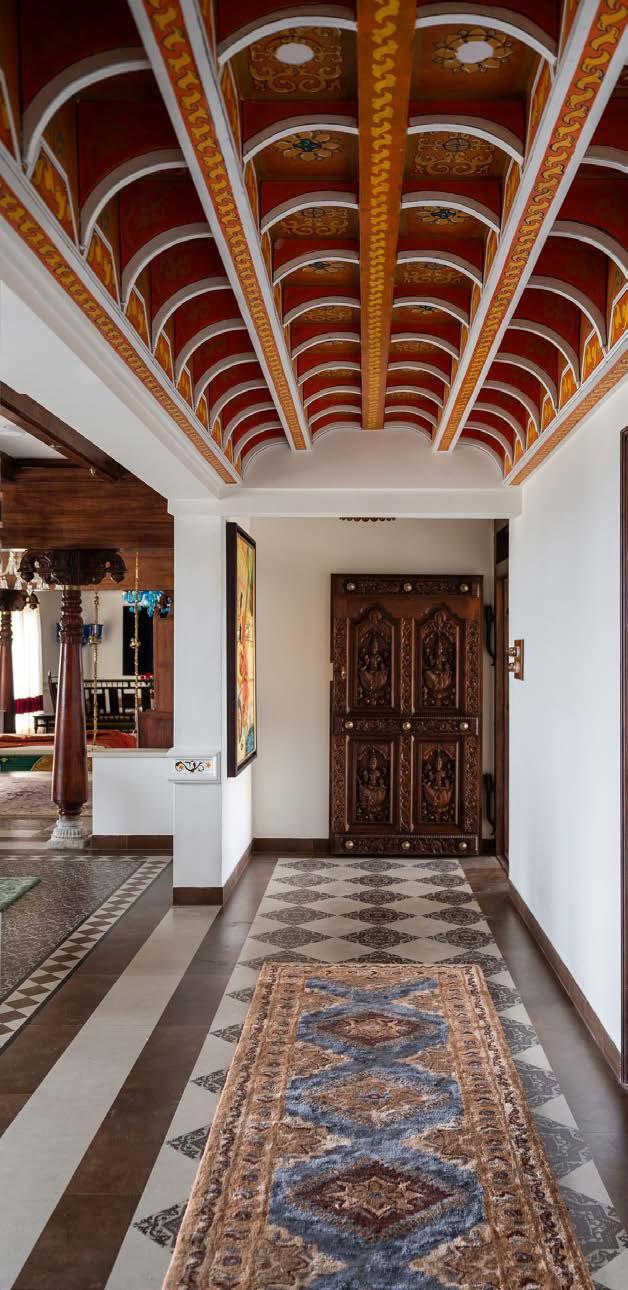
“We preserved the two entry points of the two apartments here, with extravagant Burma teak doors finished with a rosewood stain adding gravitas and regality to the entrance,” Ram elaborates. Carved with astoundingly intricate work— including the ‘ashtalakshmi’ (8 Lakshmis), a revered Goddess worshipped by the family—the doors usher one into a space where more is more, and where the eyes wander, only to find more to discover.
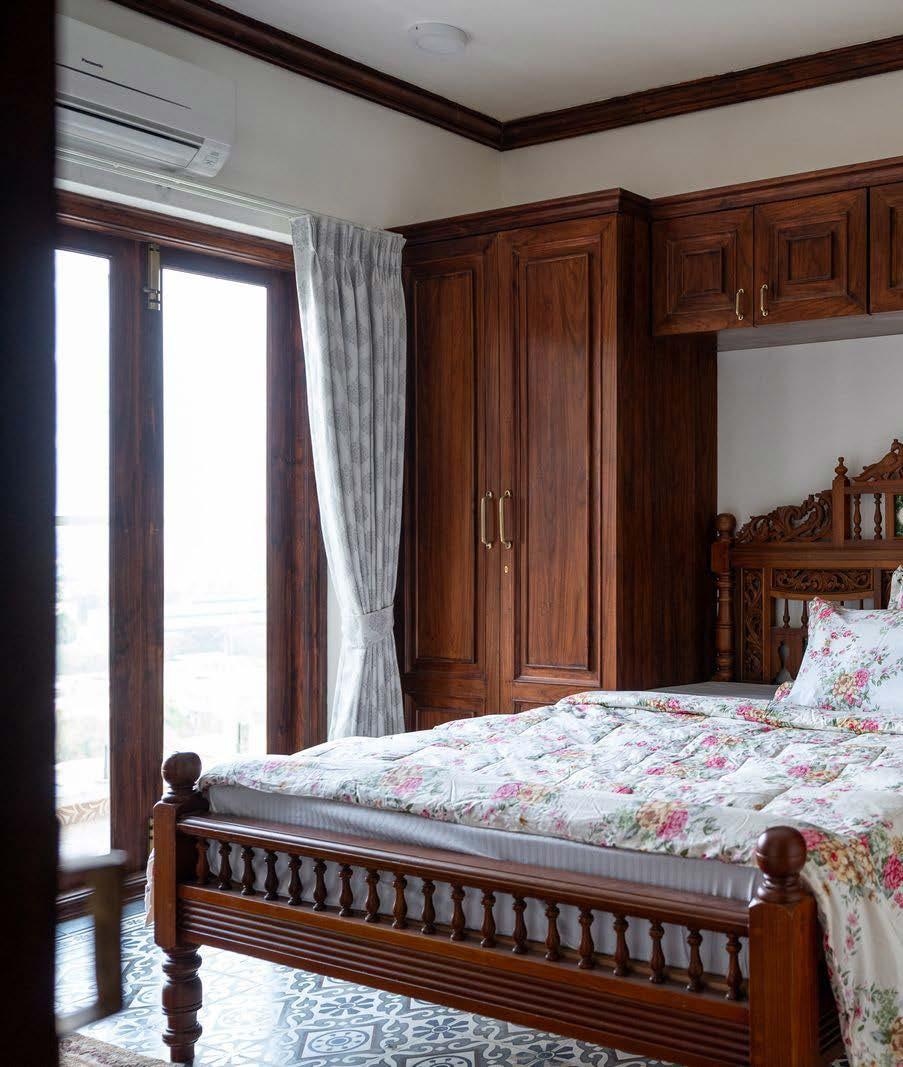
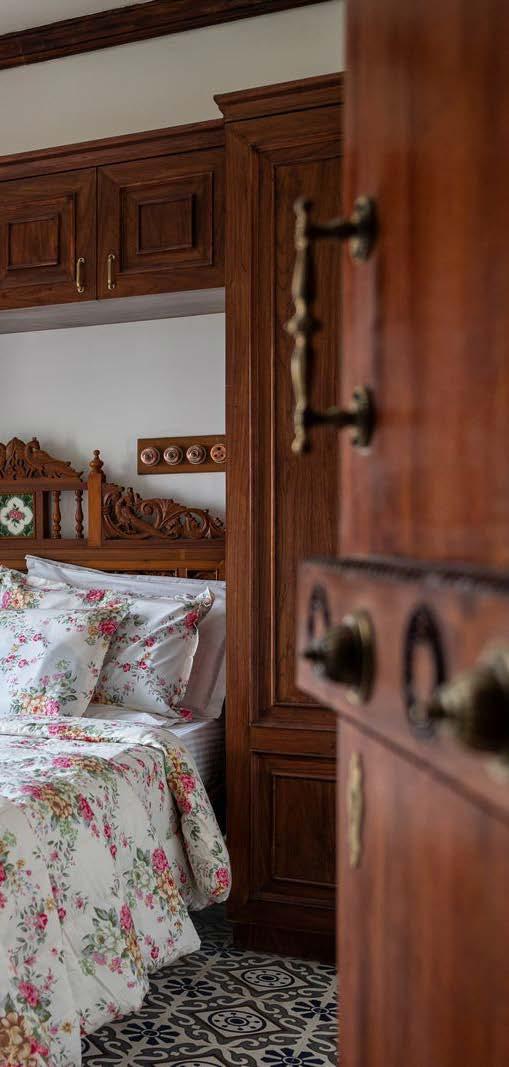
The walls are intentionally kept white here, for the designers treat the ceiling and the floor as their primary canvas. “Complementary textures, patterns and colours travel across the house in the floors and ceilings,” Manie notes. A traditional Chettinadu palette dominates, with a colourful spectrum of greens, blues, golds, reds and yellows complementing the warm tones of wood. Delicate patterns snake across walls and mouldings, directing the eye around. Patterned tiles with intricate works take over the floor, anchoring this language of curated maximalism. Inspired by the impressive art collections of the Chettiars—including Raja Ravi Verma’s brilliant caricatures and spectacular Tanjore paintings—the walls of this home come alive with vibrant art as handmade murals and personalized art commissions find expression in plenty. In the drawing room, a 70-year-old Burmese rug called ‘ratna kambalam’ takes pride of place on the wall, used by the Chettiars for auspicious family celebrations.
This language of plenty brings the ceilings to life as well. The Chettiars source glass in notable quantities from Sweden and London to incorporate them in their interiors and here, a vaulted ceiling connecting the two entryways comes alive with sculptural details and frescoes adorned with glass.
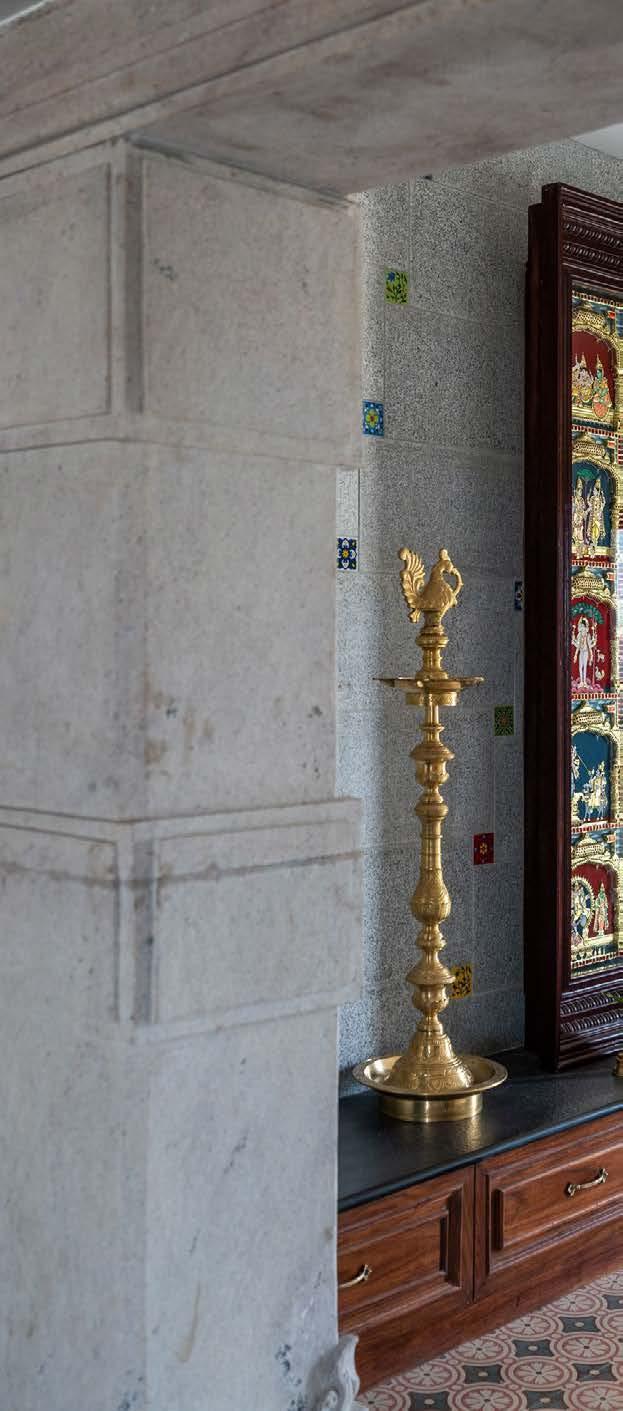
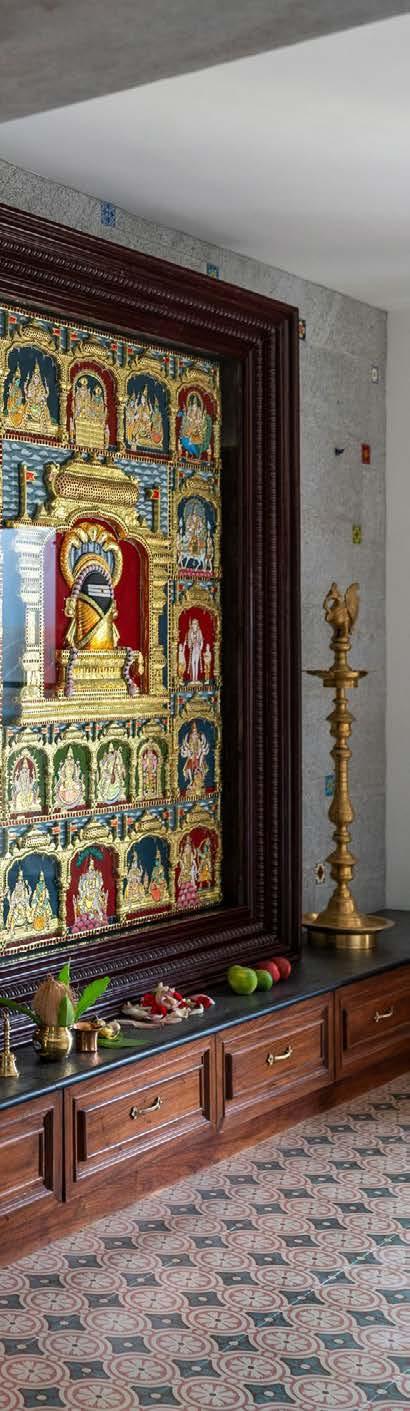

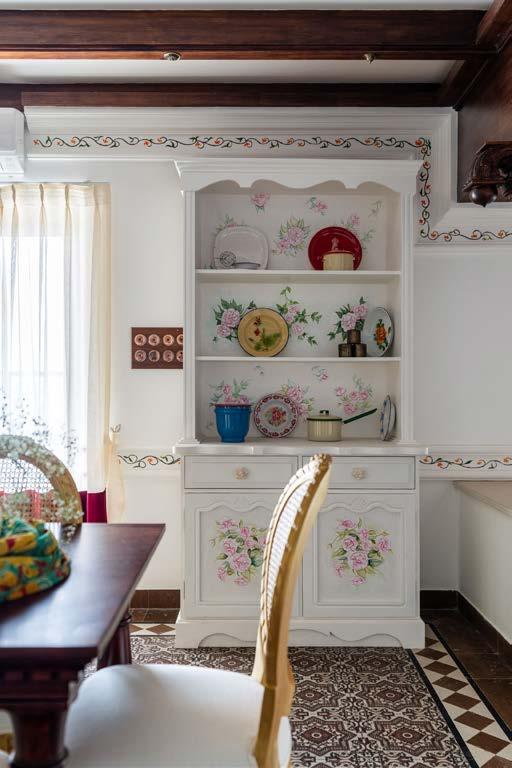
“We even smoked the mirrors to make them look antiquated,” says Ram, bringing in a vintage touch. The fresco surrounding the mirrorwork is reminiscent of Kerala and Tamil Nadu temple designs. The furniture harks back to heritage Chettinad homes as well. Everything—the couches, stools, consoles, chairs, beds and cots—are retrieved and repurposed authentic furniture pieces from antique Karaikudi homes. Only a few pieces break away from this trend, such as the personalized crockery hutch by the dining table—custom-made and handpainted with a floral mural—to bring a colonial flavour to the space.
Across the living and dining areas, the chandeliers become an arresting design feature. These happen to be among the favourite elements of the space for the designers. “We sourced these antique glass chandeliers from the local markets of Kolkata, bringing in a bit of a cultural twist,” they elaborate. And from the colour of the chandelier comes the tone of the custom-created rugs, creating a cohesive composition.
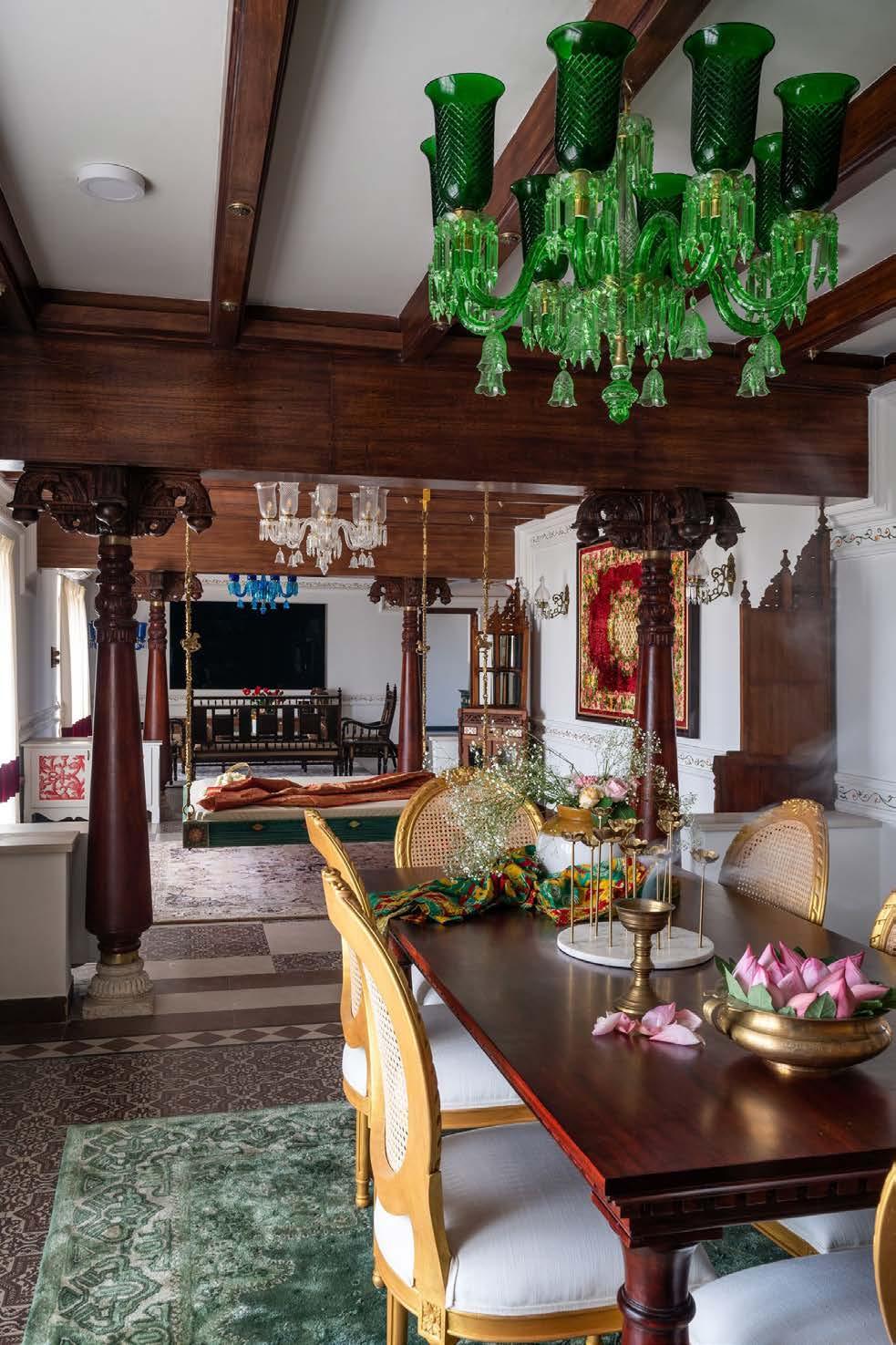

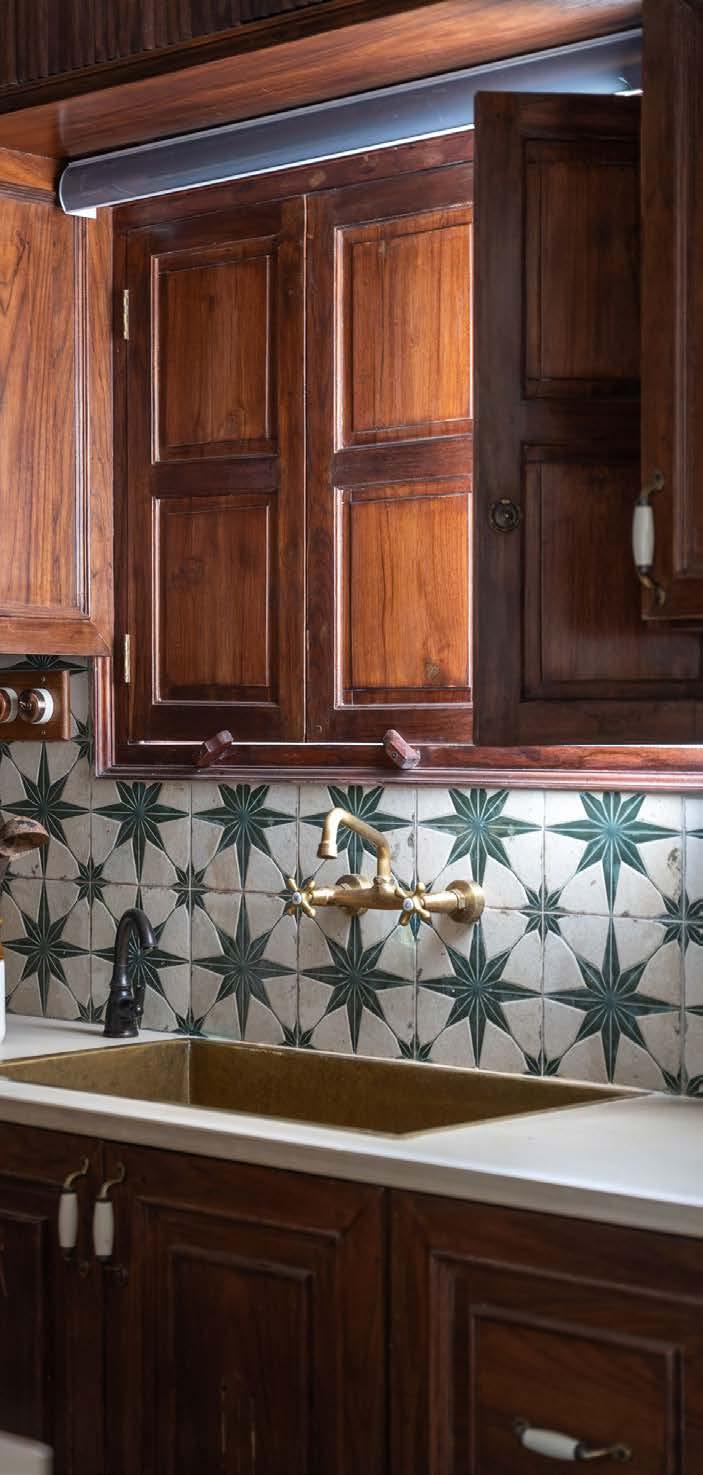
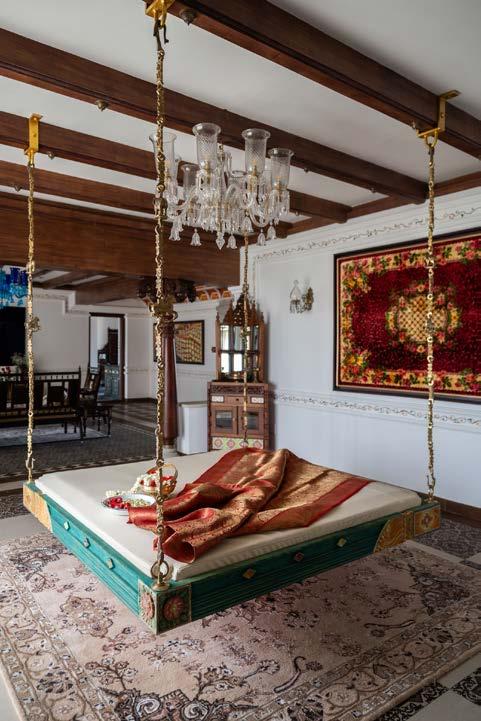
The kitchen, cloaked in the warmth of wood, stands out with its cohesive elegance. Against a patterned backsplash, deep brown wooden hues and the gold of the chimney add timeless beauty. Atop the central island, a stunning vintage chandelier of repurposed wood echoes teal tones. “The atypical and majestic hexagonal poster bed is another one of our favourite design elements, custom created for the homeowners to bring in a sense of the Chettiar royalty,” the designers reveal. In the master bedroom, concentric rectangular layers upon layers of vibrant artwork on the ceiling draw one’s gaze in, anchored by a central chandelier of delicate form. In the second bedroom, wood dominates the aesthetic, complemented by the patterned tiles.
For Manie and Ram, this Coimbatore home served as an opportunity to consolidate their signature design style—a spellbinding confluence of vintage and traditional Chettinad flavours as they embrace graceful European influences. With nuanced attention to detail, the design roars to life with colourful vibrancy and ornate carvings.

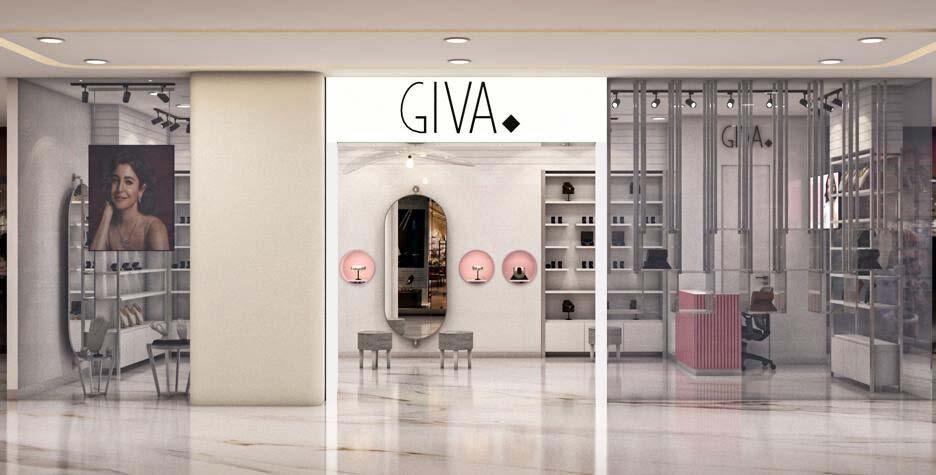
Jewellery brand Giva has launched its first airport store at Chennai International Airport, Terminal 1 Departures to expand its retail presence in partnership with Vidvedaa Airports. The exclusive brand outlet offers travellers a selection of handcrafted silver jewellery to cater to demand for premium accessories in travel retail.

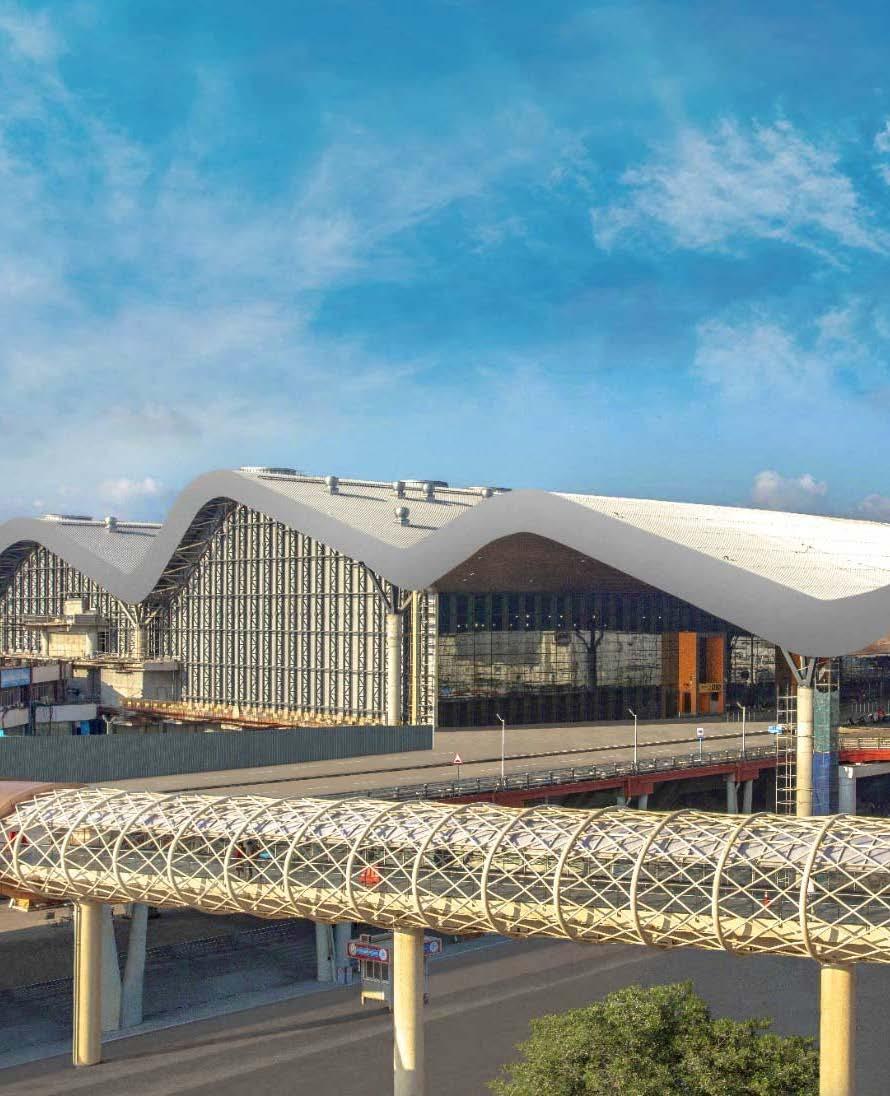
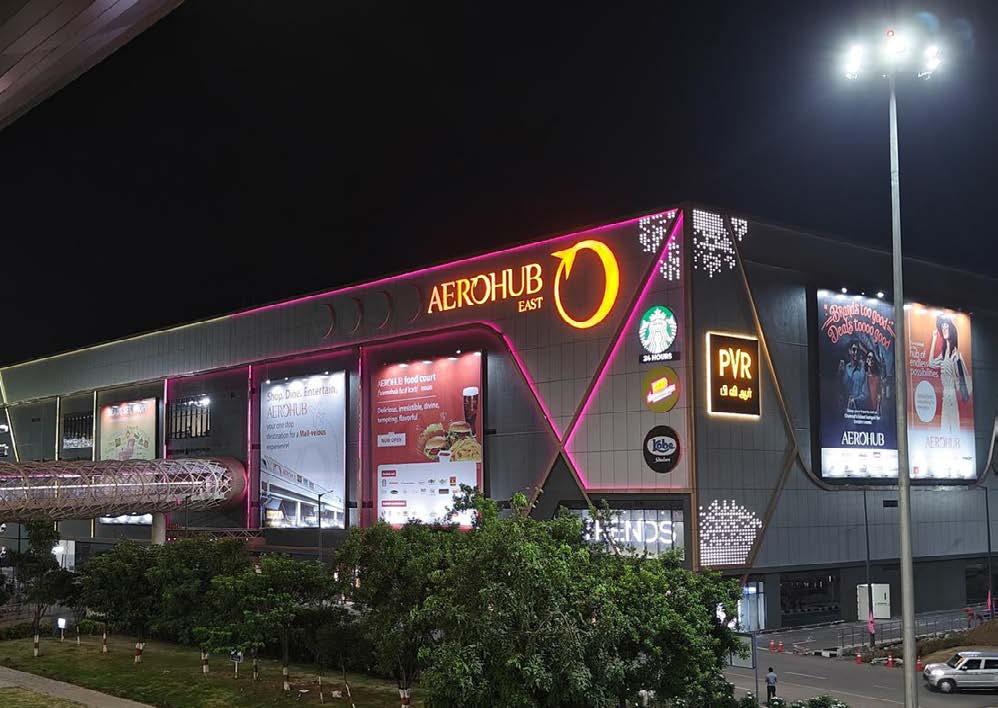
“Chennai International Airport has evolved into a retail hub, offering a diverse mix of brands across fashion, beauty, lifestyle, and accessories,” said a Vidvedaa Airports representative, India Retailing reported. “We are pleased to welcome Giva to this space, enhancing the shopping experience for travellers.” Vidvedaa Airports, the authorised master concessionaire for Chennai Domestic and International Airports, facilitates retail expansion by providing brands with high-traffic locations and operational support. The addition of Giva aligns with its strategy of diversifying the airport’s retail offering.
“Airport retail presents a unique opportunity to connect with consumers in a dynamic environment,” said Vidvedaa Airports’ representative. “Our focus remains on expanding offerings and ensuring Chennai Airport remains a sought-after shopping destination.” Airports are emerging as key retail destinations in India, with rising demand for jewellery, fashion, and lifestyle products. With this launch, Giva continues to strengthen its presence in high-visibility retail spaces, tapping into the expanding travel retail market.


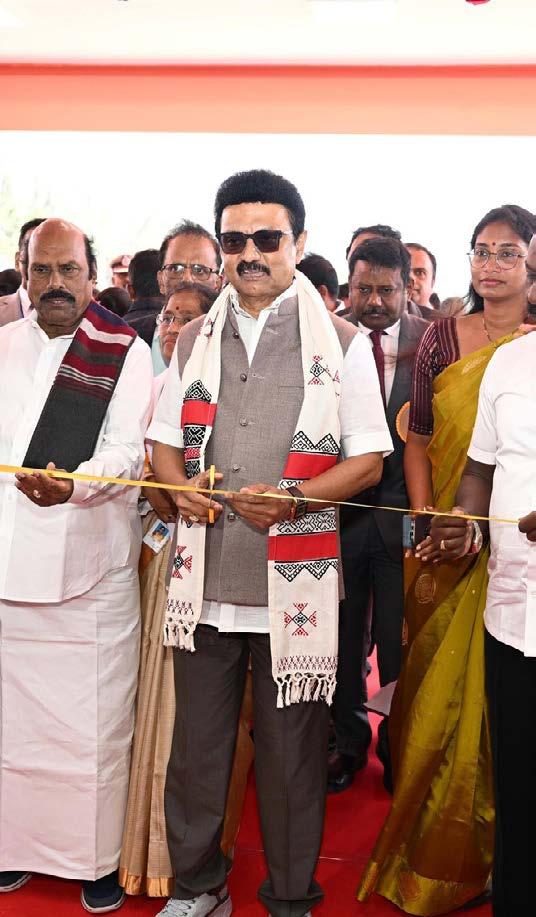
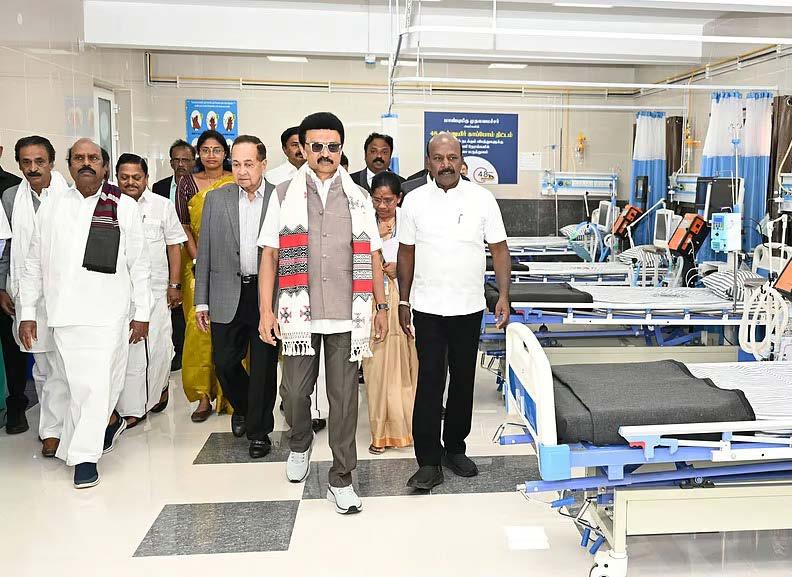
Chief Minister M K Stalin on Saturday arrived in Nilgiris as part of his two-day official visit to the district and neighbouring Coimbatore.
On Sunday, he is set to inaugurate the newlyconstructed Nilgiris District Government Medical College and Hospital on Sunday. Around 11.10 am, the CM landed at the Coimbatore Airport and headed to Udhagamandalam. In the evening, he chaired a
consultative meeting with DMK district executive committee members at a private hotel in Ooty to discuss election preparedness. Stalin will inaugurate the newly-constructed hospital on Sunday morning and distribute welfare assistance to the public. The west zone police have been issued elaborate instructions on security arrangements across Nilgiris and the routes the CM is scheduled to travel, according to police sources.
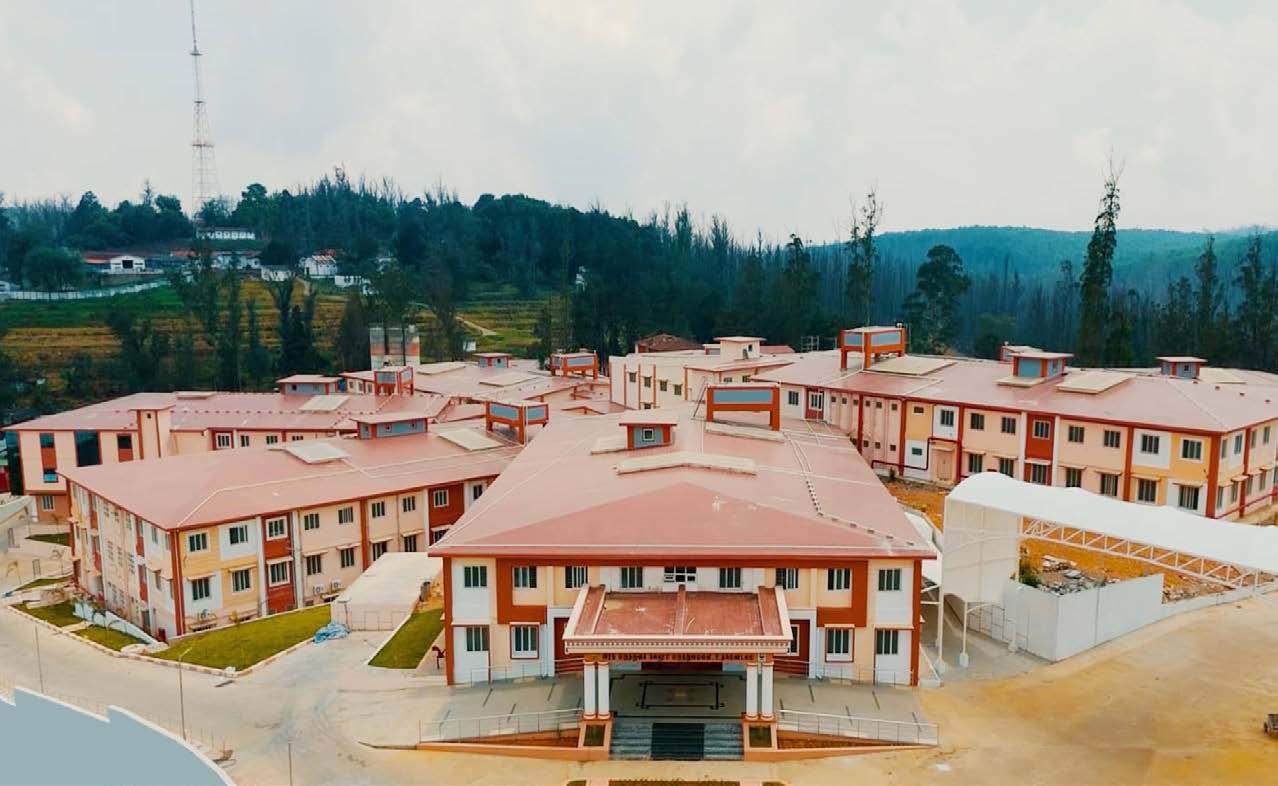



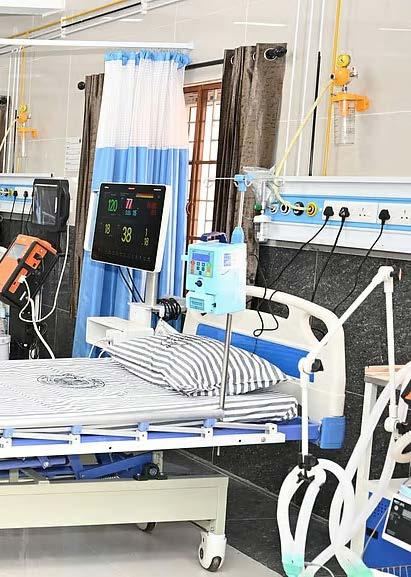
The Nilgiris medical college and hospital has been built at a cost of Rs 499 crore, sources said. The 700-bed facility is the first-of-its-kind in India’s hilly regions after Shimla and includes a 50-bed ward exclusively for tribals. It is also equipped with necessary medical facilities such as 10 operation theatres, MRI and CT scan facilities, etc. Officials noted that this was the first government hospital to have a separate ward for tribals. The construction of the medical college and hospital began in July 2020 across 40 acres of land at Fingerpost in Ooty, at an outlay of Rs 470 crore.
Meanwhile, by January 2022, the college portion was completed and after approval by the National Medical Commission, was opened and admitted 150 MBBS students for the academic year of 2021-22. Meanwhile, works to construct the 700-bedded hospital dragged on for three more years. The delay in construction, according to officials, was due to natural calamities, leading to a revised estimate for the project at Rs 499 crore.
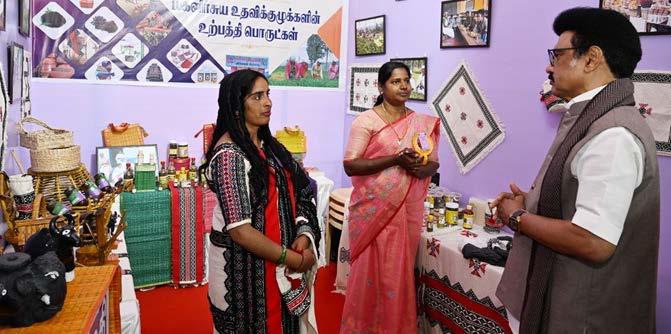
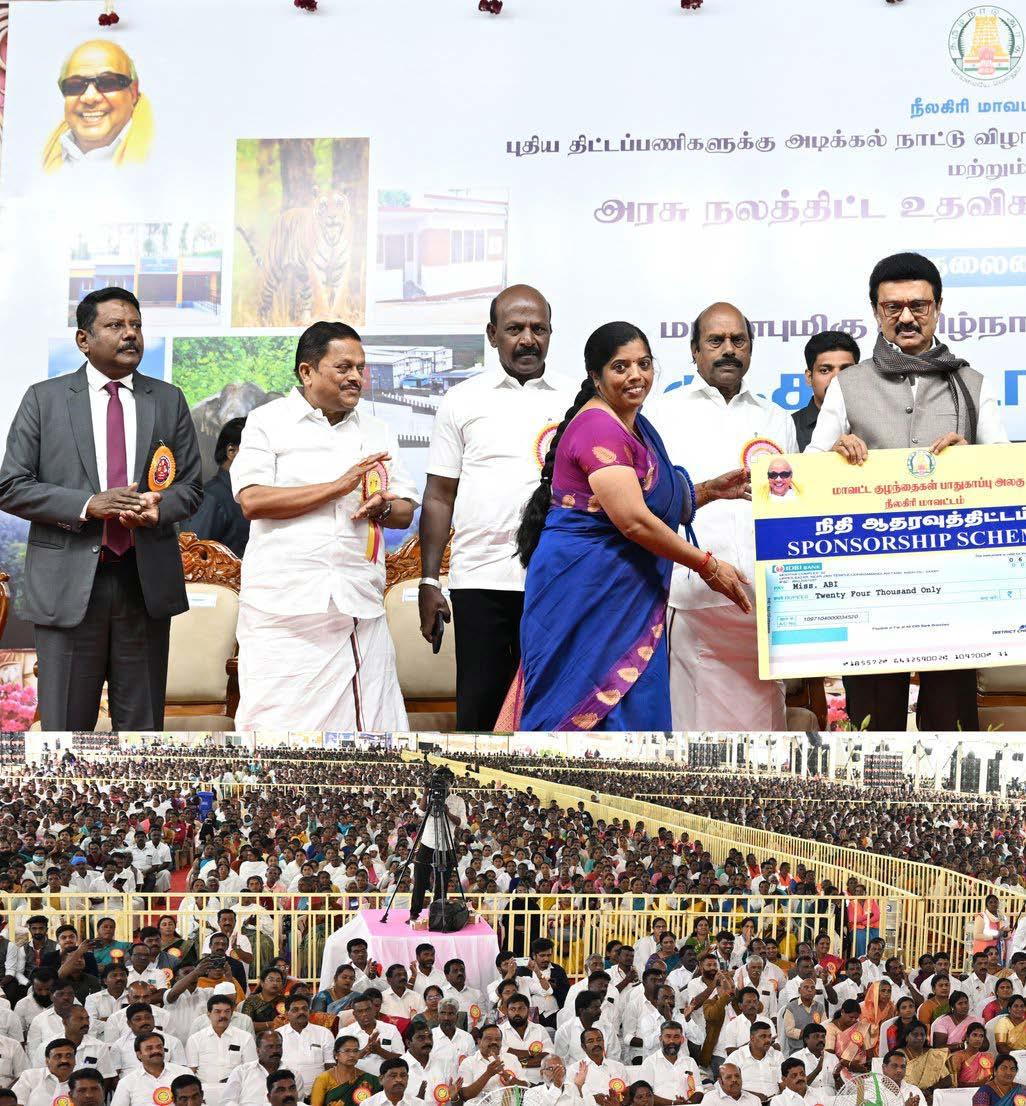
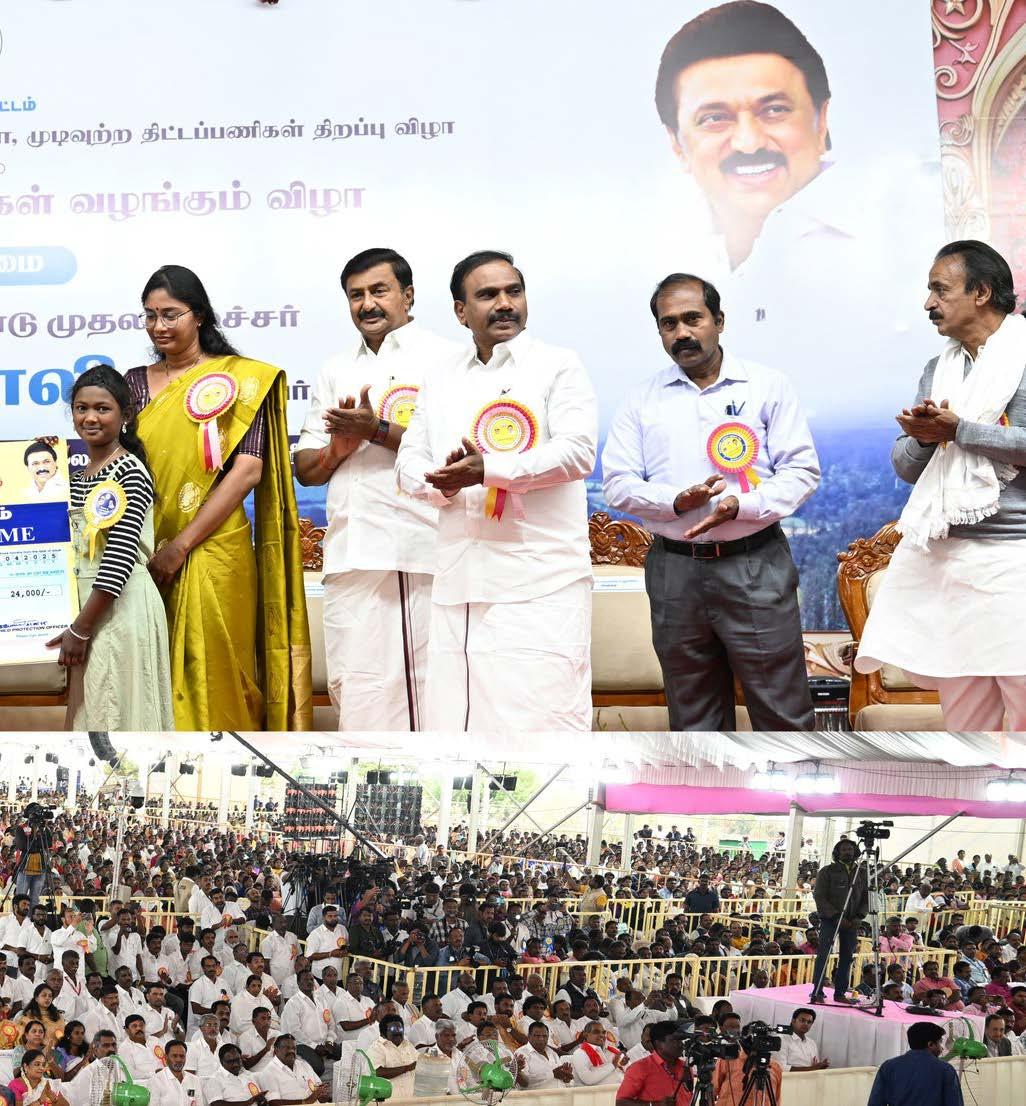
Chief Minister M.K. Stalin announced six new initiatives focused on improving the tourism sector, addressing parking issues in Udhagamandalam town, and providing housing for poor, underprivileged, and tribal families. Mr. Stalin made this announcement after inaugurating the Udhagamandalam Government Medical College and Hospital. Mr. Stalin said that the government was planning to construct housing for 300 families in Gudalur at a cost of ₹26.6 crore, and would be called Kalaignar Nagar. He also announced the construction of a “Tribal Museum and Research Center at a cost of ₹10 crore, “hop-on, hop-off” tourism services at a cost of ₹5 crore with ten buses, a new multilevel parking facility at a cost of ₹20 crore, eco-tourism facilities in Nadugani and the setting up of 23 community halls and 200 houses for Adivasi communities.
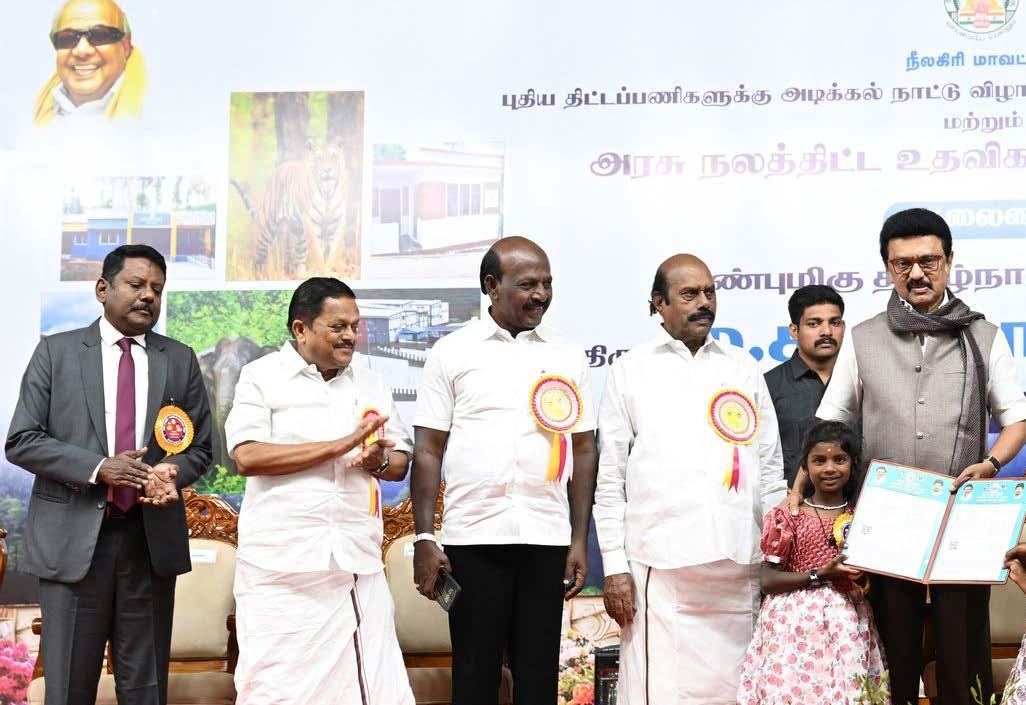
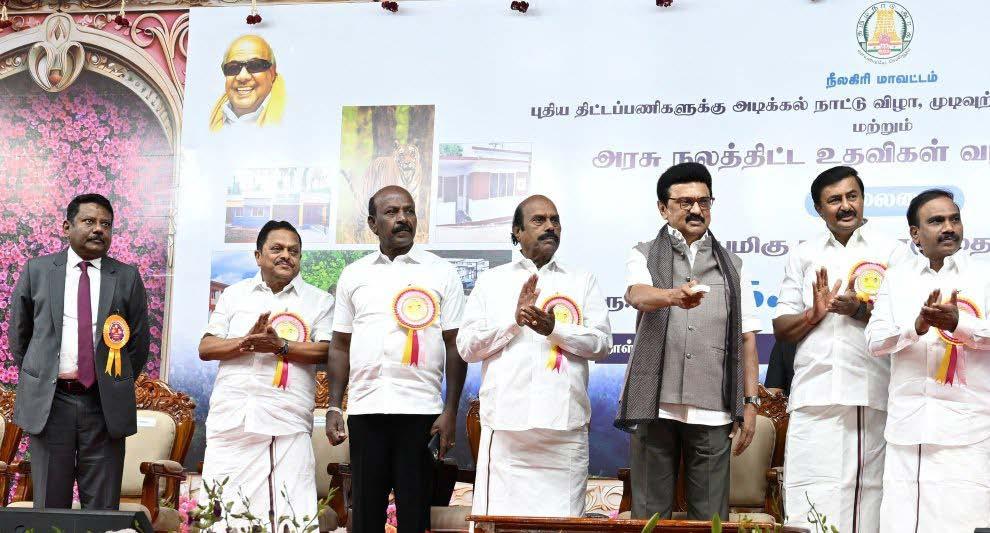
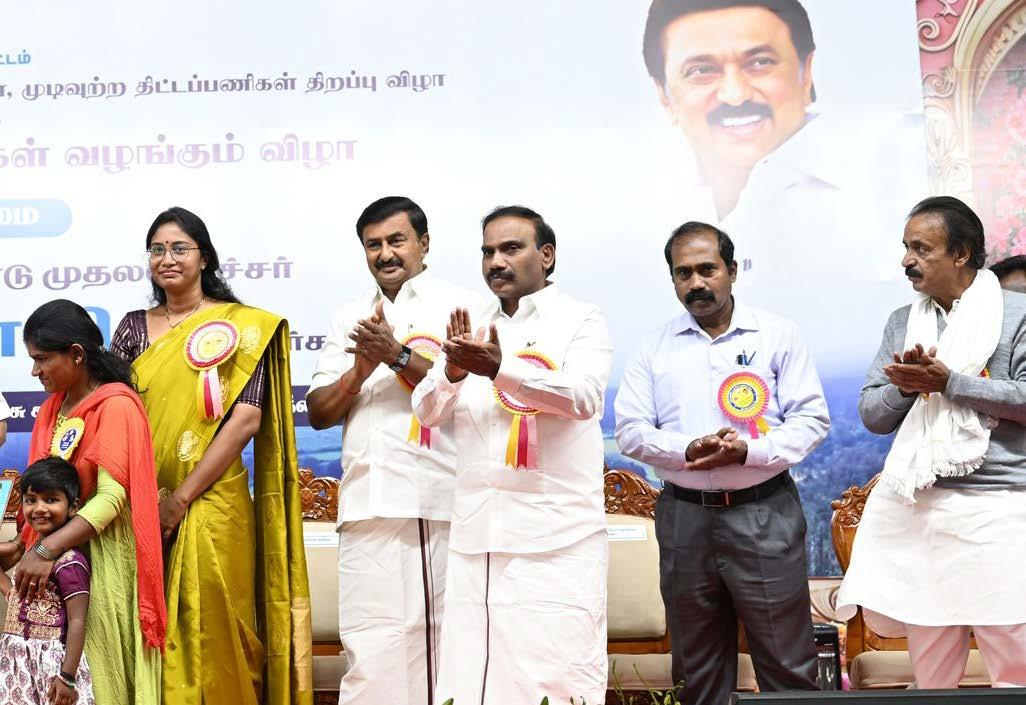
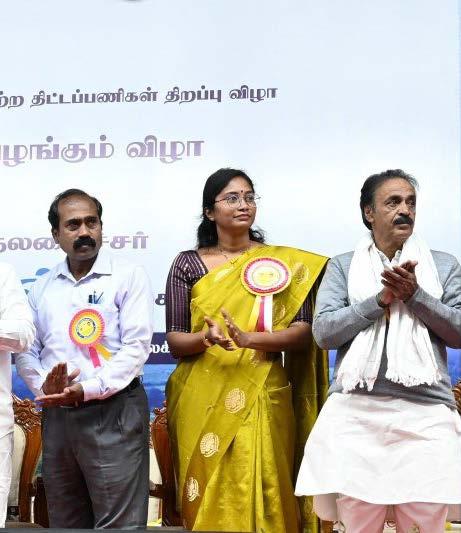
Mr. Stalin inaugurated 1,703 completed government works amounting to ₹494.51 crore and laid the foundation stone for 56 new projects to be completed at a cost of ₹130.35 crore and distributed welfare amounting to ₹102.17 crore to 15,634 beneficiaries at an event held at the Government Arts College grounds in Udhagamandalam. Speaking at the event, Mr. Stalin highlighted The Hindu’s report that the state’s economic growth rate of 9.69 percent for 2024-25, marked the highest for any state in the country and was also the highest rate of growth the state had seen in the last decade.
He said while growth was declining in other parts of the country, Tamil Nadu continued to grow in “top gear.” He said that during the DMK’s tenure, the construction of the Government Medical College and Hospital was expedited, despite the challenges faced in establishing such a facility in the hills. On Sunday, Mr. Stalin visited the Government Medical College and Hospital premises and inaugurated the facility. Also present were ministers E.V.Velu, Minister for Public Works, Highways and Minor Ports, Minister of Information and Publicity, M.P.Saminathan, Health Minister Ma. Subramanian, Nilgiris Lok Sabha MP, A.Raja, Ooty MLA, R. Ganesh, and top officials from the Nilgiris district administration, including District Collector Lakshmi Bhavya Tanneeru.
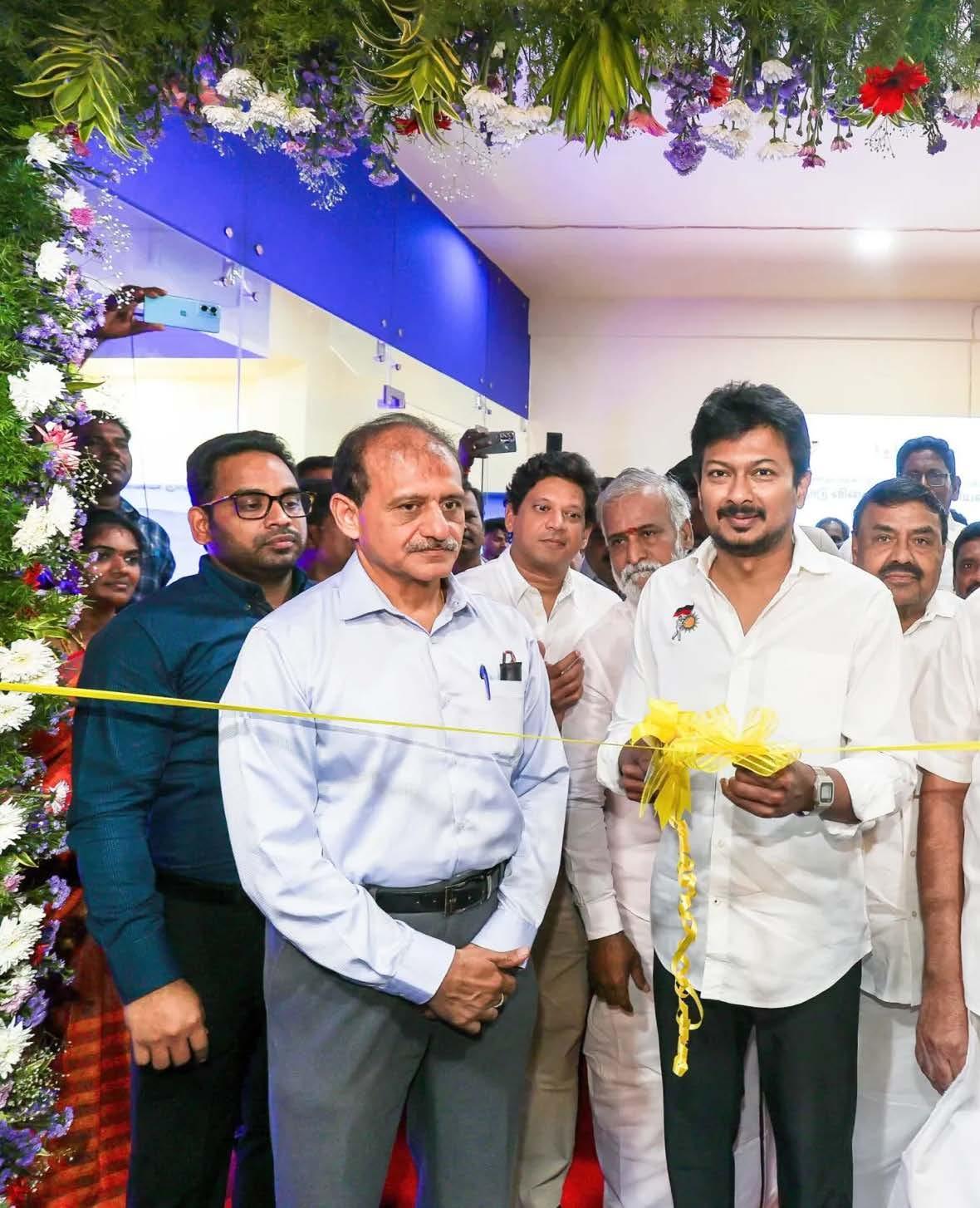
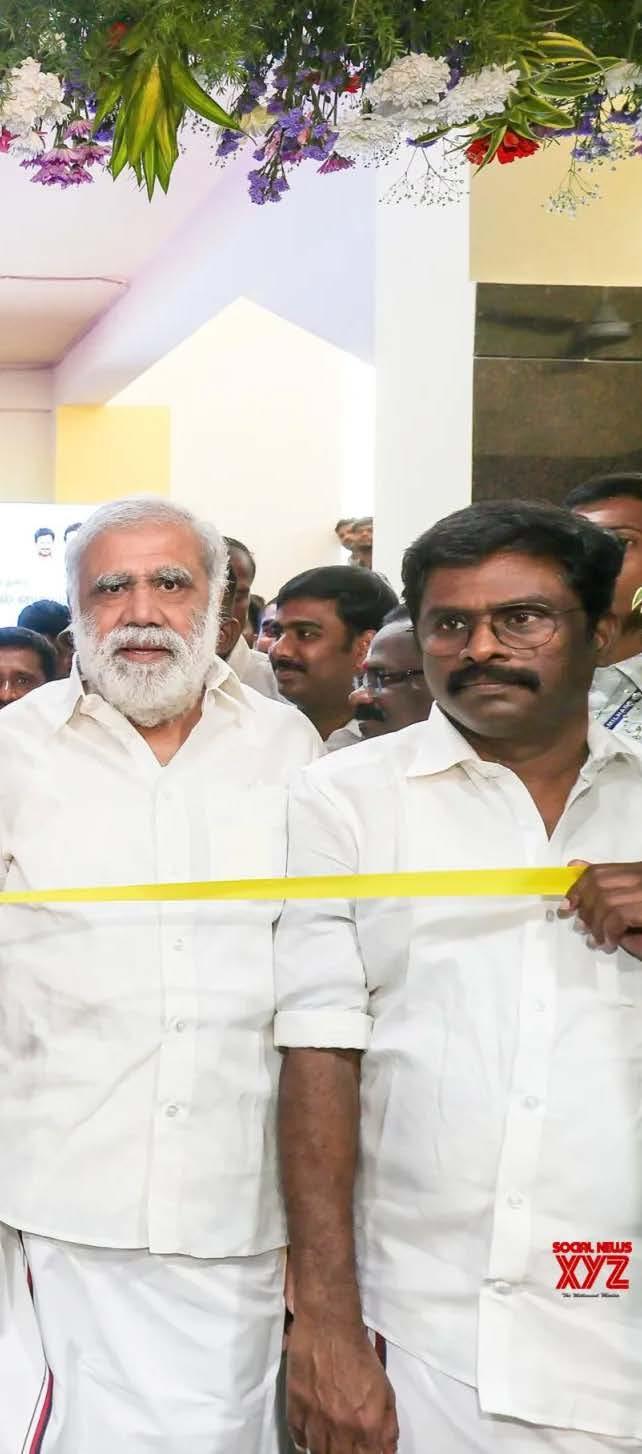
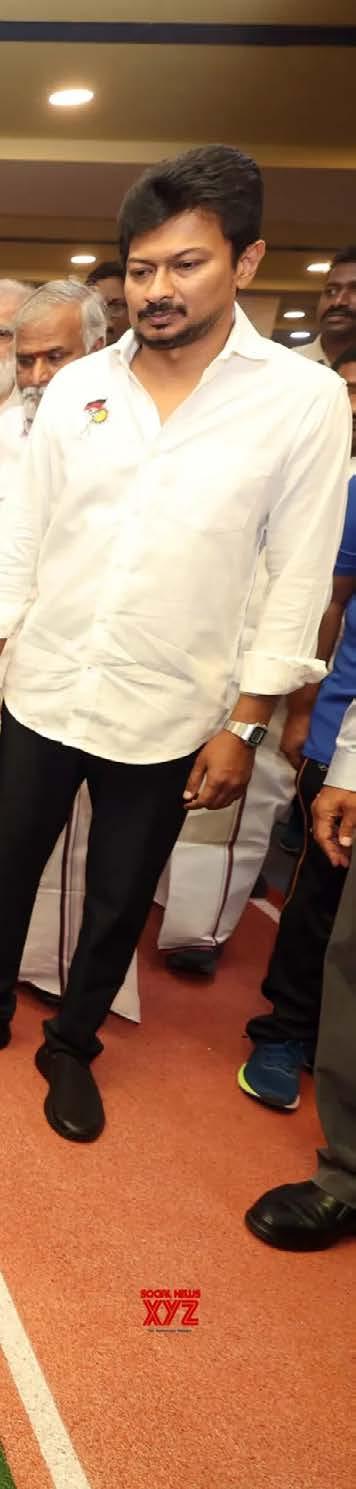
Deputy Chief Minister Udhayanidhi Stalin on Friday inaugurated multiple sports facilities across the state, including a Tamil Nadu Sports Science Centre at Jawaharlal Nehru Sports Stadium built at a cost of Rs 3 crore.

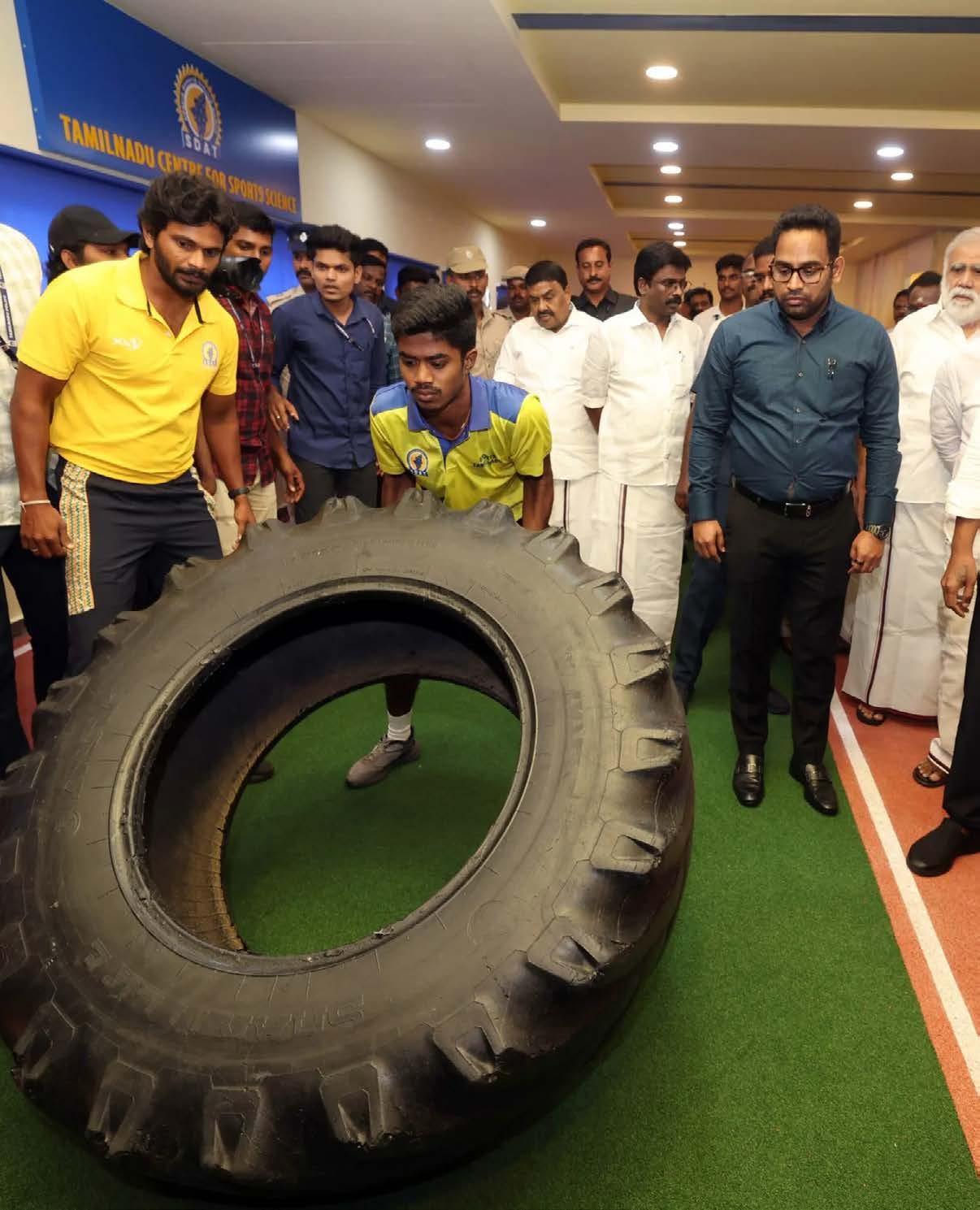
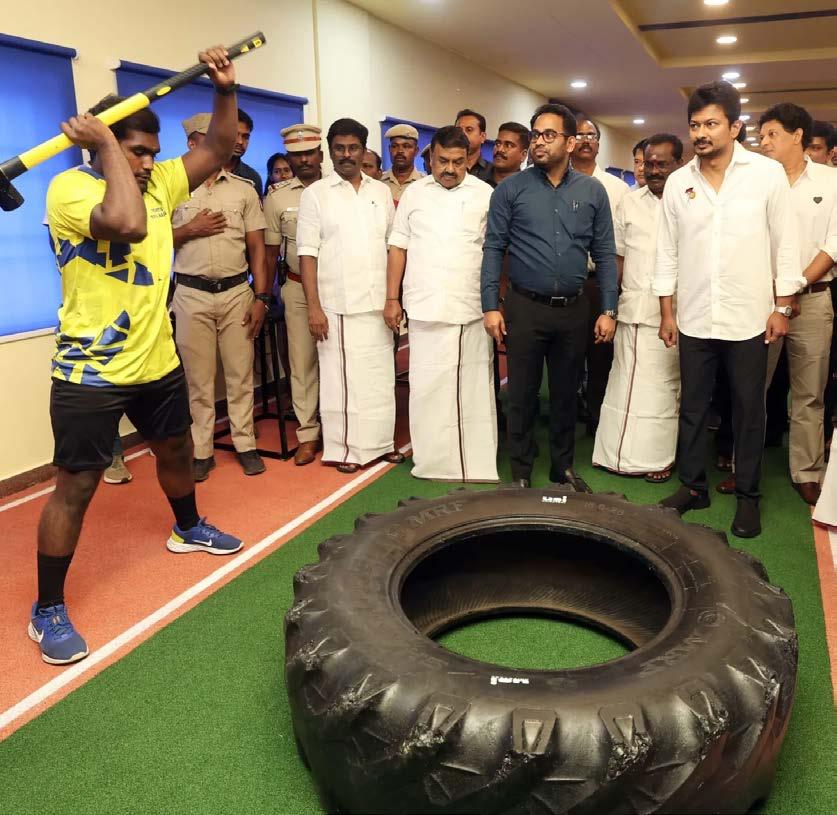
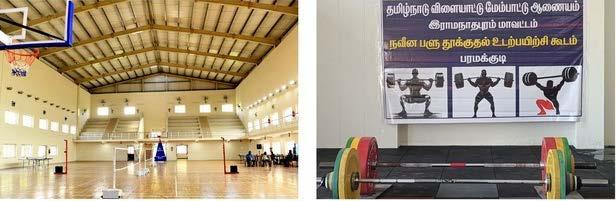
According to a release, the sports science centre aims to enhance athletes’ performance through scientific training and assessments, including physical fitness evaluation, sports psychology and sports medicine. It has advanced medical equipment and specialised training tools for muscle strengthening. It will also house a team of experts, including psychologists, nutritionists and trainers, to support and improve athletes’ health. The release said that under the leadership of Chief Minister M K Stalin, the government is committed to establishing the state as a global leader in sports. Udhayanidhi also inaugurated an indoor sports stadium in Periyakulam, Theni, constructed at Rs 5.95 crore video conference. It will also be used to provide training for sports like volleyball, basketball, table tennis, and badminton.



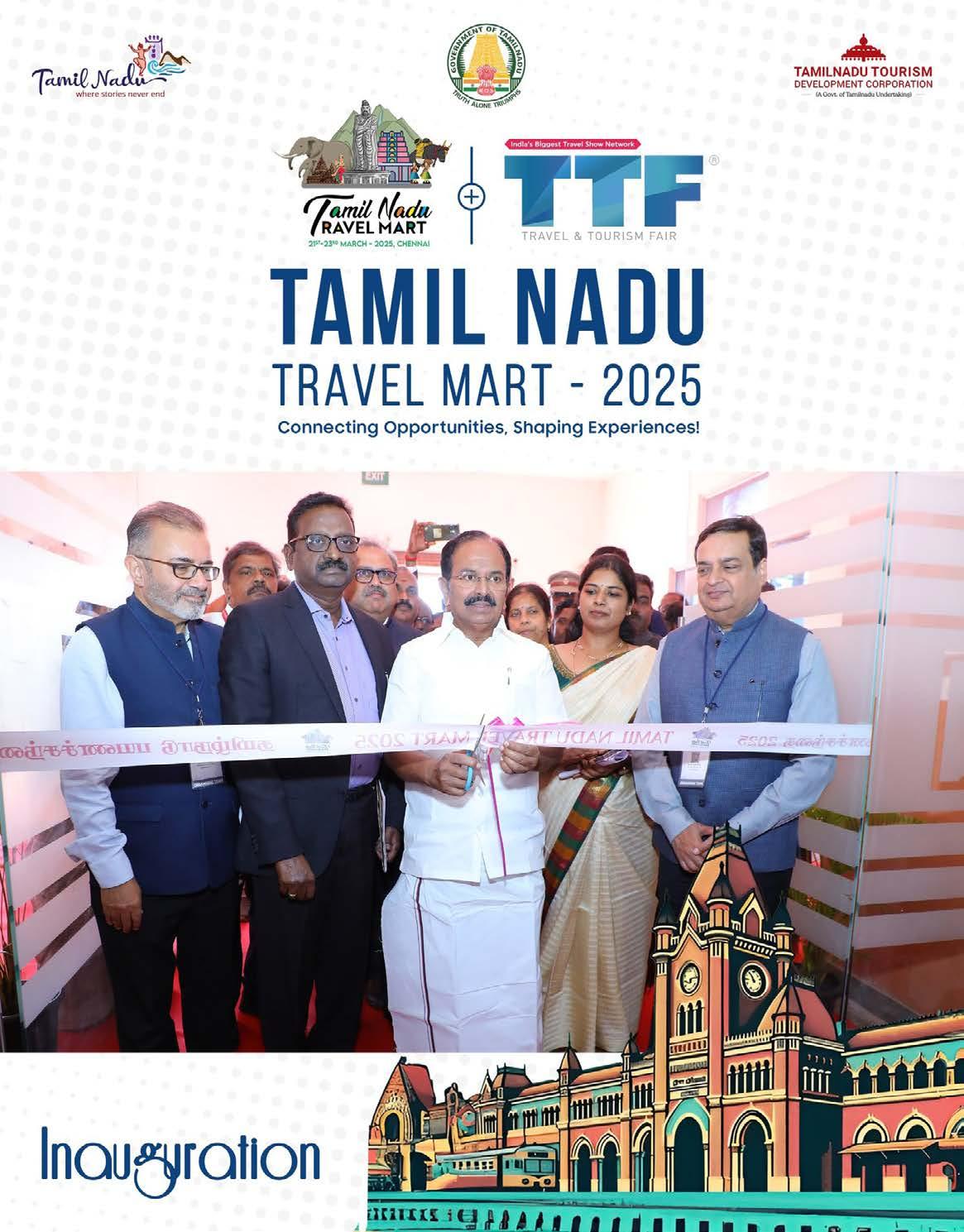
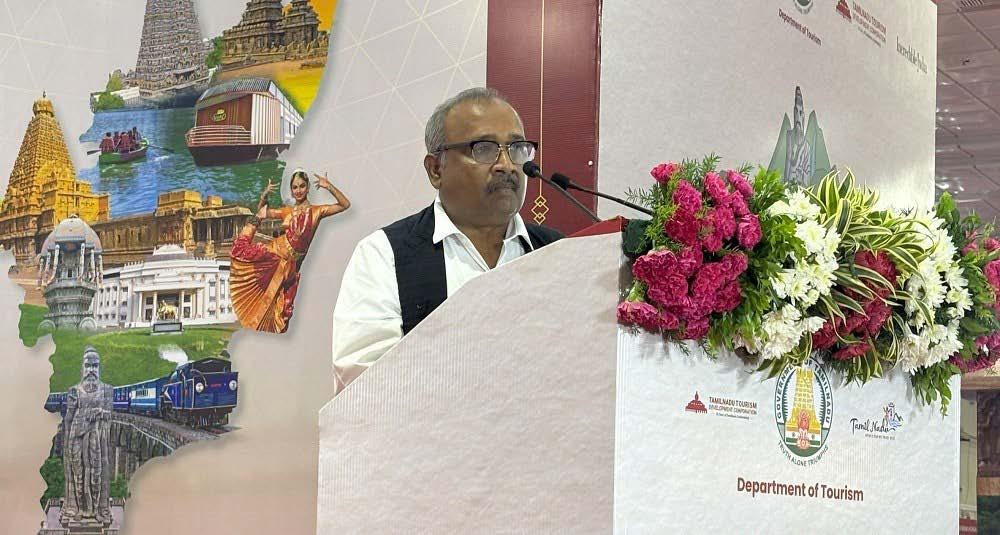
The Tamil Nadu Travel Mart (TNTM), co-located with TTF Chennai, commenced today at the Chennai Trade Centre with a grand inauguration ceremony graced by esteemed dignitaries. The event, which runs until March 23, 2025, brings together more than 250 exhibitors from 12 Indian states and four countries, including partner country Nepal, along with Myanmar, Brunei, and Korea. Over 50 national and international hosted buyers and an anticipated 4,000 to 5,000 travel trade visitors are participating in this landmark tourism event.
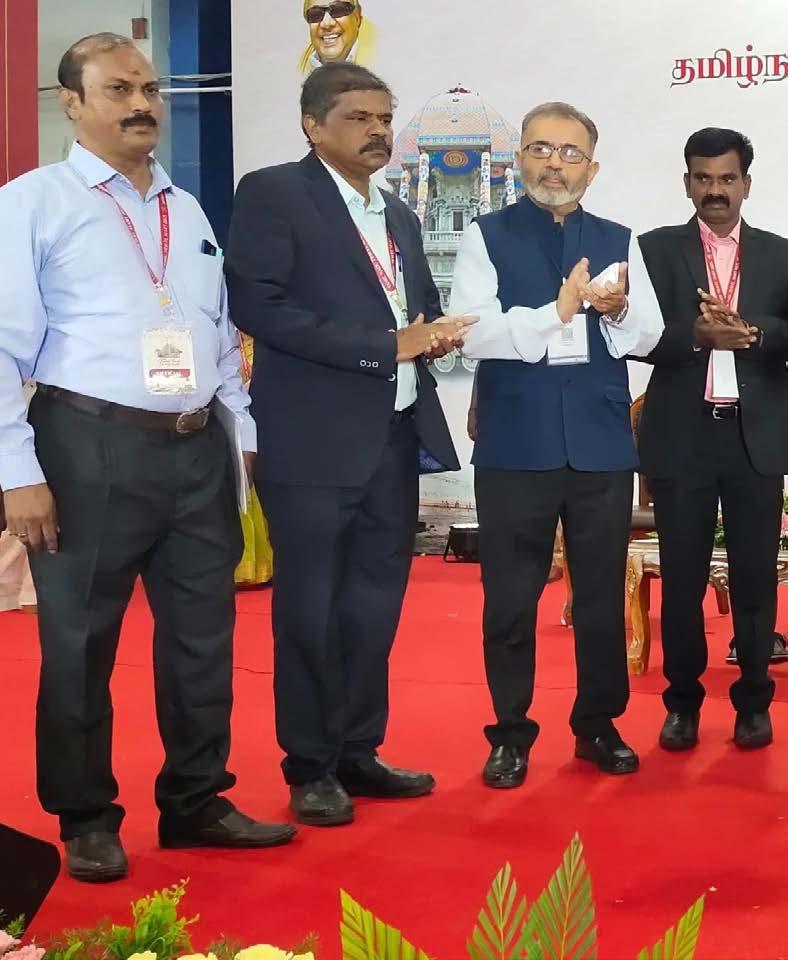
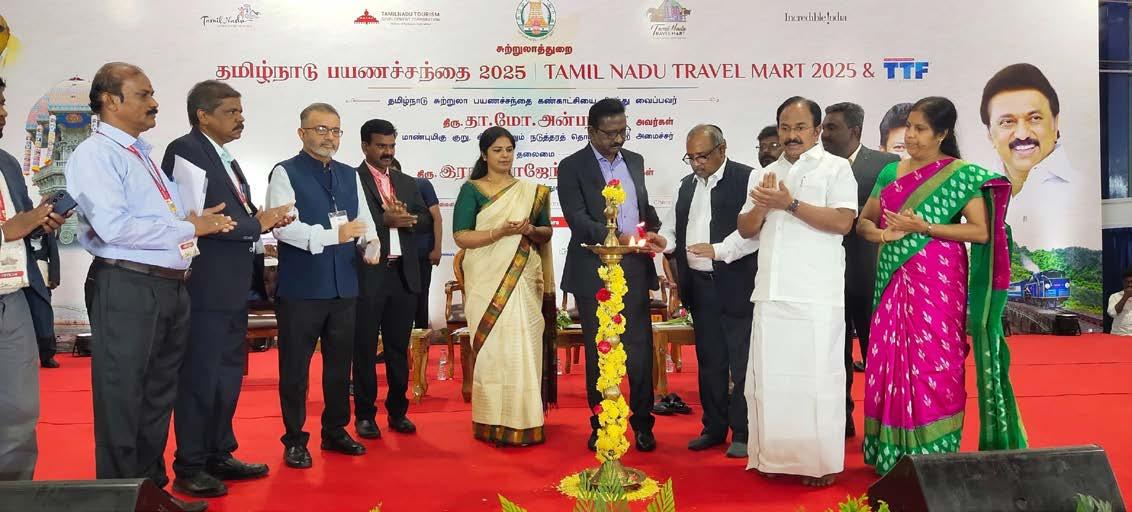
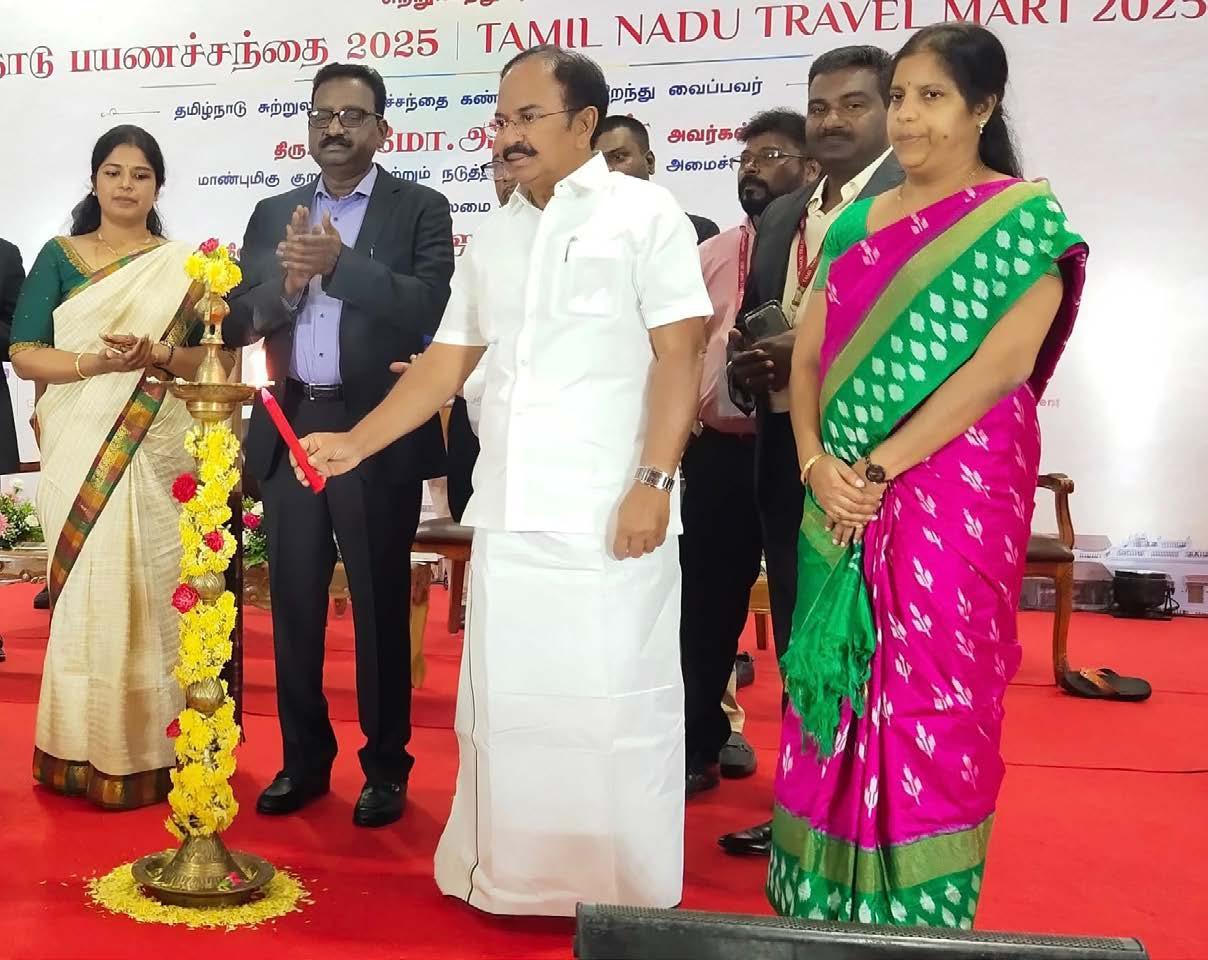
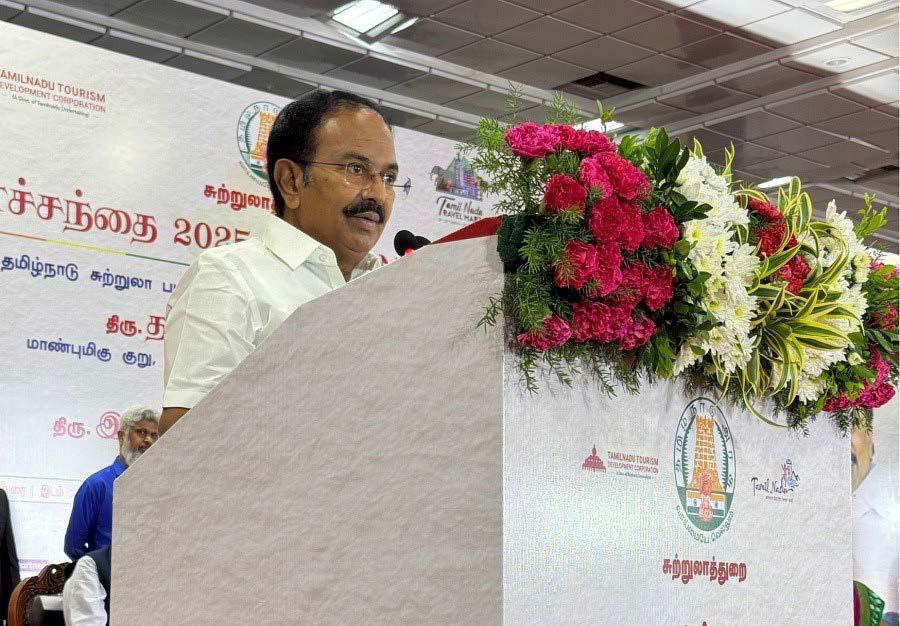
The event was inaugurated by R. Rajendran, the Honourable Minister for Tourism, Sugar, Sugarcane Excise, and Sugarcane Development, Government of Tamil Nadu, in the presence of top government officials including Dr. K. Manivasan, IAS, Additional Chief Secretary to Government, Tourism, Culture and Religious Endowments Department; D. Venkatesan, Regional Director (South), Ministry of Tourism, Government of India; and Shilpa Prabhakar Satish, IAS, Commissioner, Commissionerate of Tourism, Government of Tamil Nadu.
Speaking at the inauguration, Dr. K. Manivasan, IAS, Additional Chief Secretary to Government, Tourism, Culture and Religious Endowments Department, highlighted the collective efforts behind the event and the broader vision for Tamil Nadu’s tourism growth. “Arranging this travel mart involved the regional director of the Ministry of Tourism, Ibrahim, the MD and CEO of Fairfest Media, all the exhibitors, and representatives from various tourism departments across states and the Ministry of Tourism. Travel agents and other stakeholders have all come together to make this possible,” he said.
Dr. Manivasan stressed the role of such marts in elevating Tamil Nadu’s tourism profile. “It is indeed very important for the tourism of Tamil Nadu because Tamil Nadu is always one of the leading states in terms of both domestic as well as international tourist arrivals. Conducting such marts is crucial for leveraging the strengths of various states and organisations participating in the exhibition,” he stated.
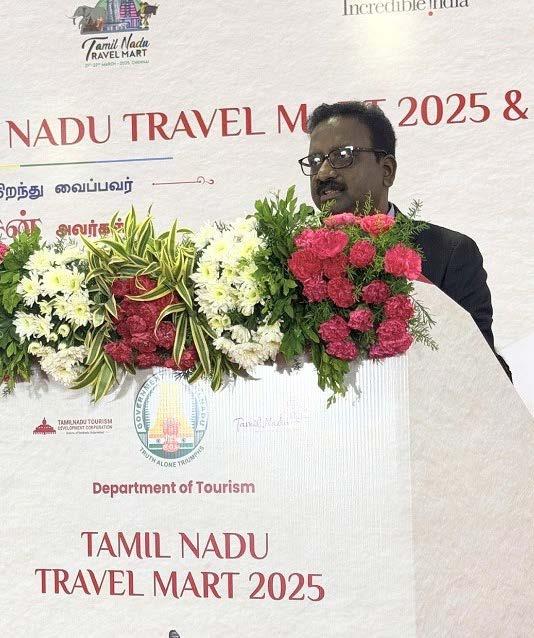
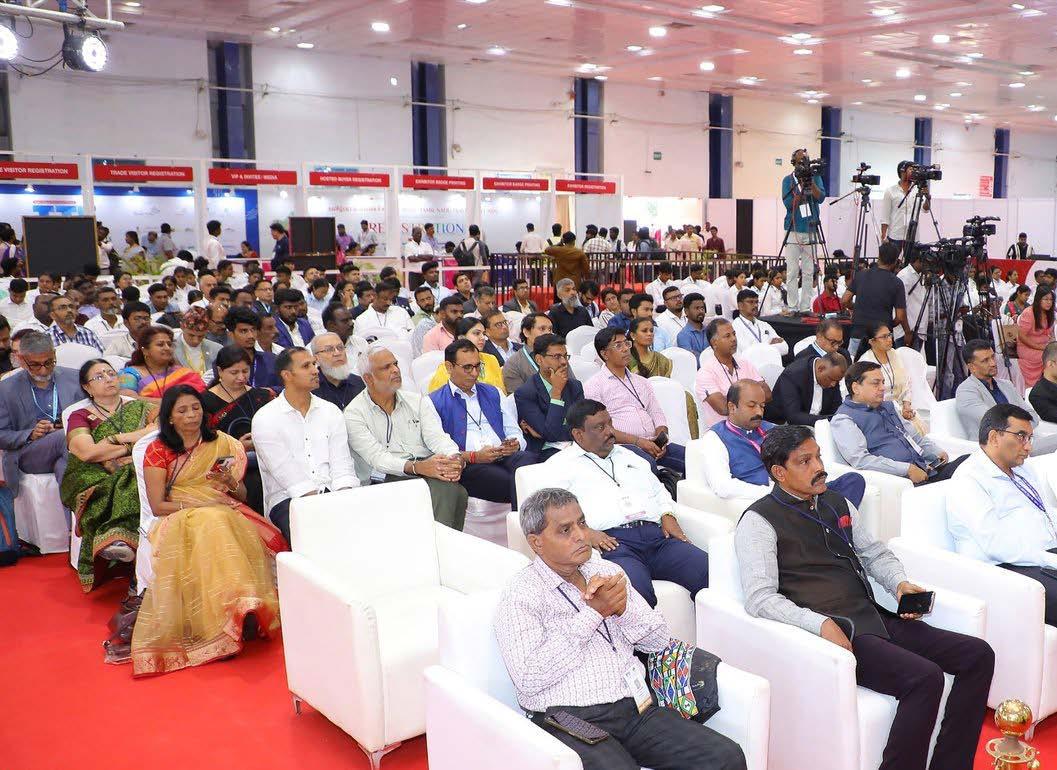
Reflecting on India’s global tourism potential, he remarked, “India is a very diverse country. If you see the top five countries of international tourist arrivals globally, we don’t feature yet. France is number one, and Turkey is number five. But when we compare their offerings with the kind of diversity and potential we have, there is so much more we can achieve. Conducting such travel marts and participating in international exhibitions will help us get there.”
He also shared a bold vision for the state’s tourism-driven economic contribution, “Currently, tourism contributes around 8 per cent to Tamil Nadu’s Gross State Domestic Product. Our goal is to increase this to 15 per cent by 2030. Many initiatives are underway to achieve this, and we believe we can do far more than we are doing now.” Dr. Manivasan also urged the industry to look beyond Tamil Nadu’s reputation for religious and heritage tourism, “People often associate Tamil Nadu only with religious or heritage tourism. But we have the second-longest coastline in the country. There’s significant potential for ecotourism as well. These untapped areas should also be explored.” He concluded with gratitude and encouragement, “I thank the Hon’ble Minister for Tourism and everyone participating. I thank TTF for joining hands with us. This is the kind of partnership we look forward to in organising such events. I deeply appreciate the efforts of our Commissioner of Tourism and the Tamil Nadu Tourism Development Corporation for making this event a reality.”
Delivering the Guest of Honour address, D. Venkatesan, Regional Director (South), Ministry of Tourism, Government of India, praised the scale and significance of the event, “Today, we are seeing a large gathering, a presence of almost 65 international delegates and a large number of domestic buyers from across India – which signifies the importance of this event.” He reiterated Tamil Nadu’s uniqueness in India’s
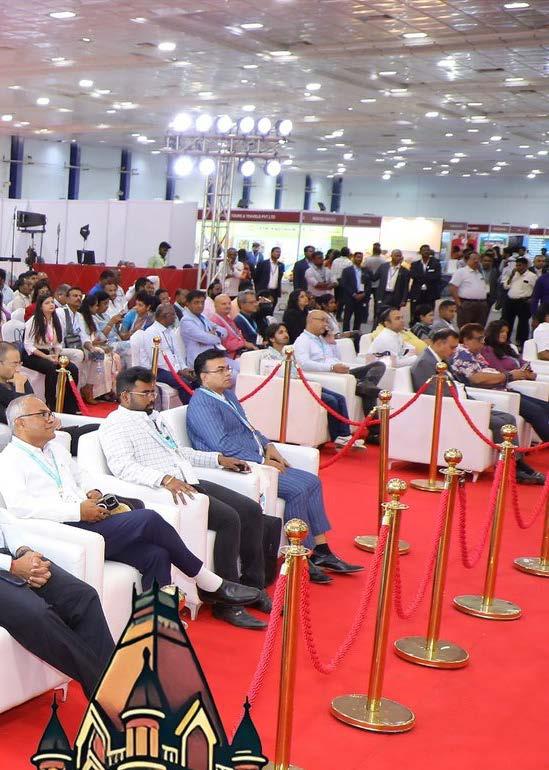
tourism landscape, “Tamil Nadu is a very unique and diverse state. It has always been one of the leading destinations in the country. If you look at Tamil Nadu, it offers everything— from a long coastline and lush forests to ancient temples and rich culture—something that stands out in the national context.” He called attention to Tamil Nadu’s intangible heritage, “Tamil Nadu continues to draw a large number of pilgrims from across India. While we focus on tangible heritage like temples, we must also emphasise Tamil Nadu’s intangible heritage – which is equally unique and valuable.” Venkatesan also stressed the importance of promoting GI-tagged (Geographical Indication) products, “Tamil Nadu’s GI-tagged products—its arts, crafts, and cultural elements— are distinctive and should be promoted alongside tourism. For instance, Poompuhar is present here, showcasing these GI-tagged arts and crafts.”
On the Ministry’s commitment to training and capacity building, he shared, “Today, destinations are remembered for the experience they provide. That’s why we are investing in capacity building across all segments of the travel industry— not just through Central IHMs, but also by partnering with the Hotel and Restaurant Association of South India and other stakeholders.” He added, “We’ve already started training programs in Mahabalipuram and Thanjavur, and soon we’ll be launching them in Tiruvannamalai and other key destinations.” “This comes under the Paryatan Mitra and Paryatan Didi initiatives, where our focus is on skill development and direct interaction with tourists.” He concluded with a call to action, “I thank the Tamil Nadu Tourism Department for the opportunity, and the Ministry of Tourism is proud to support the Tamil Nadu Travel Mart. I urge all hosted buyers and exhibitors to promote Tamil Nadu aggressively. Let’s work together to bring Tamil Nadu to the forefront as a top tourism destination.”
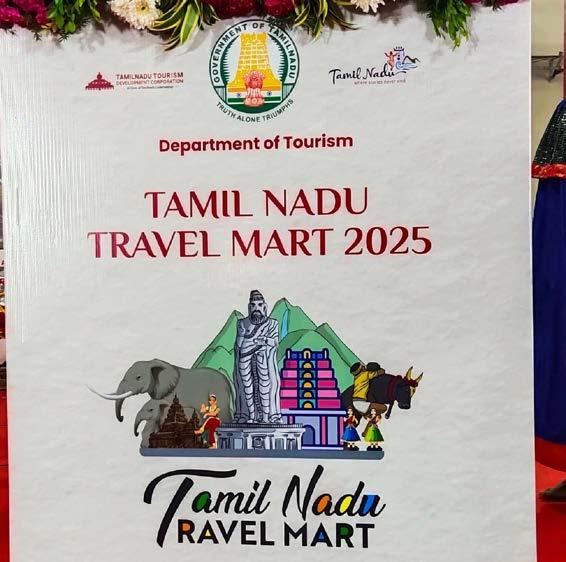
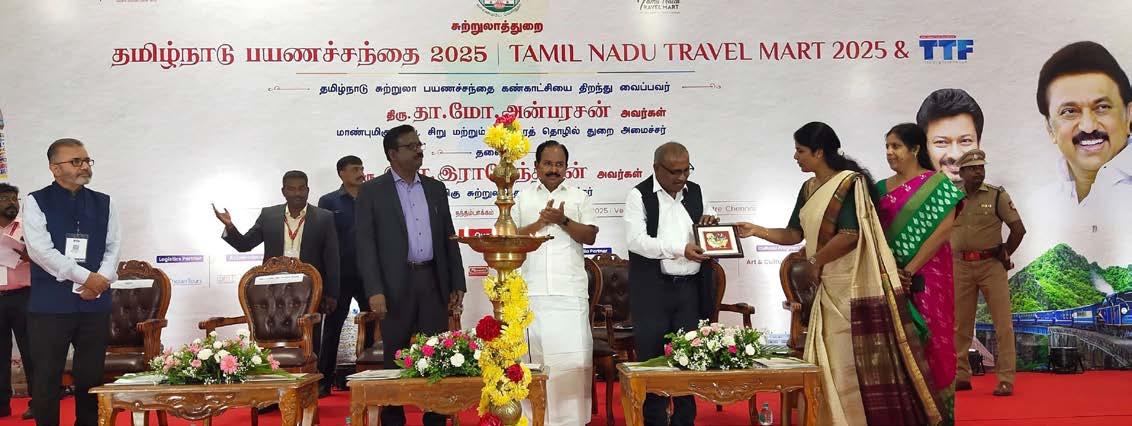
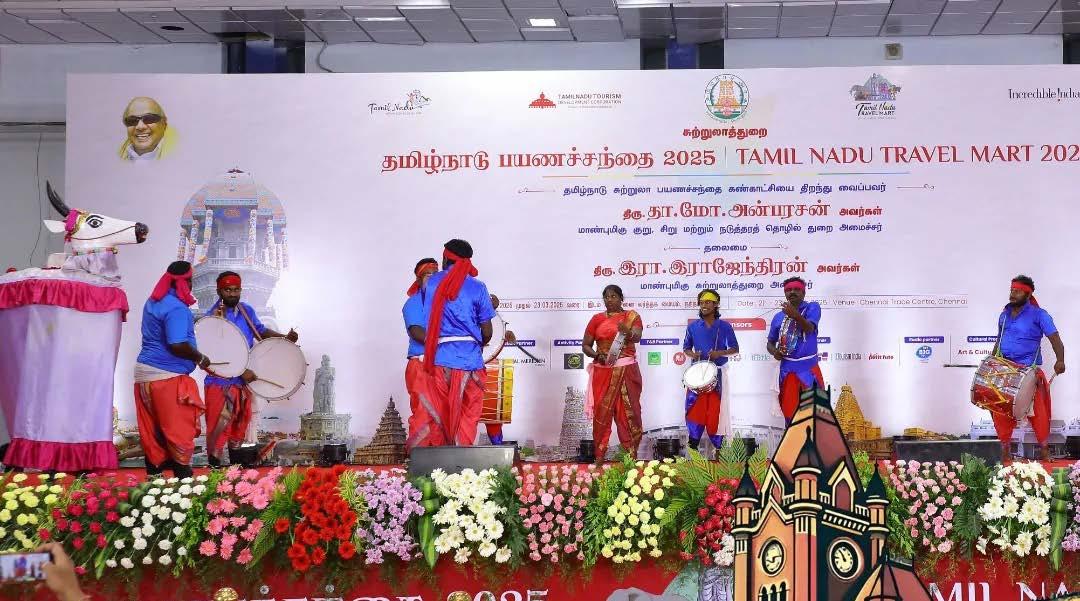
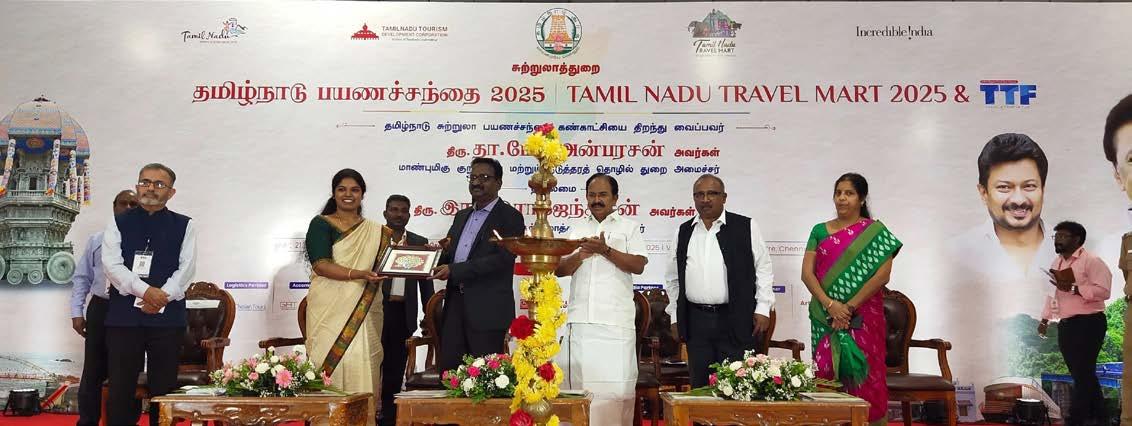
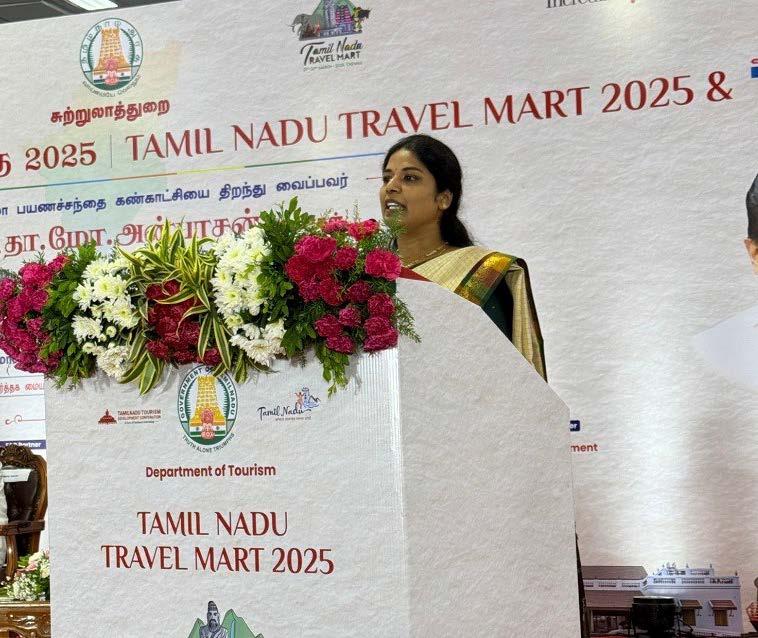
Shilpa Prabhakar Satish, IAS, Commissioner, Commissionerate of Tourism, Government of Tamil Nadu, shared insights into the swift and collaborative efforts that made this edition of TNTM a reality, “I would like to thank the Hon’ble Minister for Tourism, who has been a strong pillar of support in conducting this event. I also thank the Hon’ble Chief Secretary of Tourism under whose guidance this entire event was executed.”
She revealed the behind-the-scenes push, “This event was organised at very short notice. When we learned that TTF was holding its fair in Chennai, we felt it was an opportunity that had to be utilised.” She continued with an optimistic tone, highlighting the larger roadmap ahead for Tamil Nadu’s tourism, “Thank you to all the stakeholders and associations for the support. I think
this is just the beginning. With all your support, I am sure we have lots of initiatives in mind. As the Hon’ble Minister just mentioned, it’s not just about tourism. You must have heard in the budget that the Hon’ble Finance Minister has announced the Tourism Facilitation Act to be brought in. The tourism policy, which is already there, will now be executed more effectively.” Shilpa emphasised the potential of TNTM as a long-term platform, “This has been a good beginning, and with your continued support, we will take Tamil Nadu Travel Mart to even greater heights.”
With TNTM 2025 now underway, the event stands as a testament to Tamil Nadu’s vision of becoming a tourism powerhouse, leveraging its cultural richness, natural diversity, and strong institutional support.
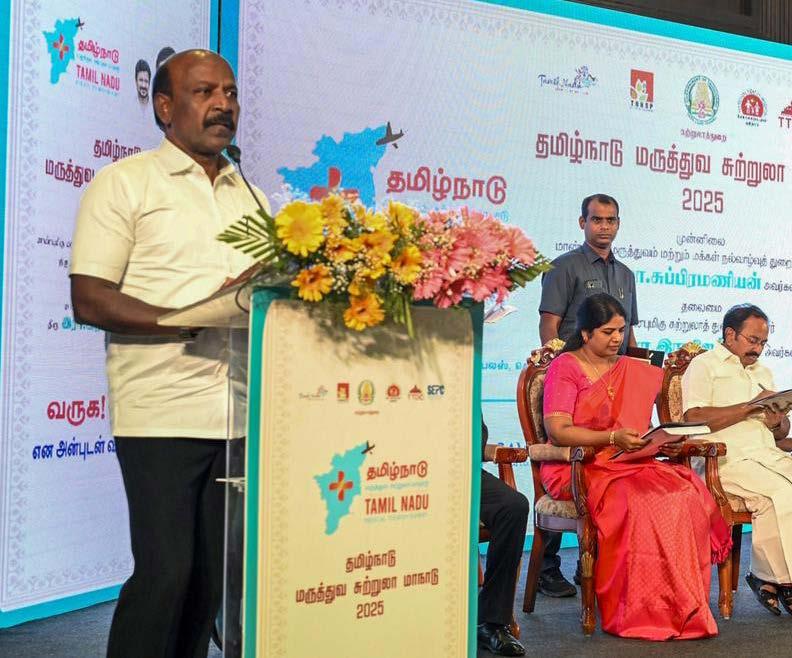
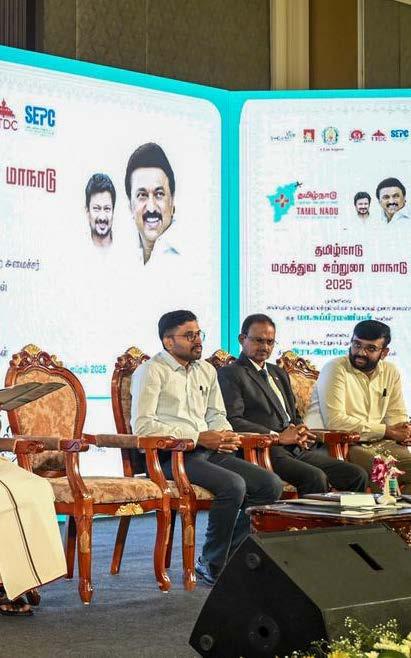
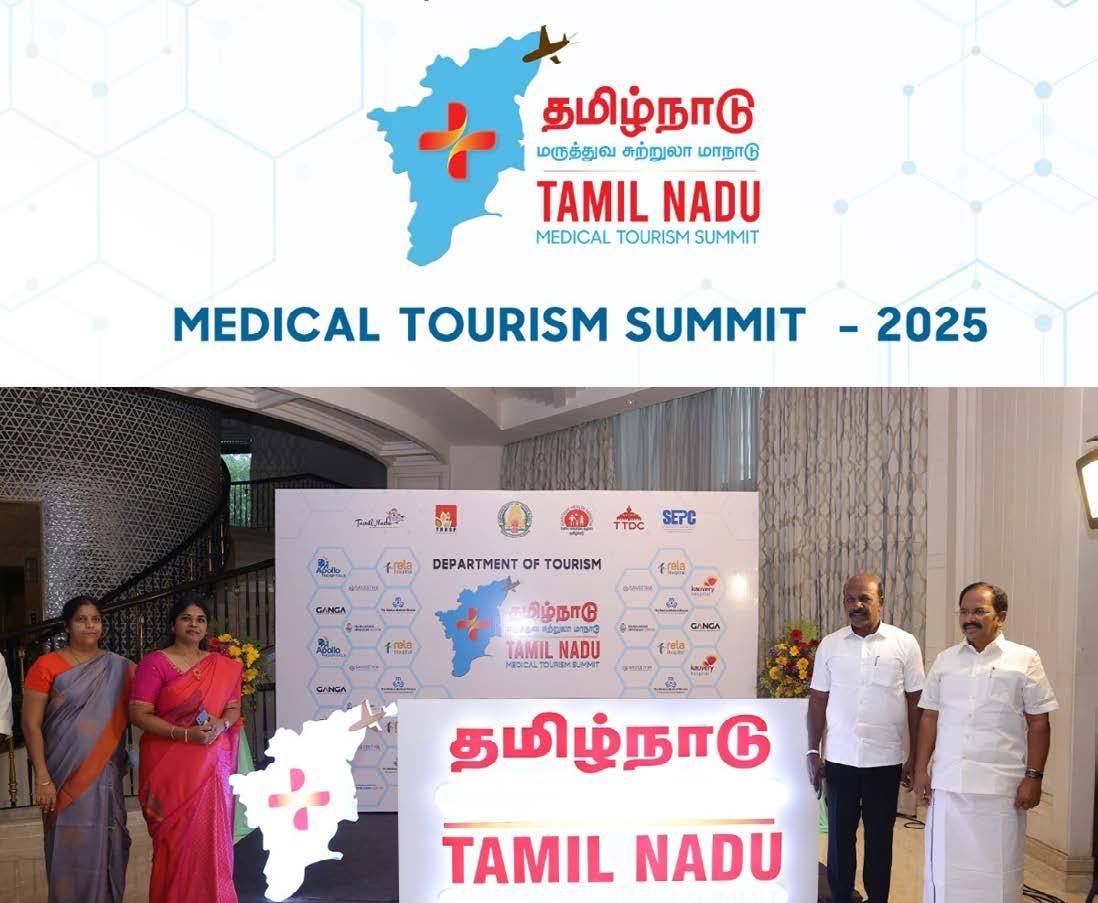
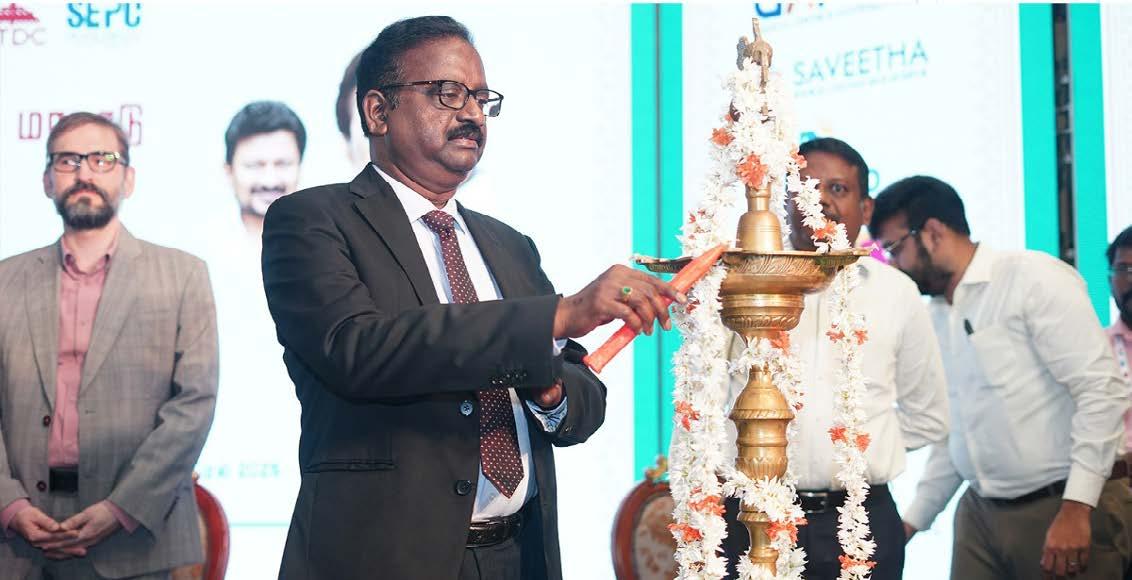
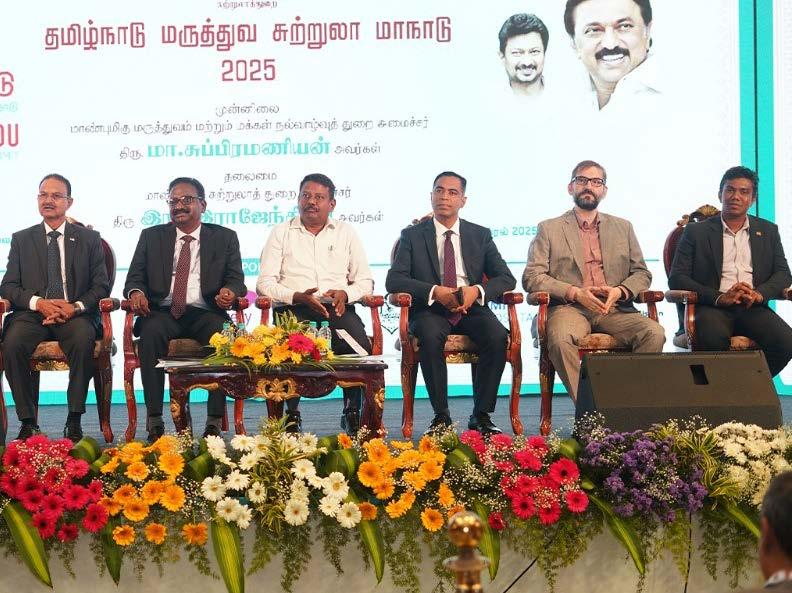
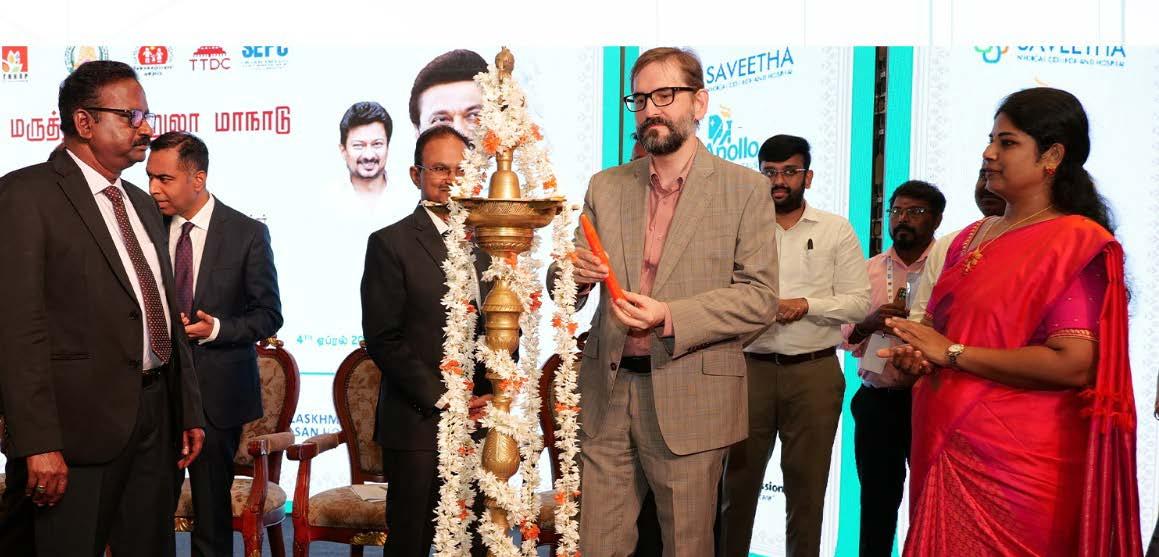
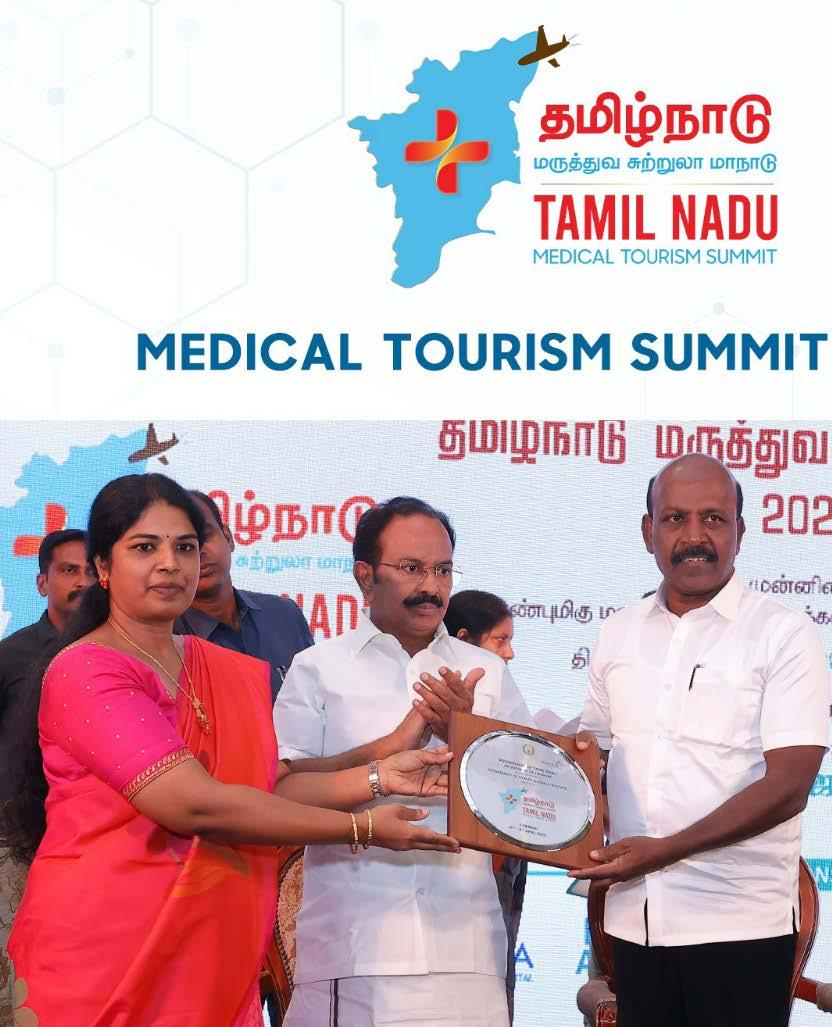
The Department of Tourism, Government of Tamil Nadu, will set up a medical tourism vertical to act as a facilitation centre for international patients seeking medical treatment in Tamil Nadu. At Tamil Nadu Medical Tourism Summit - 2025 organised by the Tourism Department, 45 delegates from 29 countries and 120 private hospitals from Tamil Nadu came together to discuss the various aspects of medical tourism, scope for improvement and challenges. Health Minister Ma. Subramanian and Tourism Minister R. Rajendran participated in the inauguration of the summit on Friday. Mr. Subramanian said that according to data on medical tourism from the Union Tourism Minister, 25% of the total number of persons from abroad who sought medical care in the country came to Tamil Nadu.
Every year, more than 15 lakh persons from 70 countries sought healthcare in the State, he said, adding that efforts to improve the State’s health infrastructure and medical services were being taken to increase the inflow. Mr. Rajendran added that the State’s hospitality and affordable healthcare were among the reasons for international patients seeking treatment here.
Shilpa Prabhakar Satish, Commissioner of Tourism and Managing Director, Tamil Nadu Tourism Development Corporation Limited, said there were plans to set up a medical tourism vertical in the Tourism Department. This will work with Health and various other departments. “This is to facilitate and create a platform for hospitals referring patients from abroad to reach out to the treating hospitals here. We can coordinate with similar facilitation centres in other countries,” she said on the sidelines of the summit.
There are certain challenges. Patients may have insurance coverage in their respective country, while some countries sponsor the treatment of patients and pay directly to the treating hospital, she said, adding that the vertical would work to ensure a seamless process in such circumstances. We also need to have coordination with airlines for direct flights. The Health Minister has said that a ‘patient receiving lounge’ should be set up at the international airports to ensure processes such as faster immigration clearances,” she said.
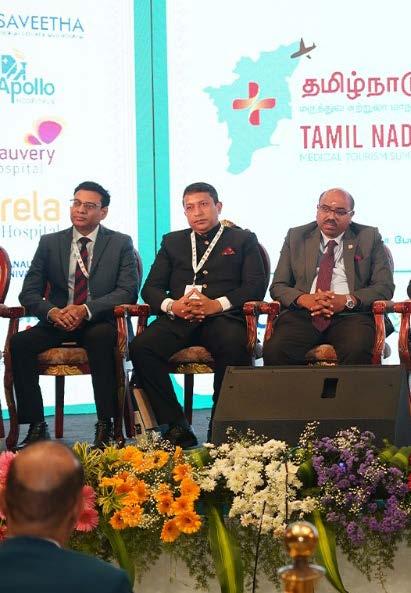

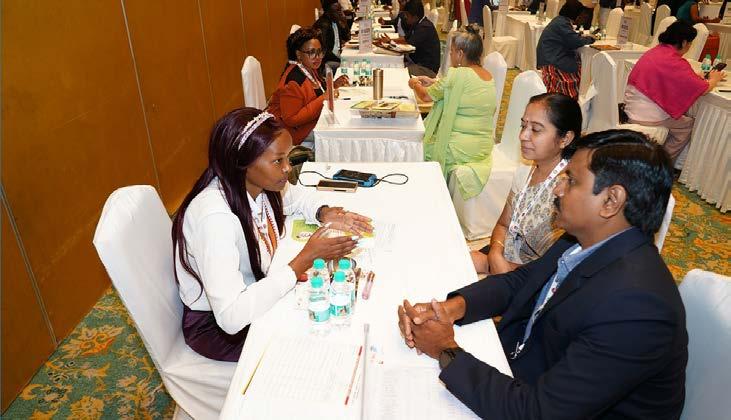
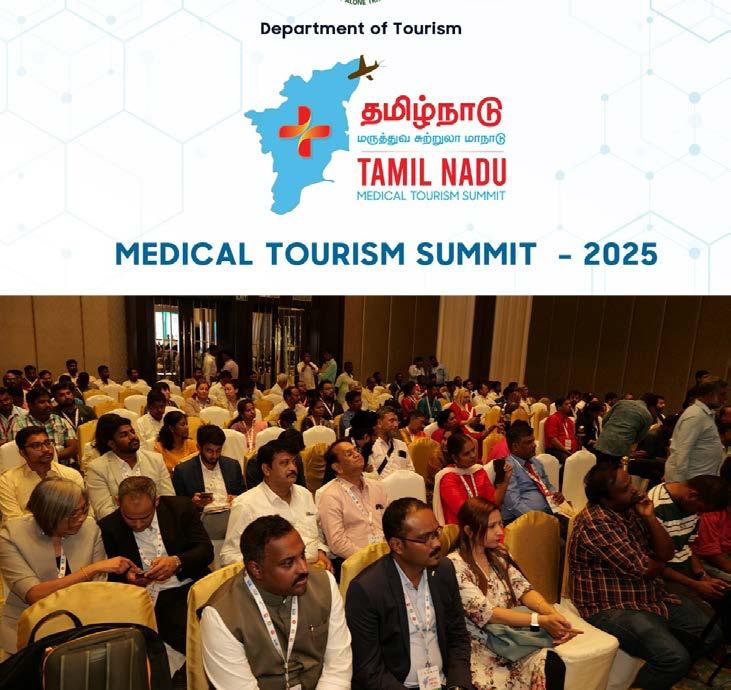
Another key issue is accommodation for families of patients and follow-up services when they return home after treatment. The facilitation centre could also help private hospitals apply for National Accreditation Board for Hospitals and Healthcare Providers certification, which is essential to treat international patients, Ms. Shilpa added. Delegates from abroad put forward the need for direct flights, follow-up services, accommodation for families, and faster immigration process to help international patients, she said. As a major outcome of the summit, the Department of Tourism is setting up a dedicated Medical Value Travel vertical to address long-standing stakeholder demands. This vertical will strengthen partnerships, streamline patient facilitation, enhance regulations, and promote the ‘Heal in Tamil Nadu’ brand, positioning the State as a global hub for quality, affordable healthcare.

Puthandu, also known as Tamil New Year, is the first day of year on the Tamil calendar that is traditionally celebrated as a festival by Tamils. The festival date is set with the solar cycle of the solar Hindu calendar, as the first day of the month of Chittirai. It falls on or about 14 April every year on the Gregorian calendar. The same day is observed elsewhere in South and South East Asia as the traditional new year, but it is known by other names such as Vishu in Kerala, and Vaisakhi or Baisakhi in central and northern India. On this day, Tamil people greet each other by saying “Puttandu valttukal!” or “Iniya puttandu
nalvalttukal!”, which is equivalent to “Happy new year”. The day is observed as a family time. Households clean up the house, prepare a tray with fruits, flowers and auspicious items, light up the family puja altar and visit their local temples. People wear new clothes and children go to elders to pay their respects and seek their blessings, then the family sits down to a vegetarian feast. Puthandu is celebrated by Tamils in Tamil Nadu and Puducherry, and in Sri Lanka, Malaysia, Singapore, Mauritius and Reunion. The Tamil diaspora also celebrates it in countries such as Myanmar, South Africa, United Kingdom, United States, Canada, and Australia.
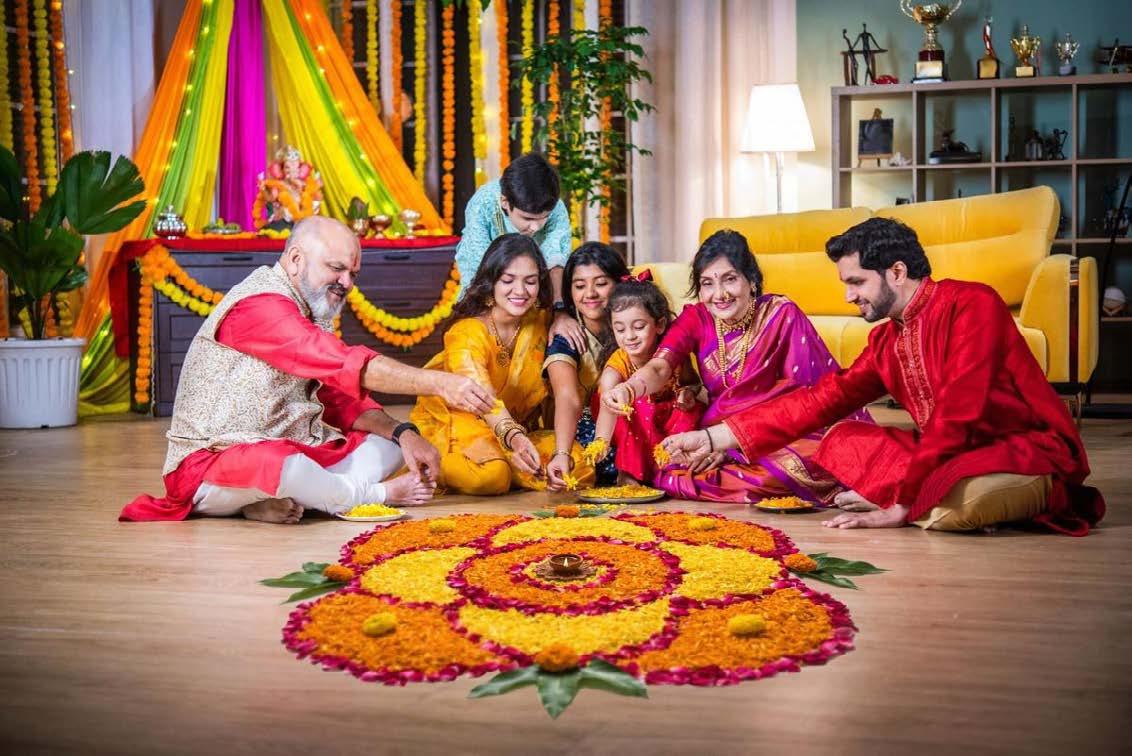
The Tamil New Year follows the spring equinox and generally falls on 14 April of the Gregorian year. The day celebrates on the first day of the traditional Tamil calendar and is a public holiday in both Tamil Nadu and Sri Lanka. The same date is observed as the traditional new year in Assam, West Bengal, Kerala, Tripura, Bihar, Odisha, Punjab, Himachal Pradesh, Haryana, as well as in Nepal and Bangladesh. Myanmar, Cambodia, Laos, Thailand, and Sri Lanka also celebrate the same day as their new year, likely an influence of the shared culture between South and Southeast Asia in the 1st millennium CE.
There are several references in early Tamil literature to the April new year. Nakkirar, Sangam period author of the Netunalvatai, wrote that the sun travels from Mesha/Chittirai through 11 successive signs of the zodiac. Kudalur Kilar refers to Mesha Raasi/Chittirai as the commencement of the year in the Purananuru. The Tolkaapiyam is the oldest surviving Tamil grammar that divides the year into six seasons where Chittirai marks the start of the Ilavenil season or summer.
The Silappadikaaram mentions the 12 Raasis or zodiac signs starting with Mesha/Chittirai. The Manimekalai alludes to the Hindu solar calendar as we know it today. Adiyarkunalaar, an early medieval commentator or Urai-asiriyar mentions the twelve months of the Tamil calendar with particular reference to Chittirai. There were subsequent inscriptional references in Pagan, Burma dated to the 11th century CE and in Sukhothai, Thailand dated to the 14th century CE to South Indian, often Vaishnavite, courtiers who were tasked with defining the traditional calendar that began in mid-April. Celebration
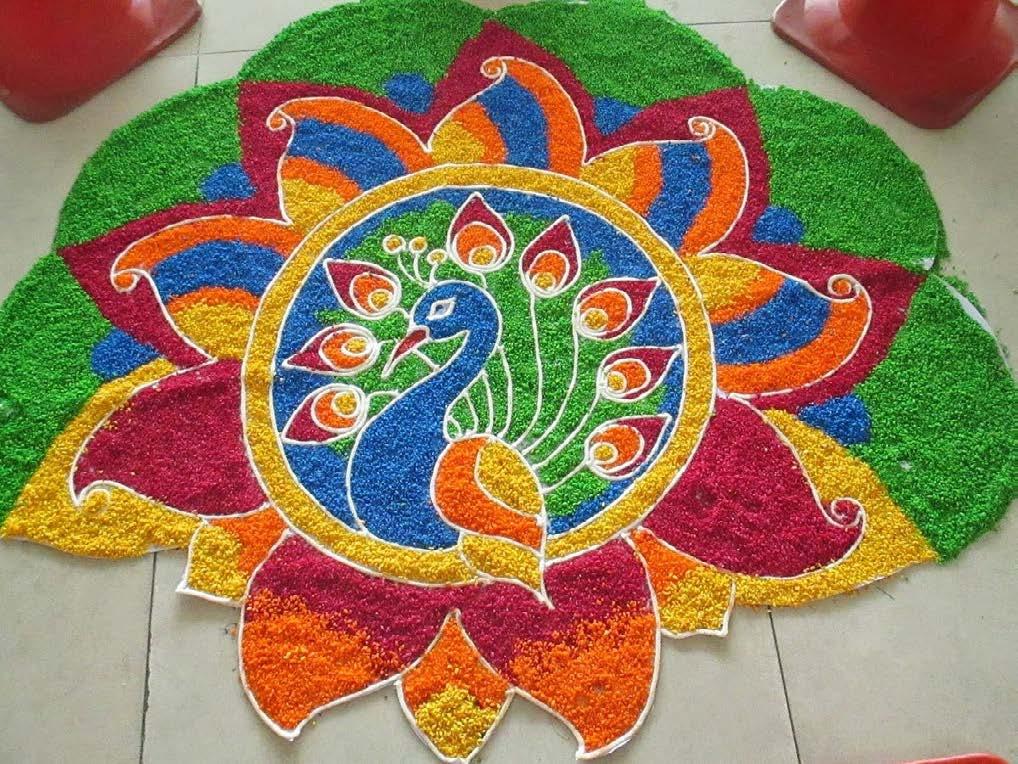
Tamil people celebrate Puthandu, also called Puthuvarusham, as the traditional “Tamil/New Year”, states Peter Reeves. This is the month of Chittirai, the first month of the Tamil solar calendar, and Puthandu typically falls on 14 April. In some parts of Southern Tamil Nadu, the festival is called Chittirai Vishu. On the eve of Puthandu, a tray is arranged with three fruits (mango, banana and jack fruit), betel leaves and arecanut, gold/silver jewelry, coins/money, flowers and a mirror. This is similar to the Vishu new year festival ceremonial tray in Kerala. According to the Tamil tradition, this festive tray is auspicious as the first sight upon waking on the new year day. Home entrances are decorated elaborately with colored rice powder. These designs are called kolams.
Chittirai Thiruvilha in
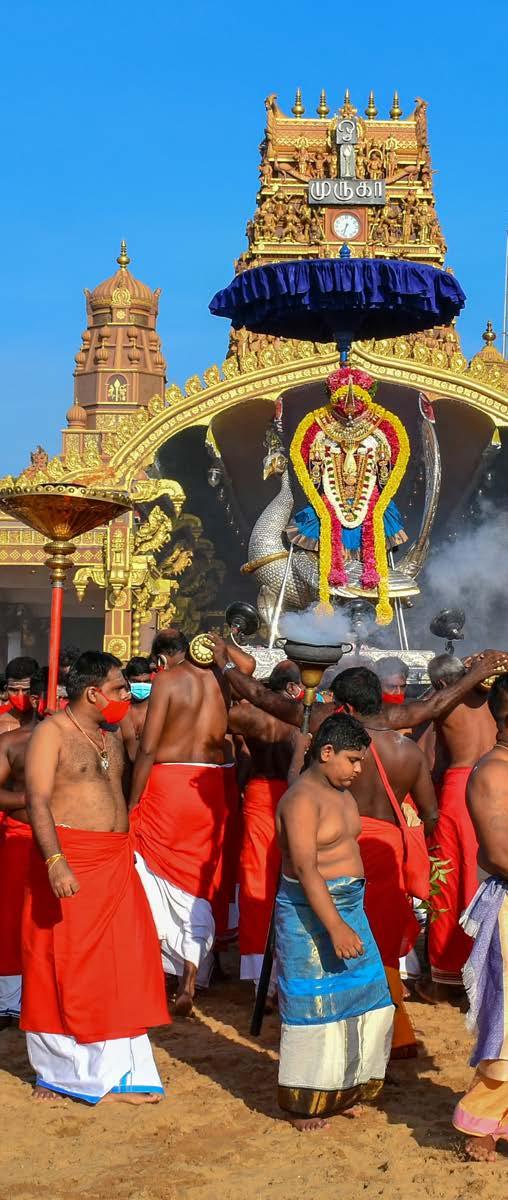
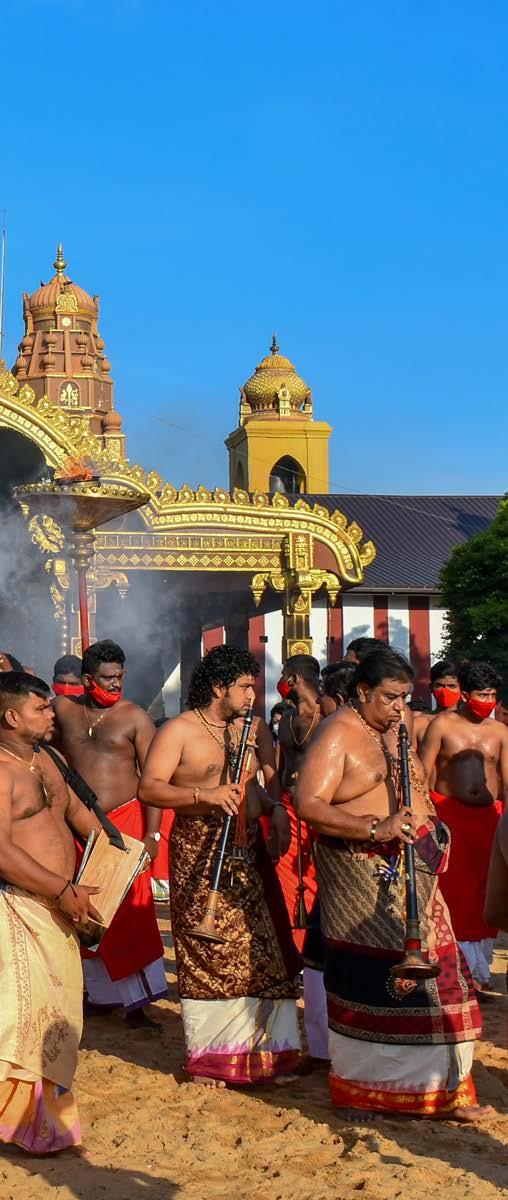
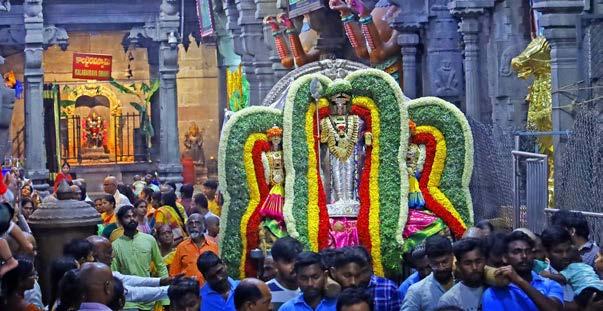
In the temple city of Madurai, the Chittirai Thiruvilha is celebrated in the Meenakshi Temple. A huge exhibition is held, called Chittirai Porutkaatchi. On the day of the Tamil New Year, a big Car Festival is held at Tiruvidaimarudur near Kumbakonam. Festivals are also held at Tiruchirapalli, Kanchipuram and other places.
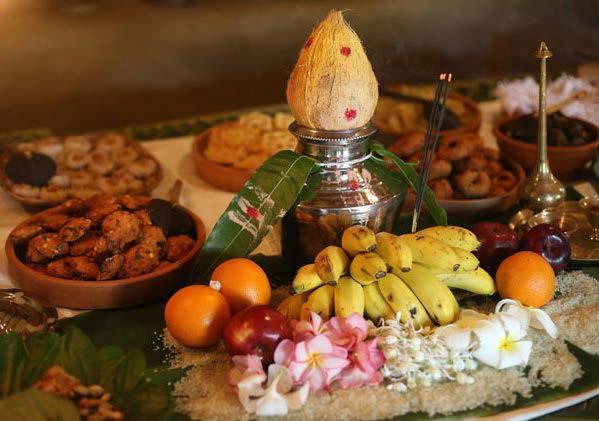

Chithiraikani in KonguNadu
Chithiraikani, also known as Vishukani, is an important part of the Puthandu celebrations in the Kongu Nadu region, which share similarities with Vishu celebrations in Kerala and Tulu Nadu. This ChithiraiKani practice involves arrangement of a special tray containing auspicious items that are displayed in front of a mirror. The word “kani” in Kongu Tamil and Malayalam means “that which is seen first,” and both celebrations involve arranging a special tray of auspicious items that are displayed in front of a mirror. The traditional belief is that viewing joyful and auspicious things first on the new year day brings prosperity and good luck.
The Chithiraikani or Vishukani tray typically includes three fruits (mango, banana, and jackfruit), betel leaves, rice, lemon, cucumber, coconut cut open, arecanut, gold or silver jewelry, coins or money, flowers, and a mirror, among other things that symbolize wealth and prosperity. This arrangement is similar to the Vishu celebrations that take place in Kerala. In some parts of Kerala, the Vishukkani tray also includes Aranmula kannadi (Vaalkannadi), golden color Konna flowers (Cassia fistula) which bloom in the season of Vishu, gold or silver jewelry, coins or money, flowers, and a mirror. The mirror symbolizes seeing oneself as a part of the abundance one sees in the form of Pani. The day before the Chithirai Kani or Vishukkani celebrations, people prepare the tray of auspicious items. On the new year day, elders light lamps and wake up juniors in the family. As soon as they wake up, they walk to the kani with their eyes closed and see it as the first scene of the year. This tradition is significant in both regions and is believed to bring good luck and prosperity for the coming year.


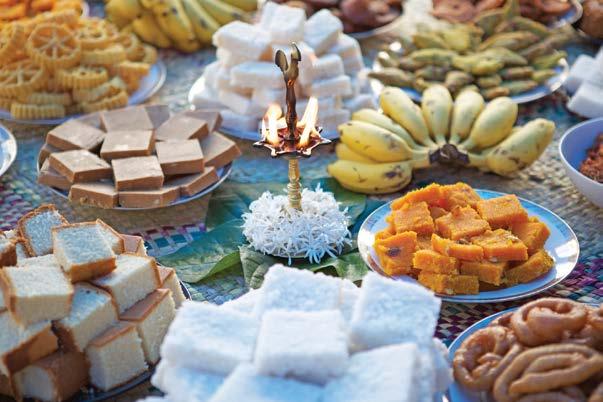
Sri Lankan Tamils observe the traditional new year in April with the first financial transaction known as the Kai-vishesham. In this transaction children go to elders to pay their respect, and elders give their blessings and gift pocket money to the children in return. The event is also observed with the ‘arpudu’ or the first ploughing of the ground to prepare for the new agricultural cycle. The game of ‘por-thenkai’ or coconut wars between youth is played in villages through the Tamil north and east of the island while cart races are also held. The festive Puthandu season in April is a time for family visits and the renewal of filial bonds. It coincides with the Sinhalese new year season. Later in the day, families enjoy a feast.
In Malaysia and Singapore, Tamils join Sikhs, Malayalees and Bengalis to celebrate the traditional new year in mid-April with leaders across the political spectrum wishing the ethnic Indian community for the new year. Special religious events are held in Hindu temples, in Tamil community centers and Gurdwaras. Cultural programs and media events also take place. It’s a day of celebration for the Indian community.
Know About the Significance of Tamil Puthandu in Tamil Culture
Tamil Puthandu, also known as Tamil New Year or Varusha Pirappu, is a grand festival celebrated by Tamil communities worldwide. It marks the beginning of the Tamil calendar year and is a time for new beginnings, prosperity, and happiness.
Tamil Puthandu 2025 Date and Tithi Timing
Tamil Puthandu falls on the first day of Chithirai month, the first month of the Tamil calendar. This year, the Tamil New Year will be celebrated on April 14, 2025 (Monday).
Tamil Shaka Samvata 1947
• Festival Date: April 14, 2025
• Tithi Timing: As per tradition, if Sankranti occurs before sunset, Tamil Puthandu is observed on the same day. If it happens after sunset, it is celebrated the next day. Tamil Puthandu is a time of joy, cultural traditions, and religious significance, observed
with enthusiasm in Tamil Nadu and other regions with Tamil heritage.
Significance of Tamil Puthandu
Tamil Puthandu holds deep cultural and spiritual importance. It is believed that on this auspicious day, Lord Brahma created the universe. Some also believe that Indradev (Prince of Harmony) descended to Earth on this day to bring peace and prosperity. For Tamilians, the festival represents
• A new cycle of fortune
• The beginning of new ventures
• A celebration of Tamil heritage Apart from Tamil Nadu, Sri Lanka, Malaysia, and Singapore also observe Tamil Puthandu with great enthusiasm.
According to Tamil astrology, Tamil Puthandu marks the Sun’s transition into Mesha Rashi (Aries). This transition represents the balance between nature and people, as noted in Tamil literary texts by Nakkirar and Kudulur Kizhaar.

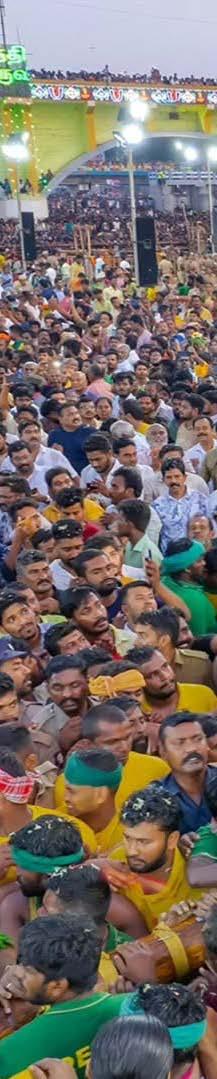
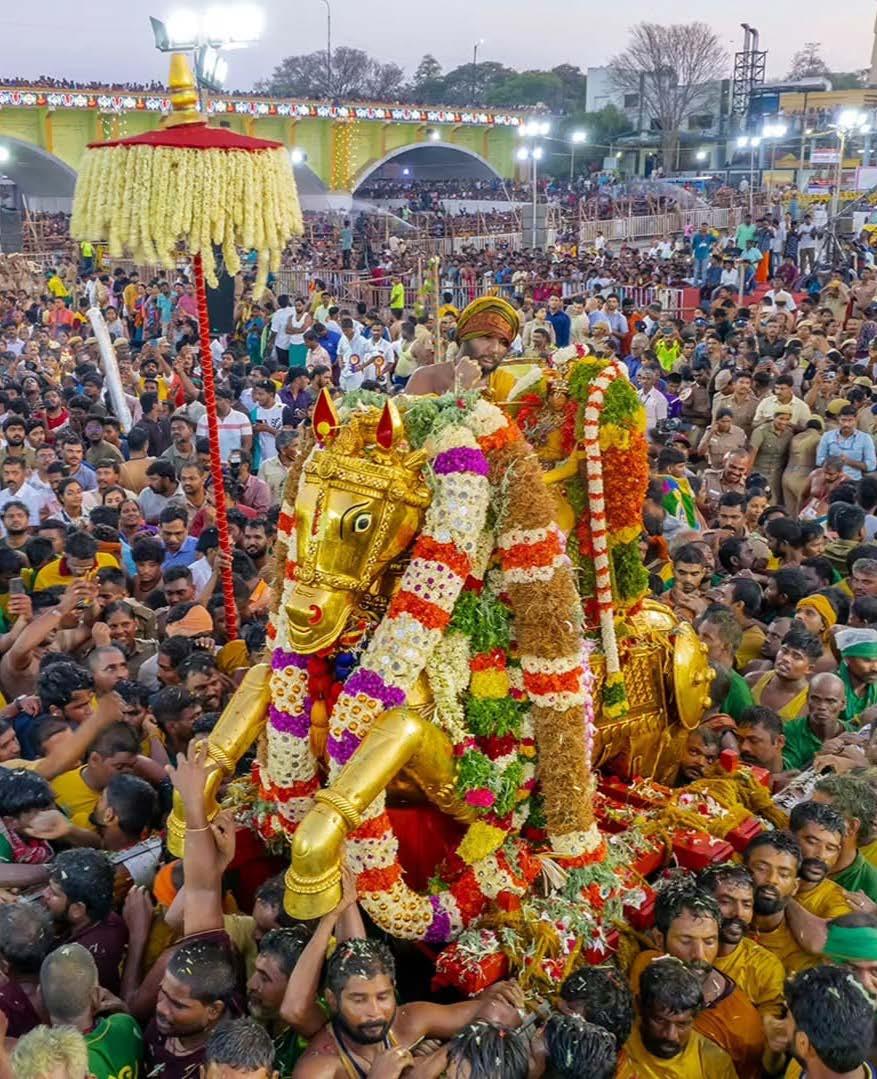
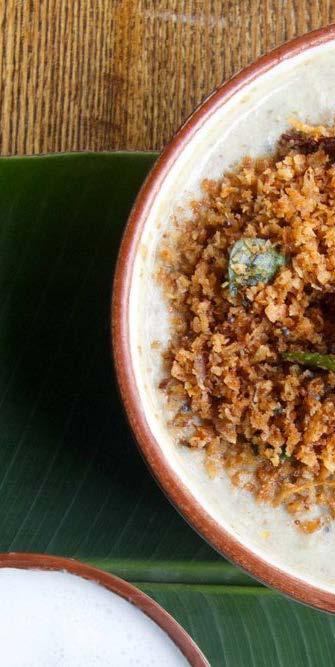

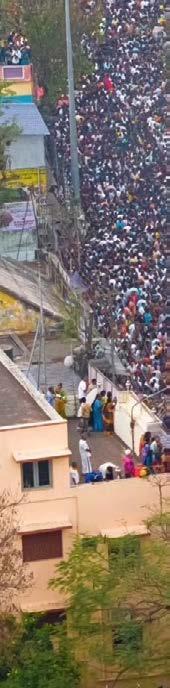

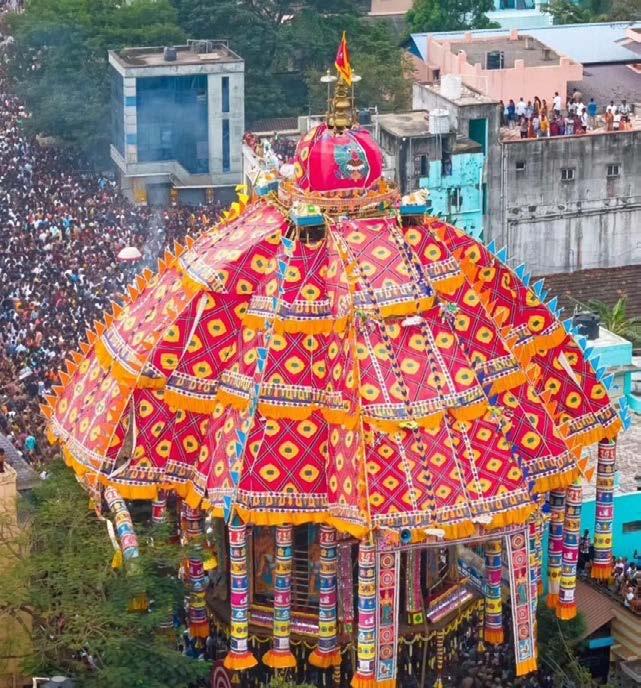
How is Tamil Puthandu 2025 Celebrated?
Tamil New Year is celebrated with traditional customs, feasting, and prayers. The celebrations start early in the morning and continue throughout the day.
1. Kanni – Auspicious First Sight: People prepare a decorative plate with fruits, flowers, betel leaves, coconut, jewellery, a mirror, and cash, believing that seeing it first brings good fortune.
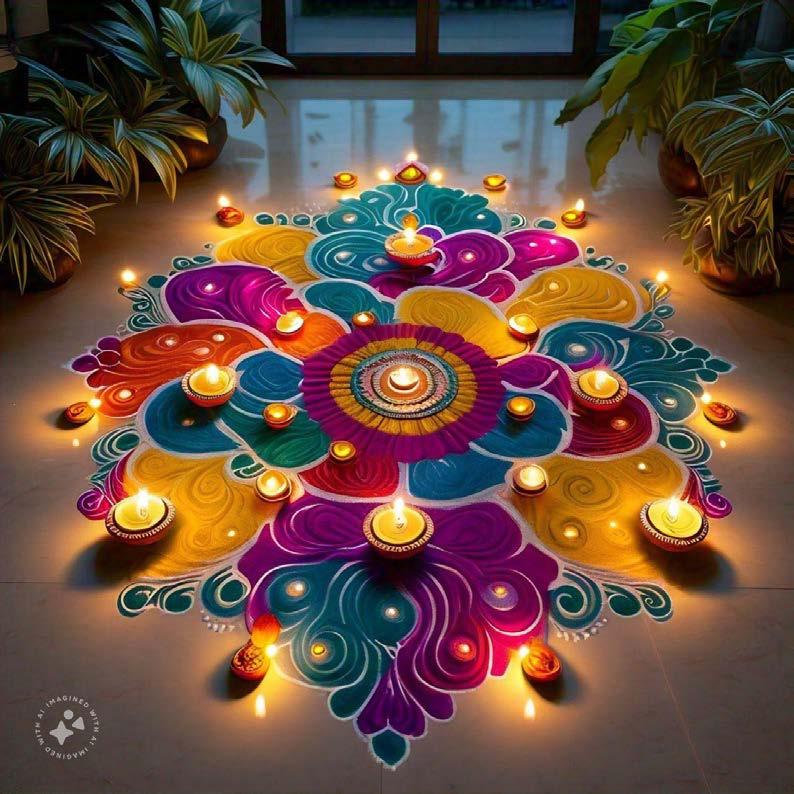
2. Kolam and Kuthuvilakku: Homes are adorned with Kolam (rangoli), and a Kuthuvilakku (lamp) is lit to symbolise positivity and prosperity.
3. Puthandu Vazthukal – Exchange of Wishes: Families greet each other with “Puthandu Vazthukal” (Happy Tamil New Year), wear new clothes, and elders bless children with gifts.
4. Special Tamil Puthandu Feast: A grand vegetarian feast includes:
• Mango Pachadi – Symbolising life’s sweet and bitter moments.
• Payasam – A traditional sweet pudding.
• Veppam Poo Rasam, Aviyal, Paruppu Vadai, and Curd Rice – Authentic Tamil delicacies.
5. Temple Visits and Prayers: Devotees visit temples for blessings and prosperity. Some families perform Tharpanam to honor their ancestors.
6. Grand Celebrations in Tamil Nadu: Major events include:
• Tiruvidaimarudur Car Festival – A grand chariot procession.
• Meenakshi-Sundareswarar Wedding – A divine ceremony in Madurai.
Tamil Puthandu in Different Indian States
Though Tamil Puthandu is unique to Tamil Nadu, several Indian states celebrate their own New Year on the same day:
• Vishu – Kerala
• Baisakhi – Punjab
• Pohela Boishakh – West Bengal
• Pana Sankranti – Odisha
This highlights India’s rich cultural diversity, where each region has its own way of celebrating the new year.
TO SUM UP:
Tamil Puthandu 2025 is not just the start of a new calendar year but also a time of renewal, joy, and prosperity. It is a day to embrace traditions, strengthen family bonds, and look forward to a year of positivity.
As we welcome Tamil Puthandu 2025, let’s celebrate with love, gratitude, and festive cheer!
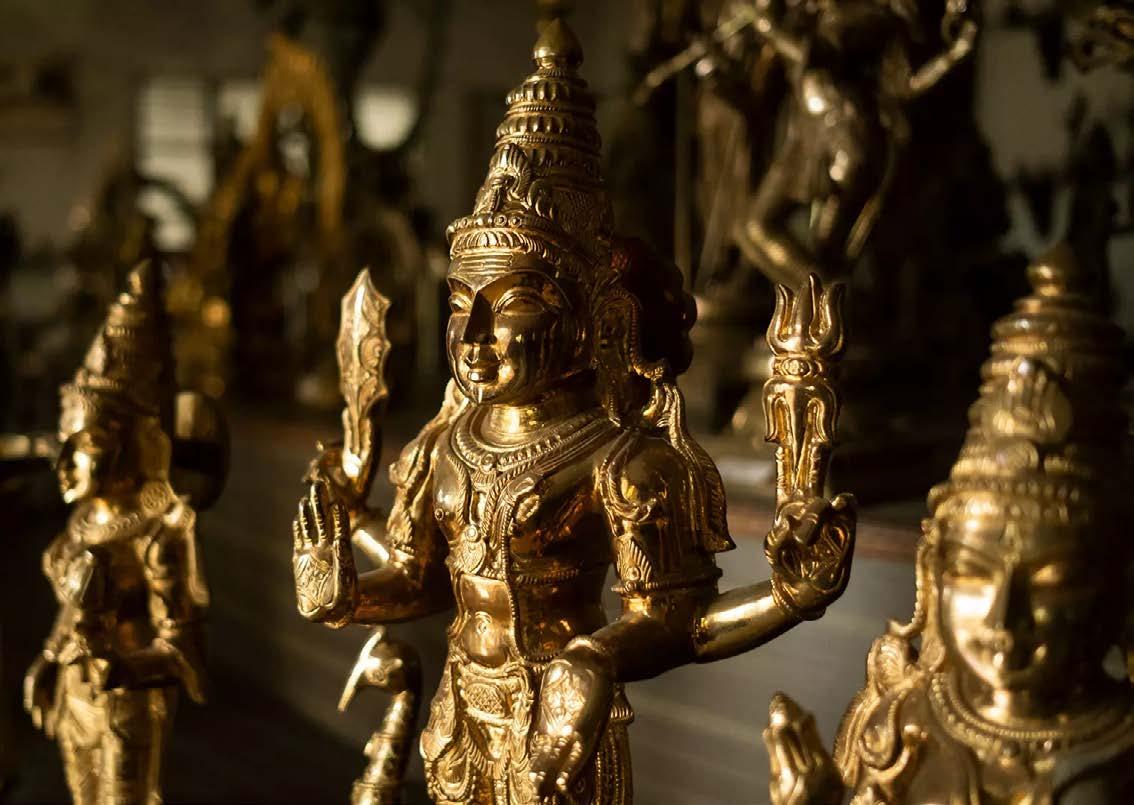
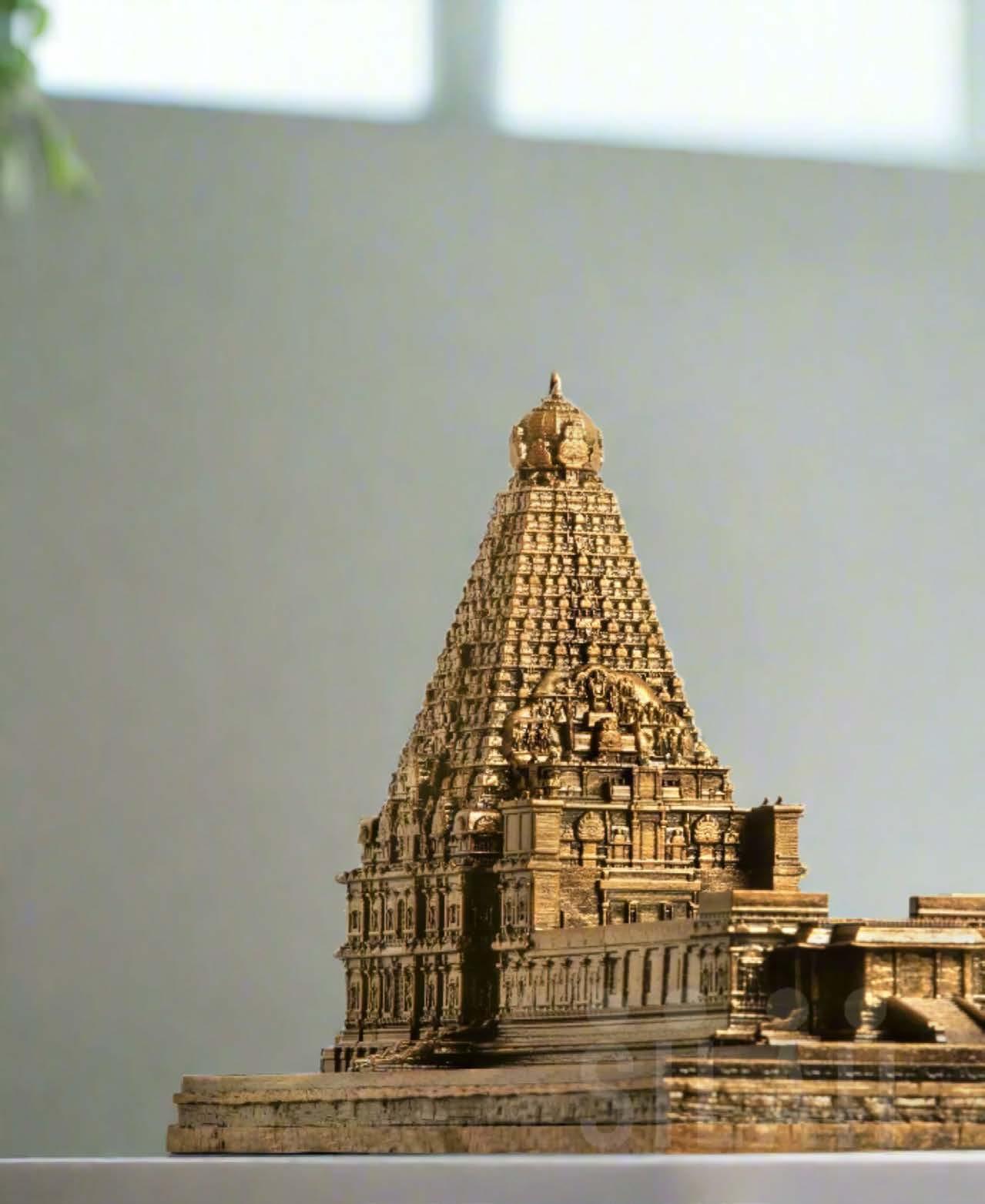
The ordinarily quiet town of Swamimalai, is bathed in the pale light of the full moon, etching a picture so divine that could enchant anyone. It is nights like these that are reminiscent of its ancientness. But the temple is older still, holding centuries of history in its splendour. It had existed when the town was nothing but silt at the banks of river Kaveri; when Arulmozhi Varman (Chola King Rajaraja-I) had taken reign. Rajaraja was a fierce king and a fiercer devotee. He had an eye for
architecture too, evident in the build of the Peruvudayar Kovil ( Brihadishvara Temple ) in Thanjavur. He had brought carpenters, sculptors, goldsmiths, stonemasons and other artists from places all around to build the magnificence that is this temple. These people, after the completion of the temple and its idols, had slowly begun migrating. When they came across the clay on the banks of River Kaveri, divinely suited to their craft, they settled down in the place that would come to be known as Swamimalai.
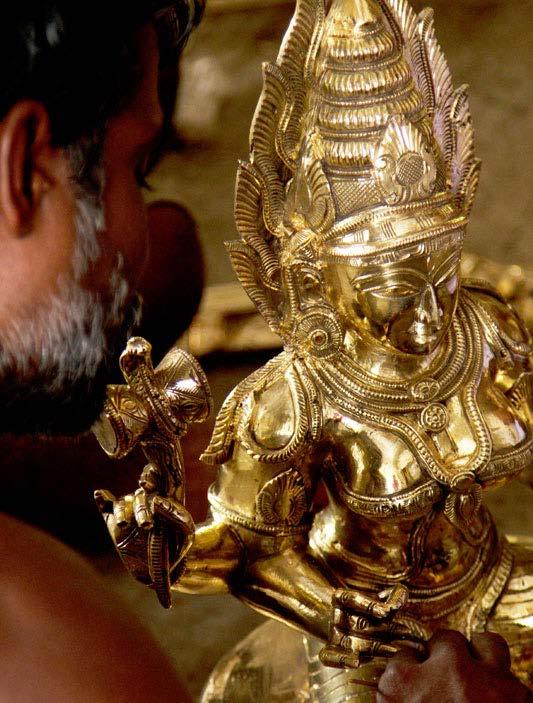
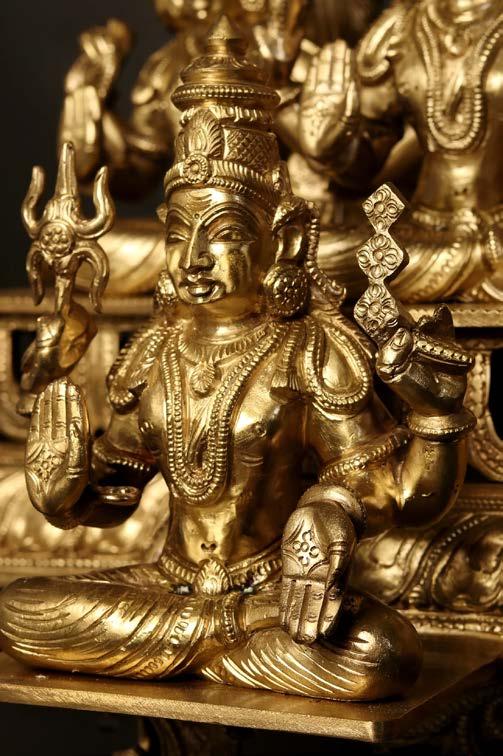
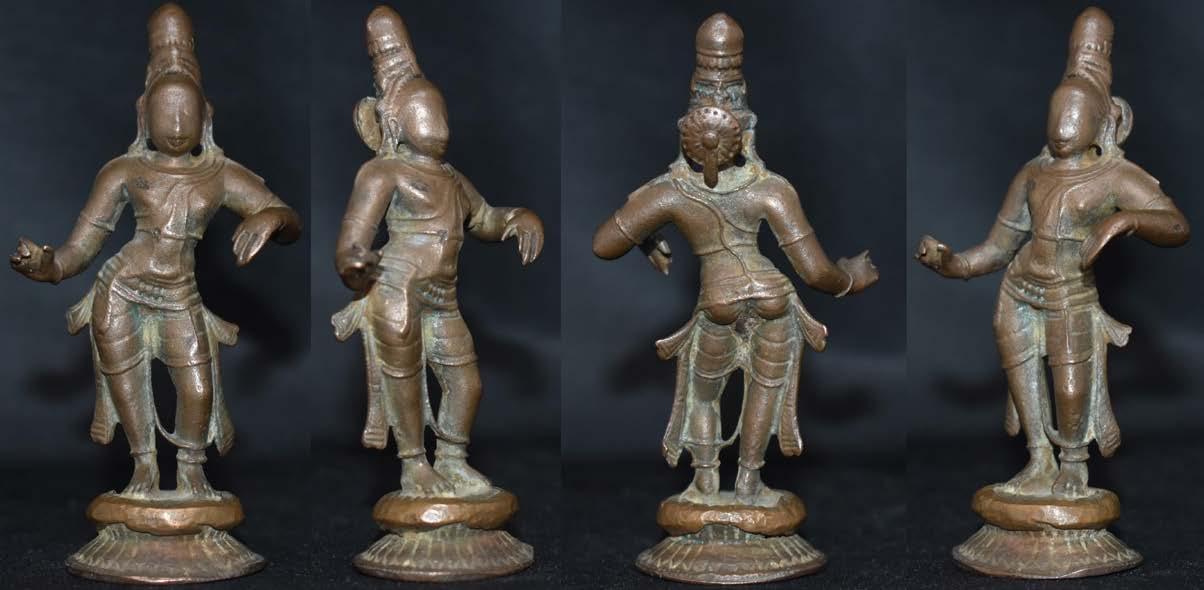
Theirs are the descendants who still follow the atavistic craft of bronze casting. These people, known as the Sthapathis, cast idols so beatific that it is no wonder that their lineage is believed to be that of Vishwakarma, the divine architect. These icons, which had gained more appreciation after the Bhakti movement, closely resemble the descriptions in Indian scriptures, the benchmark that the Sthapathis adhere to. The process of bronze casting is, in itself, a very spiritual experience. A Sthapathi is expected to be well-versed in the Neetisaram, Amaram, Shilpasaaram, and the Dhyan shlokas. He recites these shlokas and lets the aura of God guide him and help conceive the deity’s form in his mind. One of the shlokas that he recites is from the Agni Purana: The form that the Sthapathi envisions has to comply with the 114 specifications mentioned in the Shilpa Shastra.
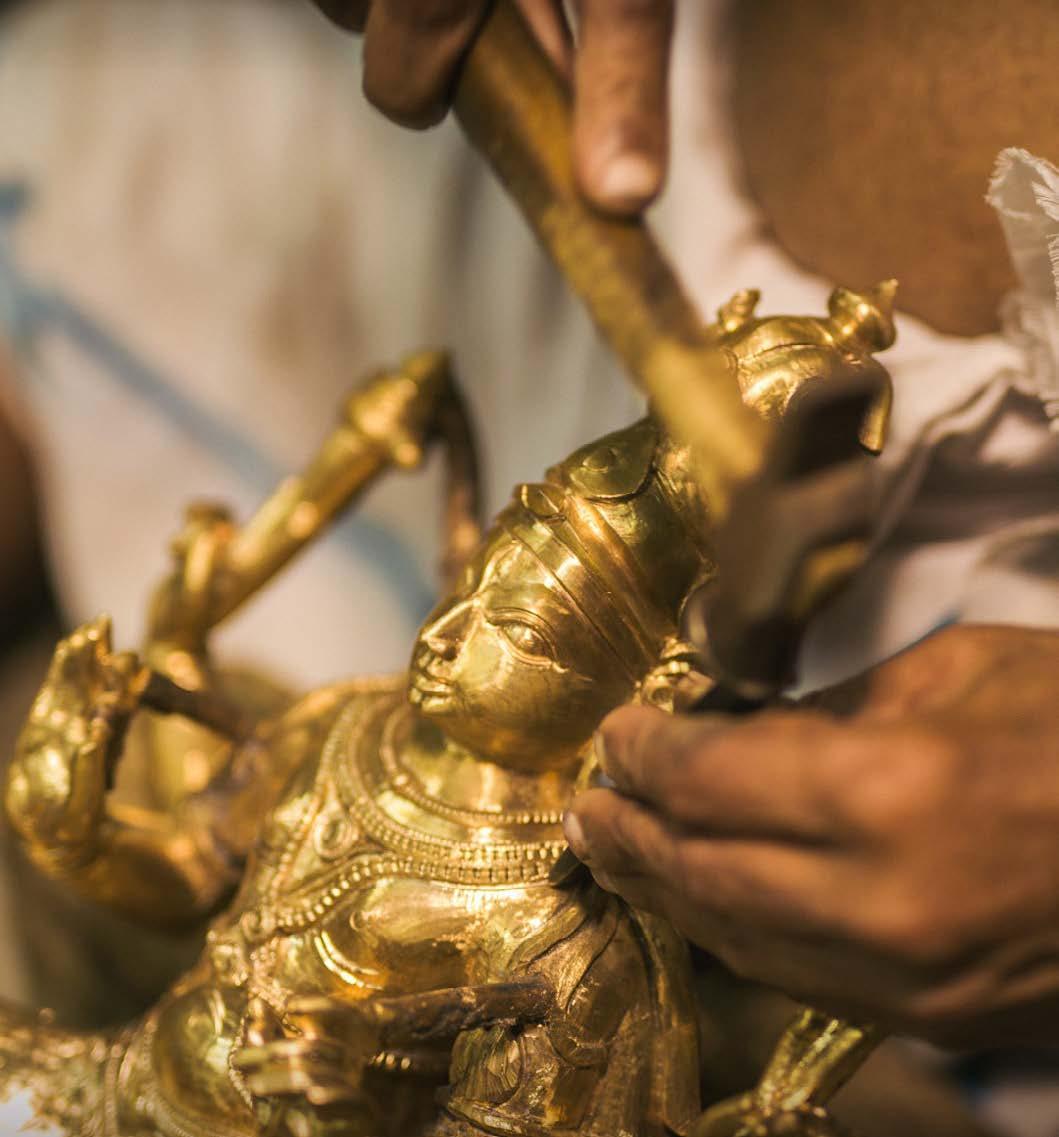
These images of God could be of any one of the pantheons— Ganesha, Subramanya, Rama, Krishna, Vishnu, Lakshmi, Parvathi, Saraswathi, Hanuman, and even more deities. The statue that is the most renowned is that of Nataraja. These manifold of intricacies in the craft require the kind of finesse that few can master. To preserve this niche craft, a school for sculptors has been founded in Swamimalai. All the learners are taught, but few truly learn. One of the things that lend its uniqueness to the craft is the ancient lost wax method of making the idols. Resin and paraffin wax are mixed with an addition of groundnut oil to form the base of the Mold that will shape the curves of the statues’ bodies.
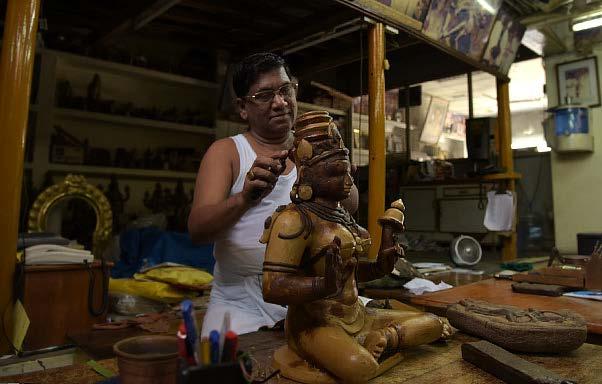

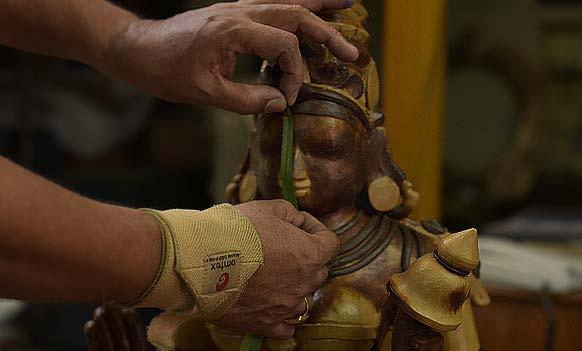
This mixture is warmed up and then left to rest until the dexterous hands of the sculptor can comfortably shape it. Body proportions play a vital role in the craft and are a science in itself to be followed strictly. Right from the measurements of their perfect facial features, to the length of their limbs and fingers, to the distance at which joineries are given, the measurement between their navel and the centre of their chest, the arch of their brows to the arch of their waist; everything is proportionately made as per the measures of a perfect body.
To ensure the exquisiteness of the finished statue, it is shaped in separate parts. The sculptors carefully shape the curve of a wrist, the softness of the torso, and the steady platform of the seating pedestal. They become whole by heating and attaching the wax of the Mold. The readied wax Mold is placed onto a wooden plank and they map the centre of gravity, so the statue can eventually stand on its own. Necessary adjustments of weight are done by chiselling or attaching more wax. The Gods are then adorned with jewellery and weapons formed by a softer wax.
When temples are the patrons of the sculptures, they are made entirely of metal, terming them as solid cast. If the statues are meant for the homes of people as artifacts, a core of clay-fibre is made, with a cladding of wax on the top. This clay fibre is a mixture of fibre, resin, and minerals. When there is a need to reduce the weight of the statue and the metal consumption, the jute fibre core with a clay cast surrounding it remains intact when the mould is heated and when molten metal is poured in. Allowing the molten metal to only reach the left-out spaces and surface, which was made with wax.
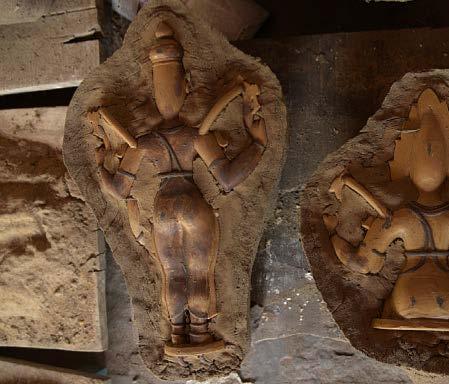
A bed of sand is made for these wax idols to lay in. When they are lying face-up, firm fingers begin applying fine-grained clay on the entire surface. The clay reaches in every crevice and encapsulates even the finest of features. Small, blunt channels called runners are formed out of wax so that when it is time to let the wax out and the metal in, it can be done with ease through the passage left by these molten wax channels. The initial layer of clay is then covered in final, thick layers of clay. The Sthapathis make the statues ranging from 6 inches to 12 feet. If the Mold is large, thin metal wires are wound on top of the Mold after it has dried so the clay doesn’t crack during heating. A final layer of clay mixed with sand is applied to hold the wires tightly and left to dry. A couple of men move these bigger Molds over a raised surface, with the runners facing downwards. The Mold is heated then, and the wax trickles out of the runners, collecting in a small pool of enclosed water.
A cast of clay remains, waiting for the essence of the metal that can make celestial beings. For that essence, a rectangular pit is dug in the ground, complete with a metal grate and a side inlet for air. This forms an underground furnace that helps melt the metal faster. Before the crucibles can be put in, two bricks dusted with sand are placed at the bottom to prevent them from sticking. The pit is long enough to hold two of these crucibles, in which copper (82%), brass (15%), and lead (3%) are placed after weighing. These are then covered with stone domes and the space around them is filled with coal. While the fire burns blistering hot, the clay Mold is buried in a pit its size. The entirety of it is covered in mud, save for the two channels at ground level that would be used for pouring in the molten metal. As soon as the metal liquefies, it is poured through one channel while the fire still rages in the crucible. The other channel lets the air out.
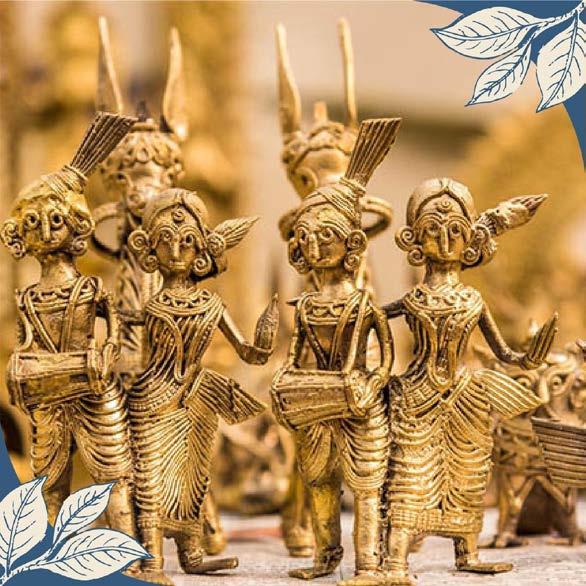
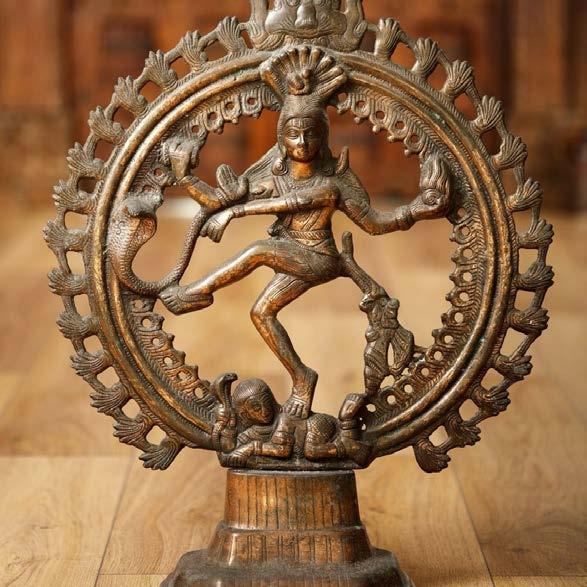
When the alloy cools down completely, the Gods are unearthed like hidden treasures. It seems like divine beings are being birthed again as the casing is gently cracked open with the help of a hammer and a chisel after removing the metal bindings. The clay that clings to the idols is removed by wire brushes. The channels that had been so crucial in the making are sawed-off. When it is time to sculpt the final details, the idol is held by its feet, with their face being chiselled at last. When the rough edges are chiselled away, unblemished perfection remains. The metal pieces that are chiselled away are kept for future use.
The idols in temples, before they are washed with panchamrit during pujas and abhishekam, have to be washed with tamarind water and soap-nut stone while they are yet to come out of the sculptor’s workshop. Electrical polishing machines buffer the sculpture to an external shine while moon rays impart the eternal divine shine in them. The readied idols, then, are ready to be sent to new homes that would cherish and worship them. This tedious and long process of the casting, which can take weeks, is no less than any devotee’s faithfulness to God. It requires a unique kind of determination to be the creator of the Creator, and the Sthapathis have proven themselves to be worthy of the honour again and again.
The toil of this great task is done and the sculptor in the warmth of his home again is constantly reminded of the vision of Lord Murugan that he had had before any of this was accomplished. Back from the temple, bringing with them a prasad of Sakkarai Pongal, the family serves a lavish dinner. The smell of incense mingles with the feast of thavala adai, rasam, and mango payasam that the ladies have prepared. They wash their faces with cool water before they say short prayers to Gods in their house. As they sit down to eat, amongst the joyous and content laughter of the family, they thank the Gods once again for blessing them with adept hands and divine vision.
The Sthapathi wakes up the next morning to sporadic ringing of the temple bells, indicating the procession, that must be taking the new Bronz form of the God to the temple…. the vision of the God still flashing behind his eyelids. The town is cheering on the chariot as it passes by. Two children dressed as Gods are prancing across the makeshift stage, cheeks glowing and hands stained from the flowers that they’re showering the people with. Behind them, seated high on a pedestal is the bronzed form of Lord Murugan. The idol is watching, and blessing the people who have nothing but love for them in their hearts. The echoes of the crowd follow the Sthapathi all the way to work, filling him with a new-found Vigor to create.



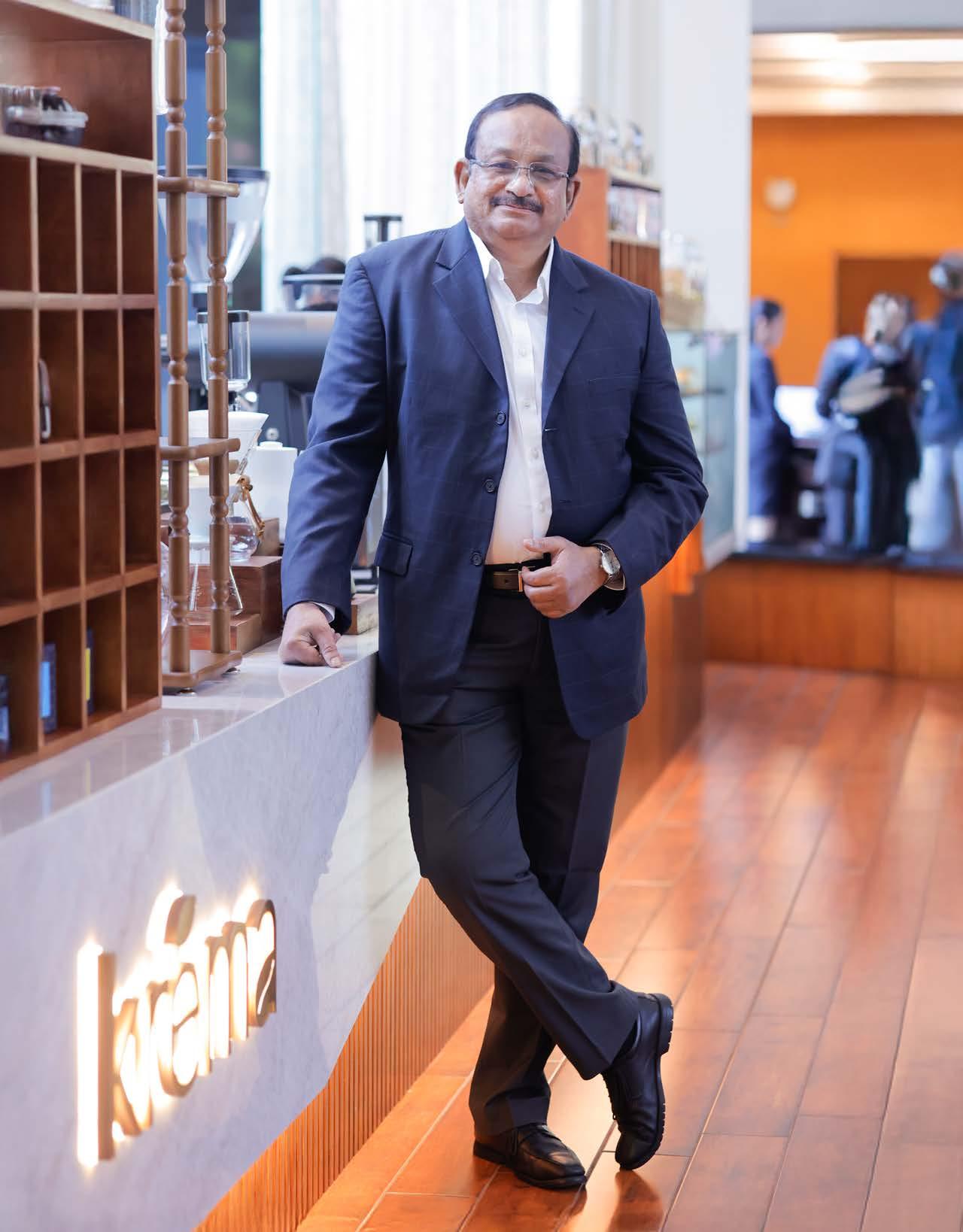
Dr. K. Madeswaran’s strong commitment to the field of Neurology & Neurosurgery is very evident and affirmative with his amazing Records, Statistics and Awards for having performed over 13,500 successful Neurosurgeries as on date. And, that has positioned Not only Positioned Dr. K. Madeswaran as One of the Top Ten Neurosurgeons of the World; But, also brought Him Many Prestigious International & National Awards, Honours, Accreditations, Records and Acknowledgements from Many National / International Institutions.
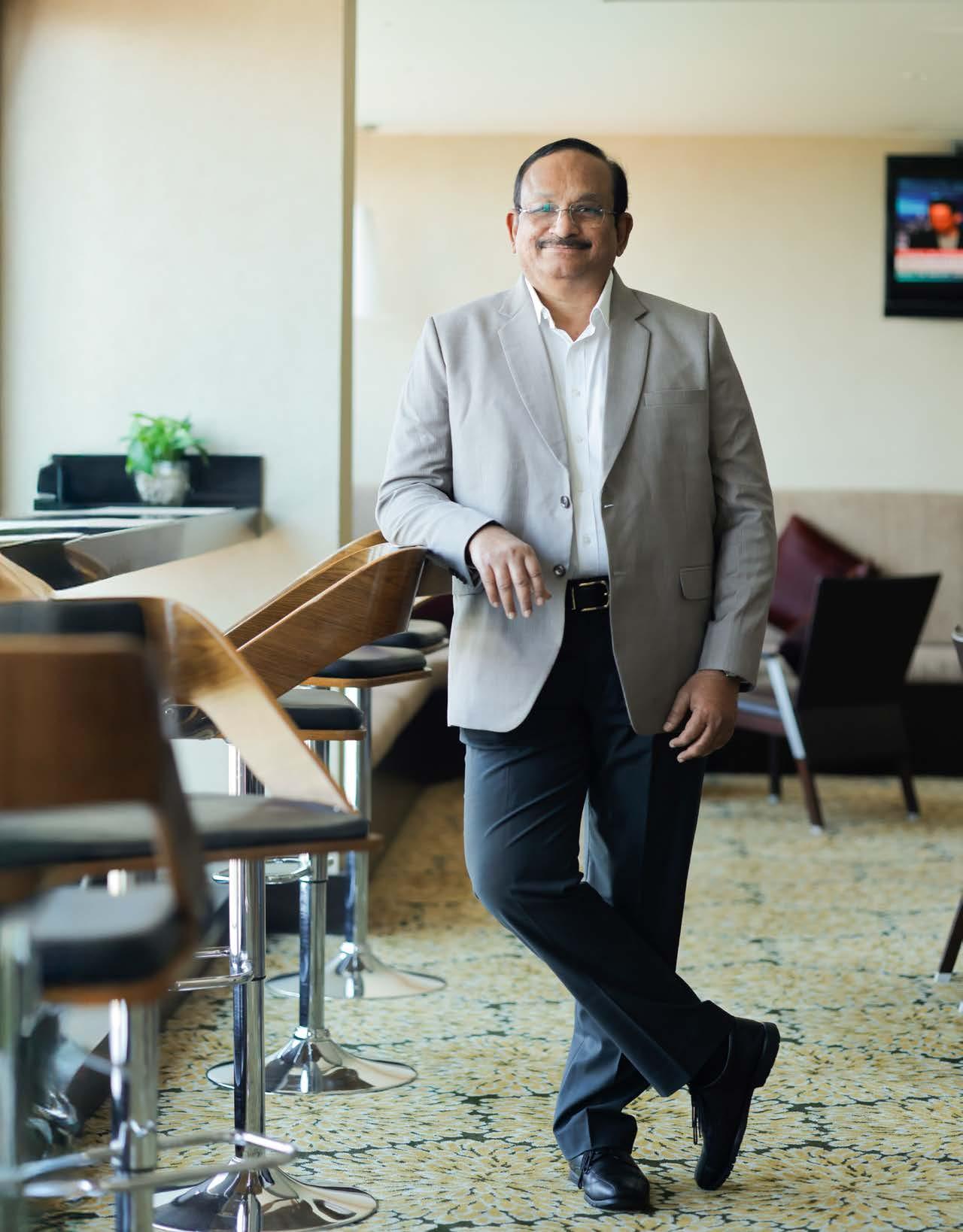
MANAGING DIRECTOR
“Highly Respected, Regarded and Idolized globally, Dr. K. Madeswaran have been honoured with Many Internationally renowned Prestigious Awards such as the
• 'Incredible Asia’s Most Legendary Healthcare Professionals of Asia Awards2025’, ‘
• Indian Book of Achievers Records & Awards (MIBAR Awards) for Five Consecutive Years Viz., 2021, 2022, 2023, 2024 & 2025, in appreciation of his outstanding contributions to the field of Neurology & Neurosurgery.
• ‘The Best & Pride Of Tamil Nadu Golden Awards of Excellence in Neurosurgery2023’,
• ‘Food & Health Industry Excellence Awards, 2021, 2023 & 2024,
• ‘Most Iconic Neurosurgeon of Mighty India Awards 2024’,
• ‘Incredible Tamil Nadu Golden Awards of Excellence 2025’; for his Unmatched contributions to the Fields of Health, Medicine, Surgeries, Healing and Social Services along with His unwavering pursuit of excellence in healthcare.
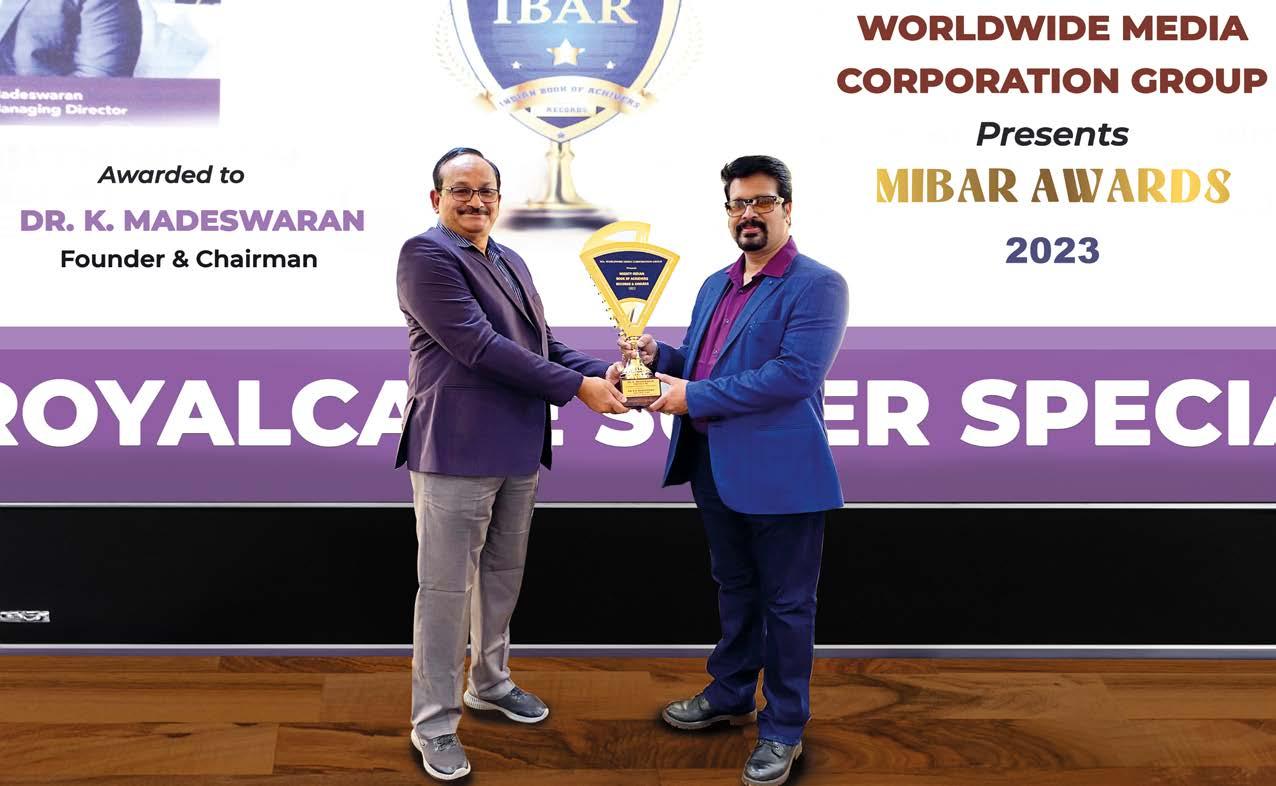
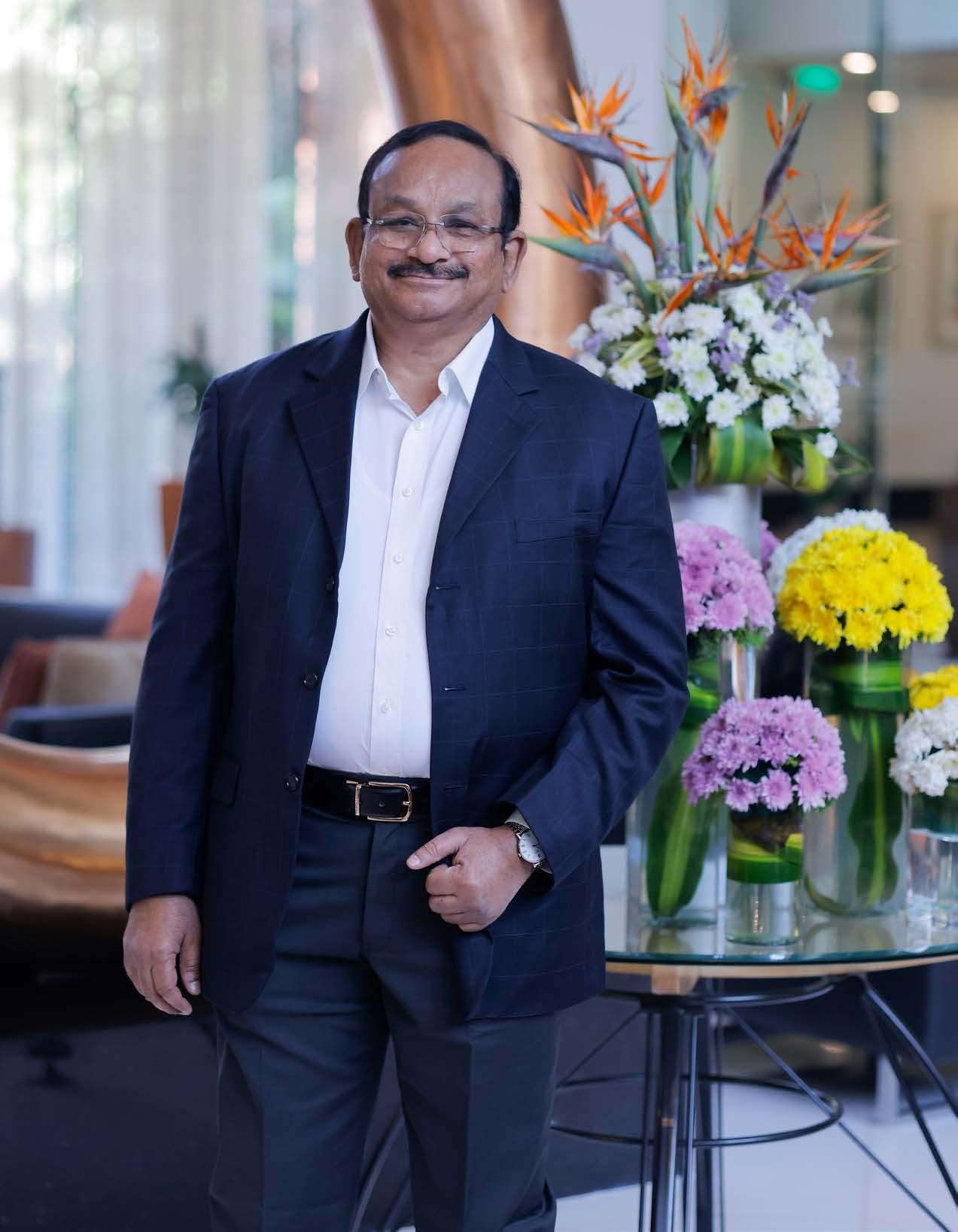
Throughout his benevolent Professional Career and Entrepreneurship over the last 36 years in Indian Medical, Surgical, Social and healthcare Industry, Dr. K. Madeswaran has been attached with a strong sense of purpose, which is Flawless Health and Joyful Living for All.
In addition, Dr. KMD has always been passionate about adhering to a holistic approach to community development and Preserving Global Environment for a Better Tomorrow; as exemplified by His Brain-Child Namely ‘UYIRIN SWASAM’ – through which He and His Team of Global Volunteers have been Planting Trees as far and as wide they could. As on Date’ Uyirin Swasam Foundation’ have planted over (Ten Million) One Crore Trees and they are vigorously Moving Forward with the clear objective and aim of Planting 100 Million Trees with Dr. K. Madeswaran’s Highly determined Vision and Moto of ‘Growing Trees for Global Peace and Prosperity’.
All the above serves as a testimony to his most adorable and incredible journey of healing, curing, unconditionally caring, as well as inspiring the Next generations of Surgeons, Doctors and Healthcare Professionals.
The fundamental of his legacy is pioneering, developing, innovating, refining and implementing scientific & hi-tech approaches and techniques in the fields of Neuroscience & Neurosurgery. Dr. K. Madeswaran has always been known for his Exemplary and truly remarkable Medical, Surgical, Teaching, Professional and Entrepreneurial career over three to four decades. And majority of the surgeries, those were successfully performed and completed by Dr. K. Madeswaran; were highly Critical and Challenging Cases. And He had taken
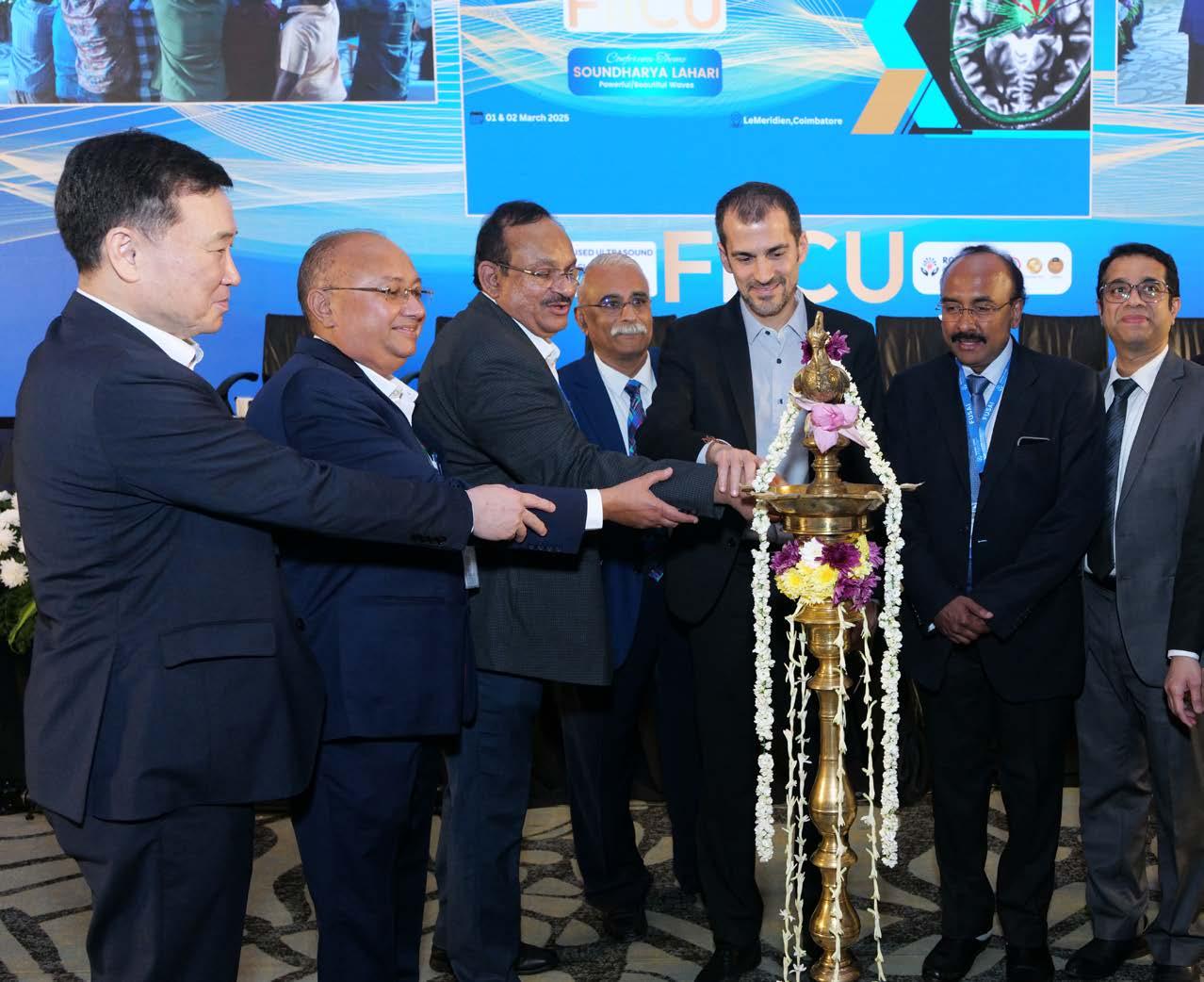
utmost care, in all those cases; by bringing out best of His skill, knowledge and expertise to ensure that the Patients are cured and sent back to their normal life.
Hence, Dr. K, Madeswaran has been fondly called as ‘The Most Legendry Neurosurgeon, who is blessed with the Brain, Heart & Hands Of God’. Dr. K. Madeswaran, with his inborn Skills, Talents and Remarkable Subject Matter Expertise, Not only cured Tens of Thousands of Patients, who have come to him, with the chronic and serious conditions. And, He gave all those Patients and their families the Enduring Joy and legitimate life; to live and rejoice; with their families; But, also taught 1000s of Junior Doctors and Surgeons, who all have been associated with Him and who have been learning directly by being along with Dr. K. Madeswaran in and through all those exemplary and Critical Surgeries and Procedures.
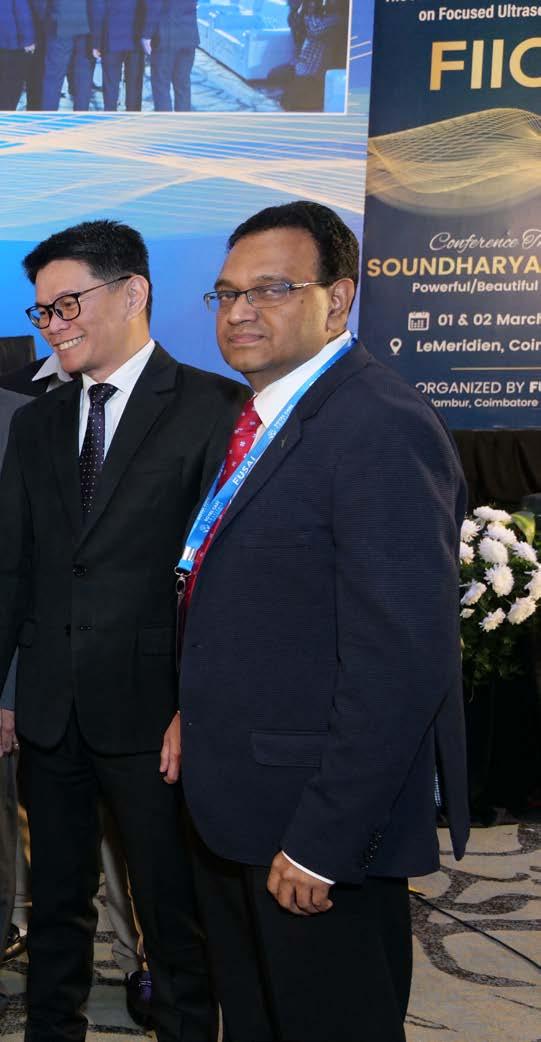
And they along with all those beneficiaries of His Medical & Surgical Services, carry the highest level of respect and regard; for his highly committed, timely, sincerely and most valuable Medical & Surgical Contributions, that he made to them; especially at the most crucial time of their life. Dr. K. Madeswaran’s Successful Medical & Surgical Practice led him to accumulate Millions of Followers from all around the world. And with the Flawless Service and Goodwill, his incomparable knowledge, extraordinary skill and expertise in successfully performing Most Complex Surgeries and procedures that he built over a period of three to four decades; Dr. KMD had gained a very high reputation and trust among all sections of the society.
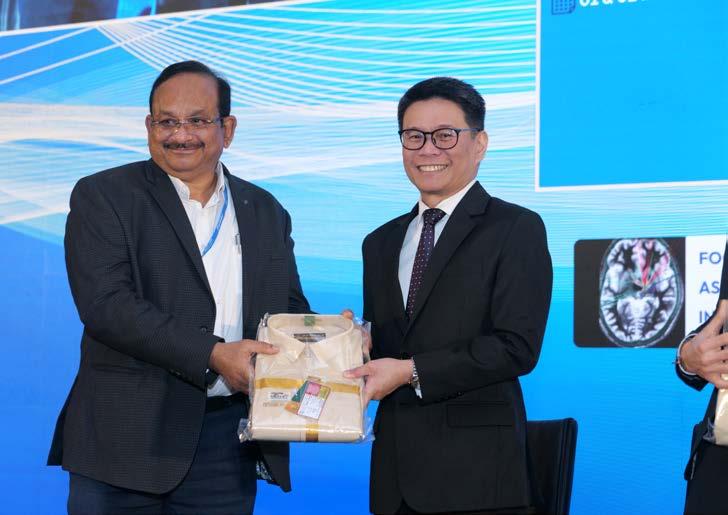
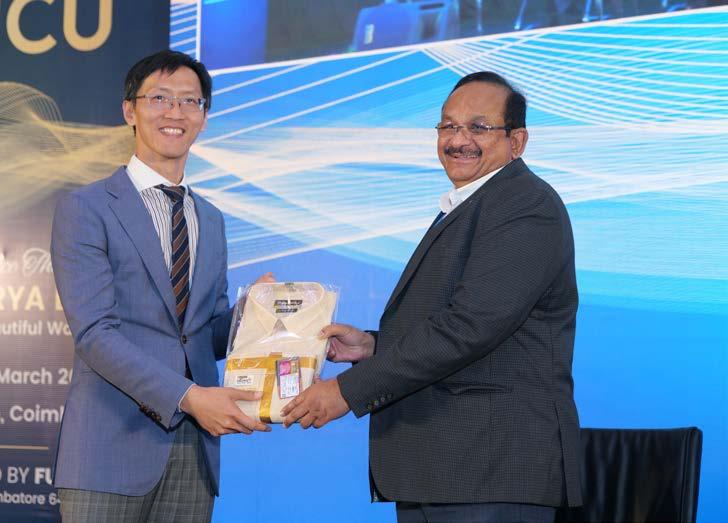
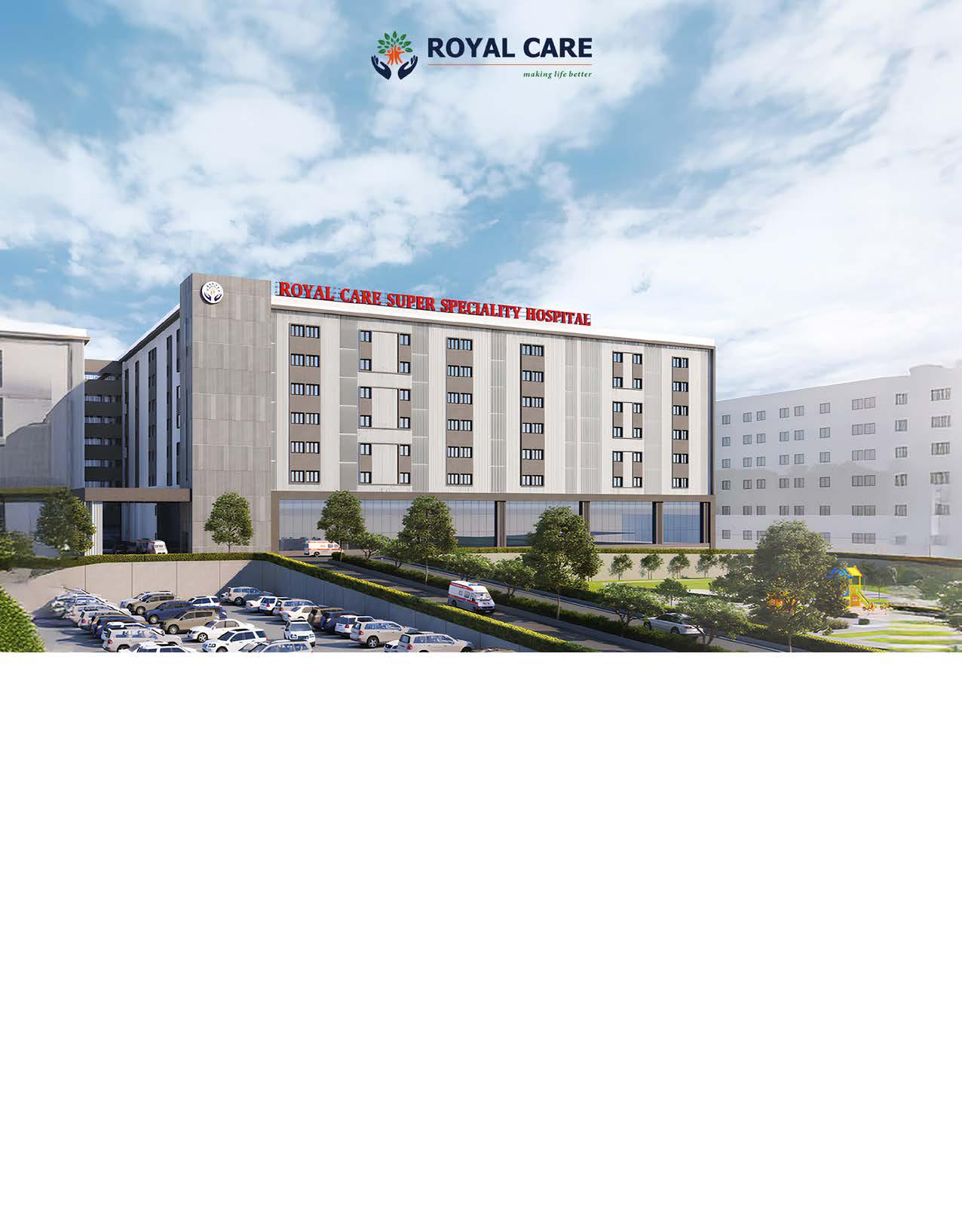
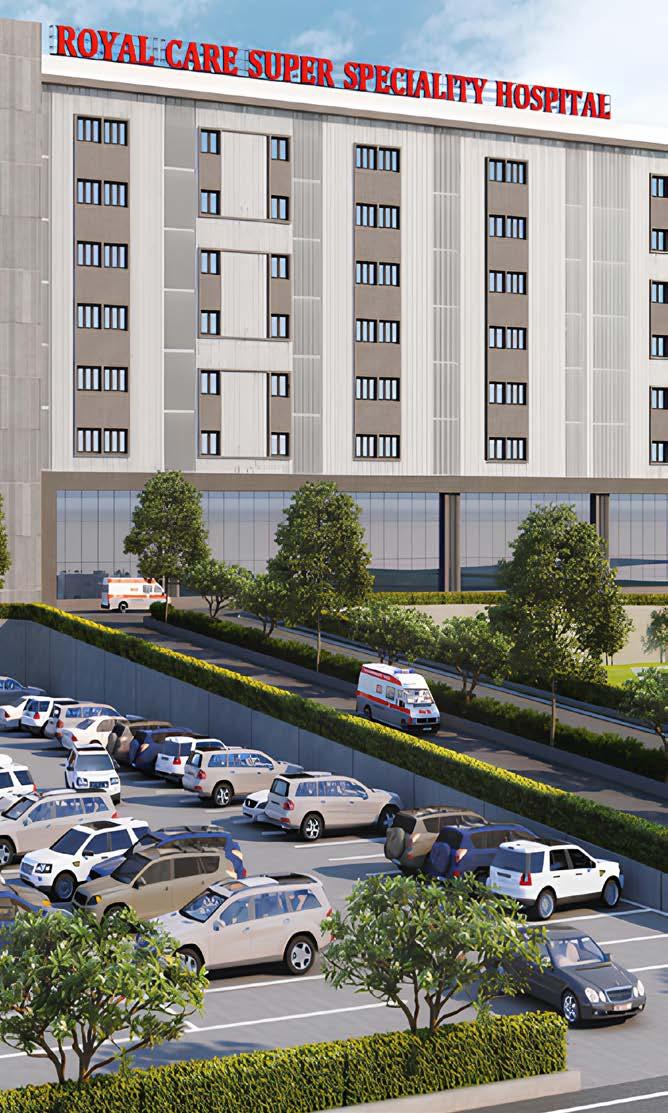
Founded and Commenced by Dr. K. Madeswaran along with His Most Trusted Team of Leading Surgeons, Doctors, Physicians, Medical Professionals, Subject Matter Experts and Management Professionals in the year 2015 as a 50 bedded multi-specialty hospital in One of the Vibrant Cities of India, Namely Coimbatore in the State of Tamil Nadu. Indeed, Dr. KMD’S Royalcare Super Specialty Hospital, within the first Two years of operations, became One of the Most preferred MultiSuper-Specialty Hospital in western Tamil Nadu for emergency, primary and specialty care in virtually all branches of modern medicine.
The hospital did continue being, the perfect destination for people seeking superior and Patient friendly healthcare. Functioning with those objectives of making cutting edge healthcare to common man, they provide the best medical service with highly qualified doctors and highly equipped technologies. This necessitated an imminent expansion and created the need for a larger and more comprehensive tertiary care unit encompassing all the field of medicine.
A 1100-bedded ultramodern Hospital facility Plan was thus conceived at Neelambur, Coimbatore By Dr. K. Maheswaran and His Team. RCIHG was Built within a record time of 400 days, the first phase comprising 500 beds were dedicated to the society in November 2016. With over 4,00,000 square feet of modern infrastructure, the Centre contained all necessary facilities to deliver comprehensive care under one roof.


Certificate of Accrediation for Royalcare Super Speciality Hospital Ltd.
Royal Care Super Speciality Hospital proudly announces its accreditation by the Joint Commission International
Royal Care Super Speciality Hospital
Recently Achieved SRC’s Center of Excellence in Neurosurgery
Royal Care Super Speciality Hospital
Recently Achieved NABL - The National Accreditation Board for Testing & Calibration
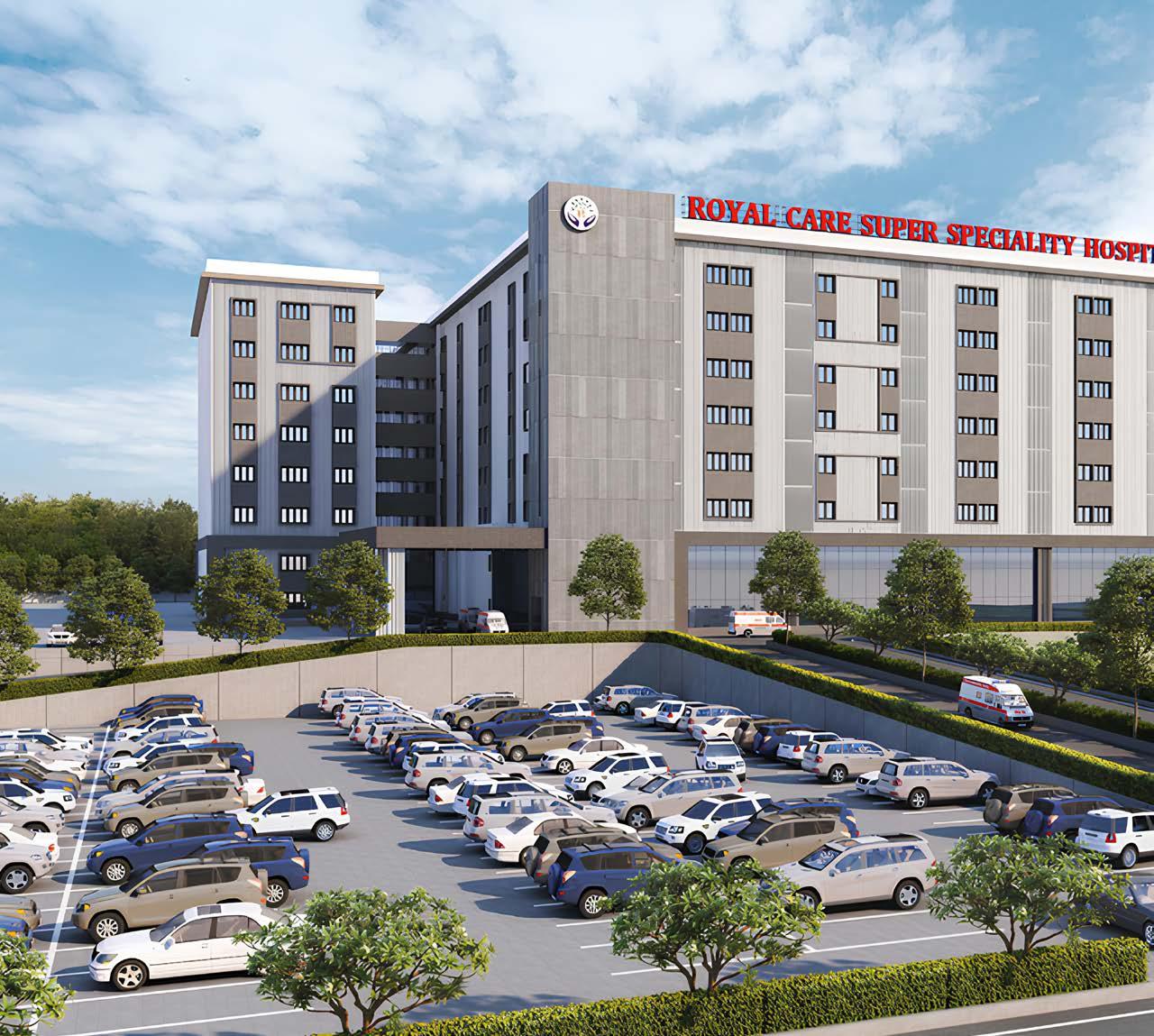
With a commitment to make available all facilities on par with the latest advances in the Western World, RoyalCare Super Specialty Hospital became the first Hospital in the country to introduce Bronchial Thermoplasty for the treatment of severe asthma. RoyalCare is also the first hospital in the country to introduce the micro plasmaadvanced oxidation for dialysis feed water disinfection to eliminate endotoxins and to prevent pyrogenic reactions in patients undergoing haemodialysis. Royal Care will strive to ensure that the benefits of modern healthcare reach all strata of society. Apparently, A patient centric culture
exists at RoyalCare as they are the focus of everything they do. Every patient will receive warm and committed attention with a smile. Royal Care Super Specialty Hospital aspires to be Ultimate Choice of Hospital for People and Patients from all around the world; in all aspects of Health & Wellness or for people seeking comprehensive healthcare. And that they have been recognized as One of the Top-Class Hospitals for very High Quality and International Standards Health Services in Asia. And Dr. KMD’s Royalcare International Hospitals Group is going to achieve its Vision of having over 1000
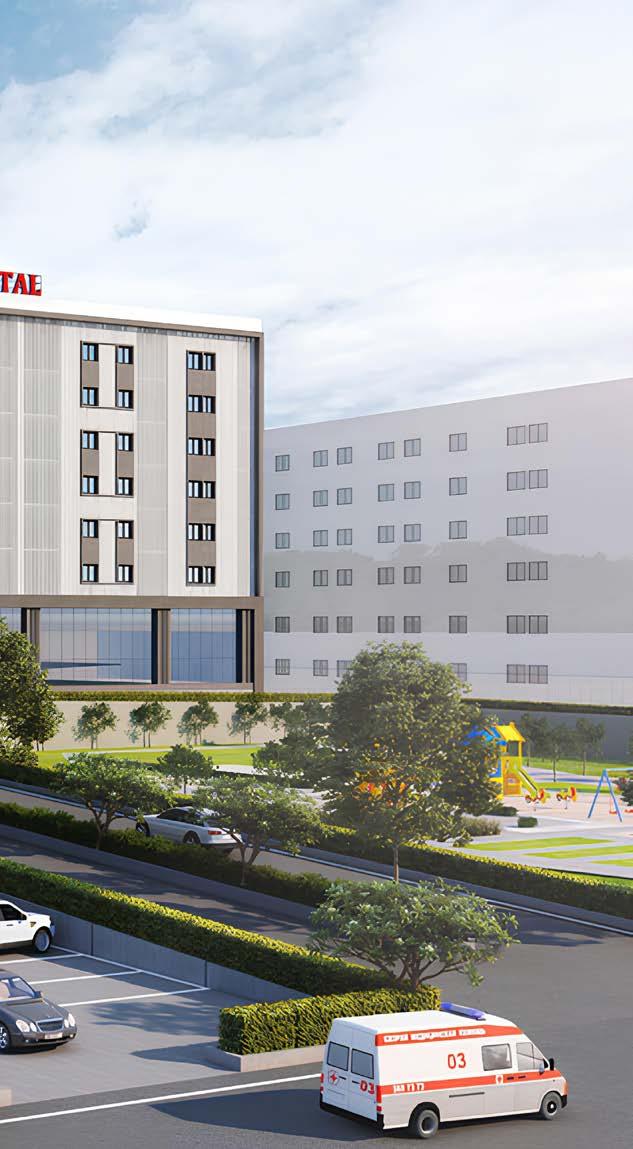

Bedded Most Advanced International Standard Hospitals in the Same Location very shortly. This has been mainly possible by the meticulous involvement and incomparable Contributions of Dr. K. Madeswaran, The Founder & CMD of Royalcare International Hospitals Group, whose vision was to bring together highly talented medical professionals from all around the world on board with phenomenal expertise in their respective fields, establishing cutting edge innovative diagnostic, Latest Hi-Tech Equipment, State-OfThe-Art Infrastructure and therapeutic medical technologies combined with the Most friendly medical and paramedical staff to provide courteous and compassionate and Utmost Care to Patients at all times.

Ranked as One of the Best integrated transplant providers in the nation, RoyalCare Hospital’s Centre of Medical Excellence in TRANSPLANT & the Entire TEAM of Medical Professionals have Rich experience with all Major transplants and accompanying conditions, from common to very rare. Royalcare Hospitals under the Eminent Leadership of Dr. K. Madeswaran ensures that all their surgeons and physicians and hundreds of allied health staff, are specifically trained to Focus and Offer Personal care for transplant patients, who invariably come from various countries of the World and also from other states of the Indian Sub-Continent.
Royalcare Hospitals in Coimbatore, Tamil Nadu, India, is indeed One of the Most Popular and well-regarded destination for international patients seeking transplants. It's recognized for its skilled transplant surgeons and offers both adult and paediatric transplant services. The hospital is known for its high standards of care, advanced infrastructure, and expertise in organ transplantation, making it a trusted choice for international medical tourism.
The RoyalCare Hospitals Group and the Entire Team of Medical Professionals are Highly Committed to produce the best outcomes in the country, including speed to transplant, organ acceptance and patient survival.
The Highly Qualified and Experienced Surgeons / Doctors of Royalcare were always on the leading edge of medicine and they continue to keep their heads high with pride by continually improving and expanding RoyalCare Hospital’s organ transplantation.
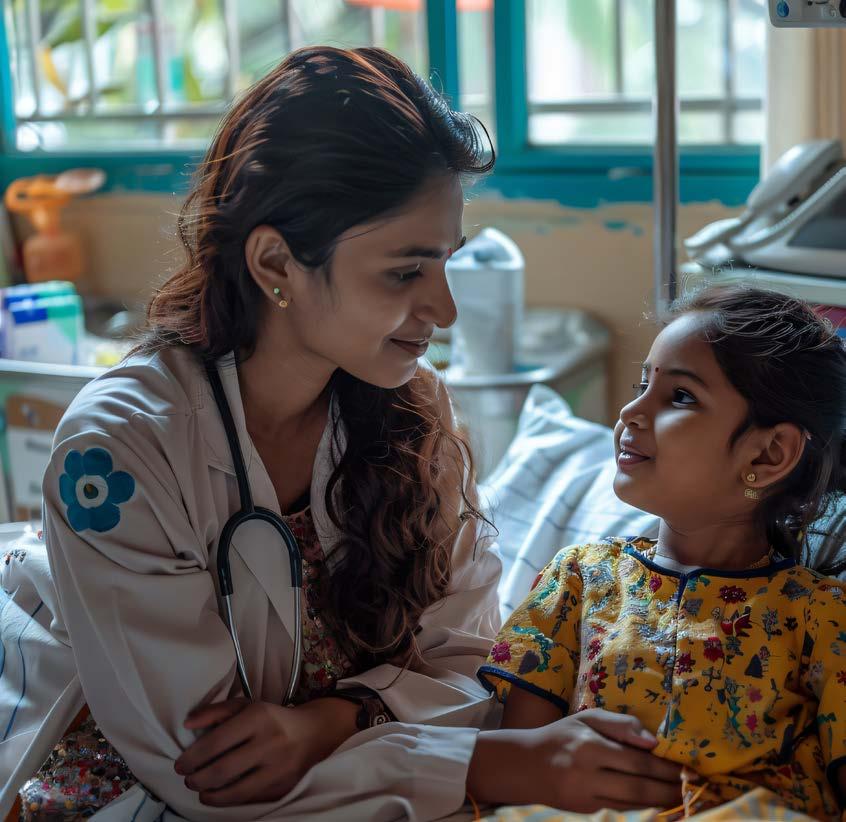
The RoyalCare Hospitals Group is highly determined to deliver a distinguished adult and paediatric transplant programs, offering heart, liver, kidney, pancreas, lung, hand, face, and blood and bone marrow transplant services. And, Dr. KMD’s International Institute of Medical Science & Research directly and indirectly contributes to the successful outcomes of Organ Transplantation at Royalcare Hospitals Group, Tamil Nadu, India.
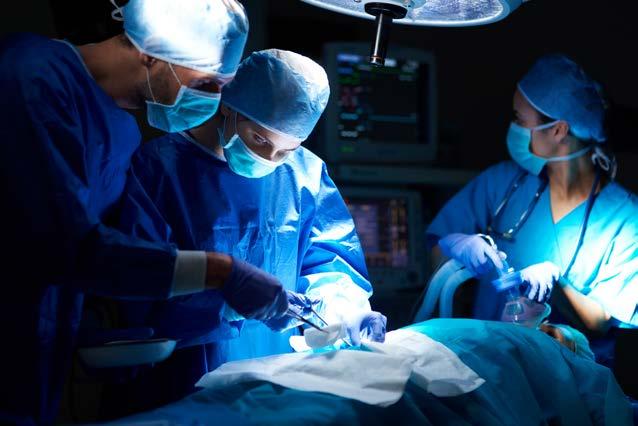
HERE'S WHY ROYALCARE HOSPITALS IN COIMBATORE, INDIA IS CONSIDERED A LEADING CHOICE FOR INTERNATIONAL PATIENTS, SEEKING TRANSPLANT SERVICES:
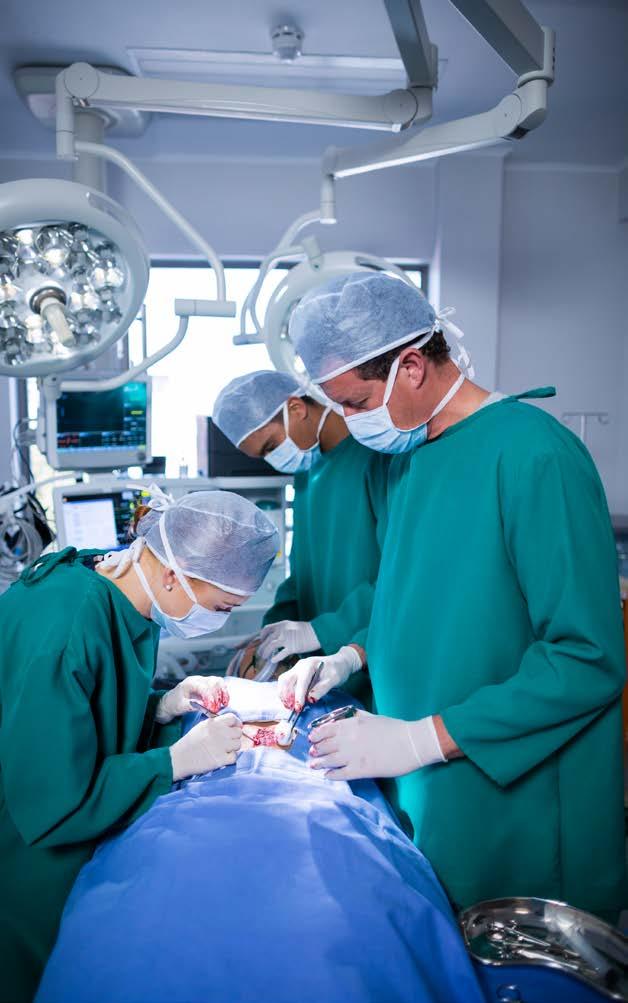
Outstanding Outcomes:Transplant recipients at Royalcare Hospitals experience excellent outcomes. The experience of Royalcare Hospitals Surgeons, Doctors, physicians and the integrated team approach results in transplant successes that compare favourably, time after time, with national averages.
Highly Skilled Surgeons: Royalcare Hospitals features experienced transplant surgeons, who are the leaders in the field.
Advanced Facilities: The hospital boasts advanced infrastructure and technology, crucial for successful transplants.
Comprehensive Care: Royalcare Hospitals offers a complete range of services, from pretransplant evaluations to post-transplant follow-up. All the specialists, tests and procedures a patient needs are available at the same location, where integrated teams coordinate every step from start to finish.
Multisite Practice. Royalcare Hospitals provides transplant programs for adults at all three campuses and for paediatric patients at its Main Hospital located in Coimbatore, Tamil Nadu, India..
International Patient Focus: The hospital has a strong track record of providing care to international patients, with a focus on patient comfort and support throughout their journey.
Expertise in Organ Transplantation:
Royalcare Hospitals is not just an Organ transplant centre; it has a strong reputation of Offering Multidisciplinary Healthcare Services and Functioning Over Fifteen Comprehensive Centres of Medical Excellence along with providing International Standard Organ transplant procedures, including liver, cornea, and bone marrow transplants and so on.
Personalized approach. Royalcare Hospital physicians look at the evidence to determine the safest and most effective approach for every challenge patients face and apply this knowledge to obtain the best possible outcomes.
Whole-Process Support. Royalcare Hospital assigns each patient an experienced transplant medical coordinator to help answer questions and provide support before and after transplantation.
Detailed Follow-Up Practice.
Royalcare Hospital physicians monitor patients closely so that each patient gets the care he or she needs when it's needed. This approach ensures the success of the transplant in collaboration with the patient's referring physician. Long-term care, if needed, is seamlessly coordinated with the patient's local physician.
Whole-Person Care. Royalcare Hospitals transplant staff provides a human experience, taking the time to listen to your questions and concerns, which may include medical, nutritional, social, financial and spiritual issues. Royalcare Hospital's integrated care teams provide all the care necessary for the transplant and related medical needs. RCH makes the experience seamless so that patients can focus on getting better, knowing all their needs are being addressed. Integrated teams of specialists bring fresh, innovative approaches, offering patients answers to complicated medical needs.
Living-Donor Experience. Royalcare Hospitals transplant surgeons have extensive experience with living-donor kidney and liver transplants.
An Institution of Firsts. Royalcare Hospitals transplant Experts and their teams have pioneered numerous advances in transplant procedures and transplant care.
Research Excellence. Transplant research at Royalcare Hospitals has contributed significantly to current successful outcomes of organ and bone marrow transplants worldwide.
Multifaceted Approach. Transplant medicine laid much of the groundwork for the field of regenerative medicine. Today, transplantation is one of three approaches being studied and applied by the Royalcare Hospitals & Research Centre for Regenerative Biotherapeutics to restore tissue and organ function.
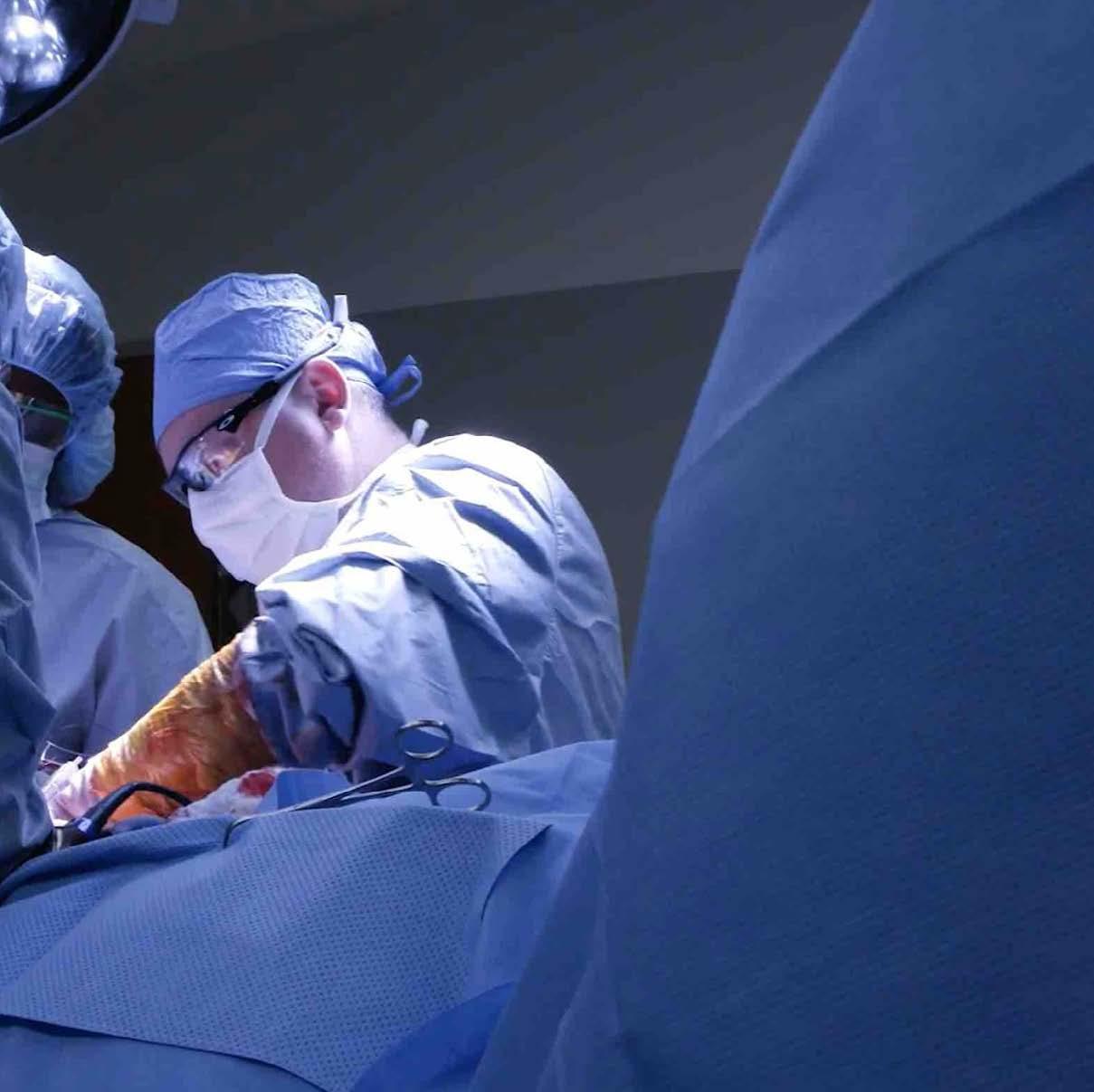
Organ and tissue transplantation is one of the most complex, serious procedures in medicine. It requires a precise diagnosis, a team of experts from a variety of specialties that understand not just the surgery, but the underlying health issues making the surgery necessary. And it requires dedicated health providers after the transplant to ensure a full recovery. Royalcare Hospitals is the ideal environment for the many different types of transplants, from the straightforward, though serious, kidney transplant, to the most complex, multiorgan transplants accompanied by rare disorders. That's because Royalcare Hospitals is made up of teams of experts providing hope and healing in just about every medical specialty-cardiology, cardiac surgery, thoracic surgery, hepatology, nephrology, neurology, pulmonology, haematology, reconstructive surgery, endocrinology, paediatrics, physical medicine and rehabilitation, psychiatry, dermatology, urology, infectious diseases and more. These experts are part of the largest integrated transplant Team and RoyalCare Centre of Medical
Excellence in India. They also produce some of the best outcomes in the country, including patient survival, organ acceptance and how quickly a person receives a transplant.
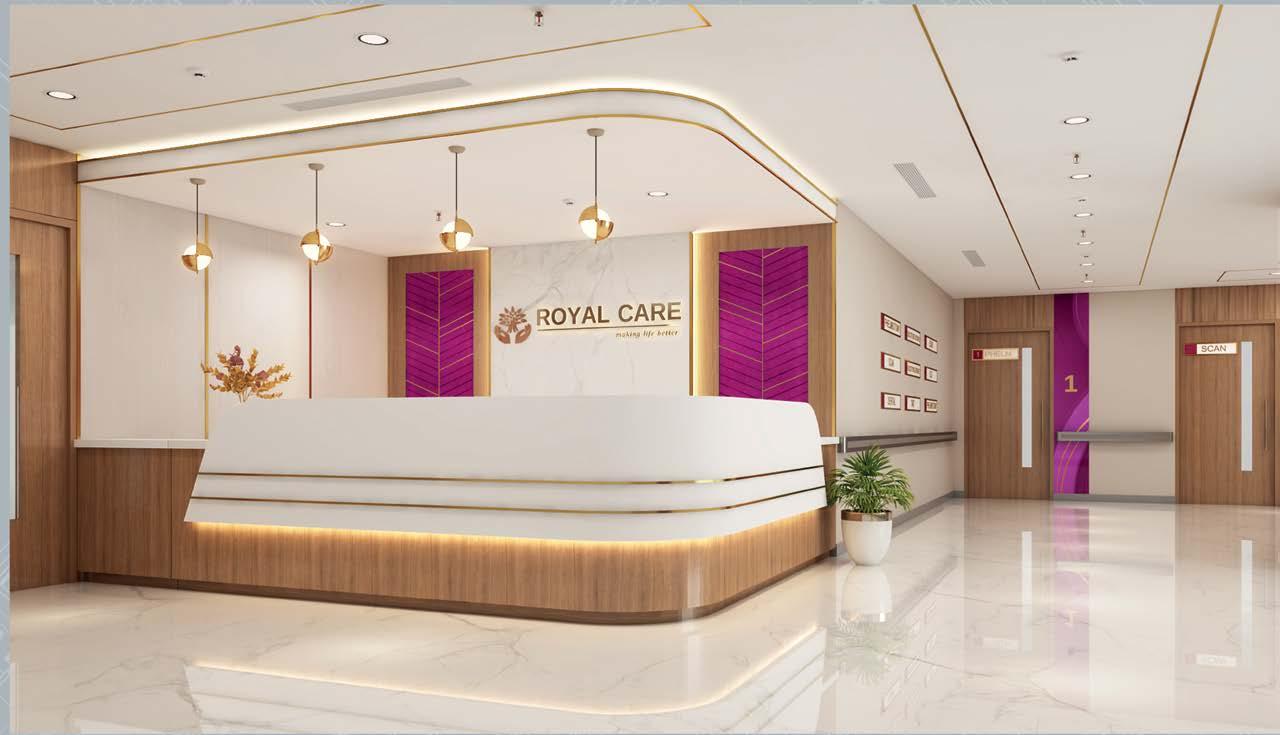
LET YOUR FAMILY PAMPHERED WITH INTERNATIONAL STANDARD HEALTHCARE Experience the Complete World of Luxury Health & Wellness and Pamper Yourself in the Lap of Luxury Healthcare & Wellness: Royalcare’s ‘Golden Club Class – Elite Health Membership for VIPs – is an exclusive and highly personalized Luxury Healthcare Membership Program, which ‘Royalcare Super-Specialty Hospitals Group’ has launched recently.

Health & Healthcare Needs are common for all. Similarly, Time is also same for all. But Time has different values for different people depending upon their Lifestyles, Habits, Preferences and what they do with their Time. And hence, this highly Sophisticated & Personalized Health Membership Division has been created with the view to provide ‘Luxury Healthcare & Wellness Affluent Society of India as well as from all around the World. As a Gold or Platinum Member of this Elite-Health Membership Program for VIPs, one would receive the following Benefits: Comprehensive Healthcare and Wellness Services those are provided by highly qualified and experienced Doctors & Medical Professionals around the Clock.Priority Appointments, Services & Allocation of Facilities. Escorted Services during the Member’s Visit to the Hospital (Right from the arrival of the Member at the ‘VIP Parking Zone’ till the Departure of the Member’s Vehicle).
Highly Qualified & Experienced Doctors are specially assigned and are made available to Provide, Monitor & Control Structured and Coordinated Health & Wellness Program to the Members. Customized Home Healthcare Assistance is made available in order to provide Special Healthcare & Wellness Procedures at Home by the Team of Medical Professionals. In other Words, Home based-HealthAssist On-Call; would be made available to Members on Prior Appointments. A Specially designed ‘Five-Star Deluxe Luxury Infrastructure Facilities & Comforts’ have been exclusively created with the view to provide an International Standard Medical Services to Members. Highly personalized Healthcare Services; including a dedicated Special Escort to take you through the entire process of Activities, Procedures, from the beginning till End; in a most Efficient and Effective manner. As this is an Exclusive, Private & A VIP Membership Program; the Membership would be offered; only after a thorough screening of the Members Profile and their Social Standing.
Optimal health is key to a fulfilling life. Yet caring for your own health can be challenging and time- consuming. Dr. KMD’s Royalcare International Hospital Group’s healthcare professionals understand this very well. The entire team realize that you need an Exclusive, Personal and a Premium Health Services’ that provide you Optimum Health Benefits despite spending a very minimal waiting period at the Hospital. And keeping the above in mind ‘RCI Hospitals Group’s ‘Golden Club Class - Elite Membership Health Program’ brings you the most comprehensive, streamlined physical examination available, which has been modified and tailored to suit your specific needs. And the Elite Membership Health Program provides an integrated, head-to-toe evaluation that includes appointments with experts in nutrition, exercise physiology and stress management, plus vision, hearing, heart health and lung function assessments, and more. You will have an extended appointment with a personally matched member of our team of physicians, who would provide you, with state-of-the-art, prevention-focused healthcare in as thorough, compassionate and efficient manner as possible.
YOUR COMMITMENT OF LESS THAN SIX HOURS WILL ALLOW OUR EXPERTS TO:
• Discover Your Health Index as it where is Identify the potential health problems that you might encounter.
• Target and address risk factors that compromise your health
• Facilitate prompt, expert and compassionate care for any injuries or illness • Promote your wellness, including nutrition, fitness and stress management.
• Ensure that You’ll leave with your own personal roadmap to better health and wellness, feeling confident in your health status and knowing the action steps you need to take. And may you need any specialty consultations, you will have a priority access to over 100s of ‘Royalcare International Hospital Group’s Medical and Surgical Experts’.
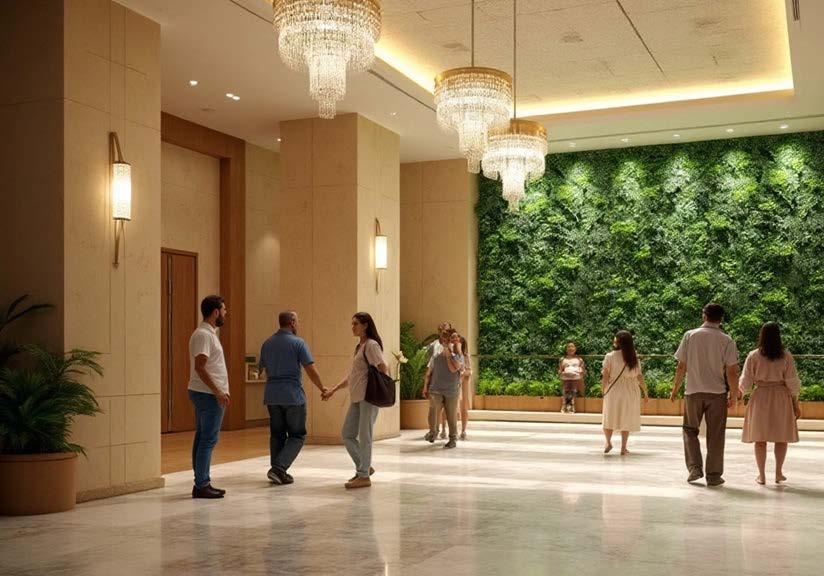
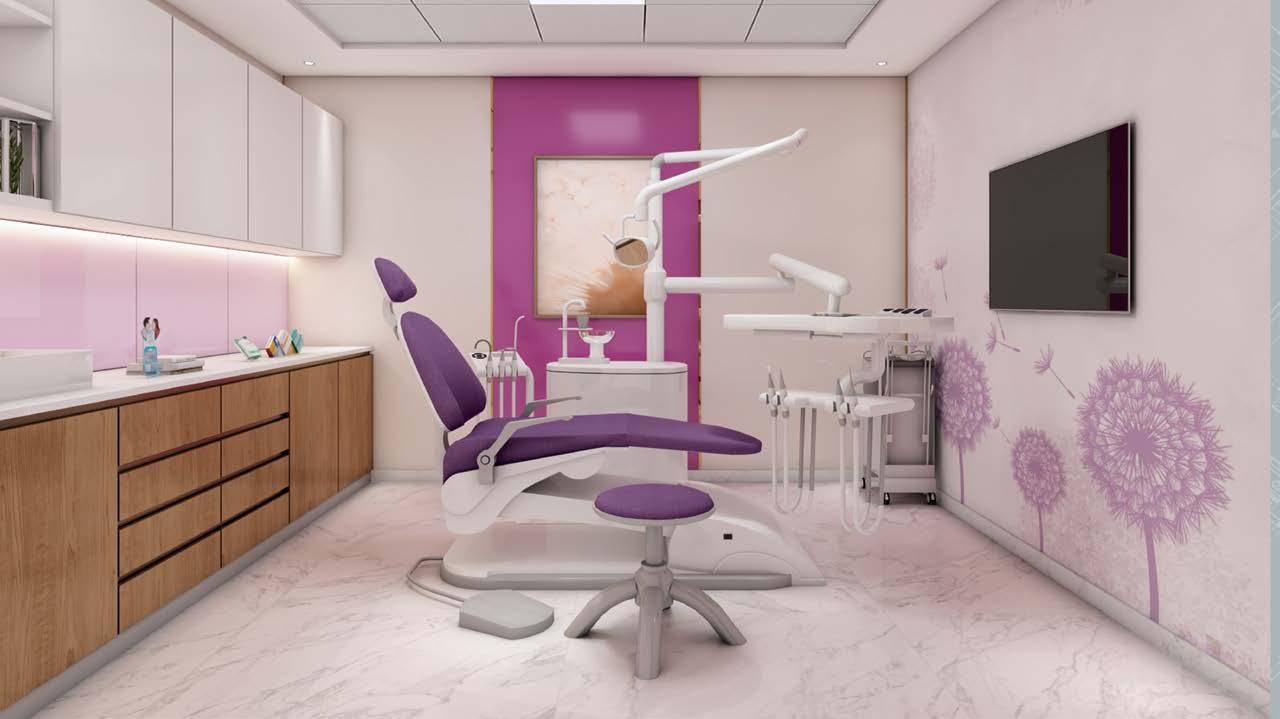

“Golden Club Class Elite Membership Health’s premier experience focuses on preventive health and wellness. Using the best integrated multi-disciplinary evaluation and health therapeutics, we meet your health goals together.” We offer a comprehensive, holistic Preventive Health Evaluation using a thorough set of evidence- based assessments to develop a complete understanding of your health status. Each Golden Club Class Elite health physical starts with an in-depth meeting with your exclusive health physician to understand your overall health and identify any concerns. Our testing protocol is customized for your stage in life and any risk factors that have been identified. By scheduling a range of assessments during your visit, we develop an extensive and wide-ranging understanding of your health profile and provide you the convenience of completing these tests in one place at one time. Elite Membership Health Program visits conclude with a detailed meeting with your physician to review your results and develop a plan to improve your health, address any issues that were identified and target any risk factors that may impact your health.
Preventive health and wellness are different for everyone. A key to long-term success is a strong relationship with a medical provider and dedicated time to have a thorough discussion of what is required to attain and maintain peak heath. The Golden Club Class Elite Membership Health Program maximizes your visit time through a customized, comprehensive one-two- or three-day itinerary of exams and tests tailored to your specific needs.
• Comprehensive health assessment and medical history review
• Full range of Preventive Screening Tests
• Cardiovascular counselling
• Review of medications and immunizations
• Lifestyle assessment
• Access to Royalcare Intl. Hospital subspecialists, if the need arises • In-depth, one-on-one review with your personal executive health physician.
Expect efficient, and a very personalized One-on-One Healthcare that accommodates you and your Health Needs through a very carefully and thoughtfully crafted Health Program:
Thus, the Golden Club Class - Elite Membership Health Program combines Royalcare Intl. Hospital’s traditional diagnostic expertise with recent developments in preventive medicine- all designed to get you in and out efficiently and back to what you love. Your dedicated physician is actively involved throughout your entire evaluation process. Your evaluation starts when you arrive with a comprehensive review of your medical, family and social history, along with a complete physical exam. Next, you and your physician will discuss your specific customized itinerary as well as any additional tests or consults that may be appropriatefor you. Your itinerary will reflect both our assessment of your medical needs and your expressed preferences.

During your visit, you’ll be seen at different testing areas throughout Royalcare Intl. Hospital. If you are International Citizen who come from abroad; then, A typical visit can last from one to three days. After completing your itinerary, you’ll meet with your doctor again to review your results together, and you’ll discuss any next steps. If needed, diagnostic services or treatment can leverage the full depth and medical rigor of Royalcare Intl. Hospital via access to specialists or further recommended follow-up. A summary of your results can be mailed to you or made available in your secure online patient portal shortly after your final visit. A letter outlining these results also can be sent to your local doctor.
• Private Executive Lounge with secure lockers for personal items. • On-Site Business Services with complimentary Wi-Fi.
• Guide to Restaurants and Transportation options, as well as local attractions and area amenities.
• Dedicated appointment coordinators to ensure your appointments are scheduled efficiently.
• Dedicated insurance coordinators to file claims on your behalf and work with Insurance carriers to resolve claims.


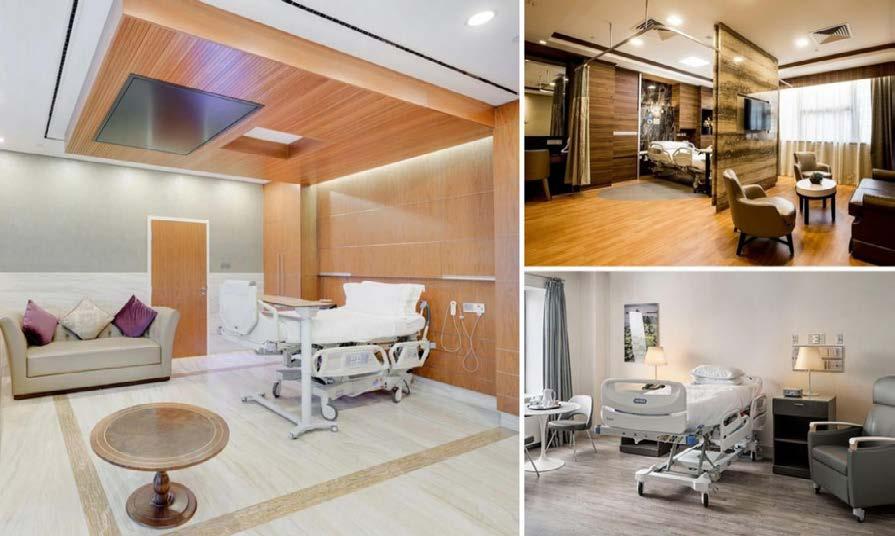
Today’s executives lead fast-paced lifestyles with significant demands on their time and health. Besides driving results in business, they seek challenging and rewarding experiences outside the office. The Royalcare Intl. Hospital’s Executive-Health-Program has been leveraging the full depth and breadth of our nationally recognized expertise to help executives, business owners and entrepreneurs maintain good health. This customized program is designed to help individuals access Royalcare Intl. Hospital’s preventive care and ultimately gain more healthy years doing what they love in their personal and professional lives. Our mission is to provide individualized, comprehensive care to meet the unique needs of working executives in the demanding stages of their careers.
RCIHG focuses on preventive health and wellness with timely, coordinated access to multidisciplinary care, including advanced diagnostics, state-of-the-art prevention strategies and therapeutics when needed. Many Executive Health Program participants remark that the comprehensive nature of our executive physicals, the ability to customize the assessments based on their needs, dedicated time with physicians and the warmth of our staff are what distinguish our program. The Executive Health Program is available at our Exclusive campus in Coimbatore, Tamil Nadu, India.
UNIQUE FEATURES OF DR KMD’s / RCIHG’s ‘A WORLD-CLASS EXECUTIVE HEALTH PROGRAM:
Optimal health is key to a fulfilling life. Yet caring for your own health can be challenging and time- consuming. Dr. KMD’s Royalcare International Hospital Group’s healthcare professionals understand this very well. The entire team realize that you need an Exclusive, Personal


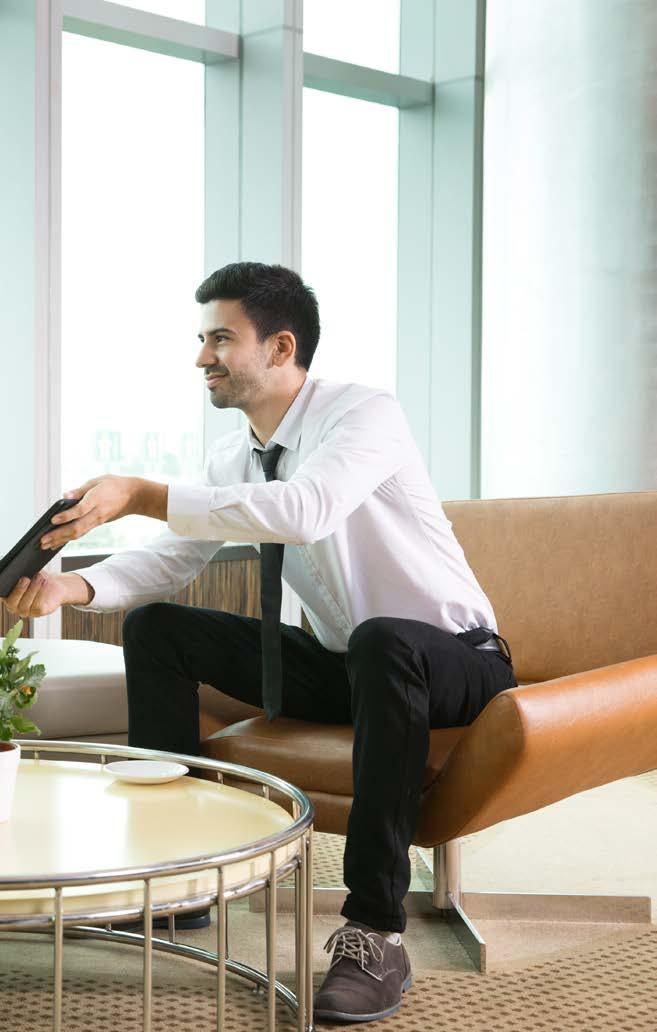
and a Premium Health Services’ that provide you Optimum Health Benefits despite spending a very minimal waiting period at the Hospital. And keeping the above in mind ‘RCI Hospitals Group’s ‘Executive Health Program’ brings you the most comprehensive, streamlined physical examination available, which has been modified and tailored to suit your specific needs.
And the Executive Health Program provides an integrated, head-to-toe evaluation that includes appointments with experts in nutrition, exercise physiology and stress management, plus vision, hearing, heart health and lung function assessments, and more. You will have an extended appointment with a personally matched member of our team of physicians, who would provide you, with state-of-the-art, prevention-focused healthcare in as thorough, compassionate and efficient manner as possible.
Dr. KMD’s RCI Hospitals Group’s ‘Exclusive Executive Health Program’ helps you to Maintain your active, productive lifestyle by devoting one day of your busy life to your own health and well-being. And all you need to do is Plan and make a visit to ‘Royalcare Intl. Hospitals Group’s Executive Health Program Division’.

Your commitment of LESS THAN six hours will allow our experts to:
Discover Your Health Index as it where is Identify the potential health problems that you might encounter.
Target and address risk factors that compromise your health
Facilitate prompt, expert and compassionate care for any injuries or illness
Promote your wellness, including nutrition, fitness and stress management
Ensure that You’ll leave with your own personal roadmap to better health and wellness, feeling confident in your health status and knowing the action steps you need to take. And may you need any specialty consultations, you will have a priority access to over 100s of ‘Royalcare International Hospital Group’s Medical and Surgical Experts’.
Your Right to Privacy through an ‘One-on-One Consultation’
“Executive Health’s premier experience focuses on preventive health and wellness. Using the best integrated multi-disciplinary evaluation and health therapeutics, we meet your health goals together.” We offer a comprehensive, holistic Preventive Health Evaluation using a thorough set of evidence- based assessments to develop a complete
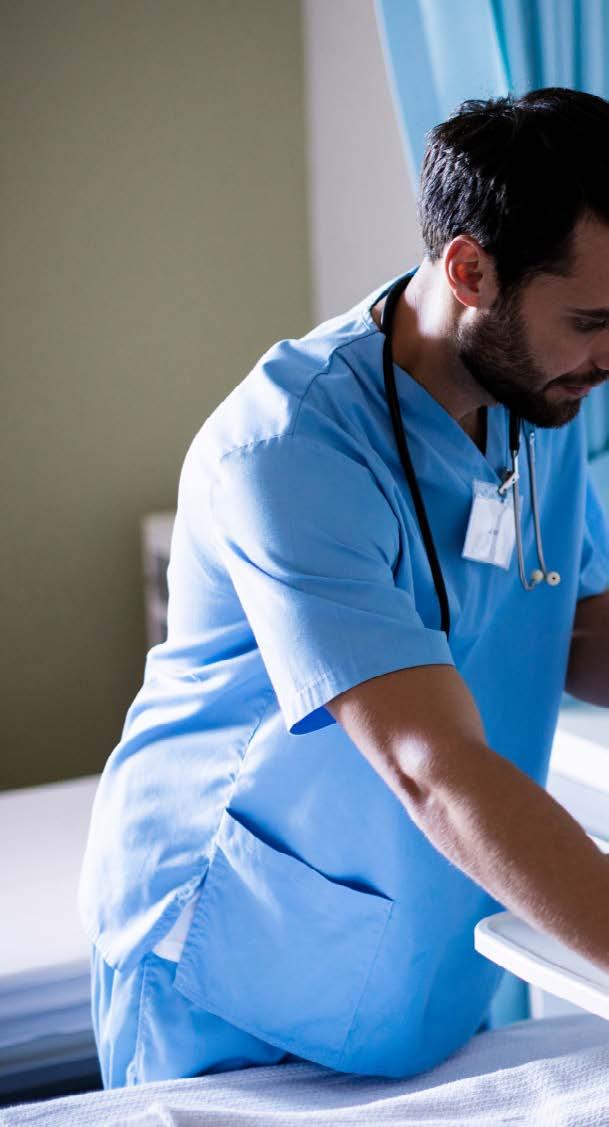
understanding of your health status. Each executive health physical starts with an in-depth meeting with your executive health physician to understand your overall health and identify any concerns. Our testing protocol is customized for your stage in life and any risk factors that have been identified. By scheduling a range of assessments during your visit, we develop an extensive and wide-ranging understanding of your health profile and provide you the convenience of completing these tests in one place at one time. Executive Health Program visits conclude with a detailed meeting with your physician to review your results and develop a plan to improve your health, address any issues that were identified and target any risk factors that may impact your health.
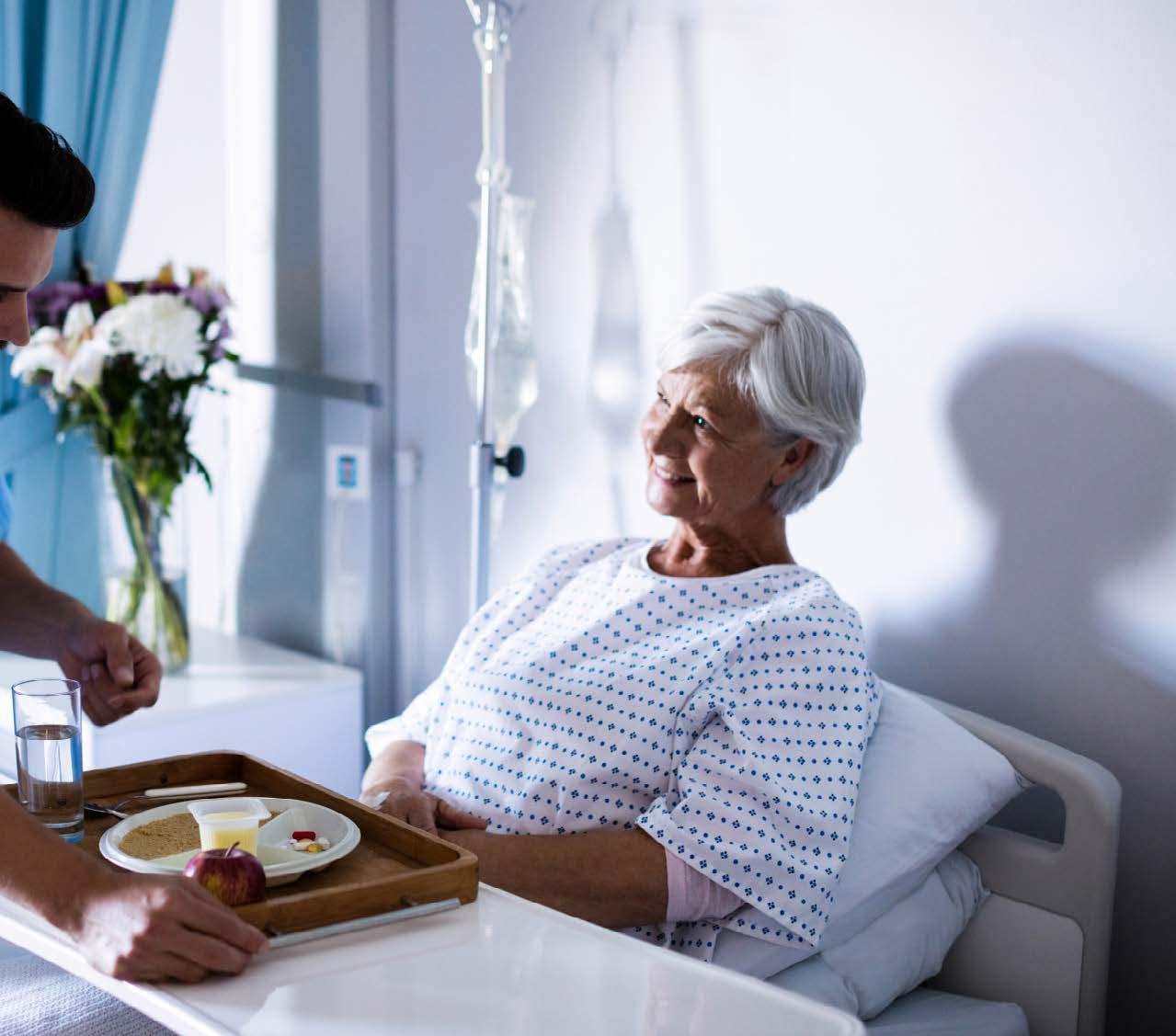
Comprehensive Healthcare and a seamless experience:
Preventive health and wellness are different for everyone. A key to long-term success is a strong relationship with a medical provider and dedicated time to have a thorough discussion of what is required to attain and maintain peak heath. The Executive Health Program maximizes your visit time through a customized, comprehensive one-, two- or three-day itinerary of exams and tests tailored to your specific needs.
Comprehensive health assessment and medical history review
Full range of Preventive Screening Tests
Cardiovascular counselling
Review of medications and immunizations
Lifestyle assessment
Access to Royalcare Intl. Hospital subspecialists, if the need arises
In-depth, one-on-one review with your personal executive health physician
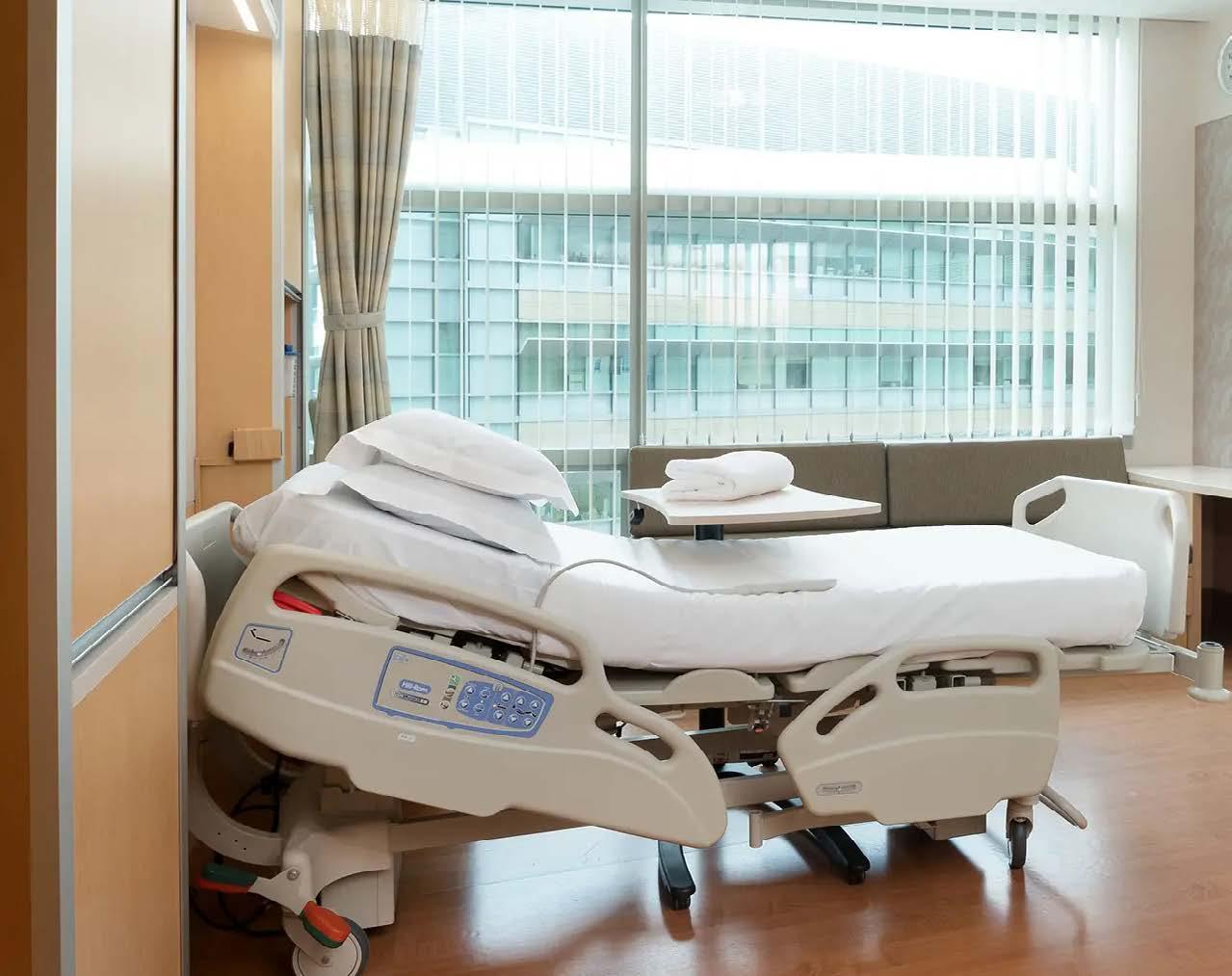
What to expect from RCIHG’s ‘EXECUTIVE HEALTH PROGRAM’:
Expect efficient, and a very personalized One-on-One Healthcare that accommodates you and your Health Needs through a very carefully and thoughtfully crafted Health Program:
Thus, the Executive Health Program combines Royalcare Intl. Hospital’s traditional diagnostic expertise with recent developments in preventive medicine- all designed to get you in and out efficiently and back to what you love. Your dedicated physician is actively involved throughout your entire evaluation process. Your evaluation starts when you arrive with a comprehensive review of your medical, family and social history, along with a complete physical exam. Next, you and your physician will discuss your specific customized
itinerary as well as any additional tests or consults that may be appropriate for you. Your itinerary will reflect both our assessment of your medical needs and your expressed preferences.During your visit, you’ll be seen at different testing areas throughout Royalcare Intl. Hospital. If you are International Citizen who come from abroad; then, A typical visit can last from one to three days. After completing your itinerary, you’ll meet with your doctor again to review your results together, and you’ll discuss any next steps. If needed, diagnostic services or treatment can leverage the full depth and medical rigor of Royalcare Intl. Hospital via access to specialists or further recommended follow-up. A summary of your results can be mailed to you or made available in your secure online patient portal shortly after your final visit. A letter outlining these results also can be sent to your local doctor.
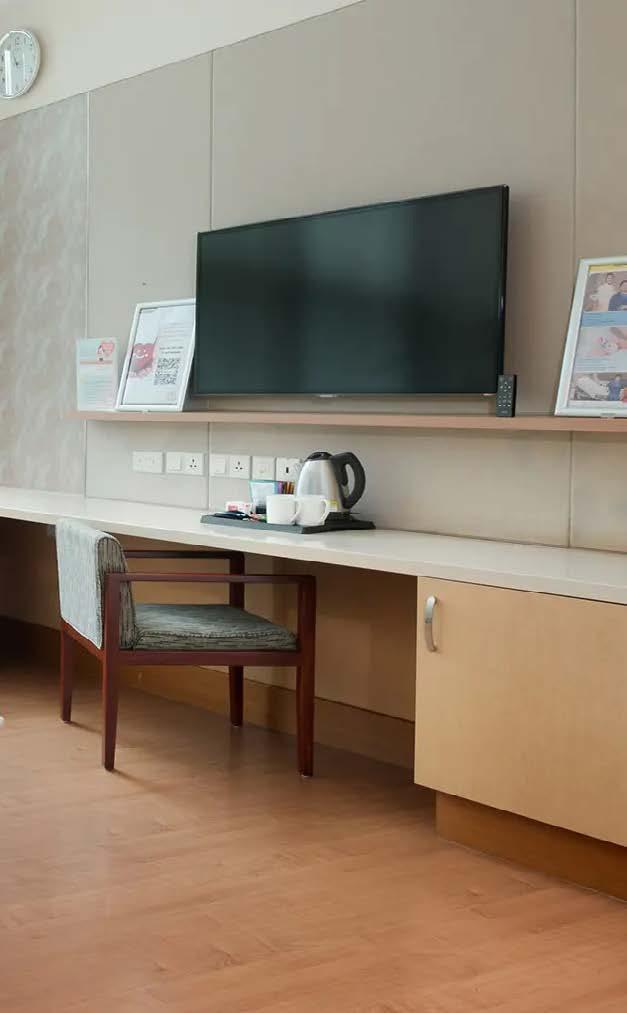

Platinum Executive Health Program - Services
Private Executive Lounge with secure lockers for personal items.
On-Site Business Services with complimentary Wi-Fi.
Guide to Restaurants and Transportation options, as well as local attractions and area amenities. Dedicated appointment coordinators to ensure your appointments are scheduled efficiently. Dedicated insurance coordinators to file claims on your behalf and work with Insurance carriers to resolve claims.
Today’s leading organizations recognize that it takes a healthy executive team to drive a highperforming business. 100’s of leading companies and Industries do offer the Royalcare Intl. Hospital’s Executive Health Program to their Management Team, Employees, Members and Staff as an executive benefit to protect and optimize the health of their teams. Each year more than 27,000 executives rely on our program to keep them healthy and functioning at their very best. Corporate enrolment in the Royalcare Intl. Hospital Executive Health Program offers companies the ability to define their eligible executives, their billing preferences and their coverage options to meet the organization’s needs, interests and budget.
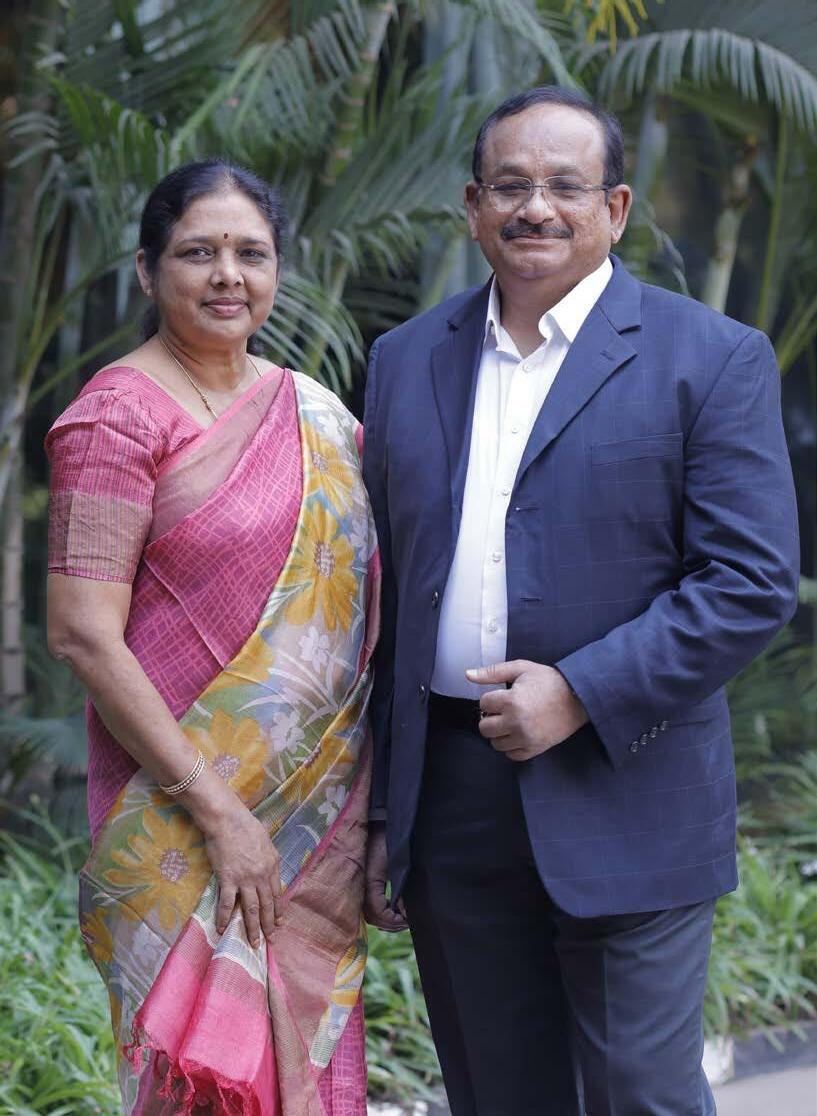
“Education shapes mind and builds life. As Nursing Education is a divine call, re-aligning one to the higher order vocation becomes a mandate.”
RoyalCare International Hospitals Group; blessed with the Noble Vision of the Founder & CMD Dr. K. Madeswaran, M.Ch, a Globally renowned Neurosurgeon, was established to provide comprehensive patient care of international quality standards across all strata of the community. As part of achieving this comprehensive vision, Royal Care Institute of Nursing was established which will facilitate all round development of the student thereby blending the fresh minds of students into tender yet dexterous Nurses who become a part of a future benevolent community. In any Organization, its believed that ‘Opportunity and Power’ are very essential to enablement.
Thus, empowering nurses also becomes very essential; not only to Optimize the Healthcare Organization’s effectiveness and success, but also to increase the Deliverables, Customers Delight and Social Upliftment. Achieving global standards for the education of nurses is a vision of our institute. Special training for improving Critical thinking and English Language skills through GRE, TOEFL, OET, OSCE etc. are essential for global recruitment of nurses. Providing well trained nurses to the global demand to carious countries will improve their status of living and also the improve the economic status of our State.
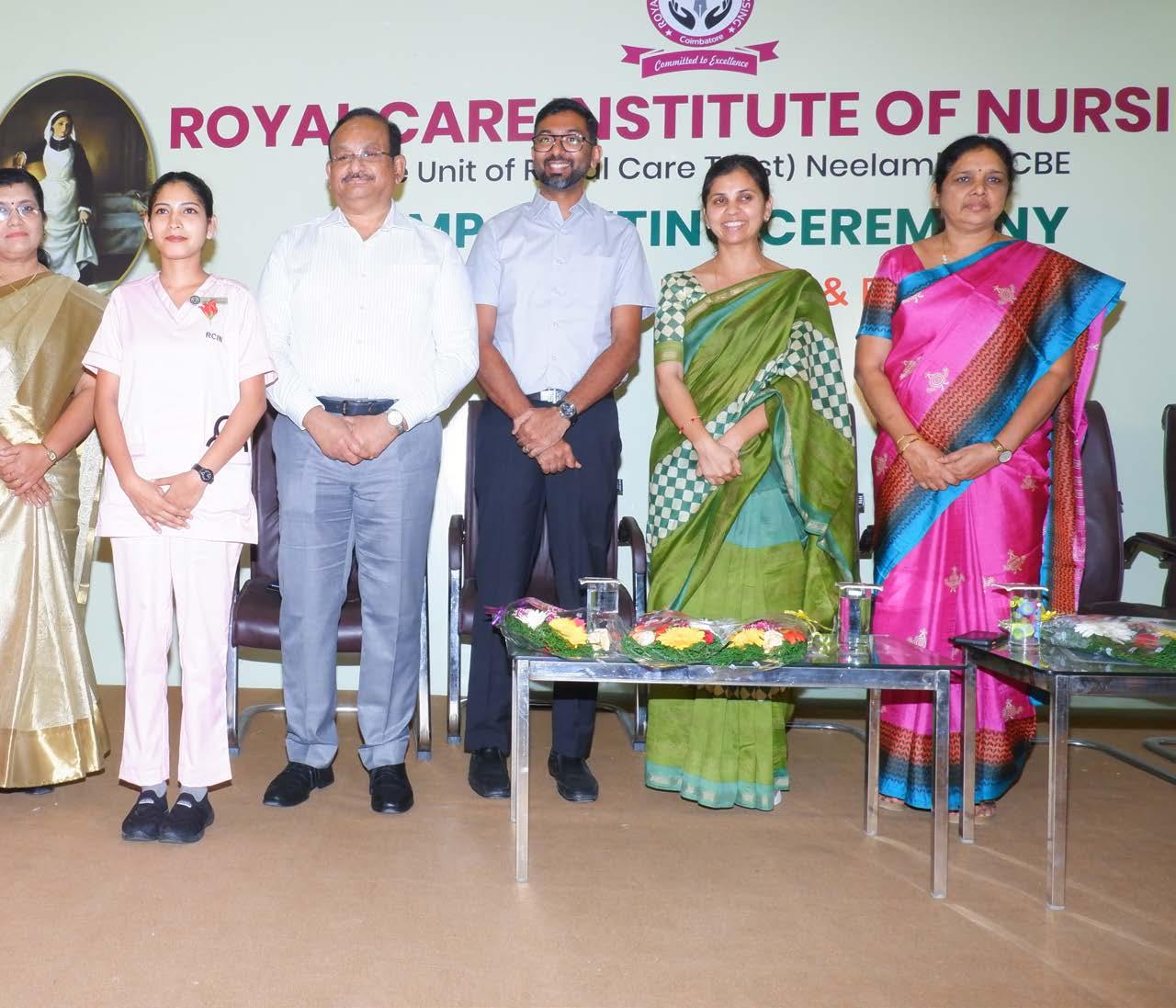
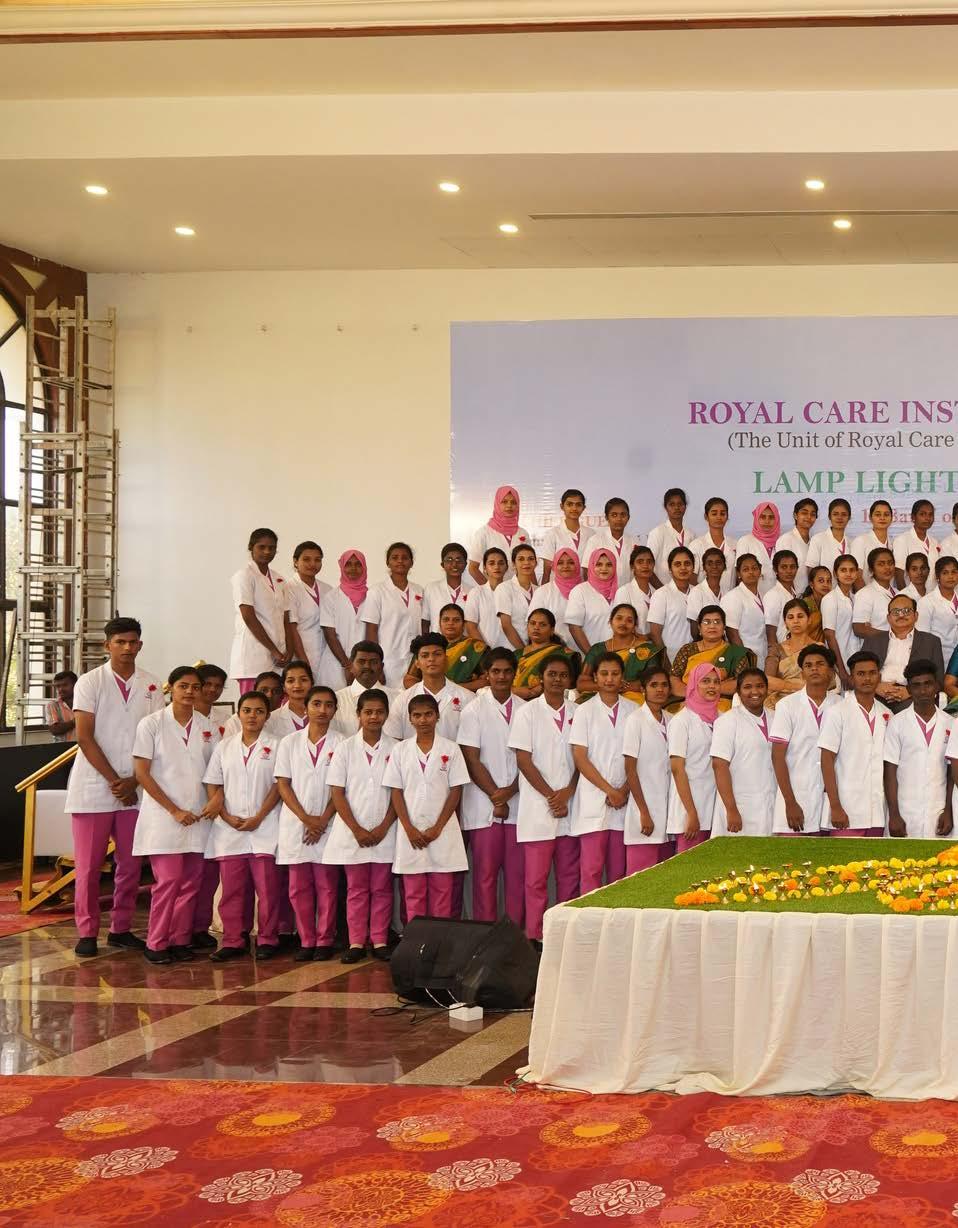
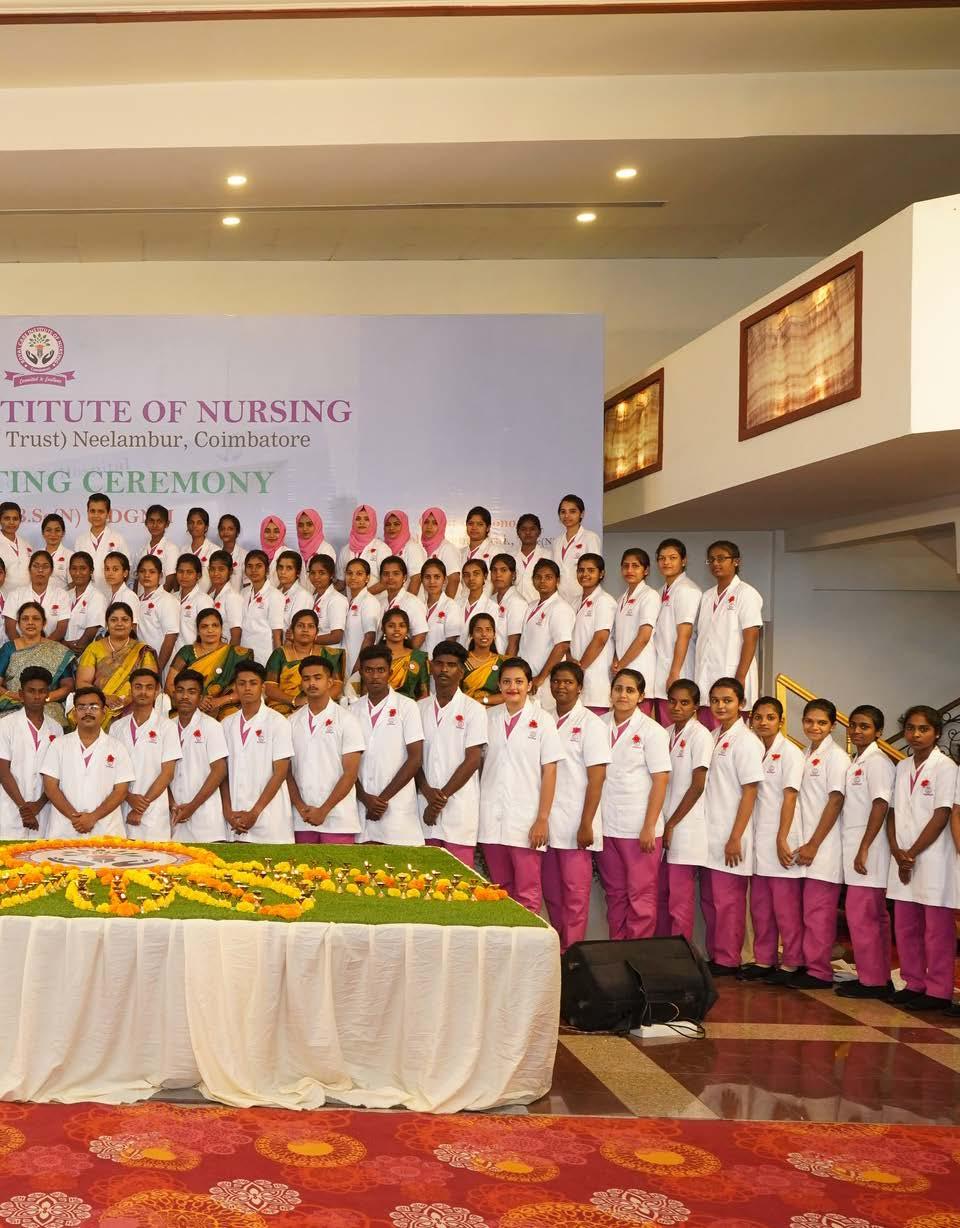
Royal Care Institute of Nursing believes in “The learning through exploration” a problem solving and scenario-based learning to embed students’ understanding, provide patient cantered care and to develop important skills in supporting patients with a variety of background and need. In order to provide this kind of vast and rich experience, Institute is constructed on a sprawling Hospital Campus and has an excellent physical infrastructure as per the Indian Nursing Council norms. The wellequipped infrastructure encompasses Academic Blocks, Administrative Blocks, Faculty Rooms, Library and Laboratories. All the Classrooms are spacious, ventilated and equipped with Digital teaching platforms.
FACULTY: Headed By Dr. Prof. G. Thilagavathy Roy as a Principal, who has over 22 years of experience in the field; who have been supported by the Team of Highly qualified, experienced and trained Staff. Indeed, the Entire Institution and their Team’s standards and Deliverables; do exceed the general norms of the industry as a whole. students will be enriched with quality nursing education.
LABORATORY: Laboratories are available for all the specialties, adequately equipped with mannequins, models, articles and equipment to provide hands on experience for the students in a controlled setting.
HOSTEL: Separate Girls and Boys Hostel is available with well ventilated, spacious rooms, safe for student accommodation. It is equipped with reading rooms, recreation hall, visitors’ hall, sick room, Hygienic Kitchen with R.O water plant and solar system hot water facility.
LIBRARY: Library is a house of Knowledge stocking more than 3000 books and subscriptions about 15 National and International journals.
TRANSPORT: Royal Care Institute of Nursing operates buses for the convenience of students and staff coming from in and around Coimbatore city. This transport facility will also be used for various educational purposes like field trips, industrial visits and recruitments.
Dr. KMD’s Royalcare International Hospitals Group is one of the Top-Class Hospitals in Asia that offer a comprehensive array of leading-edge medical treatment services for international patients of all ages. And they under the able leadership of Dr. K. Madeswaran, Founder & CMD is highly focused and determined to Improve Health and Health Care Globally. Royalcare Hospitals Group, tailor each patient’s treatment and use advanced approaches, such as multidisciplinary care Involving experts from multiple specialties and work together in order to apply collective skills and experience along with the latest research knowledge. RoyalCare Hospitals Group is committed to caring for the whole patient during complex treatment, including prevention
and wellness, acute care, mental health treatment, rehabilitation and care for chronic conditions. And in this regard, they have evolved Comprehensive System that specially Cares for Patients with Complex Needs. Royalcare had very Renowned Team of Specialists, Expert Surgeons, Doctors to handle a Wide Range of Complex Diseases. Their physicians and researchers are leaders in their Lives. RCIHG’s International Patient Care Centres Multilingual appointment, registration and finance personnel at International Centres located in RCIHG’s campus, is dedicated to meeting the needs of you and your family, have before you arrive, during your medical appointments and even after your return home; After Completing Your Treatments.

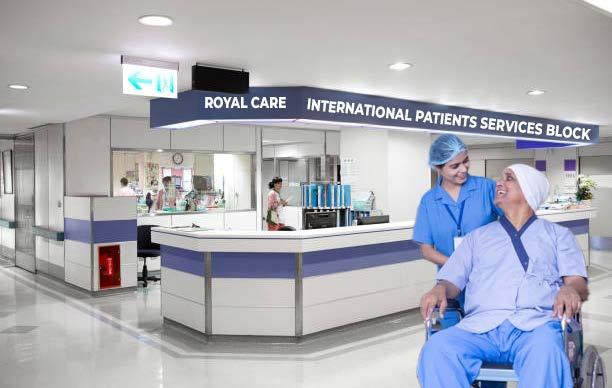
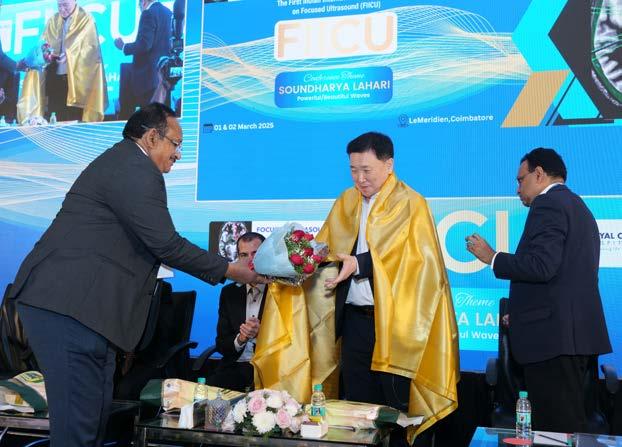
With the Specific Request, Demand and Pre-defined Requirements of International Patients; ROYALCARE could provide services for:
Remote & Online Medical Consultations.
Offering Projected Cost Estimates.
Allocating Exclusive Consultant Doctor for Regular Medical Guidance.
Customized Medical Treatment Packages. Travel & Visa Arrangements.
Accommodation arrangements for Patients & their Families.
Airport Pick-up & Drop Facilities (With supported Medial Staff on Demand).
Translator / Interpreter Services.
Dr. KMD’s RCIH Hospitals Group’s State of the Art Medical Infrastructure & International Standard Healthcare Services for Patients across the Globe
Special & Exclusive Food & Beverage Plans & Packages. Pre & Post Treatment Wellness, Recovery & Re-habitation Programs
Fulltime Operational Dedicated International Medical Office for Regular Co-ordinations and Assistance.
Dedicated Nurse & Medical Staff for Special Personal Care
Special & Exclusive Personal Attendant or Assistant on Demand
Fully Dedicated Vehicle on Demand.
Special Spa and Recreational Therapies on Demand. Fully Guided & Assisted Local Tours etc.,
End-to-End Assistance during the Entire Period of Arrangement.
International Patient Care Centre staff shall arrange appointments, find interpreters and answer questions about billing, insurance and international health coverage. The staff can guide you in making travel and lodging arrangements and tell you about community services, including shopping, entertainment, banking options and worship. In other words all that you need to come and avail one of the most effective, efficient and the best health solutions for all your healthcare needs.


Royalcare International Hospitals Group’s ‘International Patient Care Centres can also arrange for fee-based travel services, including airline, hotel reservations and ground transportation, including shuttles, limousine service and car rentals. Each International Centre offers patients and visitors a comfortable and relaxing environment where they can feel at home before or after appointments.
At Royalcare International Hospitals Group; a world-class team of doctors and specialists will see you in one place, at one time. They’ll listen to your story, learn your goals, and work together to accurately diagnose and treat your condition so you can get back to your life as quickly as possible. Apparently, RCIHG’s Team of Experts will Structure and Create your Comprehensive treatment Plan: RCIHG’s Patient Centric Care Team includes the best Surgeons, Doctors, Physicians, Specialists and Nurses for all healthcare Needs. The Experts Team is for every medical field of support that you need. No matter what serious or complex health challenge you’re facing, you can be confident that you’re receiving the Best of the World’s most advanced care at Royalcare International Hospitals.
Royalcare Hospitals Group have established a Top-Class International Healthcare Facility to provide Comprehensive Health, Healthcare & Wellness Services at an affordable cost to patients who come from countries across the world. ‘RCH Medical Tourism & International Patient Services Division’ is though based at their Flagship Hospital, which is situated
at ‘Greater Coimbatore (Neelambur), Tamil Nadu, India’. They Have Their Global Network and Liaison Offices spread across the Continents. This Exclusive Division with State-Of-the Art Facilities of ‘Royalcare International Hospitals Group’ have tied up with one of the ‘Leading Multinational Mass-Media Organizations of the World’ in order to utilize their Corporate Network & Establishments located in 110 countries across the World; with the view to provide most reliable and Patient-friendly Healthcare Services; both at the Country of Origin of Patients as well as at the Country of their Destination, where Advanced & Surgical health services are provided.
With the fully operational Centres of Medical & Clinical Excellence; covering over Eleven Super- Specialties, which are fully packed with Most Ultra-Modern Technologies, Equipment, Highly Trained Doctors and Medical Professionals; Royalcare International Hospitals Group is considered as one of most preferred and Popular Destinations for Medical Tourists & Patients from all around the world; especially for all those, who seek ‘World-class Healthcare & Surgical-care and Wellness Solutions/ Packages at an Affordable Cost. The most able, renowned and dynamic Medical Team with the Operational Staff of RCH Medical Tourism & International Patient Services Division (RCHMT& IPSD) in association with their Global Business Network & Logistic Partners; offer a wide Portfolio of Travel & Medical Services to their Medical Tourists & International Patients from all over the World.
Royalcare Hospital is known for its Medical Excellence with a high-order Medical Expertise in the field of Neurosurgery and Neurology. It is functioning with Two Full-time Neurologists and Three Neurosurgeons. It’s also adding up few more Professional Members to cope up with the increasing demand for Specialists and Surgeons. This is due to the increasing Number of patients, who arrive from various parts of India and also from other
countries of the world. Royalcare takes care of the entire spectrum of Neurology and Neurosurgery. And in Neurosurgery, they have been taking care of complete range of services for ‘Trauma Patients, Brain-Tumor Patients, Aneurysms Patients, Brain AVM Patients, Balance Problems, Benign Peripheral Nerve Tumor, Brachial Plexus Injury, Brain Lymphoma, Brain Metastases, Brain Cancer Patients and Other Ailments’.
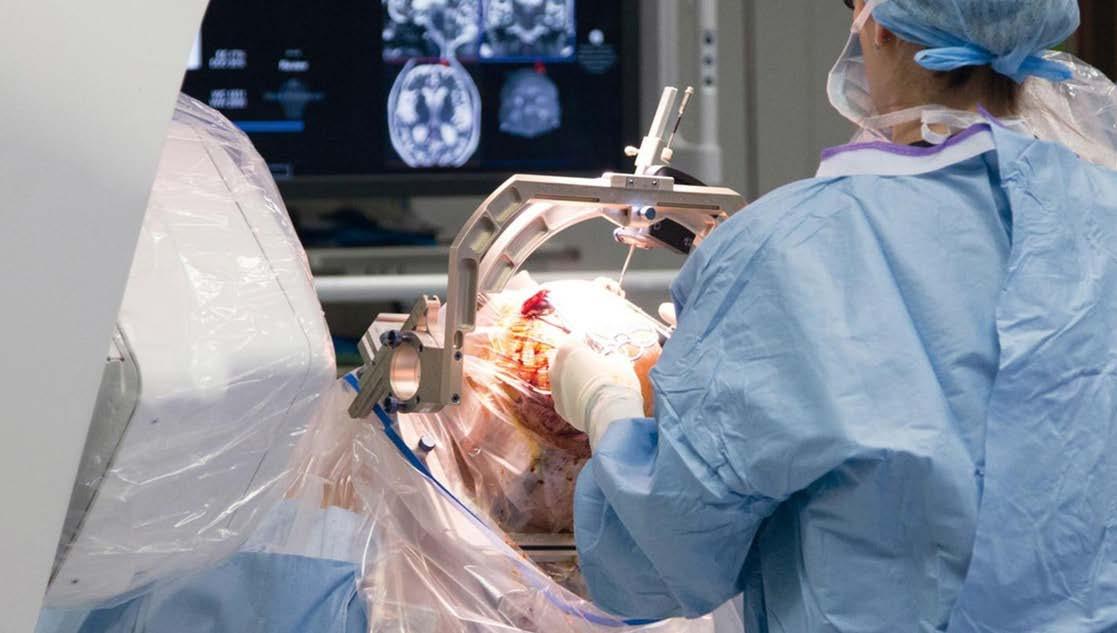
Royalcare’s Department of Neurosurgery is fully equipped with most modern and latest technologies and is Headed by a Highly Skilled, Competent, Experienced and one of the Most popular Senior Consultants & Surgeons of Asia namely Dr. K. Madeswaran, who is the Founder & Chairman of ‘Royalcare Super- Specialty Hospitals Group’. Besides, he has performed more than 10,000 Surgeries in his field of specialization.
He and His team of highly qualified Surgeons do handle most complicated Surgeries and cases as well as offer best treatments & cure to millions of people. The Neurosurgeons at Royalcare are known for their clinical & treatment excellence in four main conditions; First one is related to Vessels and the Brain, that is Aneurysms, Rupture, Arteriovenous malformation.
At Royalcare, in addition to the Highly qualified Expert Surgeons, they also use Latest technologies like Stereotaxic Procedure, Neuro Navigation, High-end Microscopes, Ultrasonic Aspirators and so on; while conducting their Neurosurgeries; thus minimize the strain to Patients and Maximize the Success rate, efficiency and effectiveness of the Surgeries.
Besides, Stereotaxic and Neuronavigation methods also do guide these expert surgeons to reach out to the precise point of Interest; thus help them in achieving Optimum Success, within the shortest time possible. Dr. K. Madeswaran, the Chairman & Head of the Department is also being one of the Most Popular and Renowned Neurosurgeons of India.
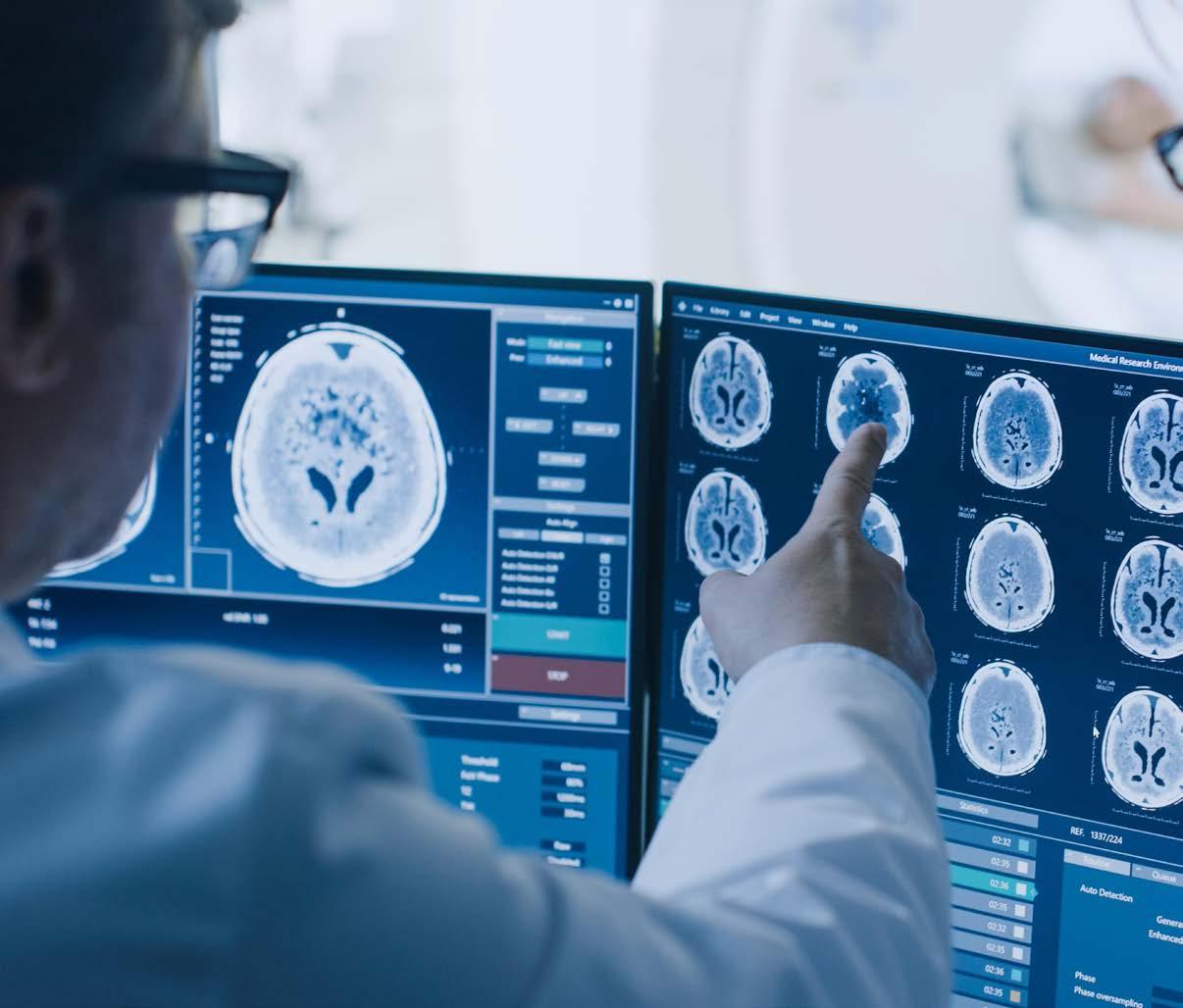
The Department Neurology at Royalcare, takes care of the Entire Spectrum of Neurology. Their Practice consists of taking care of all Health issues, Problems and Challenges those are faced by their Patients on account of Acute stroke, epilepsy, headaches, migraine, brain tumors, brain aneurysms, peripheral neuropathy, sleep disorders, Myasthenia Gravis, Movement disorders, neurodegenerative diseases, such as Parkinson’s disease, Alzheimer’s disease and so on. Royalcare is very
popular and highly successful in conducting Epilepsy surgeries and Stroke Management. With the assistance of their highly qualified proessional team of Interventional Neuro Radiologists, who have a rich interventional radiology practice, the Neurologist are able to retrieve and remove Thrombus in the Arteries, especially when the patients come early with the stroke symptoms. The Department of Neurology at Royalcare has a very high experience in prevention of Stroke by conducting Carotid endarterectomy, Carotid endarterectomy (CEA) is surgery to treat carotid artery disease. The carotid arteries are the main blood vessels that carry oxygen and blood to the brain. In carotid artery disease, these
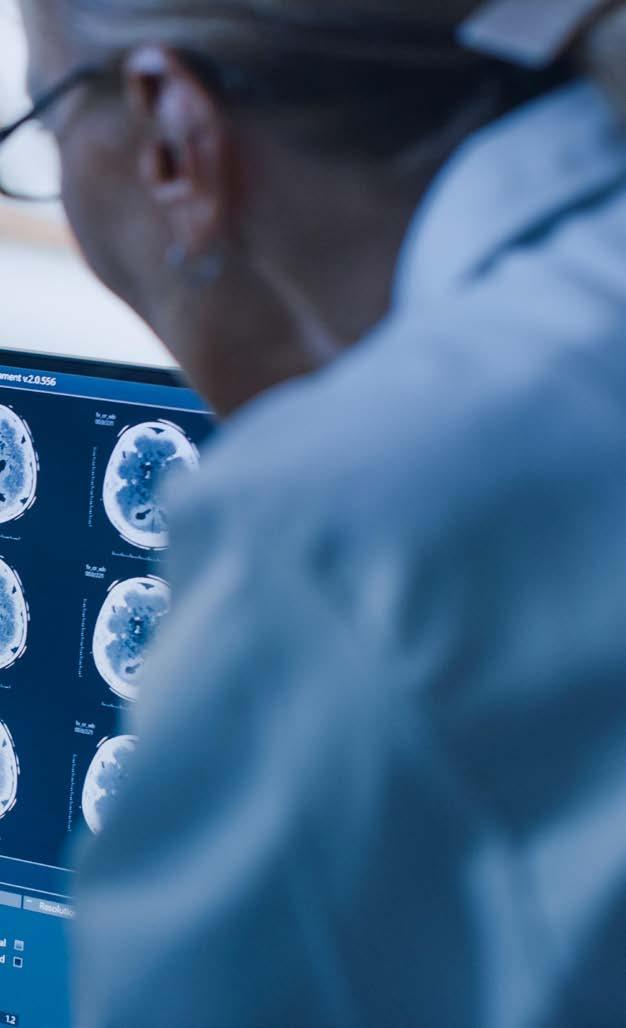
arteries become narrowed. This reduces blood flow to the brain and could cause a stroke. And with enormous experience in this specialised field and having done 100s of such surgeries; the Neurology Department of Royalcare beomes the first choice of destination for all those, who have such health issues. Besides, Royalcare Department of Neurology is highly supported by One of the Best ICU Departments in the World. Will all the above extraordinary features Royalcare is maintaining, A Class Medical Services & Deliverables in this field of Medical Specialisation.
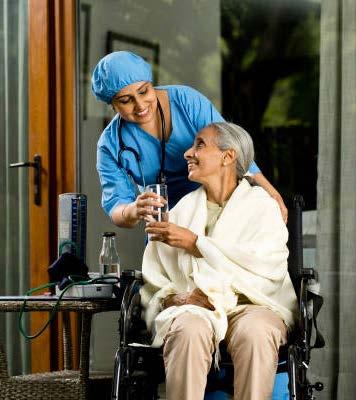

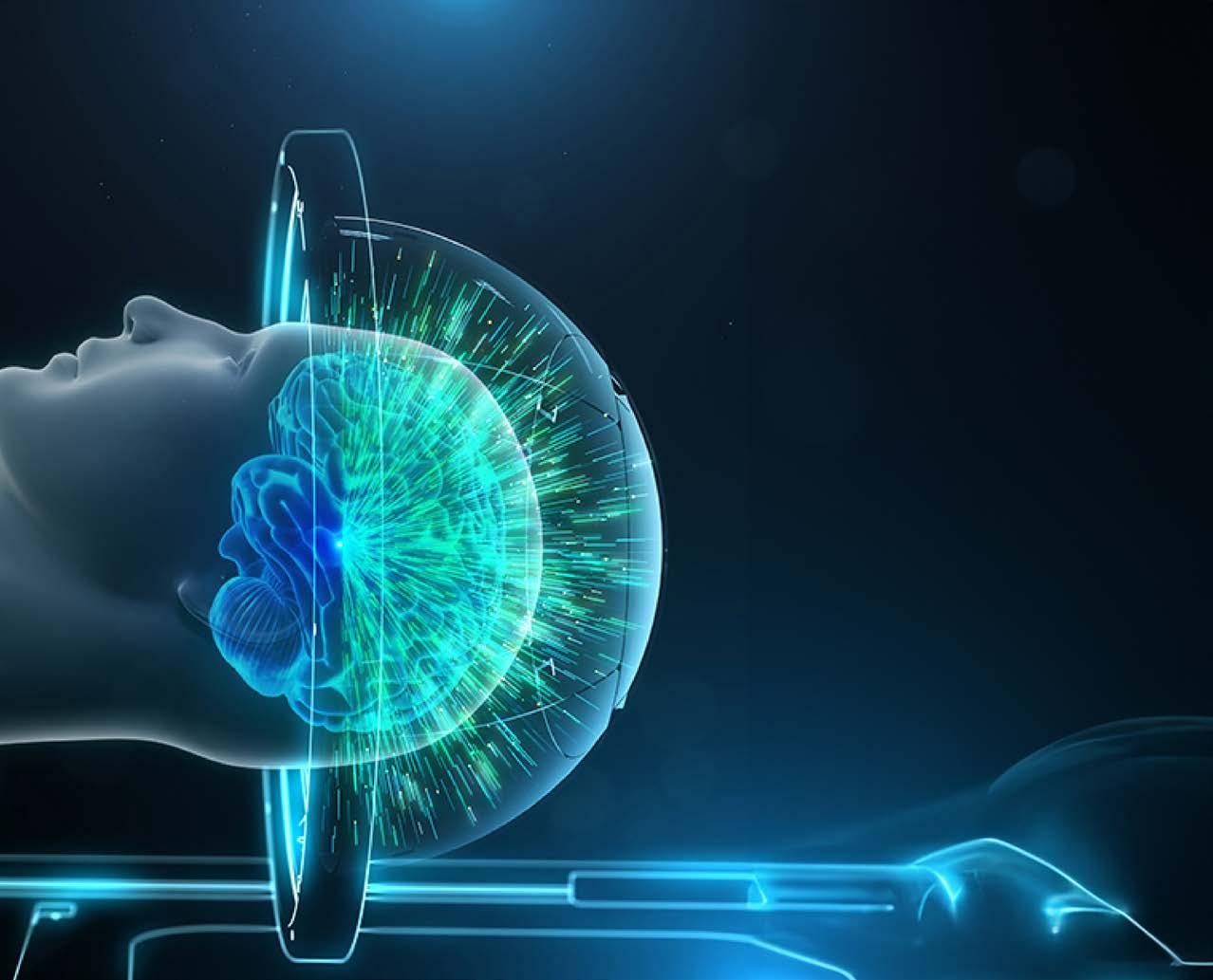
Dr. K. Madeswaran has been known as a Visionary, Missionary and an Unstoppable Dreamer. But what makes him absolutely unique, is his ability to have continual, cumulative and focused Dreams, His fully committed Efforts, highly Determined mindset to pursue his Vision and to see them becoming a Cherished Reality; And in this process of his foresighted vision combined with His Mission of bringing the best of the best Medical Technologies from all around the world and make it available to all; at an affordable cost. As a part of his noble Mission, Royalcare Hospitals Group has purchased and implemented one of the Latest and biggest Breakthroughs in Medical Science, which is the ‘MRI’ Magnetic Resonance Imaging-guided (MRI) Focused Ultrasound Facility @ Royalcare SuperSpecialty Hospitals, Neelambur (Coimbatore), Tamil Nadu, India.
Widely regarded as one of the best healthcare providers, Royal Care Super Speciality Hospital, Coimbatore is equipped with advanced medical equipment and technologies, and often has been the first in introducing the latest treatments in the medical field. The newest and the most advanced being the MRGuided Focused Ultrasound for treatment of Essential tremors and tremor dominant Parkinson’s disease. This procedure is conducted by a team of highly qualified and experienced Neuro Surgeons and Specialists, who have been specifically trained in the Focused Ultrasound technique to target any hard-to-get lesions in the brain and clear them efficiently.
Treatment & Procedure
High-Resolution Imaging
Provides a complete anatomical survey of the treatment area
Patient-specific treatment planning
Real-Time Thermometry
Monitor Temperature Changes in Real-Time
Adjust the Treatment in Real-Time, Outcome Assessment & Intra-Operative To weighted MR Images to verify complete ablation
MRgFUS has been approved by the Central Drugs Standard Control Organization (CDSCO), which is a part of the Ministry of Health and Family Welfare of India and also by the U. S. Food and Drug Administration (FDA).
Causative Diseases:
Essential Tremor: Essential tremors also referred to as familial, idiopathic, or benign tremors, cause uncontrollable shaking in one or several limbs that can profoundly impact a person’s quality of life. As the disease progresses, so does the patient’s tremor scale.
Surgical intervention is often considered the next step when medications fail to offer relief.
Tremor-dominant PARKINSON’S DISEASE: In an estimated 26% of Parkinson’s disease (PD) patients, their primary symptom is tremors. All these patients initially have tremors, and as the disease progresses, they may experience the onset of other symptoms with an escalation. However, tremors remain the primary symptom that severely impacts their daily activities.
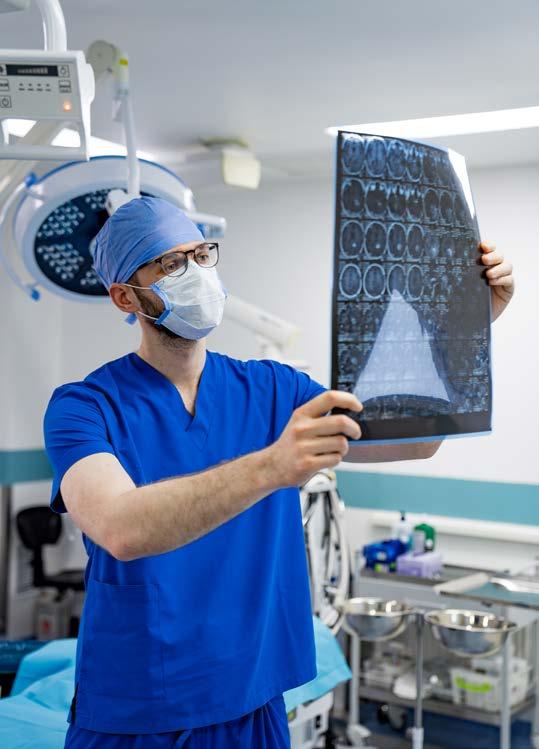
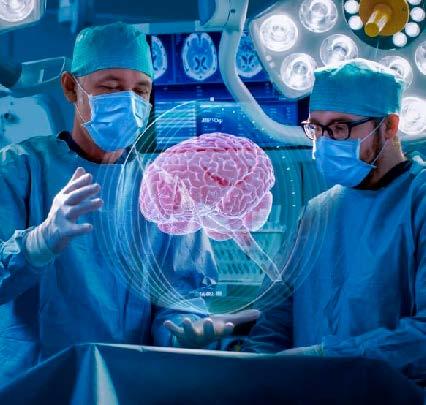
By harnessing acoustic energy, you can treat Essential Tremor and Tremor-dominant Parkinson’s Disease with the therapeutic power of MRgFUS, a Focused Ultrasound platform advancing patient care. MR-guided focused ultrasound (MRgFUS) provides an incision-less treatment option for tremor-dominant Parkinson’s patients who do not respond to medications. MR-guided Focused Ultrasound works under the principle of combining two technologies -(MR) Magnetic Resonance Imaging aids and Ultrasound (sound waves). Focused ultrasound is a treatment option that provides tremor control without surgical incisions and with minimal
The TREATMENT: During the treatment, under MRI guidance, sound waves are precisely focused on the small spot in the brain considered to be responsible for causing tremors. Low energy is first applied, which allows the patient to inform the physician of any sensations they feel or other potential side effects. Then the physician can make individualized adjustments to the target. The energy is gradually increased to create a small therapeutic lesion.
The EFFECT: Many patients’ have reported an immediate improvement of tremors with minimal complications. in the treated limbs. Over 3,500 patients (and increasing by the day) have been treated to date around the world.
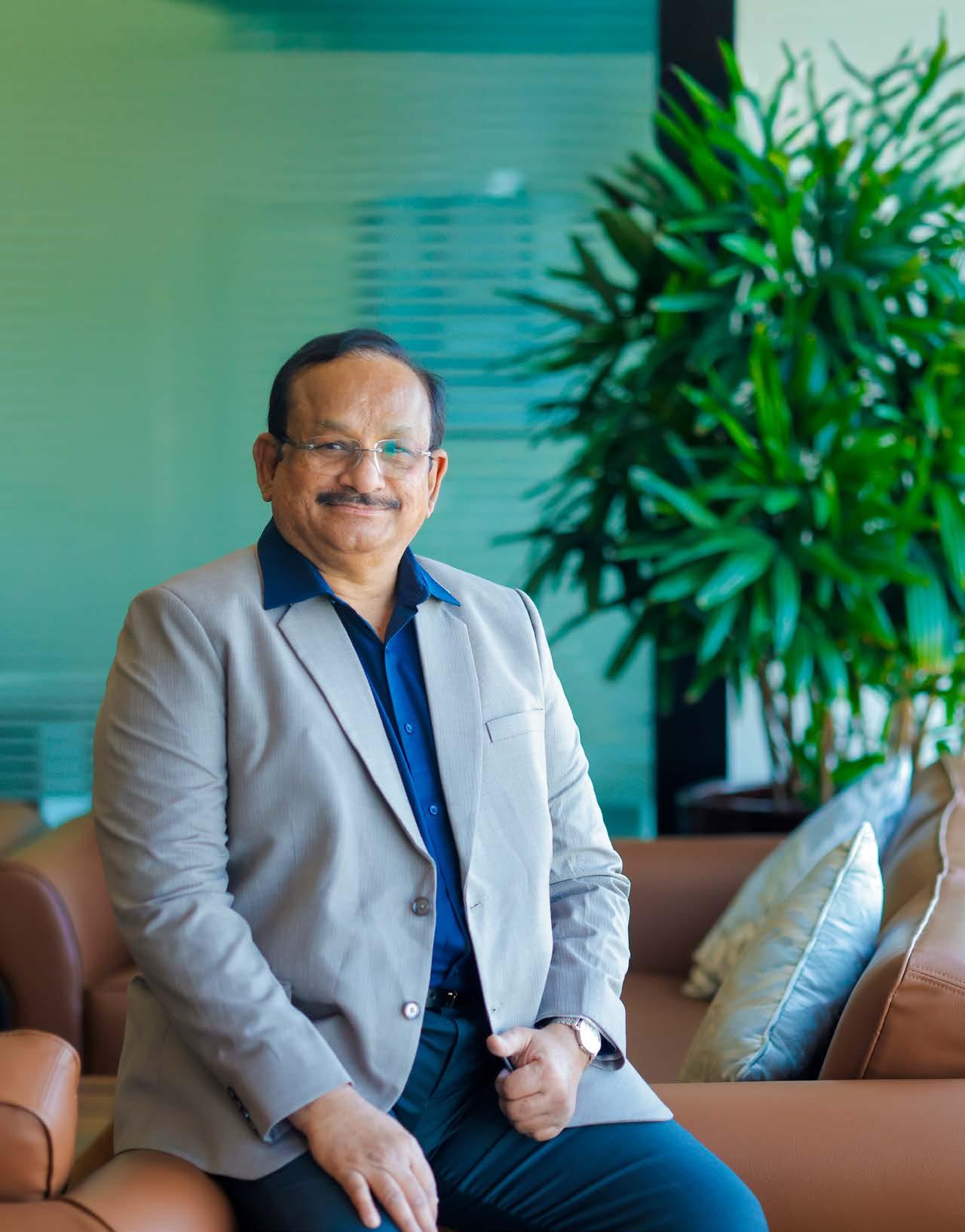
JUST A DAY @ Your ROYALCARE HOSPITALS GROUP - Could Add YEARS TO YOUR LIFE: Through the Most Advanced - ‘MRgFUS Says the Founder & Chairman Dr. K. Madeswaran.
KNIFELESS BRAIN SURGERY @ ROYALCARE SUPER SPECIALITY HOSPITAL, COIMBATORE:
Experience the transformative power of Incisionless Surgery through MRgFUS (Magnetic Resonance guided Focussed UltraSound) at the only Neuro Centre in the entire Indian Subcontinent. Royal Care Super Speciality Hospital is the only Neurocare Centre in whole of India, facilitated with expertise and technology that provides an MRgFUS (Magnetic Resonance guided Focussed UltraSound) therapy to Essential Tremors and Parkinsons’ patients with tremors.
Best in Neurological Care Imbibing the Best in Innovation: Neurological Care has taken a new transformation with advancements in science and technology. The concept of incision-less surgery has been devised to cure the tremors in patients suffering from Parkinson’s Disease.
FUTURISTIC MEDICINE STARTS RIGHT HERE!
“INNOVATION
“
Royal Care MRgFUS (Magnetic Resonance guided Focussed UltraSound) Therapy for patients in Asia & Middle East. Magnetic Resonance-guided Focused Ultrasound (MRgFUS) is a treatment option for patients with essential tremor or tremor dominant Parkinson’s disease who haven’t responded to medication or are not willing to have invasive surgery. The procedure uses focused beams of ultrasonic energy guided by MRI to target areas deep in the brain with no incisions or permanent implants.
UNIQUE & EXCLUSIVE FEATURES OF MRgFUS:
Incisionless Surgery - Little to no risk of infection
No General Anaesthesia Required- No invasive burr holes or implants
Improvement In Hand Tremor -Stably maintained at 3 years
Personalized Treatment-With sub-millimetre target movement
Single Session Treatment-Minimal hospitalization Safe And Effective- Minimal side effects
Get Back To Ageing Gracefully:
Hand tremors can be effectively treated even when medications don’t help. Life-changing transformations are now possible world-over thanks to innovation in medical technology by our Specialized Neuro Care Technology.

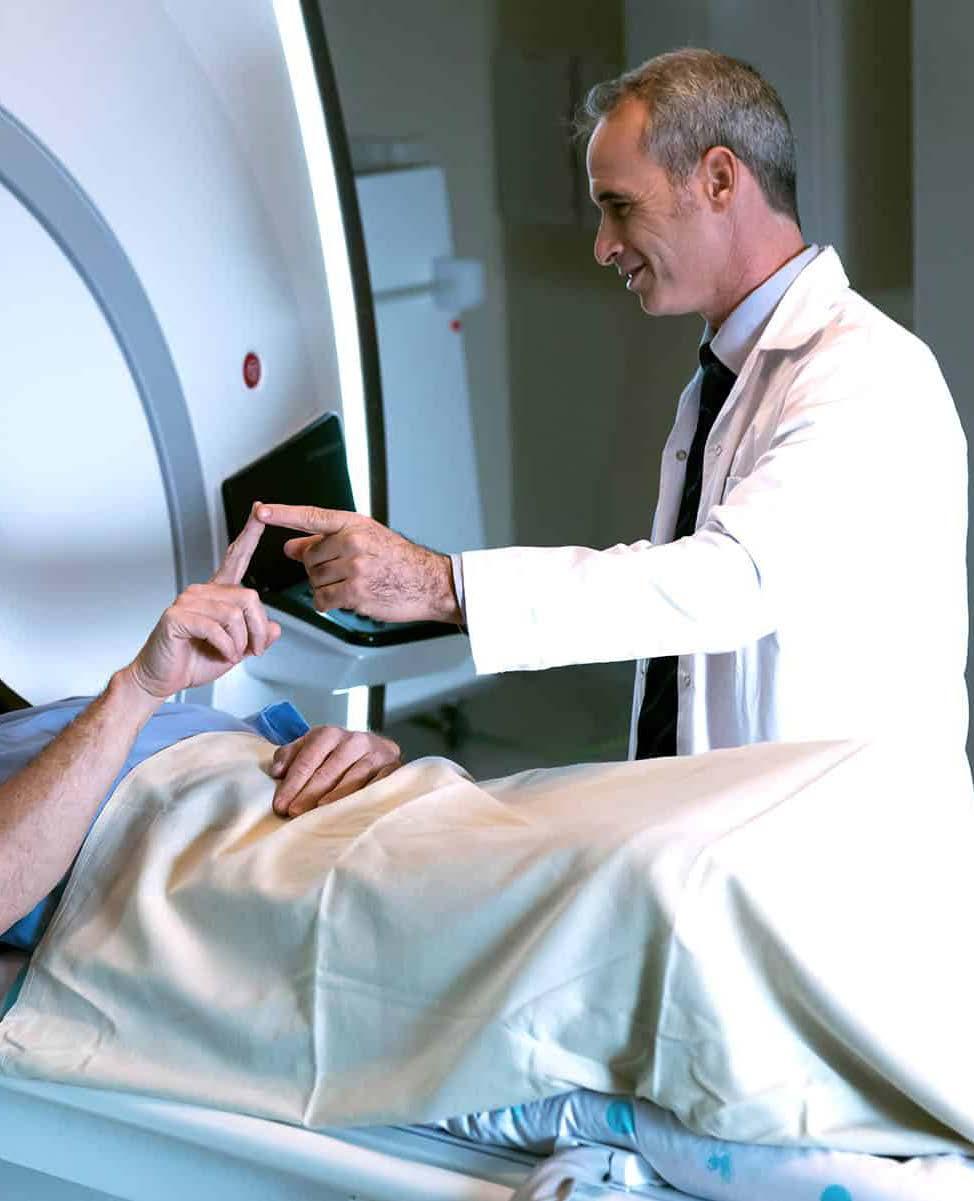
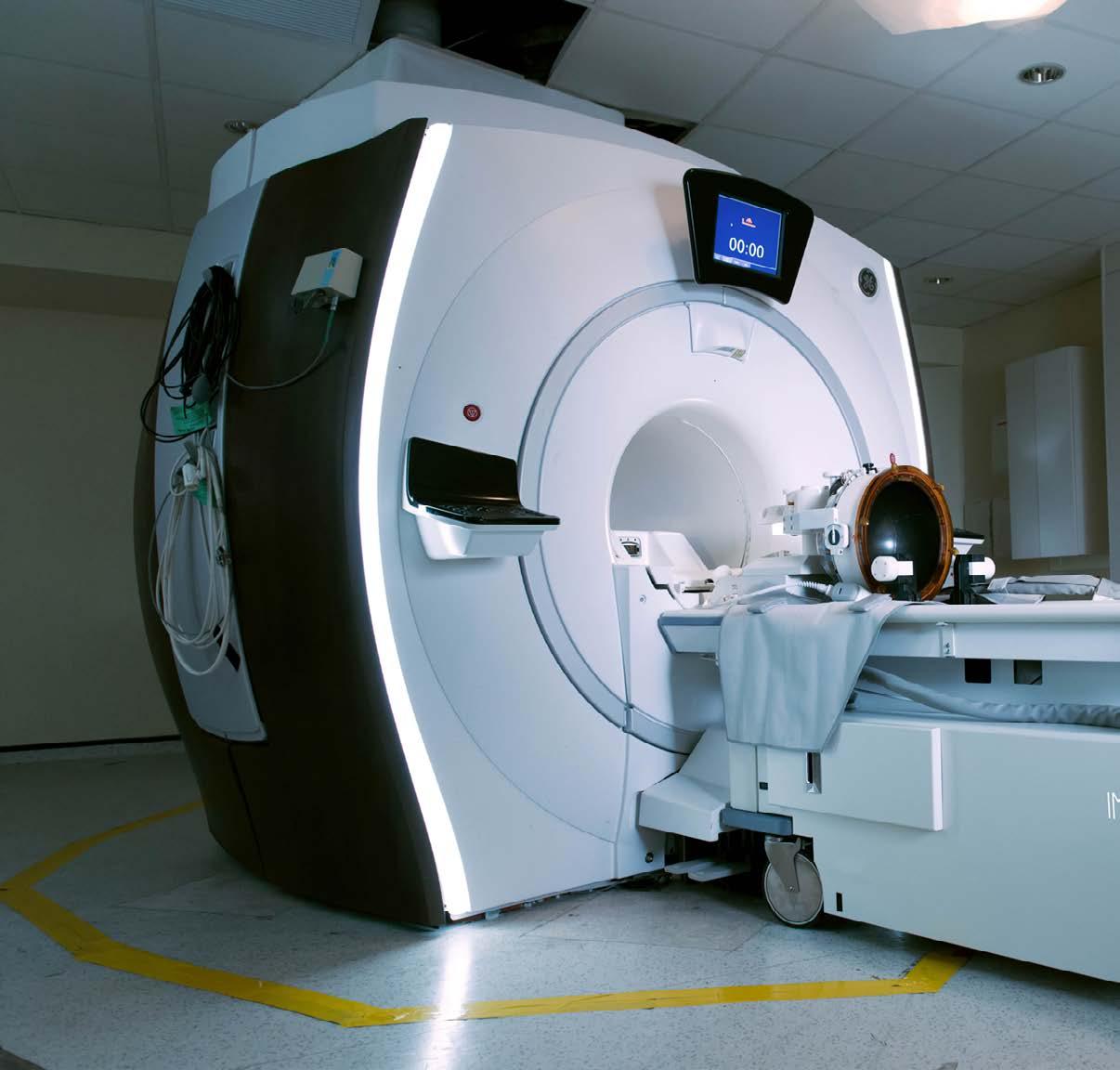
Unique Outpatient Treatments: Treatment for hand tremors using the therapeutic power of Focused UltraSound is typically a simple single-sitting outpatient procedure. Guided by MRI, precise spots in the brain are targeted using adjustable parameters tailored just for you, to go back home the same day.
Safety & Risk Information: MRgFUS (Magnetic Resonance guided Focussed UltraSound) technique is an overall reasonably safe procedure with minimal risks. Patients must discuss with their physician about all treatment options available and the risks involved as a mandate.
Complete care that makes you the main point of focus
FDA Approved: You can always count on our expert care. Our physicians are leading the way in research & advanced therapies, paving the path to fearless incision-less treatments.
Minimally Invasive Techniques: Use of high-tech diagnostic tools through minimally invasive surgeries not only help improve your results and recovery, but also make surgeries a comfortable option.

Convenient, Comprehensive Care: You can rest assured find complete neurological care when you need it at our specialized facilities like spine centres, sleep centres, and neuro-rehab locations.
Same-Day Tremor Relief: Even the mildest of Tremors can pose threat to daily activities and make life a struggle. Our advanced Neuro Care technology along with our select neurologic experts marks us as one of the first centres in India offering MRgFUS (Magnetic Resonance guided Focussed UltraSound) solution to tremors; The best, effective, and incision-free option to treat tremors.
For Essential Tremor: Tremors upon outstretched hand postures or simplest hand actions, it is one of the most common movement disorders.
Tremor Dominant Parkinsons: Uncontrollable movements like shaking or stiffness mark this neurodegenerative condition affecting - 1% of people over 60 yrs.
Patient Candidacy: It is vital you discuss your entire medical history with your neurologist and evaluate your suitability for the procedure with accuracy.
How It Works: In simple words, the concept of MRgFUS (Magnetic Radiation guided Focused UltraSound) is a procedure similar to using a high-powered magnifying lens to focus the sun’s energy on a specific spot on a leaf.
Treatment Benefits: tremor Improvement: 40-80% improvement in tremor severity (many with immediate improvement) stably maintained at three years.
By harnessing acoustic energy, you can now treat Essential Tremor and Tremor-dominant Parkinson’s Disease patients with the therapeutic power of focused ultrasound. The future of Neurosurgery has arrived. Royal Care Hospital is the first among its peers to introduce to the South Asian market a Focused Ultrasound platform to treat Essential Tremor and Parkinson’s Disease – Delivering up to 1,024 ultrasound waves across select points in the skull to precisely ablate a target deep in the brain, this treatment is performed incision-free in the MRI suite on an outpatient basis.
The Focused Ultrasound treatment involves a treating physician sitting at a computer in the MRI control room, using a mouse instead of a scalpel, to expertly mark and create a lesion in the skull. This treatment is guided by MR imaging for the patient-specific treatment planning, with real-time thermal feedback, along with continuous treatment monitoring. MRgFUS (Magnetic Resonance guided Focussed UltraSound) is approved for the treatment of essential tremors that cannot be controlled with medication. Approval is for treatment of one side of the brain only; you must be at least 22 years old. It is also available for tremor-dominant Parkinson’s disease. Approval is for treatment of one side of the brain only; you must be at least 30 years old.
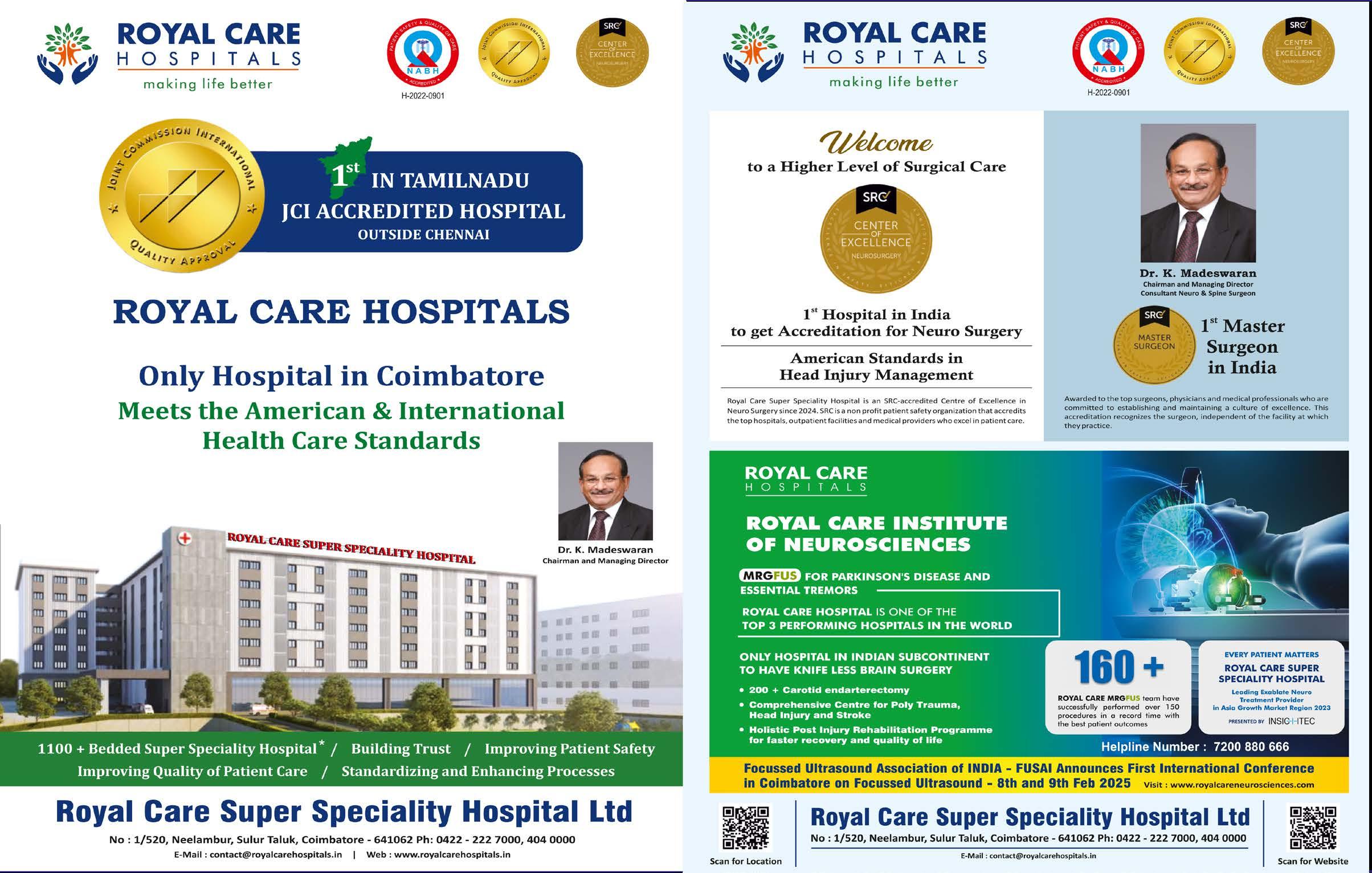
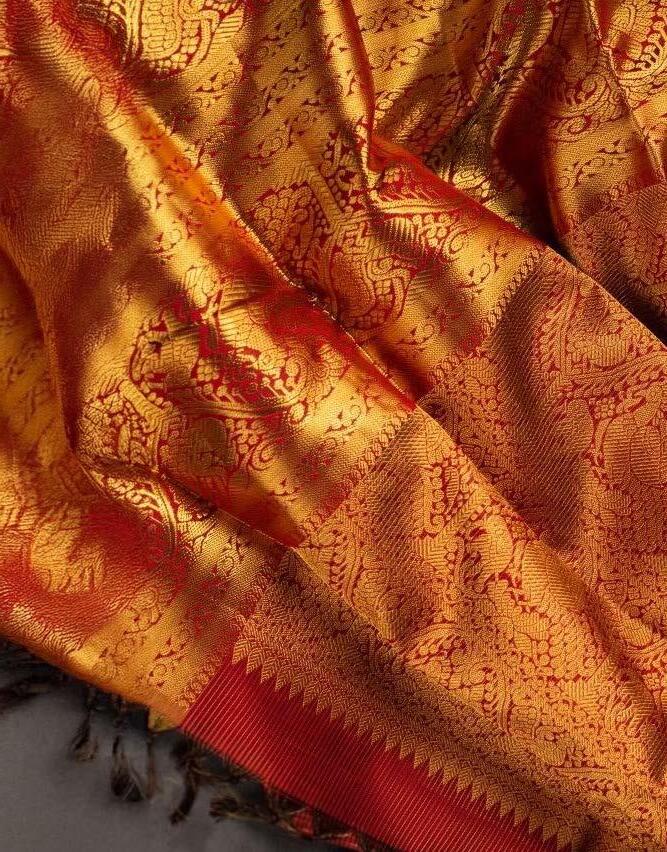
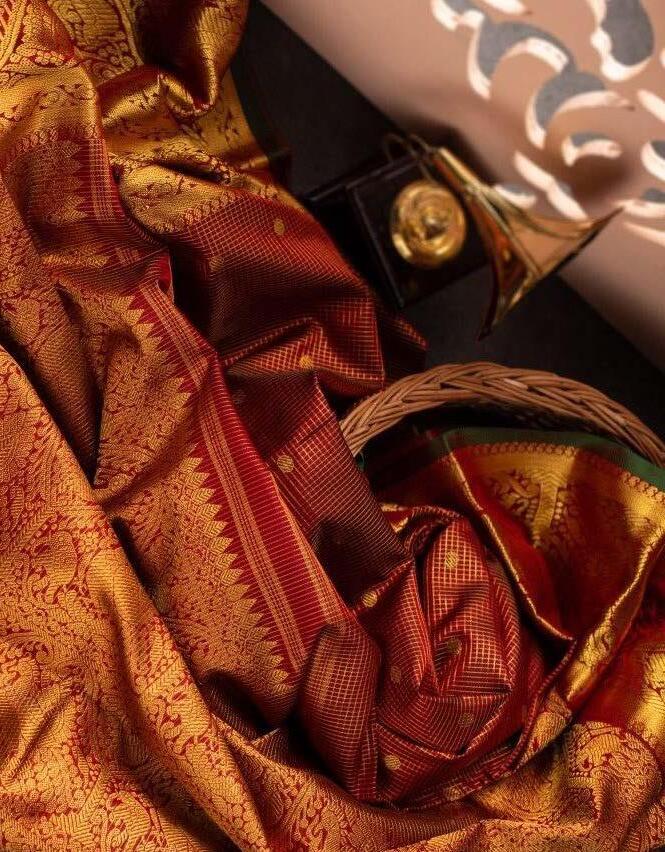
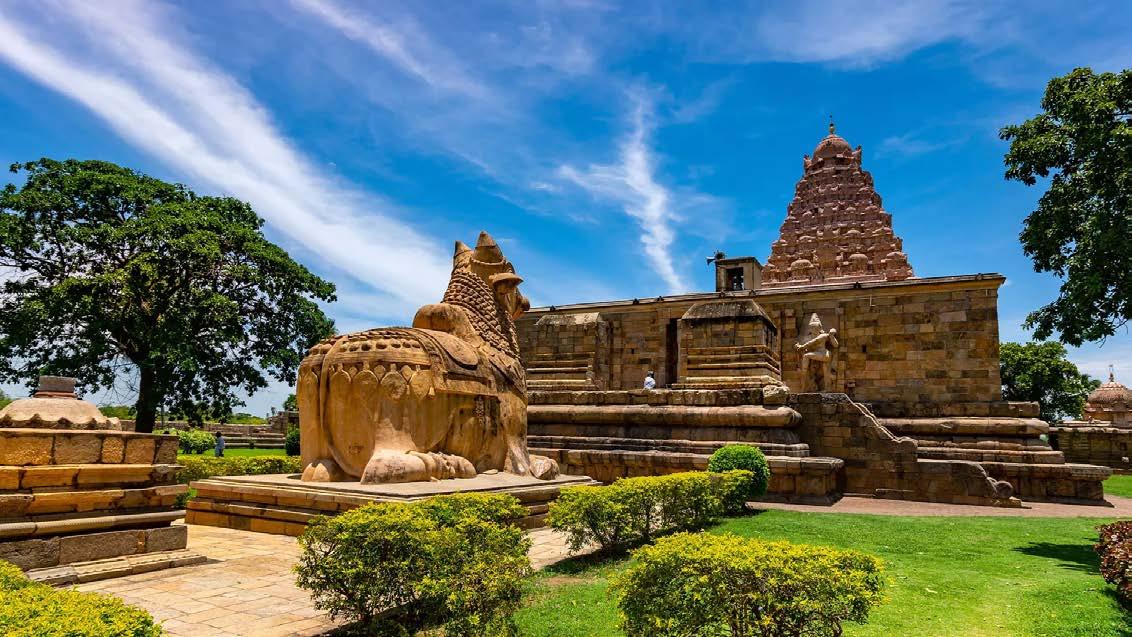
Atemple that is much more than a place of worship; a living tribute to the rich history of India and the legacy of the marvellous Dravidian architectural genre. The Gangaikonda Cholapuram Temple is a repository of the ageless sculptures of the Chola period in South India. Gangaikonda Cholapuram or Gangaikondacholeeswaram Temple is located in the Ariyalur district in Tamil Nadu. The temple derives its name from the ancient town it was a part of called Gangaikonda Cholapuram, which was the capital of the Chola dynasty for over 250 years. It is a part of the trip of the ‘Great Living Chola Temples’ along with the Airavastesvara Temple and Brihadeeswara Temple; also listed among the UNESCO World Heritage Sites.
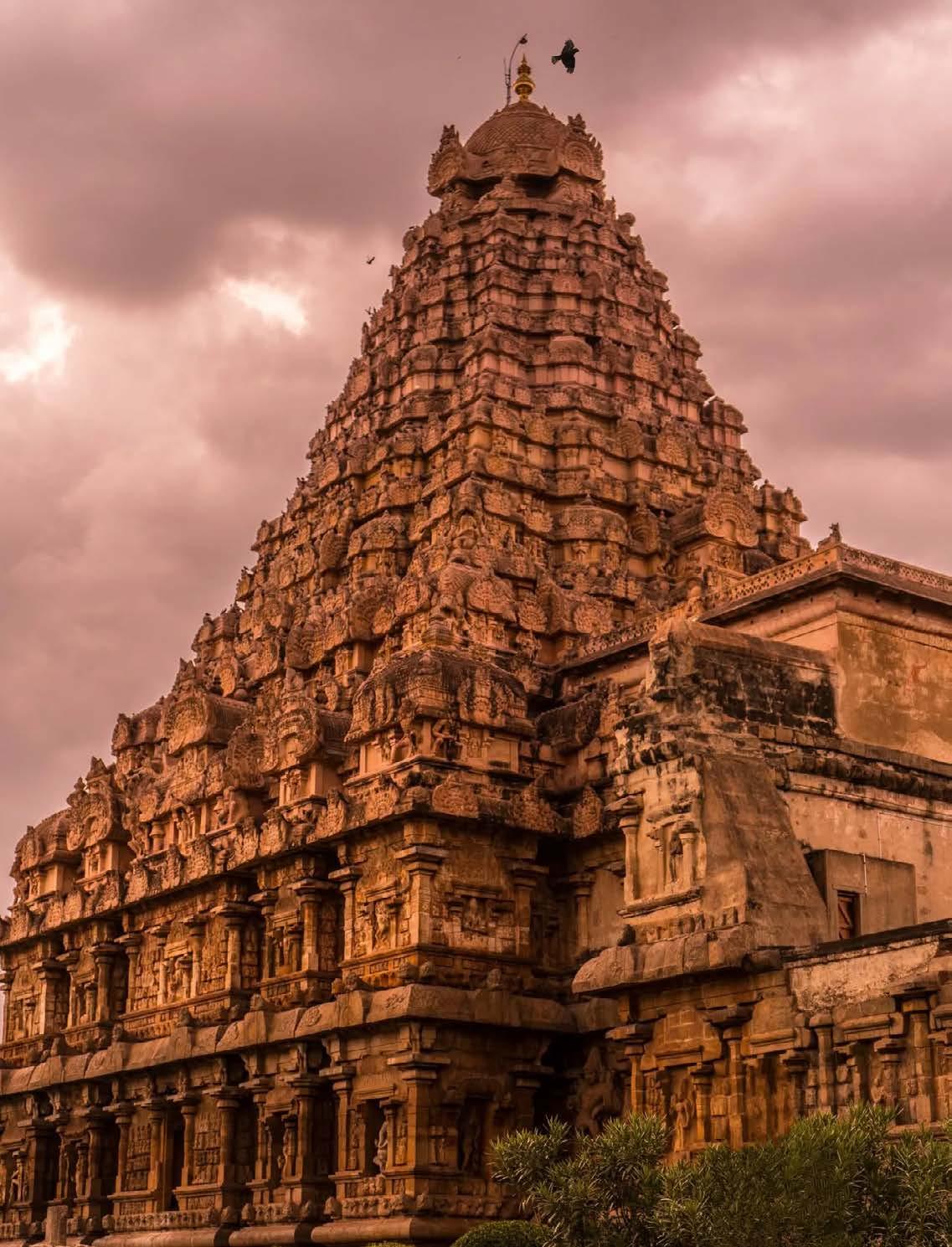
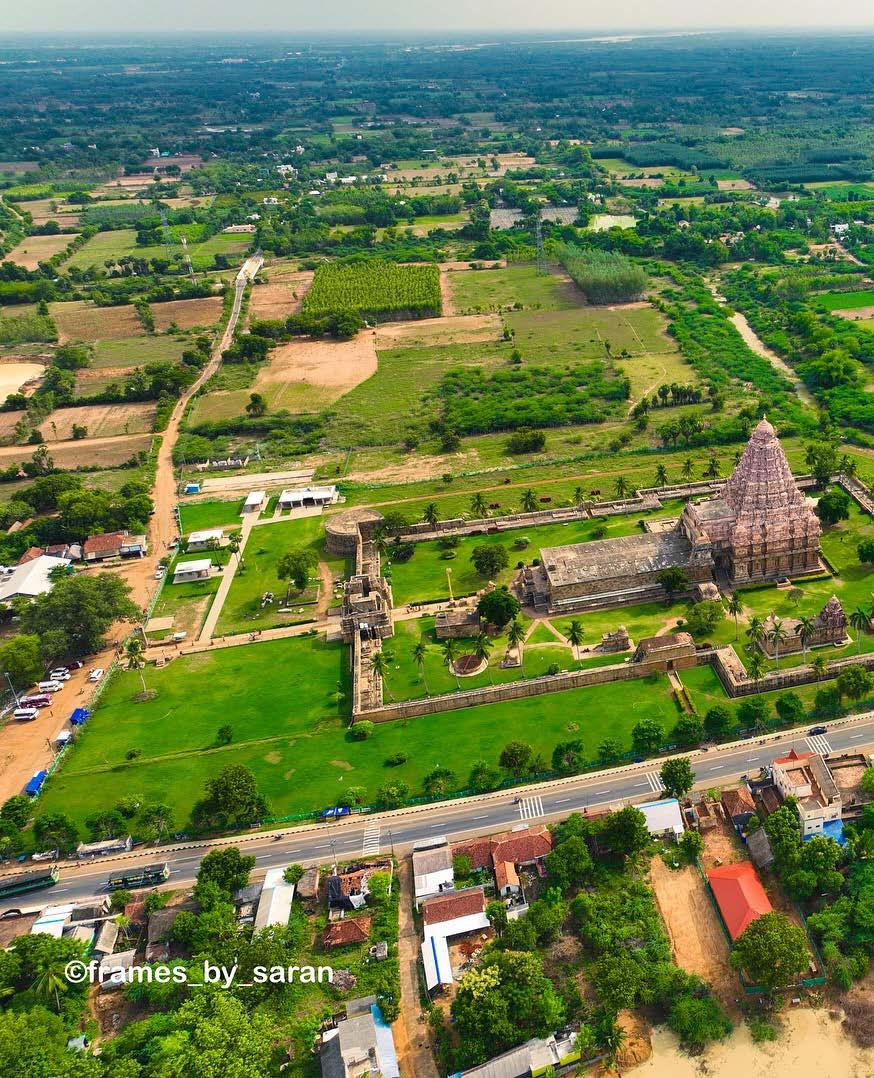
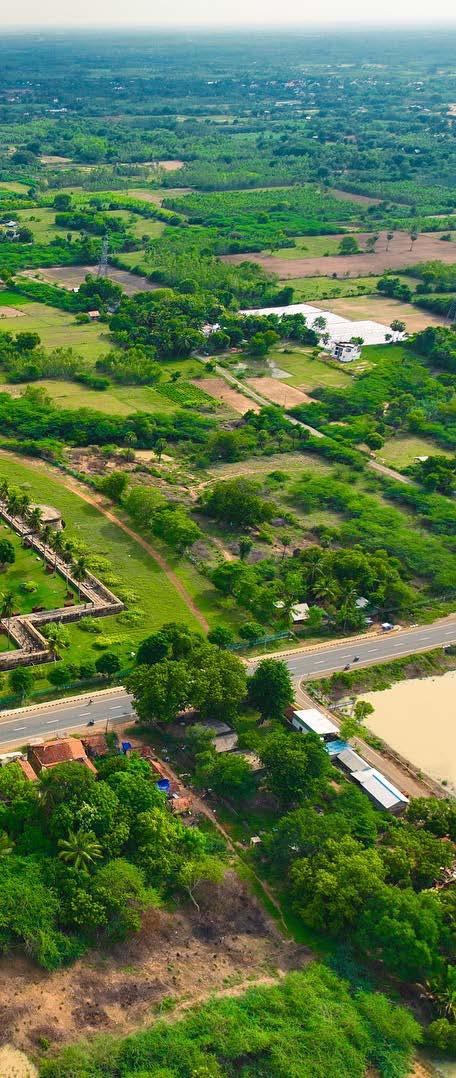
One of the largest temples in India, the Gangaikonda Cholapuram temple has Shiva as the principal deity. The main temple tower stands 55 m tall and the imposing building is covered in rich art and sculptures that adorn the premises in absolute grandeur. The magnificent temple is built on an elevated structure. There is a splendid courtyard that is 170 m high and 98 m wide. As in the case of most Shiva temples, the principal deity is represented as a Shiva Lingam which is 13 ft tall. The main part of the structure is 341 ft high and 100 ft wide.
One of the interesting features of the temple and the town itself is the way the place got its name. Rajendra I, a Chola emperor sent his army towards the Northern parts of India to get pots of water from the holy river of Ganga. On the way, they defeated several enemy armies and came home victorious. Thus he earned the nickname Gangaikonda Chola or the one who conquered the Ganges. So when he established a new capital city, he named it Gangaikonda Cholapuram and later when the temple was built, it got the same name.
Ariyalur Bus Stand, about 45 km away. Chennai International Airport, about 290 km away. Kutralam Railway Junction, about 30 km away.
Gangaikonda Cholapuram is a village located near to Jayankondam, Ariyalur district, Tamil Nadu, India. It became the capital of the Chola dynasty in c. 1025 by Chola emperor Rajendra I, and served as the capital for around 250 years. The town is about approximately 125 kilometres (78 mi) northeast of Tiruchirapalli international airport. As of 2014, the ancient city exists as a heritage town in the Ariyalur district of Tamil Nadu, India. The great Arulmigu Peruvudaiyar Temple at this place is next only to the Arulmigu Peruvudaiyar Kovil at Thanjavur in its monumental nature and surpasses it in sculptural quality. It has been recognised as a World Heritage site by UNESCO.
The translation of the city’s name may be split into Gangai (Ganga)/ Konda (Obtained)/ Chola (Chola)/ Puram (City). Hence, it refers to the city of the Cholas built on a locale to commemorate the occasion when the water of the Ganga was obtained.
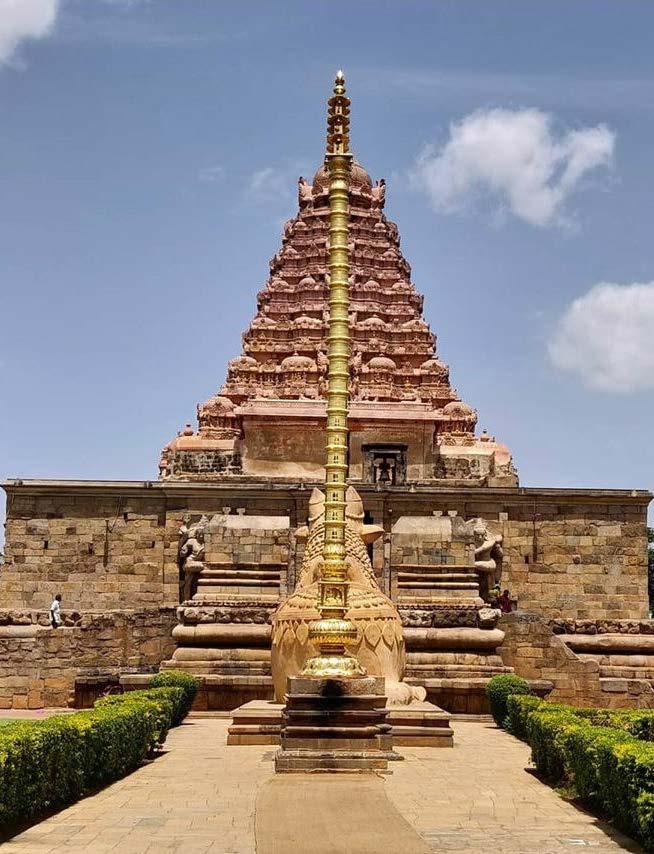
The city was founded by Rajendra I to commemorate his victory over the Pala Dynasty. It is now a small village, its past eminence only remembered by the existence of the Mahashiva Temple. The Chola Empire included the whole of southern India to the river Tungabhadra in the north. For administrative and strategic purposes, they built a new capital and named it Gangaikonda Cholapuram. The city seems to have had two fortifications, one inner and the other outer. The outer was probably wider. The remains of the outer fortification can be seen as a mound running all around the palace. Excavations suggest that the outer fortification was built of burnt bricks, was about six to eight feet wide. It consisted of two walls, the intervening space (the core) being filled with sand. The bricks are fairly large in size and are made of well-burnt clay. The Tamil Nadu State Archaeological Department has taken up fresh excavations to probe a nearby village named Ayudhkalam which is believed to have weapon manufacturing workshops, as the name suggests.
The surviving temple in Gangaikonda Cholapuram was completed in 1035 CE. Rajendra emulated the temple built by his father after his victory in a campaign across India that Chola era texts state covered Karnataka, Andhra Pradesh, Odisha, and Bengal. After his victory, he demanded that the defeated kingdoms send pots of Ganges River water and pour it into the well of this temple. Rajendra I, according to Tamil tradition, thereafter assumed the name of Gangaikonda Cholan, meaning the one who conquered the Ganges. He established Gangaikonda Cholapuram as his capital from
the medieval Chola capital of Thanjavur, which would go on to become the capital for the next 250 years. Rajendra I built the entire capital with several temples using plans and infrastructure recommended in Tamil Vastu and Agama sastra texts. These included a Dharma Sasta, Vishnu and other temples. However, all of these were destroyed in the late 13th and 14th centuries except the Brihadishvara temple.
The other Chola landmarks are evidenced by soil covered mounds and excavated broken pillar stumps and brick walls found over an area of several kilometres from the surviving temple.
The reasons for the city’s destruction are unclear. According to Vansanthi, the Pandyas who defeated the Cholas during the later part of the 13th century “may have razed the city to the ground” to avenge their previous defeats. However, it is unclear why other temples were destroyed and this temple was spared, as well as why there are around 20 inscriptions from later Cholas, Pandyas and Vijayanagar Empire indicating various gifts and grants to this temple.
An alternate theory links the destruction to the raids and wars, particularly with the invasion of the capital city and the territories that were earlier a part by the Chola Empire along with Madurai by the armies of Delhi Sultanate led by the Muslim commander Malik Kafur in 1311, followed by Khusrau Khan in 1314 and Muhammad bin Tughlaq in 1327.
The period that followed saw wars between the Hindu kings and the Muslim Sultans who seceded the Delhi Sultanate and carved out new polity such as the nearby Madurai Sultanate (1335–1378).
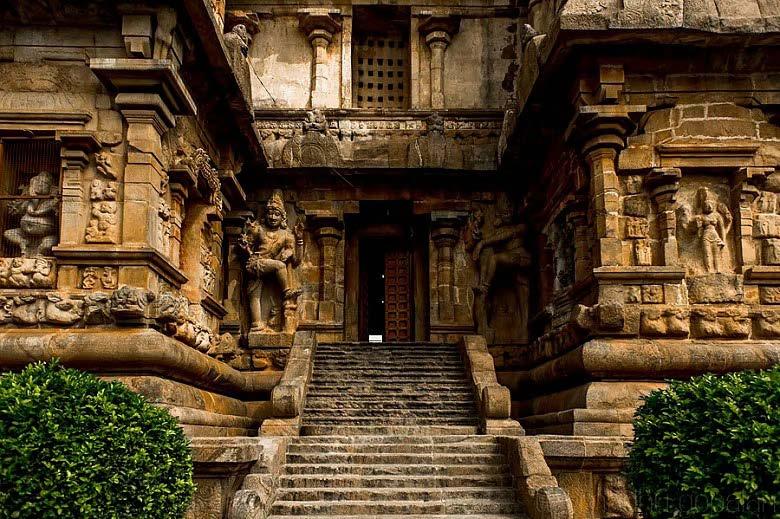
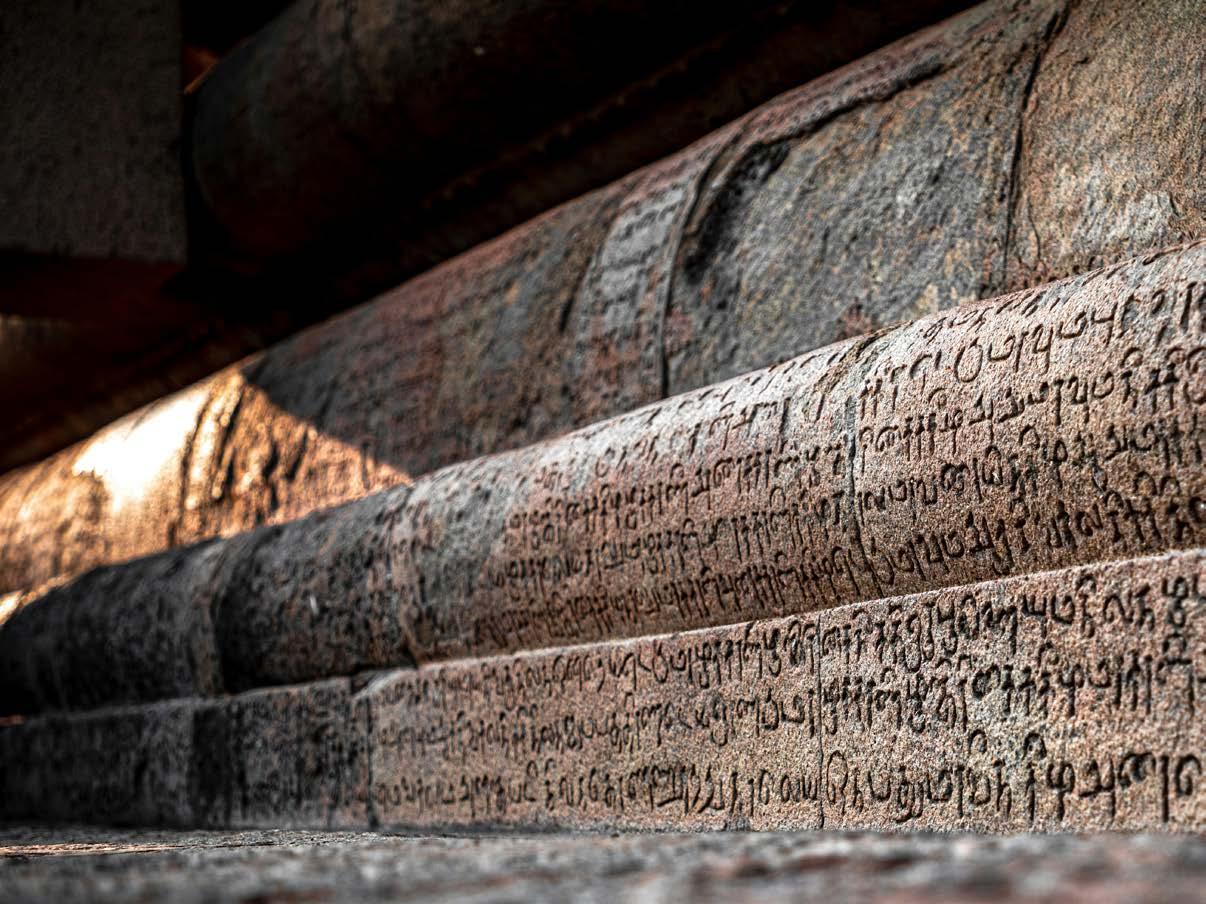
The Vijayanagara Empire defeated the Madurai Sultanate in 1378 and this temple along with other Chola era temples thereafter came under Hindu kings again who repaired and restored many of them. The temple has been reconsecrated in 2017 with installation of a dwajasthambam and performance of maha kumbhabhishekam.
Chola rulers were patrons of the arts and architecture. They built the temple of Gangaikondacholisvara. The temple has sculptures of exceptional quality. The bronzes of Bhogasakti and Subrahmanya are masterpieces of Chola metal icons. The Saurapitha (Solar altar), the lotus altar with eight deities, is considered auspicious. The shiva lingam is made from single rock. The Chola rulers constructed enormous stone temple complexes with intricate carvings of Hindu gods. Rajaraja I built the famous Brihdrishvara temple at Thanjavur, which is about 50 km away from city of Gangaikonda Cholapuram, between 1003 and 1010 CE. Shiva is worshipped here. The grandeur of this temple has not been diminished by age. There
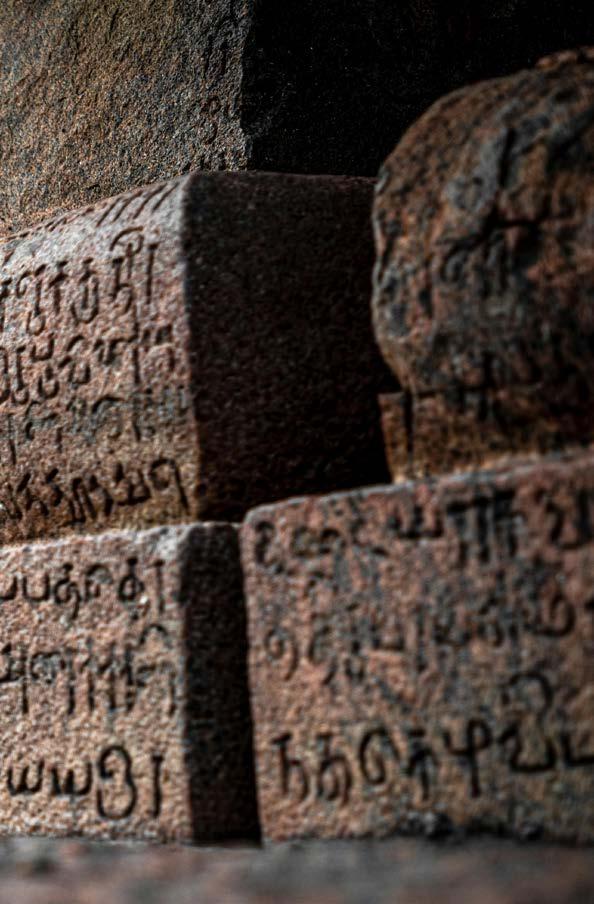
is a massive statue of Nandi, the sacred bull of Shiva, in the central courtyard of the temple. The exquisite bronze statues of the Chola period are known the world over for their grace and lifelike appearance. Many beautiful figures of Nataraja, or the dancing Shiva, were made during the Chola era.
The royal palace also was built of burnt brick. The ceilings were covered with flat tiles of small size, laid in a number of courses, in fine lime mortar. The pillars were probably made of polished wood, supported on granite bases; a few pillar bases have survived to this day. Iron nails and clamps have been recovered from this palace site. There is a tunnel that links the palace and the temple inner 1st prakaara (north). In the reign of Virarajendra Chola, Rajendra’s third son, the palace at Gangaikondacholapuram is referred to as Chola-Keralan Thirumaligai (Chola Keralan palace) evidently after one of the titles of Rajendra I. The same inscription mentions a few parts of the palace as adibhumi (the ground floor), Kilaisopana (the eastern portico), and a seat named Mavali vanadhirajan.
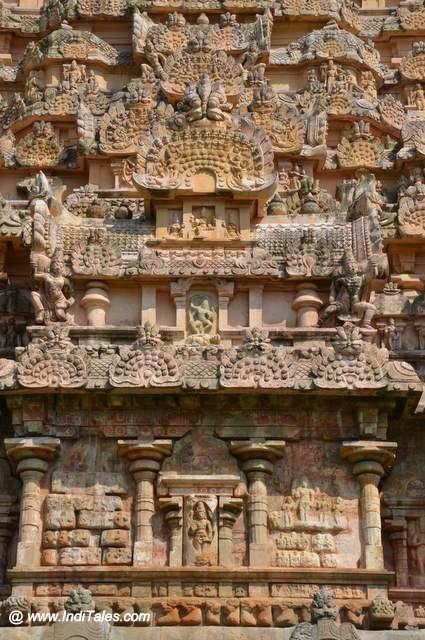

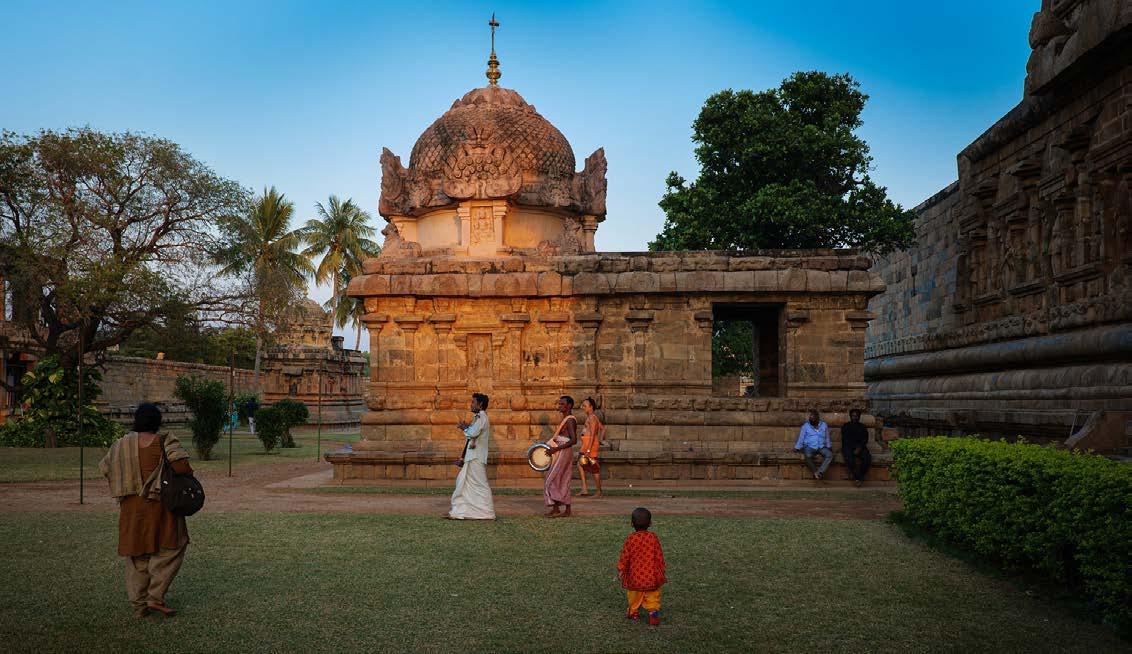
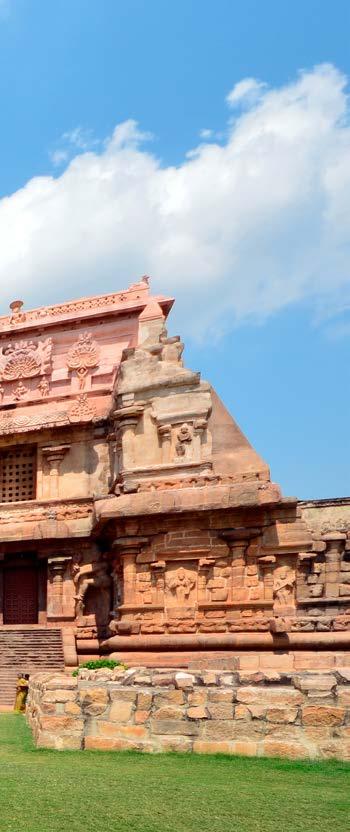
Evidently the palace was multistoried. In an inscription dated in the 49th year of Kulothunga I (1119 CE) reference is made to Gangaikondacholamaligai at this place. It is likely that there were more than one royal building each having their own name.
Besides the names of the palace and fort walls, the names of a few roads and streets are preserved in the epigraphs. The entryways named Thiruvasal, the eastern gate and the Vembugudi gate, evidently the south gate leading to the village Vembugudi situated in that direction are mentioned. Reference is also found to highways named after Rajaraja and Rajendra as Rajarajan Peruvali and Rajendran Peruvali. Other streets mentioned in epigraphs are the ten streets (Pattu teru), the gateway lane (Thiruvasal Narasam) and the Suddhamali lane. The inscription also refers to the highways, Kulottungacholan Thirumadil peruvali, Vilangudaiyan Peruvali and Kulaiyanai pona Peruvali (the highway through which a short elephant passed by).
The epigraphs also refer to the Madhurantaka Vadavaru, now called the Vadavaru, running about six kilometers east of the ruined capital. Madhurantaka Vedavaru, named after one of the titles of Rajendra I, was a source of irrigation to a vast stretch of land bordering the capital. An irrigation channel called Anaivettuvan is also mentioned. “Anaivettuvan” - Anai means irrigation (step irrigation) vettuvan means labour or engineer. There were both wet and dry lands inside the Fort, used for cultivation and other purposes. The present positions of the existing temples throw some light on the lay out of the city.
With the palace as the centre to the city, the great temple, and the other temples in the city seem to have been erected. Towards the northeast (Isanya) of the palace is the great temple of Siva. The Siva temple according to Vastu and traditional texts should be in the northeast of the city or village and should face east. The temple of Vishnu should be in the west. A number of small tanks and ponds mentioned in inscriptions and a number of wells, supplied drinking water to the residents.

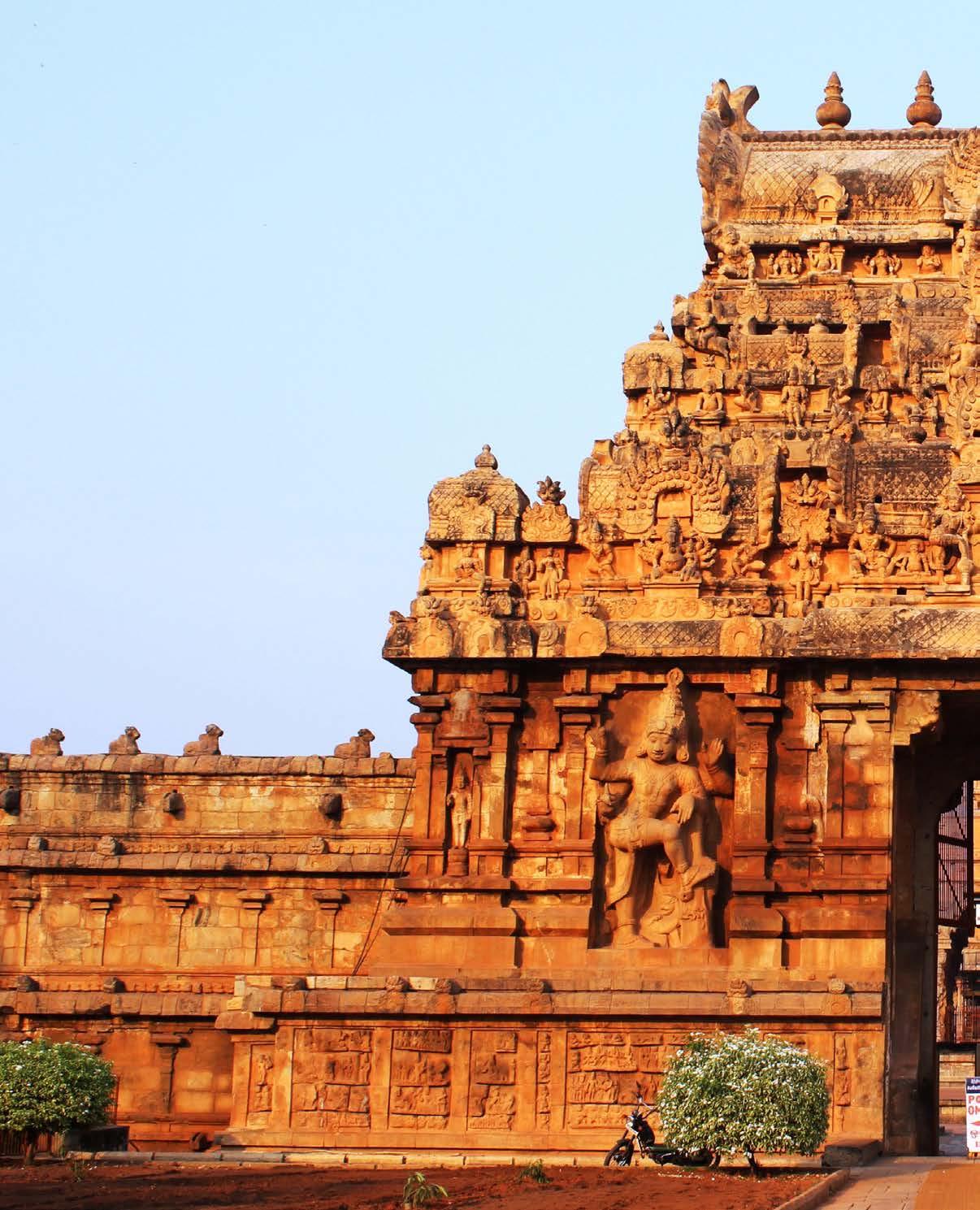
Amid thousands of sacred hymns glow a world of enchanting beauty – one that tells many stories of dynasties, historic triumphs and timeless traditions. The Brihadeeswara Temple is a testimony to the Dravidian architecture of the Chola Period. One of the largest temples in India, the Brihadeeswara Temple also known as Peruvudaiyar Kovil is located in Thanjavur. Dedicate to Lord Shiva represented as a huge ‘Lingam’, the temple was built around 1010 AD by the Chola king Rajaraja Chola I. Considered as one of the three ‘Great Living Chola Temples’ along with the Gangaikondacholeeswaram Temple and Airavastesvara Temple, the complex is also listed as a part of the UNESCO World Heritage Sites. One of the main attractions of the temple is a big statue of Nandi, the sacred bull of Lord Shiva. 13 ft high and 16 ft wide, the statue is sculpted out of a single rock. Fortified walls rich in elaborate rock art works surround the temple and give a grand look to the entire complex. The main temple tower is 216 ft high and the tallest of its kind in the world. The complete structure of the temple is made out of granite. The main ‘Gopurams’ or gateways to the temple are splendid structures with detailed sculptures.
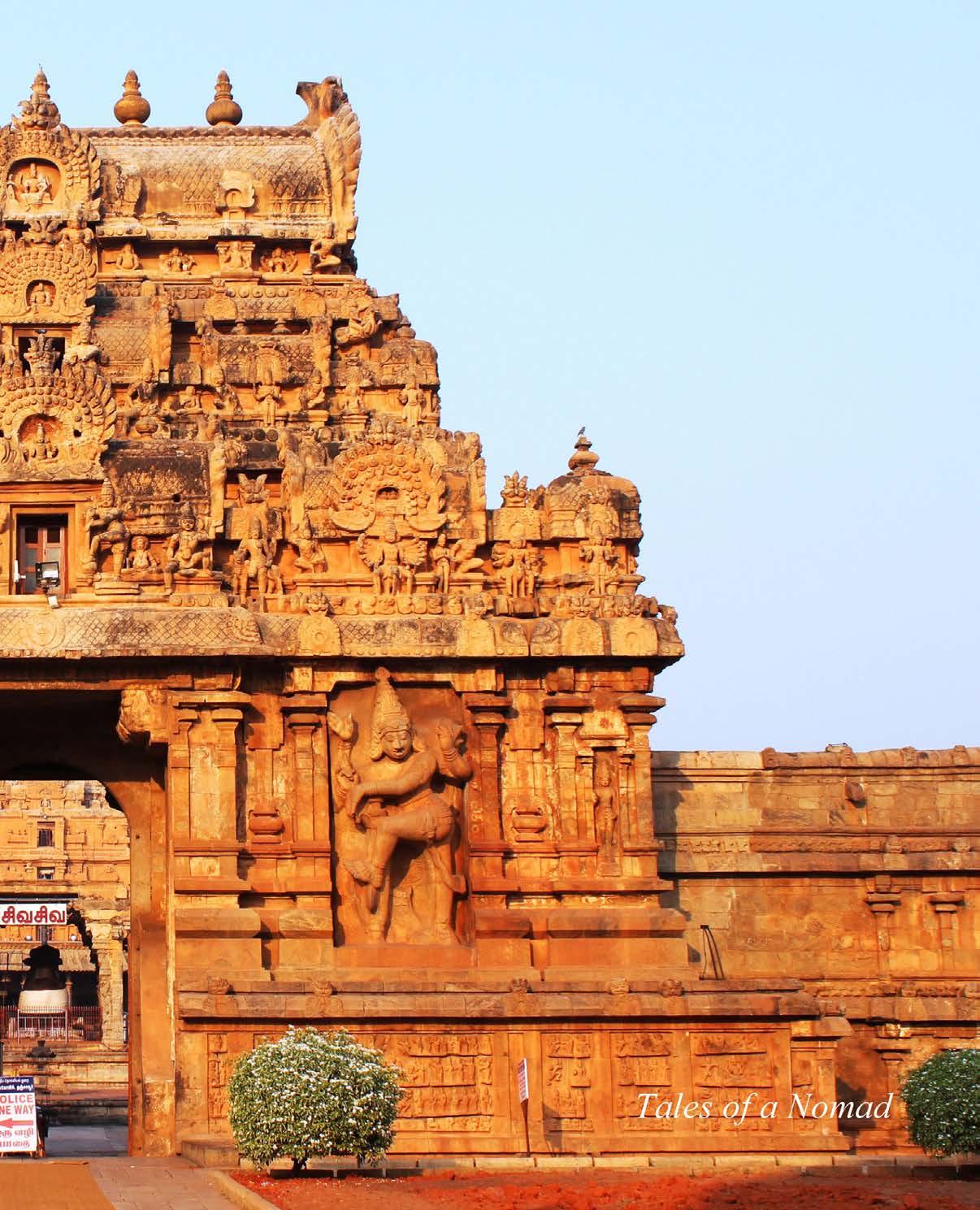
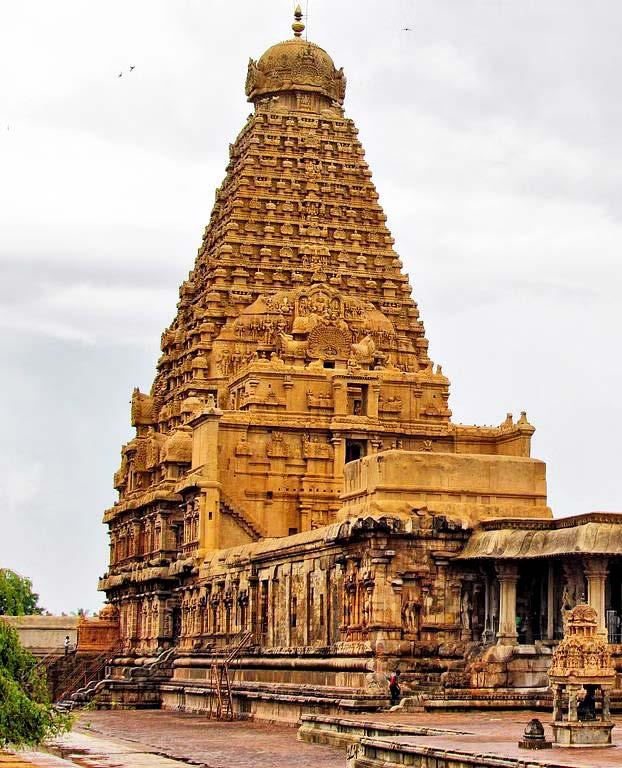
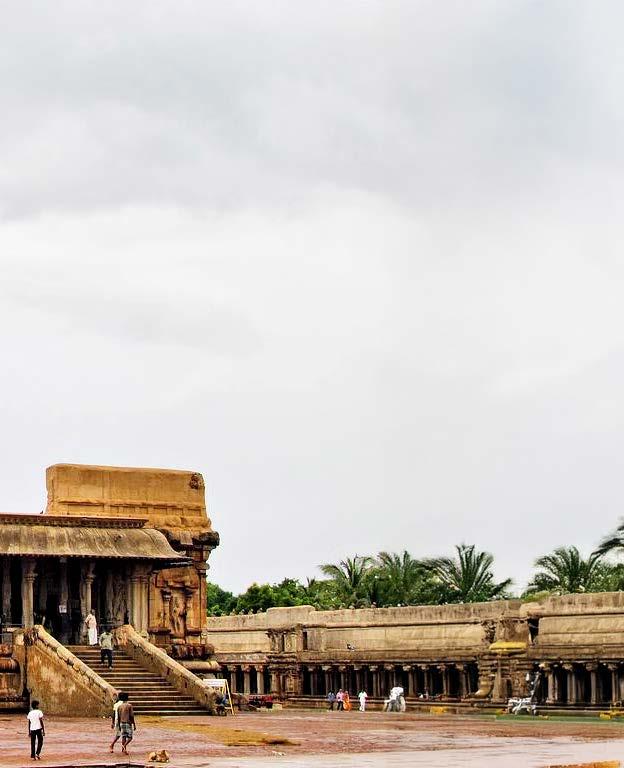
The temple’s inscriptions and frescoes narrate the tale of the rise and decline of the city’s fortunes. The Shiva lingam or the idol is covered by the tower and is built with stones that are bonded without the use of mortar. Yet another wonder can be seen above - the stone at the top which weighs nearly 80 tons. The temple stands as a fitting example of the might and power of the Chola dynasty that once ruled over the region. It is believed that the construction of the massive temple complex took only 7 years for completion, which is a huge accomplishment considering the scale of the sculptures, art and the complex itself.
Thanjavur Bus Stand, about 1 km away.
Tiruchirapalli International Airport, about 61 km away.
Thanjavur Junction Railway Station, about 1.5 km away.
The Brihadisvara Temple is a Hindu temple dedicated to Lord Shiva in Gangaikonda Cholapuram, Jayankondam, Tamil Nadu, India. This Chola dynasty-era temple, completed in 1035 AD as part of Rajendra Chola I’s new capital, is similar in design and name to the older 11th-century Brihadeeswarar Temple about 70 kilometres (43 mi) to the southwest in Thanjavur. The Brihadisvara Temple, Gangaikonda Cholapuram Temple is smaller than the Thanjavur Temple but more refined. Both are examples of Dravidian-style temples and are among the largest Shiva temples in South India. The temple is also known as Gangaikonda Cholapuram Temple or Gangaikondacholeeswaram Temple in texts.
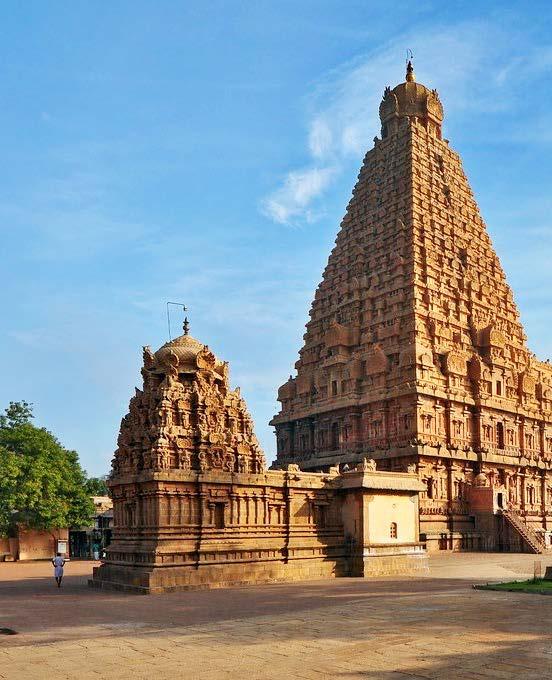
The main Shiva temple is square, but it also houses other Hindu deities such as Vishnu, Durga, Surya, Harihara, Ardhanarishvara, and others. It faces the sunrise, and its sanctum, as well as the mandapas, are oriented east-west. Aside from the main shrine, the temple complex includes several smaller shrines, gopuras, and other monuments, some of which have been partially ruined or restored in later centuries.
The temple is famous for its bronze sculptures, wall art, depiction of Nandi, and the size of its tower. The temple is notable not only for being built by Rajendra I but also for its numerous inscriptions, none of which are his. Except for this temple, the old city of Gangaikonda Cholapuram, the capital of a powerful Asian empire from around AD 900 to AD 1215, or over three centuries, has been destroyed, leaving a desolate place. The Brihadisvara Temple, Gangaikonda Cholapuram temple is still in use. There are four daily rituals and many yearly festivals held there, the most notable of which are Shivarathri during the Tamil month of Masi (February-March), Aipassi Pournami during Aipassi (October-November), and Thiruvadirai during Margazhi (December-January). It is one of Tamil Nadu’s most popular tourist destinations.
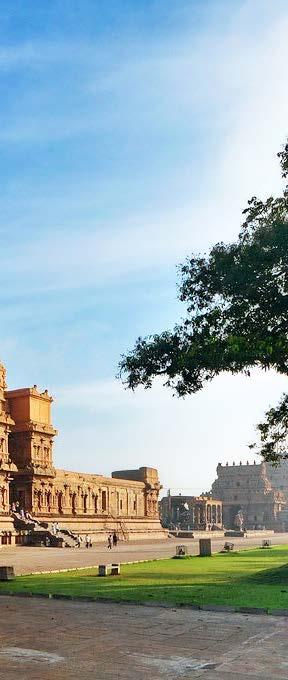

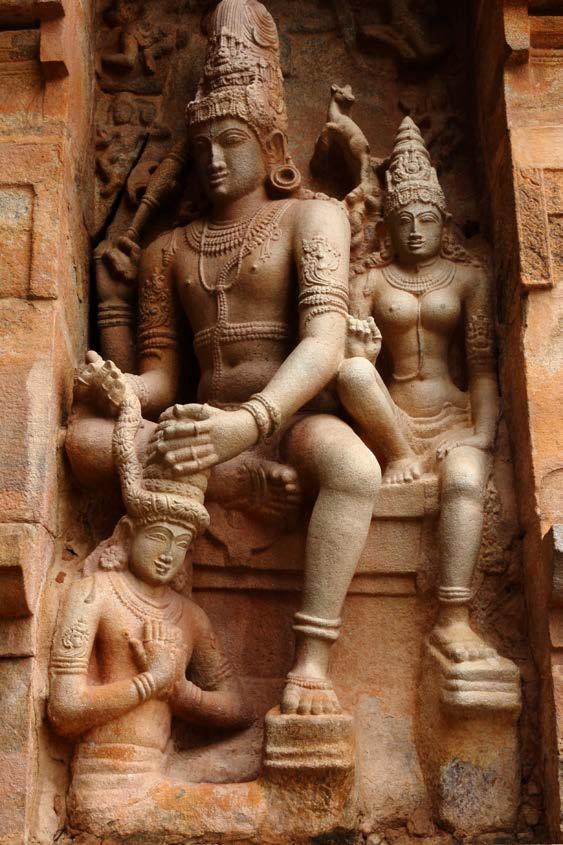
The temple was built in 1035 AD by Rajendra Chola I (1012-44 CE), the son of the famous Chola king Raja Raja Chola I, who also built the Brihadeeswarar Temple in Thanjavur. Some experts believe the temple was built in 1020, during the 6th regnal year, but inscriptions indicate the temple was built in 1035 AD, during the 20th regnal year. Rajendra wished to replicate the temple built by his father following his victory in a campaign across India that, according to Chola-era texts, included Karnataka, Andhra Pradesh, Odisha, and Bengal. Following his victory, he demanded that the defeated kingdoms send pots of Ganges River water to fill the temple well. The well was originally known as Cholagangam because it was filled with Ganges water. According to Tamil tradition, Rajendra I took the name Gangaikonda Cholan, which means “the one who conquered the Ganges.” From the earlier Chola capital of Thanjavur, he established Gangaikonda Cholapuram as his capital. For the next 250 years, Gangaikonda Cholapuram served as the Chola capital. Rajendra I constructed the entire capital, including numerous temples, using plans and infrastructure recommended in Tamil Vastu and Agama Sastra texts. Dharma Sasta, Vishnu, and other temples were among them. Except for this temple, all of these structures were destroyed in the late 13th and 14th centuries.
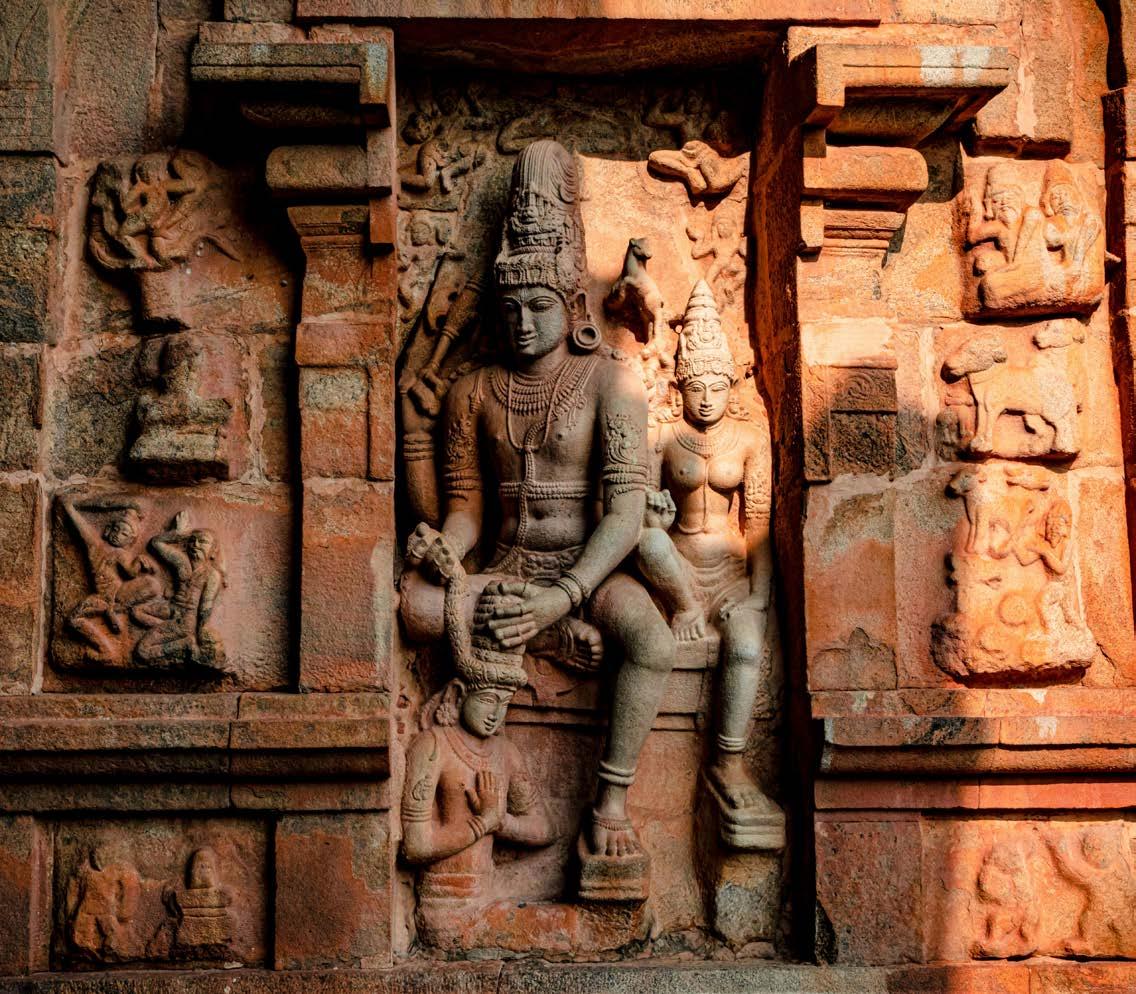

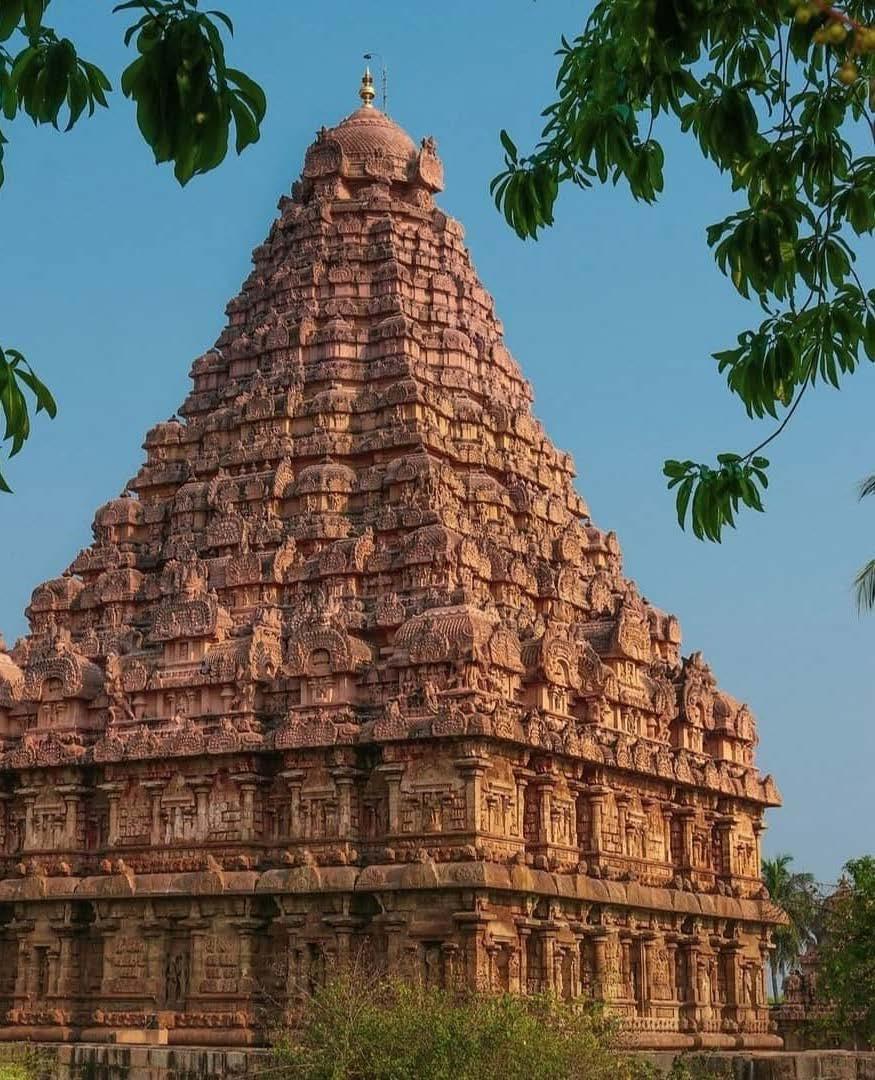
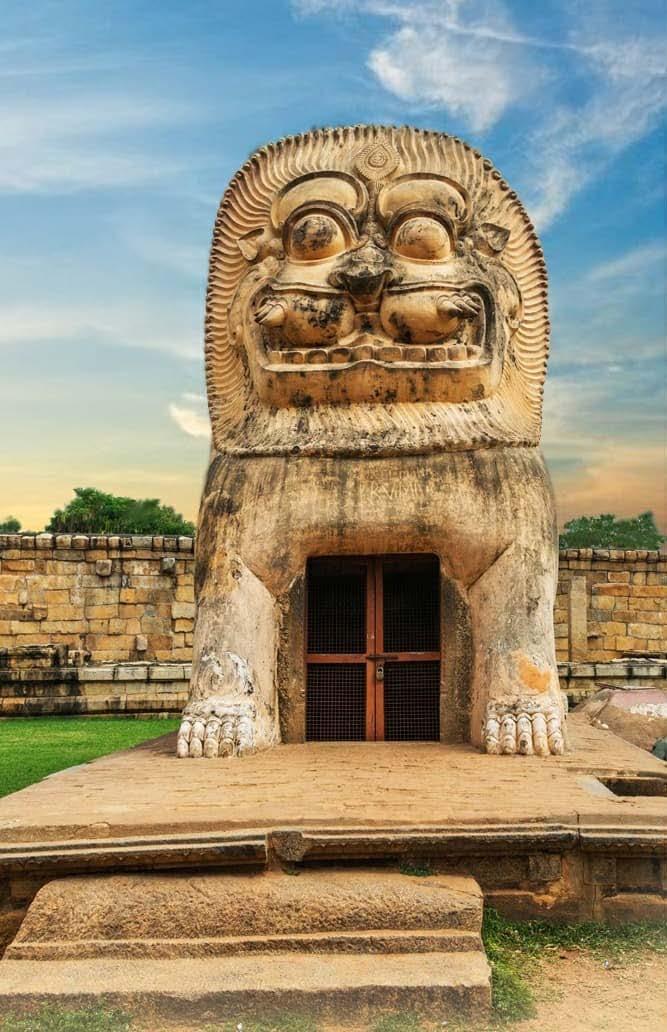

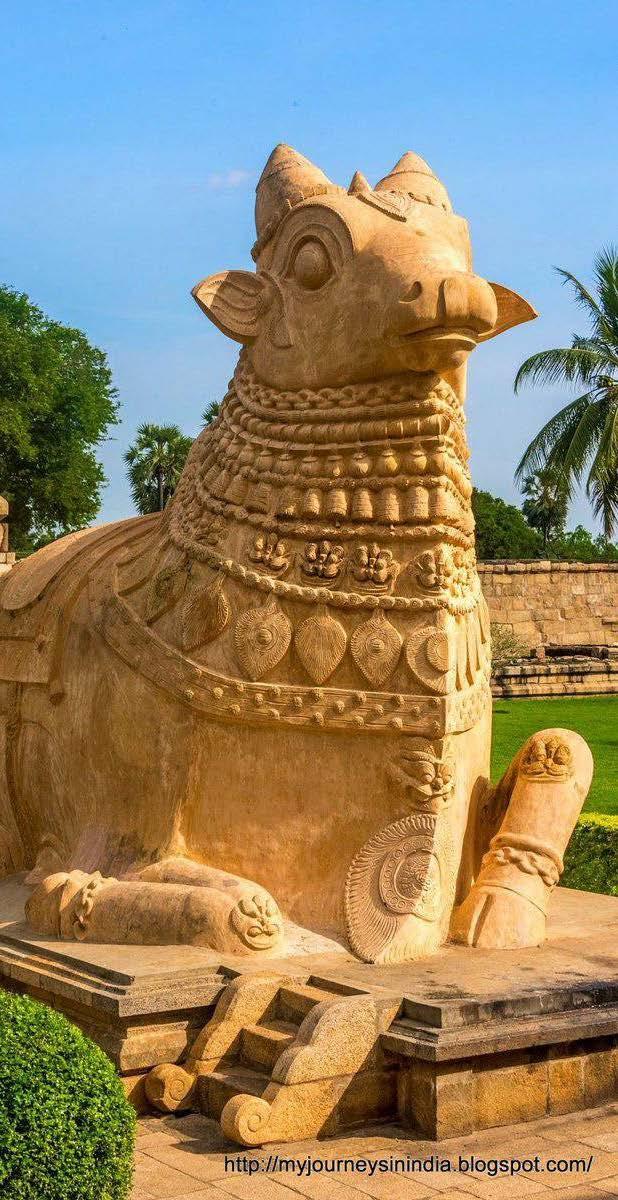
Gangaikonda Cholapuram Temple is designed in Dravidian style and has a square plan. The original courtyard is two squares stacked on top of each other, and all mandapas, upapitham, shrine plans, garbha griha (sanctum), and tower elements are square and incorporate circles and geometric symmetry. The structural elements are reminiscent of Thanjavur’s large Brihadisvara Temple. Both have a courtyard with multiple gateways and a relatively small gopuram (tower). Inside are shrines, most of which are aligned east-west; a few are perpendicular. Nandi Mandapa, Alankar Mandapa, Maha Mandapa, Mukha Mandapa, and Ardha Mandapa are all part of the temple complex. The visible upapitham is 103.63 m long by 30.48 m wide with an east-west axis, but a portion of it is most likely missing, with the surviving foundation covered by soil and a restored surface for tourism. According to Balasubrahmanyam, the garbha griha (sanctum) is 30.48 m long, the maha mandapa (great hall) is 53.34 m long, and the ardha mandapa (partial hall) is 19.81 m long on the visible part. The ardha mandapa, which is square, connects the sanctum and the great hall. The temple was among the first to have pillared halls, which became a common feature in later temples. The main temple is elevated, with a courtyard measuring 560 feet (170 metres) by 320 feet (98 metres).
Its sanctum is 100 square feet (9.3 square metres) in size and is accessible via the Ardha Mandapa. The sanctum doorway is flanked by two 6 ft (1.8 m) tall dvarapala guardians. Brihadeeswarar (Shiva) appears as a lingam in the sanctum. This lingam stands 4 metres (13 feet) tall and has a base circumference of 18 metres (59 feet). The courtyard contains an image of a seated Nandi bull that is aligned axially 200 m (660 ft) facing the sanctum. There are five shrines surrounding the sanctum, as well as a Lion well, which was added in the nineteenth century. The temple has a monolithic representation of the Navagrahas, the nine planetary deities.
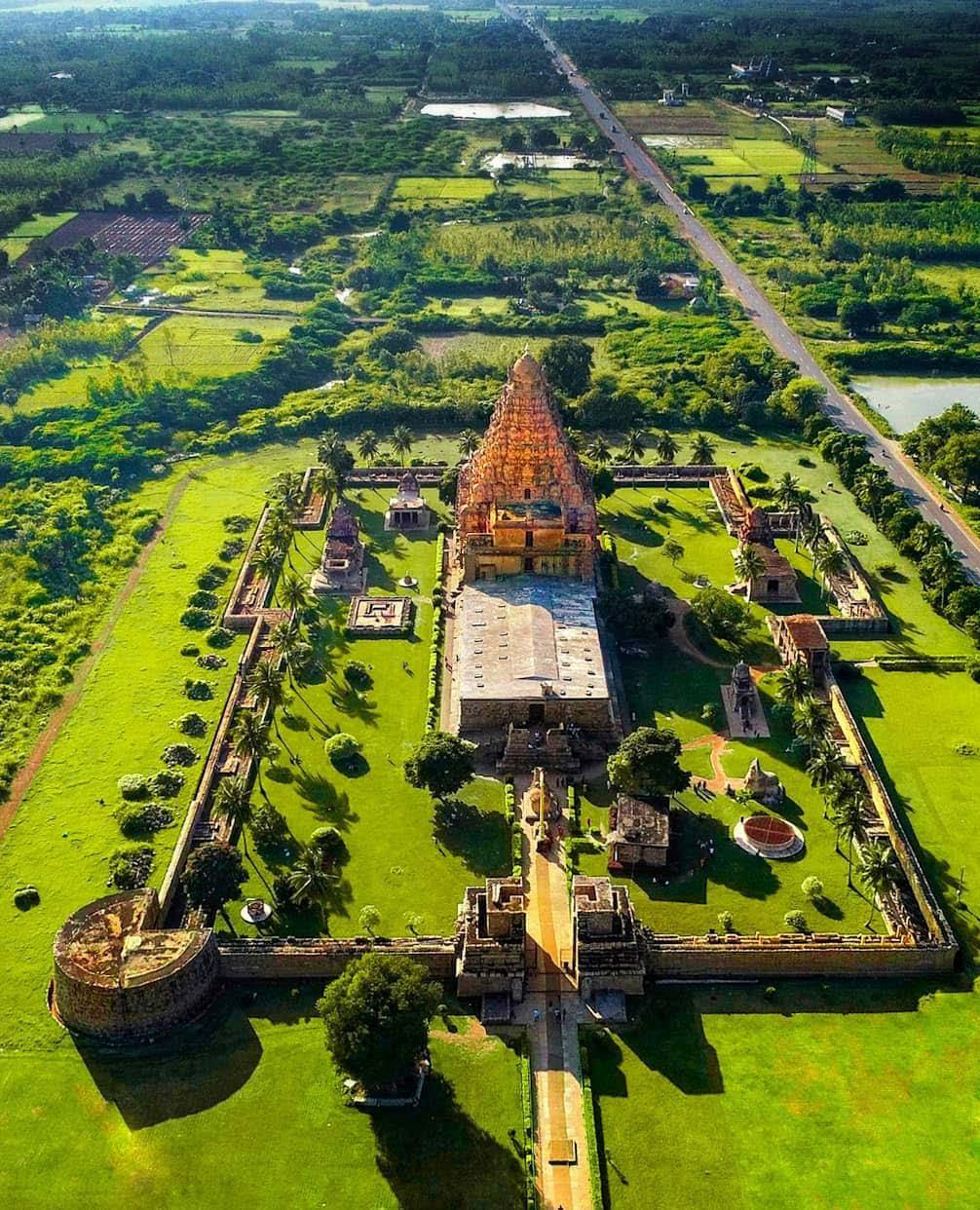

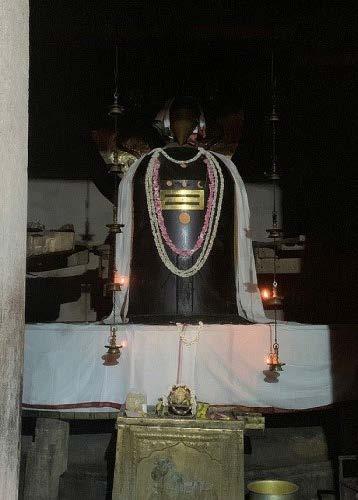
• Brihadisvara Temple, also known as Gangaikonda Cholapuram Temple, is dedicated to Lord Shiva and is considered one of the largest temples in the country, as well as a fine example of the grandeur of Dravidian style architecture of the Chola dynasty.
• This magnificent temple was built in 1035 AD as part of Rajendra Chola I’s new capital at Gangaikonda.
• The Chola king instructed the defeated kings to send pots filled with Ganga River water, which was poured into Cholagangam, the temple’s Kunda (water tank).
• This ancient shrine is situated in the Thanjavur district in Tamil Nadu.
• Brihadisvara Temple is a revered temple for Hindus, which they bestow on Lord Shiva (The God of destruction).
• This Brihadisvara Temple is one of the largest temples in India and one of the supreme brilliances of Indian architecture.



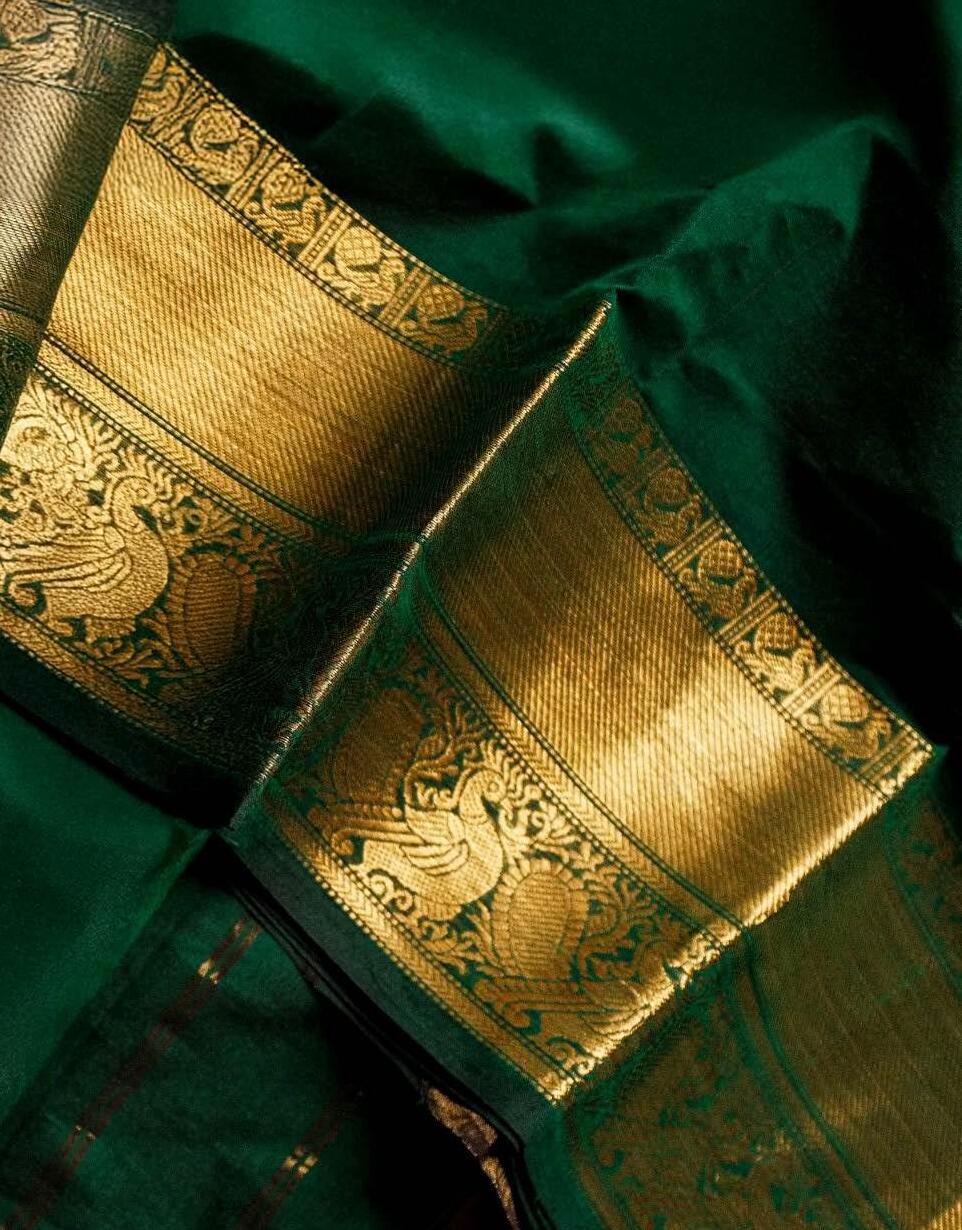

Located in the outskirts of the Coimbatore district in Tamil Nadu, Coco Lagoon by Great Mount is a luxury resort that’s nestled in a coconut grove beside the serene countryside of Pollachi. Said to be one of the best resorts in Coimbatore, Coco Lagoon is the epitome of elegance and serenity with its graceful ambience and lavish amenities which make it the perfect getaway spot. This resort is also well connected with the major travel hubs of Coimbatore and Kochi with tourist attractions, offering ease of travel for globetrotters.
Revel in the serenity of one of the best resorts in Coimbatore, and find yourself entranced by the beauty of the landscape. We have crafted our rooms with absolute comfort so that you can unwind in the solace of Coco Lagoon.
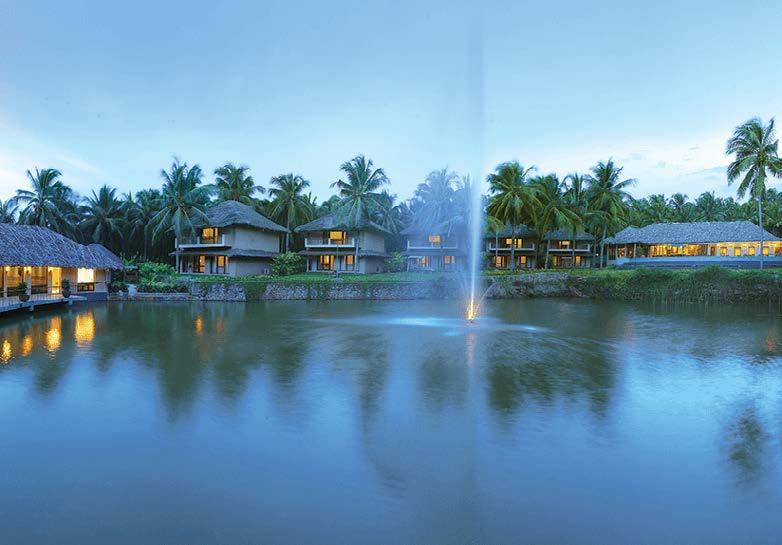
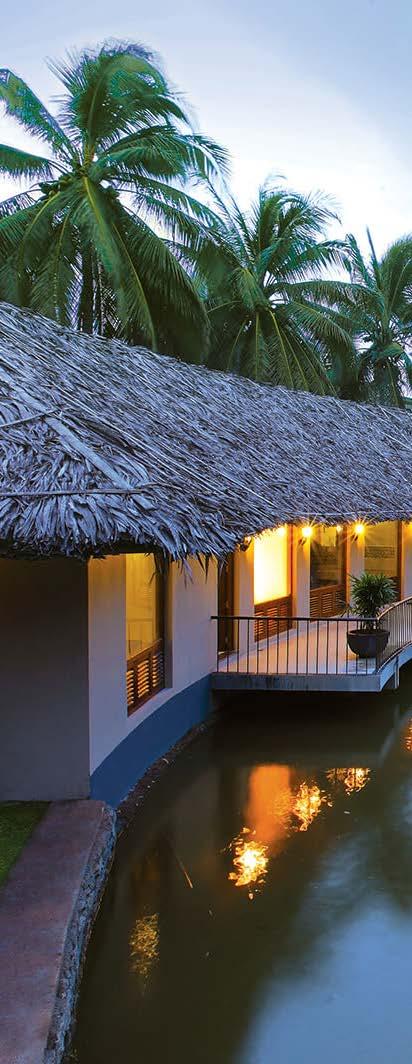
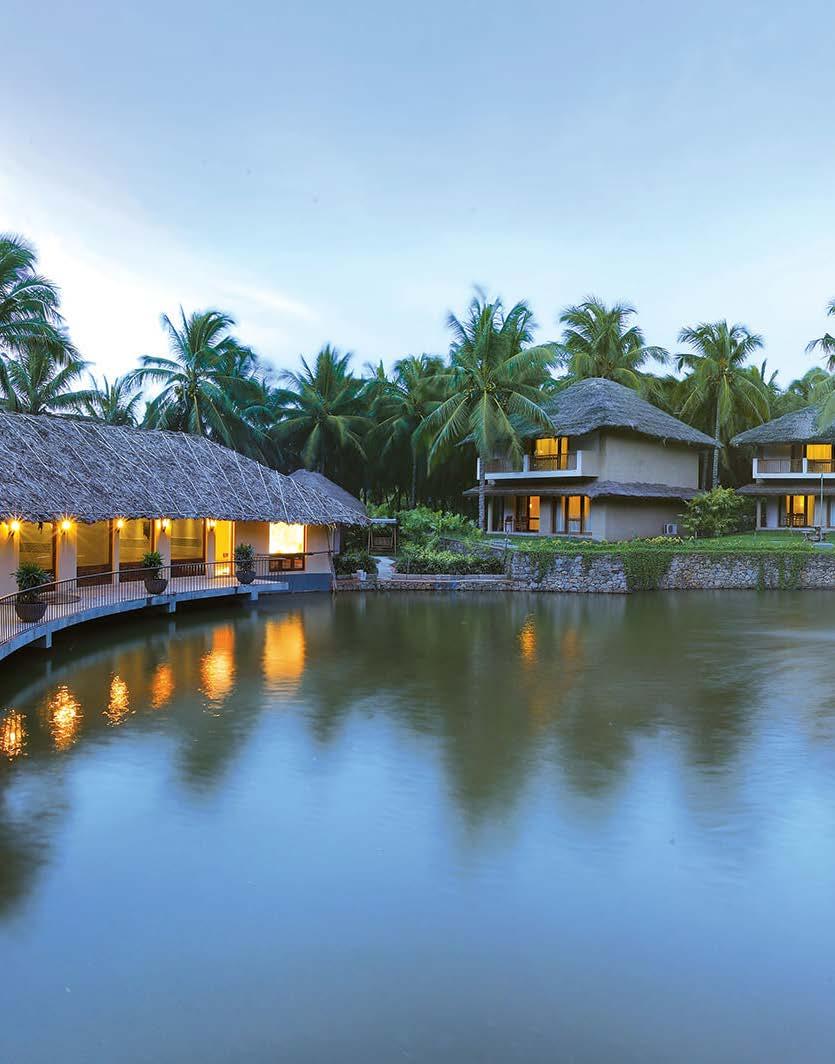
There are many variations of passages of Lorem Ipsum available, but the majority have suffered alteration in some form, by or randomised words which don't look even slightly believable.
Your Private Pool Villa is not just a room; it's an experience it's an exclusive haven that promises to leave you with memories to cherish for a lifetime. Elevate your escape and embrace the pinnacle of luxury today.
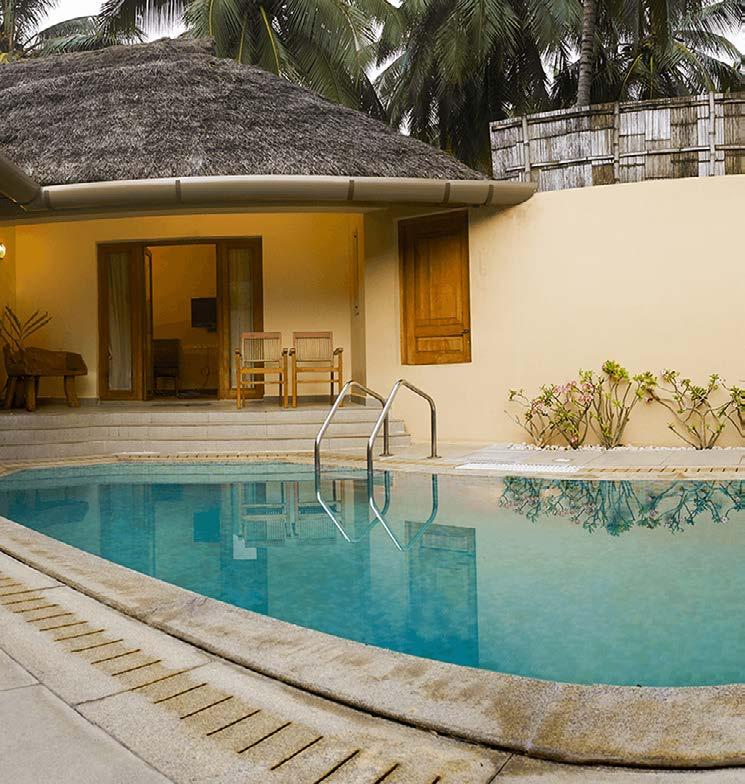
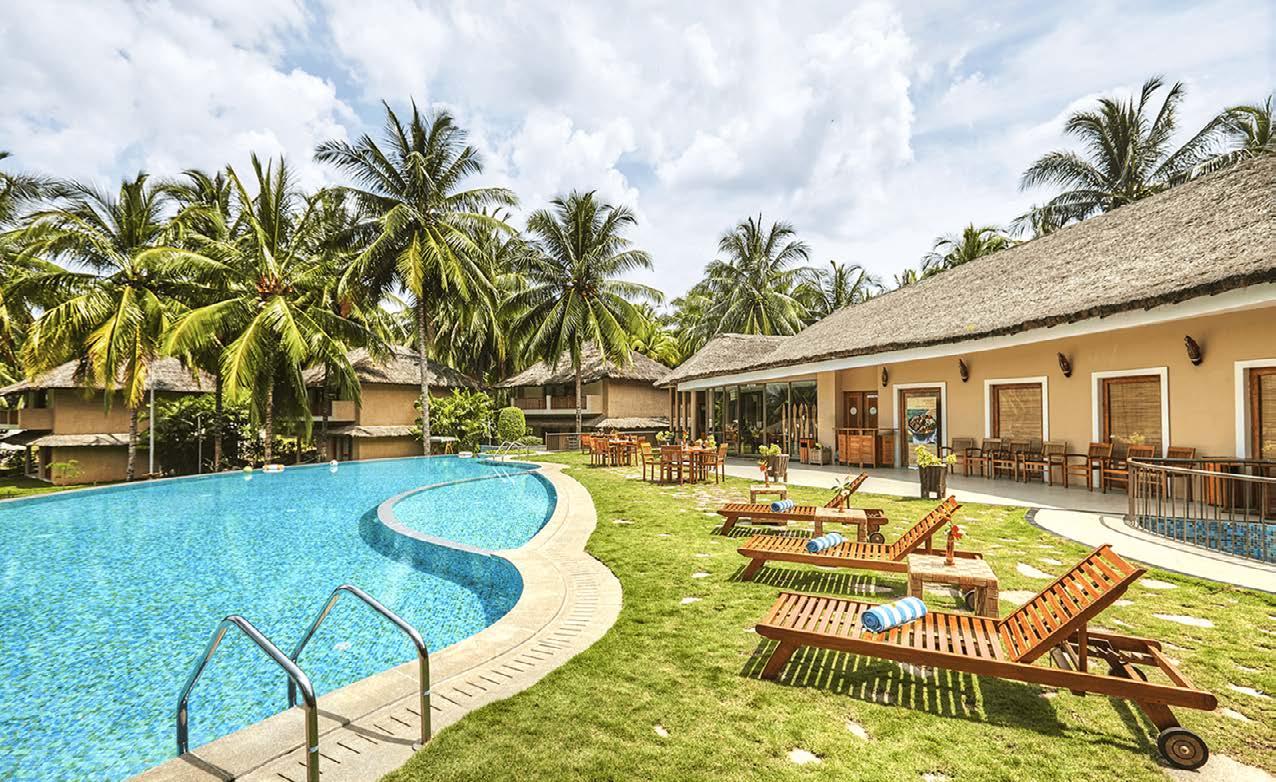
Experience Pure Bliss: Plunge into Luxury at Our Plunge Pool Villas"Unwind in your own private oasis, as you take a dip in the refreshing plunge pool. The villa is a harmonious blend of elegance and modern amenities, ensuring that your stay is a symphony of comfort and relaxation. Whether you're seeking a romantic escape, a honeymoon retreat, or simply a serene space to recharge, our Plunge Pool Villas provide the perfect setting. Each villa is designed to create a sense of absolute tranquility, where every moment is a chance to create cherished memories.
Revel in the luxurious solitude of your villa, surrounded by nature's beauty
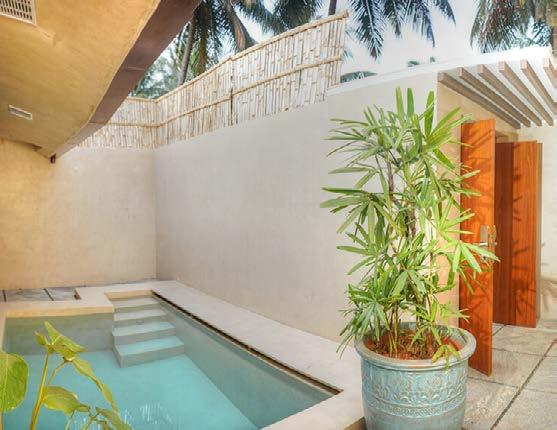

Nestled alongside a picturesque pond, our Pond View Rooms offer a breathtaking backdrop for your stay. Wake up to the gentle sounds of water and the sight of lush greenery from your window. Each room is designed for your utmost comfort, with modern amenities and stylish decor that blends seamlessly with the natural surroundings.
Step from your cozy living room to a spacious bedroom and straight into the open lawn. Ideal for families and nature enthusiasts, this suite brings the outdoors in, creating a harmanious blend of comfort and the great outdoors.
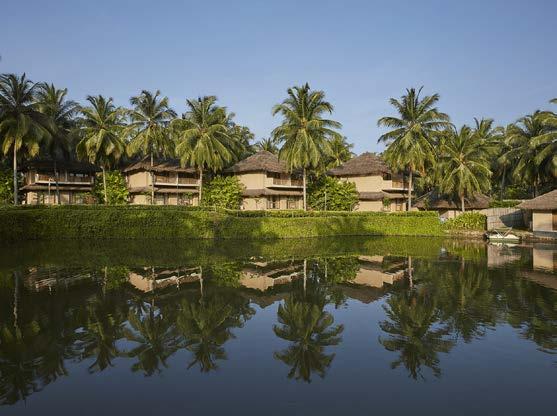
With their premium wooden accents and magnificent décor, Executive Deluxe rooms make you live in both, comfort and luxury. The plethora of amenities and exclusive services that come with these rooms make them even better. All you need to do in order to enjoy these exceptional facilities is to make your booking now. Find yourself availing Coco Lagoon’s special packages during your retreat!
Elevate your stay in our upstairs suites with a serene private balcony. Enjoy breathtaking views and tranquil moments in your personal oasis. Prefect for couples seeking a romantic getaway. It's only fitting that such a memorable day is remembered fondly. With its picturesque setting, capacity to accommodate 120 people in rooms that epitomise luxury and comfort, a banquet that can accommodate up to 700 people, Coco Lagoon could be the resort you’re looking for in order to host the wedding of your dreams! From decorating the venue to catering, they’ve got you covered.
The resort's location could add to the beauty of your wedding, allowing you to have the destination wedding of your dreams. Coco Lagoon has it all, a jacuzzi setting overlooking a lake, a classy hall, an amphitheatre, a lawn. Their exquisite facilities and luxurious infrastructure will make your wedding day all the more special! After all, is there anything better than celebrating togetherness with your loved ones amidst nature which gives you the peace and tranquillity you need?! Smoking and consuming alcohol is strictly prohibited on the premises.
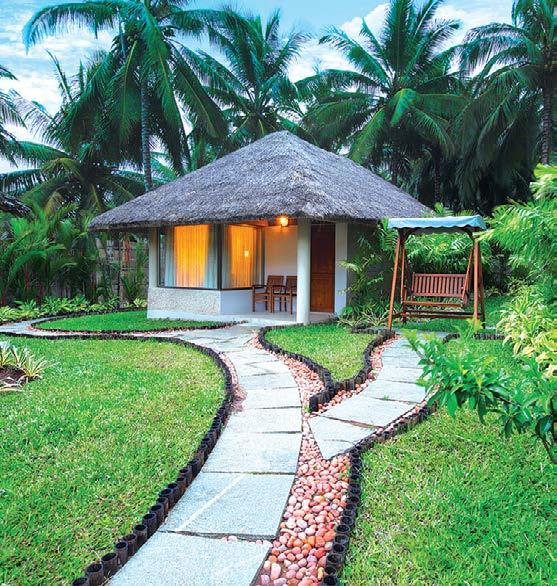
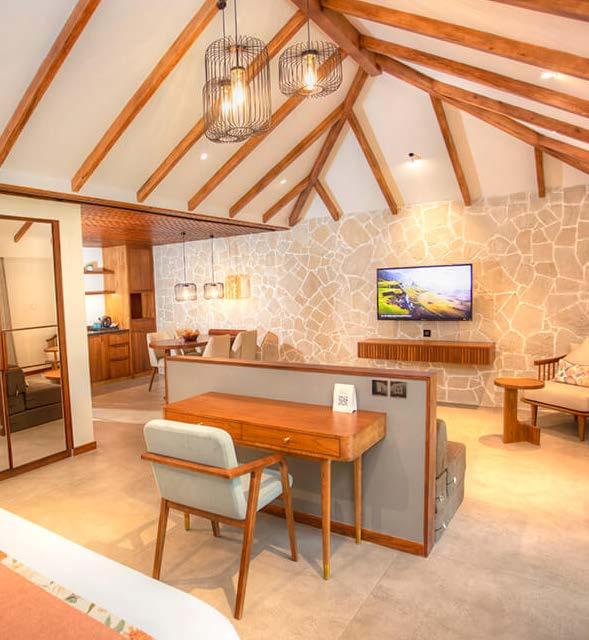
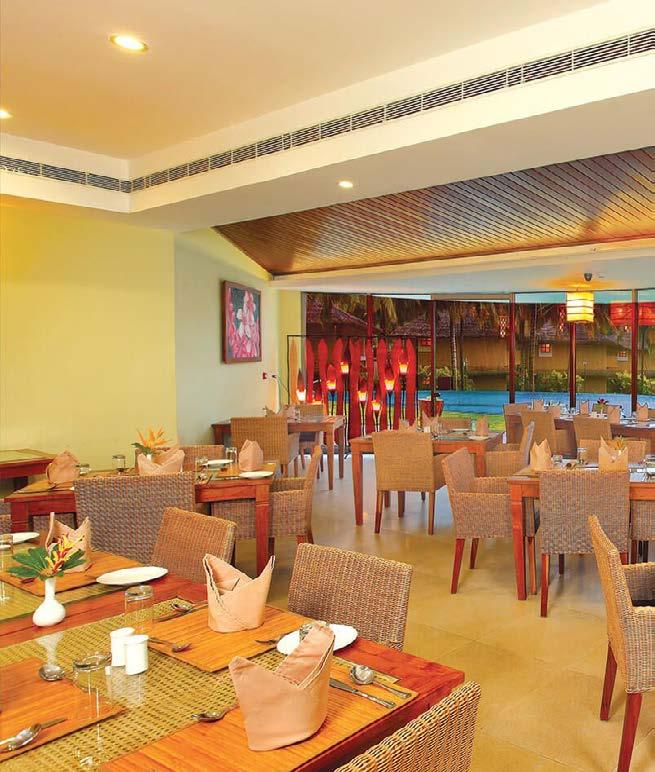
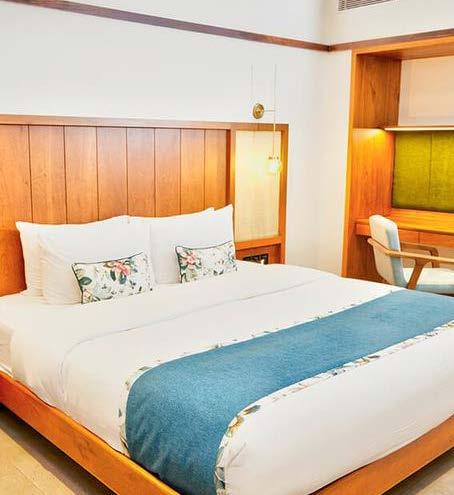
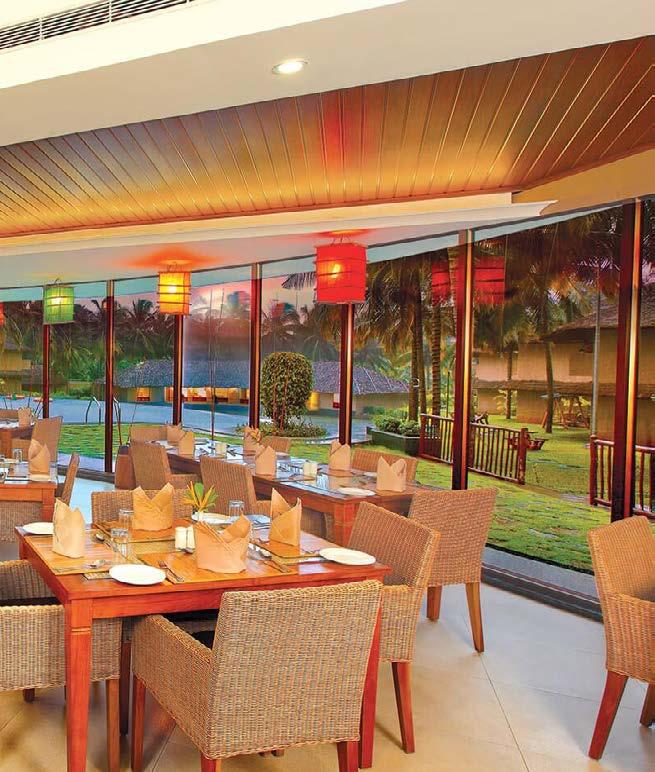
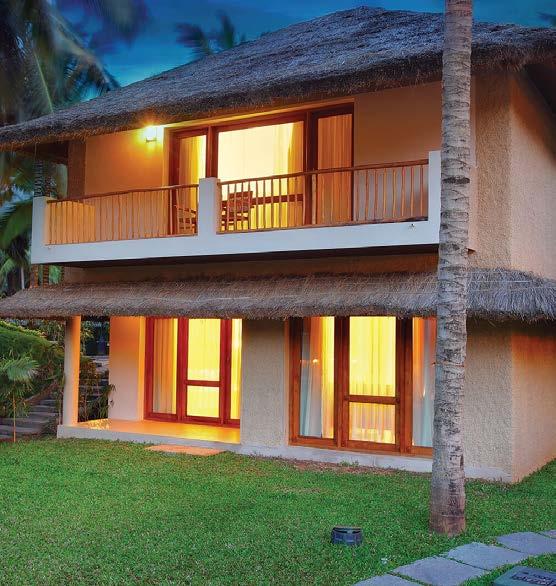
With its picturesque setting, capacity to accommodate 120 people in rooms that epitomise luxury and comfort, a banquet that can accommodate up to 700 people, Coco Lagoon could be the resort you’re looking for in order to host the wedding of your dreams!
The Palm is a multi-cuisine restaurant in Pollachi, located within the premises of Coco Lagoon. The restaurant serves delicious dishes in a fine-dining setting. The restaurant’s chefs showcase their skill & experience by crafting gastronomic treats to make your experience at Coco Lagoon more memorable.
This restaurant is best known for its authentic Tamilian cuisine dishes. Explore their original recipes, traditional flavours and exclusive ingredients and find yourself experiencing joy unfold with every bite!
Find your fantasy of a relaxing getaway being translated into reality at Coco Lagoon! The resort's crystal-clear Infinity Swimming Pool measures 4 ft. by 2 ft. and is surrounded by comfortable loungers. Relax in the palm trees' shade, bask in the sun, read a book and/or just be. There will also be a lifeguard on duty at all times at the pool for your safety.
Find yourself feeling refreshed and rejuvenated at Coco Lagoon, the perfect resort for a retreat!
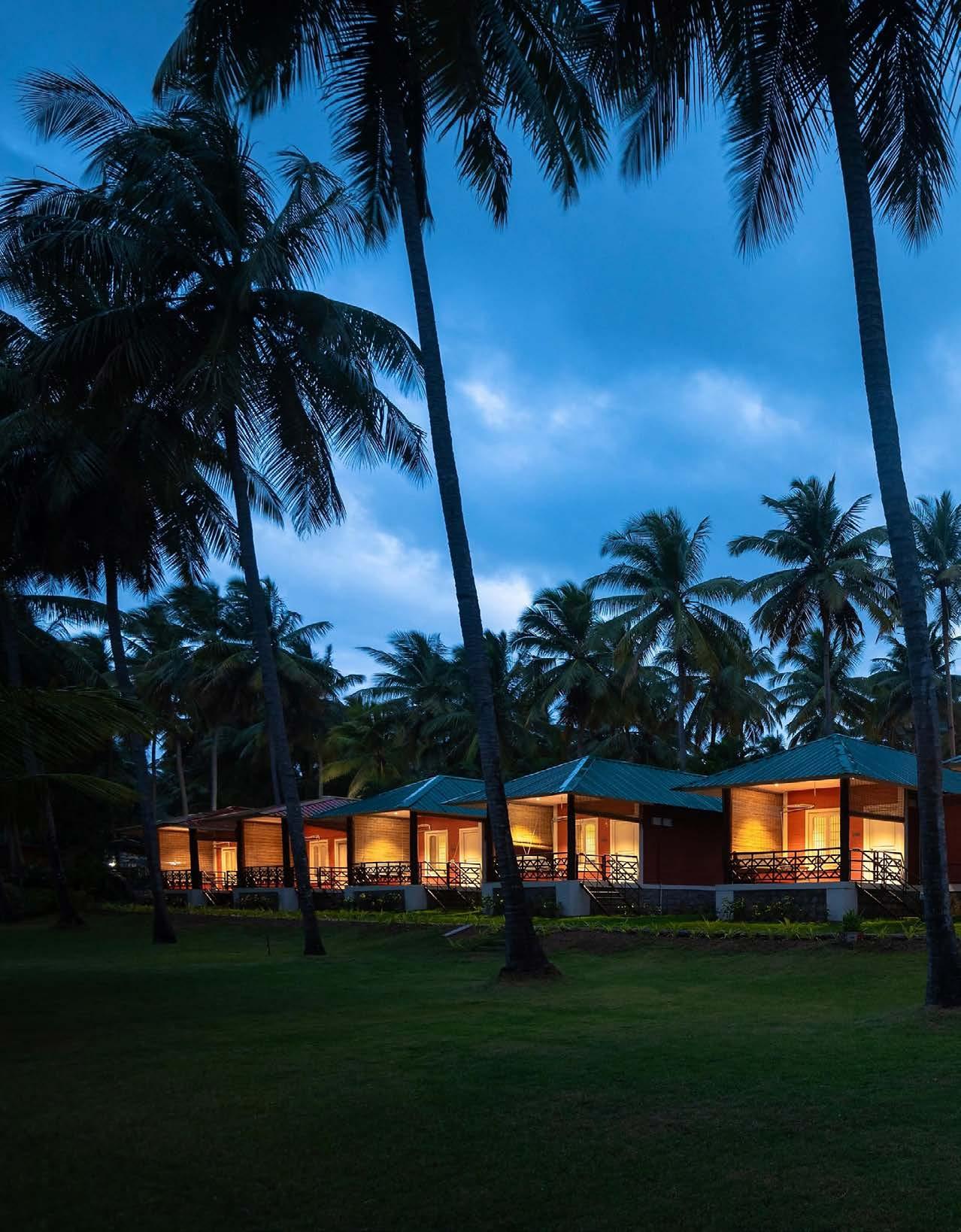
Nestled on the banks of Ambarampalayam River, Ibex River Resort, Pollachi welcomes you to a tranquil escape amidst the lush greenery of Tamil Nadu. Located just 12.2 km from Pollachi Railway Station and 68.3 km from Coimbatore International Airport, this family-friendly resort is a sanctuary from the hustle of city life. Spread across 20 acres of coconut and cocoa farm, it boasts over 14 fully furnished air-conditioned Executive Deluxe Rooms and River View Suites, each with a river-facing individual balcony. Our holiday resort in Pollachi features a dedicated kid's play area, while guests can take a refreshing dip in the Marina, our in-house swimming pool. Indulge in a delightful culinary journey at Aqua, our in-house multi-cuisine restaurant. We also host four event venues, perfect for hosting grand celebrations. With its picturesque setting, our resort is also an ideal photoshoot and film shooting venue, offering stunning backdrops for any occasion. Be prepared to be enchanted by the oasis of tranquillity and natural beauty, providing a rejuvenating escape from the ordinary at one of the best resorts in Tamil Nadu.
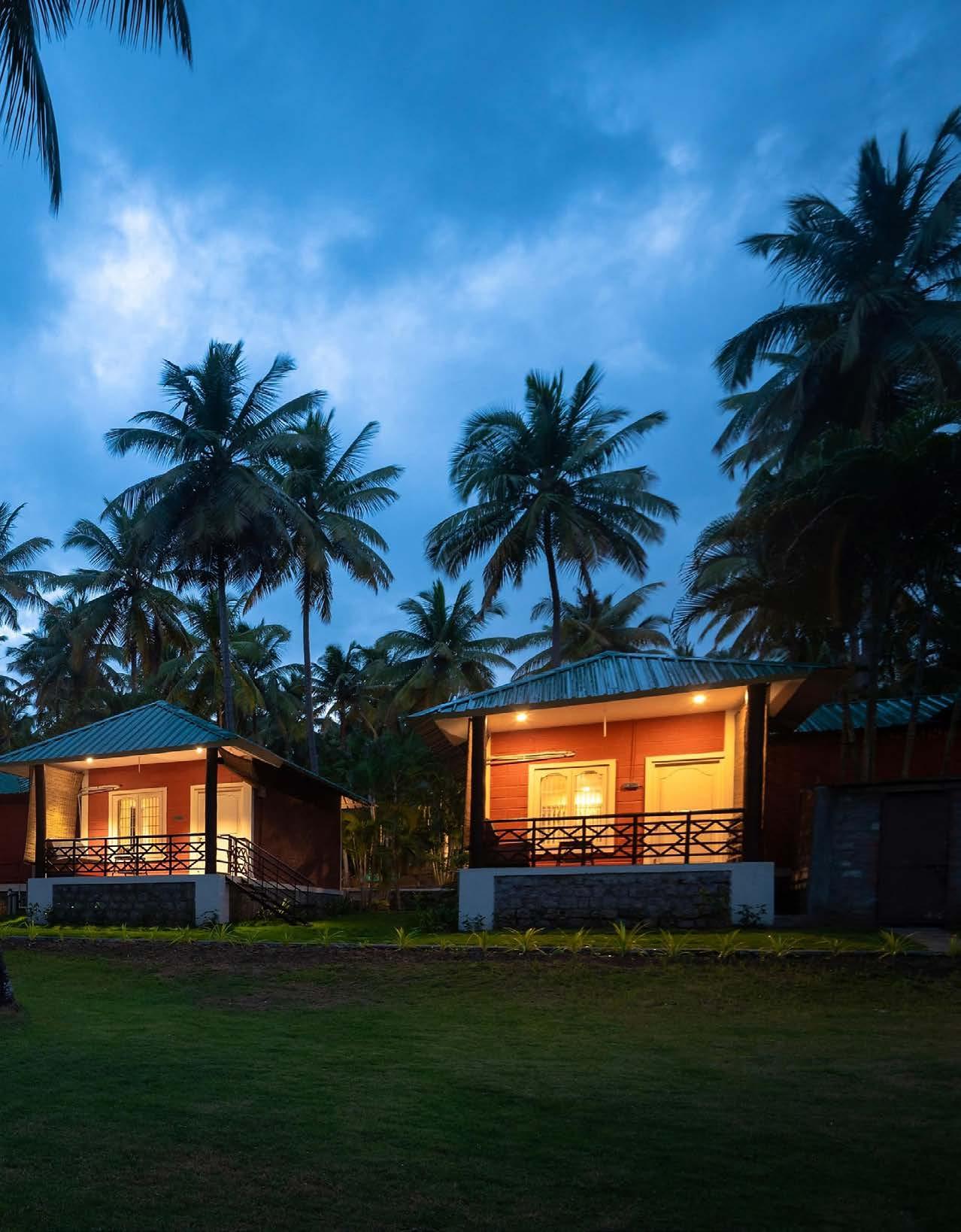
A Blissful Getaway featuring Stylish rooms, a dining venue, an azure swimming pool and Seamless Connectivity to popular Areas of Pollachi
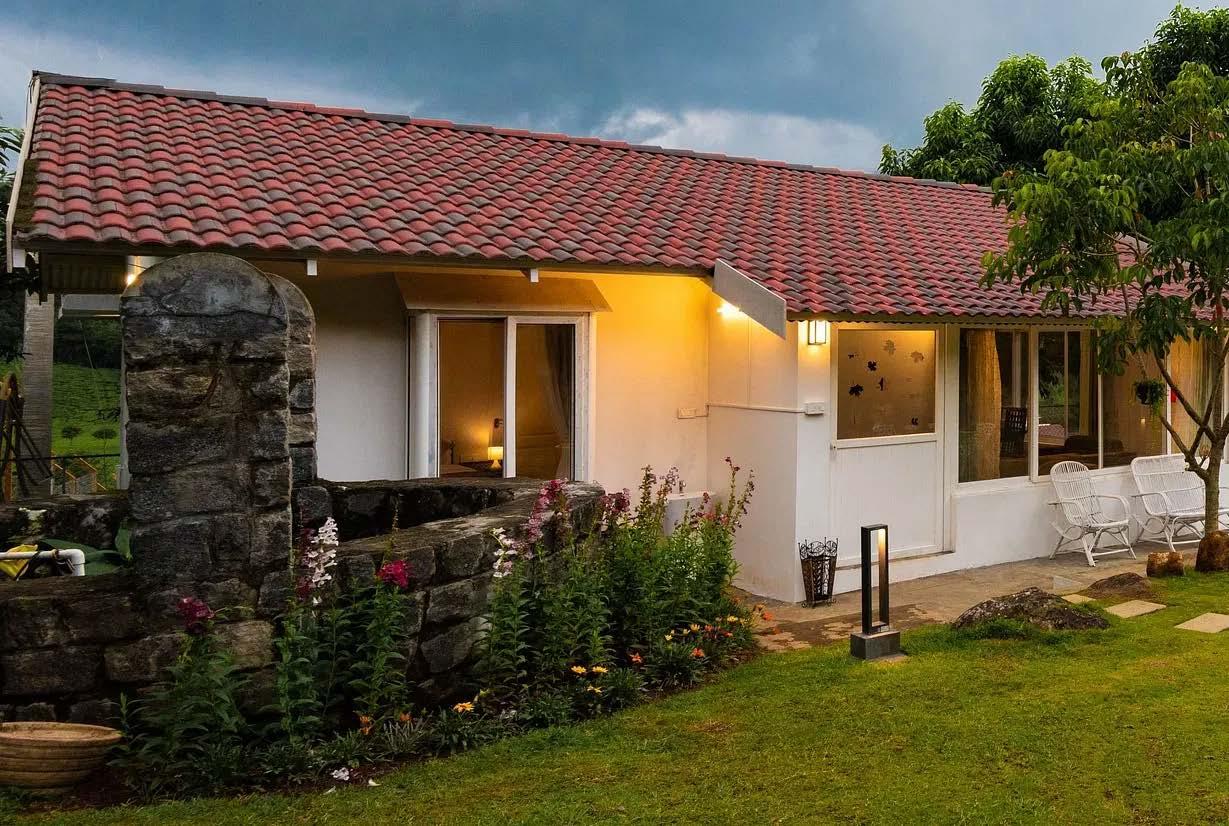
To be the ultimate destination for extraordinary and aweinspiring experiences, where guests can escape to serenity amidst exotic locations, creating lifelong memories and finding tranquillity in nature's embrace. We are dedicated to offering a family-oriented approach while also catering to the needs of corporates and organizations, ensuring that every guest feels valued and inspired.
At Ibex Resorts, we are dedicated to crafting exceptional and awe-inspiring experiences that capture the essence of each unique location. Our mission is to create an environment where families can connect and relax while providing tailored services for corporate events. With exceptional hospitality, amenities and a commitment to excellence, we exceed guest expectations, fostering togetherness, exploration and adventure in nature's embrace.
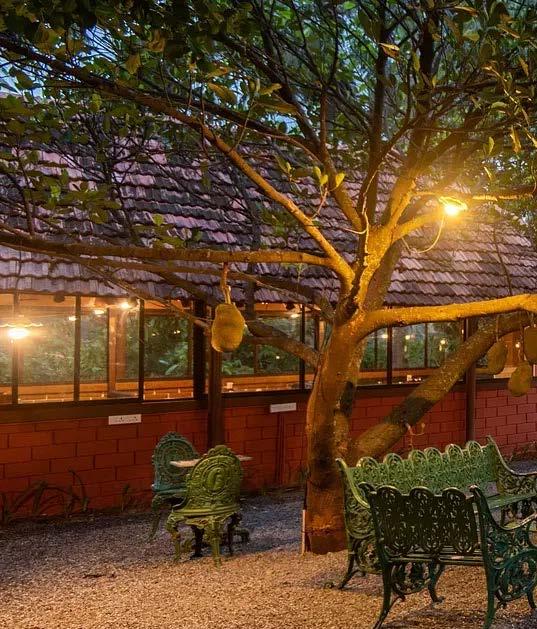
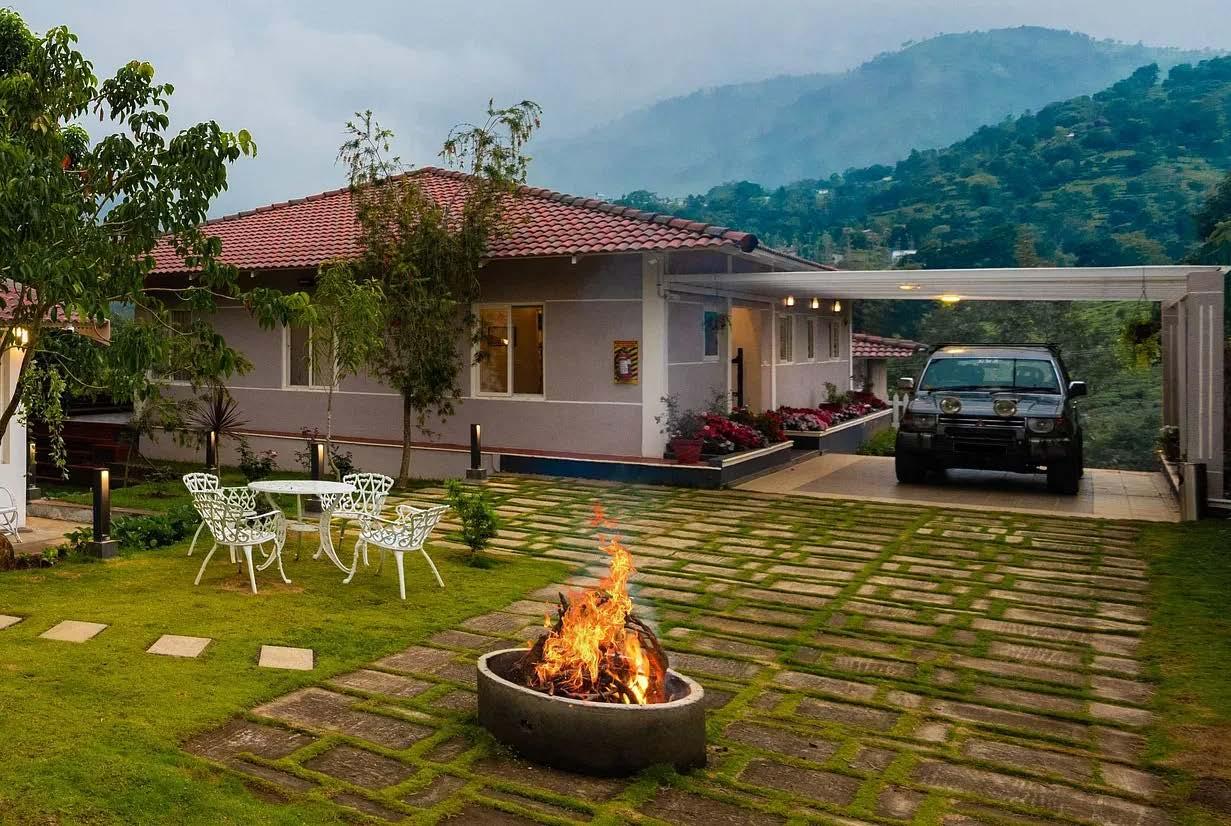
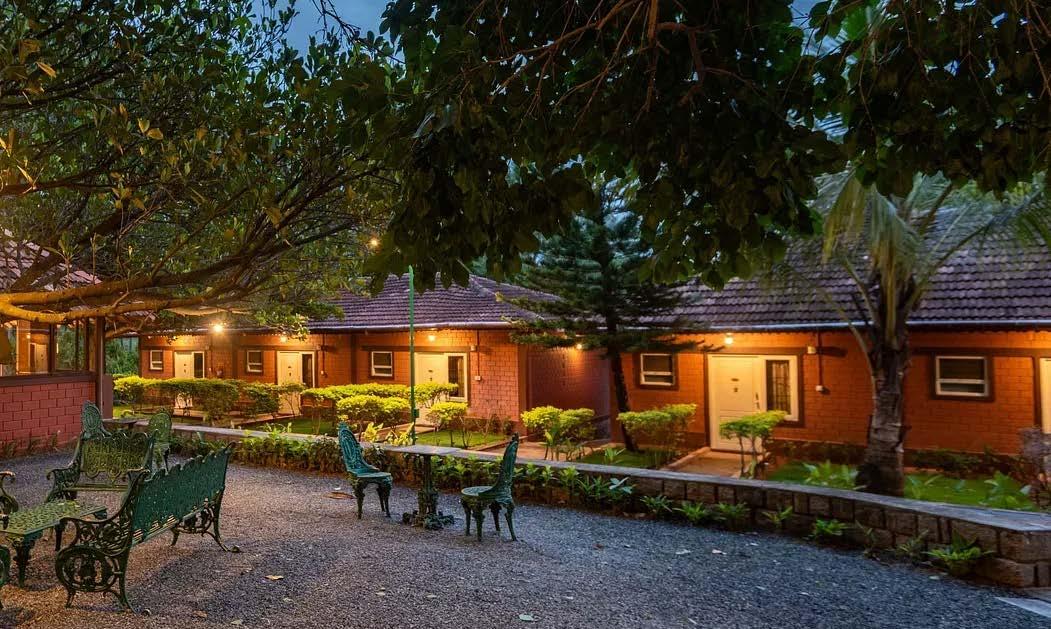
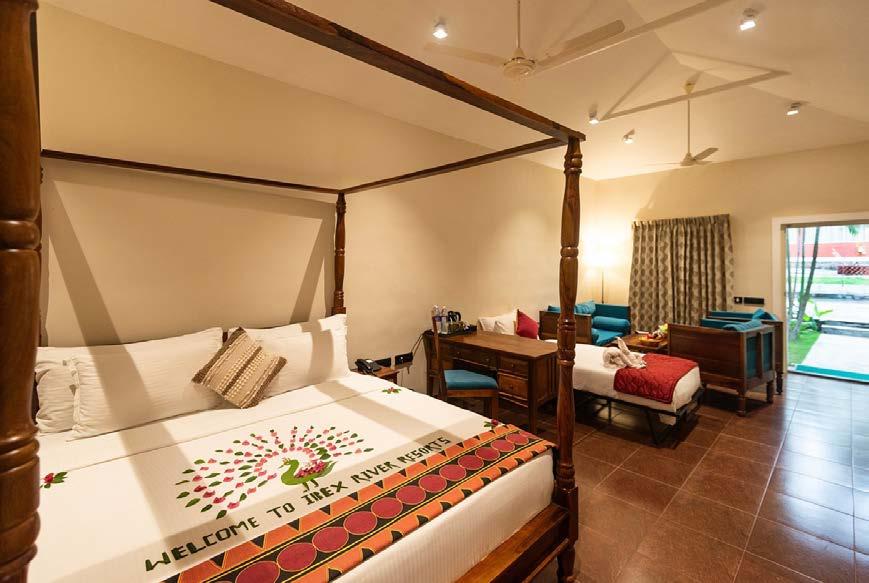
At our resort near Ambarampalayam River, we offer two categories of rooms - Vintage Room - Pool View and River View Suite. With a total of 14 rooms, our accommodations are designed and equipped with modern amenities to ensure a delightful stay. Experience the perfect blend of comfort and elegance, where a warm and cosy ambience welcomes you, creating a serene haven to relax and rejuvenate at arguably the best resort near Coimbatore.
Set out on a world tour of flavours at Aqua, our multi-cuisine Pollachi restaurant. It offers a fine dining outlet near the Ambarampalayam River amidst the stunning beauty of nature while enjoying panoramic views of the serene river. The interior of our Pollachi family restaurant greets you with a cosy ambience and charming wooden furnishings, concocting the perfect atmosphere for quality time with family or a romantic rendezvous with your partner. Give your taste buds a bonanza of flavours from our kitchen with local specialities like the evergreen varieties of Dosas and Vadas, the soft idlis, and the chutneys with Sambars. Or dig into the numerous chicken items like Chettinad Chicken, and Chicken 65. Some famous foods like Biryani, Chicken Fried Rice and Chicken Noodles are also available here. So, immerse yourself in a memorable dining experience where flavours and nature harmoniously intertwine.
Our Tamil Nadu resort hosts four remarkable event venues that promise to elevate any occasion to new heights. Whether it's a family function, anniversary celebration, or birthday party, our spaces cater to all. From Confluence, our indoor hall, to the picturesque Aliyar, Ambarar, and Nirar lawns, these venues provide an idyllic setting for destination weddings and grand celebrations. Surrounded by lush greenery and overlooking the captivating river, these venues create an unforgettable ambience that will leave a lasting impression on your guests.
Celebrate the significant milestone of your wedding amidst the unparalleled beauty of Ibex River Resort, nestled in the picturesque landscapes of Coimbatore, Tamil Nadu. With its breathtaking setting alongside the serene river, our resort offers a perfect blend of natural splendor, luxury, and exceptional service, ensuring an unforgettable destination wedding experience. Exchange vows amidst the tranquil sounds of the flowing river, framed by the stunning backdrop of our meticulously manicured lawns, including Aliyar, Ambarar, and Nirar, accommodating both intimate gatherings and grand celebrations. Capture timeless moments in our charming garden, adorned with vibrant flora, ideal for pre-wedding shoots and cocktail hours. Conveniently located just an hour away from Coimbatore, our resort is easily accessible from the railway station and airport, ensuring a hassle-free journey for you and your guests. With our dedicated team committed to realizing your wedding dreams, from personalized décor to bespoke menus, let Ibex River Resort be the canvas for creating memories that will be cherished forever. Contact us today to embark on the journey of planning your dream destination wedding.
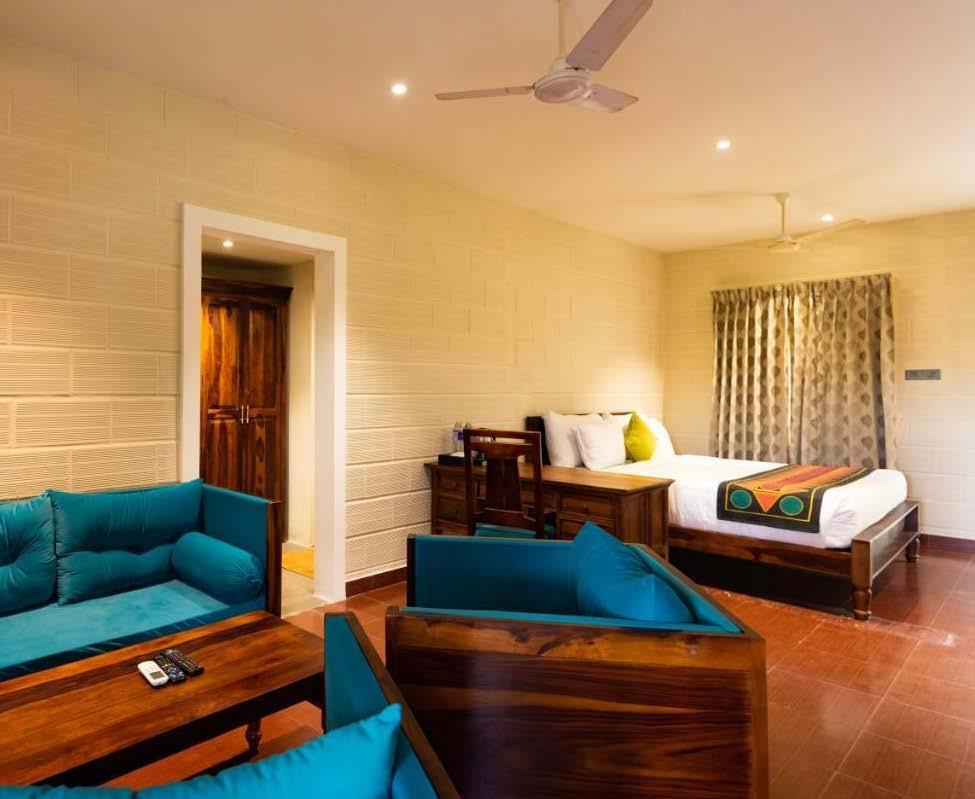
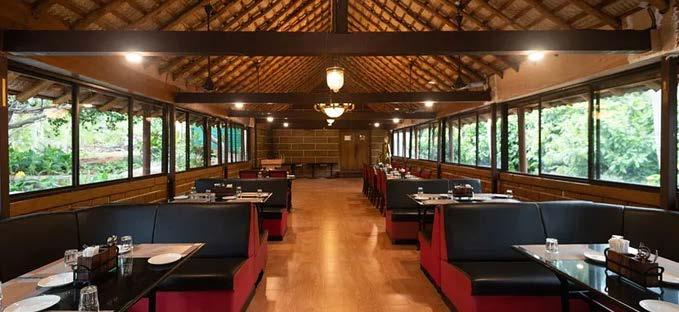
Ibex Resorts, Valparai, welcomes you to a relaxing staycation amidst the serene Annamalai Tiger Reserve Forest, Coimbatore. Encompassed by picturesque landscapes, tea plantations and abundant wildlife, our resort near Thalanaar Waterfalls promises an enchanting experience in the quaint hill station of Valparai. The pleasant climate and cosy campfire nights, accompanied by delightful music, promise a haven for nature enthusiasts and adventure seekers. Our exceptional hospitality and commitment to providing an unforgettable stay set us apart.
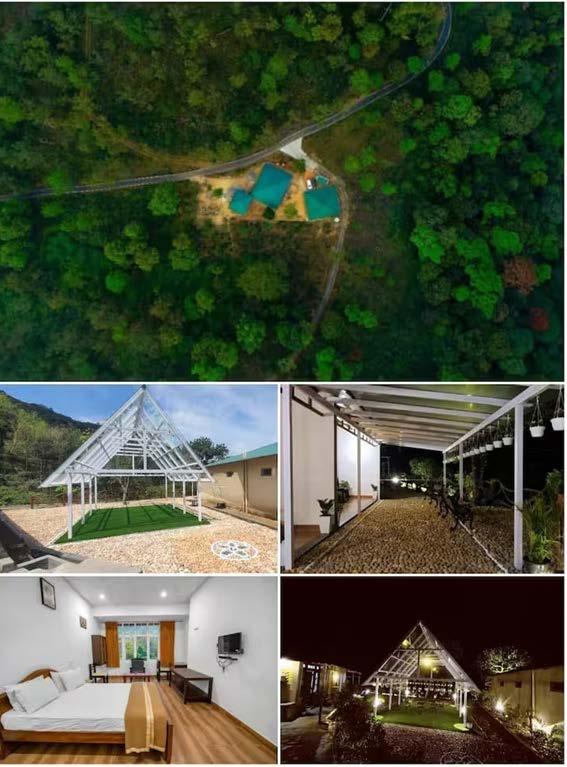
With 3 distinct room types - Premium, Executive Deluxe and Deluxe, we ensure that every guest's preferences and requirements are met with utmost care and attention. Indulge your taste buds in a gastronomic journey like no other at our in-house restaurant. You can also experience the blissful solitude of our private viewpoint, take leisurely walks or engage in bird watching amidst the lush greenery and create memories that will last a lifetime.
Perched amidst the breathtaking beauty of Tamil Nadu, our resort in Valparai offers a splendid retreat where nature’s wonders unfold before your eyes. We boast a total of 6 elegantly appointed rooms across 3 room categories - Premium, Executive Deluxe and Deluxe Room, each offering a captivating view of the valley that will leave you mesmerised. The rooms are decked with a myriad of modern amenities like high-speed internet, a television, an in-room safe and a wardrobe. Bask in the soothing sunlight on our lawns or hang out with your friends and family in our separate living room. At Ibex Resorts you are in for a jubilant time in Valparai.
Our pair of finely designed Executive Deluxe Rooms come equipped with a variety of modern conveniences. We offer an exquisite view over a vibrant garden, complemented by the beautiful scenery of Valparai. Perfect for a friend’s holiday, the rooms can collectively accommodate up to 10 guests.
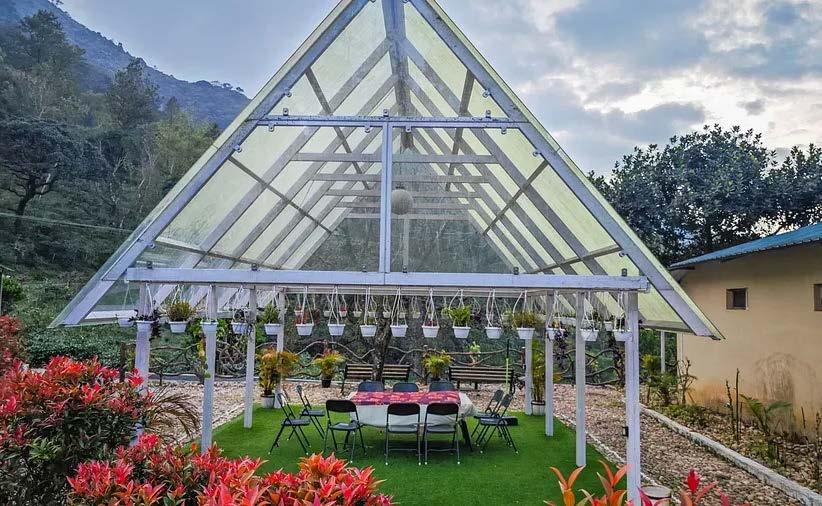
Each room is furnished with both King and Queen size beds and includes a front seating area for relaxation and enjoying the view.
Our two deluxe rooms, designed with elegance in mind, offer an array of contemporary comforts. They provide a tranquil view of lush gardens, set against the stunning backdrop of Valparai. Ideal for a getaway with friends, these rooms can easily accommodate up to 10 people. Both rooms feature King and Queen size beds and include a front area where you can relax and take in the view.
Experience a truly captivating dining experience as you indulge in our fine dining restaurant housed within a mesmerising glass structure. Our enchanting space will transport you to a world where delectable flavours harmonise with stunning panoramic views. Prepare to have your senses ignited by our expertly crafted dishes that are a fusion of local and international cuisines, all served with impeccable attention to detail.
Breakfast: 8:30 am to 10:30 am
Lunch: 2:00 pm to 3:30 pm
Dinner: 08:30 am to 10:30 pm
Previously known as Mistly Plantation, our homestay in Valparai offers a myriad of exciting activities like nature walks, bonfires, birdwatching and treks amidst the stunning valleys of the Western Ghats. This quaint hill station is dotted with alluring tea and coffee plantations and magnificent waterfalls, making it a perfect haven for nature lovers. Stay at Ibex Resorts and uncover the true essence of Valparai with us.
Ibex Resorts offers an unforgettable encounter that will leave a lasting impression on you. Our focus on combining luxury and comfort ensures that we provide unparalleled experiences and exceptional service to our guests. With our commitment and genuine dedication, we aim to establish groundbreaking benchmarks in the hospitality industry.
Preserving a unique harmony with nature, we aim to inspire fresh perspectives and a novel way of life through our captivating experiences. By achieving a harmonious balance between hospitality and sustainability, we are dedicated to continuously delighting our guests throughout their entire stay.
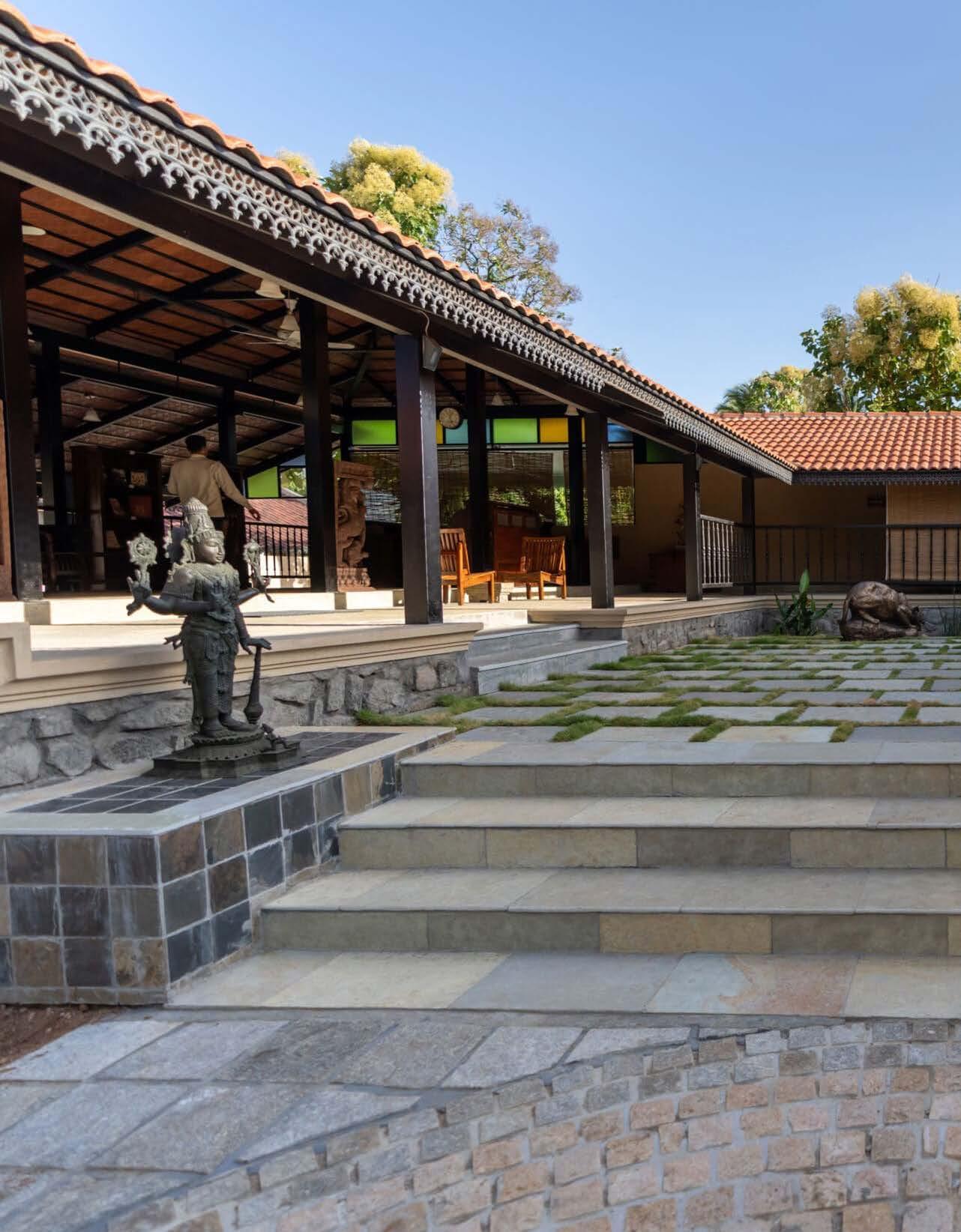
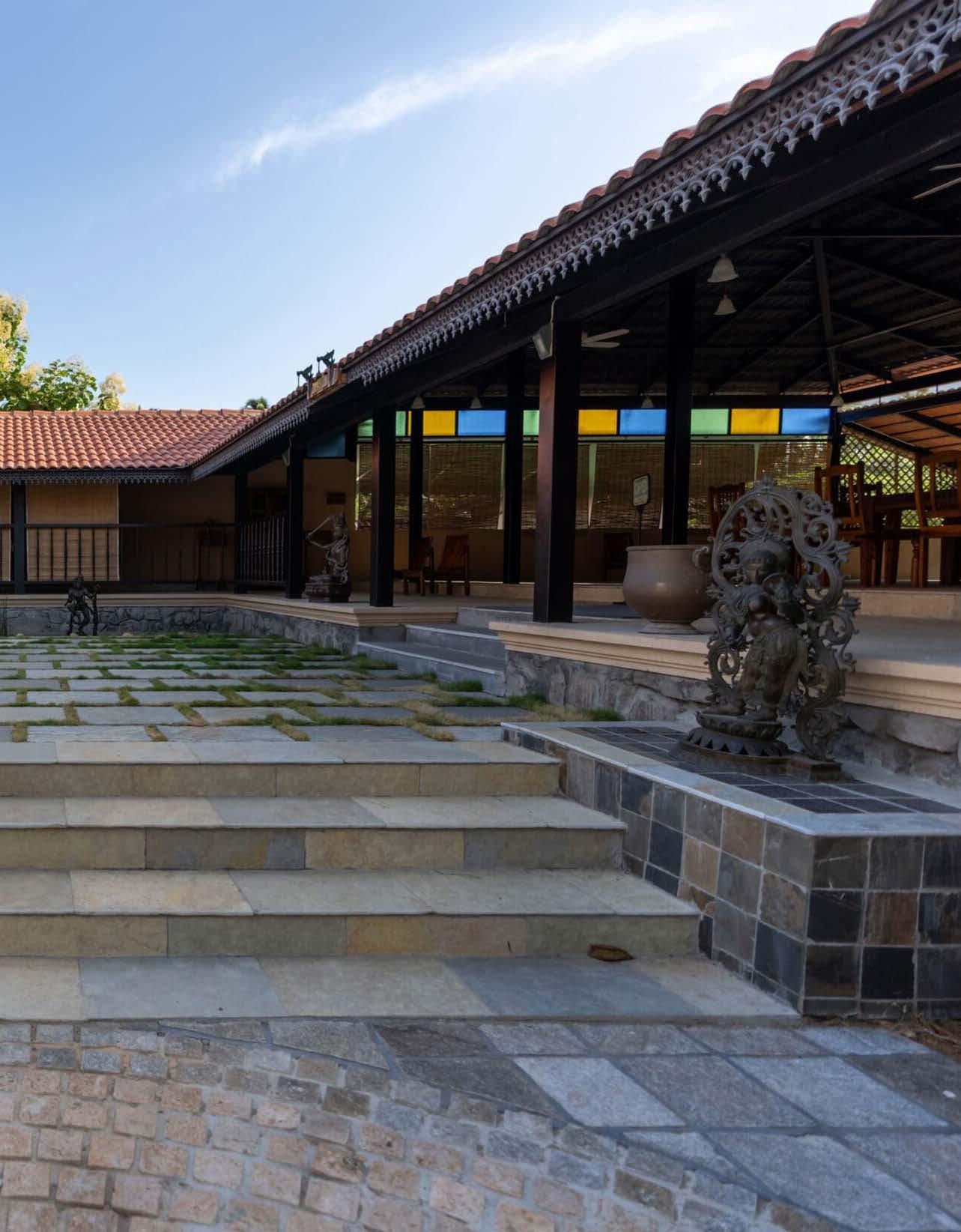
Bungalow by Sparsa, Pollachi-Topslip
Nestled amidst the breathtaking landscapes at the foothills of the majestic Western Ghats, Akshaya Bungalow by Sparsa Resort in Pollachi-Topslip is a hidden gem for nature lovers and luxury seekers. This tastefully designed boutique resort offers a unique combination of serenity, luxury, and adventure.
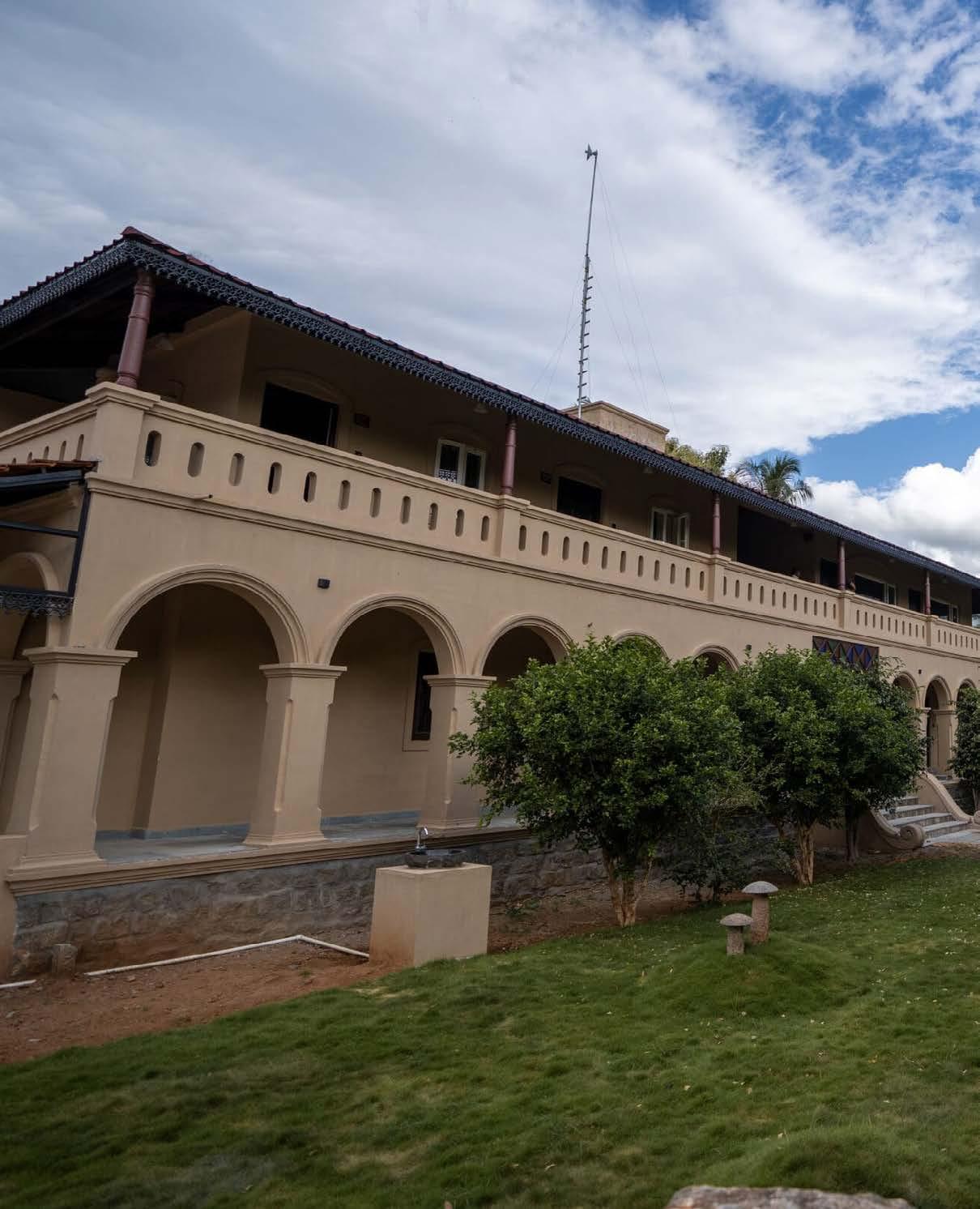
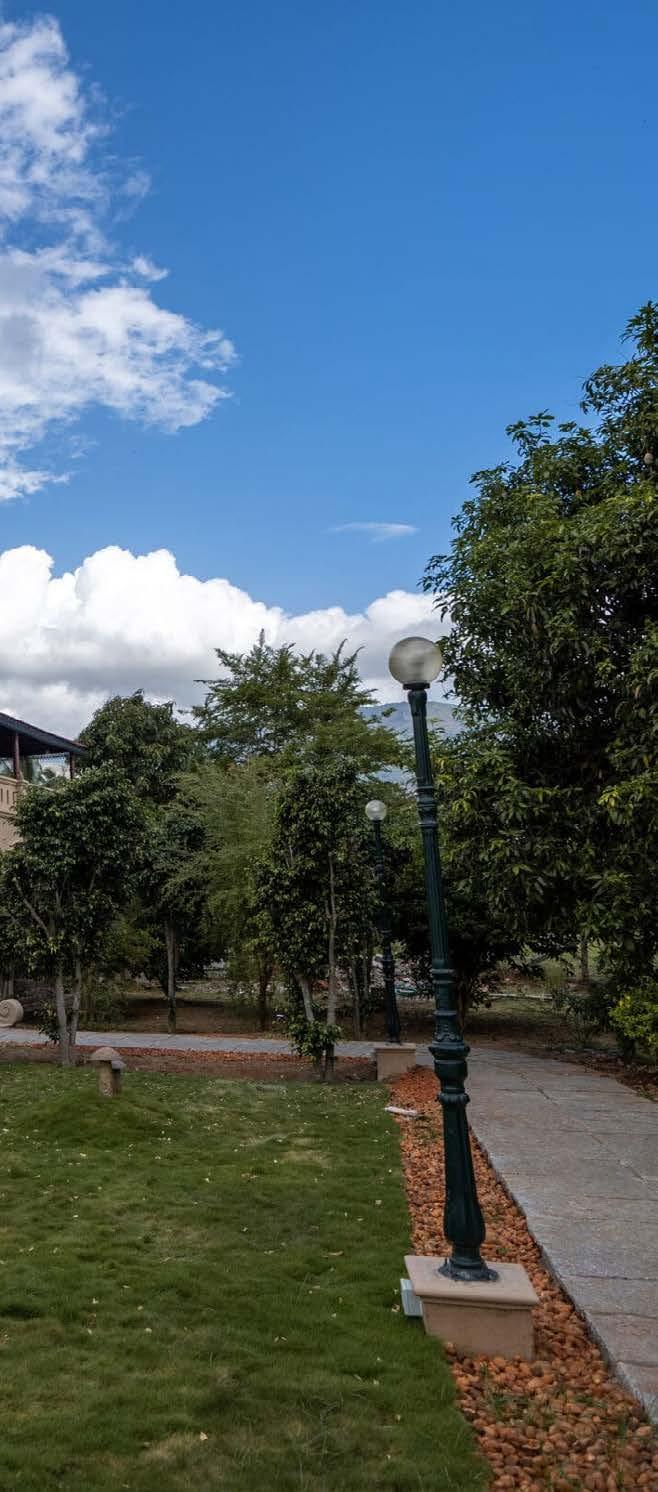
With sweeping views of the Anamalai Hills and easy access to the Topslip and Parambikulam Tiger Reserve, Akshaya Bungalow by Sparsa Resort serves as the perfect gateway to the heart of nature. The resort’s colonial-style villas are a testament to timeless elegance and comfort, with each villa uniquely designed to provide a truly memorable experience.
All villas are elegantly appointed with a range of luxurious amenities. The resort’s culinary offerings are a delight, with freshly prepared traditional and multicuisine delicacies presented with artful precision in a perfect setting.
For those looking to relax and unwind, the resort features a beautiful pool, a state-of-the-art gym, and a range of indoor games. Whether you’re exploring the wilderness or seeking a tranquil escape, Akshaya Bungalow by Sparsa Resort promises an unforgettable retreat that seamlessly blends luxury with nature’s wonders and unmatched service.
Set within an expansive elevated garden on the secluded fringes of the property lies our Pool Villa, a charming Colonial-style bungalow with its stately veranda, leading to a spacious living and dining area, as well as a generously proportioned bedroom. The villa also has a private outdoor sitting area, providing the perfect setting for al fresco dining. Here, you can enjoy uninterrupted moments of tranquility while gazing upon a lush grove of blooming trees, all while lounging by your own private pool and deck.
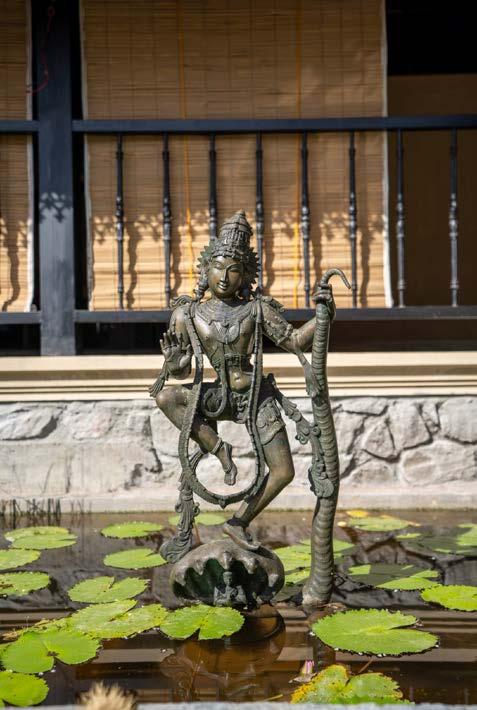
Named in honour of ‘Hugo Wood’, the man responsible for conserving Biodiversity in the Anamalai range of the Western ghats, the Hugo Wood Rooms are nestled in a colonial style bungalow with a private lawn space adjoining an old Mango grove. Each of the rooms redefine comfort and relaxation, featuring spacious living and lounging areas along with cozy beds. Enjoy serene views of majestic mountains and coconut groves. Perfect for group getaways, these rooms offer a delightful escape in a stunning natural setting.
This charming villa overlooks a personal putting green that would cater to all golf enthusiasts. The villa features a spacious living room and a separate bedroom. All areas of the villa and the lawn in front provide pictureque panoramic views of the magnificent Annamalai hills. Additionally, a utility area and a golfer’s pavilion enhance the experience, doubling as an idyllic setting for intimate celebrations and family gatherings.
Discover the Rock Garden Villa, nestled amidst pristine natural surroundings. This rustic paradise boasts a captivating rock garden crafted from the very stones of its wilderness backdrop. With a private deck offering stunning sunset vistas, and generously spacious living and bedroom areas, this villa promises a tranquil and rejuvenating escape. Experience the perfect harmony of nature and comfort at the Rock Garden Villa.
The Bungalow Suite offers a unique blend of opulence and nature. Nestled in high ground among lush greenery with all luxurious amenities, it boasts of generously spacious living and sleeping areas that envelop you in sheer indulgence. With a premium Jacuzzi to soak in and panoramic mountain views, this suite transports you to a realm beyond words, where ultimate relaxation meets breathtaking natural beauty.
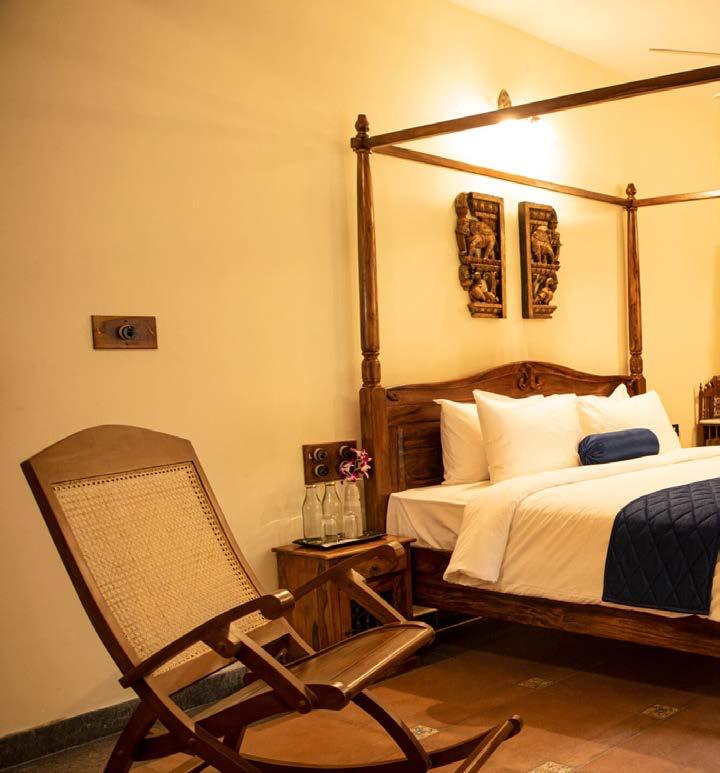
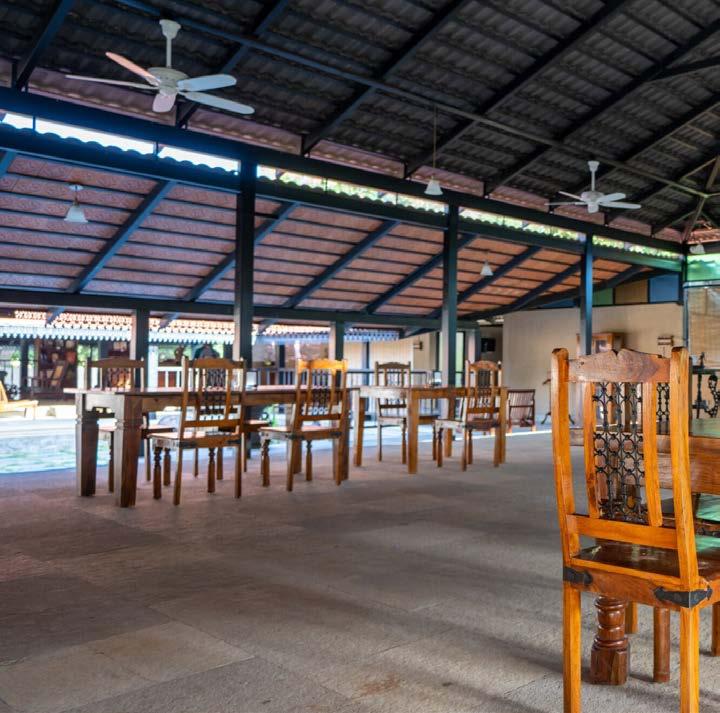
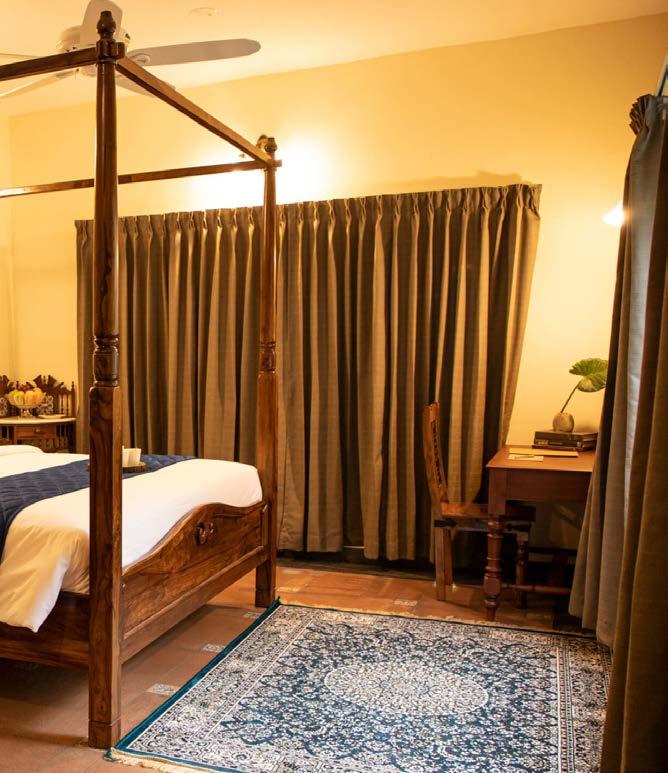
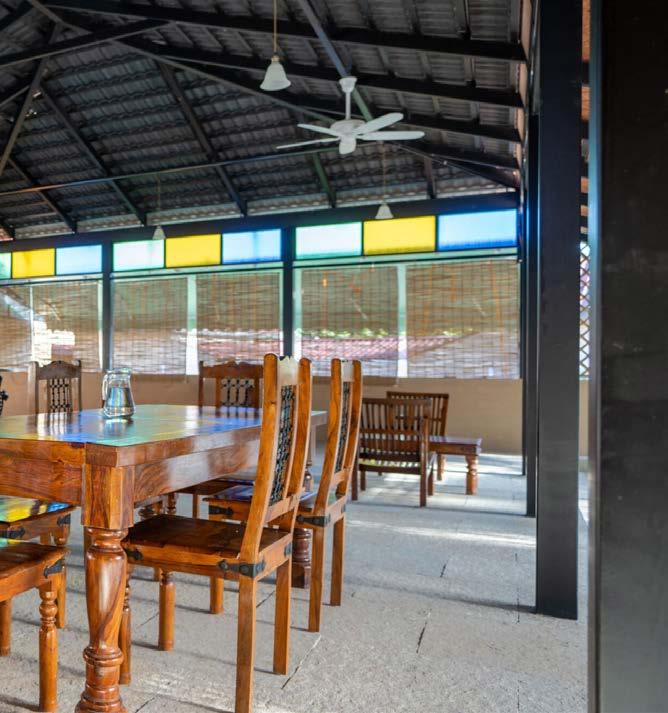
The Presidential Suite offers an exceptional experience, redefining extravagance as you step into the embrace of the Western Ghats. This luxurious retreat includes a formal living room, a personal dining area with a pantry, a spacious bedroom, and a study, all opening onto a generous veranda and a private skylit private pool. The Suite boasts of ample wardrobe space and large elegant bathrooms that feature both indoor and outdoor shower options. For those yearning to experience a blend of colonial and modern design, this suite will prove to be the gateway to an unmatched experience like no other.
Hornbill Restaurant, a culinary haven nestled in the heart of rustic charm, beckons discerning diners with its timeless ambience and delectable offerings. Step into a world where tradition meets innovation, as our skilled chefs craft sumptuous delights using the choicest ingredients. Our menu is a culinary journey, boasting freshly prepared traditional cuisine that celebrates time-honored flavors, alongside multi-cuisine gourmet creations that tantalize the taste buds. Each dish is a fusion of the old and the new, creating a symphony of flavors that transports you to a realm of culinary excellence.
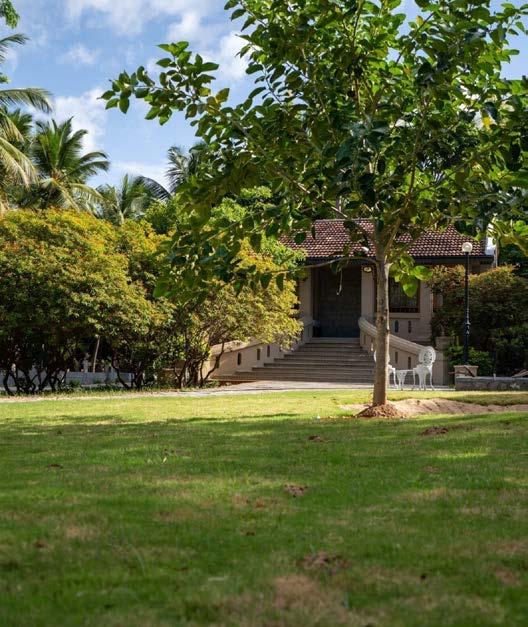
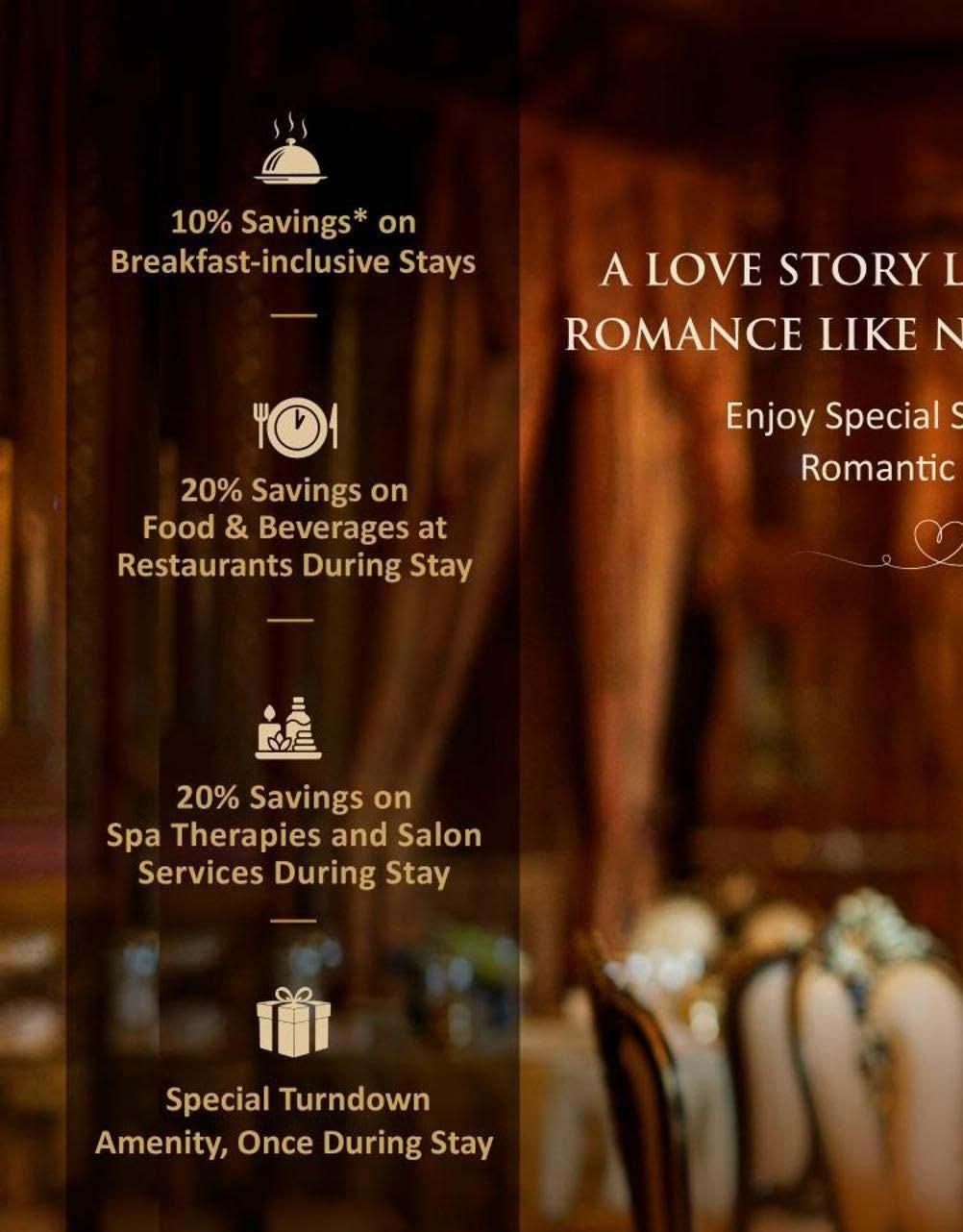
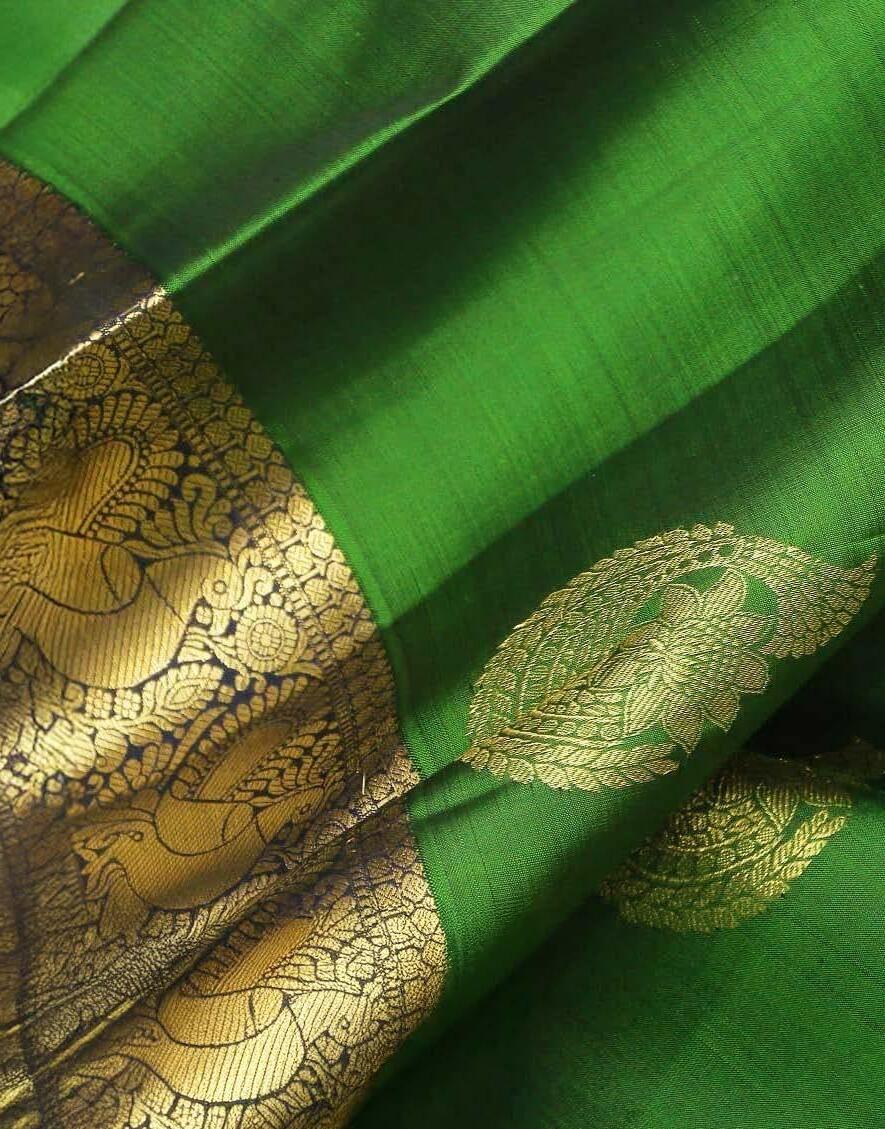

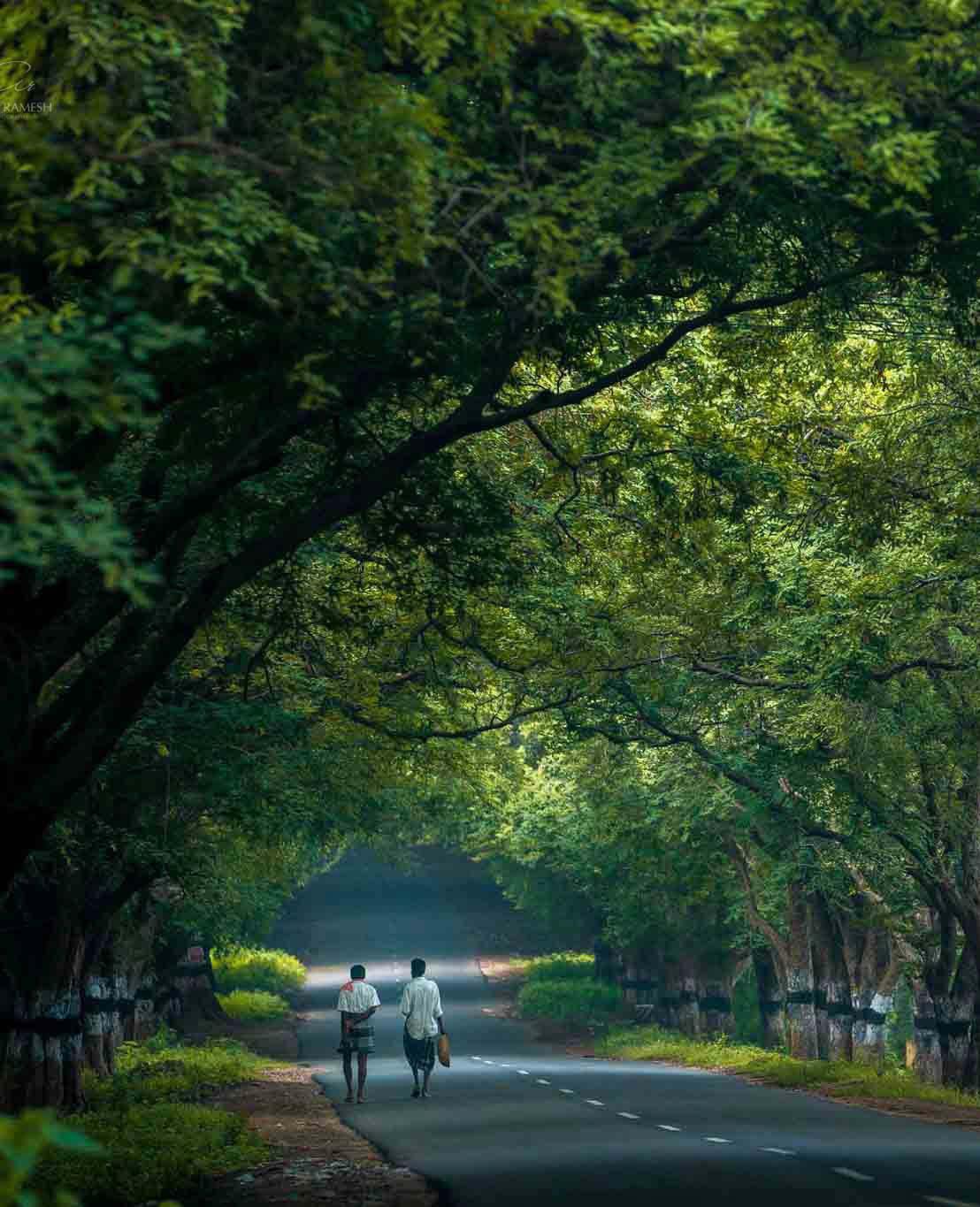

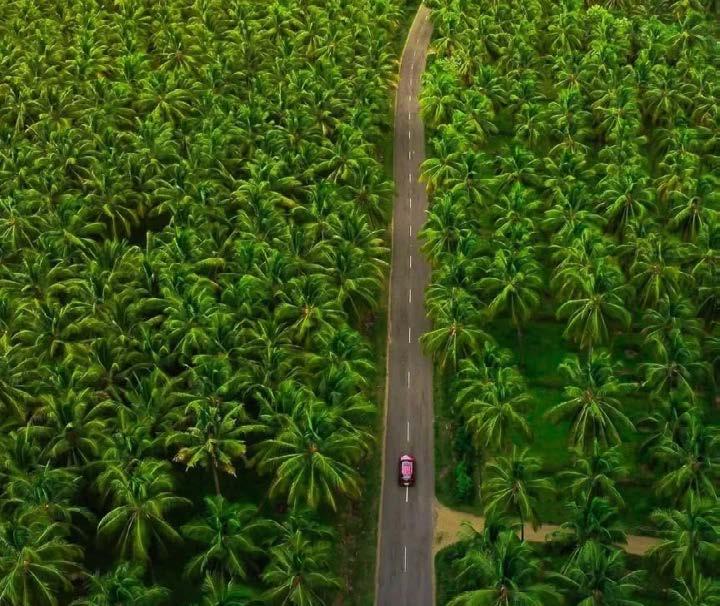
Pollachi, a sizzling town located off Coimbatore, is truly a gem of a town; the name of which has come from a Tamil word ‘PozhilVaichi’ meaning ‘the land of natural wealth and prosperity’, Pollachi is on the cusp of the Annamalai hills and the plains of Coimbatore. If you like nature and want to explore its unbridled beauty, this is where you must head to. With a landscape that has tea gardens, misty mountains and green tall trees that seem to touch the clods, the beauty of this place is certainly unparallel.
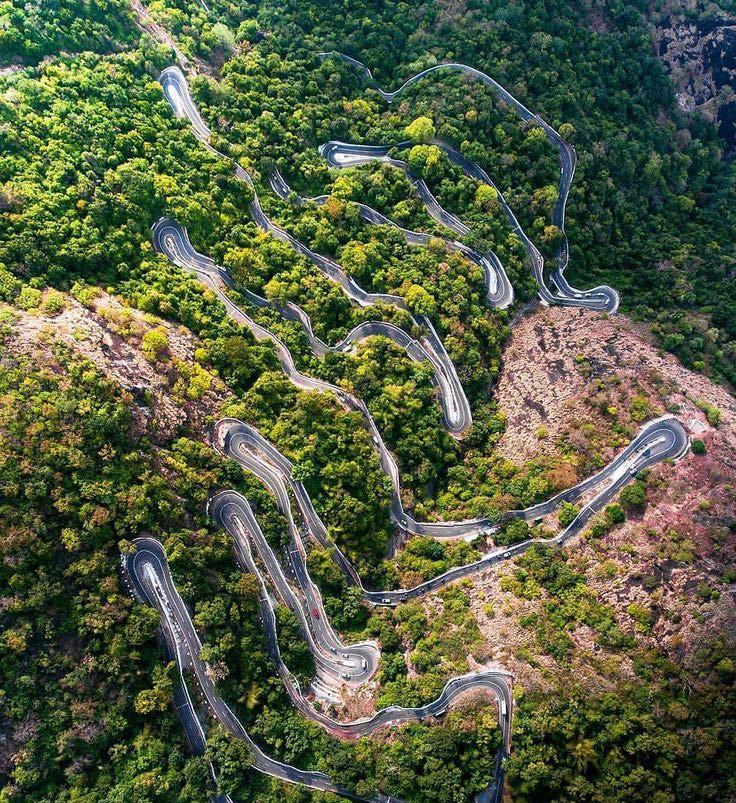
This is where you can see green hills lined with perfectly manicured tea bushes, coconut trees that make a stark contrast against the blue sky and a rustic charm that is hard to miss. A melange of culture, religion and nature, this is a destination for all the right reasons. Little wonder then that this is a popular spot for shooting movies. In fact, I am told that there is a movie being filmed here almost every day! The picture postcard landscapes apart, Pollachi has many secrets waiting to be unravelled and it is indeed a pleasure to discover what this charming town has to offer.
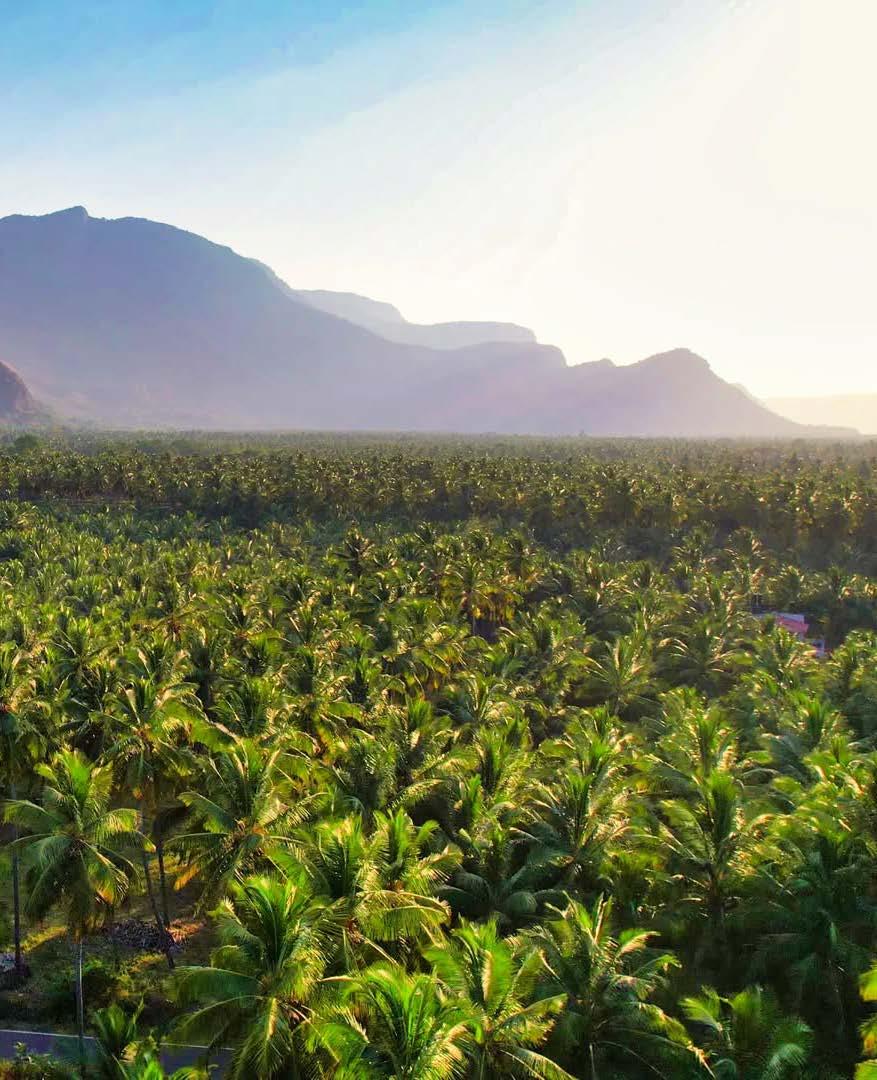
Pollachi is a town and municipality in Coimbatore, And Upcoming Udumalai district of the Indian state of Tamil Nadu. It is the administrative headquarters of Pollachi taluk. 30 KM from Udumalai corporation. It is situated near the centre of the South Indian Peninsula, surrounded by Western Ghats. Agriculture and textile industries contribute majorly to the economy of the town and the town is a popular marketplace for jaggery, vegetables and cattle. The town is a part of Pollachi constituency that elects its member to the Tamil Nadu legislative assembly and the Pollachi constituency that elects its member of parliament. The town is administered by Pollachi Municipality established in 1949 and has a population of 90,180 as per the 2011 census. The town is popular for the film shooting that takes place here and many films in Tamil and other languages have been shot here.
Pollachi is probably derived from Pozhil Vaitchi which means “gifted with beauty” in Tamil. Edicts indicate that the region was known as Pozhil Vaitchi during the Chola period.
Pollachi is located at 10.662°N 77.0065°E near the centre of the South Indian Peninsula, surrounded by Western Ghats. It has an average elevation of 293 metres (961 ft) on the banks of Aliyar River. The area is hilly and rocky, drained by several rivers and is thickly forested with some marsh lands and scattered patches of grass. The town receives majority of the rainfall from Southwest monsoon arriving through the Palghat gap and receives an average annual rainfall of around 1,274 mm (50.2 in).
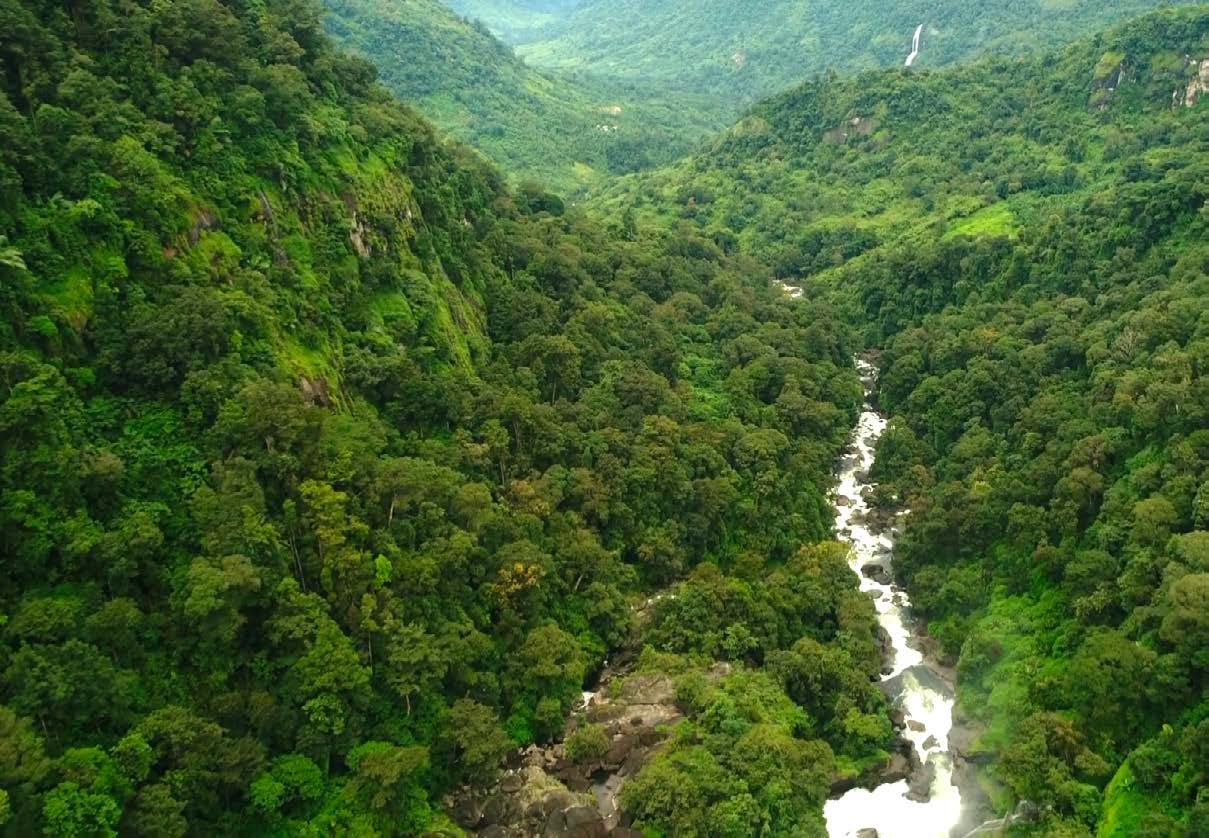

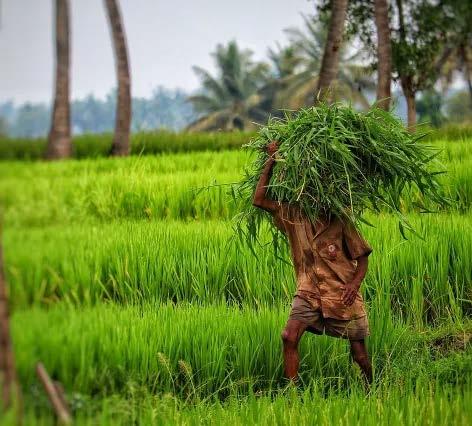
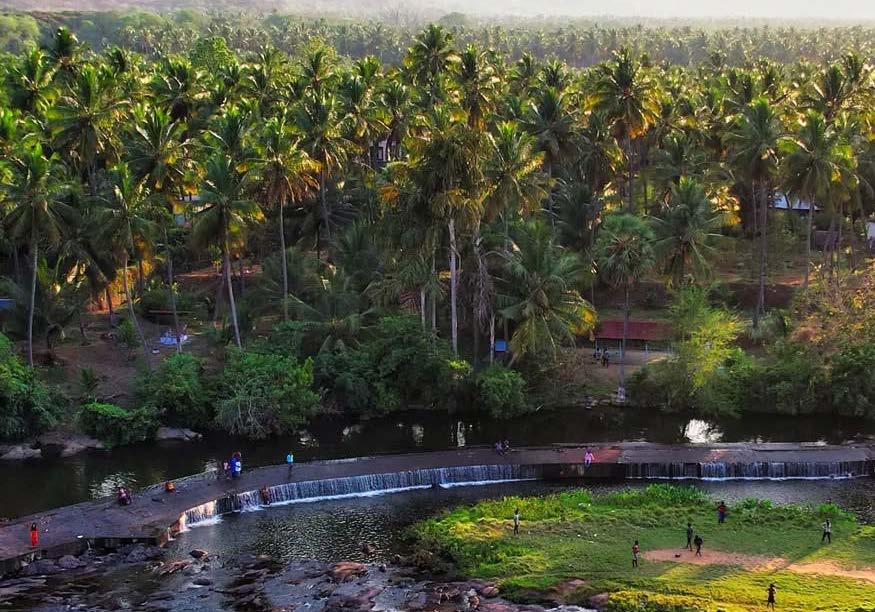
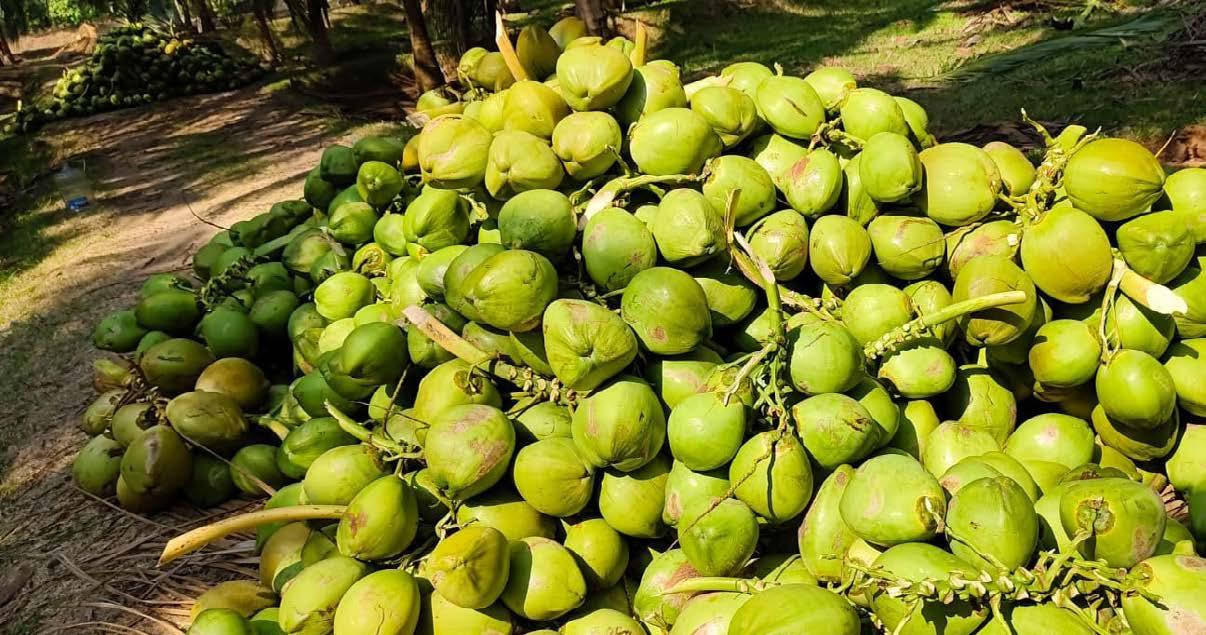
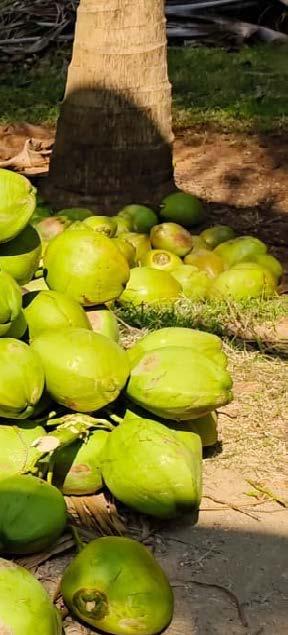

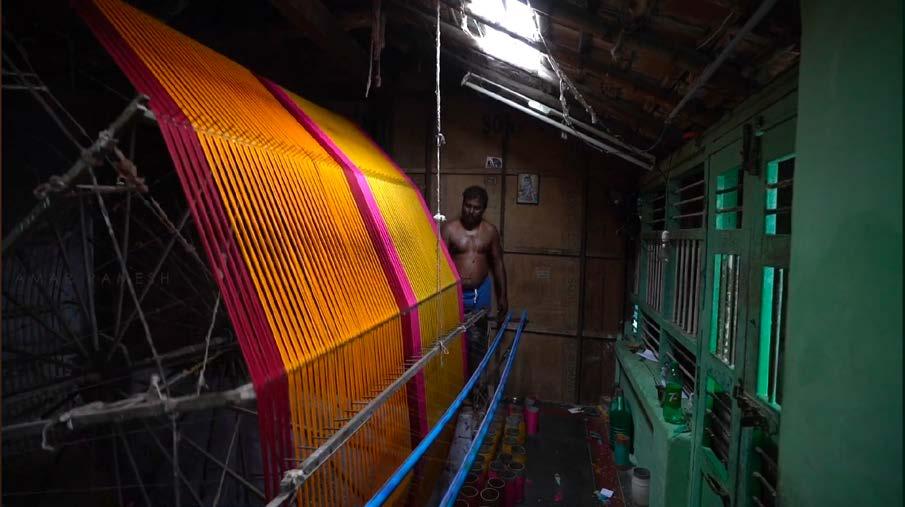
According to the 2011 census, Pollachi had a population of 90,180 with a sex-ratio of 1,012 females for every 1,000 males, above the national average of 929. A total of 7,732 were under the age of six, constituting 3,952 males and 3,780 females. Scheduled Castes and Scheduled Tribes accounted for 10.57% and 0.29% of the population respectively.The average literacy of the city was 82.15%, compared to the national average of 72.99%. The city had a total of 24,755 households. There was a total of 36,972 workers, comprising 219 cultivators, 488 main agricultural labourers, 1,018 in household industries, 32,720 other workers, 2,527 marginal workers, 25 marginal cultivators, 45 marginal agricultural labourers, 124 marginal workers in household industries and 2,333 other marginal workers.
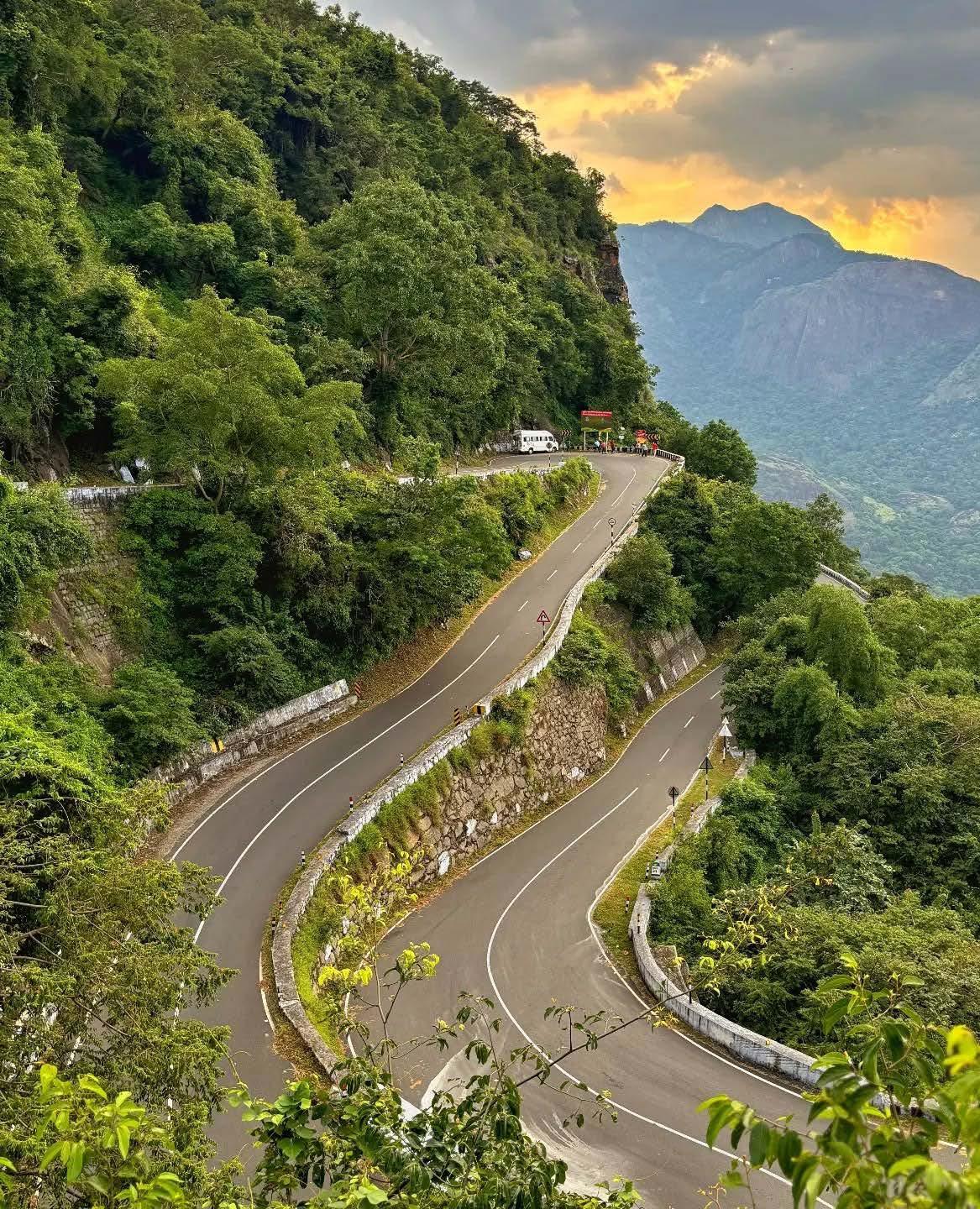

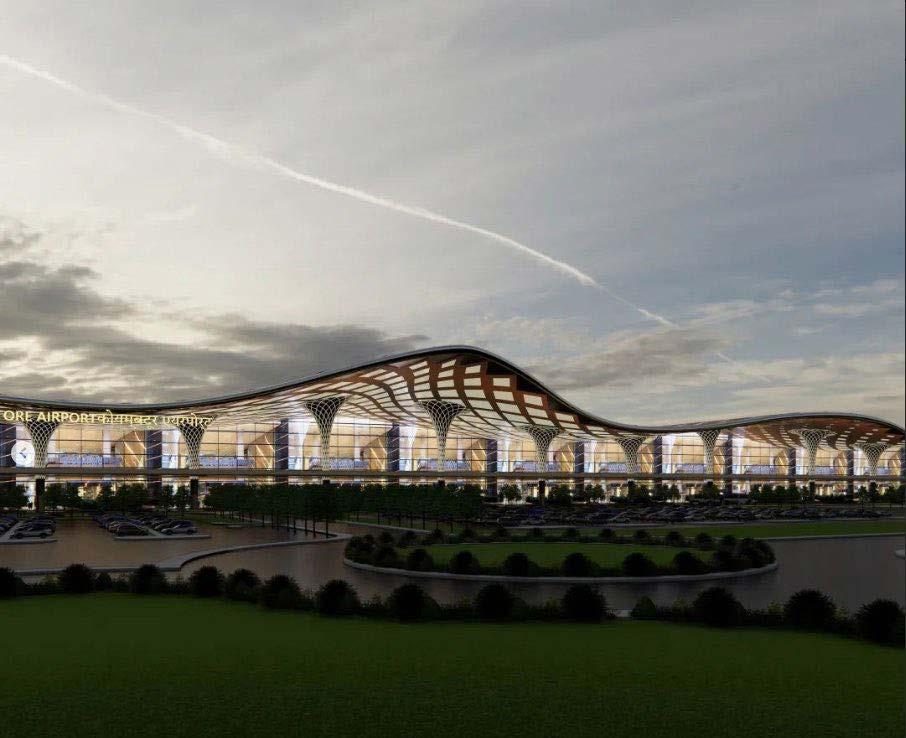
The economy of the town is predominantly dependent on agriculture. Coconut, jaggery, vegetables and cattle contribute to the agricultural output. There are also coir producing units with raw materials sourced from local farms.Vanilla is also cultivated in certain locations. Pollachi is also a popular movie shooting location for the Tamil film industry owing to its scenic landscape. Pollachi town is about 40 Kms from Coimbatore, Tamilnadu on the way to Parambikulam - Aliyar Project. Next to Coimbatore it is the leading town of the district and an important commercial centre. Pollachi is a town and a municipality in the Coimbatore district of Tamil Nadu, India. Pollachi is the nearest town to Indira Gandhi National Park and it exports coconuts and tender coconuts to all over India. There are several coconut groves and hence it is called as ‘Coconut City’. The beauty of Pollachi is always breathtaking with it lush green paddy fields kissing the hills of Anamalai.
Pollachi is connected by National Highway 209 and state highways 19, 78 and 78A. The central bus stand caters for bus transport which is operated by Government-run TNSTC and private operators. State Express Transport Corporation operates long-distance buses. Pollachi Railway Junction lies on the junction of Palakkad–Dindigul and Coimbatore–Pollachi branch lines with Palakkad to the west, Coimbatore to the north and Dindigul to the east. Metre to broad gauge conversion on Dindigul line was completed in January 2015. In 2017, the track between Pollachi and Podanur was converted from metre to broad gauge at a cost of ₹340 crore (US$40 million). The nearest airport is Coimbatore International Airport, located 48 kilometres (30 mi) from the town. The airport has regular flights from/to major domestic destinations and international destinations like Sharjah, Colombo and Singapore.
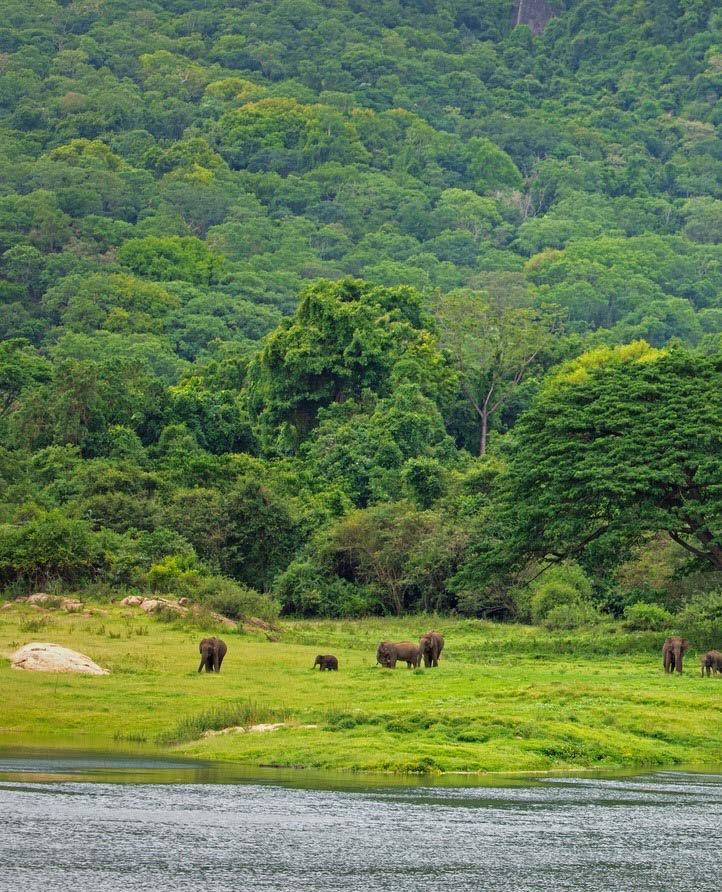
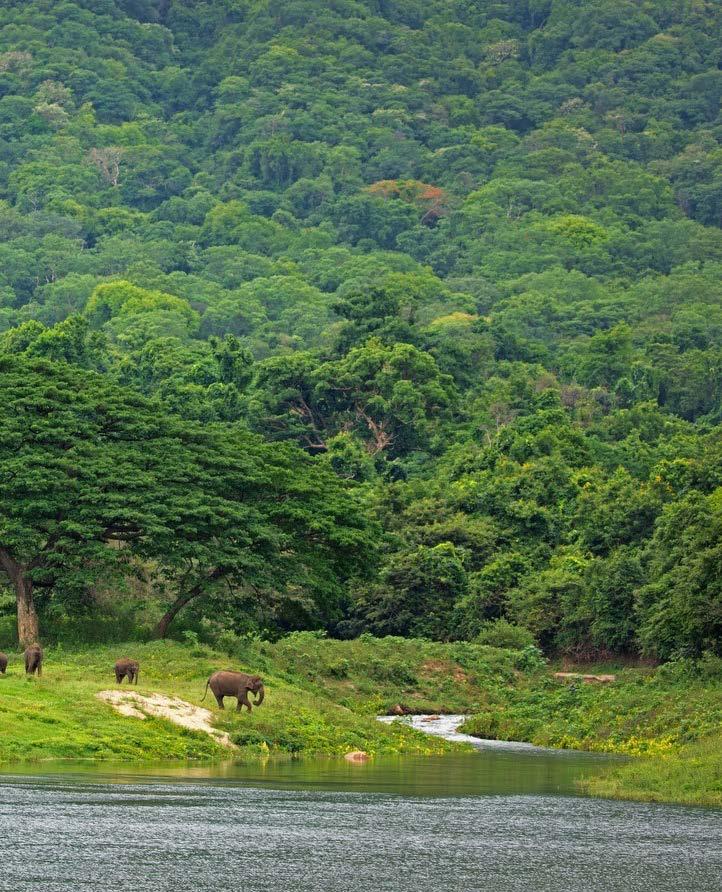
Anamalai Wildlife Sanctuary is situated at an average altitude of 1,400 feet in the Western Ghats near Pollachi.Valparai is a hill station about 65 kilometres from Pollachi and is situated at an altitude of 3,500 feet. Top-slip is a popular picnic spot located at an altitude of about 800 feet in the Anamalai mountain range which is about 37 kilometres from Pollachi. Parambikulam Wildlife Sanctuary is situated in the valley between the Anaimalai Hills of Tamil Nadu and the Nelliampathi range of Kerala. Parambikulam-Aliyar multipurpose project involves a series of dams interconnected by tunnels and canals at various elevations to harness the various rivers flowing through the area. Azhiyar Dam is located on the foothills of Anamalai in the Western Ghats and Solaiyar Dam is 15 kilometres from Valparai and is one of the largest rock dams in India. Thirumurthyswami temple is a temple dedicated to Shiva, situated in the foothills of the Thirumurthy Hills. Other major temples include Masani Amman Temple, Eachanari Vinayagar Temple and Temple of Consciousness founded by Vethathiri Maharishi.
Aliyar (also spelt Azhiyar / Aaliyar) Reservoir is a 6.48 km2 (2.5 sq mi) reservoir located in Aliyar village near Pollachi town in Coimbatore District, Tamil Nadu, South India. The dam is located in the foothills of Valparai, in the Anaimalai Hills of the Western Ghats. It is about 65 kilometres (40 mi) from Coimbatore. The dam offers some ideal getaways including a park, garden, aquarium, play area and a mini-Theme-Park maintained by Tamil Nadu Fisheries Corporation for visitors’ enjoyment. The scenery is beautiful, with mountains surrounding three quarters of the reservoir. Boating is also available.
The Aliyar Dam was constructed during 1959-1969 across the Aliyar River, mainly for irrigation purposes. Aliyar Dam was inaugurated on 2 October 1962 (Gandhi Jayanti day) by then Prime minister of India, Pandit Jawaharlal Nehru, K Kamaraj, the Chief Minister of Tamil Nadu state presided over the function. The project was commissioned in September 2002 to generate Hydro Electric Power.
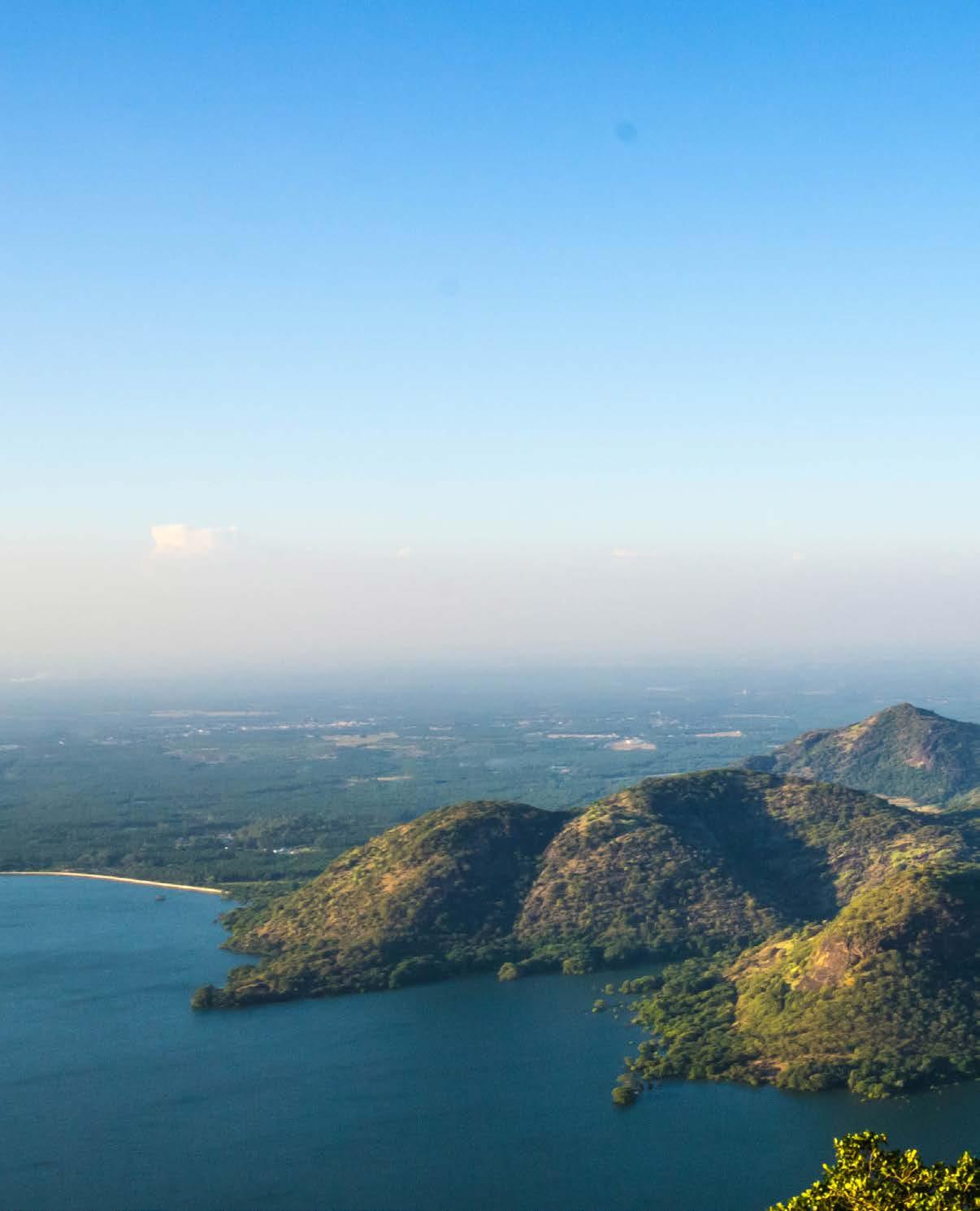
Aliyar lake receives water from Upper Aliyar Reservoir through the hydroelectric power station in Navamali and the Parambikulam reservoir through a contour canal.Aliyar dam, built as a part of Parambikulam aliyar project (PAP), retains a large reservoir. The dam is around 2 kilometres (1.2 mi) in length. The lowest level outlet of the reservoir is 930 feet (280 m) above Mean Sea Level (MSL) and the canal intake is 980 feet (300 m) above MSL. The spillway is 1,040 feet (320 m) above MSL and the FRL (Full Reservoir Level) is 1,050 feet (320 m) above MSL. The maximum surface area is 48 hectares (120 acres) (1,600 acres). The volume of water at FRL is 3.864 Tmcft (88,705 acre-feet (109,416,000 m3)). The maximum depth is 41 metres (135 ft) and the mean depth 16.8 metres (55 ft). The volume development is 1.2 m. The highest inflow usually occurs during July and August. The shoreline is poorly indented, the shore development is poor and shallow and the Aquatic plants and limnology of the littoral zone is also very limited.
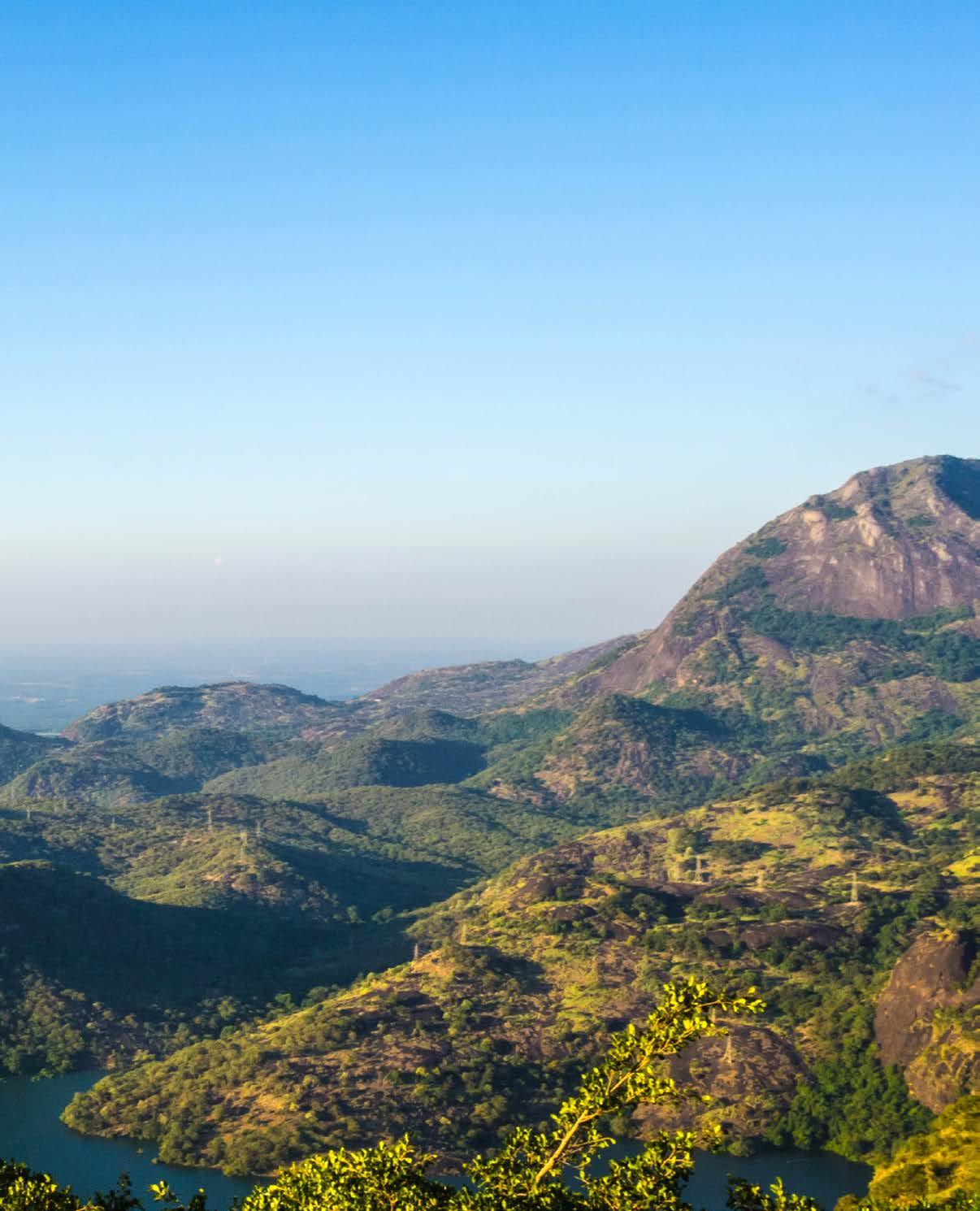
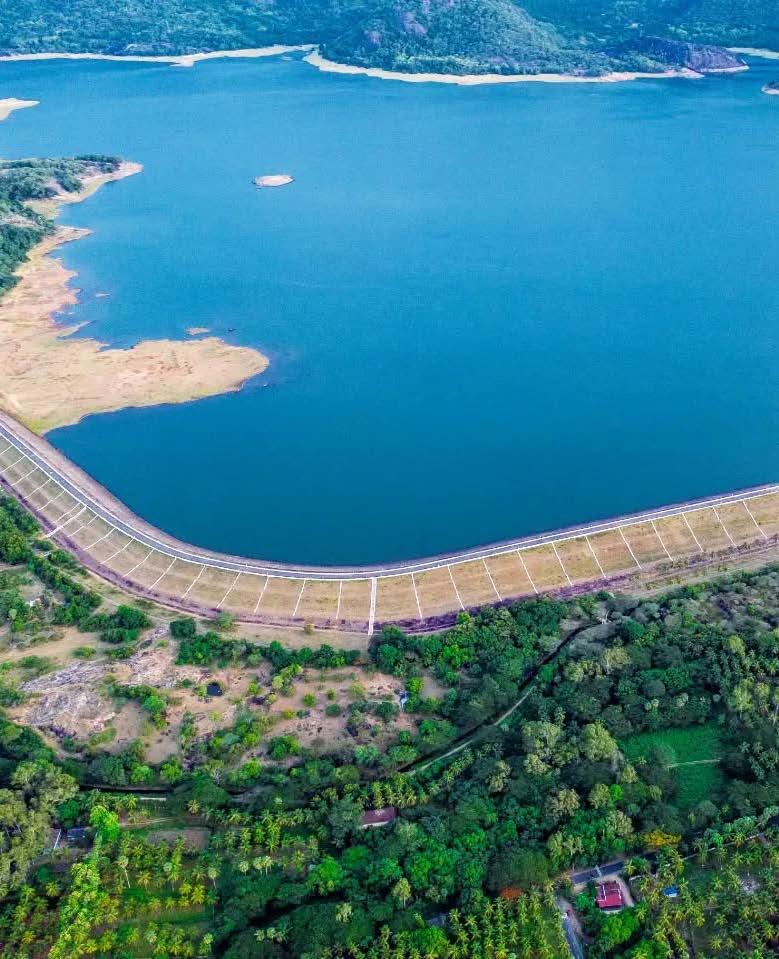

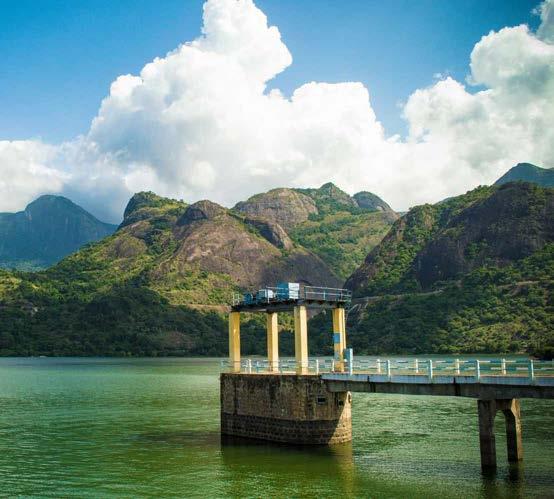
Ailyar reservoir was studied by the Central Inland Fisheries Research Institute (CFRI) for eleven years from 1982 to 1992. The rate of energy conversion at primary producer level and at the fish production level at Aliyar is considered higher than in any other Indian reservoir. The indigenous fish of the reservoir includes 40 species belonging to 13 families, plus seven stocked species.
This project consists of a series of dams interconnected by tunnels and canals for harnessing the waters of the Parambikulam, Aliyar, Sholiyar, Thunakadavu, Thekkadi and Palar rivers, flowing at various elevations, for irrigation and power generation. The scheme is an outstanding example of engineering skill. At present, the discharges are being let down through three sets of sluices/ canals, viz., Pollachi Canal, Vettaikaranpudur Canal and the river sluices. Under this scheme, the irrigation discharges let down through river sluices of the Aliyar Dam utilized for power generation in a power house at the toe of the dam. Being a micro hydel scheme, this project is subsidized by the Ministry of Non-conventional Energy Sources, Government of India.
Aliyar dam is a popular Tourist Destination. Near Aliyar dam are some visitor attractions including a park, garden, aquarium, play area and a mini Theme-Park maintained by Tamil Nadu Fisheries Corporation for visitors enjoyment. Temple of Consciousness is situated near Aliyar dam entrance at Arutperunjothi Nagar, where Vethathiri Maharishi resides. The scenery is beautiful, with mountains surrounding three quarters of the reservoir. Boating is also available. Monkey Falls is located at 6 km from the dam next to Arutperunjothi Nagar and Forest Department Check post. Overnight stay is possible in the forest rest house. A treetop house provides accommodation for the adventurous. The Dam and Park and the overall surroundings of the dam are very poorly maintained as of 2017.
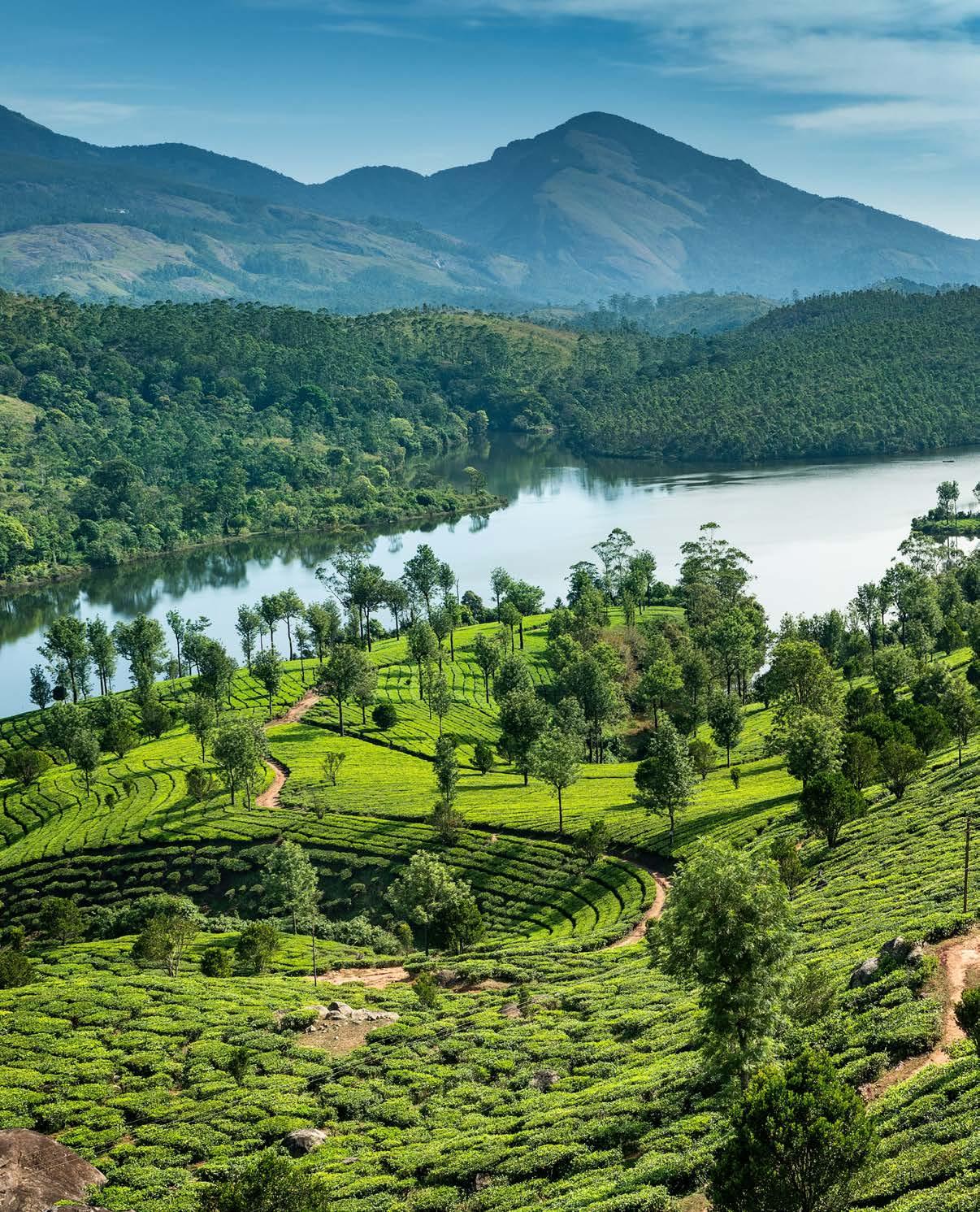
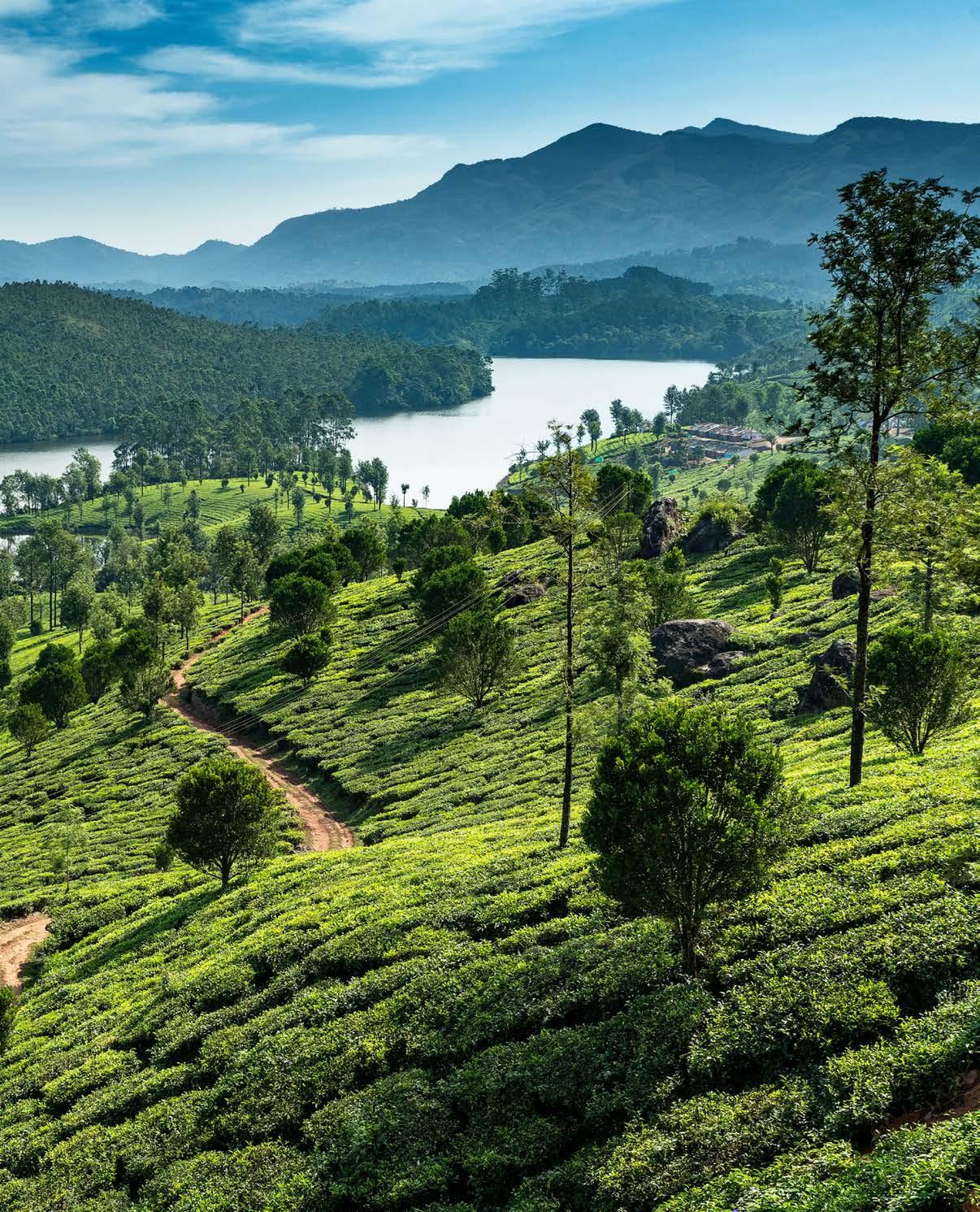
Valparai (originally known as Poonachimalai) is a Taluk and hill station in the Coimbatore district of Tamil Nadu, India. It consists of Anamalai Tiger Reserve (earlier known as Indira Gandhi Wildlife Sanctuary and National Park and prior to that as Anaimalai Wildlife Sanctuary). It is located 3,474 feet above sea level on the Anaimalai Hills range of the Western Ghats. There are a total of 56 estates here. The game of football is very popular here. State level competitions are held every year. The foothill starts exactly from Monkey Falls which is at a distance of 38 kilometres to Valparai. The route to Valparai from the foothills consists of 40 hairpin bends. The Kerala state border town of Malakkappara is at a distance of 27 kilometres from Valparai. While major portions of the land are owned by private tea companies, large forest areas continue to be out of bounds.
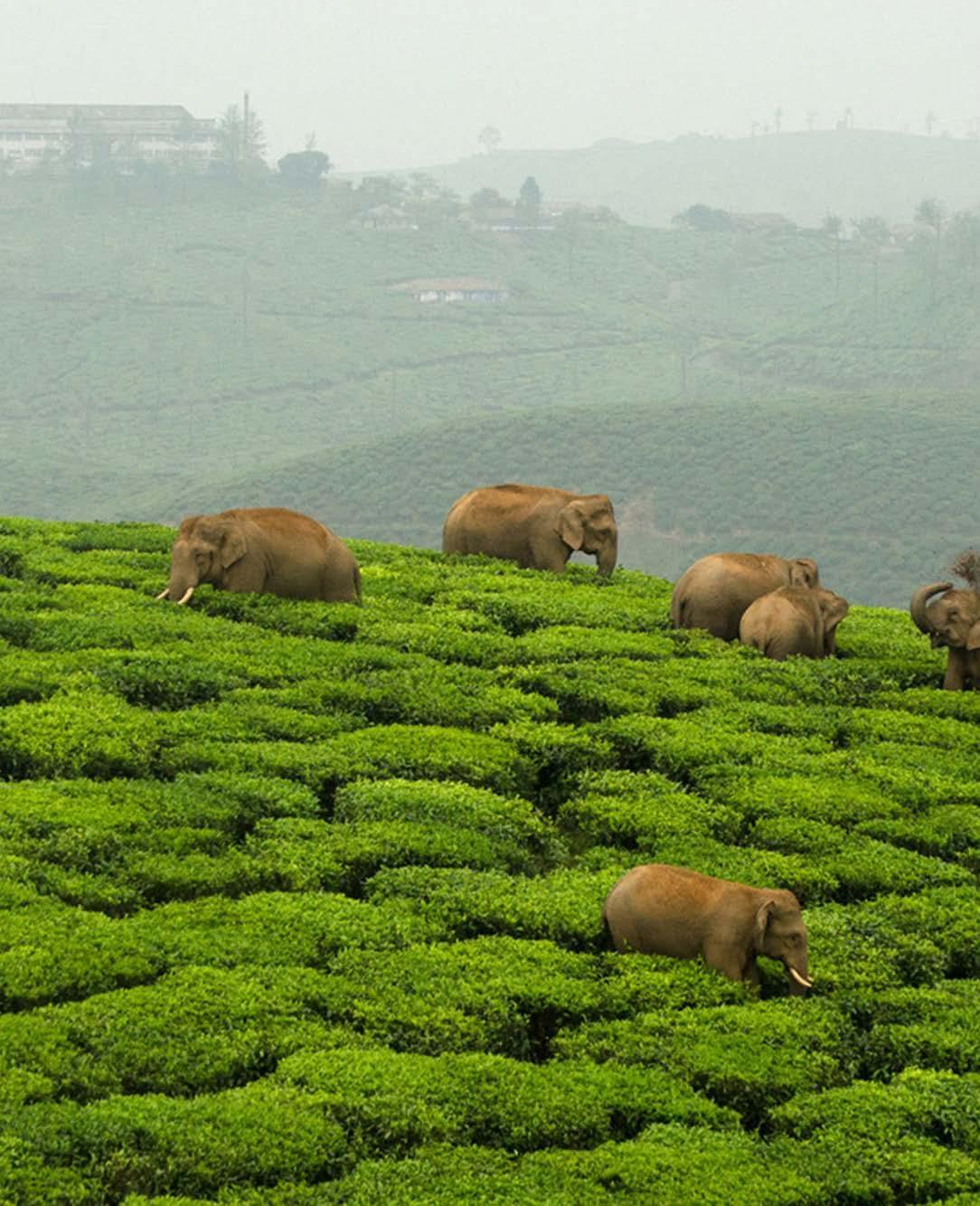
Earliest records of this area are from the year 1846 when K. Ramasamy Mudaliyar started a coffee plantation here. In 1864, the Karnatic Coffee Company began their coffee plantation here but they could not make it profitable, hence they sold part of their land. In 1875, the roads and guest houses were built by soldiers for the visit of England’s Prince of Wales, the future Edward VII. Soldiers were posted here and horses and elephants were used for this purpose. However, the visit was eventually cancelled. In 1890, W. Wintil and Nordan bought a huge portion of land in Valparai from the Madras State Government under the British Raj. Wintil deforested the area and planted tea and coffee. He was assisted by Carver Marsh, an experienced planter for a salary of 250 rupees.Valparai receives rainfall throughout the year. The typical temperature range in Valparai is 25 °C (max) to 15 °C (min) in summer and (and 15 °C (max) to 10 °C (min) in winter.
Valparai is located at 10.37°N 76.97°E. It is a mid-elevation hill station (Ootacamund is considerably higher) and has an average elevation of 3,914 feet (1,193 m). It is close to the border with Thrissur district of the Kerala state.
Valparai has a mild tropical monsoon climate (Am) with a short dry season and a long rainy season. It is one of the wettest places in Tamil Nadu.
The economy of Valparai largely depends on plantation crops. Valparai has a high concentration of tea and coffee estates. Most of the people living here work in these estates. The Government of Tamil Nadu in collaboration with ITDC initiated the construction of private resort hotels and parks to attract tourists.Valparai is surrounded by many dams and hydroelectric power plants. Aliyar Dam is at the foothill of this cluster of mountains.
Valparai is at a distance of 64 kilometres (40 mi) from Pollachi; 80 kilometres (50 mi) from Udumalaipettai;110 kilometres (68 mi) from Coimbatore;115 kilometres (71 mi) from Dharapuram; 130 kilometres (81 mi) from Tiruppur; 154 kilometres (96 mi) from Munnar; 107 kilometres (66 mi) from Chalakudy; 129 kilometres (80 mi) from Nelliampathi; 110 kilometres (68 mi) from Palakkad; 153 kilometres (95 mi) from Thrissur.
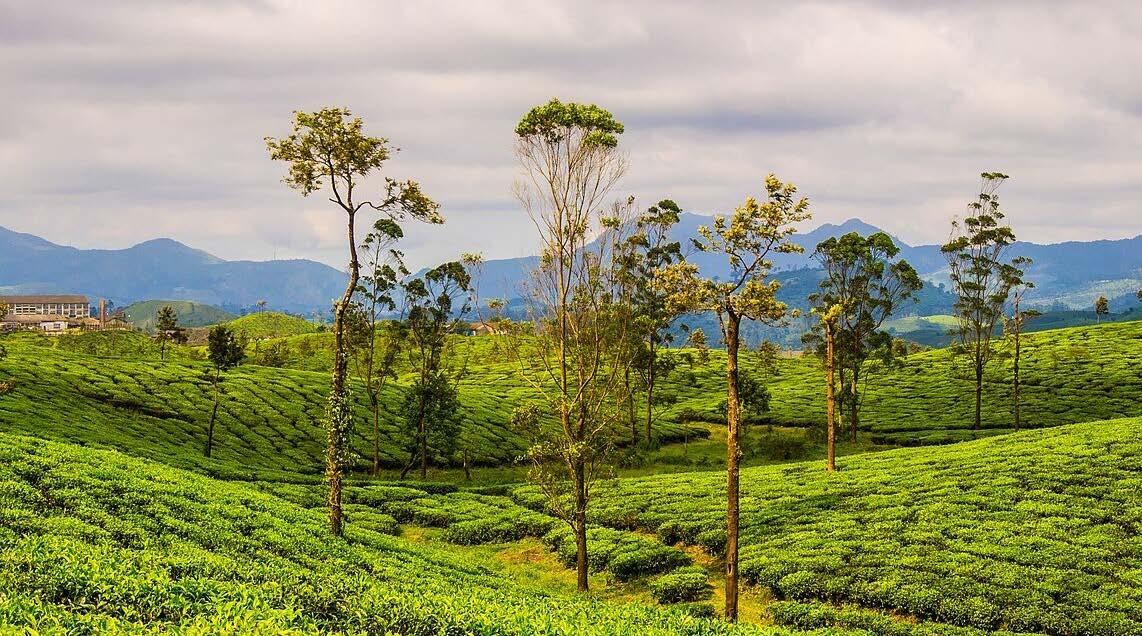
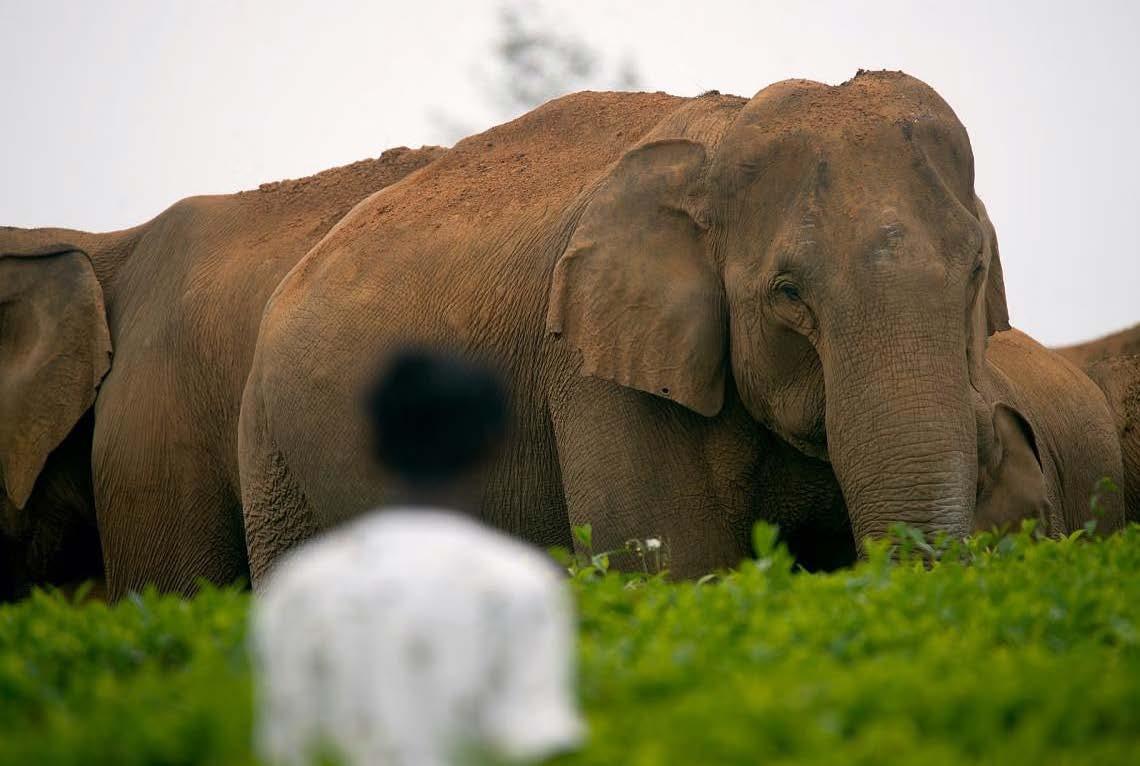
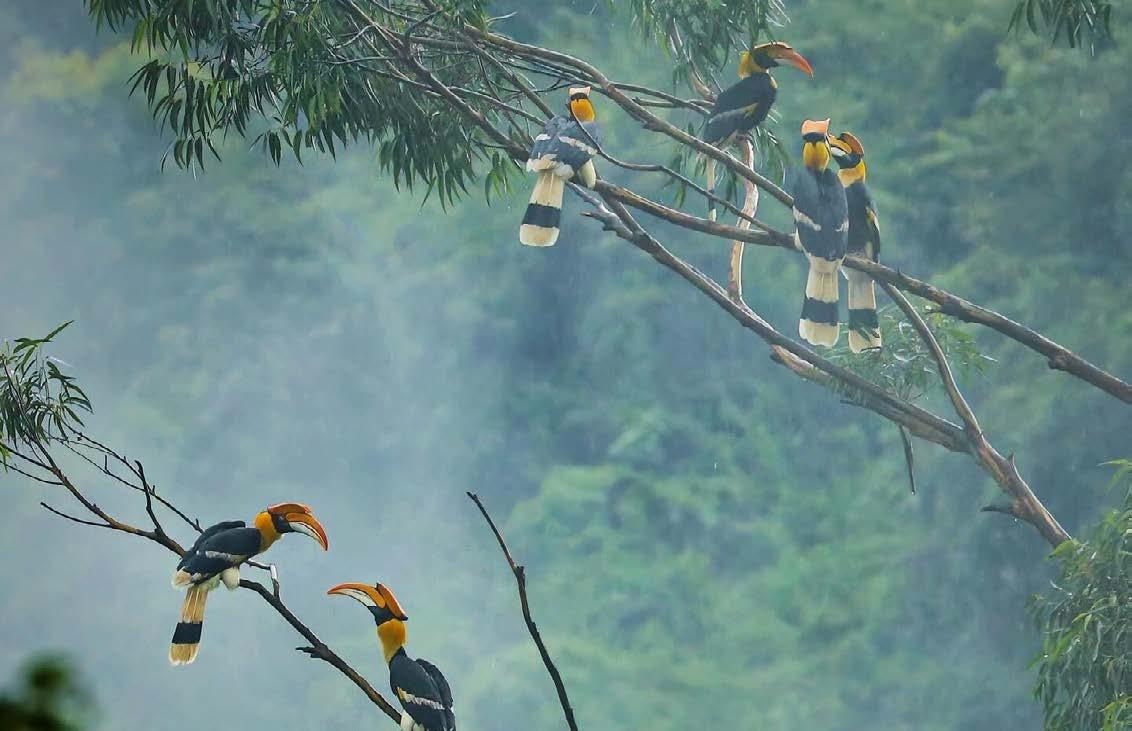
The road from Pollachi to Valparai has 40 hairpin bends. It takes about 2 hours to reach Valparai from Pollachi on State Highway 78. TNSTC operates buses from Valparai to Pollachi, Salem, Coimbatore, Tiruppur, Udumalaipettai, Dharapuram and Palani. Valparai is connected to Athirappilly Falls by road and is 107 km from Valparai to Chalakudi. It was 597 kilometres from Chennai to Valparai (by making halt in Coimbatore).
Valparai receives among the highest rainfall in the region during the monsoons (around June).There will be no animals wandering around during the monsoon period (June), mostly wild boar, gaurs, and lion-tail macaques can be noticed. The plantations in the town are surrounded by evergreen forests. The region is an elephant tract and is known to have many leopards.The drive to the town from Pollachi passes through the Indira Gandhi Wildlife Sanctuary noted for Bengal tiger, elephants, boars, lion-tailed macaques, gaur, spotted deer, sambar, and giant squirrels. The area is also rich in birds, including the great hornbill, and hosts seasonal migrant birds such as the grey wagtail.
The Valparai range is habitat to the Nilgiri tahr, an endemic wild ungulate. These mountain goats inhabit the high ranges and prefer open terrain, cliffs and grass-covered hills, a habitat largely confined to altitudes from 1200 to 2600m in the southern Western Ghats. Their territory extended far and wide all along these hills in the past, but, because of hunting and large-scale habitat destruction, they now
exist only in a few isolated sites like the Anaimalai Hills. The human-elephant conflict here is a delicate issue. The tea plantations are a hindrance to the movement of wildlife, particularly elephants who walk large distances to reach water bodies and feeding areas.
As we go up Upper Aliyar dam is located off the road (which branches off from the main road to Valparai) to Kadampaarai. In Kadamparai there is Kadamparai Dam and beneath the mountain a special kind of power station of TNEB (now TANGEDCO) is located. The road to this Kadamparai Pumped Storage Hydro Electric Power Station branches some 2 miles before and goes through a tunnel which ends up in the vast underground power station complex. The water from the dam flows through one of the dual penstocks and after rotating the turbine it is pumped up to the dam with a powerful motor through the other penstock. Lower Neeraar Dam and Upper Neeraar Vier are located beyond Kadamparai near Kerala border.
Tamil Nadu Government’s Chinchona estate and factory are located on the road to Neeraar dam. Chinchona is used in the medicine to cure malaria. Sholayaar Dam is located on the western side near Kerala border. It has one power house at the bottom of the dam and the second power house is located few miles away at Manompolli. The water which rotates the turbines goes through the forests in to Parambikulam Dam in Kerala. This water is brought back from Kerala to Tamil Nadu via a tunnel and then the Contour Canal which ends up in Upper Aazhiyaar dam.
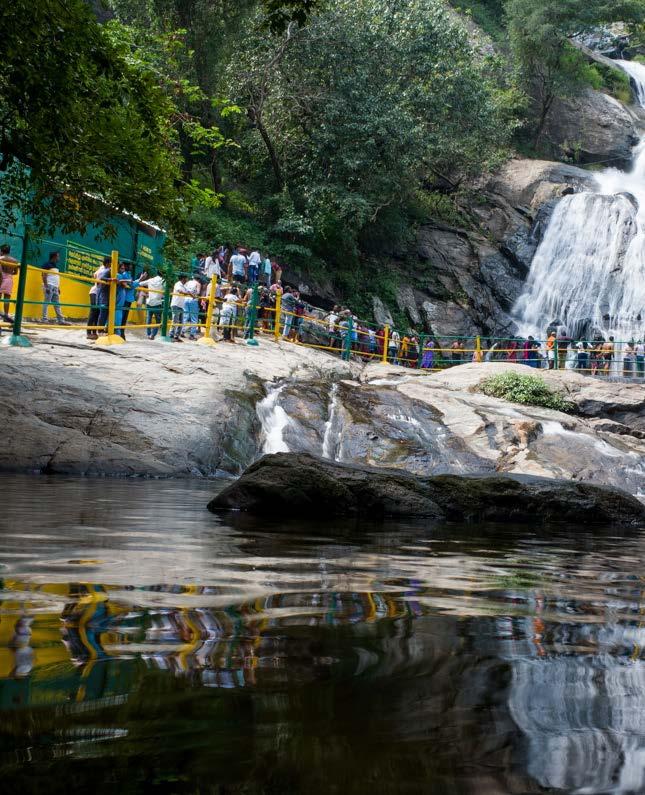
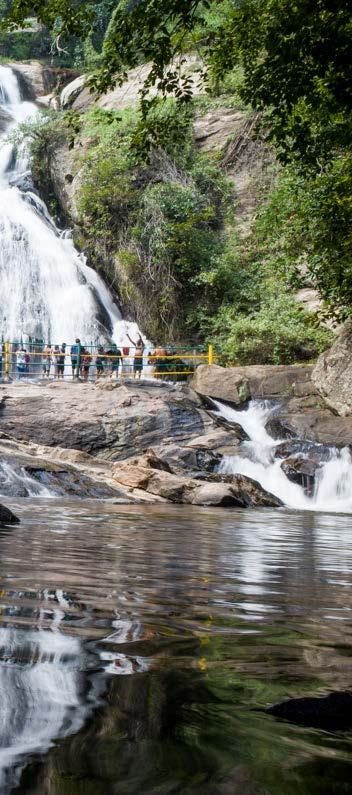
Monkey Falls are natural waterfalls located near the uphill ghat road Valparai on the Pollachi-Valparai road in the Anaimalai Hills range, in Coimbatore district. Monkey Falls is about 30 km from Pollachi. Refreshing Natural Water Falls about 6 km from Azhiyar Dam. Monkey Falls is located on road connecting Pollachi and Valparai.
An interesting trek route at the Monkey Falls; a linear stretch of evergreen forests surrounded by rocky cliffs, is available and regular guided treks are conducted during favourable season. Prior request should be given to the Tamil Nadu Forest Department headquarters at Pollachi before a fortnight.
The Monkey falls is a roadside stop situated 65 kilometers (40 mi) from Coimbatore and 29 kilometers (18 mi) from Pollachi on the Coimbatore - Pollachi - Valparai main road next to Arutperunjothi Nagar and Azhiyar Valparai Forest Department Check Post of IFS. Monkey Falls is a famous and popular tourism spot. Monkey falls is an ideal place for little children and adults to take a bath. Ticket fee is Rs 30 to enter inside the falls vicinity.
At a distance of 5 km from Aliyar Dam, 27 km from Pollachi, and 38 km from Valparai Bus Station, Monkey Falls is a natural waterfall situated in the Coimbatore district of Tamil Nadu. Situated on the Pollachi-Valparai road in the Anamalai Hills range, it is one of the magnificent waterfalls near Coimbatore, and among the best places to visit as part of Pollachi packages.
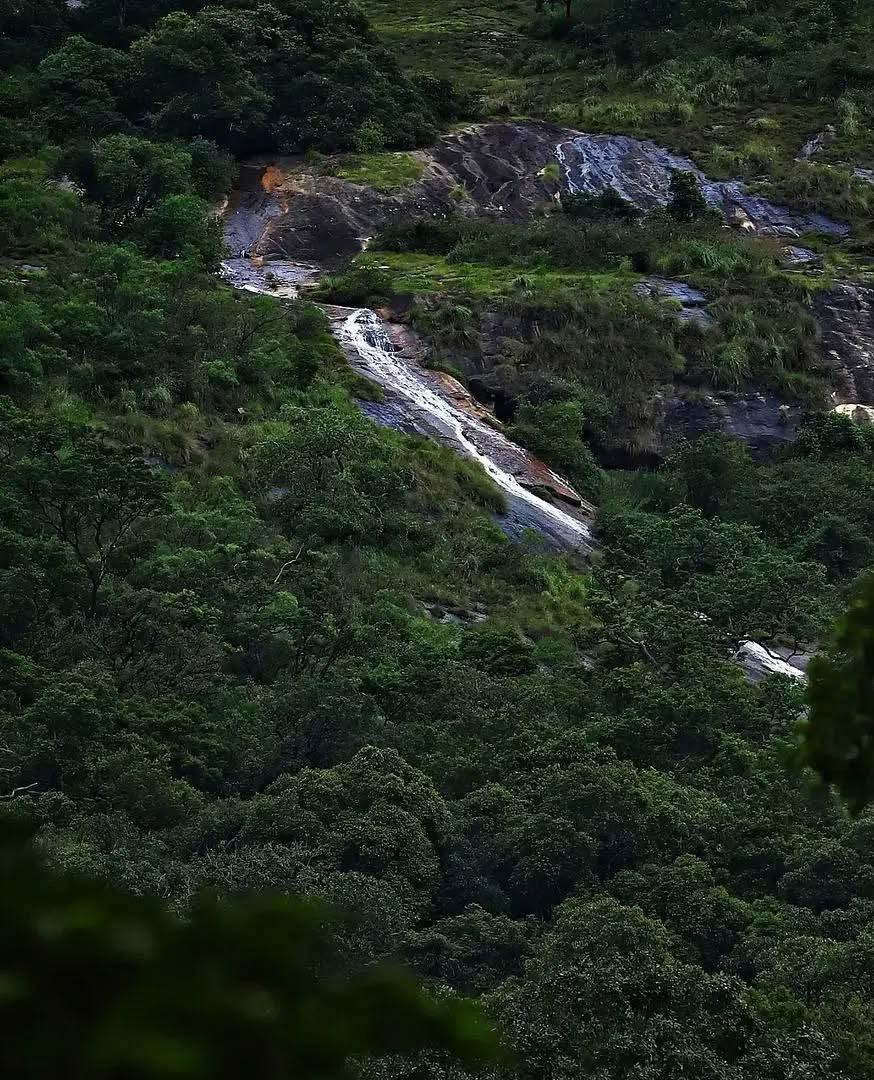

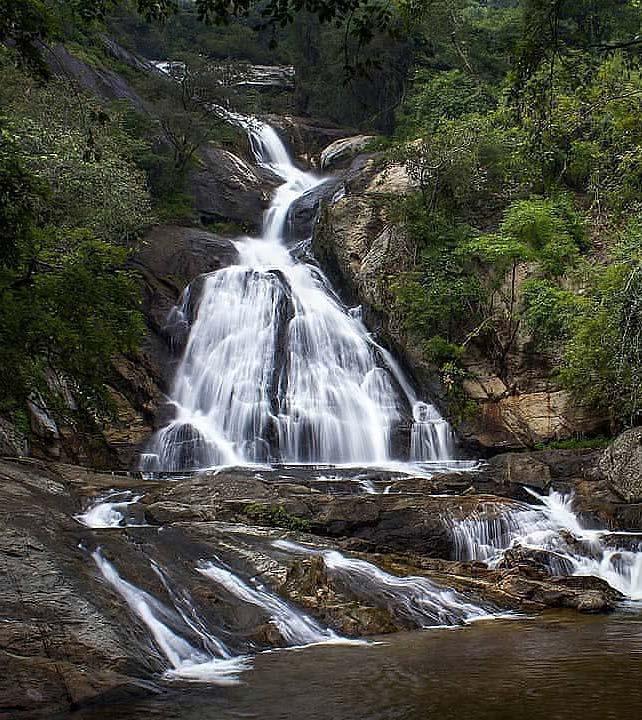
Situated near Aliyar Dam, Monkey Falls is cascading down from a height of about 60 feet into a pool. Enveloped between evergreen forests and rocky cliffs, this enchanting waterfall brings together the entire scenery. It is one of the best places to visit in Pollachi. Take a dip in the falls is refreshing though it is a bit dangerous during monsoons when the water flow is high. As the name suggests, the place has several monkeys. So, has to be careful while taking care of their belongings.
One needs to take prior permission from the Tamil Nadu Forest Department a fortnight before the date of the trek. The headquarters
are at Pollachi and the procedure to obtain a permit is not very cumbersome. There are guided tours available too for visitors who are eager to learn about the diverse flora and fauna that surround these falls.
The best time to visit the falls is between October & March. This place attracts several thousands of tourists across the year and is usually crowded on weekends. It is easily accessible by Bus from Pollachi. All the buses between Pollachi and Valparai stop here.
Timings: 9 AM - 5 PM
Entry: Rs. 50 for Person, Rs. 50 for Parking
Sholayar Dam is a concrete dam built across the Chalakkudi River in Malakkappara in Thrissur district, Kerala of India. The dam consists of main Sholayar Dam, Sholayar Flanking and Sholayar Saddle Dam. It also contains Sholayar Hydro Electric Power Project of KSEB who owns the dam. Total installed capacity of the project is 54MW with 3 penstock pipes. The maximum storage capacity is 2663 feet. Sholayar is 65 km from Chalakudy town. The dam above Sholayar dam is Upper Solaiyar Dam owned by Tamil Nadu.
Solaiyar Dam, Upper Solaiyar Dam or Upper Sholayar Dam (Solaiyaaru) is located 20 km (12 mi) from Valparai, a hill station in the Anaimalai Hills of the Coimbatore district, Tamil Nadu India. As it is a part of the hydroelectric project of Tamil Nadu, special permission is required to visit the dam. Valparai is located 64 km (40 mi) from Pollachi and 104 km (65 mi) from Chalakudy, Kerala. The nearest railway station is Pollachi.
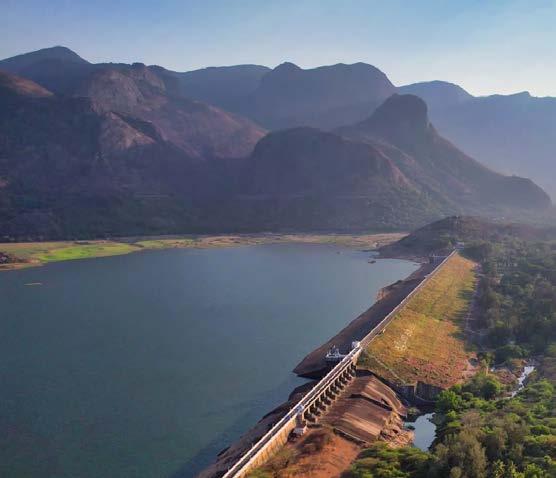

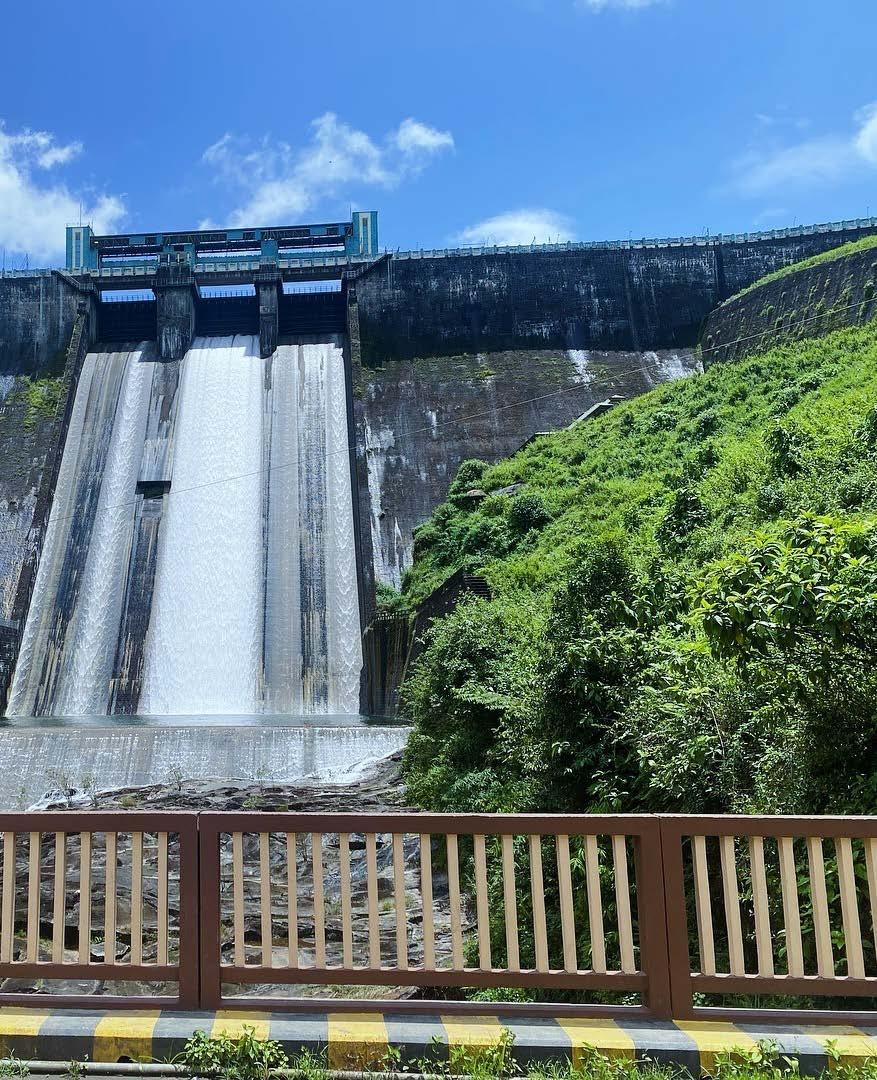
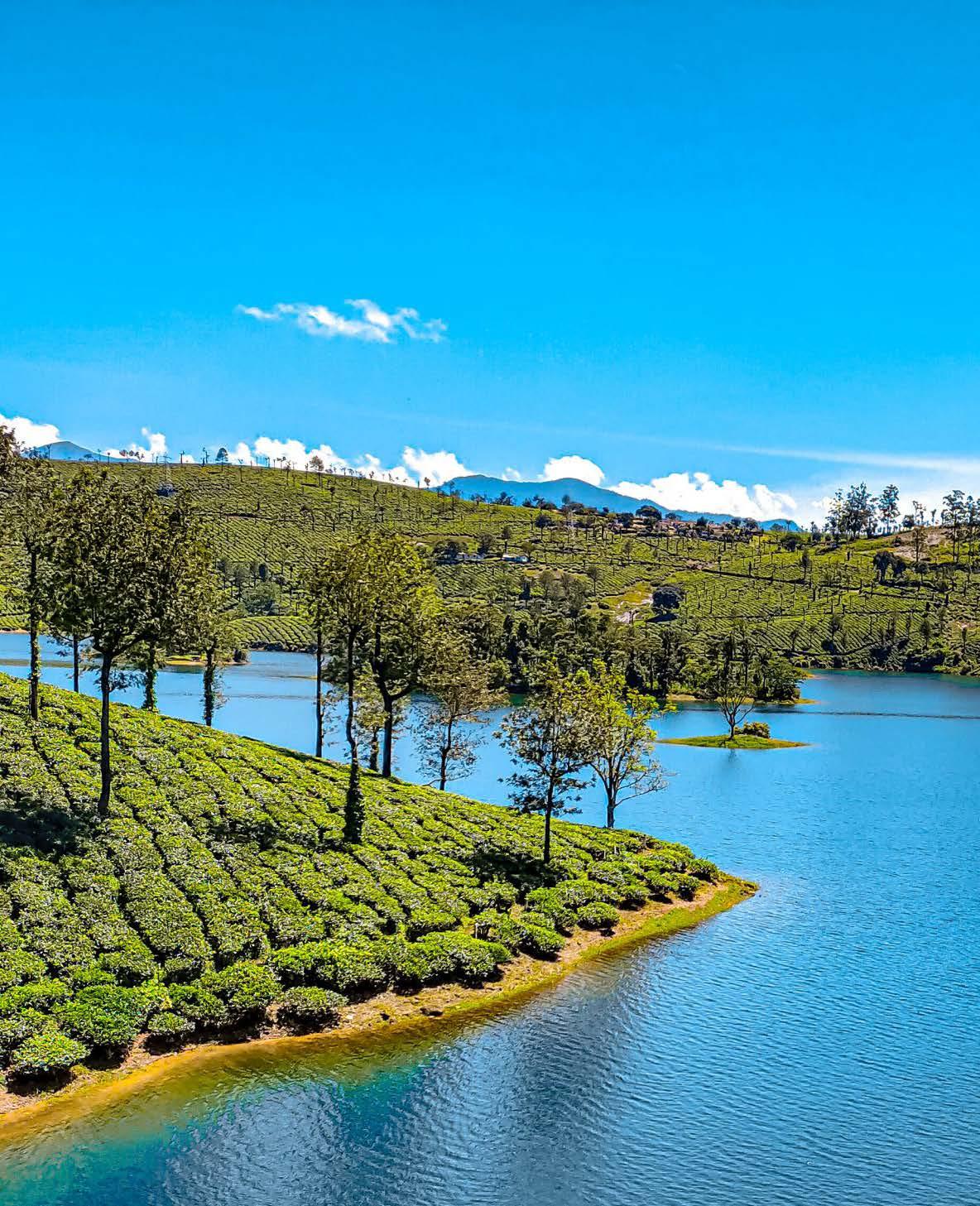
The reservoir of Solaiyar dam is a vital reservoir under the Parambikulam Aliyar Project and has a water storage capacity of 160 ft (49 m). The reservoir’s overflowing waters are let into the Parambikulam Reservoir through the saddle dam. It was constructed by a team working under K. Gopalswamy Mudhaliar[, the most popular engineer in that area. The Solaiyar Dam is part of the Solaiyar Hydroelectric Project (HEP). The project comprises the main Soliayar Dam, the Solaiyar Flanking Dam, and the Solaiyar Saddle Dam. Sholayar Dam, Sholayar Saddle Dam and Sholayar Flanking dam are commissioned in
1965. The reservoir has an area of 8.705 square km and the length of the dam is 430.60 metres. The Sholayar Dam has a height of 66 metres and 430 metres width,[6] Sholayar Flanking Dam has a height of 18 metres from the foundation with 109 metres length and Sholayar Saddle has a height of 259 metres and 109 metres width. The area of the reservoir is 8.705 square km. The height of the main dam is 66 metres, its width is 430 metres, and length 430.60 metres. The Solaiyar Flanking has a height of 28 metres and width of 19 metres. The Solaiyar Saddle Dam is 259 metres high and 109 metres wide.
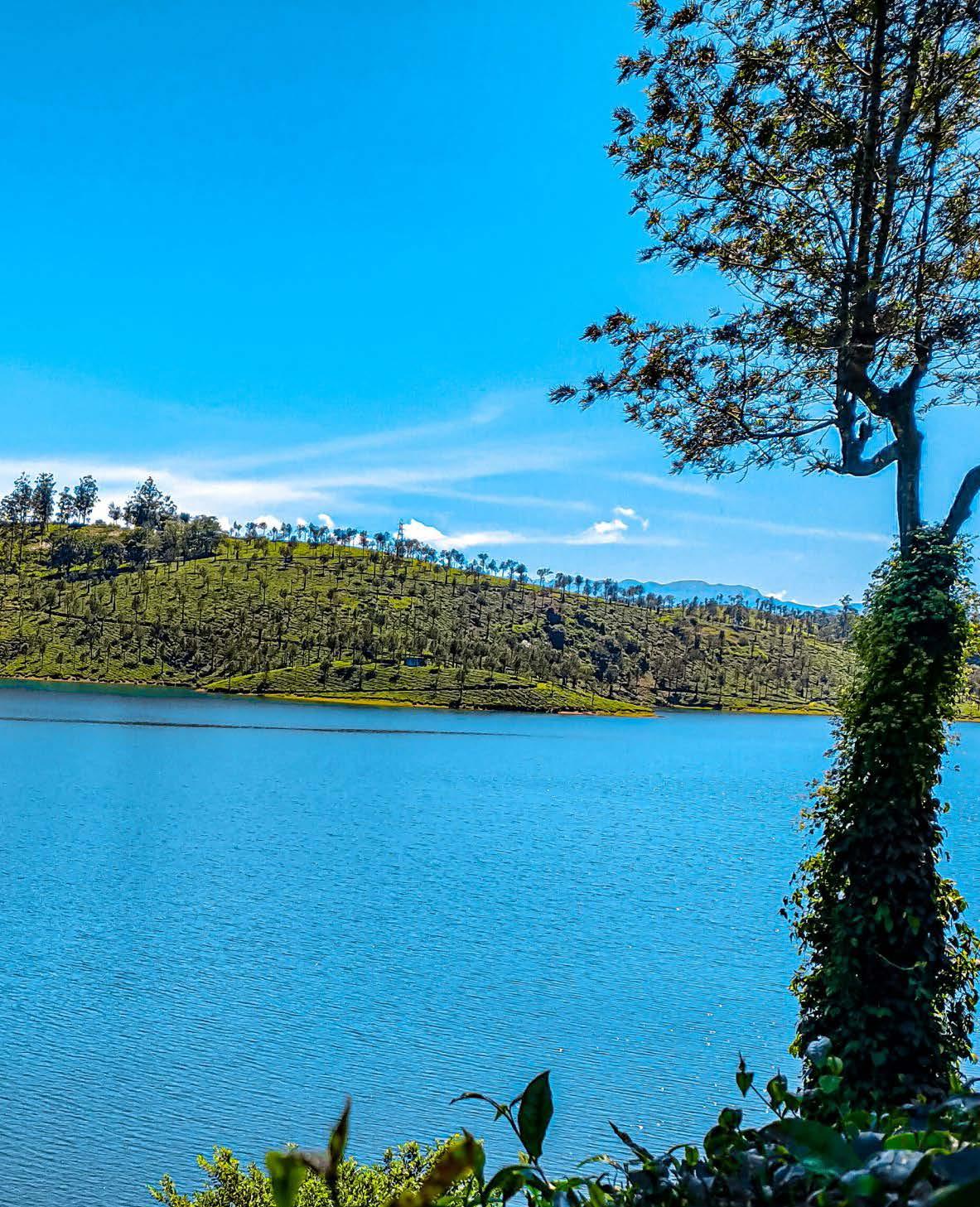
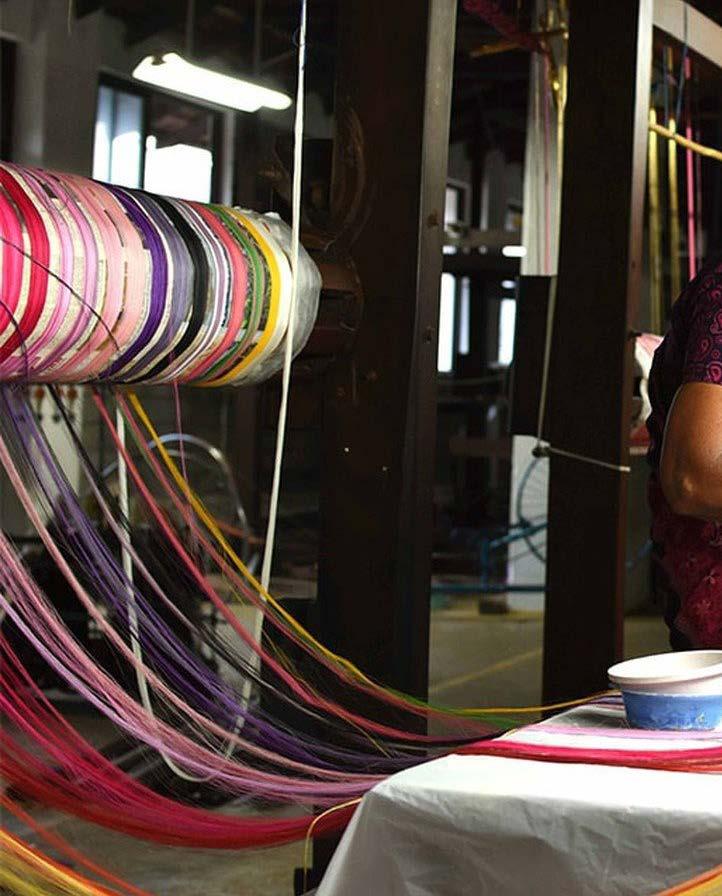
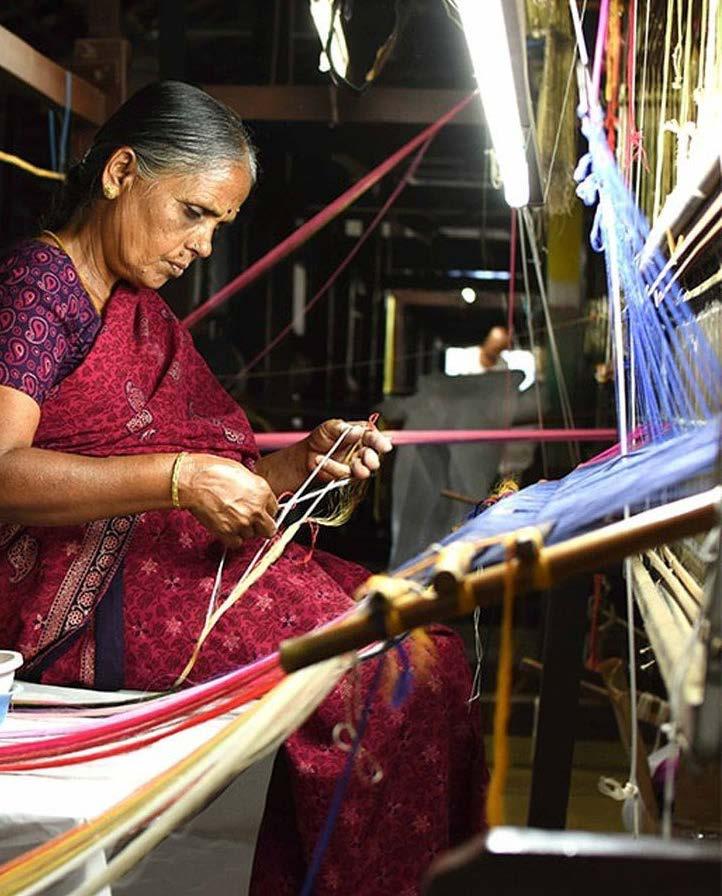
Pollachi, one of the most sought-after locations for naturalists has its own history, craft traditions, and architecture apart from its verdant beauty.
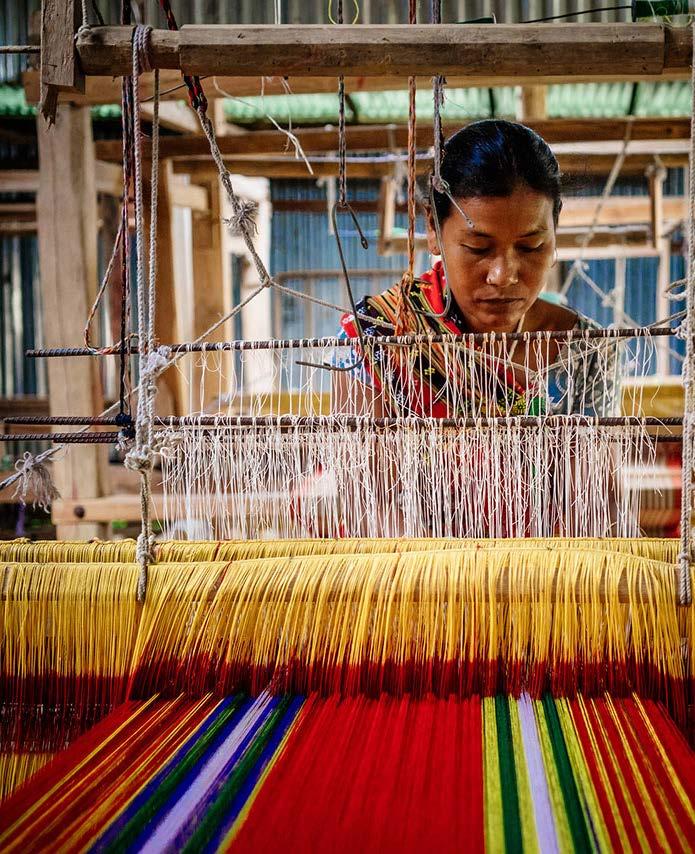

One of the crops grown abundantly in Pollachi is Cotton and this has led to the rise of cotton manufacturing around this area. There are several organisations that are actually working towards creating organic cotton fabric and allied products. If you visit one of these outlets, you can actually see the weavers working on traditional looms and creating garments that are sought after across the world. But sadly, several of these processes are dying as handlooms are being replaced by power looms. In fact, Pollachi is where the integrated cotton farming model has been adopted and this has actually helped small and medium scale cotton farmers to adopt organic farming. It was indeed an eye opener to learn about the process of making organic cotton clothes and why there is a premium in its pricing. In fact, there is also a retail centre where you can buy cotton sarees and stoles as well as organic baby clothes. Culture, world over, is getting a new lease of life as heritageinspired luxury becomes the new buzzword in tourism. Here’s our ready reckoner of heritage sites and artisan clusters that have defined the history of Pollachi.
Neighbour to the Anaimalai hills and a long-standing biodiversity hotspot within The Western Ghats, Pollachi is the land of green pastures and even greener trees. As the homeland to over 39 endangered and threatened species of plants and animals, the region is one of the most sought-after locations for naturalists. However, there is more to it than just its verdant beauty. Ask the locals and you will realise that Pollachi’s history, craft traditions, and architecture are its bestkept secrets. With most hotels and resorts offering nearly the same list of things to do, you need to find the right fit. We talk to regular travellers, locals and experts, and factor in their top picks to bring you the last custodians of culture and craft in the region.
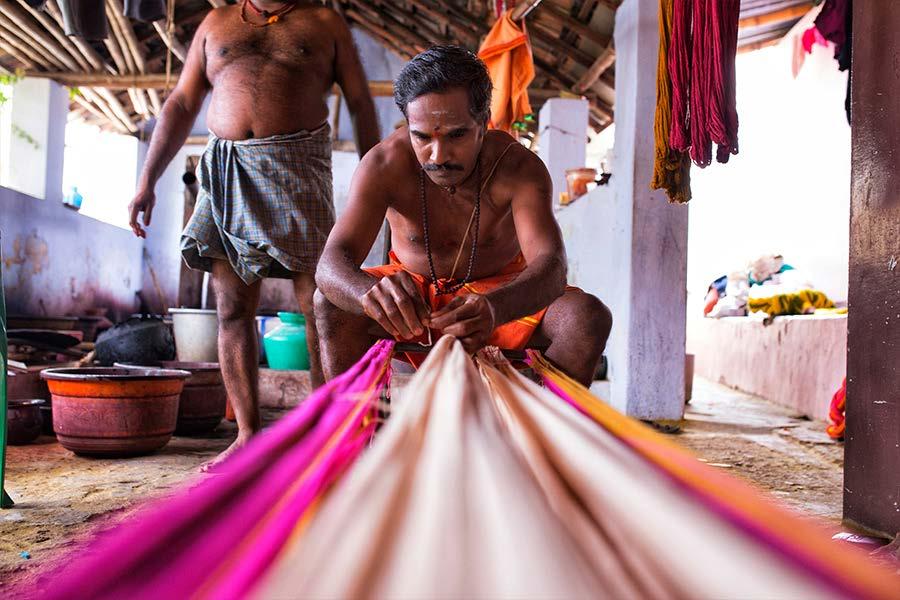
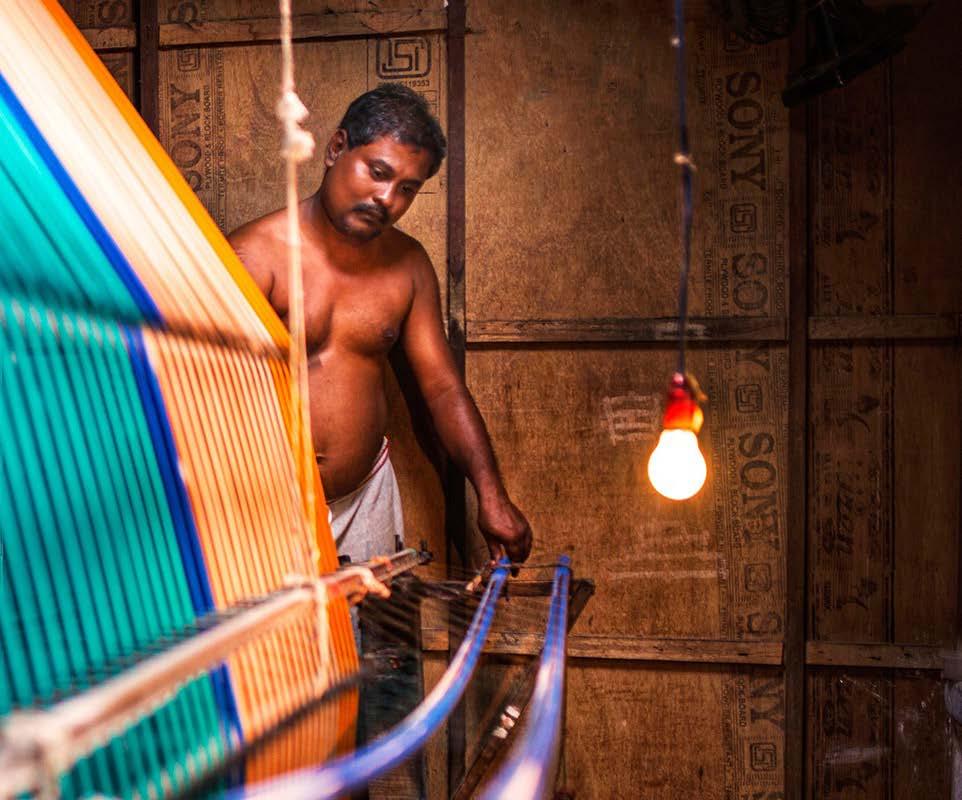
The stacks of Negamam saris, sporting a traditional medley of yellow and brown hues or other monochromes, all started out as reams of hand-dyed cotton yarn. Then, over a period of three to four days, craftsmen warp and weft the yardage and weave away like the master artisans of Negamam before them have done for over 200 years. “The end product is a distinctive 45-inch width, 8-yard long sari that is distinguished by its weighty texture and easy drape,” shares Jayashri Samyukta, executive committee member of the Crafts Council of India. Periya Negamam—a prized handloom centre of Southern Tamil Nadu is located in one of the most idyllic regions of Pollachi, which is 45 km from Coimbatore. Ensuring a market for this dwindling weave, a step in the direction of contemporising handloom products from the region comes from the ‘farm to fashion’ brand Ethicus that made its Lakmé Fashion Week debut in 2018. Though your visit to the village
might not afford a chance at the handloom, this expedition is a slice out of the weaving traditions of the Kongu region and offers shopping opportunities.
Now synonymous with eco-friendly wedding decor, ola kizhis, meen and flowers that are made from palm leaves and sholapits are often from the regions surrounding Pollachi. Dried, stripped and dyed in a pigment before being knotted and folded by hand, Thattai Pinnardu is a craft that has been passed on through the generations. In the public eye since his 30-foot hanging art installation took up space in Chennai’s Phoenix Marketcity, T Krishnaswamy—a custodian of this reed based art—learnt the folding and knotting techniques observing other artisans who were creating decorations for the Zamindars of Uthukuli. “I tried to trace the craft back to its roots, to know how it all started.
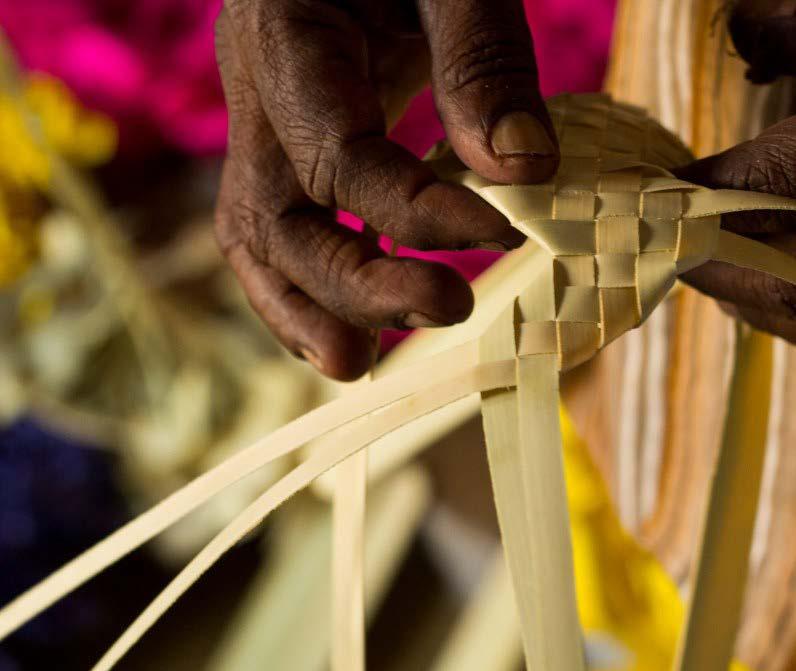
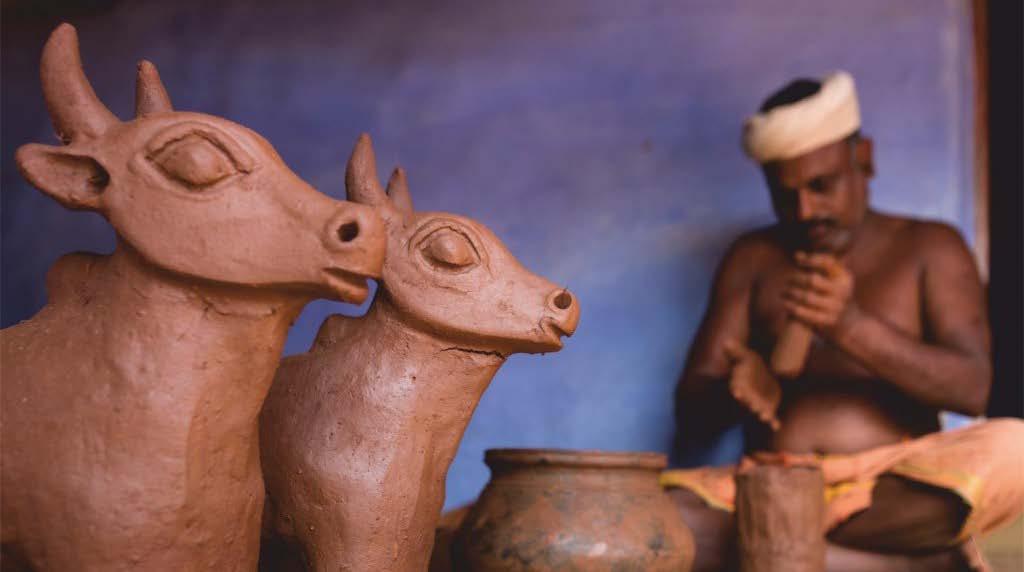
But my relatives just say they have been practising it for generations. I have been at this craft for 30 years,” shares Krishnaswamy, whose wife Karuppathhal is also involved in the craft. Though a labour intensive profession, years of practice has ensured that each figurine—either a flower, parrot, fish or deer—only takes up to three minutes to make. “Krishnaswamy is one of the only artisans from Bodipalayam that continues this palmyra craft. He’s also one of the oldest craftsmen that the Crafts Council of Tamil Nadu has collaborated with. We keep organising workshops in Coimbatore where people can learn this languishing art,” shares Jayashree Ravi, secretary CCTN.
Attempting to trace the origins of the intricately engraved letter on a block of palm jaggery from Pollachi will most likely lead you to the traditional cottage home industries of Bodipalayam. Corresponding to the unit where the jaggery is prepared, each letter narrates the life cycle of the Pananga Karupatti that is cooked and processed by individual entrepreneurs in the village. Tapped from the male palmyra tree, the pathaneer (nectar) is collected in earthen pots that are slaked with lime. “This is done to ensure that it does not ferment and turn into toddy,” explains Amarnath, even as Pravin Shanmughanandam, founder of Pollachi Papyrus tell us that the unfermented palm nectar finds a substantial market in bigger cities. “If there was only a way to preserve the neera for an extended period of time, carbonated drinks would no longer find buyers,” he says with a laugh. Boiled in a large vat over a firewood flame for almost six hours, the colourless liquid first takes on a deep golden shade that is bottled and used as Thaenbagum before it turns a deep burnt caramel brown. Stirred until cool, and later poured into moulds, the final product, in some cases, contains additional flavouring like ginger. Learn the tricks of this exacting trade if you can stand the heat (We mean that quite literally). And for those who cannot, there’s always karupatti sweetmeats up for grabs.
This folk art form of Tamil Nadu was once considered only fit for royalty. Carried on by the descendants of Veerapandiya Kattabomman, who believed that they belonged to the lineage of the gods, Devarattam came to be known as the dance of the gods. An art form that has lost its importance and deteriorated drastically in recent years, it is only the will of a determined few that has kept this ancient dance alive. One of the oldest folk arts of Tamil Nadu alongside Thappattam and Therukoothu, a tiny group of performers in Pollachi are among the few clusters that carry on this age-old tradition today.
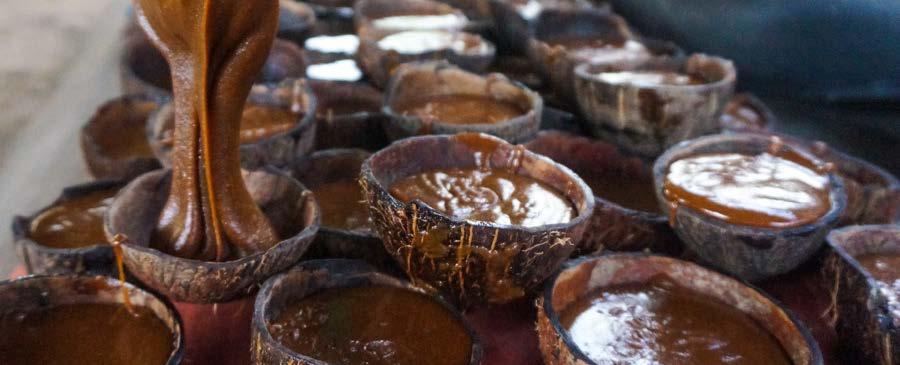
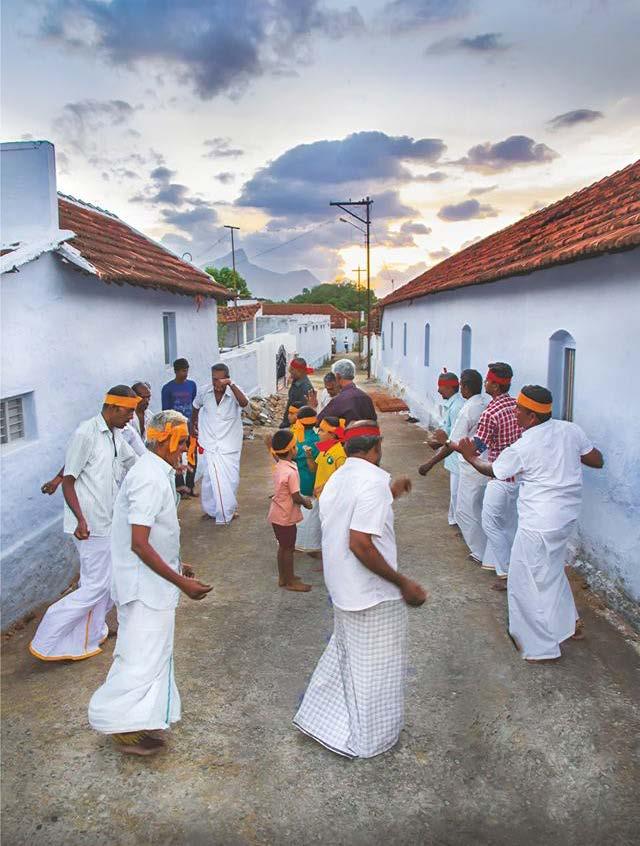
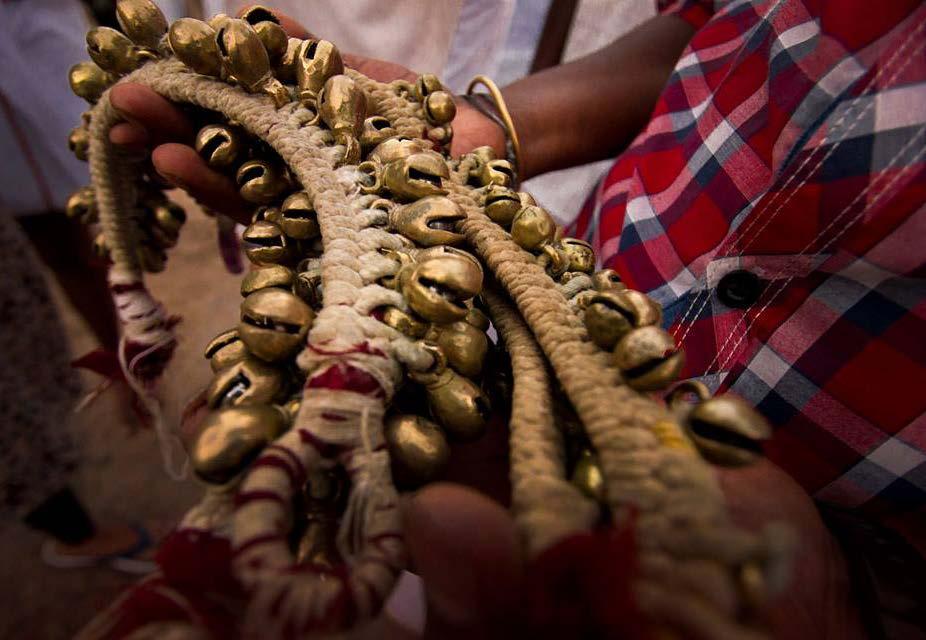
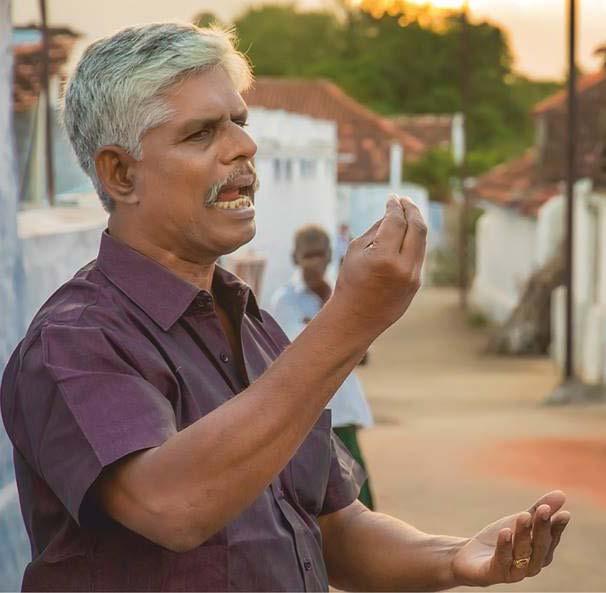
Performed by a group of men to the beat of the umri melam, Devarattam has 18 basic steps that are used in a number of permutations and combinations, of which 72 have been standardised. Enacted in two parts, the performers start by worshipping the musical instrument and the musicians, which is followed by a fast-paced dance. Part of a trail curated by Pollachi Papyrus, it isn’t just the antiquity, but the chance to partake in a culture that is on the verge of extinction that makes this experience appealing. What’s in a name?
There’s something in the city for those who would rather explore folklore—especially if you’re up for an additional history lesson. The Subramania Swamy Temple—where the 700-year-old structure spells out the etymological origins of the district of Pollachi, makes for an ideal destination for those looking for a quick drive “Carvings on the temple refer to a place called Erichil Puzhil Vaichi. The Kongu region was primarily Shola forest land, which was burnt to make way for settlements.
Erichil Puzhil Vaichi translates to burnt Shola settlement; Pollachi is a corruption of the terms Puzhil Vaichi,” explains culture writer, B Meenakshi Sundaram. Another explanation, since the city was one the largest marketplaces of the south, is that the name was a derivative of Porul (Commodity) Aatchi (Control).
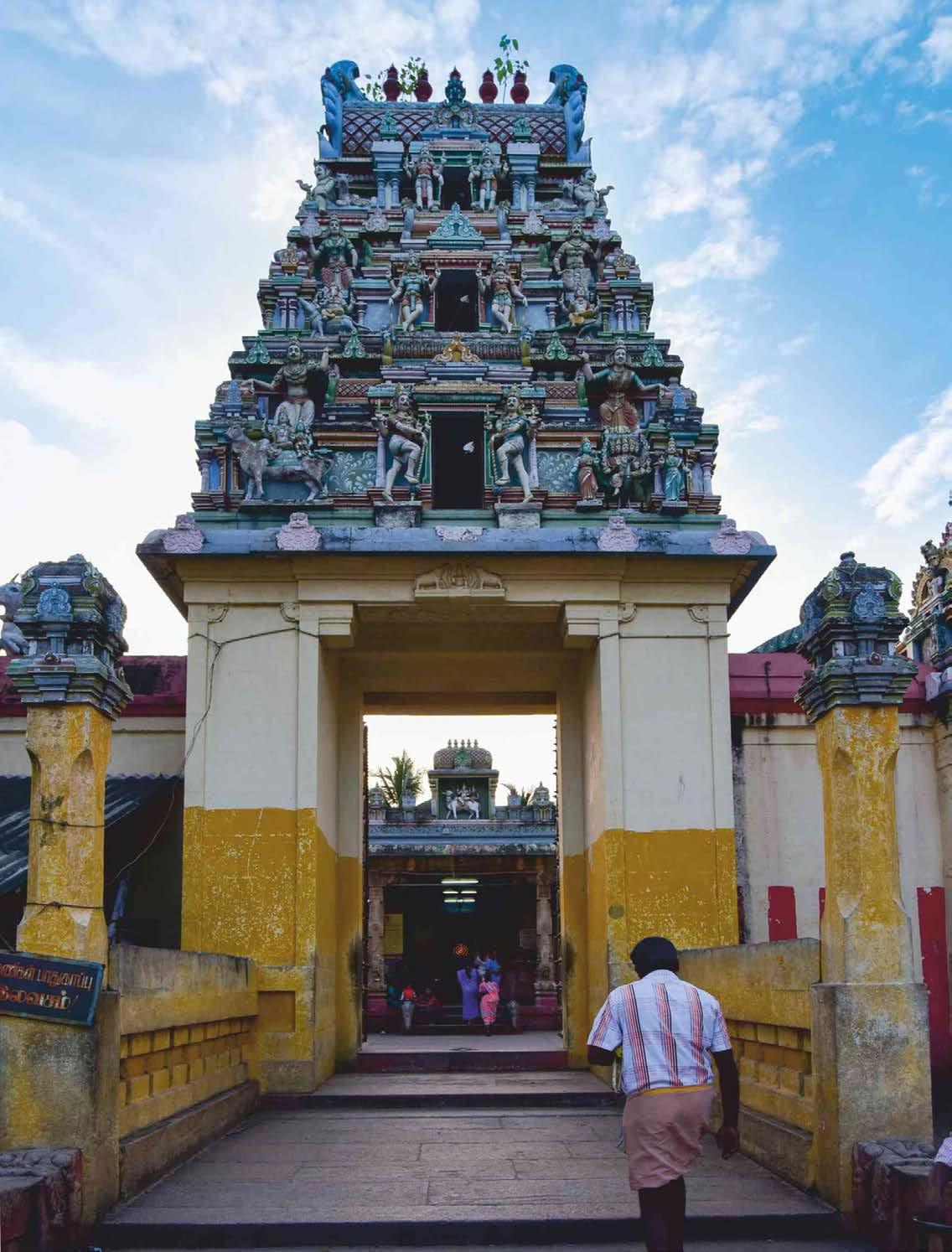
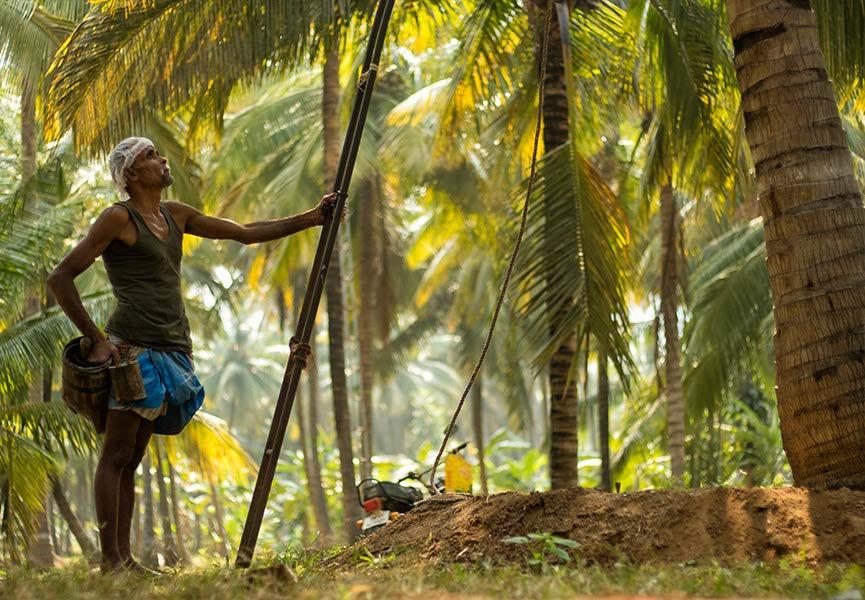
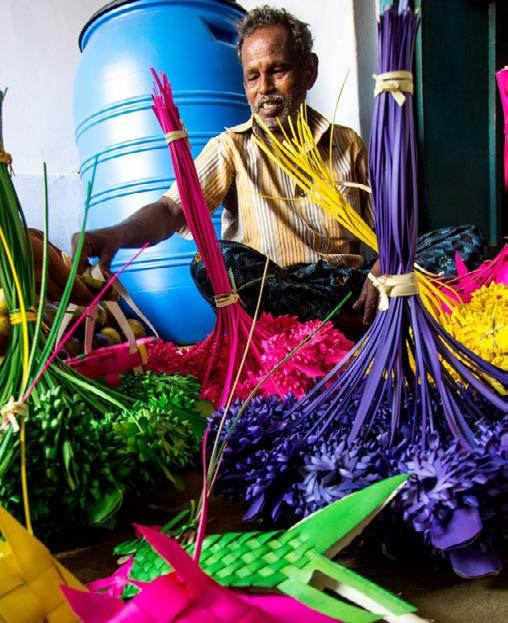
Little known to many, the banks of the Aliyar near Pollachi hold a key piece of Jain history within the confines of the Aadhali Amman Temple. Now the presiding deity of the temple, the sculpture of Aadhaliamman is believed to have originally been that of a Tirthankara, circa 10th Century AD. “The idol has a mukkudai (Triple umbrella) over his head and the yakshis (Female attendants), on both sides, are fanning him with their kavaris. On moving the silk parivattam (robe) at the statue’s pedestal you see the sculpture is sitting in the padmasana pose.
• Pollachi can get very hot so it is better to carry appropriate sun guards.
• Likewise the monsoons can be harsh, so make sure you have an umbrella handy.
• Dress conservatively as this is a small town. Entry to temples may become an issue if not dressed conservatively.
• Make sure not to litter the surroundings as this has a tendency to disturb the natural environs.
• Get chatty with the locals as they will let you into the many secrets of the place. In fact, Pollachi is also a major centre where cattle are traded. I also found out that this place is famous for Jaggery trade!
• Buy local produce especially tea which is grown locally and is as fresh as it can get.




( A Member M/s. Worldwide Media Corporation Group USA )
Exciting opportunity for all those who want to share their most memorable, Interesting. Amazing, Pro-active & Growth oriented activities & Experiences covering areas such as
• Fashion, Trend & Lifestyle
• Culture, Tradition & Heritage
• Education, Healthcare & Wellnes
• Industries, Investments & Growth
• Travel, Tourisn & Hospitality
With Millions of Readers across the world
Stories/ Articles will be Published with your Photograph &Name.
EVERY READER CAN NOW BECOME A PART OF THE TEAM WORLDWIDE MEDIA CORPORATION GROUP by contributing articles, real time experiences, best moments (with or without photographs), coverage, press releases, etc...
Special Coverage & Press Release
Launguage Rights & Overseas Rights
Circulation, Subscription & Global Distributions
Advertisements & Advertorials
Featured Stories & Articles
Feedback & Customer Relationship
Dr. Kevin Francis
Dr. Andre Lubbe
Dr. George Fedrick
WWMCG Global Communications Inc.,
Rishi Wadhwa
Ms. Nancy
Email ID : aseworldwidemedia@gmail.com worldwidemediaasiapacific@gmail.com
Website : www.incredibletamilnadu.com
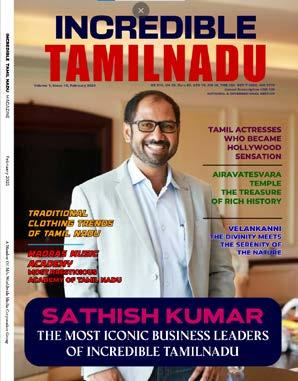

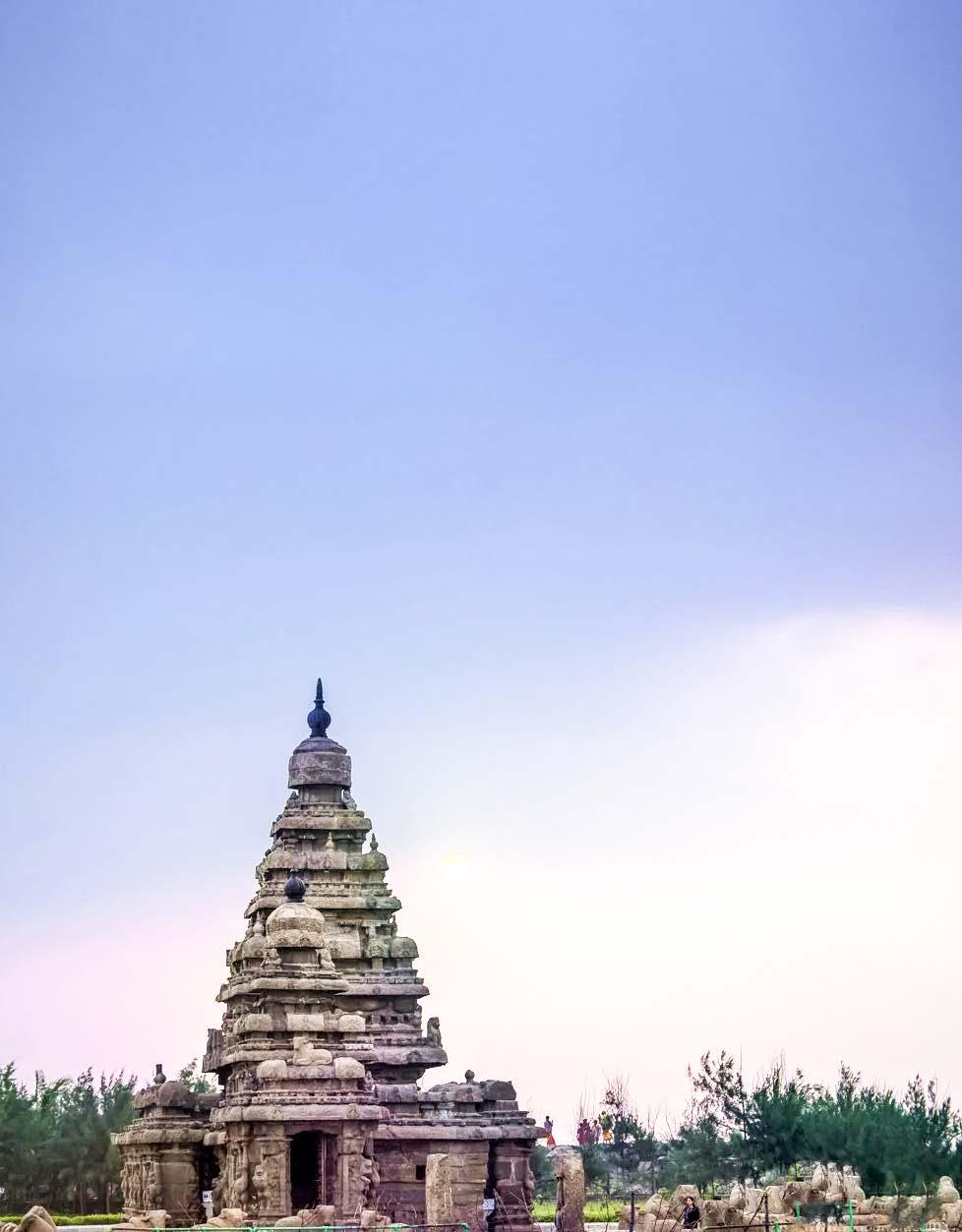

A classic reimagined. The new Datejust 31 in a white Rolesor version that combines Oystersteel with white gold and features an azzurro-blue, floral-motif dial