







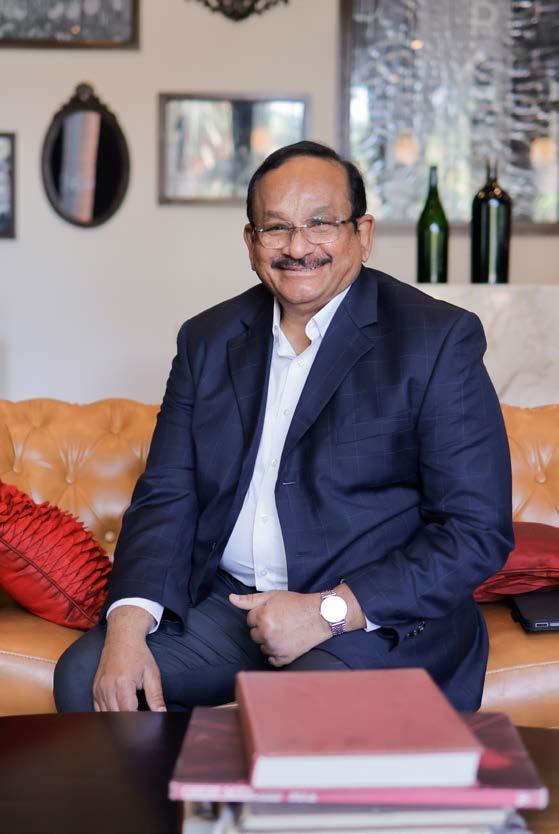
Global Media Chief & MD
Dr. S. E. Alexander
Chief Executive Editor & ED
Dr. Andre Lubbe
Senior Executive Editors & Directors
Dr. Kevin Francis, George Fedrick
Executive Editor & SVP
Thamen, Reetu Bansal
Associate Editors & Regional Directors
Nicolas Flemings, Nitirooge Phoneprasert, Ken Obeng
Regional Director Malaysia
Shariman Abd Rahim
Creative Director
Worldwide Media Corporation Group
aseworldwidemedia@gmail.com
worldwidemediaasiapacific@gmail.com
Randy Redstone
Art Directors
Richard Flemings
EVP - Asia Pacific Region Operations
Graham Starmer, Sudhakar Gupta
AGM – Corporate Communication
Swetha Naren
Vice President - Operations
Amit, Rahul Shinde, Ruchi Srivatsa
Corporate Advisors & Consultants
Venkat, Mike Dobbertine, Chandrasekar, Ujagar Singh
Senior Sub Editors
Prasad ST, Ram Mohan Rao, Vinu Agarwal
Editorial Consultants, Senior Journalists & Sub Editors
Bruce N Lesly, Edna Ferber, Sreedevi, Nancy, Aarti Mukherjee, Maddy, Rachel D’souza, Vidya, Kruthiga, Ajay Franklin
Regional & Business Managers
Sanjay, Steve Mathews, Nirupama Rao, Sunil Kumar, T.P. Bhaskar, Kiran, Kishore
Circulation Managers
Shewtha Shetty, Alan, Rakesh Khanna, Subbodh Chakraborthy
Photographers
James O Corner, Nikhil, Bosh Winter
Resident Managers & Journalists
Aarthi Agarwal, Sarika, Vikram Kapoor, Swetha
Assistant Managers & Executives
Rocky, Manju, Prakash, Neetu
Senior Creative Designer
Raj, Ryan D’souza

us at www.facebook.com/Incredible Kazakhstan
Creative Designers
Ajeesh, Rajesh, Abhijit, Sonam, Reetu, Sonal, Ashish, Chithra
Email:



In 2025, Kazakhstan’s healthcare system is focusing on modernization, digitalization, and strengthening public health. Key initiatives include scaling up maternal and child health projects, modernizing infrastructure, and implementing a digital transformation of healthcare in priority areas. The Ministry of Health also plans to develop a new policy for state standards of healthcare organizations and expand telemedicine access to every primary health care facility. Additionally, there’s a focus on improving the qualifications of healthcare professionals and rationalizing the use of hospital beds.
Key Developments and Initiatives: Digitalization and Modernization:
The Ministry of Health aims to complete key projects in healthcare digitalization and begin a phased digital transformation in priority areas. This includes transitioning personal medical books to electronic format and other medical documents.
Maternal and Child Health: Scaling up maternal and child health projects, ensuring pre-conception training for women, and expanding early diagnostic programs for genetic diseases and congenital malformations are priorities.
Infrastructure: Modernizing healthcare infrastructure, including the development of a new policy for the formation of state standards for the network of healthcare organizations, is a major focus. This includes rationalizing the use of hospital beds and optimizing bed repurposing. Telemedicine: Continuing the development and modernization of telemedicine, bringing it to every primary health care facility, is a key goal. Pharmaceuticals and Medical Devices: Implementing a project to decentralize outpatient drug provision with co-payment mechanisms and opening 150 hospital pharmacy departments are planned.
Primary Health Care: Focusing on modular training for primary health care specialists on current health protection issues and improving their qualifications is crucial.
WHO Collaboration: Kazakhstan’s WHO European Center for Primary Health Care plays a demonstration platform role, hosting delegations from other countries to showcase its primary health care model. International Cooperation: Kazakhstan is strengthening healthcare ties with the Organization of Turkic States (OTS) and the World Health Organization (WHO).
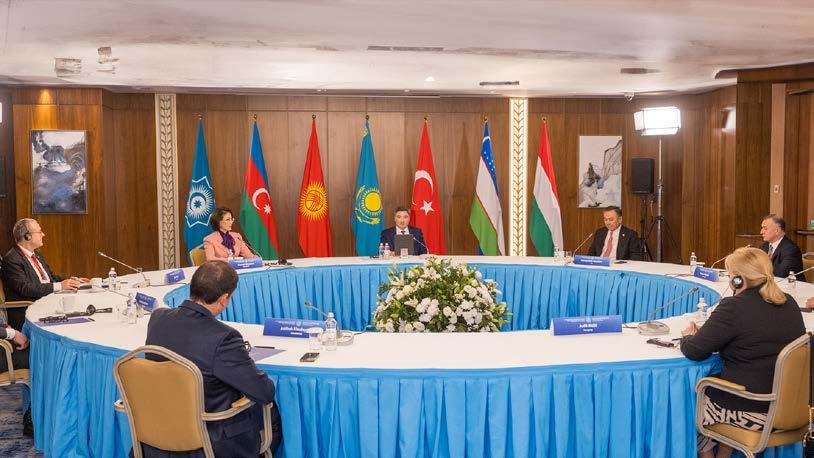
Specific Examples of Initiatives: Fetal Medicine: Kazakhstan has implemented a Fetal Medicine project, allowing for minimally invasive procedures to correct and treat early fetal conditions. Digital Medical Records: Personal medical books and other medical documents are transitioning to electronic format for greater convenience and efficiency. Early Detection Programs: New ‘One-Day Clinics’ and programs for screening for genetic diseases and congenital malformations aim to reduce child mortality and disability. Chronic Disease Management: A multidisciplinary approach to monitoring chronic diseases and the use of advanced practice nurses for referrals and prescriptions are being implemented. Kazakh Prime Minister Olzhas Bektenov held a meeting on April 8 with the Ministers of Health from the Organization of Turkic States (OTS) and Hans Kluge,
World Health Organization (WHO) Regional Director for Europe. Akmaral Alnazarova, Kazakhstan’s Minister of Health, delivered a report on the outcomes of the fifth meeting of OTS Health Ministers. The meeting discussed plans to enhance Kazakhstan’s engagement with the OTS, notably through exchanging expertise and transferring modern medical technologies. Proposals aimed at developing healthcare in Kazakhstan and its partner countries were also considered. The meeting participants focused on the importance of a coordinated response by the OTS member states to address global health challenges, reported the Prime Minister’s press service. Bektenov emphasized that coordinated efforts and close partnerships are important for confronting large-scale health threats. He noted that Kazakhstan is undergoing a significant healthcare modernization process, including new infrastructure, multidisciplinary clinics, and modernizing medical
equipment. Kazakhstan is also working to strengthen its pharmaceutical industry. “WHO provides significant support in our efforts. The result of joint systematic work, including through technical and expert support, led to a decrease in the incidence of diseases of the respiratory system, circulatory system and mortality,” he said, reiterating that Kazakstan is ready to share the experience with other OTS countries.
Health ministers from partner countries noted Kazakhstan’s progress in improving healthcare services. The focus for the next two years will be on developing primary healthcare, provision of emergency care, fighting tuberculosis and other diseases, and pharmacological cooperation, notably with Hungary’s relevant government agencies. Efforts to improve water hygiene were also discussed.
Cooperation with WHO: Interaction with the WHO is carried out within the framework of the implementation of two-year cooperation agreements between the WHO Regional Office for Europe and the Kazakh Ministry of Health. For 2024-2025, key areas of cooperation include universal health service coverage, emergency preparedness, prevention of noncommunicable diseases, and implementing the One Health approach. Kluge commended Kazakhstan’s efforts to reduce premature mortality from chronic non-communicable diseases through comprehensive preventive measures. He highlighted that Kazakhstan is one of only ten countries globally to achieve a reduction in premature deaths from diseases such as cardiovascular disease and cancer.
“The measures that Kazakhstan is taking in the field of prevention have had a huge impact: vaping is prohibited, a strict alcohol policy is being implemented, and a vaccination program against the human papillomavirus is being implemented. Today we are talking about the second phase of our cooperation, which will include the opening of the Academy of Primary Health Care (PHC), where young specialists from Kazakhstan will be trained and become leading specialists in the modern system of providing services at the PHC level,” said Kluge.
Kazakhstan’s healthcare initiatives and investments; Kazakhstan is introducing and implementing the principles of accessible and highquality primary care. The country has introduced several initiatives, such as advanced nursing practices, early detection screenings for cancer and cardiovascular diseases, and creating competence centres for cardiology, oncology, and endocrinology. As of 2024, investment in Kazakhstan’s healthcare sector grew by 8.4%, reaching approximately $920 million, with a third of this investment coming from the private sector. Investments in the pharmaceutical industry nearly doubled to $91.3 million. The share of domestically produced medicines is set to increase annually to achieve 50% local production by 2029.
Over the past five years, Kazakhstan has opened 784 new medical facilities, including 467 primary healthcare centres, as part of the National Project for Rural Healthcare Modernization. Life expectancy at birth has also increased by nearly 3.5 years, reaching 75 years.
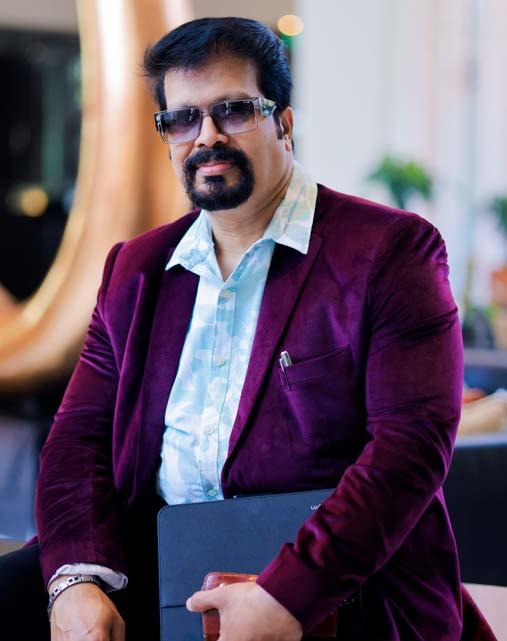
Dr. S. E. Alexander
Global Media Chief & MD







































Visa Fashion Week almaty 2025

reconnect With yourselF through culture moments, timeless history & unForgettable experiences
From silk to solar: kazakhstan’s best on Display
kazakhstan embarkeD on a D ocumentary Drama titleD ‘golDen empire’
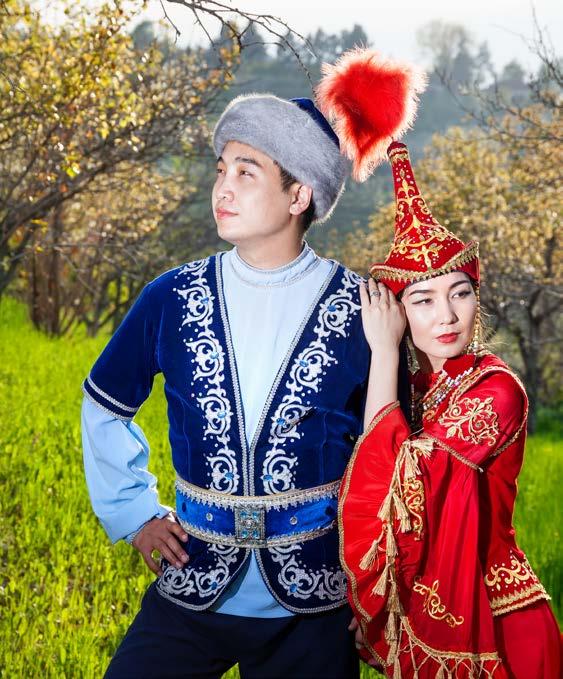
reDiscoVer kazakhstan’s unique WeDDing traDitions
the zhailjau golF resort a heaVen For all the golF loVers
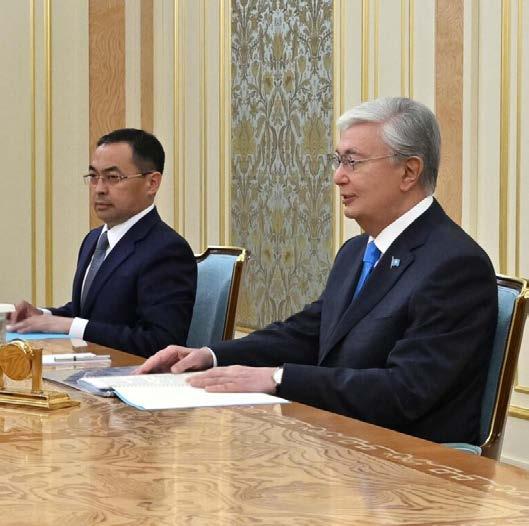
presiDent tokayeV meets chilDren’s rights commissioner to reVieW chilD protection eFForts
central asia & gulF countries strengthen interregional partnership
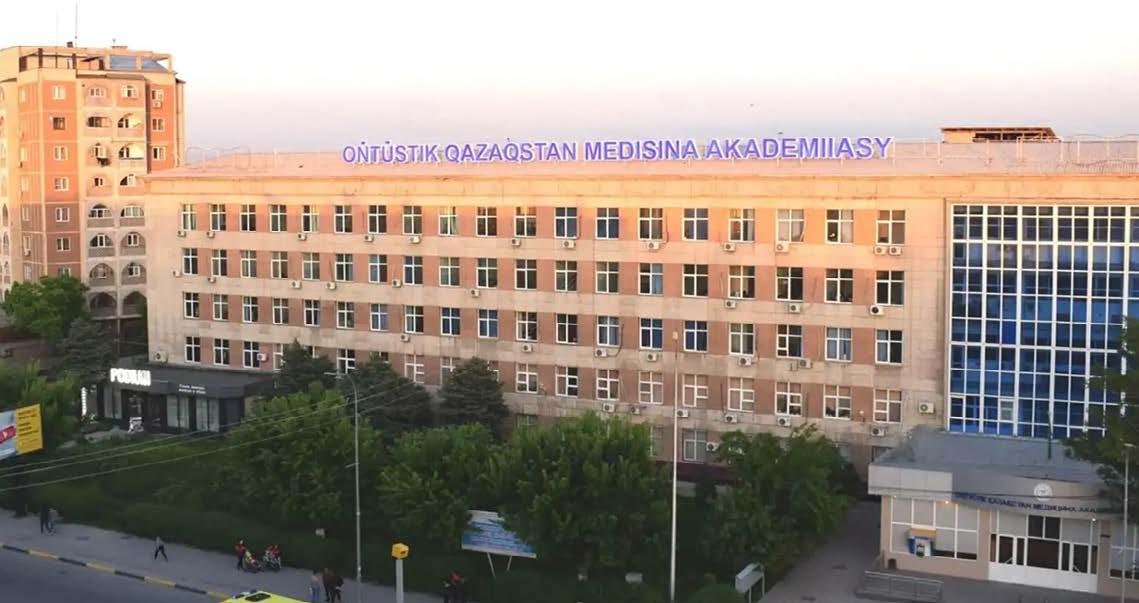
shymkent uniVersity is the largest multiDisciplinary uniVersities in southern kazakhstan
Dr. kmD’s royalcare international group’s ‘physical meDicine & rehabilitation centre oF meDical excellence’
committeD to cure: kazakhstan aDVances equitable access in peDiatric oncology
astana opens WorlD-class oncology center
anD hosts international conFerence on oncology
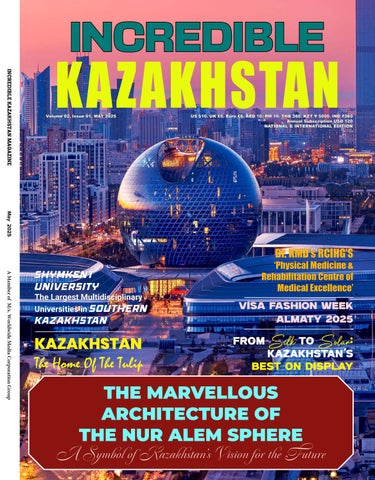
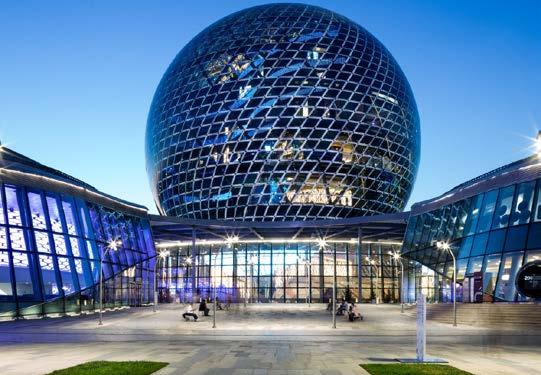
the marVellous architecture oF the nur alem sphere
neW Dairy project With croatian participation set to launch in kazakhstan
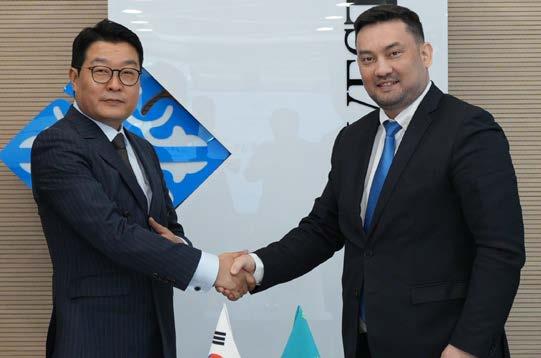
kazakh inVest & microbus co., ltD. sign memoranDum oF unDerstanDing to DeVelop inVestment projects in kazakhstan
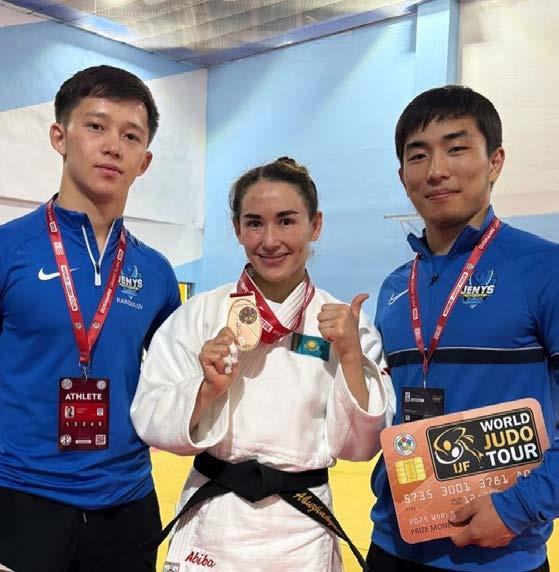
juD o granD slam kazakhstan
kazakhstan to host oVer 40 major international sport eVents this year
kazakh gymnastics team earns historic golD at asian championships
184
264
TOURISM
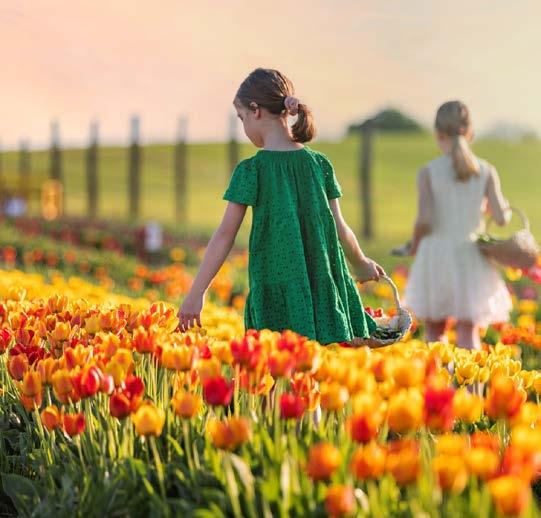
kazakhstan the home oF the tulip





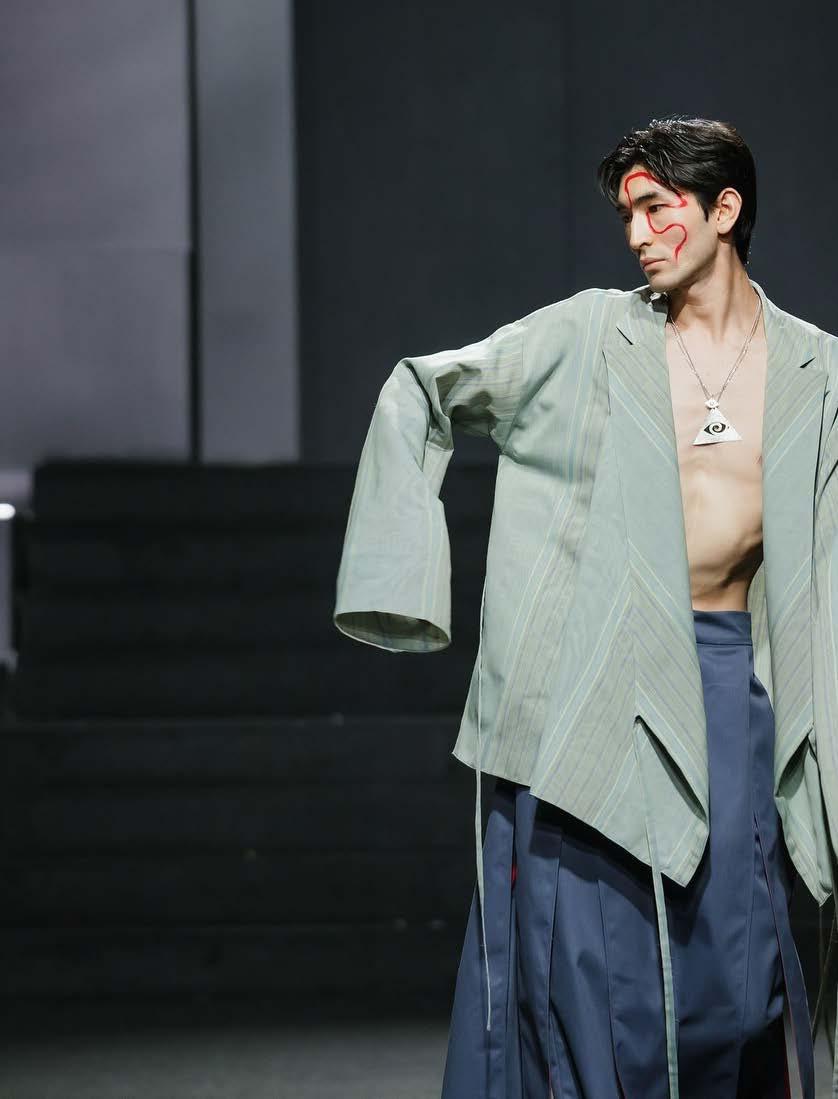


Visa Fashion Week Almaty 2025 took place in Kazakhstan. The shows were held at the luxurious The Ritz-Carlton hotel and visitors had the opportunity to see eighteen exclusive collections from domestic and international designers. Vogue CS could not miss it and on that occasion interviewed one of the local designers for you. In Almaty, Visa Fashion Week is not just a show of new collections; it is a grand event and, above all, a celebration of fashion, creativity and originality. “We believe that fashion is more than just clothes. It is a cultural language, a dialogue with the world and a tool for creating a new image of the country. Today, VFWA is more than just shows or stylish outfits of models and guests. We feel a deep responsibility when preparing for the new season. Such projects shape the future of the creative industry, create jobs, inspire youth and present Kazakhstan in a new, stylish and progressive light,” says Bauyrzhan Shadibekov, General Director and Producer of Visa Fashion Week Almaty.
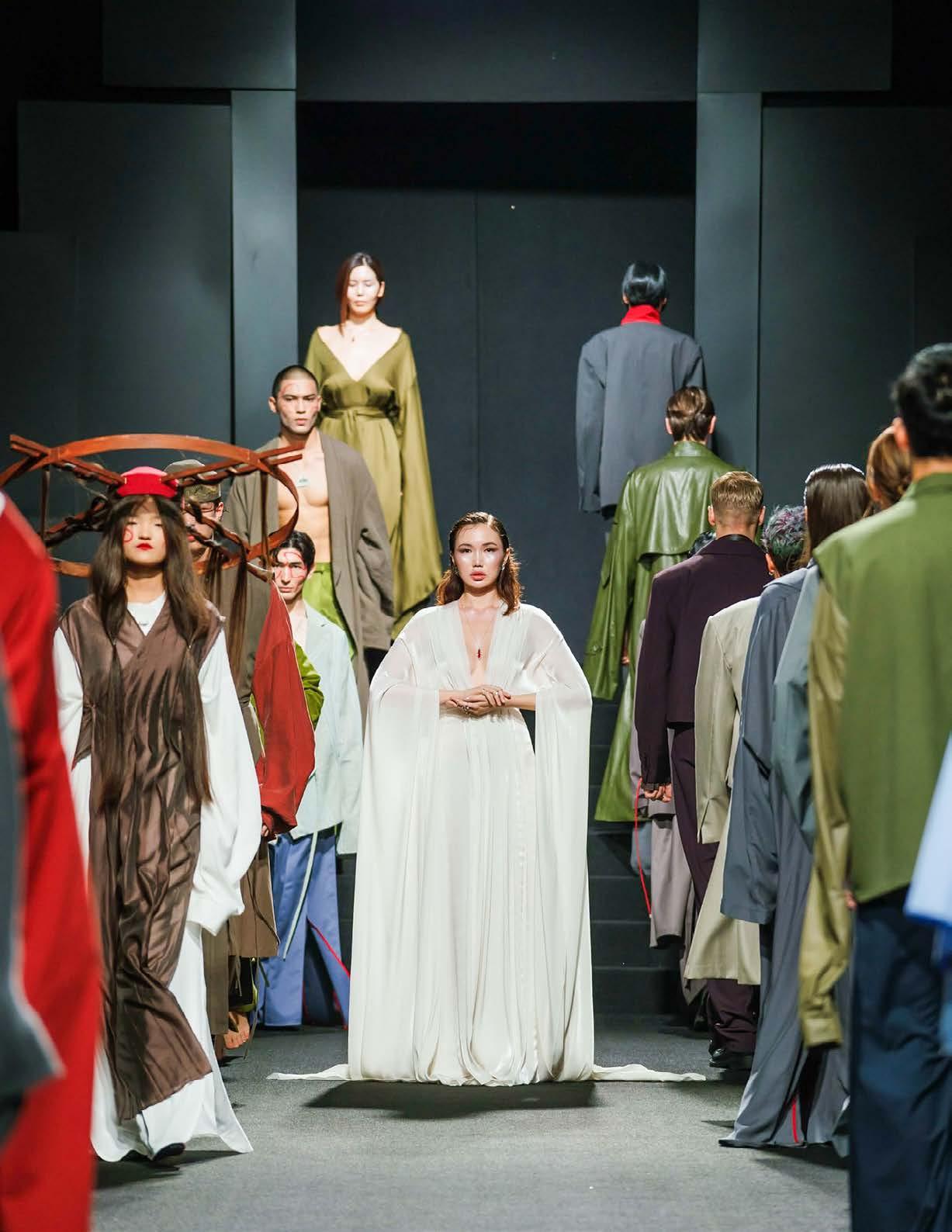
This year’s edition was subtitled Eternal Journey , which captures the endless and ever-changing world of fashion. The theme of the eternal journey and finding one’s place in the world was also reflected in the work of young designer Zhasmin Akopyan, who presented her debut collection at Visa Fashion Week. Referred to as the most fashionable event in Central Asia, and rightfully so, the Visa Fashion Week Almaty VFWA, now in its sixth year of activities, keeps expanding and growing not only in reach and influence but also in compromise, responsibility and meaningful impact on the fashion industry, not only of the country but of the region. Going back to its traditional venue, the Ritz Carlton Almaty, the runway hosted eighteen collections by designers from Kazakhstan, Uzbekistan, Turkey, Armenia and Georgia, blending established names with promising newcomers that share the mindset and compromise toward fashion as a powerful force that goes far beyond clothing. “Today, VFWA is more than shows or stylish clothes on models and guests. It is a cultural language, a dialogue with the world, and a tool for shaping a new image of the country.” says Bauyrzhan Shadibekov, CEO and producer of the event. We saw how last season the Next Designer Award empowered by Visa gave us some of the most memorable moments on the runway, and the consistency of the new and previous winners continuing to be some of the most interesting showcases this time again proves how the encouragement and support of young talent always have great results and how giving a platform to their voices inspires others to share their stories as well. Winner of the latest 2025 edition Dmitry Khalitov and Maria Nesterova with their brand FourNest debuted on the runways alongside finalists Kasya and Zhasmin Akopyan, while last year’s winners and finalists like Kimmin and Mariko presented their new collections. Here we share with you our favourite proposals of the season.
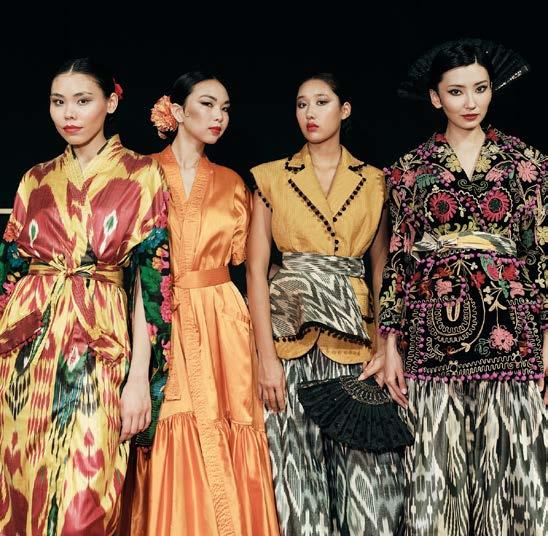




One of VFWA’s main purposes has always been to unite the region, to lend their platform to voices not only from their country but to their neighbours as well, and to make this a multicultural event that becomes richer thanks to its openness. The more, the merrier. Thanks to this international approach, we could witness one of the best collections of the season, the one conceived by the Armenian creator Manuk Aleksanyan. As usual with countries as proud of their origin and culture as the ones in the Caucasus region, the starting point and main protagonist were the Armenian alphabet, a visual narrative as literal as it was nuanced. The more evident pieces of jewellery, brooches and details representing the different letters of the alphabet were the centrepiece in a canvas that was perfectly executed from beginning to end.

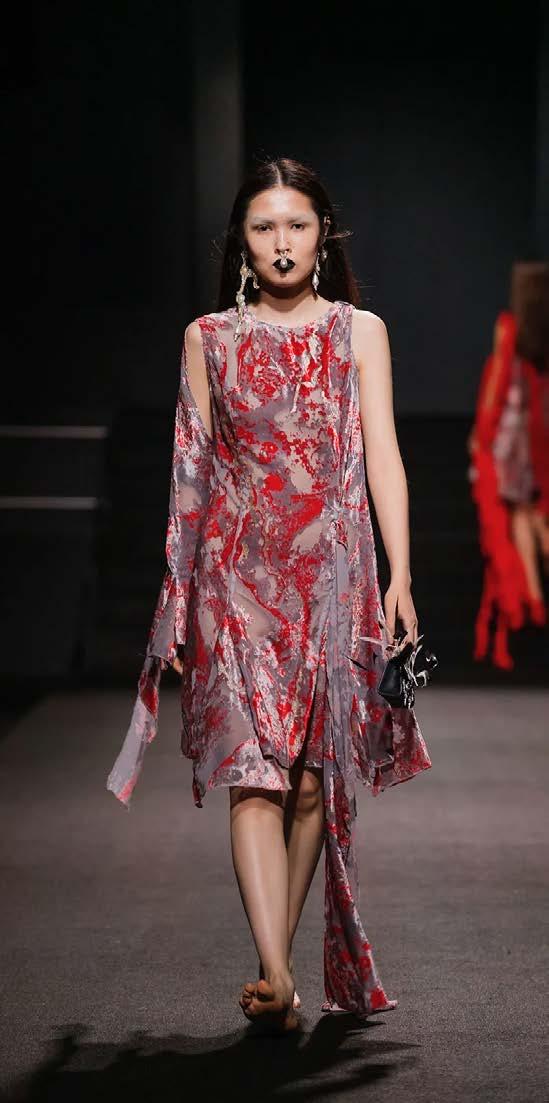

With an interesting combination of materials — where the more luxurious in appearance, in dazzling silver and gold, coexisted with the more relaxed cottons from graphic t-shirts — and a highly technical approach where careful and complex pleats shared space with strategic manipulations that made the fabrics look deteriorated or even old, Aleksanyan found the perfect middle point between tradition and edge. These pleated dresses we just mentioned are one of the highlights of the season, not only in the way the shiny fabrics are manipulated with immense precision but also in the constructions of the pieces, where it’s very hard to decipher how the patterns are thought out and where the pieces begin and end. A nice introduction to the Armenian craft that leaves us curious to see more. FourNest
The Next Designer Award is one of the main focuses and attractions of this fashion week, where the initiative to support young talent created by Bauyrzhan Shadibekov finds a stage to show the world what they are made of. One of the winners of the most recent edition is the brand FourNest, and during their Visa Fashion Week debut, they proved why they had everything to win and to keep doing it. With an avant-garde approach that makes them stand out from the more traditional collections, their incorporation of critical concepts and ability to translate them into garments and tangible pieces is a reflection of how the younger generations are using creativity to express and call out their discomfort and worry towards the current state of the world.
Using the four elements — water, fire, earth and air — to explore the never-ending ecological tragedies that the planet is currently facing, sometimes with ethereal garments, others with straight-up prints of fires and natural disasters, their theatrical but also straightforward creations reflect these issues, tapping into both the emotions and the crudeness of images that are happening in front of us that we sometimes refuse to see. From pompous but sombre skirts and gowns, passing by interesting fabrics with a special shine that, depending on the shade and colour, could look like water, clouds or even oil, to the most sleek and sober tailored pieces, every look was part of the same dark but very real story. “This collection is not just about fashion; it is about responsibility. It speaks of a future that can still be saved,” they say, and as worrying as the current situation is, it’s nice to know we can trust the youth to change the course of our planet.
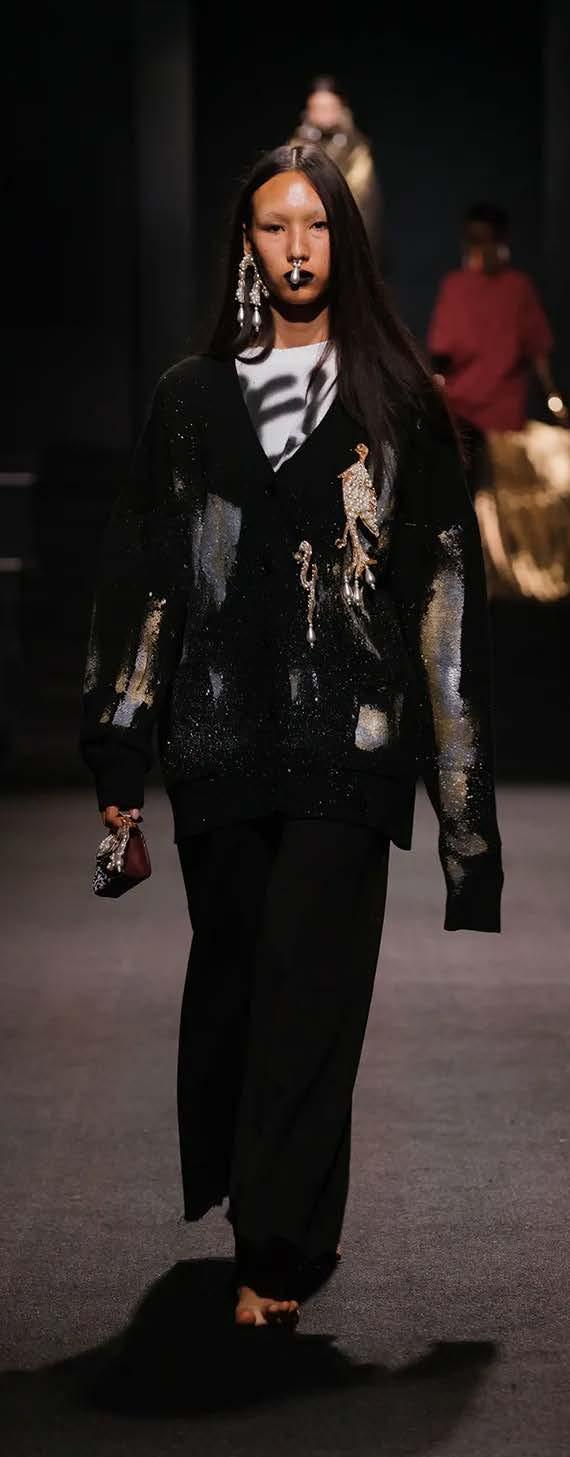
The Next Designer Award is one of the main focuses and attractions of this fashion week, where the initiative to support young talent created by Bauyrzhan Shadibekov finds a stage to show the world what they are made of. One of the winners of the most recent edition is the brand FourNest, and during their Visa Fashion Week debut, they proved why they had everything to win and to keep doing it. With an avant-garde approach that makes them stand out from the more traditional collections, their incorporation of critical concepts and ability to translate them into garments and tangible pieces is a reflection of how the younger generations are using creativity to express and call out their discomfort and worry towards the current state of the world.





Using the four elements — water, fire, earth and air — to explore the neverending ecological tragedies that the planet is currently facing, sometimes with ethereal garments, others with straight-up prints of fires and natural disasters, their theatrical but also straightforward creations reflect these issues, tapping into both the emotions and the crudeness of images that are happening in front of us that we sometimes refuse to see. From pompous but sombre skirts and gowns, passing by interesting fabrics with a special shine that, depending on the shade and colour, could look like water, clouds or even oil, to the most sleek and sober tailored pieces, every look was part of the same dark but very real story. “This collection is not just about fashion; it is about responsibility. It speaks of a future that can still be saved,” they say, and as worrying as the current situation is, it’s nice to know we can trust the youth to change the course of our planet.

Debuting on the runways with a strong and cohesive visual and conceptual image that makes them seem like usuals of this sort of stage, the Kazakh brand Anima has a deep and introspective concept and fully lives up to the expectations. When it comes to matters like this, where brands attempt to express or portray a deeper connection and ideals that go far beyond the mere act of dressing up, sometimes the practice doesn’t match the theory, or it results in a rather performative attempt to match the philosophical written words, but, as they say, “through clothing, movement and light tell the story of an inner journey”, and so it shows in every single garment they presented. The brand found its starting point in the creation of kimonos made with light natural fabrics, and they shaped what was going to be their future ethos: pieces that reflect and evoke tranquillity, freedom and simplicity.


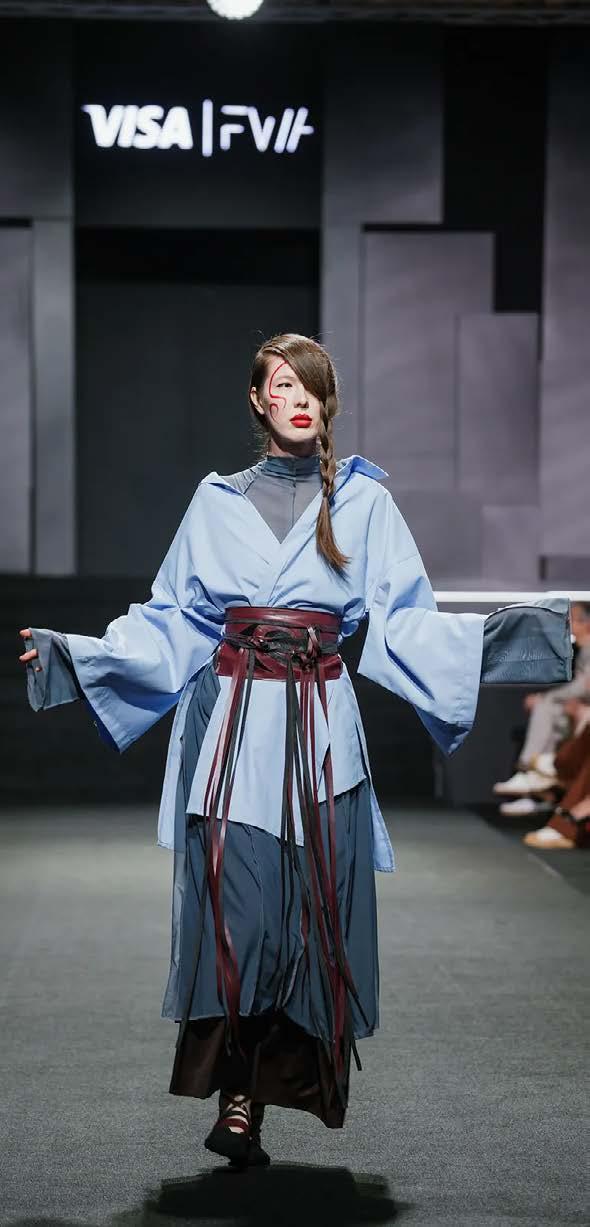

We had the chance to visit their equally peaceful showroom, and we could witness firsthand how their ways are not just exclusive to the runway; the space and those who work on it are great ambassadors of their philosophy. In there we could see how for them the act of dressing is a ceremony itself, taking every step, every layer and every twist and turn of the fabrics seriously but calmly. A single piece, depending on the way it’s styled or layered, can create multiple new outfits, and without unnecessary ornaments, the simplicity but versatility of the garments shines, alongside the quality of their materials, fabrics and their construction. With an inherent cultural weight and a language that is soft but meaningful, the timeless, trendless and genderless designs find a place to shine no matter when or where.
We liked Kimmin last season, and we liked Kimmin this season. One of the brands we discovered last year when it just debuted on the runways as the winner of the NDA 2024, Kimmin once again honours and reimagines her culture and roots with a new collection that uses a modern language to tell the stories and legacy of the past. Made in Kazakhstan narrates how her deeply rooted identity drives everything from her creative expression to the path followed in life. We could feel how her vision was already strong and cohesive with her first collection, and this second part does nothing but enhance it even more.



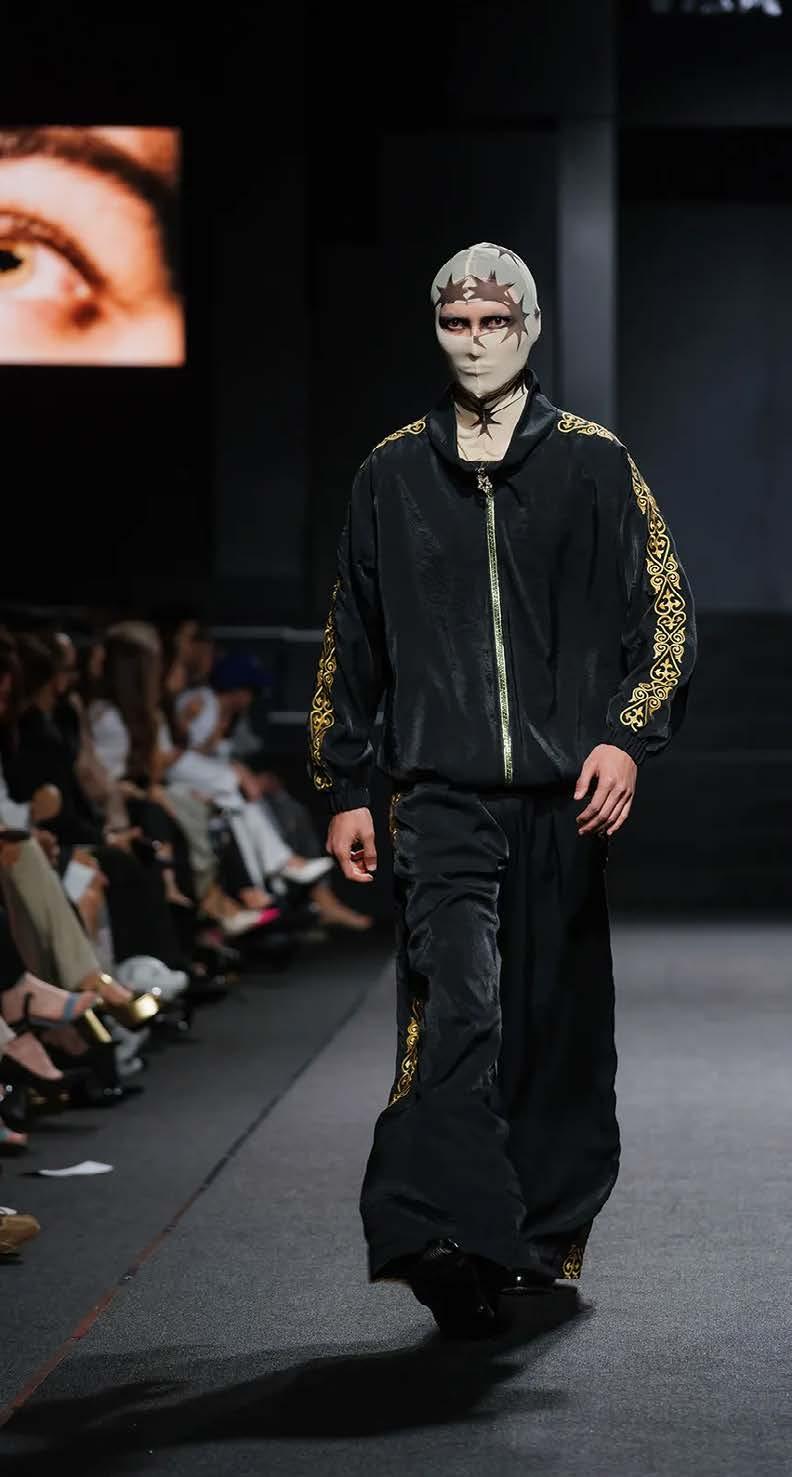


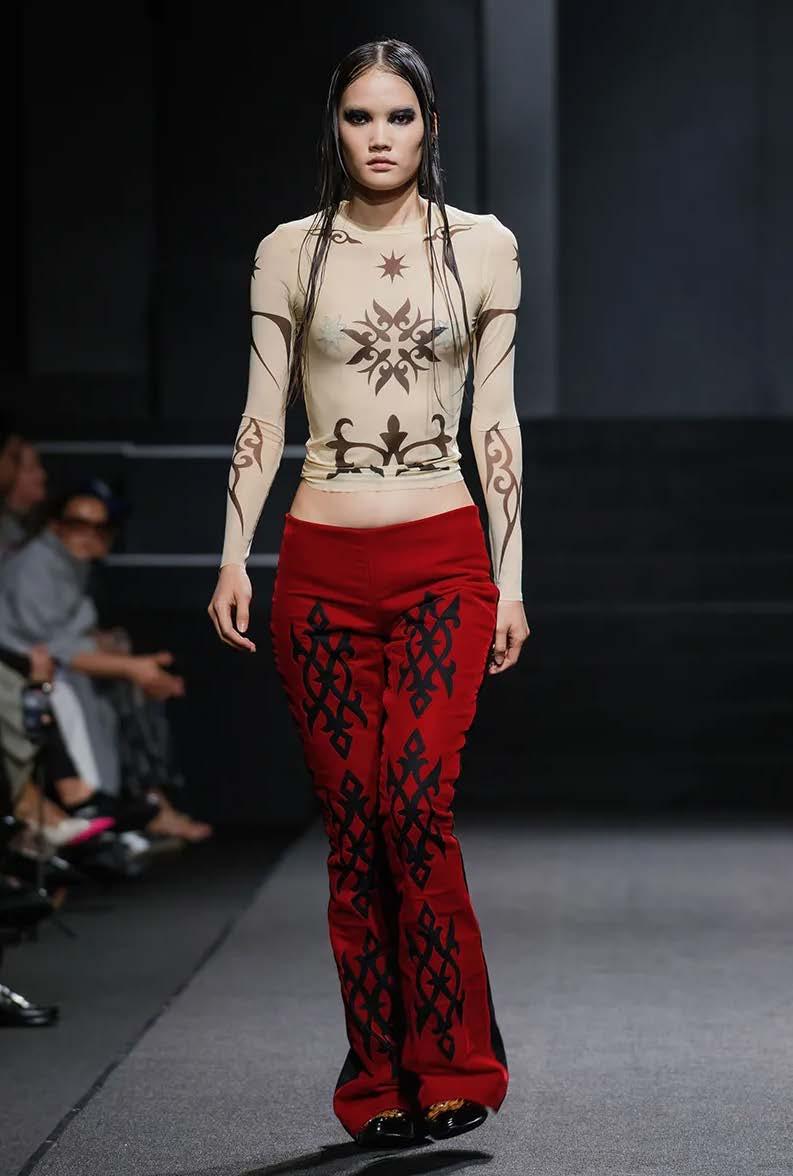
With her already recognisable dark and almost grunge approach to silhouettes close to the streetwear realm but that still keeps certain glamour and luxury with lace and velvet fabrics or shiny and gold details, tracksuits, jeans and hoodies are elevated. The ornaments and details on each piece are not mere decorations; the symbols are a reflection of Kazakh culture, reinterpreting traditional codes to appeal to the newer generations, a necessary practice to help the culture to prevail, to keep it alive and to make it evolve at the same time as we do. Despite its short history as a brand, we could already feel and see how it has quickly become one of the audience’s favourites; no wonder why.


Mariko completes the trifecta of brands that started their journey in the NDA award and that are now in our favourite proposals of the season. Also part of last year’s awards, just like Kimmin, it was not only one of the most expected shows but also one of the brands we could see the most in the assistants to the fashion week, who were often seen in total looks, not only wearing but embodying them. Blending Kazakh and Armenian culture through a symbol that reflects the power of both countries, the horse, the importance of care for the environment and nature and the preservation of culture and heritage found its way into Mariko’s designs.
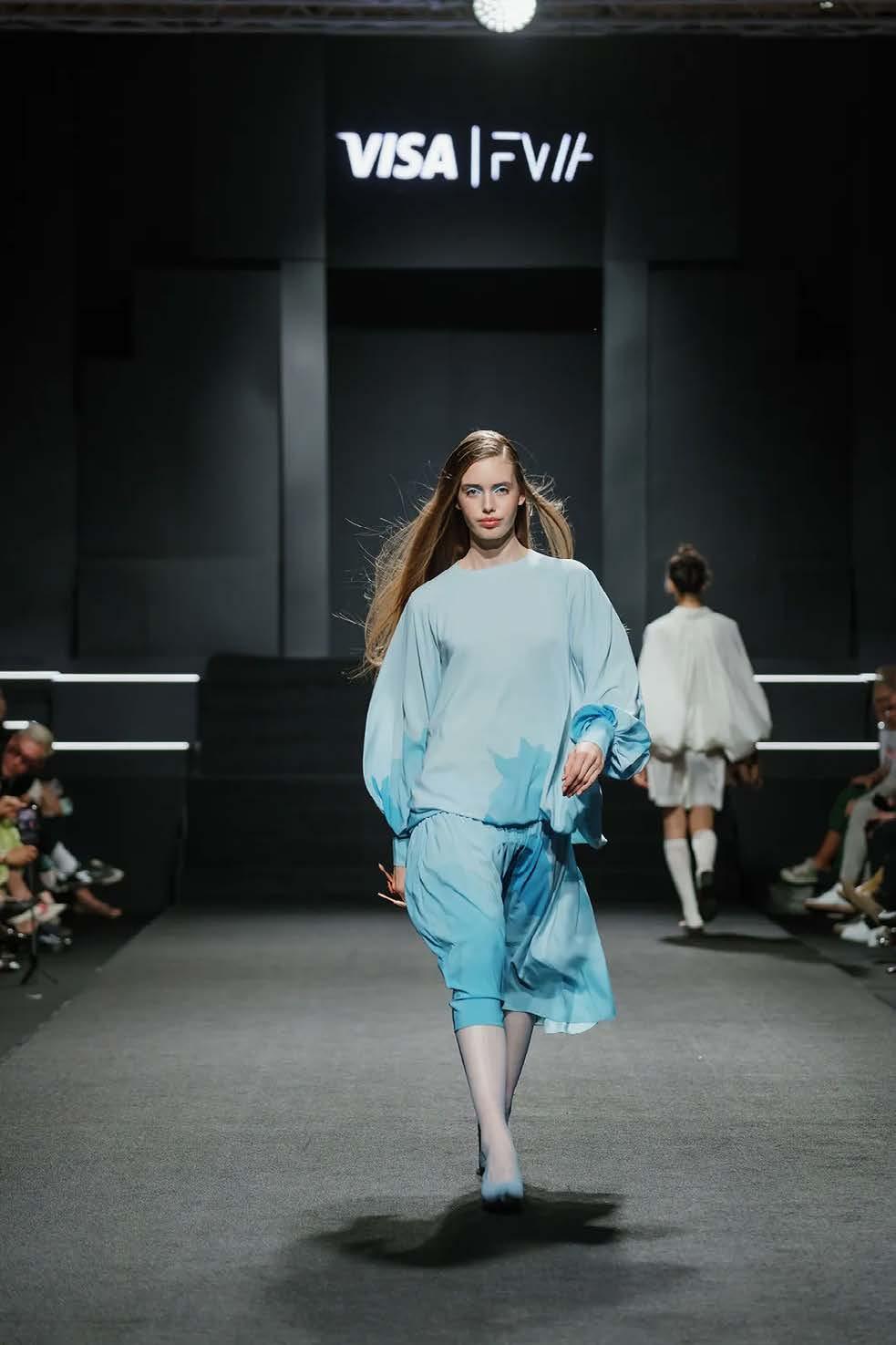



A colour palette that’s accordingly kept on the earth tones and raw and natural fabrics helps bring this idea of heritage and connection to the roots together. The figure of the horse takes the spotlight mainly in the accessories, with multiple bags that resemble decorative objects, like toys or even small sculptures. The collection is consistent, but our favourite moments are without doubt the wide balloon pants that are reminiscent in shape of the tobi pants worn by Japanese construction workers and the knitwear in general, with multiple pieces in diverse styles, from the more fitted dresses to loose sweaters that, thanks to the delicate technique, appear see-through even when they are not. Founded in 2023 and with already multiple prizes on her back, Mariko is one of the fashion promises of the region.

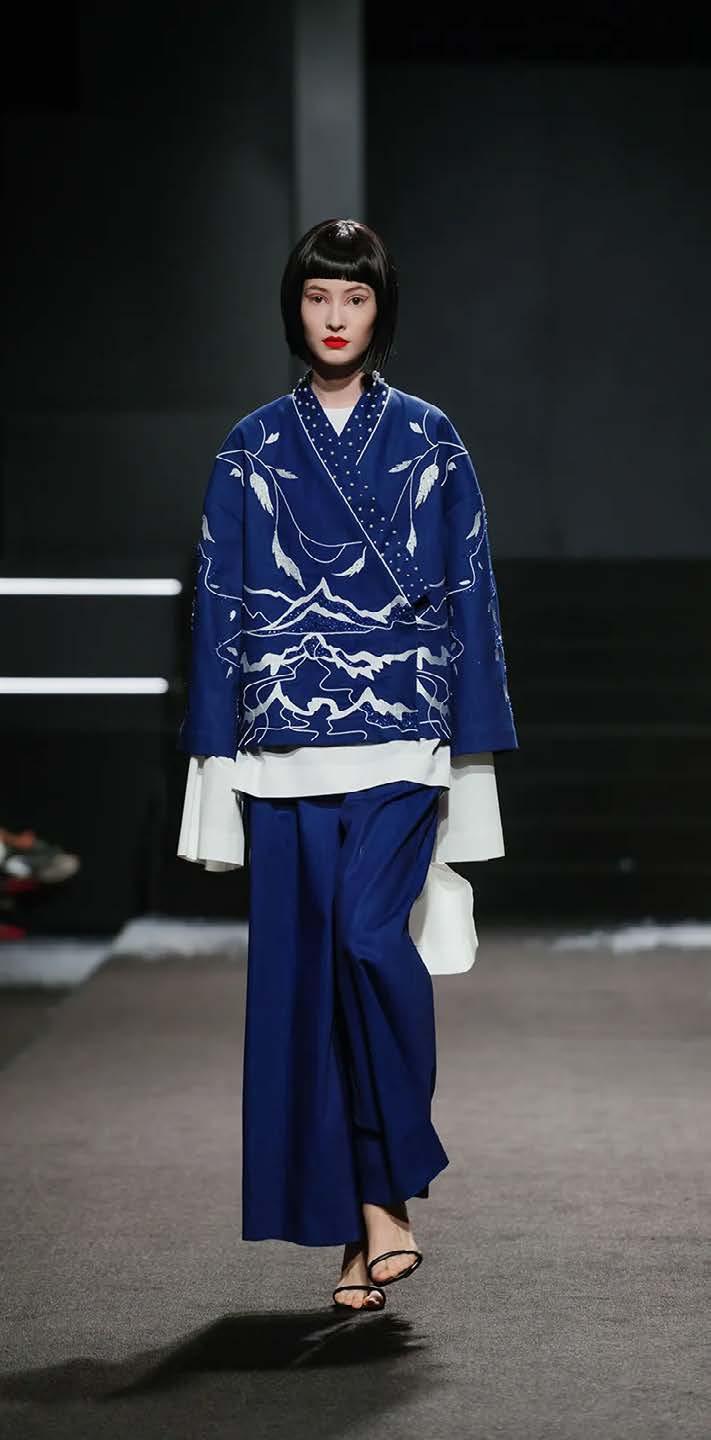
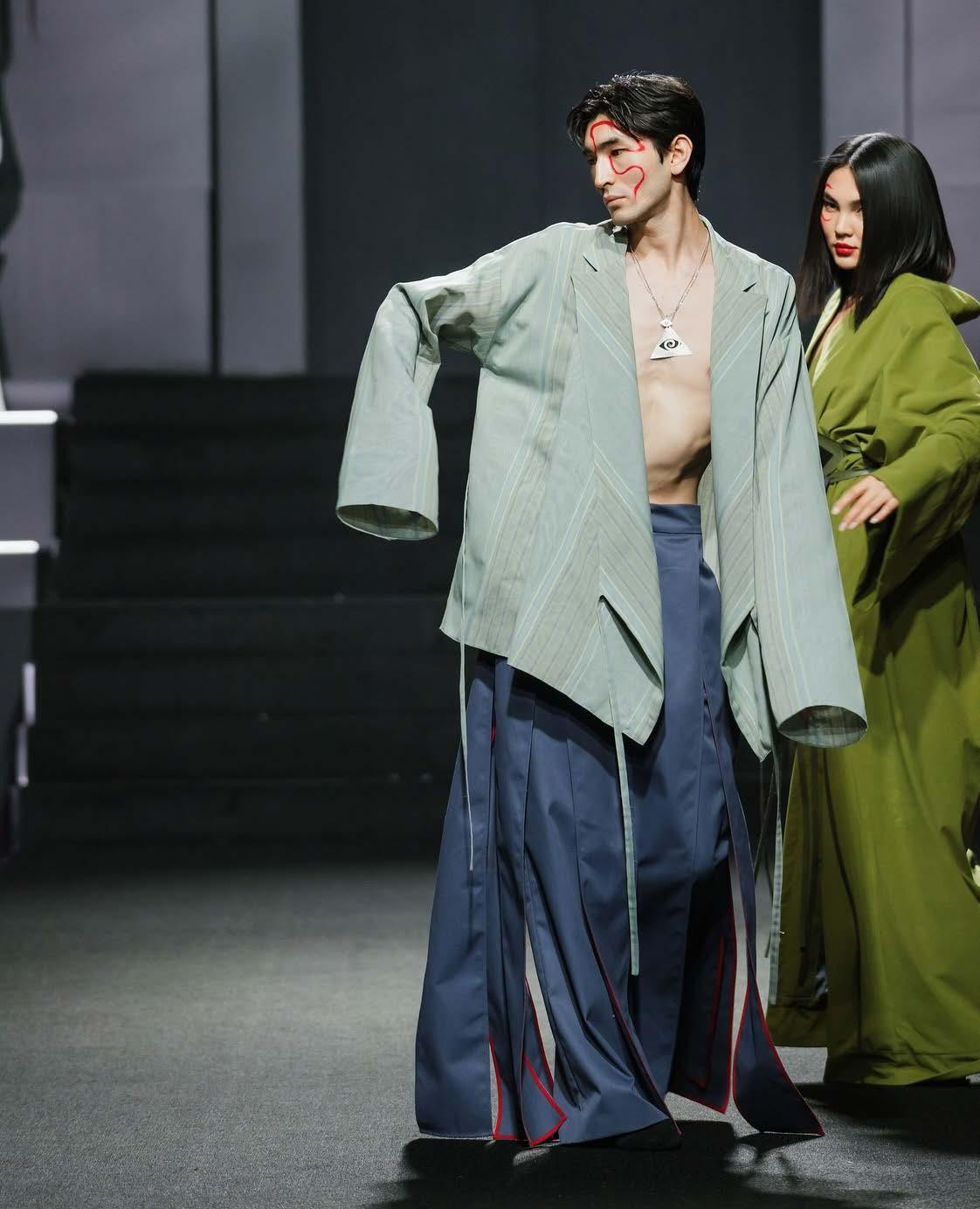
It wouldn’t be a Visa Fashion Week without Zhsaken closing it with a bang. As always, the most awaited show of the season and one everyone is sure won’t be just a fashion show but an experience. For this season we travelled to Japan through the garments, the music, the ambiance and the whole spectacle. Inspired by a life-changing trip to the Asian country and in collaboration with the also Kazakh brand Akmaral, each garment is a love letter to the traditions, the culture, the handcraft and the sceneries of East Asia. The show started with a captivating dance performance. Contrary to the last season, where the build-up slowly led to the grand finale, this time Zhsaken chose the beginning to be spectacular to capture all the attention and guide it to a romantic and soft closure, lingering in everyone’s minds.
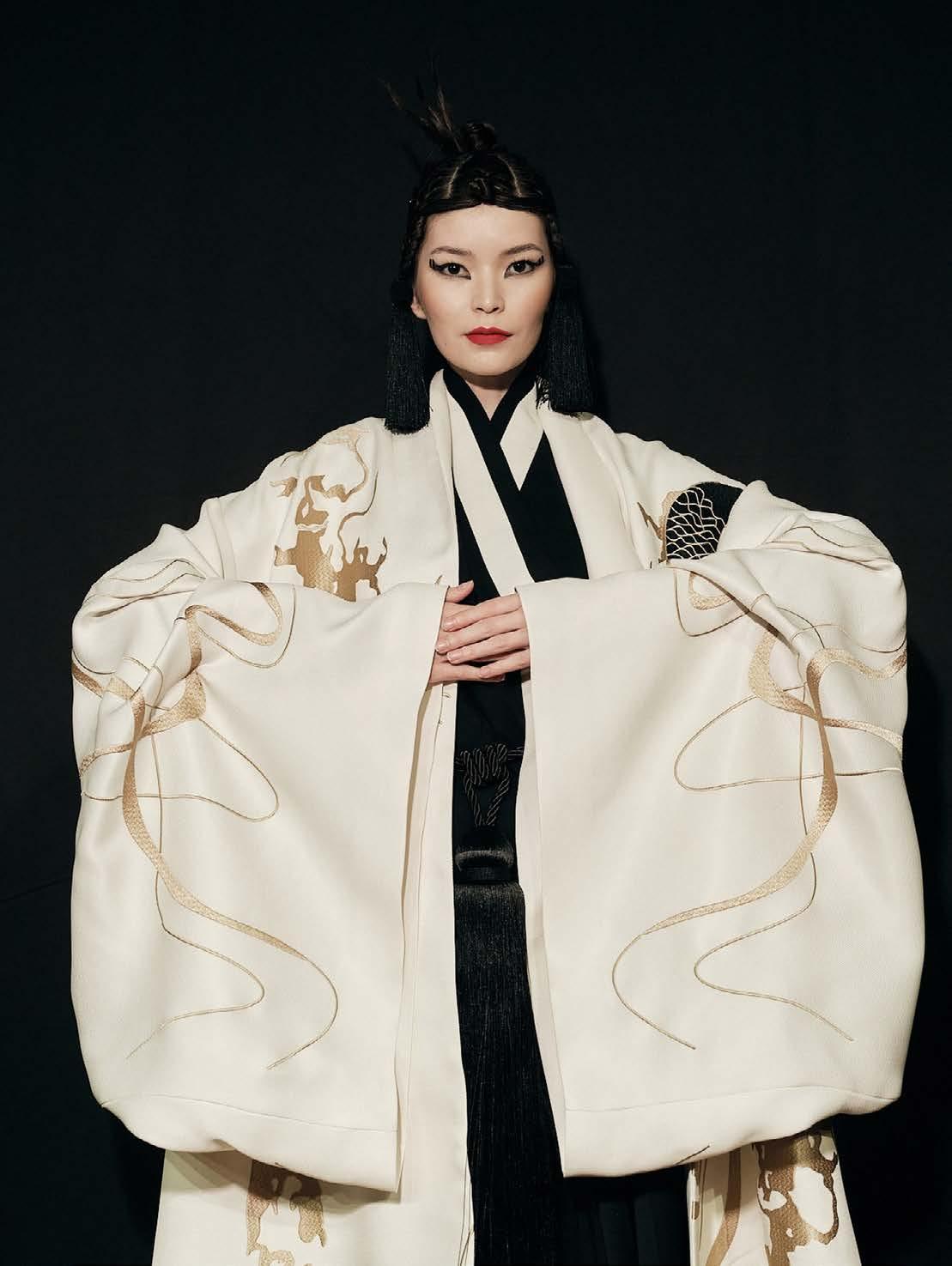
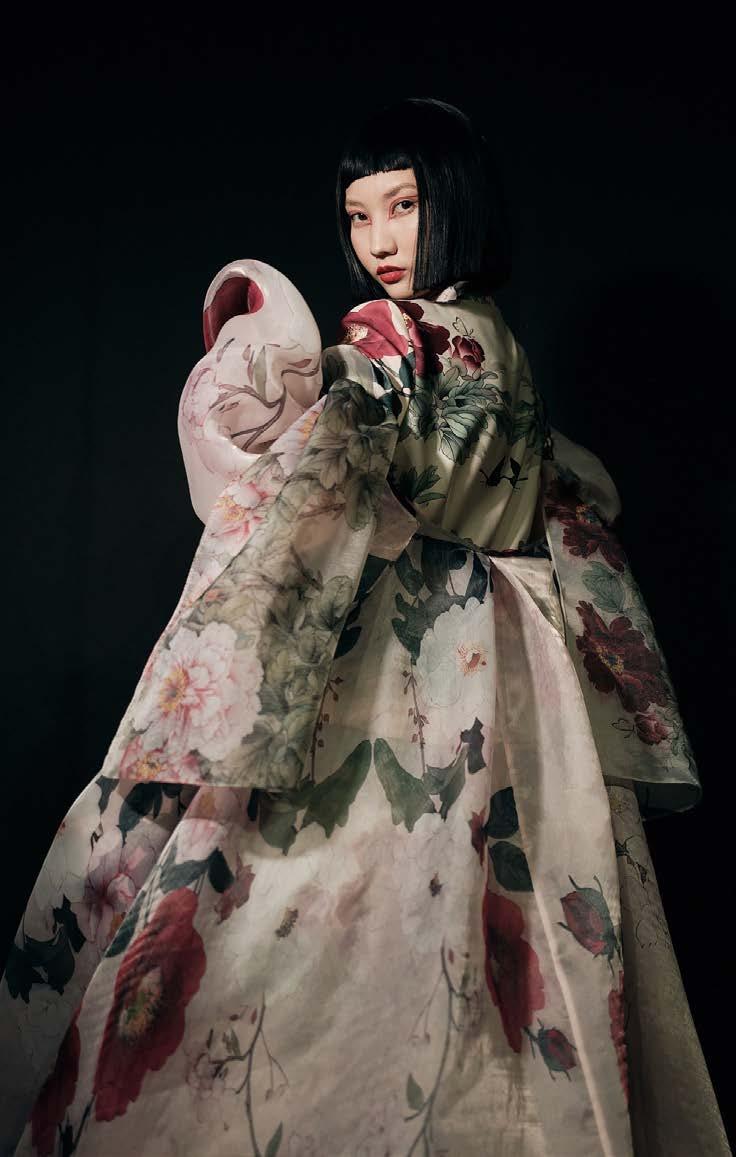

Through careful and rich details of hand embroidery, custom prints, feathers, florals, headpieces and more elements like the woodblock prints, the landscapes and the traditional garments like the kimonos or the obis, the collection was full of symbolism, a display of appreciation for the culture. The quality of the fabrics and process was made evident, and the women’s and men’s pieces — equally interchangeable thanks to their flowy and overall unisex-like silhouettes — complement and fit the body naturally. The more extra looks are suitable for the spectacle and for a show like this, but many of the proposals, more down-to-earth and relaxed, would work perfectly in a day-to-day setting, giving a stylish nod to their inspiration without falling into the costume-y. A perfect end to one of the fashion weeks where culture, traditions and heritage are valued and appreciated the most.


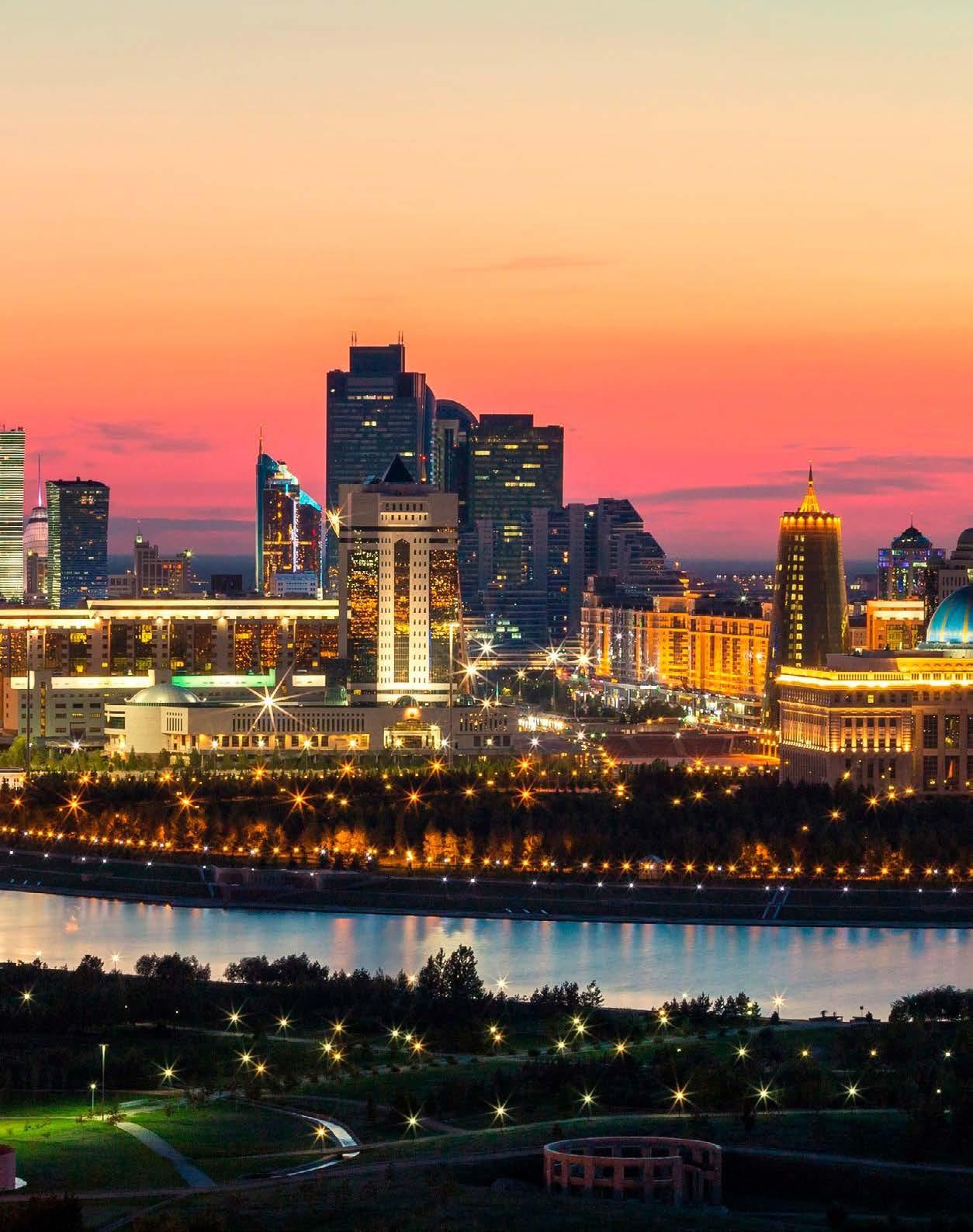
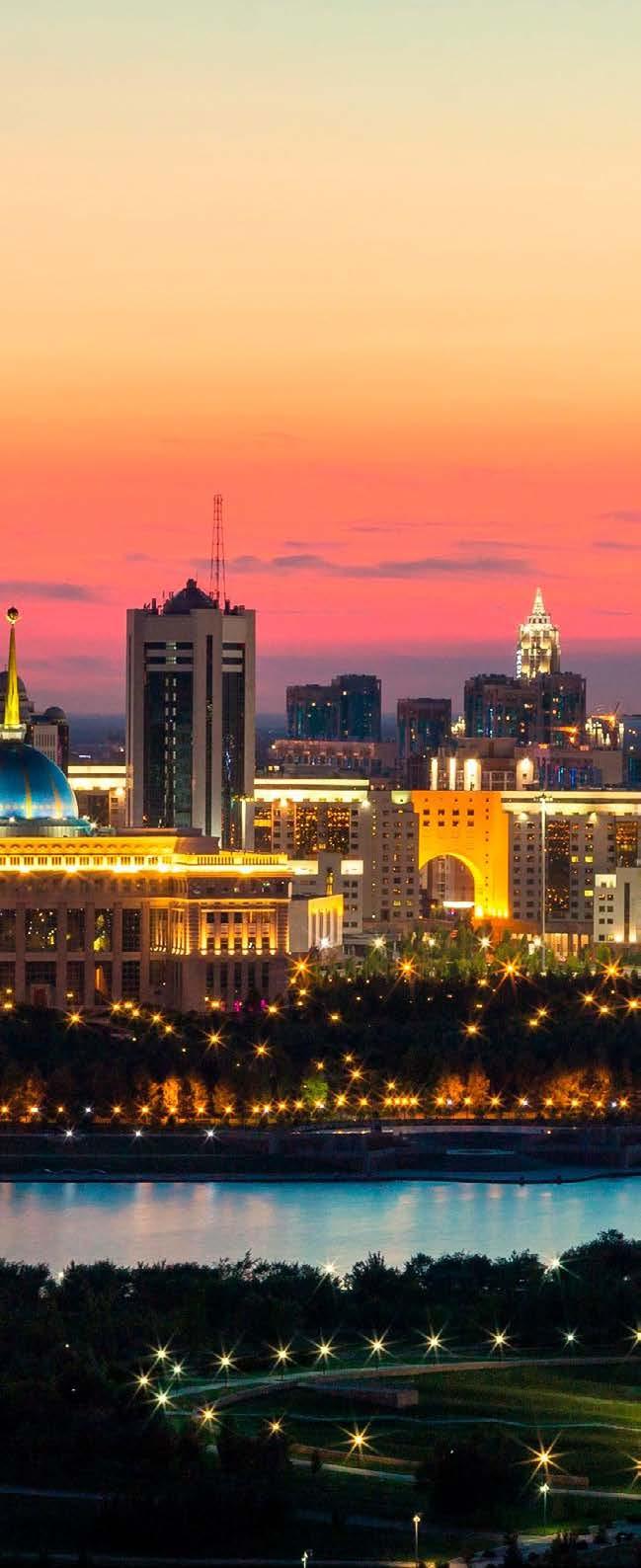
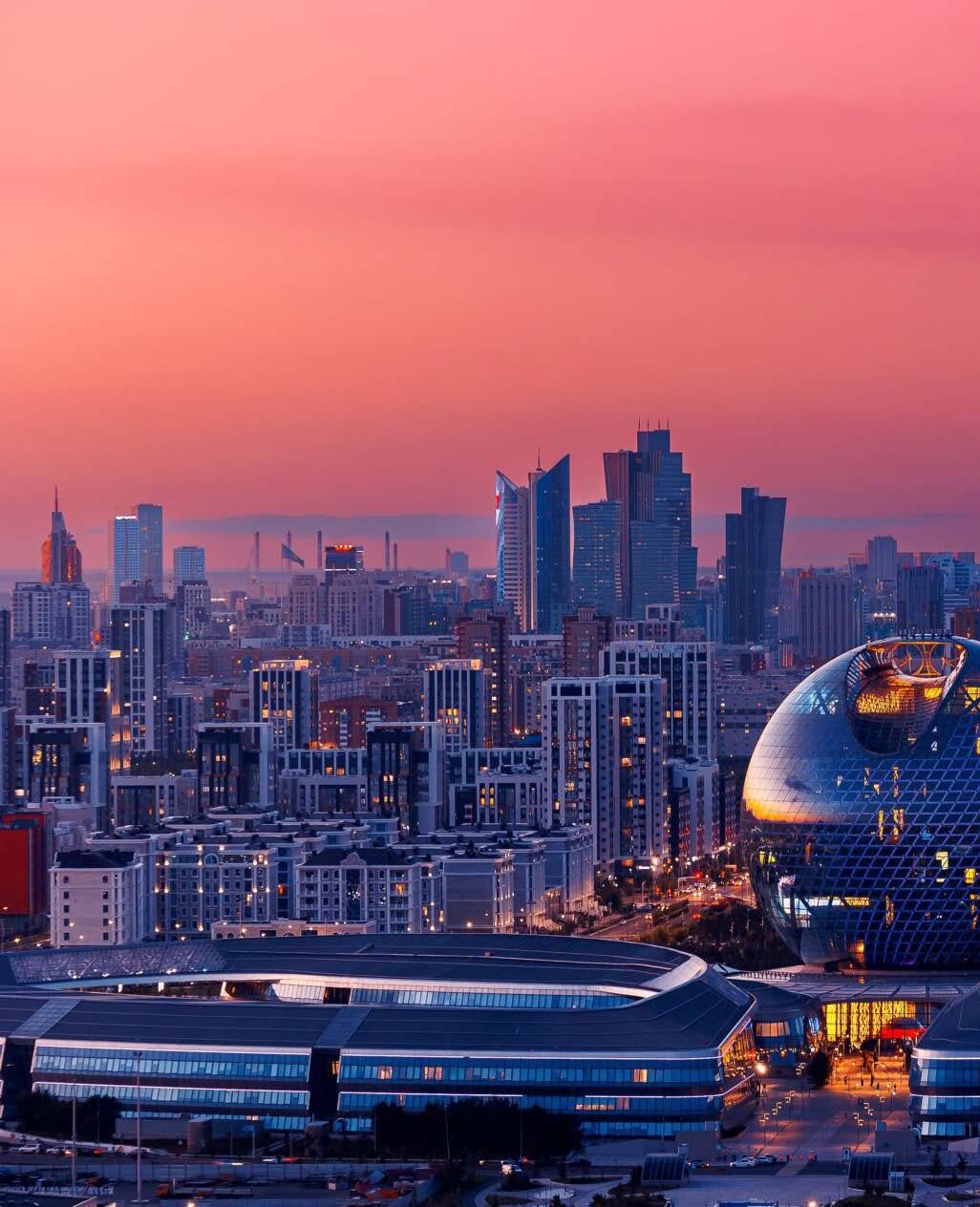
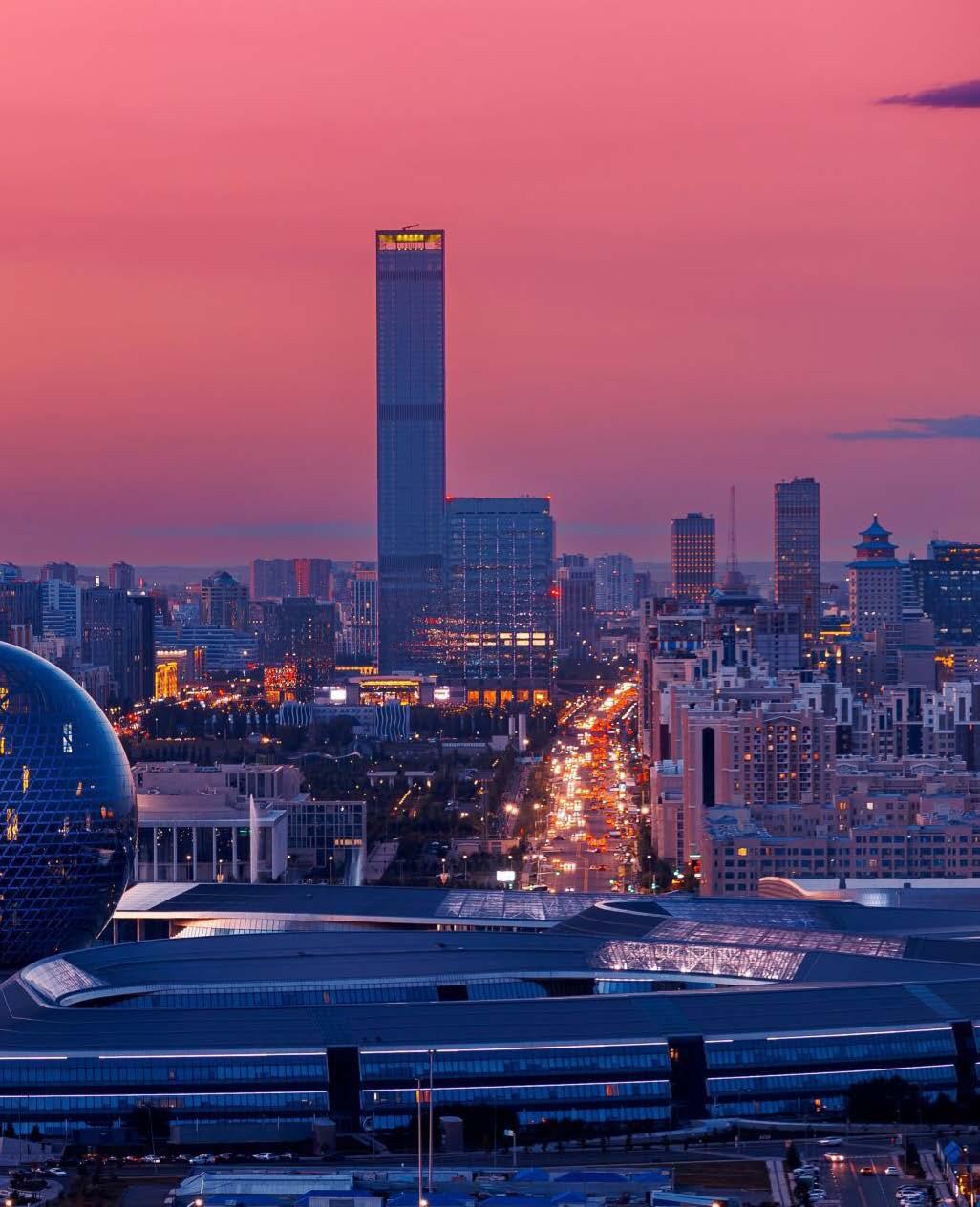
The workweek may be over, but the best part is just beginning. Reconnect with yourself through cultural moments, timeless history, and unforgettable experiences that will nourish your spirit for enjoying with friends and family.
Dive into Astana’s modern landmarks and architectural marvels in this compact yet rich city tour. Perfect for first-time visitors and residents alike, the guided journey covers key attractions, offering insights into the capital’s past, present, and future vision.
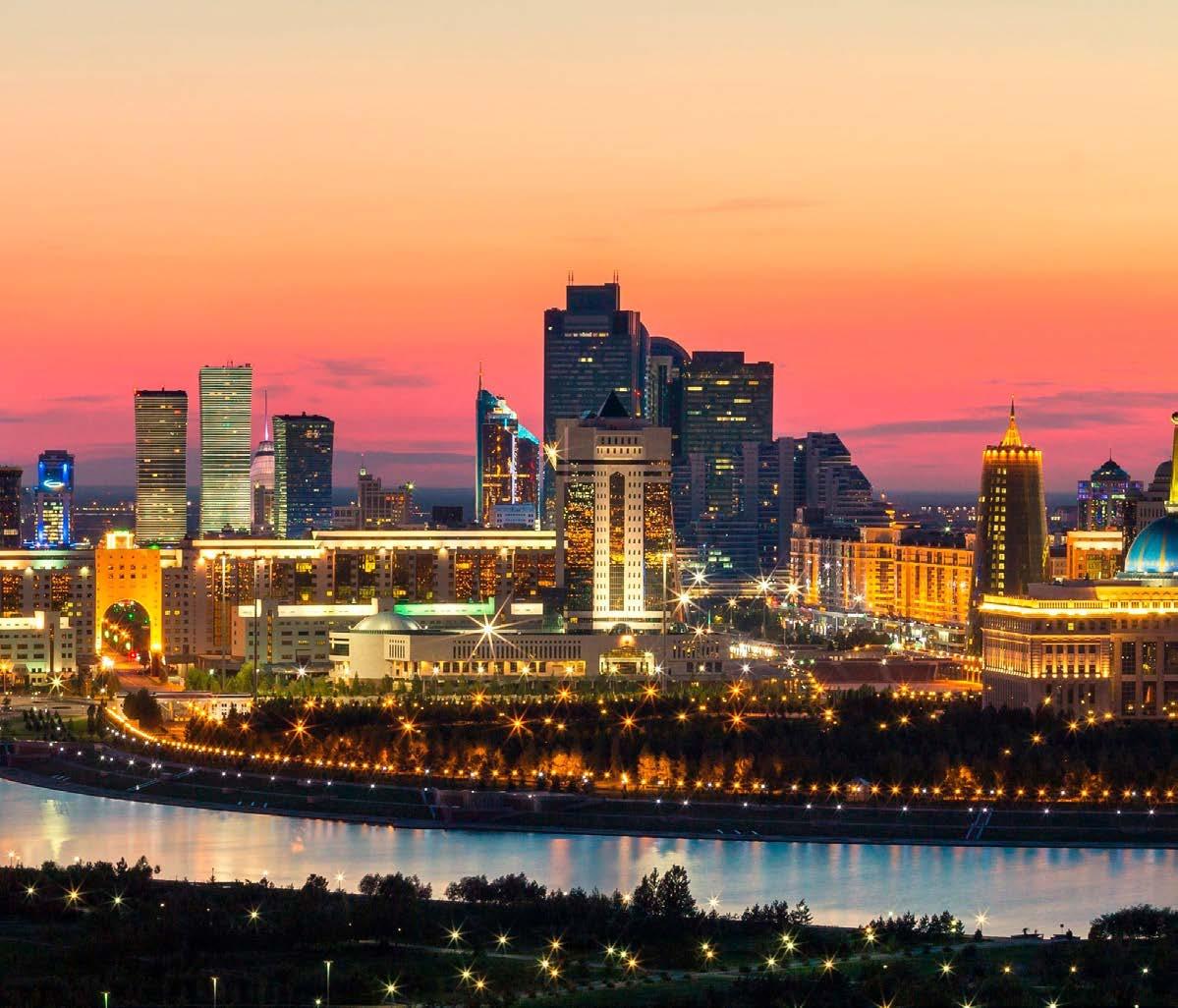

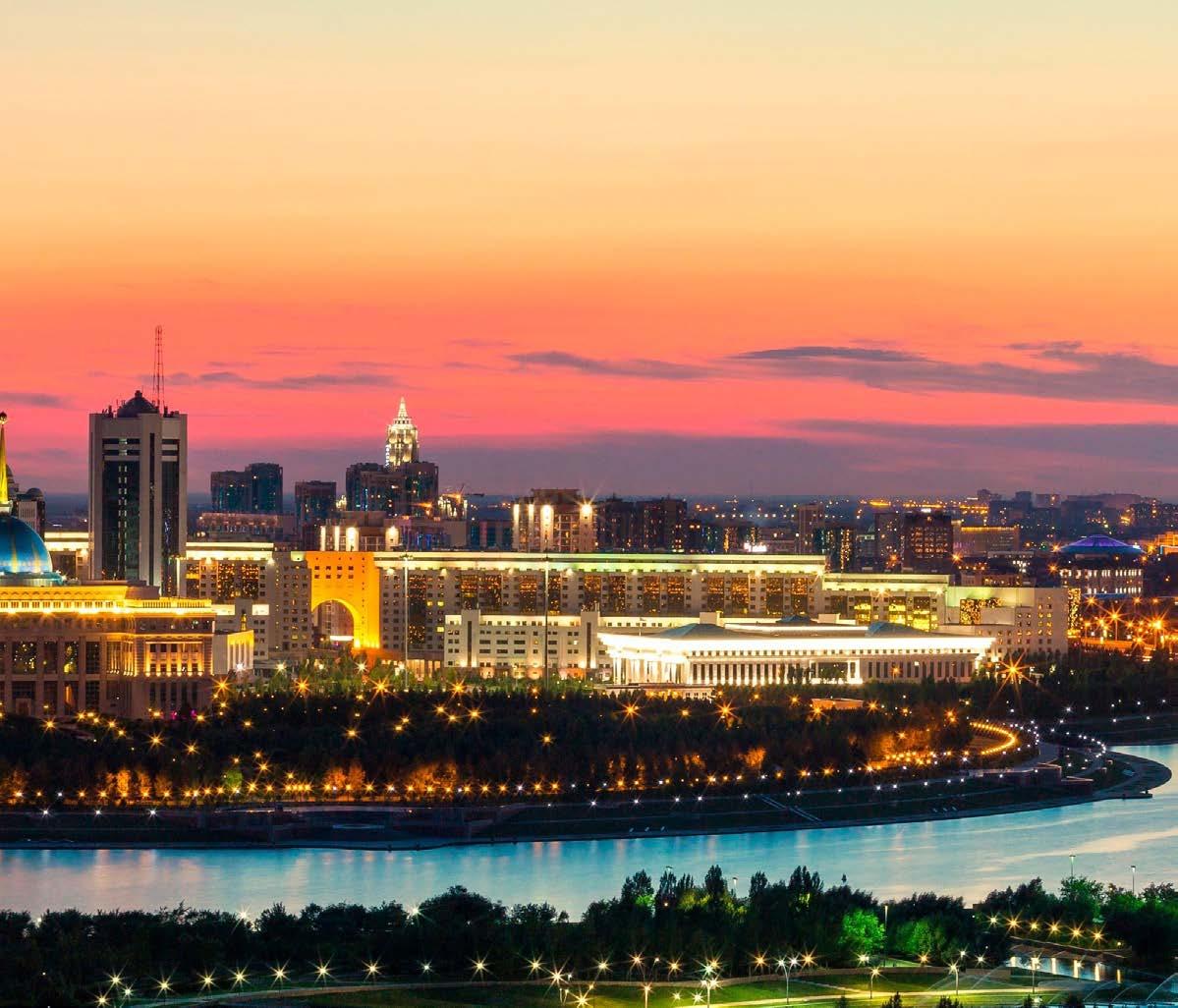
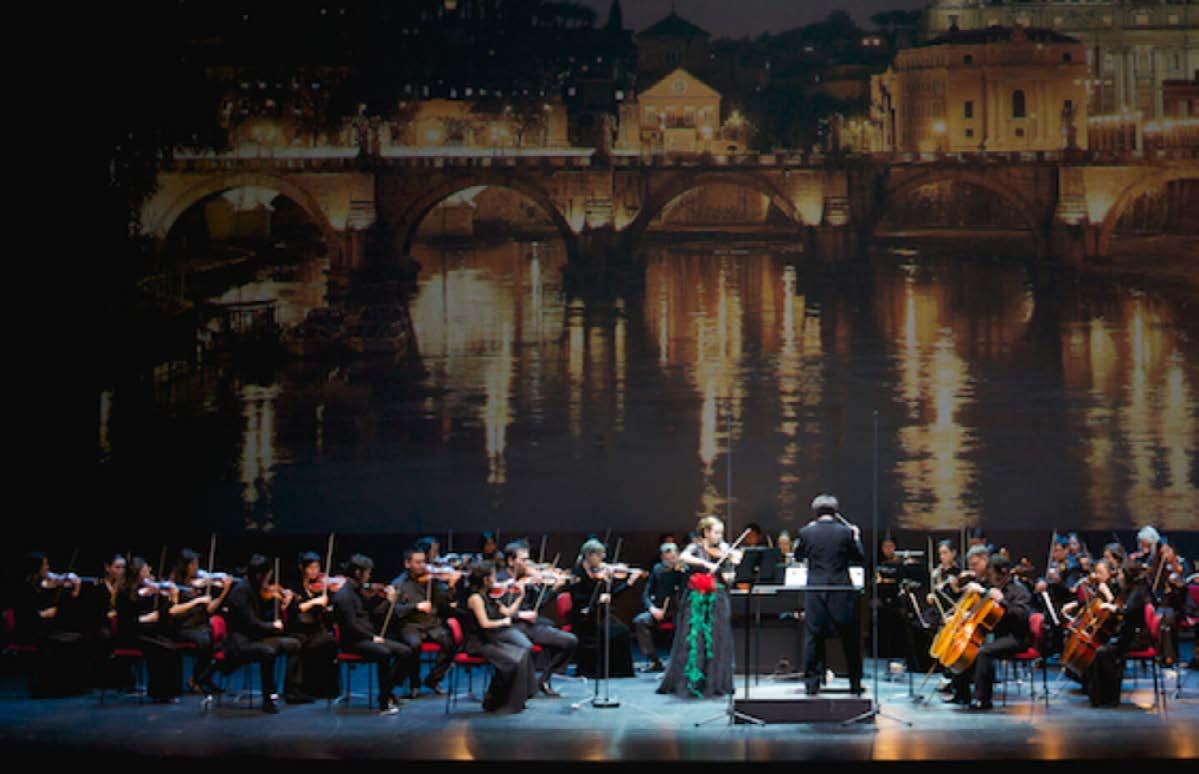
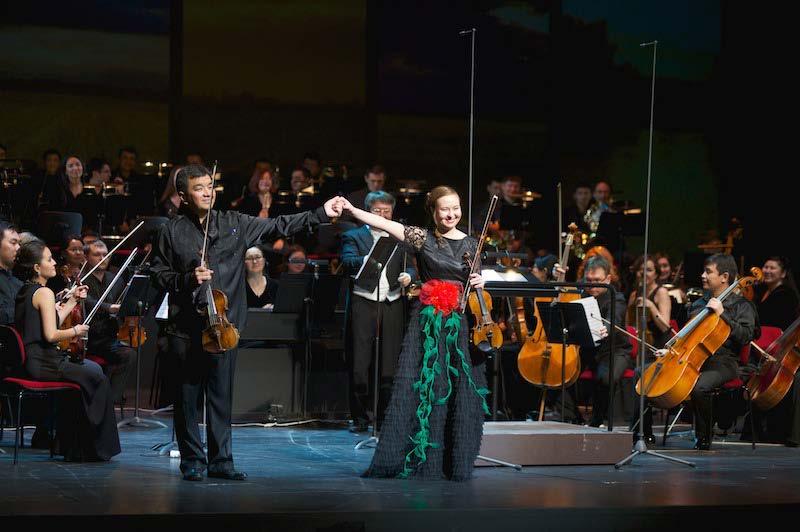


Classical music lovers will be enchanted by “The Eight Seasons,” featuring works by Vivaldi and Piazzolla in a powerful juxtaposition of baroque and tango rhythms. Performed by the Astana Opera’s virtuosos, the concert promises an evening of passion and precision. Venue: Astana Opera; 1, Konayev Street.

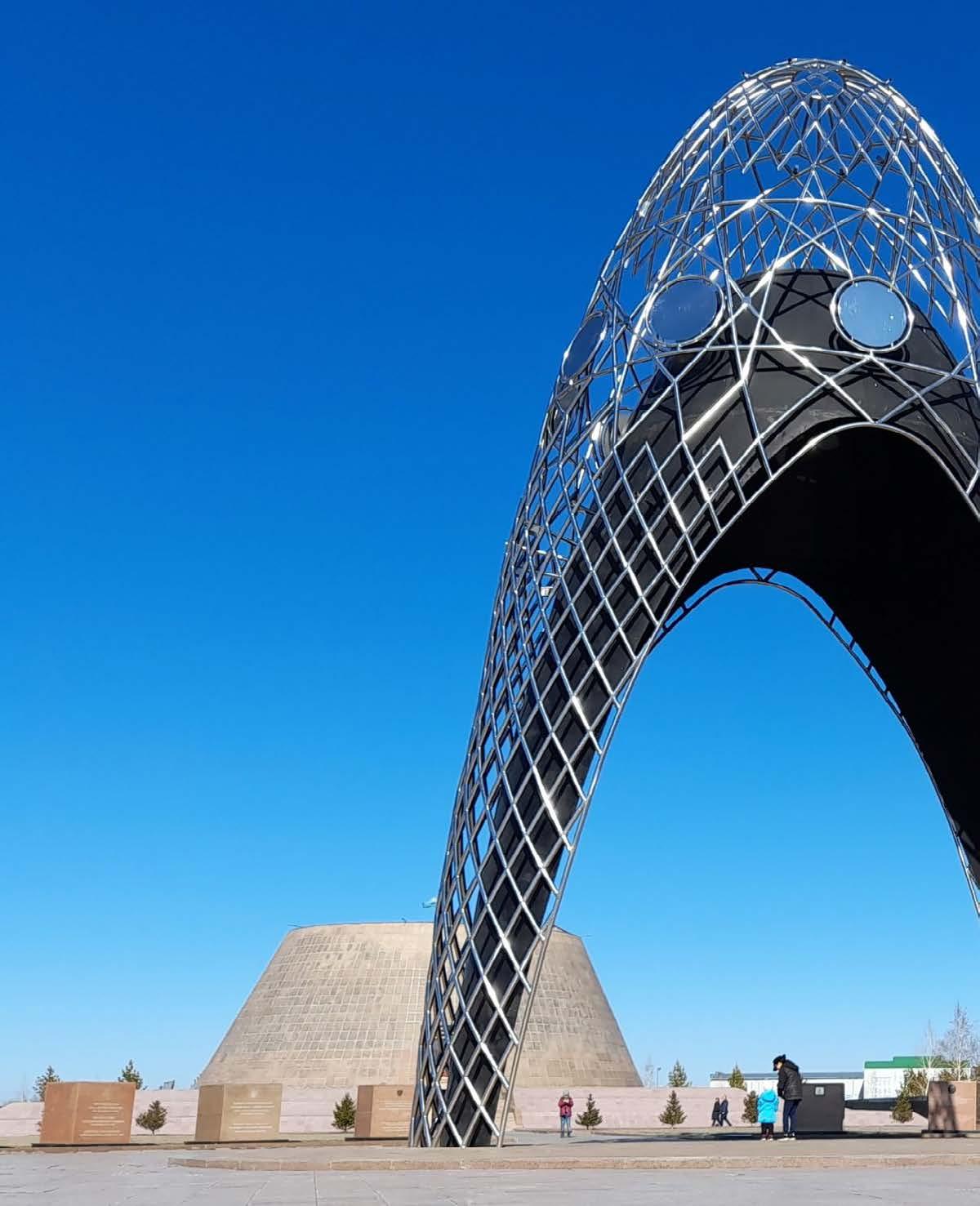
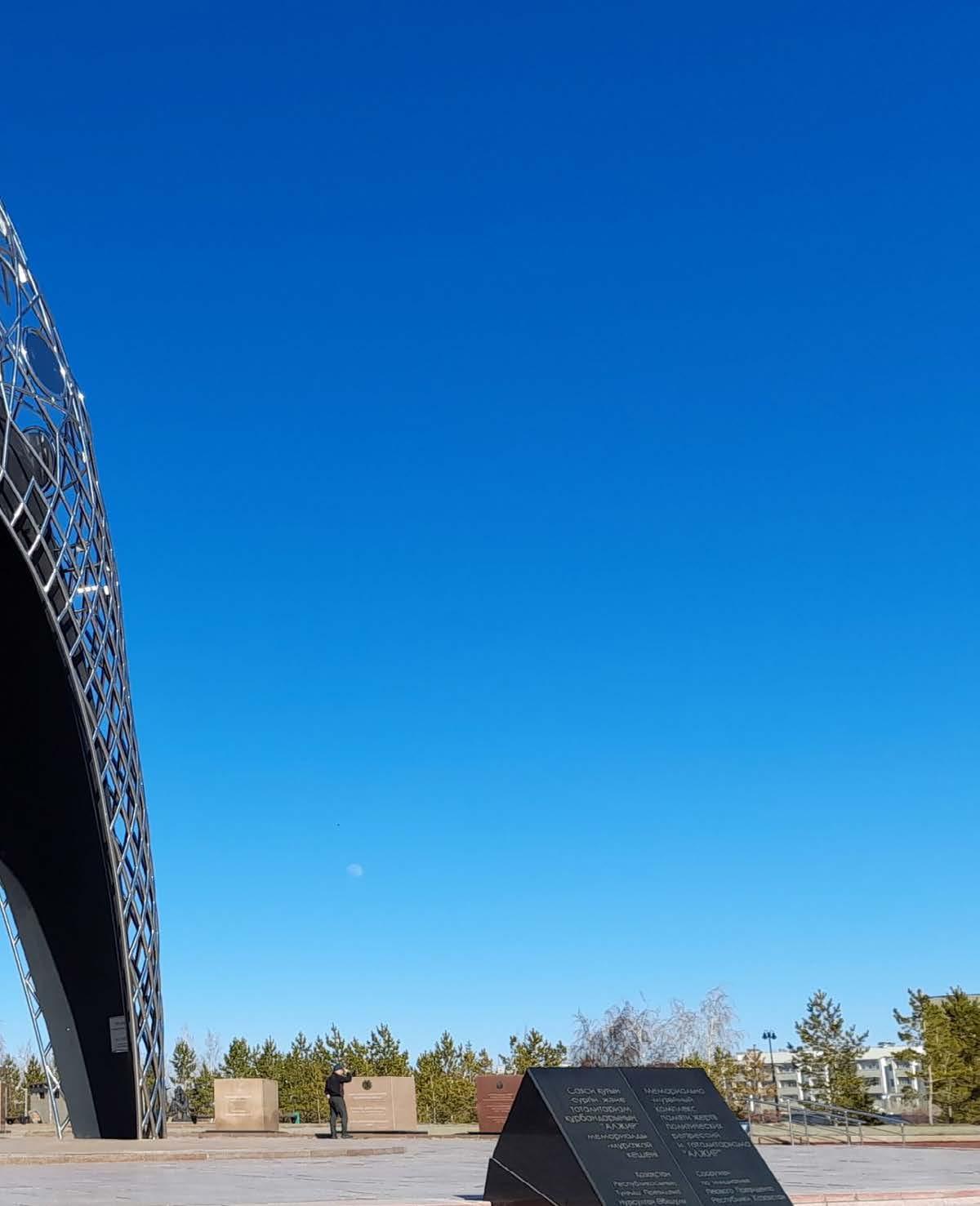
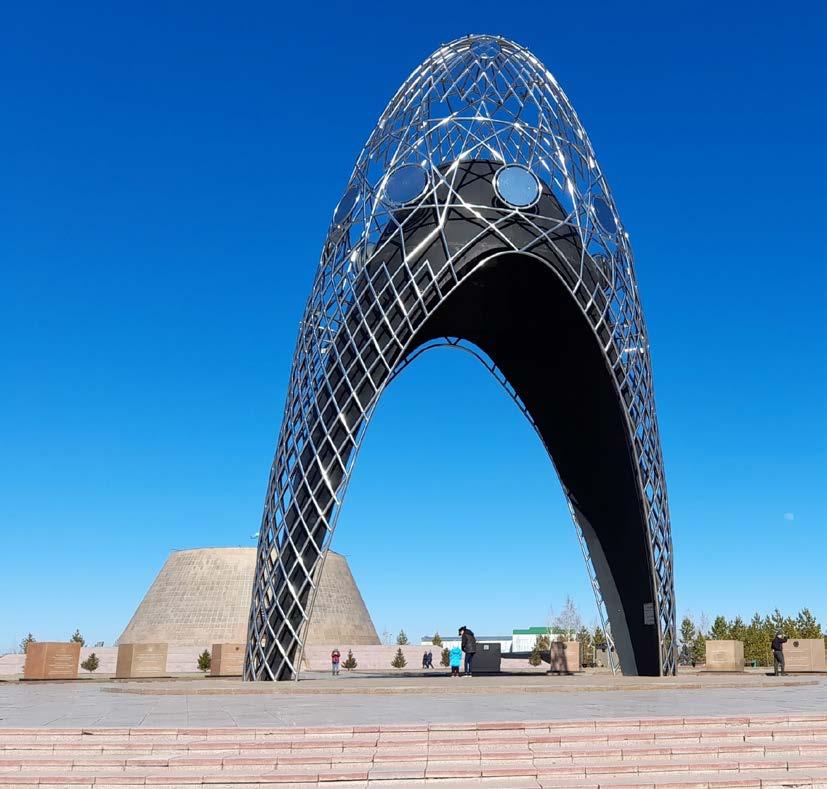
This immersive tour blends storytelling and exploration, taking participants through Astana’s transformation from the Great Steppe to a bustling metropolis. Explore the capital’s iconic landmarks, feel the magic of Burabay’s natural beauty and legends, and connect with history at the Alzhir Memorial. Ideal for those who want to experience the capital through a historical and cultural lens.
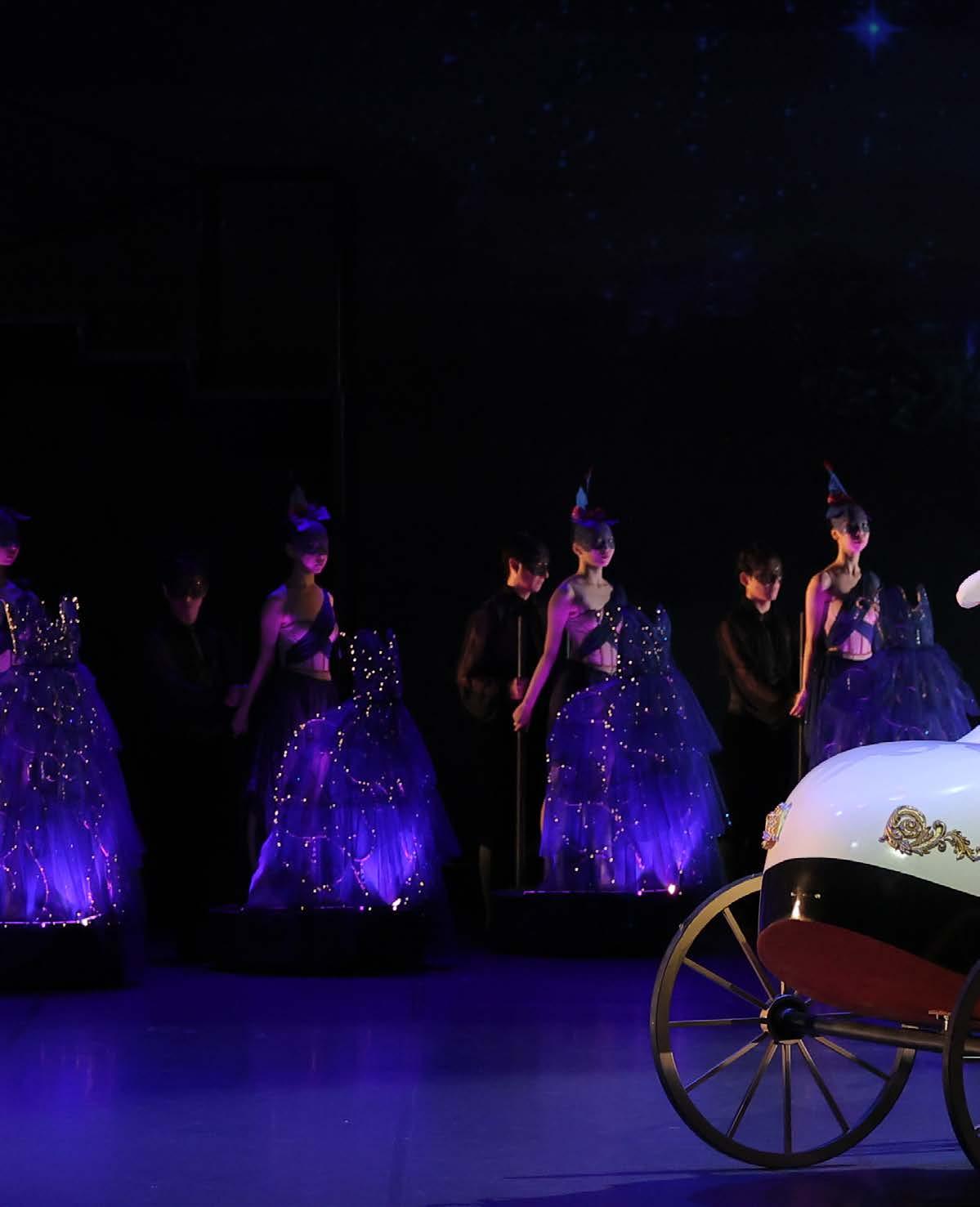
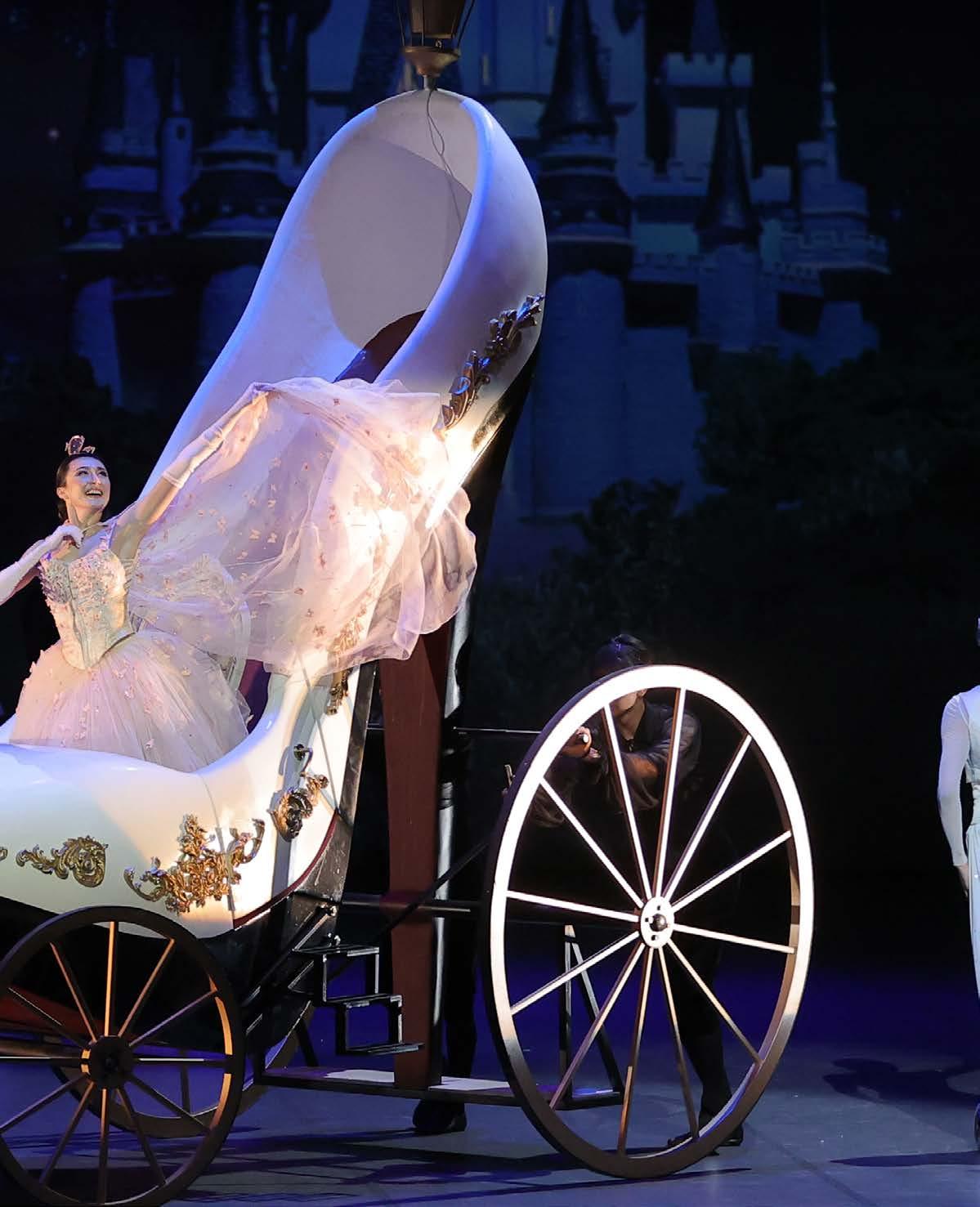
The Astana Opera will host the ballet “Cinderella,” inspired by Charles Perrault’s classic tale, with choreography by Raimondo Rebeck. This ballet brings the beloved story of Cinderella into a contemporary setting. While the plot and characters remain true to the original, the time and place shift between the rococo era and the modern day. The romantic journey of Cinderella (Ella) and the Prince unfolds against the backdrop of their creative aspirations: Ella dreams of becoming a fashion designer while the Prince is a composer and DJ.
The music of Sergei Prokofiev, performed by the Astana Opera Symphony Orchestra, is enriched with the atmospheric acoustic sounds of modern popular compositions by Jimmy Durante, Billy Ray Cyrus, and Louis Armstrong. The choreography blends neoclassical style with pop dance and breakdance elements, creating a dynamic and innovative interpretation of the timeless tale. Venue: Astana Opera; 1, Konayev Street.


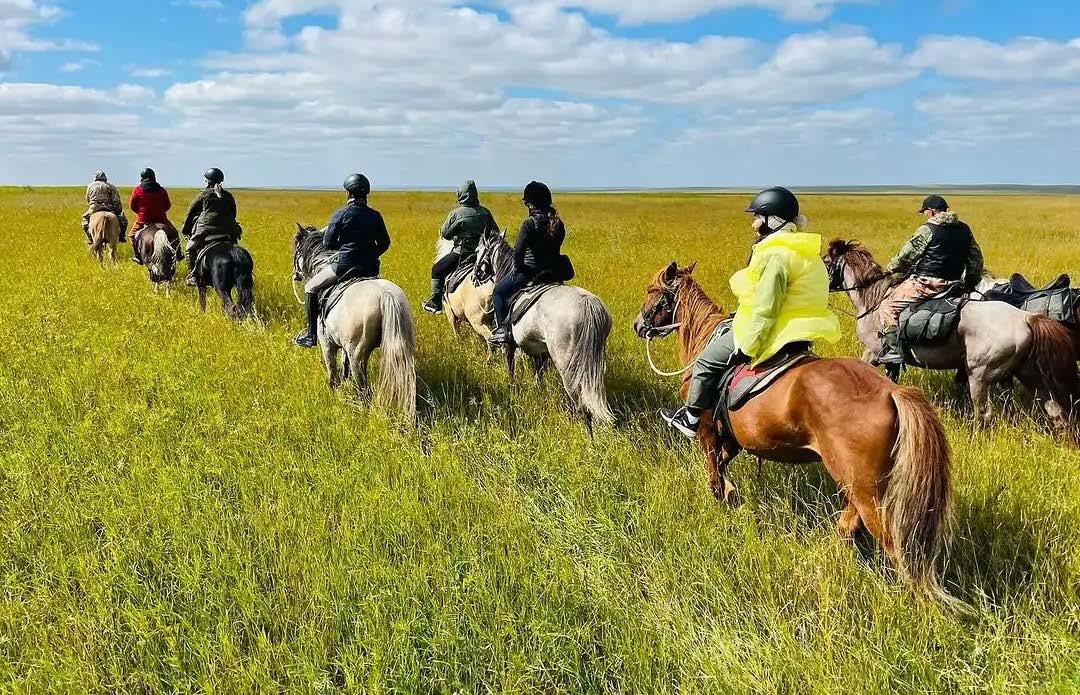
A horseback riding tour is an excellent alternative to hiking or cycling. It offers a two-hour ride through the forest to enjoy nature and improve your health. Perfect for team-building, it includes tea from a samovar (a traditional tea urn, historically heated with coal or wood, used to boil water and serve tea), traditional games and a relaxing break. Venue: Qulatay.
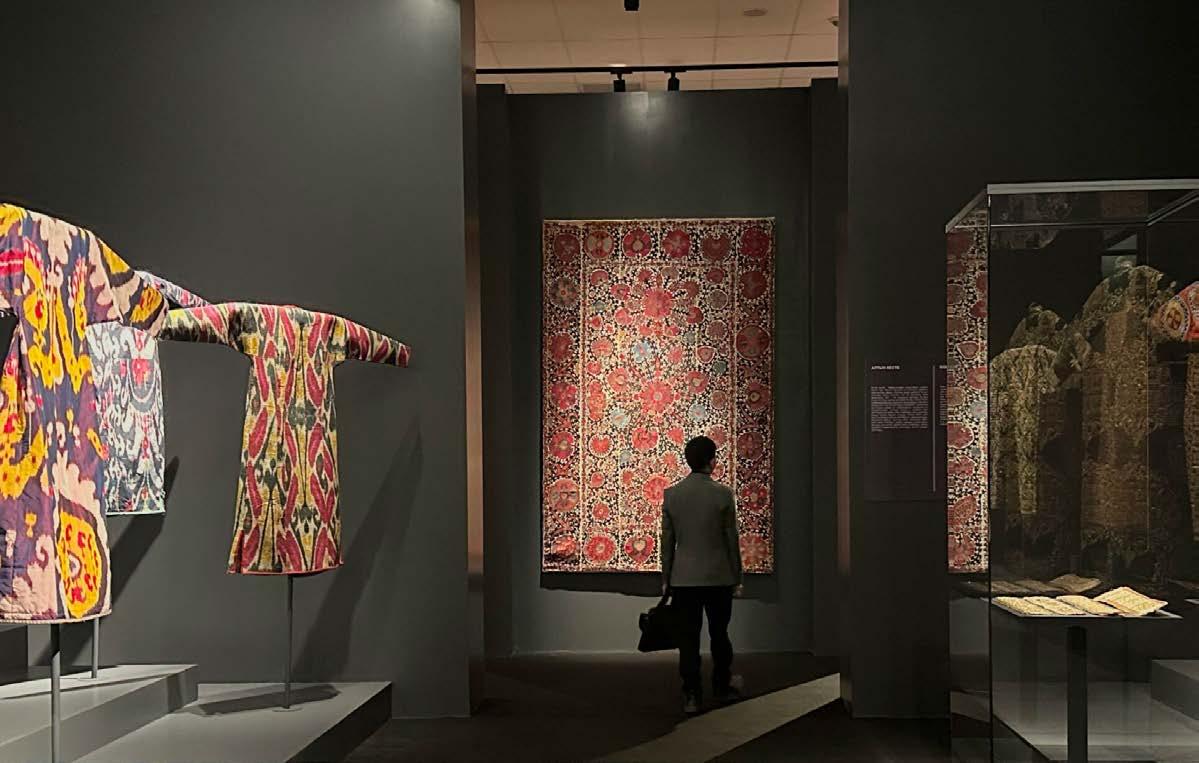
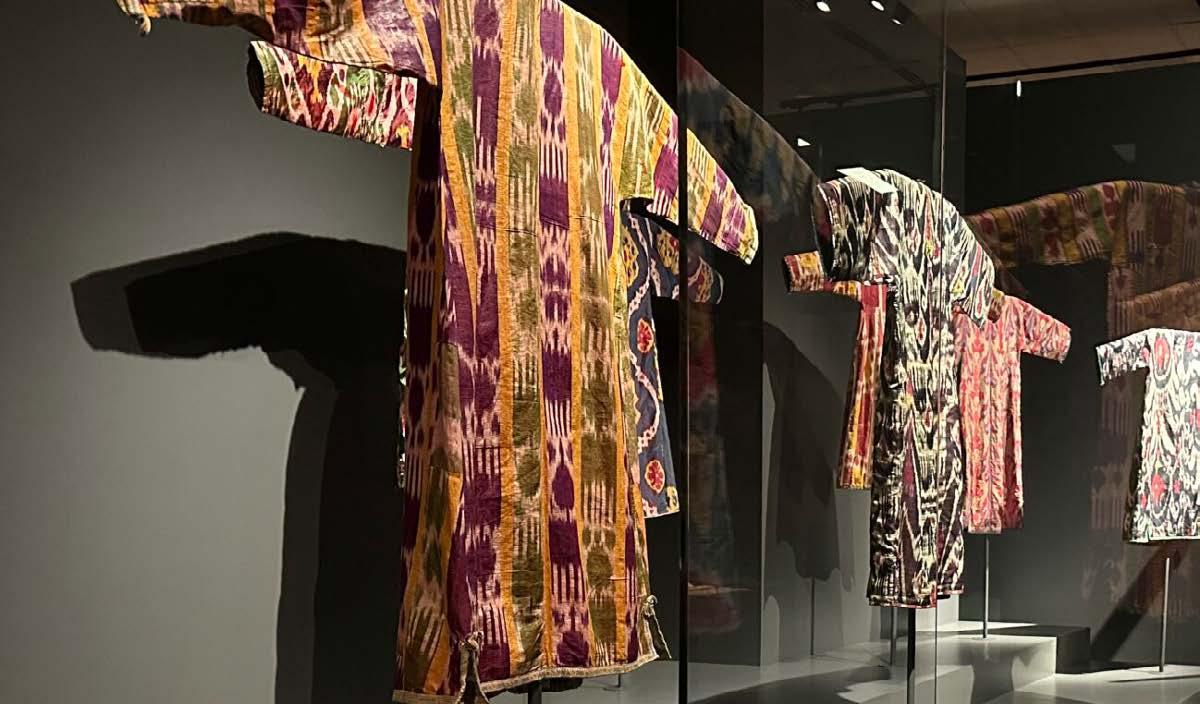
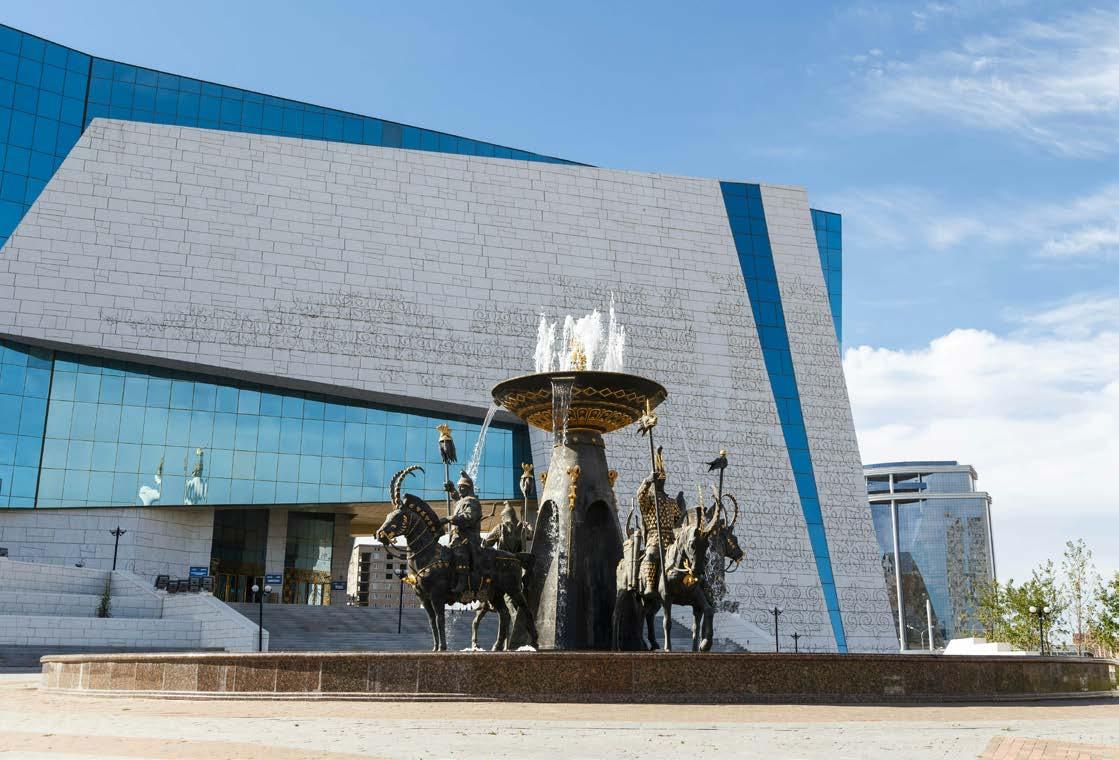
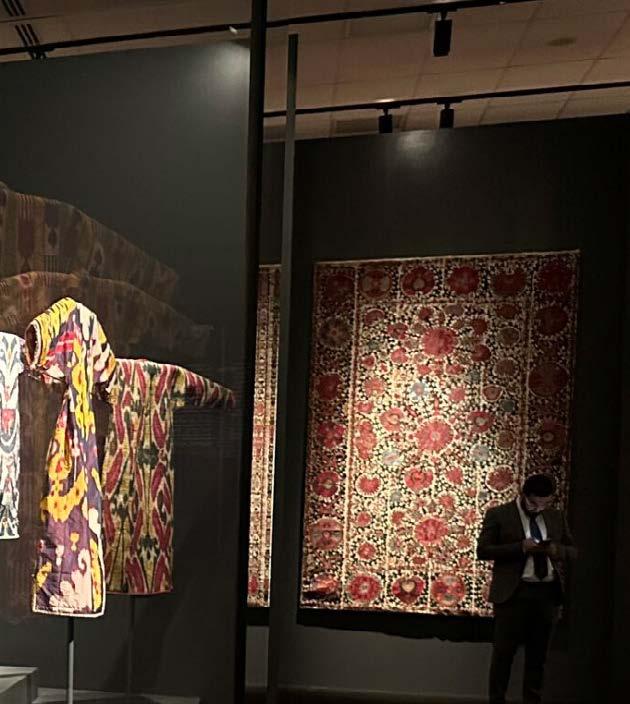
Dive into Uzbekistan’s rich embroidery and sewing traditions at this unique exhibition. Discover goldembroidered robes, traditional skull caps, exquisite jewelry, and handmade shoes and accessories. Each piece tells a story, preserving the history and cultural legacy of Central Asia. Venue: National Museum of Kazakhstan; 54, Tauelsizdik Avenue.
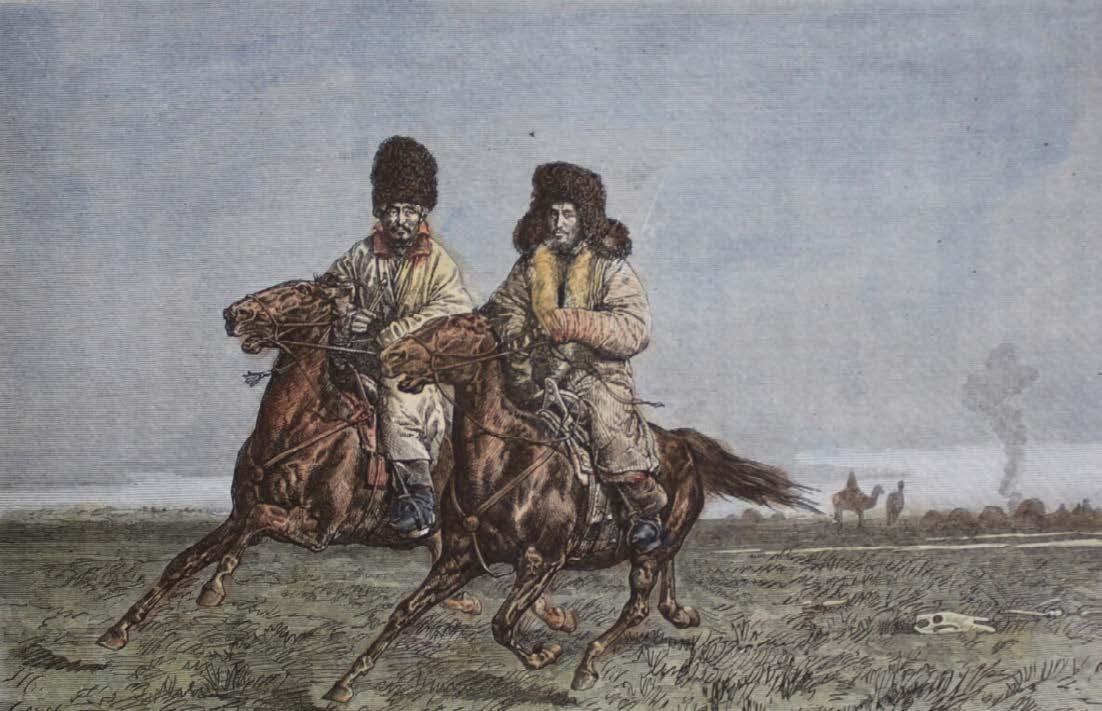
This historical exhibition offers a fascinating journey into the culture and legacy of the Great Steppe through 94 detailed 19th-century engravings. The works come from the private collection of BonArt Auction House. Created by artists from Russia, Germany, Italy, and France, the engravings showcase remarkable thematic and stylistic diversity. Visitors will find everyday portraits, ethnographic travel sketches, battle scenes, and allegorical compositions depicting Kazakh life. A rich experience for anyone interested in art, history, and cultural heritage. Venue: National Museum of Kazakhstan; 54, Tauelsizdik Avenue.
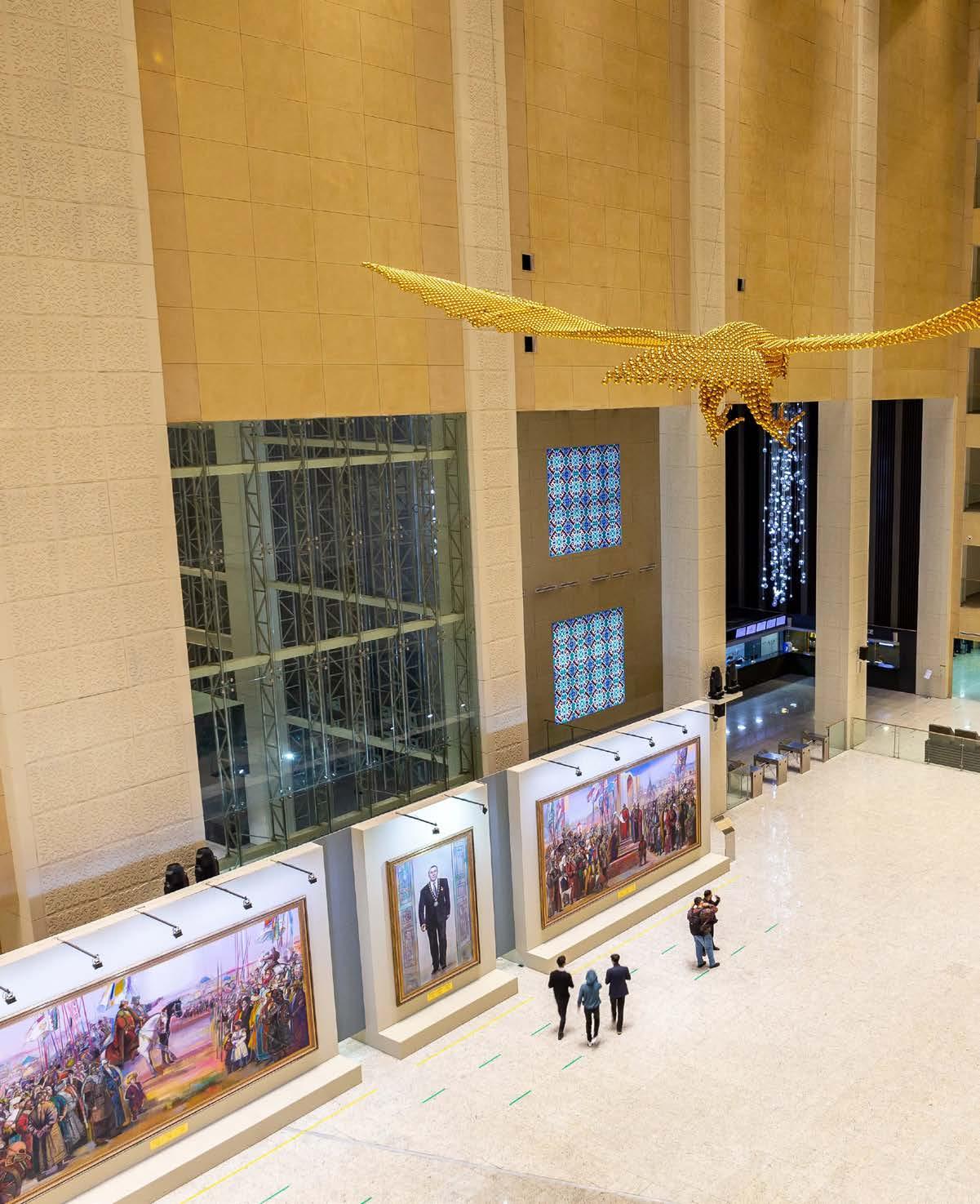
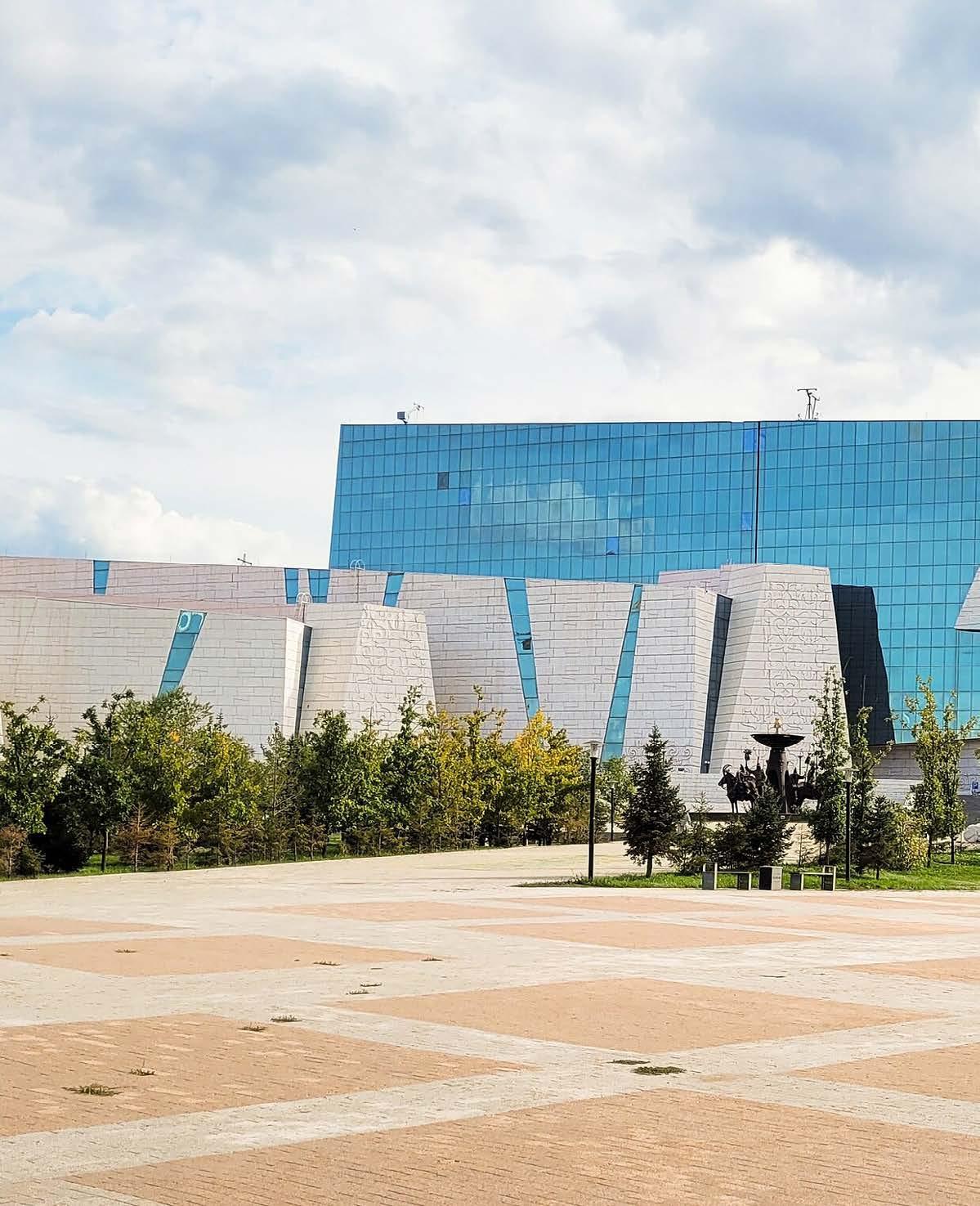
This multimedia project explores the intersection of contemporary art and technological progress. As a continuation of Kazakhstan’s participation in the 59th Venice Biennale, “Postfuture” introduces a series of works by emerging artists reflecting on identity, environment and digital culture. Venue: National Museum of Kazakhstan; 54, Tauelsizdik Avenue.
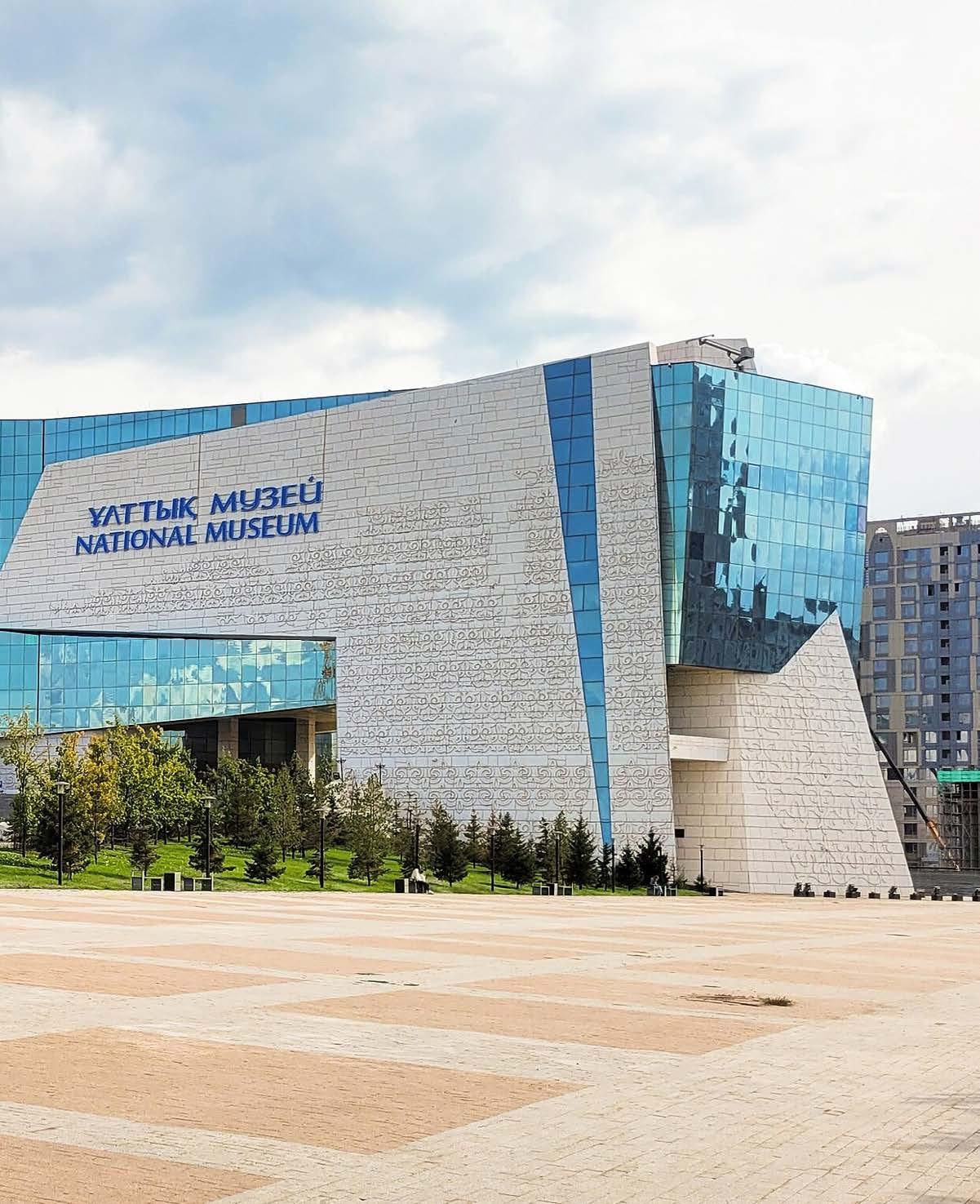
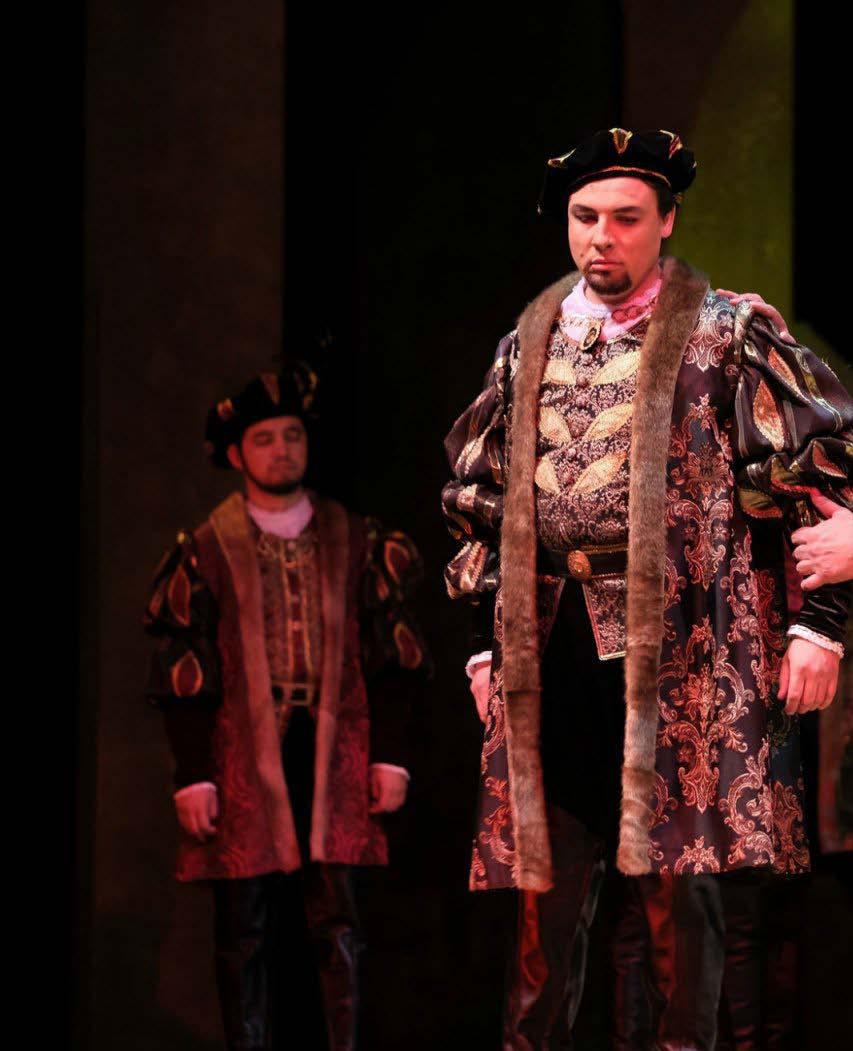

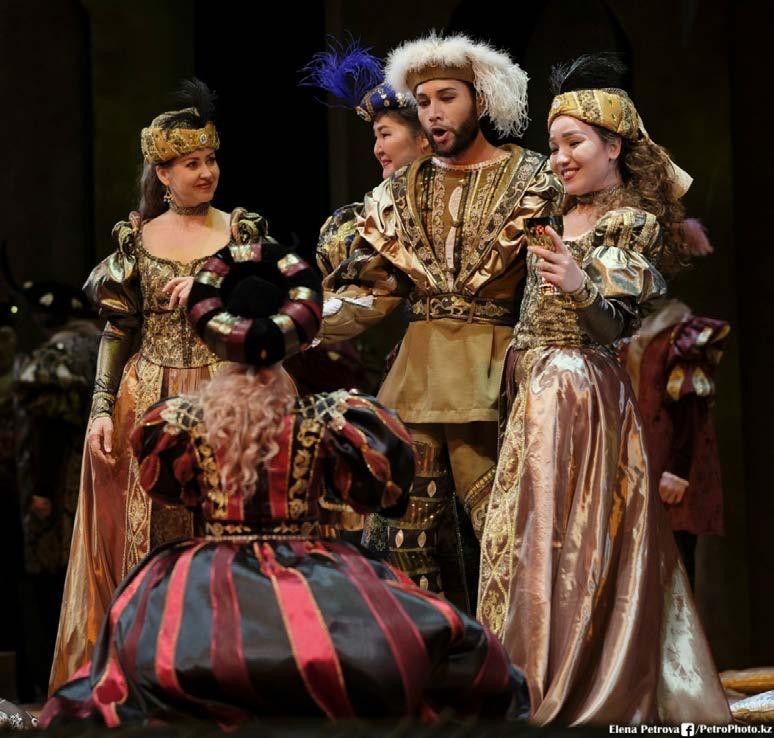
Opera lovers are invited to witness the emotional intensity and vocal brilliance of “Rigoletto”, one of Verdi’s most compelling masterpieces. Performed by top national soloists and the theater’s full orchestra, the tragedy unfolds with passion, betrayal, and unforgettable arias in a grand setting. Venue: Kazakh National Opera and Ballet Theater named after Abai; 110, Kabanbay Batyr Street.



More than 350 Kazakh companies from across the country display thousands of locally made products from machinery and food to clothing and jewelry at the eighth annual Ulttyq Ónim (National Product) 2025 exhibition in Astana on May 16-18.
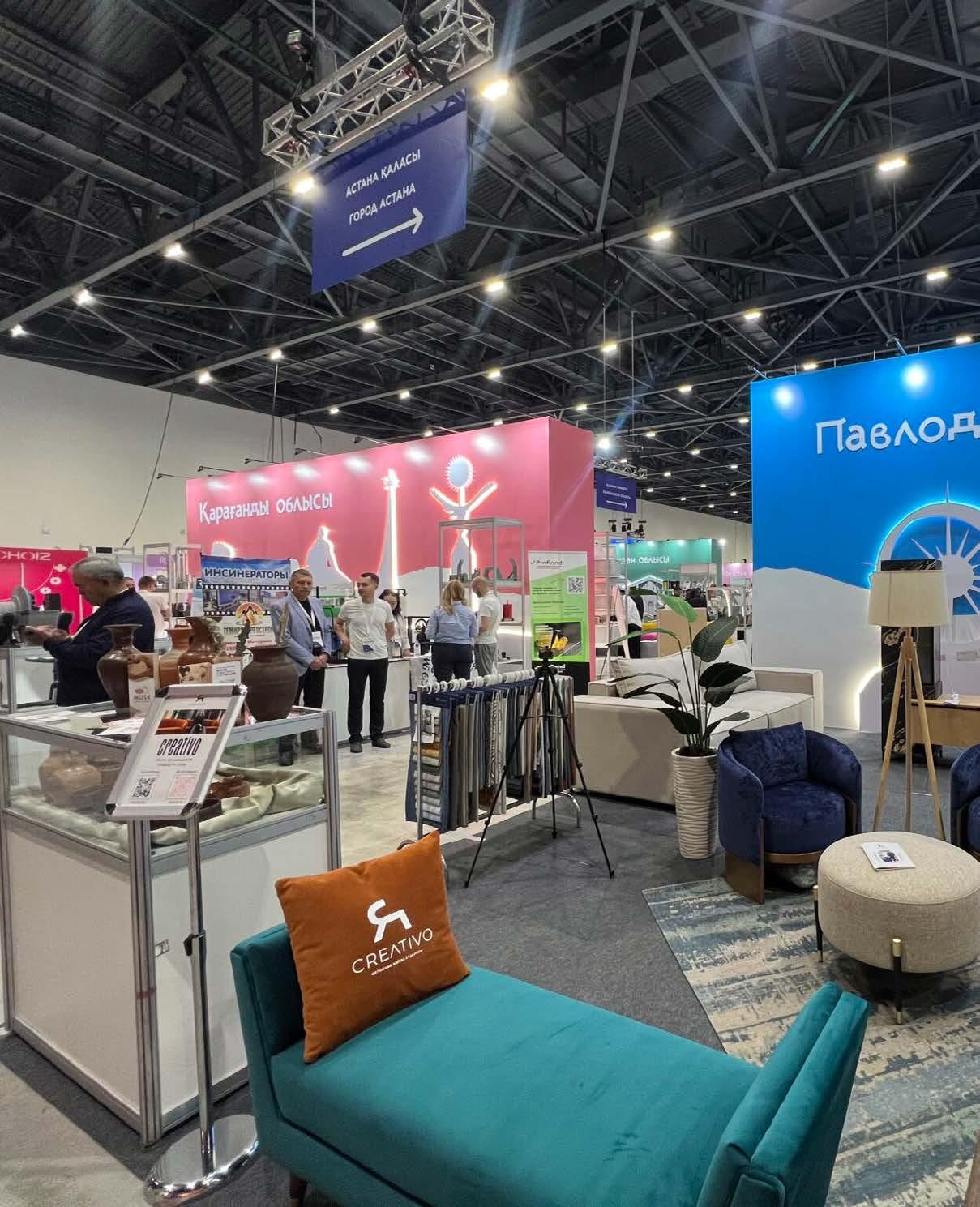
Furniture made in Kazakhstan at the Ulttyq Ónim exhibition
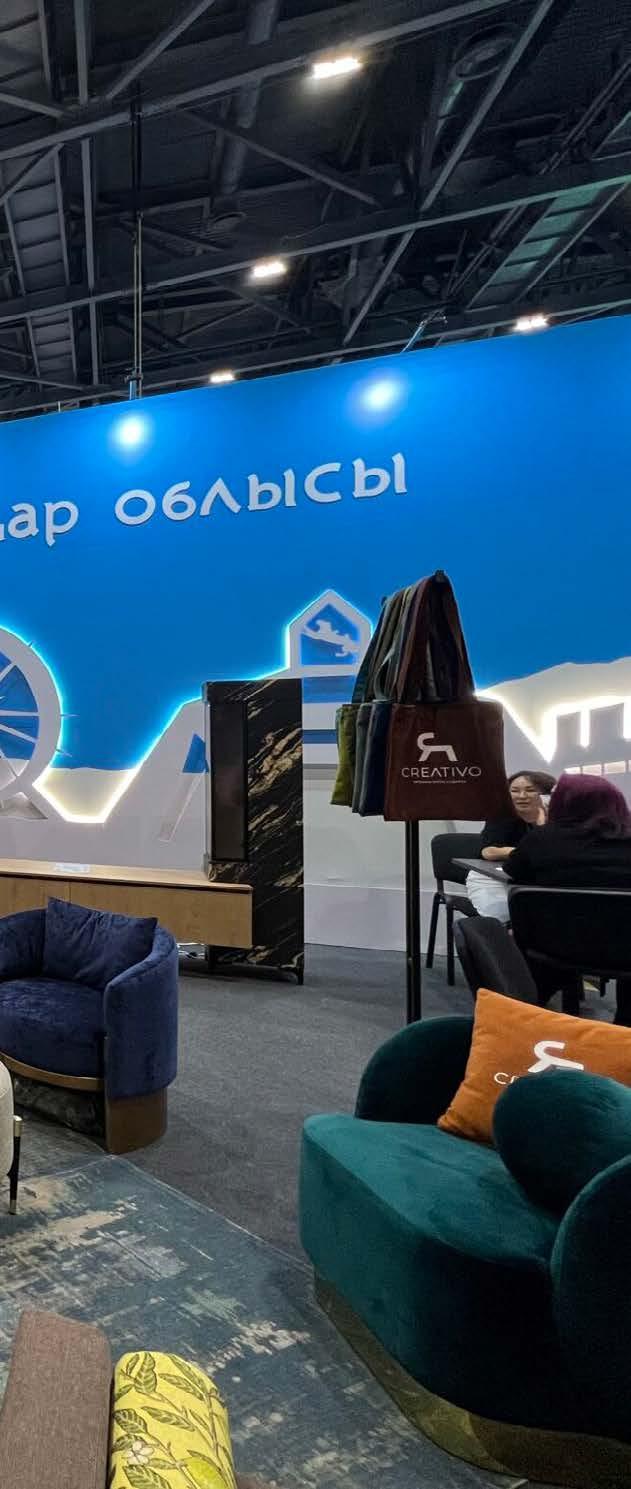
The event serves as a platform for dialogue between business leaders, government agencies, international financial institutions and consumers, and aims to raise public awareness of domestic production. Opening the exhibition, Deputy Prime Minister and Minister of National Economy Serik Zhumangarin emphasized the role of small and medium-sized enterprises (SMEs) in Kazakhstan’s economic growth.
“The eighth Ulttyq Ónim exhibition is the clearest proof and demonstration of the growth of domestic entrepreneurship. Our producers are strengthening their positions within the country, entering export markets, and becoming recognizable brands abroad. Government support for SMEs will only continue to grow,” said Zhumangarin.
He highlighted priority investment sectors for 2025, including IT, logistics, tourism, food production, construction materials, mechanical engineering, light industry, and the chemical sector.
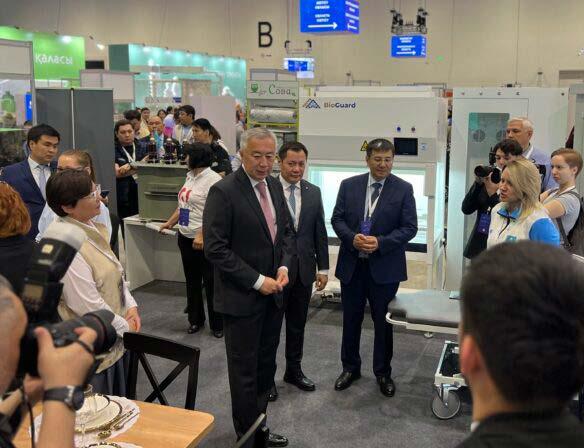
According to the Damu Fund, in 2024, the Ministry of National Economy and Baiterek Holding allocated 336 billion tenge (US$659.3 million) to support entrepreneurship. Some 29,500 projects received loans worth 1.7 trillion tenge (US$3.34 billion), with 2,700 benefitting from concessional lending. Rustam Karagoishin, the chairman of Baiterek Holding, reinforced the importance of long-term growth.
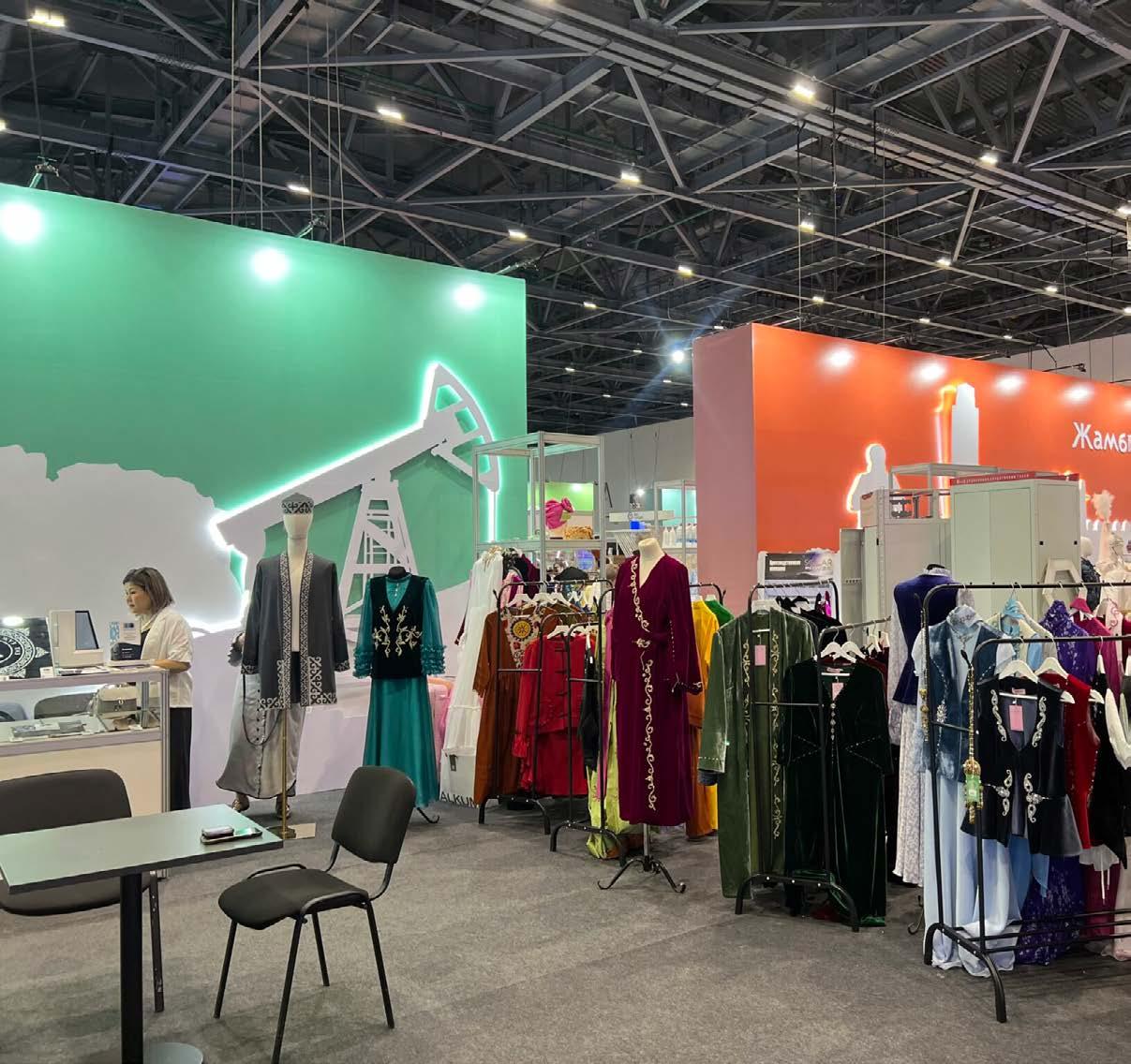
Clothing and accessories range from national costumes and school uniforms to gold and silver jewelry.
“Supporting domestic production is a strategic priority for the Baiterek holding. We believe that Kazakh businesses are the backbone of the national economy, a source of innovation and employment,” he said. The exhibition also featured several panel discussions focused on entrepreneurship and banking. Farhat Sarsekeyev, chairman of the Damu Fund, spoke about the exhibition’s role in connecting key stakeholders.
“Today, the exhibition presents only a small but highly meaningful portion of the results of state support for business. Since its inception, the Damu Fund has

supported over 225,300 projects, with total loans worth 14.1 trillion tenge (US$27.7 billion). As a result, more than 220,000 new jobs have been created and over 1.2 million jobs preserved, with approximately 130 trillion tenge (US$255 billion) worth of goods produced and nine trillion tenge (US$17.7 billion) in tax revenues generated,” said Sarsekeyev.
“We are proud that during the exhibition, every visitor can personally see and appreciate the diversity and quality of products made in Kazakhstan,” he added.
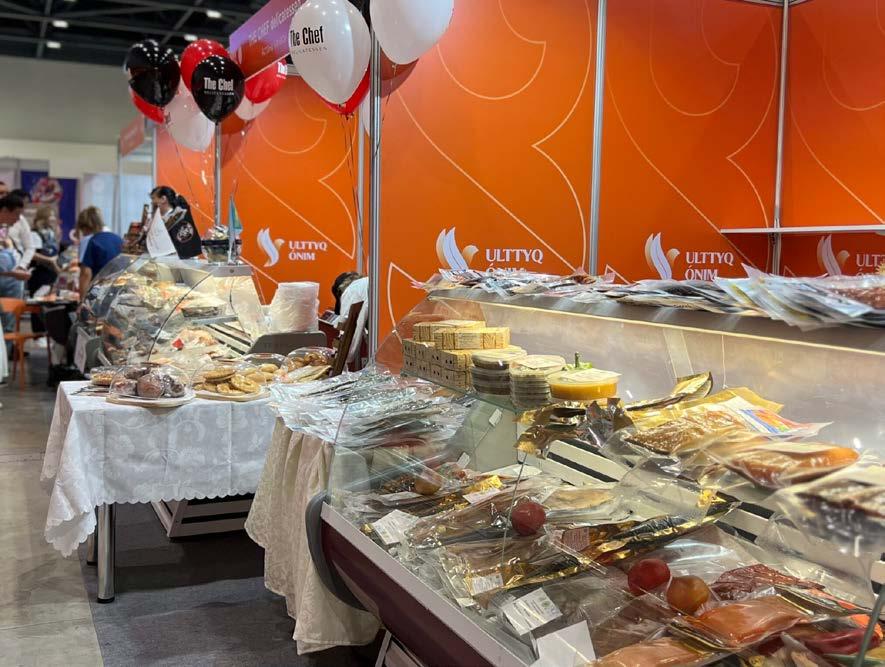
The food section features meat, dairy, flour, honey and traditional delicacies.
Elena Bakhmutova, the chairwoman of the Council of the Association of Financiers of Kazakhstan, emphasized the essential role of banks in SME development. “Even without specific support mechanisms, banks have always financed businesses and will continue to do so,” she said.
According to Bakhmutova, Kazakhstan’s banking sector issued 18.9 trillion tenge (US$37 billion) in new business loans in 2023, an 18.5% increase year-on-year. Large businesses received eight trillion tenge (US$15.7 billion) in loans, a 23% rise from the previous year and mainly for investment projects. Loans to SMEs also grew: lending to small businesses rose by 15%, and to medium-sized ones by 18%.
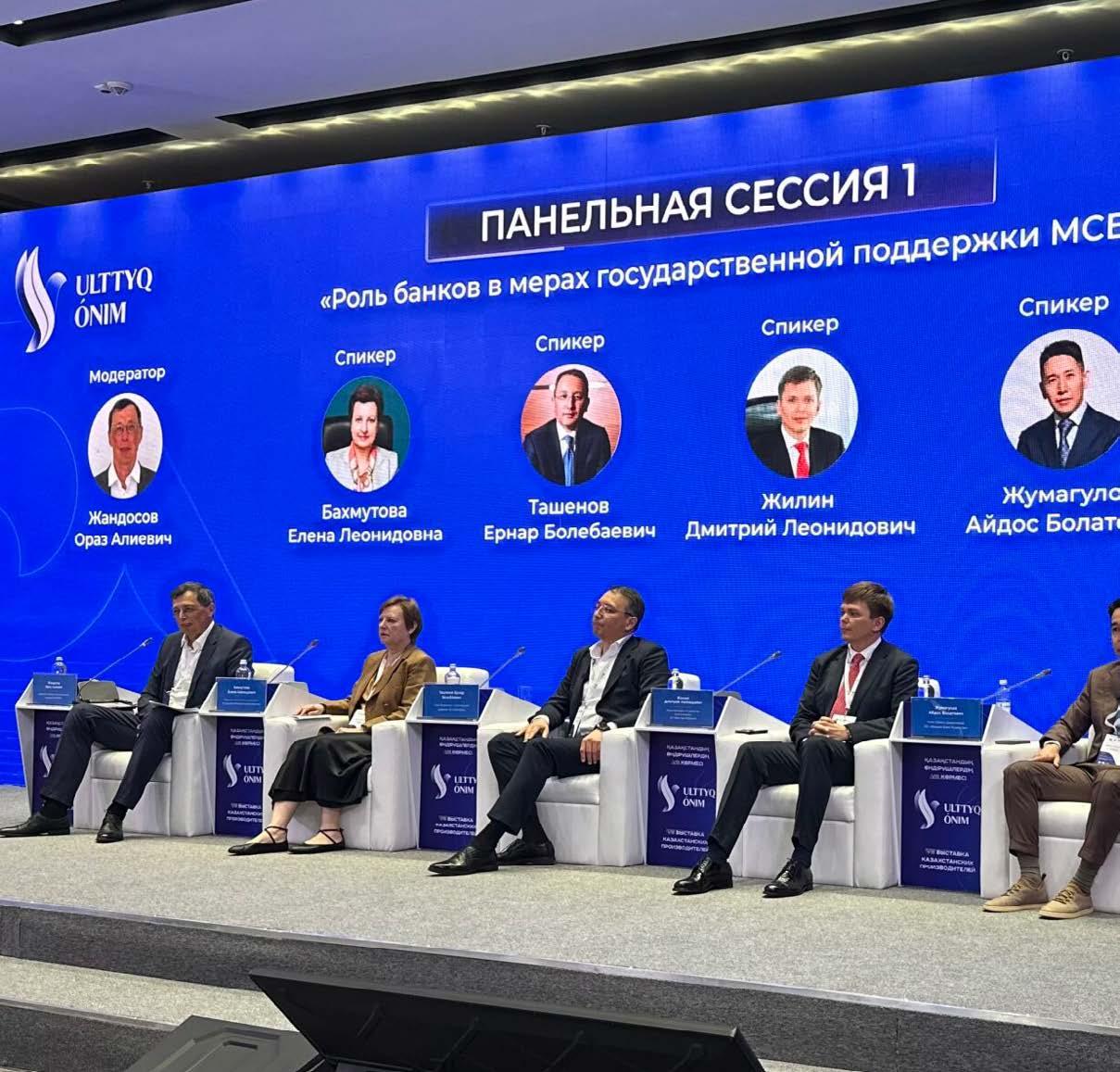
The number of business borrowers increased from 441,000 to 532,000 in 2024. In the first quarter of this year alone, small businesses received 1.7 trillion tenge (US$3.34 billion), while medium-sized businesses obtained 505 billion tenge (US$990 million).
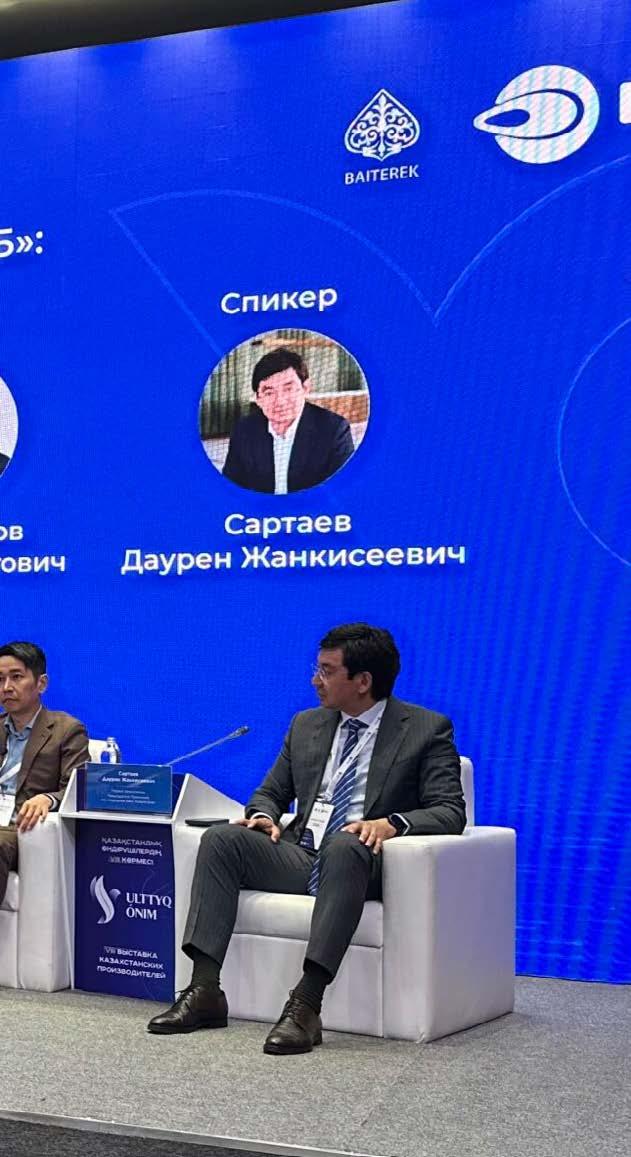
“Small businesses accounted for 73% of the overall loan growth,” said Bakhmutova, highlighting increased activity in food production and manufacturing. Aidos Zhumagulov, board member of Freedom Bank Kazakhstan, highlighted
the bank’s digitalization of SME lending and its ecosystem for microbusinesses. “If a bank receives a state support program, it should help promote domestic products (...) This is true inclusion, accessibility, transparency and digitization in action,” said Zhumagulov. Executives from Bank CenterCredit, ForteBank, and Halyk Bank echoed similar sentiments. They emphasized the importance of financing the entire value chain, promoting national brands and expanding digital infrastructure.
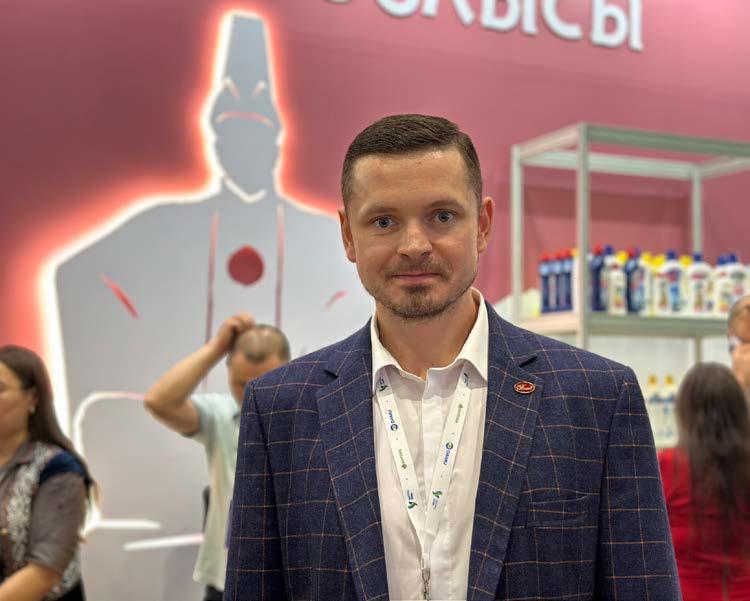
Roman Nikitenko, founder of Black, a wooden tableware manufacturer based in Kokshetau.
Roman Nikitenko, founder of Black, a wooden tableware manufacturer based in Kokshetau, shared what sets his company apart and his insights about the exhibition. “We have many distinguishing features, but the key one is that our designs are original.
Everything we produce is handcrafted. We are the largest factory in Kazakhstan that manufactures national wooden products on an industrial scale,” Nikitenko told The Leading Media of Kazak.
“Exhibitions like this should be for the public. They should be visible. People should come and see what Kazakhstan is producing. These kinds of companies should be protected like small plants. You water them, check on them, feed them, and they grow,” he added.
“A bank is not just a lender. It is a partner and a guide. Wellstructured banking cooperation allows businesses to move forward with confidence, expand production, and invest in people and technology (...) The success of SMEs is the success of our economy.
When we support a business from its first steps to becoming a national brand, we become part of that story. These are the stories that show why financial support is vital at every stage of growth,” said Fortebank Executive Director Yernar Tashenov.
Gauhar Askarkyzy, project manager at Apark, a Semeybased manufacturer of children’s playground and workout equipment, said the event helped increase product recognition.
“This is our second time participating in this exhibition. It really helps with brand awareness. In fact, thanks to that, we sold the complex that is installed outside today,” said Askarkyzy.
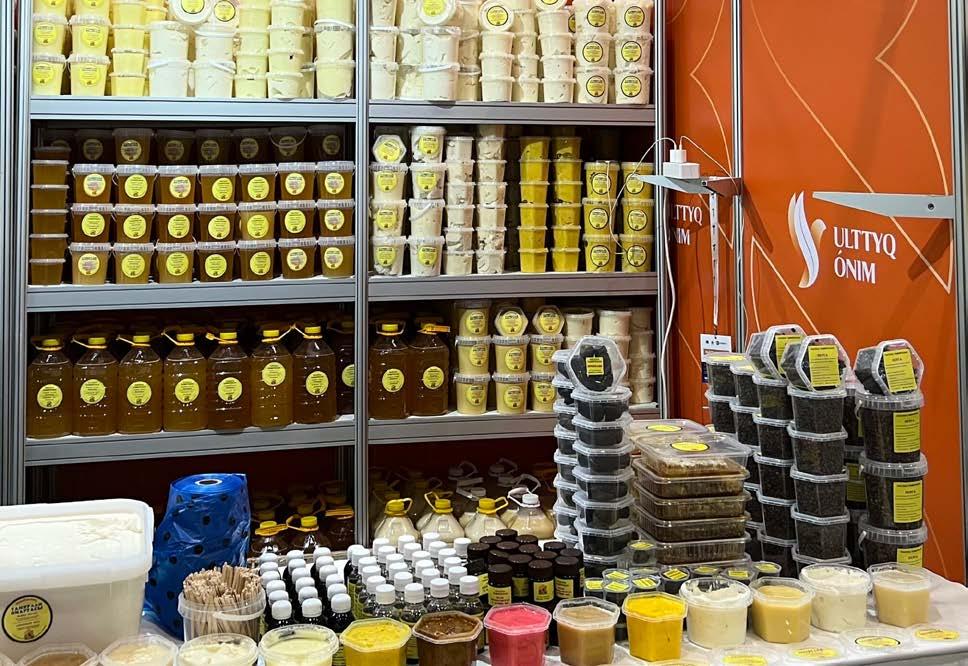
Honey displayed at the exhibition
For three days, visitors can explore a broad array of Made in Kazakhstan products, including household and industrial machinery, medical devices, solar panels and water purifiers. The food section features meat, dairy, flour, honey and traditional delicacies. Construction and chemical goods include building materials, paints, antiseptics and detergents. Clothing and accessories range from national costumes and school uniforms to gold and silver jewelry. Home textiles, packaging solutions and handcrafted interior items are also on display.
Exhibition’s interactive segments include concerts, workshops, product raffles, and the “Halyq Tandauy” (People’s Choice) tasting competition.




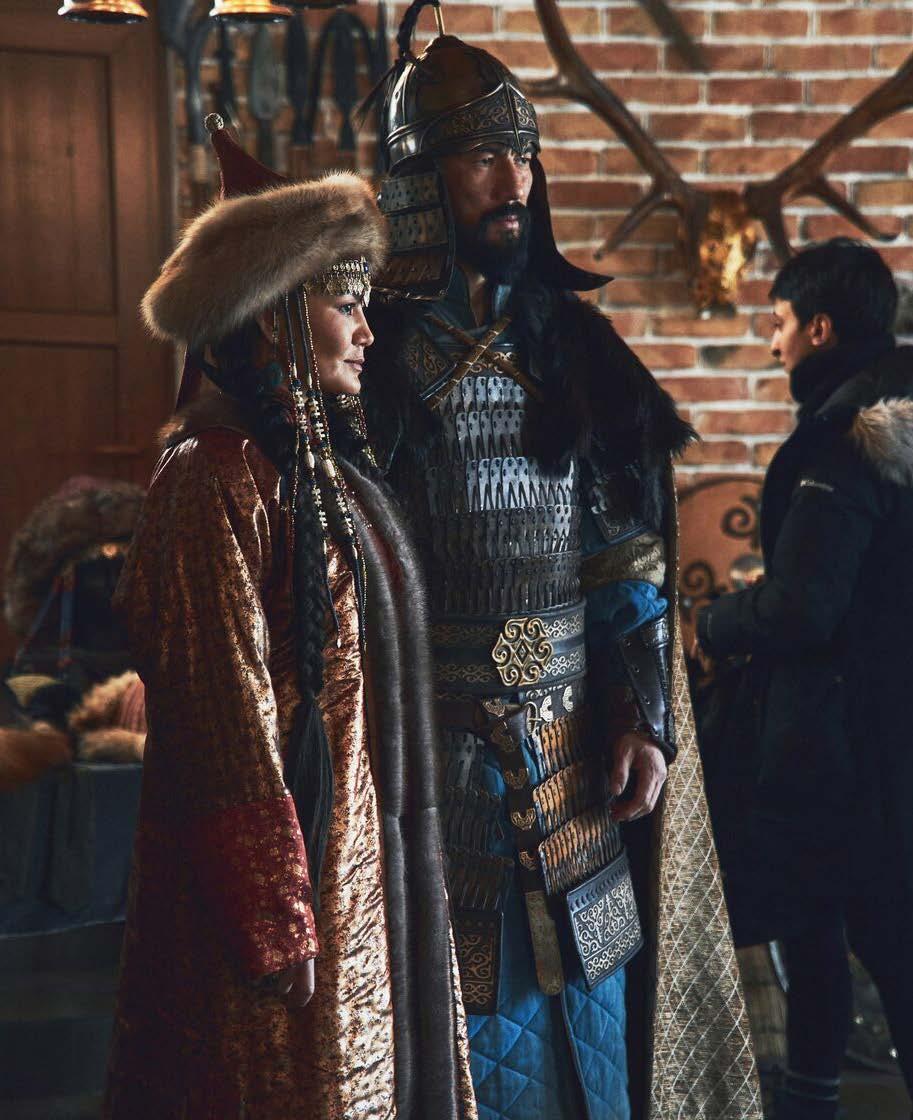

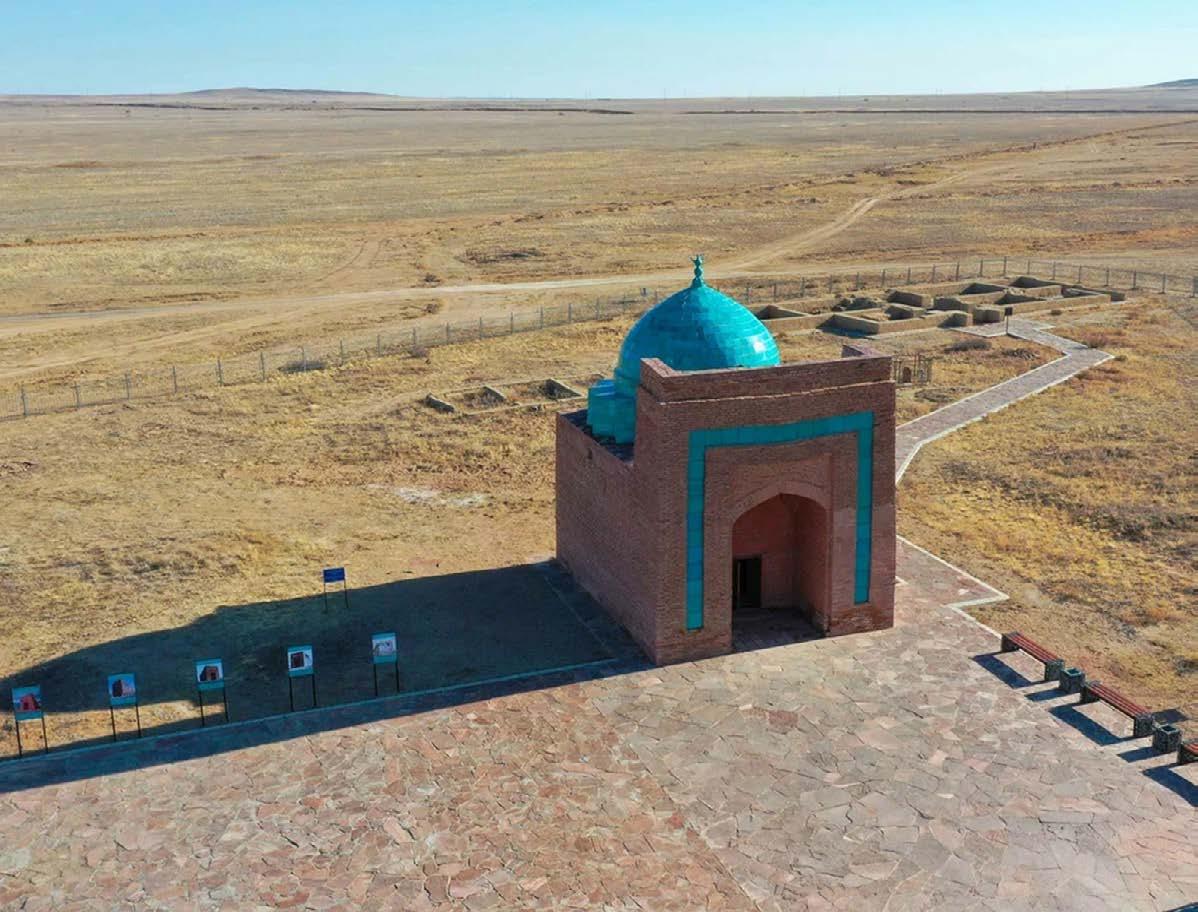
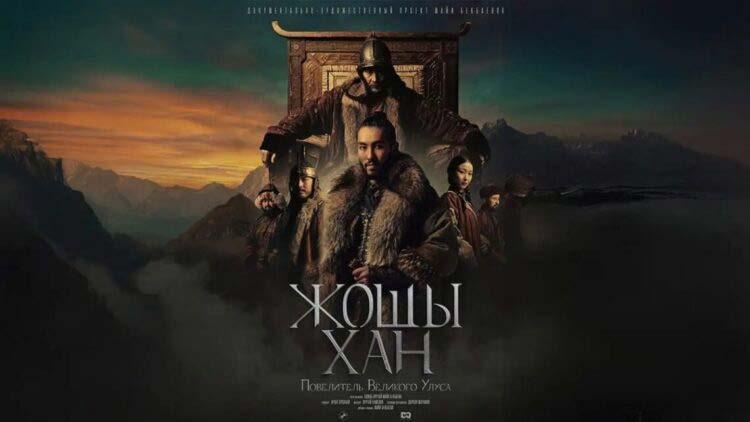
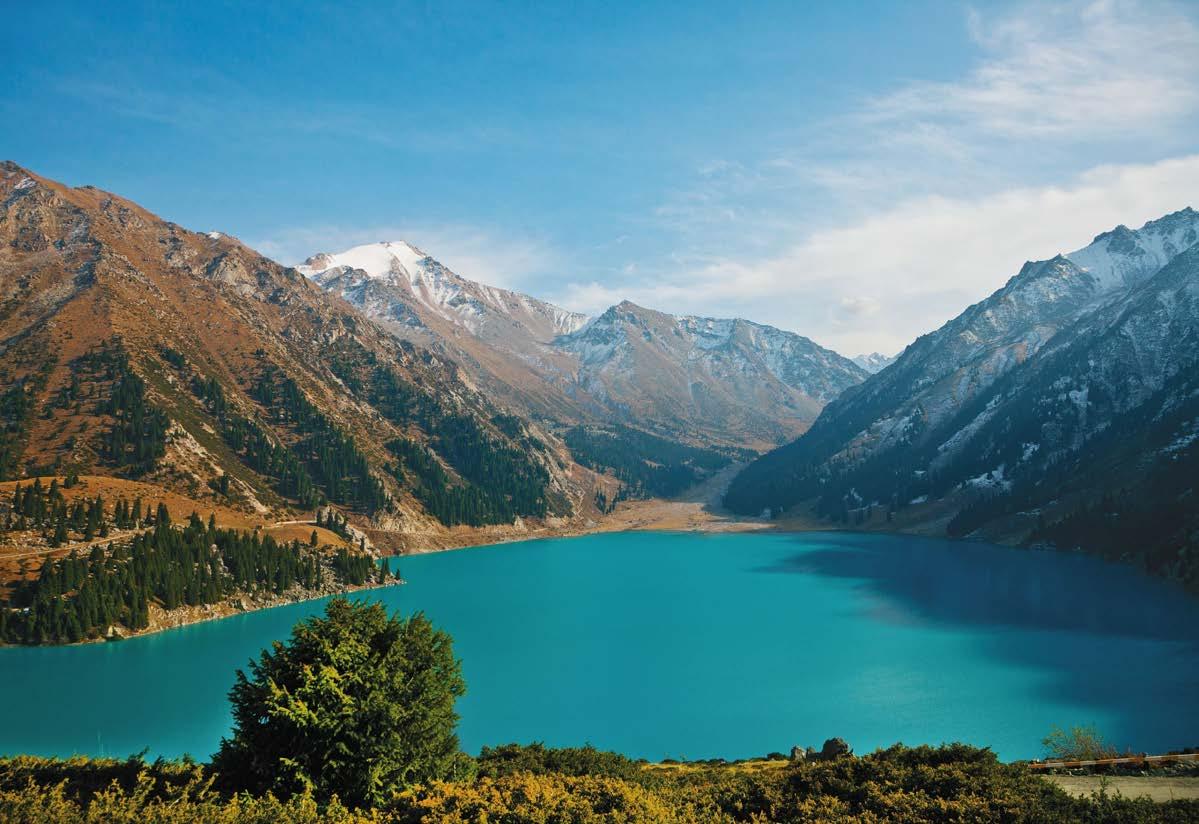
In the plains of the Ulytau Region in central Kazakhstan, a solitary mausoleum stands guard over the legacy of Jochi Khan, the eldest son of Genghis Khan. Now, that legacy is being brought to life as Kazakhstan embarked on a documentary drama titled “Golden Empire” to bring Jochi Khan’s story to the screen. The goal is to capture the grandeur of the era while uncovering the personal stories that shaped it, said the Dara Foundation of Presidential Initiatives, which supports the project.
“Golden Empire” is a six-part documentary drama by Karga Seven Pictures, a production company based in Istanbul and Los Angeles, with the support of the Dara foundation. “Jochi Khan is a figure standing at the crossroads of two worlds. On one hand, he is the son of Genghis Khan, known for his ruthless conquests. On the other, Jochi foresees a new era, one in which diplomacy and strategic alliances will become just as important as military strength,” said the foundation. Born in the 12th century, Jochi Khan’s life was not easy. He carried the weight of being the eldest son of Genghis Khan, a man who shaped the course of Eurasian history and one of the history’s most brutal figures. Jochi Khan’s life seemed to be as dramatic as any saga: born under a cloud of controversy over his paternity, as his mother, Borte, was abducted by the Merkit tribe before his birth, and dying under mysterious circumstances, with an exact date not known to this day.
In Kazakhstan, however, Jochi Khan is remembered not just as the son of a conqueror, but as a founder of the Great Ulus, later known as the Golden Horde. This era is one of the key periods in Kazakhstan’s centuriesold history, and in many ways, laid the foundation for Kazakh statehood itself. The series’ timing could not be more ideal, as this year Kazakhstan commemorates the 800th anniversary of the formation of Jochi Ulus. It is also an opportunity to break old narratives of Kazakh history. “For a long time, Kazakhstan’s history was viewed as an inseparable part of Russian and Soviet history. However, by delving deeper into the history of the uluses that emerged in Central Asia as a result of the Mongol conquests, particularly the Golden Horde, it becomes evident that the roots of Kazakh statehood
extend much further back,” said the foundation. They stressed a direct influence of the Golden Horde on the formation of modern Kazakhstan. “Our territory was a core part of this great empire, and its legacy is reflected in our ethnic composition, social structure, cultural traditions, and governance systems. The division into tribes and clans, as well as many aspects of our heritage, are a continuation of the policies laid down during the rule of Jochi and his descendants,” said the Dara foundation. “We want to introduce contemporary audiences to the nomadic philosophy of thought, allowing the world to gain a deeper understanding of how our national identity and mindset were formed. This series provides a chance to view history not as a distant and static past but as a continuous process that shapes the present. The world we live in today is, in many ways, a result of the decisions made 800 years ago,” it said.
For the Dara foundation, the Jochi Khan series is also about unveiling a part of history that remains “underexplored and fragmented in historical narratives.” “The Golden Horde was one of the most powerful empires in world history, shaping the political landscape of Eurasia for centuries. This period had a profound impact on the region’s culture, ethnic composition, military philosophy, and governance. The ruling dynasty of the Golden Horde maintained power for over 6.5 centuries, controlling vast territories. Historically, the Golden Horde is comparable in significance to the Turkic Khaganate, the Roman Empire, and the empire of Alexander the Great,” said the foundation. The goal is to “recreate the grandeur of this era while also delving into the human stories behind the great events of the Middle Ages.” “There are pages in the history of the Golden Horde that have never been deeply explored. One of them is the story of a man whose decisions shaped the fate of the peoples of the Dasht-i-Kipchak, yet whose own fate remained tragic. Jochi Khan was overshadowed by his legendary father, Genghis Khan, and later by his famous descendants, such as Batu Khan,” they said.
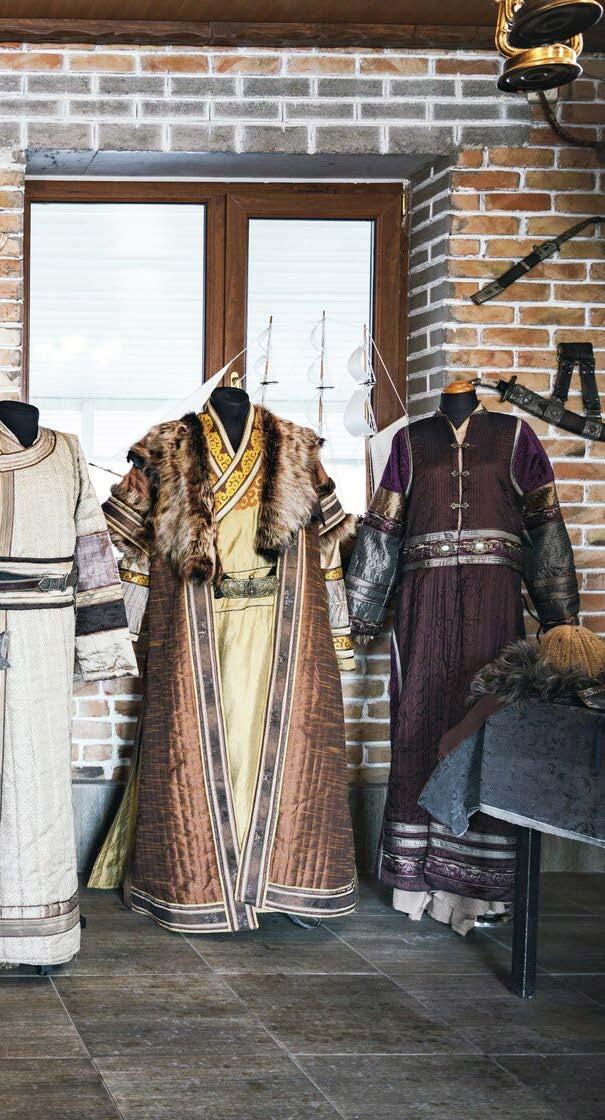
The plot will narrate a story of the rise of the Golden Horde, through the lens of universal themes that resonate with everyone – from a complicated father-son relationship, family struggles to betrayal and loyalty. There is yet another theme where many countries, including Kazakhstan, find themselves in – a conflict between tradition and a new vision for the future. “‘The Golden Empire’ is not merely a historical reconstruction, but an emotional journey into the life of Jochi Khan. It is a story not only about a great empire but also about the personal struggle of an heir caught between loyalty to his father and his own vision for the future,” said the foundation.
The collaboration with Karga Seven Pictures is bringing Jochi’s story to life with high production values and global know-how. Karga Seven is no stranger to sweeping historical epics. The studio is known for large-scale dramas such as “Rise of Empires: Ottoman,” “Testament: The Story of Moses” and “The Midnight in the Pera Palace” on Netflix. “The story of Jochi Khan captured the interest of Karga Seven Pictures because his journey is one of choice, strategy, defiance, and reform. Through his struggles and decisions, the audience will gain a deeper understanding of how great empires were forged and what it truly means to be a ruler in a world where power is built not only on force but on vision and leadership,” said the foundation. Another critical factor in selecting a partner for this project was their understanding of nomadic philosophy and cultural context. “The success of ‘Rise of Empires: Ottoman’ proved that historical docudramas can effectively engage international audiences, making distant events relatable and intriguing,” said the foundation.
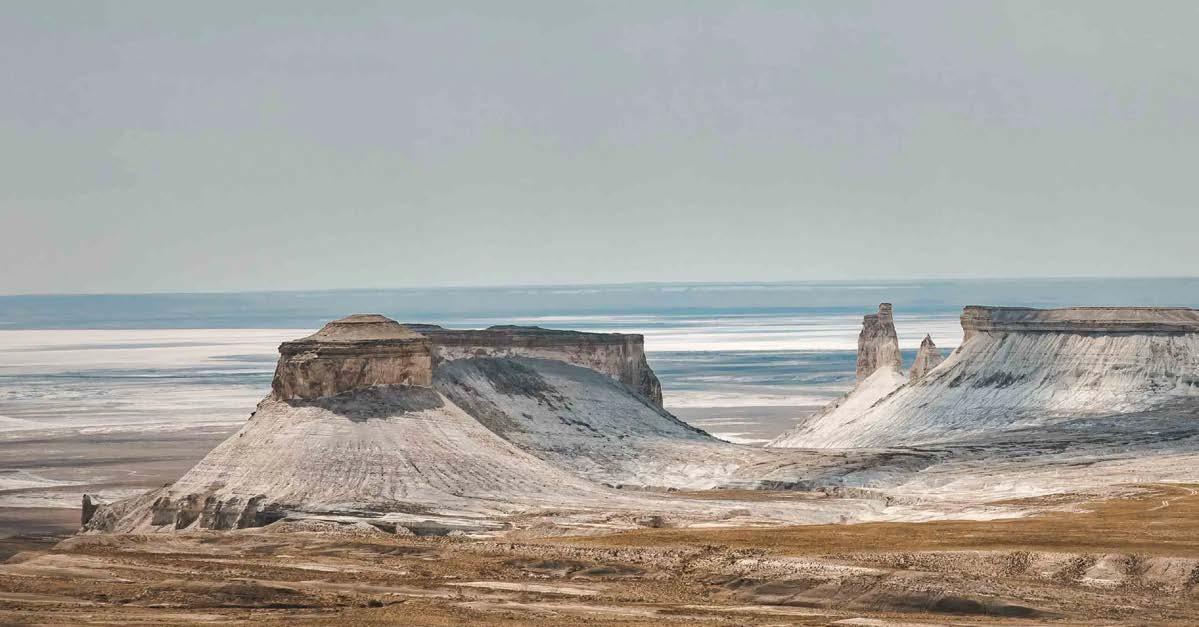
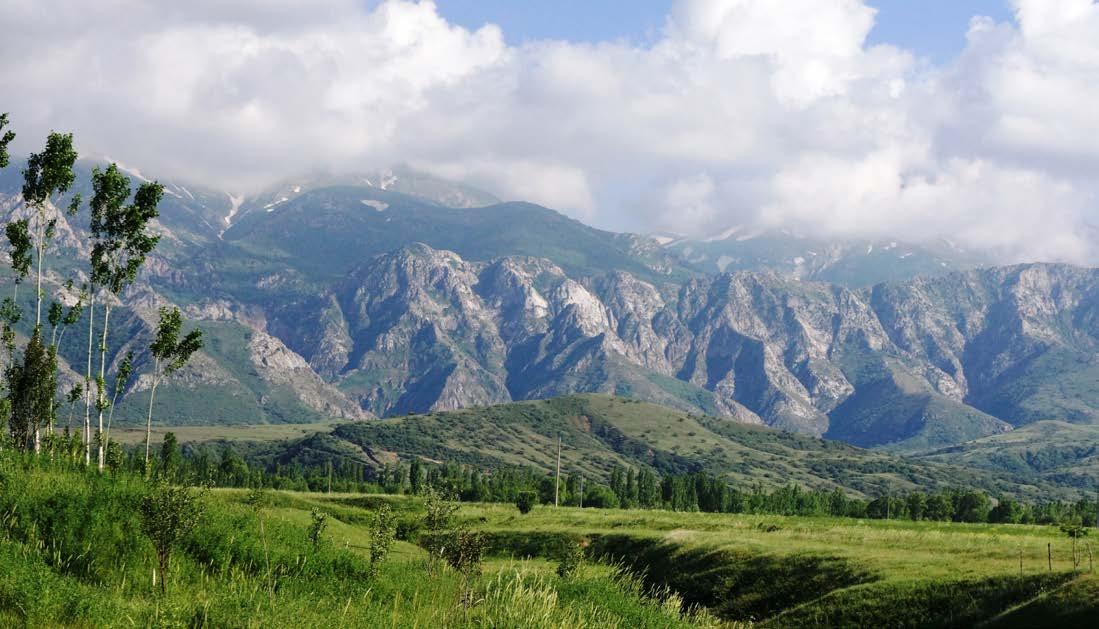
Preparations are wrapping up for the filming of the sixpart series. Karga Seven team, with executive producer and director Emre Sahin, has been on the ground. The entire filming is taking place in Kazakhstan, a decision made after the production company visited the country. “The series offers a fresh take on history through the eyes of Jochi Khan — not as a distant myth, but as the story of a living, breathing man caught between destiny and self-discovery,” said director Emre sahin. “Against the backdrop of monumental events that shaped the Golden Horde, we are focusing on an intensely personal journey — a son searching for his place in the world, a leader trying to unite fractured tribes, and the personal sacrifices hidden behind grand historical moments. It is a family saga at heart, where empires are forged not just on battlefields, but in the hearts of people.” “Initially, the plan was to shoot 60% of the series in Kazakhstan and the rest in Turkish production studios. However, after thorough research, director Emre sahin and the production team decided to relocate all filming to locations in the Almaty, Mangystau, and Turkistan regions. The diverse landscapes of these areas will authentically recreate the atmosphere of the Golden Horde’s era,” said the foundation.
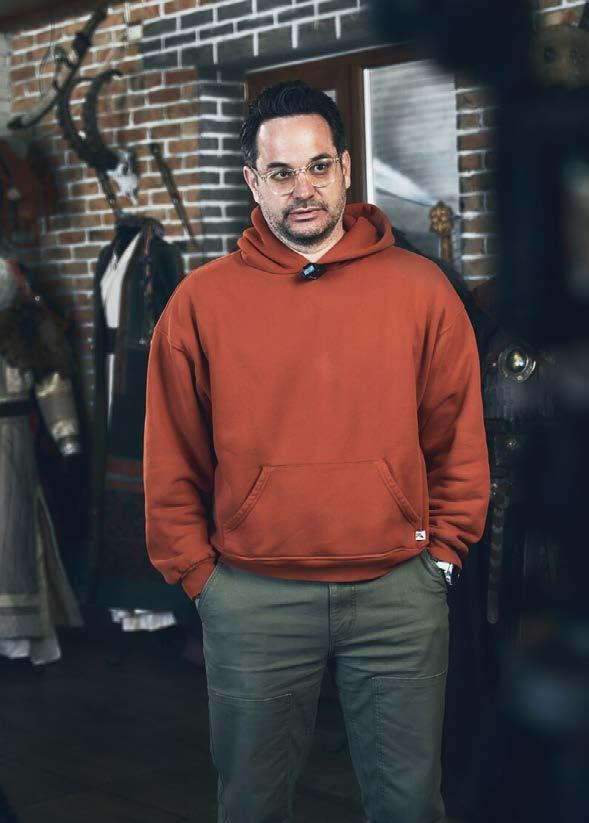


The work on the script is completed, crafted by an international team of writers and guided by Kazakh historians and experts. Among those involved are Justin Pollard, who worked on “Vikings” and Claire Moorsom, who sharpened his pen on “Outlaw King.” A special research group was formed to write “The Golden Empire.” It includes leading international and Kazakh historians, archaeologists, and researchers specializing in the Jochi Khan era and the Golden Horde. “One of the film’s historical consultants is the renowned Kazakh historian Zhaksalyk Sabitov, an expert in medieval history and the head of the Jochi Institute. Additionally, Dr. Aibolat Kushkumbayev, an expert on military history and warfare in the Jochi Ulus during the 13th–15th centuries, consulted on the project,” said the foundation. With the backing of the foundation, the production team also accessed historical archives, allowing for a deeper exploration of the cultural and historical context of the period.
The biggest challenge, however, was striking a balance between historical accuracy and cinematic storytelling, because the goal was not just to depict costumes or architecture, but also a “unique visual identity of the Dasht-i-Kipchak during Jochi Khan’s era, distinguishing it from other historical depictions of the Mongol Empire.” “Additionally, reconstructing the visual world of the Golden Horde posed a significant challenge due to the scarcity of surviving historical documents and images,” said the foundation.

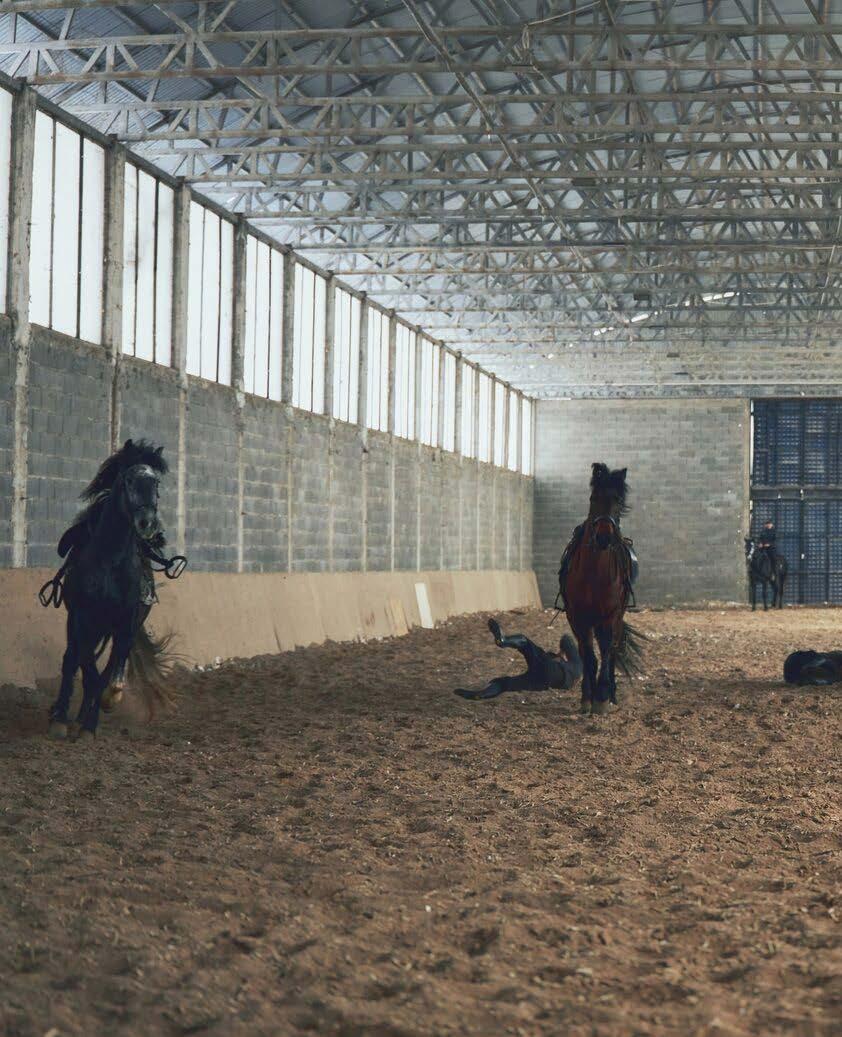
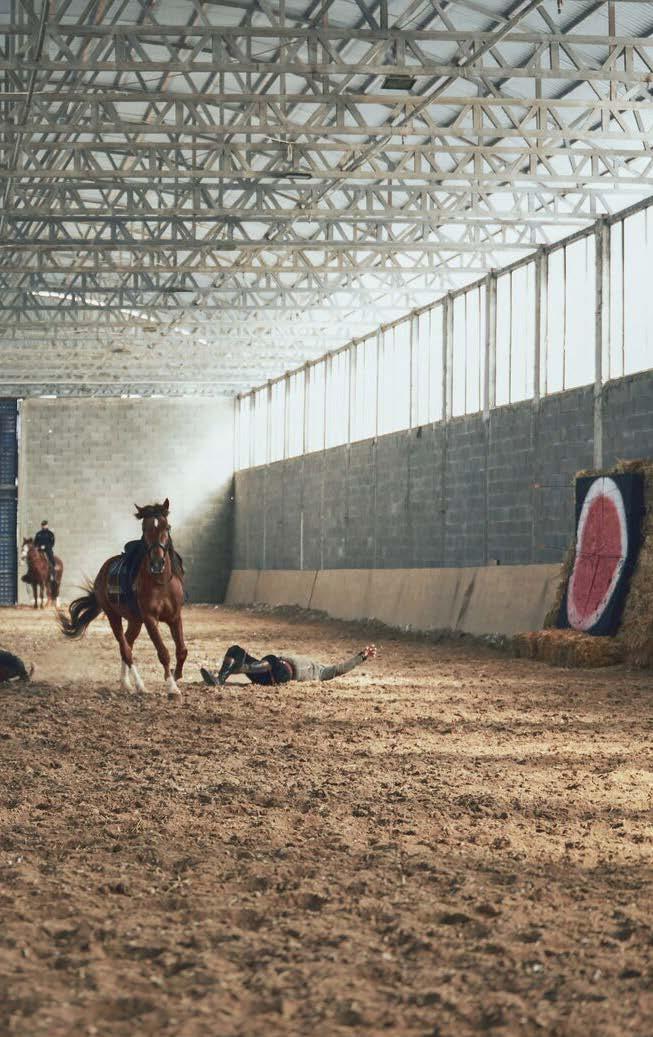
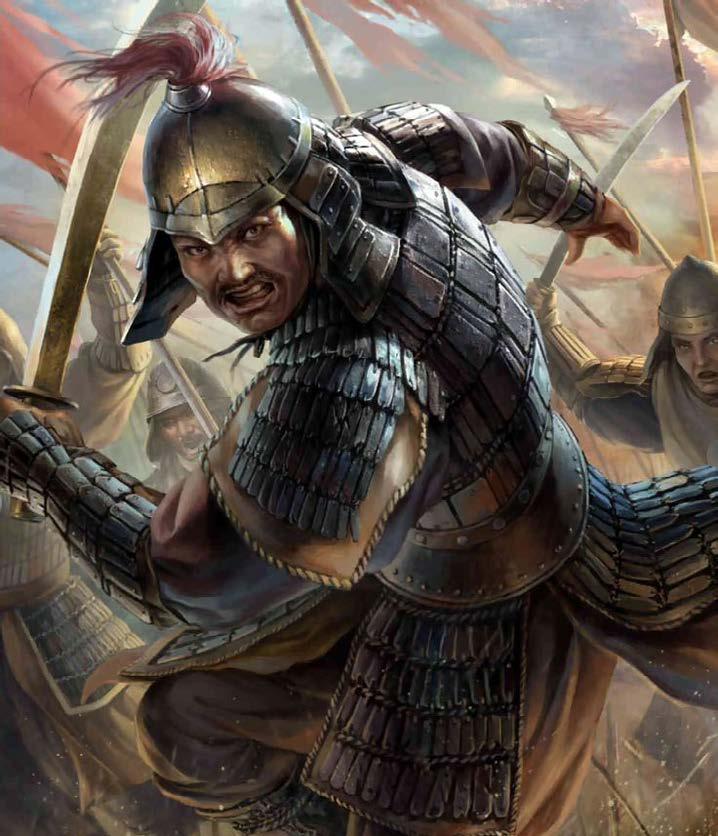
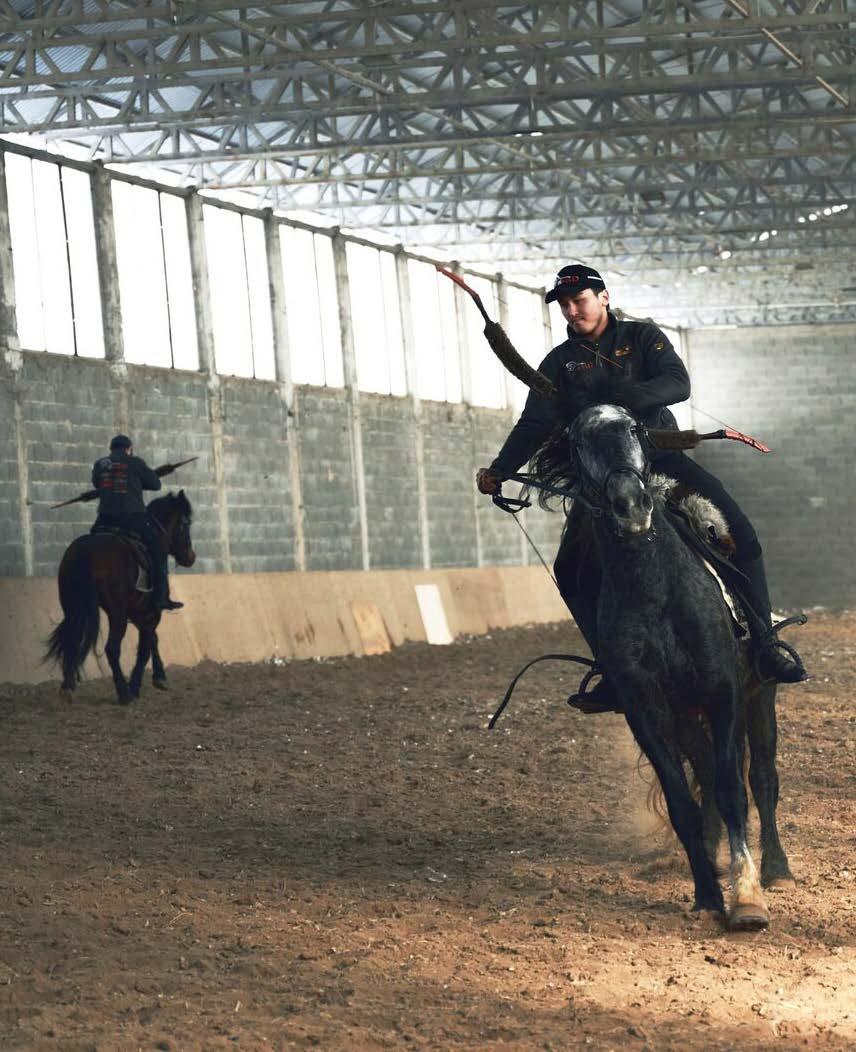
According to the foundation, the international casting is complete. “Over 4,000 actors from the United States, the United Kingdom, Belgium, Sweden, Mongolia, Kazakhstan, and Southeast Asia auditioned for key roles,” they said. Three hundred and fifty actors were shortlisted, including 250 Kazakh actors, while the casting for secondary and episodic roles is ongoing. Kazakh actors will take on the iconic parts of Jochi Khan, young Genghis Khan, Chagatai, Ogedei, and Batu. All cast members are undergoing intensive horseback riding and historical fencing training.
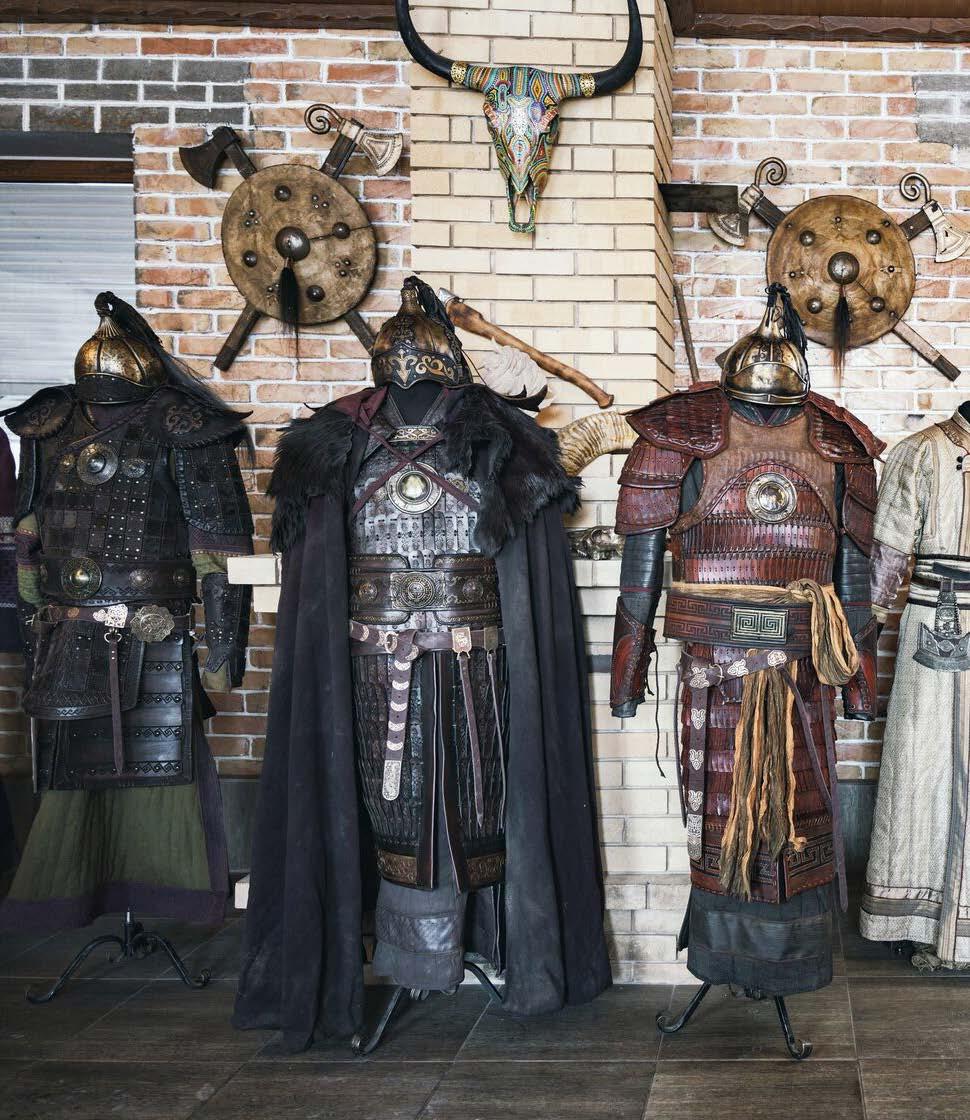
The art department is also putting the finishing touches on historical costumes and props. Every detail, from weaponry to everyday objects, is being recreated based on deep historical research. Leading artisans and experts have been brought in to ensure the era’s atmosphere doesn’t just look authentic, but feels it too. The Nomad Stunts, a prominent Kazakh crew of stunt professionals led by Zhaidarbek Kunguzhinov, is also involved in the filming. On the training grounds, stunt coordinators are choreographing complex battle scenes, with stunt performers perfecting authentic mounted combat techniques. The team is watching closely for the accuracy of historical details in large-scale battle sequences. To bring these epic clashes — and historical locations — to life, the production has enlisted cuttingedge visual effects studios that regularly work with Hollywood heavyweights such as Walt Disney, Pixar, DreamWorks, Universal Studios, and Sony Pictures.


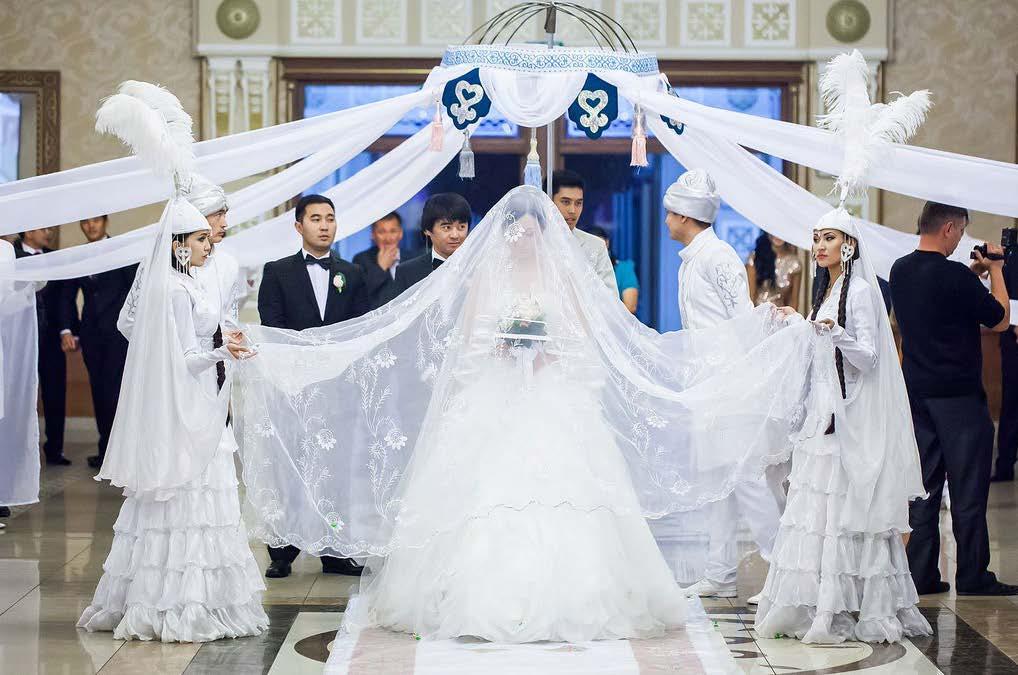
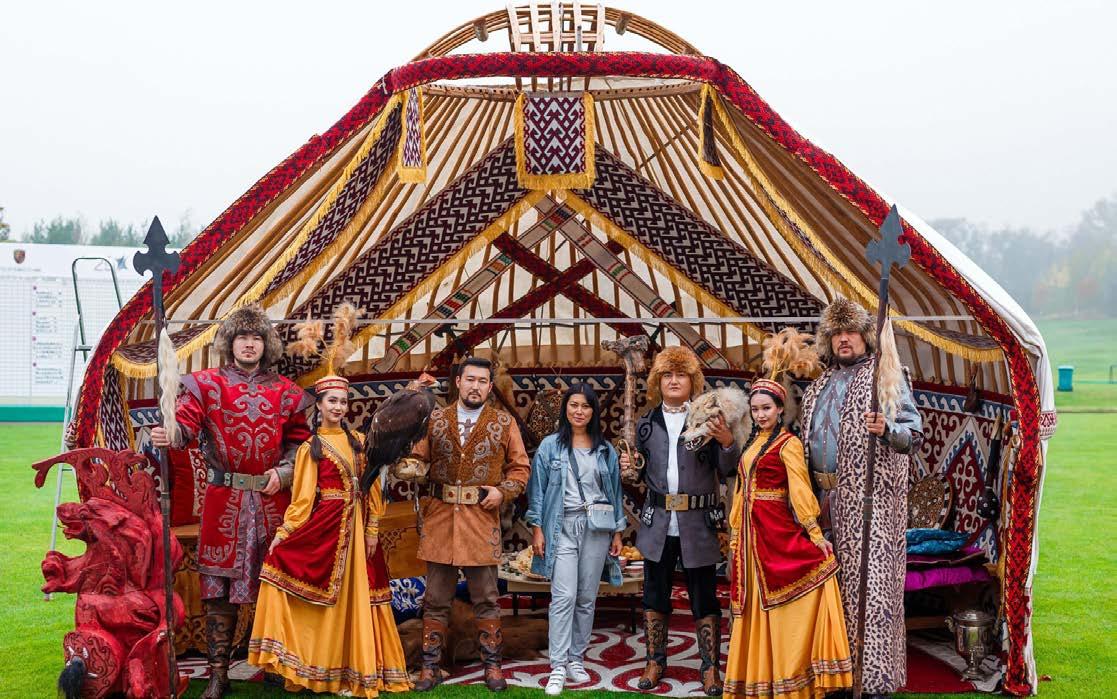
In Kazakhstan, a wedding is not a single event but a series of traditions observed before and after the ceremony. For Kazakhs, marriage is deeply rooted in customs that have been passed down for centuries, each carrying its meaning. One of the fundamental traditions Kazakhs follow is “adat,” which prohibits marriage between members of the same clan up to the seventh generation. As a result, many Kazakhs are well-versed in their genealogy to ensure they adhere to this rule.
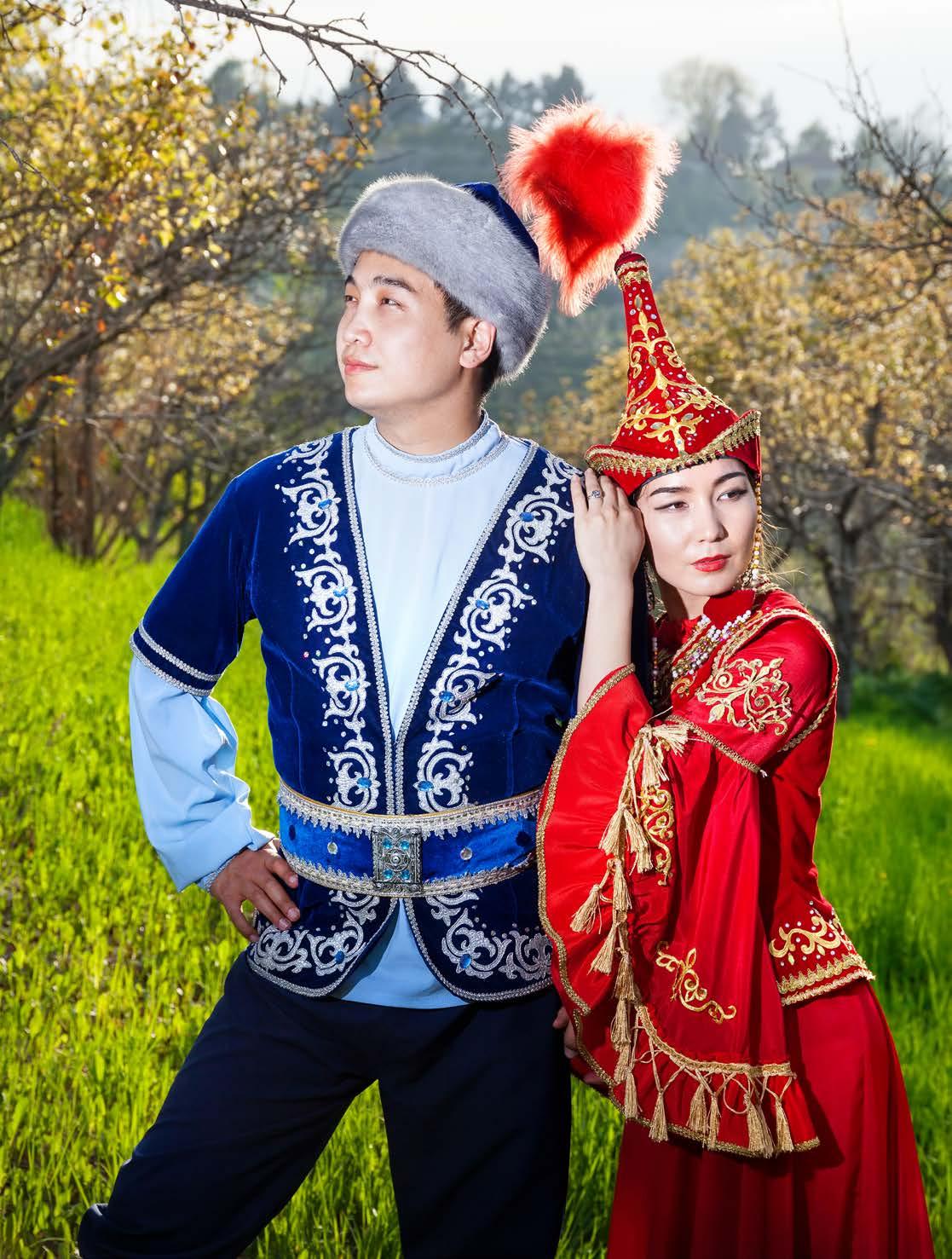
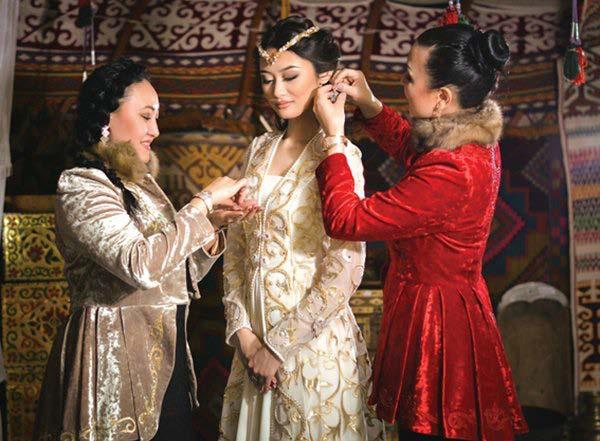
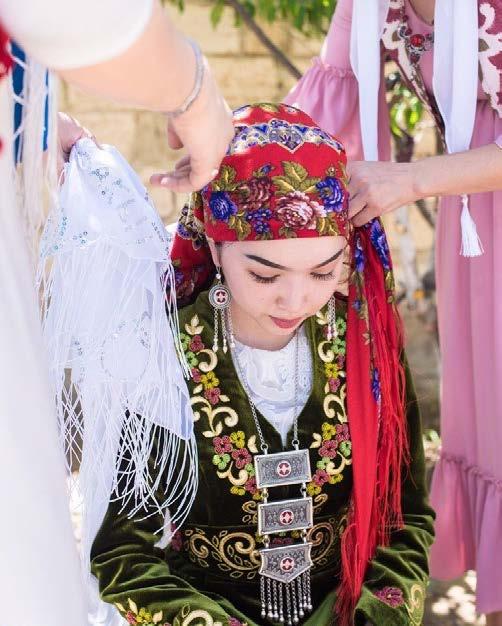
In the past, Kazakhs sometimes arranged future marriages even before their children were born. If one family had a son and the other a daughter, they could pledge their children’s union. These matchmakers in advance were known as “bel kuda.” If the arrangement was made after the children’s birth but still in infancy, the matchmakers were called “besik kuda”. Traditionally, matchmaking took place in several stages. The groom’s family sent a special envoy, or “zhaushy,” to negotiate. He brought a symbolic gift, known as “kargybau,” often a horse or another valuable item, to demonstrate good intentions. The bride was given a white owl feather, or “ukitagar,” symbolizing purity and honesty. The agreement was finalized through the “shege shapan” rite, in which the bride’s father presented a shapan [ceremonial robe] to the envoy. Then, the groom’s father formally visited the bride’s family to finalize the agreement. The fathers introduced themselves and negotiated the terms, including wedding expenses and the dowry. Today, matchmaking, or “kuda tusu,” is easier. The bride’s father is notified of the proposal, and the groom, accompanied by his father and a small group of close relatives, meets with the bride’s family.
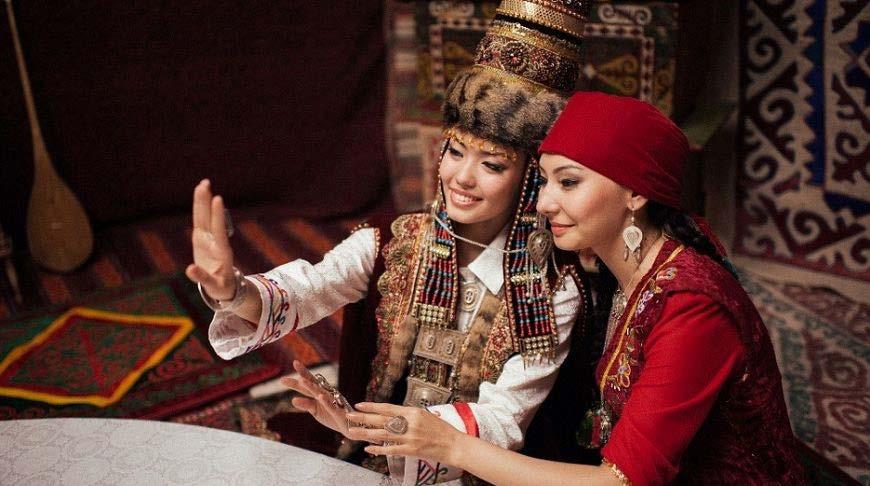
Matchmakers bring a “korzhyn,” a large ceremonial bag filled with gifts, including fabrics, jewelry, and souvenirs. This tradition, called “korzhyn aparu,” symbolizes goodwill between the two families. Additional gifts, known as “kiit,” are also given by the groom’s family, with the most valuable ones presented to the bride’s parents. Another important custom, “syrga salu,” or the placing of earrings, can be held during matchmaking or as a separate event. This symbolizes that the girl is now officially betrothed. The groom’s mother places earrings on the bride, signifying her acceptance into the family.
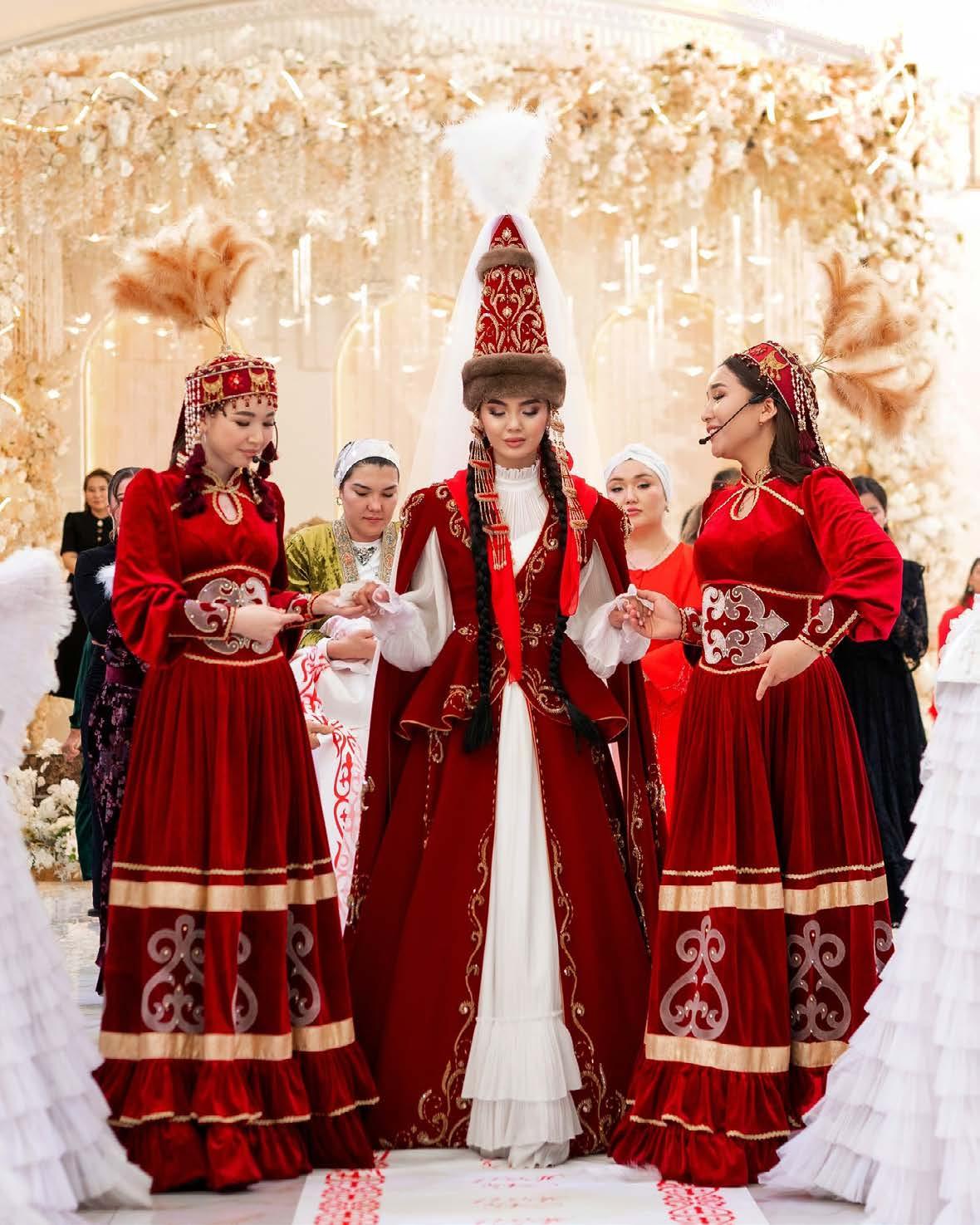
The bride’s departure, or “kyz uzatu,” is one of the most ancient and meaningful Kazakh wedding traditions. It marks the moment when the bride leaves her family to join her husband’s household. The bride’s parents host a farewell party, inviting close friends and relatives. The groom’s side typically sends 15-20 representatives. Well-wishers offer blessings for the bride’s new journey. The bride’s parents bear the event’s costs, ensuring she leaves with dignity. This event resembles a wedding but is focused on saying farewell to the bride in a warm and loving atmosphere. A significant part of this tradition is the “ak zhol” ceremony, where a white fabric path is laid out to symbolize a smooth and happy married life. The groom waits at the end of the path, ready to welcome his bride into his family. A farewell song, “syngsu,” is performed by the bride, her friends, or relatives.
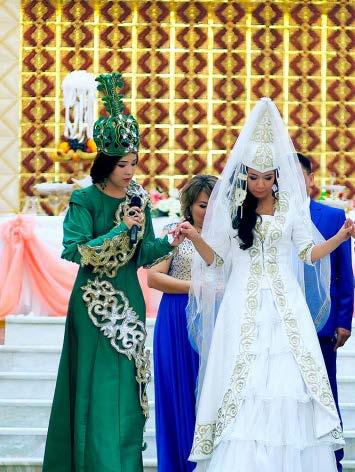
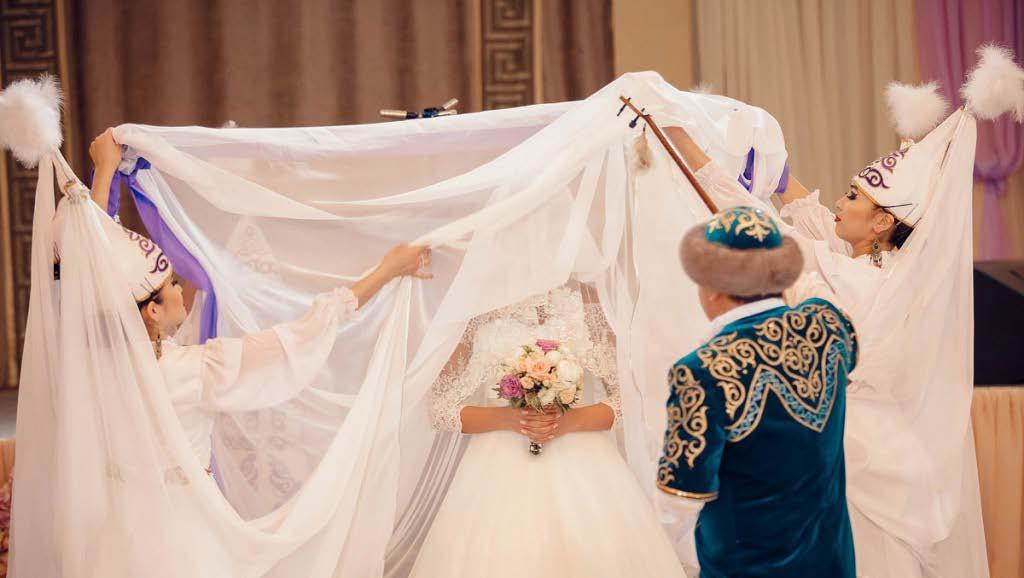
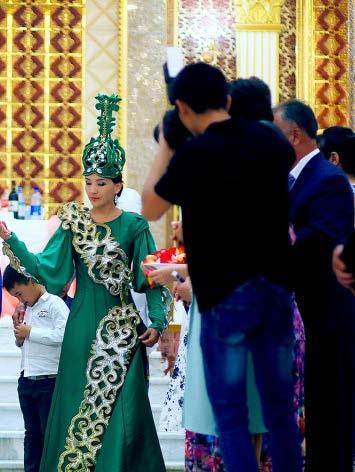
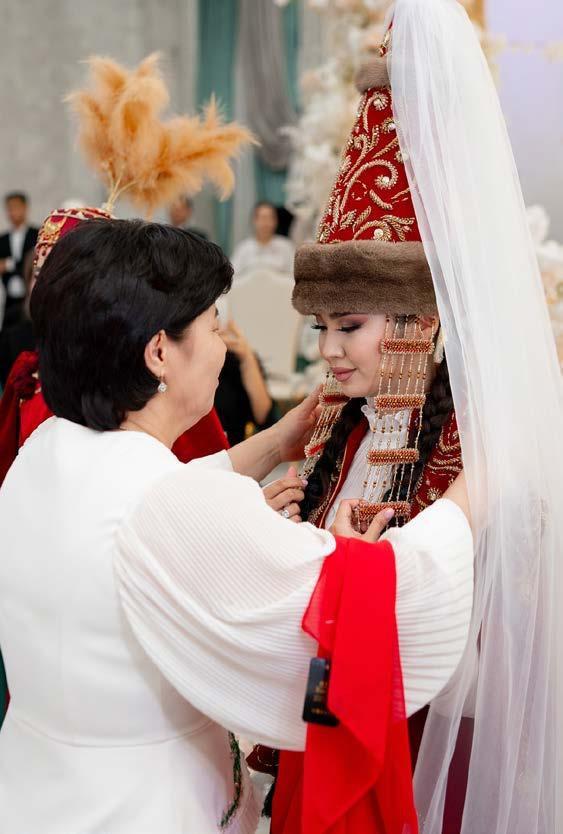
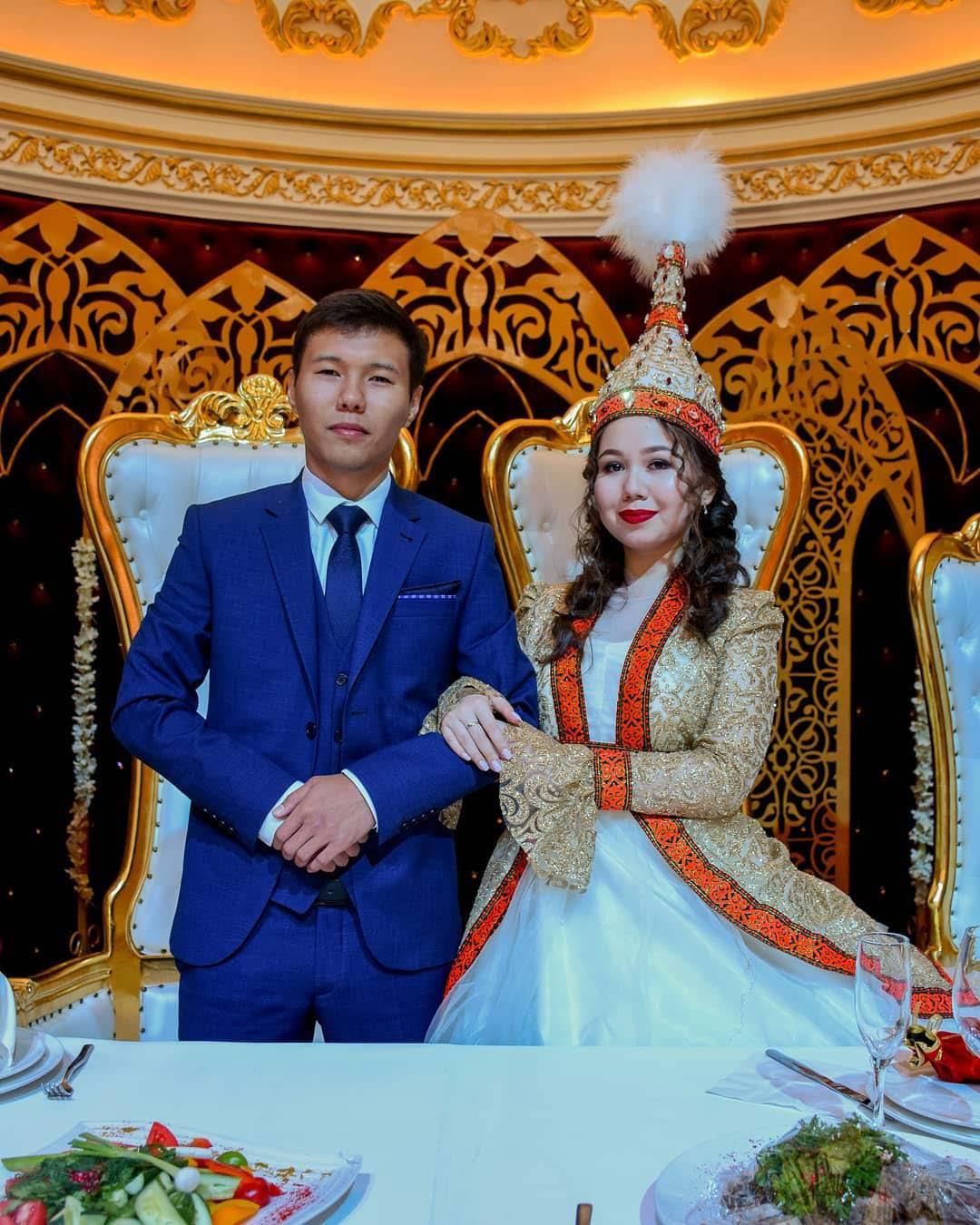
The send-off is bittersweet for the bride’s parents, as it signifies their daughter leaving home. The ceremony is concluded before midnight, a practice that historically ensured safety but is now a matter of tradition. The bride should not look back as she leaves, as it is thought to bring misfortune to the marriage. The bride’s dowry, which includes household items, clothing, and furniture, is often sent to her new home. This tradition symbolizes the love and support of her family as she starts a new chapter in life.
The primary wedding celebration, or “uilenu toi,” takes place at the groom’s home. Guests arrive before the bride and groom, and the ceremony begins with the traditional song “zhar-zhar,” a melody of greetings and well-wishes. During the wedding, the bride’s face is covered with a white shawl until the “betashar” ceremony. In this ritual, an akyn (a folk poet) plays the dombra while singing praises of the groom’s family. As the akyn names each relative, the bride bows as a sign of respect. These bows, known as “salem salu,” are a
formal acknowledgment of her new family. The groom’s relatives reward her with money, known as “korimdik,” in exchange for seeing her unveiled face. The betashar song, passed down through generations, outlines the customs and values of the family the bride is joining. At the end of the song, the akyn lifts the bride’s veil, marking the conclusion of the ceremony.
Following the wedding, the bride visits her husband’s relatives, bringing gifts as a sign of respect. During this period, she is closely observed for her manners and upbringing. One key tradition is kelin chai, in which elderly women assess the bride’s ability to serve tea. A married woman is also expected to show reverence to her husband’s older relatives by not addressing them by name. Instead, she creates respectful and affectionate nicknames for them. This tradition, known as “at tergeu”, is still practiced in some regions, demonstrating wit, respect, and resourcefulness. The names must reflect the relative’s personality, making this an early test of the bride’s intelligence and tact.
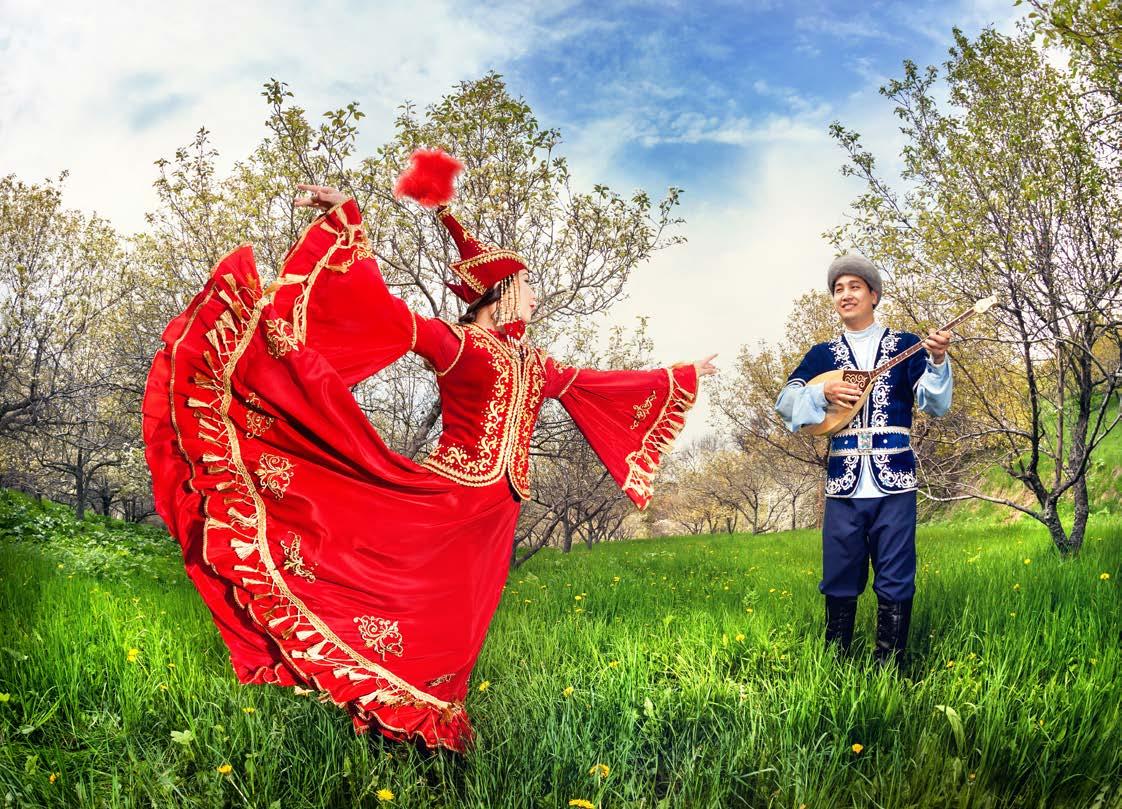
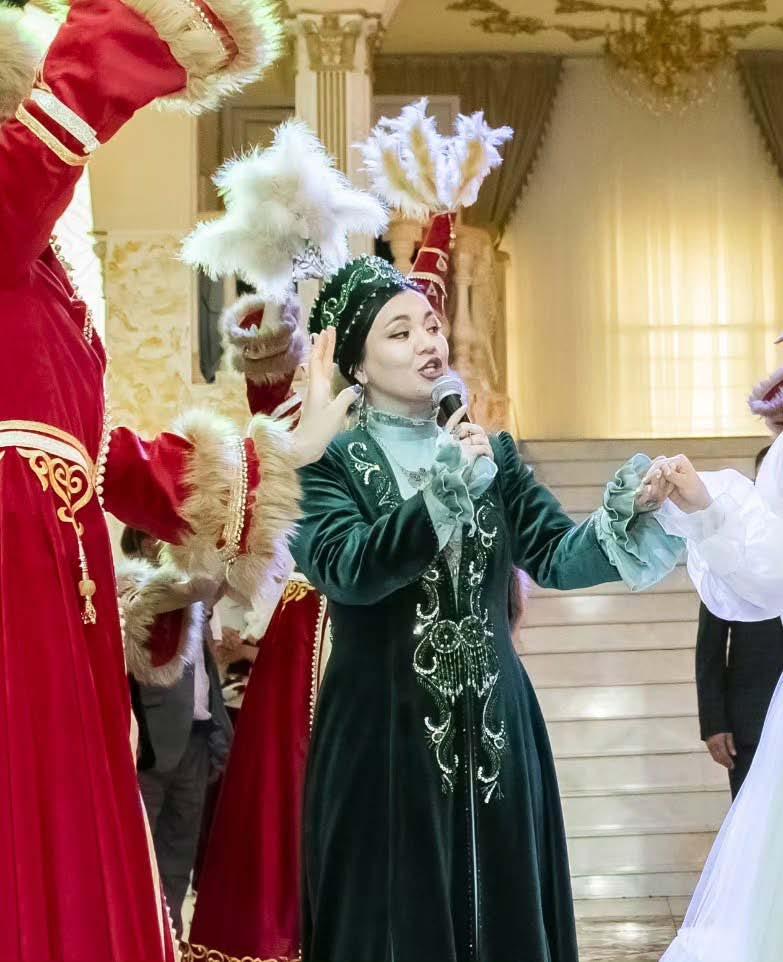
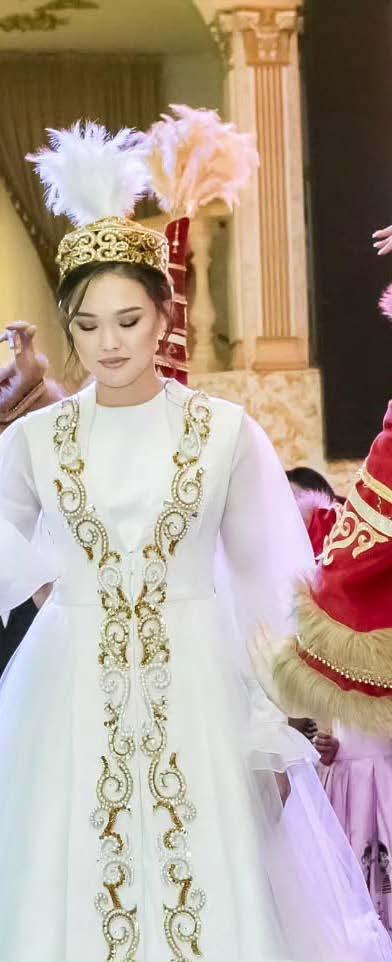
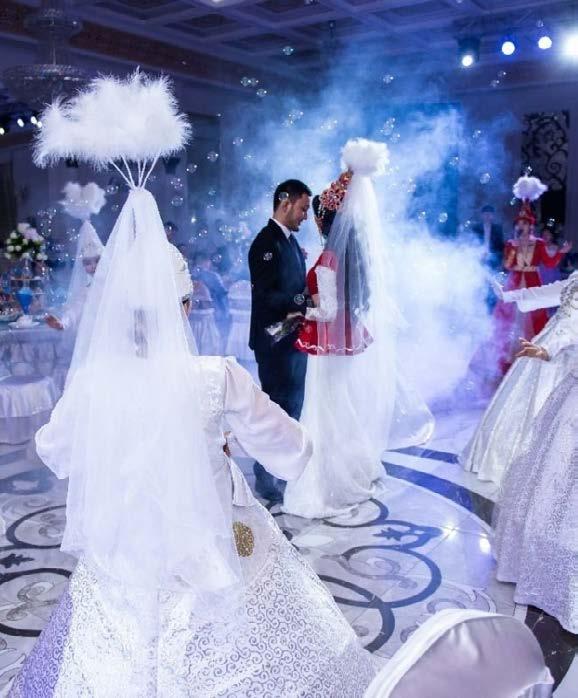
For example, a cherished sister might be called “yerkezhan”, meaning pampered. A husband’s youngest brother was often referred to as “kenzhe”, meaning youngest. If a father-in-law’s name was Rakhmetbai (which contains the word for “thank you”), the bride must avoid using the phrase “thank you” and find an alternative way to express gratitude. If a mother-in-law’s name was Aisana (which means “moonlight”), the bride must invent an indirect reference to the moon. This practice is seen as a measure of the bride’s upbringing, quick thinking, and eloquence. It also fosters respectful and harmonious relationships between the bride and her new family.
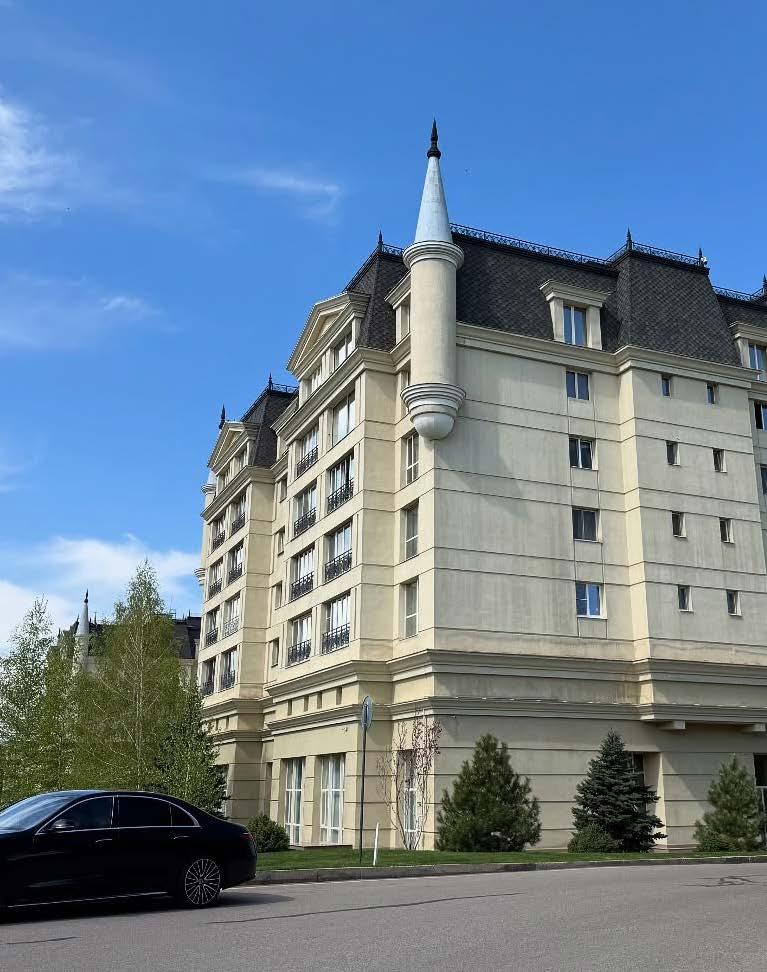
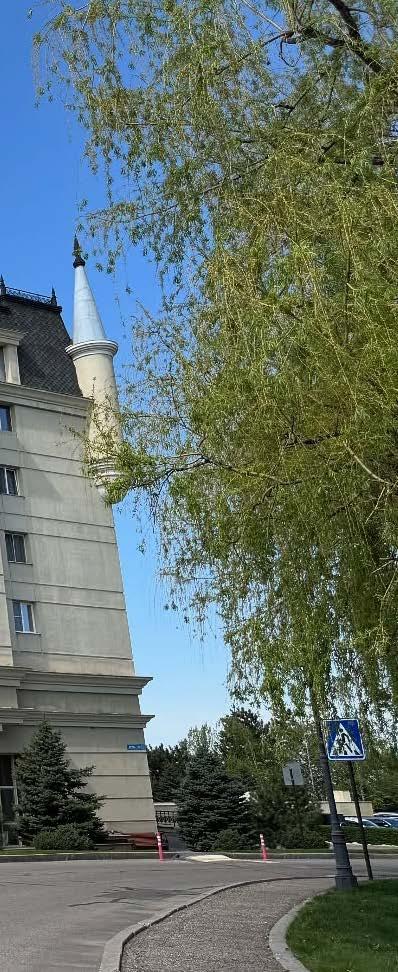
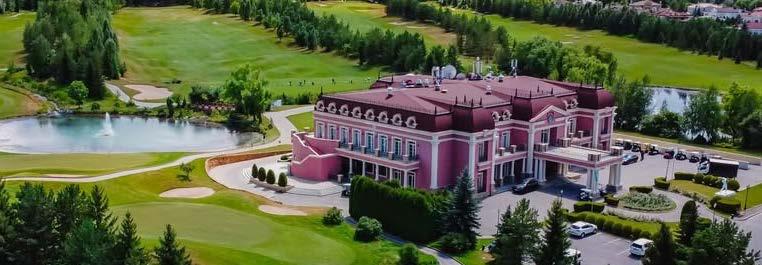
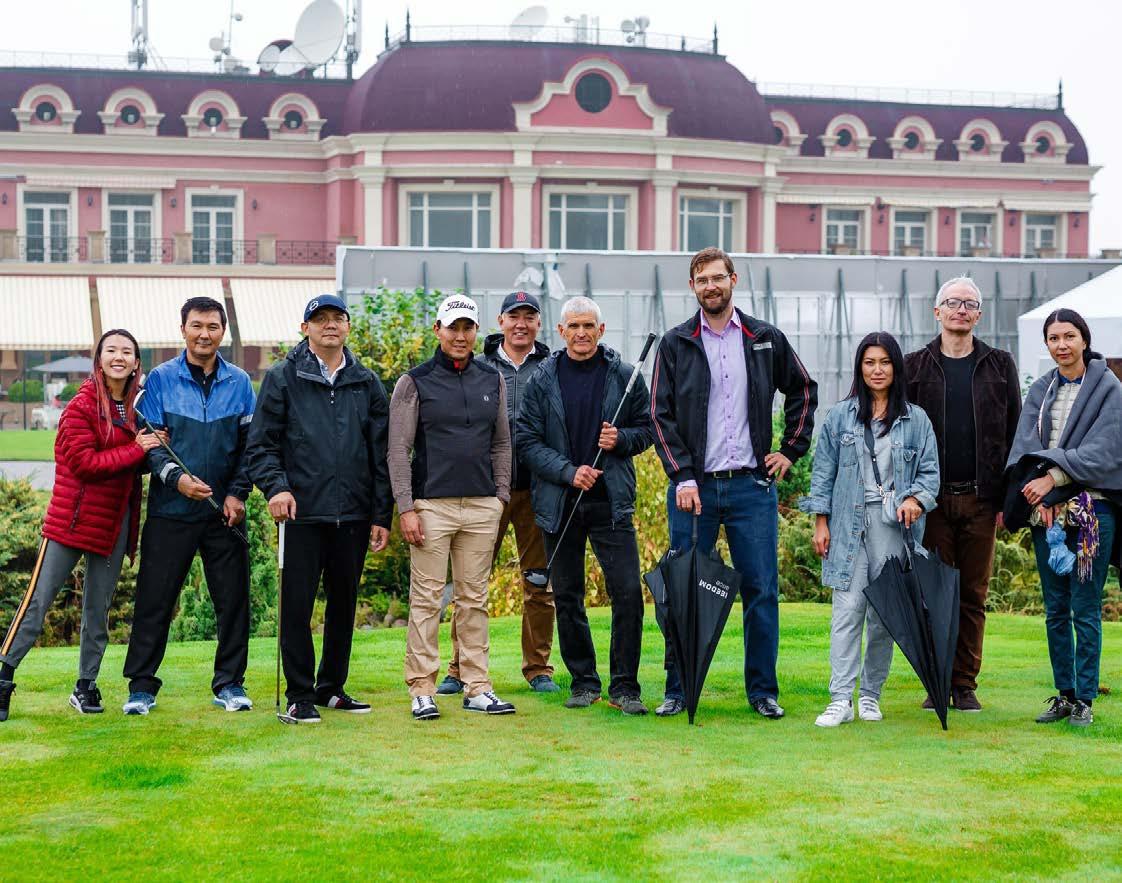
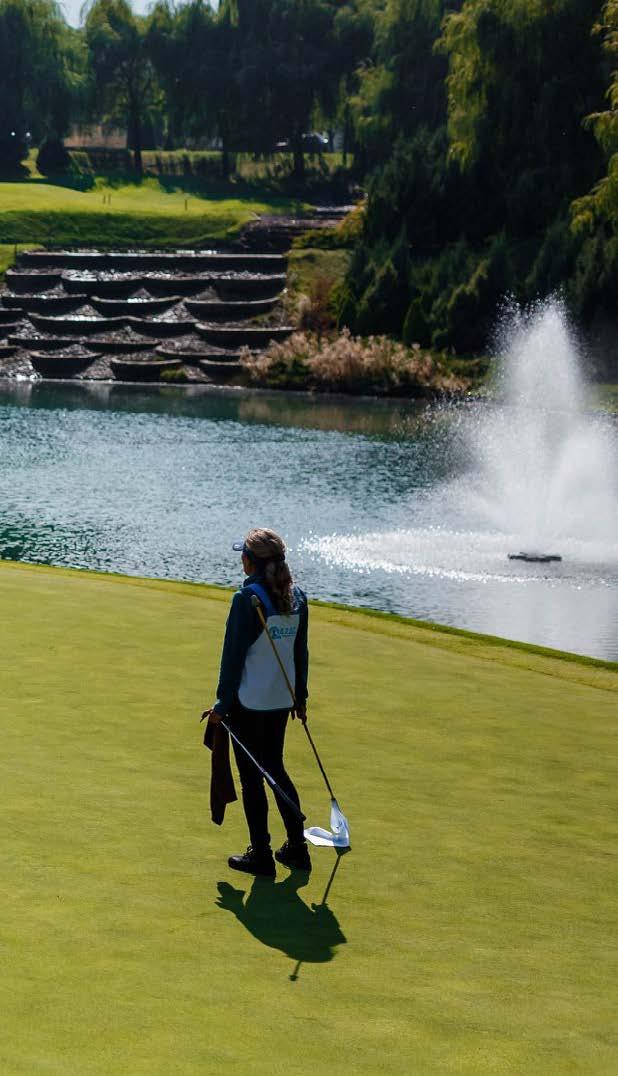
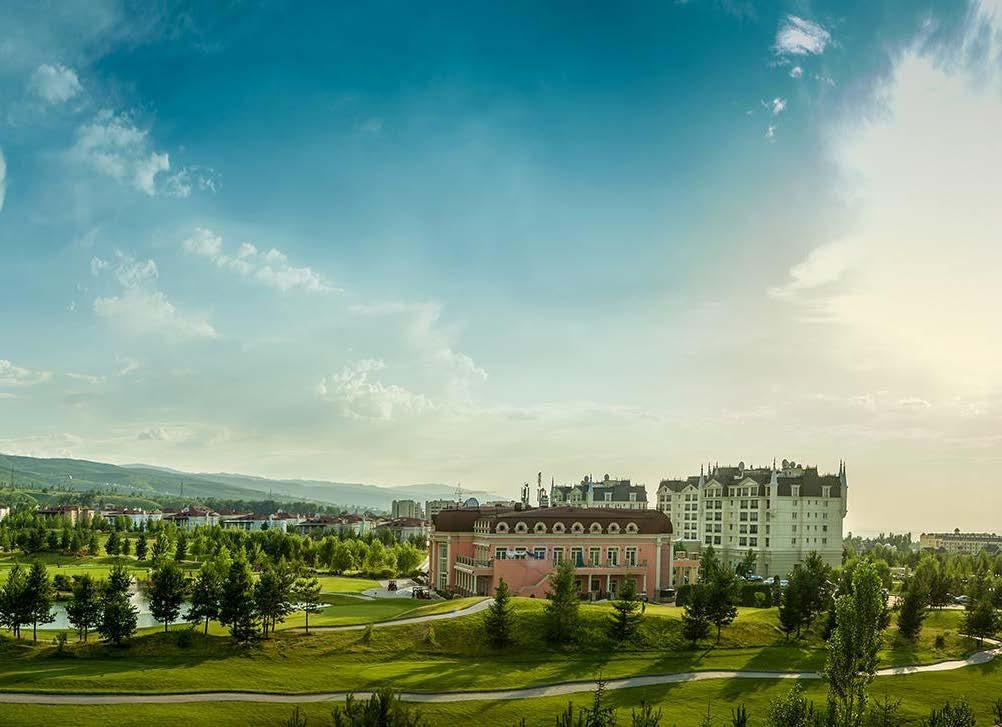
The Zhailjau Golf resort is a heaven for all the golf lovers for the residents and tourists of Almaty. Opened to the public on June 9th 2006, this golf resort was designed by the famous Arnold Daniel Palmer design company. Arnold Daniel Palmer who expired in September 2016, was an American professional golfer and was regarded the greatest player in the Golf history. He had won many events both in PGA Tour championships way back in 1955. He was lovingly called ‘The King’ and he was golf’s most popular star, the first superstar who even starred in a television series. The golf resort emphasis on one principle and that is ‘the peak of perfection in golf’.


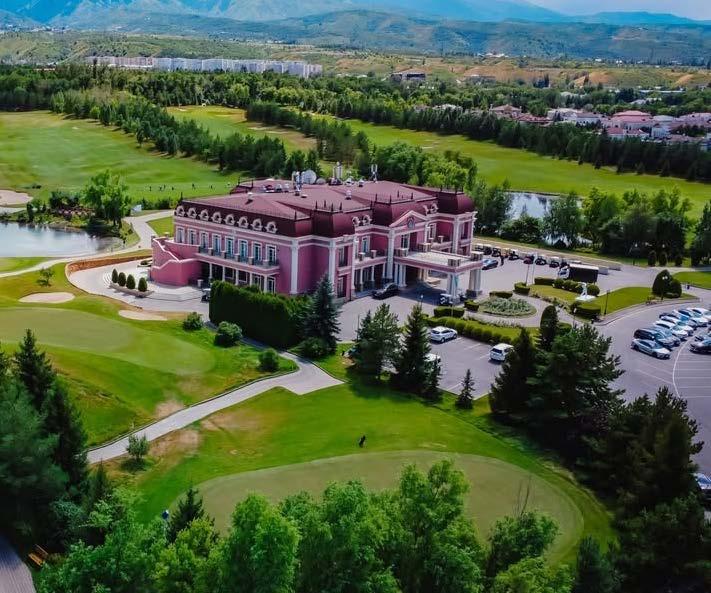
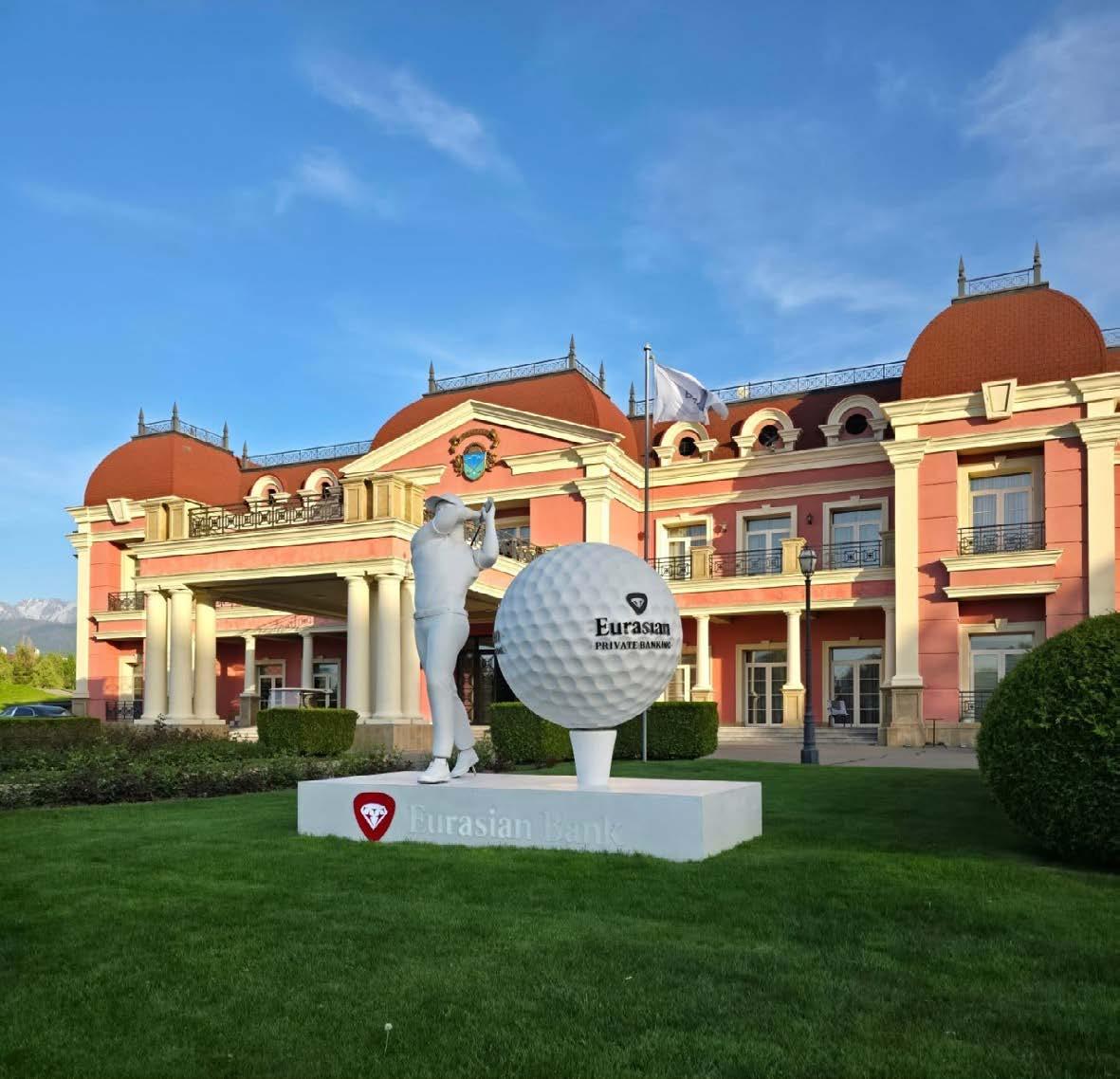
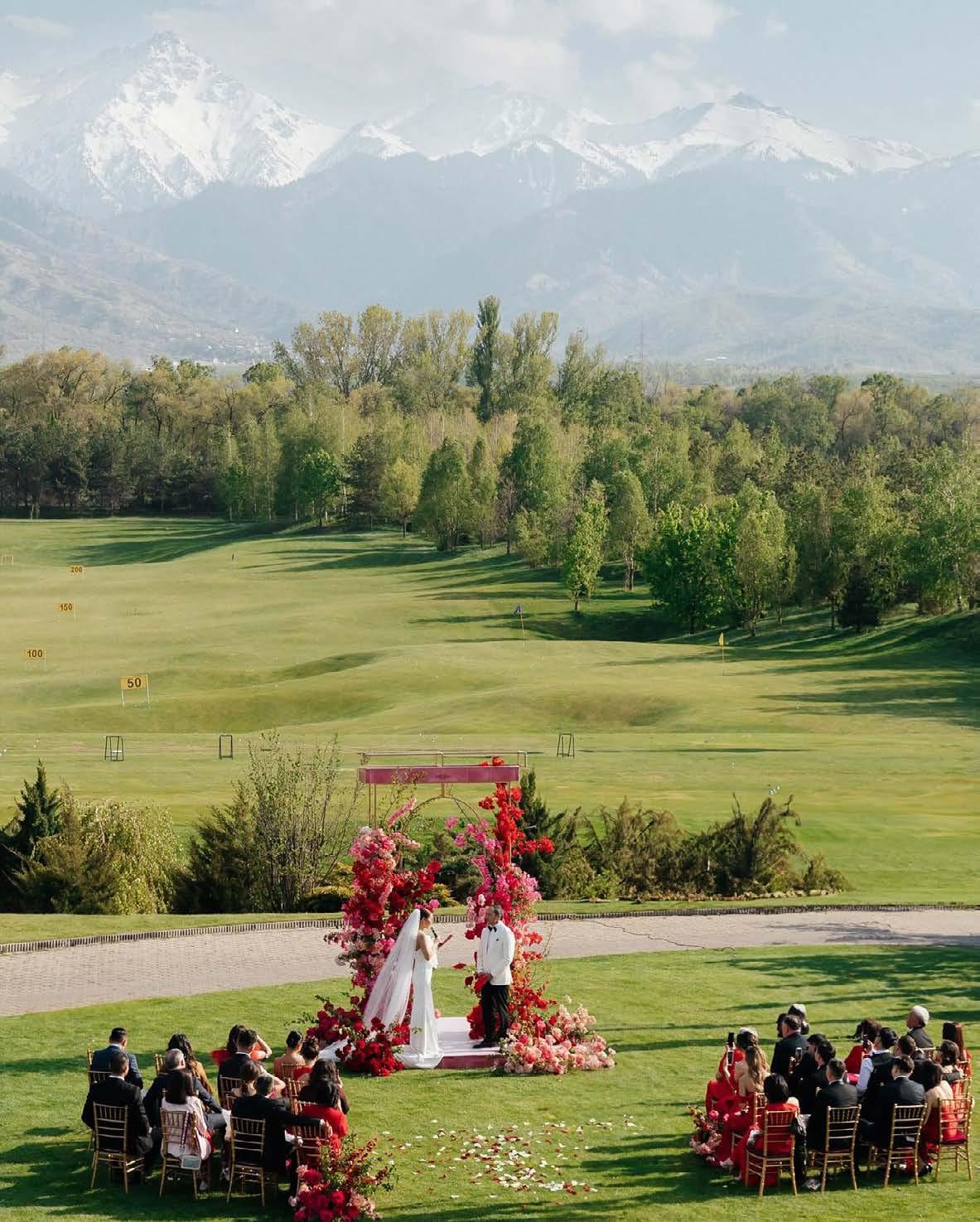
The Zhailjau Golf resort has the perfect combination of sports meets nature as it has breath-taking views of the mountains and Golfers enjoy it when they are competing for golf championships in the 18-hole golf course. It also boasts of having a driving range, three patting greens, a pro-shop, a golf academy for every level, a sports bar and when you are tired after all the playing and running, you can lounge and relax at the multi cuisine country club restaurant and the Dostyk Lounge bar with your friends and favourite cocktails. It also has a fitness club which offers A-class service to everyone and one can enjoy the awesome atmosphere with high quality of services and hence improve one’s health and relax the body, mind and soul. Conference halls have state of art equipment which was opened in May 2012 and till date has been a venue for many sports conferences. The Zhailiju Golf resort is ultimate luxury in the laps of nature and once in Almaty, one should see this world class resort and also make memories by learning few basics of golf that you can boast among your friends and family later.

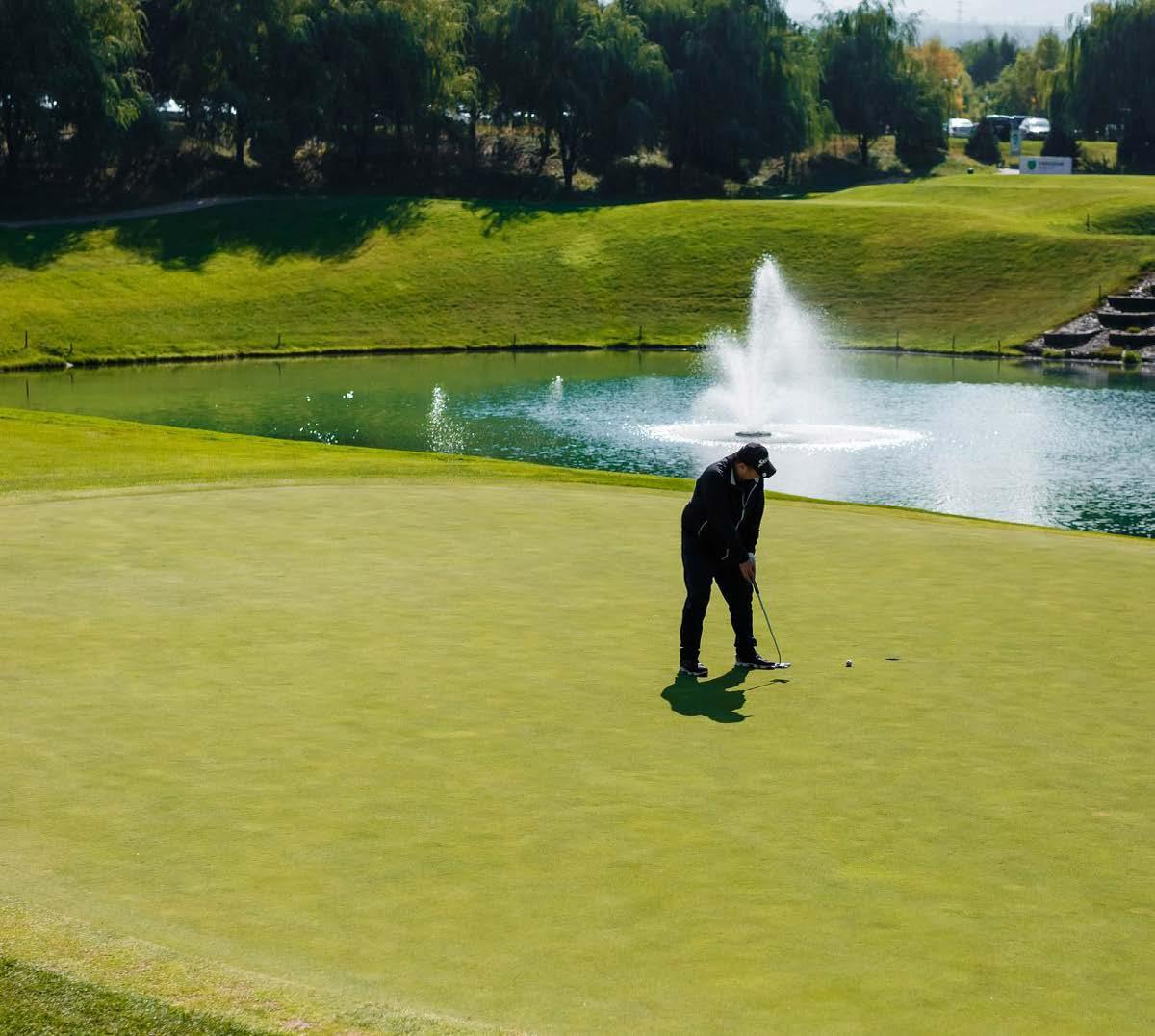
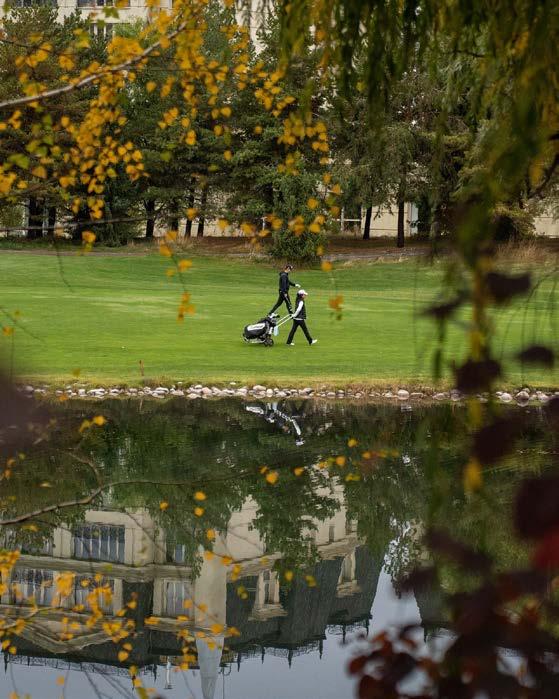
The Zhailjau Golf Resort was inaugurated on June 9, 2006, with its course meticulously designed by the renowned Palmer Course Design Company, led by the legendary golfer Arnold Palmer. Spanning 82 hectares, the 18-hole championship course is recognized as one of the finest in the Commonwealth of Independent States (CIS) region. The course features five artificial lakes, meandering mountain stream channels, and over 15,000 trees, creating a serene and challenging environment for golfers of all skill levels.
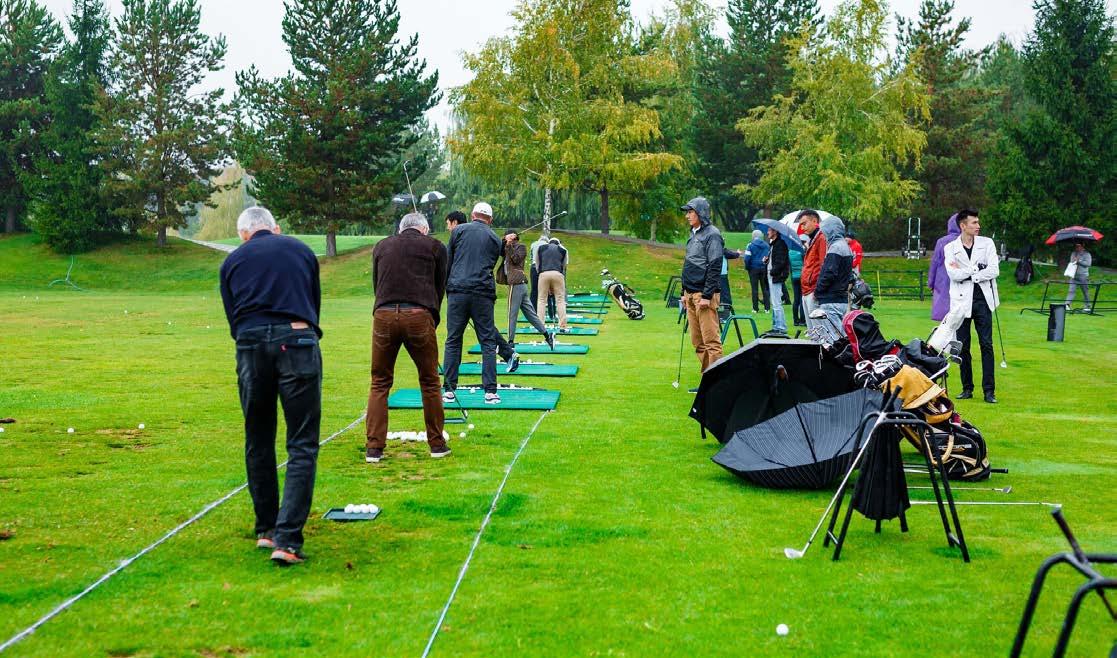
They believe in the motto of ‘the peak of perfection in golf’ and have many golf courses which hold championships, a driving range and three patting greens with a pro-shop, a golf academy, sports bar and multi cuisine Country Club Restaurant and a Lounge bar. Their Spa and Fitness club opened on May 19th 2012. With a beautiful backdrop of mountains, The Zhailjau golf Club is the ideal place of relaxation and entertainment where you take your first steps in Golf and go back with fond memories.
Acommodations: Zhailjau
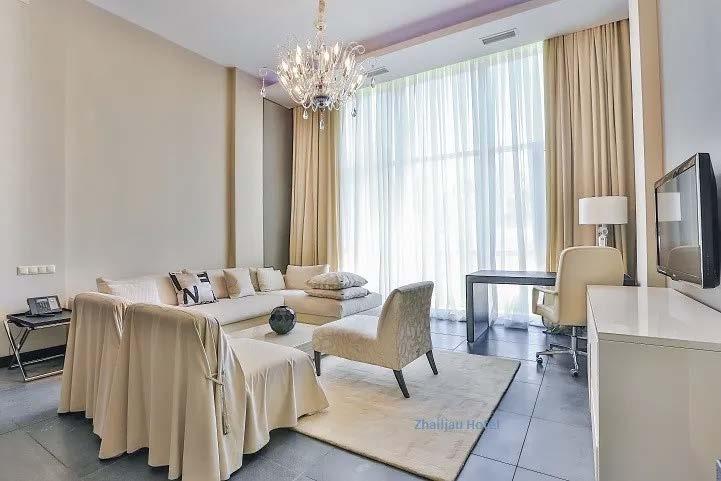
One of the best boutique hotels, Zhailjau hotel is the perfect spot for style and recreation along with modern amenities. They are known for their high level of service with traditional Oriental Hospitality. The harmony between luxury and elegance, the welcoming skill and due care of the guests remain an eternal tradition of the hotel. The hotel rooms provide a breath-taking view of the Golf Resort courses and the Zailiuskiy Alatau mountains.The hotel features: Standard Suites (53 sqm): With a total area
of 53 sq., the Standard Suite consists of a bedroom with a guest area along with a bathroom, tub, shower and toilet facilities. The room also has a centralized air conditioning system, TV. Wi-Fi and a minibar to satisfy your taste buds.
VIP Suites (68 sqm): A VIP Suite is a suite with the total area of 68 sq., consisting of a lounge, a bedroom and a bathroom with a shower and separated toilet facilities. The room also has a centralized air conditioning system, TV. Wi-Fi and a minibar to satisfy your taste buds and services such as 24/7 room service, daily housekeeping, complimentary Wi-Fi, and access to the fitness center.
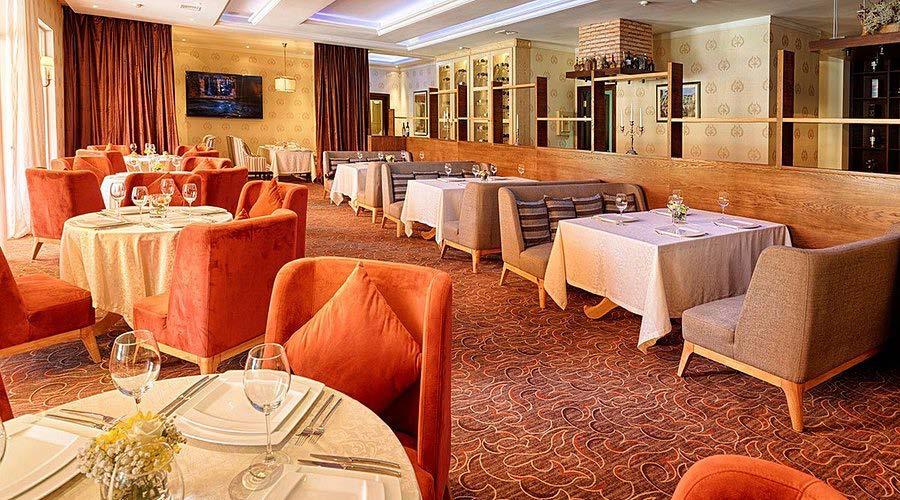
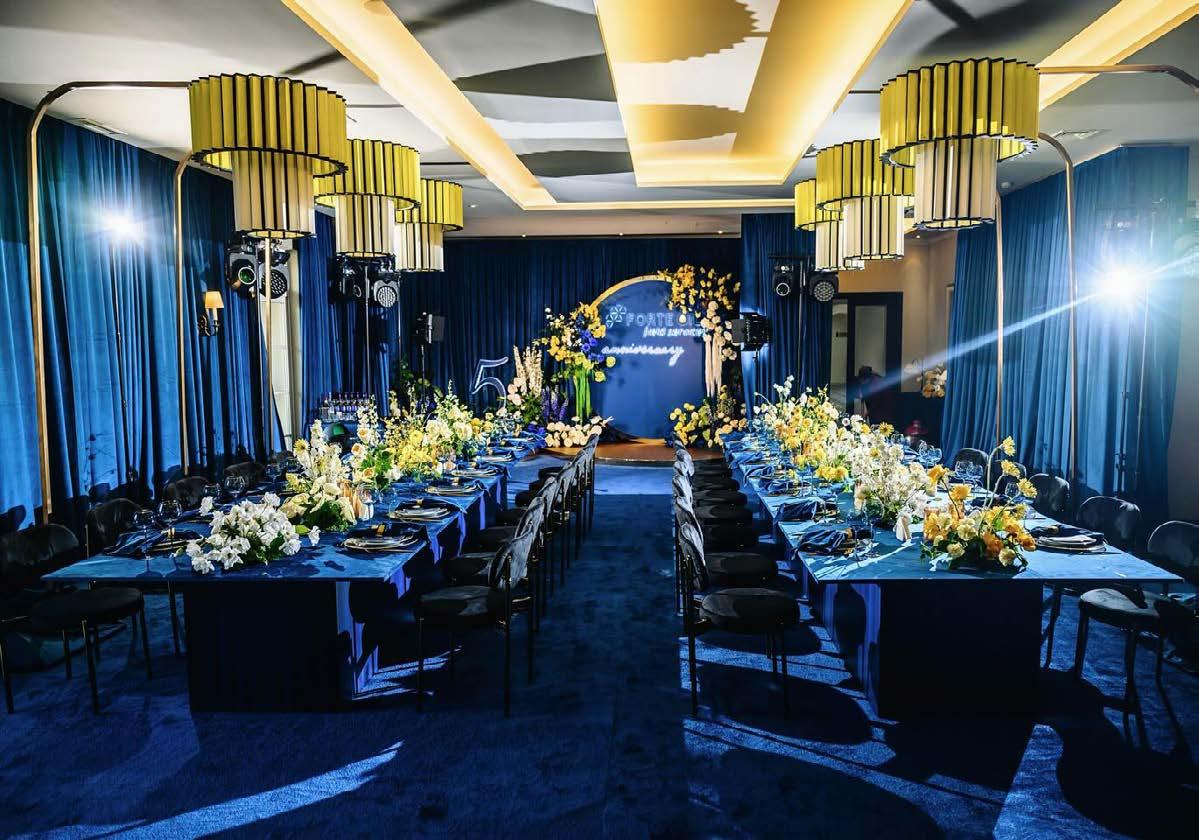
Zhailjau Golf Resort boasts a variety of dining venues to satisfy diverse culinary preferences:
COUNTRY
Started in 2013, the Country Club Restaurant is located in the beautiful Zhailjau Golf Resort serving European and Asian cuisines under the careful supervision of the most skilled chefs. The celebrity Chef Vitaly Svintsov dishes out dainty dishes where you are left with a yummy taste in the mouth. The best part of this restaurant is that all the fresh fish and sea food comes directly from Europe They have the best wine collection and for
music lovers the restaurant offers the best karaoke in town. The restaurant can accommodate guests up to 120 with a provision of having a lavish buffet system.
DOSTYK LOUNGE & VIP: Located on the 2nd floor of the Club House, The Dostyk Lounge and VIP is the ideal place for family and friends to spend quality time or for businessmen to hold business negotiations over lunch or dinner. The place can accommodate up to 100 guests and the highlight of the whole lounge is the Karaoke which would make your evenings more memorable. Over the delicious food, one can enjoy the huge windows and terraces overlooking the view of the beautiful mountains and the vast Zhailjau Golf Resort.
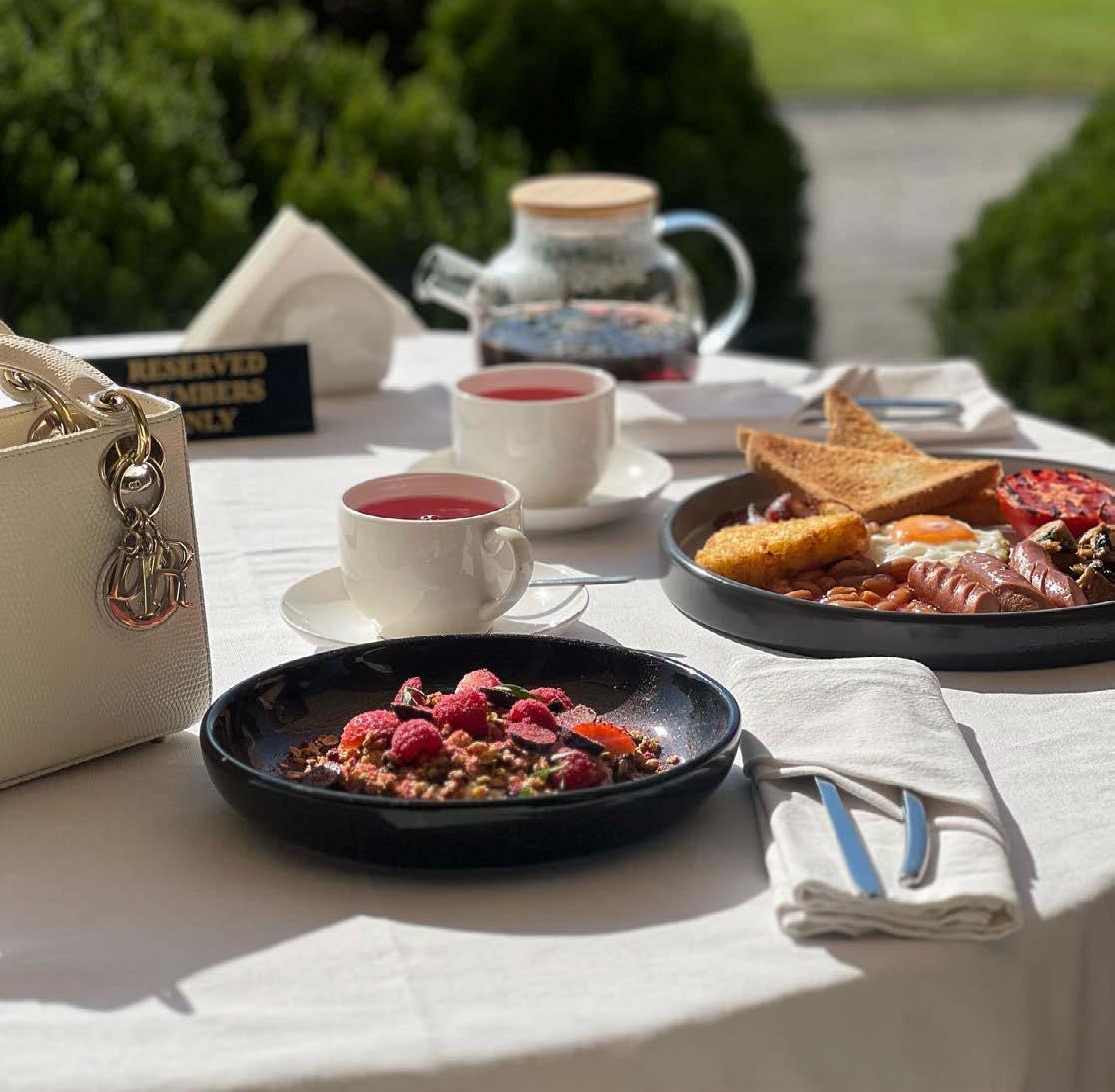
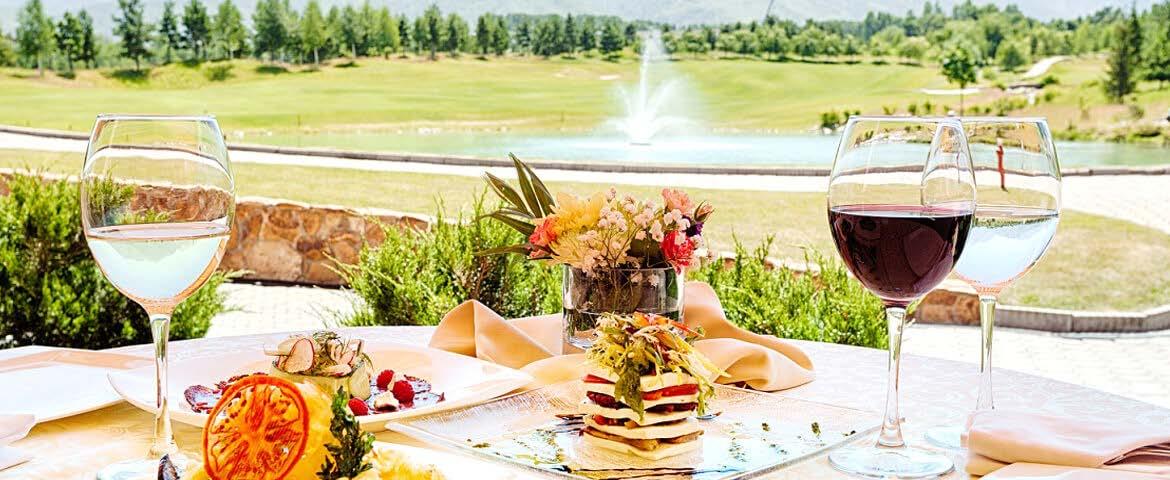
If you are sports freak, head to the Sports Bar, a modernday bar equipped with a wide range of beverages and snacks along with a large screen where you can watch your Golf tournaments along with major sporting events around the world. Come spring and summer and you can enjoy the fresh mountain air along with scrumptious dishes on the platter. Their collection of wines and beverages are to die for and the bar can accommodate up to 70 persons at a go.
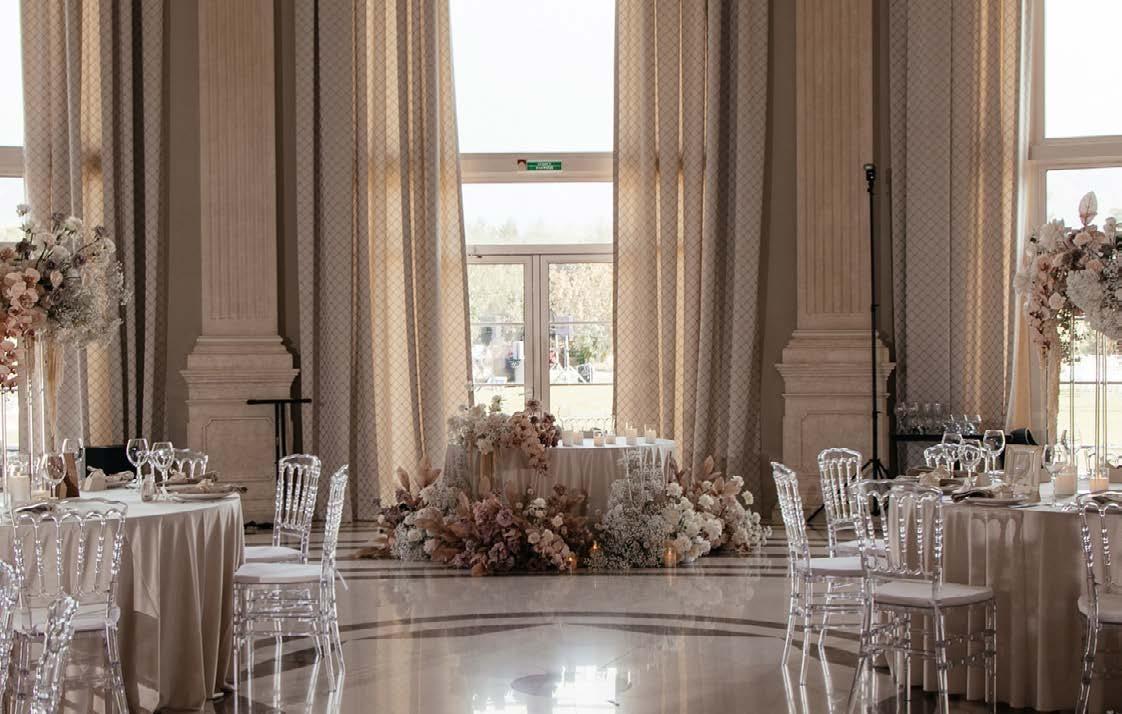
Want to have a celebration or a formal dinner party or for that matter have a kid’s birthday party, well you can do all that at the Banquet Hall. The party would rock as the best cooks would serve you the authentic European and National cuisine for you. The hall can seat up to 250 guests and in summers it has the option of holding lawn parties overlooking the beautiful mountains in the sunny breeze.



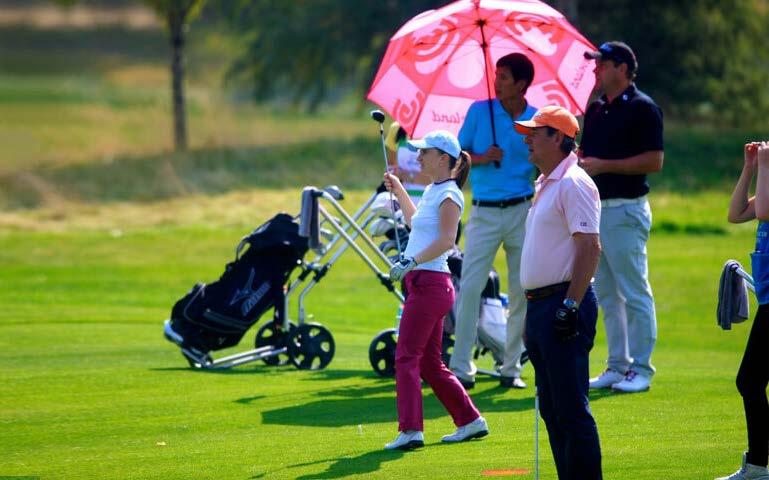
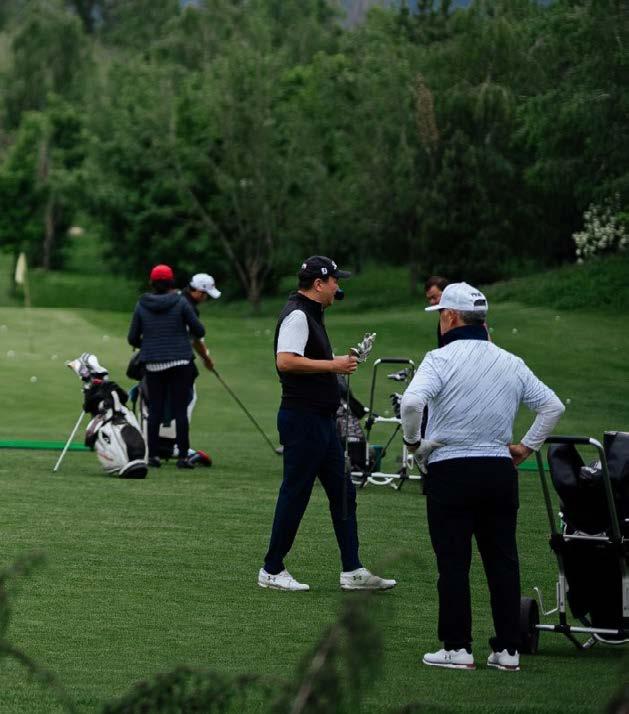
Zhailjau Golf Resort offers a comprehensive range of facilities to cater to every golfer’s needs:
18-HOLE CHAMPIONSHIP COURSE: Designed to international standards, the course offers a par-72 layout that challenges both amateurs and professionals.
DRIVING RANGE AND PRACTICE AREAS: Golfers can hone their skills at the resort’s driving range, three putting greens, and dedicated practice areas.
GOLF ACADEMY: The on-site academy provides lessons for all levels, led by experienced professionals. Pro Shop: Stocked with the latest equipment and apparel, the pro shop ensures golfers are well-equipped for their game.
GOLF CART RENTALS: Available for those who prefer a leisurely game.
The course’s fairways are adorned with Kentucky Bluegrass, while the greens feature Pencross Bent Grass, ensuring optimal playing conditions throughout the season.
Beyond golf, the resort offers a plethora of wellness and recreational facilities: The Zhailjau Fitness club offers A-Class Service and personalised attention. The fitness club is located in the resort and you can enjoy high quality services in comfortable and pleasant conditions where you can relax your body and mind. The club is open from 7 am till 11pm on weekdays and 9 am till 10 pm on weekends.
Located on the 1st floor of the residential building, the fitness club has been designed by David. B. Tokiwa, a designer from Singapore and has all the modern equipment. It has a swimming pool for both kids and adults and martial arts room. The schedule for group programs of the Fitness Club is made with maximum convenience to clients, while a personal training with highly skilled and experienced instructors will help you to achieve better results.
Spa Services: Guests can indulge in a range of spa treatments aimed at relaxation and rejuvenation.

The Zhailjau Golf Resort offers you two modern multifunctional conference halls provided with all resources required to hold different events, such as business meetings and negotiations, conferences and forums, lectures and seminars, presentations. The conference halls are located on the 2nd floor of the Club House of the Zhailjau Golf Resort with the terraces which provide spectacular views of the golf courses and mountains; the amenities of nature will definitely touch your feelings. The conference halls are provided with modern ergonomic furniture, and the equipment of the halls meets the up-to-date standards. We provide an option of arranging coffee breaks, buffets, and business lunches between the events. The Alatau Hall, which is one of the best conference halls in Almaty, gives you an opportunity to conduct business events with up to 100 participants to be held at the highest level in the luxurious hall

ALATAU HALL: Accommodates up to 100 participants and is equipped with audio and video systems, including eight plasma panels, a projector with screen, a threechannel simultaneous translation system, wireless highspeed internet, and video recording capabilities.
PALMER HALL: Designed for smaller gatherings of up to 20 people, it offers similar technological amenities and a spacious terrace with stunning views. Both halls are located on the second floor of the clubhouse and provide options for coffee breaks, buffets, and business lunches.
Zhailjau Golf Resort has been a prominent venue for the Kazakhstan Open, a men’s professional golf tournament on the Challenge Tour. First played in 2005, the tournament was held at Zhailjau in alternating years from 2010 to 2018. In 2016, it boasted a prize fund of €450,000, making it one of the richest events on the tour at the time.
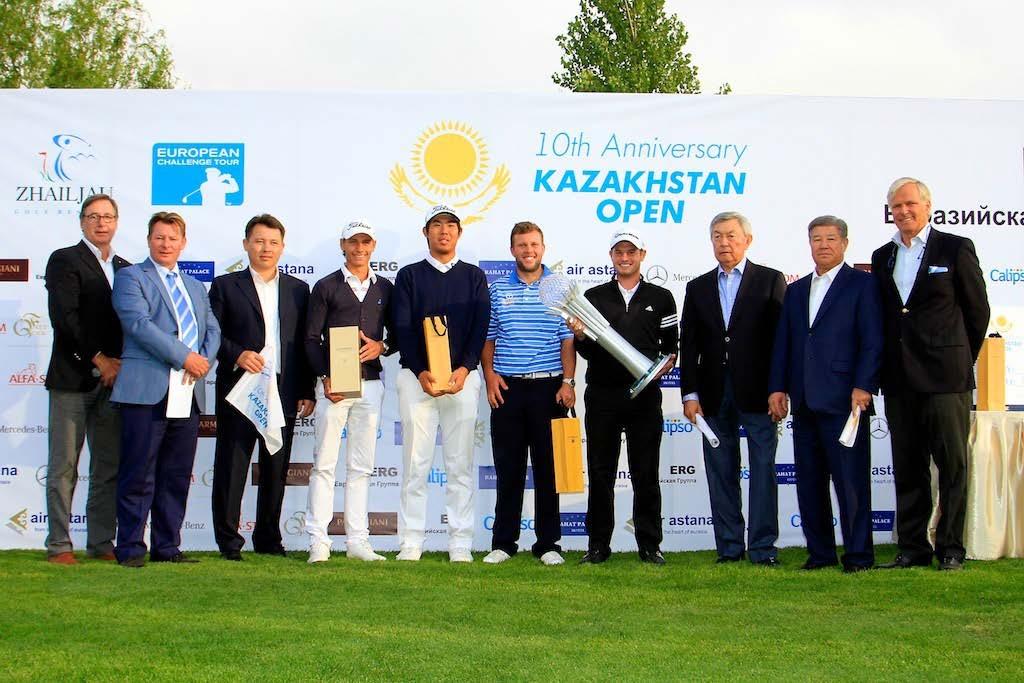

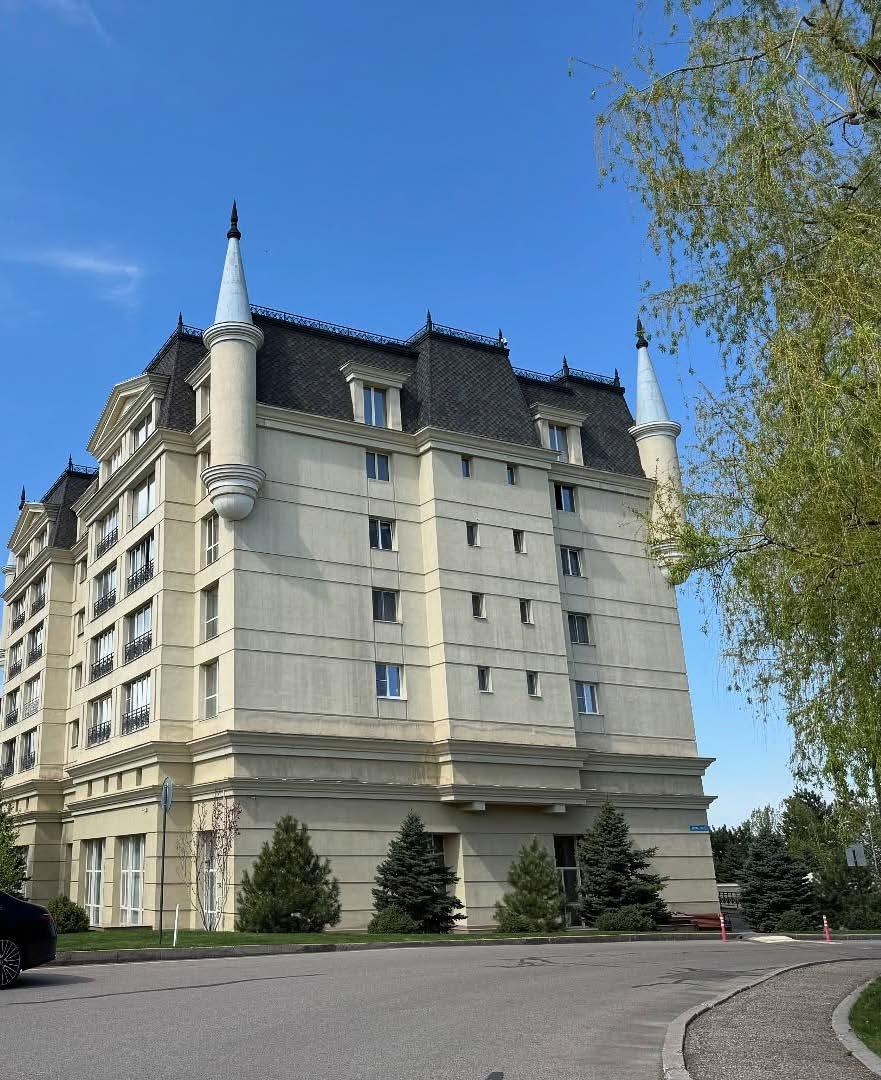
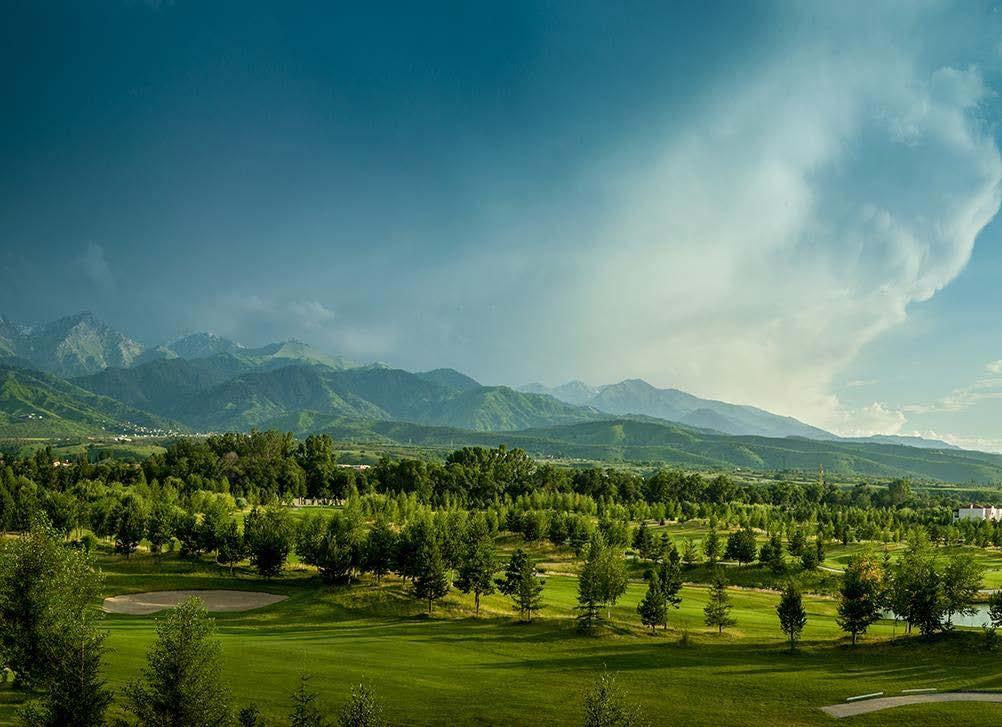
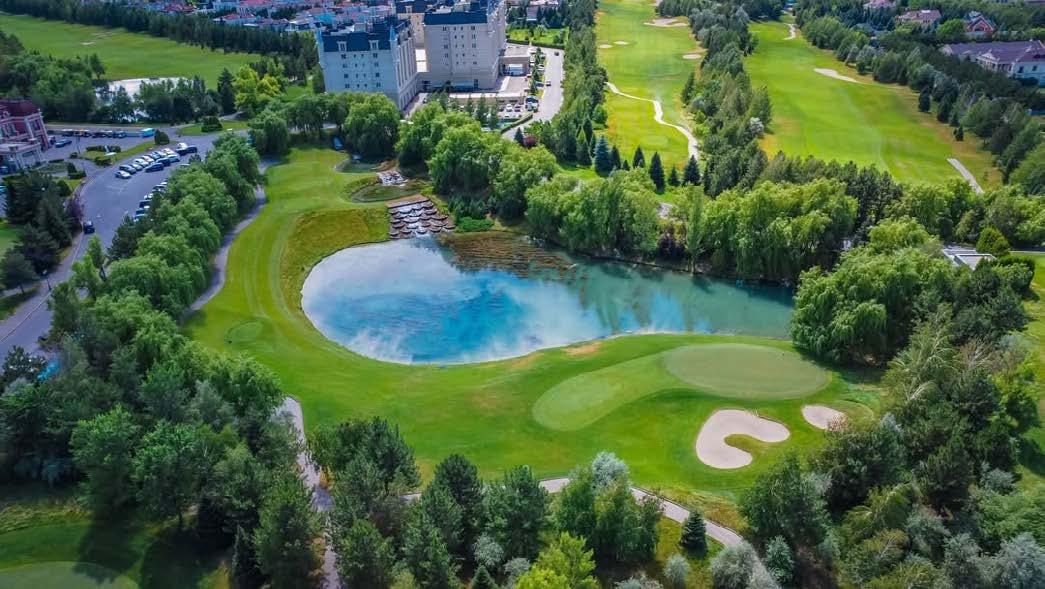


Address: Kazakhstan, Almaty, Miras microdistrict, 188. Jailau Golf Resort is accessible by car, taxi, or public transport. While there are no direct bus routes to the resort, you can reach it by taking buses #28 or 211 to the «Mosque» bus stop along Dulati Ave, or bus #119 to the «Al-Farabi Residential Complex» bus stop on Askarov Street. From there, you can either walk or hire a taxi to reach the resort.
Zhailjau Golf Resort epitomizes the fusion of sport, luxury, and natural beauty. With its world-class golfing facilities, luxurious accommodations, diverse dining options, and comprehensive wellness amenities, it offers an unparalleled experience for both golfers and leisure travelers. Whether you’re looking to challenge yourself on a championship course, host a business conference, or simply relax amidst stunning mountain vistas, Zhailjau Golf Resort in Almaty is the destination of choice.

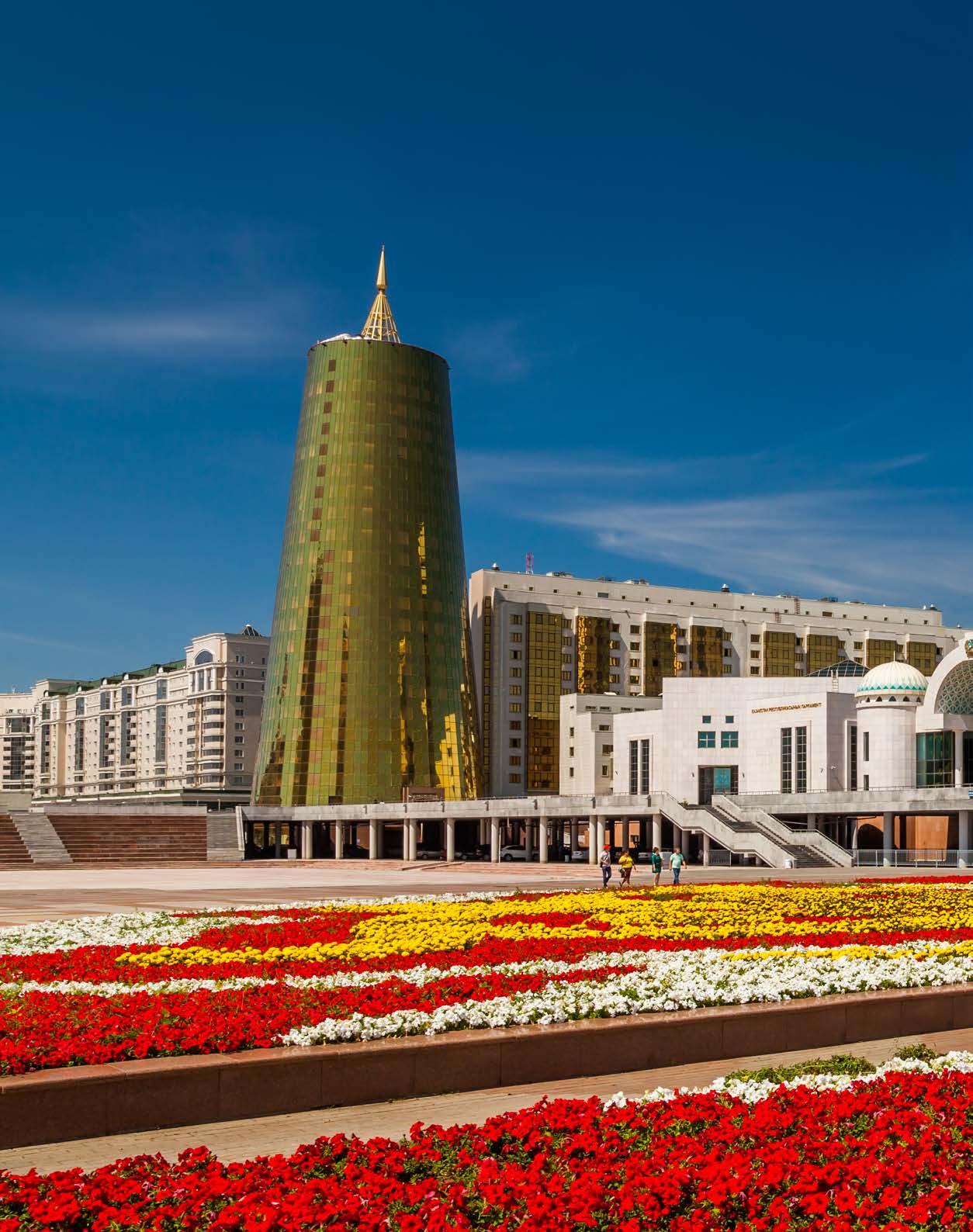
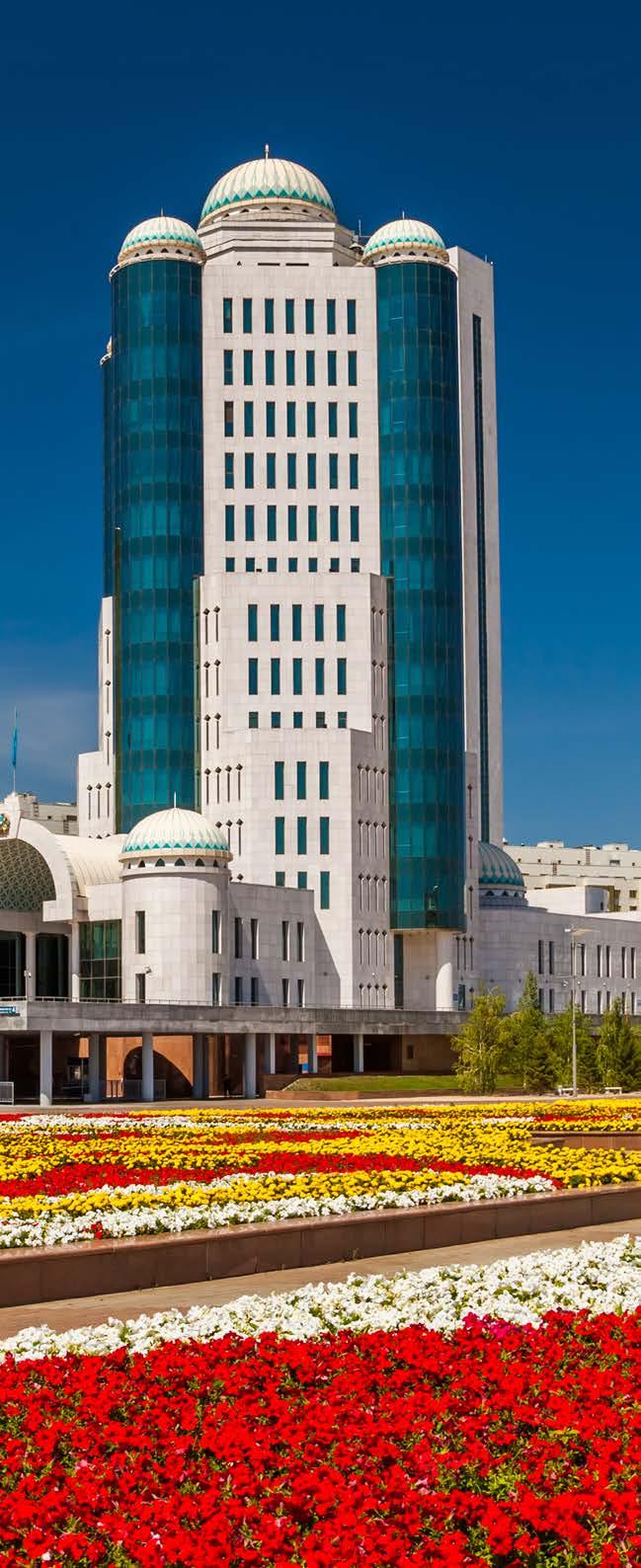
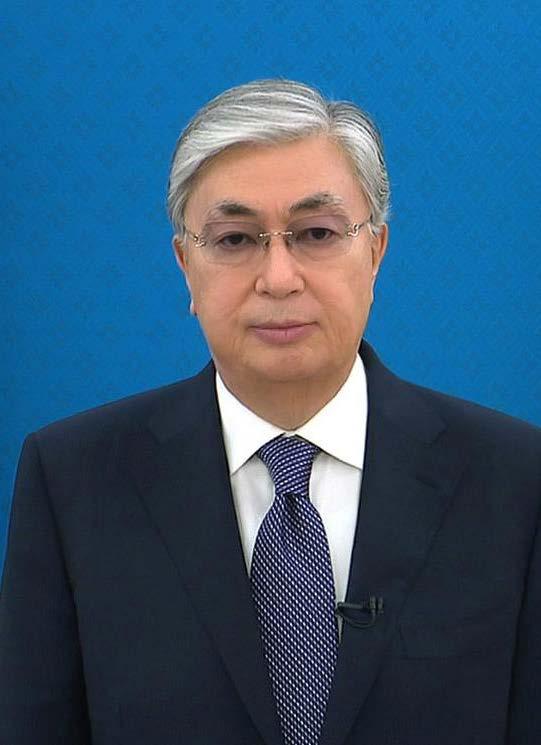

Kazakh President KassymJomart Tokayev met with Commissioner for Children’s Rights Dinara Zakiyeva to discuss ongoing efforts to protect children’s rights and strengthen the national child protection system.

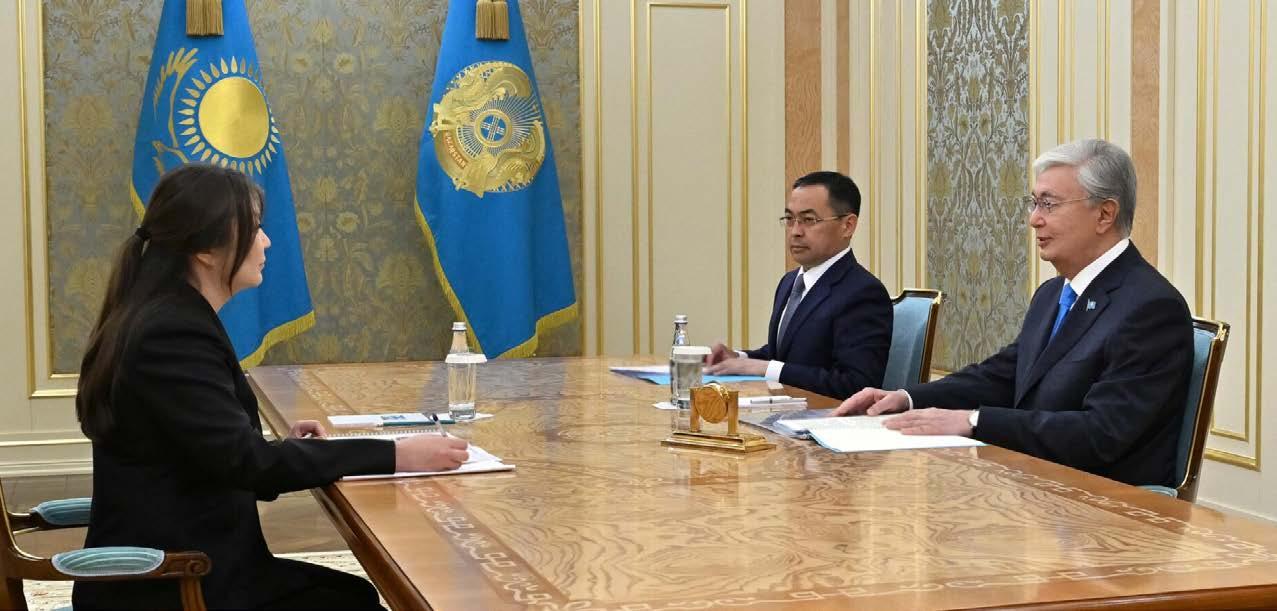
Zakiyeva reported on key initiatives undertaken over the past two years, including the development of programs and legislative amendments aimed at ensuring child safety, preventing violence, reducing suicide rates, and addressing juvenile delinquency. Notably, the Commissioner for Children’s Rights initiated 120 legislative amendments, reported Akorda. According to her, monitoring efforts this year covered 13 regions and 73 settlements, including anonymous surveys conducted in 272 institutions and visits to 173 families.
The findings revealed 171 violations related to the implementation of child protection laws and system functioning. Zakiyeva noted the effective role of 112 family support centers in preventing domestic violence and upholding children’s rights. She also discussed ongoing efforts to establish dedicated child protection departments within regional akimats (administrations) and the drafting of legislation to formalize their authority and functions. Progress was also noted in expanding access to rehabilitation and development services for children with special needs. In cooperation with the Qazaqstan Halqyna Foundation and other partners, 49 rehabilitation centers have been launched to date. The meeting also covered the preparation of the Children of Kazakhstan program, as well as measures to enhance online safety and the protection of minors’ personal data.


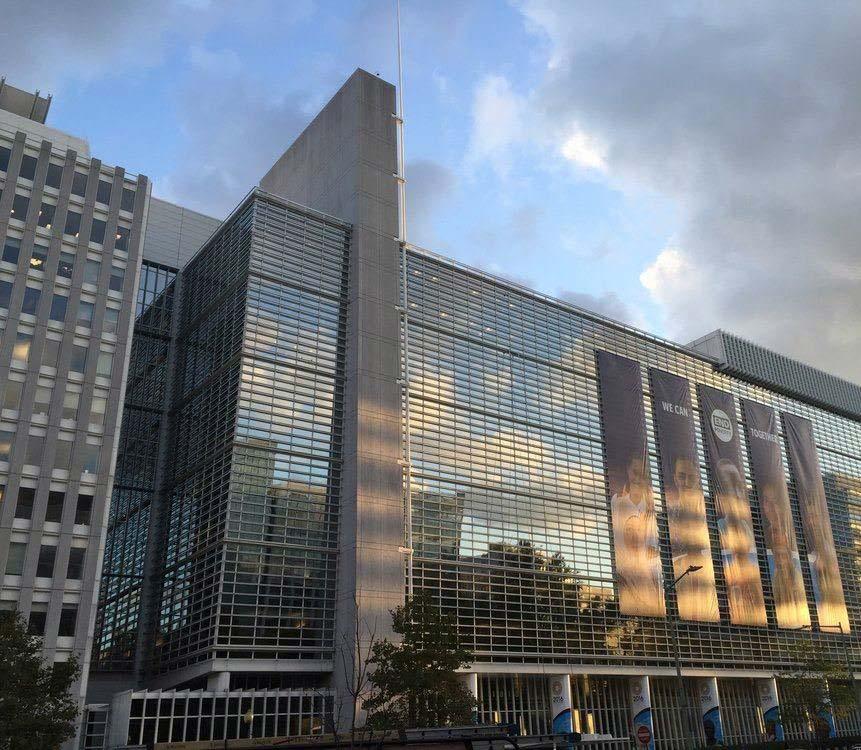
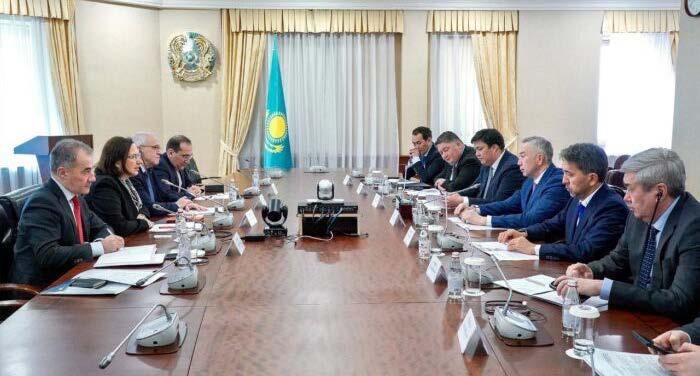
Kazakhstan’s Deputy Prime Minister and Minister of National Economy Serik Zhumangarin met with World Bank representatives to discuss the new Partnership Strategy for 2026-2030, ratification of the Partnership Framework Agreement (PFA), and expansion of joint projects, including major infrastructure and environmental initiatives.
Zhumangarin noted Kazakhstan’s strong appreciation for its strategic cooperation with the World Bank, highlighting the partnership’s key role in implementing structural reforms and fostering inclusive economic growth. Under the current partnership strategy for 2020-2025, notable progress has been made, and Kazakhstan is now prepared to develop a new strategy for 2026-2030, reported the Prime Minister’s press service on March 20.
“Kazakhstan continues to focus on economic diversification, attracting investment, infrastructure development, and modernizing key industries. With an expected GDP growth of over 5.6% in 2025, joint initiatives with the World Bank will play a crucial role in achieving sustainable economic development,” he said.
During the meeting, both ongoing and future projects with the World Bank were discussed, including the construction of the Kambarata HPP-1, the modernization of roads such as the Zhezkazgan-Karagandy project, the stimulation of productive innovation and the development of science and technology, the North Aral Sea project, and support for the modernization of the energy and utilities sectors, and other projects.
Tatiana Proskuryakova, the World Bank’s Regional Director for Central Asia, highlighted that the organization is the largest international development body, working with numerous countries. She mentioned that the World Bank’s project portfolio in Kazakhstan has reached $2.5 billion and expressed confidence in the significant potential for expanding cooperation.
Proskuryakova noted that the World Bank offers various financing instruments, from investment loans to resultsbased programs. She emphasized the importance of sustainable development, focusing on environmental initiatives, including projects to restore the Aral Sea.
“We propose to complete the ratification process of the Framework Partnership Agreement – similar agreements are already in place with other international institutions. This will create new opportunities for the implementation of joint projects. We are open to dialogue and are ready to support Kazakhstan in achieving its strategic goals,” she said.
The World Bank remains one of Kazakhstan’s key international partners. Its expert and financial support contributes to the modernization of the economy and the implementation of strategic initiatives.
“We are grateful to the World Bank for its contribution to the development of Kazakhstan and are confident that our cooperation will become even more productive in the new strategic framework,” Zhumangarin noted.

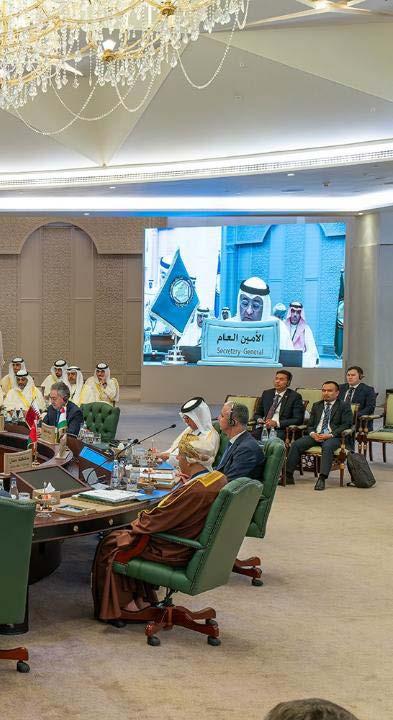
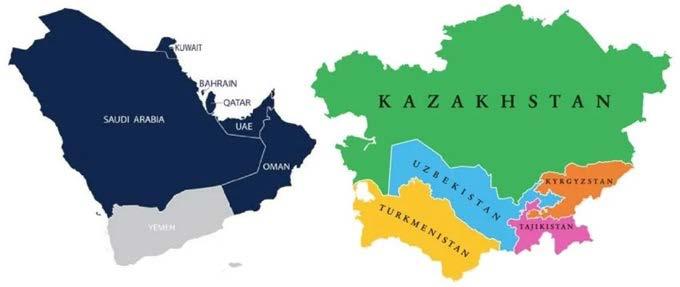
The Kazakh delegation headed by Deputy Prime Minister – Minister of Foreign Affairs of the Republic of Kazakhstan Murat Nurtleu participated in the 3rd Ministerial Meeting of the “Central Asia – Gulf Cooperation Council” format.
The participants reviewed the current state of interregional cooperation, exchanged views on pressing international issues, and outlined priority areas for future collaboration. In his remarks, head of Kazakh delegation noted that although the “CA-GCC” platform was launched recently, it has already established itself as a promising mechanism for engagement within the “C5+” format.
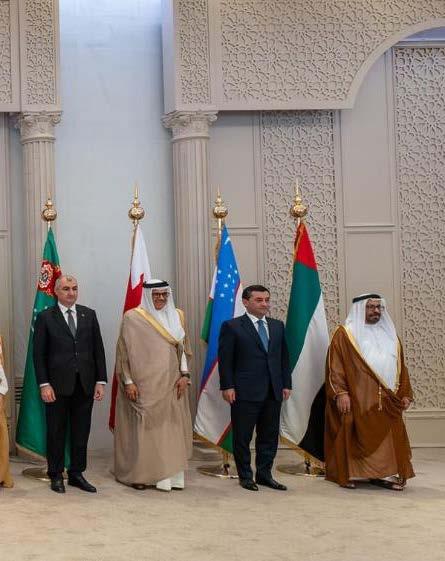
Special attention was given to practical cooperation in key areas. The Kazakh side emphasized that coordinated actions between the regions could significantly enhance trade and economic ties, create sustainable supply chains, and ensure food security.
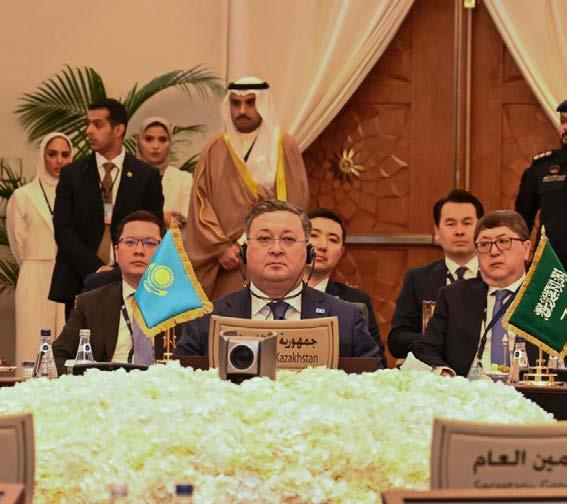
Priority sectors for collaboration included investment, the agro-industrial complex, transport infrastructure, renewable energy, climate change, geology, digitalization and innovation. The Kazakh Foreign Minister also underscored the strategic relevance of cooperation in rare earth and critical raw materials industries. “Kazakhstan possesses more than 5,000 mineral deposits with a total estimated value exceeding 46 trillion US dollars. We invite our GCC partners to participate in joint projects across the full cycle – from exploration to processing and innovative applications,” stated Minister Nurtleu.

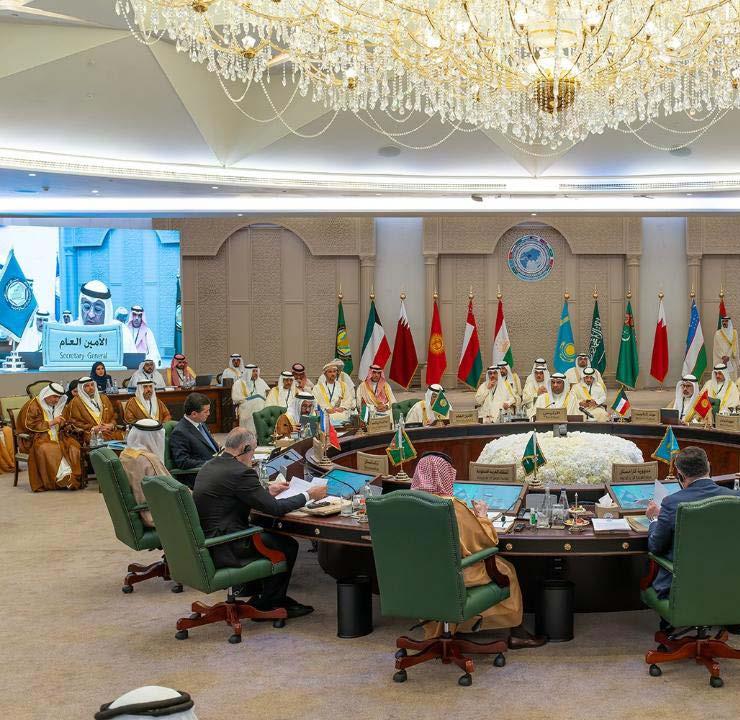
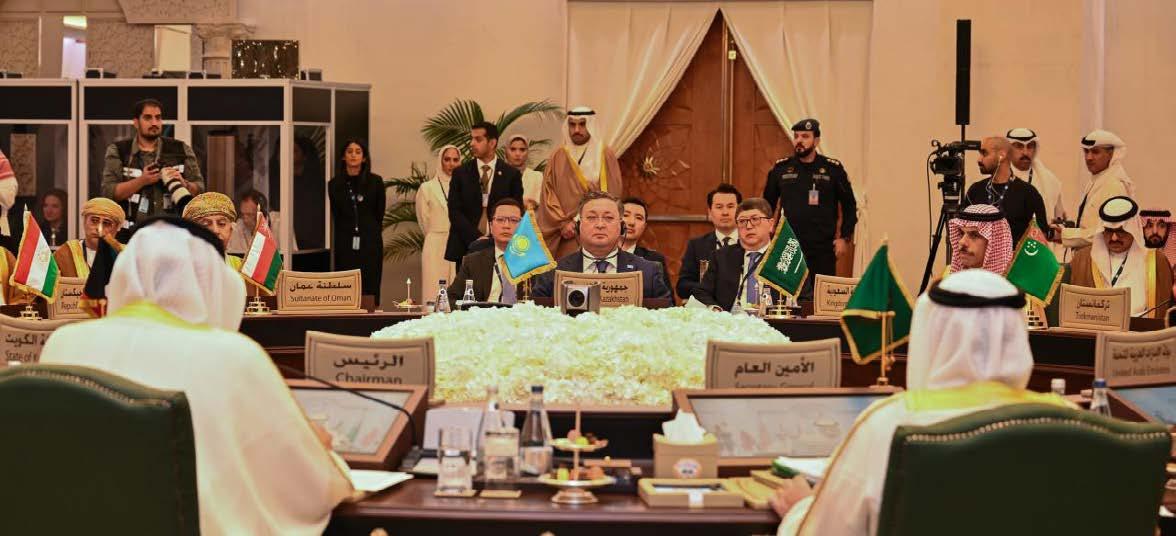
He further highlighted the importance of driving the partnership through digital technologies. Kazakhstan is actively investing in this field and has recently established an International Advisory Council on Artificial Intelligence and launched Alem.AI Center in Astana that will serve as a hub for startups, R&D, and cutting-edge tech development.
On the humanitarian front, Kazakhstan expressed interest in deepening cooperation in education, sports, tourism and cultural exchange. The Kazakh side also proposed the creation of a unified Central Asian tourist route tailored to visitors from the Gulf countries.
“The partnership between Central Asia and the GCC is built not only on shared economic interests but also on profound historical and cultural ties. Kazakhstan stands ready to welcome your official delegations, business representatives and citizens to the Astana International Forum this May,” Minister Nurtleu concluded.
In addition, the head of delegations of the participating countries were received by the Crown Prince of Kuwait Sheikh Sabah Al-Khaled Al-Hamad Al-Sabah. The meeting served as an opportunity to discuss prospects for strengthening political dialogue, expanding economic cooperation, and promoting humanitarian engagement between the regions.

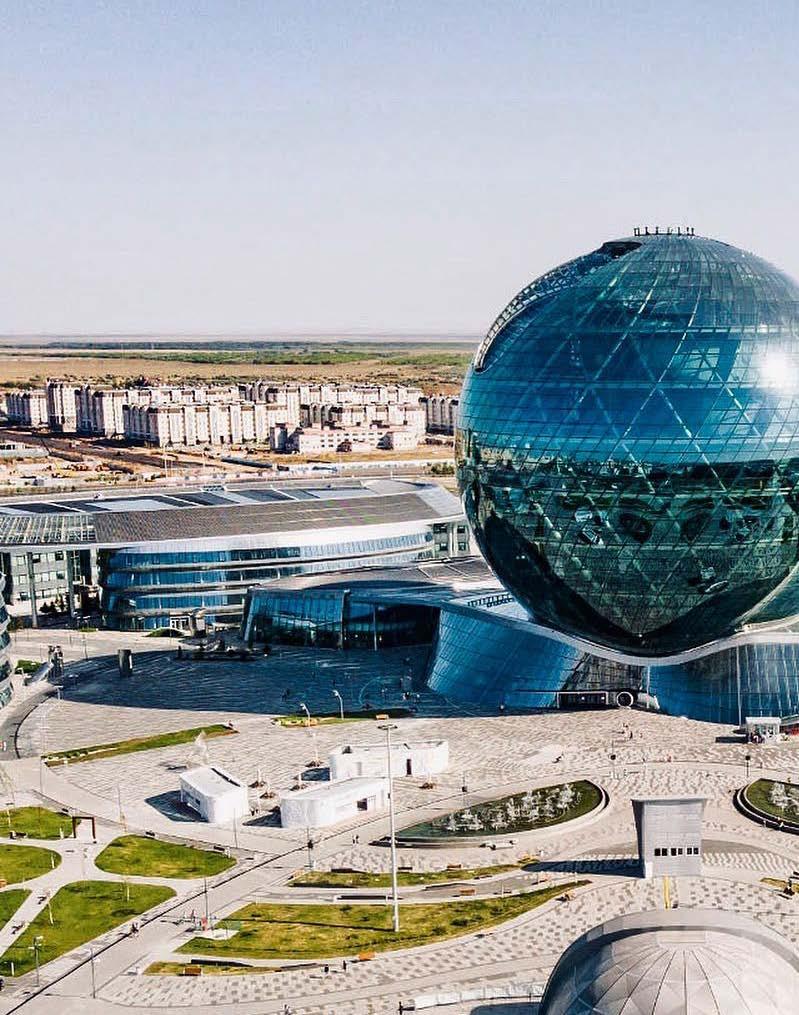

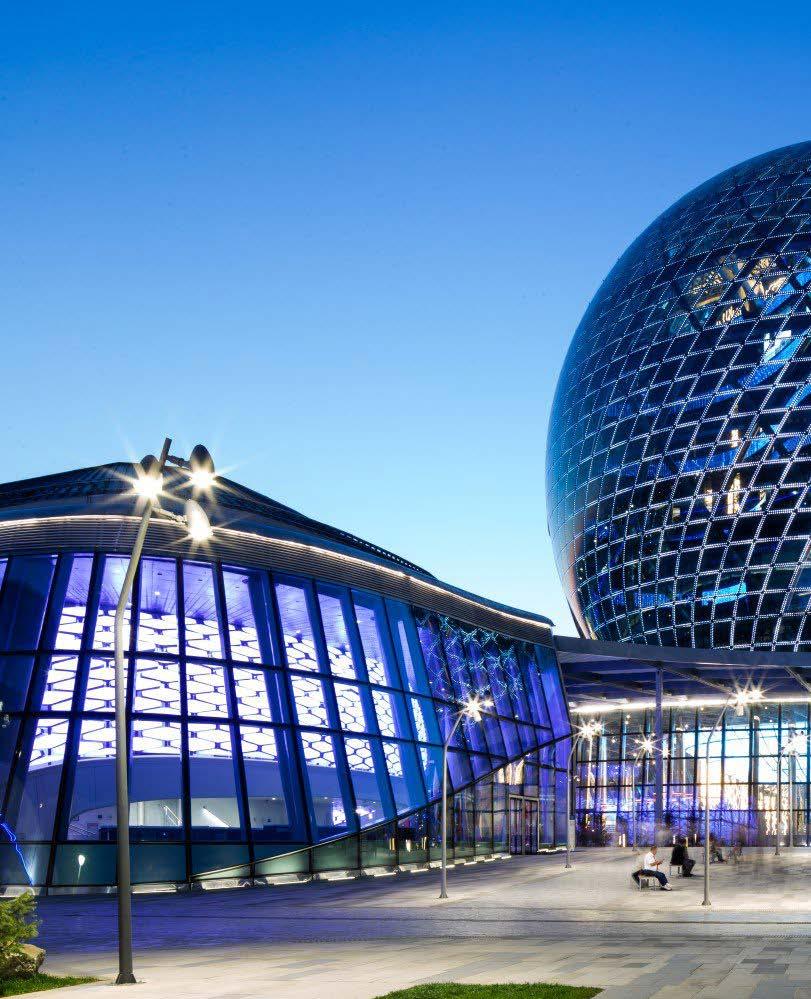
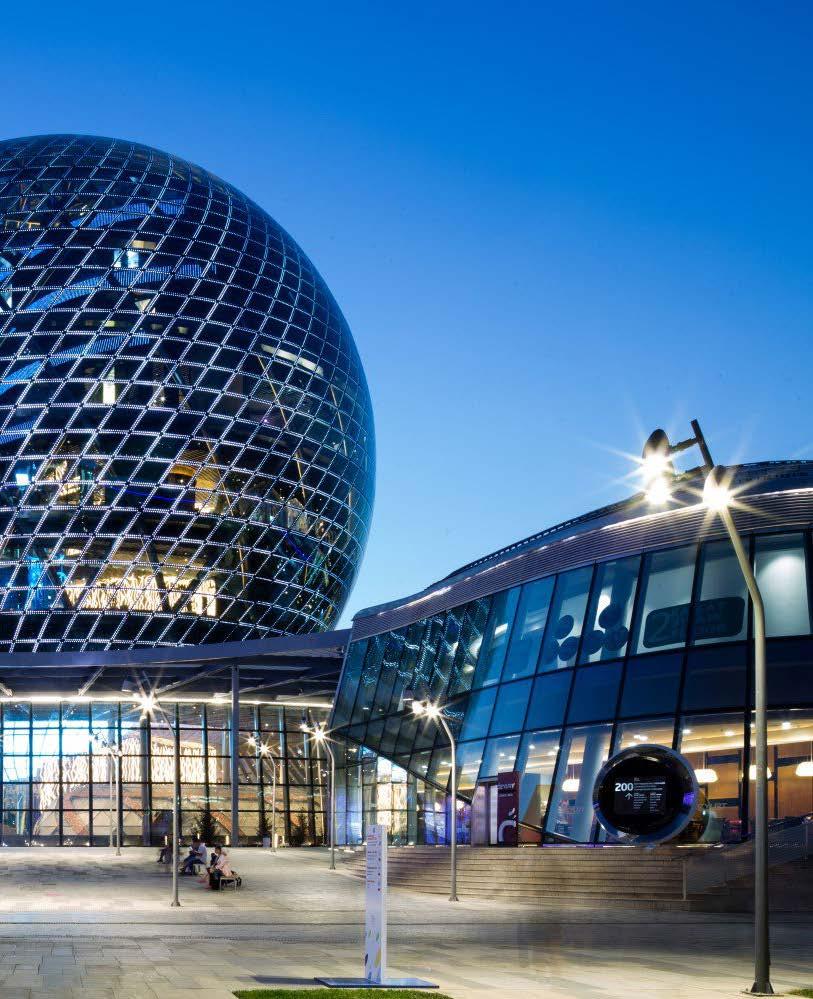
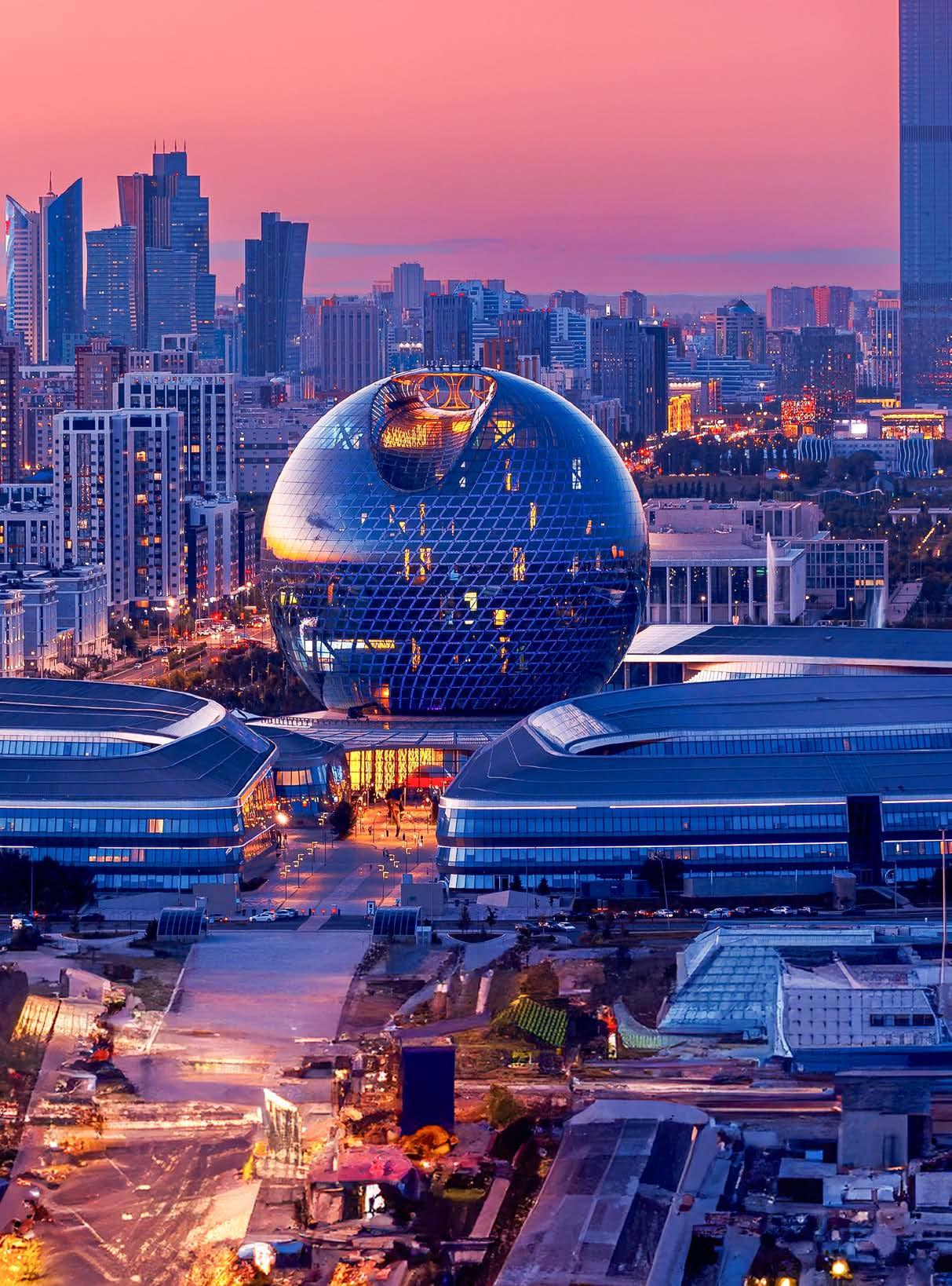
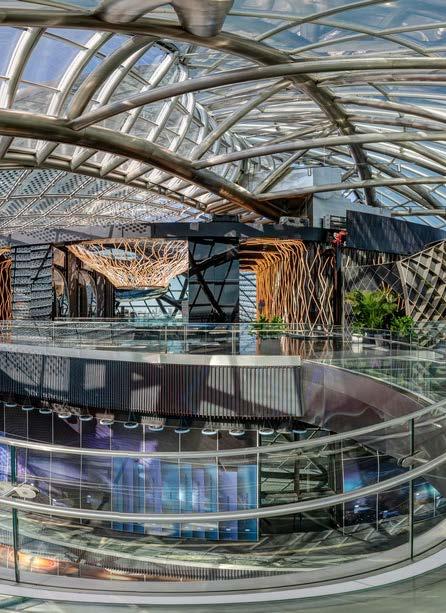
Rising from the modern skyline of Astana—Kazakhstan’s bold and forward-looking capital—the Nur Alem Sphere stands as a breathtaking symbol of innovation, sustainability, and architectural ingenuity. Constructed as the centerpiece of Expo 2017, which focused on the theme of “Future Energy,” this structure is much more than an exhibition space; it is a marvel of 21st-century architecture that embodies the aspirations of an entire nation. With its nearly perfect spherical form measuring 100 meters in height and 80 meters in diameter, Nur Alem is the world’s largest habitable sphere, defying conventional architectural norms and redefining the boundaries of design and engineering. Crafted by the renowned American firm Adrian Smith + Gordon Gill Architecture, the pavilion was conceptualized not only to impress but to demonstrate real, operational sustainable energy technologies. Its glass façade—composed of thousands of individually engineered panels—harnesses natural light while minimizing heat gain, incorporating solar panels and wind turbines into its skin. Beyond its innovative construction, the Nur Alem Sphere narrates a powerful story about mankind’s relationship with energy, housing immersive exhibitions that educate and inspire. Today, as the Museum of Future Energy, it continues to captivate visitors with its fusion of futuristic design, ecological responsibility, and national pride—securing its place as one of the most extraordinary buildings not just in Kazakhstan, but in the world.
The design vision for the Nur Alem Sphere was conceived by the internationally acclaimed architectural firm Adrian Smith + Gordon Gill Architecture, whose portfolio includes groundbreaking projects like the Jeddah Tower in Saudi Arabia and the Burj Khalifa in Dubai (under Adrian Smith’s earlier work). For the Expo 2017 Pavilion in Astana, the firm took on the challenge of translating the abstract theme of “Future Energy” into a tangible, iconic architectural statement. What emerged was a structure that not only symbolized global unity and technological progress but also embodied the concept of sustainability in every element of its form and function.
Adrian Smith + Gordon Gill envisioned the Nur Alem Sphere as a monument to the Earth itself, choosing a spherical shape to represent wholeness, balance, and the cyclical nature of energy. Their goal was to create more than a showcase pavilion; they wanted an architectural symbol that would live beyond the Expo and continue to function as a sustainable educational and civic space. They implemented an integrative approach in which form, sustainability, and cultural context were inseparable. The building uses cutting-edge energy-saving systems, including integrated photovoltaics and wind turbines, to generate renewable power, while its curved, aerodynamic shape minimizes energy loss. The architects’ vision culminated in a structure that is not only iconic in appearance but deeply committed to environmental performance and civic longevity.
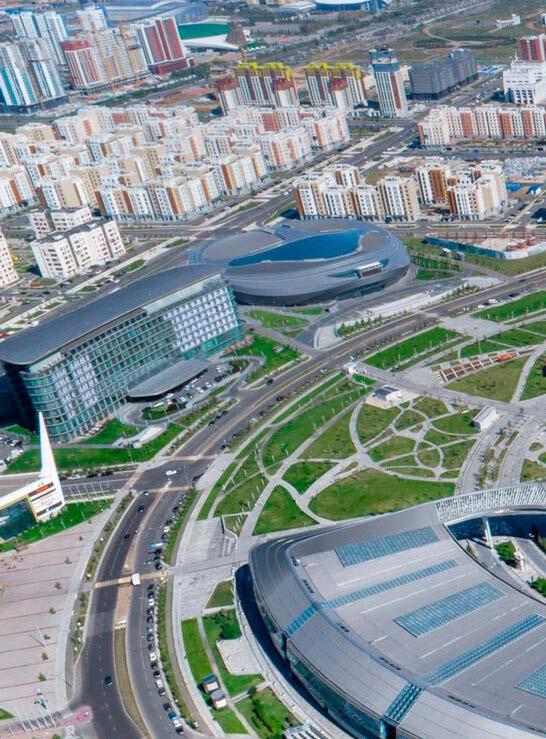
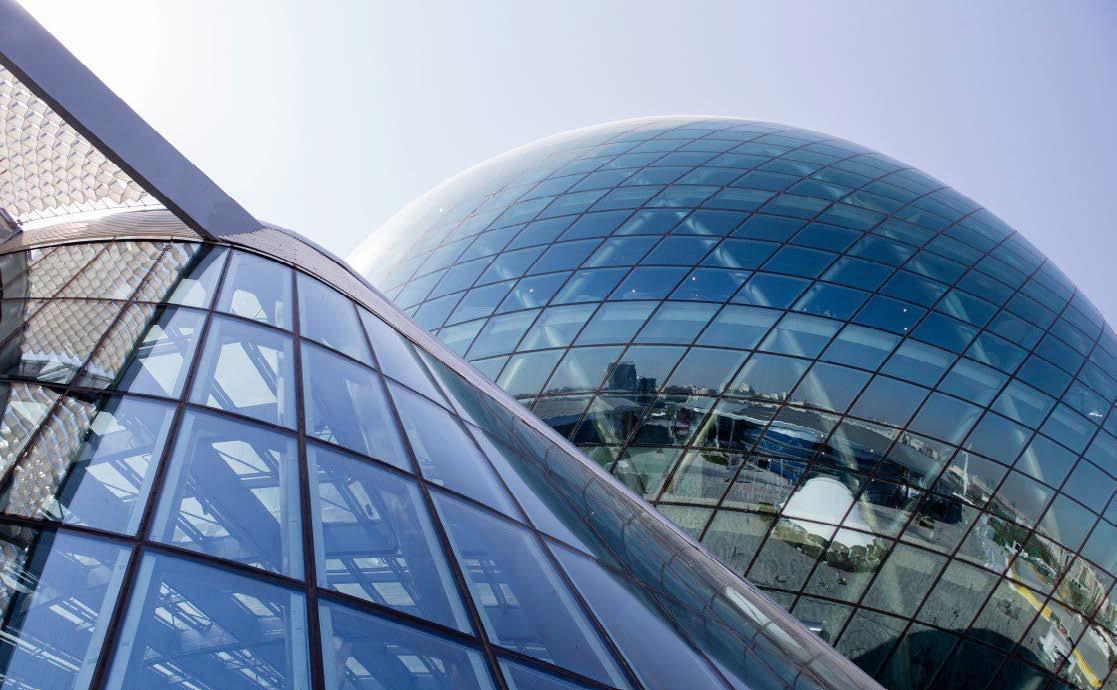
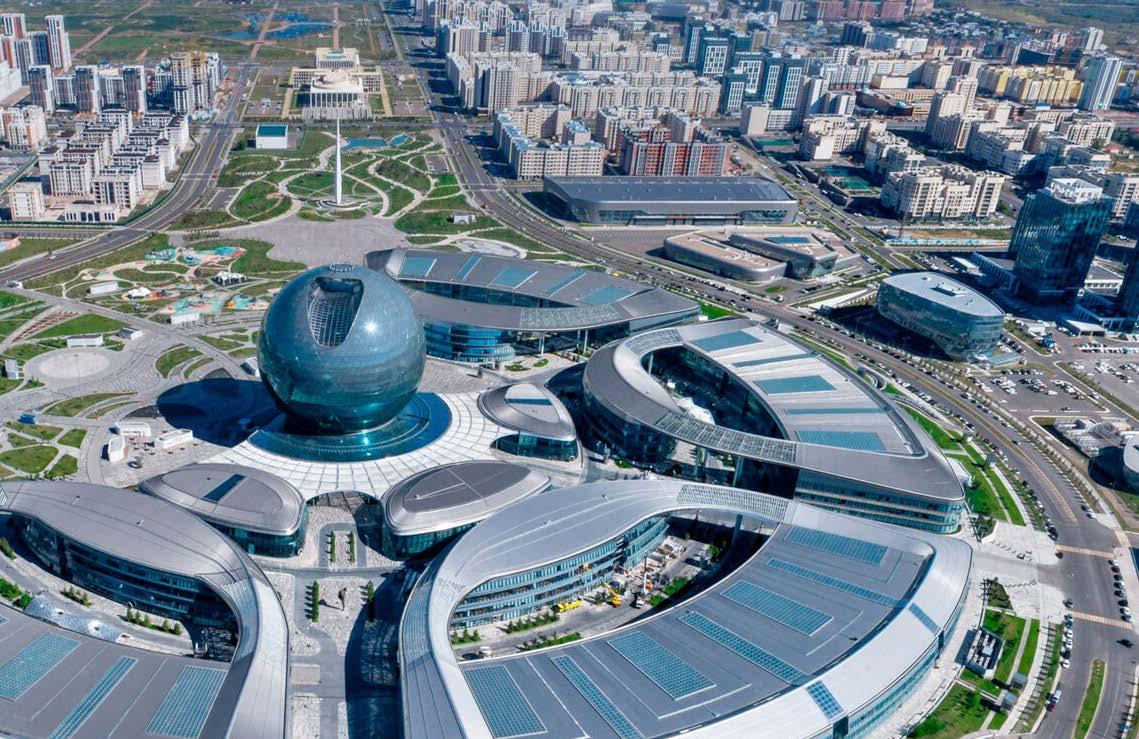
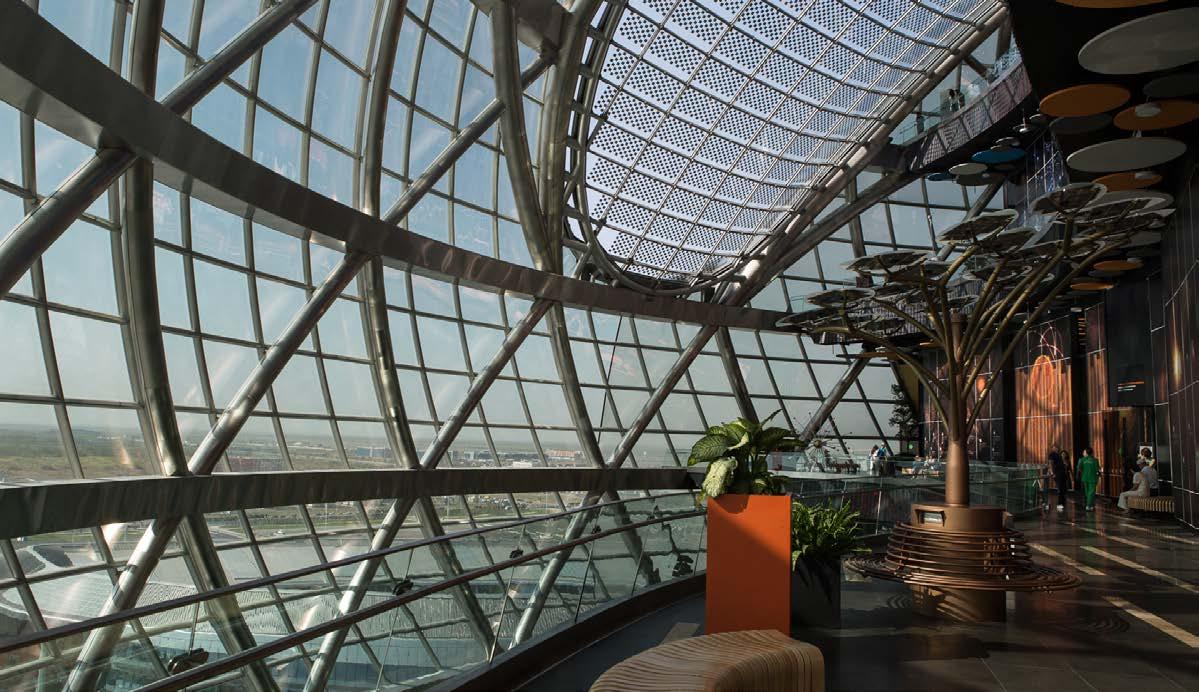
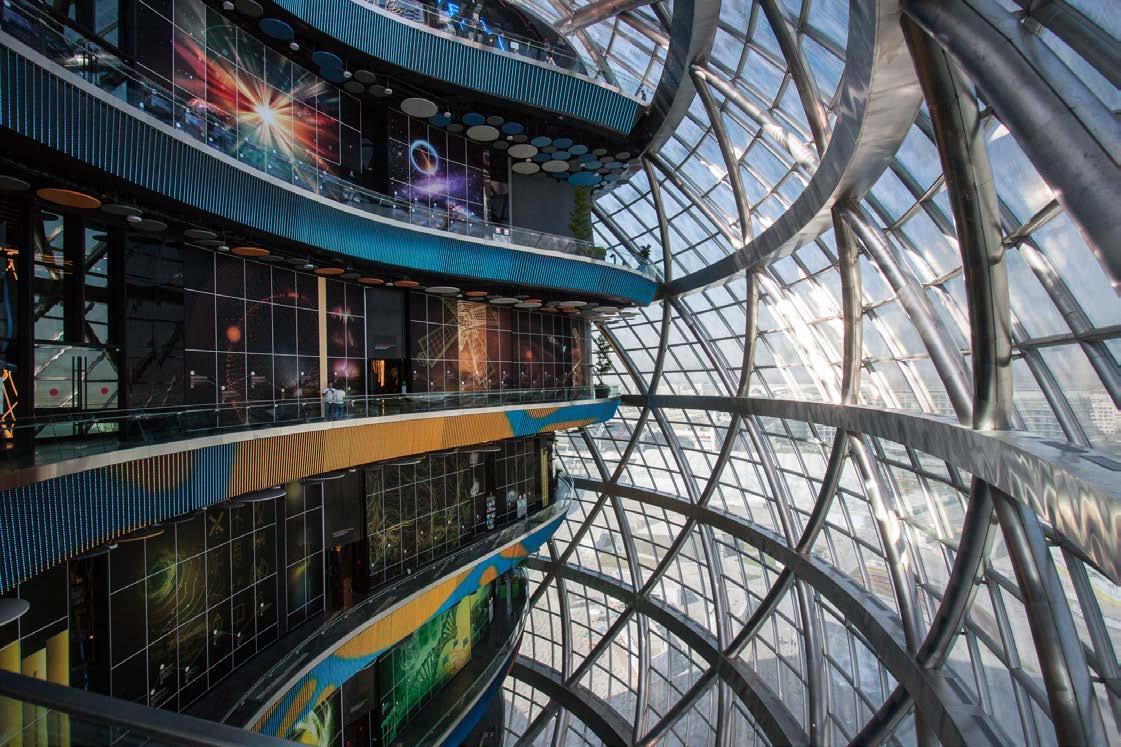
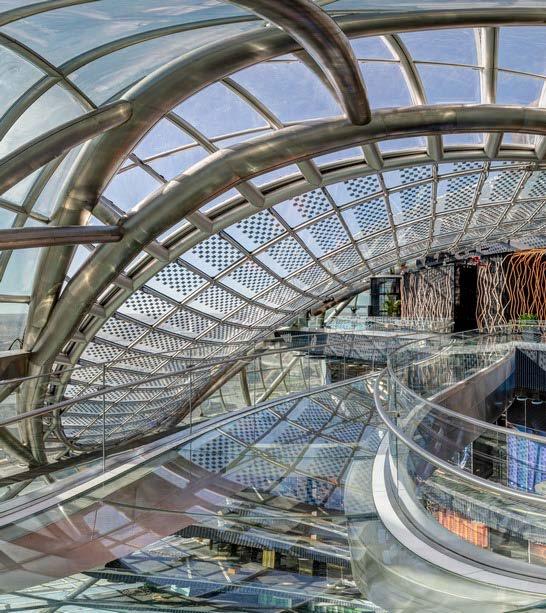
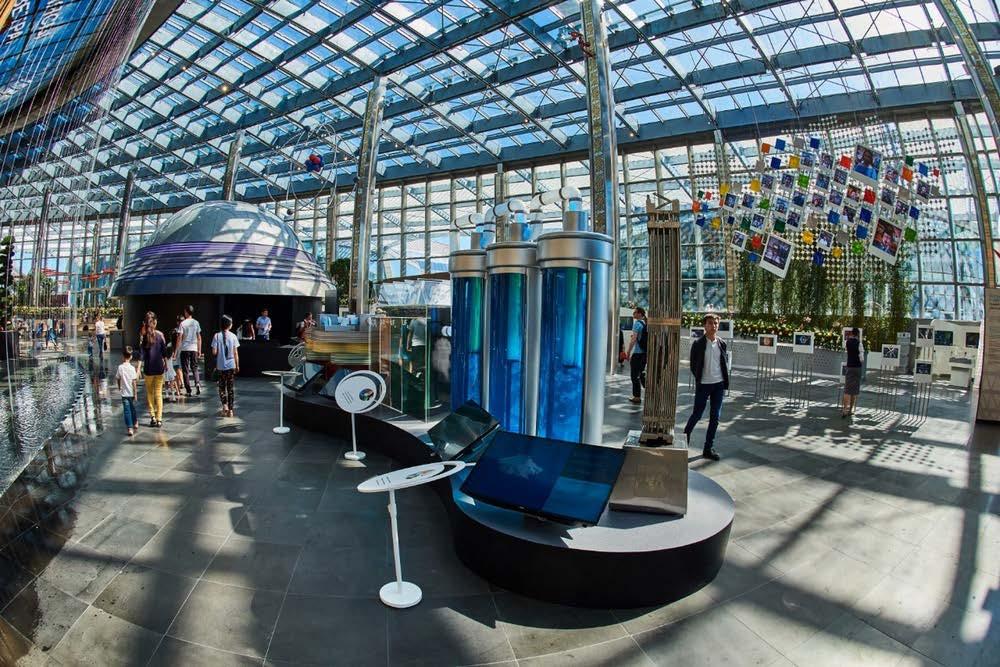
The interior layout of the Nur Alem Sphere offers a compelling blend of innovation, narrative storytelling, and immersive design, making it one of the most captivating visitor experiences in Central Asia. Unlike conventional museums, the space is arranged vertically across eight thematic floors, each addressing a unique aspect of sustainable energy. Beginning at the ground level—which originally showcased Kazakhstan’s national exhibit during Expo 2017—visitors ascend through a spiraling core, guided by escalators and elevators that open onto floors dedicated to solar, wind, biomass, kinetic, water, and space energy. Each level combines interactive exhibits, audiovisual installations, and kinetic displays to make complex concepts both accessible and engaging. What distinguishes the interior design is its seamless integration of technology, light, and movement. The spherical geometry ensures an uninterrupted flow of natural light, further enhanced by panoramic openings and smart glass. On many floors, visitors can interact with touchscreens, motion-sensitive displays, and models demonstrating how each energy type powers the world. At the summit, a panoramic observation deck offers sweeping views of Astana’s skyline, giving a dramatic visual climax to the visitor journey. More than a museum, the Nur Alem interior functions as an experiential laboratory, designed to educate, provoke, and inspire long after one’s visit ends.
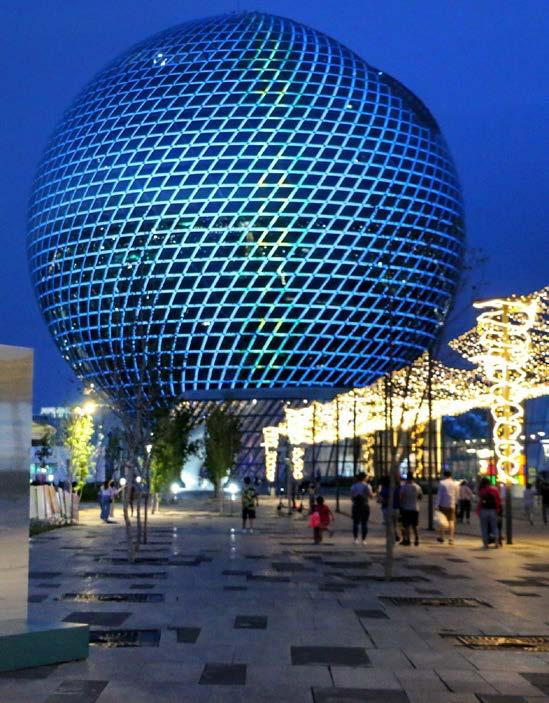
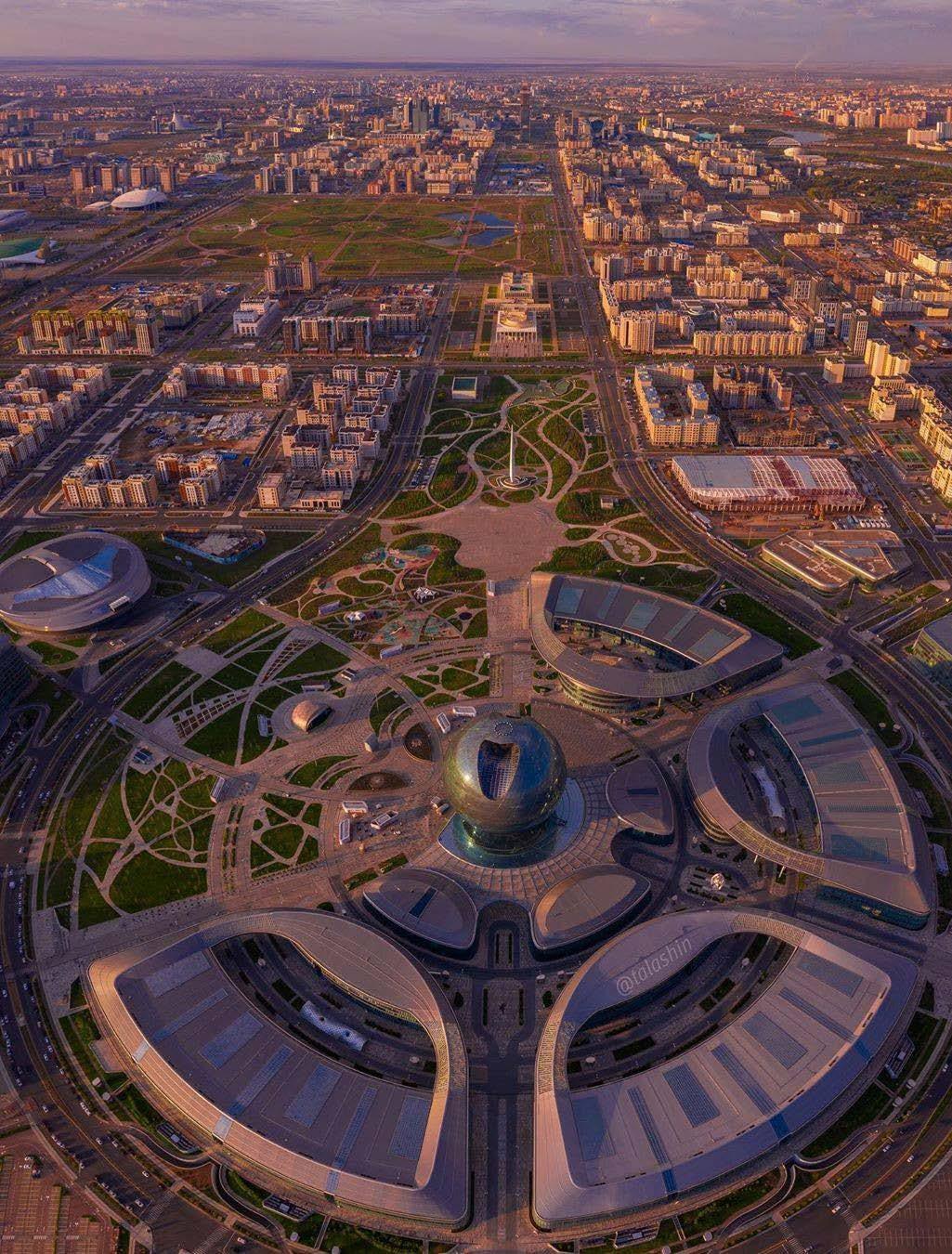
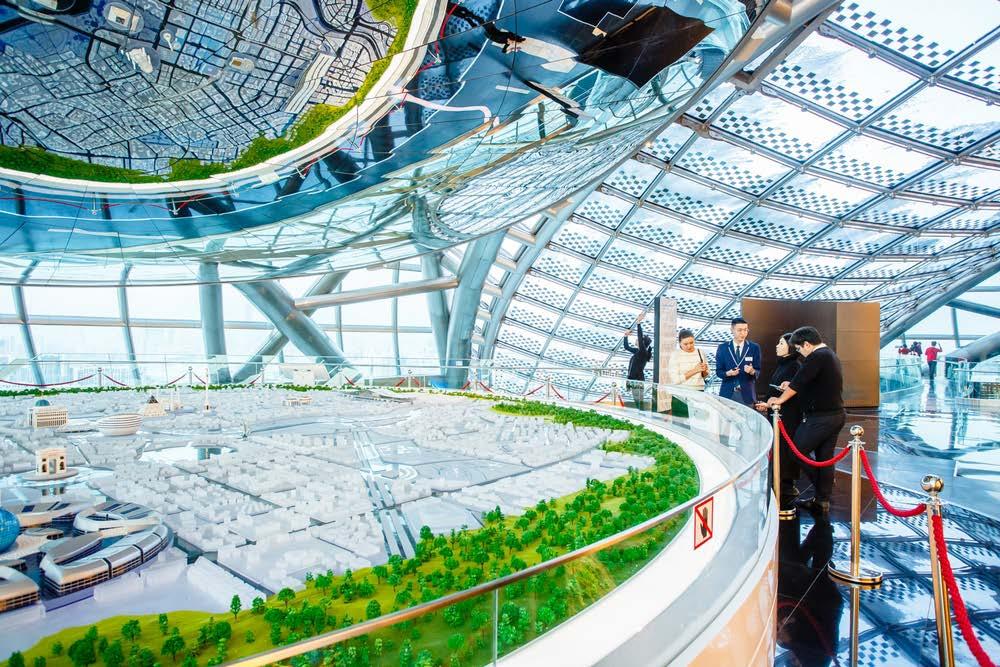
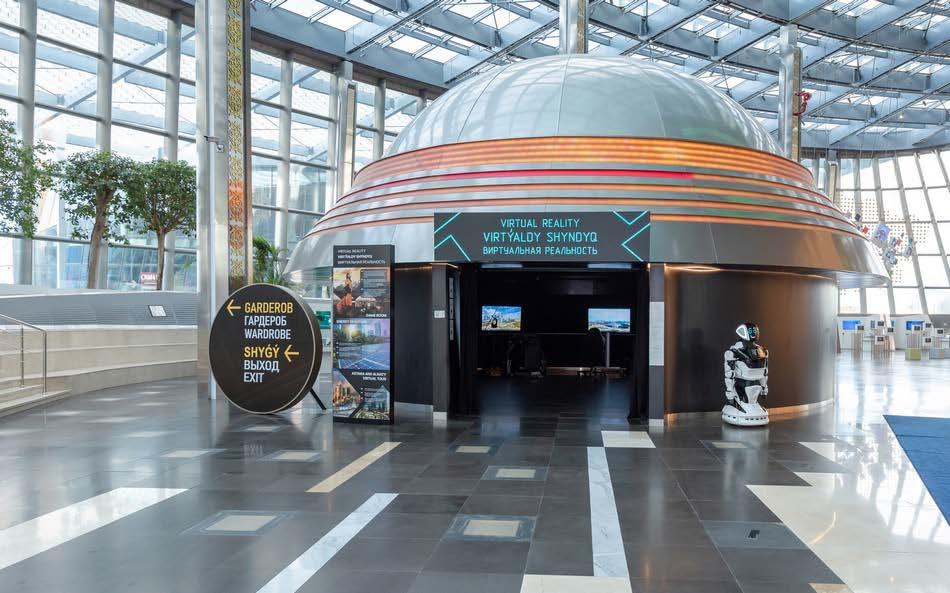
The transparent structure spans eight floors, each dedicated to different forms of energy, except the first and eighth levels. A friendly robot greets visitors on each floor, providing an overview of the exhibits upon request.
LeveL 8: City of the future
The museum journey begins on the top floor, where visitors can ride one of eight elevators to reach the “City of the Future” exhibition. Here, they discover “Future Astana” and the vision for Kazakhstan’s capital in 2050. A sculptural model illustrates the city’s ambitions for sustainable development and environmental efficiency. Visitors can also explore models of existing and planned buildings and enjoy panoramic views of present-day Astana through the pavilion’s glass walls.
LeveL 7: SpaCe energy
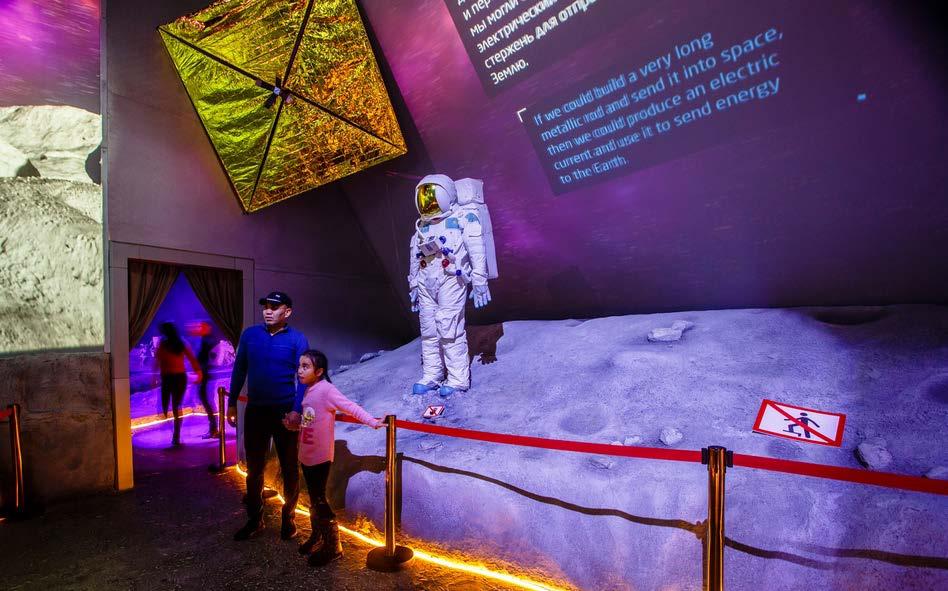
The Space Energy exhibit introduces visitors to futuristic ideas about energy generation in space, including the Dyson Sphere theory. Interactive screens offer information on matter, antimatter, dark matter, and solar sails.
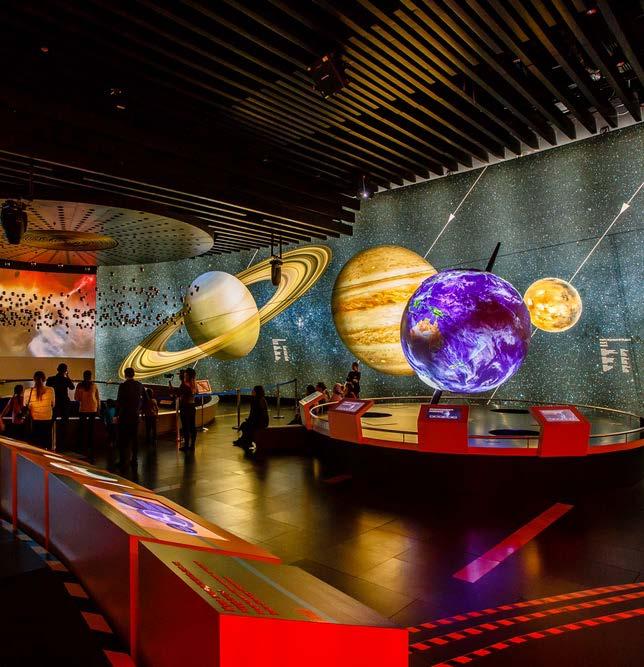
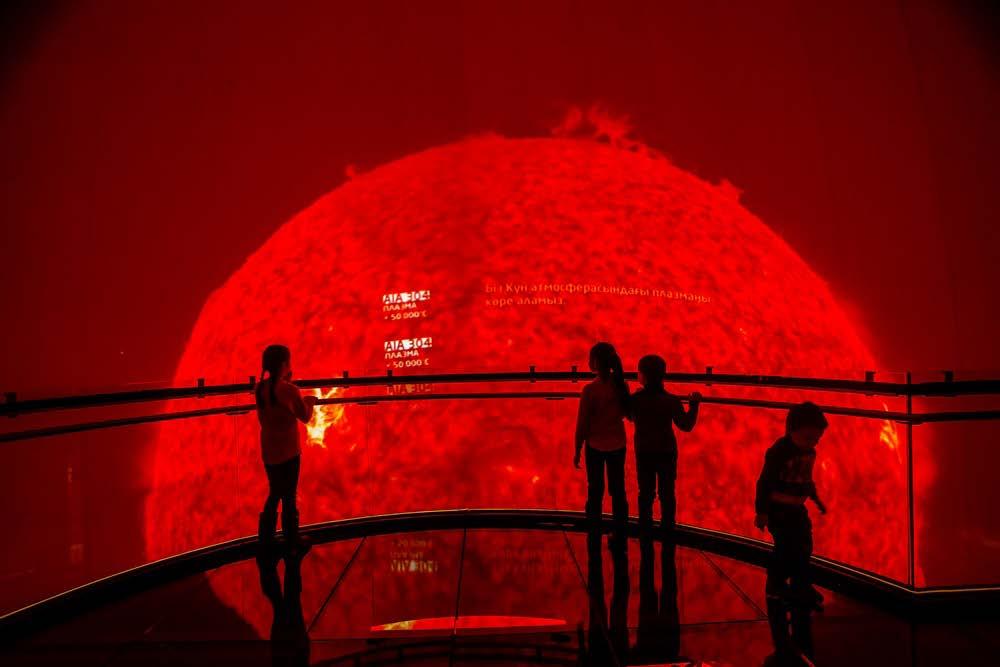
LeveL 6: SoLar energy
This floor explores various methods of harnessing solar energy, from ancient civilizations to cutting-edge modern technologies. It emphasizes that all energy on Earth ultimately comes from the Sun. People of all cultures and religions revered the Sun, from the Greeks worshiping Apollo, to the Egyptians venerating Ra, and the Japanese honoring Amaterasu. The museum also delves into the solar systems, providing insight into the seven planets that revolve around the Sun.


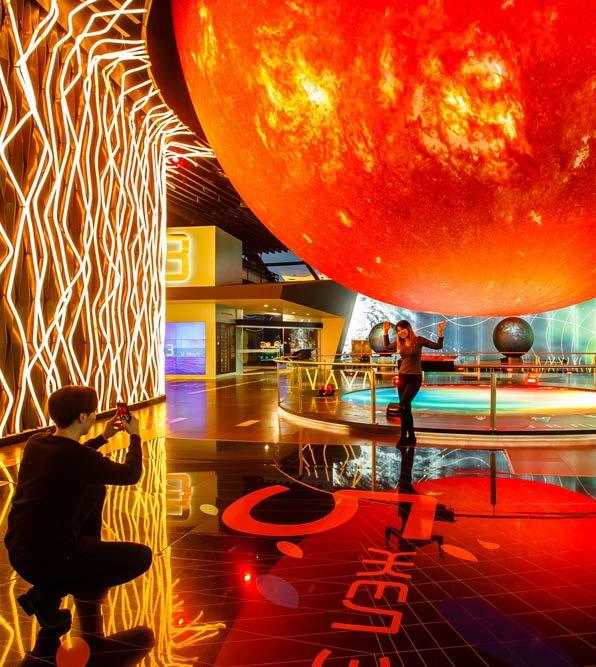
LeveL 5: Wind energy
The wind energy exhibit starts with the “Alley of Winds,” where visitors can experience wind speeds ranging from 5 to 7 on the Beaufort scale. Mythology plays a role here, with stories of wind gods like Aeolus from Greek mythology, Huracan from Central America (who gave the name “hurricane”), and Japan’s Fujin, who carries wind in his bag. There’s also Raijin, the Japanese god of storms, who brings typhoons.
LeveL 4: BiomaSS energy
This level features a green panorama illustrating various types of grain, representing biomass as a “storage” of solar energy.
LeveL 3: KinetiC energy
Visitors begin their journey with a dynamic archive of images, highlighting historical artifacts related to kinetic energy.
LeveL 2: Water energy
This section showcases water energy through an artistic installation of a dam, visually representing the process of generating energy from water.
LeveL 1: introduCtion to KazaKhStan
The first floor immerses visitors in Kazakhstan’s vast landscapes, rich culture, history, present, and future, alongside the energy projects of local scientists. A highlight of this level is a model of the Kazakhstan Tokamak for Material Studies, a thermonuclear reactor.
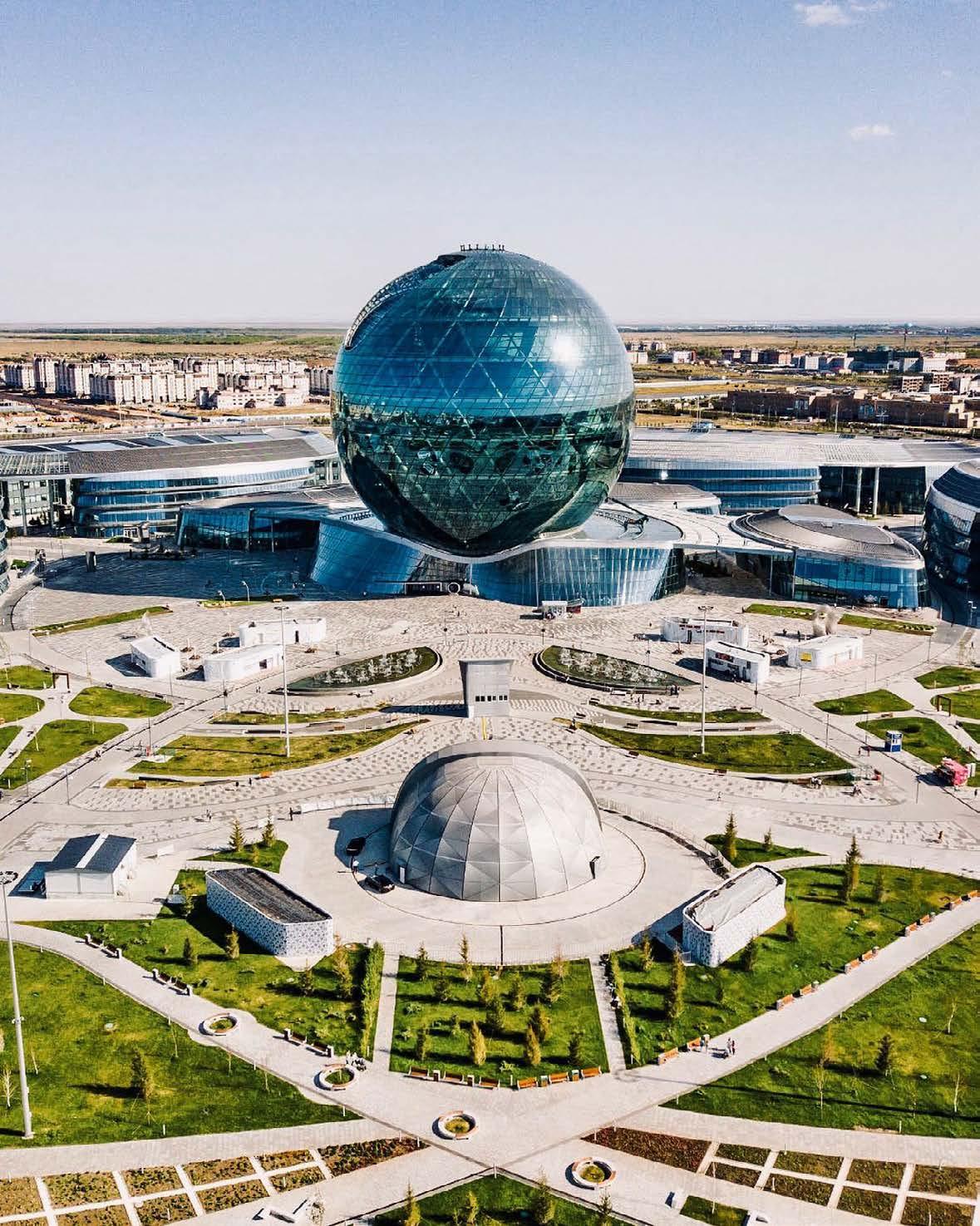
The symbolism of the Nur Alem Sphere is central to its architectural significance, conveying profound messages about global identity, planetary unity, and sustainability. As the world’s largest habitable spherical building, its shape alone is a potent symbol—a globe in architectural form. By adopting a perfect sphere, the designers—Adrian Smith + Gordon Gill Architecture— evoked the Earth itself, suggesting a shared, borderless humanity and a collective responsibility toward environmental stewardship. This form is not merely aesthetic; it resonates with the Expo 2017 theme, “Future Energy,” by representing the balance, continuity, and interconnectedness of natural systems. The sphere’s seamless geometry, free of corners or edges, underscores ideals of equality and inclusivity, reflecting a world in which all nations and people are interdependent in solving the global energy crisis. Its glass façade— transparent yet reflective—amplifies this metaphor, symbolizing both openness and introspection. Just as the Earth relies on sustainable cycles to remain habitable, the Nur Alem Sphere integrates renewable technologies like solar panels and wind turbines, turning metaphor
into functional truth.Moreover, the building’s interior content reinforces its symbolism. Each floor dedicated to different forms of clean energy acts as a microcosm of global innovation and collaboration. In this way, the Nur Alem Sphere transcends its physical presence, becoming a living symbol of sustainability, unity, and hope for a cleaner energy future.
From its inception as the dazzling Expo 2017 centerpiece to its evolution as the Museum of Future Energy, the Nur Alem Sphere exemplifies a visionary journey of architectural and cultural transformation. As the Expo concluded in September 2017, Kazakhstan faced a crucial decision: would this iconic structure serve only a fleeting role, or would it endure as a beacon of innovation and public engagement? Opting for the latter, national leaders and planners initiated a thoughtful conversion, ensuring that this emblematic sphere retained its relevance—and arguably gained deeper purpose.
During the Expo, the pavilion functioned as both an exhibition space and a symbolic statement, showcasing Kazakhstan’s achievements in sustainable development and clean energy. It guided visitors through immersive thematic floors dedicated to wind, solar, biomass, kinetic, water, and space energies, each presenting interactive installations and multimedia experiences. Once the fair ended, the challenge lay in maintaining that rich experiential narrative—not as a series of standalone exhibits, but as a continuous, yearround educational voyage. To that end, the transformation into the Museum of Future Energy involved reconfiguring and enhancing the existing spaces while preserving their architectural integrity.
The eight-level spiral remained, but its exhibits were updated, reprogrammed, and deepened. What were once static displays became dynamic learning environments, featuring cutting-edge technologies: virtual reality simulations of energy grids, live demonstrations of photovoltaic performance, and interactive models that exemplify energy efficiency. The audiovisual elements were upgraded, and the museum’s content was made multilingual, reflecting its ambition to reach both local and international audiences. Moreover, spaces were expanded to host symposiums, workshops, and seminars, welcoming researchers, students, and policymakers to engage in dialogue and discovery.
This adaptive reuse stands as a rare success story in the post-Expo landscape. Instead of the pavilion fading into underuse or becoming obsolete, the Nur Alem Sphere recast itself as a permanent scientific, cultural, and educational institution. It embodies Kazakhstan’s long-term commitment to sustainable development, serving as a civic hub where architecture, technology, and public engagement intersect. Visitors now enter not only to admire its stunning glass-andsteel envelope but to encounter immersive narratives about energy futures, climate, and innovation. In repositioning the sphere from a momentary exhibit to a living research center, Kazakhstan underscores its role as a forward-thinking nation—bridging the grandeur of Expo ambition with enduring civic value.
The Nur Alem Sphere has swiftly transcended its original role as a mere architectural centerpiece of Expo 2017 to become a national icon with global significance—a symbol of Kazakhstan’s modern identity and its growing influence on the international stage. Its bold, futuristic design does not only reflect the aspirations of a young and ambitious nation, but it also positions Kazakhstan at the forefront of global conversations on sustainability, innovation, and energy futures. Located in the heart of Astana (formerly Nur-Sultan), a city renowned for its avant-garde skyline, the Nur Alem Sphere stands out as a structure that captures both the essence of contemporary design and the spirit of

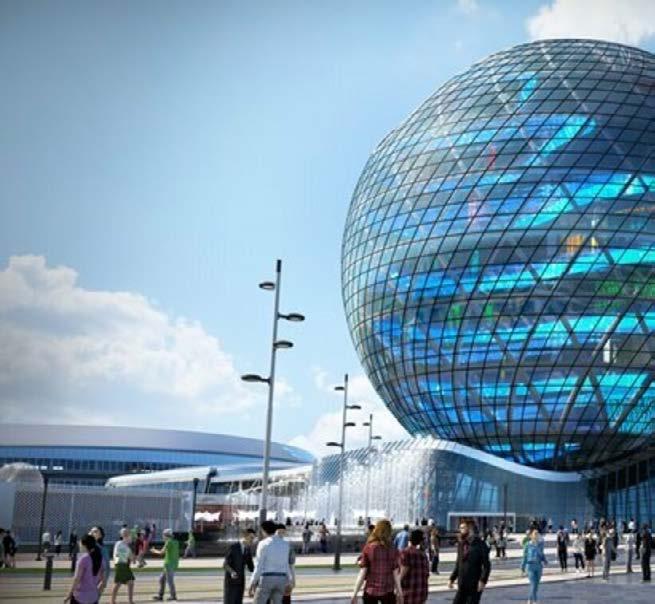
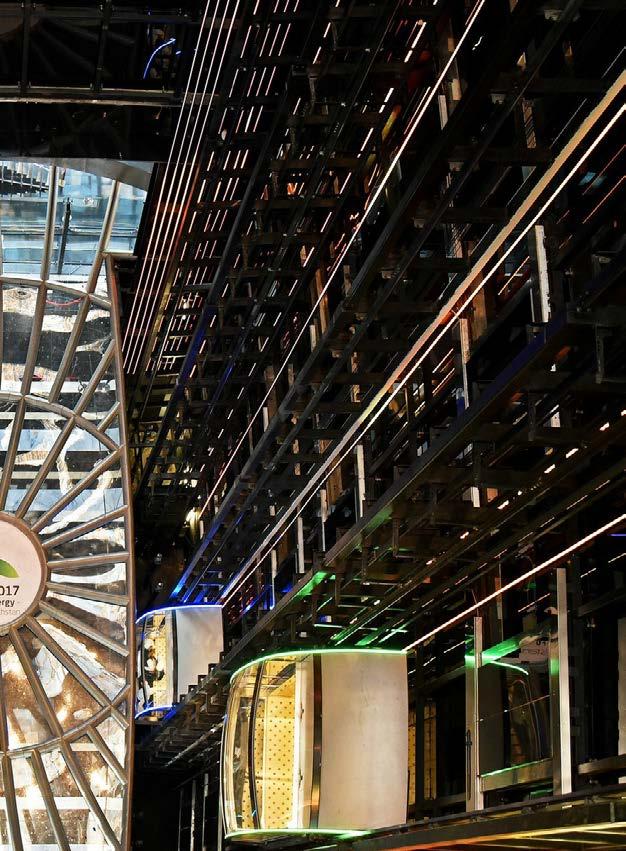
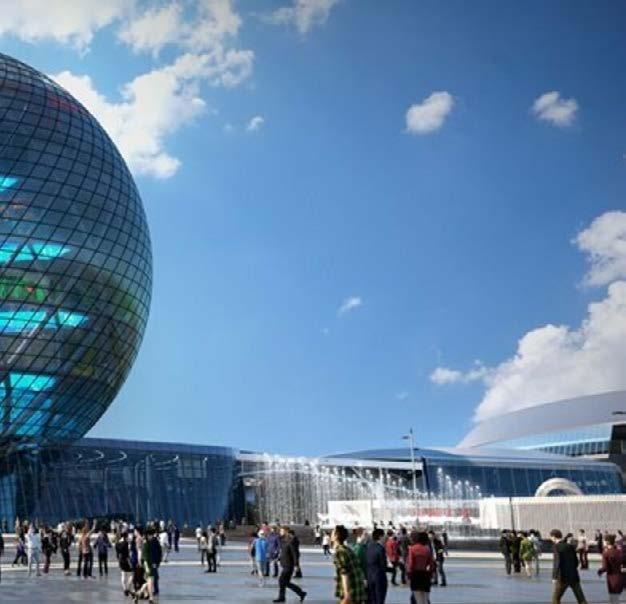
environmental responsibility. Its global importance was cemented during Expo 2017, when over four million visitors from more than 100 countries witnessed the Sphere as a living manifestation of the Expo’s theme, “Future Energy.” But its relevance did not end there. Today, as the Museum of Future Energy, the Nur Alem continues to attract international scientists, students, policymakers, and tourists, serving as a platform for the exchange of ideas on clean energy and technological progress. It has become a diplomatic space, a meeting point where nations and thinkers converge to explore sustainable solutions for the planet. What further amplifies its significance is how it represents a shift in Kazakhstan’s global image—from a resource-rich, post-Soviet republic to a visionary, environmentally conscious leader in Eurasia. The Nur Alem Sphere, with its state-of-the-art technologies and inspiring message, now features prominently in Kazakhstan’s cultural diplomacy and branding strategies. It is frequently showcased in international media, academic journals, and architectural publications as an example of how monumental architecture can embody national vision while engaging with global issues. In this way, Nur Alem is not just a marvel of design—it is a powerful symbol of how architecture can unify local identity with universal ambition.

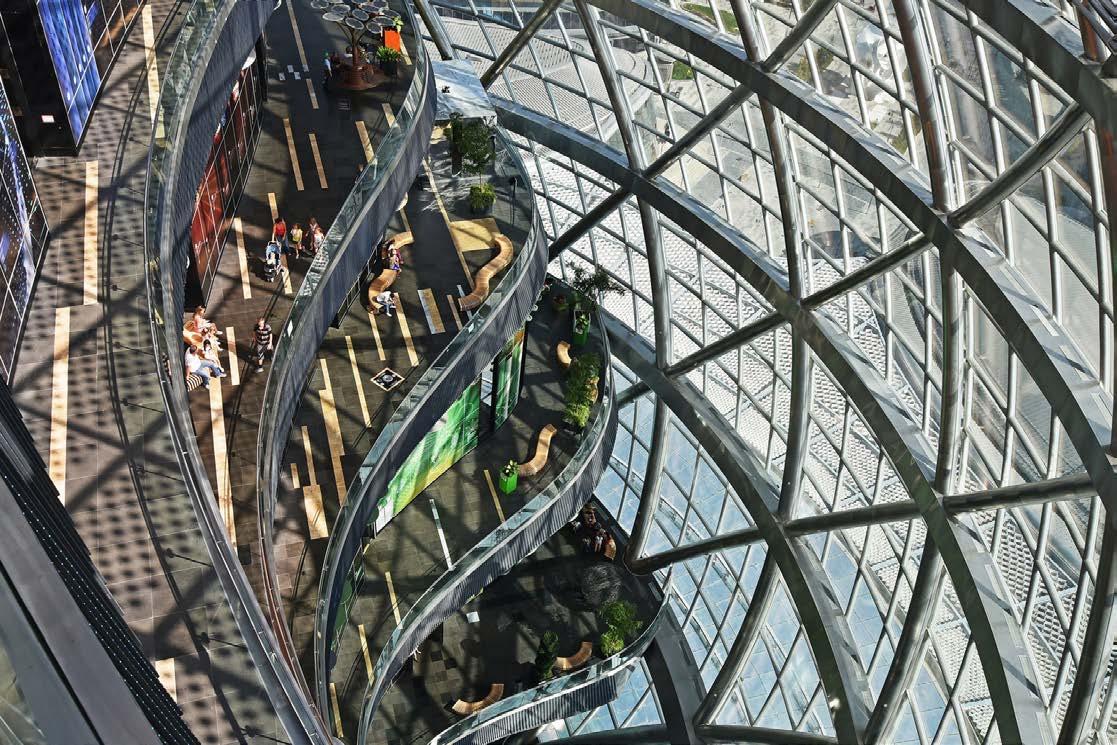
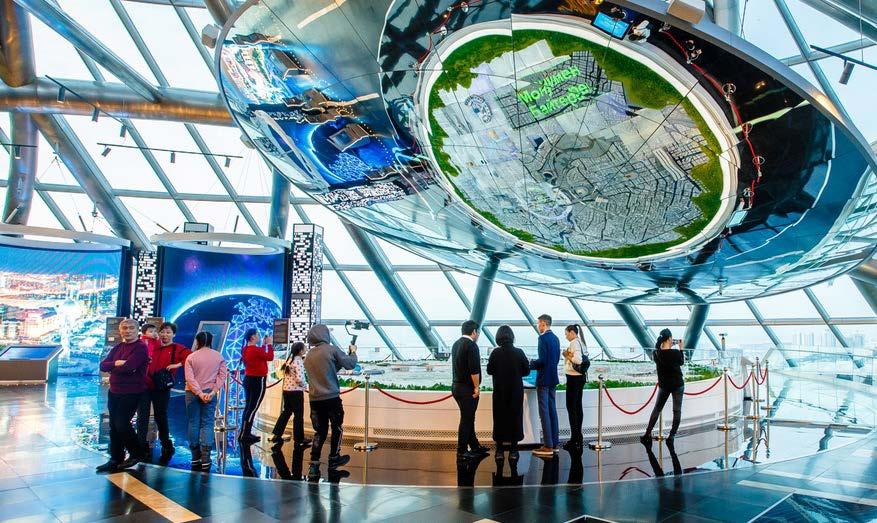
The cultural and urban impact of the Nur Alem Sphere on Astana (now Nur-Sultan) has been profound, reshaping the city’s identity and contributing significantly to its transformation into a modern, globally connected capital. Prior to Expo 2017, Astana had already begun evolving into a symbol of Kazakhstan’s independence and ambition, with striking architectural landmarks such as the Bayterek Tower and the Palace of Peace and Reconciliation. However, the introduction of the Nur Alem Sphere elevated the city’s architectural narrative, introducing an iconic structure that represents not only national pride but also a forward-looking embrace of sustainability, science, and global dialogue.Located in the heart of the Expo 2017 complex, Nur Alem acted as a magnet that spurred the development of new districts, roads, and infrastructure. Surrounding the sphere, a once sparsely populated area was transformed into a vibrant urban zone that includes cultural centers, residential areas, offices, and educational institutions. The pavilion thus played a dual role—a catalyst for urban expansion and a symbol of intellectual and cultural growth. It encouraged investment and tourism, drawing millions of visitors during the Expo and continuing to attract international tourists and scholars today.

On a cultural level, Nur Alem has become a source of national identity and civic pride. For Kazakh citizens, it represents a leap into the future—a tangible demonstration of their country’s ability to lead global conversations about energy and sustainability. The structure also functions as a public learning space, where citizens can engage with advanced technologies and environmental science, thus deepening cultural literacy in areas critical to Kazakhstan’s development goals. More broadly, Nur Alem contributes to Astana’s image as a city of the future—a Eurasian hub where innovation meets tradition, and where architecture plays a defining role in shaping civic life. As the city continues to grow, the presence of such a powerful landmark ensures that sustainability and cultural advancement remain central to its urban story. The Nur Alem Sphere stands today as far more than a remnant of Expo 2017—it has evolved into an enduring architectural and cultural landmark, deeply woven into the identity of Astana and Kazakhstan as a whole. From the moment of its unveiling, this immense glass-and-steel sphere captured the world’s imagination, not only through its bold, futuristic form but through its embodiment of a progressive, sustainable vision for global energy. Designed by Adrian Smith + Gordon Gill Architecture, Nur Alem was conceived with longevity in mind, and its continued relevance as the Museum of Future Energy demonstrates the success of that foresight.
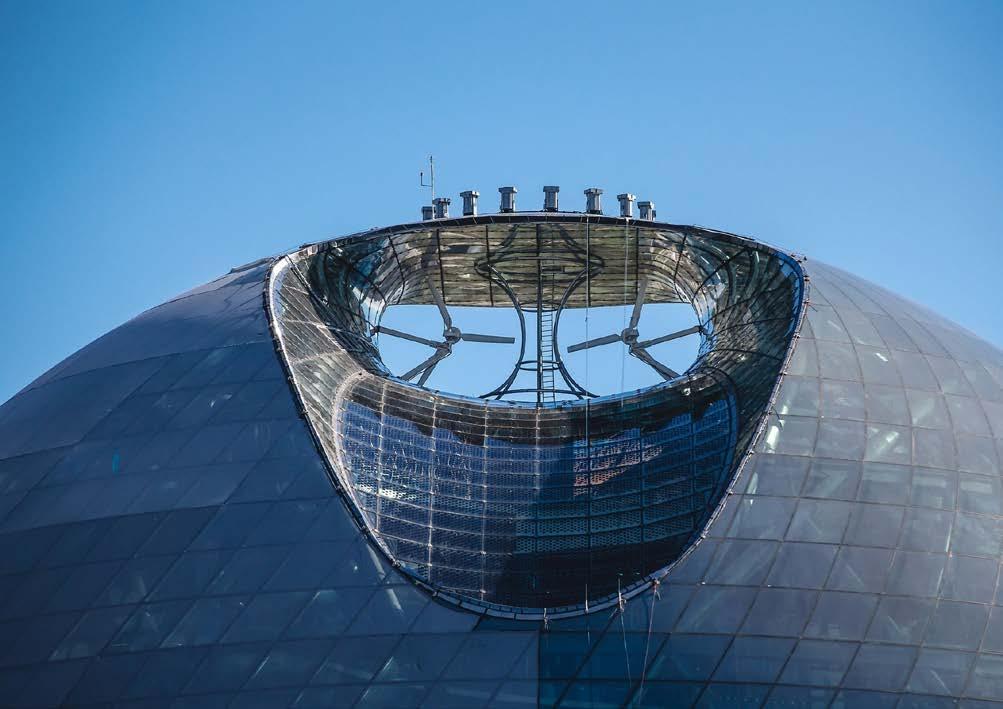
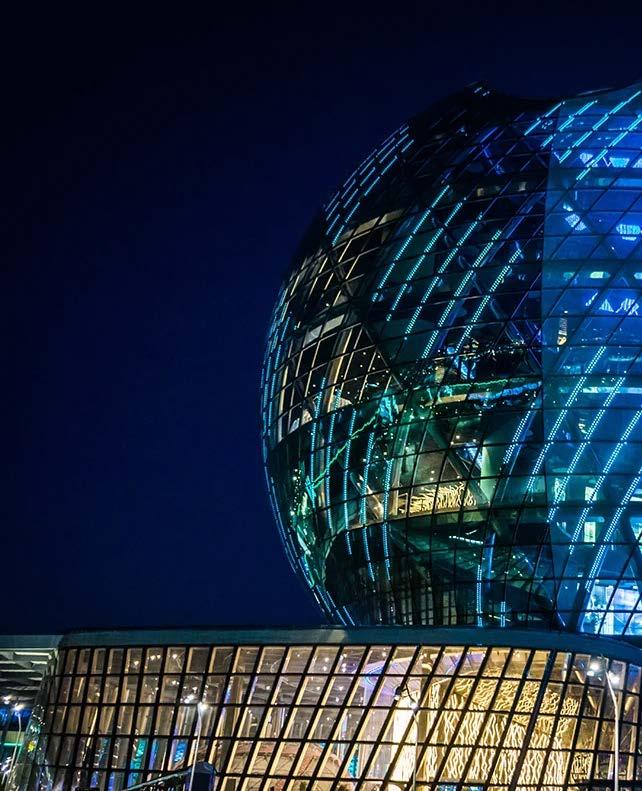
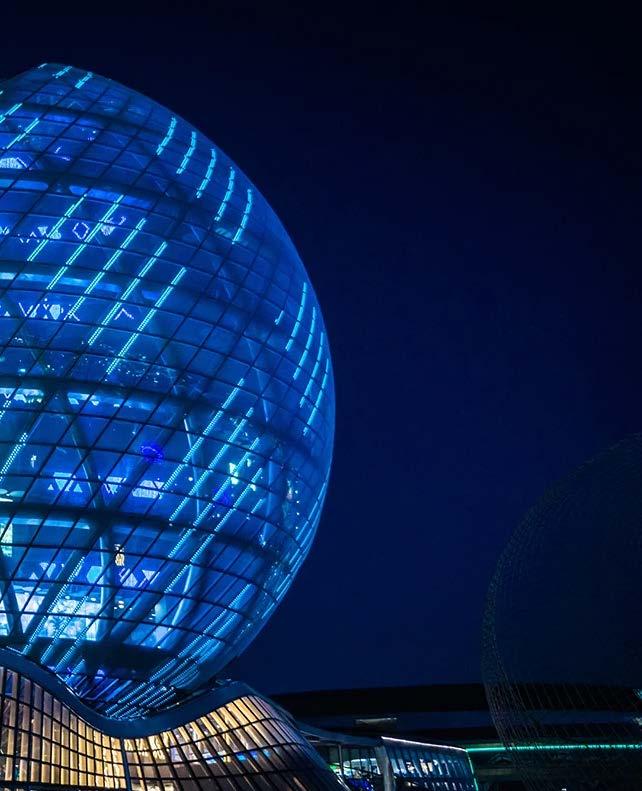
The enduring legacy of Nur Alem lies in its rare capacity to bridge spectacle and substance. It is an icon of visual power—instantly recognizable and frequently featured in international media and academic studies—but also a place of intellectual rigor and educational purpose. The museum continues to serve as a hub for dialogue, research, and public learning about renewable energy and climate responsibility, keeping alive the Expo’s central theme in a living, evolving context. Unlike many World’s Fair pavilions, which are dismantled or forgotten, Nur Alem thrives with renewed purpose.
Moreover, its presence has permanently reshaped Astana’s urban landscape, drawing in visitors, investments, and a spirit of innovation that has spilled over into adjacent developments. It has helped cement Astana’s image as a global city—modern, technologically advanced, and culturally ambitious. On the national level, it has become a symbol of Kazakhstan’s identity and its aspirations: a country that honors its traditions while fearlessly embracing the future.
Ultimately, the Nur Alem Sphere is not only a marvel of engineering and design but a meaningful achievement in the realm of legacy architecture. It proves that buildings can do more than house functions—they can spark imagination, elevate national discourse, and serve as beacons of change. In doing so, Nur Alem offers a model for how architecture, when driven by vision and purpose, can truly shape the world it inhabits.


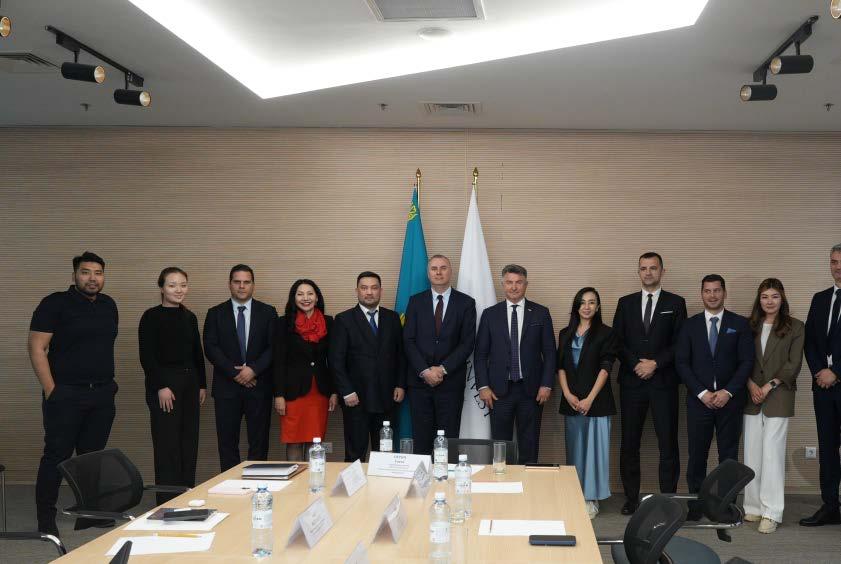

In Astana, Deputy Chairman of the Board of JSC "NC KAZAKH INVEST" Madiyar Sultanbek met with representatives of Croatian company Sinitech Industries, Swedish company Ecolean, Kazakhstan’s AGRO HOLDING BAYAN, and the Croatian Bank for Reconstruction and Development (HBOR).
The parties discussed a project to build a functional powdered milk plant using innovative mineralization technology tailored to the needs of workers in hazardous industries — particularly in mining and metallurgy. The plant will be located in the private industrial zone "Koyandy," 5 km from Astana. The launch is scheduled for the end of 2025, with full operational capacity expected by 2027.
Sinitech Industries will act as the project's technology partner, providing equipment and engineering solutions. Production will be based on AGRO HOLDING BAYAN’s patented technology, which includes the enrichment of dairy products with inulin, vitamins, and other components that aid in detoxification. The product will be packaged using lightweight, ecofriendly containers by Ecolean, which is ready to supply products.

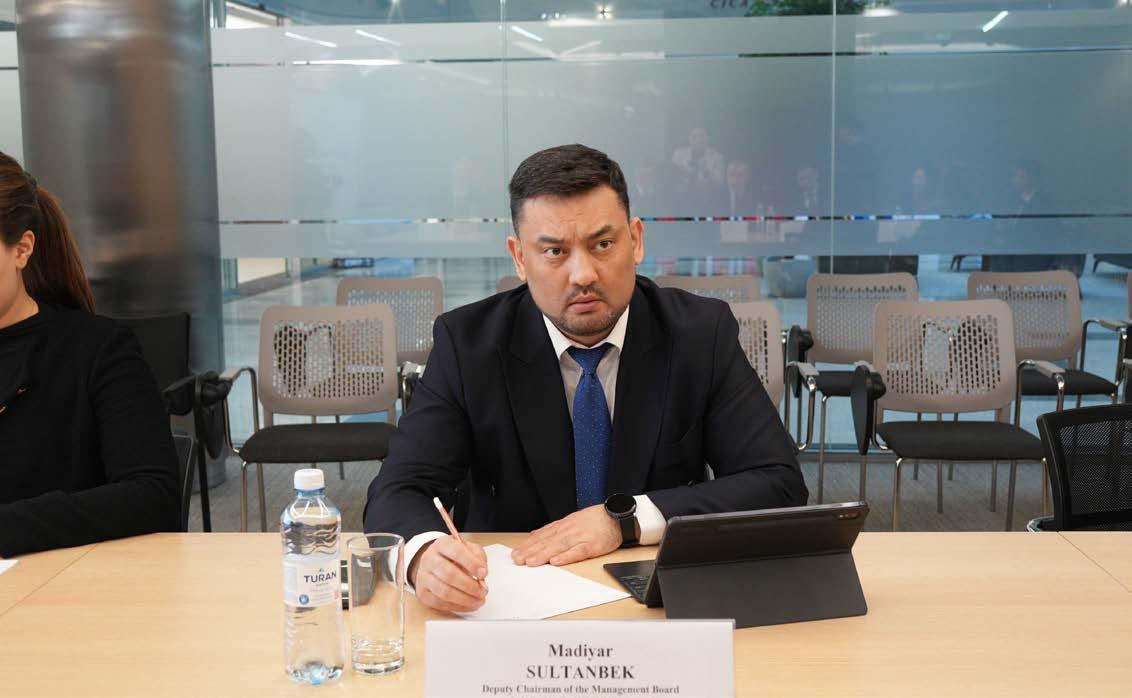
The parties also discussed financing mechanisms. HBOR representatives expressed readiness to consider funding both the equipment and infrastructure during the construction phase. Madiyar Sultanbek emphasized that the project reflects Kazakhstan’s priorities in developing deep processing and export-oriented industries with a strong social focus.
“This project is an example of modern industrial cooperation with high social and export value. The production will not only generate value-added products, but also address real occupational health challenges. We will provide full support throughout all stages — from permitting to export facilitation,” he stated.
The production is also aimed at external markets. In addition to domestic consumption, exports are planned to EAEU countries, the EU, China, the UAE, Turkey, and African nations. The facility is expected to create up to 53 permanent jobs and stimulate demand for local raw materials.

Relevant agreements are expected to be signed soon, with the project moving into the active phase of infrastructure and logistics planning. KAZAKH INVEST will continue supporting the initiative under its “one-stop shop” investor service model.
It is worth noting that the project was preliminarily packaged and published on the KAZAKH INVEST investment platform and included in its official project pool. It was also presented as an investment teaser with a total project value of approximately USD 10 million. This helped attract the interest of foreign partners and financial institutions. Promotion efforts are ongoing, and KAZAKH INVEST will continue to actively facilitate investor engagement in highpotential Kazakh entrepreneurial initiatives with strong export and social dimensions.
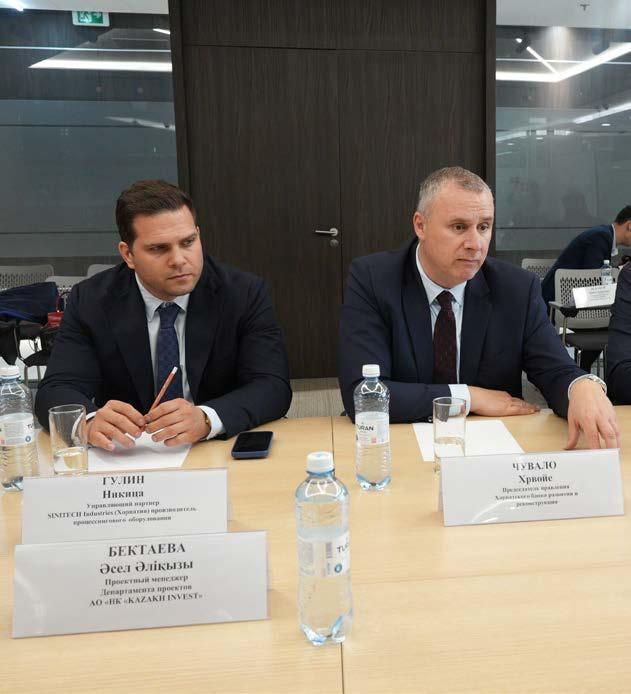
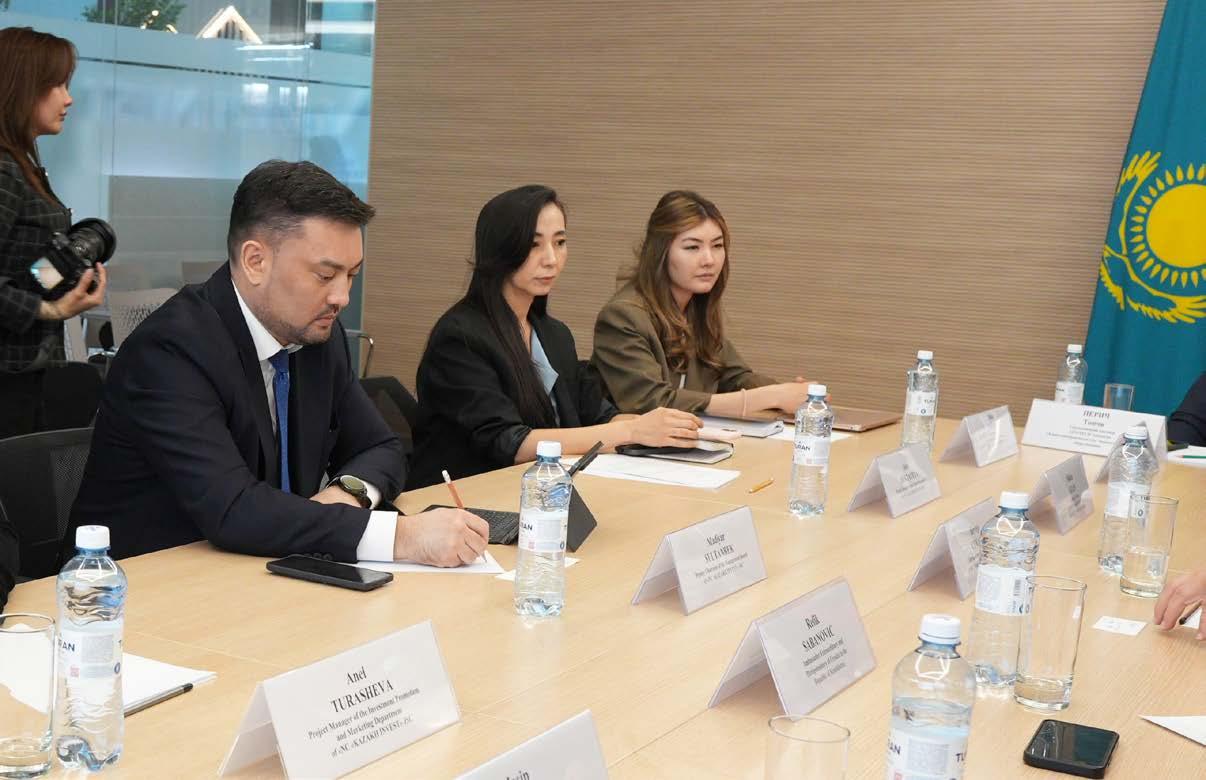
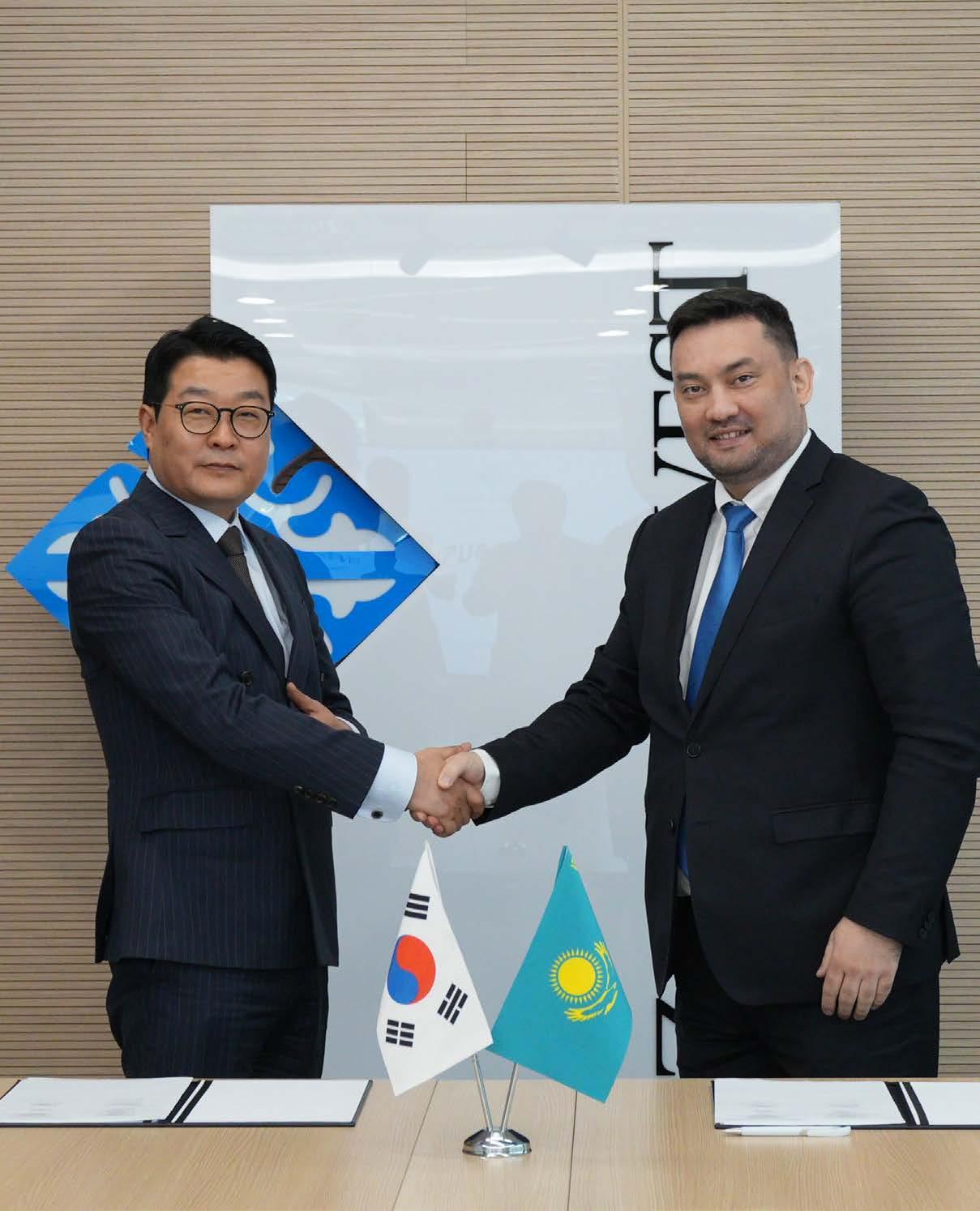
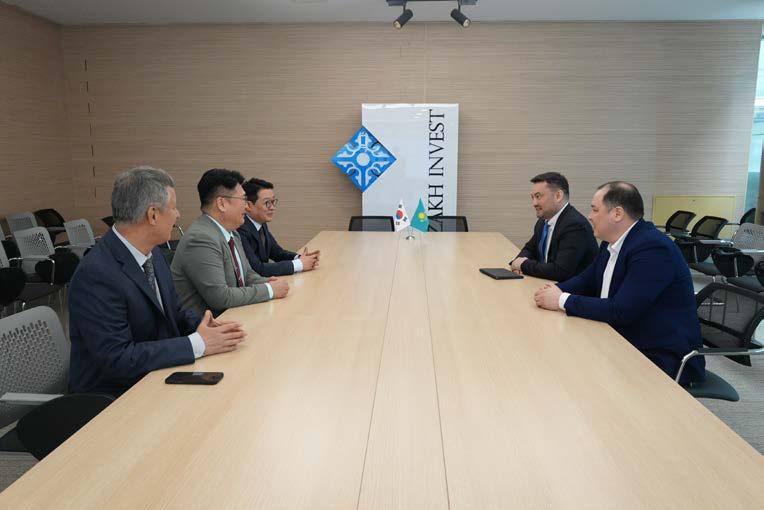
In Astana, Deputy Chairman of the Board of JSC "NC KAZAKH INVEST" Madiyar Sultanbek met with O Yong Su, Director of South Korean company Microbus Co., Ltd. Following the meeting, a memorandum of understanding was signed to strengthen partnership in the fields of infrastructure, energy, and industrial production. Microbus Co., Ltd., which operates as a management structure for a range of South Korean industrial, construction, and
technology companies, views Kazakhstan as a strategic destination for the establishment of production facilities and the implementation of high-tech, knowledge-intensive projects with export potential. The discussions placed special emphasis on the development of an industrial complex for the production of electrical products in the city of Zhezkazgan, as well as projects in the energy, telecommunications, logistics, ICT, and data center sectors.
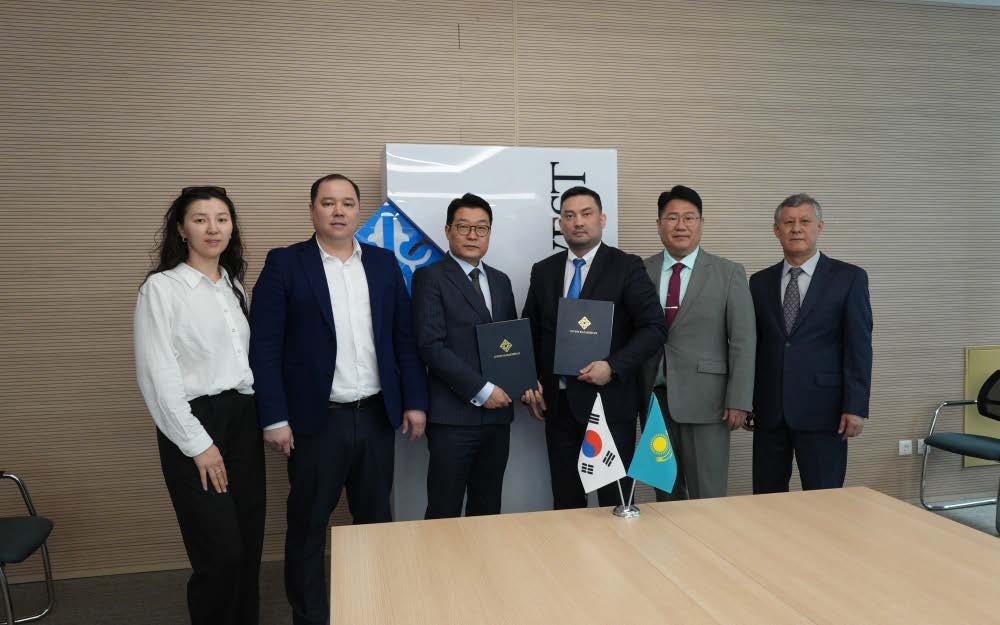
The parties expressed mutual interest in creating a high-tech industrial cluster aimed at both the domestic market and exports to the EAEU, EU, and Asian countries. Highlighting Kazakhstan’s potential as a platform for such initiatives, representatives of Microbus Co., Ltd. shared plans to develop a project for manufacturing electrical goods — including cable products and infrastructure components — using Kazakhstan’s raw materials such as copper, aluminum, and other non-ferrous metals.
During the meeting, Madiyar Sultanbek emphasized the importance of strategic projects involving international technology partners for Kazakhstan’s industrial development.
“The projects we are discussing with Microbus align with our strategic priorities — the creation of new industrial zones, development of local processing, and formation of export-oriented manufacturing. Kazakhstan offers a stable platform with access to key markets, a strong resource base, and investment incentives. We are ready to support these projects from concept to launch.”

Microbus Co., Ltd.’s plans also incorporate elements of sustainable energy and digital transformation, including potential data center construction and the development of smart city solutions. The signing of the memorandum marks the first step in formalizing future cooperation.
JSC "NC KAZAKH INVEST" will provide comprehensive support to the company in identifying industrial sites, facilitating engagement with government bodies, and attracting additional partners for project implementation.
Microbus Co., Ltd. is a South Korean management company coordinating international projects in the fields of infrastructure, energy, and high-tech manufacturing. Microbus implements projects in areas such as railway construction, development of industrial zones, telecommunications, logistics, renewable energy, smart cities, and data centers. Among its affiliated partners are Hyundai Rotem (high-speed and urban rail transport), PULOON Technology (automation and mechatronics), Daewoo E&C, Hyundai E&C, and DL E&C (construction, energy, and industrial infrastructure).
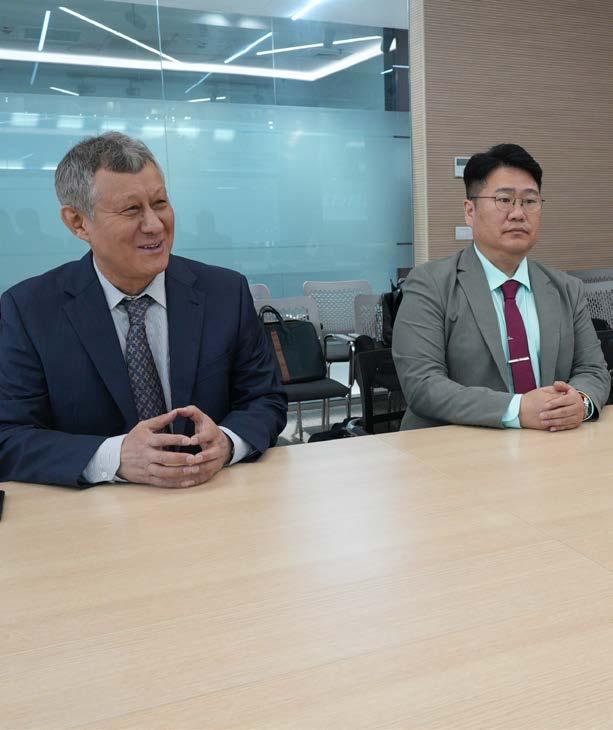
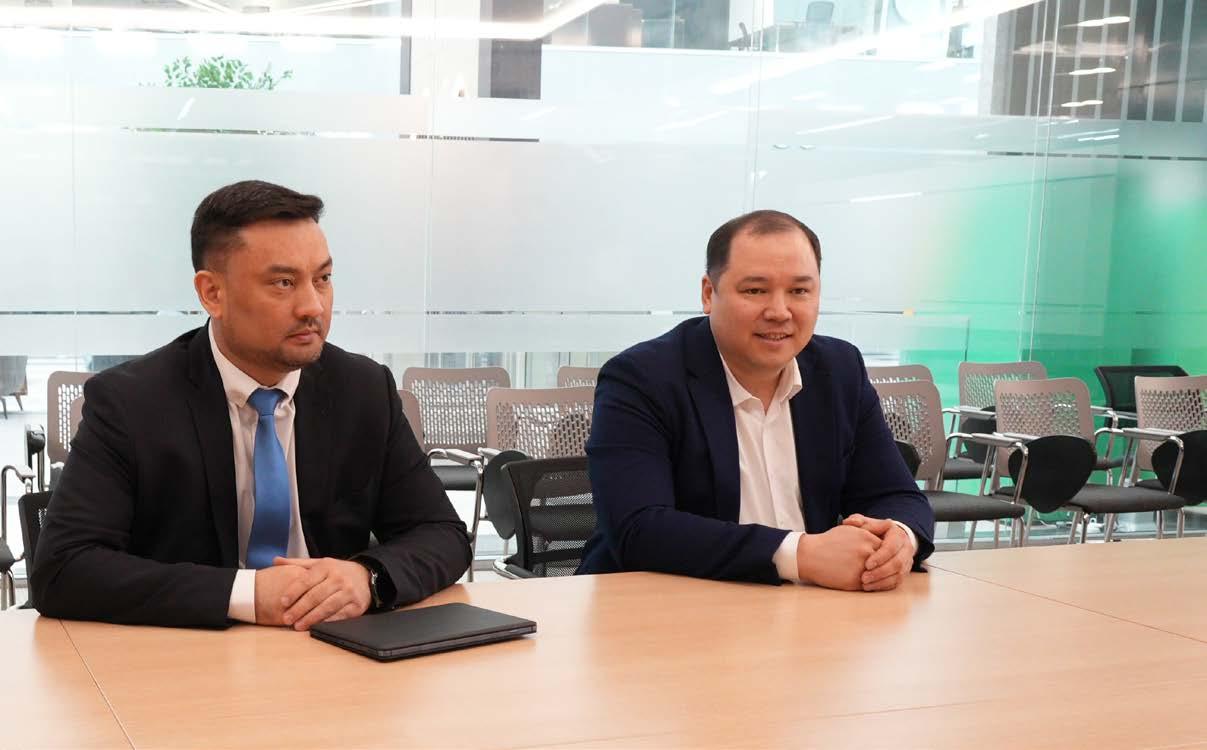

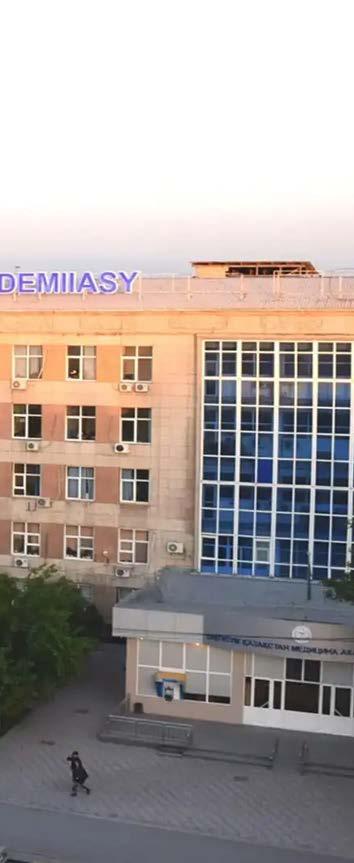
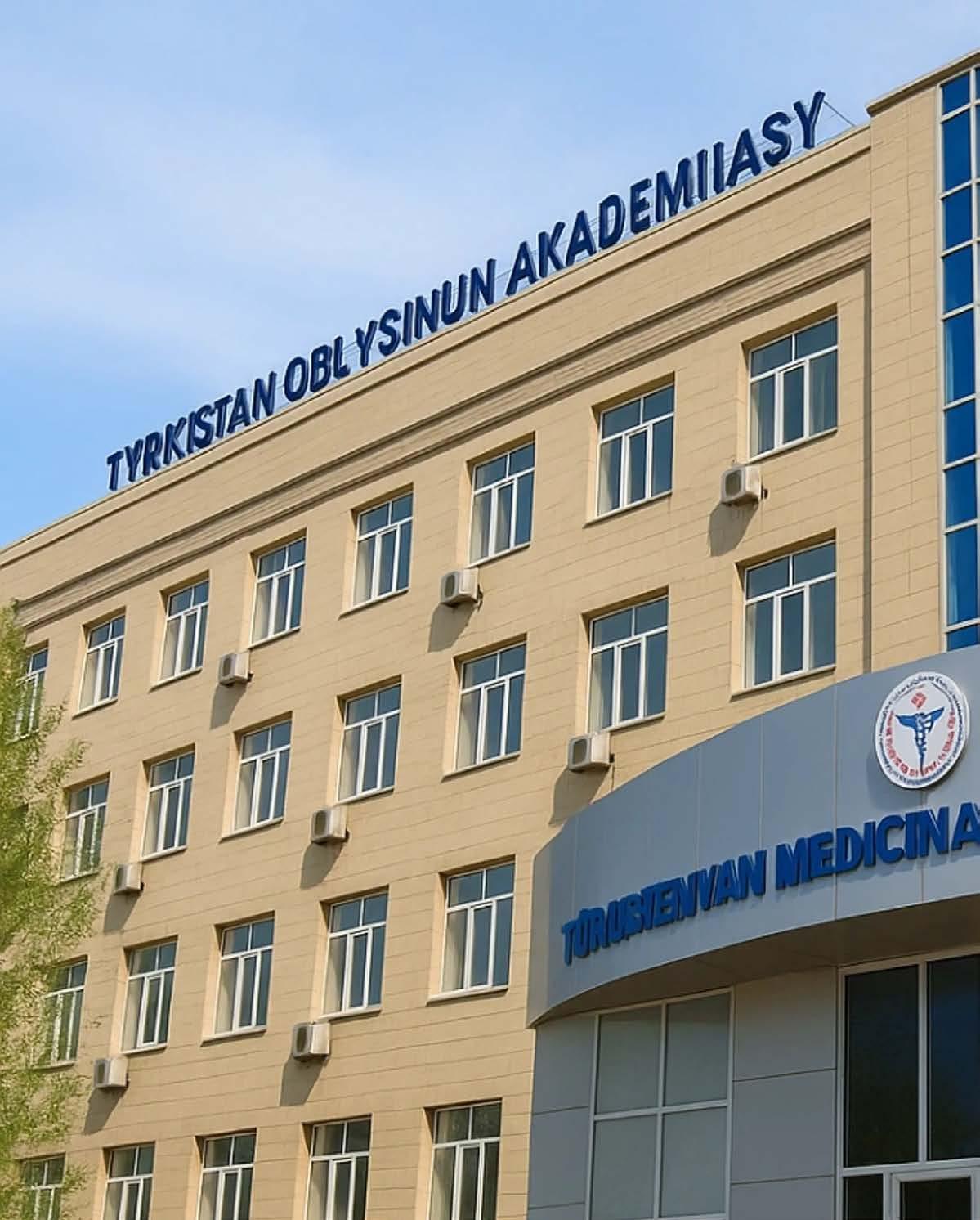

The formation and development of Shymkent University is based on the concept of classical university education and recognition of the intellectual unity of educational, scientific, and educational processes. Shymkent University, established in 2001, is one of the largest multidisciplinary universities in Southern Kazakhstan, which trains specialists in higher and postgraduate education in 28 bachelor's degree programs and 9 master's degree programs.
The educational process is provided by a high material and technical base. The educational process is implemented in three academic buildings with a total area of 31,843 sq.m., including 11 educational laboratories, 17 computer classrooms, classrooms, language labs, which are equipped with multimedia equipment. There are 3 sports complexes, a 210-seat dormitory, libraries, assembly halls, conference halls, catering and medical facilities. There is a psychological support service. The Student Service Center is operating online. Conditions have been created for students with disabilities
The scientific potential of the highly qualified teaching staff is 76% of the degree. Foreign scientists and experienced practitioners in the field of economics corresponding to the profile of the field of personnel training are involved in lectures and educational activities.
Conditions have been created for the research activities of students and teachers, 3 research institutes are functioning: "Ecology and Biology", "Pedagogy and Psychology", "Regional economic problems".
The University is successfully implementing a program of international cooperation and academic mobility. On the basis of signed memoranda and agreements, the University actively cooperates with leading foreign universities in Turkey, Poland, Germany, Lithuania, Ukraine, Russia, Uzbekistan, Kyrgyzstan, Tajikistan, etc.
Since the beginning of its educational activity, the university has produced more than 60,000 specialists in various fields who successfully work in our republic and abroad.


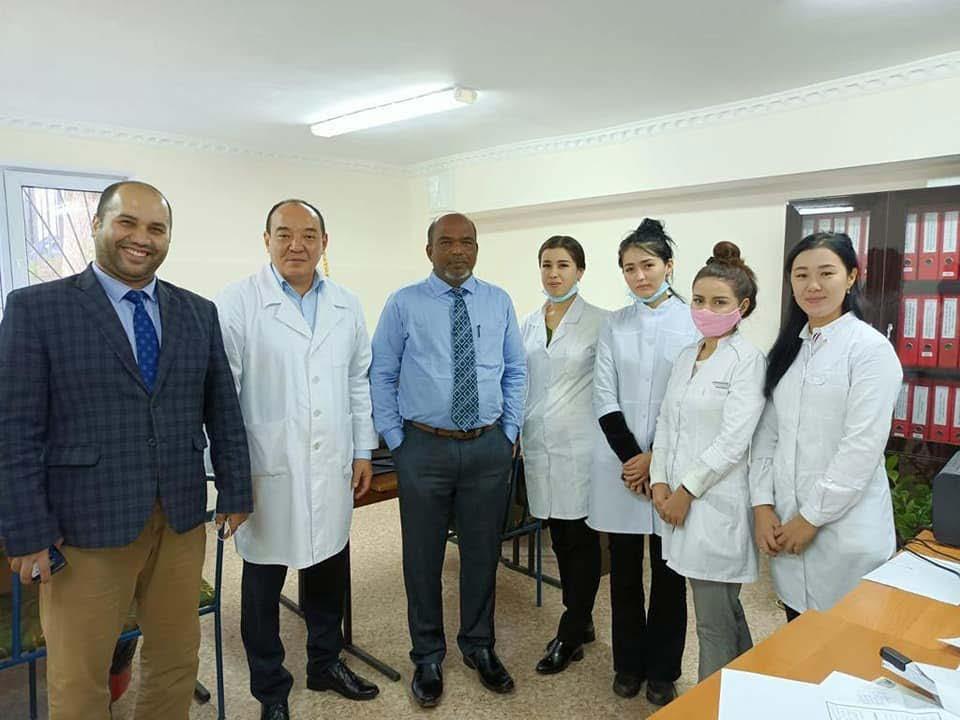
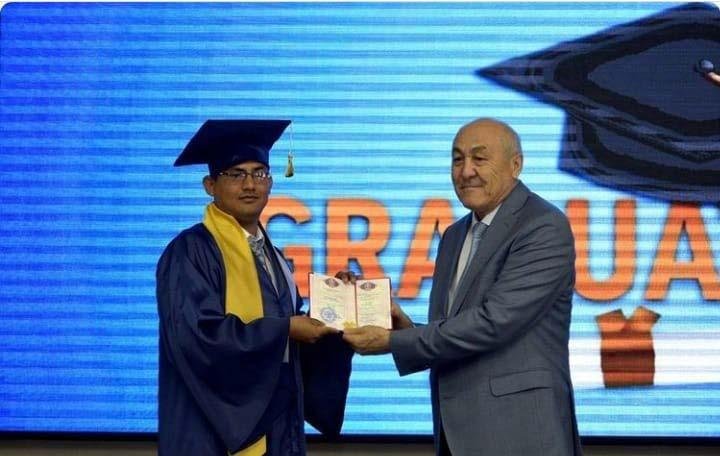
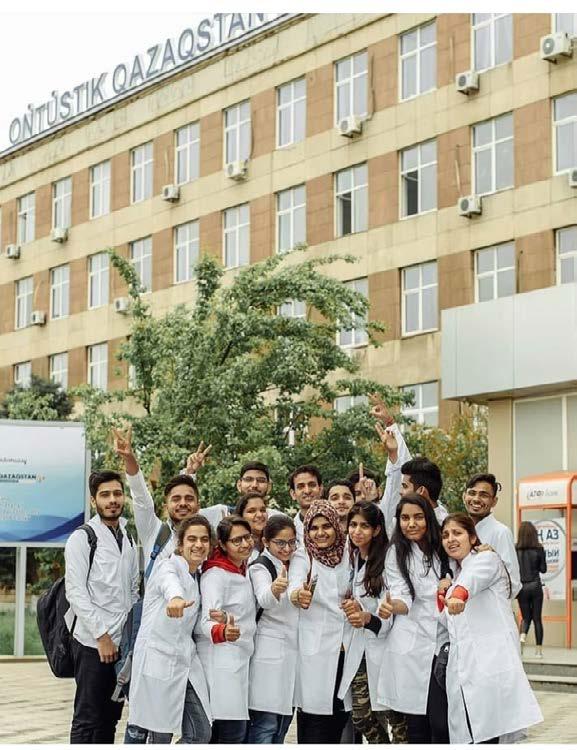
The mission: Training of competitive, progressive-minded, highly cultured and tolerant specialists in the modern labor market.
Vision: Shymkent University is a higher educational institution that effectively carries out educational, research and educational activities based on the principles of the Bologna process. Shymkent University sees itself as an innovative center of scientific and educational services, providing technology and knowledge transfer aimed at commercialization of research and development results.
The educational activities of the university are aimed at the generation, accumulation, transfer and dissemination of advanced knowledge and new ideas. For this purpose, the potential of established research institutes, laboratories, integrated educational and scientific structures that are the basis of the educational process is used.
Shymkent University will provide leading positions in the training of specialists for various sectors of the economy and the social sphere, combining the quality of training with the provision of innovative technologies, software, methodological and intellectual resources for the development of economic, moral, and cultural values of society. This will allow the university to use its advantages in training competitive specialists in the labor market with a fundamental university education.
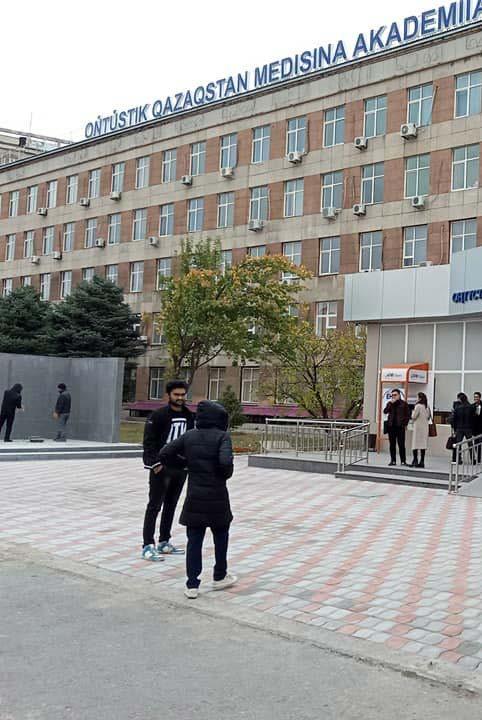
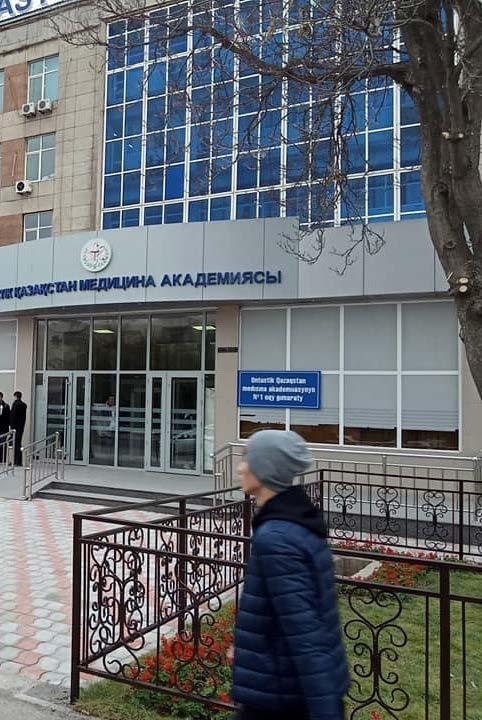
Shymkent State Medical University is located in Shymkent. The University is Kazakh Government Research University. This University promotes clinical care, education, as well as research. The university has a considerable and outstanding faculty. According to the standard rules of activity of the academic council of the higher educational institution, deputies approved by the order of executive body of the ministry of education and science of Republic of Kazakhstan.
Shymkent, a city of South Kazakhstan is situated in the Valley of Sayram River at the foothills of Ugam range. Shymkent has the population of about 647,000. It is considered as one of the populated cities of Kazakhstan. Shymkent is the third largest city of Kazakhstan, as well as the essential railway junction.
Shymkent State Medical Universy is one of the worldclass medical universities and has earned top position in the list of medical universities all across the globe. Since the establishment of the University, over 11,000 students have taken admissions in the medical universities and provide the best medical education. The faculty and staff of the University is highly-qualified.
IMPLEMENTATION OF A DOUBLE-DEGREE PROGRAM BETWEEN TASHKENT STATE PEDAGOGICAL UNIVERSITY NAMED AFTER NIZAMI AND SHYMKENT UNIVERSITY


The Tashkent State Pedagogical University named after Nizami and the Shymkent University signed an Agreement to implement a double-degree program. Students enrolled in the educational programs 6B01301 - "Pedagogy and Methods of Primary Education", 6B01402 - "Music Education" and 7М01701 - "Kazakh Language and Literature" who successfully complete their studies will receive two diplomas. This prestigious title is not only from Shymkent University but also from the Tashkent State Pedagogical University named after Nizami. This initiative provides students with unique opportunities to gain knowledge from two leading institutions and significantly enhance their skills.
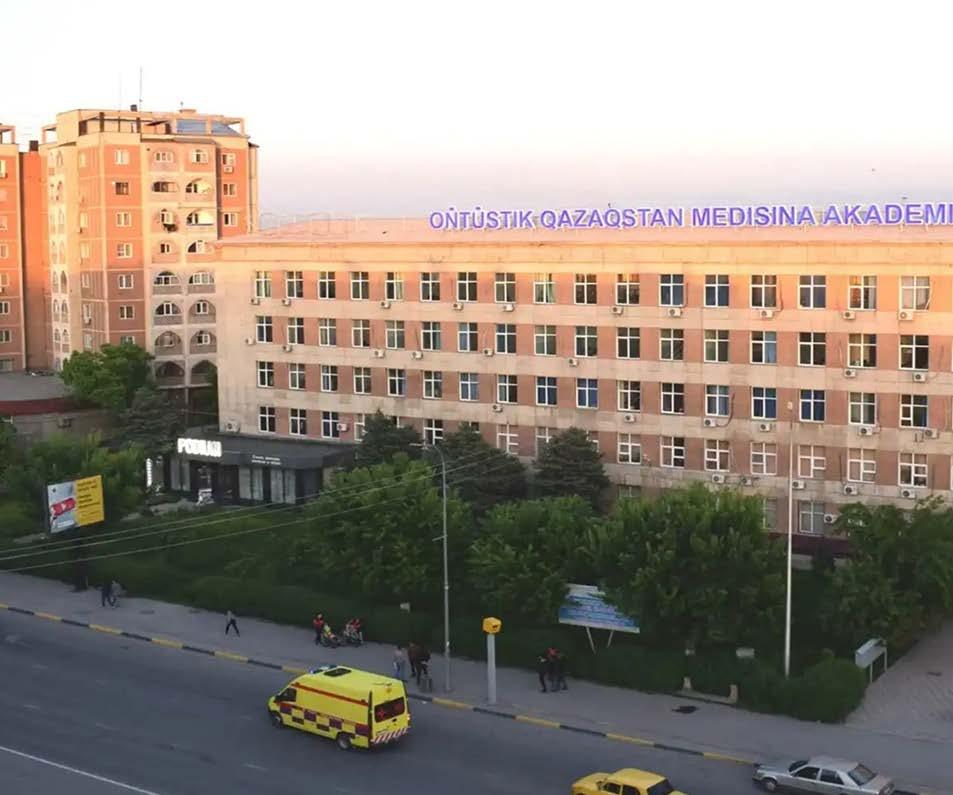
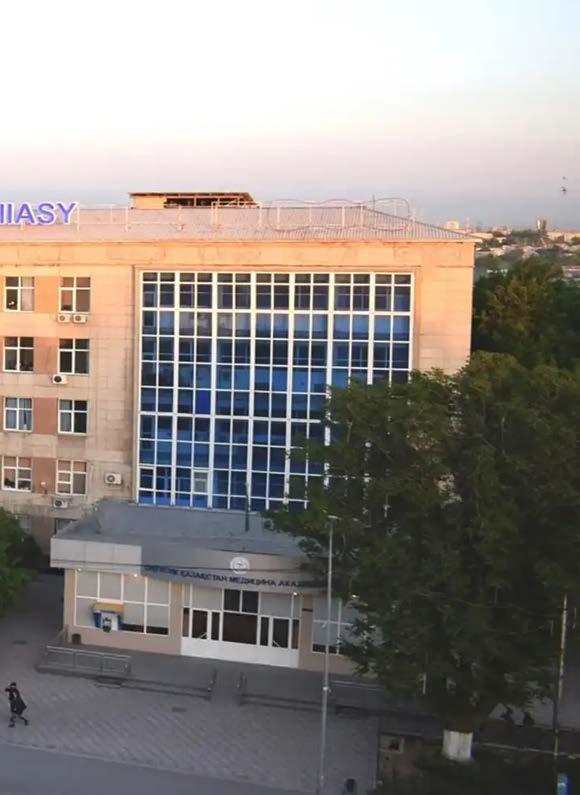

Adelegation from Shymkent University is participating in the International Education Management Forum, EYFOR-16, which is organized jointly with the Republic of Turkey and the universities of Zonguldak, Bulent Ecevit, and Gazi. EYFOR-16 is a unique forum that brings together educational theorists and practitioners on one platform, allowing for the free exchange of research in areas such as "Pedagogical Sciences" and "Pedagogical Management".
The forum will be held in Kemer, Turkey, and its objectives include:
- Exchange of experience with leading teachers from around the world;
- Deep immersion in innovative teaching methods and best practices;
- Strengthening professional connections and expanding the network of contacts through meetings with experts and colleagues in various fields.
In addition, during this period, university teachers completed advanced training courses and received certificates on the topic "Modern technologies in inclusive education".




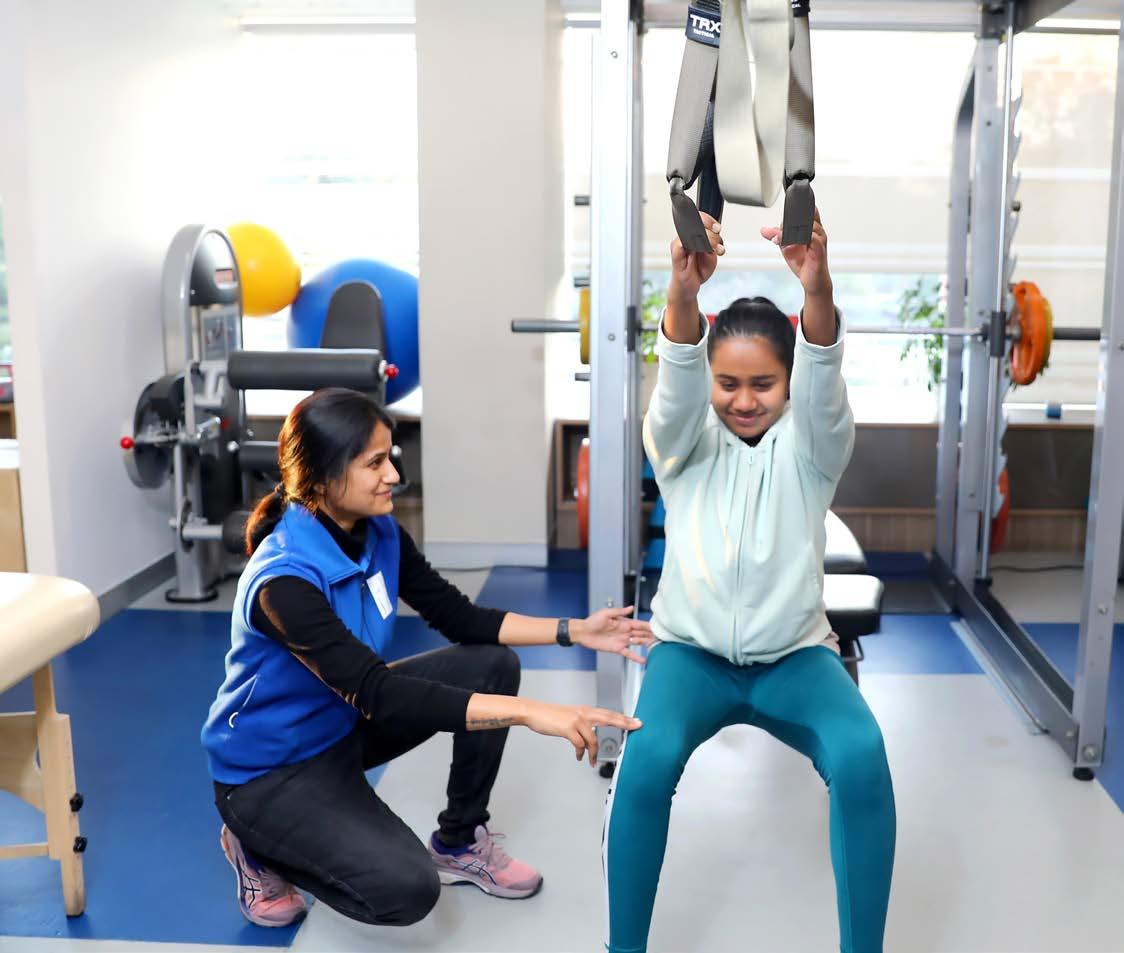
Physical medicine and rehabilitation focus on restoring the health and functional abilities after illness or injury, such as a stroke, spinal cord injury, heart surgery, amputation, joint replacement, sports injuries, spinal disorders and other conditions. RCIHG work with you to develop a custom treatment plan built around your individual needs. Physical therapists at Dr. KMD’s Royalcare International Hospitals Group work with patients to create and carry out the best course of treatment for conditions that limit the ability to move, play sports or perform daily activities. RCIHG’s skilled team of therapists helps to prevent further injury, reduce pain, and maximize physical functioning.
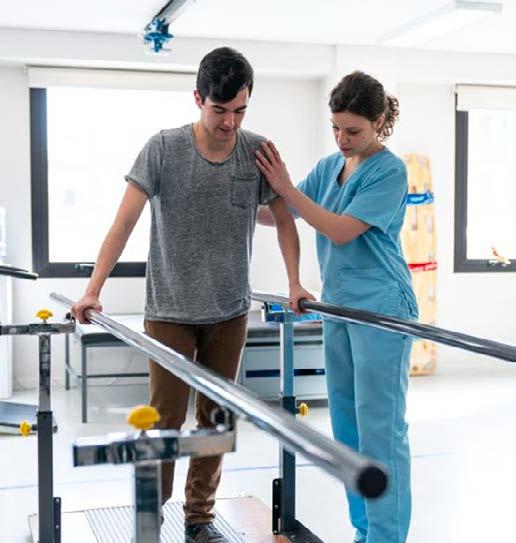

For patients who need intensive post-acute rehabilitation to regain function and achieve the highest level of independence before leaving the hospital, Dr. KMD’s RCIHG, offers a Comprehensive Inpatient Integrated Rehabilitation Program (CIIRP). The program is staffed by a multi-specialty team of experts and is available in RCIHG’s Main Campus inpatient rehabilitation facilities. RCIHG’s programs provide 7-day-aweek medical and rehabilitation nursing services along with intensive rehabilitation therapy services, 3 hours per day, 5-7 days per week based on your unique treatment needs. RCIH is accredited by the Joint Commission and the Commission on Accreditation of Rehabilitation Facilities (CARF), highlighting our commitment to delivering the highest quality of care.

• Aquatic Therapy
• Cardiopulmonary Rehabilitation
• Foot and Ankle Physical Therapy
• Functional Capacity Evaluations
• Gait and Balance Physical Therapy
• Headache Management
• Lymphedema Management
• Orthopaedic Rehabilitation
• Parkinson's Disease Therapy
• Pelvic Floor Physical Therapy
• Physical Therapy for Runners
• Rehabilitation for Golfers
• Rehabilitation for Performing Artists
• Scoliosis Management
• Soccer Injury Rehabilitation
• Vestibular Rehabilitation
• Wound Care

• Limb loss rehabilitation
• Back and spine pain rehabilitation
• Cancer rehabilitation
• Geriatric rehabilitation
• Multiple sclerosis rehabilitation
• Neuromuscular rehabilitation
• Non-invasive brain stimulation
• Outpatient intensive post-acute rehabilitation
• Paediatric rehabilitation
• POTS program
• Spinal cord injury rehabilitation &
• Sports rehabilitation


Dr. KMD’s RCIHG’s Inpatient Units feature private rooms, state-of-the art rehabilitation equipment and gyms, as well as replicas of real-life settings like kitchens, to help you practice everyday skills.
Physical rehabilitation is just one part of recovery. Based on your individual needs, both sites offer onsite access to comprehensive diagnostic imaging, laboratory, pharmacy, psychological, social work/case management, specialty medical service consultative services and many other adjacent services, offered at Royalcare International Hospitals.
At RCIHG you are in great hands with our world-renowned experts, who have praiseworthy knowledge, skill and experience in host of conditions, and specialty intensive and acute care units are located in the Comfortable Space of the Main Block of Royalcare International Hospitals Main Campus at (Neelambur) Greater Coimbatore.
If your care team thinks you might benefit from post-acute rehabilitation, they can send referrals to facilities in the area to check for open spots. You have the freedom

to choose your inpatient rehabilitation facility. On the other hand; If you would like to come to RCIHG Main Campus on your own, then You may let your specially assigned Healthcare / Case / Personal manager know, so that they can send your information to us. Our admissions team reviews all referrals and determines whether a patient meets the admission criteria. If you do, we will offer you a spot at any of our facilities, based on availability as well as specialized care you may need. We will contact your Healthcare / Personal manager if you have been accepted into the subacute rehabilitation program to initiate the admission process.
Dr. KMD’s RCIHG’s Inpatient Rehabilitation Units provide occupational therapy, physical therapy, speech-language pathology, physical medicine and related services to help patients recover from a variety of conditions, including:
• Neurologic conditions such as stroke, spinal cord injuries, brain injuries, multiple sclerosis flare-ups, brain bleed and brain tumours
• Limb loss
• Orthopaedic conditions such as fractures and joint replacement
• Cardiovascular conditions such as a heart attack
• Burns
• Traumatic injuries

Dr. KMD’s Royalcare International Hospital Group’s Network offers Remote Therapeutic Monitoring (RTM), a service that allows patients experiencing pain or functional limitations due to a musculoskeletal condition to receive support from their physical or occupational therapist from the comfort of their homes. This Special program, which uses the Specially Designed Mobile App, complements systems that collect and monitor a patient’s self-reported pain and function as well as progress with their home exercise program.






Occupational therapists at Dr. KMD’s Royalcare International Hospitals Group help patients participate in meaningful daily activities and practice habits they may need for work and recreation. RCIHG’s team of occupational therapists works with adults and children recovering from injury and surgery, and those managing chronic illness, to help them care for themselves and be independent.


• RCIHG start with an evaluation that focuses on discussing your personal health goals. This helps us set benchmarks to measure your progress.
• Next, they develop a customized rehabilitation plan to help you achieve your goals. Occupational therapy treatments are focused on re-training movement and self-care skills, providing adaptive equipment, and training in the use of energy conservation and work simplification to increase independent living.
• As you move forward with occupational therapy, the Experts set intervals to measure success and make adjustments to the treatment plan as needed.
• RCIHG’s work with children is focused on helping them fully participate in school and social situations.
• For older adults experiencing physical and cognitive changes, RCIHG provide support so they can safely perform activities of daily living.
• Occupational therapists also perform upper extremity wound care and whirlpools, dynamic and static splinting, and make recommendations for medical equipment, such as bedside commodes, tub seats and grab bars.
• Occupational therapy can be effective for people suffering from these and similar impairments:
• Visual impairments and difficulties with perception
• Trouble with fine motor skills, such as writing or tying a shoe
• Problems with balance or hand-eye coordination
• Sensory integration dysfunction: when information from the senses doesn’t get properly interpreted by the brain.
• Decreased upper body and/or extremities strength and/ or range of motion
• Cognitive impairments (memory, sequencing, problem solving, insight, safety awareness, etc.)
• The need to wear splints, orthotics, prosthetics or other devices that impair normal function.
• Impaired performance in self-care and community reintegration
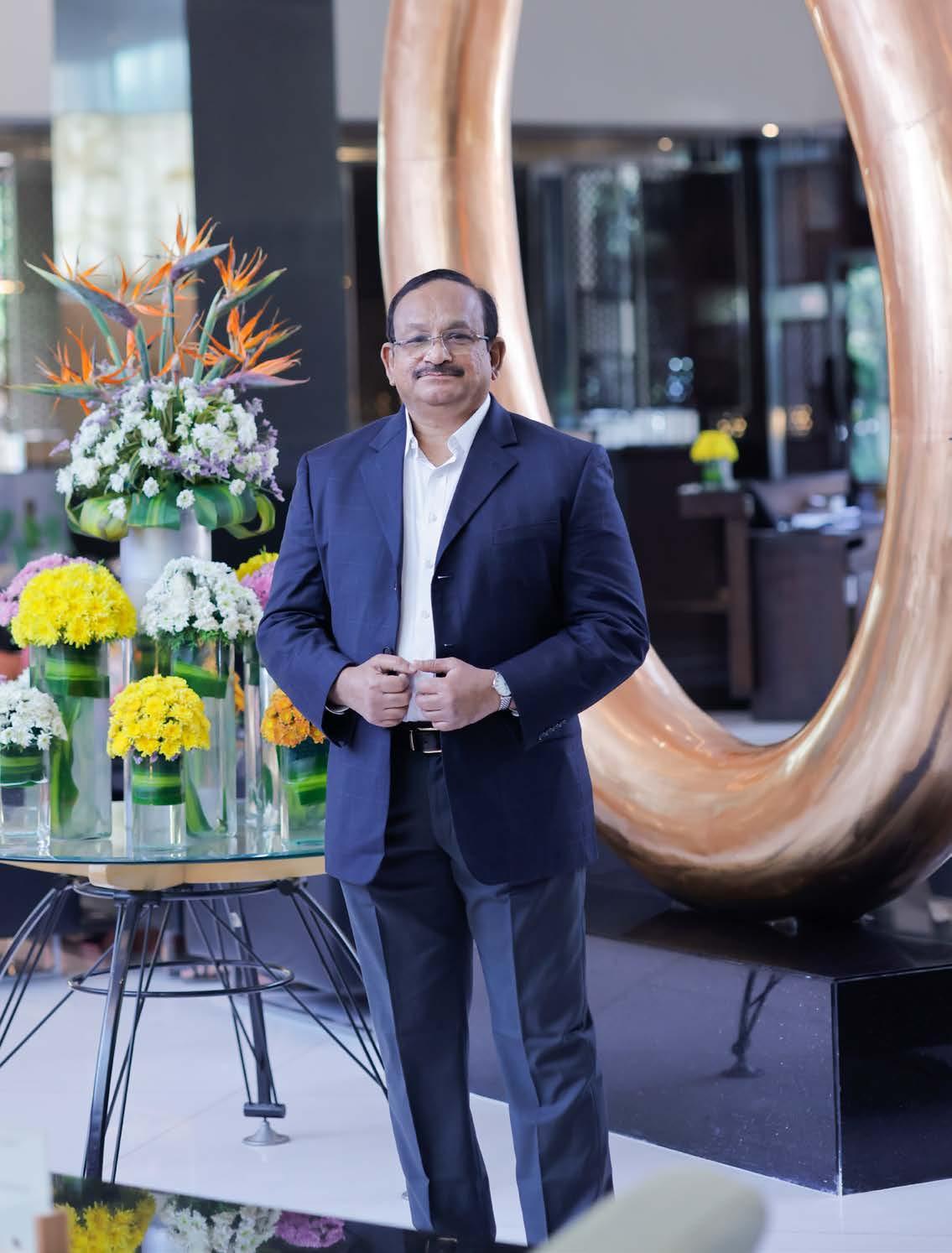
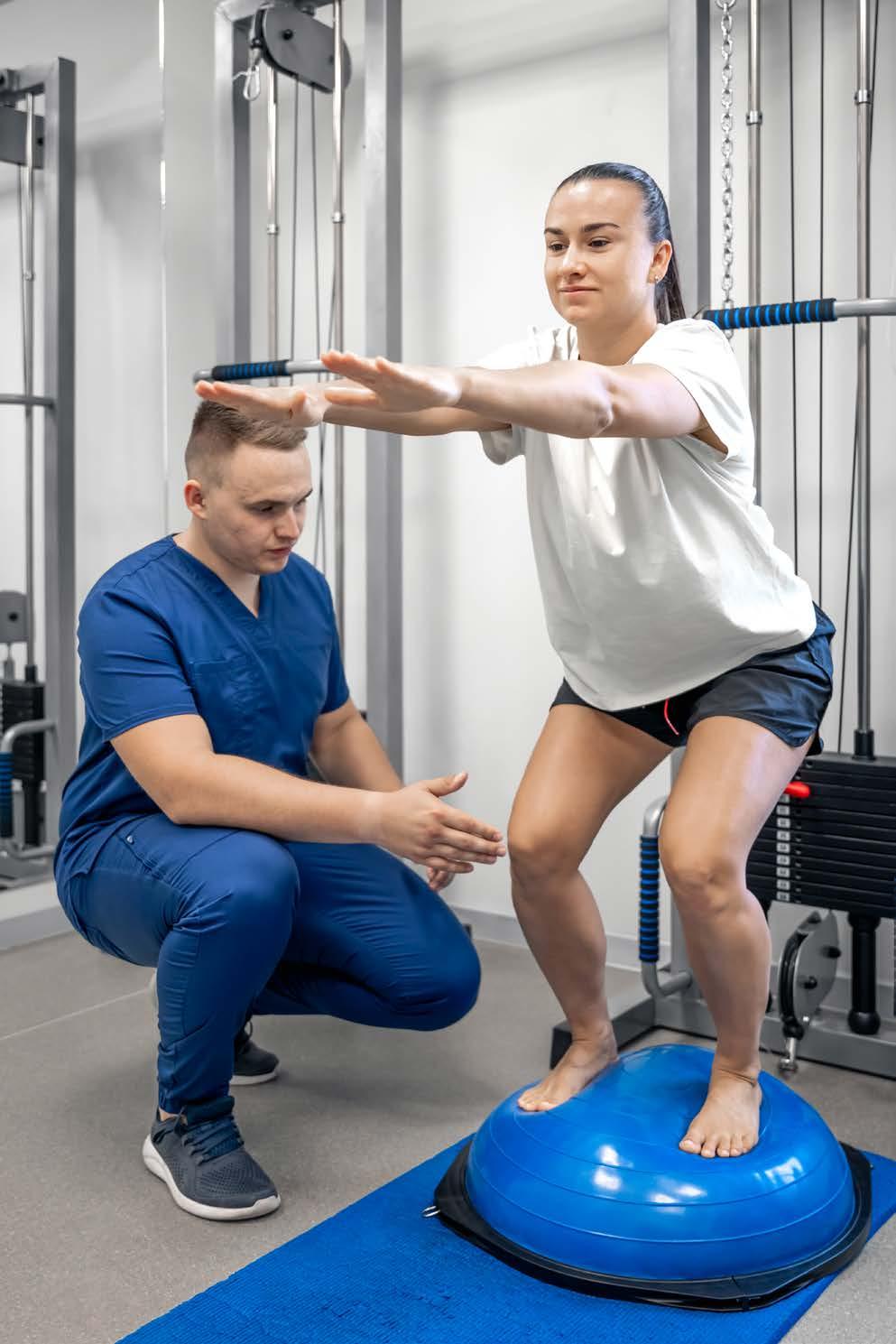


Hand therapy helps patients with a variety of disorders and injuries of the hand, arm, wrist and fingers return to work and a more active lifestyle. Royalcare International Hospital’s hand therapists can help with conditions ranging from simple fingertip injuries, to hand, arm and finger transplants and reattachments.
At Dr. KMD’s Royalcare International Hospitals Group’s Department of Physical Medicine and Rehabilitation, our occupational therapists specialize in helping patients with mental health disorders. Our occupational therapists are experts in performing behavioural health assessments, which offer insight into a patient’s condition. They have strong observation and creative problem-solving skills, and understand human development and function across different diagnoses.
Someone who is undergoing cancer treatment may need different therapy than someone recovering from a spinal cord injury. RCIHG’s occupational therapists have experience in many areas of rehabilitation and will customize the treatment based on your unique condition and needs. They frequently work with patients who have experienced:
• Traumatic brain injury and stroke
• Cancer
• Lymphedema
• Spinal cord injuries
• Trauma from falling
• Sports injuries
• Amputations
• Multiple sclerosis
• Neuromuscular diseases

of Dr. KMD’s RCI Hospitals Group’s PM&R Centre of Medical Excellence:
Thousands and Thousands of people visit Physical Medicine & Rehabilitation Centre of Medical Excellence of Dr. KMD’s Royalcare International Hospitals Group’s Campus in India; in order to be treated by the most renowned expert physicians, therapists and advanced practice providers. The daily routine of our PM&R providers, in addition to offering utmost Care to Patients and helping them to achieve their Health Objectives; Is also to tirelessly participate in research, teamwork and innovations both within the RCI Hospitals Group as well as with the vast spread Medical community across the world, Updating scientific knowledge and continuing education etc.,
And, These types of ongoing advancement provides stateof-the-art medical treatments and nonsurgical options for a wide range of functional limitations.
RCIHG’s PM&R Team may offer treatment options that include physical modalities such as custom orthotics and ultrasound as well as other treatments including therapeutic exercise and manual therapy to help improve movement and advance healing. RCIHG’s Staff members may also provide patient education opportunities to help you understand your medical condition and rehabilitative care.

At Royalcare Hospital, a world-class team of doctors and specialists will see you in one place, at one time. They'll listen to your story, understand your Needs, goals, Objectives and work together to accurately analyse, diagnose and treat your condition so you can get back to your life as quickly as possible.
Getting your diagnosis right the first time means you can start on the most effective treatment plan pretty quick. We are continuously developing better tools for diagnosis and treatment, so you get answers, options, and hope for most of your health concerns to your best satisfaction.


A team of specialists will thoroughly and carefully evaluate your condition and work together to create a customized plan to meet your goals. Our team approach makes your experience less complicated, so you can focus on getting better. Dr. KMD’s Royalcare International Hospitals Group’s patients are often the first to benefit from any positive advancements that our hospitals implement. And the amazing outcomes of our continual researches in various fields of Medicine are inevitably focused on our Patients and their flawless health. Even Right now, Hundreds of our doctors and Research Associates are tirelessly working on significant areas concerning new treatments and therapies for the world’s most challenging and complex medical issues with the Mission of Providing Cure for all sorts of Health Issues and Medical Challenges.
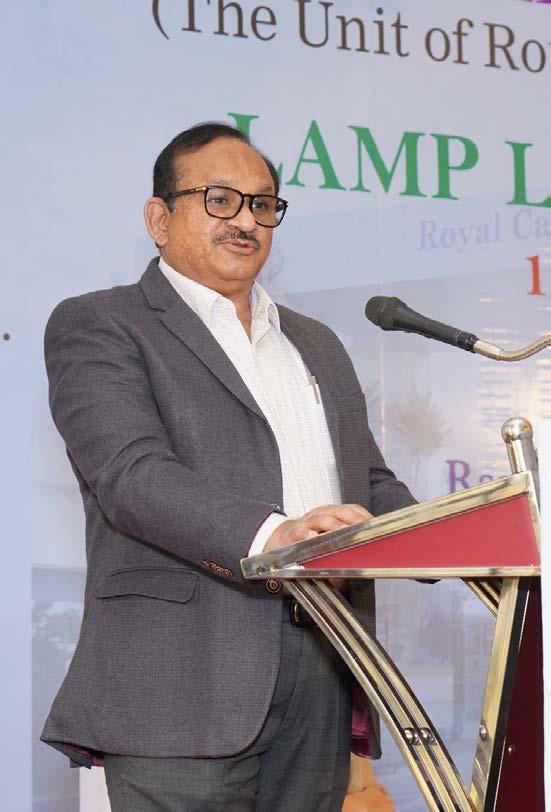
Founded and Commenced by Dr. K. Madeswaran along with His Most Trusted Team of Leading Surgeons, Doctors, Physicians, Medical Professionals, Subject Matter Experts and Management Professionals in the year 2015 as a 50 bedded multi-specialty hospital in One of the Vibrant Cities of India, Namely Coimbatore in the State of Tamil Nadu. Indeed, Dr. KMD’S Royalcare Super Specialty Hospital, within the first Two years of operations, became One of the Most preferred Multi-Super-Specialty Hospital in western Tamil Nadu for emergency, primary and specialty care in virtually all branches of modern medicine.
The hospital did continue being, the perfect destination for people seeking superior and Patient friendly healthcare. Functioning with those objectives of making cutting edge healthcare to common man, they provide the best medical service with highly qualified doctors and highly equipped technologies. This necessitated an imminent expansion and created the need for a larger and more comprehensive tertiary care unit encompassing all the field of medicine. A 1100-bedded ultramodern Hospital facility Plan was thus conceived at Neelambur, Coimbatore By Dr. K. Madeswaran

and His Team. RCIHG was Built within a record time of 400 days, the first phase comprising 500 beds were dedicated to the society in November 2016. With over 4,00,000 square feet of modern infrastructure, the Centre contained all necessary facilities to deliver comprehensive care under one roof.
With a commitment to make available all facilities on par with the latest advances in the Western World, RoyalCare Super Specialty Hospital became the first Hospital in the country to introduce Bronchial Thermoplasty for the treatment of severe asthma. RoyalCare is also the first hospital in the country to introduce the micro plasmaadvanced oxidation for dialysis feed water disinfection to eliminate endotoxins and to prevent pyrogenic reactions in patients undergoing haemodialysis. Royal Care will strive to ensure that the benefits of modern healthcare reach all strata of society. Apparently, A patient centric culture exists at RoyalCare as they are the focus of everything they do. Every patient will receive warm and committed attention with a smile. Royal Care Super Specialty Hospital aspires to be
Ultimate Choice of Hospital for People and Patients from all around the world; in all aspects of Health & Wellness or for people seeking comprehensive healthcare. And that they have been recognized as One of the Top-Class Hospitals for very High Quality and International Standards Health Services in Asia. And Dr. KMD’s Royalcare International Hospitals Group is going to achieve its Vision of having over 1000 Bedded Most Advanced International Standard Hospitals in the Same Location very shortly.
This has been mainly possible by the meticulous involvement and incomparable Contributions of Dr. K. Madeswaran, The Founder & CMD of Royalcare International Hospitals Group, whose vision was to bring together highly talented medical professionals from all around the world on board with phenomenal expertise in their respective fields, establishing cutting edge innovative diagnostic, Latest Hi-Tech Equipment, State-Of-The-Art Infrastructure and therapeutic medical technologies combined with the Most friendly medical and paramedical staff to provide courteous and compassionate and Utmost Care to Patients at all times.

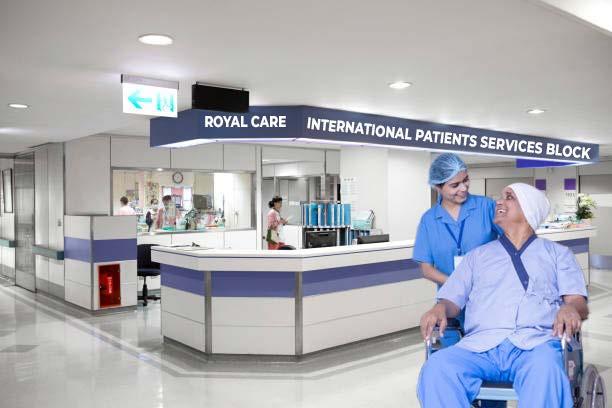
• Bronchial Thermoplasty for treatment of complicated asthma cases.
• Kinevo 900 high-resolution operating microscope to reach inaccessible areas in the brain for complex neurosurgery.
• Broncus (Bronchoscopic Navigation) - first time in Corporate India
• CAPI (Centre for Advanced Pulmonary Intervention)
• O-arm - The latest intraoperative CT along with integrated computer - aided navigation technology to facilitate advanced Neuro & Spine surgery.
• NIR - enabled laparoscopy system to view critical anatomy to perform complex surgeries
• All beds of the critical care units are self-contained with advanced monitoring systems. which are networked to a central monitor and also linked by an automated vitals charting system (ICCA). This facility aims at administering personalised and targeted intensive care for speedy recovery.
• The critical care units have been specially designed to prevent cross contamination and dreadful infection.
• Fully equipped trauma ambulance with online patient monitoring by base ICU.
• Fully - integrated modular voice enabled operation theatre, radial probe for EBUS, IVUS, 5D ultrasound, latest generation MRI, ECMO etc.,
• True beam STX for high precision radiotherapy
• Drug and poison information centre
• First hospital to be recognized with NABH Safe - I for best infection control Practices
• Authorized hospital of Materiovigilance Programme of India ( MvPI ) for south Tamilnadu.
• Senographe Pristina - Digital Mammography
• HBOT-Hyperbaric Oxygen Therapy
H - 2022 - 0901


Royal Care Super Speciality Hospital proudly announces its accreditation by the Joint Commission International Certificate of Accrediation for Royalcare Super Speciality Hospital Ltd.
Royal Care Super Speciality Hospital Recently Achieved SRC’s Center of Excellence in Neurosurgery
Royal Care Super Speciality Hospital Recently Achieved NABL - The National Accreditation Board for Testing & Calibration

Dr. K. Madeswaran’s strong commitment to the field of Neurology & Neurosurgery is very evident and affirmative with his amazing Records, Statistics and Awards for having performed over 13,500 successful Neurosurgeries as on date. And, that has positioned Not only Positioned Dr. K. Madeswaran as One of the Top Ten Neurosurgeons of the World; But, also brought Him Many Prestigious International & National Awards, Honours, Accreditations, Records and Acknowledgements from Many National / International Institutions.
Throughout his benevolent Professional Career and Entrepreneurship over the last 36 years in Indian Medical, Surgical, Social and healthcare Industry, Dr. K. Madeswaran has been attached with a strong sense of purpose, which is Flawless Health and Joyful Living for All.
In addition, Dr. KMD has always been passionate about adhering to a holistic approach to community development and Preserving Global Environment for a Better Tomorrow; as exemplified by His Brain-Child Namely ‘UYIRIN SWASAM’ – through which He and His Team of Global Volunteers have been Planting Trees as far and as wide they could. As on Date’ Uyirin Swasam Foundation’ have planted over (Ten Million) One Crore Trees and they are vigorously Moving Forward with the clear objective and aim of Planting 100 Million Trees with Dr. K. Madeswaran’s Highly determined Vision and Moto of ‘Growing Trees for Global Peace and Prosperity’.
All the above serves as a testimony to his most adorable and incredible journey of healing, curing, unconditionally caring, as well as inspiring the Next generations of Surgeons, Doctors and Healthcare Professionals.


The fundamental of his legacy is pioneering, developing, innovating, refining and implementing scientific & hi-tech approaches and techniques in the fields of Neuroscience & Neurosurgery. Dr. K. Madeswaran has always been known for his Exemplary and truly remarkable Medical, Surgical, Teaching, Professional and Entrepreneurial career over three to four decades. And majority of the surgeries, those were successfully performed and completed by Dr. K. Madeswaran; were highly Critical and Challenging Cases. And He had taken utmost care, in all those cases; by bringing out best of His skill, knowledge and expertise to ensure that the Patients are cured and sent back to their normal life.
Hence, Dr. K, Madeswaran has been fondly called as ‘The Most Legendry Neurosurgeon, who is blessed with the Brain, Heart & Hands Of God’. Dr. K. Madeswaran, with his inborn Skills, Talents and Remarkable Subject Matter Expertise, Not only cured Tens of Thousands of Patients, who have come to him, with the chronic and serious conditions. And, He gave all those Patients
and their families the Enduring Joy and legitimate life; to live and rejoice; with their families; But, also taught 1000s of Junior Doctors and Surgeons, who all have been associated with Him and who have been learning directly by being along with Dr. K. Madeswaran in and through all those exemplary and Critical Surgeries and Procedures. And they along with all those beneficiaries of His Medical & Surgical Services, carry the highest level of respect and regard; for his highly committed, timely, sincerely and most valuable Medical & Surgical Contributions, that he made to them; especially at the most crucial time of their life.
Dr. K. Madeswaran’s Successful Medical & Surgical Practice led him to accumulate Millions of Followers from all around the world. And with the Flawless Service and Goodwill, his incomparable knowledge, extraordinary skill and expertise in successfully performing Most Complex Surgeries and procedures that he built over a period of three to four decades; Dr. KMD had gained a very high reputation and trust among all sections of the society.

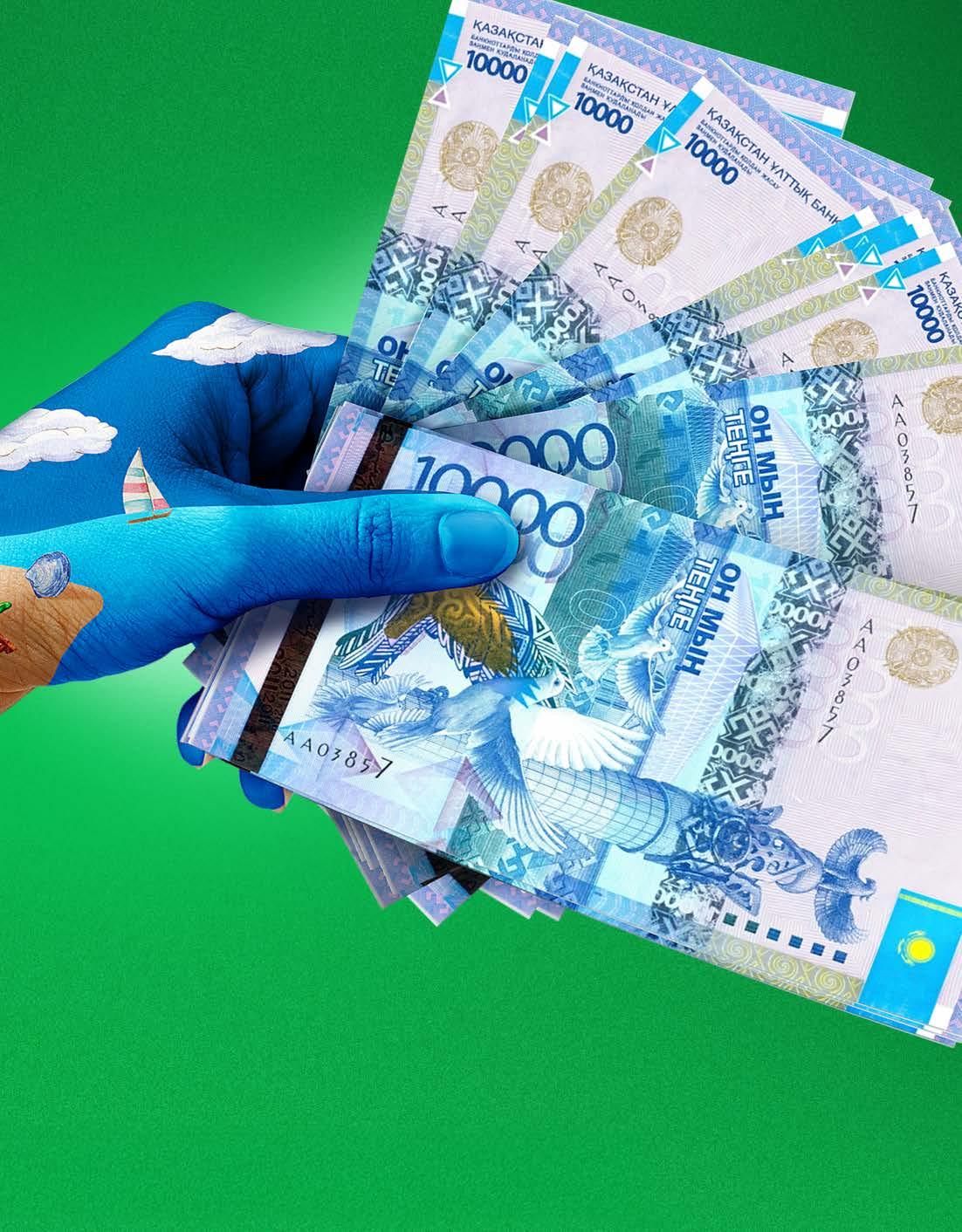
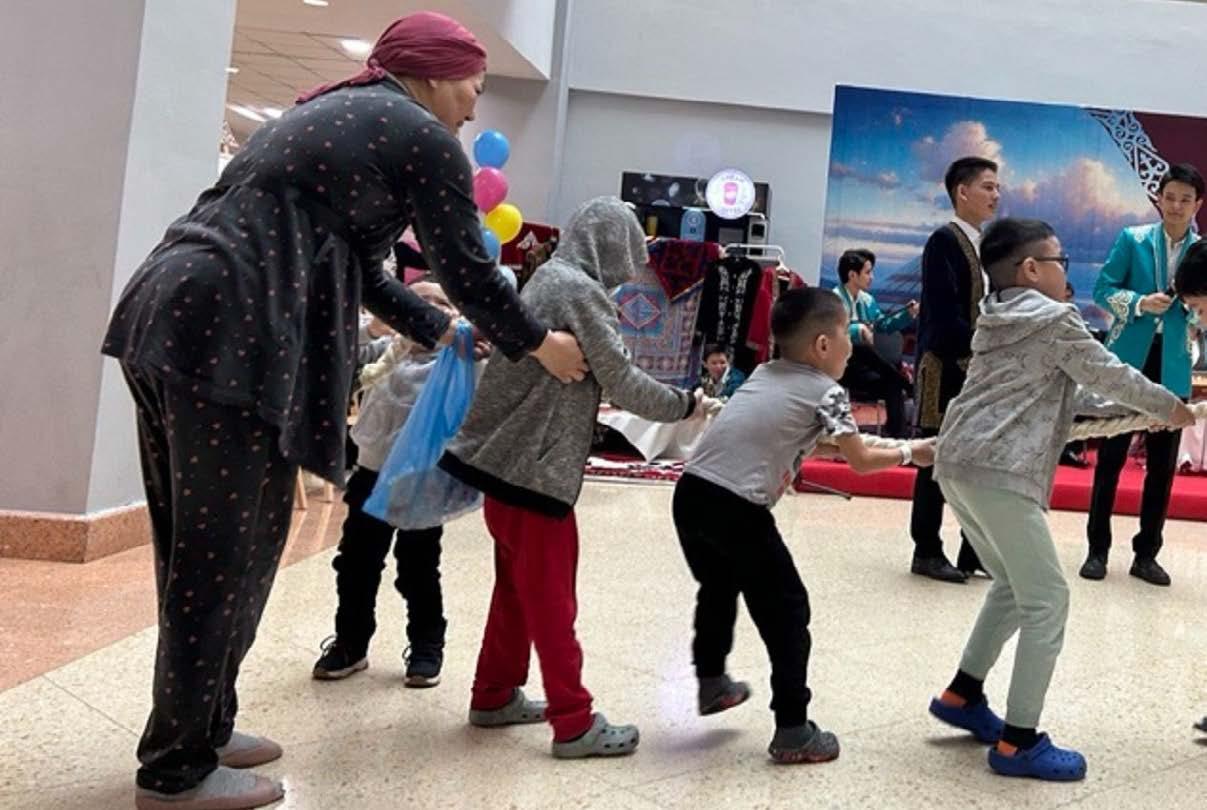
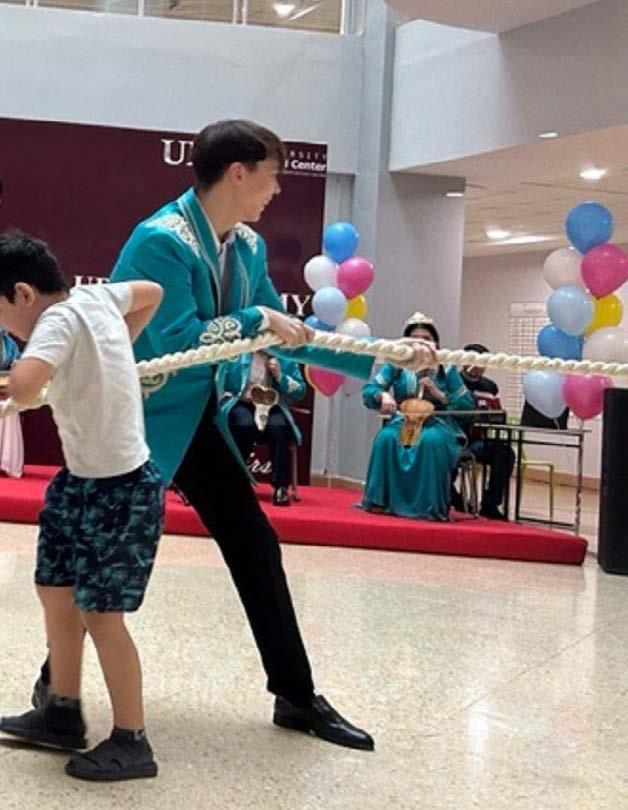
Childhood cancer remains a major health challenge in the WHO European Region. Kazakhstan is taking significant steps to improve survival rates and ensure every child gets diagnosed as fast as possible and receives the best treatment available. One of the most prominent challenges on this road is health inequities. Children from families with lower incomes often don’t have full access to cancer medicines and comprehensive health services. Recognizing this, Kazakhstan has made childhood cancer care a national priority, integrating it into its broader noncommunicable disease prevention and treatment strategy. “Thanks to modern diagnostics and treatment, children with cancer are living longer and this is one of our greatest achievements.

Since prevention is not possible, early and accurate diagnosis followed by effective treatment is key to improving survival,” said Dr Magripa Embergenova, Director of the Department of Maternal and Child Health at the Ministry of Health of the Republic of Kazakhstan.
2 national-level clinics operate in Kazakhstan – the Scientific Center for Pediatrics and Pediatric Surgery in Almaty and the National Research Centre for Maternal and Child Health in Astana. They have specialized departments where, alongside standard chemotherapy and radiation therapy, patients receive complex multicomponent treatment programmes for chemoresistant forms of cancer. Annually, approximately 5000 patients receive cancer treatment at these centres.
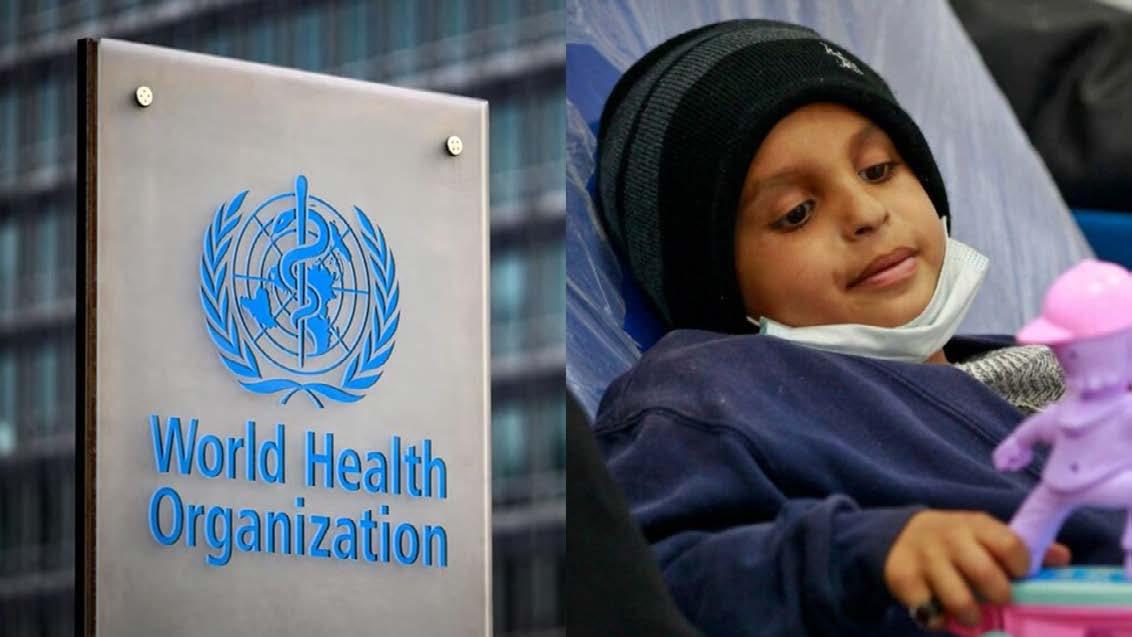

In 2024 alone, 638 children in Kazakhstan received a new cancer diagnosis. After completing intensive cancer treatment at national centres, children continue follow-up care in their home regions under the supervision of local pediatric oncologists and hematologists.
In Kazakhstan, children with cancer have access to free medications provided through the national budget. However, significant barriers remain – the cost of treating childhood cancer can place a significant financial burden on families, sometimes even determining whether a child receives timely accurate diagnosis and life-saving care. These disparities in health-care access remain a challenge that must be addressed across the WHO European Region.
The UN Sustainable Development Goals and other global commitments supported by WHO call for greater investments to eliminate inequities in health care. Every child with cancer, regardless of family income or place of residence, deserves the best possible treatment.
In Kazakhstan, the average childhood cancer survival rate stands at 75%, and the government is committed to measures to increase the survival rate further and to improve quality of life for those undergoing treatment. WHO’s primary advice to all parents is never to delay a visit to the doctor. Childhood cancer is a rare disease that may not present obvious symptoms, making early detection essential. At the early stage of diagnostics, WHO recommends the following.
• Rely on credible sources of information to understand the disease and make informed decisions.
• Seek care from qualified medical professionals with recognized credentials.
• Adhere strictly to the treatment plan and follow medical recommendations.
• Encourage balanced nutrition and physical activity to support overall well-being during treatment.
• Prioritize your own physical and mental health as a caregiver.
• Do not hesitate to seek psychological support when needed.


Mental well-being is crucially important not only for a child living with cancer, but also for their whole family. In Kazakhstan, psychologists provide essential support for families at the Scientific Center of Pediatrics and Pediatric Surgery and the National Research Centre for Maternal and Child Health. The latter has a dedicated team that includes 7 medical psychologists, 3 staff psychologists, 2 social workers, a methodology specialist and 2 educators.
Psychological support is an integral part of palliative care – a key component of improving the quality of life for children with cancer and their families. While advances in treatment have improved survival rates, many children require long-term symptom management and holistic care that extends beyond medical interventions. Integrating palliative care into the health system helps ease the burden on families and provides dignity and comfort for children facing lifethreatening illnesses.
During cancer treatment, children in Kazakhstan’s cancer centres, including preschoolers, can continue their education seamlessly, preserving a sense of routine and stability. The establishment of “Smart Schools”, equipped with modern educational tools and developmental materials, also creates a sense of belonging and psychological safety. These initiatives help brighten children’s lengthy and emotionally draining hospital stays and support them in coping with their condition.
To raise public awareness and keep patients and their families informed, specialists from national cancer centres regularly publish articles and provide media updates on the latest advancements in pediatric oncology. These efforts help build a well-informed community, empowering families with knowledge and fostering greater support for childhood cancer care.
Civil society organizations, nongovernmental organizations and charitable foundations play a vital role in supporting children with cancer. They help improve treatment access by funding medical equipment and essential medicines, promoting blood and bone marrow donation and implementing social and educational programmes. Additionally, they organize cultural activities for children and their families, providing much-needed emotional and social support throughout treatment.


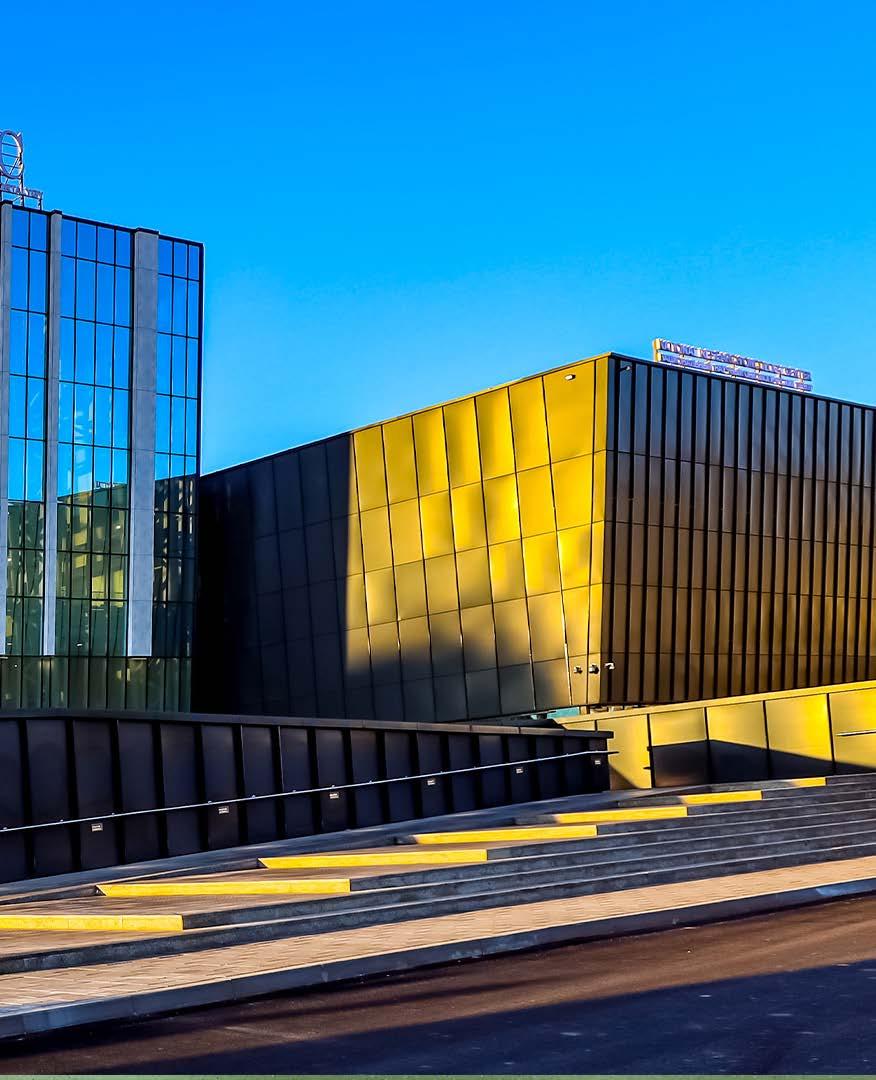
Astana hosted an important event for domestic and international healthcare — the opening of a new building of the National Scientific Oncology Center (NSOC). As part of the opening, a conference was held with the participation of experts and doctors from more than 30 countries with the support of Astana Tourism. Advanced diagnostic and treatment methods, digitalization in healthcare, translational research and the implementation of innovative solutions were discussed. The conference and the launch of the new center became an important step in the development of medical tourism and strengthening Astana's status as a key medical hub in Central Asia.
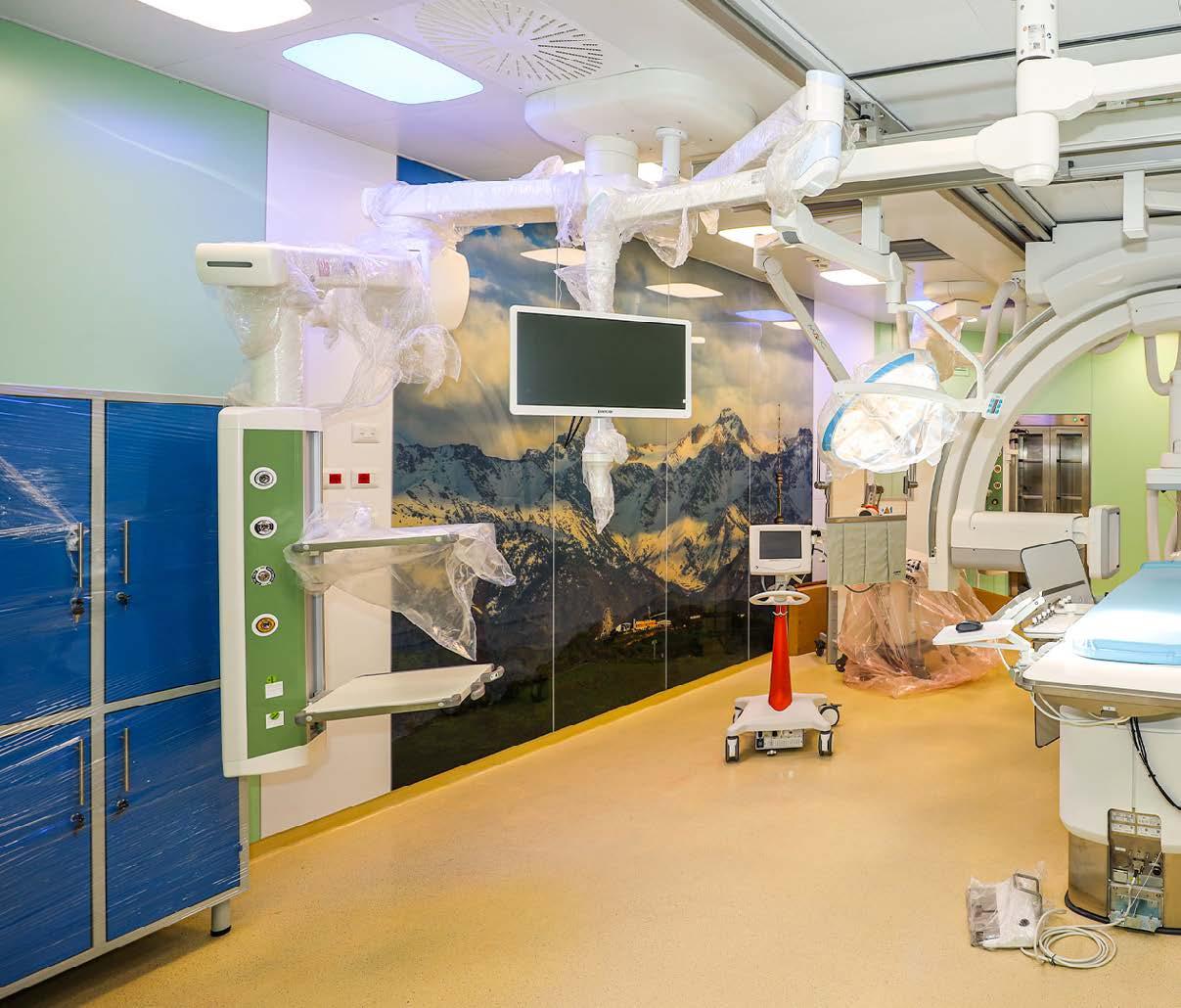
The event brought together leading oncologists, researchers and specialists from around the world, becoming a significant platform for exchanging experiences and developing joint approaches to combating cancer. The opening ceremony was attended by Presidential Aide Tamara Duisenova, Presidential Advisor on Science and Innovation Kunsulu Zakaria, Minister of Health Akmaral Alnazarova and other officials. The new building of the NNOC has become the embodiment of modern engineering and medical solutions. The total area of the center is 60,000 square meters, it is designed for 210 beds and includes a clinic with the ability to receive up to 500 patients per day. The center is equipped with high-tech equipment from global manufacturers Varian, Philips and Siemens.
Such advanced techniques as Varian ProBeam proton therapy, hybrid PET / MRI and PET / CT imaging, EDGE, TrueBeam STx, Ethos, BRAVOS radiation therapy systems and unique radionuclide therapy technologies have been implemented here. The structure of the institution includes a department with eight specialized wards and its own cyclotron production complex capable of producing 11 types of radiopharmaceuticals, 7 of which will be synthesized in Kazakhstan for the first time. The Minister of Health of the Republic of Kazakhstan emphasized that the project was implemented with the support of the President and the Government of the Republic of Kazakhstan and was the result of the coordinated work of the medical community and international partners.
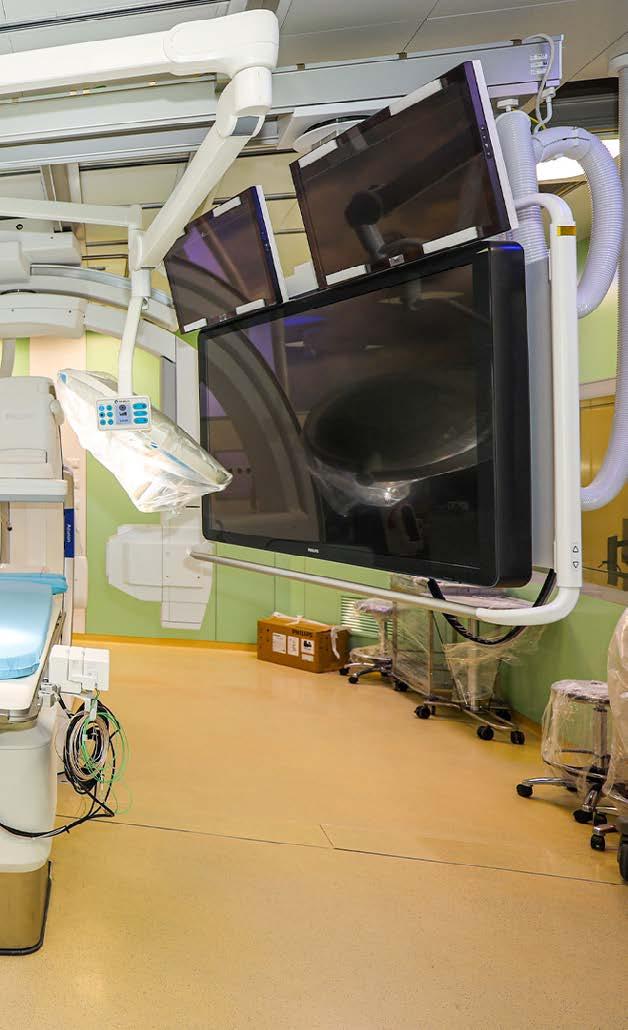





The center will cover up to 70% of patients in need of radiological care, in full compliance with IAEA recommendations and global standards. The NNRC will pay special attention to pediatric oncology and the development of personalized treatment methods.
In the welcoming speech of the Prime Minister of the Republic of Kazakhstan Olzhas Bektenov, read out during the ceremony, the priority of healthcare for the state was emphasized. In 2024, 3.3 trillion tenge were allocated for the development of the industry, and over the past six years, 955 medical facilities have been built, including the new NNRC building. Thanks to the expansion of screening programs, 2.5 million people were examined last year alone, which contributed to an increase in life expectancy from 73 to 75 years.
According to Tamara Duisenova, Kazakhstan follows global trends in oncology, actively introducing nuclear and proton therapy, molecular genetic diagnostics, artificial intelligence and multidisciplinary approaches. The scale of oncological diseases requires consolidation of efforts and constant exchange of knowledge at the international level. The new oncology center in Astana will become not only an important clinical and scientific institution, but also a point of attraction for advanced experience, technologies and professional growth. The international conference will continue on April 26 and will provide an opportunity for specialists from all over the world to discuss key challenges, share practices and form unified approaches to combating oncological diseases.
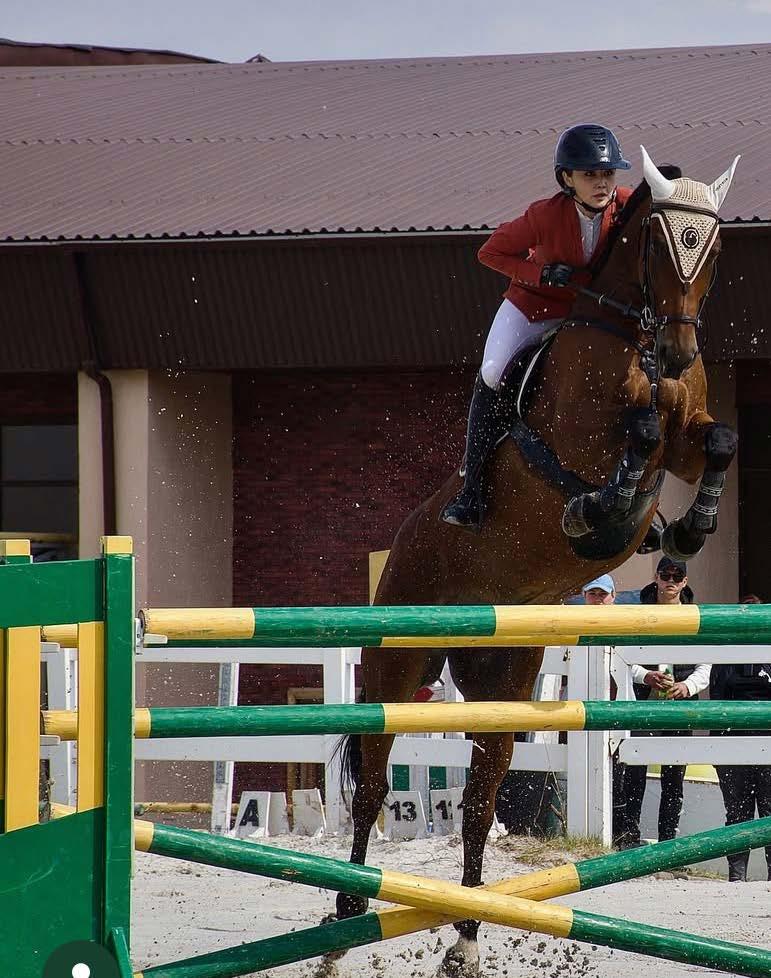
Astana awaits the final showdown before the World Championships as Olympic champions, rising stars, and home favourites collide at the Judo Grand Slam Kazakhstan 2025. With the dust now settled on the continental championships, the world’s top judoka turn their gaze to Astana, a city steeped in judo tradition and primed to host the final Grand Slam (9-11 May) before the World Championships this June.
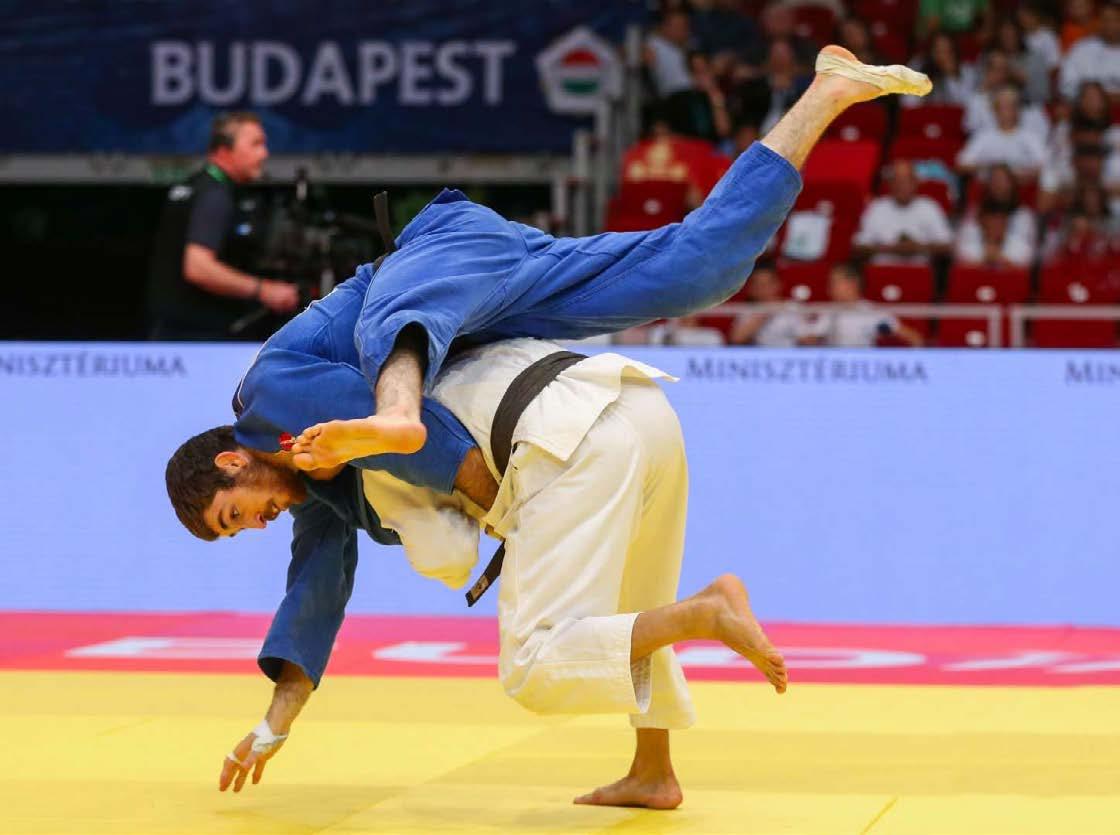
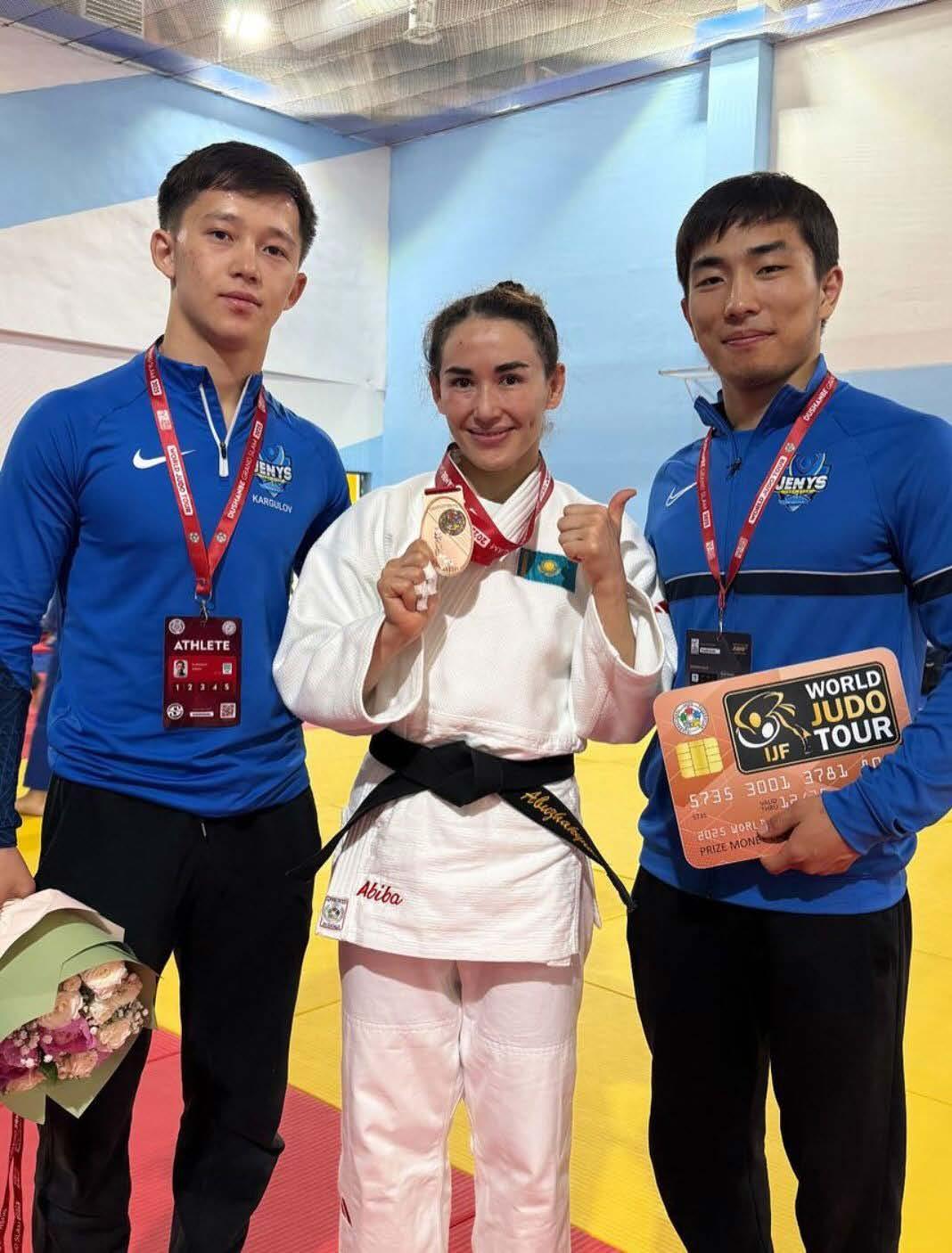



Kazakhstan has long held a strong judo pedigree both as host nation and a force on the mat. After welcoming the World Championships in 2015, it’s become a regular feature on the World Judo Tour calendar, and is already preparing to stage the Worlds once again in 2027. The judo-loving nation knows how to celebrate its champions, and this week, the spotlight will shine brightly once again. While reigning Olympic champion Yeldos Smetov will be absent from the -60kg draw, his presence will still be felt. The Kazakh hero, gold medallist at Paris 2024, will be in the arena among the crowds, likely mobbed by young fans eager for a glimpse of their national icon.
Making his much-anticipated return since Paris 2024 is Japan’s Nagase Takanori, the reigning Olympic champion in the -81kg category and one of the most decorated athletes of his generation. Now 31, Nagase steps back onto the World Judo Tour tatami for the first time since claiming his second Olympic gold last year and returns to the very city where he became world champion ten years ago. He’ll be aiming for his eighth Grand Slam title, but the path won’t be easy. Chief among his rivals is top seed Lee Joonhwan of the Republic of Korea, who won Olympic bronze in Paris. The Korean judoka has already bested Nagase twice, giving him a 2–1 lead in their head-to-head history. Could we be set for a thrilling rematch in the final?




Kazakhstan is set to host up to 40 major international sporting events across Olympic, Paralympic, non-Olympic, national, and inclusive sports disciplines by the end of this year.
The upcoming events will take place countrywide. Among the highlights are high-profile tournaments in basketball, boxing, weightlifting, table tennis, figure skating, and climbing, as well as an expanded focus on traditional national sports, reported the Ministry of Tourism and Sports on May 14.
Notable competitions include the Virtus World Basketball Championship in June in Astana, and the World Boxing Cup for both men and women, which will also take place in the summer months. The Asian Weightlifting Championships for juniors and youth are scheduled for July, while Almaty will host the WTT Youth Contender table tennis tournament and the Asian Cup in Sport Climbing during the same period.
In the fall, Almaty will welcome athletes for the WTT Contender Almaty in September, and Astana will stage the Denis Ten Memorial Challenge in figure skating in October. Additional major events in the capital include the World Pankration Championships (October–November), two stages of the World Junior Short Track Speed Skating Cup (November), and the Kazakhstan Grand Prix in Archery in Memory of Lee S.N. In December, the Astana International Challenge badminton tournament will conclude the year’s schedule.
Kazakhstan will also host dozens of international competitions in combat sports such as jiu-jitsu, grappling, kickboxing, NOMAD MMA, and breaking.
In 2025, special emphasis will be placed on national sports, with over 15 key events planned. Among them are the World Tenge Ilu Championship in June in Almaty, the Asian Championship in Qazaq Kuresi for adults, youth, and teenagers in Astana in August, and the World Championship in Dala Mergeni in Shymkent. The Mangystau Region will host the Asian Championships in Zhamby Atu among youth and young men.

The Kazakh gymnastics team won the country’s first-ever gold medal in the group all-around event at the Asian Rhythmic Gymnastics Championships held in Singapore on May 10-16, reported the Kazakhstan Gymnastics Federation’s press service. In the individual program, Akmaral Yerekesheva claimed two gold medals, while Aiganym Rysbek secured a silver in the team event.
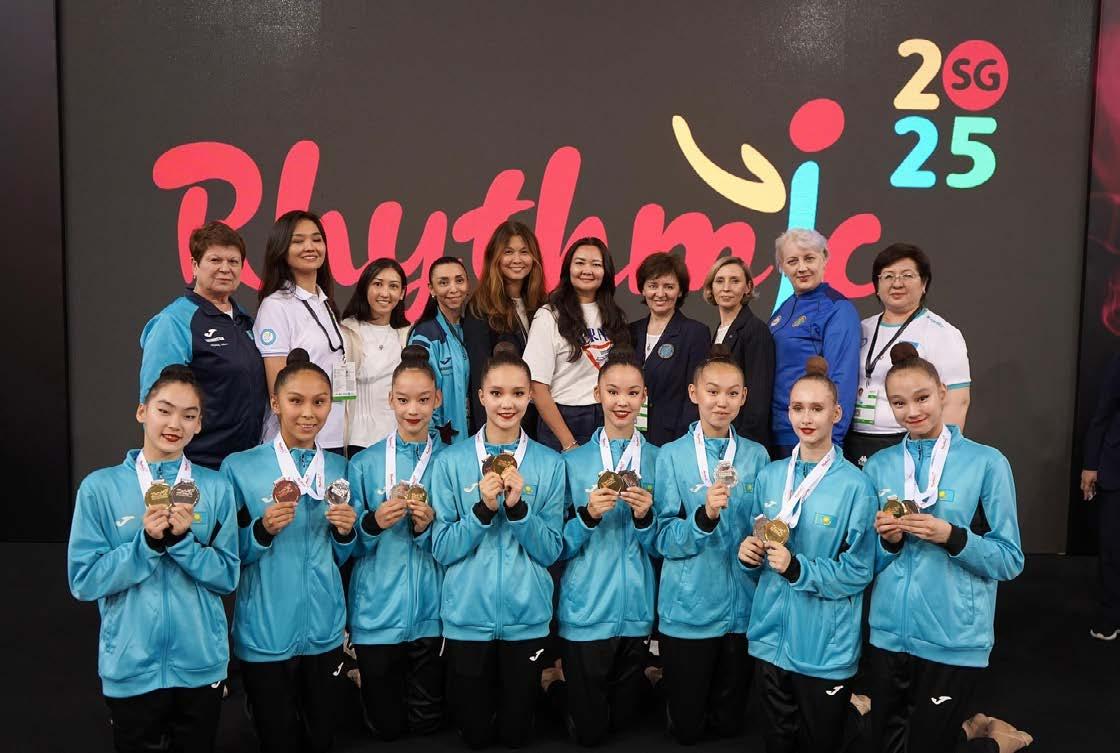

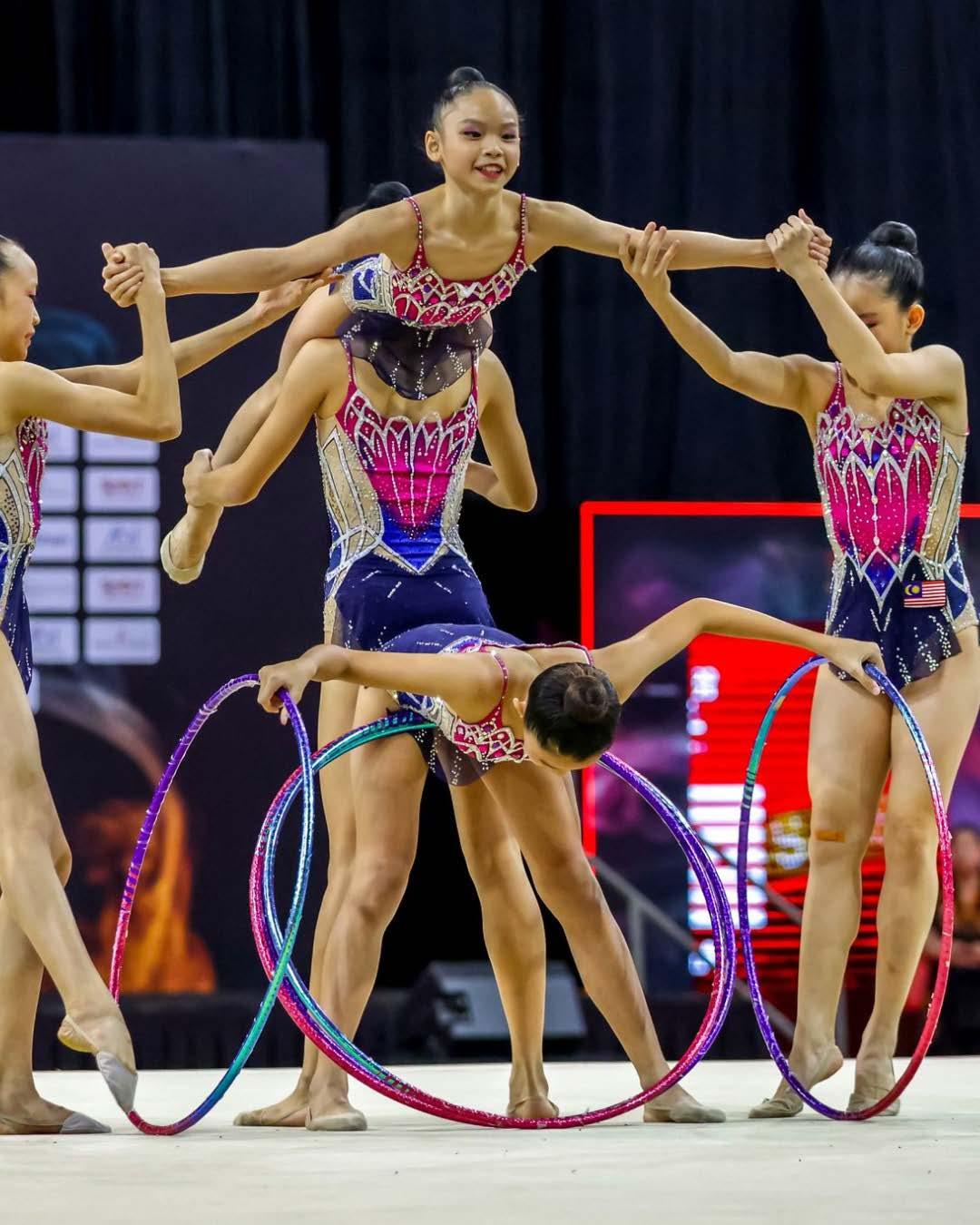
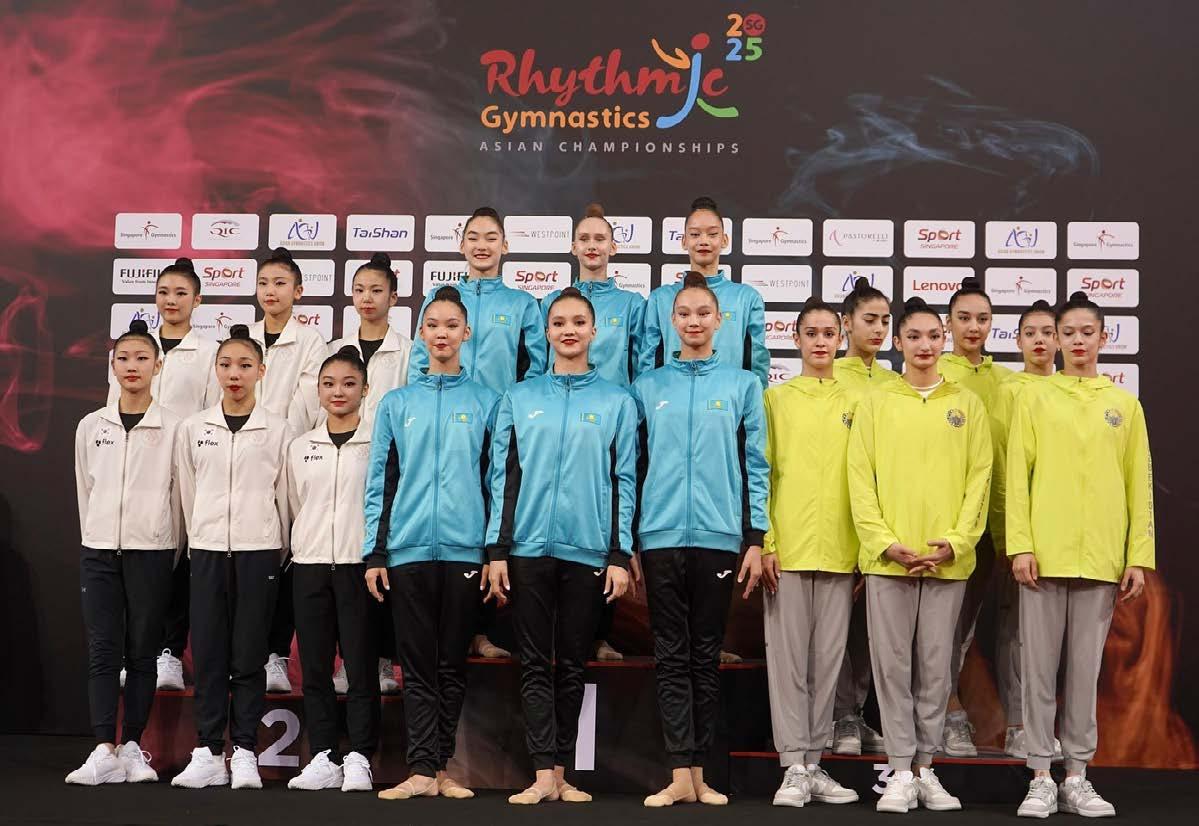
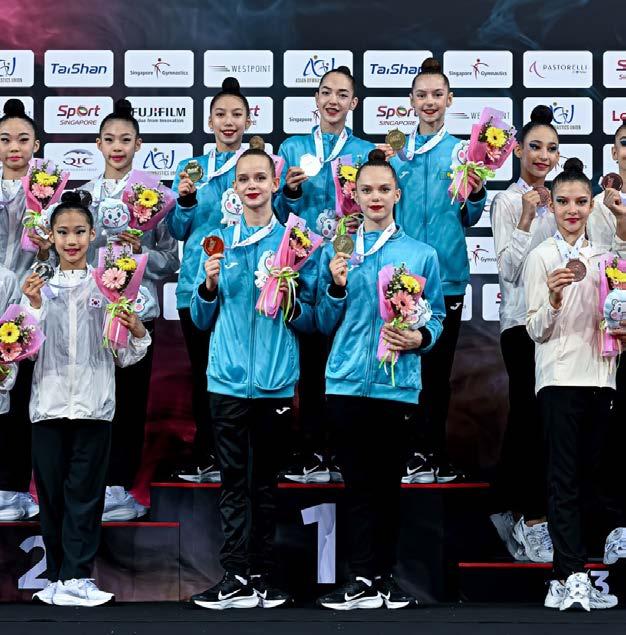
Meruert Balginbayeva, a master of sports in Kazakhstan and an international judge, coached the national group and junior individual teams. “Our national team’s results speak for themselves – we are competing confidently on the international stage, showcasing exceptional technical skill and teamwork. But just as important is the environment in which these girls grow. We create a supportive atmosphere, free from pressure, where respect, discipline, and mutual understanding are the foundation. Every gymnast knows she represents her country and takes pride in that,” said Balginbayeva.
Rhythmic gymnastics is one of the most beloved and popular sports among girls in Kazakhstan. According to the federation, the number of athletes training in Astana has increased sevenfold over the past eight years, from 500 to 3,500 participants.
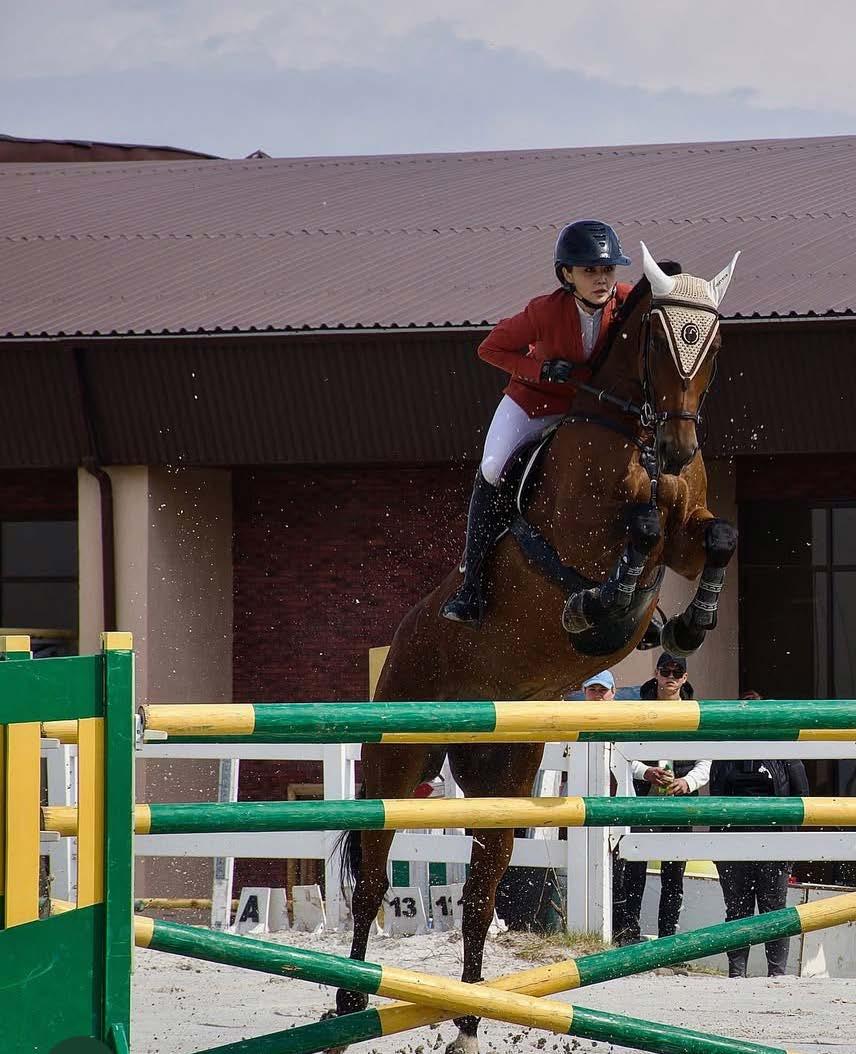
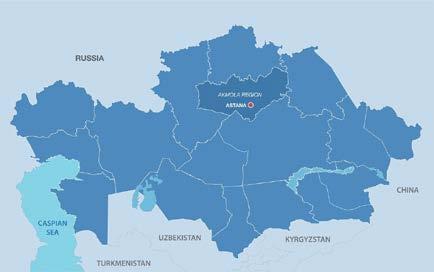
The capital of Kazakhstan is set to host a prestigious series of equestrian events at the Argymak Equestrian Sports Complex from May 30 to June 1. The venue will host the World Cup stage of the Eurasian League in show jumping and an International Dressage Tournament, under the aegis of the International Equestrian Federation (FEI). The competition will feature top athletes from six countries across regional and international arenas, all vying for victory in show jumping and dressage events of varying difficulty levels. Over 60 elite equestrians are expected to showcase their skills throughout the three-day event, reported the Equestrian Federation of Kazakhstan on May 13. This event is part of the Eurasian League of World Cup Stages for 2025, which consists of eight stages across various countries. In addition to Astana, stages will take place in Tashkent (Uzbekistan), Bishkek (Kyrgyz Republic), Tbilisi (Georgia), Yerevan (Armenia), and Tehran (Iran). The primary event, the Grand Prix route of the Eurasian League, will serve as a qualifying round for the 2025 World Cup Final in show jumping.
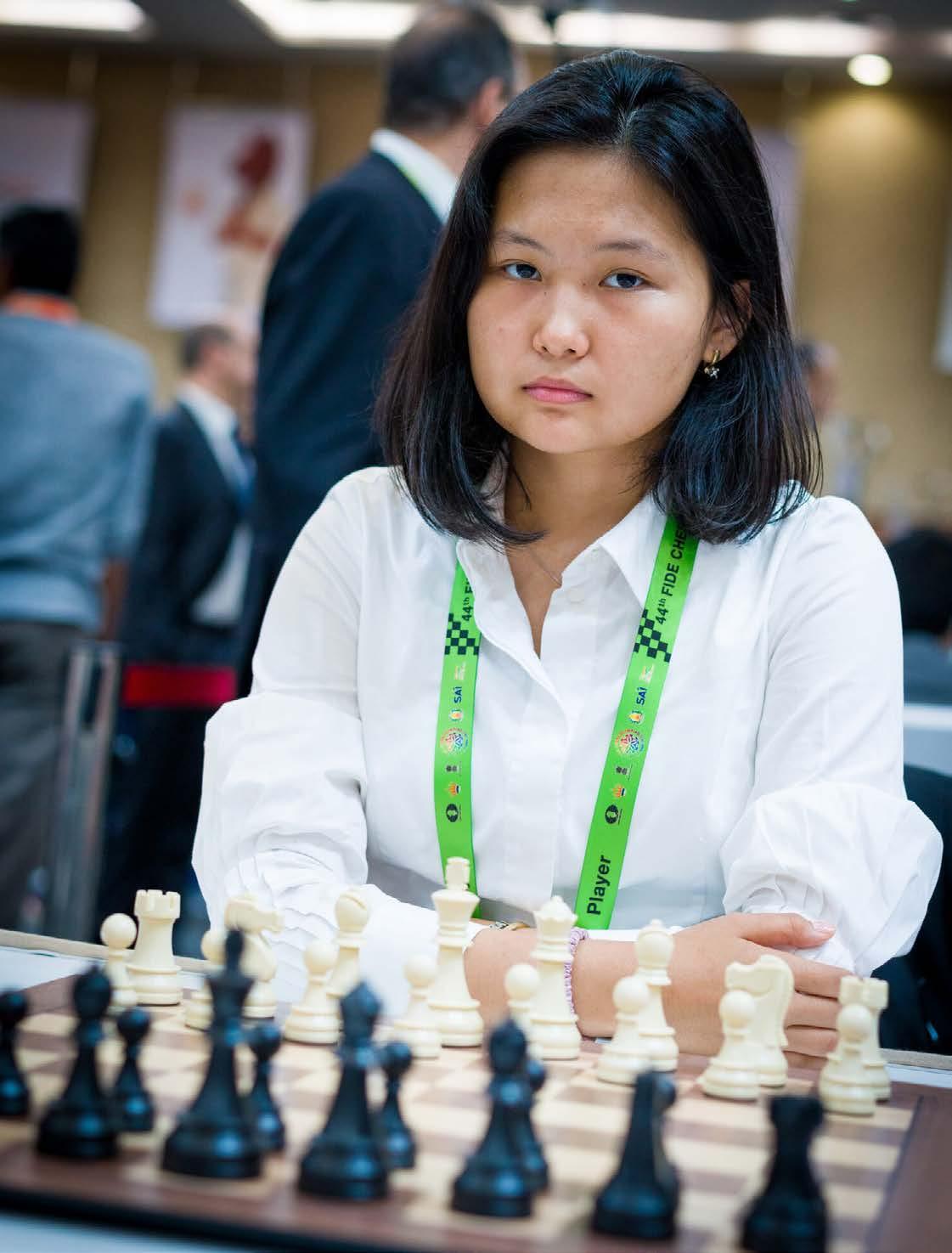

The 21-year-old chess player achieved this title at the Sharjah Masters 2025 tournament in the UAE after earning her third grandmaster norm. Having surpassed the 2500 rating for the first time in her career, she became the second female grandmaster from Kazakhstan after Zhansaya Abdumalik. Assaubayeva’s status should now be officially confirmed by the International Chess
Federation FIDE. Assaubayeva is the youngest person in the history of chess to be awarded the title of FIDE Master, which was given to her at the age of 7 after winning two world championships in 2011. Last year, Assaubayeva secured the top spot in three International Chess Federation (FIDE) world rankings, excelling in the under-20 category, blitz, and rapid formats.
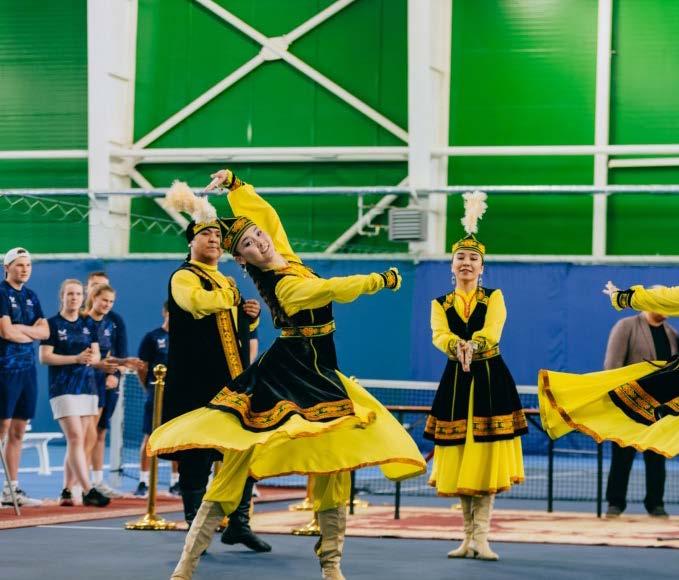

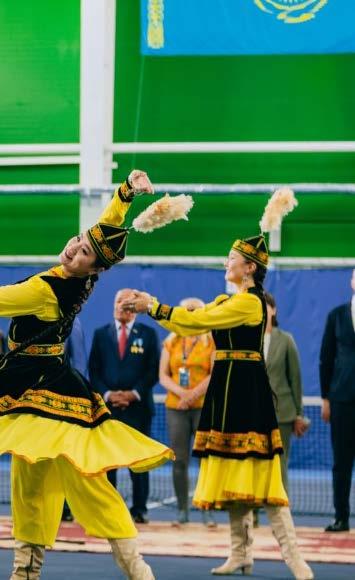
The 2025 Virtus World Tennis Championship has officially kicked off at the Dualat Tennis Centre — marking the first-ever Virtus event in Central Asia! Backed by the International Tennis Federation, this landmark championship runs until May 11 and celebrates world-class athletes with intellectual impairment competing at the highest level. The grand opening ceremony welcomed top dignitaries, including Ruslan Esenalin, Chairman of the Committee of Sports and Physical Education of the Republic of Kazakhstan, Vasily Levit, the Head of the Department of Physical Education and Sports Department of Astana, Lesley Whitehead, Virtus Tennis Director, Diaz Doskarayev, the Vice President of the Kazakhstan Tennis Federation and many other dignitaries, setting the stage for a thrilling week of sport, inclusion, and inspiration. Athletes from eight countries, Australia, Belgium, Great Britain, Kazakhstan, France, India, Italy, and Poland, marched into the court, waving at the audience during the opening ceremony. The attendees were treated with a very energetic, captivating and joyful Kazakh dance called ‘Samğau‘ performed by the “Naz” ensemble wearing amazing black and yellow traditional attire. This was followed by a ‘mime’ act. Lesley Whitehead, Virtus Tennis director, welcomed all the esteemed dignitaries, coaches, officials, parents, international delegates and athletes to the 2025 Virtus World Tennis Championships in Astana. Addressing the attendees, she says,
“I would like to thank IDSport for hosting this event, the first Virtus competition in this region. We will witness some unbelievably thrilling tennis moments on the court alongside incredible friendships, team spirit and sportsmanship both on and off the court as these athletes try to compete to their best abilities in their categories. These athletes will show us that intellectual impairment is no barrier to performing at a high level. I hope you all make a lot of happy memories and new friends.”
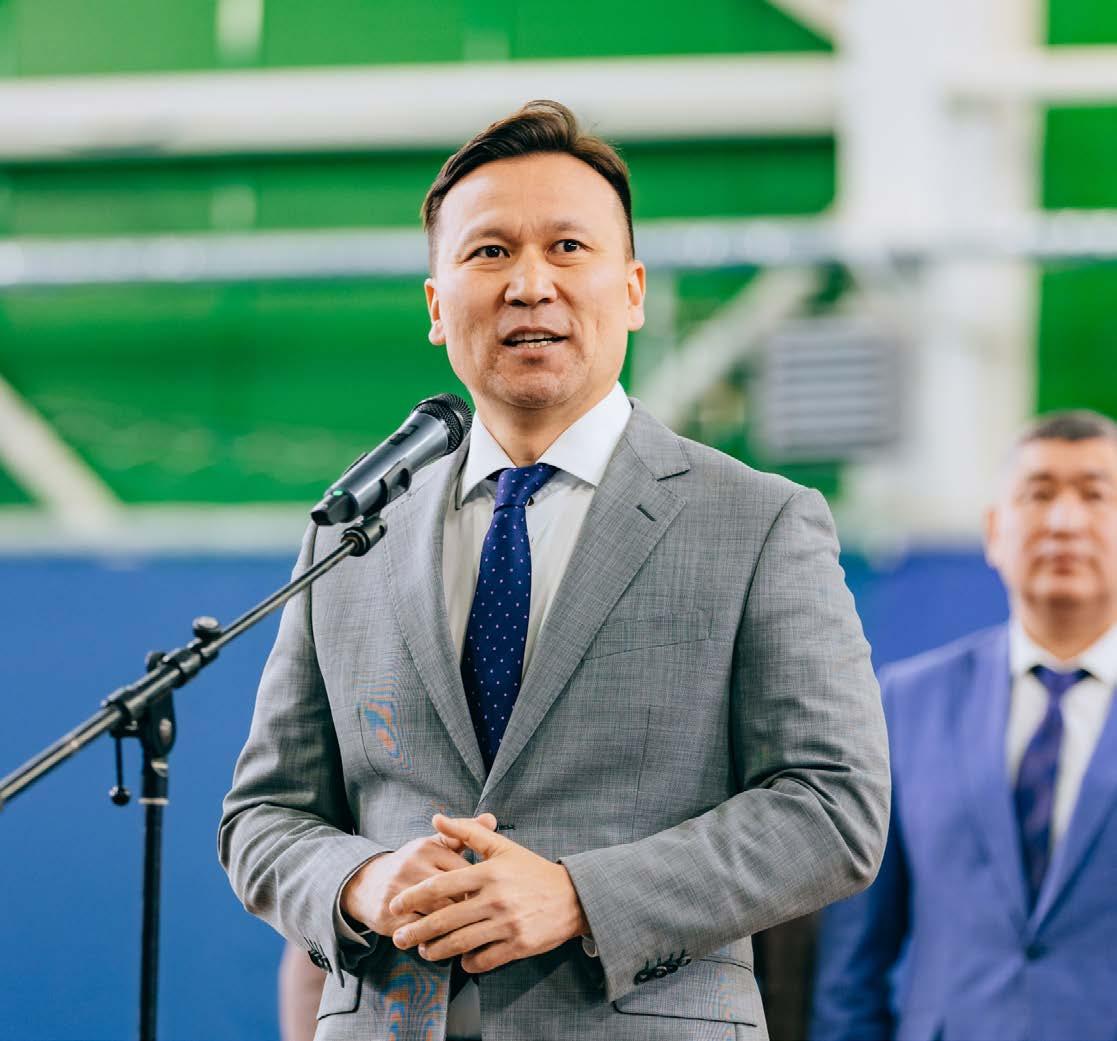
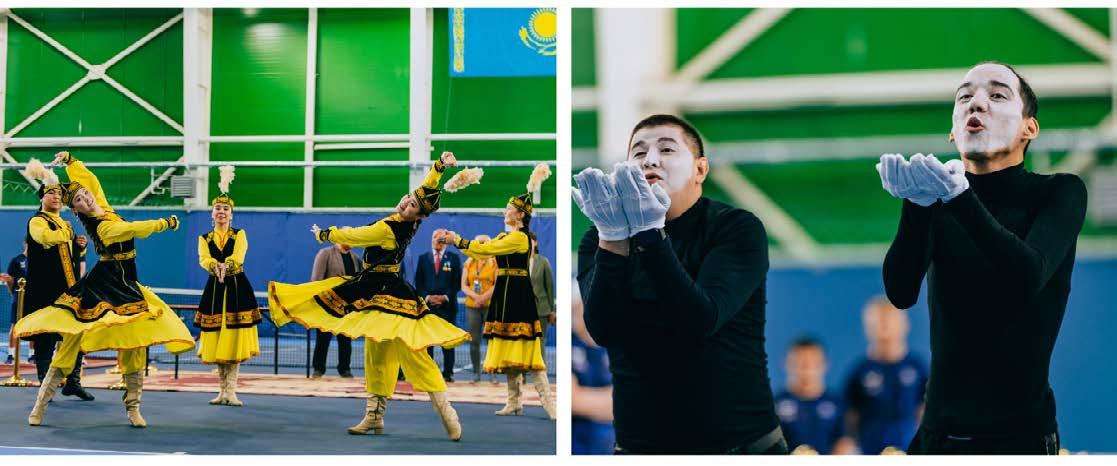

Talking about the development of Tennis in Kazakhstan, Dias Doskaraev, Vice President of the Kazakhstan Tennis Federation said, “Kazakhstan is placing significant focus on the development of inclusive tennis. Over the past three years, wheelchair tennis programs have launched in eight cities across the country. National events such as the Kazakhstan Cup and the Kazakhstan Championship are regularly held now. In 2024, our national team (for athletes with an intellectual impairment) was officially formed and participated in the World Championship. Two of our players are now ranked in the top 200 globally. Now, for the first time, we have the honour of hosting a world-class event in our country. I wish all athletes the best of luck.
Dina Temirgaliyeva, President of IDSport, expressed her wish to see Tennis included at the Paralympic Games one day. Vasily Alekseyevich Levit, Head of the Department of Physical Culture and Sports of Astana, shared the importance of hosting this major event in Astana and how it will shape the sports culture in the country.
“For the first time in history, this prestigious championship is being hosted in Asia, and it is a great honour and responsibility for Astana to welcome it. Hosting such an important international tournament reflects the global sports community’s strong trust in Kazakhstan and highlights the steady progress of inclusive sports in our country. We sincerely thank the International Tennis Federation and Virtus for their trust and support.” “The championship brings together athletes from across continents and contributes to the creation of an open, inclusive, and welcoming society where everyone has the opportunity to fulfil their potential,” he added further.
“We are proud of every participant who stepped onto the court and believe that Astana will leave them with warm and lasting memories. We are confident that this competition will not only serve as a milestone in athletic development but also as a solid foundation for the further advancement of inclusive sports in Kazakhstan and beyond.” “The Department of Physical Culture and Sports of the city of Astana extends its gratitude to all partners and organisers and wishes the participants fair play, outstanding victories, and inspiring connections.” Athletes from eight countries will be competing in singles, doubles and mixed doubles championships across II1, II2 and II3 categories over the next few days to win the top spot. Five athletes from Astana, Almaty and Akkol will be representing the host country. Virtus wishes everyone ‘good luck’ for their competiton.



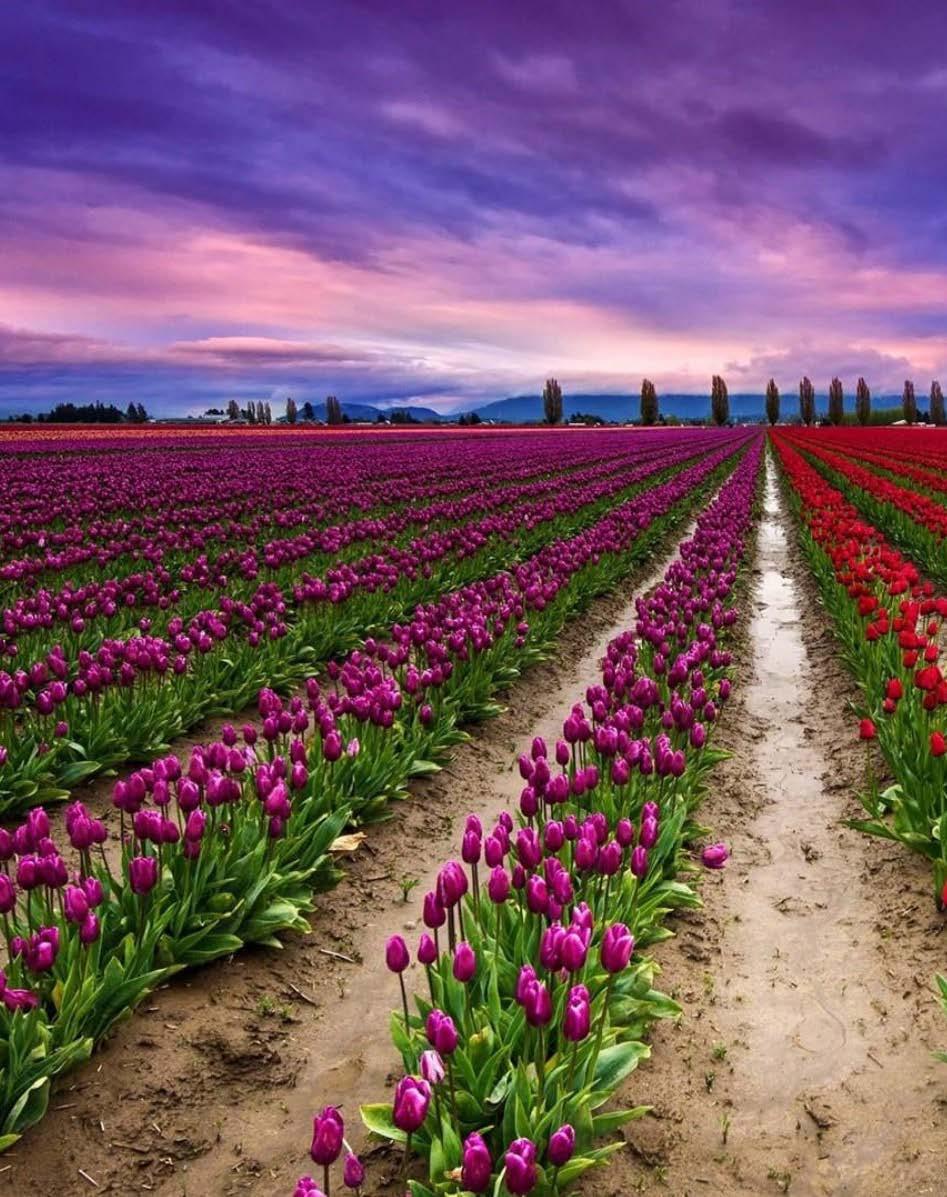
With the arrival of spring in Kazakhstan there is a drastic change that takes place on the steppes. This is the changing of a picturesque landscape of blankets of white snow, where the sleeping winter has awakened, into an array of beautiful shades of red, yellow, orange, white, and semitone. These tulips sway in the winds as if they have been placed on a canvas by an inspired painter whose strokes seem to be almost endless like the steppes.
Tulips first appeared in Kazakhstan more than ten million years ago. From here they have subsequently spread worldwide, to countries like the Netherlands, that many people consider their birthplace. But this was only 400 years ago, the ancestors of those original tulips are believed to be the Schrenk’s tulips. Nowadays the Schrenk tulips can be found near the Black Sea, in Turkey, in the northern and central regions of Kazakhstan. There are around forty different kinds of the 65 known species of tulips in Central Asia (this is more than half of all the known wild tulips is a kind of wild flowers in the world) that grow in Kazakhstan, and according to the leading scientist, this is far from the total figure. After all, only in recent years the Dutch and the Kazakh botanists have discovered and began to describe three new species – the tulip of Lemmers (Tulipalemmersii), the tulip of Kolbintsev (T. kolbintsevii), and the tulip of Ivanshchenko (T. Ivansczenkoae), that are all found in the mountains of Western Tien Shan and Jetysu (Dzungarian Alatau). It is worth noting that 11 species out of the 40 are endemic to Kazakhstan, and 18 are on the Endangered Species List.
This flower is represented on many national ornaments of the Turkic peoples. “Tulips became particularly popular in the Turkic world in the first part of the 18th century, during the reign of Ahmed the III. The sultan and his associate Grand Vizier Damad Ibrahim Pasha loved these exquisite flowers. They spent a lot of money to purchase them, and even bred new varieties. This period in time went down in history as the “era of the tulip (laledevri)”, said Rustam Batyr, the first Deputy Mufti of Tatarstan. There is a lot of evidence of the tulip being worshiped in Kazakhstan, too. There are ornaments and colorful paintings depicting tulips on tiles and bricks of the mausoleums of Aisha Bibi and Khoja Ahmed Yasawi.
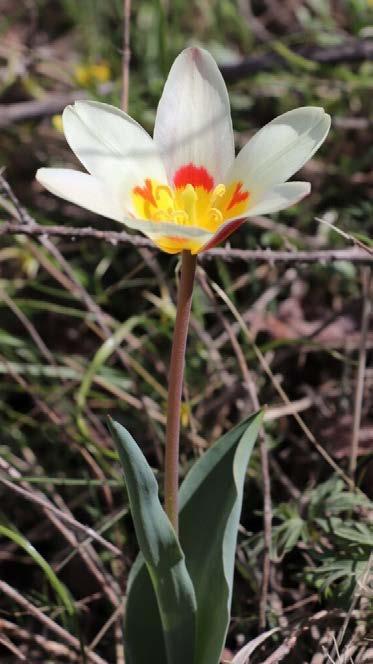
Perhaps, in our time we will witness the renaissance of love for tulips in Central Asia. Maybe, Kazakhstan will enter into its “Tulip Era?” The tulips in spring in Kazakhstan have attracted the attention of environmental tourists from all over the world, especially, from Western Europe and Japan. With thanks to the flower festivals and celebrations, there are well-developed tours to these sites where the tulips bloom, for example, tours orchestrated for children, students, and anyone interested in seeing these beauties. Here one can truly admire these amazing creations of nature from late March to mid-July. The breathtaking scene will not only warm your soul but will also leave you mesmerized! Today Kazakhstan hosts the thematic festivals: “Kyzgaldaktyn Otany –Kazakhstan” and the “Holiday of Tulips” in Aksu-Jabagly Nature Reserve.
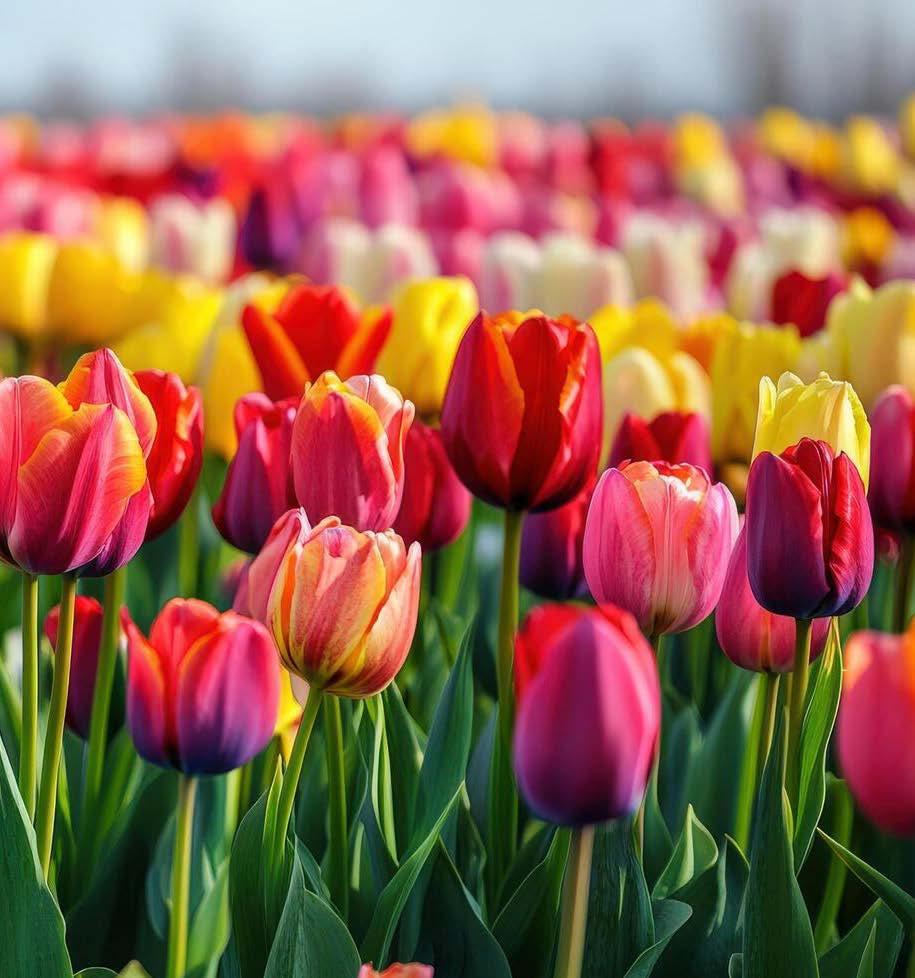
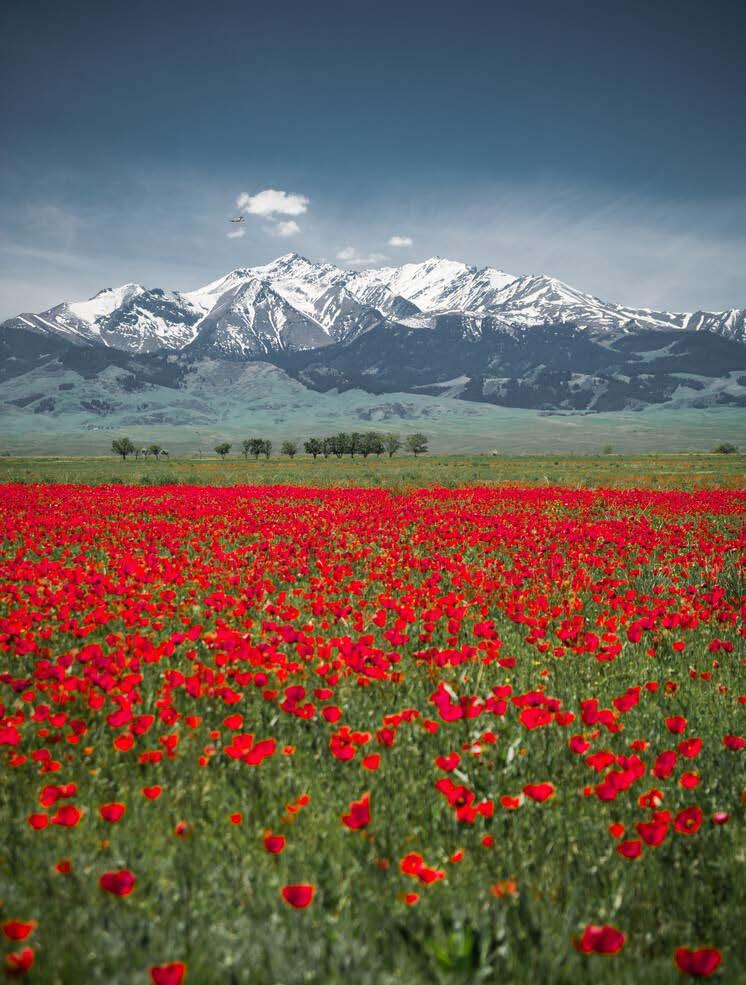
Kazakhstan is considered the source of the world’s most diverse types of wild tulips. The country is home to nearly 40 out of approximately 100-120 wild species known to date. Eighteen of Kazakhstan’s tulip species are included in the Red Book, while 12 are endemic, meaning they only grow in the country. Three species – túlipa greigii, túlipa kaufmanniana, and túlipa schrénkii – represent the origin of 75 percent of tulip’s cultivated varieties in existence. Botanical scientist Anna Ivashchenko first saw túlipa greigii, known as the “king of tulips,” in the Aksu-Jabagly nature reserve in 1964. Her love for tulips began from that day and has persisted for over 60 years of studying and preserving the flora of Kazakhstan. Greig’s tulip has perhaps the largest flowers of all and is the most valuable in breeding. Its petals are up to 15 centimeters long. When unfurled, the flower looks like a bowl. It begins to blossom in warmer parts of the country at the end of March. “It was first described in 1868 as [originating] from Kazakhstan. In the modern classification, over 200 varieties are derived from Greig’s tulip. A wide
range of varieties that exist today, from scarlet to black, belong to the Greig’s line. And new ones will appear,” said Ivashchenko in her 2011 interview with Time.kz newspaper. Another low-growing species, the Kaufmann tulip, stands out for its bright colors. Most varieties have petals colored in two-three, or more shades. They are characterized by early flowering and an abundance of forms. Through the efforts of breeders, around 200 new varieties of the Kaufmann tulip have been bred, but in the wild, it can be found only in the mountains of the Western Tien Shan and Karatau.
The Schrenk’s tulip that grows in Kazakhstan appeared in the Ottoman gardens and was widely cultivated under the reign of Suleiman the Magnificent, Sultan of the Ottoman Empire from 1520 until 1566. It also made history as the first tulip species to reach Europe. The most unusual of the wild tulips found only in Kazakhstan is túlipa regelii, the most ancient representative of the flora of the Chu-Ili mountains. Its pure white flowers, uniquely shaped leaves, and subtle spring odor defy the greys and browns of the fields and mountains at the end of March or the beginning of April.
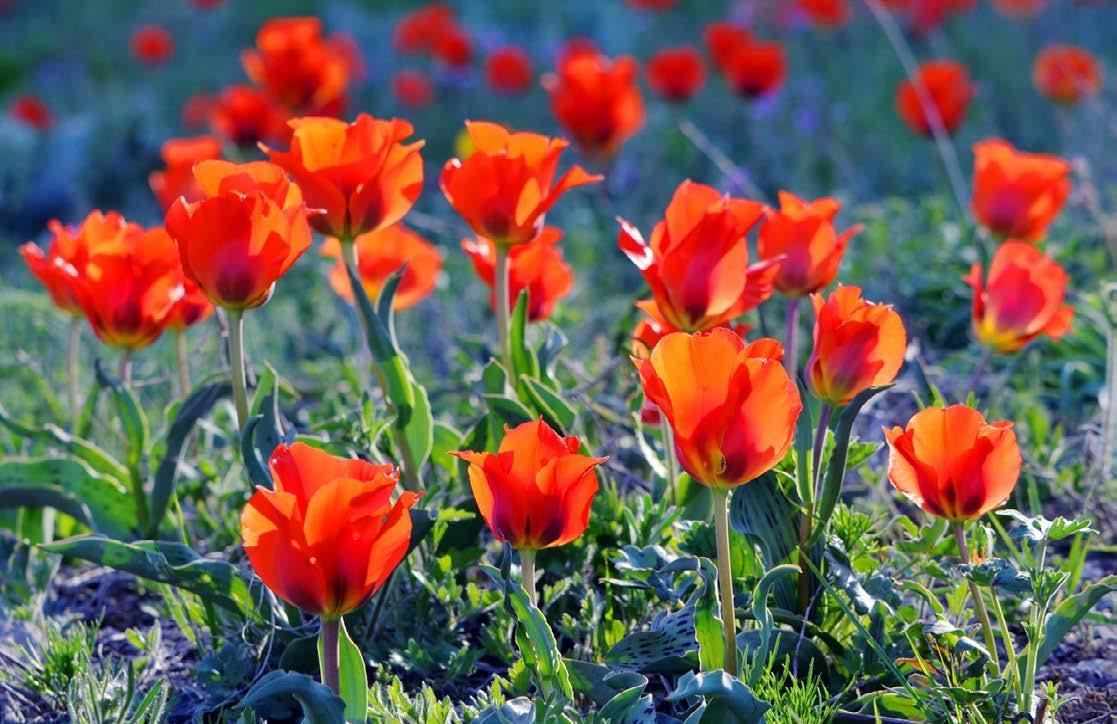
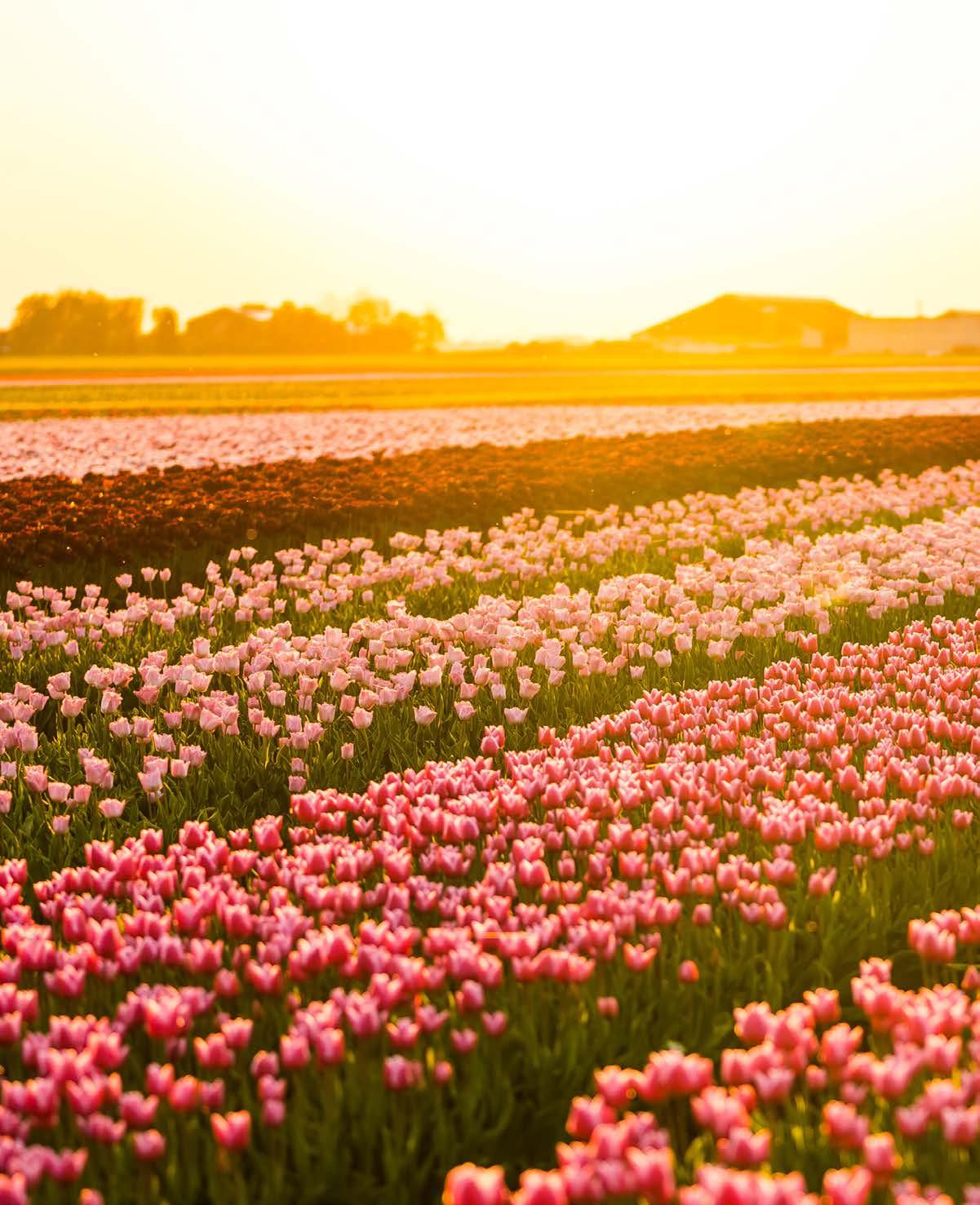
Tulips capture our hearts each spring, but in the wild, they are on the verge of extinction. Human activities, such as expanding cities, plowing, and cattle grazing, have resulted in many native plants now only growing in inaccessible mountains or ravines. But the biggest damage in recent decades has been caused by people picking bright, ornate flowers for bouquets or to be sold. Many people sincerely believe that this does not harm nature. “The tulip is vulnerable to its own beauty. Very often, flowers are just thoughtlessly plucked and thrown away. It is important to keep in mind that wild tulips reproduce themselves by seeds and a tulip seedling needs 10 to 17 years to bloom for the first time in nature. So if you pick a flower, you orphan the whole meadow,” said Ivashchenko.
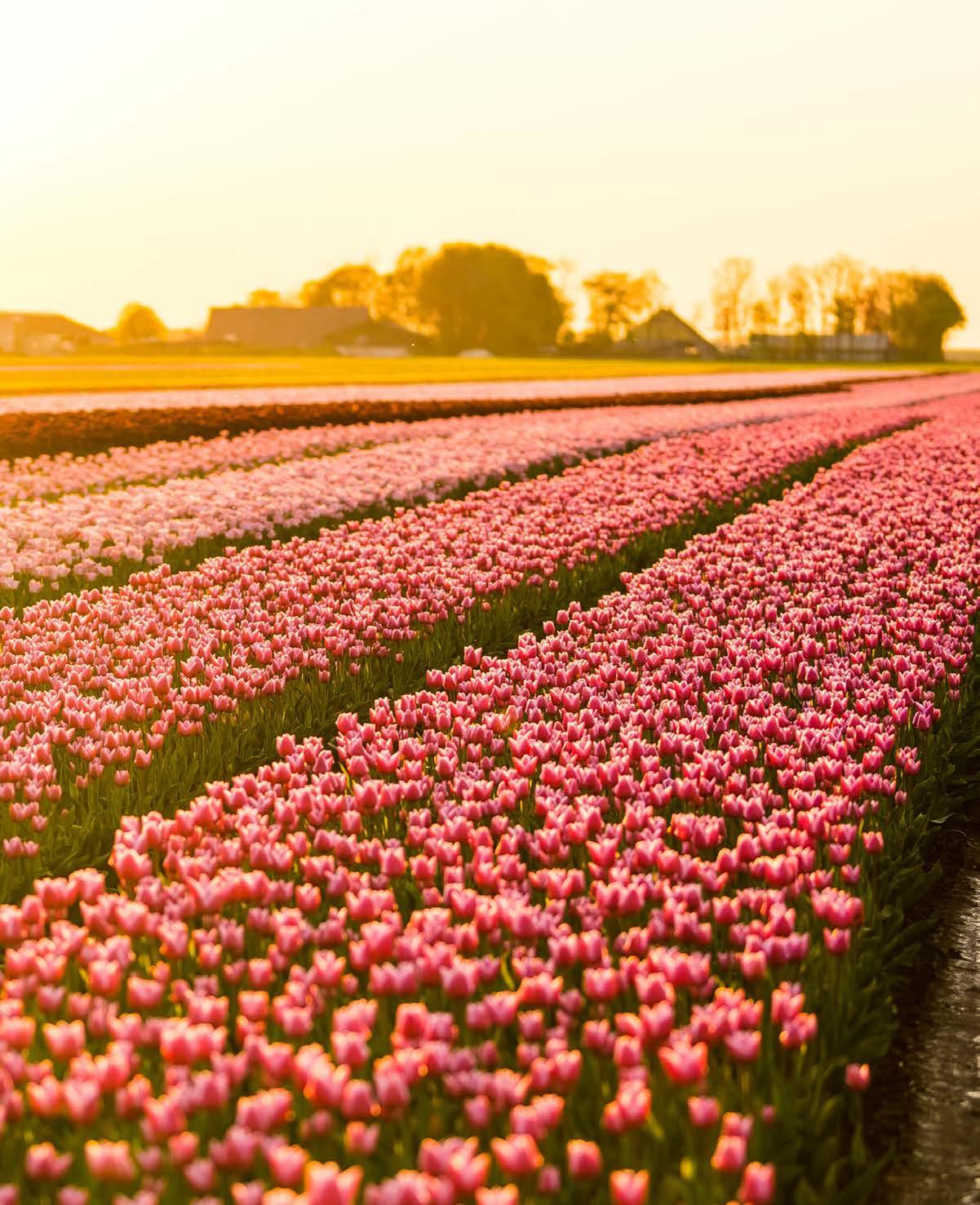
The Kazakhs have cherished tulips for centuries. Gifting flowers was generally considered to be outlandish. Kazakh ancestors cared about their environment, animals, and plants, evidenced by Kazakh proverbs, such as “the flowers are the beauty of the earth,” meaning they belong to the earth. Throughout her career, Ivashchenko has aimed to teach visitors about the history of the tulip fields and how they grow in the wild. Hardly anyone wants to pluck a flower after that. “I always emphasize that the life of a tulip in nature is comparable to that of a human being. A decade and a half is the [tulip’s] age of childhood and adolescence. Then it blooms for several decades, producing many seeds. By the end of this period, the bulb ages and weakens, so breaks in flowering become more frequent. The lifespan of a person can vary from 50 to 70 years. So we should really ask ourselves, is it worth destroying a beautiful plant, whose life is commensurate with yours, for momentary pleasure?” Ivashchenko said. “If we do not preserve wild tulips now, we risk losing the wild species and the cultivated varieties. The old ones will die out without being renewed, and nothing will be left to create new varieties,” she added.
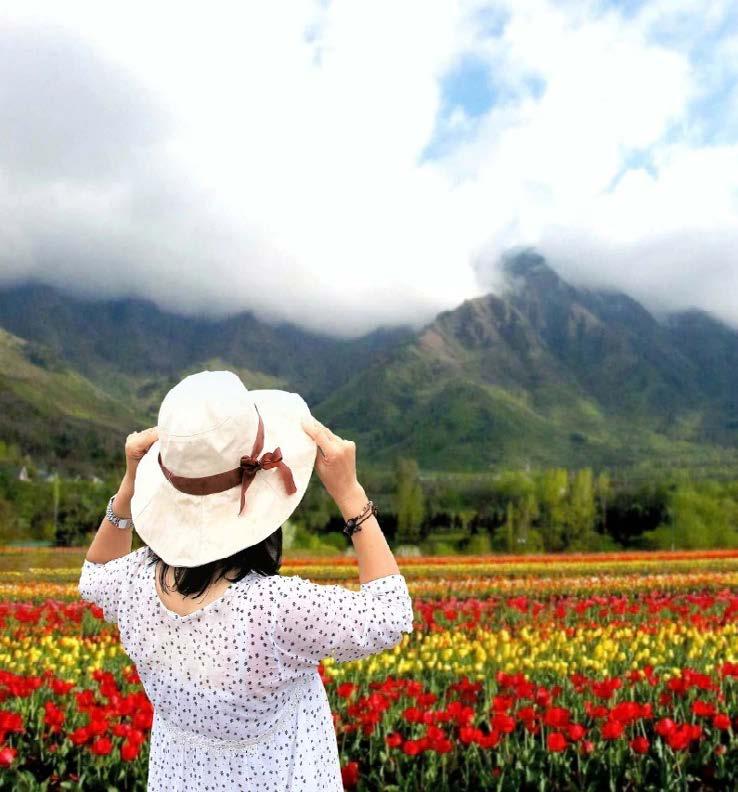

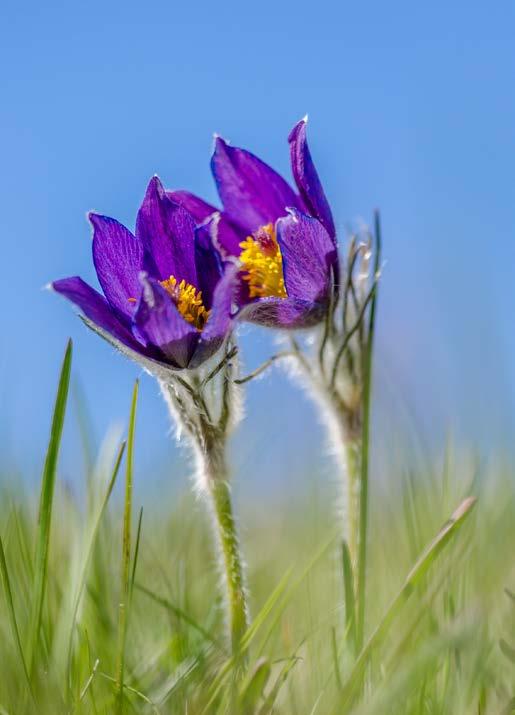
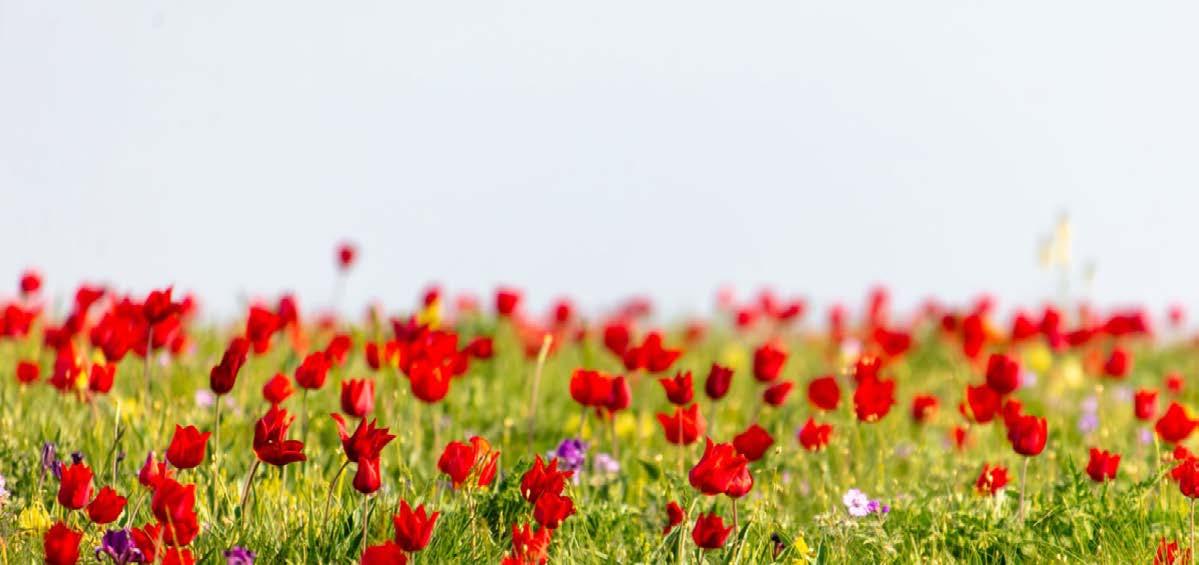



By knowing the approximate locations of certain tulips, you can get to them by car, or through organized tours by travel agencies. Of course, tulips can be found everywhere, both in the northern plains (Tulip Revoluta – T. Patents, Tulip of Bieberstein – T. Biebersteiniana), in the steppes and the semi-deserts (Tulip of Bohem –T. Behmiana), in the foothills of the mountains, and in the Alpine meadows (Dasistemon Tard Tulip – T. Dasystemon, Heterophyllus Tulip –T. Heterophylla), in the green meadows of the Western Tien Shan among the juniper wood and water-lily tulip (T. Kaufmanniana). To not bore you with the countless species of Tulips we will only mention the most familiar tulips that you may already know or didn’t know much about. So we will give you a little information about some fascinating tulips and when and where to enjoy their blossoming in Kazakhstan.
In some places you will be amazed of the vast meadows of tulips with their density ranging up to sixty flowering specimens in a square meter with red hills that are visible from several kilometers away. Most of these areas are dominated with the Greig Tulip, that are located in the Turkistan Province – Aksu-Jabagly, Karatau Reserves, Sairam-Ugam and Syrdariya-Turkistan National Parks, as well as in the “Krasnaya Gorka” botanical reserve. There are also two reserves in the Jambyl Province – Berkary and Merke.
Among the Tulip species in Kazakhstan, the Water-Lily is among the most common and is the ancestor of over two hundred cultivars. It is found in the mountains of Western Tien Shan (from the Ugam range to the western parts of the Kyrgyz Alatau) and Karatau. Flowering begins at the end of March and lasts until the end of June, in the low mountains, and in the upper parts of the mountains this blooming tulip origin period may even extend until the beginning of July.

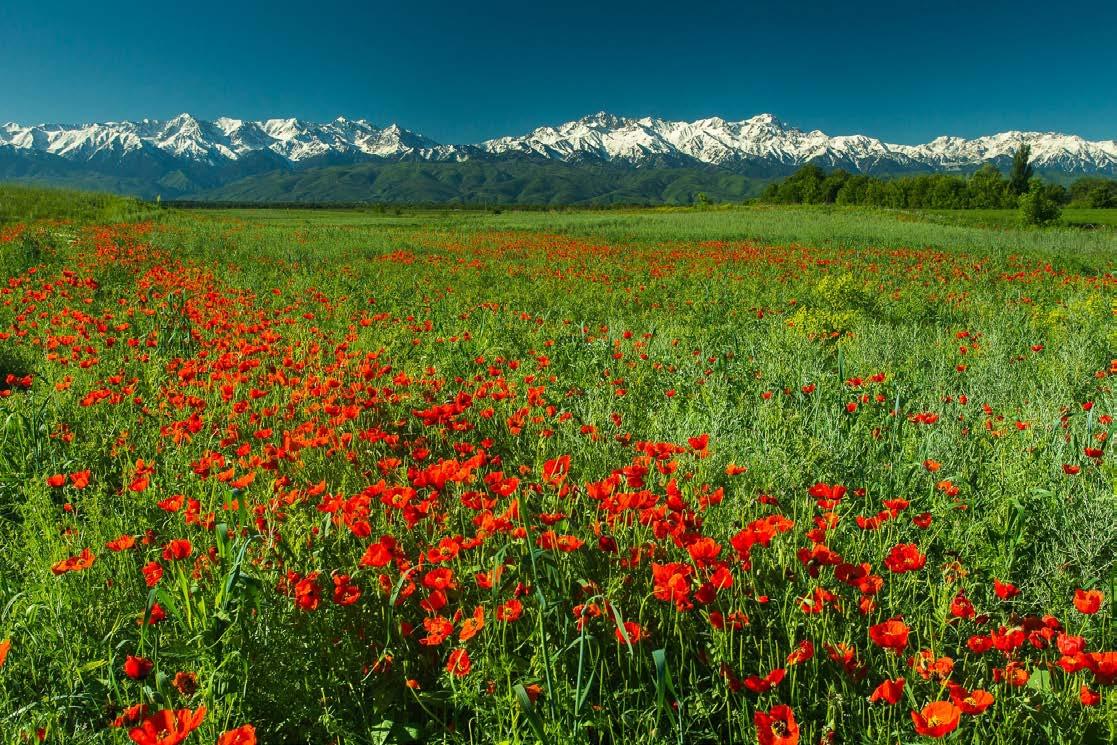
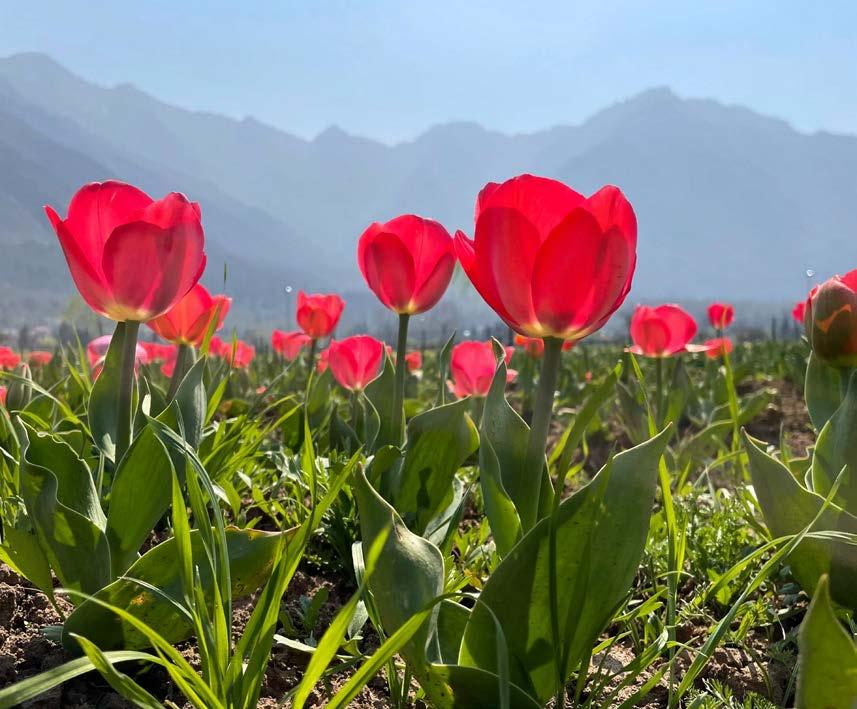
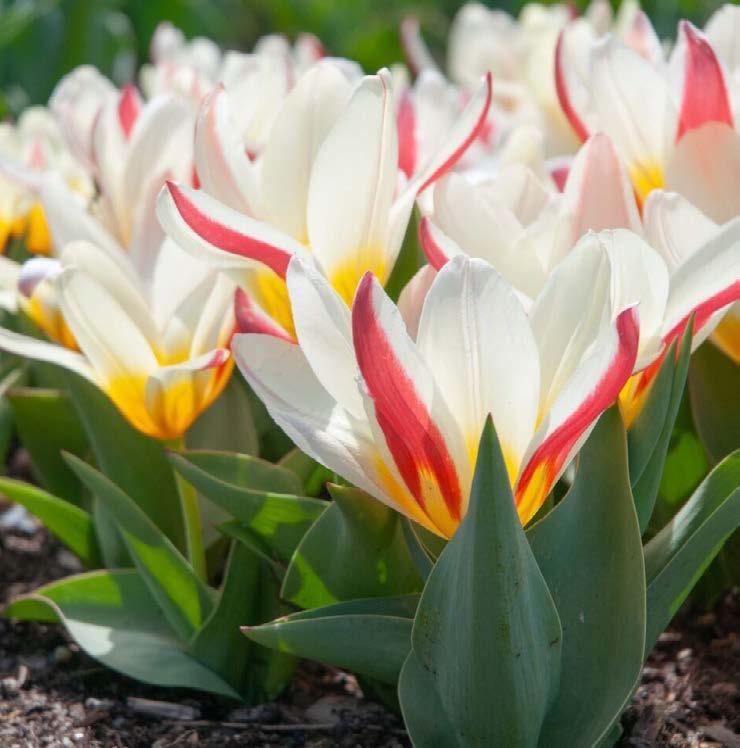
considered endemic in Kazakhstan as it is included in the Endangered Species List. It can be found in Syrdarya Karatau, also in the ShuIle Mountains, parts of the Betpakdala Desert, in the Chulak Mountains, and on the shores of the Kapshagay Reservoir. This magnificent flower blooms from early April until the end of the second week of May.
described by E.L. Regel in 1884. It can be found near Almaty, growing on the slopes among the bushes in the lower and middle zones of Ile Alatau, the southern parts of the Shu-Ile Mountains, and to the east of the Kyrgyz range. These flowers tend to start blooming from late April to the middle of May.
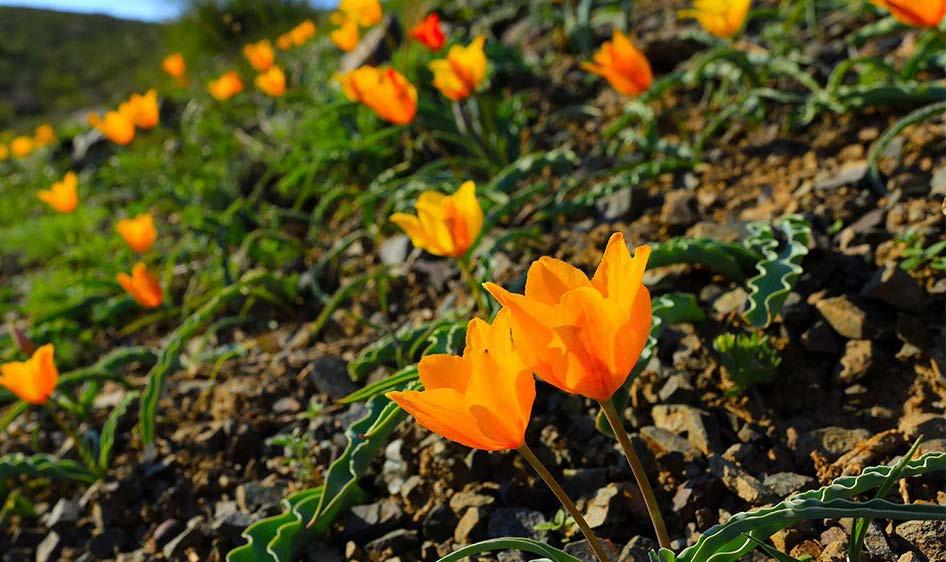
one of the most genuine out of all of the Kazakhstan national tulips, described by N. Krasnov in 1887. Based on samples from the Shu-Ile Mountains, which is a birthplace of this regal flower. It grows in between the rocks, stony slopes, and rocky ledges, in the arid and tropical habitats. This ancient species, that grows across a wide range of the Shu-Ile Mountains to the Valley of Kurta, grow down the river and into the south by the Jambyl Mountain. This flower blooms from late March to early April.
another very distinguished member of the tulip
family. It blossoms from mid-April to midMay. It grows on the rocky dry gravel slopes, in the thickets of shrubs in the lower and middle mountain ranges. It is located in the western part of Ile Alatau and Jetyjol ridge – from the ravines of Uzun-Kargaly to the Karakunuz Gorge. The tulips are kazakh national flowers. The specimens with the pure yellow flowers are found in the latter gorge more often than in other places.
found in the southern regions of Kazakhstan –from the Aral Sea to the Balkhash-Alakol Basin (southern part of Aktobe, Kyzylorda, Turkistan, Jambyl, and Almaty Provinces). The Tulip of Bushe blooms in late March and April. In Kazakhstan there is a tradition to give tulips on holidays, especially on March 8.
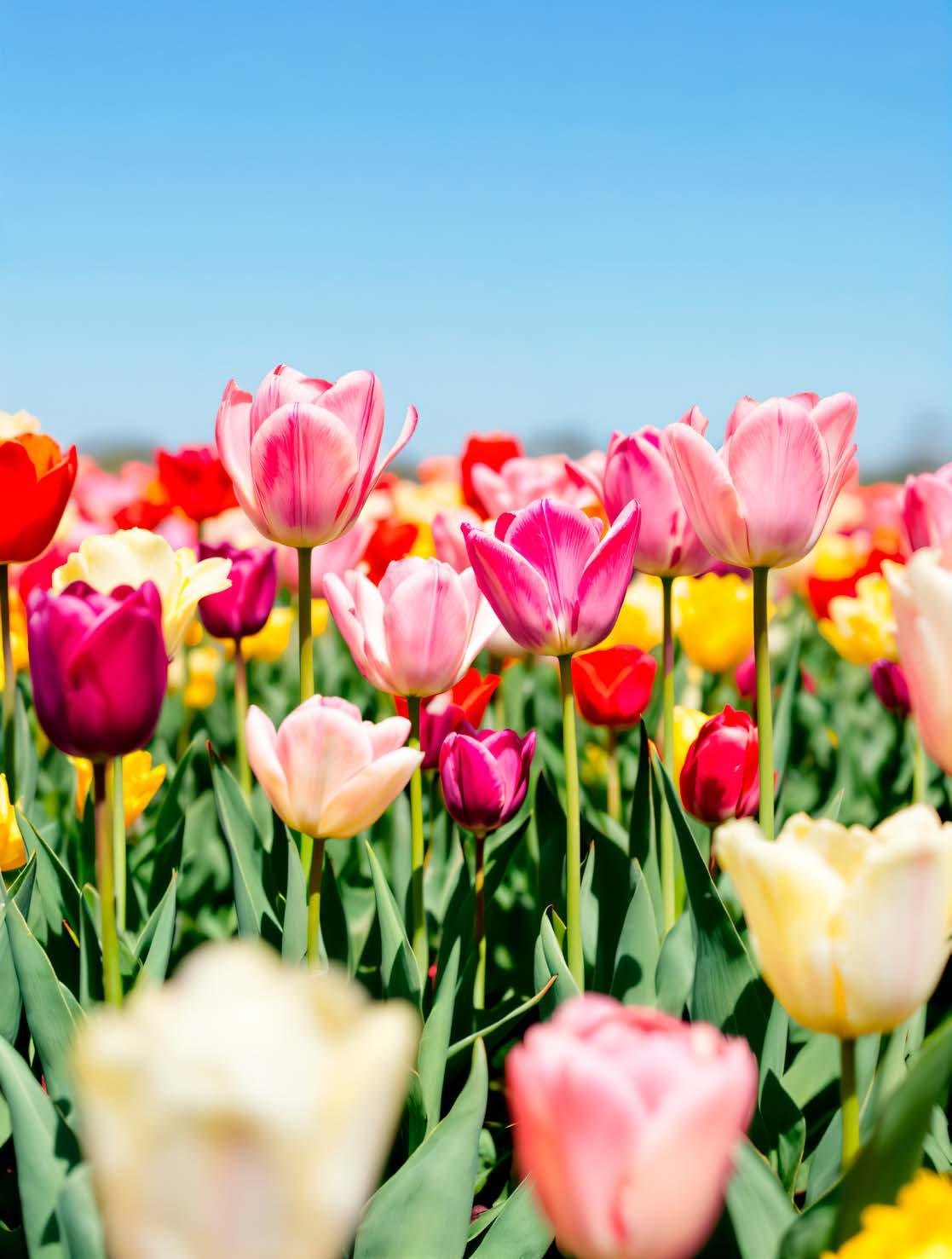
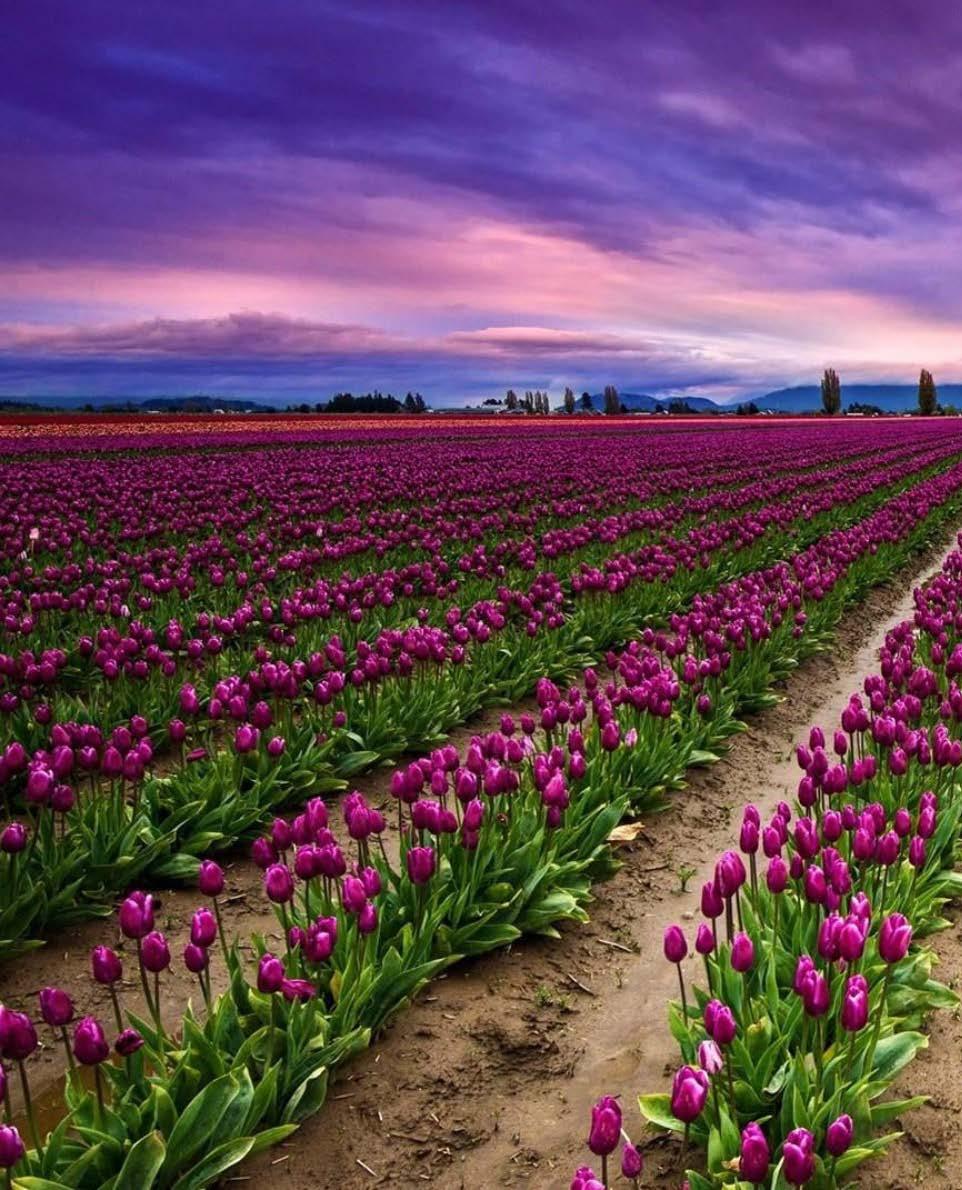
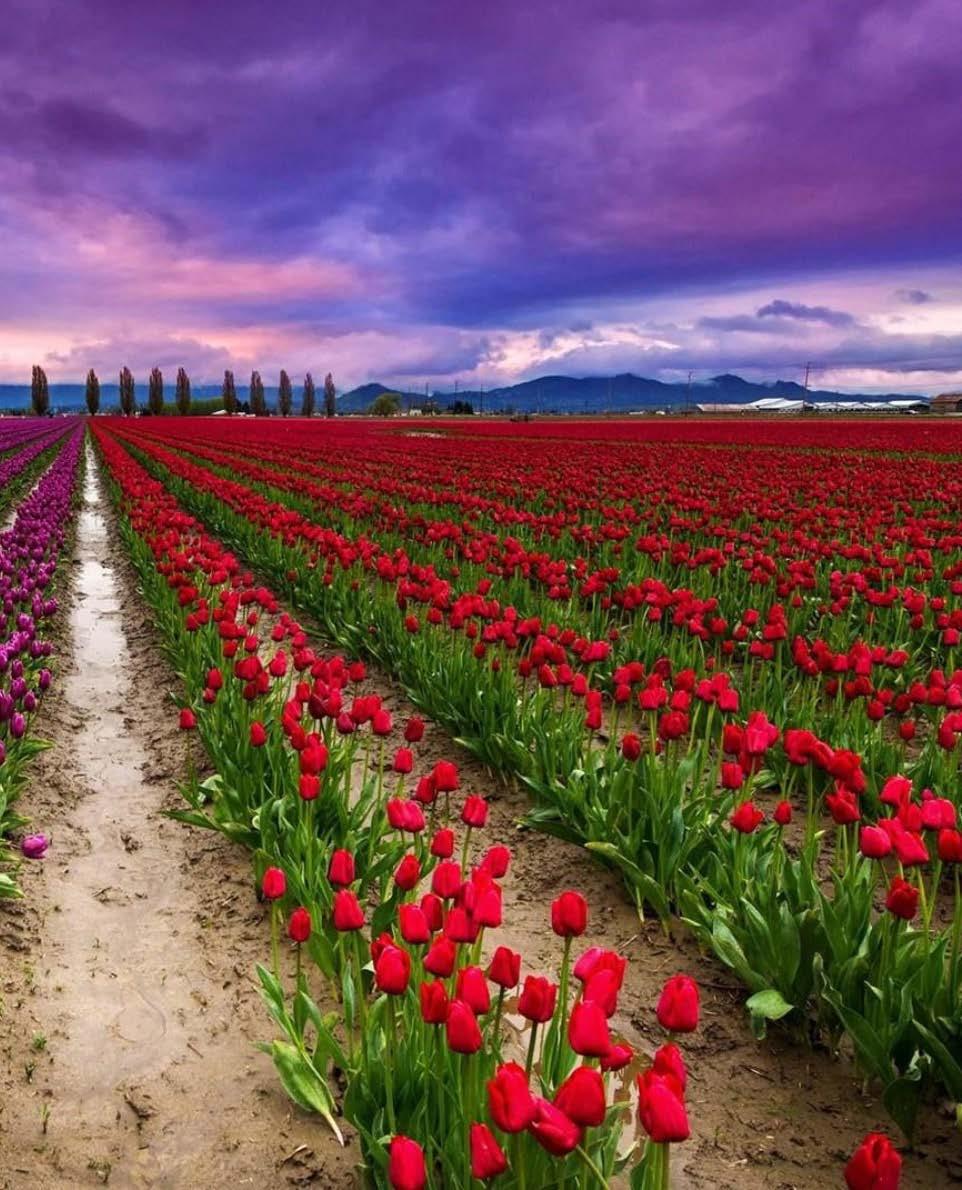
Kazakhstan, with its vast steppes and majestic mountains, is not only the historical cradle of the tulip but also a living canvas of biodiversity and natural wonder. From the ancient tulip fields of the Western Tien Shan to the windswept valleys of the Chu-Ili Mountains, the country hosts an astonishing array of tulip species—many of which are found nowhere else on Earth. These vibrant blooms are not only a national treasure but also a living link to the region’s rich cultural heritage, symbolizing beauty, resilience, and continuity.
Today, as Kazakhstan opens its doors to ecotourism and raises awareness about conservation, tulips have become more than just a springtime spectacle—they are ambassadors of the country’s commitment to preserving its natural heritage. With responsible tourism, continued scientific research, and public education, Kazakhstan can ensure that future generations will continue to marvel at the wild tulips that first blossomed here over ten million years ago. Whether you are a botanist, a traveler, or simply a lover of nature, the tulips of Kazakhstan offer a rare glimpse into the origins of one of the world’s most beloved flowers—and a powerful reminder of the delicate beauty worth protecting.


( A Member M/s. Worldwide Media Corporation Group USA )

Exciting opportunity for all those who want to share their most memorable, Interesting. Amazing, Pro-active & Growth oriented activities & Experiences covering areas such as
• Fashion, Trend & Lifestyle
• Culture, Tradition & Heritage
• Education, Healthcare & Wellnes
• Industries, Investments & Growth
• Travel, Tourisn & Hospitality
With Millions of Readers across the world
Special Coverage & Press Release
Launguage Rights & Overseas Rights
Circulation, Subscription & Global Distributions
Advertisements & Advertorials
Featured Stories & Articles
Feedback & Customer Relationship
Dr. Kevin Francis
Dr. Andre Lubbe
Dr. George Fedrick
WWMCG Global Communications Inc.,
Rishi Wadhwa
Ms. Nancy
Email ID : aseworldwidemedia@gmail.com worldwidemediaasiapacific@gmail.com
Website : www.incrediblekazakhastan.com