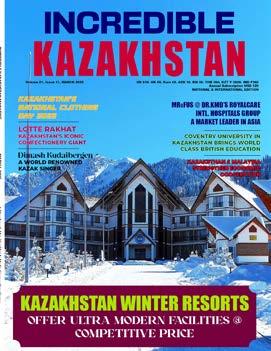
Kazakhstan Expands Tourism Sector Through Infrastructure Development & Digital Innovation
Kazakhstan has been
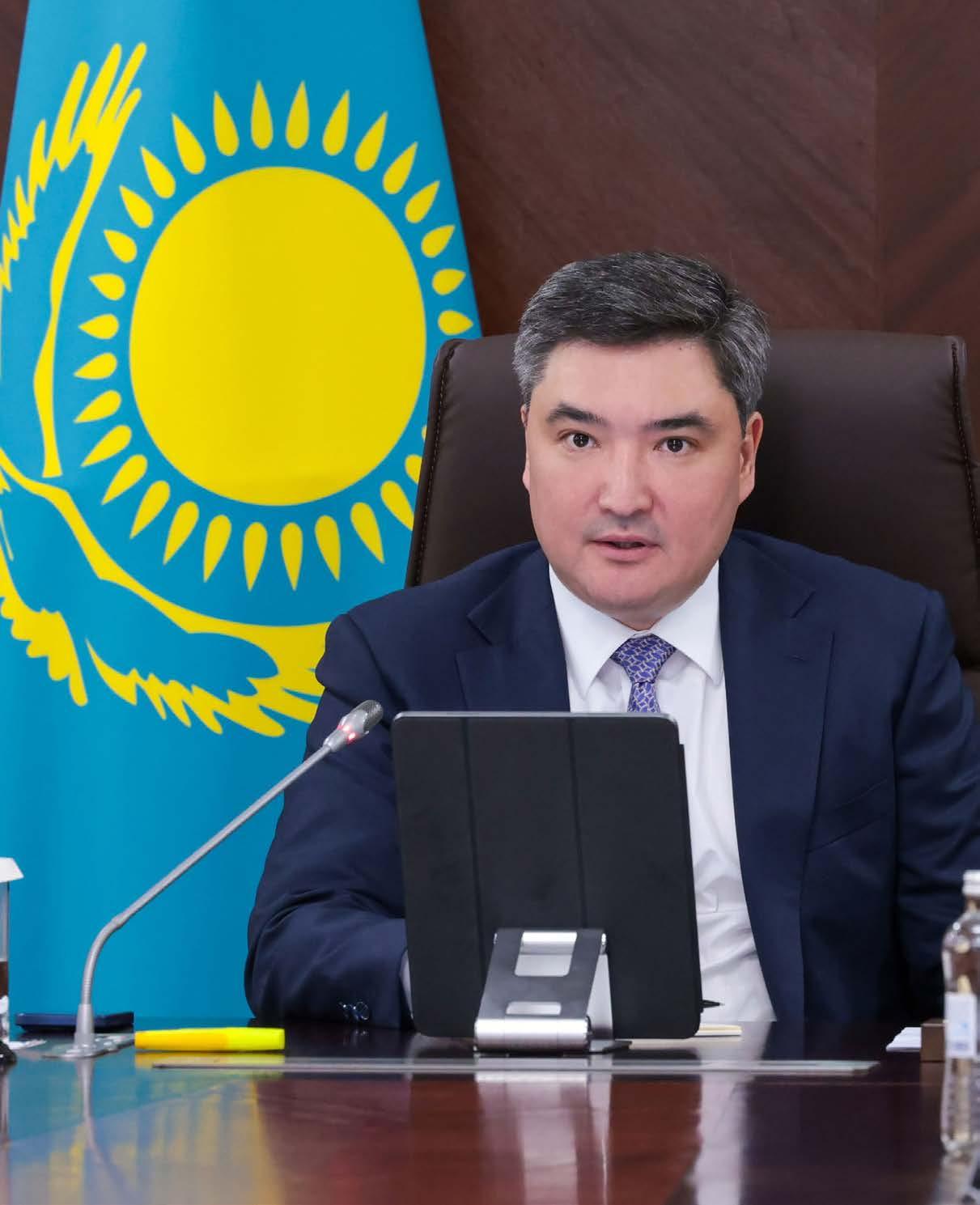
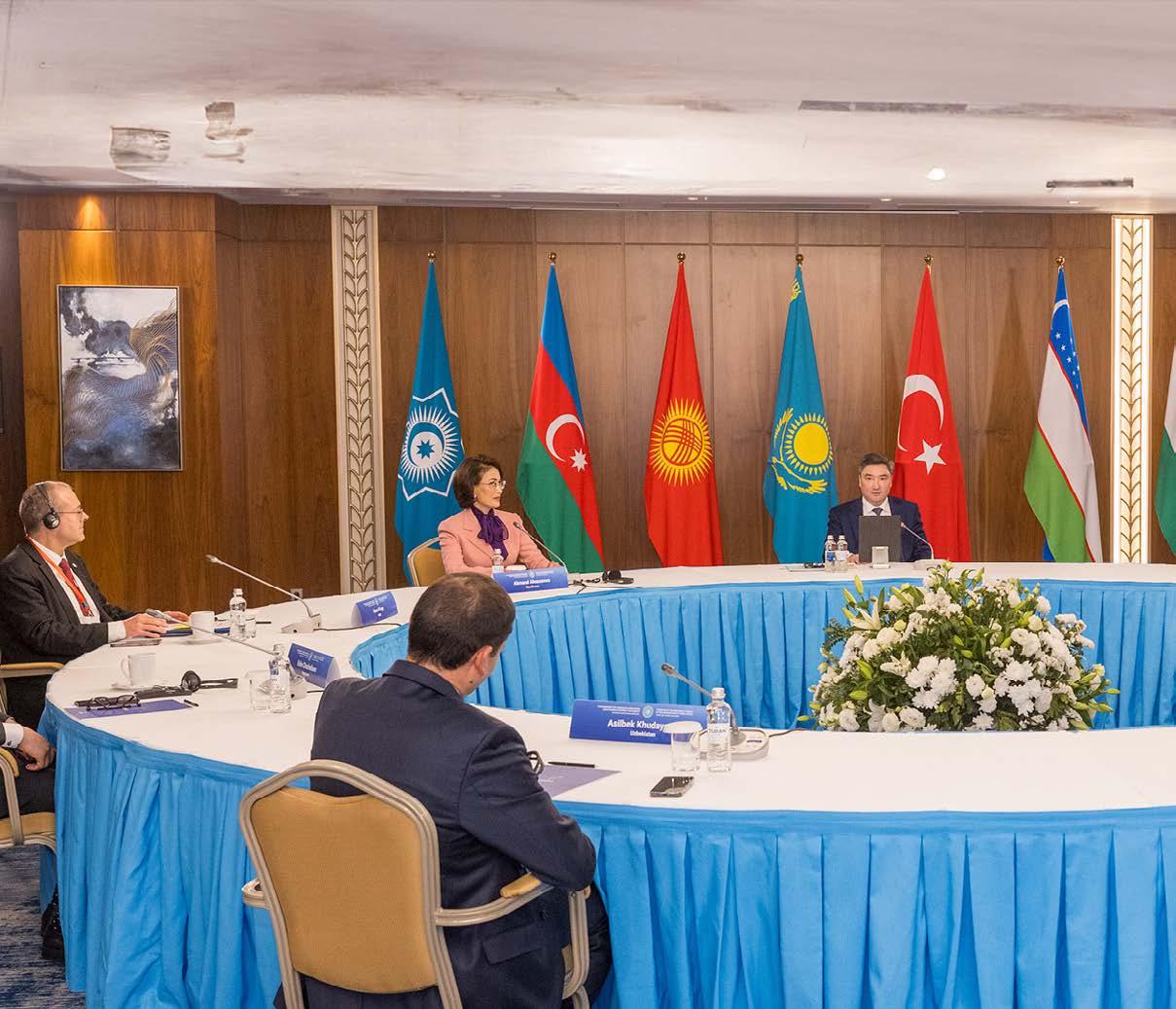
intensifying efforts to strengthen its tourism sector through the development of advanced infrastructure as well as through introduction of digital platforms. Besides, they are going forward with implementation of inclusive tourism initiatives. These priorities were outlined during a government meeting chaired by Prime Minister Olzhas Bektenov. And the Special Measures are:
Ecotourism and Agritourism Development: Minister of Tourism and Sports Yerbol Myrzabossynov proposed granting regional administrations greater authority to develop tourism infrastructure in rural areas and national parks. In recent years, eight visitor centers have been constructed, and work is ongoing to expand trail systems and basic infrastructure to support ecotourism. In 2024, Kazakhstan’s national parks welcomed 2.8 million visitors—an 18 percent increase compared to the previous year. Farmers will now be permitted to engage in agritourism activities, supporting rural economic development. With more than 200,000 farms across the country, this measure is expected to generate employment and improve rural living standards.
Enhanced Accessibility for Foreign Tourists: Reforms are planned for Kazakhstan’s hotel classification system, which has remained unchanged since 2008, to align with international standards. A new green corridor system is being piloted at border crossings with Russia and the Kyrgyz Republic to simplify entry procedures for organized tourist groups. Additionally, it was proposed to make the Neo Nomad Visa—currently available only through foreign diplomatic missions—accessible online via the national visa migration portal. Expansion of Shopping Tourism and Digital Services: Kazakhstan aims to scale up the Tax-Free system
nationwide following successful implementation in Astana, Almaty, Shymkent, and Turkistan. Since its launch in 2019, the pilot program has generated sales of 4.9 billion tenge (approximately US$9.3 million). To enhance service quality in the tourism sector, a new digital platform—E-Guides—has been introduced to connect tourists with certified local guides. The city of Almaty presented a new digital solution, the SuperApp, which enables users to purchase tickets, plan travel routes, book tours, and access virtual reality features for exploring tourist attractions.
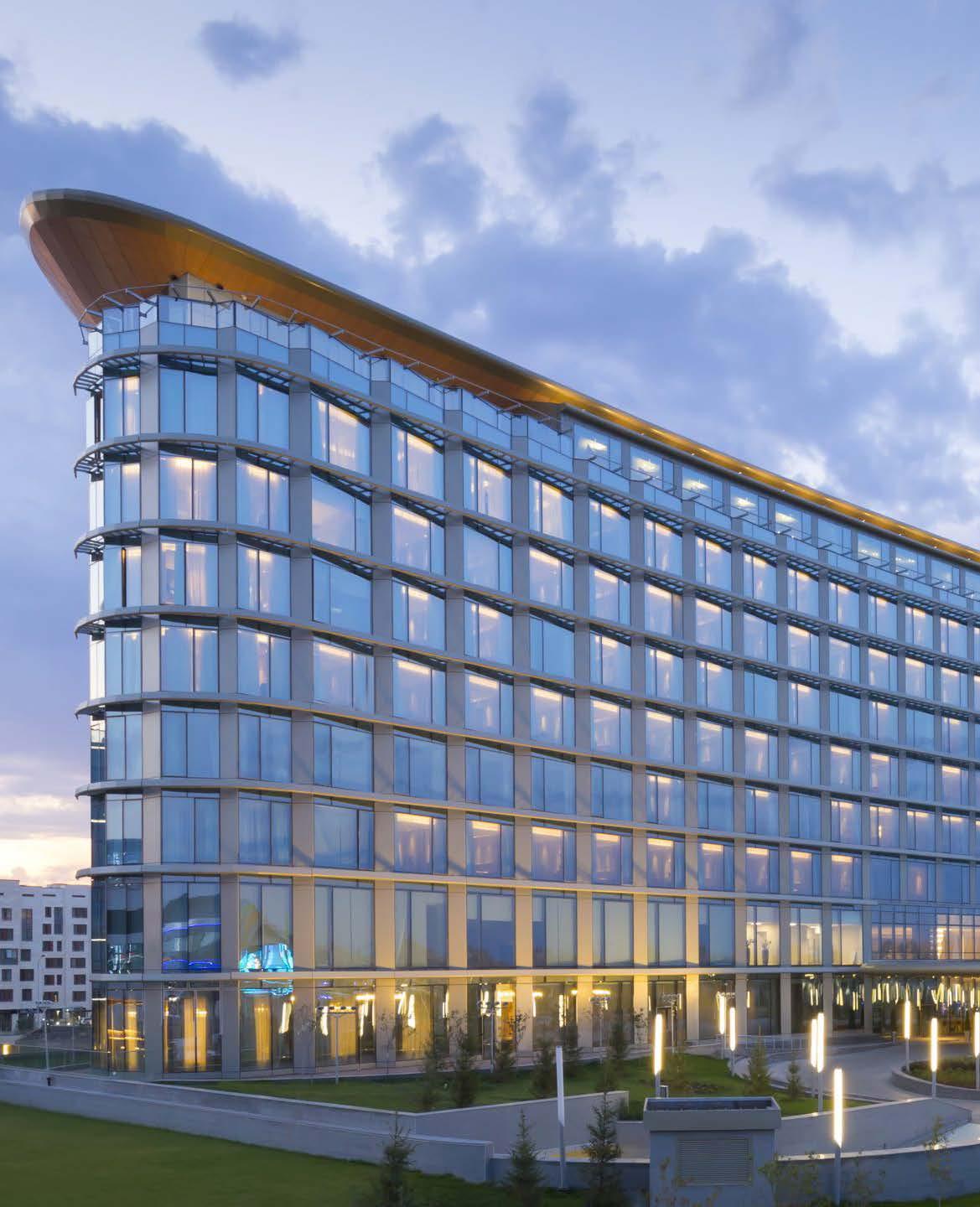
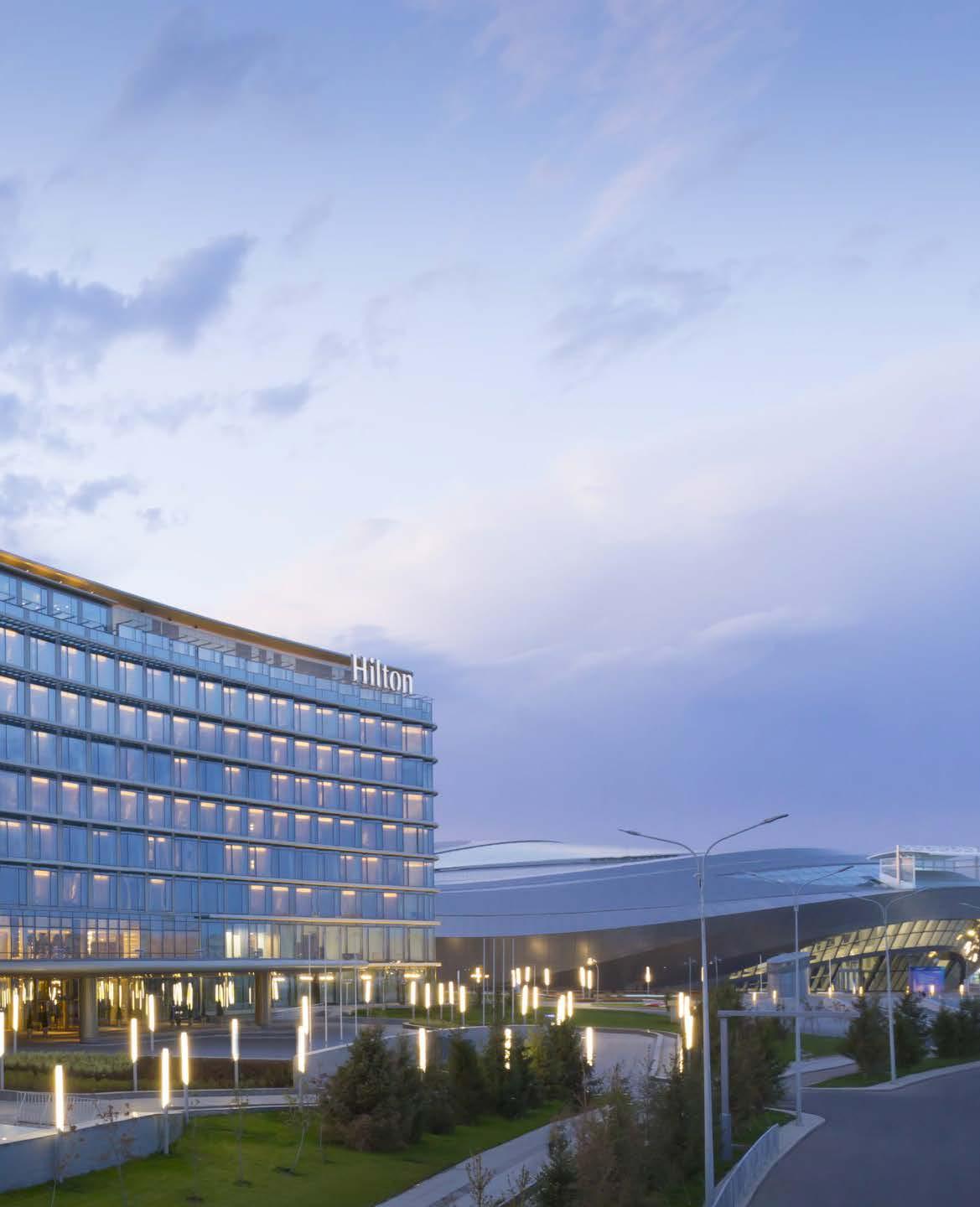
Regional Tourism Infrastructure Projects: As part of the comprehensive development plan for the Schuchinsk-Burabai resort area through 2029, the Akmola Region will see the construction of eight observation platforms, upgrades to 14 tourist routes, and the development of a public beach at Lake Shchuchye. Major investment projects in the area include a congress center, hotel with water park and villas, a cottage town, and a Hilton-branded apart-hotel. Almaty is enhancing its profile in the MICE (Meetings, Incentives, Conferences, Exhibitions) tourism segment. The city will see the development of new cultural and hospitality infrastructure, including the Almaty Museum of Arts and the Tselinny Center for Contemporary Culture. Additionally, plans are underway to construct a world-class ski resort in Almaty with 150 kilometers of trails. The resort is expected to attract up to five million visitors annually. The Mangystau region will also be developed as a key tourist zone.
Promotion of Inclusive Tourism: Murat Karatai, head of the Pioneer family resort, proposed creating a national network of inclusive children’s resorts and establishing a center to train specialists in family and inclusive tourism. More than 300,000 children in Kazakhstan require special educational
From The Desk Of
EDITOR-IN-CHIEF
support. The initiative aims to promote social inclusion and safety through the development of family-oriented resort facilities, particularly within the Almaty Mountain cluster. Kazakhstan Govt’s Proactive Initiatives & Measures: At the Government session of the Republic of Kazakhstan chaired by Prime Minister Olzhas Bektenov considered the issue of development and digitalisation of the tourism industry in the framework of the tasks set by the President of the country. Minister of Digital Development, Innovation and Aerospace Industry Zhaslan Madiyev said that for the purpose of digital transformation conducted re-engineering of 47 business processes.
“The Ministry of Tourism and Sports is developing a digital platform. It will automate processes and reduce the influence of the human factor in decisionmaking. A unified digital register of tour operators will also be created. The service of licensing of tour operators in two subspecies has also been introduced and is being provided. The first subspecies is outbound tourism. The second - inbound and domestic tourism. The service is fully automated. In 2024, 680 licenses were issued in electronic format. Meanwhile, startups are actively developing in the sphere of domestic tourism. Zhaslan Madiyev said that startups and technology companies working in the tourism sector are now concentrated in the Astana Hub ecosystem.
According to the Ministry, in 2024, the combined revenue of these companies exceeded 8 billion tenge and the number of jobs created exceeded 500. Along with digital transformation, work is underway to create an appropriate infrastructure base. In this regard, the Minister said, as part of the fulfilment of the President’s instruction, comprehensive work on the development of digital infrastructure is being carried out in three key tourist regions of the country.
Measures include expansion of mobile communication and Internet coverage, installation of new Wi-Fi points, construction of antenna-mast structures and connection to fiber-optic networks. In the Almaty region, the Shymbulak resort is provided with high-speed internet and additional WiFi hotspots, including Medeu. The development of communication networks in Kaskelen and Turgeni areas is planned until 2029. In Aktau in 2024, 76 4G base stations will be installed and 67 will be modernized. It is planned to increase 5G coverage to 60% by the end of 2025. In the ShchuchinskBorovsk resort zone, antenna-mast structures and Wi-Fi points are being installed in hotels and tourist spots in Burabai and Shchuchinsk.
Work on improving infrastructure and digitalisation of tourism continues. In this context, Zhaslan Madiyev voiced a number of proposals. In particular, the Ministry recommends local executive bodies to accelerate the digitization of master plans and development plans of settlements where tourist facilities are located. This will make it possible to transfer the procedure of granting land plots for investment projects in the tourism sector to the online format. And to improve the quality of mobile communications in popular tourist areas, the Ministry of Digital Development will work on expanding licensing obligations for telecom operators.
Dr. S. E. Alexander
Global Media Chief & MD
FASHION & TRENDS
KAZAKHSTAN COULD BECOME A GLOBAL
CrEATivE HUB Of fASHiON iNDUSTry iN CENTrAL ASiA
MiMiOriKi KAZAKHSTAN’S PrOUD HOMEGrOwN
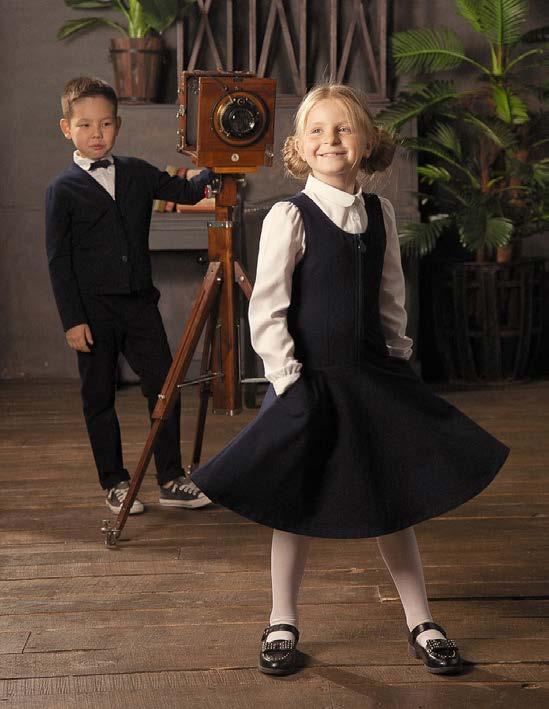
CHiLDrEN’S CLOTHiNG BrAND
42 KAZAKHSTAN INCREDIBLE
28
VIBRANT LIFESTYLE KAZAKHSTAN
rENOwNED PHOTOGrAPHEr (USA), KArOLiNA vOSHTASiK wiNS iNTErNATiONAL AwArD fOr THE SHOTS Of fALCONry
KAZAKH MUSiCiANS CELEBrATED THE 100TH ANNivErSAry Of NUrGiSA TLENDiyEv
58
CULTURE, & TRADITIONS OF KAZAKHSTAN
SyMBOLiSM Of KAZAKH HEADDrESSES THrOUGH LifE STAGES
KAZAKHSTANiS CAME TOGETHEr TO HONOUr LONGSTANDiNG CULTUrE & HiSTOry Of THEir NATiONAL DrESS
RETAIL & SHOPPING
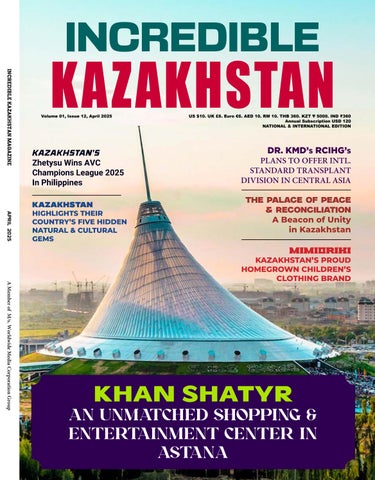
KHAN SHAT yr AN UNMATCHED SHOPPiNG & ENTErTAiNMENT CENTEr iN ASTANA
SPECIAL INITATIVES KAZAKHSTAN
THE PrESiDENTS Of KAZAKHSTAN & SLOvENiA HELD TALKS iN AN ExPANDED fOrMAT
KAZAKHSTAN BOOSTS TOUriSM wiTH NEw iNfrASTrUCTUrE & DiGiTAL SOLUTiONS
HOTELS, RESORTS & HOSPITALITY
rixOS wATEr wOrLD AKTAU
NAvAT - ExPEriENCE THE UNiqUE jOUrNEy Of TASTiNG THE AMAZiNG fLAvOrS, & iMPECCABLE
HOSPiTALiT y HEALTHCARE & MEDICAL TOURISM
KAZAKHSTAN
Dr . KMD’S rCiHG’S PLANS TO OffEr iNTL. STANDArD TrANSPLANT DiviSiON iN
CENTrAL ASiA
KAZAKHSTAN’S PriMAry HEALTH CArE rEfOrM
SAvES MiLLiONS, OffErS MODEL fOr GLOBAL HEALTH SySTEMS
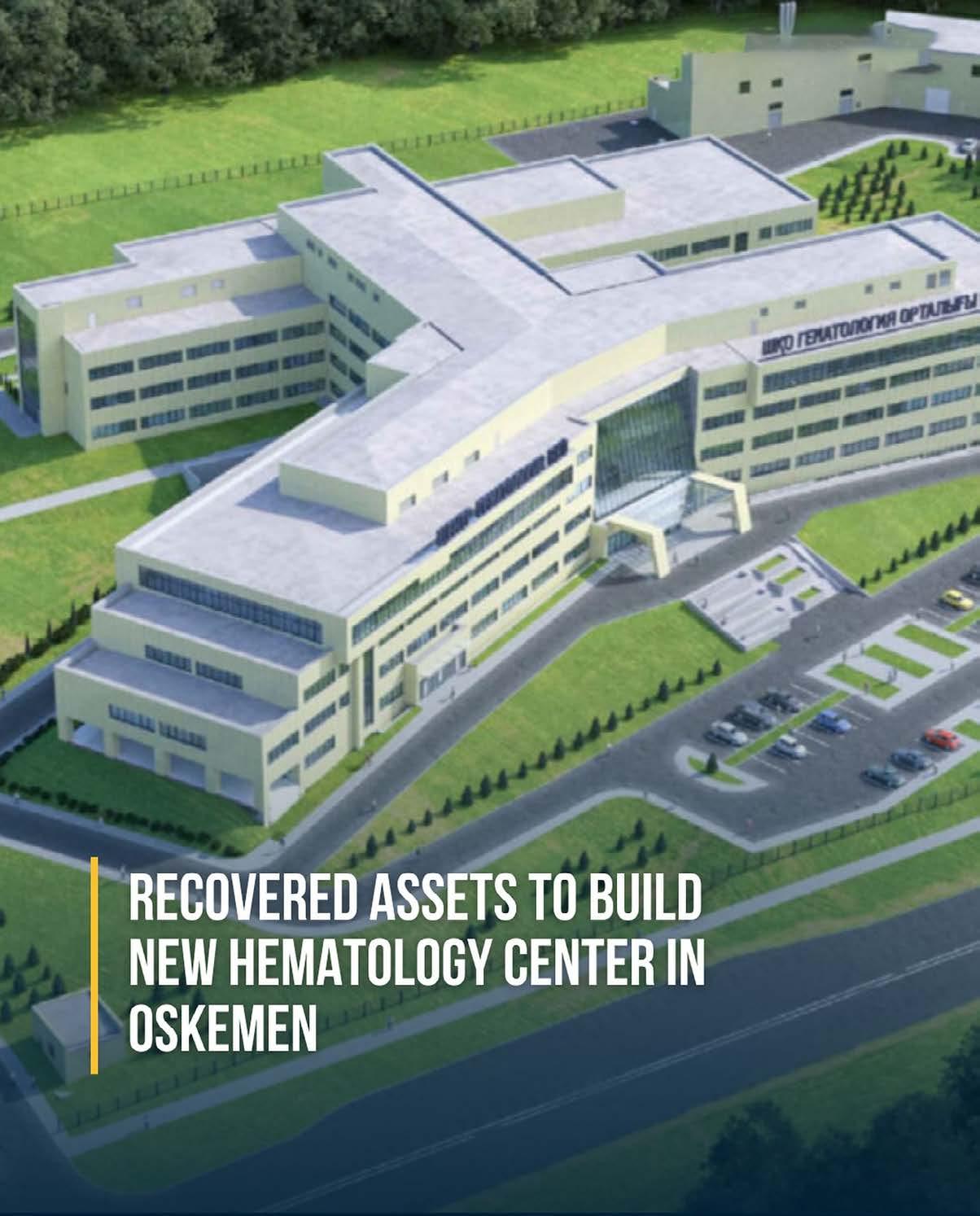
rECOvErED ASSETS TO BUiLD NEw HEMATOLOGy CENTEr iN OSKEMEN
ROYAL HERITAGE & ARCHITECTURE
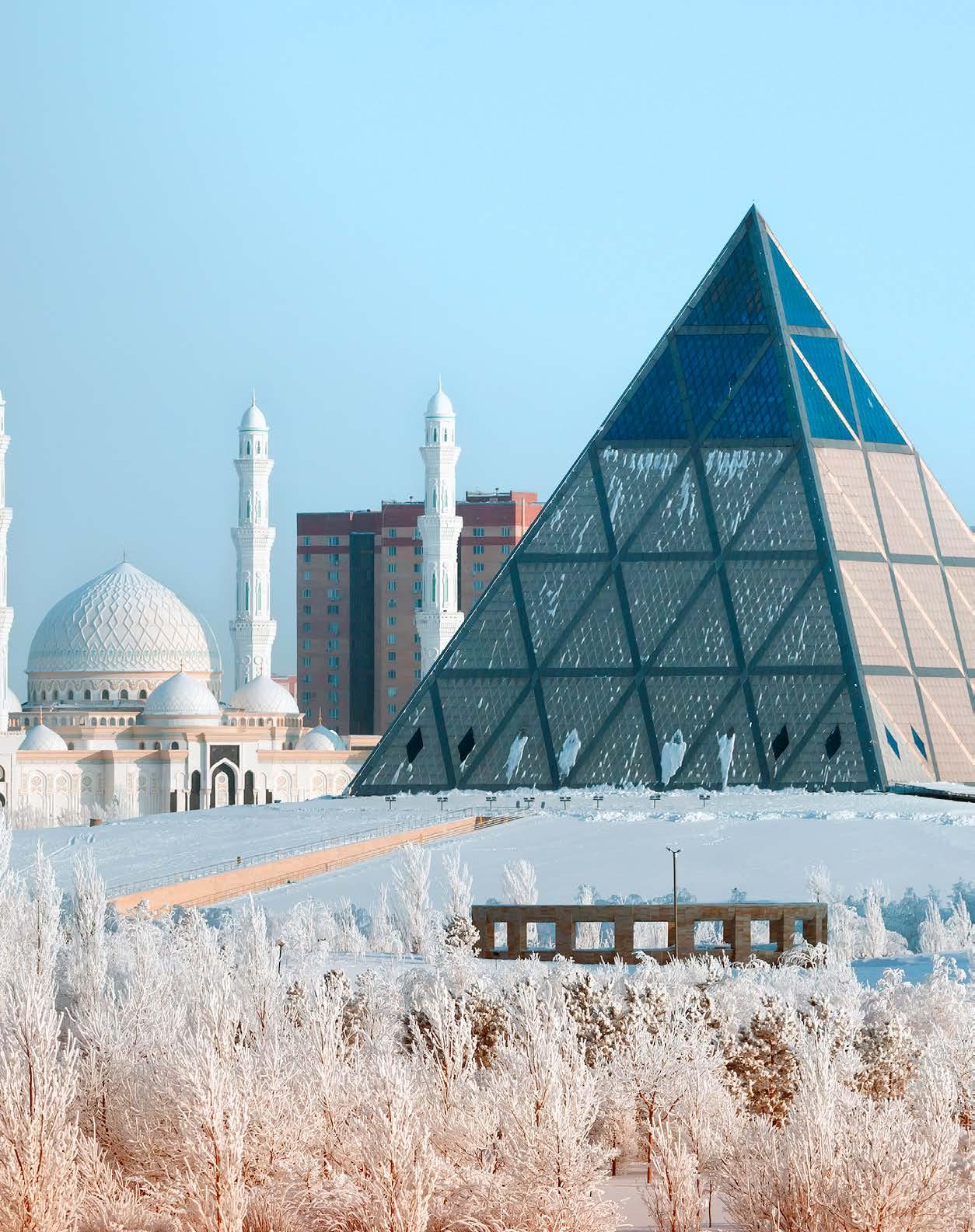
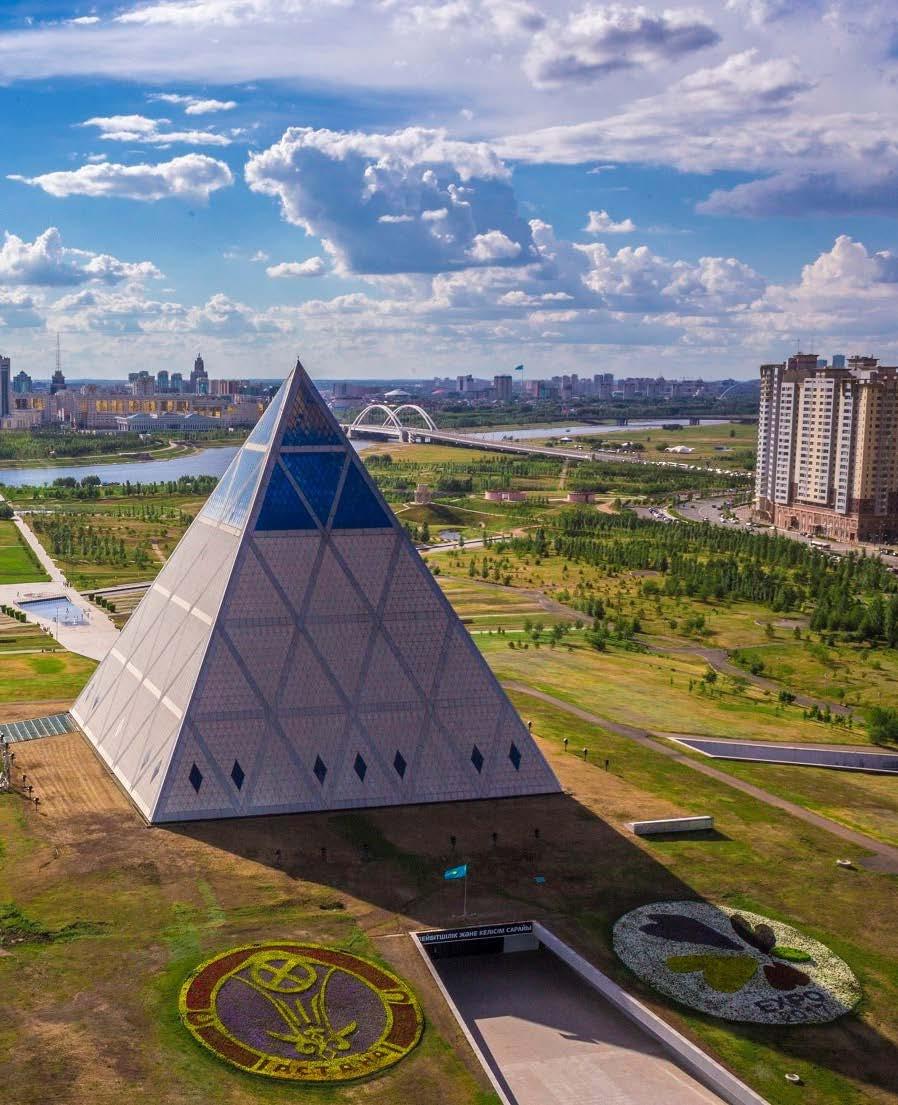
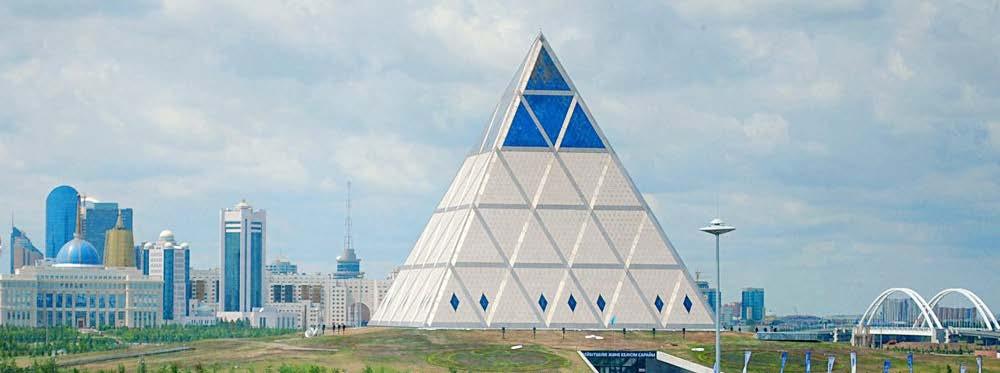
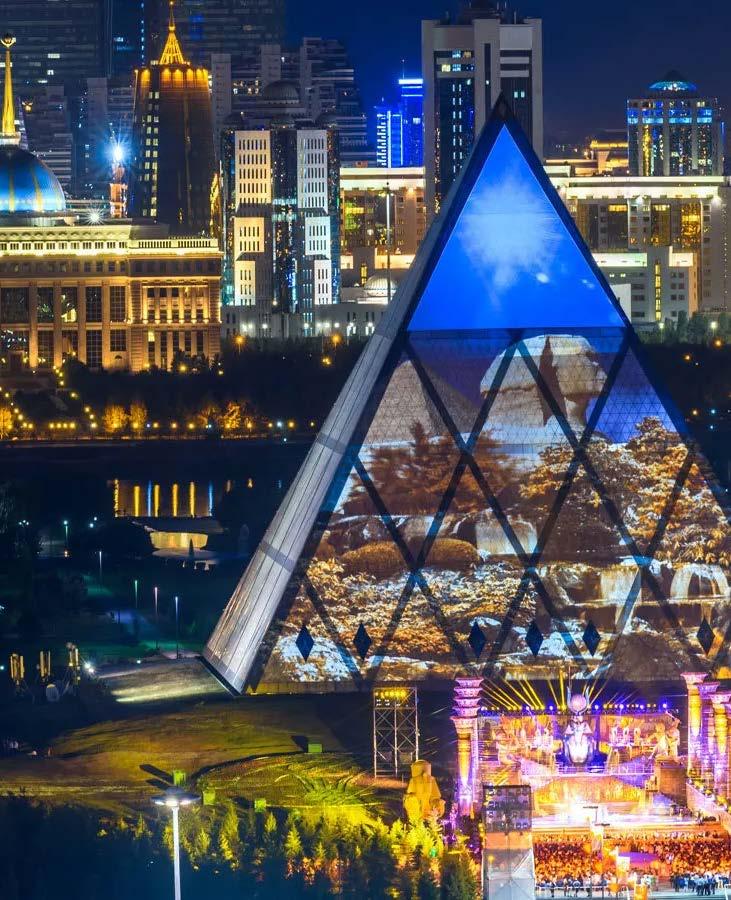
THE PALACE Of PEACE & rECONCiLiATiON A BEACON Of UNiT y iN KAZAKHSTAN 1
242 AGRICULTURE & FOOD PROCESSING IN KAZAKHSTAN
170
KAZAKHSTAN LAUNCHES AMBiTiOUS PrOjECT TO rEvivE LEGENDAry APOrT APPLE
SPORTS & YOUTH AFFAIRS OF KAZAKHSTAN
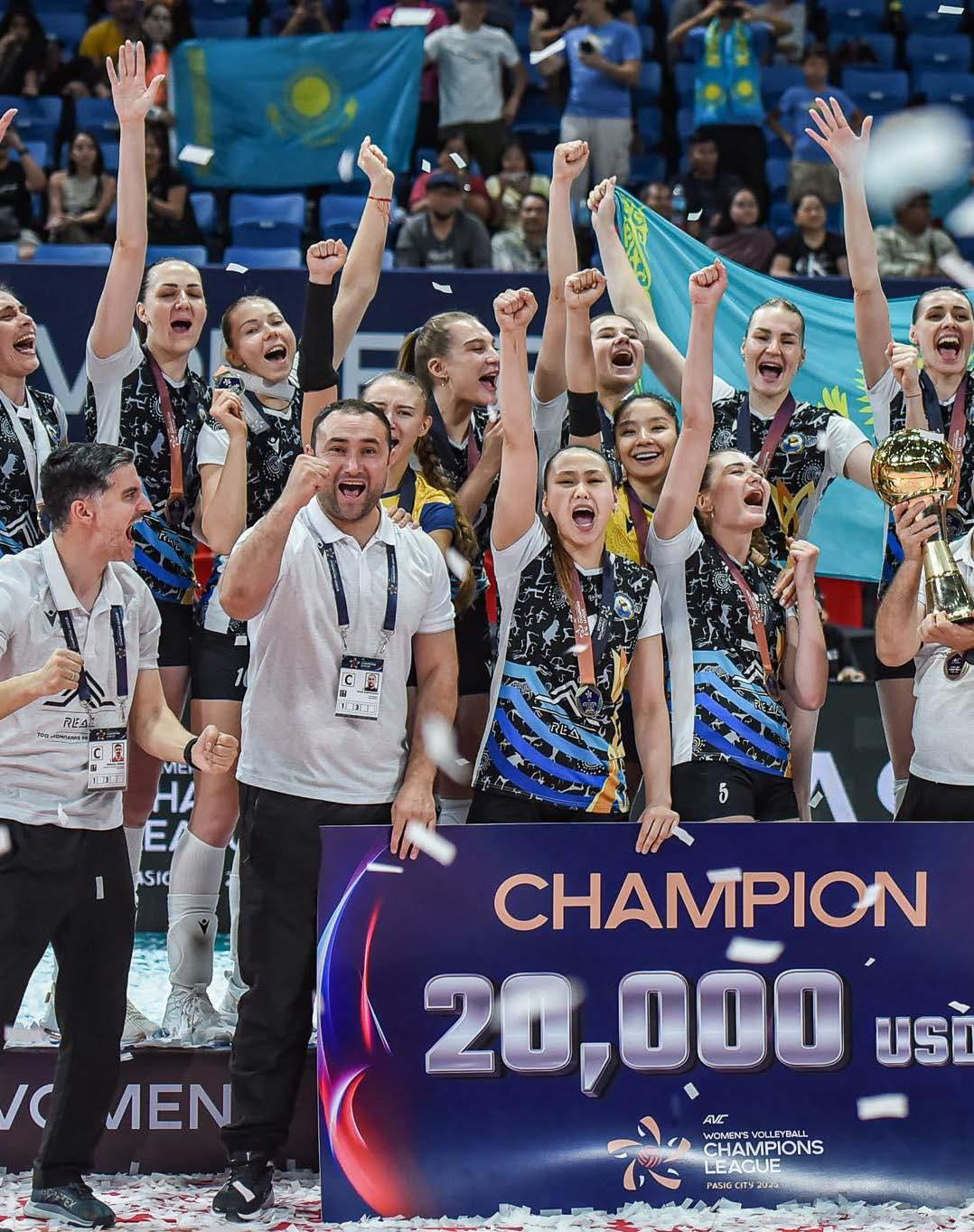
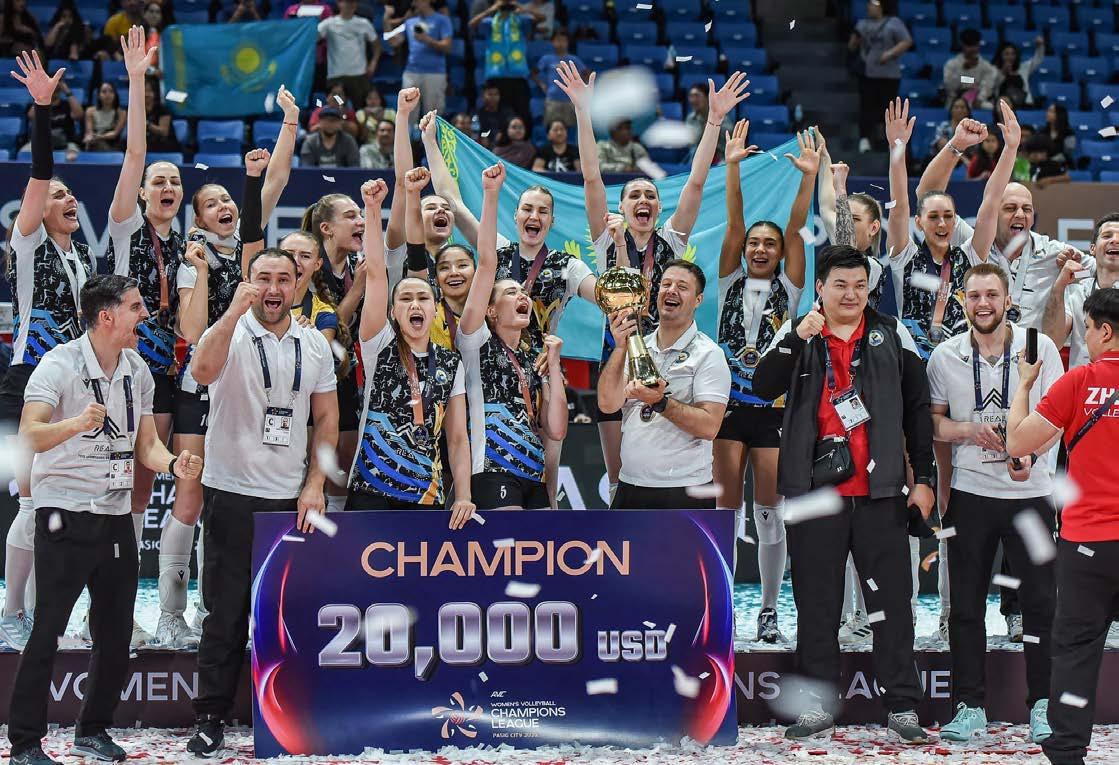
KAZAKHSTAN’S ZHET ySU wiNS AvC CHAMPiONS LEAGUE 2025 iN PHiLiPPiNES
250
260
TRAVEL & TOURISM OF KAZAKHSTAN
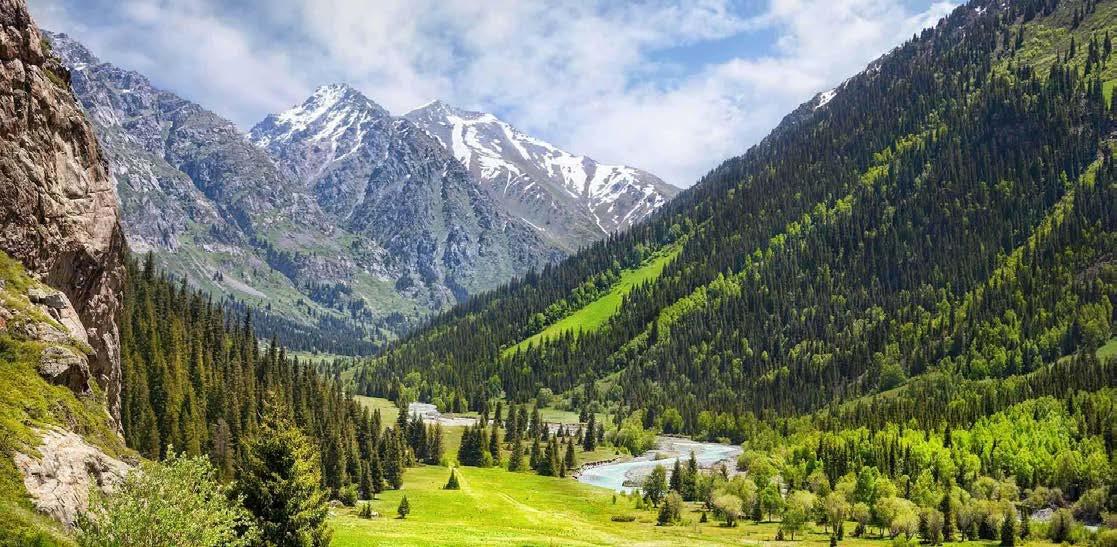
KAZAKHSTAN HiGHLiGHTS THEir COUNTry’S fivE HiDDEN NATUrAL & CULTUrAL GEMS
FASHION & TRENDS KAZAKHSTAN
KAZAKHSTAN COULD BECOME A Global Creative Hub OF FASHION INDUSTRY In Central Asia
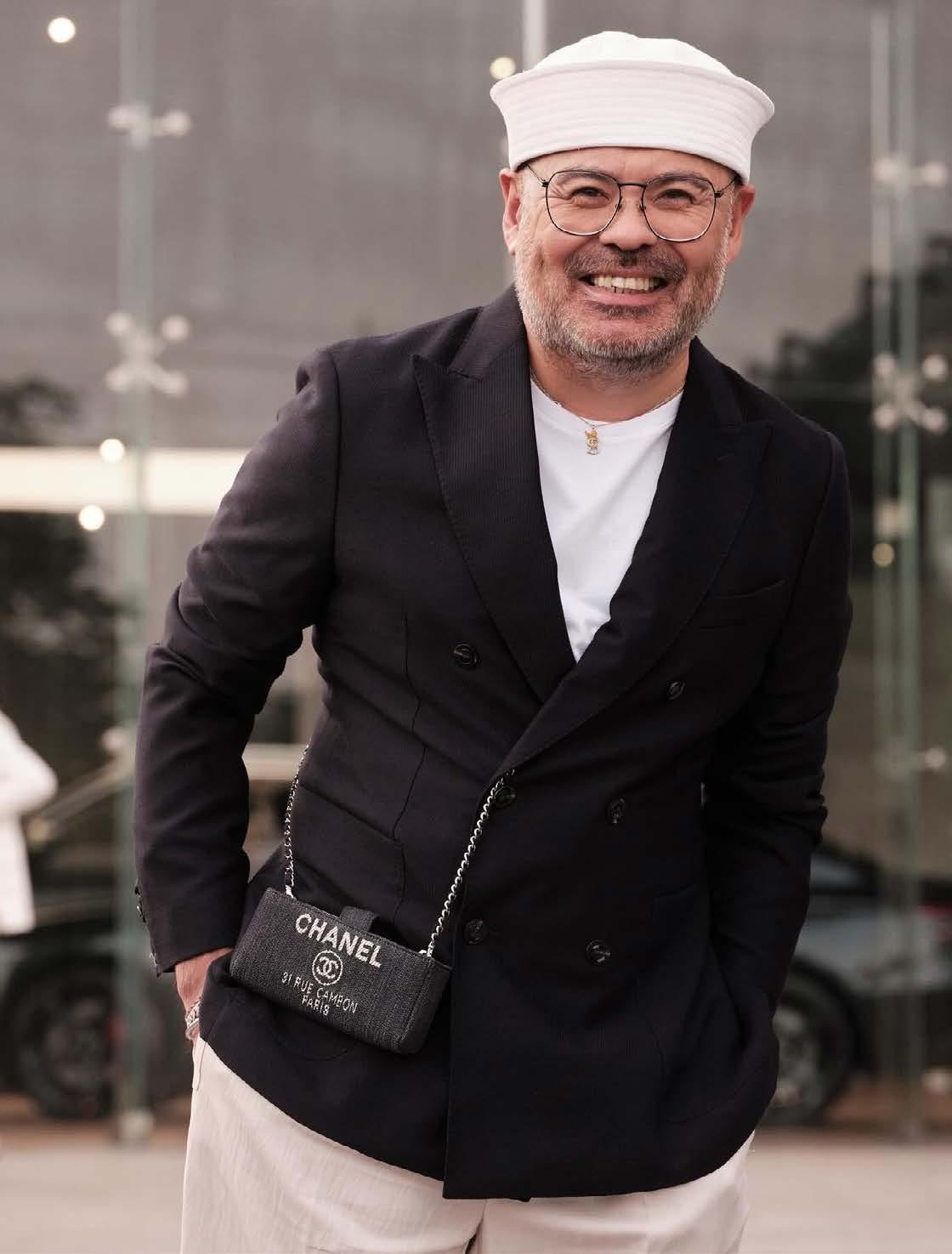
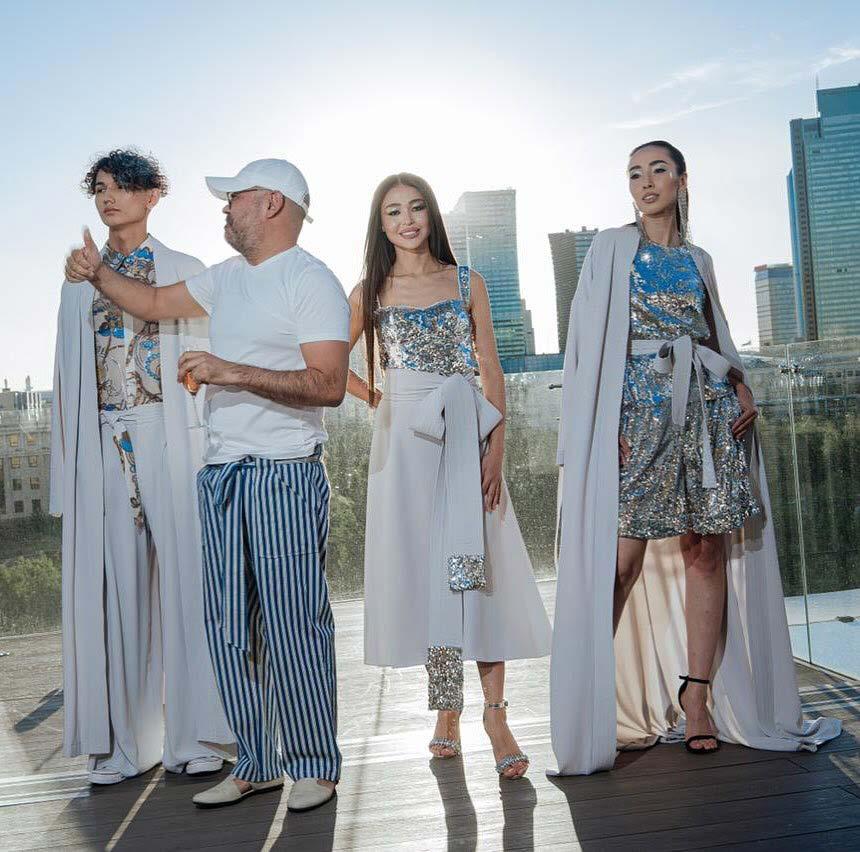
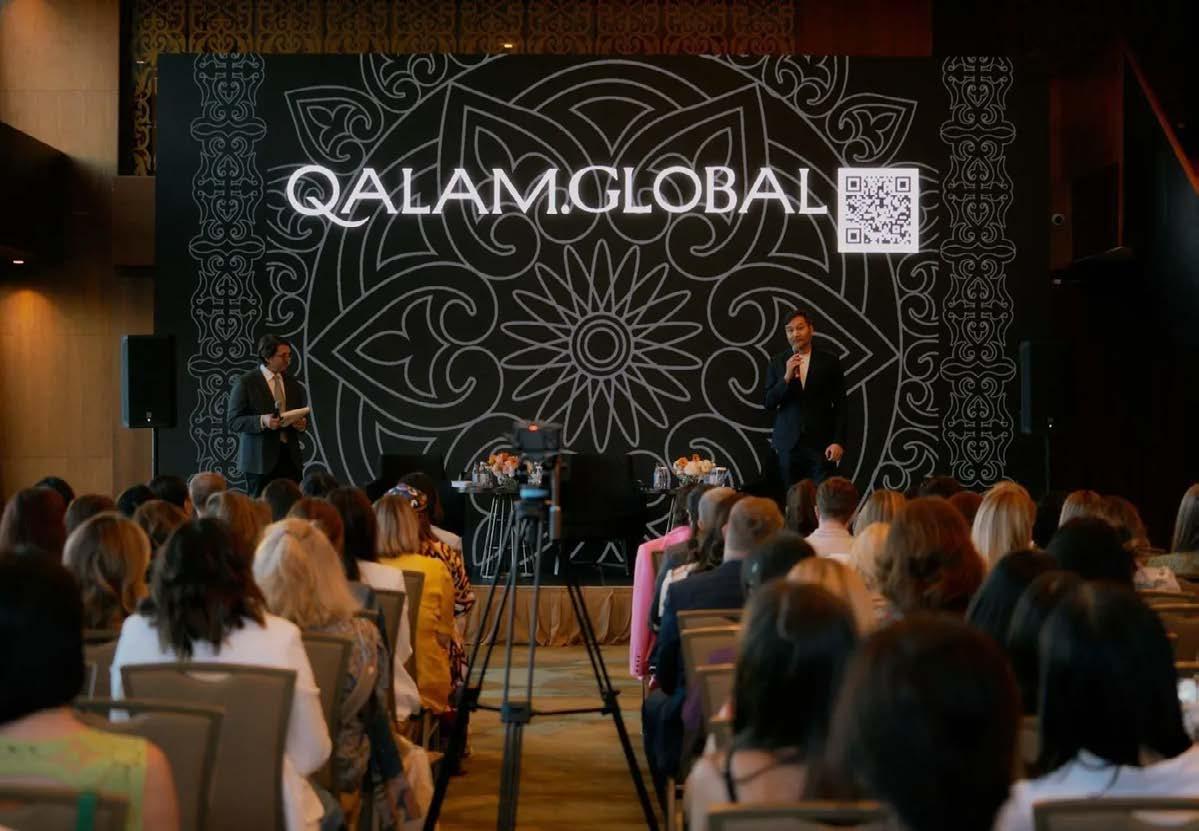
Central Asia is experiencing a creative renaissance, and Kazakhstan is leading the charge. At the center of this transformation is Saken Zhaxybayev, founder of Fashion Bureau Almaty. Central Asia, with its rich history as a nexus of trade and culture along the Silk Road, is stepping into the global spotlight once again—this time through its fashion, luxury, and creative industries. The apparel market in Central Asia is projected to grow by nearly 5% in the next four years, resulting in a market volume of US$10.03bn by 2029. Kazakhstan, in particular, has become a focal point for international brands seeking new markets and audiences. With investments flowing into the region—such as the Venice Biennale’s special event in Samarkand, Uzbekistan in 2025 and the upcoming opening of two contemporary art museums in Kazakhstan—the stage is set for rapid growth.
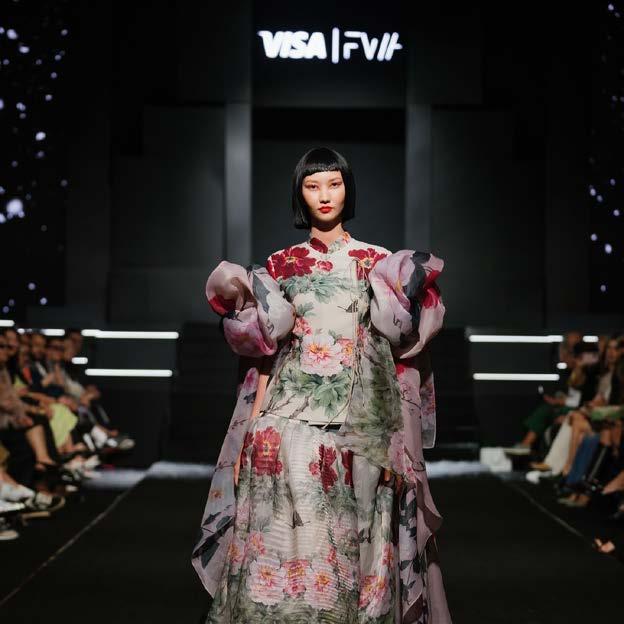
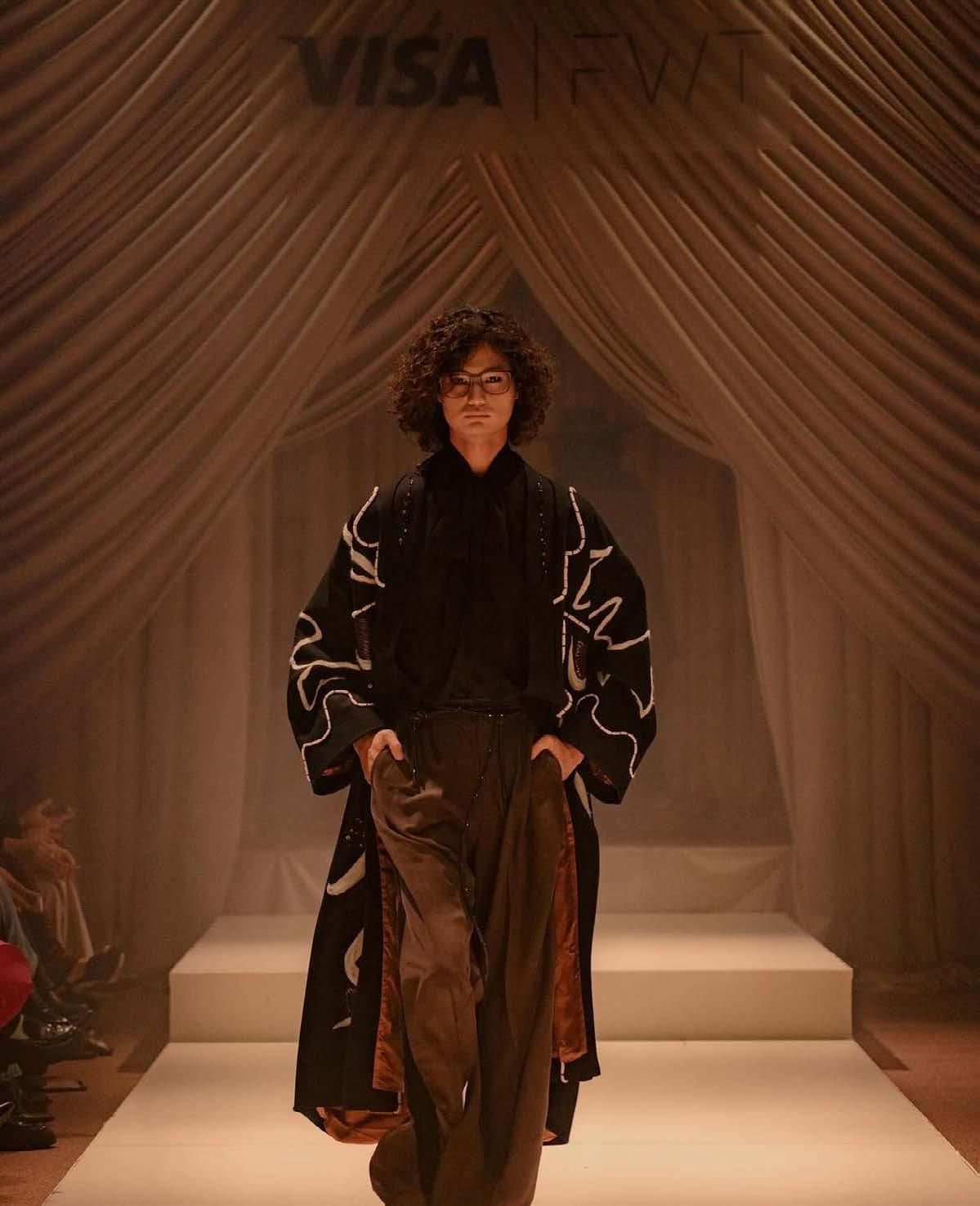
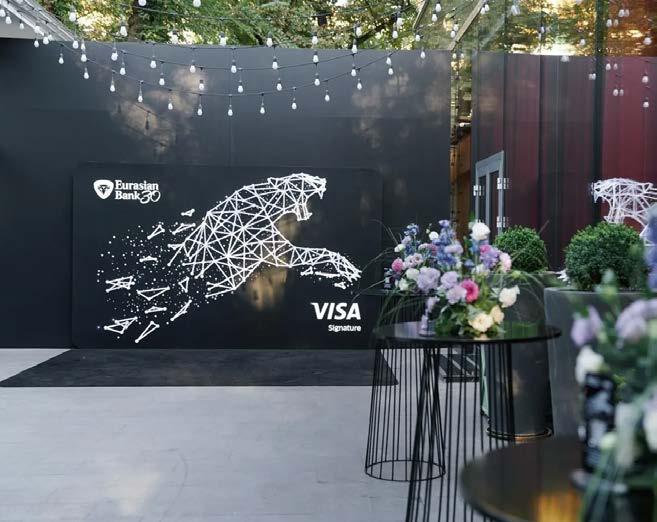
Spearheading this transformation is Saken Zhaxybayev, founder of Fashion Bureau Almaty and one of Central Asia’s most influential figures in event production. Since 2005, Zhaxybayev has been crafting experiences that connect the region’s deep cultural heritage with global luxury brands like Bvlgary, Chopard, Van Cleef, Bork, and Visa. His vision? To position Central Asia not just as a consumer market but as a creative powerhouse with global influence. “Every project we undertake pushes boundaries and redefines what’s possible. We’re not just shaping events; we’re shaping perceptions of Central Asia,” says Zhaxybayev. Zhaxybayev discussed the opportunities and challenges of his work in this unique region, the unique role of cultural identity in fashion, and the future he envisions for Central Asia as a global hub for creativity and luxury.
BUILDING BRIDGES: CENTRAL ASIA AND THE GLOBAL FASHION INDUSTRY
For international brands, entering Central Asia is about more than tapping into a growing market—it’s an opportunity to connect with a region that combines a rich cultural legacy with an appetite for luxury and modernity. “What sets Central Asia apart is our ability to surprise and inspire.” Zhaxybayev has been instrumental in this process, using Fashion Bureau Almaty to facilitate collaborations that resonate locally while maintaining global standards.
“We’ve had the privilege of hosting representatives from iconic brands like Van Cleef, Dior, and Chopard,” Zhaxybayev explains. “When these representatives arrive, they’re often astonished—not just by the sophistication of our events but by the depth of culture and creativity in this region.” The Fashion Bureau Almaty acts as more than an event production agency, it also serves as a cultural ambassador, weaving elements of Kazakhstan’s identity into every project. Every event, design, and production he undertakes is imbued with elements of Kazakhstan’s
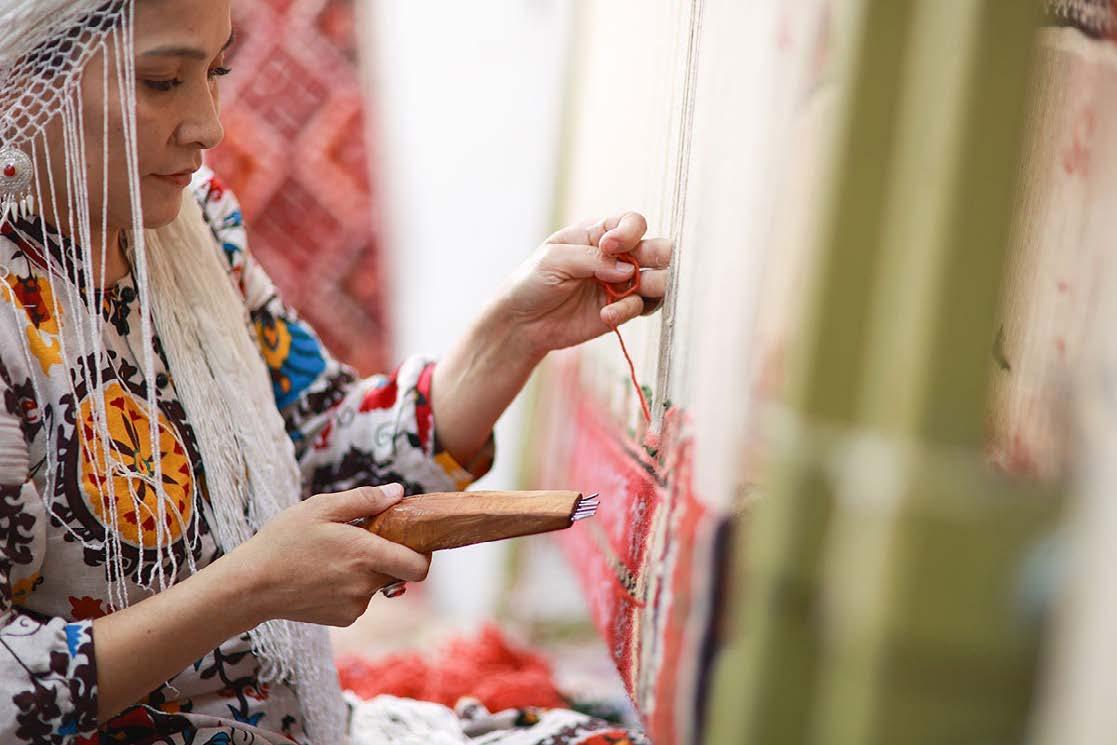
heritage, from intricate patterns inspired by traditional textiles to storytelling rooted in the nomadic way of life. “When we design an event, we’re not just showcasing luxury products—we’re telling a story,” he says. “For example, when working with international brands, I always look for ways to incorporate elements of our local artistry. It might be a piece of embroidery, a traditional motif, or even the architecture of the venue. These details create a connection between our culture and the global brand’s identity.”
From elaborate team-building experiences for Van Cleef to stunning product launches for Bvlgari, he ensures that each event creates lasting memories. Each production is an opportunity to showcase the vibrancy, craftsmanship, and innovation of Central Asia. “It’s about more than selling luxury— it’s about making these brands part of our cultural narrative.”
Zhaxybayev sees this approach as a way to position Central Asia as a creative force in the global luxury landscape. “The world is hungry for authenticity,” he notes. “When we incorporate our traditions into modern design, we’re not only preserving our heritage but also offering something fresh and exciting to the global audience.”
However, entering a relatively untapped market comes with its own set of challenges. “One of the biggest hurdles is the lack of specialized professionals,” Zhaxybayev acknowledges. “We often rely on intuition and creativity rather than formal training. But this also gives us an edge—it allows us to think outside the box and create events that are truly one-of-a-kind.”
One of Zhaxybayev’s favorite projects involved creating a teambuilding event for Van Cleef that integrated local craftsmanship into the experience. “We created a dialogue between the Van Cleef brand and our culture. Seeing their representatives engage with our traditions was incredibly rewarding.”
He also highlights the collaborative spirit of neighboring countries like Uzbekistan, Kyrgyzstan, and Tajikistan. “We’re not just showcasing Kazakhstan; we’re amplifying the voice of Central Asia as a whole. By working together, we can present a united front that highlights the talent and artistry thriving in this region.”
VISION FOR THE FUTURE: CENTRAL ASIA AS A GLOBAL CREATIVE HUB
Looking to the future, Zhaxybayev is optimistic about Central Asia’s potential to become a key player in the global fashion and creative industries. “I see Central Asia becoming a creative hub where bold ideas and innovative concepts are born,” Zhaxybayev says confidently. “This region has all the ingredients: a rich heritage, a young and dynamic population, and a growing appetite for luxury and design.” One of Zhaxybayev’s long-term goals is to inspire and mentor the next generation of Central Asian creatives. “The youth here are incredibly talented. Their designs are declarations of pride and identity, and they’re bringing a uniquely Central Asian perspective to the global stage. It’s our responsibility to guide them, collaborate with them, and create opportunities for their work to shine.”
As for his own ambitions, Zhaxybayev dreams of producing a global fashion event that embodies the spirit of Central Asia. “I imagine an event that tells the story of the nomads—our traditions, values, and resilience. It would be a celebration of who we are and where we’re going, blending past and future in a way that captivates the world.” Fashion Bureau Almaty has become more than an event agency—it’s a driving force behind Central Asia’s cultural and creative renaissance. By blending tradition with innovation, Zhaxybayev is not only elevating the region’s fashion and luxury even production sector but also inspiring a new generation of creatives to dream big. “I believe the best is yet to come,” he says. “In five to ten years, I see Central Asia at the forefront of global fashion and design—bold, innovative, and unapologetically authentic. And I’m honored to play a part in that journey.”
MIMIORIKI
KAZAKHSTAN’S PROUD HOMEGROWN
CHILDREN’S CLOTHING BRAND
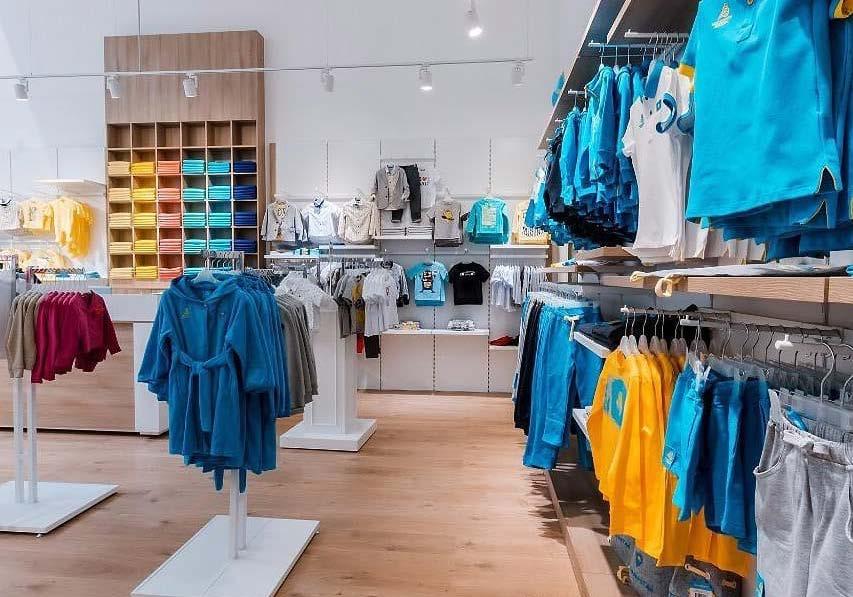
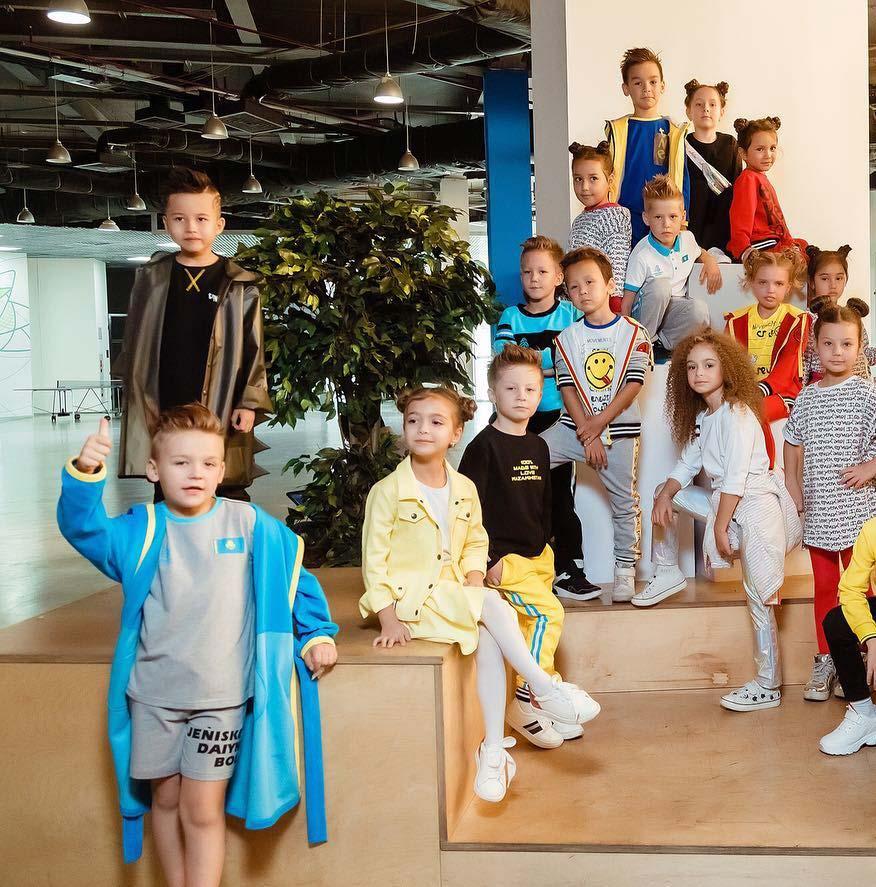
MIMIORIKI is more than just a brand—it’s a heartfelt story of family, love, and the dream to give Kazakh children access to clothing that is comfortable, beautiful, and locally made. Rooted deeply in the values of care, creativity, and childhood joy, MIMIORIKI is a children’s clothing retail brand created under the umbrella of Textiline, Kazakhstan’s largest clothing manufacturer. The company is a family business founded 15 years ago, and today, its legacy continues under the watchful eye of the founder’s child—now leading its development.
From an early age, the current head of MIMIORIKI was immersed in the world of textiles, spending time at the factory during school and college years. This hands-on upbringing laid the foundation for a deep understanding of both production and consumer needs. The dream to create a retail brand for the Kazakh market was born from a genuine desire to give local consumers the ability to purchase clothes proudly made in Kazakhstan. MIMIORIKI’s complete production cycle—from design and cutting to embroidery, printing, and sewing—takes place entirely within Kazakhstan, powered by the skilled hands and creativity of local artisans.
A BRAND BORN FROM PARENTHOOD
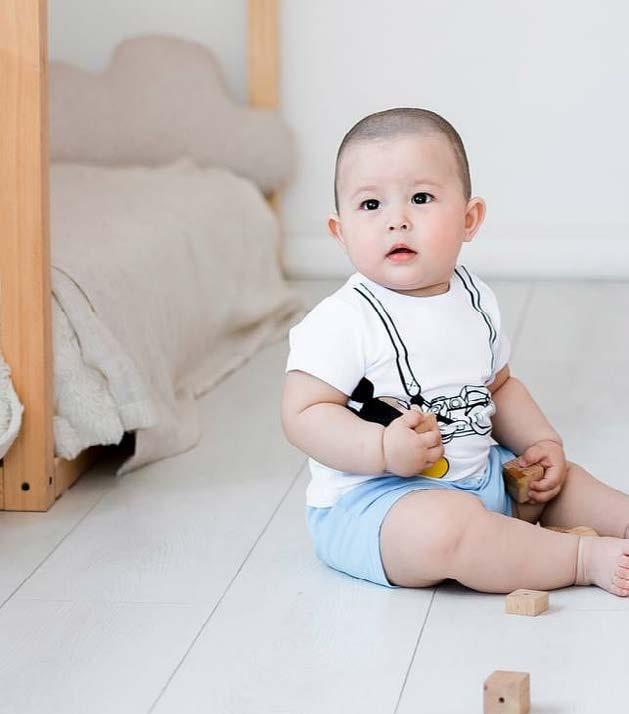
The creation of MIMIORIKI is intimately connected to the birth of the founder’s son, Mark. When Mark was born, it brought a new perspective to childhood and parenting. Immersed in the world of early development, surrounded by other parents and children, the family quickly realized there was a gap in the market: the need for baby clothes that truly met parental expectations in comfort, functionality, and design. The idea to create children’s clothing came from personal experience—knowing what was needed and what was missing. From this idea emerged MIMIORIKI, a brand guided by the principles of what it means to be a parent, and what children really need to feel happy and comfortable. Each garment is a result of collective effort—a collaboration between mothers, designers, and the creative team led by art director Maya Zhumanbekova. The team understands from experience what children enjoy wearing and what makes life easier for parents.
INSPIRED BY CHILDREN, FOR CHILDREN
Children are at the heart of MIMIORIKI. As parents themselves, the team behind the brand is constantly inspired by the energy, joy, and spontaneity of kids. Their lives revolve around children—whether during fittings, fashion shows, photoshoots, or store events—and that
connection fuels their creativity. MIMIORIKI aims not only to dress children but also to nurture the spirit of childhood in everyone. The brand’s mission reflects this philosophy: “Let’s learn from children!” It’s a reminder to embrace the playful, imaginative, and open-hearted nature of childhood. MIMIORIKI invites both children and adults to see the world with wonder and creativity, to rediscover the inner child within.
THE WORLD OF MIMICS: CHEERFUL DROPS OF JOY
The name “MIMIORIKI” itself embodies fun, imagination, and spontaneity. The brand’s characters—called mimics—represent cheerful drops and splashes, symbolic of the playful messiness and joy of childhood. Whether it’s a drop of milk or a raindrop, mimics are always present wherever children are. These characters are friendly, funny, and full of surprises. They bring fun to everything from games to educational activities like drawing and sculpting. Mimics are more than just cute mascots—they are part of the brand’s identity. They laugh with the children, encourage them during play, and serve as companions in their adventures. To children, these characters are trustworthy friends. For parents, they are little helpers, making the everyday journey of raising a child more delightful.
STORYTELLING THROUGH CLOTHING
Each MIMIORIKI collection is thoughtfully designed around a central fairy-tale theme. The pieces are united by prints, embroideries, or color palettes, allowing for easy mix-and-match styling. This modular design gives parents the flexibility to create different outfits from a single collection, turning them into designers of their child’s wardrobe. But MIMIORIKI is more than just about clothing— it’s about storytelling, creativity, and learning. The collections are built with the understanding that clothes can influence a child’s sense of aesthetics and self-expression. With thoughtful details, playful appliqués, and thematic elements, MIMIORIKI clothing becomes an extension of the child’s imaginative world.
HIGH STANDARDS IN QUALITY AND COMFORT
Quality is not just a priority at MIMIORIKI—it’s a principle. The brand is proud to produce every piece within Kazakhstan, with more than 150 people involved in the 10 core production stages, including design, construction, CAD, sewing, printing, embroidery, and final quality control. MIMIORIKI places particular emphasis on the first layer of clothing—especially for infants—where comfort, hygiene, and breathability are critical. Only the highest quality natural cotton is used, and all fabrics undergo a rigorous multi-stage inspection process. Functional elements such as adjustable waistbands, strap settings, and expandable features are included to ensure both convenience and long-term wear. Each item is carefully engineered to support a child’s natural movement and physical development. Details like soft inner linings for embroidery and secure but flexible fittings ensure that nothing irritates sensitive skin. The brand’s clothing is designed to neither pull, press, nor hang awkwardly—providing the right fit for growing bodies.
CHILDHOOD AS A CREATIVE JOURNEY
MIMIORIKI understands that clothing is part of a child’s world of discovery. From the earliest days, clothes contribute to the baby’s sensory experience and emotional environment. As the child grows, they become more aware of what they wear—often associating clothes with identity, play, and creative expression. That’s why the design team incorporates learning tools into each collection: complex color combinations, flower and animal appliqués, tactile textures, and whimsical motifs. These elements not only look beautiful but also stimulate a child’s mind, contributing to early education in subtle yet meaningful ways.
MADE IN KAZAKHSTAN, WITH LOVE
MIMIORIKI is a symbol of what Kazakhstan can offer to its youngest citizens: clothing made with love, care, and a deep understanding of both tradition and modern childhood. The production of the brand takes place across three of Textiline’s six factories—in Almaty, Talgar, and Tekeli—equipped with advanced technology and operated by passionate professionals in bright, welcoming environments. At its core, MIMIORIKI is driven by one powerful idea: to create children’s clothing “with love for children”. Every collection is a reflection of the team’s dedication to comfort, design, functionality, and joy. The clothes are worn by their own children, tested in real life, and created with the warm memories of childhood in mind.
MIMIORIKI is not just a product—it’s an experience, a philosophy, and a loving tribute to the world of children.
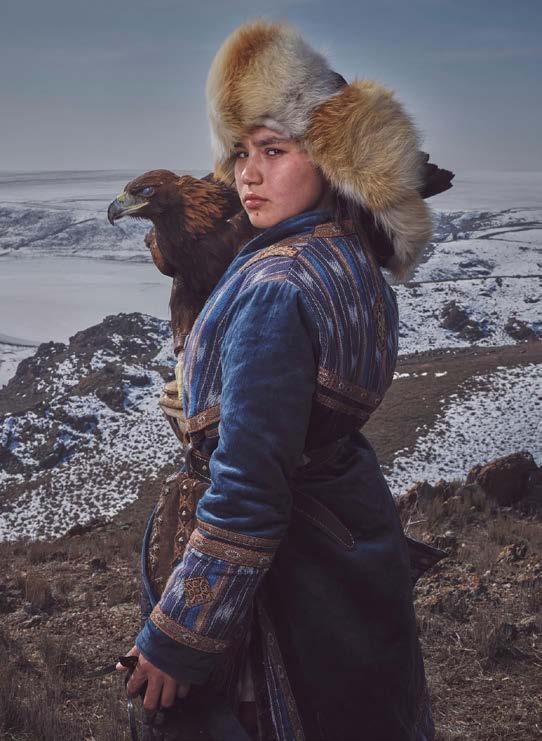
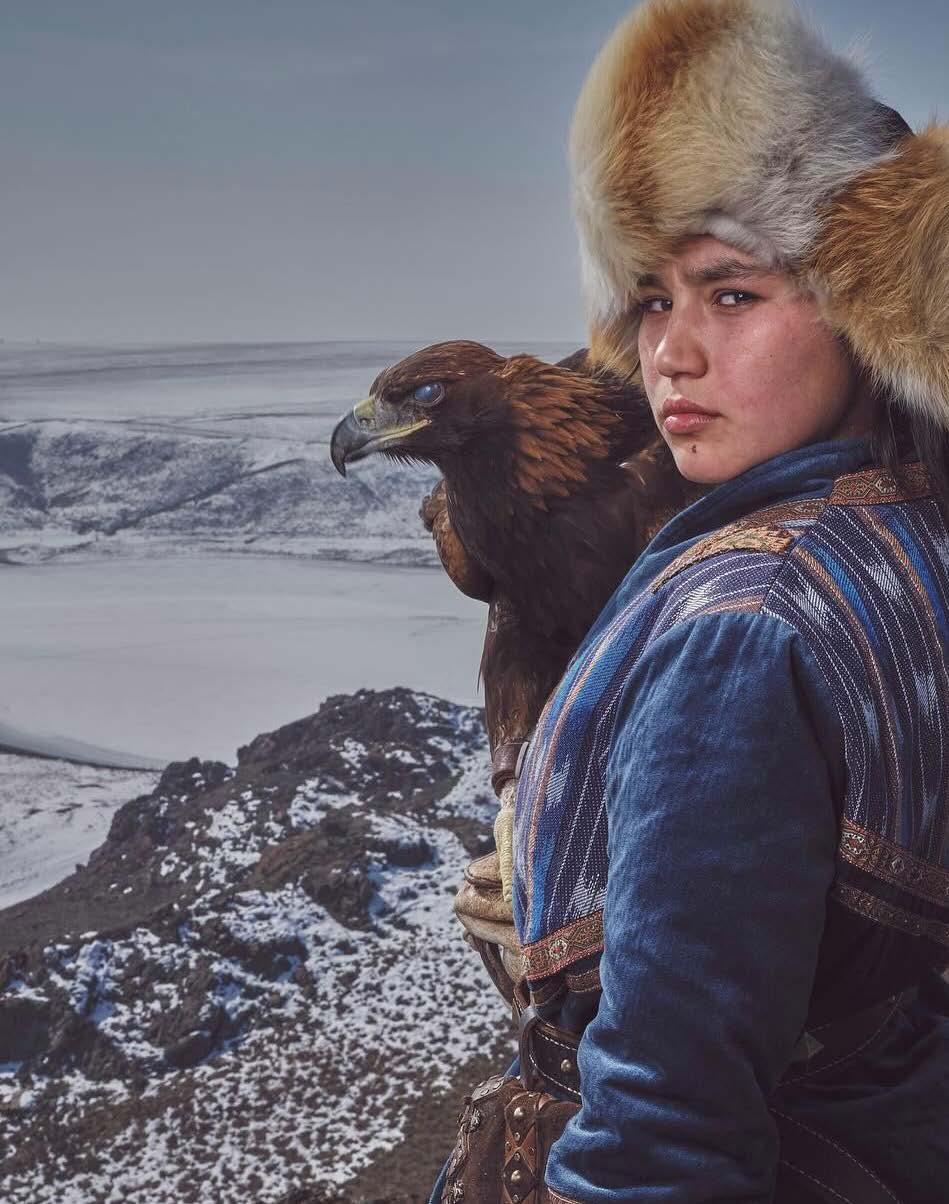
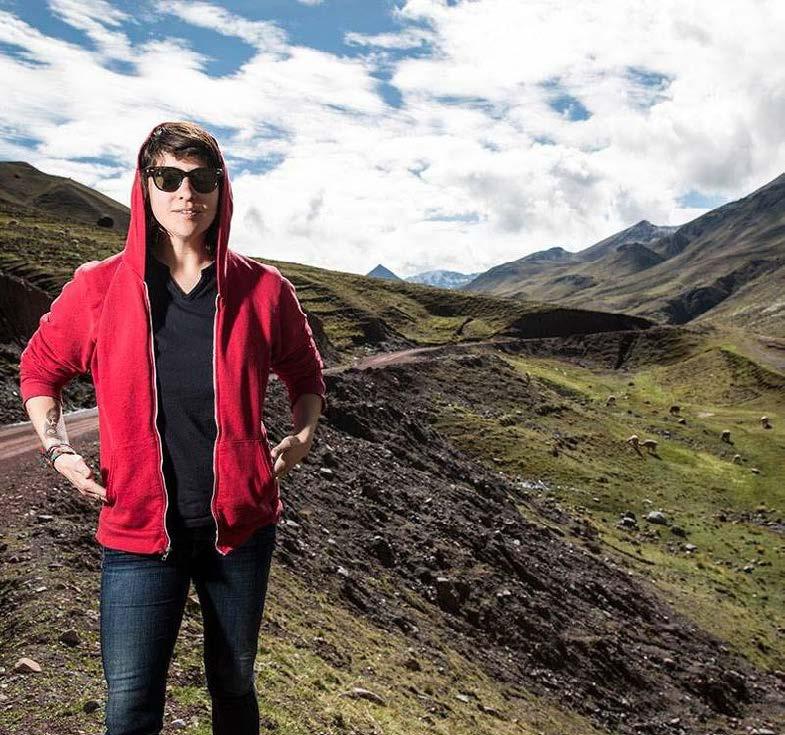
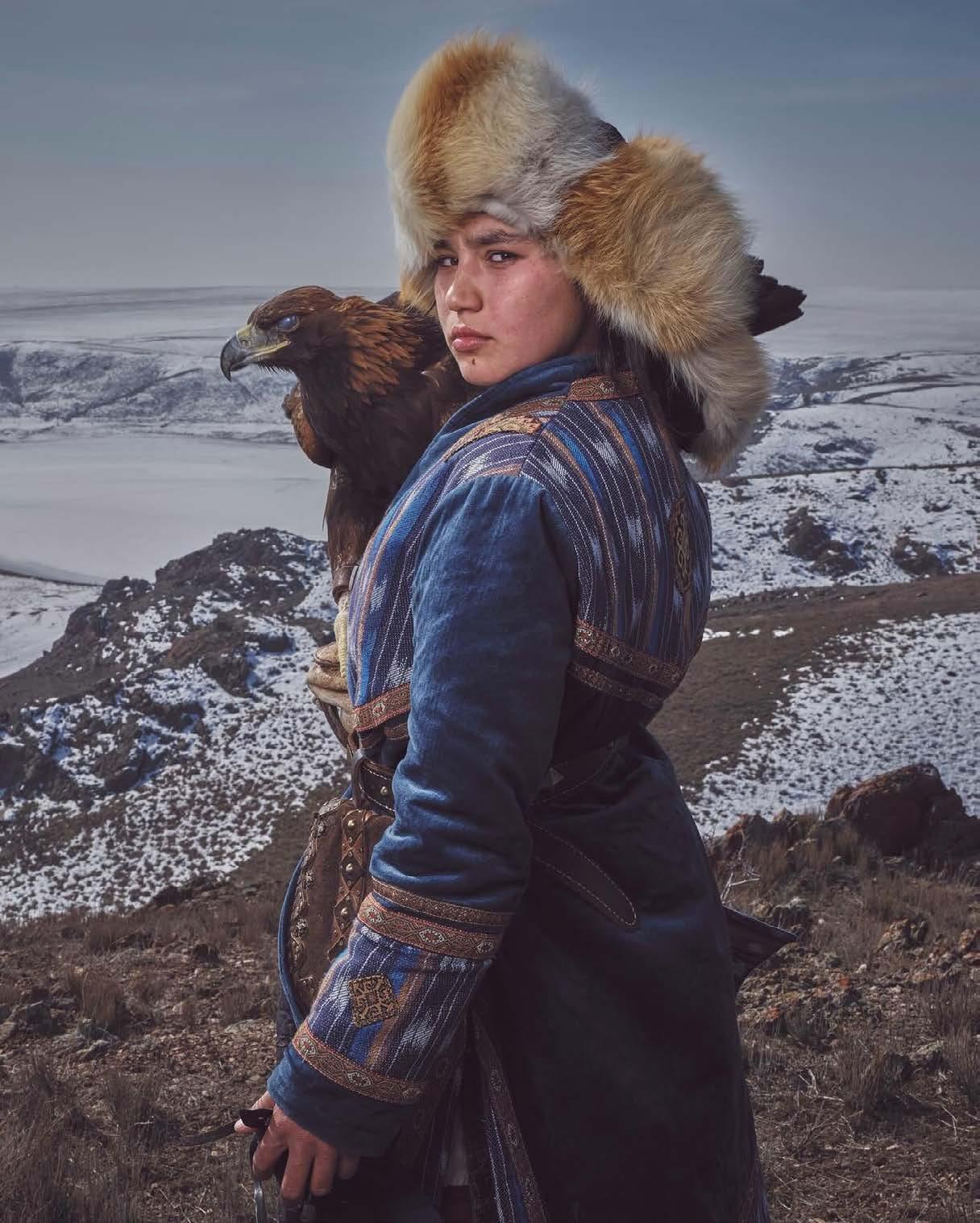
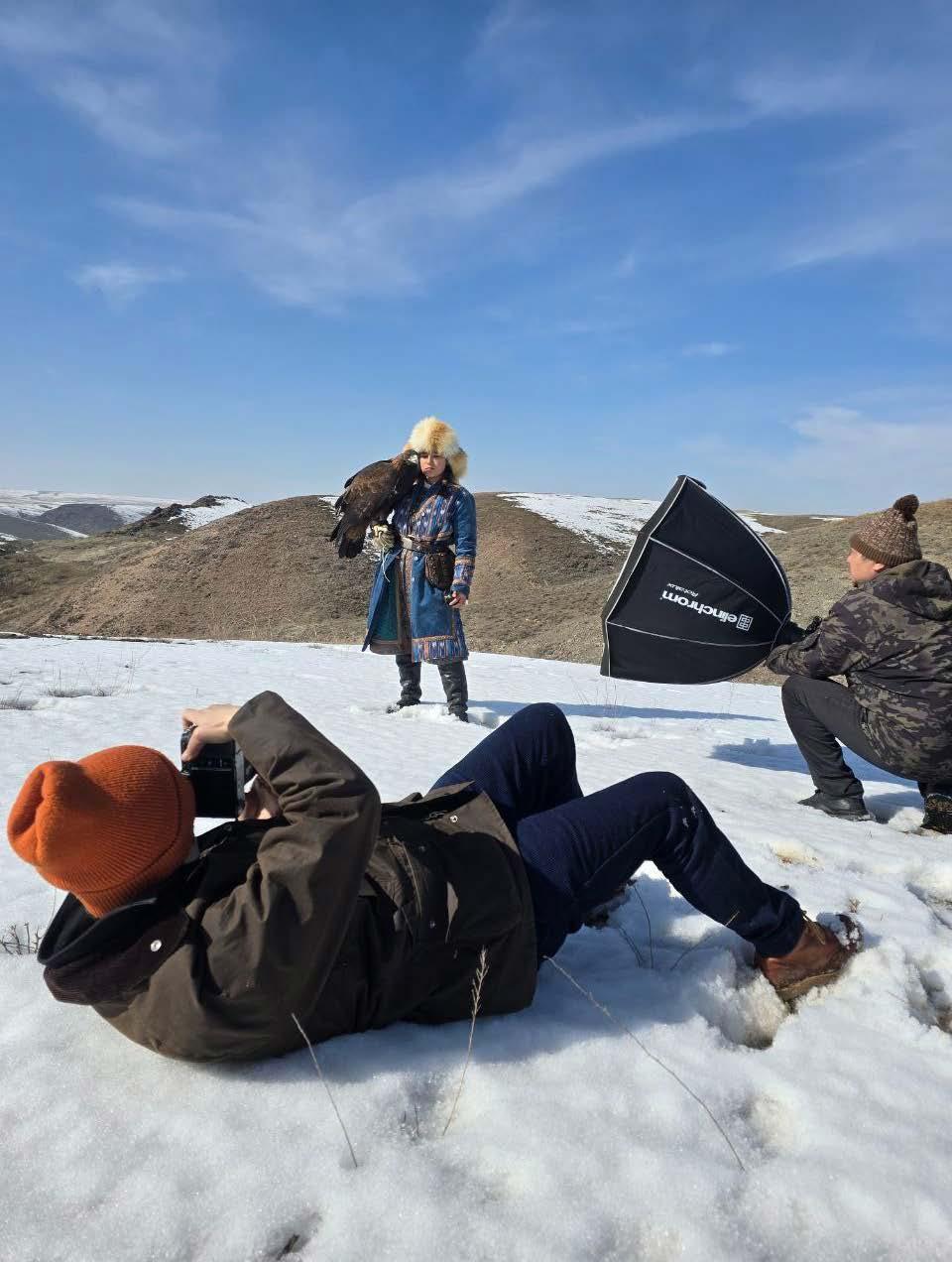
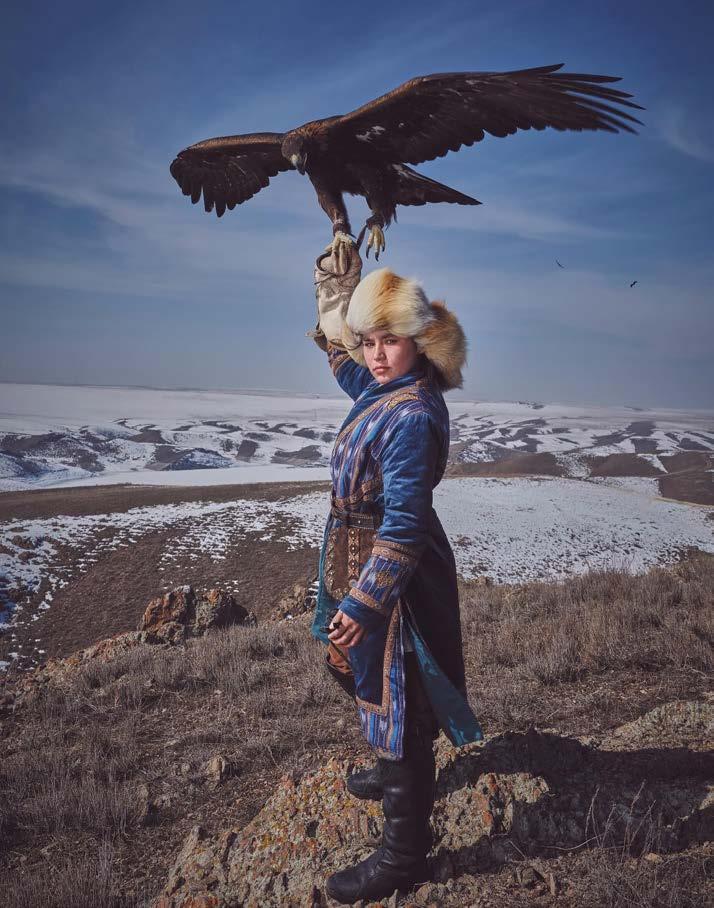
This year, renowned photographer from the United States, Karolina Voshtasik, visited Kazakhstan for the first time and conducted a photoshoot of falconry. Her work, highlighting the unique ancient art of the Kazakh people, has been recognized with the international Communication Arts Awards of Excellence for achievements in documentary photography. The falconry photoshoots were conducted in the Almaty region, in the villages of Kurty and the city of Kaskelen, located in the foothills of the Zailiysky Alatau.
World champions among berkutchi, masters who have dedicated their lives to raising and hunting with birds, demonstrated the traditions of the Kazakh people to the foreign photographer. Karolina Voshtasik captured unique moments of interaction between humans and birds. In her work, she conveys not only the aesthetics but also the profound meaning of this centuries-old art. The series of photographs presented at the international competition sparked significant interest from the global audience in Kazakhstan’s cultural heritage.
The producer of the project is media ambassador for tourism and producer Nadira Akhonova, who actively promotes Kazakh culture on the international stage. It is worth noting that Karolina Voshtasik is the recipient of the prestigious Lucie Award in the world of photography, often referred to as the “Oscar” of the photography industry.
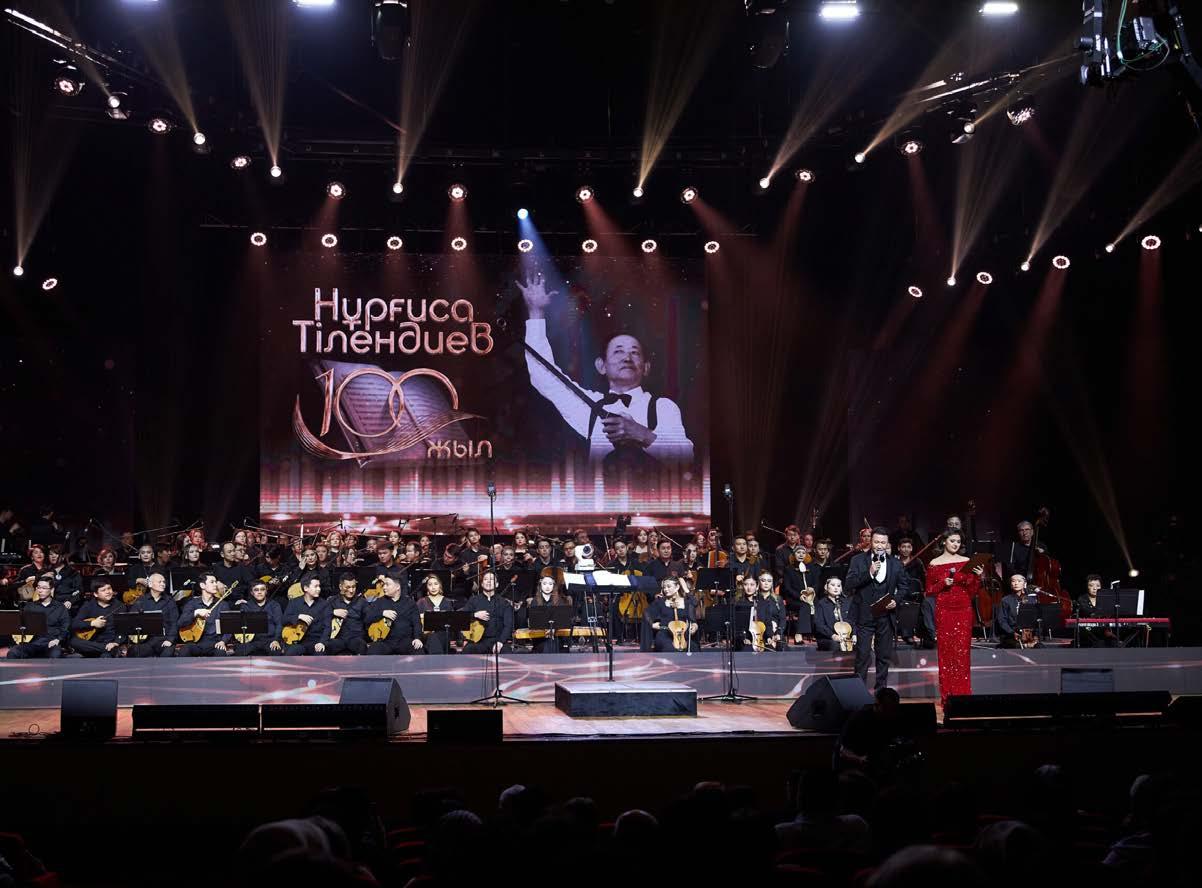
Kazakh Musicians CELEBRATED THE 100TH ANNIVERSARY OF NURGISA TLENDIYEV
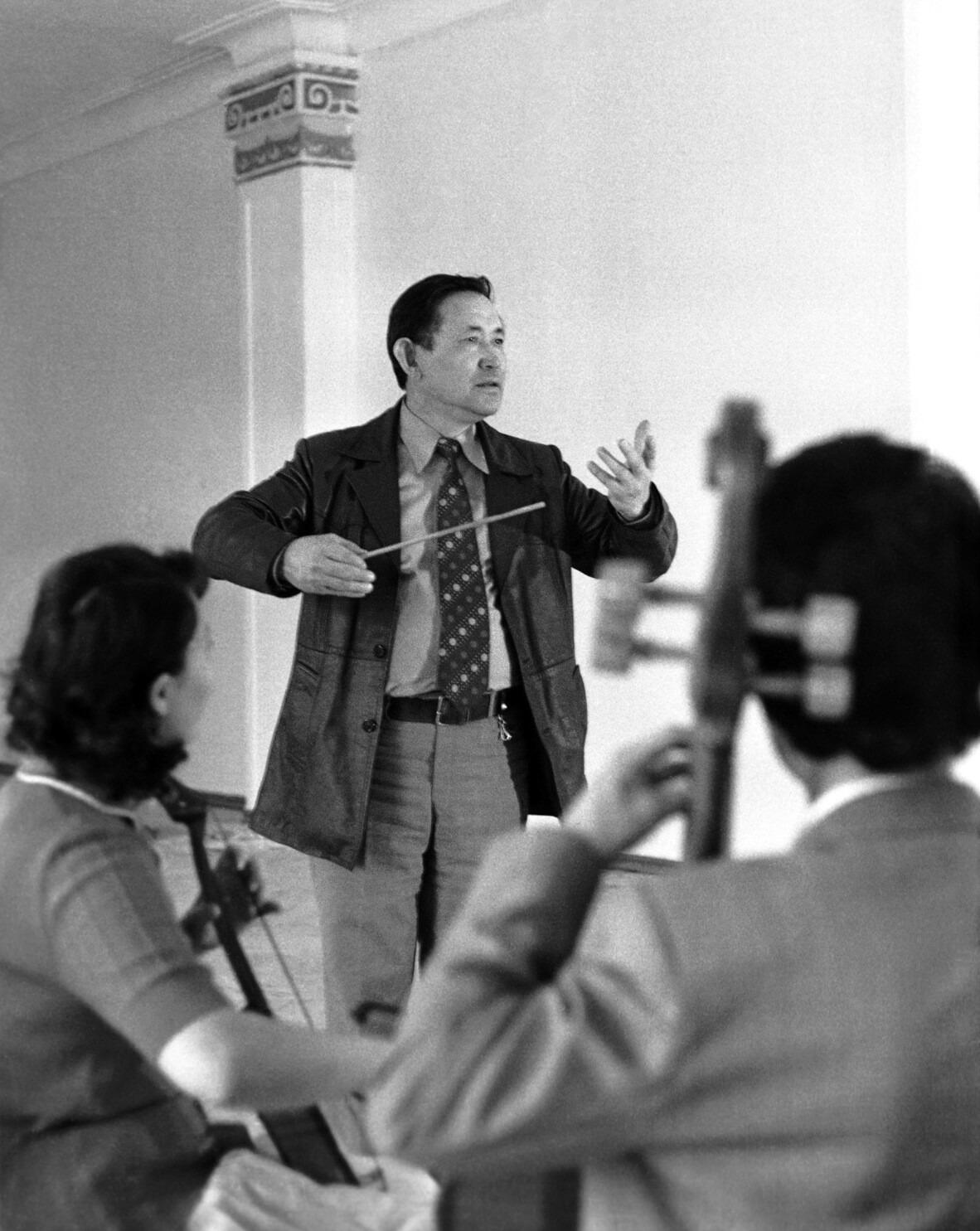
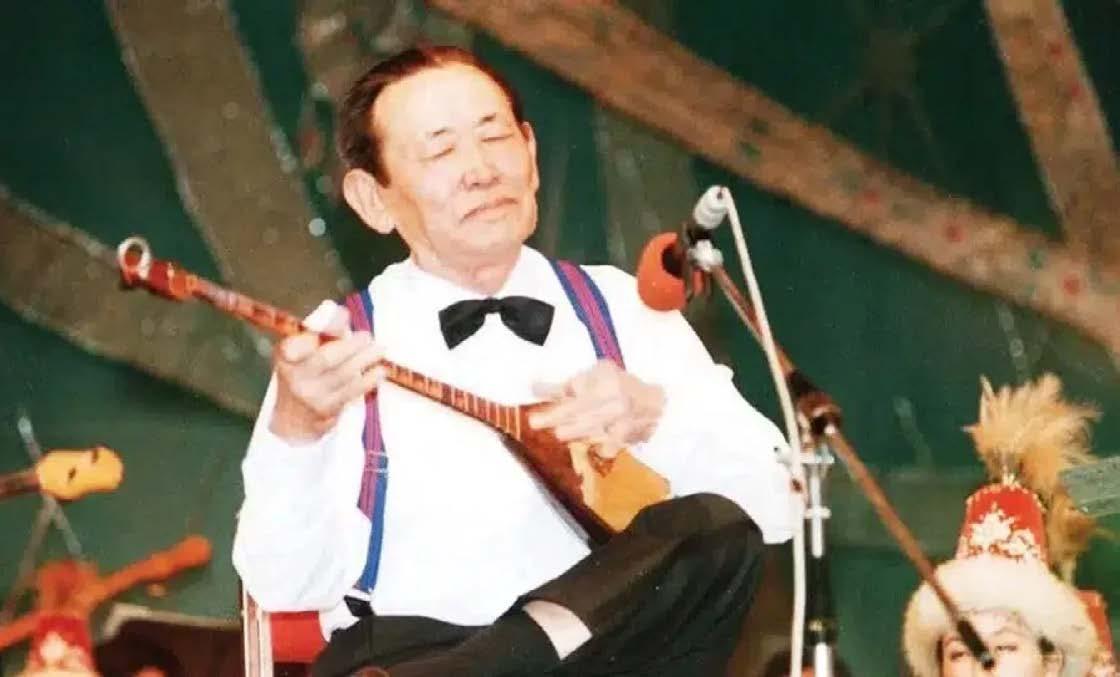
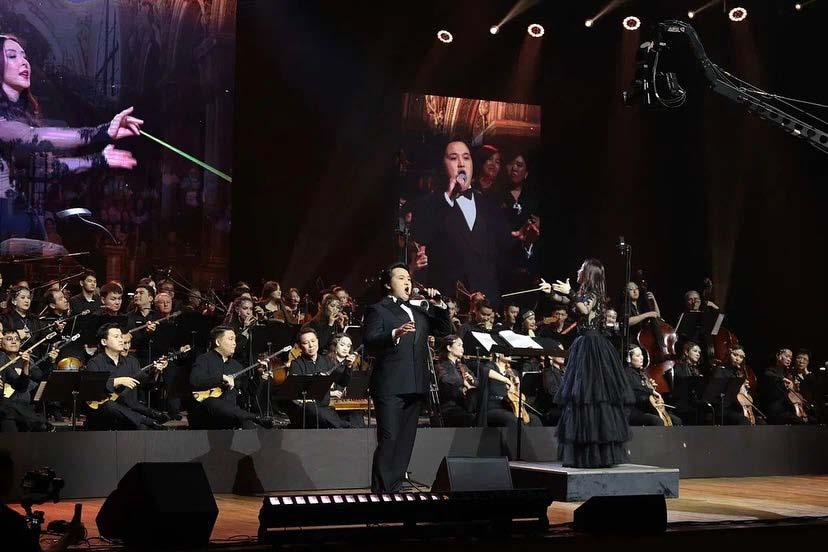
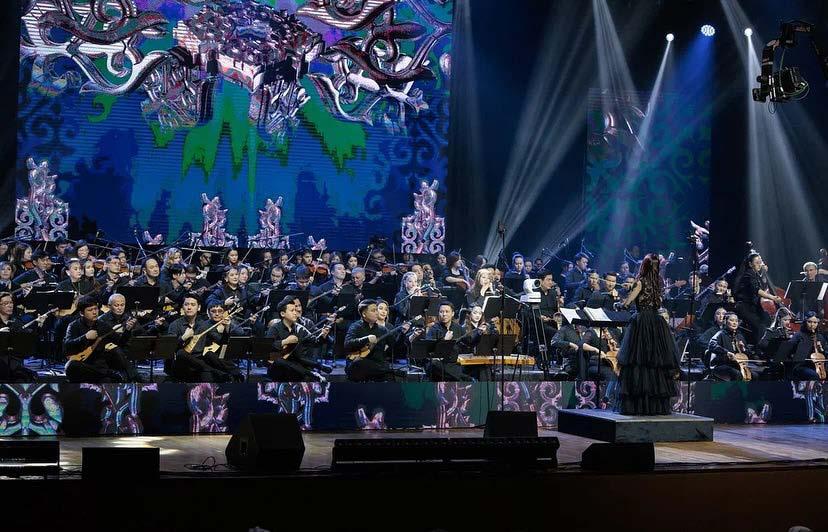
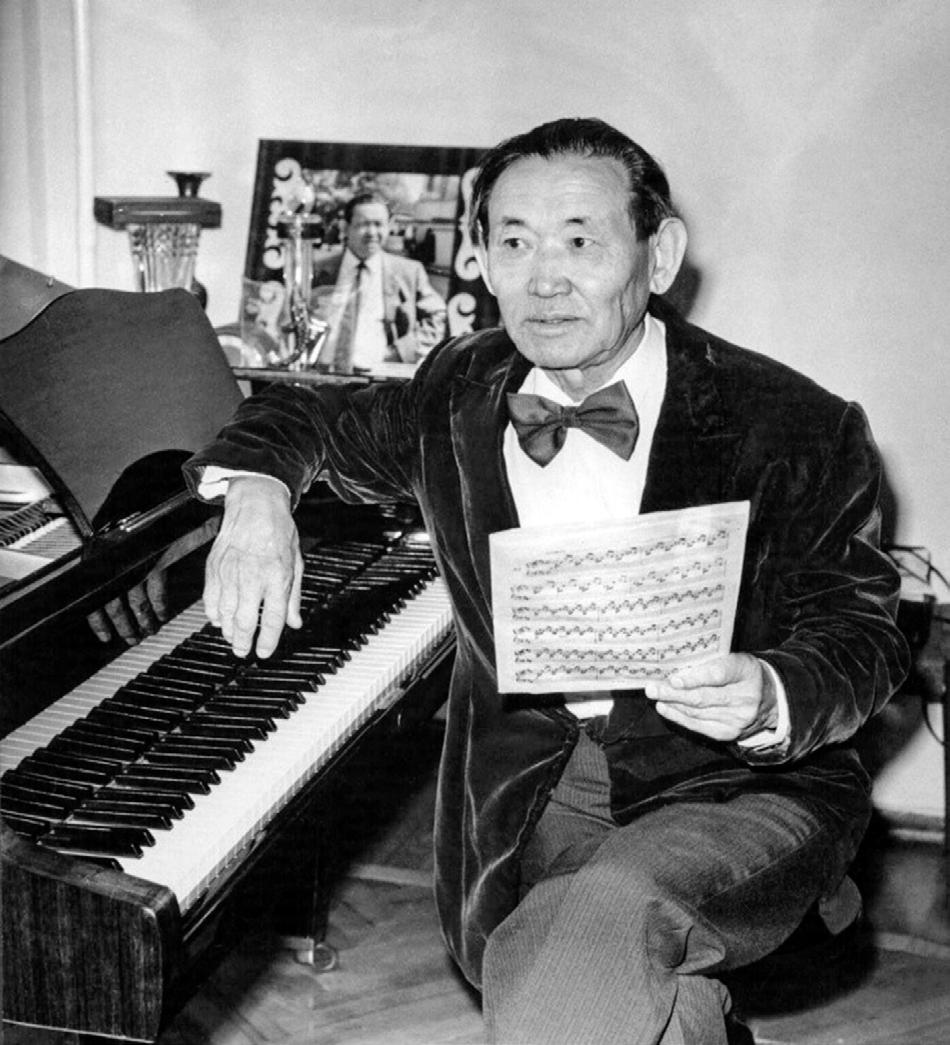
Prominent Kazakh musicians led by the Otyrar Sazy folklore-ethnographic orchestra celebrated the 100th anniversary of Kazakh composer and conductor Nurgisa Tlendiyev with the best of his works at Qazaq Concert in Astana on April 1. Tlendiyev was celebrated for his extraordinary talent as a composer, creating timeless melodies and orchestral works that resonate deeply with every Kazakh. Through Otyrar Sazy, he brought an exceptional variety of Kazakh instrumental color and texture into the classical orchestra. The concert program featured well-known and beloved songs, such as “Karlygash” (Swallow Birds), “Ata Tolgau” (Father’s Song), and “Oz Elim” (My Homeland), along with kuis (traditional musical composition). His daughter, Dinzukhra Tlendiyeva, continues her father’s legacy, serving as an artistic director and principal conductor of the Otyrar Sazy orchestra.
“I have been involved in music since I was a little girl. I still remember my father’s 70th birthday. It was held in 1995 at the [Abai Kazakh National] Opera and Ballet Theater. He was still alive then. He had a big celebration concert. The people almost broke the doors of the opera theater. Since then, this 100th anniversary is to be another important celebration,” Tlendiyeva told journalists ahead of the concert. A skillful man created lasting relations with poets, musicians and writers. But Tlendiyeva recalls her father had high technical demands for musicians.
“He was a strict man at work. He would fire a musician within half an hour and then hire someone back within half an hour. His character was constantly shifting. But at home, he was a good father and a good husband,” she said. “His working style was very interesting because he was very excited about writing. His works often came out at night: at three or five o’clock. Then he would start calling his younger and older brothers, saying, ‘Why are you sleeping? I have such and such a work coming out.’
First, of course, he would wake up my mother. He would say, ‘Get up, Dakha [Dariga], get up – ‘Alqissa (referring to renowned kui) is coming out,’ my mother tells,” said Tlendiyeva. Among her many memories of her father, it was his distinct writing style that stood out the most. “When he wrote a piece, he would write it like a letter. Most people write with a pencil, erasing and refining as they go, but his music existed entirely in his head. He would start writing with a pen, like a letter. He would always have a score on the coffee table next to his bed and a cup. My mother would always pour tea into a large cup. He would drink the tea even when it had gone cold,” said Tlendiyeva.
Kazakh singer Zhubanysh Zheksenuly performed an eloquent account of Tlendiyev’s “Azheme” (To My Grandmother) song. Speaking to The Astana Times, he expressed confidence that Tlendiyev’s works will survive for many generations to come. “I think that the songs of our Nurgisa ata [respectful reference to a person, translates as grandfather] are in our hearts, in the hearts of our parents, in the hearts of our grandparents. That is why these songs will last as long as the Kazakh people live. Those songs were written when the Kazakh music and song reached its peak,” he said.
“When I was a child, he came to our native village of Sozak with his Otrar Sazy orchestra. We were children at that time. In those years, he gave concerts and traveled around the country, and he also came to our Sozak. That was the first and the last time in my life that I saw him,” said Zheksenuly. This concert marked the beginning of a series of celebratory events dedicated to the 100th anniversary of the composer. Tlendiyev’s centennial will also be commemorated on an international scale under the auspices of UNESCO and the International Organization of Turkic Culture (TÜRKSOY).
CENTRAL ASIAN ARTISTS SPOTLIGHT FEMININE POWER AT NEW YORK EXHIBITION
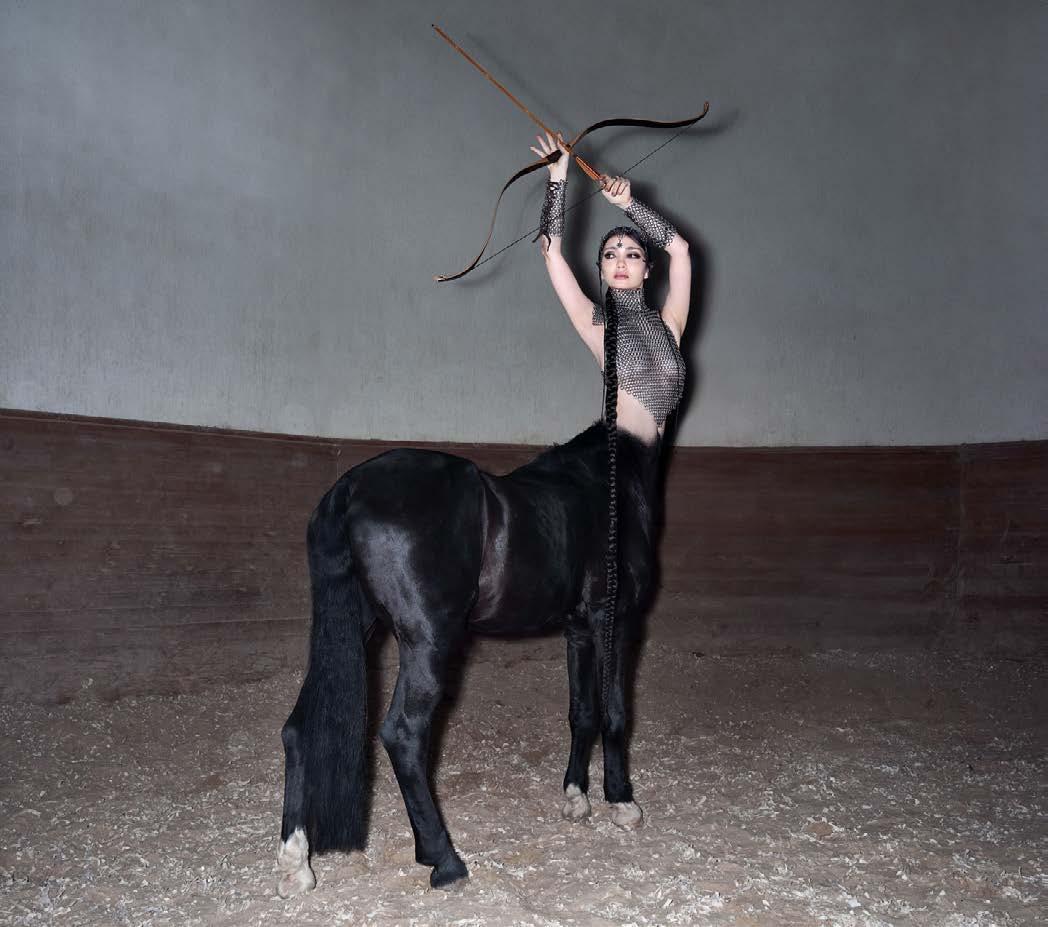
Artists Altynai Osmo from the Kyrgyz Republic and Aya Shalkar from Kazakhstan have been presenting a joint exhibition titled “Beneath the Earth and Above the Clouds” at Sapar Contemporary in New York. The show, which explores themes of identity, femininity and gender roles through mythology, tradition and spiritual symbolism, will run through May 15. The exhibition brings together two- and three-dimensional works that reinterpret the roles of women in nomadic societies and spiritual cosmology. It positions female figures as both historical and mythical heroines who shape the cultural and moral fabric of the region. “Their works, across diverse media and artistic techniques, honor tradition and legacy while capturing the multifaceted and complex roles women play in Central Asian societies— from their positions within tribes to their divine manifestations. Osmo and Shalkar place the female experience at the intersection of history, mythology, tradition, and spirituality,” reads the description of the exhibition on the official website.
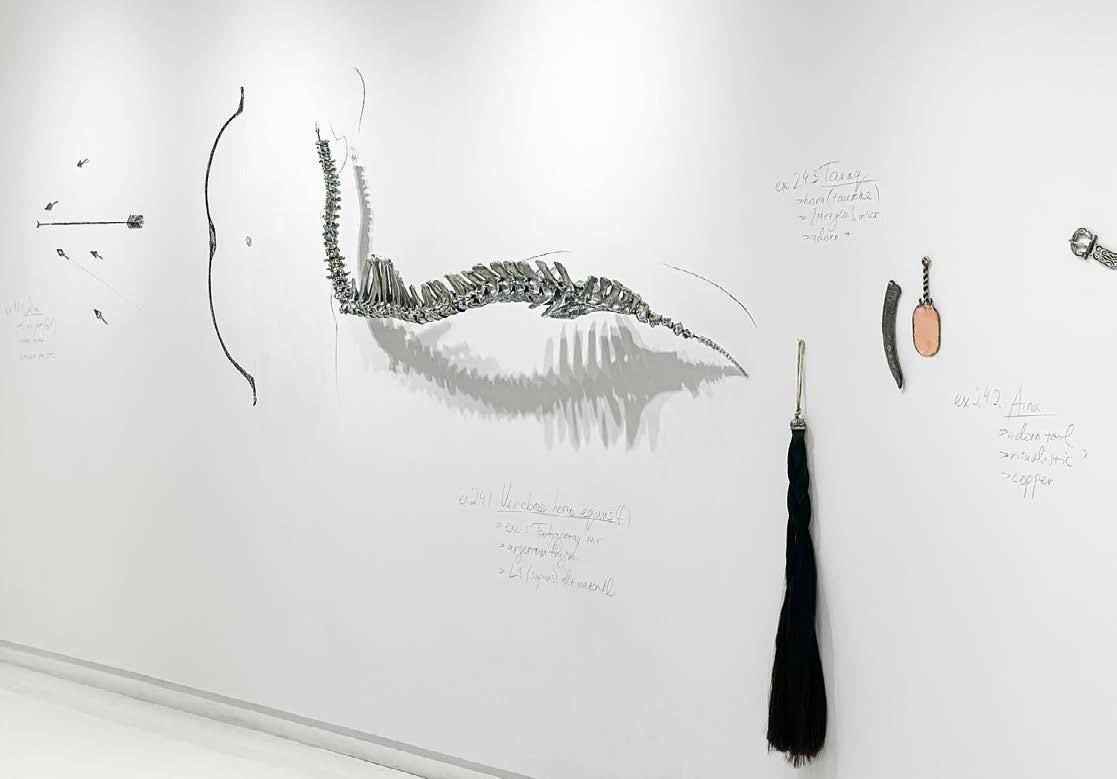
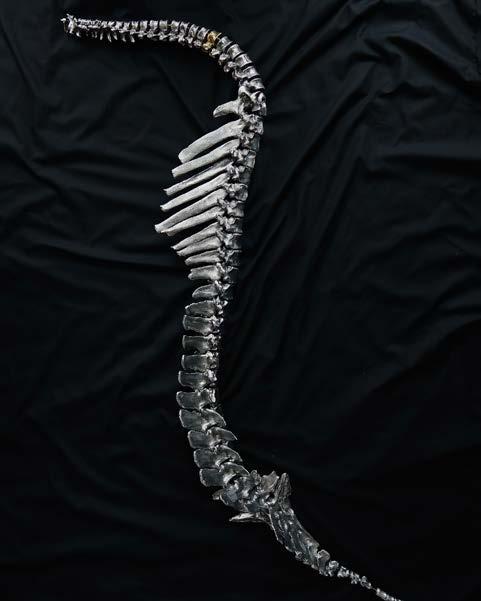
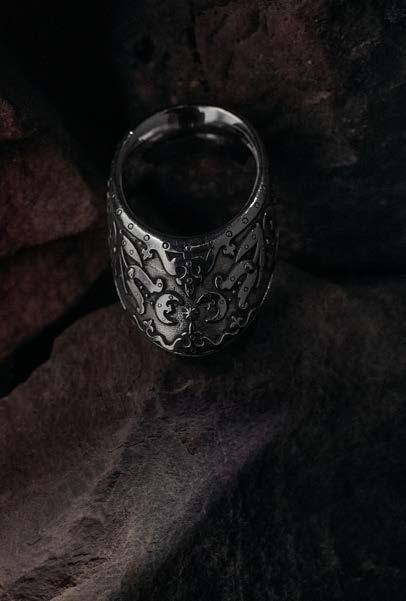
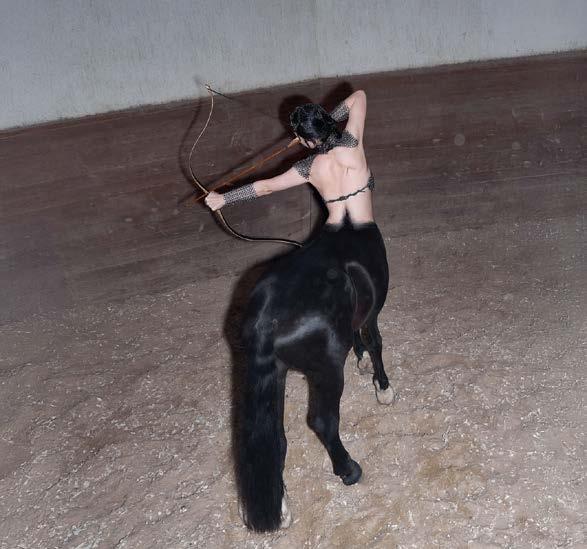
Shalkar’s works include “The World of Peri,” an imagined matriarchal civilization, and “Mergen”, an immersive installation centered on the burial site of a female centaur warrior. The site includes symbolic objects such as a silver spine, an engraved archer’s ring and celestial iron arrowheads, drawing from Kazakh cultural codes and personal memory. Osmo presents “Kyrk Kyz”, a series that includes four hand-made masks crafted from felt, cupro-nickel, and zircon and embroidered using traditional shyryk patterns. It is based on the legend of 40 warrior maidens who defended their homeland near Samarkand. She also features “Umai Ene”, a sculptural tribute to Umai, the ancient Turkic goddess of fertility and motherhood, highlighting the feminine force within Tengrism. The artists, both influenced by their Central Asian roots, blend ancestral narratives with contemporary feminist perspectives. According to Rachel Parikh, curator of the Dallas Museum of Art, the exhibition offers an “anthropological perspective on Central Asian female identity across earthly, divine, and spiritual realms.”
RETAIL & SHOPPING
KAZAKHSTAN
KHAN SHATYR An unmatched shopping & Entertainment Center in Astana
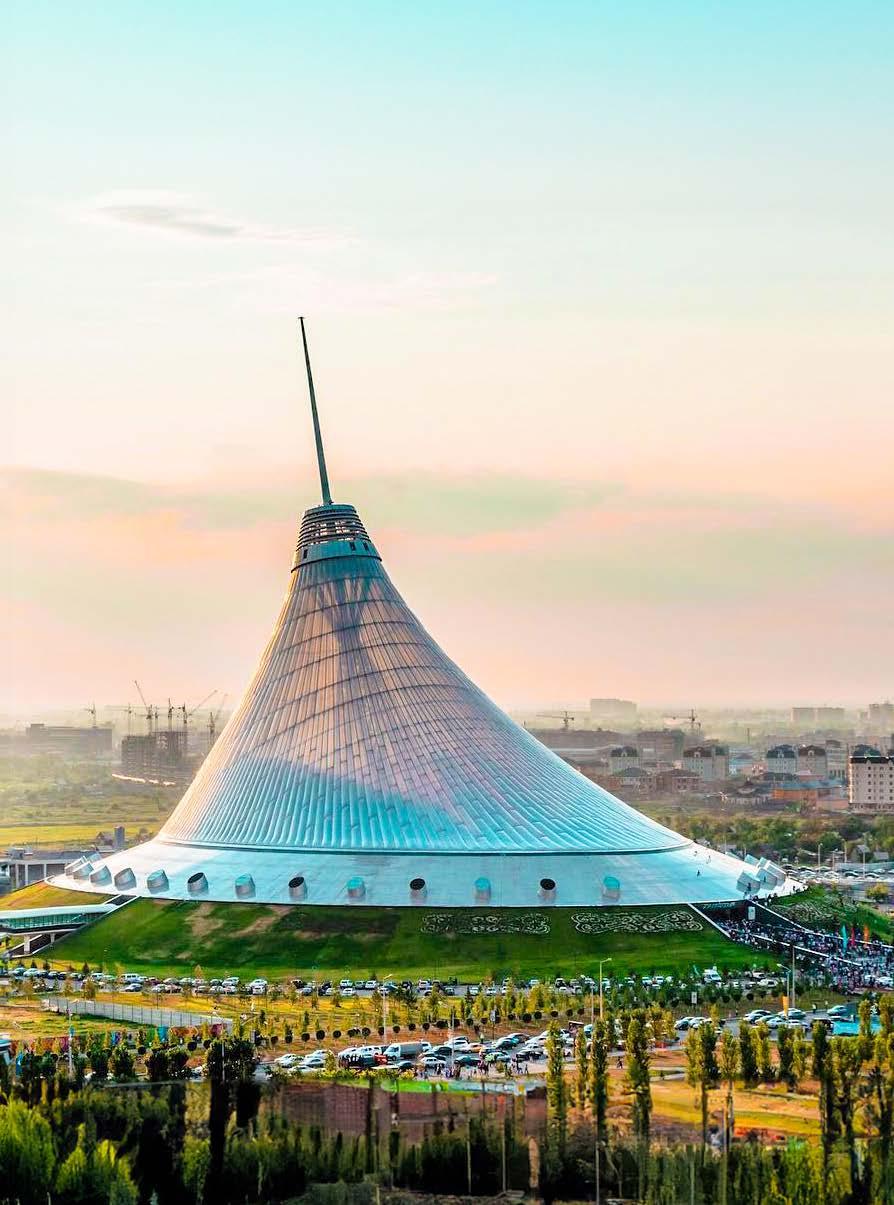
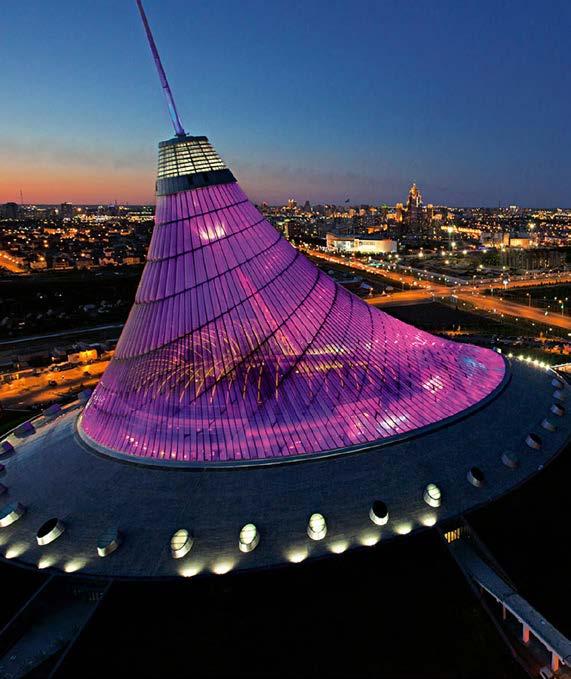
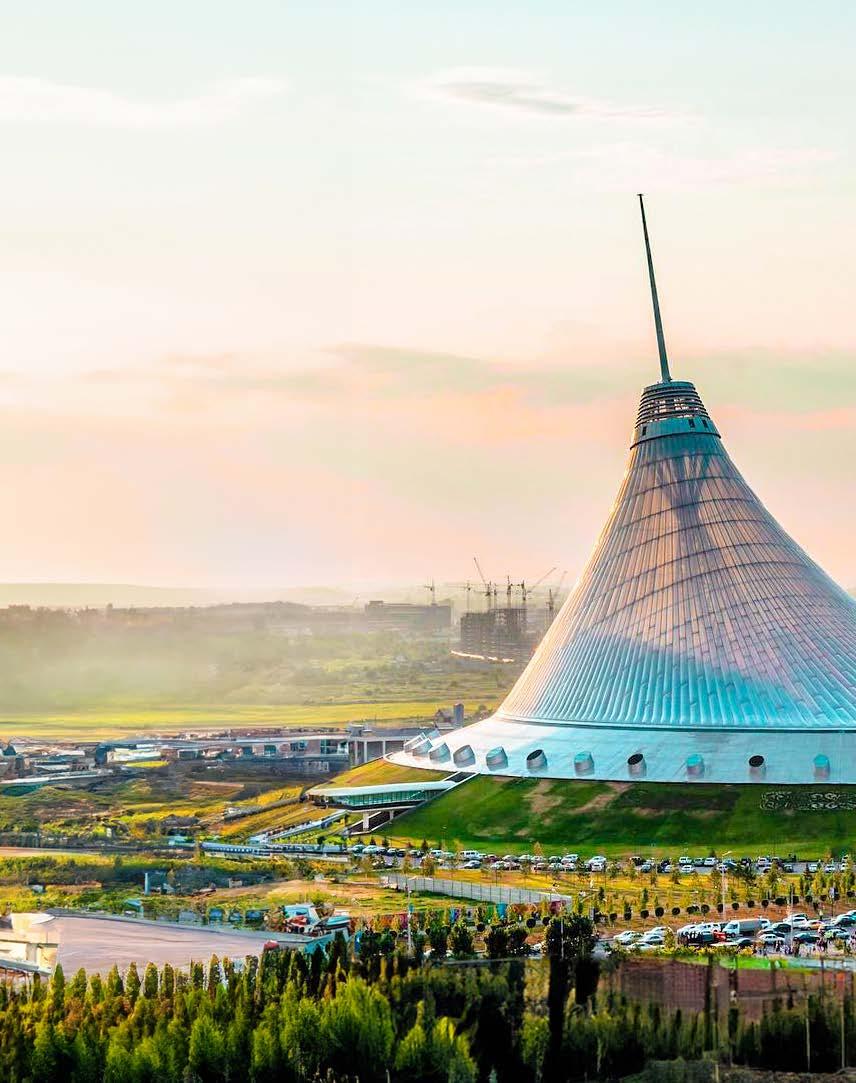
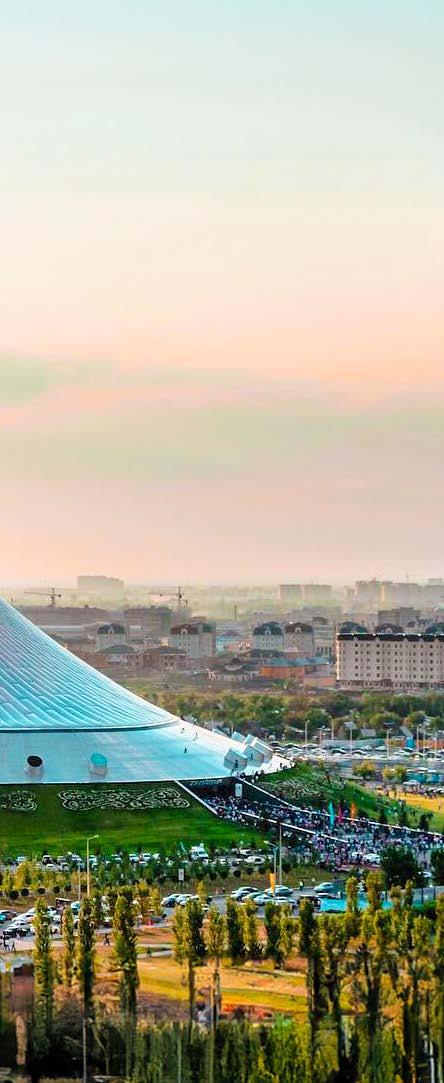
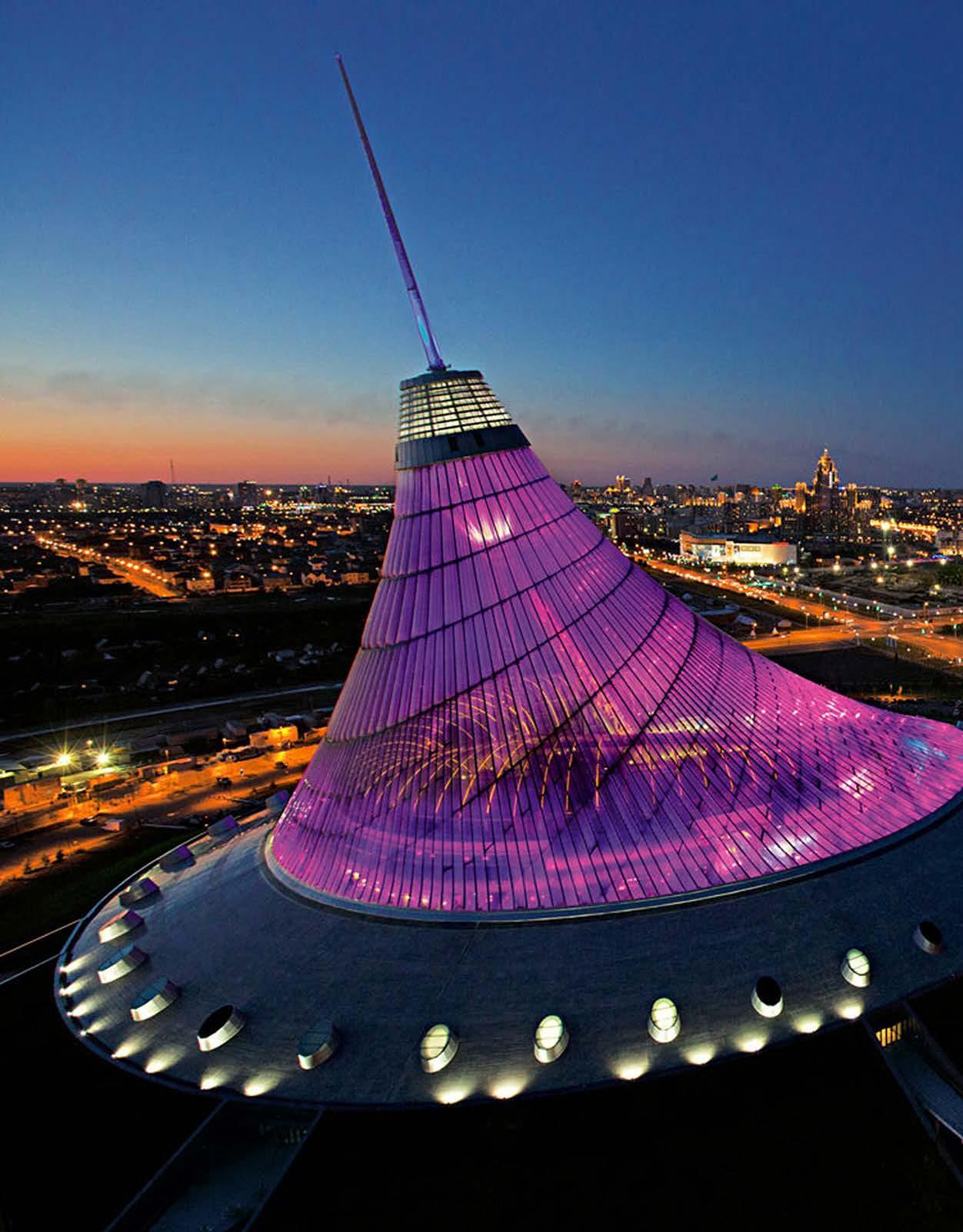
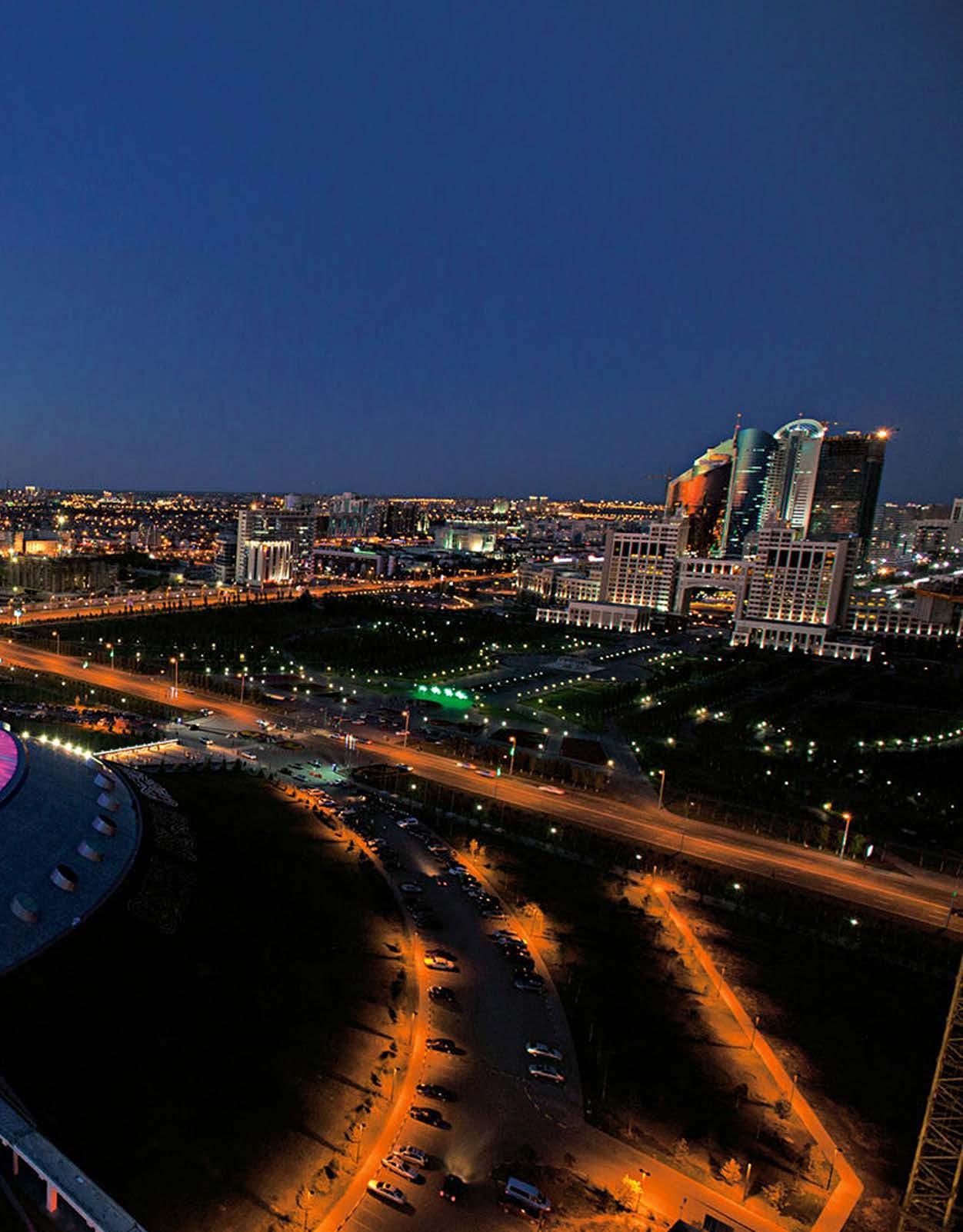
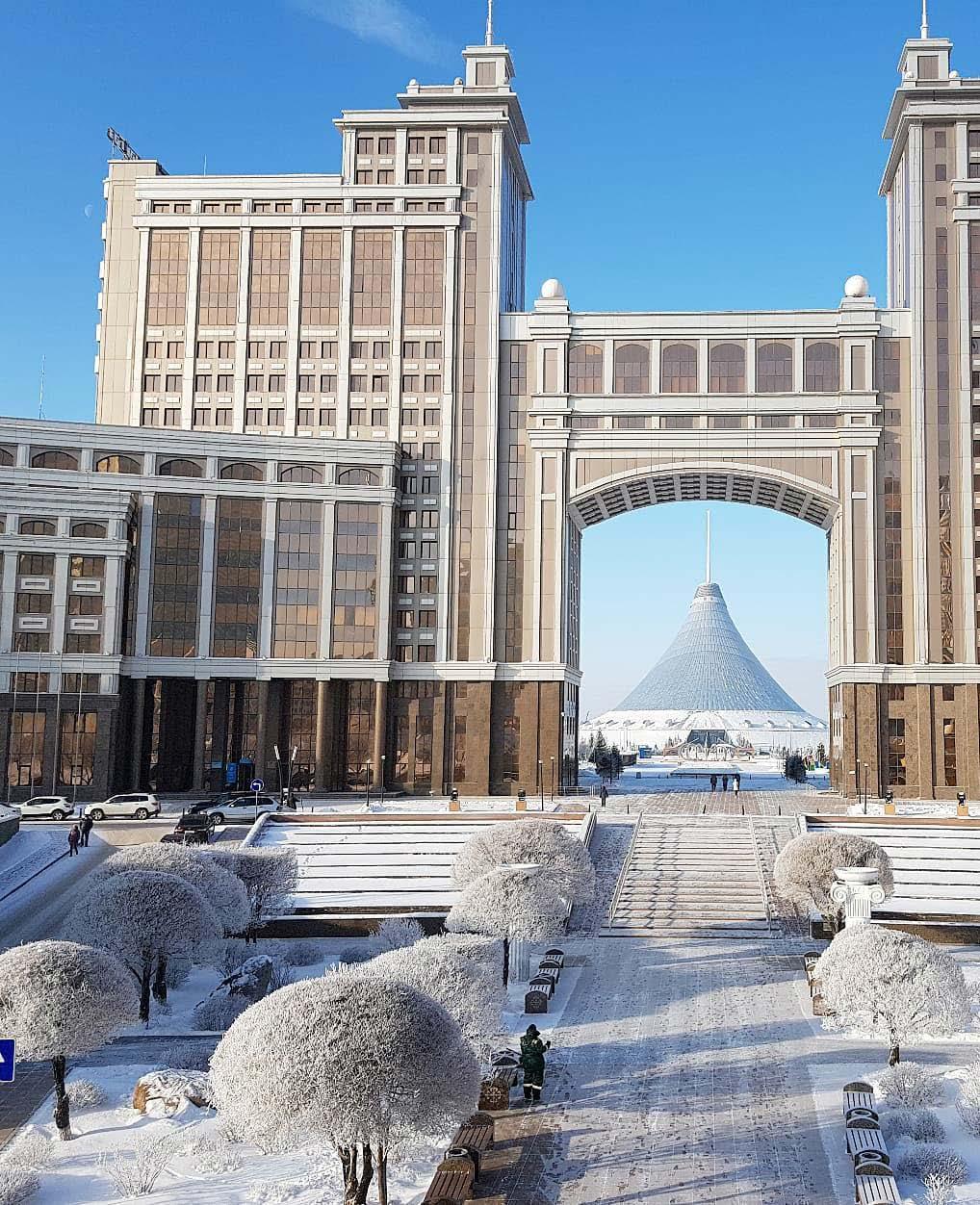
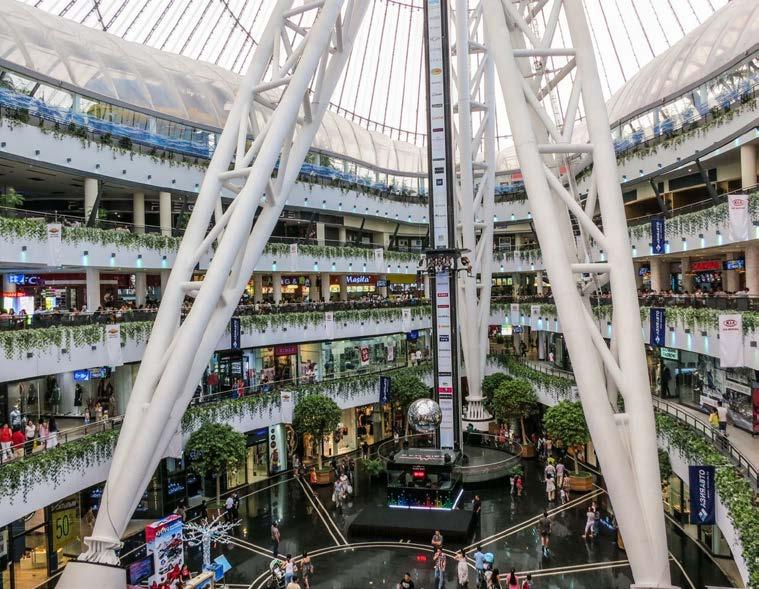
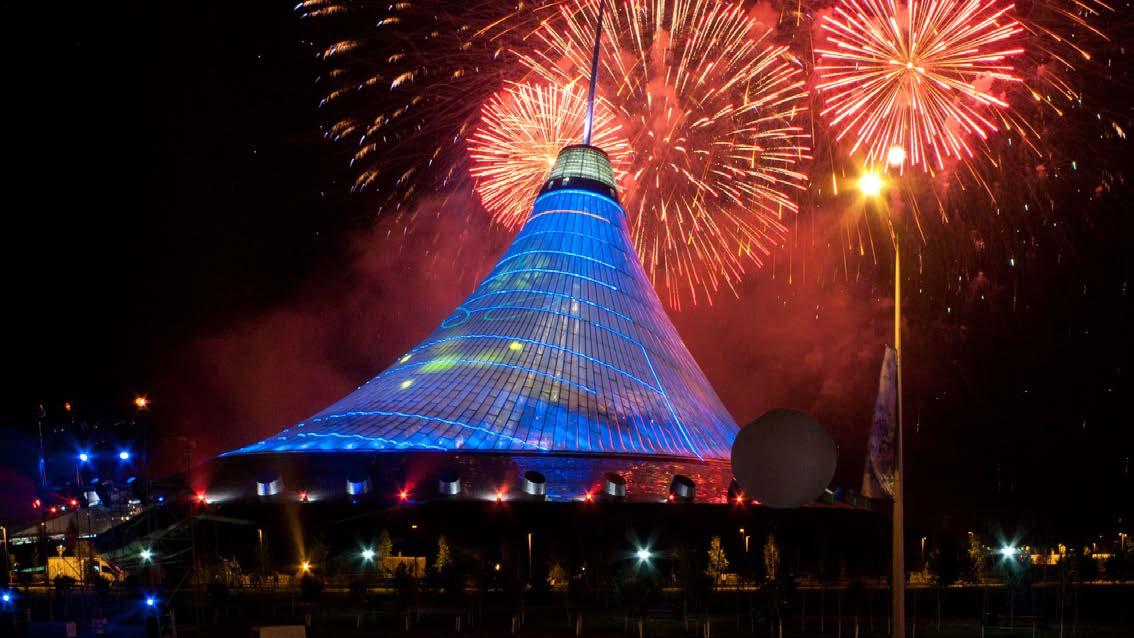
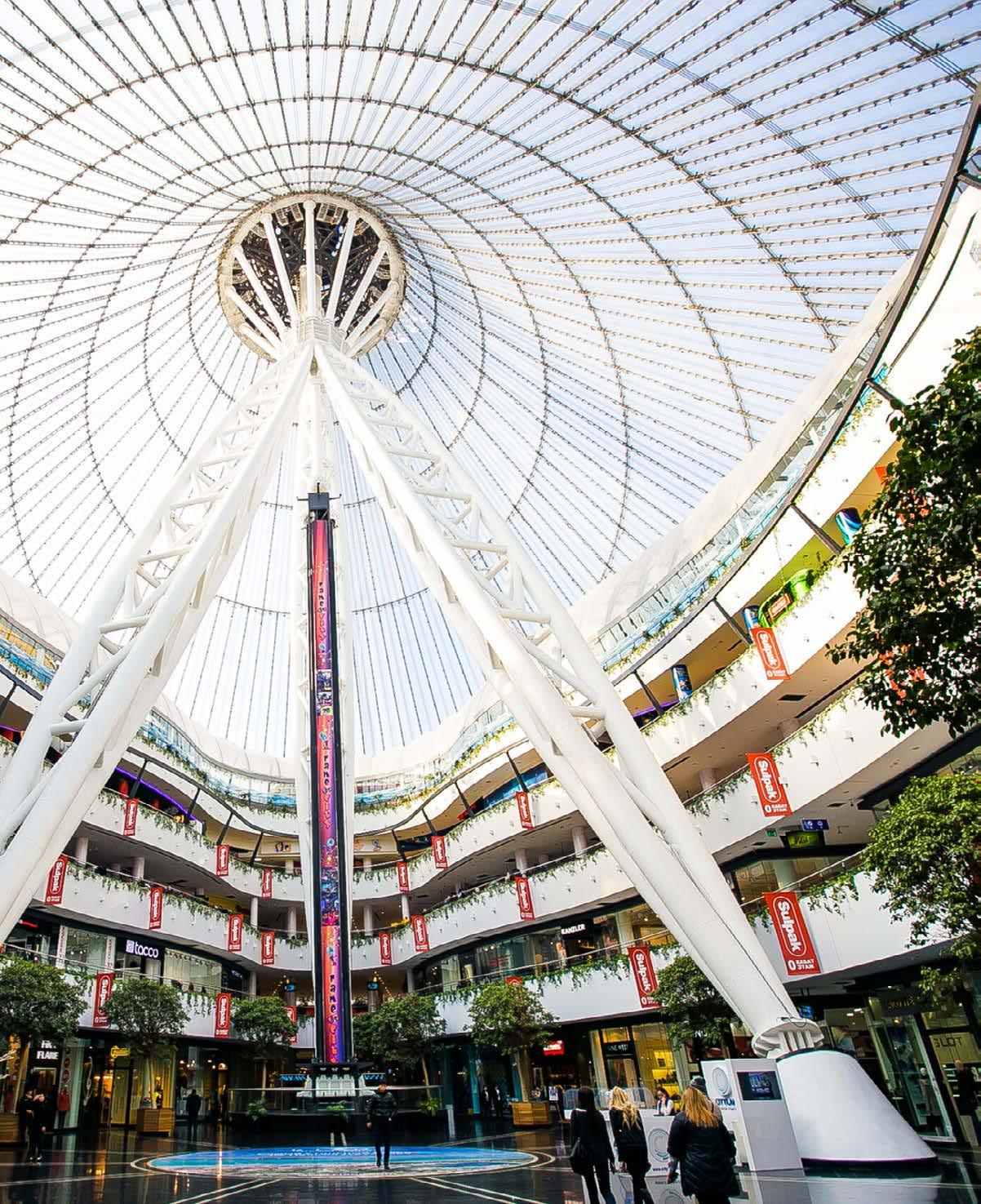
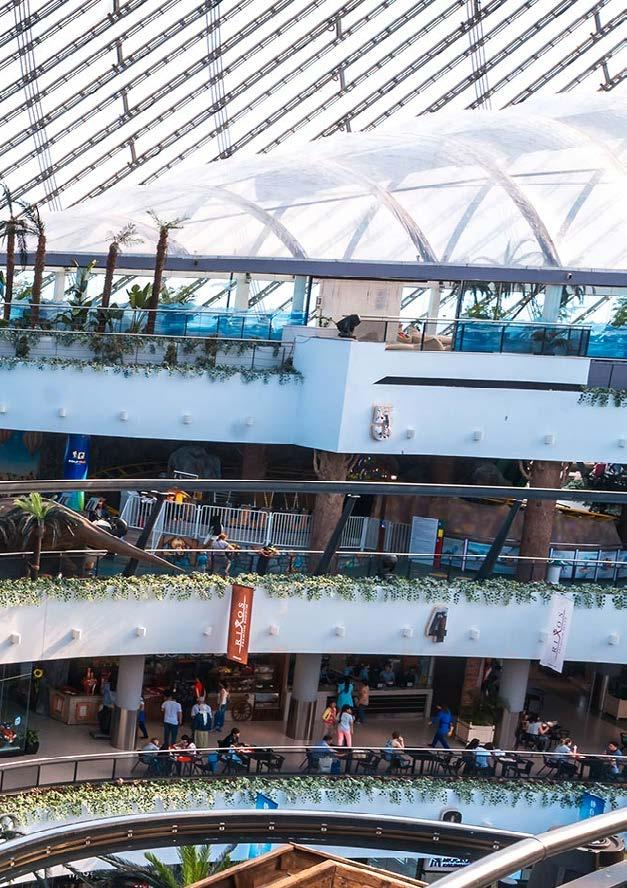
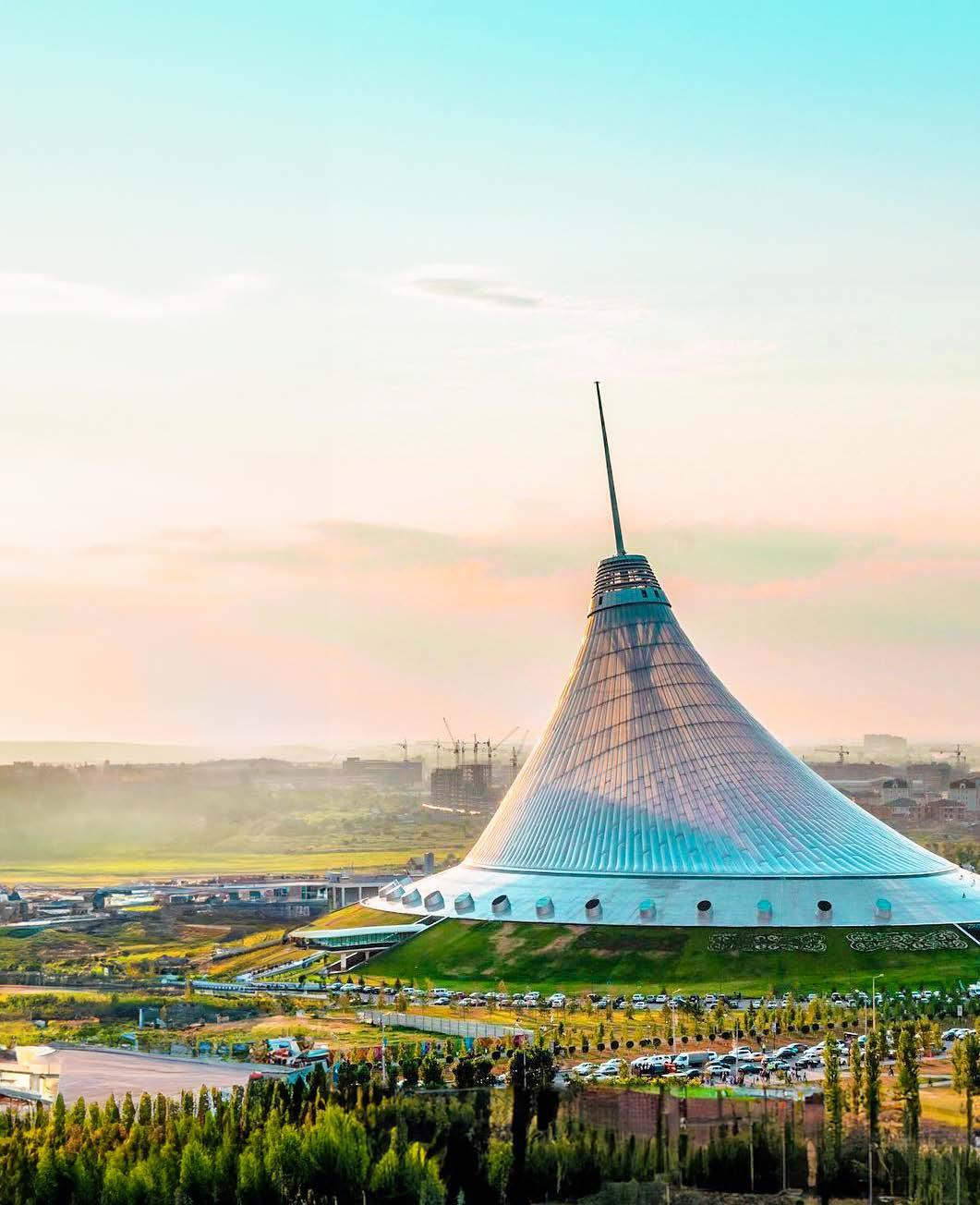
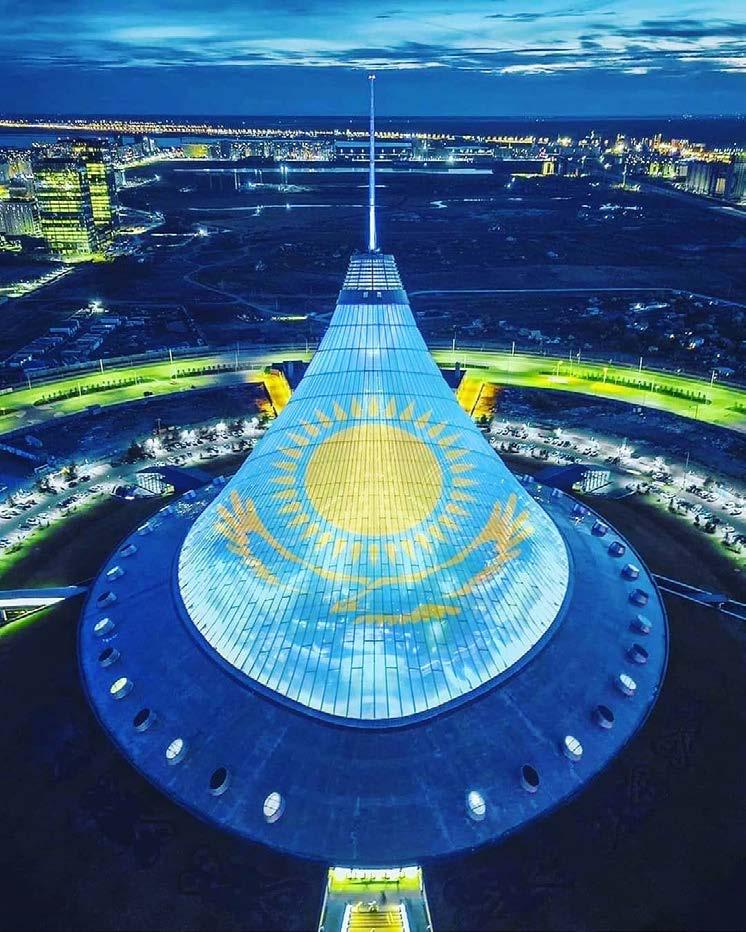
Khan Shatyr is not just the largest shopping mall in Kazakhstan; it is an architectural and cultural icon of modern Astana. Designed by the world-renowned British architect Norman Foster, this striking building resembles a traditional Kazakh yurt — a nod to the country’s nomadic past. Towering 150 meters high and spanning a base of 200 by 195 meters, Khan Shatyr is recognized as the tallest tent-like structure in the world. Its name, which translates to “The Tent of the Khan,” reflects both grandeur and tradition, echoing monumental titles like “Tsar Cannon” or “Tsar Bell” in Russian.
This lifestyle center encompasses over 127,000 square meters of total floor space, enough to cover more than ten football fields. Inside this transparent marvel are a variety of world-class retail outlets, entertainment facilities, restaurants, and cultural amenities. Its dome-shaped canopy, made of a three-layer ETFE (ethylene tetrafluoroethylene) membrane, maintains a stable indoor climate, regardless of Astana’s extreme weather conditions — which can swing from -35°C in winter to +35°C in summer.
INTERIOR OF THE MALL
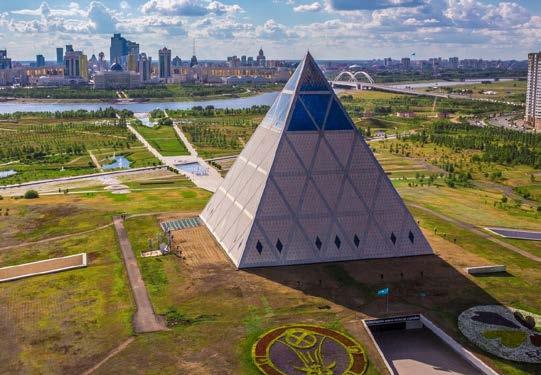
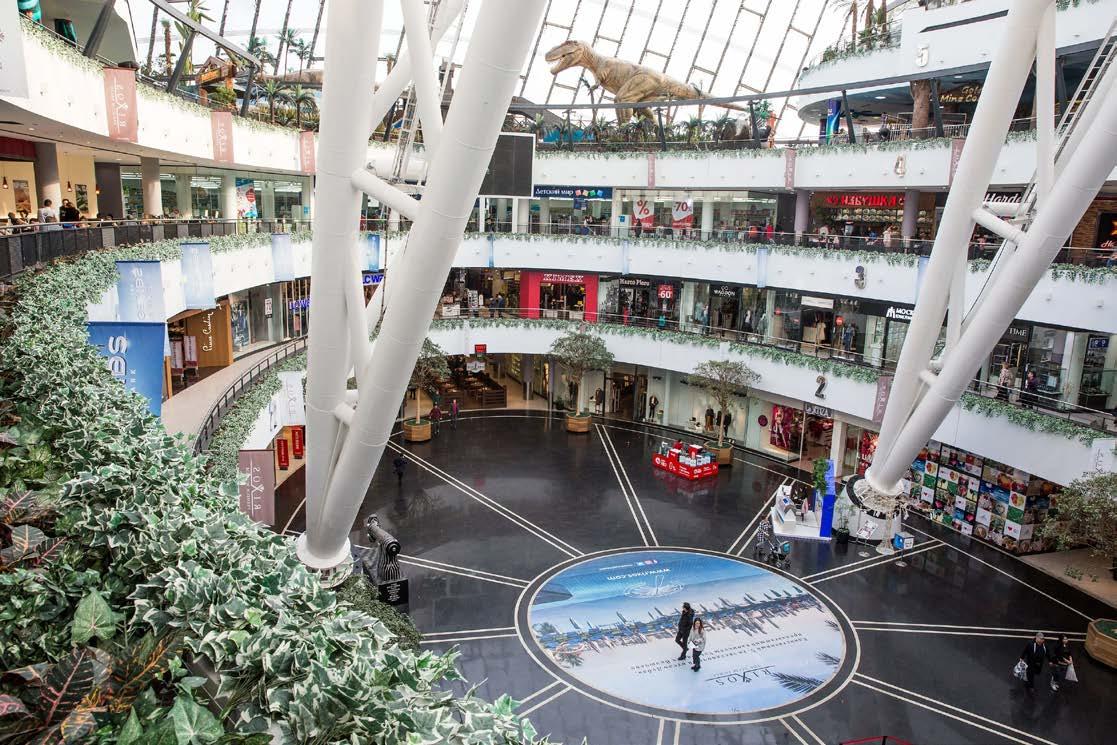
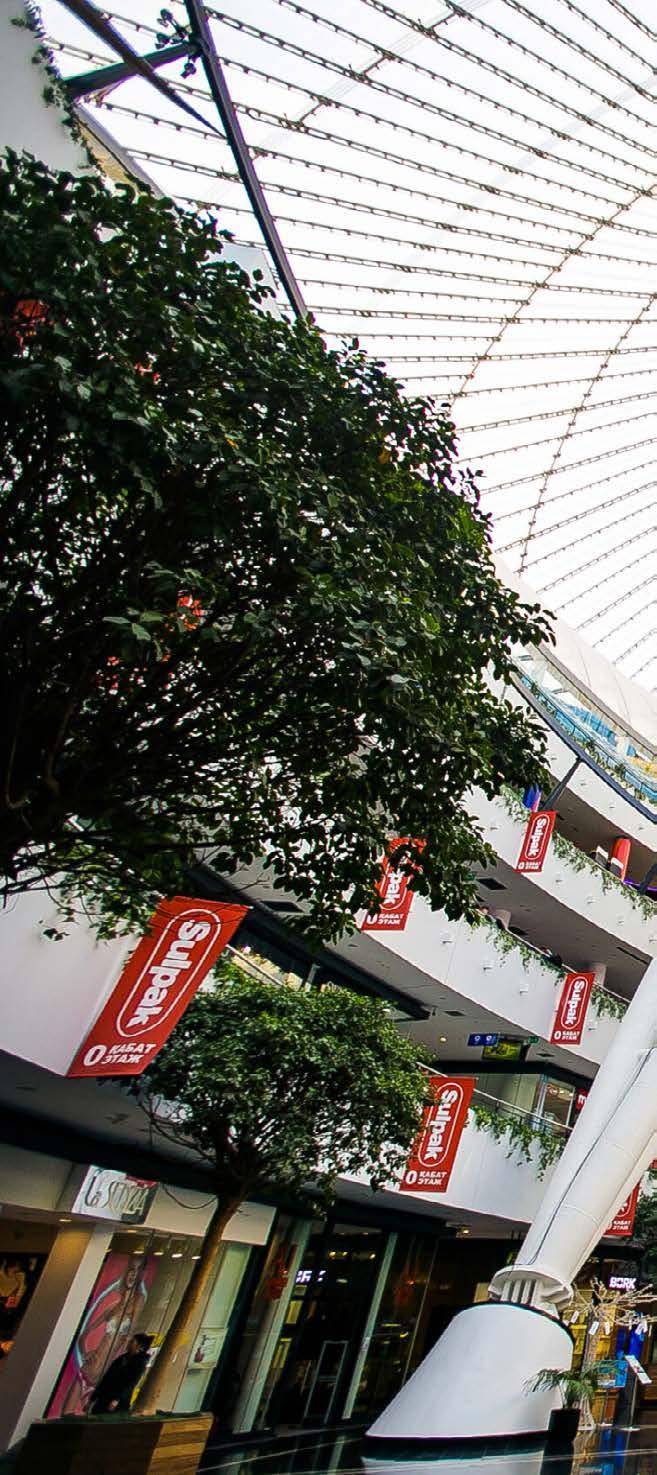
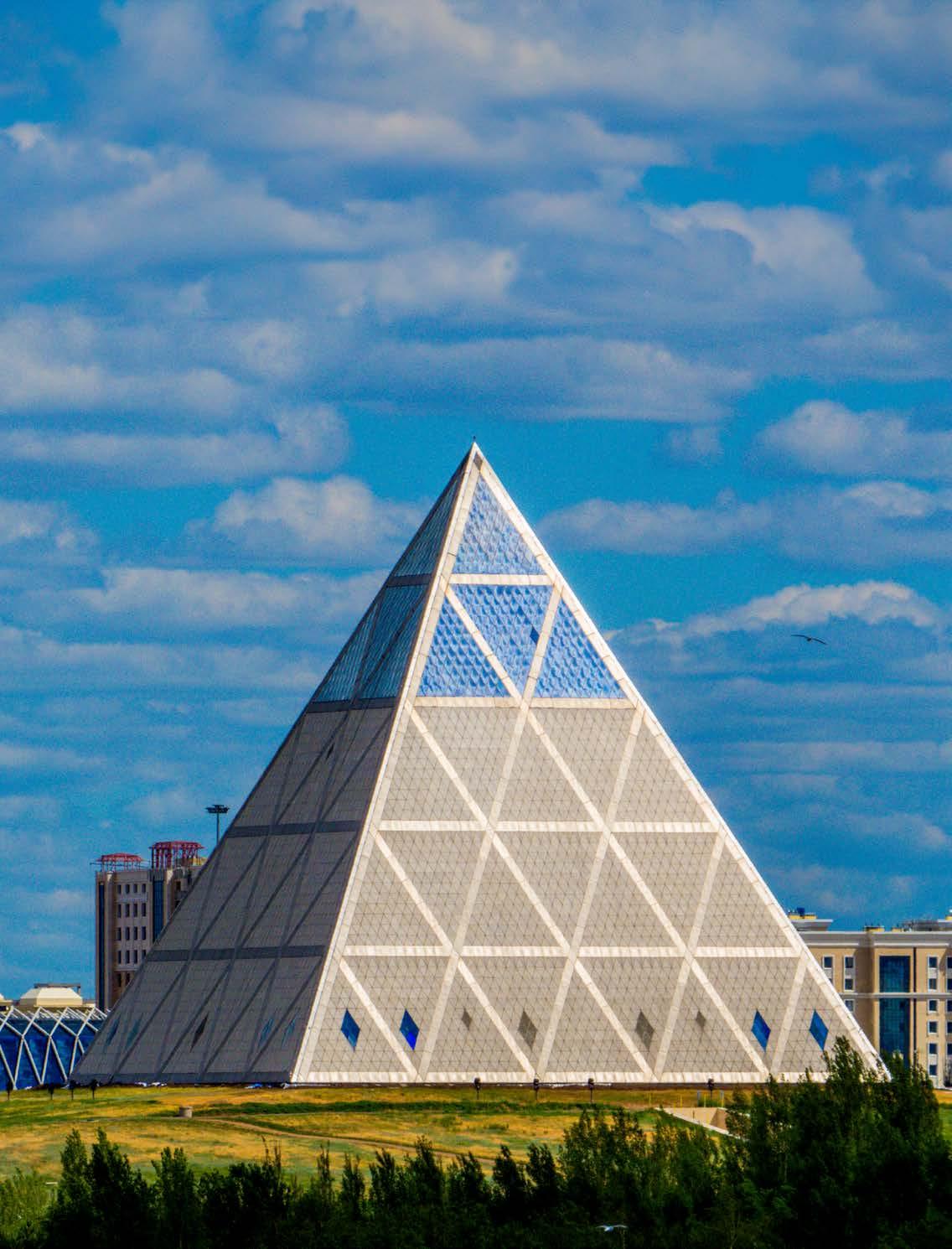
The architecture of the Khan Shatyr shopping mall is impressive both outside and inside. The interior space, designed around an atrium concept, features three support pillars holding up the tent-like structure made from a transparent polymer material stitched together with steel cables. All structural elements are exposed, allowing visitors to appreciate the unusual beauty, particularly the grand dome. Sunlight passes through the translucent canopy, creating a stunning view of the intricate supports from both inside and outside the mall, giving the complex an even more futuristic appearance. The three-layer polymer coating protects the space beneath the dome from the extreme temperature fluctuations characteristic of Kazakhstan’s harsh climate, maintaining an optimal indoor environment. This masterpiece was designed by renowned British architect Norman Foster, one of the leading figures in the “high-tech” architectural style and a follower of the great Russian engineer V.G. Shukhov. In addition to Khan Shatyr, Foster also co-designed the Palace of Peace and Reconciliation (in collaboration with Gulzifa Abileva) and the Library of the First President in Astana. Khan Shatyr opened on July 6, 2010. Forbes Style magazine ranked it among the world’s top ten eco-friendly buildings, an honor previously never bestowed on any structure in the CIS.
CULTURAL AND SOCIAL VENUE
Khan Shatyr is more than a mall—it is a vibrant cultural center that hosts concerts, film festivals, art exhibitions, and public events. World-famous artists and performers grace its stages, and weekends are packed with children’s activities, entertainment programs, and meet-and-greets with celebrities and influencers. The open atrium and the multifunctional dome structure allow for grandscale events that energize the social life of the capital. Annually Khan Shatyr attracts several thousand people to concerts of stars, gives opportunity to meet famous performers and talented people. Under the dome there are film festivals, concerts of world stars, exhibitions. Famous singers, musicians perform on stage at the mall and every weekend is filled with children’s activities and entertainment programs.
FIRST FLOOR – RETAIL, SERVICES, AND ESSENTIALS
The first floor of Khan Shatyr is primarily dedicated to retail and essential services. It features nearly 200 shops and boutiques offering products from global fashion brands like Zara, Mango, New Yorker, Bershka, Adidas, Massimo Dutti, Nike, Reebok, and more. Shoppers will find everything from high-street fashion and luxury items to electronics, cosmetics, and home goods. A large supermarket also anchors this level, offering a wide range of groceries and daily necessities. Service centers such as beauty salons, repair shops, and financial kiosks provide convenient support to visitors. The open floor plan, flooded with natural light from the dome, creates an inviting space for leisurely shopping and casual strolls.
SECOND FLOOR – CHAPLIN CINEMAS AND FAMILY ENTERTAINMENT
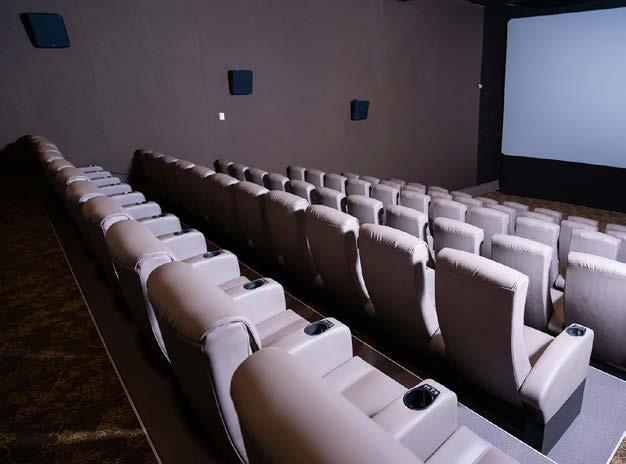
The first thing to look out for is the interior design of the cinema. A cinema with six halls. The equipment is arranged according to the size of the cinema halls and the basic requirements of the technology of cinematography. The cinema provides guests with air-conditioning, a large screen, and comfortable seats so they can enjoy their films in a pleasant environment. “Chaplin” invites visitors to choose one of the new films, watch it in a unique atmosphere and immerse themselves in the world of cinema. The Chaplin Cinema in Khan Shatyr has become one of the centres of cultural life in Astana. It attracts locals and tourists alike with its original film screenings and visitor services.
THIRD FLOOR – FOOD COURT AND DIVERSE DINING OPTIONS
The third floor is home to Khan Shatyr’s expansive food court and restaurant area. More than 30 dining establishments offer a range of international cuisines including European, Eastern, Asian, and Russian fare. A standout among them is Ozyurt, a Turkish restaurant that serves halal Eastern cuisine like kebabs, chorba, pide, and authentic sweets. Alcohol is not served, but a wide array of teas and desserts is available. Other prominent options include Salivan Restaurant and Izbushka Café, both of which provide hearty meals in cozy settings. For a more casual dining experience, Jolly&Joker is a popular pub known for burgers and live entertainment. Coffee lovers can visit Starbucks, Ottoman Café, or Caffe Latte, while dessert enthusiasts will enjoy Mövenpick for ice cream and Tutti Frutti or Yagusha for frozen yogurt. For quick bites, Khan Shatyr also features major fast-food chains like KFC and Burger King.
FOURTH FLOOR – FAME CITY ENTERTAINMENT CENTER
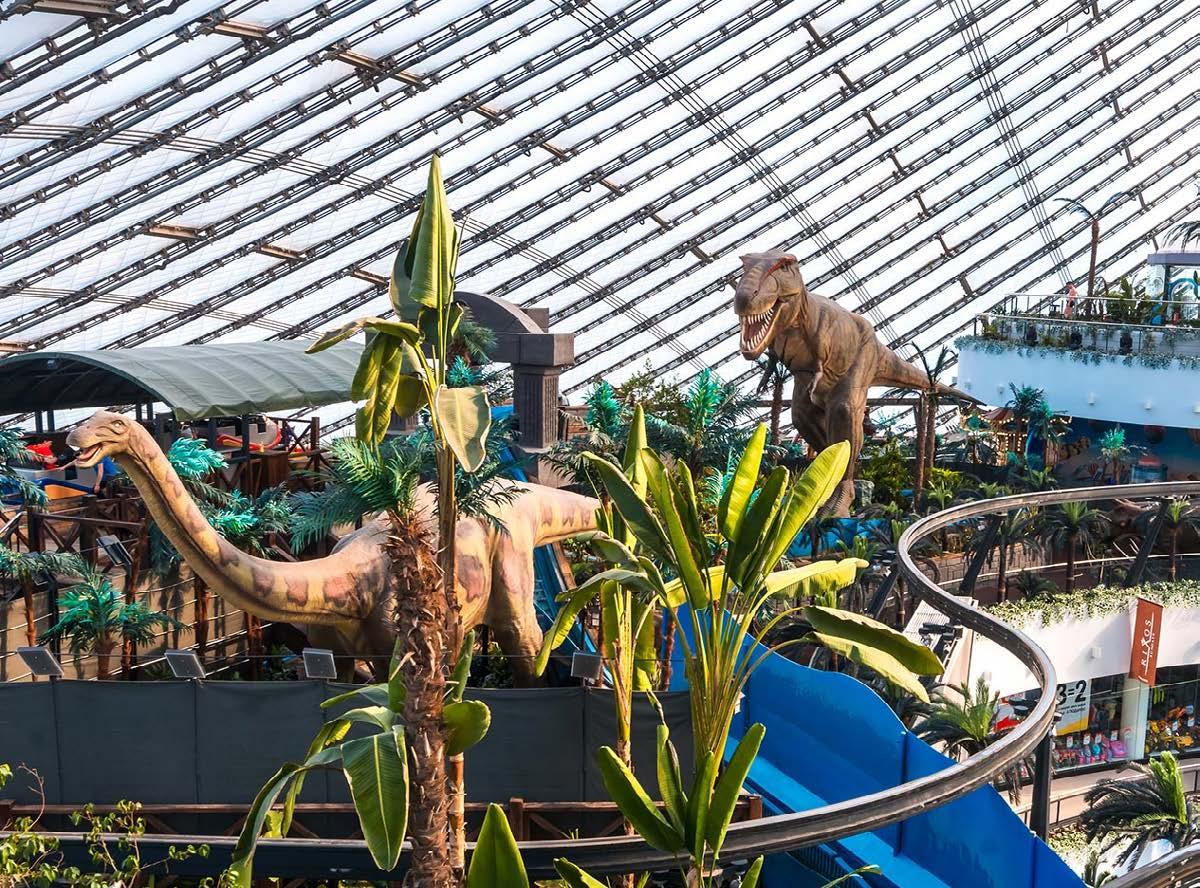
Fame city is a place like a fairy tale. A place where you can have fun and spend your happiest moments with your family. It is a place for all kinds of emotions equipped with modern technology and the best slot machines. The entertainment complex offers a list of different types of attractions: Kids city, Drop tower, Monorels, Mounch sphere, Cinematheatre 4d, Gold mine, Water attraction, Dinopark, Chamber room, Race simulator, Mini rider, Jirolup, Soft zone, Children’s room , Play station games, Bumper cars, Locomotive convoy, Flying bus, Electronic cars, Pop ap, Carusel, Video games, Prize machines. Henceforth, we are proud to tell about our Park of Jurassic Period “Dinopark”. Here, there are 9 spices of dinosaurs existed BC, though from every parts of the Earth. The sizes of phytivorous predators correspond to the originals. The guide tells about each dinosaur in details. Our Dinopark is a unique in the whole Asia. The park of this type are in China and Europe.
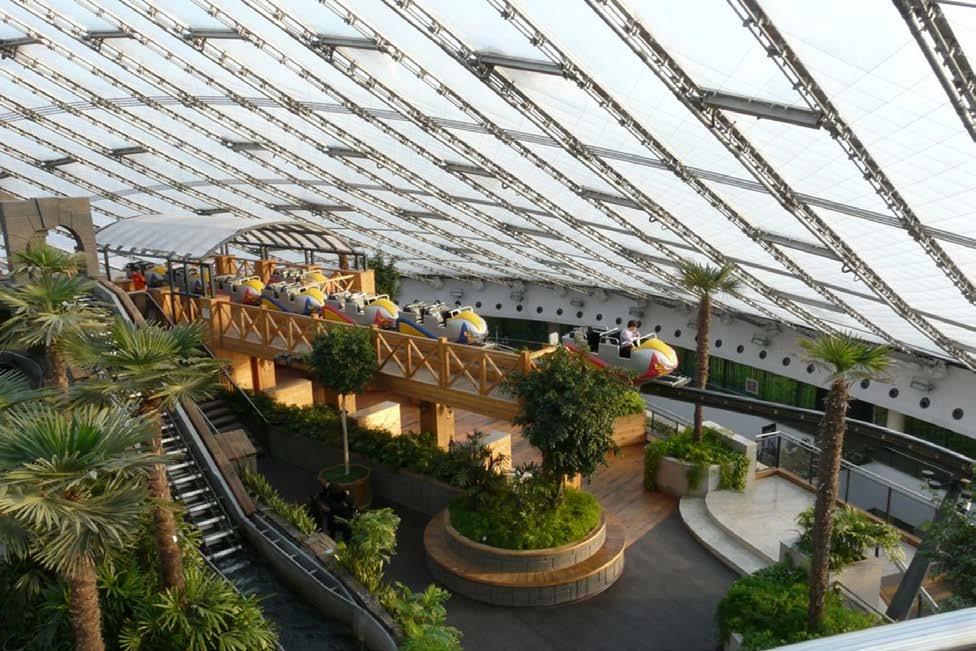
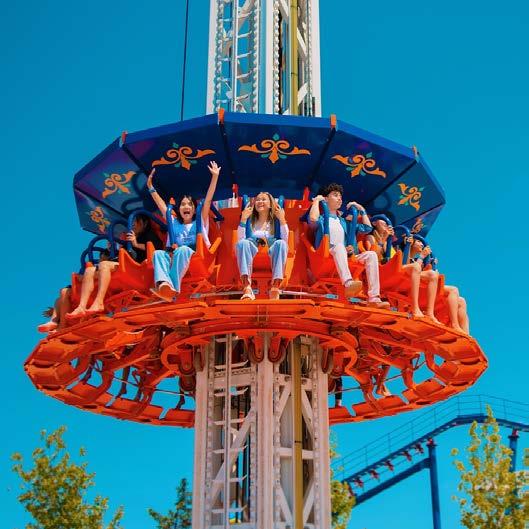
“Monorali” should be especially noted among the amusement rides of SEC “Khan Shatyr” as it is a monorail railway extending for 500 m with trailers moving along it. It is located on the level of the upper ground and makes 2 circles. This type of amusement ride fits absolutely all. You need just to arrange yourself comfortable and observe all “Khan-Shatyr” ultimately. During this trip some installations will come into your view - fantastical inhabitants of space, pre-historic world, pursuit for the pirate’s hoard on the treasure island, as well as .... Some mystery will not cause harm to us for you to come and see with your eyes! Also, it will not be come amiss that this amusement ride is a unique of a kind in the city of Astana. Tower – have you ever fallen from the height with breakneck speed?? If no, so we offer an opportunity to experience adrenalin. Just as the public enjoys the beauty of the cupola in the most unexpected moment from the height of the seat one is set down with insane speed. The amusement ride Tower of free falling waits for its visitors every day. The number of seats is 12, the tower height is 38 meters. Meet the new attraction “Gold Mine Coaster”! Roller-coaster together with the treasure hunt will make your trip unforgettable! We are waiting for our brave Gold Miners on the fifth floor of the SEC “Khan Shatyr”. Would you like to find yourself into a spooky horror? To become a hero of the thriller movie? Take your courageous friends with you to see this afterworld nightmare! Do not miss the opportunity to test your nerves and strength! Horror Room “Hunting for ghosts” invites its fearless visitors in the Game Centre “Fame City”!
FIFTH FLOOR – SKY BEACH CLUB: A TROPICAL PARADISE
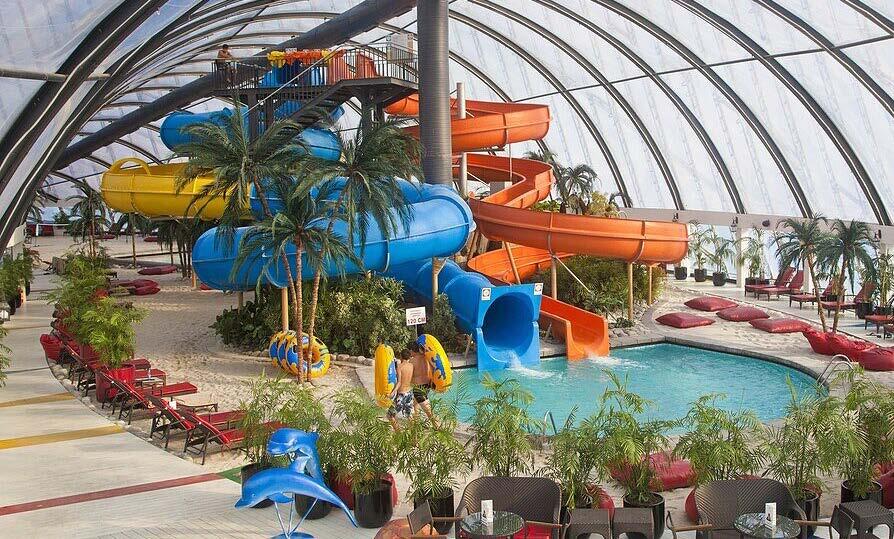
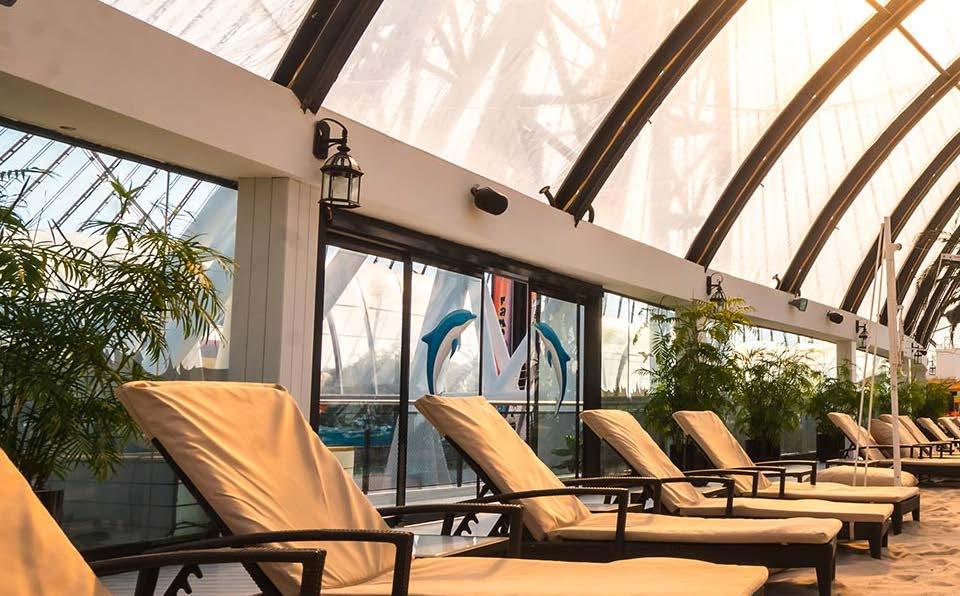
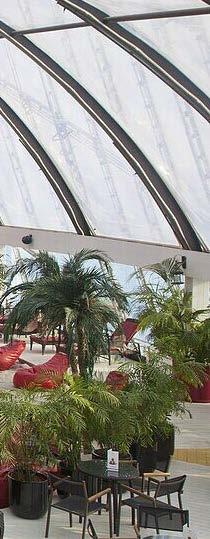
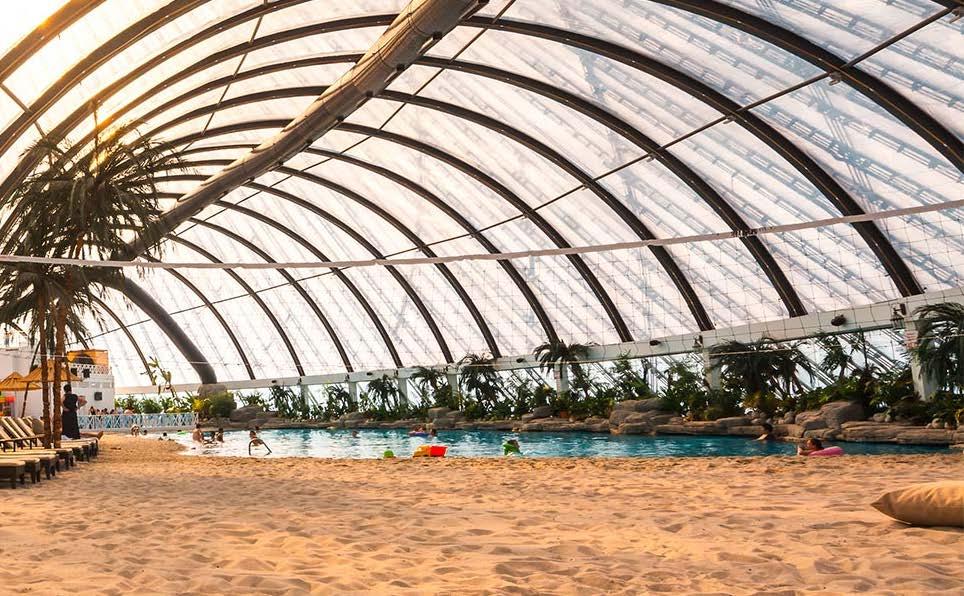
Sky Beach Club is the perfect place for an active holiday with family and friends, and it’s summer all year round! Sky Beach Club in Astana is a unique indoor beach club, located under the dome of our center. Sky Beach Club combines a variety of quality services, available all year round: tropical climate, warm sand, 3 swimming pools, water attractions, pleasant music, relaxing leisure, interesting entertainment, delicious food and great mood. The whole beach club complex is divided into 2 zones: one is the shore with sun beds, palm trees and a large pool with a depth of 1.40, the other zone has a water slide, a children’s pool with a gradual deepening from 10 cm to 1.40 cm. You can enjoy this beauty and relax under the palm trees at any time of the year. The artificial beach at Sky Beach Club has naturally golden and very clean sand which is regularly replenished and heated. The water park also has heated pools where the water temperature always reaches +29°C.
Activities: Every day at the complex is unique and unlike any other. In addition to relaxing on the beach, any holiday or important event can be celebrated here, whether it’s a birthday, wedding, important meeting, team-building or corporate event.
VISITING KHAN SHATYR
Khan Shatyr is located at Turan Avenue 37, Astana, and is easily accessible via public transportation, taxis, or private vehicles. The complex offers parking for 700 cars, making it convenient for local and international visitors alike.
OPERATING HOURS:
Khan Shatyr operates daily from 10:00 AM to 10:00 PM, with shops closing at 10:00 PM. The cinema remains open until 2:00 AM, and the Sky Beach tropical resort closes at 9:00 PM. Specific operating hours for each venue can be found on the official website.
Khan Shatyr is not just a shopping mall—it is a symbol of Kazakhstan’s ambitions, a celebration of architectural excellence, and a lifestyle destination that blends tradition with innovation. From its futuristic design and climatecontrolled spaces to its luxury boutiques and tropical beach, Khan Shatyr stands as a testament to what visionary architecture and modern engineering can achieve. Whether you’re a local resident or a tourist in Astana, a visit to Khan Shatyr is an experience unlike any other in Central Asia.
CULTURE & TRADITIONS KAZAKHSTAN
Symbolism of Kazakh HEADDRESSES Through Life Stages
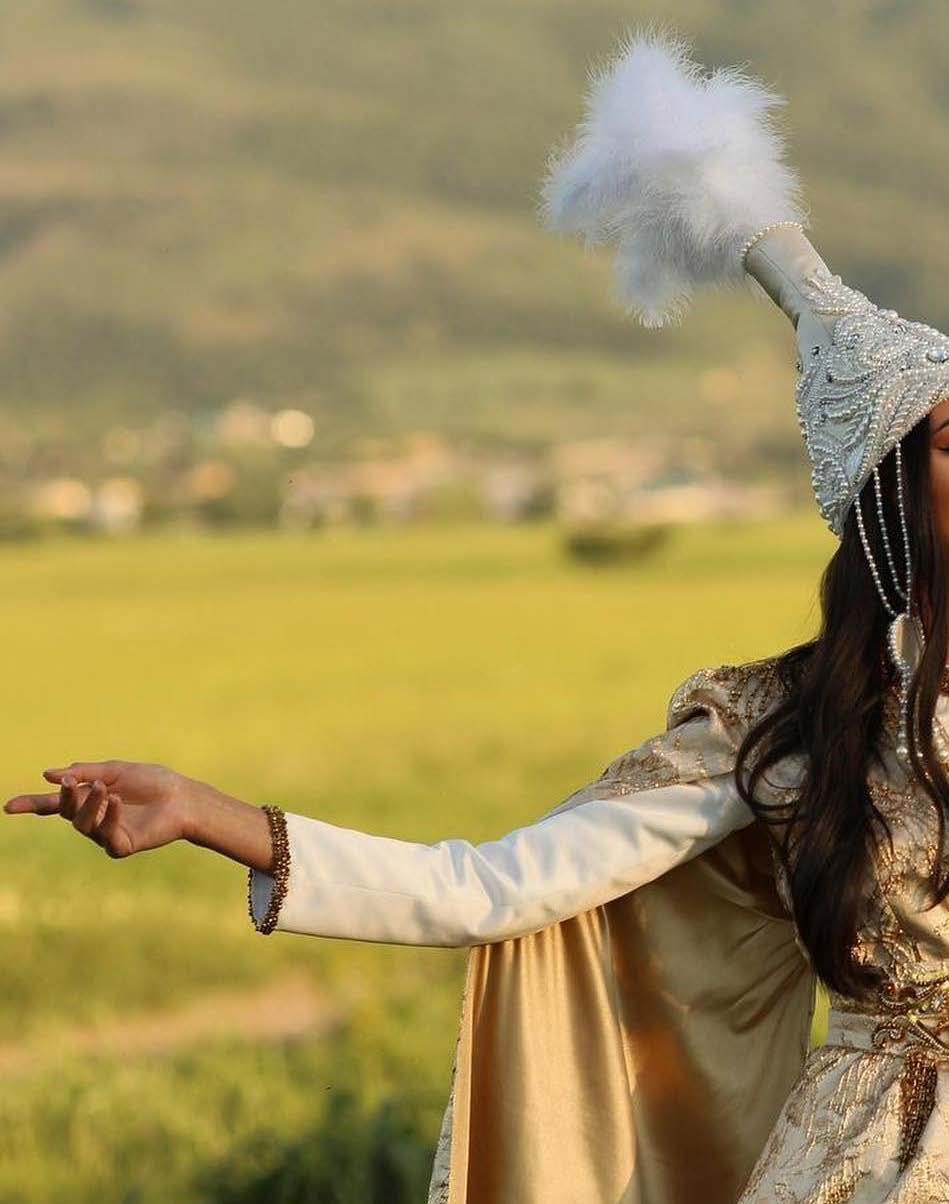
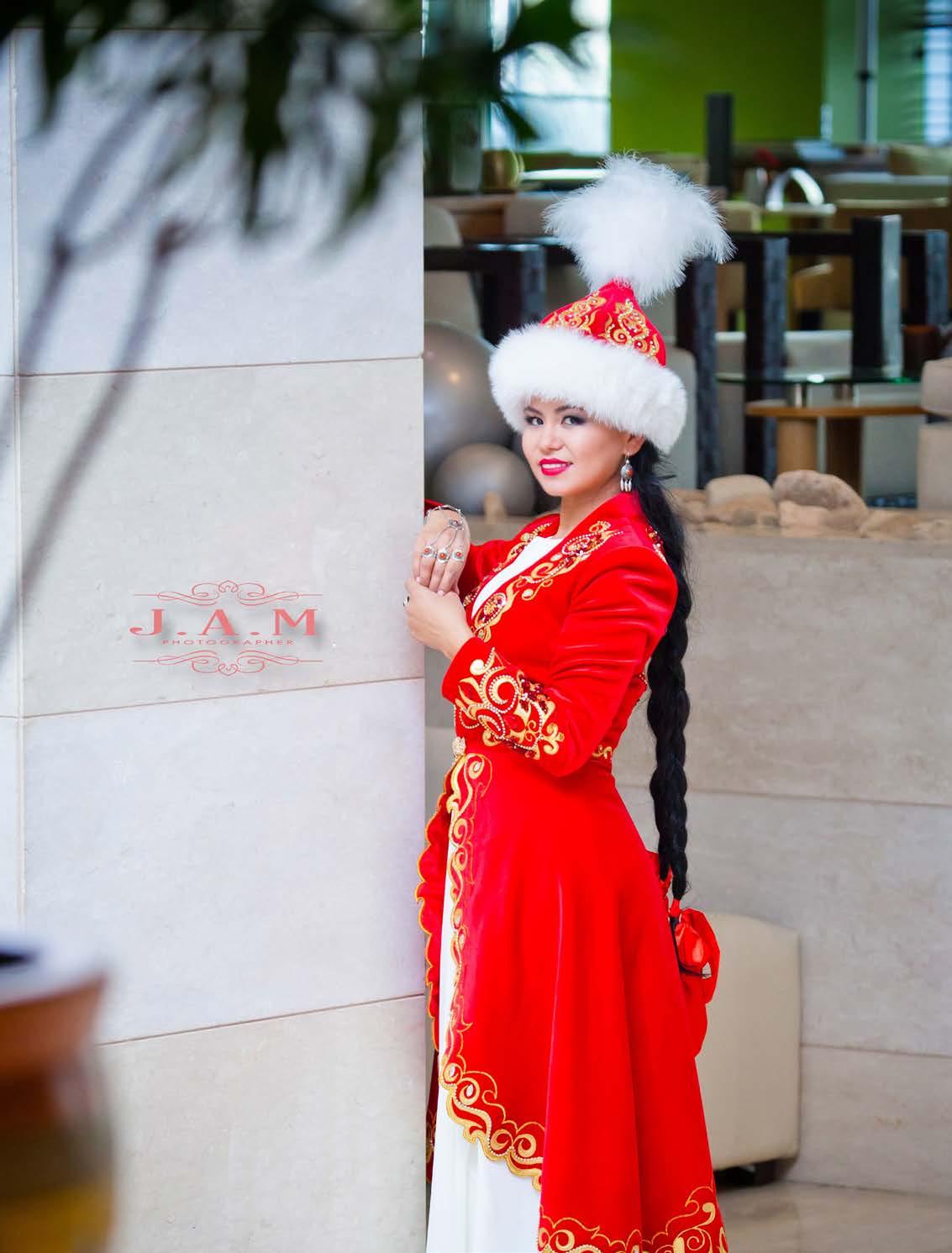
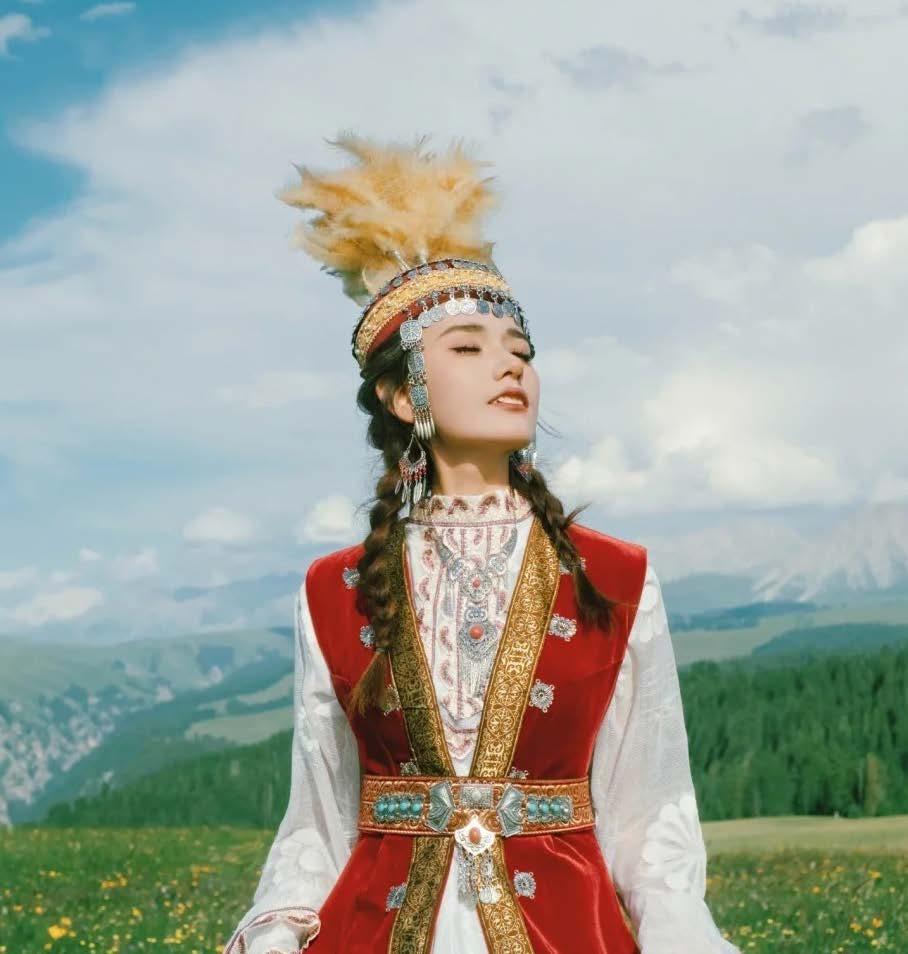
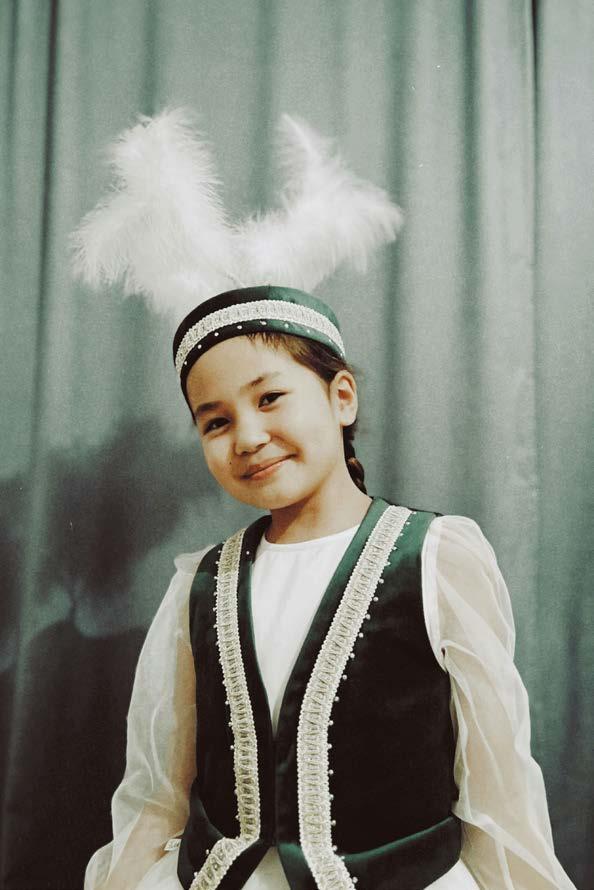
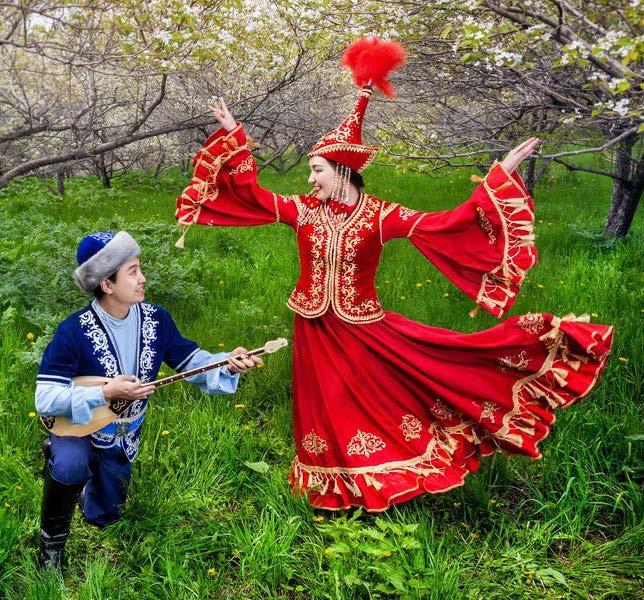
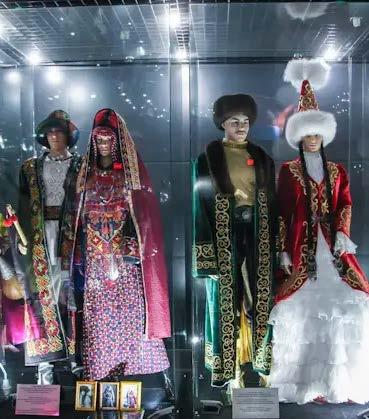
Kazakh traditional headdresses are experiencing a resurgence among young people, blending cultural heritage with modern design. Brightly stylized hats have become a popular fashion statement, serving as a means of self-expression and a symbol of cultural identity. This renewed interest is driven by a desire to stay connected to history and heritage while also standing out in contemporary society. Headwear has held a special place in Kazakh culture. People do not wear others’ hats or lend their own, as it is believed this could bring misfortune or illness. Hats were never casually tossed. They were always placed carefully or hung up to prevent them from falling.
THE SIGNATURE HATS OF KAZAKH MEN
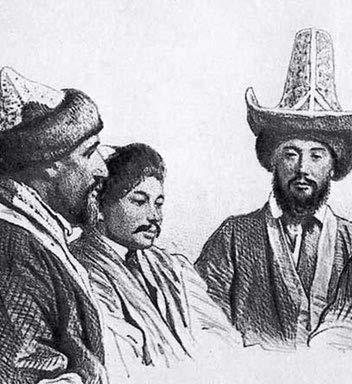
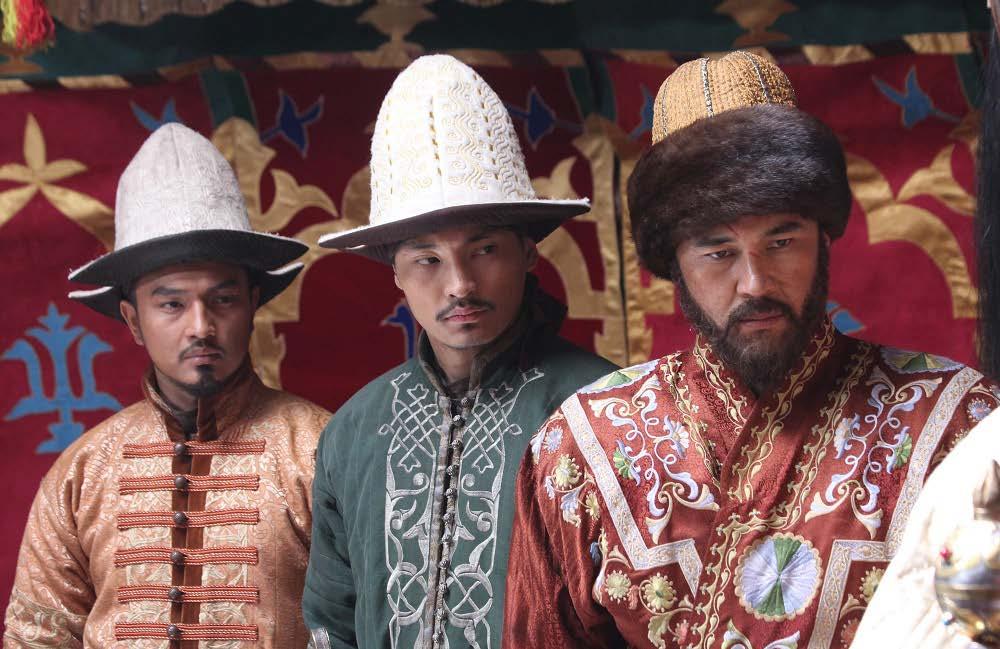
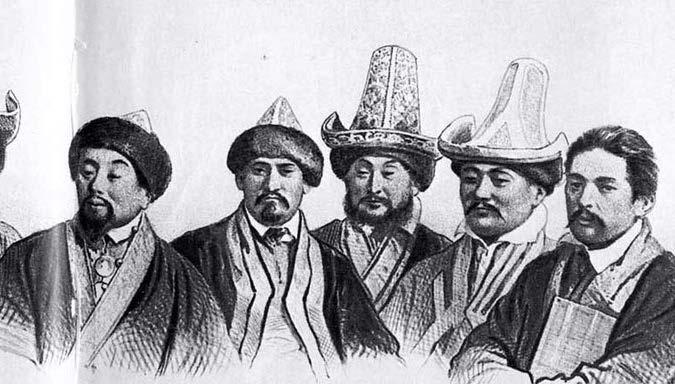
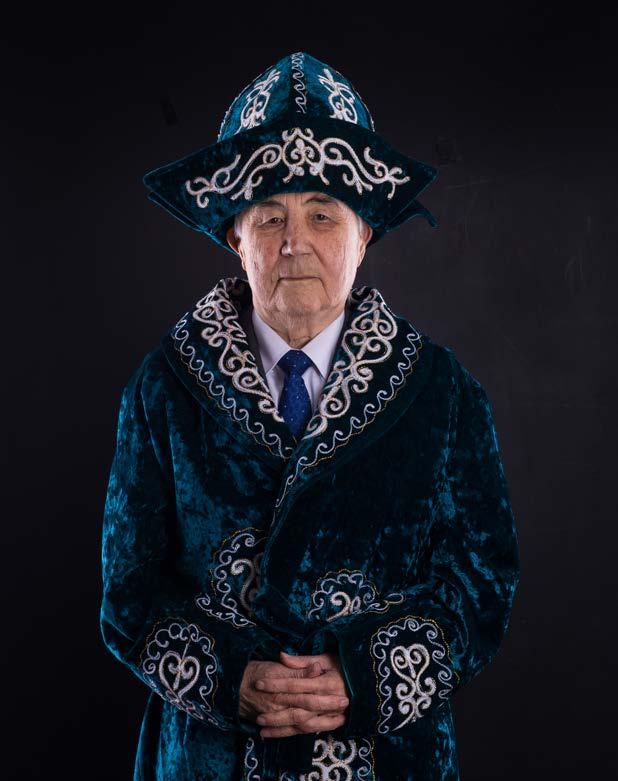
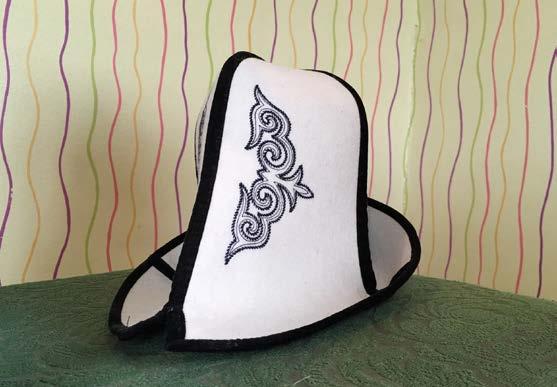
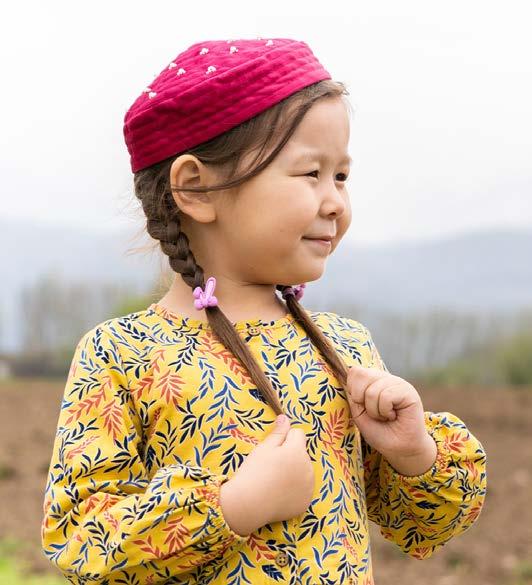
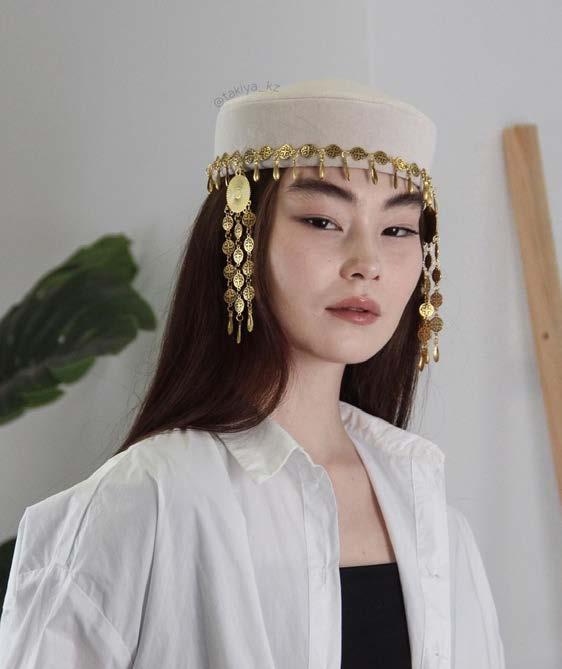
Both men and women were expected to wear head coverings. One of the most universal headdresses, worn by men, women, and children alike, is a takiya. Traditionally, it was never removed, even at the dining table. Takiya for children was often embroidered with silk, gold, and silver threads, featuring intricate patterns on all four sides of the dome, while men’s takiya was typically simple in design. It was tall, with either a flat or rounded top, and decorated with classic patterns embroidered in contrasting colors— most commonly yellow. Such takiya was sewn from dense fabrics like plush or thick cotton, with silk often used for lining to provide comfort in hot weather. Everyday takiya was made in dark, muted colors, such as navy or black, while lighter shades were reserved for special occasions. One of the most recognizable summer headdresses for men is a kalpak, a cap made of thin white felt. It features a tall, cone-shaped crown and is crafted from two identical pieces, with the lower edges folded to form wide, slit brims. The brims are lined with red or black fabric strips, while the cap is decorated with traditional embroidery and ornaments.
An ak kalpak, a taller version made of white felt, held deep cultural significance. Ceremonial versions, embroidered with white silk and trimmed with silver braid, were worn by noblemen. For centuries, the ak kalpak was a symbol of honor and respect to distinguished guests, reflecting status and recognition within the community. A murak, also known as aiyr kalpak, was a luxurious headdress reserved exclusively for khans, sultans, and rulers, symbolizing nobility and high status in Kazakh society. By observing a murak, people could determine the rank and authority of its wearer. It featured a tall cap with a curved brim, reinforced on the inside with fine felt or thick fabric, while the exterior was covered with luxurious materials. Elegant plant motifs were embroidered in gold thread, enhancing its regal appearance.
HEADDRESSES FOR YOUNG GIRLS
Headwear was particularly diverse for women and served more than just a practical purpose; it signified age, social standing, and marital status. Before marriage, Kazakh girls wore two types of headdresses: the takiya, and a borik, a warm hat with a fur trim. Unlike men’s takiya, girls’ headwear featured elaborate and colorful decorations, including precious stones, tassels, and silver coins. Owl feathers were sometimes added as a charm against the evil eye. During colder months, girls wore the borik, a round fur-trimmed hat decorated with pendants. Variations included the kamshatborik, trimmed with muskrat or marten fur, and the altyn-borik, embroidered with gold. Those adorned with corals were called kalmarzhan-borik. While some borik hats featured owl feathers, this was optional.
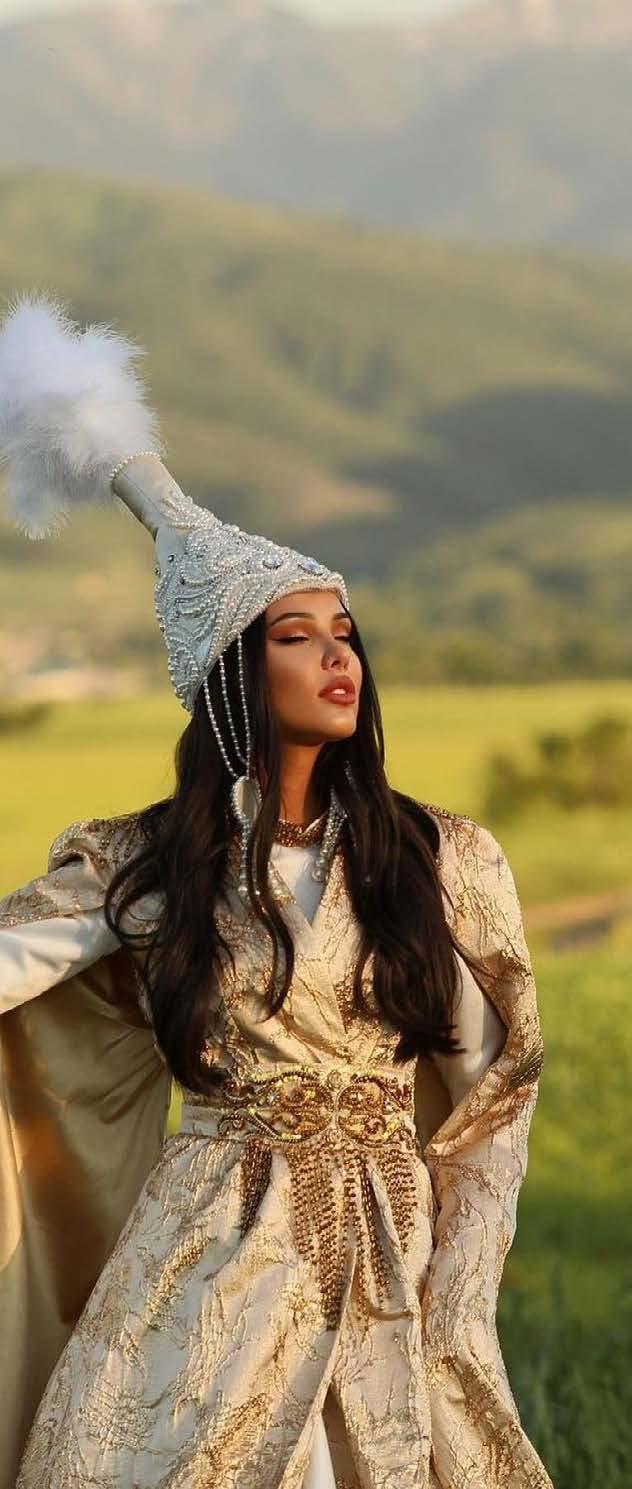
THE SAUKELE: A BRIDE’S CROWN
According to Gulzada Shokasheva, a scholar in Asian studies, one of the most elaborate and symbolic headpieces is a saukele, a bride’s wedding headdress. Historically, it was part of a woman’s dowry and required months or even years to make due to its intricate craftsmanship and costly materials. “Some interpret the name saukele as derived from the phrase ‘sau kele ma?’ [Will they arrive safely?] This was a reference to the long and often dangerous journeys brides had to make to their new homes, where wedding caravans were vulnerable to attacks. When a wedding procession was spotted from afar, the bride’s tall hat was the first thing visible, prompting messengers to ride ahead announcing, ‘sau keledi! sau keledi!’ [They are arriving safely],” Shokasheva.
Each saukele was unique, but one feature remained constant—its height. Some reached up to 70 centimeters, and the taller the saukele, the greater the bride’s reverence for tradition. Upon entering the groom’s home, the bride bowed to his relatives. Shokasheva highlighted that the taller the headdress, the deeper the bow, reinforcing the bride’s humility and reverence. It was considered a good omen if the tip of her headdress touched the yurt’s hearth. “Long pendants called zhaktau hung from the sides of the saukele, draping along the bride’s face and covering her braids. These pendants are crafted from embroidered fabric or beads. Zhelek, a large white veil, was also attached, covering the bride’s figure and face,” she said.
HEADDRESSES FOR MARRIED WOMEN
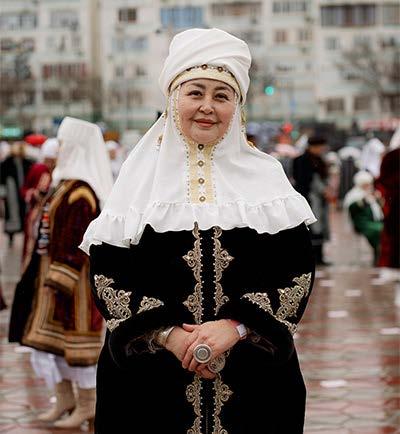
After marriage, young women wore a zhaulyk, a simple white shawl made of silk or cotton, sometimes trimmed with fur. Initially worn by older wives, it later became common among younger women as well. As a woman had children, she began wearing a kimeshek, a more structured white headdress that covered the head, neck, shoulders, chest, and back. The front was often decorated with embroidery, pearls, corals, and silver embellishments. Shokasheva noted that each region had its variation of the kimeshek, allowing people to recognize a woman’s age, place of origin, and marital status at a glance.
“All kimeshek were white, symbolizing purity and motherhood. Even in mourning, Kazakh women continued to wear white headdresses. As a woman grew older and gained more authority, the decorations were removed, leaving only simple stitching. Widows wore plain kimeshek with no ornaments, sometimes turning them inside out to conceal past embellishments,” explained Shokasheva. Elderly Kazakh women wore a shylauysh, a long white cloth wrapped over the kimeshek, resembling a turban. The taller the shylauysh, the greater the woman’s authority and respect within the community. “The most esteemed elders, known for their wisdom, wore the tallest shylauysh, marking them as figures of high status both in their village and beyond,” she added.
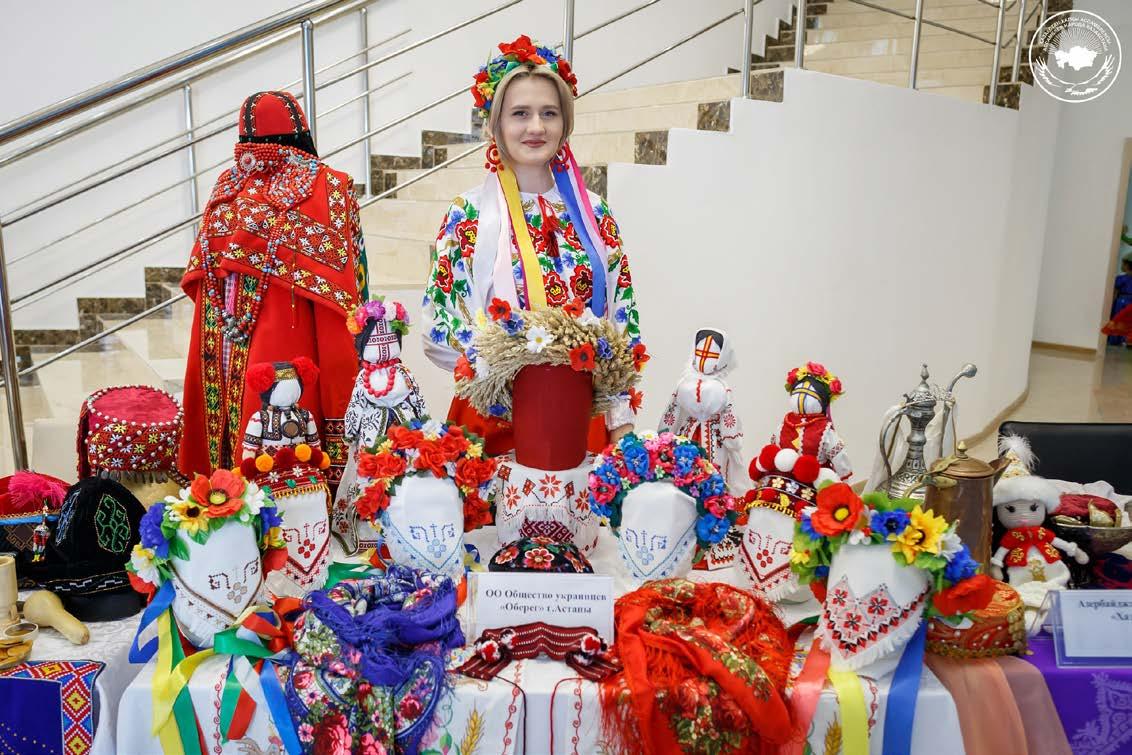
KAZAKHSTANIS CAME TOGETHER TO HONOUR LONG-STANDING CULTURE & HISTORY OF THEIR NATIONAL DRESS
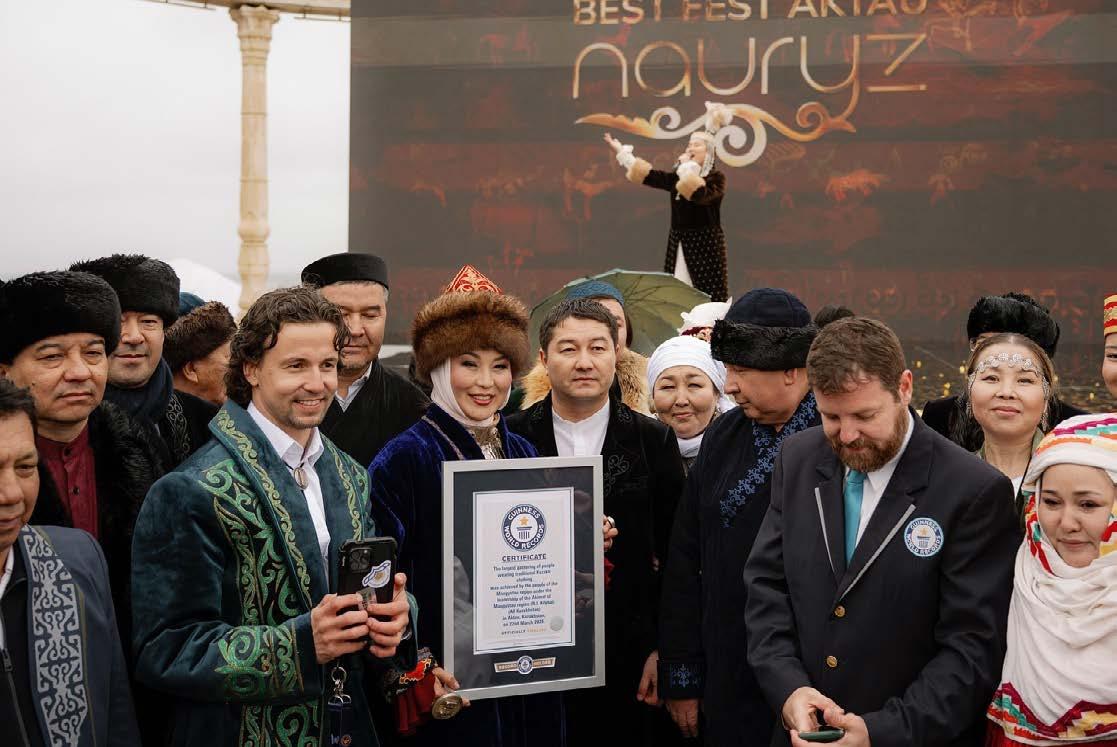
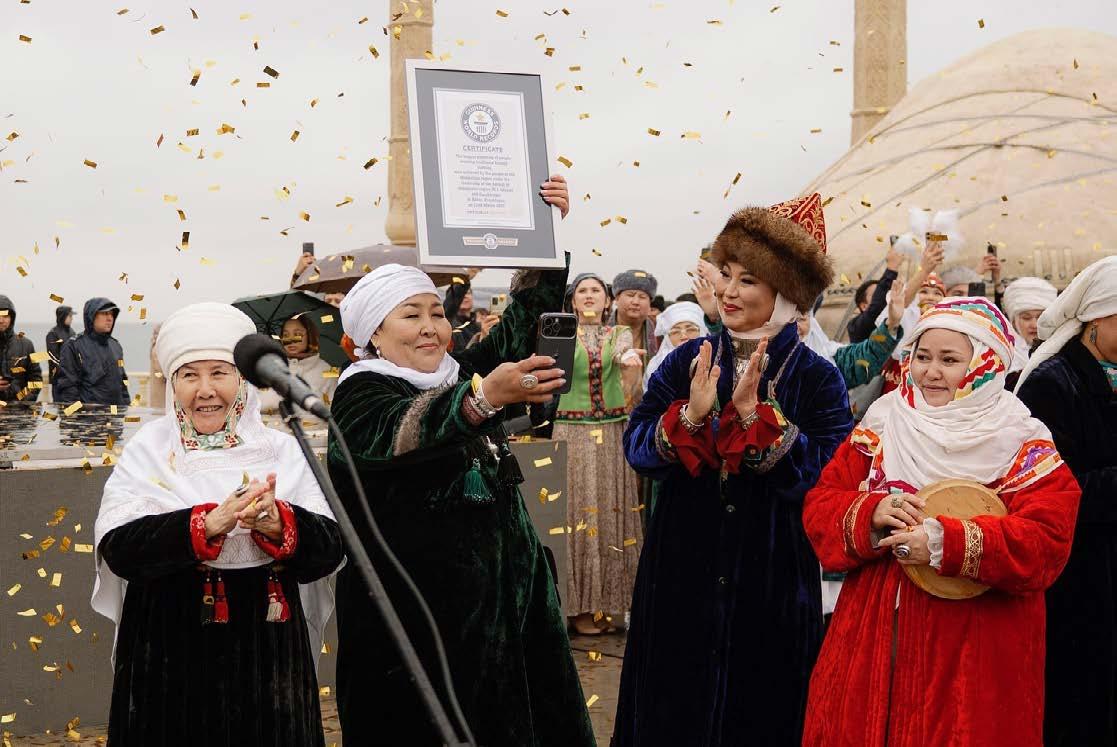
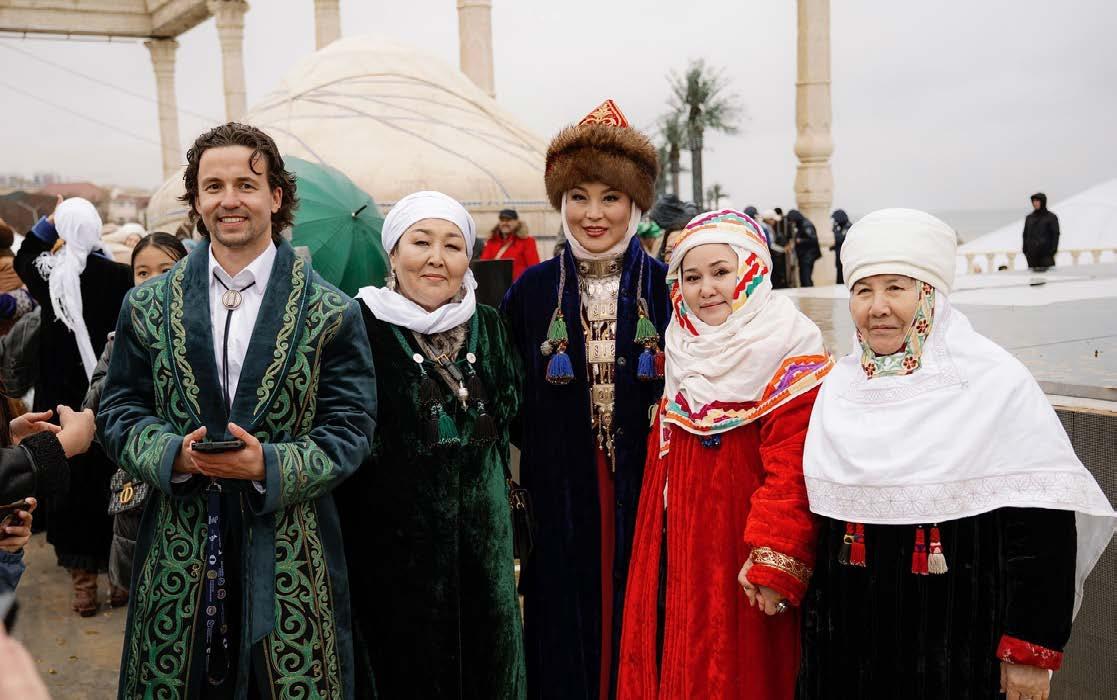
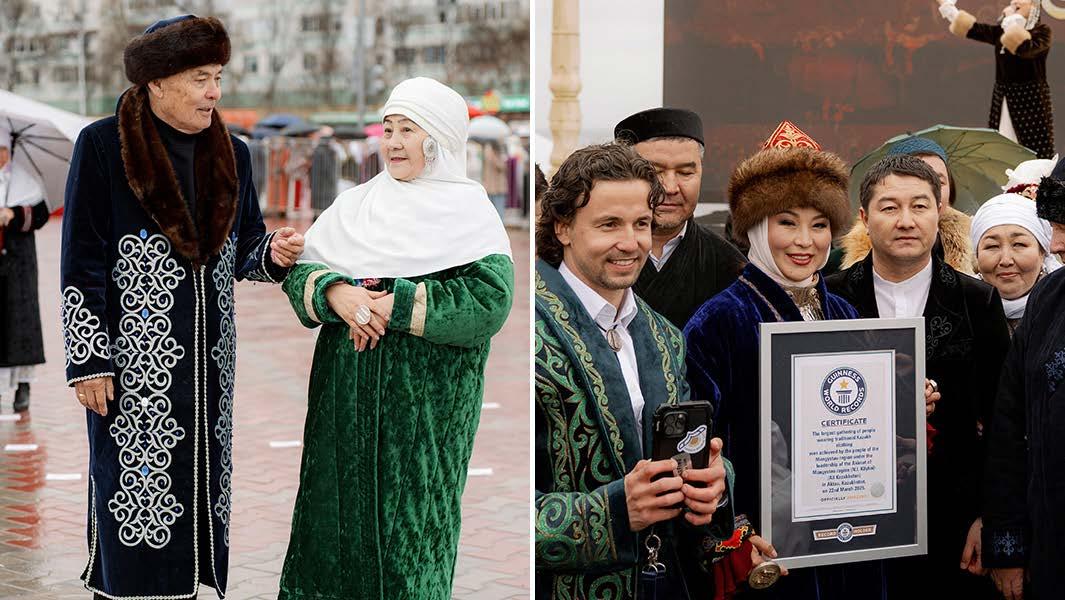
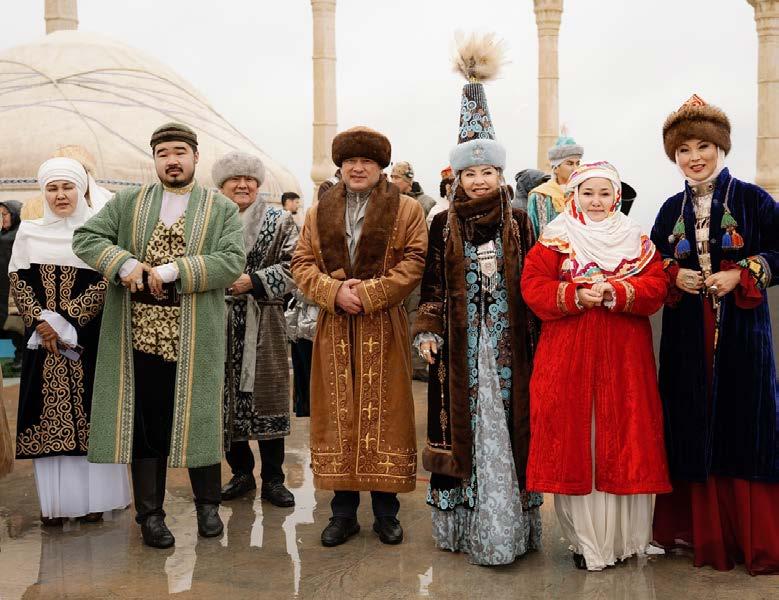
Against the backdrop of the breathtaking Caspian Sea peninsula, 5,000 people came together to break the record for the largest gathering of people wearing traditional Kazakh clothing. The gathering took place in the city of Aktau in the southwest region of Kazakhstan, Mangystau region under the leadership of the Akimat of Mangystau region (N.I. Kilybai) (Kazakhstan). The city is known for its stunning waters and cliffs, with the Caspian Sea having been elected as the ‘Cultural Capital of the Turkic World 2025’.
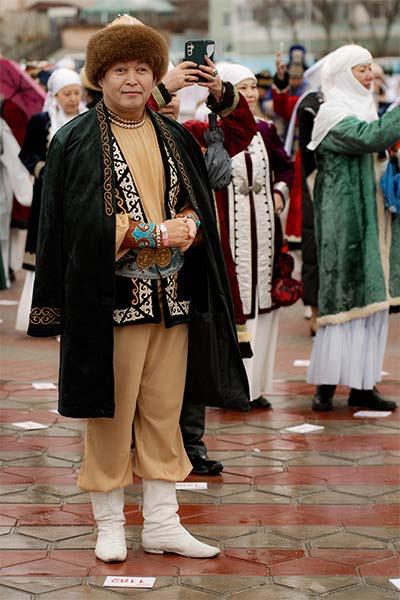
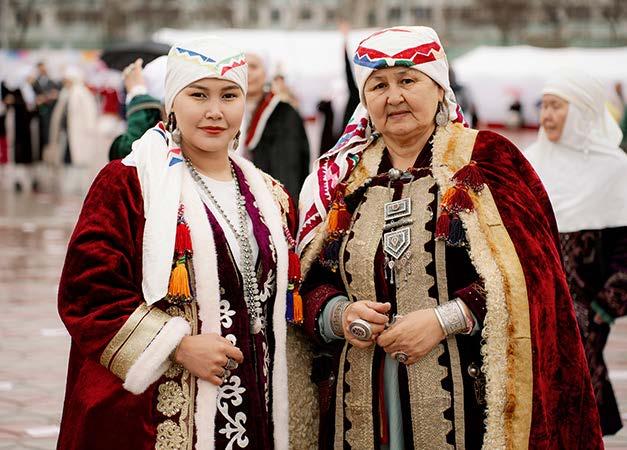
Kazakhs are a Turkic ethnic group native to Central Asia and Eastern Europe, and the event was held to celebrate Nauryz. Kazakh traditional dress plays a huge part in the nation’s history and identity. The organizers wanted to revive this and increase the popularity of the dress among the younger generation. The traditional dress varies: for women, it includes a koylek, kamzol and saukele, while men wear a chapan and headwear such as the tymaq – each covering their body from head to toe in wonderful patterns, fur and embroidery.
Before the event, members of the public pre-registered on the website, and volunteers called each one individually to confirm their attendance and request a photo of their outfit. Given its long history, a ‘modern’ version of Kazakh clothing now exists, and participants’ attire was also checked at the event to ensure it was traditional dress. Despite the rain and wind, participants met up at the Caspian Sea in the early morning. The participants were entertained by music and kept in high spirits. Each participant had a QR code on their bracelet and was scanned upon entry to count in participants. What the organizers didn’t expect was for the event to have an international flair!
Participants from all over the world came to the record attempt: Iran, China, Russia and Turkmenistan to name a few. For them, featuring traditional Kazakh clothing plays an important part in preserving the cultural heritage of the Kazakh people. The intricate designs and patterns reflect the history, lifestyle and artistry of the nomadic people. Kazakh clothing is held in high pride and important to preserve the cultural heritage and the unique identity of the Kazakh people. The Akimat administration hopes the record will encourage the public to foster national pride and help to educate others about Kazakhstan’s rich traditions. Once the numbers were confirmed, the Guinness World Records certificate was presented by Official Adjudicator Richard Stenning. The record attempt now brings their culture to the international stage, and the record holders want the public to know that traditional Kazakh clothing can be worn proudly daily. In the future, one of the organizers of the event, namely Assemgul Adambay, wants to host a record attempt on more Kazakh customs such as camel’s milk and traditional dance.
HOTELS, RESORTS & HOSPITALITY KAZAKHSTAN
RIXOS WATER WORLD AKTAU
KAZAKHSTAN’S FIVE-STAR COASTAL PARADISE OF LUXURY, LEISURE & FAMILY FUN
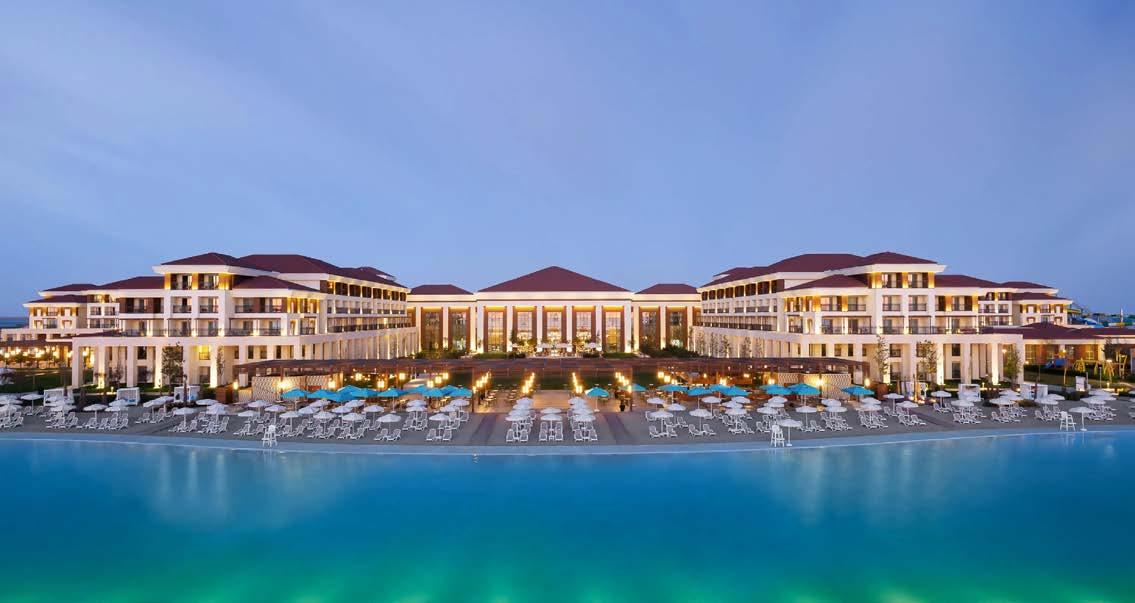
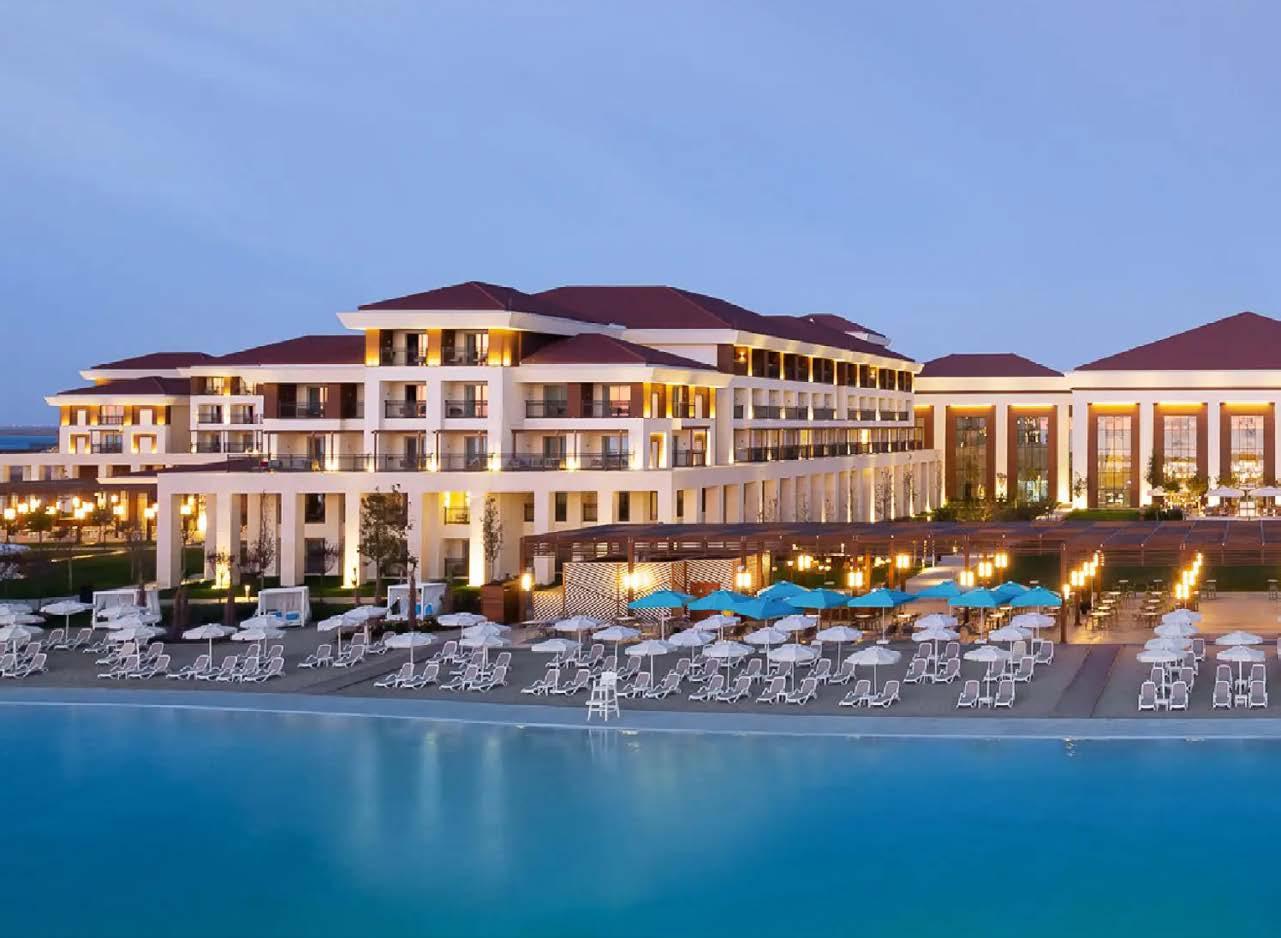
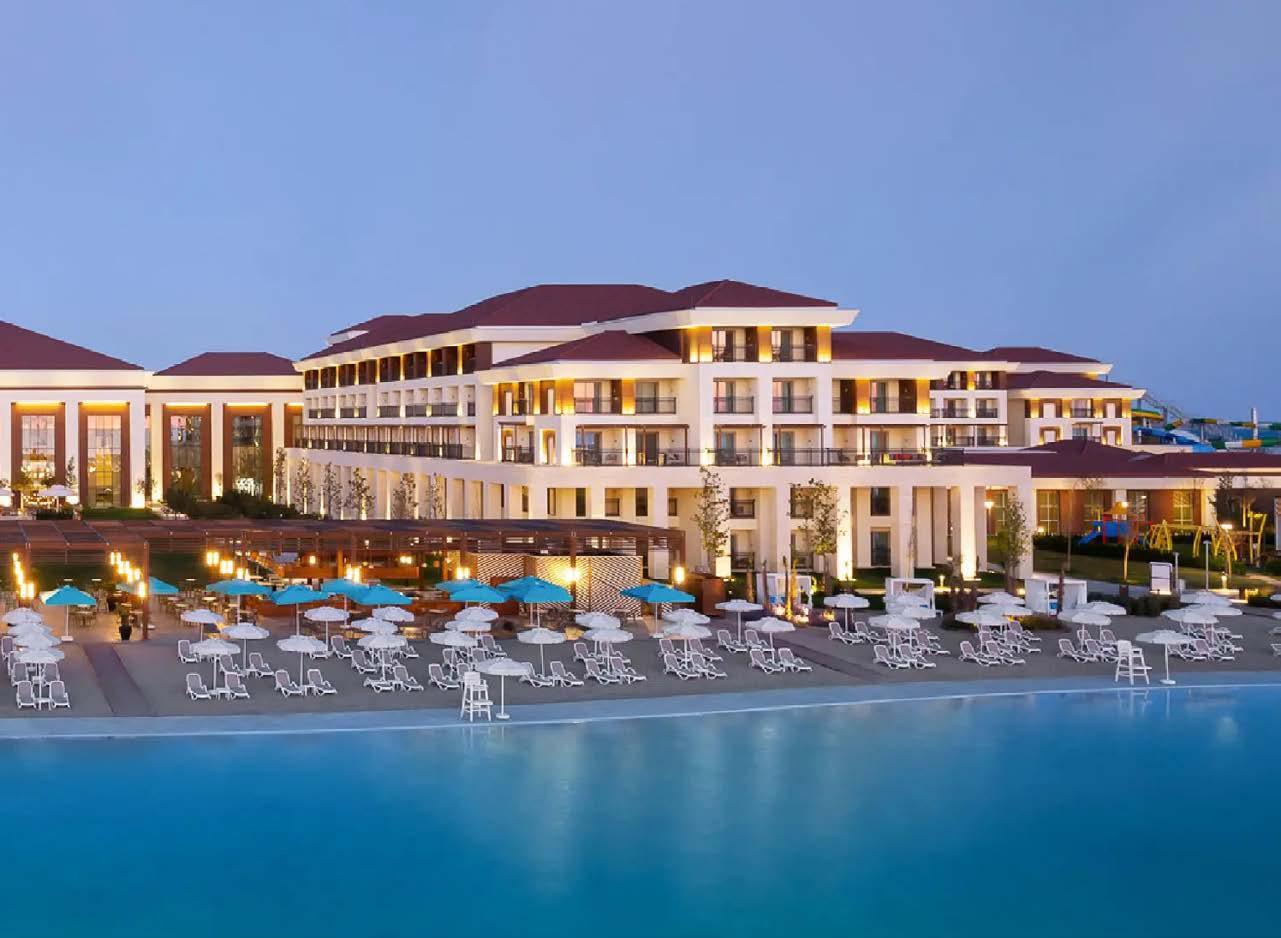
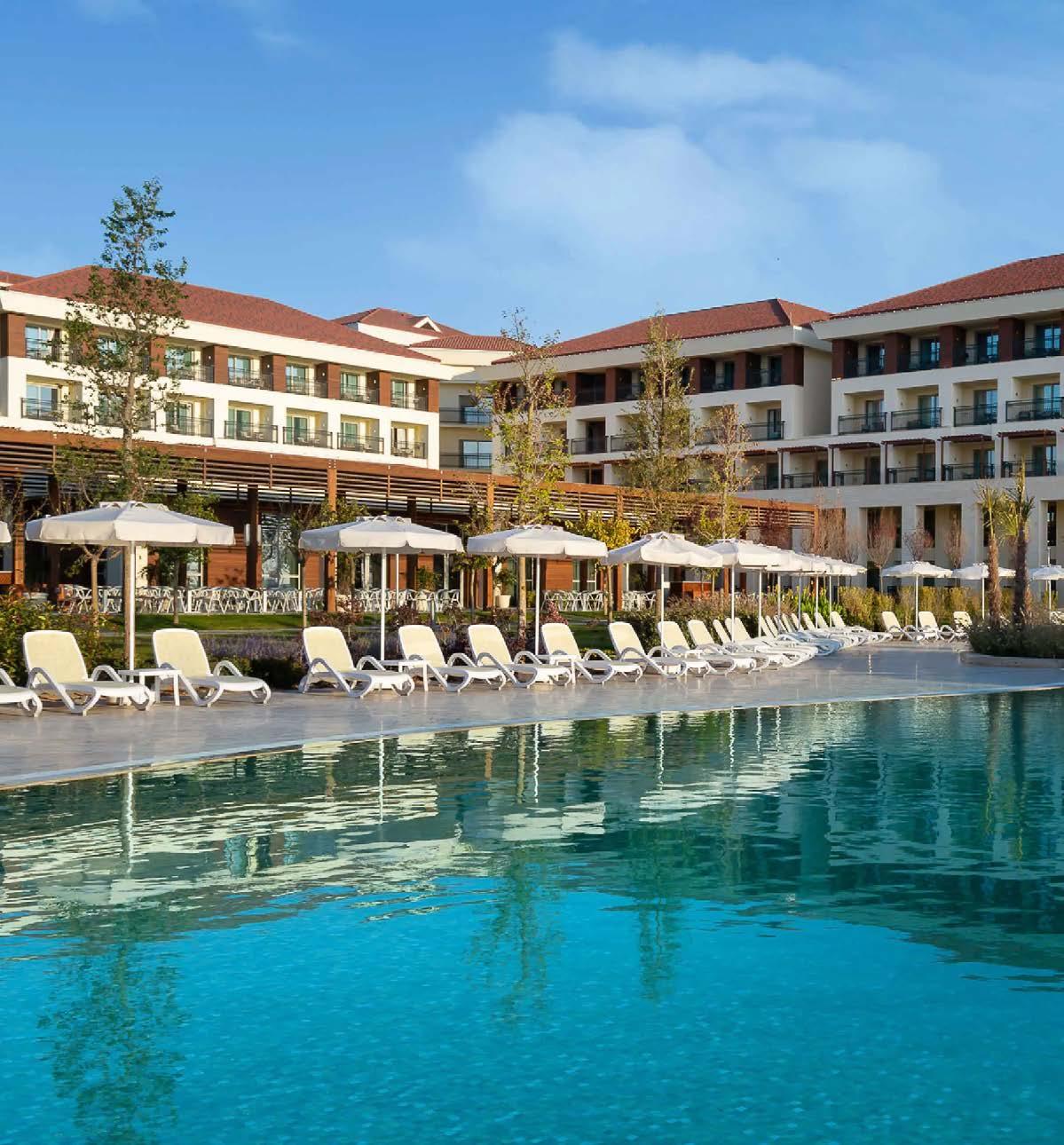
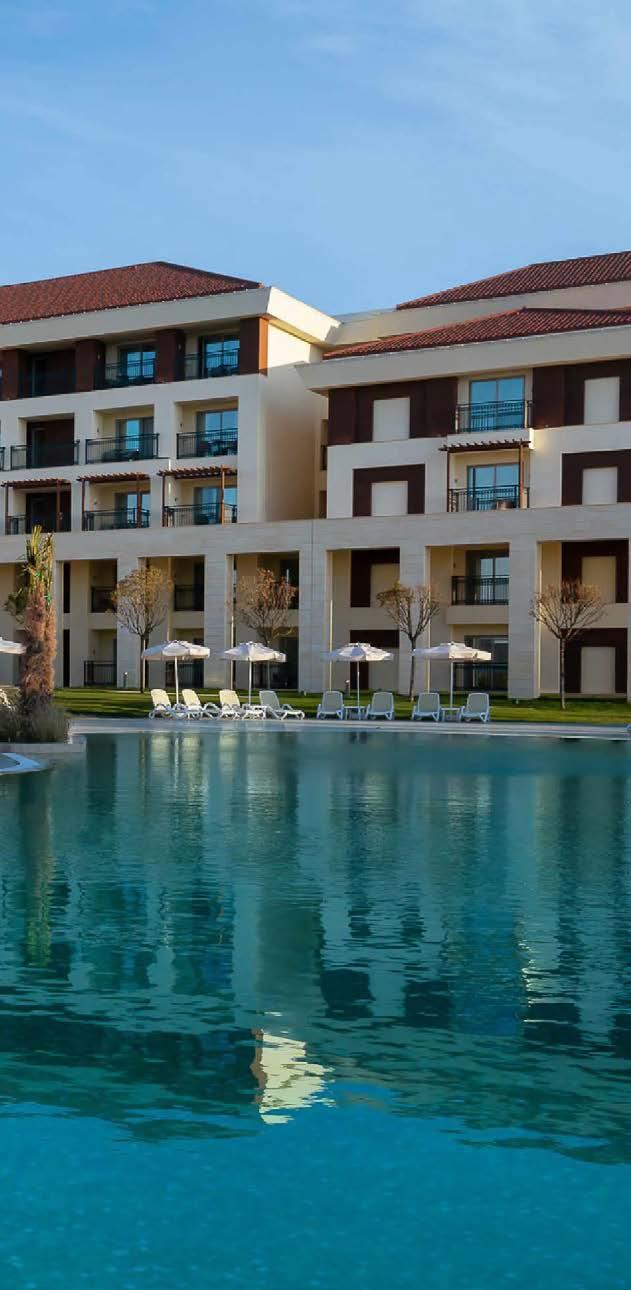
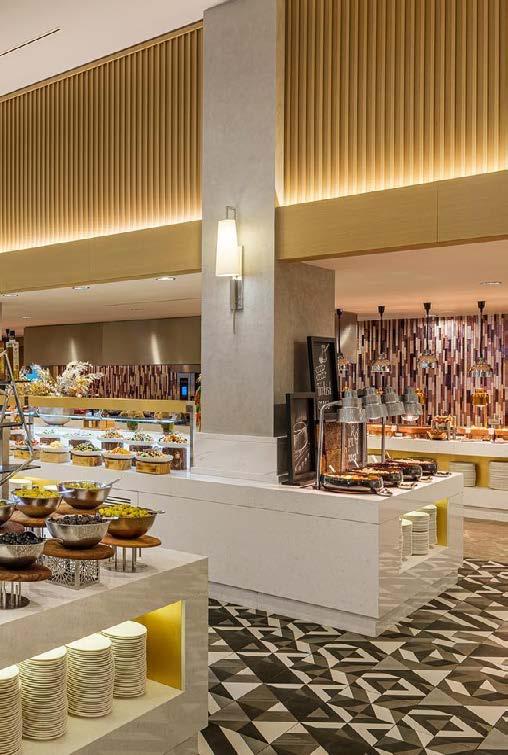
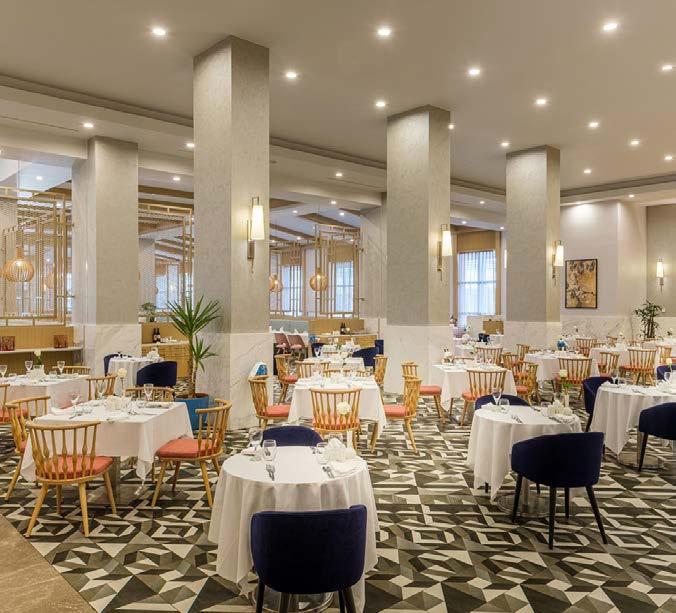
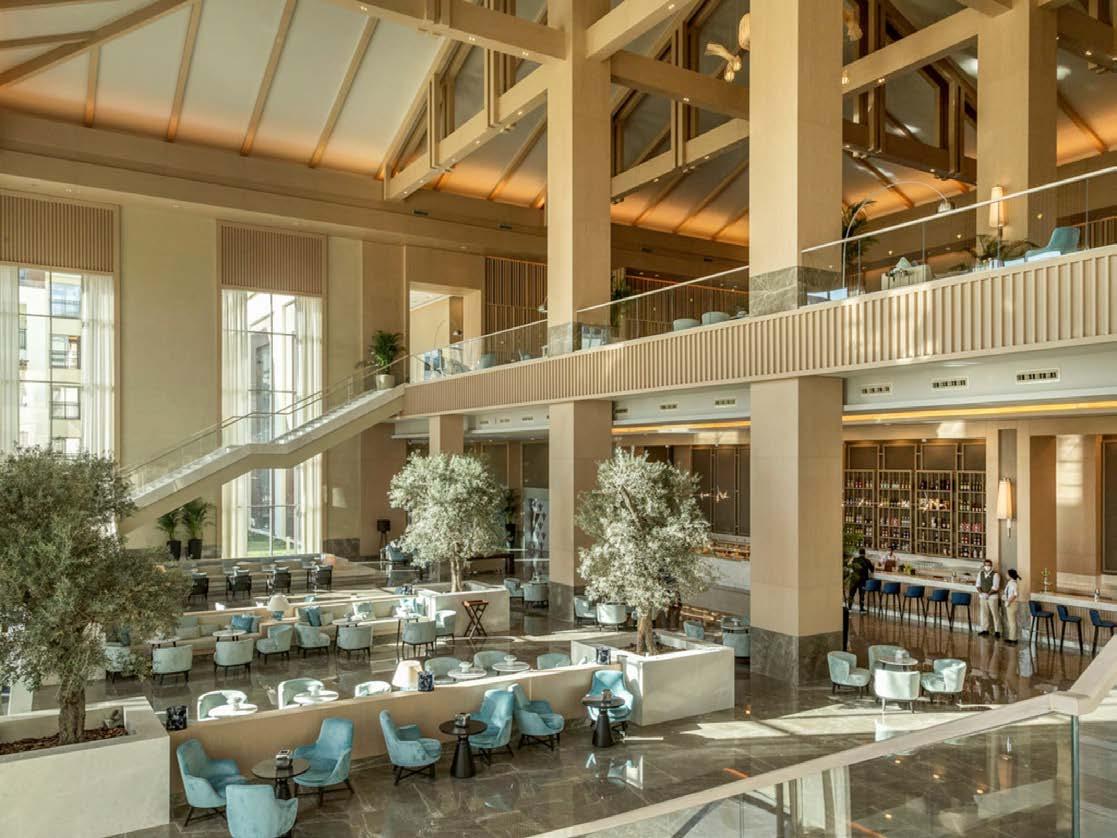
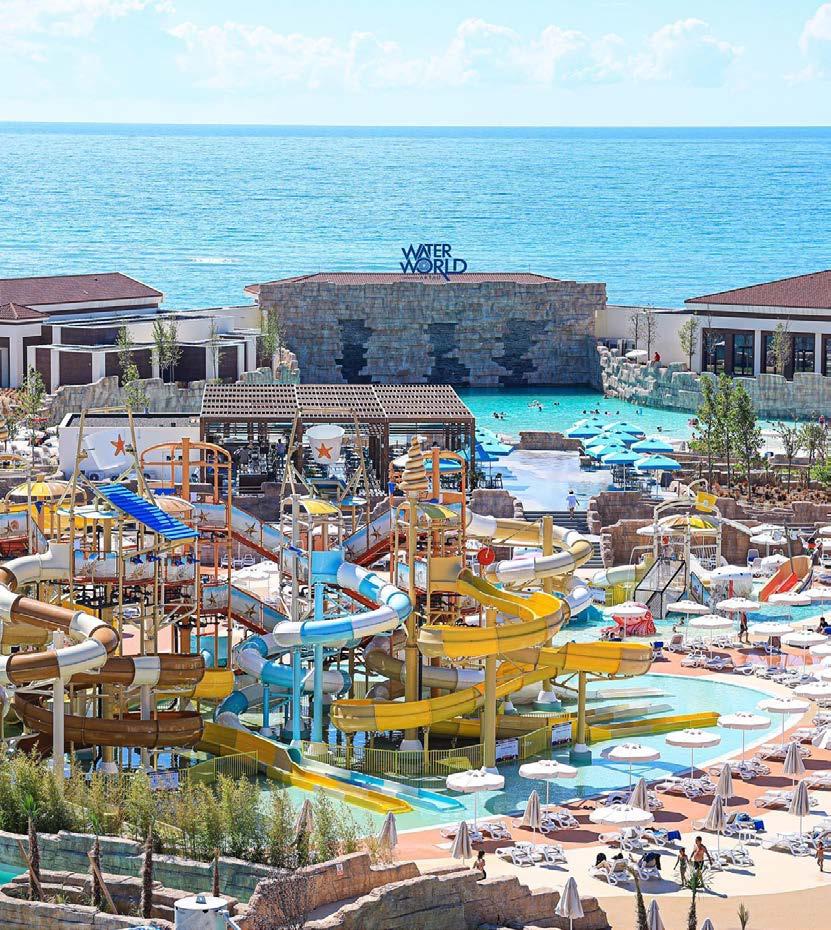
Rixos Water World Aktau is the first and only five-star luxury resort hotel with “All Inclusive All Exclusive” concept in Kazakhstan. The luxurious hotel is located on the picturesque coast of the Caspian Sea with the marvelous sandy beach and crystal clear azure water. Unique family resort is located 20 km km from Aktau City and immerses guests in an atmosphere of unforgettable beach holidays. A pure luxury haven with quintessentially essence of Turkish hospitality and Kazakh culture.
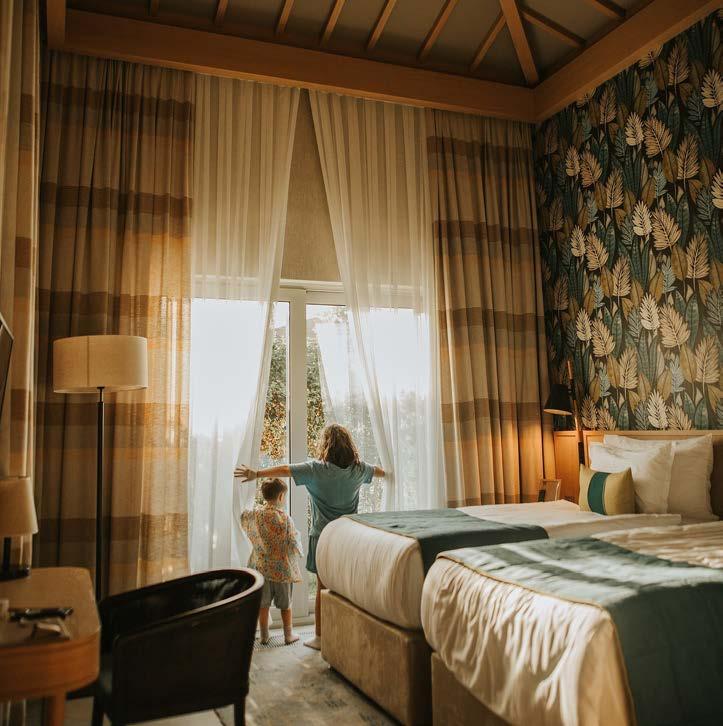
The ultra-modern Rixos Water World Aktau 500-key resort comprises of 462 perfectly designed Deluxe Rooms overlooking the Caspian Sea, 23 elite Suites and 15 luxury Villas. Hotel has a 420 m. long private beach and a walking pier with 500 sq.m. sunbathing and relaxing area. Three restaurants and seven bars, a heated “Infinity” sea water swimming pool, adults only “Relax” swimming pool, exciting Theme Park Water World with water entertainments, variety of slides and wave pool, famous Rixy Kids Club, SPA and fitness center on hotel territory. Ensuring that guests are taken on a culinary journey, Rixos Water World Aktau offer restaurants and bars delivering flavors from across the globe, all of which are included as part of holiday experience. The culinary offerings include authentic Turkish cuisine at Turquoise, the Hotel’s signature all-day dining restaurant, haute seafood cuisine at Mermaid and Steak House Lezz’Et for meat lovers. A series of beach bars, tea and shisha lounges, and sports bar, an exclusive restaurant reserved for villa guests. Rixos Water World Aktau is a great place to relax and enjoy with family and friends, where 365 days remarkable entertainment program especially created for the guests. Hotel sports area includes “Exclusive Sports Academy” with a professional football field and 7 tennis courts that meets an international standard. Fans of outdoor activities is going to be surprised with a wide range of open-air entertainment programs, live concerts of famous stars, dj performances, theme parties and events that turn every holiday moment memorable for guests.
ROOMS & SUITES
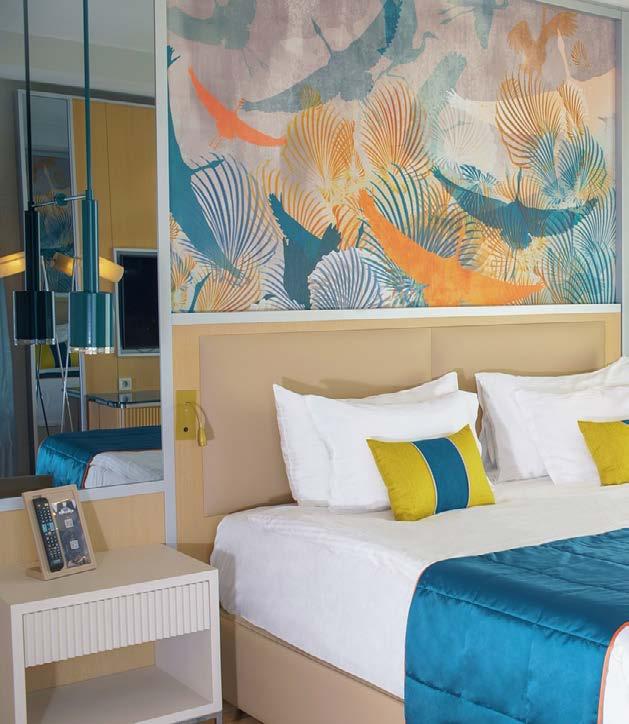
Deluxe Room Garden View Kingsize: King or twin beds, mini bar, IP LED TV, free WIFI, telephone, climate control system, wardrobe, electronic safe box, balcony, carpet and laminate, bathroom with shower and toilet, hairdryer, bathroom amenities, tea-coffee setup, set for kids.
Deluxe Room Garden View Twinbed: King or twin beds, mini bar, IP LED TV, free WIFI, telephone, climate control system, wardrobe, electronic safe box, balcony, carpet and laminate, bathroom with shower and toilet, hairdryer, bathroom amenities, tea-coffee setup, set for kids.
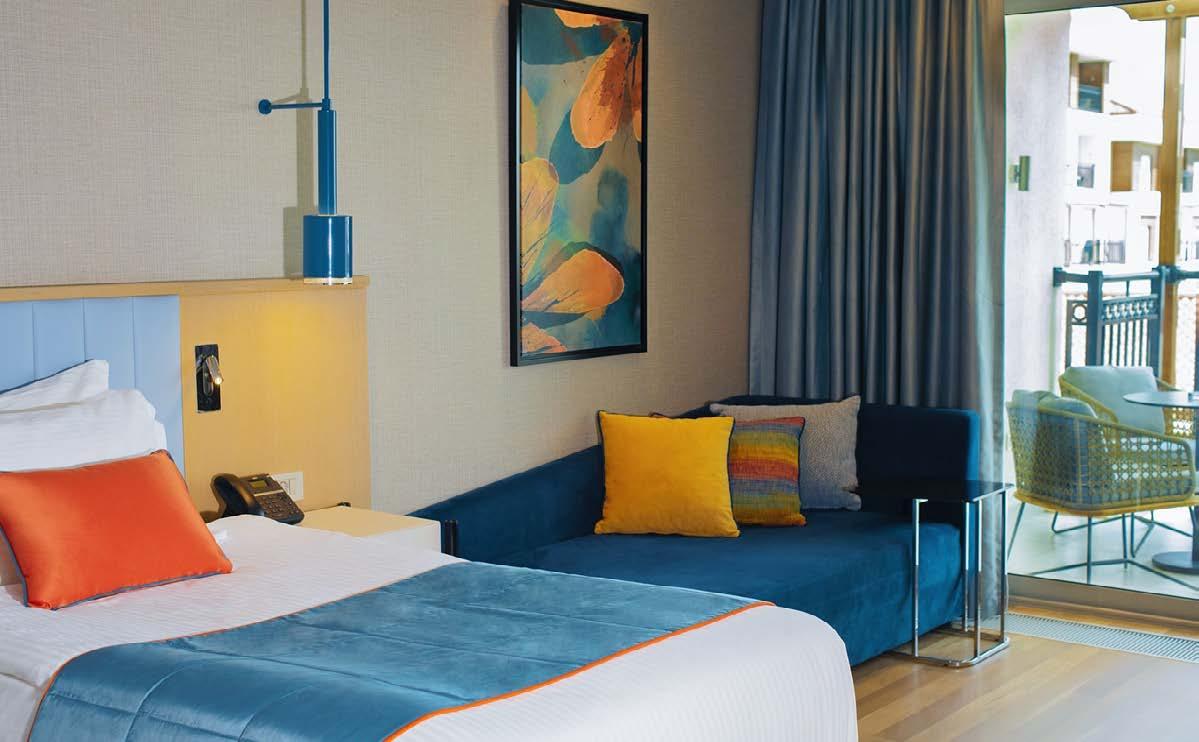
Deluxe Room King Sea View: The Deluxe Room overlooking the garden will ensure a comfortable stay and give an unforgettable experience. The 35 m2 rooms are modern in design with one king bed or two twin beds. Two sofas can be designed as a sleeping place for children.
Deluxe Room Twin Sea View: Each generously proportioned Sea View Room provides beautiful accommodation in Aktau with twin beds
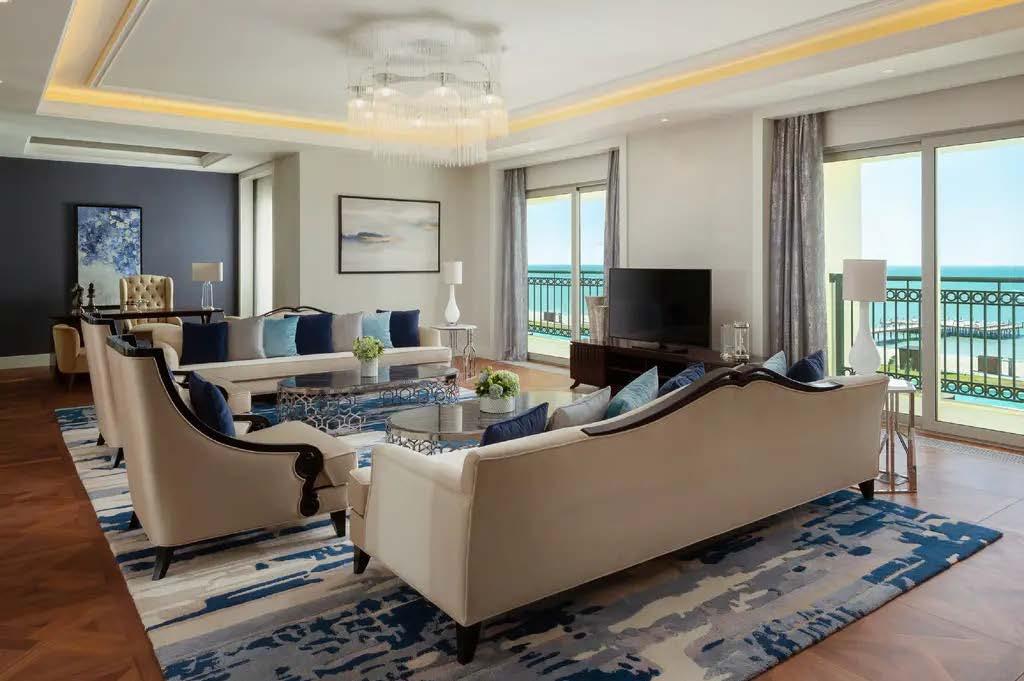
Presidential Suite: Includes 2 bedrooms (one king and two twin beds), living room with sitting area and dining table for 10 persons, full equipped kitchen, personal chef service, 4 balconies, tea-coffee setup, coffee machine, sauna, bath and shower, set for kids.
Deluxe Suite: Elite Deluxe Suite consists of one bedroom (King Size bed) and one living room, with a total area 75 m2. In addition, there are one bathroom, two balconies with sea views.
Executive Villa: Includes 2 bedrooms (one king and two twin beds), 1 living room, terrace with dining table, BBQ set, mini bar, 3 IPLED TVs, free WI-FI, climate control system, tea-coffee setup, coffee machine, 2 bathrooms with shower and toilet, set for kids.
Grand Executive Villa: Includes 2 bedrooms (one king and two twin beds), 1 living room, terrace with dining table, BBQ set, mini bar, 3 IPLED TVs, free WI-FI, climate control system, tea-coffee setup, coffee machine, 2 bathrooms with shower and toilet, sauna, set for kids.
Superior Villa with two bedroom: Includes 2 bedrooms (one king and two twin beds), 1 living room, terrace with dining table, BBQ set, swimming pool mini bar, 3 IPLED TVs, free WI-FI, tea-coffee setup, coffee machine, 2 bathrooms with shower and toilet, set for kids.
ABUNDANT
FLAVOURS
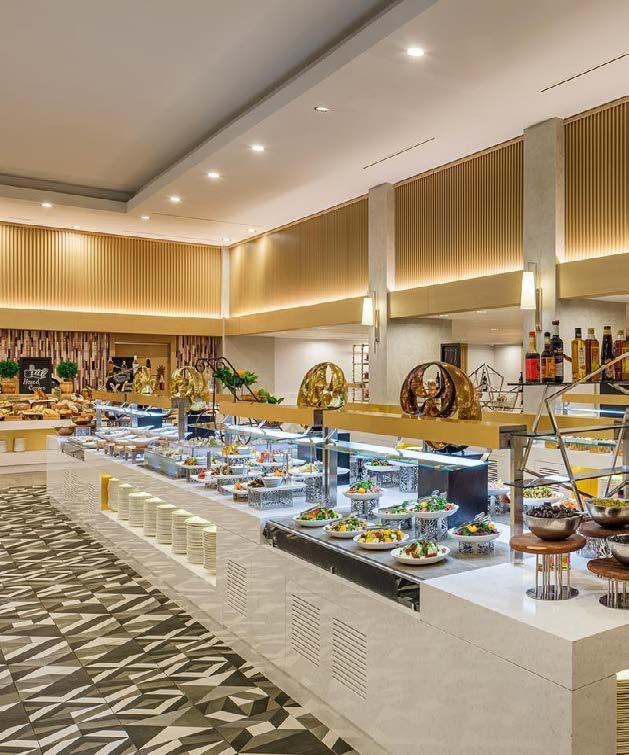
Rixos Water World Aktau boasts three restaurants and seven bars, taking you on a global, gourmet adventure. From authentic Turkish cuisine to international favourites, you can indulge in exceptional quality food and drink.
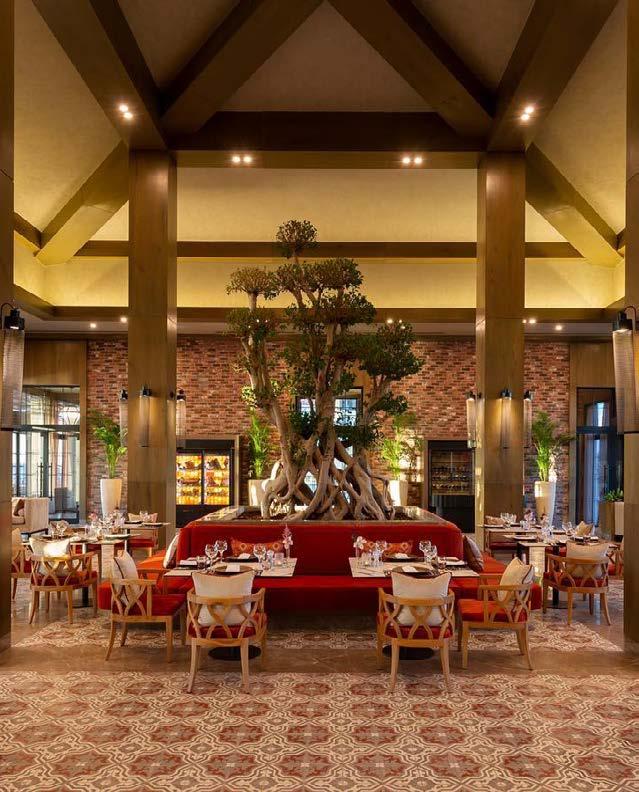
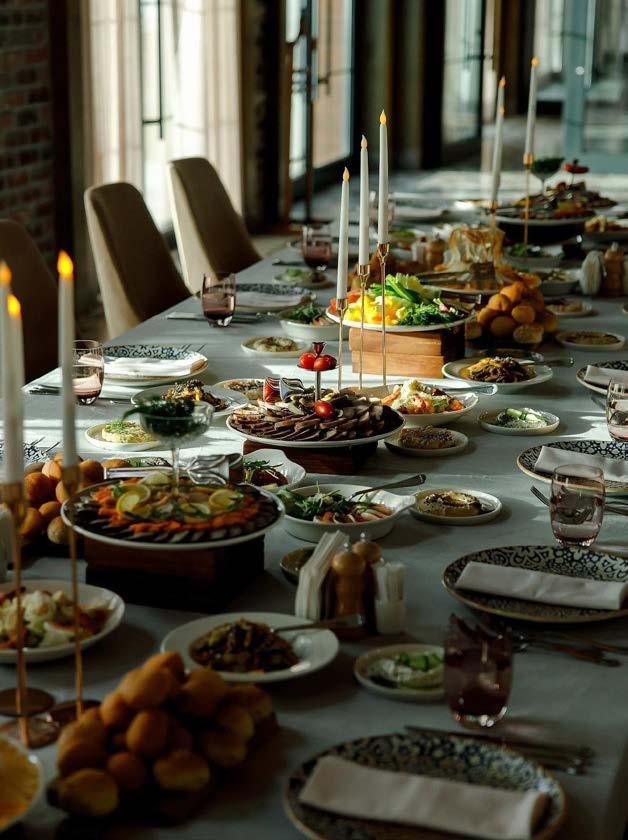
At the heart of the hotel’s dining experience is TURQUOISE, the signature all-day dining restaurant that celebrates an exquisite blend of culinary traditions. Guests can embark on a gastronomic journey that fuses the flavors of Kazakhstan, international classics, and the rich heritage of authentic Turkish cuisine. With a diverse menu that caters to both global and local palates, Turquoise offers a warm and elegant atmosphere suitable for all-day dining, from breakfast to dinner.
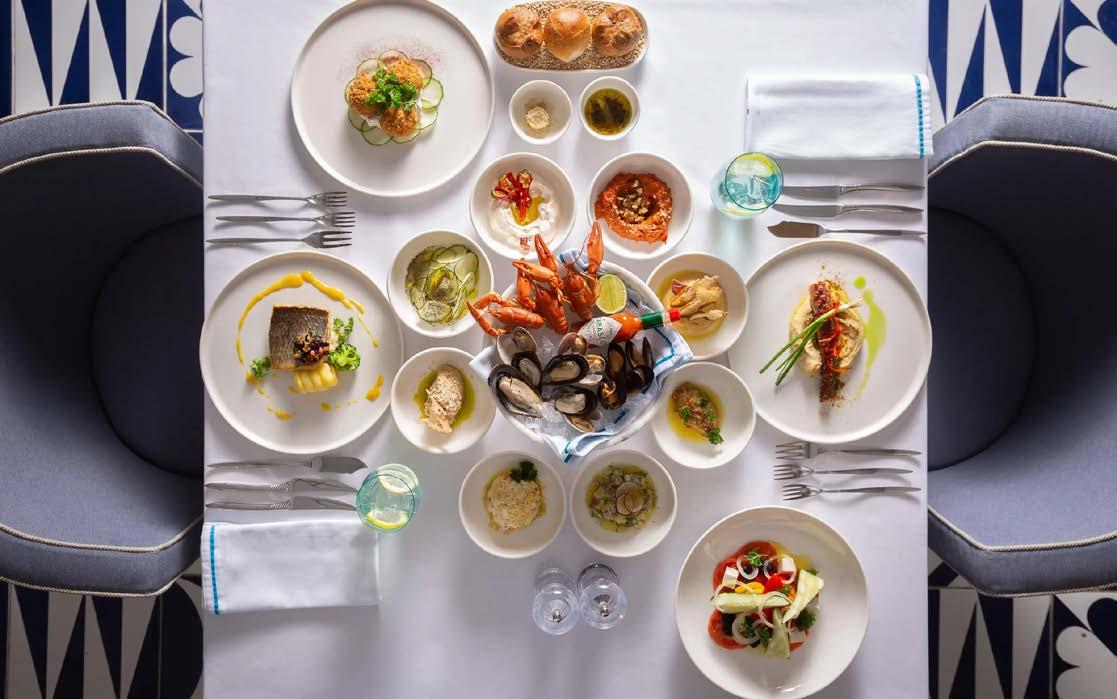
The MERMAID restaurant, inspired by the bounty of the Caspian Sea, brings a unique regional flair to the hotel’s culinary landscape. Rooted in the use of Caspian regional ingredients, the Mermaid integrates local Central Asian flavors with Mediterranean culinary techniques. With a focus on seafood, the restaurant stands out for its refined use of traditional and contemporary cooking methods, offering guests a memorable dining experience grounded in regional authenticity and coastal inspiration.
For meat enthusiasts, LEZZ’ET Steakhouse delivers a truly unforgettable meal. With a modern interpretation of the traditional “Asado” method of cooking meat, Lezz’et offers a sophisticated and bold approach to steakhouse dining. Guests can expect high-quality cuts, expert grilling techniques, and a rich atmosphere that celebrates the culture of communal, flame-cooked meals. INFINITY SNACK caters to those seeking light bites and casual fare during the day. Available from 12:00 to 16:00, the restaurant offers a delicious variety of snacks and appetizers, making it the perfect spot for a midday break. Whether you’re lounging by the pool or simply taking a pause from the day’s activities, Infinity Snack provides tasty, satisfying options.
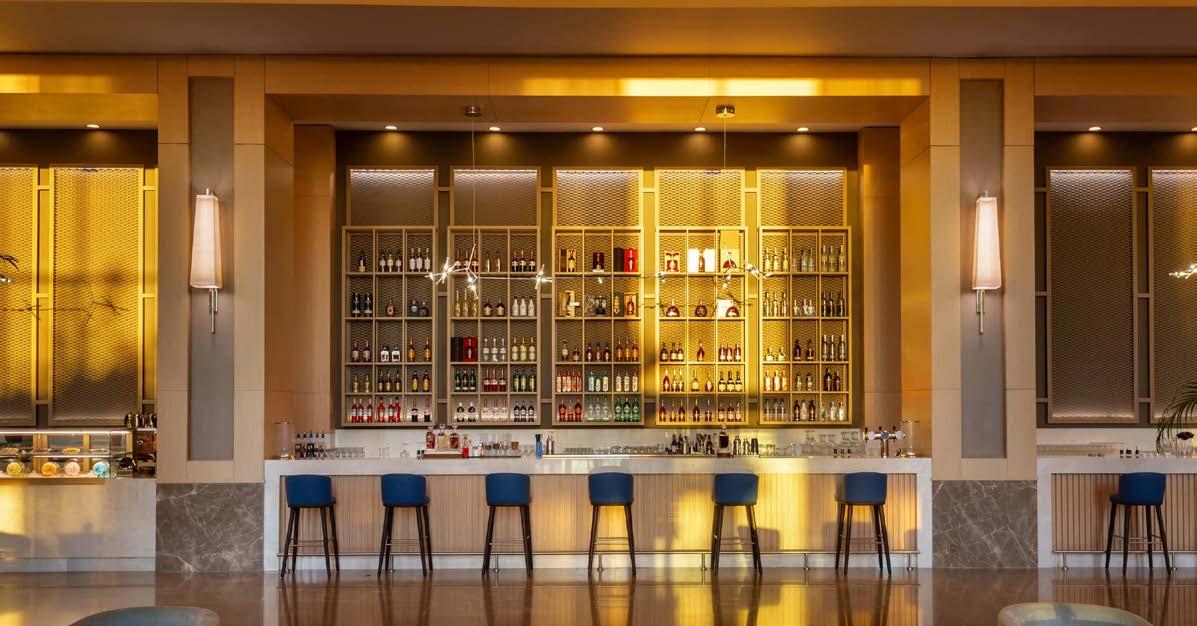
Guests are also invited to unwind in one of the many themed bars across the property. The TORYSH LOBBY BAR specializes in signature cocktails and mocktails, creatively crafted using local ingredients. This stylish space offers a welcoming ambiance for both local and international guests seeking refreshing and innovative beverages. In contrast, the TETHYS LOBBY BAR provides a more classic experience. With an inviting and respectable atmosphere, Tethys offers a broad selection of drinks, from fresh-brewed coffee to artisanal cocktails. Guests can also indulge in a fine array of teas and pastries throughout
the day, making it an ideal location for relaxed meetings or leisurely afternoon breaks.
The INFINITY BAR stands out with its breathtaking views of the Caspian Sea. Located by the Infinity Pool, this bar serves as a scenic retreat where guests can enjoy creatively mixed beverages while soaking in the tranquil surroundings. Likewise, the AZURE BAR offers a shaded escape from the sun, serving cool and refreshing drinks in a peaceful setting. The VITAMIN BAR promotes health and wellness with its selection of fresh juices, diverse teas, and expertly brewed coffee. Ideal for a rejuvenating moment during a busy day, it’s a refreshing stop for those who prioritize balance and flavor. The SPORTS BAR is perfect for guests looking to relax and socialize after physical activity. Whether it’s tennis, football, or any other sport, the bar offers a lively space to cool down with friends and family.
For those spending time at the water park, AQUA BAR is the ultimate family-friendly dining spot. Located conveniently within Water World, it offers hearty meals and refreshing drinks to satisfy every age group after a fun-filled day on the slides. Lastly, the RELAX BAR, situated poolside, provides a tranquil space for enjoying beverages while lounging and soaking up the atmosphere.
TETYSBLU
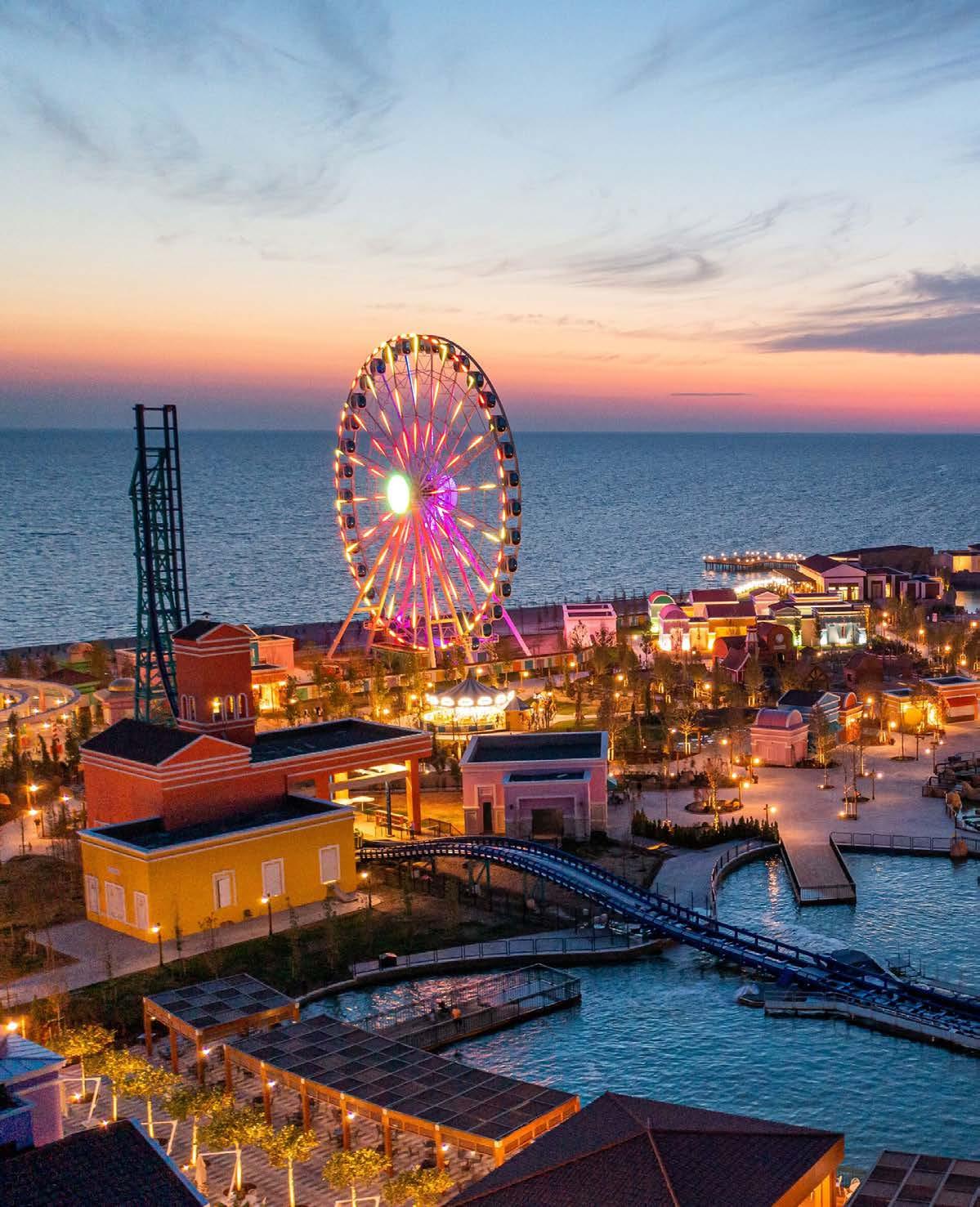
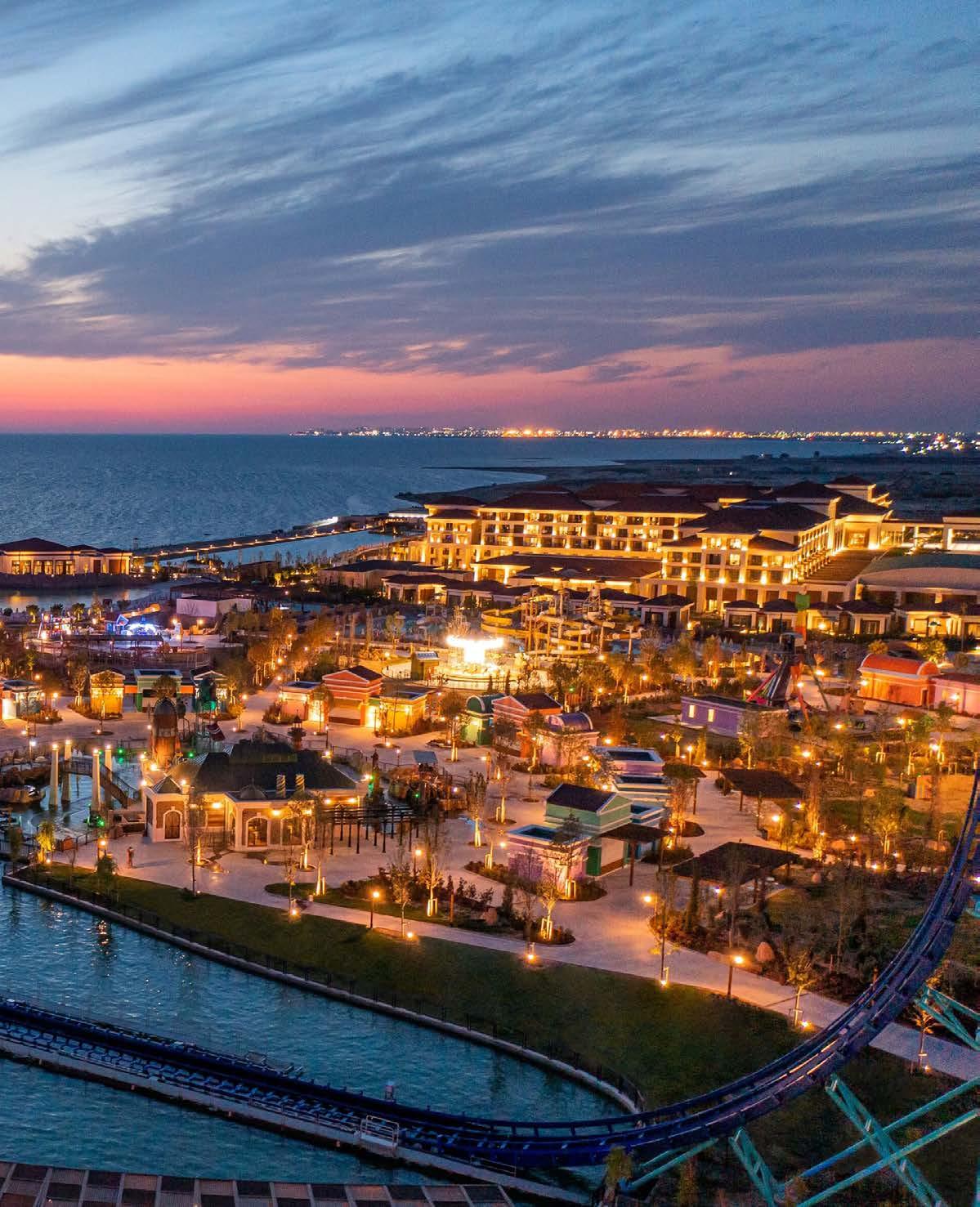
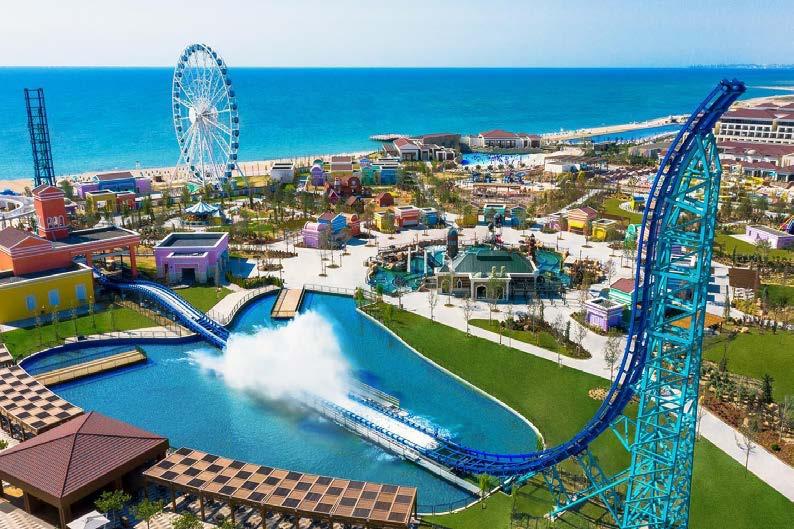
TETYSBLU is Kazakhstan’s first and only integrated theme park and aqua park, offering an unmatched entertainment experience on the picturesque shores of the Caspian Sea. With more than 30 unique attractions and thrilling rides, TETYSBLU has quickly become a premier destination for fun, adventure, and family bonding. Many of its attractions, including the exhilarating BluPower, high-energy Watermania, and the whimsical Snorri, are the first of their kind in Central Asia, delivering world-class amusement in the heart of Aktau.One of the park’s highlights is AktauBLU, which boasts breathtaking views of the Caspian Sea and features the thrilling Rockin’Blu roller coaster. Guests can also dive into the aquatic side of the park at Water World, which includes a lazy river, wave pool, and a collection of exciting slides designed for guests of all ages. Whether you’re seeking adrenaline-pumping action or a relaxing day in the water, TETYSBLU offers an unforgettable experience filled with excitement, joy, and adventure.
Guests of Rixos Water World Aktau enjoy a special privilege—unlimited complimentary access to TETYSBLU throughout their stay. While the resort operates under the unique “All Inclusive – All Exclusive” concept, this does not extend into the theme park. Certain services, as well as food and beverages within TETYSBLU, may require an additional fee. Furthermore, opening and closing dates of the park, as well as its operational days, are managed by TETYSBLU and are subject to change based on seasonal and weather conditions. This exceptional benefit allows guests to seamlessly transition from luxurious beachfront relaxation to the high-energy world of rides and attractions. Whether visiting as a couple, with friends, or as a family, TETYSBLU offers an extraordinary blend of adventure and leisure for everyone.
ACTIVITIES AND ENTERTAINMENT
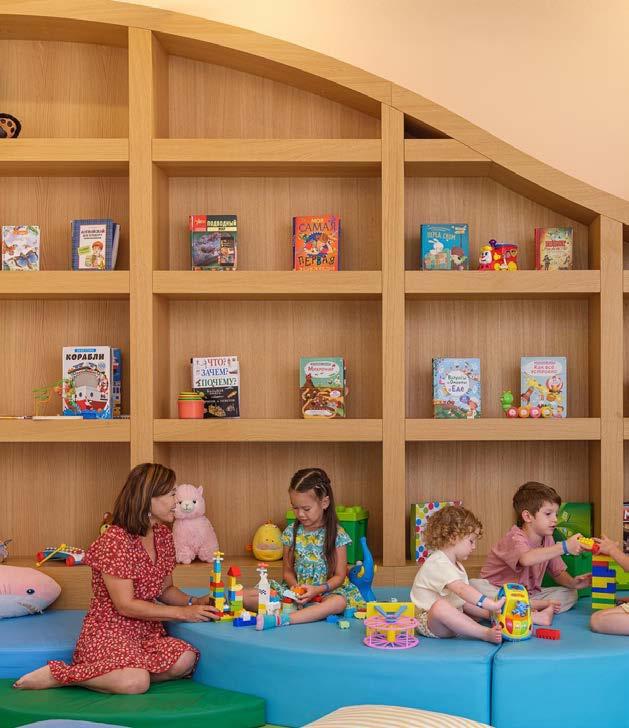
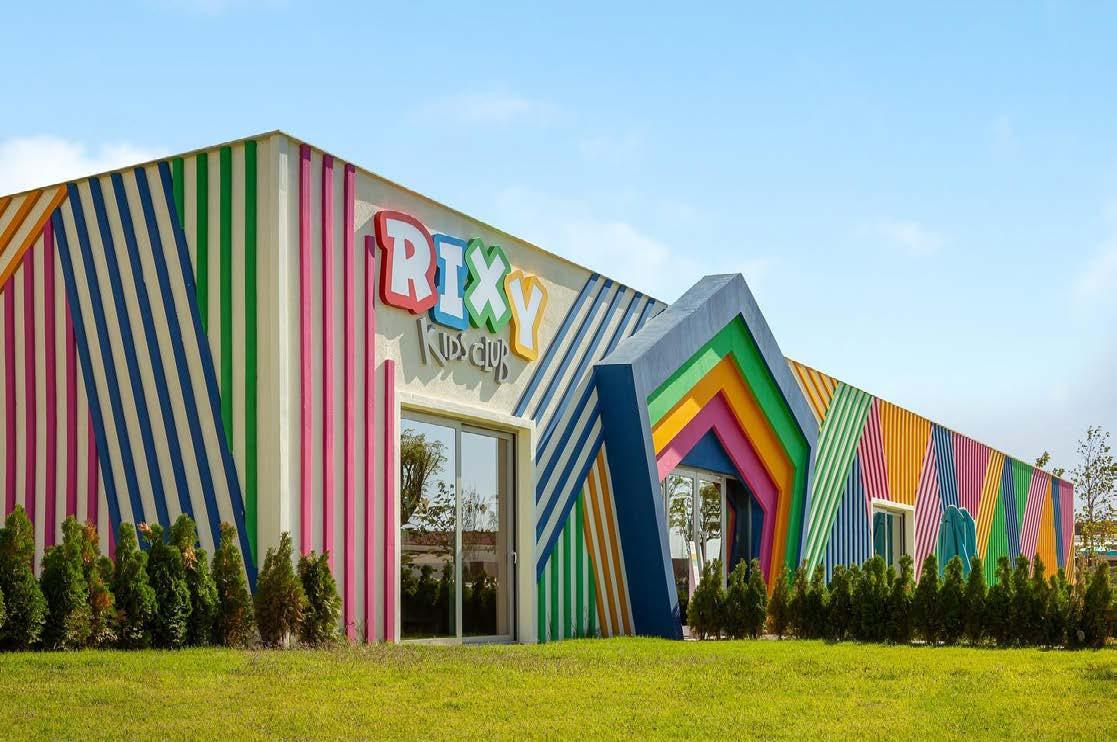
Rixy Kids Club: Holidays are for living the dream and making memories, and that is certainly true for our youngest guests. Rixy Kids Club is a children’s wonderland, providing them with days filled with activities and magical evenings.
Active Outdoors: “Rixos Water World Aktau is a great place to relax with friends and family. Taking full advantage of our incredible surroundings, activities for everyone are available on land and sea. For those seeking professional coaching, the Exclusive Sports academy offers tuition in a variety of sports including football and tennis on the seven international standard tennis courts. Fitness fanatics can continue their daily workouts with a wide range of cardio and fitness classes. For those who prefer mindful activities, pilates, Tai-Chi, and yoga are popular classes. Anyone looking to enjoy activities purely for fun can enjoy beach volleyball, trampolining, cycling and nordic walking to name but a few. There are four swimming pools with a huge infinity pool overlooking the sea. For a thrilling family adventure, the water park is waiting for you! Here there is a wave pool and slides galore for all ages with an aqua park, especially for children.”
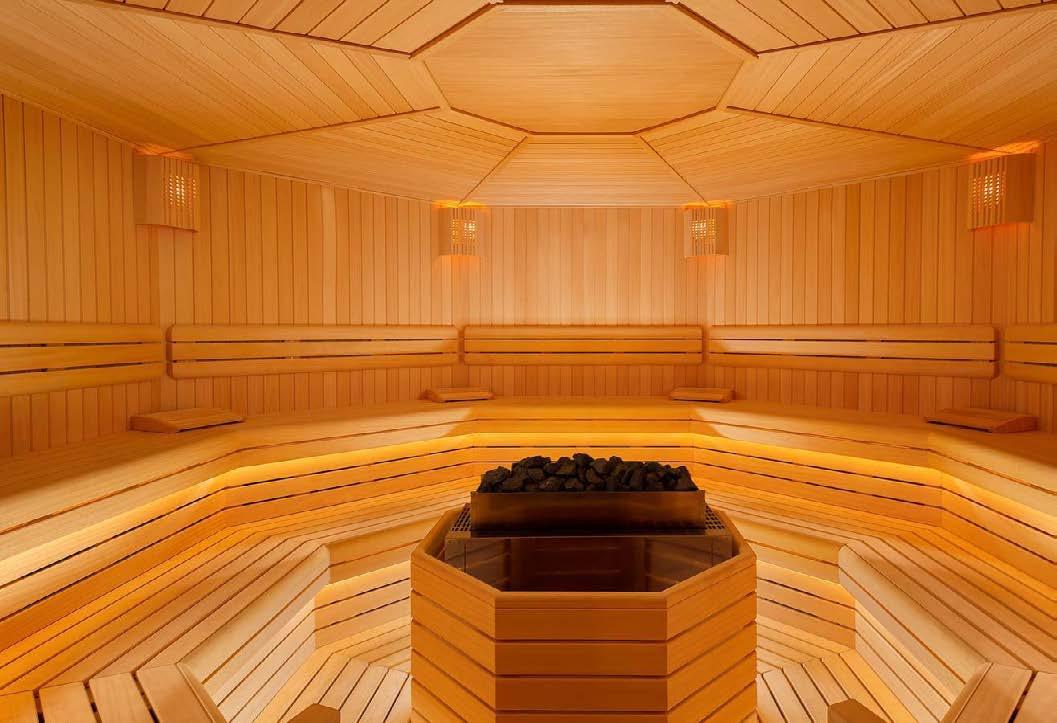
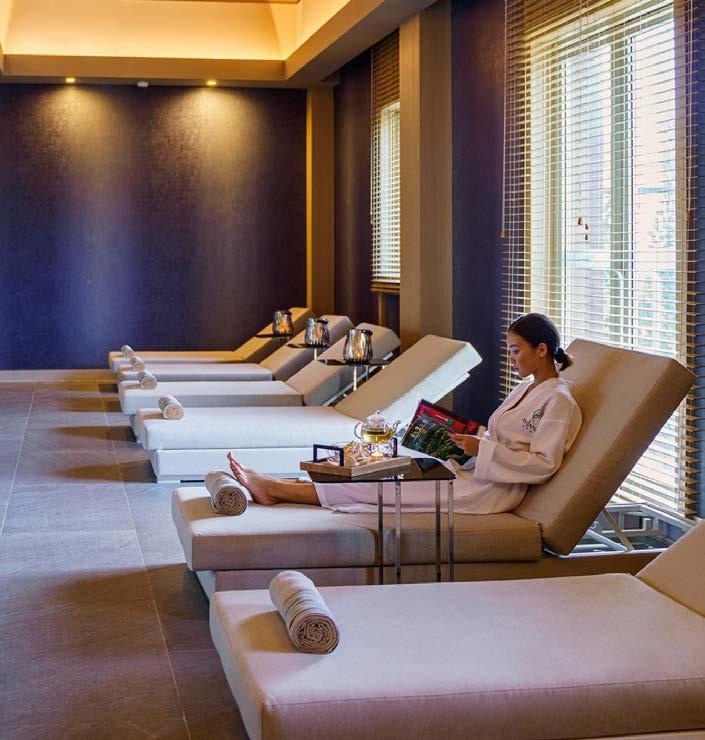
Wellness & Spa: “The indulgent Anjana Spa at Rixos Water World Aktau offers relaxation and rejuvenation through traditional Turkish, Eastern and Western treatments and rituals. At the heart of the spa is the hammam. Throughout history, the hammam was a haven for the sultans. A mystical place for wellbeing, the Rixos hammam opens this treasure for all guests to enjoy its therapeutic benefits. The spa also offers a wide selection of sublime treatments and therapies, including skincare and massages. The spa has a beautiful indoor pool, a snow room, a fitness centre, a steam room and a sauna. A relaxation area and Vitamin Bar welcomes guests pre and post their visit to the spa.”
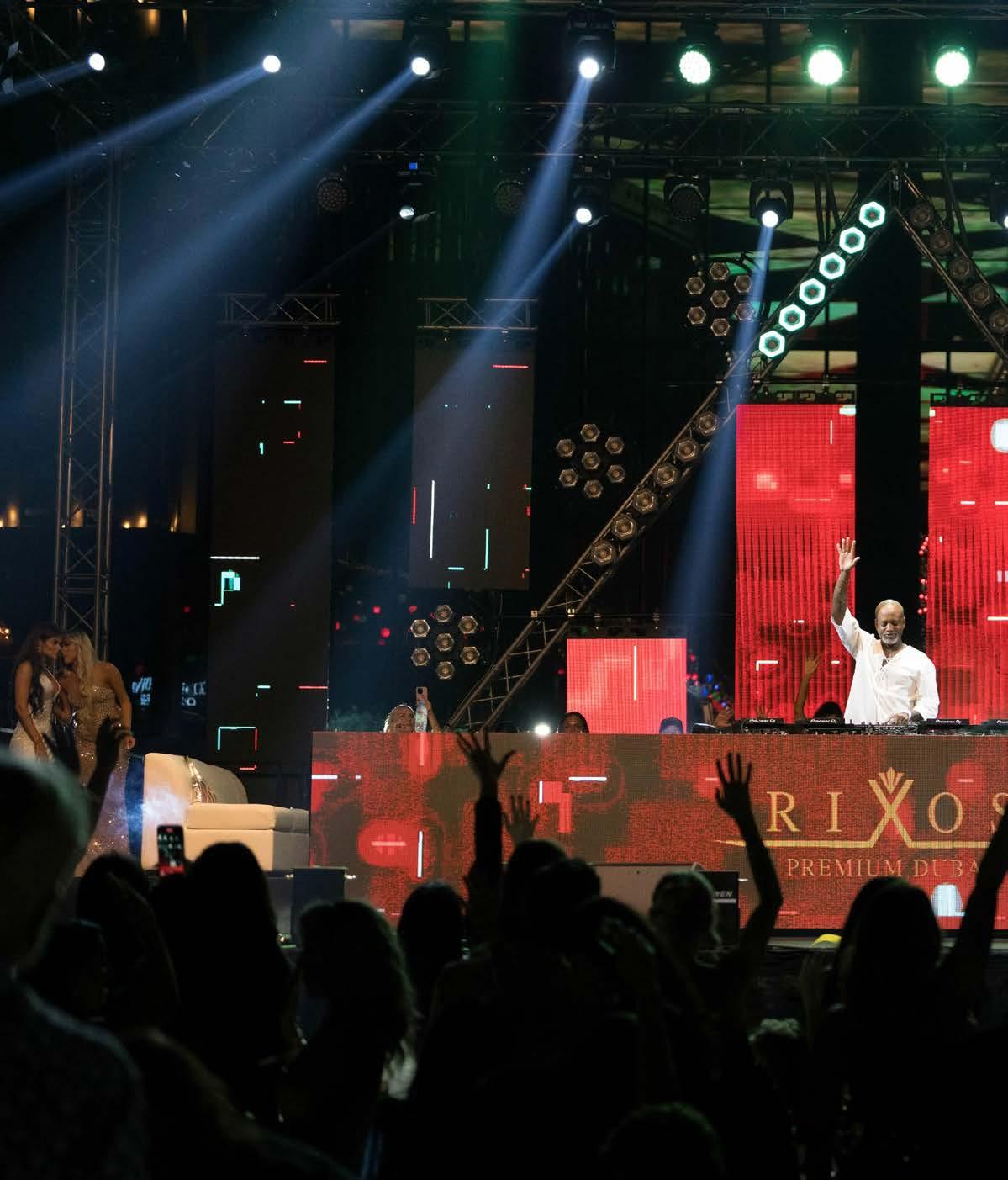
Live(ly) Entertainment: Rixos Water World Aktau is the perfect place to relax with friends and family. The nightly entertainment is a dazzling array of shows. Dynamic, pulsating beats from DJ’s and bands are on offer each night, 365 days a year along with theme parties and festivals celebrating the very best music. Our world-class entertainment programmes are the hallmark of a Rixos resort.
Exceptional Events: Rixos Water World Aktau is the ultimate destination for luxurious, all-inclusive corporate meetings, events, incentives, and conventions. From exclusive board meetings, product launches and corporate celebrations to company retreats, team building days and award ceremonies, our exceptional facilities and unparalleled service ensure Rixos Water World Aktau is one of the most prestigious event venues on the Caspian Sea. Our four conference rooms and grand ballroom provide state-of-the-art audio-visual equipment and high-speed internet access. Our expert team of event organisers are on hand to support all meetings and events, while our culinary team provide everything from morning coffee to a sumptuous banquet. Weddings of Wonder: Celebrate the most memorable day of your life at Rixos Water World Aktau. Enjoy a fairy tale wedding from barefoot ceremonies on our pristine beach to the exclusive opulence of the resort’s ballroom, tailored uniquely for you. The combination of unmatched service standards, exquisite event menus and attention to detail from our banquet specialists will make your wedding day the happiest day of your life.
Rixos Water World Aktau stands as an extraordinary symbol of luxury, comfort, and boundless entertainment on the serene shores of the Caspian Sea. As Kazakhstan’s first and only five-star resort operating under the exclusive “All Inclusive – All Exclusive” concept, it redefines the very essence of hospitality, blending rich Turkish traditions with the warmth of Kazakh culture. With its exquisite accommodations, world-class dining options, thrilling waterpark experiences, and holistic wellness services, Rixos Water World Aktau caters to every guest—whether seeking relaxation, adventure, or celebration.
From families enjoying the vibrant Rixy Kids Club and TETYSBLU Theme Park, to couples indulging in spa rituals and romantic seaside dinners, and corporate groups hosting seamless events, the resort offers a holistic destination where memories are made, and every detail is crafted with care. With unmatched service, year-round entertainment, and breathtaking views, Rixos Water World Aktau invites guests to discover a luxurious sanctuary where every moment becomes a celebration. Whether for leisure, business, or life’s most precious occasions, this iconic resort promises an unforgettable escape by the Caspian Sea.
NAVAT
Experience the unique Journey of tasting the Amazing flavors, & Impeccable Hospitality
THE TEAHOUSE HISTORY
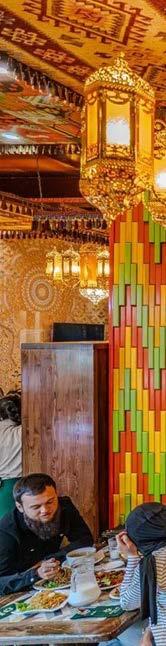
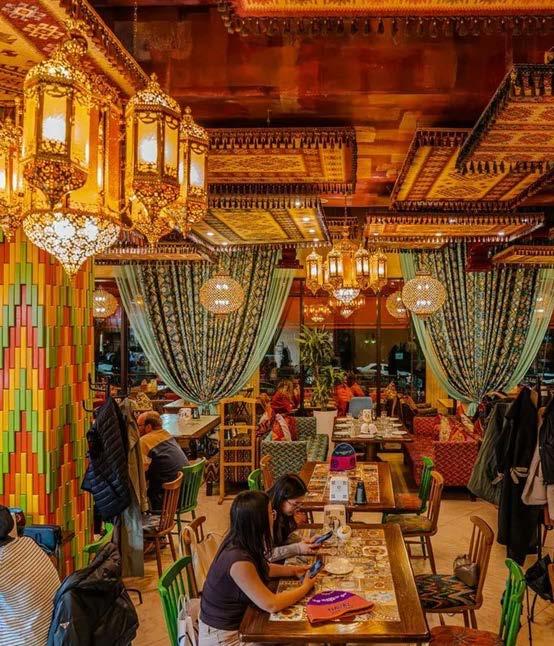
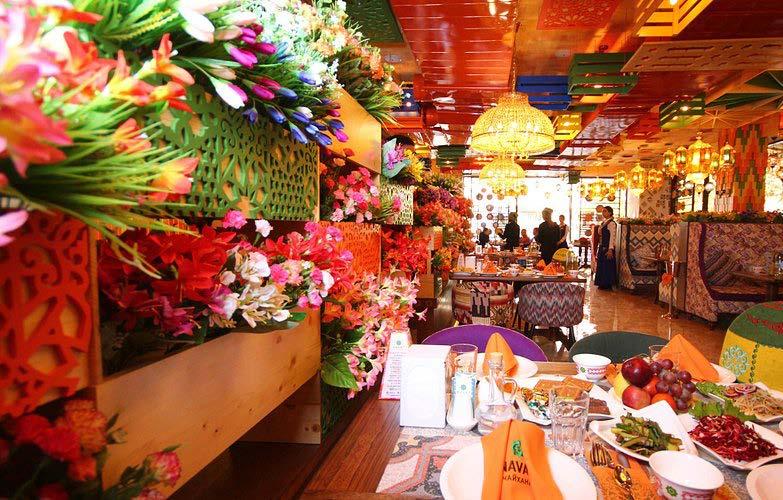
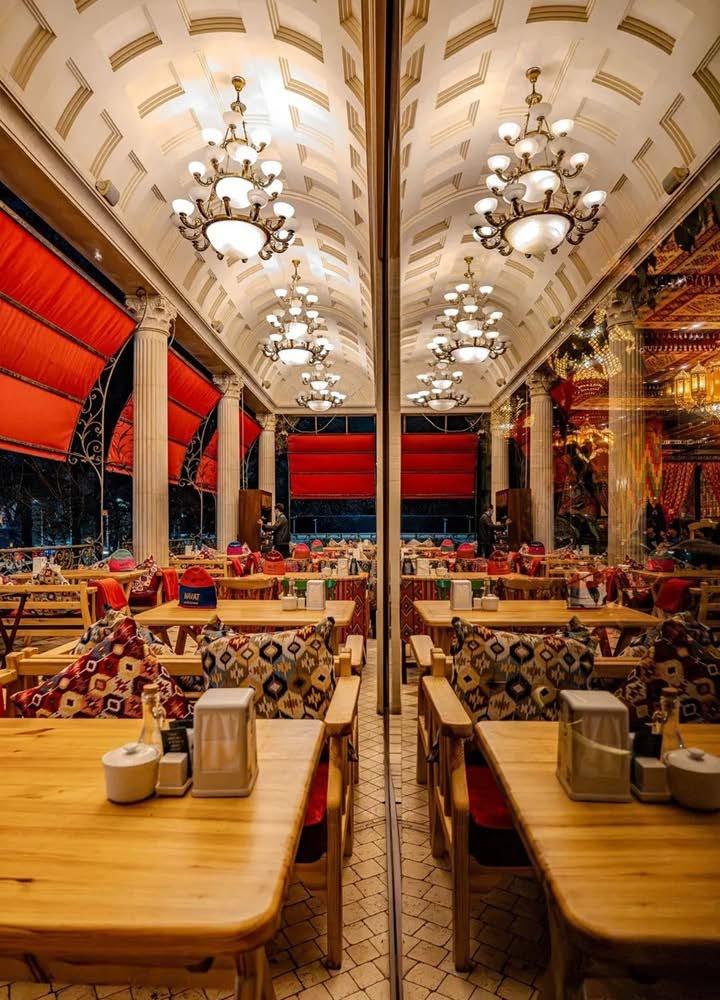
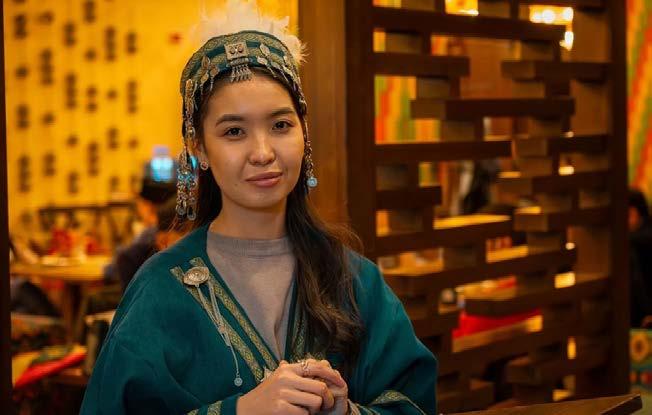
NAVAT Chaikhana is the oasis of Eastern culture where its guests experience the unique journey of tasting the amazing flavors, authentic aesthetics and impeccable hospitality.
The trending history of our ancestors, brought to life in every dish to provide an unforgettable timeless experience.
Chaikhana NAVAT is the result of fusion of reverence for oriental culture and modern traditions.The story of its creation began when the founders realized the lack of authentic oriental restaurants where you could fully immerse yourself in the ethno vibe and enjoy the special flavors of the oriental food.
This is what became their passion and dream - to create a restaurant that would convey the heritage of oriental food and the fabulous atmosphere of the Orient. It took years of learning recipes, improving skills and recruiting staff who would share a passion for excellence. Today NAVAT Chaikhana has become the oasis for connoisseurs of the canons of oriental culture, offering the unique flavors and first-class experiences.
Its interior transports the guests to the world of ethno-eastern eclecticism and gastrotourism, creating a perfect combination of hedonism and ethnic traditions within the digital age.
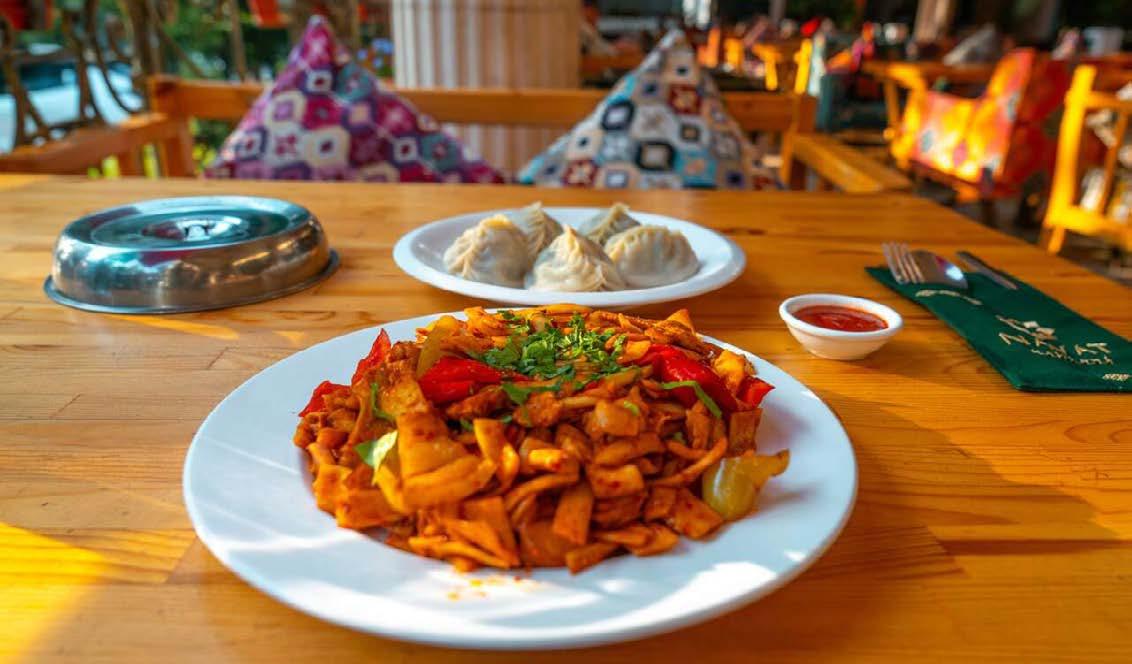
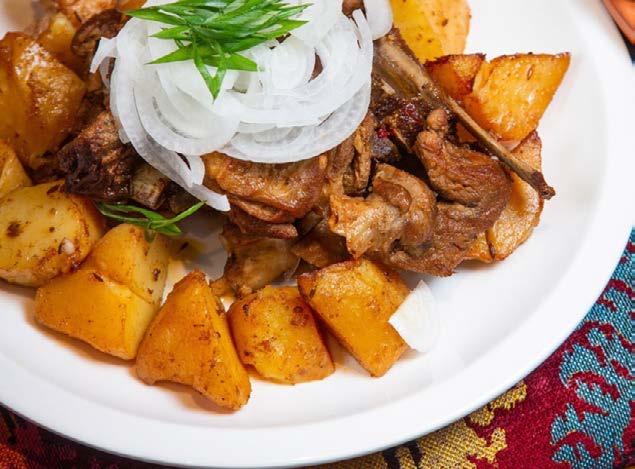
The menu offers a wide range of dishes prepared using only the freshest and ingredients of the highest quality. Here each guest becomes a part of the sacred history of the East, experiencing the distinctive journey by trying the tastes, aromas and hospitality of the national community of NAVAT Chaikhana
The restaurant is extremely well decorated with Central Asian style decors and furniture and they serve a wide range of Central Asian cuisine as well as other fusion food you can try. When I was there, they had not yet provided menus in English; however, they did have pictures on their menus, making it pretty straightforward to choose what to eat.
OUR BENEFITS:
Tasty food
Our menu features the best dishes of oriental and European cuisine, prepared with love and adding a pinch of soul for you and your guests.Company mealsOur banquet dishes per company with interesting showy presentation are worthy of special attention.
Oriental Hospitality
We are famous for our true oriental hospitality and high level of service.
VIP-booths are free of charge
The capacity of the booths is from 12 to 30 persons. If your guests are a little bit more, please let us know and we will find a solution.
Company meals
Our banquet dishes per company with interesting showy presentation are worthy of special attention.
SPECIAL INITATIVES KAZAKHSTAN
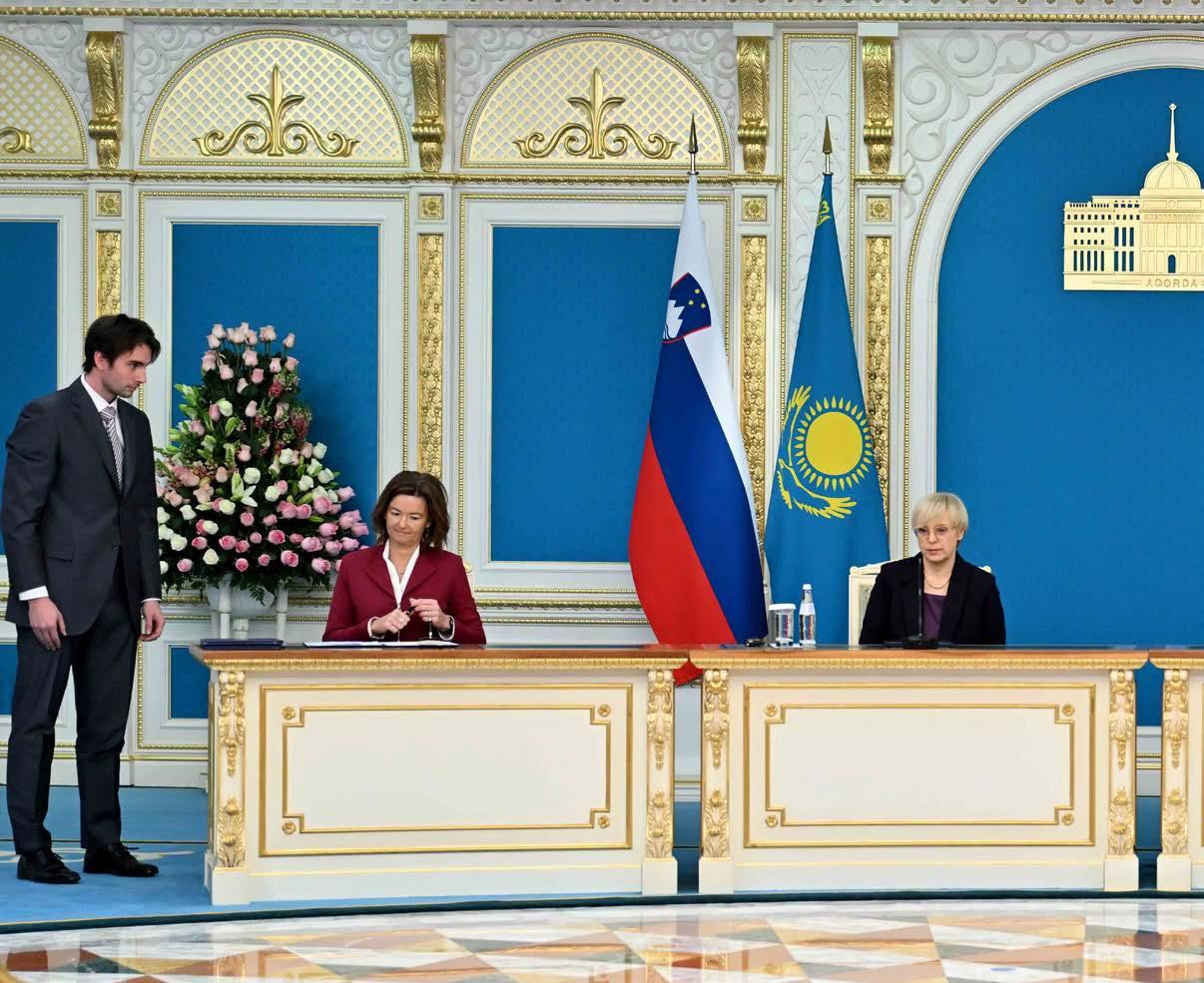
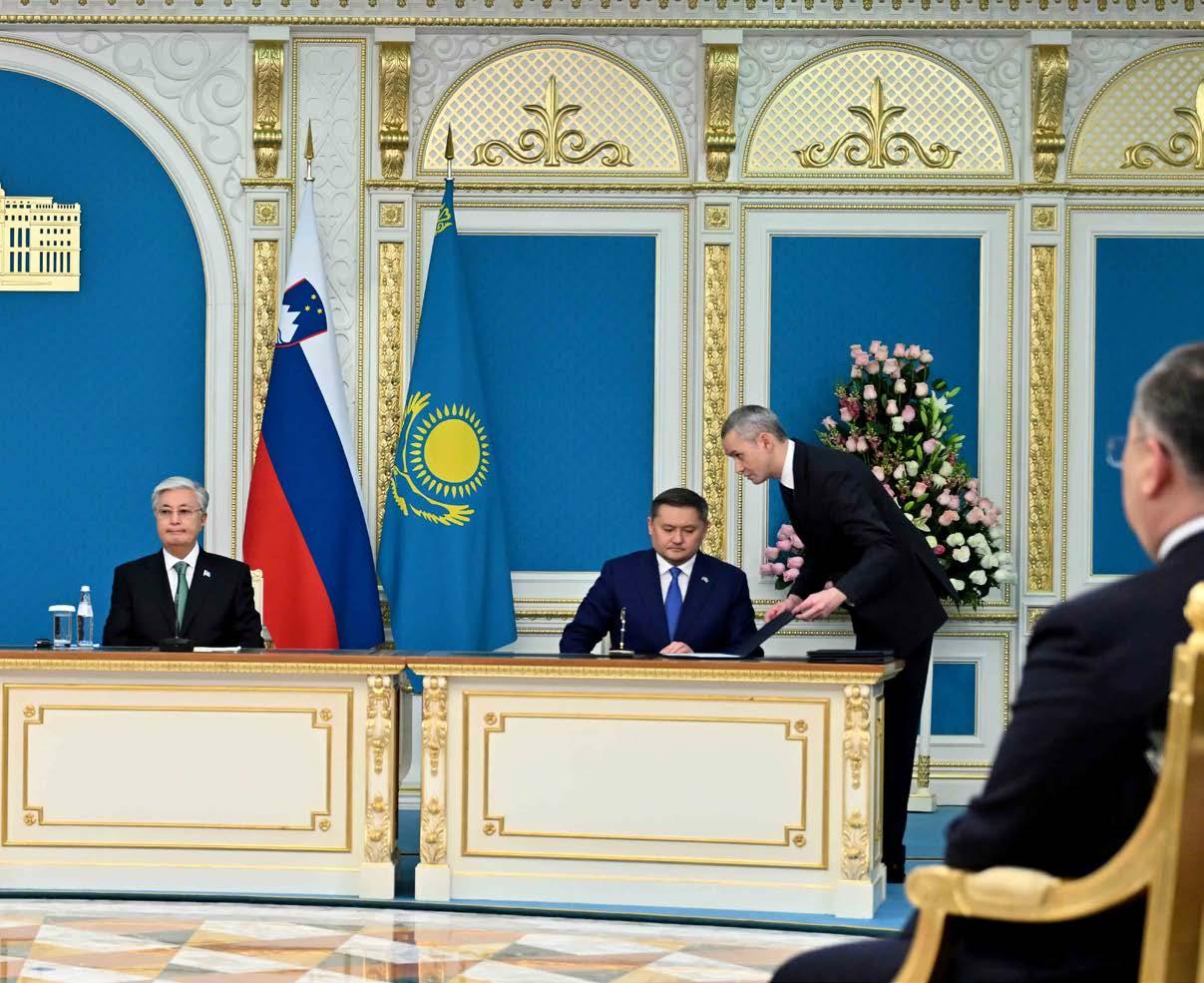
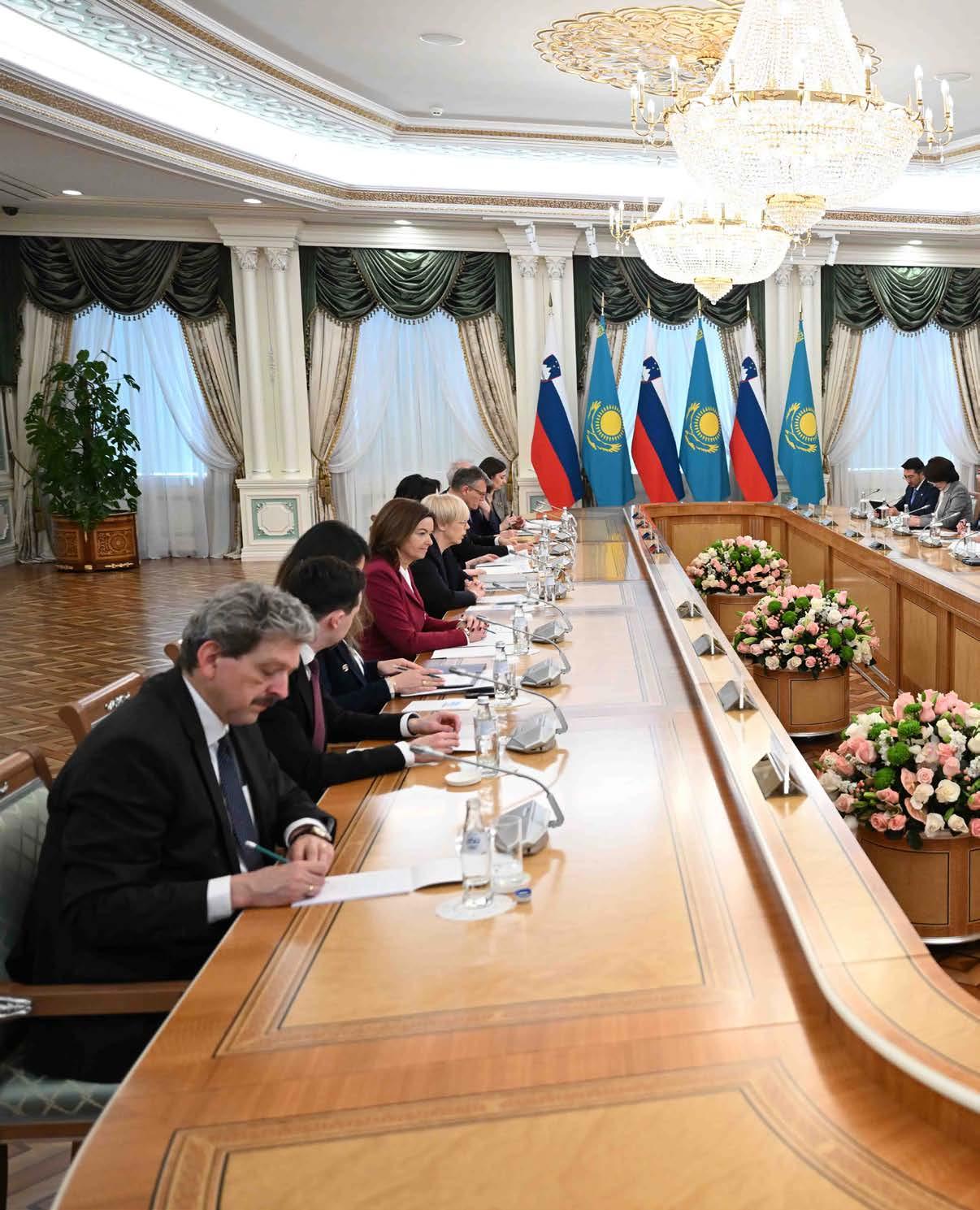
THE PRESIDENTS OF KAZAKHSTAN & SLOVENIA HELD TALKS IN AN EXPANDED FORMAT
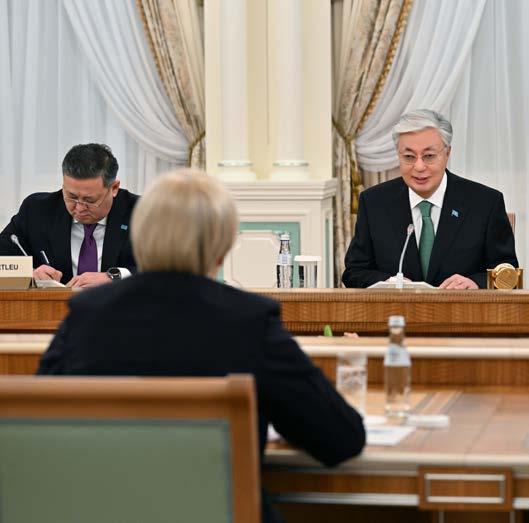
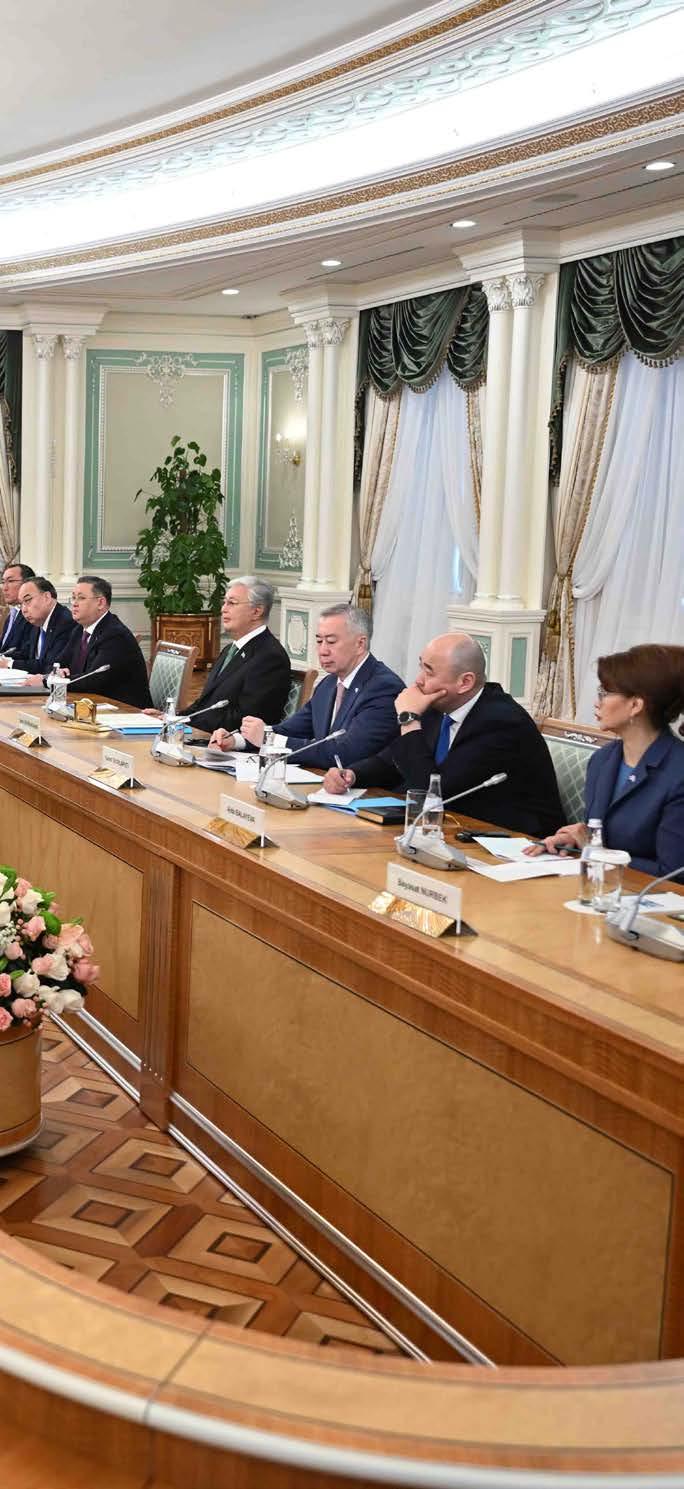
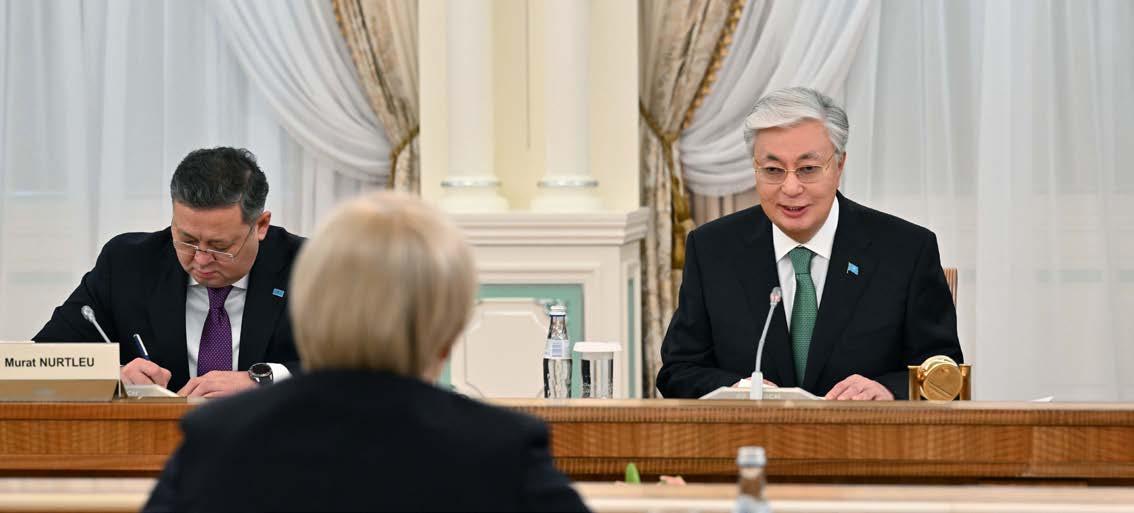
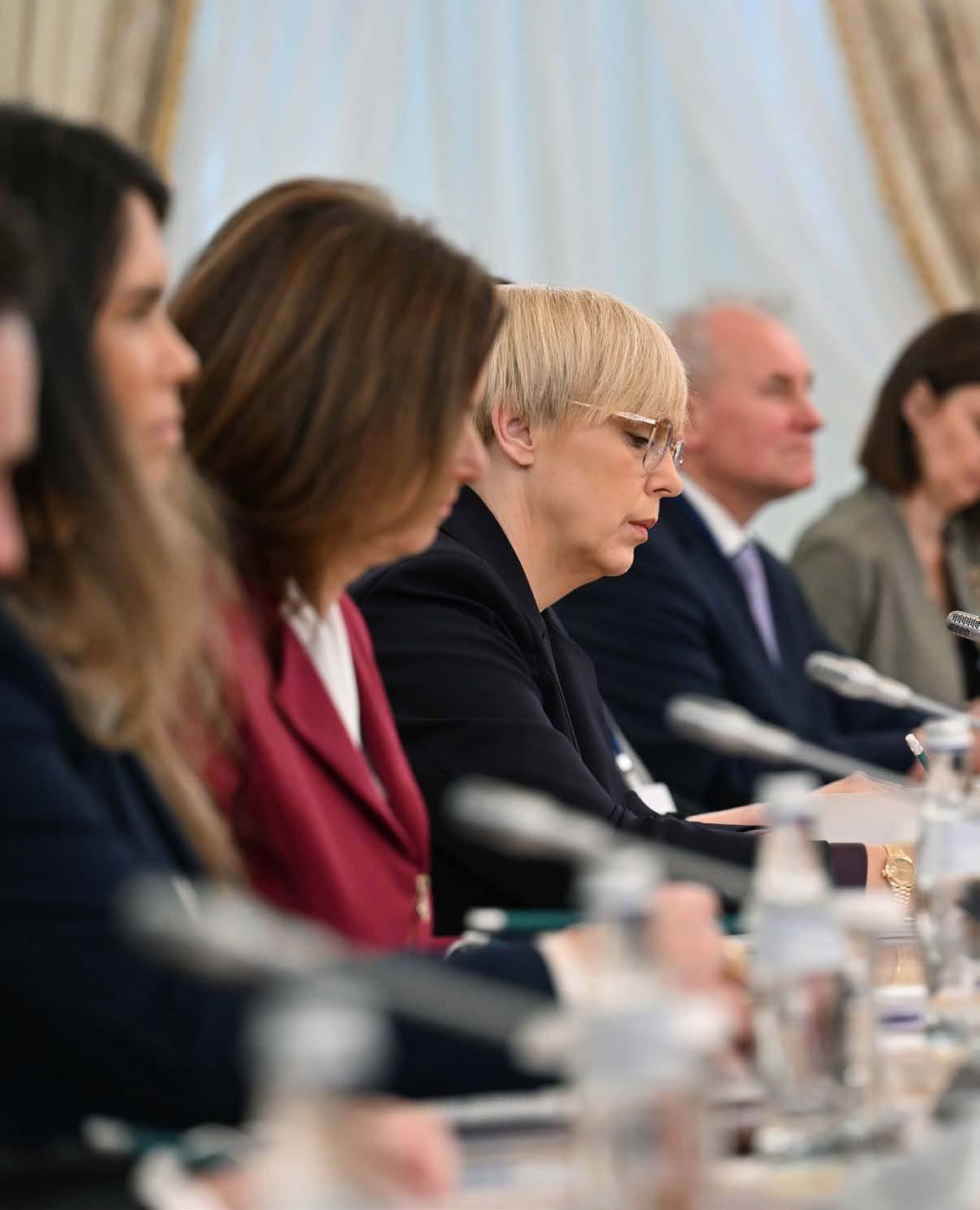
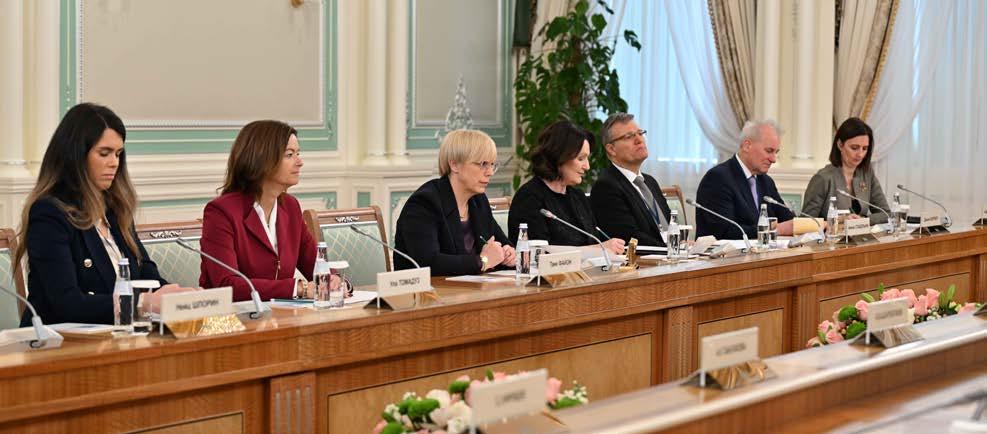
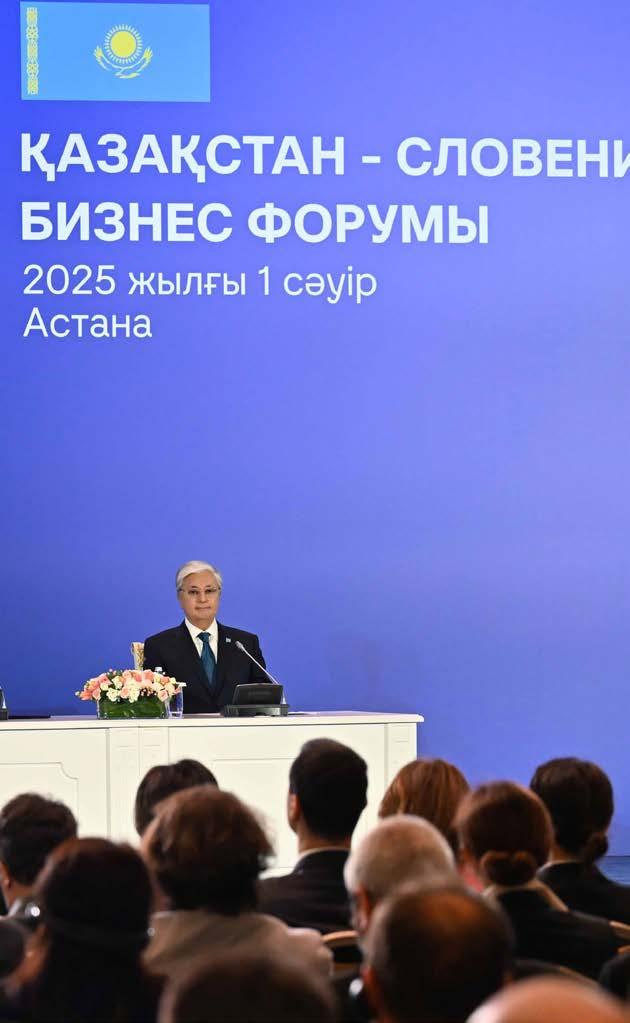
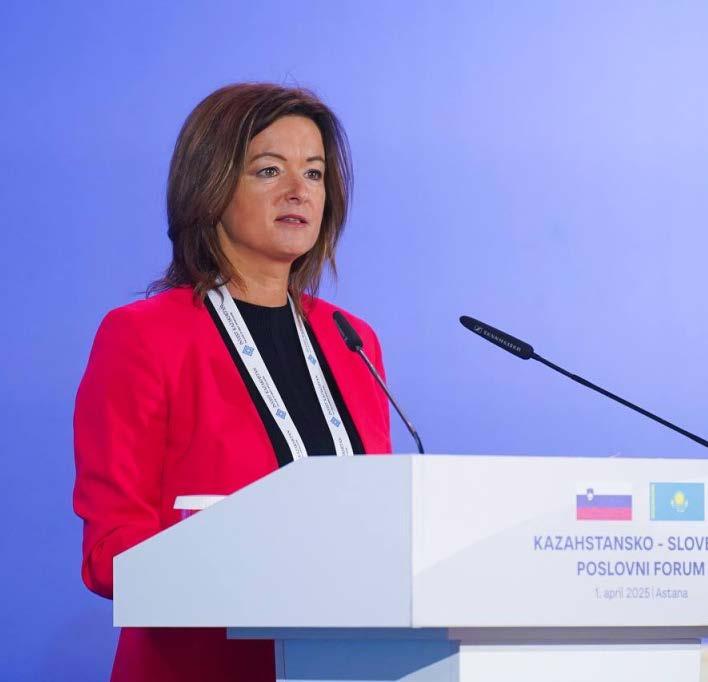
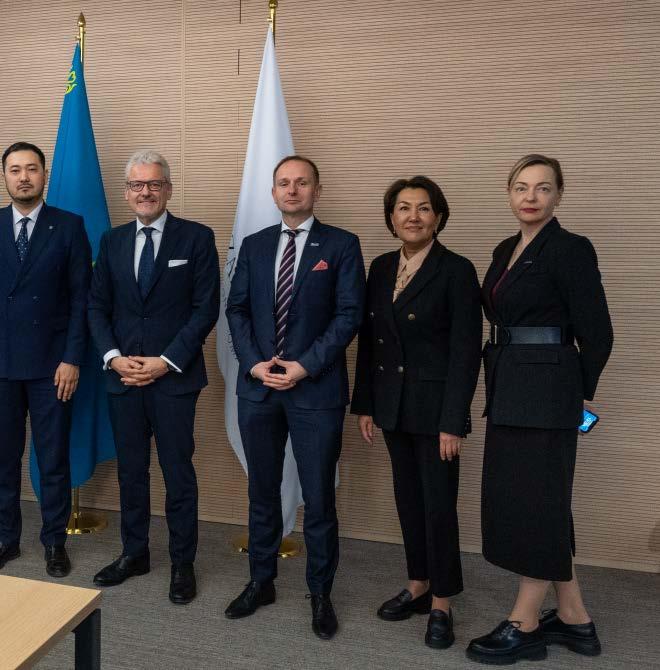
Kassym-Jomart Tokayev and Nataša Pirc Musar conducted negotiations in an expanded format with the participation of official delegations from both countries. Welcoming the Slovenian delegation, President Tokayev reaffirmed Kazakhstan’s commitment to developing mutually beneficial cooperation with Slovenia – a timetested and reliable partner in Europe.
Your visit is extremely important, as it gives additional impetus to enhancing our mutual cooperation. Just now, we had a very comprehensive discussion on many issues regarding the international situation. We expressed our joint commitment to achieving positive results in terms of mutual cooperation. For us, Slovenia is a time-tested and reliable partner in Europe. We will do our utmost to achieve practical results, – said the President Tokayev.
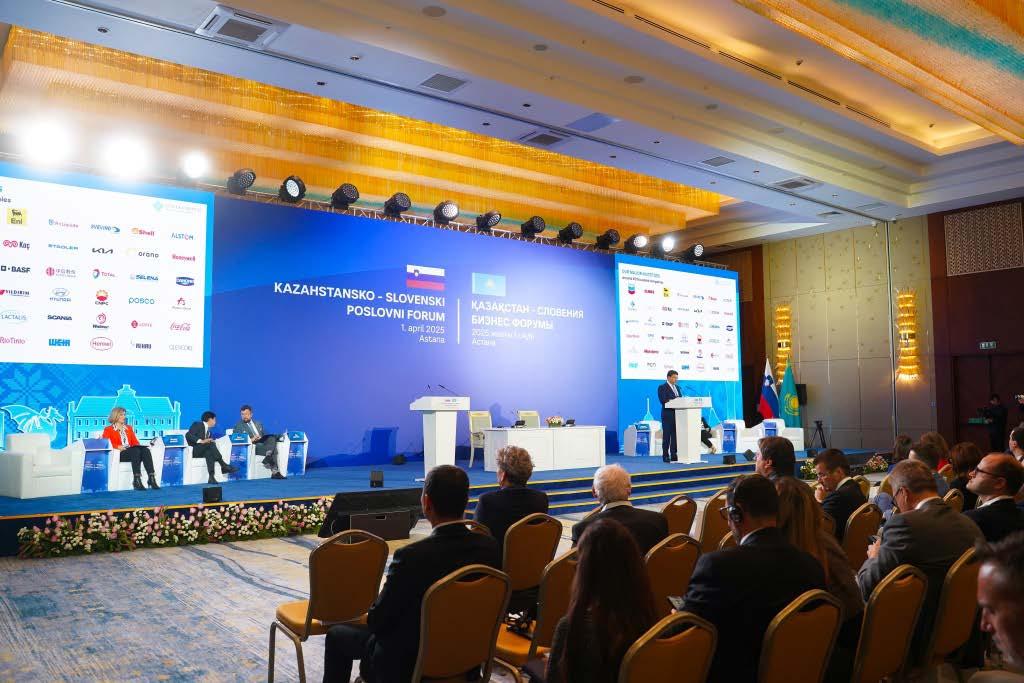
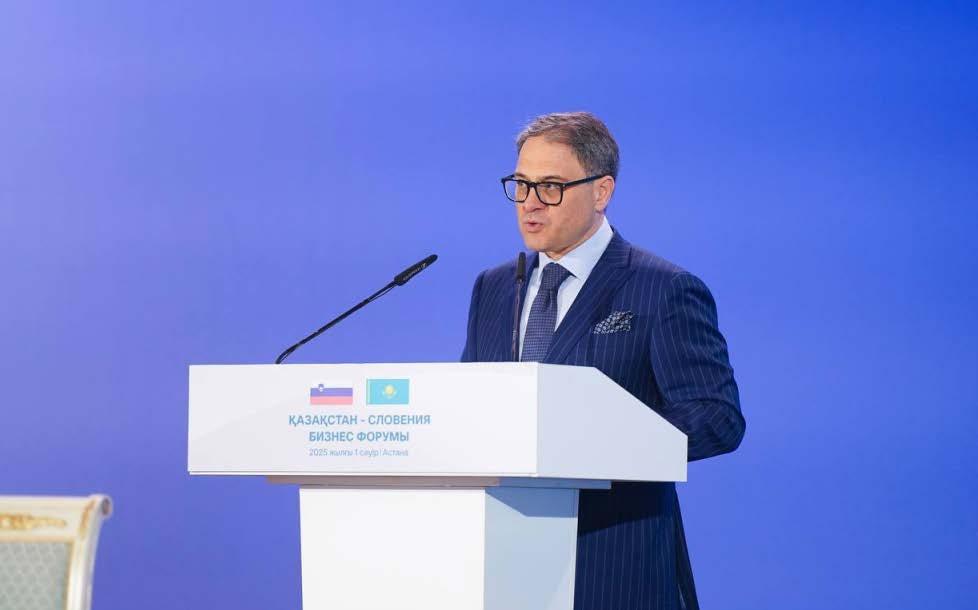
Kassym-Jomart Tokayev outlined promising areas of bilateral cooperation, expressing his commitment to creating favorable conditions for Slovenian businesses in Kazakhstan, including transparent regulation, investment protection, and economic diversification. He emphasized the great importance he attaches to the Kazakh-Slovenian Business Forum in Astana, which aims to further expand trade and investment ties between the two countries.
President of Slovenia expressed gratitude to KassymJomart Tokayev for the warm reception in Astana. This visit is intended to contribute to deepening economic cooperation. This goal is shared by both our countries. We have significant potential for growth, and I am confident that we can achieve more. The volume of trade between our countries is increasing every year. As you have already mentioned, we have reached an investment volume of 200 million dollars, but the opportunities are much broader. That is why I am very pleased to be in Astana accompanied by a representative business delegation, – said Nataša Pirc Musar.
The parties discussed a wide range of issues related to cooperation in promising areas such as trade, investment, transport and logistics, critical minerals, digitalization and artificial intelligence, healthcare, and tourism. Following the talks, the presidents adopted a Joint Statement.
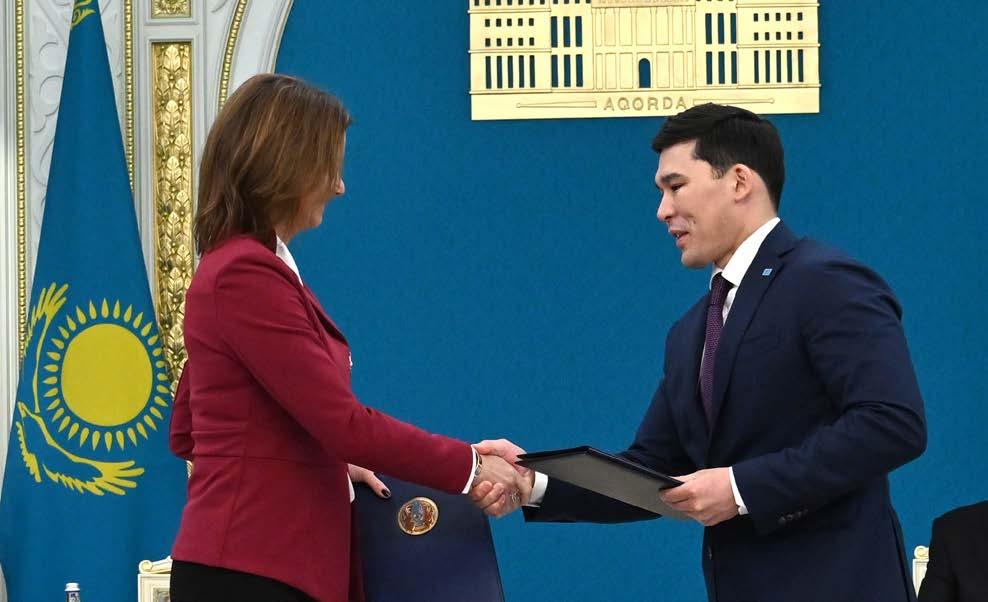
Members of the official delegations exchanged the following documents:
1. Memorandum of Understanding between the Ministry of Science and Higher Education of the Republic of Kazakhstan and the Ministry of Higher Education, Science and Innovation of the Republic of Slovenia in the field of education and science;
2. Memorandum of Understanding between the Ministry of Tourism and Sports of the Republic of Kazakhstan and the Ministry of Economy, Tourism and Sports of the Republic of Slovenia on cooperation in the field of tourism;
3. Memorandum of Understanding between the Foreign Trade Chamber of Kazakhstan and the Chamber of Commerce and Industry of Slovenia.
KAZAKHSTAN BOOSTS TOURISM WITH NEW INFRASTRUCTURE & DIGITAL SOLUTIONS
Prime Minister Olzhas Bektenov chaired a government meeting on April 8 to review Kazakhstan’s fast-growing tourism industry, which is evolving in agri-, eco-, business, shopping, and event tourism, alongside digital innovations, reported the Prime Minister’s press service.
NATIONAL PARKS, ECO- AND AGRITOURISM
One of the key initiatives proposed by Minister of Tourism and Sports Yerbol Myrzabossynov is to grant regional administrations the authority to develop tourism infrastructure outside urban areas, including in national parks. Eight visitor centers have been built in recent years, and trail systems and basic infrastructure are being expanded to promote ecotourism. In 2024, 2.8 million people visited 14 national parks, 18% more
than in 2023. Farmers will now be allowed to engage in agritourism to support rural development. Kazakhstan has over 200,000 farms, and this measure is expected to create jobs and raise rural living standards.
EXPANDING ACCESS: GREEN CORRIDOR, NEO NOMAD VISA
Reforms to the hotel classification system, unchanged since 2008, are planned to align with international standards.
A new green corridor system is being piloted at border checkpoints with Russia and the Kyrgyz Republic to ease entry for organized tourist groups. To simplify travel, officials proposed making the Neo Nomad Visa, currently available only through foreign embassies, accessible online via Kazakhstan’s visa migration portal.
SHOPPING TOURISM, GUIDE APP
Kazakhstan is looking to expand its Tax Free system, which encourages shopping tourism by offering tax
refunds to foreign buyers. Since 2019, the pilot program in Astana, Almaty, Shymkent, and Turkistan has generated sales of 4.9 billion tenge (US$9.3 million).
Authorities now aim to scale the system nationwide. To improve the quality of tourism services, a new digital platform, E-Guides, has been launched to help tourists find certified local guides more easily.
KEY TOURIST DESTINATIONS’ PROGRESS
As part of the approved comprehensive development plan for the Schuchinsk-Burabai resort area until 2029, Akmola Region Governor Marat Akhmetzhanov announced plans to build eight observation platforms, upgrade 14 tourist routes, and develop a public beach at Lake Shchuchye. Among major projects in this area are a congress center, a hotel with a water park and villas, a cottage town, and an apart-hotel under the Hilton brand. Almaty Mayor Yerbolat Dossayev presented one of the key digital projects, SuperApp, allowing users to buy tickets, plan routes, book tours, and explore attractions through VR. He highlighted the city’s growing MICE tourism sector, supported by upcoming facilities such as the new Almaty Museum of Arts and the Tselinny Center for Contemporary Culture. Plans are underway for a world-class ski resort in Almaty with 150 kilometers of trails, expected to attract up to five million visitors annually. Another key initiative will be to develop the Mangystau tourist zone.
INCLUSIVE TOURISM
Murat Karatai, the head of the Pioneer family resort, advocated for expanding inclusive children’s resorts. Currently, over 300,000 children in Kazakhstan need special educational support, and he proposed creating a nationwide network of inclusive resorts and a national center to train specialists in family and inclusive tourism. The Almaty mountain cluster can play a key role in scaling the model and developing specialized resorts of a new type focused on families, children, safety, and social inclusion.
EVENT TOURISM
Malik Khassenov, the producer at Astana Concert company, outlined several high-profile upcoming events to boost event tourism. These include the Alem Fest music festival headlined by Craig David, Comic Con Astana, and a concert by American singer and actress Jennifer Lopez.
KAZAKHSTAN SHOWCASES INNOVATION AND HERITAGE AT EXPO 2025 IN OSAKA
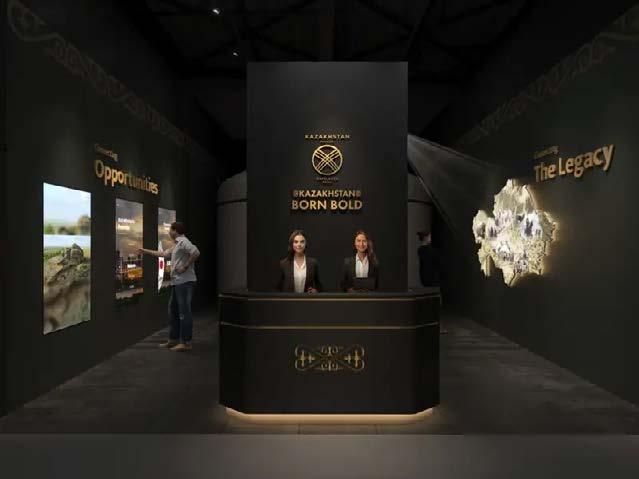
The World Expo 2025 officially opened on April 13 on the artificial island of Yumeshima in Osaka, Japan. Running until October, this major international event has brought together 158 countries and nine international organizations under the central theme: Future Society for Our Lives. The theme is explored through three thematic zones — Saving Lives, Connecting Lives and Empowering Lives.
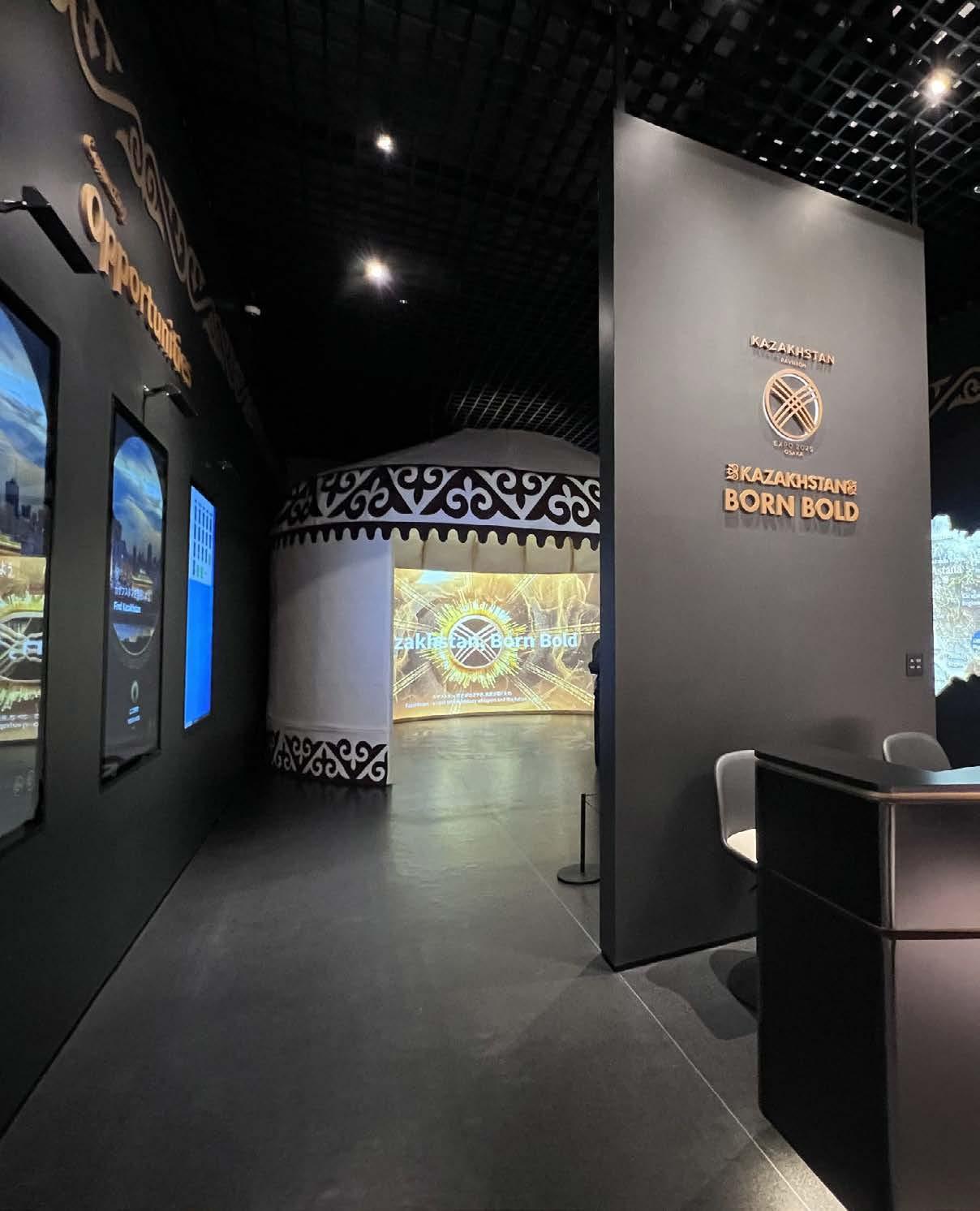
The opening ceremony was attended by Emperor Naruhito of Japan and Prime Minister Shigeru Ishiba. Kazakhstan’s delegation was led by Arman Shakkaliyev, Minister of Trade and Integration, reported QazExpoCongress national company’s press service. Kazakhstan’s national pavilion is located within the Connecting Lives thematic cluster, neighboring South Korea, Germany, Luxembourg, Nepal, Azerbaijan, Iran, Monaco, and Türkiye. The pavilion presents a digital universe built around the symbolic shanyrak, representing unity and the Kazakh spirit.
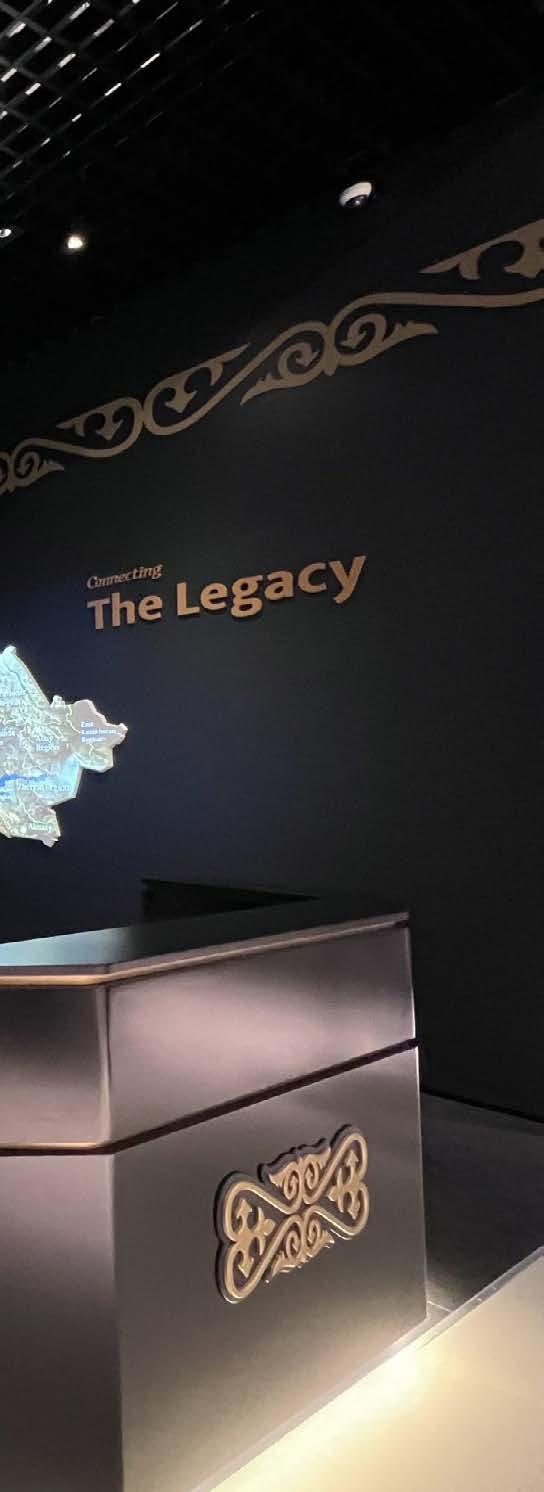
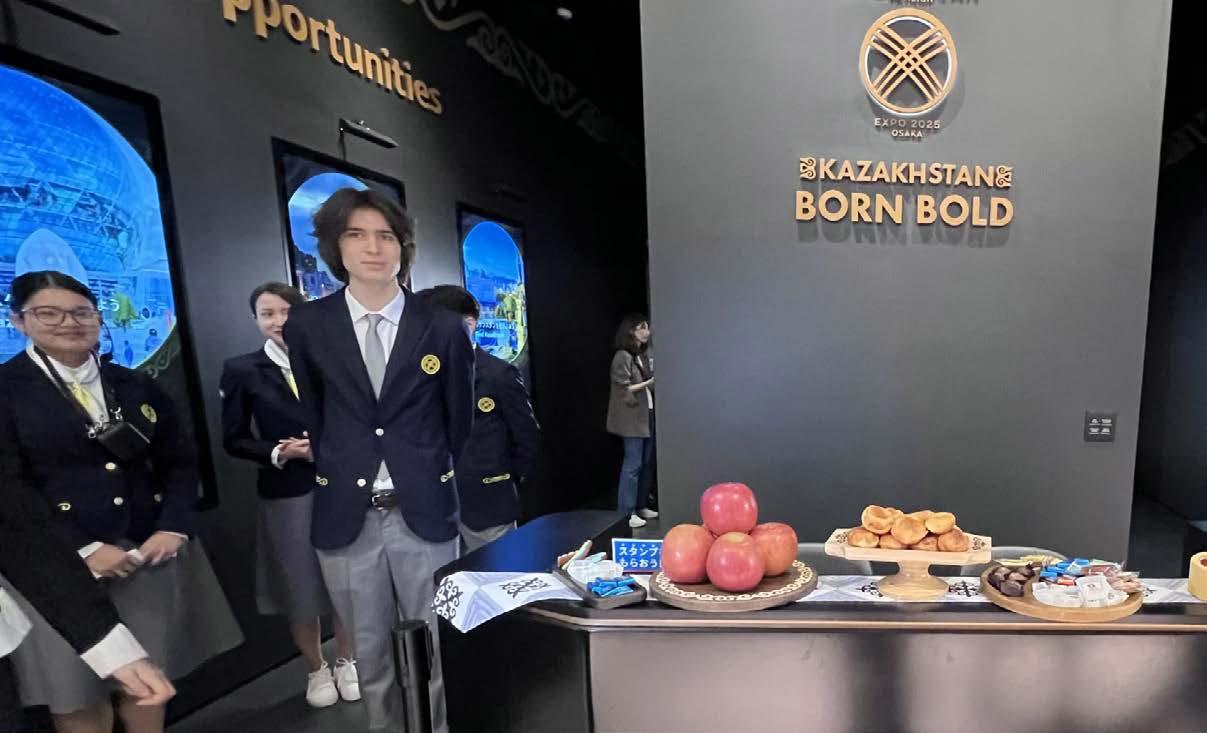
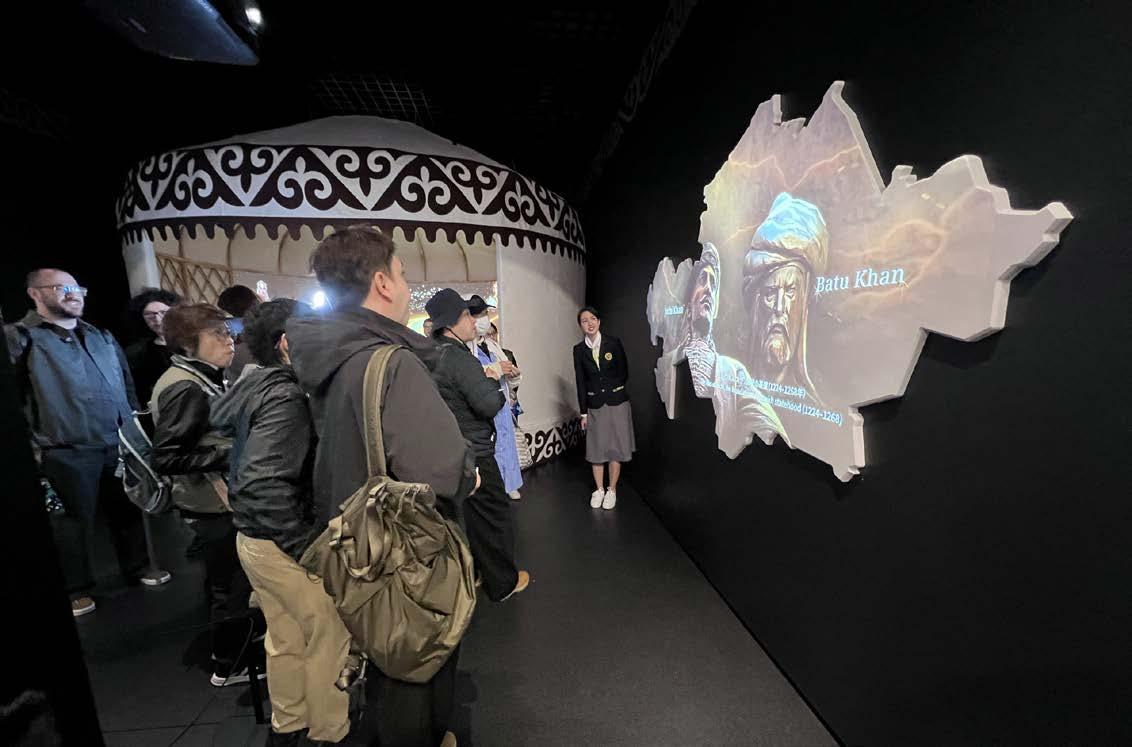
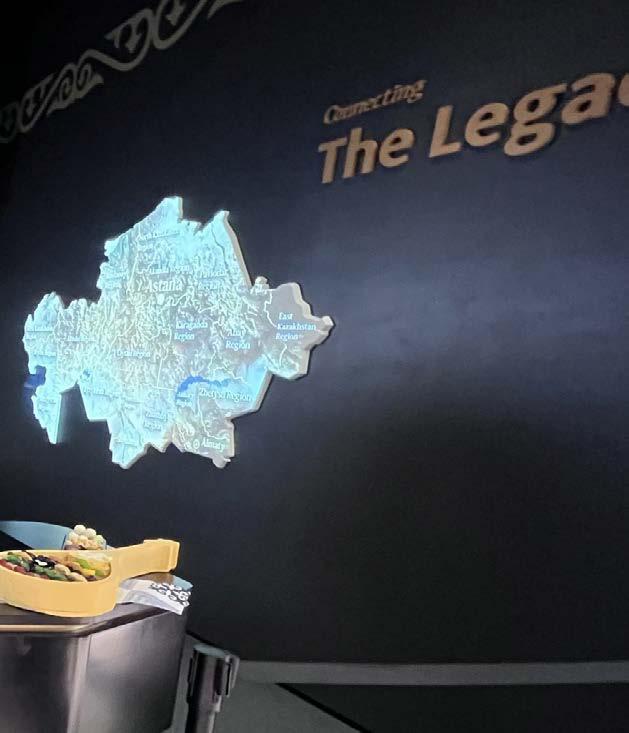
Visitors are invited on a multi-sensory journey through the nation’s heritage and aspirations via interactive exhibits, 3D mapping, and a projection show where the faces of guests merge into a shared digital artwork. This venue demonstrates the country’s investment and economic possibilities: key industries, natural resources, tourism and innovation potential, as well as achievements in green energy and sustainable development. The pavilion showcases innovative ALEM device (Astana Life Ex-situ Machine). Developed by leading Kazakh medical researchers and engineers, ALEM can preserve donor organs outside the body for over 24 hours, allowing for necessary interventions and targeted treatment on the isolated organ. This innovation marks a new era in regenerative medicine, significantly expanding the potential to save lives. True to the traditions of the Kazakh people, the pavilion welcomed visitors with national treats on opening day, reflecting the country’s renowned culture of hospitality. As an essential platform for strengthening international ties and developing economic and cultural dialogue, EXPO 2025 is another opportunity to present national achievements.
PRESIDENT
INDUSTRIAL FACILITIES
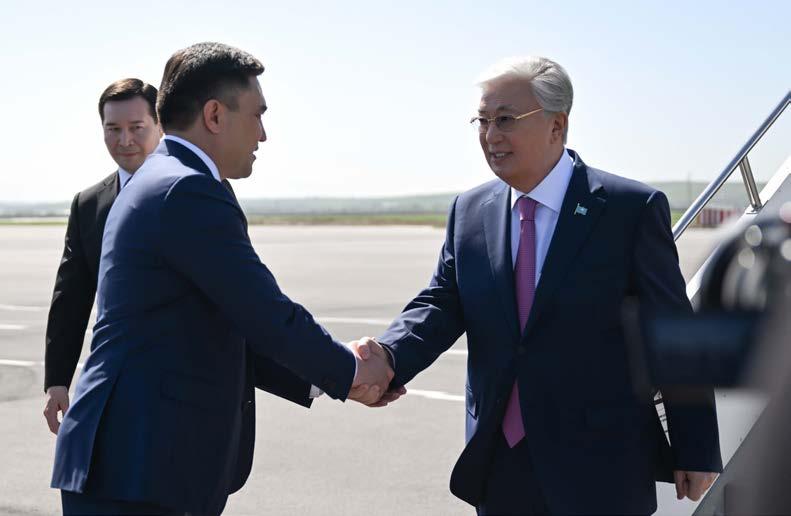
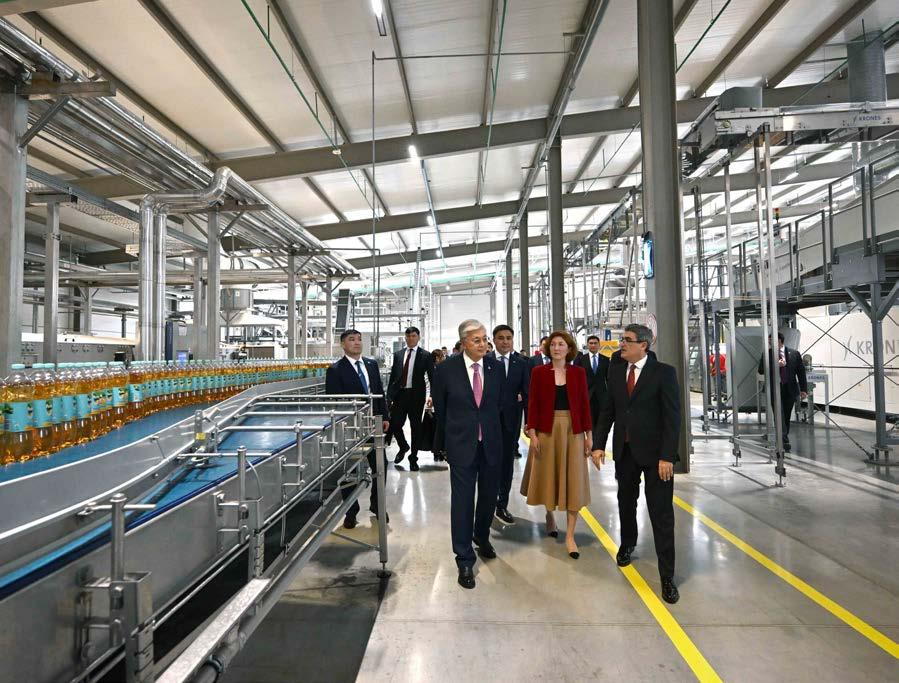
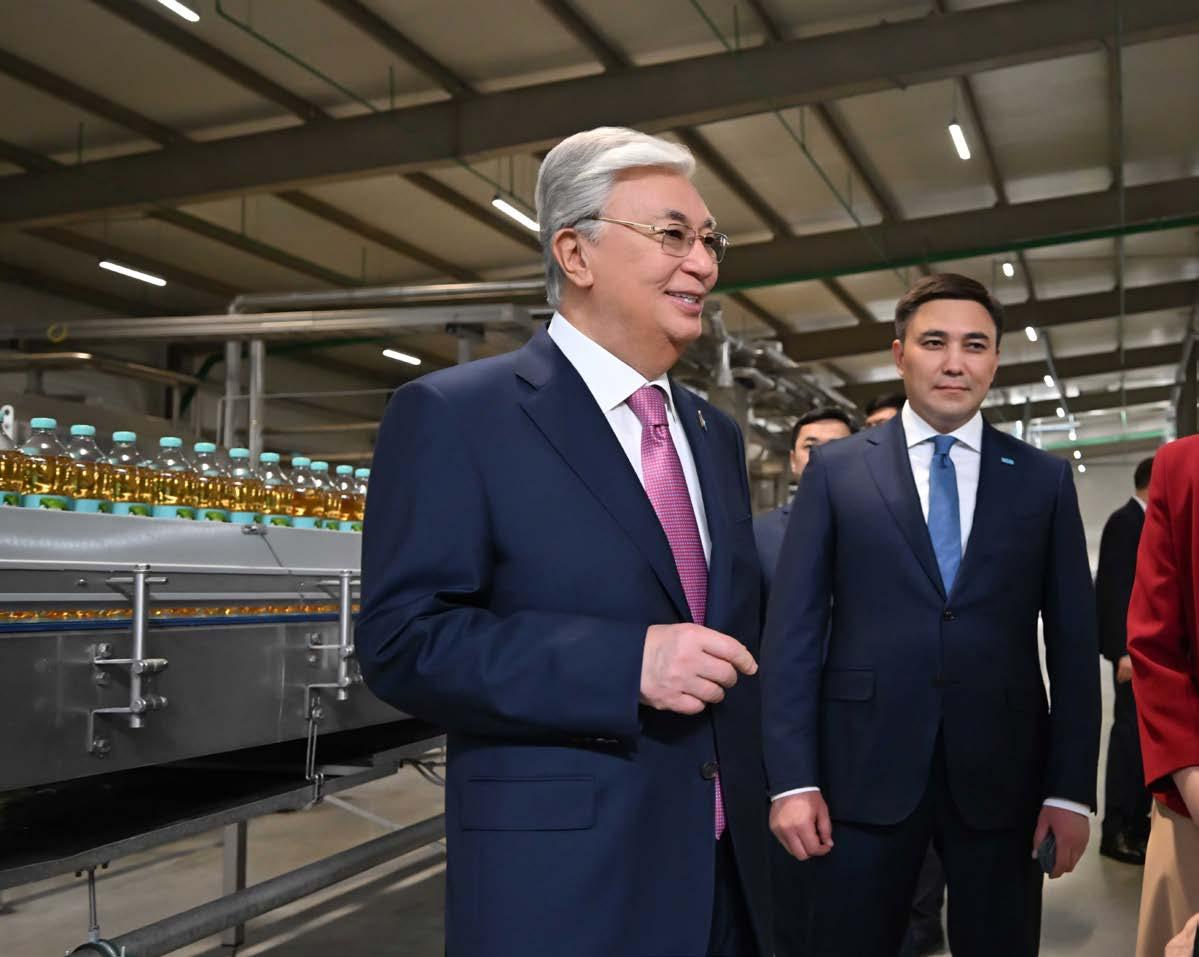
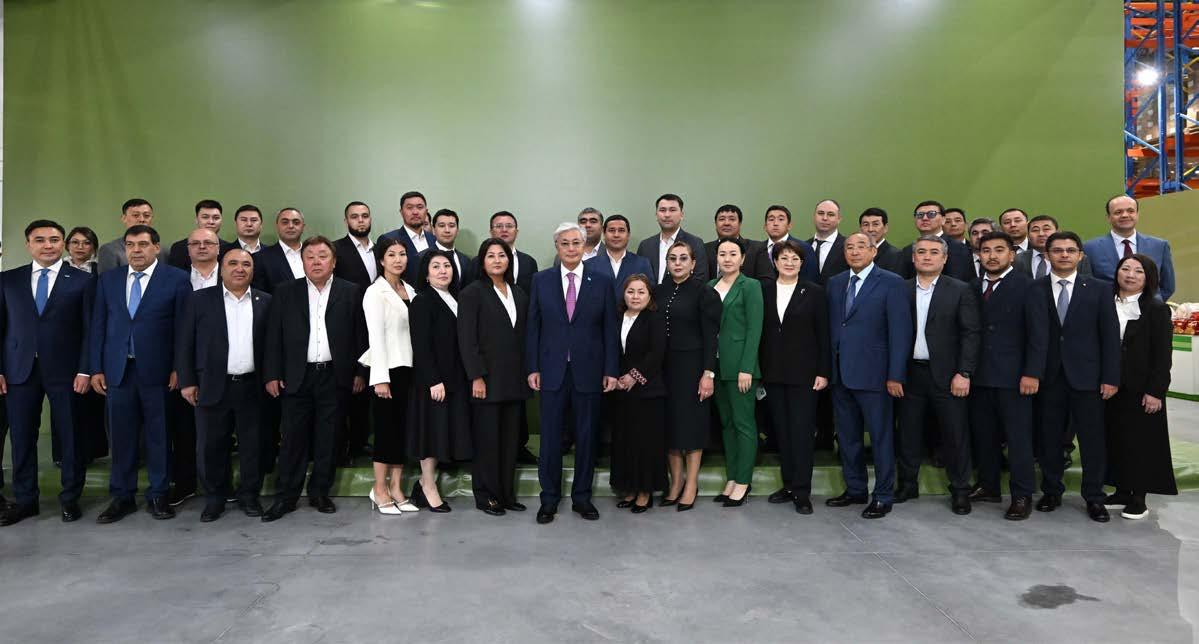
Kazakh President Kassym-Jomart Tokayev paid a working visit to Shymkent on April 11, where he inspected several key infrastructure and investment projects aimed at boosting the region’s economic development. One of the highlights of the trip was the newly built Shymkent airport, a 24 billion tenge (US$47.5 million) project, built through private investment. According to the President, establishing a unique aviation hub in southern Kazakhstan will increase the number of routes from 17 to 59, including new flights to major destinations in Europe and Asia.
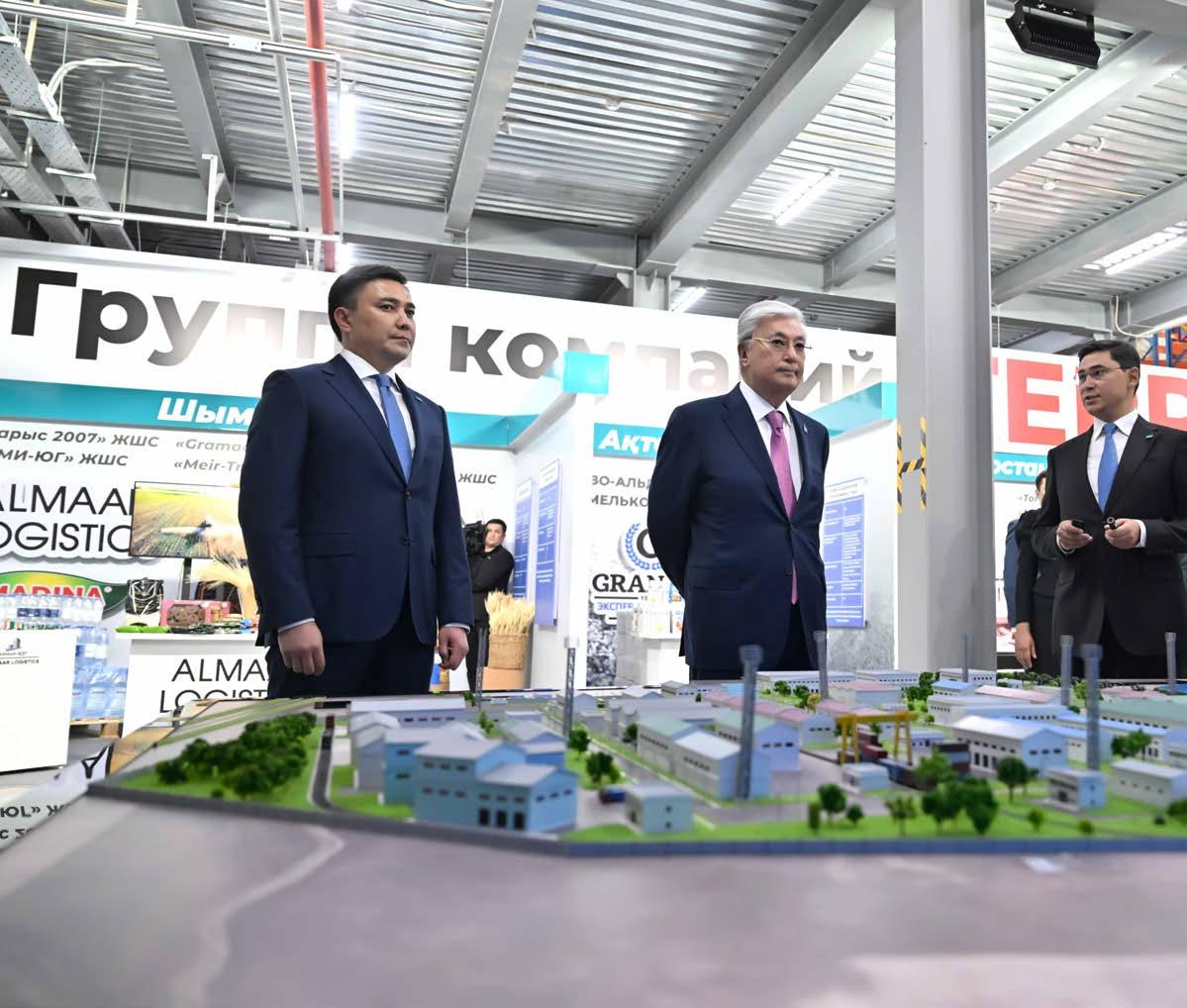
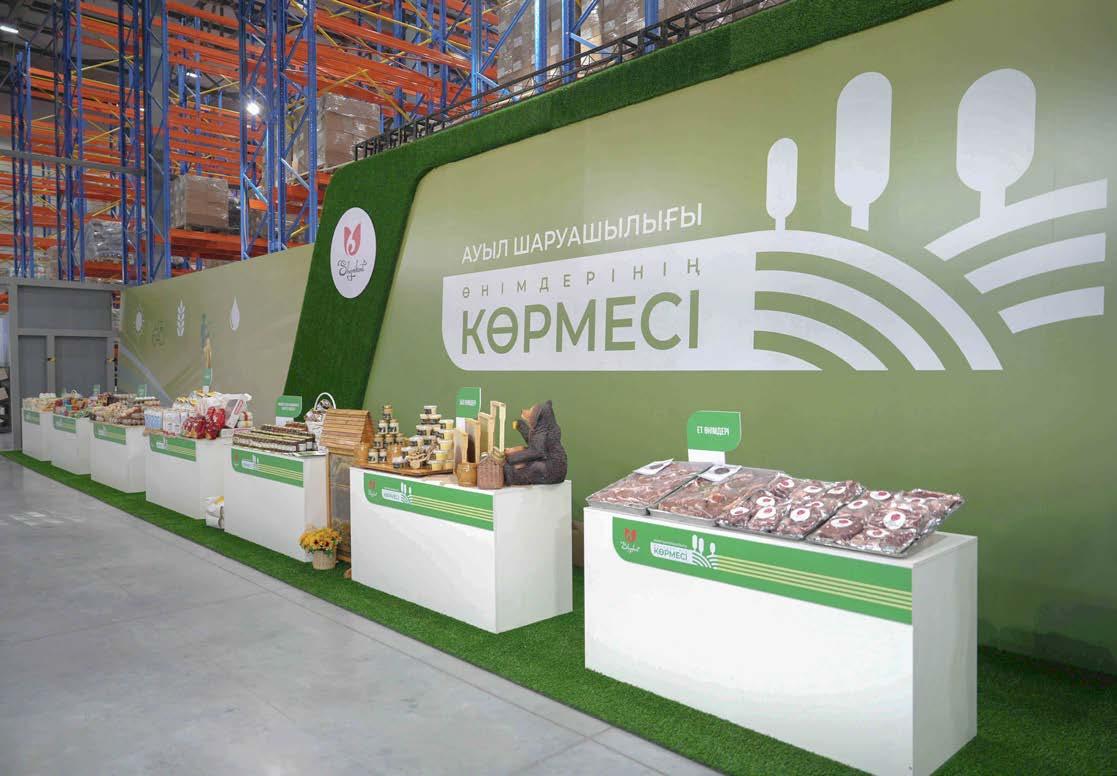
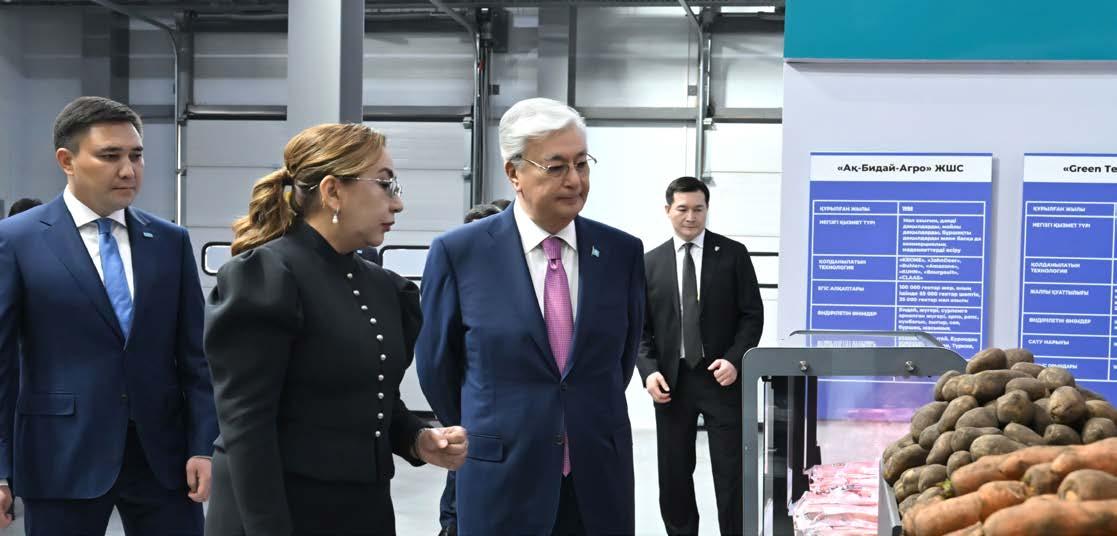
The President visited the Almaar Logistics modern trade and logistics center, located near the strategically important transport corridor Western Europe – Western China. Approximately 14.8 billion tenge (US$29.3 million) of private investment was allocated for the implementation of a multifunctional warehouse complex with an area of 24,000 square meters.
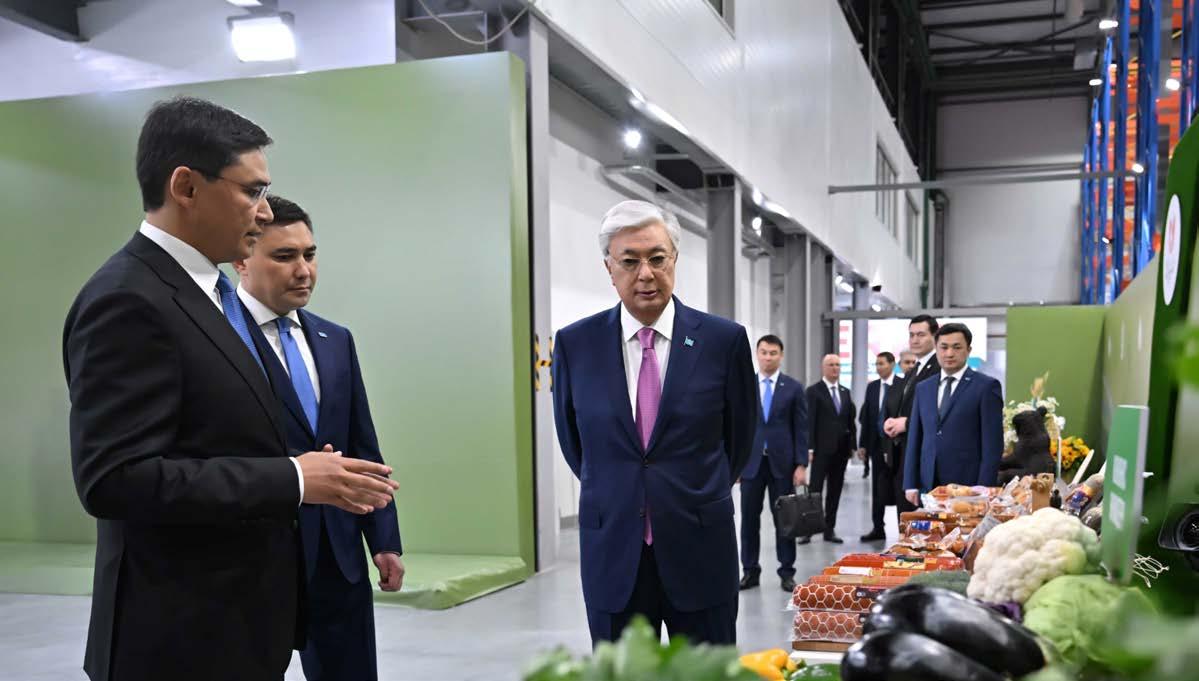
The facility features advanced storage technologies, including a system designed for the rapid redistribution of perishable goods, effectively eliminating the need for long-term storage. The President also visited an agricultural exhibition. In 2024, nearly 50 processing enterprises in the city produced goods valued at 168.5 billion tenge (US$325.9 million).
Tokayev was presented with projects for the construction of greenhouse complexes of the Turkish company Alarko Holding worth $650 million, as well as the Polish enterprise Fabe Polska SP worth $136 million. As part of his working trip, the President also visited the new Coca-Cola Içecek Kazakhstan plant, which features advanced technology and a high level of automation. The facility is expected to produce up to 283 million liters of beverages annually.
After touring the production process, the President emphasized the importance of continued support for investment projects that drive regional economic growth. Another facility on the President’s visit was the Tulip Hall multifunctional complex. Commissioned in June last year at the President’s instruction, the congress hall is designed for hosting cultural events. The complex also includes a crafts center and various workshops. Tokayev also walked around Shymkent City park. The park, with an area of over 20 hectares, provides all the conditions for outdoor leisure and cultural events. It has a fountain complex with an artificial pond, an amphitheater, landscaped alleys, workout areas and skateboard areas.
ROYAL HERITAGE & ARCHITECTURE KAZAKHSTAN
THE PALACE OF PEACE & RECONCILIATION A BEACON OF UNITY IN KAZAKHSTAN
In the heart of Kazakhstan’s ultramodern capital, Astana (formerly known as Nur-Sultan), stands a monument that transcends bricks and mortar to represent a profound national aspiration—The Palace of Peace and Reconciliation. Also known as the Pyramid of Peace, this iconic structure is more than just an architectural marvel. It is a powerful symbol of Kazakhstan’s commitment to interfaith dialogue, ethnic harmony, and global cooperation.
Built under the vision of Kazakhstan’s First President Nursultan Nazarbayev and designed by world-renowned British architect Sir Norman Foster, the Palace is an enduring emblem of the country’s identity as a multi-ethnic and multi-religious nation. This document explores the origins, architectural innovation, symbolic significance, and the evolving role of the Palace of Peace and Reconciliation in both national and global contexts.
Kazakhstan is home to over 130 ethnic groups and 18 officially recognized religions. Since gaining independence from the Soviet Union in 1991, the country has taken great strides toward promoting social cohesion and peaceful coexistence. The Palace of Peace and Reconciliation was conceived as a response to the global rise in religious and ethnic conflict. Nursultan Nazarbayev envisioned a space that would serve as a permanent venue for dialogue among world religions, as well as a symbol of Kazakhstan’s own peaceful interethnic policies. The idea culminated in the Congress of Leaders of World and Traditional Religions, first held in 2003. Its success led to the decision to build a dedicated structure for future congresses and broader intercultural initiatives. The Palace was completed in 2006 and has since hosted regular summits, forums, exhibitions, and cultural events.
ARCHITECTURAL DESIGN
The Palace of Peace and Reconciliation is a 77-meter tall glass-and-steel pyramid, rising from a grassy hill in the middle of Astana’s presidential park. Designed by Foster + Partners, one of the most prestigious architectural firms in the world, the structure is a convergence of symbolism and sustainable design. The pyramid shape, universal in its resonance from Egyptian tombs to Mayan temples, evokes stability, eternity, and harmony—qualities the building was meant to embody. Constructed with glass panels, metal framing, and a concrete core, the building reflects light in a way that transforms its appearance from day to night. Its geometric precision and clean lines convey a modern sensibility, while the pyramid shape ties it to ancient architectural traditions. The materials were selected to withstand Astana’s extreme climate, which ranges from -40°C in winter to +40°C in summer.
INTERIOR LAYOUT
The Palace is divided into several distinct levels:
Ground Floor: This area houses a 1,500-seat opera house known as the Palace Opera Hall, designed with acoustics to rival the world’s best performance venues. It also includes offices, conference rooms, and exhibition halls.
Middle Levels: These include the Museum of National Culture, various galleries, and spaces for temporary exhibitions and seminars. These levels celebrate Kazakhstan’s cultural heritage and promote intercultural learning.
Top Level (The Apex): The pyramid’s pinnacle is the “Cradle of Heaven” or “Atrium Hall”, a circular meeting room with seating for interfaith leaders. The space is bathed in natural light filtered through stained-glass windows featuring doves of peace, designed by artist Brian Clarke. This is where the Congress of Leaders of World and Traditional Religions is held.
The journey from the base to the apex symbolizes a spiritual ascent, guiding visitors from material and national concerns toward global unity and divine connection.
The very name of the Palace encapsulates its purpose. “Peace” reflects Kazakhstan’s internal harmony and its aspirations for global conflict resolution. “Reconciliation” suggests healing historical wounds, both domestically and globally, through dialogue and mutual respect.
The pyramid form is intentionally free from religious iconography specific to any single tradition. Instead, it serves as a neutral sacred space, where leaders from Christianity, Islam, Judaism, Buddhism, Hinduism, Taoism, and other faiths can come together without hierarchy or exclusion.
POLITICAL AND DIPLOMATIC ROLE
Since its inauguration, the Palace has hosted the Congress of Leaders of World and Traditional Religions every three years. This international forum brings together senior figures from major religious communities, including the Pope, Grand Muftis, Chief Rabbis, Buddhist monks, and secular thinkers. The Congress promotes understanding, combats extremism, and builds frameworks for peaceful coexistence. The dialogues held within the Palace are not merely symbolic. Declarations made during the Congresses have been cited in United Nations resolutions and incorporated into interfaith initiatives around the globe.
A VENUE FOR THE ARTS
The Palace is not just a site for diplomacy—it is also a vibrant cultural hub. The opera hall regularly hosts performances ranging from classical European operas to Kazakh traditional music and modern experimental theatre. The space encourages both domestic and international artists to share their work and to collaborate across genres and cultures. Art exhibitions in the galleries promote themes of peace, identity, and coexistence. They showcase the diversity of Kazakh art alongside international collections, helping to foster global awareness and appreciation.
EDUCATIONAL INITIATIVES
Schools and universities across Kazakhstan often organize trips to the Palace. Educational programs and guided tours are designed to instill values of tolerance and civic responsibility in young people. Workshops, panel discussions, and youth forums further enhance its role as an institution of public education.
SUSTAINABLE DESIGN
Foster + Partners incorporated several green building principles into the Palace’s design. The structure’s orientation maximizes natural light, reducing the need for artificial illumination during daylight hours. Its internal climate-control systems are energy-efficient and responsive to Astana’s severe weather patterns. The surrounding landscape, including the Presidential Park, creates a serene and reflective atmosphere.
The green space encourages community gatherings, recreational activity, and relaxation—contributing to the quality of urban life. Positioned on Astana’s central axis, the Palace forms a triad with two other symbolic structures: the Ak Orda Presidential Palace and the Kazakh Eli monument. Together, they represent governance (Ak Orda), national pride (Kazakh Eli), and spiritual unity (Palace of Peace and Reconciliation). This symbolic layout is part of the broader master plan for Astana, which aims to present Kazakhstan as a forward-looking, harmonious, and balanced society. Since its opening, the Palace of Peace and Reconciliation has garnered praise from architects, cultural leaders, and political commentators alike. Its bold design and even bolder mission set it apart from other national landmarks. For many, it stands as one of the few places in the world purpose-built for interfaith dialogue and peacebuilding.
TOP 10 THINGS TO DO IN PALACE OF PEACE AND RECONCILIATION
1. GUIDED TOUR OF THE PALACE
Embark on a fascinating journey through the Palace of Peace and Reconciliation, a remarkable pyramidal structure in the heart of Nur-Sultan, Kazakhstan. During a 90-minute guided tour, visitors will discover the symbolism behind the building’s unique architecture designed by the renowned British architect Norman Foster. The palace serves as a global center for religious understanding, peace, and the renunciation of violence. Guests will explore the grand atrium, the lush greenhouse, and the stunning opera hall. Special attention will be given to the Pyramid’s apex, which houses the glass-walled conference room where world religious leaders convenally for the Congress of Leaders of World and Traditional Religions. Learn about Kazakhstan’s commitment to multiculturalism and tolerance while enjoying panoramic views of the city.
2. VISIT THE OPERA HALL
Experience the acoustic brilliance of the Palace of Peace and Reconciliation’s Opera Hall. With this activity, patrons have the opportunity to not only explore the visually stunning hall but also to attend a live opera or ballet performance. Spanning at least 150 minutes, including intermissions, each performance showcases the very best of Kazakh and international productions. The repertoire varies seasonally, and the hall itself is a marvel of design, promising an unforgettable cultural experience. The Opera Hall, with its luxurious seating and state-ofthe-art sound system, provides the perfect setting for an evening of high culture in NurSultan. Ticket prices and durations may vary based on the show, but visitors can expect an immersive excursion into the world of performing arts.
3. ART EXHIBITIONS
Art enthusiasts can indulge in the rotating art exhibitions housed within the Palace of Peace and Reconciliation. These exhibitions feature a collection of works from local and international artists, providing insight into the rich tapestry of Kazakh culture as well as global artistic trends. Spanning various mediums including painting, sculpture, and photographic works, the exhibitions offer an immersive visual narrative. Visitors
should allocate around an hour to thoroughly enjoy the experience. The art exhibitions not only showcase aesthetic beauty but also engage with themes of peace, unity, and the dynamic nature of cultural discourse. The curatorial team at the Palace frequently updates the exhibitions, ensuring that each visit can offer a new perspective and a deeper understanding of art’s role in peacemaking and reconciliation.
4. ATTEND A CONFERENCE
The Palace of Peace and Reconciliation regularly hosts international and local conferences that focus on global harmony, spiritual leadership, and sustainable development. Attending one of these conferences can be a life-altering experience, spanning anywhere from a few hours to several days. Participants will engage with thought leaders, policymakers, and activists from around the world. The venue itself, especially the top-level conference room with its symbolic dove of peace, provides an awe-inspiring backdrop for discourse and networking. It’s a unique chance to gain new insights into world issues and Kazakhstan’s peacemaking initiatives. Prices for attending conferences can vary widely based on the nature and prestige of the event and whether the participant is joining as an observer or an active delegate.
5. ETHNOGRAPHIC PARK TOUR
Just outside the Palace of Peace and Reconciliation is an ethnographic park, celebrating Kazakhstan’s diverse cultural heritage. The outdoor walking tour lasts approximately two hours and takes guests through a series of displays that depict traditional Kazakh life. Visitors can explore yurts (portable curved wooden-frame dwellings), participate in craft workshops, and enjoy folk music performances. The park is a living museum where history comes to life, showcasing the nomadic lifestyle and the multi-ethnic tapestry of the nation. This experience is not just educational but also deeply immersive, with opportunities to sample traditional cuisine and witness the fine craftsmanship of local artisans. It’s a perfect activity for families looking to engage with Kazakhstan’s historical roots.
6. CULINARY EXPERIENCE
The culinary experience at the Palace of Peace and Reconciliation offers guests a taste of traditional Kazakh cuisine in an elegant dining setting. The meal typically spans about two hours and provides a gastronomic journey through time-honored recipes that have been passed down through generations. Delight your palate with a variety of dishes, like the hearty ‘beshbarmak’, tender ‘kazy’ (horse meat sausage), or the sumptuous ‘manti’ dumplings, all accompanied by the national drink, ‘kumis’ (fermented mare’s milk). For those looking for a holistic cultural experience, this culinary adventure merges fine dining with historical context, as each dish has a story to tell about the nomadic and agrarian traditions of the Kazakh people.
7. SPIRITUAL HARMONY WORKSHOPS
Immerse yourself in Spiritual Harmony Workshops at the Palace of Peace and Reconciliation. These 2-hour long workshops are intended to provide participants with an understanding of various religious and spiritual practices that contribute to global peace efforts. Through lectures, meditations, and interactive dialogues, workshop attendees will explore themes such as interfaith understanding, mindfulness, and conflict resolution. The sessions are designed to be inclusive and welcoming for individuals of all backgrounds and beliefs. Ideal for those seeking personal growth or interested in the interplay between spirituality and peacemaking, these workshops aim to inspire and enlighten in the serene environment of the Palace.
8. PHOTOGRAPHY TOUR
For photography enthusiasts, the Palace of Peace and Reconciliation presents an unrivaled opportunity to capture both the interior elegance and architectural majesty of one of Nur-Sultan’s landmarks. This specialized photography tour is typically about two hours long, granting exclusive access to the Palace’s most photogenic spots. Accompanied by a guide knowledgeable in both the Palace’s history and its best angles, participants will be able to take stunning shots of the atrium, the beautiful stained glass, and panoramic vistas from the top of the pyramid. This activity is perfect for budding and seasoned photographers alike who are looking to add distinctive and compelling images to their portfolios.
9. MEDITATION SESSIONS
Find tranquility and inner peace with guided meditation sessions held within the serene surroundings of the Palace of Peace and Reconciliation. These sessions last typically for 1 hour and are led by experienced practitioners. They are aimed at promoting mental clarity, relaxation, and spiritual wellness. The meditation activities are conducted in a dedicated quiet space, offering a respite from the bustle of the city. Participants are guided through various techniques that may include mindfulness, visualization, and breathing exercises. This activity is suited for all levels of experience, from beginners to seasoned meditators, and is an excellent way to decompress and reflect amidst the Palace’s symbolism of harmony and unity.
10. LIVE CONCERTS AND PERFORMANCES
The Palace of Peace and Reconciliation is not only a beacon of cultural assembly but also a venue for various live concerts and performances. With a rotating schedule of events, these two-to-three-hour-long concerts feature everything from traditional Kazakh music and dance to contemporary performances by international artists. The palace’s acoustics and splendid interior create a perfect environment for such events. Guests are treated to an auditory and visual feast that is deeply rooted in the Palace’s ethos of celebrating diversity and artistry. Concerts and performance prices can vary, so guests should check in advance for scheduling and ticketing information.
LOCATION: The Palace of Peace and Reconciliation is located in Presidential Park, a central and scenic area of Astana. The exact address is Tauelsizdik Avenue 57.
OPENING HOURS: Tuesday to Sunday, 10:00 AM to 6:00 PM. Closed on Mondays.
ADMISSION FEES: Entry fees are modest, with discounts for students, children, and senior citizens. Guided tours cost slightly more but offer much richer experiences.
HOW TO GET THERE: By Taxi: Taxis and ridehailing services like Yandex Go are affordable and widely available in Astana. By Public Transport: Several bus lines stop near the palace. Bus schedules are available online and at major bus stations. By Foot or Bicycle: If you’re staying near the city center, a walk or bike ride through the park offers a scenic route to the palace.
NEARBY ATTRACTIONS:
• Bayterek Tower: Another national symbol, offering panoramic views of the city.
• Hazrat Sultan Mosque: One of Central Asia’s largest and most beautiful mosques.
• National Museum of the Republic of Kazakhstan: A comprehensive museum showcasing the country’s history and culture.
• Khan Shatyr Entertainment Center: A futuristic shopping and entertainment complex.
The Palace of Peace and Reconciliation is more than a structure of steel and glass—it is an ideological landmark. It embodies Kazakhstan’s unique position at the crossroads of cultures, religions, and civilizations. By creating a space dedicated to peace, unity, and understanding, Kazakhstan offers a model for other nations struggling with diversity and division. Whether viewed through the lens of architecture, politics, culture, or religion, the Palace stands as a beacon of hope in a fractured world. As global challenges continue to mount, the vision it represents— of dialogue over discord, and harmony over hatred—remains not only relevant but urgently needed.
CORPORATE, INDUSTRIES & INVEST in
KAZAKHSTAN AND SLOVENIA
The Kazakhstan–Slovenia Business Forum was held in Astana with the support of JSC “NC KAZAKH INVEST”, featuring the participation of President of Kazakhstan Kassym-Jomart Tokayev and President of Slovenia Nataša Pirc Musar. The event marked an important step toward deepening trade and economic cooperation and strengthening investment ties between the two countries. The forum gathered leaders of government bodies from Kazakhstan and Slovenia, as well as representatives of the business communities of both nations, including more than 25 Slovenian companies. The event opened with welcoming remarks by Deputy Minister of Foreign Affairs of Kazakhstan Roman Vassilenko and Deputy Prime Minister – Minister of Foreign and European Affairs of Slovenia Tanja Fajon, who emphasized mutual interest in advancing political and economic dialogue.
During the first panel session, “Investment Potential and Business Dialogue,” participants discussed Kazakhstan’s investment landscape. Chairman of the Investment Committee of the Ministry of Foreign Affairs of the Republic of Kazakhstan Gabidulla Ospankulov, presented the country’s investment potential, noting that Kazakhstan has attracted over $453 billion in foreign direct investment over three decades, thanks to its strategic location, rich resources, and favorable investment policies.
The second session, “New Horizons of Cooperation in Strategic Sectors,” focused on tourism, digitalization, engineering, and sustainable technologies. Kazakh and Slovenian companies explored specific initiatives, including construction solutions manufacturing, IT infrastructure development, and the adoption of
sustainable energy-efficient technologies. “Kazakhstan offers Slovenian companies vast opportunities across various sectors – from agriculture to high-tech. Today’s forum is a platform to move from words to concrete partnerships,” said Madiyar Sultanbek, Deputy Chairman of the Board of JSC “NC “KAZAKH INVEST”.
Following the forum, participants held a series of B2B meetings, establishing direct connections between entrepreneurs and discussing potential joint projects. Slovenia remains an active EU partner of Kazakhstan, with over $195 million in direct investments since 2006. Around 20 enterprises with Slovenian capital are registered in Kazakhstan. The business forum served as a natural continuation of the positive momentum in bilateral relations.
KAZAKHSTAN STRENGTHENS HEALTHCARE TIES WITH TURKIC STATES & WHO
Kazakh Prime Minister Olzhas Bektenov held a meeting on April 8 with the Ministers of Health from the Organization of Turkic States (OTS) and Hans Kluge, World Health Organization (WHO) Regional Director for Europe. Akmaral Alnazarova, Kazakhstan’s Minister of Health, delivered a report on the outcomes of the fifth meeting of OTS Health Ministers.
Kazakhstan is currently undergoing a significant healthcare modernization process, including the construction of new infrastructure, establishment of multidisciplinary clinics, and the modernization of medical equipment.
The meeting discussed plans to enhance Kazakhstan’s engagement with the OTS, notably through exchanging expertise and transferring modern medical technologies. Proposals aimed at developing healthcare in Kazakhstan and its partner countries were also considered. The meeting participants focused on the importance of a coordinated response by the OTS member states to address global health challenges, reported the Prime Minister’s press service.
Bektenov emphasized that coordinated efforts and close partnerships are important for confronting large-scale health threats. He noted that Kazakhstan is undergoing a significant healthcare modernization process, including new infrastructure, multidisciplinary clinics, and modernizing medical equipment. Kazakhstan is also working to strengthen its pharmaceutical industry.
“WHO provides significant support in our efforts. The result of joint systematic work, including through technical and expert support, led to a decrease in the incidence of diseases of the respiratory system, circulatory system and mortality,” he said, reiterating that Kazakstan is ready to share the experience with other OTS countries.
Health ministers from partner countries noted Kazakhstan’s progress in improving healthcare services. The focus for the next two years will be on developing primary healthcare, provision of emergency care, fighting tuberculosis and other diseases, and pharmacological cooperation, notably with Hungary’s relevant government agencies. Efforts to improve water hygiene were also discussed.
Cooperation with WHO
Interaction with the WHO is carried out within the framework of the implementation of two-year cooperation agreements between the WHO Regional Office for Europe and the Kazakh Ministry of Health. For 2024-2025, key areas of cooperation include universal health service coverage, emergency preparedness, prevention of non-communicable diseases, and implementing the One Health approach.
Kluge commended Kazakhstan’s efforts to reduce premature mortality from chronic non-communicable diseases through comprehensive preventive measures. He highlighted that Kazakhstan is one of only ten countries globally to achieve a reduction in premature deaths from diseases such as cardiovascular disease and cancer.
“The measures that Kazakhstan is taking in the field of prevention have had a huge impact: vaping is prohibited, a strict alcohol policy is being implemented, and a vaccination program against the human papillomavirus is being implemented. Today we are talking about the second phase of our cooperation, which will include the opening of the Academy of Primary Health Care (PHC), where young specialists from Kazakhstan will be trained and become leading specialists in the modern system of providing services at the PHC level,” said Kluge.
Kazakhstan’s healthcare initiatives and investments
Kazakhstan is introducing and implementing the principles of accessible and high-quality primary care. The country has introduced several initiatives, such as advanced nursing practices, early detection screenings for cancer and cardiovascular diseases, and creating competence centers for cardiology, oncology, and endocrinology.
As of 2024, investment in Kazakhstan’s healthcare sector grew by 8.4%, reaching approximately $920 million, with a third of this investment coming from the private sector. Investments in the pharmaceutical industry nearly doubled to $91.3 million. The share of domestically produced medicines is set to increase annually to achieve 50% local production by 2029.
Over the past five years, Kazakhstan has opened 784 new medical facilities, including 467 primary healthcare centers, as part of the National Project for Rural Healthcare Modernization. Life expectancy at birth has also increased by nearly 3.5 years, reaching 75 years.
Following the meeting, the officials signed a Joint Declaration on health matters, a Joint Action Plan for healthcare, and several memorandums of cooperation in personnel training and biological safety.
Health ministers of the Organization of Turkic States (OTS) signed a memorandum on April 7, transforming Kazakhstan’s National Coordination Center for Emergency Medicine into a single platform for cooperation.
KAZAKH INVEST & POLPHARMA GROUP
Sign Memorandum on Pharmaceutical Manufacturing Development in Kazakhstan
Deputy Chairman of the Board of JSC "NC KAZAKH INVEST" Azamat Kozhanov held a meeting with CEO of Polpharma Group Markus W. Sieger, during which a memorandum of cooperation was signed for the implementation of a new investment project by SANTO Member of Polpharma Group in Kazakhstan.
The primary goal of the memorandum is to ensure patient access to essential medicines in Kazakhstan and to meet the needs of the healthcare system. Polpharma Group aims to expand its presence in new therapeutic areas, including diabetology, oncology, and other key segments, which will help improve access to treatment and foster healthcare innovation.
The project involves the production of new pharmaceutical products targeting both domestic and international markets. It will introduce new therapeutic categories for SANTO, launch new production lines, invest in R&D, and enhance employee expertise. The total investment will exceed €55 million, with a project duration of 10 years. Around 300 new jobs will be created, and staff will undergo training based on best practices in the pharmaceutical industry, covering R&D, manufacturing, and logistics.
The company also expressed its intention to sign an Investment Agreement with the Government of Kazakhstan in the future to receive state support and facilitation in project implementation. In his remarks, A. Kozhanov highlighted the strategic importance of the project for developing the national pharmaceutical industry and confirmed KAZAKH INVEST’s readiness to provide comprehensive support at all stages of implementation.
"Pharmaceuticals are a priority sector for Kazakhstan. We are witnessing a new chapter in its development, with major pharmaceutical companies expanding their manufacturing capacity. This reflects the growth and strengthening of the entire sector.
SANTO Member of Polpharma Group is a recognized leader in the country with strong export potential. We are interested in localizing advanced production that not only supports the domestic market but also strengthens Kazakhstan’s regional presence. Supporting such projects is a key step toward building a sustainable and innovative healthcare system," he noted.
Markus Sieger emphasized the importance of Kazakhstan’s strategic focus on developing its pharmaceutical industry:
"We are aware that President Kassym-Jomart Tokayev has set the goal of increasing the share of locally produced medicines to 50% in Kazakhstan, and we believe this is a vital initiative. The COVID-19 pandemic highlighted the importance of resilient domestic supply chains in the social sector. Our goal is not only to expand production in Kazakhstan but also to use the country as an export hub for major markets," he stated.
SANTO Member of Polpharma Group has already established itself as a reliable manufacturing partner and industry leader in the region. The company currently holds six GMP certificates and has undergone European Union inspections, anticipating the GMP EU certificate, which will open access for both the company and Kazakhstan to EU markets, strengthening the country’s export potential.
Polpharma Group is actively expanding in Central Asia, recognizing the region’s strong growth potential. In 2024, 12% of the company’s total sales came from Central Asian countries, with this figure continuing to grow. The development of a pharmaceutical hub in Kazakhstan will not only enhance the country’s domestic market position but also broaden export opportunities.
These new investments and the acquisition of the GMP EU certificate will help Kazakhstan improve its global pharmaceutical competitiveness, reduce import dependence, and strengthen national pharmaceutical security.
HEALTHCARE &
TOURISM KAZAKHSTAN
MEDICAL
DR. KMD’S RCIHG
PLANS TO ESTABLISH INTL. STANDARD
TRANSPLANT CENTRE OF MEDICAL EXCELLENCE IN CENTRAL ASIA
Dr. KMD’s The Centre of Medical Excellence in Cardiovascular Surgeries & Treatments located at the Main Campus of Royalcare Hospitals Group at Coimbatore, India; Is widely regarded as a world leader in cardiac care due to its pioneering research, innovative treatments, and dedication to patient care. They have a long history of breakthroughs. Their expertise spans cardiology, cardiac surgery, vascular surgery, and related fields, providing comprehensive care from prevention to treatment.
Dr. KMD’s RCI Hospitals Group has been Pioneering in Research in Cardiac Care. They have a long history of groundbreaking research in cardiac care, including many First of its kind surgeries and treatments in the world. Royalcare Hospitals Group offer a wide range of advanced treatments, including minimally invasive heart surgery, advanced heart failure management, and interventional cardiology procedures.
At Dr. KMD’s Royalcare Centre of Medical Excellence in Cardiovascular Surgeries; Under the leadership of Dr. K. Maheswaran, CMD, Practices an International Standard Cardiac Care and Services, which is very advanced to provide a patient with maximum edge over his/her cardiac condition. Royalcare Hospitals Group provides Best in Class ‘Minimally Invasive Cardiac Surgeries & Treatments’ With the advent of sternotomy, today maximum heart surgeries are performed by making small incisions rather than cutting the whole chest.
The process involves making an incision in the breastbone, and performing the surgery, through a smaller and less traumatic incision than in a standard sternotomy. The incision or the cuts measure about 2-3-inches, and specialized handheld and robotic instruments are used to perform the operations. MICAS or MICS CABG Surgery is considered to be safe and highly successful, revolutionizing the coronary bypass surgery completely.
Benefits of Minimally Invasive Surgery over Traditional Open-Heart Surgery @ Dr.
KMD’s Royalcare Intl. Hospitals Group:
MICS lands more advantages and benefits to a patient than the traditional cardiac surgery. There is reduced trauma to the chest and wall tissues and thus much faster recovery and better results. However, a doctor requires years of practise and the precision need to use the advanced equipment and perform surgery.
Here are some Tangible benefits you will get with Minimally Invasive Surgery @ RCIH Group:
• Smaller Incisions
• Smaller Scars
• Reduced Infection Risks
• Loss of Blood is Minimum
• Lesser Pain, Lesser Trauma to Tissues.
• Less Period of Hospitalization (3-4 Days)
• Fewer Physical Restrictions
• Shorter Recovery Time (1-2 Weeks)
Types of Minimally Invasive Surgeries @ RCIHG are:
• Minimally Invasive Bypass Surgery
• Minimally Invasive Valve Surgery in
• Minimally Invasive Total Arterial Bypass Surgery
• Minimally Invasive Surgery for Hole in the Heart
• Minimally Invasive LIMA-RIMA-‘Y’ Bypass’
• Minimally Invasive CABG
• Minimally Invasive MVR
• Minimally Invasive DVR
• Minimally Invasive AVR
• Minimally Invasive ASD Closure
• Minimally Invasive VSD Closure
• Transcatheter Aortic Valve Implantation (TAVI)
And, RCIHG’s Cardiovascular Department ensures Comprehensive Care through their multidisciplinary approach, combining cardiology, cardiac surgery, and other specialties, ensures comprehensive care for patients with a wide range of cardiovascular conditions.
Dr. KMD’s RCI Hospitals Group gives special emphasis on Training and Education by offering Research Opportunities to interested Scholars and Medical Professionals combined with the Cardiovascular Disease Fellowship Program, for developing leaders and innovators in the field, fostering a culture of excellence in both clinical practice and research. The department's expertise and impact are recognized worldwide, drawing patients from around the globe.
In addition to providing best treatments for all types of Cardiovascular Diseases, Dr. KMD’s Cardiovascular Centre of Medical Excellence Centre at ‘Royalcare International Hospitals Group’ focuses on preventing heart disease through research, education, and specialized Patient programs.
Apparently, the Cardiovascular Surgery team at Dr. KMD’s Royalcare International Hospitals Group (RCIHG) provide high-quality care for complex or serious conditions that affect people of all ages. Our heart (cardiac) and chest (thoracic) surgeons diagnose and surgically treat conditions of the heart, lungs and chest. They perform thousands of surgeries each year at Royalcare Hospitals Group in India.
RCIHG’s surgeons are on the leading edge of treating cardiovascular and cardiothoracic conditions, using the latest innovations, such as minimally invasive heart surgery with robot-assisted techniques. Minimally invasive robotic surgery is used to repair or replace heart valves, remove growths in the heart and for other procedures. This approach has helped many people recover more quickly than is possible with traditional surgery. Our team is widely recognized for its performance of complex procedures with safe and excellent outcomes.
A TEAM FOCUSED ON YOU:
DR. K. MADESWARAN Chairman & Managing Director M/s. Royalcare International Hospitals Group
Cardiovascular and Cardiothoracic surgeons at Dr. KMD’s Royalcare International Hospitals Group are part of a multidisciplinary team that provides expert care tailored to your needs. Thus, the team might include specialists in cardiovascular medicine, critical care medicine, anaesthesiology, gastroenterology and hepatology, general surgery, haematology, oncology, otolaryngology, pulmonary medicine, vascular medicine, endovascular surgery, pathology, radiology, paediatrics,
or physical therapy. RCIHG’s Team also might include registered nurses, nurse practitioners, physician assistants, dietitians and geneticists. RCIHG’s Team approach means test results are available as quickly as possible, appointments are scheduled in coordination, and experts discuss the best approach for each person. What might take months elsewhere often can be done in just few days at Royalcare.
DR. KMD’S EXPERIENCE IN ADVANCED TREATMENTS AND INNOVATIONS
Dr. KMD’s Royalcare International Hospitals Group (RCIHG) surgeons perform more than 1000s heart surgeries each year. They are experts in treating serious conditions such as hypertrophic cardiomyopathy and disease of the pericardium and in performing complex procedures. These include heart failure surgery, heart transplantation, heart valve surgery, aortic valve repair and aortic valve replacement, coronary artery bypass surgery, surgery to treat congenital heart defects in children and congenital heart disease in adults, surgery to treat pulmonary hypertension, transcatheter aortic valve replacement, and placement of ventricular assist devices.
RCIHG’s surgeons also are experts in helping people who need a second heart operation. This is called a cardiac reoperation. It's sometimes needed when a replacement valve begins to wear out or you develop new heart disease. Cardiac reoperations are even more complex than first surgeries, due to scar tissue and underlying conditions. People who come back for a second or even a third heart surgery need surgeons with highly advanced surgical skills and techniques.
Paediatric cardiac surgery is also provided to Children at Royalcare Hospitals Group’s Main Campus at Neelambur, Greater Coimbatore, Tamil Nadu, India. Cardiovascular surgeons trained in treating children work closely with doctors trained in treating child and adolescent cardiovascular conditions (paediatric cardiologists) as well as other paediatric specialists to provide comprehensive care.
RESEARCH TO IMPROVE SURGICAL CARE:
Dr. KMD’s Royalcare International Hospitals Group ‘s Cardiovascular and Cardiothoracic Surgeons are leaders in researching and adopting new approaches and techniques. Projects have included: Researching new techniques to determine the timing and outcomes of various Complex valve surgeries. Using artificial intelligence to predict outcome after surgery and to detect adverse outcomes early. And, using virtual reality to ease anxiety of the patient during surgery.
RCIHG’s Surgeons also participate in innovative studies to improve donor hearts and lungs before they are transplanted. This allows more people to benefit from heart and lung transplantation. In addition, the Expert surgeons also combine heart and lung transplantations with surgeries for other organs, such as the liver and kidneys. Besides, RCIHG’s Physician-Scientists collaborate with researchers worldwide, contributing to advances in cardiovascular surgery that improve heart care for people everywhere.
PAEDIATRIC CARDIAC SURGERY
Best in Class ‘Expert Heart Care’ for your Baby:
Dr. KMD’s Royalcare International Hospitals Group have been at the forefront of paediatric heart (cardiac) surgery since the specialty began, ever since the 1st Year of Incorporation of Royalcare Main Campus at Coimbatore. And RCIHG’s, surgeons performed some of the world's most complex open-heart surgeries in children. These continual successes brought thousands of children from all around the world to Royalcare Hospitals. This helped usher in the field of paediatric cardiac surgery. RCIHG values of quality care, teamwork, compassion and hope are integral to daily practice.
From the very first day to this day, paediatric cardiac surgeons at Royalcare Intl. Hospitals Group strive to provide the best care for children and develop the care of the future through research and innovation. When your Child needs cardiac surgery, you'll find the multidisciplinary team of experts you need at Dr. KMD’s Royalcare International Hospitals Group in Coimbatore, India. The Paediatric Cardiac Surgery team and Paediatric Cardiology have extensive experience treating infants and children with serious, complex or rare heart conditions. And, Royalcare Hospitals Group is also active in the emerging frontier of fetal intervention for heart defects. Royalcare surgeons have always been leaders in the specialty of cardiovascular surgeries.
Dr. KMD’s Royalcare International Hospitals Group, has always been considered as a FirstChoice perfect destination for parents seeking the best-in-class treatment for their children with complex or serious heart disease. Its multidisciplinary medical and surgical teams review cases of people from all over the world who are seeking advice and recommendations. The RCIHG’s paediatric cardiac surgeons treat many diseases and conditions.
A few of the areas for which they have international renown and special programs include:
Structural Heart Disease and Valve Repair. RCIHG’s Surgeons are expert in evaluating and treating people with valve conditions. Examples include aortic valve defects, mitral valve regurgitation, tricuspid valve regurgitation and valve problems in a singleventricle heart. They also do many surgeries on the aorta, especially in children and adults with aortic valve disease, Marfan syndrome and other connective tissue diseases. RCIHG’s Surgeons have performed 1000s of Cardiac Surgeries for heart valve conditions for patients from all corners of the world.
Hypertrophic Cardiomyopathy and Septal Myectomy. Royalcare Hospital’s surgeons adbot the Latest and advanced surgical techniques for both obstructive and nonobstructive cardiomyopathy. These Proactive approaches in applying innovations have helped countless patients and people. Indeed, it has also been setting a perfect example and changed the approach used by surgeons in similar line of expertise worldwide.
Minimally Invasive and Robot-Assisted Heart Surgeries. Technology for treating structural heart defects is advancing rapidly. Heart conditions can now often be treated through very small openings in the body or with robot-assisted techniques. RCIHG’s Surgeons are experts in the most advanced and latest technological methods, which may result in less pain and shorter recovery time. The multidisciplinary team approach ensures that all options are considered so that each person gets the right care at the right time.
Fetal cardiac intervention: There is growing interest worldwide in fetal cardiac intervention for heart defects. And, RCIHG is always on the forefront when it comes to fetal surgery. Its maternal fetal medicine specialists and surgeons work together on complex surgery for heart defects found before birth. This results in optimal care for both mother and fetus and helps ensure a seamless transition from fetal life to birth. And they are always supported by Dr. KMD’s International Institute of Medicines & Research Centers, which provide them International Standard Technologies, Most Sophisticated Medical Equipment, Access to the Most Iconic Medical Professionals Knowledge and Collaborations and StateOf-The-Art Infrastructures to ensure that all Patients and their Families receive The Most Reliable and Best Possible Medical Support cum Healthcare around the Clock.
DR. K. MADESWARAN
A WORLD RENOWNED NEUROSURGEON & HEALTHPRENEUR
Certificate of Accrediation for Royalcare Super Speciality Hospital Ltd.
Royal Care Super Speciality Hospital proudly announces its accreditation by the Joint Commission International
Royal Care Super Speciality Hospital
Recently Achieved SRC’s Center of Excellence in Neurosurgery
Royal Care Super Speciality Hospital
Recently Achieved NABL - The National Accreditation Board for Testing & Calibration
Dr. K. Madeswaran’s strong commitment to the field of Neurology & Neurosurgery is very evident and affirmative with his amazing Records, Statistics and Awards for having performed over 13,500 successful Neurosurgeries as on date. And, that has positioned Not only Positioned Dr. K. Madeswaran as One of the Top Ten Neurosurgeons of the World; But, also brought Him Many Prestigious International & National Awards, Honours, Accreditations, Records and Acknowledgements from Many National / International Institutions.
H - 2022 - 0901
Dr. S. E. Alexander, Global Media Chief & MD - M/s. Worldwide Media Corporation Group, USA Congratulates Dr. K. Madeswaran, Chairman & MD - M/s. Royalcare Internationals Hospitals Group for the Exemplary Leadership & Proud Achievements in Multi various Fields by Both Dr. KMD & His International Hospitals & Healthcare Ventures
Throughout his benevolent Professional Career and Entrepreneurship over the last 36 years in Indian Medical, Surgical, Social and healthcare Industry, Dr. K. Madeswaran has been attached with a strong sense of purpose, which is Flawless Health and Joyful Living for All. In addition, Dr. KMD has always been passionate about adhering to a holistic approach to community development and Preserving Global Environment for a Better Tomorrow; as exemplified by His Brain-Child Namely ‘UYIRIN SWASAM’ – through which He and His Team of Global Volunteers have been Planting Trees as far and as wide they could. As on Date’ Uyirin Swasam Foundation’ have planted over (Ten Million) One Crore Trees and they are vigorously Moving Forward with the clear objective and aim of Planting 100 Million Trees with Dr. K. Madeswaran’s Highly determined Vision and Moto of ‘Growing Trees for Global Peace and Prosperity’.
All the above serves as a testimony to his most adorable and incredible journey of healing, curing, unconditionally caring, as well as inspiring the Next generations of Surgeons, Doctors and Healthcare Professionals. The fundamental of his legacy is pioneering, developing, innovating, refining and implementing scientific & hi-tech approaches and techniques in the fields of Neuroscience & Neurosurgery. Dr. K. Madeswaran has always been known for his Exemplary and truly remarkable Medical, Surgical, Teaching, Professional and Entrepreneurial career over three to four decades. And majority of the surgeries, those were successfully performed and completed by Dr. K. Madeswaran; were highly Critical
and Challenging Cases. And He had taken utmost care, in all those cases; by bringing out best of His skill, knowledge and expertise to ensure that the Patients are cured and sent back to their normal life. Hence, Dr. K, Madeswaran has been fondly called as ‘The Most Legendry Neurosurgeon, who is blessed with the Brain, Heart & Hands Of God’. Dr. K. Madeswaran, with his inborn Skills, Talents and Remarkable Subject Matter Expertise, Not only cured Tens of Thousands of Patients, who have come to him, with the chronic and serious conditions. And, He gave all those Patients and their families the Enduring Joy and legitimate life; to live and rejoice; with their families; But, also taught 1000s of Junior Doctors and Surgeons, who all have been associated with Him and who have been learning directly by being along with Dr. K. Madeswaran in and through all those exemplary and Critical Surgeries and Procedures.
And they along with all those beneficiaries of His Medical & Surgical Services, carry the highest level of respect and regard; for his highly committed, timely, sincerely and most valuable Medical & Surgical Contributions, that he made to them; especially at the most crucial time of their life. Dr. K. Madeswaran’s Successful Medical & Surgical Practice led him to accumulate Millions of Followers from all around the world. And with the Flawless Service and Goodwill, his incomparable knowledge, extraordinary skill and expertise in successfully performing Most Complex Surgeries and procedures that he built over a period of three to four decades; Dr. KMD had gained a very high reputation and trust among all sections of the society.
of the Most preferred Multi-Super-Specialty Hospital in western Tamil Nadu for emergency, primary and specialty care in virtually all branches of modern medicine.
The hospital did continue being, the perfect destination for people seeking superior and Patient friendly healthcare. Functioning with those objectives of making cutting edge healthcare to common man, they provide the best medical service with highly qualified doctors and highly equipped technologies. This necessitated an imminent expansion and created the need for a larger and more comprehensive tertiary care unit encompassing all the field of medicine.
A 1100-bedded ultramodern Hospital facility Plan was thus conceived at Neelambur, Coimbatore By Dr. K. Madeswaran and His Team. RCIHG was Built within a record time of 400 days, the first phase comprising 500 beds were dedicated to the society in November 2016. With over 4,00,000 square feet of modern infrastructure, the Centre contained all necessary facilities to deliver comprehensive care under one roof.
With a commitment to make available all facilities on par with the latest advances in the Western World, RoyalCare Super Specialty Hospital became the first Hospital in the country to introduce Bronchial Thermoplasty for the treatment of severe asthma. RoyalCare is also the first hospital in the country to introduce the micro plasmaadvanced oxidation for dialysis feed water disinfection to eliminate endotoxins and to prevent pyrogenic reactions in patients undergoing haemodialysis. Royal Care will strive to ensure that the benefits of modern healthcare reach all strata of society. Apparently, A patient centric culture exists at RoyalCare as they are the focus of everything they do. Every patient will receive warm and committed attention with a smile.
Royal Care Super Specialty Hospital aspires to be Ultimate Choice of Hospital for People and Patients from all around the world; in all aspects of Health & Wellness or for people seeking comprehensive healthcare. And that they have been recognized as One of the Top-Class Hospitals for very High Quality and International Standards Health Services in Asia.
And Dr. KMD’s Royalcare International Hospitals Group is going to achieve its Vision of having over 1000 Bedded Most Advanced International Standard Hospitals in the Same Location very shortly.
Founded and Commenced by Dr. K. Madeswaran along with His Most Trusted Team of Leading Surgeons, Doctors, Physicians, Medical Professionals, Subject Matter Experts and Management Professionals in the year 2015 as a 50 bedded multi-specialty hospital in One of the Vibrant Cities of India, Namely Coimbatore in the State of Tamil Nadu. Indeed, Dr. KMD’S Royalcare Super Specialty Hospital, within the first Two years of operations, became One
This has been mainly possible by the meticulous involvement and incomparable Contributions of Dr. K. Madeswaran, The Founder & CMD of Royalcare International Hospitals Group, whose vision was to bring together highly talented medical professionals from all around the world on board with phenomenal expertise in their respective fields, establishing cutting edge innovative diagnostic, Latest Hi-Tech Equipment, State-Of-The-Art Infrastructure and therapeutic medical technologies combined with the Most friendly medical and paramedical staff to provide courteous and compassionate and Utmost Care to Patients at all times.
Kazakhstan’s strengthened primary health care (PHC) system has saved an estimated 270 million tenge (US$516,000) in just one region over two years and could save up to 32 billion tenge (US$59.2 million) nationwide if scaled, said Dr. Melitta Jakab, a head of the World Health Organization’s (WHO) European Center for PHC, in an interview.
She spoke about the country’s evolving model, the integration of mental health services, the role of technology, and Kazakhstan’s growing leadership in the transformation of global health systems.
“Beyond financial efficiency, Kazakhstan has shown that a strong PHC system leads to better health outcomes and greater equity,” said Dr. Jakab.
“The ultimate goal is to ensure that countries and governments prioritize primary health care, that they invest in it so that it is well-resourced, so that primary health care functions well and provides the best care possible to people in the community,” she said.
Multidisciplinary approach and updated standards
“If we look at the CIS [Commonwealth of Independent States] countries, 20 to 30 years ago, they had very similar health care systems—largely driven by specialists and hospitalizations. Primary health care wasn’t very strong in managing population health. But Kazakhstan is the country that has fundamentally changed how primary health care works and has significantly strengthened it,” said Dr. Jakab.
She noted that Kazakhstan’s reforms mark a shift from a hospital and specialist-based model toward a peoplecentered, multidisciplinary approach. The country has been expanding the roles of nurses, introducing psychologists and social workers into polyclinics, and building community-level support to prevent unnecessary hospitalizations and manage chronic conditions closer to home.
“This model moves beyond the treatment of illness to address the full range of health and social needs. It supports chronic disease management, prevents unnecessary hospitalizations, and strengthens continuity of care,” she said.
Integration of mental health services
One of the most significant advancements is the integration of mental health services into PHC. Historically sidelined or institutionalized, mental health care is becoming increasingly community-based and destigmatized.
“People should be able to get support for their conditions within their communities. This aligns closely with the spirit of the Alma-Ata and Astana Declarations on primary health care, which promote a holistic notion of health and wellbeing, not just the absence of disease, but fully feeling well mentally and physically,” said Dr. Jakab.
She outlined four strategies for achieving this. It includes training general practitioners and nurses to diagnose and manage common mental health conditions, incorporating psychologists into PHC teams, facilitating joint consultations with psychiatrists, and establishing referral links with community-based mental health providers.
“What we are seeing is that Kazakhstan is a leader in this area, using all these four strategies to expand the availability of mental health services in the community. Many countries are really coming and seeing how Kazakhstan has done it, and trying to emulate this,” said Dr. Jakab.
As an example, Dr. Jakab pointed to a youth health center in a former polyclinic in Astana. The facility has a separate entrance to ensure confidentiality, allowing young people to seek help for issues such as bullying, reproductive health, or anxiety.
Affordability and accessibility
Dr. Jakab emphasized that PHC in Kazakhstan is free of charge and included in the government-funded benefit package. However, she also recognized ongoing challenges in ensuring equitable access in remote areas, where depopulation and staff shortages persist.
To address this, the government is building hundreds of facilities in rural regions. Dr. Jakab noted that strengthening these areas through telemedicine should be a complementary next step.
“These are some of the models we’re seeing in countries like Sweden,” she said.
“For example, in remote villages, you can go to a community center where there is a booth equipped with a monitor and basic diagnostic tools—a device to measure blood pressure, temperature, and even take a small blood sample to check blood sugar levels. That monitor connects to a nurse located in the next village, who oversees the process remotely. Although the nurse may work alone, she is connected via telemedicine to doctors in a nearby town who regularly provide consultations,” said Dr. Jakab.
“I believe that accelerating investment in telemedicine for primary health care would be a very important next step, complementing the progress that has already been made,” she added.
Role of technology and artificial intelligence
Public trust in the reformed PHC system has led to increased utilization, but it has also resulted in a greater workload for medical teams. Dr. Jakab noted that while some PHC tasks are complex, many are routine and can be supported by technology. She said AI is an essential tool to manage standardized care, allowing family doctors and nurses to focus on patients with more complex health or behavioral needs.
“This should be the next 10 years to involve artificial intelligence into primary health care. To switch out those things that are routine, that are standardizable, and reserve the time of the family doctors, nurses, and the multidisciplinary teams for the more complex cases,” she said.
She added that AI will be particularly important in managing care for older adults with multiple health conditions and risks of social isolation.
Strengthening the health workforce
Kazakhstan’s PHC model also features a redefined role for nurses.
“In Kazakhstan, you have three nurses per one family doctor, and this is a great ratio. We are seeing examples after examples of expanded roles of nurses, where they are taking forward independent practice, not just supporting the doctors. In fact, we are showing Kazakhstan as a model to many countries,” said Dr. Jakab.
She also pointed to persistent barriers, including underfunding, low salaries, and a lack of recognition for PHC roles.
“Worldwide, we face a challenge in explaining and justifying the importance and value of primary health care. People who don’t use or seek primary care often struggle to understand what it actually does. It is much easier to explain why we need to build a hospital or purchase an MRI or CT machine,” she said.
“In primary health care, a lot of the value is a conversation. A high-quality conversation that convinces you that you really must give up smoking, for example,” added Dr. Jakab.
She noted that facilities often lack appeal, both for patients and health workers, and that salaries and prestige are lower for general practitioners and nurses compared to specialists.
“But the new model can offer a much more attractive working environment—especially for young people. They don’t want to work where they are isolated, alone, where there is nobody to learn from, nobody to communicate. But as soon as you offer a thriving environment where they can work as part of a team with good digital solutions, they can grow. I think it does motivate people,” said Dr. Jakab.
Lessons from the COVID-19 pandemic
Dr. Jakab emphasized that Kazakhstan’s PHC reforms were already underway before the COVID-19 pandemic, but the crisis accelerated their implementation and validated the country’s approach.
“But the movement toward multidisciplinarity at a large scale started around 2018. And the pandemic showed us just how right that approach was, because countries with that kind of system could really identify vulnerable people in the community and give them comprehensive support,” said Dr. Jakab.
Dr. Jakab said that countries with well-developed PHC systems, including Kazakhstan, the United Kingdom, Spain, and Portugal, were better able to address not only medical needs but also social determinants of health, such as loneliness, food access, and mental well-being.
“The pandemic also helped countries with more medically oriented primary care realize that health problems often begin with social issues—and that mental and physical health are deeply linked,” she said.
“Now there’s a real movement toward the Kazakh and Spanish model of multidisciplinarity. We’re working with many countries to help them adopt these principles. The pandemic really accelerated the spirit of the Astana and Alma-Ata Declarations,” Dr. Jakab added.
Demonstration site for the region
Kazakhstan hosts the WHO European Center for Primary Health Care in Almaty. Since 2018, the center has supported more than 20 countries in the WHO European Region. Dr. Jakab highlighted the demonstration platform initiative, with Kazakhstan selected as one of the first countries to host visiting delegations.
“We launched one in Kazakhstan, one in Spain, and one in Sweden. The Kazakh was the first one, and we have hosted seven delegations to visit here. China asked us to host them because they also wanted to see some features of this model, and we are very, very proud of this,” said Dr. Jakab.
She also spoke about the center’s signature webinar series, a talk show-style initiative focused on PHC policy and practice. Over the past four years, the series has garnered more than 10,000 views, reflecting growing global interest in PHC and cross-country exchange.
“Our webinar series has had over 10,000 views of different episodes. That’s very exciting, and it shows there’s strong interest in talking about primary health care and exchanging experiences across countries,” said Dr. Jakab.
THE KAZAKH GOVERNMENT
ALLOCATED SPECIAL STATE FUND FOR THE CONSTRUCTION OF HEMATOLOGY CENTER IN OSKEMEN
The Kazakh government allocated returned illegally acquired assets from the Special State Fund to finance the construction of commissioning the Hematology Center in Oskemen worth 33.6 billion tenge (US$66.7 million).
The medical institution will have two buildings: a hospital with 148 beds and a 24-bed hotel for patients receiving treatment. The main building will house modern medical equipment for laboratories and departments specializing in radiation diagnostics, cardiology, cardiac surgery, hematology, bone marrow transplantation, and complex somatics. The new center will offer patients access to advanced treatment and rehabilitation methods, reported the Prime Minister’s press service on March.
The project’s total cost is 71.3 billion tenge (US$141.5 million). The facility is 78% complete, with the frame erected, external utility networks connected, the roof, facade, and window units prepared, and interior decoration partially completed.
The government places significant emphasis on enhancing infrastructure within the healthcare system. As part of the Modernization of Rural Healthcare National Project, 361 primary healthcare facilities were completed by the end of 2024, improving access to medical services for residents in remote and rural areas.
So far, the government has allocated funds from the Special State Fund to construct socially significant facilities throughout the country. These include seven schools, one music school, two sports complexes, a stadium, a multifunctional hospital complex, a regional ambulance station, a Center for the Provision of Special Social Services, a hostel and two kindergartens. Funds have also been allocated for the construction and modernization of water supply systems in the Aralsk district of the Kyzylorda Region.
SPORTS & YOUTH AFFAIRS OF KAZAKHSTAN
KAZAKHSTAN’S ZHETYSU WINS AVC CHAMPIONS LEAGUE 2025 IN PHILIPPINES
Zhetysu Taldyqorgan triumphed at the inaugural edition the AVC Women’s Champions League. At the revamped continental club competition, the Kazakhstani club claimed the Asian crown for the first time in history. They had previously collected two silver and two bronze medals in the Asian Women’s Club Volleyball Championships. In Sunday’s final at the PhilSports Arena in Pasig, the Philippines, Zhetysu defeated Vietnam’s VTV Binh Dien Long an after both teams had already qualified as the Asian representatives at the 2025 FIVB Volleyball Women’s Club World Championship following Saturday’s semifinals. The first AVC Women’s Champions League bronze went to last year’s Asian Club Championship bronze medalists Nakhon Ratchasima QminC of Thailand.
Zhetysu cruised through the tournament, winning all five of their matches in the Philippines and dropping only a set along the way, in the gold medal showdown against Binh Dien. The Kazakhstani squad swept its pool matches with hosts Creamline Cool Smashers Pasig and Jordan’s Al Naser Amman, as well as their quarterfinal with another Filipino opponent, PLDT High Speed Hitters Manila. In the semifinals, Zhetysu celebrated a 3-0 (25-20, 25-21, 2521) win over Nakhon Ratchasima to progress to the final against Binh Dien. In the title match, they produced a 3-1 (25-14, 20-25, 25-23, 25-18) victory to triumph as Asian club champions.
Binh Dien settled for silver, the club’s first continental medal and overall third for Vietnamese teams, which have been present in the final of each of the last three editions of the Asian club competition. It will be the third time in a row a Vietnamese team participates in the Club World Championship. Binh Dien finished pool runnersup in Pasig after losing their opening match in five sets to China’s Beijing Baic Motor and bouncing back with a four-set win over Iran’s Saipa Tehran. The team from Long An went on to claim another four-set win, over Chinese Taipei’s Kaohsiung Taipower in the quarterfinals, before taking their revenge from Baic Motor in a straight-set 3-0 (25-15, 25-19, 25-21) semifinal.
In the bronze medal match, Nakhon Ratchasima QminC secured their spot on the podium with a 3-1 (25-21, 21-25, 25-21, 25-19) victory over the Chinese opponents. Hip Hing Hong Kong, Philippines’ Petro Gazz Angels Manila and Australia’s Queensland Pirates were the other three teams that took part in the 12-team competition. Zhetysu’s 27-year-old Ukrainian captain Karyna Denysova was named the first AVC Women’s Champions League Most Valuable Player (MVP). She was also recognized as one of the outside hitters on the tournament Dream Team along with setter Daria Sharhorodska (Zhetysu), opposite Tran Thi Thanh Thuy (Binh Dien), outside hitter Vi Thi Nhu Quynh (Binh Dien), middle blockers Valeriya Yakutina (Zhetysu) and Tichakorn Boonlert (Nakhon Ratchasima), and libero Nguyen Khanh Dang (Binh Dien).
AGRICULTURE & FOOD PROCESSING KAZAKHSTAN
KAZAKHSTAN Launches Ambitious Project To Revive Legendary Aport Apple
Kazakhstan has launched a major initiative to restore one of Almaty’s most iconic symbols, the Aport apple variety. The return of a national symbol. According to the National Agrarian Scientific and Educational Center (NANOC), new Aport orchards will be planted in the Almaty region starting in 2025, covering an area of 110 hectares. The project, set to run through 2028, plans to introduce approximately 25,000 seedlings. Funding has already been secured, and experts from KazNII Horticulture LLP have begun implementing the roadmap.
“We are confident that the revival of this variety will be an important step in the development of domestic horticulture and will provide Kazakhstanis with high-quality and tasty fruits,” NANOC stated. The first harvest is expected in eight years. According to scientific forecasts, yields could reach up to 57.7 kilograms per tree in the early stages and up to 100 kilograms as the orchards mature. Aport apples are known not only for their distinctive aroma and taste but also for their durability: with proper storage, they remain fresh until March, and with modern preservation methods, even until June.
A FRUIT STEEPED IN HISTORY
The Aport apple is more than just a fruit, it’s a cultural brand of Almaty. With its large size, vibrant color, and rich aroma, the Aport became a hallmark of the city. Historical records show that in 1865, a peasant named Yegor Redko brought Aport seedlings from Russia’s Voronezh Province to the town of Verny (modern-day Almaty). Within a decade, the variety flourished in the unique climate of the Zailiyskiy Alatau, revealing its full potential. By the early 20th century, Aport apples had gained international acclaim.
At an exhibition in Germany in 1908, the variety won a prize. Since then, it has been recognized as a Kazakhstani brand. In 2023, the Aport was officially patented as a national product. Justice Minister Azamat Eskarayev has announced efforts to register the Aport as an international brand, including in European countries.
DECLINE AND RECOVERY CHALLENGES
The decline of the Aport apple began in the late 20th century, driven by rapid urbanization and the commercial development of former orchard lands. According to Saule Kazybayeva, Deputy Chair of the Board at the Kazakh Research Institute of Fruit and Vegetable Growing, the Aport was replaced by hardier and more commercially viable varieties like Golden Delicious. Moreover, the Aport requires specific care and environmental conditions, making it less appealing for mass production. Another setback has been the degradation of its genetic qualities. The traditional method of grafting Aport onto wild Sivers apple stock is often not properly followed, especially by private farms, resulting in a loss of the variety’s signature flavor.
THE CURRENT OUTLOOK
According to the Ministry of Agriculture, Aport orchards now cover 2,500 hectares across Almaty and Zhetysu oblasts, with around 416,000 trees in total. Almaty itself has about 230 hectares of Aport orchards. However, local authorities acknowledge that both the orchard area and fruit quality are in decline, largely due to disease susceptibility. Despite these challenges, a revitalization program is already underway, supported by private investors and nurseries. Scientists hope the project will preserve this unique agricultural heritage and stimulate broader interest in horticulture across the country. If successful, the Aport apple may once again become not only a national symbol but also a point of pride, returning to both store shelves and the hearts of Kazakhstanis.
TRAVEL & TOURISM KAZAKHSTAN
KAZAKHSTAN Highlights their Country’s Five Hidden Natural & Cultural Gems
The Kazakh Ministry of Tourism and Sports has unveiled a list of five lesser-known but remarkable destinations to highlight the country’s hidden natural and cultural gems. These include the majestic Tarbagatai Mountains, known for their diverse landscapes and rich biodiversity, and the Korgalzhyn Reserve, a haven for birdwatchers and nature lovers. The Northern route of Mangystau offers surreal desert scenery and ancient rock formations, while the caves and gorges of southern Kazakhstan reveal stunning geological wonders and archaeological sites. Lastly, the Turgen Gorge and its waterfalls captivate visitors with lush forests, alpine meadows, and cascading waters nestled in the Almaty region. It is also deeply spiritual, with ancient necropolises and sacred sites scattered across the region, reflecting the intersection of natural awe and human reverence. Further south, the caves and gorges of southern Kazakhstan open up an entirely different world. In the Turkistan Region, Akmeshit Cave stands as a massive karst cavity with a natural ceiling vault that allows daylight to pour in, bathing the interior in an ethereal glow. Not far from it, the Sairamsu
Gorge, part of the Western Tien Shan, offers crystalline rivers, hiking trails, and flourishing biodiversity. These areas are not only geologically significant but also steeped in legend and tradition, providing a deeper connection between people and the land. Lastly, Turgen Gorge, located just 90 kilometers from Almaty in the Ili-Alatau National Park, combines accessibility with spectacular natural beauty. It features dense juniper groves, highland meadows, reindeer farms, and several waterfalls, including the striking Medvezhy (Bear) Waterfall, which cascades from a height of 30 meters. Turgen’s ecological richness and cultural elements make it a perfect microcosm of Kazakhstan’s potential as a nature-based tourism destination. Together, these five destinations offer a more nuanced and adventurous image of Kazakhstan, far removed from the conventional narratives of vast steppes and remote deserts. They represent an invitation to travelers to step off the beaten path and discover the depth of Kazakhstan’s natural landscapes and cultural legacies, all while promoting sustainable exploration and a deeper appreciation of the country’s diverse environments.
Tarbagatai Mountains
Nestled in the eastern reaches of Kazakhstan, along the border with China, the Tarbagatai Mountains remain one of the country’s most enchanting yet little-known natural wonders. Stretching majestically across the East Kazakhstan and Abai regions, these ancient mountains are part of the larger Altai system and boast a remarkable diversity of landscapes, flora, fauna, and cultural heritage. While they may not enjoy the same global renown as the Alps or Rockies, the Tarbagatai Mountains are a treasure trove for ecotourists, hikers, researchers, and anyone seeking an off-thebeaten-path adventure in Central Asia. The Tarbagatai range extends over 450 kilometers, forming a striking natural boundary between Kazakhstan and China. With peaks rising up to 3,000 meters, the mountains feature a rich
mosaic of alpine meadows, forested slopes, rugged rock formations, and expansive steppe landscapes. Unlike many other mountainous regions, Tarbagatai is not covered by snow year-round, which allows for a long hiking season and relatively accessible exploration. What makes the Tarbagatai Mountains especially unique is their location at the crossroads of different climatic zones. This transition between dry steppe and more humid forested areas creates a blend of ecosystems rarely found in such proximity. Visitors are often amazed by the visual contrasts—from golden grasslands rolling into dense spruce forests to wildflower-filled meadows giving way to rocky escarpments. The ecological richness of the Tarbagatai Mountains cannot be overstated.
These mountains are home to over 1,600 plant species, including many rare and endemic varieties. Several medicinal herbs and flowering plants thrive here, drawing botanists and researchers from around the world. In terms of wildlife, the Tarbagatai region supports a range of species adapted to its varied terrain. Mammals such as argali sheep, Siberian roe deer, marmots, and wolves inhabit these lands, while birdwatchers can look forward to spotting golden eagles, vultures, and a variety of migratory birds. Some species in the area are considered endangered or vulnerable,
making conservation efforts critically important. To help preserve this natural heritage, Kazakhstan recently announced the creation of the Tarbagatai National Park. Covering over 140,000 hectares, the park aims to protect the unique biodiversity of the region while also promoting sustainable tourism and scientific study. Beyond its natural allure, the Tarbagatai region holds deep cultural and historical significance. The name “Tarbagatai” is believed to derive from the Mongolic word tarbagan, meaning marmot—a nod to the abundance of these creatures in the area.
The mountains have long been home to nomadic Kazakh tribes, and their slopes still bear traces of ancient life. Scattered across the region are petroglyphs, burial mounds, and archaeological sites that testify to millennia of human habitation. These artifacts, some dating back to the Bronze Age, offer glimpses into the spiritual and daily lives of the people who once roamed these highlands. For those with a passion for history and anthropology, the Tarbagatai Mountains provide an open-air museum rich with discovery. Traditional Kazakh culture continues to thrive in the small settlements around the mountain foothills. Visitors may have the opportunity to stay in yurts, experience local hospitality, and enjoy traditional cuisine such as beshbarmak and fermented mare’s milk, known as kumis. These cultural experiences, combined with the backdrop of pristine nature, make for a truly immersive journey.
While the Tarbagatai Mountains are still relatively underdeveloped in terms of tourist infrastructure, this is precisely what adds to their charm. For adventurous travelers seeking solitude and authenticity, Tarbagatai offers a refreshing escape from crowded tourist hotspots. Several local tour operators now offer eco-tours, hiking expeditions, and guided wildlife-watching trips. These excursions not only provide access to the most scenic spots but also educate visitors on the ecological and cultural importance of the region. Efforts are being made to develop sustainable tourism that benefits local communities while preserving the environment. The best time to visit is between May and September, when the weather is mild and the flora in full bloom. It is advisable to travel with a local guide, especially when venturing into remote areas.
The inclusion of the Tarbagatai Mountains in Kazakhstan’s recent campaign to promote hidden gems highlights the country’s growing emphasis on sustainable tourism and environmental conservation. As infrastructure improves and awareness grows, the region is poised to become a new favorite for nature lovers and cultural explorers alike. In a world where many natural sites are becoming overcrowded and commercialized, the Tarbagatai Mountains offer a rare blend of untouched beauty, biodiversity, and cultural depth. Whether you are a trekker, a photographer, a scientist, or a curious traveler, Tarbagatai welcomes you with open arms and untold wonders waiting to be explored.
Korgalzhyn Reserve
Tucked away in the heart of the Kazakh steppe, just southwest of the capital city Astana, lies one of Central Asia’s most vital ecological treasures—the Korgalzhyn State Nature Reserve. Spanning more than 540,000 hectares, this UNESCO World Heritage-listed site is a sanctuary of wetlands, lakes, and grasslands that support an astonishing variety of birdlife and rare flora and fauna. Often referred to as the “jewel of the steppe,” Korgalzhyn Reserve is not only a haven for biodiversity but also a symbol of Kazakhstan’s commitment to conservation and sustainable ecotourism. The Korgalzhyn Reserve is the largest protected area in Kazakhstan dedicated to preserving wetland ecosystems. At its core is the Tengiz-Korgalzhyn Lake System, a vast network of saline and freshwater lakes, marshes, and reed beds. The region lies within the migratory path of the Central Asian Flyway, making it an essential stopover for millions of birds traveling between Europe, Africa, and Asia. The wetlands act as a natural filtration system, purifying water, regulating local climates, and providing fertile ground for aquatic plants and insects. The biological richness of this environment makes it one of the most important inland wetland systems in the world.
What truly sets Korgalzhyn Reserve apart is its extraordinary bird population. More than 350 species of birds have been recorded here, many of which are rare or endangered. One of the reserve’s most iconic residents is the greater flamingo—Korgalzhyn is the northernmost breeding ground for this species anywhere on the planet. During the nesting season, visitors can witness entire colonies of these elegant birds turning the shallow pink-hued lakes into living art. Other notable avian inhabitants include the Dalmatian pelican, Eurasian spoonbill, white-tailed eagle, and various species of cranes, terns, and ducks. For ornithologists and birdwatching enthusiasts, Korgalzhyn offers some of the finest viewing opportunities in Eurasia. The best time to visit for birdwatching is in spring and early summer, typically from April to June, when migratory birds arrive in large numbers, and the breeding season is in full swing.
While birds are the reserve’s main attraction, Korgalzhyn is also home to a variety of mammals, amphibians, and plant life. The steppe areas and reed beds provide habitat for saiga antelopes, foxes, wolves, marmots, and hares. Several amphibians and reptiles, including rare frogs and snakes, thrive in the region’s wetlands and grasslands. Botanically, the reserve is equally diverse, boasting over 400 species of plants, many of which are endemic to Kazakhstan. From the bright blooms of tulips in spring to vast carpets of feather grass waving in the wind, the flora of Korgalzhyn contributes to its serene, untouched beauty. Korgalzhyn’s importance as a natural reserve was officially recognized in 1968 when it was designated a protected area by the Soviet government. In 2008, it gained international recognition when it, along with the Naurzum Reserve in northern Kazakhstan, was inscribed on UNESCO’s World Heritage List as part of the “Saryarka – Steppe and Lakes of Northern Kazakhstan” site.
This designation underscored the area’s critical role in maintaining the ecological balance of the Eurasian steppes and wetlands. The reserve is also a designated Ramsar Wetland of International Importance, further highlighting its environmental significance. Efforts to protect and manage Korgalzhyn have increased in recent years, with government agencies and conservation organizations working together to combat threats such as poaching, pollution, and habitat degradation. Environmental education and community engagement
are key components of the reserve’s long-term sustainability plan. Although Korgalzhyn Reserve is a protected area with restricted access, it is open to ecotourists under guided conditions. The visitor center in the nearby village of Korgalzhyn offers educational exhibits, birdwatching equipment, and opportunities to learn about the region’s ecological value. Guided tours to observation towers and designated trails allow visitors to view flamingos, pelicans, and other wildlife without disturbing their habitat. Photography safaris and nature walks are popular, especially during the spring and summer months.
The remoteness of the reserve adds to its allure— travelers can enjoy an immersive experience in nature without the distractions of mass tourism. Local tour operators and community members play an important role in facilitating responsible tourism that supports conservation efforts and the local economy. Korgalzhyn Reserve exemplifies Kazakhstan’s rich and often overlooked natural heritage. In a country known for its vast steppes and rugged mountains, this wetland oasis provides a stark yet beautiful contrast. It is a place where pink flamingos glide over still waters, wild grasses whisper in the wind, and biodiversity thrives in silence and harmony. For nature lovers, researchers, and photographers alike, Korgalzhyn offers a rare opportunity to witness one of the world’s most extraordinary wetland ecosystems—unspoiled, serene, and vital to the planet’s environmental health. As Kazakhstan continues to develop its ecotourism potential, Korgalzhyn stands as a shining example of how conservation and tourism can go hand in hand.
Northern route of Mangystau
The Northern Route of Mangystau in Kazakhstan is one of the country’s most intriguing and lesser-known travel experiences, offering an extraordinary journey through time, geology, and spirituality. Located in the western part of Kazakhstan, the Mangystau Region is a vast, semi-arid plateau bordering the Caspian Sea. It is a land where the earth tells ancient stories through its dramatic landscapes, rock formations, and historic sites. The northern stretch of Mangystau, in particular, is a realm of surreal beauty, remote silence, and raw,
untouched nature that captures the imagination of those who venture off the beaten path. Unlike the southern and central parts of Mangystau that attract more visitors due to well-known landmarks like Bozzhira Valley and Beket-Ata Mosque, the northern route remains relatively unexplored. This is precisely what makes it so appealing to adventurers and travelers seeking authenticity and solitude. The route begins near the town of Fort Shevchenko on the Caspian coast and unfolds eastward across a rugged desert terrain dotted
with chalk mountains, canyons, salt pans, and ancient petroglyphs. The road, both literally and metaphorically, is less traveled—often rough and unpaved, requiring a sturdy 4x4 vehicle and a spirit of adventure. One of the most striking features of the northern Mangystau landscape is its geology. The terrain is shaped by millions of years of tectonic activity and erosion, resulting in ghostly white cliffs, table mountains, and labyrinthine canyons. The Northern Route passes through the Tiramisu and Sherkala formations—massive rock outcrops that seem almost sculpted by hand. Sherkala, also known as the “Lion Mountain” due to its distinctive shape, is shrouded in legend and mystery. According to local folklore, it once served as a fortress, and its sheer cliffs still hint at a longforgotten past. Another remarkable site along this route is the Torysh Valley, famously known as the “Valley of Balls.” This surreal landscape is scattered with perfectly round stone spheres of various sizes, resembling giant marbles dropped from the sky. Scientists speculate that these formations, called concretions, were formed millions of years ago through natural geological processes, yet the valley’s eerie, almost alien appearance continues to fuel myths and curiosity.
Walking through Torysh feels like stepping into another world, where nature’s artistry is both bewildering and aweinspiring. The Northern Route is also steeped in history and spirituality. The region is home to ancient underground mosques and necropolises—silent witnesses to centuries of nomadic life and religious devotion. These structures, often carved into cliffs or hidden within valleys, reflect the unique Islamic heritage of western Kazakhstan. Among the more notable sites is the Shakpak-Ata underground mosque, which is believed to date back to the 10th century. With its dimly lit chambers and stone-carved walls, it offers a glimpse into the spiritual life of early Muslim communities in the region. Aside from the tangible beauty and history, the Northern Route of Mangystau offers something equally profound: a rare sense of silence and isolation. In this part of Kazakhstan, vast expanses stretch endlessly in every direction, broken only by the wind or the occasional sighting of a saiga antelope or desert fox. The absence of modern development means that the natural world dominates here. It’s a place for reflection, connection with nature, and the kind of stillness that is increasingly rare in our fast-paced world. Traveling the Northern Route is not without its challenges. The remoteness of the area means limited infrastructure, and visitors must come well-prepared with supplies, fuel, and preferably a local guide. However, those who make the effort are rewarded with a journey unlike any other—one that combines natural wonders with deep cultural resonance. It is ideal for photographers, geologists, history enthusiasts, and spiritual seekers alike.
As Kazakhstan continues to promote sustainable and off-thebeaten-path tourism, the Northern Route of Mangystau is gaining recognition as a destination for those who seek the extraordinary. It offers a unique perspective on Kazakhstan’s natural and cultural wealth, far removed from urban life and conventional tourist attractions. Here, the desert breathes ancient secrets, the land rises in impossible shapes, and history is carved into stone. For those willing to take the road less traveled, the Northern Route promises an unforgettable adventure in one of Central Asia’s most enigmatic regions.
Caves & Gorges Of Southern Kazakhstan
Southern Kazakhstan is a land of striking contrasts, where arid steppes give way to green oases, and rugged mountains conceal some of the country’s most extraordinary natural wonders. Among its most fascinating features are the caves and gorges that shape the landscape of the Turkistan Region and beyond. These hidden treasures, carved by time and nature, reveal a stunning interplay of light, stone, and water, offering not just visual grandeur but a deep connection to Kazakhstan’s geological and cultural past. For travelers and explorers, the caves and gorges of southern Kazakhstan represent a realm of quiet mystery and raw natural beauty. One of the most iconic natural landmarks in this region is the Akmeshit Cave, located in the Turkistan Region. This impressive karst cavity captivates all who visit with its sheer size and ethereal atmosphere. What makes Akmeshit unique is its natural vault—an enormous opening in the cave’s ceiling through which daylight pours, casting a celestial glow across the stone walls and floor. The contrast between light and shadow inside the cave creates a dramatic and almost spiritual ambiance. Over time, Akmeshit has come to be seen not only as a geological wonder but also as a place of quiet retreat and reflection. Its wide, dome-like interior maintains a cool temperature throughout the year, offering respite from the heat outside, and its stillness invites contemplation.
Equally captivating, though very different in form, is the Sairamsu Gorge, also situated in the Turkistan Region. As part of the Western Tien Shan mountain system, Sairamsu Gorge presents a completely different kind of natural spectacle. Here, towering peaks and forested slopes give way to a deep, narrow canyon carved by a crystal-clear mountain river. The river winds its way through the gorge, creating small waterfalls and tranquil pools along the way. The air is fresh and cool, filled with the scent of pine trees and the sound of rushing water. This area is especially popular among trekkers and nature lovers, as it provides some of the most scenic viewpoints in the region, including high cliffs that offer panoramic views of the surrounding mountains. The geology of southern Kazakhstan is rich and varied, and it is this complexity that gives rise to such diverse landscapes.
Karst caves like Akmeshit form over thousands of years through the dissolution of soluble rocks such as limestone. The result is a network of chambers, tunnels, and caverns, often featuring unique mineral formations like stalactites and stalagmites. These caves not only attract tourists but also serve as important sites for geological and archaeological study. Scientists have found evidence in some of Kazakhstan’s caves of ancient human habitation, linking the region to early migratory patterns and prehistoric life.
The gorges of southern Kazakhstan, particularly those carved by mountain rivers, offer a different kind of geological narrative. Unlike the hidden, enclosed world of caves, gorges expose layers of rock that reveal the earth’s history in vivid detail. The erosion caused by water over millions of years has created dramatic vertical cliffs and deep valleys that remain largely untouched by modern development. In places like the Sairamsu Gorge, these formations are adorned with rich vegetation, alpine meadows, and wildflowers, painting a picturesque scene in every season. Beyond their geological allure, the caves and gorges of southern Kazakhstan are steeped in cultural significance. Local legends and folklore often surround these natural sites, with stories of saints, warriors, and spiritual hermits said to have once found shelter or enlightenment within them. Many caves have become informal pilgrimage sites, where visitors leave offerings or simply sit in quiet meditation.
The natural world, in this part of Kazakhstan, is deeply intertwined with the spiritual, offering a space where the physical landscape enhances emotional and contemplative experience. Despite their breathtaking beauty, many of these sites remain relatively unknown to international travelers. This lack of exposure, while limiting in terms of tourist infrastructure, also means that the region retains a sense of authenticity and wildness that is increasingly rare. Efforts are now underway to promote sustainable tourism in southern Kazakhstan, with guided tours, eco-trails, and conservation programs aimed at preserving the fragile ecosystems of these natural wonders while making them more accessible to curious and respectful visitors.
The caves and gorges of southern Kazakhstan are a testament to the slow artistry of nature, shaped over millennia yet still vibrant and alive. Whether standing beneath the skylit dome of Akmeshit Cave or gazing across the river-carved cliffs of Sairamsu Gorge, one cannot help but feel a sense of awe. These are places where time seems to stand still, where silence has depth, and where nature reveals both its power and its grace. For anyone seeking beauty, solitude, and a connection to something greater, southern Kazakhstan offers an unforgettable journey into the earth’s hidden heart.
Turgen Gorge & waterfalls
The Ili-Alatau National Park and located just 90 kilometers east of Almaty, Turgen Gorge stands as one of Kazakhstan’s most accessible yet breathtaking natural treasures. This magnificent gorge effortlessly combines the serenity of pristine wilderness with a variety of outdoor experiences, making it a favored destination for both locals and travelers. The journey from Almaty to Turgen takes less than two hours by car, making it an ideal day trip, yet the diversity of its landscape and richness of its ecosystem encourage longer stays and deeper exploration. With alpine
meadows, dense juniper groves, cascading waterfalls, and even reindeer farms, Turgen Gorge offers a multifaceted glimpse into the natural beauty of southeastern Kazakhstan. Turgen Gorge is part of the larger Trans-Ili Alatau mountain range, which belongs to the Northern Tien Shan system. As the road winds upward into the gorge, visitors are greeted by a dramatic shift in scenery. The cityscape of Almaty gives way to thick forests, rugged cliffs, and rushing streams. The air becomes cooler and crisper, filled with the scent of pine and juniper.
The gorge itself stretches for more than 40 kilometers and varies in elevation and vegetation, offering distinct ecological zones that support a wide array of flora and fauna. The diversity here is remarkable—from mosscovered rocks and lush meadows to snow-fed rivers and alpine plateaus. One of the defining features of Turgen Gorge is its abundance of waterfalls, each unique in its formation and character. Among the most famous is the Medvezhy, or Bear Waterfall, which drops dramatically from a height of 30 meters. Hidden within a dense forest and accessed by a short hike, the waterfall is a spectacular sight, especially in the spring and early summer when snowmelt feeds its flow. The roar of the water echoes through the trees, creating a soothing and immersive natural experience. The surrounding area is ideal for photography, picnicking, and quiet reflection, offering a cool retreat from the summer heat. Beyond Medvezhy, there are several other waterfalls scattered throughout the gorge, including the Kairak Waterfall, which requires a longer trek to reach but rewards hikers with even more majestic views. These waterfalls are fed by the Turgen River and its tributaries, which snake through the valley floor, nurturing the surrounding forest and creating ideal conditions for wildlife. Birdwatchers often report sightings of golden eagles, hawks, and other raptors soaring above the cliffs, while the underbrush is home to foxes, hares, and various species of deer. The biodiversity of Turgen is protected within the boundaries of the IliAlatau National Park, making it a haven for conservation and eco-tourism.
Adding to the charm of Turgen Gorge are its alpine meadows and juniper groves, which change dramatically with the seasons. In spring and summer, the meadows burst into color with wildflowers, including edelweiss and mountain tulips. Juniper trees, some of which are centuries old, lend a fragrant, evergreen presence to the landscape and have long been revered in local traditions for their spiritual significance. These groves are often used for medicinal and ceremonial purposes, and their resilience in harsh conditions makes them an important symbol of endurance in Kazakh culture. Turgen Gorge is not only a natural sanctuary but also a site of agricultural and cultural interest. Small reindeer farms can be found in the area, where visitors can learn about traditional herding practices and even interact with the animals. These farms offer a fascinating window into the pastoral lifestyles that have sustained people in these mountains for generations. The blending of natural and human history is evident throughout the gorge, with archaeological remains such as burial mounds and ancient petroglyphs found in the surrounding hillsides.
Despite its natural richness and growing popularity, Turgen Gorge remains relatively unspoiled. Infrastructure development has been minimal, preserving the wild and untamed character of the place. Local efforts to promote sustainable tourism have focused on limiting environmental impact while enhancing visitor experiences through marked trails, eco-lodges, and guided tours. This careful balance ensures that the gorge continues to offer peace and seclusion for those who seek it, while still being accessible to families, nature lovers, and casual day-trippers. Turgen Gorge is more than just a beautiful destination—it is a living tapestry of Kazakhstan’s natural heritage. With its striking waterfalls, tranquil forests, and sweeping meadows, it provides a rare combination of accessibility and ecological richness. Whether one visits for a few hours or several days, the gorge leaves a lasting impression with its harmonious blend of wild nature and gentle human presence. It invites visitors not just to see the landscape, but to listen to it—to hear the rush of waterfalls, the rustle of leaves, and the quiet heartbeat of the mountains. In every season and every corner, Turgen offers a reminder of the enduring beauty and quiet majesty of Kazakhstan’s southern highlands.
( A Member M/s. Worldwide Media Corporation Group USA )
Exciting opportunity for all those who want to share their most memorable, Interesting. Amazing, Pro-active & Growth oriented activities & Experiences covering areas such as
• Fashion, Trend & Lifestyle
• Culture, Tradition & Heritage
• Education, Healthcare & Wellnes
• Industries, Investments & Growth
• Travel, Tourisn & Hospitality
With Millions of Readers across the world
Special Coverage & Press Release
Launguage Rights & Overseas Rights
Circulation, Subscription & Global Distributions
Advertisements & Advertorials
Featured Stories & Articles
Feedback & Customer Relationship
Dr. Kevin Francis
Dr. Andre Lubbe
Dr. George Fedrick
WWMCG Global Communications Inc.,
Rishi Wadhwa
Ms. Nancy
Email ID : aseworldwidemedia@gmail.com worldwidemediaasiapacific@gmail.com