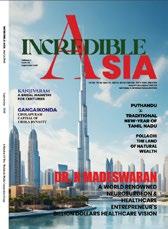





Asia, the largest and most populous continent, is not merely a geographical entity but a universe of staggering diversity, profound history, and relentless dynamism. It is a land of paradoxes, where ancient traditions coexist with hyper-modernity, spiritual devotion with relentless commercial ambition, and breathtaking natural beauty with man-made megalopolises. To label Asia as “incomparable” is to acknowledge that no other continent can claim such a unique blend of civilizational depth, demographic scale, economic power, and cultural richness, that cement Asia’s status as a truly singular force in the world.
THE CRADLE OF CIVILIZATIONS AND SPIRITUAL THOUGHT: Asia’s incomparability begins with its foundational role in human history. It is the cradle of some of the world’s oldest and most influential civilizations, which laid the groundwork for human development and global philosophy. The fertile river valleys of Mesopotamia, the Indus, and the Yellow River nurtured the first great urban societies, giving rise to innovations in agriculture, mathematics, and urban planning that spread across the globe. From the Code of Hammurabi to the complex engineering of Mohenjo-Daro and Harappa, and the sophisticated bureaucracy of ancient China, Asian civilizations demonstrated an early mastery of statecraft and societal organization. Furthermore, Asia is the birthplace of virtually every major world religion and philosophical school of thought, whose principles continue to shape the moral and ethical frameworks of billions. The Abrahamic
religions—Judaism, Christianity and Islam—originated in West Asia, fundamentally altering the spiritual landscape of not only the continent but the world. The Indian subcontinent gave rise to Hinduism, Buddhism, Jainism, and Sikhism, with their profound insights into meditation, karma and the nature of existence. East Asia, meanwhile, developed the “Three Teachings” of Confucianism, Taoism and Buddhism, which have profoundly influenced social structures, art, and ethics for millennia. This rich, spiritual heritage means that Asia’s influence extends far beyond material and political realms, shaping the very consciousness of a significant portion of humanity.
The sheer scale and intricacy of Asia’s cultural and linguistic diversity are unrivaled. Unlike other continents, which may be more culturally homogeneous in their core, Asia is a vast mosaic of customs, languages, and traditions, woven together by centuries of trade and migration. This diversity is so immense that even defining a single “Asian culture” is a futile exercise; the continent is best understood as a complex web of interconnected yet distinct cultural spheres. In Southeast Asia, Indian and Chinese influences blended with local customs to create a unique cultural synthesis reflected in majestic temples like Angkor Wat and Borobudur. Further west, Central Asia became a crucible of exchange along the Silk Road, absorbing influences from Persia, Mongolia, and Russia. Meanwhile, the Indian subcontinent is a world unto itself, with a linguistic and cultural divide between the Indo-Aryan north and the Dravidian south and successive empires.
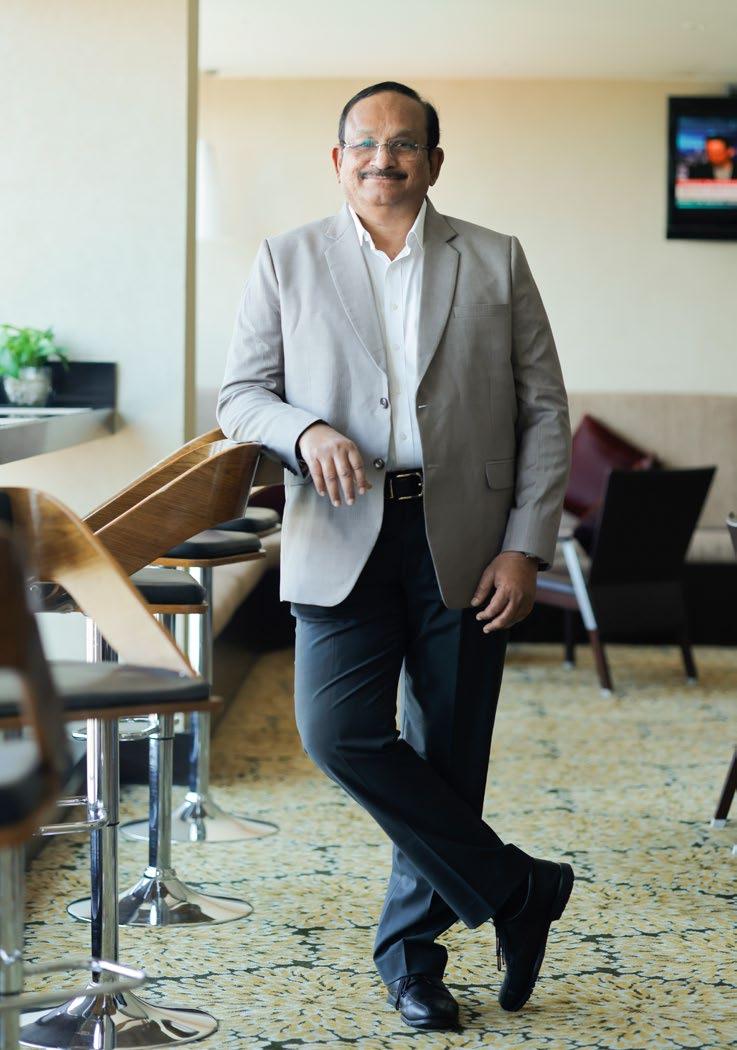
Dr. S. E. Alexander Global Media Chief & MD
THE EPICENTER OF GLOBAL ECONOMIC POWER: For centuries, China and India were the world’s largest economies, and while Western colonialism temporarily shifted the economic axis, the “Asian Century” has seen the balance of power swing back. Asia has re-emerged as the world’s economic powerhouse, driven by a series of transformative booms. The “Asian Tigers” (South Korea, Taiwan, Singapore and Hong Kong) led the way with export-driven industrialization, paving the way for the explosive growth of China and India. Today, Asia accounts for a majority of global economic growth and possesses an enormous pool of capital and talent. China leads in manufacturing and technology, while India has become a global hub for IT services and a booming digital economy. Japan and South Korea remain leaders in high-tech manufacturing, robotics, and semiconductors. This economic dynamism is reshaping global trade, investment, and supply chains, with Asian economies trading more with each other than with the rest of the world. The rise of Asian tech giants, the dominance of Asia in manufacturing, and the rapid expansion of its consumer markets underscore its central role in the global economy.
DEMOGRAPHIC SCALE AND
Asia’s vast demographic scale is a defining feature of its incomparability. With roughly 60% of the world’s population, Asia’s human potential is immense. The continent’s demographic story is one of dramatic contrasts, from the rapid aging of Japan and South Korea to the youthful, burgeoning populations of India, Pakistan, and Southeast Asia. Many regions of Asia possess a large and growing young population poised to drive consumption and innovation for decades. The massive workforce, combined with an increasing focus on education and skills development, has fueled Asia’s rise. This sheer scale of human endeavor, from mass urbanization to industrialization and technological advancement, is a spectacle that only Asia can truly offer.
GEOGRAPHICAL EXTREMES
WONDERS: The sheer geographical expanse of Asia provides a breathtaking backdrop to its human story, encompassing a range of climates and landscapes found nowhere else. From the towering peaks of the Himalayas, home to Mount Everest, to the immense, desolate plains of the Siberian tundra and the arid expanses of the Gobi and Rub’ al Khali deserts, Asia’s landforms are legendary. The continent is also home to lush tropical rainforests in Southeast Asia, with their extraordinary biodiversity, and idyllic archipelagos like the Maldives and the Philippines, famous for their marine life. This diverse geography has not only shaped local cultures and economies but has also served as a stage for some of history’s most compelling stories of adaptation and resilience.
IN BRIEF: Asia’s incomparability stems from its unique convergence of historical depth, cultural diversity, economic power, and demographic scale. It is a continent that has birthed civilizations, religions, and philosophies that have guided humanity for millennia. It is a place of geographical extremes and natural wonders, a vast tapestry of peoples and traditions. Today, it stands as the engine of the global economy and a hub of innovation, leveraging its immense human potential to reshape the 21st century. While challenges remain, Asia’s journey is a testament to resilience, dynamism, and an enduring spirit that makes it, without question, the incomparable continent of the world.
Global Media Chief & MD
Dr. S. E. Alexander
Chief Executive Editor & ED
Dr. Andre Lubbe
Senior Executive Editors & Directors
Dr. Kevin Francis, George Fedrick
Executive Editor & SVP
Thamen, Reetu Bansal
Associate Editors & Regional Directors
Nicolas Flemings, Nitirooge Phoneprasert, Ken Obeng
Regional Director Malaysia
Shariman Abd Rahim
Creative Director
Randy Redstone
Art Directors
Richard Flemings
EVP - Asia Pacific Region Operations
Graham Starmer, Sudhakar Gupta
AGM – Corporate Communication
Swetha Naren
Vice President - Operations
Amit, Rahul Shinde, Ruchi Srivatsa
Corporate Advisors & Consultants
Venkat, Mike Dobbertine, Chandrasekar, Ujagar Singh
Senior Sub Editors
Prasad ST, Ram Mohan Rao, Vinu Agarwal
Editorial Consultants, Senior Journalists & Sub Editors
Bruce N Lesly, Edna Ferber, Sreedevi, Nancy, Aarti Mukherjee, Maddy, Rachel D’souza, Vidya, Kruthiga, Ajay Franklin
Regional & Business Managers
Sanjay, Steve Mathews, Nirupama Rao, Sunil Kumar, T.P. Bhaskar, Kiran, Kishore
Circulation Managers
Shewtha Shetty, Alan, Rakesh Khanna, Subbodh Chakraborthy
Photographers
James O Corner, Nikhil, Bosh Winter
Resident Managers & Journalists
Aarthi Agarwal, Sarika, Vikram Kapoor, Swetha
Assistant Managers & Executives
Rocky, Manju, Prakash, Neetu
Senior Creative Designer Raj, Ryan D’souza
Creative Designers
Ajeesh, Rajesh, Abhijit, Sonam, Reetu, Sonal, Ashish, Chithra
Email:







30 24
Apple Names Sabih Khan as New Chief Operating Officer
The Rise of Architecture & Construction Engineering in the Gulf Region
46
Fuji Dream Airlines Launches Scenic Charter Flights Around Mt. Fuji
102
From Ancient Mud-Brick City to Saudi Arabia’s Cultural Crown Jewel
58
Shikho & Meta Join Forces to Launch AI Literacy Course in Bangladesh
110
AI & Robotics Revolutionize Asian Manufacturing, ERIA Report Reveals
UAE Pioneers AI as Mandatory School Subject- Shaping a TechDriven Future
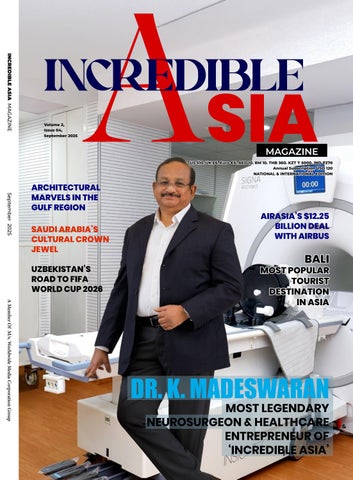
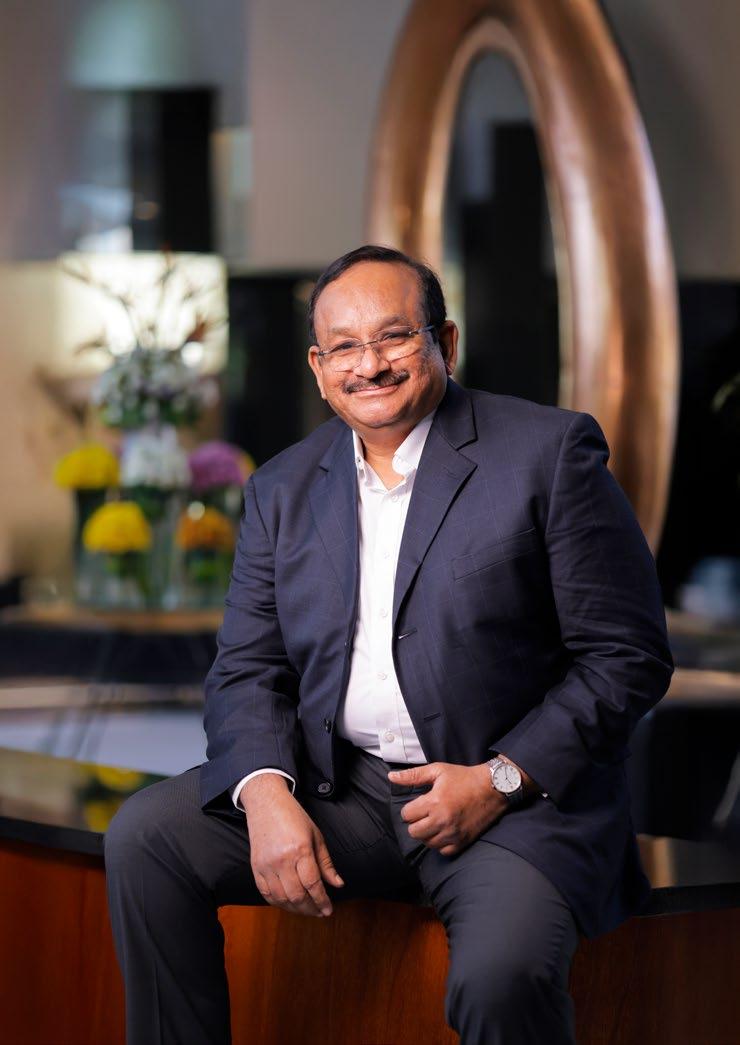
Dr. K. Madeswaran - Most Legendary Neurosurgeon & Healthcare Entrepreneur Of ‘Incredible Asia’
110
152
India’s Healthcare Market Poised to Reach $638 Billion by 2025
188
AirAsia Inks $12.25 Billion Deal with Airbus for 50 A321XLR Aircraft
160
Ascott Unveils Global Academy for Excellence to Drive Hospitality Innovation and Talent Development
208
Top Three Must Visit Museums In Asia
168
Centara Hotels Shine Bright @ The Travel + Leisure Luxury Awards Asia Pacific 2025
234
From Underdogs to History Makers Uzbekistan’s Road to FIFA World Cup 2026
178
256 Naveen Chopra Appointed as Roblox’s New CFO:A Strategic Move for the Metaverse Giant
Bali - One of the Most Popular Tourist Destinations in Asia







In a significant leadership transition, Apple Inc. announced that Sabih Khan will assume the role of Chief Operating Officer (COO) later this month, succeeding Jeff Williams. Khan, a 30-year veteran of the company, steps into one of Apple’s most critical roles, overseeing the company’s global supply chain, manufacturing, procurement, logistics, and supplier responsibility programs. This appointment marks a new chapter for Apple as it continues to navigate an evolving technological landscape and maintain its position as a global leader in innovation.
A PROVEN LEADER WITH DEEP APPLE ROOTS
Sabih Khan, born in 1966 in Moradabad, Uttar Pradesh, India, has been a cornerstone of Apple’s operational success since joining the company in 1995. Most recently serving as Senior Vice President of Operations, Khan has played a pivotal role in shaping Apple’s supply chain into one of the most efficient and resilient in


the world. His leadership has been instrumental in reducing Apple’s carbon footprint by over 60% and expanding the company’s manufacturing footprint in the United States, aligning with Apple’s commitment to sustainability and economic growth.
Khan’s academic background includes bachelor’s degrees in economics and mechanical engineering from Tufts
University and a master’s degree in mechanical engineering from Rensselaer Polytechnic Institute. Before joining Apple, he honed his expertise at GE Plastics, bringing a wealth of technical and operational knowledge to the Cupertino-based tech giant. Over his three-decade tenure, Khan has earned a reputation as a strategic
thinker and collaborative leader, qualities that Apple CEO Tim Cook highlighted in the announcement. “Sabih is a brilliant strategist who leads with heart and values,” Cook said in a statement. “His deep understanding of Apple’s operations, coupled with his ability to inspire teams and drive innovation, makes him the ideal choice to lead our operations as COO.”





Khan’s contributions to Apple have been transformative. Under his leadership, Apple’s supply chain has become a model of efficiency, enabling the company to deliver cutting-edge products to millions of customers worldwide. His focus on sustainability has driven significant reductions in carbon emissions, while his efforts to expand U.S. manufacturing have strengthened Apple’s domestic presence. Khan’s ability to navigate complex global supply chains, particularly during challenging times such as the COVID-19 pandemic and geopolitical shifts, has solidified his reputation as a steady hand in operations.
As COO, Khan will take on even greater responsibility, ensuring that Apple’s operational engine continues to run smoothly while supporting the company’s ambitious goals in product development, sustainability,
and global expansion. His appointment comes at a time when Apple is pushing the boundaries of innovation with advancements in artificial intelligence, augmented reality, and its growing ecosystem of services.
Jeff Williams, who has served as Apple’s COO since 2015, will step down from the role later this month but will remain with the company until his retirement later in 2025. During his tenure as COO, Williams played a central role in overseeing Apple’s operations and was instrumental in the development and success of the Apple Watch, which has become a cornerstone of the company’s wearable technology portfolio.



He also spearheaded Apple’s health initiatives, including features like the ECG app and fall detection, which have redefined the role of consumer technology in personal wellness. Until his retirement, Williams will continue to oversee Apple’s design team, including its hardware and software design groups, as well as the company’s health initiatives and the Apple Watch program. Following
his departure, the design team will report directly to CEO Tim Cook, ensuring continuity in Apple’s designdriven culture. “Jeff has been an extraordinary leader at Apple, and his contributions have shaped our products and operations in profound ways,” Cook said. “We are grateful for his continued guidance during this transition and wish him the very best in his next chapter.”

Khan’s appointment as COO signals Apple’s commitment to continuity and excellence in its operations. With his deep institutional knowledge and proven track record, Khan is well-positioned to lead Apple’s supply chain and manufacturing efforts as the company faces new challenges and opportunities in a rapidly changing global market. His focus on sustainability and operational efficiency will be

critical as Apple continues to innovate across its product lineup, from iPhones and Macs to emerging technologies like the Vision Pro and beyond. The transition also underscores Apple’s ability to cultivate and promote talent from within. Khan’s rise to COO, much like Williams’ before him, reflects the company’s emphasis on fostering leaders who embody its values of innovation, collaboration, and excellence.



As Sabih Khan prepares to take the helm as Apple’s COO, the tech world will be watching closely to see how he shapes the company’s operational strategy. His leadership will be critical in maintaining Apple’s reputation for delivering high-quality products at scale while advancing its environmental and social responsibility goals. With Khan at the helm of operations and Cook leading the company’s vision, Apple is poised to continue its legacy of innovation and impact for years to come.
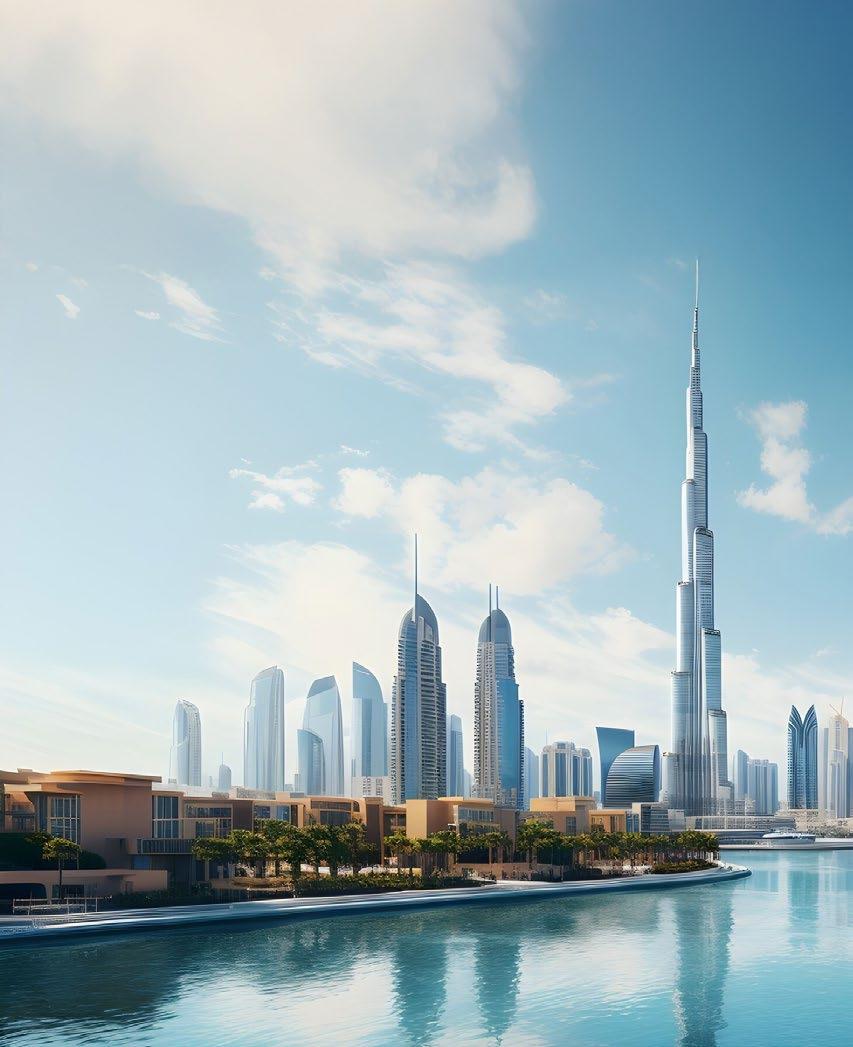
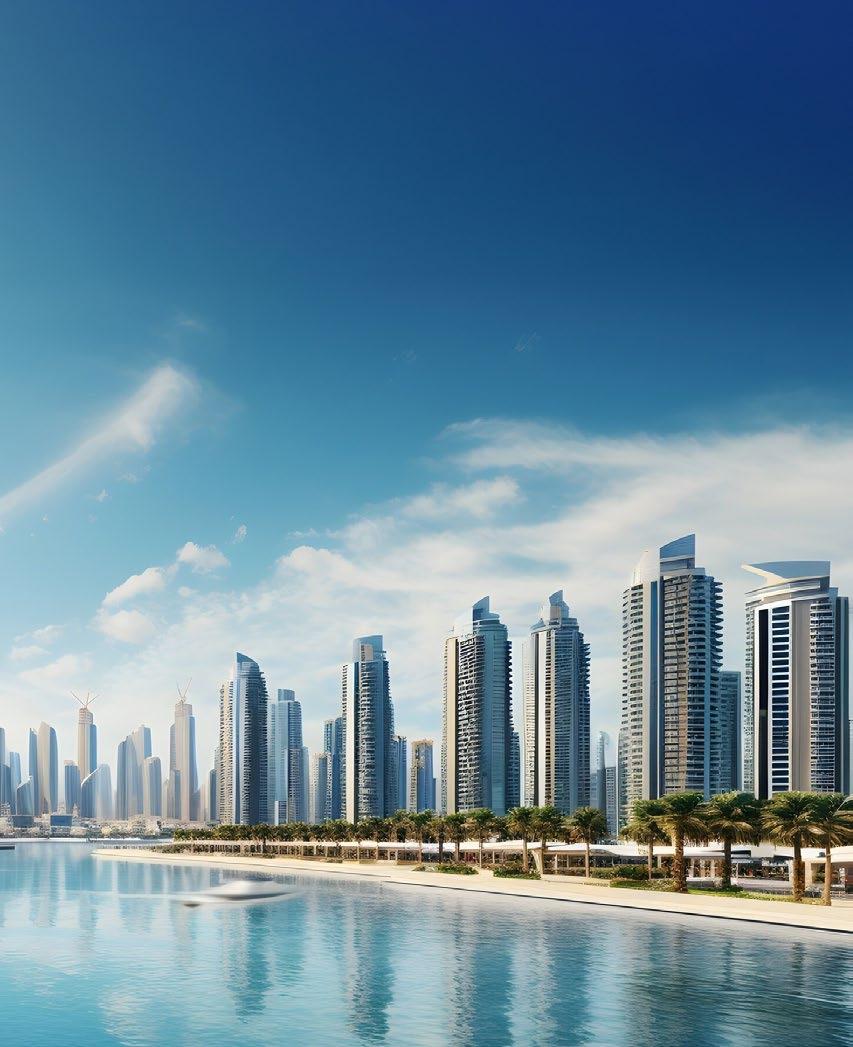
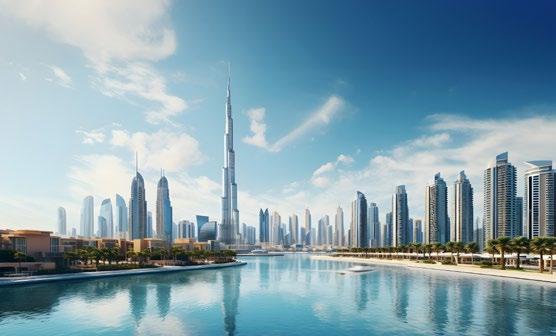
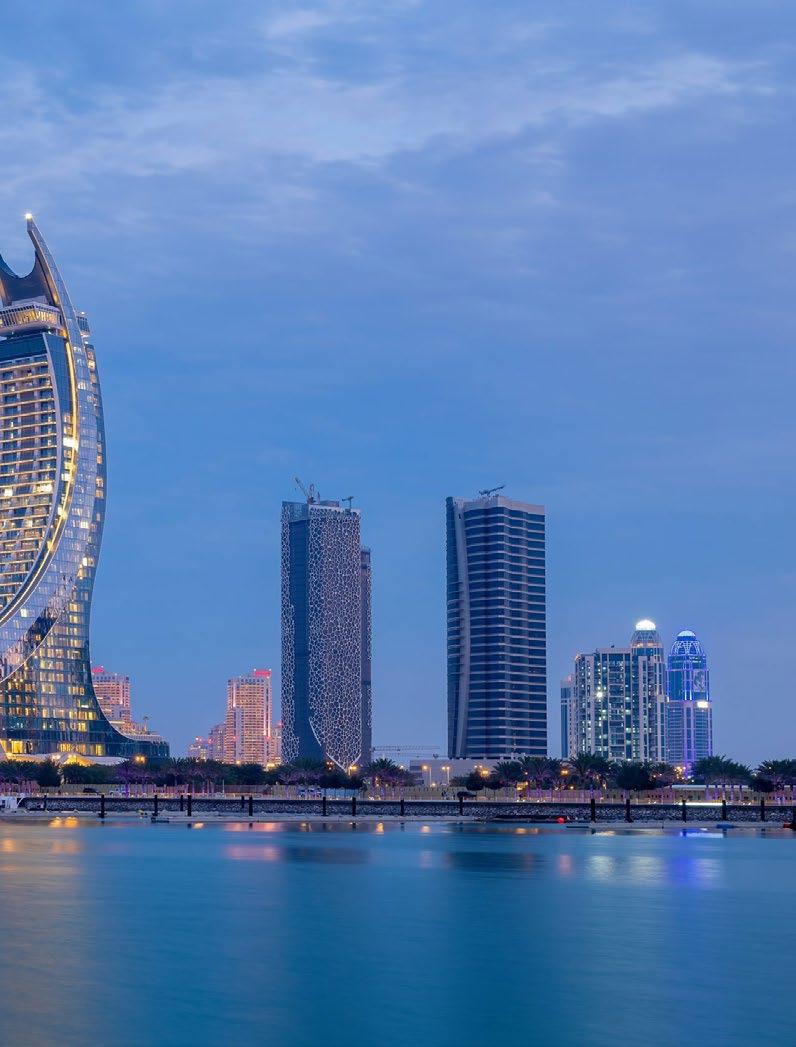
The Gulf Cooperation Council (GCC) region— comprising Saudi Arabia, the United Arab Emirates, Qatar, Kuwait, Oman, and Bahrain— has emerged as a global epicentre for architecture and construction engineering. Fuelled by visionary government initiatives, abundant resources, and a drive to diversify economies, the region’s architecture, engineering, and construction (AEC) sector is experiencing unprecedented growth. In 2023, the Middle East’s AEC market was valued at USD 5.73 billion, with projections indicating robust expansion through 2030. This article explores the key factors propelling this rise, from ambitious mega-projects to sustainability imperatives and technological innovation.
At the heart of the Gulf’s AEC boom are transformative national visions, such as Saudi Arabia’s Vision 2030, UAE’s Vision 2021, and Qatar’s National Vision 2030. These strategies aim to diversify economies away from oil dependency, prioritizing infrastructure, tourism, and urban development. Saudi Arabia’s NEOM, a $725 billion futuristic city featuring The Line—a 170-km-long linear urban development—exemplifies this ambition. Similarly, the UAE’s Dubai South and Qatar’s Lusail City are redefining urban landscapes with integrated residential, commercial, and leisure hubs. These governmentbacked initiatives provide a steady pipeline of projects, attracting global architectural and engineering firms to the region.


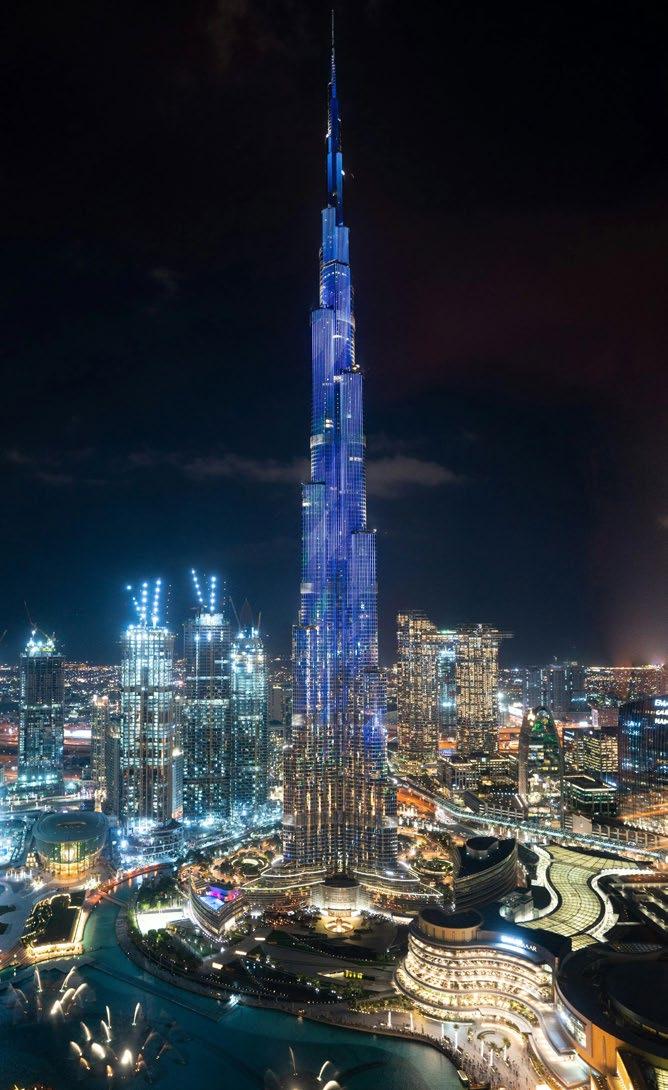


The Gulf is synonymous with iconic mega-projects that push the boundaries of design and engineering.
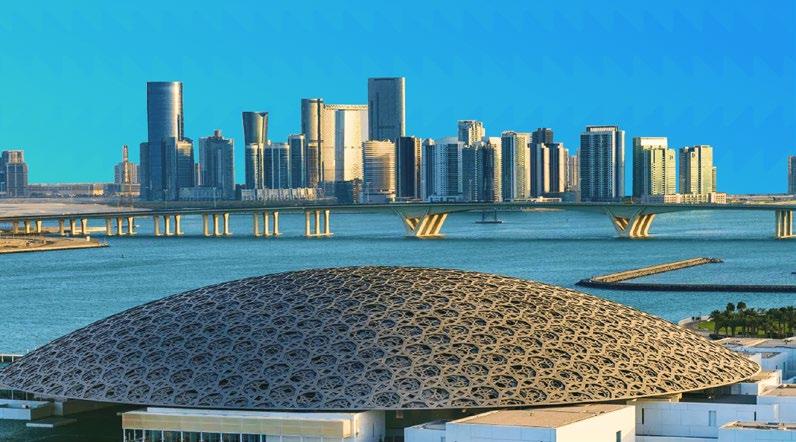
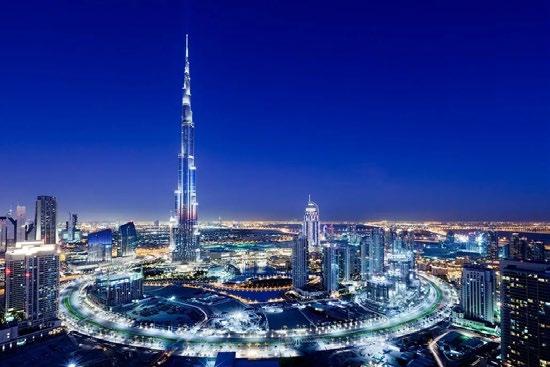
Dubai’s Burj Khalifa, the world’s tallest building, and Abu Dhabi’s Louvre Museum showcase the region’s appetite for architectural landmarks.
Saudi Arabia’s Red Sea Project, aiming for sustainability with
renewable energy-powered resorts, and Riyadh’s King Abdullah Financial District further underscore the scale of investment. These projects not only drive demand for skilled architects and engineers but also position the Gulf as a testing ground for innovative construction techniques, such as modular building and advanced structural engineering.

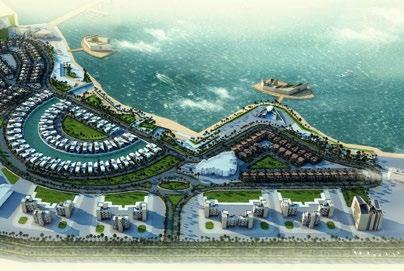
As GCC countries diversify their economies, investments in real estate, infrastructure, and tourism have surged. Rapid urbanization—driven by population growth and expatriate inflows—has created demand for smart cities, residential complexes,
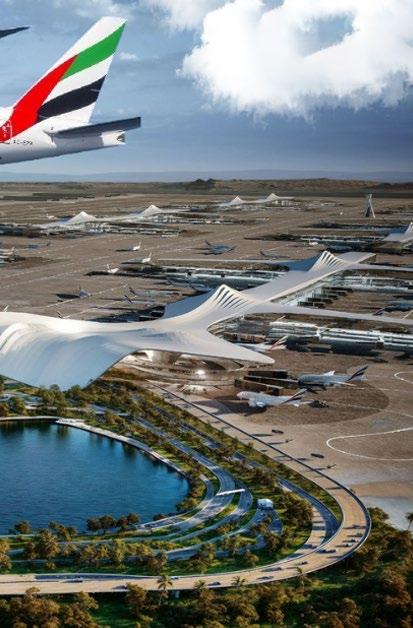
and transportation networks. For instance, Kuwait’s South Saad Al-Abdullah City and Oman’s Duqm Special Economic Zone are designed to accommodate growing populations while fostering economic activity. The construction of airports, metro systems, and highways, such as Dubai’s Al Maktoum International Airport expansion, further fuels the AEC sector’s growth.
The Gulf’s extreme climate, characterized by scorching temperatures and water scarcity, has made sustainability a priority. Governments and developers are increasingly adopting green building standards, such as LEED (Leadership in Energy and Environmental Design) certification, to reduce environmental impact.

Projects like the Siemens Middle East Headquarters in the UAE, which achieved LEED Platinum status, integrate parametric design and energy-efficient systems inspired by traditional Arabian architecture. Firms like Egis and OBERMEYER are pioneering climateadapted solutions, such as passive cooling and solar integration, aligning with global sustainability goals and driving demand for specialized engineering expertise.



The Gulf’s AEC sector is embracing cutting-edge technologies to enhance efficiency and precision. Building Information Modelling (BIM) is widely adopted, enabling seamless coordination among architects, engineers, and contractors. Software like ideCAD One AEC supports multidisciplinary collaboration, streamlining complex projects. Artificial intelligence (AI) and drones are used for site monitoring, while 3D printing is being explored for rapid construction. For example, Dubai’s “Office of the Future,” the world’s first 3D-printed office, highlights the region’s willingness to experiment with innovative methods. These technologies attract global talent and position the Gulf as a leader in AEC innovation.
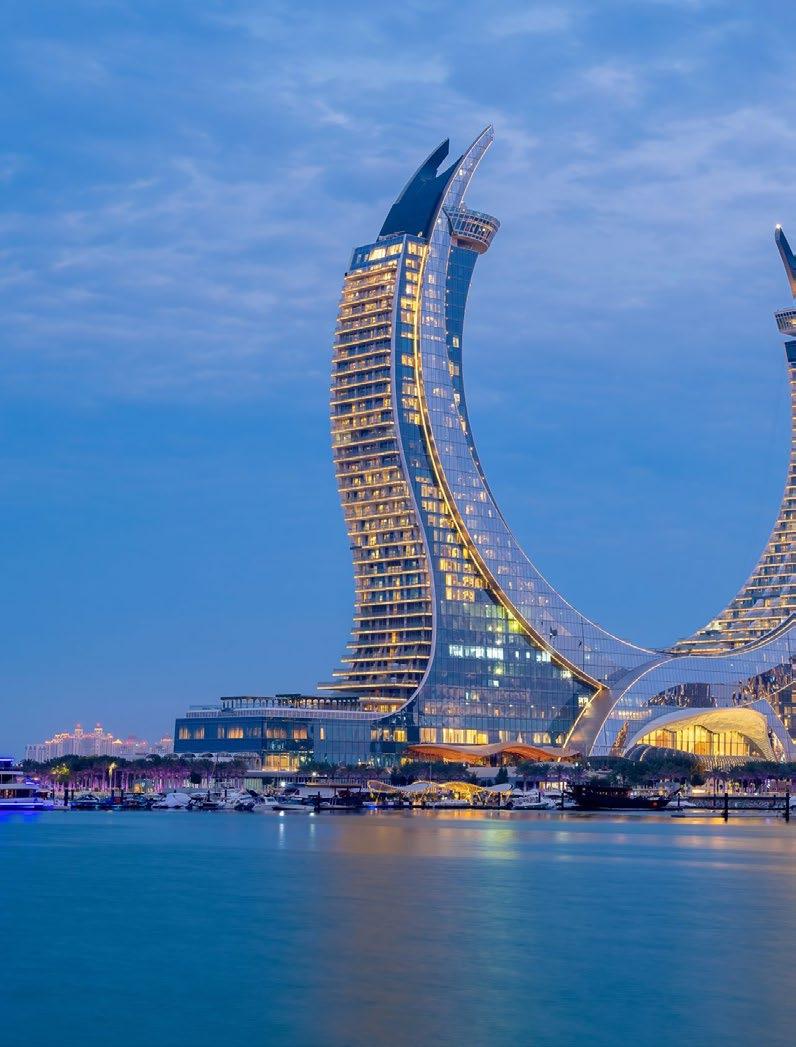
The Gulf’s AEC sector benefits from an influx of international expertise and investment. Leading firms like Zuhair Fayez Partnership, AtkinsRéalis, and Burns & McDonnell operate alongside local players, bringing global standards to regional projects. The region’s tax-free environment, coupled with high-profile projects, attracts architects, civil engineers, and MEP specialists. Additionally,
foreign direct investment (FDI) in real estate and infrastructure, particularly from Asia and Europe, supports the sector’s growth. The AIA Middle East conference serves as a platform for knowledge exchange, further integrating the region into the global AEC ecosystem.
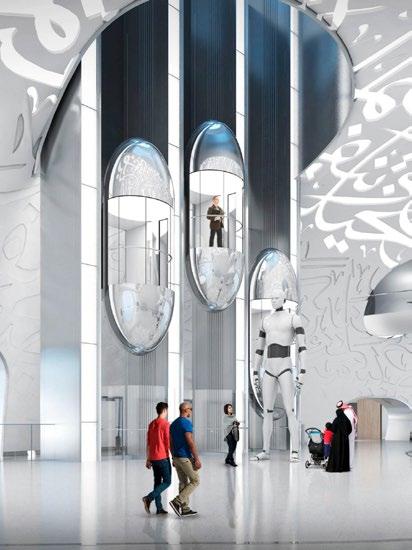
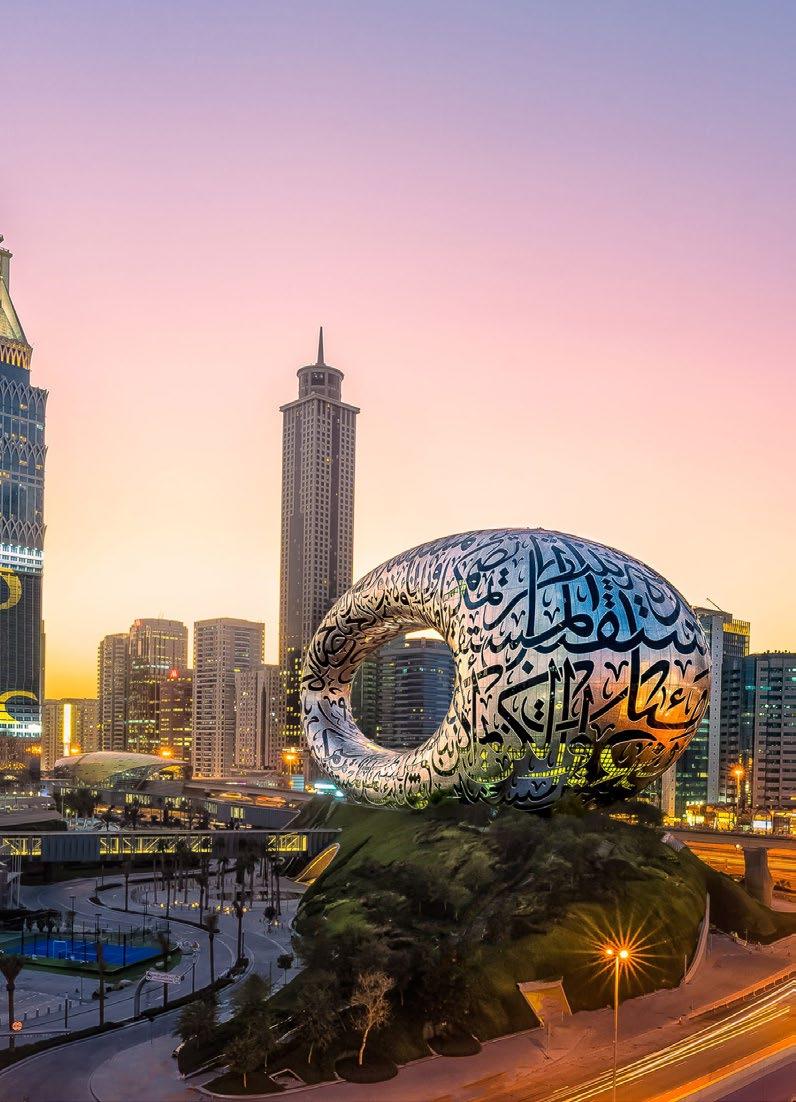
The Gulf’s focus on cultural preservation and tourism is driving architectural innovation. Projects like the
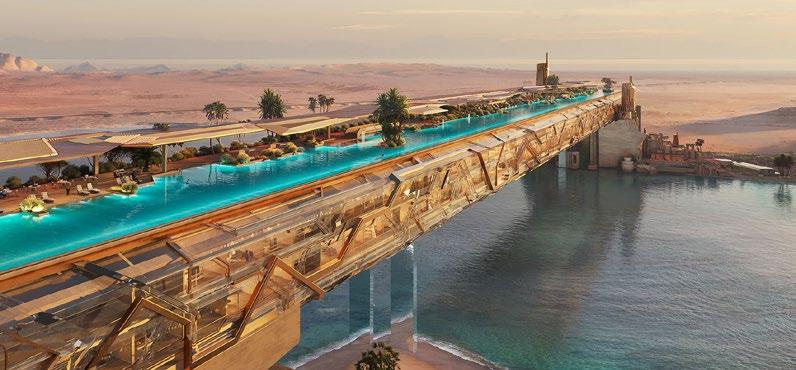
Museum of the Future in Dubai and the National Museum of Qatar blend modern design with cultural heritage, creating iconic landmarks that attract global visitors. These developments require architects to balance aesthetic innovation with traditional elements, fostering a unique design language. The tourism sector’s growth, with initiatives like Saudi Arabia’s AlUla heritage site, also spurs hotel and resort construction, further boosting the AEC industry.
To sustain this growth, GCC countries are investing in education and workforce development. Universities like Middle East University in Jordan and the American University in Dubai offer specialized programs in architectural engineering, producing graduates equipped to tackle the region’s complex projects. Vocational training and certifications in BIM and sustainable design are also on the rise, ensuring a skilled labour force. Firms
like iTalent emphasize hiring experts in real estate and MEP systems, aligning with the sector’s technical demands.
Despite its growth, the Gulf’s AEC sector faces challenges, including complex geology, labour shortages, and the need for cost-effective sustainability solutions. However, these hurdles are driving innovation, with firms adopting advanced techniques like Mechanically Stabilized Earth (MSE) walls for projects like Fujairah Station.

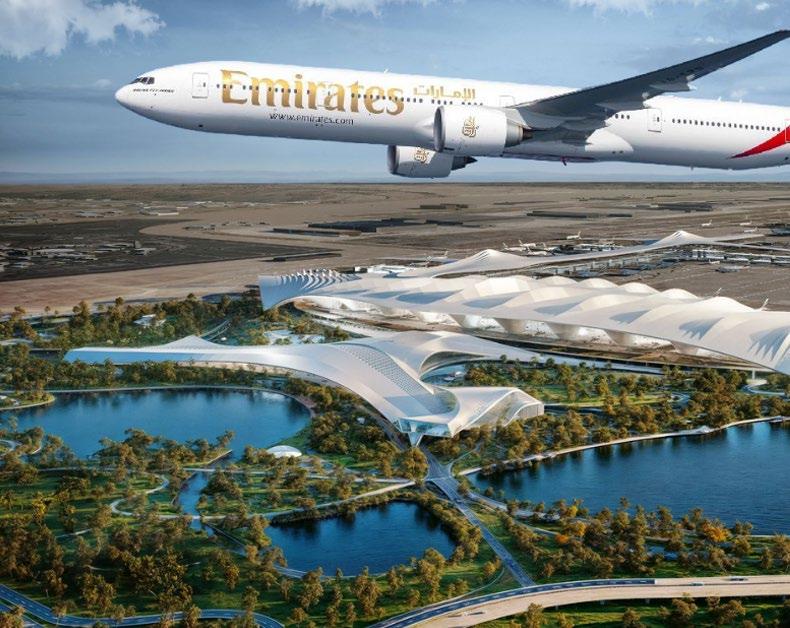

Looking ahead, the sector is poised for continued expansion, with smart cities, renewable energy integration, and AI-driven design shaping the future. The GCC’s commitment to hosting global events, such as Expo 2020 in Dubai and the 2022 FIFA World Cup in Qatar, ensures sustained investment in infrastructure.
The architecture and construction engineering sectors in the Gulf are on the rise due to a potent combination of visionary leadership, economic diversification, and technological innovation.
Mega-projects, sustainability imperatives, and cultural ambitions are transforming the region into a global AEC hub. As the Gulf continues to redefine urban living with projects like NEOM and Dubai South, it offers a fertile ground for architects and engineers to push the boundaries of design and construction. For those looking to engage with this dynamic market, the Gulf region presents unparalleled opportunities for innovation and impact.


Fuji Dream Airlines (FDA), a regional Japanese carrier known for its vibrant fleet and commitment to connecting Japan’s hidden gems, has unveiled an exciting new offering for travellers and sightseers: scenic charter flights around the iconic Mt. Fuji. This unique flight experience, departing from Mt. Fuji Shizuoka Airport, promises breathtaking aerial views of Japan’s most revered natural landmark, allowing passengers to marvel at its majestic slopes and surrounding landscapes without the physical demands of a climb. With bookings now open, this is a must-do for anyone seeking a fresh perspective on Japan’s cultural and natural heritage.


The “Hyoi-to Charter” flights are designed to provide an intimate and unforgettable experience, showcasing Mt. Fuji from angles rarely seen. Operating on weekends and public holidays throughout July and August, these flights depart early in the morning, typically at 7:30 AM, to take advantage of optimal lighting and weather conditions. The low-altitude journey ensures passengers can fully appreciate the snow-capped peak (season depending), lush foothills, and shimmering lakes that

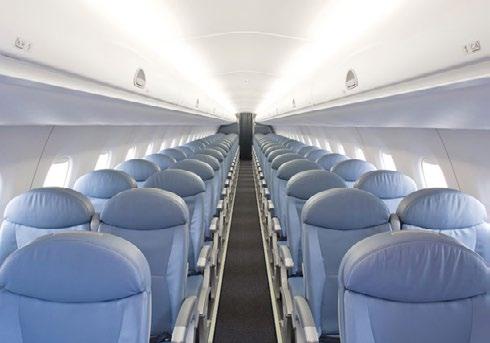
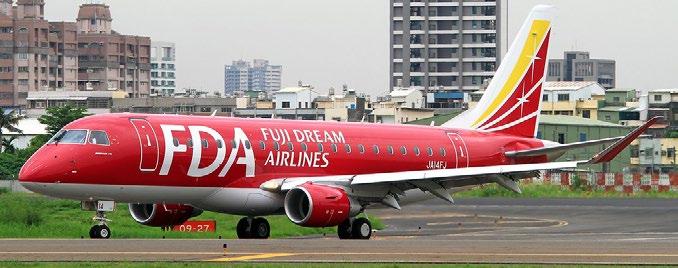
make Mt. Fuji a UNESCO World Heritage Site. Each flight lasts approximately 30 to 45 minutes, offering ample time to soak in the panoramic vistas. The aircraft, often FDA’s colourful Embraer E175 jets, are configured for comfort, with large windows perfect for photography and sightseeing. Passengers can expect a smooth and intimate experience, as these charters are tailored for smaller groups, ensuring everyone gets a prime view.
Fuji Dream Airlines has made booking these exclusive flights straightforward. Tickets are available directly through FDA’s official website, where travellers can select their preferred date and time. For those looking to compare fares or bundle their flight with other travel arrangements, third-party platforms like Alternative Airlines, Skyscanner, and Cleartrip also offer booking options. These sites provide transparency on pricing and availability, making it easy to plan a seamless trip.

The “Hyoi-to Charter” fare starts at approximately 20,000 JPY (£101) per person, though additional costs such as fuel surcharges and passenger facility fees may apply. While not the cheapest excursion, the price reflects the unique nature of the experience—an aerial tour of one of the world’s most iconic mountains, guided by a trusted regional airline with a strong safety record.






Mt. Fuji, standing at 3,776 meters, is Japan’s tallest and most sacred mountain, revered for centuries in art, literature, and spirituality. While climbing the volcano is a bucket-list activity for many, it’s a physically demanding endeavour that requires preparation and stamina. FDA’s scenic flights offer an accessible alternative, allowing travellers of all ages and fitness levels to experience the mountain’s grandeur. From the air, passengers can see not only
the symmetrical cone of Mt. Fuji but also the surrounding Fuji Five Lakes, verdant forests, and, on clear days, distant views of Tokyo’s skyline. These flights are particularly appealing for photographers, nature enthusiasts, and those short on time. The early morning schedule aligns with favourable weather patterns, increasing the chances of clear skies and unobstructed views. Plus, the novelty of a short, dedicated flight adds an element of adventure without requiring a full day’s commitment.



To make the most of the Mt. Fuji flight, consider these tips:
Book Early: Weekend and holiday slots are limited, and demand is expected to be high, especially during Japan’s peak summer travel season.
Check the Weather: While FDA operates in various conditions, clear skies enhance the experience. Flexible booking options on platforms like Skyscanner can help you choose the best day.


Bring a Camera: The large windows and lowaltitude flight path make this a photographer’s dream. A zoom lens can capture intricate details of the mountain and its surroundings.
• Combine with a Shizuoka Visit: Mt. Fuji Shizuoka Airport is located in Shizuoka Prefecture, a region known for its tea plantations, hot springs, and coastal beauty. Extend your trip to explore nearby attractions like the Shiraito Falls or the historic Shizuoka Sengen Shrine.

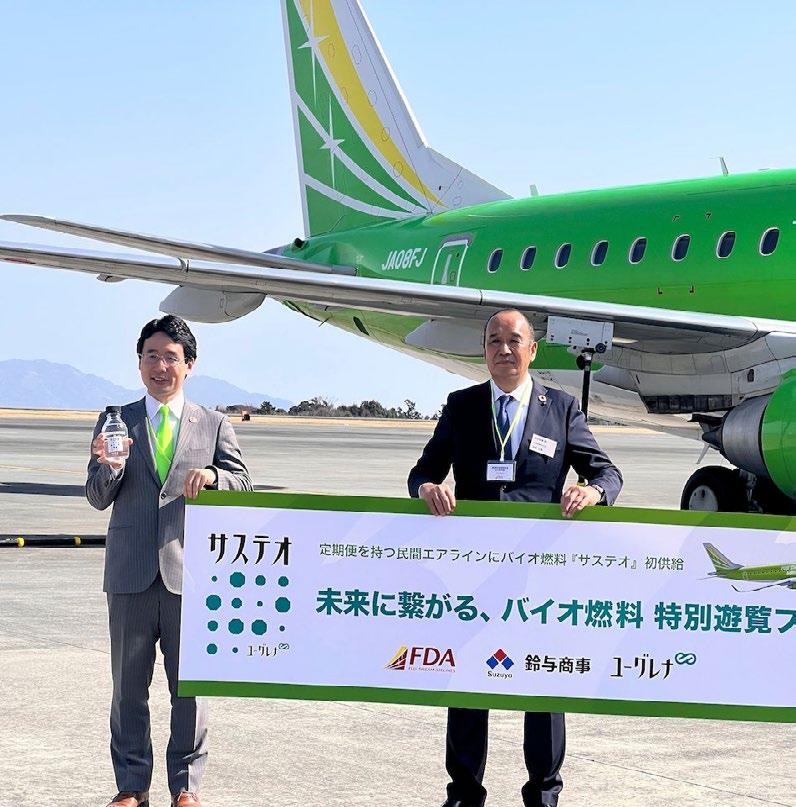
Fuji Dream Airlines, a subsidiary of Suzuyo & Co., is no stranger to showcasing Japan’s regional charm.
Based in Shizuoka, the airline operates a modern fleet painted in vibrant colours, each jet representing a different hue inspired by Japan’s landscapes. Known for its punctuality and

customer-focused service, FDA connects smaller cities like Nagoya, Fukuoka, and Sapporo, often bypassing the crowded hubs of Tokyo and Osaka. The Mt. Fuji charter flights are a natural extension of their mission to highlight Japan’s beauty, offering travellers a chance to see one of the nation’s most iconic landmarks in a new light.
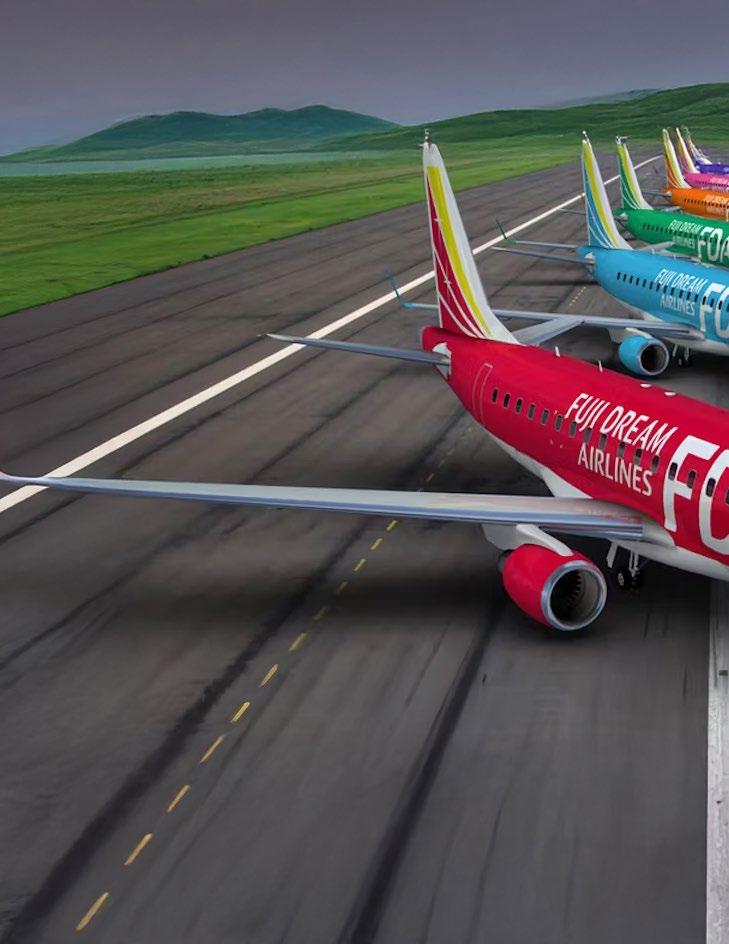
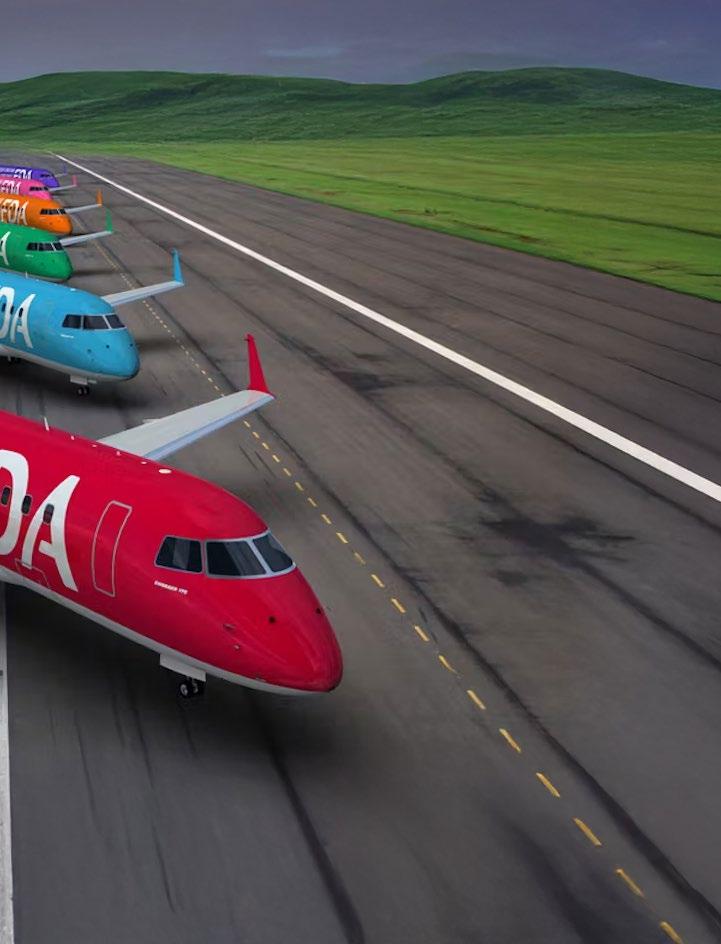
For those dreaming of a unique way to experience Mt. Fuji, Fuji Dream Airlines’ scenic charter flights are a game-changer. Whether you’re a first-time visitor to Japan or a seasoned traveller looking for a fresh adventure, this aerial tour offers a perspective that’s both awe-inspiring and accessible. With bookings now open and flights running through the summer, now is the time to secure your seat and take to the skies above Japan’s most beloved mountain. To reserve your spot or learn more, visit FDA’s official website or check platforms like Alternative Airlines for the latest deals. Don’t miss this chance to see Mt. Fuji from a vantage point few ever experience—a journey that promises to be as unforgettable as the mountain itself.
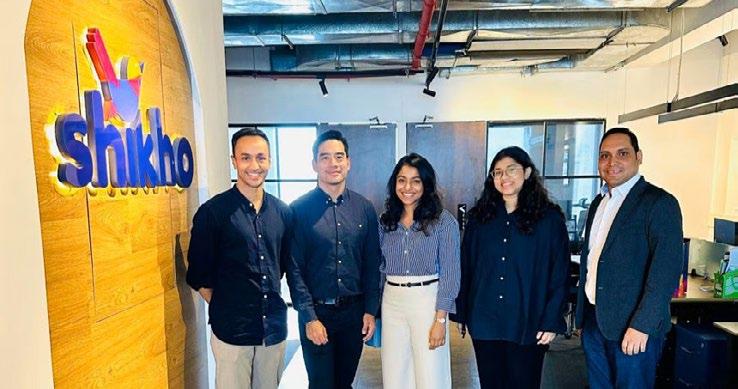
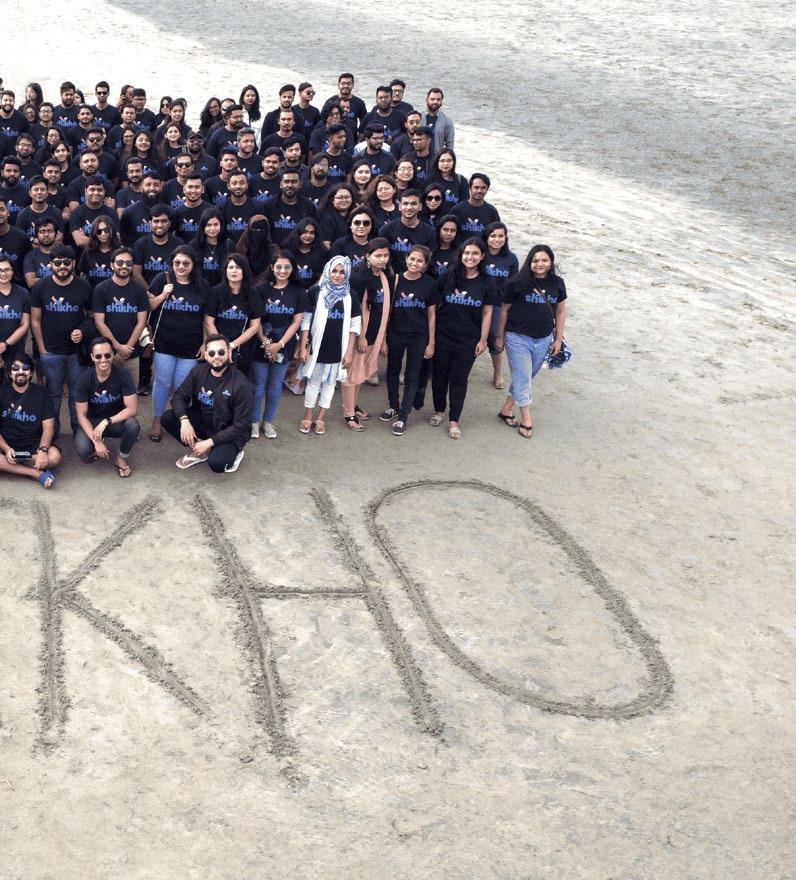
In a groundbreaking move for Bangladesh’s education sector, Shikho, a leading edtech platform, has partnered with Meta to introduce a free AI literacy course in Bangla, slated for release around October 2025. This initiative marks a significant step toward democratizing access to cuttingedge education and equipping Bangladeshi learners with
the skills needed to navigate the rapidly evolving world of artificial intelligence (AI). As Shikho continues to redefine educational access in the region, this collaboration underscores its commitment to innovation and inclusivity, aligning with its broader mission to make quality education accessible to all. Shikho, founded in 2019, has quickly risen as a transformative force in Bangladesh’s education
landscape. With a focus on providing affordable, highquality learning resources, the platform caters to students from primary to higher secondary levels, offering interactive video lessons, quizzes, and personalized learning tools. Its success lies in its ability to address local challenges, such as limited access to quality educational materials and the digital divide in rural areas.




By leveraging technology, Shikho has reached thousands of students across Bangladesh, empowering them with knowledge and skills to compete in a globalized world. The partnership with Meta, a global tech giant known for its advancements in AI and digital connectivity, amplifies Shikho’s vision and positions it as a pioneer in edtech innovation. The AI literacy course, to be hosted on

Shikho’s platform, is designed to make complex AI concepts accessible to a broad audience. Delivered in Bangla, the course ensures that language barriers do not hinder participation, making it inclusive for students, professionals, and curious learners across diverse backgrounds. While specific details about the course content are yet to be fully disclosed, it is expected to cover foundational AI topics, such as machine learning, data processing, and realworld applications of AI in industries like healthcare, agriculture, and education. By fostering an understanding of AI’s potential and ethical implications, the course aims to prepare Bangladeshis for a future where AI plays an integral role in daily life and the economy.

This initiative comes at a pivotal moment for Bangladesh, a country experiencing rapid digital transformation. With a growing tech ecosystem and increasing smartphone penetration, there is a rising demand for digital literacy and technical skills. However, AI education has
remained largely inaccessible to the masses due to language barriers, high costs, and a lack of localized resources. Shikho’s collaboration with Meta addresses these gaps by offering a free, culturally relevant course that aligns with the needs of Bangladeshi
learners. This move also reflects Meta’s broader commitment to promoting digital literacy globally, as seen in its various educational initiatives across Asia and beyond. The timing of the course launch
is particularly significant, as it precedes the anticipated public rollout of Shikho AI, an innovative tool designed to enhance personalized learning experiences. While details about Shikho AI remain under wraps, its integration into the platform is expected to leverage AI to tailor educational content to individual student needs, further revolutionizing how education is delivered in Bangladesh.

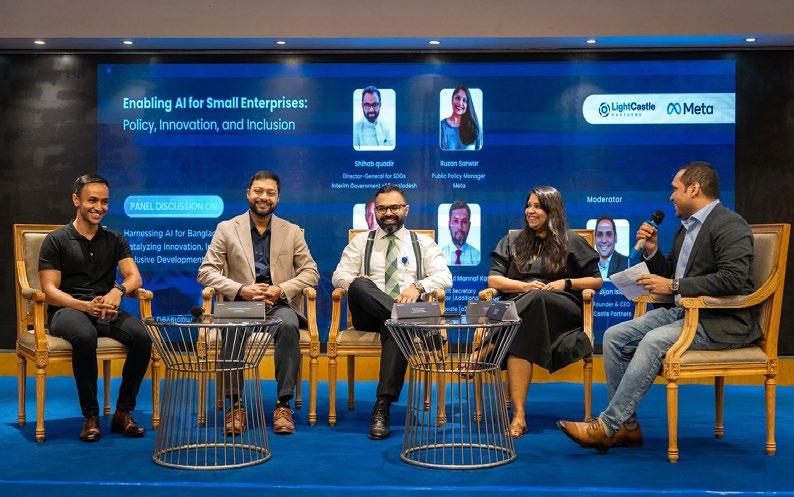

The AI literacy course, therefore, serves as a strategic precursor, raising awareness and building a foundation for users to engage with AI-driven educational tools effectively. This partnership is poised to have a far-reaching impact. By equipping learners with AI knowledge, Shikho and Meta are fostering a generation of tech-savvy individuals who

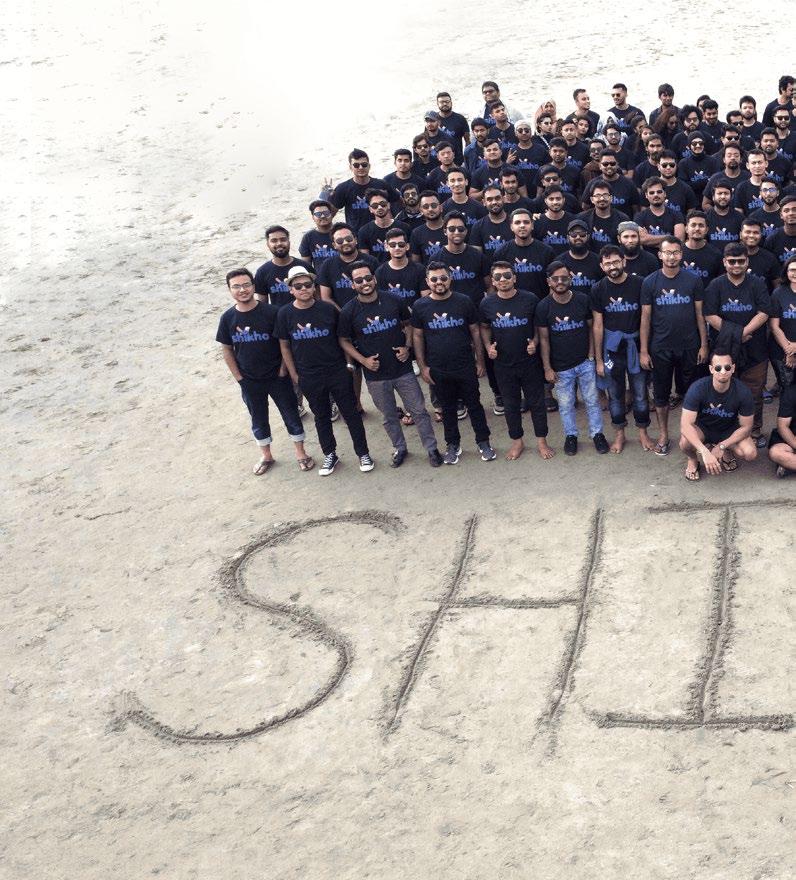
can contribute to Bangladesh’s growing digital economy.
The course also aligns with national goals to promote STEM education and prepare the workforce for Industry 4.0.
Furthermore, its accessibility ensures that underserved communities, including those in rural areas, can participate in the AI revolution, reducing educational disparities.
As Shikho and Meta prepare to launch this course, the
initiative stands as a testament to the power of collaboration between local innovators and global tech leaders. By combining Shikho’s deep understanding of Bangladesh’s educational needs with Meta’s expertise in AI and digital platforms, this partnership is set to redefine how AI literacy is approached in the region.
For Bangladesh, a nation with a young, ambitious population, this course represents more than just education—it’s a gateway to opportunity, empowerment, and a brighter, tech-driven future.

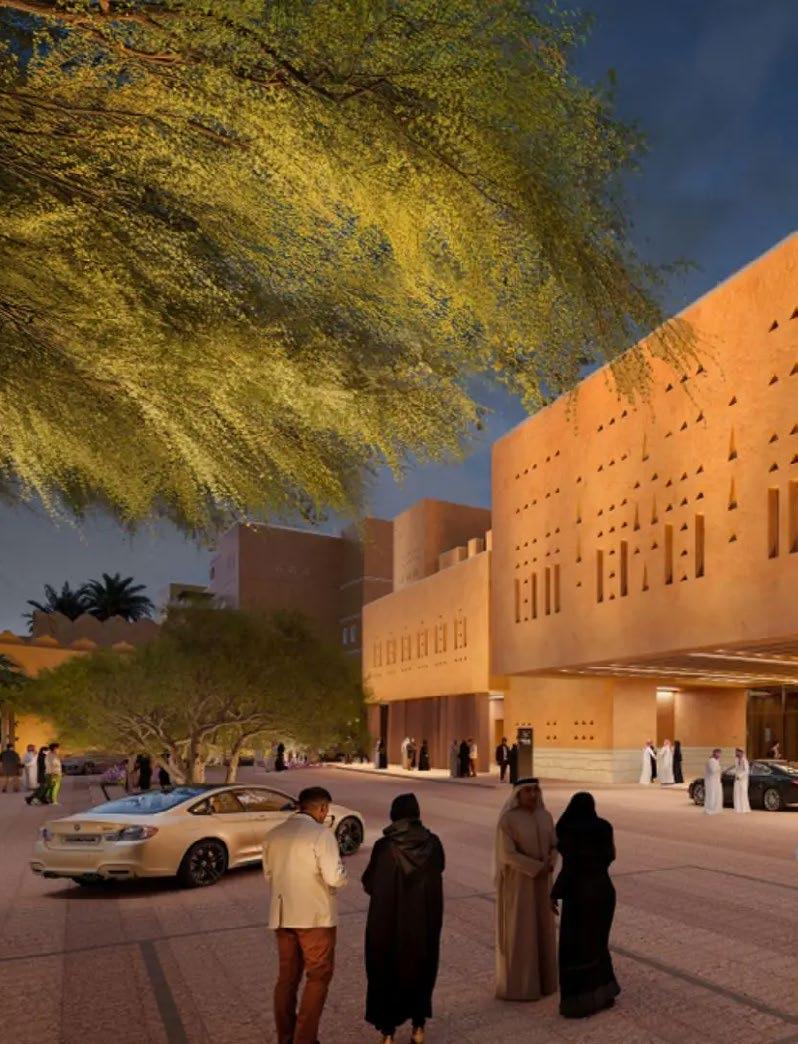
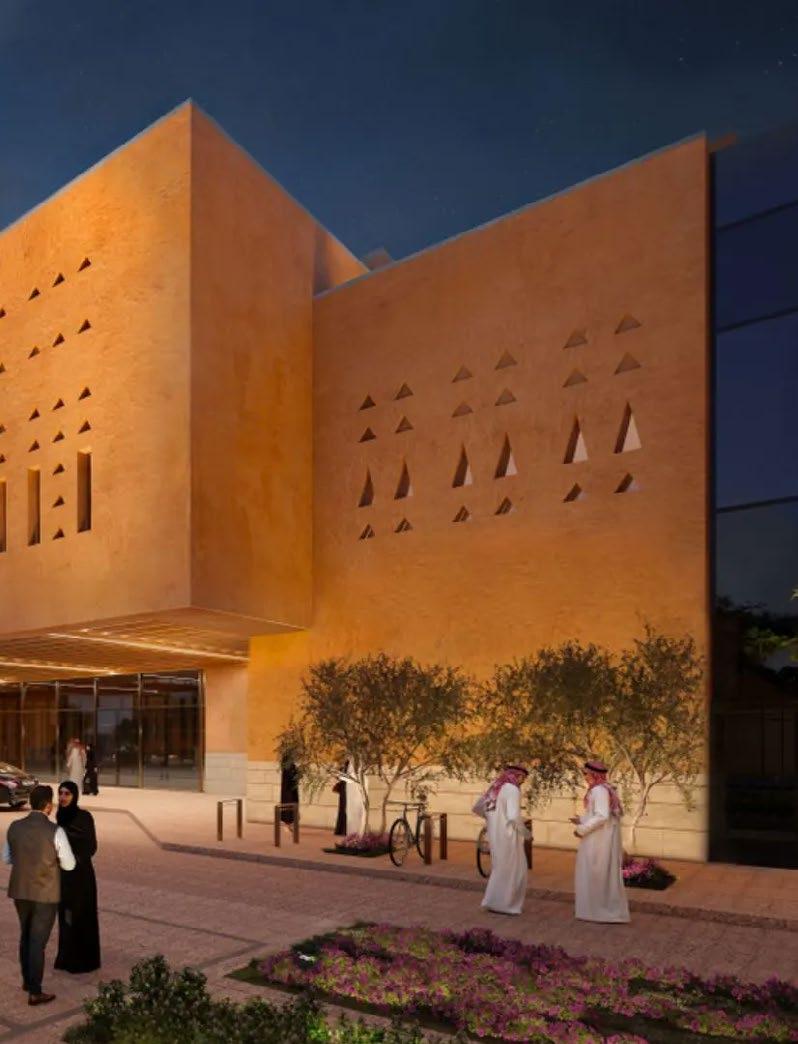
Nestled on the outskirts of Riyadh, Diriyah is more than a historical footnote in Saudi Arabia’s story—it’s the birthplace of the nation itself. Once a modest mudbrick city, this UNESCO World Heritage Site is undergoing a breathtaking transformation into a vibrant, walkable cultural destination that blends the Kingdom’s rich heritage with a bold vision for the future. As part of Saudi Arabia’s ambitious Vision 2030, Diriyah is being reimagined as a global hub for culture, tourism, and sustainable living, proving that history and modernity can coexist in harmony.
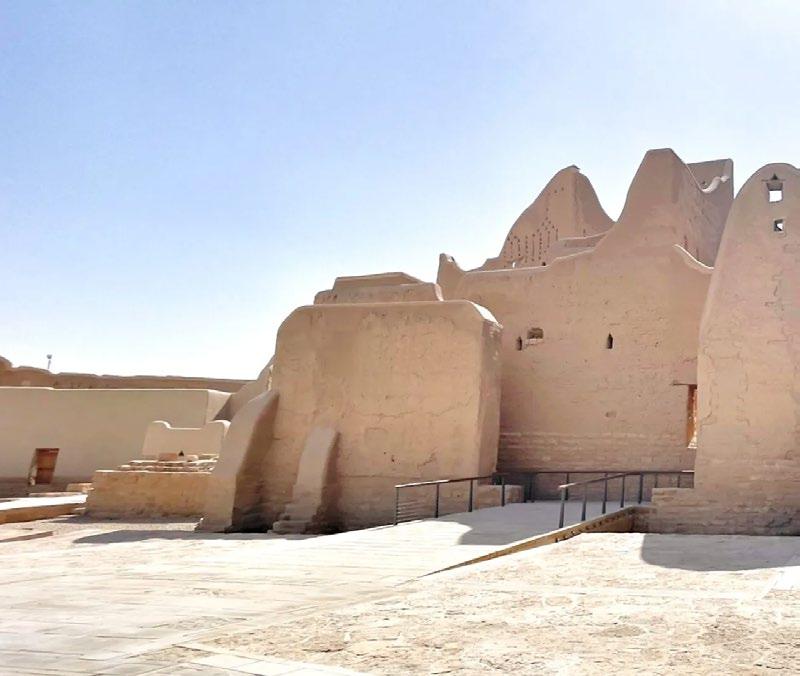
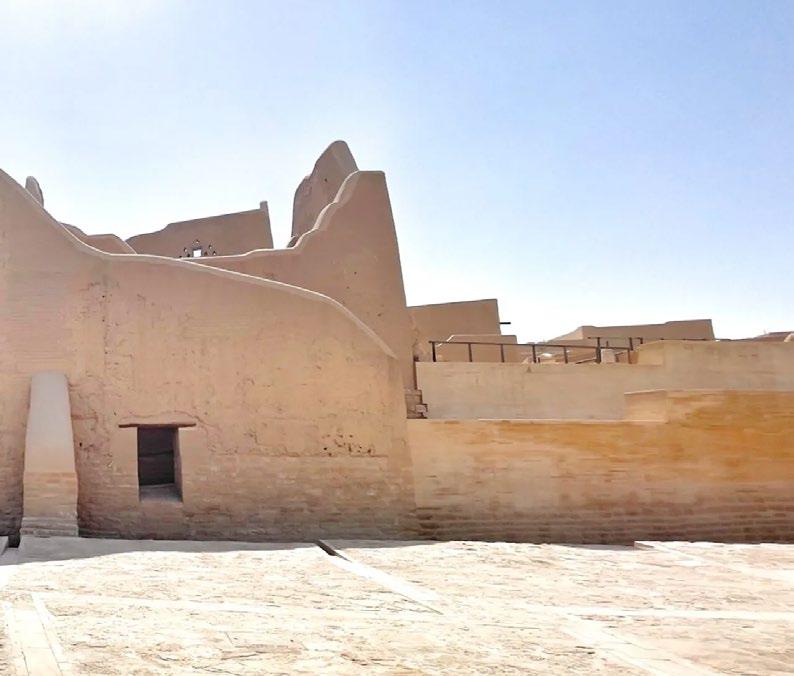
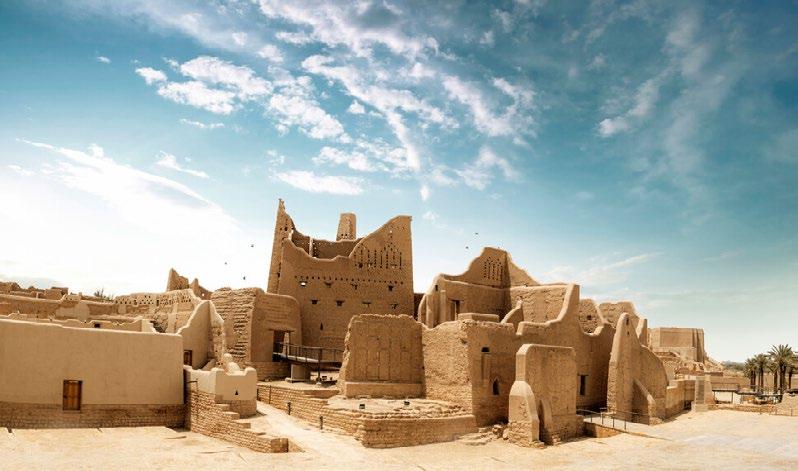
Diriyah’s significance stretches back to the 18th century when it served as the political and cultural cradle of the First Saudi State. The At-Turaif district, with its iconic mud-brick palaces and mosques, was the seat of the Al Saud family and a centre of religious and political reform. Its distinctive Najdi architecture—characterized
by earthy tones, geometric patterns, and thick adobe walls designed to withstand the desert climate—stands as a testament to the ingenuity of its people. In 2010, UNESCO recognized AtTuraif’s global importance, designating it a World Heritage Site and cementing Diriyah’s place as a cultural treasure.
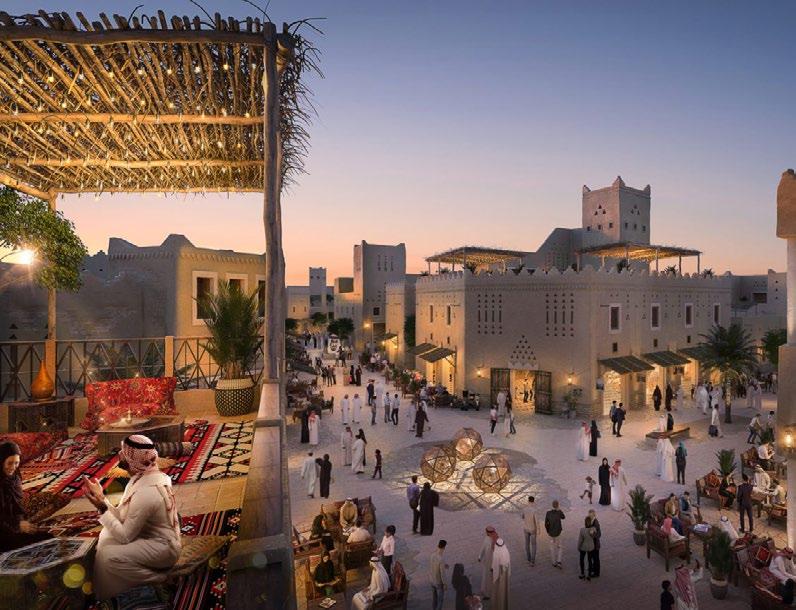
But Diriyah is no longer content to be a relic frozen in time. Under the Diriyah Gate project, led by the Diriyah Gate Development Authority (DGDA), this ancient city is being reborn as a living, breathing destination that invites the world to experience Saudi Arabia’s past, present, and future.



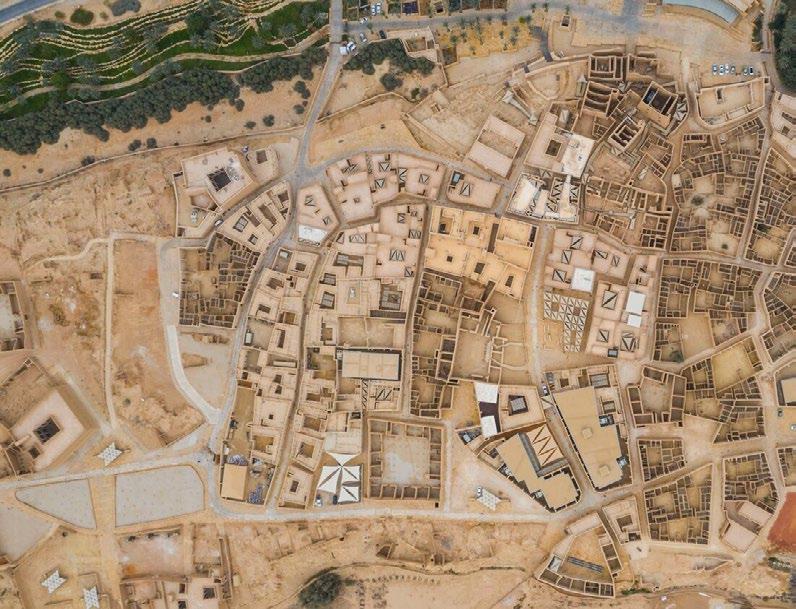
The Diriyah Gate project is one of the most ambitious cultural and urban redevelopment initiatives in the world. Spanning 14 square kilometres, it aims to transform Diriyah into a global destination that attracts 100 million visitors annually by 2030. The project is a cornerstone of Vision 2030, Saudi Arabia’s blueprint for diversifying its
economy and showcasing its cultural heritage on the global stage. Far from being a mere tourist attraction, Diriyah is being crafted as a walkable, human-centric community that balances preservation with innovation.At its core, the project is about storytelling. The restored At-Turaif district serves as the historical anchor, where visitors can wander through meticulously preserved
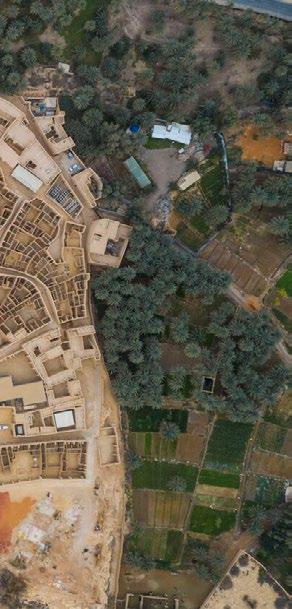

palaces, mosques, and courtyards that whisper tales of the Kingdom’s founding. Museums and cultural institutions will offer immersive experiences, from interactive exhibits on
Saudi history to showcases of traditional Najdi art and craftsmanship. These spaces aim to foster a sense of national pride while educating global visitors about the Kingdom’s roots.
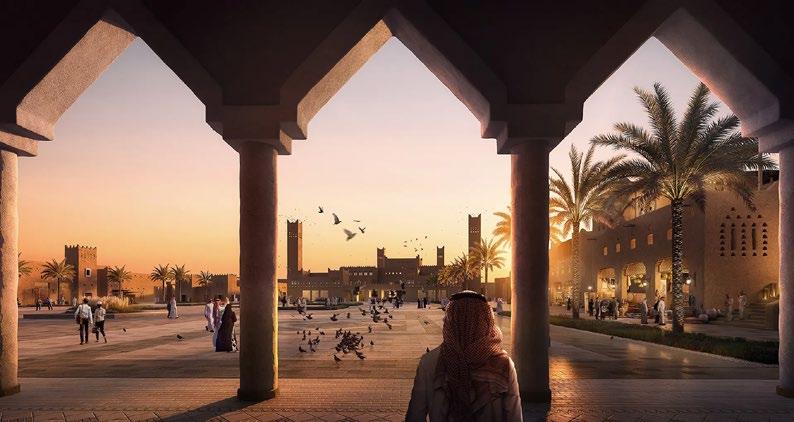
Diriyah’s transformation goes beyond restoration— it’s about creating a destination that resonates with modern travellers and residents alike. The development includes luxury hotels, world-class dining, and high-end retail, all designed to complement the historical setting rather
than overshadow it. Imagine sipping coffee in a sleek café with views of centuries-old mud-brick architecture or staying in a boutique hotel that blends Najdi design with contemporary elegance. Green spaces, pedestrianfriendly pathways, and shaded courtyards ensure the area feels inviting and
accessible, encouraging visitors to linger and explore. The project also emphasizes sustainability, aligning with Vision 2030’s environmental goals. From energy-efficient infrastructure to water conservation systems, Diriyah is being built with the future in mind. This commitment to eco-friendly urban planning ensures that the city remains a liveable, thriving community for generations to come.
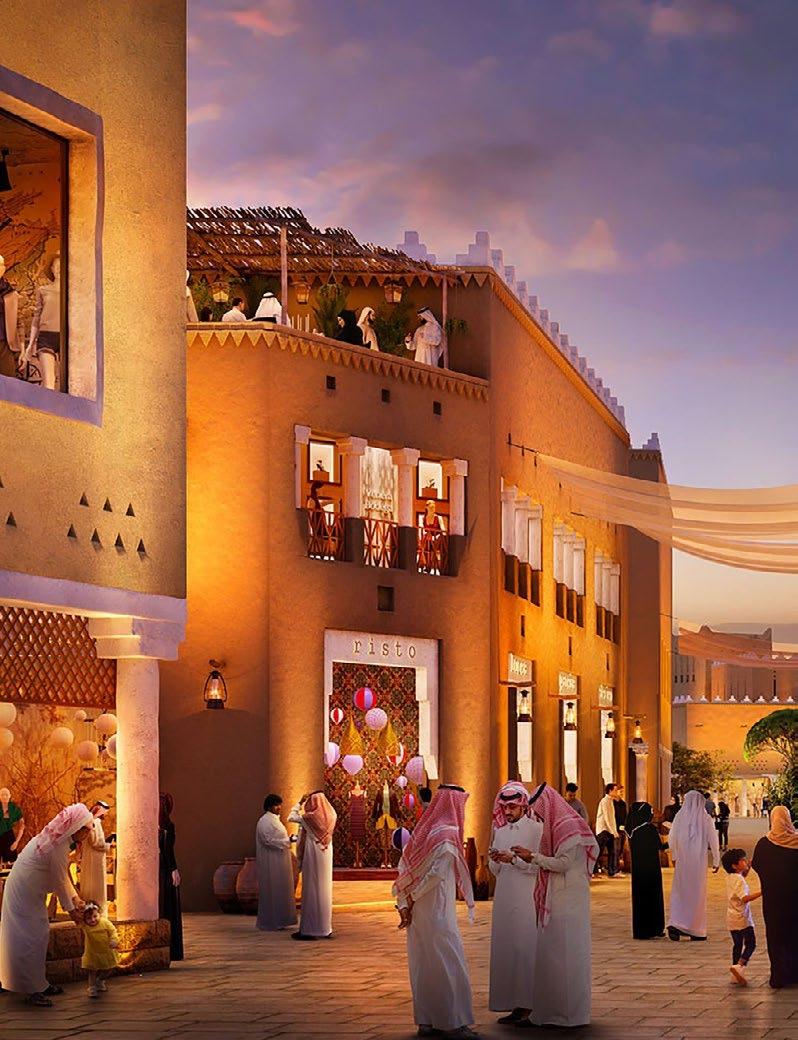
What sets Diriyah apart is its ability to feel both global and deeply local. While the project aims to draw international tourists, it’s rooted in a celebration of Saudi identity. Events like the Diriyah Season, which features concerts, art festivals, and equestrian events, showcase the Kingdom’s cultural diversity and dynamism. The Royal Diriyah Opera House, set to become a cultural landmark,
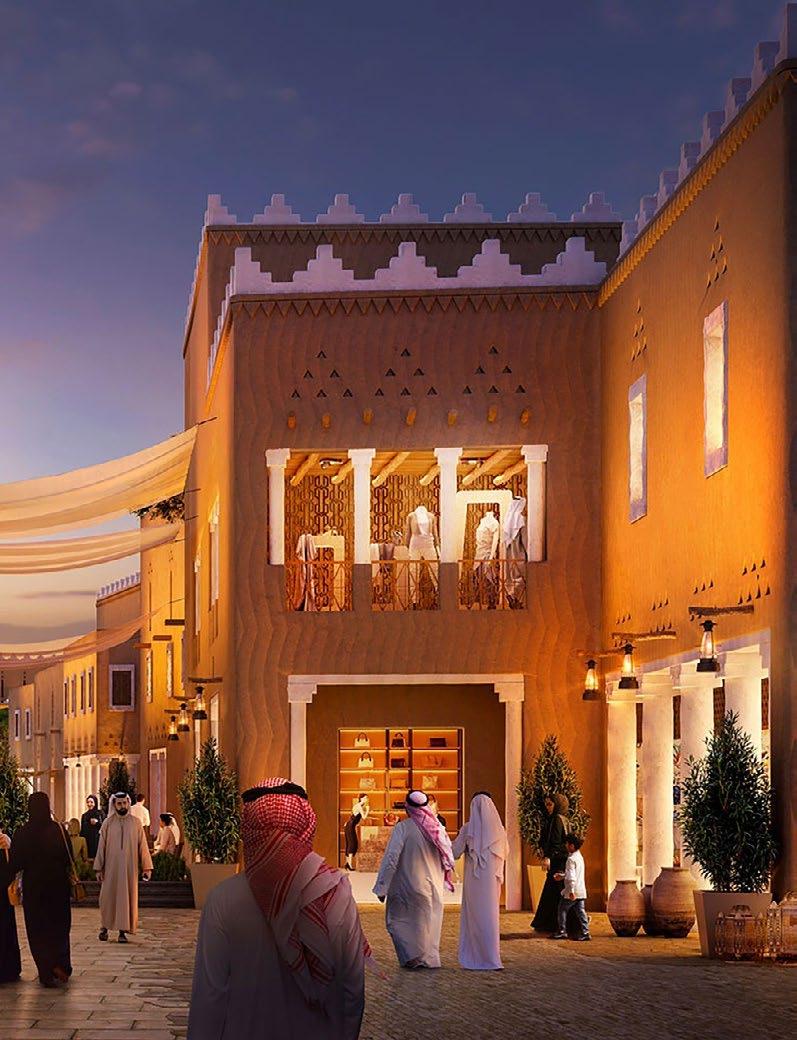
will host performances that bridge traditional Arabian music with global acts, further cementing Diriyah’s place on the world stage. For Saudis, Diriyah is a point of pride—a place where history is not just preserved but brought to life. For international visitors, it offers a window into a side of Saudi Arabia that’s often overlooked: a nation with a rich, multifaceted heritage eager to share its story.

Transforming a historical site into a modern destination is not without challenges. Preserving the authenticity of At-Turaif’s mud-brick structures while integrating modern amenities requires a delicate balance. The DGDA has partnered with global architects and heritage experts to ensure that every restoration honours the site’s original character. Community engagement is
also key, as local residents are involved in shaping Diriyah’s future to ensure it remains a place they call home. Economically, Diriyah is poised to be a game-changer. The project is expected to create thousands of jobs, boost tourism, and contribute significantly to Saudi Arabia’s non-oil economy. By 2030, it aims to be a model for how heritage sites can drive sustainable development without losing their soul.

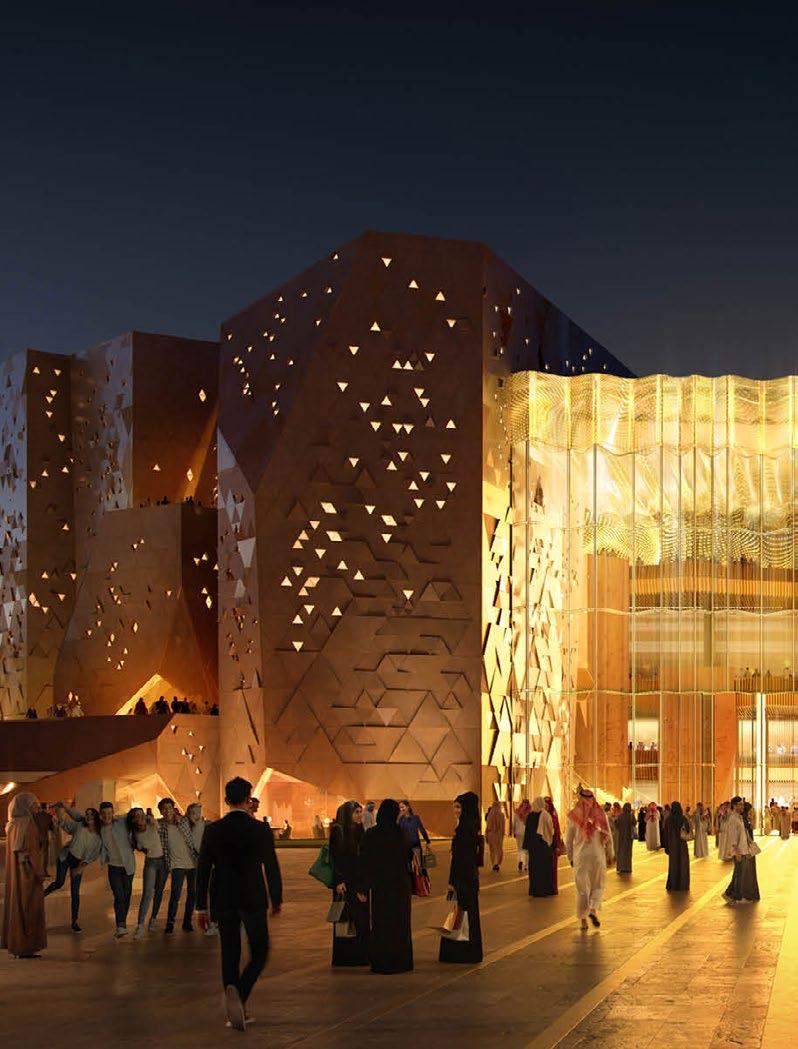
Diriyah’s transformation is a bold statement of Saudi Arabia’s ambitions. It’s a place where the past is not just remembered but reimagined, where visitors can walk through history while enjoying the comforts of a modern, world-class destination. As Diriyah evolves, it’s set to become more than a cultural hub— it’s a symbol of a nation embracing its heritage while confidently stepping into the
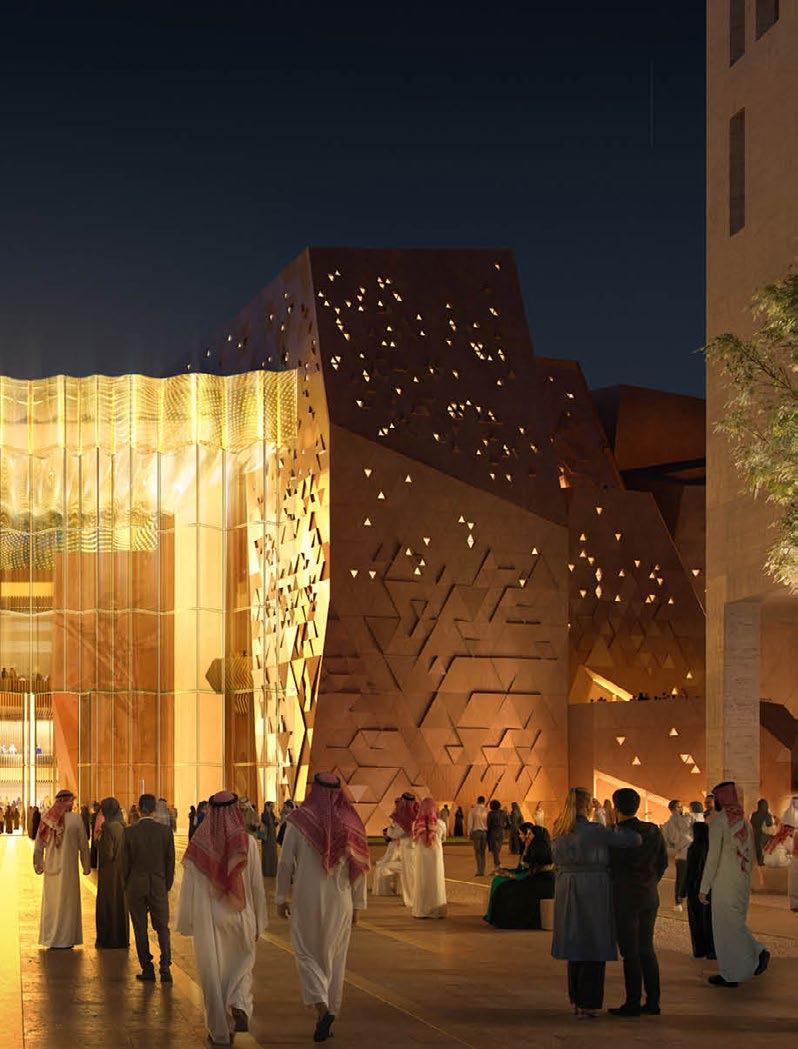
future. Whether you’re a history enthusiast, a culture seeker, or simply a curious traveller, Diriyah beckons with a promise: to experience the heartbeat of Saudi Arabia in a city that’s as timeless as it is forward-looking. As the project continues to unfold, Diriyah is poised to take its place among the world’s great cultural destinations, proving that even an ancient mud-brick city can shine as a beacon of innovation and pride.



n the vibrant tapestry of Thai culture, few concepts are as integral yet nuanced as kreng jai. Often described as a cornerstone of Thai social interactions, kreng jai encapsulates a profound sense of consideration, respect, and empathy that shapes how Thais navigate relationships. Literally translating to “awe of heart,” it reflects a cultural ethos where individuals prioritize others’ comfort and harmony over their own desires. For those unfamiliar with Thai customs, understanding kreng jai offers a window into the emotional intelligence that underpins the “Land of Smiles.”

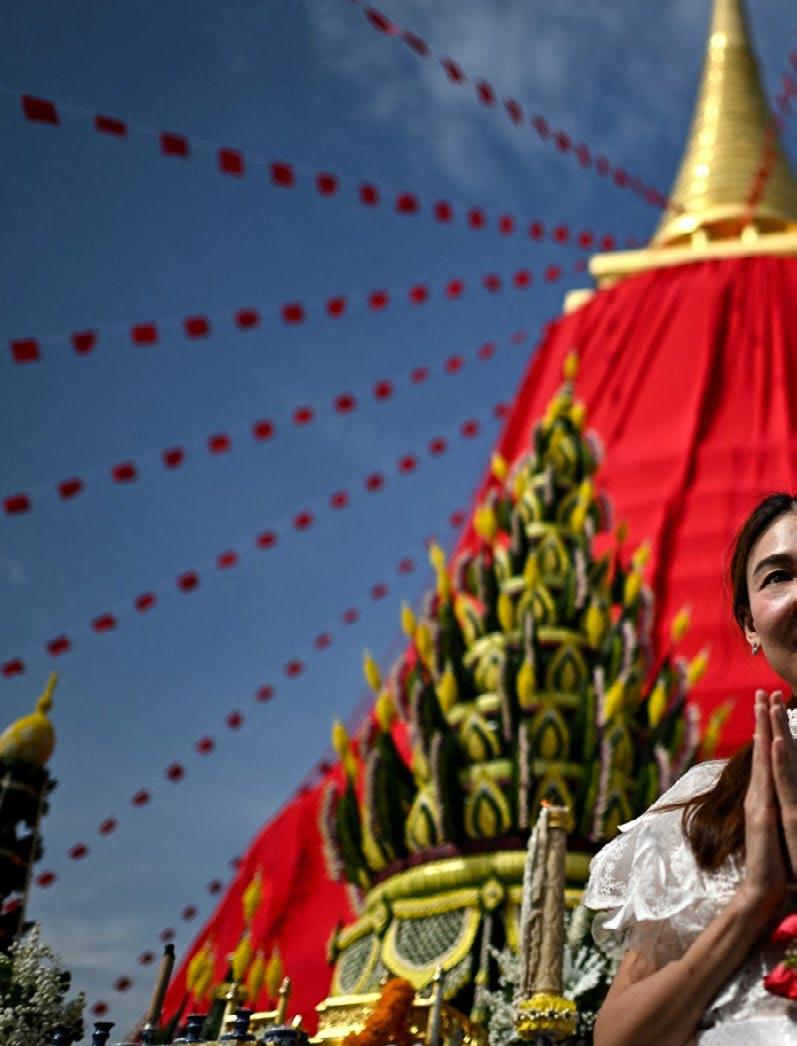
At its core, kreng jai is about being acutely aware of others’ feelings and striving to avoid causing inconvenience, discomfort, or offense. The term combines kreng (to fear or be cautious) and jai (heart or mind), evoking a sense of emotional restraint rooted in respect. It’s not merely politeness but a way of life that fosters social cohesion. For example, a Thai might decline an offer of help, even when needed, to avoid burdening someone else, or hesitate to make a request out of concern for imposing. This selflessness is a hallmark of kreng jai, reflecting a deep-seated desire to maintain harmony

in relationships.In everyday scenarios, kreng jai manifests in subtle but meaningful ways. A guest might refuse extra food at a host’s table to avoid seeming greedy. An employee might refrain from disagreeing with a superior to preserve workplace harmony, even if they have valid concerns. Saying “I feel kreng jai” often means “I don’t want to trouble you,” embodying a selfless consideration for others’ well-being. This cultural trait is part of what makes Thai society so warm and welcoming, but it can also create challenges, particularly in cross-cultural interactions.

The influence of kreng jai permeates all levels of Thai society, from casual encounters to professional settings. In social contexts, it might mean smiling and agreeing to something out of politeness, even if one feels uncertain. For instance, a Thai might say “yes” to an invitation not because they plan to attend, but to avoid
disappointing the host. In workplaces, kreng jai can lead employees to take on tasks they’re unprepared for, rather than admitting limitations, to avoid causing friction or appearing incapable. This cultural value also shapes communication styles. Direct confrontation or criticism is often avoided, as it could disrupt harmony

or cause someone to “lose face.” Instead, Thais may use indirect language or non-verbal cues, such as a polite smile, to convey disagreement or discomfort. For foreigners, this can be confusing, as a smile might mask reluctance or dissent rather than genuine agreement. Understanding kreng jai helps explain why Thais prioritize group harmony over individual expression, a trait that contrasts with more direct communication styles in Western cultures.

While kreng jai fosters kindness and social grace, it can also complicate interactions. Excessive kreng jai—sometimes referred to as khee kreng jai, or being overly reluctant to impose—can lead to misunderstandings. For example, an employee might agree to an unrealistic deadline out of kreng jai, only to struggle later, rather than voicing concerns upfront. In cross-cultural business settings, this can frustrate foreigners who value directness, as Thais may avoid saying “no” to maintain politeness.

Misinterpretations of kreng jai also exist. Some sources incorrectly frame it as taking advantage of someone’s kindness, but this contradicts its true meaning of selfrestraint and consideration. The complexity lies in its context-dependency: kreng jai varies by situation, relationship, and individual. A close friend might feel less kreng jai when asking for a favour, while a subordinate might feel intense kreng jai toward a boss. Navigating these nuances requires cultural sensitivity and patience, especially for nonThais.
For visitors or expatriates in Thailand, grasping kreng jai is key to building meaningful relationships. It can be likened to emotional intelligence or inhibition, where actions prioritize the collective over the individual. To practice kreng jai, one might avoid pushing a Thai colleague for a definitive answer or respect their reluctance to accept help. Observing social cues, such
as hesitation or excessive politeness, can signal kreng jai at play. Foreigners can also adopt kreng jai by being mindful of their own actions. For instance, offering help in a way that allows the recipient to decline gracefully, or avoiding overly assertive behaviour, aligns with Thai values. Learning to balance directness with sensitivity helps bridge cultural gaps, fostering mutual respect.






Ultimately, kreng jai is a beautiful expression of Thailand’s relational ethos. It reflects a society that values empathy, harmony, and mutual respect, creating an environment where people feel cared for and understood. While it may pose challenges in cross-cultural settings, it also offers a lesson in selflessness and emotional awareness. By embracing kreng jai, we can all learn to navigate relationships with greater sensitivity, whether in Thailand or beyond. In a world often marked by individualism, kreng jai reminds us of the power of putting others first. It’s a quiet yet profound force that shapes Thailand’s cultural identity, making it a land not just of smiles, but of hearts attuned to one another.



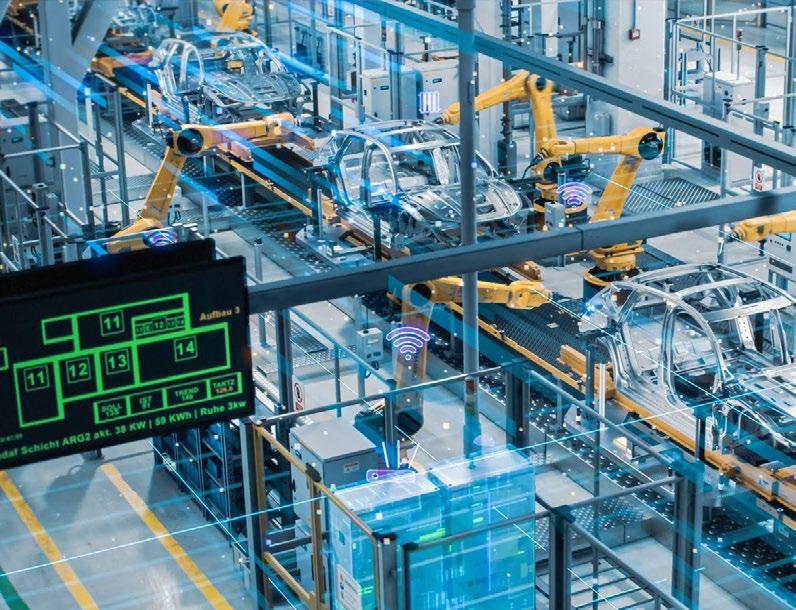
The rapid integration of artificial intelligence (AI) and robotics into Asia’s manufacturing sector is driving unprecedented gains in productivity, product quality, and economic growth, according to a comprehensive
policy brief released by the Economic Research Institute for ASEAN and East Asia (ERIA). The report highlights the transformative impact of automation, particularly in the automotive and electronics industries, which have emerged as leaders in
robot adoption across the region from 2012 to 2019. As global competition intensifies, these technological advancements are reshaping the manufacturing landscape, enabling firms to achieve higher efficiency, better-quality outputs, and expanded workforces.





In Indonesia, one of Southeast Asia’s largest economies, the adoption of automated technologies has yielded striking results. Manufacturing firms that implemented robotics and AI-driven systems experienced a remarkable 49% increase in labour productivity over a five-year period compared to companies that relied on traditional methods. This
significant boost underscores the power of automation to streamline processes, reduce human error, and optimize resource use. Automated systems allow for faster production cycles, greater precision, and the ability to handle complex tasks that were previously labourintensive.

The ERIA report emphasizes that these productivity gains are not limited to large corporations but are also accessible to smaller firms willing to invest in modern technologies. The report further reveals that firms with higher productivity levels tend to automate a greater number of tasks. This strategic embrace of technology enables them to produce higherquality goods, which in turn boosts customer satisfaction and market competitiveness. The ripple effects of
automation extend beyond product quality, as these firms also report increased revenues and the ability to expand their workforce. Contrary to concerns that automation might lead to widespread job losses, the ERIA findings suggest that technology adoption can create new opportunities by shifting labour demands toward higher-skilled roles, such as those involving the maintenance, programming, and oversight of automated systems.
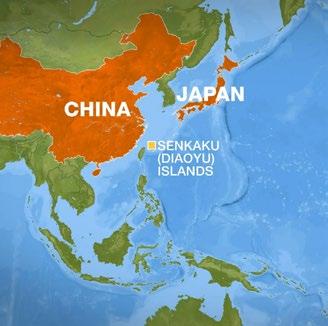

Globally, the period from 2012 to 2019 marked a significant surge in the use of industrial robots, with installations more than doubling worldwide. Asia, particularly China and Japan, has been at the forefront of this technological revolution. China, with its massive manufacturing base, has aggressively invested in robotics to maintain its position as the “world’s factory.” Japan, renowned for its technological innovation, has similarly prioritized automation to enhance precision and efficiency in industries like electronics and automotive manufacturing.

Together, these two nations have driven much of the global growth in robot installations, setting a benchmark for other regions to follow. The automotive sector, a key driver of robot usage, relies heavily on automation for tasks such as assembly, welding, and quality control. Robotics enables manufacturers to produce vehicles with greater precision and consistency, reducing defects and improving safety standards. Similarly, the electronics industry benefits from automation in the production
of intricate components, such as semiconductors and circuit boards, where precision is paramount. The ERIA report notes that these sectors’ heavy reliance on robotics has not only boosted productivity but also positioned them as leaders in global supply chains. The broader implications of these findings are significant for policymakers and industry leaders across Asia.








The adoption of AI and robotics is not merely a technological upgrade but a strategic necessity in an increasingly competitive global market. Countries like Indonesia, which have seen substantial productivity gains, serve as a model for others in the region. However, the report also highlights challenges, such as the need for significant upfront investment in automation technologies and the development of a skilled workforce capable of managing these systems. Governments and private sectors must collaborate to provide training programs and financial incentives to ensure that smaller firms can also access these technologies.
Moreover, the ERIA report aligns with a growing body of evidence suggesting that automation can drive economic growth without necessarily displacing workers. By automating repetitive and low-skill tasks, firms can reallocate human resources to more creative and strategic roles, fostering innovation and long-term sustainability. This shift is particularly crucial in Asia, where rapid urbanization and rising labour costs are pushing manufacturers to seek costeffective solutions. As Asia continues to lead the global charge in AI and robotics
adoption, the ERIA report serves as a timely reminder of the transformative potential of these technologies. For manufacturing firms, the message is clear: embracing automation is not just about keeping pace with competitors but about unlocking new levels of efficiency, quality, and growth. With China and Japan setting the standard and countries like Indonesia following suit, the region is poised to redefine the future of manufacturing on a global scale.
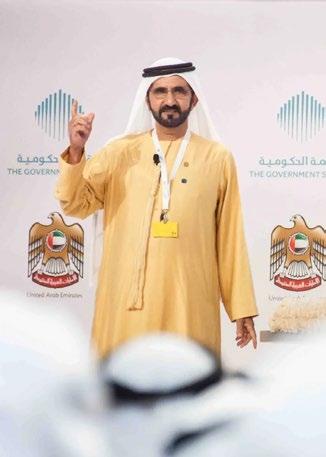
In a bold stride toward a future dominated by technology, the United Arab Emirates (UAE) has become one of the first nations to mandate Artificial Intelligence (AI) as a compulsory subject across all public schools, from kindergarten to Grade 12, starting in the 2025–2026 academic year. Announced by His Highness Sheikh Mohammed bin Rashid Al Maktoum, Vice President, Prime Minister of the UAE, and Ruler of Dubai, this groundbreaking initiative reflects the UAE’s ambition to lead globally in AI innovation while preparing its youth for a rapidly evolving digital landscape.

The decision aligns with the UAE’s National AI Strategy 2031, which aims to position the country as a global AI hub, with projections estimating AI will contribute 20% to the non-oil GDP by 2031. By embedding AI education into the school curriculum, the UAE is equipping its students with the technical skills, ethical awareness, and critical thinking needed to navigate and shape an AIdriven world. This move not only addresses skill shortages but also fosters innovation, positioning the next generation to compete in a global economy increasingly reliant on advanced technologies. The AI curriculum,

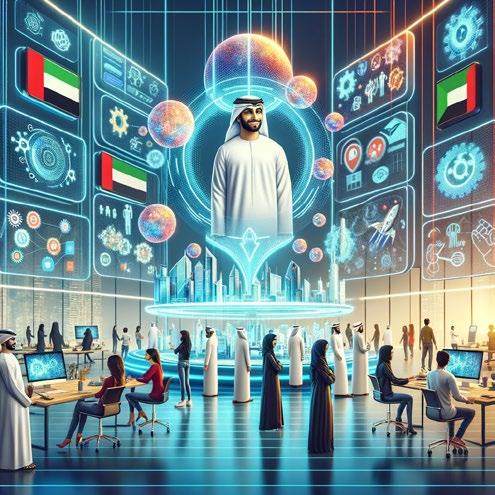
developed by the UAE Ministry of Education in collaboration with leading institutions such as Mohamed bin Zayed University of Artificial Intelligence, Presight, AI71, and Emirates College for Advanced Education, is comprehensive and ageappropriate. It covers seven key areas: foundational AI concepts, data and algorithms, software use, ethical awareness, realworld applications, innovation and project design, and policies and community engagement. For younger students, such as those in kindergarten, lessons involve interactive activities like storytelling to introduce basic AI concepts in an engaging way.
Older students, meanwhile, will dive into more complex topics, including machine learning, prompt engineering, and the societal implications of AI. Rather than adding new subjects or extending school hours, AI education will be seamlessly integrated into existing subjects under the umbrella of Computing, Creative Design, and Innovation. This approach ensures accessibility without overburdening students or educators. To support this ambitious reform, the Ministry is providing extensive teacher training, detailed lesson plans, and resources, building on pilot programs tested since 2023 in partnership with organizations like Code.org. These pilots have helped refine the curriculum, ensuring it is practical and
scalable across diverse school settings. The UAE’s initiative stands out globally. While countries like Singapore and the UK have introduced AI education selectively, and China mandates limited AI lessons, the UAE’s comprehensive, mandatory approach across all school levels is unprecedented. Private schools may also adopt similar curricula under national guidelines, though details remain under discussion. This reform not only sets a benchmark for other nations but also underscores the UAE’s commitment to educational innovation as a cornerstone of its economic and social development. Beyond technical skills, the curriculum emphasizes ethical AI use and critical thinking about its societal impact.





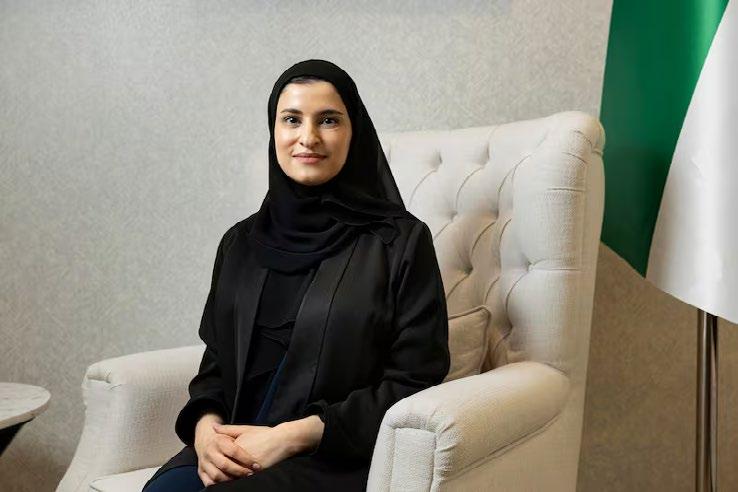

This focus is crucial in addressing concerns about AI’s potential risks, such as bias or misuse, ensuring students are not just consumers of technology but responsible creators and critics. Education Minister Sarah Al Amiri has emphasized that the curriculum will be evaluated annually to remain relevant amid rapid technological advancements, with firms like G42 and AI71 developing tools to enhance learning experiences. The initiative also aims to democratize education, particularly for students in remote or disadvantaged areas, by leveraging AI to provide personalized learning and access to high-quality resources.
However, challenges remain, including scaling teacher training and ensuring equitable access to technology. The UAE’s proactive approach, backed by robust publicprivate partnerships, positions it to overcome these hurdles. By making AI a mandatory subject, the UAE is cultivating a generation of digitally fluent, ethically grounded innovators. This visionary reform not only reinforces the country’s role as a pioneer in AI and education but also sets a global precedent for preparing youth for a tech-driven future. As the world watches, the UAE is laying the foundation for a society where technology and human potential converge to drive progress.


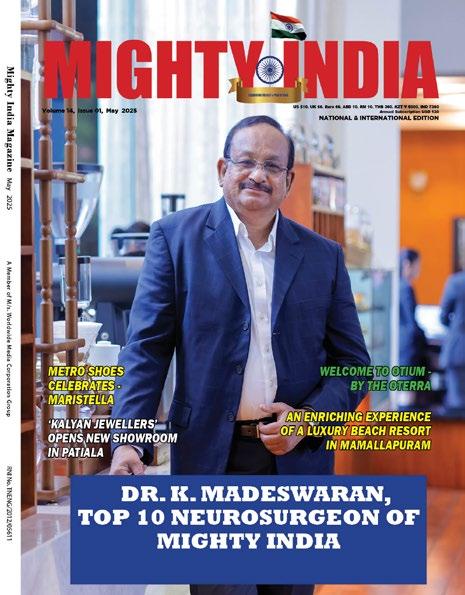
Dr. K. Madeswaran’s strong commitment to the field of Neurology & Neurosurgery is very evident and affirmative with his Astonishing Achievements, Amazing, Accomplishments, Valuable Contributions, Adorable Records, and Honorable Awards that he has been acquiring for having performed over 14,400 most successful and Multifaceted
Neurosurgeries as on date. His Precious Healthcare Services and Dedication had not only Positioned Dr. K. Madeswaran as One of the Top Ten Neurosurgeons of the World; But, also been instrumental in drawing the attention of Globally Popular International Institutions to Felicitate Him with Numerous Prestigious International & National Awards, Honours, Accreditations and Acknowledgements.
Throughout his benevolent Professional Medical Career and Entrepreneurship over the last 36 years in Indian Medical, Surgical, Social and healthcare Industry,Dr. K. Madeswaran has been attached with a strong sense of purpose, which is Flawless Health and Joyful Living for All. In addition, Dr. KMD has always been passionate about adhering to a holistic approach to community development and Preserving Global Environment for a Better Tomorrow; as exemplified by His Brain-Child Namely
‘UYIRIN SWASAM’ – through which He and His Team of Global Volunteers have been Planting Trees as far and as wide they could. As on Date’ Uyirin Swasam Foundation’ have planted over (Fifteen Million) One Crore and Fifty Lakhs Trees and the Movement that Dr. KMD has created is progressing vigorously and are Moving Forward with the clear objectives and aim of Planting 100 Million Trees. Dr. K. Madeswaran’s Highly determined Vision and Moto of ‘Growing Trees for Global Peace and Prosperity’


Dr.
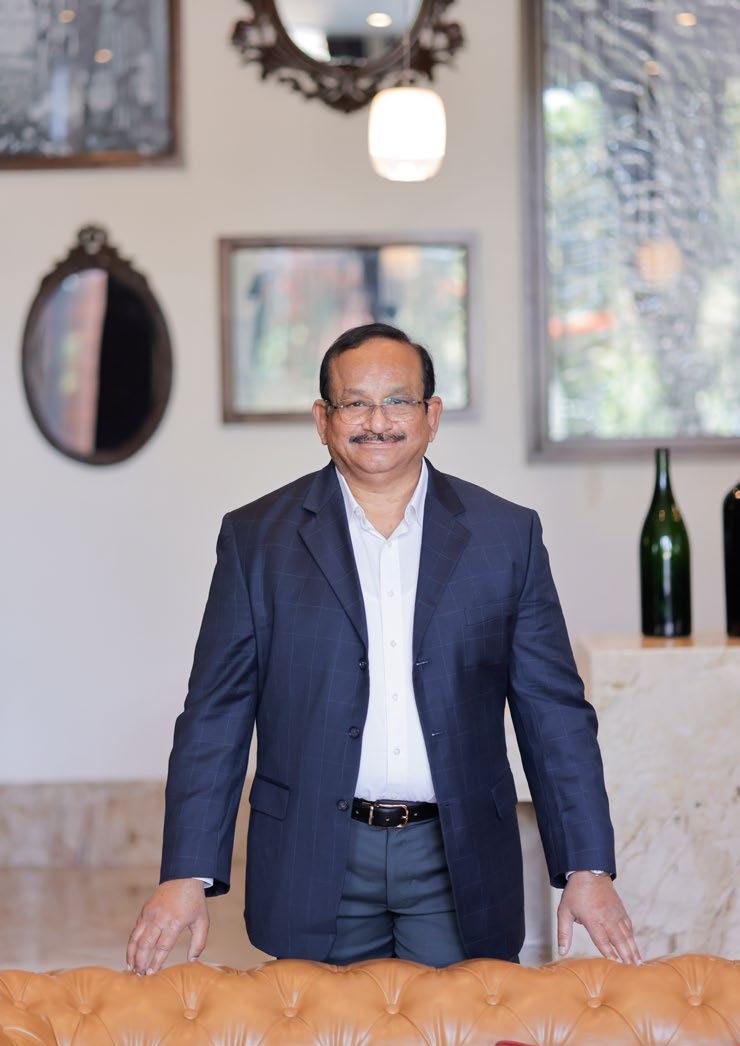
K.Madeswaran Chairman & Managing Director Dr. KMD’s Royalcare International Hospitals Group
has gained many Honours from the International Communities. All the above factors certainly serve as an unparalleled testimony to his most adorable and incredible journey of healing, curing, unconditionally caring, as well as inspiring the Next generations of Surgeons, Doctors and Healthcare Professionals. The fundamental of his legacy
is pioneering, developing, innovating, refining and implementing scientific & hi-tech approaches and techniques in the fields of Neuroscience & Neurosurgery. Dr. K. Madeswaran has always been known for his Exemplary and truly remarkable Medical, Surgical, Teaching, Professional and Entrepreneurial career over three to four decades.
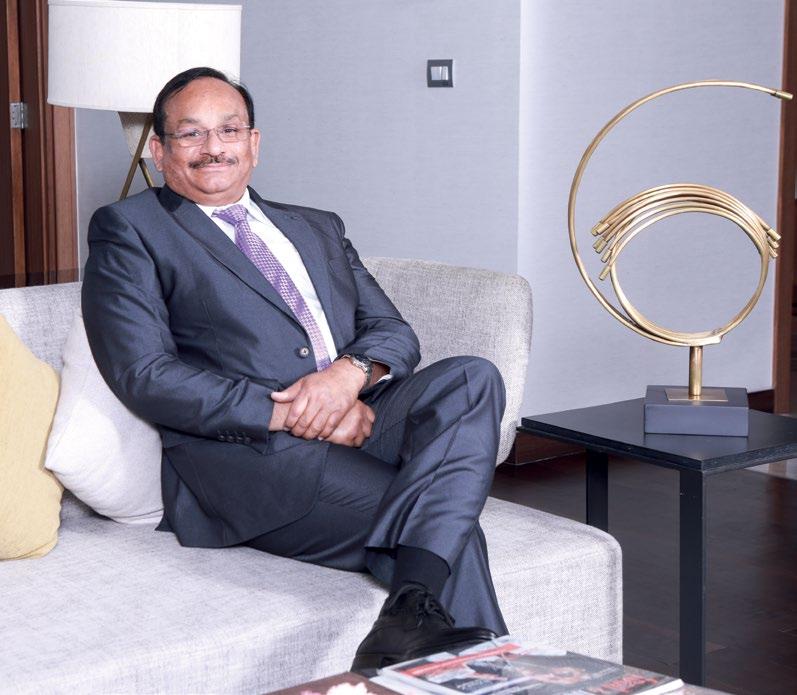


And majority of the surgeries, those were successfully performed and completed by Dr. K. Madeswaran; were highly Critical and Challenging Cases. And He had taken utmost care, in all those cases; by bringing out best of His skill, knowledge and expertise to ensure that the Patients are cured and sent back to their normal life. Hence, Dr. K, Madeswaran has been fondly called as ‘The Most Legendry Neurosurgeon, who is blessed with the Brain, Heart, Hands and the

Dr. K. Madeswaran, with his inborn Skills, Talents and Remarkable Subject Matter Expertise, not only cured Tens of Thousands of Patients, who have come to him, with the chronic and serious conditions. And, He gave all those Patients and their families the Enduring Joy and legitimate life; to live and rejoice; with their families; But, also taught 1000s of Junior Doctors and Surgeons, who all have been associated with Him and who have

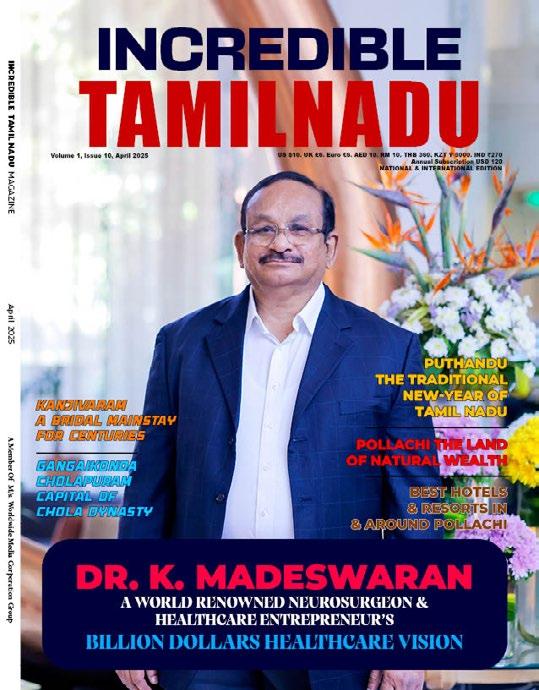

been learning directly by being along with Dr. K. Madeswaran in and through all those exemplary and Critical Surgeries and Procedures. And they along with all those beneficiaries of His Medical & Surgical Services, carry the highest level of respect and regard; for his highly committed, timely, sincerely and most valuable Medical & Surgical Contributions, that he made to them; especially at the most crucial time of their life. Dr. K. Madeswaran’s
Successful Medical & Surgical Practice led him to accumulate Millions of Followers from all around the world. And with the Flawless Service and Goodwill, his incomparable knowledge, extraordinary skill and expertise in successfully performing Most Complex Surgeries and procedures that he built over a period of three to four decades; Dr. KMD had gained a very high reputation and trust among all sections of the society.

Highly Respected, Regarded and Idolized globally, Dr. K. Madeswaran have been honoured with Many Internationally renowned Prestigious Awards such as:

Incredible Asia’s ‘The Most Legendary Healthcare Professionals of Asia’ Awards2025’.

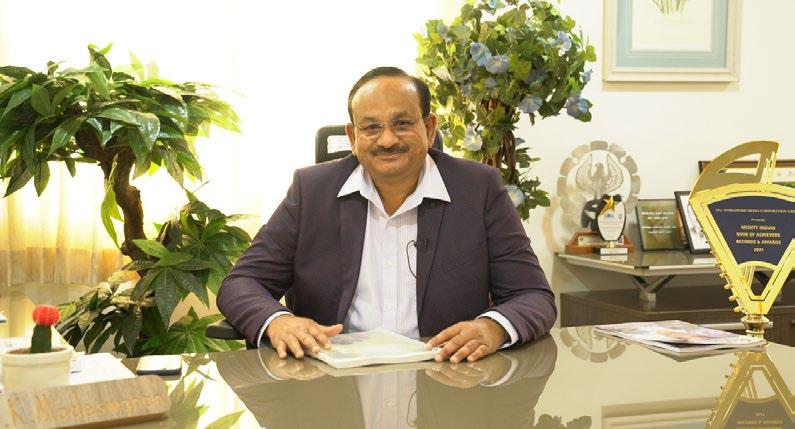
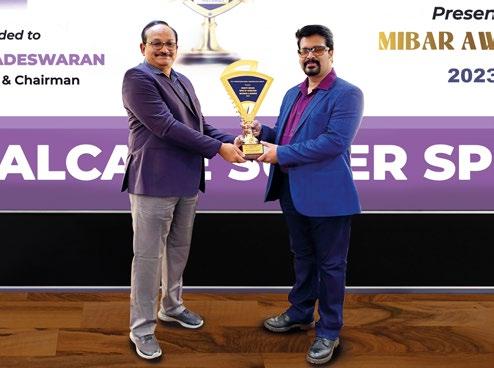
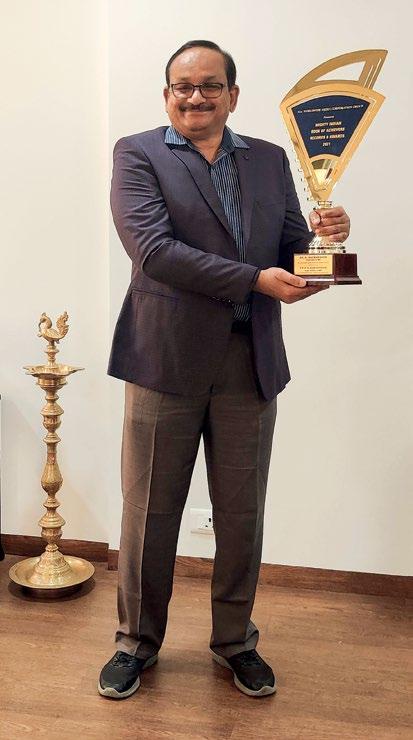
‘Indian Book of Achievers Records & Awards’ (MIBAR Awards) for Five Consecutive Years Viz., 2021, 2022, 2023, 2024 & 2025, in appreciation of his outstanding contributions to the field of Neurology & Neurosurgery.

‘The Best & Pride Of Tamil Nadu Golden Awards of Excellence in Neurosurgery2023’.

‘Food & Health Industry Excellence Awards’, 2021, 2023 & 2024.
‘Most Iconic Neurosurgeon of Mighty India Awards 2024’.
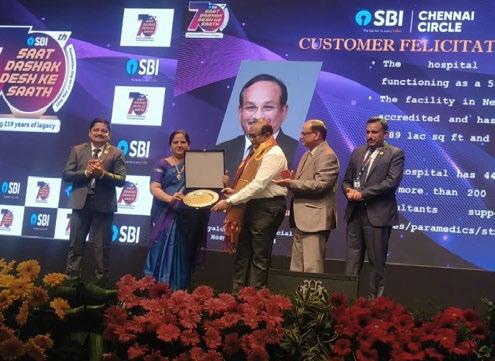
‘ Most Valued Constituent - 2025’ Award & Honour from STATE BANK OF INDIA.

‘Incredible Tamil Nadu Golden Awards of Excellence 2025’; for his Unmatched contributions to the Fields of Health, Medicine, Surgeries, Healing and Social Services along with His unwavering pursuit of excellence in healthcare.
Icon of Coimbatore for Health Services Award
Excellence in Modern Healthcare Award 2021 & 2023
Best Super Specialty Hospital Award 2022
Healthcare Achievers Award 2022
VAANMUGHIL THONDAR Award 2023
Iconic Super Specality Hospital Award 2023
VIRUTCHA MAHAAN Award - 2022
Iyarkai Kaavalan Awards - 2022
Rotary Vocational Service Excellence Award - 2016





Royal Care Super Speciality Hospital proudly announces its accreditation by the Joint Commission International Certificate of Accrediation for Royalcare Super Speciality Hospital Ltd.
Royal Care Super Speciality Hospital
Recently Achieved SRC’s Center of Excellence in Neurosurgery
Royal Care Super Speciality Hospital Recently Achieved NABL - The National Accreditation Board for Testing & Calibration


Founded and Commenced by Dr. K. Madeswaran along with His Most Trusted Team of Leading Surgeons, Doctors, Physicians, Medical Professionals, Subject Matter Experts and Management Professionals in the year 2015 as a 50 bedded multispecialty hospital in One of the Vibrant Cities of India, Namely Coimbatore in the
State of Tamil Nadu. Indeed, Dr. KMD’S Royalcare Super Specialty Hospital, within the first Two years of operations, became One of the Most preferred Multi-SuperSpecialty Hospital in western Tamil Nadu for emergency, primary and specialty care in virtually all branches of modern medicine. The hospital did continue being, the perfect destination for people seeking superior and Patient friendly healthcare. Functioning with those



objectives of making cutting edge healthcare to common man, they provide the best medical service with highly qualified doctors and highly equipped technologies. This necessitated an imminent expansion and created the need for a larger and more comprehensive tertiary care unit encompassing all the field of medicine.
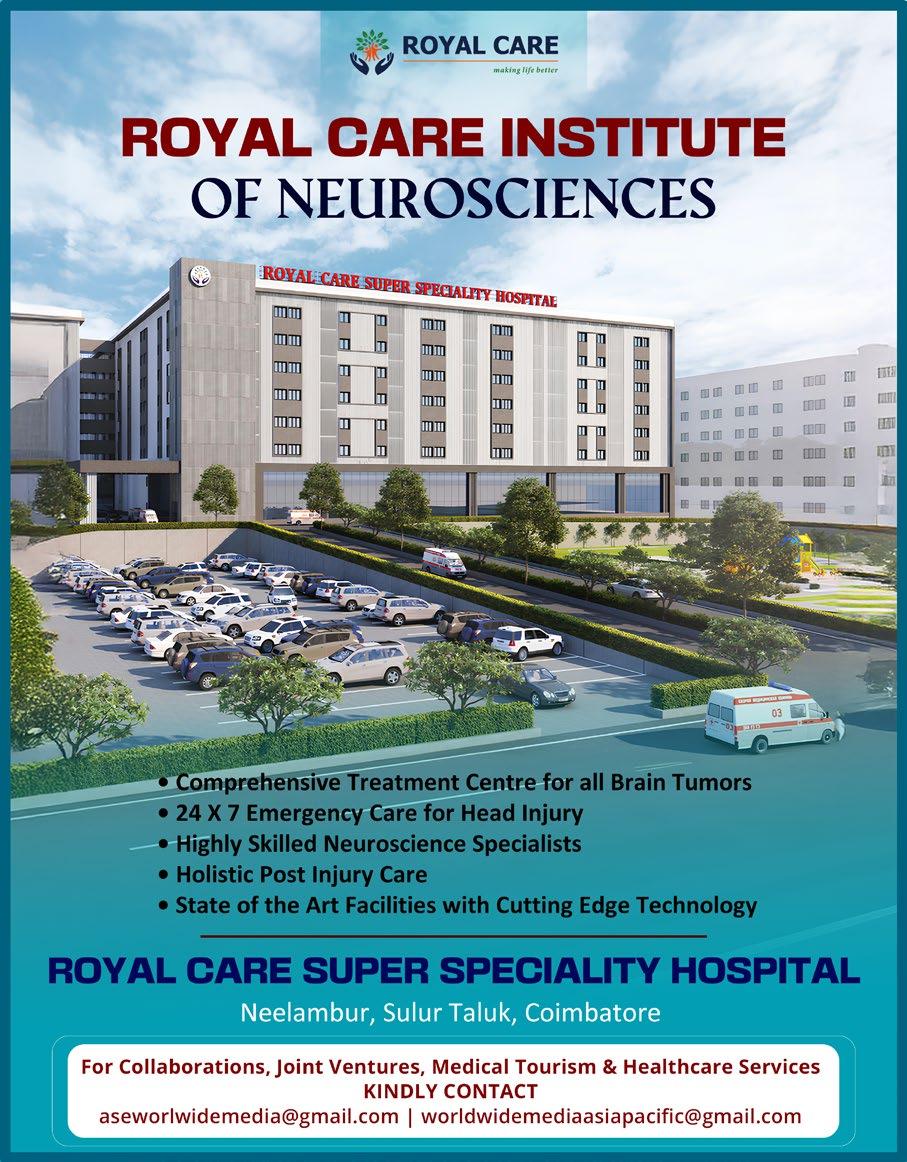
A 1100-bedded ultramodern Hospital facility Plan was thus conceived at Neelambur, Coimbatore By Dr. K. Madeswaran and His Team. RCIHG was Built within a record time of 400 days, the first phase comprising 500 beds were dedicated to the society in November 2016.
With over 4,00,000 square feet of modern infrastructure, the Centre contained all necessary facilities to deliver comprehensive care under one roof. With a commitment to make available all facilities on par with the latest advances in the Western World, RoyalCare Super Specialty Hospital became the first Hospital in the country to introduce Bronchial Thermoplasty
for the treatment of severe asthma. RoyalCare is also the first hospital in the country to introduce the micro plasma-advanced oxidation for dialysis feed water disinfection to eliminate endotoxins and to prevent pyrogenic reactions in patients undergoing haemodialysis. Royal Care will strive to ensure that the benefits of modern healthcare reach all strata of society. Apparently, A patient centric culture exists at RoyalCare as they are the focus of everything they do. Every

patient will receive warm and committed attention with a smile. Royal Care Super Specialty Hospital aspires to be Ultimate Choice of Hospital for People and Patients from all around the world; in all aspects of Health & Wellness or for people seeking comprehensive healthcare. And that they have been recognized as One of the Top-Class Hospitals for very High Quality and International Standards Health Services in Asia. And Dr. KMD’s Royalcare International Hospitals Group is going to achieve its Vision of having over 1100 Bedded Most Advanced International Standard Hospitals at the Same Location by the early
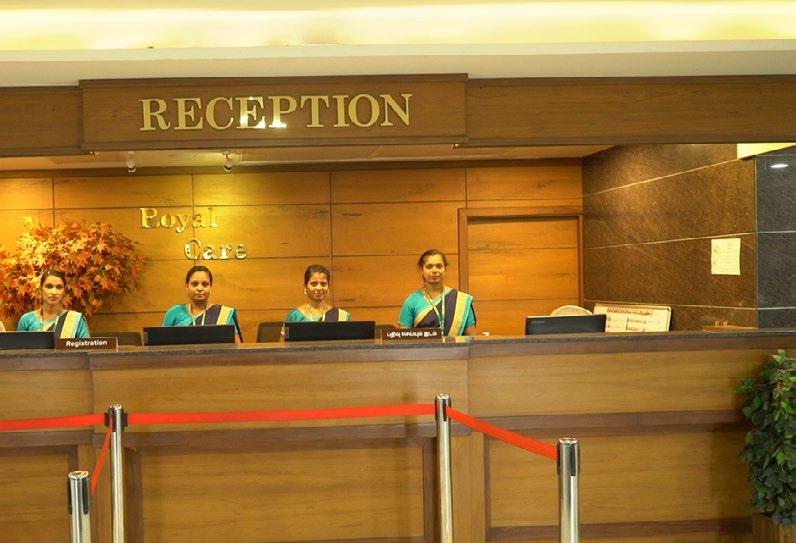
Next Year. This has been mainly possible by the meticulous involvement and incomparable Contributions of Dr. K. Madeswaran, The Founder & CMD of Royalcare International Hospitals Group, whose vision was to bring together highly talented medical professionals from all around the world on board with phenomenal expertise in their respective fields, establishing cutting edge innovative diagnostic, Latest Hi-Tech Equipment, StateOf-The-Art Infrastructure and therapeutic medical technologies combined with the Most friendly medical and paramedical staff to provide courteous and compassionate and Utmost Care to Patients at all times.

• Bronchial Thermoplasty for treatment of complicated asthma cases.
• Kinevo 900 high-resolution operating microscope to reach inaccessible areas in the brain for complex neurosurgery.
• Broncus (Bronchoscopic Navigation) - first time in Corporate India
• CAPI (Centre for Advanced Pulmonary Intervention)
• O-arm - The latest intraoperative CT along with integrated computer - aided navigation technology to facilitate advanced Neuro & Spine surgery.
• NIR - enabled laparoscopy system to view critical anatomy to perform complex surgeries
• All beds of the critical care units are self-contained with advanced monitoring systems. which are networked to a central monitor and also linked by an automated vitals charting system (ICCA). This facility aims at administering personalised and targeted intensive care for speedy recovery.
• The critical care units have been specially designed to prevent cross contamination and dreadful infection.
• Fully equipped trauma ambulance with online patient monitoring by base ICU.
• Fully - integrated modular voice enabled operation theatre, radial probe for EBUS, IVUS, 5D ultrasound, latest generation MRI, ECMO etc.,
• True beam STX for high precision radiotherapy
• Drug and poison information centre
• First hospital to be recognized with NABH Safe - I for best infection control Practices
• Authorized hospital of Materiovigilance Programme of India ( MvPI ) for south Tamilnadu.
• Senographe Pristina - Digital Mammography
• HBOT-Hyperbaric Oxygen Therapy



Dr. KMD’s Royalcare International Hospitals Group is one of the TopClass Hospitals in Asia that offer a comprehensive array of leading-edge medical treatment services
for international patients of all ages. And they under the able leadership of Dr. K. Madeswaran, Founder & CMD is highly focused and determined to Improve Health and Health Care Globally.

Royalcare Hospitals Group, tailor each patient’s treatment and use advanced approaches, such as multidisciplinary care Involving experts from multiple specialties and work together in order to apply collective skills and experience along with the latest research knowledge. RoyalCare Hospitals Group is committed to caring for the whole patient during complex treatment, including prevention and wellness, acute care, mental health treatment, rehabilitation and care for chronic conditions. And in this regard, they have evolved Comprehensive System that specially Cares for Patients with Complex Needs. Royalcare had very Renowned Team of Specialists, Expert Surgeons, Doctors to handle a Wide Range of Complex Diseases. Their physicians and researchers are leaders in their Lives.
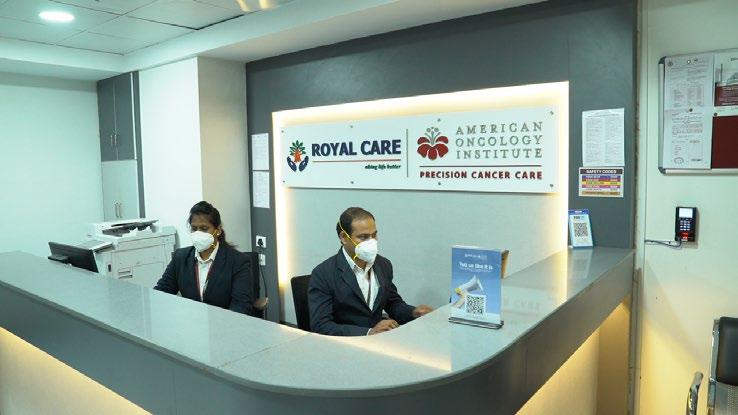
Multilingual appointment, registration and finance personnel at International Centres located in RCIHG’s campus, is dedicated to meeting the needs of you and your family, have before you arrive, during your medical appointments and even after your return home; After Completing Your Treatments. International Patient Care Centre staff shall arrange appointments, find interpreters and answer questions about billing, insurance and international health coverage. The staff can guide you in making travel and lodging arrangements and tell you about community services, including shopping, entertainment, banking options and worship. In other words, all that you need to come and avail one of the most effective, efficient and the best health solutions for all your healthcare needs. Royalcare International
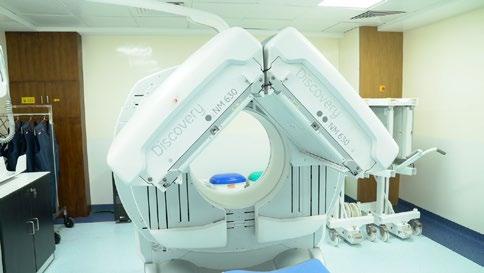

Hospitals Group’s ‘International Patient Care Centres can also arrange for fee-based travel services, including airline, hotel reservations and ground transportation, including shuttles, limousine service and car rentals. Each International Centre offers patients and visitors a comfortable and relaxing environment where they can feel at home before or after appointments.
RCIHG’s Patient Centric Care Team includes the best Surgeons, Doctors, Physicians, Specialists and Nurses for all healthcare Needs. The Experts Team is for every medical field of support that you need. No matter what serious or complex health challenge you're facing, you can be confident that you're receiving the Best of the World’s most advanced care at Royalcare International Hospitals. Dr. KMD’s RCIH Group have established a Top-Class International Healthcare Facility to provide Comprehensive Health, Healthcare & Wellness Services at an affordable cost to patients who come from countries across the world.
‘RCH Medical Tourism & International Patient Services Division’ is though based
at their Flagship Hospital, which is situated at ‘Greater Coimbatore (Neelambur), Tamil Nadu, India’. They Have Their Global Network and Liaison Offices spread across the Continents. This Exclusive Division with State-Of-the Art Facilities of ‘Royalcare International Hospitals Group’ have tied up with one of the ‘Leading Multinational MassMedia Organizations of the World’ in order to utilize their Corporate Network & Establishments located in 117 countries across the World; with the view to provide most reliable and Patient-friendly Healthcare Services; both at the Country of Origin of Patients as well as at the Country of their Destination, where Advanced & Surgical health services are provided.
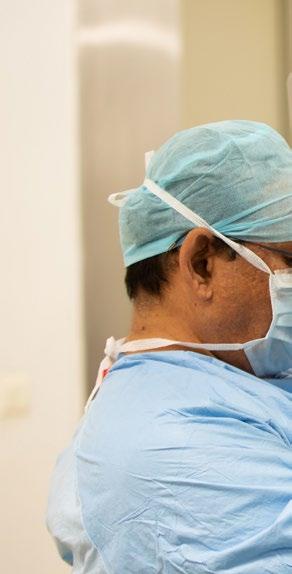
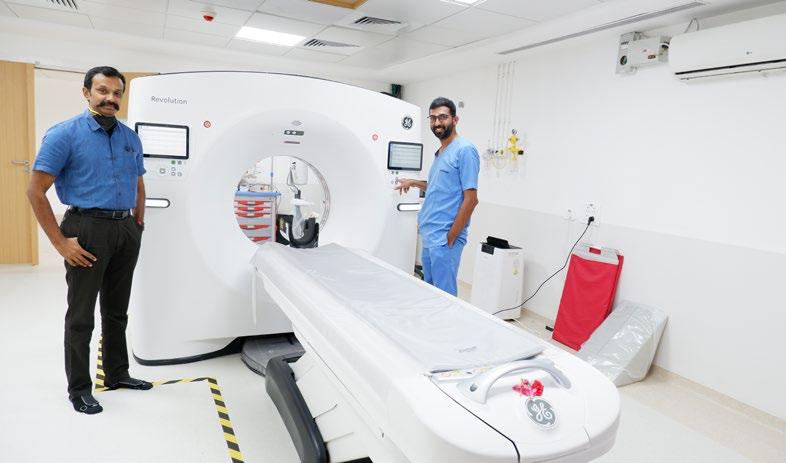
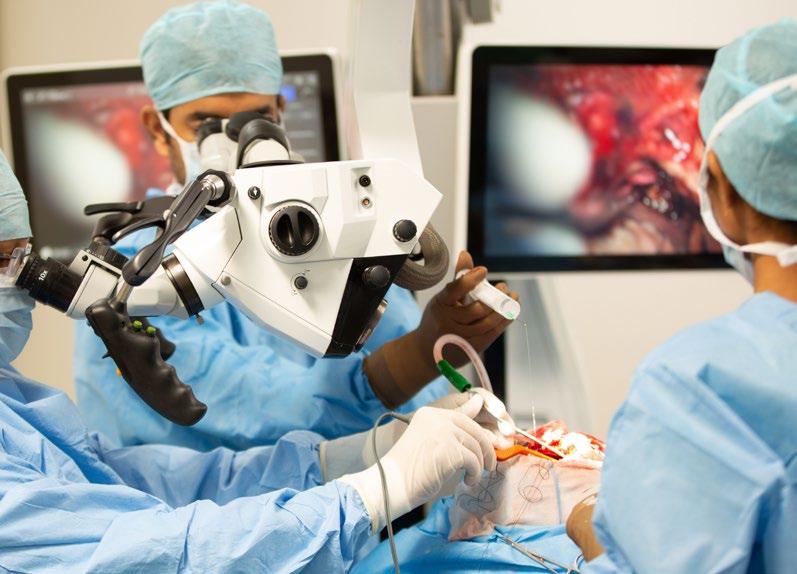

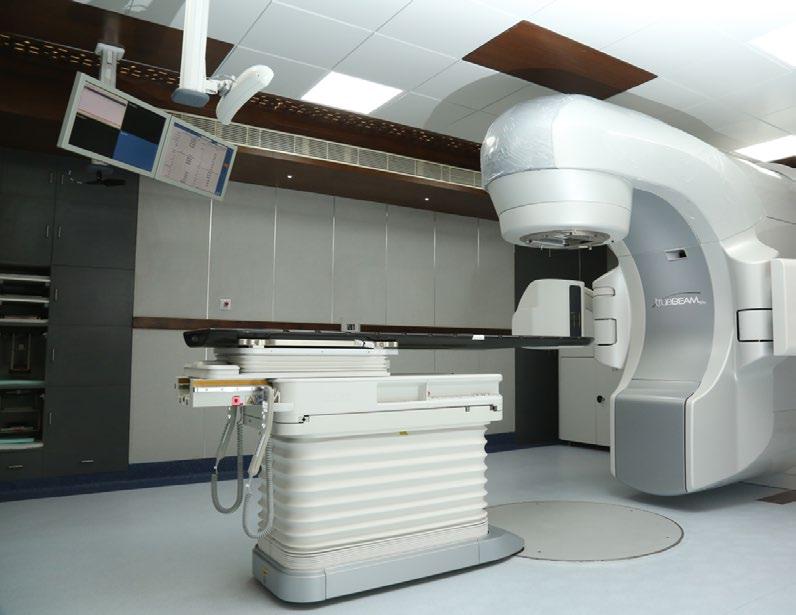
With the fully operational Centres of Medical & Clinical Excellence; covering over Eleven Super- Specialties, which are fully packed with Most Ultra-Modern Technologies, Equipment, Highly Trained Doctors and Medical Professionals; Royalcare International Hospitals Group is considered as one of most preferred and Popular Destinations for Medical Tourists & Patients from all around the world; especially for all those, who seek ‘World-class Healthcare & Surgical-care and Wellness
Solutions/ Packages at an Affordable Cost. The most able, renowned and dynamic Medical Team with the Operational Staff of RCH Medical Tourism & International Patient Services Division (RCHMT& IPSD) in association with their Global Business Network & Logistic Partners; offer a wide Portfolio of Travel & Medical Services to their Medical Tourists & International Patients from all over the World.


With the Specific Request, Demand and Pre-defined Requirements of International Patients; ROYALCARE Could provide Services for:
• Remote & Online Medical Consultations.
• Offering Projected Cost Estimates.
• Allocating Exclusive Consultant Doctor for Regular Medical Guidance.
• Customized Medical Treatment Packages.
• Travel & Visa Arrangements.
• Accommodation arrangements for Patients & their Families.
• Airport Pick-up & Drop Facilities (With supported Medial Staff on Demand).
• Translator / Interpreter Services and so on.
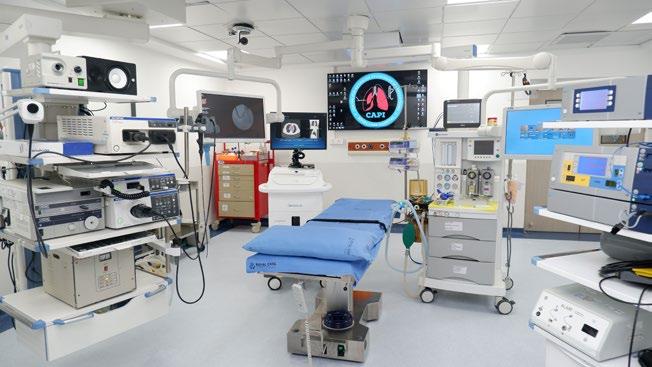

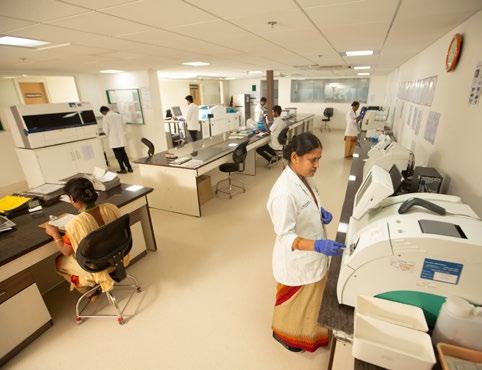
Dr. KMD’s ROYALCARE INTERNATIONAL HOSPITALS GROUP, One of the Leading MultiSuper Specialties Hospitals Group, based in India; has announced their Global Expansion Strategies and

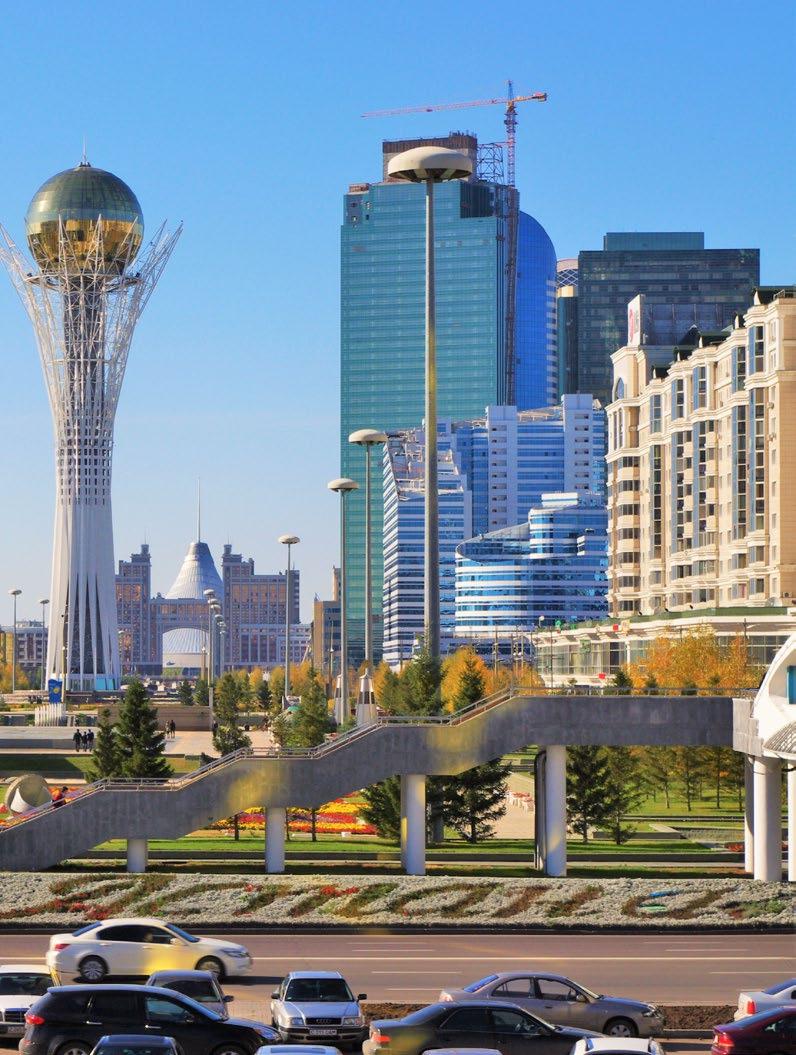
Business Plans to Explore, Enter, Establish and Expand their Medical Facilities & Healthcare Services Network in CENTRAL ASIA; especially In and through the Republic of Kazakhstan.

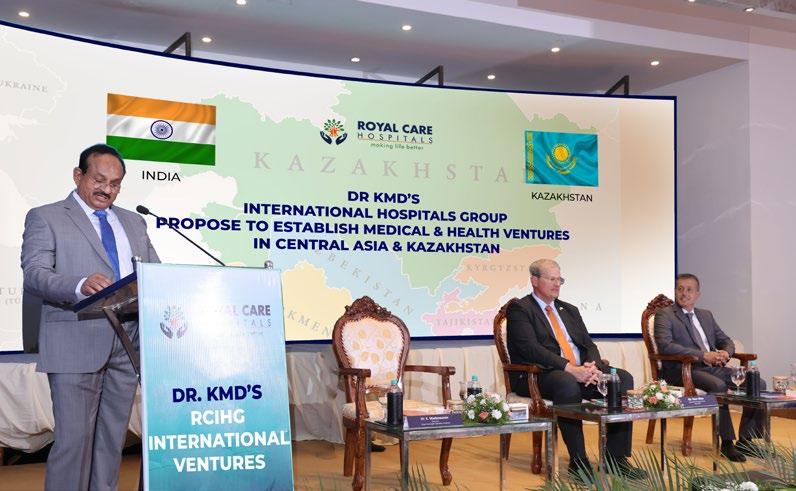
Dr. K. Madeswaran, said in an Interview that; ‘Our Royalcare International Hospitals Group have been expanding our Business Horizons widely across the Europe & Asia Pacific Region in association with One of the Leading Multinational Mass Media Group, Namely M/s Worldwide Media Corporation Group USA. And, ‘We were given to understand by our Strategic Partners that ‘Central Asia is becoming an important region for investment for a number of reasons. Dr. KMD also says that ‘Anywhere in the world; Development

and maintenance of neurosurgical training have always been important, especially nowadays due to improvements in diagnosis and treatment of neurological and neuro-oncological disorders that affect billions of people worldwide. Due to longer lifespans, the proportion of older people is growing in many countries. According to the WHO’s projections, the prevalence of neurological disorders, particularly Alzheimer’s and other dementias and Parkinson’s disease, will increase gradually by 2030.
Diseases like brain trauma due to road injuries, ischemic heart disease, and stroke are on the list of the leading causes of deaths and disability worldwide, and
the frequent cause of stroke is a condition requiring neurosurgical treatment. Furthermore, middle-income countries have the highest annual road traffic fatalities



affecting the working-age population, mainly caused by brain trauma and whiplash. In addition, the global burden of disability is driven mainly by low-

back pain, headache disorders, and depression. Trauma and injuries are the fourth reason for fatality after cancer, cardiovascular, and respiratory diseases in Central Asia Region. Therefore, we understand the importance of collaborative Medical & Scientific research in the fields that affects the Humanity. In addition, substantial improvements and developments could be brought in the areas in which the Medical Education and Innovations could bring in miraculous results that could save humanity from the dangers and risk of Chronic illness and diseases. This shall also be made possible by training the neurosurgeons and surgeons, belonging to other Medical specialities in Kazakshtan and in the Central Asia Region. And those trained resources and surgeons could be made available to cater and serve neurosurgical and other Medical Specialities and disorders, Says Dr. K. Madeswaran.
Hence, Dr. KMD’s Royalcare International Hospitals Group; in association with our Strategic Partner ( M/s Worldwide Media Corporation Group); shall enter into suitable, appropriate and longterm Joint Ventures with able and Interested Organizations or Business Partners either from the Government Sector or from the Private Sector from the Republic of Kazakhstan; In order to Establish a Mutually beneficial, longer-lasting and Sustainable Business Operations in Kazakhstan; both to cater the Medical and Healthcare requirements of Kazakhstan as well as to Make the Republic of Kazakhstan as an Invincible Region / Country to attract all countries in and around the Central Asia Region for their Medical, Healthcare and Health Research Requirements in the future.
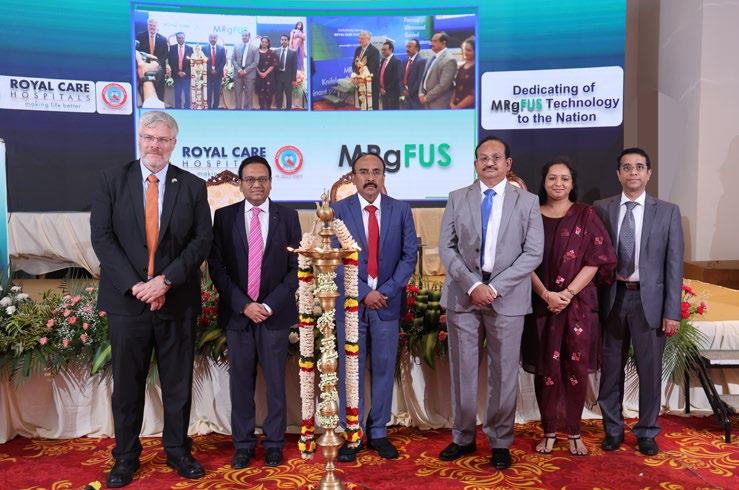
Dr. K. Madeswaran has been known as a Visionary, Missionary and an Unstoppable Dreamer. But what makes him absolutely unique, is his ability to have continual, cumulative and focused Dreams, His
fully committed Efforts, highly Determined mindset to pursue his Vision and to see them becoming a Cherished Reality; And in this process of his foresighted vision combined with His Mission of bringing the best of the best Medical Technologies from all around the world
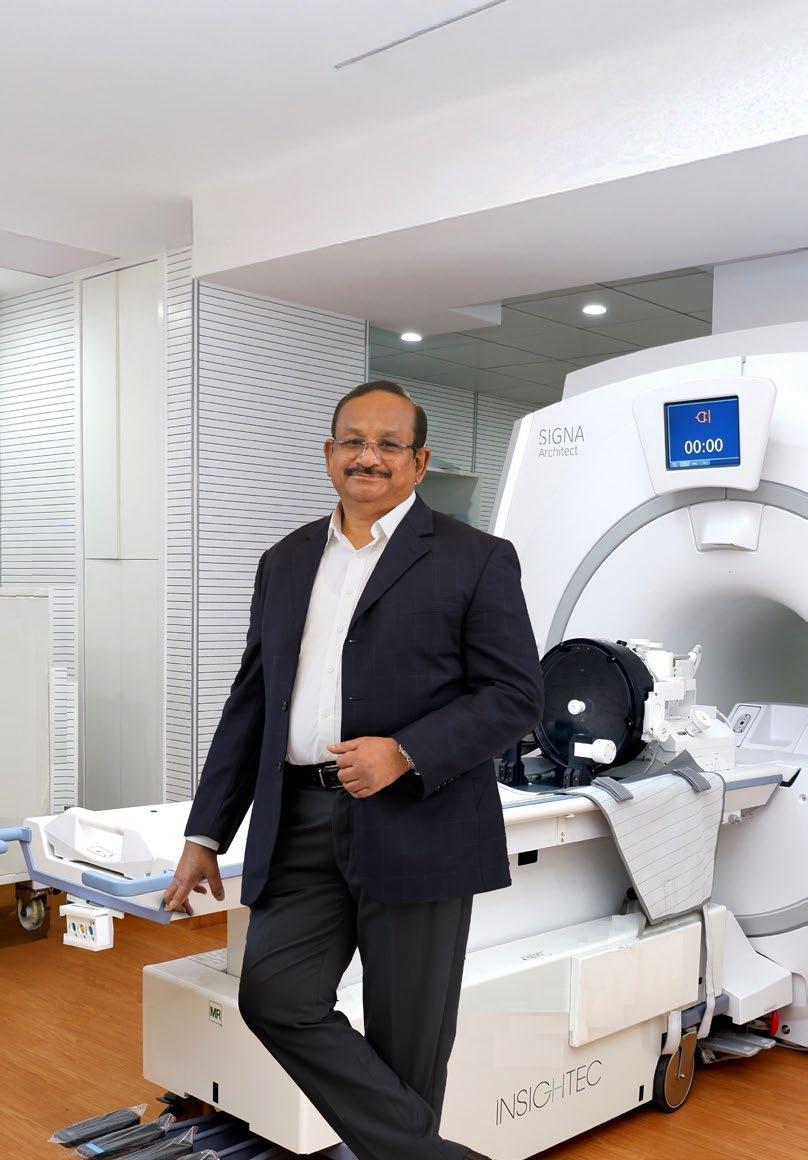
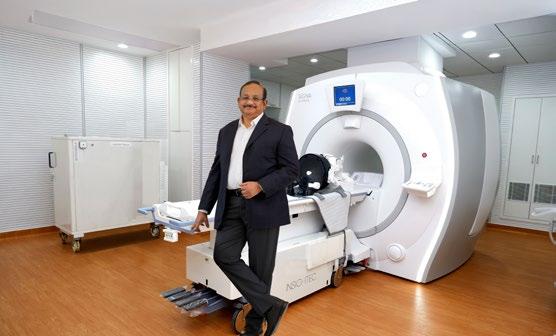
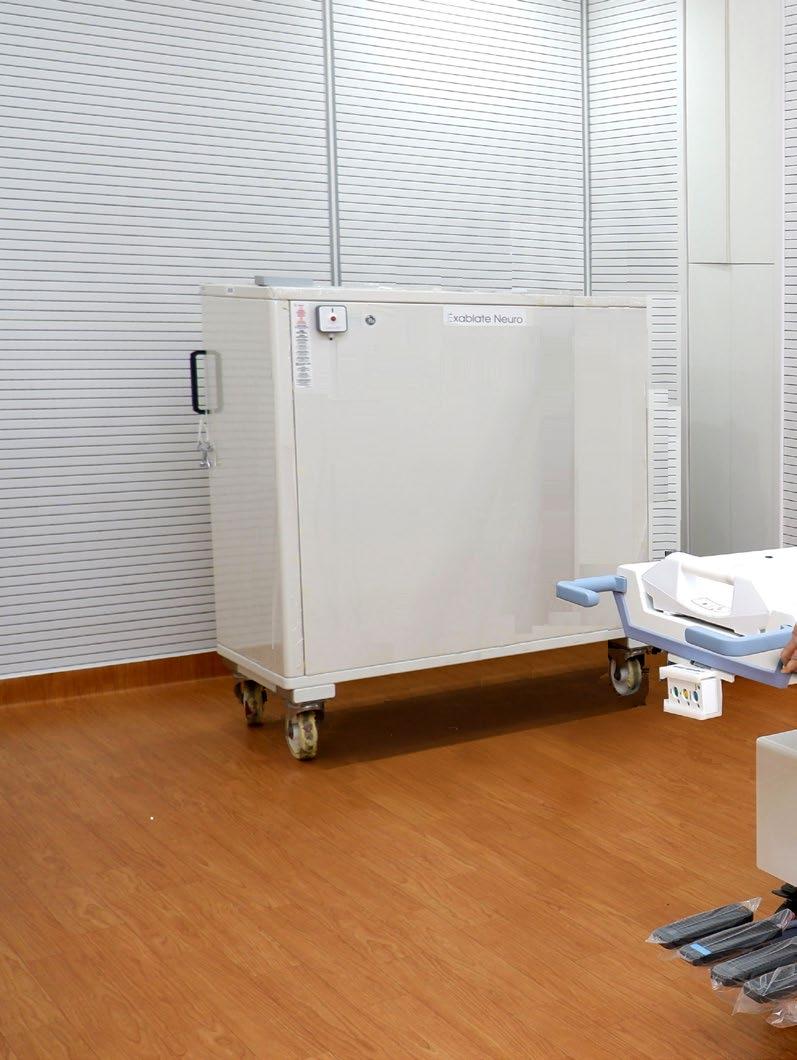
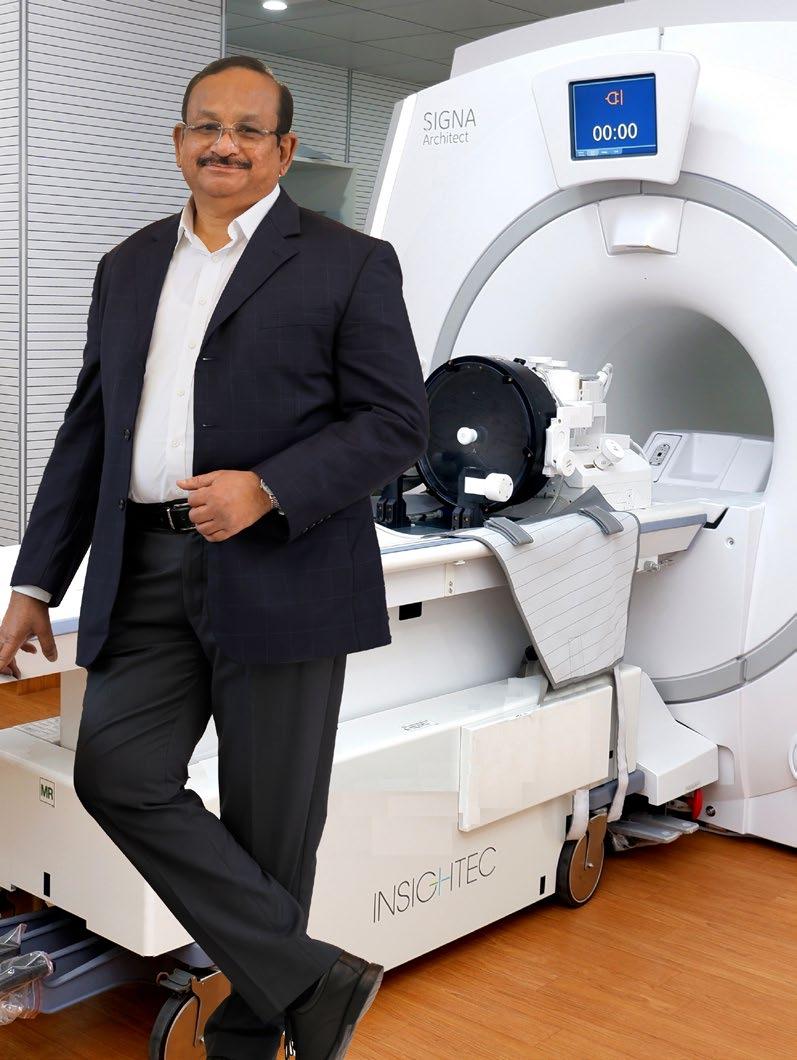
and make it available to all; at an affordable cost. As a part of his noble Mission, Royalcare Hospitals Group has purchased and implemented one of the Latest and biggest Breakthroughs in Medical Science, which is the ‘MRI’ Magnetic Resonance Imaging-guided (MRI) Focused Ultrasound Facility @ Dr. KMD’s Royalcare International Hospital Group’s Centres of Medical Excellence in Neuroscience @ Tamil Nadu & Delhi, India.
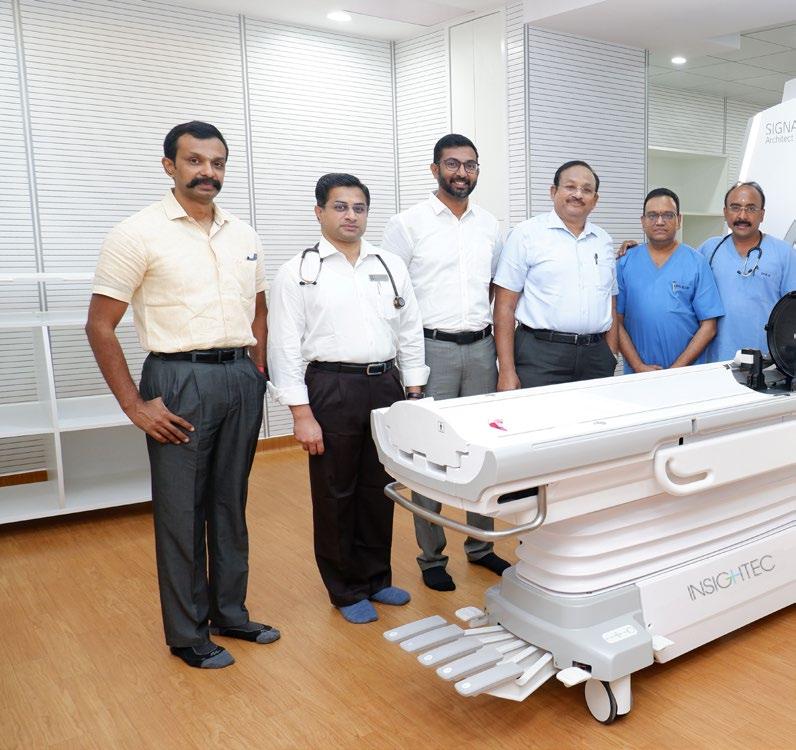


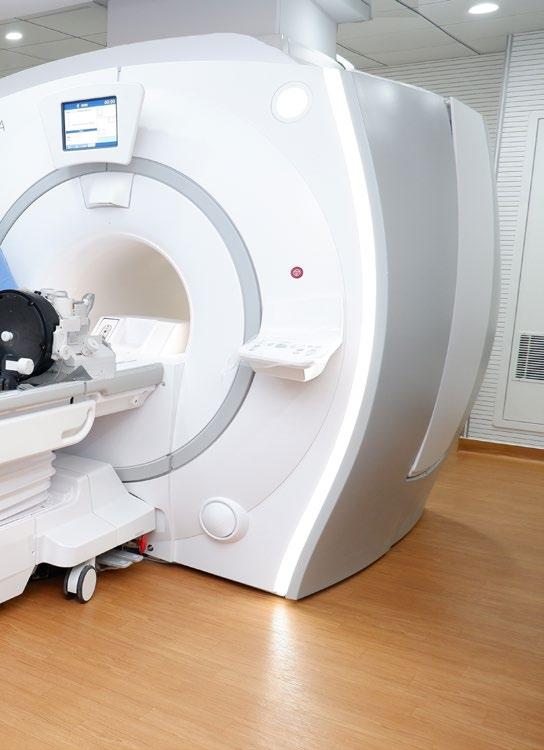

Widely regarded as one of the best healthcare providers, Royal Care Super Speciality Hospital, Coimbatore is equipped with advanced medical equipment and technologies, and often has been the first in introducing the latest treatments in the medical field. The newest and the most advanced being the MR-Guided Focused
Ultrasound for treatment of Essential tremors and tremor dominant Parkinson’s disease. This procedure is conducted by a team of highly qualified and experienced Neuro Surgeons and Specialists, who have been specifically trained in the Focused Ultrasound technique to target any hard-to-get lesions in the brain and clear them efficiently.


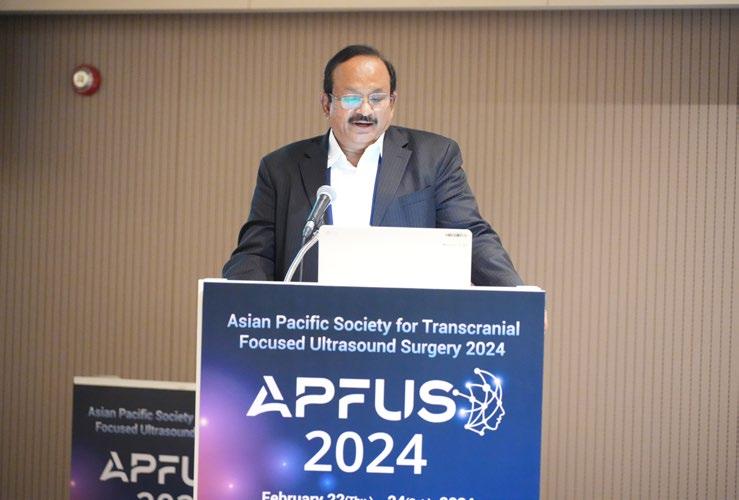
Experience the transformative power of Incisionless Surgery through MRgFUS (Magnetic Resonance guided Focussed UltraSound) at the only Neuro Centre in the entire Indian Subcontinent. Royal Care Super Speciality Hospital is the only Neurocare Centre in whole of India, facilitated with expertise and technology that provides an MRgFUS (Magnetic Resonance
guided Focussed UltraSound) therapy to Essential Tremors and Parkinsons’ patients with tremors. Best in Neurological Care Imbibing the Best in Innovation: Neurological Care has taken a new transformation with advancements in science and technology. The concept of incision-less surgery has been devised to cure the tremors in patients suffering from Parkinson’s Disease.
Royal Care MRgFUS (Magnetic Resonance guided Focussed UltraSound)
Therapy for patients in Asia & Middle East. Magnetic Resonance-guided Focused Ultrasound (MRgFUS) is a treatment option for patients with essential tremor or tremor dominant Parkinson’s disease who haven’t responded to medication or are not willing to have invasive surgery. The procedure uses focused beams of ultrasonic energy guided by MRI to target areas deep in the brain with no incisions or permanent implants.

UNIQUE & EXCLUSIVE FEATURES OF MRgFUS:
Incisionless Surgery - Little to no risk of infection.
No General Anaesthesia Required- No invasive burr holes or implants. Improvement In Hand Tremor -Stably maintained at 3 years.
Personalized TreatmentWith sub-millimetre target movement.
Single Session TreatmentMinimal hospitalization. Safe And Effective- Minimal side effects.
Get Back To Ageing Gracefully:
Hand tremors can be effectively treated even when medications don’t help. Lifechanging transformations are now possible world-
over thanks to innovation in medical technology by our Specialized Neuro Care Technology. Unique Outpatient Treatments: Treatment for hand tremors using the therapeutic power of Focused UltraSound is typically a simple single-sitting outpatient procedure. Guided by MRI, precise spots in the brain are targeted using adjustable parameters tailored just for you, to go back home the same day. Safety & Risk Information: MRgFUS (Magnetic Resonance guided Focussed UltraSound) technique is an overall reasonably safe procedure with minimal risks. Patients must discuss with their physician about all treatment options available and the risks involved as a mandate.

FDA Approved: You can always count on our expert care. Our physicians are leading the way in research & advanced therapies, paving the path to fearless incision-less treatments.
Minimally Invasive Techniques: Use of high-tech diagnostic tools through minimally invasive surgeries not only help improve your results and recovery, but also make surgeries a comfortable option.
Convenient, Comprehensive Care: You can rest assured find complete neurological care when you need it at our specialized facilities like spine centres, sleep centres, and neuro-rehab locations.
Same-Day Tremor Relief: Even the mildest of Tremors can pose threat to daily activities and make life a struggle. Our advanced Neuro Care technology along with our select neurologic experts marks us as one of the first centres in India offering MRgFUS (Magnetic Resonance guided Focussed UltraSound) solution to tremors; The best, effective, and incision-free option to treat tremors.
For Essential Tremor: Tremors upon outstretched hand postures or simplest hand actions, it is one of the most common movement disorders.
Tremor Dominant Parkinsons: Uncontrollable movements like shaking or stiffness mark this neurodegenerative condition affecting - 1% of people over 60 yrs.
Patient Candidacy: It is vital you discuss your entire medical history with your neurologist and evaluate your suitability for the procedure with accuracy.
How It Works: In simple words, the concept of MRgFUS (Magnetic Radiation guided Focused Ultrasound) is a procedure similar to using a high-powered magnifying lens to focus the sun’s energy on a specific spot on a leaf.
Treatment Benefits: tremor Improvement: 40-80% improvement in tremor severity (many with immediate improvement) stably maintained at three years.
By harnessing acoustic energy, you can now treat Essential Tremor and Tremor-dominant Parkinson’s Disease patients with the therapeutic power of focused ultrasound. The future of Neurosurgery has arrived. Royal Care Hospital is the first among its peers to introduce to the South Asian market a Focused Ultrasound platform to treat Essential Tremor and Parkinson’s Disease – Delivering up to 1,024 ultrasound waves across select points in the skull to precisely ablate a target deep in the brain, this treatment is performed incision-free in the MRI suite on an outpatient basis.

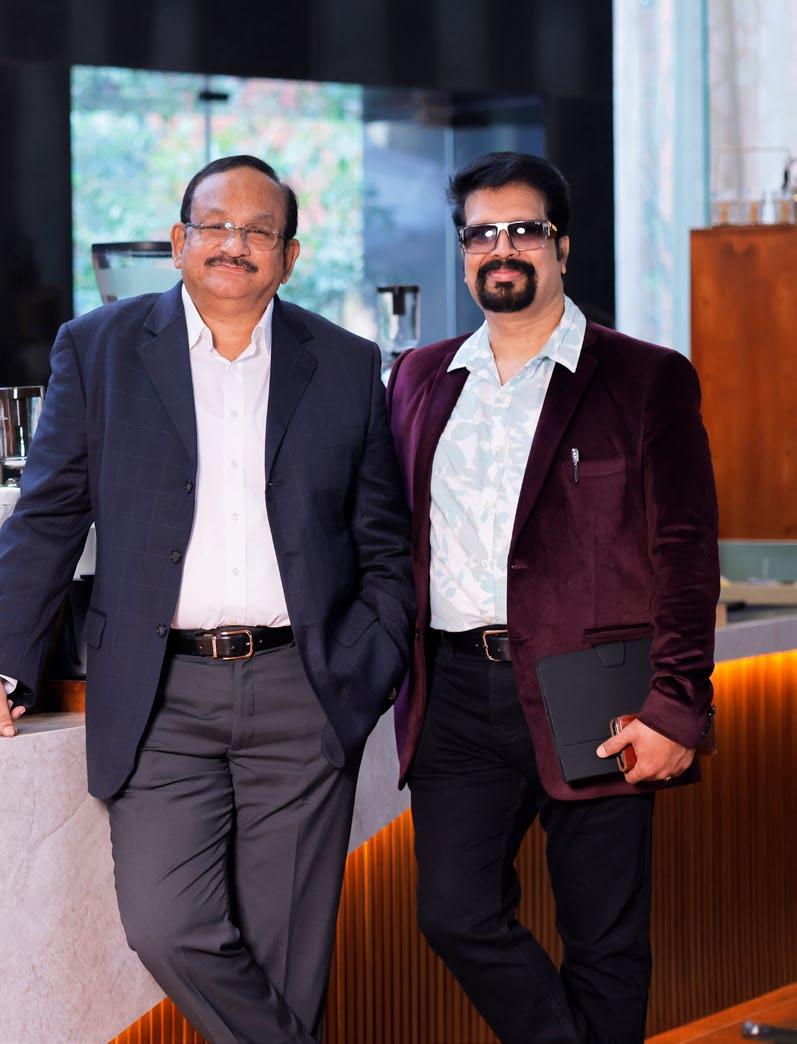
DR. S. E. ALEXANDER, Global Media Chief & MD - M/s Worldwide Media Corporation Group USA Congratulates, DR. K. MADESWARAN, Chairman & Managing DirectorDR. KMD’s ROYALCARE INTERNATIONAL HOSPITALS GROUP for the Exemplary Leadership & Proud Achievements in Multi Various Fields by Both DR. KMD & HIS INTERNATIONAL HOSPITALS & HEALTHCARE VENTURES.

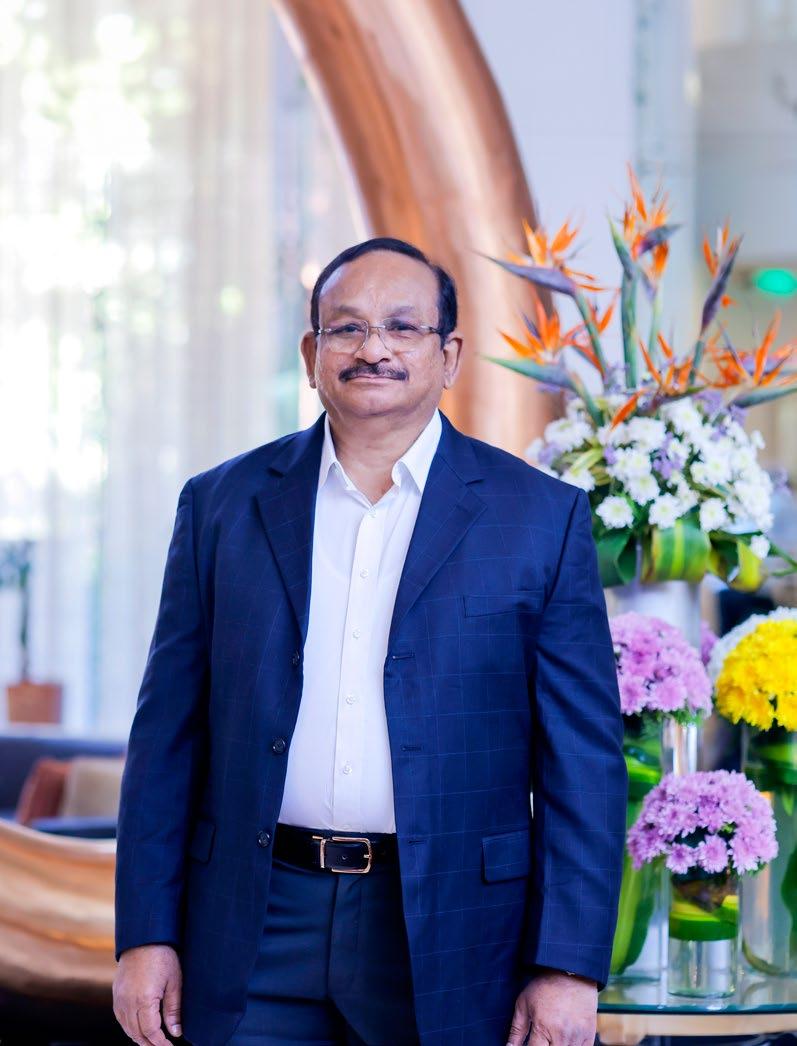
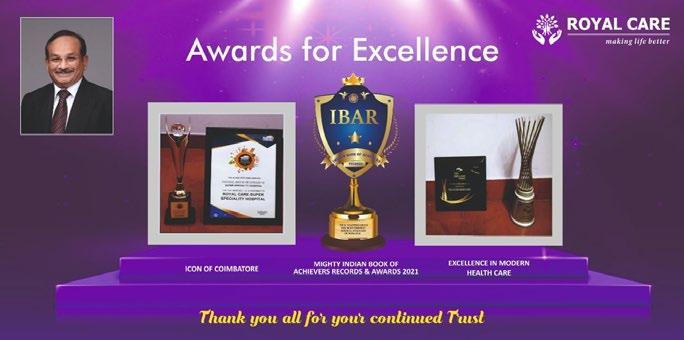
Royalcare Hospital is known for its Medical Excellence with a high-order Medical Expertise in the field of Neurosurgery and Neurology. It is functioning with Two Full-time Neurologists and Three Neurosurgeons. It’s also adding up few more Professional Members to cope up with the increasing demand for Specialists and Surgeons. This is due to the increasing Number of patients, who arrive from various parts of India and also from other countries of the world. Royalcare takes care of the entire spectrum of Neurology and Neurosurgery. And in Neurosurgery, they have been taking care of

complete range of services for ‘Trauma Patients, BrainTumor Patients, Aneurysms Patients, Brain AVM Patients, Balance Problems, Benign Peripheral Nerve Tumor, Brachial Plexus Injury, Brain Lymphoma, Brain Metastases, Brain Cancer Patients and Other Ailments’.
Royalcare’s Department of Neurosurgery is fully equipped with most modern and latest technologies and is Headed by a Highly Skilled, Competent, Experienced and one of the Most popular Senior Consultants & Surgeons of Asia namely Dr. K. Madeswaran, who is the Founder & Chairman of ‘Royalcare Super- Specialty Hospitals Group’.
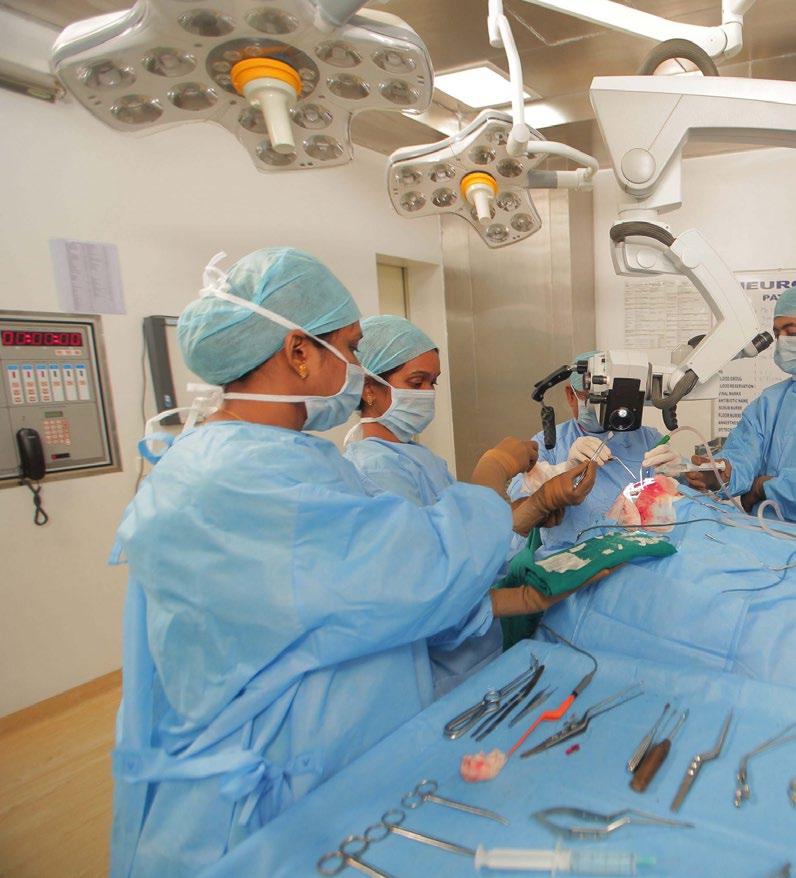
Besides, he has performed more than 14,400 Surgeries in his field of specialization. He and His team of highly qualified Surgeons do handle most complicated Surgeries and cases as well as offer best treatments & cure to millions of people. The Neurosurgeons at Royalcare are known for their clinical & treatment excellence in four main conditions; First one is related to Vessels and the Brain, that is Aneurysms,
Rupture, Arteriovenous malformation. At Royalcare, in addition to the Highly qualified Expert Surgeons, they also use Latest technologies like Stereotaxic Procedure, Neuro Navigation, High-end Microscopes, Ultrasonic Aspirators and so on; while conducting their Neurosurgeries; thus minimize the strain to Patients and Maximize the Success rate, efficiency and effectiveness of the Surgeries.
Besides, Stereotaxic and Neuronavigation methods also do guide these expert surgeons to reach out to the precise point of Interest; thus, help them in achieving Optimum Success, within the shortest time possible.
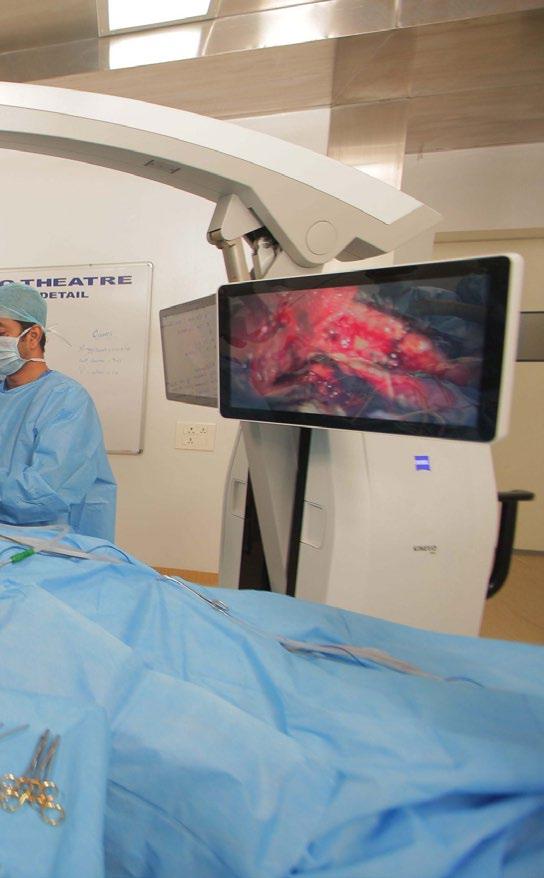
Dr. K. Madeswaran, the Chairman & Head of the Department is also being one of the Most Popular and Renowned Neurosurgeons of India.
The Department Neurology at Royalcare, takes care of the Entire Spectrum of Neurology. Their Practice consists of taking care of all Health issues, Problems and Challenges those are faced by their Patients on account of Acute stroke, epilepsy, headaches, migraine, brain tumors, brain aneurysms, peripheral neuropathy, sleep disorders, Myasthenia Gravis, Movement disorders, neurodegenerative diseases, such as Parkinson’s disease, Alzheimer’s disease and so on. Royalcare is very popular and highly successful in conducting Epilepsy surgeries and Stroke Management. With the assistance of their highly qualified professional team of Interventional Neuro Radiologists, who have a rich interventional radiology practice, the Neurologist are able to retrieve and remove Thrombus in the Arteries, especially when the patients come early with the stroke symptoms.
The Department of Neurology at Royalcare has a very high experience in prevention of Stroke by conducting Carotid endarterectomy, Carotid endarterectomy (CEA) is surgery to treat carotid artery disease. The carotid arteries are the main blood vessels that carry oxygen and blood to the brain. In carotid artery disease, these arteries become narrowed. This reduces blood flow to the brain and could cause a stroke. And with enormous experience in this specialized field and having done 1000s of such surgeries; the Neurology Department of Royalcare becomes the first choice of destination for all those, who have such health issues. Besides, Royalcare Department of Neurology is highly supported by One of the Best ICU Departments in the World. Will all the above extraordinary features Royalcare is maintaining, A Class Medical Services & Deliverables in this field of Medical Specialization.
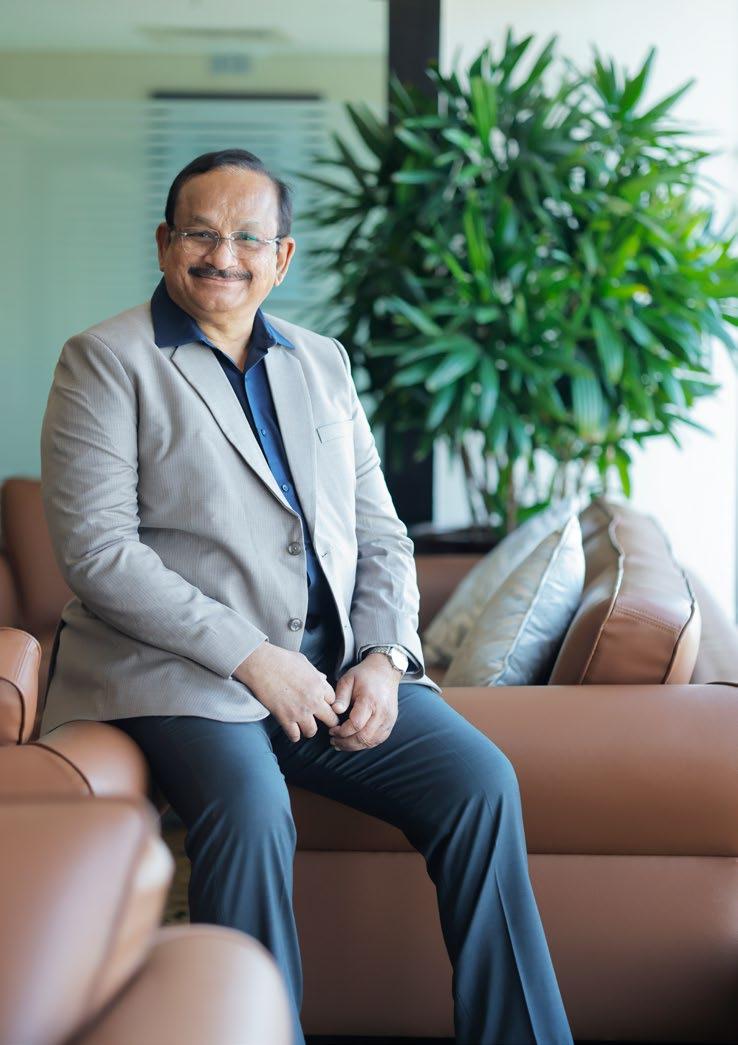
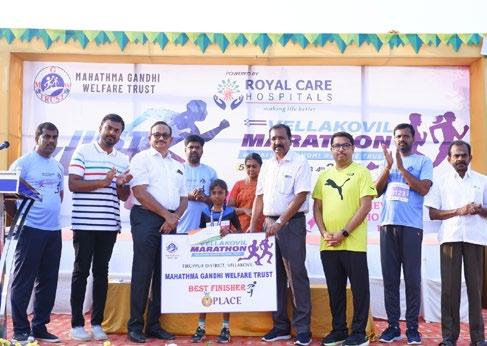
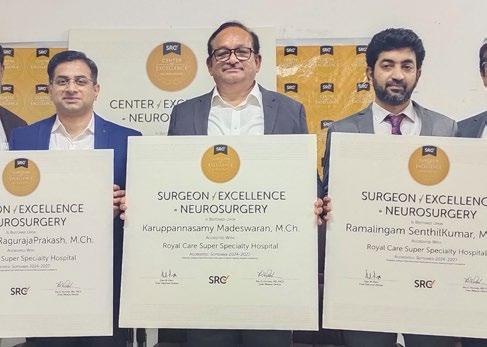
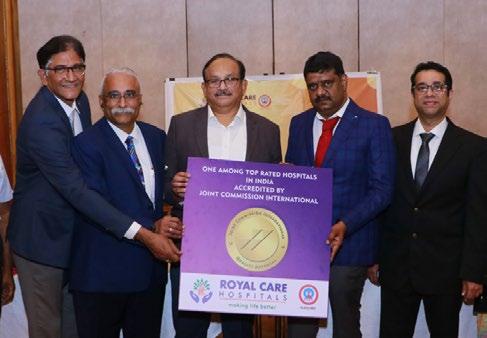
Dr. KMD has been driving success and growth for his organization with the Strong Vision, effective communication, the ability to inspire and motivate others and a strong commitment to continuous learning and improvement. Dr. K. Madeswaran is popularly known for His enormous ability to navigate challenges with resilience, adaptability and taking strategic and most timely decision on all subjects that he deals with.Dr. KMD could articulate his vision effectively, inspiring his entire team of investors, stakeholders, doctors, professionals and associates to believe in his vision and achieve their full potential by fostering a positive culture, growth and development beyond their imagination.
Dr. KMD invariably inspires and empowers everyone around Him to accomplish excellence in their respective fields of interest and potential. ensures and work towards achieving them in style. Dr. K. Madeswaran always believes that Success is not just about achieving Financial Goals; But also, about creating a longer-lasting, positive and sustainable impact in the world forever.
The Entire Global Team of M/s Worldwide Media Corporation Group, USA wishes Dr. K. Madeswaran to appreciably Achieve his Mission of Achieving His Novel Billion Dollars Healthcare Vision in Style and Benefit the Flawless Benefits of his Success and Growth enrich all around the world and the generations to come.
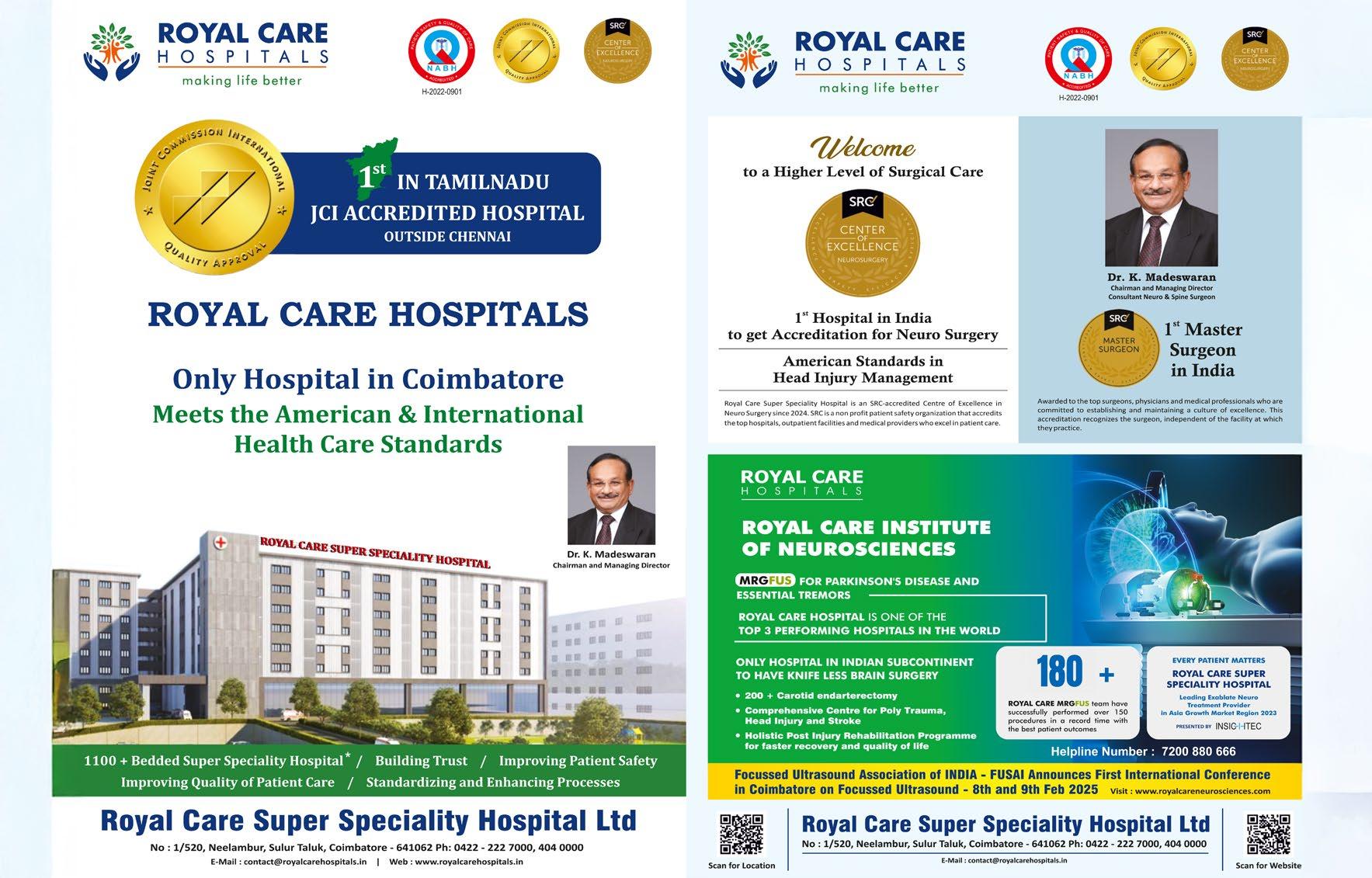

India’s healthcare market is on a remarkable growth trajectory, projected to reach an impressive $638 billion by 2025. Valued at $372 billion in 2023, the sector has been expanding at a compound annual growth rate (CAGR) of 17.5% over the past decade, reflecting its resilience and potential. This growth is propelled by a confluence of factors, including a burgeoning population, rising disposable incomes, increasing health awareness, and a surge in lifestyle-related diseases. As India cements its position as a global healthcare hub, the sector is undergoing a transformative phase, driven by demand, digital innovation, and supportive

government policies, though challenges like infrastructure shortages and high out-of-pocket expenses remain. The foundation of India’s healthcare market lies in its hospital segment, which accounts for nearly 80% of total healthcare spending. With a population of 1.42 billion, India faces a significant demand-supply gap in healthcare infrastructure. The country requires an estimated 2 billion square feet of additional hospital space to meet global standards for bed density. Currently, India has approximately 1.3 hospital beds per 1,000 people, far below the World Health Organization’s recommended 3.5 beds per 1,000.

This gap underscores the urgent need for investment in hospital infrastructure, which is expected to drive a significant portion of the market’s growth by 2025. Another key driver is the rise in lifestyle diseases, such as diabetes, cardiovascular conditions, and obesity, fuelled by urbanization and changing dietary habits. India is home to over 77 million people with diabetes, making it the diabetes capital of the world. This growing burden of non-communicable diseases has increased demand for specialized care, diagnostics, and preventive healthcare services. At the same time, rising incomes and health awareness are encouraging Indians to invest more in wellness, diagnostics, and private healthcare, further boosting market expansion.
Digital innovation is revolutionizing India’s healthcare landscape. The adoption of telemedicine, artificial intelligence (AI), and digital diagnostics has accelerated, particularly since the COVID-19 pandemic highlighted the need for accessible healthcare solutions. Telemedicine platforms have made healthcare more inclusive, connecting patients in rural areas with specialists in urban centres. AI-driven diagnostics are improving accuracy and efficiency, while wearable devices and health apps are empowering individuals to monitor their health proactively. The digital health market, including e-pharmacies and health tech startups, is expected to grow significantly, contributing to the sector’s overall value by 2025.



Medical tourism is another bright spot, positioning India as a global destination for affordable, high-quality healthcare. In 2024, the medical tourism market was valued at $7.69 billion and is projected to reach $14.31 billion by 2029, growing at a CAGR of 13.2%. Patients from countries in Africa, the Middle East, and South Asia flock to India for treatments like organ transplants, oncology, and cardiology, drawn by world-class facilities and competitive pricing. Cities like Delhi, Mumbai, and Chennai have emerged as hubs, with private hospital chains like Apollo and Fortis leading the charge. Government initiatives are playing a pivotal role in
shaping the sector’s growth. The Ayushman Bharat scheme, launched in 2018, aims to provide free healthcare coverage to over 500 million people, reducing financial barriers for low-income families. The government has also committed to increasing public health expenditure to 2.5% of GDP by 2025, up from 1.6% in 2023. Investments in primary healthcare, rural infrastructure, and medical education are expected to address systemic gaps and enhance access. Despite these advancements, challenges persist. High out-of-pocket expenses, which account for 54.8% of healthcare spending, place a significant burden on households.




Rural areas, home to nearly 65% of India’s population, suffer from inadequate facilities and a shortage of skilled healthcare professionals. Addressing these issues will require sustained public-private partnerships and innovative financing models to ensure equitable access to quality care. As India’s healthcare market races toward $638 billion by 2025, it stands at a critical juncture. The convergence of rising demand, technological advancements,
and policy support creates unprecedented opportunities for growth. However, bridging infrastructure gaps and reducing financial burdens will be essential to ensure that this growth translates into meaningful improvements in health outcomes for all Indians. With its unique blend of challenges and potential, India’s healthcare sector is not just a market—it’s a lifeline for billions.


The Ascott Limited, a wholly owned lodging business unit of CapitaLand Investment (CLI), marked a significant milestone in its 40th-anniversary celebrations with the launch of the Ascott Global Academy for Excellence (AGAX). Unveiled at the biennial Ascott Global Conference in Singapore, AGAX represents a bold step toward strengthening Ascott’s global workforce, fostering a culture of continuous learning, and positioning the company as a leader in the
evolving hospitality industry. This strategic initiative, part of Ascott’s “Ascott Unlimited” campaign, underscores its commitment to talent development, operational excellence, and ambitious growth targets, including achieving over S$500 million in fee-related earnings by 2028. AGAX builds upon the foundation of the Ascott Centre for Excellence (ACE), a Singapore-based hospitality training hub established in 2007.

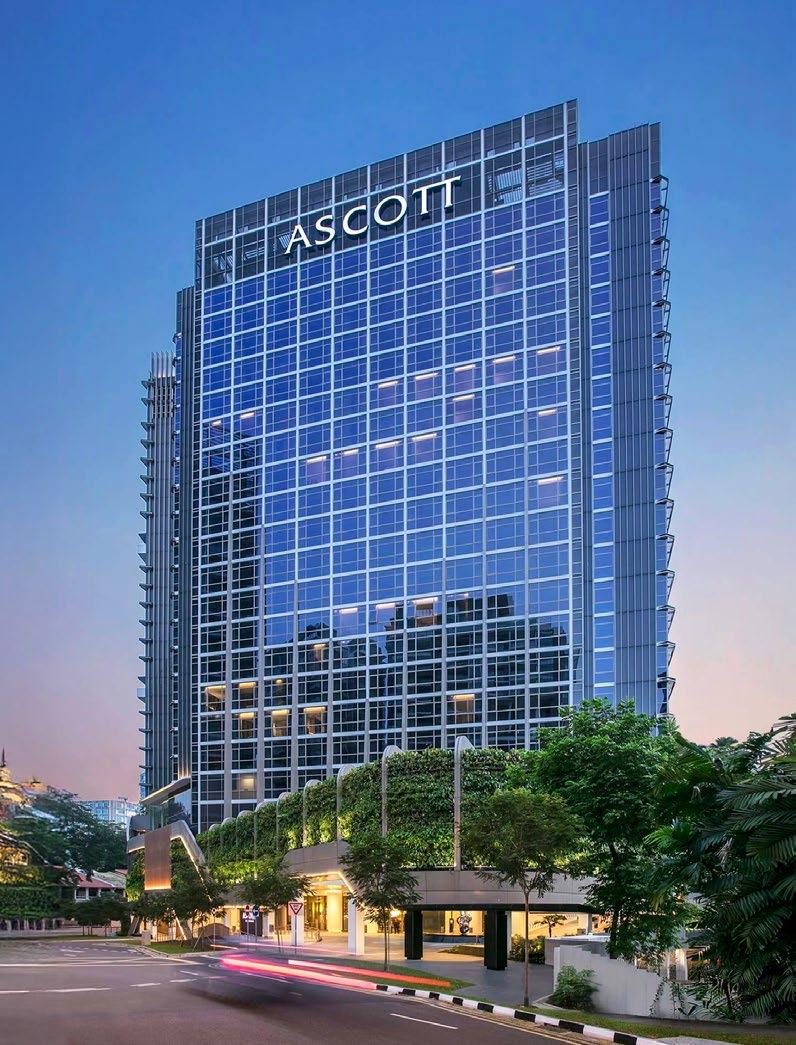

While ACE has been instrumental in delivering localized training, AGAX takes a global approach, offering a comprehensive suite of development programs tailored to the diverse needs of Ascott’s workforce across more than 40 countries. These programs include apprenticeships, hospitality and service training, personal development courses, and leadership-focused initiatives.
By partnering with accredited learning institutions, AGAX combines in-person and virtual
training to ensure accessibility and flexibility, equipping associates with the skills needed to navigate the dynamic demands of the hospitality sector. The academy is overseen by the Ascott Learning Council, co-chaired by Ms. Wong Kar Ling, Chief Strategy Officer and Managing Director for Southeast Asia, and Mr. Lee Ngor Houai, Chief Operating Officer for Europe, Middle East, Africa, South Asia, and China.
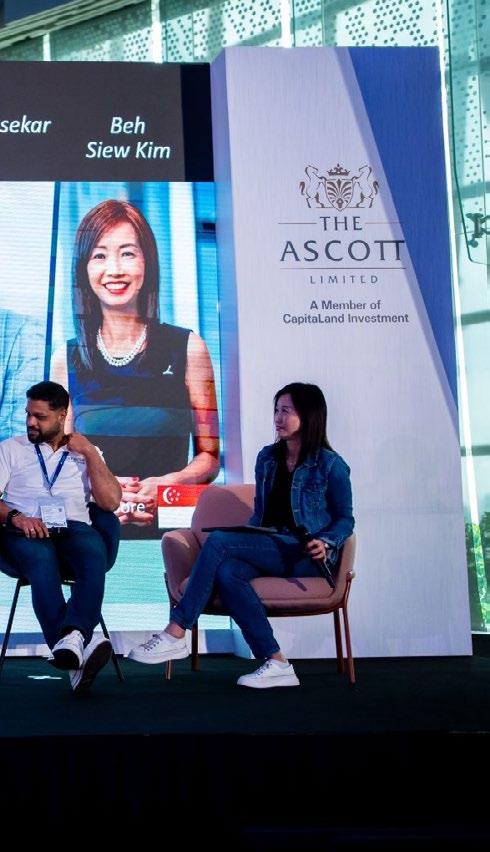

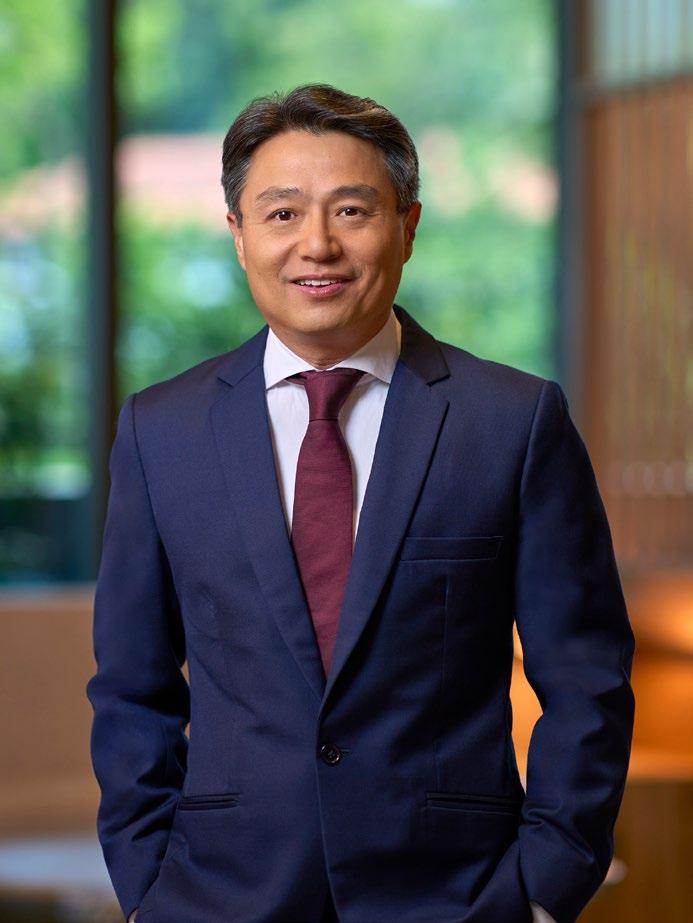

This leadership structure reflects Ascott’s commitment to aligning its training initiatives with its global operational goals. AGAX is designed to support Ascott’s aggressive expansion plans, which include opening over 300 new properties by 2028, creating more than 12,000 jobs worldwide. With a record-breaking S$343 million in fee-related earnings in 2024, the company is leveraging AGAX to ensure its workforce is equipped to sustain this growth trajectory. A cornerstone of AGAX is the Ascott Accelerate program, launched in 2025 in Penang, Malaysia. This initiative targets high-potential associates, fast-tracking them into leadership roles through a blend of mentorship, on-the-
job training, and e-learning modules. The program is tailored to cultivate the next generation of hospitality leaders, ensuring Ascott remains competitive in a rapidly changing industry. Beyond leadership development, AGAX offers specialized training in areas such as guest services, housekeeping, digital technology, and sustainability, reflecting the company’s focus on operational excellence and innovation. To complement its structured programs, AGAX introduced the Ascott Global Exchange Programme, which facilitates cross-cultural learning by enabling employees to work in different regions and share best practices.

Additionally, Ascott Learning Festivals provide immersive, hands-on opportunities for associates to enhance their industry knowledge and skills. A key technological advancement is the introduction of a digital learning platform, offering on-demand access to training modules. This platform ensures that employees, from frontline staff to senior management, can upskill at their own pace, regardless of location.
AGAX is more than a training initiative; it is a strategic investment in Ascott’s future. By fostering a culture of continuous learning, the academy empowers associates to deliver exceptional guest experiences while driving the company’s global ambitions.
As Ascott expands its portfolio

of over 1,000 properties under brands like ¬¬, and lyf, AGAX will play a pivotal role in maintaining service quality and operational consistency. The academy also aligns with industry trends, such as the growing emphasis on personalized guest experiences and sustainable practices, ensuring Ascott remains at the forefront of hospitality innovation. In an industry where talent is a critical differentiator, AGAX positions Ascott to attract and retain top professionals. By offering robust career development opportunities, the company is not only preparing its workforce for future challenges but also reinforcing its reputation as an employer of choice. As Ascott continues its global expansion, AGAX will serve as the backbone of its talent strategy, ensuring that its associates are equipped to deliver on the brand’s promise of excellence.
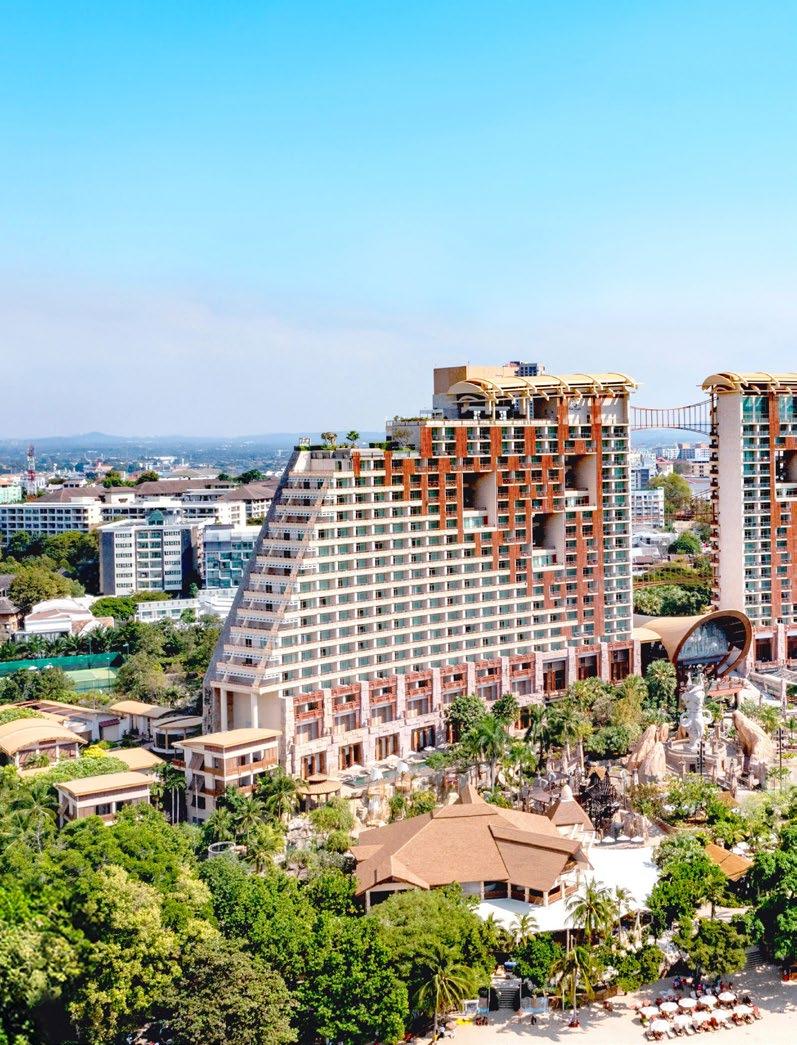

In a dazzling celebration of hospitality excellence, Centara Hotels & Resorts has once again proven its mettle, clinching three prestigious accolades at the Travel + Leisure Luxury Awards Asia Pacific 2025. Held on June 18, 2025, against the stunning backdrop of the Chao Phraya River in Bangkok, the awards ceremony spotlighted the finest properties across 25 categories and 15 countries. Centara’s remarkable achievements in the categories of beach, reef, and upcountry luxury hospitality underscore its position as a leader in delivering worldclass experiences that blend Thai heritage with modern sophistication. Centara’s
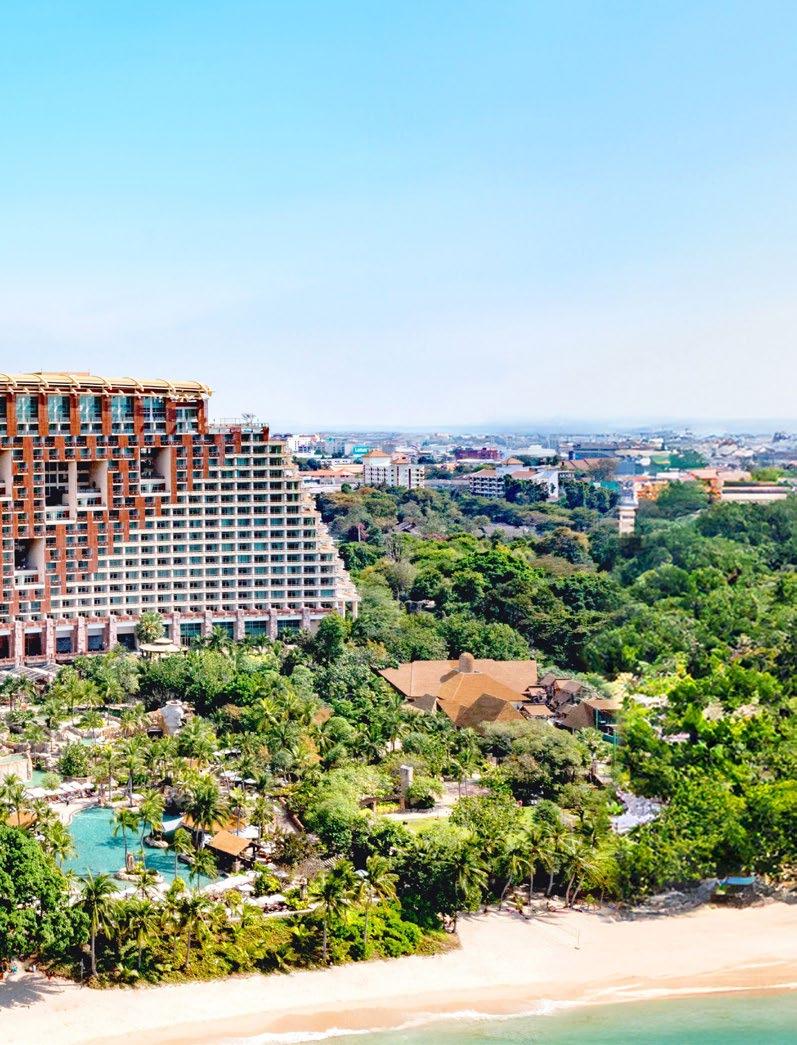
standout moment came with its Centara Collection, which secured an impressive 8th place among the Best Upcountry Hotels in the Asia Pacific region. This recognition highlights the brand’s ability to craft unforgettable stays in serene, nature-rich settings that resonate with travellers seeking both luxury and authenticity. The Centara Collection, known for its boutique properties that fuse local charm with high-end comforts, has become a beacon for discerning guests who crave unique, culturally immersive experiences. Whether nestled in lush hills or tucked away in tranquil countryside, these properties offer a perfect blend of relaxation and adventure.

Beyond the upcountry triumph, Centara’s prowess in beach and reef hospitality further solidified its reputation. The brand’s beachfront resorts, celebrated for their pristine locations and impeccable service, continue to captivate travellers dreaming of sun-soaked escapes. From the powdery sands of Phuket to the turquoise waters of Krabi, Centara’s beach properties deliver postcard-perfect settings paired with world-class amenities. Similarly, their reeffocused resorts, which prioritize sustainable luxury and access to vibrant marine ecosystems, cater to eco-conscious travellers and diving enthusiasts alike. These awards reflect Centara’s commitment to creating diverse, high-quality experiences that cater to a global audience. This year, Centara received accolades for these exceptional destinations:
• Centara Reserve Samui — Rose two positions to 7th place in Thailand’s Beach + Island Resorts category, highlighting its bespoke luxury, curated wellness offerings, and immersive oceanfront setting on Chaweng Beach. Machchafushi Island Resort & Spa Maldives, The Centara Collection — Named 2nd best House Reef in the Maldives, praised for its pristine marine ecosystem and effortless reef access that captivates snorkellers and divers alike.
• Roukh Khiri Khaoyai, The Centara Collection — Awarded 8th best Upcountry Hotel in Thailand, recognised for its serene hilltop setting, personalised hospitality, and barn-house inspired contemporary design.

“We are honoured to be recognised by Travel + Leisure’s readers and the global travel community,” said Michael Hensler, COO of Centara Hotels & Resorts. “These accolades are a reflection of our team’s passion, the evolving strength of our luxury and boutique offerings, and our ongoing commitment to creating meaningful stays that connect guests with the heart of each destination.”
The Travel + Leisure Luxury Awards Asia Pacific, now a benchmark for excellence in the region, are determined through a meticulous process that combines reader votes with evaluations from a panel
of industry experts. This year’s ceremony, hosted in the heart of Bangkok, brought together hospitality leaders to celebrate innovation, sustainability, and guest satisfaction. For Centara, the triple win is a testament to its unwavering dedication to elevating the guest experience while staying true to its Thai roots. With over 40 years of hospitality expertise, the brand has mastered the art of blending warm Thai hospitality with international standards, creating stays that feel both luxurious and personal. Centara’s success at the 2025 awards also highlights its broader impact on the Asia Pacific hospitality landscape.

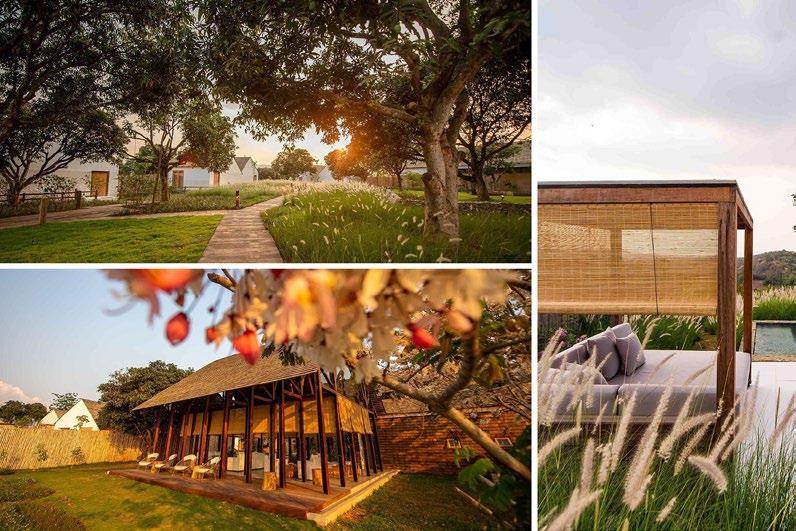
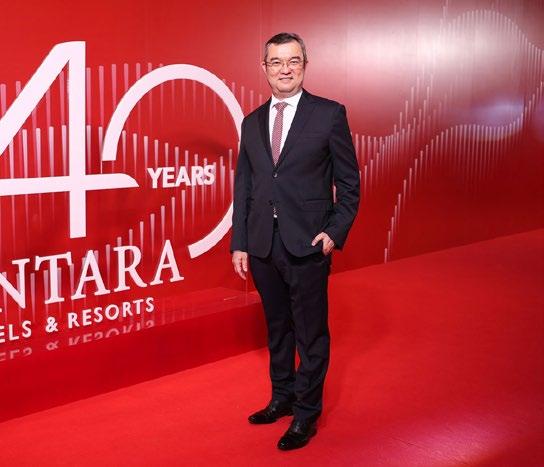


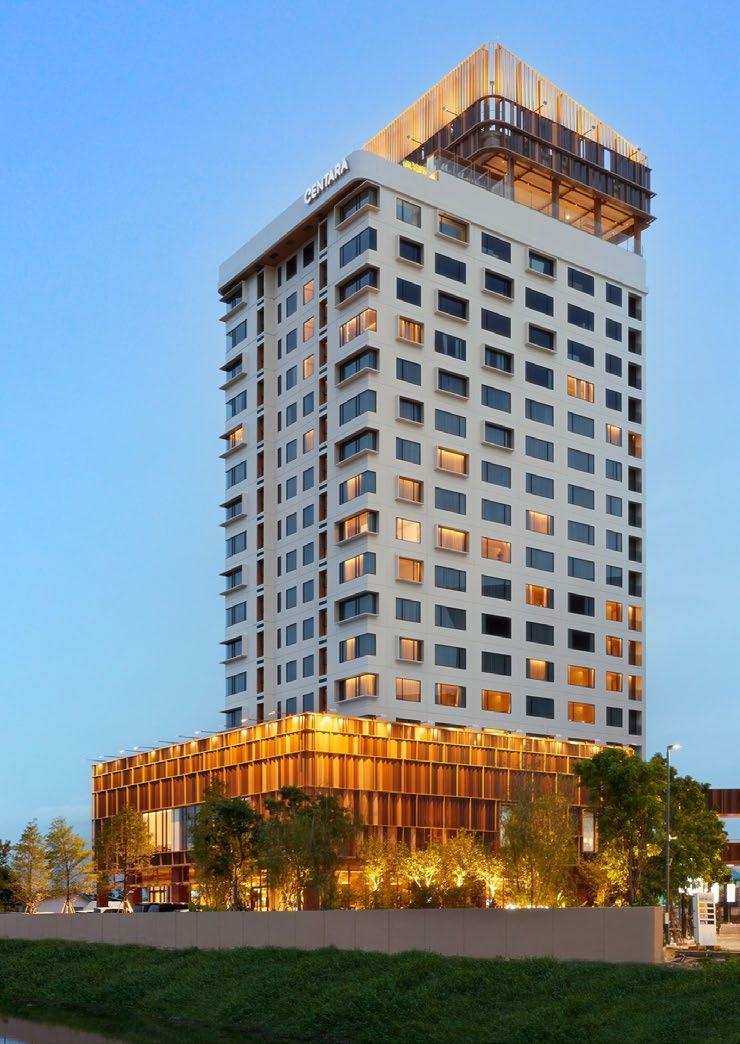

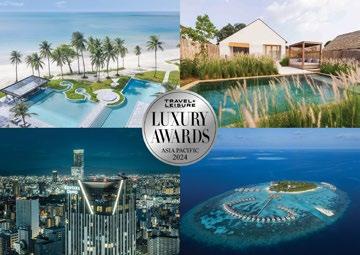

The brand operates a diverse portfolio of 92 hotels and resorts across Thailand, the Maldives, Sri Lanka, Vietnam, Laos, Oman, Qatar, and the UAE, with ambitious plans to expand to 150 properties by 2028. Each property, whether a family-friendly resort or a boutique hideaway, is designed to reflect its destination’s unique character while delivering the signature service that has made Centara a household name. This balance of global reach and local authenticity has earned the brand a loyal following among travellers worldwide.
As the hospitality industry continues to evolve, Centara’s focus on sustainability, innovation, and guest-centric experiences positions it as a trailblazer. The Travel + Leisure Luxury Awards Asia Pacific 2025 have not only celebrated Centara’s current achievements but also set the stage for its continued growth. For travellers seeking unparalleled luxury in breathtaking settings, Centara Hotels & Resorts remains a name to trust, promising moments of indulgence and memories that linger long after the journey ends.




Roblox Corporation, a leading platform in the gaming and metaverse industries, announced a significant leadership transition with the appointment of Naveen Chopra as its new Chief Financial Officer (CFO). Chopra succeeds Michael Guthrie, who stepped down after serving as CFO, marking a pivotal moment for Roblox as it continues to expand its influence in the rapidly evolving digital entertainment landscape. With over 25 years of experience in media and technology, including more than a decade as a public company CFO, Chopra brings a wealth of expertise that positions him to steer Roblox toward sustained growth and innovation.

Naveen Chopra’s career is distinguished by high-profile roles across some of the most influential companies in technology and media. Prior to joining Roblox, Chopra served as the CFO of Paramount Global, where he navigated complex financial landscapes in the highly competitive streaming and entertainment sectors. His tenure at Paramount honed his ability to manage largescale operations, optimize financial strategies, and drive shareholder value in dynamic markets. Before Paramount, Chopra held senior financial roles at Amazon, where he contributed to the company’s global expansion across e-commerce, cloud computing, and digital
content. Additionally, he served as CFO of Pandora, where he played a key role in scaling the music streaming platform before its acquisition by SiriusXM. Chopra’s extensive experience makes him uniquely suited to guide Roblox through its next phase of growth. As the company continues to redefine interactive entertainment through its user-generated content platform, Chopra’s cross-industry expertise in technology, media, and consumer engagement will be critical. His track record of leading financial operations at publicly traded companies equips him to manage Roblox’s accounting, internal audit, tax, treasury, business operations, and investor relations with precision and foresight.



Roblox has emerged as a cultural and economic powerhouse, boasting millions of active users and a vibrant ecosystem of creators who build and share immersive experiences. The platform’s ambition to lead the metaverse—a digital universe where users socialize, create, and transact—requires robust financial leadership
to capitalize on emerging opportunities. Chopra’s appointment signals Roblox’s intent to strengthen its financial foundation while pursuing ambitious goals in gaming, virtual reality, and digital economies. As part of his transition to Roblox, Chopra received $6 million in cash bonuses, reflecting the company’s confidence in his ability to deliver results. This compensation package underscores the high stakes of

his role, as Roblox competes with tech giants and gaming companies like Epic Games and Unity in a crowded market. Chopra’s experience at Amazon, where he contributed to scaling innovative business models, and at Paramount, where he managed content-driven revenue streams, aligns closely with Roblox’s vision of blending entertainment, technology, and user-driven creativity.




Chopra’s appointment comes at a time when Roblox is navigating both opportunities and challenges. The platform’s growth has been fuelled by its ability to attract a diverse user base, from young gamers to professional developers, but it also faces pressures to monetize effectively while maintaining a safe and inclusive environment.
Chopra’s financial acumen will be instrumental in optimizing Roblox’s revenue streams, which include ingame purchases, advertising, and developer payouts through its Robux virtual

currency system. Moreover, Chopra’s experience in investor relations will be critical as Roblox continues to communicate its long-term vision to shareholders. The metaverse remains a nascent but highly competitive space, with significant investments required in infrastructure, technology, and partnerships. Chopra’s ability to balance innovation with financial discipline will be key to ensuring Roblox remains a leader in this transformative industry.





Roblox’s decision to bring Naveen Chopra on board reflects its commitment to building a sustainable and scalable business model in the metaverse era. His proven track record in driving financial success at global giants like Amazon and Paramount positions him as a catalyst for Roblox’s next chapter. As the company continues to innovate and expand its platform, Chopra’s leadership will
play a pivotal role in shaping its trajectory, ensuring that Roblox remains a trailblazer in the intersection of gaming, technology, and community. In a statement following his appointment, Chopra expressed enthusiasm for joining Roblox, highlighting the platform’s potential to redefine how people connect and create. With his strategic vision and financial expertise, Naveen Chopra is poised to help Roblox navigate the complexities of the metaverse while delivering value to users, creators, and investors alike.



In a landmark move for the global aviation industry, AirAsia, the Malaysia-based lowcost carrier, has signed a monumental $12.25 billion agreement with Airbus for the purchase of 50 A321XLR aircraft, with an option to acquire an additional 20 units. The deal, formalized in Paris and witnessed by Malaysia’s Prime Minister,

marks a significant step in AirAsia’s ambitious plan to redefine low-cost air travel by establishing the world’s first low-cost, narrowbody network carrier. The agreement, announced in July, 2025, underscores AirAsia’s commitment to expanding its global footprint while prioritizing efficiency and sustainability. The A321XLR, a long-range variant of Airbus’ A321neo family, is a gamechanger for AirAsia’s multihub strategy.
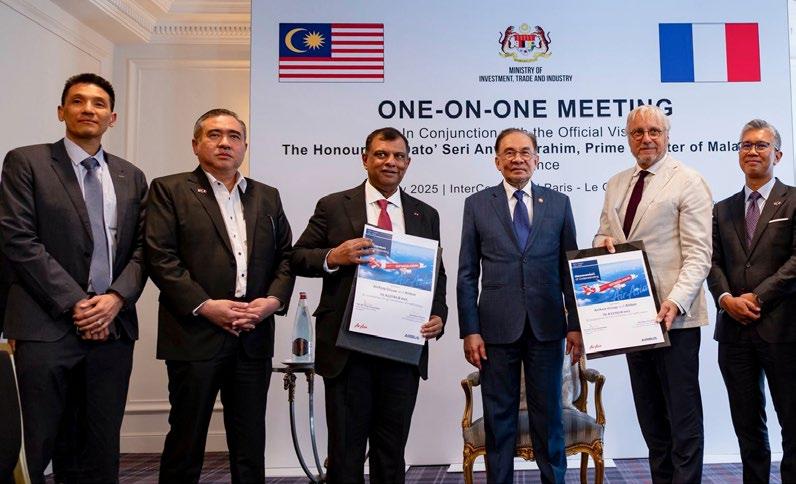
With deliveries scheduled between 2028 and 2032, these aircraft will enable AirAsia to connect its Southeast Asian hubs with destinations as far afield as Central Asia, the Middle East, and Europe. The airline has already set its sights on launching a European route in 2025, leveraging the A321XLR’s extended range of up to 4,700
nautical miles—30% more than the A320 family. This capability will allow AirAsia to offer affordable, long-haul flights without compromising its low-cost model, a feat previously constrained by the limitations of narrow-body aircraft. The A321XLR’s appeal lies not only in its range but also in its efficiency. According
to Airbus, the aircraft delivers a 20% reduction in fuel burn per seat compared to the A321neo, making it one of the most environmentally friendly options in its class.
This aligns with AirAsia’s sustainability goals, as the airline aims to reduce its carbon footprint while maintaining competitive pricing.
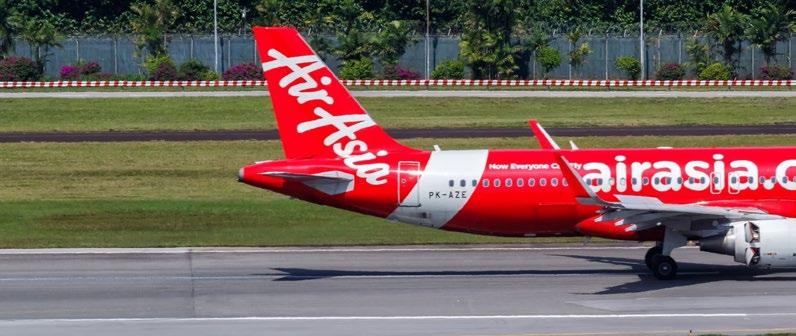

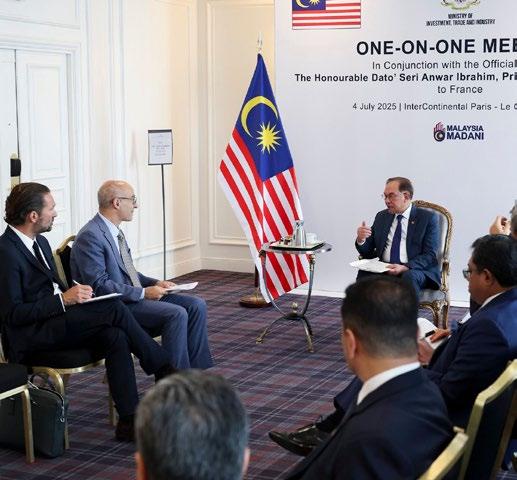

The A321XLR’s fuel efficiency, combined with AirAsia’s operational expertise, will enable the carrier to offer fares that challenge traditional fullservice airlines on long-haul routes. This move is expected to disrupt the aviation market, particularly in regions where low-cost carriers have historically struggled to compete on longer routes due to aircraft limitations.
AirAsia’s Group Chief Executive Officer, Tony Fernandes, emphasized the strategic importance of the
deal, stating that the A321XLR will “redefine what a lowcost carrier can achieve.” By integrating these aircraft into its fleet, AirAsia aims to create a seamless network connecting its hubs in Malaysia, Thailand, Indonesia, and the Philippines with emerging markets in Central Asia and established destinations in Europe and the Middle East. The airline’s vision is to democratize air travel, making international flights accessible to a broader demographic, particularly in price-sensitive markets.
In a press statement, the airline says that the aircraft are scheduled for delivery commencing 2028 through 2032.“We pioneered low-cost travel in Asia, now, we are taking it to the next level. AirAsia is on a transformative journey to become the world’s first low-cost network carrier. This is about exponential growth, connecting geographies beyond Asean, and making flying even more democratic. We gave people in ASEAN the opportunity to explore Asia, now we want the world to see ASEAN and ASEAN to see the world. The A321XLR and A321LR are the game-changers enabling this vision, and we are proud to lead the charge in making our
world smaller. We cannot wait to paint the skies even wider in red,” says Tony Fernandes, CEO, Capital A and Advisor and Steward of AirAsia Group. The agreement also strengthens AirAsia’s longstanding partnership with Airbus, which has been a cornerstone of the airline’s growth since its inception. AirAsia currently operates a fleet predominantly composed of Airbus A320 and A321neo aircraft, and the addition of the A321XLR will further standardize its operations, reducing maintenance and training costs.
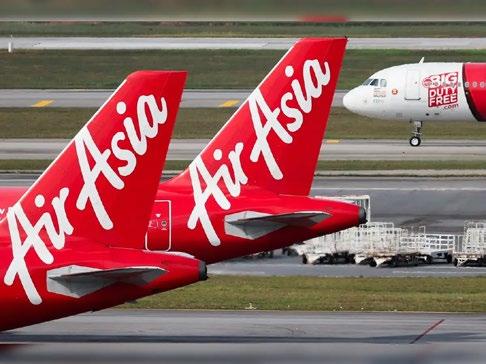



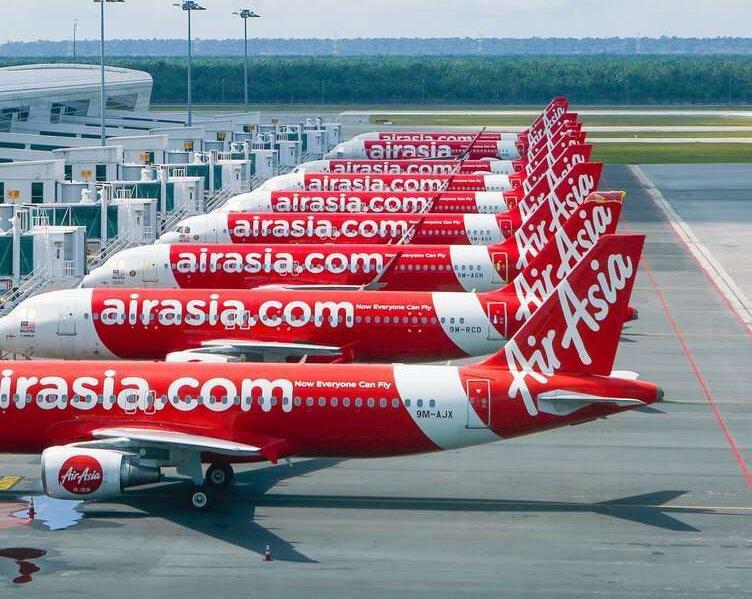
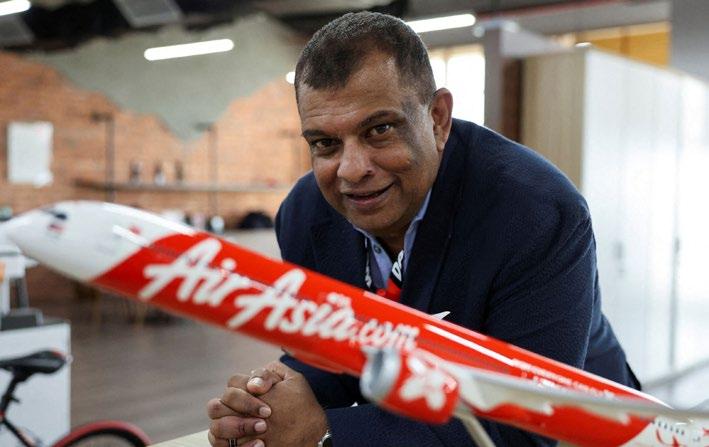
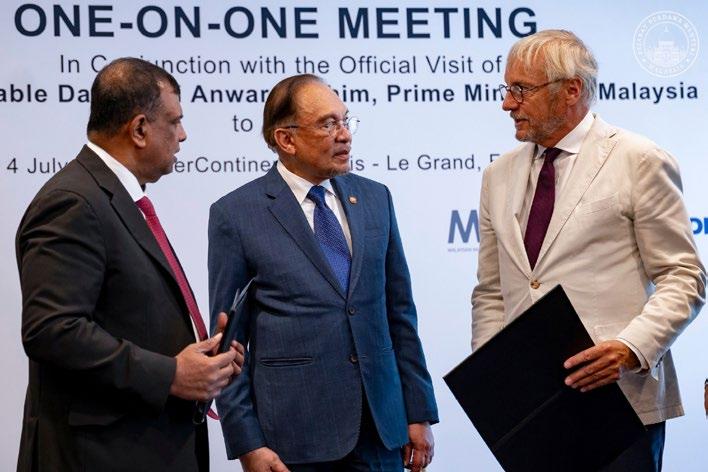


The option to purchase an additional 20 aircraft provides AirAsia with flexibility to scale its fleet in response to market demand, ensuring resilience in an industry prone to economic fluctuations. Industry analysts view the deal as a bold statement of AirAsia’s postpandemic recovery and its confidence in the rebound of global air travel. The aviation sector has faced unprecedented challenges in recent years, but AirAsia’s investment signals optimism about the future. The A321XLR’s ability to serve both high-density short-haul routes and longer, thinner
routes makes it a versatile asset for AirAsia, which operates in diverse markets with varying demand profiles. As AirAsia prepares to roll out its expanded network, the aviation world will be watching closely. The introduction of low-cost, long-haul flights to Europe and beyond could reshape traveller expectations and force competitors to rethink their strategies. With the A321XLR, AirAsia is not just buying aircraft—it’s investing in a vision to make the skies more accessible, sustainable, and connected than ever before.


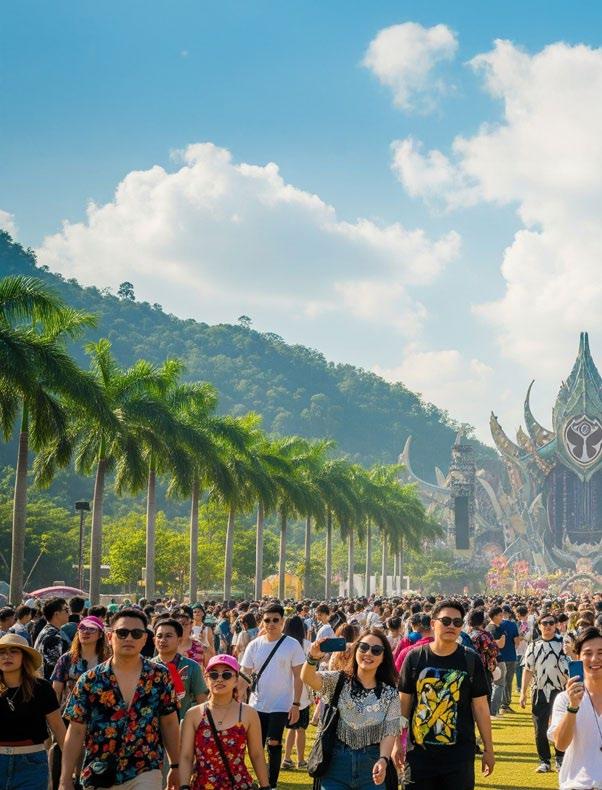
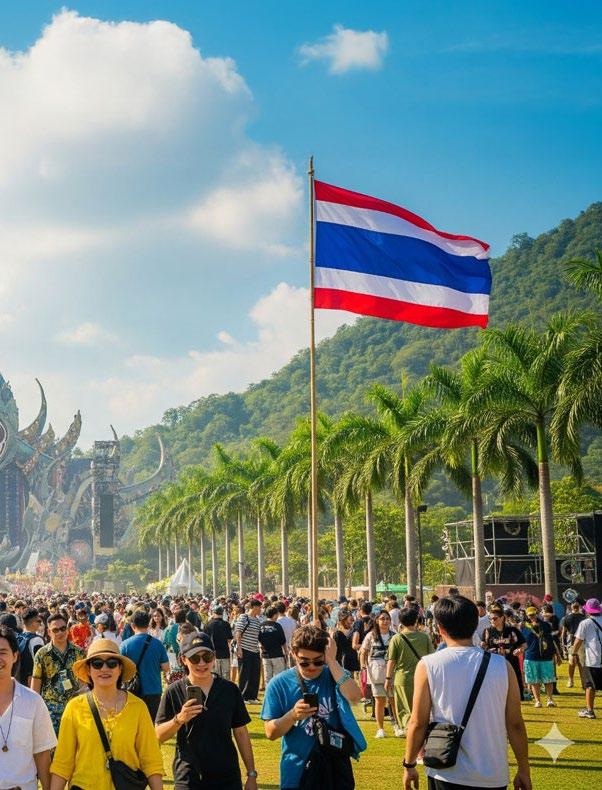
The global electronic dance music (EDM) scene is buzzing with excitement as Tomorrowland, the world’s most celebrated EDM festival, prepares to make its historic debut in Asia. Set to take place in Thailand in 2026, this landmark event marks the festival’s first venture into the ASEAN region, promising to transform Bangkok into a pulsating hub of music, culture, and global unity. With Thailand’s vibrant tourism industry and rich cultural backdrop as its stage, Tomorrowland Thailand is poised to redefine the festival landscape in Asia.

Since its inception in 2005 in Boom, Belgium, Tomorrowland has grown into a cultural juggernaut, drawing hundreds of thousands of attendees annually with its immersive themes, world-class DJs, and unparalleled production. Known for its fantastical stages, elaborate storytelling, and a sense of community encapsulated in its motto, “Live Today, Love Tomorrow, Unite Forever,” the festival has become a bucket-list experience for music lovers worldwide. Its expansion to Thailand follows successful international editions, including Tomorrowland Brasil and Tomorrowland Winter in France (launched in 2019), signalling the brand’s ambition to conquer new frontiers.

Thailand’s selection as the host for Tomorrowland’s Asian debut is no accident. The country’s thriving tourism sector, which welcomed over 40 million visitors in 2019 before the pandemic, makes it an ideal destination for a festival of this scale. According to statements from Thailand’s government, including Prime Minister Paetongtarn Shinawatra, the event is expected to take place in Bangkok, though specific details such as the exact venue and dates remain under wraps as of late 2025. The Thai government views Tomorrowland as a golden opportunity to boost tourism, promote local artists, and enhance Thailand’s global soft power.
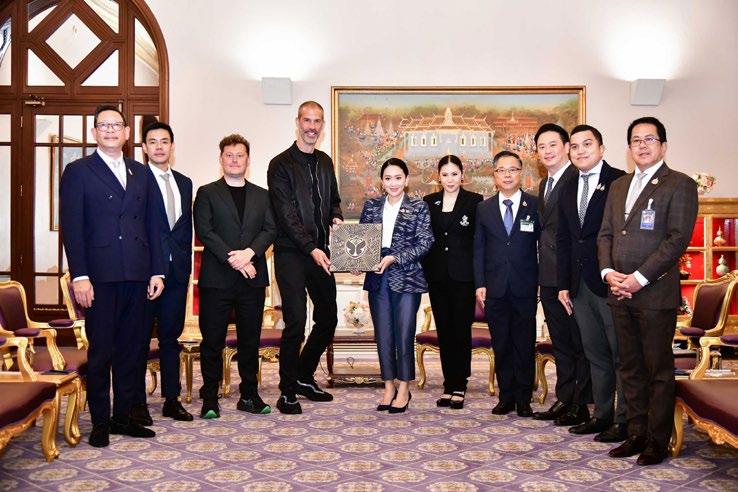
The festival is projected to attract tens of thousands of international visitors, injecting significant revenue into the local economy and showcasing Thailand’s hospitality on a global stage. Prime Minister Paetongtarn emphasised Thailand’s role would extend beyond simply hosting the festival. “This is an opportunity to spotlight Thai artists, energise our music industry, and set a new standard for hosting global concerts in Thailand,” she said. “It’s a turning point in our journey to becoming a true world event destination.” Sources close to the Thai government and tourism authorities indicate that negotiations are in advanced stages. Reports from early 2024, suggested that Tomorrowland was exploring expansion into Thailand but remained cautious, emphasizing the need for the right infrastructure and partnerships. The festival’s meticulous approach to planning ensures that its signature elements—stunning visuals, top-tier lineups, and a magical atmosphere—will be preserved in this new chapter.
For Thai EDM fans and regional music enthusiasts, Tomorrowland Thailand represents a dream come true. The festival is expected to feature a lineup of global superstars like Martin Garrix, David Guetta, and Dimitri Vegas & Like Mike, alongside local and regional talents, offering a platform for Thai DJs to shine. The event’s iconic stages, such as the Book of Wisdom or Iconic Tower, are likely to incorporate Thai cultural elements, blending the festival’s fantastical aesthetic with local traditions like Songkran-inspired water features or motifs drawn from Thai mythology.










Beyond its musical allure, Tomorrowland Thailand is poised to deliver a broader cultural impact. The festival’s emphasis on sustainability, through initiatives like its “Love Tomorrow” platform, aligns with Thailand’s growing focus on eco-conscious tourism. Additionally, the event will likely include camping options, a hallmark of the Tomorrowland experience, allowing attendees to immerse themselves fully in the festival’s utopian vibe. For Thailand, hosting Tomorrowland could elevate its status as a global music destination, rivalling cities like Ibiza or Las Vegas.
As anticipation builds, fans across Asia and beyond eagerly await official confirmation and ticket details. Tomorrowland Thailand 2026 promises to be more than a festival—it’s a cultural milestone that will unite music lovers in a celebration of creativity, connection, and the universal language of EDM. For now, the world watches as Thailand prepares to welcome the magic of Tomorrowland to its shores.


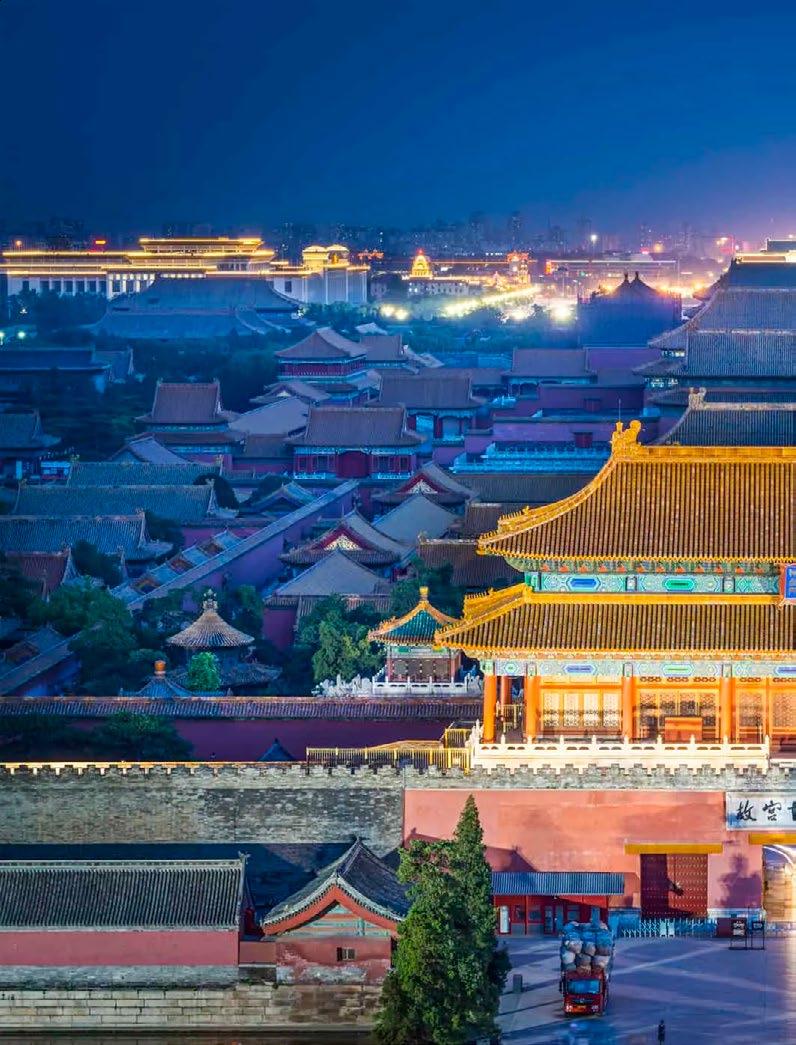
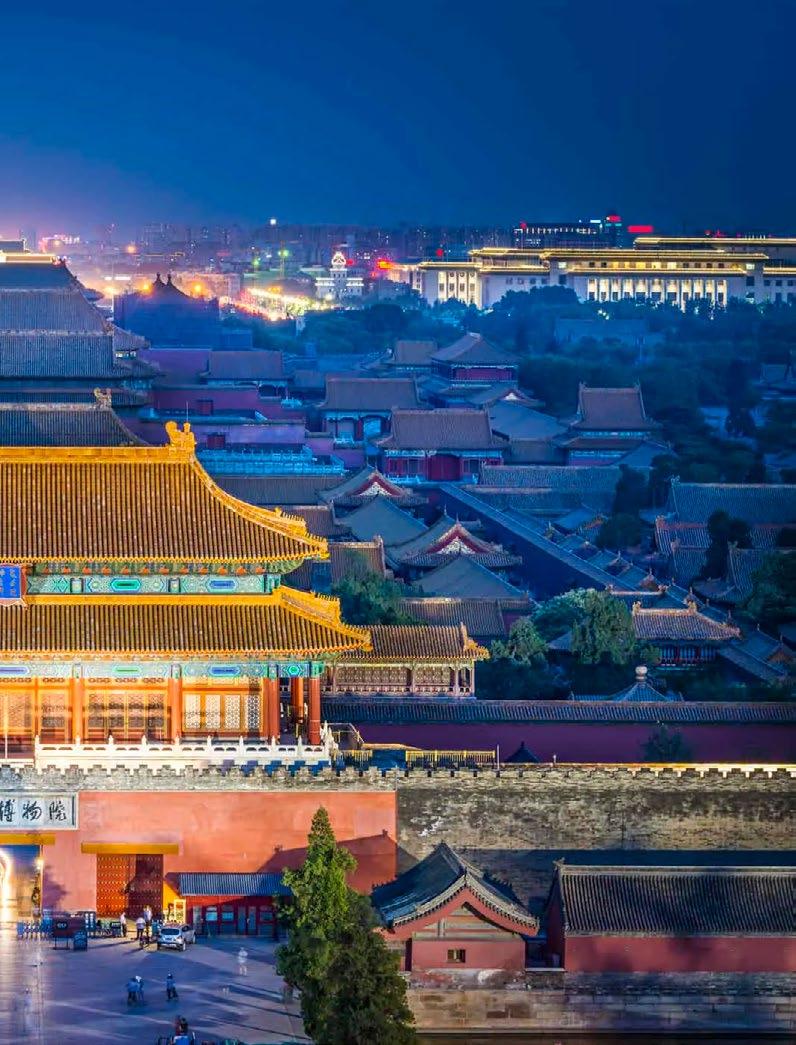
Asia, a continent rich in history, culture, and diversity, is home to some of the world’s most captivating museums. These institutions offer a deep dive into the region’s ancient civilizations, artistic achievements, and modern innovations. Whether you’re an art enthusiast, a history buff, or simply curious, these top three museums in Asia are must-visit destinations for an enriching cultural experience.
Nestled in the heart of Beijing, the Palace Museum, also known as the Forbidden City, is a treasure trove of Chinese imperial history. This UNESCO World Heritage Site was the imperial palace for the Ming and Qing dynasties, housing emperors for nearly 500 years. Spanning 180 acres, the museum boasts over a million artifacts,
including ancient calligraphy, ceramics, jade, and royal treasures. Visitors can explore the sprawling courtyards, opulent halls, and intricate architecture that reflect the grandeur of imperial China. Highlights include the Hall of Supreme Harmony, where emperors held court, and the Palace of Heavenly Purity, showcasing imperial furnishings.

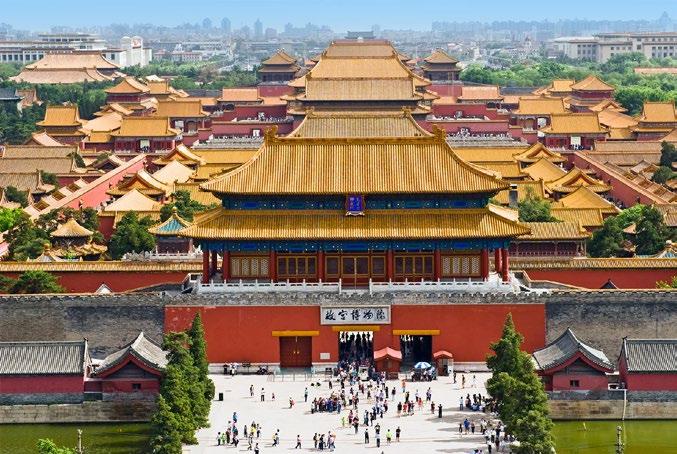

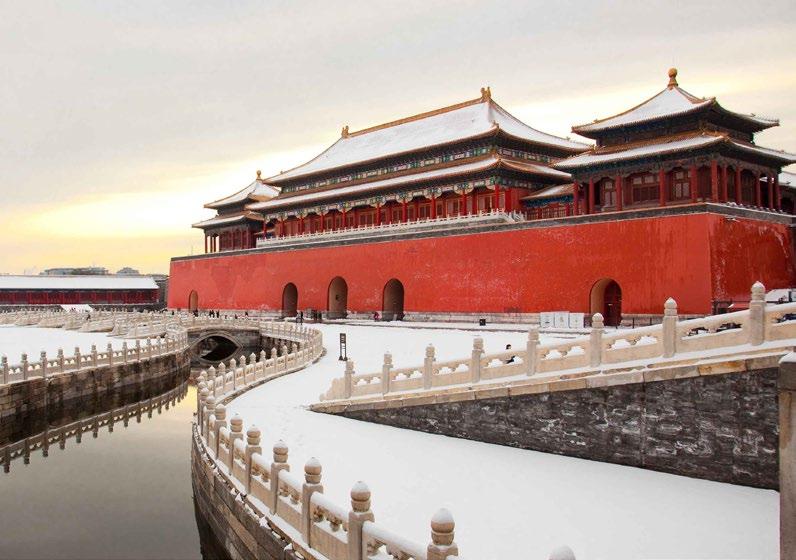
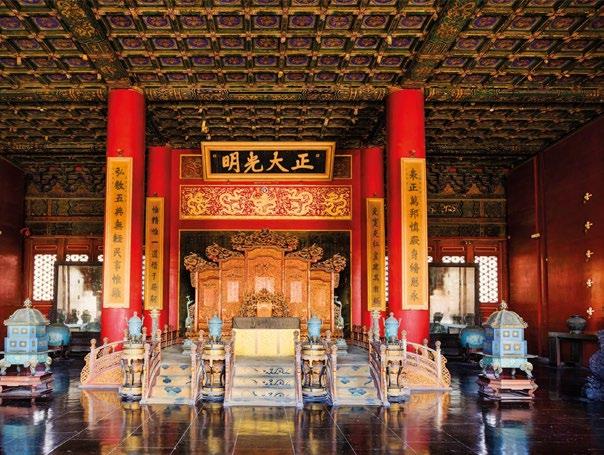
The museum’s vast collection of art and historical relics, such as the famed jadeite cabbage, offers a glimpse into China’s dynastic past. With its blend of architectural splendour and cultural significance, the Palace Museum is an unmissable stop for anyone visiting Asia.
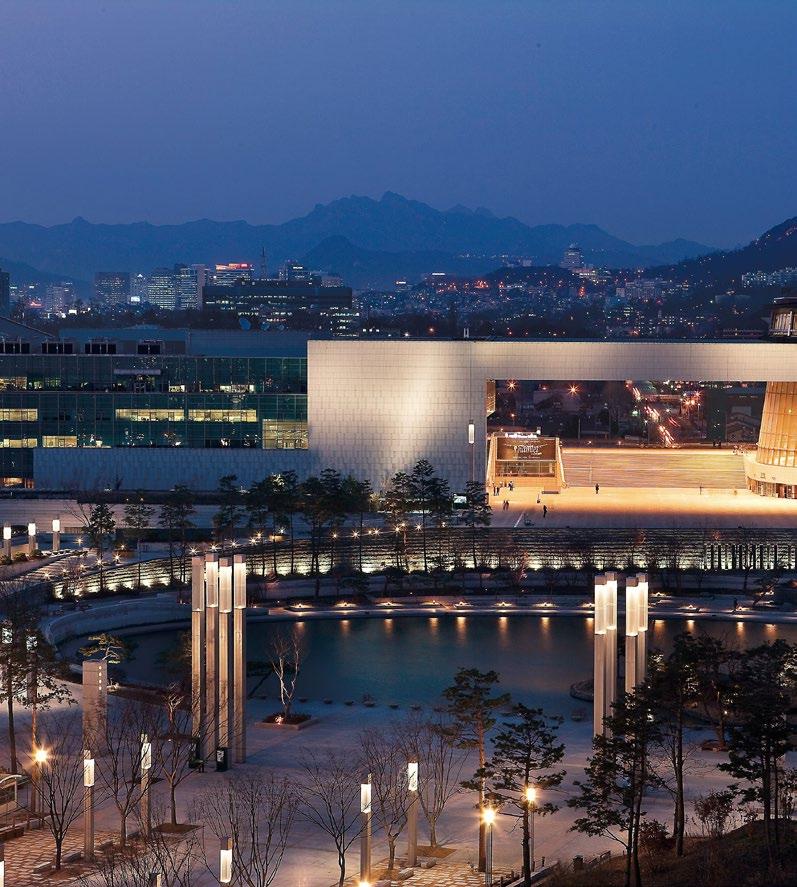

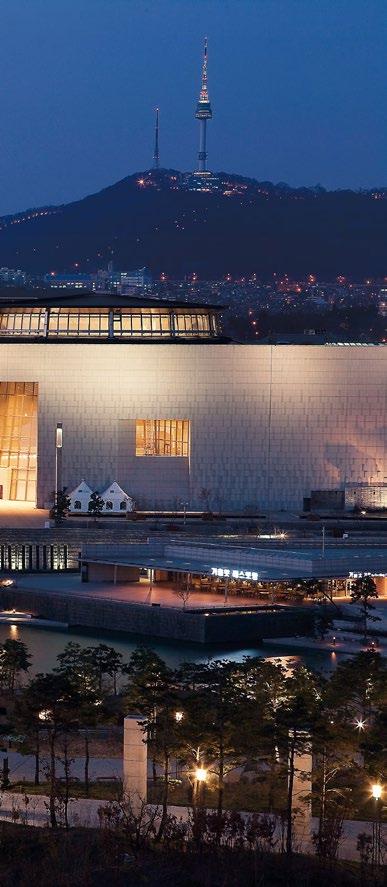
Located in Seoul, the National Museum of Korea is a beacon of Korean heritage and one of the largest museums in Asia. Its sleek, modern design houses over 220,000 artifacts, spanning prehistoric times to the modern era. The museum’s mission is to preserve and showcase Korea’s cultural legacy, making it a perfect destination for
understanding the peninsula’s history. Key exhibits include the Goryeo celadon ceramics, renowned for their exquisite craftsmanship, and the gold crown from the Silla Kingdom, a stunning testament to ancient Korean artistry. The museum also features the Pensive Bodhisattva, a meditative statue that embodies Korea’s Buddhist heritage. Interactive displays, including virtual reality experiences, and a dedicated children’s museum make it engaging for all ages. With free admission to its permanent collection and a serene park setting, this museum is a cultural gem in Seoul.

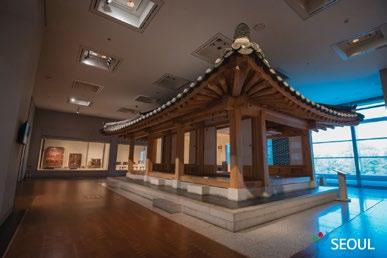
The Tokyo National Museum, located in Ueno Park, is Japan’s oldest and largest museum, offering an unparalleled journey through Japanese and Asian art. Established in 1872, it houses over 110,000 artifacts, including samurai armour, ukiyo-e woodblock prints, and Buddhist sculptures. The museum’s six buildings, including the Honkan
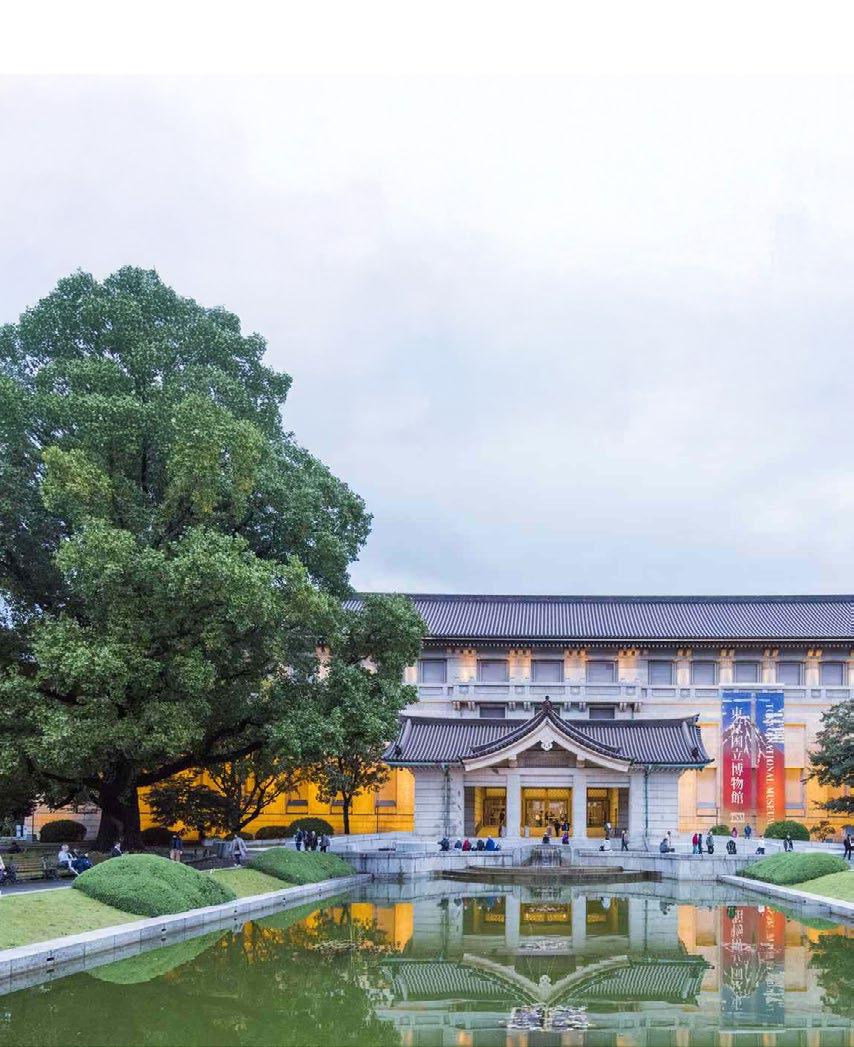
(Japanese Gallery) and the Asian Gallery, showcase a diverse collection that spans Japan’s prehistoric Jomon period to its Edo-era artistry. Standout pieces include the National Treasure-designated Heian-period scrolls and intricately designed katana swords. The museum also hosts temporary exhibitions, often highlighting rare artifacts from across Asia. Its tranquil Japanese garden, open seasonally, adds a serene touch to the experience.
For those seeking to understand Japan’s artistic and cultural evolution, the Tokyo National Museum is an essential destination.



From the imperial splendour of Beijing’s Palace Museum to the cultural depth of Seoul’s National Museum of Korea and the artistic heritage of the Tokyo National Museum, these institutions offer a window into Asia’s soul. Each museum combines rich collections with immersive experiences, making them ideal for travellers eager to explore the continent’s past and present. Plan your visit to these cultural giants, and prepare to be inspired by the stories they tell.



The esports world turned its eyes to Toronto, where Paper Rex, a Singapore-based team, etched their name into history by clinching the Valorant Masters title with a commanding 3-1 victory over Fnatic in the grand final. This victory, which netted the team a hefty US$350,000 prize, was more than just a trophy— it was a landmark moment for Singapore and Southeast Asia, marking the region’s first-ever Valorant Masters championship and solidifying its growing influence on the global esports stage.
Paper Rex’s roster is a vibrant representation of Southeast Asia’s diversity and talent. Comprising Singaporean Wang “Jinggg” Jing Jie, Indonesians Aaron “mindfreak” Leonhart and Jason “f0rsakeN” Susanto, Malaysian Khalish “d4v41” Rusyaidee, Filipino Patrick “PatMen” Mendoza, and

Russian Ilia “something” Petrov, the team embodies the region’s collaborative spirit. Under the guidance of coach Alexandre “alecks” Salle, a Singapore permanent resident, Paper Rex has transformed from a regional contender into a global powerhouse. Their journey to the top was not without challenges, having faced heartbreak in previous tournaments, including a second-place finish at the 2023 Valorant Champions and a third-place result at the 2023 Masters Tokyo. Yet, their resilience and strategic evolution culminated in this historic win, a testament to their grit and ambition.


The significance of Paper Rex’s triumph extends far beyond the prize money or the title itself. For Singapore, a nation often overshadowed by larger esports markets like South Korea and China, this victory is a point of national pride. It underscores the city-state’s burgeoning role as a hub for esports in Southeast Asia, where infrastructure, investment, and talent are increasingly converging. The win also resonates across the region, where esports is rapidly gaining traction as a legitimate career path and cultural phenomenon. Southeast Asia’s gaming community, vibrant and passionate, celebrated the victory with fervour, as seen in the outpouring of support across platforms, where fans hailed Paper Rex as trailblazers for the region.
Coach alecks attributed the team’s success to a holistic approach that transcends traditional gaming training. In interviews following the win, he highlighted the integration of performance coaching, mental health support, and even diet management into the team’s regimen. This professionalization reflects the maturing esports ecosystem in Southeast Asia, where teams are no longer just groups of skilled players but cohesive units backed by data-driven strategies and comprehensive support systems. Paper Rex’s preparation for the Masters included rigorous analysis of opponents, innovative ingame tactics, and a focus on team synergy, which allowed them to outmanoeuvre a formidable Fnatic squad known for its tactical depth.



The Toronto victory also marks a high point for the Pacific region in Valorant esports. With Paper Rex’s win, the region has now claimed three consecutive Masters titles, signalling a shift in the global competitive landscape. Historically dominated by North American and European teams, Valorant’s international scene is witnessing a surge in Pacific representation, with Paper Rex leading the charge. Their aggressive, unpredictable playstyle—often dubbed the “W gaming” approach— has become a hallmark of Southeast Asian Valorant, blending creativity with precision to keep opponents on edge.
For the players, the win is deeply personal. Jinggg, a Singaporean star, spoke of the pride in representing his home country on such a stage, while f0rsakeN and mindfreak dedicated the victory to their fans in Indonesia, where esports fandom is a cultural force. d4v41 and PatMen echoed similar sentiments, emphasizing the team’s unity despite their diverse backgrounds. The inclusion of something, a Russian player, further highlights Paper Rex’s ability to integrate talent from beyond the region, creating a roster that is both global and distinctly Southeast Asian. Looking ahead, Paper Rex has set their sights on the Valorant Champions in Paris, scheduled for September 12 to October 5, 2025. Qualifying for and potentially winning this prestigious event would cement their legacy as one of the greatest Valorant teams in history.












However, the road to Paris will be fraught with challenges, as global competition intensifies and rivals adapt to Paper Rex’s playstyle. Yet, if their Masters performance is any indication, the team’s blend of innovation, teamwork, and sheer determination will make them formidable contenders. Paper Rex’s triumph at Valorant Masters Toronto is more than a victory—it’s a milestone for Singapore and Southeast Asia, proving that the region’s esports talent can compete
with and surpass the world’s best. As the team prepares for their next challenge, they carry the hopes of a region eager to see its flag raised again on the global stage. For now, Paper Rex stands as a beacon of what’s possible when passion, professionalism, and regional pride unite in the world of esports.
In a thrilling development for fans of fast cars and cinematic spectacle, Jon M. Chu, the visionary director behind Wicked and Crazy Rich Asians, has been tapped to helm a live-action Hot Wheels movie.
The project, a collaboration between Mattel, Warner Bros. Pictures, and J.J. Abrams’ Bad Robot, promises to bring the iconic toy car brand to the big screen in a high-octane, action-

packed adventure. Announced in July, 2025, this move marks another bold step in Mattel’s cinematic universe following the blockbuster success of Barbie.
The Hot Wheels movie is poised to capture the essence of the beloved toy line, which has been a staple of imaginative play since its debut in 1968. Known for its sleek, colourful cars and gravitydefying tracks, Hot Wheels has sold billions of units and inspired generations of fans.



According to Mattel Studios president Robbie Brenner, the film will be “a visually stunning, high-energy action movie” that showcases the “sleek vehicles” at the heart of the Hot Wheels legacy. With Chu at the wheel, the project is expected to blend heart-pounding action with the emotional depth and visual flair he’s known for. Chu, whose credits also include In the Heights and G.I. Joe: Retaliation, expressed enthusiasm for the project, citing his personal connection to the brand. “Hot Wheels was a huge part of my childhood, sparking my imagination with every race and loop,” Chu said in a statement. “To bring that energy to the big screen with Mattel, Warner Bros., and Bad Robot is a dream come true.” His production company, Electric Somewhere, will produce the film alongside Bad Robot and Mattel Studios,

ensuring a collaborative effort to translate the toy’s highspeed thrills into a cinematic experience. The screenplay is being crafted by Juel Taylor and Tony Rettenmaier, the dynamic writing duo behind Creed II and They Cloned Tyrone. Their involvement suggests a story that could balance gritty action with cultural resonance, though plot details remain tightly under wraps. Sources close to the project hint at a narrative that celebrates car culture, innovation, and the rebellious spirit of Hot Wheels’ iconic designs, from flame-painted muscle cars to futuristic racers. This Hot Wheels film is part of Mattel’s broader strategy to transform its toy properties into cinematic franchises, following the unprecedented success of Barbie, which grossed over $1.4 billion worldwide.





The company has other projects in development, including a Polly Pocket film with Lena Dunham and a Rock ‘Em Sock ‘Em Robots movie starring Vin Diesel. The Hot Wheels project, however, stands out for its potential to tap into the universal appeal of speed, competition, and vehicular mayhem. While no release date or casting details have been announced, the combination of Chu’s directorial prowess, Taylor and Rettenmaier’s sharp writing, and the production muscle of Bad Robot and Warner Bros. sets high expectations. Industry insiders speculate that the film could target a broad audience, blending familyfriendly adventure with the edge needed to captivate older fans

of the franchise. As anticipation builds, fans are already buzzing and have speculated about everything from potential car chase sequences to whether the film will feature iconic Hot Wheels models like the Twin Mill or Bone Shaker. Some users have even called for cameos from real-world car culture influencers or professional racers to ground the film in authenticity. With Jon M. Chu steering the project, the Hot Wheels movie is gearing up to be a turbo-charged addition to Mattel’s cinematic lineup. Whether it’s navigating loopthe-loops or burning rubber on the big screen, this film is poised to ignite the imaginations of audiences worldwide, proving that even the smallest cars can leave the biggest tracks.


When the final whistle blew at Abu Dhabi’s
Al Nahyan Stadium on the evening of June 5, 2025, it was more than just the end of a football match. For Uzbekistan, it marked the culmination of decades of ambition, heartbreak, and relentless perseverance. With a gritty 0–0 draw against the United Arab Emirates, Uzbekistan officially qualified for the 2026 FIFA World Cup, becoming the first-ever Central Asian nation to secure a spot at football’s grandest stage. The celebrations erupted not just in the stadium, but across Tashkent, Samarkand, and the Fergana Valley. Fireworks lit up the sky. Streets buzzed with fans chanting and waving flags. Generations of Uzbek
football supporters—who had lived through years of close calls and disappointments— were finally rewarded with a historic triumph.
For too long, Uzbekistan carried the tag of “Asia’s chokers.” In previous qualification cycles— from 2006 to 2018—they came agonizingly close, only to falter in decisive moments. Penalty shootouts, controversial decisions, and late collapses denied them what seemed destined.
But 2025 was different. This time, Uzbekistan showed maturity, tactical intelligence, and unity. Under the stewardship of head coach Timur Kapadze, a former national team captain elevated to the top job in January, the team displayed resilience that belied their underdog status.



“This qualification isn’t just about football. It’s about identity, pride, and belief,” Kapadze said after the match, his voice cracking with emotion.
Placed in Group A of the AFC Third Round alongside powerhouses Iran, Qatar, and UAE, Uzbekistan were never favourites to finish in the top two. But they refused to be intimidated. Their campaign began with a 1-0 win against North Korea but gained momentum with a confident 2–3 away win over Kyrgyzstan. A thrilling 2–2 draw against Iran, gave them the psychological edge needed to power forward. While Iran remained dominant and topped the group with 23

points, Uzbekistan’s 21-point haul secured the second automatic qualifying spot— no playoffs, no what-ifs.
A key figure in Uzbekistan’s success was goalkeeper Utkir Yusupov, whose heroics in the final two fixtures earned him cult status among fans. Against UAE, he made two world-class saves that kept the dream alive. Complementing him was Abdukodir Khusanov, the 20-year-old defensive sensation currently playing for Manchester City. His composure and command of the backline brought calm in high-pressure moments.

Midfielder Abbosbek Fayzullaev—dubbed the “Uzbek Modrić”—provided flair and creativity, while Roma’s Eldor Shomurodov led the attack with experience and grit. This was not a team of superstars. It was a team—a collection of young talents, seasoned leaders, and a coach who believed in building from the ground up.
Utkir Yusupov (Goalkeeper)
Age: 28
• Club: Foolad FC
• Key Moment: Matchsaving double stop vs UAE
Abdukodir Khusanov (Defender)
Age: 20
Club: Manchester City
• Traits: Calm under pressure, excellent distribution
Abbosbek Fayzullaev (Midfielder)
• Age: 21
• Club: CSKA Moscow
• Traits: Vision, flair, control — the “Uzbek Modrić”
Eldor Shomurodov (Striker)
• Age: 29
• Club: AS Roma Stats: 5 goals in qualification campaign



Uzbekistan’s qualification resonated beyond the sporting world. In a region often overlooked in global football narratives, this moment became a beacon of possibility. President Shavkat Mirziyoyev declared a national holiday following the qualification. In his televised address, he hailed the team’s achievement as “a victory for every Uzbek family, every child who dreams, and every corner of our proud republic.” For a country striving to modernize and redefine itself post-Soviet era, football has emerged as a new cultural cornerstone.
As Uzbekistan prepares for their World Cup debut in June 2026, expectations are soaring. Coach Kapadze remains pragmatic. “We’re not just going to participate. We want to compete.” Preparations will involve friendlies against European and African teams, overseas training camps, and refining tactical setups. But perhaps the biggest challenge will be managing the emotional weight of the moment. Every step in North America will carry the hopes of an entire region.




Football has a way of offering redemption, and for Uzbekistan, 2025 was that long-awaited moment. No longer on the outside looking in, they’ve broken barriers— geographical, psychological, and historical. Their journey to the FIFA World Cup 2026 isn’t just about 11 players on a field. It’s about decades of perseverance, a nation’s dream finally realized, and the beginning of a new chapter in Asian football.
The world will soon learn what Central Asia has long known: Uzbekistan has arrived.


Asia, the largest and most populous continent, is a vibrant mosaic of cultures, histories, and traditions, and its sporting landscape reflects this diversity. From the cricket-crazed streets of South Asia to the martial arts dojos of East Asia, sports play a pivotal role in uniting communities, shaping identities, and driving national pride. This article explores the most popular sports across various regions in Asia, highlighting their cultural significance and regional variations.



In South Asia, comprising countries like India, Pakistan, Bangladesh, Sri Lanka, and Afghanistan, cricket reigns supreme. Often described as a religion in the region, cricket transcends sport to become a cultural phenomenon, uniting millions across diverse linguistic and ethnic lines.
• India: Cricket is a national obsession, with the Indian Premier League (IPL) drawing global attention and massive viewership. From street games to packed stadiums, the sport is a unifying force, with icons like Sachin Tendulkar and Virat Kohli revered as national heroes. Recent data suggests over 80% of India’s sports viewership is cricket-related, with the 2023 Cricket World Cup final garnering over 300 million viewers in India alone.
• Pakistan: Cricket is equally fervent, with the Pakistan Super League (PSL) showcasing domestic talent and international stars. The national team’s successes, especially in T20 formats, fuel widespread enthusiasm.
• Bangladesh and Sri Lanka: Both nations have passionate cricket followings, with Bangladesh’s rise in international cricket and Sri Lanka’s storied history, including the 1996 World Cup win, cementing the sport’s prominence.
• Afghanistan: Despite its challenges, Afghanistan has embraced cricket, with players like Rashid Khan becoming global stars, inspiring a new generation.


Other sports like field hockey (India’s national sport, though less popular today) and kabaddi (gaining traction through the Pro Kabaddi League) have niche followings, but cricket’s dominance is unparalleled.
East Asia, including China, Japan, South Korea, and Mongolia, boasts a rich sporting culture rooted in tradition but increasingly globalized. China: Basketball has surged
in popularity, driven by NBA influence and stars like Yao Ming. The Chinese Basketball Association (CBA) is a major draw, with millions tuning in. Table tennis (ping-pong) remains a national pride, with China dominating global competitions, winning 32 of 37 gold medals in Olympic table tennis since 1988. Badminton also enjoys a massive following, with players like Lin Dan achieving legendary status.
Japan: Baseball is Japan’s most beloved sport, with Nippon Professional Baseball (NPB) attracting millions of fans. The sport’s cultural significance is evident in high school tournaments
like Koshien, which captivate the nation. Sumo wrestling, a traditional sport with centuries-old rituals, remains a cultural cornerstone, though its popularity is more niche. Football (soccer) has grown, especially after Japan cohosted the 2002 FIFA World Cup.
South Korea: Football is a major passion, with the K League and national team enjoying strong support, particularly after South Korea’s 2002 World Cup semifinal run. Taekwondo, a Korean martial art, is both a competitive sport and cultural export, with over 80 million practitioners worldwide. Esports is also a phenomenon, with South Korea leading in games like League of Legends, boasting professional leagues and global champions.

Mongolia: Traditional wrestling (Bökh) dominates, especially during the Naadam festival, alongside archery and horse racing, reflecting Mongolia’s nomadic heritage.
ASIA: FOOTBALL FEVER AND LOCAL FAVOURITES
Southeast Asia, encompassing countries like Thailand, Indonesia, Vietnam, Malaysia, and the Philippines, is a region where football dominates, alongside unique traditional sports.
Football: Across the region, football is the most popular sport, with passionate fan bases supporting domestic leagues like Thailand’s Thai League and Indonesia’s Liga 1. The ASEAN Football Federation (AFF) Championship draws massive viewership, with Vietnam and Thailand often leading contenders. The sport’s accessibility fuels its popularity in both urban and rural areas.
Thailand: Beyond football, Muay Thai (Thai boxing) is a cultural institution, with stadiums like Lumpinee and Rajadamnern hosting high-
stakes bouts. It’s both a sport and a symbol of national pride. Indonesia and Malaysia: Badminton is a powerhouse, with Indonesia producing legends like Taufik Hidayat and Malaysia’s Lee Chong Wei dominating world rankings. Major tournaments like the Indonesia Open draw huge crowds.
Philippines: Basketball is a national obsession, with the Philippine Basketball Association (PBA) being one of the oldest professional leagues in Asia. Boxing also enjoys significant popularity, propelled by Manny Pacquiao’s global fame.
Vietnam: Alongside football, Vovinam, a Vietnamese martial art, is gaining traction, reflecting national pride and cultural heritage.






Central Asia, including Kazakhstan, Uzbekistan, Kyrgyzstan, Turkmenistan, and Tajikistan, is steeped in nomadic traditions, with sports reflecting this heritage.
Wrestling: Various forms of traditional wrestling, such as Kuresh in Uzbekistan and Alysh in Kyrgyzstan, are immensely popular, especially during cultural festivals. Uzbekistan has also embraced modern wrestling, with consistent Olympic success.

Buzkashi, a rugged sport involving horse-mounted players competing for a goat carcass, is a cultural staple in Tajikistan, Kyrgyzstan, and Kazakhstan. Horse racing and archery on horseback also thrive, tied to the region’s nomadic roots.
Football: The sport is growing, with Uzbekistan and Kazakhstan investing in domestic leagues and youth academies, though traditional sports still hold strong cultural significance.

West Asia, encompassing the Middle East and parts of the Arabian Peninsula (e.g., Saudi Arabia, UAE, Iran, Iraq, and Qatar), is united by its love for football, with growing interest in other sports.
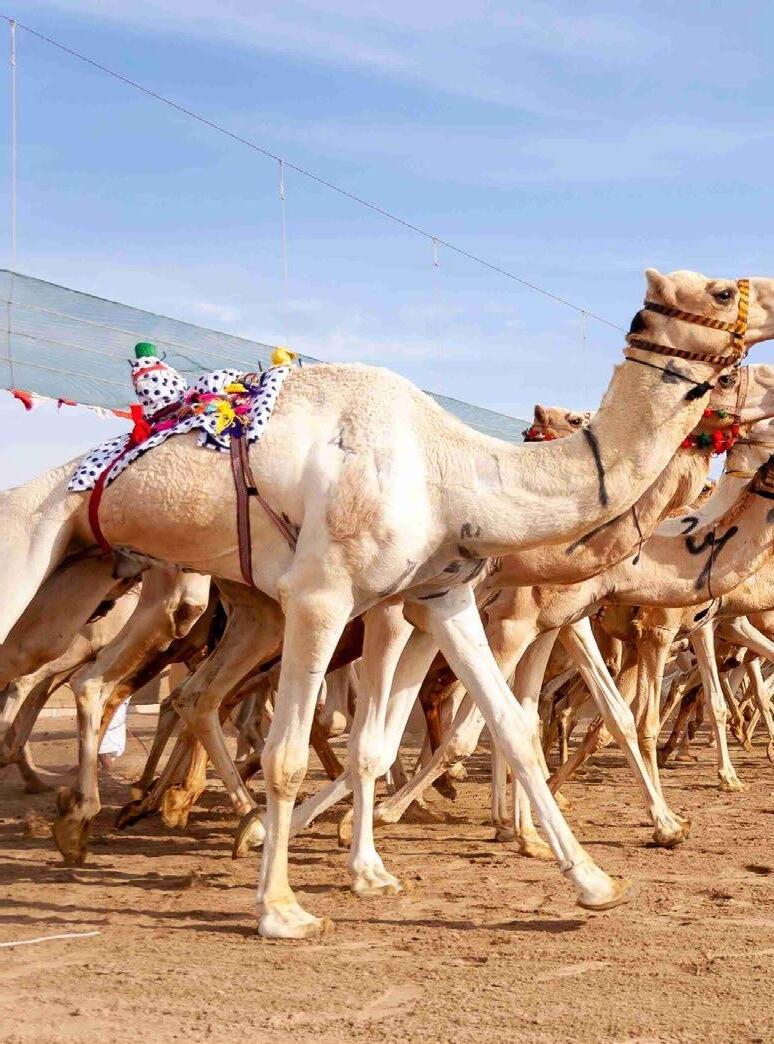
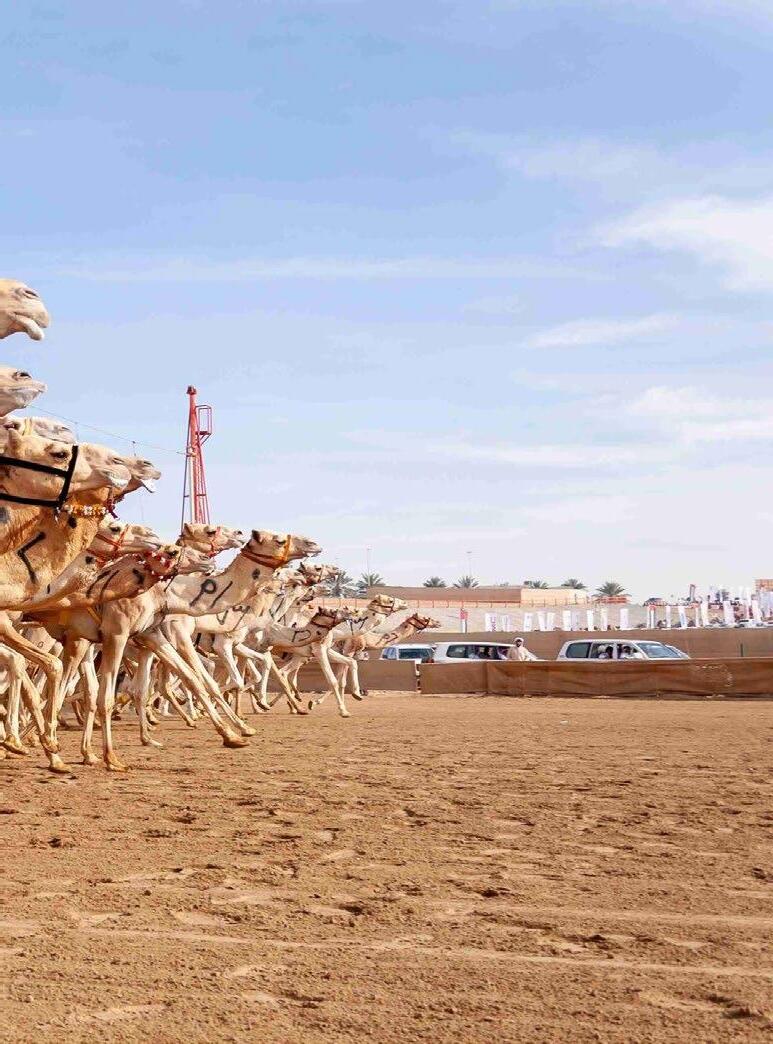
Football: The sport dominates, with Saudi Arabia’s Pro League, Iran’s Persian Gulf Pro League, and Qatar’s Stars League drawing large crowds. The 2022 FIFA World Cup in Qatar boosted the sport’s profile, with investments in infrastructure and global talent (e.g., Cristiano Ronaldo in Saudi Arabia) elevating its status. Football is a source of national pride, with regional rivalries like Iran vs. Saudi Arabia igniting passions.
Camel Racing: In the UAE and Qatar, camel racing is a traditional sport modernized with robotic jockeys, attracting both locals and tourists.
Iran: Alongside football, freestyle wrestling is a major sport, with Iran consistently ranking among the world’s best in Olympic and world championships.
Saudi Arabia and UAE: Both countries are investing in motorsports (e.g., Formula 1 in Bahrain and Abu Dhabi) and golf, aiming to diversify their sports portfolios and attract global audiences.
Sports in Asia are more than recreation; they’re a reflection of history, identity, and economic aspirations. Cricket in South Asia fosters unity in diversity, while martial arts in East and Southeast Asia preserve cultural heritage. Football’s universal appeal bridges urban and rural divides, and traditional sports in Central Asia maintain nomadic legacies. Economically, sports drive tourism, sponsorships, and infrastructure development, with events like the IPL, FIFA World Cup, and Tokyo Olympics showcasing Asia’s growing global influence.
Asia’s sporting landscape is as diverse as its cultures, with each region showcasing unique passions. Cricket binds South Asia, football unites Southeast and West Asia, martial arts and baseball define East Asia, and traditional sports like wrestling and buzkashi anchor Central Asia. As globalization and investment continue to shape the continent’s sports scene, Asia’s influence on the global stage—through stars, events, and cultural exports—will only grow, making it a dynamic hub of athletic excellence and cultural pride.




Bali, Indonesia’s tropical jewel, consistently ranks among Asia’s top tourist destinations, drawing millions of visitors each year with its intoxicating blend of natural beauty, cultural richness, and modern amenities. Known as the "Island of the Gods," Bali offers an unparalleled experience that caters to diverse travellers, from adventure seekers and wellness enthusiasts to cultural explorers and luxury vacationers.
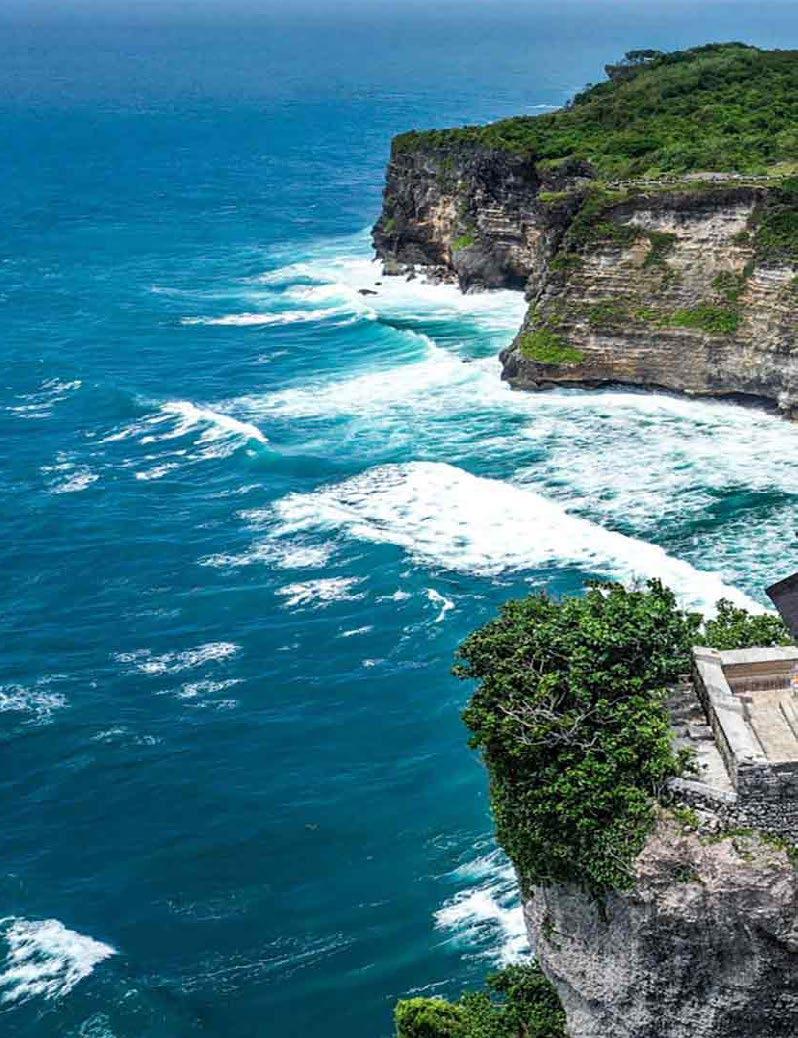
Bali’s landscapes are a postcard-perfect mix of lush jungles, volcanic mountains, and pristine beaches. Iconic spots like Uluwatu, with its dramatic cliffs, and the black sand beaches of Amed showcase the island’s diverse coastal charm. Inland, the terraced rice fields of Tegalalang and Jatiluwih (a UNESCO World Heritage Site) captivate with their emerald hues and serene ambiance. Mount Batur, an active volcano, offers sunrise trekking experiences with breathtaking views, appealing to adventure enthusiasts. Whether it’s surfing in Canggu, diving in Nusa Penida, or simply soaking in the scenery, Bali’s natural allure is a major draw.
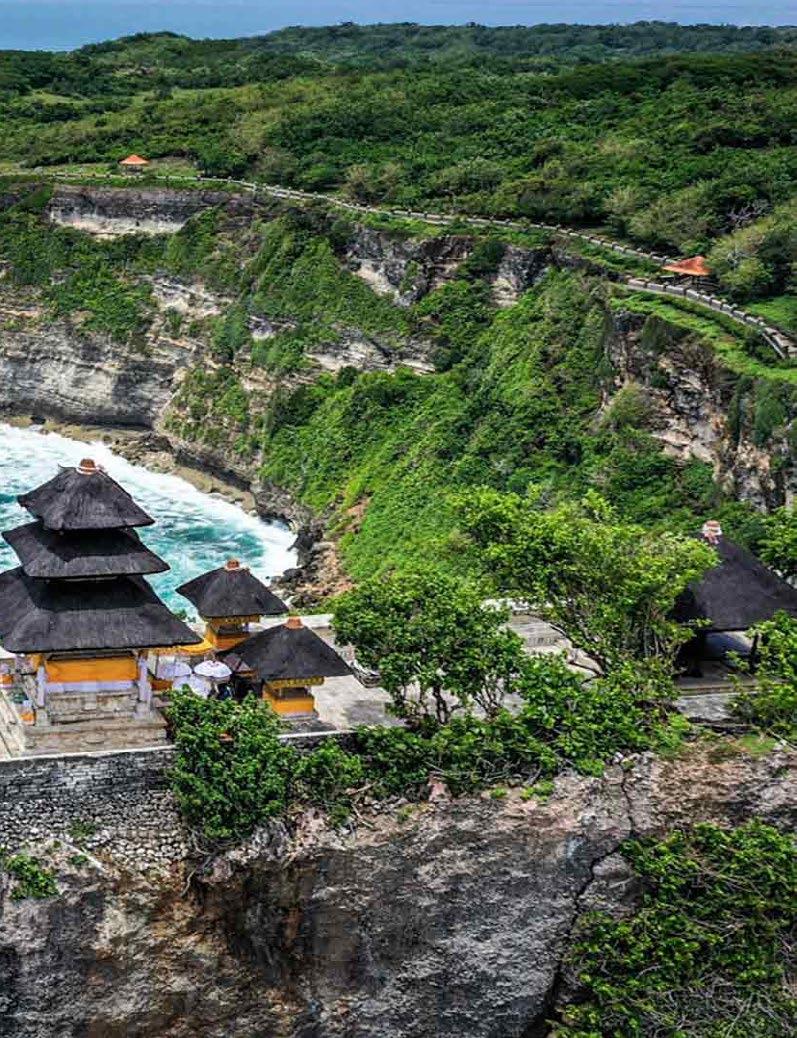

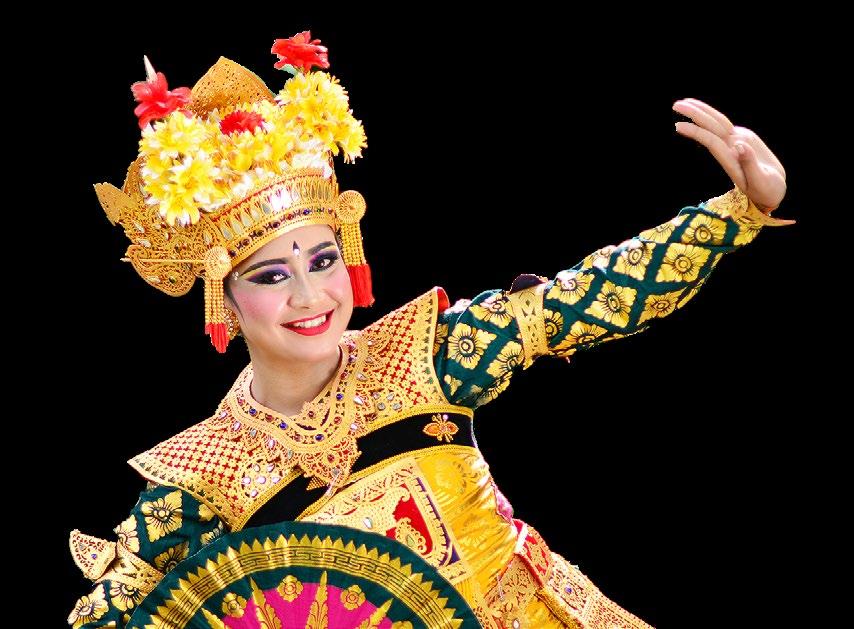
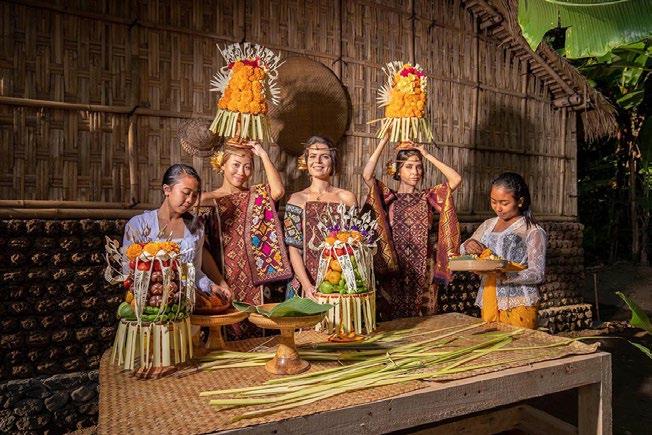
Bali’s vibrant Hindu culture, distinct from much of Muslim-majority Indonesia, infuses the island with a unique spiritual and artistic identity. Temples like Pura Luhur Uluwatu and Tanah Lot, perched dramatically by the sea, are architectural marvels and sacred sites. The island’s calendar is packed with colourful festivals, such as Nyepi (the Day of Silence) and Galungan, where visitors can witness intricate ceremonies and traditional dances like the Kecak and Barong. Local artisans in Ubud create exquisite batik, silver jewellery, and wood carvings, offering immersive cultural experiences for tourists.

Bali caters to a wide range of interests. Adventure seekers can raft through Ayung River’s rapids or explore underwater coral reefs in Tulamben. Wellness travellers flock to Ubud, Bali’s spiritual heart, for yoga retreats, meditation sessions, and holistic spa treatments. Foodies delight in the island’s culinary scene, from warungs serving authentic nasi goreng and babi guling to high-end restaurants in Seminyak offering global cuisines. Families enjoy attractions like the Bali Safari and Marine Park, while nightlife lovers revel in beach clubs and bars in Kuta and Canggu. This versatility ensures Bali appeals to solo travellers, couples, families, and groups alike.







Bali offers a rare combination of affordability and luxury. Visitors can choose from budget-friendly homestays, mid-range boutique hotels, or worldclass resorts with private infinity pools overlooking the ocean. Areas like Seminyak and Nusa Dua are renowned for their upscale accommodations, yet even budget travellers can find comfortable options without breaking the bank. Affordable dining, transportation, and activities make Bali accessible to a wide range of budgets, enhancing its global appeal.




Bali has earned a reputation as a global wellness hub, particularly in Ubud, where yoga studios, vegan cafes, and meditation centres thrive. The island’s serene environment and spiritual heritage make it an ideal destination for those seeking relaxation and self-discovery. Retreats often combine yoga, mindfulness, and Balinese healing practices, attracting visitors looking to rejuvenate. The annual Bali Spirit Festival, blending music, dance, and wellness, further cements the island’s status as a haven for holistic travel.

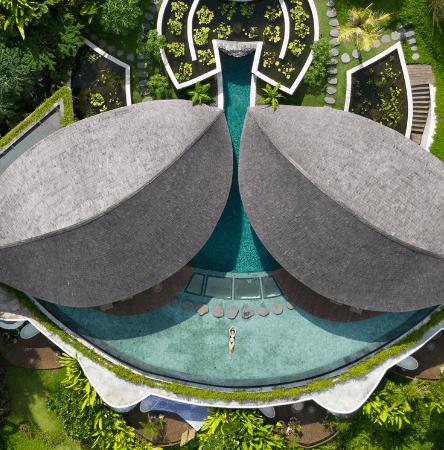



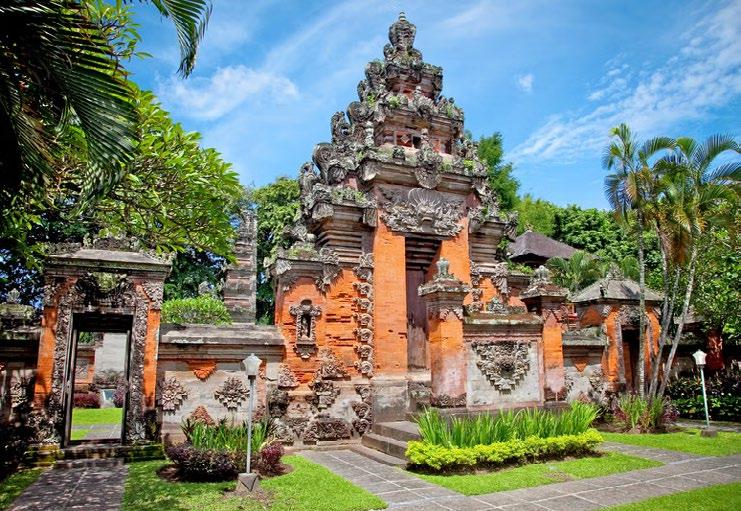

Bali’s artistic heritage is a significant pull for culturally curious travellers. Ubud, the island’s cultural capital, is home to galleries, museums, and markets showcasing traditional and contemporary Balinese art. The Ubud Art Market and museums like the Agung Rai Museum of Art highlight the island’s creative spirit. Visitors can participate in workshops, from painting to cooking, to engage directly with Bali’s artistic traditions, making for memorable and authentic experiences.
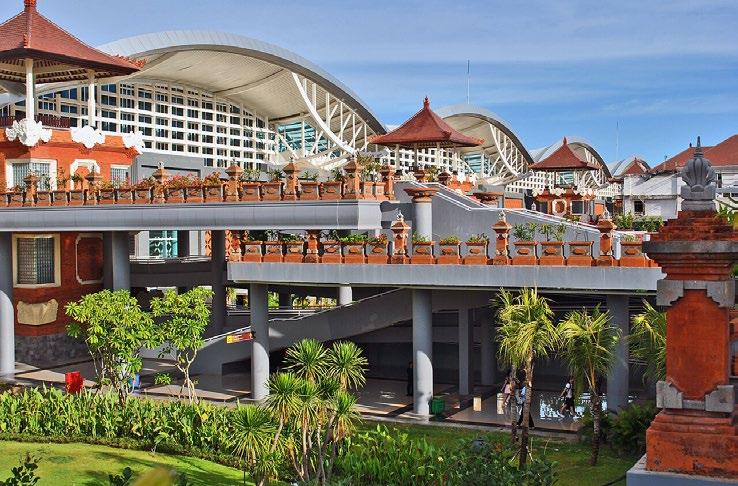
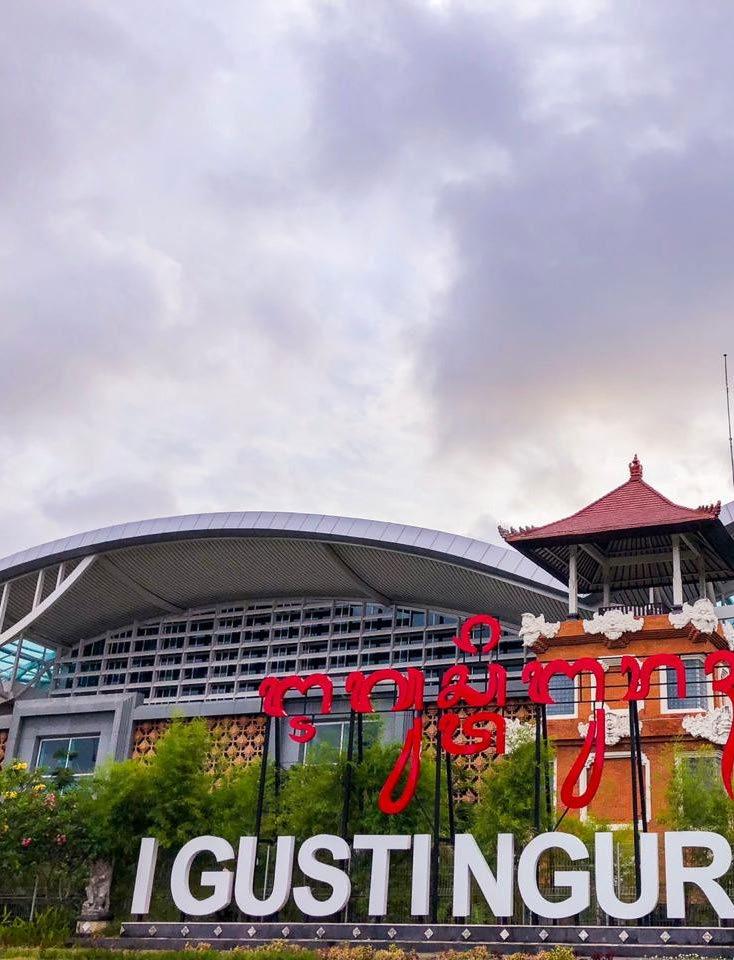

Bali’s well-developed tourism infrastructure makes it easy to explore. Ngurah Rai International Airport connects the island to major cities worldwide, and affordable flights from across Asia ensure accessibility. Once on the island, visitors benefit from a range of transportation options, including scooters, taxis, and ride-hailing apps. English is widely spoken in tourist areas, and the abundance of guides, tours, and travel agencies simplifies planning. This ease of access enhances Bali’s appeal for international visitors.
Bali’s tropical climate ensures it’s a year-round destination. The dry season (April to October) is ideal for outdoor activities, while the wet season (November to March) brings lush greenery and fewer crowds, with rain typically limited to short bursts. This flexibility allows travellers to visit at any time, making Bali a convenient choice for spontaneous trips or planned vacations.







Balinese hospitality is legendary, with locals known for their warmth and friendliness. The island’s tourism industry is built on creating welcoming experiences, from family-run guesthouses to five-star resorts. Visitors often leave with a deep appreciation for the Balinese people’s genuine kindness, which enhances the overall travel experience.

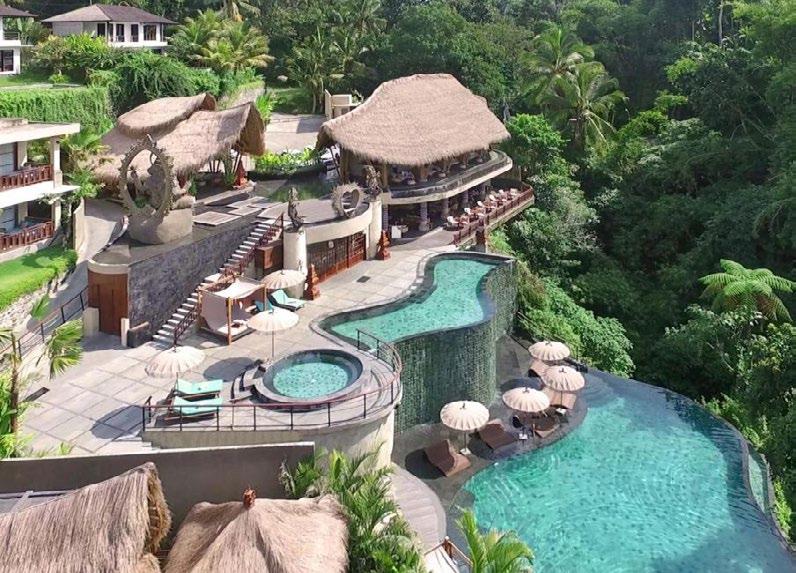







Bali’s popularity as one of Asia’s top tourist destinations stems from its ability to offer something for everyone— stunning landscapes, rich culture, diverse activities, and affordable luxury, all wrapped in a warm, welcoming atmosphere. Whether you’re seeking adventure, relaxation, or cultural immersion, Bali delivers an unforgettable experience. As the island continues to balance tradition with modernity, its allure remains timeless, ensuring it will captivate travellers for years to come.
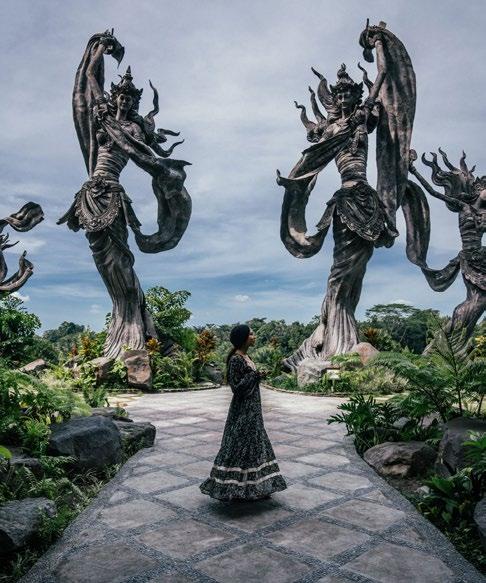





BECOME A CITIZEN JOURNALIST OF INCREDIBLE ASIA magazine ( A Member M/s. Worldwide Media Corporation Group USA )

Exciting opportunity for all those who want to share their most memorable, Interesting. Amazing, Pro-active & Growth oriented activities & Experiences covering areas such as
• Fashion, Trend & Lifestyle
• Culture, Tradition & Heritage
• Education, Healthcare & Wellnes
• Industries, Investments & Growth
• Travel, Tourisn & Hospitality
With Millions of Readers across the world
Selected Stories/ Articles will be Published with your Photograph &Name.
Post your Stories & Experiences along with High Quality Photos to aseworldwidemedia@gmail.com | worldwidemediaasiapacific@gmail.com
Special Coverage & Press Release
Launguage Rights & Overseas Rights
Circulation, Subscription & Global Distributions
Advertisements & Advertorials
Featured Stories & Articles
Feedback & Customer Relationship

Dr. Kevin Francis
Dr. Andre Lubbe
Dr. George Fedrick
WWMCG Global Communications Inc.,
Rishi Wadhwa
Ms. Nancy
Email ID : aseworldwidemedia@gmail.com worldwidemediaasiapacific@gmail.com
Website : www.incredibleasia.com