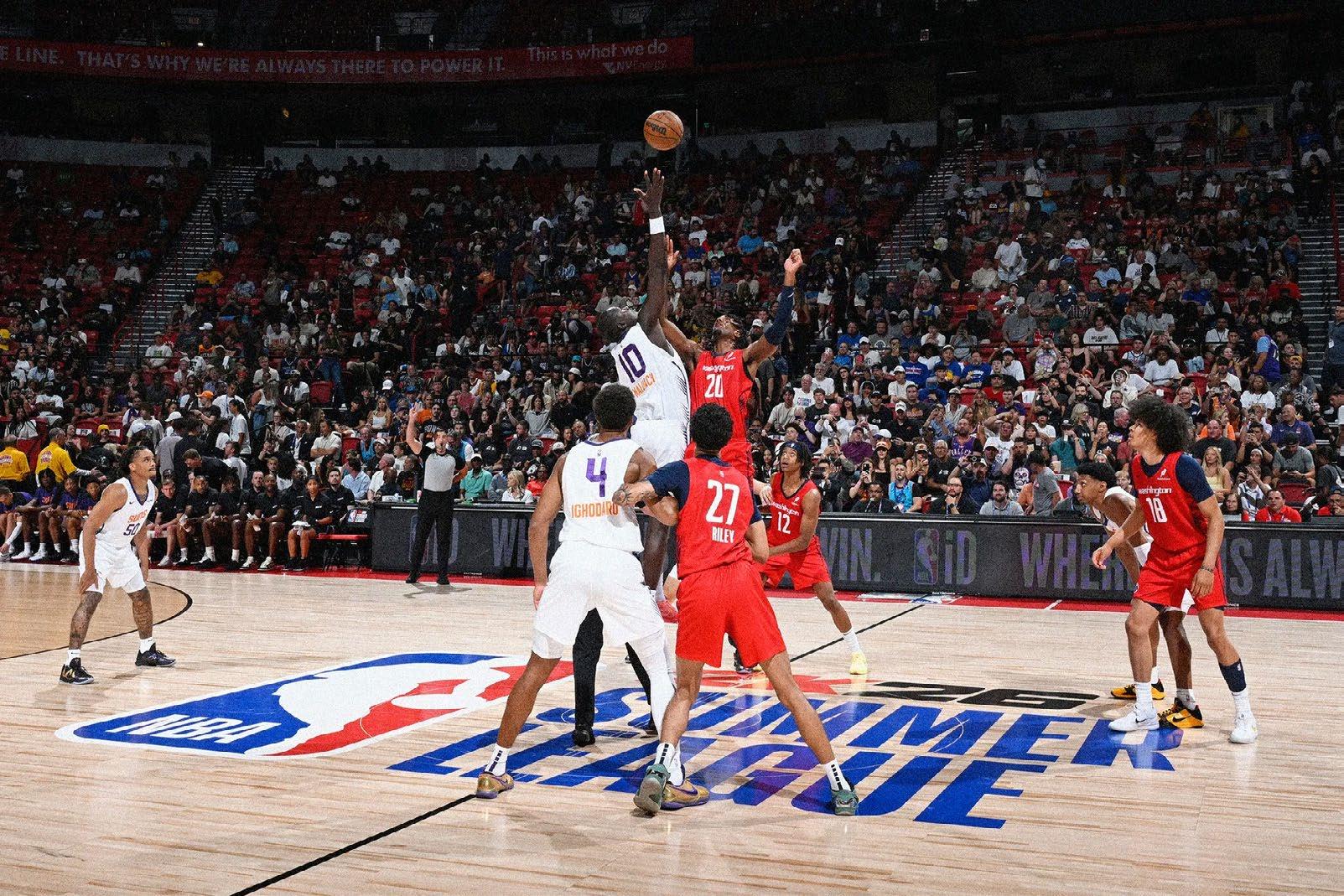
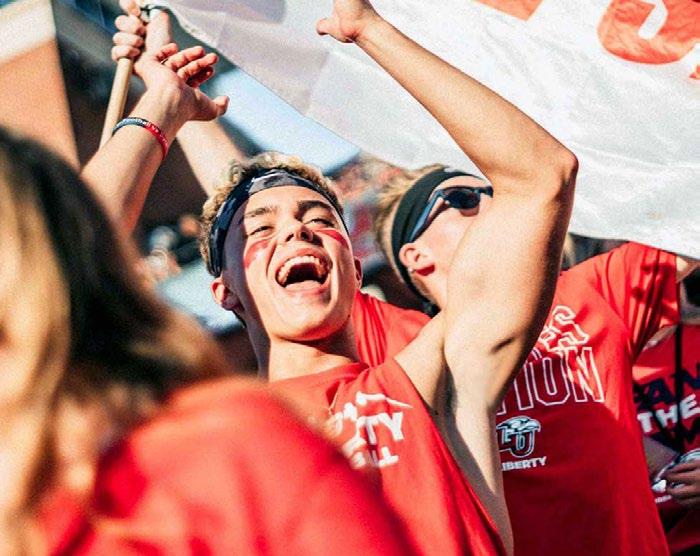
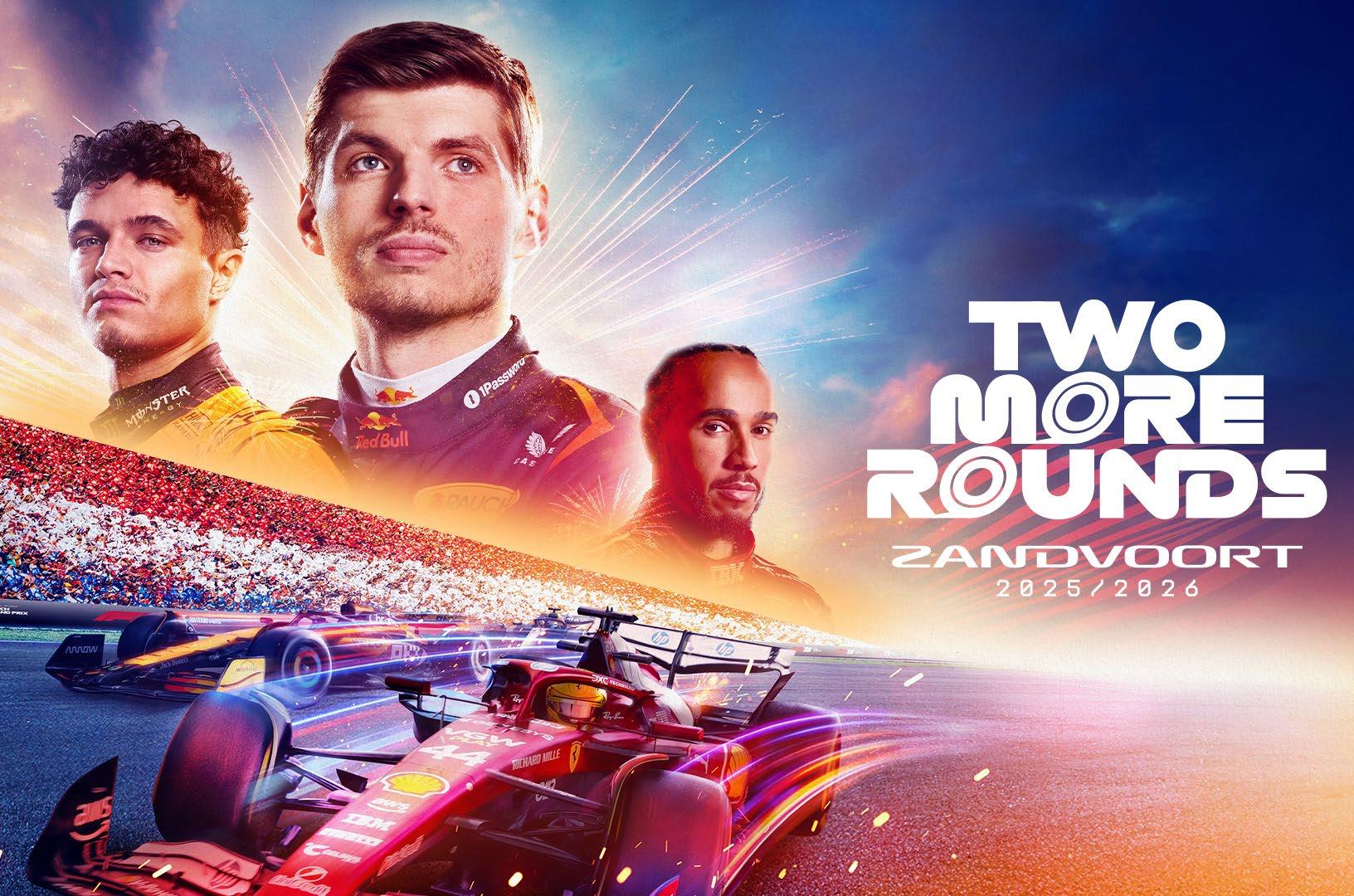
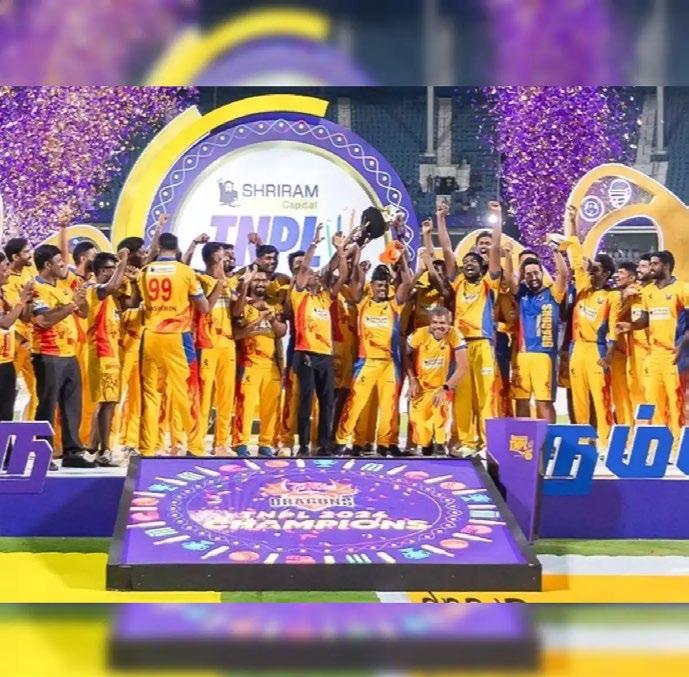
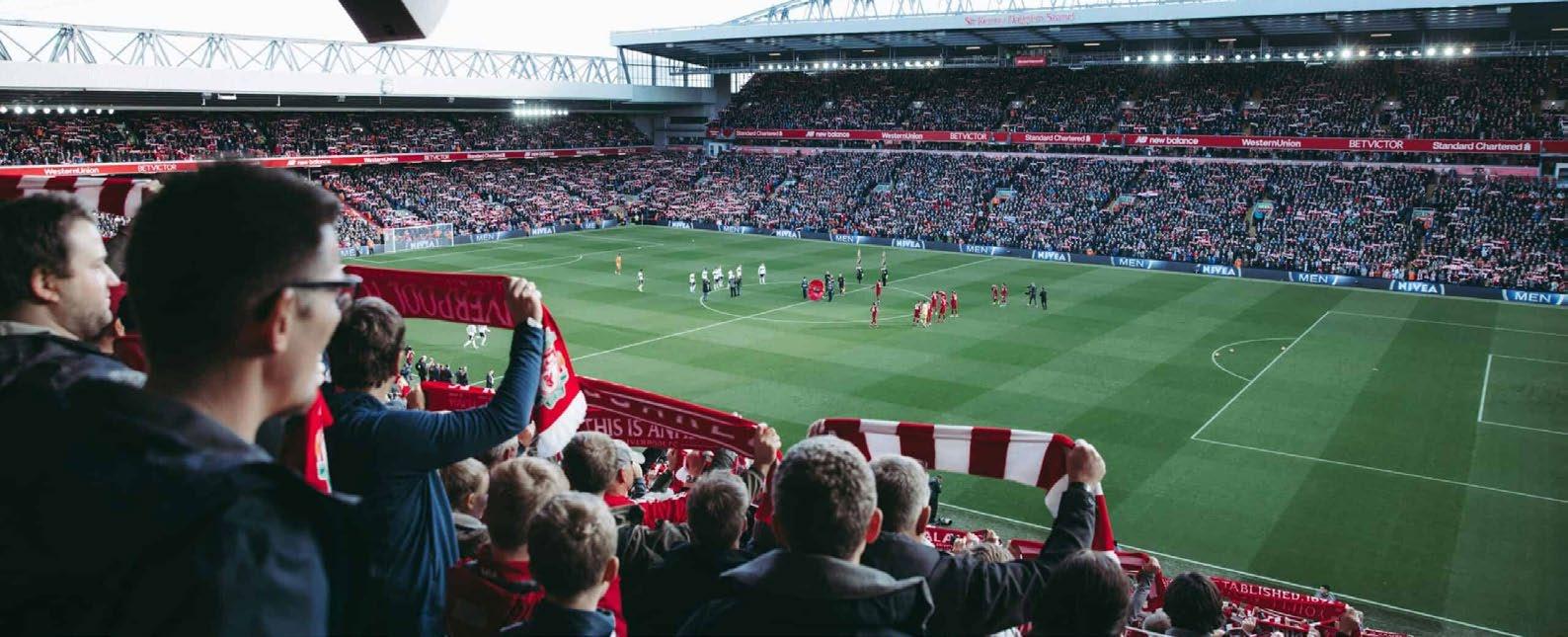
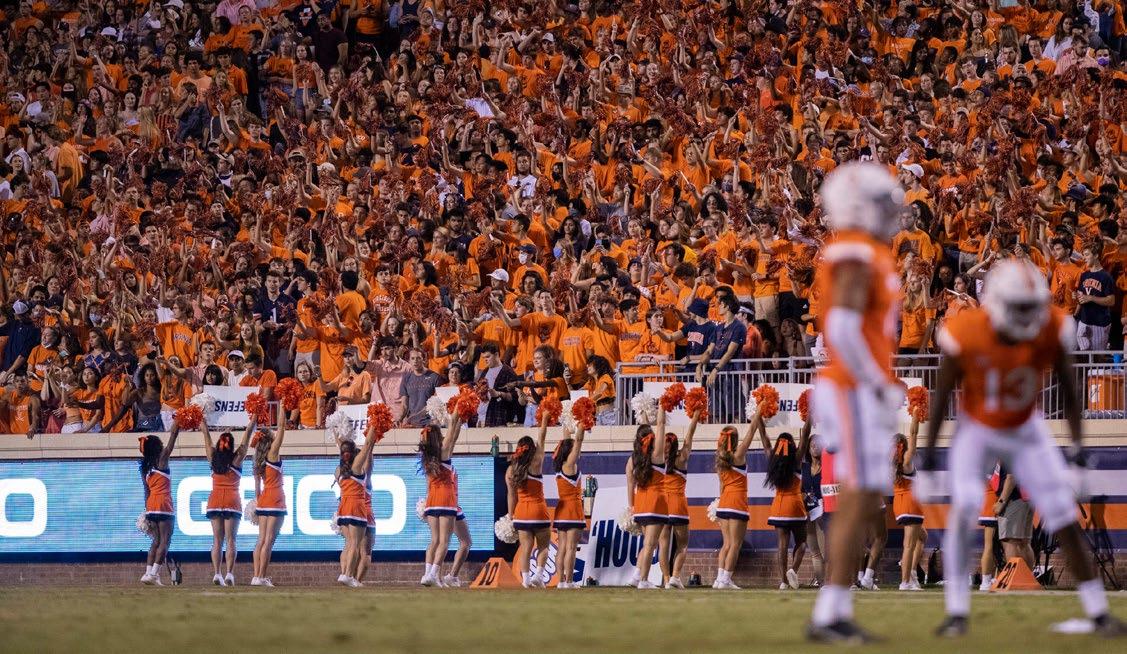
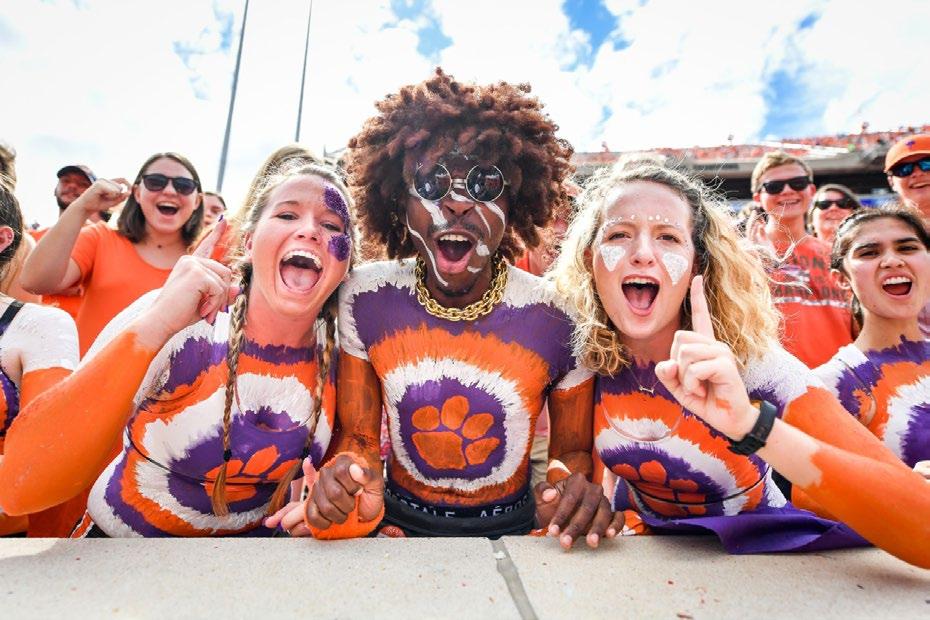
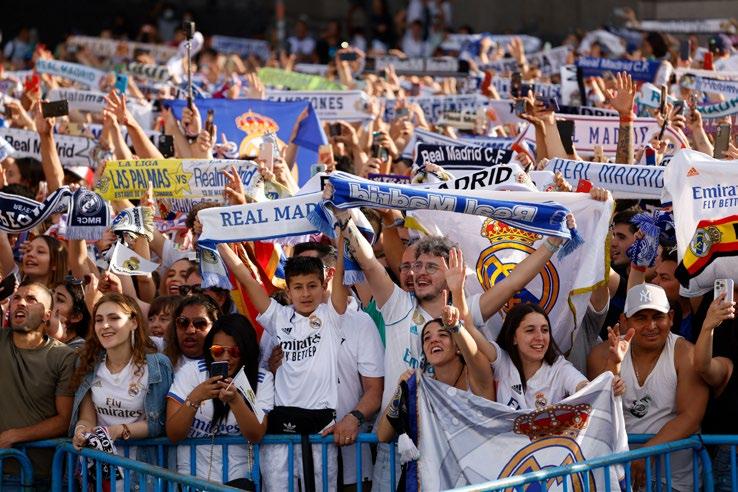
In Modern times, we could notice that the Younger Generation and Students tend to choose sports as their main career option, either as a professional athlete or in a wide variety of off-field, sports-related professions. This may be because of many reasons. Apparently, the sports industry is a growing, multibillion-dollar economic sector with a vast range of opportunities beyond just playing the game.
CAREER PATHS IN SPORTS: On-Field or Professional Athlete: Becoming a professional athlete is a dream for many, offering potential for fame, financial rewards, and international recognition. This path requires: Exceptional talent and rigorous discipline: Intense training from an early age is crucial. Physical and mental toughness: The ability to handle pressure, manage injuries, and recover from setbacks is vital. High competition: Since only a small percentage of aspiring athletes make it to the elite professional level.
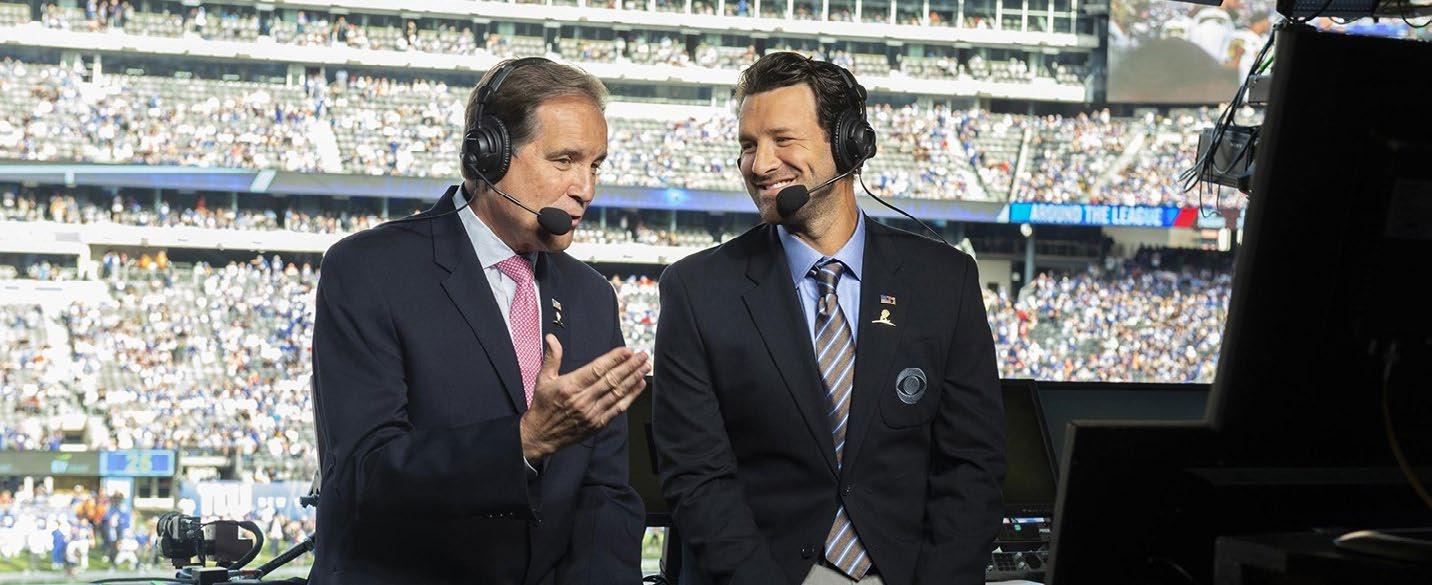
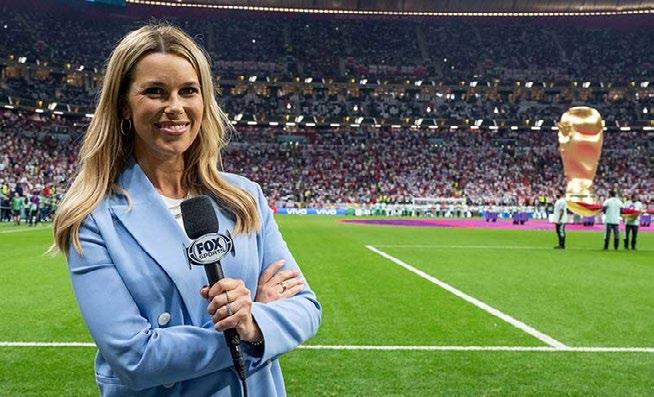
OFF-FIELD OR SPORTS-RELATED PROFESSIONS: For those passionate about sports but not pursuing a professional playing career, or as a transition after an athletic career ends, there is a booming ecosystem of supporting roles: Sports Management: Event coordination, team management, marketing, and securing sponsorships. Sports Medicine & Science: Physiotherapy, nutrition, psychology, and strength and conditioning. Media & Communication: Sports journalism, broadcasting, and commentary.
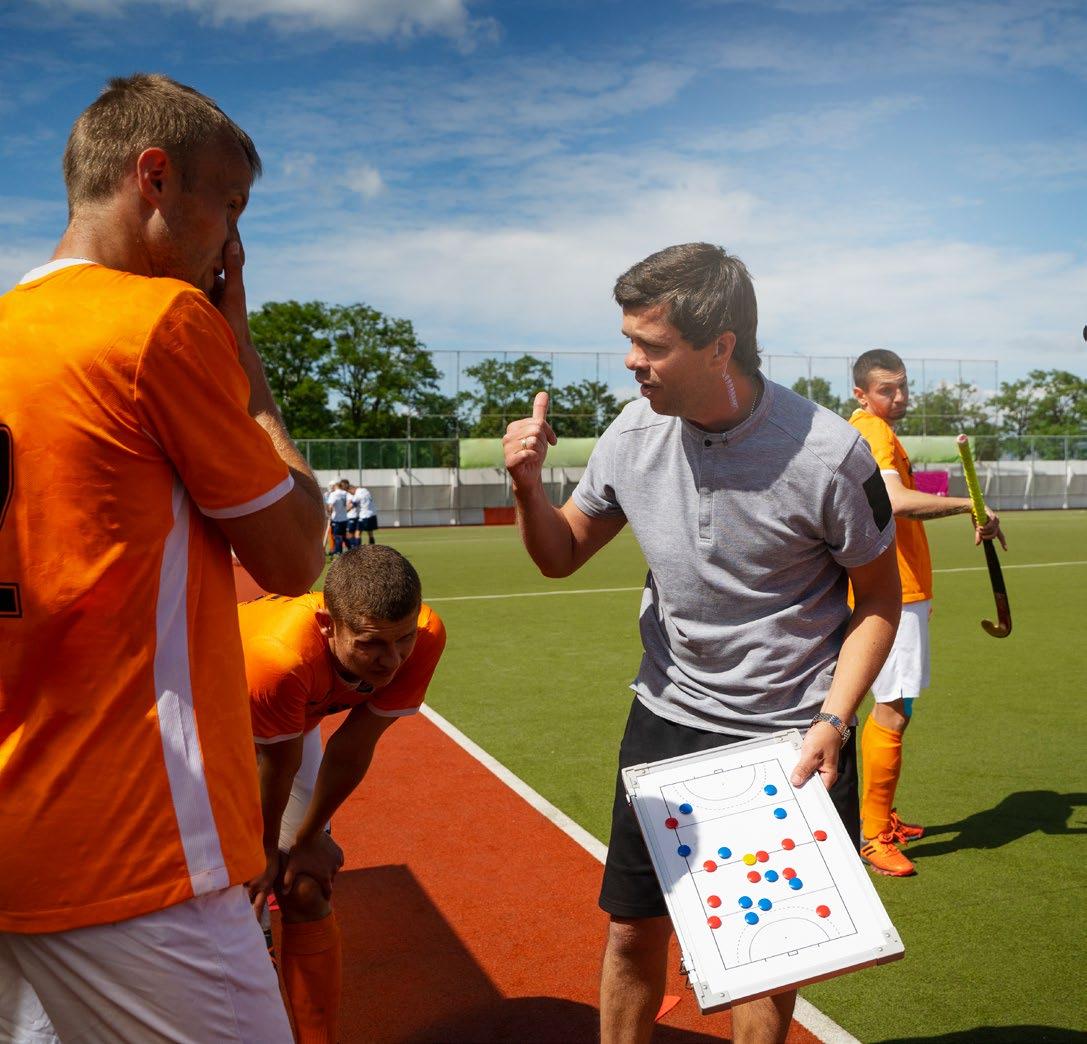
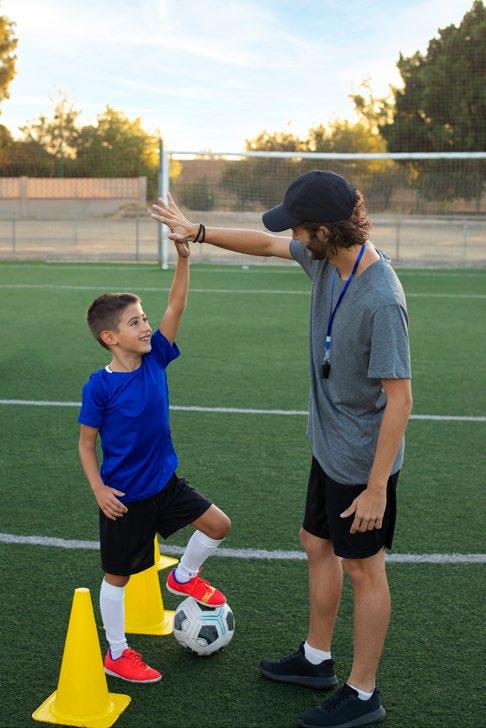
Data & Analytics: Performance analysis using data and technology to inform strategy. Coaching & Training: Mentoring athletes at various levels, from grassroots to professional. Sports Law: Handling contracts, endorsements, and intellectual property rights. Sports Technology: Working with wearable tech and performance tracking software.
OPPORTUNITIES AND SUPPORT: Growing Industry: The sports industry is expanding, with professional leagues and increased investment creating more job opportunities. Government & Corporate Support: Many countries, including India, are increasing investment through programs and scholarships to nurture talent and provide financial assistance.
EDUCATIONAL PATHWAYS: Specialized degrees and certifications in sports management, science, and education are now widely available at universities and institutions, providing the necessary skills and qualifications for the business side of sports.
Indeed, Schools, Institutions and colleges play a significant and increasingly intentional role in influencing young people to pursue sports as a career. While factors like family, culture, and personal passion are important, educational institutions provide the foundational support, resources, and structured pathways that make a professional sports career a more viable and visible option than it was in the past.
EDITOR -IN - CHIEF From The Desk Of
HERE ARE THE KEY FACTORS DRIVEN BY EDUCATIONAL INSTITUTIONS: ENHANCED COACHING AND TRAINING: EARLY TALENT IDENTIFICATION: Schools and colleges provide a structured environment with trained physical education teachers and coaches who can identify athletic potential early on. This formal scouting at a young age is a critical first step in a sports career. Expert guidance: Educational institutions increasingly invest in specialized coaches and trainers who provide high-level, technical training. This professional guidance helps students master their skills and prepare for elite competition.
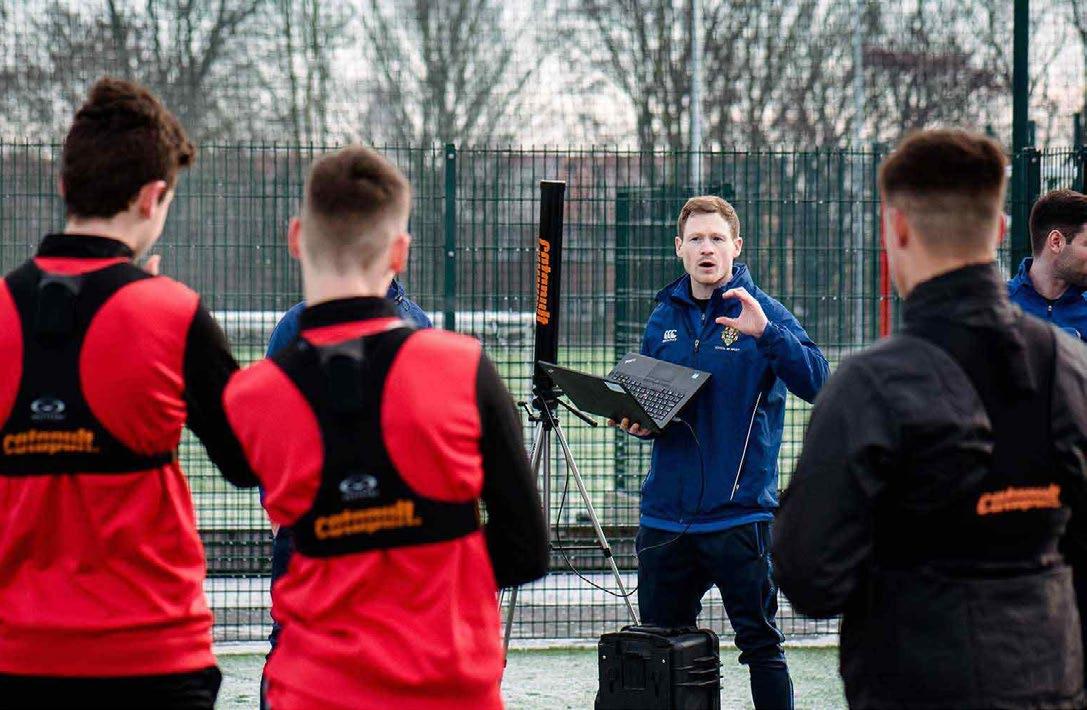
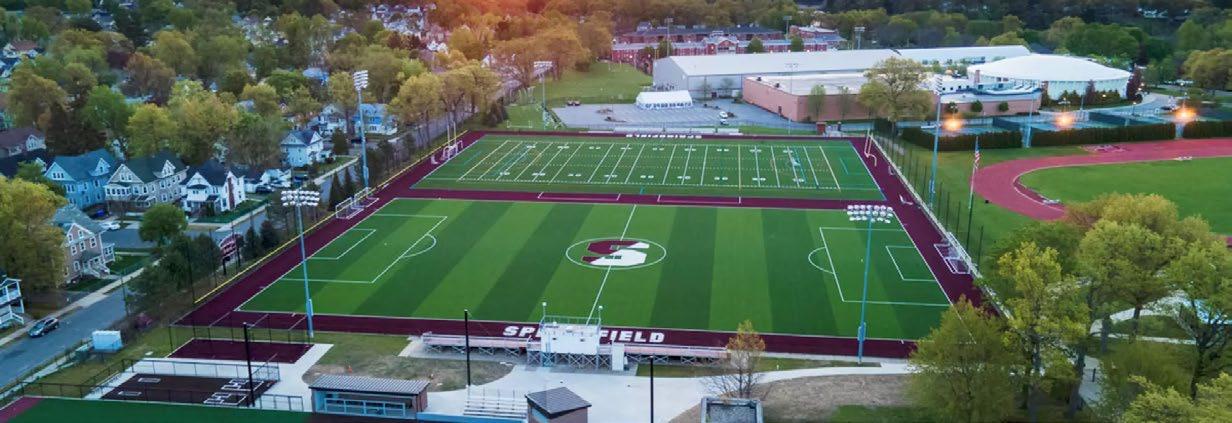
Better facilities and infrastructure: Modern sports facilities: Many schools and colleges now possess modern sports infrastructure, including synthetic fields, gymnasiums, and state-of-the-art equipment. These facilities create a professional-level training environment and signal that sports are a serious pursuit. Access to resources: Beyond the playing field, educational institutions provide access to athletic resources like strength and conditioning programs, physiotherapy, and sports science analysis.
ACADEMIC AND CAREER SUPPORT FOR ATHLETES: Integrated curriculums: Forward-thinking schools integrate sports into the academic curriculum, ensuring that physical education is not just a recreational break but a serious path for growth. Balancing academics and athletics: Many institutions now offer academic support and flexible schedules for student-athletes. This helps them balance training commitments with their studies, easing a traditional point of conflict for aspiring professionals.
ALTERNATIVE CAREER PATHWAYS: Educational institutions are expanding the view of sports careers beyond being an athlete. By offering courses and degrees in sports science, sports management, coaching, and sports journalism, they reveal a wide range of professional opportunities within the industry. Creating structured career pathways: Scholarships and admissions: Many universities offer sports scholarships and admission benefits to talented athletes. These programs provide a clear path to higher education that is directly tied to sporting ability, a significant incentive for students and parents.
HIGHER EDUCATION PATHWAYS: Specialized sports universities and advanced degree programs have been established to further develop athletes and other sports professionals. These institutions, such as the National Sports University in Manipur, create a formal and recognized academic path for sports careers. Exposure
to competition: Educational institutions organize and facilitate participation in various local, regional, and national tournaments. This exposure allows student-athletes to gain competitive experience and catch the attention of professional scouts and national sporting organizations.
FOSTERING A SHIFT IN MINDSET: Recognizing sports as a career: By investing in programs, infrastructure, and scholarships, schools and colleges help shift the societal perception of sports from a mere hobby to a legitimate and respected career option. This encourages parents and students to take athletic pursuits more seriously. Government initiatives: Government programs like India’s “Khelo India” actively promote sports at the grassroots level and partner with educational institutions to achieve their goals. This collaboration at a policy level further embeds sports in the educational system.
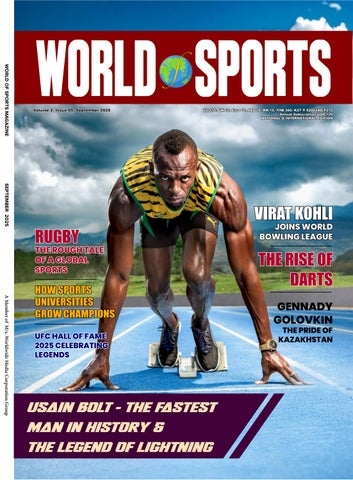
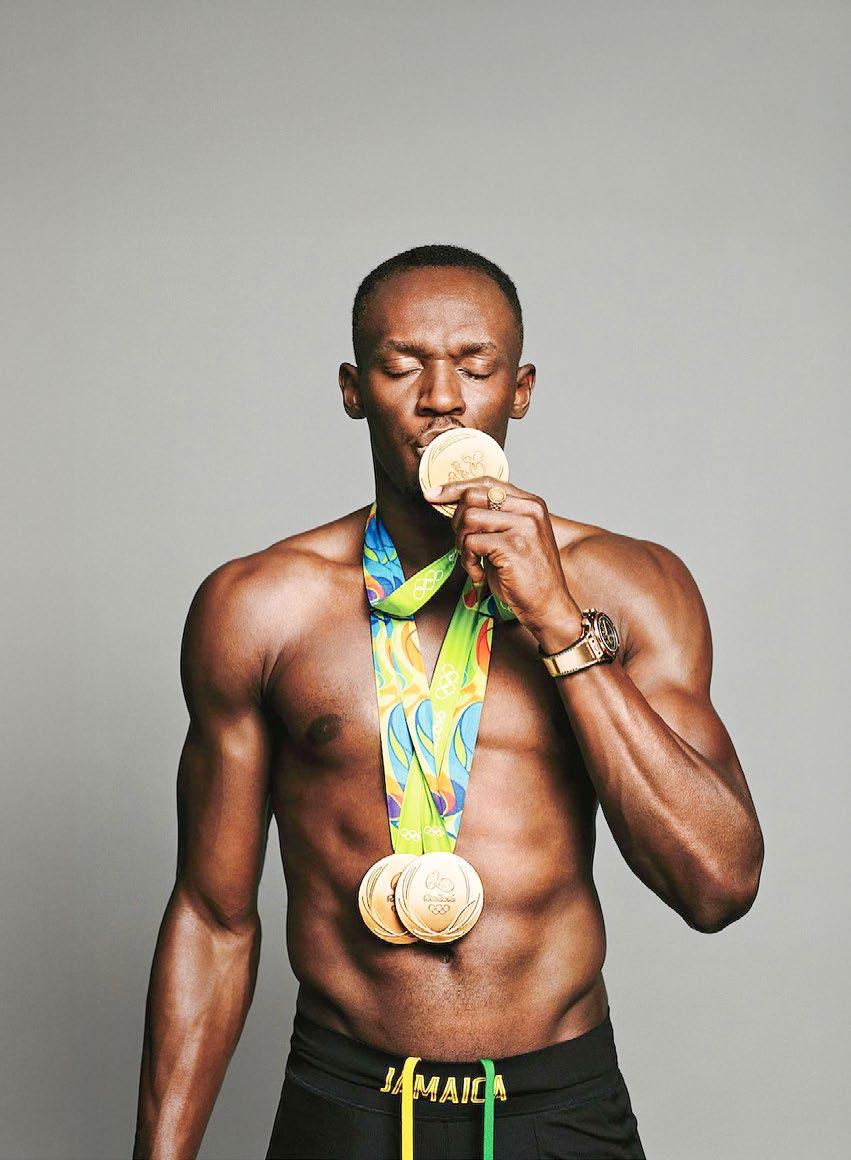
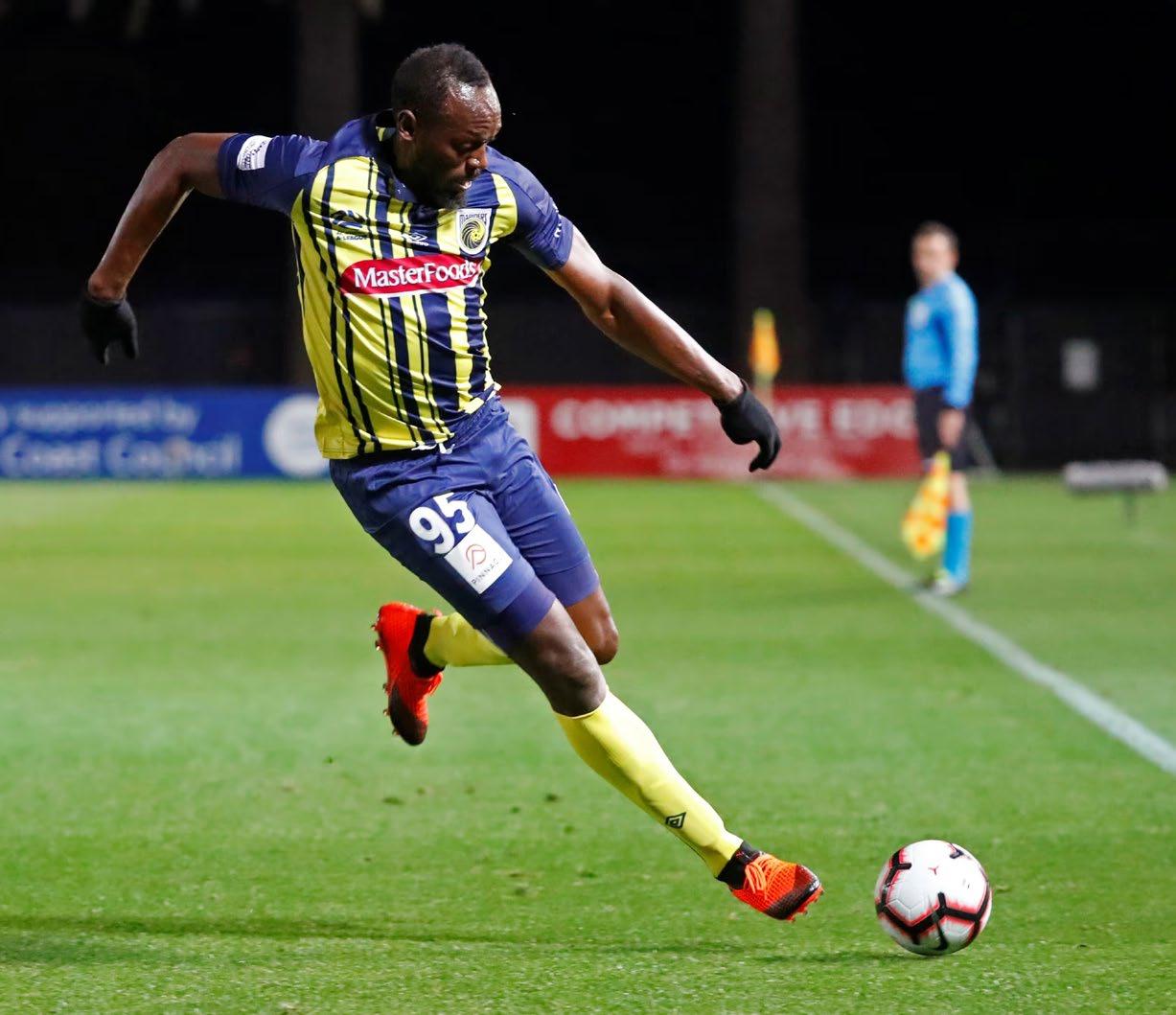
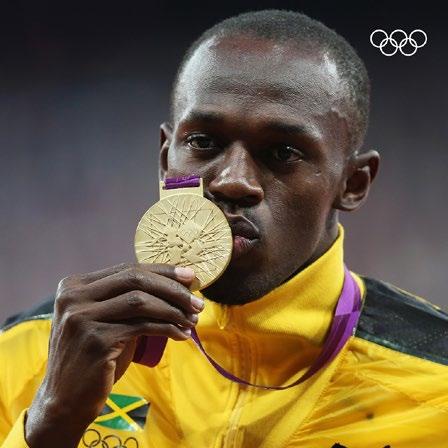
Usain Bolt
The Fastest Man in History & The Legend of Lightning
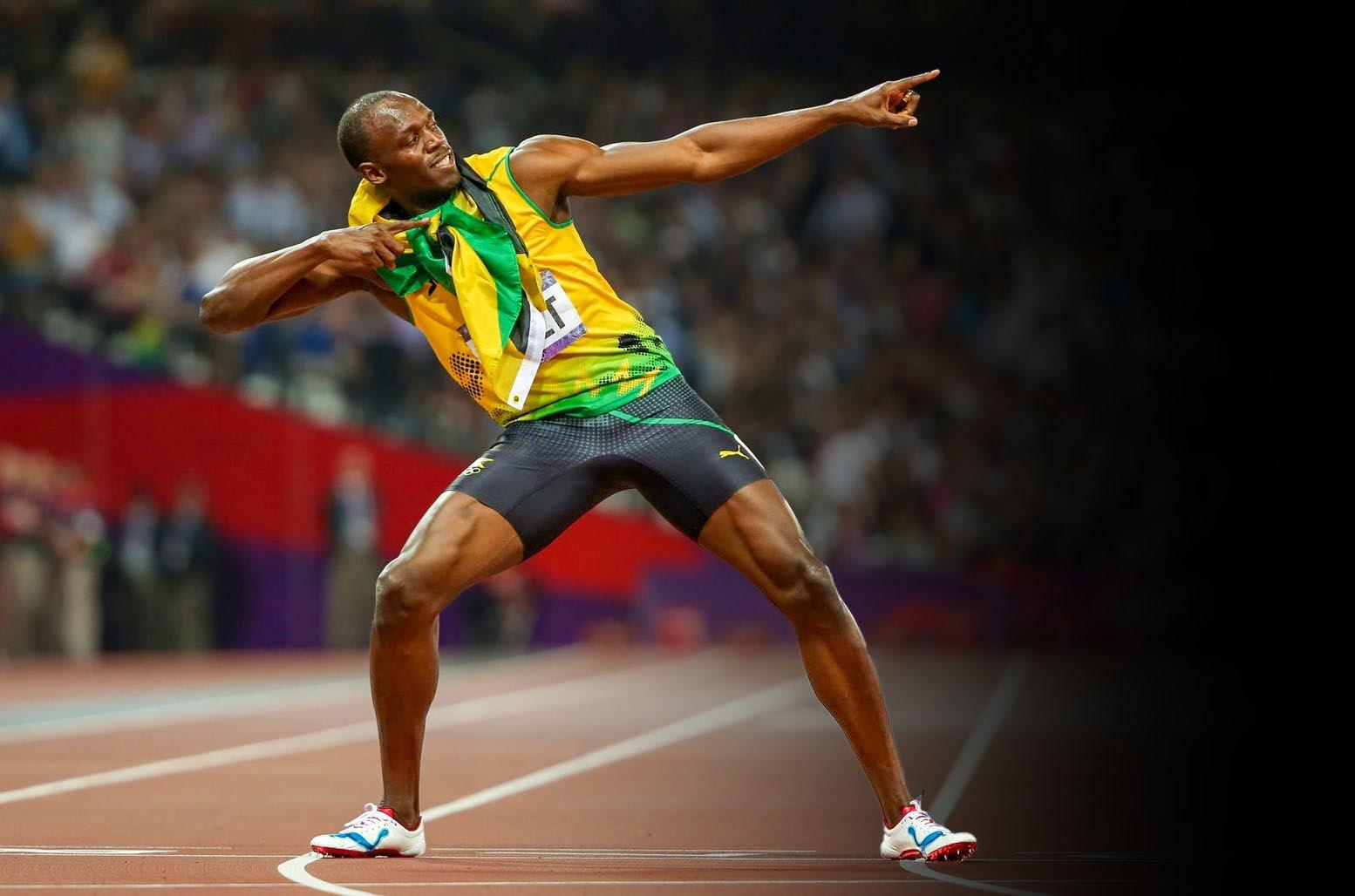
Usain Bolt is not just the fastest man to ever grace a track—he is a global icon, a showman, and a legend whose impact on athletics transcends records and medals. With a dazzling smile, a signature lightningbolt pose, and an effortless dominance on the world stage, Bolt changed the face of sprinting forever. From humble beginnings in rural Jamaica to setting world records that still stand unbroken, Bolt’s journey is a celebration of talent, discipline, and charisma.
EARLY LIFE AND RISE OF A PRODIGY
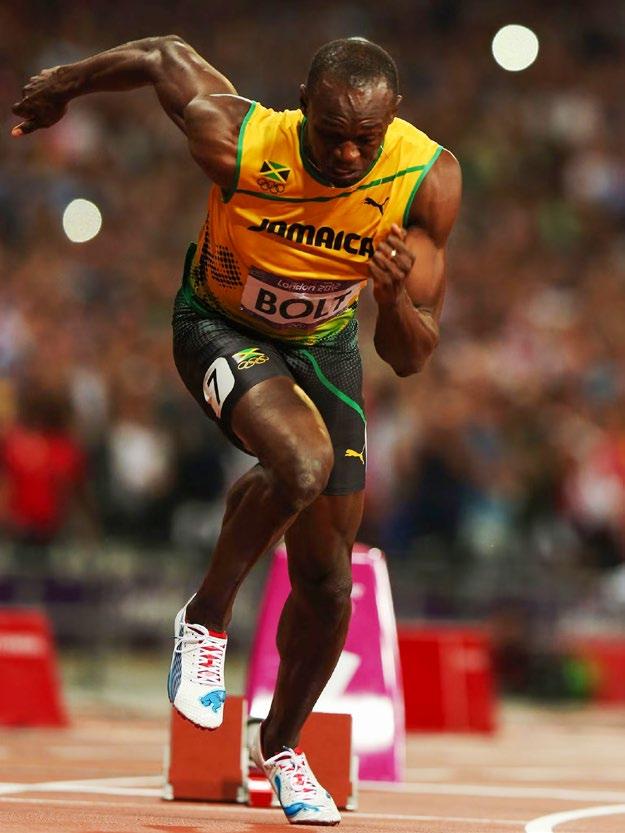
Born on August 21, 1986, in the small town of Sherwood Content in Jamaica’s Trelawny Parish, Usain St. Leo Bolt was a spirited child known for his boundless energy. Raised in a tight-knit community, Bolt’s early interests leaned toward cricket and football, not sprinting. His parents, Wellesley and Jennifer Bolt, ran a grocery store and encouraged him to stay active and focused. It wasn’t until primary school that Bolt’s natural speed started turning heads. Coaches noticed his explosive bursts and effortless pace. By the time he entered high school, it was clear that he was not just fast—he was extraordinarily fast. Under the guidance of coach Pablo McNeil, a former Olympic sprinter, Bolt began formal training and quickly excelled. At just 15 years old, Bolt made global headlines by winning the 200 meters at the 2002 World Junior Championships in Kingston, Jamaica. Not only was he the youngest-ever world junior gold medallist, but he had also become a symbol of hope for Jamaican athletics.
BREAKING INTO THE WORLD STAGE
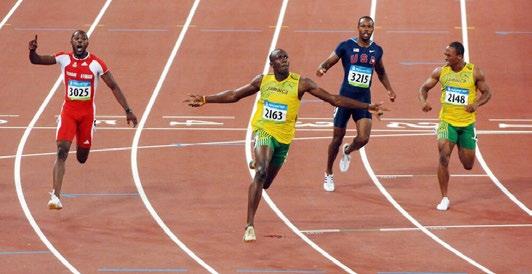
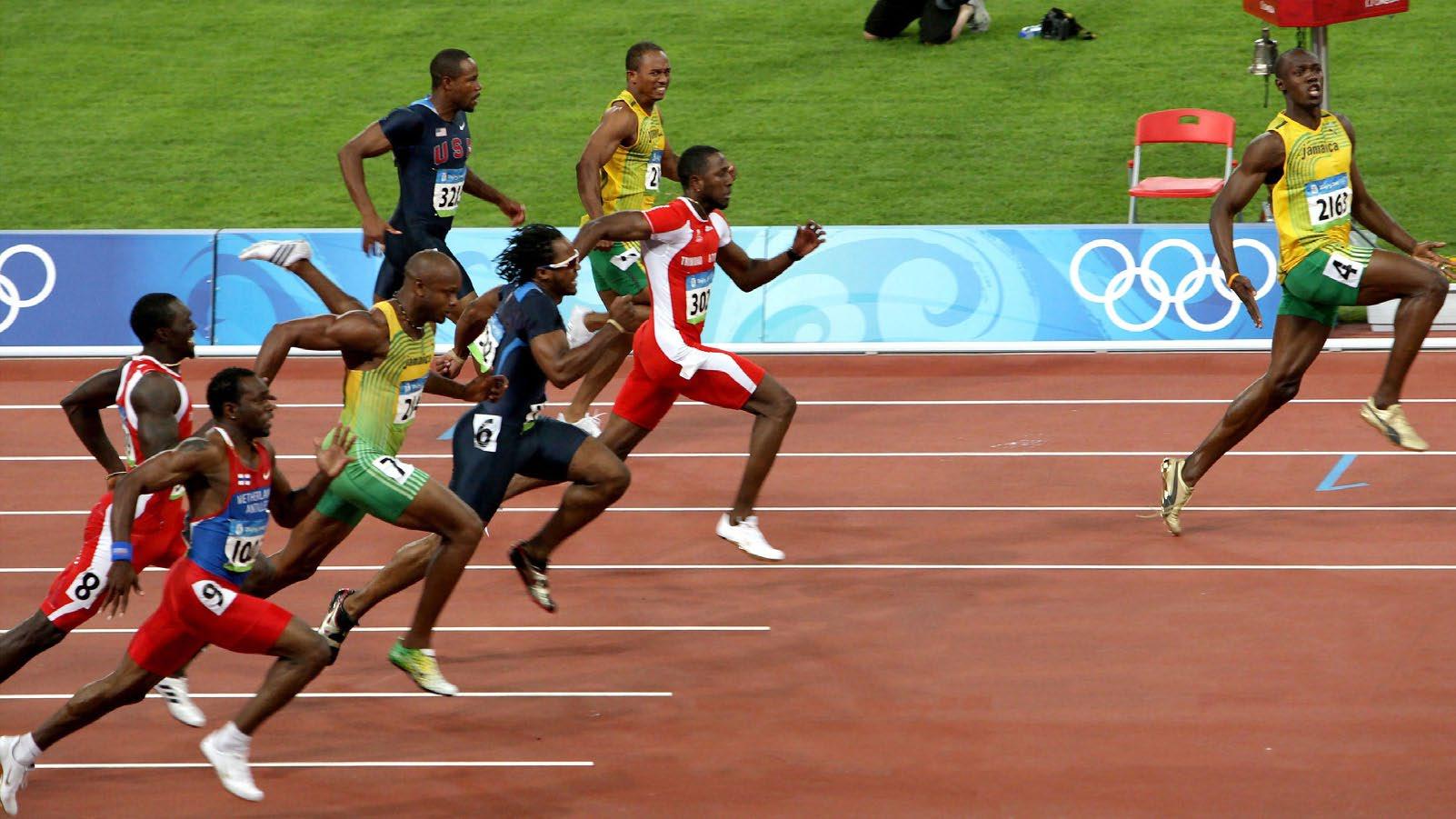
Bolt’s early professional years were a mix of promise and setbacks. Injuries in 2004 and 2005 stalled his momentum, but his talent remained undeniable. In 2007, he began training under renowned coach Glen Mills, who refined Bolt’s technique and focus. Mills helped Bolt transition from a talented runner to a serious contender on the global stage. The turning point came in 2008 at the Beijing Olympics, where Bolt astonished the world with a performance unlike anything ever seen. In the 100 meters final, he not only won gold but did so with a time of 9.69 seconds, slowing down to celebrate before crossing the finish line. It was an emphatic introduction.
He followed that with a 19.30-second 200 meters victory, breaking Michael Johnson’s long-standing world record. Finally, he helped Jamaica secure gold in the 4x100 meters relay. Though that relay gold was later revoked due to a teammate’s doping violation, Bolt’s performance in Beijing made it clear—he wasn’t just fast, he was redefining speed itself.
WORLD RECORDS AND PEAK PERFORMANCE
• Bolt’s dominance continued in 2009 at the World Athletics Championships in Berlin. It was here that he set the current world records in both the 100 meters (9.58 seconds) and the 200 meters (19.19 seconds)—times that, more than a decade later, remain untouched.
• These weren’t just wins—they were statements. Bolt made it look easy. At
6’5”, his long stride defied conventional sprinting norms, giving him a mechanical advantage over shorter competitors. Where others relied on quick turnover, Bolt seemed to float, covering more ground with fewer steps.
• The same year, he anchored Jamaica’s 4x100 meters relay team to another gold. His peak years, from 2008 to 2016, saw him dominate every major event, with multiple World Championship and Olympic titles.
OLYMPIC LEGACY
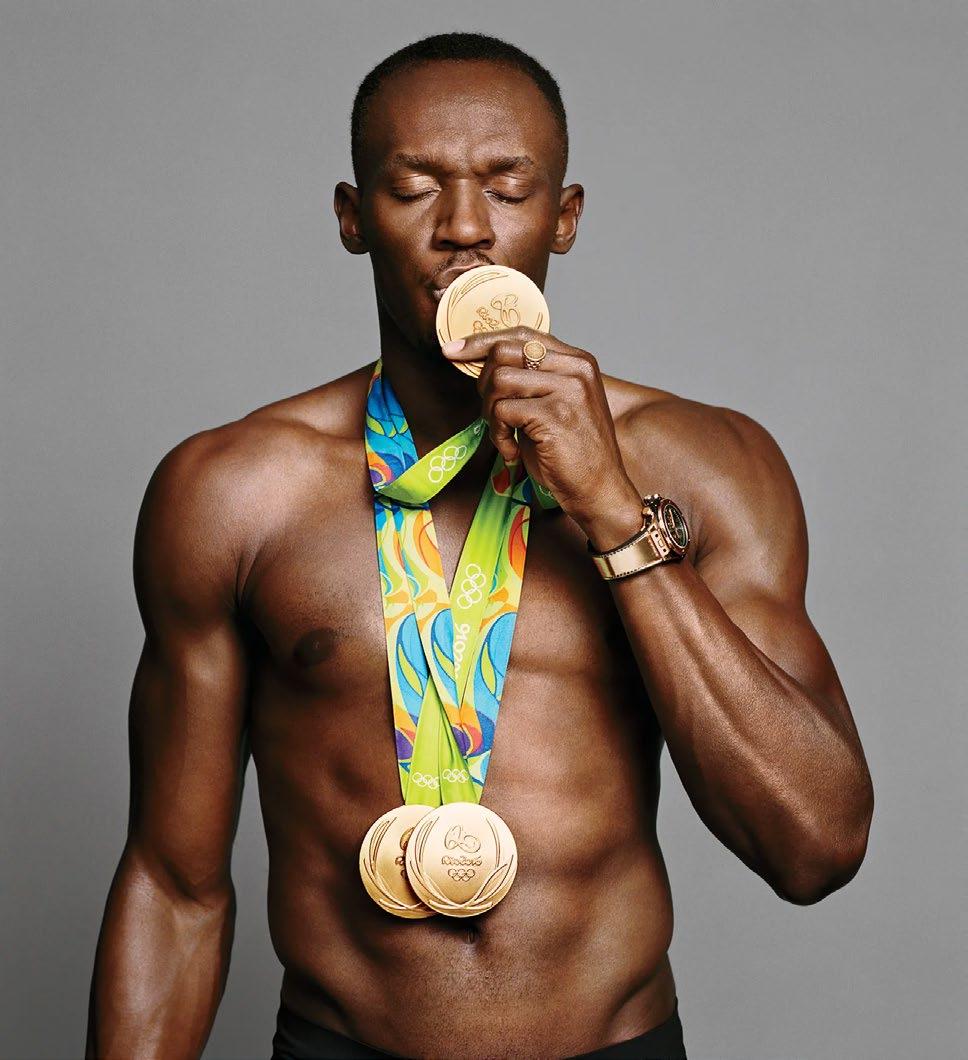
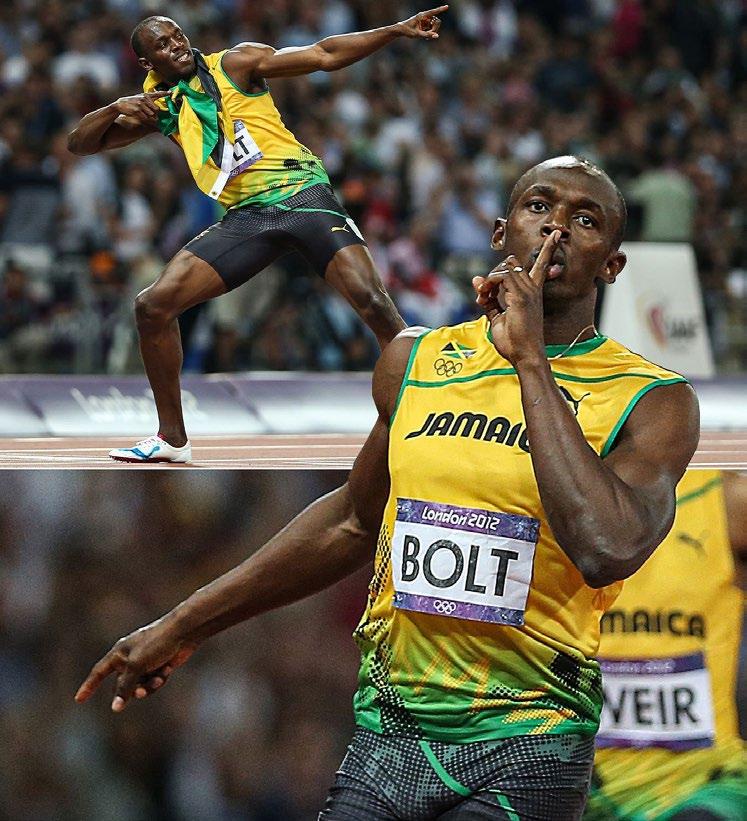
• Usain Bolt’s Olympic legacy is nearly unmatched. Across three Olympic Games— Beijing 2008, London 2012, and Rio 2016— Bolt achieved what no man had ever done: winning gold in the 100 meters, 200 meters, and 4x100 meters relay at three consecutive Olympics.
• While he originally earned nine Olympic gold medals, one was later stripped due to a doping violation by teammate Nesta Carter. Still, eight Olympic golds and an unbroken triple-triple performance (in races he individually ran and won clean) places him in an elite tier of global athletes.
A CHARISMATIC GLOBAL ICON
Part of Bolt’s mass appeal was his larger-than-life personality. Unlike the often-stoic demeanour of elite sprinters, Bolt brought flair, joy, and showmanship to the track. Whether it was his dance routines, jokes with volunteers, or the nowiconic “To Di World” lightning pose, Bolt connected with audiences beyond the sport. He made athletics fun. Broadcasters loved him. Sponsors flocked to him. Kids emulated him. He became a global ambassador for not just track and field, but for sport itself. Bolt’s presence helped revitalize track and field during an era overshadowed by doping controversies. He brought credibility and excitement, reminding fans of the purity and thrill of honest competition.
LIFE AFTER THE FINISH LINE
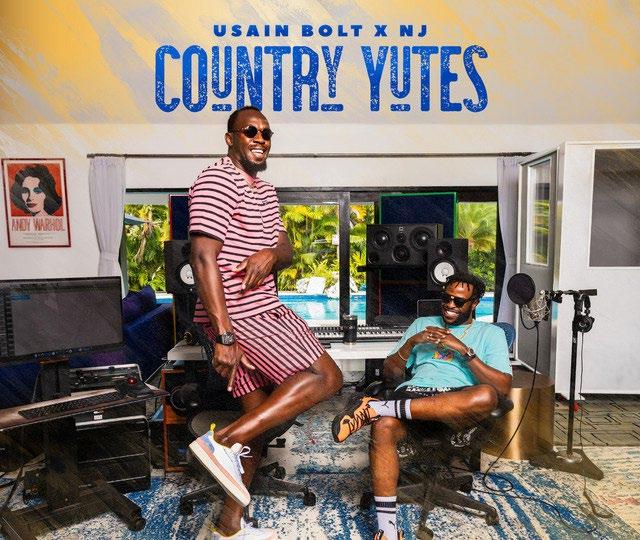
Usain Bolt retired from professional athletics after the 2017 World Championships in London, where he won a bronze in the 100 meters and pulled up injured in the 4x100 meters relay final. It wasn’t the perfect farewell, but his career needed no exclamation point. Post-retirement, Bolt explored various ventures. He pursued his love for football, briefly training with Borussia Dortmund and playing a few matches in Australia for the Central Coast Mariners. While a professional football career didn’t materialize, Bolt remained undeterred. He has also dabbled in music, launching a reggae album and singles under his name. Through the Usain Bolt Foundation, he supports initiatives in education and cultural development, especially in underserved communities.
CAREER STATISTICS OVERVIEW
• Olympic Medals: 8 Gold
• World Championship Medals: 11 Gold, 2 Silver, 1 Bronze
• World Records:
100 meters: 9.58 seconds (Berlin, 2009)
200 meters: 19.19 seconds (Berlin, 2009)
4x100 meters relay: 36.84 seconds (London Olympics, 2012)
These records stand as a testament to his era-defining brilliance.
THE LEGACY OF LIGHTNING BOLT
Usain Bolt’s influence goes far beyond the track. He changed the way people view sprinting, bringing global visibility to Jamaican athletics and inspiring a generation of young athletes. His story shows that greatness is not only defined by performance but also by passion, integrity, and joy. Whether or not his records are ever broken, Bolt’s unique combination of speed, style, and spirit ensures he will be remembered as more than just an athlete. He is a cultural figure, a role model, and an enduring symbol of human potential. In a sport where milliseconds make legends, Usain Bolt’s legacy is timeless. He didn’t just run faster than anyone before or after him—he ran into history, into the hearts of millions, and into the pantheon of the greatest athletes the world has ever seen.
CRISTIANO RONALDO
LEADS PORTUGAL TO UEFA NATIONS
LEAGUE GLORY IN 2025- A TRIUMPH OF LEGACY AND PASSION
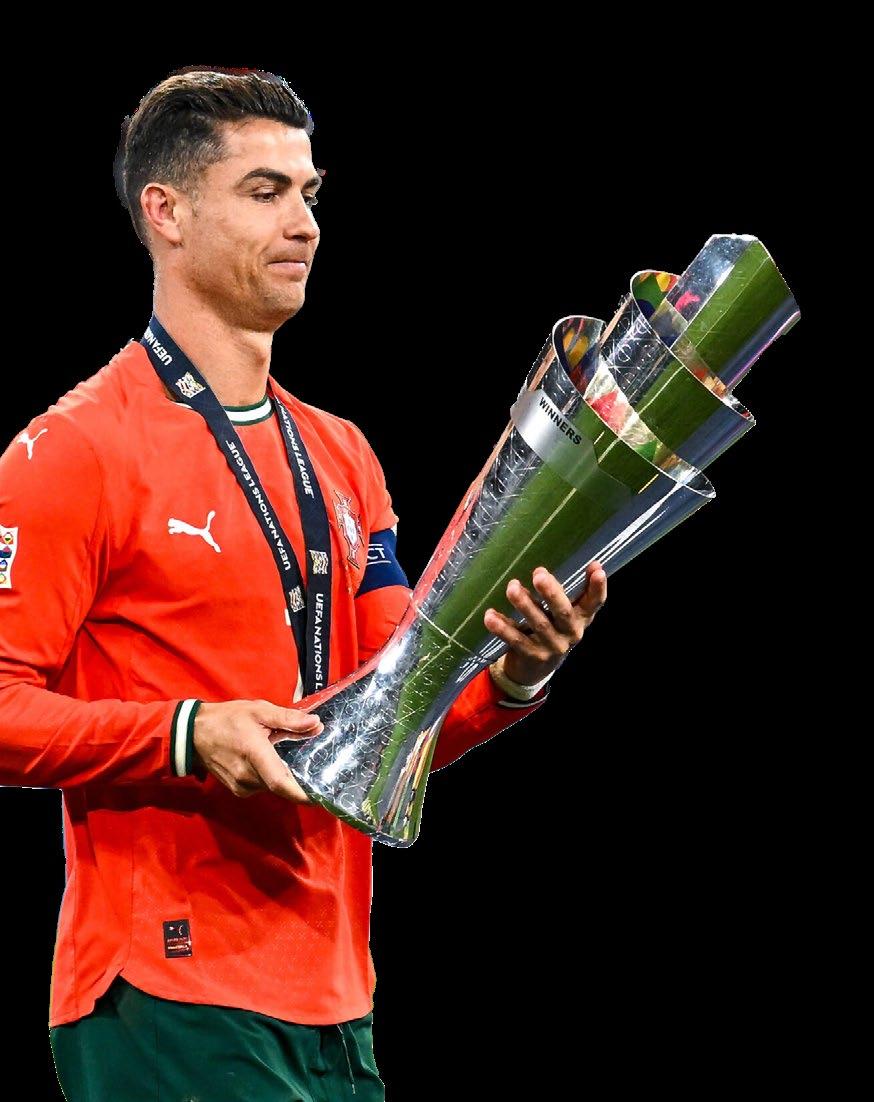
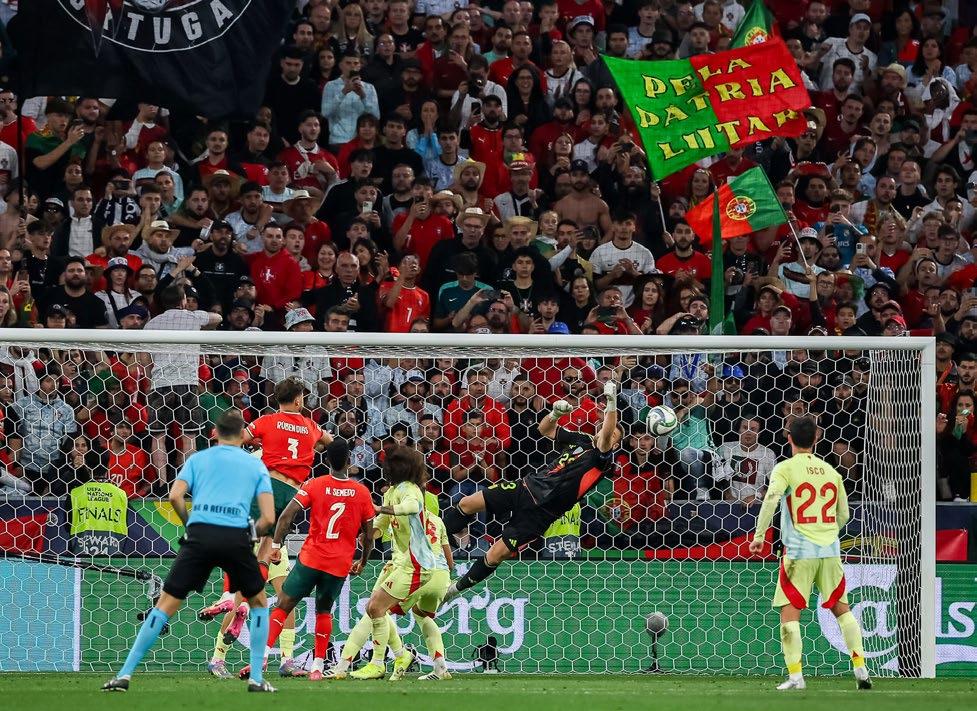
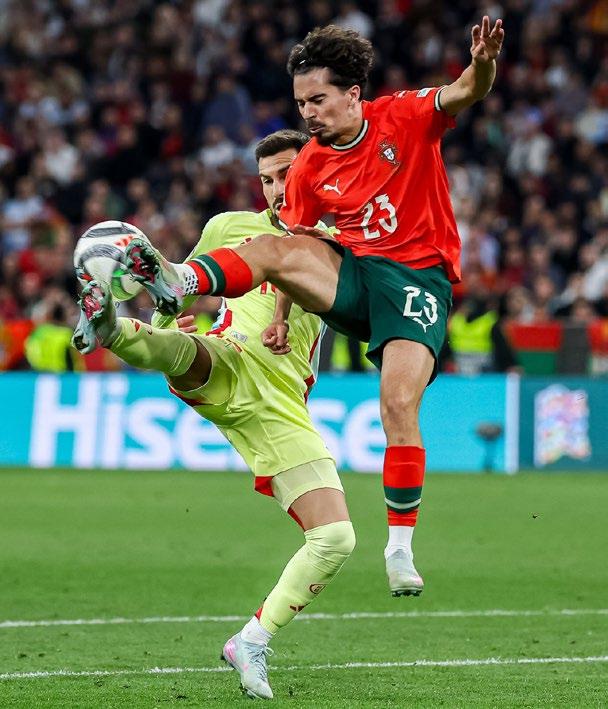
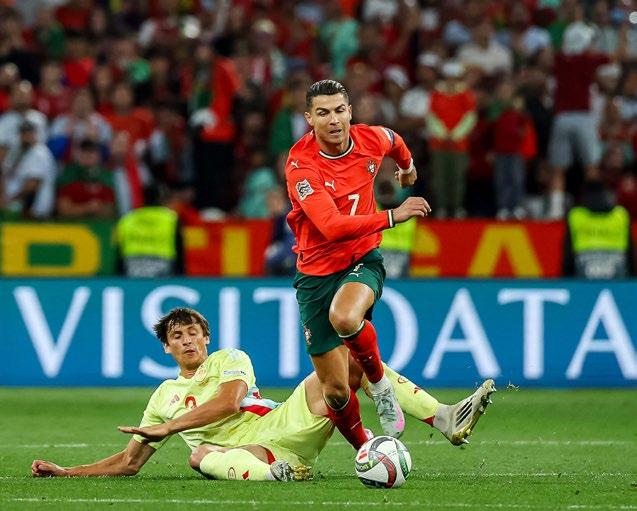
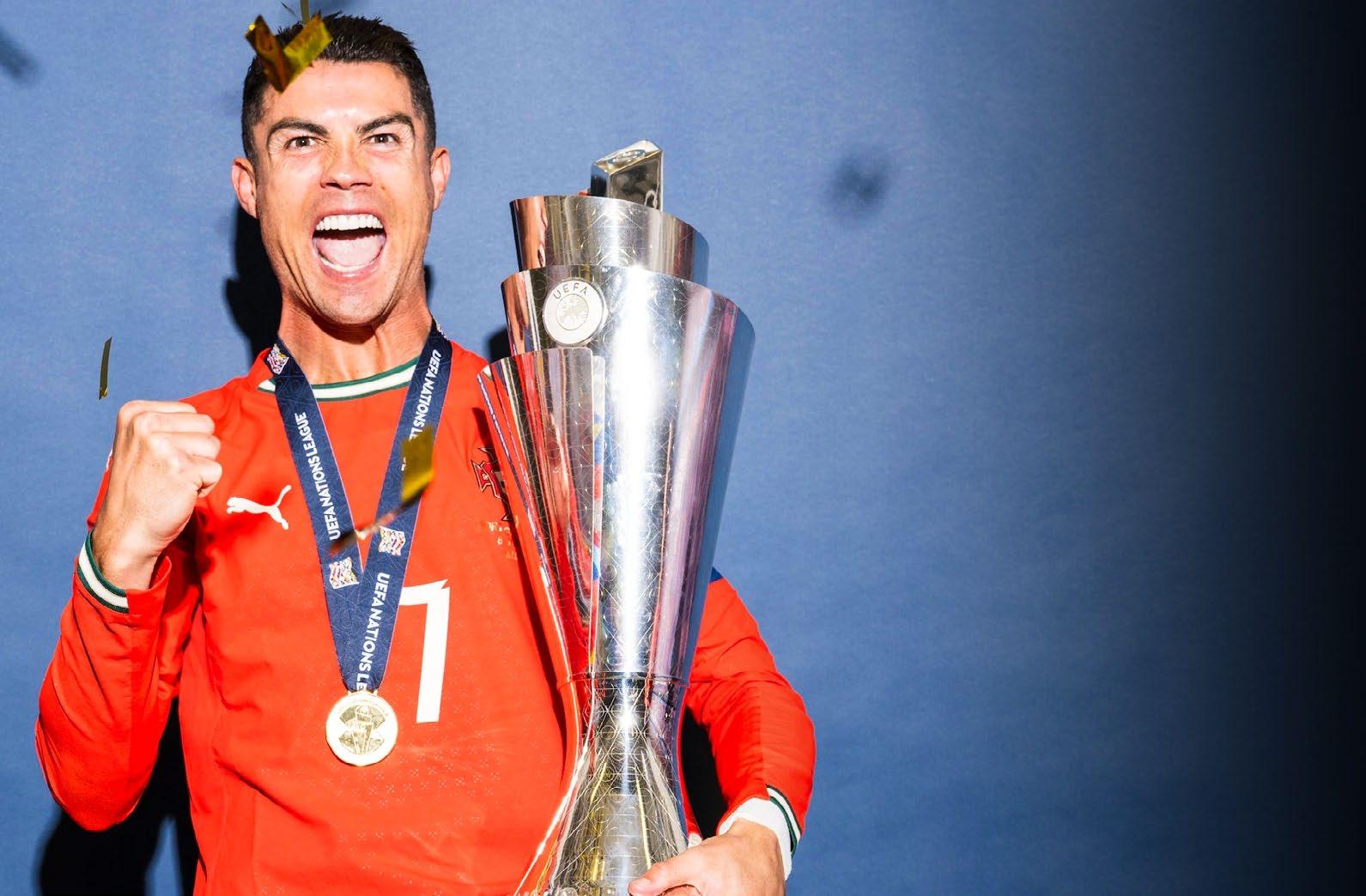
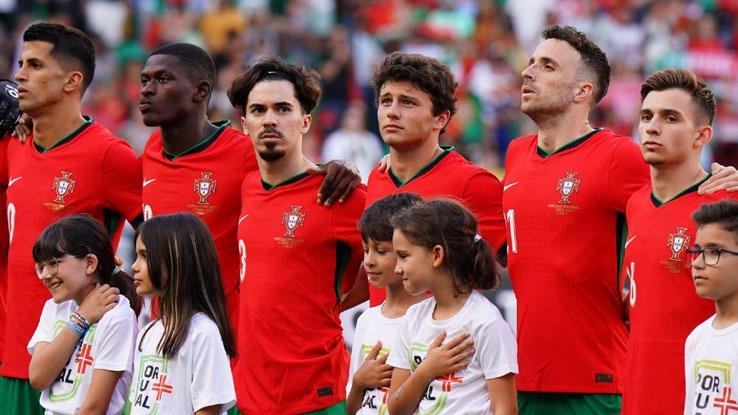
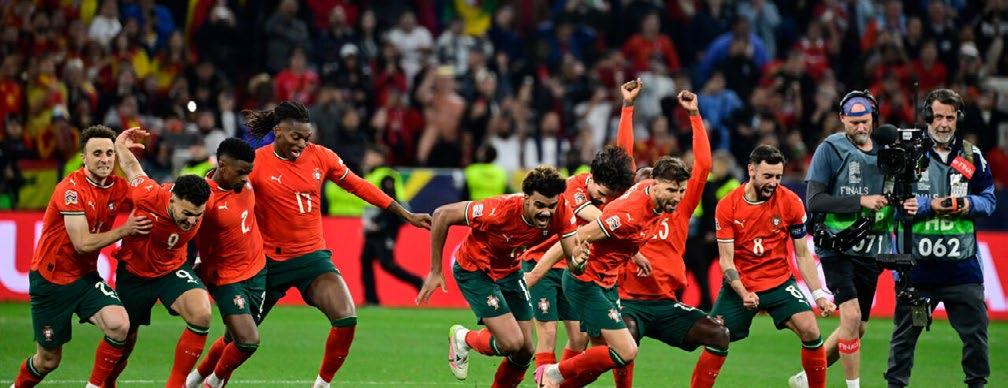
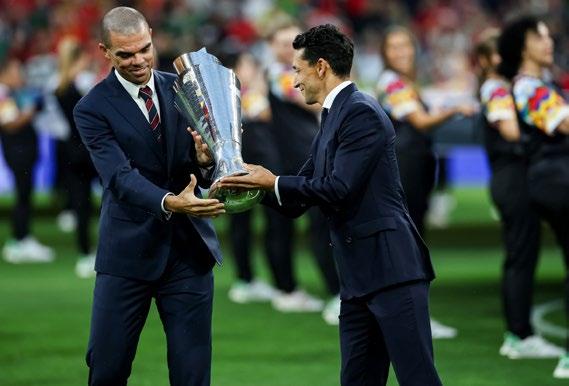
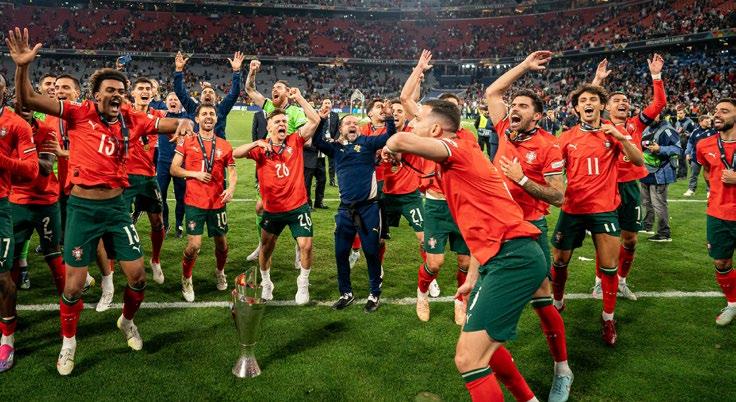
In a thrilling climax to the 2024–25 UEFA Nations League, Portugal, spearheaded by the indomitable Cristiano Ronaldo, clinched their second title in the competition’s history, defeating Spain 5-3 on penalties in Munich on June 8, 2025. At 40 years old, Ronaldo’s vintage performance not only underscored his enduring brilliance but also cemented Portugal’s status as a European football powerhouse. For fans, players, and the nation, this victory was more than a trophy—it was a testament to resilience, national pride, and the timeless legacy of one of football’s greatest icons.
The Road to Glory
Portugal’s journey to the 2025 Nations League title was a masterclass in grit and collective quality. Facing a formidable Spain side, the defending champions, in the final, Portugal twice came from behind in a match that ended goalless after extra time. Ronaldo, ever the talisman, scored a crucial goal during the group stages and was pivotal in the knockout rounds, including a standout performance against Germany in the semifinals. His eight goals in nine matches earned him the Golden Boot for League A, a remarkable feat for a player defying the constraints of age. The penalty shootout was a nerve-wracking affair, with Portugal’s players, including Ronaldo, holding their nerve to secure the victory. As the final penalty found the net, Ronaldo was visibly emotional, tears streaming down his face—a rare glimpse into the depth of his passion for representing Portugal. “There’s nothing better than winning for Portugal. It’s our nation, our people,” he said post-match, encapsulating the sentiment that drove the team to glory.
Ronaldo’s Historic Milestone
At 40, Ronaldo became the oldest player to score in the Nations League, a record set earlier in the tournament against Denmark. His goal against Spain in the final further extended his record as the highest international goal-scorer of all time, with 138 goals for Portugal. This triumph marked Ronaldo’s third major trophy with Portugal, following the UEFA Euro 2016 and the inaugural Nations League in 2019. For a player who has won countless club honours, these international accolades hold a special place. “For Portugal, if I had to break a leg, I would,” he declared, reflecting his unwavering commitment to his country.
Ronaldo’s performance silenced critics who questioned his role in the national team at this stage of his career. Social media captured the sentiment: “People said he was past it, a burden. That’s why this win feels especially rewarding,” wrote one fan. His ability to deliver on the biggest stage, scoring in the quarterfinals, semifinals, and final, reaffirmed his status as the “GOAT” (Greatest of All Time) for many.
The Significance of the UEFA Nations League
The UEFA Nations League, introduced in 2018, was designed to replace meaningless friendlies with competitive matches that foster rivalries and offer silverware. For Portugal, the 2025 title marked their second triumph in the competition, making them the first nation to win it multiple times. While some still debate the tournament’s prestige compared to the Euros or World Cup, its importance lies in its ability to test teams against top-tier opposition
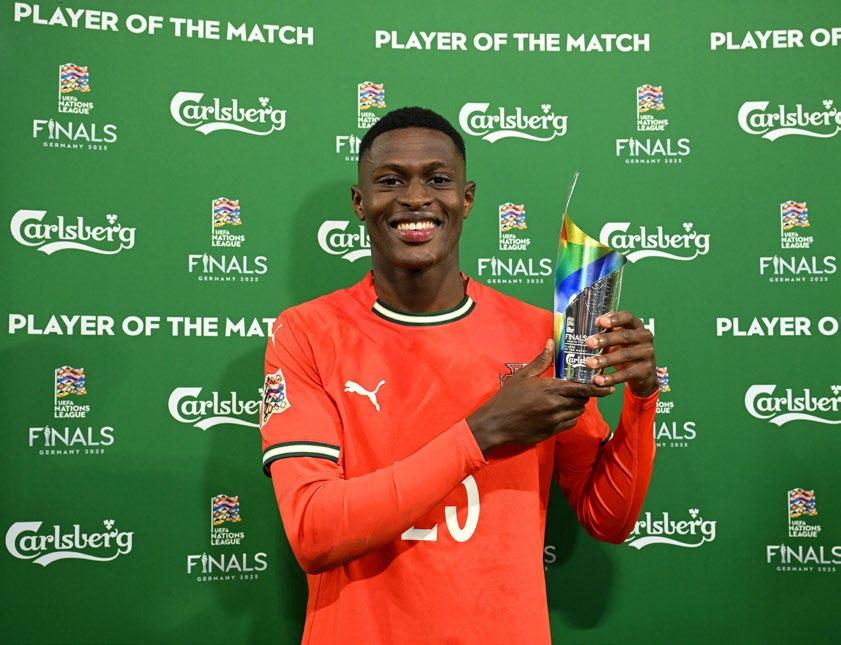
in a high-stakes format. For smaller nations like Portugal, it provides a platform to assert dominance in a continent dominated by traditional giants. This victory was particularly significant for Portugal’s emerging squad. Nuno Mendes, named Player of the Finals, epitomized the blend of youth and experience that defined Portugal’s campaign. The team’s ability to outshine a Spain side featuring prodigy Lamine Yamal highlighted their depth and tactical nous under coach Roberto Martínez.
A Nation Transformed
Ronaldo’s impact on Portuguese football extends beyond trophies. As one fan post noted, “Cristiano Ronaldo didn’t just change clubs, he changed a nation.” Before his era, Portugal’s international success was limited, with a heartbreaking Euro 2004 final loss as their closest brush with glory, a final a young Cristiano Ronaldo played in. Ronaldo’s leadership in 2016, 2019, and now 2025 has transformed Portugal into serial winners, inspiring a new generation, including his son, Cristiano Jr., who won a youth tournament with Portugal’s U-15 team in 2025. For Portuguese fans, the Nations League triumph was a moment of collective pride. Ronaldo’s emotional reaction resonated deeply, reflecting the sacrifices made for the red and green. “It’s our nation, our people,” he said, words that echoed across stadiums and living rooms alike.
Why This Matters
The 2025 UEFA Nations League title is more than a line in Ronaldo’s storied career—it’s a chapter in Portugal’s footballing renaissance. For Ronaldo, it’s proof that age is no barrier to greatness. For Portugal, it’s a reminder of their place among Europe’s elite. And for football fans worldwide, it’s a celebration of a player who continues to defy time, rewriting the record books with every goal, every tear, and every trophy lifted. As Ronaldo kissed the trophy in Munich, the image encapsulated a career defined by obsession and destiny. Portugal’s 2025 triumph will be remembered not just for the silverware but for the man who made it possible—a 40-year-old legend who, against all odds, still answers to no one but his own relentless drive
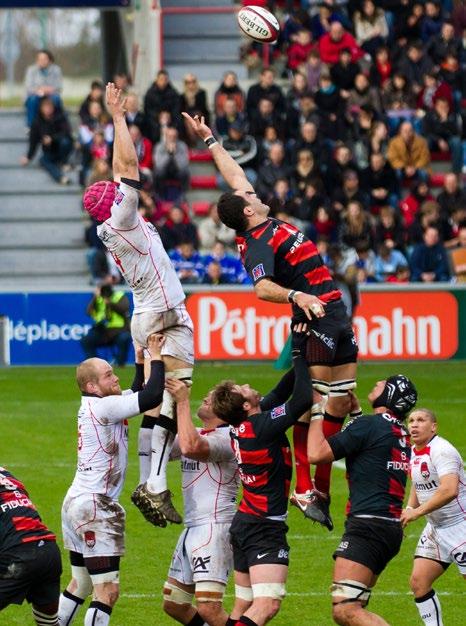
Rugby The Rough-andTumble Tale of a GlobalSport
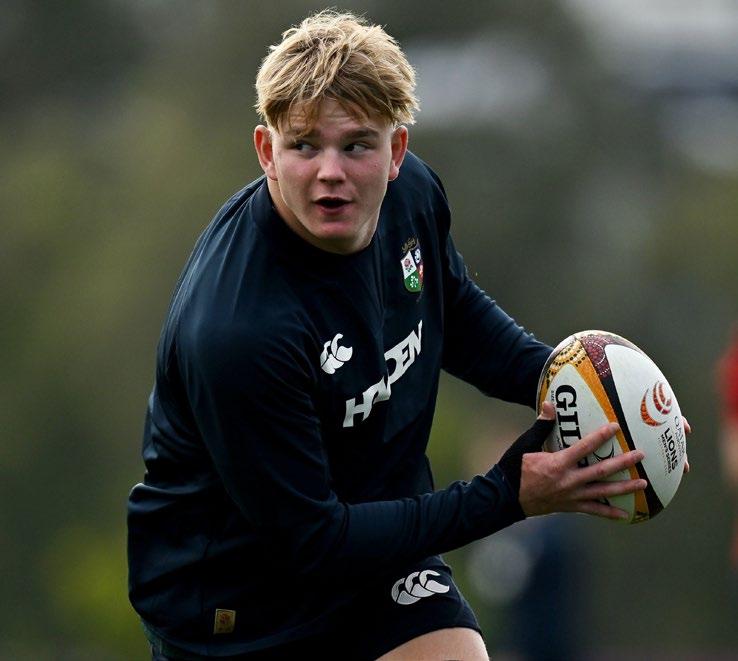
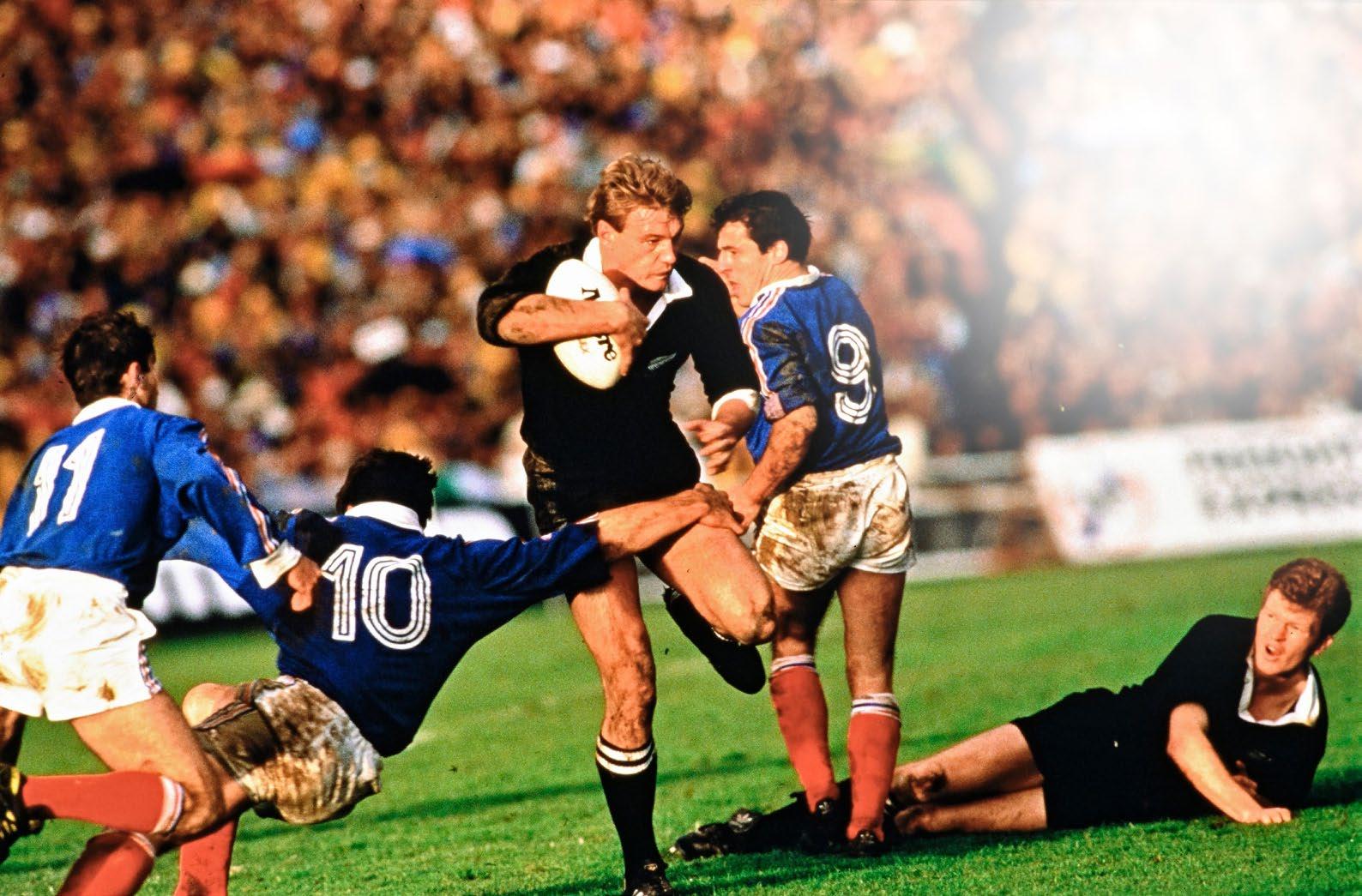
Rugby, a sport that combines raw physicality with strategic finesse, has captivated millions worldwide with its bone-crunching tackles and exhilarating tries. From muddy school fields in England to packed stadiums in New Zealand, rugby’s journey from a chaotic pastime to a global phenomenon is as gripping as a last-minute match-winning scrum. This article traces the origins of rugby, exploring how a single rebellious act sparked a sport that thrives on camaraderie, resilience, and sheer grit.
The story of rugby begins in 1823 at Rugby School, a prestigious institution in Warwickshire, England. Legend has it that during a game of football (soccer, as we know it today), a young student named William Webb Ellis, frustrated by the rules, picked up the ball and ran with it. This audacious act, though likely apocryphal, is credited as the birth of rugby. The tale, embellished over time, became the sport’s founding myth, immortalized by a plaque at Rugby School and celebrated annually in the Rugby World Cup’s Webb Ellis Trophy.
While the Ellis story is charming, rugby’s true origins are more complex. In the early 19th century, various forms of “folk football” were played across Britain, each with its own loose rules. These games, often violent and played by entire villages, involved carrying or kicking a ball toward a goal. Rugby School’s version began to formalize these chaotic contests, emphasizing physicality and ballcarrying. By the 1830s, students had codified rules, including the allowance of tackling and scrummaging, setting the game apart from the kicking-focused football of the time.
The sport’s defining moment came in 1871 when the Rugby Football Union (RFU) was formed in London, standardizing rules and distinguishing rugby from association football (soccer). The RFU’s establishment marked
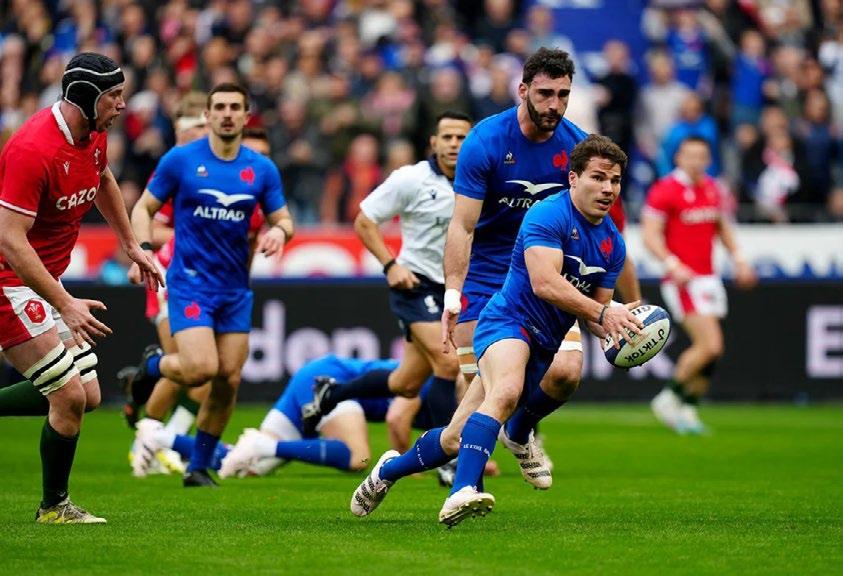
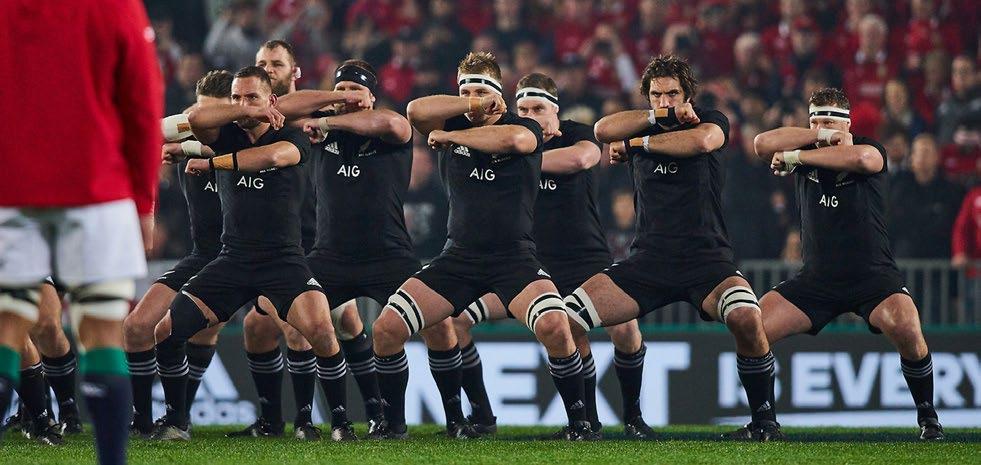
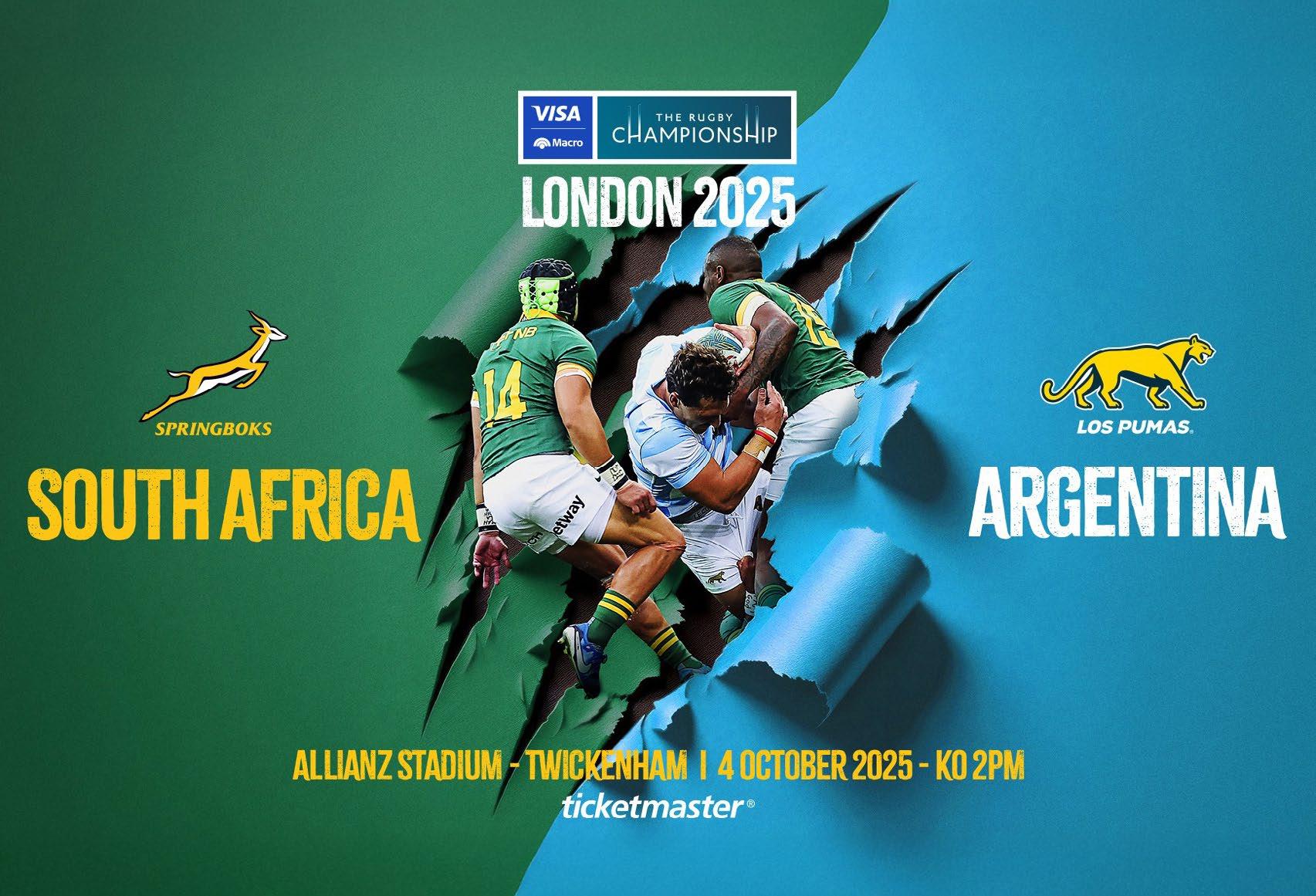
rugby’s transition from a schoolboy lark to an organized sport. Clubs sprang up across Britain, and the game spread to universities and public schools, where it became a symbol of muscular Christianity—a Victorian ideal blending physical prowess with moral discipline. Rugby’s global spread followed the British Empire’s reach. By the late 19th century, the sport had taken root in Australia, New Zealand, and South Africa, where it became a cultural cornerstone. New Zealand’s All Blacks, with their iconic haka, emerged as a powerhouse, embodying rugby’s blend of tradition and intensity. In the Northern Hemisphere, France embraced the game, adding flair to its rugged framework. Meanwhile, rugby found fertile ground in places like Fiji and Samoa, where its physical demands resonated with local warrior traditions.
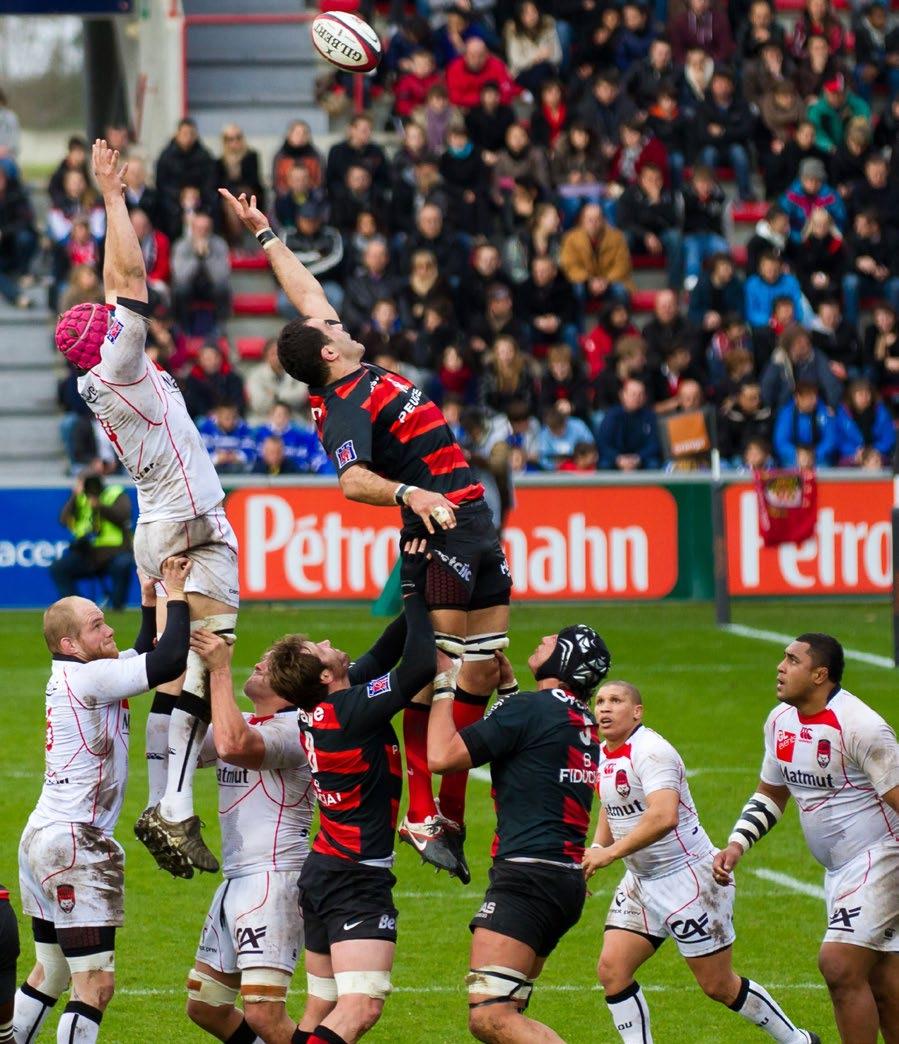
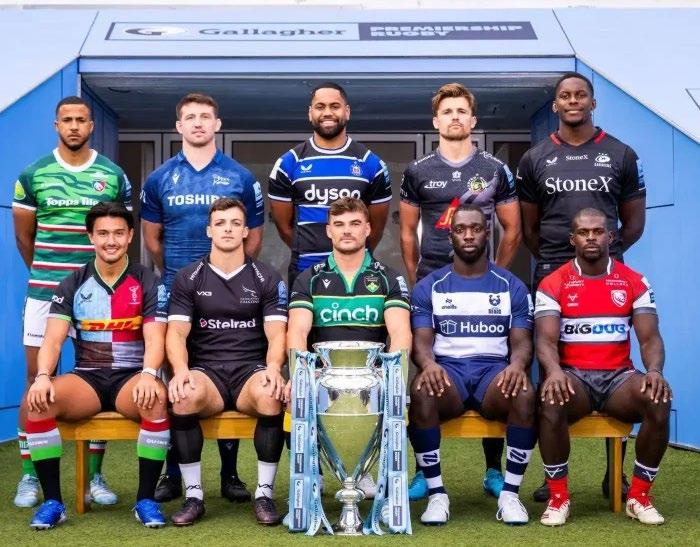
The sport’s evolution wasn’t without conflict. In 1895, a schism led to the creation of rugby league, a fasterpaced variant, when northern English clubs broke away over payment disputes, leaving rugby union as the amateur code. Rugby union remained dominant globally and turned professional in 1995, ushering in a new era of athleticism and commercial growth. Today, the Rugby World Cup, first held in 1987, is a global spectacle, with nations like South Africa, New Zealand, and England vying for supremacy. Rugby’s appeal lies in its raw intensity and inclusivity. Unlike many sports, it accommodates players of all shapes—nimble wingers, hulking forwards, and tactical fly-halves—each vital to the team’s success. The scrum, a unique contest of strength, and the lineout, a test of precision, showcase rugby’s blend of power and strategy. Off the field, the sport fosters a sense of community, with players and fans sharing post-match drinks, win or lose.
Today, rugby faces challenges, including concerns over player safety due to its physical nature and efforts to expand its reach beyond traditional strongholds. Innovations like World Rugby’s law changes aim to balance safety with the game’s essence. Meanwhile, women’s rugby is surging, with events like the Women’s Rugby World Cup gaining prominence. From a schoolboy’s impulsive dash to a global sport uniting millions, rugby’s journey reflects its core values: resilience, teamwork, and passion. Whether it’s a local club match or a World Cup final, rugby remains a celebration of grit and glory, proving that sometimes, breaking the rules can create something extraordinary.
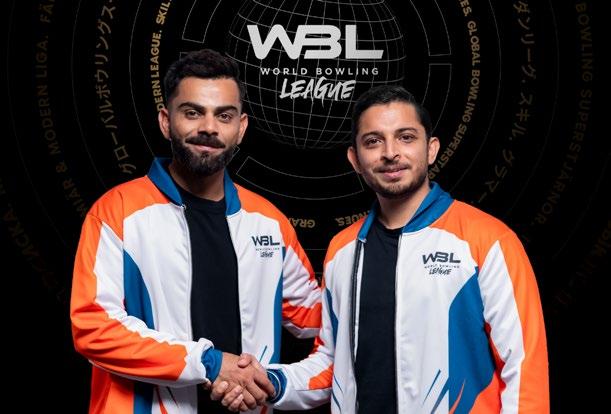
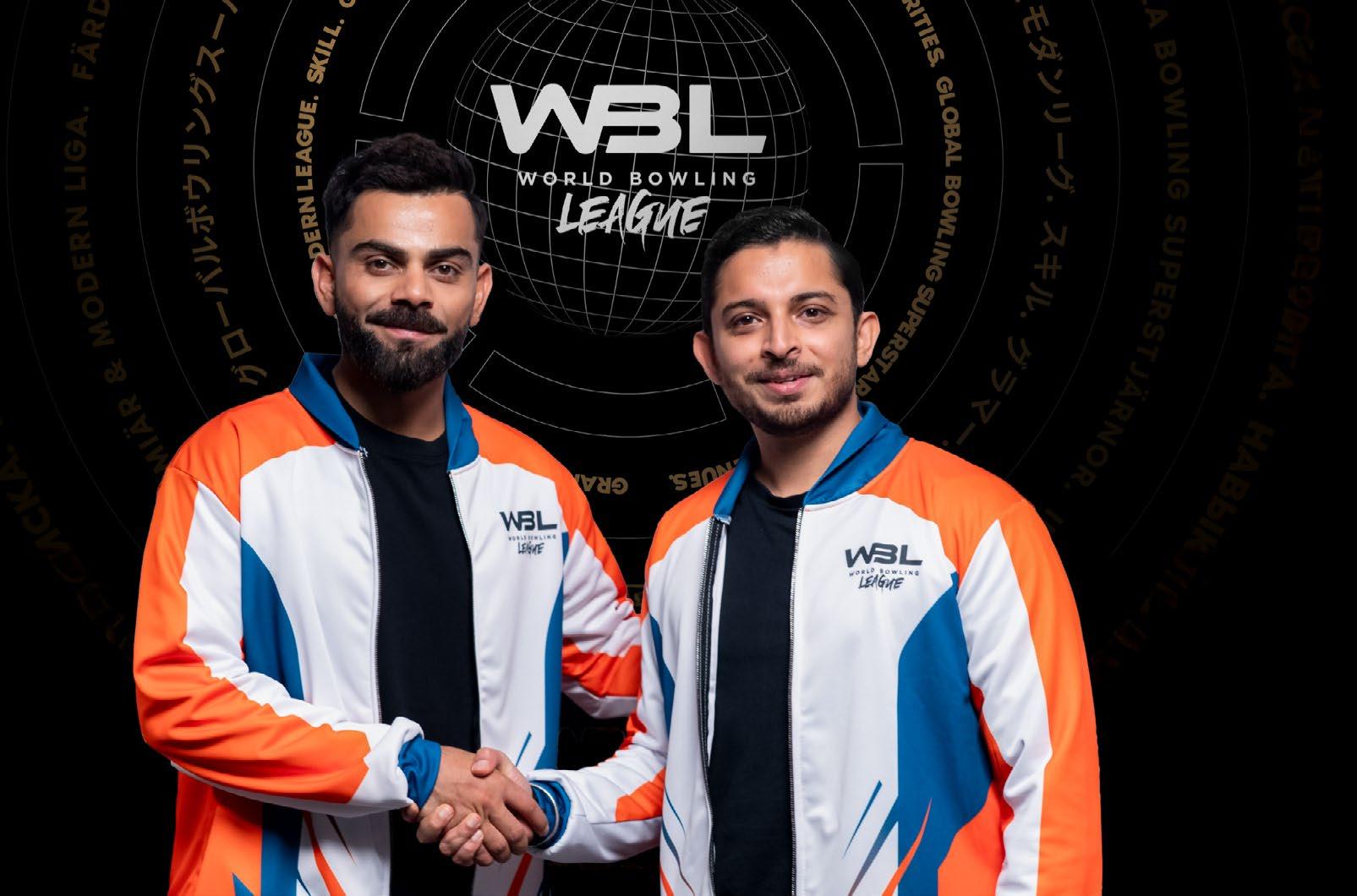
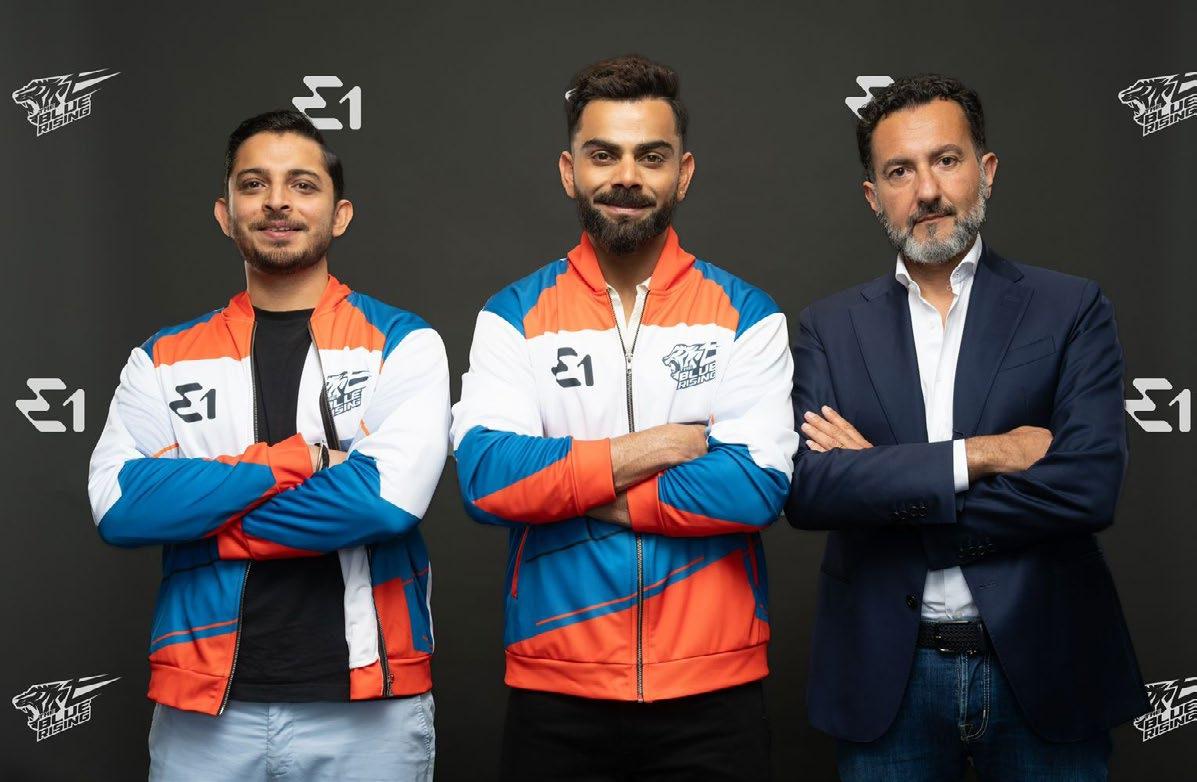
VIRAT KOHLI JOINS WORLD BOWLING LEAGUE
To Revolutionize The Sport With Mookie Betts Team OMG
Bowling, a cherished fixture in pop culture, has left its mark through memorable scenes in The Big Lebowski, The Simpsons, and even Justin Bieber’s “Baby” video. With over 100 million players worldwide hurling strikes annually, bowling transcends sport, bringing together families, friends, and celebrities. Notably, President Nixon added bowling lanes to the White House, and countless stars have embraced the competitive thrill of the lanes. The World Bowling League (WBL) is excited to welcome cricket legend Virat Kohli as a strategic investor, ushering in a dynamic era for the sport. Recently, the WBL unveiled MLB star and three-time World Series champion Mookie Betts’ Team OMG as its inaugural franchise, setting the stage for a groundbreaking league. The WBL is redefining bowling with innovative gameplay, co-ed teams, and vibrant events at renowned global venues, moving beyond traditional alleys to create a spectator sport with mass appeal. The league celebrates the athleticism and precision of bowlers, where every lane presents unique challenges.
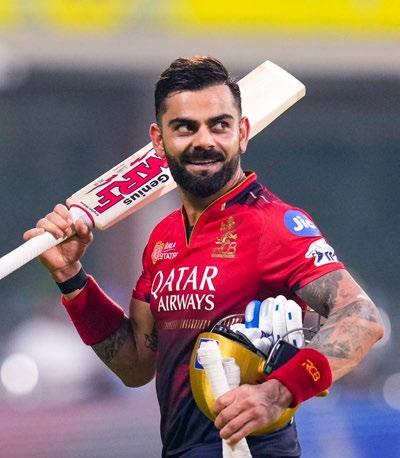
Virat Kohli, a global sports icon, brings personal passion to this venture. “I started bowling at 11, mastering spin by 12,” Kohli said. “The sport’s popularity is clear, yet its commercial potential is untapped.
Adi K Mishra’s vision to revolutionize bowling is inspiring, and after our success with Team Blue Rising in the E1 series, I’m excited to join the WBL as an investor and partner.” With his massive Instagram following—trailing only Ronaldo and Messi—Kohli’s influence will fuel the league’s goal to captivate a new audience.
Adi K. Mishra, Founder and CEO of League Sports Co., shares Kohli’s excitement: “Elite bowling is a complex sport, with diverse lane conditions, thousands of 3D-printed oil patterns, and balls that demand precision. Learning Virat is a bowler was a thrill, and his passion aligns with our mission to transform the sport. Bowling is a global phenomenon with rich history, and we’re ready to unleash its potential. ”With Mookie Betts’ Team OMG leading the charge, the WBL will soon introduce additional franchises, each set to build a unique identity and elevate bowling into a cultural powerhouse.
WHAT IS THE WORLD BOWLING LEAGUE?
The World Bowling League (WBL) is a pioneering global sports league dedicated to transforming bowling into an aspirational, high-energy platform for athletes and fans. By leveraging innovative formats, co-ed teams, and state-of-the-art technology, the WBL creates a dynamic, competitive environment that showcases the sport’s complexity and excitement. The league hosts events at
iconic venues worldwide, moving beyond traditional bowling alleys to deliver visually stunning, accessible competitions. With a focus on inclusivity and global appeal, the WBL aims to elevate bowling to the level of mainstream sports like basketball or soccer, fostering a vibrant community of players, fans, and franchises. Following the launch of Mookie Betts’ Team OMG, the WBL plans to announce additional franchises, each with a distinct identity, to build a cultural movement around the sport of bowling.
How Sports Universities Grow Champions, Foster Industry & Alumni Relationships
Industry Connections: Opening Doors to Opportunity
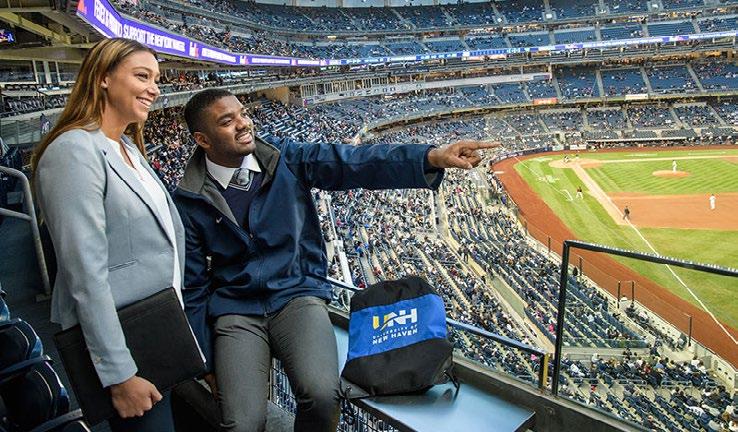
Sports universities act as bridges between students and the broader sports industry, providing access to professionals, organizations, and real-world opportunities. Many of these institutions partner with professional sports teams, governing bodies, and organizations like the NCAA, NBA, or international federations. These partnerships translate into internships, job shadowing, and hands-on projects that give students a frontrow seat to the industry. For example, universities often host industry events such as sports management conferences, career fairs, and guest lectures featuring coaches, agents, or executives. These events allow students to interact directly with decision-makers, ask questions, and showcase their skills.
A student studying sports marketing might pitch a campaign idea to a guest speaker from a major sports brand, planting the seed for a future internship or job. Additionally, sports universities integrate practical experiences into their curricula. Programs like sports journalism or event management often require students to work on live projects, such as covering a university game or organizing a tournament. These experiences not only build skills but also connect students with industry contacts who can vouch for their work ethic and talent. For instance, a student who impresses a media outlet during a game broadcast could secure a recommendation or even a job offer.
Alumni Networks: A Lifeline for Career Growth
Alumni networks are a cornerstone of sports universities, offering students a builtin community of professionals who understand the industry and are often eager to mentor the next generation. These networks are particularly valuable in sports, where relationships and reputation can make or break a career. Many sports universities maintain active alumni associations that organize mentorship programs, networking events, and reunions. These initiatives connect current students with graduates who have established careers as coaches, athletic directors, sports agents, or analysts. For example, an alumnus working as a scout for a professional team might offer a student advice on breaking into talent scouting or even pass their resume to a hiring manager.
Alumni also serve as role models, sharing insights on navigating the industry’s challenges. A recent graduate might return to campus to speak about transitioning from a student-athlete to a sports marketing role, providing practical tips and encouragement. These interactions humanize the path to success, showing students that their goals are achievable and offering guidance on avoiding common pitfalls. Moreover, alumni often give back by creating job opportunities. A graduate who owns a sports training facility might hire students for internships or part-time roles, while another working in sports media could connect a student with a freelance writing gig. These opportunities, often inaccessible without personal connections, give students a head start in building their resumes.
How These Relationships Drive Career Success
The industry and alumni connections fostered by sports universities are game-changers for students pursuing careers in sports. Here’s how they translate into tangible career benefits:
• Access to Opportunities: Relationships with industry professionals and alumni open doors to internships, entry-level jobs, and freelance gigs. A recommendation from a trusted contact can elevate a student’s application in a competitive field.
• Career Guidance and Mentorship: Alumni and industry professionals provide insights
into specific roles, helping students refine their career goals. For instance, a student interested in sports psychology might learn from an alumnus about certifications or graduate programs needed to succeed.
• Building a Professional Reputation: Networking allows students to showcase their skills and work ethic, establishing a reputation before they even graduate. A strong impression at a university-organized event could lead to a job offer down the line.
• Long-Term Support: The relationships built during university often last a lifetime. An alumnus mentor might guide a student through multiple career stages, from landing their first job to advancing to leadership roles.
• Navigating Niche Fields: Sports careers, from analytics to event management, are highly specialized. Industry and alumni connections provide insider knowledge about trends, skills, and opportunities in these niche areas.
Real-World Impact: Success Stories
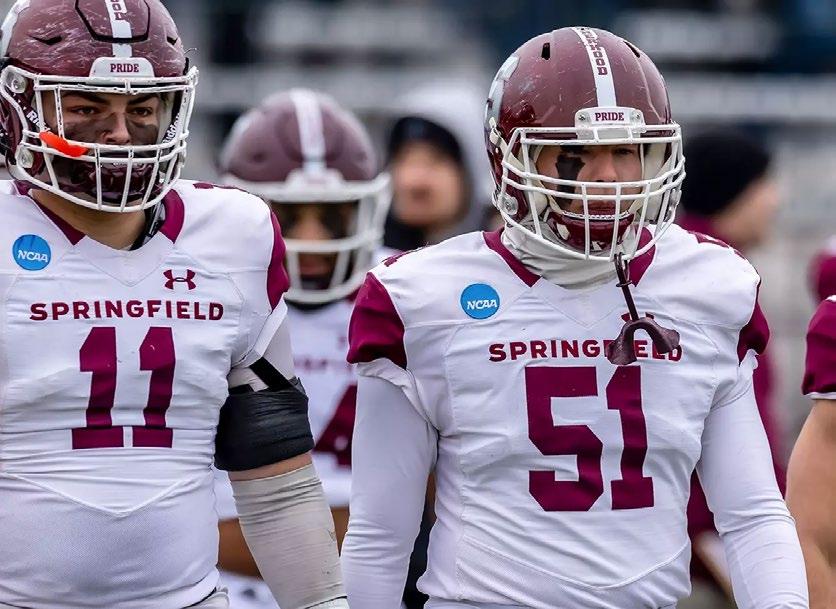
Consider the case of a student at a sports university like Springfield College, known for its strong sports programs. Through the university’s partnership with a local minor league baseball team, they secure an internship in the front office. During the internship, they meet an alumnus who works as a regional scout. Impressed by the student’s work, the alumnus introduces them to a major league team’s hiring manager, leading to a full-time role after graduation. Similarly, a student at Loughborough University, a leader in sports science, might attend a guest lecture by a sports nutritionist. By following up with questions and staying in touch, the student gains a mentor who later recommends them for a graduate assistantship with a professional soccer club.
Why Sports Universities Excel at Building Connections
Sports universities are uniquely positioned to foster these relationships because of their specialized focus. Faculty often have industry experience, and campuses are frequently located near sports hubs, making partnerships easier. Additionally, the tight-knit nature of sports programs creates a sense of camaraderie, encouraging alumni to stay engaged and give back. For students, these connections are a lifeline in an industry where “who you know” often matters as much as “what you know.” By leveraging industry partnerships and alumni networks, sports universities equip students with the tools, relationships, and confidence to turn their passion for sports into a thriving career.
A Winning Strategy for Career Success
Sports universities do more than train athletes or teach sports-related skills—they cultivate ecosystems where students build lasting relationships with industry professionals and alumni. These connections provide access to opportunities, mentorship, and insider knowledge that are critical for breaking into and succeeding in the sports industry. Whether it’s landing a dream job with a professional team, starting a sports tech venture, or becoming a celebrated coach, the relationships forged at sports universities are the foundation for a winning career in sports. For students ready to play the long game, these institutions offer not just an education but a network that lasts a lifetime.
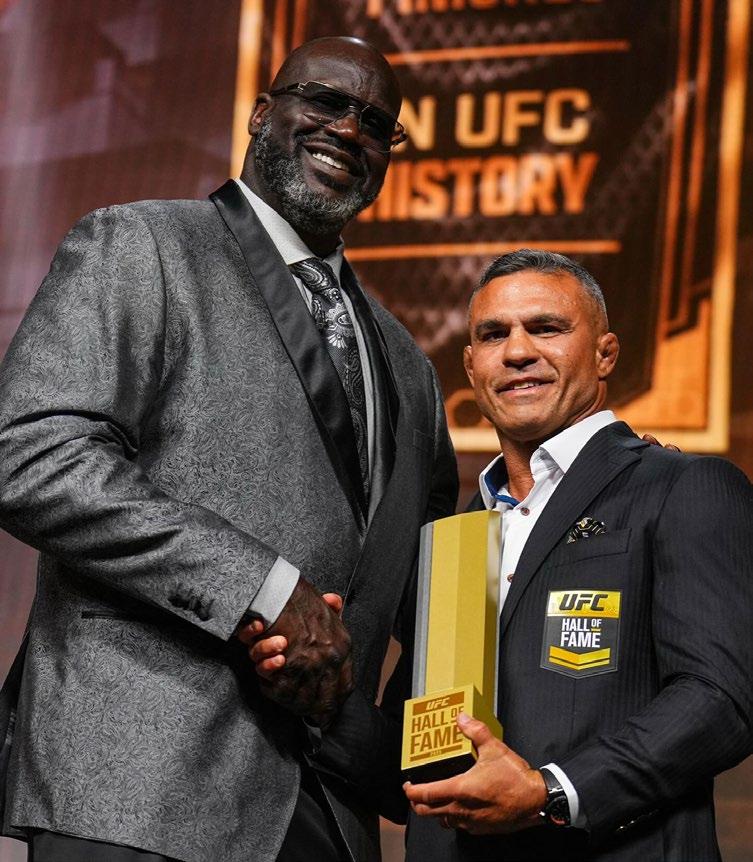
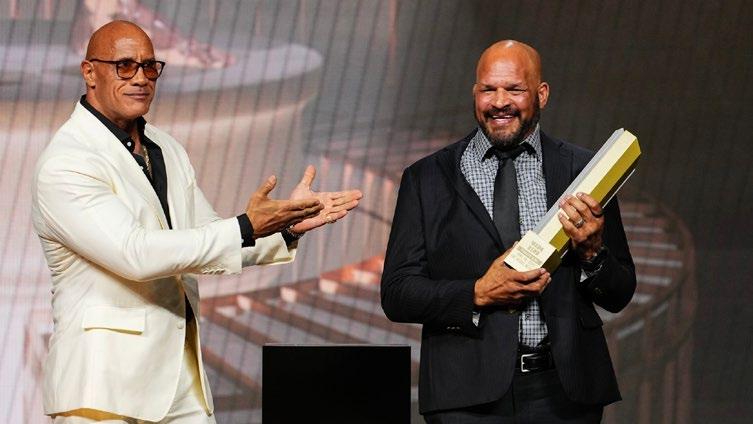
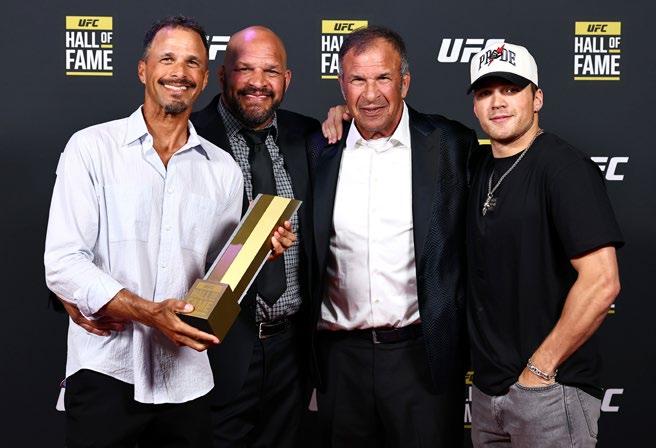
UFC Hall oF Fame 2025
Celebrating Legends & Epic Battles
The UFC Hall of Fame welcomed its newest class of inductees in a star-studded ceremony held at T-Mobile Arena in Las Vegas, Nevada, as part of UFC International Fight Week. The 2025 class honoured a diverse group of fighters, a pivotal contributor, and one of the most thrilling fights in UFC history, cementing their legacies in the annals of mixed martial arts (MMA). This year’s inductees—Amanda Nunes, Robbie Lawler, Vitor Belfort, Mark Kerr, Craig Piligian, and the iconic Israel Adesanya vs. Kelvin Gastelum fight—represent the heart, grit, and evolution of the sport.
Modern Wing: Amanda Nunes and Robbie Lawler
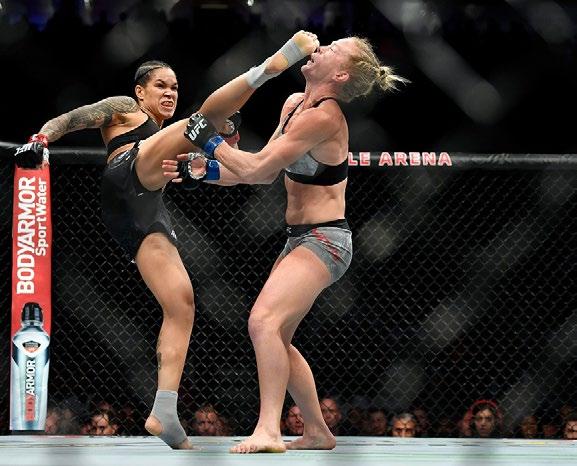
Amanda Nunes, widely regarded as the greatest female fighter in MMA history, was inducted into the Modern Wing. The Brazilian dynamo, a former UFC women’s bantamweight and featherweight champion, redefined dominance in the octagon. With victories over legends like Ronda Rousey, Cris Cyborg, and Valentina Shevchenko, Nunes showcased unparalleled versatility and power. Her induction celebrates not only her technical prowess but also her role in elevating women’s MMA to new heights. Nunes’ legacy as “The Lioness” continues to inspire a new generation of fighters.
Joining Nunes in the Modern Wing is Robbie Lawler, the former UFC welterweight champion known for his relentless aggression and fanfavourite fighting style. Lawler’s career is a highlight reel of wars, including his unforgettable title defences against Rory MacDonald and Carlos Condit. His 2015 rematch with MacDonald at UFC 189 is often cited as one of the greatest fights in UFC history. Lawler’s induction honours his heart, durability, and contributions to making the welterweight division a must-watch spectacle.
Pioneer Wing: Vitor Belfort and Mark Kerr
The Pioneer Wing welcomed two early MMA trailblazers: Vitor Belfort and Mark Kerr. Belfort, a former UFC light heavyweight champion, burst onto the scene as a 19-year-old phenom at UFC 12 in 1997. Known for his explosive striking and finishing ability, “The Phenom” became a cornerstone of the sport’s early years, competing against the likes of Randy Couture and Chuck Liddell. Belfort’s induction recognizes his role in shaping the sport during its formative era and his enduring influence across multiple weight classes.
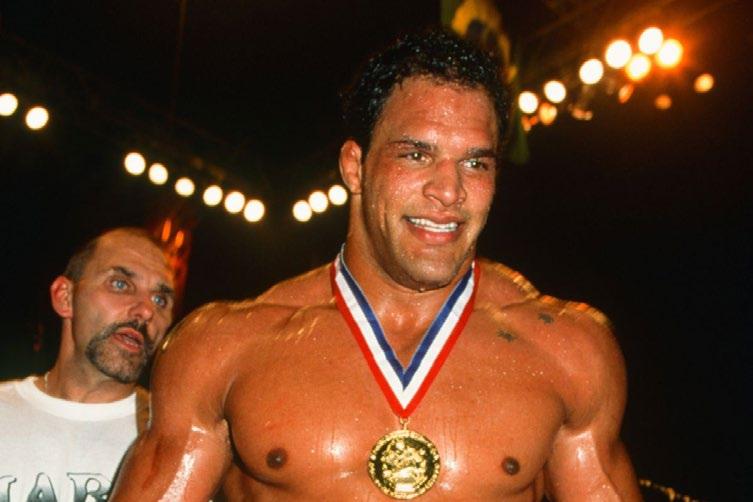
Mark Kerr, a dominant heavyweight in the UFC’s early days, was also inducted into the Pioneer Wing. Kerr won the UFC 14 and UFC 15 heavyweight tournaments, showcasing his wrestling prowess and physical dominance. A two-time NCAA wrestling champion, Kerr’s ground-and-pound style helped define the heavyweight division in the late 1990s. His induction highlights the contributions of early heavyweights who laid the groundwork for the division’s evolution.
Contributor Wing: Craig Piligian
Craig Piligian, a television producer, earned his place in the Contributor Wing for his transformative work on The Ultimate Fighter (TUF). Launched in 2005, TUF brought MMA into mainstream households, showcasing the sport’s raw intensity and the personalities of its fighters. Piligian’s vision and production expertise helped the UFC secure a broader audience, playing a critical role in the organization’s growth into a global phenomenon. His induction underscores the importance of behind-the-scenes contributors who helped elevate MMA’s cultural impact.
Fight Wing: Israel Adesanya vs. Kelvin Gastelum
The 2019 interim middleweight title fight between Israel Adesanya and Kelvin Gastelum at UFC 236 was enshrined in the Fight Wing for its sheer drama and historical significance. The five-round war saw Adesanya, then an emerging star, face a relentless Gastelum in a back-andforth battle that tested both fighters’ skills and willpower. Adesanya’s late-round rally secured him the interim title and propelled him toward superstardom. The fight’s induction celebrates its status as a modern classic, embodying the heart-pounding excitement that defines UFC’s legacy.
A Night of Legacy and Inspiration
The 2025 UFC Hall of Fame ceremony was a fitting tribute to the sport’s past, present, and future. From Nunes and Lawler’s modern dominance to Belfort and Kerr’s pioneering efforts, the inductees represent the evolution of MMA from a niche spectacle to a global powerhouse. Piligian’s contributions off-camera and the Adesanya-Gastelum thriller remind fans of the diverse elements—inside and outside the octagon—that make the UFC special. As the UFC continues to grow, the 2025 Hall of Fame class serves as a reminder of the sacrifices, triumphs, and unforgettable moments that have shaped the sport. These inductees, through their fights, contributions, and legacies, have left an indelible mark on MMA, inspiring fighters and fans alike for generations to come.
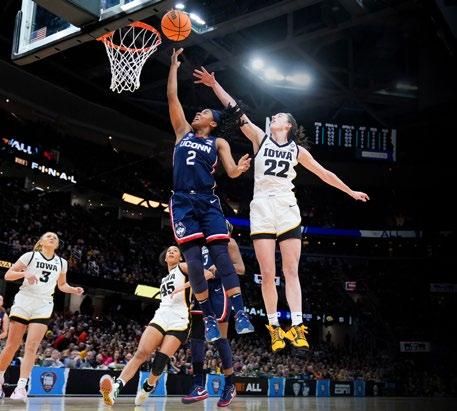
The WNBA’s Meteoric Rise
A Game-Changer for Women’s Sports Worldwide
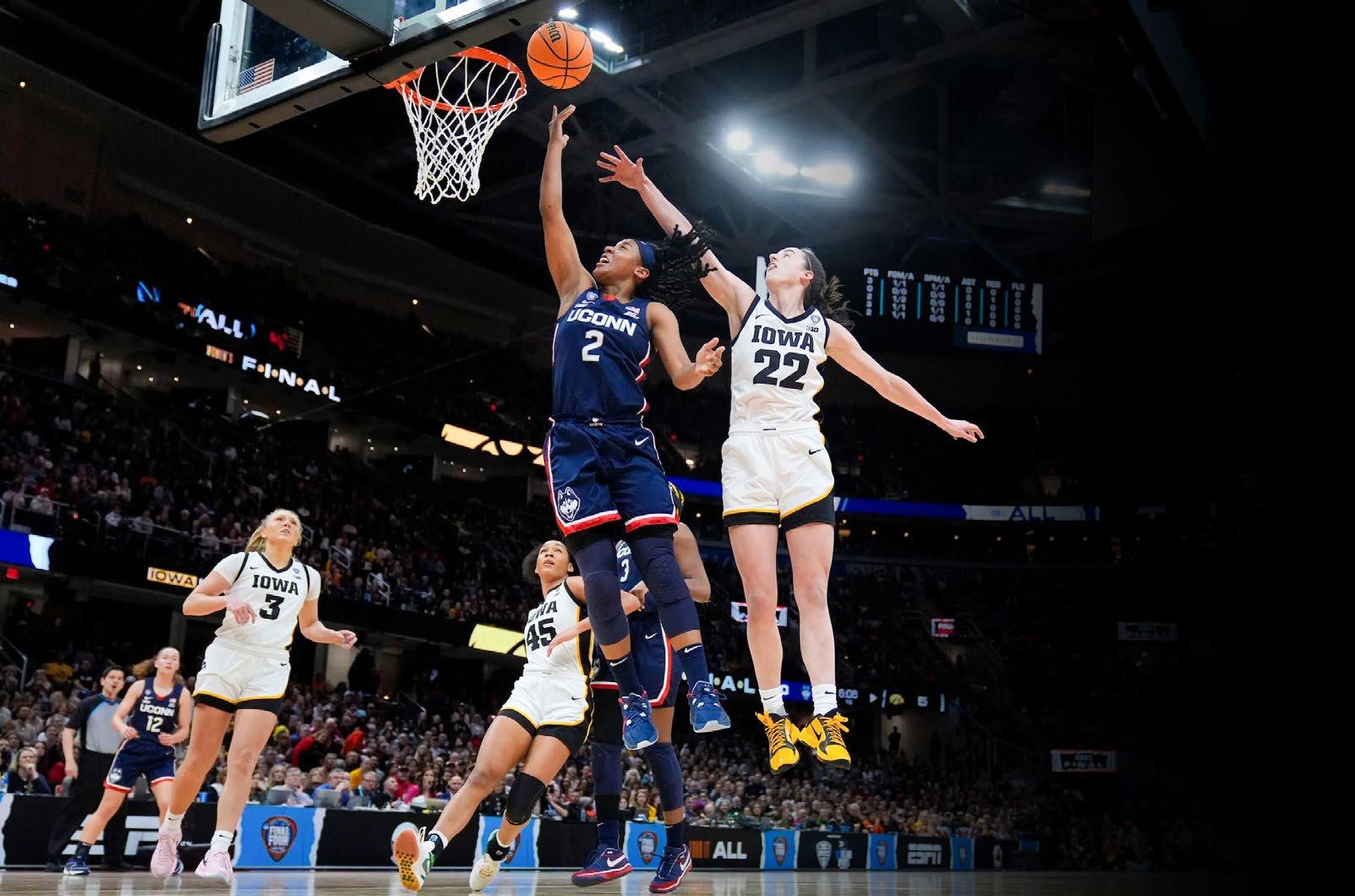
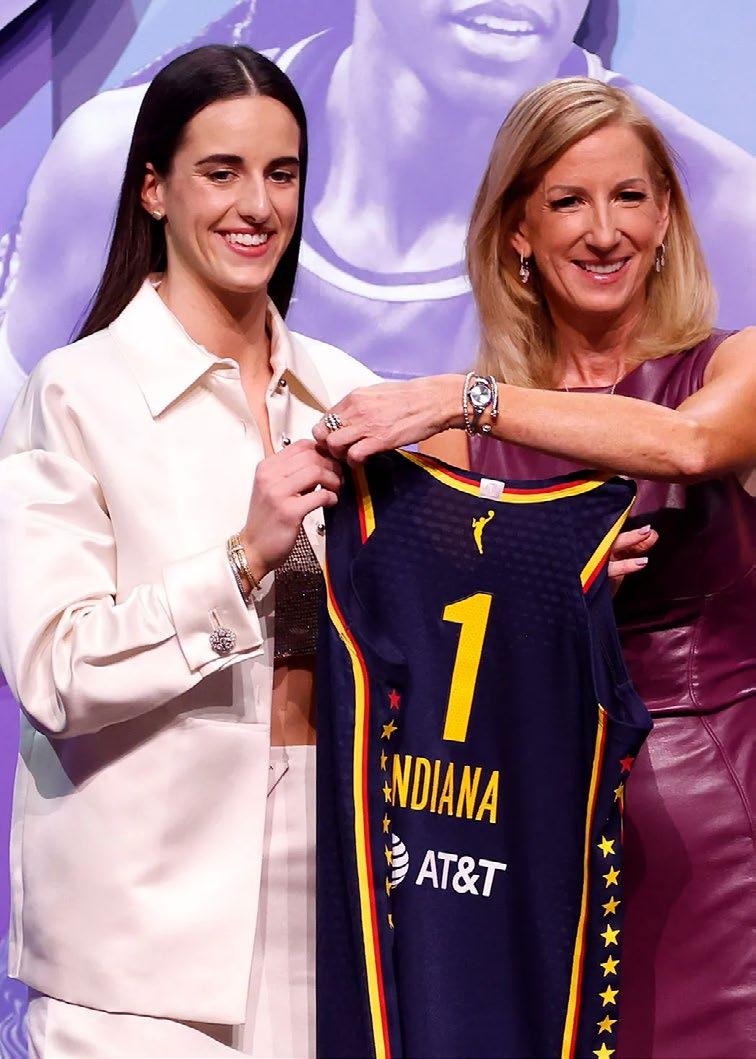
The Women’s National Basketball Association (WNBA) has been on a tear, transforming from a niche league into a global powerhouse that’s reshaping the landscape of women’s sports. In recent years, the WNBA’s explosive growth—fuelled by skyrocketing viewership, cultural relevance, and bold investments—has not only elevated women’s basketball but also set a blazing trail for women’s sports across the globe. The numbers tell a thrilling story. In 2023, the WNBA saw a 20% surge in viewership, with games averaging 9.9 million viewers, a high not seen in over a decade. The 2024 season smashed records again, with the WNBA Finals drawing 14.3 million viewers, up 30% from the previous year. Social media buzz has amplified the league’s reach, with players like Caitlin Clark and Angel Reese becoming household names, their highlights racking up millions of views on platforms like X, Instagram, Facebook, and YouTube. This isn’t just a U.S. phenomenon—global streaming deals have brought WNBA games to over 200 countries, inspiring fans from Tokyo to Lagos.
What’s driving this surge? For one, the WNBA has leaned into its stars’ charisma and authenticity. Players like Sabrina Ionescu and Breanna Stewart aren’t just athletes; they’re activists, fashion icons, and storytellers who connect with fans on a human level. The league’s embrace of social justice, with players championing causes like racial equality and gender equity, has resonated deeply, especially with younger audiences. Add to that savvy marketing, expanded media coverage, and a new collective bargaining agreement in 2020 that boosted player salaries and benefits, and you’ve got a recipe for a cultural juggernaut.
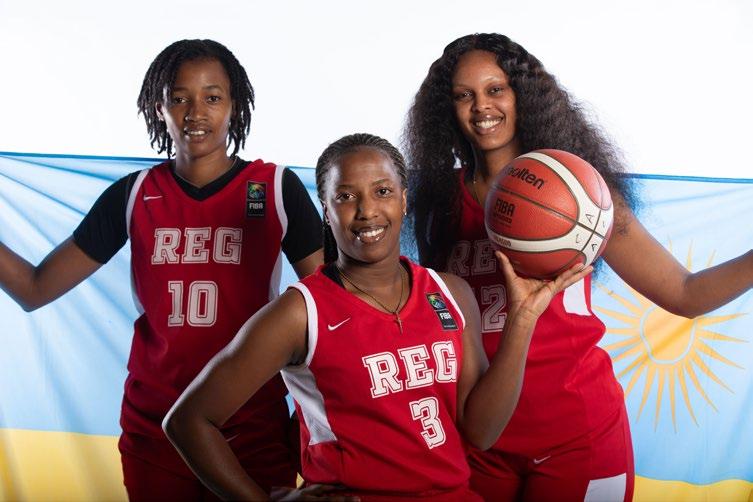
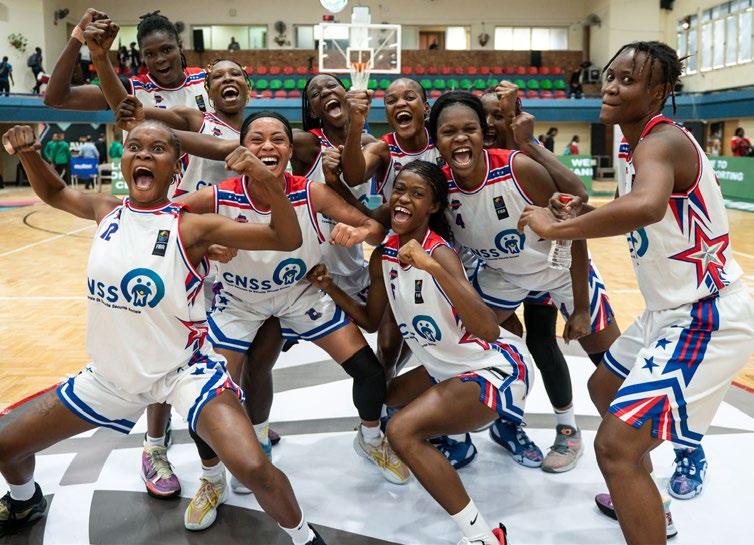
The WNBA’s rise is a beacon for women’s sports globally. In Europe, leagues like the EuroLeague Women have seen increased investment, with clubs citing the WNBA’s model of blending athleticism with storytelling. In Africa, initiatives like the Basketball Africa League’s women’s programs are gaining traction, inspired by the WNBA’s blueprint. Even in soccer-dominated regions like South America, women’s basketball leagues are sprouting, with coaches and players pointing to the WNBA’s visibility as a catalyst. The
ripple effect is undeniable. The WNBA’s success has pushed broadcasters and sponsors worldwide to take women’s sports seriously, funnelling resources into everything from grassroots programs to professional leagues. It’s a virtuous cycle: more visibility, more investment, more opportunities for women to shine. As the WNBA continues to break barriers, it’s not just rewriting the playbook for basketball—it’s inspiring a global movement where women’s sports are finally getting the spotlight they deserve.
SMART COURTS AND CONNECTED BALLS: THE FUTURE OF BASKETBALL TRAINING
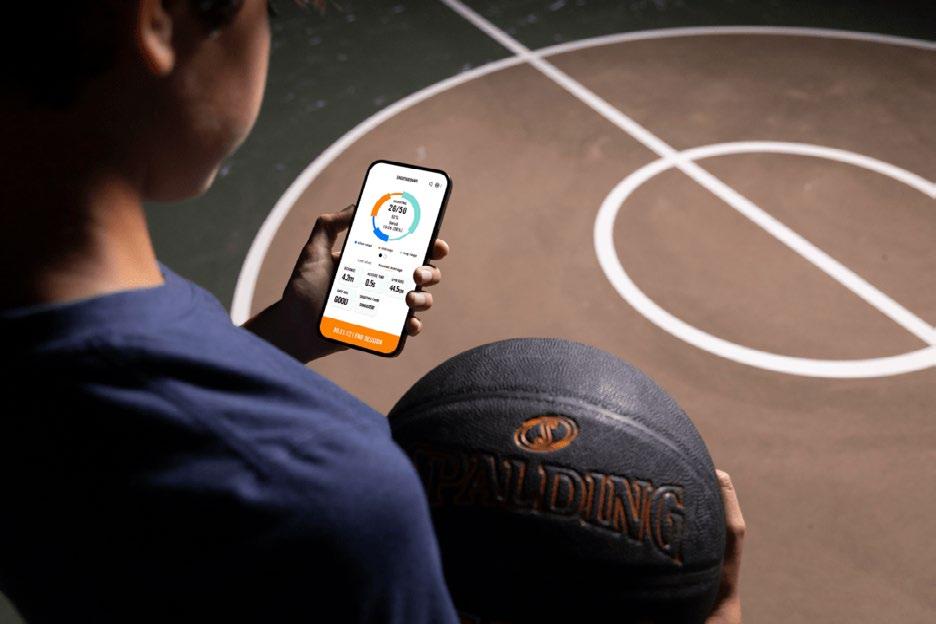
The game of basketball is undergoing a technological revolution, driven by companies like ShotTracker and Wilson, who are embedding sensors in courts, balls, and player gear to track performance and deliver real-time analytics. This cutting-edge technology is reshaping
how teams train, coaches strategize, and fans engage with the sport, offering unprecedented insights into player and team dynamics. By automating data collection and analysis, these innovations are elevating basketball to new heights of precision and performance.
THE RISE OF SENSOR-BASED ANALYTICS IN BASKETBALL
In recent years, the demand for data-driven insights in sports has skyrocketed. Coaches and players no longer rely solely on intuition or manual scouting; instead, they leverage advanced analytics to optimize performance, refine strategies, and gain a competitive edge.
ShotTracker, a Kansas City-based company, and Wilson, a storied sports equipment manufacturer, are at the forefront of this transformation,
using sensor technology to capture detailed metrics in real time. ShotTracker’s system, for example, is a comprehensive suite of AI-driven tools designed to enhance team performance and fan engagement. The company’s patented technology tracks data through three components: a sensor-enabled basketball, sensors embedded in players’ jerseys, and court sensors that map the playing surface. Together,
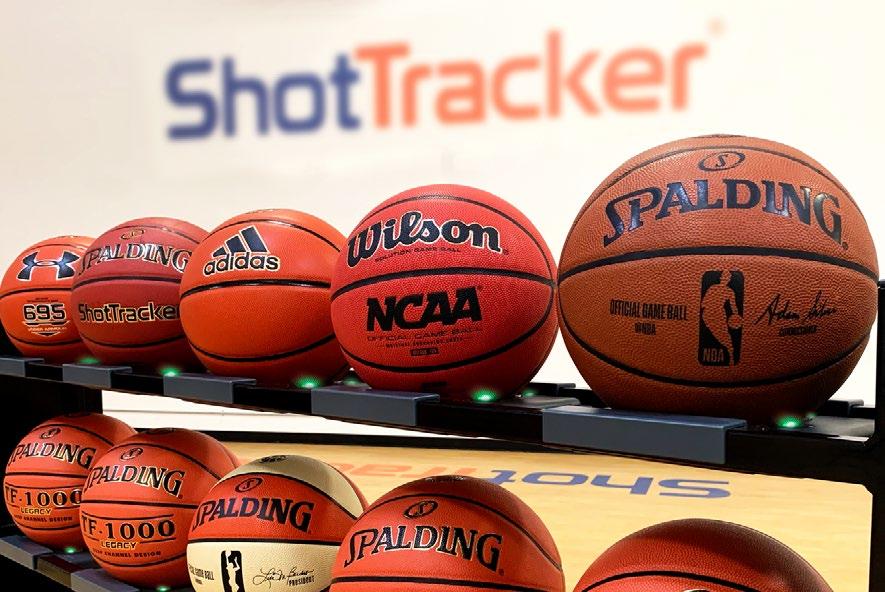
these elements create a threedimensional, real-time picture of the game, capturing over 70 unique statistics, such as shooting efficiency, ball movement, and player positioning.Wilson, known for its high-quality basketballs, has partnered with ShotTracker to integrate sensors into its balls, further advancing the technology. Their collaboration ensures that the balls used in games and practices are equipped to deliver in-depth analytics without compromising feel or performance. This synergy between hardware and software is setting a new standard for basketball analytics.
HOW THE TECHNOLOGY WORKS
The core of ShotTracker and Wilson’s innovation lies in their ability to seamlessly integrate sensors into the basketball ecosystem. Here’s a breakdown of how the system operates:
• Sensor-Enabled Basketballs: Wilson’s ShotTracker-enabled basketballs contain embedded sensors that track metrics like shot attempts, makes, misses, and ball movement. These sensors are designed to be unobtrusive, ensuring the ball’s weight and bounce remain consistent with regulation standards. Notably, the sensors are durable, lasting up to 100,000 shots without requiring a recharge.
• Player Sensors: Each athlete wears a lightweight sensor, typically embedded in their jersey or attached as a tag. These sensors track individual movements, including speed, distance covered, and positioning on the court. By combining player data with ball tracking, the system can analyze shooting efficiency, passing patterns, and defensive contributions.
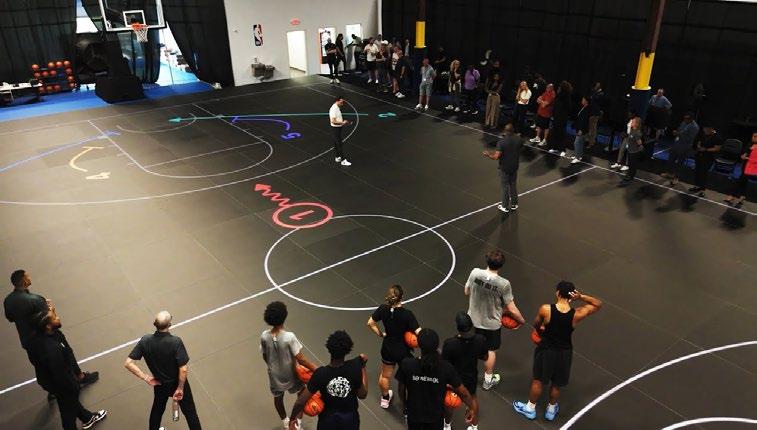
• Court Sensors: Strategically placed around the court, these sensors map the playing surface in three dimensions, enabling precise tracking of both the ball and players. With sub-second latency, the system captures data in real time, providing coaches with immediate insights during practices or games.
• AI and Analytics Platform: The raw data collected by the sensors is processed through ShotTracker’s AI-driven platform, which generates actionable analytics. Coaches can access detailed reports on individual and team performance, while players can use the data to identify areas for improvement. The system also supports fan engagement by delivering real-time stats to broadcasts and mobile apps.
The integration of these components creates a holistic tracking system that automates the collection of statistical and performance data. Unlike traditional methods, which often rely on manual input or video analysis, this technology eliminates human error and delivers insights instantly.
IMPACT ON PLAYER DEVELOPMENT AND TEAM STRATEGY
The adoption of sensor-based analytics is transforming how basketball teams operate. For players, the technology provides granular feedback that drives development. For example, a shooter can analyze their shot arc, release time, and success rate from specific court locations, allowing them to refine their technique. Similarly, defenders can study their positioning and reaction times to improve their effectiveness. Coaches benefit from a wealth of data that informs strategic decisions. ShotTracker’s system can reveal patterns in ball movement, identifying which plays generate the best scoring opportunities. It also highlights inefficiencies, such as
turnovers or poor spacing, enabling coaches to adjust tactics on the fly. During practices, real-time analytics allow for immediate feedback, fostering a data-driven approach to training. At the collegiate level, partnerships with conferences like the Big 12 and Mountain West demonstrate the technology’s impact. Programs using ShotTracker gain access to elite-level analytics, giving them a competitive advantage in recruiting and player development. The NCAA’s approval of ShotTracker technology for bench use in Mountain West games further underscores its growing acceptance in the sport.
ENHANCING FAN ENGAGEMENT
Beyond the court, sensor technology is revolutionizing how fans experience basketball. ShotTracker’s real-time data feeds can be integrated into game broadcasts, mobile apps, and arena displays, offering fans deeper insights into the action. For instance, viewers might see live stats on a player’s shooting percentage from the three-point line or a heatmap of their movement during a game. This immersive data enhances the viewing
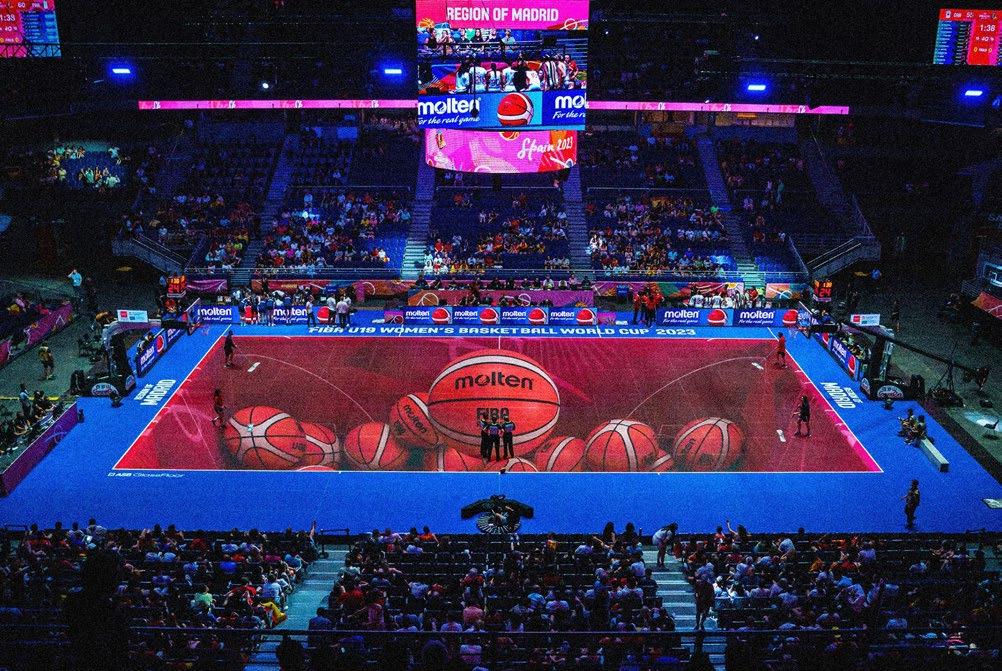
experience, making games more engaging and interactive.Recent innovations, such as ShotTracker’s collaboration with ASB GlassFloor to power real-time data on LED court surfaces, highlight the potential for fan-facing applications. These dynamic floors can display live stats and visualizations, creating a visually stunning experience that bridges the gap between technology and entertainment.
CHALLENGES AND CONSIDERATIONS
While the benefits of sensor technology are clear, there are challenges to widespread adoption. The cost of installing ShotTracker’s system, estimated at around $45,000, can be a barrier for smaller programs or youth leagues. Additionally, integrating sensors into existing facilities requires technical expertise and may involve logistical hurdles. Privacy and data security are also concerns, as player sensors collect sensitive performance and movement data. Ensuring
that this information is protected and used ethically is critical to maintaining trust among athletes and teams. Finally, there’s the question of balancing technology with the human element of the game. While datadriven insights are invaluable, coaches and players must avoid over-relying on analytics at the expense of intuition and creativity. The best teams will find a way to blend these approaches seamlessly.
THE FUTURE OF BASKETBALL ANALYTICS
As sensor technology continues to evolve, its impact on basketball will only grow. ShotTracker and Wilson are already exploring new applications, such as integrating their systems with virtual reality for advanced training simulations or expanding into other sports. The success of ShotTracker’s partnerships with major conferences and brands like Wilson suggests that sensorbased analytics will become a standard feature in professional and collegiate basketball.Moreover, advancements in AI and machine learning will make these systems even smarter, enabling predictive analytics that anticipate player fatigue, injury risks, or optimal lineups. For fans,
the integration of sensor data with augmented reality and interactive platforms could create entirely new ways to engage with the sport. Companies like ShotTracker and Wilson are redefining basketball through their innovative use of sensor technology. By embedding sensors in courts, balls, and player gear, they’re automating analytics and delivering real-time insights that enhance performance, strategy, and fan engagement. As this technology becomes more accessible and sophisticated, it promises to unlock new possibilities for the sport, making basketball smarter, faster, and more exciting than ever before. The future of the game is here, and it’s powered by data.
TAMIL NADU GOVT, BRITISH COUNCIL & PREMIER LEAGUE UNITE TO TRANSFORM SPORTS EDUCATION
In a groundbreaking initiative to reshape the landscape of school education, the Tamil Nadu Department of School Education has joined forces with the British Council and the Premier League to integrate sports, particularly football, into the state's curriculum. This collaboration, rooted in the Premier League Primary Stars program, is designed to foster essential life skills such as discipline,
teamwork, resilience, and leadership among students, using the universal appeal of football as a catalyst for holistic development. Launched under a Memorandum of Understanding (MoU) between the Tamil Nadu government and the British Council, this program marks a significant step toward enriching education through sports.
A Vision for Holistic Education
The partnership aligns seamlessly with Tamil Nadu’s vision of nurturing well-rounded individuals. By embedding sports-based learning into the curriculum, the initiative seeks to go beyond traditional academics, equipping students with skills that prepare them for life’s challenges. The Premier League Primary Stars program, a globally recognized initiative, uses football to teach values such as inclusion, teamwork, and gender equality, while promoting physical fitness and mental well-being. Already successfully implemented in states like Delhi, Goa, Karnataka, and Odisha, the program is now set to make a transformative impact in Tamil Nadu.
Training the Torchbearers
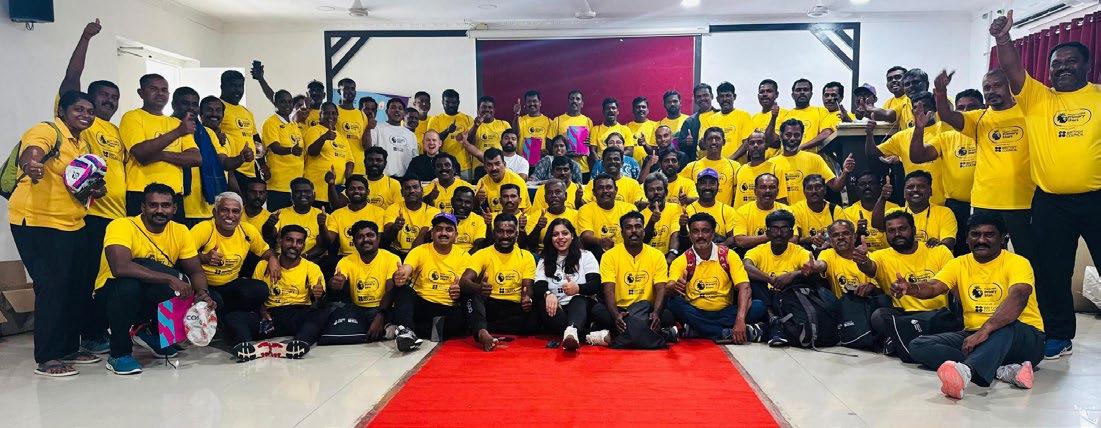
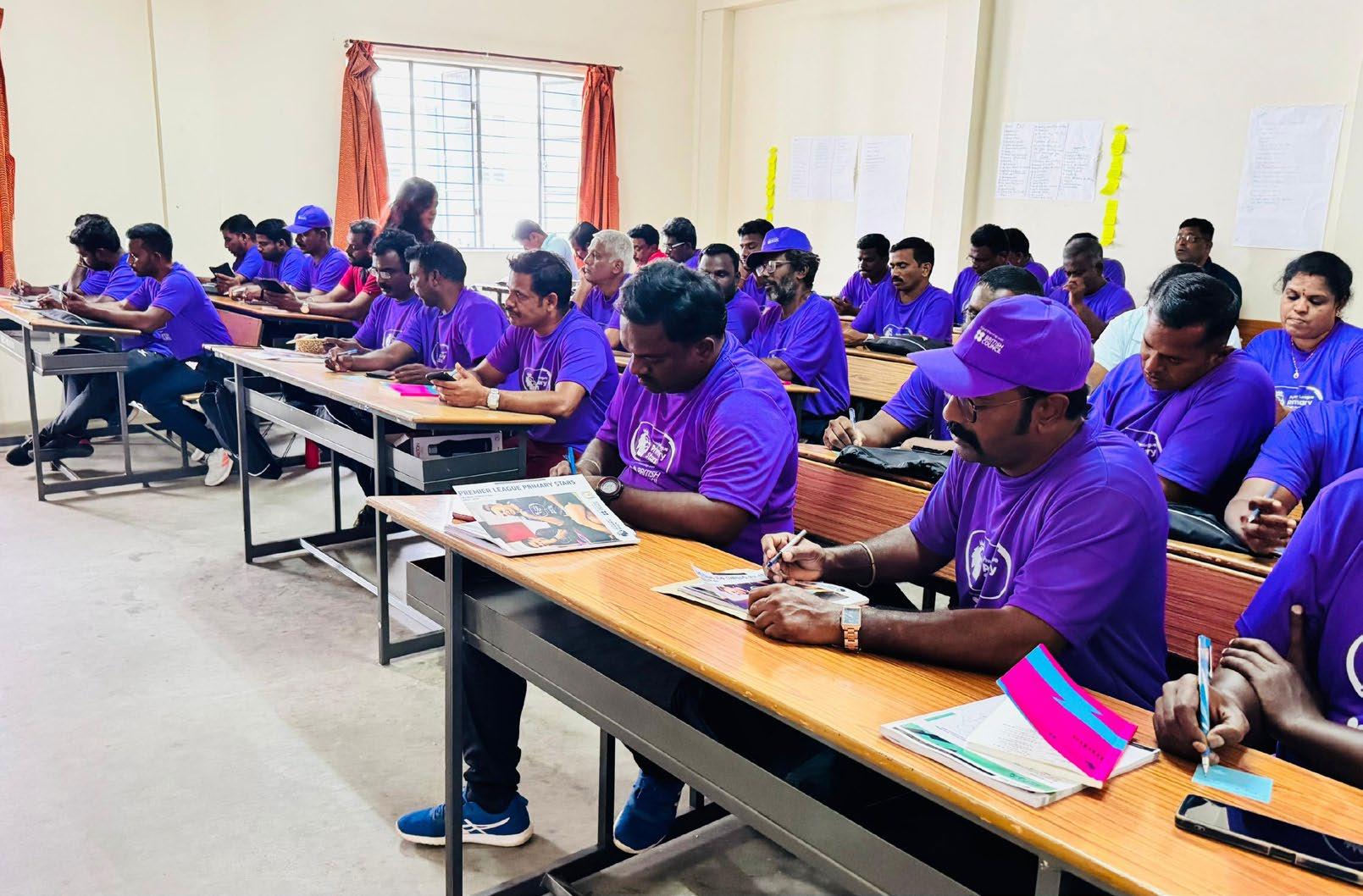
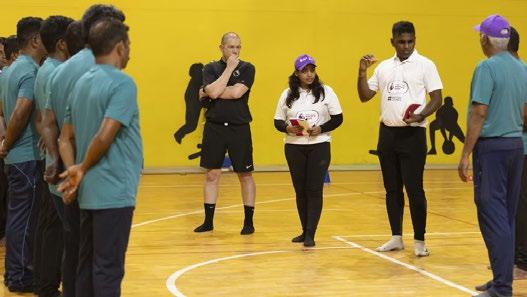
The first phase of this ambitious project concluded on February 28, 2025, at Kongunadu Engineering College in Trichy, where 76 physical education teachers from government schools across all 38 districts of Tamil Nadu completed an intensive training program. Conducted in three phases, the training was co-delivered by Chris Scopes, a seasoned coach from the Ipswich Town Football Club Foundation, alongside local experts. Teachers were introduced to innovative pedagogical frameworks
such as SMILES and STEPS, which emphasize structured, inclusive, and engaging teaching methods. These frameworks are designed to empower educators to create dynamic learning environments that promote leadership, collaboration, and mutual respect among students. By blending footballbased activities with life skills education, the training equips teachers to inspire young minds while fostering values that extend far beyond the classroom or the sports field.
A Legacy of Impact
The collaboration builds on the British Council and Premier League’s long-standing commitment to sports education in India. Since 2007, their joint efforts have trained over 7,300 educators and coaches across 18 states, reaching more than 124,000 students. This extensive reach underscores the program’s scalability and its potential to create lasting change. In Tamil Nadu, the initiative is poised to redefine how physical education is perceived, transforming it into a powerful tool for character-building and social development.
Why Football?
Football’s universal appeal makes it an ideal medium for engaging students from diverse backgrounds. The sport’s emphasis on teamwork, strategy, and perseverance mirrors the qualities needed to navigate life’s complexities. Through the Premier League Primary Stars program, students will not only develop physical fitness but also learn to communicate effectively, resolve conflicts, and embrace inclusivity—skills that are invaluable in today’s interconnected world.
Moreover, the program’s focus on gender equality and inclusion ensures that all students, regardless of background, have equal opportunities to participate and grow. By creating safe and supportive spaces for learning, the initiative aims to break down barriers and empower every child to reach their full potential.
A Model for the Future
The Tamil Nadu government’s partnership with the British Council and the Premier League sets a powerful precedent for integrating sports into education systems worldwide. By prioritizing life skills alongside academic achievement, the initiative reflects a forward-thinking approach to education that values the whole child. As the program expands to more schools and districts, it has the potential to inspire a new generation of confident, compassionate, and capable individuals. This collaboration is more than just a sports program—it’s a movement to redefine education. By harnessing the power of football, Tamil Nadu is paving the way
for a brighter, more inclusive future, where every student has the tools to succeed both on and off the field.The partnership between the Tamil Nadu Department of School Education, the British Council, and the Premier League is a testament to the transformative power of sports. As the Premier League Primary Stars program takes root in Tamil Nadu, it promises to nurture not just athletes, but future leaders, innovators, and changemakers. With 76 newly trained educators ready to inspire, the state is on the cusp of a revolution in sports education—one goal at a time.
Tribalism In Sports
The Passion the Divide and the Impact
Sports have long been a universal language, uniting people across cultures, geographies, and generations. Yet, beneath the surface of this unifying force lies a powerful undercurrent: tribalism. Tribalism in sports refers to the intense loyalty and group identity that fans develop toward their teams, often leading to strong in-group/out-group dynamics. While this phenomenon fuels passion and community, it also fosters division, aggression, and even violence. This article explores the roots of tribalism in sports, its manifestations, and its broader implications for society.
THE ROOTS OF TRIBALISM IN SPORTS
Tribalism is deeply ingrained in human psychology, dating back to our evolutionary past when survival depended on group cohesion. Belonging to a tribe offered protection, shared resources, and a sense of purpose. Sports, as a modern arena for competition, tap into this primal instinct. Fans align themselves with teams based on geography, family tradition, or shared values, creating a sense of “us” versus “them.”
This tribal instinct is amplified by the emotional stakes of sports. A team’s victory feels like a personal triumph, while a loss can sting as a collective failure. Neuroscience research suggests that watching sports activates the brain’s reward centres, releasing dopamine during moments of success. This emotional high strengthens fans’ attachment to their team, reinforcing tribal bonds. Social identity theory further explains why fans adopt their team’s identity as part of their own, often defining themselves in opposition to rival groups.
MANIFESTATIONS OF TRIBALISM
Tribalism in sports manifests in both positive and negative ways. On the positive side, it fosters community and camaraderie. Fans gather in stadiums, bars, or living rooms, united by shared rituals like chanting, wearing team colours, or tailgating. These experiences create a sense of belonging that transcends individual differences. For example, studies show that sports fandom can reduce feelings of loneliness and increase life satisfaction, as fans find purpose in their team’s journey. However, the darker side of tribalism emerges when loyalty turns into hostility. Rivalries, while often playful, can escalate into toxic behaviour. Verbal taunts,
online harassment, and even physical violence are not uncommon. For instance, soccer hooliganism in Europe, particularly in the 1980s and 1990s, saw fan groups like England’s “firms” engage in organized brawls with rival supporters. In 1985, the Heysel Stadium disaster, where 39 fans died during clashes between Liverpool and Juventus supporters, highlighted the devastating consequences of unchecked tribalism. Social media has intensified these dynamics. Platforms allow fans to express their allegiance instantly, but they also amplify trashtalking and dehumanization of opposing fans. A 2023 study found that 60% of sports fans surveyed had witnessed or experienced online abuse tied to team rivalries. The anonymity of the internet often emboldens fans to cross ethical lines, turning spirited competition into personal attacks.
THE CULTURAL AND SOCIAL IMPACT
Tribalism in sports reflects broader societal divisions. Teams often represent regional, cultural, or even political identities, making fandom a proxy for larger ideological battles. For example, the rivalry between FC Barcelona and Real Madrid in Spain is steeped in cultural and political history, with Barcelona symbolizing Catalan identity and Real Madrid associated with Spanish nationalism. Similarly, in the U.S., college football rivalries like Alabama vs. Auburn or Michigan vs. Ohio State carry deep regional pride, often dividing communities along geographic lines.
This tribalism can reinforce stereotypes and deepen societal divides. Fans may view rival supporters as inherently different or inferior, mirroring how broader societal groups—whether based on race, politics, or class—can be dehumanized. Yet, sports also offer a unique opportunity to bridge these divides. Shared love for the game can foster dialogue, as seen in initiatives like “Football for Peace,” which uses soccer to unite conflicting communities in regions like the Middle East.
THE ROLE OF MEDIA AND COMMERCIALIZATION
The sports industry, worth over $500 billion globally, thrives on tribalism. Media outlets and team marketing amplify rivalries to drive engagement, from provocative headlines to merchandise that celebrates “hating” the opponent. While this fuels revenue, it also normalizes divisive rhetoric. Broadcasters often frame games as epic battles, using language that evokes war or conquest, further entrenching the us-versus-them mentality. Sponsorships and branding also exploit tribal loyalty. Fans purchase team jerseys, tickets, and subscriptions to streaming services to signal their allegiance, turning fandom into a consumer identity. This commercialization can deepen tribalism, as fans feel pressured to “prove” their loyalty through spending or vocal support.
MITIGATING THE NEGATIVE EFFECTS
While tribalism is unlikely to vanish from sports, its negative effects can be mitigated. Education and awareness campaigns can promote respectful fandom, emphasizing shared love for the sport over division. Teams and leagues can also take stronger stances against toxic behaviour, as seen in the NFL’s and Premier League’s efforts to curb fan violence and racism through bans and fines. Social media platforms can play a role by moderating hate speech and promoting positive fan interactions. Grassroots initiatives, such as fan-led groups that organize inclusive watch parties or charity events, can also shift the focus from rivalry to community. Finally, athletes themselves can model unity, as seen when players from rival teams publicly support each other or condemn fan hostility.
Tribalism in sports is a double-edged sword. It fuels the passion that makes sports a global phenomenon, creating communities that uplift and inspire. Yet, it also drives division, aggression, and prejudice when left unchecked. By understanding its psychological and cultural roots, fans, teams, and society can harness the positive aspects of tribalism while minimizing its harms. Ultimately, sports have the power to unite us, but only if we choose to cheer for the game itself, not just our tribe.
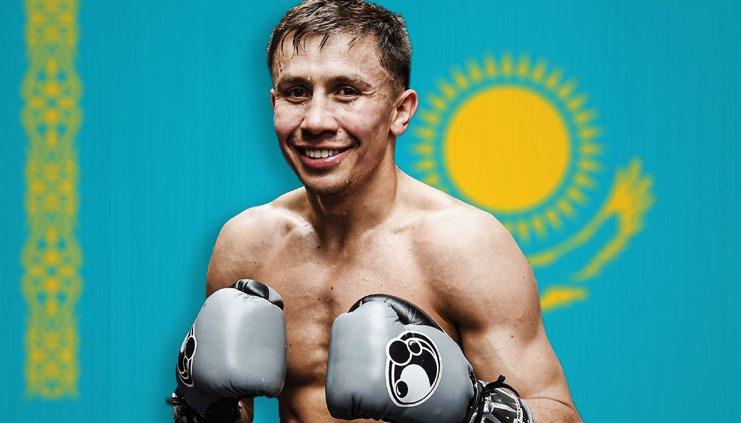
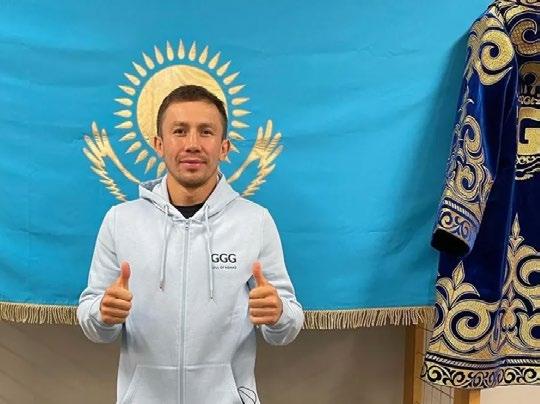
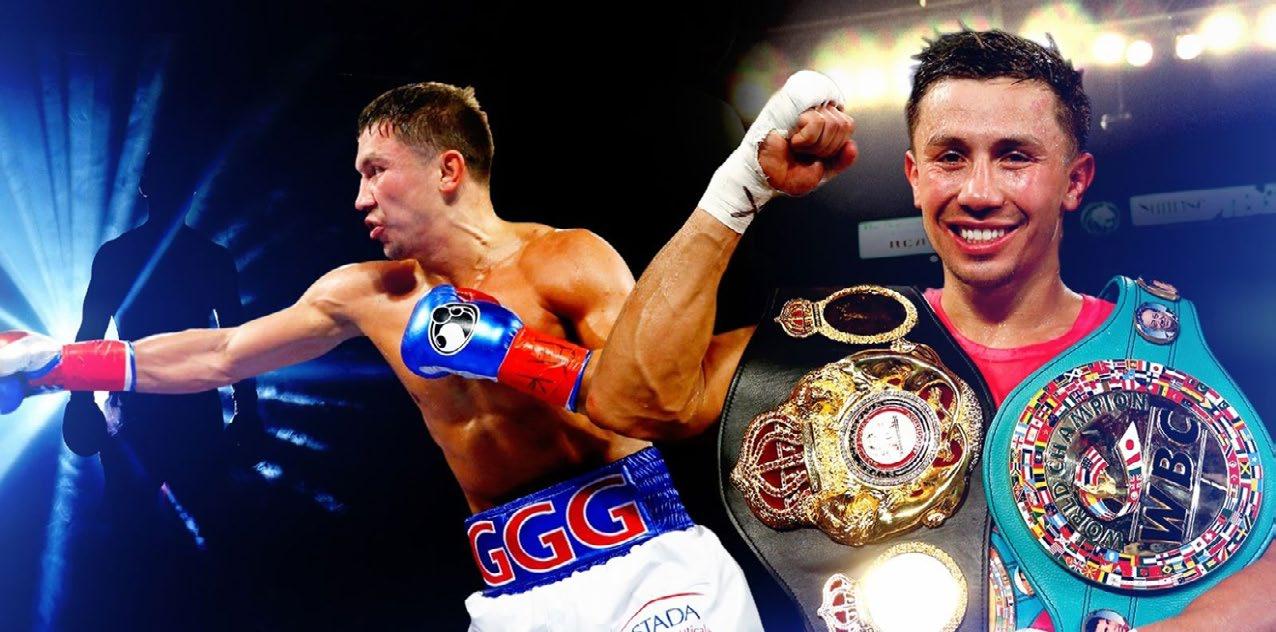
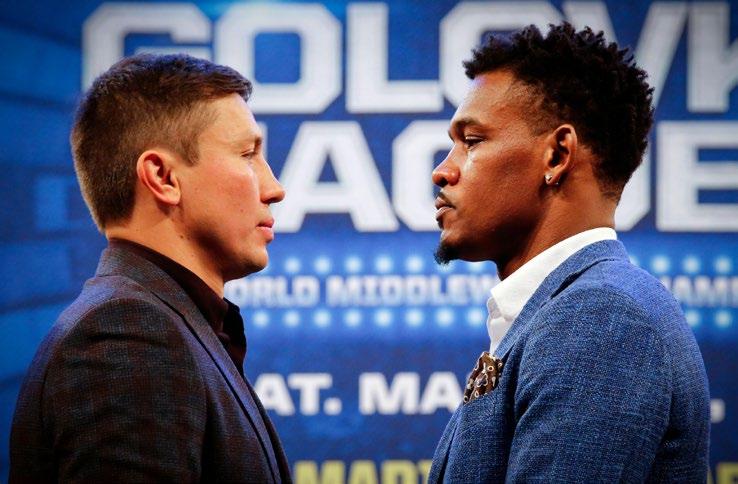
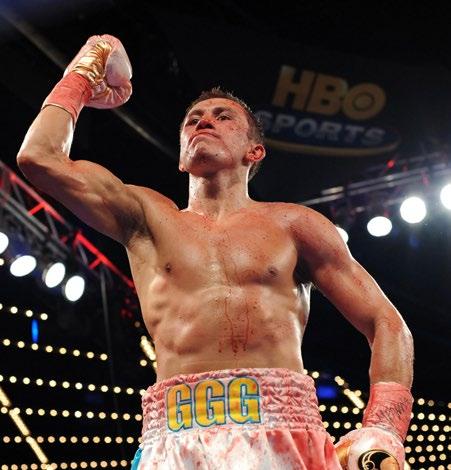
GENNADY GOLOVKIN
The Pride of KazaKhsTan & a Global boxinG icon
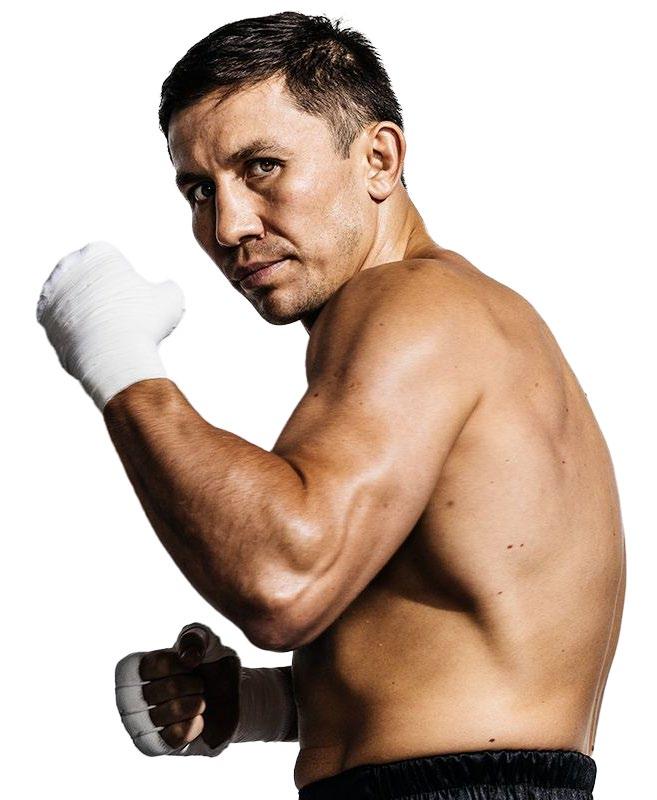
Gennady Golovkin, affectionately known as “GGG,” is one of the most celebrated figures in boxing history and a national hero in Kazakhstan. Born on April 8, 1982, in Karaganda, Kazakhstan, Golovkin’s journey from a small Soviet-era industrial city to global stardom is a testament to his talent, discipline, and resilience. His impact on Kazakhstan’s sports landscape is profound, elevating boxing to unprecedented heights in the country and inspiring a new generation of athletes. This article explores Golovkin’s career, his influence on Kazakh sports, and his enduring legacy.
EARLY LIFE AND AMATEUR CAREER
Gennady Golovkin grew up in Karaganda, a coal-mining city in central Kazakhstan, during the waning years of the Soviet Union. Raised in a modest family alongside his twin brother, Maxim, and two older brothers, Vadim and Sergey, Golovkin was introduced to boxing at a young age. Tragically, his older brothers, who also boxed, died in the 1990s while serving in the Russian military, leaving a lasting impact on Golovkin and fuelling his determination to honour their memory through boxing.
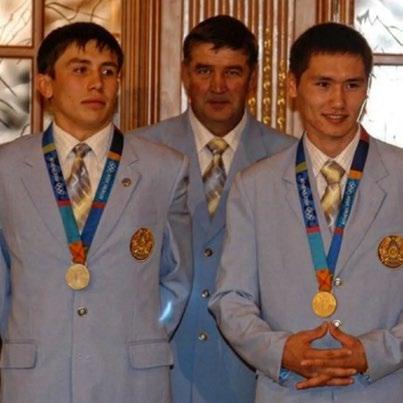
Golovkin’s amateur career was stellar, showcasing his potential as a future champion. Competing in the middleweight division, he amassed an official record of 345 wins and 5 losses, though the exact numbers are debated due to inconsistencies in amateur recordkeeping. His most notable achievement was a silver medal at the 2004 Athens Olympics, where he represented Kazakhstan and narrowly lost in the final to Russia’s Gaydarbek Gaydarbekov. Earlier, he won gold at the 2003 World Amateur Boxing Championships in Bangkok, defeating future professional star Andre Dirrell and establishing himself as a dominant force. These accomplishments brought early recognition to Kazakhstan’s boxing program, which had been steadily growing since the country’s independence in 1991.
PROFESSIONAL CAREER: THE RISE OF GGG
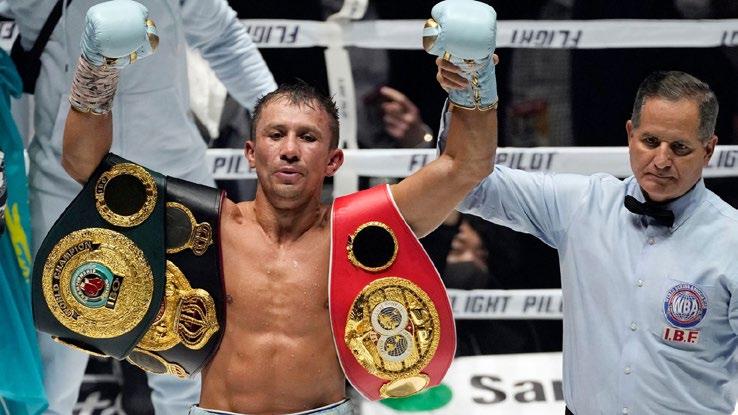
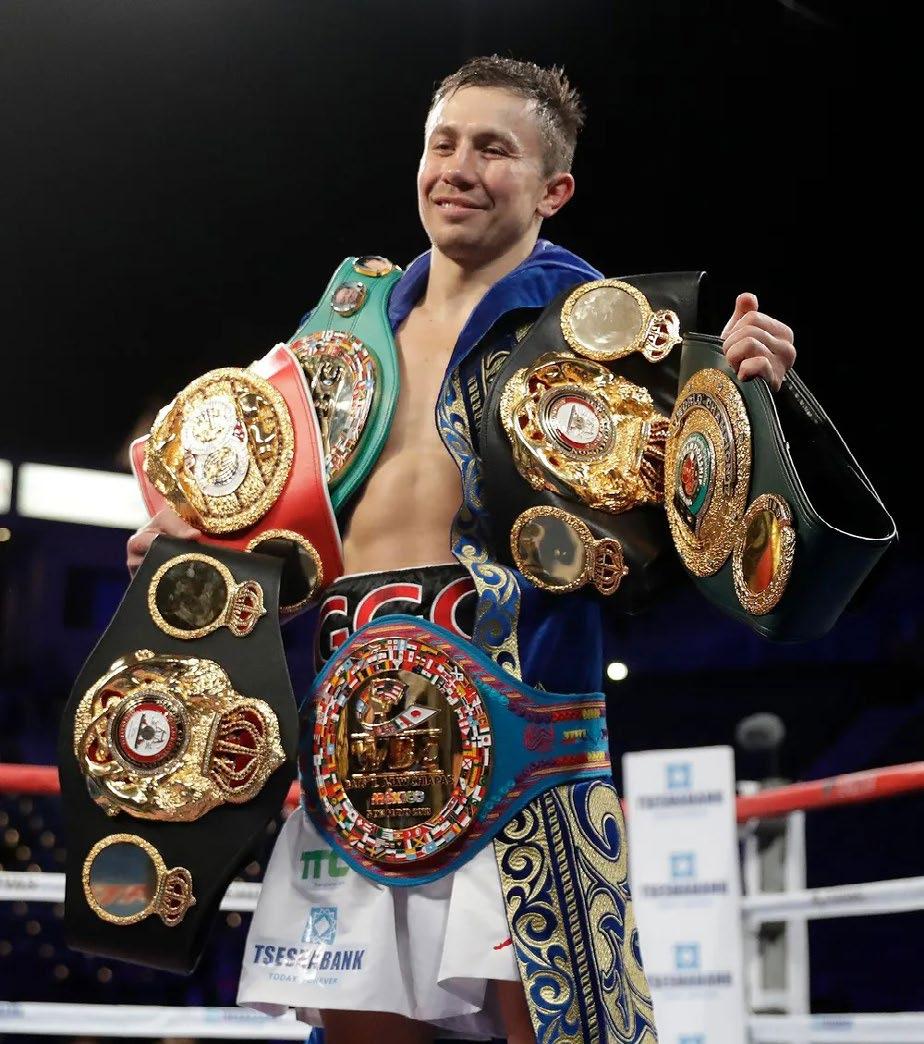
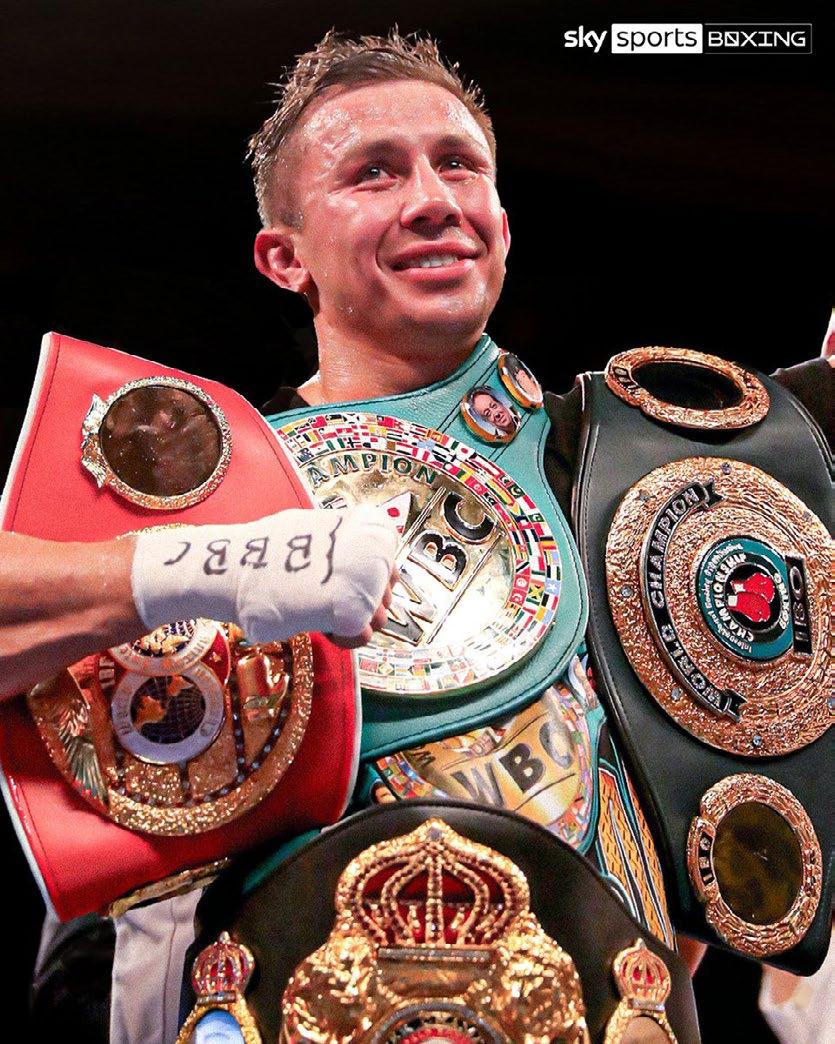
Golovkin turned professional in 2006, signing with Universum Box-Promotion in Germany. His early fights showcased his signature style: a devastating combination of power, precision, and an iron chin, paired with a relentless pressure approach. By 2010, he had captured the WBA middleweight title, defeating Milton Núñez in Panama. He later unified the WBC, IBF, and WBO middleweight belts, reigning as the dominant champion from 2010 to 2018. Golovkin’s professional record stands at 42 wins, 2 losses, and 1 draw, with 37 knockouts as of his last fight in 2022. His knockout ratio of over 88% made him one of the most feared punchers in boxing
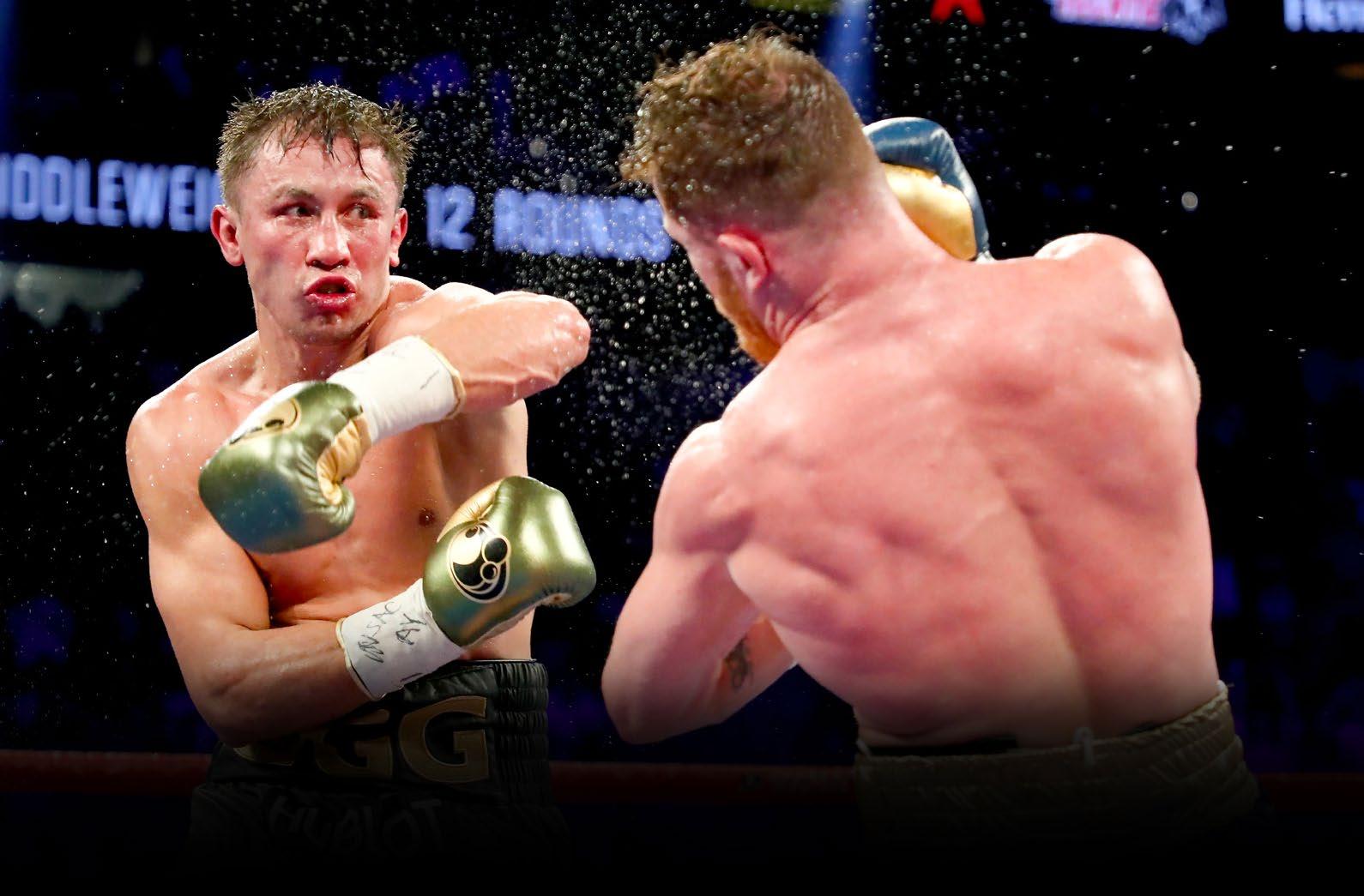
history. His trilogy against Mexico’s Canelo Álvarez (2017–2022) drew global attention, though the results—a draw in the first fight, a majority decision loss in the second, and a unanimous decision loss in the third—remain controversial among fans and analysts due to disputed scorecards. Despite these setbacks, Golovkin’s performances cemented his status as a pound-for-pound great. His fights were not just about titles but also about spectacle. Known for his fan-friendly style, Golovkin headlined major events at venues like Madison Square Garden and the T-Mobile Arena in Las Vegas, drawing millions of pay-per-view buys. His charisma outside the ring— marked by a humble demeanour and an infectious smile—contrasted with his ferocity inside it, earning him a global fanbase.
IMPACT ON KAZAKHSTAN SPORTS
Gennady Golovkin’s success has had a transformative effect on sports in Kazakhstan, particularly boxing. His achievements have elevated the country’s profile on the global stage, contributed to its soft power, and inspired a surge in athletic participation. Below are the key ways GGG has shaped Kazakh sports:
• Global Recognition for Kazakh Boxing: Golovkin’s dominance in the middleweight division put Kazakhstan on the map as a boxing powerhouse. Before GGG, Kazakhstan’s boxing tradition was strong but largely confined to the amateur scene, rooted in Soviet-era training systems. Golovkin’s professional success, broadcast on platforms like HBO, showcased Kazakh athletes’ potential to compete at the highest levels. Golovkin’s fights were a source of national pride, symbolizing Kazakhstan’s emergence as a modern nation. His victories inspired other Kazakh boxers, such as Janibek Alimkhanuly, who has cited GGG as a mentor and role model.
• Inspiration for Young Athletes: Golovkin’s rise from Karaganda to global stardom resonated deeply with Kazakhstan’s youth. Boxing gyms across the country saw increased enrolment as young athletes sought to emulate GGG’s success. His story of perseverance— overcoming personal tragedy and modest beginnings— motivated countless Kazakhs to pursue sports. In 2017, it was noted that Golovkin represented the “culmination of Kazakhstan’s sporting trend,” with the country winning 22 medals at the 2016 Rio Olympics, including three in boxing. His influence extended beyond boxing, contributing to Kazakhstan’s growing success in sports like weightlifting and wrestling.
• Economic and Cultural Impact: Golovkin’s fights generated significant revenue for Kazakhstan’s sports industry, attracting sponsorships and international attention. His bouts were broadcast nationally, fostering a sense of unity and pride. Culturally, GGG became a symbol of Kazakh identity, blending traditional values of strength and honour with modern global appeal. His nickname, “GGG,” became synonymous with Kazakh resilience, and his visits to Kazakhstan, such as during training breaks, were widely covered by local media.
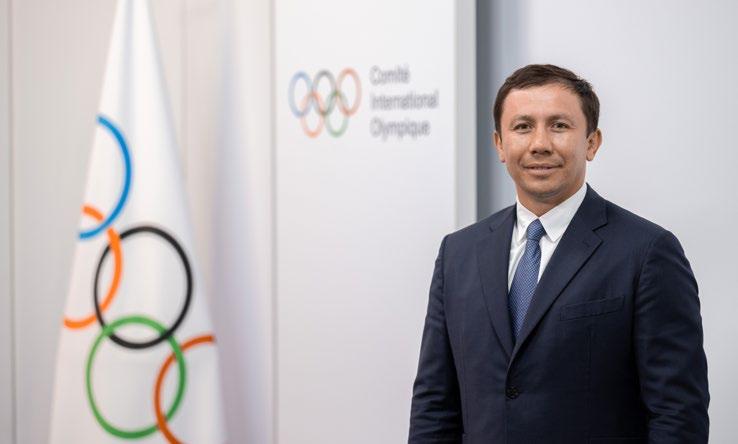
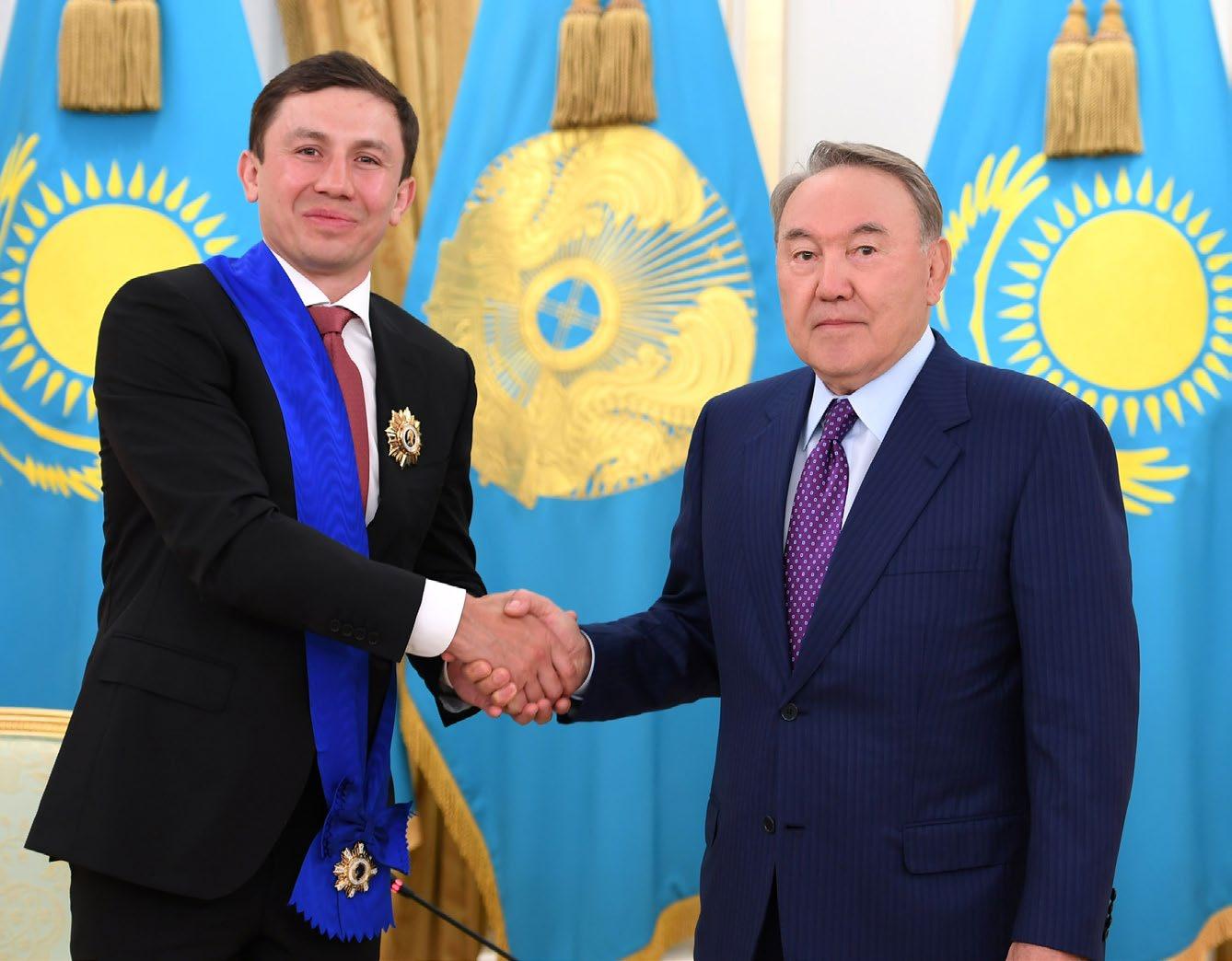
• Leadership in Sports Governance: Since retiring from professional boxing in 2023, Golovkin has taken on a leadership role as president of Kazakhstan’s National Olympic Committee, a position he assumed in February 2024. In this capacity, he has advocated for boxing’s inclusion in the Olympics, working with World Boxing to persuade Kazakhstan’s boxing federation to align with the organization. His efforts reflect a commitment to preserving and growing the sport that made him a star, ensuring future generations of Kazakh boxers have opportunities to shine. As president, Golovkin has also pushed for broader sports development, leveraging his global network to secure resources and partnerships for Kazakhstan.
CHALLENGES AND CONTROVERSIES
While Golovkin’s legacy is overwhelmingly positive, his career was not without challenges. The controversial judging in his fights against Canelo Álvarez sparked debates about fairness in boxing, with many fans in Kazakhstan and beyond believing GGG deserved at least one victory.
Additionally, some critics argued that Kazakhstan’s heavy investment in promoting Golovkin as a national icon occasionally overshadowed other athletes or pressing domestic issues. However, these critiques have done little to diminish his popularity, as evidenced by the way fans acknowledge his status as a beloved figure in Kazakhstan.
ENDURING LEGACY
At 43, Gennady Golovkin remains a towering figure in Kazakhstan. His 20122020 victory streak, technical brilliance, and sportsmanship have earned him a place among boxing’s all-time greats, with comparisons to legends like Marvin Hagler and Bernard Hopkins. In Kazakhstan, his impact is even more significant. He transformed boxing into a national passion, inspired a generation of fighters, and gave Kazakhstan a global stage to showcase its sporting prowess. His role as National Olympic Committee president ensures his influence will shape Kazakh sports for years to come. Golovkin’s story is one of athletic excellence but also of cultural significance. As a Kazakh who conquered the world while staying true to his roots, he embodies the aspirations of a nation. Whether in the ring or in the boardroom, GGG continues to fight for Kazakhstan, leaving a legacy that transcends sports.
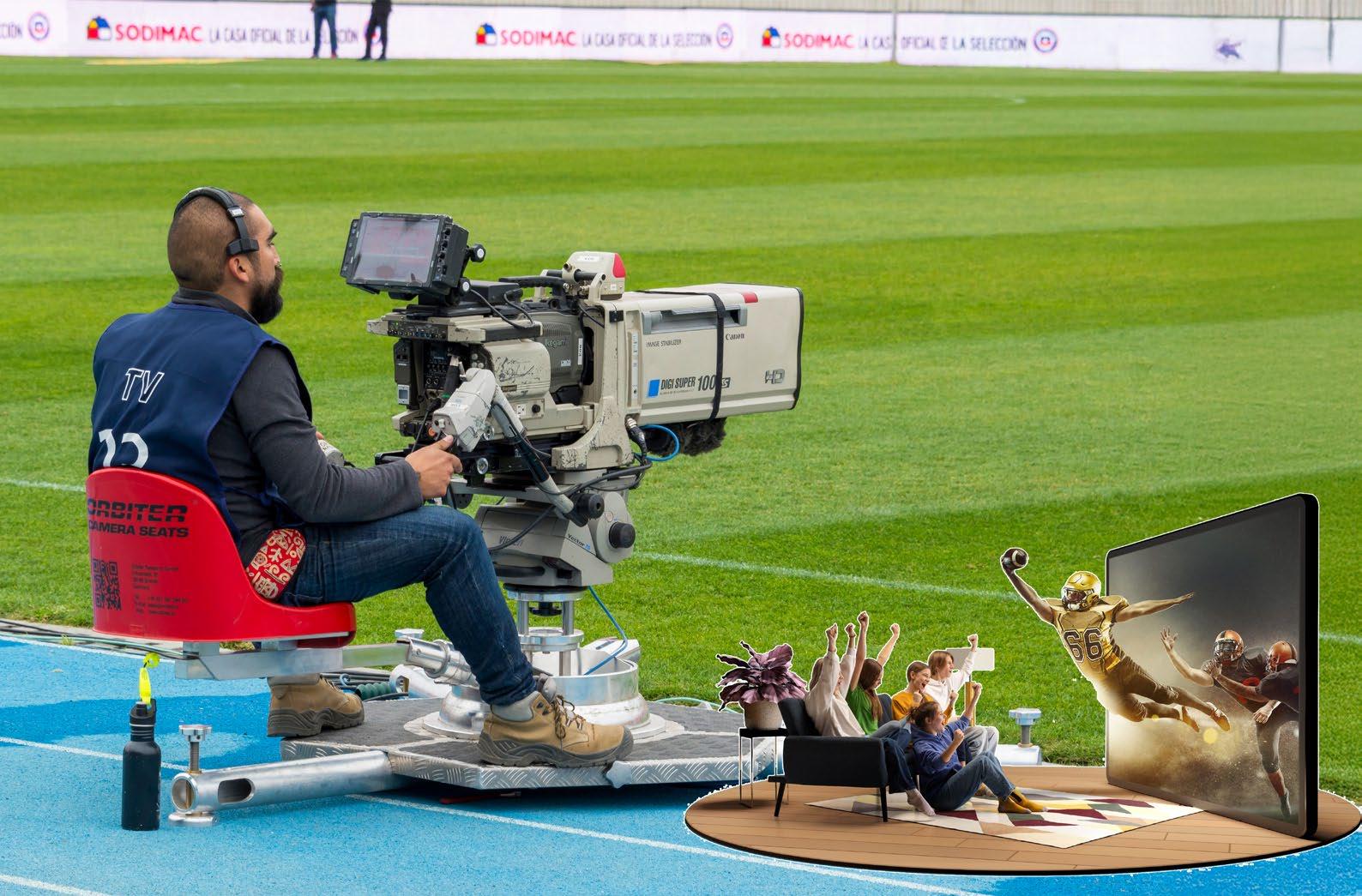
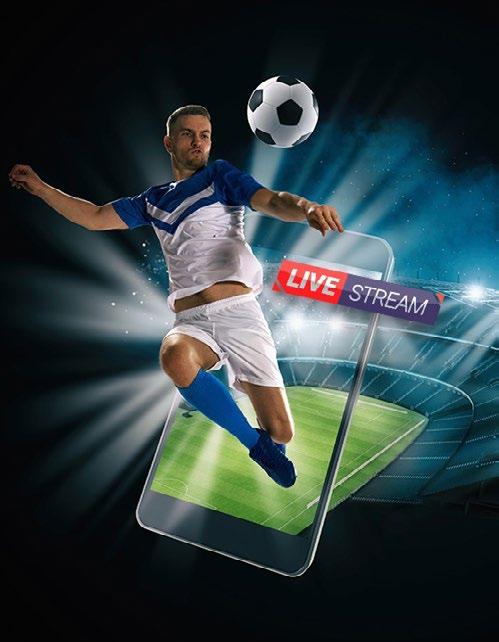
Streaming -Ushering in a New Era in Sports Broadcasting
The advent of streaming technology has revolutionized sports broadcasting, transforming how fans consume sports content, how leagues and teams engage with audiences, and how the sports industry evolves. From live games to behind-the-scenes content, streaming platforms have redefined accessibility, interactivity, and global reach, marking a new era in sports broadcasting that has significantly contributed to the development of sports worldwide.
The Rise of Streaming in Sports Broadcasting
Traditional sports broadcasting, dominated by cable and satellite television, relied on fixed schedules, regional restrictions, and expensive subscriptions. Streaming, however, has disrupted this model by leveraging the internet to deliver content directly to consumers on-demand. Platforms like ESPN+, DAZN, Amazon Prime Video, Peacock, and YouTube, alongside league-specific services like NBA League Pass and NFL Game Pass, have made sports more accessible than ever. Fans can now watch games live or on-demand, on devices ranging from smartphones to smart TVs, breaking free from the constraints of traditional TV.
The shift to streaming began in earnest in the late 2010s, with major sports leagues and broadcasters recognizing the potential of digital platforms. For instance, in 2022, Amazon secured exclusive rights to stream the NFL’s Thursday Night Football in the United States, a landmark deal signalling the growing dominance of streaming services. Similarly, Apple TV+ acquired rights to stream Major League Soccer (MLS) matches, while DAZN has become a go-to platform for boxing and international sports. These developments highlight how streaming has become a central pillar of sports broadcasting.
Key Impacts of Streaming on Sports Broadcasting
• Global Accessibility and Reach:
Streaming has democratized access to sports, allowing fans worldwide to watch events that were once limited by geographic boundaries. For example, a soccer fan in Asia can stream Premier League matches live on platforms like JioHotstar or DAZN, bypassing the need for costly cable subscriptions or regional broadcasters. This global reach has expanded fanbases for leagues and teams, driving international growth. The English Premier League, for instance, reported a 20% increase in global viewership from 2019 to 2023, largely attributed to streaming platforms.
• Enhanced Fan Engagement:
Streaming platforms offer interactive features that traditional TV cannot match. Live chats, real-time statistics, multi-angle replays, and personalized content recommendations create an immersive experience. For example, Twitch streams of esports events allow fans to interact directly with players and commentators, fostering a sense of community. Additionally, platforms like YouTube and TikTok enable teams and athletes to share highlights, behind-the-scenes footage, and personal stories, deepening fan connections. This engagement has boosted fan loyalty and increased merchandise and ticket sales.
• Flexibility and Convenience:
Streaming offers unparalleled flexibility, allowing fans to watch games on their terms. On-demand replays, condensed game highlights, and mobile accessibility cater to busy lifestyles and diverse time zones. For instance, services like ESPN+ allow fans to pause, rewind, or watch games later, making it easier to stay connected with their favourite teams. This convenience has attracted younger audiences, with a 2024 survey indicating that 65% of Gen Z sports fans prefer streaming over traditional TV.
• Cost-Effective Options: While traditional cable packages often require expensive bundles, streaming services offer more affordable, sport-specific subscriptions. For example, DAZN’s subscription model provides access to a wide range of sports for a fraction of the cost of cable. This affordability has made premium sports content accessible to a broader audience, particularly in emerging markets.
• Data-Driven Personalization: Streaming platforms leverage data analytics to tailor content to individual preferences. Algorithms recommend games, highlight reels, or player interviews based on viewing history, enhancing user satisfaction. This personalization also benefits advertisers, who can target specific demographics with precision, increasing revenue streams for sports organizations.
Contributions to the Development of Sports
The rise of streaming has not only transformed how fans consume sports but also catalyzed significant developments within the sports industry itself.
• Revenue Growth and Investment: treaming deals have injected substantial revenue into sports. For example, the NFL’s 11-year, $110 billion media rights deal (signed in 2021) included streaming partners like Amazon and Peacock, enabling leagues to fund infrastructure, player development, and grassroots programs. Smaller sports, such as pickleball or niche motorsports, have also benefited from streaming platforms like YouTube and Twitch, which provide exposure and attract sponsorships.
• Globalization of Sports: Streaming has accelerated the globalization of sports by making them accessible to international audiences. Leagues like the NBA and IPL have capitalized on this, with streaming platforms enabling targeted marketing in regions like Africa and Southeast Asia. This has led to increased participation, with the NBA reporting a 15% rise in youth basketball programs in Asia from 2020 to 2024, partly due to streaming-driven visibility.
• Rise of Esports and Emerging Sports: Streaming has been a game-changer for esports, which rely almost entirely on platforms like Twitch and YouTube for distribution. The global esports market, valued at $1.6 billion in 2023, owes much of its growth to streaming’s ability to reach young, tech-savvy audiences. Similarly, emerging sports like drone racing and ultimate frisbee have gained traction through streaming, attracting new fans and participants.
• Innovation in Content Delivery: Streaming has spurred innovation in how sports content is produced and delivered. Virtual reality (VR) streams, 360-degree camera angles, and augmented reality (AR) overlays are being tested by platforms like ESPN+ and DAZN, offering fans immersive experiences. These technologies are also enhancing athlete training, with teams using VR to simulate game scenarios.
• : Streaming platforms give athletes and teams direct access to fans, bypassing traditional media gatekeepers. Athletes like LeBron James and Serena Williams use platforms like Instagram Live to share their stories, while teams produce exclusive content for services like Netflix (e.g., Drive to Survive for Formula 1). This direct engagement strengthens brand loyalty and opens new revenue streams through sponsorships and partnerships.
Challenges and Considerations
Despite its transformative impact, streaming in sports broadcasting faces challenges. Fragmentation—where different sports or leagues are exclusive to different platforms— can frustrate fans who need multiple subscriptions to follow their teams. For example, a soccer fan may need Peacock for Premier League matches, ESPN+ for La Liga, and Paramount+ for UEFA Champions League. Additionally, unreliable internet connectivity in some regions can hinder streaming quality, potentially alienating fans.
Data privacy is another concern, as streaming platforms collect vast amounts of user data for personalization and advertising. Sports organizations must navigate these issues to maintain fan trust. Finally, the shift to streaming has raised concerns about the digital divide, as low-income households may struggle to afford subscriptions or high-speed internet.
The Future of Streaming in Sports
The future of sports broadcasting lies in further integration of streaming with emerging technologies. Artificial intelligence (AI) could enhance realtime commentary or generate personalized highlight reels. Blockchainbased platforms may introduce decentralized streaming models, giving fans more control over content. Additionally, 5G technology promises faster, more reliable streams, enabling seamless viewing on the go. Sports organizations are also exploring direct-to-consumer models, where leagues bypass third-party platforms to offer their own streaming services. The NBA and NFL are investing heavily in their digital platforms, signalling a trend.
Streaming has ushered in a new era in sports broadcasting by making sports more accessible, interactive, and engaging for fans worldwide. Its contributions to the development of sports—through revenue generation, global expansion, and innovation—have reshaped the industry. While challenges like fragmentation and accessibility remain, the continued evolution of streaming technology promises an even more dynamic future for sports, connecting fans, athletes, and organizations in unprecedented ways. As streaming platforms continue to innovate, they will drive the growth of both established and emerging sports, cementing their role as a cornerstone of modern sports broadcasting.
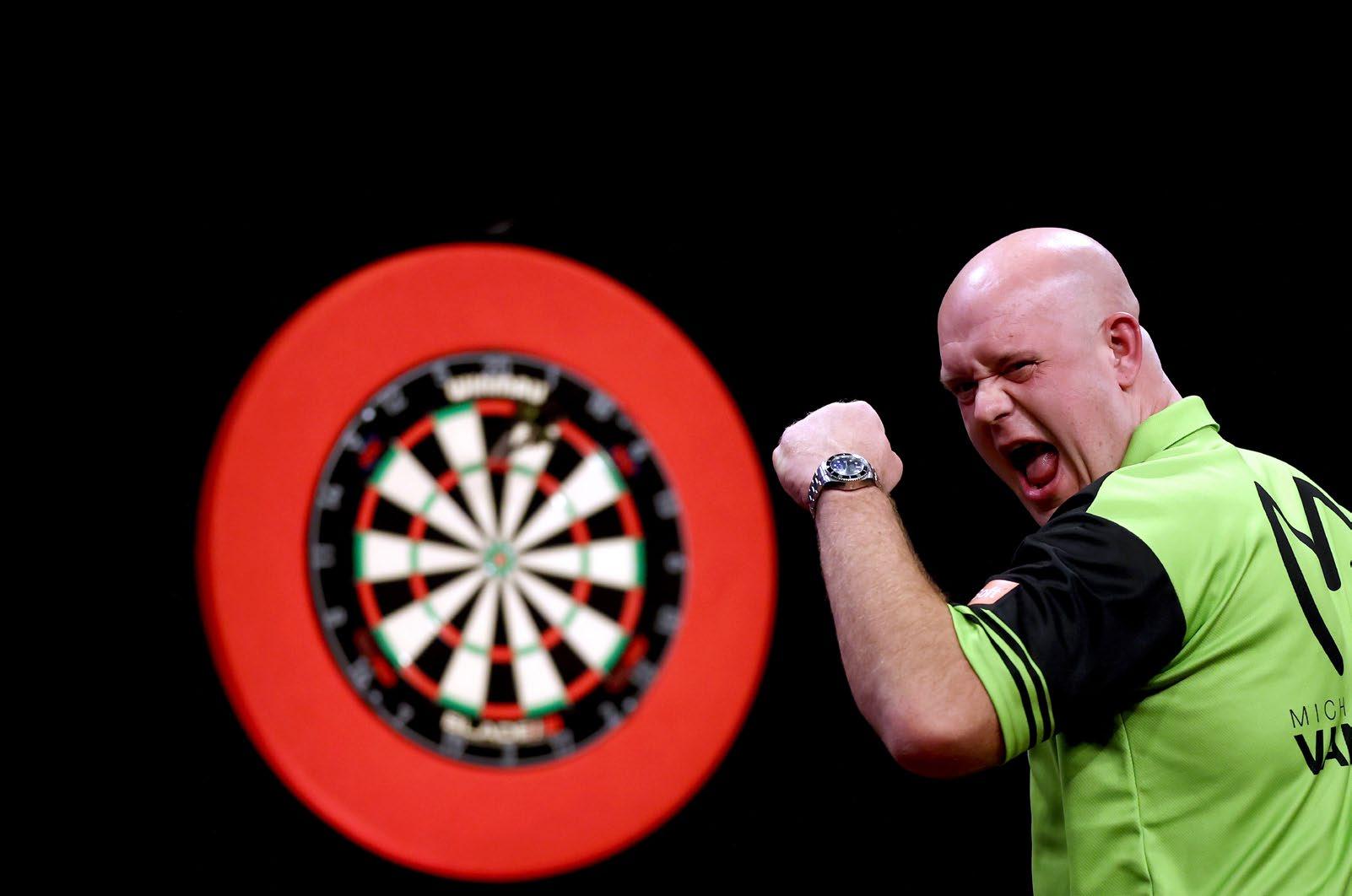
The Rise of Darts A Sport Gaining Global Momentum
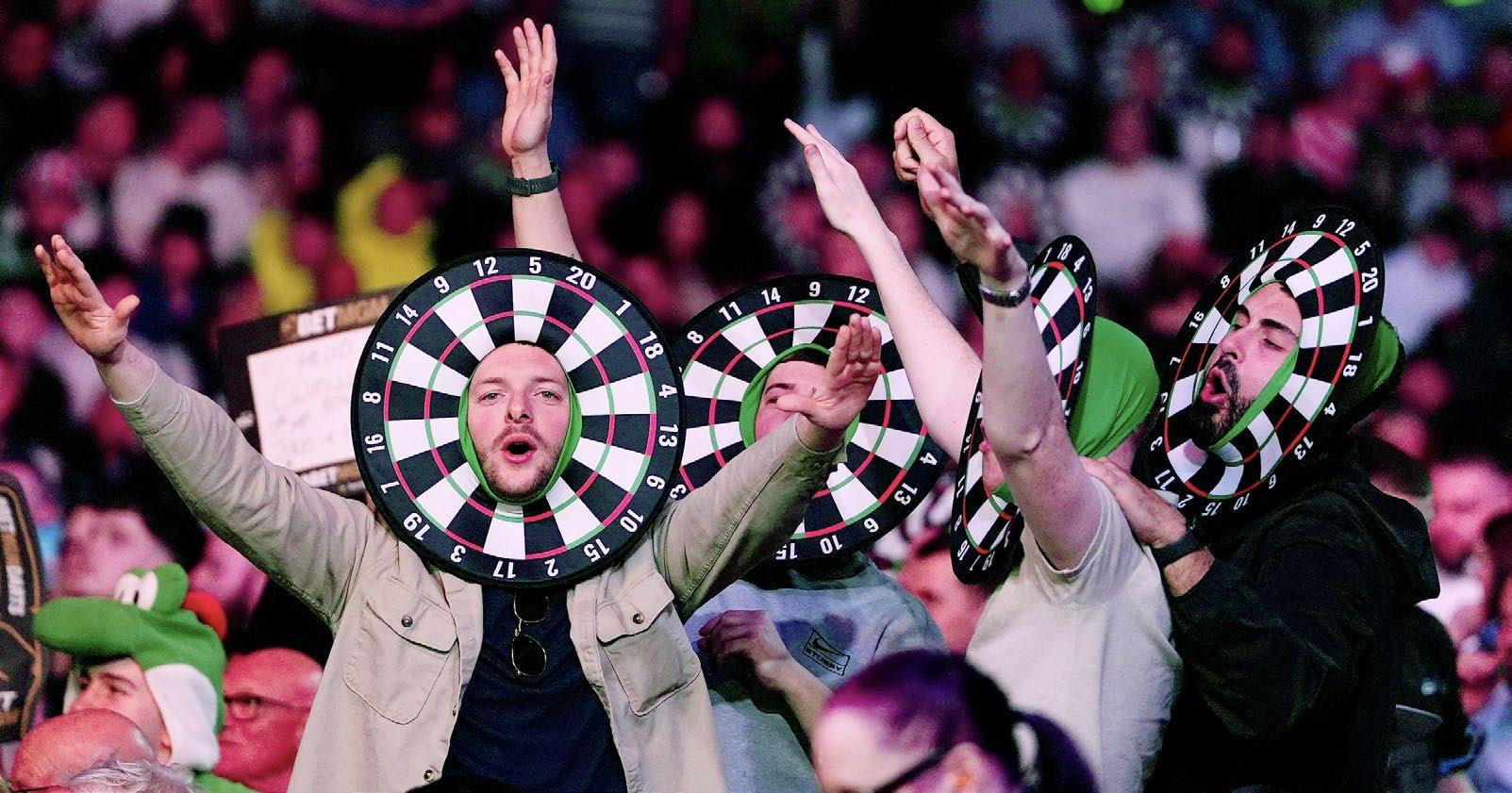
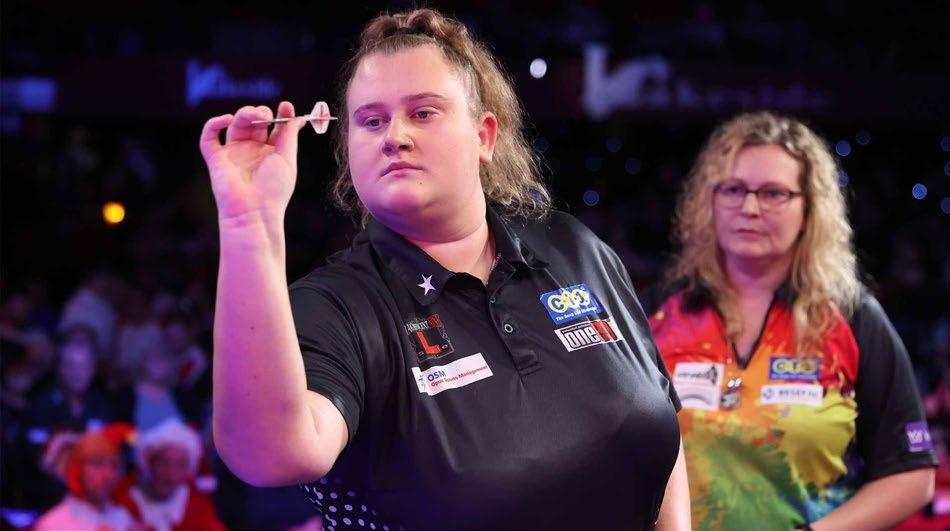
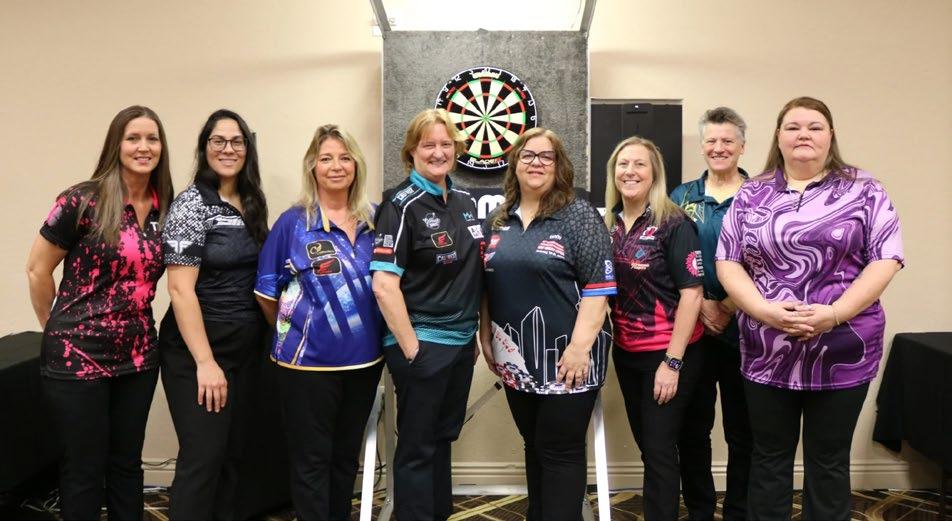
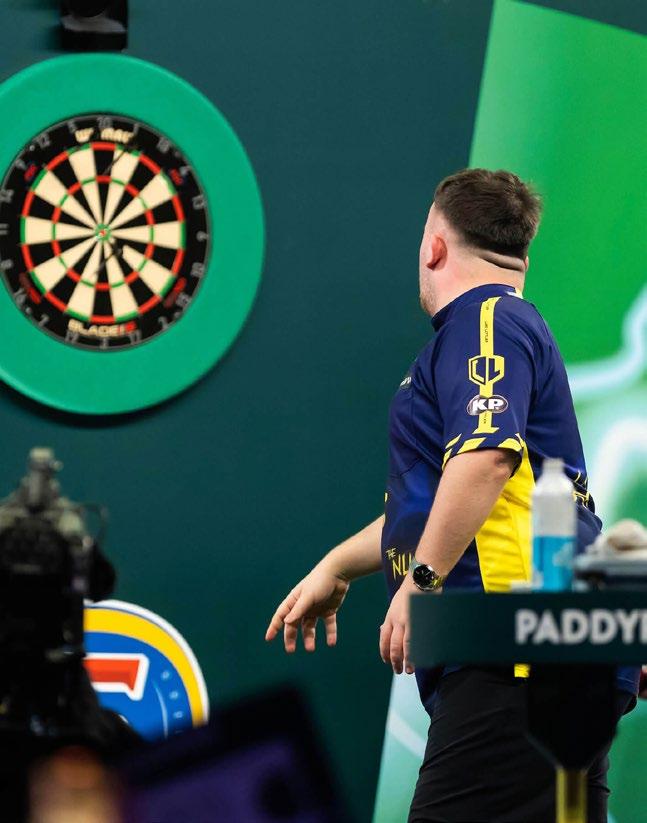
Darts, once dismissed as a mere pub game, has transformed into a professional sport with a passionate global following. With its blend of precision, mental fortitude, and accessibility, darts is experiencing a remarkable surge in popularity. From sold-out arenas to television broadcasts reaching millions, the sport is shedding its casual image and cementing its place in the mainstream. This article explores the history, appeal, and factors driving the growth of darts as a competitive sport.
A BRIEF HISTORY OF DARTS
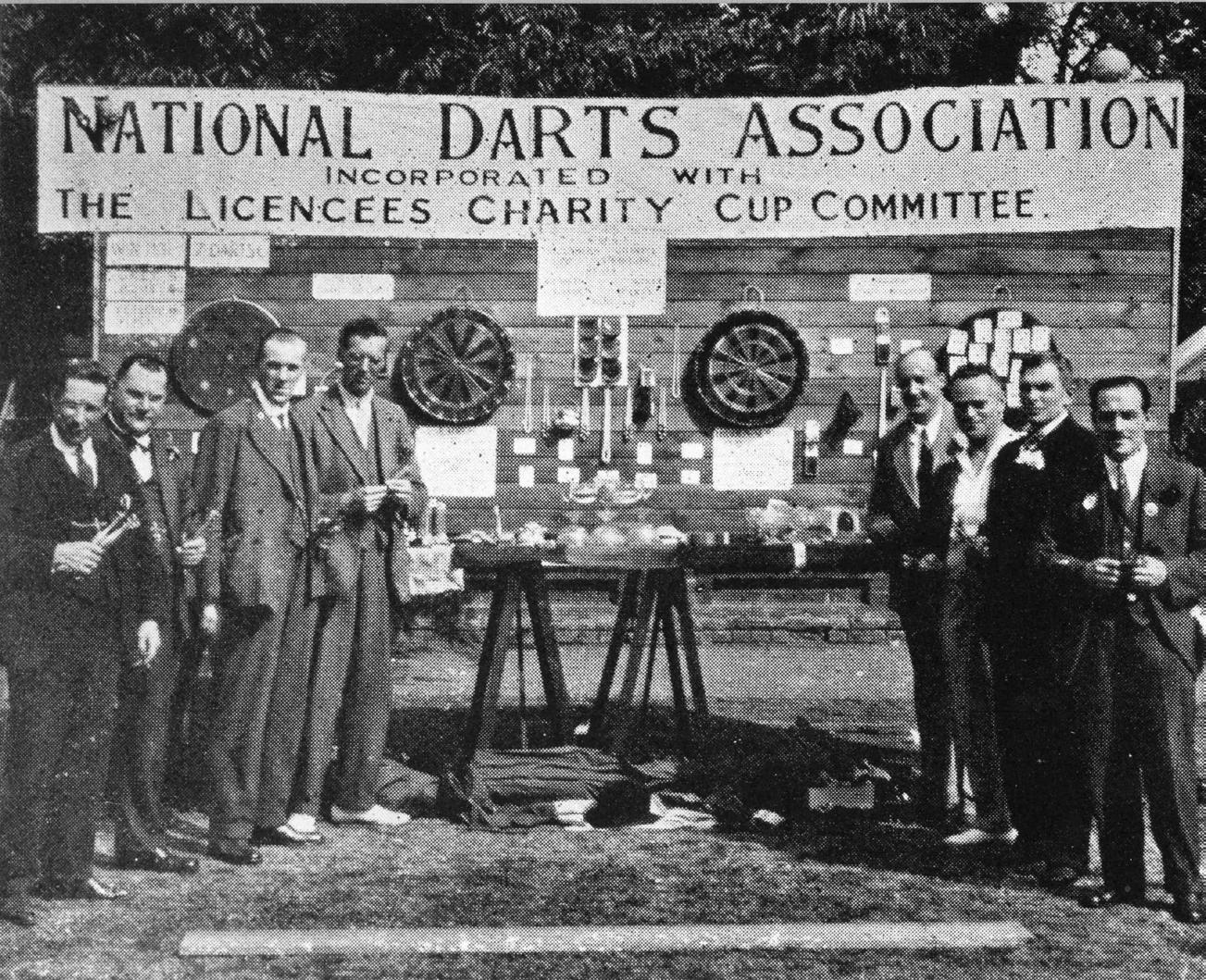
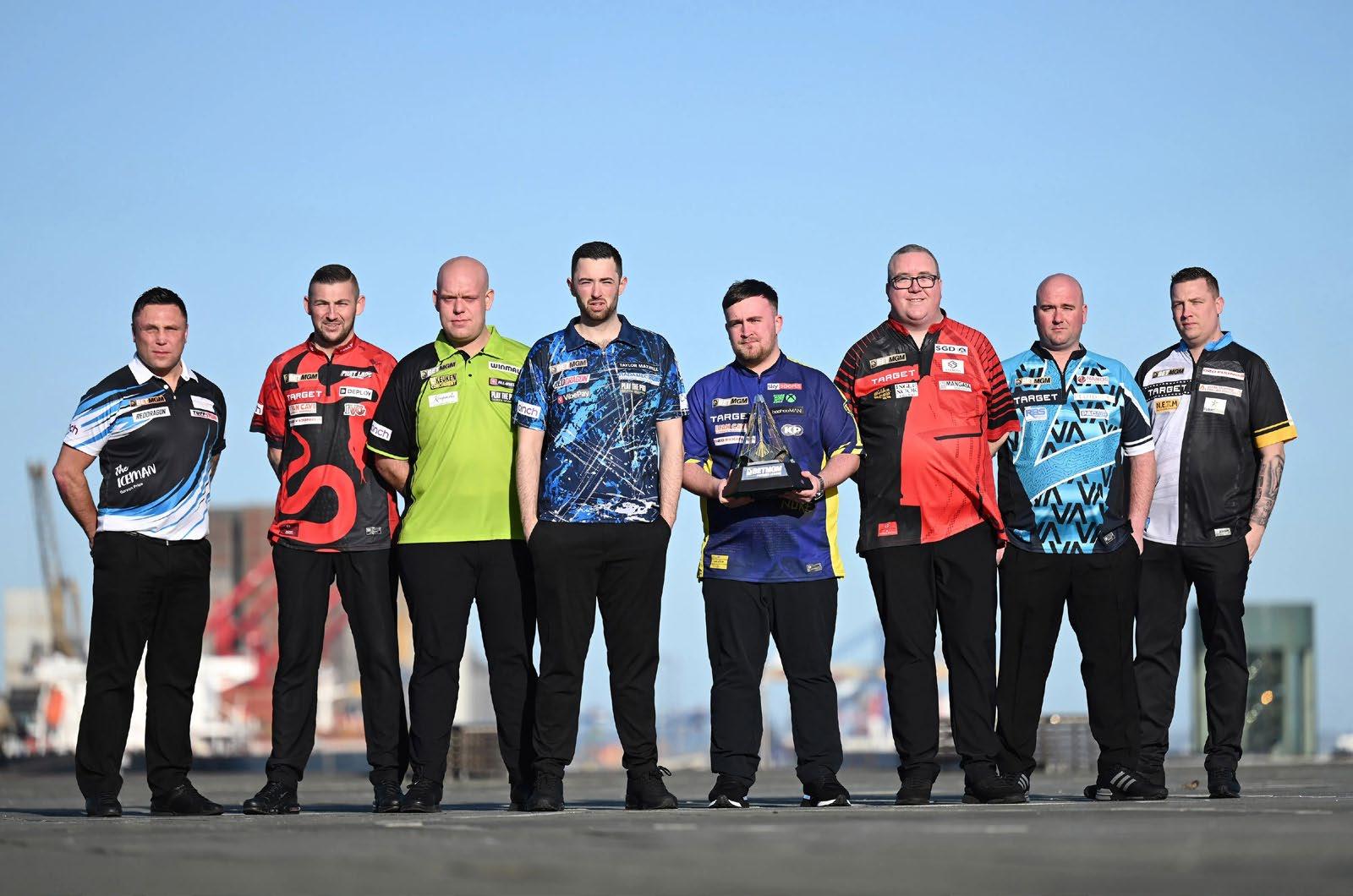
Darts traces its origins to medieval England, where archers reportedly threw shortened arrows at wooden targets during downtime. By the 19th century, the modern game began to take shape in British pubs, with standardized dartboards and rules emerging by the early 20th century. The establishment of the National Darts Federation in 1924 and the first major tournaments in the 1930s laid the groundwork for organized competition. However, it was the formation of the British Darts Organisation (BDO) in 1973 and later the Professional Darts Corporation (PDC) in 1992 that propelled darts into the professional era. The PDC, in particular, revolutionized the sport with high-profile events, sponsorships, and media coverage, turning players like Phil Taylor, Michael van Gerwen, and Luke Littler into household names.
WHY DARTS APPEALS TO FANS
Darts’ appeal lies in its unique combination of accessibility and intensity. Unlike many sports requiring expensive equipment or specialized facilities, darts is remarkably inclusive. A dartboard, a set of darts, and a small space are all that’s needed to play, making it easy for amateurs to pick up and enjoy. This low barrier to entry has fostered grassroots participation, with local leagues thriving in pubs and clubs worldwide. Yet, at the professional level, darts demands extraordinary skill and mental resilience. Players must hit targets as small as a few centimetres while under intense pressure, often in front of raucous crowds. The sport’s format—fast-paced matches, dramatic comebacks, and sudden-death finishes—creates a thrilling spectacle for spectators. Add to that the vibrant atmosphere of tournaments, complete with walk-on music, costumes, and chanting fans, and darts becomes a unique blend of sport and entertainment.
THE GROWTH OF DARTS
The growth of darts in recent years is undeniable, fueled by several key factors:
• TELEVISION AND STREAMING COVERAGE: The PDC’s partnership with broadcasters like Sky Sports and DAZN has brought darts to millions of viewers worldwide. Major events like the PDC World Darts Championship, held annually at London’s Alexandra Palace, draw massive audiences. The 2024/25 final, featuring teenage sensation Luke Littler, attracted over 8 million viewers in the UK alone, rivalling major football matches. Streaming platforms have also expanded darts’ reach, with services like PDC.TV offering live coverage to fans in regions where the sport was previously niche, such as the United States and Asia.
• GLOBAL EXPANSION: While darts has long been a British staple, its international footprint is growing. The PDC World Series of Darts now includes events in Australia, New Zealand, Bahrain, and the United States, showcasing the sport to new markets. Players from countries like the Netherlands (Michael van Gerwen), Australia (Damon Heta), and Germany (Gabriel Clemens) are competing at the highest levels, diversifying the sport’s talent pool. The inclusion of darts in betting markets has also boosted its visibility, with fans worldwide engaging through predictions and wagers.
• YOUTH MOVEMENT AND NEW STARS:
The emergence of young talent like Luke Littler, who reached the PDC World Championship final at just 16 in 2024, has injected fresh energy into darts. Littler’s meteoric rise, coupled with his engaging personality, has attracted younger audiences and sparked social media buzz. Other young players, such as Josh Rock and Nathan Aspinall, are also pushing the sport forward, ensuring its longevity.
• SPONSORSHIP AND PRIZE MONEY: The influx of corporate sponsorships from brands like Cazoo, Paddy Power, and Bet365 has elevated the sport’s financial stakes. The PDC World Championship now offers a £500,000 prize for the winner, with total prize funds across PDC events exceeding £15 million annually. This financial backing has enabled players to pursue darts as a full-time career, raising the level of professionalism and competition.
• CULTURAL APPEAL AND FAN ENGAGEMENT: Darts tournaments are as much about the experience as the competition. Fans in fancy dress, lively chants, and electric atmospheres create a festival-like vibe, particularly at events like the Premier League Darts and the World Matchplay. Social media platforms, have amplified this culture, with fans sharing highlights, memes, and player interactions, further boosting engagement.
DARTS’ GLOBAL APPEAL
Despite its growth, darts faces challenges. Some critics argue the sport’s rowdy atmosphere and association with alcohol could deter certain audiences or sponsors. Additionally, expanding into markets like North America, where darts lacks a strong cultural foothold, requires sustained investment in grassroots programs and media exposure. However, opportunities abound. The sport’s affordability and simplicity make it ripe for school and community programs, particularly in regions with growing interest. Innovations like interactive dartboards and virtual tournaments could further engage tech-savvy younger audiences. Moreover, the rise of women’s darts, with players like Fallon Sherrock breaking barriers, offers a chance to broaden the sport’s appeal and promote inclusivity.
THE FUTURE OF DARTS
Darts is no longer just a game played in smoky pubs; it’s a global phenomenon with a bright future. Its combination of accessibility, drama, and star power has positioned it as one of the fastest-growing sports in the world. As the PDC continues to expand its reach, and new talents emerge, darts is poised to attract even larger audiences and cement its status as a mainstream sport. For fans and newcomers alike, darts offers something unique: a chance to witness pinpoint accuracy, high-stakes drama, and unbridled passion. Whether you’re throwing darts at a local pub or cheering in a packed arena, the sport’s infectious energy is hard to resist. As darts continues its upward trajectory, one thing is clear: the bullseye is firmly in sight.
SPORTS JOURNALISM, THE PULSE OF THE SPORTING WORLD
Sports journalism is more than just reporting scores or recapping games; it’s the heartbeat of the sports world, weaving narratives that connect fans, athletes, and the broader cultural landscape. It informs, entertains, and shapes public perception, playing a pivotal role in how sports are experienced and understood. From breaking news about trades to in-depth profiles of athletes, sports journalism amplifies the drama, triumphs, and controversies of athletic competition. Its significance lies in its ability to bridge the gap between the action on the field and the audience, fostering a deeper appreciation for sports while holding the industry accountable.
At its core, sports journalism delivers timely, accurate information about games, athletes, and teams. According to a 2023 report by the Pew Research Center, 62% of U.S. adults follow sports news at least occasionally, with 23% doing so regularly, underscoring the demand for reliable reporting. Journalists provide playby-play updates, post-game analyses, and injury reports, ensuring fans stay connected to their favourite sports. For instance, ESPN, one of the largest sports media outlets, reported 9.9 billion digital minutes consumed in the U.S. alone in 2022, reflecting the massive reach of sports journalism through platforms like articles, podcasts, and live broadcasts.
Beyond scores, sports journalism crafts compelling stories. Profiles of athletes, such as Serena Williams’ rise from Compton to tennis icon or Lionel Messi’s journey from Rosario to global stardom, humanize the superhuman feats fans witness. A 2021 study by the University of Missouri found that 78% of sports readers value narrative-driven content over mere statistics, as it fosters emotional connections. These stories often highlight struggles—racial barriers, economic hardship, or mental health challenges—making athletes relatable and inspiring.
Sports journalism also serves as a watchdog. Investigative reporting exposes issues like doping scandals, corruption in organizations, or labour abuses in events like the 2022 Qatar World Cup. A notable example is The New York Times’ 2015 investigation into FIFA’s bribery schemes, which led to arrests and reforms within the organization. Such reporting ensures accountability, pushing for ethical standards in a multi-billion-dollar industry.
WHY SPORTS JOURNALISM MATTERS
• Amplifying Cultural Impact
Sports are a cultural touchstone, and journalism amplifies their significance. Major events like the Olympics or the Super Bowl transcend athletics, becoming shared societal moments. For example, the 2019 Women’s World Cup final drew 1.12 billion global viewers, per FIFA, and sports journalists contextualized its impact, from gender pay debates to celebrations of women’s empowerment. By framing these events, journalists shape how society interprets their meaning.
• Driving Fan Engagement
Fans rely on journalists for insights they can’t get from watching games alone. Advanced analytics, like WAR in baseball or xG in soccer, are popularized through outlets like The Athletic or FiveThirtyEight, helping fans understand performance in nuanced ways. A 2024 survey by Statista found that 67% of sports fans engage with written or video content to deepen their understanding of games, proving journalism’s role in enhancing the fan experience.
• Preserving History
Sports journalism documents moments that define eras. Iconic calls—like Al Michaels’ “Do you believe in miracles?” during the 1980 U.S. hockey upset—become part of collective memory. Archives of reports, such as Sports Illustrated’s coverage of Muhammad Ali’s fights, preserve legacies for future generations. The Library of Congress holds over 50,000 sports-related articles in its digital collections, a testament to journalism’s role in chronicling history.
• Navigating the Digital Age
The rise of social media has transformed sports journalism. Social media platforms allow journalists to break news instantly—think Adrian Wojnarowski’s “Woj Bombs” on NBA trades, which often garner millions of views. However, this speed comes with challenges. A 2022 study by the University of Oxford found that 43% of sports news shared on social media contains unverified claims, highlighting the need for rigorous fact-checking. Reputable outlets like BBC Sport or The Guardian maintain credibility by cross-referencing sources, ensuring accuracy in a fastpaced digital landscape.
Sports journalism faces hurdles, including declining print media revenue and the pressure to produce clickbait. The U.S. Bureau of Labor Statistics reported a 10% decline in journalism jobs from 2016 to 2023, with sports desks hit hard. Yet, opportunities abound. Podcasts like The Bill Simmons Podcast and newsletters like The Athletic’s daily briefings show how journalists adapt to new formats. Diversity is another frontier; a 2021 report from the Institute for Diversity and Ethics in Sport noted that 83% of U.S. sports journalists are male and 77% are white, urging the industry to amplify underrepresented voices.
Sports journalism is indispensable, transforming raw athletic competition into stories that resonate globally. It informs fans, holds power accountable, and preserves the legacy of sports for future generations. By navigating challenges like digital misinformation and evolving media landscapes, sports journalists ensure that the spirit of the game—its triumphs, controversies, and human stories—remains vibrant. In a world where sports unite millions, journalism is the lens that brings every moment into focus.
PREMIER LEAGUE & MICROSOFT
Forge Five-Year AI Partnership to Revolutionize Fan Experience
In a groundbreaking move for sports technology, the Premier League and Microsoft announced a fiveyear strategic partnership on July 1, 2025, aimed at transforming the fan experience for the League’s 1.8 billion global followers across 189 countries. By naming Microsoft as the official cloud and AI partner, the Premier League is set to leverage cutting-edge artificial intelligence and cloud solutions to personalize fan engagement, modernize digital infrastructure, and enhance broadcast analysis and operational efficiency. This ambitious collaboration promises to redefine how fans interact with the world’s most-watched football league, setting a new global standard for sports technology.
THE PREMIER LEAGUE COMPANION: A GAME-CHANGER FOR FANS
At the heart of this partnership is the Premier League Companion, an AI-powered digital assistant integrated into the League’s official app and website. Built on Microsoft’s Copilot technology and Azure OpenAI Service, the Companion offers fans a highly personalized and interactive experience. Whether you’re a lifelong supporter or a casual viewer, this tool provides instant access to a vast digital archive, including over 30 seasons of statistics, 300,000 articles, and 9,000 videos. Fans can ask questions like, “What are the top five goals in Premier League history?” or “How many times has my club been relegated?” and receive tailored, real-time responses.
The Companion goes beyond static data, offering dynamic insights during matches, such as tactical breakdowns, player performance metrics, and historical context. Future enhancements will include multilingual support to cater to the League’s diverse global audience and specialized features for Fantasy Premier League players, such as team selection tips and opponent analysis. This level of personalization ensures fans feel closer to the action, whether they’re watching from London, Lagos, or Los Angeles.
AZURE-POWERED INFRASTRUCTURE: SCALABILITY AND SECURITY
The partnership extends beyond fan-facing features to a complete overhaul of the Premier League’s digital backbone. By migrating its infrastructure to Microsoft Azure, the League aims to enhance scalability, reliability, and security. Azure’s cloud capabilities will support the League’s vast digital ecosystem, which handles billions of data points and streams matches to millions worldwide. This upgrade ensures a seamless experience for fans, broadcasters, and stakeholders, even during peak traffic periods like transfer deadlines or matchdays. Azure’s robust security features will also protect sensitive data, ensuring compliance with global standards and safeguarding fan information. This infrastructure modernization positions the Premier League to adapt to future technological advancements, keeping it at the forefront of sports innovation.
STREAMLINING OPERATIONS WITH MICROSOFT 365 AND BEYOND
Internally, the Premier League will adopt Microsoft 365, Power Platform, and Dynamics 365 to optimize its operations. These tools will streamline workflows, enhance data analytics, and improve collaboration across the League’s teams, from match officials to administrative staff. For example, Power Platform will enable data-driven decision-making, while Dynamics 365 could enhance fan engagement through targeted marketing and CRM solutions. This operational transformation ensures the League runs as efficiently off the pitch as its clubs aim to perform on it.
AI-DRIVEN BROADCAST ANALYSIS: ELEVATING THE VIEWING EXPERIENCE
The partnership also focuses on enhancing broadcast analysis, a critical component of the Premier League’s global appeal. Microsoft’s AI tools will power advanced analytics for broadcasters, delivering deeper insights into matches through real-time data visualization and predictive modelling. Fans can expect richer commentary, augmented with stats and trends that bring new dimensions to the viewing experience. Whether it’s analyzing a player’s heat map or predicting the likelihood of a goal, these tools will make broadcasts more engaging and informative.
A GLOBAL BENCHMARK FOR SPORTS TECHNOLOGY
The Premier League, already a cultural and sporting juggernaut, reaches 800 million households and generates billions in annual revenue. This partnership with Microsoft amplifies its global influence by harnessing AI to connect with fans in unprecedented ways. Richard Masters, the Premier League’s Chief Executive, emphasized the transformative potential: “This partnership with Microsoft will enable us to deliver personalized experiences that bring fans closer to the game they love, while setting a new standard for sports technology worldwide. ”Microsoft, a leader in AI and cloud computing, brings its expertise from previous sports partnerships, including collaborations with the NFL and NBA. Satya Nadella, Microsoft’s CEO, highlighted the synergy: “By combining the Premier League’s global reach with our AI and cloud capabilities, we’re creating a platform that not only enhances fan engagement but also redefines how sports organizations operate in the digital age.”
LOOKING AHEAD: A NEW ERA FOR FOOTBALL FANDOM
As the 2025/26 Premier League season approaches, fans can look forward to a more immersive and interactive experience. The Premier League Companion will evolve with new features, such as voice-activated queries and integration with emerging technologies like augmented reality. The partnership also signals a broader trend in sports, where AI and data analytics are becoming central to fan engagement and operational excellence. For the Premier League’s 1.8 billion fans, this collaboration promises to make every goal, save, and match moment more meaningful. Whether you’re checking historical stats, analysing a live match, or building your Fantasy Premier League team, the Microsoft-powered Premier League is poised to deliver football like never before.
CONCUSSION PROTOCOLS IN SPORTS- A CRITICAL SAFEGUARD FOR ATHLETE SAFETY
Concussions, a type of traumatic brain injury caused by a blow or jolt to the head, are a significant concern in sports due to their potential for both immediate and long-term health consequences. Concussion protocols—standardized procedures to identify, manage, and safely return athletes to play—have become a cornerstone of athlete safety across various sports. These protocols are not just guidelines but critical frameworks designed to protect athletes, reduce risks, and promote long-term health.
Understanding Concussions in Sports
A concussion occurs when a sudden impact or rapid movement causes the brain to move within the skull, potentially disrupting normal neurological function. Symptoms can include headaches, dizziness, confusion, memory problems, nausea, and sensitivity to light or noise. In sports, concussions are common in high-contact activities like football, rugby, hockey, and soccer, but they can also occur in non-contact sports like gymnastics or cycling due to falls or collisions. The dangers of concussions extend beyond immediate symptoms. Repeated concussions or returning to play too soon can lead to severe outcomes, such as Second Impact Syndrome (a rare but life-threatening condition where a second concussion occurs before the first has healed) or Chronic Traumatic Encephalopathy (CTE), a degenerative brain disease linked to repeated head trauma. These risks underscore the necessity of structured concussion protocols.
What Are Concussion Protocols?
Concussion protocols are evidence-based guidelines that outline steps for identifying, evaluating, and managing concussions in athletes. While specific protocols vary by sport, league, or organization, they generally include the following components:
• Pre-Season Education and Baseline Testing: Athletes, coaches, and staff are educated about concussion signs and symptoms. Baseline cognitive and physical tests (e.g., ImPACT testing) establish a reference point for post-injury comparisons.
• Immediate Removal from Play: If a concussion is suspected, the athlete is immediately removed from the game or practice to prevent further injury.
• Medical Evaluation: A trained medical professional assesses the athlete using standardized tools, such as the Sport Concussion Assessment Tool (SCAT5), to confirm the diagnosis.
• Rest and Recovery: Athletes enter a period of physical and cognitive rest, avoiding activities that could exacerbate symptoms, such as physical exertion or screen time.
• Graduated Return-to-Play (RTP) Protocol: Recovery involves a stepby-step process, progressing from light activity to full participation only when the athlete is symptom-free and cleared by a medical professional.
• Monitoring and Follow-Up: Ongoing evaluation ensures the athlete’s symptoms do not return, and long-term health is prioritized.
Organizations like the Centres for Disease Control and Prevention (CDC), the National Football League (NFL), and the International Olympic Committee (IOC) have developed or endorsed concussion protocols tailored to their sports, ensuring consistency and safety.
Why Concussion Protocols Are Important
Concussion protocols are vital for several reasons, each highlighting their necessity in modern sports:
• Protecting Athlete Health and Safety: The primary goal of concussion protocols is to prevent further injury. Removing an athlete from play immediately after a suspected concussion reduces the risk of Second Impact Syndrome, which can be fatal. Protocols also mitigate the cumulative effects of repeated concussions, which can lead to long-term neurological issues like CTE.
• Standardizing Care: Concussion symptoms vary widely and can be subtle, making diagnosis challenging. Protocols provide a structured, evidence-based approach, ensuring that all athletes receive consistent and timely care, regardless of the sport or level of competition.
• Promoting Long-Term Well-Being: Concussions can affect cognitive function, mental health, and quality of life. By prioritizing recovery and gradual return-toplay, protocols help athletes avoid chronic issues, such as memory loss, depression, or cognitive decline, preserving their health beyond their sports careers.
• Reducing Liability and Ethical Concerns: Sports organizations, schools, and coaches face legal and ethical responsibilities to protect athletes. Concussion protocols demonstrate a commitment to player welfare, reducing the risk of lawsuits and public backlash while fostering trust among athletes, parents, and fans.
• Enhancing Awareness and Education: Protocols include educational components that empower athletes, coaches, and families to recognize concussion signs and advocate for proper care. This cultural shift reduces the stigma of reporting injuries and counters the “tough it out” mentality prevalent in sports.
The Necessity of Concussion Protocols
The necessity of concussion protocols stems from the unique risks of sports and the vulnerabilities of athletes. Unlike other injuries, concussions are not always visible, and athletes may downplay symptoms to continue playing. Without protocols, the pressure to return prematurely—driven by competitive demands, team expectations, or personal ambition—can lead to catastrophic outcomes. Youth athletes are particularly vulnerable, as their developing brains are more susceptible to long-term damage from concussions. According to the CDC,
approximately 1.6 to 3.8 million sports-related concussions occur annually in the United States, with a significant portion affecting young athletes. Protocols ensure that these athletes receive age-appropriate care, including longer recovery periods when necessary.
Moreover, the growing body of research on CTE and other long-term effects of head trauma has heightened the urgency of concussion management. High-profile cases, such as former NFL players diagnosed with CTE posthumously, have spotlighted the need for proactive measures. Concussion protocols are a direct response to this evidence, reflecting a commitment to evolving sports safety standards.
The Significance of Concussion Protocols in Sports
Concussion protocols have far-reaching significance, impacting athletes, teams, and the broader sports community:
• Preserving the Integrity of Sports: By prioritizing safety, protocols maintain the integrity of competition. Athletes can perform at their best when they are healthy, and fans can enjoy sports without the ethical discomfort of witnessing preventable injuries.
• Driving Policy and Cultural Change: Protocols have spurred policy changes, such as mandatory concussion education in schools and stricter return-to-play laws in many states. They’ve also shifted sports culture, encouraging open discussions about brain health and reducing the pressure to “play through” injuries.
• Advancing Research and Innovation: The implementation of concussion protocols has fuelled research into better diagnostic tools, such as advanced imaging or bloodbased biomarkers, and protective equipment like improved helmets. This ongoing innovation enhances athlete safety across all levels of sport.
• Setting a Global Standard: As major organizations like the NFL, FIFA, and World Rugby adopt and refine concussion protocols, they set a precedent for global sports bodies. This trickle-down effect ensures that even amateur and youth sports adopt similar standards, creating a universal commitment to safety.
Future Directions
Despite their importance, concussion protocols face challenges. Inconsistent enforcement across sports and regions, limited access to trained medical professionals in lower-level competitions, and resistance from athletes or coaches can undermine their effectiveness. However, ongoing efforts aim to address these issues through better training, technology (e.g., impact sensors in helmets), and stricter regulations. Looking ahead, the integration of artificial intelligence and wearable technology could revolutionize concussion management by providing real-time data on head impacts and recovery progress. Additionally, expanding protocols to include mental health support and long-term monitoring will further enhance their
impact. Concussion protocols are a non-negotiable pillar of modern sports, reflecting a commitment to athlete safety, health, and well-being. Their importance lies in their ability to protect athletes from immediate and long-term harm, standardize care, and foster a culture of safety. The necessity of these protocols is driven by the unique risks of concussions, particularly in young athletes, and the growing evidence of their long-term consequences. Their significance extends beyond individual athletes, shaping the future of sports by promoting ethical practices, advancing research, and ensuring that competition remains safe and sustainable. As sports continue to evolve, concussion protocols will remain a critical safeguard, ensuring that athletes can compete with confidence and live healthier lives beyond the game.
SURJ SPORTS INVESTMENT IN ADVANCED TALKS FOR $20 MILLION PTO INVESTMENT
In a move that could further cement Saudi Arabia’s growing influence in global sports, SURJ Sports Investment, a subsidiary of the kingdom’s Public Investment Fund (PIF), is reportedly in advanced discussions to invest approximately $20 million in the Professional Triathletes Organisation (PTO). The PTO, known for organizing the T100 Triathlon World Tour, is a rising force in the world of endurance sports, and this potential investment marks another strategic step for Saudi Arabia’s ambitious Vision 2030 initiative to diversify its economy through sports and entertainment.
The PTO, founded in 2020, has quickly established itself as a key player in professional triathlon, aiming to elevate the sport’s global profile through highprofile events and substantial athlete prize purses. The T100 Triathlon World Tour, its flagship series, features races across iconic locations, attracting top-tier triathletes and growing audiences. The organization has already secured backing from prominent investors, including Warner Bros. Discovery and billionaire venture capitalist Michael Moritz, signalling strong confidence in its vision to professionalize and popularize triathlon. The rumoured $20 million investment from SURJ is expected to be part of a larger funding round, which could close in the near future, further bolstering the PTO’s financial foundation and expansion plans.
SURJ’s interest in the PTO aligns with its broader strategy to build a robust sports portfolio. As a dedicated sports investment arm of the PIF, SURJ has been actively acquiring stakes in high-growth sports entities. Its recent investments include a significant stake in the Professional Fighters League (PFL), a mixed martial arts promotion, and DAZN, a global sports streaming platform. These moves reflect Saudi Arabia’s intent to position itself as a hub for sports innovation and entertainment, leveraging its vast financial resources to attract global talent and audiences. The PTO investment would mark SURJ’s entry into endurance sports, a sector experiencing a surge in popularity as health-conscious consumers increasingly embrace fitness-driven lifestyles.
For the PTO, the potential partnership with SURJ could provide a significant boost. Triathlon, while growing, remains a niche sport compared to mainstream giants like soccer or basketball. The influx of capital could enable the PTO to enhance its global reach, improve event production, and offer even larger prize pools to attract elite athletes. The T100 World Tour, which combines long-distance triathlon racing with a focus on accessibility and spectacle, stands to benefit from Saudi Arabia’s expertise in hosting large-scale sporting events, such as Formula 1 races and high-profile boxing matches. Additionally, the investment could open doors to hosting PTO events in the Middle East, further expanding the sport’s geographic footprint.
However, the deal is not without potential challenges. Saudi Arabia’s investments in global sports have often sparked debates about “sportswashing,” with critics arguing that such moves are designed to deflect attention from the kingdom’s human rights record. The PTO, which prides itself on promoting inclusivity and diversity in triathlon, may face scrutiny from fans and stakeholders about aligning with a Saudi-backed entity. Neither SURJ nor the PTO has officially commented on the talks, leaving room for speculation about the terms and implications of the deal. The broader context of this investment highlights the rapid evolution of the sports investment landscape.
billions into sports, from golf’s LIV series to soccer’s Saudi Pro League. By targeting triathlon, a sport with a passionate and growing fanbase, SURJ is diversifying its portfolio while tapping into a market with significant growth potential. For the PTO, the investment could be a game-changer, providing the resources needed to compete with established sports for viewership and sponsorship dollars. As the talks progress, the sports world will be watching closely. A successful deal could reshape the triathlon landscape, bringing new opportunities for athletes, fans, and organizers. For SURJ, it’s another step toward establishing Saudi Arabia as a global sports powerhouse, one investment at a time.
Saudi Arabia’s Vision 2030, spearheaded by Crown Prince Mohammed bin Salman, has funnelled
WHY STRETCHING IS YOUR WARM-UP SUPERPOWER FOR WORKOUTS AND SPORTS
THE SCIENCE BEHIND STRETCHING
Stretching prepares your muscles, joints, and connective tissues for the demands of physical activity. When you stretch, you increase blood flow to your muscles, delivering oxygen and nutrients while removing waste products. This process elevates muscle temperature, making them more pliable and less prone to strains or tears. A 2018 study in the Journal of Sports Medicine found that dynamic stretching—active movements like leg swings or arm circles—can improve muscle performance by up to 3% compared to static stretching or no warm-up at all. That’s a measurable edge for athletes and gymgoers alike.
Dynamic stretching, in particular, mimics the movements of your workout or sport, priming your nervous system for action. For example, a soccer player might perform walking lunges to activate their hip flexors and quads, while a weightlifter might use shoulder rolls to loosen up their upper body. Static stretching—holding a stretch for 15-30 seconds—has its place too, but it’s best saved for post-workout to aid recovery. Pre-exercise static stretching can temporarily reduce muscle strength, as noted in a 2020 Scandinavian Journal of Medicine & Science in Sports study, so timing matters.
INJURY PREVENTION: YOUR BODY’S SAFETY NET
One of the biggest perks of stretching is its role in injury prevention. Tight muscles are like brittle rubber bands— pull them too hard, and they snap. Stretching increases your range of motion (ROM), allowing joints to move freely and reducing stress on ligaments and tendons. For instance, tight hamstrings can lead to lower back strain during running or deadlifting. A few minutes of dynamic hamstring stretches, like high knees or butt kicks, can mitigate this risk.
In sports, where sudden movements are common, stretching is a game-changer. A 2021 analysis in Sports Health reported that athletes who incorporated dynamic stretching into their warmups had a 30% lower risk of soft-tissue injuries, such as muscle strains. Whether you’re dodging defenders in basketball or swinging a tennis racket, a limber body absorbs and distributes force more effectively, keeping you in the game.
BOOSTING PERFORMANCE: THE COMPETITIVE EDGE
Stretching doesn’t just protect—it enhances. By improving muscle elasticity and joint mobility, stretching allows for more powerful and efficient movements. A sprinter with a greater ROM in their hip flexors can take longer strides, shaving precious milliseconds off their time. Similarly, a weightlifter with flexible shoulders can achieve better positioning for overhead lifts, maximizing strength output. A 2019 study in Frontiers in Physiology found that dynamic stretching improved explosive power by enhancing muscle activation, giving athletes a noticeable boost. Beyond physical benefits, stretching sharpens mental focus. The warm-up process signals your brain to shift gears, preparing you for the intensity ahead. It’s a moment to visualize your performance, whether you’re nailing a deadlift PR or scoring a goal. This mind-body connection can be the difference between a good and great workout.
HOW TO STRETCH EFFECTIVELY
Not all stretches are created equal. A proper warm-up should last 5-10 minutes and include dynamic movements tailored to your activity. For runners, try leg swings, walking lunges, and ankle circles to activate the lower body. For upperbody sports like swimming or boxing, arm circles, shoulder rolls, and torso twists are ideal. Aim for controlled, fluid motions rather than bouncy or jerky movements to avoid overstretching. Avoid common pitfalls, like rushing through your warmup or holding stretches too long before exercise. Listen to your body—if a stretch feels painful, ease off. Consistency is key; make stretching a non-negotiable part of your routine, just like lacing up your shoes.
THE BIGGER PICTURE
Stretching isn’t just about the immediate workout—it’s an investment in longterm health. Regular stretching improves flexibility over time, counteracting the tightness that comes with age or sedentary lifestyles. It also promotes better posture and reduces muscle soreness, making recovery faster and more comfortable. For athletes, this means more time training and less time sidelined. In a world where athletes are obsessed with pushing limits, stretching is a reminder to slow down and prepare. It’s not flashy, but it’s powerful. Whether you’re a weekend warrior, a competitive athlete, or just hitting the gym, those few minutes of stretching can elevate your performance, protect your body, and keep you moving for years to come. So, next time you’re tempted to skip your warm-up, remember: stretching isn’t just a prelude—it’s your superpower.