


D i s c over The C omplet e World of Fash ion
A l l Under O ne Ro of







D i s c over The C omplet e World of Fash ion
A l l Under O ne Ro of
The Mighty India (Indian) Sub-Continent is very well Known across the world, for the Numerous Festivals Celebrated across the Regions Mighty India; that nurture and grow Family-Bonding, Society Connect, Brotherhood, Unity and Togetherness. India is a country known for its vibrant celebrations, diverse cultural heritage, and deep-rooted traditions. The festivals celebrated throughout the year are a reflection of this rich cultural needlepoint, bringing people together and fostering a sense of community, brotherhood, unity, and togetherness. In 2025, as in every other year, the calendar is filled with incredible festivals that showcase the best of Indian traditions, culture, and values.
The cultural mosaic of Indian festivals in 2025: India’s festivals can be broadly categorized into three types: national, religious, and seasonal/harvest festivals. Each category contributes to the cultural mosaic of the nation, celebrating different aspects of life, history, and beliefs. National festivals like Republic Day and Independence Day are secular and unite all citizens, regardless of their faith. The cultural parades and flag-hoisting ceremonies remind citizens of the values that bind India together.
On the other hand, religious festivals are tied to the traditions of different faiths, such as Hinduism, Islam, Christianity, and Sikhism. These festivals provide an opportunity for people to express their faith, share their traditions, and come together in celebration. Some of the most amazing religious festivals in 2025 include:
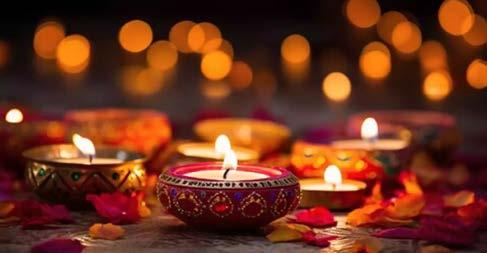
Diwali (October 21, 2025): The five-day festival of lights, celebrated by Hindus, Jains, and Sikhs, symbolizes the victory of good over evil and knowledge over ignorance. Holi (March 14, 2025): The festival of colours, celebrated by Hindus, Sikhs, Jains, and Buddhists, marks the arrival of spring and promotes forgiveness and togetherness.
Eid al-Fitr (March 30, 2025) & Eid al-Adha (June 6, 2025): Celebrated by Muslims, these festivals mark the end of Ramadan and the willingness of Ibrahim to sacrifice his son, respectively. They are a time for prayer, charity, and feasting.
Durga Puja (September 27 - October 2, 2025): This Bengali festival celebrates the victory of Goddess Durga over the demon king Mahishasura, symbolizing the victory of good over evil.
Guru Nanak Jayanti (November 5, 2025): This festival commemorates the birth of the first Sikh Guru, Guru Nanak Dev, and is celebrated with prayers, processions, and community meals.
Seasonal and Harvest festivals: Seasonal and harvest festivals celebrate the cycles of nature and agriculture, such as Pongal in Tamil Nadu and Bihu in Assam. These festivals promote gratitude towards nature and farmers, and they often involve cultural practices such as folk songs, dances, and crafts. Some notable seasonal and harvest festivals in 2025 are:
Makar Sankranti (January 14, 2025): Celebrated across India, this festival marks the transition of the sun into the zodiac sign of Capricorn and is often associated with kite flying and feasting. Pongal (January 14, 2025): A South Indian harvest festival that celebrates thanksgiving to the Sun God for a bountiful harvest. Onam (September 5, 2025): This harvest festival in Kerala celebrates the return of King Mahabali and is marked by grand feasts, boat races, and traditional dances.
The cultural and traditional factors behind festival bonding: The incredible bonding that takes place during these festivals is not accidental but is a result of several cultural and traditional factors. These factors contribute to creating an atmosphere of warmth, love, and togetherness. Strengthening family bonds: Festivals are a time for families to reconnect and celebrate together. Whether it’s the preparation of festive foods, the decorating of homes, or the
participation in religious rituals, families come together to share in the joy of the season. Generational connections: Festivals provide an opportunity for children to learn about their cultural heritage and traditions from their elders.
Shared memories: The shared experiences of celebrating festivals create lasting memories that strengthen family ties.
Rejuvenation of relationships: The joy and emotional support of celebrating together help families reduce stress and rejuvenate their relationships. Promoting social harmony and unity: Indian festivals are a powerful tool for fostering social harmony and unity, bringing together people from diverse backgrounds. They transcend barriers of caste, creed, and religion, emphasizing shared values and mutual respect.
Inter-community participation: During major festivals like Diwali and Eid, it is common for people from different communities to visit each other’s homes, exchange sweets, and join in the festivities. Community celebrations: Festivals often involve community gatherings, such as pandals during Durga Puja or communal feasts during Eid, which foster a sense of belonging and camaraderie. Charity and generosity: Many festivals encourage acts of charity and philanthropy, inspiring people to help those less fortunate.
Preserving cultural heritage: Festivals serve as a living vehicle for cultural preservation, ensuring that ancient stories, rituals, and values are passed down from one generation to the next. Traditional arts and crafts: Festivals provide a platform for artisans and craftsmen to showcase their skills, preserving traditional arts and crafts. Culinary traditions: The preparation of special festive dishes is an important part of cultural heritage, with different regions having unique culinary traditions. Folk songs and dances: Festivals are often accompanied by traditional music and dance forms, such as Dandiya during Navratri or Bhangra during Holi, which contribute to the rich cultural tapestry of India.
The role of festivals in the modern world: In today’s fastpaced world, Indian festivals have evolved to embrace modern times while retaining their traditional essence. Eco-friendly celebrations:With increasing awareness of environmental issues, there is a growing movement towards eco-friendly celebrations, such as using natural colours during Holi or eco-friendly idols during Ganesh Chaturthi. Global celebrations: Indian festivals are celebrated by the Indian diaspora around the world, bringing together people from diverse backgrounds in a shared celebration of colour and joy. Social media and technology: social media and technology play a crucial role in promoting and organizing festivals, connecting communities globally.
In Brief: The amazing great Indian festivals of 2025 are more than just celebrations; they are a way of life. They are a testament to India’s rich cultural heritage, vibrant traditions, and unwavering spirit of unity in diversity. These festivals, with their deep-rooted cultural and traditional factors, play a pivotal role in nurturing and strengthening family and society bonding, promoting brotherhood, and fostering a sense of togetherness.
As India celebrates these festivals, it not only honours its past but also creates a shared future filled with understanding, joy, and hope. The cultural mosaic of Indian-festivals will continue to thrive, enriching the lives of future generations and reminding them of the timeless values that bind them together as a nation.


Dr. S. E. Alexander Global Media Chief & MD


worldwidemediaasiapacific@gmail.com

Global Media Chief & MD
Dr. S. E. Alexander
Chief Executive Editor & ED
Dr. Andre Lubbe
Senior Executive Editors & Directors
Dr. Kevin Francis, George Fedrick
Executive Editor & SVP
Thamen, Reetu Bansal
Associate Editor & Regional Directors
Nicolas Flemings, Nitirooge Phoneprasert, Ken Obeng
Regional Director Malaysia
Shariman Abd Rahim
Creative Director
Randy Redstone
Art Directors
Richard Flemings
EVP - Asia Pacific Region Operations
Graham Starmer, Sudhakar Gupta
AGM – Corporate Communication
Swetha Naren
Vice President Operations
Amit, Rahul Shinde, Ruchi Srivatsa
Corporate Advisors & Consultants
Venkat, Mike Dobbertine, Chandrasekar, Ujagar Singh
Senior Sub Editors
Prasad ST, Ram Mohan Rao, Vinu Agarwal
Editorial Consultants, Senior Journalists & Sub Editors
Bruce N Lesly, Edna Ferber, Sreedevi, Nancy, Aarti Mukherjee, Maddy, Rachel D’souza, Vidya, Kruthiga, Ajay Franklin
Regional & Business Managers
Sanjay, Steve Mathews, Nirupama Rao, Sunil Kumar, T.P. Bhaskar, Kiran, Kishore
Circulation Managers
Shewtha Shetty, Alan, Rakesh Khanna, Subbodh Chakraborthy
Photographers
James O Corner, Nikhil, Bosh Winter
Resident Managers & Journalists
Aarthi Agarwal, Sarika, Vikram Kapoor, Swetha
Assistant Managers & Executives
Rocky, Manju, Prakash, Neetu
Senior Creative Designer
Raj, Ryan D’souza
Creative Designers
Ajeesh, Rajesh, Abhijit, Sonam, Reetu, Sonal, Ashish, Chithra






• India Couture Week 2025 A Look Back at Fashion’s Finest from the Best
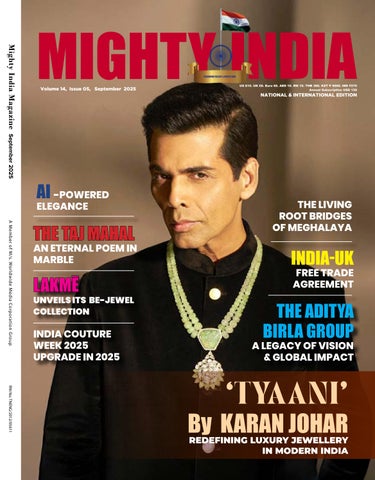
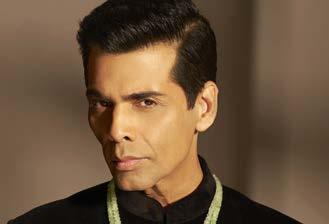
• Tyaani BY Karan Johar

• LAKME UNVEILS ITS BE-JEWEL COLLECTION With Brand Ambassadors Kareena Kapoor Khan & Aneet Padda



• Universal Studios To Bring Hollywood Magic To India With A Thrilling New Theme Park By 2027

• The Aditya Birla Group A Legacy of Vision & Global Impact
• Cybersecurity in India The Growth of a
• India-UK Free Trade Agreement A New Era of Economic Partnership

• Audi India Redefines Luxury Ownership with Unprecedented Extended Warranty and Roadside Assistance 166

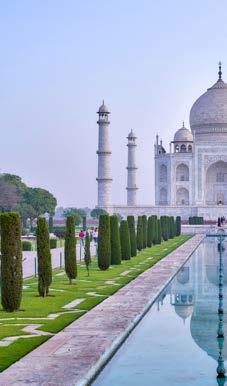

• The Living Root Bridges of Meghalaya Nature’s Masterpiece Woven by Human Hands


• Desi Rap Revolution How Indian Hip-Hop is Redefining Culture and Identity
• The Belgian Waffle Co.’s Ambitious Expansion to Sweeten India’s Dessert Scene

• Corporate Leagues - The Hidden Sponsorship Market Beyond IPL






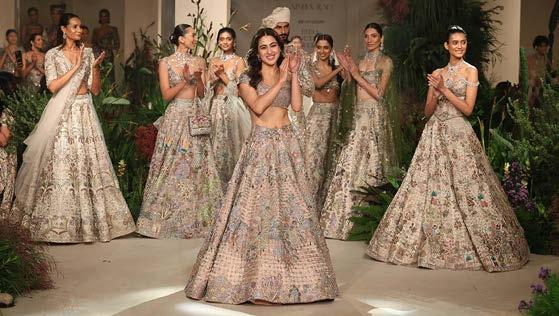
With every passing season, India Couture Week continues to redefine the language of luxury, offering a rare glimpse into the evolving soul of Indian fashion. The 2025 edition was no different, setting the stage for a new era of couture that is as rooted in heritage as it is unafraid to challenge convention. As India Couture Week 2025 drew to a close, it left behind a trail of unforgettable moments, each rooted in indian craftsmanship, showstopping artistry, and ever-evolving couture masterpieces. This season unfolded as a powerful celebration of identity, emotion, and innovation. From the sculptural mastery of Amit Aggarwal’s silhouettes to the ethereal veils that swept the runway, the collections spoke volumes about the direction in which Indian couture is heading – bold, innovative, and refreshingly modern. Beyond the opulence, this edition of ICW was about experimenting and pushing creative boundaries. Let’s take a look back at what some of India’s leading designer labels showcased at India Couture Week this season.




Rahul Mishra brought an emotional crescendo to the runway with Becoming Love – seven soulful stages of Love. With delicate florals, textured embroidery, and a palette that shifted from light to deep, the collection traced love’s many stages.


Roseroom by Isha Jajodia opened with Whispers of Love to Myself, a collection that explored femininity through the lens of self-love, transformation, and empowerment. Divided into four chapters from innocence to selfactualisation, it featured soft pastels, sculpted corsets, sweeping capes, veils, feathered skirts, and unembellished lace – a subtle yet recurring motif.

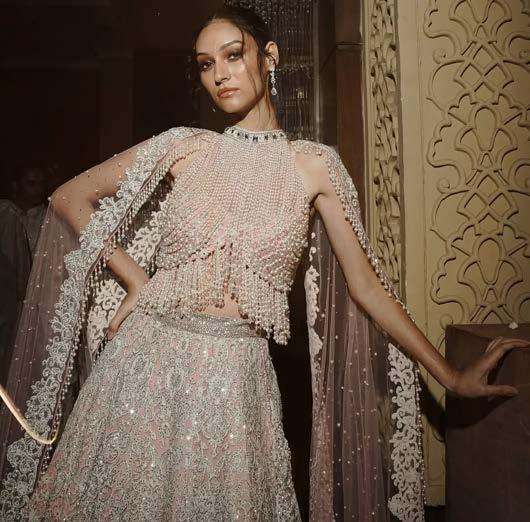
Suneet Varma’s collection Sehr bloomed with inspiration drawn from nature, featuring intricate floral embroidery across silhouettes, rendered in a romantic palette of jewel tones, soft pastels, and opulent hues like midnight blue and gold. From lehengas to sherwanis, each ensemble echoed Varma’s signature patterns and a poetic exploration of femininity.
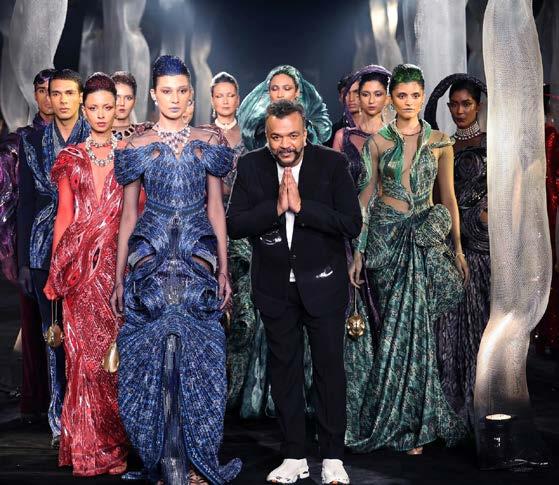
Amit Aggarwal’s Arcanum was arguably the most futuristic showcase of the season. Drawing inspiration from human biology and DNA, the collection unfolded in five conceptual chapters – Origin, Bloom, Pulse, Mutation, and Memory. Exploring sculptural forms, spirals, and layered iridescent textures, each piece pushed the boundaries of innovation and structure.

Falguni Shane Peacock’s Raj Mahal Bijoux was a poetic ode to India’s royal legacy, reimagined with a contemporary lens. From opulent bridal ensembles and understated menswear to the ethereal veils that emerged as defining add-ons, each piece echoed the grandeur of heirloom artistry and timeless craftsmanship.


Tarun Tahiliani unveiled Quintessence – a collection steeped in a regal palette of ivory, gold, and soft pastels. Reimagining corseted bodices as an essential need, the ensembles seamlessly fused structure with sensuality, while gracefully paying homage to the opulence of Indian bridalwear

Manish Malhotra made a dazzling return to India Couture Week with a couture party, swapping the traditional runway for a glamorous soirée. Bringing together the richness of tradition and the drama of couture, Malhotra’s assemblage featured form-fitting silhouettes, flowing drapes, and his hallmark corsetry. Brazilian supermodel Alessandra Ambrosio turned heads in two show-stopping looks: a pearl-encrusted corset lehenga and a silver shimmer saree set – both unmistakably Manish Malhotra.


The legendary Ritu Kumar made her return to India Couture Week with Threads of Time: Reimagined, seamlessly weaving heritage with a modern bridal sensibility. The collection was a heartfelt homage to the women who’ve embodied the label’s vision and the countless craftsmen behind its enduring artistry. The collection unfolded as a celebration in gold –layered sheers, printed silks, ornate bodysuits, and regal silhouettes came together in a dazzling display of archival craftsmanship and contemporary flair.
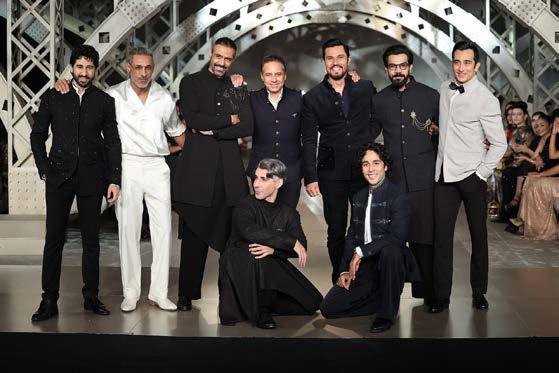
Shantnu & Nikhil brought an edgy charm to the showcase, melding military sharpness with poetic undertones. The label’s collection, Metropolis, featured structured sherwanis, crystal-studded bandhgalas, and sculpted blazers that stood alongside slit skirts and pearl-draped blouses, offering a dramatic fusion of form.



Jayanti Reddy’s Reclaimed Opulence dazzled with a craft-centric narrative, celebrating the charm of antique textiles through intricate dori work, ornate florals, paisleys and baroque motifs. The silhouettes shimmered with the designer’s signature lavish embroidery and sequins detailing.

The late Rohit Bal was honoured with a tribute collection titled Kash-Gul – a poetic ode to Kashmir’s serenity. Featuring fabrics like matka silk, Chanderi, and velvet intricately embellished with gold zardozi and threadwork, the collection echoed the label’s timeless sensibility.
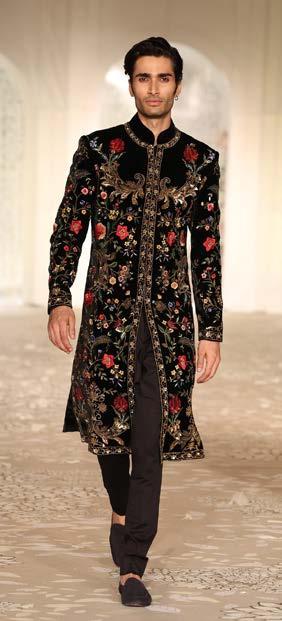
Marking her India Couture Week debut, Aisha Rao brought the fantastical Wild at Heart – a maximalist ode to nature’s untamed beauty. The collection unraveled through sculpted tailoring, dense appliqué, and richly layered textures, brought to life in silhouettes that exude romance.



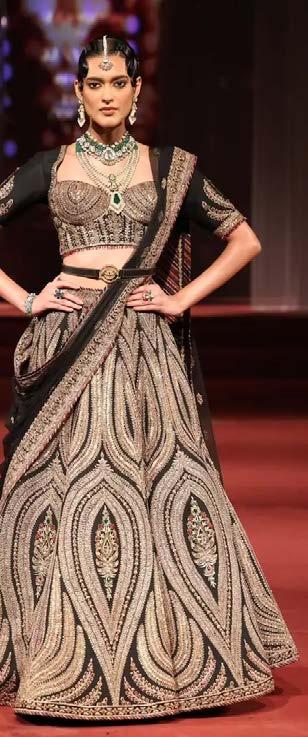
Rimzim Dadu unveiled Oxynn, a collection inspired by the rich heritage of Gujarat’s Banjara communities. Traditional crafts like Patola weaving and mirror work were reimagined through sculptural forms and metallic textures – a compelling blend of heritage and innovation that pushed the boundaries of couture and spotlighted its ever-evolving narrative.
Closing the week with masterpieces reflecting the grandeur of Indian couture, JJ Valaya showcased East, a collection inspired by Oriental art and architecture, seamlessly confluence with textile traditions. Featuring kimono-style overlays, brocade lehengas, and structured jackets, it was a majestic finale rooted in cultural crossover and evolving couture.
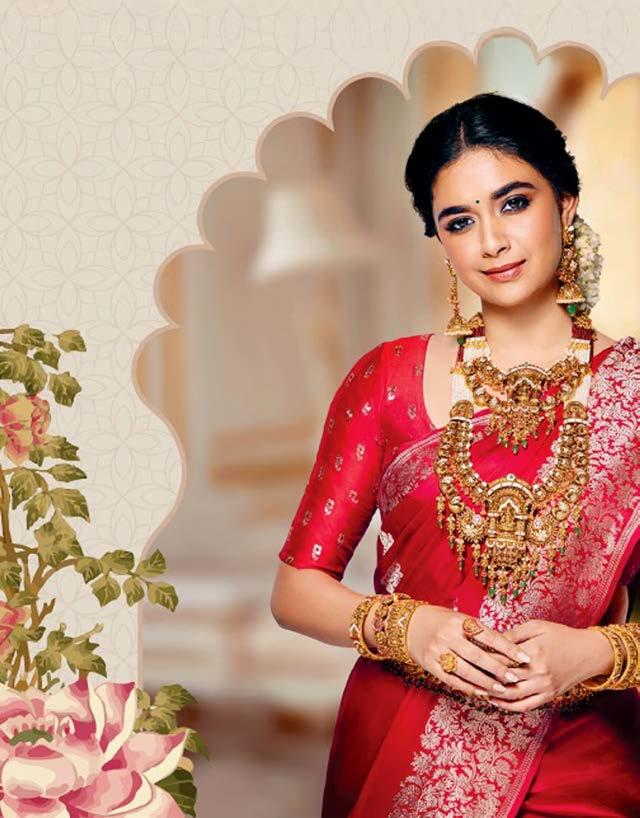

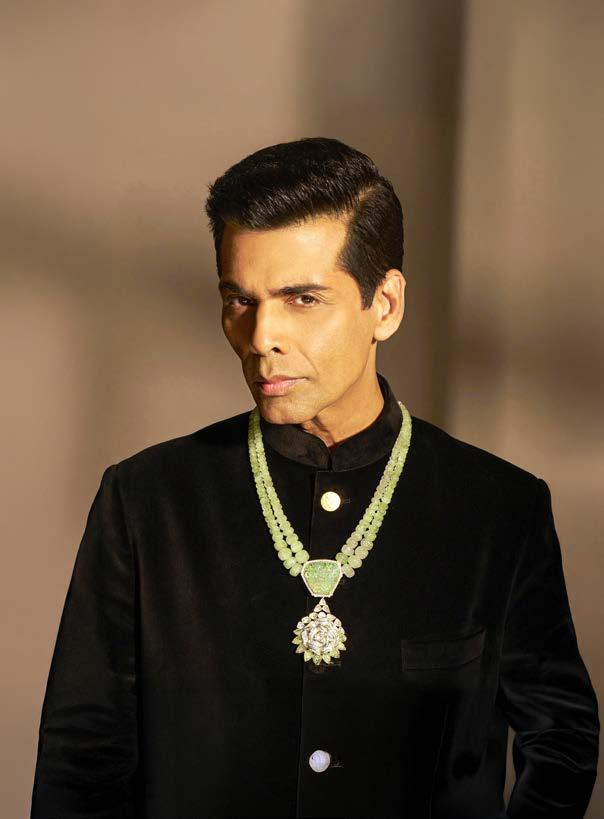
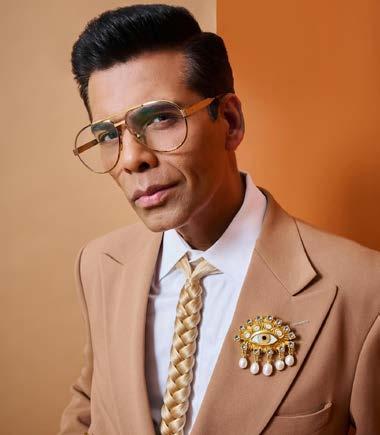
In the ever-evolving world of luxury fashion and fine jewellery, few brands manage to capture the perfect balance of heritage, craftsmanship, and contemporary appeal. Tyaani by Karan Johar is one such brand that has seamlessly carved its place in India’s premium jewellery market. Established in 2016, Tyaani was born from the vision of Bollywood filmmaker, style icon, and tastemaker Karan Johar, whose appreciation for art, design, and cultural heritage drove the creation of a brand that elevates traditional jewellery to modern luxury.
From its inception, Tyaani positioned itself not merely as a jewellery label but as a symbol of individuality, elegance, and timelessness. Unlike conventional jewellery brands that rely solely on ornamentation, Tyaani emphasizes storytelling through each piece. Every necklace, earring, and bracelet is a celebration of India’s rich artisanal legacy, infused with contemporary aesthetics suitable for the modern luxury consumer. Karan Johar envisioned Tyaani as a brand that would appeal to both connoisseurs of heritage jewellery and fashion-forward buyers seeking unique, statement-making pieces.

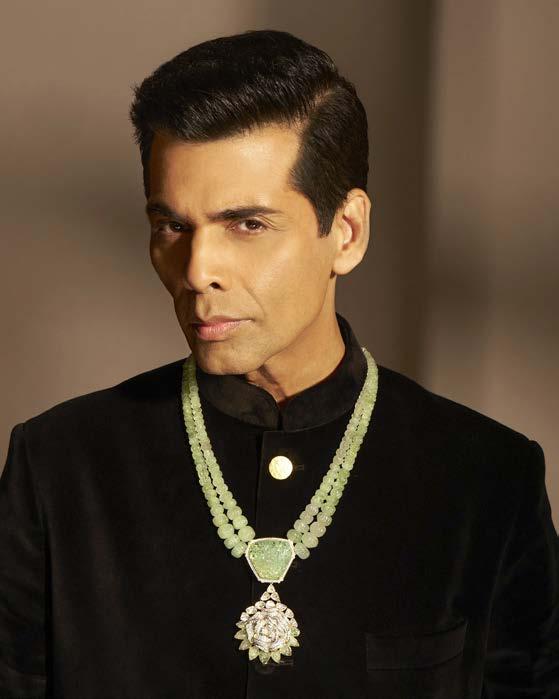

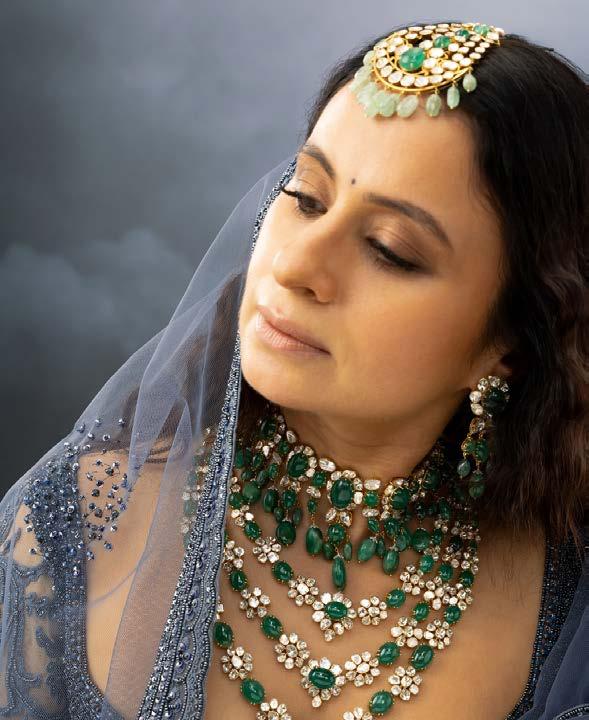
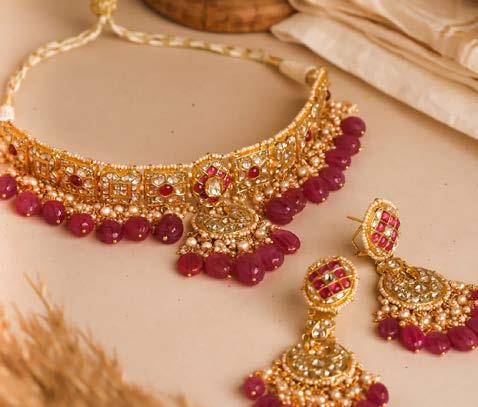
The cornerstone of Tyaani’s success lies in its uncompromising commitment to craftsmanship. Each creation begins with a vision, often inspired by India’s architectural marvels, natural landscapes, or cultural motifs. Skilled artisans, many of whom have inherited centuries-old techniques, meticulously handcraft every design, ensuring the highest standards of quality and precision. The brand predominantly uses 22KT gold, prized for its purity and durability, and pairs it with natural uncut diamonds, commonly referred to as polki. Polki diamonds, with their raw, unpolished charm, form the essence of Tyaani’s jewellery. Unlike machinecut diamonds, polki retains the authenticity and individuality of each stone, reflecting the brand’s philosophy that luxury should celebrate uniqueness rather than uniformity. Artisans employ traditional jadau techniques, intricate filigree work, and precise hand-setting to craft designs that are both visually stunning and structurally impeccable. What sets Tyaani apart is its ability to fuse these age-old methods with contemporary forms, ensuring that pieces resonate with the modern wearer while honoring Indian heritage.
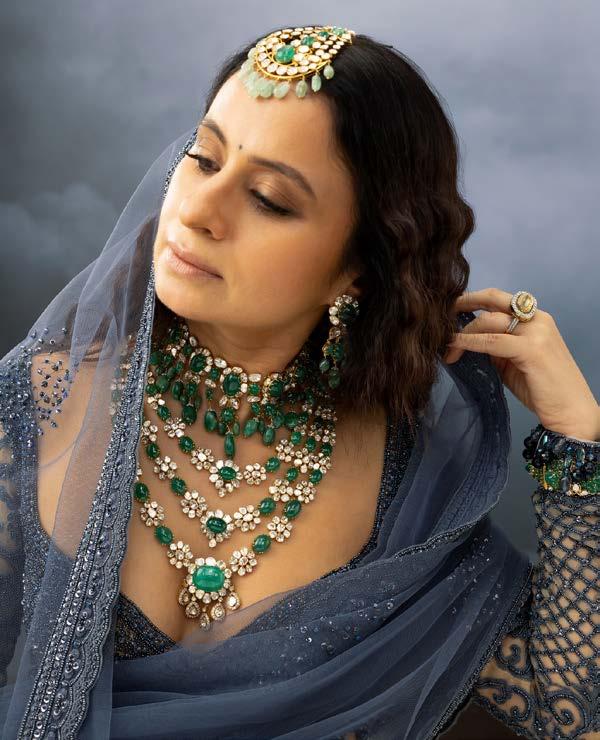
Tyaani’s collections reflect a profound understanding of both tradition and contemporary trends. The brand offers a diverse portfolio, from bridal masterpieces to everyday luxury pieces, each meticulously curated to appeal to a broad spectrum of luxury buyers.
At the heart of Tyaani’s offerings is its designer and uncut diamond jewellery collection. This
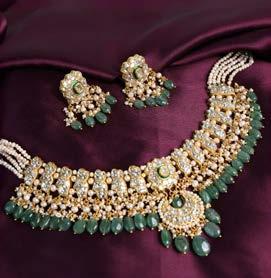
range showcases necklaces, earrings, bangles, and maang tikkas that marry traditional motifs with modern design sensibilities. Necklaces vary from delicately beaded chokers that hug the neckline to long, layered sets that make a dramatic statement. Earrings in this collection range from traditional chandbalis and jhumkas to sleek, elongated designs that complement contemporary outfits. Polki diamonds add an unparalleled sparkle, and the intricate gold detailing ensures that each piece stands out as an artwork in itself. What distinguishes this collection is its versatility. Pieces are designed to suit festive occasions, weddings, and highprofile social events while remaining wearable for discerning individuals who value timeless elegance. The attention to detail extends to every curve, motif, and setting, ensuring that the jewellery exudes sophistication from every angle.
The bridal collection at Tyaani is the epitome of grandeur and elegance. Recognizing the cultural significance of weddings in India, the brand has meticulously designed jewellery that enhances the beauty and grace of the bride. Engagement sets are understated yet captivating, featuring necklaces and earrings that complement the bride’s attire without overshadowing her natural radiance.

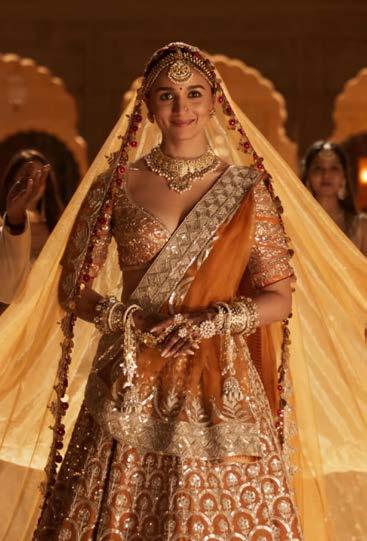
For mehndi and sangeet functions, the designs are vibrant, playful, and festive, capturing the joyous spirit of pre-wedding celebrations. On the wedding day, Tyaani’s bridal jewellery transforms into regal masterpieces. Heavy necklaces, ornate earrings, intricately designed bangles, and statement maang tikkas are carefully crafted to exude majesty without compromising on comfort. The brand’s philosophy ensures that while the bride makes a lasting impression, the jewellery also becomes a cherished heirloom, reflecting craftsmanship that can be passed down through generations.
The Lumnia collection explores the interplay of light and brilliance. Inspired by the natural radiance of sunlight and its reflection on gold and diamond surfaces, Lumnia features designs that shimmer subtly yet captivate attention. Necklaces, earrings, and rings in this collection often incorporate geometric patterns and contemporary silhouettes, offering pieces suitable for formal events and evening soirees. The collection exemplifies Tyaani’s ability to innovate within tradition, creating jewellery that appeals to modern tastes while maintaining artisanal authenticity.
Aurora by Tyaani draws inspiration from the ethereal phenomenon of northern lights. The designs feature flowing curves, asymmetric patterns, and layered settings that evoke


movement and light. Aurora caters to customers seeking statement pieces that are distinctive and conversation-starting. Rings and necklaces often feature large polki diamonds framed with delicate gold work, creating a balance between boldness and refinement. This collection demonstrates Tyaani’s commitment to pushing creative boundaries while staying rooted in Indian craftsmanship.
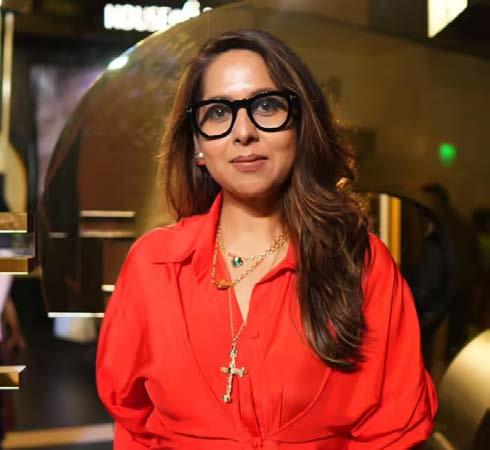
The Inaayt collection, a collaboration with celebrity stylist and designer Maheep Kapoor,
introduces contemporary sensibilities into bridal jewellery. With streamlined designs, innovative use of gemstones, and lightweight constructions, Inaayt caters to brides and buyers looking for elegance without heaviness. This collection bridges generational preferences, appealing to younger brides while respecting traditional aesthetics. It exemplifies Tyaani’s ability to adapt to changing market trends while retaining its signature ethos of luxury and authenticity.


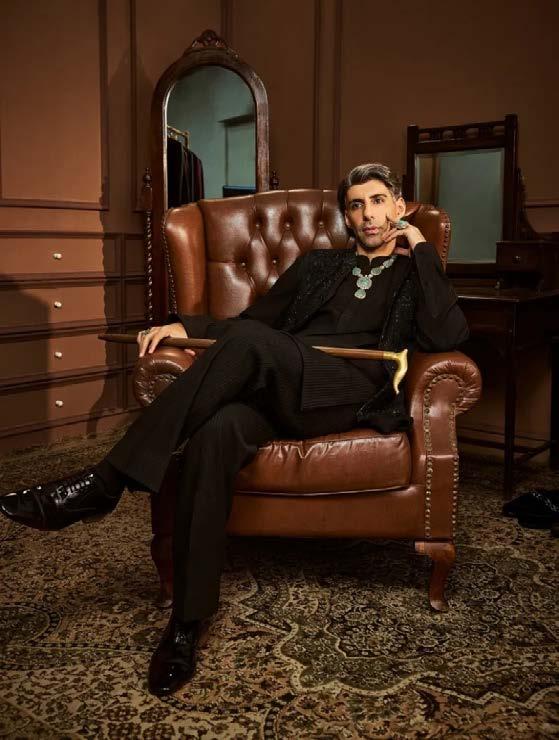
Tyaani has leveraged Bollywood’s glamour to establish itself as a cultural as well as a luxury icon. The “Forces of Tyaani” campaign, launched in 2025, was a landmark initiative featuring acclaimed actor Shefali Shah as the brand’s first ambassador. The campaign celebrated strength, individuality, and empowerment, positioning Tyaani not just as a jewellery brand but as a symbol of modern womanhood. Following Shefali Shah, the campaign expanded to include over ten highprofile personalities, including Zeenat Aman, Kusha Kapila, Jim Sarbh, Maheep Kapoor, Shalini Pandey, Kalki Koechlin, Jiya Shankar, Rasika Dugal, Shweta Tripathi, and Tillotama Shome. Each ambassador brought their unique identity and style to the campaign, embodying Tyaani’s philosophy that luxury should be inclusive, expressive, and personal. Celebrity endorsements have amplified the brand’s visibility, ensuring that Tyaani resonates with audiences beyond traditional jewellery buyers, attracting fashion enthusiasts, collectors, and global admirers.
Tyaani’s retail philosophy goes beyond mere product display; it is about creating an immersive luxury experience for customers. The brand has established boutiques in major metropolitan hubs such as Mumbai, Delhi, Bengaluru, and Hyderabad, where each store is carefully designed to reflect Tyaani’s ethos of elegance and refinement. Walking into a Tyaani boutique is akin to stepping into a curated gallery of gold and polki diamonds. Each display case, lighting choice, and seating arrangement is meticulously planned to enhance the customer experience, ensuring that every visit feels personal and memorable. The boutique experience is complemented by highly trained staff who understand not only the technical specifications of jewellery but also the narrative behind each piece.

Sales associates guide customers through the history of polki diamonds, the nuances of handcrafted designs, and the significance of various motifs, allowing buyers to make informed decisions while deepening their appreciation of the art form. Tyaani’s physical stores also host exclusive preview events, allowing clients to experience new collections first-hand, creating an aura of exclusivity that further elevates the brand’s prestige.
Recognizing the shifting landscape of luxury retail, Tyaani has embraced e-commerce without compromising the bespoke nature of its offerings. The brand’s official website, tyaani. com, provides an immersive digital experience that mirrors the elegance of its physical boutiques. High-resolution images, 360-degree product views, and detailed descriptions allow customers to appreciate the intricacy of each piece from the comfort of their homes. The website also features comprehensive guides on jewellery care, sizing, and customization options, reflecting the brand’s commitment to customer education. Personalized online consultations are available, where stylists provide one-on-one advice to assist buyers in selecting pieces that complement their wardrobe, personal style, or occasion. By bridging the gap between traditional instore luxury experiences and modern online convenience, Tyaani has created a seamless omnichannel presence that caters to today’s discerning clientele.
Tyaani’s impact extends beyond the material value of its jewellery; it is equally about the memories and emotions the pieces evoke. Brides who choose Tyaani for their wedding day often describe their jewellery as transformative, elevating not just their attire but their confidence and poise. Similarly, women purchasing pieces for festive or professional occasions speak of the jewellery as an extension of their identity—an emblem of sophistication, individuality, and cultural pride. The brand also emphasizes gifting as a form of storytelling. A Tyaani necklace or pair of earrings is often chosen as a token of love, achievement, or celebration. Recipients frequently remark on the emotional resonance of the jewellery, noting that it carries both aesthetic beauty and sentimental value. Through these experiences, Tyaani has cultivated a loyal customer base that values not just the product but the narrative, craftsmanship, and heritage encapsulated in each piece.
In India’s competitive luxury jewellery market, Tyaani distinguishes itself through a combination of heritage authenticity, celebrity influence, and contemporary relevance. While established names like Tanishq, Senco Gold & Diamonds, and Amrapali continue to dominate the market, Tyaani’s unique positioning allows it to capture a niche of high-end consumers who seek both prestige and individuality.



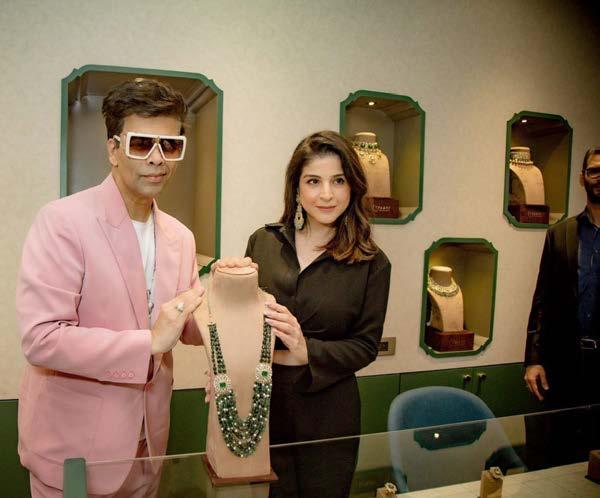
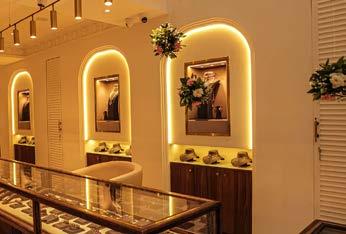

By focusing on handcrafted polki designs, luxury branding, and culturally resonant storytelling, Tyaani has carved a distinctive identity that appeals to millennials, urban professionals, and global buyers alike. The brand’s marketing strategies reinforce this positioning. Campaigns such as “Forces of Tyaani” leverage Bollywood’s cultural influence to create aspirational narratives around jewellery ownership. The careful selection of celebrity ambassadors ensures that Tyaani resonates with audiences that value authenticity, artistry, and style. In addition, strategic collaborations with designers like Maheep Kapoor demonstrate the brand’s ability to innovate while staying rooted in tradition, setting Tyaani apart from competitors who may prioritize mass-market appeal over exclusivity.
Tyaani’s influence extends beyond retail and aesthetics; it plays a pivotal role in shaping contemporary perceptions of Indian luxury jewellery. By modernizing traditional polki jewellery and presenting it in accessible, aspirational ways, the brand has inspired a new generation to embrace India’s rich jewellery heritage without compromising on modernity. Polki, once associated primarily with bridal wear, now features in everyday luxury fashion, social events, and professional settings, thanks in large part to Tyaani’s innovative approach. Furthermore, the brand’s emphasis on storytelling and emotional connection has reinforced the cultural significance of jewellery in India. Tyaani pieces are not merely decorative—they are markers of personal milestones, cultural identity, and familial heritage. This dual focus on tradition and innovation has positioned Tyaani as both a custodian of India’s artisanal past and a pioneer in redefining modern luxury consumption.
In recent years, luxury consumers have become increasingly conscious of sustainability and ethical sourcing. Tyaani has responded to this shift by ensuring transparency in its supply chain and prioritizing ethical sourcing of gold and diamonds. Each polki diamond is certified, and gold is sourced in accordance with responsible mining practices. The brand also invests in skilled artisans, providing fair wages, training, and safe working conditions, ensuring that the human element of craftsmanship is respected and celebrated. By integrating sustainability into its operational and creative processes, Tyaani not only appeals to eco-conscious consumers but also reinforces the long-term value of its jewellery. Pieces are designed to endure, both physically and stylistically, making them heirlooms for future generations rather than disposable fashion statements.


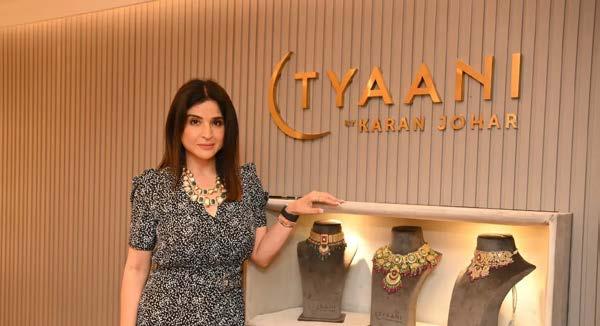

Recognizing evolving consumer tastes, Tyaani has also expanded into the men’s jewellery segment. In 2025, the brand launched a campaign featuring actor Jim Sarbh, highlighting its range of rings, cufflinks, and bracelets tailored for men who value style, craftsmanship, and individuality. This strategic move underscores Tyaani’s commitment to inclusivity and positions the brand as a lifestyle jewellery label rather than a women-only brand. Internationally, Tyaani has begun exploring global markets, catering to the Indian diaspora and luxury buyers seeking authentic Indian craftsmanship. By blending traditional artistry with contemporary design, the brand appeals to an international clientele that values heritage, quality, and exclusivity. This expansion aligns with Tyaani’s vision of making Indian luxury jewellery a global symbol of sophistication and cultural richness.
Looking ahead, Tyaani aims to continue redefining the Indian jewellery landscape through innovation, collaboration, and




storytelling. Plans include launching limited-edition collections, partnering with international designers, and integrating technology to enhance the customer experience. By continually evolving while maintaining its core principles of quality, craftsmanship, and cultural resonance, Tyaani is poised to remain at the forefront of India’s luxury jewellery market. The brand’s future also involves deeper engagement with sustainability initiatives, further integration of ethical practices, and the creation of immersive retail and online experiences. These efforts reflect Tyaani’s commitment not only to luxury and aesthetics but also to social responsibility, cultural preservation, and long-term customer loyalty. Tyaani by Karan Johar stands as a beacon of elegance, artistry, and modern luxury in the Indian jewellery sector. It is a brand that transcends the material value of gold and diamonds, creating pieces that carry stories, emotions,
and cultural significance. From its meticulously handcrafted designs to its visionary campaigns, Tyaani embodies the harmonious fusion of tradition and contemporary style. For the discerning buyer, Tyaani is more than a brand—it is an experience, a celebration of individuality, and a testament to India’s rich heritage. Whether for weddings, festive occasions, or personal milestones, Tyaani jewellery is designed to captivate, inspire, and endure. Its dedication to craftsmanship, sustainability, and cultural storytelling ensures that every piece is not only a work of art but also a treasured legacy.


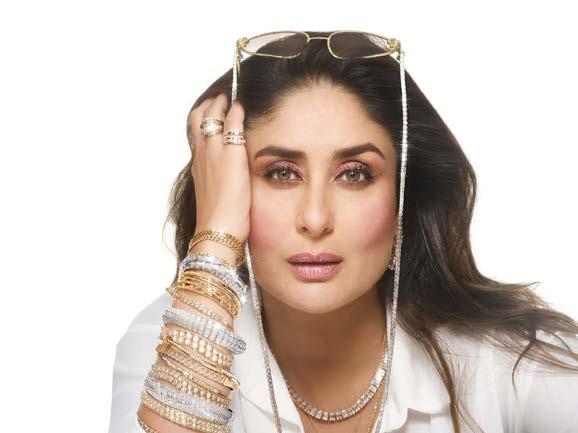
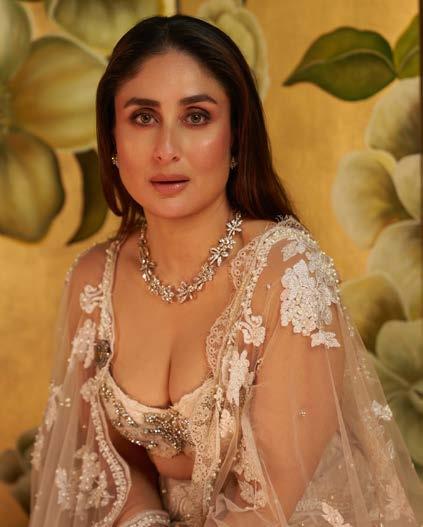
The House of Lakme, India’s first and largest makeup brand, announces the launch of its newest campaign for the Lakme Be-Jewel collection, featuring Kareena Kapoor Khan and Aneet Padda.

With Be-Jewel, Lakmē redefines maximalism for the modern Indian woman, drawing inspiration from the radiance of jewels, from pearl-like luminosity to ruby-sheen eyes and diamondshimmer lips. This new code of maximalism celebrates soft glam, diffused shimmers, color, and drama while keeping it effortless, wearable, and skin friendly. Whether it’s Be-Jewel by day or Be-Jewel by night, the campaign reflects Lakmē’s belief that makeup shouldn’t need artistry to feel iconic; it should be intuitive, light, and transformative in a single swipe. Kareena’s
enduring presence at the top of her game for over two decades is a testament to her timeless relevance and cultural impact. By continuing her long-standing relationship with Lakmē, she redefines what it means to be the face of beauty showing that personality, presence, and style are what truly set icons apart. For Lakmē, her role in Be-Jewel is not just about fronting another campaign but about embodying a cultural shift: from Poo in the 2000s to an unapologetic working mother in the 2010s, and now as the OG who proves that icons don’t fade, they evolve.

She isn’t chasing trends; she’s setting the terms of what relevance looks like in Indian beauty today. For Lakmē, the campaign also signals a powerful dual strategy. Kareena Kapoor Khan, long celebrated as the face of Indian glamour, represents the brand’s enduring connection to fashion and iconic beauty moments. Reflecting on her association, she said: “Lakmē has been a constant in my journey — timeless, yet always ahead of the curve. What I admire about Lakmē Be-Jewel is how it brings a modern edge to glamour, making it feel effortless and everyday. That hint of shimmer has a way of lifting you instantly — whether you’re on the red carpet or in the middle of a busy day. To me, true style isn’t defined by age; it’s about confidence, presence, and the way you choose to own every moment.”
Joining her in the campaign is Aneet Padda, who brings the voice of Gen Z into Lakmē’s beauty conversation. Speaking about what Lakmē Be-Jewel means to her, she noted: “For me, beauty isn’t in perfection, it’s in the play. Be-Jewel lets me try, mix, and layer till it feels like my story, not anyone else’s.”


Highlighting how Lakmē is rewriting the old codes of maximalism, Sunanda Khaitan, Vice President – Lakmē, noted: “Around the world, we’re seeing maximalism return in fashion and beauty but in India, women want it with a twist: glamorous yet effortless, luxe yet wearable. Being India’s largest and most iconic beauty brand, Lakmē Be-Jewel is our response to this trend; jewel-like radiance in a collection which is easy to use, every single day.” She further adds: “For Lakmē, inclusivity has never been just about skin tones, it’s also about celebrating diverse journeys. Kareena brings with her the confidence and presence that show beauty isn’t defined by a moment in time – it evolves, sharpens, and continues to inspire. Alongside Aneet’s fresh Gen Z energy, this campaign captures the full spectrum of what


beauty means in India today: iconic, expressive, and unapologetically individual.” With this campaign, Lakmē reinforces its position as the country’s leading beauty x fashion brand bridging heritage and innovation, icons and new voices, and proving once again that beauty in India is best defined in the Lakmē way.
Lakmē, India’s leading beauty expert, continuously innovates to offer a range of high-performance, cruelty-free skincare and cosmetics. Combining international technology with deep Indian beauty expertise, Lakmē has been a trailblazer for over 50 years. The brand’s commitment to beauty extends beyond skincare and makeup through its association with Lakmē Fashion Week, the country’s largest fashion event celebrating the intersection of beauty, style, and innovation.


No Woman would ever say that “I have enough jewellery,” As the Great Indian festivals season 2025 has been entirely Stealing the Hearts with the perfect sense and sensation of all those, who have taste and interest to live joyfully, shopping becomes an integral part of our routine, and adding that perfect piece of jewellery becomes essential to elevate your entire look. One of the most exquisite aspects of Indian culture is its traditional jewellery – a true feast for the eyes.
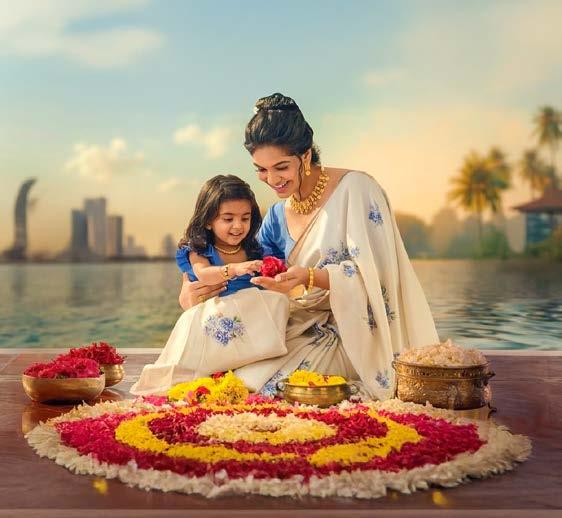
For centuries, jewellery has evolved from the ancient era to the current statement jewellery. Think elaborately crafted gold pieces, adorned with breathtaking gemstones, lustrous pearls, and shimmering diamonds, all coming together to create magic. With Onam, the King of Festivals in Kerala, approaching, celebrating in ethnic attire and authentic jewellery is a must. Here’s an exciting curated collection of must-haves to elevate your bijoux box!

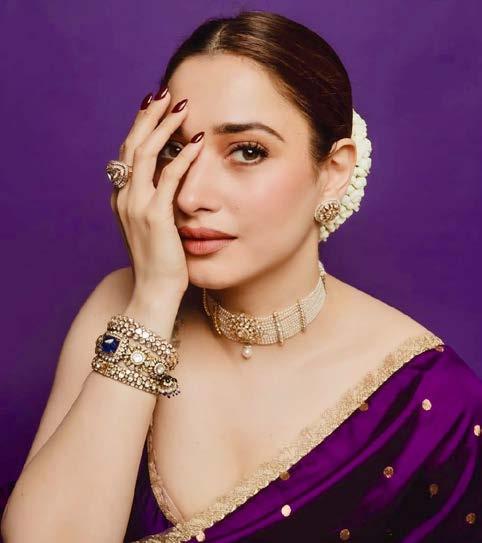
A statement necklace isn’t just an accessory; it’s a transformative element that enhances the elegance of silk sarees, making it an essential piece for Onam celebrations. Whether you’re drawn to the intricate charm of Polki jewellery or the timeless beauty of traditional temple motifs, these necklaces resonate with the festival’s vibrant spirit, infusing your outfit with the right amount of oomph.



Stack it up this Onam! Accessorise even your simplest Onam look with a vibrant stack of bracelets, kadas, and cuffs. Bold and intricately designed, these jewellery pieces, often adorned with colourful gemstones, can instantly elevate your look from basic to breathtaking. Whether it’s a chunky brass cuff with a silk saree or a bracelet stack with a kurta set, these pairings guarantee double-takes. These pairings are sure to turn heads and leave everyone wanting to borrow a page from your style playbook.
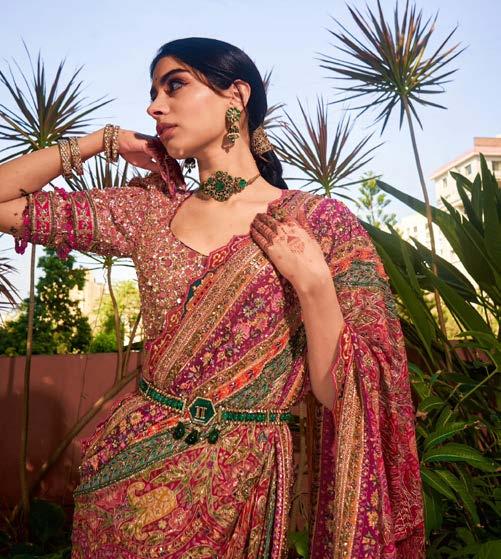
Once reserved for weddings, the OG kamarband is now cinching its place in every festive wardrobe. This beautifully crafted add-on, adorned with stunning stones and pearls and featuring intricate designs, works wonders in enhancing your silhouette while adding a touch of elegance to your ensemble. Whether you’re draping a saree or styling a lehenga, a waist belt instantly elevates your look, adding structure, style, and just the right amount of drama.
Want to keep it subtle yet impactful? Nothing can beat the charm of vintage earring chains, or kaanchains, as they are popularly known. To create a truly stunning traditional look, consider pairing your jhumkas with an earring chain adorned with delicate pearls or stones. The gentle fall of the chain adds a whisper of elegance, drawing attention to your features in the most effortless way.
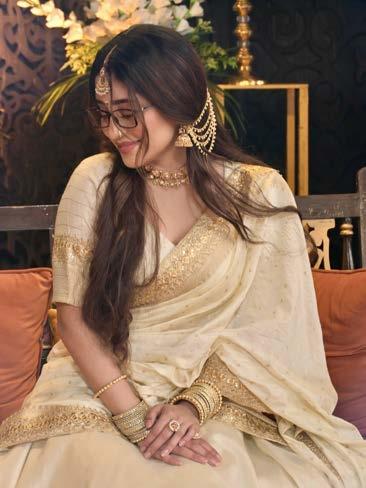


Let your hair do all the talking this festive season! Once worn exclusively by brides and bridesmaids at weddings, this over-the-top add-on is perfect for those who believe that more is more. Whether you choose to embellish a traditional braid with fresh flowers or opt for a gold-plated jada adorned with pearl details, the contrast between delicate materials and bold design ensures this accessory remains the focal point of any ensemble.



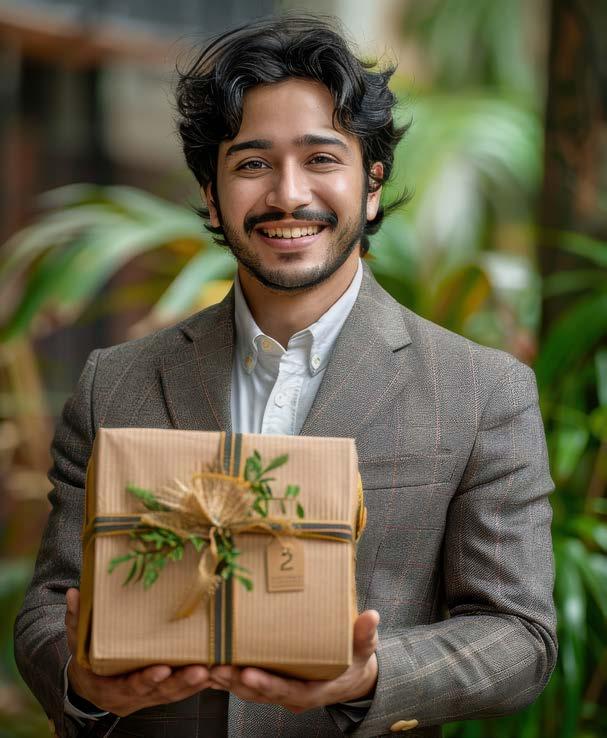
In India, corporate gifting is more than a formality—it’s a meaningful way to strengthen professional relationships, express gratitude, and elevate brand presence. Deeply rooted in the country’s cultural fabric, gifting symbolizes respect and goodwill, making it a powerful tool in business to foster loyalty among employees, clients, and partners. With festivals like Diwali and professional milestones shaping the gifting calendar, selecting thoughtful, professional presents can leave a lasting impression. This article explores the art of corporate gifting in India and offers insights into choosing gifts suited for a corporate setting, all within a warm and informative tone.


Corporate gifting in India carries immense significance, blending tradition with modern business practices. A well-chosen gift can boost employee morale, deepen client trust, and enhance brand visibility, especially during festive seasons or key milestones like work anniversaries. The key lies in personalization—adding a recipient’s name or a company logo transforms a simple gift into a

memorable gesture. However, generic or repetitive items risk being forgotten, so creativity and relevance are essential to make an impact in today’s dynamic corporate landscape. When it comes to selecting gifts, the options are diverse and can be tailored to the recipient and occasion. For festive occasions like Diwali, hampers filled with sweets, dry fruits, or decorative items like silver thalis and deity idols resonate deeply with India’s cultural ethos, making them ideal for employees and clients alike. Personalized gifts, such as engraved pens, monogrammed notebooks, or custom mugs, strike a balance between practicality and thoughtfulness, fitting seamlessly into corporate environments.








These are particularly effective for employees, as they enhance workspace functionality while adding a personal touch. For clients, premium gifts like luxury pens, designer cardholders, or high-end planners project professionalism and exclusivity, leaving a strong impression. Sustainability is another growing trend in India’s corporate gifting scene. Eco-friendly options like bamboo pens, reusable water bottles, or jute bags align with the country’s increasing focus on environmental consciousness, appealing to professionals who value green initiatives. Cultural gifts, such as silverplated deity idols or sandalwood boxes, carry traditional significance and are perfect for formal occasions, especially for Indian audiences. Wellness-focused gifts, like spa sets or aromatherapy diffusers, cater to the rising demand for self-care, making them thoughtful choices for employees navigating high-pressure work environments. Techsavvy professionals, on the other hand, appreciate practical gadgets like power banks or wireless earbuds, which blend utility with modern appeal.
To ensure gifting success, timing and relevance are critical. Sending gifts well in advance—ideally six weeks before major festivals like Diwali—avoids delivery delays and shows foresight. Budget considerations also matter; premium gifts suit high-value clients, while affordable yet thoughtful items like branded pens work for broader employee gifting. Personalization, such as including a handwritten note or custom branding, elevates the experience, but companies should steer clear of overused items to avoid seeming predictable. By aligning gifts with the recipient’s role, the occasion, and cultural context, businesses can create meaningful connections. Corporate gifting in India is an art that blends tradition, professionalism, and creativity. Whether it’s a festive hamper, a sustainable keepsake, or a premium token of appreciation, the right gift strengthens bonds and reflects a company’s values. By prioritizing thoughtfulness and relevance, businesses can turn simple gestures into powerful tools for building lasting relationships in India’s vibrant corporate landscape.

GeneIQ – India’s first medico-aesthetic clinic application reinforces our core promise – Feel Young, Look Younger. Oliva Clinics, India’s most trusted chain of dermatology-led aesthetic clinics, has always stood for one core promise — to help clients Feel Young, Look Younger with visible, lasting results. Today they announced the launch of a pioneering program to make that promise even stronger - GeneIQ, utilizing the power of DNA insights to deliver corrective and preventive skin, hair, and body care.


By adding the precision of DNA insights to its signature VDiscover 5-step consultation, Oliva becomes the first medico-aesthetic clinic chain in India to personalize care at the genetic level. This breakthrough ensures that clients not only achieve their goals to Feel Young, Look Younger faster, but also sustain them through corrective and preventive roadmaps built uniquely for their biology.
Every person’s skin, hair, and body concerns are shaped by both environment and genetics. While lifestyle can be adjusted, DNA remains a constant blueprint. GeneIQ begins with a simple, noninvasive saliva test. Using advanced microarray technology, over 130 genes and 150 traits relevant to skin, hair, metabolism, and lifestyle are analysed.
GeneIQ insights allow dermatologists to decode each client’s unique genetic tendencies relevant to pigmentation, acne, collagen loss, hair thinning, metabolic risks, and nutrient absorption. For Indians, who are especially predisposed to pigmentation, hair loss, and early lifestyle diseases, these insights provide an unprecedented level of precision for the right solutions.
Globally, genomics is emerging as a major frontier in healthcare and wellness. Oliva Clinics is among the first in India to apply it to aesthetic dermatology. By integrating GeneIQ insights with precise treatment plans – spanning oral and topical medications, advanced in-clinic treatments, and nutritional and lifestyle guidance – Oliva is offering a comprehensive, actionable roadmap that supports clients in looking youthful today while proactively protecting their tomorrow.


At Oliva, science has always been the foundation. So far, the dermatologist-led, 5-step consultation has delivered proven results for 8 lakh clients, with a 97% satisfaction rate. GeneIQ elevates this commitment by introducing genomics as a new layer of precision – enabling proactive, evidence-led decisions that strengthen the promise to Feel & Look Younger.
Dr. Rekha Singh, Chief Medical Officer at Oliva Clinics, said: “Precision in personalisation is not just about symptoms, but measurable biology and we go in-depth. With GeneIQ, we are analysing validated genetic markers that influence collagen degradation, pigmentation, inflammation, and metabolic processes. This allows our dermatologists to design interventions that are not only corrective but also predictive, thus preventive. It is evidence-based care that is truly unique to each individual.”



Riya Kumbhani, Head, Brand & Products, Oliva Clinics, added: “Oliva’s purpose has always been clear — to help clients Feel Young, Look Younger with science-backed solutions that offer visible, lasting results. With GeneIQ, we strengthen that proposition by taking precision to its highest level. With this, we are elevating our offering, setting new benchmarks in aesthetic dermatology, and reinforcing what the Oliva brand stands for — science, trust, and transformation.” GeneIQ launches exclusively at Oliva’s new flagship clinic in Banjara Hills, Hyderabad, and will be progressively rolled out across India.
Oliva Clinics is India’s leading chain of medicoaesthetic dermatology clinics striving to transform skin and hair care through science, safety, and personalization to help clients look & feel younger. Established in 2009, Oliva has grown into a trusted brand with 30+ state-of-the-art clinics across 9 major cities. They are led by a team of over 125 dermatologists working with the latest USFDAapproved technologies.



In India’s fast-evolving job market, salary transparency in job postings is no longer a niche practice but a growing expectation. As of early 2025, over 50% of job listings on platforms like Indeed India now include salary details, a significant leap from just 26% in March 2022. This shift, driven by job seekers’ demand for fairness and clarity, is reshaping recruitment practices, particularly in competitive sectors like IT, BFSI, and Consulting. By peeling back the curtain on compensation, employers are fostering trust, attracting top talent, and addressing workplace inequities. This article explores the positives of salary transparency and why it’s a game-changer for India’s workforce.

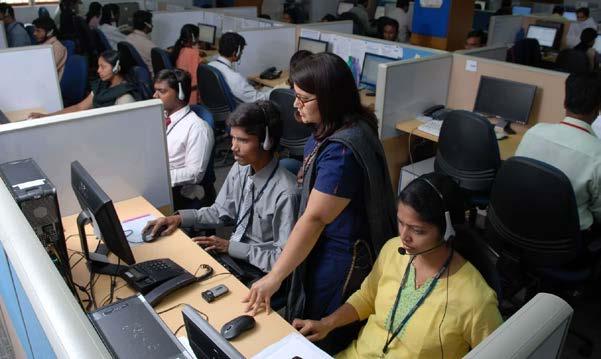

One of the most significant benefits of salary transparency is its empowerment of job seekers. With 62% of candidates in India preferring job postings that disclose pay, transparency enables applicants to make informed decisions. By knowing the salary range upfront, candidates can assess whether a role aligns with their financial expectations and career goals, saving time for both themselves and recruiters. This is particularly crucial for younger workers, with 85% of Gen-Z job seekers less likely to apply to postings lacking salary details. Transparency also levels the playing field, especially for women and underrepresented groups, who often face pay disparities. By making salaries visible, candidates gain leverage to negotiate fair compensation, reducing the risk of being underpaid due to lack of information.
For employers, salary transparency is a strategic tool to stand out in a crowded market. Transparent job postings receive more clicks, saves, and high-quality applications, as candidates are drawn to organizations that prioritize openness. In sectors like IT and Consulting, where 35% of postings now include pay details, companies showcasing transparent salaries signal confidence in their compensation structures. This builds trust and enhances employer branding, positioning organizations as equitable and employee-centric. Moreover, transparency streamlines hiring by attracting candidates whose expectations align with the offered pay, reducing the likelihood of mismatched hires or prolonged negotiations. In a talent-scarce market, this efficiency is invaluable.

Salary transparency is a powerful catalyst for addressing pay inequities, a persistent issue in India’s workforce. The Equal Remuneration Act, 1976, mandates equal pay for equal work, yet gender and other pay gaps persist. By disclosing salary ranges, employers make discrepancies visible, enabling proactive steps to address them. Regular pay audits, coupled with transparent job postings, help organizations identify and rectify unjustified wage gaps, fostering a culture of fairness. This is particularly impactful in junior and mid-level roles, where transparency is highest, with 32% and 28% of postings, respectively, including pay details. As organizations align transparency with diversity, equity, and inclusion goals, they create workplaces where employees feel valued and respected.



Despite its benefits, salary transparency faces hurdles. Employers often worry about internal pay disputes, competitive poaching, or reduced negotiation flexibility. Additionally, India lacks a legal mandate for salary disclosure, unlike some U.S. states, which slows adoption in certain sectors like pharmaceuticals, where only 5% of roles like pharmacy technicians disclose pay. To implement transparency effectively,
organizations should establish clear compensation frameworks, conduct regular pay audits, and train managers for open pay discussions. Providing salary ranges, even if broad, ensures flexibility while maintaining transparency. Employers must also communicate the rationale behind pay structures to employees, addressing concerns and fostering trust.








The rise of salary transparency in India, with a 208% increase in Delhi and 71% in Mumbai, reflects a cultural shift toward openness and accountability. As more than half of job postings now include pay details, particularly for remote and hybrid roles, the practice is becoming a cornerstone of modern recruitment. For job seekers, transparency offers clarity and bargaining power. For employers, it enhances efficiency, trust, and brand appeal. Most importantly, it drives workplace equity by making pay disparities actionable. As India’s workforce, especially its Gen-Z cohort, continues to demand fairness, salary transparency is not just a trend but a transformative force, paving the way for a more equitable and competitive job market.


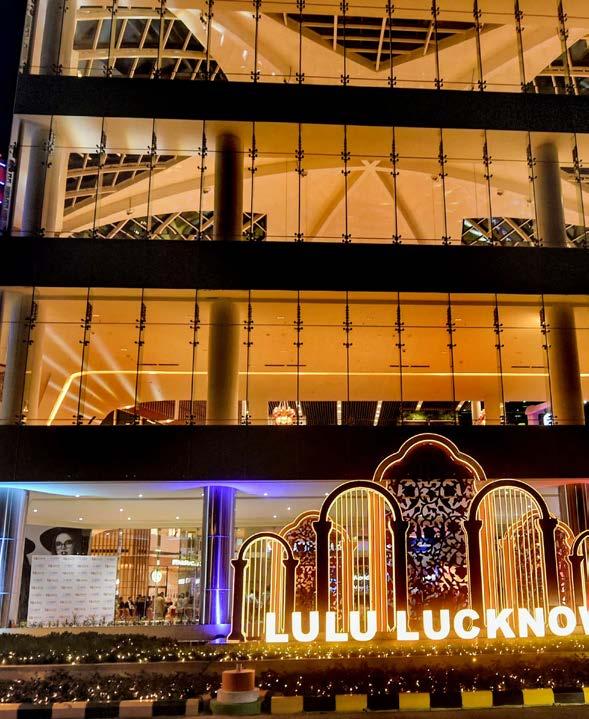

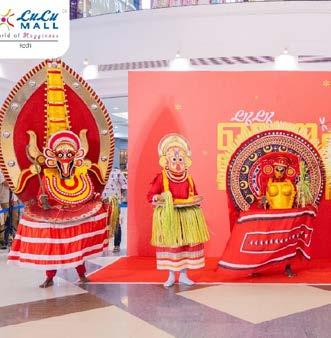
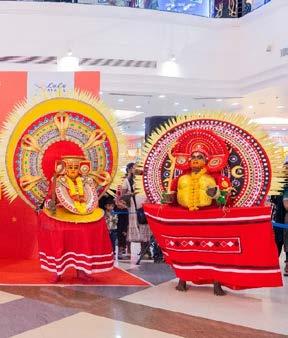
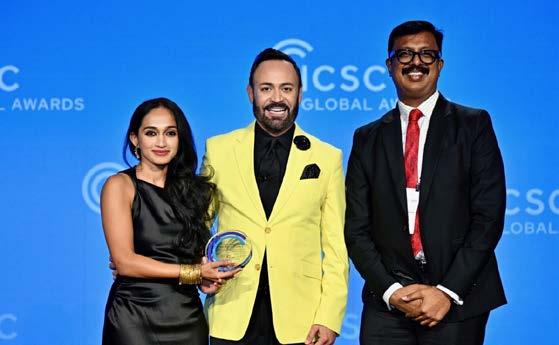
In a dazzling display of retail innovation, Lulu Malls have clinched three prestigious honours at the 2025 ICSC Global MAXI Awards, cementing their position as trailblazers in the global shopping centre industry. The awards, presented at a grand ceremony in Las Vegas, recognized the exceptional marketing initiatives of Lulu Mall Lucknow, Lulu Mall Thiruvananthapuram, and Lulu Mall Kochi,
showcasing their ability to captivate audiences and drive unparalleled engagement. This triple triumph underscores Lulu Malls’ commitment to redefining retail experiences through creativity, community connection, and strategic brilliance. The International Council of Shopping Centres (ICSC) Global MAXI Awards celebrate excellence in retail marketing, honouring campaigns that push boundaries and deliver measurable impact.


This year, Lulu Mall Thiruvananthapuram, stood out among 75 competing malls worldwide, securing a coveted Silver Award in the Marketing Excellence Integrated category for its groundbreaking Freedom Fiesta, an Independence Day campaign that honoured the Indian Army and encouraged engagement among the locals. This immersive event transformed the mall into a one-stop destination for honouring the Indian Army and celebrating freedom. The campaign not only attracted thousands of visitors but also resonated deeply with the patriotic emotions of the people in India, creating a memorable and meaningful shopping experience. The Silver Award is a testament to Lulu Mall Thiruvananthapuram’s ability to blend tradition with modern retail innovation, earning global recognition for its bold vision.

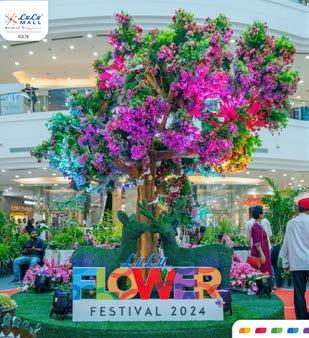
Meanwhile, Lulu Mall Kochi captivated audiences with its Lulu Flower Festival, a vibrant celebration of nature and creativity that earned accolades at the awards. The festival, which drew an impressive 297,000 visitors, featured stunning floral installations, interactive workshops, and immersive experiences that transformed the mall into a blooming paradise. The campaign resulted in a remarkable 22% increase in footfall, showcasing its ability to attract diverse crowds and boost engagement. By combining aesthetic appeal with community-driven activities, the Lulu Flower Festival demonstrated how malls can transcend traditional retail to become cultural and social hubs. Not to be outdone, Lulu Mall Lucknow also earned recognition for its Olympic-themed kids’ retail event called Lulu Little Games, a dynamic campaign that energized young shoppers and their families. This initiative, designed to spark excitement and promote active lifestyles, featured interactive games, sports-themed activities, and exclusive kids’ merchandise. The result was a 21.4% surge in footfall and a 12.7% increase in kids’ category sales, proving the campaign’s success in engaging a key demographic.By tapping into the universal


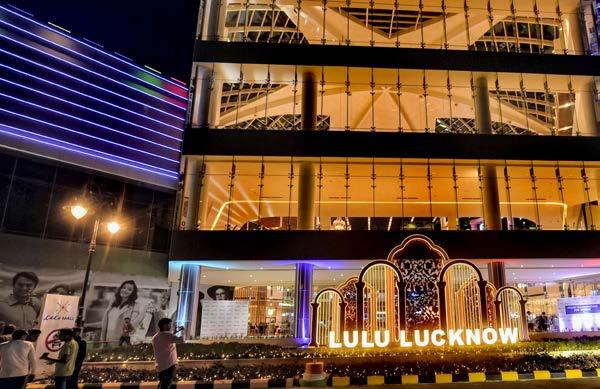

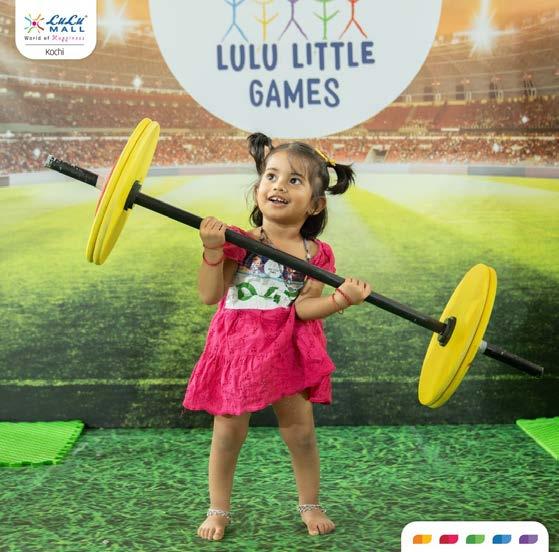
appeal of the Olympics, Lulu Mall Lucknow created a fun, inclusive experience that resonated with families and reinforced the mall’s role as a community cornerstone. These awards highlight Lulu Malls’ strategic approach to retail marketing, blending creativity, cultural relevance, and data-driven results. Each campaign was meticulously crafted to align with the unique needs and aspirations of their audiences, from patriotic citizens in Thiruvananthapuram to families in Kochi and Lucknow. The recognition at the ICSC Global MAXI Awards 2025 not only celebrates these achievements but also sets a new benchmark for innovation in the retail sector. As Lulu Malls continue to redefine the shopping experience, their triple win at the 2025 ICSC Global MAXI Awards serves as a powerful reminder of their influence and ambition. By creating moments that inspire, connect, and delight, Lulu Malls are shaping the future of retail—one award-winning campaign at a time.

In a world where coffee is more than just a morning ritual—it’s a lifestyle—lifestyle influencers Radhika Seth and Meghna Kaur have teamed up with co-founders Naheel Koroth and Akash Thakkar to launch NAKED, a specialty coffee brand that’s shaking up India’s premium coffee scene. Launched on July 15, 2025, through its direct-to-consumer website, NAKED is not just another coffee brand; it’s a bold, unapologetic statement in a cup, aiming to carve a niche alongside heavyweights like Subko and Blue Tokai. Based in Bengaluru, the heart of India’s coffee culture, NAKED is brewing a revolution with its unique approach to quality, community, and authenticity.


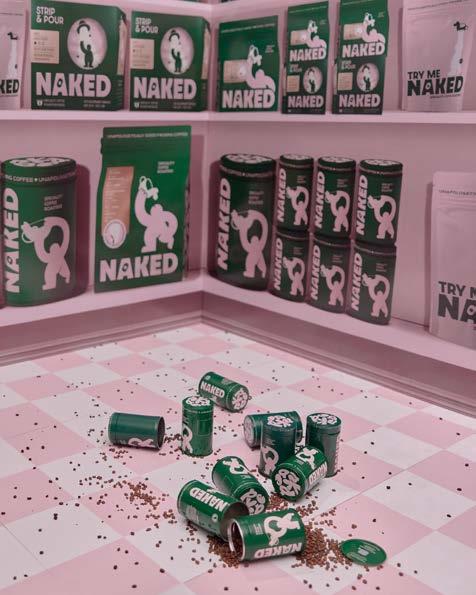
What sets NAKED apart in a crowded market is its fearless commitment to being “unfiltered.” The brand’s ethos is reflected in its name, which stands for raw, honest, and stripped-down excellence. NAKED’s offerings include nine to ten carefully curated SKUs, featuring rare microlots and nanolots sourced from eight prestigious estates across India and beyond. Some of these are one-time exclusives, ensuring that every sip tells a unique story. From whole beans to custom grinds tailored to specific brewing methods, NAKED caters to coffee aficionados who demand precision. Their standout innovation? A first-of-its-kind single-serve pour-over bag, designed for the modern, on-the-go consumer who refuses to compromise on quality.


Unlike many startups that rely on external expertise, NAKED’s founders took a hands-on approach, building the brand from scratch without consultants. They even defied industry advice by roasting their beans in-house at a dedicated facility, ensuring meticulous quality control. This DIY spirit extends to their vision of NAKED as more than just a coffee brand. Alongside their premium brews, they’ve introduced merchandise that embodies their bold, unfiltered identity, appealing to urban, quality-conscious consumers, particularly younger demographics who resonate with their authentic voice.







Financially, NAKED started as a bootstrapped venture but quickly gained traction, securing a Rs 1 crore friends-and-family funding round at a Rs 10 crore valuation. With a first-year revenue target of Rs 3–3.5 crore, the brand is off to a promising start. Currently retailing through its D2C website and B2B partnerships with restaurants, NAKED has ambitious plans to expand into quick commerce, e-commerce marketplaces, and even physical cafes that transcend the traditional coffee shop model. These future outposts will embody the brand’s lifestyle-driven ethos, offering experiences that go beyond just coffee.
Radhika Seth and Meghna Kaur, known for their massive social media followings, bring more than just star power to NAKED. Their ability to connect with audiences has shaped the brand’s relatable, community-focused identity, making it a movement as much as a product. By blending premium quality with a rebellious spirit, NAKED is poised to redefine how India drinks its coffee. As the brand grows, it’s clear that Seth, Kaur, Koroth, and Thakkar aren’t just brewing coffee— they’re crafting a cultural shift, one unfiltered cup at a time.


In the bustling tapestry of India’s industrial landscape, few names shine as brightly as the Aditya Birla Group. A conglomerate that spans continents and industries, its story is one of entrepreneurial daring, relentless innovation, and a commitment to nation-building. From humble beginnings in the 19th century to its status as a global powerhouse today, the Aditya Birla Group’s journey is a testament to the power of vision and perseverance. Buckle up as we dive into the captivating saga of this Indian titan.
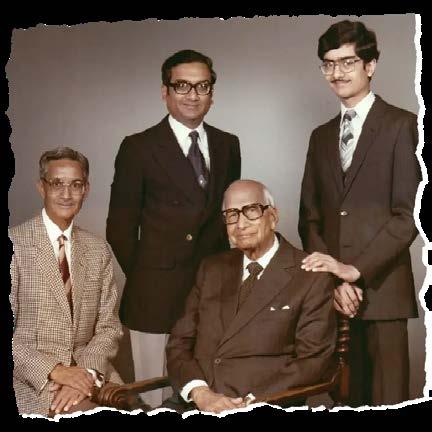
The Aditya Birla Group’s story begins not with its namesake, but with the Birla family’s entrepreneurial spirit in the late 1800s. Hailing from Pilani, a small town in Rajasthan, the Birlas were Marwari traders known for their business acumen. It was Ghanshyam Das Birla, born in 1894, who laid the foundation for what would become a colossal empire. A visionary with an uncanny knack for spotting opportunities, G.D.

Birla started trading jute and cotton in the early 20th century, a period when India was still under British colonial rule. G.D. Birla’s ambitions went beyond trade. He dreamed of an industrialized India, free from foreign dominance. In 1919, he established Birla Brothers Limited, marking the family’s foray into manufacturing. His ventures into jute mills, textiles, and sugar production were bold moves in a market controlled by British firms. G.D. Birla’s patriotism fuelled his business decisions—he was a close ally of Mahatma Gandhi and a key supporter of the Indian independence movement, channelling profits into the freedom struggle.



Fast forward to the mid-20th century, and the Birla legacy found its next torchbearer in Aditya Vikram Birla, G.D. Birla’s grandson. Born in 1943, Aditya was a dynamic, forward-thinking leader who transformed the family business into a diversified conglomerate. The Aditya Birla Group, as we know it today, took shape under his stewardship in the 1960s.
Aditya’s vision was audacious: he wanted to build a global Indian brand. At a time when Indian businesses rarely ventured abroad, he established manufacturing units in Southeast Asia, starting with a textile mill in Thailand in 1969. This move was a game-changer, proving that Indian companies could compete on the world stage. Back home, Aditya expanded the group’s footprint into cement, chemicals, and viscose staple fibre, laying the groundwork for its multi-industry dominance.


Aditya’s leadership style was hands-on and peoplecentric. He believed in empowering employees and fostering innovation, which helped the group navigate India’s complex regulatory environment in the preliberalization era. By the time of his untimely death in 1995 at the age of 51, Aditya Vikram Birla had turned the group into a ₹10,000-crore empire with a global presence—a remarkable feat for an Indian company in that era.
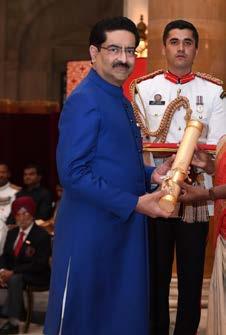
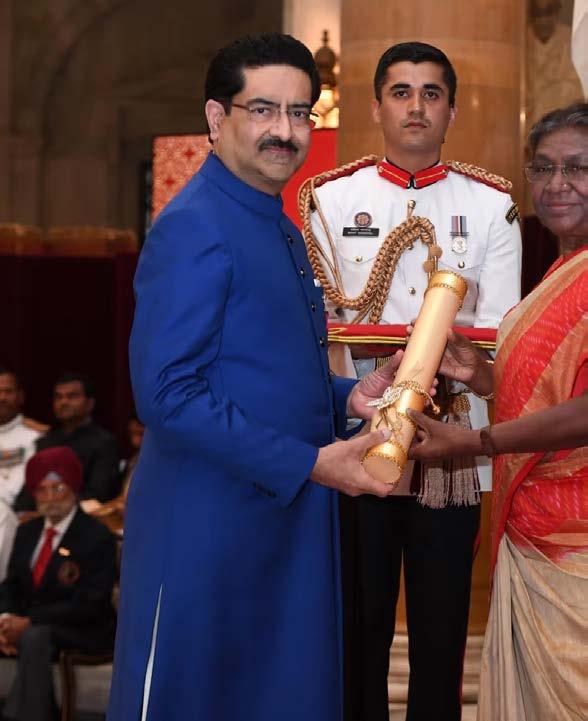
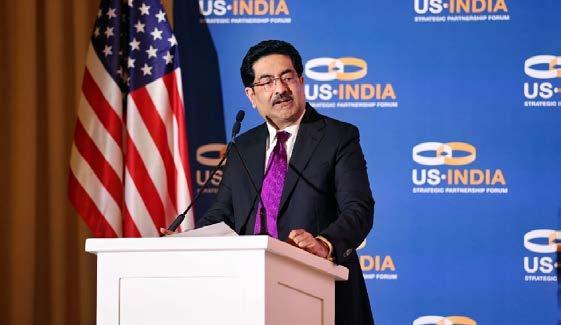
The sudden loss of Aditya Vikram Birla could have derailed the group, but his 28-year-old son, Kumar Mangalam Birla, stepped into the spotlight with remarkable poise. Taking the helm in 1995, Kumar Mangalam faced skepticism—could a young leader manage a sprawling conglomerate in a newly liberalized Indian economy? He answered with action. Kumar Mangalam streamlined operations, professionalized management, and pursued aggressive expansion. Under his leadership, the Aditya Birla Group became a global leader in industries like aluminium, cement, and telecommunications. Key milestones include:
• 2004: Acquisition of Hindalco Industries, which later acquired Novelis, a Canadian aluminium giant, in 2007 for $6 billion, making Hindalco one of the world’s largest aluminium producers.
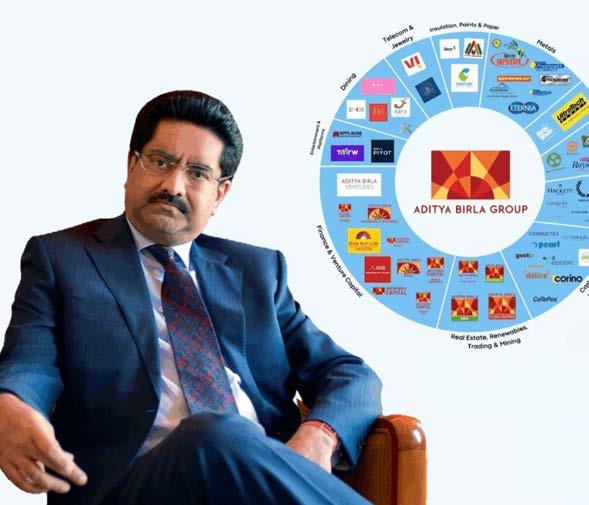
• 2011: Entry into telecommunications with Idea Cellular, which merged with Vodafone India in 2018 to form Vodafone Idea, a major player in India’s telecom market.
• 2015: Consolidation of cement businesses under UltraTech Cement, now the world’s third-largest cement producer outside China.
Kumar Mangalam also diversified into retail, financial services, and fashion. The group’s retail arm, Aditya Birla Fashion and Retail, owns iconic brands like Pantaloons and Van Heusen, while its financial services arm, Aditya Birla Capital, serves millions with insurance, mutual funds, and loans.


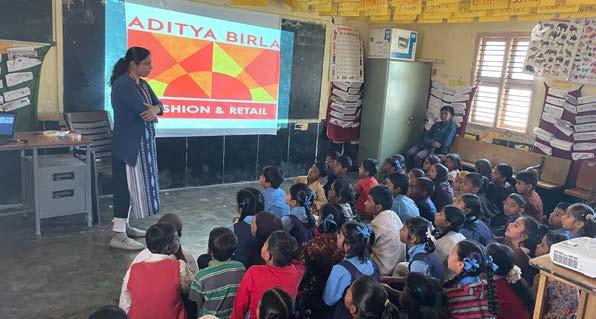
Today, the Aditya Birla Group is a $65-billion conglomerate (as of 2025) with operations in 36 countries, employing over 140,000 people. Its businesses span metals, cement, textiles, chemicals, agribusiness, telecommunications, and more. From being a pioneer in India’s industrial revolution to becoming a global leader in sustainable manufacturing, the group’s evolution is staggering. What sets the Aditya Birla Group apart is its commitment to social impact. The group’s CSR initiatives, led by the Aditya Birla Centre for Community Initiatives, touch millions of lives through education, healthcare, and rural development.
Mrs. Rajashree Birla, Aditya’s widow, has been a driving force behind these efforts, ensuring the group’s prosperity benefits society. Sustainability is another cornerstone. The group has set ambitious targets to achieve net-zero carbon emissions by 2050, with investments in renewable energy and green manufacturing. UltraTech Cement, for instance, is a leader in low-carbon cement production, while Hindalco’s recycling initiatives reduce environmental impact.
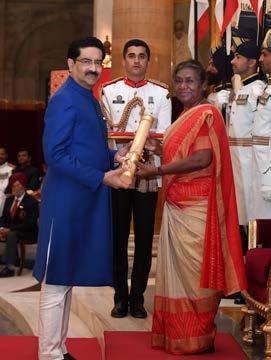

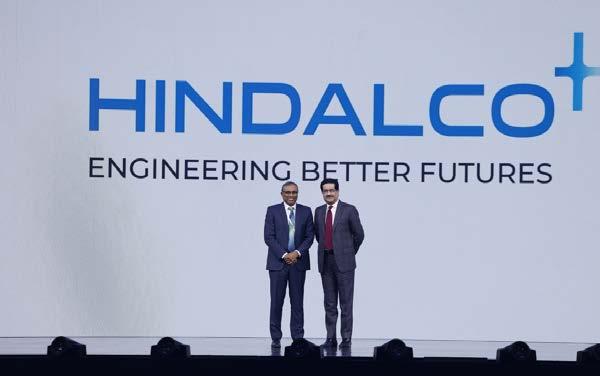



The Aditya Birla Group’s journey hasn’t been without hurdles. The telecom venture, Vodafone Idea, has faced intense competition and financial strain in India’s cutthroat market. Economic downturns, regulatory challenges, and global commodity price fluctuations have tested the group’s resilience. Yet, its diversified portfolio and strategic acquisitions have kept it robust. Kumar Mangalam Birla’s ability to adapt to changing times—whether embracing digital transformation or navigating geopolitical shifts—has ensured the group remains future-ready. The group’s focus on innovation, from AI-driven manufacturing to sustainable products, positions it to thrive in a rapidly evolving world.

From G.D. Birla’s jute mills to Kumar Mangalam Birla’s global acquisitions, the Aditya Birla Group’s story is one of relentless ambition and adaptability. It’s a tale of an Indian family that dared to dream big, transforming a modest trading business into a global conglomerate that shapes industries and lives. As the group marches into its future, it carries forward the values of its founders: integrity, innovation, and a deep-rooted commitment to India’s progress. The Aditya Birla Group isn’t just a business—it’s a symbol of what’s possible when vision meets action. Here’s to a legacy that continues to inspire and soar.





Get ready, India—Universal Studios is coming to town! In a groundbreaking move that’s set to redefine entertainment in the country, Universal Studios has announced plans to open its first-ever theme park in India by mid-2027. Nestled near the bustling Indira Gandhi International Airport in Delhi’s Aerocity, this indoor amusement park promises to deliver a blockbuster dose of fun, thrills, and family-friendly magic. Here’s everything you need to know about this exciting venture that’s poised to make India a global hotspot for theme park adventures.




Spanning an impressive 300,000 square feet, the Universal Studios India theme park will be a key feature of a massive 3-million-square-foot retail and entertainment complex developed in partnership with Bharti Real Estate. This ambitious project, with an estimated budget of $1.5 billion, is designed to bring the glitz and glamour of Universal’s world-renowned attractions to Indian shores. From heart-pounding rides to immersive shows, the park will draw inspiration from Universal’s iconic franchises, much like its celebrated counterparts in Osaka, Hollywood, and Singapore. What sets this park apart? It’s being crafted as an all-weather, indoor entertainment destination, ensuring that rain or shine, visitors can dive into a world of adventure. Whether you’re a thrill-seeker craving rollercoasters, a family looking for kid-friendly fun, or a movie buff eager to step into your favourite cinematic universe, Universal Studios India is gearing up to offer something for everyone. The choice of Aerocity as the park’s home is no accident. Located just minutes from India’s busiest international airport, the site is perfectly positioned to attract both domestic and international tourists. Delhi NCR, already a vibrant hub of culture and commerce, is set to become a must-visit destination for millions of visitors annually. The park’s proximity to the capital city ensures easy access for locals and travellers alike, making it a cornerstone of tourism growth in the region. Bharti Real Estate, a key player in the project, is collaborating with Universal Studios to bring this vision to life. While discussions with additional partners are still underway to finalize the project’s details, the groundwork is set for construction to begin in 2025. This timeline keeps the excitement building as India prepares to welcome a world-class entertainment experience.

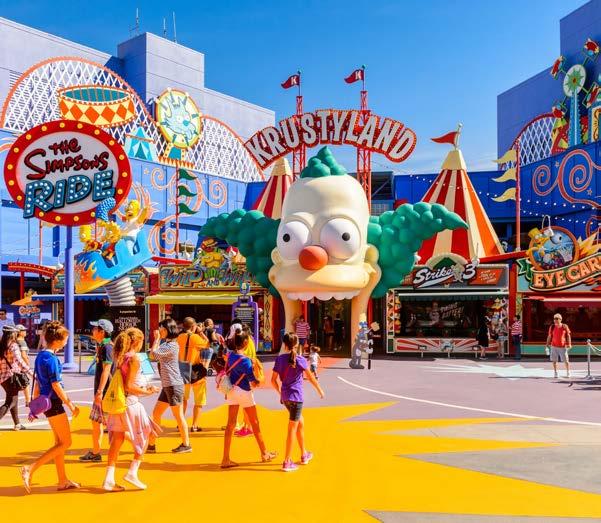
While specific details about the park’s attractions are still under wraps, Universal Studios is known for its ability to transport guests into the heart of their favourite stories. Expect themed zones that bring to life the magic of blockbuster franchises—think wizarding worlds, prehistoric adventures, or superhero showdowns. The park will likely feature a mix of high-octane rides, interactive shows, and family-oriented attractions, all tailored to captivate India’s diverse audience. Universal’s global parks, like Universal Studios Japan and Universal Studios Hollywood, offer a glimpse of what’s possible. From adrenaline-pumping rollercoasters to immersive 3D experiences and character meet-and-greets, the India park is expected to deliver a similar calibre of entertainment. The indoor setup ensures that cutting-edge technology, like climate-controlled environments and innovative ride systems, will keep the experience seamless and spectacular year-round.



The arival of Universal Studios India is more than just a win for thrill-seekers—it’s a major boost for the country’s tourism and hospitality sectors. The park is projected to draw millions of visitors annually, creating thousands of jobs and spurring economic growth in Delhi NCR. As part of a larger retail and entertainment complex, it will also offer shopping, dining, and other leisure activities, making Aerocity a one-stop destination for fun and relaxation. This project aligns with India’s growing appetite for world-class entertainment. With the country’s theme park industry gaining momentum—evidenced
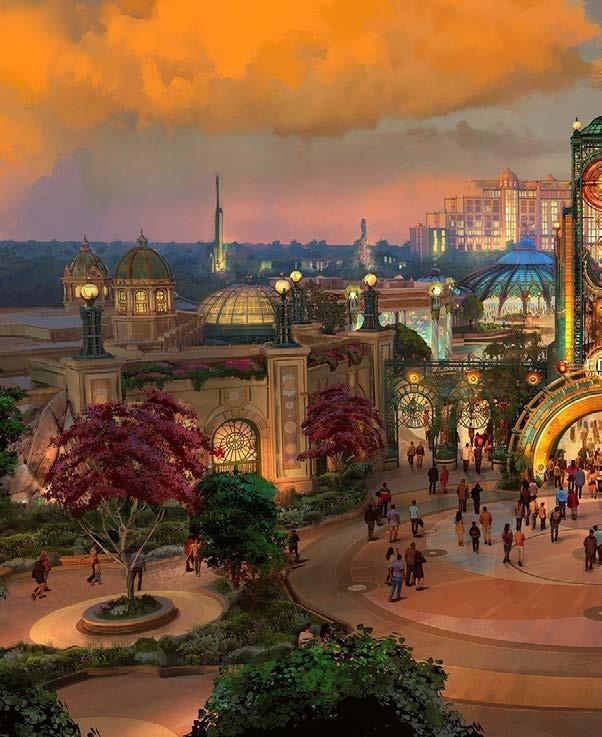
by the success of parks like Adlabs Imagicaa near Mumbai—Universal Studios India is poised to set a new standard for immersive experiences. Its strategic location and global brand appeal could also position India as a key player in the international theme park landscape, rivalling destinations like Dubai and Singapore. For Universal Studios, this marks a bold expansion into one of the world’s fastestgrowing markets. With existing parks in the United States, Japan, Singapore, and China, the company is no stranger to creating unforgettable experiences tailored to local audiences.

The India park will be a testament to Universal’s commitment to innovation, blending global appeal with elements that resonate with Indian culture and preferences. As discussions continue and plans take shape, anticipation is already building. The project’s $1.5 billion investment reflects Universal’s confidence in India’s potential as a hub for entertainment and tourism. With construction slated to kick off in 2025, fans won’t have to wait long to see this dream become reality. Universal Studios India is set to be a game-changer, bringing Hollywood’s magic to the heart of Delhi. By mid-2027, families, thrill-seekers, and movie lovers across India and beyond will have a new destination to explore. Whether you’re dodging dinosaurs, casting spells, or soaring through cinematic worlds, this park promises to deliver memories that last a lifetime.






So, mark your calendars and start dreaming of the adventure ahead. Universal Studios India is coming, and it’s ready to make history. Stay tuned for more updates as this exciting project unfolds—India’s blockbuster moment is just around the corner!
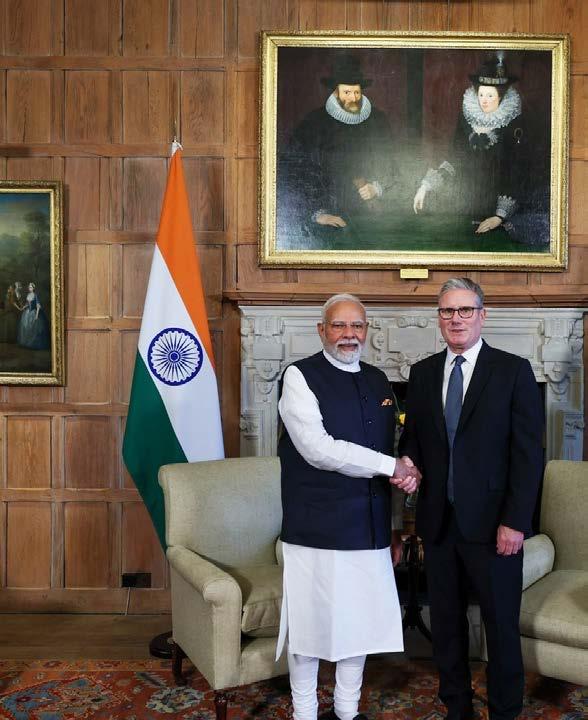

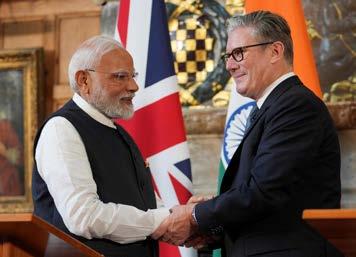
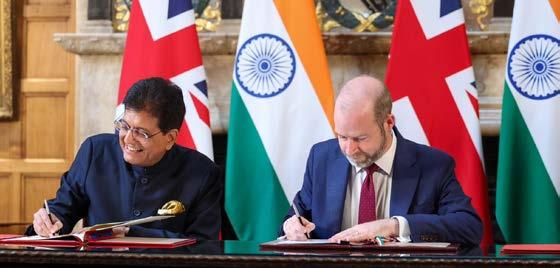
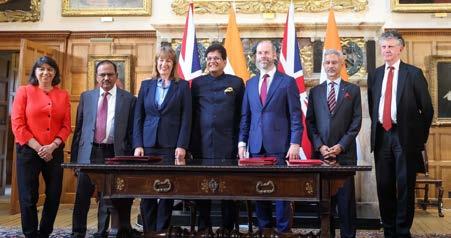
India and the United Kingdom signed a landmark Free Trade Agreement (FTA), officially termed the Comprehensive Economic and Trade Agreement (CETA), marking a significant milestone in their economic relationship. Formalized during Prime Minister Narendra Modi’s visit to London, the agreement was signed by India’s Commerce and Industry Minister Piyush Goyal and UK’s Secretary of State for Business and Trade Jonathan Reynolds, in the presence of Modi and UK Prime Minister Keir Starmer. This historic deal, described as a “blueprint for shared prosperity,” is poised to transform bilateral trade, boost economic growth, and strengthen ties between the two nations.

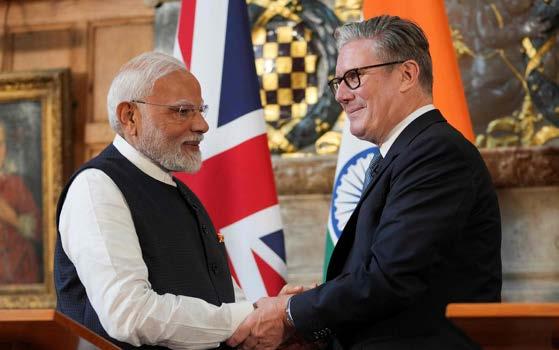
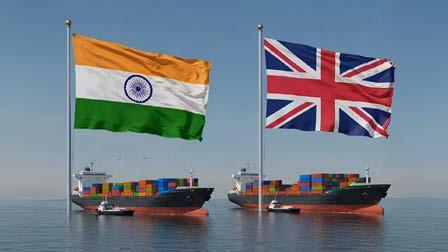
The FTA aims to double bilateral trade from $60 billion in 2024 to $120 billion by 2030, delivering an estimated £4.8 billion ($6.4 billion) annual economic boost for the UK by 2040. It encompasses 26 chapters, covering goods, services, digital trade, intellectual property, and innovation, while carefully excluding sensitive
Indian agricultural sectors like dairy and apples. For India, 99% of its exports, including textiles, leather, footwear, gems, jewellery, and engineering goods, will gain duty-free access to the UK market. For the UK, 90% of its exports to India will see tariff reductions, with 85% becoming tariff-free within a decade.
Iconic British products like whisky, gin, automobiles, medical devices, and aerospace components will benefit significantly. For instance, tariffs on Scotch whisky and gin will drop from 150% to 75% initially and to 40% over 10 years, while automotive tariffs will reduce from over 100% to 10% under specific quotas. The agreement also enhances mobility for Indian professionals, particularly in IT and finance, with a three-year exemption on double social security contributions for Indian workers in the UK. Additionally, UK businesses gain access to India’s £38 billion government procurement market, with preferential treatment for goods containing at least 20% UK content under India’s “Make in India” initiative. These provisions are expected to create jobs, strengthen supply chains, and boost India’s labour-intensive sectors like textiles and leather.
Negotiations for the FTA, which began in January 2022, spanned 14 rounds and faced delays due to elections in both countries and contentious issues like visas, social security, and the UK’s proposed carbon border tax. The latter remains unresolved, with a separate Bilateral Investment Treaty (BIT) still under discussion. For the UK, this is the most significant FTA since Brexit, following agreements with Australia, New Zealand, and the CPTPP. For India, it’s the second comprehensive FTA with a European partner after the European Free Trade Association, reinforcing its growing global trade footprint.

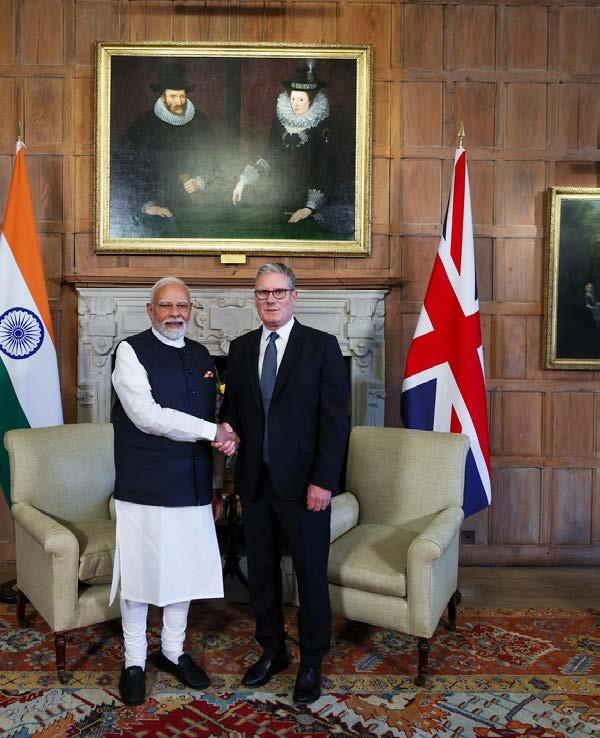
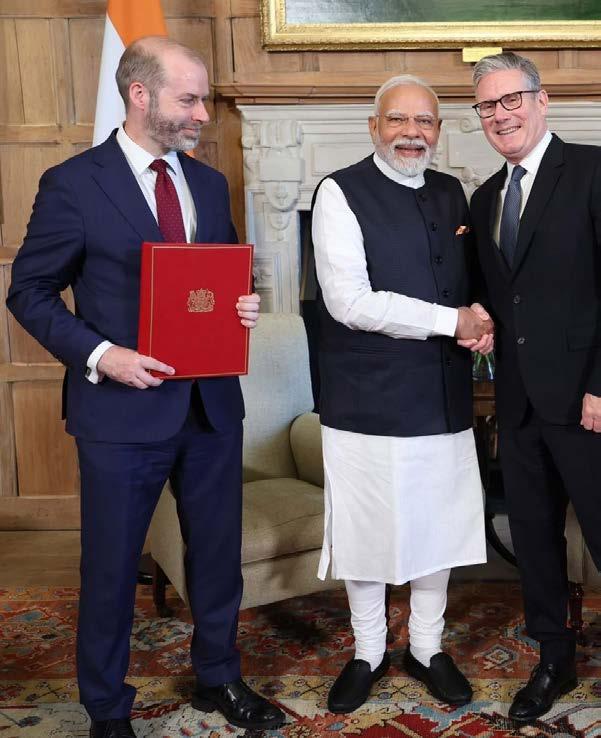
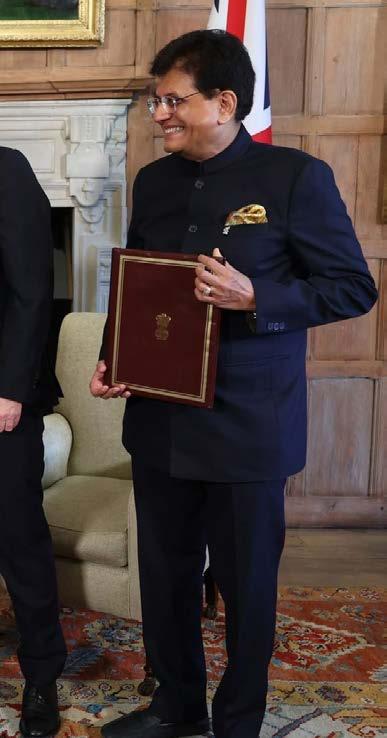

Implementation requires ratification by the UK Parliament, expected to take about a year, alongside legal vetting of the text, which may take three months. The UK’s Trade and Agriculture Commission will ensure compliance with statutory protections, followed by a government report. Both leaders hailed the deal’s potential: Modi emphasized its benefits for Indian exporters, while Starmer highlighted job creation and economic growth in the UK. Indian industry bodies, such as the Confederation of All India Traders, welcomed the agreement for opening global markets for small traders and farmers. However, concerns linger over unresolved issues like the carbon border tax and the exclusion of legal services market access.
The India-UK FTA heralds a new era of economic collaboration, fostering resilience in global supply chains and offering mutual benefits amidst a complex global trade landscape. As both nations work toward ratification, this agreement sets a strong foundation for deeper economic and strategic ties.



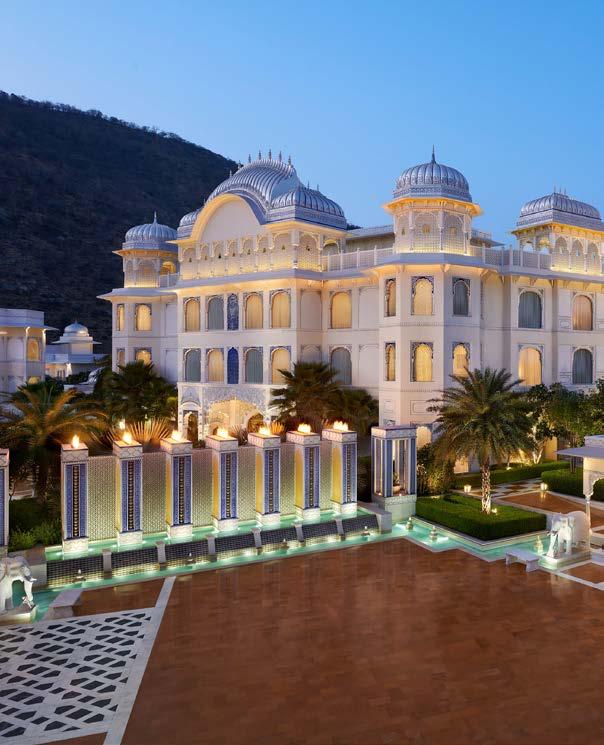





The Belgian Waffle Co., a beloved name in India’s dessert landscape, is poised for significant growth, announcing plans to open approximately 140 new stores every year. This ambitious expansion strategy, which aligns with the brand’s consistent growth over the past eight years, underscores its commitment to bringing its signature waffles to every corner of the country. With an average of 10–12 new outlets monthly, the company is not only satisfying India’s sweet tooth but also setting a benchmark for rapid yet sustainable growth in the quick-service restaurant (QSR) sector.

Founded in 2015, The Belgian Waffle Co. has grown from a single outlet to a formidable network of around 700 stores across 40 cities. Its waffles, known for their crisp texture and indulgent toppings, have become a go-to treat for dessert lovers. The brand’s success lies in its ability to combine quality with accessibility, offering a premium yet affordable experience. Now, with a clear roadmap for the next four to five years, the company is doubling down on its expansion efforts, aiming to deepen its footprint in both urban and smaller markets.
The company’s growth strategy is two-pronged, balancing franchising and company-owned models. In Tier 3 and Tier 4 towns, The Belgian Waffle Co. is leveraging the franchise model to tap into underserved markets where demand for branded desserts is rising. These smaller cities, often overlooked by larger QSR chains, present a significant opportunity for growth as disposable incomes increase and consumer preferences shift toward premium dining experiences. Meanwhile, in major urban centres, the brand is adopting a company-owned, company-operated (COCO) model to maintain control over quality and customer experience. This dual approach allows the company to scale efficiently while ensuring consistency across its outlets.
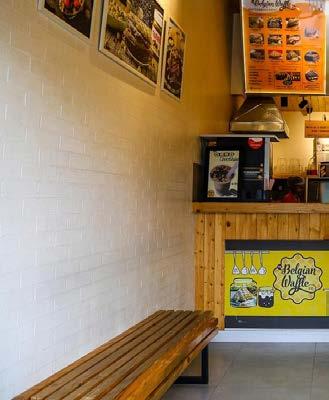

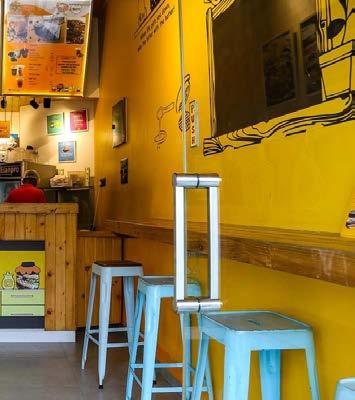

To fuel this expansion, The Belgian Waffle Co. has earmarked Rs 20 crore for the next two years, with plans to open 280 new stores during this period. This investment reflects the brand’s confidence in India’s growing dessert market, which is projected to expand as younger consumers increasingly seek out indulgent, on-the-go treats.
The company’s focus on innovation, such as introducing new flavors and limited-edition offerings, has kept it relevant in a competitive landscape dominated by both local and international players. Beyond its core waffle business, The Belgian Waffle Co. is also eyeing growth in its fast-moving consumer goods (FMCG) segment. The brand has already ventured into retail with products like waffle premixes and dessert spreads, and it aims to transform this division into a Rs 100 crore business within the next three to five years. This move diversifies its revenue streams and positions the company as a holistic dessert brand, catering to both dine-in and at-home consumption. The Belgian Waffle Co.’s expansion is not without challenges. The QSR sector in India is highly competitive, with brands like McDonald’s, Domino’s, and local dessert chains vying for market share. Rising operational costs, including rent and raw materials, could also strain margins. However, the company’s focus on affordability, with waffles priced to appeal to a broad demographic, and its streamlined operations give it a competitive edge. Additionally, its ability to adapt to local tastes— offering flavours like kesar pista alongside classic chocolate—has helped it resonate with diverse audiences.





The brand’s success also hinges on its robust supply chain and franchisee support system. By providing comprehensive training and standardized processes, The Belgian Waffle Co. ensures that each new outlet maintains the quality that customers expect. This focus on consistency, coupled with aggressive expansion, positions the company to capitalize on India’s evolving food and beverage landscape. As The Belgian Waffle Co. continues its journey, its annual addition of 140 stores signals a bold vision for growth. By blending strategic investments, a dual operating model, and a push into FMCG, the brand is not just serving waffles but building a dessert empire that promises to sweeten India’s culinary scene for years to come.



OWNERSHIP WITH UNPRECEDENTED EXTENDED WARRANTY AND ROADSIDE ASSISTANCE

In a bold move that sets a new standard for luxury automotive ownership in India, Audi India has announced an industry-leading 10-year extended warranty and a 15year roadside assistance (RSA) program for its entire vehicle lineup. Effective August 5, 2025, these offerings underscore Audi’s commitment to customer satisfaction and longterm reliability, positioning the brand as a trailblazer in the Indian luxury car market. This initiative not only enhances the ownership experience but also reinforces Audi’s reputation for innovation and customer-centricity.
Audi India’s new 10-year extended warranty program is a first-of-its-kind in the Indian automotive industry, covering vehicles for up to 10 years or 200,000 kilometres, whichever comes first. This comprehensive warranty applies to manufacturing defects and is available for all Audi models sold in India, from the sporty Audi Q3 to the flagship Audi Q8 e-tron. Customers can opt for one- or twoyear increments, providing flexibility to tailor the warranty to their needs. The program is accessible for both new buyers at the time of vehicle delivery and existing owners whose vehicles are still within the standard warranty period. This extended warranty is designed to instil confidence in Audi owners, ensuring peace of mind over an extended ownership period. By offering such a long-term commitment to quality, Audi India is addressing the evolving demands of luxury car buyers who seek durability and value in their investments. This move also reflects the brand’s trust in the engineering and reliability of its vehicles, setting a benchmark for competitors in the luxury segment.


Complementing the extended warranty, Audi India’s 15-year roadside assistance program is a testament to the brand’s dedication to customer care. Available for vehicles up to 15 years old, the RSA program offers 24/7 emergency support across the country, ensuring Audi owners are never stranded. Services include towing to the nearest Audi service centre, fuel delivery (up to 10 litres, with fuel costs borne by the customer), battery jumpstart, tyre support, and assistance in case of lockouts. For breakdowns occurring more than 100 kilometres from the owner’s base location, where repairs take over 72 hours, Audi provides hotel accommodation or alternative travel arrangements, ensuring convenience and comfort.
The RSA program is priced competitively, ranging from ₹3,999 to ₹8,000, depending on the vehicle’s age and the duration of coverage selected. This affordability, combined with the extensive range of services, makes the program an attractive proposition for both new and long-term Audi owners. By extending roadside assistance to 15 years, Audi India is not only addressing immediate roadside emergencies but also fostering a sense of security for customers throughout their ownership journey.



The introduction of these programs comes at a time when the Indian luxury car market is witnessing growing competition and evolving customer expectations. Audi India’s initiative is a strategic response to these dynamics, aiming to strengthen brand loyalty and differentiate itself in a crowded market. By offering unmatched warranty and RSA durations, Audi is appealing to both prospective buyers and existing customers, ensuring that the brand remains synonymous with trust and excellence.

This move also aligns with broader industry trends, where manufacturers are increasingly focusing on after-sales service to enhance customer retention. Audi’s extended warranty and RSA programs are likely to resonate with buyers who prioritize long-term reliability and hassle-free ownership, particularly in a market where luxury vehicles are significant investments.
Audi India’s 10-year extended warranty and 15-year RSA program are more than just service offerings—they represent a paradigm shift in how luxury car ownership is perceived in India.


By providing such extensive coverage, Audi is not only addressing practical concerns but also elevating the emotional connection customers have with the brand. The flexibility of the warranty options and the comprehensive nature of the RSA program demonstrate Audi’s understanding of the diverse needs of its customer base. For new buyers, these programs add significant value to the purchase decision, while existing owners can extend their peace of mind with minimal hassle. This initiative is poised to strengthen Audi’s position as a leader in the Indian luxury automotive segment, setting a precedent that other manufacturers may soon strive to match.





With the launch of its 10-year extended warranty and 15-year roadside assistance programs, Audi India has redefined what it means to own a luxury vehicle in the country. These offerings reflect the brand’s unwavering commitment to quality, reliability, and customer satisfaction. As Audi continues to innovate and push boundaries, this bold step ensures that its customers can enjoy the thrill of driving an Audi with unparalleled confidence and support for years to come. For those considering an Audi or already part of the Audi family, this is a game-changer that makes luxury ownership more rewarding than ever.



Renault India made waves in the automotive industry by launching its first-ever ‘new’R’ store in Ambattur, Chennai, marking the global debut of its reimagined dealership format. This bold step is part of Renault’s ambitious ‘renault. rethink.’ strategy, which aims to redefine the brand’s identity and elevate the customer experience. The ‘new’R’ store introduces Renault’s New Visual Identity (NVI), blending cutting-edge design with a customer-centric approach, setting a new benchmark for automotive retail in India.


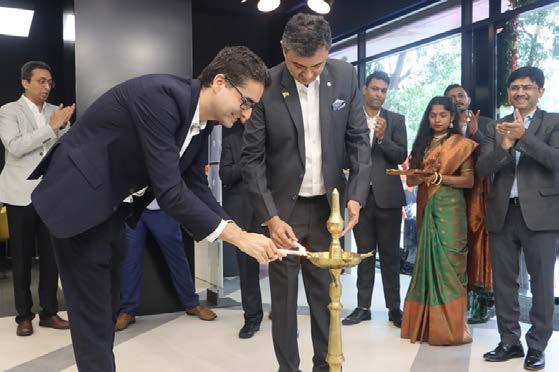
The Ambattur showroom is a visual testament to Renault’s evolution. Gone are the conventional dealership aesthetics, replaced by a sleek black façade that exudes modernity and sophistication. The updated white 2D logo, prominently displayed, signals a fresh chapter for the brand. Inside, the showroom is designed to captivate. Vehicles are showcased at the centre, allowing 360-degree viewing, while signature lighting creates a vibrant yet welcoming ambiance. Premium seating areas and integrated service zones, including after-sales reception and customer lounges, ensure a seamless and luxurious experience. Every detail reflects Renault’s commitment to making car buying not just a transaction but an immersive journey.
Renault’s ‘new’R’ store is more than a facelift; it’s a strategic move to strengthen its premium brand positioning in India, a market known for its discerning customers. The format emphasizes transparency, convenience, and engagement, catering to modern buyers who value both aesthetics and functionality. The integration of service areas within the showroom streamlines the ownership experience, allowing customers to explore vehicles, discuss financing, and address after-sales needs in one cohesive space.
This holistic approach underscores Renault’s focus on building long-term relationships with its customers. The Chennai launch is just the beginning. Renault India has outlined an aggressive plan to revamp 100 dealerships across the country by the end of 2025, with a goal to transform its entire network by 2026. This rollout will bring the ‘new’R’ experience to urban and semi-urban markets alike, ensuring that customers nationwide can engage with the brand in a refreshed, premium environment. The initiative also aligns with Renault’s global vision to modernize its identity while staying true to its core values of innovation, accessibility, and quality.




For Chennai, the ‘new’R’ store is a milestone. As a hub for automotive enthusiasts and a key market for Renault, the city is the perfect launchpad for this global-first initiative. The Ambattur showroom not only showcases Renault’s popular models like the Kwid, Triber, and Kiger but also sets the stage for future launches, hinting at the brand’s evolving portfolio. With India playing a pivotal role in Renault’s global strategy, the ‘new’R’ store is a statement of intent—a promise to deliver world-class experiences tailored to local sensibilities. Following Chennai, Renault expanded the ‘new’R’ format to Mumbai with a store in Kandivali on May 8, 2025, and to Indore and Sagar in Madhya Pradesh on July 2, 2025, with more openings planned, bringing the modern retail experience to more customers across India. As Renault India embarks on this transformative journey, the ‘new’R’ store in Chennai stands as a beacon of innovation. It’s a bold reimagining of what a dealership can be: a space where design, technology, and customer aspirations converge. With plans to expand this format nationwide, Renault is not just rethinking its brand—it’s redefining the future of car buying in India.



India’s luxury market is experiencing a renaissance, fuelled by a burgeoning affluent class, evolving consumer preferences, and the transformative power of artificial intelligence (AI).
Valued at approximately $8 billion in 2023 and projected to grow at a CAGR of 8-10% over the next decade, the Indian luxury sector spans fashion, jewellery, hospitality, automobiles, and real estate. AI is not just an enabler but a game-changer, redefining how luxury brands engage, create, and deliver unparalleled experiences. This article explores how AI is reshaping India’s luxury landscape, blending tradition with cutting-edge innovation.


In a country where individuality and heritage are prized, AI is elevating personalization to new heights. Luxury brands like Sabyasachi and RollsRoyce are leveraging AI algorithms to analyze consumer data—purchase history, browsing patterns, and social media interactions—to offer hyperpersonalized products and services. For instance, AI-driven recommendation engines enable jewellery brands like Tanishq to suggest custom designs based on a customer’s style preferences or cultural influences, such as regional motifs from Rajasthan or Kerala. In hospitality, Oberoi Hotels uses AI to tailor guest experiences, from curating
personalized menus to adjusting room ambiance based on past stays. This level of customization resonates with India’s affluent consumers, who seek exclusivity without compromising on cultural relevance.
AI is revolutionizing the creative process in India’s luxury sector. Fashion and jewellery designers are adopting generative AI tools to ideate and prototype intricate designs. For example, designers like Manish Malhotra use AI to simulate fabric textures and embroidery patterns, reducing design time while preserving the craftsmanship synonymous with Indian luxury.

Similarly, high-end real estate developers like Lodha Group employ AI to create virtual property tours, allowing clients to visualize bespoke interiors tailored to their tastes. These tools not only enhance creativity but also streamline production, ensuring faster delivery of bespoke products without sacrificing quality.
India’s luxury consumers, increasingly digital-savvy, expect seamless and immersive interactions. AI-powered chatbots and virtual assistants, such as those used by brands like Louis Vuitton and BMW India, provide 24/7 customer support, answering queries in multiple Indian languages and offering personalized product suggestions. These tools analyze sentiment and preferences in real time, ensuring every interaction feels exclusive.



Additionally, AI-driven augmented reality (AR) experiences allow customers to “try on” luxury watches or apparel virtually, bridging the gap between online and offline shopping. This is particularly impactful in tier-2 cities like Jaipur or Chandigarh, where luxury retail is expanding but physical stores may be limited.


Sustainability is a growing priority for India’s luxury consumers, and AI is enabling brands to align with this ethos. By optimizing supply chains, AI reduces waste and enhances efficiency. For instance, luxury fashion brands use AI to forecast demand, minimizing overproduction of high-end garments. In the jewellery sector, companies like BlueStone leverage AI to trace the provenance of gemstones, ensuring ethical sourcing—a key concern for conscious consumers. Furthermore, AI-driven analytics help brands like Jaguar Land Rover India optimize logistics, reducing carbon footprints while maintaining the premium quality expected in the luxury automotive space.


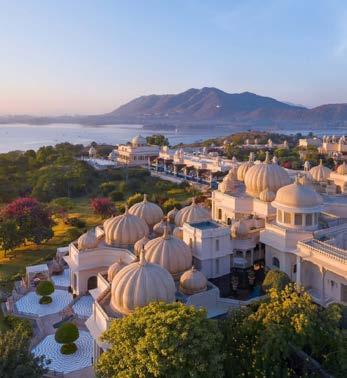
Despite its potential, integrating AI into India’s luxury sector comes with challenges. High implementation costs and the need for skilled talent to manage AI systems can be barriers, especially for smaller, heritage-driven brands. Additionally, concerns about data privacy and the risk of over-reliance on technology may deter some consumers who value the human touch in luxury experiences. However, these challenges are outweighed by opportunities. As India’s luxury market expands into tier-2 and tier-3 cities, AI can democratize access to premium experiences through e-commerce and virtual platforms, tapping into a younger, aspirational demographic.





Looking ahead, AI’s role in India’s luxury sector is poised to grow. Technologies like machine learning and predictive analytics will further refine consumer insights, enabling brands to anticipate trends and preferences. For instance, AI could predict the resurgence of traditional crafts like Banarasi silk or Chikankari embroidery, allowing designers to innovate while honouring India’s rich heritage. Moreover, as 5G and IoT adoption accelerates, AI-driven smart luxury— such as connected cars or smart homes—will redefine exclusivity for India’s elite.
In conclusion, AI is not merely a tool but a catalyst for India’s luxury sector, blending innovation with the country’s timeless elegance. By enhancing personalization, streamlining operations, and prioritizing sustainability, AI is helping brands create experiences that are as unique as their consumers. As India’s luxury market continues to flourish, AI will be the invisible thread weaving together tradition, innovation, and aspiration, ensuring the sector remains as vibrant as the culture it reflects.


In an era where digital transformation is reshaping economies, India stands at the forefront of a rapidly evolving cybersecurity landscape. With its burgeoning digital economy, widespread internet penetration, and increasing adoption of emerging technologies like artificial intelligence (AI), 5G, and the Internet of Things (IoT), the country has become a prime target for cyber threats. As a result, India’s cybersecurity industry has emerged as a billion-dollar sector, driven by rising demand for robust protection mechanisms, supportive government policies, and a growing pool of skilled professionals.

India’s digital revolution has been nothing short of remarkable. With over 900 million internet users as of 2025, India is the world’s secondlargest online market. The government’s ambitious Digital India initiative, coupled with the proliferation of smartphones and affordable data, has accelerated digital adoption across sectors like finance, healthcare, education, and e-commerce.


However, this digital boom has a downside: a surge in cyberattacks. According to recent industry reports, India faced over 1.6 million cyber incidents in 2024, ranging from phishing and ransomware to sophisticated state-sponsored attacks. The Reserve Bank of India (RBI) reported a 300% increase in financial frauds linked to cybercrime over the past five years. High-profile data breaches, such as those targeting major Indian banks and government portals, have underscored the urgent need for comprehensive cybersecurity measures. The cost of cybercrime in India is projected to exceed $20 billion annually by 2026, pushing organizations and policymakers to prioritize digital defence.
The escalating threat landscape has fuelled the growth of India’s cybersecurity industry, which is now valued at over $6 billion and is expected to reach $10 billion by 2030. Several factors are driving this expansion:
1. Government Initiatives and Regulations:
The Indian government has taken significant steps to bolster cybersecurity. The National Cyber Security Policy (2013) and the National Cyber Security Strategy (2020) provide frameworks for securing critical infrastructure and promoting public-private partnerships. The Data Protection Bill, 2023, emphasizes data privacy and mandates stringent security measures for organizations handling sensitive information. Additionally, the establishment of the Indian Computer Emergency Response Team (CERT-In) as a nodal agency for incident response has strengthened the country’s cyber resilience.
Demand: As businesses embrace cloud computing, AI, and IoT, the need for advanced cybersecurity solutions has skyrocketed. Sectors like banking, financial services, and insurance (BFSI), which account for nearly 40% of India’s cybersecurity spending, are investing heavily in technologies like endpoint security, threat intelligence, and secure access service edge (SASE). The rise of remote work and digital payments has further amplified demand for solutions like zero-trust architecture and multifactor authentication.






3. Startup Ecosystem and Innovation: India’s cybersecurity startup ecosystem is thriving, with over 200 startups operating in areas like threat detection, encryption, and identity management. Companies like Seqrite, Lucideus, and Tachyon Security are gaining global recognition for their innovative solutions. Venture capital funding in Indian cybersecurity startups crossed $500 million in 2024, reflecting investor confidence in the sector’s potential.
4. Skilled Workforce: India is home to one of the largest pools of cybersecurity talent globally, with over 200,000 professionals employed in the sector. The country produces thousands of certified ethical hackers and cybersecurity experts annually, supported by institutions like the Indian Institute of Information Technology (IIIT) and private training programs. This talent pool is a key driver of India’s emergence as a global cybersecurity hub.
The Indian cybersecurity market is evolving rapidly, with several trends defining its trajectory:
AI and Machine Learning in Cybersecurity: Indian firms are increasingly leveraging AI and ML to enhance threat detection and response capabilities. AI-powered tools can analyze vast datasets to identify anomalies and predict potential attacks, reducing response times significantly. Startups like Innefu Labs are pioneering AIdriven cybersecurity solutions tailored to Indian needs.
Cloud Security: With cloud adoption growing at a CAGR of 25% in India, securing cloud environments has become a priority. Solutions like cloud access security brokers (CASBs) and secure web gateways are gaining traction as businesses migrate to platforms like AWS, Azure, and Google Cloud.







Zero Trust Architecture: The shift to remote and hybrid work models has popularized zerotrust frameworks, which assume no user or device is inherently trustworthy. Indian enterprises, particularly in IT and BFSI, are adopting zero-trust solutions to secure distributed workforces.
Recognizing that human error accounts for over 80% of data breaches, organizations are investing in employee training and awareness programs. Initiatives like the Cyber Surakshit Bharat campaign are educating citizens and businesses about safe online practices.

Despite its growth, India’s cybersecurity industry faces several challenges. A significant skills gap persists, with demand for cybersecurity professionals outpacing supply. Small and medium enterprises (SMEs), which form the backbone of India’s economy, often lack the resources to implement robust cybersecurity measures, making them vulnerable to attacks. Additionally, the lack of standardized regulations across states and sectors can complicate compliance efforts. However, these challenges present opportunities for innovation and collaboration. Public-private partnerships are critical to bridging the skills gap and fostering knowledge sharing. The government’s Cybersecurity Centre of Excellence initiative, launched in 2024, aims to promote research, training, and innovation in collaboration with industry leaders. International partnerships with countries like the US, Israel, and the UK are also helping India adopt global best practices.





India’s cybersecurity industry is poised for exponential growth as the country continues its digital transformation journey. The government’s push for self-reliance under the Atmanirbhar Bharat initiative is encouraging the development of indigenous cybersecurity solutions, reducing dependence on foreign vendors. Meanwhile, the rise of 5G and smart cities will create new opportunities for IoT security and critical infrastructure protection. To sustain this growth, India must focus on building a robust cybersecurity ecosystem that integrates advanced technology, skilled talent, and proactive
policies. Investments in research and development, coupled with efforts to raise public awareness, will be key to staying ahead of cybercriminals. As India cements its position as a global digital powerhouse, its cybersecurity industry will play a pivotal role in safeguarding the nation’s digital future.
In conclusion, India’s cybersecurity sector is not just a response to rising threats but a testament to the country’s resilience and innovation. As it evolves into a multi-billion-dollar industry, it holds the promise of securing India’s digital economy while positioning the nation as a global leader in cybersecurity.
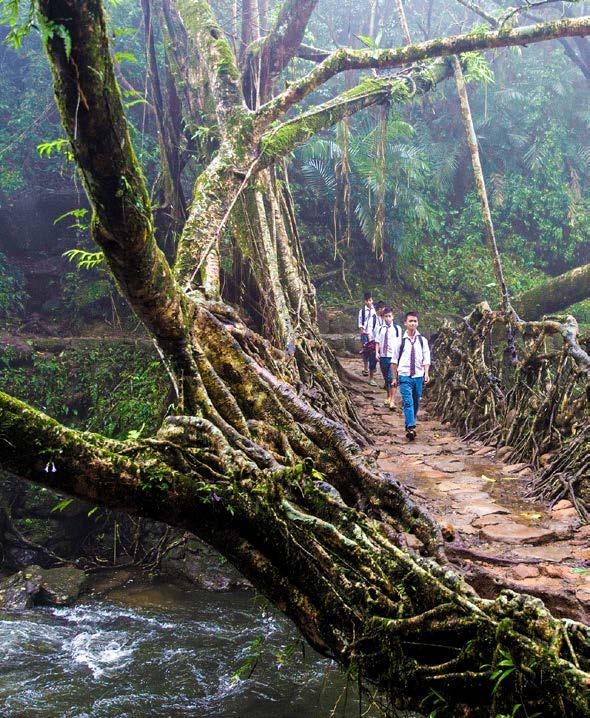

Deep in the misty hills of Meghalaya, where the rain-soaked forests hum with life, an extraordinary feat of human ingenuity and nature’s resilience thrives: the living root bridges. These organic marvels, handcrafted by the indigenous Khasi and Jaintia communities, are not mere structures but living testaments to a harmonious relationship between people and their environment. Spanning rivers and ravines, these bridges, grown from the aerial roots of the rubber fig tree (Ficus elastica), are both functional and fantastical, evoking scenes from a mythical world. As they inch closer to UNESCO World Heritage recognition, the living root bridges stand as a beacon of sustainable architecture and cultural heritage, inviting us to marvel at their beauty and reflect on their profound significance.


Imagine a bridge that grows stronger with time, its roots intertwining like the threads of a living tapestry. In Meghalaya, one of the wettest regions on Earth, the Khasi and Jaintia peoples have perfected this art over centuries. The process begins with a simple yet ingenious technique: the pliable aerial roots of rubber fig trees are guided across rivers using scaffolds, often made from bamboo or hollowed areca nut trunks. Over time—sometimes 15 to 30 years—these roots take hold, weaving together to form sturdy, load-bearing bridges capable of supporting dozens of people at once. Unlike conventional bridges that erode under Meghalaya’s relentless monsoons, these living structures thrive, their roots growing thicker and stronger with each passing season. The most iconic of these is the Umshiang Double-Decker Root Bridge in Nongriat village, a two-tiered wonder over a hundred years old, spanning the Umshiang River. With its intricate lattice of roots, it’s a pilgrimage site for adventurers and a symbol of Meghalaya’s living heritage. Other
The origins of these bridges, dating back nearly two centuries, are rooted in survival. Meghalaya’s rugged terrain and torrential rains often rendered wooden bridges and roads unusable, isolating villages during the monsoon season. The Khasi and Jaintia, deeply attuned to their environment, turned to the resilient Ficus elastica, whose aerial roots could withstand the region’s harsh conditions. By guiding these roots across rivers, they created pathways that connected communities, enabled trade, and ensured access to farmlands. This practice, passed down through generations, is more than a solution to a logistical problem—it’s a cultural cornerstone. The bridges embody the Khasi and Jaintia philosophy of living in harmony with nature, a principle that resonates in an era grappling with environmental crises. This 500-year-old tradition is not just about building bridges but about nurturing a symbiotic relationship with the forest.



The living root bridges are far more than functional crossings; they are a profound cultural and ecological statement. Here are four key dimensions of their significance:
• Sustainable Bioengineering: In an age of concrete and steel, the root bridges offer a model of sustainable architecture. They cost nothing to build, require no synthetic materials, and grow stronger over time, potentially lasting centuries. This regenerative quality challenges modern construction paradigms, showcasing how human ingenuity can work with nature rather than against it.
• Cultural Heritage: The bridges are a living archive of Khasi and Jaintia traditions, reflecting their deep ecological knowledge and communal spirit. Each bridge is a collective endeavour, often maintained by entire villages, reinforcing social bonds and intergenerational learning. Their inclusion on UNESCO’s tentative World Heritage list in 2022 underscores their global cultural value.
• Tourism and Economic Impact: The bridges have become a magnet for eco-tourists and adventurers, boosting local economies in remote areas like Cherrapunji and Nongriat. They draw visitors eager to trek through lush forests and witness these natural wonders, providing income for communities while promoting sustainable tourism.
• Environmental Inspiration: As climate change prompts a re-evaluation of human impact on the planet, the root bridges serve as a powerful reminder of what’s possible when we collaborate with nature. They symbolize resilience, adaptation, and a future where technology and ecology coexist.









Despite their durability, the living root bridges face threats. Increased tourism, while economically beneficial, risks overexploitation, with some bridges showing signs of strain from heavy foot traffic. Additionally, modern infrastructure projects and deforestation pose challenges to the forests that sustain the Ficus elastica trees. Recent efforts, such as the Meghalaya government’s amendment to the Meghalaya Heritage Act in 2025, aim to bolster protections and strengthen the case for UNESCO World Heritage status, ensuring these structures are preserved as “living heritage.” Local conservationists are also working to maintain the tradition, training younger generations in the art of root-weaving while advocating for sustainable tourism practices. Their efforts ensure that the bridges remain not just relics of the past but active symbols of a sustainable future.
The living root bridges of Meghalaya are more than architectural curiosities—they are a celebration of human creativity, ecological wisdom, and cultural resilience. As you stand on the Double-Decker Root Bridge, feeling the cool mist of the Umshiang River and the sturdy roots beneath your feet, you’re not just crossing a river but stepping into a story that spans centuries. These bridges remind us that when we work with nature, we can create wonders that endure, inspire, and connect. In a world racing toward modernity, Meghalaya’s living root bridges invite us to pause and consider a different path— one where progress doesn’t come at the expense of the planet. As they vie for UNESCO recognition, these organic marvels beckon us to visit, learn, and carry their lessons forward. So, pack your hiking boots, tread lightly, and discover a place where bridges grow, and nature and humanity weave a shared destiny.
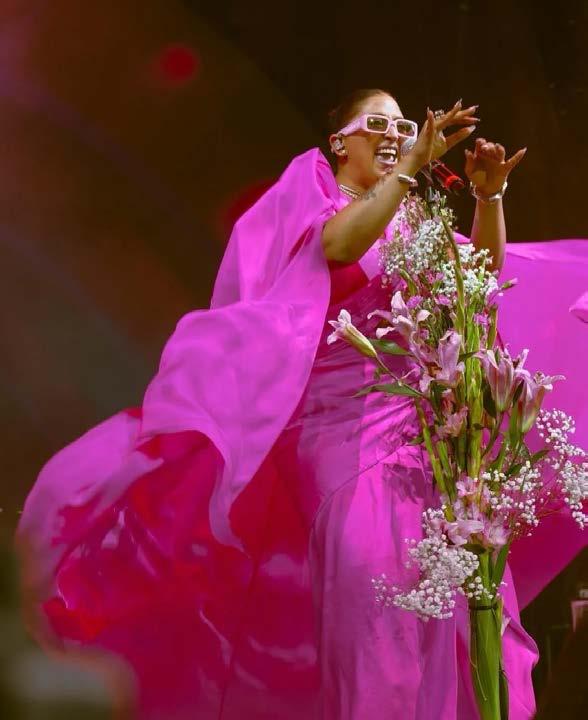

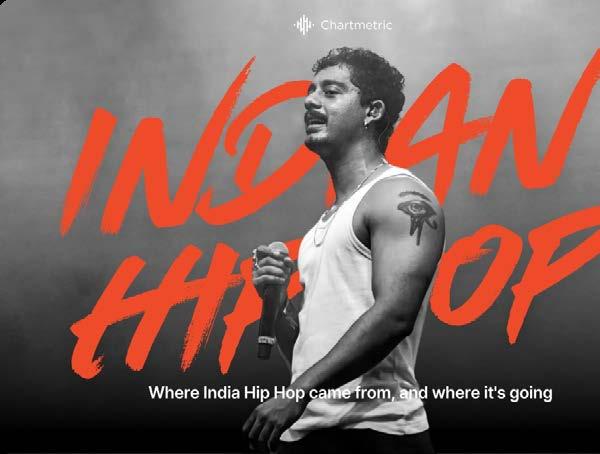



In the vibrant tapestry of India’s musical landscape, a seismic cultural shift is underway, driven by the pulsating beats and raw lyricism of Desi Rap and Indian hiphop. Once a niche subculture overshadowed by Bollywood’s melodic dominance, hip-hop has erupted into the mainstream, becoming a powerful voice for a new generation. This genre, rooted in urban storytelling and global influences, is not just music—it’s a movement reshaping India’s cultural identity, challenging norms, and amplifying marginalized voices. Desi Rap, a distinctly Indian iteration of hiphop, fuses global hip-hop elements with local
languages, dialects, and cultural nuances. From the gritty streets of Mumbai’s Dharavi to the bustling lanes of Delhi, artists are crafting anthems that resonate with India’s youth. The genre’s rise can be traced to the early 2000s, when pioneers like Bohemia introduced Punjabi-infused rap, blending traditional bhangra rhythms with Western beats. However, it was the 2019 film Gully Boy, inspired by the lives of rappers Divine and Naezy, that catapulted Desi Rap into the national spotlight. The movie’s iconic track “Apna Time Aayega” became a rallying cry, symbolizing ambition and resilience for millions.

Indian hip-hop’s appeal lies in its authenticity. Unlike Bollywood’s polished soundtracks, Desi Rap is raw, unfiltered, and deeply personal. Artists rap in Hindi, Tamil, Punjabi, and even regional dialects like Bhojpuri, weaving stories of struggle, identity, and societal inequities. For instance, Tamil rapper Paal Dabba uses sharp lyricism to address caste and class divides, while Delhi-based Prabh Deep channels his experiences of urban alienation into introspective tracks. This linguistic diversity allows hip-hop to transcend India’s regional boundaries, creating a pan-Indian musical identity that resonates with diverse

audiences. The cultural shift sparked by Desi Rap is profound. Historically, Indian music has been dominated by classical traditions or Bollywood’s commercial sound. Hip-hop, however, offers a platform for unapologetic self-expression, challenging societal taboos and amplifying voices from the margins. Rappers tackle issues like poverty, caste discrimination, and political corruption, giving voice to the frustrations of a generation grappling with rapid urbanization and social change. For example, Mumbai’s MC Stan, with his raw, slang-heavy style, speaks to the underdog, resonating with youth in India’s slums and beyond.
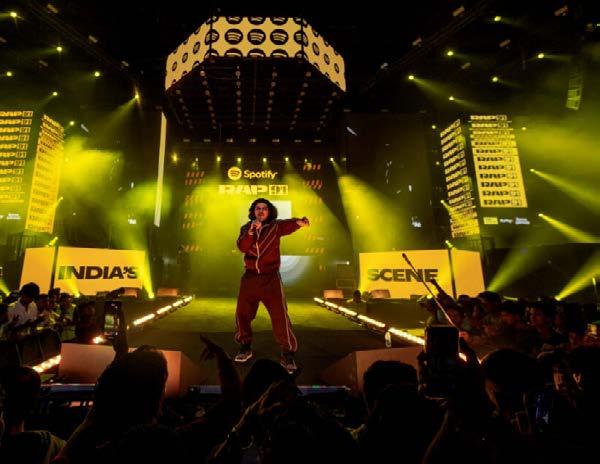

Social media and streaming platforms have been pivotal in this revolution. YouTube, Spotify, and Instagram have democratized music distribution, allowing independent artists to bypass traditional gatekeepers like record labels. Social media platforms have further amplified the genre, with artists engaging directly with fans, sharing snippets of their work, and building communities. The rise of rap collectives like Khaas Re and events like Breezer Vivid Shuffle, India’s largest hip-hop festival, have created ecosystems where artists collaborate, compete, and grow.
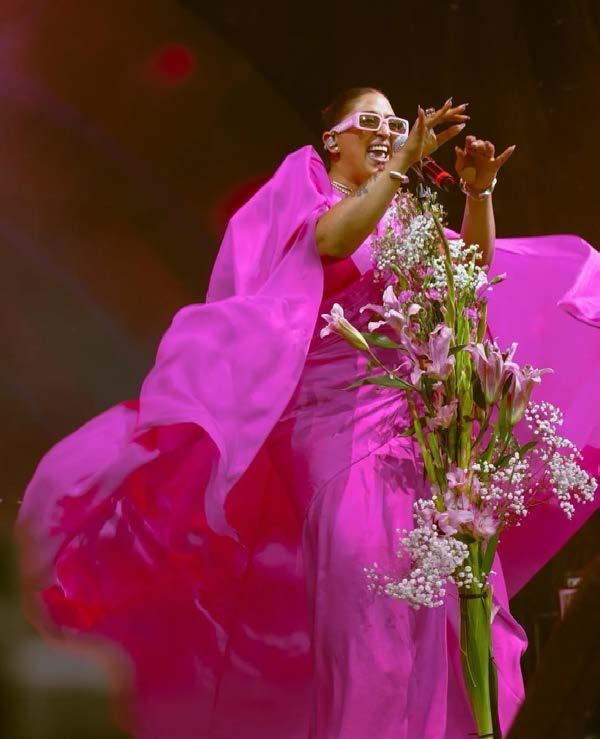



Yet, this cultural shift isn’t without challenges. Desi Rap faces criticism for its explicit lyrics and perceived glorification of street life, with some arguing it alienates traditional audiences. The genre also grapples with commercialization, as brands and Bollywood increasingly co-opt hip-hop’s rebellious spirit for profit. Artists like Yo Yo Honey Singh, once a trailblazer, have faced backlash for diluting the genre’s authenticity with pop-infused tracks. Despite these hurdles, the underground scene remains resilient, with artists like Seedhe Maut and Raftaar pushing boundaries and keeping the genre’s raw edge alive. Indian hip-hop is more than music; it’s a cultural mirror reflecting a nation in transition. It bridges the gap between tradition and modernity, urban and rural, global and local. As Desi Rap continues to evolve, it’s redefining what it means to be Indian in the 21st century—bold, diverse, and unapologetically authentic. With every beat and bar, this revolution is rewriting India’s cultural narrative, one rhyme at a time.

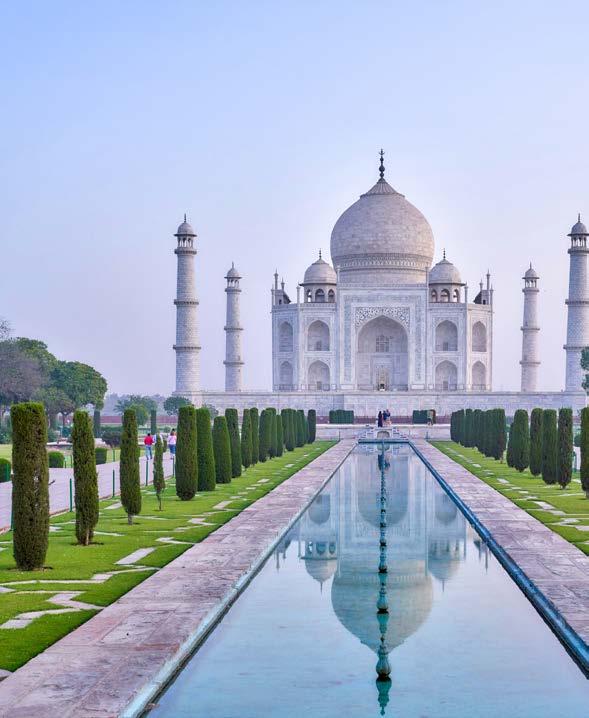

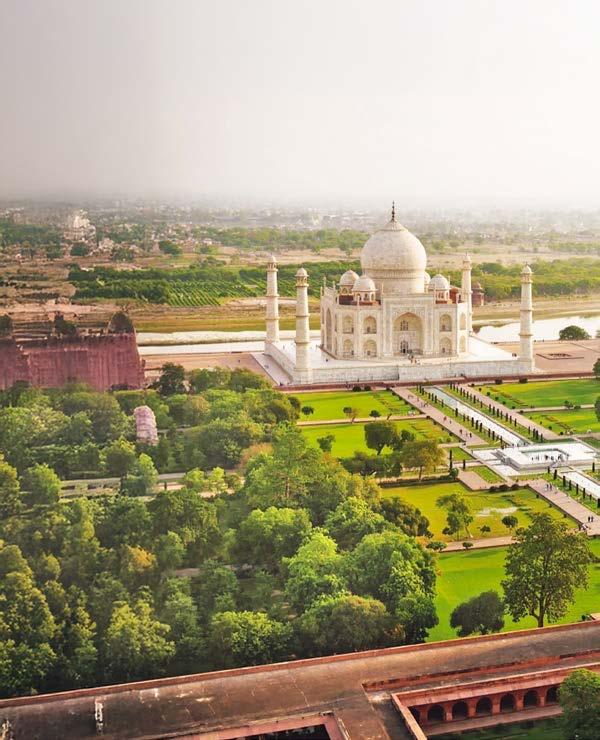
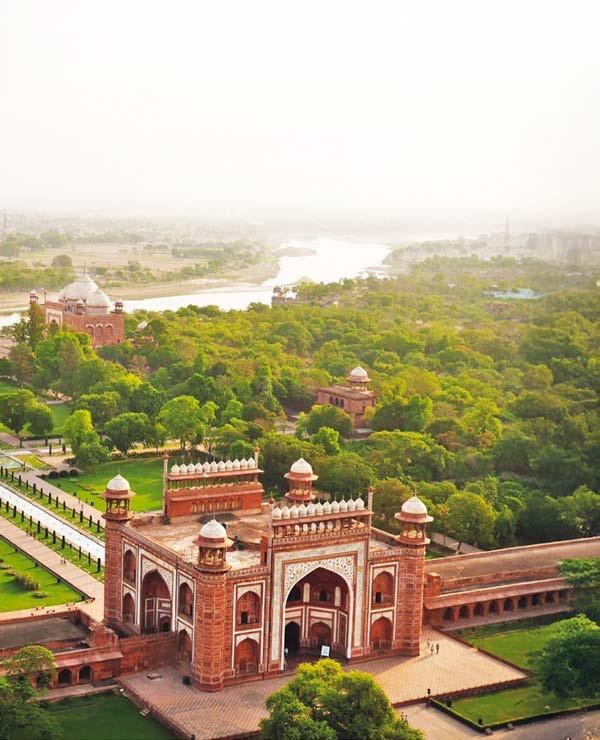
Agra is a city that insists upon being felt rather than simply observed. Perched on the banks of the Yamuna, it is where marble meets river mist, where imperial ambition and intimate grief were carved into stone, and where everyday life still pulses through narrow lanes and open-air markets. To arrive in Agra is to step into a layered narrative that unfolds as both spectacle and domestic life. Tourists come with cameras aimed primarily at the Taj Mahal, and for that alone the pilgrimage is justified; seasoned travelers return because Agra offers more than a singular monument — it offers a living archive of Mughal aesthetics, craft traditions that are still practiced today, and culinary memories that reveal histories of court kitchens and roadside stalls alike. The city is compact enough to be explored without exhaustion and rich enough that time here never feels wasted. For the reader who longs to blend discovery with comfort and reflection with photography, Agra is a rare destination where intimate encounters and grand vistas coexist on the same street.
Agra’s story unfurls across centuries. Before the Mughals resurrected the city as a seat of empire, the locale had strategic importance, located on fertile plains and trade routes. It was with the arrival of the Mughals that Agra’s silhouette began to change: red sandstone ramparts rose, palaces took root, and gardens were planned as earthly interpretations of paradise. The Mughal rulers — Akbar, Jahangir, and Shah Jahan — invested their vision and resources into the city, attracting artisans, poets, and religious thinkers. The architecture that resulted is not one monolithic style but a layered conversation between Persian geometry, Central
Asian motifs, Indian craft techniques, and local materials. Walking through Agra, one encounters this conversation at every turn: in the carved jalis that temper sunlight into patterned coolness, in the inlaid floral motifs that abstract nature into geometry, and in the courtyards that prioritize shaded stillness in a land of extremes. The historical legacy here is not confined to museums; it is embedded in neighborhood rhythms, in the continued practice of lapidary and embroidery, and in recipes handed down through generations. The city’s monuments are the most visible articulations of that legacy, but the human stories — of labor, of patronage, and of creativity — are the arteries that keep that legacy alive.
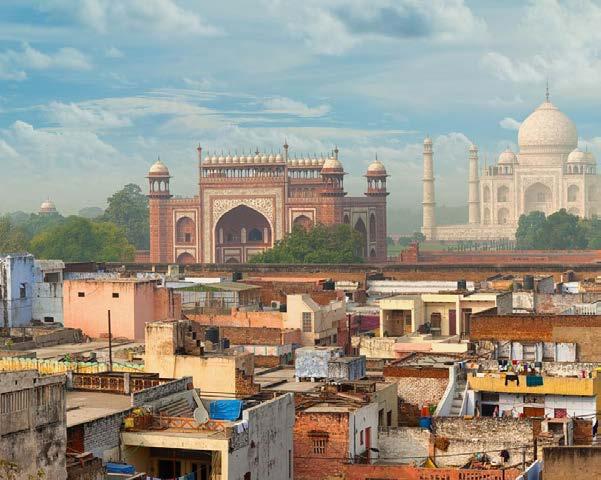


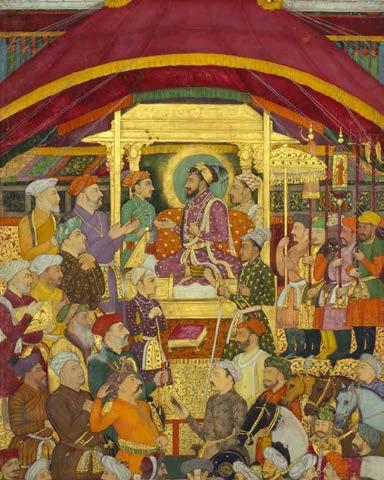
The Taj Mahal, shimmering in white marble along the banks of the Yamuna River in Agra, is more than just a monument—it is poetry carved in stone, a symbol of eternal love, and one of the most recognizable landmarks in the world. Its grace and grandeur have fascinated poets, historians, architects, and travelers for centuries. To witness the Taj Mahal is to be transported into a world where art, architecture, and emotion converge in perfect harmony.
The origins of the Taj Mahal lie in one of history’s most poignant love stories. Commissioned in 1632 by the Mughal emperor Shah Jahan, the mausoleum was built in memory of his favorite wife, Mumtaz Mahal, who died during childbirth. Devastated by her death, Shah Jahan envisioned a resting place so magnificent that it would keep her memory alive for eternity. Over 20,000 artisans, craftsmen, and laborers from across India and beyond were employed, along with architects who combined Persian, Islamic, and Indian design sensibilities. After more than twenty years
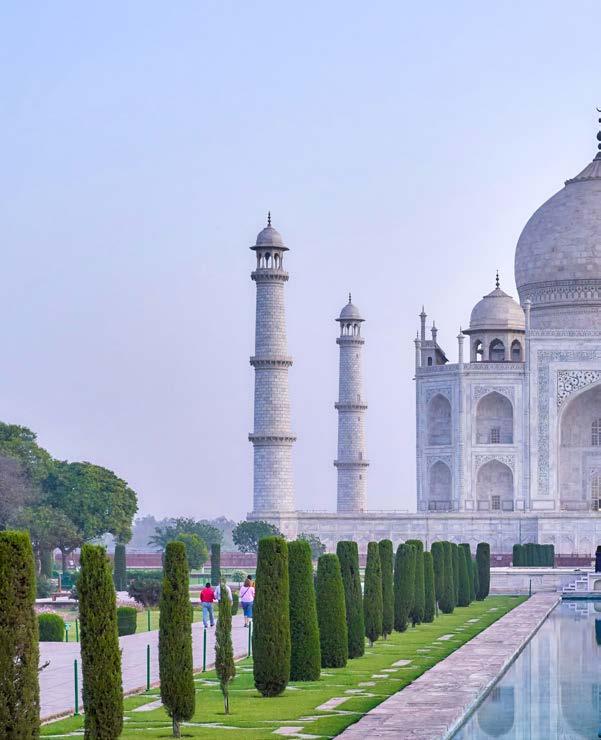
of painstaking work, the Taj Mahal was completed—a creation as much of devotion as of architectural brilliance. What makes the Taj Mahal extraordinary is not just its scale but its flawless balance and exquisite detailing. The central mausoleum, crowned with its majestic onion-shaped dome, rises nearly 73 meters and is flanked by four slender minarets that tilt slightly outward—a design choice to protect the main structure in case of collapse during an earthquake.
The entire complex is a masterclass in symmetry, with gardens, reflecting pools, and gateways aligned in perfect proportion. The marble itself is another wonder. Brought from Makrana in Rajasthan, it glows in different hues depending on the time of day—rosy at dawn, dazzling white in the afternoon, and golden under the moonlight. Adorning the marble are intricate pietra dura inlays, where semi-precious stones like jade, carnelian, lapis lazuli, and turquoise
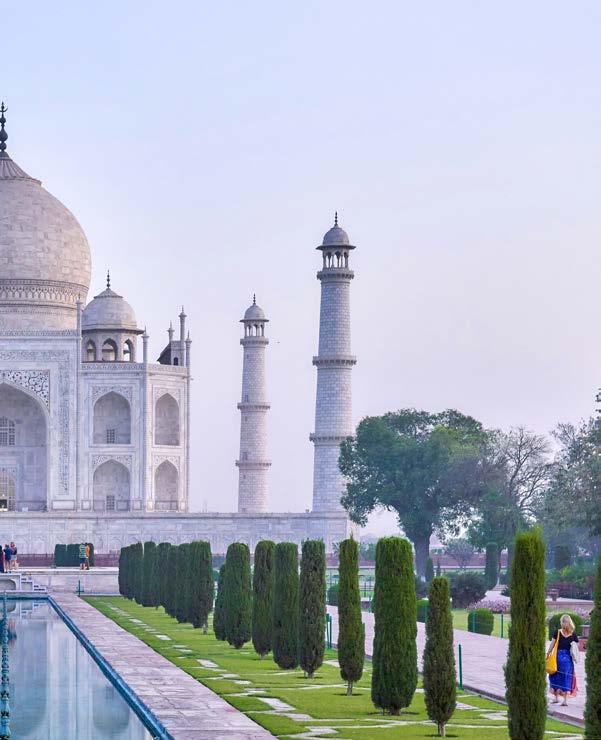
are embedded to form delicate floral and geometric patterns. Verses from the Quran, inscribed in elegant calligraphy, enhance the sanctity of the mausoleum, adding a spiritual dimension to its aesthetic beauty. For travelers, the Taj Mahal is not simply an architectural site—it is an emotional experience. As one approaches through the grand gateway, the monument gradually reveals itself, framed perfectly against the sky. The sight of the Taj mirrored in the central reflecting pool leaves a lasting impression. Inside the mausoleum, the cenotaphs of Mumtaz Mahal and Shah Jahan lie beneath the soaring dome, though the real tombs rest quietly in a chamber below. The surrounding gardens, designed in the classical Mughal charbagh style, represent paradise on earth, with four quadrants divided by water channels. The calm atmosphere encourages visitors to linger, reflect, and absorb the beauty around them.
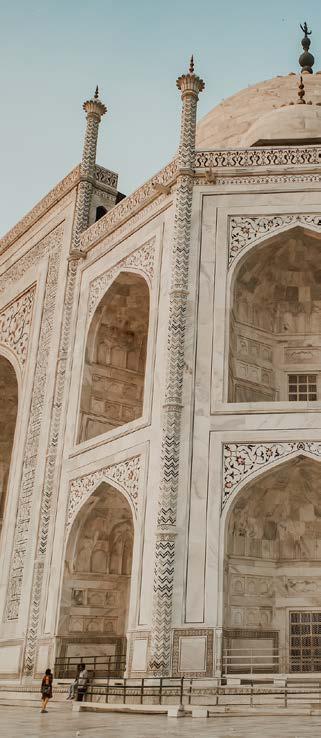


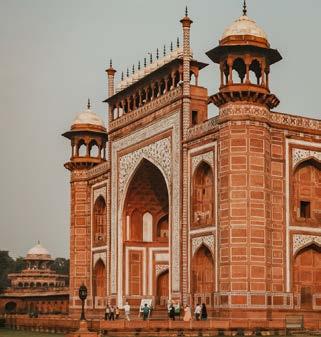
Watching the Taj Mahal at sunrise or sunset is an unforgettable experience, as the marble shimmers in changing light, creating a magical aura. For many, this moment becomes the highlight of their journey to India. In 1983, the Taj Mahal was declared a UNESCO World Heritage Site, recognized as “the jewel of Muslim art in India and one of the universally admired masterpieces of the world’s heritage.” In 2007, it was further honored as one of the New Seven Wonders of the World. These accolades have only affirmed what travelers have always known—that the Taj Mahal is not just India’s pride, but a treasure that belongs to all humanity. The Taj Mahal endures because it is more than marble and minarets; it is a story immortalized in stone. It reflects the Mughal era’s unmatched craftsmanship, but above all, it symbolizes an emotion that transcends time—love. For travelers from every corner of the globe, standing before the Taj Mahal is not merely about admiring a world wonder. It is about connecting with history, feeling the power of devotion, and witnessing beauty that is truly eternal.
Across the river from the Taj stands the red sandstone enclosure of Agra Fort, less a single building than a city within walls. Built by Akbar and enlarged by his successors, the fort’s compound once held the machinery of empire: administrative halls, private apartments, gardens, mosques, and service quarters. While the thick ramparts are defensive, the interiors reveal a different face of rulership: the Diwan-iAm with its open courtyard for public audiences, the Diwan-i-Khas where favoured courtiers may have stood, and the marble pavilions where private conversation and pleasure took
place. The fort’s plan allows the visitor to move from public spectacle to intimate retreat within twenty steps. The carved balconies and marble screens filter light into elaborately decorated chambers, offering a quieter, more human scale than the Taj’s monumental sweep. Musamman Burj, the octagonal tower with views toward the Taj, is poignant in the legend that Shah Jahan spent his final years there, gazing toward his lost beloved. Standing on the ramparts, one senses the quotidian alongside the ceremonial, a layered city where governance and household life were interwoven.
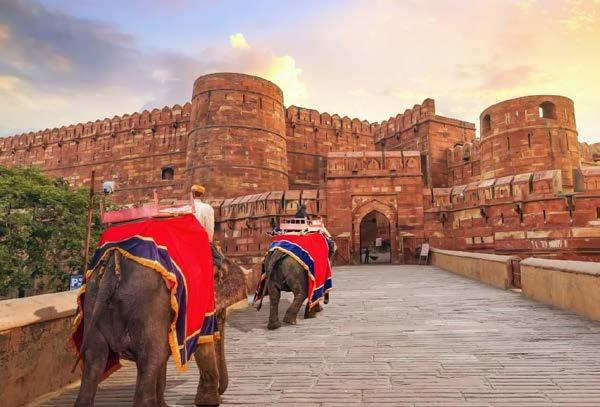
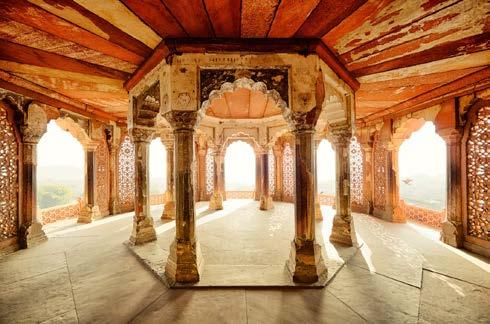
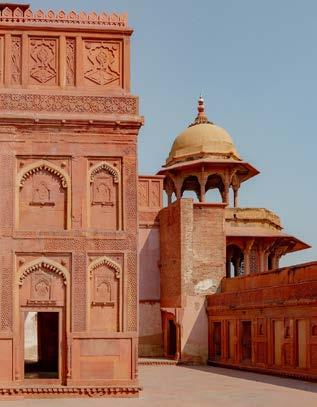
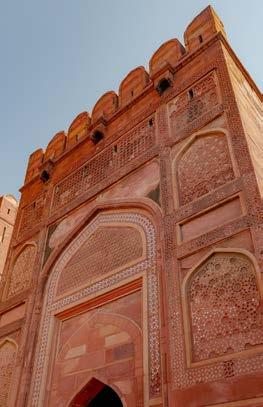
A short ride from Agra, Fatehpur Sikri is the audacious expression of Akbar’s architectural imagination. Conceived as a capital and a symbolic representation of syncretic sovereignty, the city rose with ambitious palaces, public buildings, and a monumental gateway that still seems to dominate the landscape. But within a few decades, practical problems — notably, the scarcity of water — led to its abandonment. Today Fatehpur Sikri holds a melancholic clarity: vast courtyards echo with footsteps; the Buland Darwaza remains a clarion call visible from afar; the Panch Mahal presides with its graceful columns and descending staggered floors that speak to a playful experimentation with space and light. Yet the site is not merely an archaeological relic; it is a reminder of Mughal ambitions to fuse administrative control with cosmopolitan cultural expression. Visitors to Fatehpur Sikri often remark on the way the complex feels simultaneously intimate and monumental, a collection of rooms and terraces that once hosted religious thinkers, court ceremonies, and foreign dignitaries. Its mausoleum to Salim Chishti continues to attract devotees who seek blessings, and the quietude of the site encourages a deeper contemplation of how great projects can be as fragile as they are magnificent.

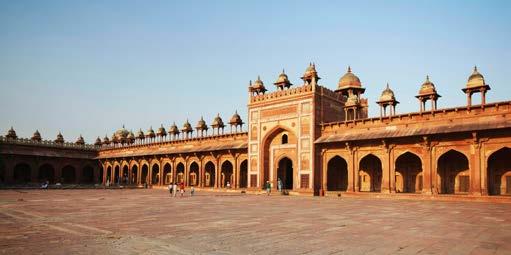

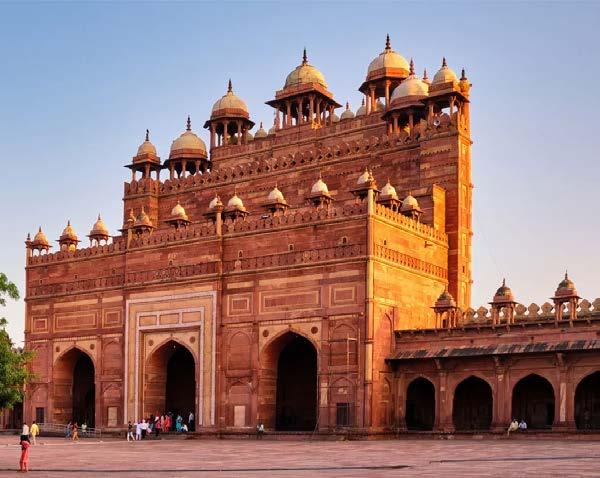
Referred to by many as the Baby Taj, the tomb of Itimad-ud-Daulah marks an important transitional moment in Mughal architecture. Commissioned by Nur Jahan for her father, the monument introduced a delicate, honeycombed elegance in marble that anticipates the Taj Mahal’s later perfection. Its proportions are intimate rather than imperial, and the surface treatments — from finely carved jalis to pietra dura panels and stylized floral motifs — reward slow wandering rather than photographic haste. Far from being a
minor curiosity, the Baby Taj offers an opportunity to study the lineage of artistic techniques and to recognize how patronage, especially female patronage in a complex imperial court, shaped aesthetic outcomes. The shaded garden that envelops the mausoleum invites readers and travelers to sit, reflect, and compare. For those who visit both Itimad-ud-Daulah and the Taj, the two monuments read together as a narrative of refinement, showing how craft and concept evolved across decades and patrons.
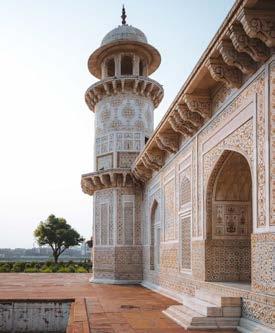
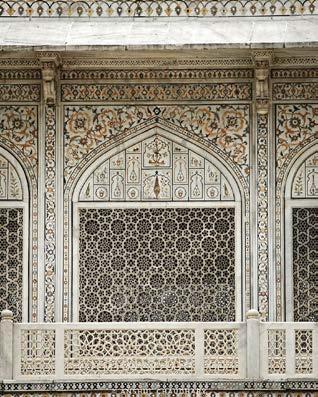

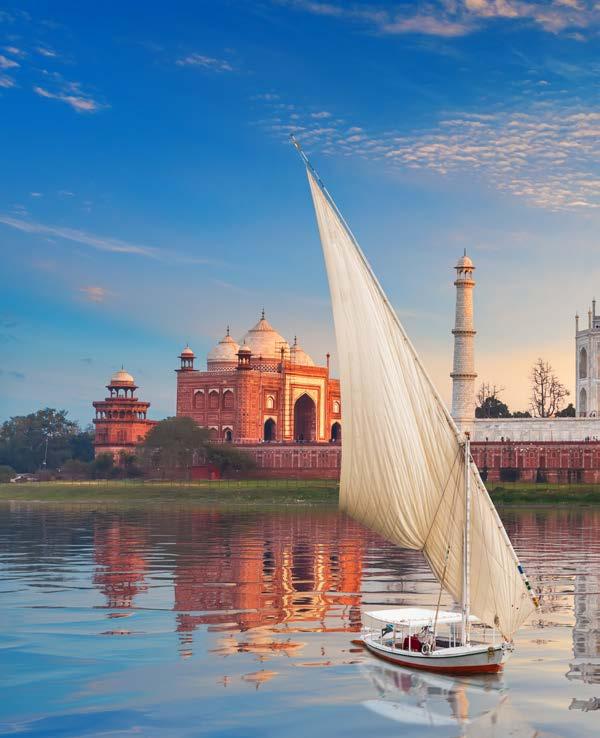
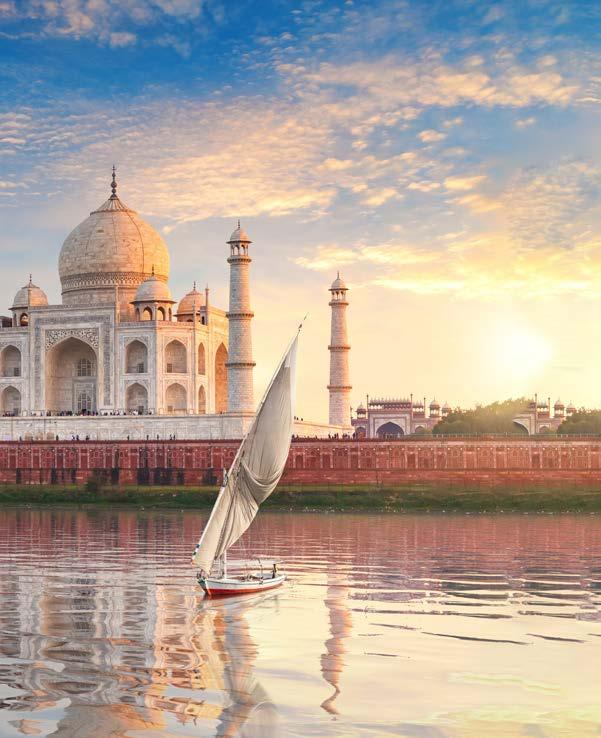
The Yamuna River has been Agra’s silent partner since the city’s earliest days. Mughal planners treated water as both practical necessity and symbolic element, arranging gardens as charbagh quadrants where channels and pools divided green beds into ordered squares. Mehtab Bagh, across the river from the Taj, was conceived as part of the visual ensemble that allowed symmetry to extend beyond the monument into the river’s reflection. When gardens are at their best, the city’s heat is mitigated, birdsong returns, and the sensory palette shifts from dust and stone to green and coolness. Strolling through these spaces, one can trace a philosophical lineage in which the garden becomes an earthly counterpart to spiritual paradise: shade invites contemplation, water gives rhythm, and ordered plantings offer calm. Even today, the Mughal gardens in and around Agra function as civic lungs where locals exercise, children play, and visitors find refuge from touristic motion. These gardens are reminders that Mughal aesthetics remained deeply attentive to human comfort as well as to regal spectacle.
Choosing when to arrive in Agra shapes the experience more dramatically than in many other cities. The period from October to March brings cooler temperatures and clearer skies, ideal conditions for long walks, market browsing, and sunrises at the Taj that bloom in soft color. Winters in Agra can also be atmospheric in ways that summer is not: morning mists curl off the Yamuna, and the city’s more introspective rhythms show through. Summers, which extend roughly from April through June, can be intense and draining; however, for travelers who avoid midday and focus on early mornings and late afternoons, the heat is tolerable and the crowds thinner, which means more personal moments at major sites. The monsoon season, from July to September, brings its own effects: the landscape becomes greener, the air is heavy and fragrant, and rain can lend a dramatic sheen to mud-brick and sandstone. Each season has a story to tell, so the ideal time truly depends on whether a visitor prioritizes comfortable exploration, crowd-free solitude at monuments, or the lushness of a wet landscape.


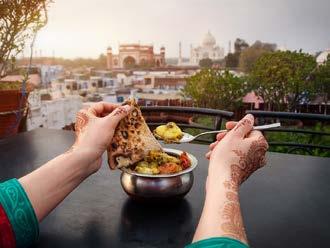
Food in Agra connects courtly history to local improvisation in a single spoonful. The city’s Mughlai legacy is audible in slow-cooked gravies and syllables of spice; kebabs retain a charred nobility, while biryanis are layered memories of rice and saffron. But Agra’s culinary personality leaps beyond the formal to the intimate: the translucent sweetness of petha, made from ash gourd, has remained a local signature for generations, presented in crystalline cubes or colorful flavors that delight children and elders alike. Breakfast stalls early in the day serve bedai and jalebi, a pairing of spicy fried breads and syrupy coils that is the kind of indulgence locals treat themselves to on weekends. Street cuisine — chaat, kachori, and stuffed parathas — emphasizes contrast: sweet and sour, pungent and cooling. Dining in Agra is also about texture: the crispness of tikkas, the creaminess of a slow-simmered korma, the chew of a well-made kulfi. For the visitor, food becomes a route into conversation; many family-run eateries serve recipes whispered down through the generations, and home-style kitchens often excel at simple, perfected dishes that tell a story of place and habit. Sampling food in Agra is therefore not only about flavor but about understanding how a city nourished its people across centuries.
Agra’s civic life is choreographed by festivals that bring streets and monuments into fresh themes. The Taj Mahotsav, a biennial or annual gathering depending on programming rhythms, concentrates craftspeople, performers, and culinary stalls in the
shadow of the Taj, and acts as both celebration and a way to preserve traditional arts. Religious festivals such as Diwali and Holi demonstrate the city’s communal textures: lights and colours animate neighborhoods, and the air fills with incense and song. Smaller, neighborhood-based rituals — Sufi gatherings at shrines, local processions on saints’ days, and wedding parties moving through alleys — give visitors a chance to witness ritual life intimately if they move with respect and curiosity. Participation
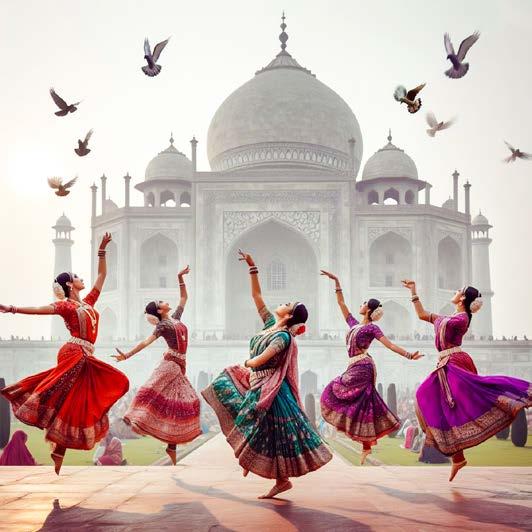
in festivals is often the richest way to understand a place, because rituals collapse questions of time into moments of shared affect: joy, remembrance, devotion. For travelers who plan trips around these calendar highlights, Agra presents opportunities to see communities perform their identities openly and to share in moments of extraordinary human warmth.
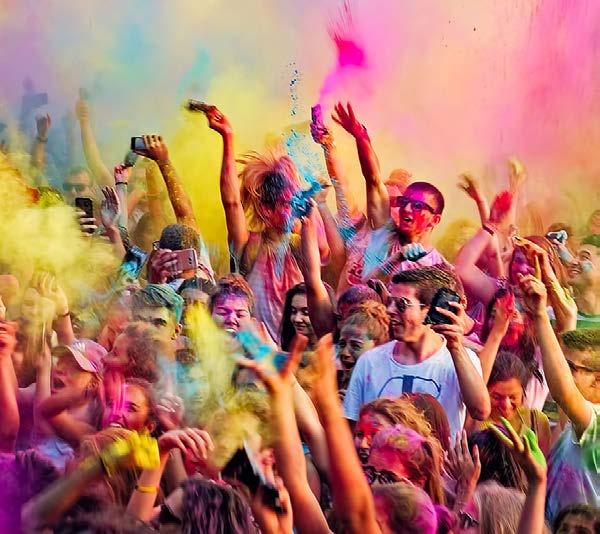
Accommodation in Agra ranges from hotels that stage the Taj as a central visual commodity to restored havelis that invite slower, story-rich immersion. At one end of the spectrum, properties whose terraces face the Taj offer a type of cinematic domesticity: waking to a silhouette of marble, ordering tea and watching the monument change with the day becomes a daily mini-ritual. These hotels often translate Mughal motifs into décor — carved screens, lush carpets, fountains in courtyards — and add a layer of contemporary service: spa treatments, curated excursions, and fine-dining restaurants that reinterpret Mughlai classics. The experience here is deliberately theatrical in the best way, combining comfort with a sense of place. At a more intimate scale, boutique hotels that inhabit renovated havelis offer guests the sensation of living within a story. Plasterwork, timber beams, and courtyards filled with bougainvillea create atmospheres that privilege quiet conversation and the sense of being welcomed into a family property.
Service in boutique stays tends to be personalized; staff will share histories and introduce guests to neighborhood artisans. For travelers who want predictable comfort without the formality of a palace, modern mid-range hotels and international chains deliver solid rooms, efficient amenities, and proximity to major sites. Their advantage is practical: they are convenient for families and business travelers and can be a sensible base for day trips. For budget travelers and backpackers, guesthouses and hostels offer communal spaces and the invaluable currency of local tips. Staying longer in Agra is an invitation to slow down; prolonged stays allow changing light to reveal new facets of the Taj, allow artisans’ workshops to be visited at leisure, and let the city’s markets and food stalls be discovered in depth. Regardless of budget, the wise traveler chooses lodging not merely by price but by how it supports the rhythm of the trip: early mornings at monuments, afternoon rest in shaded rooms, and evenings walking nearby lanes.

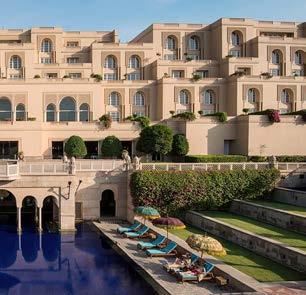

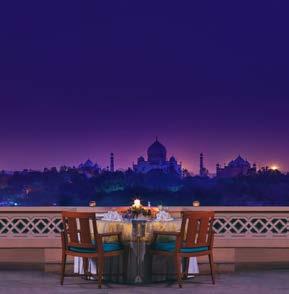
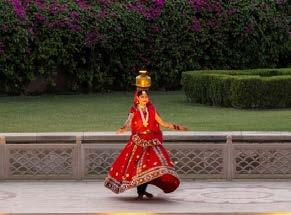
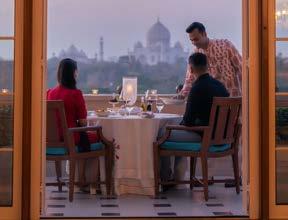
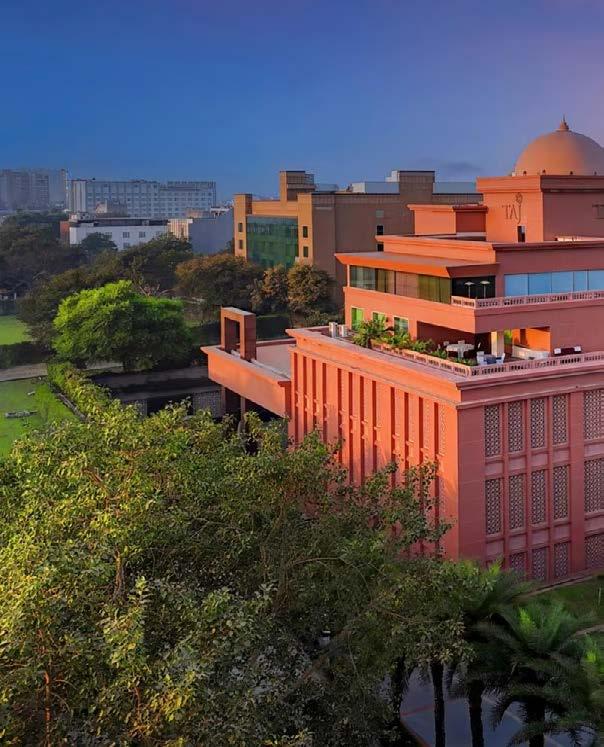
Within walking distance of an iconic landmark, Taj Agra is an expression of grandeur. Opulent and elegant best describe this luxury property, that offers alluring views of the Taj Mahal, a fabled monument and an icon of love. Verdant 4.5 acres of landscaped gardens and unique architecture that blends regal charm with contemporary style and state-of-the-art facilities, make this, one of the best hotels in Agra. The quiet luxury vibe continues in our well-appointed rooms, decorated in warm, neutral hues, wood floors and large picture windows. Our dining options will delight you and keep your tastebuds tingling. Enjoy authentic regional cuisine at Daawat-e-Nawab, lively buffets at Palato, rare teas at Tea Lounge, delicious spirits at Liquid Lounge and inventive cocktails at Infini-The Sky Lounge. Recreational facilities include a wellness spa, fitness centre, infinity pools and over 3,700 sq m of meeting and convention facilities brimming with the latest technology that are perfect for corporate meetings and dreamy destination weddings. Serving as the perfect vantage point for several attractions like Agra Fort, Fatehpur Sikri and Keoladeo National Park, Taj Agra is where all your needs are met as we unveil the magic of a luxurious, warm and refined stay.
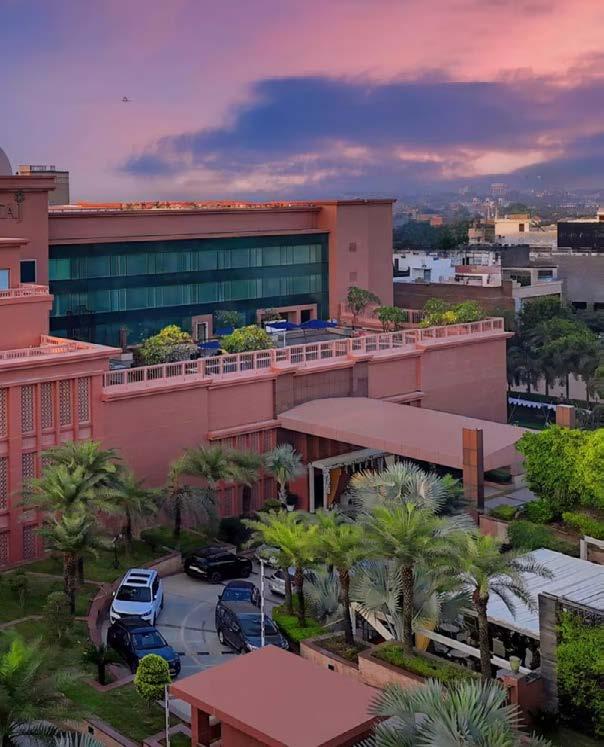

Located within view of the magnificent Taj Mahal, Radisson Hotel Agra offers a comfortable stay near Agra’s city center. Once the seat of the Mughal Empire and now home to three UNESCO World Heritage sites, Agra is teeming with lush gardens, historic mausoleums, and bustling marketplaces offering local products such as textiles, spices, and leather goods.Once you've checked in, settle into your spacious room and recharge with a meal from room service. When you're not exploring the city's many attractions, you can unwind with a dip in our outdoor pool or make an appointment at our onsite spa. A fitness center lets you keep up with your exercise routine during your stay. Four main railway stations and two major bus terminals make city-wide travel a breeze, while the nearby Expressway provides a convenient link to Delhi and Jaipur, the two other major cities that make up the Golden Triangle tourism circuit.

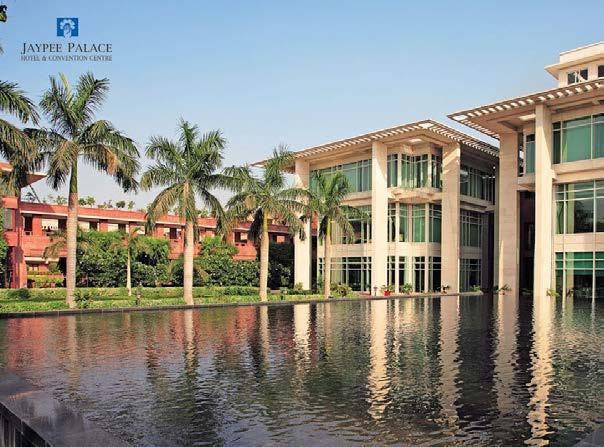
Discover luxury at Jaypee Palace Hotel & Convention Centre. It is one of the finest 5-star hotels in Agra near the iconic Taj Mahal.
The hotel is surrounded by lush greenery. This magnificent property blends Mughal architecture with contemporary comfort. It is located just 1.5 km from the Taj Mahal. The hotel is also only 8 km from Agra Cantt Railway Station and 12.4 km from Kheria (Agra) Airport. It offers unparalleled convenience and elegance. Experience world-class amenities, exquisite dining, and a serene ambiance for a memorable stay in the best hotel in Agra. Experience unmatched comfort in the luxurious rooms and suites at Jaypee Palace Hotel, Agra. Each room is designed with modern amenities and elegant interiors. This ensures a relaxing stay. Choose from a range of options to enjoy breathtaking views, spacious layouts, and world-class services.



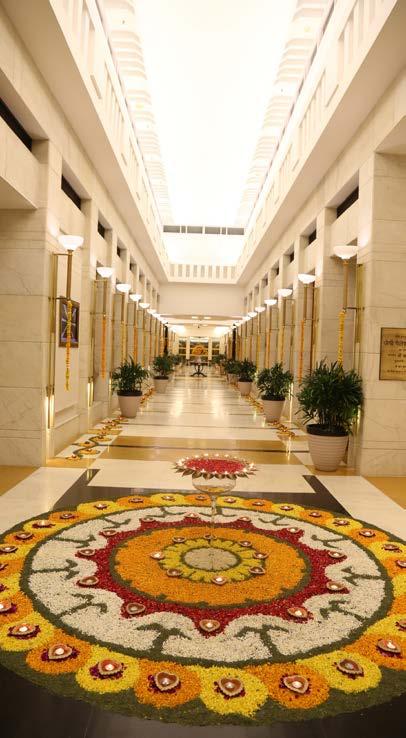
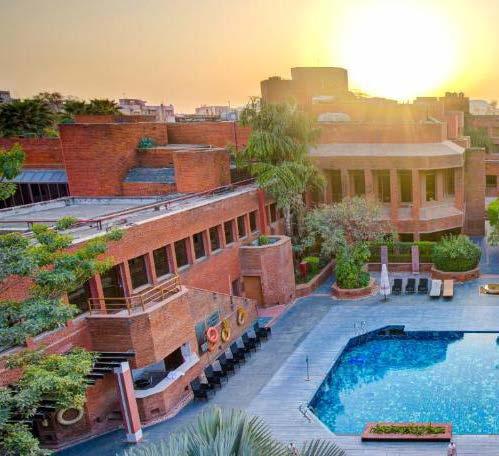
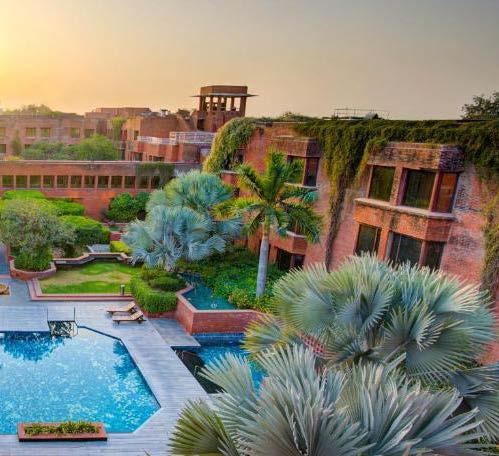
Sprawled over 23 acres of luxurious gardens, ITC Mughal, a Luxury Resort & Spa in Agra is a fitting tribute to the great Mughal builders of the past. The only Indian hotel to have won the prestigious Aga Khan Award for its excellent representation of Mughal architecture. With a platinum grade commitment to our guests and the planet, ITC Mughal, is certified with a LEED® (Leadership in Energy and Environmental Design) Platinum rating for globally recognized
planet positive endeavours. In close proximity to the Taj Mahal, this luxury resort offers 233 opulent rooms and suites, a resplendent spa, signature cuisine offerings and a range of elaborate banqueting facilities. It recreates a paradise for the contemporary Mogul - exemplifying the splendor and perfection that was the hallmark of the Mughal Dynasty. Savor gourmet international cuisine in our upscale dining establishments, Peshawri and Taj Bano. Our prime location enables you to explore the wonder of the city at your leisure.
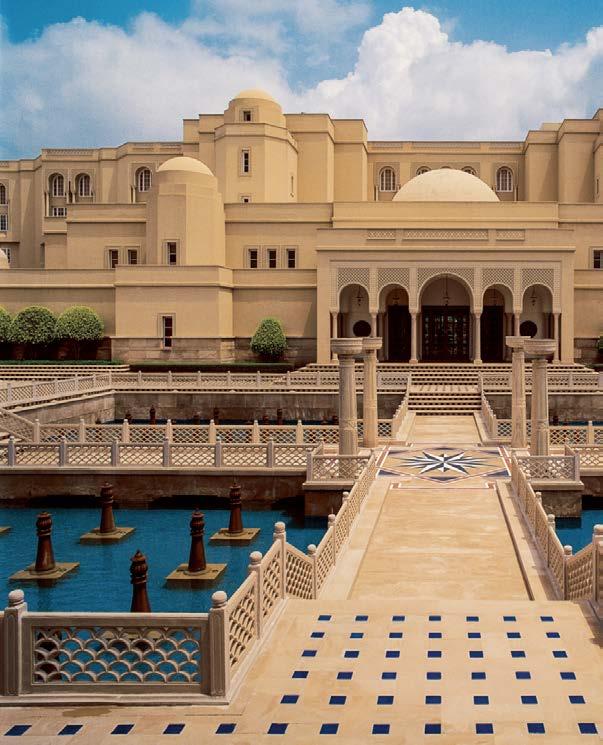

Once the capital of the Mughal Empire in the 16th and 17th centuries, Agra is steeped in history and grandeur. It is home to three UNESCO World Heritage Sites, the iconic Taj Mahal, the majestic Agra Fort and the ancient city of Fatehpur Sikri each a testament to the architectural brilliance of the Mughal era. Located just 600 metres from the Taj Mahal, The Oberoi Amarvilas, Agra draws inspiration from traditional Mughal palace architecture, featuring terraced lawns, reflection pools, fountains and elegant pavilions. The Oberoi Amarvilas is the only luxury hotel in Agra that offers unrestricted views of Taj Mahal from all rooms and suites. Guests can enjoy private dining set against its stunning silhouette or indulge in couples’ spa therapies overlooking this world wonder, complemented by our warm hospitality.
A specially crafted meal for two under the stars and beside cascading water bodies. Choose between a specially curated four-course dinner and our recommended Royal Indian ‘thali’. Delicious cuisines and a unique setting to inspire a special occasion. Topped off with personalised service by a private butler. Nothing could be more romantic than a candlelit dinner for two on the balcony of your room, with a backdrop of the Taj Mahal in silhouette. Choose between a specially curated four-course dinner and our recommended Royal Indian ‘thali’. Served with intuitive, unobtrusive care by your personal butler. Renew your vows in the most romantic city in the world. Let us dress you in traditional Indian wedding attire and personalise the perfect ceremony at our beautiful on-site venue.
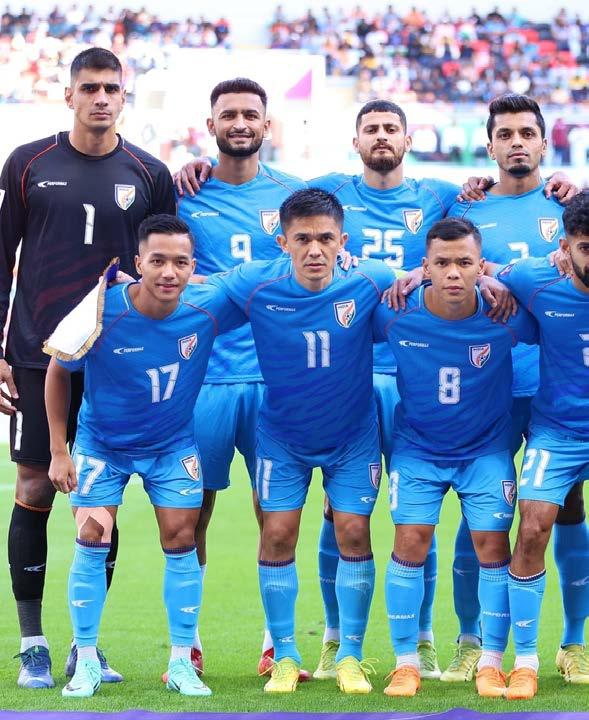

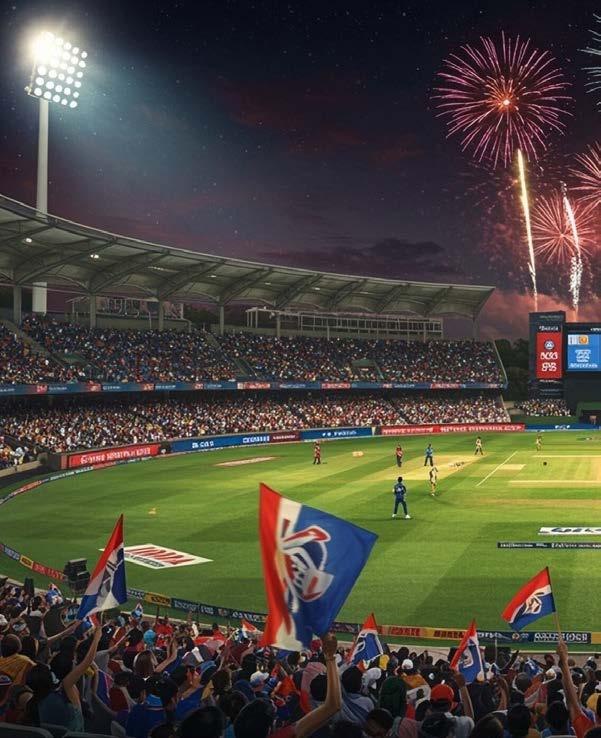

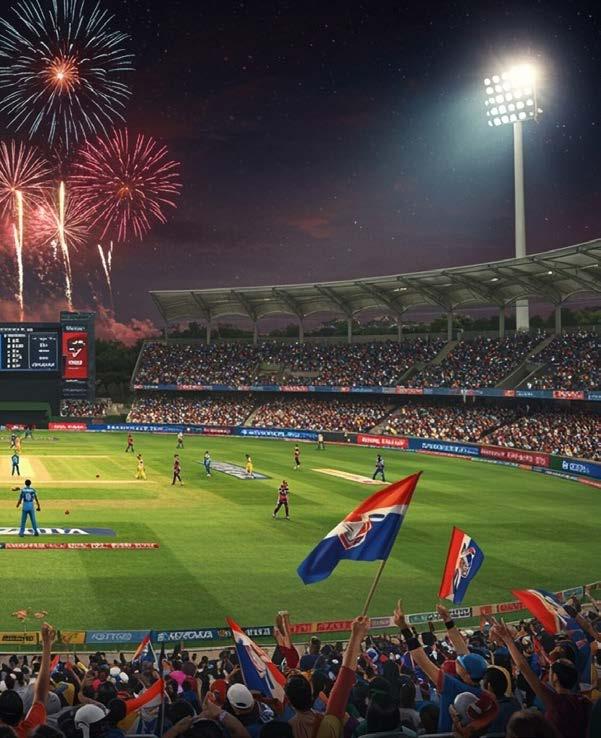
The Indian Premier League (IPL) has long been the crown jewel of sports sponsorship in India, drawing billions in investment from brands vying for visibility in a cricket-crazy nation. With its glitz, glamour, and massive viewership, the IPL commands astronomical sums—reports suggest its brand value crossed $10 billion in 2024, with sponsorship deals routinely exceeding ₹500 crore annually. Yet, beyond the IPL’s dazzling spotlight lies a lesser-known but rapidly growing sponsorship market: corporate leagues. These employee-centric, hyper-local sports events are emerging as a potent avenue for brands to connect with niche, engaged audiences in ways the IPL cannot.
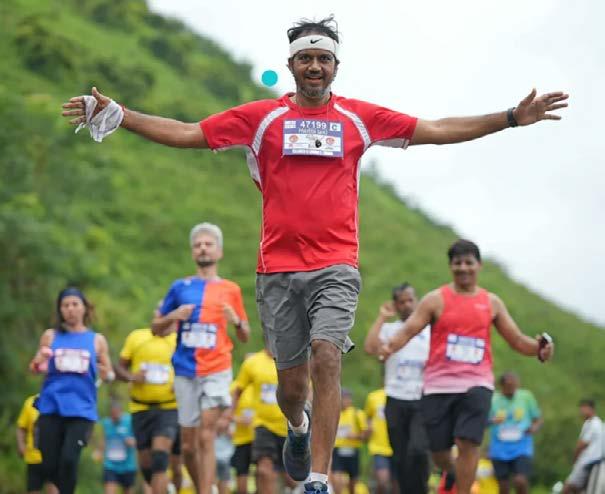
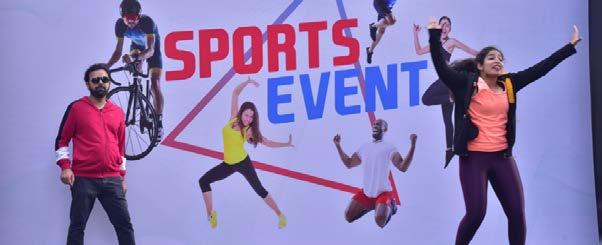

Corporate leagues are sports tournaments organized for employees of companies, typically held at a city or regional level. Unlike professional leagues, these events prioritize participation over elite competition, fostering camaraderie, wellness, and team-building among corporate professionals. Sports like cricket, football, badminton, table tennis, and even e-sports feature prominently, with events often held over weekends in urban hubs like Bengaluru, Mumbai, Delhi, and Hyderabad.
These leagues range from small intra-company tournaments to large-scale inter-corporate events involving dozens of organizations. Examples include the Corporate Cricket League (CCL), Times Shield, and the IT-focused Techfest Sports League. While they lack the star power of IPL players like Virat Kohli or MS Dhoni, corporate leagues attract thousands of participants and spectators, primarily young professionals aged 25–40—a demographic that brands covet.



Unlike the IPL, which casts a wide net, corporate leagues offer brands access to a highly specific audience: urban, affluent, and professionally active individuals. These participants are decisionmakers, influencers, and consumers with significant purchasing power. For instance, a tech company sponsoring a Bengaluru-based IT league can directly engage with software engineers and managers who are likely to use their products or services.
IPL sponsorships come with eye-watering price tags— title sponsorships alone can cost ₹400–500 crore per season. In contrast, corporate league sponsorships are far more affordable, often ranging from ₹5 lakh to ₹50 lakh, depending on the scale. This allows smaller brands, startups, and regional players to gain visibility without competing against global giants like Tata or Vivo.
Corporate leagues thrive on community and participation. Employees, their families, and colleagues form a captive audience, attending matches, cheering for teams, and engaging with on-ground activations. Brands can leverage this through logo placements, branded merchandise, and interactive booths. For example, a fitness brand sponsoring a corporate marathon can offer free health checkups, creating memorable touchpoints.
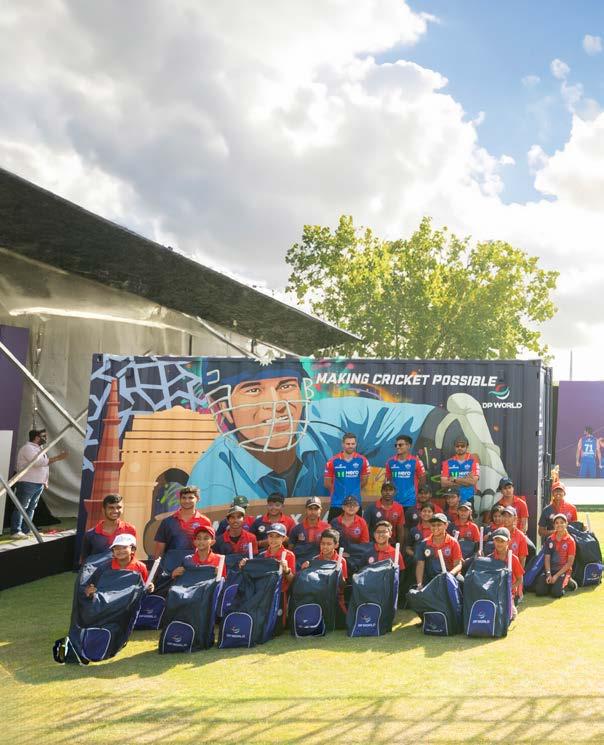
While the IPL is a national phenomenon, corporate leagues are inherently local, allowing brands to tailor campaigns to specific regions or industries. A real estate company in Gurgaon, for instance, might sponsor a local corporate football league to promote its projects to professionals in the area, achieving hyper-targeted marketing.
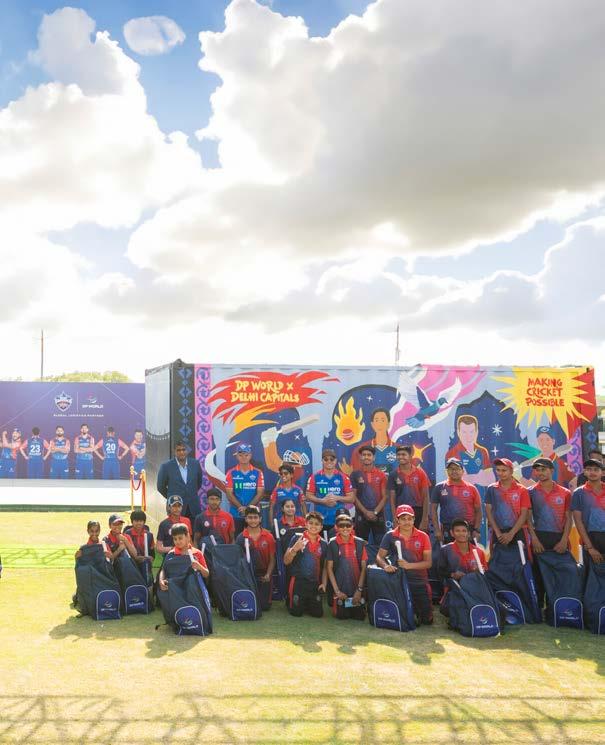
Corporate leagues offer flexible sponsorship formats, from title sponsorships and team jerseys to digital promotions and event-specific activations. Brands can also align with wellness-focused narratives, appealing to the growing corporate emphasis on employee health and work-life balance.
Though precise data on corporate league sponsorships is scarce, industry estimates suggest the market is worth ₹200–300 crore annually and growing at 15–20% year-on-year. Events like the Mumbai-based Times Shield, which involves over 100 corporate teams, or the Bengaluru Corporate Sports League, with 50+ companies, draw thousands of participants and spectators. Sponsorship deals in these leagues have attracted brands like Decathlon, Red Bull, HDFC Bank, and regional players, each tapping into the unique ecosystem of corporate sports. A 2024 report by GroupM estimated that nonIPL sports sponsorships, including corporate leagues, accounted for 15% of India’s total sports sponsorship market, valued at ₹15,000 crore. While the IPL dominates, the share of alternative sports platforms is rising as brands seek costeffective, high-impact options.
Despite their promise, corporate leagues face challenges. Limited media coverage compared to the IPL means brands must rely on grassroots and digital marketing to amplify their presence. Logistical issues, such as coordinating events across multiple companies, can also complicate execution. Moreover, measuring ROI remains tricky, as success often lies in long-term brand recall rather than immediate sales. However, these challenges are also opportunities. Digital platforms allow brands to share real-time updates, highlights, and behind-thescenes content from corporate leagues, extending their reach beyond physical attendees. Partnerships with influencers or employee ambassadors can further amplify campaigns. Additionally, as companies increasingly prioritize employee engagement, the demand for corporate leagues— and their sponsorship potential—is set to grow.






As the IPL continues to dominate India’s sports sponsorship landscape, corporate leagues are carving out a niche as a high-impact, cost-effective alternative. With urbanization, a growing corporate workforce, and increasing interest in fitness and team-building, these leagues are poised for exponential growth. Brands that act early can establish themselves as pioneers in this space, building loyal communities and driving measurable outcomes. For marketers looking beyond the IPL’s saturated market, corporate leagues offer a hidden gem—a chance to connect with engaged, affluent audiences in an authentic, localized setting. As more companies and brands recognize this potential, corporate leagues may well become the next big frontier in India’s sports sponsorship ecosystem.



On July 28, 2025, 19-year-old Divya Deshmukh from Nagpur, India, etched her name in chess history by becoming the first Indian woman to win the FIDE Women’s World Cup in Batumi, Georgia. This monumental victory not only secured her the prestigious Grandmaster (GM) title but also marked her as a rising star in global chess, earning her a coveted spot in the Women’s Candidates Tournament 2026. With this triumph, Divya has positioned herself as a formidable contender for the Women’s World Championship title, currently held by China’s Ju Wenjun.

Divya’s journey to the World Cup title was nothing short of extraordinary. As an International Master entering the tournament, she faced a gauntlet of chess titans, defeating top seeds like Zhu Jiner (2nd), Harika Dronavalli (10th), Tan Zhongyi (3rd), and compatriot Koneru Humpy (4th) in the final. The decisive match against Humpy, a former world championship challenger, went to rapid tiebreaks, where Divya’s composure and tactical brilliance shone through. Her victory was particularly remarkable as she had no GM norms prior to the event. The World Cup win automatically granted her the GM title, making her India’s fourth female GM and the country’s 88th overall, bypassing the traditional requirement of three norms. Divya dedicated this milestone to her late coach, Rahul Joshi, whose guidance shaped her early career.
Born on December 9, 2005, to doctor parents in Nagpur, Divya discovered chess at age five. Her aggressive, tactical playing style has drawn comparisons to some of the game’s greats. Throughout the tournament, she displayed remarkable resilience, often accompanied by her quirky “lucky charm”—a banana—that became a light-hearted talking point among fans. Her performance in Batumi was a masterclass in fearless chess, with key victories showcasing her ability to outmanoeuvre higherrated opponents under pressure.


The significance of Divya’s win extends beyond personal achievement. It marks a historic moment for Indian women’s chess, a domain where India has long produced strong players like Humpy Koneru and Harika Dronavalli but never a World Cup champion. Divya’s triumph follows her stellar 2024, where she won the World U20 Girls Chess Championship and played a pivotal role in India’s gold medal at the 45th Chess Olympiad in Budapest, earning an individual gold on Board 3 with a 2608 performance rating. Her earlier accolades include the 2023 Asian Continental Women’s Championship and the 2022 National Women’s Championship.



The $50,000 prize (approximately Rs 43.4 lakh) from the World Cup is a testament to her growing stature, but Divya’s focus remains on her chess journey. She plans to rest and prepare for the FIDE Grand Swiss, with her sights set on the Candidates Tournament and a potential world championship challenge. Her victory has garnered widespread acclaim, with congratulations from India’s President and Prime Minister, media outlets have celebrated her performances and regard her as one of the best in the world. Divya Deshmukh, a 19-year-old chess prodigy from Nagpur, was awarded INR 3 crore by Maharashtra Chief Minister Devendra Fadnavis for her historic victory at the FIDE Women’s Chess World Cup 2025. She became the youngest champion by defeating Koneru Humpy in a tie-
break final in Batumi, Georgia, on July 28, 2025, earning the Grandmaster title and becoming India’s 88th Grandmaster and the fourth Indian woman to achieve this honor. The felicitation occurred at the ‘Nagari Sanman Sohala’ ceremony in Nagpur, where she also received INR 11 lakh from the Maharashtra Chess Association. The event aimed to inspire young athletes, with Fadnavis emphasizing Maharashtra’s commitment to sports development Divya’s story is one of grit, talent, and breaking barriers. As she pursues a degree in sports psychology and chess data analytics remotely, her World Cup win signals the arrival of a new force in women’s chess. India, and the world, will be watching as Divya Deshmukh continues her ascent.



Exciting opportunity for all those who want to share their most memorable, Interesting. Amazing, Pro-active & Growth oriented activities & Experiences covering areas such as
• Fashion, Trend & Lifestyle
• Culture, Tradition & Heritage
• Education, Healthcare & Wellnes
• Industries, Investments & Growth
• Travel, Tourisn & Hospitality With Millions of Readers across the world



Launguage
Circulation,
Advertisements & Advertorials
Featured
Feedback
Email ID : aseworldwidemedia@gmail.com worldwidemediaasiapacific@gmail.com
Website : www.mightyindia.com