THE STATE OF KARNATAKA EMERGED AS AN EPICENTRE OF GLOBAL INVESTMENTS IN INDIA
The state of Karnataka emergence as a global investment epicentre in 2025 is the result of decades of strategic policy evolution, the cultivation of a world-class talent pool, and a relentless focus on hightechnology sectors. As on date, the state contributes over 8.4% to India's national GDP and has secured its position as the top recipient of Foreign Direct Investment in India.
The Economic Powerhouse: Karnataka’s Gross State Domestic Product (GSDP) is estimated at approximately ₹30.70 trillion ($360 billion), growing at a robust rate of 10.86%. The state's economic model is heavily services-driven, with the services sector accounting for 68.1% of its Gross State Value Added. FDI Leadership: In the first half of the 202526 fiscal year, Karnataka surpassed Maharashtra to become India's top FDI destination, attracting over $5.61 billion in a single quarter. Export Dominance: The state accounts for roughly 40% of India’s services exports, with IT exports projected to reach $150 billion by the end of 2026.
as India’s premier destination for global investment, largely by transforming its physical and digital landscape into a world-class gateway for industry. By integrating massive infrastructure upgrades with seamless global connectivity, the state has moved beyond its reputation as just a software hub to become a diversified global manufacturing and innovation powerhouse.
Sectoral Leadership and Global Clusters: Karnataka has successfully diversified its investment portfolio across several highgrowth sectors: The Silicon Valley of India: Bengaluru remains the world’s fourth-largest tech cluster. It is home to over 850 Global Capability Centres (GCCs), which generate $22.2 billion in revenue and drive innovation for 400+ Fortune 500 companies. Aerospace and Defence: The state contributes 65% of India's aerospace and defence output. In 2025, the state continues to attract massive investments in this sector, with a pipeline of over ₹10,000 crore. Semiconductors and Electronics: Karnataka hosts over 85 chip design firms, including global giants like Qualcomm, Nvidia, and Intel. It accounts for 70% of India’s chip designers. Biotechnology: With over 1,000 biotech enterprises, Karnataka produces 60% of India's biotech exports.
Infrastructure and Global Connectivity of the State of Karnataka: This plays an important role in attracting Global Investments into Karnataka: Karnataka has solidified its standing
The Aviation Gateway: Kempegowda International Airport: Kempegowda International Airport is the primary catalyst for global capital, having recently emerged as India’s second-busiest domestic aviation hub. Expansion and Capacity: Following record passenger traffic of 43.82 million in 2025, the upcoming expansion in 2026 would be significantly boosting international capacity. Global Reach: The airport now connects to 113 destinations worldwide, with direct flights to five major continents and cargo links to 37 global destinations. Logistics Dominance: In 2025, BLR handled over 520,000 metric tonnes of cargo, fuelled by sectors like pharmaceuticals, electronics, and e-commerce. New infrastructure like the AISATS BLR Logistics Park has enhanced its role as a critical node in global supply chains. Technological Sophistication: By the end of 2026, the airport will complete major upgrades to its Air Traffic Control (ATC) and Air Navigation Services (ANS), enabling higher traffic volumes and reinforced safety through AI-integrated surveillance.
Strategic Industrial Corridors and Multimodal Logistics: Karnataka’s geographical positioning is leveraged through two of India’s
EDITOR -IN - CHIEF From The Desk Of
most vital industrial corridors: the Chennai-Bengaluru and BengaluruMumbai corridors. Expressways: The Bengaluru-Chennai Expressway (NE7) is scheduled for full completion by August 2025, drastically reducing travel time between these two economic giants and creating high-potential industrial zones along its route. Industrial Zones: The Karnataka Industrial Area Development Board (KIADB) has developed over 170 industrial areas spanning roughly 82,000 acres, hosting more than 20,000 units. Logistics Efficiency: The Karnataka State Logistics Plan and Industrial Policy 2025-30 provide fiscal incentives for Logistics Parks, Dry Ports, and Cold Storage, ensuring that goods move efficiently from hinterland clusters to global markets.
Connectivity "Beyond Bengaluru": A defining trend in 2025 is the success of the "Beyond Bengaluru" campaign, which uses infrastructure to decentralize investment. Regional Hubs: Cities like Mangaluru, Hubballi-Dharwad, and Mysuru are seeing surge in investments due to upgraded regional airports, rail networks, and specialized industrial clusters. Maritime Access: The New Mangalore Port remains a critical trade artery, while plans for the Tadadi Port as a greenfield, multipurpose all-weather port are progressing under public-private partnerships (PPP).
Digital Infrastructure and Future Cities: In the era of 2025 -2026, physical infrastructure is increasingly intertwined with digital ecosystems. KWIN City: The Knowledge, Well-being, and Innovation City (formerly KHIR City) is being built as a futuristic smart city near Bengaluru, designed specifically to host the next generation of AI, semiconductor, and aerospace firms with a "walk-to-work" sustainable model. AI-Enabled Governance: The state has launched a fully digital, AI-powered Single Window System (SWS) that streamlines over 150 business services across 30 departments, allowing global investors to secure approvals, land, and incentives through a unified portal. Digital Economy Mission: The Karnataka Digital Economy Mission (KDEM) is successfully scaling tech ecosystems in Tier 2 cities, ensuring high-speed fibre connectivity (supported by national projects like BharatNet) across the state.
Sustainability as an Infrastructure Priority: Global investors, particularly those from Europe and the US, prioritize environmental standards. Karnataka meets this demand with: Renewable Energy Leadership: The state boasts 14.6 GW of installed renewable capacity, with nearly 60% of its total energy coming from clean sources. Clean Mobility Policy 2025-30: This initiative aims to attract ₹50,000 crore in investments by building an exhaustive EV ecosystem, including 500 fast-charging stations and specialized EV clusters in Chikkaballapur and Dharwad. By 2026, Karnataka’s multifaceted approach—from state-ofthe-art airports and high-speed expressways to AI-driven governance and green energy—has created a "plug-and-play" environment. This infrastructure-first strategy has directly resulted in the realization of over ₹4.71 lakh crore in investments within just 11 months of the 2025 Global Investors’ Meet.
Dr. S. E. Alexander
Global Media Chief & MD
Future Outlook: 2026 and Beyond
In early 2026, Karnataka demonstrated its proactive global outreach at the World Economic Forum in Davos, pitching for investments in sustainable manufacturing, water-secure beverage hubs (like Vijayapura for Coca-Cola), and plant-based alternative materials. The state currently maintains a strong lead pipeline of over ₹1 lakh crore in new investments for the upcoming calendar year, ensuring its continued dominance as India's premier investment destination.
FASHION & TRENDS
Shopping & feStival-wear Surge myntra big faShion feStival 2025
feStive Style trend SareeS & ethnic for Shardiya navratri 2025
VIBRANT LIFESTYLE
vaStrabharana 2025 illuSion & fantaSy
INDUSTRIES & INVESTMENTS
KarnataKa’S global inveStment Surge JapaneSe giantS lead the charge
tata-airbuS to Set up india ’ S firSt private helicopter aSSembly line in KarnataKa
RETAIL & SHOPPING
EmbracE thE wild
SEiko 5 SportSforESt grEEn
SunriSE – india limitEd Edition
MEN & WOMEN OF HONOUR
from teertha village to global applauSe the Story of bibi fatima
Kodagu univerSity
ShineS on national Stage
CULTURE & TRADITION OF KARNATAKA
ganESha chaturthi in karnataka a fEStival of dEvotion, culturE, & community
HOTELS, RESTAURANTS & HOSPITALITY
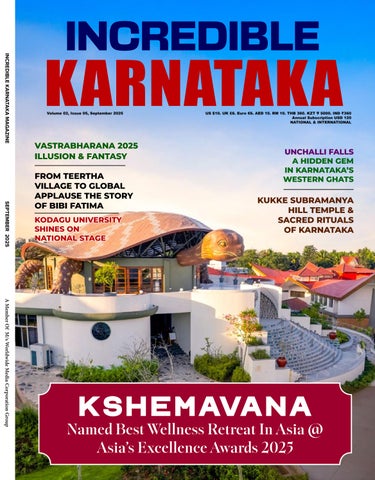
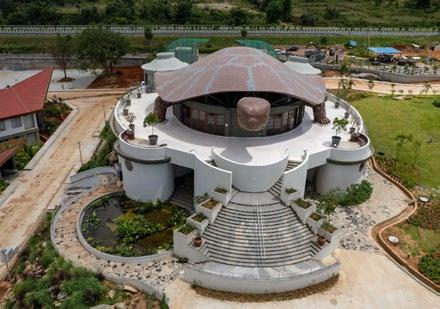
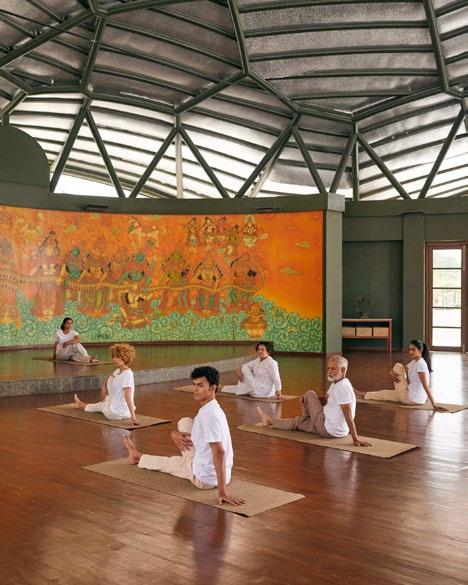
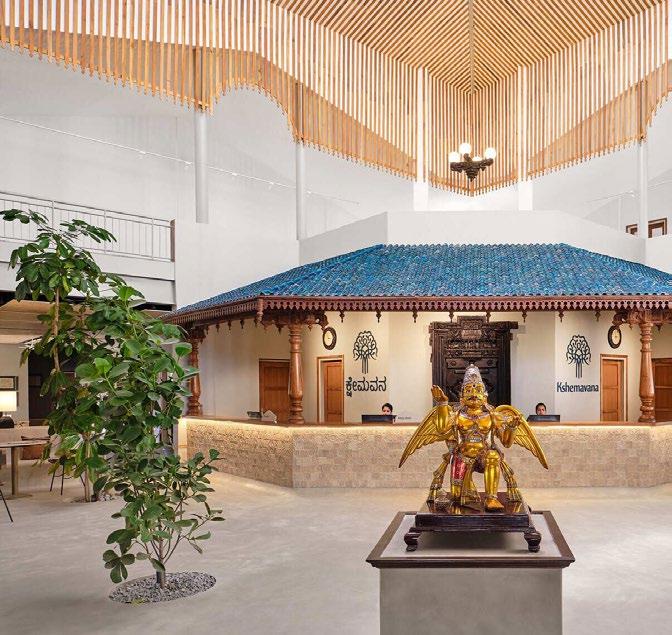
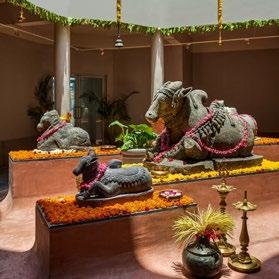
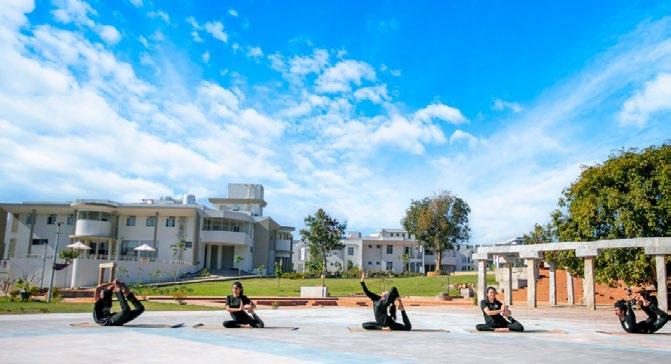
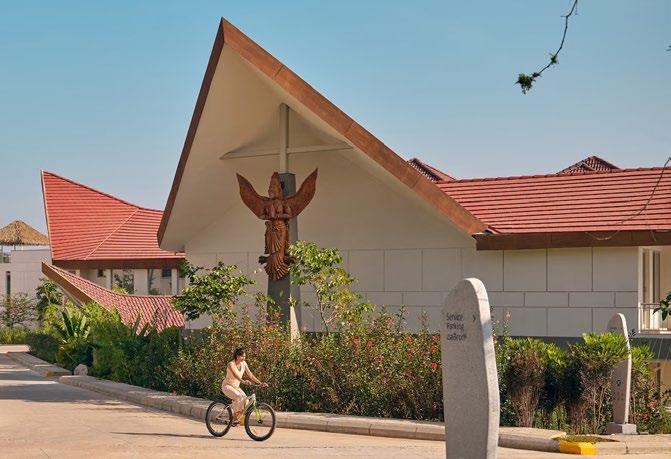
kShEmavana namEd bESt wEllnESS rEtrEat in aSia @ aSia’S ExcEllEncE awardS 2025
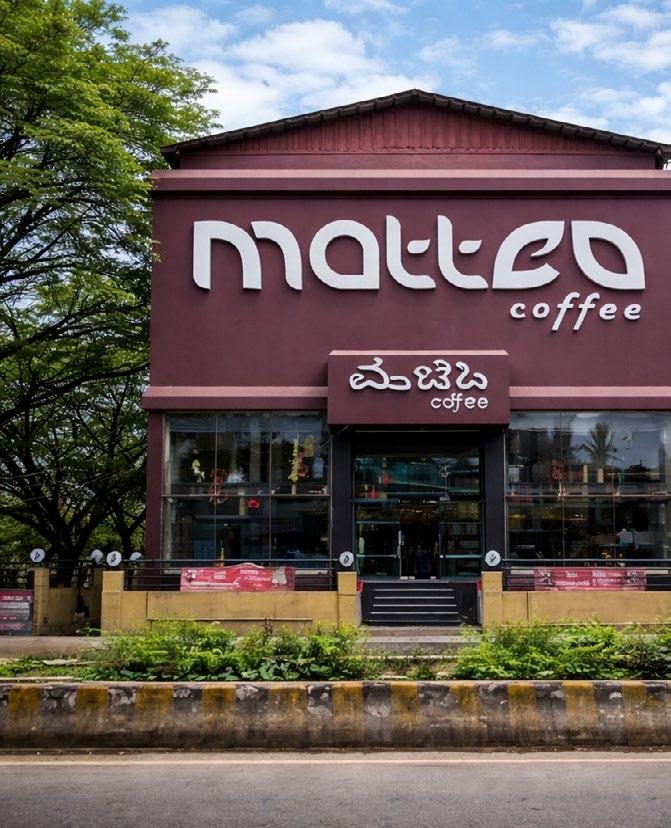
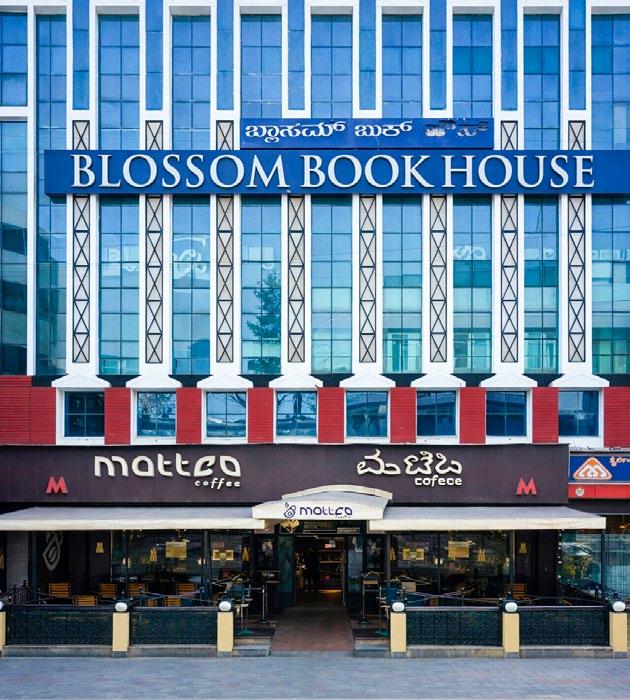
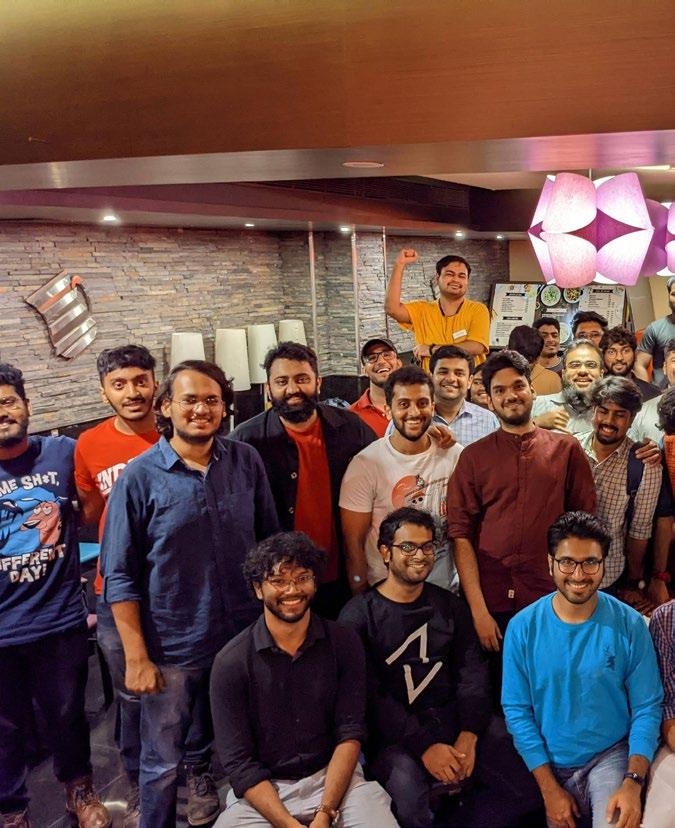
Matteo Coffea Bengaluru’s Evergreen Café For Coffee Conversations
HEALTHCARE KARNATAKA
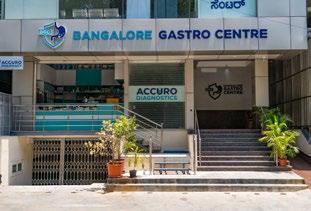
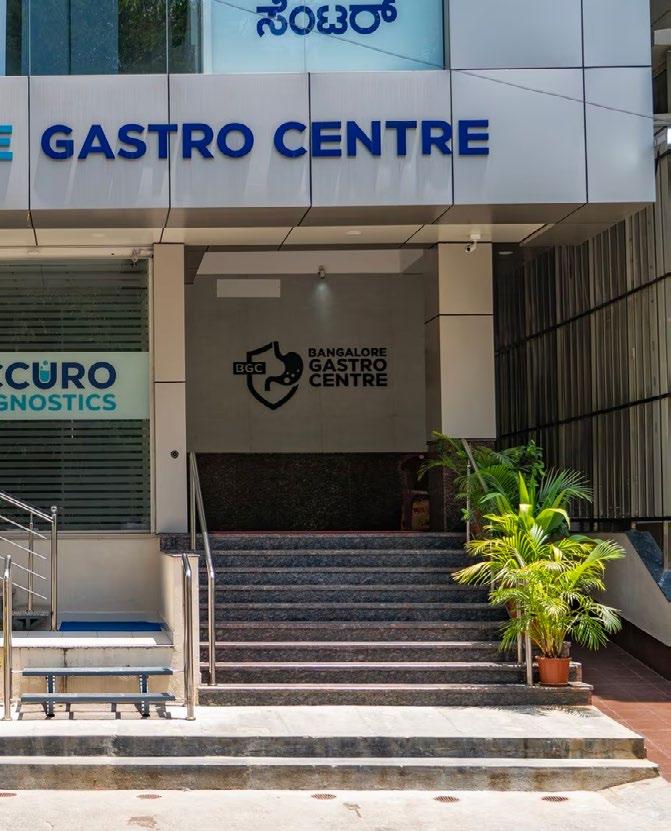
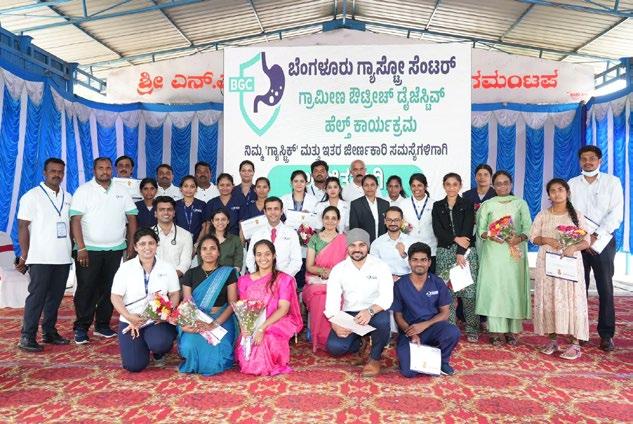
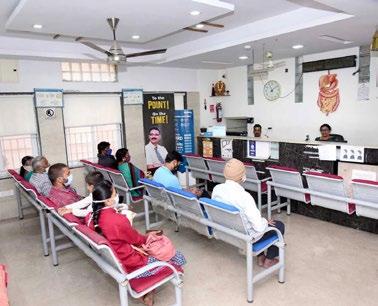
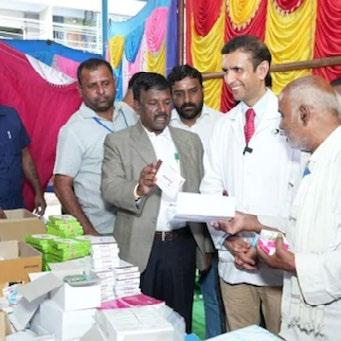
bangalorE gaStro cEntrE hoSpital rEvolutionizing digEStivE hEalthcarE in karnataka
SPORTS & YOUTH DEVELOPMENT OF KARNATAKA
karnataka nfc Sub-Junior boyS trialS whErE young football drEamS took thEir firSt StEp
ROYAL HERITAGE & ARCHITECTURE OF KARNATAKA
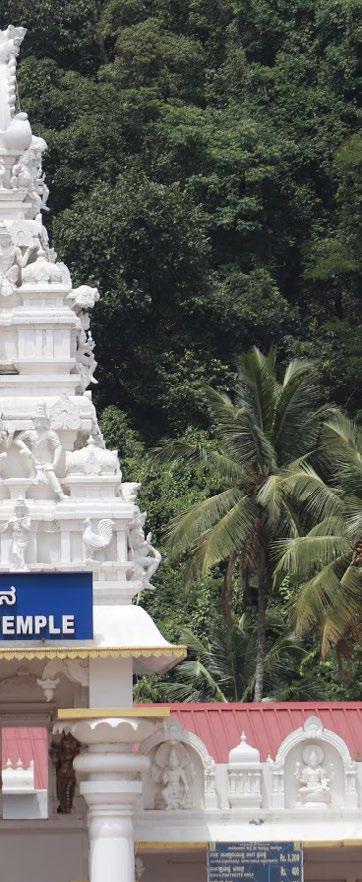
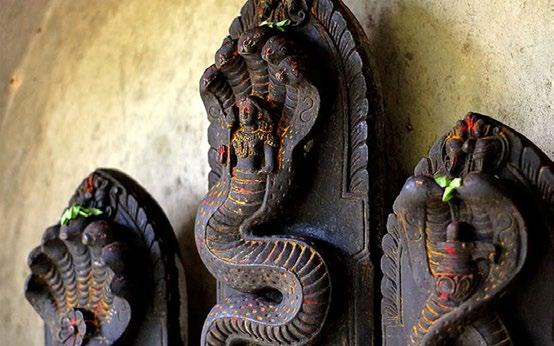
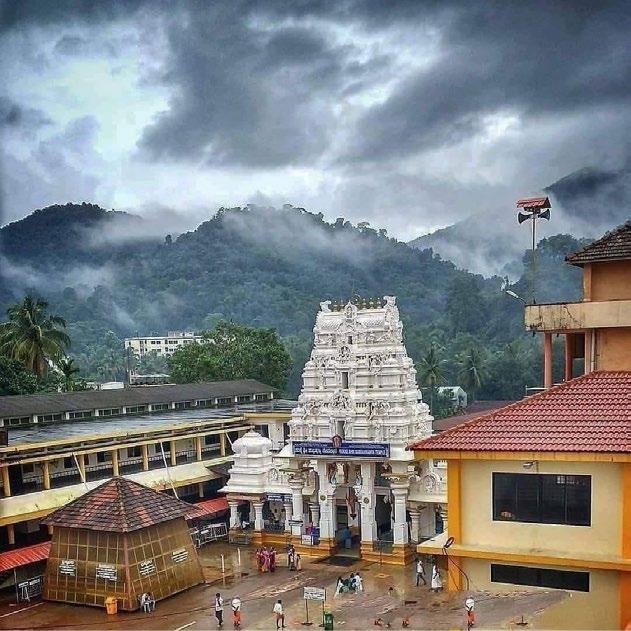
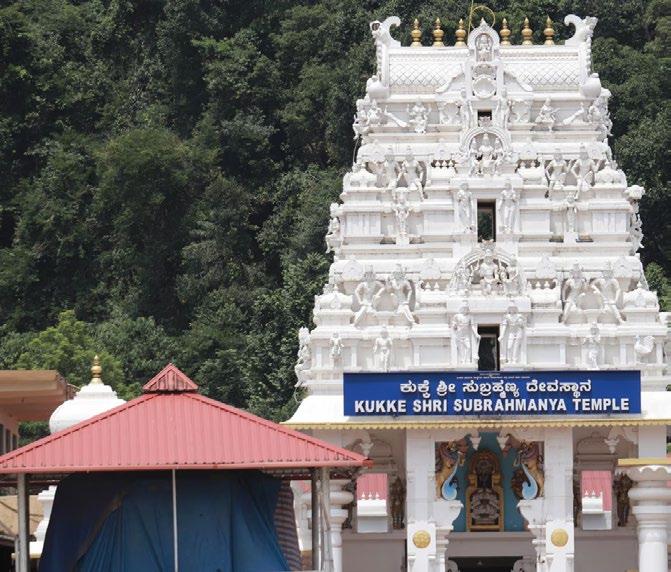
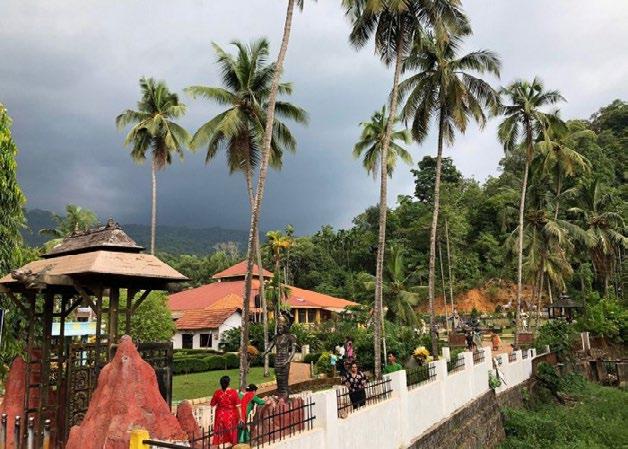
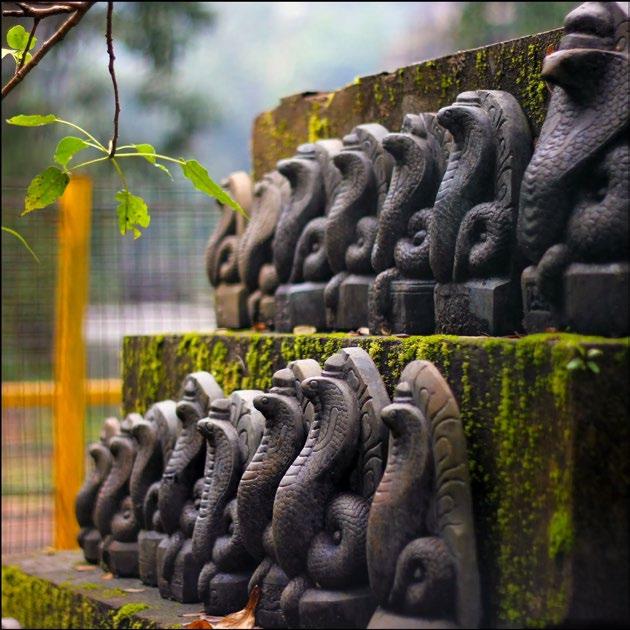
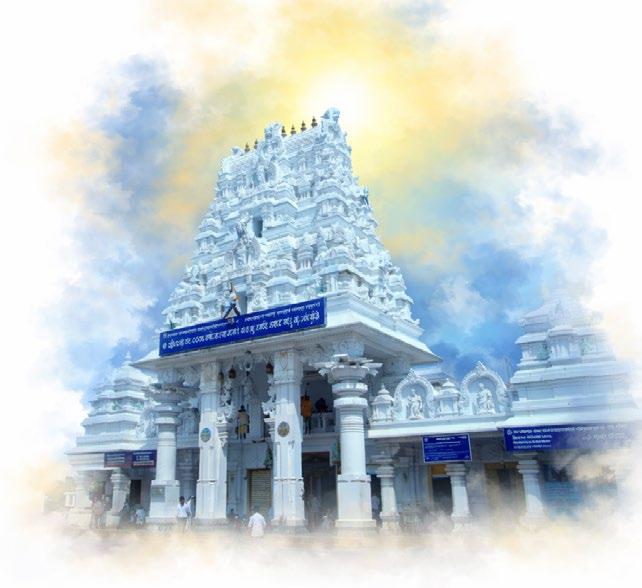
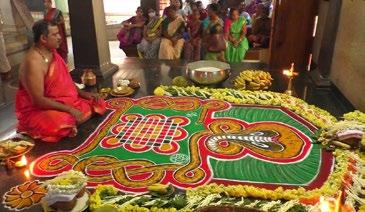
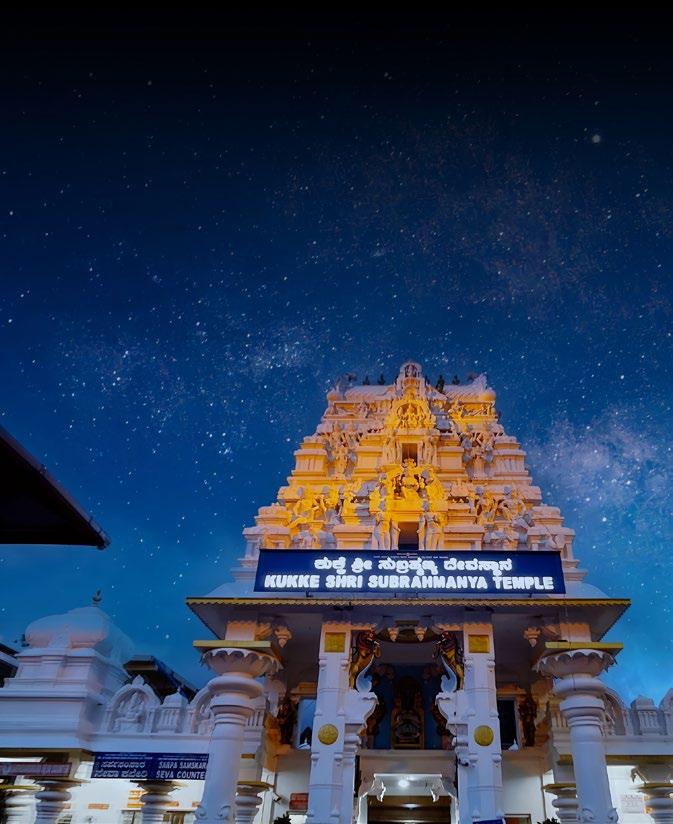
kukkE Subramanya hill tEmplE & SacrEd ritualS of karnataka
TRAVEL & TOURISM
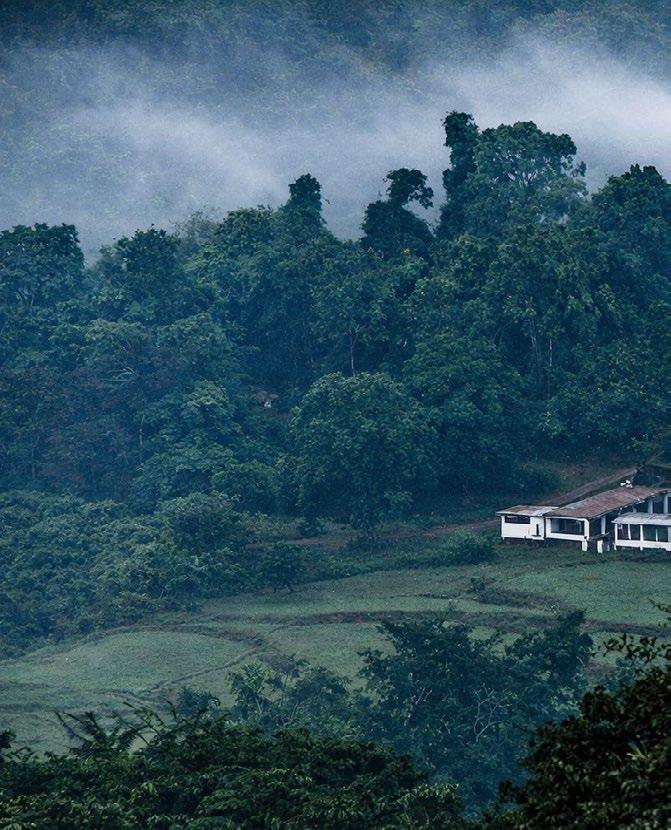
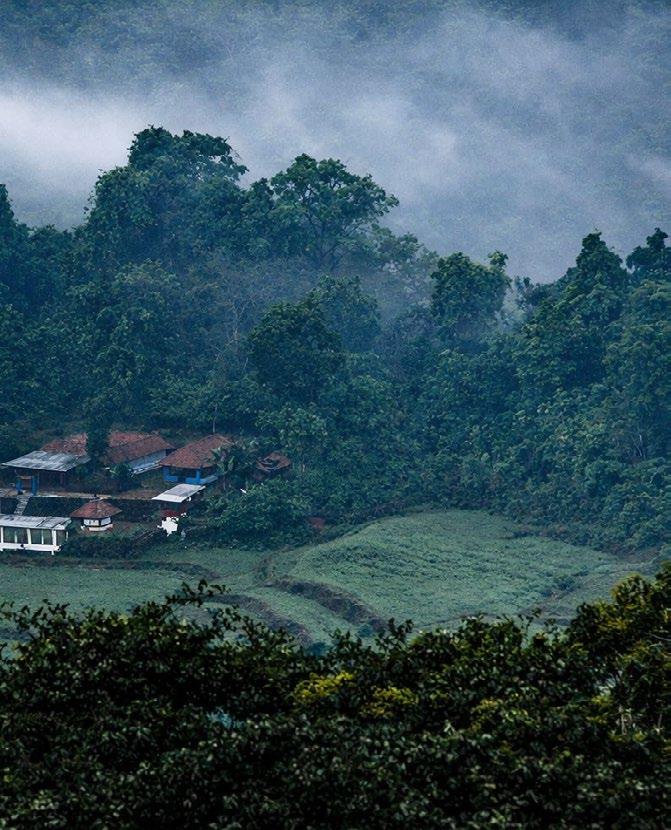
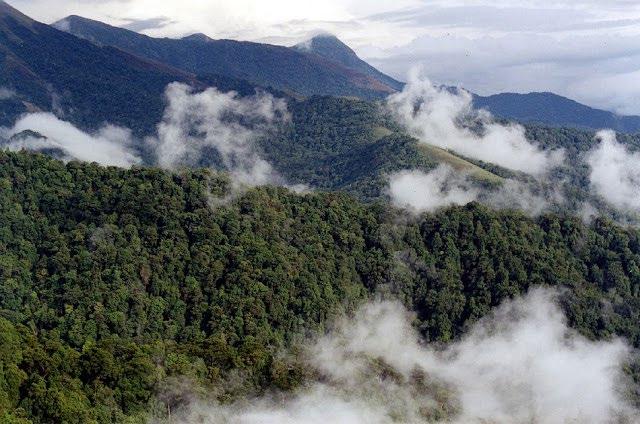
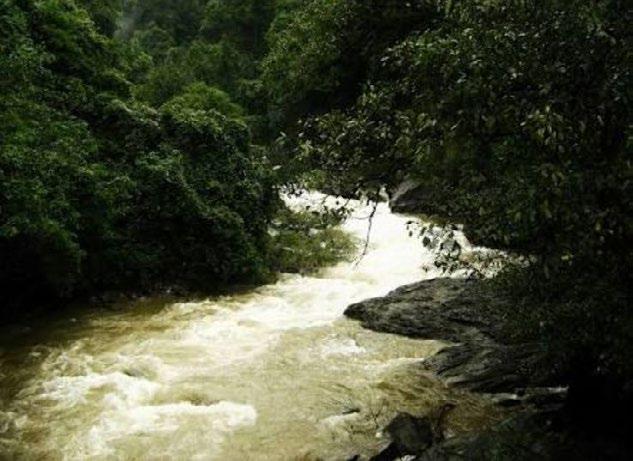
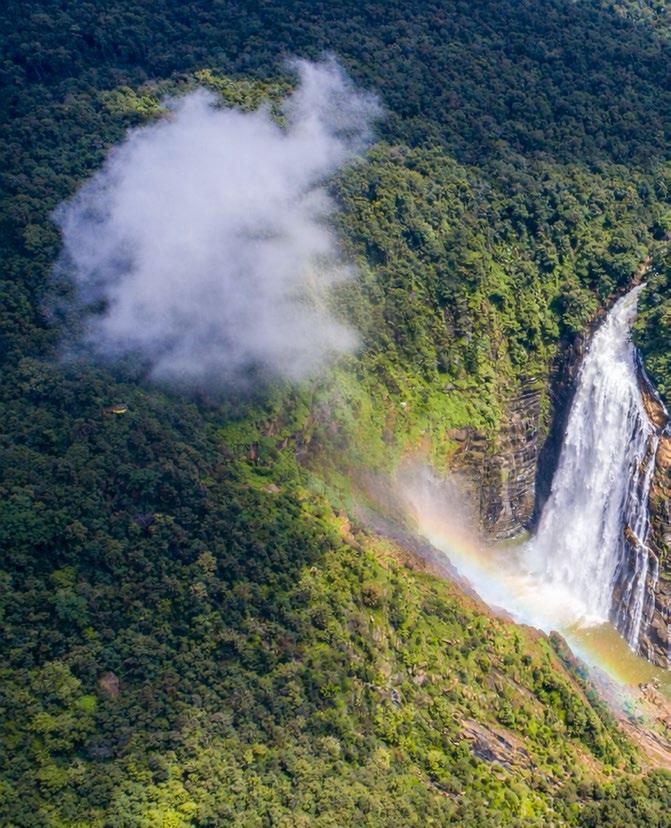
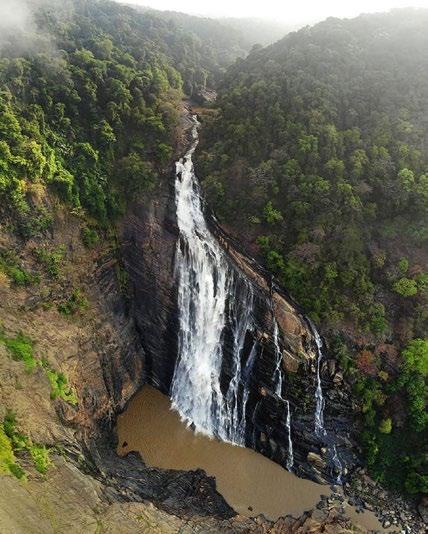
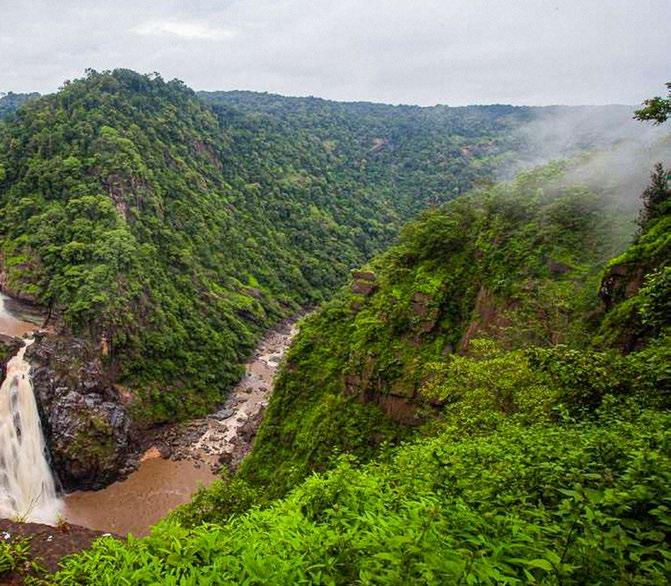
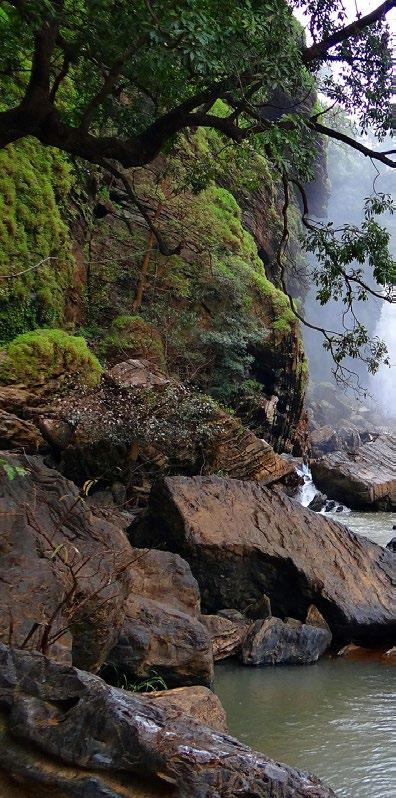
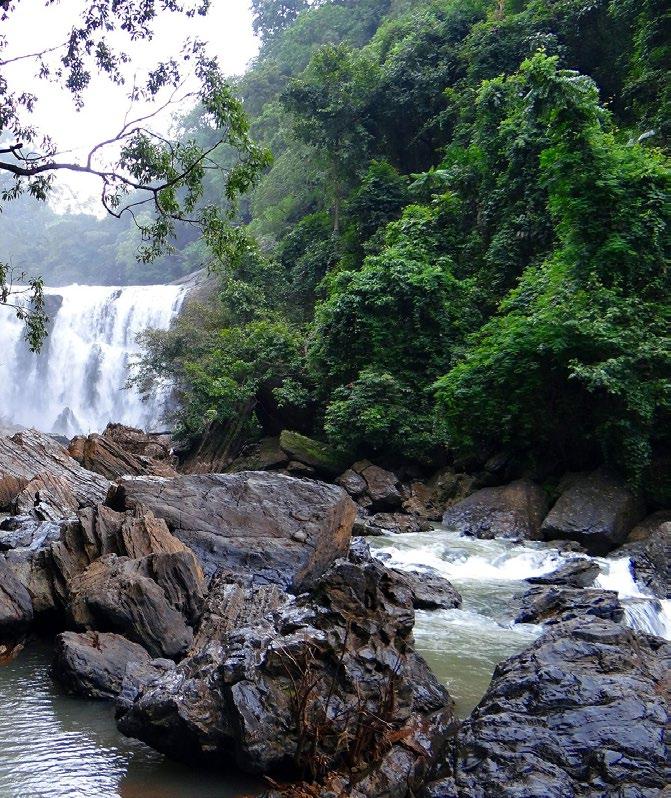
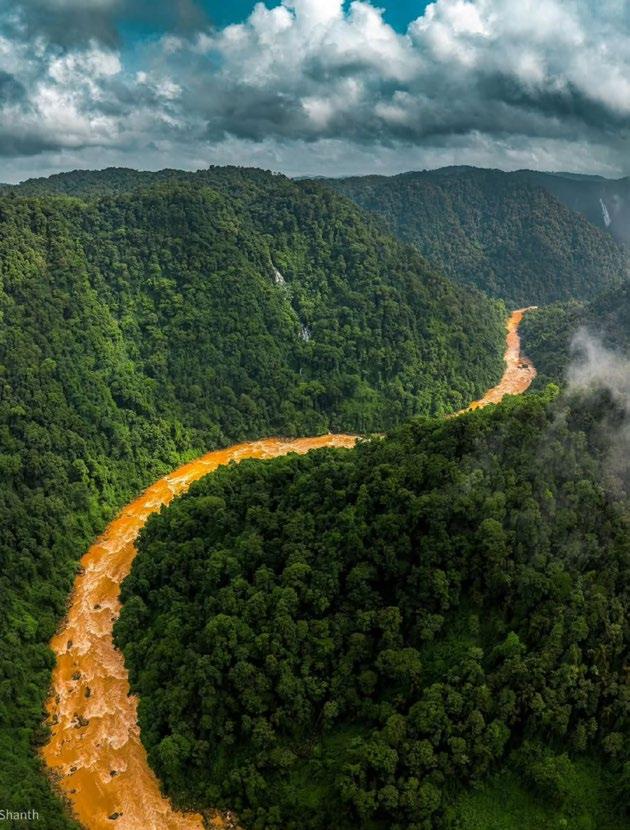
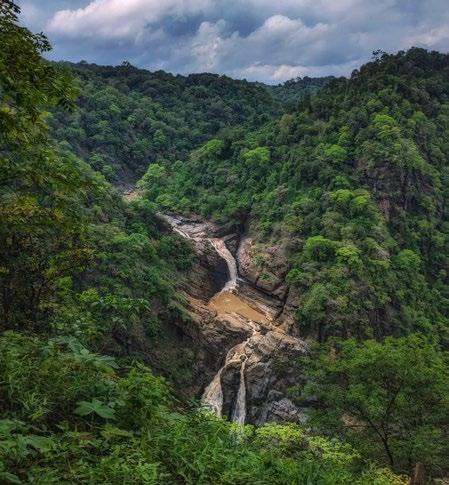
unchalli fallS a hiddEn gEm in karnataka’S wEStErn ghatS
FASHION & TRENDS KARNATAKA
SHOPPING & FESTIVAL-WEAR Surge Myntra Big Fashion Festival 2025
As the festive season of 2025 unfolded across India, fashion-conscious consumers eagerly awaited one of the most anticipated digital shopping events of the year—the Myntra Big Fashion Festival (MBFF) 2025. Over the years, MBFF has grown far beyond the identity of a sale event. It has become a nationwide celebration of fashion, culture, and personal expression, redefining how Indians shop for festive wear. From wedding wardrobes and cultural gatherings to family celebrations and parties, MBFF 2025 influenced millions of fashion decisions, positioning itself as a powerful trendsetter in India’s evolving retail ecosystem.
Why MBFF 2025 Stands Out
The Myntra Big Fashion Festival 2025 strengthened its reputation as India’s premier festive shopping destination by offering a seamless blend of curated fashion, digital innovation, and consumer engagement. Designed to appeal to a young, urban, and digitally driven audience, this edition attracted shoppers across age groups and income segments. The festival stood out not merely for its discounts, but for delivering a complete festive experience that combined discovery, inspiration, and convenience. MBFF 2025 transformed online shopping into an immersive journey where fashion met celebration. One of the defining features of MBFF 2025 was its carefully curated festive fashion collections that addressed the diverse cultural and aesthetic preferences of Indian shoppers. Traditional attire such as lehengas, sarees, kurta sets, and ethnic gowns celebrated timeless craftsmanship and regional heritage, making them ideal for weddings, poojas, and family functions.
Alongside these classics, the festival showcased Indo-western fusion wear that appealed to modern sensibilities. Contemporary kurtas with innovative cuts, lehenga-gown hybrids, and draped sarees paired with experimental blouses allowed shoppers to embrace tradition while expressing individuality. Accessories and festive footwear further enhanced these offerings, enabling consumers to assemble complete festive looks within a single platform.
Massive Discounts Combined with Fresh Arrivals
MBFF 2025 successfully struck a balance between affordability and trend relevance by pairing substantial discounts with fresh festive launches. Time-sensitive deals and flash sales created a sense of urgency, encouraging frequent engagement throughout the festival period. At the same time, exclusive seasonal collections ensured access to the latest silhouettes, fabrics, and embellishments. This strategic approach allowed shoppers to enjoy premium-looking festive fashion without premium pricing, reinforcing MBFF’s role as an inclusive platform that makes aspirational style attainable for a broader audience.
Convenience and Choice for DigitalFirst Consumers
Catering to India’s digital-first shoppers, MBFF 2025 placed a strong emphasis on convenience and accessibility. Extensive online catalogs with high-quality visuals, detailed descriptions, and size guides simplified the decision-making process. Advanced filters enabled shoppers to browse by occasion, color, price range, and style, reducing friction and enhancing satisfaction. Multiple size options promoted inclusivity, while flexible delivery methods, cash-on-delivery, and easy return policies built confidence among consumers. Together, these features ensured a smooth, stress-free shopping experience for both seasoned online buyers and first-time festive shoppers.
Social and Digital Buzz Around MBFF
The influence of MBFF 2025 extended well beyond Myntra’s platform, creating a vibrant social and digital buzz across the country. Influencers, fashion creators, and everyday shoppers shared curated festive looks, styling ideas, and haul experiences on social media, amplifying trends in real time. App notifications, interactive campaigns, and digital storytelling kept users engaged throughout the festival duration.
This strong online presence transformed MBFF into a cultural conversation, where fashion inspiration spread organically through peer influence and digital engagement.For many consumers, MBFF 2025 represented more than just shopping—it was an opportunity for personal style exploration. The festival encouraged experimentation with fusion silhouettes, contemporary cuts, and statement accessories. By making premium designs accessible, MBFF empowered individuals to express their identity while staying rooted in cultural traditions. Festive wardrobes became more versatile, enabling outfits to be styled across multiple occasions. This shift reflected a growing preference for fashion that is expressive, functional, and aligned with modern lifestyles.
Trending Festival-Wear in 2025: MBFF Edition
MBFF 2025 highlighted several key trends that define contemporary Indian festive fashion. Fusion ethnic wear emerged as a dominant theme, offering reinterpretations of traditional garments through modern tailoring and silhouettes. Rich fabrics such as velvet, brocade, and textured weaves brought depth and elegance to festive outfits, while embellishments like zari work, embroidery, sequins, and metallic accents added celebratory charm. Statement accessories played a crucial role in elevating ensembles, and mix-and-match fashion capsules gained popularity for their versatility. The emphasis on affordable glamour ensured that these trends were accessible to students, young professionals, and first-time buyers alike.
How the Shopping Experience Works at MBFF 2025
The Myntra Big Fashion Festival 2025 was designed as a holistic shopping journey rather than a transactional event. A wide product assortment spanning ethnic wear, western festive outfits, accessories, footwear, and beauty essentials allowed shoppers to curate complete festive wardrobes in one place. Limited-time offers and rotating deals added excitement, while intuitive navigation tools made browsing and comparison effortless. Secure payment gateways, flexible payment options, and reliable delivery services ensured trust and convenience, enhancing the overall shopping experience.MBFF 2025 has played a significant role in shaping India’s fashion and retail landscape. By democratizing festive fashion, it has expanded access to premium designs across income segments and age groups.
Consumer preferences observed during the festival often influence broader retail trends, making MBFF a powerful trend incubator. The festival’s strong digital and social media presence has also shifted how fashion trends are communicated and adopted, particularly among younger consumers. Additionally, the focus on versatile, reusable garments promotes smarter consumption and long-term wardrobe value.
Shopper Stories and Aspirational Appeal
The success of MBFF 2025 is reflected in the diverse stories of its shoppers. Young professionals used the platform to invest in premium festive wear for the first time, while students and budget-
conscious consumers accessed designer-inspired styles at affordable prices.Couples coordinated outfits for festive gatherings and pre-wedding events, embracing contemporary styling while honoring tradition. Fashion-forward individuals experimented with bold colors, silhouettes, and accessories, sharing their looks online and influencing peers. These varied journeys highlight MBFF’s inclusive, aspirational, and communitydriven appeal.
A Celebration of Style, Culture, and Accessibility
The Myntra Big Fashion Festival 2025 proves that online shopping can be both functional and celebratory. More than a discount-driven event, it has become a platform for cultural expression, personal creativity, and wardrobe transformation. By blending tradition with modernity, aspiration with affordability, and convenience with inspiration, MBFF 2025 has redefined festive shopping in India. It stands as a testament to how digital retail can elevate fashion experiences, turning every celebration into a moment of style and selfexpression.
FESTIVE STYLE TREND Sarees & Ethnic For Shardiya Navratri 2025
Shardiya Navratri is a celebration where spirituality meets splendour. Observed over nine sacred nights, the festival honours the divine feminine energy of Goddess Durga while unfolding as one of India’s most visually vibrant cultural experiences. In 2025, Navratri fashion embraces a refined balance of tradition and modernity, with sarees and ethnic wear emerging as timeless symbols of devotion, elegance, and evolving style.From dawn prayers to night-long Garba celebrations, festive dressing becomes a powerful form of expression—rooted in heritage yet shaped by contemporary aesthetics.
Sarees & Ethnic Wear: The Heart of Navratri Style
Sarees and traditional ensembles are integral to Navratri, representing cultural continuity and spiritual reverence. Across India, festive attire reflects regional identity—mirror-worked silhouettes and vibrant colours dominate Garba nights, while silk sarees and handloom
weaves grace daytime rituals and family pujas. In 2025, sarees remain central to festive wardrobes, appreciated for their versatility and elegance. Lightweight cottons and linens ensure comfort during fasting and rituals, while silk, brocade, and embellished fabrics elevate evening celebrations. Ethnic wear becomes not just attire, but a visual language of faith, femininity, and celebration.
Festive Colour & Fabric Trends for Navratri 2025
The Navratri 2025 palette is rich yet refined. Jewel tones such as emerald green, ruby red, sapphire blue, and deep mustard dominate night festivities, creating dramatic silhouettes under festive lights. Warm shades—maroon, burnt orange, and deep magenta—continue to symbolise devotion and tradition, pairing beautifully with gold accents. For daytime rituals, soft pastels and neutrals take centre stage. Ivory, mint green, powder blue, peach, and beige offer understated elegance, especially when enhanced with delicate embroidery or handloom textures. Fabric choices play a defining role—luxurious silks and brocades for ceremonial evenings, breathable cottons and linens for spiritual observances, and mirror work, zari, or sequins adding celebratory sparkle.
Styling the Navratri Woman: Tradition with a Modern Edge
Navratri styling in 2025 celebrates adaptability. Classic silk sarees paired with minimal jewellery remain timeless for pujas and formal gatherings. Contemporary drapes, metallic belts, fusion blouses, and statement accessories bring a modern edge to festive looks, especially for evening events. Comfort-forward ethnic styling gains prominence, with breathable fabrics, practical footwear, and effortless draping allowing women to participate fully in rituals and dance. Night celebrations embrace glamour—embellished sarees, bold jewellery, expressive makeup, and rich textures create striking festive statements. The modern Navratri wardrobe encourages creativity, allowing traditional sarees to be reimagined with jackets, belts, or contemporary silhouettes.
NAVRATRI 2025 — DAY-WISE SIGNIFICANCE
Shardiya Navratri represents a sacred spiritual journey through nine powerful manifestations of Goddess Durga. Each day embodies a distinct aspect of feminine energy, guiding devotees through phases of grounding, discipline, courage, compassion, purification, and ultimate spiritual fulfilment. Together, the nine days form a symbolic path of inner transformation, mirroring the evolution of the human soul.
Day 1 — Shailaputri: The Foundation of Strength
The first day of Navratri is dedicated to Goddess Shailaputri, the embodiment of nature’s purity and primal energy. As the daughter of the Himalayas, she symbolises stability, endurance, and an unshakable foundation—qualities essential for any spiritual journey. Her form represents the grounding force of the earth, reminding devotees that true strength arises from balance and rootedness. Spiritually, this day marks the beginning of inner awakening. Devotees seek mental clarity, emotional stability, and the courage to embark on self-reflection. Rituals focus on purification, fasting, and invoking divine protection. The colour red symbolises vitality, passion, and the raw energy required to initiate transformation.
Day 2 — Brahmacharini: The Power of Discipline and Devotion
Goddess Brahmacharini embodies penance, patience, and unwavering devotion. Her ascetic form reflects deep spiritual commitment and self-control, representing the power of endurance in the pursuit of higher truth. She teaches that discipline is the path to wisdom and inner strength. The second day encourages restraint, perseverance, and spiritual focus through meditation and fasting. Blue symbolises calmness, depth, and infinite spiritual consciousness, nurturing inner peace and devotion.
Day 3 — Chandraghanta: Awakening Courage and Confidence
The third day honours Goddess Chandraghanta, the fierce yet serene warrior adorned with a crescent moon. She represents the balance between compassion and courage, reminding devotees that strength and grace coexist. his day focuses on removing fear, doubt, and negativity. Worshippers seek protection, bravery, and emotional confidence. Yellow reflects optimism, positivity, and intellectual clarity.
Day 4 — Kushmanda: Source of Vitality and Creation
Goddess Kushmanda is revered as the cosmic creator who infused the universe with life and light. She symbolises vitality, creativity, and abundance. ay Four is dedicated to health, strength, and renewal. Devotees pray for prosperity and balance. Green represents growth, harmony, and the sustaining force of life.
Day 5 — Skandamata: The Essence of Nurturing and Compassion
Skandamata, the divine mother of Lord Kartikeya, embodies unconditional love, protection, and emotional nourishment. She symbolises compassion that strengthens families and communities. Devotees seek harmony, maternal blessings, and emotional balance. Acts of kindness and charity are especially auspicious. Grey represents stability, neutrality, and wisdom.
Day 6 — Katyayani: The Warrior of Righteousness
Goddess Katyayani symbolises justice, courage, and decisive action. Created to defeat evil, she inspires strength rooted in moral clarity. This day focuses on empowerment and fearlessness. Devotees seek courage and success. Orange reflects determination, enthusiasm, and transformative energy.
Day 7 — Kalaratri: Destruction of Fear and Darkness
Kalaratri represents the annihilation of ignorance, ego, and negativity.Though fierce in form, she offers deep protection and liberation. Day Seven signifies inner cleansing and confrontation of fears. Dark blue symbolises depth, resilience, and triumph over darkness.
Day 8 — Mahagauri: Purity, Peace, and Enlightenment
Mahagauri embodies serenity, purity, and divine wisdom. Her radiant white form signifies spiritual cleansing and clarity.Devotees focus on forgiveness, peace, and inner harmony. White represents truth, innocence, and enlightenment.
Day 9 — Siddhidatri: Fulfilment and Divine Accomplishment
The final day honours Siddhidatri, the giver of divine powers and spiritual fulfilment. She symbolises completion and higher consciousness. Devotees seek success, balance, and enlightenment. Purple or violet reflects mysticism, wisdom, and spiritual elevation.
A Celebration of Faith, Fashion & Feminine Power
The nine forms of Goddess Durga collectively represent the evolution of the human spirit—from grounding and discipline to courage, compassion, purification, and fulfilment. Shardiya Navratri 2025 is not merely a festival of rituals, but a journey of transformation.Through prayer, fasting, dance, and festive dressing, sarees and ethnic wear become expressions of devotion and identity. Navratri is not just observed—it is worn, lived, and celebrated, making it a timeless convergence of faith, culture, and style.
VIBRANT LIFESTYLE KARNATAKA
VASTRABHARANA 2025 Illusion & Fantasy
In early September 2025, Bengaluru came alive with colour, texture, and creativity as Vastrabharana 2025 — the prestigious annual exhibition of handcrafted textiles and jewellery — opened at the Crafts Council of Karnataka, hosted at Karnataka Chitrakala Parishath (CKP). Running from 3–7 September, the exhibition transformed the art complex into a vibrant celebration where tradition met imagination. This edition highlighted how Indian artisans reinterpret age-old techniques through contemporary storytelling. The 2025 edition was centered around the imaginative theme “Illusion & Fantasy”, chosen to encourage artisans to go beyond traditional constraints and explore expressive, narrative-driven avenues. Textiles, jewellery, and decorative pieces became vehicles for storytelling, transforming functional objects into canvases narrating mythical tales, dreamlike journeys, and fantastical scenarios.
Inspired by myth, surrealism, and nature, artisans drew on folklore and imaginative motifs, creating jewellery that included whimsical creatures or abstract forms, and textile patterns evoking magical realms. This theme encouraged experimentation with unconventional materials, textures, and techniques, blurring the line between functional craft and fine art.The overall exhibition experience was carefully curated, immersing visitors in a universe of wonder where every corner contributed to a larger narrative journey. The exhibition offered a kaleidoscopic celebration of India’s artisanal heritage reimagined through creativity and storytelling.
Handloom Sarees & Textiles:
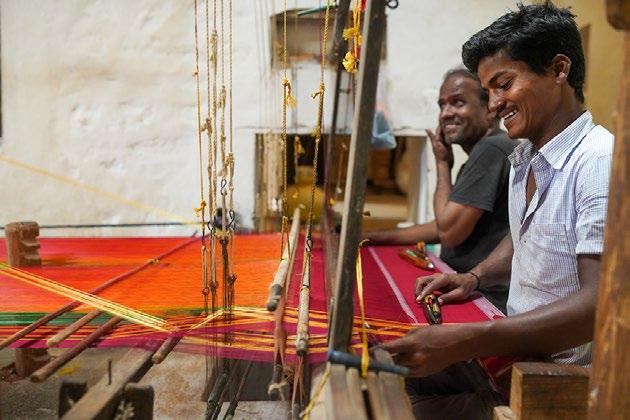
Jamdani weaves, ikat patterns, block prints, ecoprints, bandhani, shibori, and hand-painted fabrics were displayed, each piece narrating its origin while embracing the fantastical theme. Intricate embroidery and imaginative motifs turned textiles into unique story-driven artworks.
Silk & Heritage Weaves: Traditional silks such as eri, muga, kosa, and tussar were given contemporary reinterpretations, merging classical craftsmanship with innovative colour palettes, textures, and patterns. These fabrics bridged heritage and modern design sensibilities, appealing to both connoisseurs and contemporary audiences.
Jewellery & Accessories: Lac bangles, thread-based jewellery, and sculptural silver designs drew inspiration from mythology, nature, and fantasy. Each piece was both wearable and visually captivating, reflecting storytelling and artistic expression.
Regional Artisans & Craft
Revival: Over 50 artisan collectives from across India participated, emphasizing craft revival while providing a platform for experimentation rooted in cultural traditions. Visitors witnessed craftsmanship as living heritage, evolving with contemporary imagination yet staying true to its origin.
A Narrative & Sensory Experi-
ence: Every display combined textures, colours, and stories, creating a multi-sensory journey. The exhibition was not just about observing craft but experiencing it, reflecting the richness and limitless potential of India’s artisanal traditions.
Curatorial Depth & Conceptual
Vision:
Guided by the theme “Illusion & Fantasy,” each artisan’s work became a narrative artefact, showcasing not just skill but imagination and emotion. The exhibition transformed from a market-style fair into a thoughtful, immersive artistic experience.
Tradition Meets Experimenta-
tion: Classic techniques like ikat weaving, block printing, and silver crafting were revitalized through imaginative design choices. Sarees, fabrics, and jewellery incorporated fantastical motifs and surreal patterns, balancing modern aesthetics with heritage craftsmanship.
Inclusive
&
Accessible Experi-
ence: With free entry and an open layout, the exhibition welcomed students, fashion enthusiasts, tourists, and casual visitors, fostering greater awareness and appreciation of Indian crafts.
Platform for Artisans and Design-
ers: Participants gained exposure to buyers, networking opportunities, and a marketplace for their creations, supporting both craft preservation and livelihood sustainability.
Distinctive Impact: Through thoughtful curation, imaginative reinterpretation, and wide audience engagement,Vastrabharana 2025 celebrated India’s artisanal potential, cultural narrative, and creative future.
Textiles as Tales: Sarees and fabrics became expressive canvases depicting mythical tales, surreal landscapes, and dreamlike florals, inviting viewers into a narrative woven into the fabric.
Embroidery and Painting: Hand-embroidered and hand-painted motifs combined traditional techniques with imaginative storytelling, elevating craft into conceptual artistry.
Jewellery as Narrative Art: Accessories reflected folklore, natural motifs, and fantastical themes, turning jewellery into symbolic, story-driven art.
A Rich, Immersive Experience:
Prioritizing storytelling, the exhibition offered a multi-sensory journey, transforming the act of viewing into an interactive dialogue between artisan and audience.
Visitor Experience
Visitors entering CKP were transported into a living tapestry of craft and imagination. They explored handloom textiles, embroidered fabrics, and jewellery, each piece reflecting the “Illusion & Fantasy” theme.
Direct interactions with artisans allowed appreciation of both skill and narrative, while the inclusive, free-entry format welcomed a diverse audience. The immersive journey blended storytelling, craft, and interaction, offering more than products — it provided insight into India’s rich artisanal culture.
Cultural & Market Significance
Vastrabharana 2025 demonstrated that traditional crafts are evolving art forms with cultural and commercial relevance. Innovation with authenticity was visible in reinterpreted weaving, printing, embroidery, and jewellery-making techniques. Artisan-designer collaborations bridged traditional skills with contemporary markets, creating products that were both aesthetically appealing and commercially viable. By connecting rural artisans with urban buyers, the exhibition empowered livelihoods while fostering sustainable craft practices. For consumers, the narrativerich experience emphasized thoughtful, culturally resonant purchasing in a fast-fashion era.
Vastrabharana 2025 was more than a craft exhibition; it was a celebration of imagination, artistry, and cultural storytelling. By embracing the theme “Illusion & Fantasy,” it challenged artisans to push boundaries and reinterpret traditional crafts for the modern era. Visitors left with more than textiles or jewellery — they carried stories, memories, and a renewed appreciation for India’s living craft heritage.
RETAIL & SHOPPING KARNATAKA
EMBRACE THE WILD
Seiko, a name revered in the world of horology for innovation, reliability, and mechanical excellence, has once again captured the imagination of watch enthusiasts with a creation that blends craftsmanship with storytelling. The Seiko 5 Sports Forest Green Sunrise – India Limited Edition is not merely a timekeeping instrument; it is an artistic expression inspired by nature’s quiet grandeur. Designed exclusively for the Indian market and limited to just 2025 pieces, this watch celebrates the mystique of forests at dawn — a moment when darkness retreats and the first golden light of sunrise breathes life into the wilderness.
This special edition stands as a reflection of Seiko’s philosophy: precision guided by purpose, and design guided by emotion. It invites wearers to explore, to wander, and to reconnect with the untamed beauty of the natural world.
Inspiration: The Magic of a Forest Sunrise
The creative heart of this timepiece lies in its evocative inspiration. The forest green dial symbolizes dense woodland foliage, while warm golden accents capture the first rays of sunlight filtering through towering trees. This color harmony paints a visual narrative of dawn — serene, hopeful, and filled with new beginnings.
Unlike conventional sports watches that focus solely on functionality, the Forest Green Sunrise edition embodies an emotional concept. It tells a story of adventure, stillness, and discovery. Every glance at the dial is a reminder of nature’s rhythm — the passage of night into day — making the watch not just an accessory, but a wearable experience.
Exclusivity: Limited Edition Prestige
Collectors and enthusiasts appreciate the rarity of limited-edition watches, and Seiko has ensured this model holds strong collectible value. With only 2025 units produced, each watch carries a unique serial number engraved on the case back. This exclusivity creates a sense of personal ownership — a piece that very few in the world will possess.
The limited production also signifies Seiko’s tribute to India’s growing community of watch lovers. It recognizes the country’s passion for craftsmanship, storytelling, and meaningful design. Owning this watch is not just about style; it’s about possessing a fragment of a rare horological moment.
Design: Where Aesthetics Meet Function
The Forest Green Sunrise edition balances rugged sportiness with refined elegance. The stainlesssteel case provides durability and a confident presence on the wrist, while the forest green dial instantly draws attention. The golden-tone bezel and highlights add warmth and sophistication, mirroring sunlight breaking through forest canopies.
The dial features bold hour markers and hands coated with luminous material, ensuring high visibility even in low-light environments — an essential trait for outdoor explorers. A magnified date window enhances practicality, allowing easy readability at a glance. The watch is paired with a stainless-steel bracelet that offers a classic, versatile look. Additionally, an alternate green strap complements the forest theme, giving the wearer flexibility to switch between urban elegance and adventure-ready style. Every detail — from color to texture — is carefully curated to evoke harmony between nature and mechanical artistry.
Mechanical Excellence: The Heart of the Watch
At its core, the watch is powered by Seiko’s automatic mechanical movement, a trusted engine recognized for durability and consistent performance. It supports both automatic and manual winding, allowing the wearer to engage directly with the tradition of mechanical watchmaking.
A power reserve of approximately 41 hours ensures uninterrupted operation even when the watch is left unworn for a day or two. The movement’s smooth second-hand sweep reflects the refined engineering that Seiko is globally respected for. An added GMT function allows tracking of a second time zone, making this watch especially appealing to travelers and global professionals. This feature enhances the watch’s practicality while maintaining its artistic identity. Protected by a solid case structure and reliable internal architecture, the movement is designed for longevity — a hallmark of Seiko craftsmanship.
Built for Everyday Adventure
While visually artistic, the Forest Green Sunrise is firmly rooted in the Seiko 5 Sports lineage — a family known for resilience. The robust case construction ensures the watch can withstand daily wear, while water resistance up to 100 meters provides peace of mind during outdoor activities, sudden weather changes, or casual water exposure.
Its ergonomic design offers comfort for prolonged wear, making it equally suitable for city life, office environments, and weekend getaways into nature. This dual personality — urban sophistication and outdoor readiness — defines the true spirit of a modern sports watch.
Art Meets Horology: A Unique Ownership Experience
What distinguishes this edition further is its connection to visual storytelling. The watch is presented with specially curated naturethemed artwork, deepening the emotional connection between timekeeping and wilderness. This thoughtful packaging transforms ownership into an experience rather than a transaction. It reflects Seiko’s intention to merge art, exploration, and craftsmanship — elevating the watch into a collectible keepsake.
A Symbol of India’s Growing Watch Culture
By creating an India-exclusive limited edition, Seiko acknowledges the country’s rising influence in global watch appreciation. Indian enthusiasts increasingly seek timepieces that offer not only mechanical integrity but also narrative depth and cultural resonance.
The Forest Green Sunrise perfectly meets this expectation. It is bold yet tasteful, exclusive yet accessible, modern yet rooted in tradition. It represents a new era where watches are appreciated as expressions of personality and philosophy.
Sustainability and Connection to Nature
Though mechanical watches themselves are sustainable by nature — running without batteries — the theme of the Forest Green Sunrise reinforces an environmental consciousness. It subtly reminds wearers of the importance of preserving wilderness, respecting natural rhythms, and embracing simplicity in a fast-paced world. This philosophical undertone gives the watch a timeless relevance beyond fashion trends.
More Than a Watch
The Seiko 5 Sports Forest Green Sunrise –India Limited Edition is more than a limitedrelease timepiece. It is a fusion of precision engineering, artistic storytelling, and emotional connection. Through its forest green hues, golden sunrise accents, mechanical heartbeat, and adventurous spirit, it captures the beauty of time itself — fleeting yet eternal.
For collectors, it offers exclusivity. For adventurers, it offers durability. For dreamers, it offers inspiration.
In a world where time rushes forward relentlessly, this watch invites you to pause — to witness the sunrise over a silent forest — and to embrace every moment with purpose.
INDUSTRIES & INVESTMENT KARNATAKA
KARNATAKA’S GLOBAL INVESTMENT SURGE JAPANESE GIANTS LEAD THE CHARGE
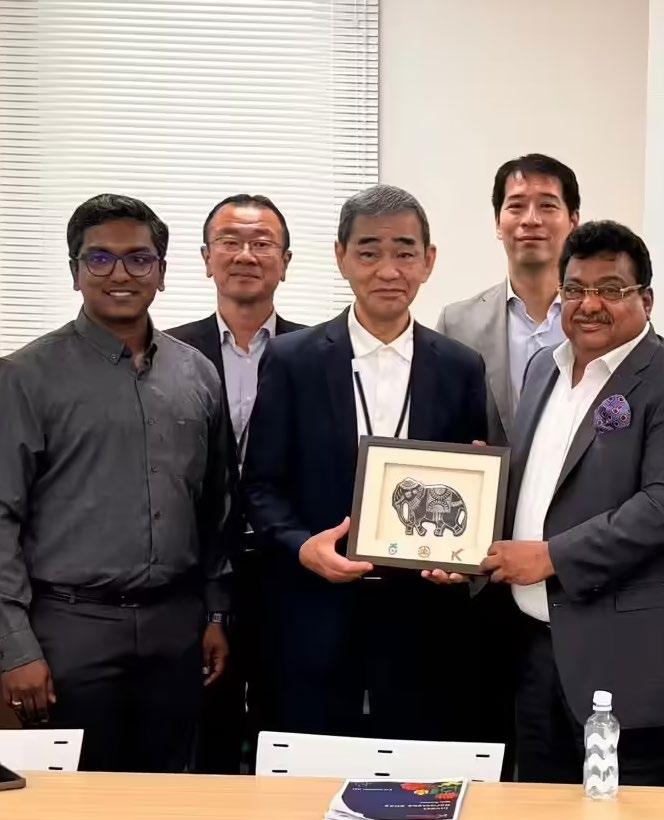
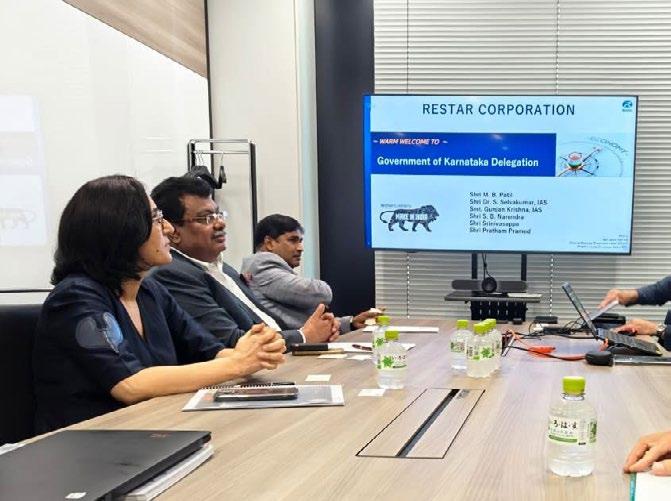
In a landmark move that could redefine India’s industrial landscape, Karnataka emerged in September 2025 as the epicentre of a new wave of global investment, spearheaded by Japanese industry giants. At the forefront of this initiative was M. B. Patil, Karnataka’s Commerce and Industries Minister, who led a highlevel delegation to Japan, engaging with the top brass of corporations like Sumitomo Corporation, Honda, and JFE Shoji. The visit was not just a diplomatic gesture—it was a strategic industrial mission. Patil’s team showcased Karnataka’s strengths: a skilled workforce, robust industrial clusters, state-of-the-art infrastructure, and investment-friendly policies. The mission resulted in commitments across multiple high-tech sectors, from semiconductors and electronics to electric vehicles (EVs) and automotive manufacturing.
This development marks a transformative milestone for Karnataka, reinforcing its position as a global industrial hub and signalling India’s rising role in advanced manufacturing on the world stage. Key Highlights of the September 2025 Investment Wave
Japanese Investments Across Core Industries
The delegation successfully secured commitments from leading Japanese firms to expand operations, establish new manufacturing units, and engage in R&D collaborations. Key sectors impacted include:
• Semiconductors and Electronics: Japanese corporations plan to invest in advanced chip design, fabrication facilities, and electronics component manufacturing, ensuring Karnataka becomes a central player in global electronics supply chains.
• Electric Vehicles (EVs): Investments target the growing EV ecosystem, including battery technology, assembly plants, and component production.
• Automotive Manufacturing: Honda and other firms announced facility expansions and joint ventures, enhancing production capabilities and innovation in automotive technologies.
Corporate Participation and Strategic Commitments
The Japanese corporations confirmed multifaceted engagement strategies:
1. Sumitomo Corporation: Focused on expanding its electronics and industrial machinery portfolio, with new facilities planned in Karnataka’s industrial corridors.
2. Honda: Announced plans to scale EV manufacturing, strengthen R&D partnerships, and introduce innovation programs for local talent development.
3. JFE Shoji:Will invest in advanced materials, metal fabrication, and collaborative projects that integrate Japanese expertise with Karnataka’s local industrial capabilities.
These commitments reflect not just investment capital but a long-term strategic partnership, where technology transfer, skill development, and supply chain integration are central objectives.
Karnataka’s Competitive Edge
Karnataka’s appeal to global investors is grounded in its structural advantages:
• Concentration of Japanese Companies: Approximately 50% of Japanese companies in India are headquartered in Karnataka, highlighting a history of strong bilateral industrial collaboration.
• Skilled Workforce: The state’s talent pool in engineering, technology, and manufacturing supports high-precision and R&D-intensive industries.
• Industrial Clusters: Karnataka hosts clusters specializing in electronics, automotive components, and semiconductors, which lower operational costs and facilitate supply chain efficiencies.
• Policy Incentives: Investor-friendly policies, including tax benefits, land allocation support, and R&D incentives, make Karnataka a highly attractive destination for global corporations
Leadership Spotlight
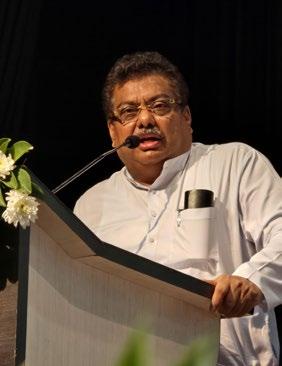
M. B. Patil’s role was instrumental. His proactive diplomacy ensured that discussions went beyond formalities, focusing on aligning investments with Karnataka’s long-term industrial ecosystem goals. By acting as both a negotiator and visionary promoter, Patil secured commitments that balance capital inflow with technology transfer and employment generation.
Broader Implications for Karnataka and India
Strengthening Global Supply Chains
The new Japanese investments integrate Karnataka further
into international high-tech supply chains, particularly in semiconductors, electronics, and EV production. This strengthens India’s industrial positioning globally, especially as nations diversify manufacturing hubs in response to geopolitical and economic shifts.
Job Creation and Skill Development
The establishment of new facilities will create thousands of high-value jobs, from engineers to skilled technicians. Moreover, the emphasis on R&D and technologyintensive manufacturing will cultivate a workforce adept in cutting-edge technologies, enhancing Karnataka’s human capital competitiveness.
Technology Transfer and Innovation
Japanese corporations bring advanced equipment, production methodologies, and R&D capabilities, fostering innovation clusters within the state. This technology transfer will spur start-ups, encourage local manufacturing excellence, and promote indigenous research in semiconductors and EV technologies.
Industrial Diversification and Sustainability
Investments span multiple sectors—from EVs to semiconductors, electronics, and advanced automotive manufacturing. This diversification ensures resilient industrial growth, reducing dependency on a single sector and enabling Karnataka to adapt to future market demands
Transformative Leadership Driving Economic Growth
September 2025 marks a strategic inflection point for Karnataka. Through visionary leadership and proactive international engagement, M. B. Patil has positioned the state to benefit from both capital inflows and global technological expertise.
The collaboration with Japanese giants such as Sumitomo, Honda, and JFE Shoji is more than an investment story—it is a blueprint for economic transformation.
Karnataka is emerging as:
• A global hub for advanced manufacturing
• A centre for electronics and semiconductor excellence
• A leader in electric mobility and automotive innovation
This milestone underscores the importance of strategic diplomacy, policy foresight, and visionary leadership in driving industrial development. Karnataka’s model demonstrates how international partnerships can accelerate growth, foster innovation, create employment, and integrate regional economies into global industrial networks.
The September 2025 Japanese investment wave sets the stage for decades of industrial advancement. Karnataka is now poised to:
• Expand its footprint in next-generation semiconductor and EV manufacturing
• Nurture research-intensive innovation clusters
• Strengthen its role in global supply chains and export markets
• Develop a highly skilled, technology-ready workforce
This surge highlights the transformative potential of strategic international collaboration, making Karnataka a shining example of how proactive governance and global engagement can shape the future of industrial growth.
KARNATAKA’S IT & SPACE TECH POLICIES 2025–2030
A DEEP DIVE
The Government of Karnataka officially unveiled its new Information Technology (IT) and Space Technology (SpaceTech) policies at the Bengaluru Tech Summit 2025 (BTS 2025). These forward-looking policies are designed to strengthen Karnataka’s global standing in technology leadership, foster innovation, and build a robust startup ecosystem. This announcement holds particular importance as Karnataka has long been India’s IT powerhouse, with Bengaluru hosting a major share of the nation’s IT infrastructure, startups, and Global Capability Centres (GCCs). With the introduction of these new policies, the state aims to diversify its technology portfolio, scale innovation, and actively promote emerging domains such as SpaceTech, Artificial Intelligence (AI), and deep-tech entrepreneurship.
Why These Policies Matter
The new policies reflect Karnataka’s ambition to maintain global leadership in IT while expanding into next-generation technologies including satellite systems, space research, AI, blockchain, and quantum computing. A key objective is decentralized growth — encouraging IT and SpaceTech development in tier-2 and tier-3 cities such as Mysuru, Mangaluru, and Hubballi — thereby reducing pressure on Bengaluru and promoting balanced regional development.
Another major focus is talent development and retention. With a growing global shortage of hightech professionals, Karnataka plans to upskill local talent, retain skilled professionals within the state, and attract international experts. The policies also seek to expand the startup ecosystem by providing structured support, mentorship, and funding to deeptech startups in AI, robotics, aerospace, and SpaceTech. Collectively, these efforts aim to generate highvalue employment, attract investments, and boost Karnataka’s GDP contribution from IT and SpaceTech sectors, positioning the state as a global innovation hub.
Key Features of the IT Policy 2025–2030
The IT Policy emphasizes accelerated adoption of emerging technologies such as AI, IoT, blockchain, cloud computing, cybersecurity, and quantum computing across industries and government services. Incentives will be provided to establish R&D centers, innovation labs, and technology validation facilities, with special focus on sectors such as fintech, health-tech, agritech, climatetech, and other technology-driven solutions.
To promote investments, the policy introduces single-window clearances for IT companies, startups, and multinational corporations. Additional incentives are offered to organizations setting up R&D units, product development centers, and data centers. IT and ITES parks will be expanded beyond Bengaluru into tier-2 and tier3 cities to ensure wider economic participation.
Talent development remains central to the policy through collaborations between universities, research institutions, and industry partners.Training programs, scholarships, mentorship initiatives, and certification courses in emerging technologies will help build a future-ready workforce. Simultaneously, structured support for startups includes seed funding, incubation programs, and mentorship networks, with special encouragement for deeptech, women-led, and socially impactful startups.
Key Features of the Space Technology Policy 2025–2030
Positioning itself as India’s SpaceTech hub, Karnataka’s Space Technology Policy aims to create a comprehensive ecosystem for satellite design, manufacturing, and space-based applications. The policy incentivizes companies and startups engaged in satellite development, propulsion systems, nanosatellites, and earth observation technologies. Dedicated space-tech incubators and accelerators will be established to nurture innovation
Infrastructure development is another major pillar, including the creation of specialized SpaceTech parks, advanced laboratories, and testing facilities. Partnerships with ISRO, universities, global space agencies, and private aerospace firms will enable knowledge sharing and technology transfer. To attract investment, the policy offers tax incentives, land allotments, and subsidies for firms involved in SpaceTech manufacturing and services, generating employment for aerospace engineers, satellite analysts, materials scientists, and technicians.
Startups in the SpaceTech sector will receive seed funding, incubation support, access to testing facilities, and potential launch opportunities. The policy also promotes innovative space-based applications in agriculture, weather forecasting, urban planning, and disaster management.
An
Integrated Tech Ecosystem: IT + SpaceTech + Startups
A defining feature of these policies is their integrated approach, enabling cross-sector collaboration. For instance, AI-powered satellite imagery analysis, IoT-enabled smart urban planning, and quantum computing for space simulations represent intersections of IT and SpaceTech. By including tier-2 and tier-3 cities in the growth roadmap, Karnataka ensures equitable regional development, creating new opportunities beyond Bengaluru.
Expected Economic and Social Impact
The combined impact of the IT and SpaceTech policies is expected to create thousands of highskilled jobs across IT, deep-tech, and aerospace sectors. The startup ecosystem will benefit from enhanced funding, incubation, and mentorship opportunities, encouraging homegrown innovation. Increased domestic and foreign investments will strengthen Karnataka’s global technology footprint, while decentralized growth will ease urban congestion and real estate pressure in Bengaluru. Ultimately, these initiatives will reinforce India’s leadership in AI, SpaceTech, quantum computing, and other frontier technologies.
Despite the ambitious vision, several challenges remain. Building world-class infrastructure for IT and SpaceTech requires substantial capital investment. Talent development and retention in specialized fields will be crucial for long-term success. Policy continuity must be maintained to instill investor confidence. Additionally, sustainable development practices must be ensured for SpaceTech manufacturing and laboratory facilities. Karnataka will also face competition from other Indian states and global innovation hubs in attracting talent and investments.
Karnataka’s Bold Leap into the Future
The IT and SpaceTech policies for 2025–2030 mark Karnataka’s strategic leap toward technological leadership and inclusive growth. By integrating IT expansion, deep-tech startups, and SpaceTech infrastructure, the state aims to maintain its global IT dominance, build world-class space capabilities, strengthen startup ecosystems, promote balanced regional development, and attract international investments and partnerships.
Karnataka is not merely preserving its reputation as India’s IT capital — it is redefining its future as a next-generation technology powerhouse, setting a benchmark for other states, and shaping India’s global technological trajectory.
BIBI
FATIMA
MEN & WOMEN OF HONOUR KARNATAKA
FROM TEERTHA VILLAGE TO GLOBAL APPLAUSE
THE STORY OF BIBI FATIMA
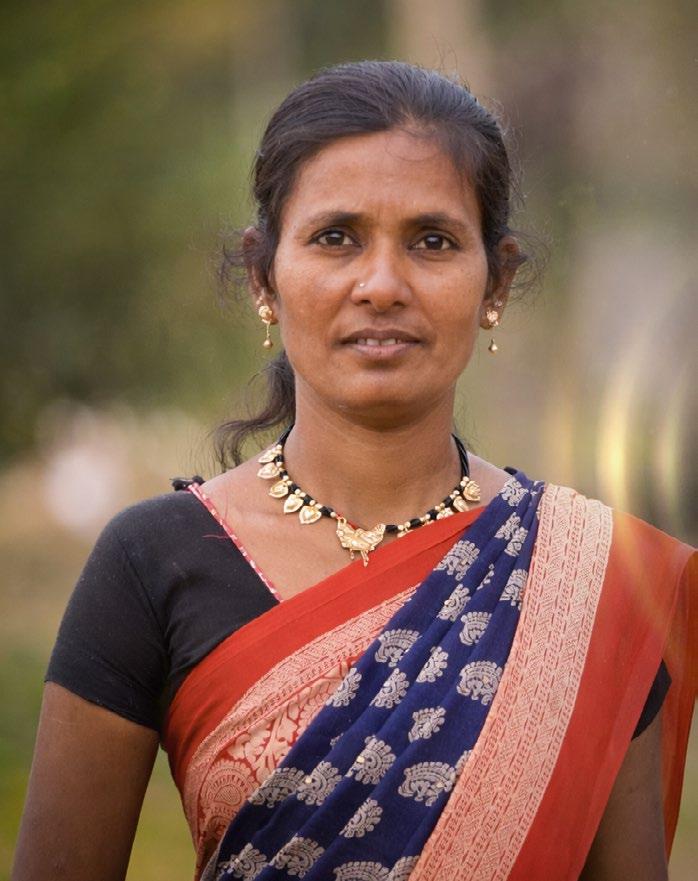
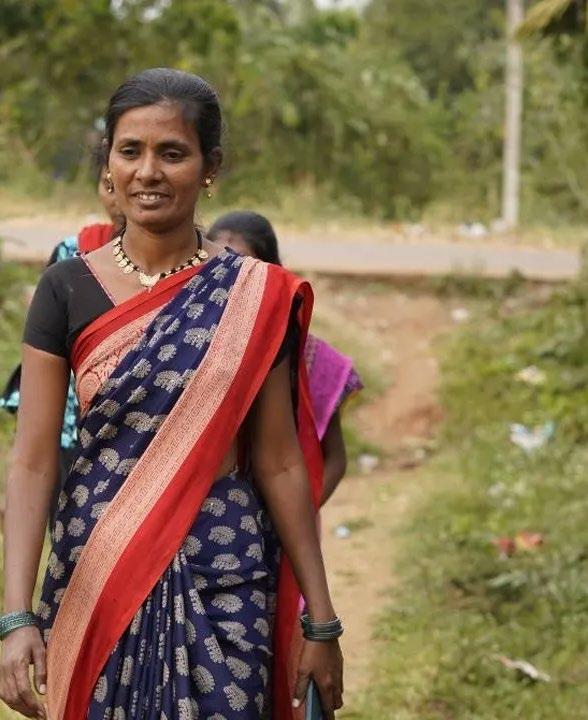
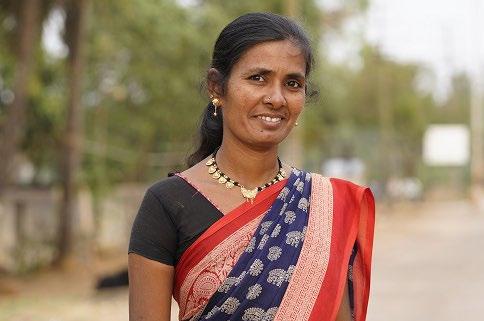
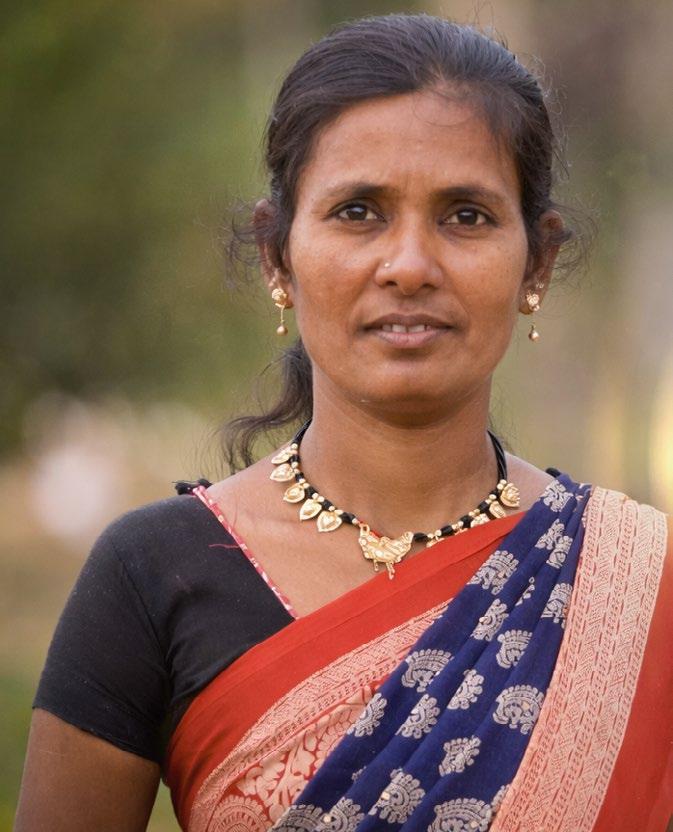
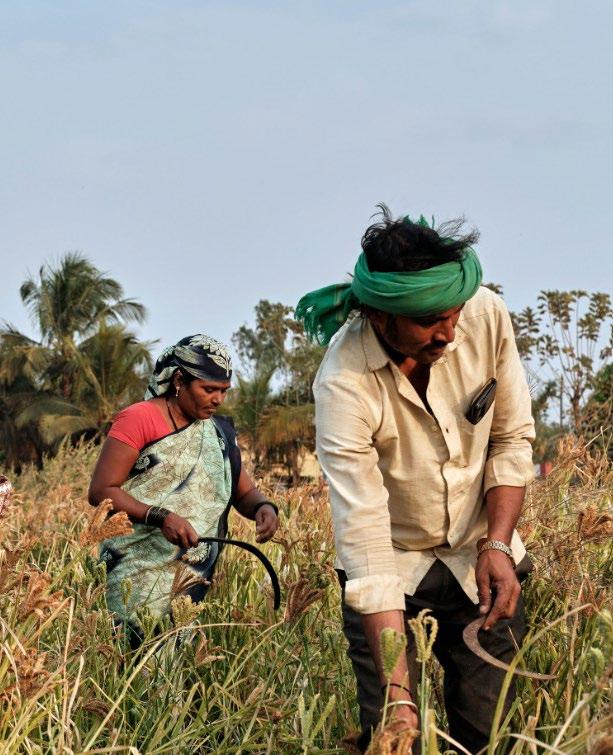
In the remote, drought-prone drylands of Dharwad district’s Teertha village, the daily life of farmers is a battle against nature. Scarcity of water, erratic rainfall, and dwindling agricultural productivity are persistent challenges that shape the community’s struggles. Born and raised in this harsh environment, Bibi Fatima witnessed firsthand the hardships faced by rural women and marginalized farmers. Farming was not just a livelihood but a constant test of resilience. Yet, amid these challenges, she nurtured a profound respect for the land and for traditional agricultural practices passed down through generations.
It was this deep-rooted connection to the land and a desire to make a difference that fueled her vision. She recognized that women, who formed the backbone of rural farming, often lacked access to resources, knowledge, and leadership opportunities. She saw the potential for change — not through external intervention alone, but through the empowerment of women within the community. Her dream was simple yet revolutionary: to create a model where women farmers could collectively address climate risks, revive traditional crops, and gain economic independence.
Founding the SHG: A Vision for Change
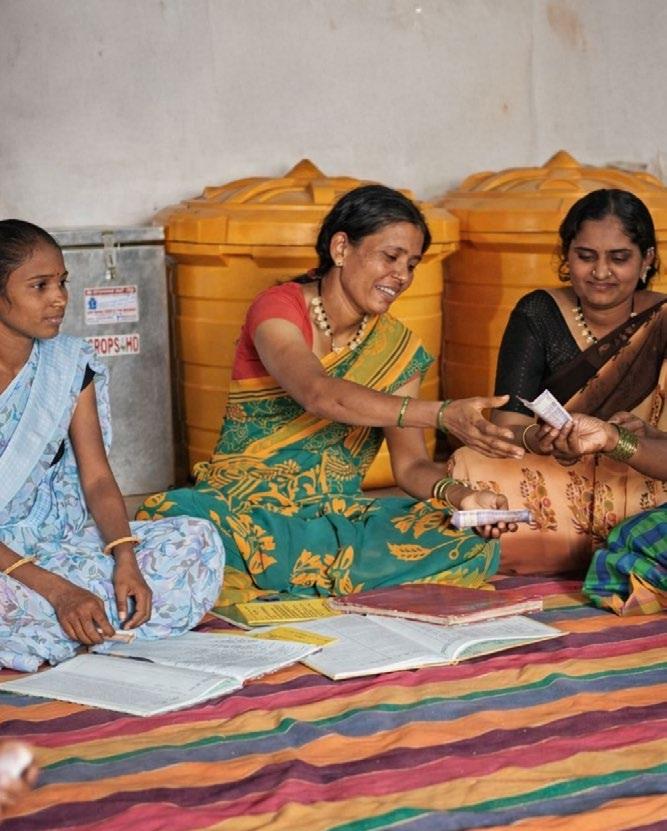
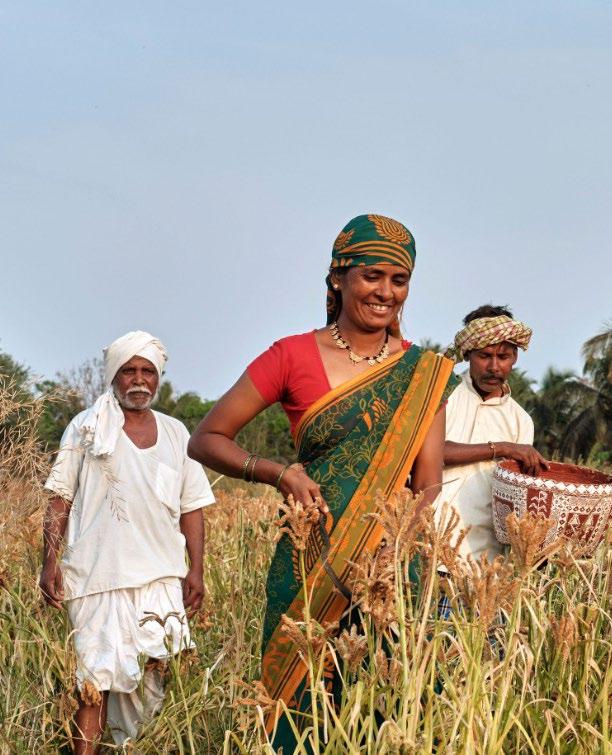
In 2018, Bibi Fatima, along with 14 other like-minded women, took the first concrete step toward this vision by forming the Bibifathima Swa Sahaya Sangha (Bibi Fatima Self-Help Group, SHG). What began as a small savings and support circle gradually evolved into a platform for learning, sharing, and sustainable livelihood building. The initial goal was clear — pooling resources, exchanging knowledge, and providing mutual support for economic and social empowerment. Under Bibi Fatima’s guidance, the group shifted its focus to agriculture, specifically emphasizing the revival of traditional millet crops. Millets, once a staple of the region, had been largely abandoned in favor of water-intensive crops, leaving farmers vulnerable to drought and poor harvests. Recognizing the nutritional, economic, and ecological value of millets, the SHG began promoting mixed cropping systems that combined drought-resilient millet varieties with other traditional crops. This approach not only enhanced food security but also contributed to soil fertility, biodiversity, and climate resilience.
Community Seed Banks: Preserving Heritage and Resilience
One of the most innovative and transformative initiatives led by Bibi Fatima was the establishment of community seed banks. These banks serve as custodians of indigenous crop varieties, preserving over 250 types of millet, legumes, and cereals that were at risk of disappearing. Beyond mere storage, these seed banks symbolize trust, knowledge, and community solidarity. Farmers exchange seeds, share cultivation techniques, and collectively safeguard their agricultural heritage. Bibi Fatima often emphasizes that the seed bank is more than a repository of grains; it is “a storehouse of trust, heritage, and hope.” It reflects the community’s commitment to preserving biodiversity and ensuring resilience against unpredictable climatic conditions. Through these efforts, the SHG has revived ancestral agricultural knowledge, allowing farmers to reconnect with the land and make informed, sustainable choices about their crops.
Expanding Impact: Agriculture, Enterprise, and Empowerment
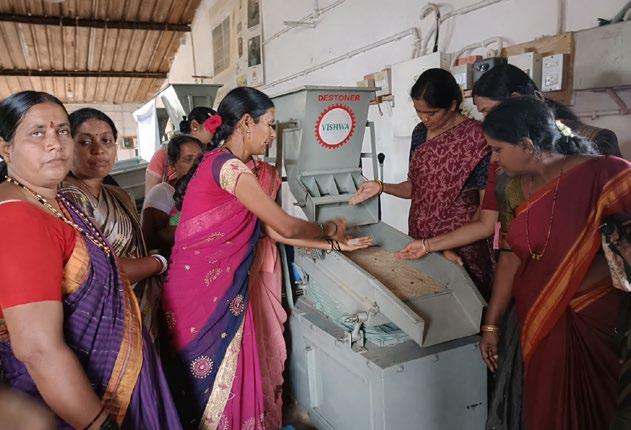
Bibi Fatima’s vision extended beyond farming alone. Understanding the importance of economic independence, the SHG initiated solar-powered millet processing units. These units, entirely run by women, transform harvested millets into marketready products such as flour, mixes, and other value-added goods. By combining renewable energy with sustainable agriculture, the group not only reduces environmental impact but also generates stable income streams for women and youth in the villages.
The impact of these initiatives goes beyond economics. The SHG has become a platform for leadership development, entrepreneurship, and skill-building. Rural women, once confined to household chores and subsistence farming, are now leading projects, making decisions, and managing enterprises. Youth in the community also benefit, gaining exposure to sustainable farming, renewable energy, and business management. From a small circle of 15 women, the SHG now supports over 5,000 farmers across 30 villages, demonstrating how grassroots action can scale into a powerful, decentralized model of community resilience. Global Recognition:The UNDP Equator Prize 2025
The world took notice of Bibi Fatima’s extraordinary work in 2025 when the United Nations Development Programme (UNDP) awarded the SHG the prestigious Equator Prize under the theme “Nature for Climate Action.”
Selected from over 700 nominations across 103 countries, the award recognized the group’s innovative combination of traditional knowledge, regenerative agriculture, renewable energy, and community-led sustainability.
The recognition was accompanied by a US $10,000 grant to further expand the SHG’s initiatives and an invitation to join a global network of ecosystem-protecting, community-driven projects. For Bibi Fatima, this award was not just a personal achievement but a validation that rural women-led solutions can address pressing global challenges such as climate change, biodiversity loss, and food insecurity. The SHG’s story serves as an inspiring example that local action can have global significance.
Philosophy: Seeds, Solidarity, and Sustainability
At the heart of Bibi Fatima’s leadership philosophy is the belief that empowerment and sustainability are inseparable. She emphasizes that the SHG shares more than seeds — it shares knowledge, responsibility, and life itself. By fostering solidarity, the group ensures that decisions are collective, and benefits are shared equitably. Their work promotes dignity, allowing marginalized women to reclaim their identity, economic independence, and social agency.
For Bibi Fatima, agriculture is not merely a survival strategy; it is a future-oriented practice that balances human needs with ecological stewardship. Sustainable cultivation, community engagement, and renewable energy integration are central to her approach. Every crop harvested, every seed preserved, and every product marketed carries a deeper message: that rural communities, particularly women, can lead transformative change when empowered with resources, knowledge, and opportunity.
Lessons from Bibi Fatima’s Journey
Bibi Fatima’s story offers several critical lessons. Her work demonstrates how tradition can meet innovation, as age-old millet farming wisdom is combined with solar-powered processing and modern value-addition techniques to address both climate stress and economic vulnerability. The growth of her SHG from a small group of 15 women to a network supporting over 5,000 farmers highlights the power of community-led sustainability, showing that collective action can create scalable, decentralized resilience. Her leadership also underscores the transformative impact of women’s empowerment, with rural women taking on leadership roles, redefining social norms, and driving broader economic and social change. By promoting indigenous crops and sustainable farming practices, the SHG ensures climate resilience, food security, and ecological stability even under unpredictable weather conditions. Finally, the global recognition of her work, exemplified by the Equator Prize, shows that grassroots initiatives rooted in local action can influence policy, inspire replication, and position women as pivotal leaders in climate and community development.
From Local Roots to Global Impact
From the dusty fields of Teertha village to international recognition, Bibi Fatima’s journey illustrates the power of vision, determination, and community spirit. What began as a modest savings group of 15 women has transformed into a network supporting thousands, with impacts in agriculture, entrepreneurship, climate resilience, and women’s empowerment. Her story highlights that meaningful change often starts small — with a handful of people, a few seeds, and a shared dream — but can ripple outward to influence communities, regions, and even the world.
Bibi Fatima’s achievements are a testament to how grassroots initiatives, rooted in tradition yet open to innovation, can effectively address pressing challenges like climate change, food insecurity, and social inequality. Her leadership demonstrates that solutions need not be imposed from outside; they can emerge organically from within communities when women are empowered to lead. In doing so, she has planted seeds not just of millet, but of hope, resilience, and transformative change — seeds that continue to flourish far beyond the boundaries of her village.
INTERNATIONAL STANDARD EDUCATION OF KARNATAKA
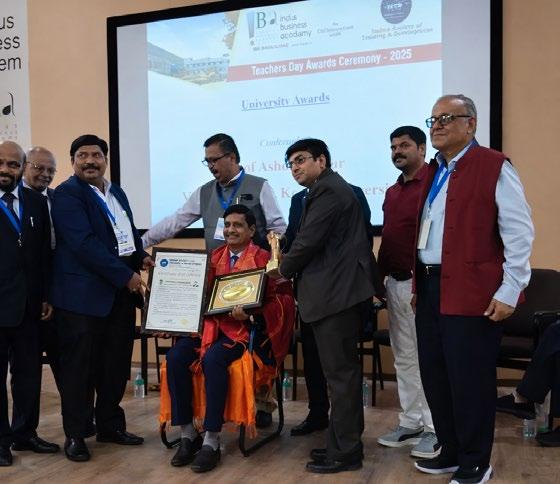
KODAGU UNIVERSITY SHINES ON NATIONAL STAGE
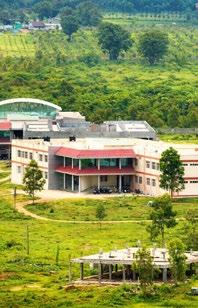
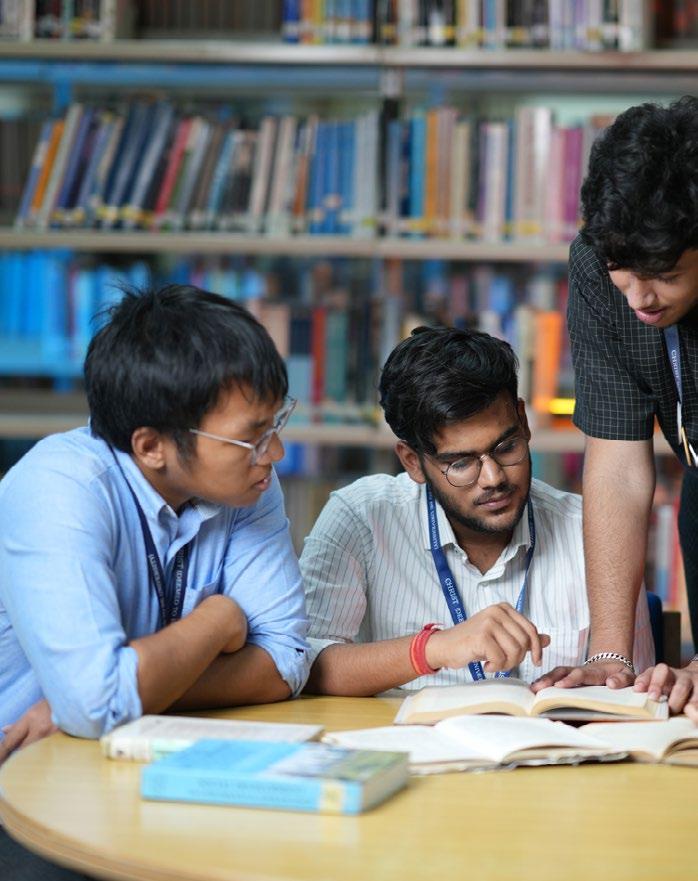
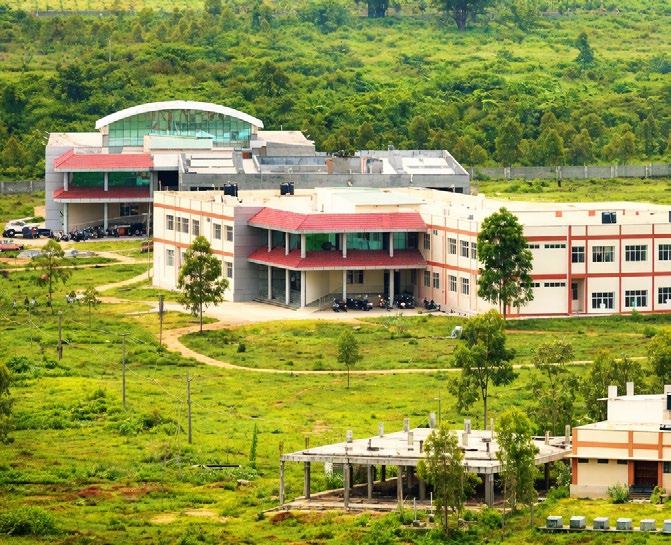
Kodagu University has emerged as one of Karnataka’s most promising young state universities, earning national recognition for its socially conscious approach to higher education. Nestled in the lush Western Ghats and surrounded by coffee estates, misty valleys, and rich Kodava heritage, the university’s identity is deeply intertwined with the natural and cultural landscape of the Kodagu region. What distinguishes Kodagu University is not merely its scenic location, but its unwavering commitment to rural empowerment, community-based learning, skill development, and environmentally sensitive education.
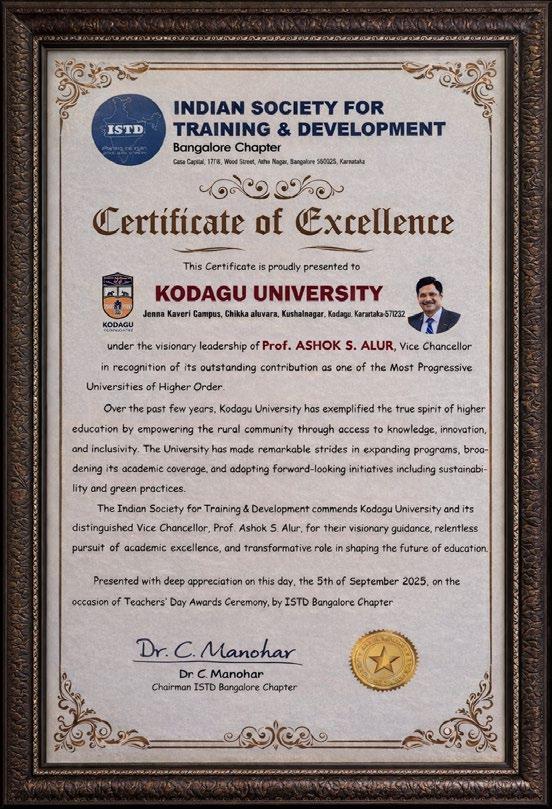
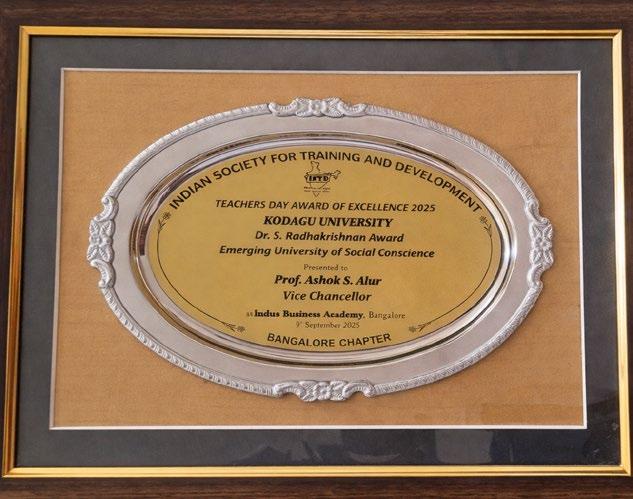
In September 2025, the university achieved a historic milestone by receiving the prestigious Dr. S. Radhakrishnan Award and Certificate of Excellence at the Emerging Socially Conscious University and Teachers’ Day Excellence Awards 2025. This honour placed Kodagu University among India’s most progressive higher-education institutions and brought national attention to its mission-driven educational model focused on social impact and regional development.
The award celebrates institutions that demonstrate measurable contributions to society by expanding educational access in rural and tribal regions, strengthening vocational and skill-based training, innovating in sustainability and agriculture, building inclusive curricula, and linking higher education with grassroots needs. Kodagu University distinguished itself across all these parameters, earning recognition for excellence in socially responsible academic leadership. This achievement holds particular significance for Karnataka, as Kodagu University became one of the few regional universities to be applauded on a national
platform for impact-led education. The recognition validated the university’s vision of making higher education a tool for community transformation rather than a privilege limited to urban centres.
Unlike many urban-centric universities, Kodagu University’s mission has always been rooted in the social, economic, and environmental realities of its region. Over the past few years, the university has implemented forward-thinking programmes that directly benefit rural and tribal communities, many of whose students are first-generation learners. Outreach initiatives include community development centres in remote villages, educational awareness campaigns targeting women and underprivileged youth, tribal language and cultural documentation projects, and collaborations with non-governmental organisations for skill-development workshops. These efforts have positioned Kodagu University as an engine of rural transformation, extending the reach of higher education to communities that have historically remained on the margins.
A major reason behind the university’s national recognition is its strong focus on vocational and skill-based education aimed at enhancing employability. Programmes in agriculture and plantation management, hospitality and ecotourism, digital literacy, entrepreneurship for rural youth, and environmental and wildlife conservation equip students with practical and industry-relevant skills. These courses enable graduates to secure employment locally while also building sustainable livelihoods connected to Kodagu’s unique ecological and economic environment. By aligning academic offerings with regional needs, the university ensures that education directly contributes to the development of the district’s economy and social fabric.
Kodagu University has also made steady progress in strengthening its academic infrastructure and research capabilities. Its research focus areas include environmental conservation, coffee science, climate resilience, disaster management, biodiversity preservation, and sustainable farming techniques. Given Kodagu’s ecological sensitivity and vulnerability to climate-related challenges, this research is not only academically significant but also vital for the long-term sustainability of the region. The university’s growing research output has gained national attention, expanding its academic reputation beyond Karnataka and reinforcing its identity as a knowledge hub for environmental and rural development studies.
Leadership and faculty have played a central role in shaping the university’s transformative journey.Their approach emphasises rural-first academic planning, continuous faculty development, encouragement of student-led social impact projects, communitybased learning models, and strategic partnerships with local industries and NGOs. This collective vision of “education that uplifts society” has become
the defining identity of Kodagu University. The Teachers’ Day-linked recognition also honoured the dedication of the faculty, many of whom work in challenging conditions across hilly terrain and remote campuses to deliver quality education to rural students. Their commitment forms the backbone of the university’s success story.
Kodagu University’s evolution itself reflects a statedriven effort to improve access to higher education in Karnataka’s hill districts. The foundation stone for a postgraduate centre of Mangalore University was laid at Chikka Aluvara in 2010, followed by its inauguration in 2014. Between 2022 and 2023, the Government of Karnataka reorganised Mangalore University, transferring 24 affiliated colleges in the Kodagu region to establish Kodagu University. From 2024 onwards, the institution became fully operational with new leadership, expanded academic programmes, and modern infrastructure. As a public university created through legislative action, Kodagu University stands as a testament to the state’s commitment to inclusive regional development through education.
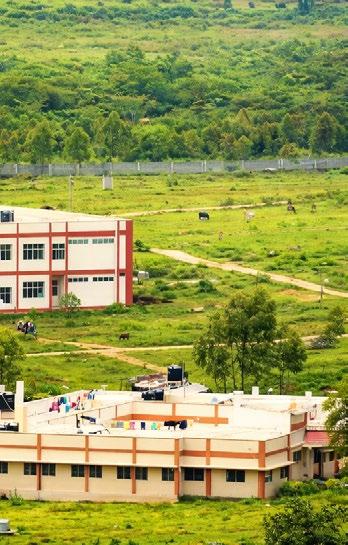
The university’s 70-acre campus at Chikka Aluvara is often described by students as “a university inside a forest classroom.” Modern academic buildings, smart classrooms, a digital library, research laboratories, ICT-enabled learning centres, hostels, sports facilities, and eco-friendly initiatives such as rainwater harvesting and biodiversity mapping reflect a harmonious blend of technology and nature. Academic programmes span environmental studies, climate science, coffee science, forestry, wildlife conservation, tourism, hospitality management, commerce, humanities, social sciences, computer science, and digital skills, all designed with field-based learning, sustainability, and rural employability at their core.
Community outreach remains a defining strength. Farmer workshops on soil health and crop diversification, digital education camps for rural and tribal children, skill programmes for women’s selfhelp groups, cultural preservation initiatives, and environmental awareness drives have established the university as a socially conscious institution deeply engaged with the people it serves. Student life is equally vibrant, with nature clubs, NSS and NCC units, literary societies, cultural forums, sports teams, and annual festivals celebrating Kodava heritage fostering holistic growth.
The national recognition in September 2025 marked a proud moment for Karnataka’s education sector. Kodagu University’s achievement highlights the rising importance of regional universities, the power of socially conscious institutions, and the potential of rural-based higher education to achieve national excellence. Looking ahead, the university envisions centres for coffee research, expanded skill-based courses, digitised classrooms, international student exchanges, and a dedicated research and innovation park. Its long-term goal is to become a national hub for sustainability, biodiversity research, rural development, and community-driven education.
In just a few years, Kodagu University has proven that meaningful impact, not size or location, defines true academic excellence. Rooted in rural realities yet progressive in vision, it stands as a model for how higher education can drive societal transformation. With its national recognition, Karnataka has gained an institution that exemplifies the future of socially responsible and purpose-driven education.
AUTOMOBILE,
TRANSPORTATION
& AVIATION OF KARNATAKA
KTM RC 160
INDIA’S NEXT SUPERSPORT SENSATION
The two-wheeler market in India is buzzing in September 2025, and at the center of attention is KTM’s RC 160. Spotted testing across Indian roads, this fully-faired 160 cc machine has captured the imagination of young riders, urban commuters, and motorcycle enthusiasts alike. With its sporty styling, performance pedigree, and mid-segment positioning, the RC 160 is poised to become one of the most talked-about bikes of the year.This isn’t just another motorcycle; it marks KTM’s strategic shift from 125 cc models to a more powerful 160 cc lineup, signaling a new phase in India’s performance-bike segment.
Replacing the older 125 cc models like the RC 125 and Duke 125, the RC 160 brings a performanceoriented, modern design to riders who want the thrill of a supersport bike without stepping into the premium 200 cc+ segment. It competes with rivals such as the Yamaha R15 V4 and Yamaha MT15, combining KTM’s “Ready to Race” DNA with a more accessible engine size. For young riders in cities across Karnataka, from Bengaluru to Mysuru, the RC 160 represents both aspiration and practicality, offering a balance between style, performance, and everyday usability.
Under the fairing, the RC 160 is expected to feature a 164 cc single-cylinder, liquid-cooled engine producing around 18.7–19 horsepower and 15.5 Nm of torque. Its trellis frame chassis, coupled with upside-down front forks and a rear monoshock, promises agile handling and stability on city streets as well as highways.
Sporty ergonomics define its character, with clipon handlebars, rear-set footpegs, and a sculpted fuel tank giving it an aggressive stance. Twin disc brakes with dual-channel ABS ensure safety, while alloy wheels and a fully-faired body enhance its supersport appeal. A digital instrument cluster is anticipated to provide essential riding information, possibly including smartphone connectivity and performance-oriented features. With an estimated ex-showroom price of around. 1.80–1.95 lakh, it offers a sporty experience without stretching the budget of mid-segment riders. The RC 160 is generating attention because it offers a supersport experience at an accessible price point. By replacing the 125 cc models, it brings more power, sharper handling, and a more satisfying riding experience. Agile enough for city traffic yet capable on highways, the RC 160 is versatile enough for daily commuting and spirited weekend rides. Its aggressive design, full fairing, and modern technology features make it stand out in the 150–160 cc segment, attracting both enthusiasts and first-time performance bike buyers. However, prospective owners should be mindful of certain considerations.The sporty riding
posture may feel aggressive during long commutes, and performance motorcycles typically come with higher maintenance and spare-part costs. Established competitors like Yamaha’s R15 and MT15 have strong brand loyalty and proven reliability, which the RC 160 will need to match as it enters the market. Additionally, high demand could lead to waiting periods in major urban centers. In Karnataka, the RC 160 introduces a fresh option in the mid-segment performance category, appealing to young riders, college students, and working professionals seeking a stylish and capable daily commuter. Its launch may also encourage competitors to upgrade their offerings, providing buyers with better choices and more advanced features across the segment. Riders can expect a supersport feel, with performance reminiscent of premium motorcycles, yet light and manageable enough for everyday commuting. Modern features such as LED lighting, a digital instrument cluster, ergonomic design, and potential smartphone connectivity elevate the overall ownership experience, making it a compelling choice for enthusiasts.
As of September 2025, the RC 160 has been widely spotted on Indian roads, with industry insiders predicting an official launch between late 2025 and early 2026. Deliveries to major cities in Karnataka are expected shortly thereafter, offering riders a combination of power, style, and practicality in a “sweet spot” package. Even before its official debut, the motorcycle is already being recognized as a contender in the mid-segment performance category. KTM’s story, of course, goes beyond any single model. Originating as a small Austrian workshop in the 1930s founded by engineer Hans Trunkenpolz, KTM evolved from repairing engines and selling European-market motorcycles to becoming a global leader in performance and motorsport bikes.
Worldwide, KTM is known for its “Ready to Race” philosophy, emphasizing sporty engineering and motorsport pedigree. The brand has earned acclaim in off-road, adventure, and performance motorcycles, winning numerous global motorsport championships and prestigious rallies.
KTM entered India in partnership with Bajaj Auto in 2007, officially launching in 2012 with street-naked performance bikes that captured the imagination of young Indian riders. Since then, KTM India has expanded to cover commuter-class, supersport, adventure, naked, and touring motorcycles. Smaller displacement bikes for India, particularly under 400 cc, are manufactured locally at Bajaj Auto’s Pune/Chakan plant.This integration of global design standards with local production ensures KTM bikes maintain international quality while being competitively priced for Indian buyers.
KTM’s brand philosophy emphasizes performance across all segments, reflecting its motorsport DNA in both design and engineering. Beyond selling motorcycles, KTM India has nurtured a biking community through rider programs, track days, and events, offering enthusiasts an immersive experience that goes beyond commuting. Since its launch in 2012, KTM has significantly scaled its operations, establishing a widespread dealer and service network. By combining global racing heritage with local-market adaptability, KTM has defined India’s performance-bike segment and made India a key hub for its global operations.
For riders in Karnataka and across India, KTM offers globally recognized performance motorcycles that balance power, style, and practicality. Its range caters to diverse preferences, from entry-level performance bikes to supersport and adventure tourers, supported by reliable after-sales service. Beyond commuting, KTM fosters a sense of community and identity, making it ideal for weekend rides, touring, and spirited biking experiences. KTM’s journey from a small Austrian workshop to a global premium motorcycle maker, strengthened by the partnership with Bajaj Auto, is a story of adaptation, performance focus, and brand-building. In India, KTM has not only sold bikes but created a new segment, nurtured a biking culture, and offered alternatives for riders seeking thrill, style, and performance. The brand stands as a symbol of aspiration and riding passion, continuing to evolve, inspire, and excite enthusiasts across the country.
CULTURE & TRADITIONS OF KARNATAKA
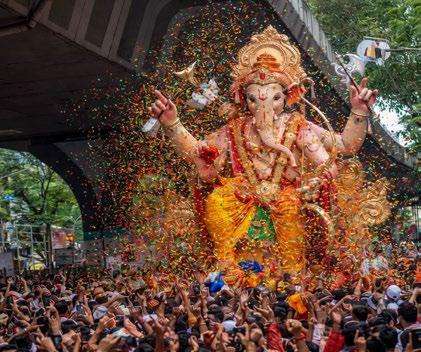
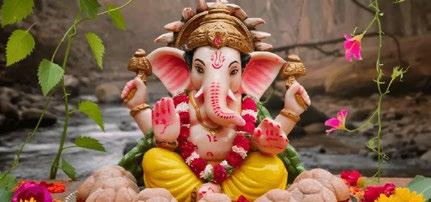
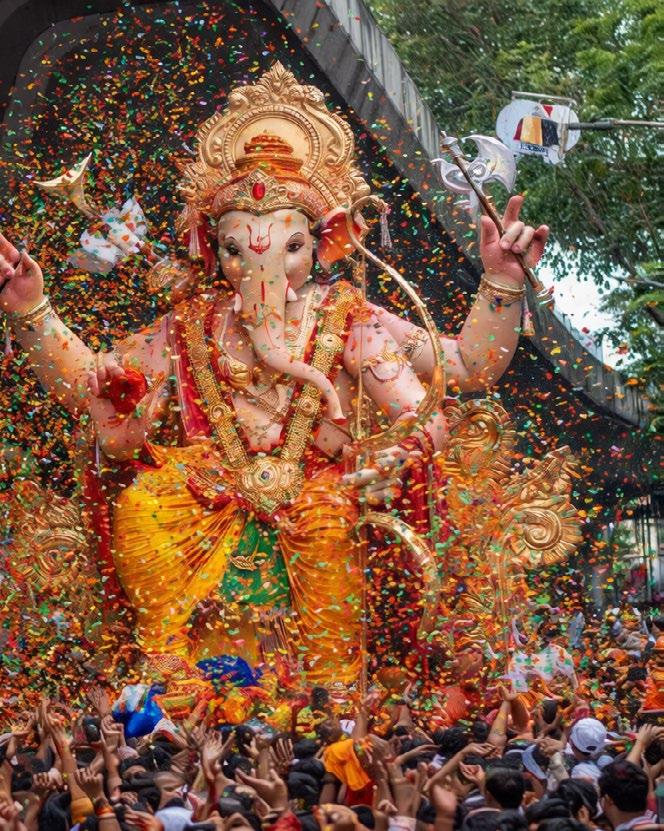
GANESHA CHATURTHI IN KARNATAKA A FESTIVAL OF DEVOTION, CULTURE, & COMMUNITY
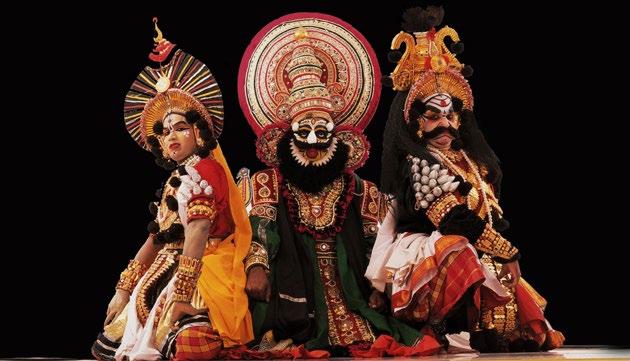
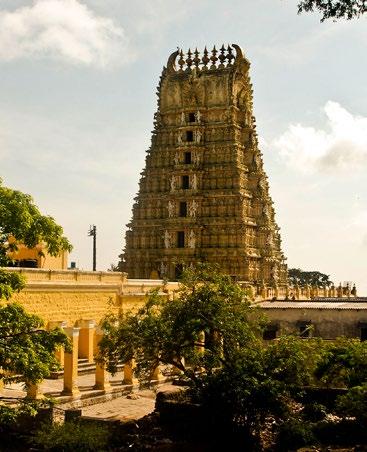
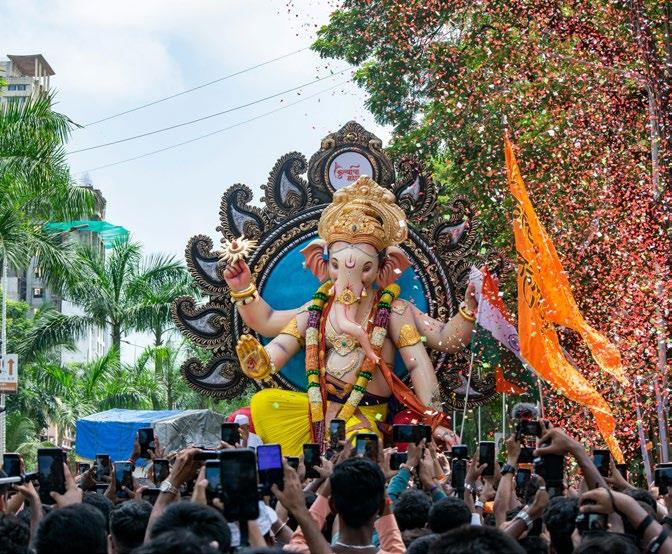
Karnataka, a state where heritage and contemporary life blend seamlessly, comes alive each year during Ganesha Chaturthi — the ten-day festival honoring Lord Ganesha, the remover of obstacles and the god of wisdom and prosperity. From the bustling streets of Bengaluru to the serene temple towns of Udupi, the celebration unfolds as a vibrant tapestry of devotion, music, art, and community spirit.
Origins and Significance
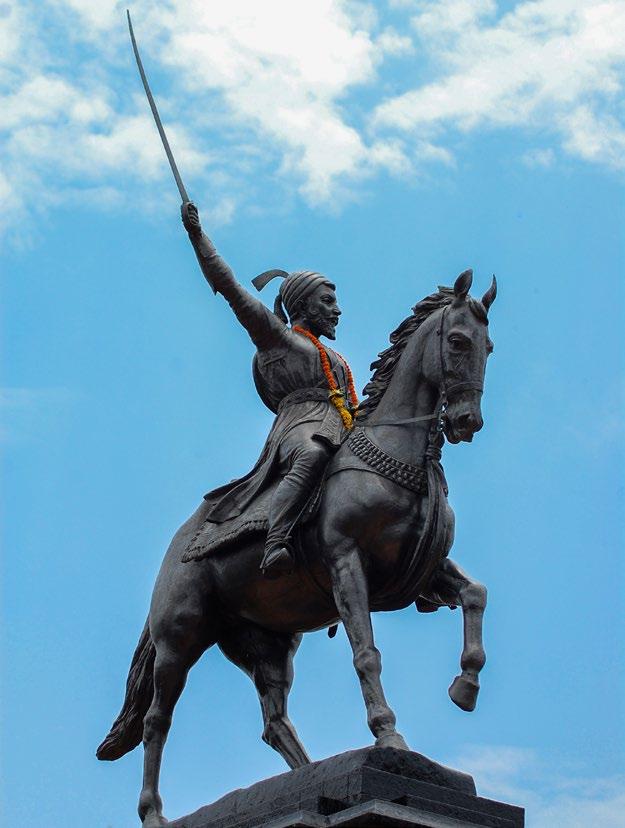
Ganesha Chaturthi, also known as Vinayaka Chaturthi, marks the birth of Lord Ganesha and is observed on the fourth day of the Hindu month of Bhadrapada (August–September). Rooted in ancient Hindu traditions, the festival gained prominence during the Maratha rule under Chhatrapati Shivaji and later spread across South India. In Karnataka, it evolved beyond a religious observance into a cultural celebration, where families, communities, and temples unite to seek blessings for wisdom, prosperity, and success.
Preparations: From Homes to Community Pandals
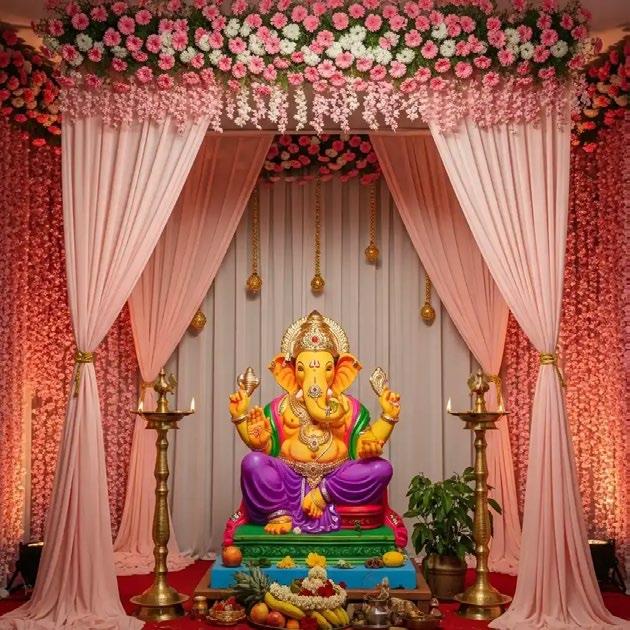
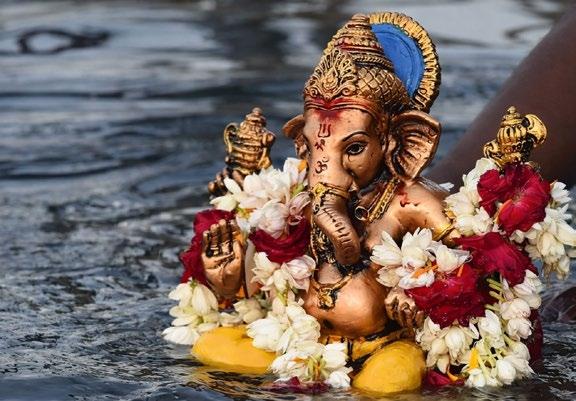
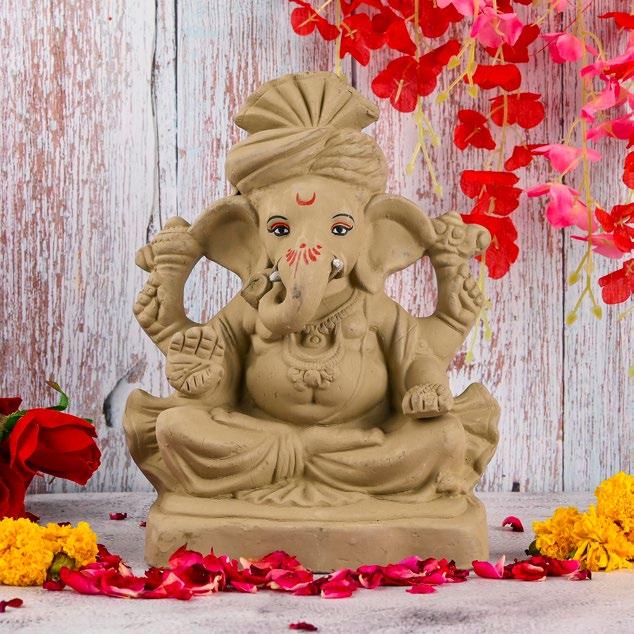
Preparations begin days in advance. Skilled artisans in districts such as Mysuru, Bengaluru Rural, and Udupi craft eco-friendly clay idols ranging from small household figures to towering public installations.
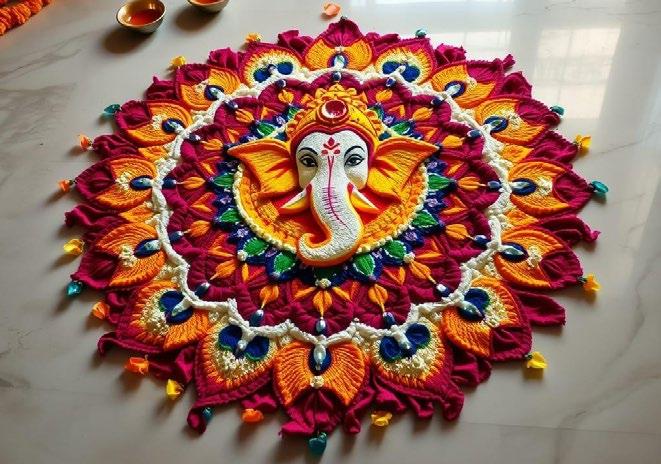
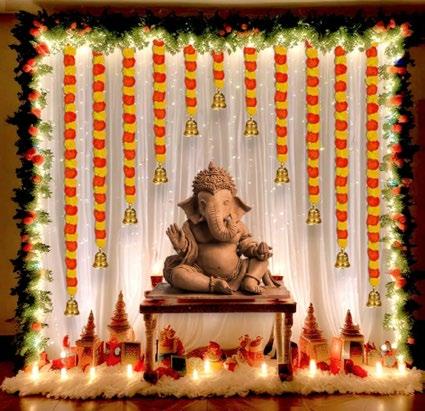
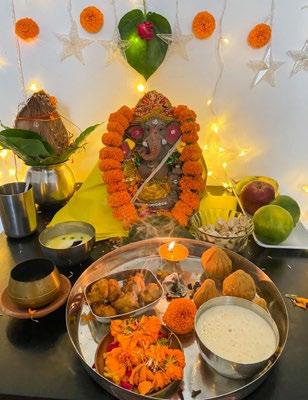
Homes are adorned with rangoli, flowers, and lights, while neighborhoods create elaborate pandals themed around mythology, folklore, social messages, or artistic expression. Families perform rituals, clean their homes, and prepare traditional offerings like modak, ladoos, and coconut-based sweets — believed to be Lord Ganesha’s favorites.
Regional Flavors of Celebration
Though devotion remains central, each region of Karnataka adds its unique cultural touch.
Bengaluru – Urban Devotion Meets Modernity
The capital hosts large community pandals, contemporary cultural programs, classical and folk performances, and strong eco-friendly initiatives promoting clay idols and sustainable decorations.
Mysuru – Royal Heritage and Grandeur
Known for its royal traditions, Mysuru celebrates with special temple rituals, classical music concerts, devotional storytelling, and processions at historic temples like Chamundi Hill.
Udupi and Coastal Karnataka –Spiritual Fervor
Temple-centric celebrations, daily rituals, chariot processions, and distribution of coastal delicacies such as modak and patholi define the festive spirit along the coast.
Northern Karnataka – Folk Traditions and Unity
Districts like Belagavi, Hubballi-Dharwad, and Bagalkot showcase Yakshagana dance-dramas, folk performances, and collective village celebrations emphasizing community bonding.
Festival Rituals and Traditions
Across Karnataka, rituals follow a consistent spiritual rhythm. The Pranapratishtha ceremony invokes Lord Ganesha into the idol, followed by Shhodashopachara Puja with sixteen sacred offerings. Bhajans, storytelling, and cultural performances enrich the atmosphere. The festival concludes with Visarjan — grand processions accompanied by drums, chants, and dance — culminating in idol immersion in rivers, lakes, or the sea, symbolizing Ganesha’s return to Mount Kailash. Increasingly, eco-friendly materials ensure minimal environmental impact.
Community Spirit and Cultural Integration
Ganesha Chaturthi fosters unity and social harmony. Residents collaborate in decorating pandals, organizing events, and distributing prasad. Youth volunteers contribute creative ideas, digital campaigns, and sustainability drives, ensuring tradition evolves with innovation. Artisans, sculptors, musicians, and performers find a vital platform to preserve Karnataka’s folk and classical heritage.
Culinary Highlights
Food plays an essential role in the celebration. Modak remains the signature sweet, alongside
ladoos, patholi, and coconut-based delicacies. Community feasts and large-scale prasad distribution reflect generosity, inclusiveness, and shared joy.
Modern Innovations and Sustainability
Contemporary celebrations embrace themed pandals focusing on environmental awareness, technology, or social causes. Digital engagement through live-streamed pujas and online donations has expanded participation beyond physical spaces. A strong emphasis on sustainable practices — ecofriendly idols, natural dyes, and reusable décor — reflects a harmonious blend of devotion and environmental responsibility.
A Celebration of Style
Ganesha Chaturthi in Karnataka is more than a festival; it is a cultural identity expressed through faith, artistry, and collective spirit. From grand temple ceremonies to intimate home rituals, from royal heritage displays to modern themed installations, the festival captures Karnataka’s diversity and unity. Each year, it continues to inspire devotion, creativity, and togetherness, making it one of the state’s most cherished and visually spectacular celebrations.
Ganesha Chaturthi: Origins, History, and Cultural Significance
Ganesha Chaturthi, also called Vinayaka Chaturthi, is one of India’s most celebrated Hindu festivals dedicated to Lord Ganesha — the deity of wisdom, prosperity, and remover of obstacles. Observed on the fourth day of Bhadrapada (August–September), the festival marks the divine birth of Ganesha and holds deep mythological, historical, and cultural significance.
Mythological Origins
According to Hindu mythology, Goddess Parvati created Ganesha from clay to guard her while she bathed.When Lord Shiva returned and was stopped by the boy, a conflict led Shiva to unknowingly behead him. Heartbroken Parvati demanded her son’s life be restored, and Shiva revived Ganesha by placing an elephant’s head on his body.
This divine event is commemorated as Ganesha Chaturthi. Symbolically, Ganesha represents wisdom, intellect, new beginnings, and the removal of obstacles.
Historical Evolution of the Festival
Ancient scriptures, Puranas, and epics confirm that Ganesha worship has existed for thousands of years. Initially, celebrations were confined to households with small clay idols and family prayers. During the Maratha Empire, especially under Chhatrapati Shivaji, the festival transformed into a public community event featuring processions and cultural gatherings. In the 19th century, Lokmanya Tilak revived and popularized public celebrations to unite people socially and culturally during India’s freedom movement.
Spread Across India
From Maharashtra, the festival spread across South India, including Karnataka, Goa, Andhra Pradesh, and Tamil Nadu, adapting to regional customs and artistic styles. In Karnataka, it flourished in urban centers like Bengaluru and historic towns such as Mysuru and Udupi, blending temple rituals, folk art, and community festivities.
Rituals and Practices
The festival begins with Pranapratishtha — invoking divine presence into the idol. Daily worship includes offerings of modak, ladoos, coconut-based sweets, flowers, lamps, and incense. Cultural programs of music, dance, and storytelling enrich community gatherings. The celebrations conclude with Visarjan, where idols are immersed in water, symbolizing the cycle of creation and dissolution.
Cultural and Social Significance
Ganesha Chaturthi strengthens unity and community participation. It nurtures artistic craftsmanship through idol-making, decoration, and performance arts. Spiritually, it symbolizes new beginnings and the removal of obstacles. Modern adaptations — eco-friendly idols, themed installations, and digital engagement — demonstrate how the festival evolves with contemporary values.
A Timeless Tradition
Ganesha Chaturthi is far more than a religious observance. It is a living tradition merging mythology, devotion, art, and social harmony. From ancient household rituals to grand public celebrations, the festival reflects India’s cultural richness and enduring adaptability. In Karnataka, its distinct regional flavors preserve heritage while embracing modern creativity, ensuring the festival’s relevance across generations.
SPECIAL INITIATIVES OF KARNATAKA
Karnataka has once again positioned itself at the forefront of India’s technological and industrial transformation. With the launch of the country’s first-ever Global Capability Centre (GCC) Policy, the state has laid down an ambitious roadmap that aims to add 500 new GCCs, generate 3.5 lakh jobs, and drive ₹4 lakh crore (USD 50 billion) ineconomic output by the year 2029. This landmark policy is not just a government initiative—it is a vision statement for how Karnataka plans to shape the next decade of globalenterprise, innovation, and talent development.
A First-of-Its-Kind Policy for India
Global Capability Centres—also known as GCCs— are the strategic,innovation-driven nerve centres of multinational corporations. These centres handle everything from AI-powered engineering, global R&D, and product development to financial analysis, cybersecurity, automation, and digital transformation.
Recognising the enormous potential of these hubs, Karnataka has unveiled a policy that is future-ready,
innovation-intensive, and globally competitive— the first such dedicated GCC policy in India. The mission is clear:
• 500 new GCCs by 2029
• 3.5 lakh new high-value jobs
• A deeper role in global technology and R&D supply chains
• Decentralised growth in “Beyond Bengaluru” regions
• A stronger foundation for AI, robotics, semiconductor design, and deep-tech innovation.
Policy Blueprint: What Karnataka’s GCC Vision Includes
The GCC Policy 2024–2029 is designed with a fullspectrum approach, covering infrastructure, innovation, skilling, investments, and ease of doing business. Key components include: Three Global Innovation Parks
Karnataka will establish three world-class Global Innovation Districts,
designed specifically for GCCs. These parks will include:
• Advanced office zones
• R&D labs
• CoE facilities for AI, robotics, cybersecurity, and deep tech
• Plug-and-play workspaces
• High-speed connectivity, data infrastructure, and collaborative tech clusters. One park will be located in Bengaluru, while two more will rise in high- potential regions across the state as part of the Beyond Bengaluru initiative.
Massive Push Beyond Bengaluru
To reduce dependency on Bengaluru and ensure balanced economic growth, the policy provides special incentives for companies setting up GCCs in cities such as:
• Mysuru
• Mangaluru
• Hubbballi-Dharwad
• Belagavi
• Kalaburagi
Companies expanding to these regions will receive:
• Rental subsidies
• Support for recruitment drives
• Assistance with quality certifications and statutory clearances
• Infrastructure support and fast-tracked approvals
A Future-Ready Talent Pipeline
Karnataka recognises that talent is the backbone of GCCs. The state will directly support:
• Skilling & upskilling programs
• Training partnerships with universities and global companies
• Certification programs for tech skills
• Support for up to 1 lakh internships over five years
• Scholarships for advanced roles in AI, data science, cybersecurity and engineering
This ensures that both fresh graduates and mid-career professionals are aligned with the needs of global corporations.
Innovation, R&D, and DeepTech Focus
The policy includes:
• A state-backed Innovation Fund
• Support to establish Centres of Excellence across emerging technologies
• Grants for R&D collaborations between industries and academic institutions
• Incentives for patents, IP creation, and technology commercialisation
• Priority support for GCCs in advanced sectors like AI, aerospace, biotechnology, fintech, and electronics design.
Ease of Doing Business at Global Standards
To simplify the establishment of GCCs:
• A centralised GCC Facilitation Cell will offer singlewindow clearances
• Approval timelines will be reduced to less than 45 days
• Dedicated officers will assist firms during setup and expansion
• Digitised processes will ensure transparency and speed
The aim is to match global benchmarks and offer corporations a frictionless expansion pathway.
Why Karnataka? Strategic Advantages That Matter
Karnataka is already home to the largest concentration of GCCs in India.
With over 500 such centres operating in the state today, Karnataka contributes a large share of India’s tech exports, R&D output, and engineering talent.
Key strengths include:
• Unmatched talent ecosystem
• Strong digital infrastructure
• Global leadership in IT, biotechnology, aerospace, and deep-tech
• Vibrant startup network supporting innovation
• World-class academic institutions and research labs
• A long track record of hosting design, engineering, and R&D- focused GCCs
The new policy builds on these strengths to secure Karnataka’s position as a global innovation capital.
Economic and Social Impact: What the Policy Will Achieve
3.5 Lakh High-Value Jobs
The new GCCs will generate employment across:
• Engineering
• Product development
• Data science
• Cybersecurity
• Semiconductor design
• Finance and global operations
• Customer experience strategy
• Cloud and DevOps
• Market intelligence and analytics
These are future-proof roles with high earning potential and global exposure.
Balanced Regional Growth
The Beyond Bengaluru strategy will enable smaller cities to:
• Attract high-value global investments
• Retain local talent
• Build their own tech ecosystems
• Improve quality of life and infrastructure
• Reduce migration pressure on Bengaluru
Boost to Innovation Economy
With GCCs increasingly shifting from back-office functions to IP creation and product engineering, Karnataka’s innovation landscape will expand rapidly.
GCCs will bring:
• Patents
• Research collaborations
• Startup partnerships
• Deep-tech commercialisation
• Global R&D mandates
A $50 Billion Economic Boost
By 2029, the policy is expected to drive:
• Increased foreign investment
• Higher exports of technology and research
• Growth in professional services
• State-wide development and job creation
• Enhanced global reputation for Karnataka
A Defining Moment for Karnataka’s Future
The GCC Policy 2024–2029 represents far more than a governmental announcement—it is a strategic, transformational roadmap.
It demonstrates Karnataka’s determination to:
• Lead India into the next era of global innovation
• Strengthen its position as a global technology powerhouse
• Foster sustainable, inclusive growth
• Prepare its workforce for the demands of a rapidly changing world
• Create opportunities that match global standards
With 500 new GCCs on the horizon and a thriving innovation ecosystem on the rise, Karnataka is not just building technology centres—it is building the future of global enterprise.
HOTELS, RESTAURANTS & HOSPITALITY OF KARNATAKA
KSHEMAVANA
A Landmark Achievement for India’s Wellness Landscape
The award ceremony held in New Delhi brought together distinguished wellness experts, healthcare leaders, corporate dignitaries, and lifestyle innovators from across Asia. Being recognised on such a prominent platform positions Kshemavana Naturopathy and Yoga Centre not only as a national leader in holistic health but also as an international
benchmark for natural, evidence-based healing. The recognition celebrates Kshemavana’s unwavering dedication to providing deeply transformative and personalised wellness journeys rooted in clinical naturopathy, therapeutic yoga, mindfulness and mental-health programmes, holistic lifestyle correction, and eco-conscious living. This honour acknowledges the centre’s growing influence in shaping Asia’s wellness tourism sector while promoting India’s rich healing traditions on a global stage.
The title of “Best Wellness Retreat in Asia” was awarded based on several defining strengths that clearly set Kshemavana apart. Central to this achievement is its excellence in holistic and evidence-based naturopathy. The retreat integrates time-tested natural healing traditions with modern diagnostic tools, offering structured and medically supervised programmes for detoxification, therapeutic fasting, hydrotherapy, mud therapy, gut reset therapies, and chronic disease management. This blend of tradition and science has established
Kshemavana as a trusted name in contemporary preventive healthcare. Another major factor behind the award is Kshemavana’s breakthrough results in reversing lifestyle-related conditions. Its carefully designed protocols have demonstrated remarkable improvements in managing diabetes, hypertension, obesity, PCOS, migraines, and chronic stress. These outcomes have earned the centre widespread appreciation from guests as well as positive recognition from healthcare professionals and wellness reviewers, reinforcing its credibility as a results-driven retreat.
World-class yoga and mindfulness programmes further strengthened Kshemavana’s standing. Therapeutic yoga sessions, pranayama practices, guided meditation, digital detox modules, and emotional-wellness counselling together create one of the region’s strongest mental-health-focused retreat experiences. These offerings address not just physical vitality but emotional resilience and psychological balance, a combination increasingly sought after in modern wellness travel.
Equally important is the transformative guest experience that Kshemavana consistently delivers. From serene architecture and natureintegrated spaces to personalised diets, scientific health assessments, and attentive therapeutic care, every aspect of the retreat is designed to support deep and lasting change. Jury members specifically highlighted the life-altering transformations reported by guests as a key reason for the award.
Sustainability also played a significant role in Kshemavana’s recognition. Its nature-centric design, extensive use of natural materials, organic food culture, and low environmental footprint contributed to its distinction in the sustainability category. The retreat demonstrates that wellness and environmental responsibility can coexist harmoniously, setting an example for future developments in the sector.
Guests who visit Kshemavana often describe their experience as renewing, emotionally grounding, and medically effective. The retreat focuses not only on treating existing ailments but also on re-educating individuals about healthy living. This philosophy has made it a preferred destination for professionals, families, and wellness seekers from India and abroad who are looking for long-term lifestyle transformation rather than short-term relief.
During the award presentation, organisers commended Kshemavana for setting new standards in natural healing and for bringing global attention to India’s traditional wellness heritage with scientific integrity. The leadership team accepted the honour with gratitude, emphasising their continued commitment to redefining modern wellness through compassion, evidence-based practice, and holistic lifestyle transformation.
This recognition carries broader significance for India as well. Kshemavana’s win strengthens the country’s position as a global hub for wellness tourism, highlighting India’s ability to blend centuries-old healing systems with modern wellness frameworks. As international demand for preventive healthcare and authentic healing experiences continues to rise, the award stands as proof that India’s natural healing traditions possess timeless relevance and unmatched therapeutic value.
Being named the Best Wellness Retreat in Asia for 2025 is more than an accolade; it is a milestone that acknowledges Kshemavana’s dedication to healing, sustainability, and human well-being. With this recognition, the retreat continues its journey as a beacon of holistic health, inspiring individuals and the global wellness community to embrace nature-aligned living.
Kshemavana Naturopathy & Yoga Centre — India’s Rising Wellness Sanctuary
In an era defined by digital overload, chronic stress, and lifestyle-induced illnesses, India’s wellness tourism sector is witnessing a powerful revival. Leading this transformation is Kshemavana Naturopathy and Yoga Centre, a holistic healing destination that has rapidly emerged as one of the country’s most acclaimed wellness retreats in 2025. By seamlessly merging ancient Indian healing philosophies with modern therapeutic science, Kshemavana has become a sanctuary where the body resets, the mind rejuvenates, and the spirit reconnects with balance.
The origins of Kshemavana are rooted in the belief that nature itself is the greatest healer. Its philosophy centres on preventive and restorative wellness, focusing on treating the root causes of imbalance rather than merely addressing symptoms. Drawing from naturopathy, Ayurveda, therapeutic yoga, mindfulness practices, and nutrition-based lifestyle medicine, the retreat offers a comprehensive approach to healing. Guests are encouraged to pause, detoxify, and rebuild their physiological and emotional equilibrium through noninvasive, drug-free therapies, all delivered through personalised programmes tailored to individual health goals and emotional needs.The setting of Kshemavana plays a vital role in its healing promise.
Surrounded by calming greenery, sculpted water bodies, and gentle natural light, the retreat creates an environment ideal for meditation, quiet reflection, internal cleansing, and uninterrupted rest. Minimalistic architecture, earthy tones, natural materials, and open breathing spaces cultivate an immediate sense of calm, leading many guests to describe the retreat as a quiet world of its own, far removed from urban chaos.
Kshemavana is especially renowned for its signature naturopathy treatments, which aim to restore the body’s innate healing capacity. These include supervised therapeutic fasting and detox programmes, hydrotherapy rituals such as steam therapy and spinal sprays, mineralrich mud therapies to soothe inflammation, and scientifically designed colon hydrotherapy and gut reset programmes that target digestive health and immunity.The retreat also offers physiotherapy and pain-relief suites for joint issues, back problems, and post-injury recovery, alongside rejuvenation therapies addressing lifestyle disorders such as diabetes, hypertension, obesity, PCOS, insomnia, migraines, and stress-related fatigue.
At the heart of Kshemavana’s healing rituals lies yoga and mindfulness. Yoga here is approached not as a fitness activity but as a spiritual and therapeutic journey. Expert instructors guide guests through Hatha yoga, restorative yoga,
pranayama, guided meditation, Yoga Nidra, and chakra-balancing sessions. Daily sunrise and sunset practices align the mind with nature’s rhythms, fostering emotional clarity, inner peace, and sustained mental well-being. Nutrition forms another cornerstone of the Kshemavana experience. The retreat’s wellness cuisine blends nutritional science with traditional Indian dietary wisdom. Meals are plant-based, sattvic, low in oil, seasonal, and customised to individual health
programmes. This food-as-medicine philosophy supports detoxification, reduces inflammation, and improves digestion, helping guests adopt sustainable and healthier eating habits long after their stay. Upon arrival, each guest undergoes a comprehensive health assessment that includes naturopathy evaluations, body composition analysis, stress profiling, dietary consultations, and fitness and sleep assessments. Based on these findings, a personalised wellness pathway is designed, integrating therapies, yoga modules, meditation sessions, and dietary plans.This highly individualised approach ensures that every guest experiences a wellness journey uniquely aligned with their physical and emotional needs.The year 2025 marked a turning point for Kshemavana, bringing national and international recognition for its authentic approach to wellness. Its growing impact on lifestyle disease management, rising demand for digital detox retreats, strong focus on mental health, favourable ratings from travel and lifestyle publications, and commitment to sustainable practices all contributed to its increasing prominence.
Beyond being a retreat, Kshemavana has become a movement influencing India’s broader wellness ecosystem. It has played a role in mainstreaming naturopathy, reviving yoga-based healing, increasing awareness of preventive health, supporting the growth of wellness tourism, and enabling meaningful lifestyle transformations among working adults. Guests frequently describe their stays as life-changing, with many continuing healthier practices long after returning home. In a world that constantly demands speed and productivity, Kshemavana stands as a gentle reminder to slow down, breathe, and heal. Its growing recognition in 2025 reflects India’s renewed emphasis on holistic well-being and natural healing traditions. Whether one seeks detoxification, pain relief, stress reduction, emotional healing, or simply a peaceful escape, Kshemavana offers an experience that restores balance at every level. It is not merely a wellness centre, but a transformative journey back to oneself.
Bengaluru’s Evergreen Café For Coffee Conversations Matteo Coffea
In the ever-buzzing heart of Church Street, where bookshops, music, conversations, and culture intersect, Matteo Coffea stands as one of Bengaluru’s most loved café landmarks. More than just a place for coffee, Matteo Coffea has, over the years, evolved into a social sanctuary for writers, artists, corporate professionals, students, and tourists alike. Its enduring charm lies in its ability to feel timeless—unaffected by passing café trends—while still staying relevant to the city’s evolving café culture.
Old-World Charm Meets Urban Energy
What sets Matteo Coffea apart instantly is its ambience. The café embraces a warm, rustic aesthetic with wooden furniture, exposed textures, and cozy seating that encourages long conversations. Natural light filters in during the day, while evenings bring a mellow glow perfect for unwinding after a long day. Unlike fast-paced modern cafés, Matteo invites you to slow down— whether you’re catching up with friends, working on your laptop, or simply watching Church Street’s vibrant life unfold outside.
Coffee That Keeps It Classic
At the heart of Matteo Coffea is its dedication to good coffee. The menu celebrates classic coffee preparations rather than gimmicky trends. From strong espressos and smooth cappuccinos to comforting lattes and cold brews, the café focuses on consistency and flavour. Regulars often return for their “usual,” trusting Matteo to deliver the same comforting taste every single time. This reliability is what makes it a daily ritual for many Bengaluru residents.
Conversations Over Cups
Matteo Coffea has long been known as a place where conversations flow effortlessly. It’s common to see animated discussions over coffee cups— about books, business ideas, music, art, and life itself.
The café has played host to countless first meetings, brainstorming sessions, creative collaborations, and quiet reflections. Its layout naturally encourages connection, making it an ideal spot for meaningful exchanges without the pressure of loud music or rushed service.
A Menu That Complements the Coffee
While coffee takes centre stage, Matteo Coffea’s food menu adds to its enduring popularity. Light bites, sandwiches, pastas, desserts, and café-style comfort food are thoughtfully curated to pair well with beverages. The offerings are familiar yet satisfying, making it easy to settle in for hours without feeling the need to move elsewhere for a meal. Desserts, in particular, enjoy a loyal following among regulars who swear by their indulgent yet balanced flavours.
A Creative Community Hub
Over the years, Matteo Coffea has organically become a hub for Bengaluru’s creative community. Writers draft articles, musicians sketch compositions, designers brainstorm ideas, and freelancers turn tables into temporar=y offices. The café’s relaxed atmosphere and welcoming staff make it an inviting space for creative expression. It’s not uncommon to overhear discussions about
upcoming exhibitions, start-up pitches, or literary ideas brewing alongside the coffee.
Timeless Appeal in a Changing City
Church Street has witnessed countless cafés open and close, yet Matteo Coffea remains steadfast. Its longevity speaks volumes about its connection with the city and its people. While Bengaluru’s café scene continues to expand with new concepts and global influences, Matteo holds its ground by staying authentic. It doesn’t try to reinvent itself unnecessarily—instead, it focuses on what it does best: offering comfort, familiarity, and quality.
The Perfect Pause in a Busy Day
For shoppers, office-goers, and tourists navigating Church Street, Matteo Coffea offers the perfect pause. It’s a place to rest your feet, recharge with caffeine, and soak in the city’s energy at a slower pace. Whether it’s a quick coffee break or an unplanned long stay, Matteo adapts effortlessly to the rhythm of its guests.
Why Matteo Coffea Still Matters
In a city constantly racing forward, Matteo Coffea stands as a reminder of simpler pleasures—good coffee, good food, and good conversations. Its ability to remain relevant without losing its soul makes it one of Bengaluru’s most cherished cafés. For many, it’s not just a café on Church Street; it’s a memory, a habit, and a small but meaningful part of the city’s everyday life.
An Evergreen Bengaluru Favourite
Matteo Coffea is more than an address—it’s an emotion tied deeply to Bengaluru’s café culture. As long as Church Street continues to pulse with life, Matteo Coffea will remain one of its most comforting constants, inviting generations of coffee lovers to sit down, sip slowly, and stay a little longer.
ROYAL HERITAGE & ARCHITECTURE OF KARNATAKA
KUKKE SUBRAMANYA
HILL TEMPLE & SACRED
RITUALS OF KARNATAKA
Perched in the serene lush green hills of the Western Ghats, Kukke Subramanya Temple is one of Karnataka’s most revered pilgrimage sites. Dedicated to Lord Subramanya (Karttikeya), the deity believed to protect devotees from sarpa dosha (snakerelated afflictions), this temple draws thousands of devotees, spiritual seekers, and tourists every year. Beyond its religious significance, Kukke Subramanya offers a mesmerizing blend of spirituality, culture, and scenic beauty, making it a must-visit destination for those exploring Karnataka’s sacred landscapes.
Location & Accessibility
Kukke Subramanya Temple is located in Subramanya village, Sullia Taluk, Dakshina Kannada district, approximately:
• 300 km from Bengaluru
• 100 km from Mangalore
• 60 km from Puttur town
The temple is easily accessible by road, with regular buses, taxis, and private vehicles connecting it to major cities in Karnataka and neighbouring states. The nearest railway station is Subrahmanya Road, about 21 km from the temple, and Mangalore International Airport is the closest airport for travellers flying in.
Spiritual Significance
Kukke Subramanya Temple is famous for its association with snake worship. Devotees believe that performing rituals here relieves sarpa dosha, Naga dosha, and other ancestral afflictions. The temple’s main deity, Lord Subramanya, is often worshipped in the form of naga (serpent) idols, and the temple architecture and surroundings reflect the serpent’s symbolism of protection, fertility, and wisdom.
The temple attracts pilgrims from across India and abroad, particularly during special festivals and rituals such as:
• Nagapooja – For relief from sarpa dosha and family well-being
• Ashlesha Bali – Traditional ritual to honor serpents and ancestors
• Subramanya Shasti – Festival celebrating Lord Subramanya’s divine presence
Temple Architecture & Surroundings
The temple is situated amidst dense forested
hills, with the Kumaradhara River flowing nearby, adding to the tranquil ambiance.The architecture is traditional South Indian style, featuring a gopuram (tower), mandapams (pillared halls), and sanctum sanctorum adorned with intricate carvings.Visitors are struck by the peaceful surroundings — the temple is enveloped by green hills, flowing streams, and chirping birds, making it not only a spiritual retreat but also a scenic escape. The climb to the temple is easy, with paved pathways and steps surrounded by forest, ensuring accessibility for most visitors.
Rituals & Offerings
• Kukke Subramanya is especially renowned for its snake-related rituals, which are believed to bring blessings and protection:
• Sarpa Samskara & Nagapooja
• Devotees perform these to mitigate sarpa dosha and ensure family well-being. The ritual involves offerings, prayers, and sometimes symbolic serpent rituals performed by trained priests.
Ashlesha Bali
Conducted to honor ancestral spirits and serpents, usually during the Ashlesha Nakshatra period.
• It includes offerings of rice, milk, and flowers at sacred spots near the temple.
• General Poojas & Abhishekas
• Daily rituals include abhishekam (holy bath), arati (waving of lamps), and alankara (decoration) of the deity.
• Devotees often offer coconuts, flowers, and coins as part of their prayers.
• These rituals, combined with the peaceful ambiance and sacred energy, create a spiritual experience that attracts devotees from across Karnataka, Kerala, Tamil Nadu, and beyond.
Nearby Attractions
Visitors to Kukke Subramanya can also explore several nearby natural and cultural attractions:
• Kumaradhara River – Ideal for spiritual dips, meditation, and nature walks.
• Talakaveri Hills – Birthplace of the Kaveri River, offering scenic trekking and spiritual significance.
• Bhagamandala – A confluence of rivers with temples, perfect for pilgrimage circuits.
• Western Ghats Treks – Nearby forest trails offer adventure, birdwatching, and trekking experiences.
Accommodation & Travel Tips
• Stay Options: Guesthouses, lodges, and small hotels are available in Subramanya village, providing comfortable stays for pilgrims and travelers.
• Best Time to Visit: October to March for pleasant weather; festivals like Subramanya Shasti attract large crowds.
• Travel Tips: Wear comfortable footwear for walking and trekking; respect temple rituals and local customs; hire local guides for information on rituals and nearby attractions.
Why Visit Kukke Subramanya
Kukke Subramanya is more than a temple; it is a harmonious blend of spirituality, tradition, and nature. Visitors experience not only the sacred
rituals and devotion but also the lush Western Ghats surroundings, the flowing Kumaradhara River, and the peaceful forested hills. Whether seeking spiritual solace, cultural immersion, or scenic beauty, Kukke Subramanya offers a complete and enriching journey.
Kukke Subramanya Temple stands as one of Karnataka’s most significant spiritual destinations, offering a unique combination of faith, culture, and nature. From the powerful sarpa dosha rituals to the tranquil hills and flowing rivers, it is a place where visitors can connect deeply with tradition, spirituality, and the natural world. A visit here is not just a pilgrimage; it is an experience of peace, devotion, and discovery — a must for every traveler exploring Karnataka’s sacred and scenic gems.
Karnataka is significantly strengthening its position in the global semiconductor and electronics ecosystem through an intensive investment outreach to Japan led by M. B. Patil, Minister for Large and Medium Industries and Infrastructure Development. The visit marked a decisive step in the state’s strategy to attract high-value foreign investments, deepen technology partnerships, and integrate Karnataka more firmly into international supply chains spanning semiconductors, electronics manufacturing, electric mobility, and industrial automation.
GLOBAL KARNATAKA
During the Japan visit, the Karnataka delegation held high-level discussions with several leading Japanese corporations, presenting the state as a preferred destination for advanced manufacturing and research-driven investment. Among the most significant engagements were meetings with Tokyo Electron, a global leader in semiconductor manufacturing equipment. The company reaffirmed its interest in expanding its presence in Bengaluru through development and R&D activities focused on software engineering, equipment design, simulation technologies, and collaboration with Indian academic institutions. This engagement reinforced Karnataka’s growing importance within the global semiconductor value chain, particularly in design and engineering support functions. The delegation also interacted with major industrial and electronics players including Mitsubishi Electric, Honda, and Yokogawa Electric. Discussions focused on expanding existing operations in Karnataka and exploring new investment opportunities in electronics manufacturing, EV components, industrial automation systems, and precision engineering.
These talks highlighted Karnataka’s strengths in skilled manpower, mature industrial infrastructure, strong startup and innovation ecosystems, and a policy environment that supports large-scale, technology-intensive investments. A key outcome of the visit was the reinforcement of commitments from Japanese companies to invest across multiple segments of Karnataka’s industrial landscape. Firms such as Sumitomo Corporation and JFE Shoji expressed interest in projects that would enhance manufacturing depth, supply-chain resilience, and research capabilities within the state. In addition to greenfield investments, discussions also covered the modernisation of legacy industrial facilities, including older electronics and transformer manufacturing units, signalling a balanced approach that combines new-age technology with industrial renewal. Beyond investment volumes, the Japan outreach placed strong emphasis on technology transfer, skills development, and long-term ecosystem building. Minister Patil underscored
Karnataka’s focus on creating high-skilled employment in semiconductor design, equipment engineering, electronics manufacturing, EV systems, and industrial automation. He highlighted the state government’s commitment to supporting investors through streamlined approvals, customised incentive packages, industrial cluster development, and close coordination with educational and training institutions to ensure workforce readiness The visit also reinforced Karnataka’s broader vision of diversified industrial growth. While semiconductors and electronics formed the core of the discussions, parallel opportunities were explored in electric mobility, automotive components, industrial robotics, and heavy manufacturing. This diversification strategy is intended to reduce sectoral risk, strengthen domestic value chains, and position Karnataka as a comprehensive advanced-manufacturing hub rather than a single-sector destination.
At the same time, the government acknowledged the challenges associated with large-scale hightech investments, including execution timelines, infrastructure readiness, global market volatility, and the need for continuous innovation. Minister Patil emphasised that the state is actively working to address these issues through coordinated policy implementation, infrastructure upgrades, and sustained engagement with global partners to ensure that commitments translate into operational success.The Japan visit led by M. B. Patil represents a strategic milestone in Karnataka’s industrial journey. By deepening ties with Japanese
leaders in semiconductors, electronics, and advanced manufacturing, the state has strengthened its global credibility and investment appeal. These engagements are expected to accelerate Karnataka’s transformation into a key node in international supply chains, generate high-value employment, and contribute significantly to India’s broader ambitions in electronics manufacturing and semiconductor self-reliance. As these partnerships mature, Karnataka is increasingly positioned as one of India’s most globally connected and future-ready industrial destinations.
HEALTHCARE KARNATAKA
BANGALORE GASTRO
CENTRE HOSPITAL
REVOLUTIONIZING DIGESTIVE HEALTHCARE IN KARNATAKA
In recent years, Karnataka’s healthcare system has witnessed significant advancements, but few institutions have made as strong an impact indigestive wellness as Bangalore Gastro Centre (BGC) Hospitals. With avision to provide precise, compassionate, and evidence-basedgastrointestinal care, BGC has emerged as a trusted destination for patients seeking advanced treatment for digestive disorders, liverdiseases, and minimally invasive procedures. A team of dedicated gastroenterologists, hepatologists, endoscopists, and nutrition experts forms the backbone of the hospital’s growth,helping redefine how specialized GI care is delivered in Bengaluru and beyond.
A Modern Centre Built for Digestive Health
Bangalore Gastro Centre was established with a single mission — to offer comprehensive and specialized care for every digestive healthchallenge under one roof. From common gastric issues to complex liver conditions and advanced endoscopic surgeries, the hospital’s integrated approach ensures that patients receive accurate diagnoses and timely interventions. The institution is known for its:
• State-of-the-art endoscopy units
• Modern diagnostic imaging
• Dedicated liver care programs
• Emergency gastrointestinal services
• Multidisciplinary clinical team
This infrastructure has made BGC one of Karnataka’s most respected gastro-focused healthcare providers.
A Team of Specialists Leading the Transformation
The hospital is powered by a highly trained team of gastroenterology and hepatology specialists.
In the image, several doctors stand together in front of the BGC emblem — a reflection of the coordinated effort that drives the institution’s success.
While specific identities cannot be confirmed, the image clearly shows:
• A group of medical professionals wearing clinical coats
• All equipped with stethoscopes
• Standing confidently as representatives of the hospital’s expertise and careTheir collective competencies contribute to BGC’s rising reputation in Karnataka’s gastro-health ecosystem.
Excellence in Comprehensive GI Services
Bangalore Gastro Centre provides a wide spectrum of digestive and liver-related treatments, making it one of the most completegastrointestinal hospitals in the region.
Advanced Endoscopy & Minimally Invasive Procedures
From diagnostic endoscopies to therapeutic interventions, the hospital is equipped to perform:
• Upper GI endoscopy
• Colonoscopy
• ERCP (for bile duct & pancreatic issues)
• Endoscopic polyp removal
• GI bleeding management
These procedures allow faster recovery, reduced pain, and minimal hospital stay.
Liver Disease & Hepatology Expertise
Specialized programs focus on:
• Fatty liver disease
• Hepatitis care
• Cirrhosis management
• Liver function monitoring
• Transplant referral pathways
The early detection and management protocols have helped thousands of patients prevent longterm liver complications.
Treatment of Chronic & Complex GI Conditions
The hospital offers targeted therapies for:
• Acid reflux & GERD
• Ulcers
• Irritable Bowel Syndrome (IBS)
• Inflammatory Bowel Disease (IBD)
• Gallbladder issues
• Pancreatic disorders
Each treatment plan is customized to suit the patient’s condition and lifestyle.
Expert Nutrition & Lifestyle Care
Recognizing the role of diet in digestive wellness, BGC provides:
• Diet counselling
• Lifestyle modification programs
• Personalized meal plans
• Guidance for long-term disease management
This holistic approach enables sustained healing.
Technology-Driven, PatientCentered Care
What sets Bangalore Gastro Centre apart is its commitment to accuracy, early detection, and patient comfort. The hospital integrates modern diagnostic technology with empathetic care, ensuring that even the most complex conditions are managed with clarity and confidence.
Patients trust the centre for its:
• Minimal wait times
• Transparent consultations
• Comprehensive diagnostics
• Evidence-based treatment pathways
• Supportive follow-up systems
Serving Karnataka with a Mission
Beyond treating illnesses, BGC Hospitals prioritise community education through awareness programs on preventive digestive health, liver care,safe food habits, and early screening for gastrointestinal issues. This public health outreach has helped reduce late-stage complications among patients across the state.
A New Standard for Digestive Healthcare
Bangalore Gastro Centre Hospitals have become a defining force in Karnataka’s medical landscape. With a specialist-driven approach, cutting-edge technology, and a patient-first philosophy, the institution is successfully revolutionizing digestive
healthcare for the region. As lifestyle disorders, stress, and food-related issues rise across India, centres like BGC play a vital role in ensuring accessible, accurate, and advanced care for everyone seeking improved digestive health.
Bangalore Gastro Centre Hospitals
In an era where lifestyle disorders, stress, and dietary imbalances have dramatically increased the prevalence of digestive diseases, Bengaluruhas emerged as a hub for advanced gastrointestinal care. Leading this transformation is Bangalore Gastro Centre Hospitals (BGC Hospitals) — a pioneering, super-specialty institution that has redefined how India approaches digestive and liver health. Strategically located in HSR Layout, BGC Hospitals is the city's premier centre dedicated exclusively to Gastroenterology, Hepatology, Surgical Gastroenterology, Nutrition, Metabolic Medicine, and Oncology. With cuttingedge technology, an award-winning clinical team, and a patient- first philosophy, BGC has rapidly grown into one of Karnataka’s most trusted names in GI healthcare.
A Dedicated Vision for Digestive Well-Being
Unlike multispecialty hospitals that handle a wide spectrum of conditions, BGC chose a unique path — to focus entirely on digestive, liver, and metabolic disorders. The idea was simple yet revolutionary: create a single, comprehensive destination for everything related to the gut. Behind this vision stands Dr.Yogananda Reddy, the hospital’s founding leader and internationally trained gastroenterologist. With decades of experience in India and the UK, he has built a centre that blends clinical excellence with personalised, compassionate care. Under his leadership, BGC has grown into Karnataka’s most extensive super-specialty gastro team.
Clinical Excellence Powered by Expertise
BGC Hospitals houses one of the largest teams of gastroenterologists and hepatologists in the state, including the largest team of female GIspecialists and GI technicians in Karnataka. This inclusivity has strengthened patient trust and comfort, especially for women seeking sensitive diagnostic procedures. The hospital offers a full spectrum of diagnostic and therapeutic services, including:
Procedures for colorectal diseases, gallbladder disorders, hernias, gastrointestinal cancers, and pancreatic conditions.
• Hepatology & Liver Care
Comprehensive liver disease management, from fatty liver and hepatitis to cirrhosis.
• Nutrition & Metabolic Medicine
Personalized diet planning, metabolic disorder management, and lifestyle counselling.
• Cancer & Preventive Screening
Early detection of gastric, colorectal, and pancreatic cancers through screening programs. With sophisticated equipment and stringent clinical protocols, BGC consistently delivers international standards of accuracy, safety, and treatment outcomes.
Dr. Yogananda Reddy, a senior consultant gastroenterologist
A Hospital That Moves Beyond Treatment
BGC Hospitals believes that healthcare must extend outside hospital walls. The centre conducts rural outreach programs, community awareness drives, and free GI screening camps — especially in underserved regions. These self-funded initiatives reflect the hospital’s deep commitment to ensuring equitable access to digestive healthcare. Another dimension of BGC’s leadership lies in research and innovation. The hospital collaborates with international partners, including a South Korean biotech firm, to advance microbiome research and explore new frontiers in digestive wellness.
Awards & National Recognition
BGC Hospitals has earned several prestigious recognitions in recent years, solidifying its status as a leader in digestive healthcare:
• Best Hospital for Gastroenterology – India (2024)
•Single-Specialty Hospital of the Year –Gastroenterology (2023–24)
•South India’s Best Hospital for Gastroenterology (2024)
These awards celebrate the hospital’s commitment to clinical excellence, patient satisfaction, innovation, and ethical practices.
Why BGC Hospitals Matters Today
Digestive disorders are among India’s fastestgrowing health concerns. From acidity and IBS to fatty liver and GI cancers, millions struggle with conditions that often go undiagnosed or untreated. In this landscape, BGC Hospitals stands out as a beacon of advanced, specialised care. With its 365day OPD services, extended consultation hours, and personalised treatment model, the hospital ensures that patients receivetimely, expert care without delay. Its holistic approach — combining medical treatment, lifestyle correction, nutrition, and prevention — positions BGC as a complete ecosystem for digestive health.
A Future of Global-Standard GI Care
As Bengaluru continues to expand as a healthcare destination, Bangalore Gastro Centre Hospitals is poised to play an even greater role. With plans for broader outreach, enhanced research, and expanded clinical infrastructure, BGC is set to become one of India’s most influential institutions in gastroenterology. For thousands of patients in Karnataka and beyond, BGC Hospitals represents more than a medical facility — it is a place of trust, hope, and healing. And in the evolving world of digestive sciences, it stands as a model for what specialised, patient-centred healthcare should be.
SPORTS & YOUTH WELFARE OF KARNATAKA
Karnataka NFC Sub-Junior Boys Trials
Where Young Football Dreams Took
Their First Step
Karnataka continues to strengthen its reputation as one of India’s most progressive states for football development, and the NFC Sub Junior Boys Trials held on September 5, 2025, stood as a powerful reflection of that vision. Organized by the Karnataka State Football Association (KSFA) at the Bangalore Football Stadium, the trials marked a crucial milestone in identifying and nurturing young footballers who will represent the state in the National Football Championship (NFC) 2025–26 cycle.More than just a selection exercise, the trials symbolized Karnataka’s long-term commitment to grassroots football, inclusivity, and structured talent development.
A Purpose-Driven Talent Identification Program
The Karnataka NFC Sub Junior Boys Trials play a foundational role in the state’s football ecosystem. Focused on boys born in 2012 and 2013, the initiative aimed to identify players with the potential, discipline, and football intelligence required to compete at the national level.The objectives of the trials were multi-dimensional. At the core was the identification of promising young talent, assessing players not only on technical skills but also on physical fitness, tactical understanding, and mental composure.
Equally important was the emphasis on grassroots expansion, with KSFA ensuring participation from districts across Karnataka, including rural and semi-urban regions often overlooked in elite scouting systems.The trials also served as a preparatory platform for the National Football Championship 2025–26, offering selected players an early introduction to high-performance environments and competitive football standards.
Organization, Venue, and Participation
The trials were conducted at the Bangalore Football Stadium, a premier footballing venue known for its professional-grade pitches, training facilities, and history of hosting major state and national football events. The stadium provided an ideal environment for young players to perform under structured and standardized conditions. Participation was overwhelming, with several hundred young footballers registering from across the state. These players represented a wide crosssection of Karnataka’s football landscape, including school teams, private academies, grassroots clubs, and district football associations. Many were recommended by coaches who recognized their potential at local tournaments and league competitions.The trials followed a multi-stage evaluation process, designed to ensure fairness, transparency, and comprehensive assessment.
Selection Process and Evaluation Criteria
The selection process was conducted under the supervision of experienced KSFA-appointed coaches, technical staff, and former players, ensuring evaluations aligned with national and AIFF development standards.The trials were structured across three key phases:
Physical and Fitness Assessment
Players were evaluated on speed, agility, endurance, balance, and overall athleticism. These metrics helped identify players capable of sustaining highintensity football over extended periods.
Technical Skill Assessment
Fundamental football skills such as passing accuracy, ball control, dribbling, first touch, and shooting were closely observed through structured drills. Emphasis was placed on technique, consistency, and confidence on the ball.
Tactical Play and Match Simulations
Small-sided games and match scenarios were used to assess decision-making, positional awareness, teamwork, communication, and adaptability under pressure. Coaches looked for players who demonstrated game intelligence alongside individual ability.
Key Highlights and Observations
One of the most notable aspects of the trials was the diversity of talent on display. Young footballers from urban hubs like Bengaluru and Mysuru competed alongside players from smaller towns and villages, highlighting the growing reach of football across Karnataka.Several participants stood out for their pace, vision, composure, and tactical maturity, despite their young age.
The presence of qualified evaluators ensured that selections were based purely on merit, potential, and long-term development suitability.Equally encouraging was the strong support from parents, coaches, and local communities. Families traveled long distances to ensure their children had access to this opportunity, underlining football’s increasing acceptance as a legitimate and aspirational career path in the state.
Impact on Karnataka’s Football Ecosystem
The Karnataka NFC Sub Junior Boys Trials represent far more than a single-day event. They form a critical link in the state’s structured player development pathway.Historically, many players who have gone on to represent Karnataka at national championships and professional levels began their journey through sub junior trials such as these. The experience provides young athletes with early exposure to professional environments, helping instill discipline, sportsmanship, teamwork, and resilience.By scouting beyond major urban centers, KSFA continues to promote equitable access to football opportunities, ensuring that talent is identified irrespective of geography or economic background. This inclusive approach has been instrumental in broadening the state’s talent base and strengthening its competitive edge nationally.
Pathway to National Recognition
Players selected from the September 5 trials will move into state-level training camps, where they will undergo intensive coaching and conditioning in preparation for the National Football Championship 2025–26. Outstanding performers from these championships may further attract attention from professional youth academies and national selectors, opening doors to AIFF youth teams and elite development programs.This clearly defined pathway reinforces KSFA’s vision of long-term player development rather than short-term success.Following the trials, KSFA has outlined plans to continue district-level scouting, inter-district tournaments, and grassroots competitions throughout the year. A strong focus will remain on improving fitness standards, technical proficiency, and tactical understanding among sub junior players over the next one to two years.
Speaking on the occasion, a KSFA official emphasized the association’s commitment, stating:
“Our goal is to identify talent early and nurture it with professional coaching and exposure. Karnataka has immense potential in football, and events like these ensure that no promising player goes unnoticed.”
The Karnataka NFC Sub Junior Boys Trials 2025 stand as a testament to the state’s dedication to building football from the ground up. By providing young players with structured opportunities, professional evaluation, and a clear pathway to national competition, Karnataka continues to invest meaningfully in the future of Indian football. For players, parents, and football enthusiasts alike, the trials were not merely a selection process — they were a celebration of ambition, talent, and the rapidly growing football culture in Karnataka. As the selected players step forward to represent the state on the national stage, Karnataka further cements its role as a key contributor to India’s footballing ecosystem.
TRAVEL, TOURISM & LEISURE OF KARNATAKA
Unchalli Falls A Hidden Gem in Karnataka’s Western Ghats
Nestled deep within the Western Ghats of Karnataka, Unchalli Falls stands as a testament to nature’s raw power and serene beauty. Often overlooked by mainstream tourism, this offbeat waterfall provides a tranquil escape for travelers, trekkers, and nature enthusiasts looking to immerse themselves in untouched landscapes. Known for its dramatic cascade, lush green surroundings, and relative seclusion, Unchalli Falls is a perfect destination for those seeking both adventure and serenity. The waterfall is formed by the Aghanashini River, plunging approximately 116 meters (380 feet) from a rugged cliff into a calm pool below, creating a mesmerizing spectacle. The surrounding evergreen forests, rich in biodiversity, amplify the waterfall’s charm, offering visitors a glimpse into the thriving ecosystems of the Western Ghats.
Location & Accessibility
Unchalli Falls is situated near Chapara village in Sirsi Taluk, within the Uttara Kannada district of Karnataka. The nearest town, Sirsi, lies about 35 kilometers away and is well-connected by road to major cities like Bengaluru (450 km), Mangalore (140 km), and Hubli (180 km). Travelers typically reach the base by hiring local taxis or using private vehicles, followed by a moderately challenging trek through dense forests. The journey to Unchalli Falls is as rewarding as the destination itself — winding roads through verdant landscapes, glimpses of wildlife, and small villages that retain the charm of coastal Karnataka. For those traveling from Mangalore or Hubli, the drive offers scenic views of Western Ghats hillocks, rice paddies, and spice plantations that pepper the region.
Natural Attractions & Scenic Beauty
The defining feature of Unchalli Falls is its dramatic cascade, plunging over rugged cliffs into a serene pool that generates misty clouds, giving the falls a mystical aura. The surrounding forests are dense and evergreen, teeming with endemic flora and fauna. Birdwatchers and photographers will delight in the variety of species that inhabit the area, including forest birds, butterflies, and small mammals. The roar of the waterfall coupled with the chirping of birds and rustling leaves creates a symphony of natural sounds, perfect for those looking to escape the noise of city life. During the monsoon season (June–September), the waterfall reaches its peak volume, cascading with a thundering force that can be heard from a distance. Even in post-monsoon months, the falls retain their charm, with calm waters and lush greenery that offer opportunities for meditation, picnics, or simply absorbing the tranquil environment.
Trekking & Adventure
Reaching Unchalli Falls requires a short yet moderately challenging trek through forest trails, rocky paths, and occasional stream crossings. This trek adds a sense of adventure and connection with nature, appealing to trekkers and explorers. Along the way, travelers can witness endemic plants, colorful butterflies, and various bird species. The trails are perfect for photography enthusiasts, offering multiple vantage points for capturing the waterfall’s dramatic descent, surrounding cliffs, and dense canopy. While swimming in the main pool is not advised due to strong currents, the surrounding areas provide safe spots for picnics and relaxation. Adventure seekers can combine trekking with exploration of nearby streams and smaller cascades, making the journey dynamic and rewarding.
Local Culture & Cuisine
The villages surrounding Unchalli Falls preserve the authentic culture of coastal Karnataka.Travelers can experience traditional Malnad hospitality, sampling local delicacies such as akki rotti (rice flatbread), spicy fish curry, and coconut-based dishes that reflect the region’s culinary richness. Freshly brewed local coffee from plantations adds to the immersive experience. Local guides offer insights into folklore, forest ecology, and hidden viewpoints, enhancing visitors’ understanding of the area. These interactions allow travelers to engage with the local community, learn about sustainable living practices, and gain knowledge about the region’s biodiversity.
Accommodation Options
Due to its offbeat nature, accommodation near Unchalli Falls is limited. Visitors typically stay in guesthouses or homestays in Sirsi, which are budget-friendly and comfortable, providing an authentic local experience. Eco-resorts in the Uttara Kannada region offer modern amenities amidst nature for those seeking a blend of comfort and adventure. Camping near forest trails is another option for adventure enthusiasts, allowing them to wake up to the sounds of the forest and the distant roar of the waterfall.Advance booking is recommended during the monsoon season, as the waterfall draws more visitors during this period.
Nearby Attractions to Explore
While Unchalli Falls is the highlight, the region offers several other natural and cultural attractions that can enrich a trip:
• Yana Caves (Approx. 40 km)
Known for their unique limestone rock formations called “living rocks,” Yana Caves are a paradise for trekkers and photographers. Trails leading to the caves wind through dense forests, offering opportunities to observe local flora and fauna.
• Siddapur Town (Approx. 25 km) — A charming town in the Malnad region, Siddapur is famous for its spice plantations, traditional cuisine, and vibrant local markets. Travelers can explore spice farms, taste fresh produce, and experience the rhythms of rural life.
• Sirsi (Approx. 35 km) — The nearest significant town, Sirsi boasts heritage temples and bustling markets. Notable sites include the Marikamba Temple, a 16th-century temple famous for its annual fair, and the Sonda Jain Temples, known for their historic architecture and spiritual significance.
• Sathodi Falls (Approx. 30 km) — A tranquil waterfall enveloped by dense forests, Sathodi Falls is perfect for a short trek, picnic, or quiet nature walk.
• Magod Falls (Approx. 55 km) — Formed by the River Bedti, Magod Falls offers panoramic views, photography opportunities, and an invigorating experience amidst lush greenery.
• Syntheri Rocks (Approx. 45 km)
— This massive monolithic limestone formation provides a trekking adventure with rewarding views of the surrounding forests.
• Kadambi Falls (Approx. 25 km)
A smaller waterfall near Unchalli, ideal for short walks and quiet moments by the river.
• Coffee & Spice Plantations — The region is dotted with coffee and spice plantations, offering guided tours, fresh coffee tasting, and an authentic look at plantation life.
Travel & Trekking Tips
The best time to visit Unchalli Falls is during the monsoon season (June–September) when the waterfall is at its most powerful, and the forests are lush and vibrant. Post-monsoon months (October–December) are ideal for trekking, offering cooler temperatures and clearer trails. Trekking to the falls is moderately challenging; visitors should wear comfortable footwear, carry adequate water, and use local guides for safety and navigation. Early mornings and late afternoons provide the best light for photography, with misty views and soft sunlight enhancing the natural beauty. Sampling local cuisine, exploring nearby towns, and engaging with local communities enrich the overall travel experience.
Unchalli Falls and its surrounding region offer a rare combination of adventure,nature,and culture.Unlike popular tourist destinations, this area provides solitude, untouched landscapes, and authentic local experiences. Trekkers, photographers, and explorers can enjoy dramatic waterfalls, limestone formations, dense forests, heritage towns, and spice plantations all within a single itinerary. The region encourages sustainable travel, as visitors are invited to respect the natural environment and engage with local communities responsibly. Unchalli Falls is Karnataka’s hidden gem, offering travelers a chance to reconnect with nature and escape the hustle and bustle of urban life. With its majestic waterfall, verdant forests, nearby attractions, and immersive cultural experiences, the region is perfect for those seeking adventure, relaxation, and inspiration. A visit to Unchalli Falls is more than sightseeing — it is a journey into serenity, natural splendor, and the heart of Karnataka’s Western Ghats. For anyone seeking a memorable and offbeat travel experience, Unchalli Falls promises awe-inspiring landscapes, unforgettable trekking adventures, and the tranquil embrace of nature’s untouched beauty.
Exciting opportunity for all those who want to share their most memorable, Interesting. Amazing, Pro-active & Growth oriented activities & Experiences covering areas such as
• Fashion, Trend & Lifestyle
• Culture, Tradition & Heritage
• Education, Healthcare & Wellnes
• Industries, Investments & Growth
• Travel, Tourisn & Hospitality
With Millions of Readers across the world
Stories/ Articles will be Published with your Photograph &Name.
Circulation,
Advertisements
Featured Stories & Articles Rishi Wadhwa
Feedback & Customer Relationship Ms. Nancy
Email ID : aseworldwidemedia@gmail.com worldwidemediaasiapacific@gmail.com