WHY THERE HAS BEEN A STEEP-INCREASE IN NUMBER OF PEOPLE EMBRACING SPORTS IN RECENT TIMES?:
In recent times, across the world and among all sections of people, the interest and engagement in sports have undoubtedly grown substantially. This rise is primarily driven by how technology has globalized access to games and reshaped the way fans interact with teams, players, and events. While there are many factors that influences this phenomenal change in the outlook and progressive rise of interest in sports among cross sections of the society. Notable Factors that could be responsible for this scenario are:
DIGITAL AND TECHNOLOGICAL ADVANCEMENTS:
Streaming platforms: Services like Amazon, Peacock, and YouTube are investing heavily in sports rights, enabling fans to watch games on-demand from virtually anywhere. This has expanded viewership beyond traditional TV broadcasts and broken-down geographic barriers. Social media engagement: Platforms like Instagram, X (formerly Twitter), and TikTok allow teams and athletes to connect directly with fans. They provide behind-the-scenes access, highlights, and interactive content that transform passive spectators into active participants in an ongoing cultural conversation.
ESPORTS AND GAMING: Competitive video gaming, or esports, has become a billion-dollar industry with its own leagues, star players, and massive online viewership. This draws in a new, digitally native demographic of fans who are accustomed to online interactive entertainment. Fantasy sports and betting: The growth of fantasy sports apps and online sports betting has given fans a direct, personal stake in a wider variety of games. Platforms reward users for their sports knowledge and provide an extra layer of engagement, encouraging them to follow more teams and players.
EVOLVING FAN BEHAVIOR AND CULTURE - WIDER ACCESSIBILITY: Digital platforms and streaming have made sports that were once regionally popular accessible to a global audience. For instance, European soccer and American basketball have grown global fanbases through this kind of exposure.
FOCUS ON ATHLETES’ PERSONAL BRANDS: Social-media has allowed star athletes to build personal brands beyond their performance on the field. This deepens the connection with fans, who can follow an athlete’s personal life, activism, and business ventures, creating a more devoted following. Focus on non-traditional sports: Technological advances have helped spotlight emerging or niche sports, such as action sports and certain traditional national games. Organizations are creating their own content and partnerships to build new audiences and showcase a wider array of competition.
NEW OPPORTUNITIES FOR MONETIZATION AND INVESTMENT:
Economic incentives: Sports leagues are motivated to globalize to tap into new markets, boost revenue from broadcasting rights, and increase merchandise sales.As a result, they actively promote international tours and global events to expand their brand. Media and advertising models: The rise of streaming and digital engagement has created new revenue streams for the sports industry. Advertisers are following fans onto these platforms, further fueling the growth and promotion of sports content.
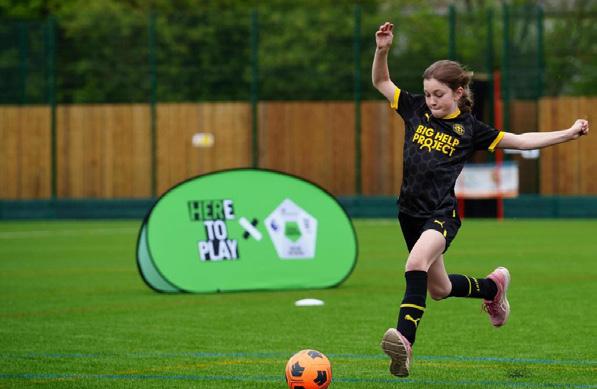
There are Numerous factors, that influence young people to participate in physical, real-time field sports instead of or in addition to digital sports. This embrace of traditional sports is driven by benefits
EDITOR -IN - CHIEF From The Desk Of
that digital experiences cannot fully replicate, such as: Social connection and community, Physical and mental health, Teamwork and life skills, Social connection and community. In an increasingly online world, young people still seek authentic social experiences that real-time sports provide.
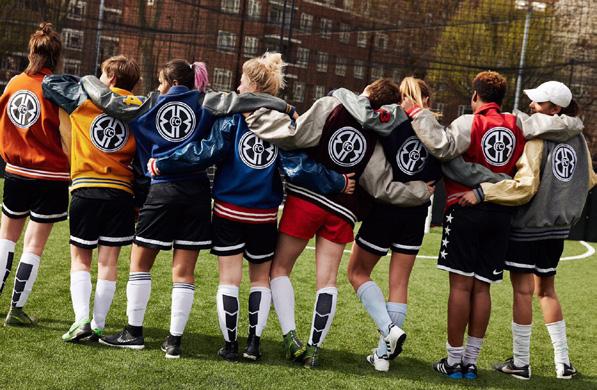
STRENGTHENING PEER BONDS: Playing on a team forges strong social bonds through shared experiences, goals, and challenges, building camaraderie that is different from online interaction. Family and community ties: Involvement in field sports, especially youth leagues, provides a sense of community and connection to family and friends who watch and support them. Team identity: Being part of a team allows young people to develop a sense of identity and belonging, providing social support that benefits their long-term mental health.
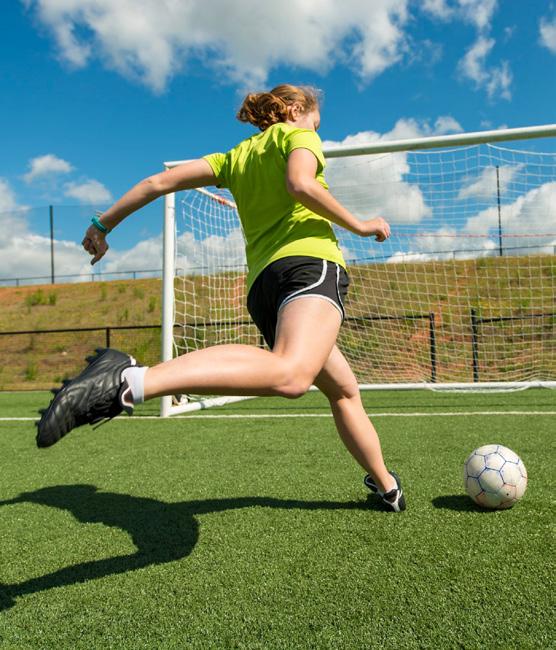
PHYSICAL AND MENTAL HEALTH: The negative health impacts of excessive screen time, such as poor posture, sleep issues, and obesity, make the physical and mental health benefits of field sports particularly appealing. Improved physical fitness: Regular physical activity through sports helps build stronger bones and muscles, enhances cardiovascular health, and improves motor skills and coordination.
BETTER MENTAL WELL-BEING: Studies show a strong link between sports and reduced symptoms of anxiety, depression, and stress. Exercises releases endorphins, boosts mood, and provides a healthy outlet for stress. Enhanced cognitive function: Research has found that engaging in physical sports can improve academic performance, concentration, and sleep habits.
TEAMWORK AND LIFE SKILLS: The structure of real-time sports provides valuable lessons that build character and leadership skills. Learning teamwork: Unlike many single-player digital games, team sports require young people to work collaboratively toward a common goal. This teaches essential skills in communication, cooperation, and leadership.
DEVELOPING RESILIENCE: Navigating setbacks, wins, and losses in a real-world setting teaches resilience and how to cope with adversity. Learning responsibility: Young athletes learn accountability for their actions and punctuality for practices, teaching them important time management skills.
Responding to concerns about technology -While technology is often seen as a deterrent to field sports, it is also influencing how young people engage with them. Some platforms bridge the gap between
digital and physical sports, but the core human-centric benefits of realtime activity remain the primary driver for those who participate. Ultimately, the choice to embrace real-time field sports is about finding a balance between the digital and physical worlds. For many young people, the tangible, social, and health-related benefits of playing a field sport provide a compelling experience that digital alternatives simply cannot replace.
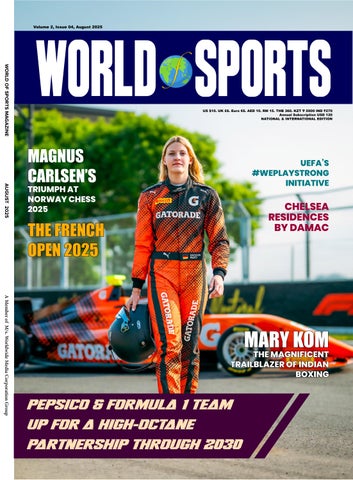
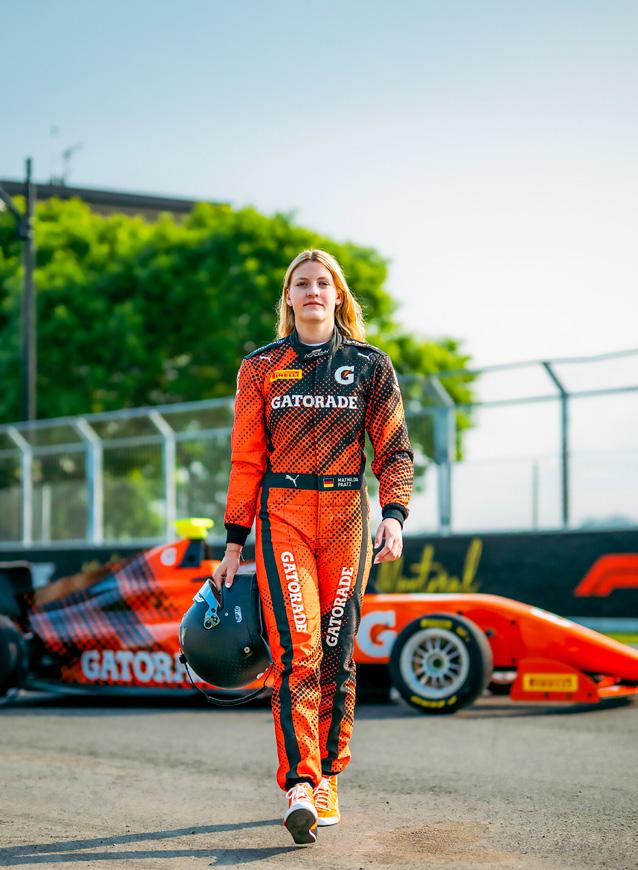
PEPSICO & FORMULA 1 TEAM UP FOR A HIGHOCTANE PARTNERSHIP THROUGH 2030
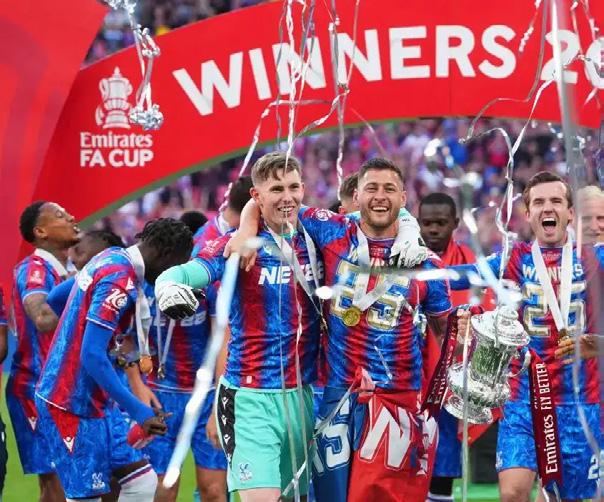
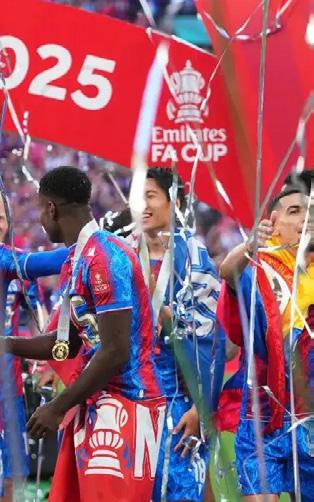
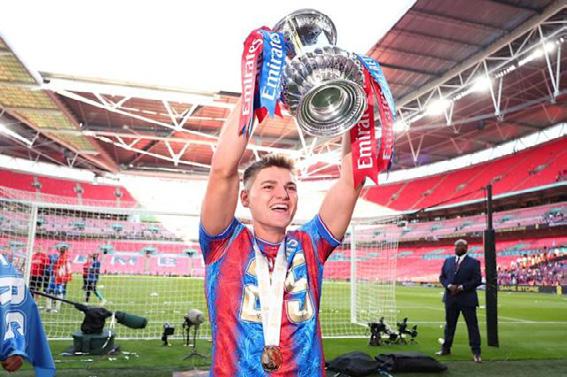
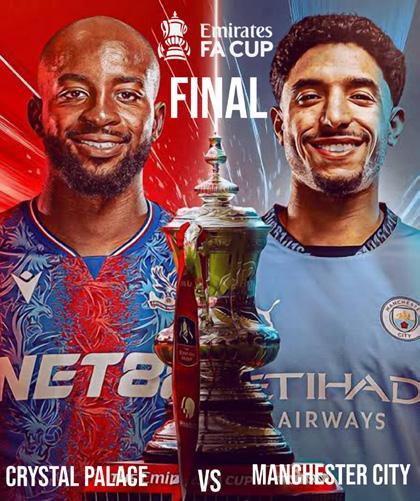
CRYSTAL PALACE’S HISTORIC 2025 FA CUP TRIUMPH- A MILESTONE 120 YEARS IN THE MAKING
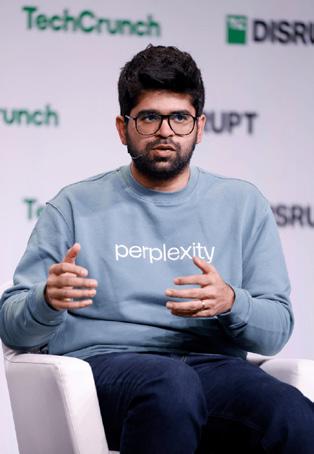
LEWIS HAMILTON - INKS GROUND BREAKING SPONSORSHIP DEAL WITH PERPLEXITY AI
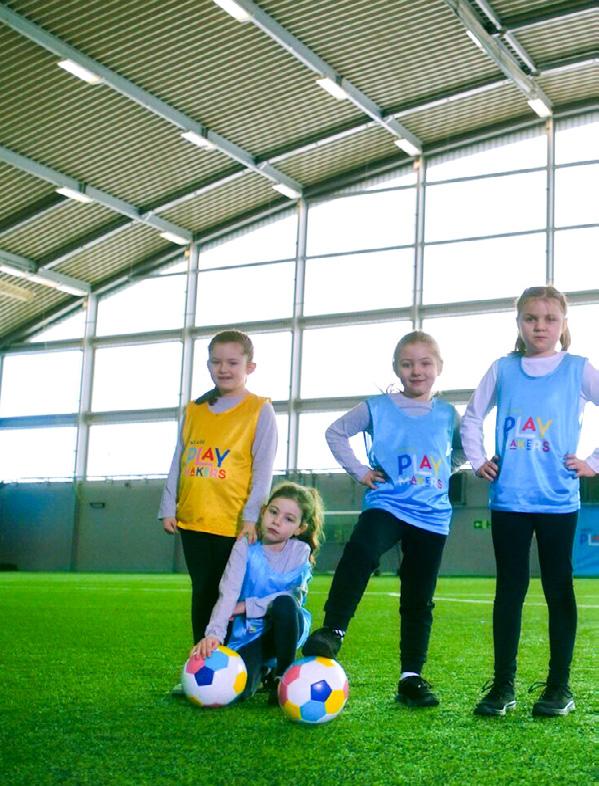
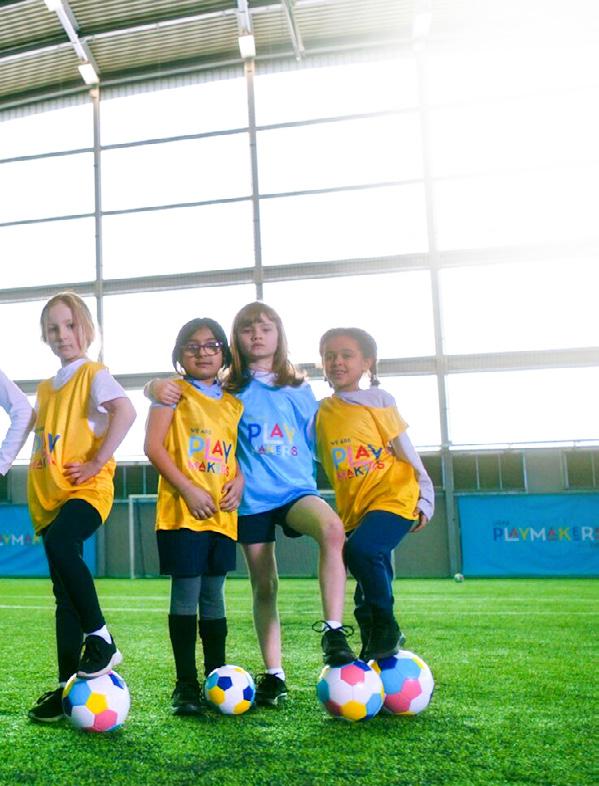
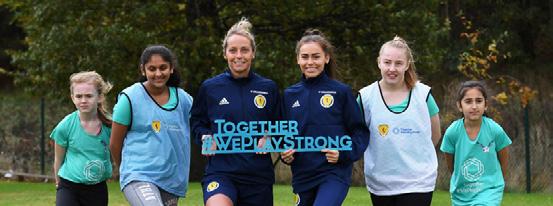
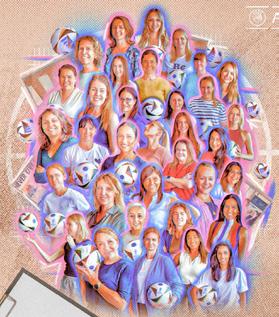
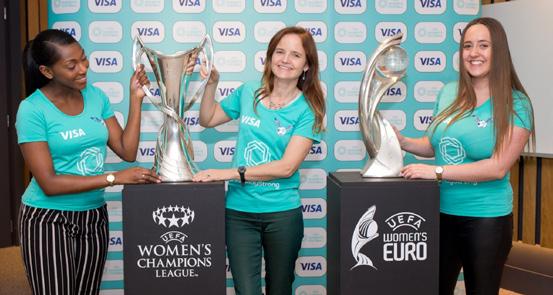
UEFA’S #WEPLAYSTRONG INITIATIVE EMPOWERING WOMEN & GIRLS IN FOOTBALL
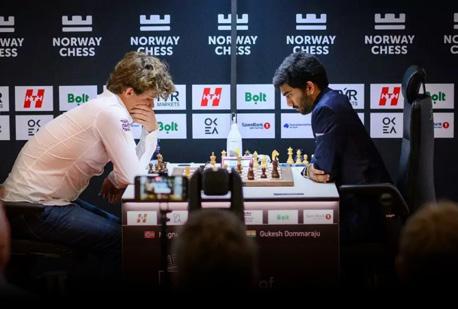
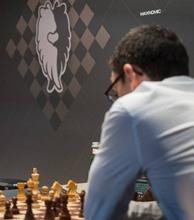
MAGNUS CARLSEN’S TRIUMPH AT NORWAY CHESS 2025 A MASTERCLASS IN RESILIENCE
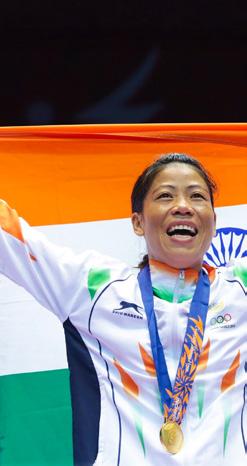
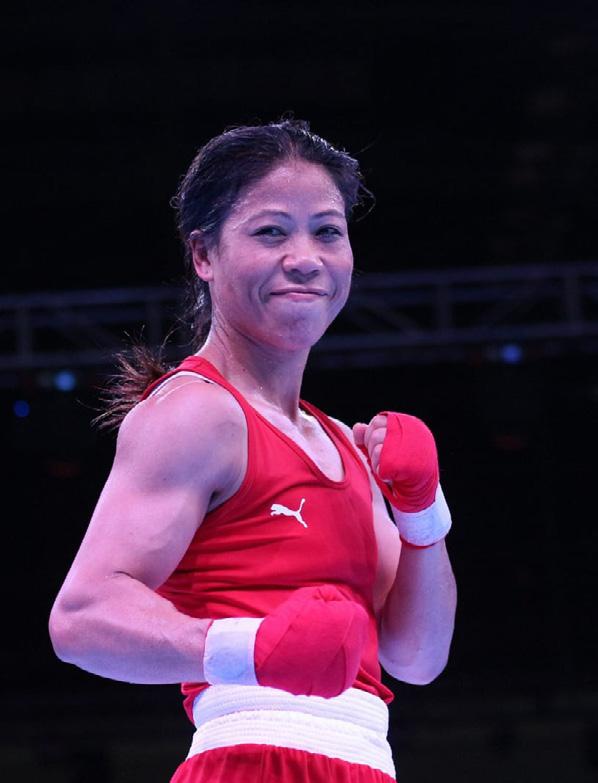
MARY KOM THE MAGNIFICENT TRAILBLAZER OF INDIAN BOXING
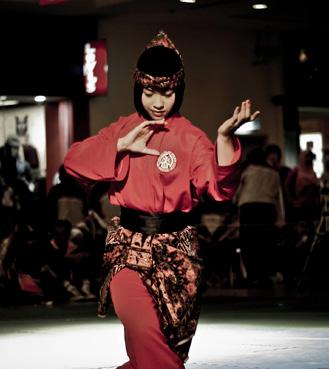
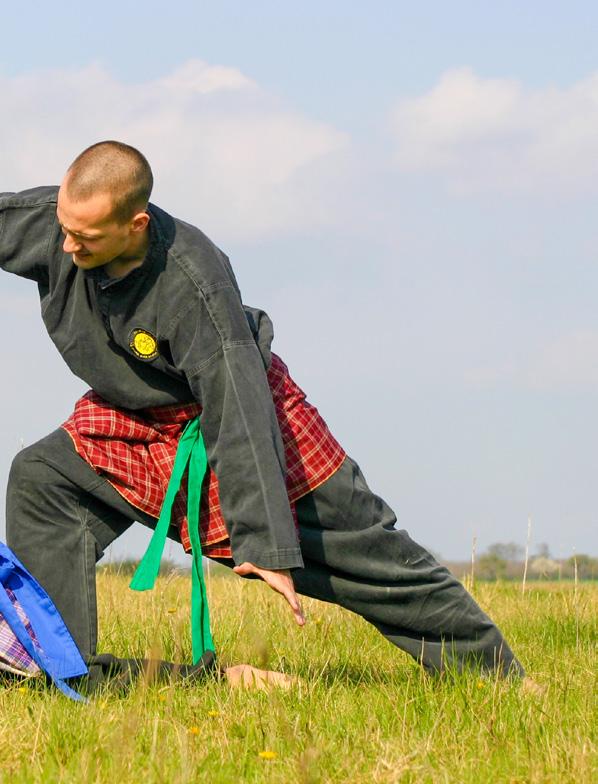
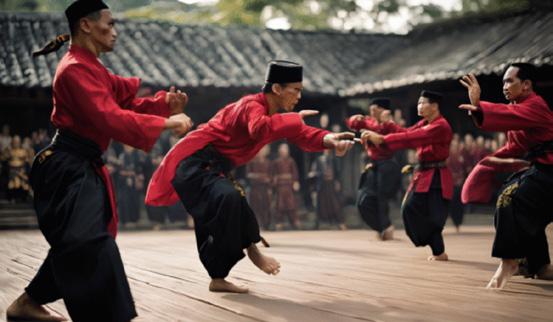
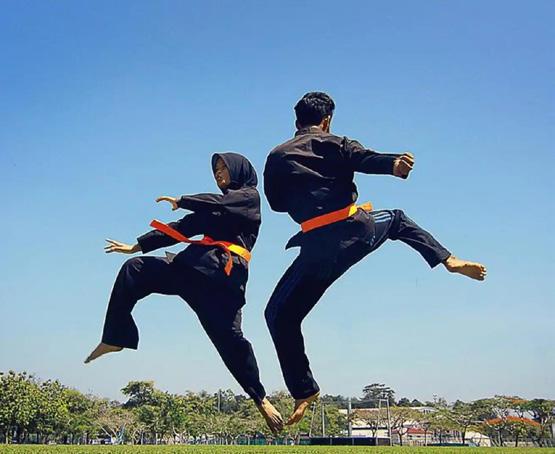
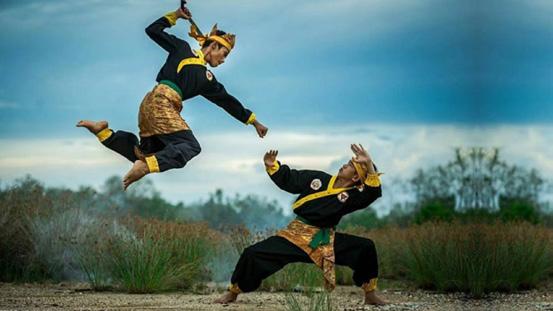
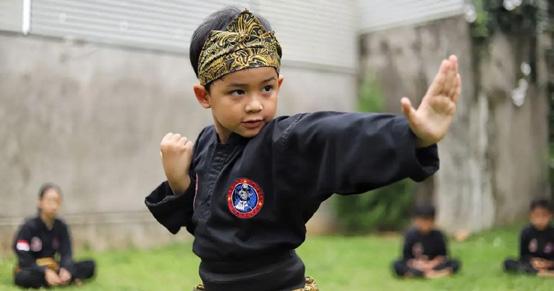
SEPAK TAKRAW STILL THE KING OF KAMPUNG GAMES?
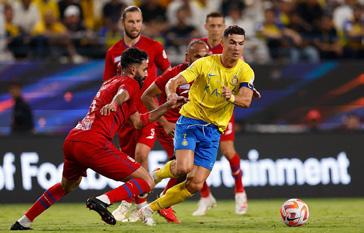
LIONEL MESSI & LUIS SUREZ LAUNCH DEPORTIVO LSM
THE FRENCH OPEN 2025: A CLAY-COURT SPECTACLE OF DRAMA & TRIUMPH
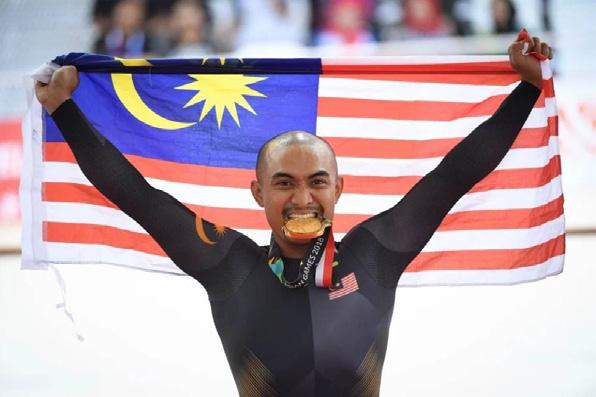
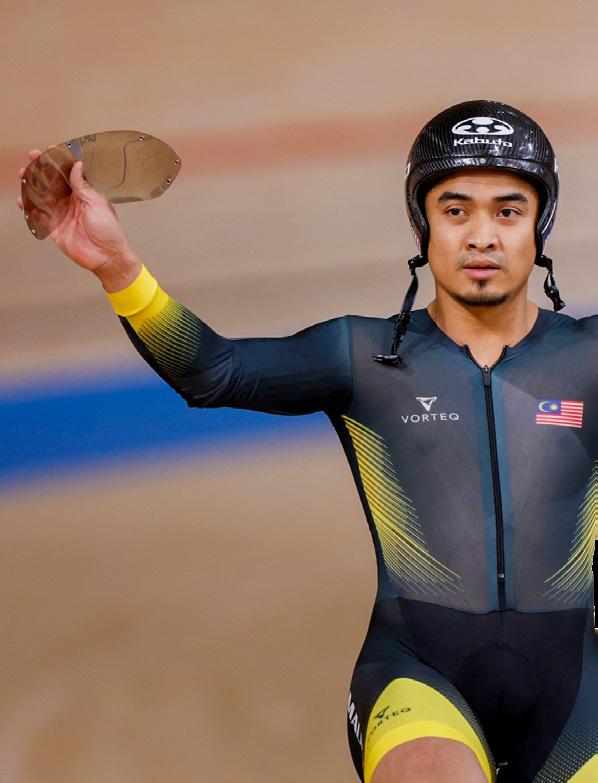
AZIZULHASNI AWANG’S ROAD TO REDEMPTION: PEDALING PAST PAIN
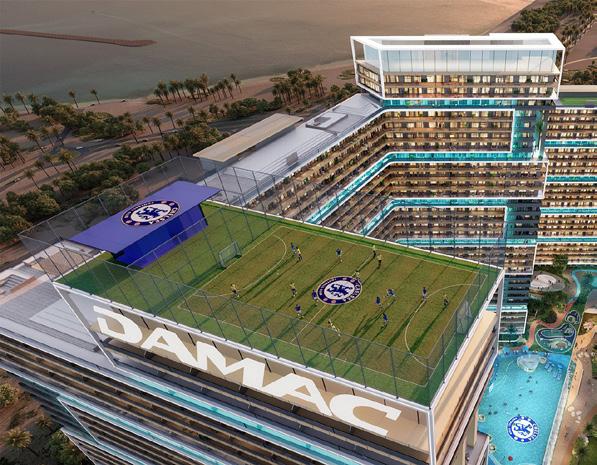
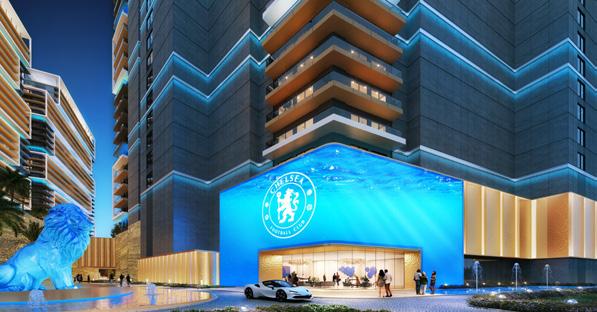
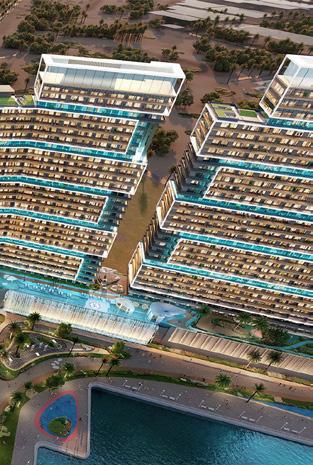
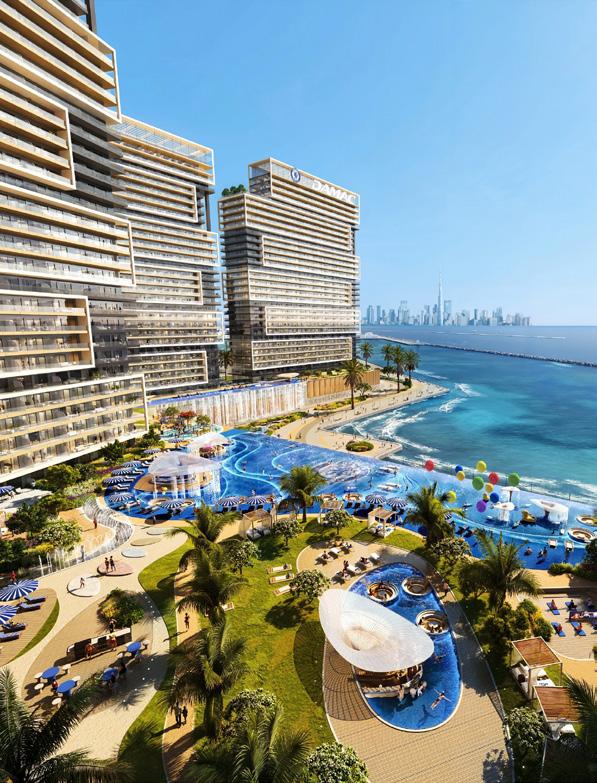
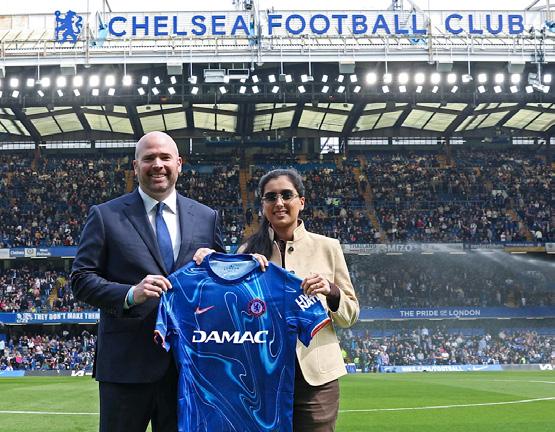
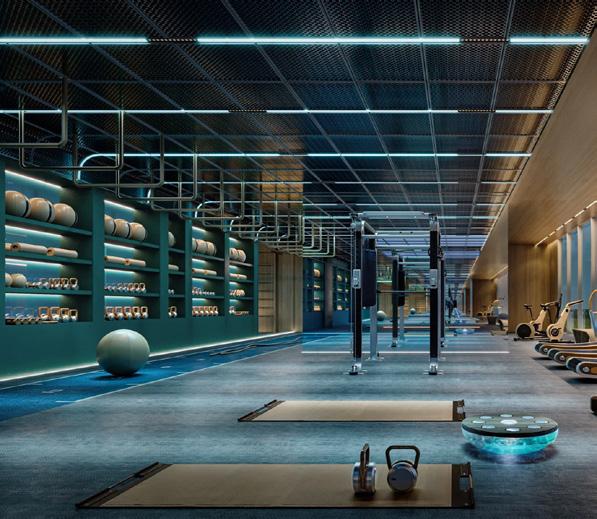
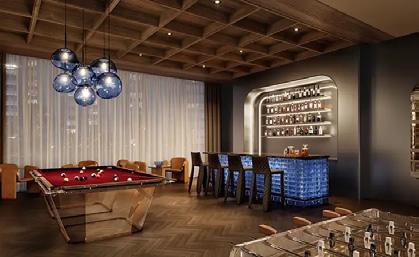
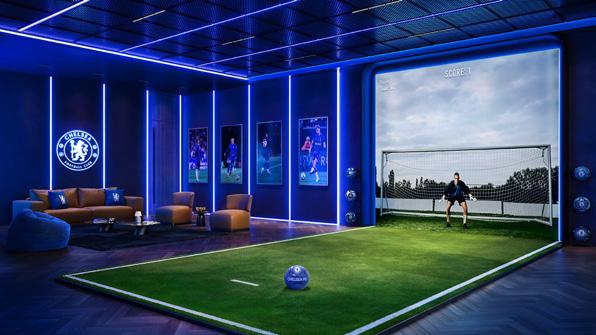
CHELSEA RESIDENCES BY DAMAC A GAME-CHANGING FUSION OF FOOTBALL AND LUXURY LIVING
PEPSICO & FORMULA 1
Team Up for a High-Octane Partnership Through 2030
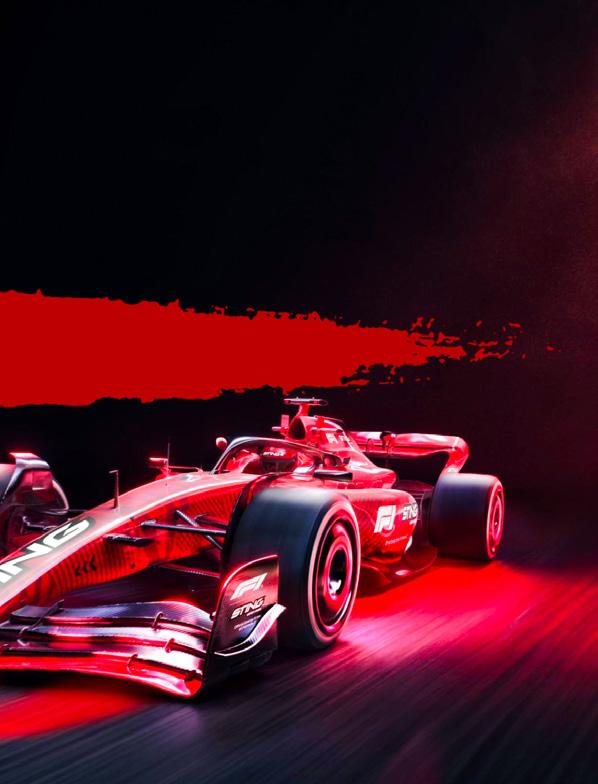
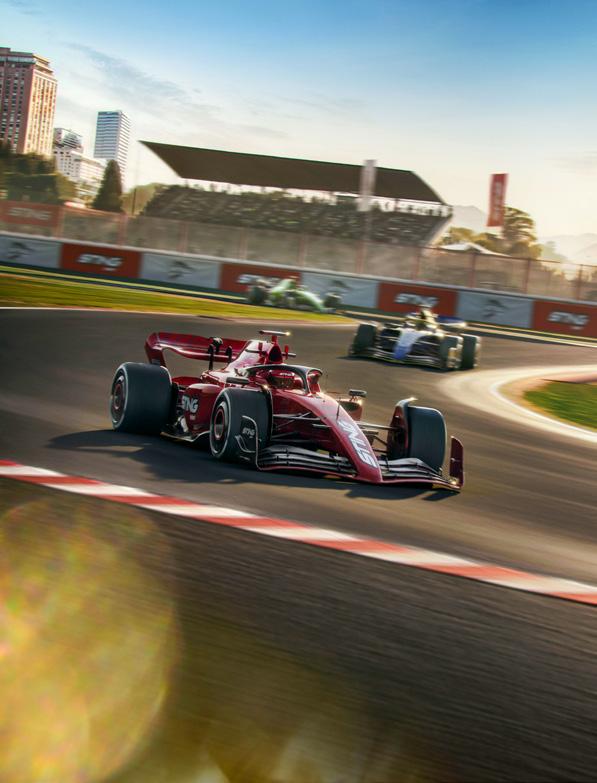
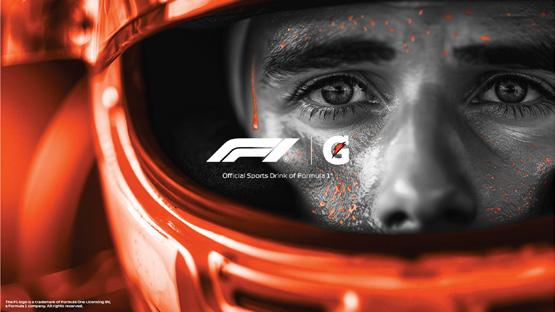
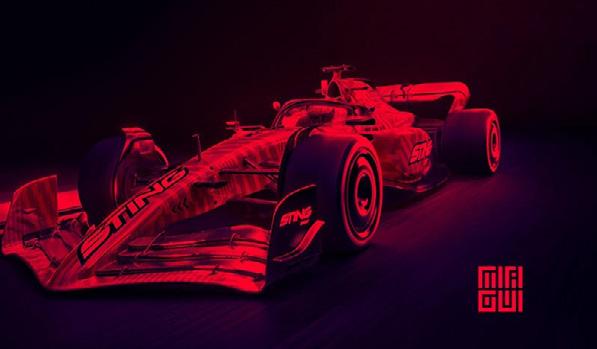
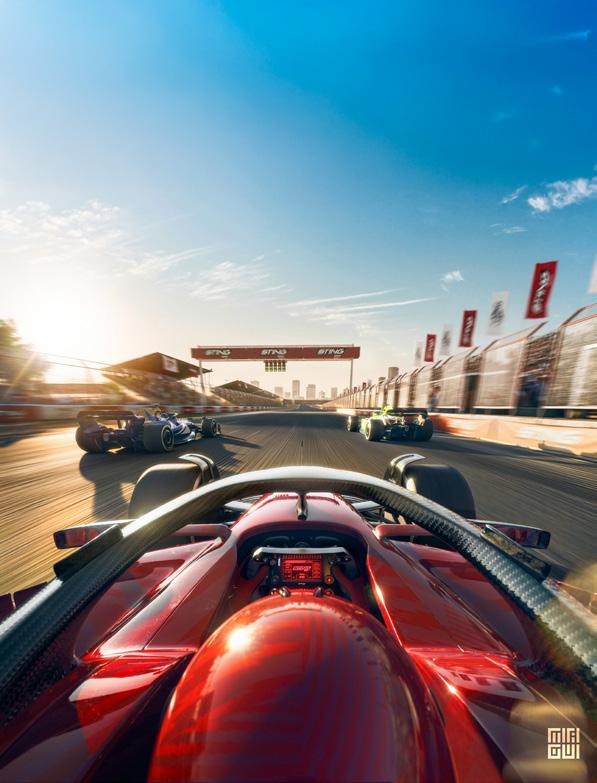
Formula 1 is about to get a serious jolt of energy. In a blockbuster deal that’s got fans buzzing, PepsiCo has inked a multiyear partnership with the world’s premier motorsport, locking in as an Official Partner from 2025 through 2030. With iconic brands like Sting Energy, Gatorade, and Doritos revving up to join the F1 grid, this collaboration is set to turbocharge the fan experience both trackside and worldwide. Buckle up—here’s how this high-speed alliance is shaping up.
FUELLING THE F1 FRENZY
Unveiled with flair at the 2025 Canadian Grand Prix, the PepsiCo-F1 partnership is a match made in motorsport heaven. PepsiCo is bringing three heavy-hitters to the track:
• Sting Energy, the Official Energy Drink, ready to amp up the adrenaline at every Grand Prix.
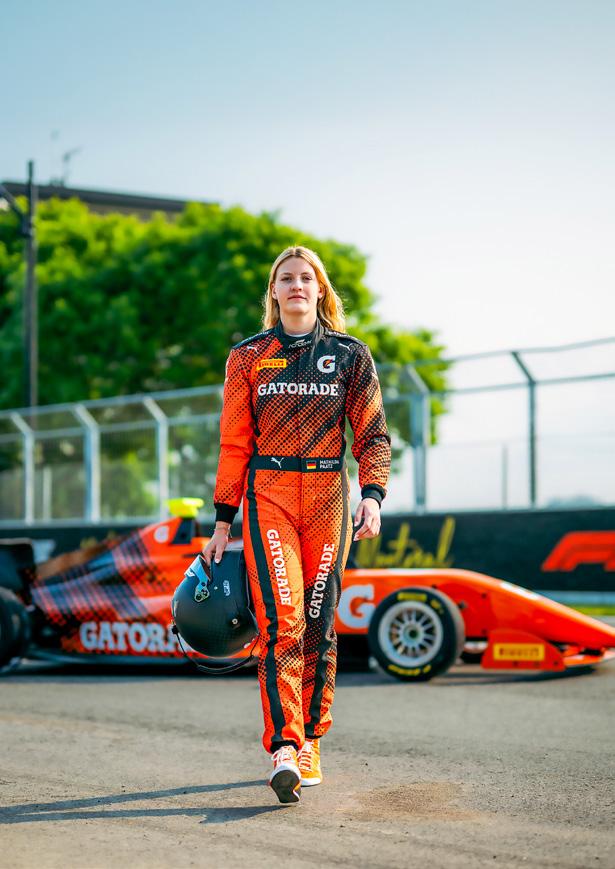
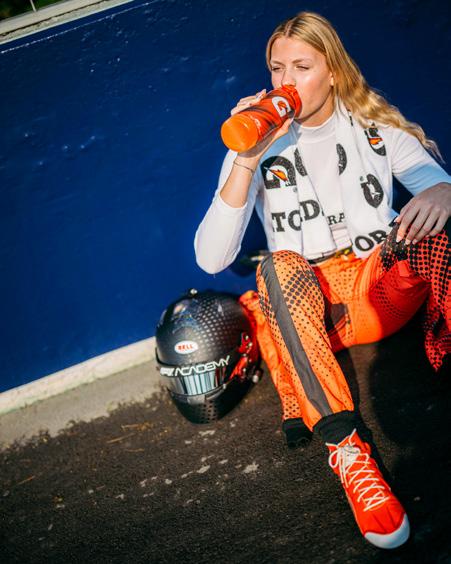
• Gatorade, the Official Sports Drink for the U.S. and Canada, keeping drivers and teams hydrated under pressure.
• Doritos, the Official Savory Snack, adding a bold, crunchy vibe to the fan festivities.
This isn’t just a logo on a car or a billboard. PepsiCo is diving deep into the F1 experience, with activations designed to get fans closer to the action. Think trackside signage lighting up circuits from Monaco to Miami, interactive FanZone setups at all 21 races, and co-branded gear that’ll have collectors scrambling. From digital campaigns to VIP hospitality suites, PepsiCo is betting big on F1’s global stage to connect with its 500 million-plus fanbase.
SPRINT RACES GET A GATORADE BOOST
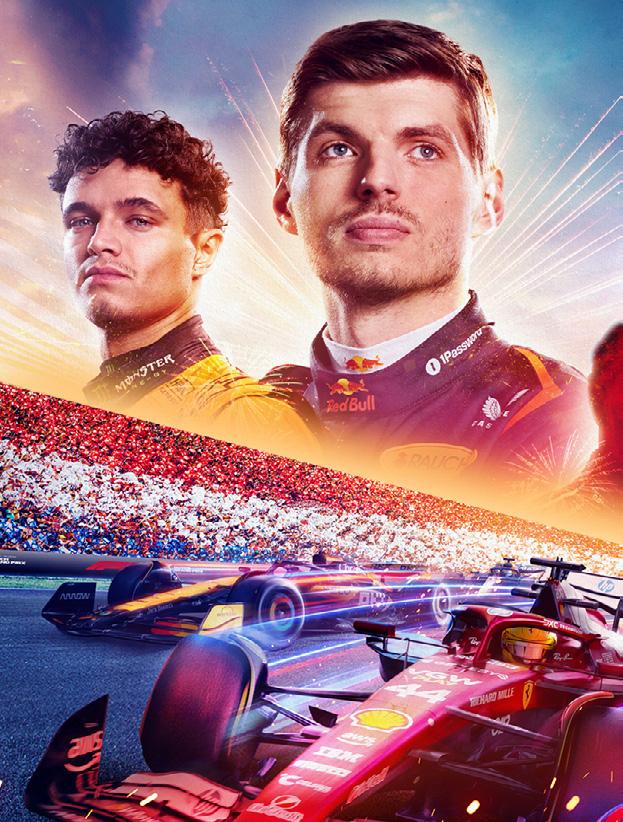
One of the juiciest parts of this deal? Gatorade snagged naming rights for Formula 1’s Sprint races, those heart-pounding, 100km showdowns that deliver raw speed and chaos. It’s a perfect fit—Gatorade’s legacy of fuelling elite athletes syncs seamlessly with the intensity of drivers battling it out at 200 mph. Whether it’s Max Verstappen wheel-towheel with Lando Norris or a rookie stealing the show, Gatorade will be the name on everyone’s lips during these sprint spectacles.
CHAMPIONING THE NEXT GENERATION WITH F1 ACADEMY
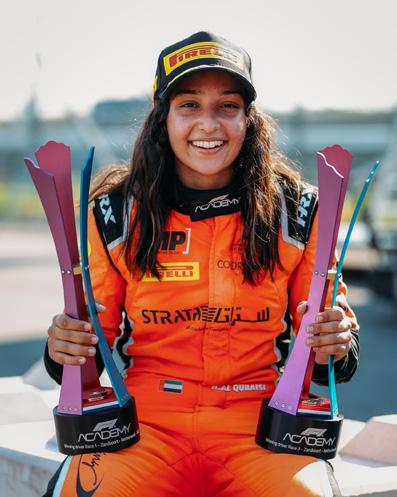
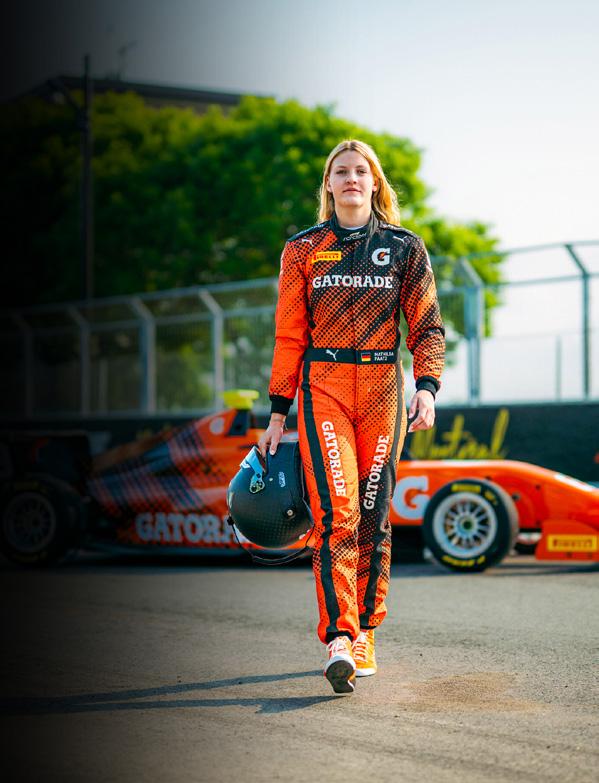
PepsiCo isn’t just here for the glitz—they’re investing in the sport’s future. Starting in 2026, Gatorade will partner with F1 Academy, the all-female racing series dedicated to developing young talent. As the first official sports drink sponsor of the series, Gatorade will provide hydration support while championing diversity in a sport historically dominated by men. It’s a bold move that signals PepsiCo’s commitment to growing the game and empowering the next wave of racers.
WHY THIS PARTNERSHIP HITS THE APEX
Formula 1 is more than a sport—it’s a global phenomenon, blending cutting-edge tech, athletic grit, and pure entertainment. PepsiCo’s brands are a natural fit. Sting Energy captures the electric atmosphere of race day, Gatorade fuels the physical demands of drivers pushing the limits, and Doritos brings a playful edge to the stands. “This is about creating moments that spark joy for fans,” a PepsiCo exec told media outlets. “Whether it’s a cold Gatorade after a Sprint or Doritos in the FanZone, we’re here to elevate the F1 experience.”
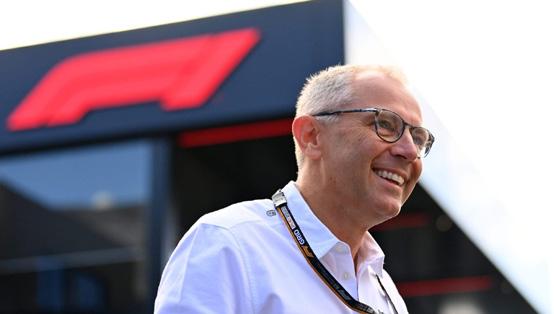
F1’s leadership is equally stoked. “PepsiCo’s energy and innovation match the spirit of our sport,” a Formula 1 spokesperson said. “With their global reach and iconic brands, we’re set to take fan engagement to the next level.” Stefano Domenicali, President & CEO of Formula 1, said: “Today is a moment to celebrate the partnership between two iconic and historic global brands. A sparkling union that will bring together tradition and innovation, generating excitement, entertainment and unforgettable experiences for our fans and customers around the world. “PepsiCo will tap into the unique potential of Formula 1 as a global platform to connect with new audiences and we will benefit from their energy, their extraordinary products and their loyal community.
With a long-lasting history of creativity and ability to celebrate the fun and special moments in life, PepsiCo is the ideal partner to share together unique moments along our journey.”
WHAT’S NEXT FOR THIS POWERHOUSE PAIRING?
As F1 continues its global expansion—new races, bigger audiences, and a surge in popularity thanks to shows like Drive to Survive—this partnership couldn’t come at a better time. PepsiCo’s presence will be felt from the streets of Singapore to the deserts of Abu Dhabi, with digital content, exclusive merch, and trackside activations keeping fans hooked. The 2025 season is just the start, and with the deal running through 2030, expect plenty of surprises as PepsiCo and F1 push the pedal to the metal. So, next time you’re cheering trackside or streaming a Grand Prix, keep an eye out for Sting’s buzz, Gatorade’s hydration game, and Doritos’ bold crunch. This partnership is ready to light up Formula 1 like never before.
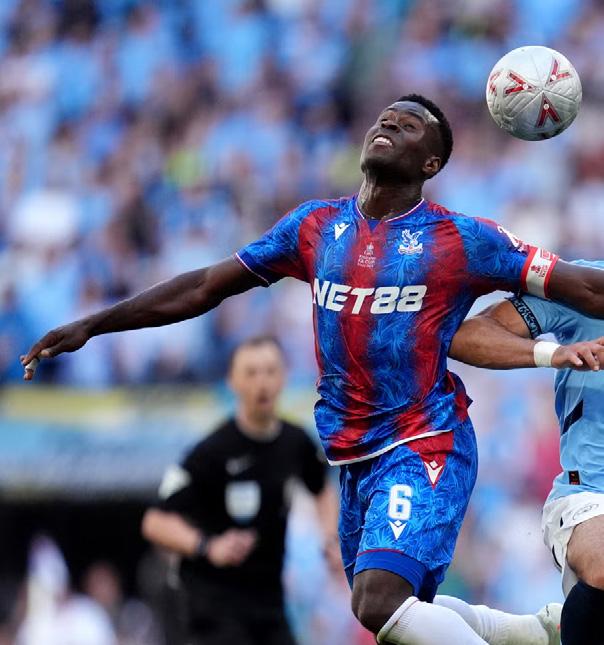
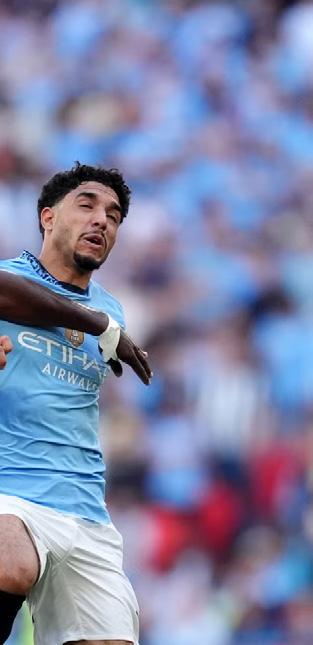
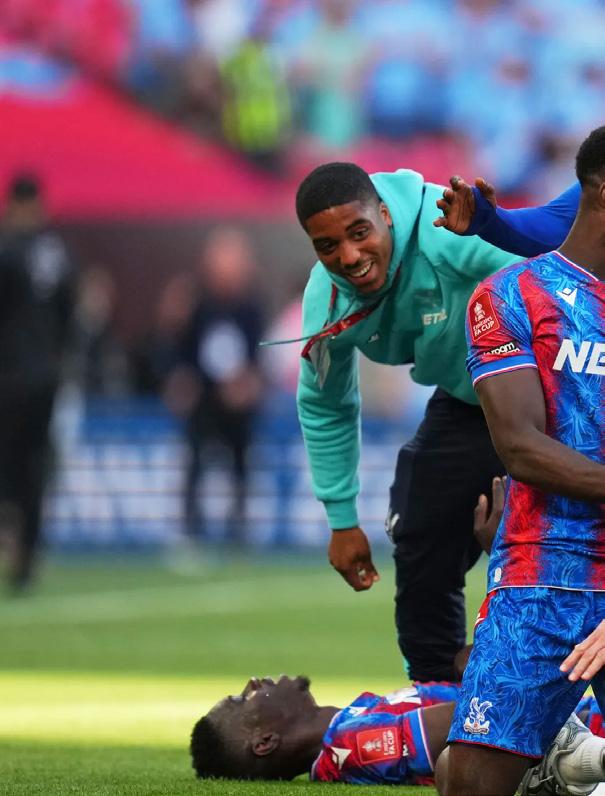
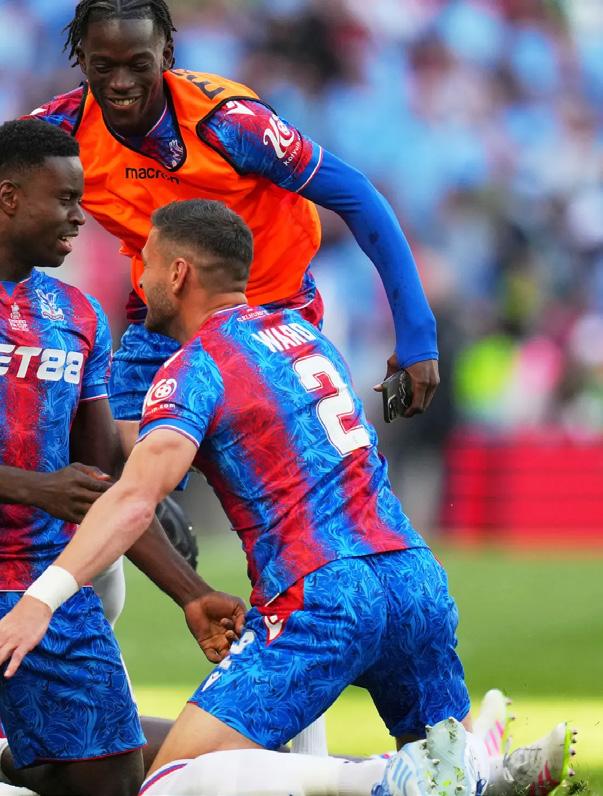
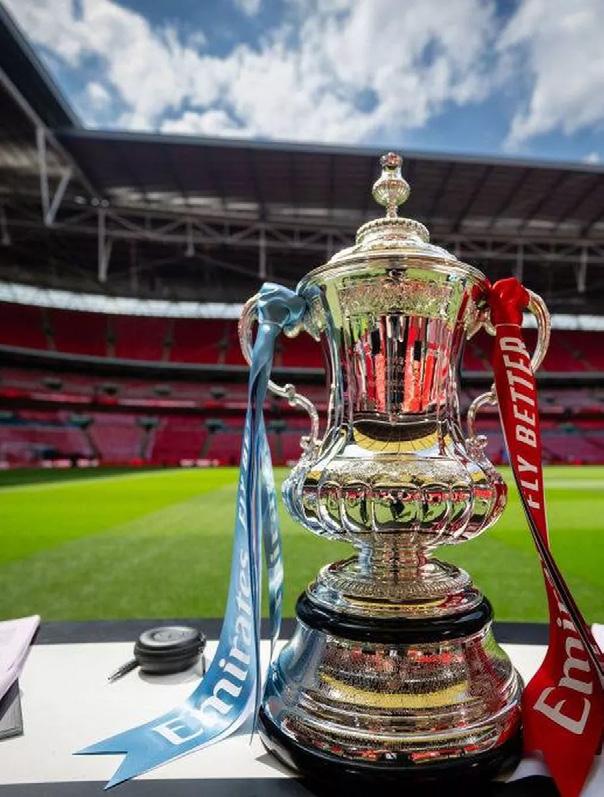
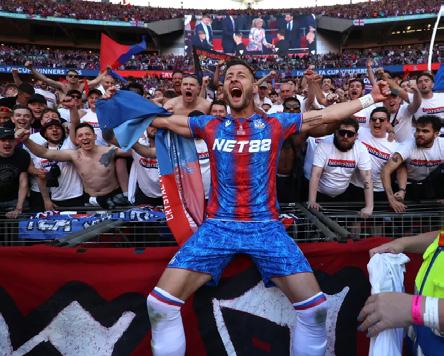
Crystal Palace Football Club created a moment of history by clinching the FA Cup with a stunning 1-0 victory over Manchester City at Wembley Stadium. This monumental achievement marked the first major trophy in the club’s 120-year history, a moment of unparalleled joy for the South London faithful and a testament to the resilience, ambition, and tactical brilliance that defined their 2024/25 campaign.
The Road to Glory
Crystal Palace’s journey to the 2025 FA Cup final was nothing short of remarkable. Under the stewardship of manager Oliver Glasner, the Eagles displayed a blend of grit, flair, and tactical discipline that saw them overcome formidable opponents. Their semi-final triumph over Aston Villa, a convincing 3-0 win, secured their place in the final for only the third time in the club’s history, following previous appearances in 1990 and 2016, both of which ended in defeat. The final against Manchester City, a footballing juggernaut with a storied history of domestic dominance, was billed as a David-versus-Goliath clash. Yet, Palace approached the match with fearless determination. In the 16th minute, Eberechi Eze, the talismanic midfielder, produced a moment of magic, scoring a sublime goal that would prove to be the decisive strike. The Eagles’ defence, marshalled by captain Marc Guéhi, held firm against City’s relentless attacks, securing a clean sheet and delivering one of the biggest FA Cup final upsets in recent memory.
A HISTORIC FIRST
Founded in 1905, Crystal Palace had spent over a century without a major trophy to their name. While the club enjoyed periods of success, including consistent spells in the top two tiers of English football over the past 48 years, the elusive silverware had remained out of reach. Their previous FA Cup final appearances in 1990 (losing to Manchester United) and 2016 (defeated by United again) left fans dreaming of a breakthrough. The 2025 victory, therefore, was not just a triumph but a cathartic release
for a fanbase that had endured decades of near-misses and heartbreak. The significance of this achievement cannot be overstated. For a club often overshadowed by London’s giants like Arsenal, Chelsea, and Tottenham, winning the FA Cup—a competition steeped in history and prestige—represented a seismic shift. It was a victory for the underdog, a beacon of hope for clubs outside the Premier League’s elite, proving that with belief, strategy, and unity, the impossible could become reality.
The Impact on the Club and Community
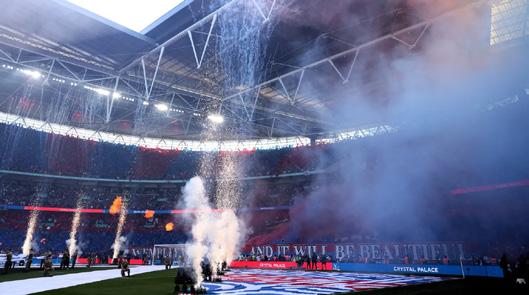
The FA Cup triumph brought more than just a trophy to Selhurst Park. It secured Crystal Palace’s first-ever qualification for the UEFA Europa League, marking their debut in European competition. This milestone opens new avenues for the club, from increased revenue to global exposure, offering a platform to attract top talent and further elevate their standing in English football. For the fans, the victory was deeply emotional. Over 30,000 Palace supporters filled Wembley, their tifos and chants creating an electric atmosphere. Social media posts captured the raw emotion, with fans describing moments of disbelief and tears as the final whistle confirmed their historic win. The subsequent trophy parade through South London cemented the bond between the club and its community, with thousands lining the streets to celebrate their heroes.
Manager Oliver Glasner, whose transformative impact since joining the club has been widely praised, dedicated the triumph to the fans, acknowledging their unwavering support through decades of struggle. Glasner’s tactical acumen, blending high-pressing football with defensive solidity, was lauded in analyses, with pundits noting how Palace outsmarted City’s possession-based game. His call to avoid becoming a “one-hit wonder” reflects the club’s ambition to build on this success.
A Symbol of Hope and Inspiration
Crystal Palace’s FA Cup win resonates far beyond South London. As noted by commentators, their victory over Manchester City—a club with vast resources and multiple titles—reaffirmed the FA Cup’s enduring magic. It serves as inspiration for other mid-tier and lower-tier clubs, demonstrating that the English football pyramid remains a place where dreams can defy odds. For players like Eze and Guéhi, the triumph is a career-defining moment. Eze’s goal, described as a “wonderful finish,” has cemented his status as a South London icon, while Guéhi’s leadership at the back showcased why he’s regarded as one of England’s brightest defensive talents. The squad’s collective spirit, bolstered by contributions from players like Jean-Philippe Mateta and Dean Henderson, highlighted the depth and unity Glasner has instilled.
Looking Ahead
As Crystal Palace basks in the glory of their first major trophy, the challenge now is to sustain this momentum. Glasner’s vision is clear: to ensure this triumph is a foundation, not a fleeting moment. With Europa League football on the horizon and a squad brimming with potential, Palace has an opportunity to redefine their identity in English football as the manager aims to win the Europa League for the second time in his career. For the fans, players, and everyone associated with Crystal Palace, May 17, 2025, will forever be remembered as the day the Eagles soared to new heights, ending a 120-year wait and proving that even in the modern era, the FA Cup retains its power to create history.
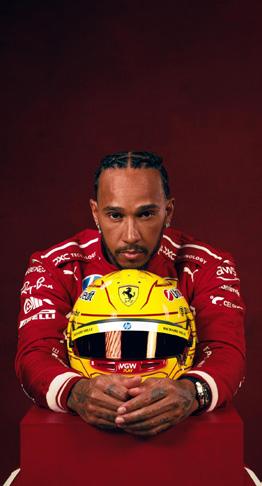
LEWIS HAMILTON
INKS GROUND BREAKING
SPONSORSHIP DEAL WITH PERPLEXITY AI
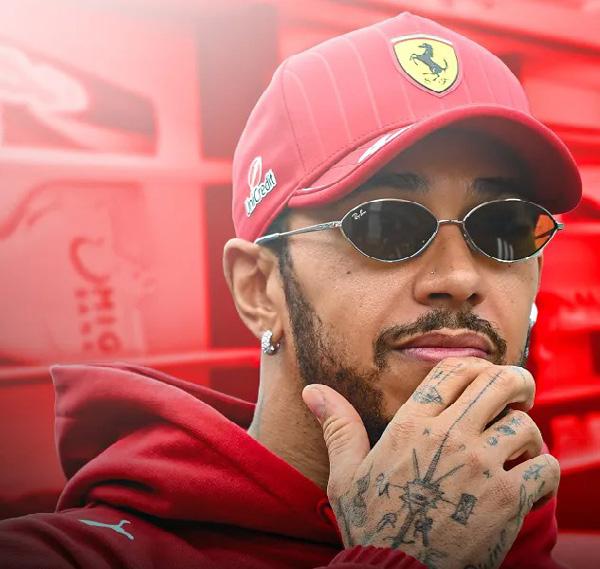
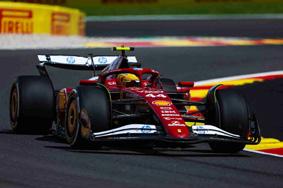
In a landmark move for both Formula 1 and the tech industry, seven-time world champion Lewis Hamilton has signed a personal sponsorship deal with Perplexity AI, a rising star in the artificial intelligence sector.
Announced in May 2025, this partnership marks Perplexity’s bold entry into sports sponsorship and underscores Hamilton’s enduring global influence both on and off the track. The deal, described as both “massive” and “groundbreaking” by industry insiders, positions Perplexity as a key player in aligning cutting-edge technology with high-profile sports marketing.
A STRATEGIC PARTNERSHIP
Perplexity AI, valued at $9 billion, is an AI-powered answer engine designed to provide concise, accurate responses to complex queries, competing with traditional search giants. The company’s decision to partner with Hamilton came after evaluating sponsorship opportunities with multiple Formula 1 teams. Ultimately, Perplexity opted for an individual deal with Hamilton, recognizing his
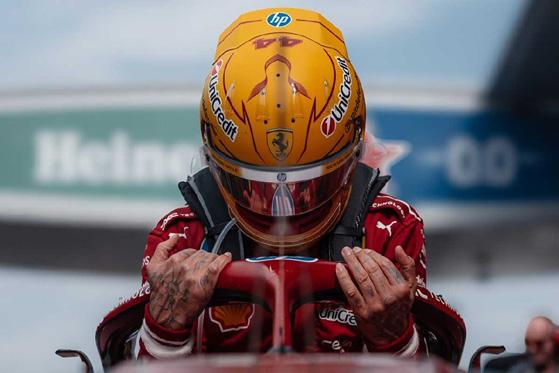
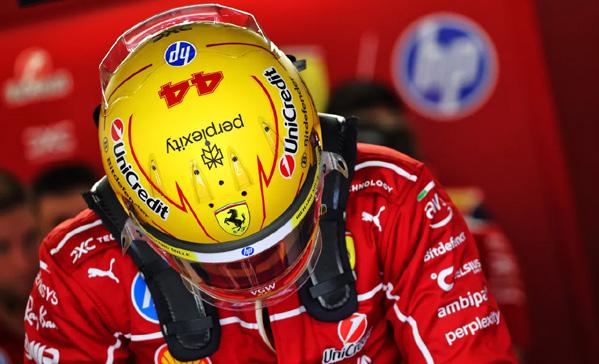
unparalleled reach as one of the sport’s most iconic figures. With a global fanbase and a reputation for championing innovation and social impact, Hamilton was the ideal ambassador for Perplexity’s forward-thinking brand. Starting at the prestigious Monaco Grand Prix in May 2025, the Perplexity logo will prominently feature on Hamilton’s race helmet, a high-visibility placement that ensures maximum exposure during F1’s global broadcasts.
Beyond the track, the partnership includes collaborative content creation, with Hamilton and Perplexity set to engage fans through social media campaigns that highlight the intersection of AI technology and elite motorsport.
WHY HAMILTON?
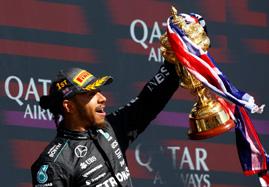
Lewis Hamilton’s appeal extends far beyond his on-track achievements. With seven world championships, 103 race wins, and a legacy as one of F1’s greatest drivers, Hamilton’s influence transcends sport. His commitment to diversity, sustainability, and technological innovation aligns seamlessly with Perplexity’s mission to revolutionize how people access and process information. By partnering with Hamilton, Perplexity gains access to his millions of followers across platforms like Instagram and X, where he consistently engages audiences with his lifestyle, activism,
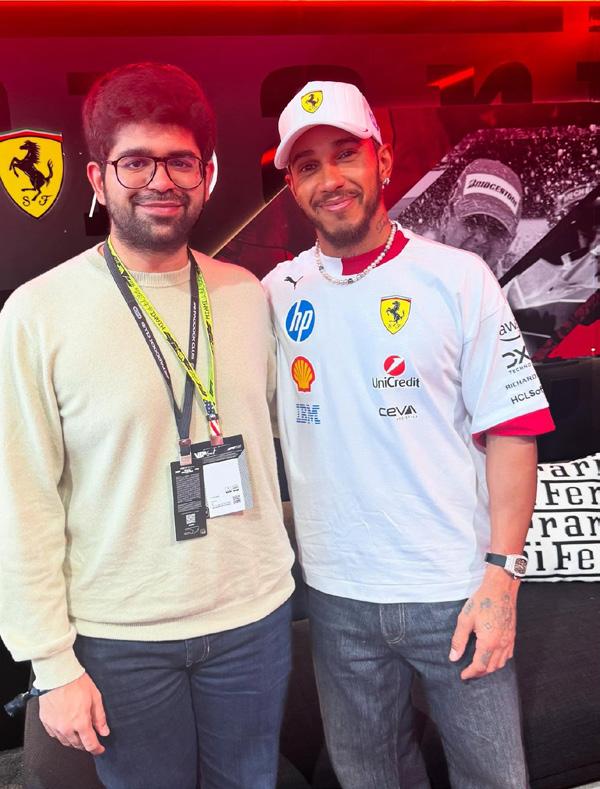
and racing career. “Lewis is more than a driver; he’s a global icon who embodies progress and excellence,” a Perplexity spokesperson said. “This partnership allows us to showcase how AI can empower individuals to make smarter, faster decisions—whether on the racetrack or in everyday life.”
A NEW ERA FOR F1 SPONSORSHIPS
The financial details of the deal remain undisclosed, but sources close to the agreement describe it as a “significant” investment for Perplexity. The move reflects a growing trend of tech companies entering the F1 sponsorship space, drawn by the sport’s global audience of over 1.5 billion viewers annually. Unlike traditional sponsorships tied to teams or events, Perplexity’s focus on an individual driver signals a more targeted approach, leveraging Hamilton’s personal brand to amplify their message.
This partnership also highlights Hamilton’s continued marketability as he approaches the latter stages of his racing career. At 40, the Mercedes driver remains a dominant force in F1, both in competition and in commercial appeal. His ability to attract innovative brands like Perplexity underscores his unique position in the sport.
WHAT’S NEXT?
As the 2025 F1 season rolls on, fans can expect to see the Perplexity logo prominently displayed on Hamilton’s helmet at iconic circuits like Monaco, Silverstone, and Abu Dhabi. The social media collaborations promise to blend Hamilton’s charisma with Perplexity’s tech-driven ethos, potentially showcasing how AI tools can enhance decisionmaking in high-pressure environments like Formula 1. For Perplexity, this deal is a bold step toward establishing itself as a household name. By aligning with Hamilton, the company gains a platform to demonstrate its AI capabilities to a diverse, global audience. For Hamilton, the partnership reinforces his status as a trailblazer, bridging the worlds of elite sport and cutting-edge technology. As the Monaco Grand Prix kicks off this historic collaboration, all eyes will be on Hamilton—not just for his performance on the track, but for how this partnership with Perplexity AI shapes the future of sports sponsorships in the digital age.
UEFA’SWEPLAYSTRONG INITIATIVE
Empowering Women & Girls in Football
Since its launch in 2017, UEFA’s Together #WePlayStrong campaign has been a transformative force in promoting women’s football across Europe. Aimed at increasing participation, shifting perceptions, and celebrating the strength of women and girls in the sport, the initiative has become a cornerstone of UEFA’s commitment to gender equality in football. Through creative campaigns, community engagement, and strategic partnerships, #WePlayStrong seeks to inspire the next generation of female footballers and foster a sustainable ecosystem for women’s football by 2030.
Origins and Objectives
The Together #WePlayStrong campaign was launched on June 1, 2017, with a clear mission: to make football the number one team sport for girls in Europe by encouraging participation, particularly among teenagers aged 13–17, who are often harder to reach due to social pressures and stereotypes. UEFA recognized that football offers not only physical benefits but also boosts self-confidence, emotional resilience, and mental strength. A study highlighted by UEFA at the campaign’s launch
showed that playing football significantly enhances girls’ self-esteem, a key driver behind the initiative’s focus on empowering young women both on and off the pitch. The campaign is part of UEFA’s broader Unstoppable strategy, a six-year plan designed to create a sustainable and inclusive future for women’s football by 2030. By addressing barriers to participation and amplifying the voices of women and girls, #WePlayStrong aims to transform cultural perceptions of the sport and make it more accessible and appealing to females across Europe.
Key Initiatives and Campaigns
OFF MUTE: AMPLIFYING VOICES: In March 2025, UEFA introduced Off Mute, a groundbreaking initiative under the #WePlayStrong umbrella. Off Mute focuses on listening to and learning from the experiences and ideas of women and girls in football. By creating a platform for open dialogue, it seeks to address challenges, share stories, and drive meaningful change. The initiative has been praised for its innovative approach to inclusivity, with organizations like Lincoln Red Imps FC expressing support for its mission to amplify underrepresented voices in the sport.
SKILLS FOR LIFE LINE-UP: Launched on International Women’s Day, the Skills for Life Line-Up is a month-long campaign that highlights the stories of remarkable women in football. By showcasing role models who demonstrate resilience, leadership, and passion, this initiative inspires young girls to pursue their dreams in the sport and beyond. It emphasizes the transferable skills—such as teamwork, discipline, and confidence—that football fosters, making it a powerful tool for personal development.
Media and Community Engagement
#WePlayStrong has leveraged creative media campaigns to engage audiences and challenge stereotypes. From vibrant TV ads, like the one released in March 2022, to films showcasing girls playing football across Europe, the campaign uses storytelling to celebrate the joy and camaraderie of the sport. A notable example is a film culminating in a goal at Sporting Lisbon’s stadium, which captures the excitement and inclusivity of women’s football. The campaign also hosts high-profile events, such as the House of #WePlayStrong during the UEFA Women’s Champions League Final in Eindhoven in 2023. These events create a festive atmosphere, bringing together fans, players, and communities to celebrate women’s football. Additionally, a #WePlayStrong podcast launched in 2021 promotes equality and inspires change by featuring discussions with players, coaches, and advocates.
Partnerships and Sponsorships
UEFA has secured key partnerships to amplify the campaign’s reach. Companies like Grifols and Sony PlayStation have joined as official partners, supporting #WePlayStrong alongside other UEFA women’s football competitions, such as the UEFA Women’s Futsal EURO. These partnerships provide financial backing and increase visibility through sponsorships and promotional activities. High-profile figures like Rita Ora have also endorsed the campaign, with UEFA sponsoring her 2018 European tour to further promote the initiative’s message.
Impact and Achievements
Since its inception, #WePlayStrong has made significant strides in increasing female participation in football. By partnering with national associations, clubs, and NGOs, the campaign has reached girls across Europe, encouraging them to take up the sport and stay involved. The campaign’s focus on community initiatives, such as those supported by the UEFA Foundation, has also provided opportunities for young fans and players to engage with football through programs like the wish-maker initiative.
The campaign has successfully shifted perceptions by celebrating the athletic skill and social bonds of women’s football. Social media platforms, such as Instagram’s The Women’s Football Channel (@weplaystrong), have built a vibrant community where fans can connect, share stories, and stay updated on women’s football events. UEFA has put in efforts to address specific challenges, such as ACL injury awareness, demonstrating the campaign’s commitment to the health and well-being of female players.
Looking Ahead
As part of the Unstoppable strategy, #WePlayStrong continues to evolve, with initiatives like Off Mute paving the way for greater inclusivity and representation. UEFA’s goal is to create a sustainable ecosystem for women’s football, ensuring that girls and women have equal opportunities to play, coach, and lead in the sport. By 2030, the campaign aims to make football a cultural norm for girls across Europe, breaking down barriers and fostering a sense of belonging in the football community. UEFA’s Together #WePlayStrong initiative is more than a campaign— it’s a movement to empower women and girls through football. By combining creative storytelling, community engagement, and strategic partnerships, #WePlayStrong has reshaped perceptions of women’s football and inspired countless girls to take to the pitch. As the campaign continues to grow, it stands as a testament to the power of sport to drive social change, promote equality, and celebrate the strength of women and girls across Europe.
For more information on #WePlayStrong and UEFA’s women’s football initiatives, visit www.uefa.com or www. weplaystrong.com.
RCB’s Historic Triumph
The Red & Gold Claimed
The IPL Crown In 2025
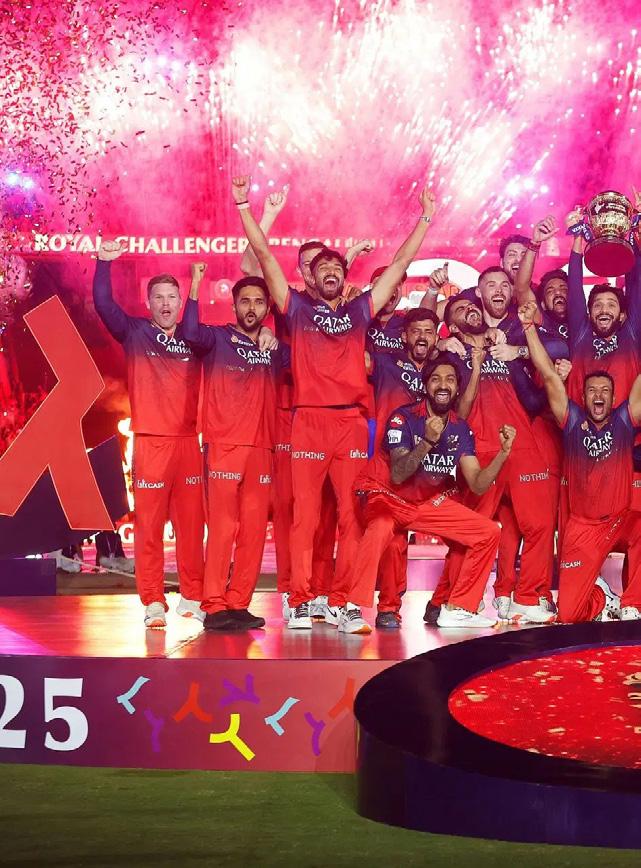
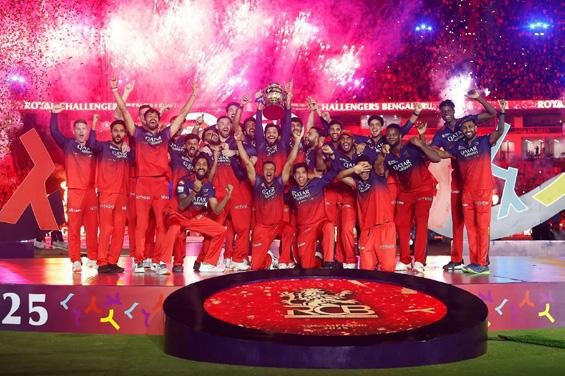
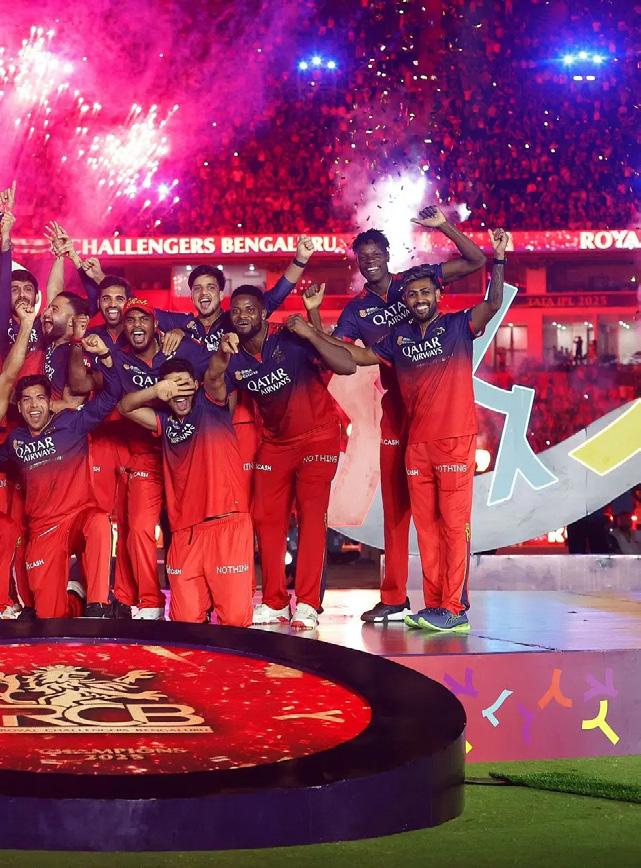
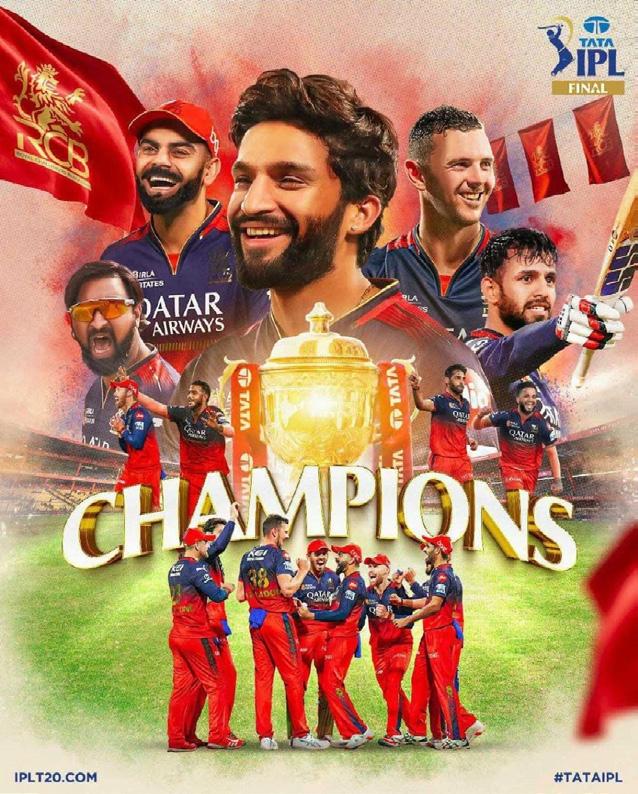
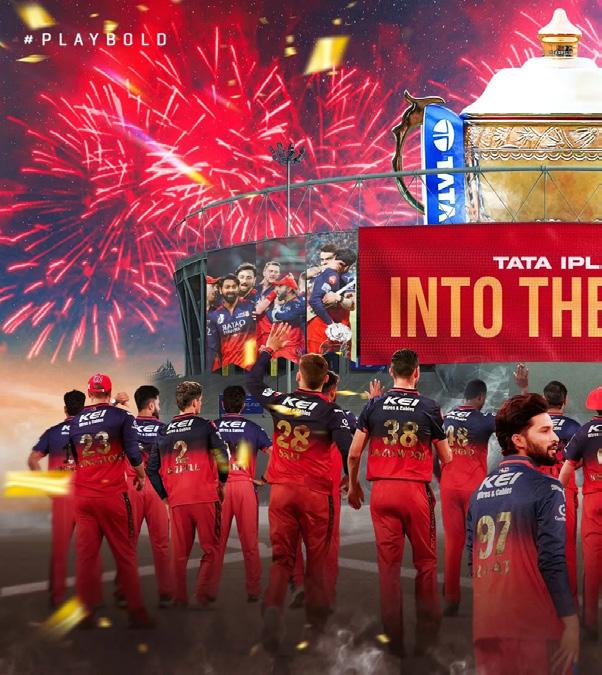
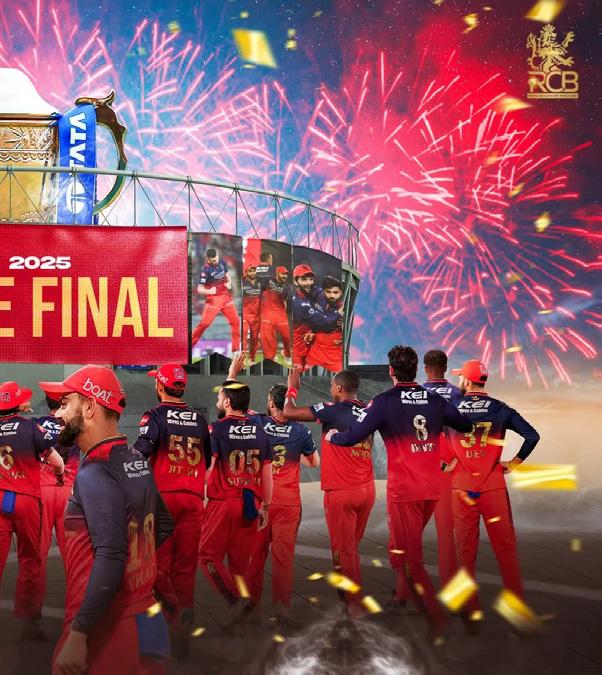
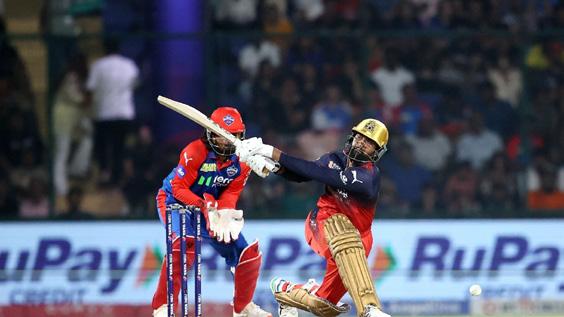
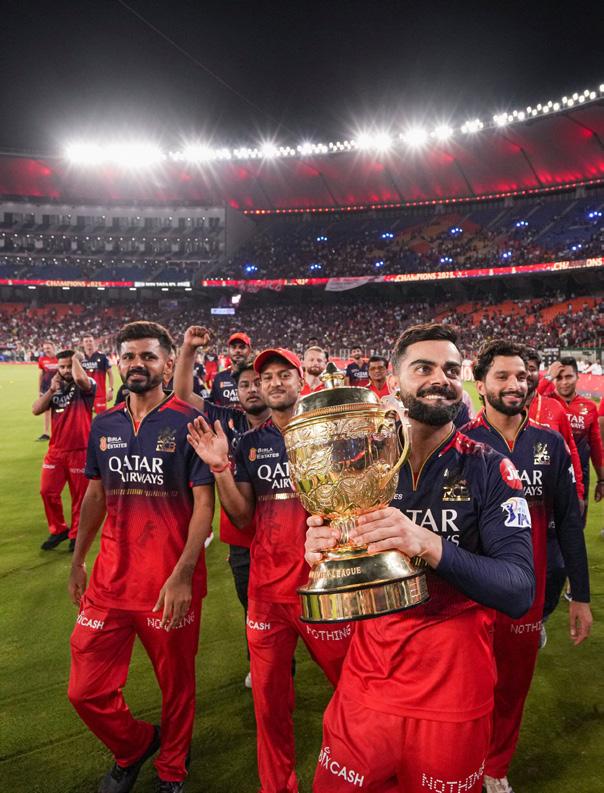
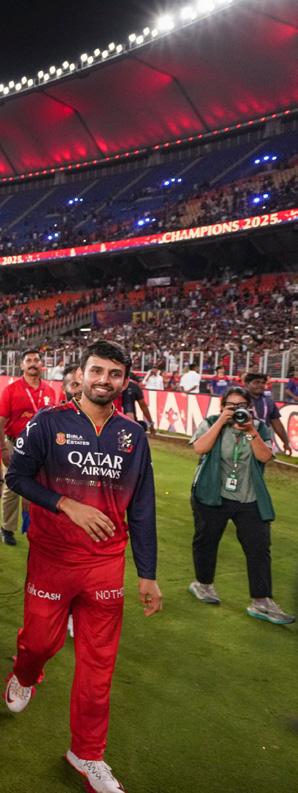
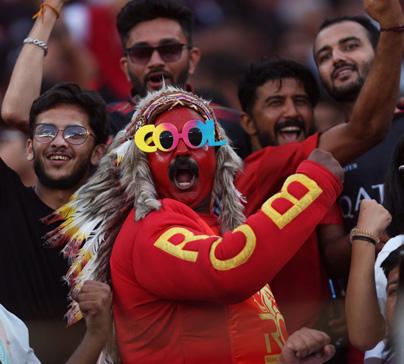
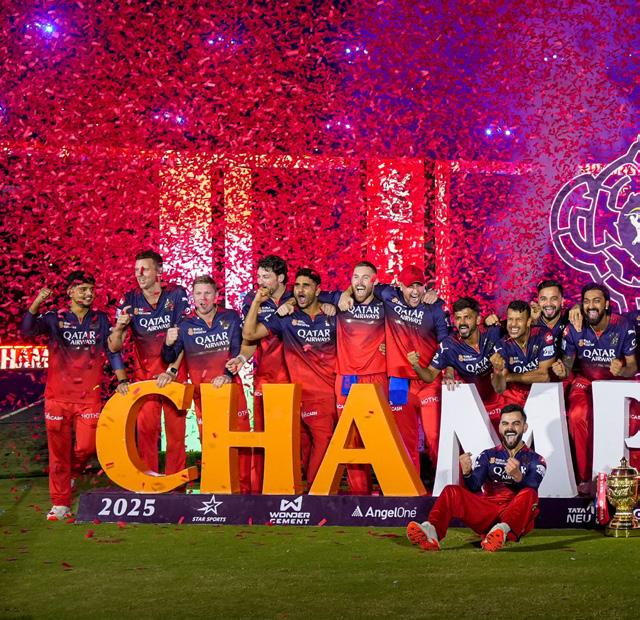
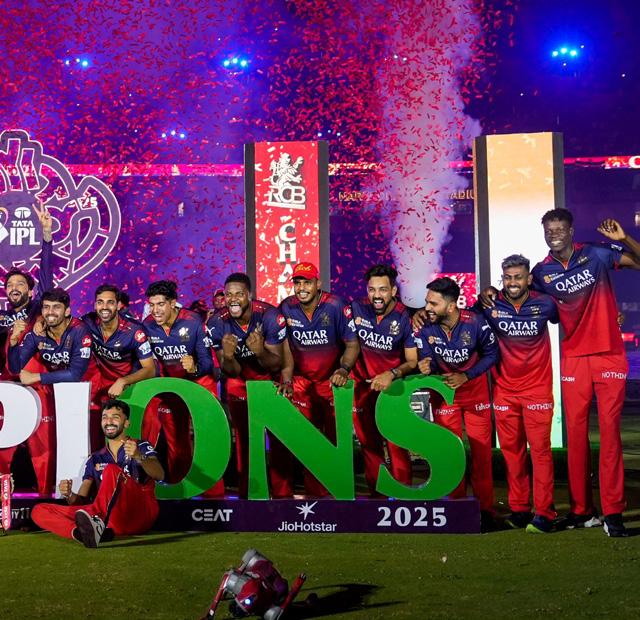
After 18 years of heartbreak, hope, and unwavering fan loyalty, Royal Challengers Bengaluru (RCB) etched their name into the annals of Indian Premier League (IPL) history by clinching their maiden title on June 3, 2025, at the Narendra Modi Stadium in Ahmedabad. In a thrilling final against Punjab Kings (PBKS), RCB secured a nail-biting six-run victory, ending a long and arduous wait for the coveted trophy. The victory sparked celebrations across Bengaluru and beyond and this triumph is more than just a sporting achievement—it’s a testament to resilience, fan devotion, and the power of a team playing bold. Let’s dive into the journey, the match, and the profound significance of RCB’s historic win.
The Long Road to Glory
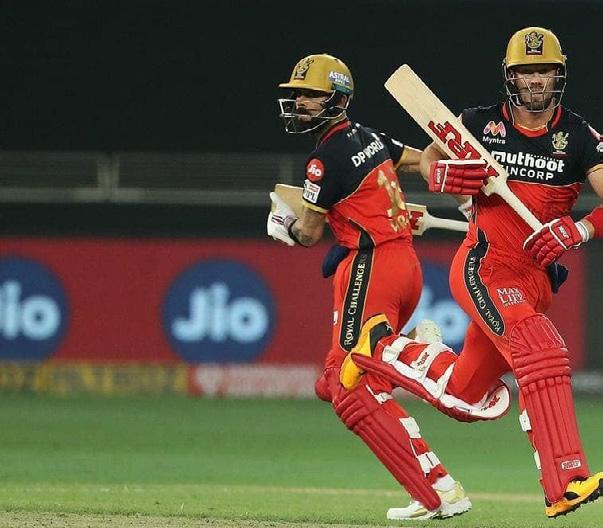
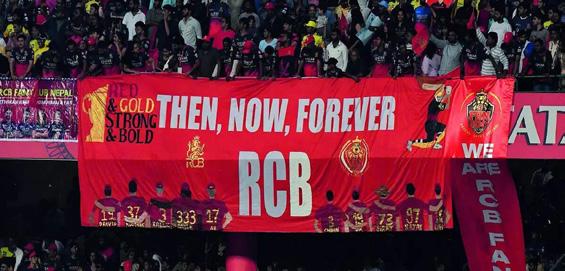
Since the IPL’s inception in 2008, RCB has been a franchise synonymous with passion, star power, and nearmisses. With a fanbase chanting “Ee Sala Cup Namde” (This year, the cup is ours) season after season, the team’s trophy cabinet remained painfully empty despite boasting cricketing giants like Virat Kohli, AB de Villiers, and Chris Gayle. RCB reached the IPL finals in 2009, 2011, and 2016 but fell short each time, earning a reputation as perennial underachievers.
Among the eight IPL teams to have won the title, RCB’s 18-year wait was the longest, surpassing even Mumbai Indians’ six-year drought before their first win. The 2025 season, however, was different. Under the astute leadership of head coach Andy Flower and captain Rajat Patidar, RCB displayed a newfound steel. They became the first team in IPL history to win all their away games in a single season, finishing second in the league standings behind Punjab Kings. Their playoff campaign was nothing short of spectacular, defeating PBKS twice—first in the qualifier and then in the final—to claim the title. The victory was a culmination of strategic planning, with the team management’s meticulous work behind the scenes paying dividends.
The Final: A Thrilling Spectacle
The IPL 2025 final was a high-octane clash that captivated a record-breaking 169 million television viewers, making it the most-watched cricket match in India’s history. RCB posted a competitive 190 runs, led by Virat Kohli’s 43 off 34 balls, a knock that anchored the innings. The team’s depth was on display, with contributions from multiple batters— RCB had 10 different players scoring 50+ runs in the season, a first in IPL history. Chasing 191, Punjab Kings fought valiantly but fell short at 184/7. PBKS batter Nehal Wadhera later expressed regret for his 15 off 18 balls, admitting he failed to accelerate when it mattered most. RCB’s bowlers, including Bhuvneshwar Kumar and Yash Dayal, held their nerve, with key moments like Phil Salt’s diving catch at mid-wicket proving decisive.
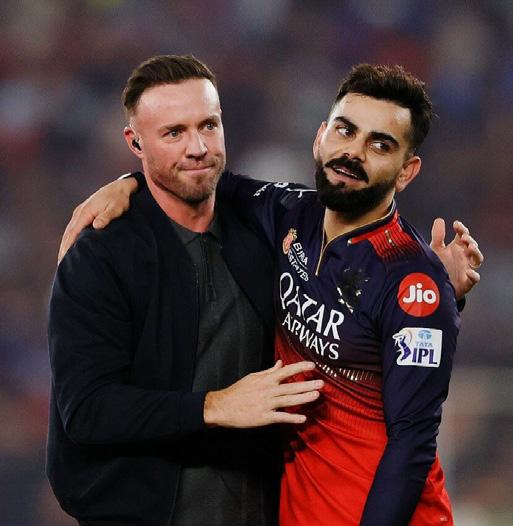
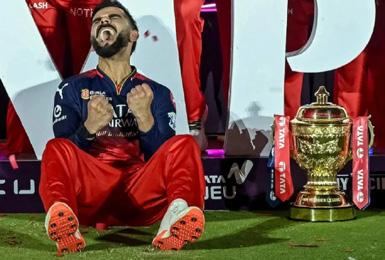
As the final ball was hit for a six, confirming RCB’s victory, emotions overflowed. Virat Kohli, the team’s talisman since 2008, was in tears, embodying the weight of the moment. Post-match, captain Rajat Patidar dedicated the win to Kohli, breaking tradition by encouraging him to sign the camera, a moment that went viral. Patidar, in his debut season as skipper, joined an elite group of captains—Shane Warne, Rohit Sharma, and Hardik Pandya—who won the IPL in their first year leading. Former RCB star AB de Villiers, in a heartfelt Instagram letter, called the victory “not just a cricket match” but a shared emotional journey for fans and players alike.
The Significance: A Cultural and Emotional Milestone
RCB’s triumph was more than a sporting victory—it was a cultural phenomenon. For a franchise with one of the largest and most passionate fanbases in global sports, the win validated years of unwavering support. The team’s social media following rivals top global sporting brands, and their 2025 victory amplified their reach, with United Spirits’ share prices rising over 3% amid speculation of a potential franchise sale. The win also boosted RCB’s brand value by an estimated 30%, potentially crossing ₹1300 crore before IPL 2026. The victory resonated deeply with Bengaluru, a city that embraced RCB as its own. Fans had endured years of trolling, notably from Chennai Super Kings supporters, who faced good-natured banter from RCB fans post2025. The win also held personal significance for figures like Vijay Mallya, RCB’s founder, who shared his emotional connection to the triumph, recalling his vision when he bid for the franchise in 2008. Even former UK Prime Minister Rishi Sunak, a self-proclaimed RCB fan due to his Bengaluru family ties, celebrated the victory.
The IPL trophy itself carried symbolic weight, engraved with a Sanskrit phrase reflecting the league’s ethos of nurturing untapped talent. For RCB, a team known for sparkling batting displays but defensive frailties, the 2025 title showcased their evolution into a balanced unit, with contributions from veterans like Kohli (657 runs at an average of 54.75) and emerging stars like Patidar.
Looking Ahead: A New Era for RCB
RCB’s 2025 triumph has set the stage for a new chapter. The team’s owners, Diageo Plc, faced speculation about selling the franchise for up to $2 billion, though they denied these reports as speculative. The win has also sparked discussions about RCB’s future, with plans to bolster the middle order for IPL 2026, potentially with players like England’s Jacob Bethell. RCB’s victory is a reminder that dreams, no matter how long deferred, can come true. It’s a story of persistence, of a team and its fans refusing to give up. As Bhuvneshwar Kumar said, “Everyone had been waiting for this moment for 17 years.” The red and gold have finally painted the IPL red, and the 2025 title will forever be a beacon of hope for RCB’s loyal legion. Ee Sala Cup Namdu—finally, the cup is theirs.
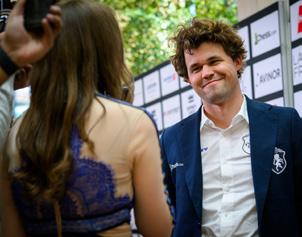
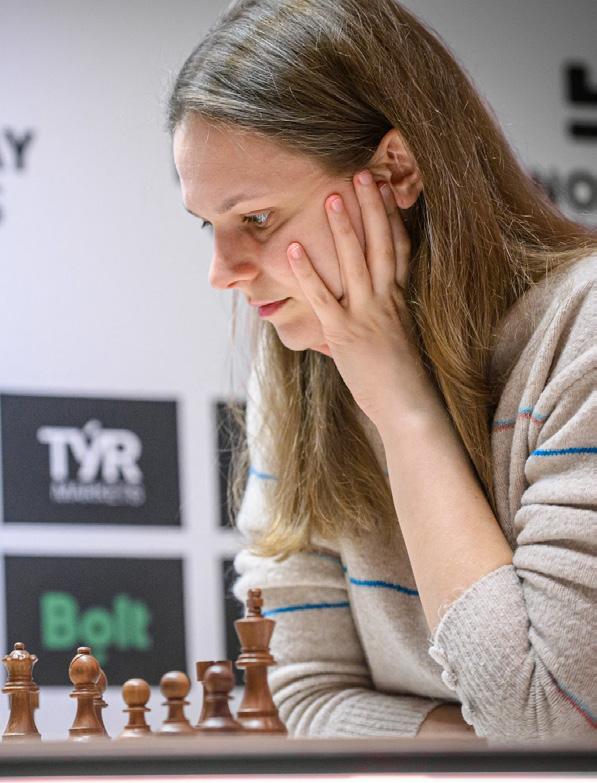
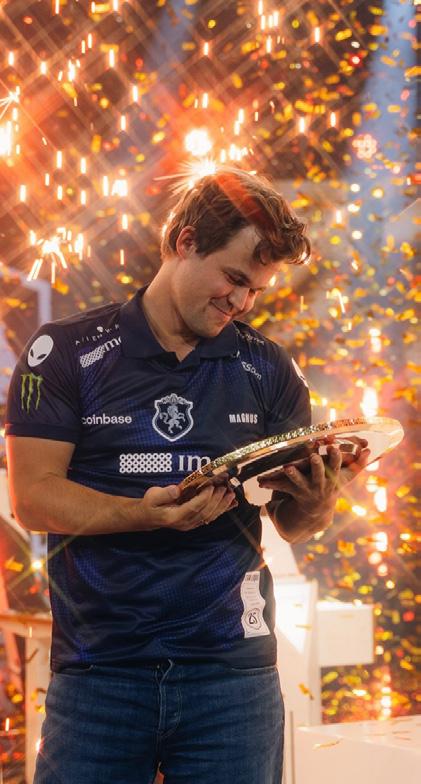
Magnus Carlsen’s Triumph at Norway Chess 2025
A Masterclass in Resilience
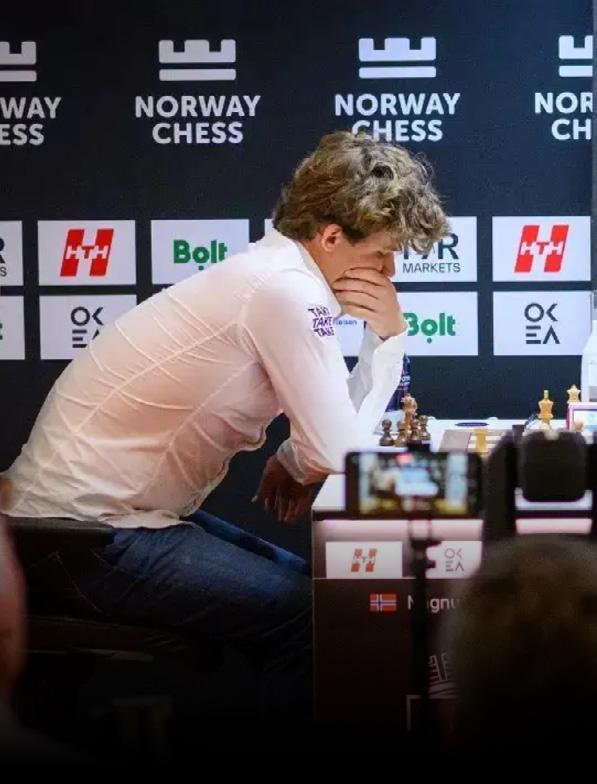
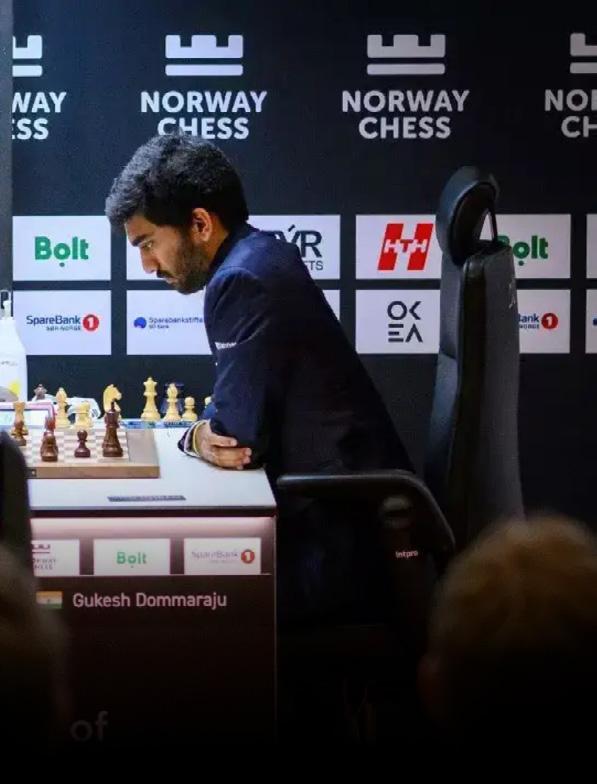
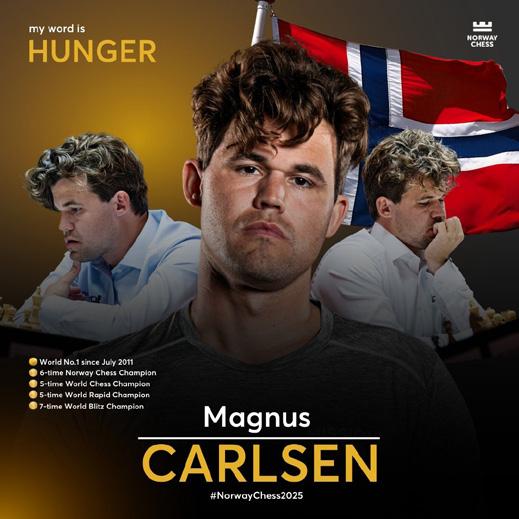
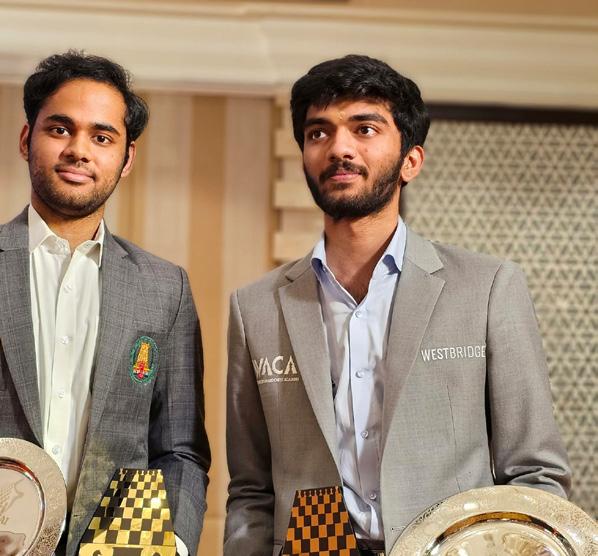
Magnus Carlsen clinched his seventh Norway Chess title in Stavanger, solidifying his legacy as one of chess’s all-time greats. The tournament featured a stellar field including World Champion Gukesh Dommaraju, Fabiano Caruana, Hikaru Nakamura, Arjun Erigaisi, and Wei Yi. Carlsen’s victory, with 16 points, underscored his enduring dominance, though not without dramatic moments that captivated fans worldwide.
Norway Chess 2025 was a showcase of high-stakes chess, with a unique scoring system awarding 3 points for a classical win, 1.5 for an Armageddon win, and 1 for a draw. Carlsen’s path to victory was marked by resilience, particularly in the final round against Erigaisi. Trailing by half a point to Caruana entering Round 10, Carlsen faced a near-certain loss in their classical game but salvaged a draw, forcing Armageddon. Despite losing the tiebreak, the draw secured enough points to edge out
Caruana, who finished second with 15.5 points. Gukesh took third with 14.5 points, followed by Nakamura (14) and Erigaisi (13). A viral moment came in Round 6 when Carlsen, frustrated by a loss to 19-year-old Gukesh, slammed the table— an uncharacteristic display from the typically composed champion. The defeat highlighted Gukesh’s growing prowess, but Carlsen rebounded, demonstrating why he’s held the world’s No. 1 ranking since 2011.
His ability to navigate complex endgames and capitalize on opponents’ mistakes was evident throughout, though he hinted posttournament that this might be his last major classical event, citing waning motivation for the format. The tournament wasn’t without surprises. Round 5 saw all classical games end in draws, with Armageddon deciding key outcomes. Caruana’s consistent performance kept him in contention until the final day, while Gukesh and Erigaisi showcased India’s rising chess talent. In the women’s section, running parallel, Anna Muzychuk claimed victory with 700,000 NOK ($61,617), while Ju Wenjun placed fourth, adding depth to the event’s narrative.
Carlsen’s seventh Norway Chess title adds to his illustrious career, which includes five world championships and a record peak rating of 2882. His net worth, reportedly around $50 million, reflects his ventures beyond the board, including business and endorsements. At the FIDE100 awards in 2024, he was voted the greatest chess player ever, a testament to his impact. Yet, his post-tournament comments about possibly stepping back from classical chess sparked debate. He praised Gukesh and Erigaisi but asserted they aren’t yet ready to dominate as he has, calling himself a “once-in-a-generation talent.” Norway Chess 2025 was more than a tournament; it was a stage for Carlsen to reaffirm his mastery while hinting at a potential shift in his career. Whether he returns to classical chess or focuses on rapid and blitz, his performance in Stavanger proved why he remains the gold standard in chess.
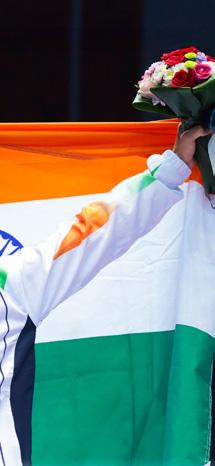
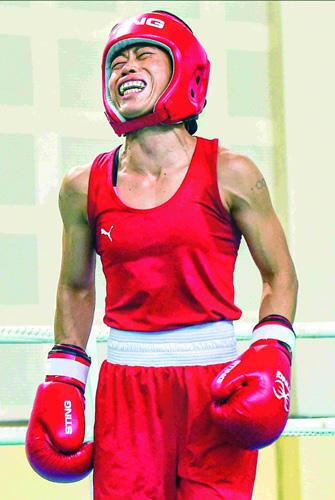
MARY KOM
The MagnificenT Trailblazer of indian boxing
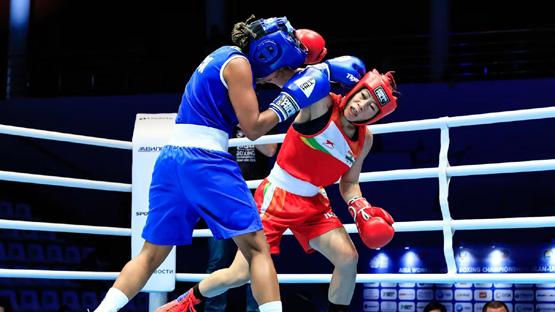
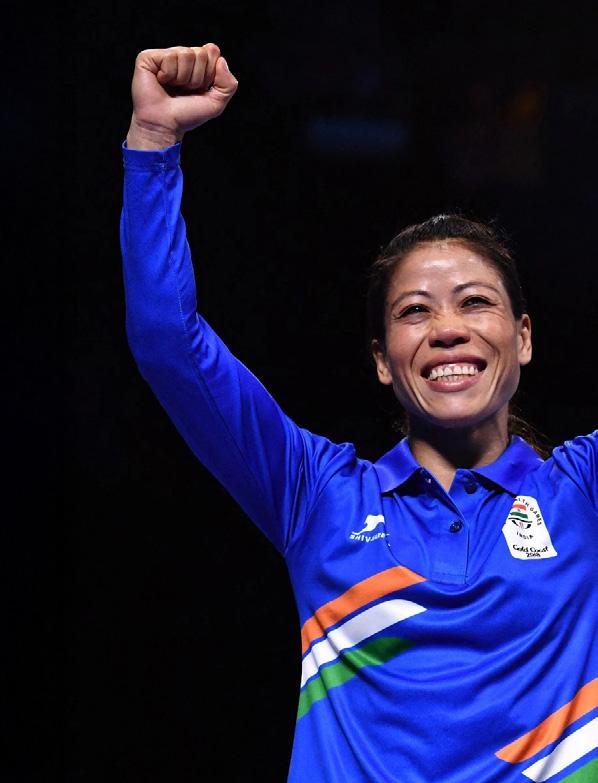
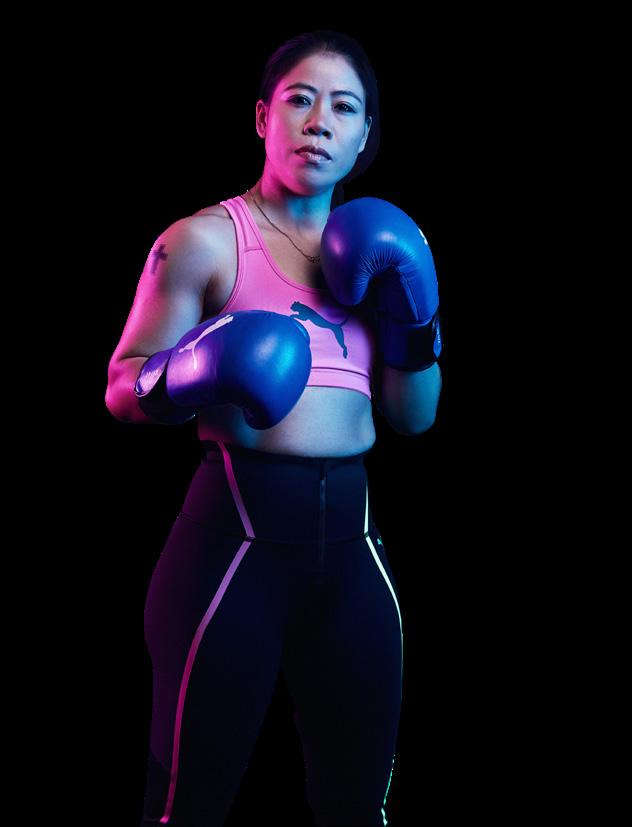
In the rugged hills of Manipur, where dreams often wrestle with hardship, a diminutive dynamo named Mangte Chungneijang “Mary” Kom emerged to rewrite the history of Indian boxing. Born on November 24, 1982, to a family of tenant farmers in Kangathei village, Mary’s journey from a modest upbringing to becoming a global boxing icon is nothing short of cinematic. With a record-shattering six World Championship titles, an Olympic medal, and a legacy that inspires millions, Mary Kom is not just a champion— she’s a revolution in gloves. Let’s dive into the life of this extraordinary woman whose fists have carved a path for Indian women in sports.
A HUMBLE BEGINNING
Mary Kom’s story begins in the heart of Manipur, a state in northeast India known for its vibrant sports culture but also its economic challenges. Growing up in a family that toiled in jhum fields (slash-and-burn agriculture), Mary helped her parents with farm work while balancing school and an early love for athletics. Her competitive spirit shone through in local sports like volleyball and football, but it was boxing that ignited her passion. Inspired by Manipuri boxer Dingko Singh’s 1998 Asian Games gold, Mary stepped into the ring at 18, determined to make her mark in a sport dominated by men.
BREAKING BARRIERS IN THE RING
Mary’s rise was meteoric yet fraught with obstacles. Women’s boxing was barely recognized in India when she began, and societal norms often frowned upon women in such a physically demanding sport. Undeterred, she trained relentlessly, often in makeshift gyms, honing her skills in the flyweight division (48-51 kg). Her breakthrough came in 2001 when she won a silver medal at the firstever Women’s World Boxing Championships in Scranton, USA.
A year later, in 2002, she clinched her first world title in Antalya, Turkey, launching a historic streak.
Mary Kom’s record is staggering: she is the only female boxer to win six World Amateur Boxing Championship gold medals (2002, 2005, 2006, 2008, 2010, 2018) and the only boxer—male or female—to secure a medal in each of the first seven World Championships she competed in. Her 2018 victory in New Delhi, where she defeated Ukraine’s Hanna Okhota in the 48 kg category, cemented her as a global legend. She’s also a fivetime Asian champion and the first Indian woman boxer to qualify for the Olympics, achieving this feat in 2012.
OLYMPIC GLORY AND BEYOND
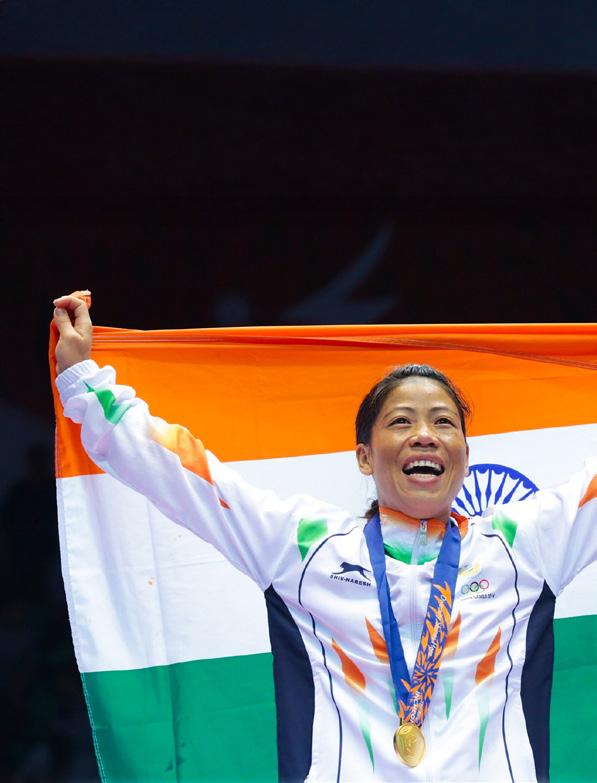
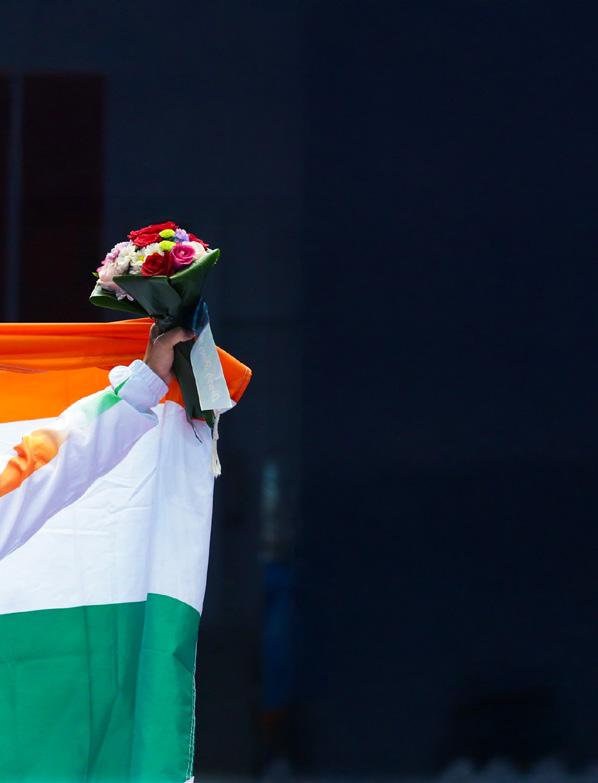
The 2012 London Olympics were a defining moment for Mary Kom. Women’s boxing made its Olympic debut, and Mary, competing in the 51 kg category, fought her way to a bronze medal—the first by an Indian woman boxer. Her performance, marked by grit and precision, put Indian boxing on the global map and inspired a generation of athletes. Though she didn’t medal at the 2016 Rio Olympics and faced disappointment at Tokyo 2020 at age 38, her resilience shone through. As she said in a 2024 interview, “My hard work has paid off and now there are so many boxers coming up in India.” Mary’s influence has sparked a boxing revolution in the country, particularly for women.
MORE THAN A BOXER
Mary Kom’s life extends far beyond the ring. A mother of four, she balanced motherhood with her boxing career, often training while pregnant and returning to the sport with unwavering determination. Her autobiography, Unbreakable (2013), details her struggles and triumphs, offering a raw look at her ethnic and cultural identity as a member of the Kom-Kuki tribe. She’s also a former Member of Parliament (Rajya Sabha, 2016-2022), a Padma Vibhushan recipient (India’s secondhighest civilian honor), and a businesswoman serving as CEO of Mary Kom Hitesh Choudhary Sporty-Fit Pvt. In 2024, Mary announced her retirement from competitive boxing due to age restrictions but clarified in February 2025 that she had not resigned from her role as a mentor and coach, dispelling rumours and reaffirming her commitment to nurturing young talent. Her influence continues to resonate, as seen in her inspiration to athletes like Bala Devi, India’s first professional female footballer to score in Europe.
A LEGACY THAT PACKS A PUNCH
Mary Kom’s story is one of defiance—against poverty, gender norms, and the odds stacked against her. Her achievements, including eight World Championship medals (six gold, one silver,
one bronze), an Olympic bronze, and countless national and international titles, have earned her the moniker “Magnificent Mary.” Posts on social media reflect the public’s awe, with fans celebrating her historic sixth World Championship gold and her Olympic feats. Her journey has also
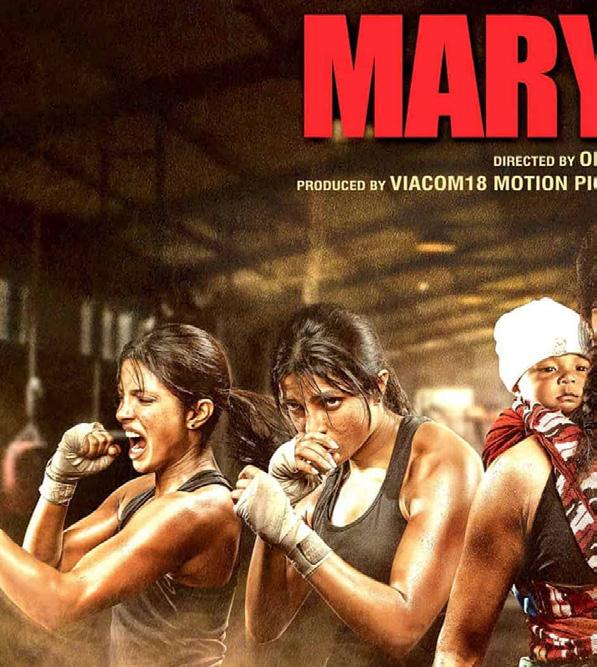
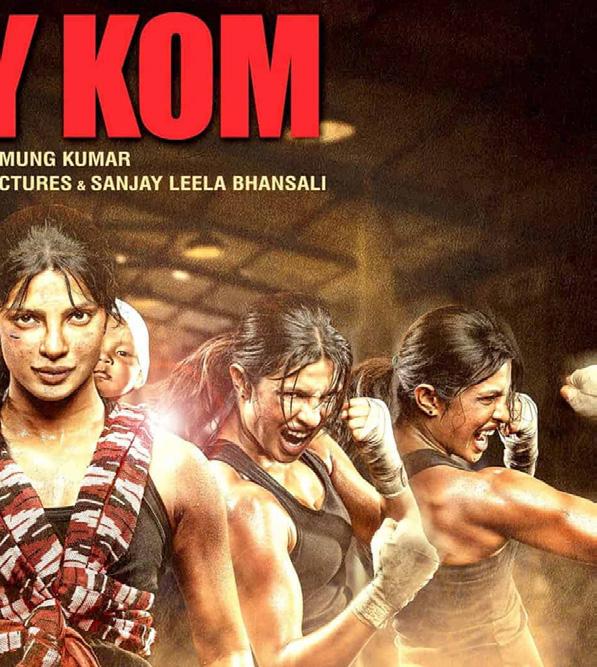
inspired a 2014 Bollywood biopic, Mary Kom, starring Priyanka Chopra, bringing her story to millions. Beyond the accolades, Mary’s legacy lies in her role as a trailblazer. She’s paved the way for women in Indian sports, proving that grit and heart can triumph over adversity. As she transitions into
mentoring the next generation, her mantra remains clear: “You don’t make history without war.” Mary Kom didn’t just fight in the ring—she fought for her place in a world that wasn’t ready for her. And she won, magnificently.
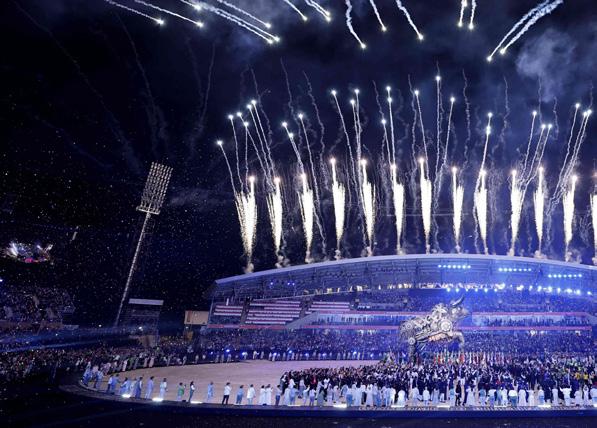
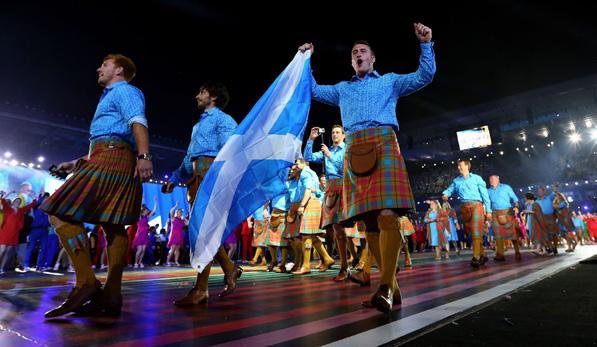
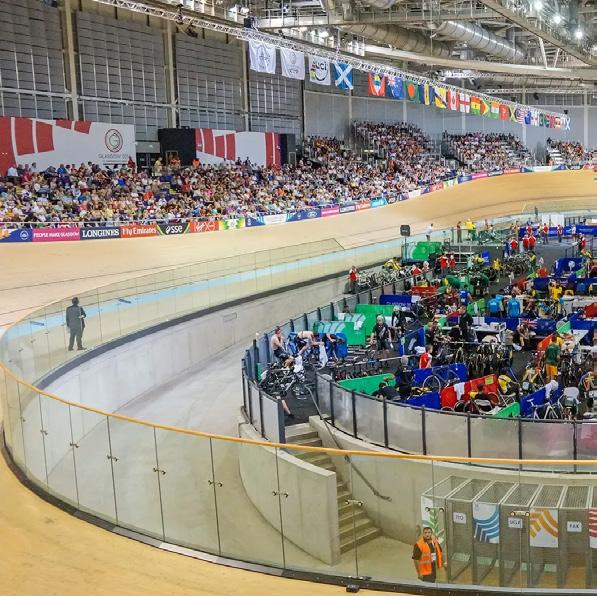
Glasgow 2026: A Vibrant Commonwealth Games Returns to Scotland
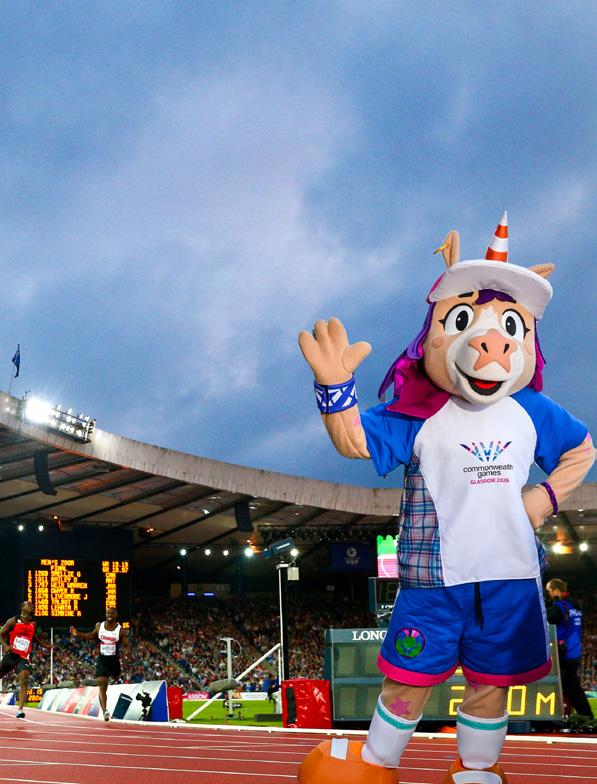
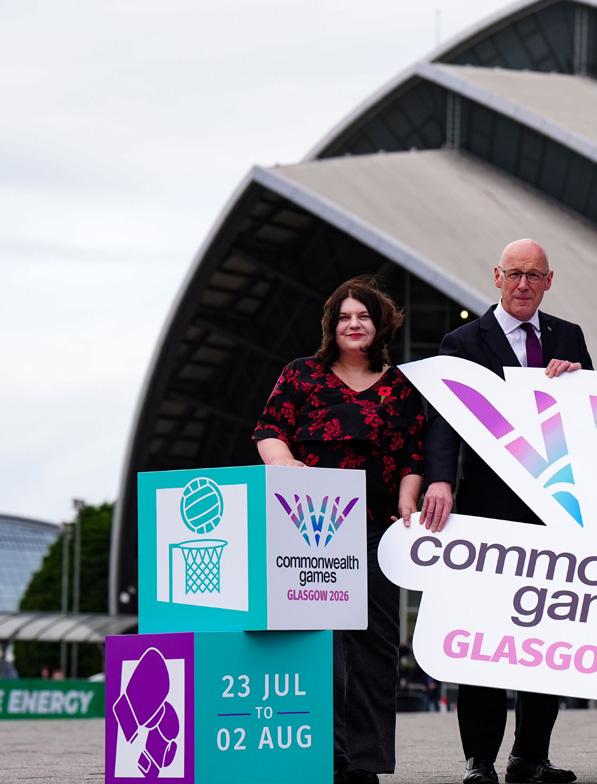
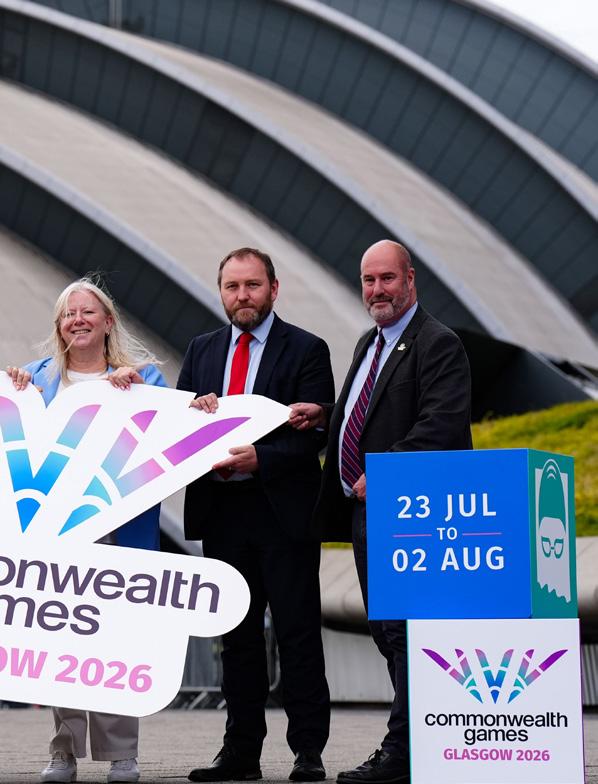
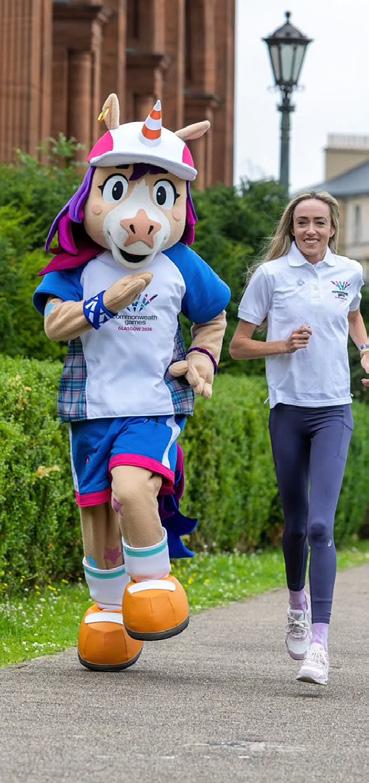
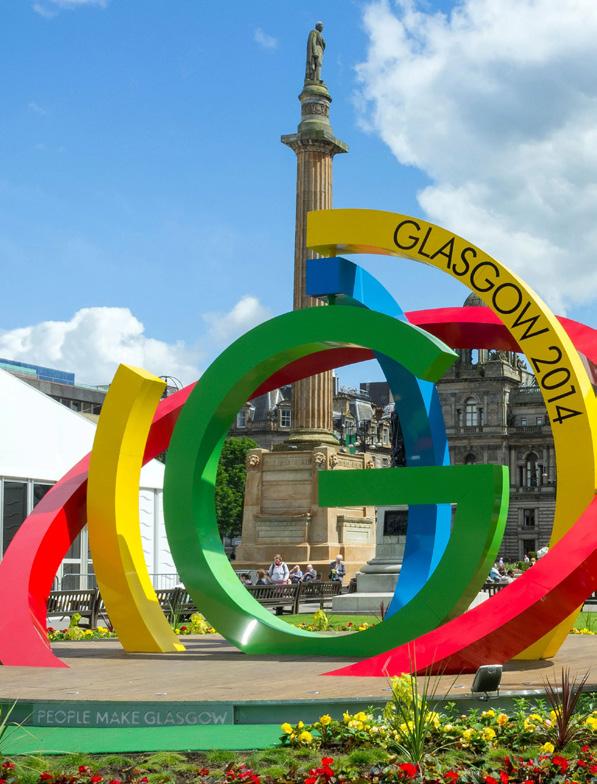
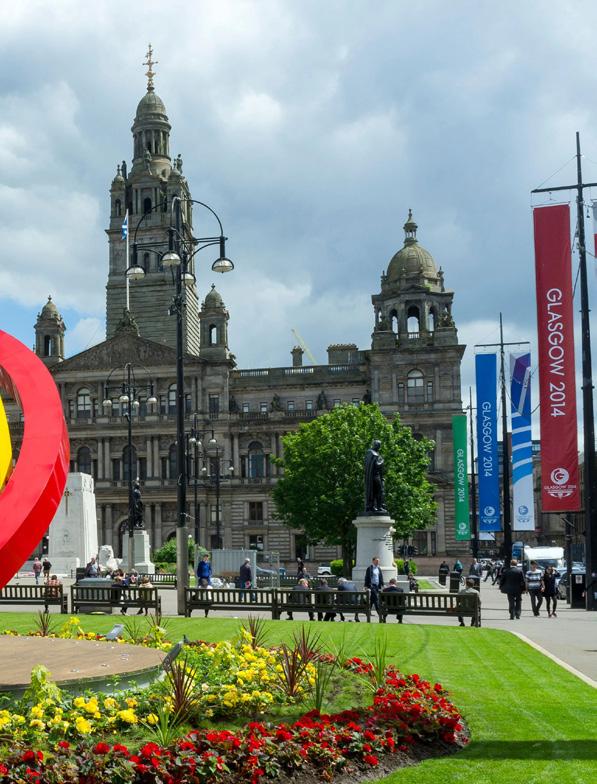
In the heart of Scotland, Glasgow is gearing up to host the 23rd Commonwealth Games from July 23 to August 2, 2026, a decade after its triumphant 2014 edition. This marks the city’s second turn as host, joining an elite group as only the third city to stage the Games twice, alongside Edinburgh and London. With a leaner, greener approach, Glasgow 2026 promises to deliver a thrilling spectacle of sport, culture, and community spirit, all while leveraging the legacy of its past success. Here’s everything you need to know about this eagerly awaited event.
A SCALED-BACK BUT SPIRITED CELEBRATION
Unlike the sprawling 2014 Games, which featured 17 sports, Glasgow 2026 will adopt a more focused format with 10 sports and six para-sports, ensuring a high-energy, cost-effective event. The sports lineup includes crowd favorites like athletics, swimming, cycling, gymnastics, and boxing, alongside para-sports integrated into the main program for inclusivity. Notably absent are sports like wrestling, badminton, hockey, cricket, and shooting, a decision driven by the need to streamline operations and utilize existing venues.
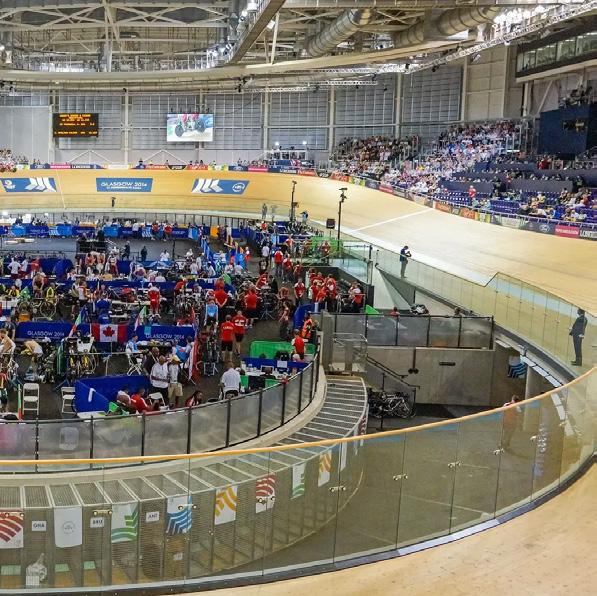
The Games will unfold across just four venues, all repurposed from 2014, including the iconic Hampden Park for athletics and the Hydro Arena for gymnastics. This approach not only reduces costs but also aligns with the Commonwealth Games Federation’s vision for sustainable, accessible events. Organizers estimate the Games will inject over £100 million into Glasgow’s economy, boosting tourism, local businesses, and community pride.
A JOURNEY OF UNITY: THE QUEEN’S BATON RELAY
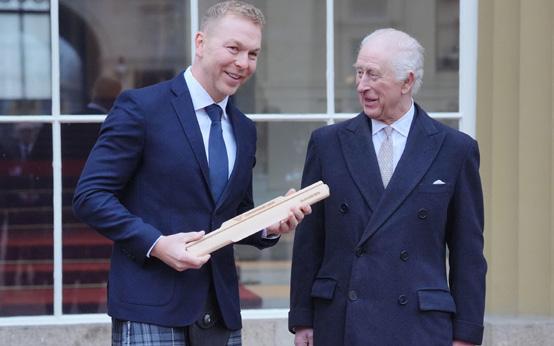
The countdown to Glasgow 2026 officially began with the launch of the Queen’s Baton Relay on March 10, 2025, marking 500 days until the opening ceremony. Initiated by King Charles at Buckingham Palace, the baton will travel across Commonwealth nations, symbolizing unity and shared values. Its journey will culminate in Glasgow, where an estimated 3,000 athletes from 71 Commonwealth nations and territories will compete for glory.
BEHIND THE SCENES: A COLLABORATIVE EFFORT
The organization of Glasgow 2026 is a testament to collaboration. Commonwealth Games Scotland, backed by the Scottish Government, secured funding to ensure the event’s viability after a turbulent bidding process. In 2022, Victoria, Australia, withdrew as host due to escalating costs, paving the way for Glasgow to step in. The decision was finalized in August 2024, with organizers praising Glasgow’s proven track record and existing infrastructure.
A team of 12 Technical Delegates from seven nations, including Scotland, Australia, and Canada, will oversee competitions, ensuring fairness and excellence. These delegates, appointed by the Commonwealth Games Federation, bring expertise across sports like swimming, cycling, and para-athletics, guaranteeing a world-class experience for athletes and fans alike.
WHAT TO EXPECT: A FESTIVAL OF SPORT AND CULTURE
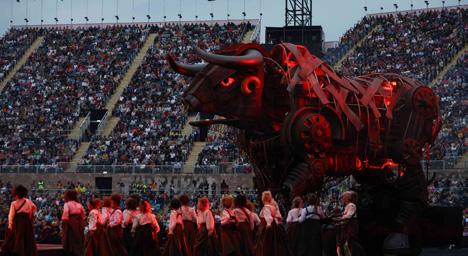
Glasgow 2026 will be more than just a sporting event—it’s a celebration of the Commonwealth’s diversity and Glasgow’s vibrant spirit. The city, known for its warm hospitality and rich cultural scene, plans to host cultural festivals, live music, and community events alongside the Games. Fans can expect electrifying moments, from sprint showdowns at Hampden Park to diving displays at the Tollcross International Swimming Centre.
For athletes, the Games offer a critical platform to shine. With para-sports seamlessly integrated, stars like Scotland’s own Neil Fachie, a Paralympic cycling champion, could inspire a new generation. Meanwhile, emerging talents from nations like Jamaica, Kenya, and India will vie for medals, adding to the event’s global appeal.
THE CHALLENGES OF HOSTING THE COMMONWEALTH GAMES
Hosting a major event like the Commonwealth Games comes with challenges. Critics have raised concerns about the exclusion of popular sports like cricket and hockey, which could impact viewership in nations like India and Australia. However, organizers argue that the compact format ensures financial sustainability while maintaining competitive intensity. The Games also face the task of engaging younger audiences in an era dominated by digital entertainment. To address this, Glasgow 2026 will leverage social media platforms, to share behind-the-scenes content, athlete stories, and live updates. Expect immersive digital experiences, from virtual venue tours to interactive fan challenges, to bring the Games closer to a global audience.
A LEGACY FOR GLASGOW AND BEYOND
Glasgow’s 2014 Games left a lasting legacy, from upgraded venues to increased sports participation across Scotland. The 2026 edition aims to build on this, with a focus on sustainability, inclusivity, and community engagement. Initiatives like youth sports programs and environmental campaigns will ensure the Games’ impact extends far beyond the 11-day event. As Ian Reid CBE, Chair of Commonwealth Games Scotland, stated, “Glasgow 2026 will be a celebration of sport, culture, and the enduring bonds of the Commonwealth. We’re ready to welcome the world again.”
GET READY FOR GLASGOW 2026
With just over a year to go, anticipation is building for a Commonwealth Games that promises to be both intimate and unforgettable. Whether you’re cheering from the stands, watching on TV, or following along on social media, Glasgow 2026 will showcase the power of sport to unite and inspire. Mark your calendars for July 23, 2026, when Glasgow lights up the Commonwealth stage once more.
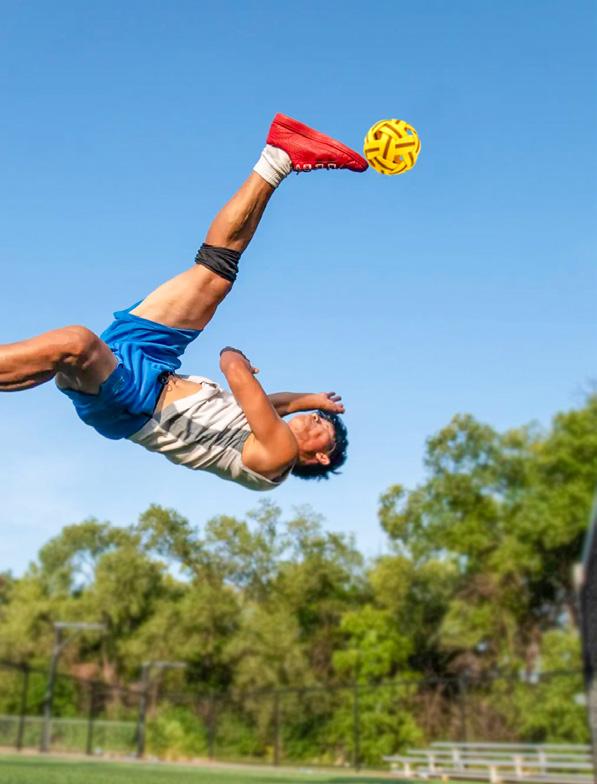
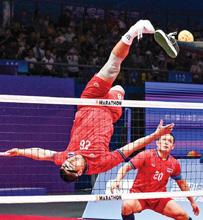
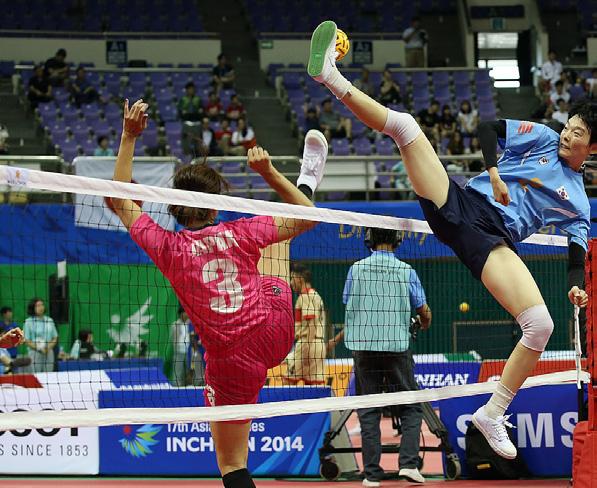
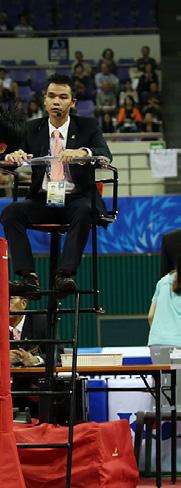
Sepak Takraw Still the King of Kampung Games?
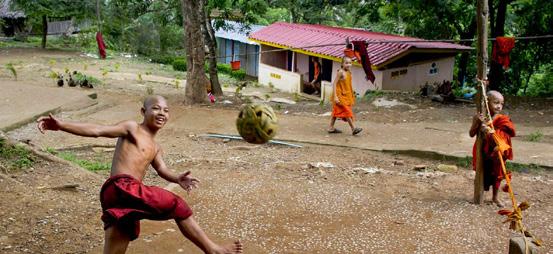
In the heart of Southeast Asian villages, where the sun beats down on dusty courts and the air hums with laughter and cheers, one sport reigns supreme: sepak takraw. Known as the “king of kampung games,” this acrobatic, high-flying spectacle blends the finesse of soccer, the agility of martial arts, and the teamwork of volleyball. But in an era dominated by digital distractions and globalized sports, does sepak takraw still hold its crown in the kampungs—the traditional villages of Malaysia, Thailand, Indonesia, and beyond? Let’s dive into the vibrant world of this cultural gem, explore its enduring appeal, and verify its place in the modern age.
The Essence of Sepak Takraw
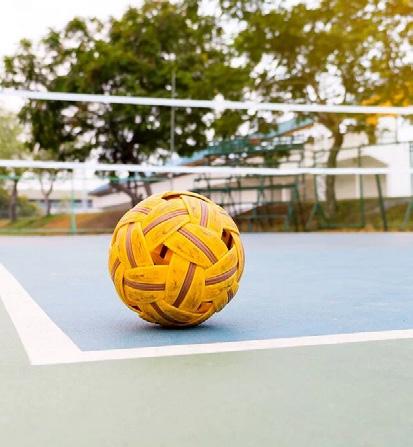
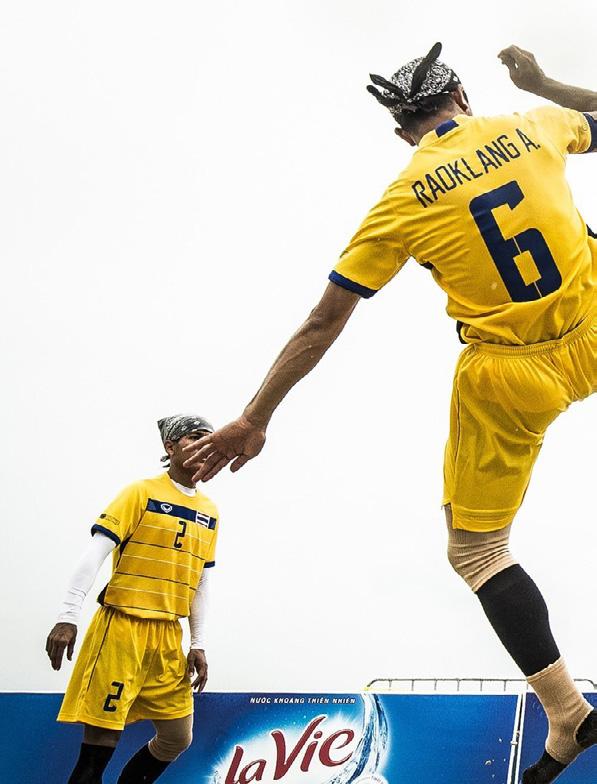
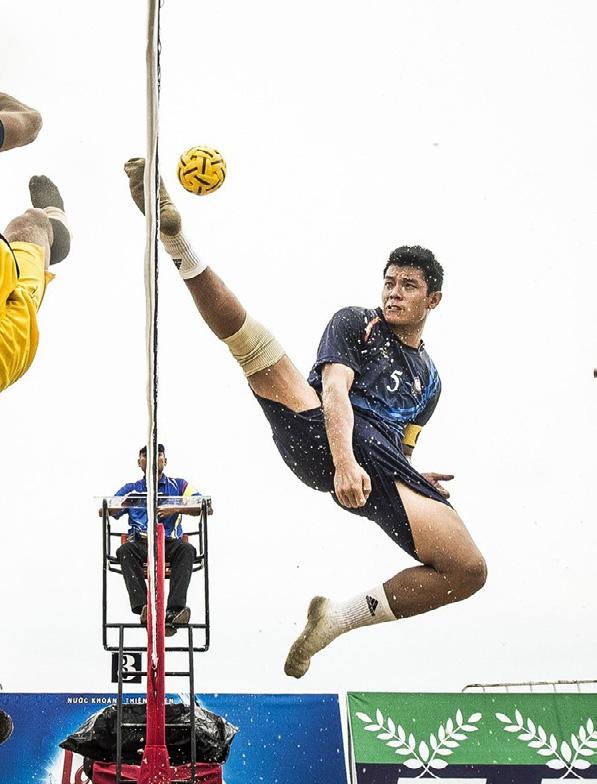
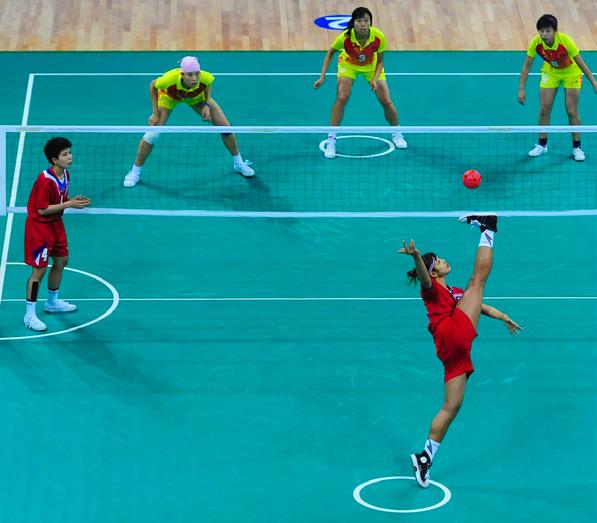
Sepak takraw, meaning “kick” (sepak in Malay) and “woven ball” (takraw in Thai), is a sport that demands jaw-dropping athleticism. Played on a badminton-sized court with a net in the middle, two teams of three players use their feet, heads, knees, and chests—anything but their hands—to volley a rattan ball over the net. The objective? Keep the ball from touching the ground while delivering it to the opponent’s side with precision or power. A single point can involve gravitydefying flips, bicycle kicks, and split-second coordination, making it a feast for the eyes.
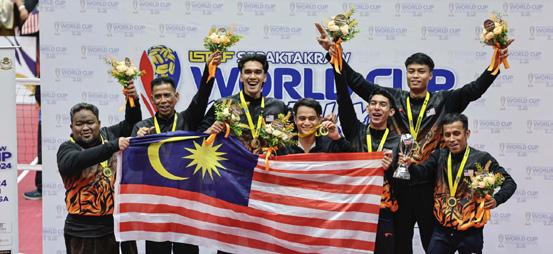
Originating centuries ago in Southeast Asia, sepak takraw has deep roots in kampung culture. Historical records, including accounts from the 15th-century Malacca Sultanate, describe early forms of the game played with a rattan ball in royal courts and village squares. By the 1940s, formalized rules emerged in Malaysia and Thailand, and the sport spread across the region. Today, it’s a staple in international competitions like the SEA Games and Asian Games, with Malaysia, Thailand, and Indonesia dominating the scene.
Why It’s the King of Kampung Games
• Accessibility: Sepak takraw requires minimal equipment—a woven rattan ball (about 5 inches in diameter, weighing 170–180 grams for men’s games) and a net. In kampungs, where resources may be scarce, this simplicity is a game-changer. Kids fashion balls from available materials, and courts are often just cleared patches of dirt. According to the International Sepak Takraw Federation (ISTAF), the sport’s low cost keeps it thriving in rural areas.
• Community Spirit: In kampungs, sepak takraw is more than a game—it’s a social glue. Matches draw crowds of all ages, with spectators shouting encouragement and players showcasing their skills. A 2019 study by Universiti Putra Malaysia found that community sports like sepak takraw foster social cohesion, especially among youth, in rural settings.
• Cultural Pride: The sport is a symbol of Southeast Asian identity. In Malaysia, it’s recognized as a heritage sport, with national programs supporting its growth. Thailand’s dominance in international competitions—winning 14 gold medals in sepak takraw at the SEA Games from 2007 to 2023—has made it a source of national pride. Even in urban areas, kampung-style tournaments keep the tradition alive.
• Sheer Excitement: Few sports match sepak takraw’s intensity. A single rally can feature a player launching into a mid-air somersault to spike the ball at speeds up to 80 km/h, as measured in professional matches by ISTAF. This blend of athleticism and artistry captivates players and fans alike.
Challenges to the Crown
Despite its charm, sepak takraw faces threats to its kampung throne. Urbanization is shrinking village spaces, with courts often replaced by concrete jungles. A 2022 report by the Asian Development Bank noted that rapid urban growth in Southeast Asia is reducing communal areas for traditional activities. Meanwhile, global sports like soccer and basketball, amplified by media and celebrity endorsements, compete for young athletes’ attention. A 2023 survey by the Sports Authority of Thailand found that only 12% of urban youth regularly played sepak takraw, compared to 45% for soccer.
Digital distractions also pose a challenge. In Malaysia, a 2024 study by Universiti Kebangsaan Malaysia revealed that 68% of rural teens spend over three hours daily on smartphones, cutting into time for physical activities. Sepak takraw, requiring practice and teamwork, struggles to compete with the instant gratification of gaming or social media.
The sport’s physical demands can also deter newcomers. Mastering the acrobatic kicks—like the “roll spike,” where a player flips backward to strike the ball—takes years of training. Injuries, especially to ankles and knees, are common, with a 2020 study in the Journal of Sports Science reporting that 30% of competitive players experience lower limb injuries annually.
Signs of Resilience
Yet, sepak takraw is far from dethroned. Grassroots efforts are keeping the sport alive. In Malaysia, the Ministry of Youth and Sports funds sepak takraw clinics in rural areas, training over 5,000 young players in 2024 alone. Thailand’s “Takraw Thailand League,” launched in 2016, has professionalized the sport, offering prize money and attracting sponsors. Indonesia’s village tournaments, often held during cultural festivals, draw thousands of spectators, as reported by local media in 2025.
The sport is also going global. ISTAF has introduced sepak takraw to over 40 countries, with growing popularity in India, South Korea, and even Canada, where the first North American championship was held in 2023. Social media is helping, too—clips of jawdropping spikes go viral on platforms like TikTok. Innovations are making the sport more accessible. Synthetic balls, less painful than traditional rattan, are now used in junior competitions, and women’s sepak takraw is gaining traction, with Thailand’s women’s team winning gold at the 2023 SEA Games. These adaptations ensure the game evolves while staying true to its roots.
The Verdict: Still King?
So, does sepak takraw still rule the kampungs? In many ways, yes. Its affordability, cultural significance, and sheer thrill keep it embedded in village life. The roar of a kampung crowd as a player nails a perfect spike is a testament to its enduring magic. But the sport must adapt to survive. By embracing technology, expanding outreach, and nurturing young talent, sepak takraw can fend off modern rivals.
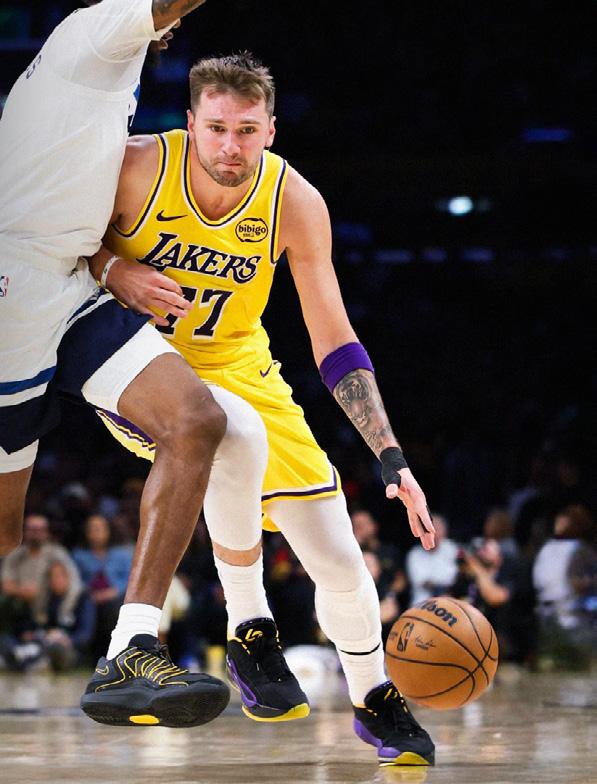
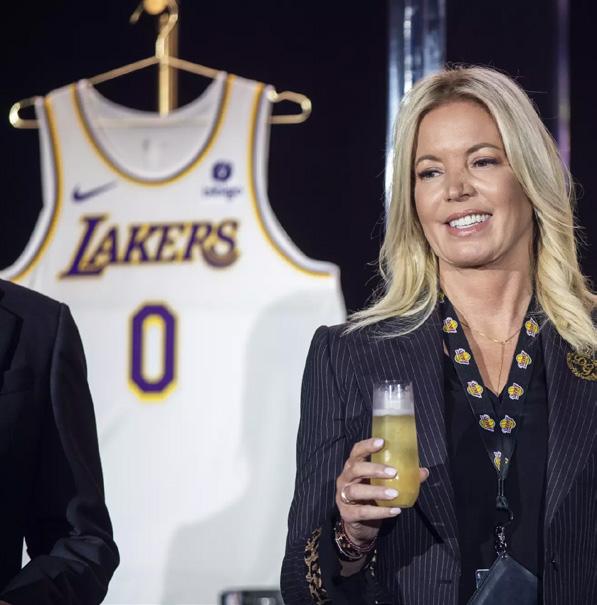
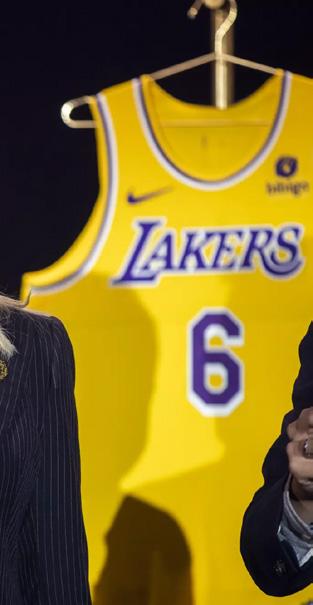
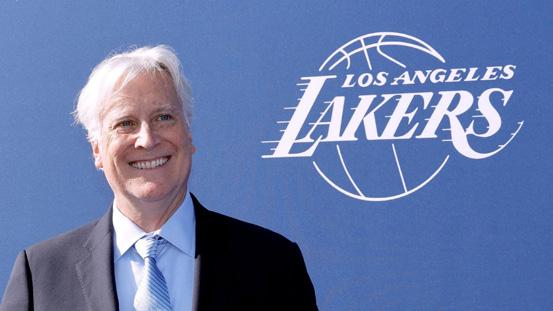
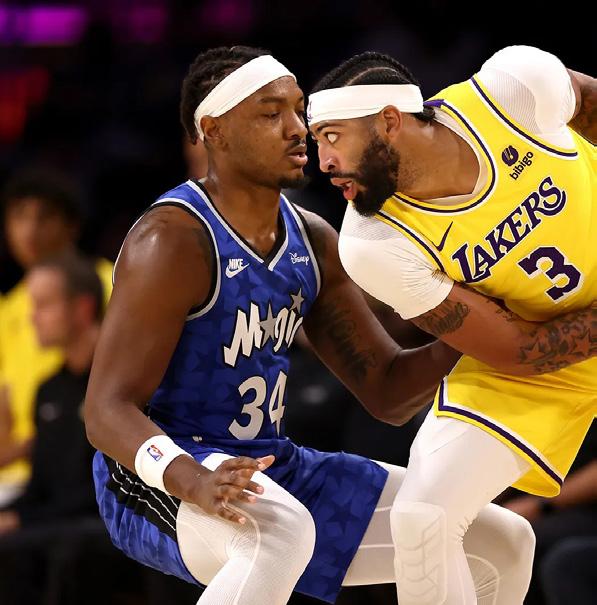
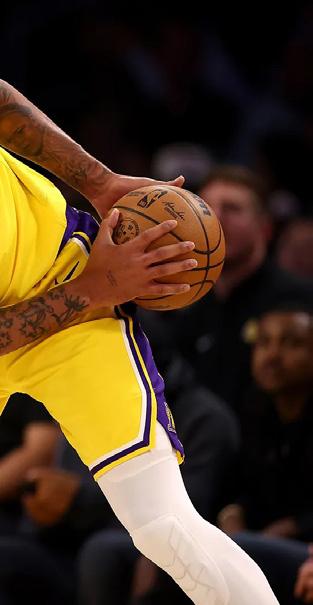
THE LAKERS’ $10 BILLION BOMBSHELL A NEW ERA DAWNS IN LOS ANGELES
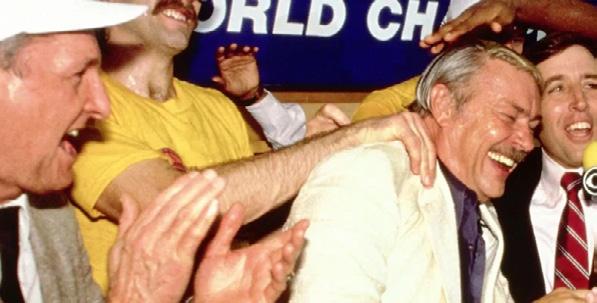
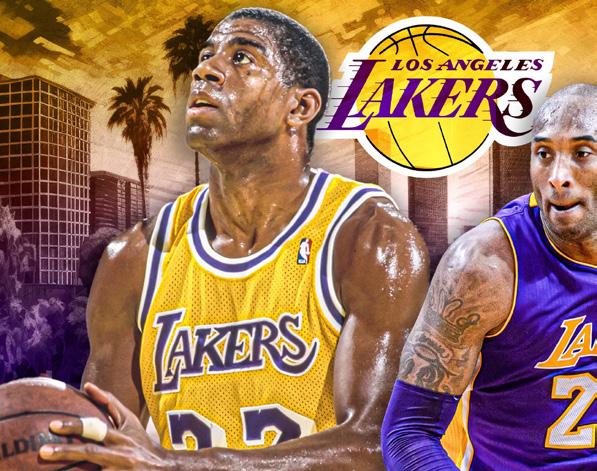
In a move that sent shockwaves through the sports world, the Los Angeles Lakers, the NBA’s crown jewel, have been sold for a jaw-dropping $10 billion—the largest sale of a professional sports franchise in history. The Buss family, stewards of the team since Dr. Jerry Buss purchased the franchise in 1979 for a modest $76 million, have passed the keys to Mark Walter, the deep-pocketed CEO of TWG Global and the mastermind behind the Los Angeles Dodgers’ recent dominance in Major League Baseball. Buckle up, Lakers Nation—this deal isn’t just a transaction; it’s a seismic shift that could redefine the Purple and Gold’s future.
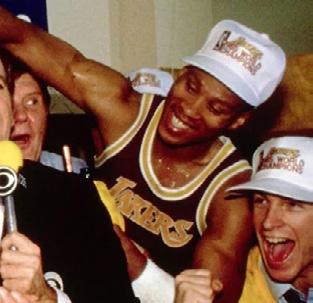
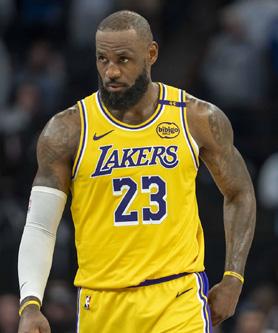
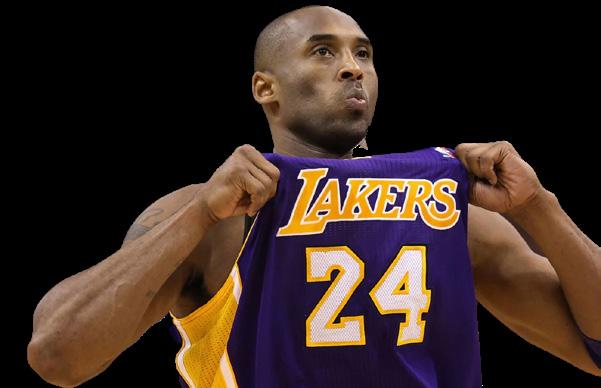
The Lakers, with 17 NBA titles and a global fanbase that rivals some nations, aren’t just a basketball team— they’re a cultural phenomenon. From Magic Johnson’s Showtime” to Showtime’s dazzling fast breaks to Kobe Bryant’s clutch heroics and LeBron James’ modern-day reign, the franchise has been synonymous with stardom and success. But even icons evolve, and this sale marks a bold new chapter. The Buss family, who controlled 66% of the team through a trust, made the decision after a majority vote among the six siblings, though whispers suggest it wasn’t a unanimous one. Jeanie Buss, the team’s beloved president, will stay on as governor, ensuring a thread of continuity as the franchise steps into uncharted territory.
So, who is Mark Walter, the man now holding the Lakers’ golden reins? If his track record with the Dodgers is any indication, Lakers fans have reason to be thrilled. Since Walter’s Guggenheim Baseball Management group acquired the Dodgers in 2012, the team has become a perennial powerhouse, with a World Series title in 2020 and a state-of-theart approach to management. Walter’s knack for blending financial muscle with strategic vision has players like LeBron James and Dallas Mavericks star Luka Dončić buzzing with excitement. Even Lakers legend Magic Johnson, a minority owner in the Dodgers, took to X to laud Walter, posting, “Mark’s a winner. The Lakers are in great hands.”
The $10 billion price tag—shattering the previous record set by the $6.05 billion sale of the Denver Nuggets, Colorado Avalanche, and Ball Arena in 2022—reflects the Lakers’ unmatched brand value. The NBA’s recent $76 billion media rights deal, coupled with the team’s global appeal, made this a deal too big to pass up. Notably, the sale doesn’t include Crypto.com Arena, the Lakers’ home since 1999, but sources say Walter is already eyeing infrastructure upgrades to keep the franchise at the cutting edge. Modern training facilities, enhanced fan experiences, and maybe even a splashy new arena down the line.
For fans, the sale is a cocktail of emotions—nostalgia for the Buss era mixed with anticipation for what’s next. Dr. Jerry Buss, the visionary who turned the Lakers into Hollywood’s favourite team, left a legacy that his children carried with pride. Jeanie, in particular, has been a steady hand, navigating the team through triumphs and turbulence, including the 2020 championship won in the NBA’s Orlando bubble. Yet, the financial realities of modern sports, where billion-dollar valuations are the norm, likely pushed the family to cash in on their golden goose.
Not everyone’s popping champagne, though. Rival NBA owners are reportedly uneasy, fearing Walter’s deep pockets could tilt the competitive balance. The Lakers already boast LeBron, Anthony Davis, and a young core poised for growth. Add Walter’s resources, and the team could become a juggernaut, both on and off the court. Reactions from fans of teams like the Boston Celtics and Golden State Warriors drip with sarcasm: “Great, another superteam incoming,” one fan quipped. Meanwhile, Lakers faithful are dreaming big, with some speculating about blockbuster trades or a new practice facility to rival the best in the league.
What does this mean for the NBA? The Lakers’ sale is a neon sign that the league’s financial stratosphere is only climbing higher. With streaming giants like Amazon and Apple circling for future media rights, team valuations could soar further. For Los Angeles, the deal cements the city’s status as a sports mecca, with Walter now overseeing two of its biggest franchises. If he can replicate his Dodgers magic, the Lakers might not just compete for titles—they could dominate the cultural zeitgeist like never before. As the ink dries on this historic deal, one thing is clear: the Lakers aren’t just changing hands; they’re gearing up for a bold new act in their storied saga. Will Mark Walter’s era bring more banners to the rafters? Will Jeanie Buss and LeBron James steer the ship to another championship? Lakers Nation, grab your popcorn—the show’s just getting started.
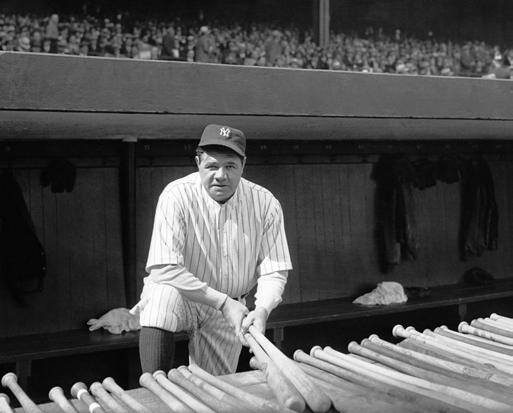
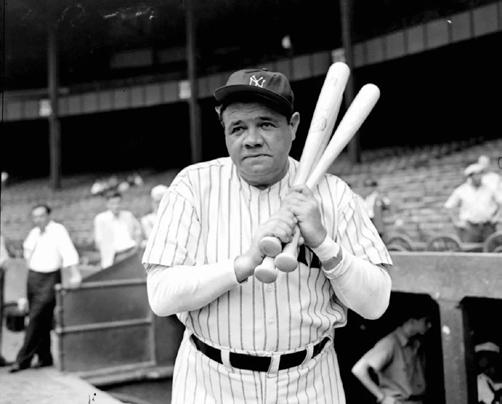
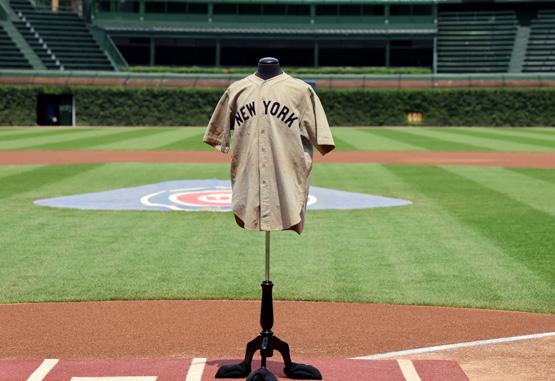
Did Babe Ruth Really Call His Shot? Unravelling
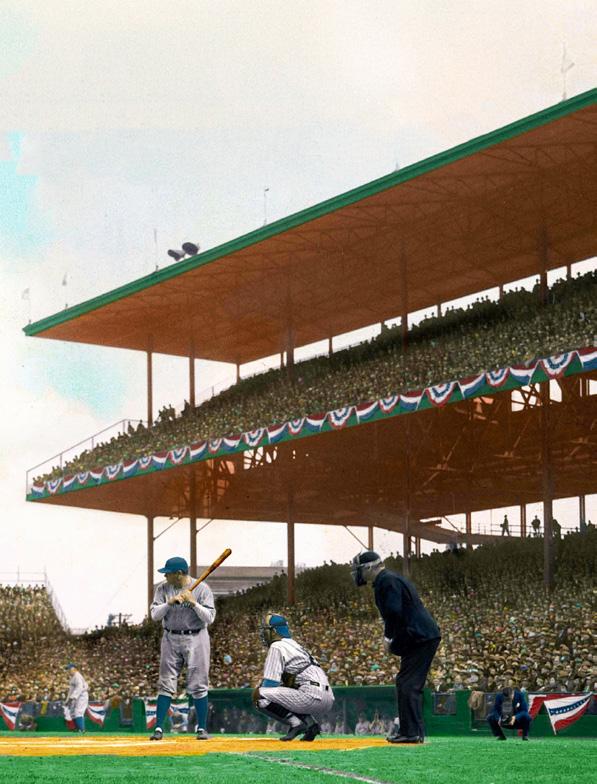
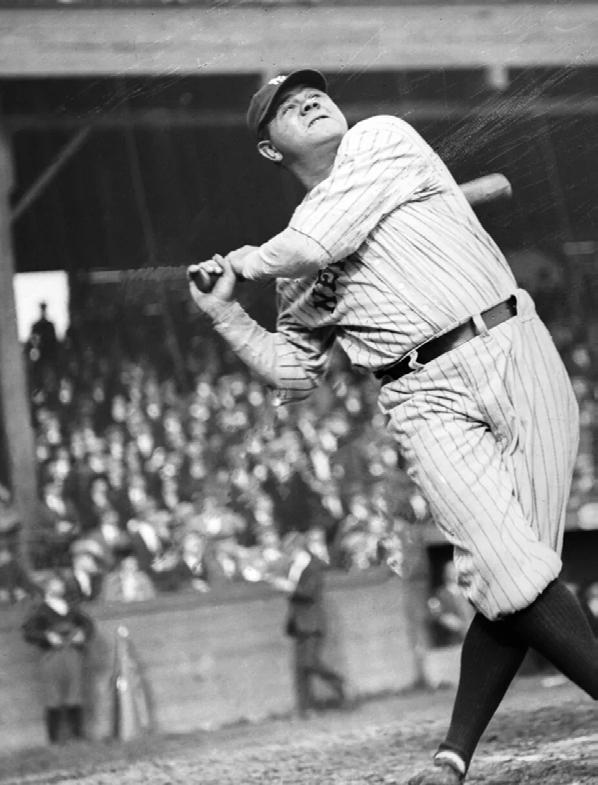
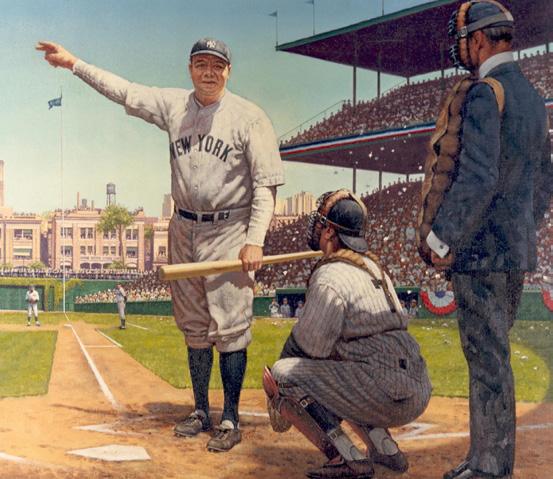
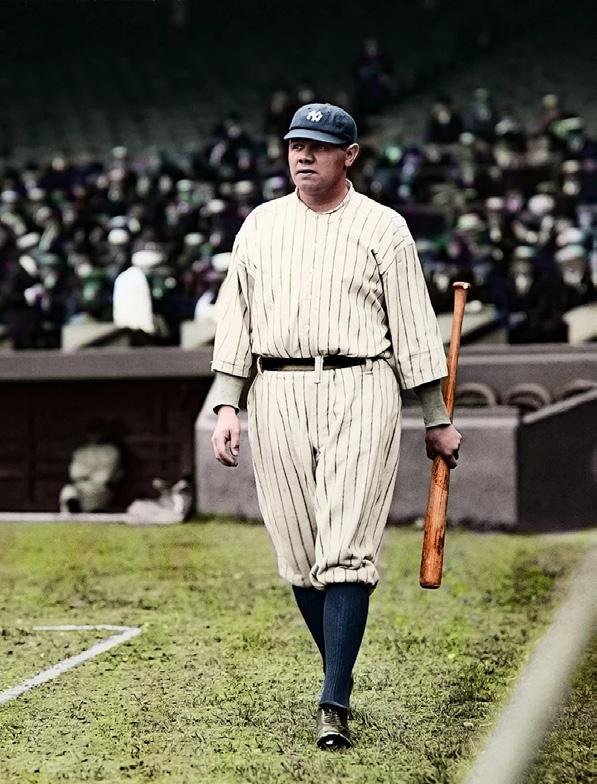
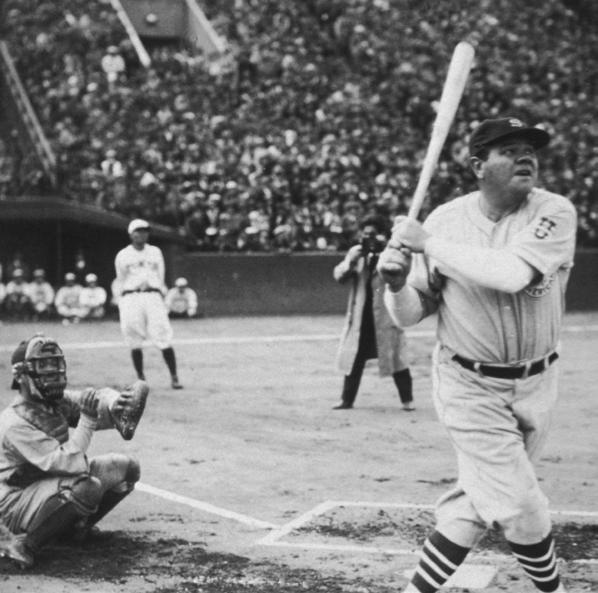
On October 1, 1932, in the heart of Chicago’s Wrigley Field, Babe Ruth etched his name into baseball lore with a moment so iconic it’s still debated nearly a century later: the “Called Shot.” In Game 3 of the World Series, with the New York Yankees facing the Chicago Cubs, Ruth’s audacious gesture and subsequent home run became a legend that transcends sports. But did he truly predict his swing, or is this tale a blend of fact and myth, amplified by time?
THE STAGE: A HEATED WORLD SERIES
The 1932 World Series was a clash of titans, with the Yankees, led by Ruth and Lou Gehrig, dominating a Cubs team desperate to reclaim glory. The series was tied at one game apiece, but the atmosphere in Chicago was electric with tension. Cubs fans, stung by their team’s struggles and taunts from the Yankees’ bench, hurled insults—and reportedly lemons—at Ruth, the game’s biggest star. Ruth, then 37, was no stranger to spectacle. With a career .342 batting average and 60 home runs in 1927 alone, he thrived in the spotlight.
In the fifth inning, with the score tied at 4-4, Ruth stepped to the plate against Cubs pitcher Charlie Root. What followed was a moment that would define his legacy. As Root prepared to pitch, Ruth gestured toward the outfield—or so the legend goes—before crushing a home run to centre field, a 440-foot blast that gave the Yankees a 5-4 lead. They won the game 7-5 and swept the series, but it was Ruth’s gesture that stole the headlines.
THE GESTURE: FACT OR FOLKLORE?
The “Called Shot” hinges on one question: Did Ruth point to the outfield to predict his home run, or was he simply gesturing to the crowd, the Cubs’ dugout, or nowhere in particular? Eyewitness accounts vary, and no definitive video evidence exists, as surviving footage is grainy and inconclusive. Let’s break down the evidence:
• SUPPORTING THE CALL: Sportswriter Joe Williams, in the New York World-Telegram, wrote that Ruth “pointed to the centerfield bleachers” before hitting the ball exactly there. Yankees teammate Lou Gehrig, in the on-deck circle, later recalled Ruth saying, “I’m gonna hit the next pitch down their throats.” Ruth himself fuelled the myth, reportedly confirming the story in interviews, saying he pointed to show he had one strike left to hit Baseball Hall of Fame. A 1990s home movie discovered by a
fan, analyzed by ESPN, shows Ruth pointing, though it’s unclear where.
• SKEPTICS’ VIEW: Cubs pitcher Charlie Root vehemently denied Ruth called his shot, insisting he was gesturing at the Cubs’ bench in response to their taunts. Root later said, “If he pointed to the bleachers, I’d have thrown at his head” ([Chicago Tribune, 1982]). Some players, like Cubs catcher Gabby Hartnett, claimed Ruth was pointing at Root or the dugout, not the stands. The lack of consensus among the 50,000 fans and reporters at Wrigley adds to the ambiguity.
• THE MIDDLE GROUND: Historian Leigh Montville, in The Big Bam, suggests Ruth’s gesture was likely a spontaneous act of bravado, not a literal prediction, but one he embraced as the story grew. Ruth loved theatrics, and with 714 career home runs by his retirement, he had the confidence to back up bold gestures.
THE LEGACY: MYTH MEETS REALITY
The “Called Shot” endures because it captures the essence of sports: drama, defiance, and a touch of magic. It inspired countless retellings, from Hollywood films like The Babe to modern analyses in outlets like The Athletic, which in 2022 called it “baseball’s most famous myth”. Its cultural impact is undeniable:
• POP CULTURE: The moment is referenced in movies, books, and even video games, symbolizing audacity.
• BASEBALL’S GROWTH: Ruth’s star power helped baseball become America’s pastime, with 1932 World Series attendance averaging 49,000 per game despite economic hardship.
• DEBATE FUEL: The ambiguity keeps fans engaged, with polls (e.g., a 2019 MLB.com survey) showing 60% of fans believe Ruth called his shot, while 40% see it as exaggeration.
WHY IT STILL MATTERS
In 2025, as baseball evolves with analytics and global expansion, the “Called Shot” reminds us of the sport’s storytelling roots. Ruth’s gesture—whether a bold prediction or a defiant taunt— captures the swagger that makes sports unforgettable. It’s a moment where fact and legend blur, inviting fans to believe in the impossible. As Ruth himself reportedly said, “I don’t know if I pointed, but I sure as hell hit it.”
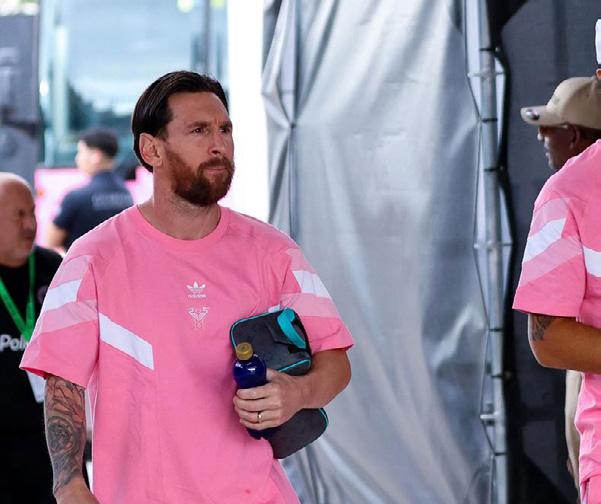
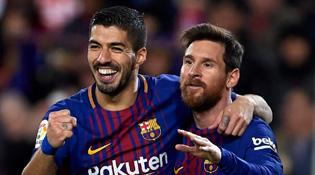
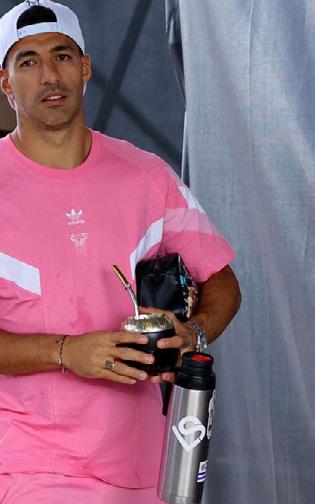
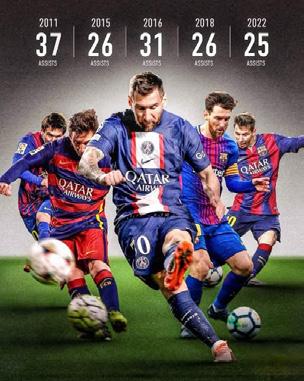
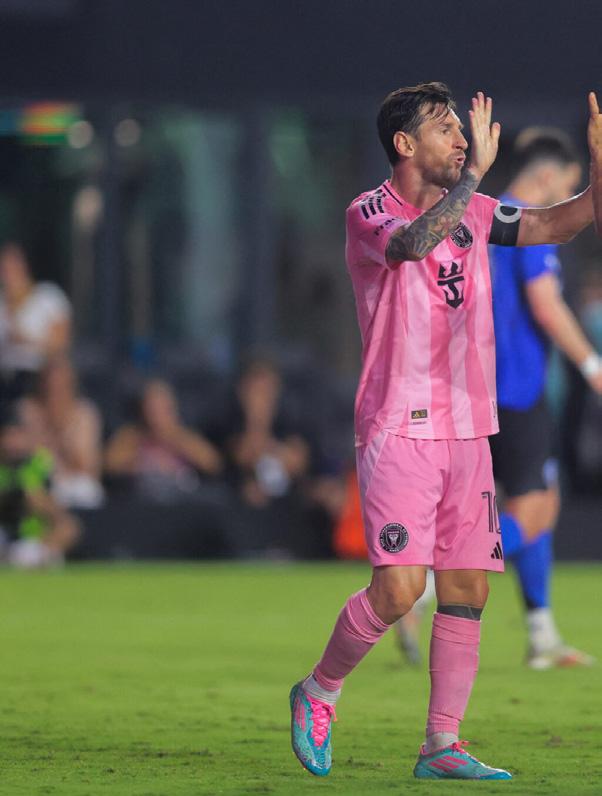
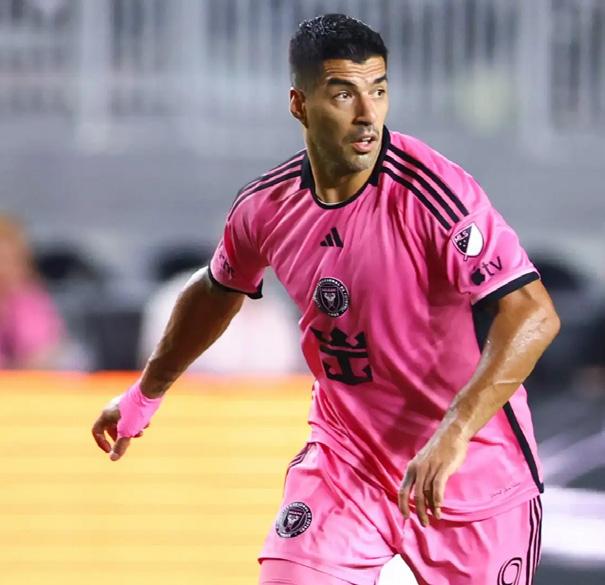
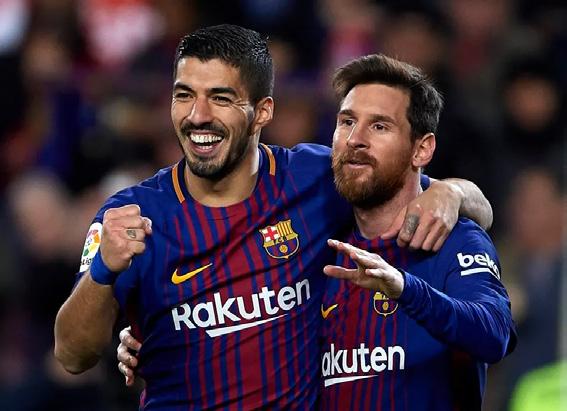
Lionel Messi & Luis Surez LAUNCH DEPORTIVO LSM-A NEW CHAPTER
In a move that has sent ripples through the football world, Lionel Messi and Luis Suárez, two of the sport’s most iconic figures, have joined forces to found a football club in Uruguay named Deportivo LSM. This ambitious venture, announced in 2025, marks a significant milestone in the illustrious careers of the former Barcelona teammates and current Inter Miami stars, as they transition from dominating the pitch to shaping the future of the game as club founders and businessmen.
THE BIRTH OF DEPORTIVO LSM
Deportivo LSM, based in Uruguay, is a rebranded evolution of Deportivo LS, a club initially established by Luis Suárez in 2021. With Messi’s recent involvement as a partner, the club has undergone a transformation, adopting the new name LSM Sports Club to reflect the partnership between the two football legends. The club will compete in Uruguay’s Primera D, the country’s fourth division, with a clear mission to nurture local talent and provide opportunities for young players to shine.
The club’s crest is a striking symbol of this collaboration, creatively blending the personal logos of Messi and Suárez. This design choice underscores the deep bond between the two players, forged through years of playing together at Barcelona, where they formed one of the most lethal attacking partnerships in football history, and now at Inter Miami in Major League Soccer.
A VISION FOR GRASSROOTS FOOTBALL
Deportivo LSM is more than just a business venture for Messi and Suárez; it’s a passion project rooted in their love for the game. The club aims to serve as a platform for developing young talent in Uruguay, a country with a rich footballing heritage known for producing world-class players. By focusing on grassroots development, Deportivo LSM seeks to provide aspiring footballers with the resources, coaching, and opportunities needed to succeed at higher levels.
Uruguay’s Primera D may be a modest starting point, but the involvement of two global superstars like Messi and Suárez brings unparalleled attention and ambition to the project. Their vision is to build a sustainable club that not only competes but also inspires, fostering a culture of excellence and community engagement.
FROM TEAMMATES TO BUSINESS PARTNERS
The partnership between Messi and Suárez is a natural extension of their longstanding friendship and professional synergy. During their time at Barcelona from 2014 to 2020, the duo, alongside Neymar, formed the legendary “MSN” trio, terrorizing defences and leading the club to numerous titles, including the 2015 UEFA Champions League. Their chemistry on the field was undeniable, and their reunion at Inter Miami in 2023 further solidified their bond. Now, as they approach the twilight of their playing careers, Messi and Suárez are leveraging their experience, fame, and resources to give back to the sport that made them household names. Deportivo LSM represents a shared dream to leave a lasting legacy, not just as players but as architects of football’s future.
THE SIGNIFICANCE OF URUGUAY
The choice of Uruguay as the home for Deportivo LSM is no coincidence. Suárez, a proud Uruguayan and one of the country’s greatest-ever players, has deep ties to the nation’s football culture. Born in Salto, Suárez rose through the ranks of Uruguayan football before making his mark in Europe with clubs like Ajax, Liverpool, and Barcelona. For Suárez, establishing a club in his homeland is a way to give back to the community that shaped him. Messi, an Argentine, shares a cultural affinity with Uruguay, as both nations are part of the football-crazed Río de la Plata region. The two countries have a storied rivalry on the pitch but also a shared passion for the beautiful game. By choosing Uruguay, Messi and Suárez are tapping into a fertile ground for talent development, with the potential to unearth the next generation of South American stars.
CHALLENGES AND OPPORTUNITIES
Starting a football club, even one backed by two of the sport’s biggest names, comes with its challenges. Competing in Uruguay’s fourth division means operating in a highly competitive and resource-constrained environment. Deportivo LSM will need to build infrastructure, attract talent, and establish a sustainable financial model to climb the ranks of Uruguayan football.
However, the involvement of Messi and Suárez provides unique advantages. Their global brand recognition could attract sponsors, investors, and media attention, boosting the club’s profile. Additionally, their experience as elite players gives them unparalleled insight into what it takes to succeed at the highest levels, which could translate into effective scouting, coaching, and player development strategies.
A NEW LEGACY IN THE MAKING
Deportivo LSM is still in its early stages, but the project carries immense potential. For Messi and Suárez, it’s an opportunity to redefine their legacy, transitioning from players who captivated millions to visionaries shaping the future of football. The club’s success will depend on their ability to translate their on-field brilliance into off-field leadership, but if their track record is any indication, they are more than up to the task.
As Deportivo LSM prepares to take its first steps in Uruguay’s Primera D, the football world will be watching closely. For fans of Messi and Suárez, this venture is a reminder of their enduring impact on the sport—a legacy that continues to evolve, one goal, one pass, and now one club at a time.
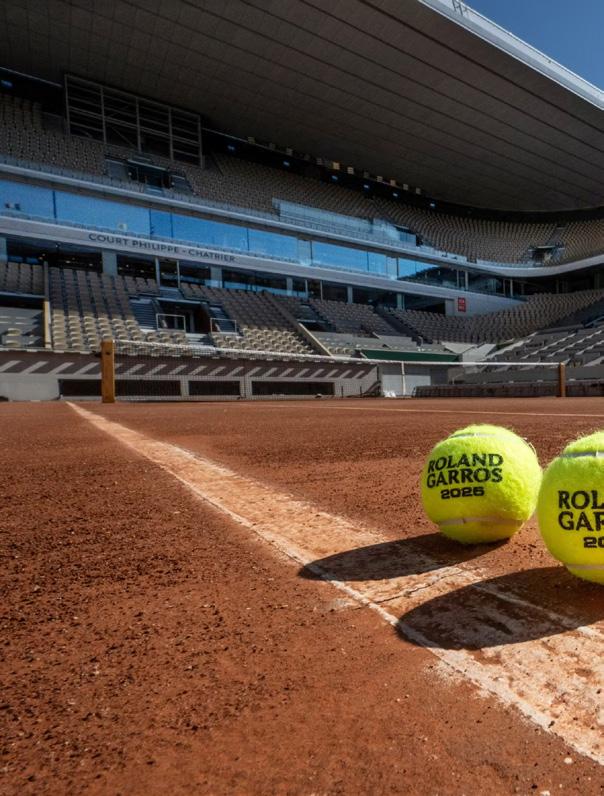
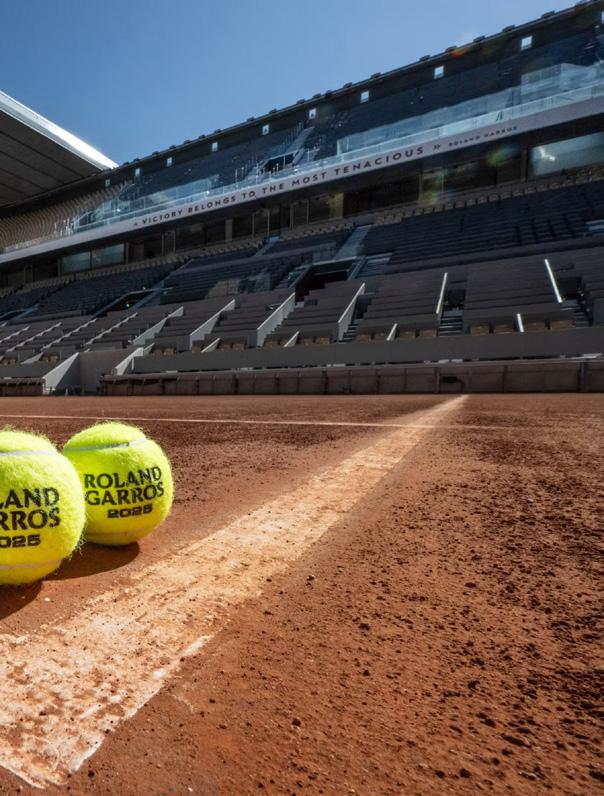
THE FRENCH OPEN 2025:
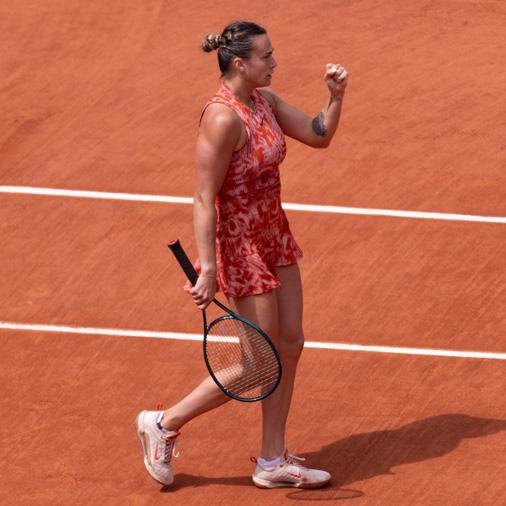
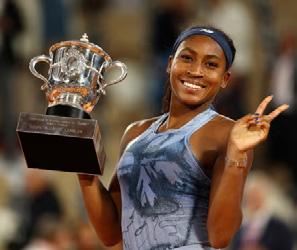
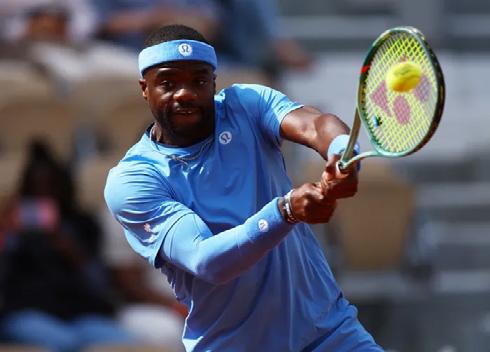
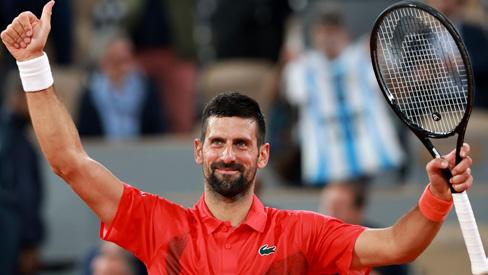
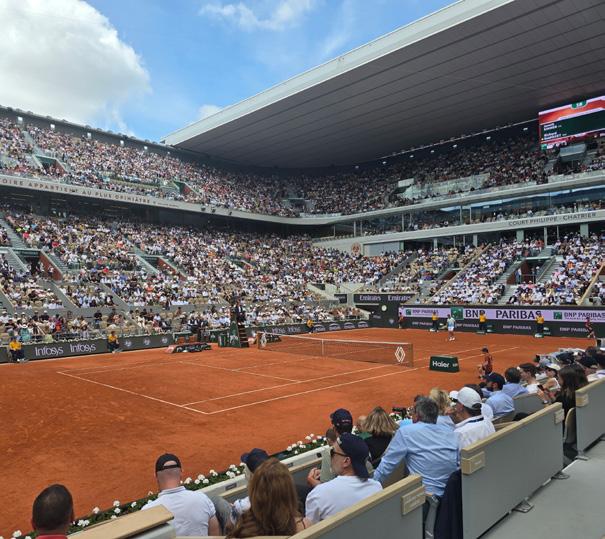
The 2025 French Open, held at the iconic Stade Roland-Garros in Paris from May 25 to June 8, delivered another unforgettable chapter in tennis history. Known as Roland-Garros, this Grand Slam on the red clay courts captivated fans with its gruelling rallies, stunning upsets, and crowning moments of brilliance. From Carlos Alcaraz’s epic title defence to Coco Gauff’s breakthrough victory, the tournament showcased why it remains a pinnacle of the sport. Let’s dive into the highlights, facts, and figures that defined this thrilling fortnight.
A STAGE SET FOR LEGENDS
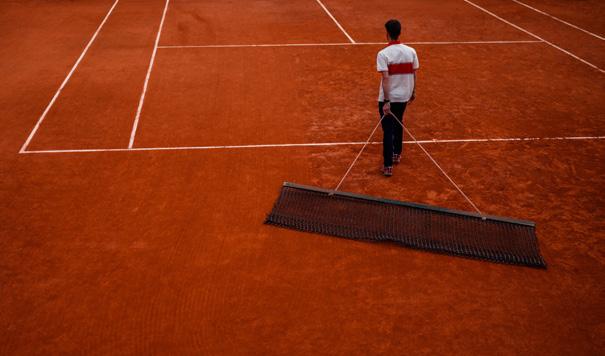
Roland-Garros, the second Grand Slam of the tennis season, is unique for its clay surface, which demands endurance, precision, and sliding mastery. The 2025 edition ran from May 25 to June 8, with qualifying rounds kicking off on May 19. The tournament featured men’s and women’s singles and doubles, mixed doubles, junior, wheelchair, and legend events, ensuring a diverse celebration of tennis. Total player compensation
reached €56.352 million (approximately $62.5 million), a 5.21% increase from 2024, with the prize purse for the main events totalling $26.334 million. The main singles draws each included 128 players, with 16 qualifiers per gender earning their spots through gruelling preliminary rounds. The clay courts, slower than grass or hard surfaces, tested players’ physical and mental fortitude, often leading to marathon matches that thrilled the Parisian crowds.
MEN’S SINGLES: ALCARAZ’S HISTORIC COMEBACK
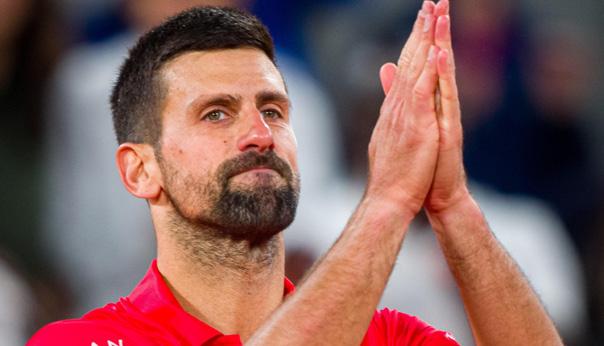
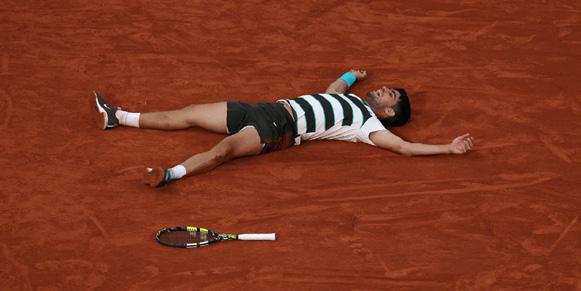
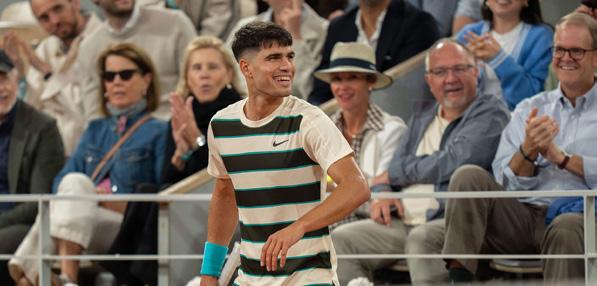
The men’s final was a five-hour, 32-minute epic, dubbed the longest French Open final ever and the second-longest major final in history. World No. 3 Carlos Alcaraz defended his title against No. 1 Jannik Sinner in a match that had fans on the edge of their seats. Alcaraz rallied from two sets down, saving three championship points to win 4-6, 6-7(4), 6-4, 7-6, 7-6. This marked his second consecutive French Open title and solidified his status as a clay-court titan at just 22 years old.
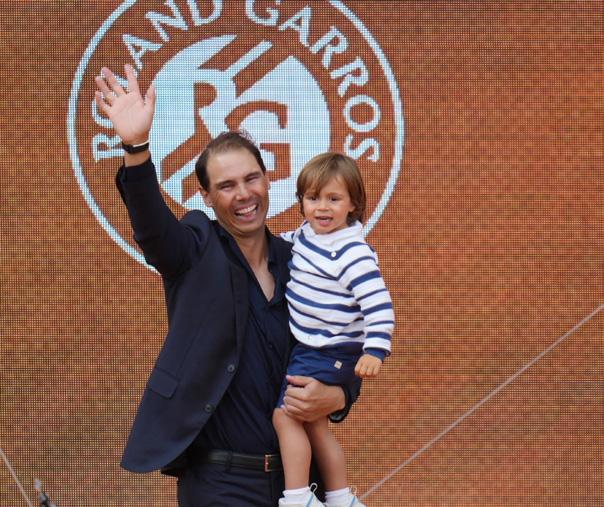
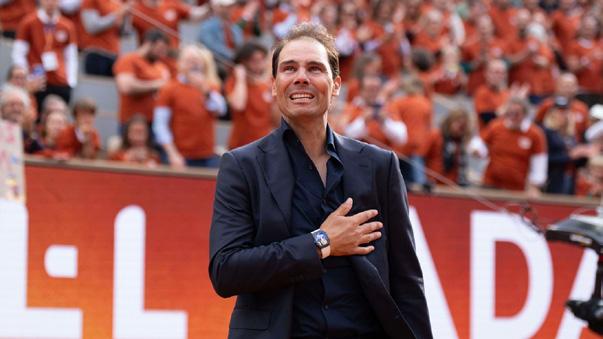
The tournament wasn’t without setbacks. Top French players Arthur Fils and another compatriot withdrew before the third round, disappointing home fans. Meanwhile, Rafael Nadal, the 14-time champion and “King of Clay,” made headlines with his return and was honoured by the French Tennis Federation. Alcaraz’s victory, however, kept Spanish dominance alive on the Parisian clay.
WOMEN’S SINGLES: GAUFF’S
PARISIAN
TRIUMPH
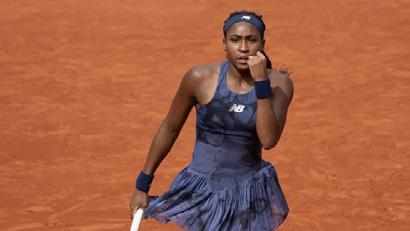
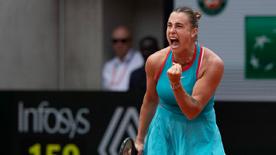
On the women’s side, World No. 2 Coco Gauff claimed her first French Open title, defeating top-ranked Aryna Sabalenka in a gripping final on June 7. The 21-year-old American showcased her versatility and tenacity, outlasting Sabalenka to win her second Grand Slam singles title. Gauff’s victory was a landmark moment, as she became
the youngest women’s champion at Roland-Garros since Iga Świątek in 2020. The women’s draw was packed with storylines, from early exits of top seeds to breakout performances by qualifiers. The tournament’s clay surface levelled the playing field, rewarding players with strong defensive skills and strategic shot-making.
DOUBLES AND BEYOND: A FULL SLATE OF CHAMPIONS
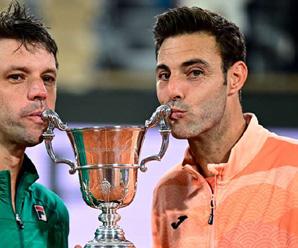
Marcel Granollers and Horacio Zeballos claimed the 2025 French Open men’s doubles title, marking a significant milestone for the veteran duo. Their victory came against the British pair Skupski and Salisbury in a tightly contested final that lasted over two hours. The first set was a dominant 6-0 rout, showcasing their precision and synergy, but Skupski and Salisbury fought back, taking the second set in a tiebreak. The deciding set went to 7-5, with Granollers and Zeballos holding firm under pressure to secure their first Roland-Garros title as a team.
This win was particularly meaningful for Granollers, who at 39 became one of the oldest men’s doubles champions in recent French Open history, and for Zeballos, who added another Grand Slam to his resume. The pair’s success highlighted their experience and adaptability on clay, a surface that rewards consistent rallying and strategic point construction. Their triumph was celebrated widely, with posts on social media noting their longawaited Roland-Garros crown.
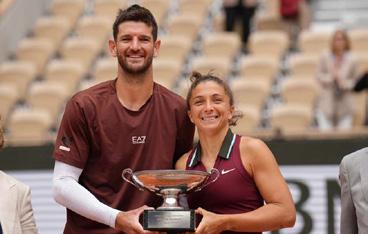
The Italian duo of Sara Errani and Jasmine Paolini captured the 2025 French Open women’s doubles title, delivering a masterclass in teamwork and resilience. Facing the pair of Danilina and Krunić, Errani and Paolini navigated a three-set battle to win 6-4, 2-6, 6-1. The first set was closely fought, with the Italians edging out their opponents through superior net play. After dropping the second set, they regrouped to dominate the decider, showcasing their claycourt prowess and mental toughness. Errani, a doubles veteran with a career Grand Slam in
women’s doubles, added another Roland-Garros title to her collection, cementing her legacy as one of Italy’s greatest doubles players. For Paolini, this was a breakout moment, as she also reached the singles semifinals, making her a standout star of the tournament. Their victory was a historic moment for Italian tennis, with Paolini calling Errani a “legend” and “inspiration” in post-match comments. The win was widely celebrated, with official Roland-Garros accounts and media outlets highlighting their dominance.
Sara Errani made history at the 2025 French Open by winning both the women’s doubles and mixed doubles titles, a rare feat that underscored her versatility and endurance. Partnering with fellow Italian Andrea Vavassori, Errani secured the mixed doubles crown with a straight-sets victory over the American pair Townsend and King, 6-4, 6-2. The match, played on June 5, saw the Italians dominate with sharp volleys and effective serving, wrapping up the final in just over an hour. This victory marked Errani and Vavassori as the first Italian
pair to win the mixed doubles title at RolandGarros, a historic achievement for Italian tennis. It was their second major mixed doubles title together, following their 2024 US Open triumph. Errani’s double triumph (women’s and mixed doubles) made her the tournament’s standout performer, while Vavassori’s powerful baseline game complemented her finesse at the net. Media coverage praised their “perfect run,” with no sets dropped throughout the tournament.
THE ROLAND - GARROS EXPERIENCE
Beyond the matches, Roland-Garros is a cultural phenomenon. The tournament’s clay courts, named after French aviator Roland Garros, have hosted tennis since 1928. The 2025 edition drew global attention, with 18 ATP and 11 WTA clay-court tournaments leading up to it, priming players for the Grand Slam. Fans flocked to Paris, braving concerns about chikungunya and dengue (though no major health alerts impacted the event), to witness history.
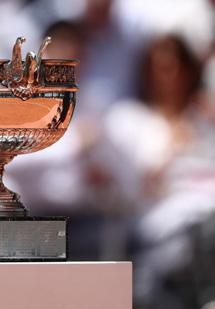
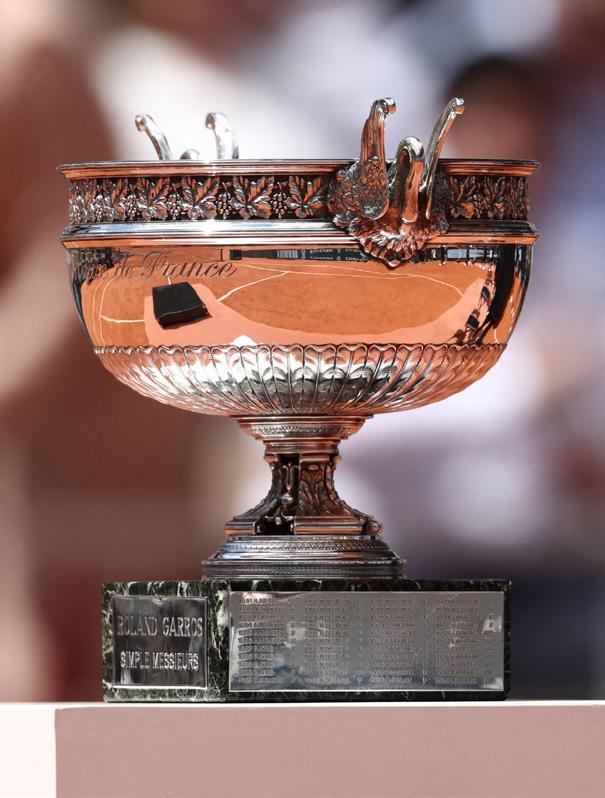
The trophy, oval-shaped with intricate mouldings and a chased frieze, symbolized the prestige of victory. For Alcaraz and Gauff, lifting it marked career-defining moments. For fans, the tournament was a reminder of why Roland-Garros remains tennis’s ultimate test of grit and glory.
LOOKING AHEAD
The 2025 French Open set a high bar, blending veteran prowess with youthful exuberance. As the tennis world shifts to grass for Wimbledon, the clay-court season leaves lasting memories. Will Alcaraz continue his reign? Can Gauff build on her Parisian success? One thing is certain: Roland-Garros will return in 2026, ready to write another chapter on its fabled red dirt.
Azizulhasni Awang’s Road to Redemption:
Pedaling Past Pain
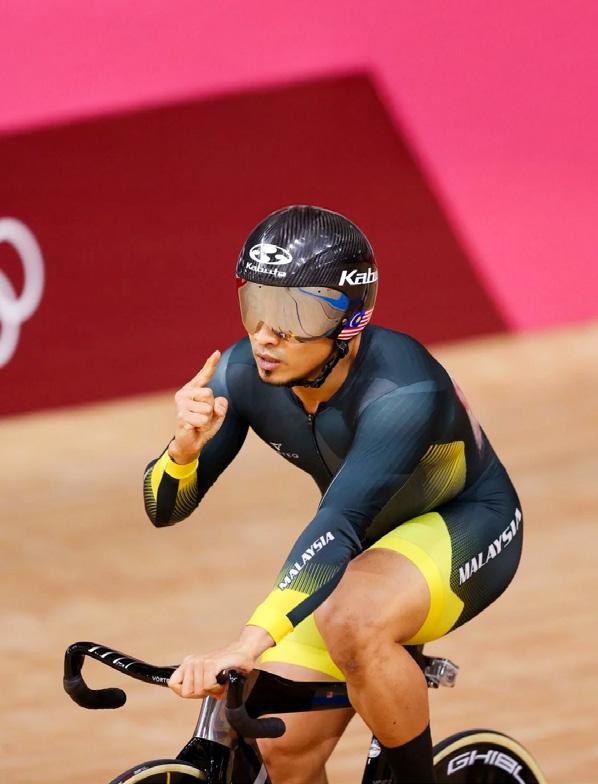
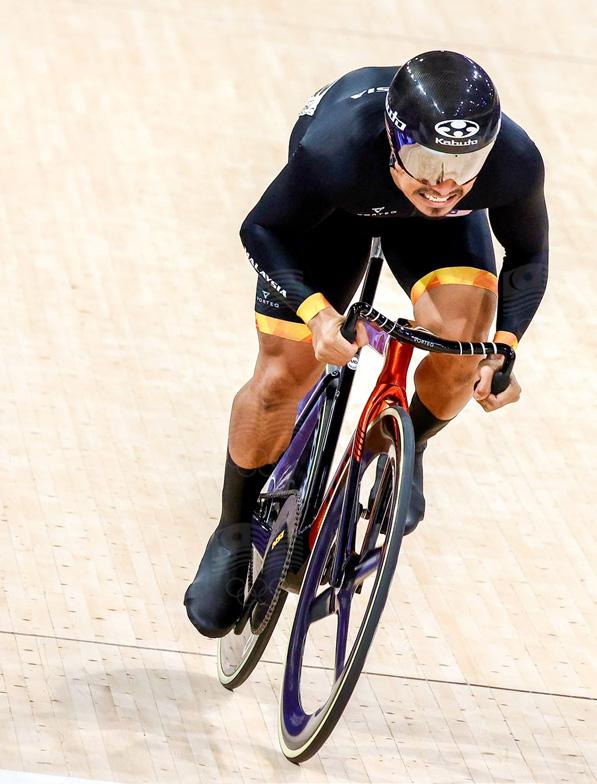
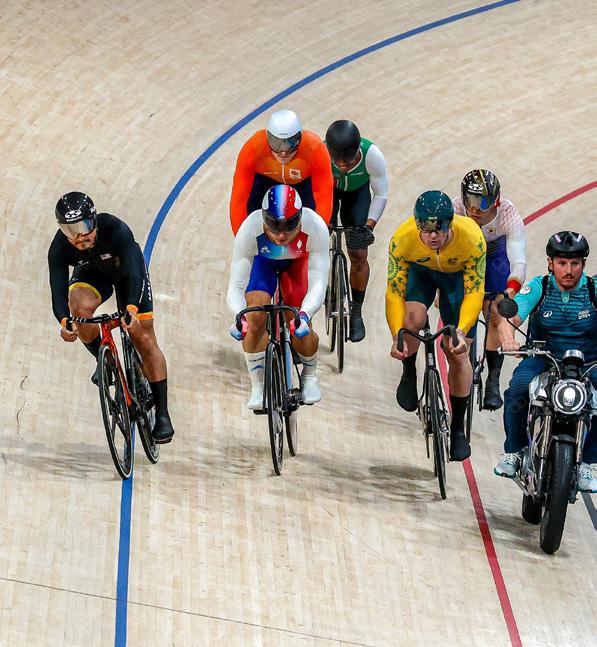
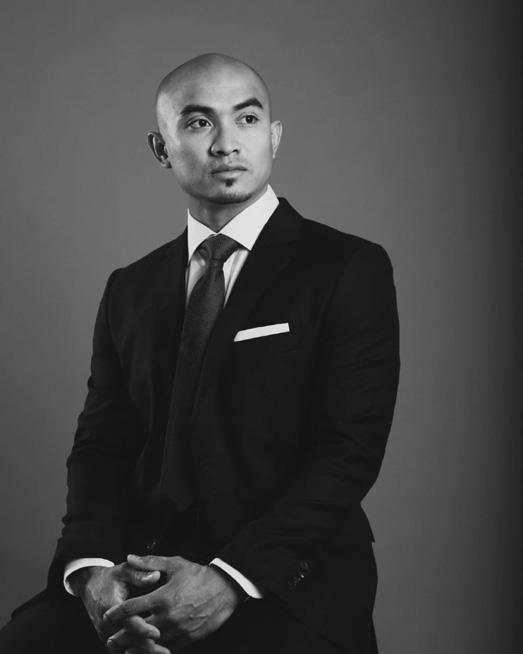
In a sport that rewards speed, strategy, and sheer resilience, Dato’ Azizulhasni Awang has built a legacy that pedals far beyond the velodrome. Known affectionately as “The Pocket Rocketman,” Malaysia’s most decorated cyclist has consistently defied expectations. But his latest chapter—one of health scares, setbacks, and relentless ambition—is perhaps his most inspiring yet.
A CAREER BUILT ON SPEED AND GRIT
Azizulhasni’s story is rooted in Dungun, Terengganu, where he began cycling competitively as a teenager. From modest beginnings, he quickly rose through Malaysia’s junior ranks, catching the attention of national coaches for his fearlessness and sprinting power.
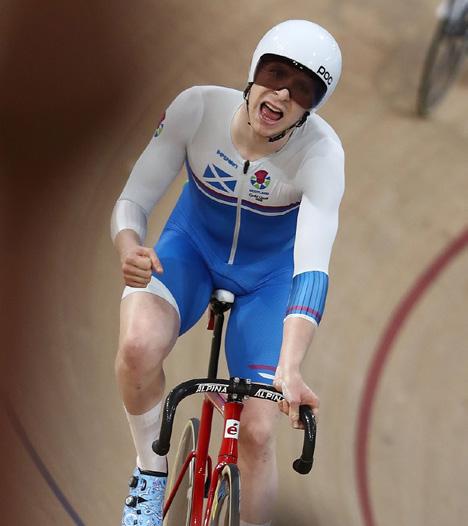
His international breakthrough came in the mid2000s, when he began training under Australian coach John Beasley. From there, Azizulhasni established himself on the global stage:
• Olympic Bronze (Rio 2016) – Malaysia’s first Olympic medal in cycling, earned in the keirin event.
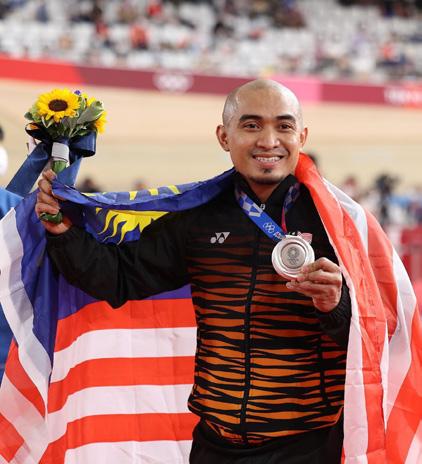
• Olympic Silver (Tokyo 2020) – Narrowly missing gold, but confirming his status as one of the world’s elite.
• World Champion (2017) – A defining moment, when he clinched gold in the keirin at the UCI Track Cycling World Championships, the first Malaysian ever to do so.
• Multiple Asian Games & SEA Games Titles – Dominating the region for over a decade, often winning multiple events at a single meet.
• Over 15 Years in UCI World Cup Circuits – Regular podium finishes in sprint and keirin events around the world, including Manchester, Berlin, and Hong Kong.
Azizulhasni brought prestige and visibility to track cycling in Malaysia, a sport long overshadowed by badminton and football. He helped establish the country as a serious contender on the world circuit—and inspired a new generation of riders in the process.
A HEART-STOPPING PAUSE
In early 2022, Azizulhasni stunned fans and athletes alike by announcing he had undergone open-heart surgery for a rare congenital condition—an anomalous right coronary artery. At 34, when most elite athletes begin to consider winding down their careers, he was facing the very real possibility of never competing again. “I was scared. But I was more scared of quitting,” he admitted in a televised interview. His decision to go under the knife wasn’t just brave—it was life-saving. And his resolve to return to professional racing sparked a national conversation on the fine line between vulnerability and strength in sports.
CLIMBING BACK INTO THE SADDLE
The comeback wasn’t cinematic—it was surgical, slow, and uncertain. Azizul had to start from scratch. Months of light cardio, physiotherapy, and mental training followed. “My body had changed. My limits
had changed. But my dream hadn’t,” he shared on Instagram, his updates inspiring thousands. By mid-2023, he returned to training full-time in Melbourne under coach John Beasley. The goals were clear: qualify for the 2024 Paris Olympics and push for Malaysia’s first Olympic gold medal in cycling.
A NATION RIDES WITH HIM
Azizulhasni is no stranger to Olympic pressure. He won bronze in Rio 2016 and silver in Tokyo 2020, each medal etched with grit and glory. But Paris could be his swan song—and perhaps his greatest performance. His journey has elevated him from athlete to national icon. In a country where badminton often takes centre stage, Azizulhasni carved out a lane for track cycling in Malaysian sports culture. His signature low crouch, aerodynamic power, and mental focus have inspired a new generation of riders from Terengganu to Kuala Lumpur.
MORE THAN JUST MEDALS
The story of Azizulhasni’s redemption is not just about making a comeback—it’s about redefining what an elite athlete looks like in their late 30s, in recovery, and under intense scrutiny. He has spoken publicly about mental health, burnout, and the pressure of carrying national expectations. These are conversations often ignored in high-performance environments. “I want to be remembered not just for winning, but for showing others that you can rise again,” he said.
THE ROAD AHEAD
In 2025, Azizulhasni continues to train with an eye on the UCI Track Cycling World Championships, a crucial qualifier for the Olympics. Fans await his final ride with bated breath. Will he clinch that elusive gold in Paris? Or will his true triumph be simply standing at the starting line once more? Either way, one thing is clear: Azizulhasni Awang’s road to redemption is already a victory—for courage, for determination, and for every athlete who dares to begin again.
CHELSEA RESIDENCES BY DAMAC
A GAME-CHANGING FUSION OF FOOTBALL AND LUXURY LIVING
In a groundbreaking collaboration that has set the real estate world abuzz, DAMAC Properties, one of Dubai’s leading luxury developers, has teamed up with Chelsea Football Club to unveil Chelsea Residences by DAMAC—the world’s first football-branded residential development. Launched in Dubai Maritime City, this ambitious project sold out in a staggering 90 minutes, generating AED 2.3 billion (approximately £407 million) in sales. Combining the prestige of a global football giant with DAMAC’s signature opulence, Chelsea Residences is redefining luxury living with a nod to sports culture. Here’s an in-depth look at this iconic development, with all facts carefully verified.
A Landmark Partnership
Announced in late 2024, Chelsea Residences is a joint venture between DAMAC Properties and Chelsea Football Club, a Premier League powerhouse with a global fanbase. This marks the first time a football club has lent its brand to a residential project, creating a unique lifestyle offering that blends the passion of football with high-end living. According to posts on social media and reports from Arabian Business, the project was unveiled with much fanfare, capturing the attention of investors, football enthusiasts, and luxury homebuyers alike. The development is strategically located in Dubai Maritime City, a waterfront hub known for its serene views and proximity to Dubai’s bustling urban core. This prime location offers residents direct access to the Arabian Gulf’s coastline, blending beachfront tranquillity with the vibrancy of city life.
Architectural and Design Excellence
Chelsea Residences comprises four towering skyscrapers, each standing 130 meters tall, with a total of over 1,400 residential units. The apartments range from one to three bedrooms, designed to cater to a diverse clientele, from young professionals to families seeking a premium lifestyle. Each unit features high-end interiors, including sleek finishes, spacious layouts, and floor-to-ceiling windows that maximize natural light and offer panoramic views of the sea and Dubai’s skyline.
The architectural design, as highlighted by DAMAC’s official communications, draws inspiration from Chelsea FC’s ethos of performance and excellence. The towers are visually striking, with modern aesthetics that reflect both the dynamism of football and the sophistication of Dubai’s luxury real estate market. Residents can expect state-of-theart facilities, including smart home technology and energy-efficient systems, aligning with Dubai’s push toward sustainable urban living.
Football-Inspired Amenities
What sets Chelsea Residences apart is its unique integration of Chelsea FC’s identity into the living experience. The development boasts a rooftop football pitch, a standout feature that allows residents to channel their inner Premier League star while enjoying breathtaking views of the Gulf. This pitch is complemented by wellness zones, including gyms equipped with cutting-edge fitness technology, saunas, and meditation spaces, all designed to promote a healthy, performance-driven lifestyle. Exclusive events tied to Chelsea FC, such as match screenings, player meet-and-greets, and football clinics, are planned to foster a sense of community among residents. Additional amenities include infinity pools, landscaped gardens, and retail spaces, ensuring a holistic living experience. According to verified reports from sources like Emirates 24/7 and Gulf News, these features were a major draw for buyers, with the football branding adding a layer of prestige and emotional connection.
Record-Breaking Sales Success
The launch of Chelsea Residences was nothing short of a phenomenon. On the day of its release in 2024, the entire project sold out in just 90 minutes, with sales reaching AED 2.3 billion. This rapid sellout, as confirmed by multiple sources including Construction Week Online and Khaleej Times, underscores the immense demand for unique, branded real estate in Dubai. The project attracted a diverse buyer pool, including local investors, international football fans, and high-net-worth individuals seeking exclusive properties.
The partnership’s success reflects Dubai’s position as a global hub for innovative real estate. As noted in a Zawya report, the collaboration between DAMAC and Chelsea FC taps into the growing trend of branded residences, where partnerships with globally recognized names enhance property value and appeal.
Strategic Location in Dubai Maritime City
Dubai Maritime City, the backdrop for Chelsea Residences, is a master-planned community designed to integrate residential, commercial, and maritime activities. Its waterfront setting offers residents direct beach access, marinas, and recreational spaces, making it one of Dubai’s most sought-after locations. The area is well-connected to key landmarks like Downtown Dubai, Dubai International Airport, and Sheikh Zayed Road, ensuring convenience without sacrificing serenity. The choice of Dubai Maritime City aligns with DAMAC’s vision of creating lifestyle-driven communities. The development’s proximity to the sea not only enhances its aesthetic appeal but also supports wellness-focused living, with open spaces and water-based activities at residents’ doorstep.
A New Benchmark for Branded Residences
Chelsea Residences by DAMAC sets a new standard for branded real estate, blending the emotional pull of sports fandom with the tangible benefits of luxury living. The project’s rapid sell-out and global media coverage, including mentions on social media platforms and in outlets such as Arabian Business, highlight its significance in the competitive Dubai property market. For Chelsea FC fans, the development offers a chance to live the club’s legacy, while for investors, it represents a highvalue opportunity in one of the world’s fastest-growing cities. As DAMAC continues to innovate—evidenced by its portfolio of branded projects with names like Versace and Cavalli—Chelsea Residences stands out as a bold step into uncharted territory.
Chelsea Residences by DAMAC is more than a real estate project; it’s a lifestyle statement that merges the worlds of football and luxury. With its prime location, world-class amenities, and the prestige of Chelsea FC’s branding, it has captured the imagination of buyers worldwide. The project’s record-breaking sales and unique offerings cement its place as a trailblazer in the branded residence sector. As Dubai continues to redefine urban living, Chelsea Residences is a testament to the city’s ability to turn bold visions into reality.
Silat
THE ART AND SOUL OF TRADITIONAL MALAY MARTIAL ARTS
Silat, a traditional martial art originating from the Malay Archipelago, is a dynamic and multifaceted combat system deeply rooted in the cultural heritage of Southeast Asia. Practiced across Malaysia, Indonesia, Brunei, Singapore, and southern Thailand, Silat encompasses a rich blend of physical techniques, spiritual philosophies, and cultural traditions. Known for its fluid movements, strategic combat techniques, and emphasis on self-defence, Silat is not merely a fighting style but a way of life that reflects the values and history of the Malay people.
Origins and History
Silat’s origins are steeped in legend and history, with roots tracing back centuries to the Malay Peninsula and the Indonesian archipelago. The martial art evolved as a means of survival, used by warriors to defend against invaders and protect communities. Historical records suggest that Silat was practiced by Malay nobility and warriors as early as the 7th century, during the rise of ancient kingdoms like Srivijaya and Majapahit. Over time, Silat spread across the region, influenced by trade, migration, and cultural exchanges with Chinese, Indian, and Arab traditions. Silat was traditionally taught in secrecy, passed down through families or within tight-knit communities. Its techniques were honed in real combat scenarios, making it a practical and effective system for self-defence. During the colonial era, Silat practitioners played a role in resistance movements, using their skills to oppose foreign rule. Today, Silat is recognized as a cultural treasure, preserved through formal schools, performances, and international competitions.
Core Principles and Techniques
Silat is characterized by its fluid, dance-like movements, which combine grace with lethality. Unlike martial arts that emphasize brute force, Silat focuses on efficiency, adaptability, and precision. Practitioners, known as pesilat, learn to use their opponent’s energy against them, employing techniques that blend strikes, joint locks, throws, and weapon-based combat.
Key elements of Silat include:
• Langkah (Footwork): Silat’s footwork is intricate, allowing practitioners to move swiftly and maintain balance while evading or closing in on an opponent. The low stances and circular movements are designed to confuse and outmanoeuvre adversaries.
• Jurus (Forms): These are choreographed sequences of movements that teach the fundamentals of attack and defense. Jurus vary across different Silat styles, reflecting regional and cultural distinctions.
• Weapons Training: Silat incorporates a variety of traditional weapons, such as the keris (a wavy-bladed dagger), parang (machete), and tongkat (staff). Weapons are used seamlessly with empty-hand techniques, emphasizing versatility.
• Spiritual and Cultural Aspects: Many silat styles integrate spiritual practices, including meditation, breath control, and Islamic mysticism (particularly in Malay and Indonesian traditions). These elements foster discipline, self-awareness, and respect for others.
Silat is also known for its emphasis on ilmu kebatinan, or inner knowledge, which focuses on developing mental and spiritual strength. Practitioners are taught to cultivate humility, patience, and a deep connection to their cultural roots.
Styles and Variations
Silat is not a monolithic martial art; it encompasses hundreds of distinct styles, each with its own techniques, philosophies, and cultural significance. Some prominent styles include:
• Silat Melayu: Practiced in Malaysia, this style emphasizes graceful movements, cultural rituals, and the use of the keris. It is often performed during weddings and cultural ceremonies, showcasing its artistic side.
• Pencak Silat: The Indonesian variant, recognized by UNESCO as an Intangible Cultural Heritage, is known for its competitive forms and dynamic combat techniques.
• Silat Seni Gayung: A Malaysian style that blends self-defense with artistic performance, often incorporating music and dance-like movements.
• Silat Harimau: A Minangkabau style from Sumatra, inspired by the movements of a tiger, featuring low, aggressive stances and powerful strikes.
Each style reflects the unique history and environment of its region, yet all share the core principles of fluidity, adaptability, and respect for tradition.
Silat in Modern Times
In the modern era, Silat has gained international recognition as both a martial art and a cultural art form. It is practiced globally, with schools established in Europe, North America, and Australia. Competitive silat, known as Pencak Silat Olahraga, is featured in regional events like the Southeast Asian Games, where practitioners showcase their skills in sparring and choreographed forms. Silat has also made its mark in popular culture, appearing in films, video games, and television. Movies like The Raid: Redemption and Merantau have brought the martial art’s explosive techniques to a global audience, highlighting its cinematic appeal.
However, Silat remains deeply tied to its cultural roots. In Malaysia and Indonesia, it is taught in schools, community centres, and universities as a way to preserve heritage and instil values like discipline and respect. Silat performances, often accompanied by traditional music like gamelan or Silat Baku drums, are a highlight of cultural festivals and celebrations.
Challenges and Preservation
Despite its growing popularity, Silat faces challenges in the modern world. The rise of globalized martial arts like Brazilian Jiu-Jitsu and Mixed Martial Arts (MMA) has overshadowed traditional practices in some areas. Additionally, the commercialization of Silat has led to concerns about diluting its cultural and spiritual essence. Efforts to preserve silat are ongoing, with organizations like the International Pencak Silat Federation (PERSILAT) working to standardize and promote the art globally. In Malaysia and Indonesia, governments and cultural institutions support silat through education and public events, ensuring that future generations can connect with their heritage.
Silat is more than a martial art; it is a living testament to the resilience, creativity, and cultural richness of the Malay world. Its blend of physical prowess, strategic thinking, and spiritual depth makes it a unique and enduring practice. Whether performed in a village courtyard, a competitive arena, or a Hollywood blockbuster, Silat continues to captivate and inspire, embodying the spirit of a people who have mastered the art of harmony in motion. For those interested in exploring Silat, training offers not only self-defence skills but also a deeper connection to a vibrant cultural tradition. As a bridge between the past and the present, Silat remains a powerful symbol of identity, discipline, and grace.
World Table Tennis Championships 2027
Kazakhstan’s Historic Hosting in Astana
In a landmark decision, Astana, Kazakhstan, has been selected to host the 2027 World Table Tennis Championships Finals, a prestigious event organized by the International Table Tennis Federation (ITTF). This marks the first time the championship will be held in Central Asia, a significant milestone for both Kazakhstan and the global table tennis community. Scheduled to feature 128 of the world’s top players competing in individual categories, the event promises to showcase elite athleticism and elevate Kazakhstan’s profile in international sports. This article explores the significance of this historic decision, the journey to securing the bid, and what it means for table tennis in the region.
A Historic First for Central Asia
The selection of Astana as the host city for the 2027 World Table Tennis Championships Finals is a groundbreaking achievement. The ITTF announced the decision following a competitive bidding process, where Kazakhstan outperformed Montpellier, France, and San Jose, United States. This victory underscores Kazakhstan’s growing ambition to become a hub for international sporting events and
highlights the ITTF’s commitment to expanding the sport’s reach into new regions. Kazakhstan’s hosting of the championships is particularly significant given the region’s limited history with major table tennis events. Central Asia has not traditionally been a powerhouse in the sport, which has long been dominated by nations like China, Japan, and European countries. By bringing the championships to Astana, the ITTF aims to inspire a new generation of players and fans in the region, fostering the growth of table tennis in an area with untapped potential.
The Bid and Kazakhstan’s Table Tennis Journey
Kazakhstan’s successful bid for the 2027 Championships reflects the country’s increasing investment in table tennis infrastructure and development. The Kazakhstan Table Tennis Federation (KTTF), led by President Daniyar Abulgazin, has been instrumental in this effort. Abulgazin emphasized the honour of hosting the event, stating, “It is a great honour for us to welcome the world’s best table tennis players to Astana in 2027. This event will not only showcase our country’s hospitality but also inspire young athletes across Central Asia.” Astana, the capital city known for its futuristic architecture and vibrant cultural scene, is well-equipped to host an event of this magnitude.
The city has previously hosted international sporting events, including the Asian Indoor and Martial Arts Games and cycling competitions, demonstrating its capability to manage large-scale tournaments. The 2027 Championships will likely take place in a stateof-the-art venue, with facilities designed to meet the ITTF’s stringent requirements for world-class competition.
Kazakhstan’s table tennis credentials have also been bolstered by recent successes. At the WTT Youth Contender Tashkent 2025, held in Uzbekistan, Kazakh players secured an impressive seven medals, signalling the country’s growing competitiveness in the sport. This achievement, coupled with the KTTF’s strategic efforts to promote table tennis at the grassroots level, has positioned Kazakhstan as a worthy host for the 2027 Championships.
Significance for Global Table Tennis
The 2027 World Table Tennis Championships Finals will feature 128 players competing in individual events, including men’s and women’s singles, doubles, and potentially mixed doubles, depending on the final format. As one of the most prestigious events in the sport, alongside the Olympic Games and World
Cup, the Championships draw the world’s top talent and command a global audience. Hosting this event in Astana will not only spotlight Kazakhstan but also contribute to the ITTF’s mission of globalizing table tennis. The decision to award the Championships to Kazakhstan aligns with the ITTF’s broader strategy of diversifying the sport’s geographical footprint. In recent years, the ITTF has prioritized hosting
major events in regions with emerging table tennis ecosystems, such as the Middle East (Qatar hosted the 2021 Championships) and Africa (South Africa hosted in 2023). By choosing Astana, the ITTF is signalling its confidence in Central Asia’s potential to contribute to the sport’s global growth. For Kazakhstan, the Championships represent an opportunity to showcase its organizational capabilities and cultural
heritage on the world stage. The event is expected to draw thousands of spectators, including international fans, media, and officials, boosting tourism and local economies. Moreover, the global exposure could inspire increased investment in sports infrastructure and youth development programs, further solidifying table tennis’s place in Kazakhstan’s sporting landscape.
Challenges and Expectations
While the opportunity is immense, hosting the World Table Tennis Championships comes with challenges. Kazakhstan will need to ensure that its facilities meet international standards, including high-quality playing surfaces, lighting, and spectator amenities. Additionally, the KTTF will need to coordinate with the ITTF to deliver a seamless event, from player accommodations to broadcast logistics. The Championships also present an opportunity for Kazakhstan to elevate its own players’ performances. While Kazakh athletes have shown promise in youth competitions, breaking into the elite levels of international table tennis will require continued investment in coaching, training facilities, and international exposure. The 2027 Championships could serve as a catalyst for these efforts, motivating young players to aim for the global stage.
Looking Ahead
As preparations for the 2027 World Table Tennis Championships Finals begin, the global table tennis community will be watching Astana closely. The event promises to be a celebration of sport, culture, and international collaboration, with Kazakhstan poised to make history as the first Central Asian nation to host this iconic tournament. For fans, players, and officials alike, the 2027 Championships will be a chance to witness world-class competition in a new and dynamic setting.
In conclusion, Kazakhstan’s selection as the host of the 2027 World Table Tennis Championships Finals is a testament to the country’s growing influence in international sports and the ITTF’s vision for a more inclusive global table tennis community. With Astana’s modern infrastructure, the KTTF’s dedication, and the region’s enthusiasm for the sport, the 2027 Championships are set to be a historic and unforgettable event.
THE RUGBY PREMIER LEAGUE INDIA A Game-Changer for Rugby’s Growth in the Country
The launch of the Rugby Premier League (RPL) in India marks a historic milestone for the sport, introducing the world’s first franchise-based Rugby 7s league. Having kicked off on June 15, 2025, in Mumbai, the RPL is poised to transform the landscape of rugby in India, a country where the sport has historically been overshadowed by cricket. Organized by Rugby India in partnership with GMR Sports, the RPL aims to elevate the sport’s profile, foster grassroots development, and position India as a global contender in rugby sevens.
The Significance of the Rugby Premier League
The RPL represents a bold step toward mainstreaming rugby in a nation where it has struggled for visibility. Rugby in India has seen steady growth in participation and awareness over the years, particularly at the grassroots level, but it remains a niche sport with limited infrastructure and mainstream appeal. The RPL, modelled after the successful Indian Premier League (IPL) in cricket, seeks to change this by introducing a professional, franchise-based format that combines global talent with local players, high-profile sponsorships, and a focus on entertainment to attract a broader audience.
Rahul Bose, President of Rugby India, has emphasized that the RPL will “reduce the timeframe for India’s rise in the sport,” suggesting that the league could fast-track the development of elite talent and infrastructure. By bringing in 30 of the world’s best Rugby 7s players to compete alongside Indian athletes, the RPL offers local players a rare opportunity to train and play with international stars, enhancing their skills and exposure. The league’s significance extends beyond India. Asia Rugby views the RPL as a “strategic breakthrough” that could accelerate the sport’s growth across the continent. With rugby sevens being an Olympic sport, the RPL is also seen as a launchpad for India’s aspirations to compete on the global stage, potentially at events like the Olympics.
Structure of the Rugby Premier League
The RPL is a 15-day tournament featuring six city-based franchise teams, held in Mumbai. Each team combines international rugby sevens stars with emerging Indian players, creating a platform for skill transfer and competitive exposure. The league’s fast-paced, high-energy Rugby 7s format—known for its shorter matches and dynamic gameplay—is designed to appeal to new audiences unfamiliar with the sport’s traditional 15-a-side version. The inaugural season has garnered significant support, with HSBC India as a “powered by partner,” signalling corporate
confidence in the league’s potential to elevate rugby’s profile. The involvement of GMR Sports, a major player in India’s sports ecosystem, further underscores the RPL’s ambition to establish rugby as a commercially viable sport. The league’s launch was marked by a star-studded event in Mumbai, featuring global rugby icons and Bollywood celebrities, which added a layer of glamour to attract mainstream attention. Social media buzz highlighted early milestones, such as the first tackle by Prashant Singh (Bengaluru Bravehearts), the first conversion by Deepak Punia (Delhi Redz), and the first try by Aryan Dixit (Chennai Bulls), showcasing the contributions of Indian players in the league’s opening matches.
How the RPL Can Grow Rugby in India
1. INCREASING VISIBILITY AND FAN ENGAGEMENT:
Rugby’s biggest challenge in India has been its lack of visibility compared to cricket, football, and other popular sports. The RPL’s franchise-based model, inspired by the IPL, leverages city-based teams to build local fanbases and foster regional pride. By hosting the tournament in Mumbai, a major media hub, and incorporating elements like Bollywood endorsements and celebrity ambassadors such as Sunil Chhetri, PR Sreejesh, David Warner, and Kevin Pietersen, the RPL aims to capture the imagination of India’s sports-loving public. The league’s emphasis on Rugby 7s, which is faster and more accessible to new viewers, is a strategic choice to broaden its appeal. Fan sentiments reflect excitement about the league’s “good energy” and “solid” opening day, indicating early success in engaging fans.
2. DEVELOPING LOCAL TALENT: One of the RPL’s core objectives is to nurture Indian rugby players by providing them with opportunities to compete alongside global stars. This exposure is critical in a country where rugby infrastructure and coaching resources are limited. By integrating Indian players into professional teams, the RPL offers a platform for skill development, tactical learning, and international-standard training. The league’s focus on youth development aligns with Rugby India’s broader goals of grassroots expansion. Programs to train coaches, referees, and players at the community level are expected to complement the RPL, creating a pipeline of talent that can sustain the sport’s growth.
3. ATTRACTING INVESTMENT AND INFRASTRUCTURE:
The RPL’s partnerships with major organizations like GMR Sports and HSBC India signal a shift toward professionalizing rugby in India. These collaborations could lead to increased investment in facilities, training programs, and youth academies, which are essential for the sport’s long-term sustainability. The 10-year strategic partnership between Rugby India and GMR Sports is a testament to the commitment to building a robust rugby ecosystem.
4. GLOBAL ASPIRATIONS AND OLYMPIC DREAMS:
Rugby sevens’ inclusion in the Olympics has elevated its global profile, and the RPL is positioned as a stepping stone for India to compete at this level. International players like Scott Curry have expressed optimism about the league’s potential to “shape the global future” of Rugby 7s, while Derek Jones, another rugby figure, sees it as a “launchpad to Olympic dreams.” By raising the standard of domestic competition, the RPL could prepare Indian players for international tournaments, including the Asia Rugby Sevens Series and, eventually, the Olympics.
Challenges and Considerations
Despite its promise, the RPL faces challenges. Rugby’s limited fanbase in India means the league must compete with established sports for attention and resources. Sustaining fan interest beyond the initial excitement will require consistent marketing, quality broadcasts, and competitive matches. Additionally, while the RPL focuses on Rugby 7s, the traditional 15-a-side game, which is more prevalent globally, may need separate efforts to grow. Ensuring inclusivity, particularly for women’s rugby, will also be critical to the sport’s holistic development. Moreover, the league’s success depends on its ability to translate corporate backing and international talent into grassroots impact. Without sustained investment in school and community programs, the RPL risks becoming an elite spectacle rather than a catalyst for widespread growth.
Early Impact
The league’s opening day on June 15, 2025, was described as having “good energy” and featured notable performances by Indian players. The involvement of global rugby icons has added credibility, and the league’s launch has generated buzz across sports media, with outlets like ESPN, Forbes India, and RugbyPass covering its potential to redefine rugby in India. The Rugby Premier League is a transformative initiative that could redefine rugby’s place in India’s sporting landscape. By combining global talent, corporate investment, and a franchise-
based model, the RPL has the potential to increase the sport’s visibility, develop local talent, and position India as a contender in global rugby sevens. Its success will depend on sustained efforts to engage fans, invest in grassroots development, and build a lasting infrastructure for the sport. As Rahul Bose aptly stated, the RPL is not just a league but a “movement” to bring world-class rugby to India while fostering its growth at every level. With the right execution, the RPL could indeed be rugby’s “IPL moment,” paving the way for a brighter future for the sport in India and beyond.
Major League Cricket
CATALYZING THE RISE OF CRICKET IN THE UNITED STATES
Cricket, a sport with a global following of over 2.5 billion, has long struggled to gain a foothold in the United States, a nation dominated by sports like American football, basketball, and baseball. However, the launch of Major League Cricket (MLC) in 2023 has marked a pivotal moment in the sport’s journey to establish itself in the American sports landscape. By introducing a professional T20 league, attracting international talent, securing significant funding, and fostering infrastructure development, MLC has significantly contributed to the growth of cricket in the USA. This article explores MLC’s impact, and examines how it is reshaping the sport’s future in America.
THE BIRTH OF MAJOR LEAGUE CRICKET
Major League Cricket, the first professional T20 cricket league in the United States, launched its inaugural season in July 2023, marking a historic milestone for American cricket. The league began with six franchises: Los Angeles Knight Riders, MI New York, San Francisco Unicorns, Seattle Orcas, Texas Super Kings, and Washington Freedom. Each team operates under a $1.15 million salary cap, enabling them to attract a mix of international stars and domestic talent. The league’s debut season featured 19 matches, a number that has expanded to 34 games by the 2025 season, with plans for further growth. MLC’s establishment was underpinned by significant financial backing. In May 2022, the league secured $120 million in funding, primarily allocated to building cricket-specific stadiums and training centres across the U.S. This investment has laid the foundation for professionalizing the sport and creating sustainable infrastructure to support its growth.
DRIVING GROWTH THROUGH HIGH-PROFILE TALENT
One of MLC’s most significant contributions to cricket’s growth in the USA is its ability to attract world-class players, elevating the sport’s visibility and credibility. The 2023 season featured international stars like Marcus Stoinis, Anrich. Nortje, and Nicholas Pooran, whose 137* off 55 balls in the final helped MI New York clinch the inaugural title. The presence of international talent has not only drawn attention to MLC but also inspired local players. For instance, domestic players gain exposure by competing alongside global icons, fostering skill development and raising the standard of American cricket. Additionally, MLC’s official T20 league status, achieved in 2024, ensures that player statistics contribute to international records, further incentivizing participation.
EXPANDING INFRASTRUCTURE AND ACCESSIBILITY
MLC’s commitment to infrastructure development has been a game-changer for cricket in the USA. The $120 million investment has supported the construction and upgrading of cricket facilities, such as the Grand Prairie Cricket Stadium in Texas, which hosted 12 regular-season games in 2025. Other venues, like the Oakland Coliseum, have also been repurposed to host MLC matches, reflecting the sport’s growing presence in iconic American sports venues. This infrastructure growth extends beyond professional venues. Local leagues, such as those in Fremont, California, have reported exponential growth, with players like Subbu Kuchibhotla noting increased participation in recent years. By establishing training centres and improving access to quality facilities, MLC is nurturing grassroots cricket, encouraging more Americans to take up the sport.
FINANCIAL GROWTH AND MARKET POTENTIAL
MLC’s financial success underscores its potential to drive cricket’s growth in the USA. The league reported $8 million in revenue following the 2023 tournament, a promising start for a nascent professional sports league. The broader cricket market in the USA is projected to reach $90.01 million in revenue in 2025, with an expected annual growth rate of 1.75% from 2025 to 2029. These figures reflect growing commercial interest, driven by MLC’s ability to attract sponsors, broadcasters, and fans.
The league’s expansion plans further highlight its ambition. MLC aims to grow from six teams to eight by 2027, with potential expansion into Canada being explored. This growth is expected to increase the league’s reach and fan base, particularly among the estimated 50 million cricket fans in the U.S., a figure cited by the sport’s governing body. Additionally, the number of active cricket players in the U.S. has risen from 30,000 in 2006 to approximately 200,000 by 2017, a trend that MLC is likely to accelerate.
CULTURAL IMPACT AND FAN ENGAGEMENT
MLC’s impact extends beyond statistics, as it is helping to shift cultural perceptions of cricket in the USA. The sport has historically been viewed as niche, primarily played by expatriate communities from cricket-loving nations like India, Pakistan, and the Caribbean. However, MLC’s professional structure and high-profile matches are broadening its appeal. The league’s 2025 season, running from June 12 to July 13, has generated buzz, with the opening match featuring Washington Freedom against San Francisco Unicorns.
There is growing excitement among fans and players alike, with figures like Adam Gilchrist comparing MLC’s early days to the Indian Premier League’s (IPL) formative years, suggesting that the U.S. is no longer a fringe market for cricket. Similarly, Faf du Plessis, captain of the Texas Super Kings, expressed optimism about MLC’s potential to transform American cricket over the next decade. These sentiments indicate that MLC is not only building a fan base but also fostering a sense of ambition and possibility for cricket in the U.S.
CHALLENGES AND THE ROAD AHEAD
Despite its successes, MLC faces challenges in sustaining cricket’s growth. Cultural hurdles, such as competing with established American sports, and economic barriers, like the relatively modest $1.15 million salary cap compared to other global T20 leagues, could limit its ability to attract top talent consistently. Additionally, while revenue is growing, the league has not yet increased salary caps, which may impact long-term competitiveness. However, MLC’s strategic vision addresses these challenges. The league’s expansion to 34 matches in 2025 and plans for further growth demonstrate a commitment to scaling operations. Investments in youth programs and domestic talent development, combined with the league’s ability to leverage the U.S.’s large sports economy, position MLC to overcome these hurdles.
THE FUTURE OF AMERICAN CRICKET
Major League Cricket has emerged as a transformative force for cricket in the United States, driving growth through professionalization, infrastructure development, and cultural outreach. Since its launch in 2023, MLC has expanded from 19 to 34 matches by 2025, secured $120 million in funding, and attracted global stars to elevate the sport’s profile. With a projected market revenue of $90.01 million in 2025 and a growing player base of approximately 200,000, cricket is gaining momentum in the U.S. As MLC continues to expand, with plans for eight teams by 2027 and potential international outreach, it is poised to make cricket a mainstream sport in America, fulfilling the ambitions articulated by players, fans, and administrators alike. By blending American ambition with cricket’s global appeal, MLC is not just building a league but reshaping the future of the sport in the USA.
THE WILD WORLD OF EXTREME SPORTS CHASING THE ULTIMATE THRILL
Imagine you’re standing on the edge of a cliff, heart pounding like a drum, the wind whipping through your hair, and a 300-foot drop staring you in the face. Or maybe you’re carving through a monster wave, the ocean roaring in your ears, knowing one wrong move could send you tumbling. This is the electrifying realm of extreme sports—a playground for adrenaline junkies, risk-takers, and those who laugh in the face of “normal.” Buckle up, because we’re diving into the heartpumping, jaw-dropping universe of extreme sports, where the stakes are high, and the rewards are even higher.
What Are Extreme Sports, Anyway?
Extreme sports are activities that push the boundaries of human capability, often flirting with danger and defying gravity, logic, or both. Think skydiving, base jumping, big-wave surfing, freeride mountain biking, or wingsuit flying. These aren’t your average weekend jogs—they demand skill, guts, and a willingness to embrace the unknown. What sets them apart? The rush. The kind of rush that makes your palms sweat, your pulse race, and your soul scream, “I’m alive!”
Unlike traditional sports, extreme sports often lack rigid rules or stadiums. The playing field is the wild—rugged mountains, raging rivers, or open skies. They’re less about competition and more about personal conquest, though plenty of athletes still chase records or pull off stunts that leave jaws on the floor.
Why Do People Do This?
Let’s be real: to the average person, jumping out of a perfectly good airplane or skiing down a nearvertical slope sounds like a death wish. So why do it? For starters, it’s about the adrenaline—a chemical high that floods your system when you’re teetering on the edge of danger. Science backs this up: adrenaline spikes trigger a flood of endorphins, creating a natural euphoria that’s addictive as hell. But it’s not just about the buzz. For many, extreme sports are a rebellion against the mundane. In a world of cubicles and commutes, scaling a sheer rock face or riding a 50-foot wave feels like flipping the bird to routine. It’s a way to test limits, conquer fears, and prove you’re capable of more than you ever imagined. Plus, there’s a tight-knit community of thrill-seekers who share the passion, swapping stories of nearmisses and epic triumphs like badges of honour.
The Heavy Hitters of Extreme Sports
Let’s run through some of the most pulse-pounding extreme sports lighting up the scene today:
• Skydiving: You leap from a plane at 15,000 feet, freefalling at 120 mph before your parachute (hopefully) opens. It’s the ultimate gut-check, blending terror with pure freedom.
• Base Jumping: Like skydiving’s crazier cousin, this involves leaping from fixed structures—buildings, antennas, bridges, or cliffs—with just a parachute and a prayer. The margin for error? Razor-thin.
• Big-Wave Surfing: Paddling into waves the size of buildings takes skill, timing, and nerves of steel.
Surfers like Laird Hamilton have made this a highstakes art form.
• Freeride Mountain Biking: Think hurtling down a mountain on a bike, dodging rocks and launching off jumps. It’s controlled chaos, requiring laser focus and lightning reflexes.
• Wingsuit Flying: Strap on a suit that turns you into a human glider and soar through canyons or off cliffs. It’s as close to flying like a bird as humans get—until gravity reminds you who’s boss.
• Ice Climbing: Scaling frozen waterfalls or glacial walls with ice axes and crampons. One slip, and it’s game over. Precision and strength are nonnegotiable.
These are just a taste. From kiteboarding to cave diving, the world of extreme sports is as diverse as it is daring.
The Risks (Yeah, They’re Real)
Extreme sports can be dangerous. Really dangerous. A 2023 study estimated that activities like base jumping have a fatality rate of about 1 in 2,300 jumps. Compare that to driving a car, and it’s clear you’re rolling the dice. Avalanches, wipeouts, equipment failures, or just plain bad luck can turn an epic day into a tragedy. Even the pros aren’t immune—legends like climber Alex Honnold and surfer Bethany Hamilton have had close calls that remind us nature doesn’t play favourites. But here’s the thing: most athletes aren’t reckless. They train relentlessly, study conditions, and use top-tier gear. Risk management is part of the game—knowing when to push and when to walk away. For every heart-stopping stunt, there’s hours of prep behind it. Still, the unpredictability is part of the allure. As climber Dean Potter once said, “The edge is where I feel most alive.”
The Culture and the Future
Extreme sports aren’t just about the act—they’re a lifestyle. The community is a mix of rebels, dreamers, and innovators, bound by a shared love for pushing limits. Events like the X Games and Red Bull Rampage showcase jaw-dropping talent, while social media lets athletes share their stunts with the world, inspiring newbies to strap on a helmet and join the fray. Technology is changing the game, too. Drones capture angles that make your stomach drop just watching. Advanced gear—lighter helmets, tougher ropes, smarter parachutes—makes the impossible a little more possible. And virtual reality is letting wannabe thrill-seekers test the waters without, you know, actually plummeting to their doom.
Looking ahead, extreme sports are only getting bigger. The global market for adventure sports was valued at over $300 billion in 2024, and it’s growing fast. New sports are popping up, too—think drone racing or urban freerunning. As more people crave experiences over possessions, the call of the wild is louder than ever.
How to Get Started
Feeling the itch to try something extreme? You don’t have to leap off a cliff on day one. Start small:
• Find Your Jam: Pick a sport that sparks your interest. Love water? Try whitewater kayaking. Heights your thing? Look into rock climbing.
• Train Smart: Take lessons from pros and build skills gradually. Most sports have beginnerfriendly versions—like indoor climbing walls or tandem skydives.
• Gear Up: Invest in quality equipment and learn how to use it. A bad parachute or a flimsy harness isn’t where you want to cut corners.
• Join the Crew: Connect with local clubs or online communities. They’ll show you the ropes (literally) and keep you safe.
• Respect the Risk: Know your limits and the environment. Mother Nature doesn’t care how brave you feel.
The Final Rush
Extreme sports aren’t just about cheating death—they’re about embracing life. They strip away the noise of the everyday and force you to focus on the moment. Whether it’s the silence of a freefall, the roar of a wave, or the burn in your muscles as you summit a peak, these sports remind us what it means to be human: bold, fragile, and endlessly curious.
So, what’s it gonna be? Will you watch from the sidelines, or will you take the plunge? The edge is calling — go find your thrill.
WORLD SPORTS
( A Member M/s. Worldwide Media Corporation Group USA )
Exciting opportunity for all those who want to share their most memorable, Interesting. Amazing, Pro-active & Growth oriented activities & Experiences covering areas such as
• Fashion, Trend & Lifestyle
• Culture, Tradition & Heritage
• Education, Healthcare & Wellnes
• Industries, Investments & Growth
• Travel, Tourisn & Hospitality
With Millions of Readers across the world
Selected Stories/ Articles will be Published with your Photograph &Name.
Post your Stories & Experiences along with High Quality Photos to aseworldwidemedia@gmail.com | worldwidemediaasiapacific@gmail.com
WORLD SPORTS
Website : www.worldofsports.com EVERY READER CAN NOW BECOME A
TEAM WORLDWIDE
by contributing articles, real time experiences, best moments (with or without photographs), coverage, press releases, etc...
Special Coverage & Press Release
Launguage Rights & Overseas Rights
Circulation, Subscription & Global Distributions
Advertisements & Advertorials
Featured Stories & Articles
Feedback & Customer Relationship
Dr. Kevin Francis
Dr. Andre Lubbe
Dr. George Fedrick
WWMCG Global Communications Inc.,
Rishi Wadhwa
Ms. Nancy
Email ID : aseworldwidemedia@gmail.com worldwidemediaasiapacific@gmail.com