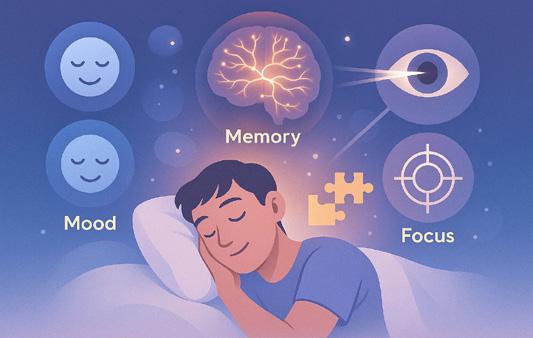
In Today’s World Its Important To Master Your Focus & Memory
In an era of relentless digital pings and information overload, the ability to concentrate and remember has become the ultimate competitive advantage. Modern neuroscience suggests that focus and memory are not fixed traits but dynamic “muscles” that can be strengthened through targeted lifestyle interventions and cognitive strategies. By optimizing your biological baseline and adopting proven mental frameworks, you can significantly enhance your brain’s processing power and retention. Your brain depends on steady oxygen, proper blood flow, essential nutrients, and deep rest. When any one of these drops, the effects show up quickly.
You may feel distracted, mentally dull, or unusually tired, even without doing anything physically demanding. Many describe it as a “drained” sensation, but it is often the brain signaling that it needs support. Indian Neurological studies suggest that lifestyle-related strain is
affecting people earlier than before. Long work hours, high workloads, disrupted sleep cycles, and heavy screen dependence place continuous pressure on the neural system. These stressors can weaken focus and emotional balance and, if ignored, affect long-term cognitive health.
The Biological Foundation: Optimizing Brain Readiness: Before deploying mental “hacks,” you must ensure your brain is physically capable of highlevel performance. Cognitive function relies on a steady supply of oxygen, stable blood sugar, and metabolic maintenance. Prioritize Restorative Sleep: Sleep is the brain’s “cleanup” phase. During deep Stage 3 sleep, the brain consolidates memories, moving them from temporary storage in the hippocampus to long-term storage in the neocortex. The 7-9 Hour Rule: Most adults require 7 to 9 hours of uninterrupted sleep for optimal cognitive restoration. Digital Sunset: Blue light from screens inhibits melatonin, the hormone
regulating your sleep-wake cycle. Turn off devices at least 30–60 minutes before bed. Consistency: A fixed sleep-wake schedule—even on weekends—regulates your circadian rhythm, improving alertness the following day.
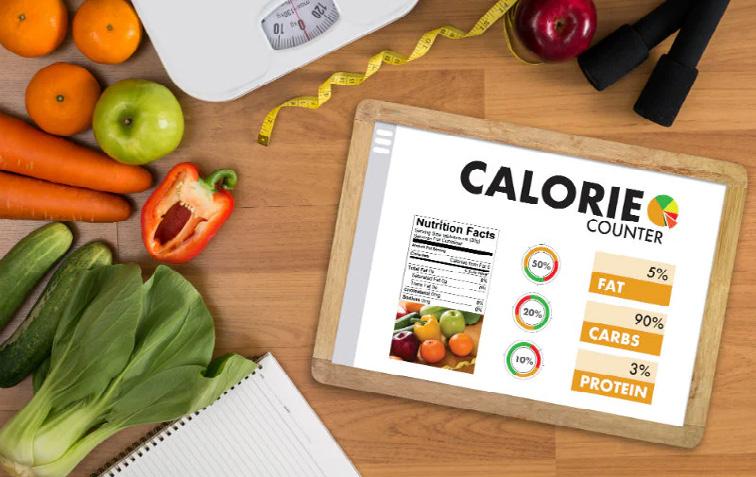
Feed Your Focus: The Brain-Boosting Diet: What you eat directly impacts neural communication and brain volume. Essential Fats: The brain is roughly 60% fat. Consume Omega-3 fatty acids from fatty fish (salmon, sardines), walnuts, and flaxseeds to build brain cell membranes and improve memory. Antioxidant Protection: Berries (blueberries, strawberries) contain flavonoids that protect neurons from oxidative stress and may delay mental decline. Steady Energy: Avoid sugary snacks that cause “crashes.” Choose whole grains (oats, brown rice) that release glucose slowly, providing sustained fuel for focus. Hydration: Your brain is 75% water. Even mild dehydration (1–2% loss) can impair short-term memory and concentration.
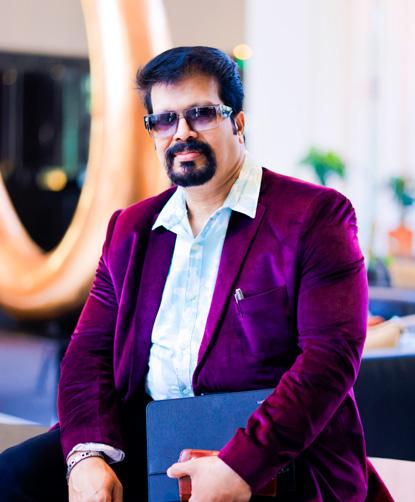
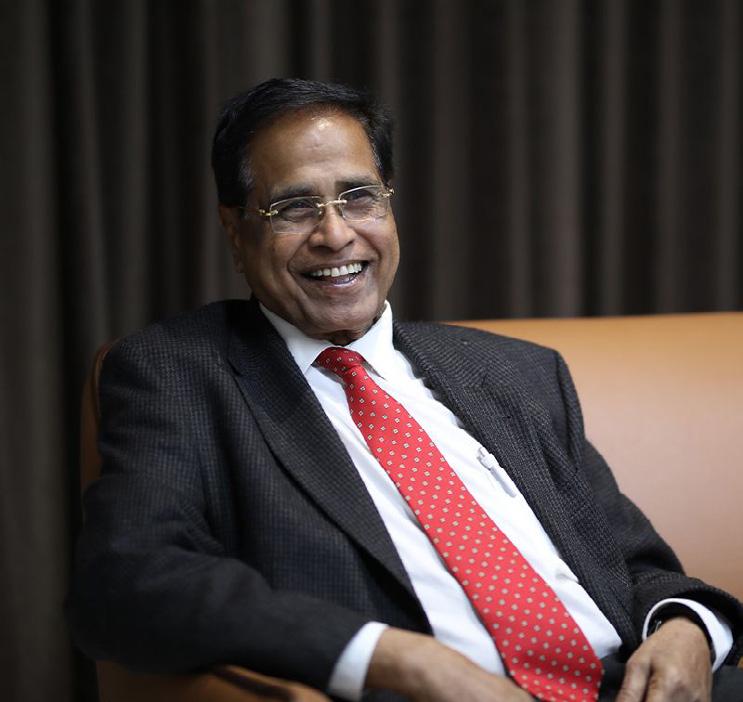
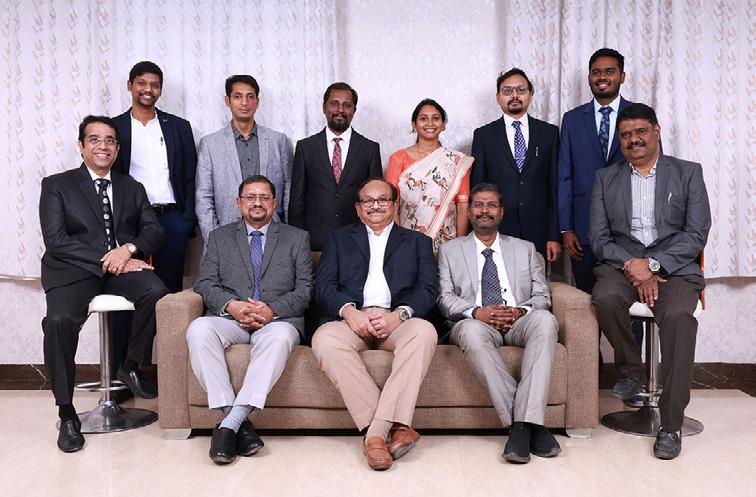
EDITOR -IN - CHIEF From the Desk of
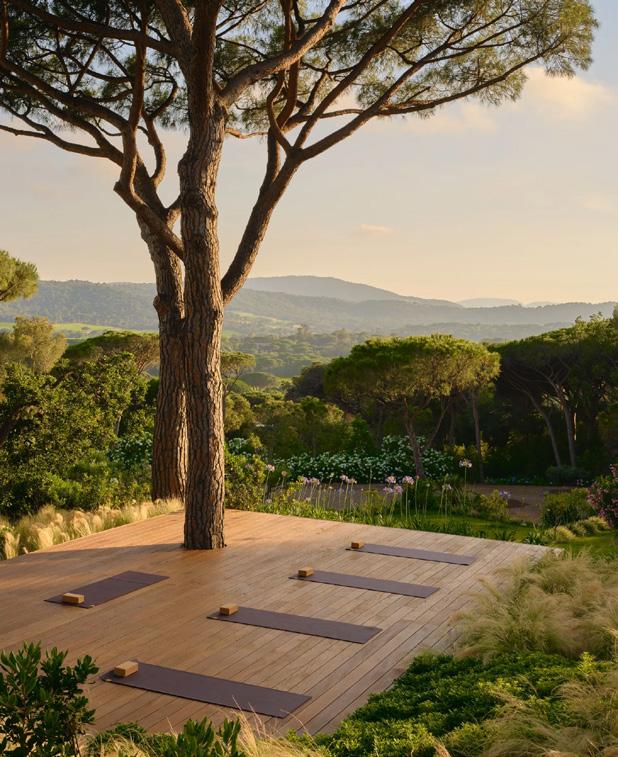
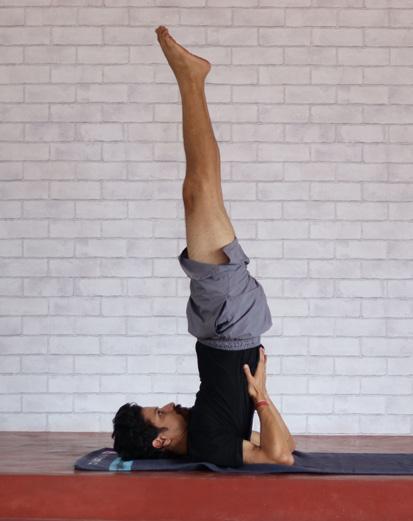
Physical Movement and Blood Flow: Aerobic exercise increases the heart rate, pumping more oxygen-rich blood to the brain and stimulating the release of BrainDerived Neurotrophic Factor (BDNF), a protein that supports the survival and growth of new neurons. Daily Goal: Aim for at least 30 minutes of moderate activity, such as brisk walking, daily.
Advanced Cognitive Strategies for Memory: Memory is a three-step process: encoding (input), storage, and retrieval (output). Most people focus only on input, but retrieval is where the real strengthening happens. Active Recall vs. Passive Review: Passive reading (re-reading notes) creates an “illusion of competence.” For real retention, use Active Recall: closing the book and testing yourself to retrieve the information from memory. Practice: Use flashcards or “brain dumps” (writing everything you remember on a blank sheet). The Spaced Repetition Effect: The “forgetting curve” shows we lose most new information within 24 hours. Spaced Repetition involves reviewing material at increasing intervals (e.g., 1 day, 3 days, 1 week, 1 month) to force the brain to “reconsolidate” the memory, making it nearly permanent. Mnemonic Devices and the Mind Palace: The human brain evolved to remember locations and images better than abstract facts. Chunking: Grouping large data sets into smaller “mchunks” (like a phone number: 555-0199 vs 5550199) expands working memory capacity.
The Method-of-Loci (Mind Palace): Mentally “place” items you need to remember in a familiar room. To retrieve them, visualize walking through that room. Mastering Deep Focus: Focus is the prerequisite for memory. If you aren’t paying attention, the information never enters the encoding phase. The War on Multitasking: Research shows the brain cannot “multitask”; it merely “switches” rapidly between tasks, incurring a switching cost that lowers IQ and increases errors. SingleTasking: Dedicate specific blocks of time to one task only. Turn off all notifications.
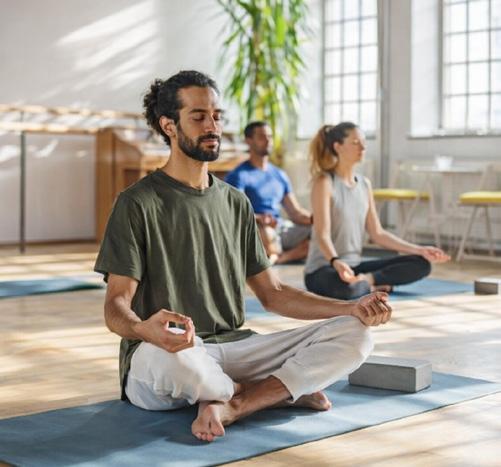
Meditation and Mindfulness:
Regular mindfulness meditation (even 10–15 minutes daily) has been shown to increase the density of the prefrontal cortex and the hippocampus, regions critical for focus and learning. How it works: By training your mind to return to the present moment when it
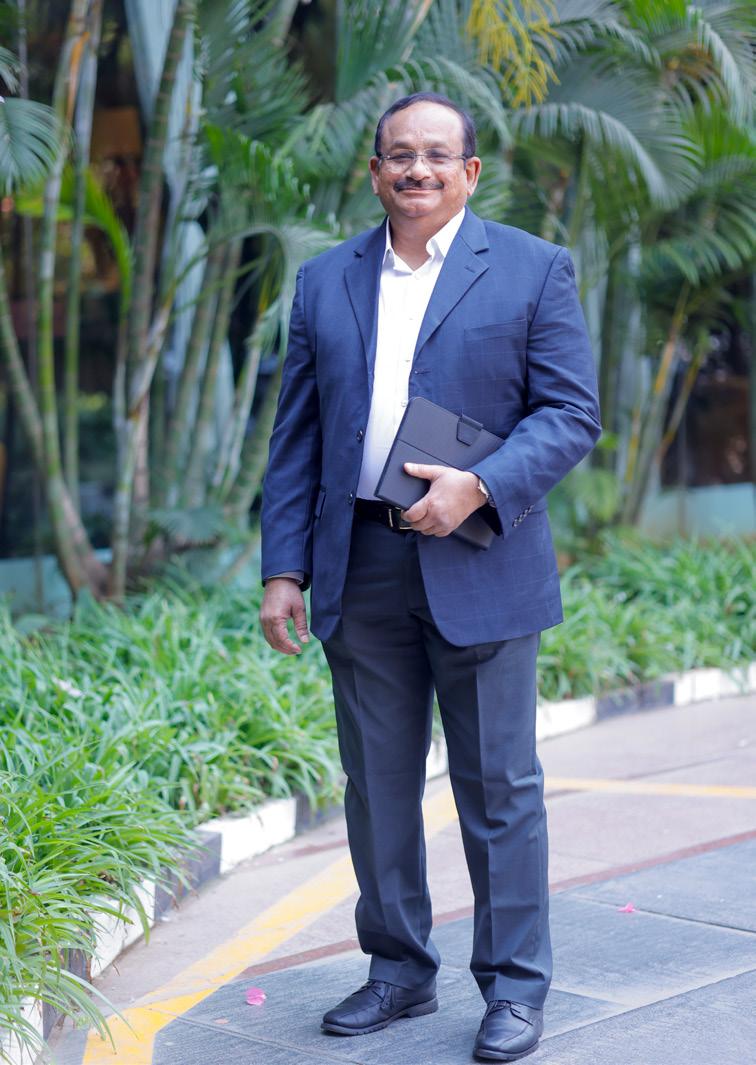
DR. S. E. ALEXANDER Global Media Chief & MD
wanders, you strengthen the neural pathways responsible for sustained attention. Strategic Breaks: The Pomodoro Technique: The brain’s focus naturally wanes after 60–90 minutes. Use the Pomodoro Technique: 25 minutes of intense work followed by a 5-minute break. This prevents “cognitive fatigue” and keeps performance high throughout the day.
Your brain reflects the routine you follow each day. The meals you choose, the way you sit, how you sleep, and how you handle stress together influence long-term neurological health. These habits also reduce stroke risk
and help you stay productive and emotionally balanced. A consistent routine builds steady cognitive strength and supports lasting wellness. Thus, improving focus and memory is not about a single “magic pill” but a holistic architecture of habits. By securing your biological foundation (sleep, diet, exercise), mastering learning frameworks (active recall, spaced repetition), and defending your attention (meditation, single-tasking), you can build a more resilient and capable mind. Start small: choose one habit, like a 10-minute daily meditation or a 30-minute digital detox before bed, and build from there.
CONTENT
FNH HOT NEWS - 18 FNH - HALL
Love Takes the High Road This Valentine’s Day at Samasa Rooftop, Turyaa Chennai... Pg.18
The Palomar by Crossway invites couples to elevate their celebration on Valentine’s Day....Pg.20
Wok This Way to a Prosperous Chinese New Year @ Feathers Hotel...Pg.22
Corporate Buffet with A lavish multicuisine spread crafted for professionals @ Turyaa Chennai...Pg.24
Hyundai Motor India Limited Rolls Out Nationwide ‘HYUNDAI ALWAYS AROUND’ Customer Engagement Drive in February 2026.. Pg.26
Thoughtloom By Palam Silks Presents Silk And Statecraft..Pg.28
FAME - 40
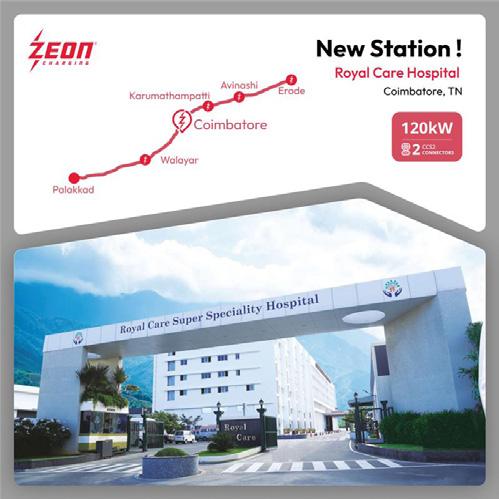
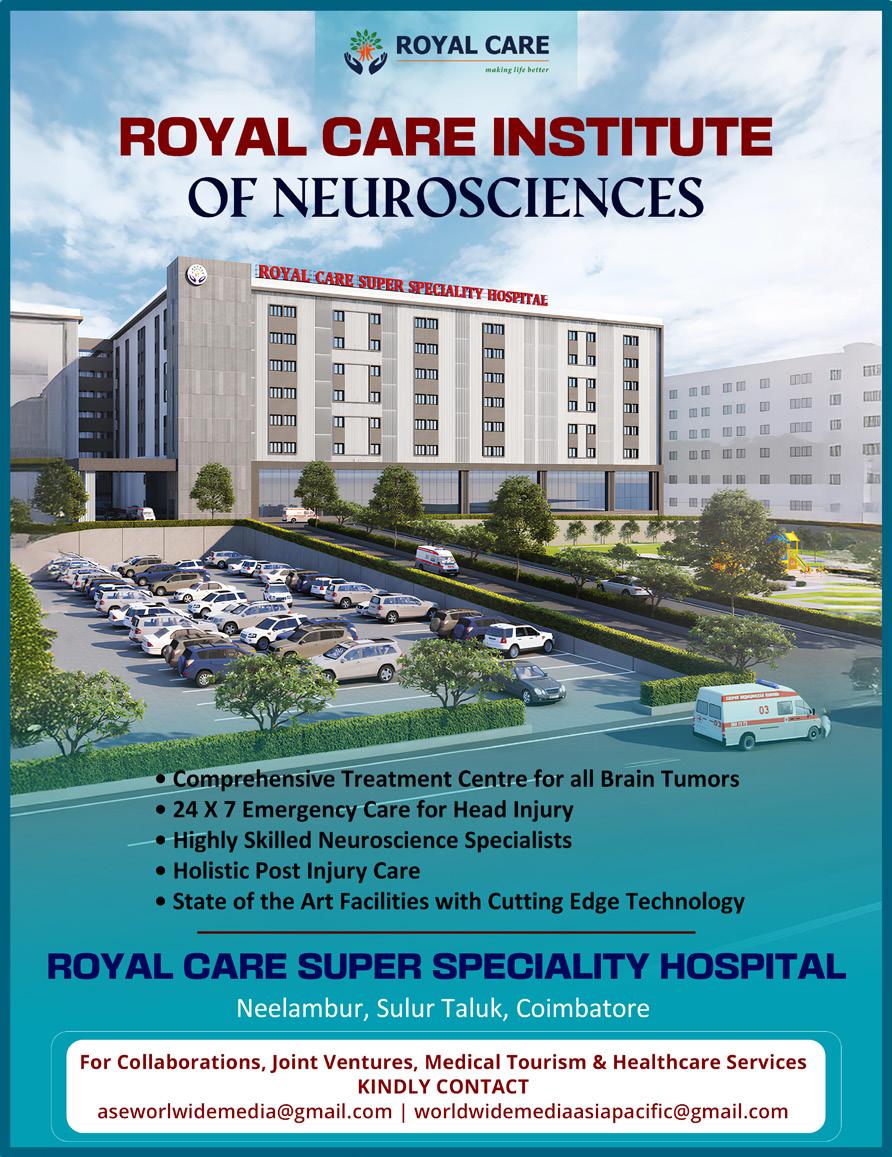
Zeon 120 Kw Fast Charging Station Launched At Royal Care Hospital, Coimbatore...Pg. 42
Raffles Hotels & Resorts Celebrates The Culmination Of The Raffles Sirmour Cup 2026.... Pg. 48
Milky Mist Signs ₹1,130 Crore Mou With Maharashtra Strengthens National Expansion Plans....Pg. 54
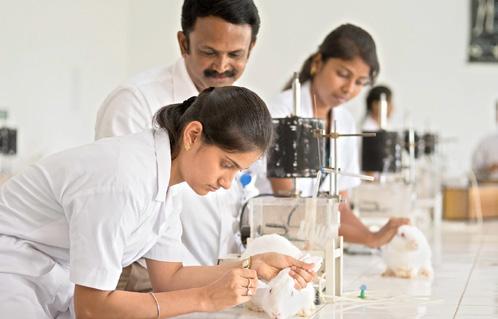
KMCH Institute Of Health Sciences & Research Honoured With “Excellence In Research & Innovation”....Pg.62
Timeless Handcrafted Elegance for your Valentine...Pg. 84
IIT Madras Global to establish its First Applied AI Innovation Centre @Dubai CommerCity...Pg. 88
Tamannaah Bhatia’s Sparkling New Chapter in Fine Jewellery...Pg. 70
Ultimate Guide To Summer Baby Care 10 Essential Tips For Hot Days...Pg. 100
FNH BEAUTY & WELLNESS - 112
Nutrient Deficiencies & Hair Damage The Complete Medical Guide to Restoring Hair Health from Within...Pg.114
FNH HEALTH & MEDICAL TOURISM - 148
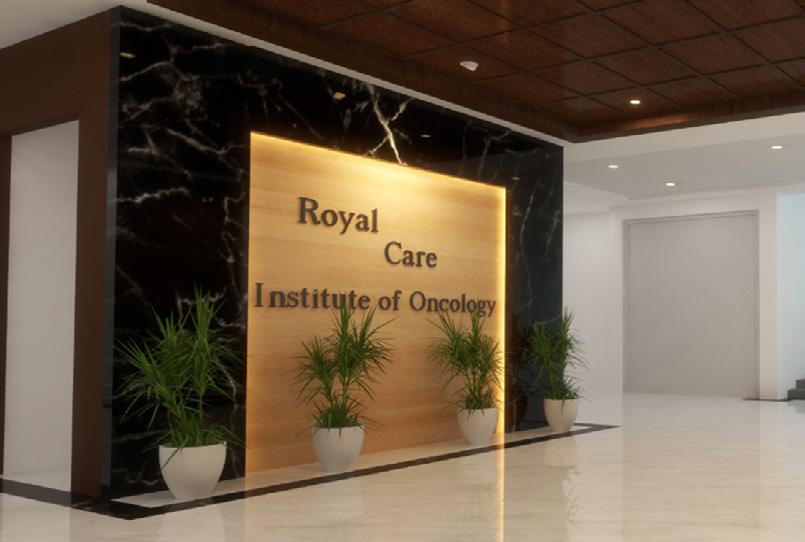
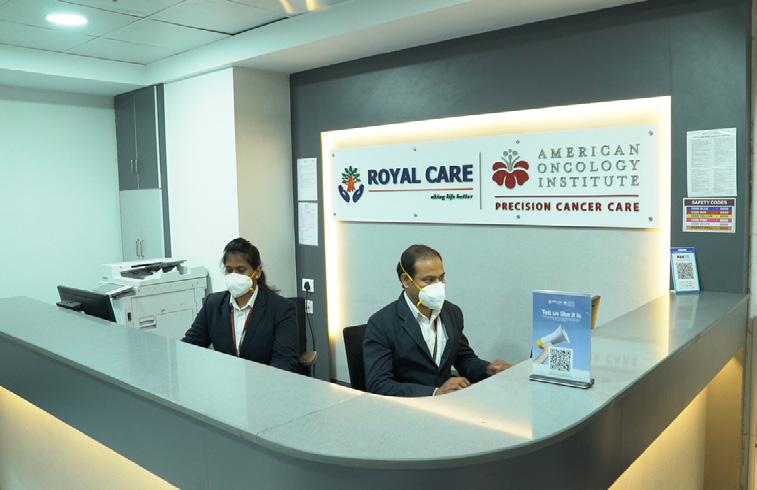
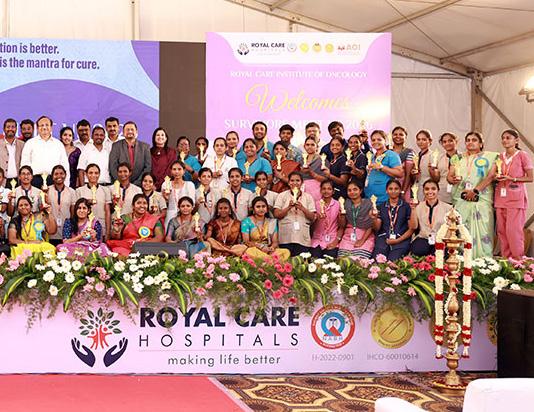
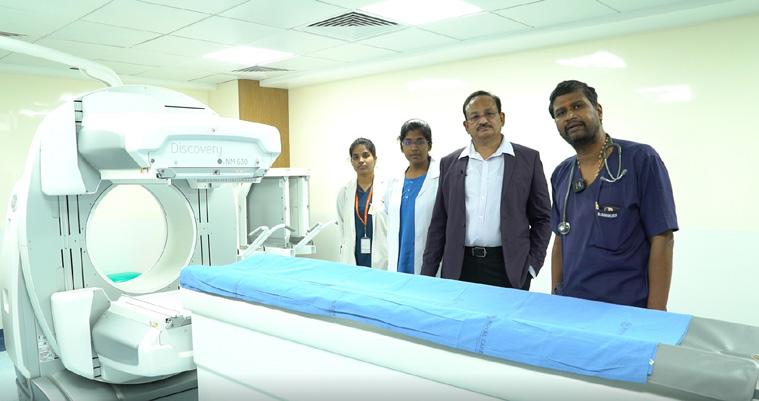
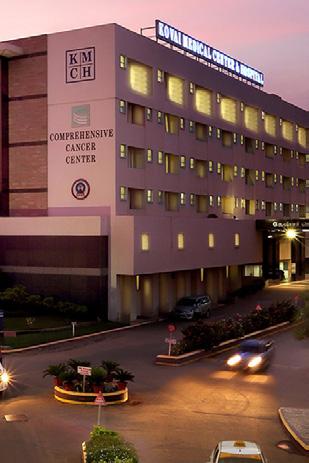
Comprehensive Cancer Care @ Royal Care Super Speciality Hospital, Coimbatore...Pg.150
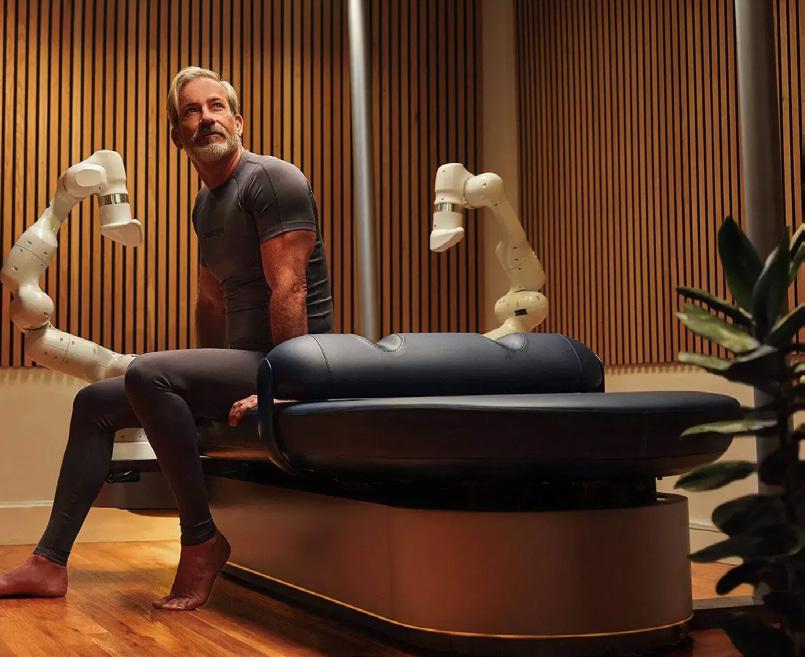
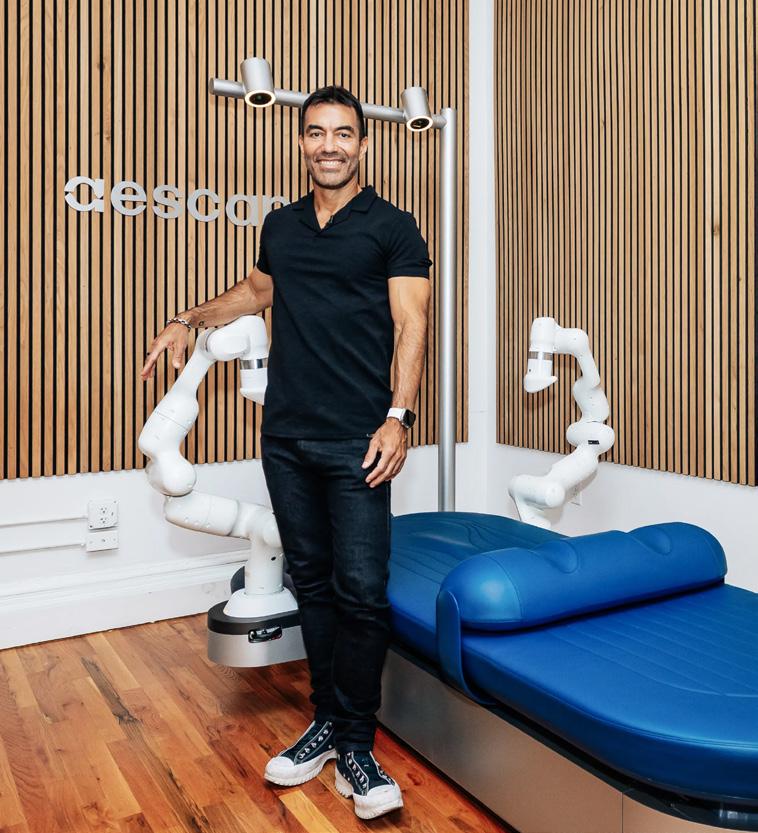
Aescape The Future Of Personalized Massage Therapy... Pg.160
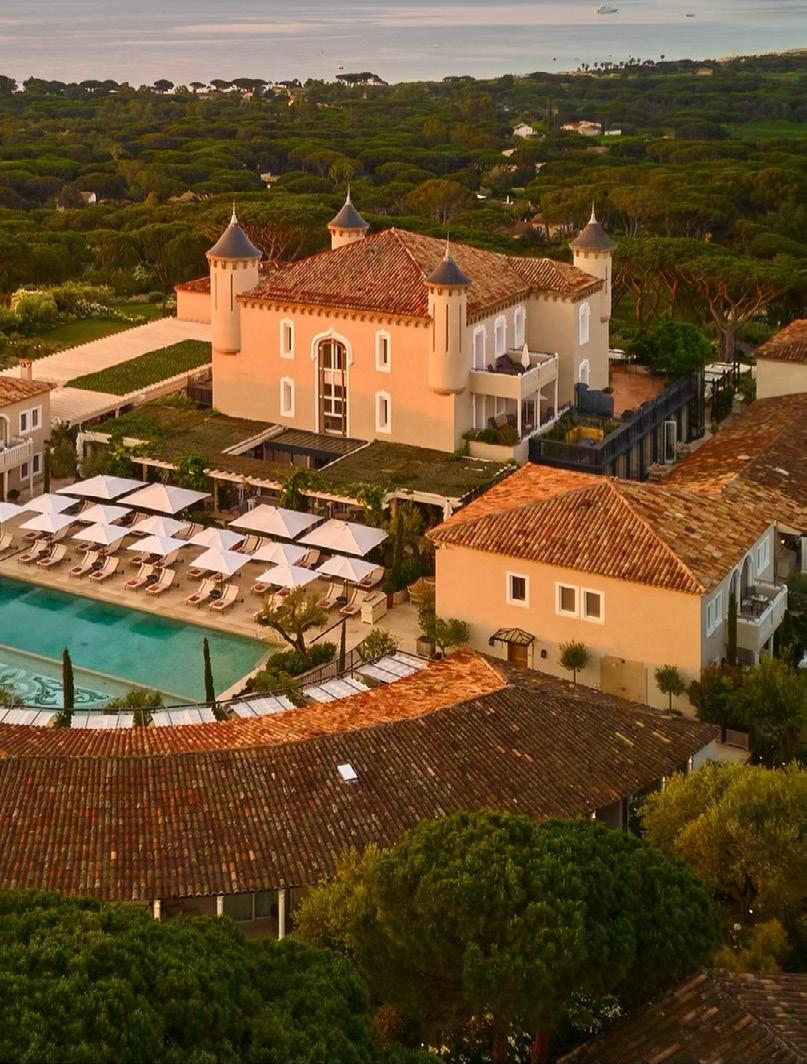
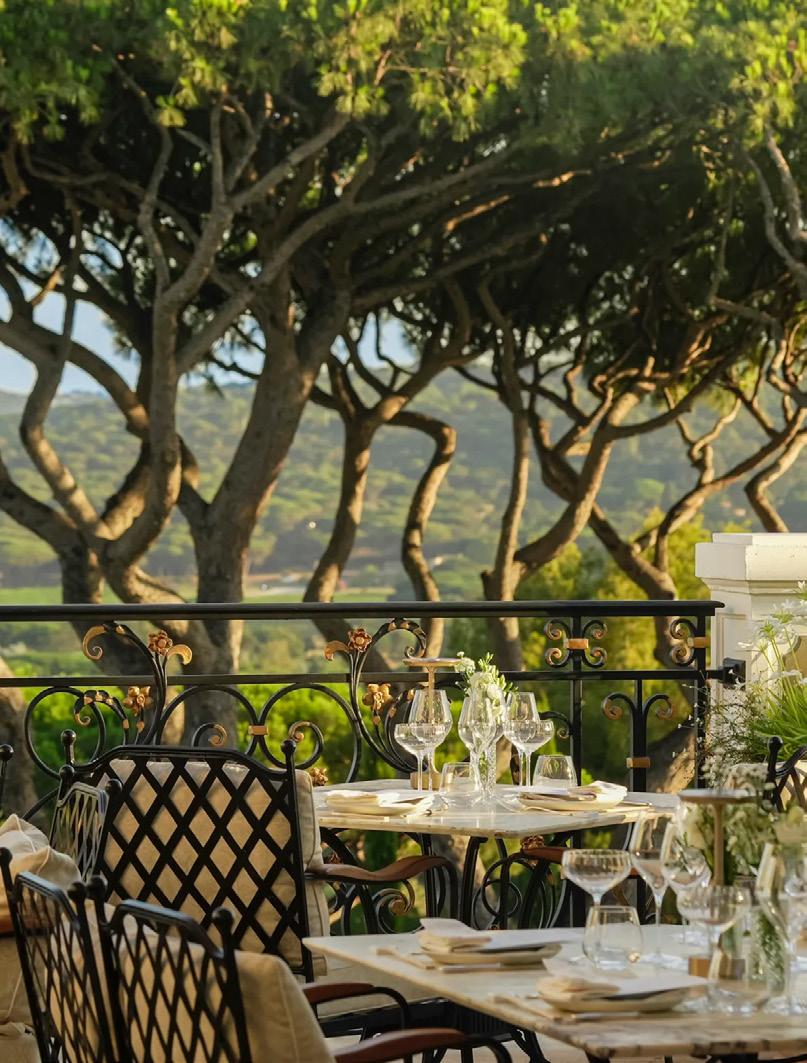
The Saint-Tropez Hotel got ready for the White Lotus Season 4 ..Pg.128
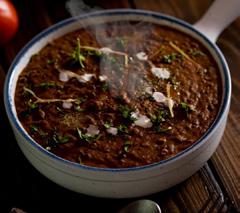
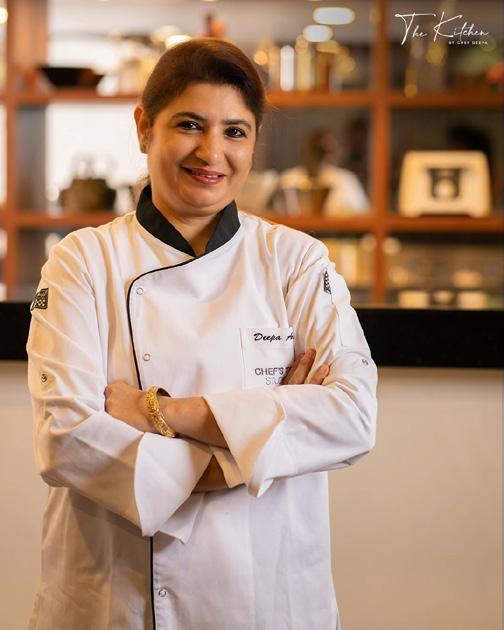
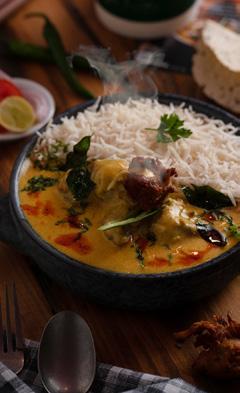
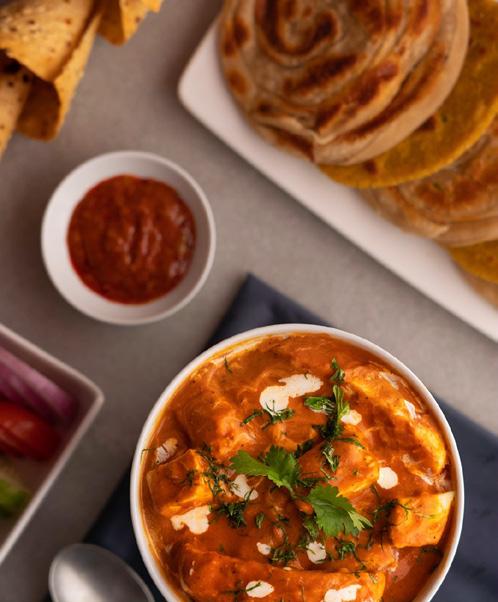
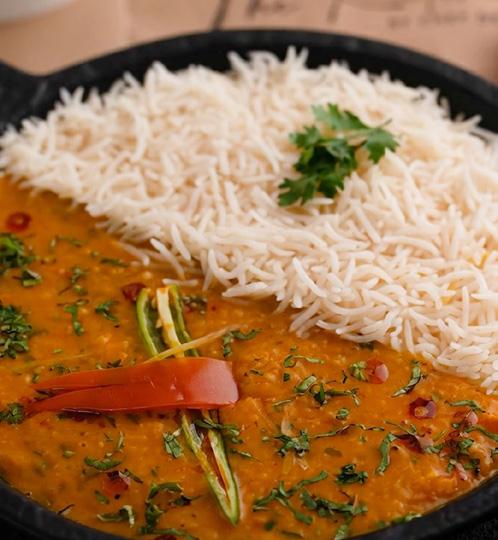
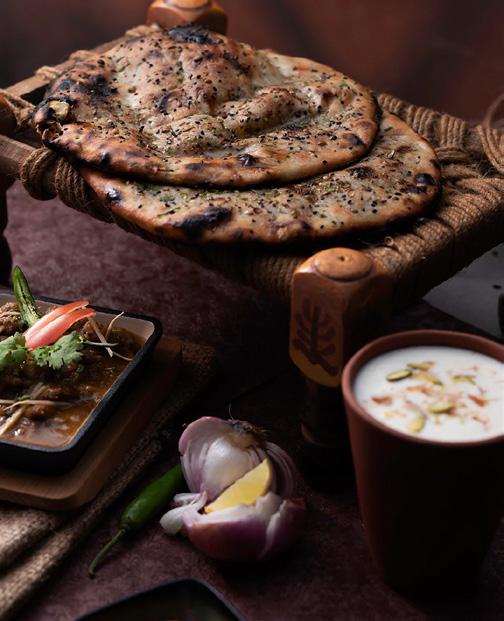
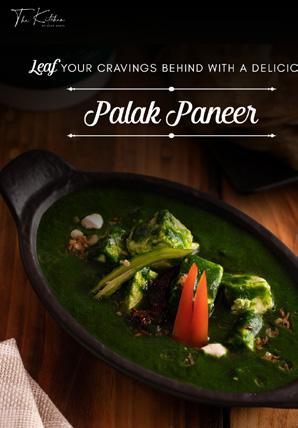
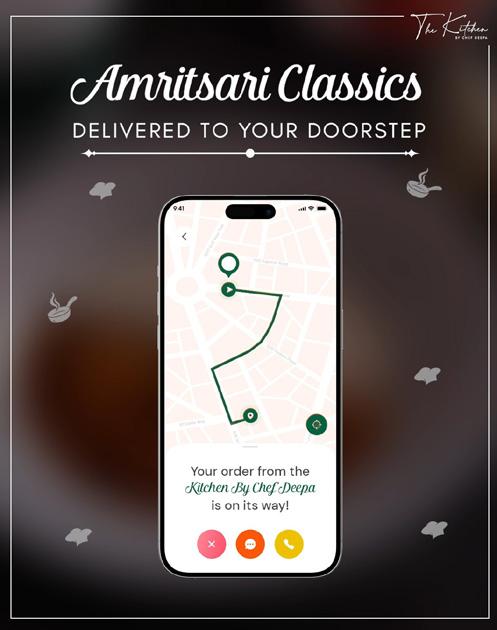
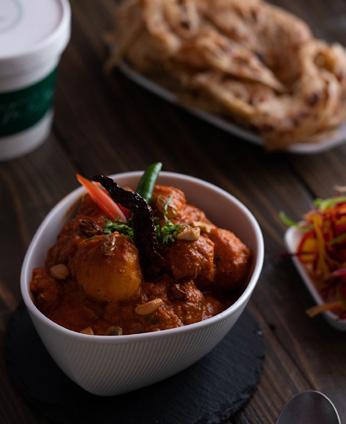
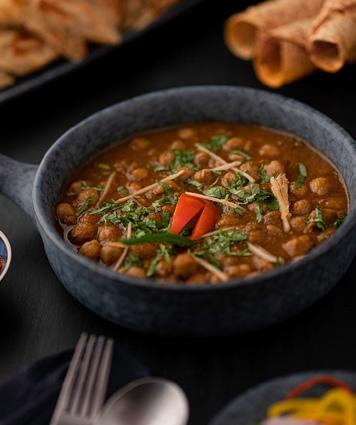
The Kitchen By Chef Deepa Relaunches With Pure Vegetarian Punjabiclassics...Pg.134 FNH HOTELS & RESTAURANTS126
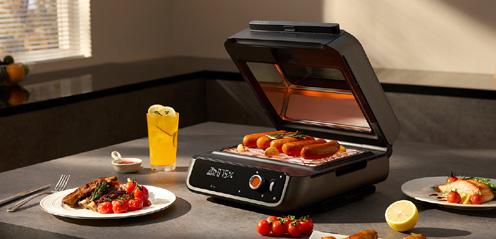
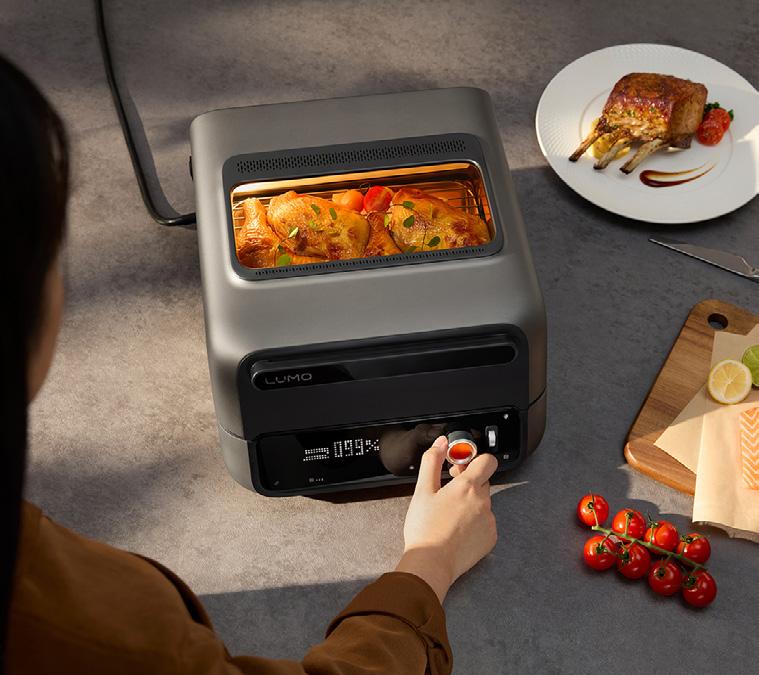
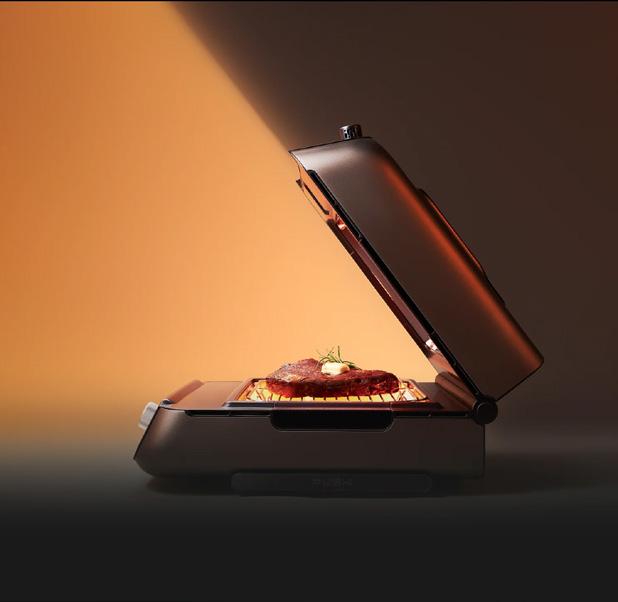
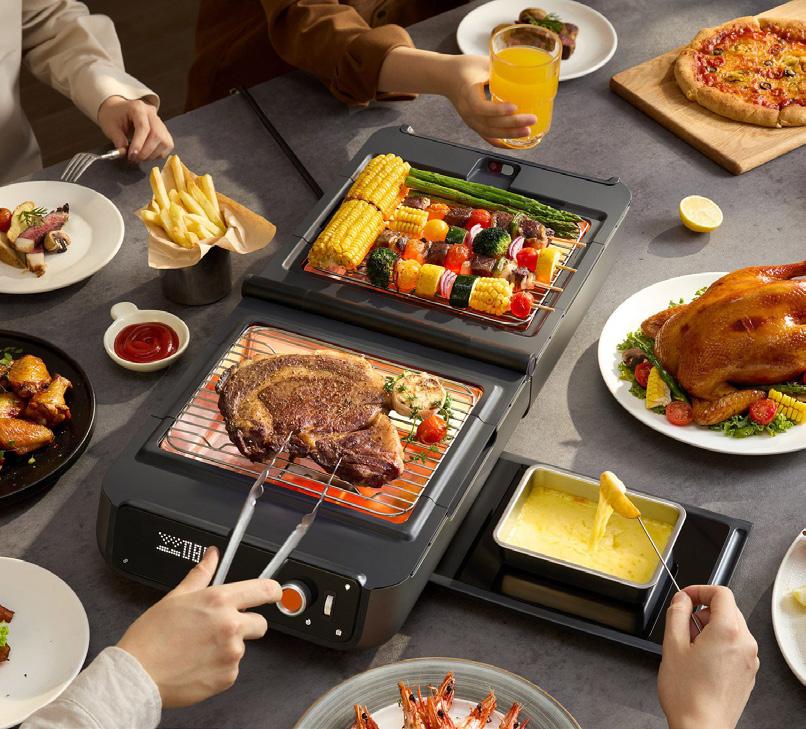
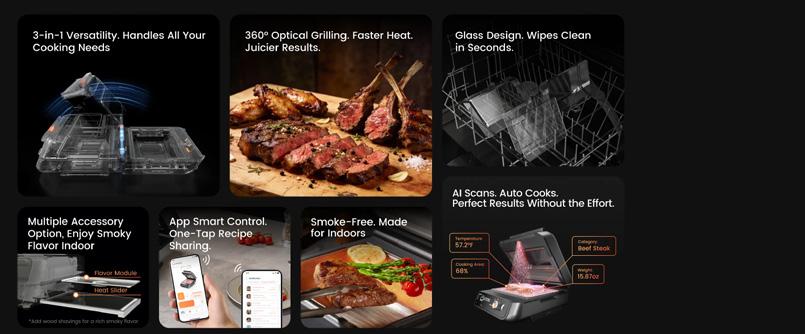
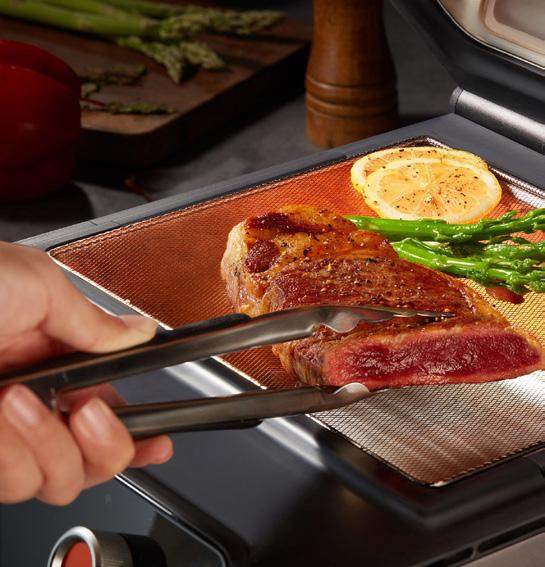
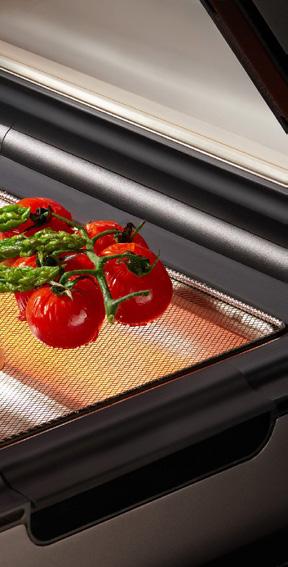
LUMO Optical Grill Redefines Indoor Cooking With Infrared Light at CES 2026...Pg.142
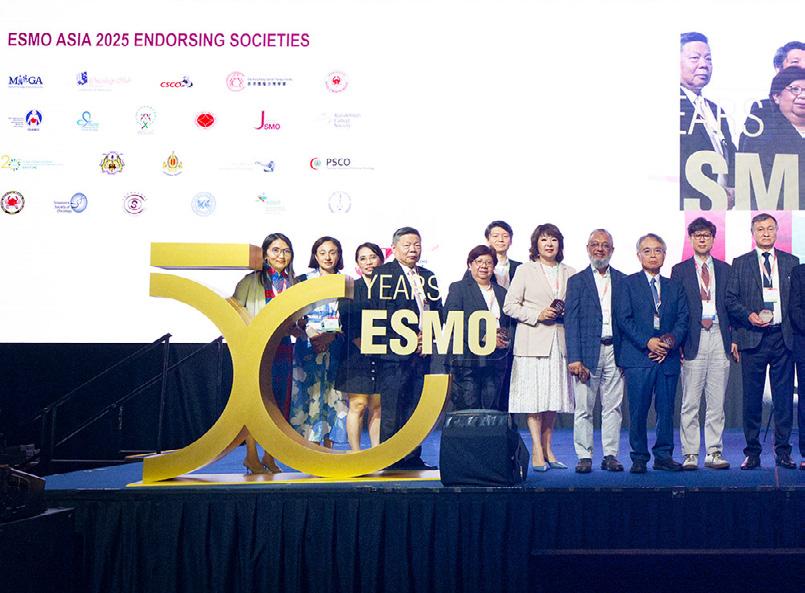
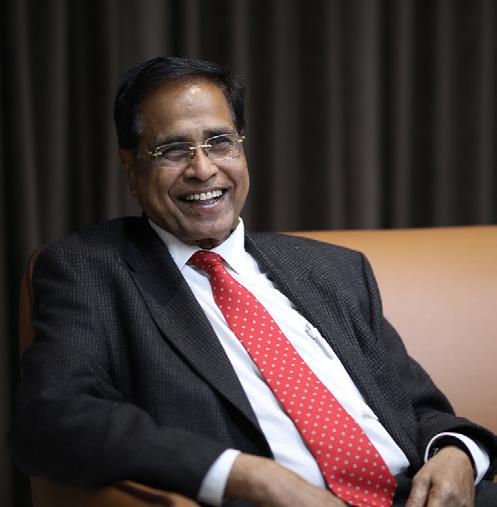
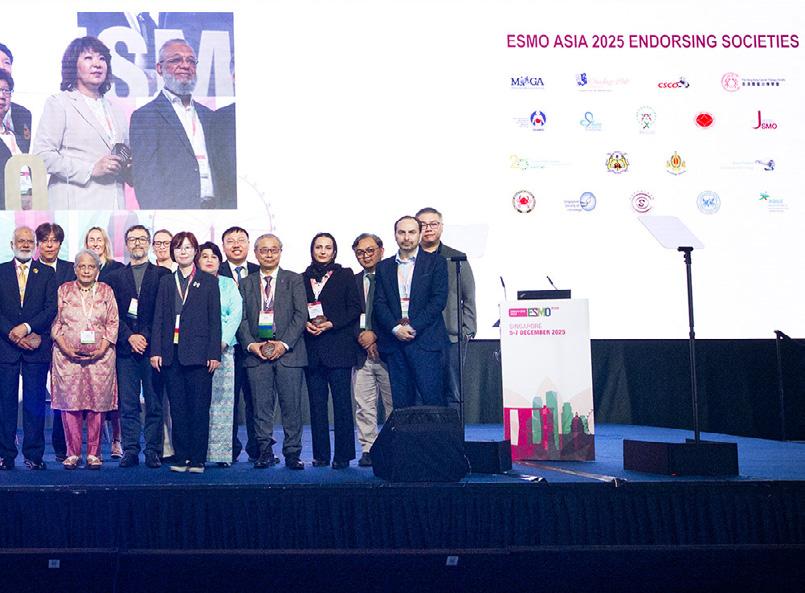
KMCH gains international recognition for their research work on cancer at Singapore...Pg.168 FNH TRAVEL & TOURISM - 186
Enchanting Escapes to Fall in Love This Valentine’s Day...Pg.188
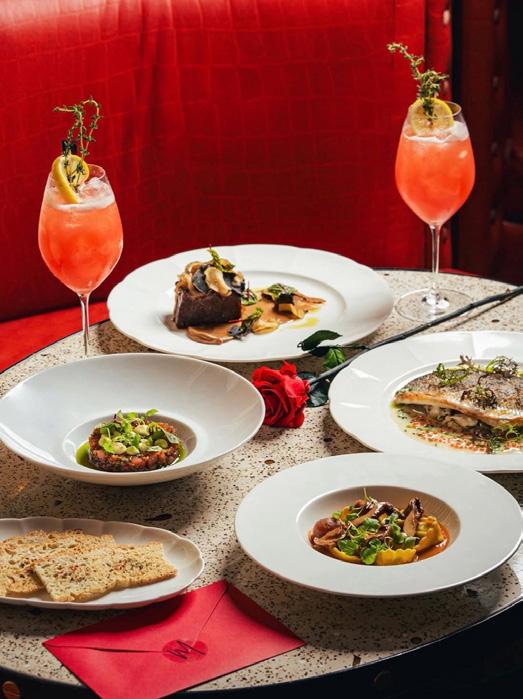
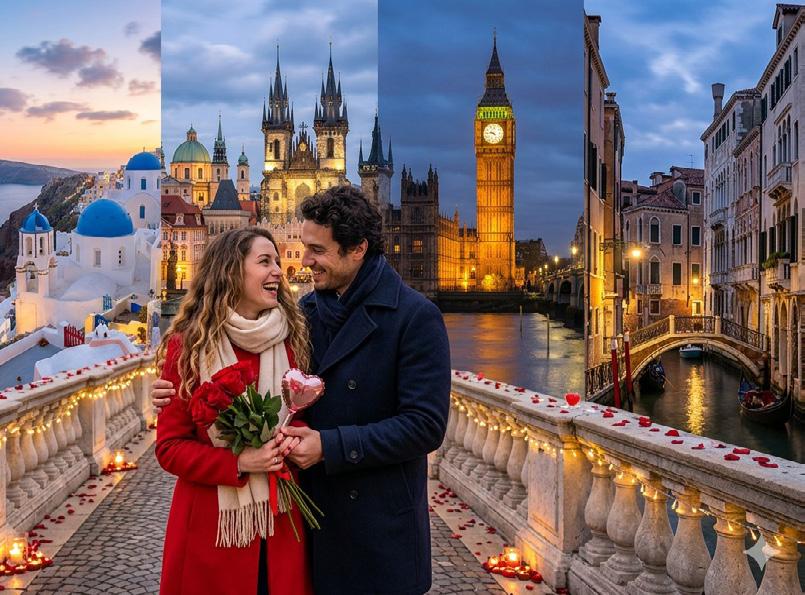
Love Takes the High Road This Valentine’s Day at Samasa Rooftop, Turyaa Chennai Because some love stories deserve a skyline.
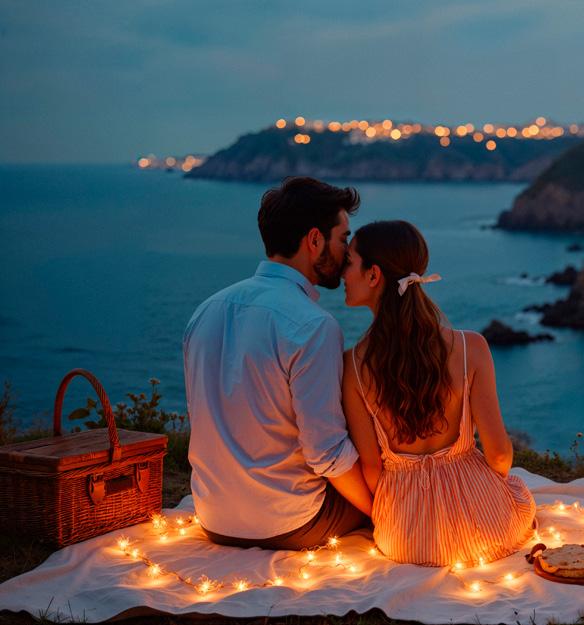
This Valentine’s Day, Turyaa Chennai invites couples to rise above the ordinary and celebrate love under the stars at Samasa Rooftop Restaurant, where romance meets the city skyline in its most enchanting form. On Saturday, 14th February from 7:30 PM onwards, Samasa transforms into an intimate rooftop haven—soft lights twinkling, hearts floating in the air, and tables dressed in candlelit elegance. Designed exclusively for couples, the evening promises an immersive dining experience that blends fine gastronomy, thoughtful details, and uninterrupted moments together.
At the heart of the celebration is a specially curated Five-course gourmet menu, crafted to be savoured slowly—just like love itself. Guests are welcomed with a Refreshing drink on arrival, followed by an indulgent dining journey paired with Unlimited Handcrafted Mocktails and a 375 ml bottle of Sparkling Wine to toast the occasion. The experience is sweetened further with a Heart-shaped celebration cake, Fresh roses, and Romantic Table Decor, all set to the rhythm of soft background music. As the city glows below and the night unfolds above, Samasa promises more than just dinner—it offers a memory. A Valentine’s evening where conversations linger, laughter flows, and love feels just a little more magical.
Date: Saturday, 14th February 2026
Time: 7.30 pm Onwards
Price: INR 4999 + Taxes Per Couple Venue: Samasa, Turyaa Chennai Reservations: 73580 99335 | 95970 86814
This Valentine’s Day, don’t just celebrate love—elevate it.
The Palomar by Crossway invites couples to elevate their celebration on Valentine’s Day
This Valentine’s Day, The Palomar by Crossway invites couples to elevate their celebration with an intimate Valentine’s Day
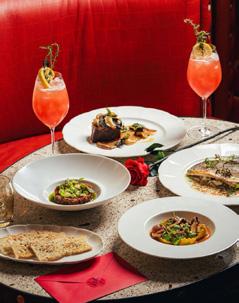
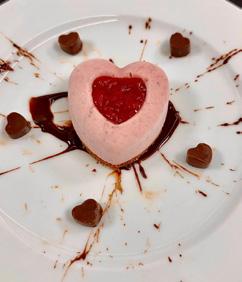
Special Rooftop Dinner where romance unfolds under the stars. Designed for modern romantics, the evening promises a relaxed yet refined ambience, enhanced by Warm candlelight, Smooth music and a thoughtfully Curated culinary experience. From flavourful appetizers and indulgent mains to decadent desserts, Cappella’s Valentine’s menu brings together global inspirations crafted to be savoured, shared and remembered. Menu Highlights: Grilled Tenderloin, Grilled Jumbo Prawns, Wild Mushroom Risotto, Strawberry Cheesecake with Chocolate Fudge, Classic Veneto
Tiramisu. Set against Palomar’s elegant rooftop setting, the celebration offers the perfect balance of understated luxury and heartfelt moments—making it an ideal destination for couples looking to turn date night into something truly special.
Valentine’s Day DinneWr Details
• Date: Saturday, 14th February 2026
• Time: From 7:00 PM onwards
• Price: Rs.3,999 + taxes per couple
Rs.4,999 + taxes per couple (with beverages) Venue: Cappella, The Palomar by Crossway
Whether it’s a first date or a cherished tradition, Palomar sets the stage for love, laughter and unforgettable moments this Valentine’s Day. *****
Wok This Way to a Prosperous Chinese New Year @ Feathers Hotel
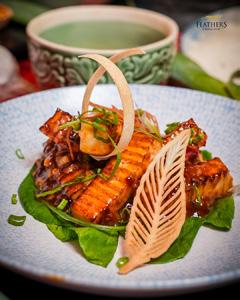
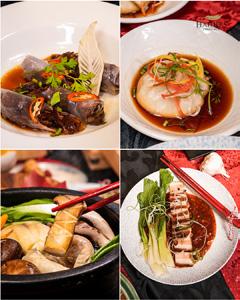
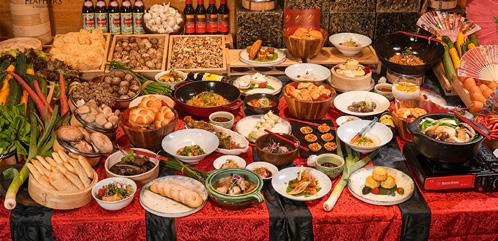
This Lunar New Year, Feathers Hotel invites Chennai to follow the aroma of sizzling woks, steaming dim sums and age-old Chinese traditions—straight to Waterside, its all-day dining destination, for a celebratory Chinese New Year Buffet Dinner that promises abundance, flavour and festivity in every bite. From 16th to 22nd February 2026, Waterside transforms into a vibrant Asian dining haven, where classic Chinese delicacies meet the warmth of festive hospitality. Thoughtfully curated to honour Lunar New Year traditions, the buffet brings together a lavish spread of handcrafted dishes, symbolising prosperity, togetherness and good fortune. Guests can expect an immersive culinary experience—Rich broths, Wok-tossed favourites, Delicately prepared Starters and comforting Mains—served fresh and generous, just the way the New Year should begin. Set against Waterside’s
elegant ambience, the celebration unfolds every evening from 7:30 PM onwards, making it the perfect gathering spot for families, friends and food lovers looking to ring in the New Year with meaningful flavours and joyful conversations.
Dates: 16th – 22nd February 2026
Time: 7:30 PM onwards
Price: ₹3,000 plus taxes
Venue: Waterside, Feathers Hotel
CORPORATE BUFFET WITH A LAVISH MULTI-CUISINE
SPREAD CRAFTED FOR PROFESSIONALS
@ Turyaa Chennai
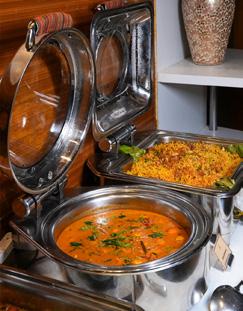
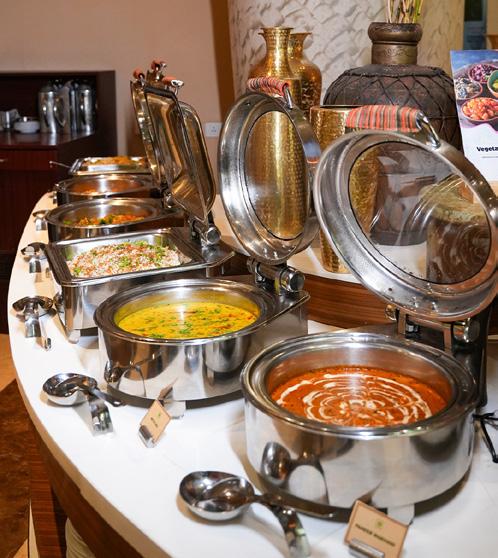
Redefining corporate dining in the city, Svar at Turyaa Chennai presents its specially curated Corporate Buffet, a lavish multicuisine spread crafted for professionals who value both productivity and premium experiences. Perfectly suited for Business Lunches, Team Outings, Client Meetings, and Corporate Dinners, the Corporate Buffet at Svar combines efficiency with indulgence in an elegant and contemporary setting.
Guests can explore a lavish multi-cuisine spread featuring an array of vibrant Salads, Comforting Soups, Global and Indian mains, Asian and Continental specialties, live counters, and an indulgent selection of Desserts. Designed to cater to diverse palates, the menu offers variety, flavour, and finesse in every course. Adding to its appeal, Svar introduces this experience at a special discounted rate of ₹1300 plus taxes,
making it an exceptional value proposition for corporate groups seeking quality dining at an attractive price.
With prompt service, refined ambience, and a seamless dining flow, Svar ensures that business conversations continue effortlessly over a memorable meal.
Hyundai Motor India Limited Rolls Out Nationwide ‘HYUNDAI ALWAYS AROUND’ Customer
Engagement
Drive in February 2026
Hyundai Motor India Limited has announced a nationwide customer outreach initiative titled ‘Hyundai Always Around’, scheduled for February 8, 2026 (Sunday). The one-day pan-India campaign is designed to provide seamless sales, service and exchange solutions for both existing and prospective customers at a single location. The initiative aims to enhance the overall ownership journey by offering a comprehensive suite of services, including guided test drives across Hyundai’s product range, on-thespot vehicle assessments, servicing support and exchange options through Hyundai Promise. By
bringing multiple services under one roof, the company seeks to deliver greater convenience and accessibility to customers across the country.
Commenting on the campaign, Nilesh Shah, Head – Service, Hyundai Motor India Limited, said the company’s relationship with customers extends beyond vehicle purchase and focuses on long-term trust and care. He noted that the ‘Hyundai Always Around’ campaign reflects Hyundai’s commitment to staying connected with customers, understanding their evolving needs and ensuring peace of mind throughout their ownership experience. As part of the special one-day event, customers can avail a
range of exclusive offers and benefits. New customers making on-the-spot bookings will receive accessories worth ₹10,000 complimentary. Additional benefits include a free car wash, free 25-point vehicle check-up, 50% discount on wheel alignment and balancing, 30% discount on interior cleaning and exterior enrichment, 20% discount on labour charges for periodic maintenance service and 20% discount on Hyundai accessories.
Customers interested in participating can contact their nearest Hyundai dealership for further details or visit the company’s official website.
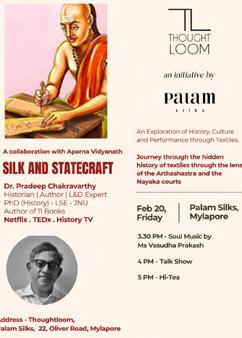
Thoughtloom By Palam Silks Presents Silk And Statecraft
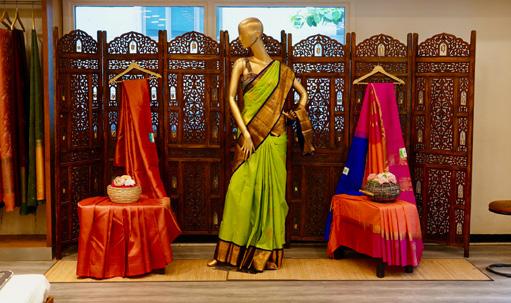
ThoughtLoom, the cultural initiative by Palam Silks, presents an intellectually rich evening titled “Silk and Statecraft” — a compelling conversation that journeys through the hidden history of textiles through the lens of the Arthashastra and the Nayaka courts. Curated in collaboration with Aparna Vidyanath, the event will feature eminent historian, author and L&D expert Dr. Pradeep Chakravarthy (PhD – LSE & JNU), author of 11 books and a noted speaker on platforms including Netflix, TEDx and History TV. Through this engaging talk, Dr. Chakravarthy will unravel how silk and textiles were not
merely objects of beauty, but instruments of economy, diplomacy, governance and cultural expression across historic Indian courts. ThoughtLoom is envisioned as a venue and a platform that brings together history, culture, scholarship and
artistic performance — creating immersive conversations around India’s rich textile heritage. This event promises an enriching experience for history enthusiasts, textile connoisseurs, students, scholars and patrons of culture.
Event Details:
Date: Friday, 20th February 2026
Time: 3:30 PM: Soul
Music by Ms. Vasudha Prakash, 4:00 PM: Talk Show – Silk and Statement
Venue: ThoughtLoom, Palam Silks, 22 Oliver Road, Mylapore, Chennai
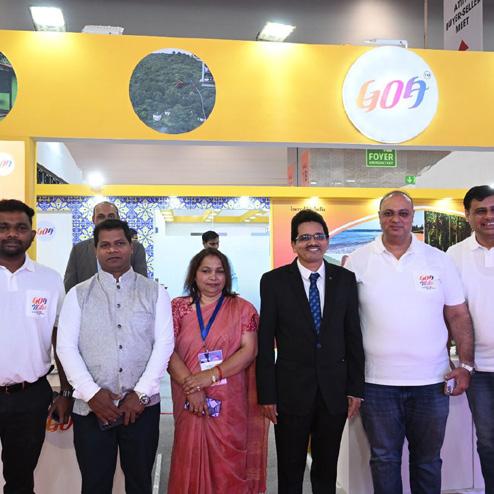
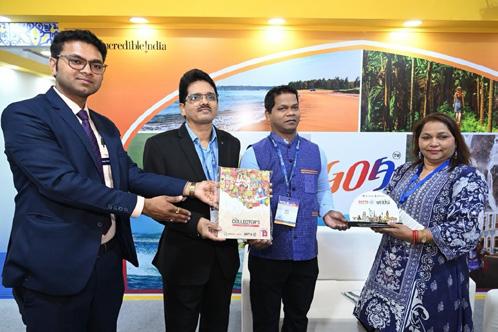
Putting Tourist Safety First Goa Rolls Out Smart Policing For Rapid Assistance
Panaji: Reinforcing Goa’s position as one of India’s safest and most tourist-friendly destinations, Goa Police has introduced advanced technology-driven policing initiatives aimed at ensuring faster response, enhanced security, and seamless assistance for citizens of the State, while offering benefit to tourists who often require immediate support during short-duration visits. The newly launched PRISM Intelligence Fusion Centre and the e-Zero FIR system, integrated with the 1930 Cyber Crime Helpline, are designed to provide accessible and efficient police services for all, with a strong emphasis on quick intervention for tourists.
Goa attracts millions of domestic and international tourists each year, resulting in a significant floating population. While these initiatives strengthen everyday policing and safety for Goan citizens, the e-Zero FIR system assumes added significance for tourists by enabling cyber fraud complaints registered through the national 1930 helpline to be automatically converted into FIRs without delay. This allows visitors facing cybercrime or digital fraud to seek legal recourse without the need for physical visits to police stations, ensuring timely assistance during their stay in Goa.
The PRISM platform serves as a centralised Intelligence Fusion Centre, bringing together technological and analytical tools under a single digital framework. By enabling intelligence-led policing, PRISM assists law enforcement agencies in real-time tracking of habitual offenders, absconders, and missing persons, thereby strengthening preventive security measures across the State. These capabilities enhance overall public safety while helping maintain a secure environment in highfootfall tourist zones, transport hubs, and urban centres.
Speaking on the occasion, Dr. Pramod Sawant said that initiatives such as PRISM and the e-Zero FIR system strengthen safety for citizens and tourists alike through smart, technology-driven, and people-centric policing. He noted that faster access to police services is especially critical for visitors unfamiliar with local processes, and these reforms reflect Goa’s commitment to secure, responsive, and modern governance aligned with the national vision of Digital India. He also acknowledged the leadership of Narendra Modi in advancing
technology-enabled public service delivery across the country.In addition, Goa Police has earlier introduced the Digital Tenant Verification System through the Goa Police App, enabling citizens to complete tenant verification entirely online. The system allows digital submission of Aadhaar details and rent agreements, followed by a structured
three-stage verification process, further strengthening safety, transparency, and digital governance. Together, these technology-enabled initiatives underline Goa’s focus on modern policing that safeguards its citizens while offering tourists faster, more accessible support, reinforcing trust in Goa as a safe destination.
The Lobster Collective an indulgent culinary showcase hosted @ The WesTin Chennai VelaChery
Chennai has always known how to listen to the sea. Boats at dawn to the slow simmer of spices in coastal kitchens, the city carries an unspoken intimacy with the ocean. This 6thtill 15thFebruary 2026, Madras Kitchen Company (MKC) brings that timeless relationship to the table with The Lobster Collective. At its heart, this is not just a food festivalit is a Madras tale retold through fine dine with specially crafted Menu “lobster”. Freshly sourced and thoughtfully prepared, each dish draws inspiration from India’s coastal heritage, layered with bold Madras flavours that honour tradition while embracing contemporary finesse. True to MKC’s philosophy, this celebrates restraint much as the experience. The Chef takes the center stage, elevated by balanced spices, the modern cooking techniques and the Sophisticated warmth ambience at Madras Kitchen Companywhere we tell you the stories of simmering lobsters as long as the gravies.
Set against the refined elegance of The Westin Chennai Velachery, the festival offers guests an exclusive dining journeyone that feels both indulgent and deeply familiar. For those who wish to elevate the experience further, diners may add a glass of white or red wine at ₹999 net, thoughtfully paired to complement the flavours.
What Awaits
• Fresh lobster creations inspired by Madras and India’s coastal kitchens
• A limited-period, chef-curated dining experience
• Thoughtful pairings and refined hospitality
Date: 6th -15th February 2026
Time: 12pm- 11pm
Price: A La Carte
Venue: Madras Kitchen Company, The Westin Chennai Velachery
The Proud & InsPIraTIonal sTorIes of Men, WoMen, leadIng organIzaTIons & TheIr PrIde accoMPlIshMenTs
Perfect Section For The Achievers, Winners, Leaders & Iconic Personalities
In the Lotus Pond that’s filled with thousands and thousands of leaves, only few evolve and bloom to become Beautiful Flowers. Similarly, among Millions of Enterprises and Entrepreneurs, who are spread across the world, only few highly determined lot emerge themselves as Star Performers and Market Leaders. M/s. Worldwide Media Corporation Group with the support of their Global Network & Expertise Research Programs, with the utmost responsibility identifies, recognises, analyses, evaluates, awards and showcases them on the Centre stag and focus the spotlight on those leading Enterprises and Dynamic Entrepreneurs in order to make them known and be appreciated by larger section of the society as well as by the world at large.
Thus, we at Food & Health Magazine in association with our Parent Company M/s. Worldwide Media Corporation Group, with Pride & Responsibility introduce this Special & Exclusive section namely Hall of Fame wherein you could get to know those Dynamic & Leading Enterprises along with the Highly Committed Entrepreneurs from various Spectrum of Industries and Sectors. We invite all our readers from across the Globe to join hands and applaud them as well as encourage them by Supporting their Vision and Good Cause.
In a significant step towards promoting sustainable mobility in Tamil Nadu, the ZEON 120 kW Fast Charging Station was inaugurated in Coimbatore at the entrance road of Royal Care Hospital, near the L&T Bypass Road and Avinashi Road intersection. The charging station was formally opened by Dr. K. Madeswaran, Chairman and Managing Director of Royal Care Hospital, marking yet another milestone in the city’s transition toward eco-friendly transportation. The inauguration ceremony witnessed the presence of hospital officials, staff members, electric vehicle enthusiasts, and members of the public who gathered to celebrate
FNH - HALL OF FAME
this progressive initiative. The addition of a high-capacity charging facility at such a strategic location underscores Coimbatore’s growing commitment to sustainable development and green infrastructure.
A Timely Initiative for a Growing EV Community
Electric vehicles (EVs) are rapidly gaining popularity across India, and Coimbatore is no exception. With increasing awareness about environmental conservation and rising fuel costs, more residents are shifting towards electric mobility. Recognizing this trend, the installation of a 120 kW fast charging station comes at an opportune time. Speaking at the event, Dr. K. Madeswaran emphasized that the number of electric vehicle users is increasing day by day. He noted that the presence of a fast-charging station within the hospital premises would greatly benefit patients, visitors, and healthcare professionals who arrive in electric vehicles. By offering a reliable and efficient charging solution, the hospital ensures that EV users do not face inconvenience during their visit. The 120 kW fast charger significantly reduces
charging time compared to conventional chargers. Depending on the vehicle model and battery capacity, users can achieve substantial charge levels within a short duration. This is particularly advantageous in a hospital setting, where visitors may not have the luxury of extended waiting periods.
Strategic Location on Avinashi Road
The location of the charging station adds to its importance. Avinashi Road is one of Coimbatore’s busiest and most vital arterial roads, connecting key parts of the city. Its proximity to the L&T Bypass Road makes it easily accessible for commuters traveling from different regions, including those passing through Coimbatore en route to other destinations.
By situating the charging station at the entrance of Royal Care Hospital, the initiative not only serves hospital visitors but also benefits travelers and daily commuters. The site acts as a convenient pit stop for EV users who require quick and efficient charging while on the move.
Commitment to Environmental Sustainability
Beyond convenience, the inauguration of the ZEON charging station reflects a deeper commitment to environmental responsibility. Dr. Madeswaran highlighted that promoting electric mobility is an essential step towards reducing air pollution and combating climate change. He expressed pride in launching the initiative, stating that it aligns with broader environmental goals undertaken through the Uyirin Suvaasam Foundation. The foundation is actively working toward planting 100 million trees as part of a largescale effort to combat global warming. This ambitious afforestation drive underscores a strong dedication to preserving ecological balance and ensuring a healthier planet for future generations.
Electric vehicles play a crucial role in this mission. By reducing dependence on fossil fuels and minimizing vehicular emissions, EV adoption directly contributes to cleaner air and lower carbon footprints. The establishment of fast-charging infrastructure addresses one of the primary concerns of EV users—charging accessibility—thereby encouraging more people to make the transition.
Enhancing Infrastructure for a Sustainable Future
The installation of the ZEON 120 kW Fast Charging Station is part of a broader transformation in urban infrastructure. For electric mobility to thrive, robust and widespread charging networks are essential. Fast chargers, in particular, provide confidence to EV owners by reducing range anxiety and ensuring seamless travel experiences. With cities like Coimbatore witnessing steady economic growth and increasing vehicle ownership, integrating sustainable alternatives into urban planning is crucial. Initiatives such as this demonstrate how private institutions and healthcare establishments can actively contribute to national and global sustainability goals.
Hospitals, being high-footfall areas, serve as ideal locations for charging infrastructure. Patients and visitors often spend considerable time at such facilities, making it practical to charge vehicles simultaneously. This dual benefit of healthcare service and sustainable infrastructure sets a positive example for other institutions.
Convenience Beyond Charging
To further enhance user experience, the campus offers a range of amenities for those utilizing the charging facility. Visitors can access “Nature Bites,” a quick-service snack outlet that provides refreshments and light meals. For those who wish to shop for essentials, “Nature Basket,” a supermarket located within the premises, offers convenience and accessibility. Additionally, clean and hygienic restroom facilities are available, ensuring comfort for all visitors. These amenities transform the charging station from a mere utility point
into a well-rounded convenience hub. Users can make productive use of their charging time by enjoying refreshments, purchasing necessities, or simply taking a comfortable break.
Encouraging Responsible Choices
The inauguration event carried a strong message about collective responsibility. As climate challenges intensify, individual choices—such as opting for electric vehicles—have far-reaching impacts. Infrastructure development plays a key role in supporting these choices. By hosting
a high-capacity fast charging station, Royal Care Hospital sets a benchmark for corporate social responsibility in the healthcare sector. It demonstrates that environmental initiatives can seamlessly integrate into everyday operations without compromising service quality. Dr. Madeswaran’s address highlighted the interconnectedness of health and environment. Clean air, reduced pollution, and sustainable urban systems directly contribute to public health. By promoting electric mobility and supporting largescale tree plantation drives, the hospital leadership reinforces its commitment to holistic well-being.
A Step Forward for Coimbatore
Coimbatore has long been known for its industrial strength and entrepreneurial spirit. The city is now steadily embracing green initiatives, positioning itself as a forwardthinking urban center. The addition of the ZEON 120 kW Fast Charging Station is a testament to this progressive outlook. As EV adoption continues to rise, the demand for reliable charging infrastructure will only increase. Projects like this not only meet present needs but also anticipate future requirements. They pave the way for a more sustainable and environmentally conscious transportation ecosystem.
The inauguration of the ZEON 120 kW Fast Charging Station at Royal Care Hospital marks a meaningful advancement in Coimbatore’s journey toward sustainable development. Strategically located on Avinashi Road near the L&T Bypass Road, the facility offers convenience, efficiency, and environmental benefits. With visionary leadership from Dr. K. Madeswaran and a strong commitment to ecological responsibility through initiatives like the Uyirin Suvaasam Foundation’s tree plantation mission, this project represents more than infrastructure—it symbolizes progress.
By combining fast-charging technology with accessible amenities such as Nature Bites, Nature Basket, and hygienic restrooms, the campus ensures a comfortable experience for EV users. Most importantly, it reinforces the message that sustainability and community welfare can go hand in hand. As Coimbatore moves toward a cleaner and greener future, initiatives like the ZEON 120 kW Fast Charging Station serve as powerful examples of how institutions can lead by action, inspiring others to follow in building a healthier planet for generations to come.
Raffles Hotels & Resorts Celebrates the Culmination of the Raffles Sirmour Cup 2026
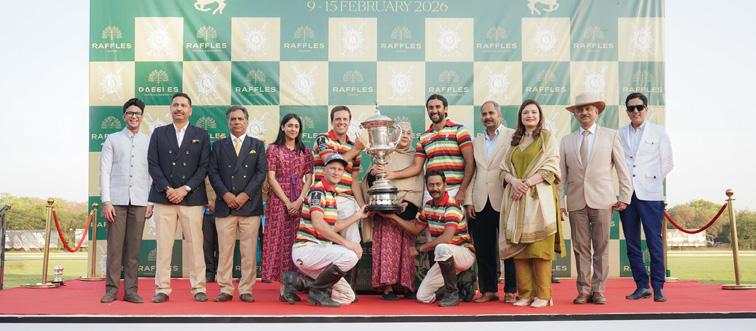
Raffles Hotels & Resorts marked the distinguished conclusion of the Raffles Sirmour Cup 2026, presented in esteemed partnership with the Rajasthan Polo Club. The tournament reaffirmed the brand’s enduring commitment to honouring Rajasthan’s regal sporting heritage, seamlessly blending timehonoured tradition with the refined sensibilities of contemporary luxury.
Held from 9 to 15 February, the weeklong championship brought together accomplished polo players, esteemed patrons and discerning enthusiasts from across the country. The historic grounds of the Rajasthan Polo Club were transformed into an elegant stage for competitive sport and cultured social exchange. In their second consecutive year of association, Raffles Jaipur and Raffles Udaipur curated bespoke hospitality experiences throughout the tournament, reflecting the Raffles brand’s signature warmth, intuitive service and understated sophistication.
Over the course of the week, a succession of spirited matches showcased exceptional skill, discipline and sportsmanship. The championship final drew an enthusiastic gathering of guests and patrons, culminating in a thrilling contest that celebrated the enduring romance of the sport of kings. Jaipur Aravali claimed the coveted Raffles Sirmour Cup 2026, bringing the competition to a memorable close. The occasion harmonised the exhilaration of polo with thoughtfully orchestrated hospitality, creating moments that lingered well beyond the final chukka. Following the match, guests were invited to an elegant High Tea, hosted as a celebratory finale to this year’s Sirmour Cup season. Set against the refined ambience synonymous with Raffles, the gathering offered an opportunity for players and patrons alike to reflect upon the week’s sporting excellence whilst enjoying curated delicacies and convivial company.
Reflecting on the significance of the tournament, Rajat Sethi, Cluster General Manager, Raffles and Fairmont Jaipur, shared, “For us, polo embodies the very spirit of Jaipur. Through the Sirmour Cup, Raffles Jaipur is able to connect our guests with the city’s illustrious heritage and curate experiences that extend beyond our palace walls, deeply rooted in culture and community.”
Gurnoor Bindra, General Manager, Raffles Udaipur, added, “At Raffles Udaipur, we believe true hospitality should honour the distinctive character of its destination. Our support of the Sirmour Cup reflects our celebration of Rajasthan’s magnificent legacy, whilst welcoming guests into moments that feel both timeless and deeply personal.”
As the curtains fall on this year’s edition, the Raffles Sirmour Cup 2026 stands as an elegant testament to the seamless convergence of sport, heritage and gracious hospitality. Through its continued collaboration with the Rajasthan Polo Club, Raffles Hotels & Resorts remains steadfast in its dedication to preserving cultural traditions and curating distinguished experiences that embody the very essence of Rajasthan.
ABOUT RAFFLES JAIPUR
Raffles Jaipur is perfectly situated to be your tranquil retreat as you journey around India’s Golden Triangle of Delhi, Jaipur and Agra – and indeed it has a touch of the Taj Mahal in its gleaming white beauty. The many rich cultural delights of the Pink City of Jaipur – so painted in honour of the Prince of Wales’s visit in 1876 – are just 20 km away; and the legacy of the maharajas’ fortresses and palaces is all around, including the famous Amber Fort, just on the doorstep. Such regal figures of history would be delighted to learn that guests of Raffles Jaipur all enjoy the personalised services of the legendary Raffles Butlers. Jaipur is a one-hour flight from Delhi.
ABOUT RAFFLES UDAIPUR
Set amidst the tranquil Udai Sagar Lake and framed by the ancient Aravalli hills, Raffles Udaipur is a breathtaking destination that blends regal heritage with contemporary elegance. The resort now features 137 rooms and suites – 101 on its private island and 36 newly added along the lakeshore –each thoughtfully designed to offer serene views and a deep sense of place.
Guests begin their journey at the newly introduced Raffles Lakeshore Udaipur, before a gentle boat ride carries them across the lake to the island. Each moment is designed to inspire calm and connection— from open-air yoga and guided meditation to bespoke wellness rituals at the Raffles Spa. A tranquil sanctuary where over 100 bird species are drawn through the year, the spa is a sanctuary rooted in sustainability and reverence for nature.
The landscape is alive with native flora and fauna, home to migratory birds, butterflies, and more. Meandering pathways lead through lush gardens, creating a living, breathing connection to the land that encourages quiet discovery.
Two distinct pool experiences await: the Lakeshore’s infinity-edge pool appears to merge seamlessly with the lake beyond, while the island’s open-air pool, edged with private cabanas, offers a peaceful retreat beneath open skies.
With ten distinctive dining and bar experiences – six on the island and four on the lakeshore – every culinary moment is crafted to delight. Celebrations take centre stage across six beautifully curated venues, including an intimate island temple.
MILKY MIST
Signs ₹1,130 Crore MoU with Maharashtra Strengthens National Expansion Plans
FNH - HALL OF FAME
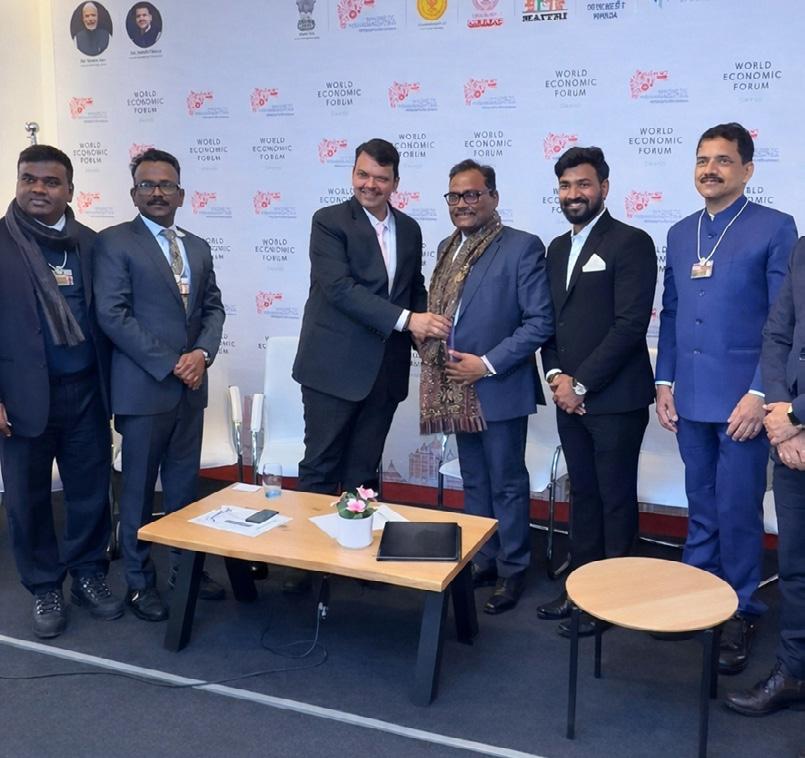
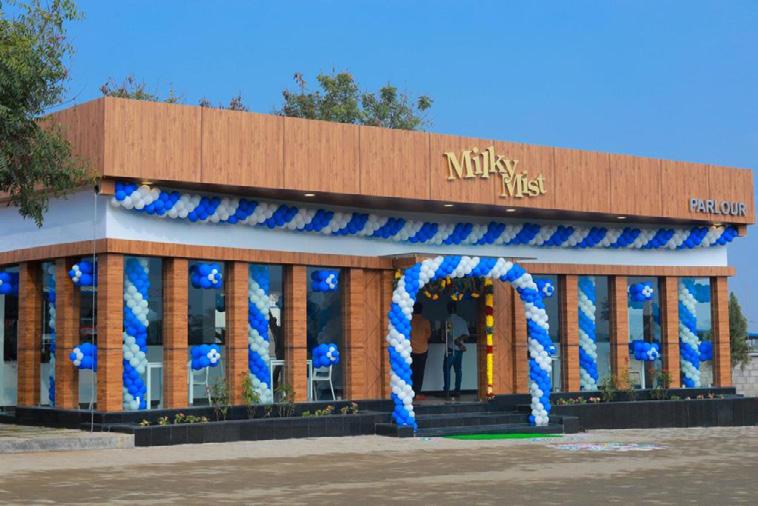
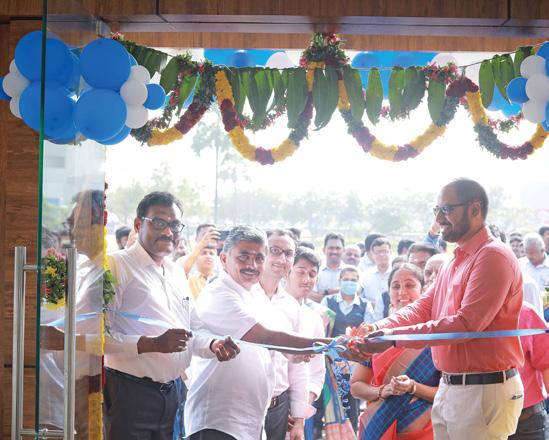
India’s leading value-added dairy brand Milky Mist Dairy Food Ltd has signed a landmark Memorandum of Understanding (MoU) with the Government of Maharashtra to invest ₹1,130 crore in setting up a large-scale milk processing and dairy products manufacturing facility in the state. The agreement was formalized at the annual meeting of the World Economic Forum (WEF) in Davos, Switzerland, in the presence of Maharashtra Chief Minister Devendra Fadnavis. The MoU was signed by Dr. K. Rathnam, Chief Executive Officer of Milky Mist, marking a significant milestone in the company’s expansion beyond its southern India stronghold.
The proposed facility represents one of the company’s largest investments to date and reflects its strategic focus on strengthening its footprint in western India. With a total investment of ₹1,130 crore, the project is expected to create direct employment for around 800 people, while also generating substantial indirect employment across logistics, distribution, packaging, and allied sectors. The initiative is poised to provide a meaningful boost to the regional dairy ecosystem and local livelihoods. Under the MoU, Milky Mist will establish a milk processing plant with an initial capacity of 10 lakh litres per day (LLPD), expandable up to 25 LLPD in subsequent phases. This scalable design ensures that the facility can grow in line with rising consumer demand and procurement capabilities. The plant will be built on approximately 48.15 acres of land, measuring 1,94,866 square metres, allotted by the Maharashtra Industrial Development Corporation (MIDC). The phased implementation approach allows the company to gradually expand infrastructure and production capacity while maintaining operational efficiency.
The new facility will manufacture a diverse portfolio of value-added dairy products, including paneer, yoghurt, curd, mozzarella cheese, butter, ghee, and ice cream. Milky Mist has established itself as a prominent player in the value-added dairy segment, particularly in paneer production, which it transformed into a standardized, branded product category in India. The Maharashtra plant will help the company cater more efficiently to growing markets in western India, ensuring fresher supplies, reduced transportation costs, and stronger retail penetration. A critical aspect of the project
is its focus on sourcing milk locally within Maharashtra. By integrating regional dairy farmers into its supply chain, Milky Mist aims to strengthen farmer incomes and build sustainable rural partnerships. The company’s farmer-centric procurement model has been instrumental in its success, ensuring consistent quality while fostering long-term relationships with milk producers. This localized sourcing strategy also reduces logistical challenges and enhances the freshness and reliability of raw material supply.
Milky Mist was founded in 1997 by T Sathish Kumar in the Erode district of Tamil Nadu. From modest beginnings, the company has grown into one of India’s leading value-added dairy enterprises, known for its technology-
driven operations and premium product offerings. Its fully automated processing facility in Perundurai, Tamil Nadu, is considered among the most advanced dairy plants in the country. The same emphasis on automation, hygiene, and
quality standards is expected to define the Maharashtra unit. Commenting on the agreement, CEO K. Rathnam highlighted that the MoU reflects the company’s long-term commitment to strengthening India’s dairy value chain while creating sustainable economic opportunities for farmers and communities. He noted that Maharashtra’s progressive industrial policies, strong milk-producing regions, and robust infrastructure make it an ideal partner for the company’s next phase of growth. The investment also aligns with the state government’s broader push to attract food processing and agri-based industries.
The expansion into Maharashtra is strategically significant for Milky Mist as it seeks to deepen its presence in western India. While the brand enjoys strong market leadership in southern states, the new plant will enhance distribution efficiency in key western markets such as Mumbai and Pune. Proximity to these urban centers will allow faster deliveries, improved cold-chain management, and greater responsiveness to evolving consumer preferences for premium, value-added dairy products.
The announcement also comes at a crucial time in the company’s growth trajectory. Milky Mist has filed a Draft Red Herring Prospectus (DRHP) with the Securities and Exchange Board of India (SEBI) for an initial public offering (IPO) aimed at raising around ₹2,000 crore. The proposed Maharashtra facility aligns with its expansion and capital expenditure plans, signaling strong growth intent and longterm scalability to prospective investors.
India, as the world’s largest milk producer, presents immense potential in the valueadded dairy segment. With changing consumption patterns, increasing urbanization, and rising demand from quick-service restaurants and modern retail, processed dairy products are witnessing robust growth. Milky Mist’s ₹1,130 crore investment underscores its ambition to capitalize on this opportunity by building large-scale, technologically advanced facilities that support both farmers and consumers.
The MoU signed in Davos represents more than just a corporate expansion; it symbolizes a strategic partnership between a leading private dairy enterprise and a progressive state government. By combining capital investment, advanced processing technology, and localized procurement, Milky Mist’s Maharashtra project is set to strengthen the regional dairy value chain while reinforcing the company’s position as a national leader in value-added dairy products.
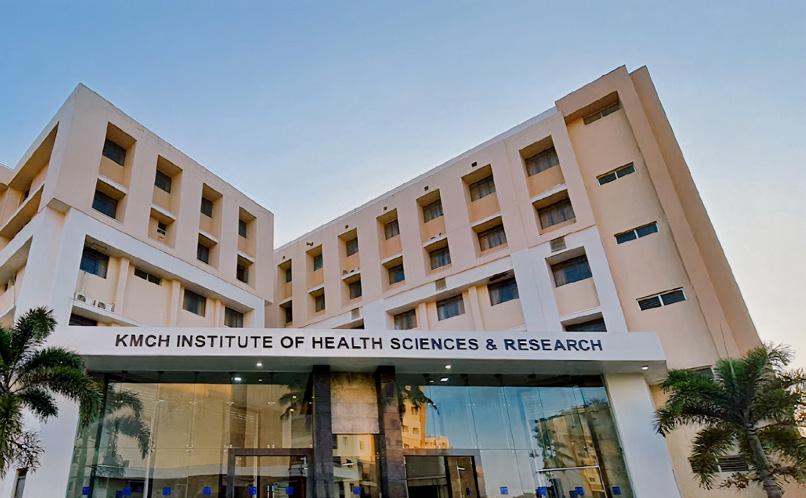
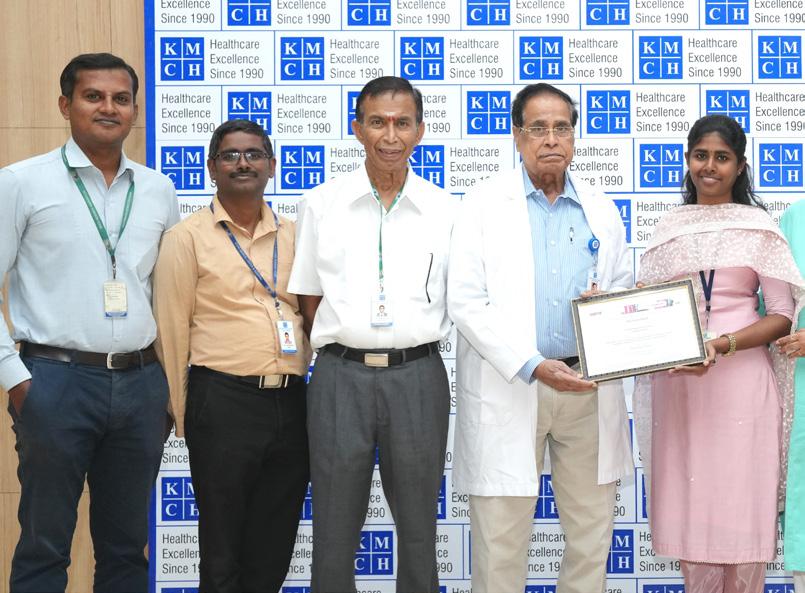
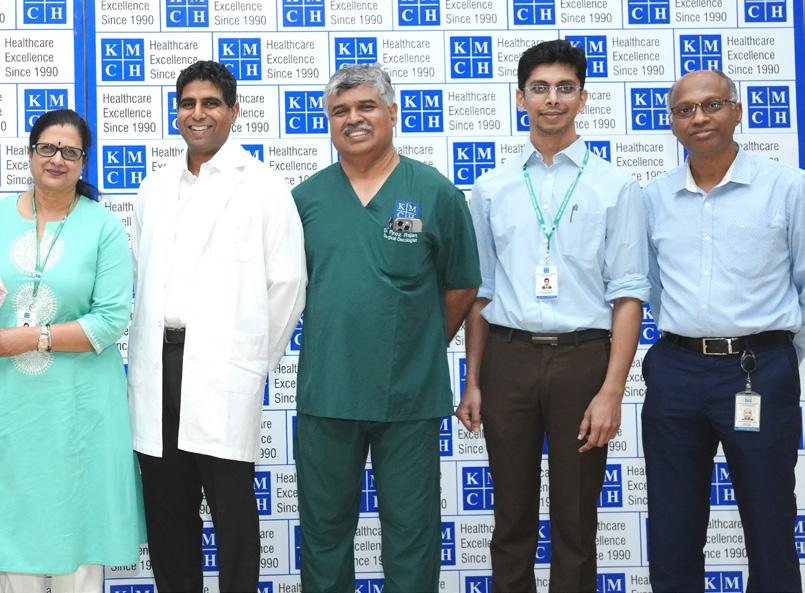
KMCH INSTITUTE OF HEALTH SCIENCES & RESEARCH HONOURED WITH “Excellence in Research & Innovation” AWARD AT AHPI GLOBAL CONCLAVE 2026
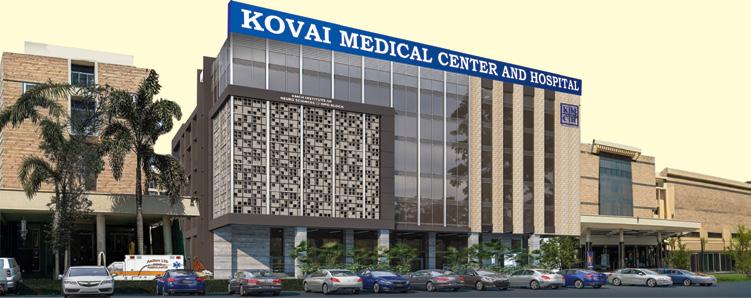
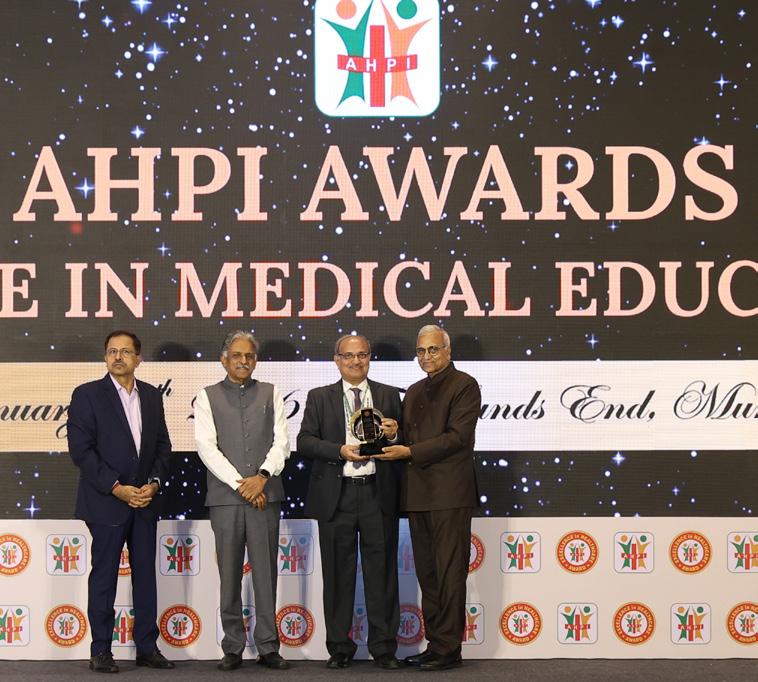
KMCH Institute of Health Sciences and Research (KMCH IHSR), a premier medical institution in Coimbatore, has reached a significant milestone by winning the prestigious award for Excellence in Research & Innovation at the AHPI Global Conclave 2026. The ceremony took place on Friday, January 23, 2026, at the Taj Lands End, Mumbai. This accolade marks a significant turning point for the institution, underscoring its rapid ascent as a leader in medical education and scientific inquiry. Established with the mission to provide world-class medical education and affordable healthcare, KMCH IHSR institute is equipped with state-of-theart infrastructure and a dedicated team
of medical professionals. It continues to be a hub for academic excellence, nurturing the next generation of doctors through a blend of rigorous training and innovative research opportunities. The celebration of excellence extended to the parent institution as well, with the Kovai Medical Center and Hospital (KMCH) securing two additional major accolades for Excellence in Clinical Operations and Excellence in Emergency Care.
The award ceremony brought together the brightest minds and leading organizations in the healthcare industry. The award was presented by Dr. Girdhar Gyani, Director General of AHPI and formally received on behalf of the institute by Dr. M.G.
Sridhar, Dean Academics, KMCH-IHSR. The Association of Healthcare Providers India (AHPI) recognizes institutions that set global benchmarks in healthcare. The three-award haul underscores the KMCH Group’s comprehensive commitment to every facet of medicine. The leadership at KMCH expressed profound pride in this achievement, noting that the award validates the institute’s long-term vision. “This recognition is a testament to our unwavering focus on medical advancement. It isn’t just an award for the institution; it is a tribute to our researchers and clinicians who strive every day to find better solutions for patient care,” remarked Dr. Nalla G. Palaniswami, Chairman & Managing Director, KMCH
Dr. Nalla G. Palaniswami, Chairman
& Managing Director, KMCH
Dr. Arun Palaniswami, Executive Director
Dr. Arun Palaniswami, Executive Director of KMCH, added his congratulations: “We are thrilled to receive this accolade. At KMCH IHSR, we believe that research is the backbone of modern medicine. This award inspires us to further invest in cutting-edge technology and academic excellence to serve our community better.”
ABOUT Kovai Medical Center and Hospital (KMCH)
Kovai Medical Center and Hospital (KMCH) is one of the most trusted multispecialty hospitals in Coimbatore, delivering advanced healthcare with a Western approach and an Indian touch. For over 34 years, KMCH has consistently elevated medical standards in the region, serving both urban and rural communities with modern technology and compassionate care. KMCH is renowned for its Heart Institute, offering bypass surgeries, valve repairs, heart transplants, and specialized electrophysiology services. Its Multi-Organ Transplant Center performs heart, lung, liver, kidney, and bone marrow transplants. The Comprehensive Cancer Center provides integrated oncology care including medical, surgical, and radiation oncology
along with nuclear medicine and PET services. The hospital also excels in high-risk obstetrics, fertility care, paediatrics, critical care, trauma management, orthopaedics, endocrinology, pulmonology, nephrology, and many other specialties. Committed to medical education and research, KMCH conducts regular conferences and offers fellowship and DNB programs. Guided by ethics, innovation, and empathy, KMCH continues to deliver extraordinary care — ensuring every patient leaves with renewed hope and a smile.
Fashion & Trends
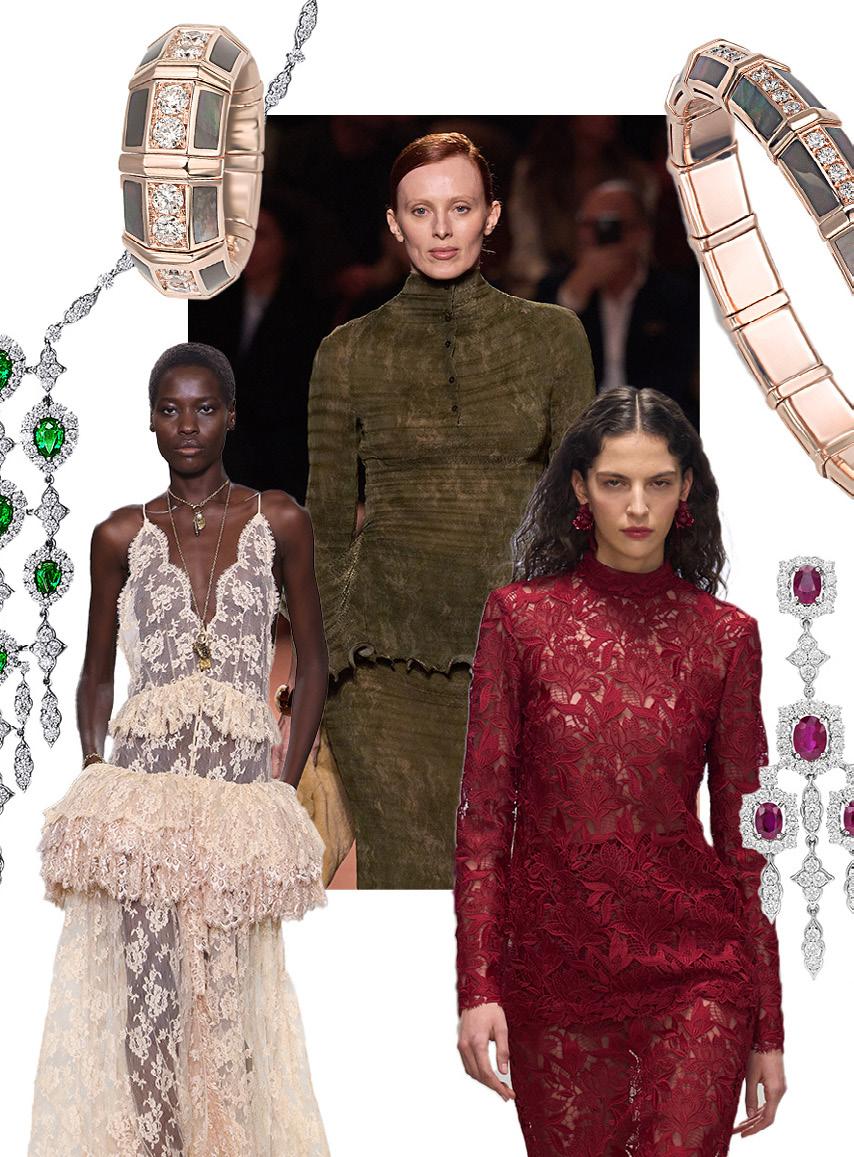
Tamannaah Bhatia’s Sparkling New Chapter in Fine Jewellery
When Tamannaah Bhatia steps into a new role, she does so with deliberation. Over nearly two decades in cinema, she has built a reputation for elegance that feels effortless rather than imposed. Now, with the launch of Tamannaah Fine Jewellery, she channels that sensibility into something tangible — a fine-jewellery label that challenges how, when, and why we wear diamonds. This is not a celebrity vanity project built on red-carpet spectacle. Instead, it is a carefully shaped brand rooted in a simple but transformative idea: fine jewellery should live with you, not wait in a locker for an occasion. The philosophy behind Tamannaah Fine Jewellery rests on the belief that precious pieces should become extensions of personal rhythm. For generations, fine jewellery in India has been tethered to weddings, festivals, and milestone celebrations — moments of ceremony and grandeur. Tamannaah’s vision gently shifts that paradigm. Her pieces are designed to be worn to work, to dinner, on flights, during long afternoons, and even to bed. The now-popular phrase associated with the brand — “sleep in your diamonds” — is not a marketing flourish but a design directive. Comfort, fluidity, and adaptability guide every curve and clasp.
The brand was developed in close collaboration with her father, bringing together familial trust and creative instinct.
This partnership ensures that while the face of the label is unmistakably Tamannaah, the foundation is grounded in craftsmanship and operational discipline. From sourcing to setting, the focus remains on quality materials — primarily 14K and 18K gold paired with natural diamonds and carefully chosen gemstones. The intention is clear: to uphold the integrity of traditional fine jewellery while reimagining its form for contemporary living.
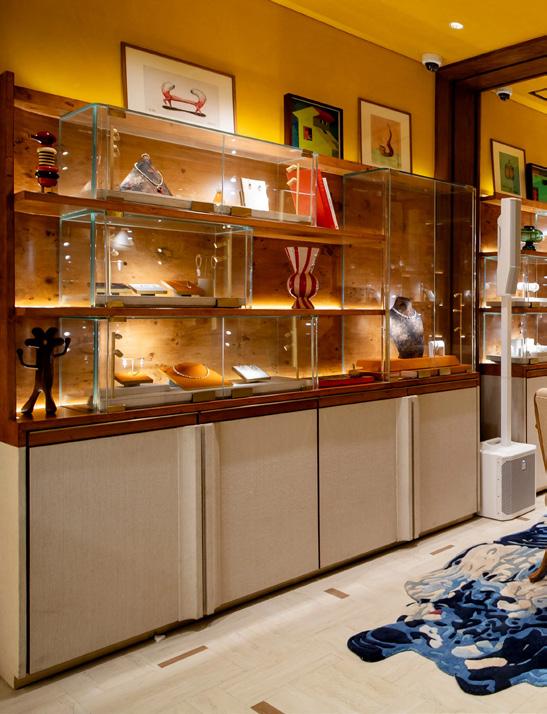
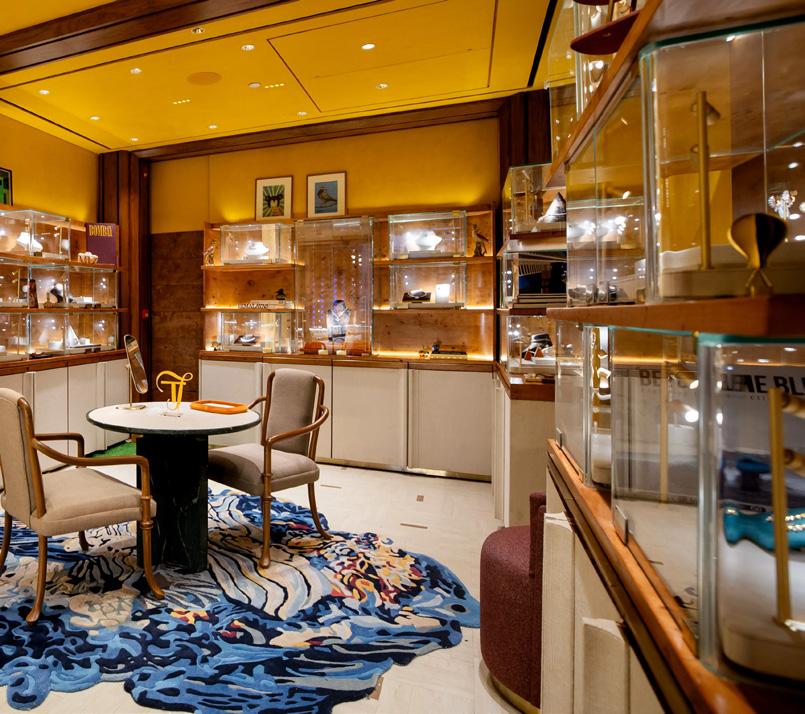
The launch of the flagship boutique in Mumbai’s Juhu neighbourhood signals the brand’s positioning within a lifestyle context rather than a purely ceremonial one. The space itself mirrors the design philosophy — contemporary, inviting, and stripped of the intimidating opulence often associated with luxury jewellery stores. Instead of overwhelming glass cases and heavy décor, the environment encourages interaction and exploration. Customers are invited to layer, mix, and style, transforming the act of purchasing jewellery into an experience of self-expression rather than transaction.
The debut collections — Half & Half, The Flick, and Plumptious — offer three distinct yet interconnected design narratives, each reflecting a different aspect of modern femininity and personal style. In Half & Half, contrast becomes a language. Pieces explore dual finishes, subtle textural interplay, and balanced proportions that feel both polished and relaxed. The idea of duality resonates deeply — the professional and the personal, the minimal and the bold, the structured and the fluid. Rings and necklaces in this collection carry a quiet sophistication, often pairing sleek gold with restrained diamond detailing. They are the kind of pieces that complement a tailored blazer as seamlessly as they do a silk dress, shifting context without losing identity.
The Flick, by contrast, embraces movement. Here, articulated links and dynamic silhouettes evoke momentum and ease. Necklaces drape with intention, bracelets follow the natural curve of the wrist, and earrings capture light in subtle flashes as the wearer turns her head. The collection feels kinetic — designed for women who are constantly in motion, whose days unfold across meetings, travel, and social engagements. Rather than demanding attention through scale, The Flick commands presence through fluidity. Its pieces invite layering and personal styling, encouraging the wearer to create combinations that evolve with mood and setting. Plumptious introduces a more sculptural energy to the brand’s vocabulary. Rounded silhouettes, generous forms, and tactile curves define this collection. Rings appear cushiony yet refined; hoops carry a bold softness that frames the face without overpowering it. The emphasis here is on joyful volume — jewellery that feels substantial yet remains wearable. Plumptious celebrates presence without excess, offering statement pieces
that maintain the brand’s commitment to everyday comfort. It speaks to the woman who is unafraid of dimension, who sees jewellery not as a delicate accent but as a confident declaration. Across all three collections, what stands out is the deliberate balance between artistry and ergonomics. Clasps are engineered for security without fuss. Surfaces are polished to feel smooth against the skin. Diamond placements are strategic rather than overwhelming, ensuring that sparkle enhances rather than dominates. This technical attention to comfort reinforces the brand’s central promise: luxury that integrates seamlessly into daily life. Tamannaah’s own styling choices at the launch underscored this narrative. She paired diamonds with denim — a gesture that subtly dismantled the long-held association between fine jewellery and formal attire. The look resonated precisely because it felt real. It suggested that diamonds can coexist with simplicity, that luxury need not be loud to be powerful.
In doing so, she set the tone for how her brand envisions its pieces being worn — not preserved for admiration, but integrated into lived experience. The emergence of Tamannaah Fine Jewellery also reflects broader shifts within India’s luxury market. A younger generation of consumers is redefining what investment means. Rather than accumulating ornate heirlooms reserved for weddings, many seek versatile pieces that reflect identity and independence. Jewellery becomes less about display and more about storytelling. In this landscape, a brand that emphasizes daily wear and emotional resonance finds fertile ground.
Yet the appeal of Tamannaah’s venture lies not solely in market timing but in authenticity. Jewellery has long been intertwined with her public image — from cinematic roles steeped in grandeur to understated off-duty appearances. By translating that sensibility into a cohesive design language, she bridges personal narrative and product. The result feels cohesive rather than opportunistic. There is also a subtle emotional undercurrent to the brand’s concept.
Fine jewellery has traditionally symbolized milestones — engagements, anniversaries, inheritances. By encouraging daily wear, Tamannaah reframes diamonds as companions to smaller, quieter moments: a successful presentation, a spontaneous dinner, a solo trip, an ordinary Tuesday that feels extraordinary. In doing so, she democratizes luxury without diminishing its value. The pieces remain precious, but their meaning expands.
As the brand grows, it will likely evolve its design vocabulary and expand its offerings. Yet the foundation appears strong — a clear aesthetic direction, a defined customer mindset, and a retail experience aligned with contemporary expectations. The decision to focus initially on tightly curated collections rather than overwhelming variety speaks to strategic restraint. Each piece feels intentional, part of a cohesive narrative rather than a scattered assortment. Ultimately, Tamannaah Fine Jewellery
represents more than a celebrity entering retail. It signals a nuanced understanding of how modern women wish to experience luxury — as something fluid, personal, and integrated into everyday life. By moving diamonds beyond the occasion and into the everyday, Tamannaah Bhatia invites us to reconsider not just how we wear jewellery, but how we value it. In her world, sparkle is not reserved for ceremony; it is woven into the fabric of daily existence, illuminating moments both grand and quietly intimate.
In that sense, this new chapter is less about ornamentation and more about philosophy. Fine jewellery, as envisioned by Tamannaah, is not a spectacle but a signature — a reflection of individuality carried close to the skin. And in redefining its role, she has crafted a brand that feels at once timeless and distinctly of the moment, poised to shimmer not just under spotlights, but in the soft glow of everyday life.
Magazines
Spirited Lifestyle
Timeless Handcrafted Elegance for your Valentine
With Valentine’s Day around the corner, celebrate love with the His and Her collection from Jaipur Watch Company. Embrace the timeless tradition of expressing love through a gift that transcends the ordinary. Each watch is a testament to meticulous craftsmanship, ensuring not just a gift, but a cherished memory. These watches seamlessly blend functionality and aesthetics, making them the perfect expression of love. Make this Valentine’s Day unforgettable by choosing a watch that not only adorns the wrist but becomes a constant reminder of your shared moments.
Price: Rs 28000/- onwards
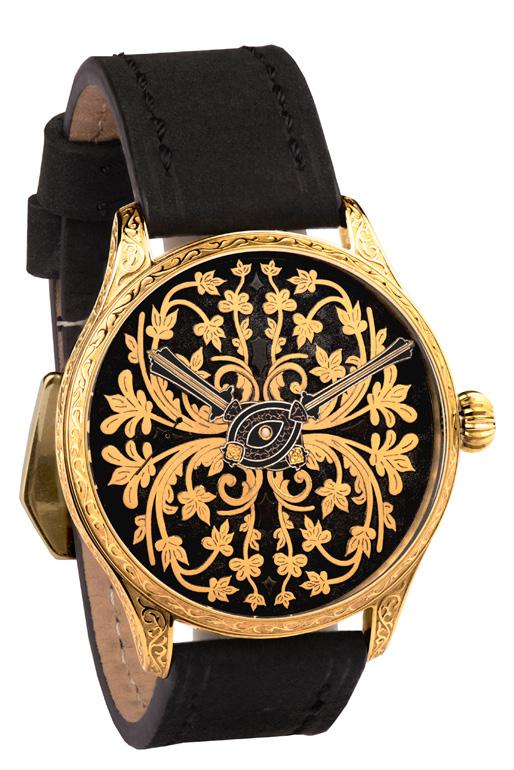
For Him: “Elegant Engraved Gold Watch”
Jaipur Watch Company offers a selection of timeless classics that can be worn for years to come. For someone who seeks a timeless and sophisticated accessory, Jaipur Watch Company offers an elegant Engraved gold watch collection. With its sleek design, this watch is a perfect complement to his attire
FNH- SPIRITED LIFESTYLE
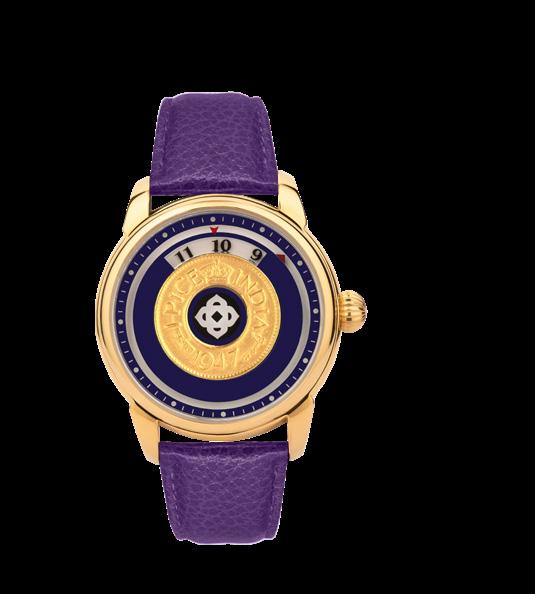
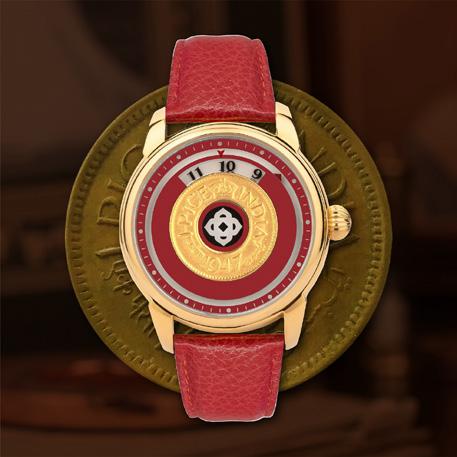
“Kings Wristwear II Collection”
“Kings Wristwear II Collection” offers classic timepieces with a modern twist. With bold dials and striking leather straps, these watches add a touch of sophistication to the attire. Make a statement with the stunning royal Kingswear II watch available in various colours from Jaipur Watch Company’s collection.
For Her:
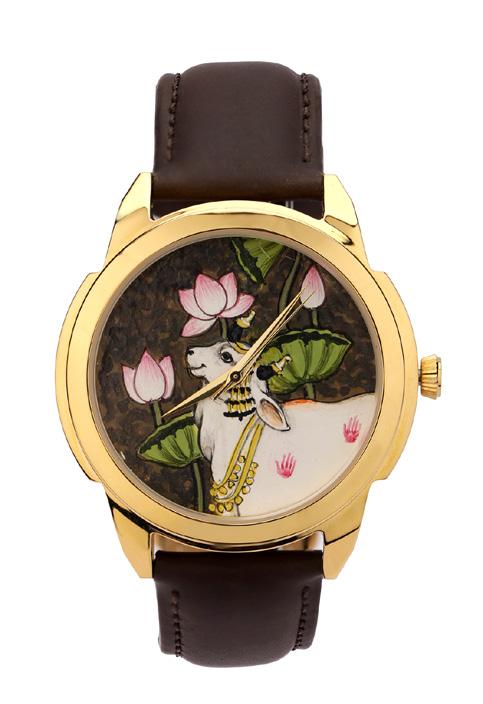
“Pichwai Collection”
The watch features delicate timepieces with intricate detailing and classic dials that effortlessly enhance any bridal look. Pichwai (pichvai) is a style of painting that originated over 400 years ago, in the town of Nathdwara in Rajasthan, India. Creating a pichwai dial can take over a week, and requires immense skill, as the smallest details need to be painted with precision
“Peacock Collection”
Their collection showcases stunning craftsmanship with intricate coin and floral motifs, while the “Peacock Collection” feature offers a mesmerizing peacock motif on the watch face. This watch is an ideal choice for a stylish and feminine accessory.
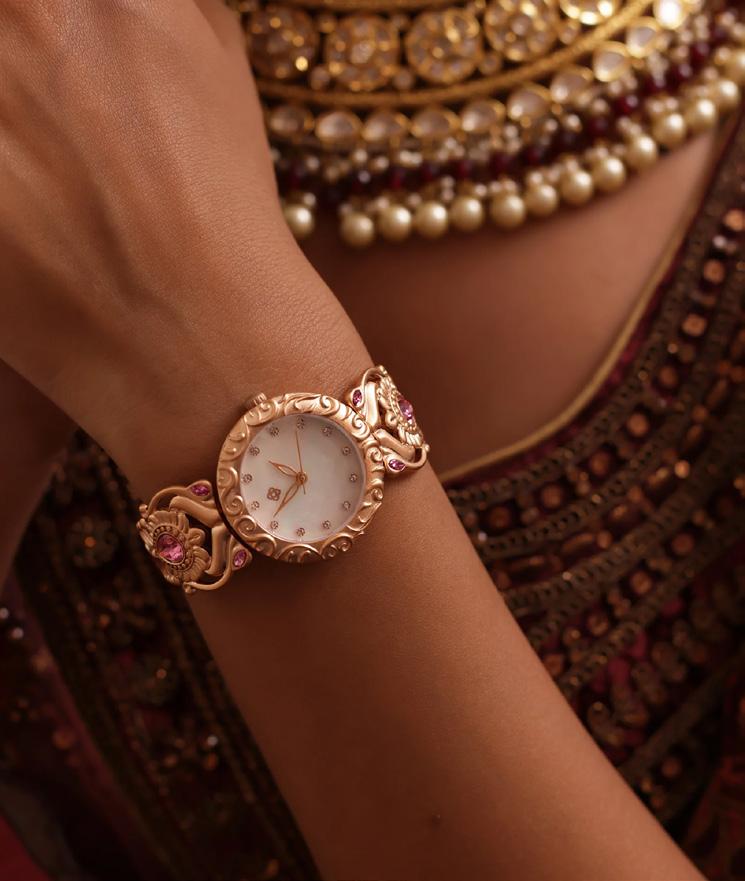
“Blossom Radiance”
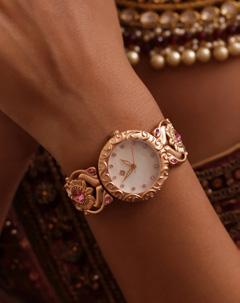
Blossom Radiance is a masterpiece designed to evoke the grandeur and elegance of a royal event. Its intricate design is achieved through the use of the centuries-old jewelry technique of filigree, where skilled artisans meticulously weave fine threads of precious metal to create delicate and ornate patterns. The watch embodies a timeless elegance, combining traditional craftsmanship with modern sophistication.
About Jaipur Watch Company:
Jaipur Watch Company is India’s first luxury watch microbrand renowned for its exquisite timepieces that seamlessly blend tradition and innovation. With a relentless focus on craftsmanship and artistic expression, Jaipur Watch Company has emerged as a leading force in the luxury watch market, captivating hearts and
FNH- SPIRITED LIFESTYLE
IIT Madras Global Research Foundation will establish its first Applied Artificial Intelligence Innovation Centre at Dubai CommerCity to accelerate applied AI innovation and support technology-led economic growth. In its first phase, the Centre will host a portfolio of six applied AI startups with a combined valuation of approximately US$118 million and projected revenues of US$281 million over the next five years. Several of these companies demonstrate strong potential for scalable global expansion. Facilitated by MCA Gulf, a strategic partner of IITM Global in Dubai, the Centre aims to position Dubai as a regional and global launchpad for applied AI innovation, enabling solutions to be developed, deployed and scaled through a long-term platform focused on sustainable innovation and value creation.
Dubai CommerCity is a leading free zone dedicated exclusively to digital commerce in the Middle East, Africa and South Asia (MEASA) region. It serves as a key hub for regional and international brands. IITM Global has been conceived as a strategic, sustainable and scalable platform to take IIT Madras’s academic, research and innovation strengths to the global stage. The MoU was signed on the sidelines of WORLDEF Dubai 2026, the Middle East region’s largest global gathering dedicated to digital commerce, held from 12th to 14th February 2026. The event was inaugurated by His Highness Sheikh Mansoor bin Mohammed bin Rashid Al Maktoum, President of the UAE National Olympic Committee. Speaking about this partnership, Her Excellency Amna Lootah, Director-General of Dubai CommerCity and Dubai Airport Freezone, said, “This MoU with IIT Madras Global Research Foundation marks a strategic milestone in advancing Dubai CommerCity’s role as a specialised free zone for digital trade and advanced technologies. The establishment of IITM Global’s first Applied Artificial Intelligence Innovation Centre within our ecosystem reinforces our commitment to enabling innovation-led growth and creating an AI-led vital market with high
economic value. This initiative strengthens the India–UAE technology corridor under CEPA and reinforces Dubai’s position as a regional hub for responsible innovation, intelligent trade, and future-ready growth in line with the Dubai Economic Agenda D33.” The agreement marks a strategic step toward strengthening the India–UAE technology corridor and advancing applied AI innovation in line with the objectives of the India–UAE Comprehensive Economic Partnership Agreement (CEPA). It also aligns with the India AI Impact Summit 2026 in New Delhi, reinforcing bilateral commitment to advanced technology, digital trade corridors and innovationled growth. Highlighting the importance of this AI Centre, Prof. Raghunathan Rengaswamy, Dean (Global Engagement), IIT Madras, said, “The launch of the Applied AI Innovation Centre in Dubai marks a pivotal step in globalising IIT Madras’ research. Coinciding with the India AI Impact Summit, this initiative bridges academic breakthroughs with industrial scale to drive ‘Human-Centric AI.’ It strengthens the India-UAE technological bond, establishing this strategic corridor as a global benchmark for AI solutions anchored in safety and governance.”
Further, Mr. Thirumalai Madhavnarayan, CEO, IITM Global, said, “This MoU operationalises the India-UAE technology corridor, establishing a high-velocity ecosystem in Dubai that accelerates market access for startups and translates responsible AI research into economic value across the GCC.” IITM Global will lead the project and provide enablement and advisory support. The centre will function as a specialised innovation platform dedicated to translating advanced artificial intelligence capabilities into scalable, market-ready applications. It will focus on advancing local product development, accelerating solution deployment, fostering intellectual property creation and strengthening collaboration with government entities, industry stakeholders and innovation ecosystem partners.
The project is expected to generate sustainable economic value by stimulating commercial activity, developing intellectual property locally, creating high-skill jobs and improving productivity across sectors such as smart cities, energy, logistics and construction.
The centre will also serve as a critical bridge for deep-tech commercialisation by facilitating market access and investment for startups across the GCC region. It is expected to reinforce Dubai’s position as a hub for digital trade and advanced technology solutions while supporting the emirate’s broader economic diversification and innovation agenda.
ABOUT IITM GLOBAL RESEARCH FOUNDATION
IITM Global has been conceived as a strategic, scalable and sustainable full-stack global expansion of IIT Madras that enables innovators, researchers, startups and industry partners to access international markets, capital and collaborative research opportunities. By incorporating local context into international initiatives, IITM Global drives innovation, entrepreneurship and impactful collaboration with industry and R&D partners. Leveraging IIT Madras’ world-class faculty, advanced infrastructure and strong industry partnerships, IITM Global is dedicated to driving innovation and societal impact.
ABOUT IIT MADRAS
Indian Institute of Technology Madras (IITM) was established in 1959 by the Government of India as an ‘Institute of National Importance.’ The activities of the Institute in various fields of Science and Technology are carried out in 18 academic departments and several advanced interdisciplinary research academic centres. The Institute offers undergraduate and postgraduate programmes leading to B.Tech., M.Sc., M.B.A., M.Tech., M.S., and Ph.D., degrees in a variety of specialisations. IITM is a residential institute with more than 650 faculty and 10,000 students. Students from 18 countries are enrolled here. IITM fosters an active entrepreneurial culture with strong curricular support and through the IITM Incubation Cell. Recognized as an Institution of Eminence (IoE) in 2019, IITM has been ranked No.1 in the ‘Overall’ Category for the Seven consecutive year in India Ranking 2025 released by National Institutional Ranking Framework, Ministry of Education, Govt. of India. The Institute has also been ranked No.1 in the ‘Engineering Institutions’ category in the same Rankings for 10 consecutive years – from 2016 to 2025.
In 2023, IIT Madras became the
first IIT to establish an international Campus in Zanzibar, Tanzania called ‘IIT Madras Zanzibar.
Kids & Children
ULTIMATE GUIDE TO SUMMER BABY CARE
10 Essential Tips for Hot Days
Summer brings longer days, outdoor fun, and sunshine—but for babies and toddlers, the heat can turn joyful moments into challenges. Infants’ delicate skin, developing immune systems, and limited ability to regulate body temperature make them vulnerable to dehydration, heat rash, sunburn, and infections. With temperatures soaring, parents must prioritize proactive care.
This guide compiles expert-inspired tips from pediatric insights and realworld advice, covering everything from hydration to travel safety. Whether your little one is a newborn or a curious toddler, these strategies ensure comfort without overwhelming routines. Aim for breathable fabrics, frequent checks, and natural remedies to beat the heat effectively.
1. PRIORITIZE HYDRATION TO PREVENT DEHYDRATION
Hydration stands as the cornerstone of summer baby care. Babies under six months get all needed fluids from breast milk or formula, which provides perfect hydration, immunity boosts, and nutrients. Breast milk adjusts dynamically to your baby’s needs—in hot weather, it becomes thinner and more watery. Feed on demand, increasing frequency during peak heat; signs like fussiness or rooting indicate thirst. For babies over six months, introduce small sips of cool water (room temperature, not ice-cold) alongside milk. Avoid fizzy drinks, excessive popsicles, or sugary juices, which can upset tiny tummies. Watch for dehydration red flags: fewer wet diapers (aim for 6+ daily), dry lips, sunken fontanelle (soft spot on head), lethargy, or dark urine. Mothers, hydrate yourself too—drink plenty of water, coconut water, or buttermilk to maintain milk supply.
External hydration matters equally. After baths, pat skin gently dry (don’t rub) and apply a hypoallergenic baby lotion with aloe vera or shea butter. Products like mild, natural moisturizers lock in moisture without greasiness. One parent trick: Offer frozen breast milk cubes as a teething treat for older infants, providing hydration and relief. Consistent habits keep babies gleeful, not cranky, all summer long.
2. DRESS LIGHT AND BREATHABLE FOR COOL COMFORT
Overdressing traps heat, leading to overheating. Opt for lightweight, loose cotton or organic cotton clothes in pastel shades—think bodysuits, rompers, or just a nappy for newborns at home. Organic GOTS-certified fabrics feel softer, breathe better, and avoid toxins irritating sensitive skin. Bamboo or muslin swaddles excel too; they’re airy and perfect for naps. Avoid
synthetics like polyester, which trap sweat and breed rashes. Hats with wide brims shield faces, but skip tight ones. Indoors, minimal layers suffice—a single layer often matches the “one more than adult” rule. Outdoors, long lightweight sleeves protect from UV without overheating. Pro tip: Change outfits after sweat or spills to prevent chafing. During no-nappy time (more on that later), let skin air out fully. These choices keep babies cool, stylish, and ready for play.
3. SAFEGUARD DELICATE SKIN FROM SUN, RASHES, AND ALLERGIES
Babies’ skin is paper-thin—four times thinner than adults—making it prone to sunburn, heat rash (prickly heat), and allergies. Never expose newborns under six months to direct sun; use stroller canopies, umbrellas, or shade cloths. For older babies, apply mineralbased sunscreen (SPF 30+, zinc oxide) sparingly on exposed areas, but only after pediatrician approval and patch-testing.
Heat rash appears as red bumps in folds (neck, armpits, diaper area) from blocked sweat glands. Cool it with lukewarm sponge baths, loose clothing, and cornstarch-based powders (avoid talcum, which risks lung irritation). Natural options like chamomile or calendula creams soothe without clogging pores. For diaper rash, exacerbated by summer sweat, use zinc oxide or coconut oil creams; go diaper-free 15-30 minutes daily for “skin breathing time.”
Spot allergies early: Redness, hives, or crankiness signal issues. Consult pediatricians for persistent rashes—don’t self-treat infections. Daily routines like patting dry post-bath and moisturizing prevent most problems. Homemade remedies? Cucumber slices or aloe gel (pure, tested) offer natural cooling. Vigilance turns potential discomfort into smooth, glowing skin.
4. MASTER BATHING AND POST-BATH ROUTINES
Baths refresh but overdo it, and skin dries out. Limit to 2-3 times weekly for newborns, daily for toddlers if sweaty, using lukewarm water (37°C—test with wrist). Swirl water first; keep sessions 5-10 minutes. Fragrance-free, natural shampoos cleanse gently without stripping oils. Post-bath, pat dry immediately to avoid
moisture-loving bacteria. Follow with a calming massage using baby-safe oil (coconut or almond)—gentle strokes boost circulation, relax muscles, aid digestion, and bond you closer. For summer, choose lightweight oils; skip heavy ones that clog pores. Dip in cool water during nappy changes for an instant refresh, mimicking a mini-spa. These rituals hydrate insideout, preventing dryness amid heat.
5. OPTIMIZE FEEDING AND DIET FOR LIGHT, COOLING NUTRITION
Heavy, oily foods worsen heat discomfort. For breastfed or formula-fed infants under six months, ramp up feeds—milk suffices. Toddlers thrive on light, home-cooked meals: Watermelon, cucumber, mango, yogurt, khichdi, or rice with veggies. Natural coolants like tender coconut water or diluted fruit purees hydrate and delight. Ditch masala-rich or fried foods; they spike body heat. Limit ice creams—opt for frozen fruit yogurt instead. Spoilage risk rises in heat, so avoid unpackaged leftouts. Nursing moms: Eat hydrating foods (cucumbers, oranges) and fluids for steady supply. Balanced intake prevents fussiness, supports growth, and fights infections from temperature swings.
6. CREATE A COOL, SAFE INDOOR ENVIRONMENT
Hot rooms breed restless babies. Maintain 68-72°F (20-22°C) with f=ans (not direct on baby), air coolers (clean water only), or AC (avoid blasts). Light curtains block sun; breathable bedding like muslin sheets prevents sweat pools. Cool mist humidifiers add moisture without chill.
Elevate crib mattresses for airflow; use lightweight sleep sacks over blankets. Fans or coolers moderate daytime heat— essential for first summers. Cleanliness curbs infections; wipe surfaces daily. These tweaks ensure restful sleep and play, dodging viral fevers from AC-hot shifts.
7. PROMOTE NO-NAPPY TIME AND DIAPER CARE
Diapers convenience but trap heat, inviting rashes. Schedule 20-30 minutes diaper-free daily—spread a waterproof mat, let baby roll freely. It airs skin, reduces moisture, and boosts happiness. For diapering, choose breathable cotton or cloth options; change frequently. Natural diaper creams with zinc or calendula protect barriers. Wet wipes? Pick alcohol-free, plant-based for quick cleanups. This routine slashes rash risks, keeping adventures mess-free yet comfy.
8. ENSURE QUALITY SLEEP IN THE HEAT
Babies need 14-17 hours sleep daily, but heat disrupts it. Cool rooms, breathable sleepwear, and white noise from fans help. Swaddle loosely in muslin for newborns; avoid heavy covers. Check for overheating: Warm chest (not hot), even breathing. Naps in shaded strollers work for outings. Consistent cool environments foster deep, restorative rest.
9. COMBAT MOSQUITOES AND OUTDOOR HAZARDS
Summer amps insect activity—dengue, chikungunya lurk. Use baby-safe nets over cribs/strollers, repellents with natural citronella (over 6 months), and eliminate stagnant water. Avoid 10 AM-4 PM sun; early mornings/evenings suit parks. Prepare for rain: Pack umbrellas, extra clothes, towels. Natural sanitizers (plantbased) keep hands clean outdoors. These shield developing immunity from bites and sudden storms.
10. TRAVEL SMART AND MONITOR HEALTH SIGNALS
Vacations? Pack fluids, first-aid (rash cream, thermometer), car seats, and ventilated outfits. Short trips beat peak heat; hydrated snacks rule. Watch overheating: Flushed skin, rapid breath, sweat—cool with damp cloths, strip layers. Seek doctors for fever, persistent rash, or dehydration. Patch-test products; pediatric consults tailor advice.
Product Recommendations and Natural Alternatives
• Moisturizers/Lotions: Shea butter or aloe-enriched for hydration.
• Rash Powders/Creams: Cornstarch or calendula-based; skip talc.
• Natural swaps: Homemade oatmeal baths for rashes, diluted rose water mists. Always test; consult pros for sensitivities. These elevate care safely.
Advanced Tips for First-Time Summer Parents
Newborns face inaugural heat uniquely. No midday outings; nappy-only indoors. Muslin covers for airflow naps. Frequent checks prevent silent threats. Toddlers? Hydrate via fun juices, distract from heat with water play. Track wet diapers via app. Immunity-builders: Probiotic yogurts (post-6 months). AC use? 2426°C, humidify to avoid dryness.
Monsoon twists: Sudden rains demand rain gear, dry changes. These nuances ensure thriving through seasons.
Proactive steps build resilience: Better sleep patterns, fewer allergies, stronger bonds via massages. Track growth; hydrated babies hit milestones faster. Eco-friendly choices (organic fabrics) teach sustainability early. Invest now for a lifetime of healthy habits.
Summer care transforms challenges into cherished memories—beach days under shade, watery playtimes. With these tips, your baby stays cool, protected, happy. Prioritize love, observation, natural solutions for worry-free warmth.
Magazines
Beauty & Wellness
Nutrient Deficiencies & Hair Damage
The Complete Medical Guide to Restoring Hair Health from Within
Hair has always been a symbol of vitality, youth, and confidence. Yet when it begins to thin, shed excessively, lose shine, or break easily, the issue often lies deeper than external care routines. While shampoos, oils, and salon treatments promise visible improvement,
persistent hair damage frequently reflects an internal nutritional imbalance. Hair follicles are among the most metabolically active structures in the body. They require a continuous supply of oxygen, amino acids, vitamins, and minerals to sustain growth. When the body experiences nutritional deficiencies, it prioritizes vital organs such as the brain and heart, placing hair growth lower on the survival hierarchy. As a result, the hair cycle is disrupted, and visible damage begins to appear. This medical guide explores how deficiencies in iron, vitamins, calcium, and other micronutrients contribute to hair damage, how to diagnose the underlying cause, and what treatments — both medical and home-based — can restore healthy growth.
Understanding the Hair Growth Cycle
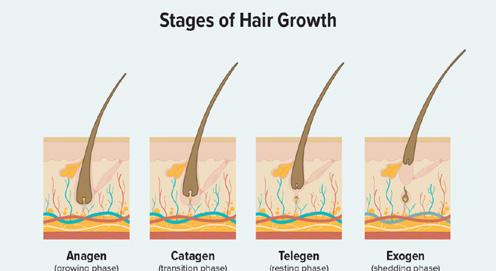
Healthy hair growth occurs in a continuous cycle. Each strand moves through three phases:
1. Anagen (growth phase) – Active hair growth lasting several years.
2. Catagen (transition phase) – A short phase where growth slows.
3. Telogen (resting phase) – Hair sheds and new growth begins.
Nutrient deficiencies commonly push more follicles into the telogen phase prematurely, leading to excessive shedding — a condition known as telogen effluvium.
Iron Deficiency: The Most Common Culprit
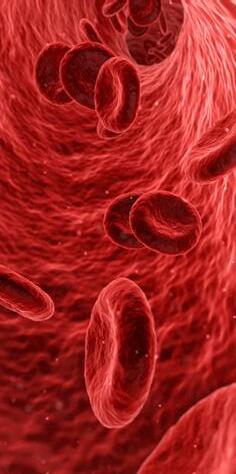
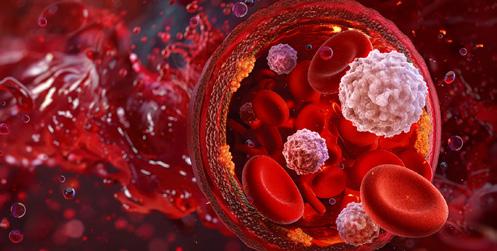
Iron deficiency is one of the leading causes of hair loss worldwide, particularly among women. Iron enables red blood cells to carry oxygen to tissues, including the scalp. Without adequate oxygen, hair follicles weaken and enter the resting phase earlier than expected. Low ferritin (iron storage levels) is frequently associated with chronic hair thinning even in individuals who are not severely anemic.
Signs that iron deficiency may be affecting hair:
1. Diffuse thinning rather than patchy loss
2. Fatigue and weakness
3. Pale skin or brittle nails
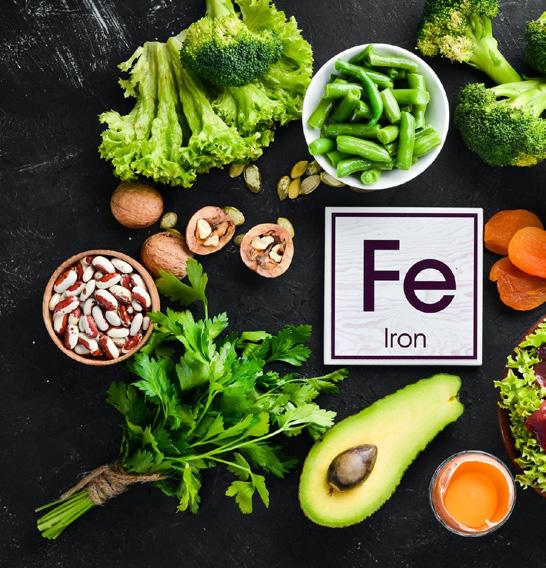
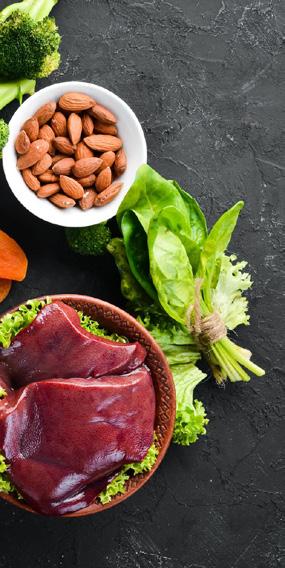
Treatment Approach: A proper treatment approach begins with accurate diagnosis through blood investigations, particularly hemoglobin and serum ferritin levels, to assess both circulating iron and stored iron in the body. Once deficiency is confirmed, iron supplementation should be initiated under medical supervision to ensure the correct dosage and duration, as requirements vary based on severity. Alongside supplementation, incorporating iron-rich foods such as leafy green vegetables, lentils, red meat,
dates, and pumpkin seeds helps support natural replenishment. Pairing iron intake with vitamin C–rich foods like citrus fruits or amla enhances absorption and improves effectiveness. However, self-medicating with high-dose iron is strongly discouraged, as excessive iron accumulation can lead to toxicity and cause serious health complications.
Vitamin D: The Silent Hair Regulator
Vitamin D plays a crucial role in maintaining healthy hair growth by regulating the hair follicle cycle. Hair follicles contain vitamin D receptors that help initiate the anagen (growth) phase. When vitamin D levels are low, this cycle can become disrupted, pushing more follicles into the resting (telogen) phase and leading to increased shedding. Research has also linked vitamin D deficiency to chronic telogen effluvium and autoimmune-related hair conditions such as alopecia areata, where immune imbalance affects follicle health.
Modern lifestyles significantly contribute to deficiency. Limited outdoor activity, excessive sunscreen use, pollution, and long hours spent indoors reduce the skin’s ability to produce vitamin D through sunlight exposure. Even individuals in sunny regions may have inadequate levels due to insufficient direct sun exposure.
Correction begins with a simple blood test measuring serum 25-hydroxyvitamin D. Treatment may include safe sun exposure for 15–20 minutes several times a week, dietary sources like fatty fish, egg yolks, and fortified foods, and medically supervised supplementation when levels
are low. Since vitamin D is fat-soluble, excessive intake can cause toxicity, making professional guidance essential for safe and effective restoration.
B-Complex Vitamins and Hair Vitality
The B-vitamin group plays an essential role in maintaining healthy hair by supporting cellular metabolism and red blood cell production, both of which are vital for nourishing active hair follicles. These vitamins help convert nutrients into energy, ensuring that rapidly dividing follicle cells receive adequate fuel for sustained growth. Vitamin B12 is particularly important because it aids in red blood cell formation and oxygen transport. A deficiency can reduce oxygen delivery to the scalp, potentially contributing to hair thinning and, in some cases, premature greying. Vegetarians and vegans are at higher risk since B12 is primarily found in animalbased foods. Folate (Vitamin B9) supports cell division and tissue repair, processes that are fundamental to consistent hair growth. Without sufficient folate, follicle regeneration may slow. Biotin (Vitamin B7) is widely promoted as a hair-growth supplement; however, true biotin deficiency is uncommon. While correcting a deficiency can improve hair strength, excessive supplementation in individuals with normal levels provides minimal benefit and may interfere with certain laboratory tests. The most effective strategy is targeted correction based on confirmed deficiencies rather than indiscriminate high-dose supplementation.
Calcium and Its Indirect Role
Calcium may not directly stimulate hair growth, but it plays an important supportive role in maintaining overall follicle health. It is essential for cell signaling, enzyme activation, and proper functioning of the endocrine system — all of which influence the hair growth cycle. Because hair follicles are highly sensitive to hormonal balance, any disruption in calcium-regulated processes can indirectly affect strand strength and growth consistency. Low calcium levels frequently coexist with vitamin D deficiency, as vitamin D is necessary for calcium absorption.
This combination is particularly common in women over 30 and in post-menopausal individuals, when hormonal fluctuations and declining bone density increase nutritional demands. In such cases, hair thinning or brittleness may reflect a broader metabolic or endocrine imbalance rather than an isolated scalp issue. While calcium deficiency alone is rarely the sole cause of hair loss, inadequate intake may contribute to weaker, more fragile
strands over time. Maintaining balanced levels through dietary sources such as dairy products, sesame seeds, almonds, leafy greens, and fortified plant-based alternatives supports both systemic health and follicle resilience. When deficiency is suspected, proper medical evaluation ensures safe and appropriate correction.
Zinc and Scalp Integrity
Zinc is a vital trace mineral that plays a significant role in protein synthesis, cellular repair, and immune regulation — all essential processes for maintaining a healthy scalp environment. Because hair strands are primarily composed of protein, adequate zinc levels are necessary for proper keratin formation and structural strength. It also supports the oil glands around hair follicles, helping maintain scalp hydration and barrier function. When zinc levels are low, individuals
may experience increased shedding, scalp dryness, slow hair regrowth, and weakened hair shafts that are more prone to breakage. In some cases, persistent deficiency can disrupt the normal hair growth cycle, contributing to diffuse thinning. Restoring zinc balance through dietary sources such as pumpkin seeds, nuts, legumes, whole grains, and seafood can gradually improve follicle function. When laboratory tests confirm deficiency,
medically supervised supplementation may be recommended. As with all micronutrients, balance is essential — excessive zinc intake can interfere with copper absorption and lead to other metabolic issues. With proper correction, strand strength and scalp health often improve steadily over time.
Protein Deficiency and Crash Dieting
Hair is composed primarily of keratin, a fibrous structural protein that provides strength, elasticity, and resilience to each strand. Because hair follicles are highly active and require a steady supply of amino acids, inadequate protein intake can directly compromise hair quality. Restrictive dieting, rapid weight loss programs, intermittent fasting without proper planning, and low-calorie crash diets often reduce overall protein consumption, leading to weakened hair shafts, increased breakage, and noticeable thinning.
When the body experiences a significant calorie deficit, it shifts into conservation mode. Energy is redirected toward essential organs and survival functions, while non-essential processes — including hair growth — are slowed. As a result, more follicles may prematurely enter the resting phase, causing diffuse shedding several weeks or months after dietary restriction begins. Restoring adequate protein intake is fundamental for recovery. Including balanced sources such as lentils, eggs, dairy, tofu, fish, nuts, and seeds ensures sufficient amino acids to rebuild keratin structure. Consistent daily intake, rather than sporadic high-protein meals, supports long-term follicle strength and healthier regrowth.
Hormonal Imbalance and Nutrient Interaction
Hair growth is closely regulated by hormones, and nutritional deficiencies often coexist with endocrine disturbances, amplifying hair-related concerns. When hormonal balance shifts, the hair growth cycle can be disrupted, and if nutrient stores are already depleted, the impact becomes more pronounced. Thyroid disorders are a common example. Both hypothyroidism and hyperthyroidism can alter follicle metabolism, slow hair growth, and increase diffuse thinning. In hypothyroidism especially, reduced
thyroid hormone levels may decrease cellular turnover, making strands appear dry, brittle, and sparse. Polycystic Ovary Syndrome (PCOS) presents another complex interaction. It is often associated with insulin resistance and elevated androgen levels, which can contribute to pattern thinning. At the same time, many women with PCOS also experience iron deficiency due to irregular menstrual cycles, compounding the risk of shedding. Postpartum hair loss illustrates a temporary but dramatic hormonal shift. During pregnancy, elevated estrogen prolongs the growth phase, but after delivery, hormone levels drop suddenly. When combined with nutrient depletion from pregnancy and breastfeeding, this can trigger significant shedding. Effective treatment requires evaluating and correcting both nutrient deficiencies
and underlying hormonal imbalances to restore stable, healthy hair growth.
Stress, Cortisol and Nutrient Absorption
Chronic stress has a profound impact on hair health, largely through the sustained elevation of cortisol, the body’s primary stress hormone. When cortisol levels remain high for extended periods, several physiological changes occur. Blood flow may be redirected away from nonessential tissues, including the scalp, reducing nutrient delivery to hair follicles. At the same time, elevated cortisol can interfere with digestion and nutrient absorption, limiting the body’s ability to utilize iron, zinc, and essential vitamins effectively. Stress also disrupts the natural hair growth cycle.
Increased cortisol levels can prematurely shift follicles from the active growth phase into the resting (telogen) phase, leading to noticeable shedding weeks later. Emotional strain, chronic anxiety, sleep deprivation, and prolonged mental fatigue frequently intensify this process, creating a cycle in which stress triggers hair loss, and hair loss further increases stress. Addressing stress is therefore not simply a matter of emotional well-being; it is a biological necessity for hair recovery. Incorporating restorative sleep, relaxation techniques, regular physical activity, and mindfulness practices helps regulate cortisol levels, supporting both nutrient utilization and stable hair growth over time.
Medical Treatments for Nutrient-Related Hair Damage
Effective treatment begins with accurate diagnosis. Persistent hair fall lasting more than three months warrants medical evaluation.
Essential Tests Often Recommended:
• Complete blood count (CBC)
• Serum ferritin
• Vitamin D levels
• Vitamin B12 levels
• Thyroid function tests
• Zinc levels
Improvement is gradual. Shedding often reduces within 6–8 weeks after correction, while visible regrowth may take several months.
Home Remedies That Support Recovery
Home remedies can play a valuable supportive role in restoring hair health, particularly when used alongside appropriate medical treatment. While they cannot replace correction of underlying nutrient deficiencies, they may enhance scalp circulation, reduce inflammation, strengthen strands, and improve overall hair texture during recovery.
• An iron-supporting diet is one of the most effective natural strategies. Regular inclusion of spinach, beetroot, pomegranate, dates, lentils, and other legumes helps gradually replenish iron stores, especially when paired with vitamin C–rich foods to enhance absorption. Consistency in dietary intake is essential for meaningful improvement.
• Amla (Indian gooseberry) is rich in vitamin C and antioxidants that support collagen production and protect hair follicles from oxidative stress. It can be consumed fresh, powdered, or infused in oil for topical use.
• Coconut oil massage stimulates scalp circulation and reduces protein loss from hair strands, helping maintain structural integrity. Applying warm oil once or twice weekly can improve moisture retention.
• Fenugreek (methi) seeds, when soaked and ground into a paste, provide natural conditioning and
protein support, strengthening brittle hair.
• Aloe vera soothes scalp irritation and supports a balanced environment for healthy growth, while adequate hydration ensures efficient nutrient transport to follicles.
These remedies complement medical care but should not replace treatment for significant deficiencies.
Lifestyle Habits That Protect Hair
Long-term hair resilience is built not through occasional treatments, but through consistent daily habits that support overall metabolic and hormonal balance. Crash dieting and extreme calorie
restriction should be avoided, as sudden nutritional deprivation can push hair follicles into the resting phase and trigger delayed shedding. A well-balanced diet that includes adequate protein, iron, healthy fats, and micronutrients ensures that follicles receive continuous nourishment.
Sleep is equally critical. During 7–8 hours of quality rest, the body repairs tissues, regulates hormones, and restores cellular function — all essential for maintaining a stable hair growth cycle. Limiting excessive heat styling, chemical treatments, and tight hairstyles protects the structural integrity of hair strands, while gentle, sulfate-free cleansers help maintain a healthy scalp barrier. Stress management is a biological necessity, not a luxury. Practices such as yoga, meditation, breathing exercises, or regular physical activity help regulate cortisol levels and support nutrient absorption. Ultimately, hair reflects internal harmony. While external care enhances appearance, internal nourishment determines strength and longevity.
When to Seek Specialist Care
Professional evaluation becomes essential when hair fall exceeds normal daily shedding for several months, when bald patches appear, or when severe fatigue accompanies hair loss. Symptoms such as dizziness, pale skin, irregular cycles, or unexplained weight changes may indicate anemia, thyroid imbalance, or hormonal disorders. Early medical intervention prevents prolonged thinning and allows for timely correction of underlying deficiencies.
The Path to Restoration
Hair damage related to nutrient deficiencies is often reversible when addressed promptly and systematically. Identifying the root cause through proper testing, correcting deficiencies with guided supplementation, and maintaining supportive lifestyle practices form the foundation of recovery. While supplements, scalp therapies, and home remedies can aid the process, sustainable improvement begins with restoring internal balance. When the body receives adequate iron, vitamins, calcium, protein, and hormonal support, hair follicles
gradually regain strength. Shedding stabilizes, texture improves, and new growth emerges over time. Healthy hair is not merely cosmetic — it reflects systemic well-being. Nourish the body consistently, and the hair will respond in kind.
Hotels & Restaurants
The Saint-Tropez Hotel got ready for the White Lotus
At Airelles Le Château de la Messardière, there will be blood—buckets of it—and not just in the form of the hotel’s house rosé: pale pink, with notes of jasmine and watermelon, served icecold by the pool, and incidentally named Roseblood. Rumour has it, according to Variety, that the Château will be used as a location in The White Lotus season 4. HBO had no comment, but if it’s true I can confidently say that this hotel, which I’ve had the privilege of visiting several times, will make the perfect setting for a season spent on the French Riviera—set
FNH - HOTELS & RESTAURANTS
high on a hilltop, with the temptations of Saint-Tropez and Pampelonne’s strip of all-day-party beach clubs below. Shopping there is an endurance sport (around 230 boutiques populate the surrounding village, which is so compact you can cross it on foot in 15 minutes). Boat invites are made freely and, if we’ve learned anything from the show, must be accepted with discretion. Many of the leisurely parades of luxury we are now used to on The White Lotus already exist at Le Château de la Messardière. Come early evening, guests emerge from
their suites to strut their evening finery (a brand parade of Loro Piana loafers, Casablanca silk shirts, Richard Mille watches, Missoni dresses, Hermès bags) and converge on the terrace for cocktails. From there, there’s a sweeping view of the manicured grounds—12 hectares of fragrant gardens and forest, parasol pines, and a lone sailboat on a far-off blue swath of sea: the Gulf of Saint-Tropez. It’s easy to imagine, say, the late Rick and Chelsea staying up to watch the sun rise here, or the Ratliff clan gathering for a tedious dinner.
In short, it is a heavenly setting. There are Instagrammable Cédric Grolet pastries at breakfast, a Kid’s Kingdom for the tots, a Valmont spa for the adults, and tennis courts worthy of Djokovic. There is also La Messardière’s private beach, Jardin Tropezina, a chic, family-friendly scene where lunch might mean platters of lobster and more rosé. Lively but tasteful: jazz at sunset, no table dancing, no champagne-spraying theatrics. But let’s face it: even in paradisiacal palaces like this storybook turreted castle, things can go wrong in the way that they so often do for guests of a White Lotus property. Some ideas: the heavy steel ball on the pétanque court becomes a projectile; an “accidental tumble” into the duck pond; a “mishap” at their open-air gym in the woods. And if you sign up for La Messardière’s experiences—say, boxing with a champion on the Château’s yoga deck—it’s not hard
to imagine a lesson turning into a public humiliation with private motives. And once you start chasing the social scene here, you start meeting the people who make it run—hosts, fixers, gatekeepers, and the occasional beautifully dressed scammer, all befitting of a turn at The White Lotus. Though Americans may arrive armed with the optimism of an amply stuffed wallet, the real currency here isn’t cash alone—it’s also status and audacity. The holy grail is an invitation to a private villa behind the gates of Les Parcs de Saint-Tropez, a residential community
where the beach-club DJs migrate from Pampelonne. This elegant hideaway isn’t new to the perks and pitfalls of high society, either. Built in 1904 as a wedding gift for Henry Brisson de la Messardière and his wife, Louise Dupuy d’Anjeac, there were lavish high-society parties in the 1920s—until the money ran out and the chateau slid into darker times. Another rumour survives: the place just might be haunted. A lost soul wandering the white marble corridors—and an unnatural chill without the AC on full blast? Très White Lotus.
The Kitchen By Chef Deepa Relaunches With Pure Vegetarian Punjabiclassics
Made
In Authentic Style
Chennai’s food lovers have a reason to celebrate as The Kitchen by Chef Deepa officially relaunches, bringing back its much-loved, pure vegetarian Punjabi and Amritsari cuisine to the city. Founded by Chef Deepa Arora, Director, Chef’s Table Studio, the cloud kitchen revives the soulful flavours of Punjab with a promise of authenticity, purity, and homestyle warmth. After a brief pause, the brand returns stronger- reintroducing Chennai to traditional Amritsari recipes prepared the way they are in Punjabi homes: slowcooked, rich in flavour, and made only with pure ghee. Chef Deepa Arora’s journey into professional cooking began not in a culinary school, but in her own home. Having learned authentic Amritsari vegetarian cuisine from her mother-in-law from Amritsar, she mastered recipes rooted in tradition and family kitchens. Today, her relaunch reinforces her core belief: food should feel like it’s made at home , but with the refinement of a premium culinary experience.
In a city bustling with delivery options, The Kitchen by Chef Deepa stands apart for its uncompromising authenticity: 100% Pure Vegetarian Punjabi Cuisine
• No artificial colours
• No preservatives
• No refined oil used
• Cooked only in pure ghee
• Selected Spices and key ingredients sourced from Amritsar for original flavour
Every dish reflects everyday food from homes in Amritsar , not commercial adaptations. Guests consistently note the difference in aroma, richness, and depth of flavour.
Chef Deepa Brings Amritsar to Chennai.
While Chennai offers diverse cuisines, authentic Amritsari vegetarian food remains rare. The Kitchen by Chef Deepa fills this gap by serving:
Traditional Amritsari daily house food
• Festive Punjabi specials
• Jain-friendly menu options
• Family meal boxes
• Corporate catering
• Party trays & bulk orders
• Custom festive catering
FNH - HOTELS & RESTAURANTS
Signature highlights from her menu include beloved Amritsari favourites such as Rajma Chawal, Kadhi Chawal, Kulcha Chole, Maa di Dal served with Ajwani Paratha, Paneer Multani Tikka, Dum Aloo, Rajma Tikki, Bharwe Aloo Tikki Chaat, and refreshing Punjabi Lassi - dishes that celebrate the true comfort and vibrancy of Punjab’s vegetarian culinary heritage. Operating as a cloud kitchen in Chennai, the brand continues to prioritise a personal touch. Chef Deepa often personally connects with guests to understand their palate preferences , reinforcing her belief that food is deeply personal and must be tailored thoughtfully. Regular menu analysis ensures that customer favourites are retained while seasonal and festive additions keep the offerings fresh and relevant.
Coming Soon: The Chef’s Table Experience
The next exciting chapter is the upcoming Chef’s Table concept - an intimate, prebooked dining experience for small groups of friends and family. Guests will be able to enjoy a curated, pure vegetarian Amritsari meal in a storytelling-led format that
celebrates Punjabi culinary heritage in a private setting. This exclusive experience is expected to launch soon. Positioned as a homely yet premium vegetarian culinary offering, the kitchen blends nostalgia with quality. From festive menus during Holi and other celebrations to customised catering for weddings and corporate events, the brand continues to expand its footprint while maintaining strict standards in hygiene, ingredient sourcing, and staff training.
Chef Deepa Arora is a Chennai-based culinary entrepreneur specialising in authentic Amritsari vegetarian cuisine. A homemaker-turned-chef, she transformed her passion for traditional Punjabi cooking into an award-winning cloud kitchen. Her food philosophy centres around purity, authenticity, and cooking with the same care one would for family. For updates, menus, and visuals, visit:
Kitchen World & Food Planet
LUMO Optical Grill Redefines Indoor Cooking With Infrared Light at CES 2026
The kitchen appliance category is rarely associated with radical reinvention. For decades, cooking technologies have evolved through incremental refinements—better temperature control, sleeker designs, or added digital interfaces— while the fundamental method of applying heat has remained largely unchanged. Against this backdrop, the LUMO optical grill, unveiled by Cozytime at CES 2026, represents a significant departure from convention.
Instead of relying on gas flames, electric coils, or charcoal, LUMO uses concentrated far-infrared light to cook food. This approach challenges longstanding assumptions about how grilling works, particularly in indoor environments where smoke, ventilation, and preheating time are persistent issues.
At the heart of LUMO is an optical heating system built around four precision-engineered reflectors. These reflectors focus far-infrared energy around the food, creating 360-degree radiative heat coverage. Unlike traditional grills that depend on conductive heat from metal grates or convective heat from hot air, this system transfers energy directly through radiation. Infrared waves penetrate the surface of the food more efficiently, allowing heat to reach cooking
temperatures extremely quickly and evenly. According to Cozytime, the grill reaches operating temperature in just 0.2 seconds, eliminating the long preheating periods associated with ovens, stovetops, and outdoor grills.
The grill operates at a maximum power output of 1800 watts, providing enough thermal intensity to properly sear meats and create the Maillard reaction responsible for browning and flavor development. Because the energy is focused directly on the food rather than heating a large surrounding chamber, much of the wasted heat common in conventional cooking methods is avoided. Cozytime refers to this principle as “squared thermal efficiency,” a phrase that may sound promotional but reflects the genuine physics advantage of radiative heating over indirect methods.
One of the most persistent challenges of indoor grilling is smoke production. When fats and juices drip onto hot heating elements or open flames, they vaporize instantly, producing smoke that can quickly fill enclosed spaces and trigger alarms. LUMO addresses this issue through a side-heat design that repositions the infrared heating elements away from the bottom of the cooking surface. Instead of sitting beneath the food, the heat sources are placed alongside it. As a result, grease and drippings fall into a separate collection tray rather than onto an intensely hot surface, preventing them from burning and turning into smoke. This approach relies on mechanical design and basic physics rather than filters or highpowered fans, which many “smokeless” grills depend on with mixed success.
This design allows LUMO to achieve high temperatures indoors without the usual drawbacks associated with indoor grilling. By reducing smoke at the source rather than attempting to manage it after it forms, the grill is positioned as a practical solution for apartments and modern homes where outdoor grilling is not an option. The quieter operation—rated at under 48 decibels—further reinforces its suitability for everyday indoor use.
The physical structure of the LUMO grill adds another layer of versatility. Rather than functioning as a single-purpose appliance, it can be reconfigured into three distinct layouts, each optimized for different cooking styles. In its closed configuration, the grill operates like a compact oven, with infrared light circulating within an enclosed space. This setup is designed for baking, roasting, and evenly cooking thicker cuts of meat or small pizzas. The focused optical heat
allows for consistent cooking without the need for long exposure times.
In a partially open configuration, the grill emphasizes direct, high-intensity heat for fast searing. This mode is intended for steaks, skewers, chops, and other foods that benefit from rapid surface browning while retaining internal moisture. The concentrated infrared energy reduces the need for flipping and constant monitoring, as the heat reaches the food from multiple angles.
The most distinctive configuration allows the grill to open fully to 180 degrees, creating a wide, flat tabletop cooking surface. In this mode, the unit effectively becomes a dual-zone grill, with each side offering independent temperature control. This layout is particularly suited to communal dining experiences such as Korean BBQ, where diners cook meats and vegetables at the table. The ability to
run different temperatures simultaneously expands the grill’s functionality beyond what most countertop appliances offer. Integrated into this hardware is the AI SmartSense Culinary System, which aims to simplify cooking without removing user control. Sensors within the grill detect variables such as food type, size, weight, and starting surface temperature. Using this information, the system can automatically select cooking programs and adjust heat output in real time. The goal is to deliver consistent results while reducing the likelihood of overcooking or undercooking, particularly for users who may be less experienced with grilling techniques.
Manual control remains available for those who prefer a hands-on approach. Through a companion mobile application, users can monitor cooking progress, adjust temperature settings, and receive notifications remotely. The app also includes a recipe-sharing community, positioning LUMO as part of a broader digital cooking ecosystem rather than a standalone smart device with limited purpose. In this case, connectivity is presented as a supportive feature rather than a novelty.
From a practical standpoint, LUMO is designed to fit seamlessly into modern kitchens. The unit weighs approximately 14.3 pounds and measures about 14.6 by 12.2 by 6.9 inches, making it compact enough for countertop placement while still offering a usable cooking surface. It operates on standard household voltage, eliminating the need for specialized electrical installations. The infrared heating elements are rated for around 12,000 hours of operation, comparable to the lifespan of high-quality LED lighting, suggesting long-term durability with minimal maintenance. Despite its technological sophistication, one of the most important considerations for any grill remains flavor. Traditional outdoor grilling derives much of its characteristic taste from smoke produced when fats and juices vaporize and redeposit on the food. By minimizing this process, LUMO inevitably alters the flavor profile associated with classic grilling. While the infrared system can achieve proper browning, char marks, and caramelization, the aromatic complexity created by natural smoke is more difficult to replicate.
To address this, Cozytime offers an optional smoking accessory designed to reintroduce smoke flavors when desired. This add-on aims to bridge the gap between convenience and authenticity, though its effectiveness will ultimately determine whether LUMO can fully
satisfy grilling purists. Even without heavy smoke, the optical heating system is well-suited to producing the textures and visual appeal associated with grilled food, particularly when it comes to searing and crust formation.
Taken as a whole, the LUMO optical grill represents a rare example of genuine rethinking in the kitchen appliance space. Rather than layering new features onto familiar technology, it revisits the fundamental process of cooking with heat. By applying established principles of infrared radiation in a novel configuration, Cozytime has created an appliance that addresses long-standing limitations of indoor grilling, including smoke, preheating delays, and lack of versatility.
The combination of near-instant heat-up, high-temperature performance, modular design, and smart assistance positions LUMO as a compelling option for urban households and small kitchens. Its success will depend on real-world performance, reliability, and how closely it can replicate the sensory experience of traditional grilling. Even so, the concept itself signals a meaningful shift in how cooking appliances can evolve. By replacing fire with focused light, LUMO challenges one of humanity’s oldest cooking traditions and suggests that the future of grilling may be cleaner, faster, and more adaptable than ever before.
Health & Medical Tourism
CANCER CARE @
FNH - HEALTH & MEDICAL TOURISM
Cancer is one of the most significant health challenges of the modern era. It is a group of diseases characterized by the uncontrolled growth and spread of abnormal cells in the body. When left untreated, these abnormal cells can invade surrounding tissues and spread to distant organs, a process known as metastasis. Cancer can affect nearly every organ, including the breast, lungs, colon, prostate, blood, brain, and reproductive organs. While genetics may play a role in some cases, lifestyle factors such as tobacco use, poor diet, physical inactivity, alcohol consumption, environmental exposures, and certain infections also contribute significantly to cancer risk. Early detection remains one of the most powerful tools in the fight against cancer. Screening programs such as mammography for breast cancer, Pap smears for cervical cancer, colonoscopy for colorectal cancer, and low-dose CT scans for high-risk
lung cancer patients have significantly improved survival rates worldwide. Advances in treatment — including surgery, chemotherapy, radiation therapy, targeted therapy, and immunotherapy — have transformed cancer from a once uniformly fatal disease into a manageable and, in many cases, curable condition when diagnosed early. Every year on February 4, the world observes World Cancer Day, an international initiative dedicated to raising awareness, encouraging prevention, promoting early detection, and advocating equitable access to quality cancer care. In 2026, the emphasis continued to revolve around empowerment, early screening, innovation in treatment, and the importance of emotional and community support for patients and survivors. The day serves as a reminder that while cancer is a formidable adversary, collective awareness, medical progress, and compassionate care can significantly reduce its impact.
Royal Care Super Speciality Hospital Advancing Oncology Care in Coimbatore
In Coimbatore, one of the leading institutions committed to comprehensive cancer treatment is Royal Care Super Speciality Hospital. The hospital’s oncology services are structured under the Royal Care Institute of Oncology, where advanced technology meets compassionate, patient-centered care. The department follows a multidisciplinary model, ensuring that medical oncologists, surgical oncologists, radiation oncologists, pathologists, and supportive care teams collaborate to create individualized treatment plans for every patient.
The Medical Oncology division at Royal Care offers a wide spectrum of systemic therapies, including chemotherapy, targeted therapy, and immunotherapy. These treatments are carefully tailored based on the type and stage of cancer, as well as the patient’s overall health condition. The hospital’s dedicated daycare chemotherapy suites are designed to provide a safe and comfortable environment, supported by trained oncology nurses and specialists who monitor patients closely throughout treatment. The department manages
various cancers, including breast, head and neck, gastrointestinal, thoracic, genitourinary, bone, soft tissue, lymphoma, leukemia, and other hematological malignancies. Radiation Oncology forms another cornerstone of Royal Care’s cancer services. Equipped with advanced radiation delivery systems such as the TrueBeam STx, the hospital offers high-precision radiotherapy techniques that allow accurate targeting of tumors while minimizing damage to surrounding healthy tissues.
Techniques such as image-guided radiation therapy (IGRT) and intensitymodulated radiation therapy (IMRT) enhance treatment accuracy, reduce side effects, and improve overall outcomes. This integration of cutting-edge technology ensures that patients receive globally aligned standards of radiation care.
Key capabilities include:
• Stereotactic Radiosurgery (SRS)
• Intensity-Modulated Radiation Therapy (IMRT)
• RapidArc® and 4D gated treatment technologies
• Image-Guided Radiation Therapy (IGRT)
• Advanced brachytherapy systems These technologies help focus radiation on tumour cells while sparing surrounding healthy tissue, reducing side effects and improving patient outcomes.
TRUEBEAM
Royalcare launched TRUEBEAM in order to deliver precise dosage quickly and give patients their time back—the TrueBeam radiotherapy system is built with human needs in mind. Designed to treat cancer wherever it’s found in the body, it’s flexible enough to meet your clinical needs as well.
Advanced imaging: Respiration-synchronized MV/kV radiographs, 4D CBCT, Iterative CBCT, Triggered Imaging, and more.
High precision dosage control: Sub-millimeter accuracy ensures delivery conformality.
Flexible treatment options: Provides a variety of treatment techniques such as HyperArc and RapidArc to address a broad range of cancer cases.
The Surgical Oncology department complements medical and radiation treatments by providing advanced surgical interventions for solid tumors. From breast cancer surgeries to complex gastrointestinal and thoracic tumor resections, the surgical team focuses on precision, safety, and optimal recovery. Whenever possible, minimally invasive and organ-preserving approaches are adopted to improve post-operative outcomes and enhance quality of life.
Beyond direct treatment, Royal Care emphasizes holistic cancer management. Nutritional counseling, psychological support, rehabilitation planning, and palliative care services are integrated into the oncology framework. This ensures that patients receive not only clinical
Streamlined treatments: Our proprietary Maestro synchronous control system enables seamless system operation.
Safe and reliable: Built-in patient safety features that allow clinicians to navigate the complexities of cancer care with confidence.
HyperSight on TrueBeam: Improved IGRT and CBCT image acquisition for treatment planning expands your clinical versatility
treatment but also emotional and physical support throughout their cancer journey. The hospital’s active engagement on social media platforms reflects its ongoing commitment to awareness, patient education, and preventive health messaging.
STATE-OF-THE-ART FACILITIES
What sets Royal Care apart is not only the breadth of services but the infrastructure and patient-centric design of its oncology facilities:
• A serene and well-equipped chemotherapy day care unit providing comfort and risk-managed care during treatment sessions.
• A Neutropenic ICU, which is specially designed to care for patients with weakened immune systems — an often critical phase during chemotherapy or bone-marrow procedures.
• Dedicated oncology wards, staffed by trained professionals with expertise in oncology nursing and patient support.
• Advanced operation theatres and supportive units ensuring seamless coordination between surgery, imaging, therapy, and postoperative care.
• Integrated pharmacy and laboratory
services, tumor boards, tele-health support, and administrative systems designed to make care more efficient and patient-friendly.
• This holistic infrastructure underscores Royal Care’s commitment to quality, safety, and compassionate care for people facing cancer at every stage of their treatment journey.
In alignment with the spirit of World Cancer Day 2026, Royal Care reinforced messages of hope, early detection, and fear-free cancer care. One of the notable initiatives was the Cancer Survivors Meet Up 2026, which brought together hundreds of survivors and families in a powerful celebration of resilience and recovery. Events like these highlight the hospital’s belief that cancer care extends beyond medical procedures — it includes community strength, shared stories, and sustained encouragement. Through its comprehensive oncology services, technological advancement, multidisciplinary coordination, and patient-centric philosophy, Royal Care Super Speciality Hospital continues to stand as a significant centre for cancer care in Coimbatore. In the larger global fight against cancer, institutions like Royal Care demonstrate how awareness, innovation, and compassion together can transform outcomes and restore hope.
The oncology department is supported by a team of experienced specialists. Dr. N. Sudhakar, MD (R.T), DM (Oncology), serves as a Consultant Medical Oncologist and plays a vital role in guiding patients through complex cancer therapies. With specialized training
in oncology, he focuses on individualized treatment planning, ensuring that each patient receives therapy suited to their specific diagnosis, stage, and overall health condition. His approach emphasizes not only clinical precision but also compassionate communication, helping
patients and families understand their treatment options and prognosis clearly. In cancer care, trust between doctor and patient is essential, and experienced oncologists like Dr. Sudhakar contribute significantly to building that confidence.
Overseeing the hospital and its multidisciplinary oncology services is Dr. K. Madeswaran, the Chairman and Neuro & Spine Surgeon of Royal Care Super Speciality Hospital. As the Founder Chairman of the institution, Dr. K. Madeswaran is widely recognized for his leadership, dedication to patient-centered care, and commitment to advancing healthcare services in Coimbatore. His vision emphasizes not just clinical excellence, but also innovation, compassionate care, and expanding access to advanced medical treatments. Under his stewardship, Royal Care has grown into a leading multi-speciality hospital that integrates high-end medical technology with a strong focus on holistic patient support and continuous improvement in healthcare delivery.
Dr. K. Madeswaran’s profile extends beyond hospital administration into surgical excellence, where his contributions to neurology, spine surgery, and related fields have been recognized across professional circles, strengthening Royal Care’s reputation for clinical expertise and leadership. Together, this team of oncology specialists and leadership ensures that Royal Care’s cancer care services are not only technologically advanced but also deeply personalized and empathetic — combining clinical knowledge with a patient-first philosophy that helps ease the physical, emotional, and psychological challenges of cancer treatment.
Cancer remains one of the most complex and demanding health challenges of our time, but progress in awareness, early detection, and advanced treatment continues to reshape outcomes for millions of patients worldwide. Observances such as World Cancer Day reinforce the global commitment to prevention, screening, innovation, and equitable access to care. They remind us that while cancer is formidable, it is not insurmountable when addressed with knowledge, preparedness, and collective effort.
In this broader fight, institutions like Royal Care Super Speciality Hospital in Coimbatore exemplify how comprehensive, technology-driven, and compassionate oncology services can make a tangible difference. Through its Royal Care Institute of Oncology, the hospital integrates medical, surgical, and
radiation oncology with holistic support systems — ensuring that patients receive not only evidence-based treatment but also emotional reassurance and dignity throughout their journey. Advanced radiation platforms such as TrueBeam STx and precision-driven multidisciplinary care highlight its commitment to globally aligned standards. The leadership of experienced professionals, including Dr. N. Sudhakar and Dr. K. Madeswaran, further strengthens the institution’s foundation of trust, expertise, and patientfirst philosophy. Their combined emphasis on clinical excellence, individualized treatment planning, and compassionate communication reflects the evolving
nature of modern cancer care — one that treats not just the disease, but the person as a whole. Ultimately, the journey through cancer is not defined solely by diagnosis or treatment protocols; it is shaped by timely intervention, supportive communities, resilient survivors, and healthcare systems that prioritize both science and humanity. With continued awareness, technological advancement, and unwavering Wcommitment to patient wellbeing, Royal Care Super Speciality Hospital stands as a beacon of hope — demonstrating that with the right care, courage, and collaboration, cancer can be confronted with strength and confidence.
AESCAPE THE FUTURE OF PERSONALIZED MASSAGE THERAPY
The wellness industry is no stranger to innovation, but few advancements have captured as much curiosity as Aescape — an AI-powered robotic massage system designed to deliver personalized, datadriven bodywork without the need for a human therapist. In a world increasingly shaped by artificial intelligence, from healthcare diagnostics to fitness tracking, Aescape represents a bold reimagining of one of the oldest therapeutic practices known to humankind: massage therapy. Rather than replacing traditional massage, Aescape introduces a new category — one that blends robotics, artificial intelligence, biomechanical mapping, and luxury design into a seamless recovery experience. It is not simply a machine that
presses against muscles; it is a system that learns, adapts, and customizes itself to the individual body lying on its table.
The Technology Behind Aescape
At the core of Aescape lies a sophisticated integration of AI algorithms, advanced robotics, and three-dimensional body scanning technology. Before any massage begins, the system conducts a detailed 3D scan of the user’s body. This scan maps contours, spinal alignment, muscle distribution, shoulder width, and lower back curvature with remarkable precision. Unlike conventional massage chairs that follow fixed mechanical patterns, Aescape builds a unique anatomical blueprint for each session.
The AI then uses this data to design a massage sequence tailored specifically to that body. Every glide, press, and stroke is calculated according to muscle location and tension points. The robotic massage arms are engineered with heated, softtouch surfaces that mimic the warmth of human hands. These arms move fluidly across the back, maintaining consistent pressure and rhythm throughout the session. Because the system does not experience fatigue, the intensity remains uniform from start to finish — something even the most skilled human therapist may find challenging during long workdays.
Personalization and User Control
One of Aescape’s defining strengths is its deep level of customization. Users interact with the system through an intuitive touchscreen interface, selecting their desired pressure level, target areas, massage style, and session duration. Whether someone prefers gentle relaxation or deep tissue intensity, the system adjusts accordingly. Real-time modifications are also possible. If pressure feels too strong
or too light, adjustments can be made instantly without interrupting the massage flow. This level of control empowers users in a way traditional sessions may not always allow. Instead of verbally communicating discomfort, the interface allows silent, seamless customization. Over time, the system can store user preferences, refining future sessions based on previous feedback. This evolving personalization creates a consistent and increasingly optimized experience.
The Experience: What It Feels Like
For many first-time users, the idea of a robotic massage may seem impersonal or mechanical. However, those who experience it often describe the sensation as surprisingly natural and deeply therapeutic. The heated arms glide steadily across mapped muscle pathways, delivering sustained pressure that promotes muscle release and improved circulation. The environment surrounding the system typically enhances the relaxation factor. Many installations feature ambient lighting, calming soundscapes, and a
private pod-like design that promotes comfort and discretion. Rather than feeling clinical, the atmosphere leans toward high-end spa aesthetics. The absence of human interaction can also be appealing. Some individuals prefer a quiet, uninterrupted session without small talk or social expectations. Aescape provides that space while maintaining therapeutic effectiveness.
Benefits for Muscle Recovery and Stress Relief
Aescape offers multiple physical benefits, particularly for individuals focused on recovery and stress management. Athletes and fitness enthusiasts may find its consistent deep-tissue pressure ideal for relieving tight muscles after intense workouts. Because the AI maps exact muscle groups, the system can target areas such as the trapezius, lower back, and shoulders with precision. In addition to muscular relief, massage stimulates circulation and reduces cortisol levels, contributing to stress reduction. The rhythmic motion and sustained pressure activate the parasympathetic nervous system, promoting relaxation and mental calmness. For individuals with demanding schedules, Aescape offers convenience. Sessions can often be booked quickly in participating wellness facilities, removing dependency on therapist availability. The predictability of the system ensures that each session meets consistent quality standards.
From a commercial standpoint, Aescape introduces scalability to the massage industry. Luxury gyms, corporate wellness centers, sports recovery facilities, and high-end hotels are among early adopters of the technology. For businesses, the advantages are clear. The system can operate multiple sessions daily without physical exhaustion. It does not require breaks in the same way human therapists do, and scheduling can be more flexible. This increases service availability while maintaining quality consistency.
Furthermore, the integration of digital tracking and performance analytics aligns with modern consumers’ interest in measurable wellness outcomes. Facilities offering Aescape can position themselves as technologically advanced and forwardthinking.
Hygiene, Safety, and User Confidence
Safety protocols are central to Aescape’s design. The system incorporates pressure
limits to prevent excessive force and includes emergency stop features that users can activate instantly if discomfort arises. Intelligent mapping ensures the robotic arms avoid sensitive bony areas such as the spine. Hygiene is also a priority. Surfaces are cleaned between sessions, and the reduced physical contact may appeal to individuals who prefer minimal interpersonal interaction. In a post-pandemic world, such considerations carry significant weight in wellness decision-making.
The Debate: Human Touch vs. Robotic Precision
The rise of robotic massage inevitably sparks debate. Massage therapy has traditionally involved emotional connection, intuitive adjustments, and empathetic presence. Human therapists offer reassurance, adaptive conversation, and spontaneous technique changes that stem from years of tactile experience. Aescape does not attempt to replicate
emotional warmth. Instead, it focuses on delivering measurable, repeatable precision. For some users, this is a strength rather than a limitation. They value consistency over variability and prefer a structured session without conversational elements. Rather than replacing human therapists entirely, robotic systems like Aescape may coexist alongside traditional practitioners. Clients might use robotic sessions for routine muscle maintenance and seek human therapists for specialized
or emotionally supportive treatments.
The Broader Shift Toward Tech-Driven Wellness
Aescape reflects a broader cultural shift toward data-driven self-care. From wearable fitness trackers to AI-based health diagnostics, consumers increasingly trust technology to optimize personal wellbeing. Massage, once purely manual, is now entering this digital ecosystem.
The system’s ability to learn from anonymized data, refine techniques, and continuously update software positions it as part of a growing category of intelligent recovery tools. As artificial intelligence advances, the precision and adaptability of such systems are likely to improve further.
Challenges and Future Potential
Despite its innovation, Aescape faces certain limitations. High initial investment costs may restrict availability to premium facilities in the early stages. Additionally, individuals who value emotional human interaction may prefer traditional therapy. However, the future possibilities are expansive. Integration with wearable health data could allow sessions to adapt based on muscle strain metrics or heart rate variability. Expanded programming could include full-body treatments beyond the back. Enhanced
machine learning capabilities may enable even more nuanced pressure modulation. As technology evolves, the boundary between robotics and therapeutic care will continue to blur.
A New Era of Intelligent Relaxation
Aescape represents a significant milestone in the evolution of wellness technology. By combining AI-driven body mapping, robotic precision, customizable user control, and luxury spa design, it offers a glimpse into the future of massage therapy. While it may not replace the warmth of human touch, it provides a compelling alternative rooted in consistency, personalization, and technological innovation. In an age where efficiency and data shape daily life, Aescape stands at the intersection of comfort and computation — redefining how relaxation can be delivered in the modern world.
KMCH gains international recognition for their research work on cancer at Singapore
KMCH Research Foundation, the research wing of Kovai Medical Center & Hospital has brought international recognition to India by securing best poster award among hundreds of posters presented by researchers all around the world at the European Society for Medical Oncology (ESMO)
Asia Congress 2025, held at Singapore during December 5 – 7, 2025.
Ms. Srinidhi Narayani Seenivasan, Ph.D. Research Scholar presented her work at ESMO Asia Congress. The presence of microbes in gut, oral cavity, skin and vagina is well explored and their role in human physiology is accepted. In this study, using next generation sequencing techniques, we investigated the presence
of microbial DNA and its metabolites in 93 tumour and its adjacent tissues from breast cancer patients and showed evidence for presence of invisible, tiny microbes in breast cancer tissues, which are traditionally considered as sterile. Further understanding of the role of tissue microbiome in cancer development and response to treatments is in progress.
Ms. Srinidhi’s 4 years of hard work was awarded with the best poster award and the highly competitive ESMO Travel Grant for it being the 1st report to reveal the association of microbial metabolites in breast tumour tissues with metastasis progression.
The Research team comprised of basic scientist – Dr. G. Velmurugan and clinical team from Comprehensive Cancer Centre, Kovai Medical Centre & Hospital including Dr Firoz Rajan and Dr. Ezhir Selvan Chidambarasamy, Surgical Oncologists and Pathology team led by Dr. Sangeetha Mehta along with scientists Dr. S. Mohanraj and Dr Arulraj Ramakrishnan at KMCH Research Foundation. This study was funded by Anusandhan National Research Foundation (ANRF) [formerly Science and Engineering Research Board], Government of India.
Dr. Nalla G. Palaniswami, Chairman and Founding Trustee opined that KMCH serves as one of the leading Indian clinical oncology centres providing advanced cancer treatment including robotic surgeries, precise adaptive radiotherapy and innovative immuno and cellular therapies like BiTE and CART-T cell therapy. He stated that KMCH research foundation was established to understand why Indian patients develop non-communicable diseases and Cancer with Western Data not extrapolatable always. He emphasized that the KMCH’s research activities add a new dimension to understanding of the root causes and mechanisms of diseases and contributes to research development in India with our research projects funded by ICMR/ DBT/DST/ANRF working in collaboration with IIT Chennai and Foreign Universities.
Fitness & Sports
Gym Vs Yoga What’s Better For Fitness?
Health has become a nonnegotiable priority in today’s fast-paced world. Long working hours, screen-heavy lifestyles, irregular eating habits, and rising stress levels have made daily exercise more essential than ever. Amid countless fitness trends and workout formats, one debate continues to dominate conversations: yoga vs gym — which is better?
Both approaches promise improved health and enhanced well-being, yet they differ significantly in philosophy, technique, and outcomes. While yoga nurtures flexibility, mindfulness, and inner balance, gym training emphasizes strength, stamina, and
visible physical transformation. Choosing between the two is not about finding a universal winner but understanding what aligns best with your goals, lifestyle, and personality. If you have ever wondered whether yoga or gym is better for you, this comprehensive guide will help you make an informed and confident decision.
Understanding the Foundations: What Yoga and Gym Really Offer
To make the right choice, it is important to first understand what each discipline stands for.
FNH - FITNESS & SPORTS
Yoga: A Holistic Mind-Body Practice
Rooted in ancient Indian tradition, yoga is much more than a physical exercise. It is a holistic system that integrates physical postures (asanas), breathing techniques (pranayama), and meditation to create harmony between the body, mind, and spirit. Unlike high-intensity workouts, yoga encourages mindful movement and controlled breathing.
Regular yoga practice enhances flexibility, improves posture, supports joint mobility, and calms the nervous system.
It helps reduce stress, anxiety, and emotional fatigue—issues that are increasingly common in modern lifestyles. Over time, yoga fosters not just physical fitness but also mental resilience and emotional balance. Yoga can be practiced almost anywhere—with minimal equipment such as a mat—and is adaptable to all age groups. From gentle restorative sessions to more dynamic styles like power yoga, there is a form suitable for everyone.
Gym Training: Structured Physical Conditioning
Gym training, on the other hand, is centered on physical conditioning through resistance training, cardiovascular exercises, and machine-based workouts. It focuses on building muscle strength, improving endurance, and sculpting the body. A gym environment typically includes equipment such as dumbbells, barbells, treadmills, stationary bikes, rowing machines, and resistance machines. Many individuals also follow structured programs under the guidance of trainers, combining workouts with specific diet plans to achieve targeted results. Gym training is particularly popular among individuals aiming for rapid weight loss, muscle gain, or athletic performance enhancement. It demands energy, discipline, and often a consistent nutritional strategy to maximize results.
Comparing Yoga and Gym: A Practical Perspective
Although both yoga and gym aim to improve health and fitness, their approach and outcomes differ significantly. Here is a closer look at how they compare across key parameters.
Calories Burned and Weight Management
If your primary goal is rapid calorie burning, gym workouts tend to deliver quicker results. High-intensity interval training (HIIT), weightlifting, and cardio sessions can burn a substantial number of calories within a short duration. This makes gym workouts effective for fat loss and body transformation when paired with a balanced diet.
Yoga generally burns fewer calories, especially in slower styles. However, dynamic forms such as vinyasa or power yoga can elevate heart rate and support gradual weight loss. Yoga’s impact on weight management is often indirect—it improves metabolism, hormonal balance, and digestive efficiency, which contribute to sustainable results over time.
Strength and Muscle Development
Gym training excels in building muscle mass and enhancing strength. Progressive overload—gradually increasing weights— stimulates muscle growth and definition. For individuals seeking visible muscle tone or athletic performance gains, the gym offers targeted strength-building options. Yoga improves muscle tone and functional strength by using body weight for resistance. Holding postures strengthens core muscles, stabilizers, and smaller muscle groups often overlooked in traditional training.
However, it may not produce significant muscle bulk compared to weightlifting.
Flexibility and Mobility
This is where yoga shines. Regular practice significantly improves flexibility, joint mobility, and balance. Many people who struggle with stiffness due to sedentary lifestyles find yoga transformative.
Gym workouts may enhance flexibility if stretching is included, but flexibility is not the central focus. In fact, intense strength training without adequate stretching can sometimes reduce mobility.
Mental and Emotional Wellness
One of yoga’s strongest advantages lies in its impact on mental health. Controlled breathing and meditation activate the parasympathetic nervous system, reducing stress hormones and promoting relaxation. Yoga enhances concentration, emotional stability, and self-awareness.
Gym workouts also improve mood by releasing endorphins—the “feel-good” hormones. However, they focus more on physical performance than on cultivating inner peace or mindfulness.
Why Yoga Deserves a Place in Your Routine
Yoga offers numerous benefits beyond flexibility. It supports respiratory health by enhancing lung capacity through deep breathing techniques. It improves spinal alignment and posture, particularly helpful for individuals who spend long hours at desks.
Regular practice improves blood circulation and digestive health. Certain poses stimulate glands and help regulate hormone secretion, contributing to overall vitality. Yoga also has anti-ageing effects by reducing oxidative stress and promoting cellular rejuvenation.
Importantly, yoga is suitable for older adults and individuals recovering from injuries. Its low-impact nature reduces the risk of strain while still delivering measurable benefits.
Cost and Accessibility
Yoga is generally more affordable and accessible. It requires minimal equipment and can be practiced at home through online classes or self-guided routines.
Gym training involves membership fees, equipment costs, and potentially personal training charges. While gyms provide structured environments and professional guidance, they can be less flexible in terms of location and timing.
Nutritional Approach
Yoga encourages a balanced, mindful lifestyle but does not typically demand strict dietary rules. Practitioners often adopt healthier eating habits naturally over time.
Gym training, especially for muscle gain or fat loss, often requires structured meal plans. Protein intake, calorie control, and supplementation are common components of gym-based fitness goals.
The Strengths of Gym Training
Gym workouts are highly effective for building muscle strength and boosting stamina. Resistance training enhances bone density, reducing the risk of osteoporosis. Cardiovascular exercises improve heart health and lung capacity. Gym routines also help increase metabolic rate, enabling the body to burn calories more efficiently even at rest. Regular training reduces the risk of chronic diseases such as obesity, diabetes, and hypertension. Additionally, structured workouts often improve discipline and consistency. The presence of trainers and fitness communities can boost motivation and accountability.
Can You Combine Yoga and Gym?
Absolutely. In fact, combining both may offer the most balanced approach to fitness. Yoga complements gym training by improving flexibility and aiding recovery after intense workouts. Stretching tight muscles through yoga reduces the risk of injury and enhances overall performance. A well-balanced routine might include strength training three to four times a week and yoga sessions on alternate days. Listening to your body is crucial— overtraining can lead to fatigue and burnout. By blending both practices, you build strength and endurance while nurturing mental clarity and flexibility.
Which Path Should You Choose?
The answer depends entirely on your goals.
If you want rapid physical transformation, muscle gain, or high-intensity fat burning, gym training may be your best choice. If you seek mental peace, improved flexibility, stress relief, and long-term wellness, yoga might align better with your lifestyle.
For individuals dealing with high stress, sedentary jobs, or chronic tension, yoga offers significant relief. For those preparing for athletic events or aiming for visible muscle definition, the gym provides structured solutions.
However, fitness is not a competition between yoga and gym. It is about finding a sustainable routine that supports your body and mind.
The Bigger Picture: Fitness Beyond Exercise
In today’s sedentary world, the real challenge is not choosing between yoga and gym—it is committing to consistent movement. Both forms of exercise counter the harmful effects of prolonged sitting, poor posture, and unhealthy eating habits.
Consistency matters more than intensity. Even 30 to 40 minutes of daily activity can significantly improve cardiovascular health, metabolic efficiency, and emotional well-being.
Regular exercise also reduces healthcare costs in the long run. Preventive health measures, including fitness and balanced nutrition, lower the risk of chronic illnesses. In addition to maintaining an active lifestyle, it is wise to invest in comprehensive health insurance coverage. Medical emergencies can arise unexpectedly, and having adequate coverage ensures access to quality healthcare without financial stress.
Balance Is the Real Winner
The yoga vs gym debate does not have a single correct answer. Both paths lead toward better health, but they travel different routes. Yoga nurtures inner harmony, flexibility, and emotional balance. Gym training builds strength, stamina, and visible transformation.
Rather than asking which is superior, consider what your body and mind need most at this stage of life. You may even discover that a combination of both creates the perfect equilibrium.
Ultimately, the best fitness routine is the one you enjoy, sustain, and integrate into your lifestyle. Whether on a yoga mat or under gym lights, the goal remains the same: a healthier, stronger, and more balanced you.
Travel & Living
Enchanting Escapes to Fall in Love This Valentine’s Day
Valentine’s Day is more than a date on the calendar — it is an invitation to pause, to celebrate connection, and to step away from the ordinary in favour of something unforgettable. In a world that often moves too quickly, romance thrives in places that encourage lingering glances, unhurried conversations and shared wonder. The right destination does more than provide a beautiful backdrop; it transforms a simple getaway into a story you will tell for years. Across the globe, certain cities possess an almost magnetic pull for lovers. Some are steeped in centuries of poetry and art, where every bridge
and boulevard seems designed for hand-in-hand strolls. Others dazzle with cinematic landscapes — dramatic cliffs, shimmering seas, or storybook skylines that feel lifted from the pages of a novel. In these destinations, architecture, cuisine, culture and atmosphere align effortlessly to create moments that feel suspended in time. A dreamy Valentine’s escape is not only about grand gestures, though there is room for those too. It is found in the quiet intimacy of sunrise views, the warmth of candlelit dinners, the hush of historic streets after dark and the shared awe of watching a city glow under twilight skies.
Whether you seek classic elegance, coastal drama, old-world charm or modern sophistication, the world offers settings where love feels amplified. From iconic European capitals to islands shaped by volcanic beauty, these romantic havens invite couples to slow down and savour each other’s presence. This Valentine’s Day, let your celebration be defined not by routine, but by destination — somewhere that turns a single day of romance into a memory etched forever in your hearts.
PARIS, FRANCE
There are cities that claim romance, and then there is Paris — the one that defines it. For centuries, the French capital has been the backdrop for love stories, poetry, art and cinematic moments that have shaped how the world imagines devotion. Valentine’s Day in Paris feels less like a commercial celebration and more like a continuation of the city’s natural rhythm. Love is not staged here; it is woven into the architecture, the cuisine, the light and even the language. In Paris, affection lingers in the air like perfume — subtle, unmistakable and entirely intoxicating. Begin your day beneath the iconic Eiffel Tower, where the early morning glow paints the iron lattice in soft gold. Arriving just after sunrise allows couples to experience a quieter, almost private moment with the monument before the city fully awakens. The nearby Champ de Mars offers a peaceful stretch of green for a slow stroll, warm coffee in hand. As the tower sparkles briefly in the crisp air, it sets the tone for a day that promises elegance and intimacy. From there, wander toward the banks of the Seine. A walk along the river feels like stepping into a classic French film. Historic bridges arch gracefully overhead, each with its own story, while bouquinistes — the city’s traditional booksellers — display vintage novels, antique prints and
love letters from another era. The gentle rhythm of the water encourages unhurried conversation. Couples pause along the quays, leaning against stone embankments, watching boats glide past as though time itself has softened. By late afternoon, a private Seine river cruise elevates the romance to cinematic heights. As twilight descends, Paris transforms. The façades of
grand monuments glow amber, reflections shimmer across the water and the skyline appears almost theatrical. Champagne glasses clink softly as the boat drifts past architectural icons, and the illuminated Eiffel Tower performs its nightly sparkle. Floating through the heart of the city at dusk feels less like sightseeing and more like participating in a living love story.
Montmartre offers another shade of romance entirely. Perched above the city, this historic neighbourhood retains the soul of a village. Its winding cobbled streets, ivydraped houses and hidden stairways create an atmosphere of secrecy and discovery. In Place du Tertre, artists sketch portraits while accordion melodies drift through the square. There is something deeply personal about sitting side by side as a painter captures your likeness — a keepsake born in the very quarter that once inspired Picasso and Modigliani. At the summit stands the luminous Sacré-Cœur Basilica. The view from its steps stretches across a sea of rooftops and chimneys, particularly breathtaking at sunset when Paris turns into a mosaic of amber lights. As the sky shifts from blush pink to deep indigo, the city feels infinite yet intimate all at once. Couples sit quietly, wrapped in coats and in each other, watching the horizon fade into evening.
Art lovers find their own kind of romance inside the grand halls of the Louvre Museum. Wandering hand in hand through centuries of masterpieces — from classical sculptures to Renaissance paintings — offers moments of shared wonder. Standing before the Mona Lisa or beneath the glass pyramid, there is a sense that love, like art, transcends time. Nearby, the Musée d’Orsay, housed in a former railway station, enchants with Impressionist works that celebrate light, colour and fleeting emotion — themes that mirror romance itself. Dining in Paris is, undeniably, an art form. Valentine’s Day reservations often include candlelit tables, curated wine pairings and multicourse tasting menus that honour French gastronomy. At legendary establishments such as Le Jules Verne, perched within the Eiffel Tower itself, dinner becomes an experience suspended between sky and city. Meanwhile, intimate bistros in Le Marais or Saint-Germain-des-Prés offer cosy corners, handwritten menus and the comforting aroma of butter and herbs. Courses unfold slowly — oysters, foie
gras, delicate seafood, decadent chocolate desserts — each paired with wines that deepen both flavour and conversation. Meals stretch luxuriously for hours, because in Paris, pleasure is never rushed. Valentine’s Day in Paris is not defined by grand gestures alone. It is shaped by texture — the feel of cobblestones beneath your shoes, the scent of fresh bread drifting from a boulangerie, the warmth of a shared scarf against winter chill. Romance exists here in layers: historic yet modern, dramatic yet
understated, extravagant yet effortlessly simple. Paris does not rush love; it savours it. It encourages lingering glances, extended dinners and long walks with no particular destination. On Valentine’s Day, the city becomes both stage and participant — not demanding attention, but quietly enhancing every emotion. And as the lights shimmer across the Seine and the skyline glows against the night, nowhere in the world feels more naturally, enduringly romantic than Paris.
SANTORINI, GREECE
If Paris is classic romance, Santorini is cinematic romance. Perched dramatically above the Aegean Sea, this crescent-shaped Greek island is synonymous with sunsets that seem painted by hand and whitewashed architecture that glows beneath the Mediterranean sun. Valentine’s Day here feels like stepping into a postcard — every angle impossibly photogenic, every moment heightened by colour, contrast and light. Romance in Santorini is not subtle; it unfolds in sweeping panoramas and luminous horizons. The village of Oia is the island’s most iconic setting for love stories. Couples gather along marble pathways and rooftop terraces each evening to witness the legendary sunset. As the sun slowly dips toward the caldera, the sky transforms from soft apricot to rose gold, then into deep crimson and violet. The glow reflects off the island’s signature blue-domed
churches and cascading terraces, creating a layered tableau of colour and silhouette. When the final sliver of sun disappears into the horizon, spontaneous applause often erupts among strangers united in shared awe. In that collective pause, the world feels both vast and intimately connected. Beyond Oia, the capital town of Fira offers equally breathtaking vantage points. Its cliffside pathways curve dramatically along the caldera’s edge, revealing uninterrupted views of volcanic islets rising from sapphire waters. Walking hand in hand through its narrow lanes — past boutiques, art galleries and hidden cafés — becomes an experience in discovery. The architecture itself enhances the romance: whitewashed walls gleam under sunlight, while bougainvillea spills over balconies in vibrant cascades of magenta. Private cave hotels carved directly into volcanic cliffs redefine intimacy.
These restored dwellings, once traditional homes, now blend minimalist luxury with organic texture. Many feature heated infinity pools that appear to spill directly into the sea below. Floating together at twilight, a glass of chilled Assyrtiko wine in hand, couples watch as the caldera darkens and the first stars emerge. The stillness of the water below and the vast, open sky above create a sense of suspended time — as though the island itself is holding its breath. Santorini’s geological drama amplifies its emotional intensity. Formed by a massive volcanic eruption thousands of years ago, the island’s cliffs rise steeply from the sea, their rugged contours softened by luminous white architecture. Exploring these landscapes together feels adventurous yet deeply personal. The striking Red Beach, framed by rust-coloured cliffs, offers a bold and dramatic backdrop for a seaside escape. Meanwhile, Perissa Beach stretches with shimmering black volcanic sand, creating a surreal contrast against the bright blue Aegean waters. The tactile sensation of warm sand beneath bare feet and the scent of salt carried on a gentle breeze heighten every shared moment.
A private catamaran cruise around the caldera adds an element of adventure and exclusivity. Sailing past whitewashed villages perched impossibly high above the sea, couples can swim in thermal hot springs near the volcanic islets or anchor in secluded coves inaccessible by land.
The experience combines serenity and exhilaration — diving into crystalline water, sun-drying on deck and sharing laughter as the boat glides across open horizons. As daylight fades, sunset from the water offers a completely different perspective: the island silhouetted against a blazing sky, viewed from the heart of the sea. Greek cuisine deepens Santorini’s romantic appeal through its simplicity and authenticity. Candlelit dinners on cliffside terraces become multisensory celebrations. Freshly grilled octopus drizzled with olive oil, tomato fritters made from the island’s sweet cherry tomatoes and crisp salads layered with creamy feta highlight the region’s flavours. For couples drawn to culture and history, the ancient ruins of Akrotiri Archaeological Site reveal another dimension of the island. Often referred to as the “Pompeii of the Aegean,” this preserved Minoan settlement invites exploration of a civilisation frozen in time. Wandering through its stone pathways together connects modern romance with centuries of human story, reminding visitors that love, in all its forms, has always shaped this land. Valentine’s Day in Santorini also invites stillness. Early mornings are especially magical, when sunlight spills gently over the caldera and the island is quiet save for distant church
bells. Sharing breakfast on a private terrace — warm pastries, Greek yogurt drizzled with honey and freshly brewed coffee — feels indulgent yet serene. The slow rhythm of island life encourages couples to savour rather than schedule, to linger rather than rush. As night falls, Santorini’s atmosphere shifts from radiant to intimate. Soft lighting illuminates stone pathways, and candle flames flicker against white walls. The sea becomes an inky expanse reflecting scattered stars. Whether seated on a rooftop lounge beneath woven blankets or soaking in a warm plunge pool overlooking the darkened caldera, the mood is one of quiet intensity. Conversations deepen; gestures
become softer. The island’s dramatic scale — vast sea meeting steep cliffs — mirrors the grandeur of emotion itself. Santorini’s magic lies in its ability to make love feel epic without losing tenderness. Its landscapes are bold, yet its moments are quiet. Its sunsets are theatrical, yet its mornings are gentle. Every curve of coastline and every whitewashed archway seems designed to frame connection. For couples seeking drama, beauty and privacy, Santorini delivers romance at its most visually spectacular — a place where the horizon feels endless and the feeling of love seems equally boundless.
VENICE, ITALY
Few cities evoke intimacy like Venice. Built on water and navigated by canals instead of roads, it feels suspended between reality and dream. Rising from the Venetian Lagoon in a mosaic of terracotta rooftops and fading frescoes, the city seems to float — timeless and fragile. Valentine’s Day in Venice unfolds at a slower pace, dictated not by traffic lights or hurried footsteps, but by the gentle rhythm of gondolas gliding through narrow waterways. Romance here is quiet, immersive and deeply
atmospheric. A private gondola ride remains one of the most romantic experiences in the world. As the gondolier steers beneath ancient bridges and alongside centuriesold palazzos, Venice reveals its secrets in fragments — peeling paint, flower boxes spilling over balconies, hidden doorways opening directly onto the canal. The soft splash of oars against water replaces the hum of engines. Reflections shimmer like liquid silk, doubling the beauty of Gothic
arches and Byzantine details. Passing under the iconic Rialto Bridge, lovers often pause for a photograph, the city’s history arching above them in stone. The journey often leads toward the grandeur of St. Mark’s Square. By day, the piazza is majestic — pigeons fluttering across expansive stone, sunlight glinting off mosaics and the lagoon stretching beyond. The ornate façade of St. Mark’s Basilica glows with gold-tinted mosaics, while
the Doge’s Palace stands as a reminder of Venice’s powerful maritime past. But it is at night, when crowds thin and lanterns cast a soft glow across the square, that the magic intensifies. Live orchestras outside historic cafés such as Caffè Florian fill the air with classical melodies. Sharing espresso or prosecco while overlooking illuminated architecture becomes an intimate ritual, one that feels lifted from another century. Venice’s narrow alleys — known as calli
— encourage spontaneous exploration. Getting lost is part of the charm. Turning a corner may reveal a quiet courtyard framed by ivy, a weathered well in the centre, or a tiny artisan shop selling handmade masks and delicate Murano glass. Each discovery feels personal, as though stumbled upon rather than staged. Crossing smaller, unnamed bridges hand in hand adds a sense of secrecy — as if the city belongs only to you.
For art-loving couples, Venice offers quiet sanctuaries away from the main thoroughfares. The Peggy Guggenheim Collection houses modern masterpieces overlooking the Grand Canal, blending bold artistic expression with serene waterside views. Meanwhile, the domed silhouette of Santa Maria della Salute stands guard at the entrance to the Grand Canal, its white stone façade particularly striking at sunset. Watching light dance across its curves from across the water feels contemplative and poetic.
Italian cuisine elevates the romance further. Candlelit trattorias tucked into side streets serve plates of freshly made pasta, delicate seafood risotto and branzino baked with herbs and olive oil. Venetian specialities such as sarde in saor — sweet-and-sour sardines — reflect centuries of maritime influence. Dinner is never rushed. Courses arrive slowly, paired with fine Italian wines from Veneto’s vineyards or a crisp glass of prosecco. Conversations deepen between bites of tiramisu dusted with cocoa. In Venice, dining becomes an act of devotion — attentive, sensory and deeply satisfying.
Beyond restaurants, small bacari (traditional wine bars) offer cosy corners for sharing cicchetti — bite-sized Venetian snacks — while standing shoulder to shoulder. The informality adds warmth, balancing the city’s grandeur with everyday charm. A simple toast beside a canal, glasses clinking gently, can feel just as romantic as a lavish multi-course meal. Staying in a historic palace-turned-hotel enhances the fantasy. Properties such as The Gritti Palace or Ca’ Sagredo Hotel preserve Venice’s opulent past through antique furnishings, Murano chandeliers and frescoed ceilings. Many rooms overlook quiet canals or the Grand Canal itself, where gondolas drift past like moving paintings. Waking to the distant echo of church bells and the soft murmur of water against stone feels cinematic, yet entirely real. For couples seeking a broader perspective, a vaporetto ride along the Grand Canal at
dusk provides a panoramic introduction to Venice’s architectural splendour. Palaces in shades of blush, ochre and ivory line the water’s edge, their reflections elongated in the fading light. The city transitions gracefully into evening, windows glowing warmly against indigo skies. What makes Venice especially romantic on Valentine’s Day is its atmosphere of seclusion. Venice feels like a living love letter — poetic, mysterious and layered with history. Its beauty is not loud; it whispers through rippling reflections and echoing footsteps. The absence of cars, the rhythm of the tides and the patina of age create an environment that encourages closeness. On Valentine’s Day, every bridge crossed and every canal turned becomes symbolic — a gentle reminder that love, like Venice itself, thrives on patience, depth and quiet wonder.
LONDON
London may not shout romance the way Paris does, but it whispers it — through historic streets, royal parks and candlelit corners tucked behind grand façades. The British capital blends majesty with intimacy, offering a Valentine’s escape that feels refined, cultured and quietly enchanting. Romance in London is layered: it exists in tradition and theatre, in skyline views and secluded gardens, in timeless rituals like afternoon tea and long riverside walks. An evening stroll along the River Thames is a perfect beginning. As twilight settles, the skyline transforms into a shimmering silhouette. The magnificent Tower Bridge rises elegantly above the water, its twin towers illuminated in soft light. Nearby, the Gothic spires of the Houses of Parliament reflect across the Thames, with Big Ben’s clock face glowing warmly against the darkening sky. The city feels cinematic at this hour — not hurried, but hushed and atmospheric.
For a sweeping perspective, a private capsule on the London Eye offers a breathtaking vantage point. As the wheel ascends slowly above the river, couples watch the city unfold in every direction — historic landmarks blending seamlessly with modern skyscrapers. At sunset, the
sky blushes pink and gold before fading into indigo, creating a panorama that feels both vast and personal. Suspended high above London, the moment becomes symbolic — a pause above the city’s rhythm to celebrate something enduring.
Beyond its skyline, London’s neighbourhoods offer their own romantic narratives. The pastel façades of Notting Hill provide a charming backdrop for a leisurely afternoon. Cobblestone mews and antique shops invite wandering without agenda. Meanwhile, Covent Garden hums with character — street performers beneath
glass-roofed arcades, boutique storefronts and hidden cafés tucked into quiet corners. The atmosphere is lively yet intimate, offering countless places to pause for conversation over coffee or champagne.
For couples seeking tranquillity, Hyde Park provides a peaceful retreat. In February, crisp winter air adds a certain romance to the landscape. Wrapped in scarves and coats, couples stroll beside the Serpentine Lake, breath visible in the cool air. Bare trees create striking silhouettes against pale skies, and the subdued palette of winter lends the park a quiet elegance.
It is here, away from the city’s bustle, that London’s softer side truly reveals itself. History lovers will find romance woven into London’s centuries-old architecture. Walking hand in hand past Westminster Abbey or along the stately streets of Mayfair evokes a sense of continuity — love stories unfolding in a city that has witnessed generations before. A visit to Kensington Palace or a stroll through its adjoining gardens connects couples to royal narratives of devotion and legacy. London’s grandeur never overwhelms; instead, it frames personal moments within its enduring story. As night falls, London’s dining scene elevates Valentine’s Day into an art form. Rooftop restaurants overlooking
the skyline create dramatic settings, while Michelin-starred establishments offer curated tasting menus that transform dinner into theatre. Iconic venues such as Sketch combine artistry and gastronomy in whimsical surroundings, while riverside restaurants provide candlelit tables with uninterrupted Thames views. From classic British fare — perfectly roasted meats and indulgent puddings — to global cuisine reflecting London’s cosmopolitan spirit, every palate is catered to with sophistication For something quintessentially British, afternoon tea becomes a romantic ritual. Served on tiered stands with delicate pastries and warm scones, it invites unhurried indulgence. Luxury hotels
such as The Ritz London or Shangri-La The Shard London elevate the experience further. Suites overlooking the Thames, plush interiors and couple’s spa treatments create an atmosphere of refined comfort.
Watching the city lights flicker on from a high-rise window, champagne glasses in hand, feels effortlessly elegant. London’s theatre scene also offers a unique Valentine’s experience. An evening in the West End — whether attending a classic musical or a dramatic performance — adds cultural depth to the celebration. Emerging from a historic theatre into lamplit streets carries a nostalgic charm, reminiscent of another era. What makes London romantic is its balance of contrasts. It is historic yet modern, grand yet intimate, bustling yet capable of surprising stillness. One
moment may be spent among glittering skyscrapers; the next, in a centuries-old courtyard where footsteps echo softly. Romance here is subtle but enduring — less about overt displays and more about shared experiences layered with meaning.
On Valentine’s Day, London does not overwhelm with spectacle. Instead, it invites couples to discover its quieter treasures: a secluded bench with a river view, a hidden wine bar beneath brick arches, the hush of a park at dusk. It is a city that understands that love, like London itself, is built on history, resilience and understated beauty. Elegant and timeless, London offers a Valentine’s escape that feels both sophisticated and deeply personal.
PRAGUE, CZECH REPUBLIC
Prague feels like a fairy tale brought to life. With its Gothic spires, baroque façades and winding cobblestone streets, the Czech capital radiates old-world romance at every turn. Valentine’s Day here carries a sense of quiet magic — as though the city itself is softly celebrating love through lantern light, cathedral bells and centuries of whispered stories. In Prague, romance is atmospheric, layered in history and heightened by its architectural drama. Few places in Europe rival the enchantment of Charles Bridge at sunrise. Arriving early, before the city fully awakens, feels like stepping into a private painting. A delicate mist drifts above the Vltava River, softening the skyline and blurring the edges of Gothic towers. The baroque statues lining the bridge stand like silent guardians, their silhouettes dramatic against the pale morning sky. Walking hand in hand across the ancient stone pathway feels cinematic and timeless, as though centuries of love stories echo beneath each step. Street lamps flicker faintly as dawn’s first light glows
behind the spires, casting everything in a gentle gold. As the day unfolds, Prague’s Old Town reveals itself in rich detail. The cobbled lanes twist and narrow, inviting couples to wander without destination. Artisan shops, antique bookstores and hidden courtyards appear unexpectedly, adding to the city’s intimate charm. At the heart of it all lies Old Town Square, a grand yet welcoming stage of architectural splendour. By day, the square dazzles with pastel-coloured buildings and the intricate façade of the Astronomical Clock. By night, it transforms into a golden tableau. Soft lighting illuminates Gothic towers and baroque curves, while street musicians perform gentle melodies that drift through the crisp winter air. Sharing mulled wine beneath the glow of lanterns becomes a simple yet unforgettable ritual. Perched high above the city, the expansive Prague Castle complex offers one of the most breathtaking panoramas in Central Europe. As sunset approaches, couples often climb the gentle pathways leading up to its gates. From this vantage point, the terracotta rooftops stretch endlessly, punctuated by church domes and spires. The sky deepens into shades of amber and violet, reflecting softly on the river below. The scale of the view — grand yet harmonious — mirrors the depth of emotion shared in the moment.
Winter adds a special intimacy to Prague’s Valentine’s atmosphere. A light dusting of snow on rooftops and cathedral towers enhances its storybook quality. The air carries the scent of roasted chestnuts and sweet pastries from market stalls. Wrapped in scarves and warm coats, couples find comfort in the city’s many wine bars and candlelit restaurants. Prague’s culinary scene embraces warmth and richness: hearty Czech dishes such as svíčková (marinated beef with creamy sauce) or roast duck paired with dumplings provide comforting indulgence. These flavours, when complemented by fine Moravian wines, transform dinner into a cozy
celebration. Conversation flows easily in softly lit interiors where wooden beams and stone walls echo with history.
Boutique hotels in restored historic buildings heighten the sense of stepping back in time. Many properties feature exposed wooden beams, vintage furnishings and views of quiet side streets or the river. Candlelit bathtubs, plush textiles and antique décor create a setting that feels both luxurious and authentic. Waking to the distant toll of church bells and the soft glow of morning light filtering through tall windows adds another layer to the city’s enchantment.
BECOME A CITIZEN JOURNALIST OF FOOD & HEALTH MAGAZINE
( A Member M/s. Worldwide Media Corporation Group USA )
Exciting opportunity for all those who want to share their most memorable, Interesting. Amazing, Pro-active & Growth oriented activities & Experiences covering areas such as