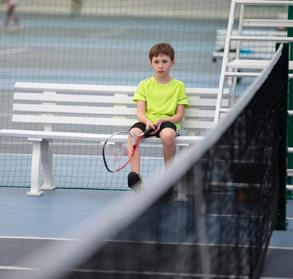
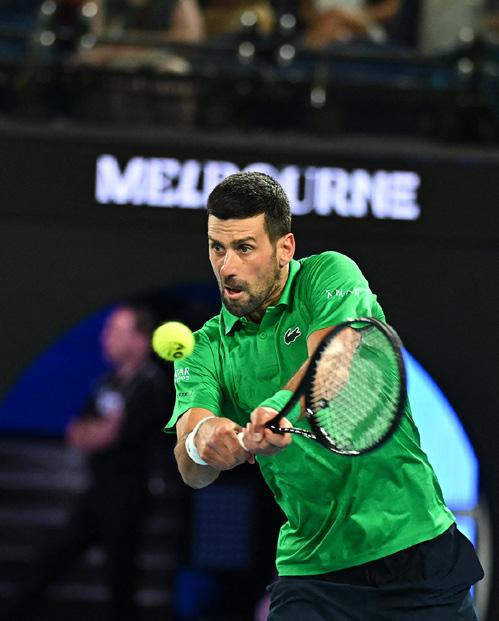
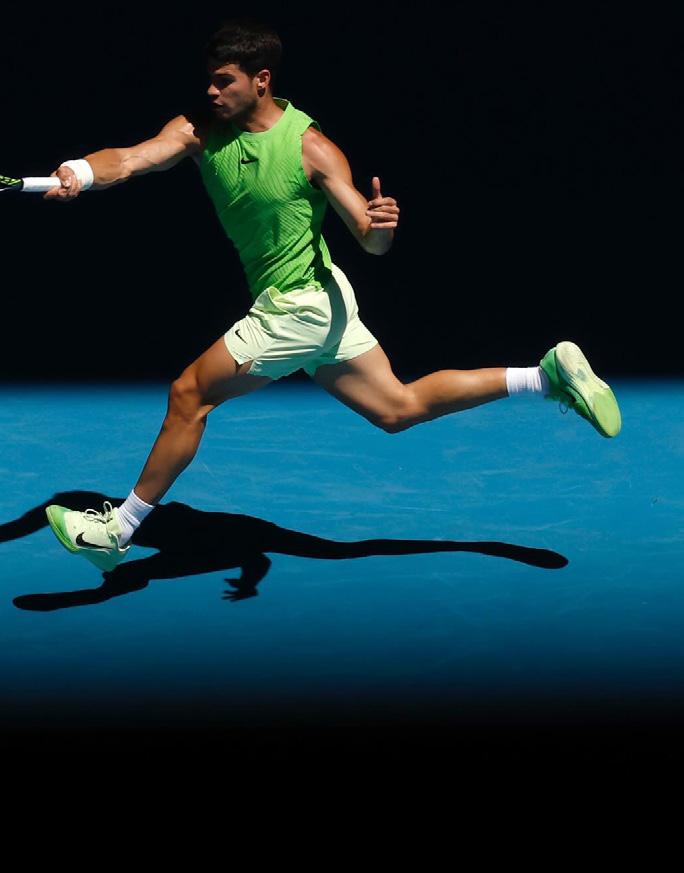
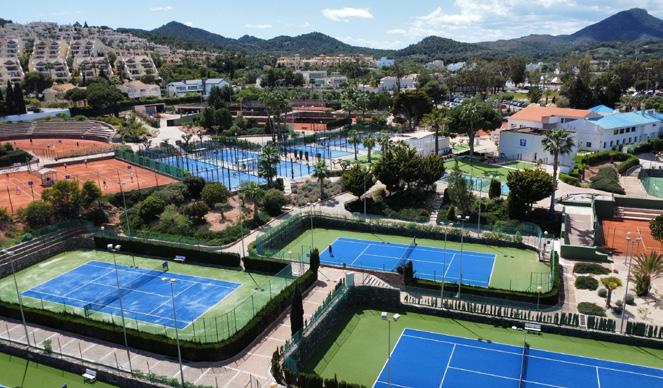
How Analytics and Strategy Have Redefined Modern Tennis
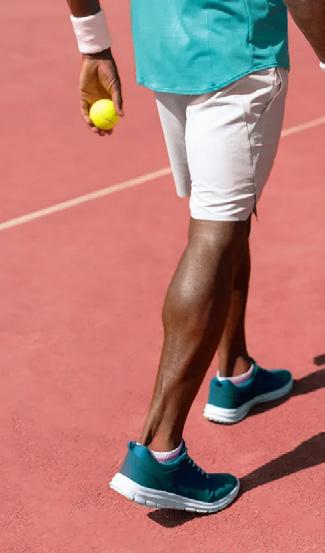
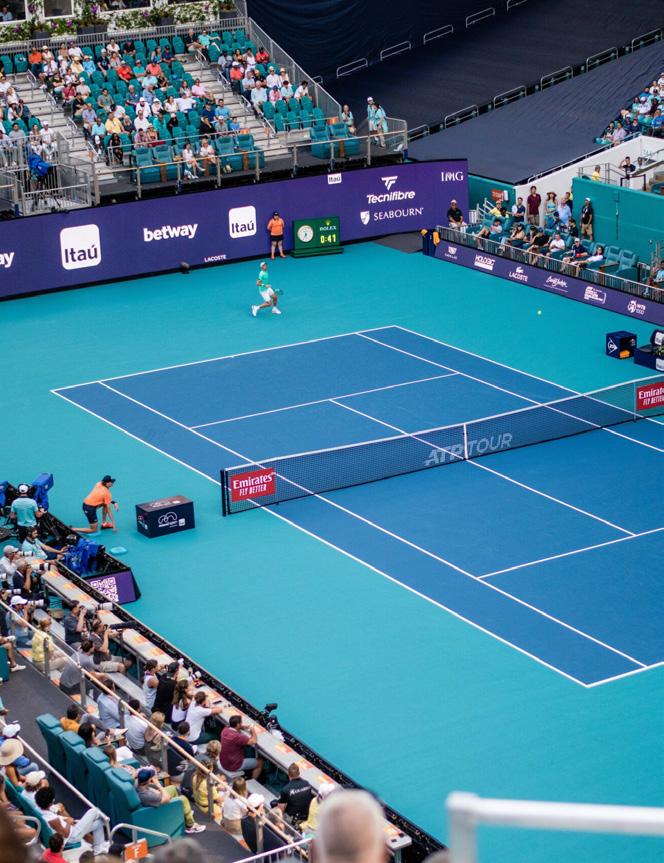
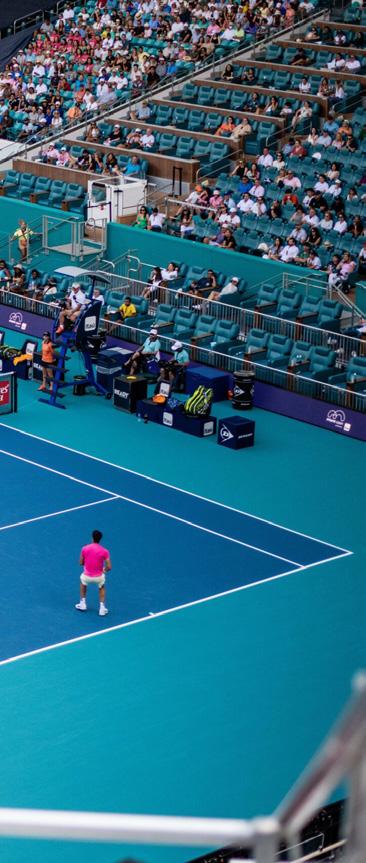
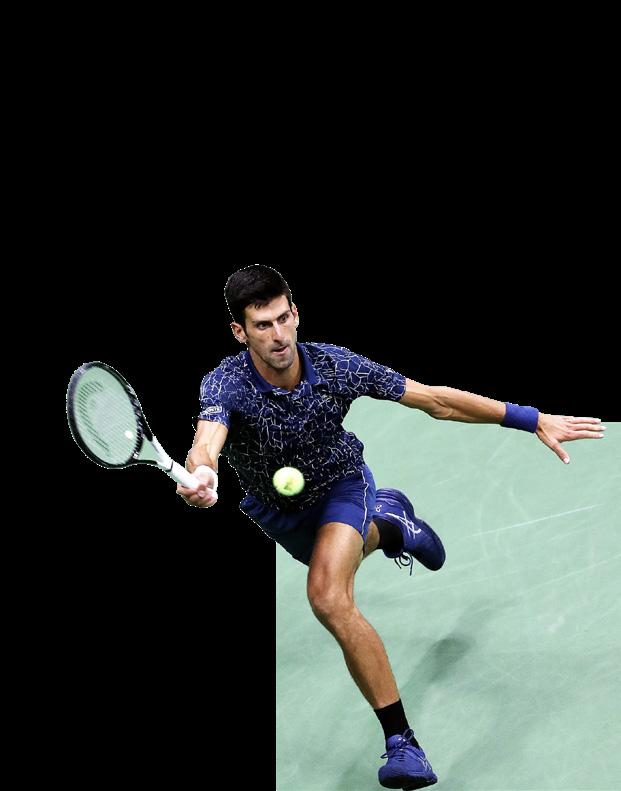
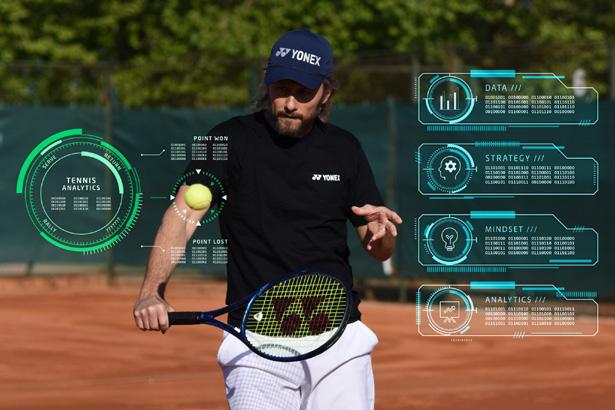
For over a century, tennis was governed by “feel.” Coaches relied on intuition, players trusted their “eyes,” and victory was often attributed to intangible qualities like “grit” or “momentum.” However, as we move through 2026, the sport has undergone a complete paradigm shift. The introduction of Big Data, Predictive Modeling, and Real-time Biometrics has transformed tennis from a game of repetition into a high-stakes chess match played at 130 miles per hour.
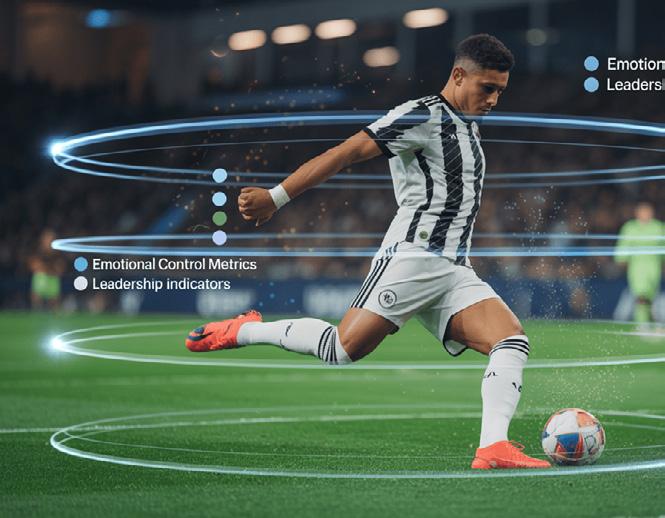
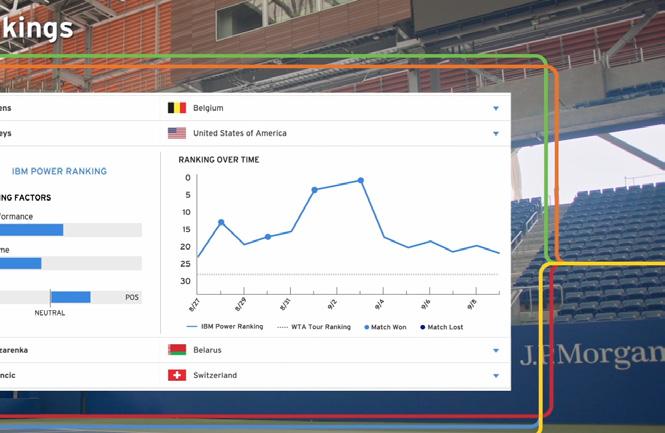
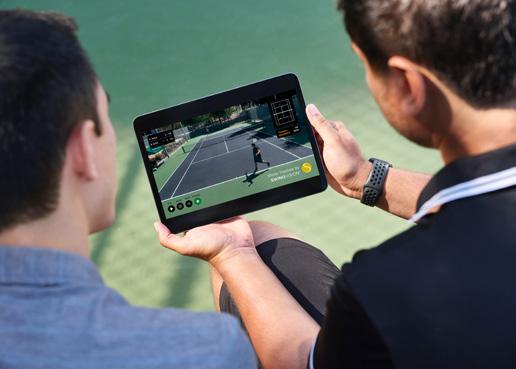
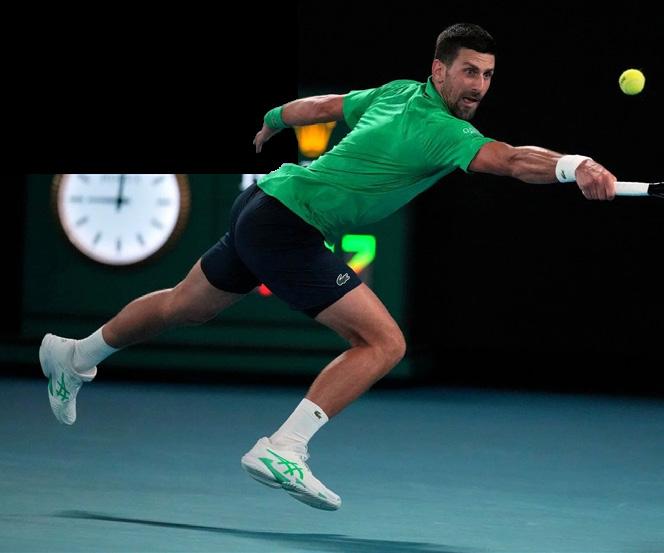
Real-Time Strategy (RTS) on the Sidelines: The legalization of “Data-Assisted Coaching” across the ATP and WTA tours has transformed the player’s box into a high-tech command Centre. Coaches no longer just shout encouragement; they interpret live data streams provided by court-side AI systems like HawkEye Live and Dartfish. Shot Quality Metrics: In real-time, coaches see a “Shot Quality” score (0–10) for every stroke. This metric combines ball speed, spin rate (RPM), and depth. If a player’s backhand depth drops by 15% over two games, the coach can signal a tactical adjustment—such as hitting with more “loop” to regain court positioning—before the opponent notices the dip and begins to exploit it. The “Heat Map” Pivot: Live heat maps reveal an opponent’s “Defensive Shadow.” If the data shows an opponent is consistently “cheating” toward their forehand side to protect a weaker backhand, the analytics engine identifies the exact moment of over-compensation. The coach then instructs
the player to “wrong-foot” the opponent with behind-the-back shots, turning the opponent’s own movement strategy against them.
Predictive “Clutch” Analytics: The most sophisticated use of strategy in 2026 involves Predictive Modeling. By crossreferencing a decade of historical data with live match conditions, AI can predict an opponent’s most likely move during “clutch” points (30-40 or Deuce). Serving Patterns: In high-pressure situations, humans are creatures of habit. Strategy software now flags an opponent’s “Pressure Pattern.” For example, data might show that when facing a break point on a deuce court, a specific player serves “T” 82% of the time. The returner, informed by this real-time probability, can commit to a specific side of the court earlier, turning a 130mph serve into an offensive opportunity. The “ Serve +1” Dominance: Analytics have proven that the first ball hit after the serve is the most important shot in tennis. Players now use real-time feedback to optimize their court positioning for this specific shot, ensuring they are always moving forward rather than being pushed back by a deep return.
Smart Equipment: The Racket as a Sensor: In 2026, the tennis racket itself has become an analytical instrument. Integrated sensors in the handle and frame track the exact “impact point” of every ball. Vibration Analysis: If a player is consistently hitting
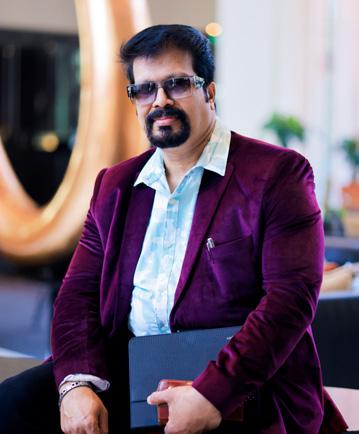
From The Desk Of
EDITOR -IN - CHIEF
the ball 2cm off-center, the sensors detect the microvibrations and transmit this to the coach’s tablet. This allows for immediate technical corrections— perhaps a slight adjustment in footwork or a change in the “take-back” of the swing—preventing a minor technical flaw from spiraling into a lost set. String
The Death of “Feel”: The Rise of Probability-Based Play: The most profound change in modern tennis is the move toward probabilistic decision-making. In the past, a player might hit a cross-court forehand because it “felt right.” Today, every shot is backed by a percentage. This discovery shattered the myth that “consistency” in long rallies was the key to winning. Modern strategy now focuses almost exclusively on “first-strike” tennis—aggressive serving and decisive returns. Targeting the “Neutral” Ball: Analytics have redefined what a “safe” shot looks like. Players now use heat maps to identify an opponent’s “strike zone.” Strategy has shifted from hitting winners to inducing “forced errors” by hitting to specific coordinates that decrease the opponent’s probability of a successful return by even 2-3%.
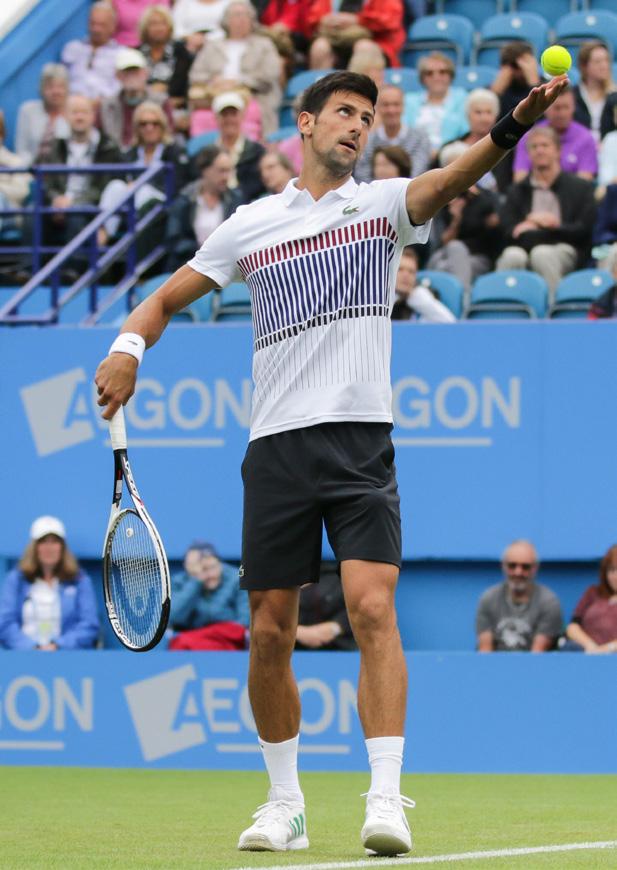
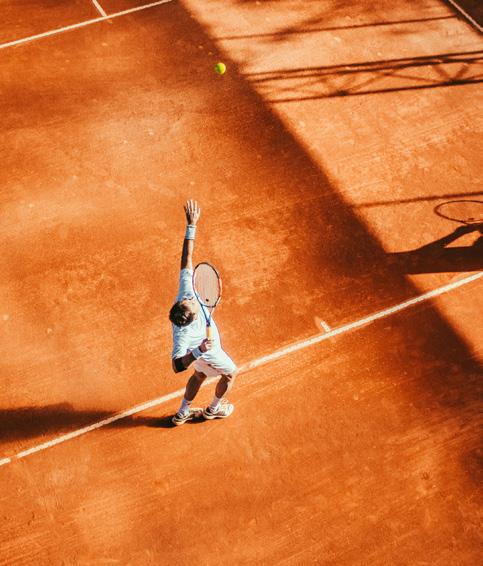
The Serve-Return Matrix: Optimizing the Opening Move The serve is the only closed skill in tennis, making it the most data-rich part of the game. Predictive Placement: Using historical data, coaches can now predict an opponent’s serving pattern on “clutch” points (30-30 or deuce). If a player has an 80% tendency to serve wide on the ad-court when under pressure, the returner will “cheat” two steps to the left before the ball is even tossed. The Return of Serve as an Offensive Weapon: High-performance analytics software like SAP Tennis Strategy and Hawkeye Innovations allow players to see exactly where a serve is most vulnerable. By analyzing the “dip” and “kick” of a serve, returners now use “blocked returns” to neutralize pace, a strategy perfected by modern greats to turn a defensive situation into a neutral one instantly.
Surface-Specific Algorithms: Strategy now changes drastically based on the court surface, dictated by “Friction and Bounce” data. Grass vs. Clay: On the faster grass of Wimbledon, analytics prioritize “Serve Volume.” On the clay of Roland Garros, the strategy shifts to “Heavy Spin RPM” to push opponents behind the baseline. Ball Tracking: Even the type of ball used is analyzed. Some balls fluff up faster, favoring defensive baseliners; others stay “slick,” favoring aggressive hitters. Modern players adjust their string tension mid-match based on these atmospheric and data-driven variables.
The Psychological Edge: Gamifying the Mind: Strategy has even permeated the mental game. “Clutch Performance” is no longer a
mystery; it is measured. Analysts look at “Break Point Conversion” and “High-Leverage Point Win Rate.” By reviewing these stats, players can engage in Visualization Training, specifically replaying the patterns that work under pressure, effectively “programming” the brain to execute the highest-probability shot when the stakes are highest.
It’s the New Era of the “Smart Athlete”: The game of tennis in 2026 is faster, more precise, and more intellectual than ever before. While the physical demands remain grueling, the differentiator between a champion and a runner-up is often the analytical preparation done before the first ball is struck. Strategy has not removed the beauty of the game; it has simply revealed the hidden geometry that makes every point a fascinating battle of wits.
126
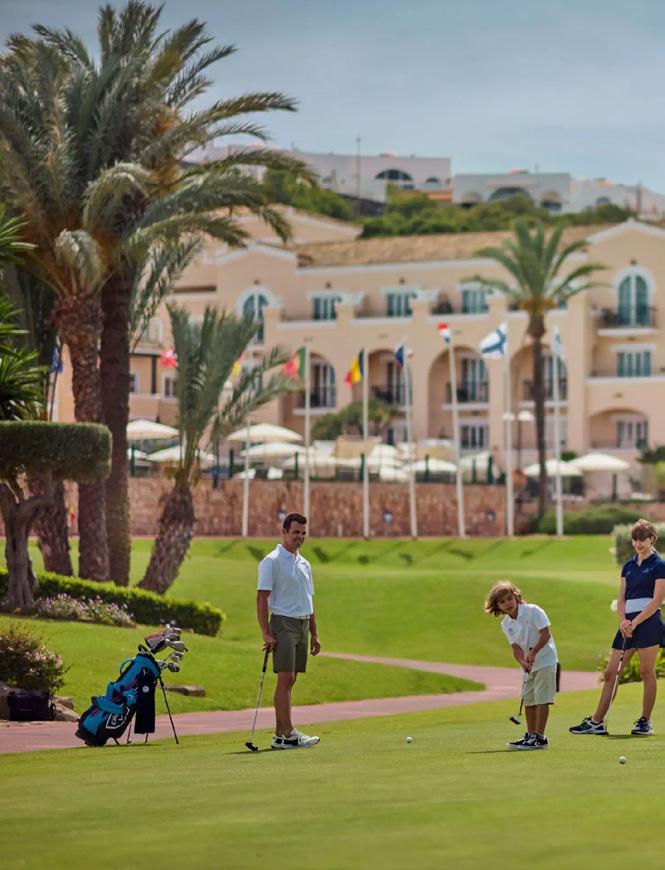
THE ART OF ATHLETIC LUXURY INSIDE GRAND HYATT LA MANGA CLUB GOLF & SPA, SPAIN 22 34 52 62 74 86
MONEY MEETS MAJESTY- HOW LEGACY TOURNAMENTS ARE NAVIGATING GROWTH, PRIZE INFLATION AND GLOBALISATION
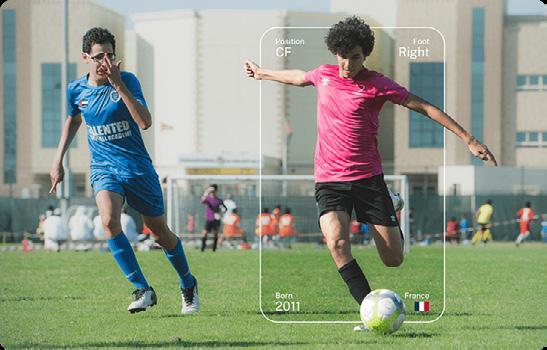
DIGITAL SCOUTS HOW AI AND APPS ARE FINDING THE NEXT MESSI
POWER UP YOUR HORMONES HOW EXERCISE AND MODERN THERAPIES BOOST PERFORMANCE
AESCAPE & TOM BRADY ROBOTIC RECOVERY IN PROFESSIONAL SPORT
WHEN MANDELA USED RUGBY TO UNITE A NATION
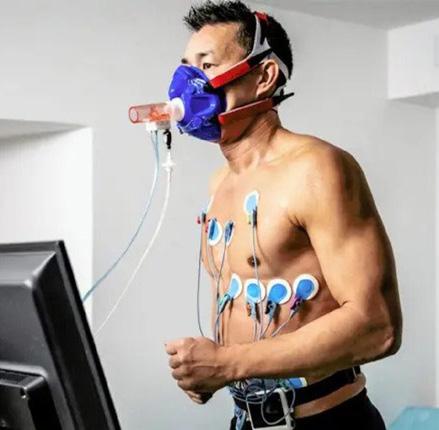
NEW GUIDANCE FOR ATHLETES WITH CARDIAC CONDITIONS
DR. KMD’S WORLDCLASS CARDIOVASCULAR SURGERIES & TREATMENTS @ ROYALCARE INTERNATIONAL HOSPITALS
ASIA’S SPORTS TITANS UNLEASHING A BILLION-DOLLAR GAME-CHANGER
THE CHESS OF THE COURT HOW ANALYTICS AND STRATEGY HAVE REDEFINED TENNIS
THE YOUTH SPORTS DROP OUT CRISIS & WHAT WORKS TO KEEP THEM IN
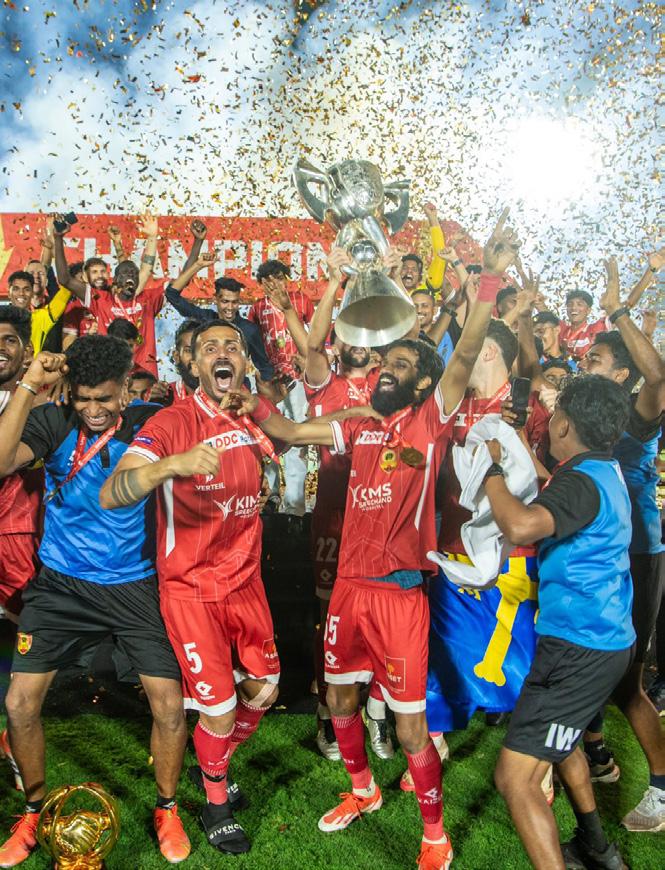
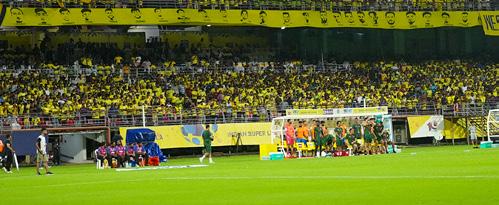
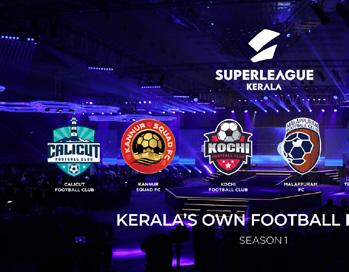
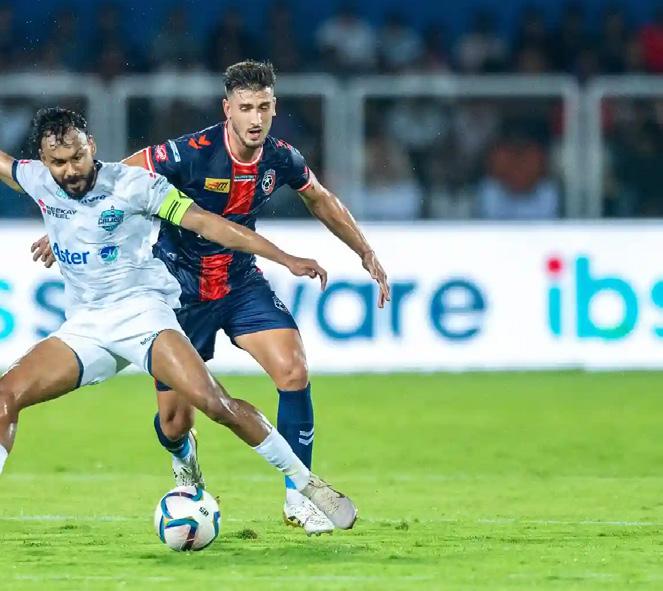
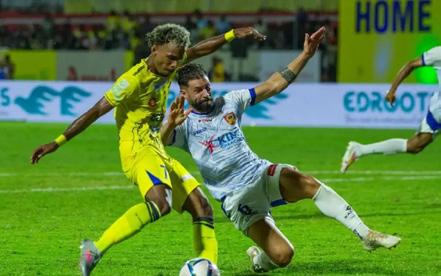
SEGG MEDIA & SUPER LEAGUE KERALA FORGE $11.6M GLOBAL PARTNERSHIP
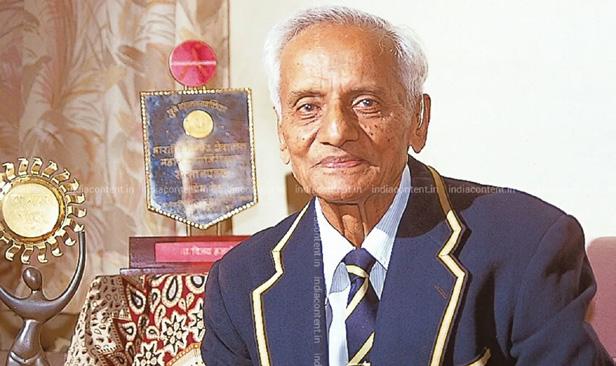
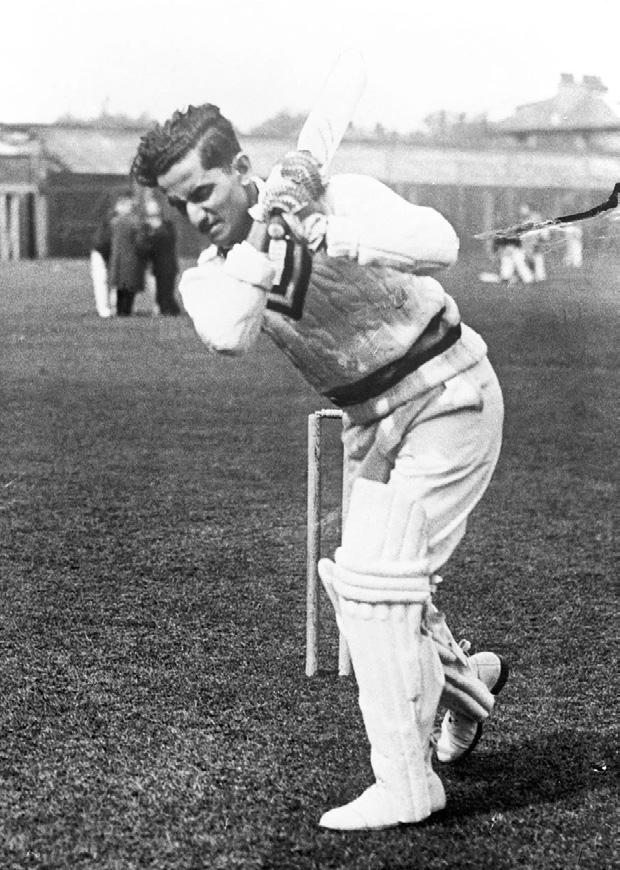
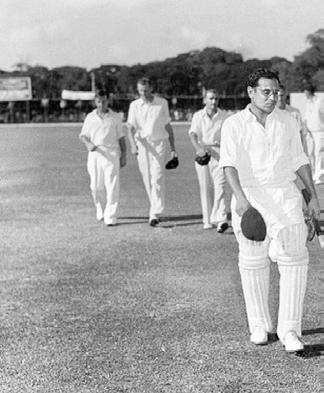
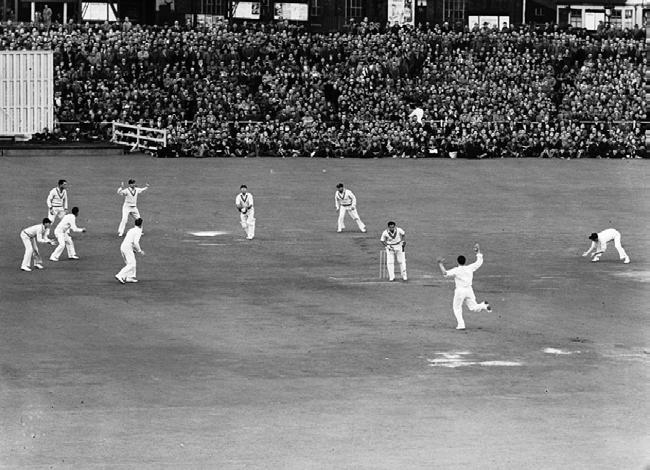
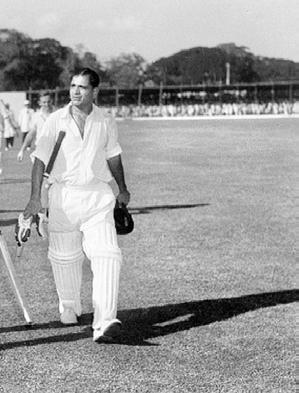
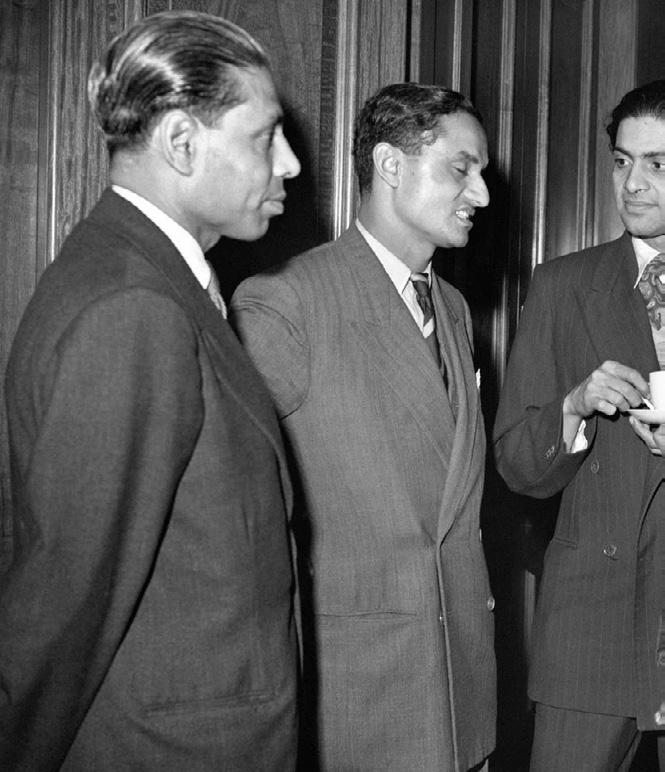
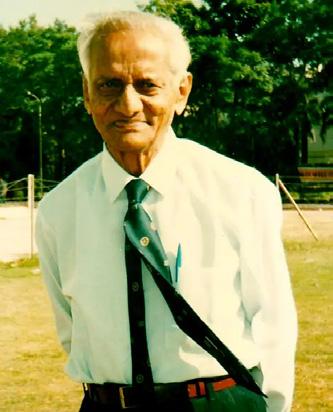
VIJAY HAZARE THE NOISELESS WARRIOR WHO LED INDIA’S FIRST TEST VICTORY
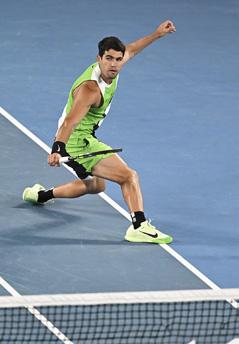
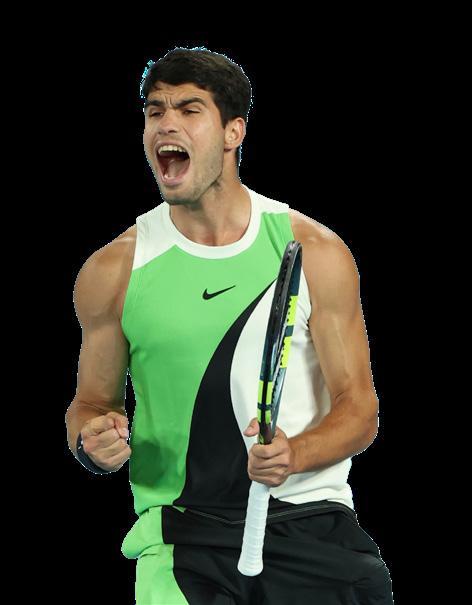
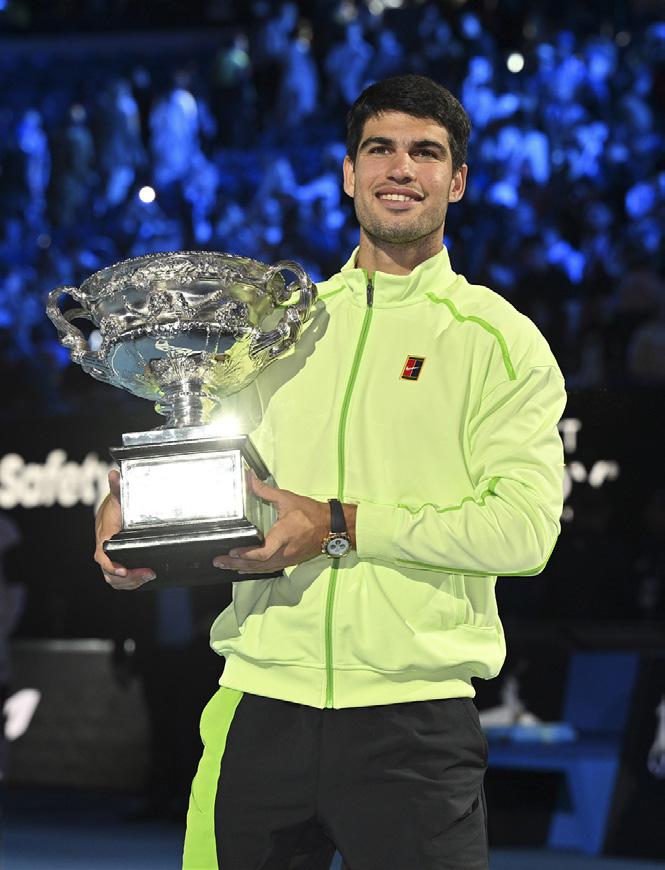
CARLOS ALCARAZ MAKES HISTORY IN MELBOURNE THE YOUNGEST CAREER GRAND SLAM CHAMPION
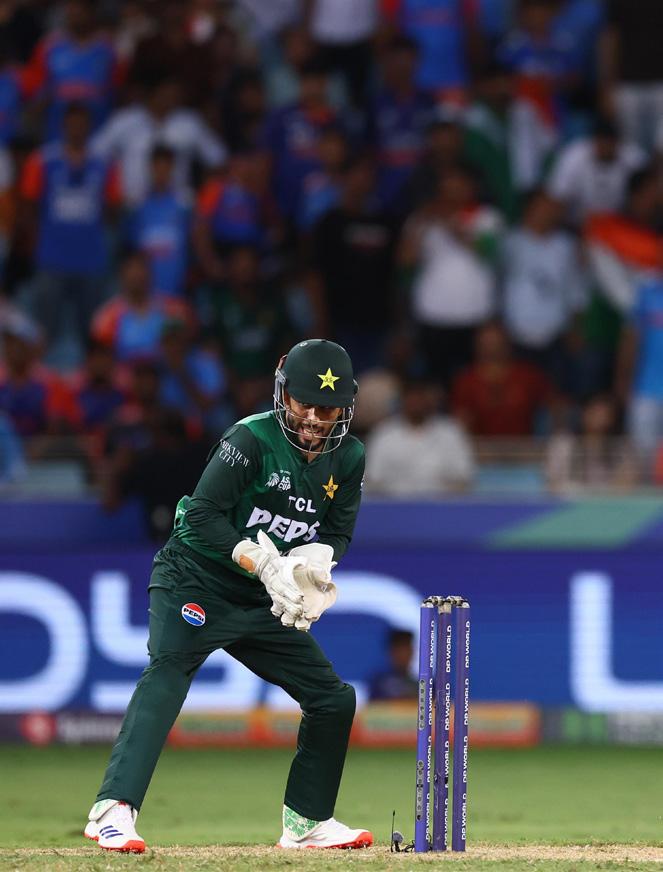
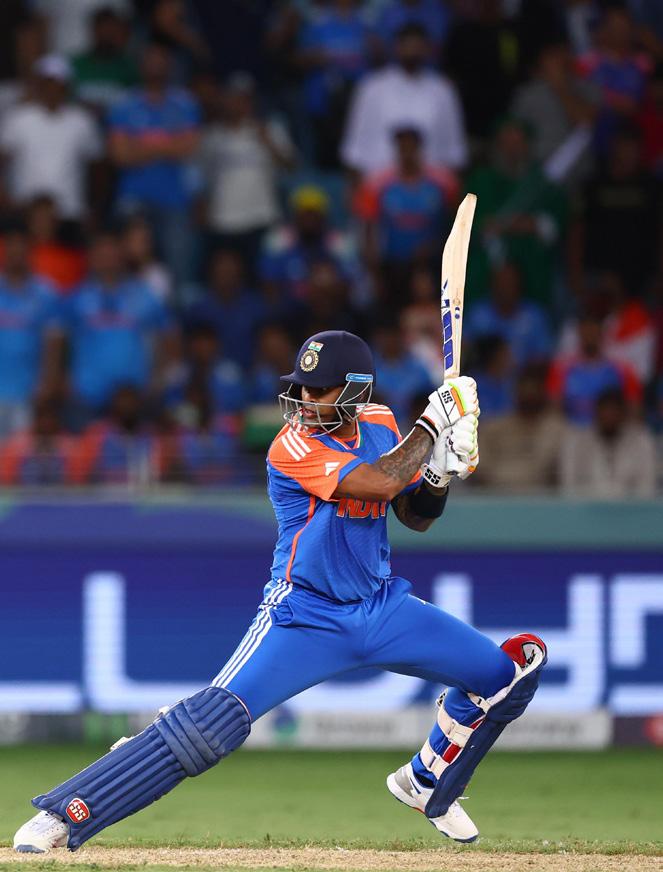
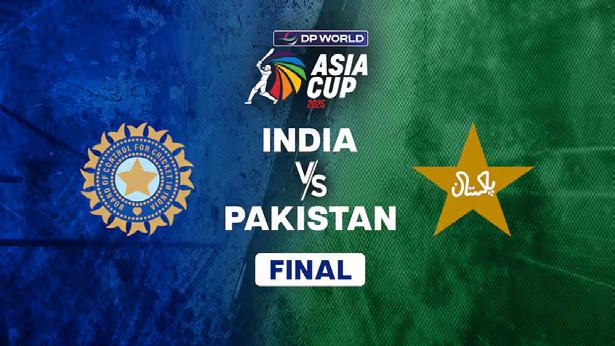
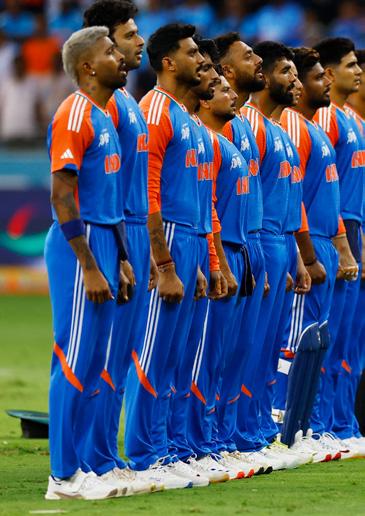
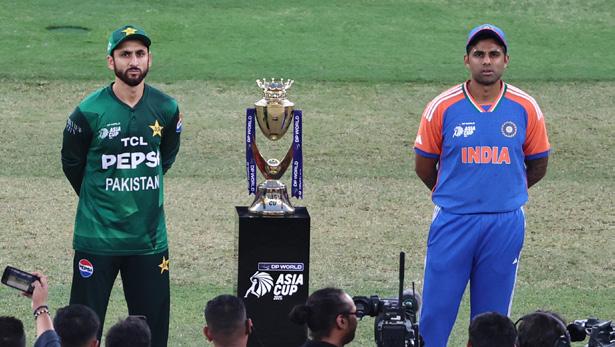
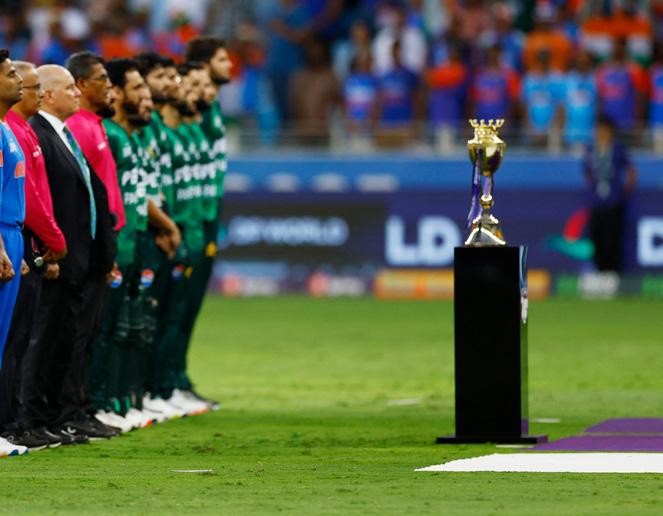
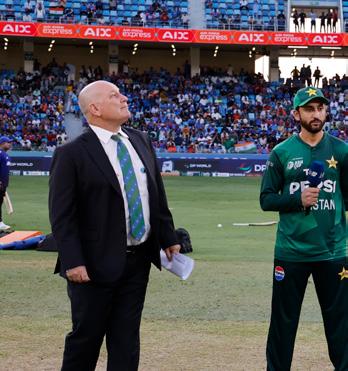
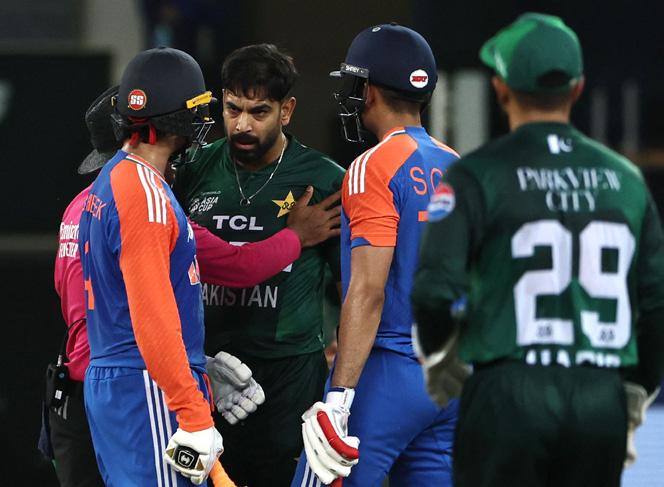
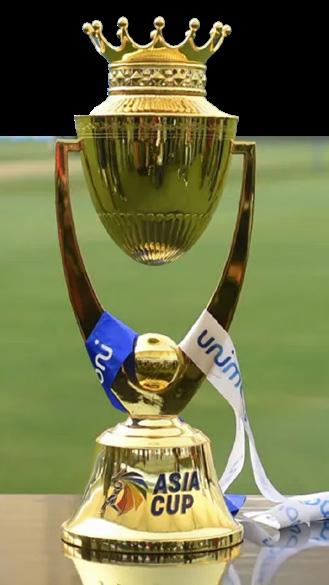
THE INDIA–PAKISTAN CRICKET SPECTACLE AS A GLOBAL BROADCAST AND SPONSORSHIP ASSET
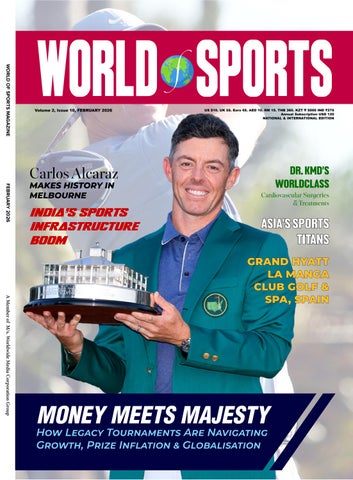
MONEY MEETS MAJESTY
How Legacy Tournaments Are Navigating Growth, Prize Inflation and Globalisation
Money Meets Majesty
HOW LEGACY TOURNAMENTS ARE NAVIGATING GROWTH, PRIZE INFLATION AND GLOBALISATION
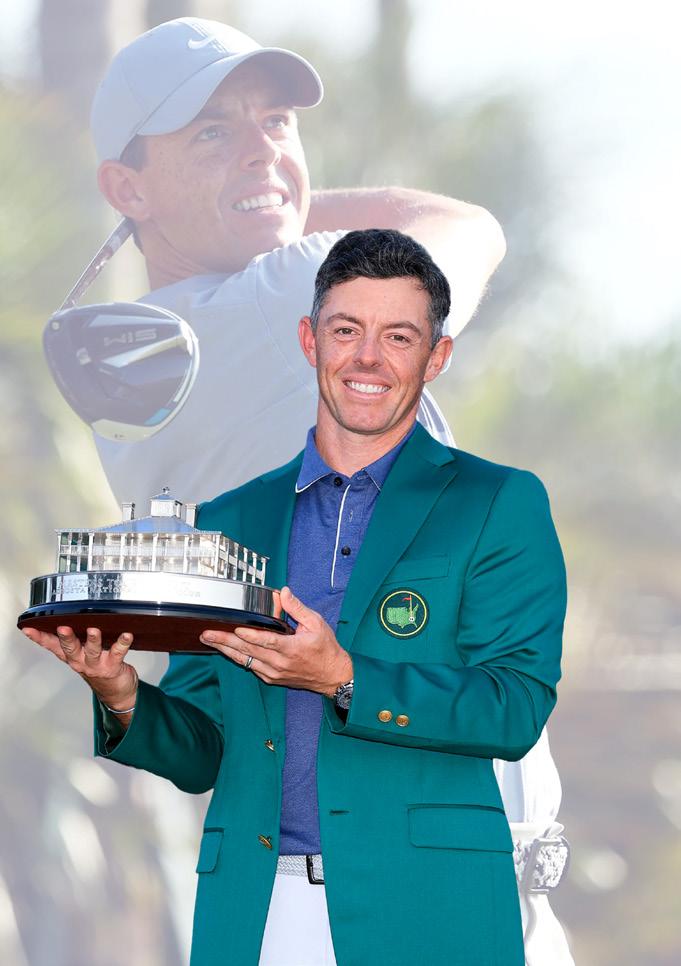
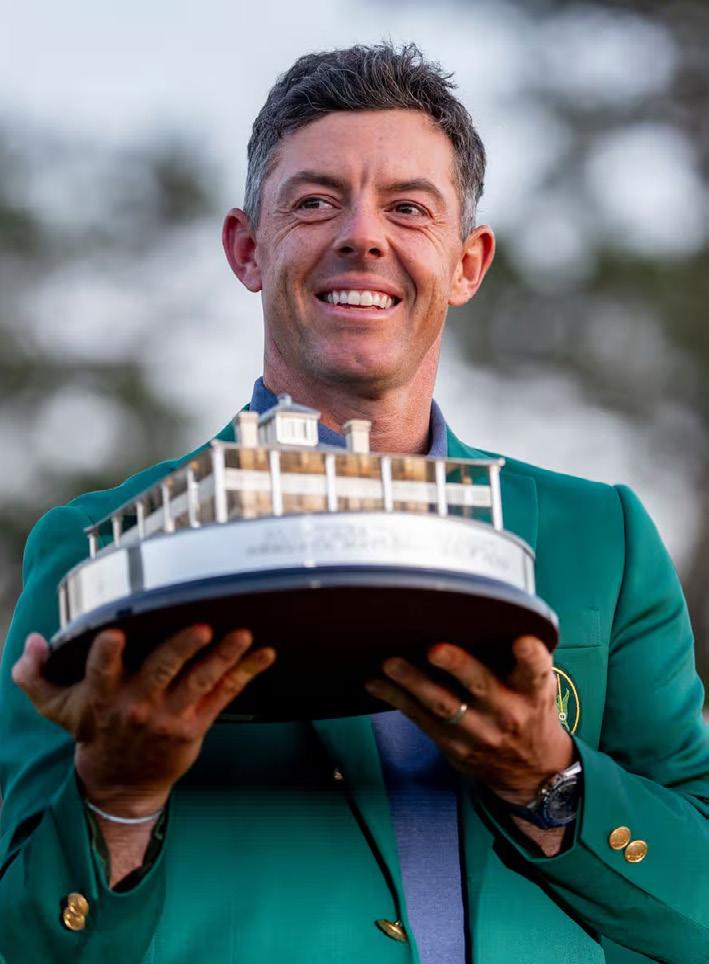
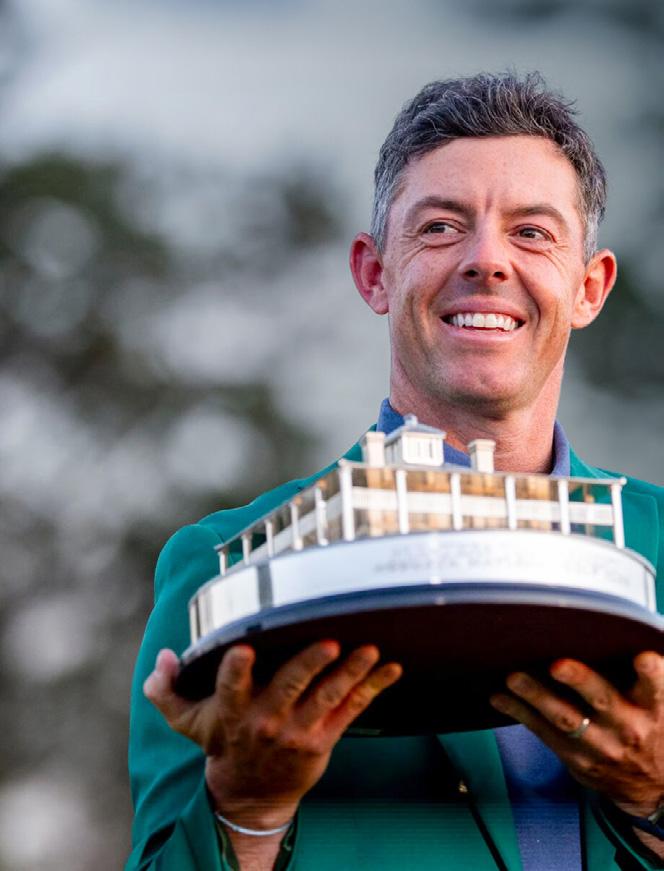
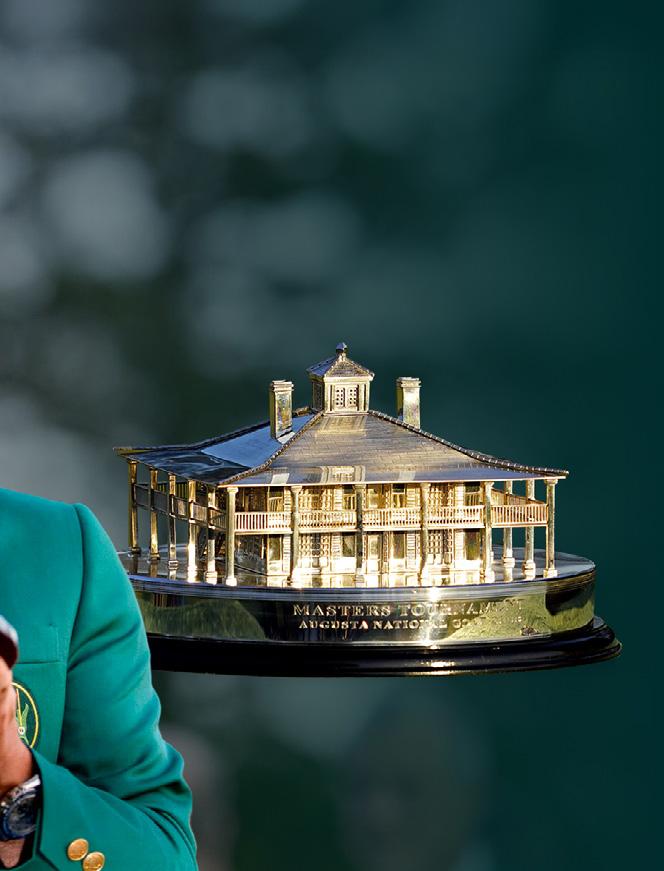
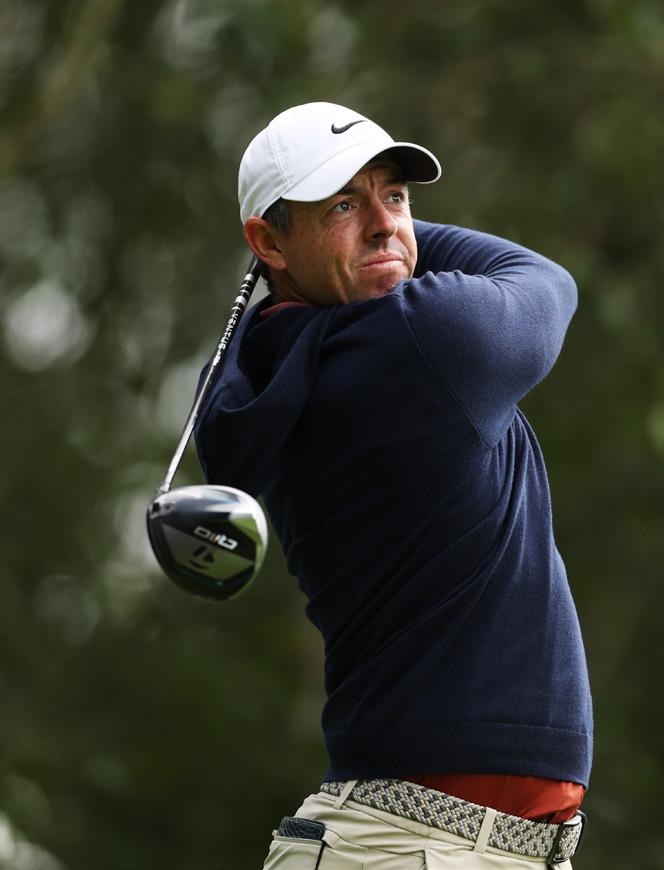
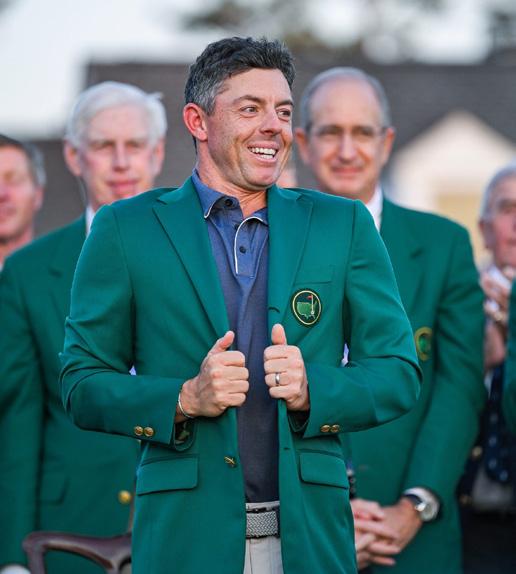
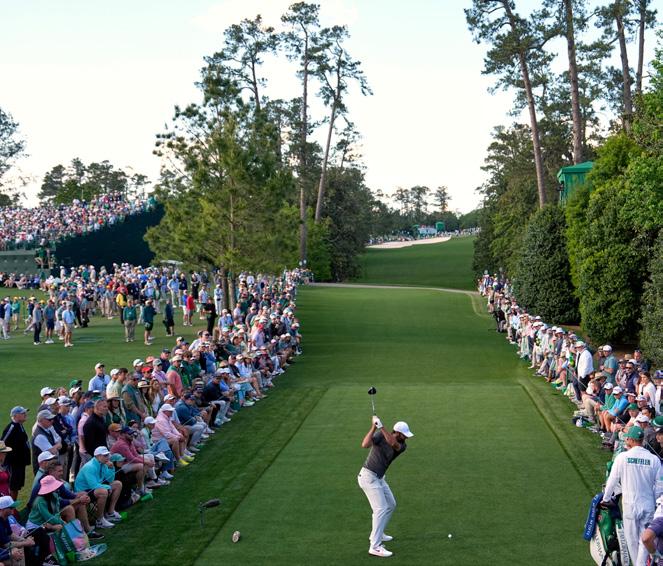
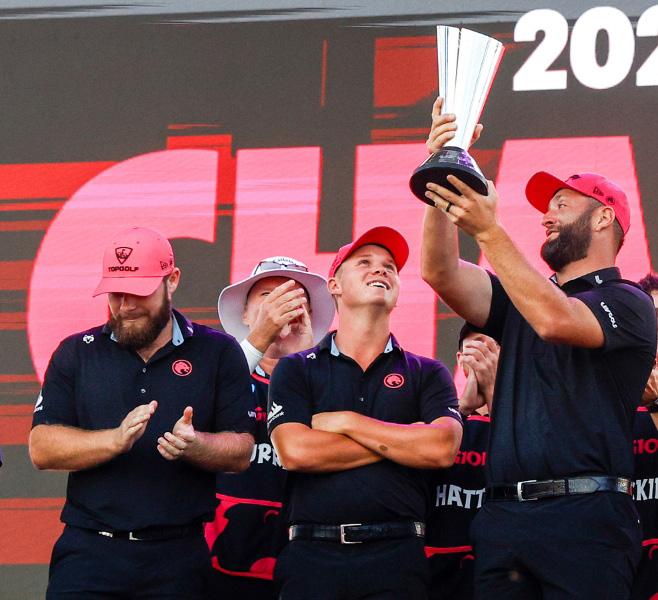
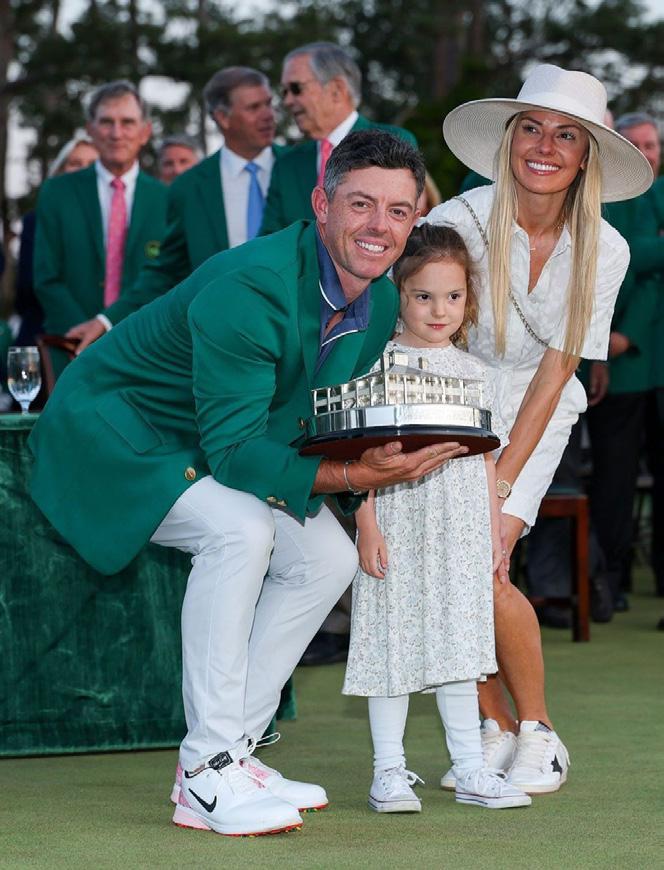
When Rory McIlroy birdied the second playoff hole at Augusta National to defeat Justin Rose and complete his career Grand Slam, he didn’t just slip on the green jacket. He pocketed a record $4.2 million from a $21 million purse – the richest single payday in Masters history. One million more overall, $600,000 more for the champion than Scottie Scheffler earned twelve months earlier. In the span of a single spring week, golf’s original cathedral of calm sent a thunderous message: even the most tradition-bound events are now full-throttle participants in the sport’s commercial arms race. Augusta National’s escalation is only the loudest note in a symphony of swelling purses. The four men’s majors alone will distribute more than $80 million in 2025 prize money, while the PGA Tour’s eight signature events and THE PLAYERS Championship push the season total past $563 million – a $140 million leap in just three years. Legacy tournaments – the majors, the Memorial, the Arnold Palmer, the Scottish Open – once measured success in trophies and lore. Today they measure it in spreadsheets.
The Inflation Engine
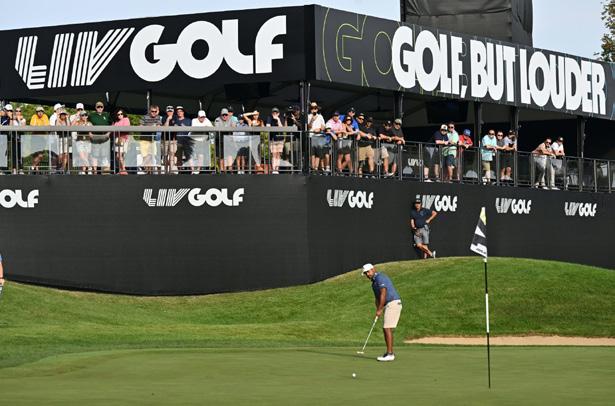
Prize inflation is not new, but its velocity is. Between 2015 and 2021 the Masters purse crawled from $10 million to $11.5 million. Since LIV Golf detonated the market in 2022, Augusta has tacked on $9.5 million in four leaps. The U.S. Open hit $21.5 million in 2024; the PGA Championship climbed to $19 million in 2025; even The Open, long the frugal cousin, cracked $17 million last July. The math is simple: keep stars from jumping ship. When LIV offered nine-figure guarantees, the establishment tours responded with nine-figure purses. FedExCup bonuses ballooned to $100 million, Player Impact money doubled overnight, and signature events locked in $20 million minimums. The majors, insulated by prestige, could have stayed aloof. Instead they sprinted to the front of the parade, proving that no fortress is impregnable when Saudi billions are knocking.
Tradition vs. Transaction
Walk Augusta’s manicured fairways and the tension is palpable. Azaleas still bloom, pimento-cheese sandwiches still cost $1.50, yet the winner’s cheque now rivals an NBA max contract. Critics howl that money is drowning romance. Defenders counter that $4.2 million merely reflects golf’s new global audience: 13 million Americans watched McIlroy’s playoff, Asian streaming numbers spiked 38%, and European broadcasts shattered records. The smart legacies are threading the needle. Jack Nicklaus’s Memorial kept its bear-logo towels but added a $4 million winner’s share. The DP World Tour’s Scottish Open, played on Renaissance links older than Shakespeare, now dangles $9 million and FedExCup points. Even Royal Portrush, host of the 2025 Open, installed LED scoreboards the size of cinema screens. Majesty is being retro-fitted, not retired.
A Borderless Game
Globalisation is the second accelerant. In 2025 the PGA Tour staged 39 official events across nine time zones. The DP World Tour’s “Opening Swing” hopped from Sydney to Singapore to Dubai before Europeans saw snow. Japan’s Baycurrent Classic paid $8 million; the Nedbank in Sun City returned with $6 million. A Korean prodigy can now bank seven figures before tasting Augusta’s pines. Television deals tell the story: NBC’s new contract tops $1 billion annually; DAZN and Tencent beam every putt into 200 countries. Sponsors – Rolex, Emirates, HSBC – demand eyeballs in Riyadh and Shanghai, not just Raleigh. The result? A 17-year-old from New Delhi qualified for the Masters; a 19-year-old from Bangkok won on the PGA Tour. The talent pipeline is no longer a trickle from Orlando; it’s a fire hose from five continents.
The $4.2 Million Watershed
Rory McIlroy’s playoff birdie on the second extra hole did more than complete the career Grand Slam; it crossed an invisible line that golf’s elders swore they would never draw. For the first time, a legacy major paid its champion more than the $4 million threshold that only the PGA Tour’s signature events and THE PLAYERS had previously breached. In one greenjacketed instant, Augusta National declared that the old hierarchy—majors for glory, designated events for cash—was dead. The ripple is already seismic. The USGA, stung by slipping to second place, has quietly budgeted $23 million for Pinehurst No. 2 in 2026; the PGA of America will counter with $21 million at Oak Hill; even the R&A, long the voice of restraint, is
debating a £2 million winner’s jump at St Andrews in 2027. Television partners are salivating: NBC’s new major package, inked last month, contains escalator clauses tied directly to purse size. Sponsors who once queued for Rolex clocks now demand naming rights on tee boxes. Yet the implications run deeper than spreadsheets. Prize inflation is finally forcing the four majors to coordinate. A secret “Majors Accord” meeting—leaked in Golfweek—produced a three-year roadmap: minimum $22 million by 2027, shared streaming revenue, and a global junior fund seeded by 2% of every purse to arrest the 19% drop in American youth participation. Fail to modernise together, the majors realised, and they risk becoming quaint relics in a sport that now stages $25 million shootouts in Adelaide and Riyadh.
For players, the math is life-changing. A top-50 season now guarantees $10 million before bonuses; a single major top-10 can fund a foundation. But the shadow side looms: municipal courses shutter at the rate of one per week, club memberships stagnate, and the $1,500 entry fee for a U.S. Open local qualifier feels steeper when the winner banks eight figures. The green jacket still whispers history, yet its sleeves are stitched with the same thread as every other pro sport—money, pressure, and the relentless question of what comes next?
By 2030, analysts project the Masters purse will eclipse $30 million. When that cheque is cut, golf will have to decide whether the soul of the game lives in azaleas and pimento cheese—or in the size of the number printed on the winner’s board. McIlroy’s $4.2 million was not the finish line; it was the starting gun.
The Tightrope Ahead
Can the bubble keep expanding? Television ratings are up, but ticket prices at Quail Hollow now eclipse Broadway. Junior participation in the U.S. has flatlined since 2021; municipal courses close weekly. When every legacy event chases the same corporate dollar, distinct identities blur. Is the Memorial still Jack’s tournament when the purse matches a LIV payday? Yet the alternative – stagnation – is worse. Without $4.2 million cheques, McIlroy might be teeing
off in Hong Kong for a team owned by a sovereign fund. Augusta’s purse hike was not greed; it was survival. The green jacket still fits, but the pockets are deeper. As the sun set on the 89th Masters, Rory McIlroy lingered on the 18th green, jacket heavy, cheque heavier. Money had met majesty – and neither blinked. For golf’s grand old tournaments, the challenge is no longer how to grow the purse, but how to keep the soul inside it. So far, the ledger and the lore are walking the fairway together. How long that lasts is the question every champion – and every fan – will carry into 2026.
Digital Scouts HOW AI AND APPS ARE FINDING THE NEXT MESSI
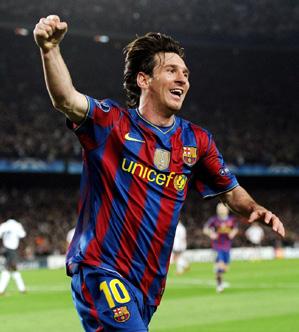
In the sun-drenched streets of Rosario, Argentina, a 13-year-old boy named Lionel Messi dribbled past defenders with a grace that seemed almost otherworldly. It was December 2000, and scouts from FC Barcelona had travelled across the Atlantic on a tip, drawn by whispers of a prodigy who could bend the ball like no one else. Over a hurried dinner in a smoky Barcelona restaurant, club director Carles Rexach scribbled a promise on a napkin: “In Barcelona on the 14th of December 2000... I commit to signing the player, Lionel Messi.” That napkin deal, born of instinct and raw observation, launched one of football’s greatest careers. Today, the quest for the next Messi is no longer left to chance encounters or weathered notebooks. It’s powered by algorithms, smartphones, and vast databases that scan the globe for hidden gems. Welcome to the era of digital scouts— where artificial intelligence and mobile apps are rewriting the rules of talent discovery, turning every dusty pitch into a potential launchpad for stardom.
The romance of traditional scouting, with its tales of lone wanderers spotting genius in the shadows of rural stadiums, still captivates. But the realities of modern football demand more. With over 250 million players worldwide—professional and amateur alike—clubs face an overwhelming pool of talent. Scouts, once the gatekeepers, now juggle global networks, but travel costs soar, biases creep in, and time slips away. Enter AI, a silent revolution that’s democratizing the hunt. The global sports analytics market, valued at $2.7 billion in 2023, is projected to surge 22 percent annually through the decade, according to Grand View Research. Football leads the charge, as clubs from the Premier League to La Liga deploy tech to sift through data that would bury a human team. It’s not about replacing the scout’s eye; it’s about supercharging it, ensuring no Messi slips through the cracks because of geography or luck.
This shift isn’t just efficient—it’s equitable. In regions like sub-Saharan Africa or rural India, where professional pathways are scarce, AI apps allow a kid with a ball and a phone to audition for Europe’s elite without ever boarding a plane. As Richard FeltonThomas, COO of ai.io, puts it, “We help identify talent the scouts never knew existed. There are too many great young footballers slipping through the system.” What follows is a deep dive into how these digital tools are unearthing the next generation, blending cutting-edge tech with the timeless thrill of the beautiful game.
The Dawn of the Digital Pitch: From Napkins to Neural Networks
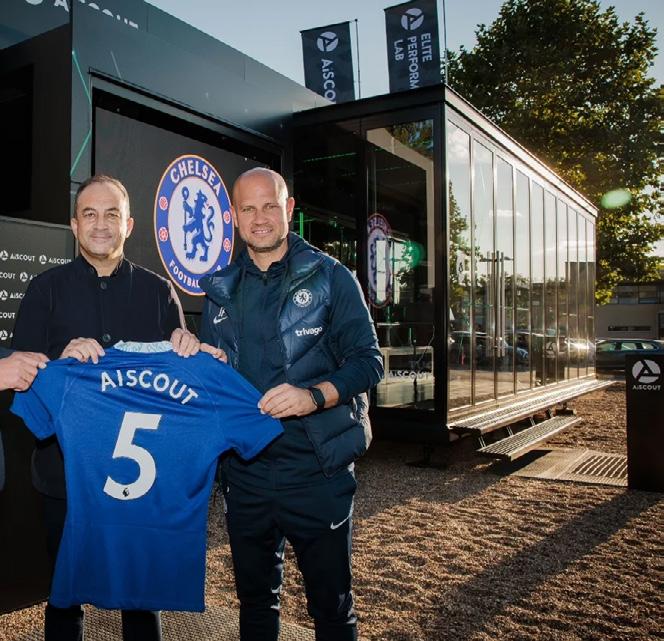
Picture a rainy afternoon in Mumbai, where 7,000 aspiring players downloaded a free app in a single trial run. Among them were 17 who earned contracts, including four who’d never played organized football. This wasn’t a fairy tale; it was aiScout in action, a platform born from the frustration of a father whose son was cut from Tottenham’s youth academy. Darren Peries, founder of ai.io, launched aiScout in 2018 after watching traditional scouting overlook raw potential. “The amateur players can see what it is like to trial for a professional soccer club,” he explains. Users film themselves performing 75 drills—dribbles, sprints, stepovers—guided by in-app videos. AI analyzes the footage, scoring athleticism, technique, and cognition against benchmarks from pros like Chelsea’s academy players.
AiScout’s reach is staggering. Free to download globally, it’s partnered with Major League Soccer, the Sri Lanka and Wales Football Associations, and clubs like Burnley and Nottingham Forest. In India, youth academies use it to benchmark against European standards; in Greece, Olympiacos filters prospects by position. The app’s AI, validated by Kingston University’s sport scientists, processes videos with precision, spotting nuances like footwork efficiency that escape the naked eye. Those who led the validation, note, “It’s very inclusive—users just need a football and a smartphone or tablet. There have already been success stories from countries across Africa and in Sri Lanka and India, countries where there are significant barriers to being scouted due to travel costs and logistics.”
This inclusivity echoes Messi’s own improbable journey, but scaled exponentially. Where Rexach relied on a single agent’s hunch, aiScout democratizes access. Players upload profiles, and scouts filter by age, gender, or skill—say, a left-winger with Haaland-like finishing. The result? A virtual talent pool of millions, where a Sri Lankan teen might outscore a London prospect and earn a trial. Andre Odeku knows the stakes. Released by Arsenal at 11 and Brentford at 13 for his size, he uploaded drills to aiScout and caught Burnley’s eye. “Normally, it’s based on luck whether you’re scouted,” Odeku reflects. “Now, with this technology, it’s facts- and stats-based: It’s another avenue for young players to be seen.” Odeku’s trial led to a stint with Burnley’s U-23s, a lifeline in a system that discards 99 percent of hopefuls.
Beyond apps, platforms like Eyeball are building the
La Masia 2.0: Barcelona’s TechFuelled Talent Forge
FC Barcelona’s La Masia academy isn’t just a cradle of genius; it’s a laboratory where tradition meets tomorrow. Home to Messi, Xavi, and Iniesta, it produced 10 of Spain’s 2010 World Cup squad. But in an era of €100 million transfers, Barcelona can’t afford misses. Enter the Barça Innovation Hub (BIH), a 2019 initiative blending AI, data, and human insight to scout and develop like never before. “We need to be adjusting to innovation and technology all the time,” says BIH director Albert Mundet.
Barcelona’s arsenal starts with player tracking. Wearables like Wimu devices—used even in Cirque du Soleil’s Messi10 show—monitor biometrics 25 times per second, from heart rate to positioning. Computer vision, via partner Pixellot, automates video analysis at the Ciutat Esportiva Joan Gamper, detecting balls and players to tag events like Messi’s signature off-ball runs.
A 2020 BIH study dissected how Messi’s movements disrupted defences, using AI to quantify “valuable spaces” that create scoring chances. “When a team is attacking, constant movement of its players into valuable spaces helps disrupt the opposing team,” the report concluded, crediting Messi’s intelligence for turning passes into threats.
Scouting extends outward. BIH cross-references tracking data with injury histories to predict risks, partnering with the Barcelona Supercomputing Centre for high-performance computing. AI analyzes global footage, flagging talents fitting Barcelona’s tiki-taka philosophy—short passes, high possession. In 2024, Pixellot’s integration streamlined workflows, auto-editing sessions for coaches. “This technology automates the recording of training sessions and matches, providing coaches with in-depth insights into player performance,” notes a BIH case study.
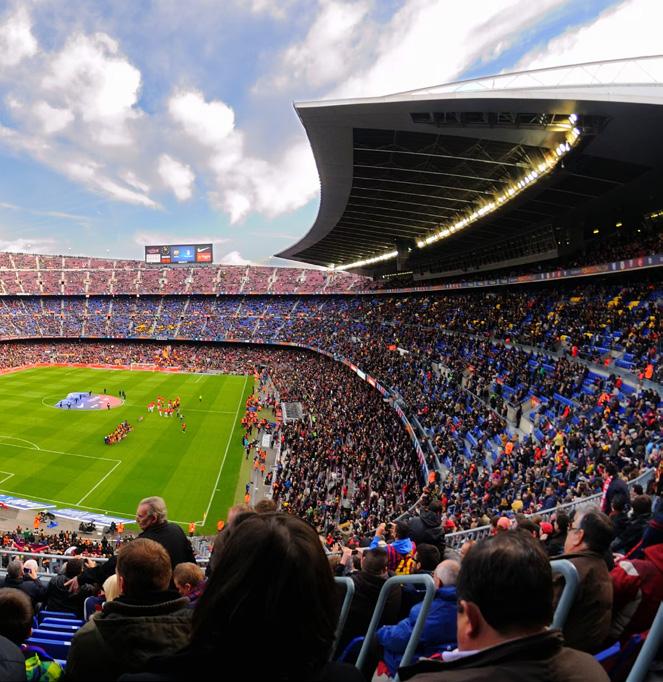
Messi’s napkin-era scouting feels quaint now. Modern Barca scouts use semantic search tools, querying “talented winger capable of dribbling to create space,” as in their IBM-powered Scout Advisor. Piloted in 2024 with 200,000 reports, it curates matches with natural language, revolutionizing recruitment. “Scout Advisor has the capability to revolutionize the way we approach player recruitment,” says Sevilla’s scouting director, though adapted for Barca. Globally, BIH eyes AI for cognitive training, studying brain function to boost decision-making. Mundet envisions a system where “athletes grow and maximize their potential from the moment they enter the youth academy.” La Masia’s success rate—over 500 pros since 1979—proves the blend works. But tech amplifies it, scouting beyond Catalonia. Partnerships with academies worldwide feed data, ensuring the next Messi, wherever he kicks a ball, finds his way to the Camp Nou.
Global Gems: Unearthing Talent from the Shadows
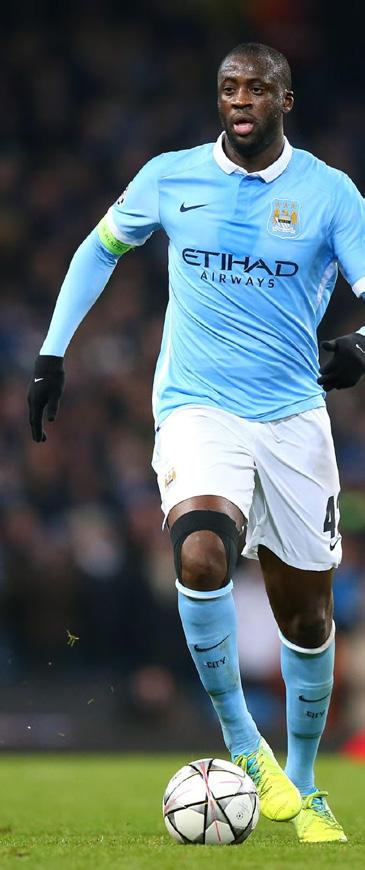
AI’s true magic lies in the margins—places where scouts rarely tread. In Côte d’Ivoire, where Yaya Touré’s path to Barcelona cost a fortune in flights, Eyeball now delivers full-match clips and Optalike stats from 25 academies. Scouts watch from Manchester offices, searching by height or speed. “The cost involved in scouting youth players properly meant that unless players were picked up by the very top clubs... there were few other routes,” reflects a Forbes analysis. Eyeball changes that, recruiting 150 youths for Milan, Lille, and Benfica.
In Brazil, AI apps like aiScout power grassroots hunts. A 2025 Marca report details a nationwide trial where thousands uploaded drills; top scorers faced ex-pro Julio Cesar in person. “Until a few years ago, the presence of scouts... was considered normal,” but AI now leads, spotting talents in remote favelas.
Africa’s boom is profound. Sol Campbell’s Talents tracks players in Ghana, Senegal, and Ivory Coast, expanding to Serbia and Uzbekistan. Eyeball’s Burkina Faso feeds reveal dribblers mirroring young Salif Keïta. “Visibility gives the possibility to identify upand-coming talent,” Eyeball declares, “and now there is no reason why every child shouldn’t get access.” In India, aiScout’s Mumbai trial signed novices; Reliance Foundation programs now integrate it, bridging talent to Europe. These stories humanize the data. Analysts sees it aiding “personalized training.” In Ecuador, Eyeball lets clubs scout Barcelona SC remotely, managing risks with video. As Hicks predicts, AI will forecast “future talent” behaviours, from Senegal to Spain.
The Human Edge: Where Algorithms Meet Intuition
For all its prowess, AI isn’t infallible. It excels at metrics—speed, pass accuracy—but falters on heart. The decision-making is still done by the coaches and the chief scouts based on the club’s philosophy. Platforms like Comparison Ator aid by pitting prospects against stars, but humans interpret fit.
Brighton’s 2023 scout cuts sparked debate, yet 65 percent of UK scouts see AI enhancing roles, per The Athletic. ScoutGPT, a ChatGPT variant, translates data to “football language,” answering “Will Harry Kane suit Bayern?” with reports. Blend’s ScoutBot, powered by Databricks, aids Dortmund-like finds, valuing Haaland early. Ethics loom large. Bias in training data could overlook diverse talents; privacy concerns arise with youth videos. Yet, as Peries notes, “Being able to see that vast volume of players, it’s just impossible from purely human scouts.” The hybrid wins: AI filters, humans feel.
The Next Frontier: AI’s Bold Pitch for Tomorrow
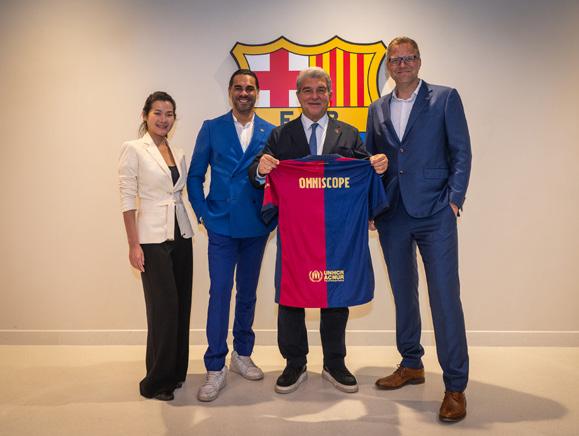
By 2030, AI could predict careers with neural networks, per ResearchGate studies. DeepMind’s TacticAI already aids Liverpool corners; soon, it’ll scout. Barça’s Omniscope eyes injury prevention, extending peaks. Global scouting via VR immerses evaluators; ethical AI ensures inclusivity. The scout of the future won’t be replaced by a laptop, but they will certainly need to know how to use one. AI unlocks “impossible” missions, from African goldmines to esports crossovers. In this brave new game, the next Messi waits not on a napkin, but in an app’s glow. Digital scouts aren’t ending the hunt—they’re expanding the horizon, one pixelated dribble at a time. Football’s future is brighter, bolder, and boundless.
Power Up Your Hormones
How Exercise and Modern Therapies Boost Performance
Hormones are the body’s silent conductors, directing everything from energy and muscle growth to mood and recovery. For athletes and fitness enthusiasts, achieving hormonal balance is a key to unlocking peak performance. By blending strategic exercise with cutting-edge modern therapies, you can fine-tune your hormonal system to enhance strength, endurance, and overall well-being. Let’s explore how movement and innovative treatments work together to keep your hormones in harmony and your performance at its peak.
THE HORMONAL EDGE: WHY BALANCE MATTERS
Hormones like testosterone, cortisol, insulin, and growth hormone play critical roles in athletic performance. Testosterone drives muscle growth and strength, while growth hormone aids tissue repair. Cortisol, the stress hormone, can sharpen focus in small doses but, when chronically elevated, can hinder recovery. Insulin ensures muscles get the energy they need by regulating blood sugar. When these hormones are imbalanced—due to overtraining, poor nutrition, or stress—athletes may experience fatigue, slow recovery, and reduced performance. Exercise and modern therapies offer a powerful combination to optimize this delicate balance, supporting both immediate performance and long-term health.
EXERCISE: THE FOUNDATION OF
HORMONAL HARMONY
Exercise is one of the most effective ways to regulate hormones naturally, with different types of workouts targeting specific hormonal outcomes. Heavy resistance training, such as squats, deadlifts, and bench presses, boosts testosterone and growth hormone, promoting muscle repair and growth. Performing compound lifts at moderate to high intensity with short rest periods 2-3 times per week can maximize these anabolic effects. High-intensity interval training (HIIT), with its short bursts of allout effort followed by brief recovery, improves insulin sensitivity and helps manage cortisol levels. A 20-minute session of sprints or circuit training a few times a week can enhance metabolic health. Meanwhile, moderate aerobic exercise like running or cycling elevates endorphins and serotonin, stabilizing mood and counteracting stress-related cortisol spikes. Incorporating 30-60 minutes of steady-state cardio at a moderate pace several times weekly supports mental resilience. Equally important is recovery—overtraining can lower testosterone and raise cortisol, leading to burnout. Prioritizing rest days, active recovery like yoga, and 7-9 hours of quality sleep allows growth hormone to peak, aiding muscle repair and hormonal reset.
MODERN THERAPIES: THE NEXT-LEVEL BOOST
While exercise builds the foundation, modern therapies can amplify hormonal balance and performance. Whole-body cryotherapy, involving brief exposure to subzero temperatures, reduces inflammation and cortisol while promoting growth hormone release. A 2-3 minute session in a cryo chamber after a workout can speed recovery and reduce muscle soreness, a practice favored by elite athletes for staying fresh during intense training periods. Red light therapy, which uses low-wavelength light to stimulate cellular energy, shows promise in boosting testosterone by enhancing mitochondrial function, while also improving skin health and reducing joint pain. Regular 10-20 minute sessions can enhance energy and recovery. For athletes with clinically low hormone levels, bioidentical hormone replacement therapy, under medical supervision, can restore optimal function, improving strength and mental clarity when tailored carefully. Peptide therapies, such as CJC-1295 or Ipamorelin, stimulate growth hormone production and tissue repair, enhancing recovery and sleep quality when administered by a professional. Adaptogenic supplements like ashwagandha and rhodiola rosea help modulate cortisol and support adrenal health, with studies showing ashwagandha can significantly lower stress hormones while boosting testosterone in men.
SYNERGY FOR SUCCESS
The real power lies in combining exercise and modern therapies strategically. Pairing strength training with cryotherapy can maximize anabolic hormones while minimizing inflammation, while complementing HIIT with adaptogens keeps cortisol in check for sustained energy. Athletes should work with a healthcare professional or sports physician to tailor these therapies to their unique needs, ensuring safe and effective integration. This synergy creates a robust framework for hormonal balance and peak performance.
LIFESTYLE MATTERS: THE GLUE THAT HOLDS IT TOGETHER
Even the best exercise and therapy regimens can’t overcome a poor lifestyle. A nutrient-dense diet rich in healthy fats like avocado and olive oil, lean proteins, and complex carbs supports hormonal health, with zinc and vitamin D from eggs and fatty fish being particularly important for testosterone production. Managing stress through meditation, breathwork, or time in nature helps keep cortisol in check, while staying hydrated and respecting the body’s need for rest prevents disruptions in hormonal signaling. These habits act as the glue that binds exercise and therapies together for optimal results.
THE PERFORMANCE PAYOFF
When hormones are balanced, the benefits are clear: faster recovery, greater strength, sharper focus, and sustained energy. Whether you’re a weekend warrior or a competitive athlete, integrating exercise with modern therapies can elevate your performance to new heights. Start with a well-rounded training plan, explore therapies that align with your goals, and prioritize recovery and lifestyle. Consult a sports nutritionist or endocrinologist to create a personalized plan, and watch your hormones and performance soar.
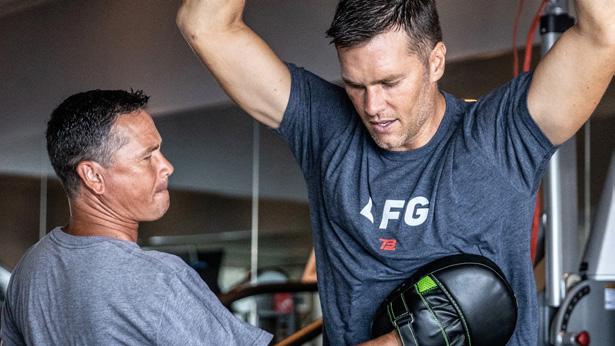
AESCAPE & TOM BRADY
Robotic Recovery in Professional Sport
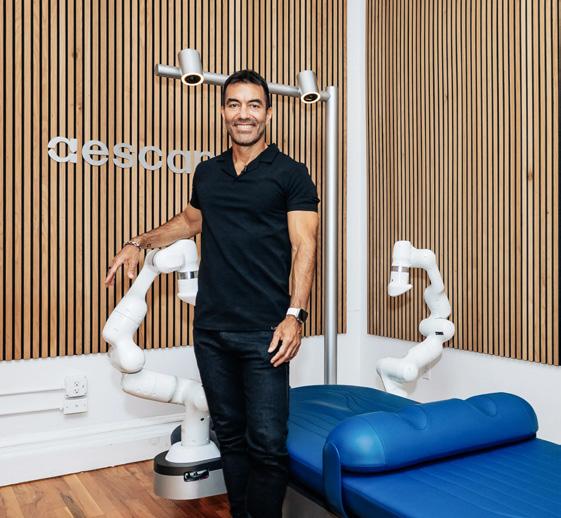
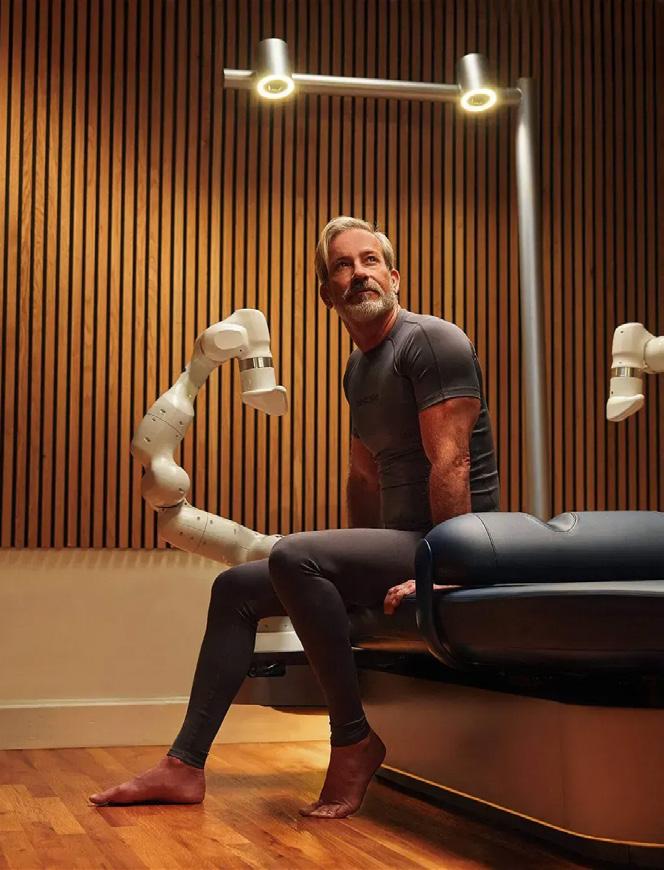
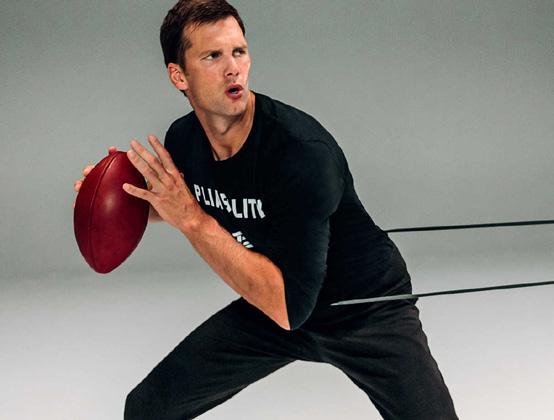
In the high-stakes arena of professional sports, where every sprint, tackle, and leap pushes the human body to its limits, recovery isn’t just a luxury—it’s the unspoken edge that separates legends from the rest. Enter Aescape, a groundbreaking fusion of artificial intelligence and robotics designed to deliver personalized massage therapy without the need for a human touch. This innovative platform is now teaming up with seven-time Super Bowl champion Tom Brady, whose name alone evokes images of unyielding endurance on the gridiron. Together, they’re poised to transform sports medicine, making elite-level recovery as routine as a pregame warm-up. For athletes navigating the relentless grind of training and competition, this partnership promises a new era where technology doesn’t just assist performance but safeguards it, allowing bodies to heal smarter and faster.
The Science of Staying Supreme: Pliability Meets
Precision Engineering
At the heart of this collaboration lies Brady’s renowned philosophy of “pliability”—a sports medicine approach that emphasizes softening and lengthening muscles to boost mobility and ward off the wear and tear of elite athletics. Developed over decades with his trusted body coach Alex Guerrero, this method became the cornerstone of Brady’s ability to thrive into his mid-40s, defying the typical career arc for quarterbacks. Now, Aescape’s robotic tables are set to embed these principles into a seamless, AI-driven experience. Using advanced sensors, the system scans the user’s body in real time, crafting a three-dimensional map that guides robotic arms to apply targeted pressure with unwavering consistency.
What sets this apart in sports medicine is the precision it brings to an often intuitive craft. Traditional massages, while invaluable, can vary based on the therapist’s energy levels or the day’s demands—factors that simply don’t exist in a machine programmed for perfection. For professional athletes, this means tailored sessions that address specific muscle groups strained from hours of explosive movements, whether it’s a soccer player’s hamstrings or a basketballer’s calves. The result? Enhanced blood flow, reduced inflammation, and a deeper state of relaxation that accelerates tissue repair. Brady himself has long championed such bodywork as essential to his longevity, and with Aescape, it’s no longer reserved for the few who can afford private sessions. It’s a scalable tool that democratizes the recovery process, ensuring that the science of pliability isn’t just theory but a daily practice woven into the fabric of athletic life.
From Gridiron Guru to Innovation Pioneer
Tom Brady’s journey from NFL icon to Chief Innovation Officer at Aescape feels like a natural evolution for a man who turned recovery into a competitive advantage. “After 23 years playing professionally, there’s no way I could have accomplished what I did professionally without all the massage work and recovery protocols. The reason why I’m still able to do what I love to do is because of the bodywork, the care that I received on a daily and weekly basis, and I want to try to make that available for everybody.”
Brady reflected in a recent interview. This sentiment underscores his vision: to extend the benefits he reaped to a broader field of warriors. As part of the deal, Aescape has secured exclusive rights to Brady’s longevity protocols, which will be integrated directly into the platform’s software. Imagine a device that not only remembers your preferences from session to session but evolves them based on Brady’s battletested routines, adjusting for the unique demands of your sport.
In sports medicine circles, this move signals a shift toward tech-infused care that’s both proactive and predictive. Athletes often face the dilemma of overtraining—pushing boundaries only to flirt with injury. Aescape’s AI steps in as a vigilant partner, monitoring tension patterns and suggesting preemptive adjustments.
Brady’s involvement adds a layer of credibility that’s hard to overstate; his protocols, honed through countless seasons of high-pressure play, bring a real-world authenticity to the robotics. “Now, together with Aescape, we’re making that same elite level of treatment accessible to everyone,” he added, highlighting the inclusive ethos driving this venture. For coaches and trainers, it’s a gamechanger: a tool that complements human expertise, freeing up time for strategy while ensuring no athlete’s body goes unattended.
On the Field and Beyond: A New Standard in Athletic Wellness
Picture a bustling locker room after a gruelling match, where players slip onto Aescape tables for quick, customized resets that leave them feeling reborn rather than battered. This isn’t science fiction—it’s the near-future reality for professional teams eyeing an edge in an increasingly data-savvy sports landscape. By blending Brady’s pliability focus with Aescape’s engineering prowess, the platform addresses core tenets of sports medicine: preventing overuse injuries, optimizing performance windows, and fostering mental resilience through physical ease. The robotic consistency ensures that every athlete receives the same high-calibre care, levelling the playing field in franchises where resources can vary.
Eric Litman, Aescape’s founder and CEO, envisions this technology rippling through the sports world. “We’re adapting Tom’s longevityfocused protocols to the Aescape system and building on them in ways that can only be done through robotics and AI,” he shared. For everyday pros—from emerging talents in the minor leagues to veterans chasing one more championship—this means recovery that’s not reactive but integral to training regimens. It’s about sustaining peak form over seasons, not just surviving them, and in a field where downtime can derail dreams, that’s the ultimate win. As Aescape expands into more athletic facilities, it’s clear that robotic recovery isn’t replacing the human spirit of sport; it’s amplifying it, one precise stroke at a time.
The Future Touch: Wellness for the Win
In the end, the Aescape and Tom Brady alliance stands as a testament to how sports medicine is evolving— from hands-on therapies to hands-free innovation. By harnessing robotics to deliver Brady’s proven protocols, this partnership isn’t just about massages; it’s about empowering athletes to own their endurance, sidestepping the pitfalls that clip too many careers short. For the next generation of competitors, it’s an invitation to play longer, recover wiser, and redefine what’s possible. In a world where the body is the ultimate instrument, tools like Aescape ensure it stays in perfect tune—proving that in professional sports, the real MVPs might just be the machines that keep the humans extraordinary.
When Mandela Used Rugby to Unite a Nation
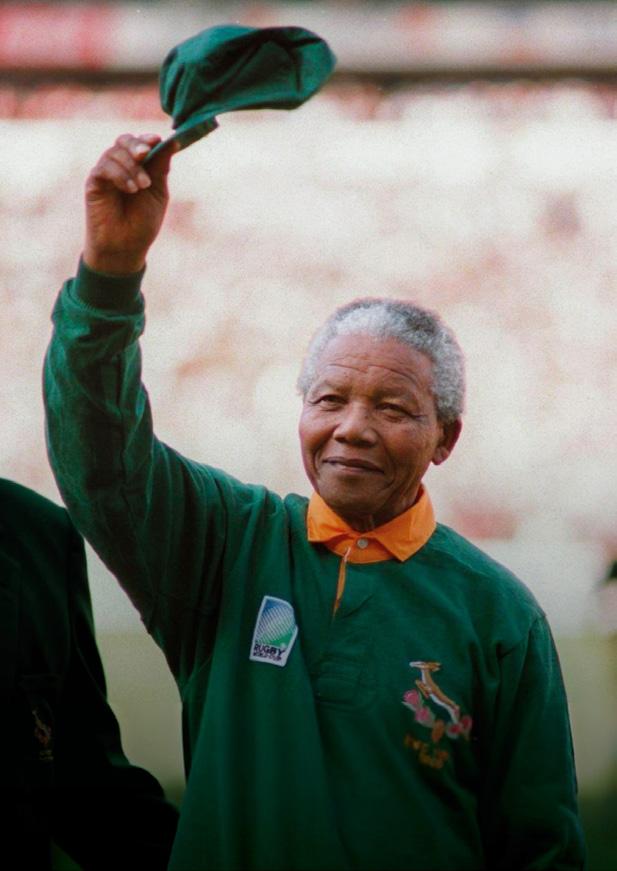
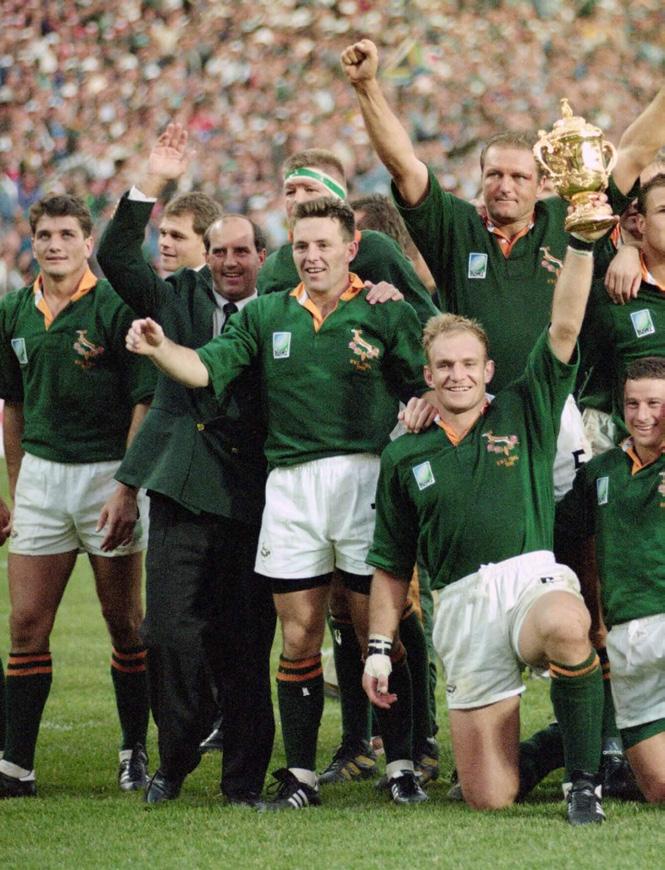
In the shadow of apartheid’s brutal legacy, a single sporting event became the unlikely crucible for South Africa’s rebirth. On June 24, 1995, at Johannesburg’s Ellis Park Stadium, Nelson Mandela— fresh from 27 years in prison and one year into his presidency—stepped onto the field wearing the green and gold jersey of the Springboks, the national rugby team long reviled by Black South Africans as a symbol of white oppression. What unfolded was not just a Rugby World Cup final; it was a profound act of reconciliation, a testament to forgiveness, and a demonstration of sport’s transformative power to heal a fractured nation.
South Africa’s history under apartheid was one of enforced division. From 1948 onward, the National Party’s policies segregated races in every facet of life, from education to sports. Rugby, introduced by British colonizers, became the dominion of Afrikaners—descendants of Dutch settlers—who elevated the Springboks to a cultural icon of white superiority. The team’s emblem, a leaping springbok antelope, adorned police and military insignia, embodying racial dominance. Black South Africans, barred from equal participation, often cheered against the Springboks during international matches, viewing victories as affirmations of their subjugation. International boycotts isolated South Africa, excluding it from the 1987 and 1991 Rugby World Cups. The Gleneagles Agreement of 1977 committed Commonwealth nations to discourage sporting ties with the apartheid regime. Yet, as negotiations
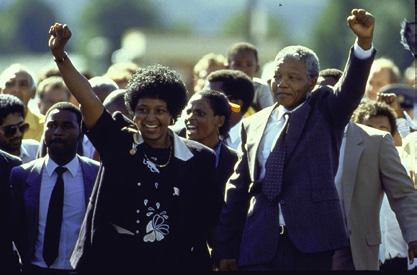
to dismantle apartheid gained momentum in the early 1990s, rugby’s readmission signalled broader reintegration. In 1992, South Africa returned to international rugby, and by 1993, it secured hosting rights for the 1995 World Cup—the first in a single country and the first post-apartheid major event. Nelson Mandela, released from Victor Verster Prison in 1990 after 27 years, emerged not with vengeance but with a vision of unity. Elected president in 1994’s historic multiracial elections, he faced a nation on the brink: whites feared retribution, Blacks demanded justice, and economic disparities festered. Mandela established the Truth and Reconciliation Commission to confront past atrocities through amnesty and testimony, emphasizing forgiveness over punishment. But political reforms alone couldn’t bridge hearts. He turned to sport, recognizing its ability to transcend rhetoric and forge shared identity.
Rugby presented both challenge and opportunity. Many in the African National Congress (ANC) pushed to abolish the Springboks’ name and colours, seeing them as irredeemable apartheid relics. Proposals emerged to rebrand the team the Proteas, after South Africa’s national flower. Mandela intervened decisively. At a 1994 meeting, he persuaded the sports committee to retain the symbols “in the interests of national reconciliation.” He argued that erasing Afrikaner heritage would alienate whites, perpetuating division. Instead, he sought to reclaim rugby for all South Africans. Mandela’s strategy was personal and symbolic. He invited Springboks captain François Pienaar, a blond Afrikaner from a conservative background, for tea at the presidential residence. Over conversation, Mandela recited lines from William Ernest Henley’s poem “Invictus”—”I am the master of my fate; I am the captain of my soul”—
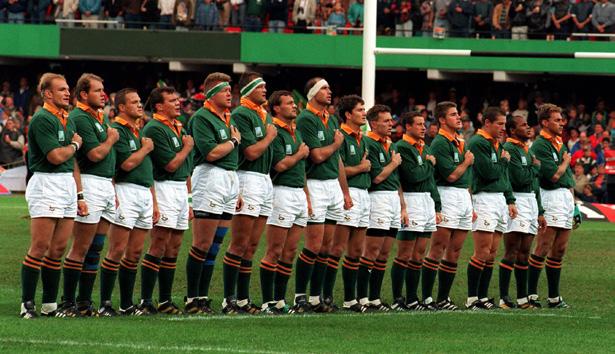
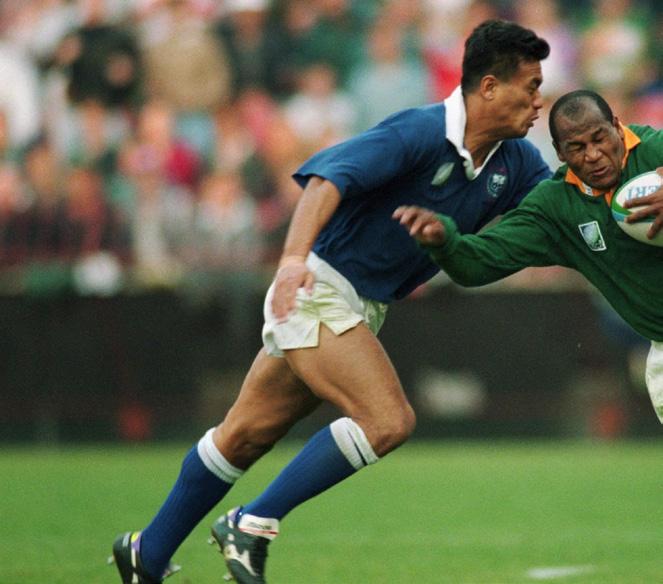
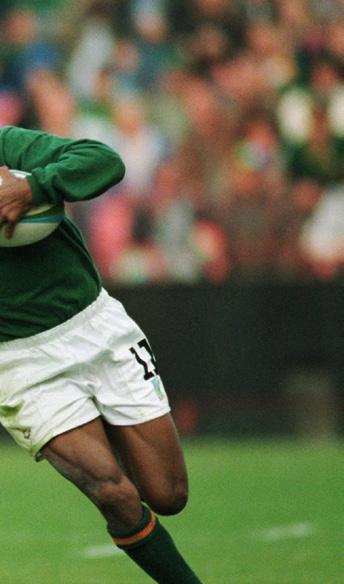
which had sustained him in prison. He implored Pienaar: a World Cup win could unite the nation, proving South Africans could achieve greatness together. Pienaar, initially sceptical, embraced the challenge. The team’s slogan became “One Team, One Country,” a direct echo of Mandela’s rainbow nation ideal. The Springboks, under coach Kitch Christie, were underdogs. Seeded ninth, they featured only one non-white player: Chester Williams, a winged “coloured” (mixed-race) sergeant in the defines force. The tournament opened on May 25, 1995, against defending champions Australia at Newlands Stadium in Cape Town. South Africa won 27-18, but old apartheid flags waved alongside the new rainbow banner, highlighting lingering tensions.
As the tournament progressed, Mandela’s involvement deepened. He visited training sessions, learned players’ names, and encouraged outreach. The team-taught rugby clinics in Black townships, distributing kits and fostering goodwill. Williams, recovering from injury, became a billboard icon, his smile symbolizing inclusivity. Mandela phoned him personally: “I’m proud of you. Go make the rest of South Africa proud too.” South Africa advanced through pool play, defeating Romania and Canada. In the quarterfinals, they beat Western Samoa 4214 in rain-soaked Durban. In the semi-finals, they edged past France 19-15 in rain-soaked Druban game. The final against arch-rivals New Zealand loomed, but food poisoning sidelined much of the All Blacks team—rumours of sabotage swirled, though unproven. South Africa prevailed 15-12 in extra time, with Joel Stransky’s drop goal sealing the upset.
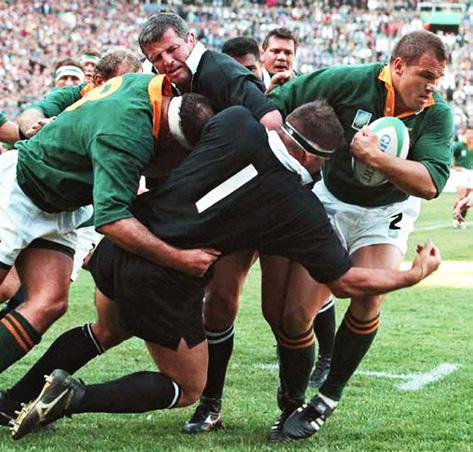
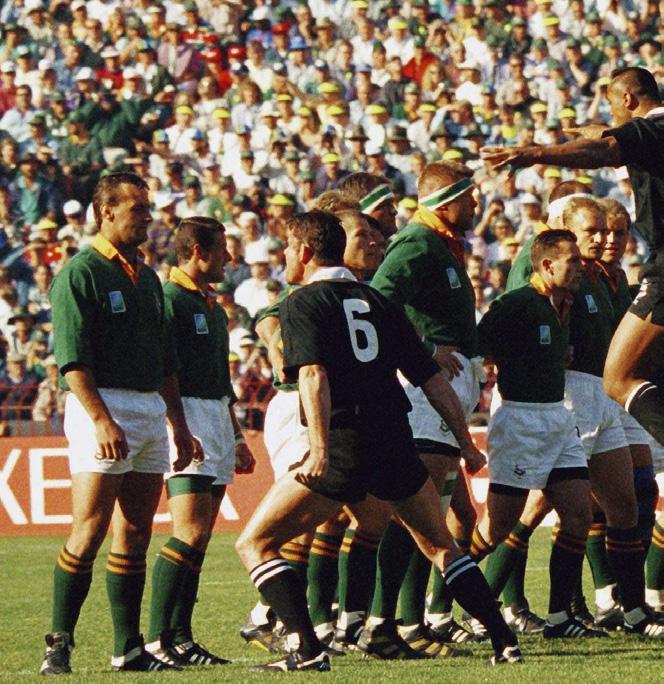
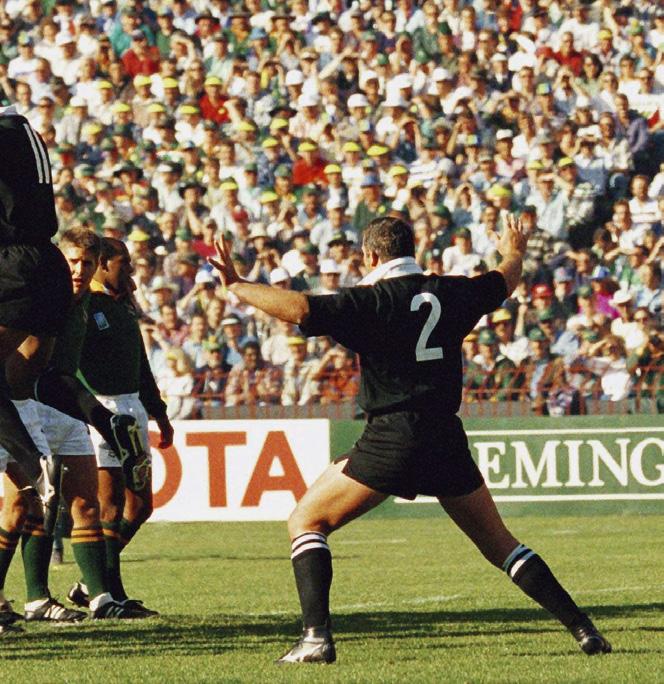
The final against New Zealand on June 24 drew 62,000 fans—predominantly white Afrikaners—to Ellis Park. A Boeing 747 famously buzzed the stadium pre-match, trailing a “Good Luck Bokke” banner. Before kick-off, Mandela entered the Springboks’ locker room in Pienaar’s No. 6 jersey. The players, stunned, rose in respect. On the field, he shook hands with each, including New Zealand’s Jonah Lomu, the towering winger who had terrorized defences with seven tries. The match was a tense, scoreless first half until penalties opened the floodgates. New
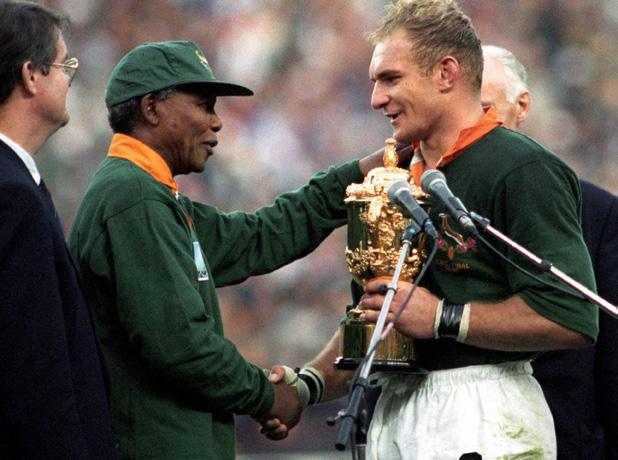
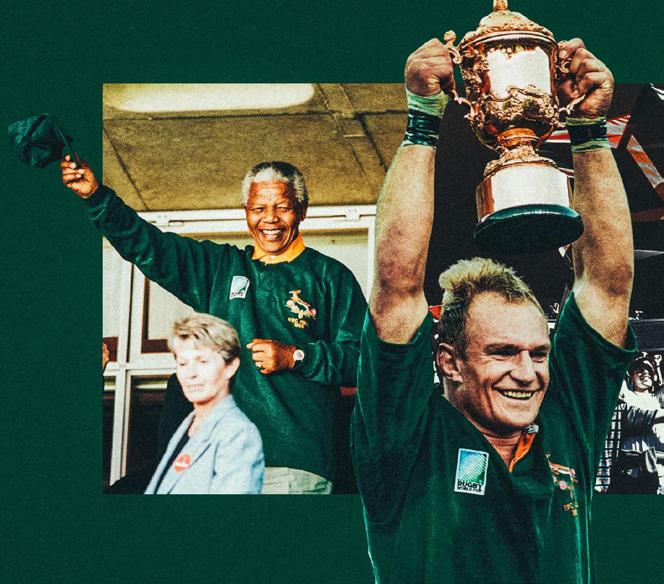
Zealand’s Andrew Mehrtens and Stransky traded kicks. In extra time, with the score 12-12, Stransky slotted a drop goal from 30 meters. South Africa held on for a 15-12 victory—their first World Cup title. The climax came post-match. Mandela, still in the Springbok jersey and cap, presented the Webb Ellis Cup to Pienaar. The captain lifted it aloft, declaring the win for “all 43 million South Africans.” The crowd erupted in chants of “Nelson! Nelson!” Black and white fans embraced in the stands. Streets filled with celebrations; in townships, impromptu parties
erupted. For a fleeting moment, ubuntu—humanity toward others—prevailed. This was unity forged in forgiveness. Mandela, imprisoned by the system the Springboks represented, chose embrace over erasure. His gesture 27 years of hardship could have bred bitterness, but he modelled grace. Pienaar later reflected: “When the whistle blew, South Africa changed forever.” Mandela’s gesture reassured whites he was their president too, while inspiring Blacks to see shared triumph. The 1995 World Cup’s significance in sports history is profound. It marked
rugby’s global expansion, drawing unprecedented viewership and proving the sport’s appeal beyond traditional strongholds. South Africa’s hosting—the first in Africa—signalled the continent’s rising role. The final’s extra-time drama, Lomu’s emergence as a superstar, and the underdog narrative captivated audiences worldwide. More importantly, it exemplified sport’s power to drive social change. Unlike fleeting political speeches, shared victories create lasting bonds. The event boosted national pride, tourism, and investment.
It inspired future leaders: in 2019, Siya Kolisi, South Africa’s first Black captain, won the World Cup, echoing Mandela’s legacy. Yet, the moment’s importance lies in its broader lessons. In a world rife with division—racial, political, cultural—sport offers neutral ground for dialogue. Mandela understood: “Sport has the power to change the world. It has the power to inspire... to unite people in a way that little else does.” The 1995 Cup didn’t erase inequality; poverty and crime persisted. But it provided a foundation, a “catalytic moment” proving reconciliation possible.
Critics note rugby’s slow transformation: only one non-white player in 1995, six in 2019. Economic freedom lagged political gains, fuelling disillusionment. Still, the event’s symbolism endures, immortalized in John Carlin’s book ‘Playing the Enemy’ and Clint Eastwood’s film ‘Invictus’, which faithfully captures the jersey presentation and Mandela-Pienaar bond. Thirty years on, as South Africa grapples with new challenges, the 1995 triumph reminds us of forgiveness’s strength. Mandela didn’t just win a cup; he won hearts, showing that unity emerges not from erasing the past, but from shared futures. In rugby’s rough embrace, a nation found its soul—one team, one country, unconquered.
NEW GUIDANCE FOR ATHLETES WITH CARDIAC CONDITIONS
In the high-stakes world of competitive sports, where every heartbeat counts, a groundbreaking update from the American College of Cardiology (ACC) and the American Heart Association (AHA) is rewriting the rules for athletes with heart conditions. Released in February 2025, the joint scientific statement— ”Clinical Considerations for Competitive Sports Participation for Athletes With Cardiovascular Abnormalities”—marks a seismic shift from the blanket restrictions of the past. For the first time, people with certain cardiomyopathies, aortic abnormalities, atrial fibrillation, and other cardiac issues may now, under careful guidance, step onto the field, court, or track without automatic disqualification. This isn’t about recklessness; it’s about empowerment through evidence-based medicine, balancing the thrill of competition with the rigor of risk management.
A NEW ERA OF INCLUSIVITY IN SPORTS CARDIOLOGY
Historically, the 2015 guidelines treated cardiovascular abnormalities like a red flag: Diagnosed? Sit out. But over the last decade, observational studies and multicentre data have painted a more nuanced picture. Athletes with conditions like long QT syndrome (LQTS), catecholaminergic polymorphic ventricular tachycardia (CPVT), and even select cases of hypertrophic cardiomyopathy (HCM) have competed safely under expert oversight. The 2025 statement, organized into 11 comprehensive sections, replaces its predecessor with updated recommendations on everything from sports classifications to ethical eligibility decisions.
KEY CHANGES INCLUDE EXPANDED ELIGIBILITY FOR:
• CARDIOMYOPATHIES: Previously a near-total ban, athletes with stable HCM or dilated cardiomyopathy may now participate in lower-intensity sports if risk factors (like family history of sudden cardiac death) are mitigated through medications or devices.
• AORTOPATHIES: Those with mild aortic dilation—common in endurance athletes—can often continue competing, provided imaging shows no rapid progression and blood pressure is controlled.
• ATRIAL FIBRILLATION AND ARRHYTHMIAS: With anticoagulation and rhythm control, athletes with paroxysmal AFib might return to play, especially if symptoms are absent during exertion.
• OTHER CONDITIONS: Guidance now covers congenital heart disease, valvular issues, myocarditis, channelopathies, and even masters athletes (over 35) with coronary calcification.
The statement emphasizes that “competitive athletes” span professionals to recreational marathoners—anyone training with achievement in mind. It also introduces novel sections on shared decision-making (SDM), masters athletes, and special populations like pregnant competitors or those in extreme sports (e.g., high-altitude racing). At its core, this update is fuelled by data showing that supervised participation doesn’t spike adverse events. A multicentre study of elite athletes with genetic heart conditions found low sudden cardiac arrest rates when managed proactively. Yet, the authors caution: This isn’t a free pass. Every green light requires individualized assessment, and high-risk sports (think football or basketball) remain off-limits for many.
IMPLICATIONS FOR THE FRONTLINES: SPORTS MEDICINE AND TEAM PHYSICIANS
For sports medicine professionals and team physicians, this guidance is a double-edged sword— liberating yet demanding. Gone are the days of onesize-fits-all disqualifications; now, clinicians must navigate a web of risk stratification, ethical dilemmas, and legal liabilities. The biggest shift? SDM as the gold standard. Physicians are urged to facilitate conversations that weigh medical risks against psychological and social benefits. A stepwise SDM framework in the statement outlines:
1. Assess Disease Stability: Use longitudinal monitoring (e.g., annual echocardiograms) to track progression.
2. Quantify Risks: Tools like exercise stress testing help gauge arrhythmia triggers.
4. Document Consensus: Jointly decide on participation levels, with clear contingency plans.
This athlete-cantered approach reduces burnout and lawsuits—studies show SDM lowers malpractice claims in sports cardiology—but it requires expertise. Team docs without sports cardiology fellowships may need referrals to specialists, straining resources in smaller programs. Moreover, the statement highlights disparities: Black athletes face higher sudden cardiac death rates, yet screening access lags. Professionals must advocate for equitable care, integrating social determinants into evaluations. Ethically, physicians hold the line on “reasonable medical practice,” even if an athlete or coach pushes back. The guidance stresses that overriding expert advice for talent’s sake is malpractice territory. For team physicians, this means bolstering emergency protocols: Every venue needs CPR-trained staff and AEDs within three minutes of a collapse.
EMPOWERING ATHLETES: FROM DIAGNOSIS TO THE PODIUM
Imagine a college soccer player sidelined by AFib, staring at a future without the game they love. Under the new guidelines, hope replaces despair. Athletes now have a roadmap to reclaim their passion, but it starts with transparency and teamwork. The psychological toll of restrictions can’t be overstated—depression rates soar among disqualified young athletes. SDM restores agency, letting them co-author their return-to-play plan. For instance, a runner with mild aortic dilation might swap marathons for half-marathons, armed with a wearable monitor for real-time alerts. Communication is key. Athletes should loop in coaches and teams early, sharing clearance letters and emergency plans. This builds trust: Coaches learn to spot warning signs (dizziness, palpitations), while teammates become allies in monitoring. The statement reinforces preparticipation screening for all—starting with the 14-point history and physical, plus a 12-lead ECG for red flags—but notes it’s not foolproof. No screening catches everything, so personal vigilance matters. For masters athletes, the news is particularly heartening. With rising coronary risks, they get tailored advice: Revascularization before high-stakes events, or medical therapy for moderate play. And for parents of young athletes? Reinforce that exercise is medicine—most cardiac adaptations are benign—but flag symptoms promptly.
SPOTLIGHT ON ESSENTIALS: SCREENING, RISK ASSESSMENT, AND TEAM TALK
To operationalize this guidance, three pillars stand out:
1. SCREENING: Universal for school and club sports. History/physical catches 80% of issues; add ECG for high-risk groups (family history, syncope). Advanced imaging (MRI for myocarditis scarring) only if indicated—over-testing wastes resources.
2. RISK ASSESSMENT: Layered and dynamic. Stratify
by condition severity, sport intensity (low: golf; high: wrestling), and triggers (dehydration in AFib). Annual reassessments ensure stability; genetic testing clarifies channelopathies.
Communication with Coaches/Teams: Forge multidisciplinary teams. Physicians provide “participation summaries” outlining dos/don’ts, while athletes lead vulnerability chats. Emergency action plans (EAPs)—drilled quarterly—turn “what if” into “how to.” These steps minimize surprises, like a midgame arrhythmia, and foster a culture where heart health enhances performance.
PLAYING FORWARD: A CALL TO ACTION
The 2025 ACC/AHA statement isn’t just an update—it’s a manifesto for safer, more inclusive sports. By ditching dogma for data, it invites athletes with cardiac conditions to thrive, not just survive. Yet, challenges remain: More research on long-term outcomes, especially in underrepresented groups, and better training for clinicians. For sports medicine pros, it’s a cue to upskill; for physicians, a reminder to listen as much as lead; for athletes, an invitation to advocate. As Jonathan H. Kim, MD, the statement’s chair, puts it: “This is about guiding athletes—from kids to pros—in discussions that honour both their hearts and their dreams.” In the end, safe play isn’t about elimination; it’s about elevation. With these tools, every athlete can ask: When is it safe? The answer: When we plan together.
Highly Respected Experts For Most Complex Cardiovascular & Heart Surgeries In Asia
Dr. KMD’s The Centre of Medical Excellence in Cardiovascular Surgeries & Treatments located at the Main Campus of Royalcare Hospitals Group at Coimbatore, India; Is widely regarded as a world leader in cardiac care due to its pioneering research, innovative treatments, and dedication to patient care. They have a long history of breakthroughs. Their expertise spans cardiology, cardiac surgery, vascular surgery, and related fields, providing comprehensive care from prevention to treatment.
DR. K. MADESWARAN Chairman & Managing Director
M/s. Royalcare International Hospitals Group
Dr. KMD’s RCI Hospitals Group has been Pioneering in Research in Cardiac Care. They have a long history of groundbreaking research in cardiac care, including many First of its kind surgeries and treatments in the world. Royalcare Hospitals Group offer a wide range of advanced treatments, including minimally invasive heart surgery, advanced heart failure management, and interventional cardiology procedures.
At Dr. KMD’s Royalcare Centre of Medical Excellence in Cardiovascular Surgeries; Under the leadership of Dr. K. Maheswaran, CMD, Practices an International Standard Cardiac Care and Services, which is very advanced to provide a patient with maximum edge over his/ her cardiac condition. Royalcare Hospitals Group provides Best in Class ‘Minimally Invasive Cardiac Surgeries & Treatments’ With the advent of sternotomy, today maximum heart surgeries are performed by making small incisions rather than cutting the whole chest.
The process involves making an incision in the breastbone, and performing the surgery, through a smaller and less traumatic incision than in a standard sternotomy. The incision or the cuts measure about 2-3-inches, and specialized handheld and robotic instruments are used to perform the operations. MICAS or MICS CABG Surgery is considered to be safe and highly successful, revolutionizing the coronary bypass surgery completely.
Benefits of Minimally Invasive Surgery over Traditional Open-Heart Surgery
@ Dr. KMD’s Royalcare Intl. Hospitals Group:
MICS lands more advantages and benefits to a patient than the traditional cardiac surgery. There is reduced trauma to the chest and wall tissues and thus much faster recovery and better results. However, a doctor requires years of practise and the precision need to use the advanced equipment and perform surgery.
Here are some Tangible benefits you will get with Minimally Invasive Surgery @ RCIH Group:
• Smaller Incisions
• Smaller Scars
• Reduced Infection Risks
• Loss of Blood is Minimum
• Lesser Pain, Lesser Trauma to Tissues.
• Less Period of Hospitalization (3-4 Days)
• Fewer Physical Restrictions
• Shorter Recovery Time (1-2 Weeks)
Types of Minimally Invasive Surgeries @ RCIHG are:
• Minimally Invasive Bypass Surgery
• Minimally Invasive Valve Surgery in
• Minimally Invasive Total Arterial Bypass Surgery
• Minimally Invasive Surgery for Hole in the Heart
• Minimally Invasive LIMA-RIMA-‘Y’ Bypass’
• Minimally Invasive CABG
• Minimally Invasive MVR
• Minimally Invasive DVR
• Minimally Invasive AVR
• Minimally Invasive ASD Closure
• Minimally Invasive VSD Closure
• Transcatheter Aortic Valve Implantation (TAVI)
And, RCIHG’s Cardiovascular Department ensures Comprehensive Care through their multidisciplinary approach, combining cardiology, cardiac surgery, and other specialties, ensures comprehensive care for patients with a wide range of cardiovascular conditions. Dr. KMD’s RCI Hospitals Group gives special emphasis on Training and Education by offering Research Opportunities to interested Scholars and Medical Professionals combined with the Cardiovascular
disease through research, education, and specialized Patient programs. Apparently, the Cardiovascular Surgery team at Dr. KMD’s Royalcare International Hospitals Group (RCIHG) provide high-quality care for complex or serious conditions that affect people of all ages. Our heart (cardiac) and chest (thoracic) surgeons diagnose and surgically treat conditions of the heart, lungs and chest. They perform thousands of surgeries each year at Royalcare Hospitals Group in India. RCIHG’s
Disease Fellowship Program, for developing leaders and innovators in the field, fostering a culture of excellence in both clinical practice and research. The department's expertise and impact are recognized worldwide, drawing patients from around the globe. In addition to providing best treatments for all types of Cardiovascular Diseases, Dr. KMD’s Cardiovascular Centre of Medical Excellence Centre at ‘Royalcare International Hospitals Group’ focuses on preventing heart
surgeons are on the leading edge of treating cardiovascular and cardiothoracic conditions, using the latest innovations, such as minimally invasive heart surgery with robot-assisted techniques. Minimally invasive robotic surgery is used to repair or replace heart valves, remove growths in the heart and for other procedures. This approach has helped many people recover more quickly than is possible with traditional surgery. Our team is widely recognized for its performance of complex procedures with safe and excellent outcomes.
A Team Focused on
You:
Cardiovascular and Cardiothoracic surgeons at Dr. KMD’s Royalcare International Hospitals Group are part of a multidisciplinary team that provides expert care tailored to your needs. Thus, the team might include specialists in cardiovascular medicine, critical care medicine, anaesthesiology, gastroenterology and hepatology, general surgery, haematology, oncology, otolaryngology, pulmonary medicine, vascular medicine, endovascular surgery, pathology, radiology, paediatrics, or physical therapy. RCIHG’s Team also might include registered nurses, nurse practitioners, physician assistants, dietitians and geneticists.
RCIHG’s Team approach means test results are available as quickly as possible, appointments are scheduled in coordination, and experts discuss the best approach for each person. What might take months elsewhere often can be done in just few days at Royalcare.
Dr. KMD’s Experience in advanced treatments and innovations
Dr. KMD’s Royalcare International Hospitals Group (RCIHG) surgeons perform more than 1000s heart surgeries each year. They are experts in treating serious conditions such as hypertrophic cardiomyopathy and disease of the pericardium and in performing complex procedures. These include heart failure surgery, heart transplantation, heart valve surgery, aortic valve repair and aortic valve replacement, coronary artery bypass surgery, surgery to treat congenital heart defects in children and congenital heart disease in adults, surgery to treat pulmonary hypertension, transcatheter aortic valve replacement, and placement of ventricular assist devices.
RCIHG’s surgeons also are experts in helping people who need a second heart operation.This is called a cardiac reoperation. It’s sometimes needed when a replacement valve begins to wear out or you develop new heart disease.
Cardiac reoperations are even more complex than first surgeries, due to scar tissue and underlying conditions. People who come back for a second or even a third heart surgery need surgeons with highly advanced surgical skills and techniques.
Paediatric cardiac surgery is also provided to Children at Royalcare Hospitals Group’s Main Campus at Neelambur, Greater Coimbatore, Tamil Nadu, India. Cardiovascular surgeons trained in treating children work closely with doctors trained in treating child and adolescent cardiovascular conditions (paediatric cardiologists) as well as other paediatric specialists to provide comprehensive care.
Research to Improve Surgical Care:
Dr. KMD’s Royalcare International Hospitals Group ‘s Cardiovascular and Cardiothoracic Surgeons are leaders in researching and adopting new approaches and techniques. Projects have included: Researching new techniques to determine the timing and outcomes of various Complex valve surgeries. Using artificial intelligence to predict outcome after surgery and to detect adverse outcomes early. And, using virtual reality to ease anxiety of the patient during surgery.
RCIHG’s Surgeons also participate in innovative studies to improve donor hearts and lungs before they are transplanted. This allows more people to benefit from heart and lung transplantation. In addition, the Expert surgeons also combine heart and lung transplantations with surgeries for other organs, such as the liver and kidneys. Besides, RCIHG’s Physician-Scientists collaborate with researchers worldwide, contributing to advances in cardiovascular surgery that improve heart care for people everywhere.
Paediatric Cardiac Surgery
Best in Class ‘Expert Heart Care’ for your Baby:
Dr. KMD’s Royalcare International Hospitals Group have been at the forefront of paediatric heart (cardiac) surgery since the specialty began, ever since the 1st Year of Incorporation of Royalcare Main Campus at Coimbatore. And RCIHG’s, surgeons performed some of the world's most complex open-heart surgeries in children. These continual successes brought thousands of children from all around the world to Royalcare Hospitals. This helped usher in the field of paediatric cardiac surgery. RCIHG values of quality care, teamwork, compassion and hope are integral to daily practice. From the very first day to this day, paediatric cardiac surgeons
at Royalcare Intl. Hospitals Group strive to provide the best care for children and develop the care of the future through research and innovation. When your Child needs cardiac surgery, you'll find the multidisciplinary team of experts you need at Dr. KMD’s Royalcare International Hospitals Group in Coimbatore, India. The Paediatric Cardiac Surgery team and Paediatric Cardiology have extensive experience treating infants and children with serious, complex or rare heart conditions. And, Royalcare Hospitals Group is also active in the emerging frontier of fetal intervention for heart defects. Royalcare surgeons have always been leaders in the specialty of cardiovascular surgeries.
Dr. KMD’s Royalcare International Hospitals Group, has always been considered as a First-Choice perfect destination for parents seeking the best-inclass treatment for their children with complex or serious heart disease. Its multidisciplinary medical and surgical teams review cases of people from all over the world who are seeking advice and recommendations. The RCIHG’s paediatric cardiac surgeons treat many diseases and conditions. A few of the areas for which they have international renown and special programs include:
Structural Heart Disease and Valve Repair. RCIHG’s Surgeons are expert in evaluating and treating people with valve conditions. Examples include aortic valve defects, mitral valve regurgitation, tricuspid valve regurgitation and valve problems in a single-ventricle heart. They also do many surgeries on the aorta, especially in children and adults with aortic valve disease, Marfan syndrome and other connective tissue diseases. RCIHG’s Surgeons have performed 1000s of Cardiac Surgeries for heart valve conditions for patients from all corners of the world.
Hypertrophic Cardiomyopathy and Septal Myectomy. Royalcare Hospital’s surgeons adbot the Latest and advanced surgical techniques for both obstructive and nonobstructive cardiomyopathy. These Proactive approaches in applying innovations have helped countless patients and people. Indeed, it has also been setting a perfect example and changed the approach used by surgeons in similar line of expertise worldwide.
Minimally Invasive and Robot-Assisted Heart Surgeries. Technology for treating structural heart defects is advancing rapidly. Heart conditions can now often be treated through very small openings in the body or with robot-assisted techniques. RCIHG’s Surgeons are experts in the most advanced and latest technological methods, which may result in less pain and shorter recovery time. The multidisciplinary team approach ensures that all options are considered so that each person gets the right care at the right time.
Fetal cardiac intervention: There is growing interest worldwide in fetal cardiac intervention for heart defects. And, RCIHG is always on the forefront when it comes to fetal surgery. Its maternal fetal medicine specialists and surgeons work together on complex surgery for heart defects found before birth.This results in optimal care for both mother and fetus and helps ensure a seamless transition from fetal life to birth.
And they are always supported by Dr. KMD’s International Institute of Medicines & Research Centers, which provide them International Standard Technologies, Most Sophisticated Medical Equipment, Access to the Most Iconic Medical Professionals Knowledge and Collaborations and State-Of-The-Art Infrastructures to ensure that all Patients and their Families receive The Most Reliable and Best Possible Medical Support cum Healthcare around the Clock.
INDIA’S SPORTS INFRASTRUCTURE BOOM
Stadiums, Investments &
Long-Term Legacy
In the heart of a nation where cricket pulses like a second heartbeat and emerging talents in athletics and hockey are rewriting narratives of resilience, India’s sports infrastructure is undergoing a metamorphosis. Gone are the days when dilapidated fields and overcrowded venues defined the landscape; today, a surge of ambition is transforming concrete and ambition into cathedrals of competition. This boom, fuelled by visionary government schemes and private sector muscle, is not merely about erecting grand structures but about seeding a culture where every child in a remote village can dream of podium glory. As India eyes the global stage with renewed vigour, the evolution of its stadiums and facilities stands as a testament to a deeper commitment: building not just for tomorrow’s matches, but for generations of athletes yet to lace up their shoes.
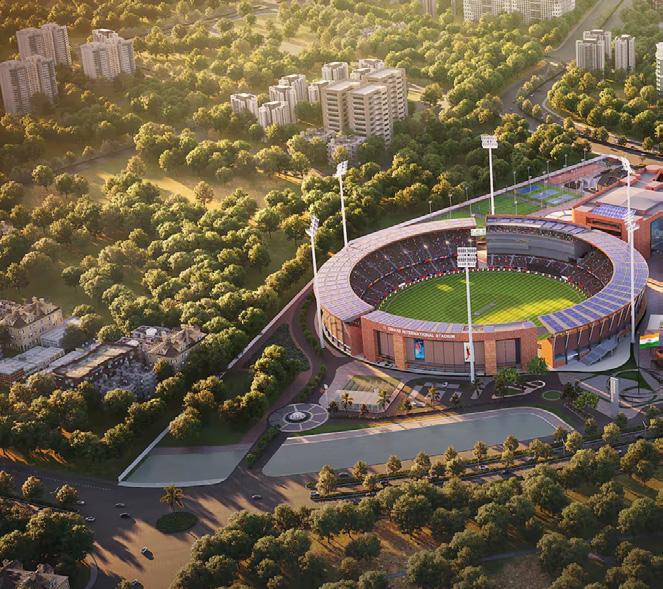
The story of this transformation begins with the stadiums themselves, those colossal arenas that once symbolized sporadic spectacles but now embody sustained excellence. Consider the Narendra Modi Stadium in Ahmedabad, already the world’s largest cricket venue with over 132,000 seats, a behemoth that hosted the 2023 Cricket World Cup and continues to draw crowds that rival rock concerts. Yet, the horizon bristles with even bolder blueprints. In Amravati, Andhra Pradesh, construction is underway for what promises to eclipse even this giant—a cricket stadium sprawling across 60 acres within a larger sports city, designed to accommodate more than 132,000 spectators and integrate academies led by legends like Mithali Raj and Robin Singh. This project, backed by the Board of Control for Cricket in India and local funding, is slated for completion in the coming years, blending state-of-the-art pitches with urban planning that weaves sports into everyday life.
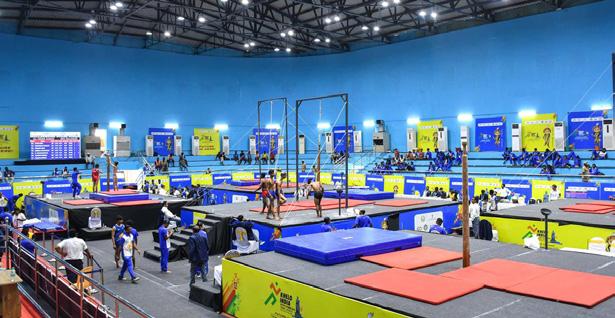
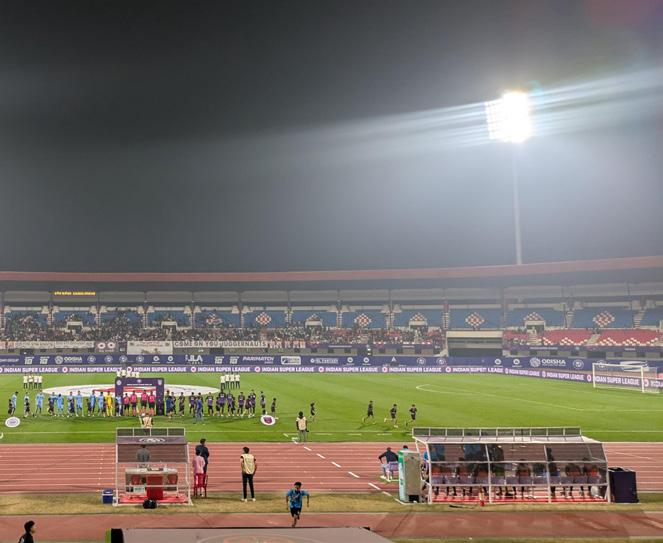
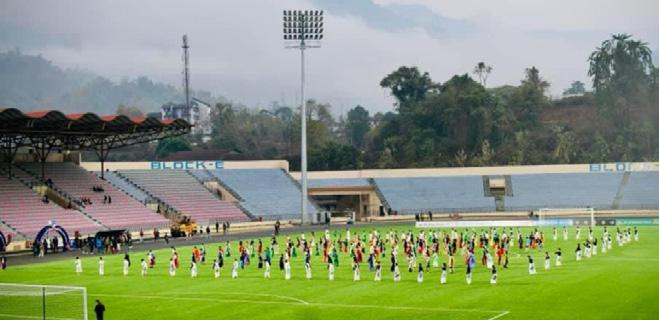
Further north, Uttar Pradesh is scripting its own chapter with the international cricket stadium in Gorakhpur, announced early in 2025 and inspired by the trident motifs of Lord Shiva—floodlights shaped like divine weapons, crescent roofs evoking celestial grace, and tiered seating reminiscent of sacred ghats. This 45,000-seat marvel, set to rise by 2027, will not only host Indian Premier League clashes but also foster regional talent through attached training hubs. Meanwhile, in Meghalaya’s Shillong, the Mawkhanu Football Stadium breaks new ground as India’s largest purpose-built soccer venue, with 40,000 seats compliant with FIFA and Asian Football Confederation standards. Construction kicked off in 2025, complete with digital infrastructure for seamless tech upgrades, ensuring it serves as more than a matchday fortress— think year-round academies and community events that keep the turf alive long after the final whistle.
Delhi’s Dwarka integrated stadium, a multi-sport behemoth covering 50 acres in Sector 19B, exemplifies the shift toward versatility. Envisioned for cricket and football with 30,000 seats, plus hospitality wings and elite training zones, it is poised to open by 2027 under the Delhi Development Authority’s oversight. In Varanasi, the Uttar Pradesh Cricket Association’s 30,000-seat venue in Gajari Village, budgeted at 330 crore rupees, marries tradition with innovation on 25 acres of verdant land. And in Bhubaneswar, the BCD Sports Academy and International Stadium, due by late 2025, will house a 25,000-seat indoor multipurpose hall alongside specialized academies for everything from archery to kho-kho, underscoring Odisha’s role as a pioneer in holistic development. These are not isolated edifices; they form a network stretching from tier-one metropolises to emerging hubs, where modular designs allow swift adaptations for diverse sports, from synthetic turfs resilient to monsoons to
hybrid pitches that mimic international benchmarks. This architectural renaissance is underpinned by a torrent of investments that blend public coffers with private ingenuity, creating a financial ecosystem as dynamic as the games it supports. The Union Budget for 2025-26 marks a watershed, allocating a record 3,794.30 crore rupees to sports—a 351.98 crore leap from the prior year—signalling India’s unyielding push toward the 2036 Olympics bid. At its core lies the Khelo India Programme, the flagship grassroots engine now flush with 1,000 crore rupees, funding over 1,041 centres and 32 state excellence hubs nationwide. This initiative has already greenlit 323 new projects worth 3,073 crore, erecting indoor stadiums, synthetic tracks, and multi-sport complexes that democratize access. The Sports Authority of India receives 830 crore, channelling resources into national camps, coach deployments, and facility upgrades that rival global standards.
State governments are amplifying this federal thrust with fervour. Odisha’s audacious 4,124 crore plan aims to dot every one of its 314 blocks with stadiums over five years, while Uttar Pradesh surges ahead with 1,950 crore—a 67 percent hike—for infrastructure that invites international coaches and private builders. Haryana’s 18 million dollar infusion for the 2022 Khelo India Youth Games set a precedent, yielding world-class venues that hosted the FIFA U-17 Women’s World Cup. Enter the private sector, where public-private partnerships are the new alchemy. Entities like JSW Sports and Reliance Foundation pour capital into academies such as the JSW Inspire Institute in Vijayanagar and the Padukone-Dravid Centre in Bengaluru, blending elite training with tech like AI analytics and virtual simulations. The National Investment Pipeline lists over 90 projects for stadiums and complexes, drawing corporate funding through incentives that promise returns via event hosting and branding. Even the National Sports Development Fund, with its matching 25 percent government
contributions to corporate social responsibility inflows, ensures flexibility for rapid-response builds. This confluence of rupees and resolve has not only inflated the sports economy—projected to swell to 1,479 million dollars by 2033 through tech-infused growth—but has also de-risked investments via reformed governance, turning potential pitfalls into profitable pursuits. Yet, the true measure of this boom lies in its enduring echo, a legacy that transcends scoreboards to reshape society and secure India’s place among sporting titans. As preparations for the Los Angeles 2028 Olympics ignite under Mission LA28, spearheaded by the Mission Olympic Cell, the infrastructure mosaic becomes a launchpad for medal aspirations. With six medals from Paris 2024 falling short of double-digit dreams, the focus sharpens on long-haul strategies: over 50,000 young athletes funnelled through Khelo India’s youth, university, para, and winter games, each emerging from facilities that now boast eco-friendly solar arrays, rainwater harvesting, and energy-efficient lighting.
The addition of cricket, squash, and compound archery to the LA28 roster amplifies India’s edge, particularly in a mixed-team archery event where domestic prowess could snag elusive golds. Beyond the Games, the ripple effects cascade into economic vitality and social cohesion. Upgraded venues like those in tier-two cities—envision Gorakhpur’s Shivainspired stands drawing tourists year-round—spur ancillary booms in hospitality, retail, and transport, injecting billions into local economies. Rural-urban divides narrow as 89 new multipurpose indoor halls in Odisha’s urban pockets extend to underserved blocks, boosting participation rates from a meagre six percent toward global norms like China’s 20 percent. Maintenance mandates under the 2025 National Sports Policy ensure underutilized assets evolve
into community anchors, with public access hours transforming elite stadia into neighbourhood gyms. This fosters a sporting ethos woven into education, aligning with the new policy’s vision of sports as daily lifeblood, from school playgrounds to corporate leagues. In this grand narrative, India’s infrastructure odyssey is no fleeting sprint but a marathon of legacy-building. The stadiums rising today—be they Amravati’s colossus or Shillong’s soccer sanctum— stand as sentinels of possibility, investments as seeds for a billion dreams. As the nation hurtles toward 2036, when Ahmedabad or another jewel might cradle the Olympic flame, the boom reveals its profound truth: true victory is forged not in fleeting triumphs, but in the enduring fields where tomorrow’s champions first learn to run.
National Teams in Esports?
The Next Frontier
The world of esports has exploded over the past decade, transforming from niche gaming communities into a global phenomenon with millions of fans, massive prize pools, and professional leagues rivalling traditional sports. But as esports continues to mature, a new question looms on the horizon: could national teams become the next frontier? The idea of countries fielding esports teams to compete on the global stage, much like the Olympics or FIFA World Cup, is gaining traction. It’s a concept that could redefine competitive gaming, blending national pride with digital dexterity. But is the esports world ready for this leap?
The Case for National Esports Teams
Esports has always thrived on its global, borderless appeal. Games like League of Legends, CounterStrike, and Dota 2 draw players and fans from every corner of the world, with professional teams often featuring international rosters. Yet, the idea of national teams taps into a primal sense of identity and unity that traditional sports have long leveraged. Imagine a Valorant World Cup where Team USA battles Team South Korea, or a FIFAe showdown between Brazil and Germany. The emotional stakes of national representation could elevate esports to new heights, attracting mainstream audiences who thrive on patriotic rivalries. International esports competitions already exist, hinting at the potential. The International Esports Federation (IESF) World Championship, for instance, has been pitting national teams against each other since 2009, with over 120 countries participating in 2024. Similarly, the Olympic Esports Series, introduced by the International Olympic Committee in 2023, showcased national representation in games like Zwift and Just Dance. These events, while still niche, demonstrate that the infrastructure for national esports teams is already taking shape.
The appeal is clear: national teams could bridge the gap between esports and traditional sports fans. For casual viewers, cheering for a country is more intuitive than rooting for an organization like Cloud9 or Fnatic. It also opens doors for government backing, national sports federations, and even Olympic-style funding, which could professionalize esports further and provide players with better resources.
Challenges on the Horizon
But the path to national esports teams isn’t without obstacles. Esports is inherently global and decentralized, with players often signing with international organizations. Forcing top talent to compete under a national banner could disrupt existing team dynamics and lucrative contracts. Imagine a South Korean League of Legends star like Faker being pulled from T1 to play for a national squad—would he prioritize country over club? The logistics of assembling national teams, from tryouts
to training camps, could clash with the packed schedules of professional leagues. Then there’s the question of game selection. Unlike traditional sports, where soccer or basketball has universal rules, esports titles vary wildly in mechanics, popularity, and cultural relevance. Should national teams compete in League of Legends, CS2, or a mobile game like Free Fire, which dominates in regions like Southeast Asia and Latin America? Standardizing a format for global competition would be a logistical nightmare, especially since game publishers like Riot Games or Valve hold significant control over their titles’ competitive ecosystems. Cultural and political challenges also loom large. Esports thrives on inclusivity, but national teams could introduce geopolitical tensions. Would players from regions with limited esports infrastructure get fair representation? And how would controversies—like doping scandals or cheating allegations, already a concern in esports—play out when national pride is at stake? The IESF has faced criticism for inconsistent regulations and alleged favouritism, highlighting the need for robust governance.
The Road Ahead
Despite these hurdles, the momentum for national esports teams is growing. Countries like South Korea and China already treat esports as a national sport, with government-supported training programs producing worldclass talent. The Asian Games, which included esports as a medal event in 2022, saw South Korea dominate League of Legends and Street Fighter V, proving that national pride can translate to digital battlegrounds. Meanwhile, Saudi Arabia’s Esports World Cup, launched in 2024 with a $60 million prize pool, has sparked discussions about state-backed esports initiatives, even if it’s not strictly national-team-based. For national teams to become mainstream, esports needs a unifying global framework. The IOC’s Olympic Esports Series is a step in this direction, but it must expand beyond niche titles to include blockbuster games. Partnerships between game publishers, national sports bodies, and international federations will be crucial to standardize rules, ensure fair representation, and balance commercial interests with competitive integrity. Fans also have a role to play. Social media platforms are debating about national esports teams, with some fans clamouring for a Dota 2 World Cup and others skeptical of disrupting established leagues. The internet reveals a split: roughly 60% of polled users in a 2025 thread expressed excitement for national teams, while others worried about diluting the global spirit of esports. This fan divide underscores the need for careful implementation to avoid alienating the core audience.
The Next Frontier?
National teams in esports could be a game-changer, blending the universal appeal of gaming with the emotional pull of international competition. They could attract new fans, secure mainstream legitimacy, and create unforgettable moments—like a last-second clutch in Overwatch to win gold for Japan or a Dota 2 comeback for Brazil. But the road to this future requires navigating complex logistical, cultural, and commercial challenges. As esports continues its meteoric rise, the question isn’t whether national teams will emerge, but how and when. The next frontier is in sight, and with the right vision, esports could soon see flags waving alongside keyboards in stadiums worldwide.
ASIA’S SPORTS TITANS UNLEASHING A BILLION-DOLLAR GAME-CHANGER
In the dynamic landscape of global commerce, Asia stands as a colossus, not only in manufacturing and technology but increasingly in the realm of sports business. As of 2025, the continent’s sports industry has evolved from a peripheral activity into a formidable economic engine, generating revenues that rival traditional sectors like automotive and finance in some nations. The significance of Asia’s sports business powerhouses cannot be overstated: they represent a fusion of cultural passion, technological innovation, and strategic investment that propels national economies, fosters international diplomacy, and redefines consumer lifestyles across billions of people. This topic is pivotal because sports in Asia transcend mere entertainment; they embody soft power, health imperatives, and lucrative commercialization opportunities. With a burgeoning middle class, rapid urbanization, and a digital revolution, Asia’s sports sector is no longer just participating in the global game—it is setting the rules.
The potential here is staggering. Projections indicate that the Asia-Pacific sports market alone will exceed USD 146 billion in 2025, growing at a compound annual growth rate (CAGR) of over 6.6% through 2033, driven by spectator sports, esports, and apparel. This expansion is not confined to economic metrics; it influences social cohesion, youth development, and even geopolitical alliances. Countries like China, India, and Japan are leveraging sports to project modernity and unity, while emerging hubs in Southeast Asia and the Middle East capitalize on mega-events to attract foreign investment. Factors such as government policies, digital infrastructure, and demographic
shifts underpin this surge, creating a fertile ground for innovation. At the heart of this transformation are major players—corporations, leagues, and federations—that orchestrate the symphony of Asia’s sports economy. From the Indian Premier League’s (IPL) billion-dollar broadcasts to China’s esports dominance, these entities are the architects of a new era where sports business is as much about data analytics and sponsorships as it is about athletic prowess. This article delves into the intricacies of this powerhouse, exploring its significance, untapped potential, driving forces, and the titans steering its course.
The Rising Tide: Significance of Asia’s Sports Business Landscape
Asia’s sports business has ascended to unprecedented prominence, serving as a mirror to the continent’s socioeconomic evolution. Historically, sports in Asia were communal rituals—think of kabaddi in rural India or taekwondo dojos in South Korea— often overshadowed by colonial legacies or wartime disruptions. Yet, by 2025, this narrative has flipped. The sector now contributes substantially to gross domestic product (GDP) in key economies: in China, sports-related activities account for nearly 3% of GDP, paralleling the automotive industry’s footprint. This significance manifests in multiple dimensions. Economically, it generates jobs—from stadium construction workers in Qatar to digital marketers in Singapore—while stimulating ancillary industries like tourism and hospitality. Socially, it promotes inclusivity; women’s cricket in India, for instance, has empowered millions, challenging gender norms and boosting female participation rates by 25% in the last decade.
The geopolitical weight is equally profound. Hosting mega-events like the 2022 Beijing Winter Olympics or the upcoming 2034 FIFA World Cup speculated bid by China underscores Asia’s bid for global influence. These spectacles, often backed by sovereign wealth funds, enhance national branding. Saudi Arabia’s Vision 2030, for example, allocates billions to sports acquisitions, positioning the kingdom as a disruptor in European football while diversifying its oildependent economy. In Southeast Asia, the ASEAN region’s sports fervour unites diverse populations, fostering regional stability amid tensions in the South China Sea. Moreover, the sector’s role in public health is vital; post-pandemic, initiatives like Japan’s “Sport for Tomorrow” program have integrated physical activity into national wellness strategies, reducing healthcare burdens projected to cost trillions by 2030. Commercially, Asia’s sports business signifies
a shift toward consumer-driven growth. With over 4.5 billion people, the continent boasts the world’s largest sports fanbase—495 million esports viewers alone in 2025. This demographic dividend translates into explosive sponsorship revenues, expected to hit USD 175 billion globally by 2034, with Asia-Pacific claiming the lion’s share at an 8.7% CAGR. Brands like Anta and Li-Ning are not just selling jerseys; they are curating lifestyles, blending tradition with modernity. The significance, then, lies in sports as a catalyst for holistic development: it bridges urbanrural divides, amplifies youth voices, and integrates Asia into the global value chain. As nations like India eye a multi-sport superpower status post its 2025 ICC Champions Trophy triumph, the sector’s ripple effects promise to reshape Asia’s destiny on the world stage.
Untapped Horizons: The Potential of Asia’s Sports Economy
The potential of Asia’s sports business is akin to a coiled spring, ready to unleash transformative energy across economic, technological, and cultural fronts. By 2029, the global sports market is forecasted to reach USD 617 billion, with AsiaPacific’s slice ballooning to over USD 245 billion—a 77% growth from 2021 levels. This trajectory is fuelled by untapped markets in emerging economies like Indonesia and Vietnam, where smartphone penetration exceeds 70%, enabling seamless access to fantasy sports platforms valued at USD 9.68 billion by 2030. Esports, Asia’s golden child, exemplifies this: with 640 million fans projected by 2025, it outpaces traditional sports in revenue growth, hitting USD 10.8 billion in sports tech alone. Imagine the multiplier effect—esports arenas in Manila or Shanghai not only host tournaments but spawn adjacent ecosystems of merchandise, streaming, and virtual reality experiences.
Sustainability and inclusivity unlock further potential. Asia’s youth bulge—over 60% under 30—craves eco-conscious sports, prompting innovations like solar-powered stadiums in Singapore or recycledmaterial apparel from Peak. This aligns with global trends, potentially adding USD 50 billion in green sports investments by 2030. Women’s sports, long sidelined, now harbour explosive growth: India’s women’s cricket team, post its T20 World Cup heroics, has attracted sponsorships surging 40%, signalling a USD 20 billion opportunity in genderequitable leagues. Digital frontiers amplify this; AIdriven analytics, as seen in the NBA’s VR broadcasts, could personalize fan engagement for 1.6 billion APAC gamers, boosting retention by 30%.
Geopolitically, Asia’s potential lies in event-hosting prowess. The 2026 Asian Games in Nagoya and Saudi Arabia’s 2034 World Cup bid could inject USD 100 billion in infrastructure, creating lasting legacies like high-speed rail networks from Tokyo 2020. Fantasy and betting markets, legalized in pockets like the Philippines, promise USD 28 billion by 2030, with eSports betting alone capturing 20% share. Challenges persist—regulatory hurdles in India or piracy in Indonesia—but the rewards are immense. By harnessing Web3 for fan-owned teams or blockchain for transparent ticketing, Asia could pioneer a decentralized sports economy, empowering creators and fans alike. This potential is not speculative; it’s a blueprint for Asia to eclipse North America as the world’s sports epicentre, fostering prosperity for generations.
Catalysts of Change: Factors Driving the Expansion
Several interlocking factors propel Asia’s sports business forward, weaving a tapestry of innovation, policy, and cultural evolution. Foremost is economic liberalization and rising disposable incomes. In India and China, per capita spending on sports has doubled since 2020, reaching USD 20 per person in 2025, as urban millennials allocate 15% of leisure budgets to fitness and events. This affluence, coupled with a 6.8% GDP growth forecast for India, fuels demand for premium experiences—from IPL tickets at USD 100 a pop to Anta-branded gyms proliferating in tier-two cities. Digital infrastructure emerges as a turbocharger. With 5G rollout covering 80% of urban Asia, streaming platforms like Hotstar have democratized access, amassing 500 million IPL viewers in 2025. Mobile betting apps, integrated with UPI payments in India, have spiked participation by 50%, while esports thrives on low-latency networks, generating USD 3.5 billion in streaming revenues. Demographic dynamics amplify this: Asia’s 1.6 billion under-25s, digitally native and health-conscious, drive a 24% CAGR in sports tech, embracing wearables like Huawei’s fitness trackers that monitor 100 million users.
Government intervention is the linchpin. China’s USD 813 billion sports industry target by 2025, via academies and the Super League’s revival, exemplifies state capitalism at work. India’s Khelo India program invests USD 500 million in grassroots infrastructure, while Saudi Arabia’s Public Investment Fund pours USD 10 billion into Newcastle United and LIV Golf, blending sport with diversification. Megaevents catalyze infrastructure booms: the Asian Games in Hangzhou 2022 spurred USD 20 billion in venues, yielding 2.5% GDP uplift. Cultural shifts toward wellness post-COVID, with 40% of Asians exercising regularly, bolster apparel and nutrition
segments, valued at USD 91.7 billion. Sponsorships, up 8.5% annually, link brands like PepsiCo to leagues, enhancing visibility amid 800 million football fans. Challenges like addiction concerns in betting or uneven infrastructure persist, but these factors— economic buoyancy, tech leaps, policy muscle, and societal pivots—ensure Asia’s sports ascent is inexorable, promising equitable growth if navigated wisely.
Titans of the Arena: Major Players Shaping the Market
At the vanguard of Asia’s sports business are a constellation of conglomerates, leagues, and innovators whose strategies dictate market rhythms. In China, Anta Sports reigns supreme, commanding 38% of the domestic apparel pie with USD 10 billion in 2024 revenues. Founded in 1991, Anta’s ascent— from OEM supplier to global contender—culminated in its 2025 acquisition of Amer Sports for USD 4.6 billion, vaulting it to third worldwide behind Nike and Adidas. Partnering with NBA stars like Klay Thompson, Anta blends e-commerce savvy with sustainable lines, capturing 20% of China’s USD 50 billion sports goods market.
Li-Ning, another Chinese behemoth, follows closely, leveraging founder Li Ning’s Olympic legacy to hit USD 3 billion in sales. Its pivot to smart apparel, integrated with WeChat mini-programs, has snagged 15% market share, sponsoring the CBA and esports teams for cross-generational appeal. Peak Sports, with its NBA endorsements since 2005, rounds out the triad, focusing on basketball gear amid China’s 300 million hoop enthusiasts. India’s landscape pulses with the IPL, a USD 6 billion juggernaut under the Board of Control for Cricket in India (BCCI). Franchises like Chennai Super Kings and Mumbai Indians, valued at USD 1.2 billion each, monetize through Disney Star broadcasts reaching 1 billion viewers. Reliance Industries, via Mumbai Indians, exemplifies corporate synergy, merging cricket with Jio’s 500 million subscribers for immersive AR experiences. Dream11, India’s fantasy sports unicorn, adds USD 1 billion annually via micro-transactions, partnering with BCCI for exclusive data. Japan’s Nippon Professional Baseball (NPB) endures as a USD 1.5 billion staple, with teams like the Yomiuri Giants drawing 25
million fans yearly. Rakuten, owning the Eagles, fuses e-commerce with analytics, boosting merchandise 30% via AI personalization. In esports, South Korea’s T1 and China’s EDG dominate, backed by Tencent’s USD 200 billion gaming empire, which streams League of Legends Worlds to 100 million, generating USD 500 million in prizes and ads. Southeast Asia’s ONE Championship, Singapore-based, disrupts MMA with USD 100 million valuations, broadcasting to 1 billion across 118 countries. Backed by Temasek, it rivals UFC through regional heroes like Rodtang, securing sponsors like Puma. Saudi Arabia’s burgeoning scene features the Public Investment Fund (PIF), acquiring Newcastle for USD 400 million and launching LIV Golf, injecting USD 2 billion to lure talent and diversify beyond oil. These players—Anta, IPL, Tencent, ONE— interweave global ambitions with local roots, driving 5%+ CAGRs in teams and clubs. Their innovations, from blockchain ticketing to metaverse stadiums, not only consolidate power but invite symbiosis, ensuring Asia’s sports narrative evolves collaboratively.
Cricket’s Colossal Empire: India and the IPL Phenomenon
India’s sports business is synonymous with cricket, a religion that binds 1.4 billion souls and generates USD 11 billion annually. The IPL, launched in 2008, epitomizes this, evolving into a USD 6.2 billion behemoth by 2025, with media rights alone fetching USD 6 billion over five years from Viacom18 and Disney. Franchises like Royal Challengers Bangalore, valued at USD 1.1 billion, thrive on Bollywood ties— King Khan’s Red Chillies owns a stake—merging glamour with granular fan data via apps tracking 200 million users.
This empire’s significance lies in democratization: IPL’s T20 format has globalized cricket, exporting talent to the Caribbean Premier League while uplifting rural academies through BCCI’s USD 100 million funds. Economically, it catalyzes tourism—2025’s edition drew 1 million visitors, injecting USD 500 million into Mumbai’s economy. Factors like Jio’s free streaming have amplified reach, with 550 million viewers, 70% mobile, underscoring digital’s role. Potential abounds in women’s IPL, launched in 2023, projected to hit USD 1 billion by 2030, empowering athletes like Smriti Mandhana.
Major players include Reliance (Mumbai Indians) and CVC Capital (Lucknow Super Giants), whose conglomerates leverage synergies—Reliance’s USD 20 billion media arm amplifies jersey sales. Challenges like match-fixing scandals persist, but IPL’s resilience, buoyed by star auctions exceeding USD 20 million per player, cements India’s status as cricket’s undisputed powerhouse, influencing global formats and revenues.
Digital Battlegrounds: China’s Esports and
Tech Dominance
China’s sports business pulses with esports, a USD 60 billion sector where Tencent Holdings orchestrates the chaos. With 400 million players, China claims half of global esports viewers, revenues surging 15% to USD 20 billion in 2025. Platforms like Huya stream Dota 2 tournaments to 100 million, monetized via in-app purchases and ads, while Perfect World Entertainment hosts USD 40 million prize pools. Significance here is technological: esports integrates AI scouting, as in Alibaba’s analytics for Super League football, enhancing player valuation by 25%. Economically, it employs 500,000 in Shanghai’s hubs, rivalling Hollywood. Potential explodes with metaverse integrations—Tencent’s USD 10 billion investment in virtual arenas could add USD 50 billion by 2030. Factors include state support; the 2022 Asian Games’ esports medals legitimize it, alongside 5G’s 1ms latency.
Key players: Tencent (Riot Games owner), NetEase (Knives Out developer), and Huya. Anta and Li-Ning sponsor teams, blending physical and digital. Regulatory tightening on gaming hours tempers growth, but China’s fusion of esports with traditional sports—like CBA’s VR broadcasts—positions it as the vanguard, exporting models to global markets.
Eastern Precision: Japan’s Baseball and Beyond
Japan’s sports economy, valued at USD 30 billion, hinges on NPB baseball, a USD 1.5 billion ritual drawing 28 million spectators annually. Teams like Hanshin Tigers, with 3 million fans, embody bushido spirit, revenues from Suntory sponsorships topping USD 200 million. Significance: NPB fosters corporate loyalty—Toyota owns Chunichi Dragons— while exporting stars like Shohei Ohtani, netting USD 50 million in MLB deals. Potential lies in internationalization; J-League’s USD 500 million push for Asian tours could double exports. Factors: Aging demographics spur women’s sumo leagues, growing 20%, and tech like Sony’s Hawk-Eye in stadiums. Rakuten Golden Eagles exemplify innovation, using big data for 15% attendance hikes. Challenges include low birthrates, but collaborations with MLB sustain vitality, making Japan a model of sustainable, tech-infused sports business.
Emerging Frontiers: Southeast Asia and the Middle East Surge
Southeast Asia’s USD 10 billion sports market, growing 10% yearly, spotlights ONE Championship’s USD 1 billion valuation, packing arenas in Jakarta with 50,000 fans. Shopee’s ASEAN Club Championship sponsorship underscores e-commerce ties, reaching 300 million users. Significance: It unites diverse ethnicities, boosting tourism USD 2 billion via SEA Games. Potential: Esports in Indonesia, with 100 million gamers, eyes USD 5 billion. Factors: Affordable data and PAGCOR’s betting legalization in Philippines. Saudi Arabia’s PIF, with USD 7 billion in sports, disrupts via Newcastle and 2034 World Cup bid, diversifying 20% of GDP. Players like Bigetron Esports and Melbourne City FC illustrate hybrid models, blending local passion with global capital, heralding a multipolar Asian sports future.
Where Passion Meets Profit
Asia’s sports business powerhouses illuminate a continent in ascent, where passion meets profit in a USD 500 billion arena. Their significance—economic vitality, social glue, global clout—intertwines with boundless potential in digital realms and inclusive models. Driven by policy, tech, and demographics, titans like Anta, IPL, and Tencent forge ahead, navigating hurdles toward equitable prosperity. As 2025 unfolds, Asia’s sports saga promises not just games, but a redefined global order, inviting all to play.
THE CHESS OF THE COURT
How Analytics and Strategy Have Redefined Tennis
In the shadowed corridors of Wimbledon’s Centre Court, where the ghosts of Borg and McEnroe still whisper through the ivy, a new duel is being fought. It is not waged with wooden rackets or sweatsoaked headbands alone but with algorithms and heat maps, with probability clouds and biomechanical dissections. The modern tennis court has become a chessboard, each square a data point, each move a calculated sacrifice. What was once an art of instinct and fury has morphed into a science of angles and margins, where the difference between a champion and a contender is measured not in heartbeats but in percentages. The game’s soul has not been lost; it has been translated into a language of precision that would make a grandmaster nod in recognition.
The transformation began quietly, in the late 1990s, when a bespectacled Jeff Sackmann started feeding match statistics into a clunky mainframe. Hawk-Eye was still a decade away, but the seed was planted:
Armed with these insights, Djokovic does not merely react; he anticipates. The Serbian’s famous flexibility, the splits and slides that defy anatomy, are not just physical gifts. They are strategic choices, calibrated to extend points until the data says the opponent’s error rate spikes. Across the net, the analytics revolution has birthed a new archetype: the player-coach hybrid. Iga Świątek, the Polish world number one, travels with a psychologist, a physiotherapist, and a data analyst who once worked for Red Bull’s Formula One team. During the 2022 Italian Open final, her analyst fed her real-time stats on Ons Jabeur’s second-serve return position. Świątek adjusted her toss height by three inches, forcing Jabeur to stretch wide, and won 6-2, 6-2. The match was not a demolition of skill but a quiet checkmate. Jabeur later admitted she felt “two steps behind the entire time,” as if her own game had been pre-read.
The chess analogy deepens when we consider the serve-and-volley’s extinction. In the 1980s, 40 percent of points at Wimbledon ended within two shots. Today, that number hovers below 10 percent. The reason is not merely the homogenization of court surfaces—though slow, high-bouncing hard courts have certainly contributed. It is the data. Analytics revealed that approaching the net against a passingshot artist like Djokovic yielded a win probability of under 45 percent. The risk-reward calculus flipped. Players like Pete Sampras, who lived at the net, would be algorithmic outliers today.
Instead, the baseline has become the new middlegame, a grinding war of attrition where each rally is a series of probes and feints. The average rally length at the 2024 US Open was 3.9 shots, up from 2.7 in 1990. Every extra ball is a data point, a chance to tilt the errorforcing equation. Coaches now speak in the language of expected points added (EPA), a metric borrowed from American football. A forehand down the line in the deuce court, hit at 82 miles per hour with 3200 RPM of topspin, might carry an EPA of +0.12 against a righthanded returner standing two feet inside the baseline. The player who internalizes these micro-probabilities wins the macro war. Daniil Medvedev, the lanky Russian with the octopus reach, is a master of this. His return stance—often five feet behind the baseline—seems counterintuitive until you see the data: it reduces his unforced error rate on second serves to 11 percent, the lowest on tour. Opponents must hit a perfect approach to punish him, and perfection, as the numbers show, is rare. The mental game, too, has been quantified. The USTA’s player development program now uses eye-tracking software to measure attentional drift during points. A player whose gaze lingers on the opponent’s torso rather than the ball for more than 0.3 seconds loses 14 percent of return points. Biofeedback sensors monitor heart rate variability to predict choke points. When Alexander Zverev crumbled in the 2024 French Open final, his team later revealed his HRV had spiked to 112 milliseconds—well into the “red zone” identified by their models. The loss was not a failure of will but a collapse of physiological coherence, predictable and, in theory, preventable.
Yet for all the cold calculus, the human element persists, often in defiance of the numbers. The 2023 Wimbledon final between Alcaraz and Djokovic was a five-hour masterpiece that defied every predictive model. Alcaraz’s drop shot success rate was a mere 38 percent—statistically disastrous—yet he won the fifth set 6-1 by deploying it at precisely the moments Djokovic’s recovery speed dipped below 4.2 meters per second. The data said he should lose. The court said otherwise. This is the paradox of tennis’s new era: the more we measure, the more we realize some variables—courage, improvisation, the electric hum of a crowd—remain gloriously unquantifiable. The sport’s governing bodies are wrestling with this tension. The ATP’s 2025 rule changes allow real-time coaching during matches, a nod to the inevitability of data. Players can now receive tablet readouts between games, a development that has traditionalists howling about the death of instinct. But instinct was never pure; it was always informed by experience, by patterns recognized subconsciously. Analytics merely makes the subconscious conscious. When Coco Gauff adjusted her return stance mid-match against Aryna Sabalenka in the 2023 US Open semifinals, guided by a single stat flashed on her bench—“Sabalenka wide slice: 72% to BH”—she was not cheating the spirit of the game. She was playing smarter chess.
The fan experience has evolved in lockstep. The IBM SlamTracker, once a novelty, is now a second screen for millions. Viewers see not just the score but the “match momentum” graph, a rolling wave of green and red that predicts the next game’s winner with 78 percent accuracy. Commentators no longer say “he’s feeling it”; they say “his first-serve points won percentage has climbed to 84 percent, above his season average.” The poetry is still there—Alcaraz’s smile, Serena’s roar—but it is now annotated, like a medieval manuscript with marginalia. Equipment has entered the algorithmic age as well. Rackets are no longer chosen by feel but by swing-weight optimization models. Babolat’s 2025 Pure Drive line embeds sensors that feed data directly to a player’s smartwatch, adjusting string tension in real time based on humidity and ball spin. Shoes analyze foot pressure to recommend slide angles on
Even the ball itself is under scrutiny: Dunlop’s 2024 Australian Open ball, with its slightly flattened felt, was designed to reduce speed by 3 percent, a tweak informed by injury data showing a correlation between ball velocity and elbow stress. The rise of analytics has not been without casualties. The serve-and-volley artist is nearly extinct, as is the one-handed backhand among the top 50. Variety, some argue, has been sacrificed on the altar of efficiency. Yet the counterargument is that the game has never been more diverse in its strategic depth. The top 10 features baseliners, counterpunchers, all-court players, and even the occasional net-rusher (see Nick Kyrgios’s 2024 resurgence). The difference is that each style is now backed by rigorous preparation. The player who wins is not the one with the biggest weapons but the one who deploys them with the sharpest timing.
As the tennis evolves, the chessification of tennis shows no sign of abating. The Next Gen ATP Finals will trial AI-generated scouting reports, delivered to players’ earpieces during changeovers. The WTA is experimenting with “dynamic line calling,” where the court’s dimensions subtly adjust based on player fatigue metrics, widening by three inches in the fifth set to reduce errors. Purists may recoil, but the sport has always evolved—from wooden rackets to graphite, from grass to clay to hard courts. The difference now is the pace of change, accelerated by data’s relentless march. In the end, the beauty of tennis lies in its duality: the raw athleticism of a 130-mile-per-hour serve, the cerebral cunning of a drop shot disguised as a drive. Analytics has not erased this tension; it has illuminated it. The court remains a battlefield, but the generals now carry laptops alongside their rackets. The game is still played one point at a time, but each point is a move in a grander strategy, a sacrifice pawn for a future queen. The chess of the court is not a betrayal of tennis’s soul. It is its fullest expression: a sport where body, mind, and machine converge in a dance as old as competition itself, and as new as tomorrow’s algorithm.
THE YOUTH SPORTS DROPOUT CRISIS & WHAT WORKS TO KEEP THEM IN
Picture this: a nine-year-old lacing up cleats for the first time, eyes wide with the thrill of the game. Fastforward five years, and those same cleats gather dust in the garage. Sound familiar? You’re not alone. Across America, youth sports are bleeding participants at an alarming rate. By age 13, roughly 70 percent of kids have quit organized sports, according to the studies made by major institutes. That’s millions of potential athletes walking away before they hit their stride. But why? And more importantly, what can coaches, parents, and leagues do to stem the tide? This isn’t just about empty rosters. The stakes are high: childhood obesity has climbed 12 percent since 2020 per CDC data, adolescent anxiety disorders have surged, and entire communities lose the social glue that team sports provide. Without intervention, we risk raising a generation less resilient, less healthy, and less connected. The good news is that evidence-based solutions exist—and they work.
The Numbers Don’t Lie: A Dropout Epidemic
The statistics paint a grim picture. The National Alliance for Youth Sports reports that 30 percent of children abandon organized athletics by age 10, with the exodus accelerating through middle school. Girls are hit harder; USA Hockey recorded a 20 percent drop in female registration after the pandemic, according to its 2024 survey. Even flagship programs like Little League Baseball have contracted 15 percent since 2019. Between ages six and 12, the dominant reason given for quitting is simple: the activity is no longer enjoyable. From 13 to 15, burnout and external pressure dominate. By 16 and older, 85 percent cite competing obligations—schoolwork, jobs, social pressures. One suburban Chicago coach summed it up: his program once filled three teams per age group; now it struggles to field one.
The Lifelong Payoff of Staying In
Beyond the scoreboard, sports shape growing bodies and minds in ways no classroom can match. Regular activity builds stronger bones, sharper focus, and lower rates of depression—benefits that compound into adulthood. Team play teaches conflict resolution, empathy, and the quiet confidence that comes from overcoming setbacks together. When kids stay engaged, they don’t just avoid dropout; they gain tools for thriving long after the final whistle.
Why They Quit: Beyond the Obvious
“It’s not fun” tops every exit survey, yet the underlying drivers run deeper. Adult behaviour often transforms recreation into ordeal. A win-at-all-costs mentality leads to sideline shouting that alienates young athletes. A 2023 study published in the Journal of Applied Sport Psychology revealed that 60 percent of dropouts specifically mentioned adult yelling. Early sport specialization accelerates physical and emotional fatigue. Children who focus on one activity before puberty face double the injury risk, according to the American Orthopaedic Society for Sports Medicine, and quadruple the odds of burnout. Professional athletes who enjoyed varied play in childhood—think multi-sport high school standouts—consistently cite that balance as a cornerstone of longevity.
Financial barriers exclude entire demographics. Elite club programs routinely exceed $5,000 per season, pricing out lower-income families. Urban neighbourhoods lack safe fields; rural ones lack transportation. The result, documented by Project Play, is a participation chasm that favours affluent suburbs. Modern life compounds the problem. Academic demands intensify, part-time jobs beckon, and social media amplifies fear of missing out elsewhere. Post-pandemic mental health challenges are acute: 40 percent of teenage athletes now report sport-related anxiety, per a 2024 NCAA survey. Finally, many young players simply feel unwelcome. Exclusionary cliques, bullying, or relegation to the “B” squad erode belonging—especially for girls navigating traditionally male spaces.
What Works: Evidence-Backed Retention Strategies
Dropout is not inevitable. Programs that prioritize enjoyment and equity routinely achieve 20 to 30 percent higher retention. The blueprint is clear. Fun must lead. Norway prohibits sport specialization until age 13; the result is 93 percent retention through age 18, according to the Norwegian Olympic Committee. Domestically, rule changes that guarantee equal playing time and shorten contests—such as Little League’s continuous batting order pilot—have raised enjoyment metrics by 35 percent. Coaching philosophy matters as much as tactics. Training programs that emphasize positive reinforcement over criticism yield measurable dividends. The Positive Coaching Alliance’s Double-Goal Coach curriculum, which teaches mentors to honour effort and emotional growth alongside scoreboard results, reduces attrition by 25 percent. One Texas soccer league replaced verbal reprimands with “mistake rituals”—high-fives after errors—and watched participation climb 18 percent in a single season.
Cost must come down. Equipment libraries and need-based scholarships remove the paywall. Major League Baseball’s Reviving Baseball in Inner Cities initiative supplies free gear to 50,000 urban youth annually. YMCA partnerships with corporate sponsors cap seasonal fees below $100, dramatically widening access. Inclusivity expands the tent. Targeted programming for underrepresented groups drives exponential growth. USA Football’s Flag-In-Schools effort, which creates girl-friendly entry points, has tripled female flag football participation in five years. Adaptive divisions for athletes with disabilities further strengthen community-wide engagement. Technology and mental-health protocols round out the toolkit. Scheduling apps minimize conflicts with school and work. Anonymous wellness check-ins enable early intervention; one California league using this approach prevented 15 percent of anticipated departures.
The Call to Action: Your Move
Coaches: trade intimidation for inspiration. Parents: applaud process, not outcome. League administrators: audit every policy through the lens of joy and fairness. Youth sports are laboratories for resilience, cooperation, and lifelong wellness. When we keep children in the game, we invest in healthier bodies, sharper minds, and stronger neighbourhoods. The crisis is real—but so is the cure. The next cleat that stays tied could change everything.
SEGG MEDIA & SUPER LEAGUE KERALA FORGE
$11.6M GLOBAL PARTNERSHIP
In a watershed move that bridges regional passion with global digital ambition, NASDAQ-listed SEGG Media Corporation has signed a fiveyear, $11.6 million exclusive partnership with Super League Kerala, making its flagship platform Sports.com the league’s sole global commercial and broadcast partner. The deal, inked at Nook Holdings’ headquarters in Dubai’s One JLT tower, marks SEGG’s bold entry into Asian football and Kerala’s leap onto the world stage.
About SEGG Media and Sports.com
SEGG Media Corporation, traded on NASDAQ under the ticker SEGG, is a digital-first sports media company specializing in premium live content and interactive fan experiences. Its flagship platform, Sports.com, is a next-generation super app that combines ultralow-latency livestreaming, real-time data analytics, fantasy gaming, and social engagement into a single mobile ecosystem. Originally built around motorsport and combat sports, Sports.com has rapidly expanded into new verticals, with the Super League Kerala deal marking its largest football investment and first major foothold in Asia. The platform supports 4K streaming, multi-camera angles, and AI-driven personalization, positioning it as a direct challenger to legacy sports broadcasters.
What is Super League Kerala?
Launched in 2024 under the aegis of the Kerala Football Association, Super League Kerala stands as India’s first franchise-based professional football league outside the national Indian Super League. Modelled on the high-energy structure of global T20 cricket leagues, the competition features six city-based franchises: Forca Kochi FC, Thiruvananthapuram Kombans, Calicut FC, Thrissur Magic, Malappuram FC, and Kannur Warriors FC. These teams compete in a compact, intense format designed to maximize excitement and local engagement. The inaugural season, held from September to November 2024, attracted a cumulative audience of 13 million viewers, demonstrating Kerala’s deep-rooted love for the sport. Matches are hosted across iconic venues such as the EMS Corporation Stadium in Kozhikode, Chandrasekharan Nair Stadium in Thiruvananthapuram, and Jawaharlal Nehru Stadium in Kochi. Season 2, which began in October 2025, includes 33 matches and aims for a 25 percent increase in viewership. The league benefits from full state government support and a decentralized venue model, transforming every matchday into a vibrant regional celebration. In essence, Super League Kerala is more than a sporting event—it is the cultural heartbeat of a football-obsessed state.
The SEGG-SLK Deal: A Comprehensive Digital Ecosystem
This partnership transcends traditional broadcasting rights. SEGG has secured exclusive global streaming, sponsorship opportunities, integrated fantasy gaming, real-time statistics, multi-language commentary, and on-demand content, creating a complete 360-degree digital experience delivered through the Sports.com super app. The platform offers live high-definition feeds with 4K options, multi-angle replays, and commentary in Malayalam, English, and Arabic to cater to diverse audiences. Monetization strategies include tiered subscriptions, in-app advertising, brand integrations, and interactive fantasy leagues. SEGG anticipates generating over $2 million in sponsorship revenue during the fourth quarter of 2025 alone. Complementing the digital focus, a hybrid broadcast model with Sony India’s TEN 2 channel ensures accessibility for traditional television viewers, broadening the league’s reach.
Early Results: Immediate Digital Success
The partnership’s impact became evident from the very first weekend of Season 2 on October 4 and 5, 2025. The opening matches drew more than 517,000 unique digital viewers and accumulated 5.4 million total views, with an impressive average watch time of 60 minutes. By late October, cumulative streams had surpassed 14.5 million, and peak concurrency reached 85,000 during the highly anticipated Kochi-Thiruvananthapuram derby. Viewership was dominated by audiences in India at 72 percent, followed by the UAE at 18 percent and Saudi Arabia at 6 percent, reflecting the powerful draw of Kerala’s global diaspora. In late October 2025, SEGG launched a refreshed Sports.com mobile app featuring live match centres with heatmaps and player tracking, a dedicated Kerala Fan Zone with polls, chants, and virtual scarves, and 60-second vertical highlight reels optimized for sharing on Instagram and WhatsApp. These innovations have transformed passive viewing into active fan participation.
Why This Partnership Matters: Three Transformative Shifts
The SEGG-Super League Kerala collaboration represents a pivotal moment for regional sports leagues worldwide. For decades, Indian football content remained confined behind national broadcasters, but this deal grants a state-level league global over-the-top primacy. It sets a precedent that could empower other regional competitions, such as the Bengaluru Premier League or Goa Pro League, to circumvent traditional media gatekeepers and directly engage international audiences.
Kerala itself emerges as a digital sports hub. With near-total literacy, a population of 35 million, and over three million expatriates, the state is India’s most digitally connected region. The success of Super League Kerala validates hyper-local content as a globally scalable product, particularly when paired with targeted diaspora monetization strategies. For SEGG, this marks the company’s inaugural football agreement in Asia and its largest single-sport commitment to date. Having established Sports. com in motorsport and combat sports, the corporation is now placing a major bet on football’s universal appeal. Chief Executive Officer Matthew McGahan described the partnership as validation of the company’s high-growth market strategy, with Kerala serving as the ideal launchpad.
Voices from Leadership
Firoz Meeran, Director of Super League Kerala, emphasized the cultural dimension of the deal, stating that it is not merely a rights agreement but a cultural export, enabling Kerala football to travel in fans’ pockets from Kochi to Kuwait. Matthew McGahan echoed this sentiment, declaring that SEGG is building a global Malayali sports nation and that Super League Kerala represents the opening chapter of this ambitious vision.
The Road Ahead: Innovation and Expansion
SEGG has outlined several forward-looking initiatives. These include augmented reality-enabled fan cams during the final, non-fungible token collectibles of iconic goals, and collaborations with Malayalam influencers in Gulf countries to further amplify reach. The ultimate aspiration extends beyond Kerala. The partnership aims to serve as a blueprint for other emerging leagues across regions like Bangladesh and the Caribbean, demonstrating how passion-driven local sports can achieve global scale through strategic digital platforms. In an age of fragmented attention spans, the SEGG-Super League Kerala alliance proves that the fusion of deep-rooted passion and cutting-edge platform technology can create exponential growth. A league born amid Kerala’s monsoon-drenched stadiums now streams live into apartments in Dubai, pubs in London, and homes in New York. Football, at long last, speaks Malayalam to the world.
Watch Super League Kerala live on the Sports.com app and don’t miss out on the action!
VIJAY HAZARE
The Noiseless Warrior Who Led India’s First Test Victory
In the pantheon of Indian cricket, Vijay Samuel Hazare stands as a towering yet understated figure.
A batsman of rare elegance, a captain of calm resolve, and a man of profound humility, Hazare’s contributions to Indian cricket are monumental. As the leader who steered India to their first-ever Test victory in 1952, he laid the foundation for the nation’s cricketing identity. Despite amassing over 18,000 first-class runs and achieving historic milestones, Hazare remains an unsung hero in mainstream cricket memory. This article explores his remarkable career, the iconic Madras Test win, his leadership style, personal sacrifices, and why his legacy deserves greater recognition.
A CRICKETING PRODIGY’S DOMESTIC DOMINANCE
Born on March 11, 1915, in Sangli, Maharashtra, Vijay Hazare grew up in a modest Marathi Christian family. His early exposure to cricket came through school and local matches, where his natural talent for batting shone through. Hazare’s first-class career, spanning from 1934 to 1961, was nothing short of extraordinary. He amassed 18,740 runs in 238 matches at an average of 58.38, including 60 centuries and 66 fifties—a testament to his consistency and class. In the Ranji Trophy, India’s premier domestic competition, Hazare was a colossus, leading teams like Maharashtra, Baroda, and Central India to glory. His domestic exploits were legendary. In the 1946-47 Ranji Trophy season, Vijay Hazare and Gul Mohammad added 577 runs for the fourth wicket in the final between Baroda and Holkar. This was a world record for any wicket in first class for nearly sixty years. It is still a record for the fourth wicket showcasing his ability to dominate attacks with elegance and endurance. His technical prowess, particularly against spin, and his ability to anchor innings made him a cornerstone of every team he played for. Hazare’s performances in the Pentangular Tournament, a pre-independence domestic competition, further cemented his reputation, as he regularly outshone his contemporaries with graceful strokeplay and steely determination.
THE HISTORIC MADRAS VICTORY OF 1952
India’s journey as a Test-playing nation began in 1932, but for two decades, the team struggled to assert itself on the international stage. By 1952, India had played 25 Tests without a single victory, often outclassed by stronger sides like England, Australia, and the West Indies. Enter Vijay Hazare, appointed captain in 1951, tasked with turning the tide for a young nation still finding its feet in world cricket. The defining moment came during the 1951-52 home series against England, led by Donald Carr. In the fifth Test at Madras (now Chennai), India scripted history. England batted first, posting 266, with Vinoo Mankad’s stellar bowling keeping them in check. India responded with 457/9 declared, driven by Roy’s 111 and Polly Umrigar’s resolute 130, a knock that set the tone. England crumbled in their second innings for 183, thanks to Vinoo Mankad’s remarkable 4/53. India sealed their first Test victory by an innings and 8 runs on February 10, 1952.
The Madras win was more than a sporting triumph; it was a defining moment for a newly independent India. The victory galvanized a nation still grappling with post-colonial challenges, instilling pride and belief in its cricketing potential. For Hazare, it was the culmination of years of perseverance, as he led a team of diverse talents—Roy, Umrigar, Mankad, and Ghulam Ahmed—to a milestone that resonated far beyond the cricket field. The win marked India’s arrival as a competitive force, laying the groundwork for future successes.
LEADERSHIP STYLE AND HUMILITY
Vijay Hazare’s leadership was defined by quiet authority and selflessness. Unlike the fiery captains of later eras, Hazare led by example, letting his bat do the talking. His calm demeanour and tactical acumen earned him the respect of his peers, even in a team filled with strong personalities. He was known for his ability to unite players from diverse backgrounds, fostering a sense of camaraderie in a nascent Test side. His decision-making, such as trusting Mankad’s spin or backing young talents like Roy, reflected a deep understanding of his team’s strengths. Hazare’s humility was legendary. Despite his stellar achievements, he shunned the spotlight, often deflecting praise to his teammates. Former teammate Chandu Borde believed, Hazare never sought fame. He played for the love of the game and the honour of representing India.
This humility extended off the field, where Hazare lived a frugal life, prioritizing his family and community over personal accolades.
PERSONAL SACRIFICES AND LESSER-KNOWN STRUGGLES
Hazare’s journey was not without hardship. Growing up in a modest family, he faced financial constraints that limited his access to proper coaching or equipment. Yet, his determination saw him rise through sheer talent and hard work. During his playing days, Indian cricketers received little financial support, and Hazare often played through injuries or personal challenges without complaint. His commitment to the game meant sacrificing time with his family, including his wife and children, as he toured extensively in an era when international travel was gruelling. One poignant sacrifice was his decision to continue playing despite health setbacks in the late 1940s, including a bout of illness that affected his stamina. Hazare also faced the pressures of leading a team in a politically charged era, where cricket was a symbol of national pride. His ability to remain composed under such scrutiny speaks volumes about his character.
WHY HAZARE DESERVES MORE RECOGNITION
Despite his monumental contributions, Vijay Hazare remains a footnote in mainstream cricket narratives, overshadowed by later icons like Sunil Gavaskar, Kapil Dev, or Sachin Tendulkar. Several factors contribute to this oversight. Hazare played in an era with limited media coverage, and his reserved personality meant he never courted fame. The lack of televised matches in the 1940s and 1950s also meant his exploits were confined to newspaper reports and word-ofmouth tales. Moreover, Hazare’s achievements came at a time when Indian cricket was still finding its identity, often dismissed as a minnow in the global game. His domestic dominance, including his Ranji Trophy heroics, is rarely celebrated in the same breath as modern-day IPL performances. Yet, his numbers—18,740 first-class runs, 60 centuries, and a Test average of 47.65 (including 7 centuries in 30 Tests)—rival those of cricketing greats worldwide. His 1947-48 tour of Australia, where he scored 429 runs in five Tests against a formidable attack led by Ray Lindwall and Keith Miller, showcased his ability to compete with the best.
Hazare’s legacy also lies in his role as a trailblazer. As one of India’s first great batsmen and captains, he inspired generations, proving that Indian cricketers could match global standards. The Vijay Hazare Trophy, India’s domestic one-day competition, is a fitting tribute, but his story deserves to be told more widely—through documentaries, books, or cricket curricula—to inspire future generations.
MORE THAN A CRICKETER
Vijay Hazare was more than a cricketer; he was a quiet warrior who embodied resilience, humility, and excellence. His domestic dominance, leadership in India’s first Test victory, and personal sacrifices laid the cornerstone for Indian cricket’s global rise. The 1952 Madras win was not just a sporting triumph but a symbol of a nation’s growing confidence. Yet, Hazare’s legacy remains underappreciated, tucked away in the pages of history. It’s time to celebrate this unsung hero, whose bat carved a path for India’s cricketing glory and whose humility reminds us that true greatness needs no fanfare. Vijay Hazare deserves a louder echo in the heart of Indian cricket.
Carlos Alcaraz Makes History in Melbourne
The Youngest Career Grand Slam Champion
When Carlos Alcaraz struck the final forehand winner to seal the 2026 Australian Open men’s singles title, the moment reverberated far beyond Rod Laver Arena. Under the blazing Melbourne lights, the 22-year-old Spaniard achieved what generations of players have chased for entire careers. By lifting the Norman Brookes Challenge Cup for the first time, Alcaraz became the youngest man in tennis history to complete the Career Grand Slam. It was his seventh major title overall, and arguably the most significant of them all. The achievement was monumental on its own. Completing a Career Grand Slam—winning the Australian Open, the French Open, Wimbledon, and the US Open at least once—demands mastery across radically different surfaces and conditions. Clay tests endurance and patience. Grass rewards instinct and swift decision-making. Hard courts demand balance, power, and precision. To conquer all four requires adaptability, resilience, and mental fortitude of the highest order. To do so at 22 redefines the timeline of greatness.
Yet what elevated this triumph from historic to iconic was the opponent standing across the net: Novak Djokovic. For more than a decade, Djokovic had made Melbourne his kingdom. His record at the Australian Open is one of the most dominant in Grand Slam history, built on unyielding defense, elastic movement, and unparalleled mental strength. Rod Laver Arena has long echoed with his victories. To defeat him there, in a final charged with legacy and symbolism, was a task of immense magnitude.
Alcaraz arrived at the 2026 Australian Open with quiet determination. In previous seasons, Melbourne had tested him harshly. Injuries and tactical missteps had halted his progress. He had learned that the Australian Open demands not just brilliance but sustainability—managing energy through scorching days and humid nights, pacing oneself across grueling five-set encounters. This year, however, there was a visible evolution. His game had matured. The explosiveness remained, but it was now framed by discipline. Throughout the fortnight, Alcaraz’s serve proved more reliable than ever. His first-serve percentage held steady under pressure, and his placement improved significantly. He no longer relied solely on raw pace; instead, he mixed angles and body serves to disrupt opponents’ rhythm. His return game—already formidable—became sharper, particularly on second serves, where he stepped inside the baseline and dictated rallies early. Each match displayed a champion in control of both his physical resources and his tactical choices.
The final against Djokovic unfolded as a clash between eras. From the first game, the intensity was palpable. Djokovic, true to form, targeted Alcaraz’s backhand corner, stretching rallies and probing for weaknesses. The Serbian’s depth and precision forced the young Spaniard into extended exchanges. But Alcaraz refused to be drawn into a purely defensive posture. He countered with variety—injecting heavy topspin forehands, surprising drop shots, and sudden net approaches that disrupted Djokovic’s rhythm.
The first set evolved into a masterclass of highspeed chess. Both players defended ferociously and attacked decisively when openings emerged. Long rallies drew gasps from the crowd, showcasing not only physical endurance but tactical nuance. The set ultimately reached a tense tiebreak, where Alcaraz’s fearless shot-making made the difference. A bold forehand winner and a perfectly disguised drop shot tilted the breaker in his favor, giving him the early advantage. Djokovic’s response was immediate and emphatic. In the second set, he tightened his serve and flattened his groundstrokes, accelerating through the court with surgical precision. His return game, long considered the best in history, found its range. Alcaraz felt the pressure as Djokovic leveled the match, reminding the tennis world why Melbourne had been his fortress for so many years.
The third set became the emotional pivot of the contest. Rather than forcing the issue, Alcaraz recalibrated. He adjusted his court positioning, taking returns earlier and directing them deep to Djokovic’s backhand. His patience in rallies improved, waiting for the right moment to strike rather than overpressing. A pivotal game at 3–3 showcased his resilience. After saving two break points with courageous serving, he broke Djokovic in the next game following a breathtaking 27-shot rally that ended with a searing forehand down the line. The crowd erupted as momentum swung decisively.
The fourth set was defined by tension. Djokovic, chasing yet another Australian Open crown, summoned his trademark resilience. He extended rallies, retrieved seemingly unreachable balls, and forced Alcaraz to produce his best tennis. At 4–4, the match hung in delicate balance. Every point felt monumental, each exchange a test of nerve. Then came the decisive breakthrough. Alcaraz, reading Djokovic’s patterns with growing clarity, attacked second serves with conviction. A sequence of aggressive returns and a crisp volley at the net earned him the crucial break. Serving for the championship against one of the greatest returners ever was perhaps the ultimate examination of composure. Yet Alcaraz’s demeanor remained steady. His first serve found its targets, and his groundstrokes carried controlled aggression.
On championship point, the rally embodied the essence of the match—depth, variation, anticipation. Djokovic defended with trademark elasticity, sliding from corner to corner. But Alcaraz stepped forward and unleashed a fearless forehand down the line.
With seven Grand Slam titles now secured, Alcaraz’s résumé already rivals those of seasoned champions. His 2022 US Open victory marked his breakthrough. His Wimbledon triumphs showcased adaptability on grass. His French Open titles affirmed his clay-court dominance. The Australian Open crown completed the set and confirmed his versatility across surfaces.
The emotional resonance of the moment extended beyond statistics. During the trophy ceremony, Alcaraz spoke of watching late-night Australian Open matches as a child in Spain, dreaming of one day competing on that stage. Holding the Norman Brookes Challenge Cup, he thanked his team and family, acknowledging the collective effort behind individual triumph. There was joy in his expression, but also humility—a recognition that greatness is built through continuous improvement. Beyond personal achievement, the victory carried broader implications for men’s tennis. The sport has been navigating a generational transition, and Alcaraz’s success signals a new chapter. His playing style—dynamic, inventive, and infused with visible passion—has captivated fans worldwide. Young players now emulate his drop shots and explosive forehands. His Melbourne triumph serves as inspiration, proof that audacity and discipline can coexist.
Technically, his evolution has been remarkable. Early in his career, Alcaraz relied heavily on instinct and athleticism. While spectacular, that approach occasionally left him vulnerable. Over time, he refined his serve mechanics, improved his defensive positioning, and strengthened his mental composure. The 2026 Australian Open showcased the culmination of those adjustments—a complete champion blending flair with calculation. Completing the Career Grand Slam at such a young age frees him from a particular burden that has shadowed many great players. There are no remaining surfaces to conquer, no lingering questions about versatility. Every future Grand Slam will now be about expansion rather than completion. The narrative shifts from potential to legacy.
As dawn broke over Melbourne after that unforgettable night, conversations across the tennis world centered on possibility. How many more majors can he win? How will rivalries evolve? What records might fall next? For Alcaraz, however, the focus remains grounded. He has consistently emphasized process over projection, daily improvement over distant milestones. The 2026 Australian Open will be remembered as the night Carlos Alcaraz completed the Career Grand Slam, defeated Novak Djokovic in his strongest arena, and etched his name into the sport’s highest echelon. It was not merely a championship victory. It was a statement of completeness and courage. At 22, with seven majors secured and history already rewritten, Carlos Alcaraz stands not at the end of a journey but at the thrilling beginning of an era that promises even greater heights.
The India–Pakistan Cricket Spectacle As A Global Broadcast And Sponsorship Asset
- The Classic Examples
Acouple of Months ago; In the neon-lit cauldron of Dubai International Cricket Stadium on September 28, 2025, Tilak Varma stood tall under the desert floodlights, his unbeaten 69 off 53 balls carving a path through Pakistan’s bowling like a knife through silk. With Rinku Singh blasting the winning boundary on the penultimate ball, India chased down 147 to clinch a thrilling five-wicket victory, securing their ninth Asia Cup title and completing an unbeaten campaign. Kuldeep Yadav’s four-wicket haul had earlier orchestrated Pakistan’s collapse from 113/1 to 146 all out, a meltdown that encapsulated the high-stakes drama of this eternal rivalry.
But this was no ordinary final—the first India-Pakistan Asia Cup summit clash in 41 years. It was a multibillionrupee spectacle, where geopolitical tension met corporate gold rush. Off-field controversies, from nohandshakes to a bizarre trophy snub, only amplified the buzz. Yet beneath the memes and boos lay a colder truth: India-Pakistan cricket isn’t just sport; it’s the world’s most lucrative broadcast and sponsorship juggernaut.
THE MATCH THAT STOPPED TWO NATIONS
Pakistan, buoyed by openers Sahibzada Farhan (57) and Fakhar Zaman (46), raced to 84/0. Then came the spin chokehold—Varun Chakravarthy, Axar Patel, and Kuldeep ripping through the middle order. Jasprit Bumrah sealed the deal with fiery yorkers. India’s reply stuttered to 20/3, but partnerships between Sanju Samson (24), Shivam Dube (33), and Varma turned panic into poise. Captain Suryakumar Yadav’s mock trophy lift became instant folklore, a defiant pose after the Indian team boycotted the presentation, refusing the silverware from ACC chief Mohsin Naqvi amid boos and chants. “We saw ‘India Asia Cup 2025 Champions’ on the screens—that was enough,” Yadav later said, donating his match fees to the Indian Army.
Three clashes in the tournament—group stage (India won by 7 wickets), Super Four (6 wickets), and final— delivered escalating drama. Pakistan’s fightback from group-stage hidings to the final earned respect, but India’s dominance (now 10 wins in 13 T20Is since 2022) underscored the asymmetry fuelling the hype.
VIEWERSHIP VOLCANO: BILLIONS GLUED, RECORDS SHATTERED
If cricket is religion in the subcontinent, IndiaPakistan is its Super Bowl on steroids. The final alone drew an estimated 450 million viewers across TV and digital, eclipsing the 2023 ODI World Cup clash’s 400 million. In India, Sony Sports and SonyLIV peaked at 32 crore concurrent streams during the chase; in Pakistan, PTV’s feed crashed under load. MENA’s 7.8 million South Asian expats turned CricLife and StarzPlay into viewing parties. Globally, the rivalry’s “war minus the shooting” narrative pulled neutrals: ESPN+ in the US reported 50% spikes, while UK’s TNT Sports logged record Asian-diaspora tune-ins. Social media exploded—#INDvPAK trended for 48 hours, generating 2 billion impressions.
Why the obsession? History (Partition scars), rarity (no bilateral since 2012), and nationalism. Every six is a border skirmish won; every wicket, a diplomatic coup. As one fan notes, “The rivalry thrives more in imagination than reality,” turning matches into cultural events. These matches have become more than just a game, they act as an avenue for patriotism.
SPONSORSHIP GOLDMINE: INR 1,200 CRORE AND COUNTING
The DP World Asia Cup 2025 wasn’t just titled— it was a commercial sell-out. Full inventory across on-ground, TV, and OTT raked in INR 700 crore pre-tournament, with the final pushing totals past INR 1,200 crore.
1. TITLE SPONSOR: DP World returned with an 8-year deal, splashing logos on every perimeter board and broadcast bumper.
2. GLOBAL PARTNER: Spinny, the used-car unicorn, paid premium for mid-over slots and playerwalkout branding.
3. CO-SPONSORS: Wonder Cement (8-year lockin), plus 17 others including FMCG giants, EVs, and renewables. Consumer brands flooded in, eyeing festive-season launches.
4. AD RATES: India-Pakistan games commanded INR 16 lakh per 10-second TV spot—40% up from 2023. Digital packages (SonyLIV copresenting) hit INR 30 crore each.
Broadcast features—low-entry logo integrations— drew 10+ brands priced out of big packages. Instadium LEDs and global overlays gave ROI gold: a single Tilak six flashed Spinny to 300 million screens. The exit of real-money gaming platforms left a hole, but corporates filled it. As one agency head quipped, “India-Pakistan is recessionproof—patriotism sells.”
BEYOND THE BOUNDARY: A BRAND UNTOUCHABLE
Critics decry the one-sidedness—Pakistan’s batting “1980s mindset in 2025,” per Wasim Akram. Controversies (no handshakes, trophy farce) dent the spirit. Yet the brand endures. FICCI estimates India-Pakistan fixtures have generated INR 10,000 crore over two decades. For broadcasters, it’s manna: Sony’s rights till 2031 are a licence to print. For sponsors, it’s emotional equity—align with victory, ride the wave. Even neutral venues like UAE profit: Dubai’s hotels sold out, tourism boards cashed in on “cricket diplomacy.”
Tilak Varma’s heart gesture, Rinku’s sprint, SKY’s phantom lift—these are tomorrow’s billboards. In an era of franchise fatigue, IndiaPakistan remains pure, primal theatre. As long as borders bristle and billions watch, the spectacle will mint money—and myths. The Asia Cup 2025 final wasn’t just India’s ninth title. It was proof: rivalry isn’t about balance; it’s about bankability. And this one? Priceless.
The Art of Athletic Luxury INSIDE GRAND
HYATT LA MANGA CLUB GOLF & SPA, SPAIN
There are resorts, and then there are rare places where sport and luxury are braided together so seamlessly that a tennis racket looks as elegant as an Hermès scarf. The Grand Hyatt La Manga Club Golf & Spa — an opulent, sun-drenched jewel tucked into the warm, rosemary-scented hills of Murcia on Spain’s southeastern coast — is precisely that kind of rarefied marriage. Part athletic campus, part haute-luxe sanctuary, it reads like a declaration: that physical exertion can be glamorous, that training can be indulgent, and that afternoons of practice and evenings of couture-adjacent cocktails can belong to the same perfectly curated itinerary.
Set within La Manga Club’s broader resort estate, which has been a magnet for athletes, celebrities, and sun-starved Europeans since the 1970s, the Grand Hyatt is neither timid nor apologetic about its ambitions. It positions itself — with textbook confidence — as Europe’s pre-eminent sports resort for guests who want the precision of prolevel facilities and the polish of five-star hospitality in equal measure. Here, the day’s schedule might begin with a bespoke golf lesson from a PGA instructor, slide into a high-intensity circuit session in a glass-walled gym with sea glimpses, and end under the spell of a hydrotherapy ritual that seems to have been choreographed by a wellness director who once worked in perfumery. The resort’s trick is not merely to offer options, but to style them: every tennis court, every locker-room, every plate arrives with a design sensibility that makes even the most utilitarian moment feel considered.
La Manga Club itself has long been whispered about in elite athletic circles. Spread across expansive grounds that marry Mediterranean scrubland with sculpted fairways and floodlit tennis courts, the resort complex is built for movement. The Grand Hyatt sits at the heart of that action, a hotel reimagined and relaunched to align with the discerning expectations of the modern traveller — less about ostentation and more about curated experience. This is a place where families accustomed to wavelength-ofsunshine holidays find themselves equally at home alongside professional football teams in residence for preseason training, weekend tennis devotees, or golfers chasing the sort of conditions that make low scores feel inevitable. The infrastructure is serious: three 18-hole courses, an acclaimed racquets club with dozens of courts across surfaces, a football centre with FIFA-standard pitches, and a Golf Academy and Practice Centre designed to hone swings with geometrical exactitude. These are not marketing phrases; they are the scaffolding upon which the Grand Hyatt’s reputation is built.
What distinguishes the resort, however, is how sport is folded into the aesthetics. Even from the lobby — a cool, limestone-stitched atrium with angular sofas and subtle Mediterranean hues — there is a sense that this is not a hotel that pays lip service to activity. The staff speak fluent sport; pro shops feel like boutiques, where the lines between functional equipment and covetable objects blur. Locker rooms are finished in warm woods and brushed metal, and the trainers — the quietly intense professionals who could just as easily belong in a high-end fashion shoot — move with the kind of polished efficiency that makes preparation almost ceremonial. If you arrive with the intention of doing nothing but sunbathing, the management will allow it; but the place seems designed to seduce you into motion. The end-ofday reward — Amal’ Spa’s hydrotherapy circuits, a restorative massage using Natura Bissé products, or an evening in a glass of Andalusian wine by the infinity pool — always awaits as a perfectly appointed incentive.
Golf here is cinematic. The three championship courses at La Manga Club — known in golfing circles for their rigor and scenic variance — unfurl across terrain that alternates between cork-oak scrub and sculpted hazards, each hole framed by a Mediterranean light that seems to highlight the grass blades. The resort’s North Course, in particular, has the kind of panoramic holes that invite Instagram reverence: wide fairways, wind-honed greens, and views that make every post-round espresso feel like a triumph. The Grand Hyatt is more than a convenient neighbour to these courses; it is an integrated hub. The Golf Academy and Practice Centre is a modern facility where guests can drill technique on high-tech mats, review swing-video analysis with patient pros, and practice under conditions calibrated for year-round improvement. Whether a beginner wants to learn the physics of a clean strike, or an established player seeks to shave strokes off their handicap with biomechanical coaching, the academy provides bespoke frameworks that turn practice into progress.
Tennis is another gravitational force here. The Racquets Club claims a European reputation for excellence: dozens of courts across different surfaces, coaching that spans junior development to elite training, and an atmosphere that takes competition seriously without sacrificing charm. The courts gleam under floodlights at night, and mornings see a steady stream of drills, cardio sessions, and match play. For the aesthetic-minded, the sight of athletes in coordinated kit against the terracotta roofs and scrubby hills is unexpectedly beautiful — sportswear as uniform, movement as choreography. Padel, the region’s beloved hybrid sport, has also found a luxe home within the complex, with modern courts and social atmospheres that feel halfway between a neighbourhood club and an intimate party. If sport is the language of the resort, social sport — the kind played with half-competitiveness and full conviviality — is its dialect.
For families and non-competitors, the resort reframes “sports resort” into “leisure couture.” There are pools designed for languid afternoons, including an adultsonly infinity pool that overlooks courses and a familyfriendly pool area with shallow zones and attentive service. Children’s programmes, from introductory tennis lessons to family golf clinics and creative workshops, are designed to keep the youngest guests both engaged and enchanted.
Meanwhile, culinary offerings aim to be as versatile as the resort’s activity roster: eleven dining destinations within the hotel alone, ranging from a refined tasting menu experience to relaxed trattoria fare and vibrant Asian plates, each presented with design-forward plating that feels right at home in a fashion magazine spread. The resort understands that a perfect day can include both a demanding training session and a lacquered terracotta dessert at sunset.
The spa is the hotel’s whispered secret, the place where exertion and hedonism reconcile. Alma’ Spa is an 1,800-square-metre wellness haven whose sensorial design nods to Moorish geometry and contemporary minimalism. Hydrotherapy circuits are staged like micro-rituals: a progression of warm pools, cold plunges, steam rooms, and experiential showers designed to reset the body after exertion. Treatments are performed using Natura Bissé, the cult Spanish brand favoured by celebrities and beauty editors — a choice that signals the Grand Hyatt’s intention to position its spa at the intersection of medical-grade care and indulgent glamour. Private suites, bespoke massages tailored to sports recovery, and targeted therapies — think cryotherapy-adjacent approaches and deep tissue work aimed at athletes — make the spa an integral recovery ecosystem. That this sanctuary lives within a resort known for its athleticism feels poetically appropriate: here, the body is both instrument and masterpiece.
ustainability is quietly threaded through the property’s operations. The hotel participates in Hyatt EcoTrack to monitor emissions, energy use, and water consumption, a data-driven approach to improving environmental performance without compromising guest experience. In a part of Spain where water is an increasingly precious commodity, an emphasis on measured resource use — alongside initiatives for waste reduction and recycling — signals a contemporary responsibility that guests increasingly expect. It’s a reminder that modern luxury is no longer merely about opulence but about responsible curation.
There is a fashion-forward way the Grand Hyatt curates its guest experience. The resort understands the power of detail: crisp towels with brand embroidery, pool-side service that understands the hierarchy of subtlety versus fuss, and public spaces where lighting is calibrated to flatter. The hotel’s design team has resisted the temptation to create a static, museum-like environment, instead opting for spaces that feel lived-in and lively — leather-bound books on coffee tables, local ceramics in corners, and art that hints at regional identity without heavyhandedness. This aesthetic intelligence makes the Grand Hyatt less like a uniform luxury product and more like a bespoke residence — a place that could easily belong in a fashion editorial as the setting for a summer collection shoot. Photographers and influencers have taken note; the property’s postcard-worthy vistas and composed interiors lend themselves to editorial imagery without ever feeling contrived.
Beyond design, the hotel’s programming enhances its credibility as a sports resort that also understands leisure. Guest itineraries can be engineered around objectives — a week dedicated to improving a golf short game, a long weekend of tennis drills and promatch observation, or a family trip that alternates kid-friendly coaching with adult wellness time. Events calendar-wise, La Manga Club has long hosted tournament-style occasions and high-performance training camps; the Grand Hyatt leverages that institutional memory to stage curated experiences, from coaching intensives to wellness weekends led by visiting specialists. These are not ad-hoc classes;
they are full-bodied residencies for movement, teaching, and regeneration. Whether it is an offseason football squad preparing with FIFA-sized pitches or a weekend of paddle social matches, the programming reads like editorial content conceived by a lifestyle magazine: polished, compelling, and designed to be shared.
Location matters here in the way that location always matters: the resort’s position in Murcia means that daytrips can be both culturally rich and invigorating. Cartagena’s Roman theatre and coastal promenades are within reach for those who want to lace their
sports days with heritage; the Mar Menor’s sheltered waters invite water-sport excursions, while Calblanque Natural Park offers trails that will challenge cyclists and hikers less interested in manicured lawns and more in raw Mediterranean terrain. The region’s produce — briny salt-marinated fish, dense olive oils, citrus orchards — feeds the hotel’s kitchens, giving the resort’s menus a crispness that feels of place. For guests from northern Europe seeking winter sun or summer rhythm with fewer tourists, this pocket of Spain offers a sophisticated alternative to the crowded hotspots, making the Grand Hyatt both a training base and a launchpad for cultural curiosity.
Service is an art here. The staff’s attentiveness is calibrated at the level of instinct: they anticipate the practical (a freshly laundered tennis shirt delivered to a court-side locker) and the intangible (a trainer who remembers your preferred post-session stretch). For athletes and leisure travellers alike, this mix of professionalism and warmth converts functionality into pleasure. It is the kind of service that recognizes athletic ambition without fetishizing it — that understands the dignity of both a 6 a.m. drill and a 9 p.m. glass of local garnacha. In an era when hospitality often swings between robotic efficiency and overwrought theatricality, Grand Hyatt’s approach feels restrained, precise, and human.
If there is a minor critique — and there always is in even the most flattering features — it is that La Manga Club’s sprawling scale can make the logistics of a short stay feel slightly rushed. The resort’s offerings are generous to the point that a two-night escape will likely leave a guest with a checklist of “things-I-wishI’d-done.” The antidote is to slow the pace: choose a single objective (train with a tennis pro; up-level your golf short game; commit to a spa recovery plan) and let that objective frame the days. Part of the Grand Hyatt’s seduction is precisely this abundance; the resort asks you to curate your own luxury, and that act of selection becomes part of the fun.
Practicalities — and a smattering of numbers for the practical-minded —: the hotel offers 192 rooms and suites, pools differentiated for adults and families, and an internal dining constellation of eleven venues that range from an Italian trattoria to a tasting-focused signature restaurant. The complex’s football pitches meet FIFA standards and the racquets club provides more than two dozen courts across surfaces. The hotel relaunched following a major renovation and repositioning in recent years, signaling a renewed ambition to embody Hyatt’s global standards in Spain. These figures are not trivia; they reflect an operation scaled for multiple types of guests: tournament teams, families, couples, and solo athletes seeking concentrated improvement.
Why, then, should the fashion-conscious reader — the Vogue audience who might ordinarily equate resorts with sun-protected lounging and poolside glamour — care about a sports resort? Because Grand Hyatt La Manga Club offers a new definition of what luxury leisure can be: active, elegant, and intelligently curated. It recognizes that performance and pleasure are not mutually exclusive, that recovery is as stylistically important as exertion, and that an outfit packed for the hotel can include both a tennis skirt and a silk blouse for aperitivos. This is resorting with attitude: where trainers are as admired as cocktail rings, and where a day’s sweat can be treated with the same high-gloss editorial attention as an evening’s outfit. The result is intoxicatingly modern.
For those who want to plan a stay that reads like an editorial spread, consider an itinerary that mixes highperformance focus with tasteful downtime: arrive on a Friday afternoon, settle into a suite with coursefacing views, and spend the evening at Amapola or Don Luigi Trattoria for a convivial introduction to the region’s produce. Saturday morning begins with a two-hour tennis clinic or a golf lesson at the Academy, followed by a lunch of seasonal plates. After a brief recovery session — perhaps an hour in the hydrotherapy circuit — spend the late afternoon discovering the coastal roads or a guided cycling route. Saturday evening can be cinematic: sunset cocktails by the infinity pool, followed by a tasting menu that feels like a culinary encore. Sunday is for soft mobility: a restorative yoga flow, a gentle game with a pro, a languid lunch, and then a slow departure. It is an itinerary that privileges depth over breadth; in three days, you can feel the hotel’s ethos settle into your bones.
The Grand Hyatt La Manga Club Golf & Spa is, in short, a manifesto for modern leisure. It is a place where performance apparel and evening wear coexist, where a high-precision practice swing shares space with a couture-worthy sunset. It is a destination that understands the nuance of care: care for the athlete’s body, for the guest’s appetite, for the environment in which both seek to thrive. For the Vogue reader who delights in the high-art of living well — who values aesthetics, achievement, and sensorial richness — this is a resort that repackages sport as a lifestyle accessory: rigorous, radiant, and undeniably chic.
If ever a place could make you love discipline, it is this: sun-washed, subtly decadent, and designed so that every purposeful movement feels, somehow, glamorous. Whether you are there to perfect a backhand, to recover from a season of travel, or to taste your way through eleven restaurants while pretending the gym can always wait, Grand Hyatt La Manga Club offers an unapologetically stylish answer to how sport and luxury might live together — and how, in doing so, they might both be made more desirable.
WORLD SPORTS
A CITIZEN
OF
OF
( A Member M/s. Worldwide Media Corporation Group USA ) Selected Stories/ Articles will be Published with your Photograph &Name. Post your Stories & Experiences along with High Quality Photos to aseworldwidemedia@gmail.com | worldwidemediaasiapacific@gmail.com
Exciting opportunity for all those who want to share their most memorable, Interesting. Amazing, Pro-active & Growth oriented activities & Experiences covering areas such as
• Fashion, Trend & Lifestyle
• Culture, Tradition & Heritage
• Education, Healthcare & Wellnes
• Industries, Investments & Growth
• Travel, Tourisn & Hospitality With Millions of Readers across the world
WORLD SPORTS
Special Coverage & Press Release
Launguage Rights & Overseas Rights
Circulation, Subscription & Global Distributions
Advertisements & Advertorials
Featured Stories & Articles
Feedback & Customer Relationship
Dr. Kevin Francis
Dr. Andre Lubbe
Dr. George Fedrick
WWMCG Global Communications Inc.,
Rishi Wadhwa
Ms. Nancy
Email ID : aseworldwidemedia@gmail.com worldwidemediaasiapacific@gmail.com