


SAVING
STARBUCKS: A DECADE OF COFFEE CULTURE
India’s Creator Boom Empowering a Generation of Digital Trailblazers
SAVING
STARBUCKS: A DECADE OF COFFEE CULTURE
India’s Creator Boom Empowering a Generation of Digital Trailblazers









worldwidemediaasiapacific@gmail.com

Global Media Chief & MD
Dr. S. E. Alexander
Chief Executive Editor & ED
Dr. Andre Lubbe
Senior Executive Editors & Directors
Dr. Kevin Francis, George Fedrick
Executive Editor & SVP
Thamen, Reetu Bansal
Associate Editor & Regional Directors
Nicolas Flemings, Nitirooge Phoneprasert, Ken Obeng
Regional Director Malaysia
Shariman Abd Rahim
Creative Director
Randy Redstone
Art Directors
Richard Flemings
EVP - Asia Pacific Region Operations
Graham Starmer, Sudhakar Gupta
AGM – Corporate Communication
Swetha Naren
Vice President Operations
Amit, Rahul Shinde, Ruchi Srivatsa
Corporate Advisors & Consultants
Venkat, Mike Dobbertine, Chandrasekar, Ujagar Singh
Senior Sub Editors
Prasad ST, Ram Mohan Rao, Vinu Agarwal
Editorial Consultants, Senior Journalists & Sub Editors
Bruce N Lesly, Edna Ferber, Sreedevi, Nancy, Aarti Mukherjee, Maddy, Rachel D’souza, Vidya, Kruthiga, Ajay Franklin
Regional & Business Managers
Sanjay, Steve Mathews, Nirupama Rao, Sunil Kumar, T.P. Bhaskar, Kiran, Kishore
Circulation Managers
Shewtha Shetty, Alan, Rakesh Khanna, Subbodh Chakraborthy
Photographers
James O Corner, Nikhil, Bosh Winter
Resident Managers & Journalists
Aarthi Agarwal, Sarika, Vikram Kapoor, Swetha
Assistant Managers & Executives
Rocky, Manju, Prakash, Neetu
Senior Creative Designer
Raj, Ryan D’souza
Creative Designers
Ajeesh, Rajesh, Abhijit, Sonam, Reetu, Sonal, Ashish, Chithra
Email:





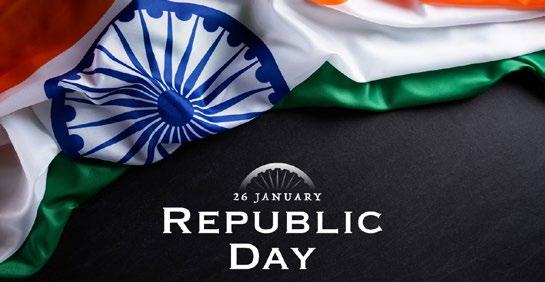
India’s journey as a republic over the past 77 years is a saga of transformation—from a colonial "dominion" scarred by partition to a burgeoning global superpower. On 26 January 1950, India transitioned into a Sovereign Democratic Republic, replacing the Government of India Act 1935 with a Constitution that prioritized equality, justice, and liberty.
The Early Decades: Laying the Foundation (1950–1970s): The early years were dedicated to nation-building under leaders like Jawaharlal Nehru and B.R. Ambedkar. Political Consolidation: India successfully integrated over 500 princely states through Sardar Patel's diplomacy and conducted its first general elections in 1951-52, proving that a diverse, largely illiterate population could sustain a democracy. Scientific Temper: The establishment of the Planning Commission and premier institutions like the Indian Institutes of Technology in 1950 set the stage for long-term intellectual growth. The Green Revolution: Facing severe food insecurity, India launched the Green Revolution in the 1960s. Led by visionaries like M.S. Swaminathan, this initiative transformed India from a food-deficient nation into a selfreliant agricultural powerhouse.
Economic Metamorphosis: The 1991 Turning Point: For decades, the "Hindu rate of growth" hovered around 3.5%, stifled by the "License Raj" and protectionist policies. LPG Reforms: A severe balanceof-payments crisis in 1991 forced India to adopt Liberalisation, Privatisation, and Globalisation. These reforms dismantled trade barriers, encouraged foreign investment, and unleashed the private sector, leading to GDP growth rates as high as 8%. The Services Boom: India emerged as a global hub for Information Technology, with skills renowned worldwide. By 2026, the nation had become a leader in digital transactions, with over half of the world's digital payments occurring in India.
Social Progress and Human Development: The Republic has seen staggering improvements in health and education: Health Milestones: Life expectancy at birth rose from a mere 32 years in 1947 to over 70 years by 2026. One of the most significant triumphs was India receiving a Polio-Free Certificate from the WHO in 2014. Education: Literacy rates increased from 18% in the 1950s to 73% by 2011. Landmark laws like the Right to Education Act 2010 made elementary education a fundamental right for every child.
Technological and Global Ascendancy: India's reach now extends into space and the global diplomatic arena: Space Prowess: From launching its first satellite, Aryabhata, in 1975 to the historic Chandrayaan and Mangalyaan missions, ISRO has made India a top-tier space power. Military and Défense: India now maintains the world's second-largest military force and became a declared nuclear-powered nation after the 1974 "Smiling Buddha" and 1998 "Pokhran-II" tests. Global Voice: Today, India is seen as a key leader of the Global South and a stable, indispensable player in the G20 and other international forums.
While overall prosperity has grown, wealth concentration and social inequities based on caste, religion, and gender continue to test the constitutional promise of an equitable society. Demographic Dividend: With a median age of 28, India has a limited window until 2055 to harness its young workforce before the population begins to age significantly.The journey from 1950 to 2026 is a testament to the resilience of a living Constitution.While the gap between ideals and reality remains, India’s capacity for self-correction—evidenced by the restoration of rights after the 1975 Emergency—ensures that the Republic remains a "vehicle of life" for its 1.4 billion citizens.
On 26 January 2026, India Celebrates its 77th Republic Day with a magnificent display of military prowess and cultural heritage at Kartavya Path in New Delhi.This year's celebrations were anchored by the central theme, "150 Years of Vande Mataram," honouring the national song’s legacy while focusing on contemporary goals of self-reliance and development.
Diplomatic Significance: Historic EU Participation: In a significant departure from tradition, India hosted two heads of the European Union as Chief Guests: Ursula von der Leyen, President of the European Commission, and António Costa, President of the European Council.A Historic First:This marked the first time the EU's top leadership jointly attended a Republic Day parade and the EU's first-ever military participation in such an event outside Europe. Strategic Ties: The presence of these leaders coincided with the 16th India-EU Summit and ongoing talks for a landmark Free Trade Agreement.
Military Highlights: "Operation Sindoor" and Innovation: The parade showcased India’s rapid defence modernization, with a heavy emphasis on indigenous technology and readiness following recent security operations. Battle Array Format: For the first time, the Indian Army used a phased "Battle Array" format, simulating real-time combat maneuvers with aerial and ground assets. Indigenous Arsenal: Key weapon systems displayed included the BrahMos and Akash missiles, the Suryastra universal rocket launcher, and the Long-Range Anti-Ship Missile, a cutting-edge hypersonic glide missile developed by DRDO. New Units: The newly raised Bhairav Battalion, a specialized assault infantry unit, made its parade debut. Operation Sindoor Spotlight: A tri-services tableau and an Integrated Operational Centre display highlighted India's swift military response earlier in the year.
Cultural Grandeur and Awards: Vande Mataram Showcase: A massive cultural performance featuring approximately 2,500 artists from every state brought the theme "150 Years of Vande Mataram" to life through diverse dance forms like Kathakali and Chhau. Tableaux: A total of 30 tableaux from states and ministries glided down Kartavya Path. Gujarat won the Popular Choice Award for its tableau on self-reliance, while Assam was voted the best marching contingent. Gallantry Honors: President Droupadi Murmu conferred the Ashoka Chakra on Group Captain Shubhanshu Shukla, the first Indian astronaut to visit the International Space Station. Padma Awards: The government announced 131 Padma Awards for 2026, including 5 Padma Vibhushan and 13 Padma Bhushan, honouring exceptional service across fields.
Unique Public Participation: The 2026 celebrations emphasized Jan Bhagidari (public participation), with over 10,000 special guests invited, including innovators, researchers, and self-help group members. To eliminate "VIP culture," spectator enclosures were renamed after major Indian rivers like the Ganga, Narmada, and Krishna.The festivities officially conclude on 29 January with the Beating Retreat ceremony at Vijay Chowk, featuring military bands and an aerial display cantered once again on the Vande Mataram theme.
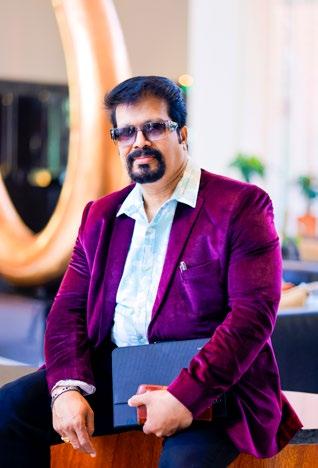



• Marghazi by Shravan Kummar Celebrating 25 Years of Craftsmanship, Heritage & Art


• India’s Textile Tradition - A Tapestry of Culture, Craft, and Continuity




• How Indian Jewellery Brands Are Shining in the Online Retail Revolution
• Starbucks Decade - Plus Odyssey in India’s Vibrant Coffee Landscape
• FRANKFINN AIRHOSTESS ACADEMY Where Dream & Passion Meets Honored & Sophisticated Profession
• Guardians Of The Coast - How Indian Navy’s Ins Mahe Signals A New Era For India’s Maritime Security
• Taj Falaknuma Palace: Where the Sky Meets Royal Splendor
• Saving a Life Against All Odds: Royal Care’s Rare Liver Transplant Success

INDIA
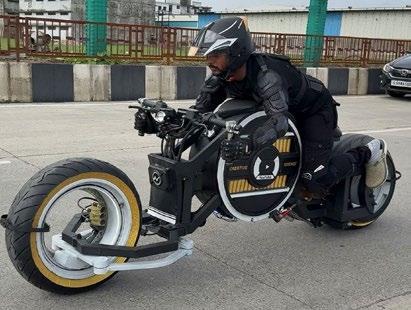
• Garuda - India’s Scrap-Built AI-Powered Superbike Soaring into the Future



• Connecting Mumbai to the World The Launch of Navi Mumbai International Airport
• Bhopal Unveiled - A First-Timer’s Journey Through the City of Lakes & Regal Heritage

• Emerging Eco-Friendly Stays in India’s Hidden Pilgrimage Havens
• Anahat Singh Ushers in a New Era









by Shravan Kummar
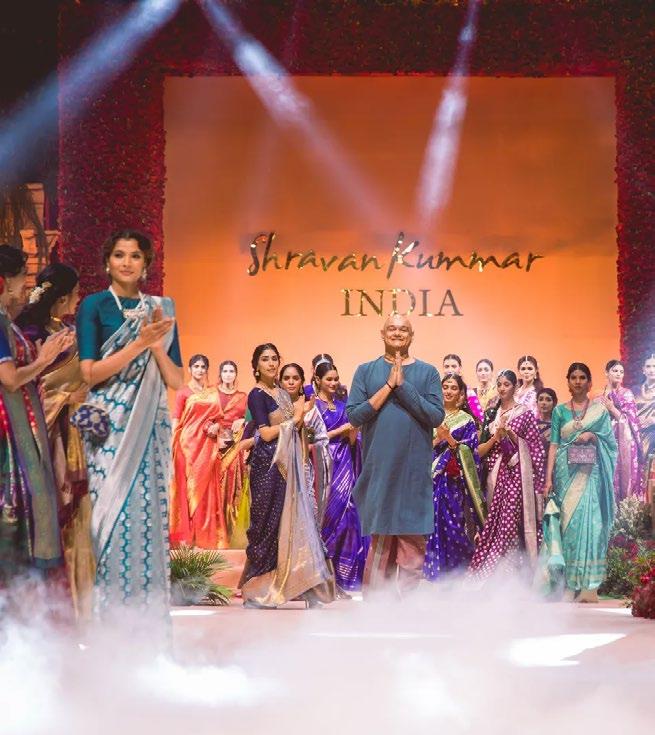
In today’s fast-paced world, where design and structure is becoming the epicentre of most brands, fashion designer Shravan Kummar is honouring the artisans who are building his legacy. Marghazi—a cultural fashion experience that marked 25 years of his design journey, unfolded as a living archive where memory, material, and intention were interlaced with reverence.
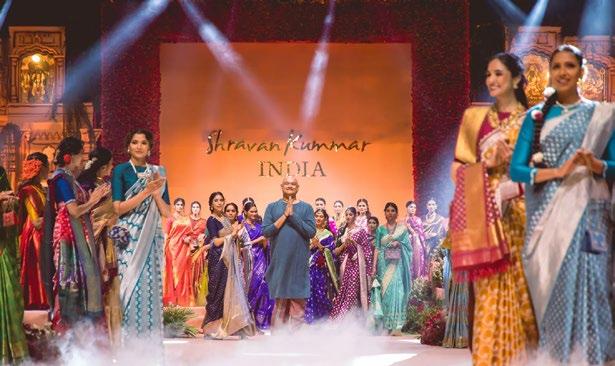
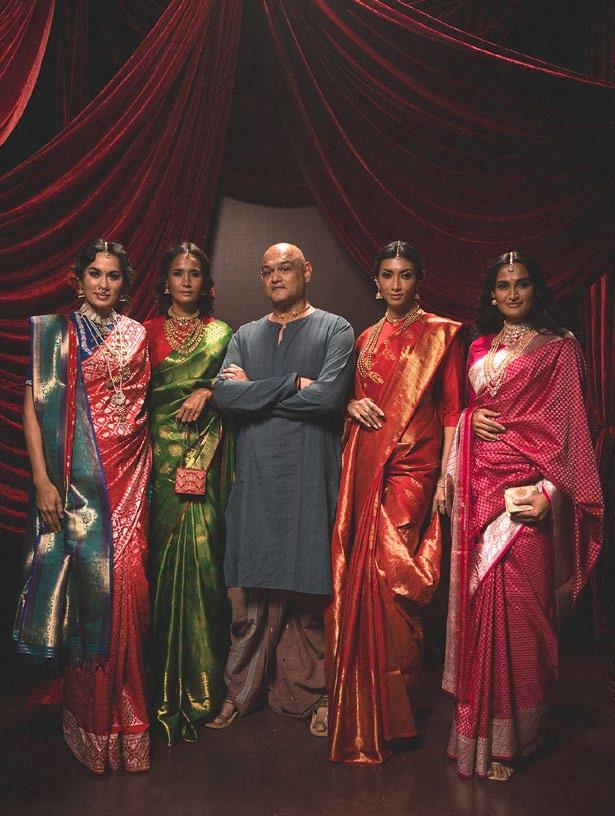
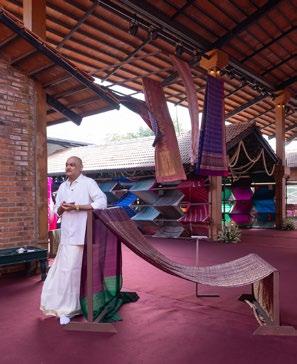
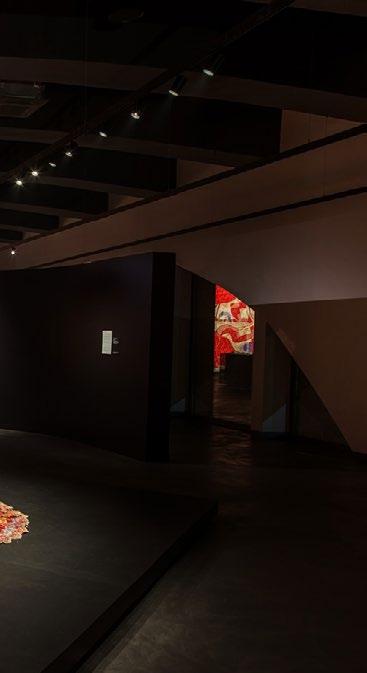
Hosted at Utsavam in Hyderabad, the day began with young minds stepping into the museum like a sanctum. Here, Kummar’s most intricate revivals stood in dialogue with history: rare 18th-century saris entrusted by noble families. These were heirloom garments on display. At the venue, the entrance set the tone. Natural extract dyes, earthy indigos, and turmeric gold hues were featured alongside hand-spun yarns, revealing the alchemy behind every Shravan Kummar sari. Beyond this, a corridor unfolded vintage weaves that had lost their identities for over decades, and were now reclaimed, flanked by hand-embroidered intricacies that are unique to the house. Thirty feet above, an eight ft installation hovered. Here, cone-shaped structures were fashioned from torn fabrics of weaves collected over the years and woven by techniques that are no longer in practice.
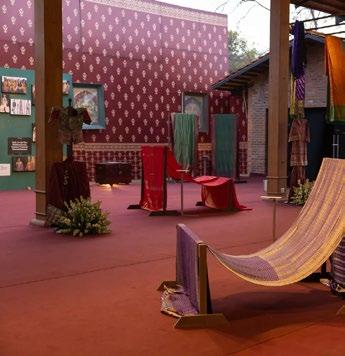
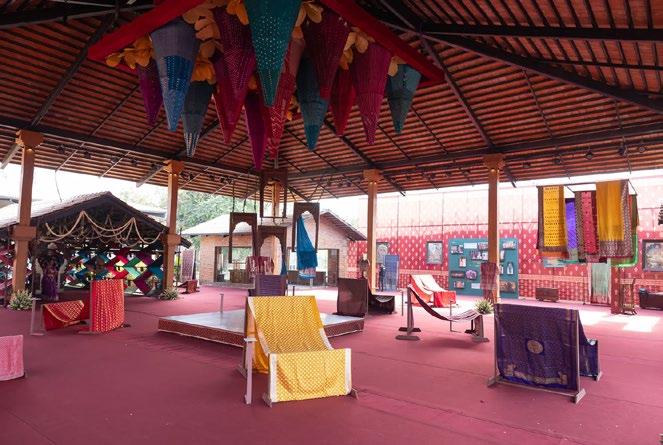

At the heart of this event was an expansive space that housed saris articulated with meticulous detail, with each piece narrating provenance, weave, and legacy. This space featured century-old Tanjore artworks paired with one-of-a-kind furniture, grounding textile history with architectural design. Another room traced motifs that travelled from South to North India, representing migration, adaptation, and placement. In contrast, a technology-led installation reimagined the loom yarns and fabric suspended in an artful constellation, converging heritage with innovation. As guests moved toward the show arena, they gathered around a space that held Kummar’s mother’s saris. These were the garments that taught the designer to see beauty in weaves. This tribute anchored the celebration of his art in gratitude. From craft to comfort, the experience flowed into a curated culinary journey: grazing tables, a prasadam counter, and chaat from across India, each flavour echoing the country’s art and culture.





At precisely 7:15 pm, while guests arrived for handcrafted saris, they were met with Kummar’s jewellery collection. Then came the 54 models, 54 saris, 54 distinct styling legacies. Each look was a chapter, presented before a backdrop of fresh florals and a towering 20-foot Tanjore wall. It was a spectacle where elegance, opulence and fashion co-existed. His 25 years of journey stood as the showstopper of the night. It was a powerful tribute to India’s enduring women, told through the language of handwoven saris. Rooted in tradition yet unapologetically contemporary, the collection honoured women whose strength has shaped culture, craft, and conscience across generations. Each handwoven sari on the runway was more than an ensemble; it narrated a story. Rich textures, meticulously woven by master artisans, reflected resilience, patience, and quiet authority.


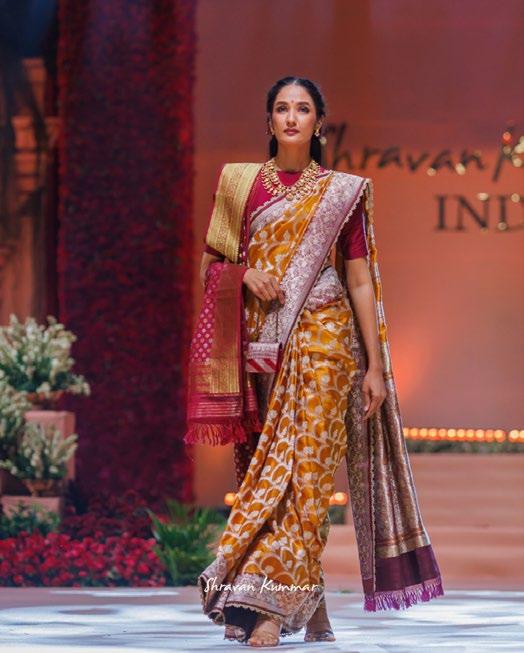
Inspired by Indian women, from change makers to cultural torchbearers, Marghazi redefined femininity as strength with softness. The silhouettes paid homage to the timeless charm of the sari while allowing it to move freely with the modern woman. An ode to the rich artisanal history of India, Marghazi was more than a showcase; it served as a curated archive, marking a milestone 25 years in Shravan Kummar’s design journey.


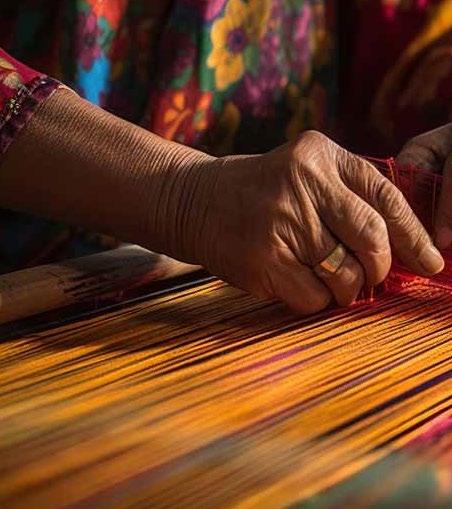



India’s textile tradition is one of the world’s oldest and most diverse, weaving together history, culture, and craftsmanship for over 5,000 years. From the intricate weaves of Banaras to the vibrant block prints of Rajasthan, Indian textiles are a testament to the country’s artistic ingenuity and cultural richness. This article explores the historical evolution, regional diversity, techniques, and cultural significance of India’s textile tradition, emphasizing its enduring legacy and global influence.
India’s textile heritage dates back to the Indus Valley Civilization (circa 3300–1300 BCE), where archaeological evidence from sites like Mohenjo-Daro reveals the use of cotton and sophisticated dyeing techniques. According to the Journal of Indian Textile History, excavated fragments of cotton fabric dyed with madder (a natural red dye) indicate advanced textile production as early as 2500 BCE. India was among the first civilizations to cultivate cotton, a fact corroborated by ancient texts like the Rigveda (circa 1500 BCE), which mentions cotton and weaving.




By the 1st century CE, India was a global textile hub, exporting fabrics to Rome, China, and Southeast Asia. Roman records, such as the Periplus of the Erythraean Sea (1st century CE), document the trade of Indian cotton and silk with the Mediterranean world. During the Mughal era (16th–19th centuries), Indian textiles, particularly muslin from Bengal and brocades from Banaras, were prized globally for their finesse. The Ain-i-Akbari, a 16thcentury Mughal text, describes the production of jamdani muslin so fine it was called “woven air.”


India’s textile tradition is characterized by its regional diversity, with each state contributing unique techniques and aesthetics. Below are some prominent examples, verified through sources like the Handicrafts and Handlooms Export Corporation of India and UNESCO’s Intangible Cultural Heritage documentation:

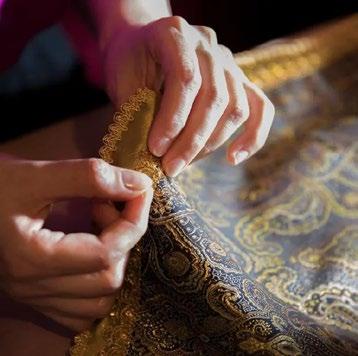

Kanjeevaram Silk (Tamil Nadu): Hailing from Kanchipuram, these silk sarees are known for their vibrant colors, heavy borders, and durability. The Tamil Nadu Handloom Weavers’ Cooperative notes that Kanjeevaram sarees, granted GI status in 2005, often feature motifs inspired by South Indian temple architecture, such as gopurams (temple towers).
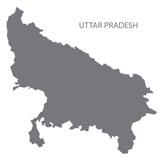
Banarasi Silk (Uttar Pradesh): Originating in Varanasi, Banarasi silk sarees are renowned for their gold and silver zari (metallic thread) work and intricate motifs inspired by Mughal art. According to the Geographical Indications Registry of India, Banarasi silk received GI status in 2009, recognizing its cultural and economic significance. These sarees often take weeks to weave on handlooms, with designs like jangla and tanchoi showcasing unparalleled craftsmanship.
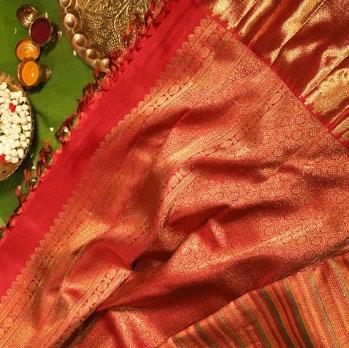

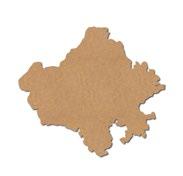
Bandhani (Gujarat and Rajasthan): This tie-anddye technique, dating back to the 12th century, involves pinching fabric into tiny knots before dyeing to create intricate patterns. The Crafts Council of India highlights Bandhani’s use in traditional garments like gharchola sarees, often worn during Gujarati weddings.
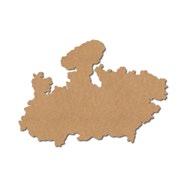
Chanderi and Maheshwari (Madhya Pradesh): Chanderi fabrics, a blend of silk and cotton, are celebrated for their sheer texture and delicate zari work. Maheshwari sarees, influenced by the Holkar dynasty, feature geometric patterns and reversible borders. Both received GI tags (Chanderi in 2004, Maheshwari in 2010), as per the Ministry of Textiles, Government of India.

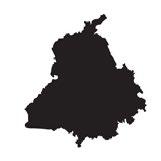
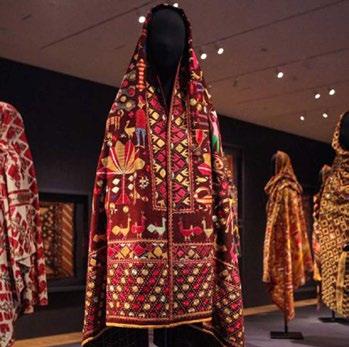
(Punjab):
Meaning “flower work,” Phulkari is an embroidery technique using vibrant silk threads on cotton. The Punjab Small Industries and Export Corporation notes its cultural significance in Punjabi weddings, where Phulkari shawls are heirlooms passed down generations.

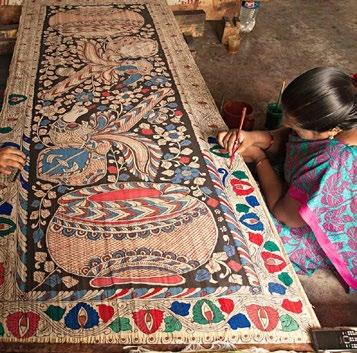
Kalamkari (Andhra Pradesh): This ancient art form uses natural dyes and hand-painted or blockprinted designs depicting mythological themes. According to UNESCO, Srikalahasti and Machilipatnam are two distinct Kalamkari styles, with the former being hand-painted and the latter blockprinted.
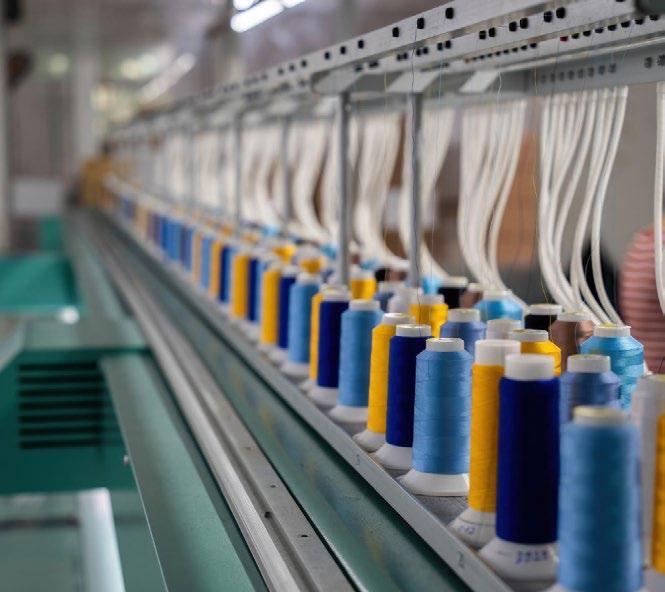
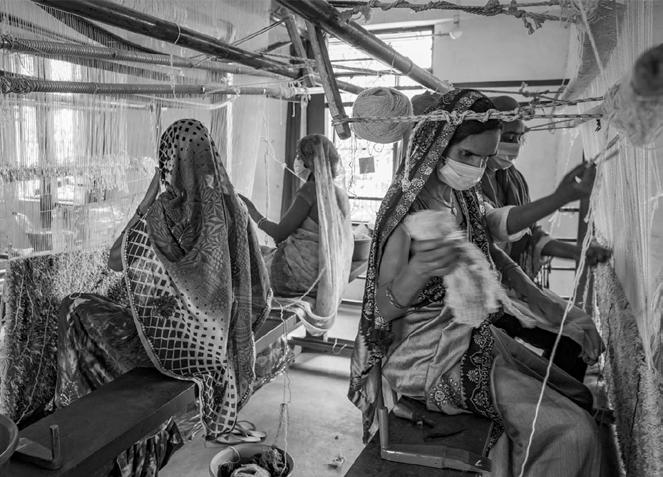
Indian textile production relies on time-honoured techniques, many of which remain unchanged for centuries. Handloom weaving, practiced by over 4.3 million artisans (as per the Fourth All India Handloom Census, 2019–20), is central to the tradition. Techniques like ikat (resist dyeing before weaving), jamdani (supplementary weft weaving), and zari embroidery require immense skill and patience. Natural dyes, derived from plants like indigo, turmeric, and pomegranate, were historically dominant, as documented in Textiles and Costumes from the Indian Subcontinent by the Victoria and Albert Museum. While synthetic dyes gained popularity in the 19th century, there is a modern revival of eco-friendly natural dyes, supported by initiatives like the Ministry of Textiles’ India Handmade program.

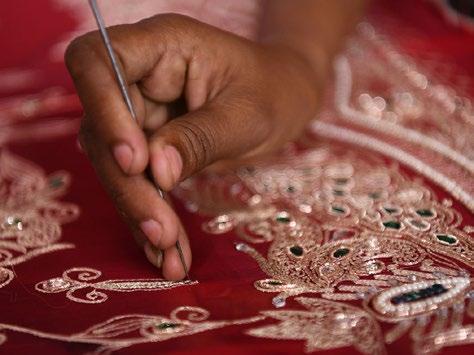
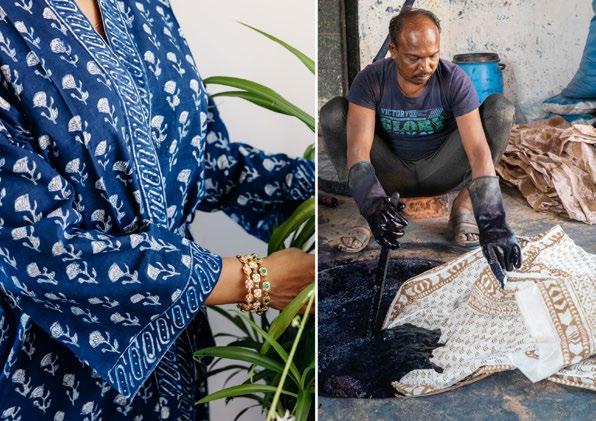

Modern innovations have also emerged. The Handloom Export Promotion Council reports that designers are blending traditional weaves with contemporary aesthetics, creating fusion wear like Indo-western dresses and jackets. Technology, such as e-commerce platforms and digital looms, is helping artisans reach global markets, with exports valued at $2.2 billion in 2022–23 (Directorate General of Commercial Intelligence and Statistics).
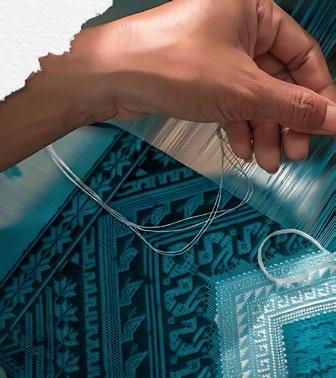



India’s textiles are more than mere fabrics; they are carriers of cultural identity and social narratives. Sarees, for instance, are worn for significant life events—births, weddings, and festivals—each region’s designs reflecting local traditions. The National Museum, New Delhi, showcases textiles as historical artifacts, with pieces like 18th-century Mughal brocades illustrating royal patronage.
Economically, the textile sector is a backbone of India’s economy, contributing 2.3% to GDP and employing over 45 million people, as per the Ministry of Textiles Annual Report 2023–24. Handlooms and handicrafts provide livelihoods to rural artisans, particularly women, empowering communities. Schemes like the National Handloom Development Programme support skill development and market access.
Globally, Indian textiles have influenced fashion and design. The Metropolitan Museum of Art notes that Indian chintz (block-printed cotton) inspired European textile patterns in the 17th century, leading to the term “calico” (derived from Calicut). Today, Indian textiles are featured in global fashion weeks, with designers like Sabyasachi Mukherjee showcasing Banarasi and Kanjeevaram weaves.


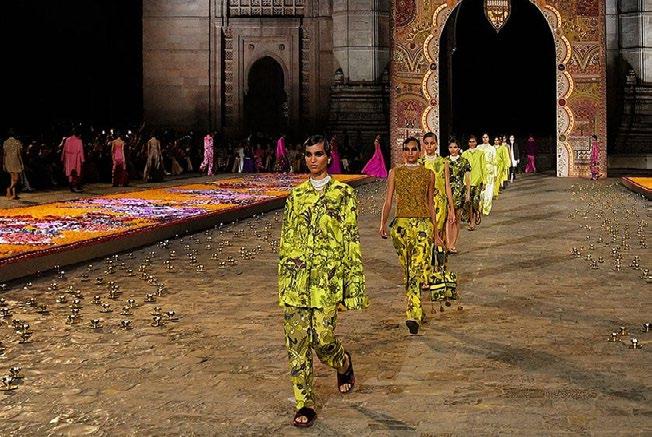

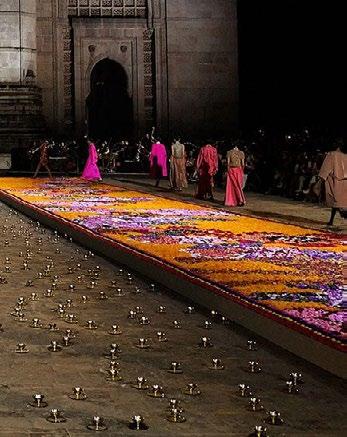
Despite its richness, India’s textile tradition faces challenges. The Handloom Census highlights issues like low wages, competition from power looms, and declining artisan numbers due to urbanization. Climate change also affects natural dye production, as noted in a 2023 UNDP India report on sustainable textiles. However, government and NGO initiatives are revitalizing the sector. The Handloom Mark Scheme ensures authenticity, while organizations like Dastkar promote artisan cooperatives. Sustainable fashion movements, backed by global brands, are increasing demand for handcrafted Indian textiles.
India’s textile tradition is a vibrant tapestry of history, artistry, and cultural expression. From the ancient cotton weaves of the Indus Valley to the global runways of today, Indian textiles embody resilience and creativity. Their significance lies not only in their aesthetic beauty but also in their role as economic drivers and cultural ambassadors. By preserving traditional techniques and embracing sustainable innovations, India’s textile heritage continues to thrive, weaving stories of the past into the fabric of the future.

In the bustling digital landscape of 2025, where India’s tech-savvy youth and creative entrepreneurs are pushing the boundaries of innovation, Google has unveiled a gamechanger: Nano Banana Pro. Announced on November 20, 2025, as part of the company’s expansive Gemini 3 ecosystem, this state-ofthe-art AI image generation and editing model is poised to transform how we visualize ideas, from the vibrant streets of Mumbai to the serene backwaters of Kerala. Built on the powerful Gemini 3 Pro large language model, Nano Banana Pro isn’t just another tool—it’s a creative companion that blends cutting-edge AI with real-world knowledge, making high-quality image creation accessible to students, small business owners, and digital artists
across India. For Indian readers, who often juggle limited resources with boundless ambition—think of the freelance graphic designer in Bengaluru crafting Diwali campaigns or the teacher in rural Uttar Pradesh illustrating history lessons—Nano Banana Pro arrives like a digital monsoon, refreshing and abundant. In a country where the creator economy is exploding, with platforms like Instagram and YouTube hosting millions of Indian content creators, this tool democratizes professional-grade visuals. No longer do you need expensive software or a design degree; a simple prompt in English, Hindi, or even Tamil can conjure studio-quality images. But what exactly is Nano Banana Pro, and why should it matter to you? Let’s dive in.
At its core, Nano Banana Pro is an advanced generative AI model from Google DeepMind, specifically tailored for image creation and editing. It’s the evolution of the original Nano Banana, which debuted in August 2025 and quickly went viral for turning selfies into whimsical 3D figurines—a trend that swept through Indian social media, with users sharing banana-themed avatars during festive seasons. The “Pro” version supercharges this with Gemini 3 Pro’s multimodal capabilities, meaning it understands and generates not just text or images, but their seamless interplay.
Imagine AI as a super-smart artist in your pocket. Traditional image generators like DALL-E or Midjourney rely on vast datasets to “hallucinate” visuals from text descriptions. Nano Banana Pro takes it further by integrating Google Search’s real-time knowledge base, ensuring outputs are


grounded in facts rather than fiction. This is particularly vital in India, where misinformation can spread like wildfire on WhatsApp forwards. The model excels in rendering legible text in multiple languages—crucial for our multilingual nation— handling everything from Devanagari script for Hindi posters to intricate Tamil typography for regional ads.
Powered by Gemini 3 Pro, Nano Banana Pro processes prompts with “thinking” depth, reasoning through complex instructions before outputting. It’s available globally via the Gemini app (free with limits), Google AI Studio for developers, and integrated into Workspace tools like Slides and Vids. For enterprises, it’s rolling out on Vertex AI, enabling scalable creativity for Indian startups scaling up in fintech or e-commerce. Free users get a taste with limited generations (reverting to the basic Nano Banana after quota), while Google AI Plus ($20/month), Pro, and Ultra ($250/month) tiers unlock unlimited access and watermark removal—perfect for professional portfolios. In essence, Nano Banana Pro is about empowerment: turning abstract ideas into tangible visuals, fostering a new era of AI-assisted artistry that’s as diverse as India’s cultural tapestry.
Generating images with Nano Banana Pro is as intuitive as chatting with a friend, making it ideal for non-techies in India—from homemakers designing wedding invitations to engineers prototyping product




mock-ups. Here’s how it works, with tips tailored for our context.
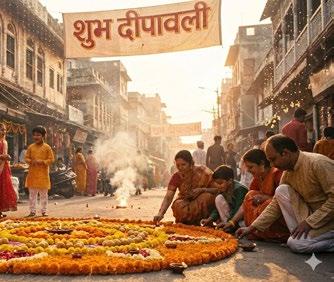
First, access the tool via the Gemini app on your Android or iOS device (widely available in India, with Hindi support). Tap “Create images” (marked with a cheeky banana emoji), and switch to the “Thinking” model for Pro power. Craft a prompt: Be descriptive yet concise. For example, instead of “a festival scene,” try: “A vibrant Diwali celebration in Old Delhi, with families lighting diyas around a rangoli of marigolds and sweets, in warm golden hour lighting, photorealistic style, Hindi text saying ‘Shubh Deepavali’ on a banner.”
The magic unfolds in seconds. Nano Banana Pro leverages its enhanced resolution (up to 4K) and aspect ratio flexibility to produce crisp, detailed outputs. Its text rendering shines here—unlike earlier models that
mangled scripts, Pro accurately places “Shubh Deepavali” in elegant Devanagari, ensuring cultural authenticity.
For editing, upload an existing image and prompt changes: “Replace the English labels on this spice packet with Tamil text for ‘Milagai Podi,’ maintaining the red packaging and rustic market background.” It preserves elements while transforming, saving hours for small spice traders in Chennai’s markets.
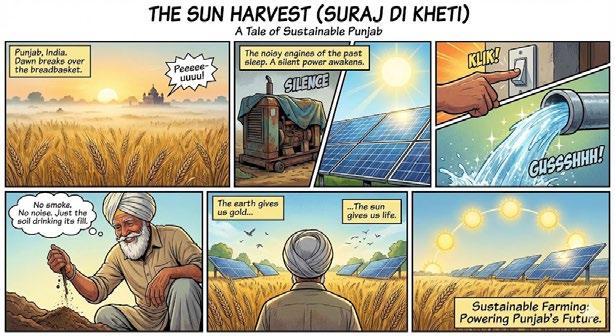
Advanced features elevate it further. The “fewshot prompting” allows uploading up to 14 reference images—like your brand’s colour palette or character designs—for consistent outputs. This is a boon for Indian fashion brands replicating intricate block prints or jewellery patterns. Websearch integration grounds creativity: Prompt “Generate flashcards for a Class 10 CBSE biology lesson on photosynthesis, using real diagrams from NCERT textbooks.” It pulls accurate visuals, complete with labelled Hindi-English bilingual text, aiding teachers in under-resourced schools. Controls for pros include tweaking camera angles, depth of field, lighting, and colour grading—think adjusting monsoon blues for a Kerala rain scene or festive reds for Holi. In NotebookLM, it distils notes into infographics: Upload your UPSC prep summaries, and get a mind map of the Indian Constitution’s pillars, visualized with icons of the Supreme Court and Parliament. For videos in Google Vids, generate storyboards: “Storyboard
a short film on sustainable farming in Punjab, with panels showing wheat fields under solar irrigation.” The result? Hyper-personalized images that resonate locally, boosting engagement on Indian social platforms. Early testers report 2-3x faster workflows, with outputs rivalling Photoshop pros.
Nano Banana Pro’s versatility makes it indispensable across sectors, especially in India’s dynamic economy.
EDUCATION AND SKILL-BUILDING: With 250 million students, India faces a visual learning crunch. Nano Banana Pro creates custom diagrams for JEE/NEET prep—e.g., “Illustrate quantum entanglement with entangled particles in a colourful, animated-style infographic, including Hindi explanations.” In NotebookLM, it turns lecture notes into polished slide decks, helping teachers in government schools prepare engaging PDFs for hybrid classes. For language learners, generate bilingual storybooks: “A Panchatantra tale of the clever rabbit, illustrated in Rajasthani miniature painting style with English-Hindi text.”
BUSINESS AND MARKETING: Small enterprises,
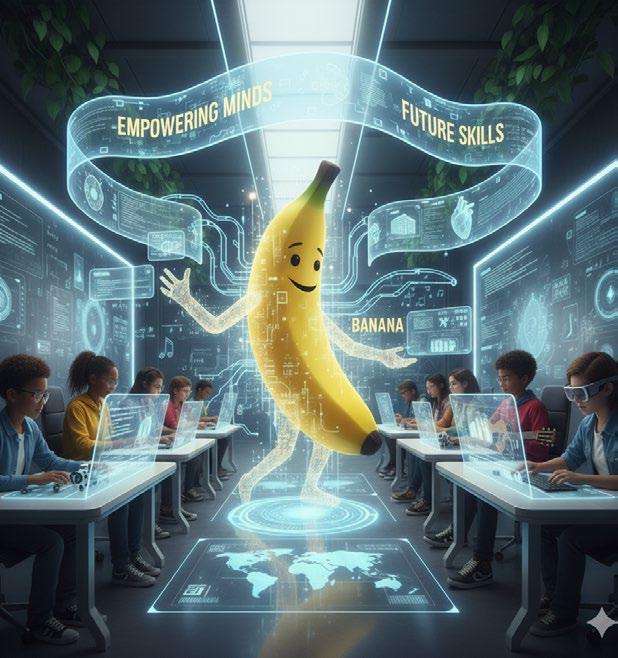
like Mumbai’s street food vendors or Delhi’s boutique owners, can whip up ads: “Design a poster for masala chai stall, with steaming cups and Bollywood-inspired fonts in Hindi.”
Integrated with Google Ads, it localizes campaigns—translating English creatives to regional languages while keeping brand fidelity.

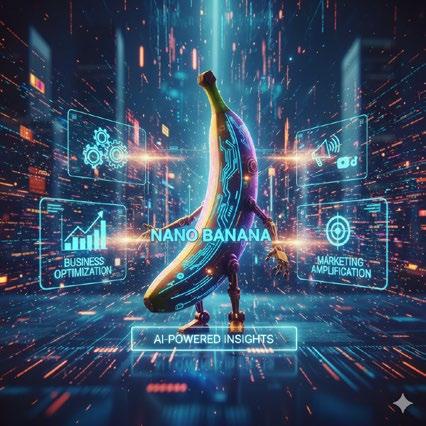
E-commerce sellers on Flipkart or Amazon India benefit from product visuals: “Mockup a saree on a diverse Indian model in a wedding setting, with accurate fabric texture.”
CONTENT CREATION AND SOCIAL MEDIA: India’s 500 million+ social users crave visuals. Influencers can generate Reels thumbnails: “A yoga pose at sunrise over the Taj Mahal, ethereal filters, text overlay ‘Namaste from Agra’ in Sanskrit script.” The viral potential is huge—recall the original Nano Banana’s 3D selfie trend; Pro’s realism could spark #NanoArtIndia challenges.
HEALTHCARE AND SOCIAL GOOD: NGOs like those combating malnutrition can visualize campaigns: “Infographic on balanced thali plates with millets, using ICMR guidelines, in simple Hindi.” Doctors generate patient education materials: “Diagram of diabetes management, with Indian diet examples like dal-chawal.”
DEVELOPMENT AND INNOVATION: Startups in Bengaluru’s Silicon Valley can prototype UIs: “Wireframe a fintech app dashboard inspired by UPI, with Hindi navigation.” Artists experiment

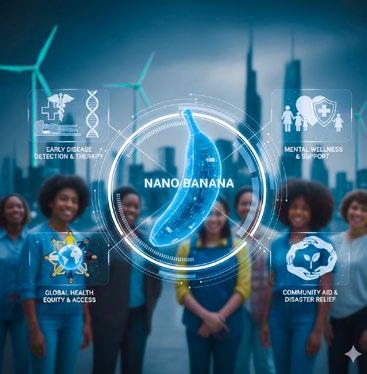


with fusions: “Mughal miniature meets cyberpunk Mumbai skyline.” These uses highlight Nano Banana Pro’s role in bridging India’s digital divide, turning smartphones into studios.
In a nation contributing 10% to global AI talent yet facing infrastructure gaps, Nano Banana Pro signifies Google’s commitment to inclusive innovation. It accelerates the creator economy, projected to hit $100 billion by 2030, by slashing costs— no need for Adobe suites at ₹1,500/month when Pro is freetier accessible. Culturally, its multilingual prowess preserves heritage: Rendering Gurmukhi for Punjabi folk art or Kannada for Karnataka coffee ads fosters regional pride.
Globally, it positions Google against rivals like OpenAI’s GPT-Image-1, but for India, it’s a leap in “AI for Bharat.” By grounding outputs in Search, it combats deepfakes, vital amid elections. Economically,

While exhilarating, Nano Banana Pro demands mindful use. AI-generated images can blur the line between reality and fiction, potentially fuelling misinformation. In India, where nearly 60% of people rely on social media for news, watermark-free outputs available on the Ultra tier raise concerns around deepfakes, such as fabricated visuals of public figures. It is important to always disclose AI usage, follow responsible AI guidelines, and prompt sensitively to avoid cultural or visual bias, including accurate representation of diverse skin tones in Indian contexts. From a privacy standpoint, uploaded reference images are processed securely, but users should review platform privacy policies, as data may be used to train future models; businesses must also ensure compliance with the DPDP Act 2023. Cost and access are another consideration—free quotas of around 10–20 images per day may suit casual users, while professionals may need paid subscriptions. Over-reliance on AI tools can also limit originality, so they are best used as creative support rather than a replacement for human input. Finally, early-stage rollouts may face performance issues on budget devices, making prompt testing essential. Critics caution against uncritical enthusiasm, urging a balanced approach that values human creativity alongside technological innovation.



it empowers MSMEs—80% of India’s businesses—to compete visually, boosting exports like handicrafts. Environmentally, digital creation reduces paper waste, aligning with Swachh Bharat. Ultimately, Nano Banana Pro isn’t just tech; it’s a catalyst for India’s “Viksit Bharat” vision, blending creativity with cognition.
Nano Banana Pro is more than an AI tool—it’s a portal to unbound creativity, especially for India’s dreamers. From educational aids in classrooms to marketing magic for startups, it empowers while demanding responsibility. As we embrace this, let’s ensure AI amplifies our stories, not erases them. Download the Gemini app today, prompt your first image, and join the revolution. What’s your vision? The banana is ripe for picking.
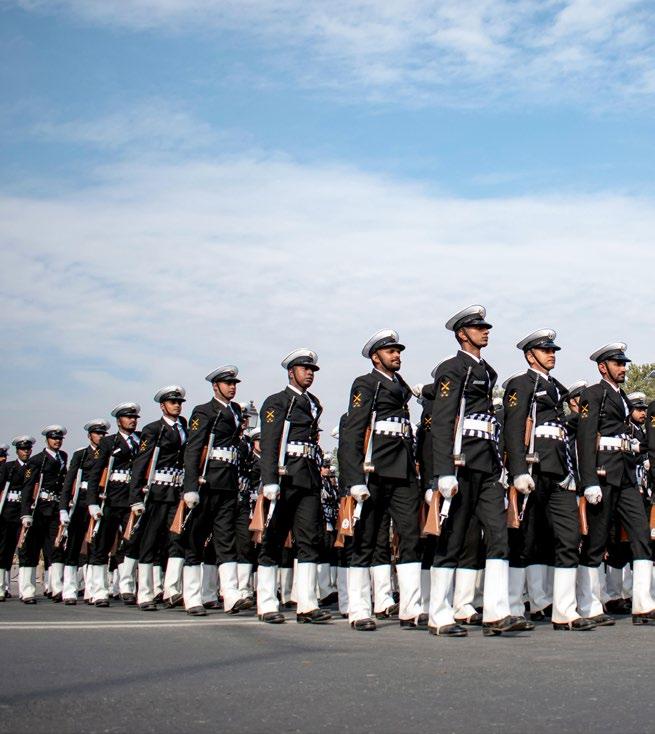


How Indian Navy’s INS Mahe Signals A New Era for India’s Maritime Security

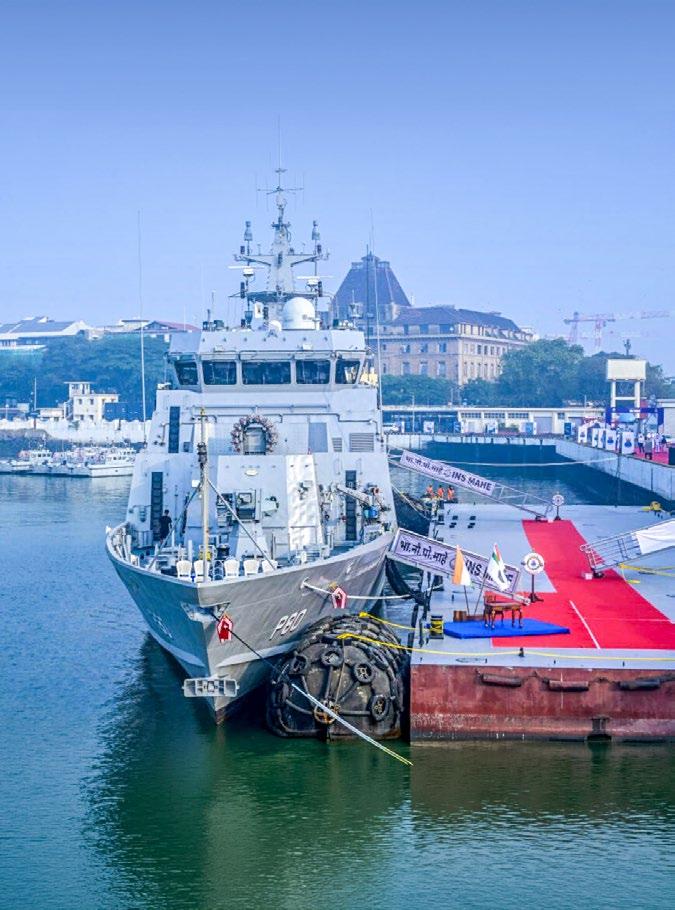
The commissioning of INS Mahe on November 24, 2025, at the Naval Dockyard in Mumbai marked a pivotal moment in India’s maritime history. As the lead vessel of the Mahe-class Anti-Submarine Warfare Shallow Water Craft (ASW-SWC), this indigenous warship embodies the nation’s resolve to fortify its coastal defences amid escalating geopolitical tensions in the Indo-Pacific. Named after the historic coastal town of Mahe in Kerala, the ship carries the motto “Silent Hunters,” a fitting tribute to its stealthy role in detecting and neutralizing subsurface threats. With over 80% indigenous content, INS Mahe is not just a technological marvel but a symbol of India’s strategic pivot— from expansive blue-water aspirations to a more pragmatic focus on littoral and near-sea dominance. The vessel’s arrival underscores a doctrine that prioritizes agile, cost-effective assets for shallow-water operations, ensuring that India’s vast 7,500-kilometer coastline remains impregnable. In an era where hybrid threats blend conventional submarine incursions with non-state actors, INS Mahe heralds a new chapter where coastal guardians like these “silent hunters” become the frontline in securing trade routes that carry 95% of India’s commerce.
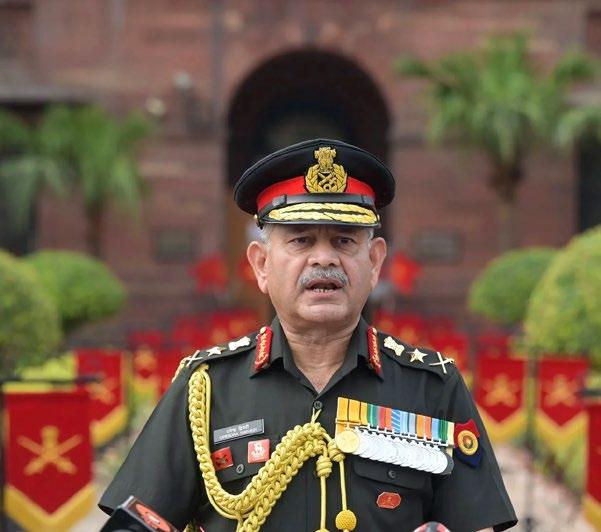
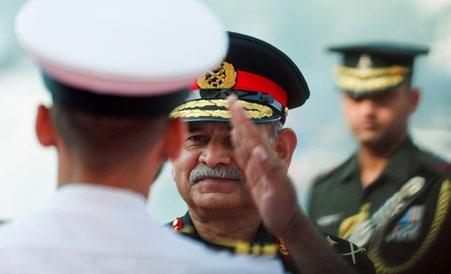
The ceremony, presided over by Chief of Army Staff General Upendra Dwivedi, was a spectacle of national pride and inter-service synergy. Held under the shadow of Mumbai’s bustling harbour, it drew dignitaries who witnessed the tricolour being hoisted on this 78-meter-long corvette, displacing around 1,100 tonnes. General Dwivedi, in his address, lauded the ship’s role in augmenting the Navy’s anti-submarine warfare (ASW) capabilities, emphasizing that it “embodies innovation and service, significantly augmenting the Navy’s capability to ensure near-seas dominance and safeguard our maritime interests.
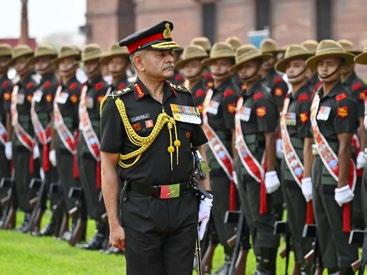
” Built by Cochin Shipyard Limited (CSL), INS Mahe represents the fruition of the Aatmanirbhar Bharat initiative, with its design sourced from Kochibased Smart Engineering & Design Solutions and detailed engineering handled in-house. The event highlighted the collaborative spirit across India’s defence ecosystem, from Bharat Electronics Limited providing sonar systems to Mahindra Defence contributing to weapon integration. As the first of eight vessels in its class—split between CSL and Garden Reach Shipbuilders & Engineers (GRSE)— INS Mahe’s induction signals a production pipeline that could deliver up to 10 warships by the end of 2025. This commissioning is more than ceremonial; it reflects a doctrinal evolution where indigenous shipbuilding is not an option but a necessity, reducing dependency on foreign suppliers and fostering a domestic industry capable of sustaining high-tempo naval expansions. In the words of naval analysts, this moment cements India’s transition from importer to innovator, positioning the Navy to counter asymmetric threats with homegrown precision.
Mahe: The Silent Hunter
At its core, INS Mahe is engineered for the unforgiving shallows of India’s littorals, where larger blue-water assets falter due to draft limitations and acoustic vulnerabilities. Measuring 78 meters in length with an 11-meter beam and a shallow draft under 3 meters, the vessel achieves a top speed of 25 knots, powered by twin-shaft diesel propulsion generating over 6 MW.

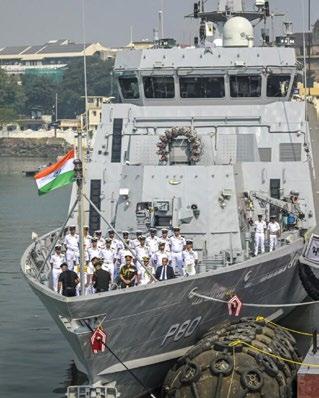

Its pump-jet technology—making it the largest waterjet-propelled warship in the Indian Navy—ensures quiet operations, crucial for evading detection in ASW missions. The combat suite is a symphony of indigenous innovation: a medium-frequency hull-mounted sonar for subsurface tracking, a multi-function surveillance radar for surface threats, and an Electronic Support Measures (ESM) suite for electronic warfare. Armed with lightweight acoustic-homing torpedoes, multi-functional ASW rocket launchers, and a 30mm remote weapon station, INS Mahe can neutralize submarines, lay mines, or conduct low-intensity maritime operations (LIMO). With a range of 1,800 nautical miles at 14 knots and 14 days of endurance, it supports a crew of about 60 while integrating advanced communication systems for coordinated strikes with maritime patrol aircraft. The cheetah mascot on its crest symbolizes the agility that defines this class—capable of search-and-attack unit (SAU) roles, coastal patrols, and even search-and-rescue (SAR) in congested waters. This design philosophy prioritizes modularity, allowing future upgrades without overhauls, ensuring longevity in an era of rapid technological flux. INS Mahe’s stealth features, including reduced acoustic signatures, make it a predator in the littorals.



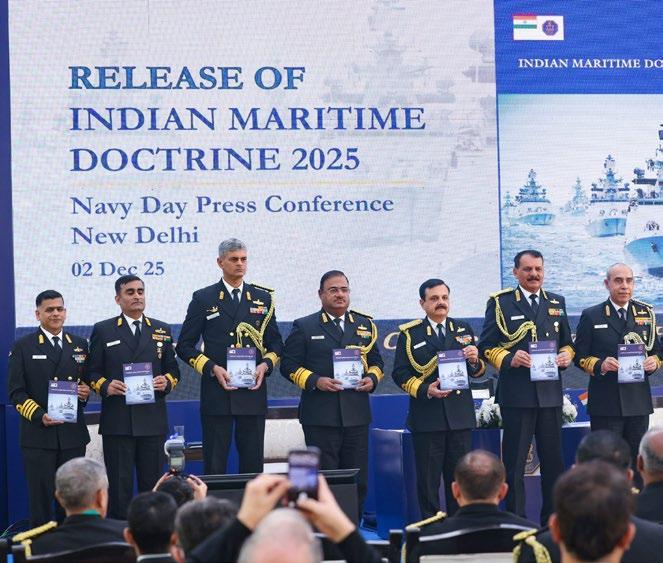
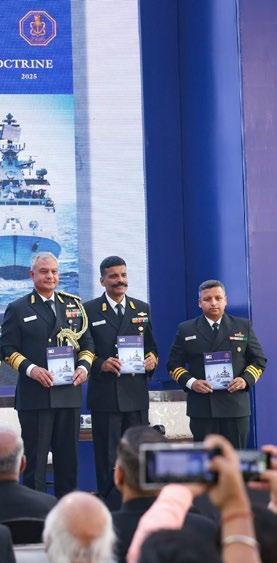
India’s naval doctrine has undergone a profound metamorphosis since the early 2000s, when visions of a blue-water navy dominating distant oceans took precedence. The 2004 Indian Maritime Doctrine emphasized power projection across the Indian Ocean Region (IOR), leading to acquisitions like the INS Vikramaditya carrier. Yet, by 2025, the updated Indian Maritime Doctrine signals a recalibration: recognizing the “no-war, no-peace” hybrid environment, it prioritizes tri-service integration and littoral resilience. This shift acknowledges that while blue-water capabilities enable global outreach—
such as anti-piracy patrols in the Gulf of Aden—true security hinges on securing the near-seas, within 200 nautical miles of the coast. The Indo-Pacific’s volatility, marked by China’s String of Pearls strategy and freedom-of-navigation assertions in the South China Sea, demands a layered defence. INS Mahe exemplifies this: replacing the aging Abhay-class corvettes, it focuses on subsurface surveillance in constrained waters where larger frigates like the Talwar-class are ineffective. Naval planners now advocate for a “bastion strategy,” protecting SSBNs in the Bay of Bengal while bolstering littoral forces with 100 high-speed interceptors and ASW-SWC like Mahe. This doctrine isn’t a retreat but a maturation— balancing offensive reach with defensive depth.
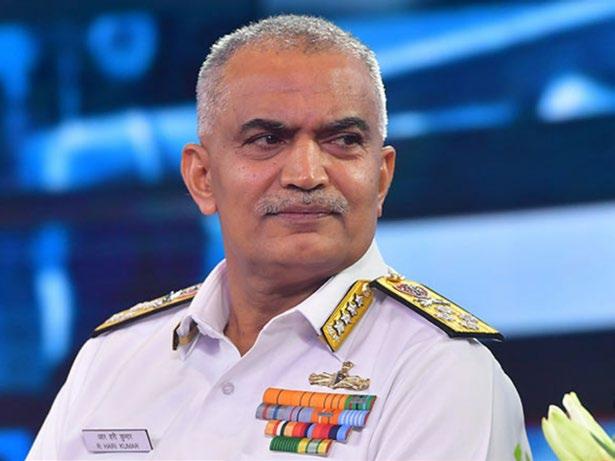
As Admiral R. Hari Kumar noted in recent briefings, the Navy’s evolution from a coastal “brown-water” force to a blue-water entity now incorporates littoral mastery, ensuring that India’s 12 major ports and offshore assets remain shielded from creeping encroachments.

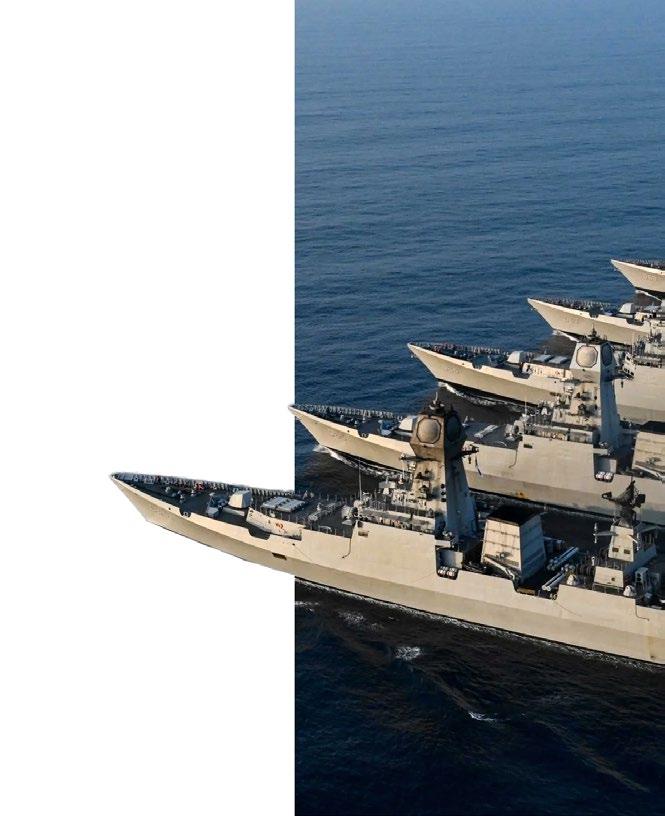
The Indo-Pacific’s maritime chessboard is crowded with rivals: China’s People’s Liberation Army Navy (PLAN) boasts over 370 platforms, including advanced Yuan-class submarines probing Indian waters, while Pakistan’s submarine fleet, augmented by Chinese aid, poses immediate threats in the Arabian Sea. In this theatre, shallow-water ASW craft like INS Mahe are indispensable, countering the asymmetric advantage submarines hold in littorals— where thermoclines and bottom clutter mask signatures from deep-water sonars. India’s Exclusive Economic Zone (EEZ), spanning 2.3 million square kilometres, is a treasure trove of oil, gas, and fisheries, yet vulnerable to undersea interlopers. The 2025 doctrine update explicitly addresses this, integrating space-based assets for maritime domain awareness (MDA) to cue ASW operations. INS Mahe’s role extends to protecting chokepoints like the Strait of Hormuz, where 40% of global oil transits, and the Malacca Strait, vital for India’s energy imports. By enabling coordinated ASW with P-8I aircraft, it disrupts adversary SAUs, deterring incursions that could escalate to blockades. Moreover, in a multipolar Indo-Pacific, where alliances like QUAD emphasize collective security, India’s littoral focus enhances interoperability—sharing intel on submarine movements with partners like Australia and Japan. This isn’t mere defense; it’s proactive deterrence, signalling that any subsurface aggression will meet swift, silent retribution in the shallows.
Near-sea dominance, a cornerstone of India’s 2025 maritime strategy, envisions unchallenged control within the littorals to project power outward. INS Mahe is the linchpin here, designed for high-tempo missions in environments where geography favours the defender—narrow straits, riverine approaches, and archipelagic chains. Its integrated machinery control systems (IMCS) allow seamless operation in contested waters, blending endurance with agility for prolonged patrols. In scenarios like a Pakistansponsored submarine probe near Gujarat’s ports, Mahe’s rocket launchers and torpedoes provide rapid response, while its ESM suite jams enemy communications.

This class’s eight vessels will form a networked grid, enhancing MDA through data fusion with coastal radars and UAVs. As General Dwivedi articulated, INS Mahe “strengthens the coastal security grid,” fortifying vulnerabilities exposed post-26/11 Mumbai attacks. Beyond ASW, it supports mine warfare and LIMO against non-state threats like sea piracy, which cost the IOR $18 billion annually. In the broader strategy, these craft enable a “defensein-depth” approach: outer blue-water screens with carriers, mid-layer frigates, and inner littoral hunters like Mahe. This layered paradigm ensures that nearsea threats—be they midget subs or unmanned underwater vehicles—are neutralized before breaching the coastline, preserving India’s economic lifeline.
The saga of INS Mahe is inseparable from India’s shipbuilding renaissance, a narrative of transformation from Soviet-era dependencies to a vibrant ecosystem churning out 54 vessels under construction. Since 2014, over 40 indigenous warships and submarines have been delivered, with an average induction rate of one per quarter—a testament to public-private synergies. CSL and GRSE, once focused on tankers, now helm complex combatants, with Mahe-class achieving 80-88% local content through vendors like Larsen & Toubro.
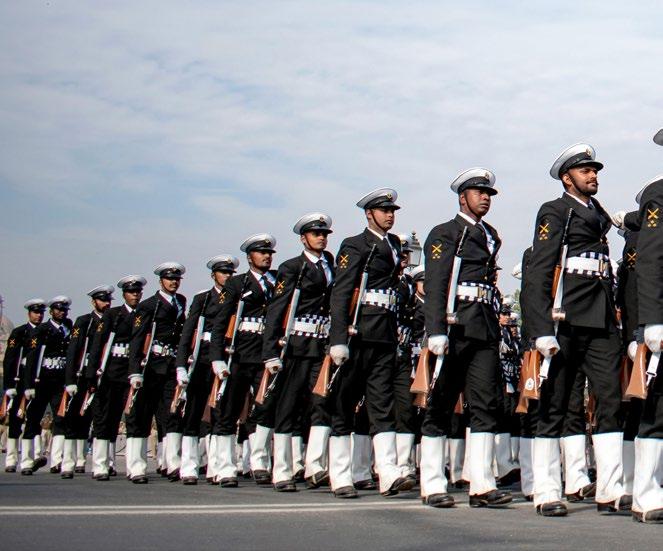

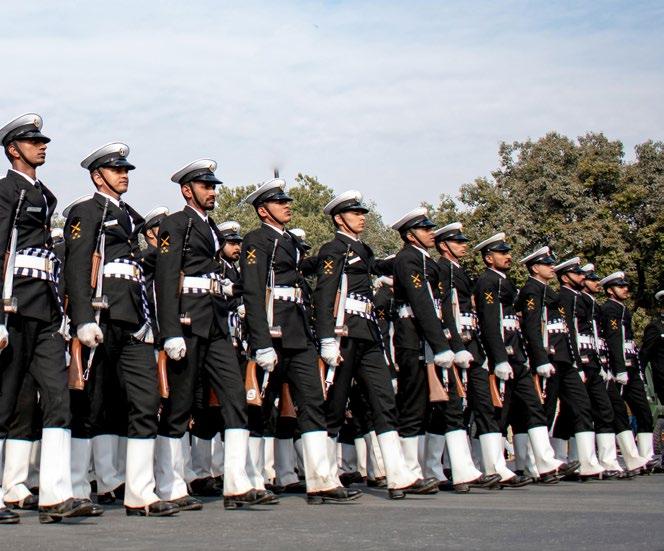
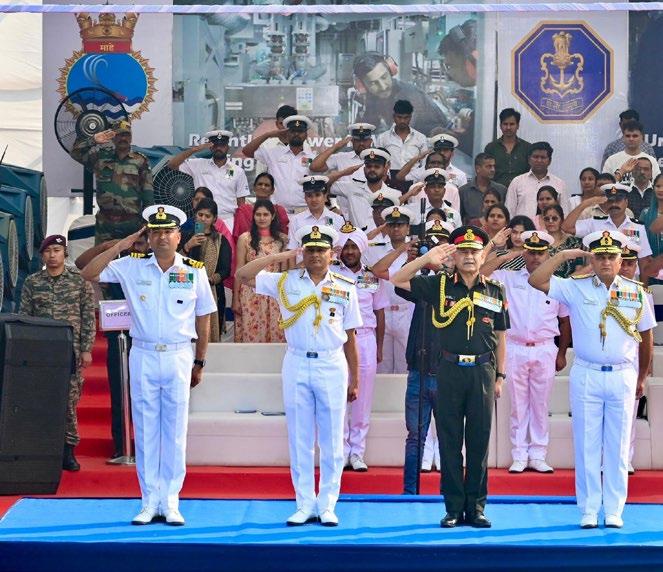
This growth aligns with a 15-year modernization plan investing in nuclear submarines, carriers, and littoral fleets to counter PLAN’s numerical edge. Challenges persist—delays from supply chain gaps and skilled labour shortages—but initiatives like the Strategic Partnership model under DAP 2020 accelerate progress. The second indigenous carrier, at 65,000 tonnes with CATOBAR, and Project 75I submarines underscore this momentum. Economically, shipbuilding generates $10 billion annually, creating 500,000 jobs and exporting vessels to allies. INS Mahe’s success validates this model: from keel-laying in 2022 to commissioning in under four years, it exemplifies efficiency. As India eyes 200+ platforms by 2035, this renaissance isn’t just about hulls; it’s forging a strategic autonomy that underpins maritime security.
India’s maritime security extends beyond oceans to a “river-to-sea” paradigm, integrating inland waterways with coastal defences for seamless vigilance. Rivers like the Ganges and Brahmaputra, feeding into the Bay of Bengal, are conduits for smuggling and insurgent movements, blurring terrestrial and maritime threats. INS Mahe’s shallow draft enables operations upriver deltas, supporting joint patrols with the Coast Guard and Border Security Force. This holistic approach addresses non-traditional challenges—drug trafficking via the Andaman Sea, human smuggling through Palk Strait,
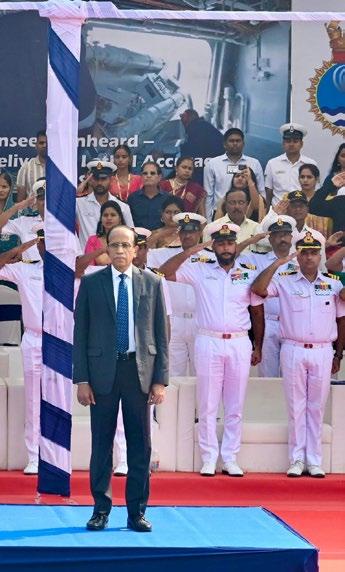
and climate-induced migrations exacerbating piracy. The 2025 doctrine incorporates this by enhancing MDA across 13 coastal states, deploying Automatic Identification Systems (AIS) and satellite surveillance. In the Bay of Bengal Initiative for Multi-Sectoral Technical and Economic Cooperation (BIMSTEC), India leads riverine-maritime exercises, fostering regional stability. For instance, during cyclones, ASW-SWC like Mahe pivot to SAR, evacuating thousands. This paradigm recognizes that security is contiguous: a breach in Bangladesh’s Sundarbans rivers could cascade to Kolkata’s ports. By embedding riverine assets—fast interceptor craft and riverine patrol vessels—into the naval fold, India creates a fortified continuum, resilient to hybrid warfare where threats morph from land to sea. INS Mahe’s induction ripples across the IndoPacific, bolstering India’s net security provider role. In QUAD and IONS frameworks, it enhances collective ASW, sharing submerged threat data to counter China’s wolfpack tactics.




For smaller neighbours like Maldives and Sri Lanka, wary of debt-trap ports, Mahe-class deployments reassure through HADR missions, countering PLAN’s gray-zone coercion. Economically, securing littorals safeguards $1 trillion in annual trade, vital amid global disruptions like Red Sea attacks. Environmentally, these craft monitor illegal fishing depleting tuna stocks, aligning with UNCLOS commitments. Yet, challenges loom: cyber vulnerabilities in networked systems and budget constraints capping at 2.5% GDP. Still, this littoral focus de-escalates tensions, promoting SAGAR (Security and Growth for All in the Region) over confrontation. As India hosts BIMSTEC summits, INS Mahe symbolizes a collaborative paradigm, where shared seas yield mutual prosperity.
Peering into the 2030s, INS Mahe foreshadows a Navy augmented by AI-driven autonomy—unmanned ASW drones swarming subs—and hypersonic missiles for littoral strikes. The third carrier and six Project 18 destroyers will complement SWC fleets, achieving 175 platforms by decade’s end. Integration with space assets, per the Maritime Space Doctrine, will provide persistent ISR, cueing Mahe-class for pre-emptive actions. Training pipelines at the Navy’s ASW School will hone “silent hunter” tactics, while international co-production with Vietnam or Philippines diversifies threats. Sustainability beckons: green propulsion retrofits to cut emissions, aligning with net-zero goals. Yet, doctrinal agility is key—adapting to quantum sensors disrupting sonars or biomimetic subs mimicking marine life. India’s vision: a seamless blue-to-brown water continuum, where littoral guardians like Mahe enable blue-water forays, securing Sagar to Mahasagar. INS Mahe is more than steel and sonar; it’s a declaration of intent in a contested maritime domain. By heralding a doctrine attuned to littoral realities, it fortifies India’s coast against Indo-Pacific tempests. As “silent hunters” proliferate, they weave a tapestry of resilience—from river mouths to ocean expanses—ensuring that guardians of the coast stand eternal vigil. In this new era, India’s maritime security isn’t just defended; it’s redefined, indigenous, and unyielding.
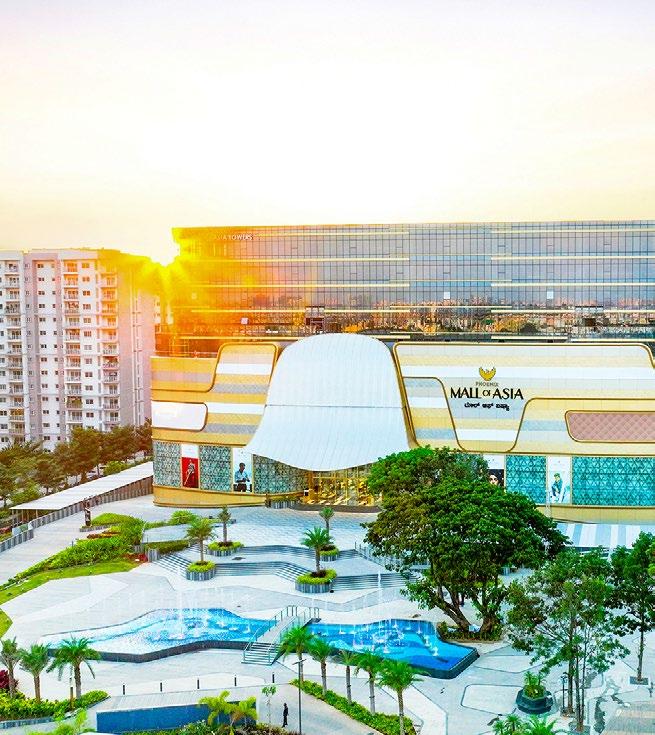

Not long ago, purchasing jewellery was a special occasion, often reserved for grand events like weddings. Families would visit their trusted local jeweller, spend hours admiring glittering pieces under bright lights, and maybe even negotiate a deal. Fast forward to today, and the jewellery industry has undergone a dazzling transformation. With a few taps on a smartphone, exquisite pieces can now arrive at your doorstep in under 30 minutes, turning what was once a ceremonial purchase into an everyday indulgence fuelled by growing disposable incomes.
The rise of e-commerce has already reshaped how consumers explore and buy jewellery, but the advent of quick commerce (Q-commerce) is propelling this high-value category into exciting new territory. Luxury brands are partnering with platforms like Blinkit, Zepto, and Swiggy Instamart to deliver premium products worth lakhs with unprecedented speed. According to Technavio, the global online jewellery market is set to expand by $58.4 billion from 2024 to 2028, with India joining the US, China, Canada, and the UK as a key driver of this growth.






Jewellery, despite its high stakes and emotional significance, has embraced the digital wave to keep up with tech-savvy millennials and Gen Z. The COVID-19 pandemic accelerated this shift, pushing even reluctant buyers toward online platforms. But it’s the allure of convenience, instant gratification, and robust trust-building measures—like secure payments and flexible returns—that has truly transformed the jewellery shopping experience. Brands such as CaratLane, Bluestone, Giva, Melorra, and Tanishq’s digital arm have mastered the art of making fine jewellery both accessible and desirable online. With intuitive websites, stellar customer service, and innovative features, they’ve bridged the trust gap that once deterred online jewellery purchases.


Today’s shoppers crave the ease of browsing diverse collections, staying on top of global trends, and enjoying fast delivery and seamless returns—all from a single platform. As the leading online fine jewellery retailer, Amazon India boasts over 5 lakh styles in gold, silver, and diamond jewellery. During the 2024 festive season, the platform saw a five-fold surge in precious jewellery sales and an 84% year-onyear increase in gold jewellery demand, driven by brands like Malabar Gold & Diamonds, Joyalukkas, PN Gadgil Jewellers, KISNA, and PC Chandra.
Delivering high-value jewellery through e-commerce or Q-commerce isn’t just about speed— it’s about ensuring security, trust, and an experience that matches the emotional weight of the purchase. Here’s how brands are making it happen:
Jewellery retailers rely on trusted in-house delivery teams or specialized third-party logis-
tics partners trained to handle valuable items. These partners are well-versed in secure packaging, tamper-proofing, OTP-based delivery protocols, and ID verification. Many also carry transit insurance to safeguard against mishaps. Delivering fine jewellery requires precision and care, companies partner with logistics experts experienced in handling high-value shipments to ensure every piece reaches the customers safely.
In the absence of in-store inspections, certifications are the cornerstone of trust in online jewellery purchases. Retailers provide BIS Hallmark for gold, IGI, GIA, or SGL certifications for diamonds, PGI for platinum, and CGL for gemstones. Many also include QR codes or authentication tags for customers to verify product details online. Every piece comes with a brand-issued certificate, an official warranty, and a quality assurance, the companies also offer global warranty extensions and invite clients to their boutiques for in-person verification.


Augmented reality (AR) virtual try-on tools let customers preview how jewellery looks on them, while try-at-home services bring curated collections to their doorsteps. The try-at-home model involves trained executives delivering handpicked pieces with utmost care. Customers can buy on the spot or finalize their purchase later online.
Brands enhance transparency with real-time tracking, SMS updates, and dedicated support lines. Deliveries are often accompanied by tamper-proof packaging, full transit insurance, and post-delivery follow-ups to ensure customer satisfaction. The use of tamper-proof packaging, offer for real-time tracking, and rigorous predispatch quality checks are valued. The brands follows up after delivery to confirm everything is perfect.
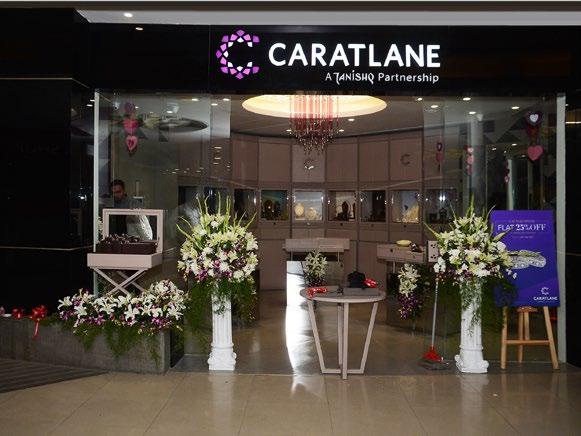
Jewellery prices online range from Rs 500 for silver pieces to over Rs 1 lakh for heavy gold and diamond items. For affordable pieces, cash on delivery (COD) remains popular, especially for first-time buyers. Higher-value purchases benefit from EMI options, buy-now-pay-later schemes, and secure digital payments. Some brands even allow partial payments upfront, with the balance due upon delivery.
Jewellery now enjoys return policies as customer-friendly as those in fashion or electronics. Most brands offer 3- to 15day return windows with doorstep pickups. Amazon India provides 10-day returns and one-year purchase protection, while PNG Jewellers offers a 14-day no-questions-asked policy, and CaratLane provides a 15-day fullvalue exchange with a one-year warranty.



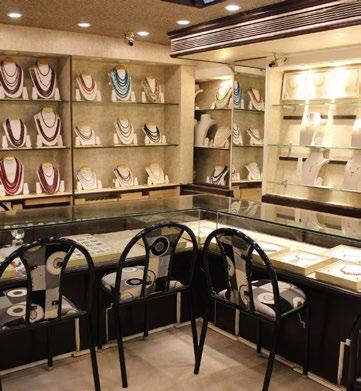
Consumers are increasingly embracing an omnichannel approach, researching online before buying in-store or vice versa. The digital influence on jewellery purchases is growing, even for offline sales. Customers are now comfortable buying pieces up to Rs 1 lakh online, and this omni-influence will only expand. Ultimately, jewellery remains a deeply emotional purchase. In today’s world, that emotion must shine through screens, swift deliveries, and seamless experiences, ensuring every sparkle feels personal, no matter how it’s delivered.





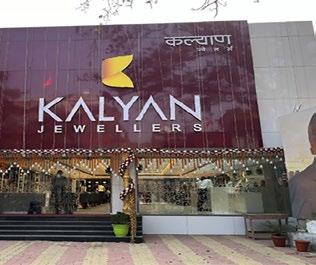
For traditional jewellers transitioning to omnichannel models, online sales account for 5–15% of revenue. For digital-first brands, this share can reach 50–100%, depending on their offline presence. Q-commerce is gaining traction, with brands like CaratLane, Kalyan Jewellers, Mia by Tanishq, and Gargi by PNGS partnering with platforms like Instamart and Blinkit. However, speed isn’t the sole focus—crafting a memorable experience remains paramount. Q-commerce is ideal for gifting or last-minute festive purchases. While it may not replace the traditional journey for high-value items, it complements it by balancing speed with storytelling.
Consumers are increasingly embracing an omnichannel approach, researching online before buying in-store or vice versa. The digital influence on jewellery purchases is growing, even for offline sales. Customers are now comfortable buying pieces up to Rs 1 lakh online, and this omni-influence will only expand. Ultimately, jewellery remains a deeply emotional purchase. In today’s world, that emotion must shine through screens, swift deliveries, and seamless experiences, ensuring every sparkle feels personal, no matter how it’s delivered.

The aroma of freshly brewed coffee has long been synonymous with comfort and community worldwide, but in India—a nation historically steeped in tea traditions—Starbucks has carved out a remarkable niche. Since its arrival over a decade ago, the American coffee giant has not only introduced premium coffee experiences but has also catalyzed a cultural shift, transforming cafes into social hubs for a burgeoning middle class. As Starbucks celebrates its 500th store in India in late 2025, this milestone underscores the brand’s resilient growth amid economic fluctuations and fierce competition. Partnered with Tata Consumer Products, Starbucks has blended global expertise with local sensibilities, fostering a coffee revolution that promises even greater expansion ahead. This journey reflects India’s evolving consumer landscape, where aspiration meets accessibility, and quality coffee becomes a daily ritual for millions.

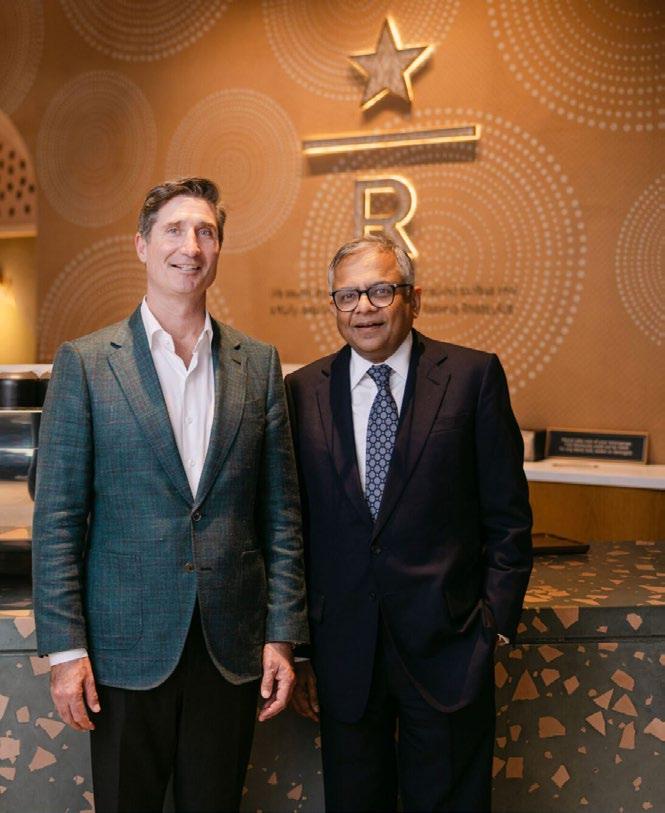
Starbucks’ foray into India began with strategic foresight, recognizing the potential in one of the world’s fastest-growing economies. In January 2011, Starbucks Coffee Company announced a 50/50 joint venture with Tata Global Beverages (now Tata Consumer Products), marking the beginning of a partnership that would leverage Tata’s deep-rooted presence in the Indian market. This alliance was pivotal, as it combined Starbucks’ global coffee heritage with Tata’s expertise in tea and consumer goods, ensuring cultural sensitivity and operational efficiency.
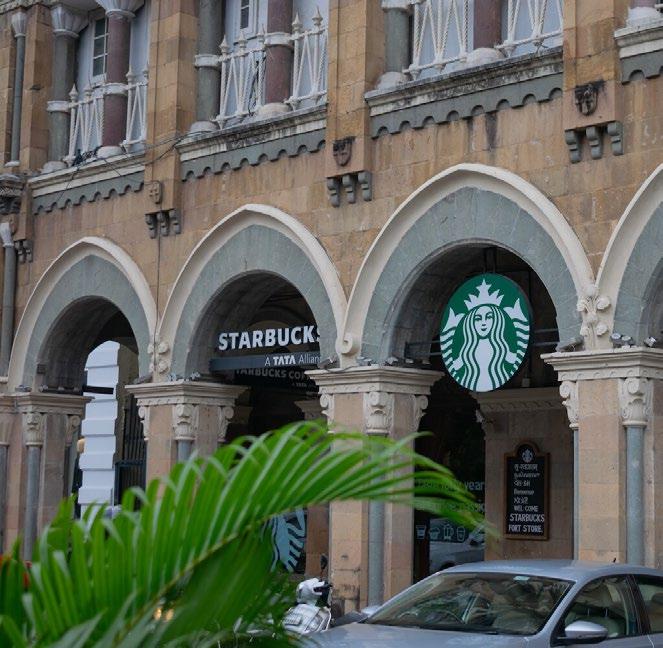
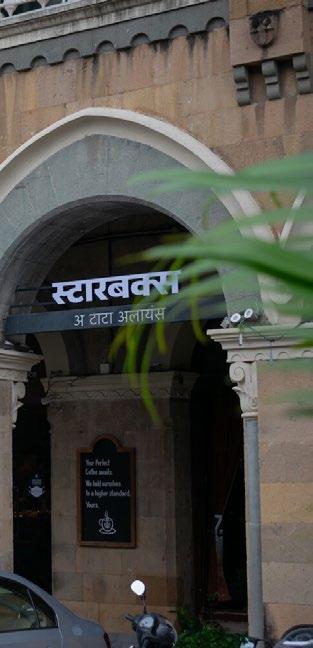
The first Starbucks store opened its doors on October 19, 2012, in the historic Elphinstone Building at Horniman Circle in South Mumbai. This location was no accident; nestled in a heritage site, it symbolized a bridge between tradition and modernity, appealing to urban professionals and tourists alike. The store’s launch was met with enthusiasm, drawing long queues of curious customers eager to experience signature drinks like the Caramel Macchiato and Frappuccinos, adapted slightly for Indian palates with options like masala chai-inspired beverages. In its inaugural year, Starbucks focused on establishing a foothold in metropolitan areas, opening a handful of stores in Mumbai and Delhi.





Early challenges were aplenty. India, predominantly a tea-drinking nation, had a nascent coffee culture limited to instant varieties or regional filter coffee in the south. Starbucks had to educate consumers about specialty coffee, emphasizing ethically sourced Arabica beans and the “third place” concept—a welcoming space between home and work. By 2013, the company had expanded to a few more outlets, but growth was measured, prioritizing quality over quantity to build brand loyalty.


As Starbucks gained traction, its growth accelerated, mirroring India’s economic boom and the rise of a young, aspirational demographic. By 2017, the chain had reached approximately 100 stores, spreading beyond Mumbai and Delhi to cities like Bangalore, Pune, and Chennai. This period saw the introduction of drivethru formats and airport locations, catering to on-the-go consumers. Revenue figures began to reflect this momentum; from modest beginnings, sales climbed steadily, with a compound annual growth rate (CAGR) of around 25% between FY2017 and FY2022, rising from ₹3.1 billion to ₹9.6 billion.
The COVID-19 pandemic in 2020 posed a significant hurdle, forcing temporary closures and a shift to delivery and takeaway models. Yet, Starbucks adapted swiftly, enhancing its mobile app for contactless ordering and partnering with delivery platforms like Swiggy and Zomato. Post-pandemic recovery was robust; by October 2022, marking its 10th anniversary in India, Starbucks had 300 stores across multiple cities, including its first Starbucks Reserve store in Mumbai—a premium outlet offering immersive coffee experiences with rare beans and artisanal brewing methods. The subsequent years witnessed exponential expansion. In 2023, the store count hit 341 in 43 cities, and by early 2024, it surpassed 400, with a focus on Tier-2 and Tier-3 markets like Bhopal, Indore, and Lucknow. This democratization of premium coffee extended the brand’s reach to smaller urban centres, where rising disposable incomes fuelled demand.


In January 2024, Tata Starbucks announced ambitious plans to reach 1,000 stores by 2028, doubling its workforce to 8,600 employees. By fiscal year 2025 (ending March 2025), the company operated 479 stores in 80 cities, reporting revenues of ₹1,277 crore—a 5% increase year-over-year— despite widened losses of ₹135.7 crore due to expansion costs. The milestone of 500 stores was achieved in November 2025, with the opening of a second Starbucks Reserve in Delhi NCR, highlighting a strategic pivot toward experiential retail.
This growth trajectory has been supported by innovative store formats, including community stores that partner with local NGOs and ecofriendly designs incorporating sustainable materials. Employment has surged too, with over 4,437 partners (as Starbucks calls its employees) by late 2025, many benefiting from training programs that emphasize skill development and inclusivity. India’s youthful population, with over 65% under 35, has been a key driver, as millennials and Gen Z seek Instagrammable experiences and premium beverages.

Starbucks’ presence in India extends far beyond serving lattes; it has profoundly influenced the nation’s coffee ecosystem and consumer behaviour. Traditionally, coffee consumption was regional—strong filter coffee in Tamil Nadu or instant brews elsewhere—but Starbucks introduced a global, aspirational lens, positioning coffee as a lifestyle choice. This has spurred a broader coffee renaissance, with local chains like Café Coffee Day (CCD) and Third Wave Coffee expanding, and artisanal roasters emerging in cities like Bangalore and Delhi. The organized coffee market, valued at around $1.5 billion in 2025, is projected to double by 2030, largely due to such influences.
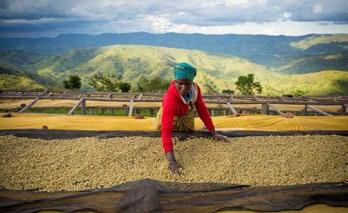
Economically, Starbucks has created ripple effects. Through its joint venture, it sources coffee from Indian estates in Karnataka and Tamil Nadu, supporting local farmers and promoting sustainable practices under its C.A.F.E. (Coffee and Farmer Equity) guidelines. This has elevated Indian Arabica on the global stage, with exports benefiting from improved quality standards. Job creation is another pillar; the company’s expansion has generated thousands of direct and indirect roles in retail, supply chain, and agriculture, contributing to India’s skilling initiatives.
Socially, Starbucks stores have become “third places” for diverse groups—students studying, professionals networking, or families unwinding. Inclusivity efforts, such as hiring from underrepresented communities and offering gender-neutral restrooms, align with India’s progressive urban ethos. During crises, like the pandemic, Starbucks supported partners with financial aid and mental health resources, reinforcing its role as a responsible corporate citizen. The brand’s localization—20% of menu items tailored to Indian tastes, like the Picco Cappuccino or chili cheese toast—has made it relatable, blending global standards with desi flavours.



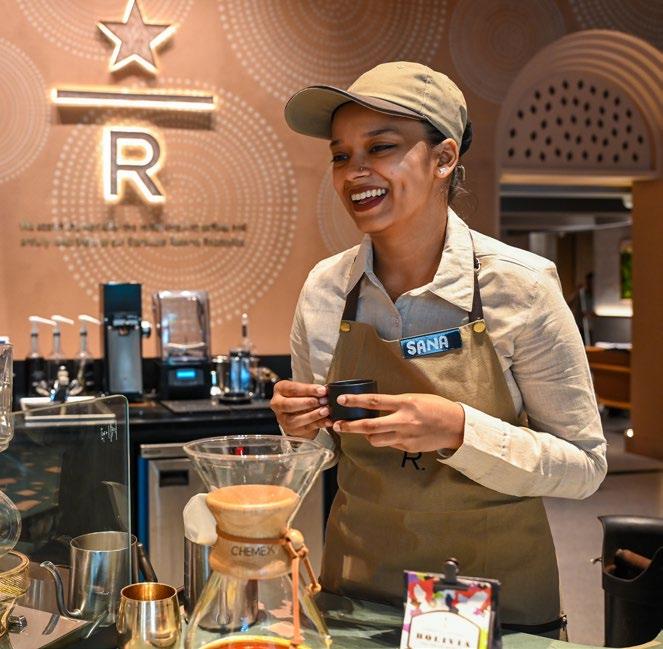
Moreover, Starbucks has challenged gender norms in a male-dominated cafe culture, with women comprising a significant portion of its workforce and customer base. Its commitment to sustainability, aiming for 100% ethically sourced coffee by 2026, resonates with environmentally conscious consumers, addressing issues like water conservation in coffee farming. In essence, Starbucks symbolizes India’s globalization, where international brands adapt to thrive, fostering innovation and competition that benefits the entire sector.

Despite its successes, Starbucks’ journey hasn’t been without obstacles. High pricing— a tall latte costs around ₹250-300, compared to ₹20 for street chai—initially limited its appeal to affluent segments. Economic slowdowns, inflation, and the 2023-2024 dip in consumer spending widened losses, as expansion investments outpaced revenue growth. Competition is intense; homegrown players like CCD (over 1,500 outlets) and Barista offer affordable alternatives, while startups like Blue Tokai emphasize craft coffee at lower prices. Supply chain disruptions, from climate change affecting coffee yields to geopolitical tensions, have posed risks. Starbucks countered these by deepening local sourcing and diversifying suppliers.
The pandemic accelerated digital adoption, but it also highlighted the need for cost control. Under former CEO Laxman Narasimhan, the focus was on rapid scaling, but current leadership emphasizes profitability alongside growth. Brian Niccol, who took over as global CEO in September 2024, visited India in November 2025—his first as CEO—to reaffirm commitment. During the visit, he toured stores, met partners, and announced initiatives like the Farmer Support Partnership (FSP), aimed at empowering farmers and enhancing supply chain resilience. This adaptability has been key to sustaining momentum.
Looking forward, Starbucks’ prospects in India are buoyant, positioned as a cornerstone of the company’s global strategy. With India contributing 1-2% to Starbucks’ worldwide revenue but growing at 30-40% annually— outpacing mature markets like the US—the market is a beacon for expansion. Niccol has described India as “one of our fastest-growing international markets,” pledging to double down on investments. Future plans include opening 50-70 stores annually, targeting non-metro areas where 70% of recent expansions have occurred. Premium formats like Reserve Roasteries— with 2-3 planned for 2026—will offer bean-to-cup demos and tastings, elevating the experience. Sustainability remains central; the FSP will empower 10,000 farmers by 2030 through model farms, digital training, and one million high-yield Arabica seedlings donated over five years. Collaborations with global centres will introduce regenerative agriculture, reducing environmental footprints.



Menu innovation will continue, with more localized offerings to capture health-conscious trends, like lowsugar or plant-based options. Digital enhancements, including AI-driven personalization, will boost loyalty programs. By 2028, reaching 1,000 stores could solidify a 15-20% market share in organized retail coffee, creating over 4,000 additional jobs and further integrating into India’s social fabric. Challenges like economic volatility and competition will persist, but Starbucks’ playbook—focusing on quality growth, coffee leadership, and partnerships—positions it for long-term success. As India’s coffee consumption
rises 10% yearly, driven by urbanization, Starbucks is poised to lead this brew revolution.
Starbucks’ story in India is one of perseverance, innovation, and cultural fusion. From a single store in Mumbai to 500 nationwide, it has not only grown a business but nurtured a community. As the brand looks to the future, its commitment to sustainability, inclusivity, and excellence ensures it will remain a cherished part of India’s daily life, one cup at a time.






Across India, thousands of young aspirants look to the sky with dreams of a career that is glamorous, respected, and global. The journey to becoming cabin crew or a hospitality professional demands skill, confidence, and world-class training. Standing at the forefront of this transformation is Frankfinn Airhostess Academy, a name synonymous with excellence in aviation and customer-service education.


With a presence spanning decades, Frankfinn has built a reputation as one of India’s premier aviation training institutions. Its mission is simple yet powerful: empower students with the skills, personality, and professionalism required to excel in the aviation and hospitality sectors. The academy blends rigorous training with creativity, ensuring students transform not only in skill but also in confidence, attitude, and presentation.
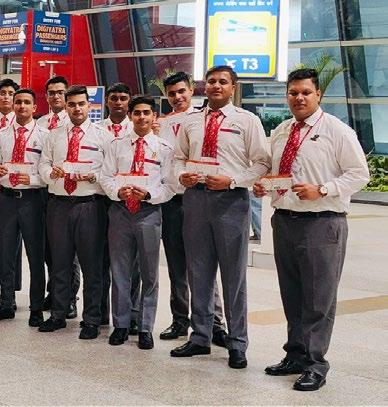
Walking into a Frankfinn Centre is the beginning of a journey. Aircraft cabin mock-ups recreate the ambience of real flights, allowing students to practice everything from safety demonstrations to inflight service. Grooming studios shine with mirrors and soft lights as students learn about styling, deportment, and personal presentation — key essentials for aviation roles.

Every day at Frankfinn is an opportunity to grow:
• Communication and spoken English refinement
• Personality development sessions
• Safety and emergency procedure training
• Hospitality and travel management workshops
• Customer-service mastery through real-case simulations
• Students evolve from shy beginners to polished professionals ready to represent global airlines and hotels.


Frankfinn’s courses are designed in consultation with aviation and hospitality experts. Programs include:
• Aviation, Hospitality & Travel Management (11-month flagship program)
• Hospitality, Travel & Customer Service
• Airport Ground Staff Training
• Short-term certification in grooming, communication & interview skills
• Each course blends theory with hands-on practical training.


Frankfinn provides exclusive placement assistance by connecting students with airlines, airports, luxury hotels, and travel firms. The academy’s strong industry network ensures graduates are invited to recruitment drives and skill-evaluation sessions.
While placement isn’t guaranteed, Frankfinn equips students with:
• Interview readiness
• Grooming and etiquette coaching
• Resume-building guidance
• Opportunities to meet recruiters from major airlines
• Many alumni have soared into careers with leading airlines, cruise lines, and hospitality brands.

Several factors contribute to Frankfinn’s strong reputation in the aviation training sector:
Experienced Faculty: Trainers with industry experience guide students with practical insights.
Modern Infrastructure: Classrooms, grooming labs, and aviation studios offer a professional learning environment.
Comprehensive Syllabus: Courses cover a wide range of subjects, ensuring overall development.
Strong Brand Value: Frankfinn is often recognized by airlines and hospitality organizations due to its established presence.




Frankfinn Airhostess Academy continues to be a leading institution for those aspiring to join the aviation and hospitality industries. With a strong focus on grooming, communication, and practical training, the academy equips students with the skills needed to excel in a serviceoriented environment. While the aviation career path is competitive, Frankfinn helps students approach it with confidence, discipline, and professionalism.
More than just an academy, Frankfinn is a launchpad where dreams evolve into careers. It is where nervous first-day students transform into confident professionals ready to greet the world with grace and poise. For everyone who dreams of working among the clouds or in worldclass service industries, Frankfinn offers not just training — but a gateway to limitless horizons.


In the bustling digital heart of India, where over 900 million internet users scroll through feeds of laughter, inspiration, and innovation, a quiet revolution is unfolding. The creator and social media influencer economy isn’t just a trend—it’s a powerhouse reshaping lives, livelihoods, and the nation’s economic landscape. Valued at USD 1,457.4 million in 2025, this vibrant sector is projected to skyrocket to USD 5,930.5 million by 2032, growing at a blistering CAGR of 22.2%.
Fuelled by youthful ambition and seamless tech access, India’s creators are turning passion into profit, proving that in the age of Reels and Shorts, anyone with a smartphone can become a storyteller—and a success story.

Picture this: A young artist in Lucknow sketches vibrant murals on her phone, amassing 100,000 followers overnight. Or a fitness enthusiast in Mumbai films backyard workouts that go viral, landing deals with global brands. This is the magic of India’s creator economy. With 2 to 2.5 million active creators—each with over 1,000 followers—the ecosystem is buzzing with potential. Short-form videos dominate, with comedy, beauty, fashion, and education leading the charge. Platforms like YouTube Shorts, Instagram Reels, and Moj are the playgrounds where 73% of creators spend less than 10 hours a week crafting content that captivates millions.




What makes this boom so exhilarating? It’s the democratization of opportunity. Rising smartphone penetration—now at 800 million users—and affordable data have unlocked Tier-II and Tier-III cities, where regional languages like Hindi, Tamil, and Bengali are scripting the next chapter. Creators aren’t just entertaining; they’re influencing over USD 350 billion in consumer spending annually, a figure set to eclipse USD 1 trillion by 2030. Brands, from startups to giants like Nykaa and Puma, are pouring in threefold investments, recognizing that authentic voices drive trust and sales like never before.

At the forefront are India’s top influencers, whose journeys inspire a generation. Take CarryMinati (Ajey Nagar), the roast king with 50 million YouTube subscribers and a net worth of USD 22 million. From gaming commentary to music ventures, his high-energy content has made him the highest-paid creator in 2025, earning crores through brand tie-ups with Samsung and Netflix. Or Bhuvan Bam, the BB Ki Vines maestro, whose relatable sketches and web series have built a Rs. 122 crore empire, blending comedy with philanthropy to touch hearts nationwide.


Women are owning the spotlight too. Prajakta Koli, aka MostlySane, charms with lifestyle vlogs and motivational talks, boasting 7.9 million YouTube fans and partnerships with Whisper and H&M. Her engagement rate of 5.5% turns views into real impact, proving humour and heart pay dividends. Then there’s Kusha Kapila, the satirical socialite whose Instagram antics have spawned a shapewear brand and collaborations with luxury labels, netting her millions while challenging norms with wit. Even micro-influencers shine brightly. Nano creators with under 10,000 followers earn Rs. 5,000 per post, often outpacing engagement of mega-stars. From Sourav Joshi’s 36 million subscribers—born from humble Haldwani beginnings—to Anaya Kandhal’s family-friendly Shorts that rack up billions of views, these stories remind us: Success isn’t about scale; it’s about spark.

How do these digital dynamos cash in? Diversely and dynamically. YouTube leads with ad revenue—Rs. 20-300 per 1,000 views—while Instagram Subscriptions and affiliate links add steady streams. Brand deals dominate: Macro influencers command Rs. 1 lakh+ per post, with mega ones like Tanmay Bhat—India’s wealthiest YouTuber at Rs. 665 crore—raking in fortunes from exclusive campaigns. The real gamechanger? Entrepreneurship. Creators like Preeti Sarkar (1.6 million followers) have launched clothing lines, turning fans into customers via direct-to-consumer models. Government backing amplifies the thrill. The USD 1 billion Creator Economy Development Fund, launched in March 2025, equips creators with capital, skills, and global reach.

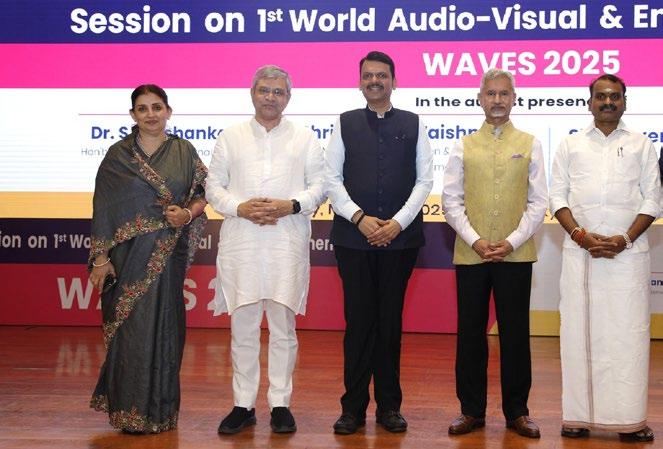
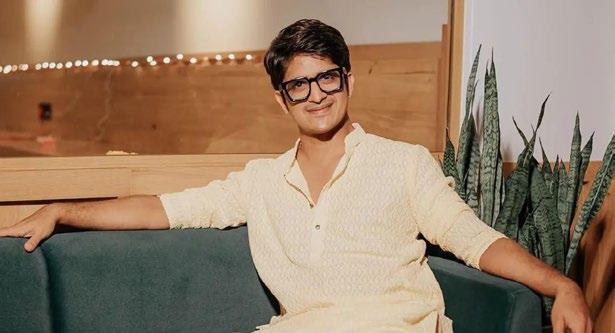


Initiatives like the Indian Institute of Creative Technology are nurturing talent, ensuring even small-town dreamers can thrive. Platforms evolve too: YouTube’s Super Thanks and Instagram’s AI tools make monetization seamless, empowering creators to focus on what they love—creating.


India’s creator economy isn’t just numbers; it’s narratives of empowerment. From Akshay Saini’s 1.7 million tech learners to Viraj Sheth’s motovlogging legacy, these trailblazers are redefining success on their terms. They’re boosting soft power, fostering micro-communities in regional tongues, and even influencing policy—36% of global social engagement now stems from influencers like these. As 2025 unfolds, the sector’s projected USD 3.5 billion valuation by 2028 signals endless possibilities. Challenges like monetization gaps exist—only 8-10% earn full-time now—but the optimism is palpable. Creators are the new entrepreneurs, turning pixels into purpose and views into victories. In a world craving connection, India’s influencers aren’t just posting—they’re pioneering. Grab your phone, hit record, and join the wave. The future? It’s content-rich, creator-led, and gloriously Indian.
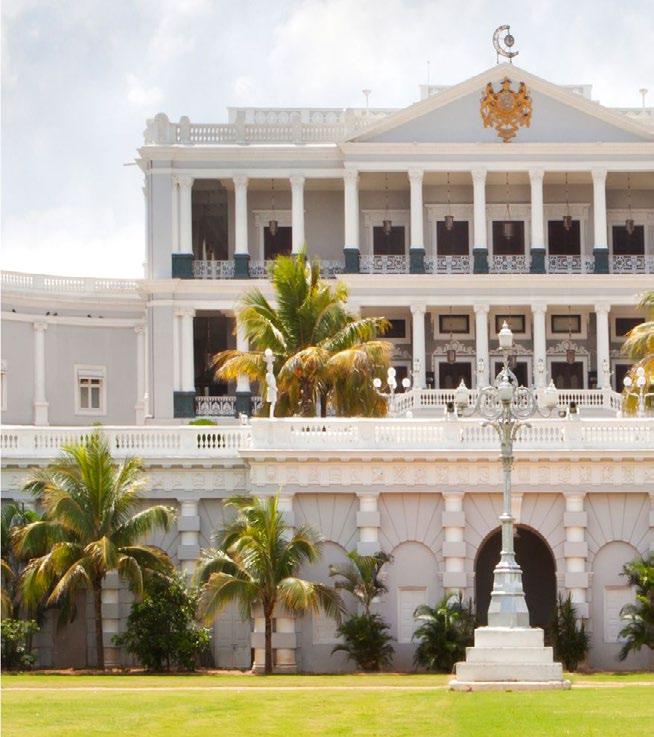


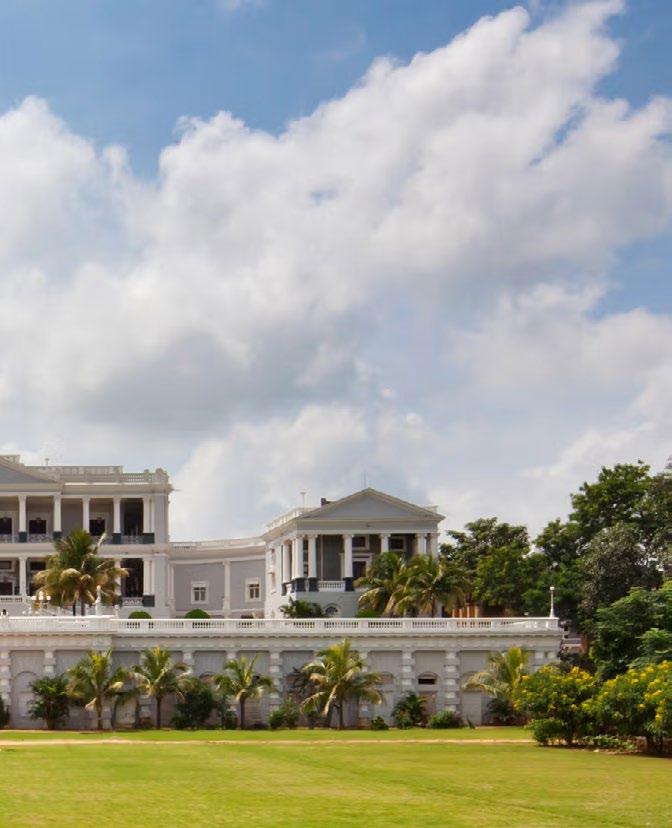
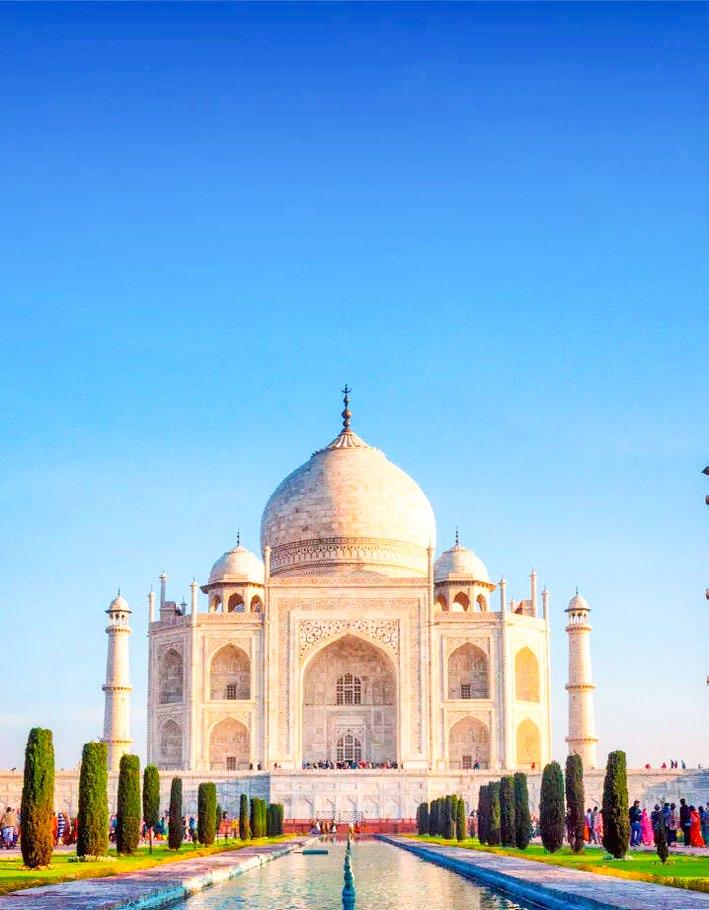
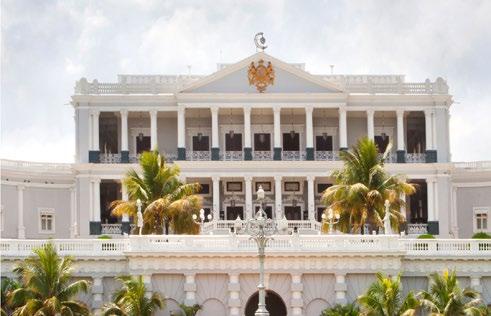
Perched Like A Dream Upon The Rolling Hillocks Of Hyderabad, Overlooking A Tapestry Of Culture, Heritage, And Modern Bustle, Stands One Of India’s Most Iconic Monuments To Architectural Grandeur — Taj Falaknuma Palace. The Very Name Evokes Visions Of Ethereal Beauty: Falaknuma — Literally “Mirror Of The Sky” In Urdu — Conjures A Palace So Lofty That It Feels Suspended Between Earth And Heavens. Once The Private Residence Of Hyderabad’s Aristocracy And Now An Emblem Of Heritage Luxury Under The Taj Hotels Banner, The Palace Tells A Story That Spans Empire, Artistry, Decadence, Decay, Rebirth, And Timeless Hospitality.
The story of Falaknuma begins in the late 19th century with a man of vision, cultural flair, and audacious ambition — Sir Viqar-ul-Umra, the Prime Minister of Hyderabad and a noble scion of the eminent Paigah family. Following a grand tour of Europe, Sir Viqar returned inspired — so captivated by Renaissance palaces and European grand residences that he resolved to build a residence that could rival them in luxury and style. What resulted was nothing short of a masterpiece: a palace that took nearly a decade to design and construct, built entirely from Italian marble, surrounded by formal gardens and fountains, and adorned with stained glass windows, frescoed ceilings, and rare artifacts.
Architecturally, Falaknuma is extraordinary. Designed by English architect William Ward Marret, the palace was laid out in the shape of a scorpion — the central block forming the body, while two wings extend like stings to the north. The palace’s design mixes European styles — predominantly Tudor and Italian influences — with regional sensibilities, resulting in a hybrid that defies simple categorization.
Completed in 1893, the palace took roughly ten years to finish, and was reputedly so lavish that the cost nearly bankrupted its creator. It is said Sir Viqar had to borrow heavily, even from the Bank of Bengal, to bring his vision to life.
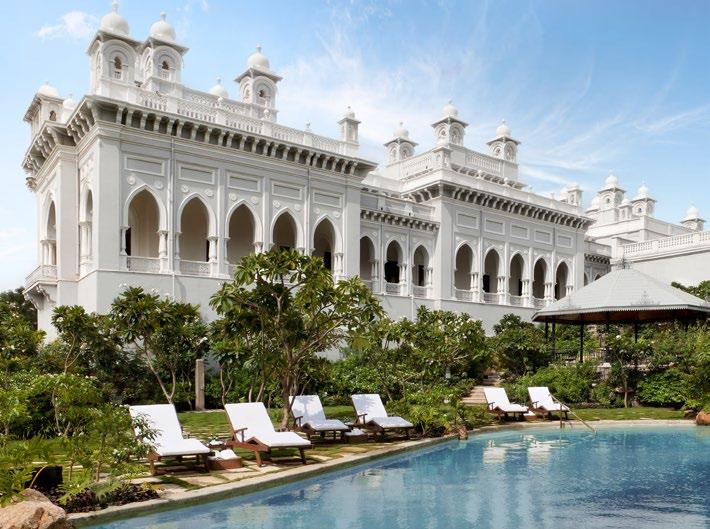

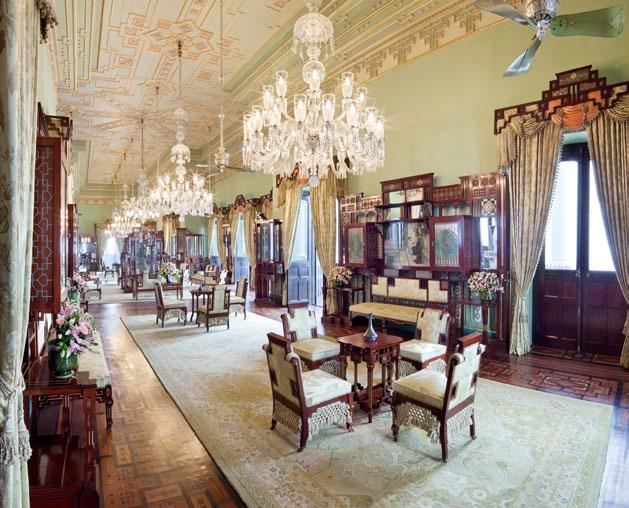
Even before the finishing touches were complete, Falaknuma caught the eye of Hyderabad’s sixth Nizam, Mir Mahbub Ali Khan. Legend — and local lore — say that the Nizam was so enamored by the palace that he persuaded Sir Viqar to gift it to him as a mark of respect and familial tradition (the two were related by marriage). Whether gift or purchase, the palace ultimately became royal property by the late 1890s.
Once under the Nizam’s ownership, Falaknuma transformed from a private residence into a regal guesthouse — a place to host distinguished visitors from across the globe. Royal guests reportedly
included King George V and Queen Mary, Edward VIII, and Tsar Nicholas II, among others. These visits were occasions of pageantry, festivity, and elaborate hospitality, featuring ceremonial processions, salutes, and banquets that showcased the Nizam’s wealth and cultural sophistication.
The mid-20th century brought dramatic change. After India’s independence and the eventual integration of Hyderabad into the Indian Union, the palace’s role faded. By the 1950s, Falaknuma had ceased to function as a hub of royal hospitality; it stood silent and slowly deteriorating as newer generations focused on life beyond princely grandeur.
In 2000, after decades of neglect and disuse, the palace caught the attention of the Taj Hotels Group, which saw in Falaknuma not just a structure, but a living repository of history, culture, and craftsmanship. Under a long-term lease agreement, Taj began one of the most ambitious restoration projects ever undertaken in India — a painstaking effort to revive the palace’s original charm while adding modern amenities and comforts.
The restoration took ten years, involving hundreds of craftsmen, historians, and artisans who worked to restore frescoed ceilings, marble staircases, stained glass, carpets, and furniture to their former glory. Old photographs, design sketches, and minute historical records were consulted to ensure authenticity. Luxurious fabrics were sourced globally; special wool from New Zealand was dyed to original hues; chandeliers from Venetian glassmakers were painstakingly cleaned and rehung.



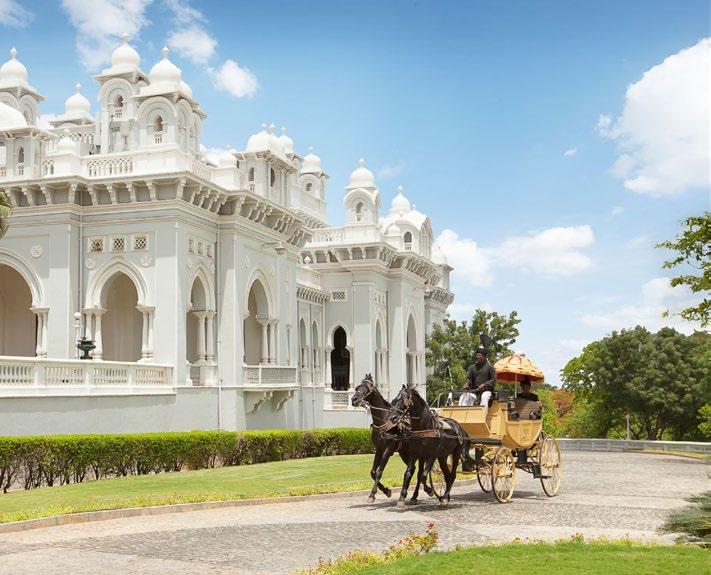
The journey to Taj Falaknuma Palace unfolds like a royal procession. Guests are welcomed at the foothills of the estate, where a horse-drawn carriage awaits— an homage to an era when arrivals were unhurried and hospitality was theatre. As the carriage begins its ascent, the modern city gradually recedes, replaced by manicured lawns, stately façades, and a sense of entering another time.
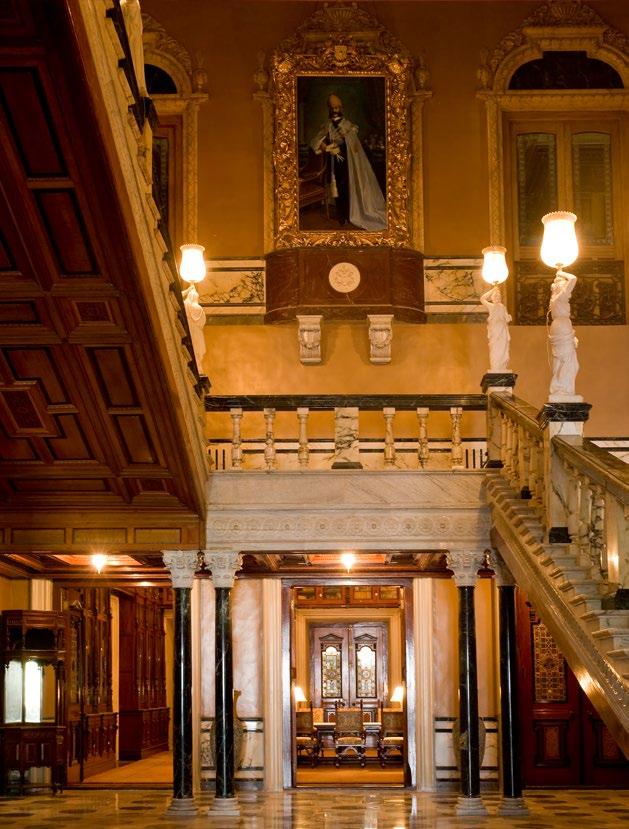
The palace’s 60 restored rooms and suites — each named and styled to reflect heritage themes — include the legendary Nizam suite, lavish and expansive, with antique furnishings, ornate ceilings, and sweeping views. The rooms boast carved wood, rich textiles, Italian marble bathrooms, and décor curated to honor the palace’s original era while delivering modern comfort.


Falaknuma’s library, inspired by the famed room at Windsor Castle, features a carved walnut ceiling and a prized collection of thousands of books, manuscripts, and rare texts in English, Urdu, Persian, and Arabic. Beyond literature, the palace houses statues, paintings, furniture, and artifacts from the Nizam’s era — collections that offer glimpses into the cultural and intellectual milieu of Hyderabad’s royal courts.
The Durbar Hall (often called the palace’s ballroom) is a centerpiece of grandeur. Its hand-painted ceilings, elegant parquet floors composed of hundreds of interlocking oak and rosewood pieces, and glittering chandeliers create a spectacle of light and design. This is the hall where monarchs once gathered — and where modern guests can now host weddings, state dinners, and grand events that span generations. The palace’s dining hall is another marvel — seating up to 101 guests at one long, elegant table on carved rosewood chairs with green leather upholstery. Designed with acoustics that allow conversation to flow across its length, the hall once hosted grand banquets and continues to offer culinary experiences that blend royal tradition with contemporary flavors.
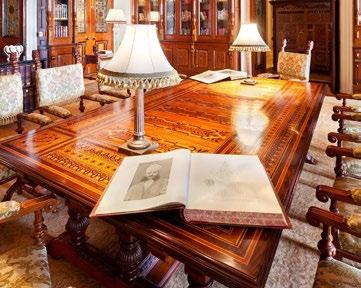

The guest experience at Taj Falaknuma begins with a sense of ceremony. Many visitors arrive via horsedrawn carriage through the palace’s elegant Clock Gate, ascending the grand marble steps greeted by attentive butlers who usher guests into an immersive world where the past and present converge.
Dining at the palace is an odyssey of flavors. Adaa, the signature restaurant, celebrates Hyderabadi cuisine — slow-cooked meats, aromatic biryanis, and age-old recipes passed down through generations. For those craving continental notes, venues like Celeste offer Italian and Mediterranean fare, while high tea at Gol Bungalow is a ritual in elegance.

Guests can join guided heritage walks through the palace, delving deeper into its history, architecture, and legendary anecdotes. Cultural evenings, including live Qawwali performances and traditional music, give sound to the spirit of Hyderabad, allowing visitors not just to see, but to feel the city’s soul.
For relaxation, the palace offers a carefully curated spa experience rooted in tradition and luxury, where scented oils, rose petals, and holistic treatments beckon weary travelers into restful tranquility. Garden terraces, fountains, and manicured lawns invite leisurely strolls with panoramic views over Hyderabad’s skyline — a vista that stretches from centuries-old mosques to contemporary urban sprawA Bridge Between Eras




Taj Falaknuma Palace represents more than opulence — it is a cultural bridge between India’s princely past and its modern hospitality ethos. It preserves the stories of empires, artistry, diplomacy, and elegance while inviting new narratives through the lives of guests, celebrations, and global admiration.
In a world where heritage properties can become static relics, Taj Falaknuma stands alive — not merely as a museum, but as a living monument where history is experienced daily through service, cuisine, culture, and curated moments. For many, a visit is not just a stay; it’s an encounter with legacy, craftsmanship, and a city that once ruled empires and now welcomes the world with open arms.
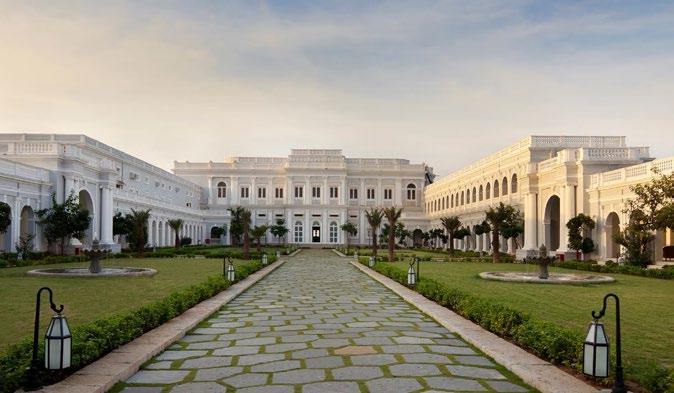

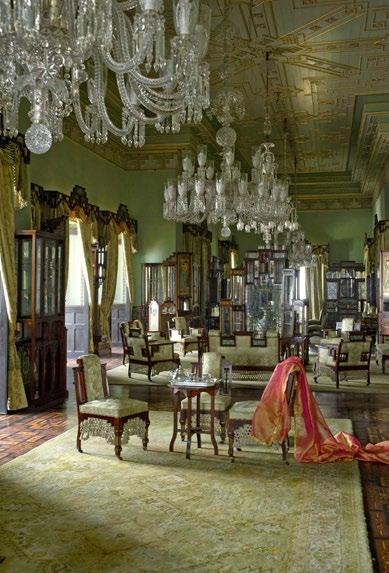
From its origins as a dream of one man, to its role as a royal stage, to its rebirth as a pinnacle of heritage luxury, Taj Falaknuma Palace embodies the layered history of Hyderabad — majestic, multifaceted, and endlessly enchanting. In the golden glow of its chandeliers and the whisper of its marble corridors, the palace invites every visitor to step into history while indulging in the luxuries of today. Whether gazing across its hilltop vista at sunset or sharing a feast in its regal halls, one emerges not just refreshed, but transformed — carried, like a dream, into the sky.
Taj Falaknuma Palace is not simply Hyderabad’s most iconic address—it is a global benchmark for heritage luxury. Few places in the world offer such authenticity, elegance, and soul. Above the city, beyond time, Falaknuma remains what it has always been.
A
In an era where mindful travel is more than a buzzword, India’s lesser-known regions are blooming with sustainable sanctuaries that blend spiritual solace with environmental stewardship. Away from the crowded circuits of Goa beaches or Delhi’s urban sprawl, eco-friendly resorts and homestays are emerging in rural landscapes and around understated pilgrimage zones. These properties not only offer respite amid nature’s embrace but also champion local communities, organic farming, and low-impact living. From the misty hills of Uttarakhand to the cardamomscented valleys of Sikkim, these green stays invite travellers to recharge while treading lightly on the earth. Here, we spotlight five such hidden gems, each a testament to India’s evolving ethos of harmonious hospitality.

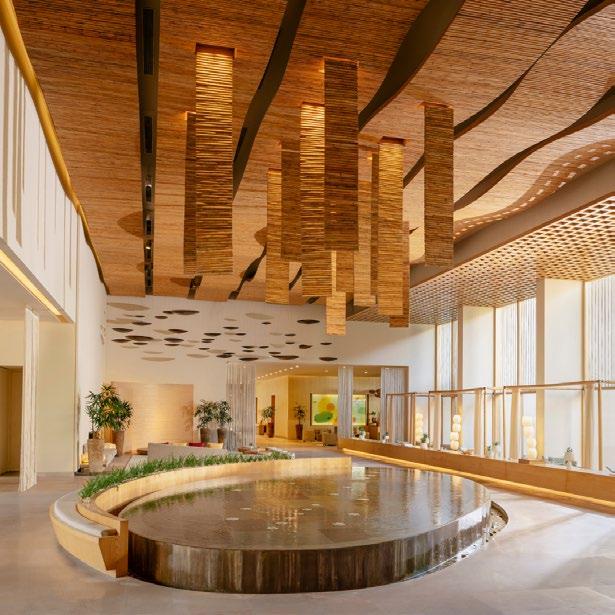
India’s pilgrimage trails have long drawn the soulsearcher, from the sacred ghats of Varanasi to the remote Himalayan shrines. Yet, the real magic unfolds in the surrounding rural expanses—villages dotted with ancient temples, forested paths leading to forgotten hot springs, and farmlands where faith and ecology intertwine. These areas,
often overshadowed by mainstream tourism, are now home to innovative stays that prioritize bamboo architecture, solar power, and farm-totable meals. By choosing these, visitors support conservation efforts and experience authentic cultural immersion, all while minimizing their carbon footprint. As climate awareness grows, these emerging properties are redefining luxury as something sustainable and soulful.


Tucked along Om Beach just 8 km from the ancient Mahabaleshwar Temple in Gokarna, SwaSwara (meaning “the sound of one’s own self”) is a 26-villa eco-resort that feels like a meditation in motion. Designed by architect Mr. Jaigopal, every Konkan-style villa uses laterite stone, coconut thatch, and natural ventilation to stay cool without air-conditioning. Rainwater is harvested in underground tanks, grey water irrigates the 20-acre coconut grove, and the kitchen grows 60% of its produce organically. The resort’s soul, however, lies in its integration with Gokarna’s spiritual fabric. Guests can join sunrise rituals at the temple, return for Ayurvedic treatments using herbs from the on-site garden, and end the day with sound-healing sessions under a 200-year-old banyan. Cooking classes teach traditional Karwari seafood without overfishing local stocks, while pottery and blockprinting workshops support women artisans from nearby villages.
Because Gokarna remains far less commercialised than Goa, the coastline here is still pristine and the nights astonishingly quiet. SwaSwara’s deliberate low-density model—never more than 55 guests—ensures the sacred energy of this pilgrimage town is never overwhelmed. For travellers seeking silence, sea, and spirituality wrapped in genuine sustainability, this is coastal Karnataka’s green masterpiece.
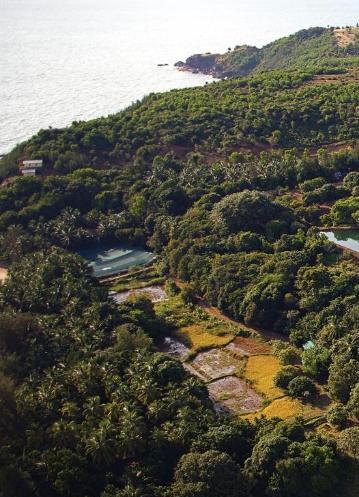

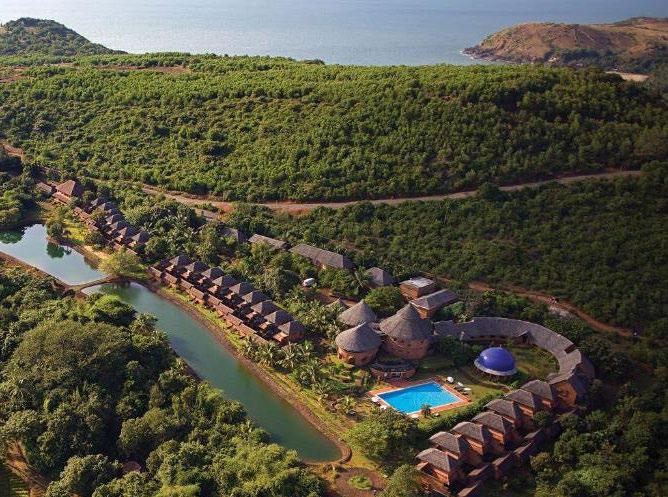

Hidden in the Sal forest foothills 20 minutes from Dehradun, Six Senses Vana is a 21-acre wellness ashram-reimagined that sits in the shadow of the magnificent Mindrolling Monastery and the lesservisited Robber’s Cave. Launched in 2023, it is arguably India’s most sophisticated forest retreat, yet its environmental footprint is remarkably light. The entire property runs on solar and hydroelectric power; its kitchens are 90% plantbased and sourced from a two-acre organic farm that grows everything from Himalayan red rice to stinging-nettle pesto. Architects used reclaimed railway sleepers, hand-chiselled stone, and copper roofing that will patina naturally over decades. Water is recycled through a constructed wetland planted with vetiver and canna lilies, and the spa uses only house-distilled herbal oils.
What makes Vana unique in a pilgrimage context is its location on an ancient Buddhist meditation circuit. Guests can walk to Mindrolling for morning prayers,
trek to nearby Tibetan settlements, or join resident monks for mindfulness sessions. The retreat also funds the education of local children from nearby villages and has planted over 15,000 native oaks and deodars since opening. Activities range from forest bathing and sound journeys in a geodesic dome to Tibetan medicine consultations and sunrise yoga overlooking the Doon Valley. In a state often overrun by Char Dham crowds, Vana offers a rare pocket of refined stillness where Himalayan ecology and spirituality breathe in unison.









In the sleepy village of Rinchenpong, beneath the sacred Pemayangtse Monastery (one of Sikkim’s oldest), lies a 44-acre organic farmstay that feels like stepping into a living postcard of the eastern Himalayas. Run by the Pradhan family for four generations, Yangsum Heritage Farm grows 86 varieties of crops—cardamom, large cardamom, kiwi, avocado, turmeric—entirely without chemicals. Every cottage is built from rammed earth and bamboo, heated by traditional bukharis (wood stoves) fuelled only by prunings from the farm itself. Solar panels power the lights and hot water; food waste becomes vermicompost; even the toilet paper is handmade from lokta bark. Meals are legendary—stingingnettle soup, fermented bamboo-shoot curry, and millet beer brewed on site—served family-style in a 150-year-old Lepcha-Bhutia dining room lined with antique thangkas.
Rinchenpong sees barely 5% of Gangtok’s tourist footfall, making it perfect for travellers craving authentic monastery culture without the crowds. Guests can hike to centuries-old gompas, learn Sikkimese weaving from local women, or simply sit on the veranda watching Kanchenjunga turn pink at dawn. The farm also runs a seed-bank project to preserve 40 heirloom varieties threatened by hybrid seeds. For anyone seeking the real Sikkim—organic, indigenous, and intimately spiritual—Yangsum is not just a homestay; it is a quiet revolution in the lap of the mountains.
High above the Kumaon hills, 15 minutes from the 350-year-old Mukteshwar Mahadev Temple, Namita and Yogesh Tiwari have spent a decade transforming a barren hillside into Himalayan Homestead—an acre of terraced food forests, mud cottages, and utter peace. The three stone-and-timber cottages are built with traditional Kumaoni craftsmanship; walls are 18-inch-thick mud that keep interiors cool in summer and warm in winter without heaters. Power comes from rooftop solar; cooking is on wood-fired chulhas using only fruittree prunings; water flows from a protected spring 2 km uphill. The couple grows over 120 varieties of herbs, flowers, and heirloom grains—amaranth, buckwheat, finger millet— served in thalis that change daily with the season. Mukteshwar itself remains deliciously off-radar compared to Nainital, yet the temple trail is alive with quiet devotion. Guests often walk the 3-km forest path to the Shiva shrine at sunrise, returning for sourdough-baking workshops or natural dye sessions using walnut hulls and marigolds from the garden. The homestead also trains local youth in permaculture and has revived five abandoned village springs through community recharge pits. At night, the Milky Way is so bright you can read by it. For travellers who believe true luxury is birdsong, mountain air, and the smell of woodsmoke at dusk, Himalayan Homestead is Kumaon’s best-kept secret.
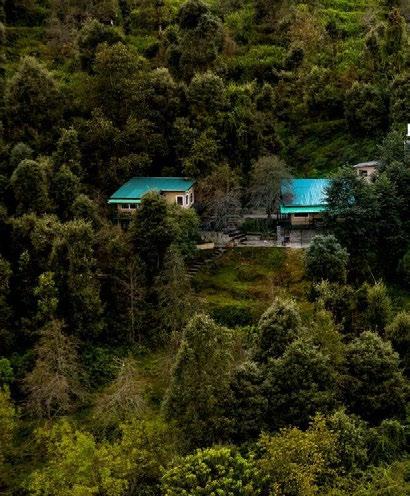

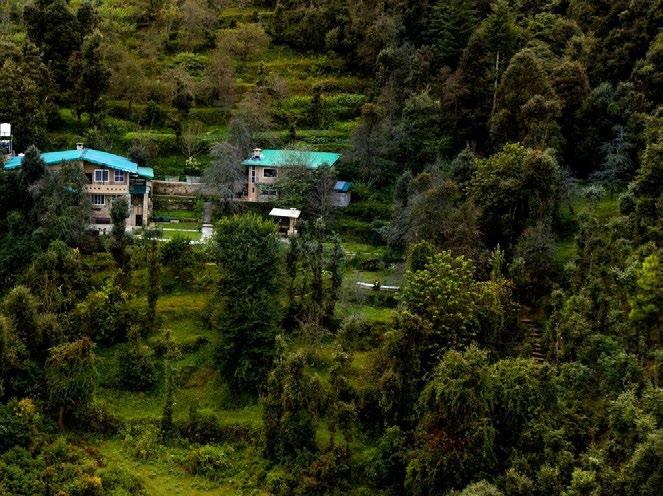

Just 25 km from the sacred Trimbakeshwar Jyotirlinga yet worlds away from the pilgrimage chaos, The Parekh Farm is a 22-acre agro-tourism haven run by the third generation of a family that once supplied table grapes to Europe. Today, the farm has swapped chemical monoculture for polyculture paradise—mango, jamun, moringa, and 18 varieties of millets grow alongside marigolds that repel pests naturally. Three spacious cottages and a treehouse are built from compressed stabilised earth blocks; solar panels and a biomass gasifier provide all energy; and a reed-bed system treats every drop of wastewater. Meals are a celebration of Nashik’s terroir—wood-fired bhakris, smoked brinjal bharta, and fresh amla pickle—often cooked by the hosts themselves.
Because Trimbakeshwar draws millions during the Kumbh Mela but far fewer on regular days, the surrounding Anjaneri hills remain remarkably peaceful. Guests can trek to Anjaneri Fort (birthplace of Lord Hanuman according to legend), join the family for grape-pruning in season, or learn to distill lemongrass and vetiver oils in the farm’s tiny distillery. The property also runs bird walks (over 140 species recorded) and has created habitat corridors for leopards that occasionally pass through. The Parekh Farm proves that Nashik can be more than wine and temples—it can be a living example of how pilgrimage landscapes and regenerative agriculture can flourish side by side.
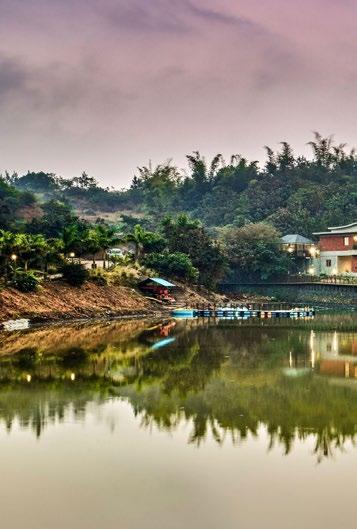

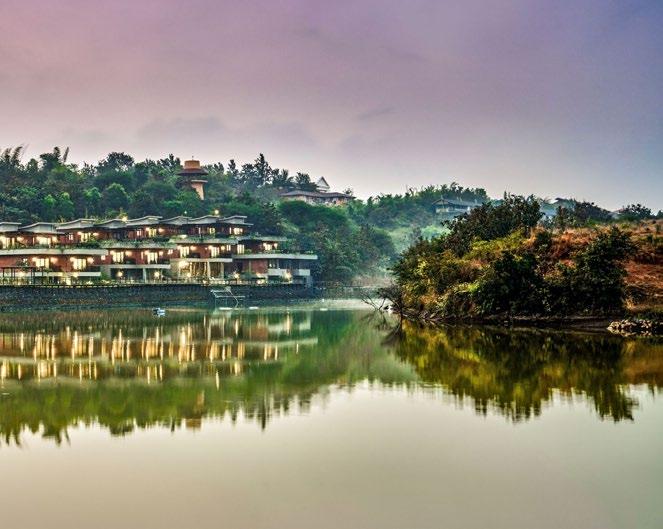
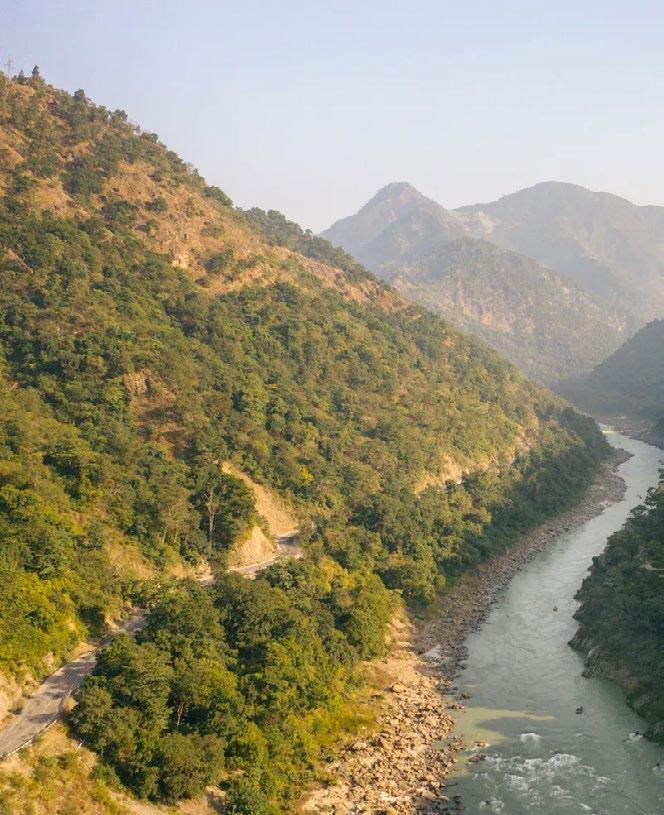

These five emerging green stays are not just places to sleep; they are quiet movements toward a gentler, greener India—one mindful traveller at a time. As India’s green stays proliferate in these understated realms, they signal a shift toward tourism that heals rather than harms. These five properties—each a unique thread in the tapestry of rural India—remind us that true wanderlust lies in the unhurried, the untrodden. Whether you’re a pilgrim seeking divine whispers or a traveller craving earth’s quiet pulse, these sanctuaries promise renewal. Book mindfully, travel lightly, and let these emerging havens inspire your next chapter of sustainable discovery.
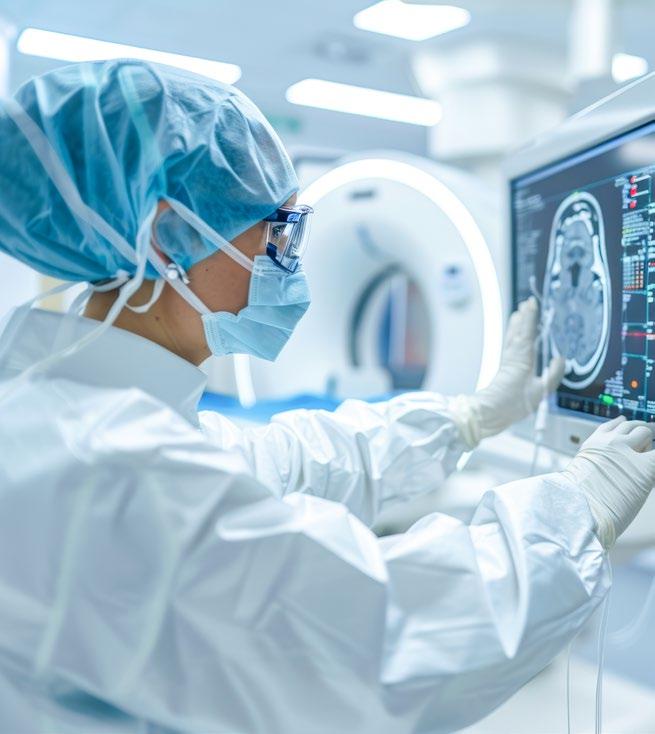

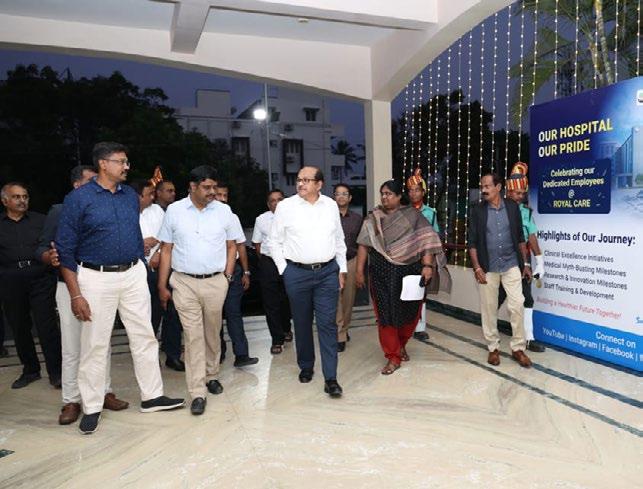
Royal Care Super Speciality Hospital, Coimbatore, marked a memorable milestone with ROYAL FEST 2025, its muchanticipated annual celebration, held on 20 December 2025. The event brought together doctors, nurses, administrative staff, technicians, and support teams under one roof, celebrating not just a year gone by, but the collective spirit that defines Royal Care’s identity as a people-first healthcare institution. Set against a vibrant and festive backdrop at the hospital campus, ROYAL FEST 2025 was an evening filled with joy, recognition, and reflection.

More than a celebration, it served as a powerful reminder that behind every successful surgery, every recovered patient, and every medical breakthrough stands a committed team working in harmony.
The annual fest has become a cornerstone of Royal Care’s organisational culture, offering a pause from the intensity of hospital life to acknowledge dedication, resilience, and teamwork. In 2025, the celebration carried special significance, as the hospital reflected on a year marked by clinical milestones, national recognitions, and life-saving interventions that strengthened its standing as one of Tamil Nadu’s leading super speciality hospitals.
The event commenced with a warm welcome address, followed by the ceremonial lighting of the lamp, symbolising hope, unity, and the shared mission of healing. Hospital leadership highlighted the importance of ROYAL FEST as a platform to honour the unseen efforts of every staff member — from frontline caregivers to backend support teams — whose contributions are integral to patient care.
Speaking on the occasion, the hospital’s leadership emphasised that healthcare excellence is not built by infrastructure alone, but by people who bring skill, compassion, and integrity to their roles every single day. ROYAL FEST 2025 was therefore designed as a celebration of people, recognising that the hospital’s greatest strength lies in its workforce.


A key highlight of the evening was the employee recognition segment, where individuals and teams were honoured for their outstanding performance, dedication, and service excellence. Awards were presented across departments, acknowledging clinical excellence, operational efficiency, innovation, and compassionate care. These moments of recognition were met with enthusiastic applause, reinforcing a culture of appreciation and motivation.
The celebration also featured a series of cultural performances by staff members, showcasing talents beyond the hospital corridors. From energetic dance routines and soulful music to skits that humorously reflected everyday hospital life, the performances added colour and warmth to the evening. The stage became a space where colleagues connected not as professionals alone, but as a close-knit community.
Beyond entertainment, ROYAL FEST 2025 fostered a sense of belonging and emotional connection — essential elements in a highpressure environment like healthcare. The event encouraged staff to unwind, bond, and recharge, strengthening interpersonal relationships that translate into better teamwork and patient outcomes.
As the evening progressed, reflections on the year’s achievements underscored the hospital’s growth in advanced medical services, complex procedures, and patient trust. Leadership reiterated Royal Care’s commitment to continuous learning, innovation, and adherence to global quality standards, while also prioritising staff wellbeing and professional development.
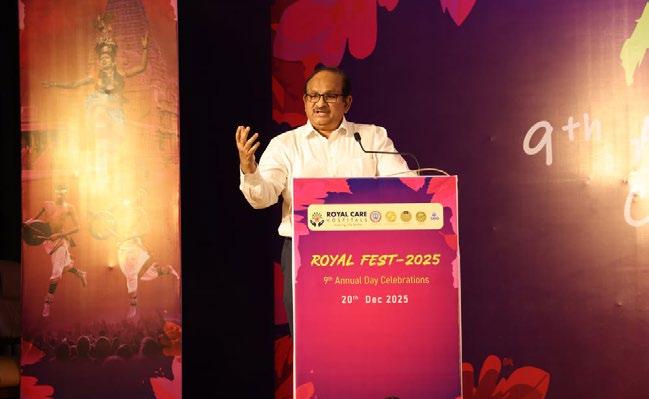
The celebration concluded on an optimistic note, with a shared vision for the year ahead. With evolving healthcare challenges and rising patient expectations, Royal Care reaffirmed its resolve to remain at the forefront of medical excellence — driven by teamwork, compassion, and a relentless pursuit of quality.
ROYAL FEST 2025 was more than an annual event; it was a heartfelt tribute to the people who make Royal Care what it is. As the hospital steps into the future, the spirit of togetherness celebrated that evening will continue to inspire every member of the Royal Care family to heal, serve, and excel — together.
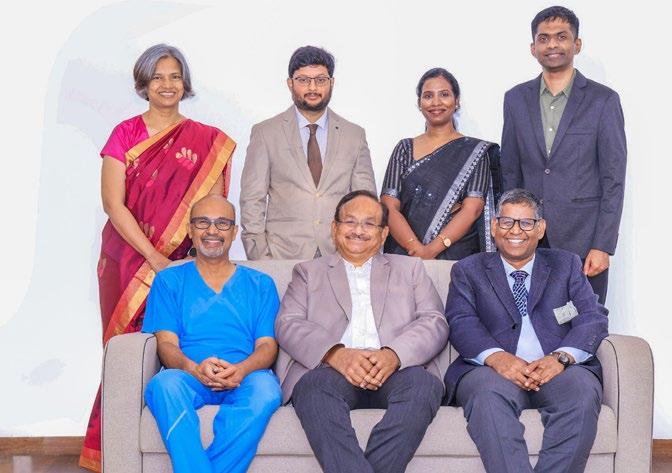
In an extraordinary demonstration of medical expertise and multidisciplinary coordination, Royal Care Super Speciality Hospital, Coimbatore, successfully performed a rare and highly complex deceased-donor liver transplant in early December 2025 on a 65-year-old woman who was dependent on a permanent pacemaker — a feat that marked a significant milestone in advanced surgical care.
Liver transplantation is already considered one of the most intricate procedures in modern surgery, requiring precision, expert planning, and seamless coordination among specialised teams. What made this case exceptionally challenging was the patient’s complete heart block, which left her reliant on an implanted pacemaker to regulate her heartbeat. Performing a transplant under such circumstances presents unique risks: electrical interference from surgical equipment,
fluctuations in blood pressure and electrolytes, and the overall stress of major surgery on an elderly patient with compromised cardiac function. Before proceeding to the operating theatre, the case was meticulously reviewed by Royal Care’s multidisciplinary transplant committee, which brought together specialists from hepatology, cardiology, anaesthesiology, critical care, and transplant surgery. This collaborative approach ensured that every aspect of the patient’s health was optimized prior to surgery.
The cardiology team, led by Consultant Interventional Cardiologist Dr. Varun Marimuthu, played a critical role in stabilising the patient’s cardiac function ahead of the operation. The team conducted a thorough
evaluation of the pacemaker system, ensuring that device settings were precisely calibrated to function reliably under the intense physiological demands of transplant surgery. Continuous intraoperative monitoring was established to guard against any cardiac instability.
“Our first step was to assess her cardiac condition and evaluate the pacemaker thoroughly,” said Dr. Marimuthu, emphasizing the importance of achieving optimal cardiac safety before and during the transplant.


In the operating room, the anaesthesia team faced the complex task of protecting vital organs while managing the physiological stress of major surgery. Dr. Abhinaya, the Liver Transplant Anaesthesiologist, detailed the careful planning involved: “Given her pacemaker, we selected drugs cautiously, planned each step meticulously, and monitored her heartbeat, blood pressure, and oxygen levels in real time.” Advanced
cardiac monitoring was used throughout to provide real-time data and ensure immediate response to any changes. The precision of the anaesthesia strategy was crucial in maintaining the delicate balance between the patient’s cardiac needs and the liver transplant requirements. In such high-risk cases, even minor deviations in haemodynamic stability can have serious consequences, making the role of the anaesthesia team fundamental to the overall success of the surgery.


Following the transplant, the patient was transferred to the Intensive Care Unit (ICU), where vigilant postoperative care continued. According to Dr. M. N. Sivakumar, Head of Critical Care Medicine, the ICU team focused on harmonising the demands of the new liver and the patient’s pacemaker-dependent heart, alongside heightened infection control and recovery protocols.
“After transplant surgery, the new liver faces its true test in the ICU,” Dr. Sivakumar explained, highlighting the team’s dedication to closely tracked clinical recovery and rapid intervention if needed.
Thanks to this meticulous approach, the patient recovered well and was discharged in good health, a testament to the hospital’s robust infrastructure, skilled specialists, and advanced monitoring systems. The outcome brought immense relief to the patient’s family and cemented Royal Care’s reputation for handling even the most technically demanding cases.



In discussing the success, Lead Liver Transplant Surgeon Dr. Ilango Sethu emphasised that such achievements are only possible through a wellintegrated multidisciplinary ecosystem — where surgeons, physicians, anaesthetists, critical care teams, and support staff work in concert under one roof. Royal Care Chairman and Managing Director Dr. K. Madeswaran reflected on the significance of this milestone, noting that the hospital’s JCI, SRC, CARF, and NABH accreditations affirm its commitment to international standards in patient safety and clinical care.
The successful transplant not only gave the patient a second lease on life but also underscored Royal Care’s position as a centre capable of delivering complex and life-saving medical interventions. As organ transplantation continues to evolve, this case stands as an inspiring example of what can be achieved with advanced medical science, teamwork, and unwavering dedication to patient welfare.

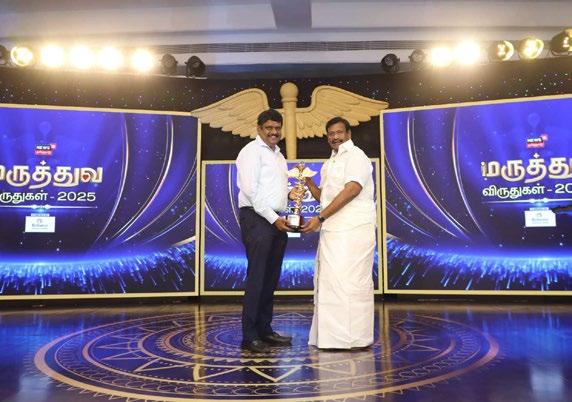
Royal Care Super Speciality Hospital, One Of South India’s Leading Tertiary Care Institutions, Proudly Announced Its Recognition As The “Best Super Speciality Hospital In The Kongu Region” At The Esteemed Maruthuva Viruthugal 2025 Awards Ceremony. The Prestigious Accolade Was Bestowed Upon The Hospital On 12 December 2025 At A Glittering Function Held In Chennai, Hosted By News18 Tamil Nadu — One Of The Region’s Foremost News Networks Dedicated To Highlighting Excellence In Healthcare, Medical Innovation, And Patient Services.
The Award Was Formally Presented By Thiru S. M. Nazar, Honourable Minister For Minority Welfare, Government Of Tamil Nadu, Further Underlining The Significance Of This Recognition At A State Level. The Honour Was Received On Behalf Of Royal Care By Dr. K. T. Manisenthilkumar, Chief Operating Officer, Who Accepted The Award With Gratitude And Reiterated The Hospital’s Ongoing Commitment To High-Quality, Compassionate Healthcare. This Accolade Is A Milestone In Royal Care’s Journey, Affirming Its Status As A Centre Of Clinical Excellence Where Advanced
Medical Practices Are Coupled With A Deeply Rooted Patient-First Philosophy. The Maruthuva Viruthugal Awards Are Designed To Acknowledge Healthcare Organisations And Professionals Who Have Demonstrated Exceptional Delivery Of Medical Services, Driven Innovation In Patient Care, And Upheld The Highest Standards Of Professional Integrity. To Be Recognised As The Best Super Speciality Hospital In The Kongu Region — A Diverse And Medically Progressive Zone Encompassing Western Tamil Nadu — Places Royal Care Among The Top Echelons Of Healthcare Providers In The State.
Over The Past Decade, Royal Care Super Speciality Hospital Has Seen Remarkable Growth, Both In Scale Of Operations And Depth Of Clinical Services. From Its Humble Beginnings To Its Expansion Into A Modern Facility Equipped With State-Of-The-Art Technology, The Hospital Has Grown Into A Premier Destination For Multi-Organ Care, Complex Surgical Procedures, Advanced Diagnostics, And Specialised Treatments. The Award Reflects The Hospital’s Unwavering Focus On Evidence-Based Practice, Patient Safety, And Outcome-Oriented Care, Which Are Essential Pillars Of Its Mission.
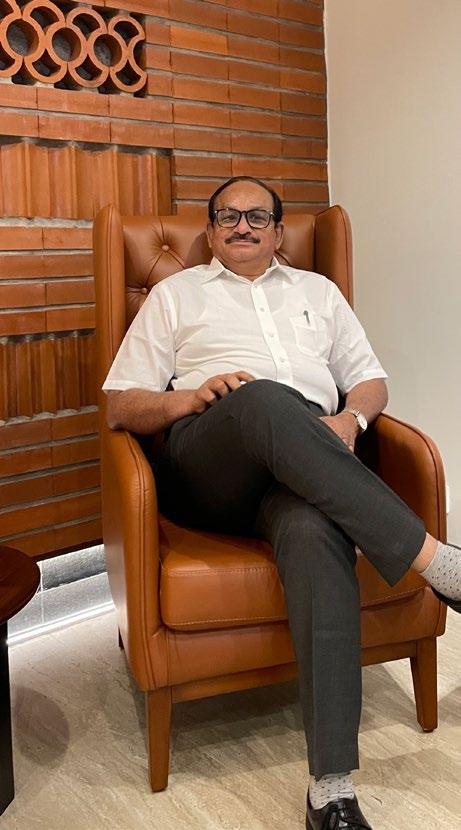
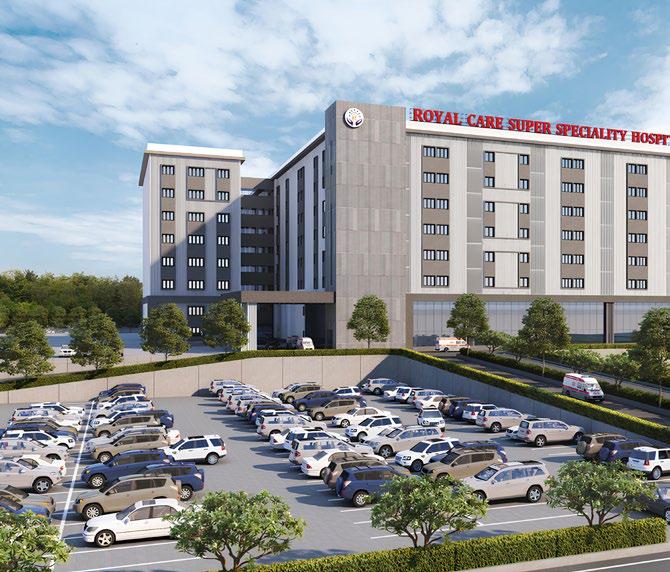
The Hospital’s Leadership Emphasised That This Recognition Is Not Merely A Trophy On A Shelf, But A Reflection Of Collective Effort — From Doctors And Nurses To Paramedical Staff, Administrative Personnel, And Allied Health Teams — All Working Collaboratively To Deliver Excellence. In His Remarks, Dr. Manisenthilkumar Highlighted The Synergy Between Advanced Clinical Expertise And Human-Centred Care That Distinguishes Royal Care’s Approach: “This Award Is A Tribute To Our Dedicated Professionals Whose Passion And Perseverance Have
Consistently Elevated The Standard Of Care We Provide. Our Patients And Their Families Are At The Heart Of Everything We Do, And This Honour Reinforces Our Resolve To Keep Raising The Bar.” In Recent Years, Royal Care Has Garnered Several Recognitions And Accreditations That Demonstrate Its Leadership In Healthcare Quality And Safety. The Hospital Holds Joint Commission International (Jci) Accreditation — A Globally Recognised Benchmark — And Multiple National Quality Certifications That Attest To Its Clinical And Operational Excellence. These Credentials



Encompass Rigorous Standards In Patient Safety, Clinical Outcomes, Infection Control, And Ethical Care Practices. It Is These Sustained Efforts Toward Continuous Improvement That Have Cemented Royal Care’s Reputation Not Just Regionally, But Nationally. The Maruthuva Viruthugal 2025 Award Further Positions Royal Care Super Speciality Hospital As A Role Model In The Healthcare Community — Inspiring Other Institutions To Pursue Excellence, Adopt Evidence-Based Practices, And Prioritise Patient Welfare Above All. As Healthcare Needs Evolve With Emerging Medical Technologies, Shifting Disease Patterns,
And Increasing Patient Expectations, Royal Care Continues To Invest In Innovation, Professional Development, And Infrastructure Enhancement To Stay At The Forefront Of Medical Care. Celebrating This Achievement, The Hospital Extends Heartfelt Gratitude To Its Patients, Community Partners, Referring Physicians, And All Staff Whose Trust And Dedication Have Made This Distinction Possible. With This Award As A Milestone, Royal Care Reaffirms Its Mission To Deliver Compassionate, Comprehensive, And Cutting-Edge Healthcare To Every Individual Who Walks Through Its Doors.



For more than three decades, Yashoda Hospitals Hyderabad has stood as a beacon of advanced healthcare, touching countless lives with its blend of cutting-edge medical excellence and compassionate care. In a rapidly modernizing India, where healthcare demands evolve with every passing year, Yashoda has emerged as a distinguished leader — not just as a hospital, but as a comprehensive healing ecosystem trusted across the world. Today, the name “Yashoda” resonates with hope, healing, and world-class expertise. With four major centers across Hyderabad — Somajiguda, Secunderabad, Malakpet, and Hitec City — the hospital group represents a dynamic fusion of advanced infrastructure, multi-specialty medical proficiency, and a patient-first philosophy. This is the story of a healthcare institution that continues to redefine excellence.


Yashoda Hospitals began with a simple but powerful vision: to make high-quality healthcare accessible, affordable, and humane. Over time, this vision has grown into a large-scale, multi-specialty institution with international acclaim. What started modestly is now one of the most trusted private healthcare networks in South India. Hyderabad’s strategic position as a medical hub further amplified Yashoda’s
rise. patients from Telangana, Andhra Pradesh, Karnataka, Maharashtra and distant parts of the country—along with hundreds of international patients—travel to the city every year for advanced treatment. For them, Yashoda Hospitals is not just a facility; it is a lifeline. The hospital’s growth reflects its unwavering commitment to clinical excellence, technological modernization, and a holistic approach to health. Each of its branches, though independent in its functioning, aligns with the group’s overarching mission of “care with a human touch.”

What sets Yashoda Hospitals apart is the vast range of specialties available in one cohesive network. With more than 60 centers of expertise, the hospital caters to virtually every aspect of medical science.
From routine heart evaluations to advanced cardiac surgeries, Yashoda’s Heart Institute is equipped to handle highly complex procedures including cardiac bypass, valve replacements, angioplasty, heart failure management, and even heart transplants. International-standard cath labs and expert cardiologists make this one of the finest cardiac centers in South India.
The Cancer Institute stands as a testament to precision oncology. Featuring cutting-edge technologies such as PET-CT, TrueBeam STx, and targeted therapy systems, the institute offers comprehensive cancer care—medical, surgical, and radiation—within one integrated facility. From early detection to advanced treatment pathways, every aspect of oncology is meticulously covered.
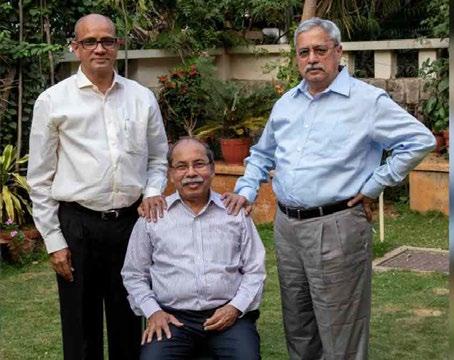
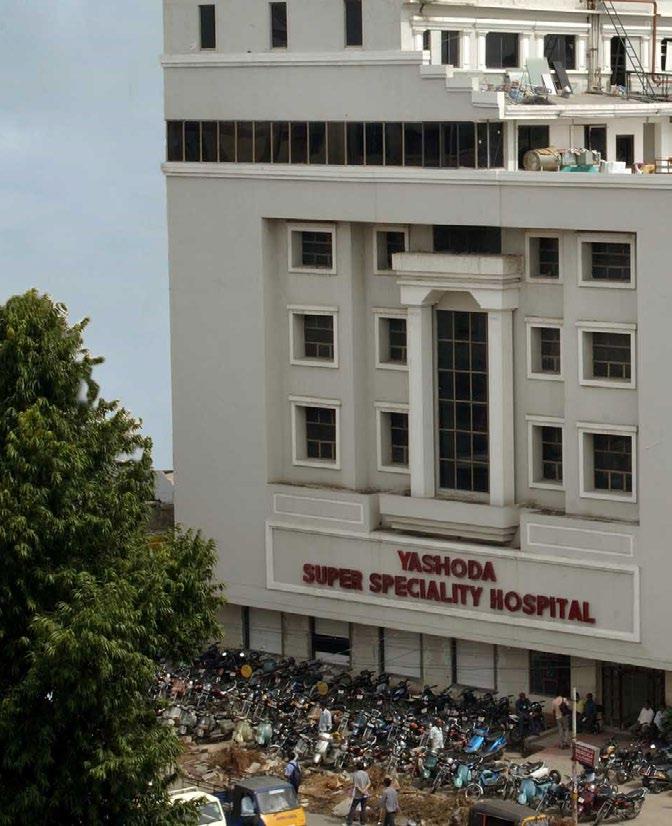
Neurology and neurosurgery are among the hospital’s strongest departments. Whether it’s managing stroke cases, brain tumors, spinal cord issues, or neuro trauma, Yashoda houses advanced neuro-navigation systems, microscopes, and critical care units designed for highly sensitive neurological interventions.
The Orthopaedic Institute specializes in complex joint replacements, arthroscopy, sports injury management, and trauma surgeries. Robotic joint replacement technology ensures greater precision, reduced scars, and faster recovery.
The hospital is known for its expertise in liver care, endoscopic procedures, and GI surgeries. Its liver transplantation program has gained national recognition.
With advanced dialysis units and experienced specialists, the Nephrology Department offers kidney transplants, acute renal failure management, and minimally invasive urological procedures.
The Obstetrics and Pediatrics departments provide maternity care, neonatal intensive care, high-risk pregnancy management, and advanced pediatric treatment backed by NICUlevel technology. These specialties, along with many more—including pulmonology, rheumatology, dermatology, endocrinology, and psychiatry—create a robust, multi-specialty framework that makes Yashoda Hospitals a one-stop destination for comprehensive healthcare.
Modern medicine thrives on innovation, and Yashoda Hospitals has embraced this philosophy wholeheartedly. Its facilities feature advanced diagnostic centers, futuristic surgical equipment, and technologically enhanced patient care models.
State-of-the-Art Diagnostic Network
Accurate diagnosis plays a pivotal role in effective treatment. Yashoda’s diagnostic departments provide:
• High-resolution MRI & CT scans
• PET-CT imaging for oncology
• Digital X-rays & 3D imaging systems
• High-end ultrasound & Doppler
NABL-certified laboratories
The precision and speed of these diagnostic tools reduce waiting times and improve treatment accuracy.
The introduction of robotic surgical systems marks a major advancement in Yashoda’s clinical capabilities. These systems allow surgeons to perform minimally invasive procedures with unmatched control and precision, resulting in:
• Smaller incisions
• Less pain
• Reduced risk of complications
• Faster recovery times
Robotic technologies are especially useful in urology, oncology, gynecology, and joint replacement surgeries.
Yashoda Hospitals operates one of India’s most advanced critical care programs. Each branch includes:
• 24/7 emergency rooms
• Rapid-response teams
• ICU and NICU units equipped with latest life-support systems
• Multi-disciplinary trauma management
Ambulance services, telemedicine consultations, and emergency transport facilities make Yashoda a frontline responder in critical situations.
Technology and expertise alone do not define a great hospital. Yashoda goes beyond medical treatment to provide a comprehensive healing experience.
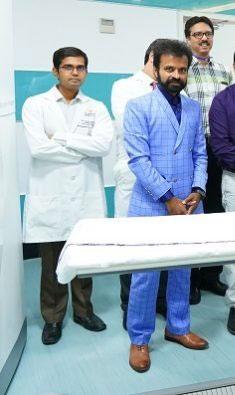
Patient rooms are designed to ensure comfort, privacy, and peace. From deluxe rooms to suites, the hospital offers a range of accommodation options. Cleanliness, hygiene, and supportive staff add to the wholesome environment.
Transparent Communication:
Doctors take time to explain medical conditions, treatment options, and expected outcomes with clarity. Families are actively involved in discussions, ensuring informed decision-making.
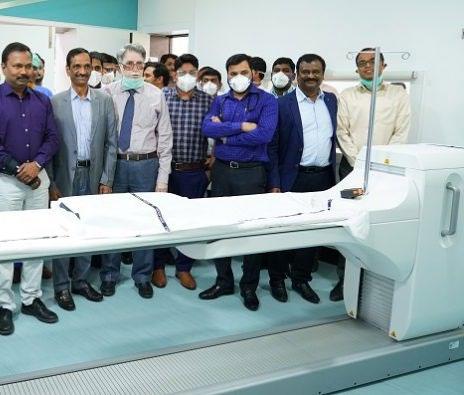
• 24/7 pharmacy
• Round-the-clock diagnostics
• Cafeteria and visitor lounges
• Insurance & billing assistance
Personalized care coordinators for complex cases
The hospital also provides a dedicated International Patient Desk, assisting foreign patients with visa support, translators, travel logistics, and accommodation—making Yashoda a preferred medical tourism destination.
Somajiguda
The flagship branch known for multispecialty excellence, high-end surgeries, and comprehensive diagnostics.
Secunderabad
A premier center for cardiology, critical care, emergency services, and advanced medical equipment.
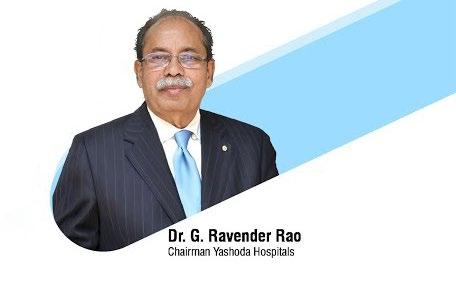
Malakpet
A bustling hub offering 24/7 tertiary and emergency care with strong expertise across major specialties.
Hitec City
The newest and most technologically advanced campus—an architectural blend of innovation, luxury, and future-ready healthcare. Together, these centers serve millions of patients each year and continue to elevate Hyderabad’s status as a global health destination.
The journey of Yashoda Hospitals Hyderabad is a story of relentless dedication to improving lives. With its patient-first approach, highly qualified doctors, modern infrastructure, and commitment to technological excellence, Yashoda stands tall as one of India’s most respected healthcare institutions. From healing the critically ill to pioneering breakthrough medical procedures, Yashoda continues to uphold the values of compassion, integrity, and innovation. As the healthcare landscape evolves, one thing remains constant — Yashoda’s promise to deliver world-class care with a heart full of empathy.
Yashoda Hospitals Hyderabad is not just a place of treatment; it is a sanctuary of healing, trust, and hope for millions. Yashoda Hospitals–Hitec City Launches AI-Enabled Lung Nodule Clinic for Early Detection of Lung Cancer. A Stateof-the-art Artificial Intelligence (AI)-based Lung Nodule Clinic for Early Detection of Lung Cancer and Other Major Lung Diseases
Recently, Yashoda Hospitals, Hitech City, in collaboration with Qure.ai and AstraZeneca, has launched an advanced Artificial Intelligence (AI)-powered Lung Nodule Clinic, aimed at transforming early detection and timely management of lung cancer and other major lung diseases. This pioneering initiative integrates AI across the imaging-to-care pathway, offering a robust solution in a country where there is no national lung cancer screening program.
Speaking on the occasion, Dr. G. S. Rao, Managing Director, Yashoda Hospitals, said, “Lung cancer remains the leading cause of cancer-related deaths in India, claiming over one lakh lives every year, primarily due to delayed diagnosis. Nearly 80% of lung cancers in India are detected at an advanced stage when cure is unlikely. The AI-enabled Lung Nodule Clinic provides a structured mechanism to identify early radiologic signs of lung cancer, even in asymptomatic individuals, and ensures priority follow-up and timely intervention.
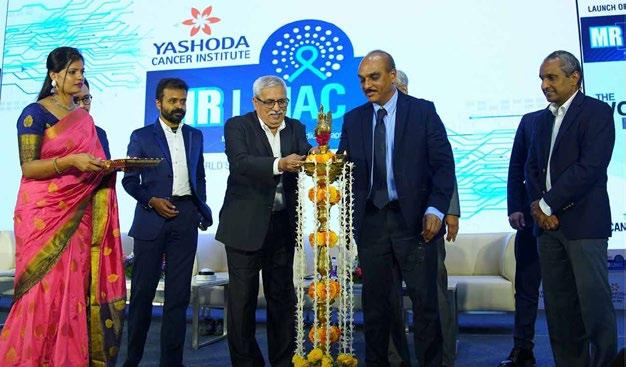

Since deployment, the AI system has analysed over 17,000 chest X-rays, identifying 960 lung nodules, of which 136 were categorized as high-risk. A total of 77 patients were fasttracked for CT scans and detailed pulmonology review. Early findings include confirmed lung cancer cases, along with other conditions such as tuberculosis, sarcoidosis, and lymphoma, highlighting the broader clinical value of this pathway.”
“Pulmonary nodules — small, rounded lesions less than 3 cm — are often the earliest radiologic indicators of lung cancer. However, they can be challenging to detect on chest X-rays and may be missed or deprioritized in routine clinical workflows, leading to delayed diagnosis. At the Lung Nodule Clinic in the Department of Pulmonology, Yashoda Hospitals–Hitech City, an advanced AI-enabled system has been integrated across the imaging and care pathway to ensure timely identification, risk stratification, and structured follow-up of these findings.
Since lung nodules can also result from conditions such as tuberculosis, sarcoidosis, and lymphomas, accurate diagnosis is crucial. The Interventional Pulmonology team at Yashoda Hospitals employs cutting-edge tools, including radial endobronchial ultrasonography, navigational bronchoscopy, and cone-beam CT–guided sampling to precisely biopsy and diagnose these small lesions. This AI-supported, technology-driven approach enables early detection not only of lung cancers but also of other major lung diseases, ensuring patients receive timely and appropriate treatment.
This program demonstrates how AI can be embedded within clinical workflows to identify and manage lung disease earlier, even among patients outside conventional screening criteria,” said Dr. V. Nagarjuna Maturu, Senior Consultant, Clinical and Interventional Pulmonology, Yashoda Hospitals–Hitech City. “The structured nodule pathway ensures every incidental finding is tracked, risk-assessed, and followed up appropriately, establishing a new benchmark for proactive lung health management,” added Dr. Maturu.

The Lung Nodule Clinic is supported by a dedicated nurse navigator model, ensuring all patients flagged by the AI system are promptly contacted, counselled, and guided through the next steps without delays. “This model standardizes protocols, timelines, and documentation across departments, minimizing delays and ensuring that no patient is left behind in the care journey,” said Dr. Vipul Garg, Associate Consultant, Clinical and Interventional Pulmonology, Yashoda Hospitals–Hitech City, who leads the clinic.
The AI-augmented pathway at Yashoda Hospitals–Hitech City marks a significant step toward delivering comprehensive, data-driven respiratory care. By converting incidental findings into actionable clinical outcomes, the hospital aims to strengthen early diagnosis rates and reduce the burden of late-stage lung cancer in India.
Awards & Recognization
Joint Commission International Which has evaluated this Hospital and found it to meet the international health care quality standards for patient care and organization management.
World’s best hospital 2025
In 2025, Yashoda Hospitals – Somajiguda is certified as one of the ‘World’s Best Hospitals 2025’ by Newsweek and Statista.
World’s best hospital 2025
Yashoda Hospital, Secunderabad has received the ‘Platinum level ELSO award for Excellence in Life Support’ from the Extracorporeal Life Support Organization and is valid until December 31, 2028
Excellent Energy Efficient Unit”
YASHODA HOSPITALS AWARDED National Award For “Excellence in Energy Management 2025”
AHPI 2024
In 2024, the hospital was honored with AHPI ‘Excellence in Infection Control Practices’ award for its Secunderabad unit.
The department of Laboratory Medicine, Yashoda Hospital, Secunderabad (A unit of our Company) received an accreditation for ‘Medical laboratoriesRequirements for quality and competence’ with the standard ISO 15189:2012 from the National Accreditation Board for Testing and Calibration Laboratories in the field of medical testing and is valid until April 21, 2026
Awarded as the ‘Best Hospital in Private Sector with Highest Number of Deceased Organ Donations’ by National Organ and Tissue Transplant Organization
In 2023, the hospital was honored with AHPI ‘Excellence in Infection Control Practices’ award for its Somajiguda unit.
Awarded the ‘Best Multispecialty Hospital of the Year 2023’ at the Visionary Leader Awards 2023 organized by Outlook Business Spotlight.
CIMS medica healthcare excellence awards 2020
YASHODA HOSPITALS AWARDED “HOSPITAL WITH HIGHEST STANDARD IN PATIENT CARE” AT CIMS MEDICA



Hyderabad, 5th July 2020: Yashoda Hospitals Hyderabad has been awarded the “Hospital with Highest Standard in Patient Care by CIMS Medica Healthcare Excellence Awards 2020. This award is a testament of our commitment to enrich Patient Care. The Asian Hospital Management Awards are organized by Ministry of Health Vietnam in cooperation with Johns Hopkins Medicine International, Joint Commission International, the International Hospital Federation, the Asian Hospital Federation, Hong Kong Hospital Authority and a number of national associations and organizations across Asia.
Yashodha Hospitals Group’s Officials also Say ‘Any Advances in treatments and techniques happen here first. Yashoda Group is a collaborative community of experts, empowered by outstanding technology, so that our hospitals can make significant breakthroughs and translate them swiftly into medical treatments. We are experts at what we do. Patients can be assured that they would receive quality healthcare, where the most advanced treatments are delivered by the field’s leading medical professionals. And, the following are few examples:
• More than 20,000 cardiac procedures every year
• First Inter-State Heart transplantation in the region
• PTE procedures in Pulmonology Embolism in collaboration with surgeons of Duke University, USA
• Treated World’s largest number (10000*) of cancer patients with RapidArc Technology (*Source: Varian Medical Systems, USA)
• First in world to use RapidArc based Stereotactic Radio-surgery in the treatment of Arteriovenous Malfunction
• First in India to implement 4D gated RapidArc for the treatment of moving tumors
One and only authorized Advanced Training center for IMRT/IGRT & RapidArc technology for Oncologists & Physicists across the country. More than 16,200 patients have been successfully treated using high precision Radiotherapy. For the first time in India, Continuous Renal Replacement Therapy (CRRT) was used to treat multi-organ dysfunction, septicemia, refractory CCF, etc. having hemodynamic instability. First ever half-matched bone-marrow transplantation was successfully done at Yashoda Hospitals. This was a very rare procedure, first ever done successfully in the States of Telangana and Andhra Pradesh.
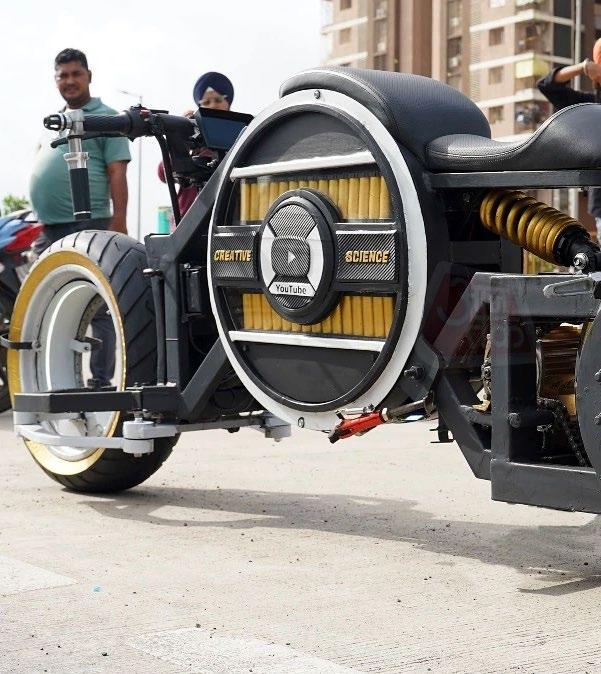

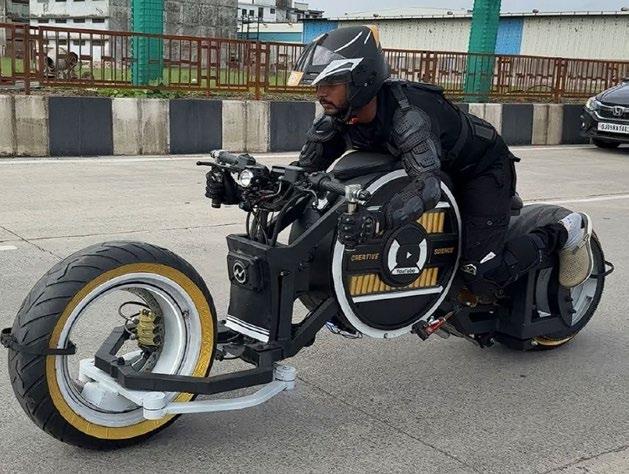
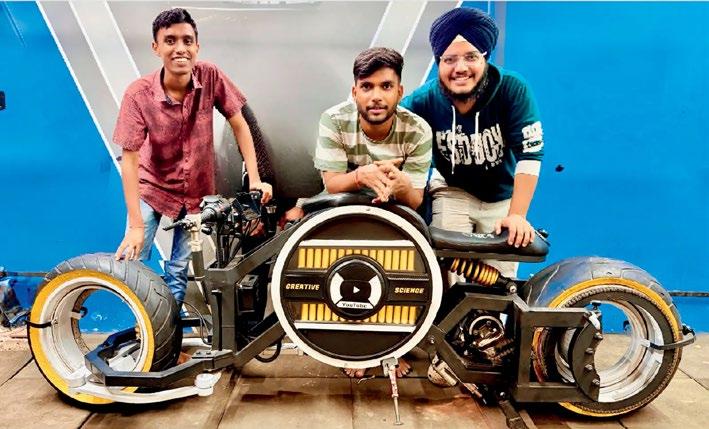
Picture this: a sleek, black superbike gliding through the bustling streets of Surat, its hubless wheels spinning silently, cameras scanning the road, and an AI brain responding to voice commands like a loyal companion. This isn’t a scene from a sci-fi flick—it’s *Garuda*, a revolutionary electric motorcycle forged from scrap by three young engineering students from Bhagwan Mahavir University in Surat, Gujarat. Named after the mythical eagle-like mount of Lord Vishnu, Garuda is a symbol of speed, power, and ingenuity, proving that world-class innovation can emerge from the humblest of beginnings. In a country where two-wheelers are the heartbeat of mobility, this AI-powered marvel is rewriting the rules of the road.
Meet Shivam Maurya, Gurupreet Arora, and Ganesh Patil— three mechanical engineering students with a shared dream and a knack for turning trash into treasure. In a modest workshop, armed with just ₹1.8 lakh (roughly $2,150 USD) and a year of relentless tinkering, they transformed discarded parts into a prototype that’s making waves across India. Half of Garuda’s body—its frame, a Harley-Davidson front tire, a Hayabusa rear tire—was scavenged from Surat’s scrap markets. The other half? Custom-crafted with precision, proving that ingenuity trumps budget constraints.
Shivam, the 24-year-old mastermind, traces his passion to childhood, when he converted his bicycle to electric using pocket money. Inspired by Tesla’s autonomous tech, he envisioned a “smart two-wheeler” that could one day ride itself. “We wanted to build something affordable, sustainable, and futuristic,” he says, his eyes gleaming with pride. “Garuda is our proof that India’s youth can compete on the global stage.”
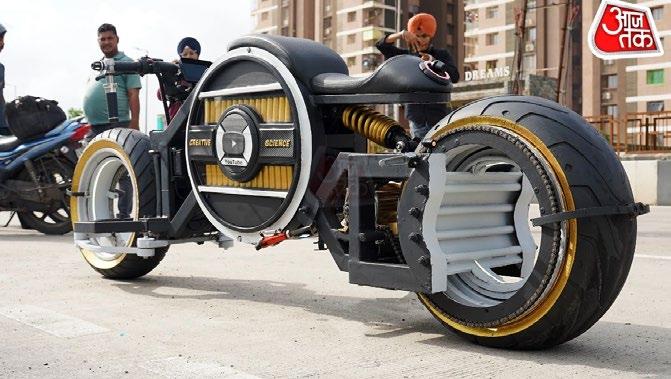
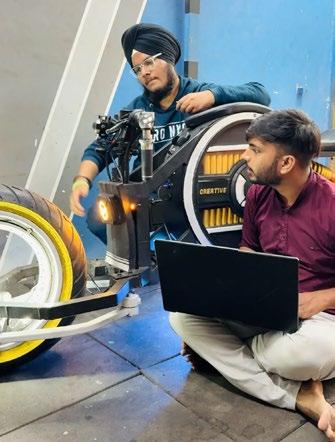
What makes Garuda soar is its cuttingedge tech, packed into a frame that looks like it rolled out of a cyberpunk novel. At its core is a Raspberry Pi, a compact computer serving as the bike’s AI brain. It processes Wi-Fi commands, voice instructions, and real-time data, making Garuda feel like a two-wheeled robot. Say “slow down” or “navigate to the market,” and it responds instantly, adjusting speed or plotting a route on its touchscreen dashboard. Safety is where Garuda truly shines. Dual high-range sensors scan the road, slowing the bike within 12 feet of vehicles and stopping entirely within 3 feet of obstacles. Pothole detection ensures smooth rides on India’s unpredictable roads, while front and rear cameras provide a 360-degree live feed, letting riders monitor traffic, make calls, or even play music—all from the dashboard.
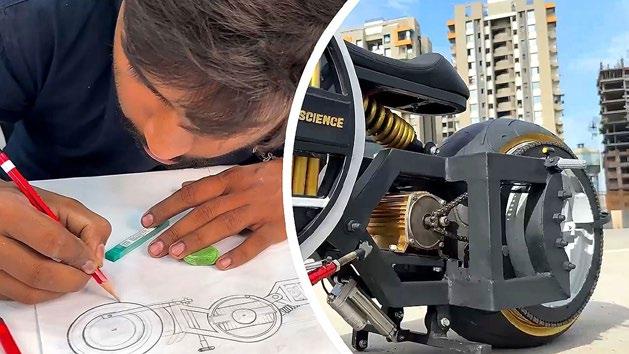
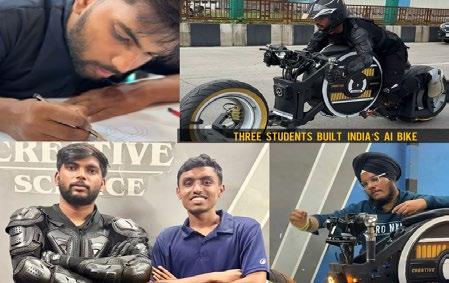
With a lithium-ion battery offering 220 km per charge in eco-mode and wireless charging support, Currently, it requires a rider for balance, but the team is already working toward full autonomy. Imagine a bike that picks you up at your doorstep, navigates traffic, and parks itself—all while you sit back and enjoy the ride. Early tests in Surat show it handling commands with eerie precision, earning gasps from onlookers as it glides through crowded streets.
Garuda is as practical as it is futuristic
“ “
“
In a nation where twowheelers account for over 70% of vehicles, Garuda is a gamechanger.
“
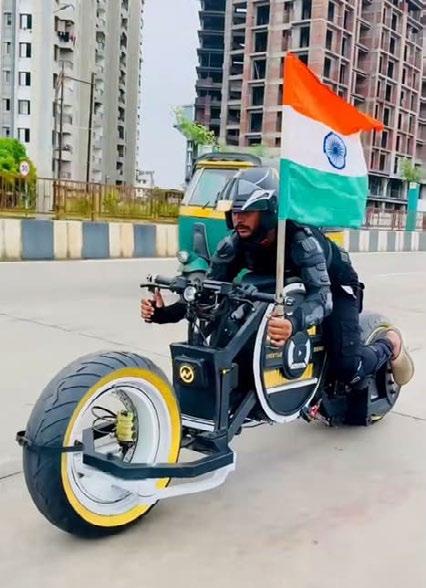
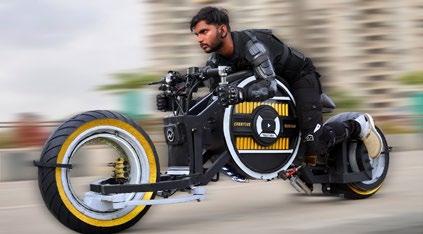
In a nation where two-wheelers account for over 70% of vehicles, Garuda is a game-changer. Electric vehicles (EVs) are gaining traction, but high costs keep them out of reach for many. Garuda, built from scrap and priced at a fraction of commercial EVs, offers a blueprint for affordable, sustainable mobility. Its use of recycled parts tackles e-waste, aligning with India’s push for a circular economy. “This isn’t just a bike—it’s a statement,” says auto analyst Vinod Desai. “Garuda shows driverless tech can be practical and accessible, even in chaotic Indian traffic.”
The students’ vision extends beyond the prototype. They dream of launching a startup, partnering with manufacturers, and exporting “Made in India” AI bikes to the world. With
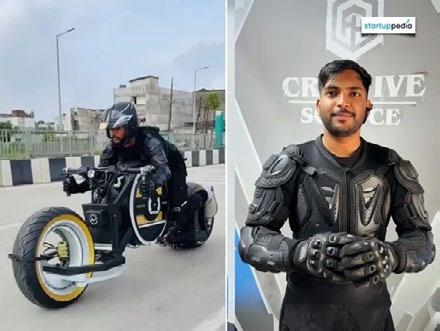
multiple riding modes—eco, sport, and an autonomous preview—plus a hubless wheel design for agility, Garuda is versatile enough for city commutes or highway sprints. Its viral videos, showcasing its sleek frame and glowing dashboard, have already sparked buzz online, with netizens dubbing it “India’s Tesla on two wheels.”

Garuda is versatile enough for city commutes or highway sprints. “ “
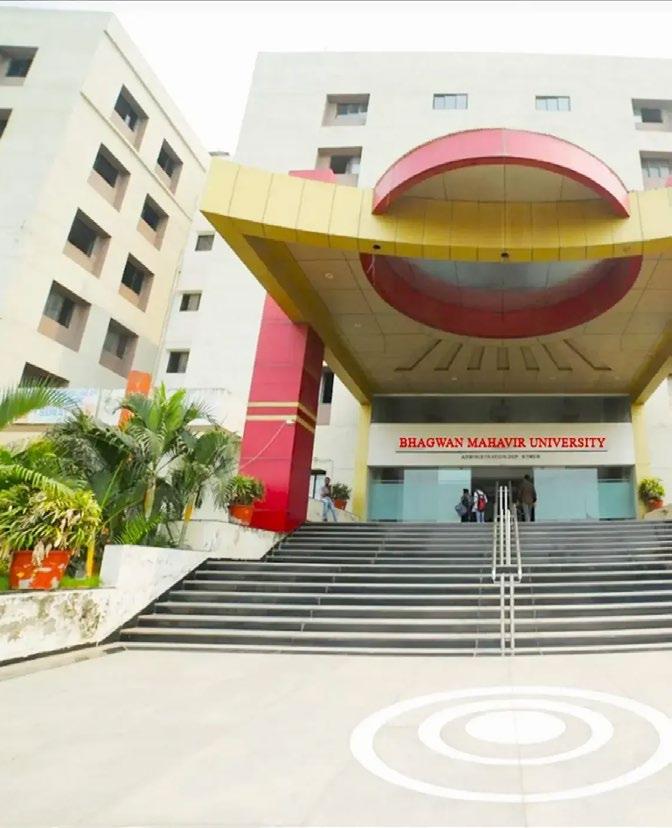
“ “
Garuda's journey is just beginning, but its impact is undeniable


Garuda’s journey is just beginning, but its impact is undeniable. It’s a reminder that innovation doesn’t need plush R&D labs or million-dollar budgets—just grit, creativity, and a vision for change. As India races toward an electric future, Garuda could inspire a new generation of affordable, AI-driven vehicles, reducing emissions and redefining urban mobility.
For now, the trio is refining their prototype, aiming for full autonomy and mass-market potential. If they succeed, don’t be surprised to see Garuda bikes summoning themselves to doorsteps across India—or even the world. So, the next time you’re stuck in traffic, dreaming of a smarter ride, keep an eye out for a black superbike that looks like it’s from the future. That’s Garuda, and it’s proof that from scrapyards to superhighways, India’s youth are building tomorrow, one wheel at a time.
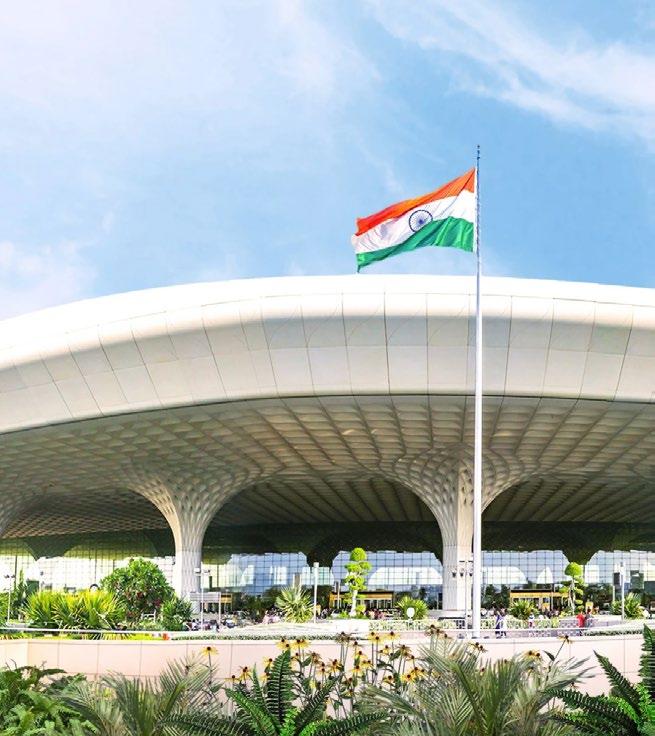


As the sun rises over the bustling Mumbai skyline, a new chapter in India’s aviation saga unfolds with the impending launch of the Navi Mumbai International Airport (NMIA). Scheduled to commence commercial operations on December 25, 2025, this greenfield marvel promises to alleviate the chronic congestion plaguing Chhatrapati Shivaji Maharaj International Airport (CSMIA) while propelling Mumbai into the league of global aviation powerhouses. Inaugurated on October 8, 2025, by Prime Minister Narendra Modi, NMIA stands as a testament to India’s ambitious infrastructure drive, blending cutting-edge technology with sustainable design. Spanning 1,160 hectares in the coastal village of Ulwe, Raigad district, the airport is poised to handle an initial 20 million passengers annually, eventually scaling to 90 million—nearly double CSMIA’s current capacity. For the Mumbai Metropolitan Region (MMR), home to over 20 million people and a throbbing economic nerve centre, NMIA is more than an airfield; it is a bridge to the world, fostering trade, tourism, and technological exchange in an era of rapid globalization.
The timing of NMIA’s launch could not be more opportune. With India’s aviation sector projected to become the third-largest globally by 2026, the demand for efficient air travel has surged, driven by a burgeoning middle class and exponential cargo needs. CSMIA, operating at over 95% capacity, has long struggled with delays and slot shortages, hampering Mumbai’s aspirations as a seamless international gateway. NMIA’s entry will redistribute this load, enabling longer-haul international flights

and dedicated cargo operations. Initial services will feature 23 daily departures over a 12-hour window, spearheaded by IndiGo and Akasa Air, connecting to 10 major domestic cities such as Delhi, Bengaluru, and Hyderabad. As the festive cheer of Christmas Day marks its first flights, NMIA will not just connect runways to routes but weave Mumbai deeper into the global tapestry, unlocking potentials long constrained by geographical and infrastructural limits.

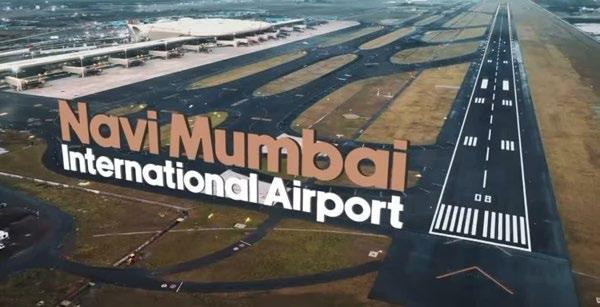
The story of NMIA is one of perseverance, spanning nearly three decades from conception to concrete. It began in 1997 when the City and Industrial Development Corporation (CIDCO), tasked with developing Navi Mumbai as a satellite city to decongest Mumbai, proposed a new airport with a single runway for domestic operations. The vision quickly evolved to accommodate two parallel runways, recognizing the need for international stature. By August 2007, the Union Cabinet greenlit the project under a public-private partnership (PPP) model, appointing CIDCO as the nodal agency in July 2008. A master plan, crafted by Rail India Technical and Economic Service, laid the groundwork, followed by pivotal
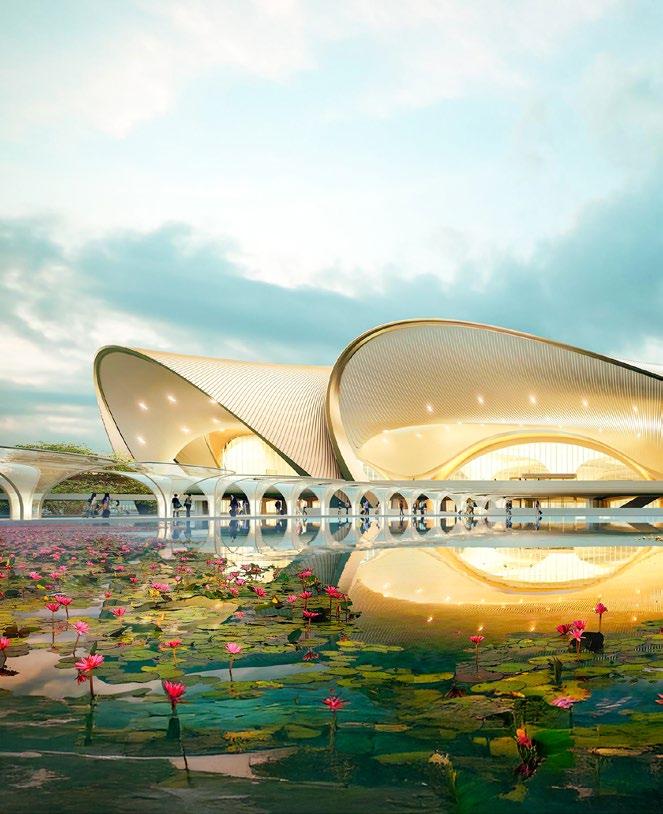
clearances from the Ministry of Defence in late 2010 and the Ministry of Environment, Forest and Climate Change on November 23, 2010. Environmental impact assessments by IIT Bombay and hydrological studies by the Central Water and Power Research Station addressed concerns over the site’s coastal ecosystem, including mangrove preservation and flood mitigation. Global tenders invited in February 2014 attracted nine bids, with four shortlisted. In February 2017, Mumbai International Airport Limited (MIAL), led by the GVK Group, clinched the bid with a 12.6% revenue share, edging out competitors like GMR Group. Government approval followed in April 2017, but land acquisition—spanning 1,320 hectares of core airport land and affecting 2,786 households across ten villages—emerged as a flashpoint. Protests in October 2017 halted progress temporarily, resolved through compensation packages offering ₹1,500 per square foot, 18 months’ rent, and triple-roof-area plots in resettlement colonies.
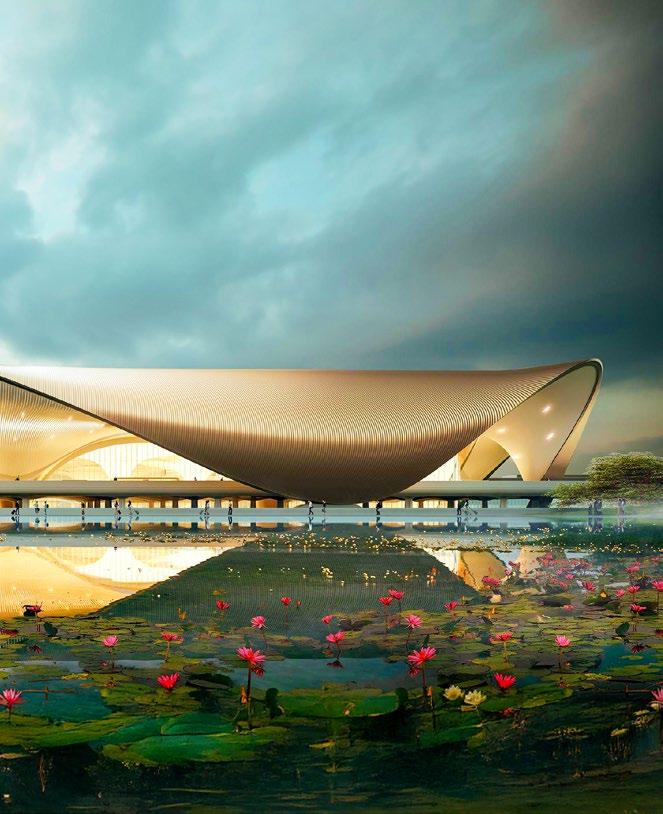
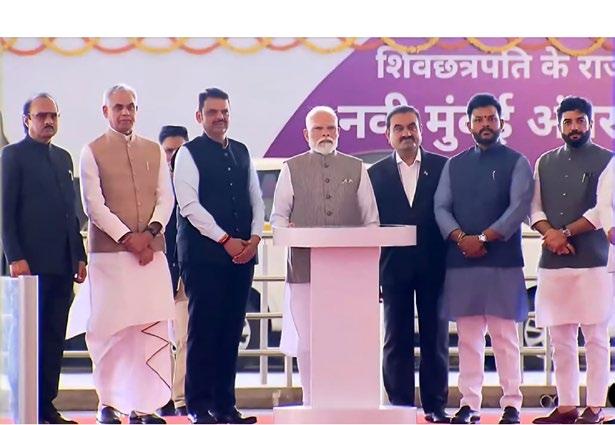
The project’s momentum surged with Prime Minister Modi’s groundbreaking ceremony on February 18, 2018. Zaha Hadid Architects, winners of an international design competition, were appointed in March 2018 to helm the terminal and air traffic control tower, infusing the structure with fluid, futuristic aesthetics. Pre-development feats, such as diverting the Ulwe River to Moha Creek and raising the site by 5.5 meters to combat flooding, wrapped up by June 2019. Construction contracts went to Larsen & Toubro in September 2019, but a pivotal shift occurred in 2021 when the Adani Group assumed management via Navi Mumbai International Airport Limited (NMIAL), a special-purpose vehicle with CIDCO. Full land handover came in July 2022 post-resettlements, and core construction kicked off in August 2021. By November 2023, 57% of Phase 1 was complete, culminating in the IAF’s C-295 landing in October 2024 for validation tests. This odyssey from blueprint to inauguration underscores India’s resolve to transform visionary ideas into tangible realities, overcoming bureaucratic, social, and environmental hurdles.
At the heart of NMIA lies a terminal inspired by the sacred lotus—Nelumbo nucifera—India’s national flower, symbolizing purity and prosperity. Designed by the late Zaha Hadid Architects, the structure eschews rigid geometry for flowing forms, with a 33,000 square meter domestic cargo terminal and 23,700 square meter international one in Phase 1. The passenger terminal, expandable to 250,000 square meters across three interconnected buildings, integrates advanced features like travelators, food courts, lounges, and automated baggage handling systems installed in the Head House basement by August 2024. A temporary air traffic control tower overlooks the 3,700-meter asphalt runway (08/26), equipped with Category II Instrument Landing System for visibility as low as 300 meters, ensuring all-weather operations.The airport’s infrastructure extends beyond passenger amenities to robust cargo and general aviation facilities.
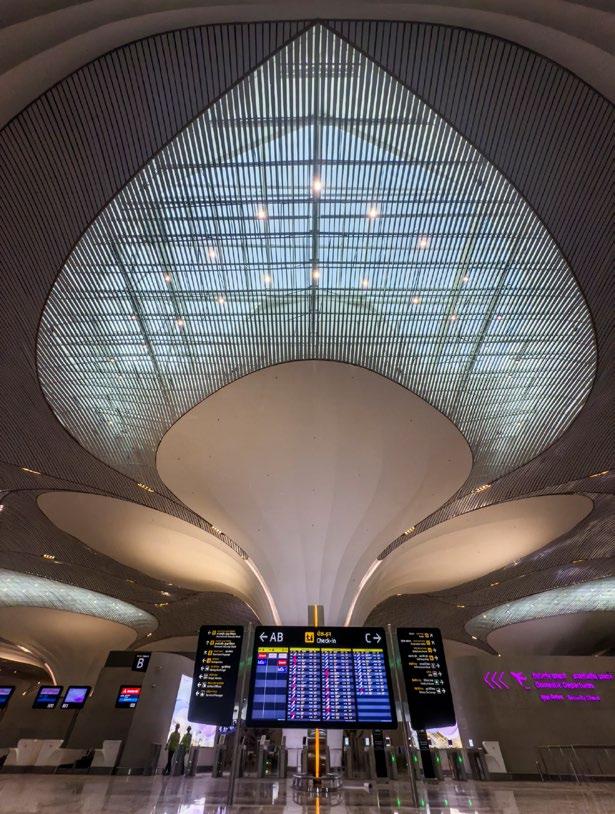

WPhase 1 boasts a 56,700 square meter cargo precinct, a 151,000 square meter fuel farm, three aircraft hangars, and 67 stands for general aviation, including a dedicated heliport. Private and charter flights will transition here by year’s end, freeing up CSMIA slots. Technological integrations, such as piped natural gas supply from Mahanagar Gas Limited (averaging 2,300 kg daily) and flight calibration of the Instrument Landing System in November 2024 with Airports Authority of India, herald a seamless operational dawn. These elements not only enhance efficiency but also position NMIA as a benchmark for modern Indian airports, where aesthetics meet functionality in a harmonious blend.
NMIA’s rollout is meticulously phased to match MMR’s growth trajectory, with a total investment of ₹167 billion (US$2 billion). Phase 1, at ₹95 billion for the first two phases combined, establishes a single runway handling 20 million passengers per annum (MPPA) and 0.8 million metric tons (MMT) of cargo annually—scalable to 0.5 MMT in initial operations per project updates. This phase, now complete, focuses on domestic dominance before international forays,



with expansions to 60-65 MPPA in Phase 2 and full 90 MPPA by Phase 3 in 2032, incorporating dual parallel runways for simultaneous takeoffs and landings.Cargo ambitions are equally grand, escalating from 0.8 MMT to 2.5 MMT, supported by a 100,000 square meter precinct. The lotus terminal will evolve into a Central Terminal Complex with Maintenance, Repair, and Overhaul (MRO) services, catering to an anticipated surge in air traffic. By 2032, NMIA will rival global hubs like Singapore’s Changi, with three terminals, enhanced fuel infrastructure, and a permanent ATC tower, ensuring Mumbai’s skies remain uncongested for decades.
In an age where climate imperatives shape infrastructure, NMIA pioneers eco-conscious aviation. The 245-hectare mangrove park buffers the 2,900-hectare coastal site, preserving biodiversity amid urban sprawl. Site elevation by 5.5 meters and Ulwe River diversion mitigate flooding risks, informed by IIT Bombay’s assessments and catchment models. Natural gas integration reduces emissions, while the design optimizes natural light and ventilation, slashing energy needs.

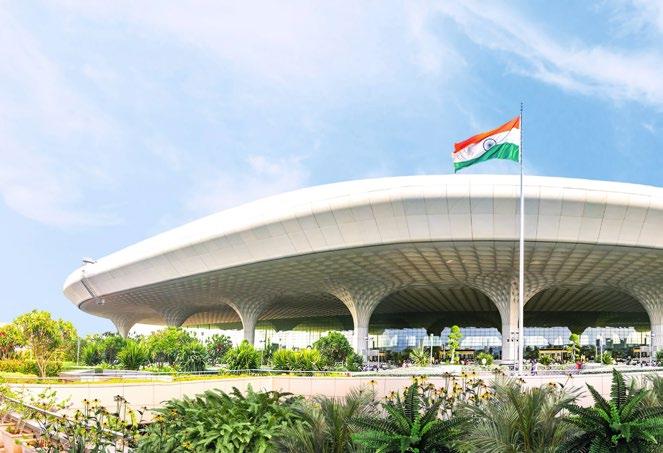
Future-proofing includes solar arrays and rainwater harvesting, aligning with Adani’s green aviation ethos. As India’s aviation emissions rise, NMIA’s blueprint—balancing growth with guardianship— sets a precedent, ensuring economic vitality without ecological cost.
NMIA’s true genius lies in its multi-modal nexus. National Highway 348 and Aamra Marg converge at the gates, augmented by two six-lane coastal roads: Ulwe via Mumbai Trans Harbour Link (MTHL) and Kharghar to CBD Belapur by early 2026. Rail integration features Navi Mumbai Metro Line 1, proposed Mumbai Metro Gold Line (Line 8), and Targhar interchange on the Harbour Line suburban rail. The terminal will anchor the MumbaiHyderabad high-speed rail corridor, slashing travel times. This web of expressways, metros, and rails—

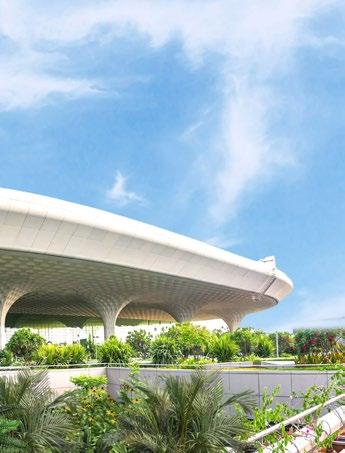

India’s first seamless airport linkage—will ferry 20 million passengers annually with minimal friction, transforming Navi Mumbai from a planned township into a throbbing transit hub.
NMIA’s ripple effects will supercharge Maharashtra’s economy, projected to generate 200,000 direct and indirect jobs in aviation, logistics, IT, hospitality, and retail. Construction alone employed thousands, but operations will spawn warehousing booms, express delivery networks, and specialized cargo logistics, reinforcing Maharashtra’s export prowess. With 800,000 tonnes initial cargo capacity, it will expedite perishable exports like pharmaceuticals and textiles, catalyzing a ₹19,650 crore investment influx.
Tourism stands to flourish as NMIA unlocks direct international access, drawing leisure seekers to Mumbai’s beaches, Bollywood, and heritage sites. Corporate investments will surge, with improved connectivity luring MNCs to Navi Mumbai’s special economic zones. The airport’s multiplier effect— estimated at 2.5 times GDP contribution—will elevate MMR’s $300 billion economy, fostering inclusive growth across warehousing, e-commerce, and ancillary services.

Strategically, NMIA is India’s bid to reclaim Mumbai’s stature as Asia’s premier aviation hub. Relieving CSMIA’s 45 MPPA overload, it enables dedicated longhaul routes to Europe, the Americas, and the Middle East, positioning Mumbai as a stopover rivalling Dubai or Singapore. Adani’s vision casts NMIA as a cargo colossus, handling 2.5 MMT by 2032 and bolstering India’s $500 billion merchandise trade goal. In national security terms, diversified airports enhance resilience, with NMIA’s IAF validations ensuring dualuse potential. Globally, it amplifies India’s soft power, drawing FDI and talent. As Air India eyes robust operations here, NMIA will knit Mumbai into the IndoPacific network, fortifying economic diplomacy.
No mega-project escapes trials; NMIA weathered land disputes, environmental litigations, and pandemicinduced delays, pushing timelines from 2019 to 2025. Resettling 2,786 families demanded empathy and
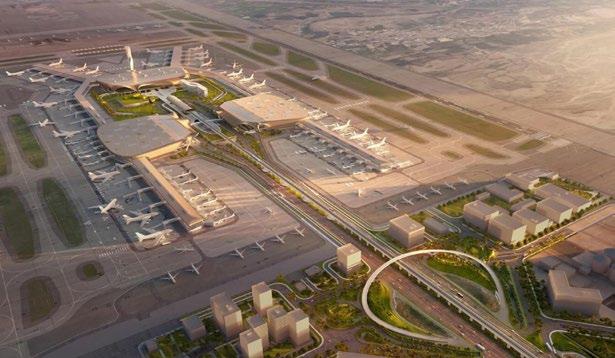
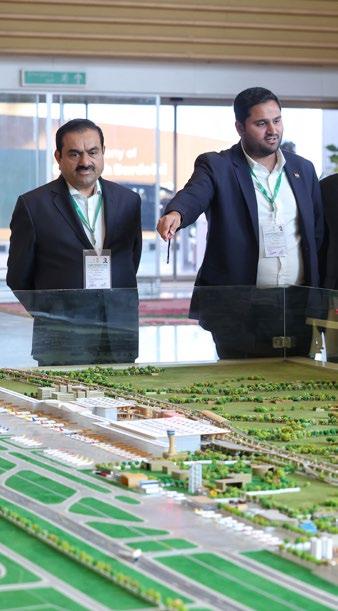
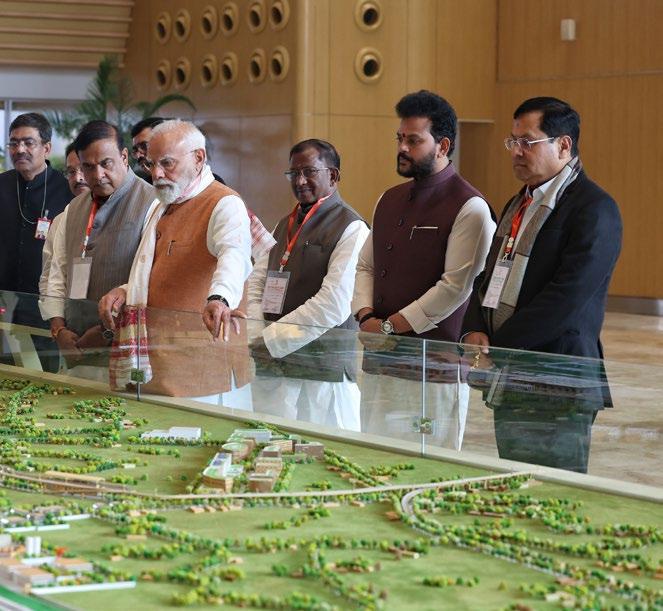
equity, while monsoon-proofing the site tested engineering mettle. Yet, these forged a resilient framework, with 2024 milestones like ILS calibration and runway completions paving the way. Looking ahead, Phase 2 expansions by 2028 will introduce international flights, with IndiGo and Akasa scaling up. By 2032, NMIA will hum with 90 MPPA, its lotus blooming as Mumbai’s global face. Challenges like slot coordination with CSMIA persist, but collaborative governance bodes well.
As NMIA’s engines roar to life on Christmas 2025, Mumbai transcends its island confines, embracing a boundless horizon. This airport is no mere facility; it is an economic engine, strategic sentinel, and connective tissue binding India to the world. In its launch, we glimpse a resurgent nation’s audacity—where dreams of decongested skies meet the imperatives of inclusive progress. For Mumbai, the city of dreams, NMIA ensures those dreams take flight, unhindered and unbound.


In a landmark move that signals India’s resolute step towards a low-carbon future, the Ministry of Environment, Forest and Climate Change (MoEFCC) notified the Greenhouse Gases Emission Intensity Target Rules, 2025, on October 8, 2025. This notification marks the country’s first foray into legally enforceable emission reduction mandates for heavy industries, targeting a reduction in greenhouse gas (GHG) intensity across key carbon-intensive sectors. Unlike previous voluntary schemes or aspirational targets, these rules impose binding obligations on 282 industrial units, compelling them to curb their emissions per unit of output by specified percentages over the next two years.

As the world grapples with escalating climate crises—from record-breaking heatwaves to erratic monsoons—India’s directive arrives not a moment too soon. It underscores a pivotal shift from rhetoric to regulation, aligning the nation’s industrial backbone with its ambitious pledge of net-zero emissions by 2070. For a developing economy where industry accounts for nearly 30% of total GHG emissions, this framework could redefine sustainability, fostering innovation while safeguarding economic growth.
The rules emerge against the backdrop of India’s deepened commitment under the Paris Agreement. In 2021, at COP26 in Glasgow, Prime Minister Narendra Modi outlined a five-pronged climate action plan, including achieving 50% non-fossil fuel-based energy capacity by 2030 and reducing the emissions intensity of its GDP by 45% from 2005 levels. These nationally determined contributions (NDCs) have



been updated and intensified, with the 2025 rules serving as a concrete mechanism to deliver on them. Building on the Energy Conservation (Amendment) Act, 2022, which empowered the government to establish a domestic carbon market, the notification operationalizes the Carbon Credit Trading Scheme (CCTS) launched in 2023.
This scheme, overseen by the Bureau of Energy Efficiency (BEE), creates a marketplace where emission reductions can be traded as credits, incentivizing overachievers and penalizing laggards. The timing is strategic: with the European Union’s Carbon Border Adjustment Mechanism (CBAM) set to fully apply from 2026, Indian exporters in sectors like steel and cement—though not yet covered— face the risk of tariffs on high-carbon imports. By pre-emptively tightening domestic standards, India positions itself to avoid such punitive measures and even gain a competitive edge in global green trade.
At its core, the Greenhouse Gases Emission Intensity Target Rules, 2025, focus on emission intensity rather than absolute cuts, a pragmatic choice for a growing economy. Intensity is measured in tonnes of carbon dioxide equivalent (tCO₂e) per tonne of product output, allowing industries to expand production without proportionally increasing emissions. The rules apply exclusively to “obligated entities”— facilities registered under the CCTS in four priority sectors: aluminium, cement, chlor-alkali, and pulp and paper.

These sectors were selected for their outsized contribution to industrial emissions; together, they emit over 100 million tonnes of CO₂ annually, with cement alone responsible for about 8% of India’s total GHG output. The compliance cycle spans two financial years, 2025-26 and 2026-27, using 2023-24 as the baseline year. Each facility receives a tailored target based on its historical performance, ensuring fairness while pushing for incremental improvements. By the end of this period, the rules aim to shave off millions of tonnes of CO₂e, setting a precedent for broader sectoral inclusion in future cycles.
The aluminium sector, a cornerstone of India’s manufacturing ecosystem, bears some of the steepest targets under the new rules, reflecting its energy-thirsty processes. Primary aluminium production, dominated by smelters, relies heavily on coal-fired electricity, resulting in emission intensities as high as 15 tCO₂e per tonne in some plants. The rules mandate an average reduction of 5.8% over the compliance period for the 20-odd obligated smelters and refineries. For instance, Vedanta Limited’s Jharsuguda facility, one of the largest, must lower its intensity from a baseline —a cumulative 4.3% cut. Similarly, Hindalco Industries’ refinery in Karnataka faces a 4.5% reduction. These targets, calculated facility-specific, account for variations in technology and feedstock; older plants with outdated HallHéroult cells get slightly gentler slopes, while newer ones push harder.
The sector’s inclusion is critical, as India is the world’s second-largest aluminium producer, exporting over a million tonnes annually. Achieving these cuts could save up to 1.5 million tonnes of CO₂e yearly, equivalent to removing 300,000 cars from roads, while spurring investments in renewable energy integration for electrolysis. Cement, the lifeblood of India’s infrastructure boom, presents a mosaic of sub-sectors under the rules, each with nuanced obligations. This sector, comprising over 200 plants, emitted 140 million tonnes of CO₂ in 2024, largely from clinker production and limestone calcination. The mandated average intensity reduction stands at 3.4%, but it varies by product type: Portland Pozzolana Cement (PPC) plants like JK Cement’s Karnataka unit must trim in 2025-26, escalating to 1.2% by the next year.


Ordinary Portland Cement (OPC) facilities, which are more emission-prone, face up to 1.8% cuts, as seen in Sree Jayajothi Cements’ Andhra Pradesh plant. Composite and white cement variants get 2-2.6% targets, while grinding units—less intensive—hover near zero reduction. Clinkerization, the most polluting subprocess, demands a 1.8% average drop. With India producing 400 million tonnes of cement annually to fuel projects like the PM Gati Shakti initiative, these rules could curb 4-5 million tonnes of emissions biennially. The impact ripples to construction costs; however, by promoting blended cements with fly ash and slag, the sector can offset hikes through efficiency gains. The chlor-alkali industry, vital for producing caustic soda and chlorine used in everything from PVC pipes to pharmaceuticals, grapples with high electricity demands from electrolysis. Covering about 30 units, the rules set a robust 7.5% average reduction, with some plants like Atul Ltd’s Gujarat facility slashing 8.3% by 2026-27. These aggressive goals stem from the sector’s reliance on mercury and membrane cells, which guzzle power. Non-compliance here could disrupt downstream industries, but success promises cleaner chemical manufacturing, aligning with India’s Atmanirbhar Bharat push for self-reliance in essentials. Emission savings could reach 500,000 tonnes over two years, bolstering water treatment and sanitation efforts that depend on these outputs.

Pulp and paper, though smaller in emissions, rounds out the quartet with a 7.1% average cut, emphasizing waste reduction in a sector strained by water and energy use. Integrated plants like Andhra Paper’s must reduce by 2.9%, while recycled content-based units like Sangal Papers maintain flat targets due to inherent efficiencies. Agricultural and waste paper sub-sectors see minimal changes, rewarding sustainable sourcing. With India as the second-largest paper producer globally, these rules could trim 300,000 tonnes of CO₂e, promoting circular economy practices amid rising demand from e-commerce packaging.


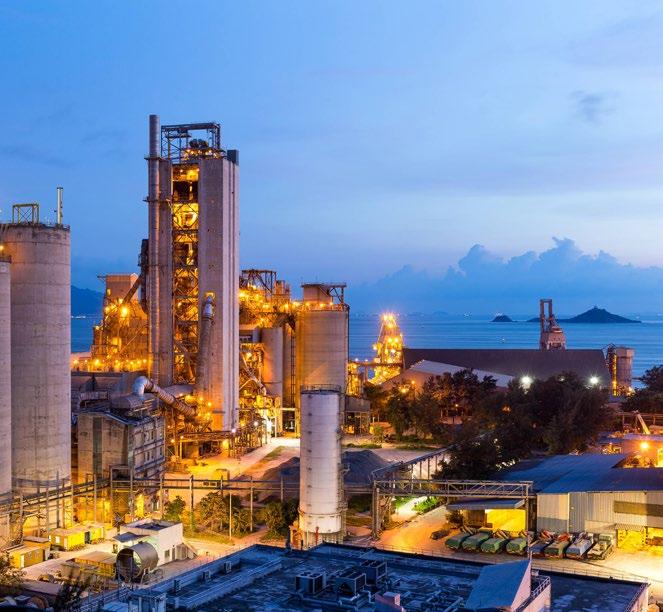
Implementation hinges on a robust verification and trading ecosystem. Obligated entities must register on the Indian Carbon Market portal, submit annual GHG inventories verified by accredited agencies, and calculate their achieved intensity using BEE-prescribed methodologies. Excess reductions earn Carbon Credit Certificates (CCCs)—one per tCO₂e saved—which can be banked or sold on the CCTS exchange. Shortfalls require purchasing equivalent CCCs or surrendering banked ones; failure triggers penalties from the Central Pollution Control Board (CPCB). The fine? Twice the average CCC trading price for the year, potentially ₹1,0002,000 per tonne based on early market signals, payable within 90 days post-hearing. Funds feed back into the CCTS for green projects, creating a self-sustaining loop.

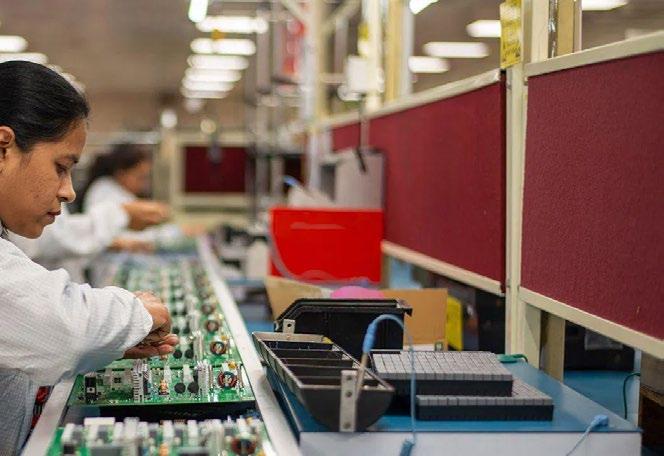
This market-driven approach draws from the successful Perform, Achieve, and Trade (PAT) scheme, which saved 106 million tonnes of CO₂ since 2012. By linking intensity targets to tradable assets, the rules incentivize peer learning: a low-emission cement plant in Rajasthan could profit from selling credits to a coal-heavy peer in Bihar. Early pilots suggest trading volumes could hit 10 million CCCs annually, injecting ₹10,000 crore into decarbonization tech like carbon capture and green hydrogen.
The significance of these rules transcends compliance checklists; they are a catalyst for systemic change. Environmentally, they could deliver 7-8 million tonnes of CO₂e reductions in the first cycle—1.5% of India’s annual industrial emissions—paving the way for the 2030 NDC. This buys time against climate vulnerabilities: fewer emissions mean cooler urban heat islands in Delhi and Mumbai, resilient supply
chains for agriculture-dependent pulp mills, and preserved Himalayan glaciers feeding chlor-alkali water needs. Economically, the jolt to innovation is profound. Industries must invest ₹50,000-1 lakh crore over the decade in retrofits—electrifying kilns, adopting AI for energy optimization, and scaling renewables. Aluminium giants like Aditya Birla are eyeing solar-powered smelters; cement majors like UltraTech pledge 100% green power by 2050. Job creation follows: 5-10 lakh green roles in engineering and auditing, offsetting any short-term displacements in coal logistics. Yet, the impacts are double-edged. Small and medium enterprises (SMEs) in pulp and paper, comprising 70% of units, may struggle with verification costs, risking consolidation or closures. Cement prices could rise 5-10%, straining affordable housing under PMAY. Nationally, though, the rules fortify energy security; by curbing fossil dependence, India advances its 500 GW renewable target, reducing import bills by $20 billion yearly. Socially, they empower marginalized communities: cleaner plants mean healthier air in industrial belts like Chhattisgarh’s Korba, where aluminium pollution has long plagued Adivasi health.
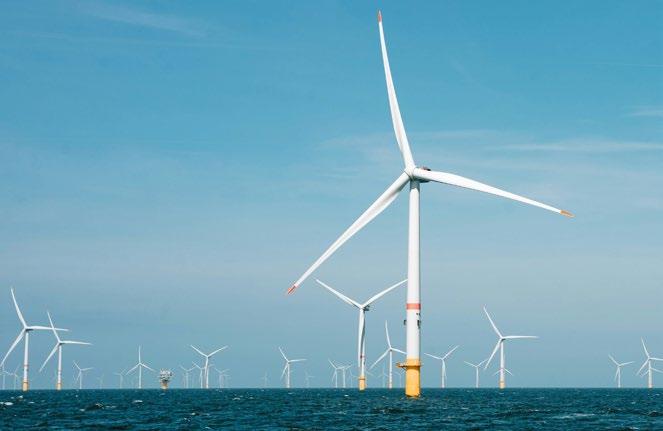


No transformation is without friction. Data integrity poses a risk; baseline manipulations could undermine credibility, necessitating stringent CPCB audits. Technology gaps loom large—chlor-alkali’s shift to ionexchange membranes demands ₹10,000 crore capex, unaffordable for many without subsidies. The carbon market’s nascency invites volatility; if CCC prices crash, incentives weaken, or if they soar, penalties cripple. Moreover, the rules’ focus on four sectors leaves steel and fertilizers—emitting 40% more— unaddressed, potentially shifting burdens unfairly. Government mitigation includes phased rollouts, with nine more sectors eyed for 2027 inclusion, and fiscal perks like 20% tax credits for green investments under the PLI scheme. Capacity-building via NITI Aayog’s green funds will train 1 lakh professionals, while international partnerships with the World Bank could unlock $1 billion in climate finance. Industry voices, from FICCI to CII, applaud the predictability, urging streamlined MRV (monitoring, reporting, verification) to minimize bureaucracy.

Viewed globally, India’s mandates are a beacon for emerging economies. Unlike China’s absolute caps or the EU’s stringent ETS, this intensity-based, market-linked model balances growth with green goals, offering a replicable template for Brazil’s soy or Indonesia’s palm oil sectors. It pre-empts CBAM’s inequities, where developing nations foot the bill for historical emitters. By 2030, compliant Indian exports could command premiums in green procurement tenders, boosting forex by $50 billion. At COP30 in Brazil next year, these rules will amplify India’s voice, pushing for equitable tech transfers.
As the sun sets on 2025, India’s carbon-cut mandates herald a new dawn for its industries. From the humming smelters of Odisha to the kilns of Tamil Nadu, a quiet revolution brews—one where compliance breeds competitiveness, and necessity nurtures innovation. The road is arduous, with compliance deadlines looming in April 2026, but the stakes are existential. If navigated wisely, these rules will not just trim emissions but transform India into a resilient, low-carbon powerhouse, honouring its tryst with destiny amid a warming world. The message to polluters is clear: the era of unchecked emissions is over. The age of accountable growth has begun.
India’s manufacturing sector has long been a cornerstone of its economic ambitions, yet it has faced persistent challenges in realizing its full potential. In recent years, particularly accelerating into 2025, the country has embarked on what can be described as a comprehensive manufacturing reset. This strategic overhaul encompasses sweeping policy reforms, technological integration, and infrastructural enhancements aimed at elevating India’s position in global value chains. Driven by initiatives like the Production Linked Incentive (PLI) scheme, labour law consolidations, and GST rationalizations, this reset seeks to transform India from a services-dominated economy into a manufacturing powerhouse. As the world’s most populous nation with a burgeoning young workforce, India stands at a pivotal juncture where these changes could propel it toward becoming a $7 trillion economy by 2030, fostering inclusive growth and reducing dependency on imports.


The impetus for India’s manufacturing reset stems from a confluence of domestic and global factors. Historically, the sector’s contribution to GDP has hovered around 13-15%, significantly lower than peers like China (around 28%) or even Vietnam. This underperformance can be traced to fragmented labour laws inherited from the colonial and postindependence eras, which created compliance burdens and inflexibility for businesses. With 29 central labour laws riddled with overlaps and ambiguities, employers faced challenges in scaling operations, while workers endured inconsistent protections, particularly in the informal sector that employs over 90% of the workforce.
Global shifts, such as the post-COVID-19 supply chain disruptions and the “China Plus One” strategy adopted by multinational corporations, have further necessitated this reset. Companies worldwide are diversifying away from over-reliance on China due to geopolitical tensions, rising costs, and supply vulnerabilities exposed during the pandemic. India, with its vast market, skilled labour pool, and strategic location, emerged as an attractive alternative. Domestically, the need to harness India’s demographic dividend—where over 65% of the population is under 35—has been urgent. Without robust manufacturing growth, the risk of a “jobless growth” scenario loomed, exacerbating unemployment and social inequalities. Additionally, environmental and technological imperatives have played a role. Climate change commitments under the Paris Agreement push for sustainable manufacturing, while the Fourth Industrial Revolution demands adoption of automation, AI, and digital tools to enhance competitiveness.

Policies like the National Manufacturing Policy and Aatmanirbhar Bharat (Self-Reliant India) were introduced to address these, but by 2025, the government recognized the need for a holistic reset to integrate these elements effectively. This includes tackling high logistics costs (historically 14% of GDP, compared to 8-10% in developed nations) and improving ease of doing business rankings, where India has climbed from 142nd in 2014 to 63rd in 2020, but further progress is required.
At the heart of India’s manufacturing reset are transformative reforms implemented in 2025. The most prominent is the enforcement of four new Labour Codes, consolidating the 29 outdated laws into streamlined frameworks: the Code on Wages, Industrial Relations Code, Code on Social Security, and Occupational Safety, Health and Working Conditions Code. These codes reduce compliance requirements from 1,436 rules to just 351, simplifying processes for businesses while expanding worker protections. Key changes include statutory minimum wages for all, including gig and platform workers; portability of social security benefits across states; mandatory appointment letters; gratuity for fixedterm employees; and free annual health check-ups for those over 40. Women can now work night shifts with safeguards, promoting gender inclusivity, and factories can extend shifts to 12 hours (with overtime pay) for flexibility in global operations.



Complementing this are fiscal incentives like the PLI scheme, expanded in 2025 to cover additional sectors such as aerospace, renewables, EVs, batteries, automation, robotics, and AI. By 2025, over 800 projects are operational under PLI, incentivizing domestic production with cash rebates tied to incremental sales. The scheme has attracted over $4 billion in FDI in electronics alone since FY2020-21, with 70% from PLIlinked investments. GST reforms, including rate rationalization and simplified compliance, have reduced logistics distortions and costs, enabling seamless interstate trade.
Infrastructure initiatives like Gati Shakti—a digital platform integrating 16 ministries for multimodal connectivity—have accelerated project execution, reducing turnaround times for industrial setups. The National Logistics Policy aims to cut logistics costs to 8% of GDP by 2030. Technological pushes include incentives for R&D, with businesses now accounting for 36% of national expenditure, though still low compared to global averages. In aerospace, India is shifting from buyer to builder, capitalizing on the projected doubling of global aircraft fleets, with Asia-Pacific driving demand worth trillions. These reforms collectively aim to boost output intensity, which surged to 3.5x in FY23 and stabilized at 3.3x in FY24, levels unseen in two decades.
The significance of this manufacturing reset lies in its potential to redefine India’s economic trajectory. Manufacturing is pivotal for job creation, export growth, and technological advancement, contributing to balanced development beyond services, which dominate at 55% of GDP. By elevating manufacturing’s share to 20% by FY2030 from 13% in FY25, India could add substantial value to its economy, supporting the goal of a $7.3 trillion GDP. This shift is crucial for inclusive growth, as manufacturing absorbs semi-skilled labour, reducing urban-rural divides and empowering marginalized communities.

Globally, the reset positions India as a viable alternative in the “China Plus One” paradigm, attracting investments from firms like Apple, Samsung, and Tesla, which have expanded operations in India. The sector’s resilience is evident in FDI inflows, with electronics seeing a boom, and overall manufacturing growth at 5.4% in July 2025, up from 3.7% in June. Significance also extends to self-reliance; initiatives like Aatmanirbhar Bharat have reduced import dependencies in defence and pharmaceuticals, fostering innovation and supply chain security.
Moreover, the reset aligns with sustainable development goals. By integrating green technologies in renewables and EVs, India can mitigate environmental impacts while creating new industries. The emphasis on labour welfare enhances productivity; a secure workforce invests in skills, leading to higher efficiency and reduced attrition. This holistic approach not only boosts competitiveness but also improves India’s global image, as seen in rising exports and M&A activity in manufacturing.
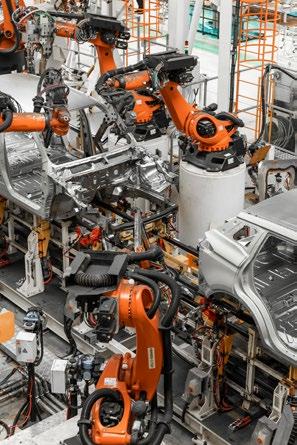
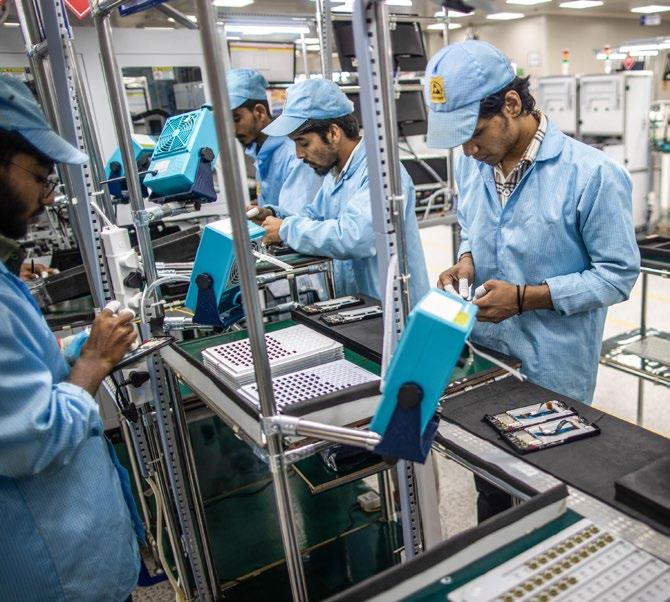
The effects of India’s manufacturing reset are multifaceted, particularly on employment. Labor productivity has nearly doubled to 6% annual growth in FY20-FY24 from 3.4% previously, with gains across states like Bihar (16.8%) and Assam, indicating broader regional development. The Labour Codes expand social security coverage from 19% in 2015 to over 64% in 2025, benefiting gig, migrant,
and contract workers through portable benefits and minimum wages. This has stabilized households, encouraging workforce participation, especially among women, with night shift provisions potentially increasing female labour force rates.
However, effects include moderated wage growth— nominal at 5.2% annually, real at 0.5%—as profits outpace wages, raising concerns about inequality. Positively, the reset has spurred job creation; PLI schemes alone are projected to generate millions of direct and indirect jobs in electronics and autos. Manufacturing growth has also driven ancillary
sectors like logistics and skilling, with programs like Skill India upskilling over 10 million youth annually. Overall, these effects foster a more dynamic labour market, reducing informalization and enhancing worker mobility.
India’s manufacturing reset unlocks immense opportunities for growth. By 2030, the sector could contribute 25% to GDP, driven by emerging areas like semiconductors, where India aims to build fabs with global partners, and EVs, supported by PLI incentives for battery production. The aerospace shift from importer to exporter, with policies encouraging local assembly, taps into a multi-trillion-dollar market. To capitalize, India can leverage its digital ecosystem— home to the world’s largest digital ID system (Aadhaar)—for smart manufacturing. Integrating AI and IoT can boost efficiency, as seen in output surges post-automation. Export-oriented growth is another avenue; manufacturing exports rose 15% in FY25, aided by trade agreements like those with the EU and UK. Regional hubs, such as Tamil Nadu for electronics and Gujarat for chemicals, can scale through cluster development.
Furthermore, sustainability offers growth levers. Transitioning to green manufacturing in textiles and steel can attract ESG-focused investments, while renewables create jobs in solar and wind sectors. By addressing R&D gaps—increasing business spending beyond 36%—India can innovate in high-tech areas, fostering startups and MSMEs. This reset enables India to grow by diversifying exports, reducing trade deficits, and building resilient supply chains, ultimately positioning it as a global industrial leader.
Despite promising effects, challenges persist. High exit barriers result in low firm turnover (3.1% annual exit rate), stifling innovation. Environmental impacts from rapid industrialization could increase carbon emissions, potentially hindering global growth if not mitigated. Trade uncertainties, like US tariffs on Indian exports at 50%, may dampen momentum. Wage stagnation and skill mismatches require targeted interventions, while union opposition to labour reforms highlights the need for dialogue. To overcome these, India must invest in infrastructure, enhance R&D, and ensure equitable growth. Complementary policies on education and health will amplify the reset’s benefits.




India’s manufacturing reset represents a bold stride toward economic self-sufficiency and global prominence. By addressing longstanding bottlenecks through reforms, the country is poised to harness its strengths for sustained growth. As manufacturing surges, it will create jobs, boost exports, and drive innovation, paving the way for a prosperous future. With continued commitment, India can emerge as a manufacturing giant, benefiting its 1.4 billion people and the world economy alike.
US-based technology giant Burkhan World has announced a landmark RS.1,500 crore investment in Karnataka, marking one of the state’s most significant international tech manufacturing commitments of the year. The investment will focus on establishing advanced manufacturing facilities for AIpowered servers, high-performance CPUs, GPUs, and next-generation networking switches — positioning Karnataka as a strategic hub for global semiconductor and AI hardware production.
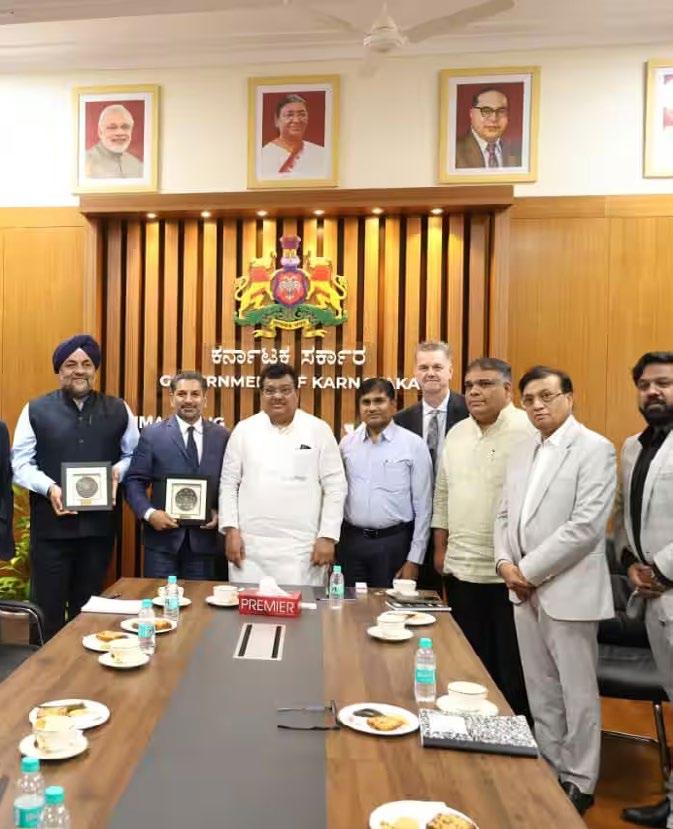
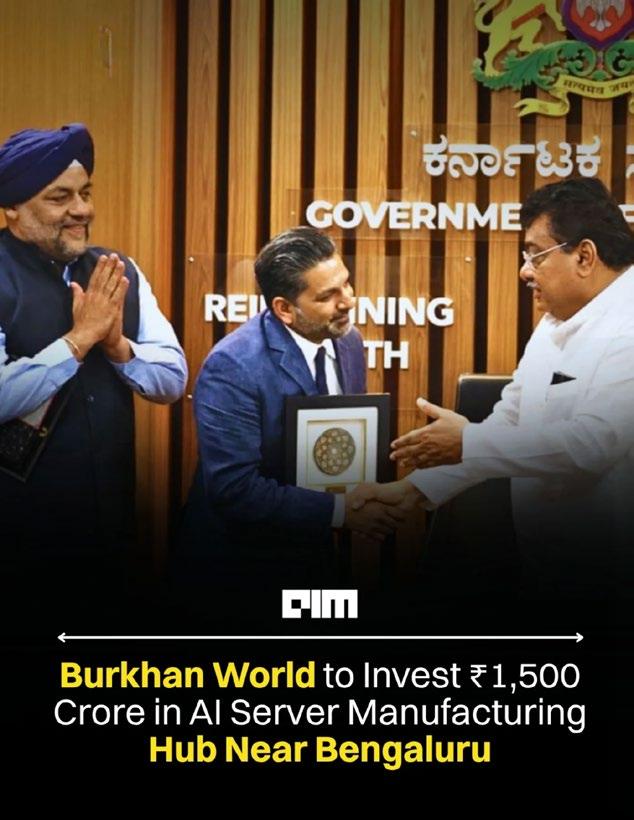
India has been aggressively expanding its digital and hardware manufacturing ecosystem under the “Make in India” and “Design in India” missions. Burkhan World’s entry strengthens this momentum, promising domestic production of critical components that are currently dominated by global supply chains.
The company’s upcoming facility aims to:
• Manufacture AI-optimized servers and data-center-grade chipsets
• Build energy-efficient CPUs & GPUs for enterprise and government applications
• Produce smart networking switches designed for high-speed data operations
• Support India’s growing need for secure, locally manufactured digital infrastructure
Centre of Excellence in Bengaluru
In addition to manufacturing, Burkhan World will establish a Centre of Excellence (CoE) in Bengaluru—the technology capital of India. The CoE will focus on:
• Research & development in AI hardware
• Advanced computing architecture
• Indigenous innovations in semiconductor technology
• Collaboration with universities, startups, and research institutes.

This move is expected to generate high-skill jobs for engineers, researchers, and technicians across Karnataka.
Karnataka, already home to the world’s largest tech talent pool, continues to attract high-value investments from global leaders across electronics, aerospace, AI, and semiconductor sectors. Burkhan World’s new facility further strengthens:
• The state’s industrial ecosystem
• Its position as a preferred global R&D destination
• Opportunities for MSMEs and component suppliers
Government sources indicate that this investment aligns with Karnataka’s commitment to becoming a leading global destination for AI and electronic system design & manufacturing (ESDM).
As the demand for digital infrastructure accelerates—driven by AI, 5G, cloud computing, and data centers—local production of servers, chips, and network systems becomes critical. Burkhan World’s expansion is expected to:
• Reduce India’s import dependence
• Support national security through indigenous hardware.
• Enable cost-efficient and scalable digital deployment.
Burkhan World’s RS.1,500 crore commitment marks not just a business expansion, but a strategic partnership with India’s digital growth story. With cuttingedge technology, world-class infrastructure, and a strong talent base, Karnataka is set to transform into a global powerhouse for AI hardware manufacturing. Ayurveda’s principles of balance, harmony, and mindful living are exactly what today’s fast-paced lifestyle needs. As Karnataka continues to blend heritage and innovation, it sets the stage for a new era of holistic well-being in India.

Burkhan World Investment Group is a Miamibased, US-headquartered global investment company that has been creating waves in the international technology and finance sectors. Unlike conventional corporations, Burkhan World functions as a diversified investment group, strategically investing in high-growth, cutting-edge industries such as artificial intelligence (AI), quantum computing, biotechnology, alternative energy, and infrastructure technology. The company’s mission goes beyond financial returns—it aims to create long-term value, drive technological innovation, and build sustainable ecosystems across the regions it operates in. The company recently captured global attention with its RS.1,500 crore investment in Karnataka, India, aimed at establishing a stateof-the-art manufacturing facility for AI servers, advanced CPUs, GPUs, and networking equipment.
The facility is envisioned as a Centre of Excellence (CoE), serving both domestic and international markets, and marks a significant step in India’s emergence as a high-tech manufacturing and semiconductor hub. The project includes research and development collaborations, skill development initiatives, and employment generation, reflecting Burkhan World’s commitment to integrating technology with economic and social impact.

Payel Farasat is the global head and CIO of Burkhan World. She drives the company’s investment strategy, portfolio management, and sector selection, focusing on futuristic industries such as AI, quantum computing, biotech, and sustainable infrastructure. Farasat is recognized for her ability to identify high-growth opportunities, ensuring that Burkhan World balances financial success with technological advancement and sustainability. Under her guidance, the company has expanded globally and positioned itself as a thought leader in strategic investment and innovation.

For Indian operations, particularly the Karnataka project, Shafi Khan serves as CEO of The Ghazi Group (TGG), Burkhan World’s local subsidiary. He manages on-ground implementation, R&D partnerships, manufacturing, and workforce development initiatives. Khan ensures that the company’s global vision is effectively executed in India, establishing Bengaluru as a Centre of Excellence for AI servers, GPUs, CPUs, and networking equipment, while creating local employment and technological expertise.Together, Farasat and Khan exemplify a synergy of global strategic thinking and local execution, demonstrating how international investment groups can combine vision, technology, and human capital to create transformative projects.

Shafi Khan – CEO of The Ghazi Group


Burkhan World has gained significant attention worldwide due to its ambitious Karnataka investment, which positions it as a key player in India’s technology and manufacturing ecosystem. The initiative is being closely watched by industry experts, policymakers, and investors, as it reflects India’s growing importance in AI hardware and semiconductor production. The company’s global collaborations further strengthen its reputation. It works with international tech firms such as Gigabyte and Cera Network, while also partnering with local R&D companies like Resolute Group and Quad-Gen. These collaborations allow Burkhan World to integrate innovation, advanced manufacturing, and knowledge transfer, enhancing its standing as a forward-thinking and strategic investment group.
Burkhan World has earned recognition in investment and technology circles for:
• Futuristic investments in AI, quantum computing, biotech, and infrastructure technology.
• Driving skill development programs to train a workforce for emerging tech sectors.
• High-tech manufacturing leadership, producing AI servers, GPUs, CPUs, and networking equipment.
• Contributing to India’s strategic initiatives, including Make in India and the national semiconductor mission.
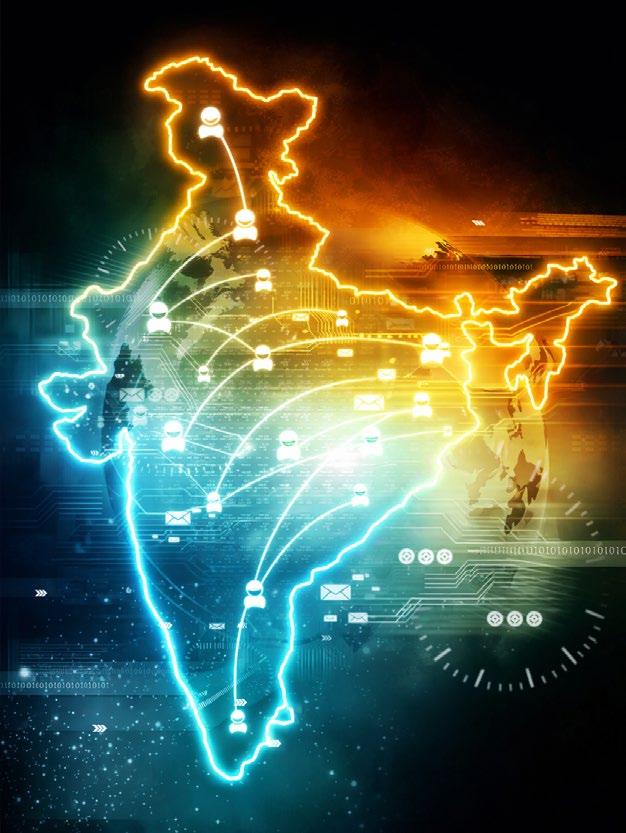
Burkhan World’s bold investment strategy has made it a topic of global discussion. Its Karnataka project exemplifies a new model of international investment— one that combines capital, technology, and local talent development to create high-value ecosystems. The company is recognized as a game-changer in global technology investment, symbolizing innovation, strategic foresight, and transformative economic impact. Industry media highlights the Karnataka project as an example of how global investors can accelerate technological and economic growth in emerging markets, making Burkhan World a name to watch in tech and finance circles worldwide. With a global vision and local execution, Burkhan World is expected to continue expanding its influence. Its model of strategic investments, international partnerships, and talent development sets a precedent for how companies can drive technological transformation in emerging markets. By establishing high-tech manufacturing hubs, promoting innovation, and investing in next-generation technologies, Burkhan World is shaping the future of global tech, innovation, and economic growth.
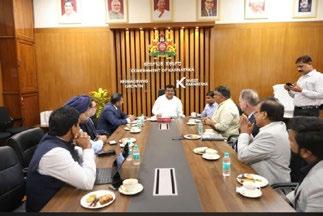
Burkhan World Investment Group, headquartered in Miami, is a global investment leader focused on AI, quantum computing, biotechnology, and infrastructure technology. Led by Payel Farasat (CIO) and Shafi Khan (CEO of India operations), the company combines strategic global investment with local execution, exemplified by its rs.1,500 crore Karnataka investment.Recognized for international collaborations, high-tech manufacturing, and skill development initiatives, Burkhan World is a game-changer in global technology investment, bridging innovation, economic growth, and workforce development. Its projects position it as a pioneering force in India’s technology landscape, demonstrating how visionary investment can transform emerging markets into global innovation hubs.



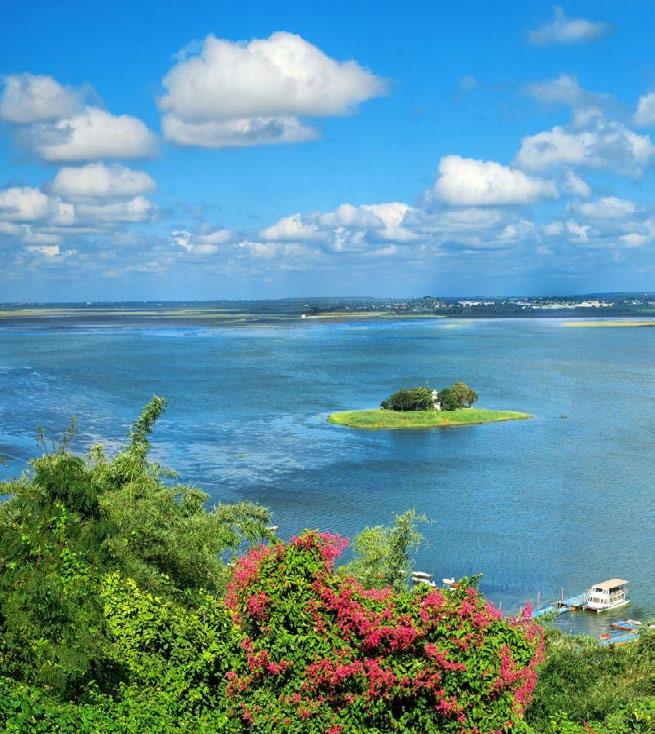


Nestled in the heart of India’s Madhya Pradesh, Bhopal emerges as a captivating blend of natural splendour and historical grandeur, far removed from the bustling tourist circuits of the country. Often overshadowed by more flamboyant destinations, this city, cradled by the ancient Vindhya Hills, offers a serene escape where azure lakes reflect centuries of royal legacies. Established in the 11th century by the visionary Raja Bhoj, who engineered the expansive Upper Lake as a testament to his engineering prowess, Bhopal later flourished under the rule of four remarkable Begums—female monarchs whose progressive governance from 1819 to 1926 infused the city with architectural marvels, cultural patronage, and a spirit of enlightenment. These women, including Qudsia Begum, Shah Jahan Begum, Sultan Jahan Begum, and Sikandar Begum, championed education, arts, and infrastructure, earning Bhopal its moniker as the “City of Begums.” Today, visitors can trace this rich tapestry through mosques that whisper tales of Mughal opulence, bazaars alive with artisanal crafts, and museums that celebrate indigenous wisdom. For the firsttime explorer, Bhopal is not merely a destination but an immersion into a living history, where the scent of attar perfumes the air, the call of migratory birds echoes over wetlands, and Nawabi cuisine lingers on the palate long after sunset.
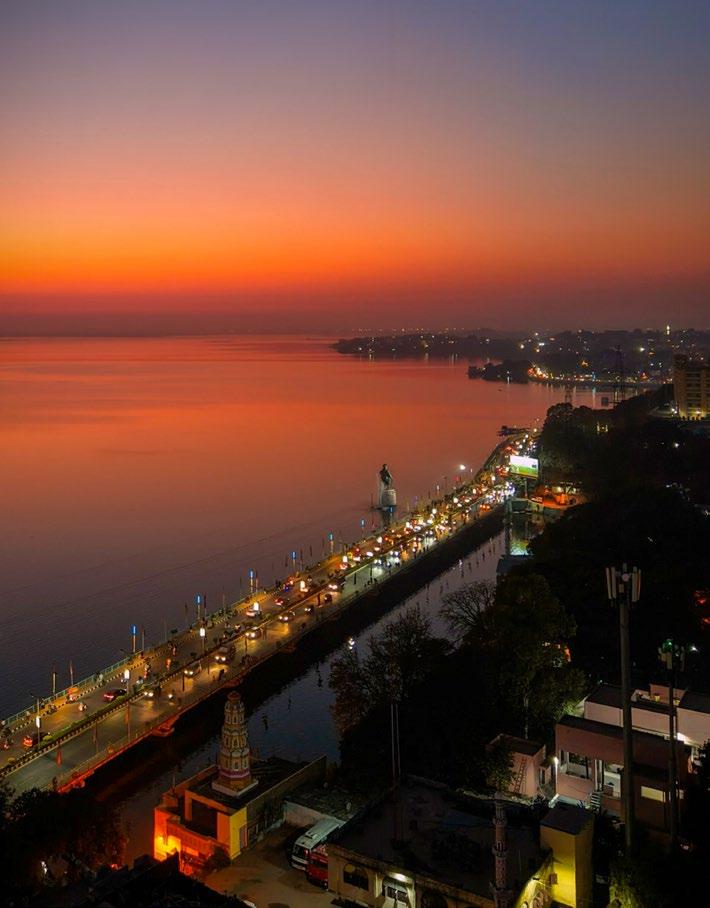

To truly appreciate Bhopal’s layered allure, timing your visit is key. The period from October to March beckons with crisp, invigorating winters, where the sun casts a golden hue over the lakes, ideal for leisurely explorations without the discomfort of heat. During these months, temperatures hover between 10°C and 25°C, allowing for comfortable heritage walks and outdoor pursuits. Summers, from April to June, bring warmer days averaging 35°C, but the
lakeside breezes offer respite, making it a viable option for those seeking fewer crowds. The monsoon season, July to September, transforms the landscape into a verdant paradise, with the Vindhya Hills draped in lush foliage and the lakes swelling to their fullest—perfect for photographers capturing dramatic skies, though occasional showers may interrupt plans. For an optimal balance of pleasant weather, cultural festivals like the Bhopal Literature Festival in winter, and budget-friendly accommodations, aim for the shoulder seasons just after the rains or in early winter. This window not only enhances the city’s photogenic quality but also aligns with migratory bird arrivals at the wetlands, adding a natural spectacle to your itinerary.


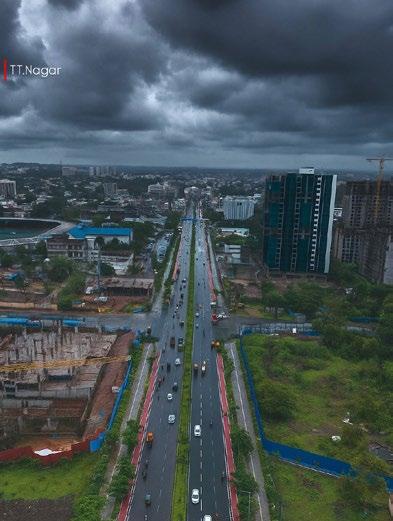

Begin your Bhopal odyssey at dawn by the shores of Bhojtal, the majestic Upper Lake that has sustained the city since its founding by Raja Bhoj over a thousand years ago. This vast reservoir, spanning nearly 37 square kilometres, was ingeniously created by damming the Kolans River, showcasing ancient Indian hydrology that still quenches the thirst of modern Bhopal. As the first light pierces the horizon, join locals in a invigorating promenade along the waterfront, where the Arera Hills rise like silent guardians in the distance. Pause at the Boat Club for a steaming cup of masala chai, perhaps accompanied by a simple biscuit, while observing fishermen casting nets or families embarking on gentle boat rides. This ritual not only invigorates the senses but sets a contemplative tone for the day, reminding visitors of Bhopal’s intrinsic bond with water—a theme that permeates its history and daily life. For those inclined toward deeper immersion, consider a guided heritage walk from the lakeside into the labyrinthine old quarters, where stories of Raja Bhoj’s scholarly pursuits and the Begums’ environmental stewardship come alive amidst the morning mist.
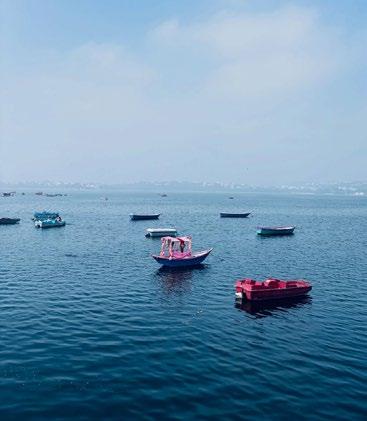
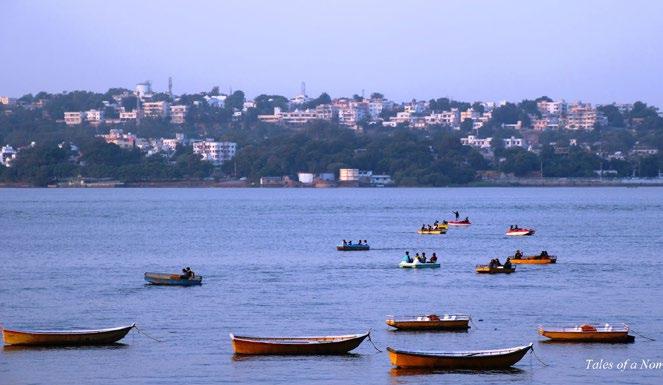

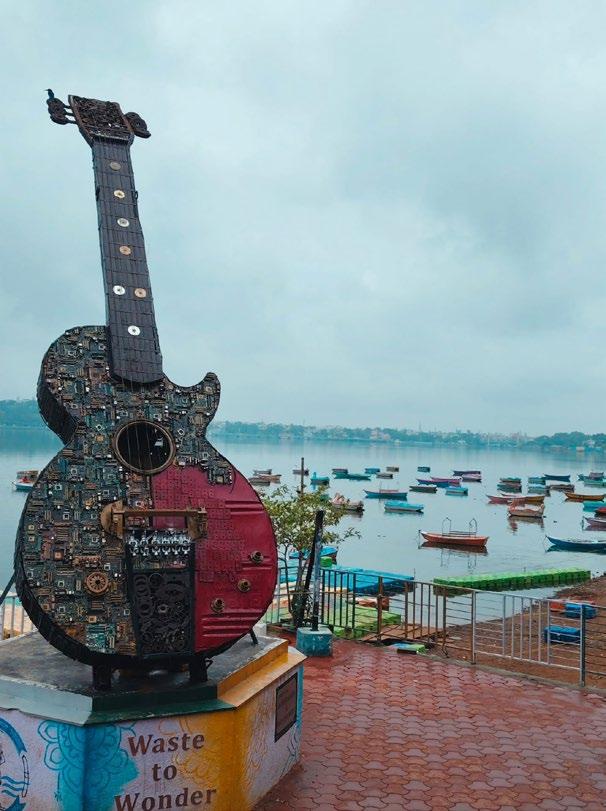
Transitioning from the lake’s tranquillity, venture to Taj-ul-Masajid, a monumental testament to Bhopal’s Islamic architectural heritage and one of Asia’s largest mosques. Initiated by Shah Jahan Begum in the late 19th century, this pink sandstone edifice, with its soaring minarets reaching 67 meters and expansive marble courtyard capable of accommodating 175,000 worshippers, embodies the Begum’s ambition to blend Mughal aesthetics with practical innovation. Construction spanned over a century, interrupted by
wars and famines, yet it stands today as a symbol of resilience and devotion. Wander through its arched gateways and intricate jali screens, where sunlight filters in patterns that evoke a sense of divine geometry. Nearby, the ruins of Shaukat Mahal and Sadar Manzil offer a fascinating contrast, fusing IndoIslamic motifs with French Gothic elements—a nod to the Begums’ cosmopolitan influences, including alliances with European architects. Visiting in the soft morning light enhances the mosque’s ethereal glow, and it’s advisable to dress modestly, with women covering their heads, to respect the site’s sanctity. This experience not only highlights Bhopal’s royal past but also invites reflection on the role of women in shaping Islamic history in India.
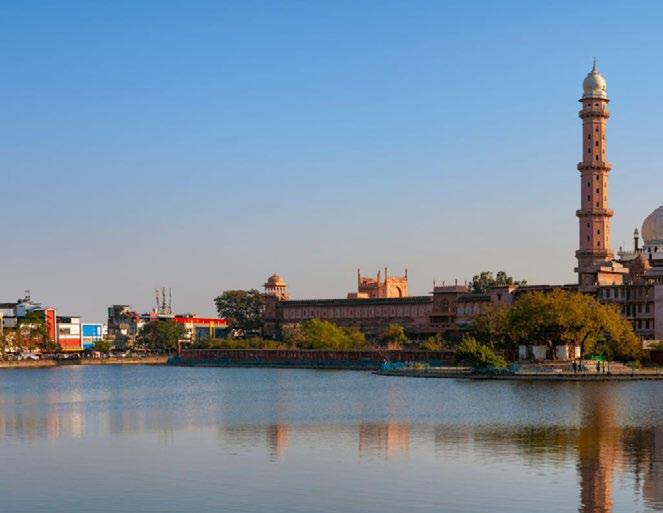
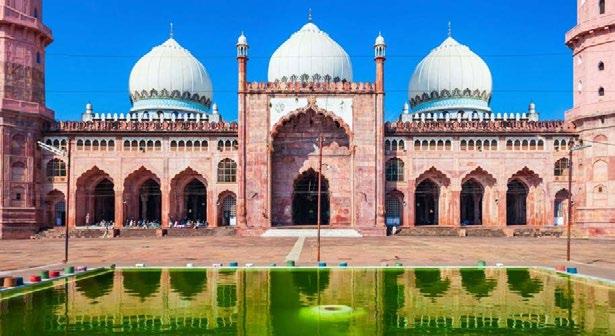
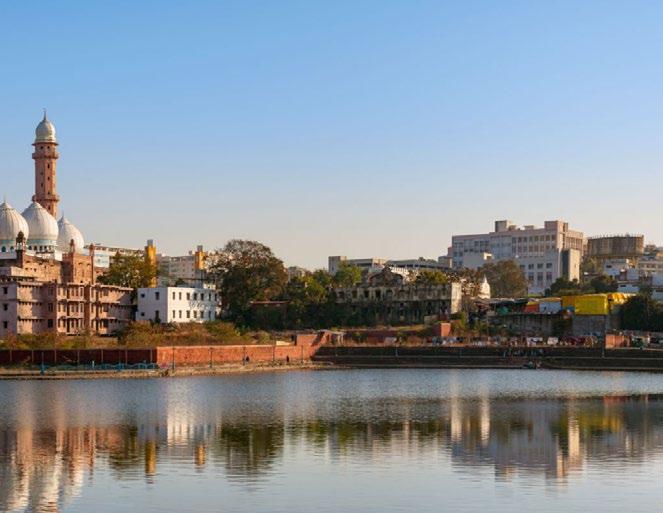
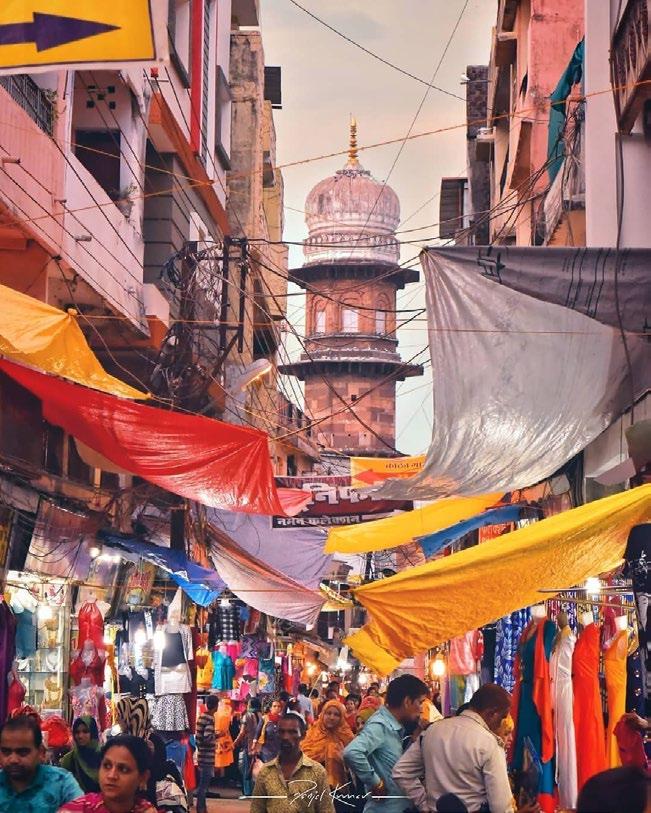
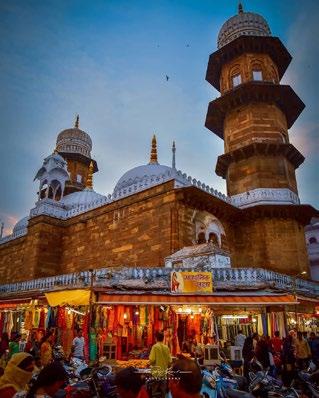
By mid-morning, the old city’s heartbeat draws you to Chowk Bazaar, a sensory symphony of sights, sounds, and scents that encapsulates Bhopal’s enduring mercantile spirit. This historic marketplace, dating back to the Nawabi era, unfolds in narrow lanes lined with shops peddling everything from shimmering zardosi-embroidered purses and potlis to vials of fragrant ittar—traditional perfumes distilled from roses and sandalwood, a craft perfected under the Begums’ patronage. The air thrums with the sizzle of street vendors grilling Bhopali kebabs, succulent minced meat skewers infused with spices like cardamom and cloves, or preparing seekh tikka over glowing charcoal. Indulge in a quintessential breakfast of poha-jalebi— flattened rice stir-fried with onions and turmeric, paired with sweet, crispy jalebis—at a timeworn corner eatery, followed by a frothy lassi or milky chai to cut through the richness. For an authentic taste, seek out Nimrah Café, a legendary spot where generations have savoured samosas stuffed with spiced potatoes and peas. Haggling here is an art form, and with a modest budget, you can acquire souvenirs that carry the essence of Bhopal’s artisanal legacy. This bazaar isn’t just a shopping hub; it’s a living archive of the city’s cultural fusion, where Mughal influences meet local tribal motifs in every embroidered thread.
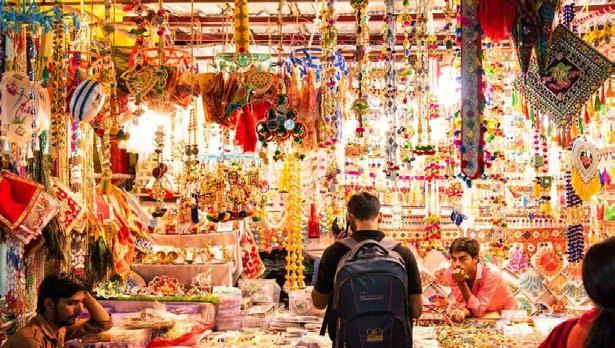
Continuing your exploration, arrive at Moti Masjid, a gleaming white marble sanctuary that radiates purity and poise against the azure sky. Commissioned in 1860 by Sikandar Begum, this mosque draws inspiration from Delhi’s iconic Jama Masjid, featuring twin domes and slender minarets that evoke a sense of harmonious symmetry. Named “Pearl Mosque” for its lustrous facade, it was part of Sikandar’s broader modernization efforts, which included infrastructure projects like roads and bridges that propelled Bhopal into the modern age. The interior, with its arched prayer halls and Quranic inscriptions, offers a quiet space for contemplation amid the city’s bustle. Though compact compared to Taj-ul-Masajid, its understated beauty lies in the intricate carvings and the play of light on marble surfaces. A brief visit here, ideally slotted after the bazaar, provides a seamless narrative thread through the Begums’ architectural contributions, underscoring their commitment to blending faith with progress. Entry is free, and the site’s accessibility makes it a perfect interlude before delving into Bhopal’s contemporary cultural scene.
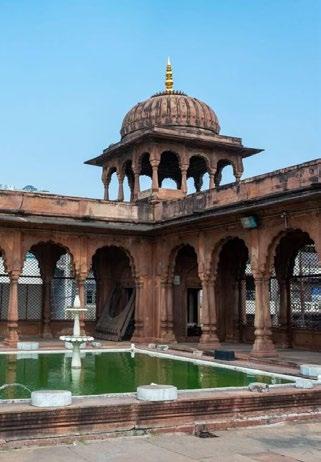
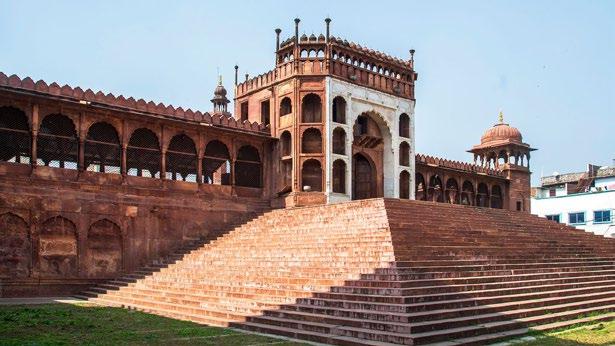
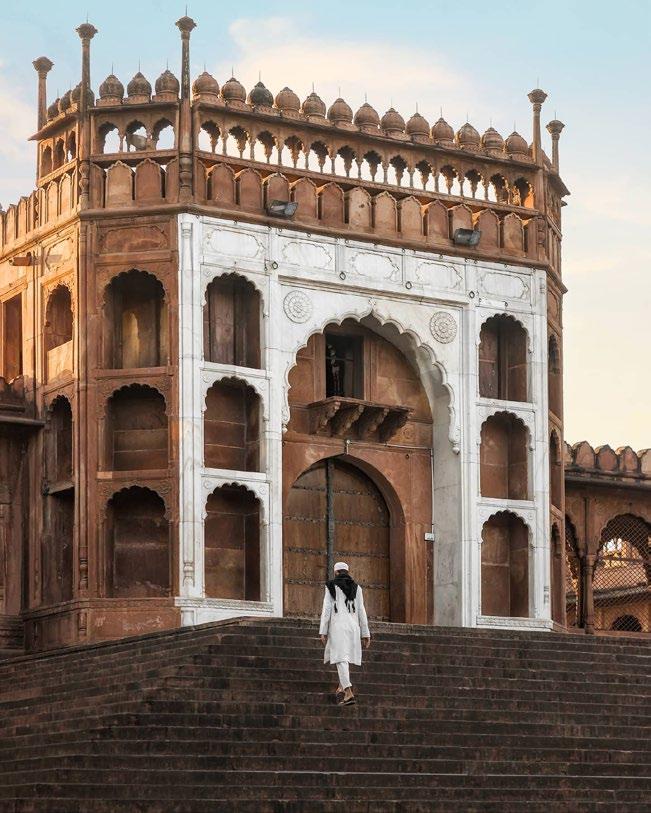
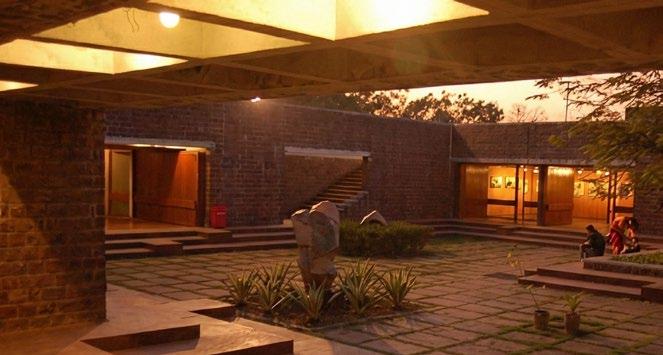



As the afternoon sun climbs, seek refuge in the innovative confines of Bharat Bhavan, a modernist cultural complex masterminded by acclaimed architect Charles Correa in 1982. Perched on a hillside overlooking the Upper Lake, this terraced structure integrates open-air theatres, art galleries, and sculpture gardens into a fluid, earthy design that harmonizes with the landscape. Wander through exhibitions showcasing contemporary Indian paintings, tribal artifacts, and avantgarde sculptures, or catch a live performance of Hindustani classical music echoing through the amphitheatres. Bharat Bhavan serves as a bridge between Bhopal’s Nawabi past and its vibrant present, fostering dialogues on art, literature, and theatre that continue the Begums’ legacy of patronage. The shaded courtyards and breezy corridors provide a cool respite, making it an ideal spot to spend a couple of hours absorbing India’s artistic evolution. With nominal entry fees, it’s accessible to all, and checking the schedule for events can elevate your visit into an unforgettable cultural encounter.
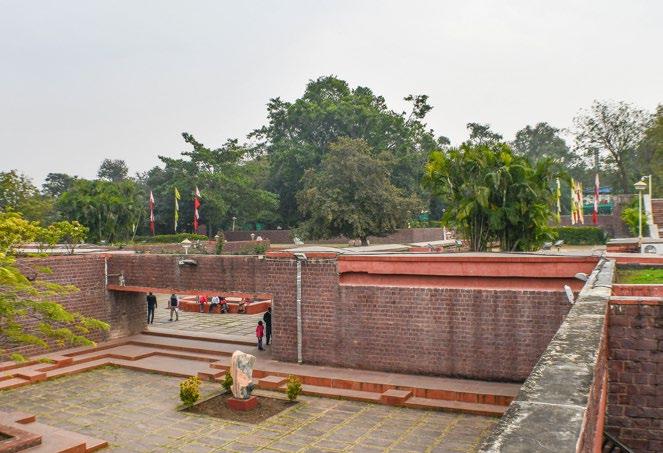
A short journey from Bharat Bhavan leads to the Madhya Pradesh Tribal Museum, an extraordinary homage to the state’s Adivasi communities that reimagines ethnography as immersive art. Opened in 2013, this sprawling facility features life-size replicas of tribal dwellings crafted from bamboo, clay, and thatch, alongside mythic murals, carved wooden panels, and vibrant masks that depict ancient folklore. Interactive exhibits, including celestial maps and sound installations, bring to life the Gond, Bhil, and Baiga tribes’ worldviews, highlighting their sustainable practices and spiritual connections to nature. Expanded displays explore themes like harvest rituals, shamanic traditions, and contemporary adaptations, offering insights into how these communities have influenced Madhya Pradesh’s cultural mosaic. Families will appreciate the childfriendly zones with hands-on activities, while scholars can delve into audio guides for deeper context. This museum not only expands on Bhopal’s heritage but also prompts visitors to reflect on India’s diverse indigenous heritage, making it a profound addition to any itinerary.
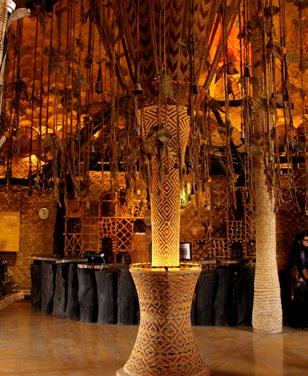

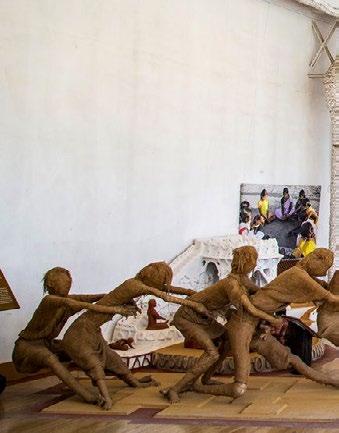





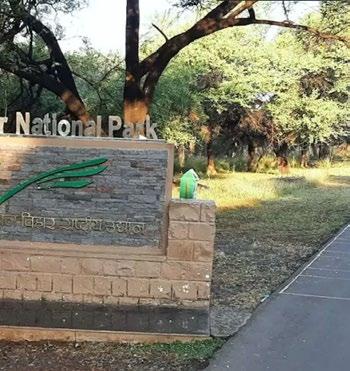

As evening approaches, unwind by the tranquil Lower Lake, part of the Bhoj Wetland—a Ramsar site of international ecological importance that supports over 150 bird species, including migratory visitors like bar-headed geese and flamingos. Stroll along the waterfront promenade, crossing the historic causeway to Van Vihar National Park, a 445-hectare sanctuary nestled between the twin lakes. Here, enclosures house Bengal tigers, Asiatic lions, sloth bears, and herds of deer, while peacocks strut freely and avian calls fill the air. Opt for a cycle ride or safari during the golden hour, when the setting sun paints the landscape in hues of amber and the silhouettes of birds create a mesmerizing tableau. This natural interlude, enhanced by the distant azaan from nearby mosques, captures Bhopal’s harmonious blend of urbanity and wilderness, providing a serene counterpoint to the day’s historical pursuits.

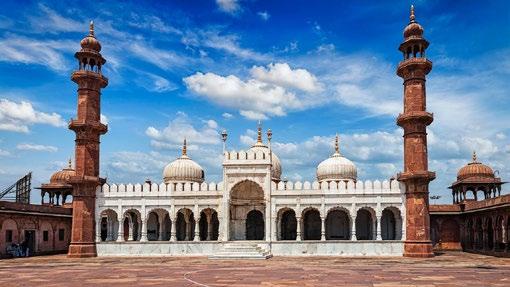

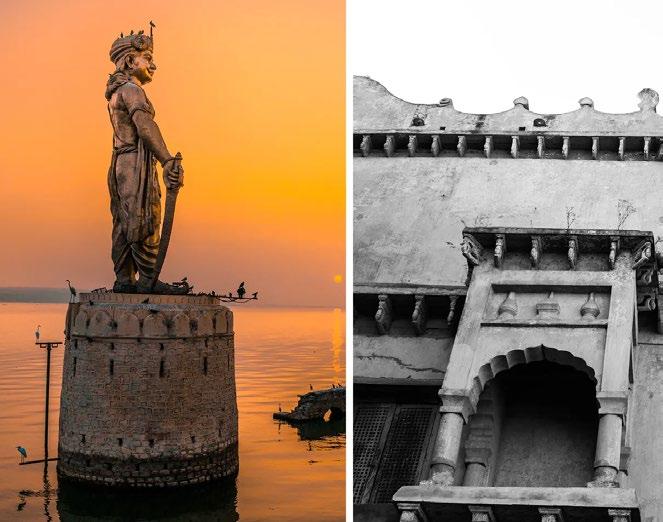

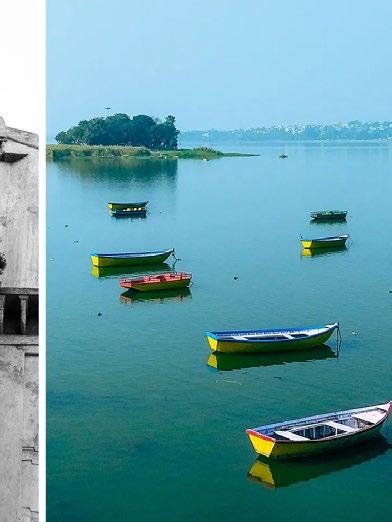
Conclude your day with a sumptuous dinner at Under the Mango Tree, the evocative restaurant within the Jehan Numa Palace Hotel, originally the residence of General Obaidullah Khan, son of Sultan Jahan Begum. This al fresco venue, shaded by ancient mango groves, specializes in regal Nawabi cuisine—dishes like Murgh Bhopal Rizala (chicken in a creamy yogurt gravy scented with saffron), Nadru ke Kofte (lotus stem dumplings in a rich tomato sauce), and the decadent Sheer Korma (vermicelli pudding with nuts and dates). Each bite reflects the Begums’ culinary sophistication, influenced by Persian, Mughal, and local Awadhi traditions. Paired with live ghazal music on select evenings, the experience transports diners to an era of royal banquets, making it a fitting crescendo to your Bhopal adventure.
To navigate Bhopal effortlessly, pack breathable cotton attire for daytime warmth and a light shawl for cooler evenings, along with sturdy walking shoes for exploring uneven heritage paths. Transportation is straightforward with autorickshaws or app-based cabs for short hops, but renting a car for a full day unlocks flexibility, especially for excursions to nearby UNESCO sites like the Sanchi Stupas or Bhimbetka rock shelters. Embrace sustainability by carrying a reusable water bottle, as many spots offer filtered refills, and keep cash handy for street vendors and small eateries. Budget travellers will delight in affordable street fare like poha and samosas, while vegetarians find ample options in the city’s diverse cuisine. Above all, allocate moments of stillness by the lakes—these are where Bhopal reveals its profound, soul-stirring essence, inviting you to return for deeper discoveries.






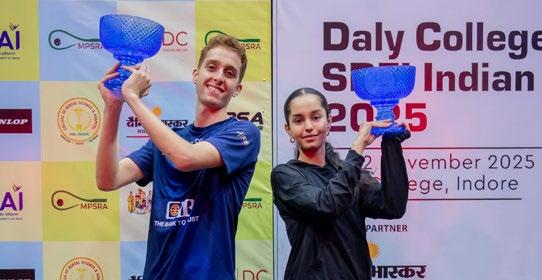
On a crisp November evening in Indore, the glass court at Daly College witnessed a moment that will be etched in Indian squash history. Seventeen-year-old Anahat Singh, the country’s brightest young talent, outlasted 39-year-old legend Joshna Chinappa in a pulsating five-game women’s final to lift the SRFI Indian Open 2025 PSA Challenger title. The 54-minute encounter, which ended 11-8, 11-13, 11-9, 6-11, 11-9 in Anahat’s favour, was more than just a tournament victory; it symbolised the passing of the torch from one generation to the next in Indian squash.
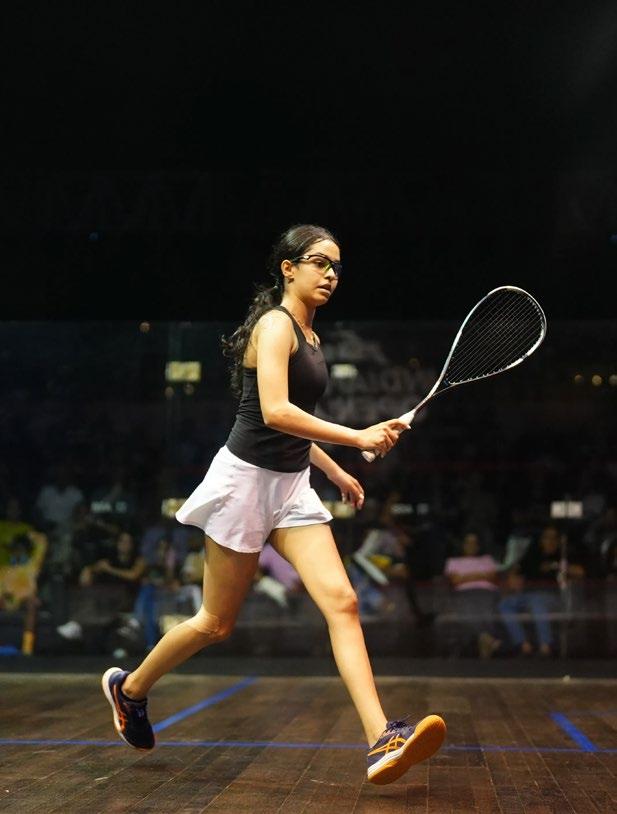
For the first time in recent memory, two Indian women contested a PSA final on home soil, underlining the rapid growth of the sport in the country. Anahat, the top seed and world No. 33, entered the match as favourite, but Joshna – a two-time Asian Games gold medallist and former world No. 10 – reminded everyone why experience remains a formidable weapon.
Squash is one of the most physically demanding racquet sports in the world. Played inside a four-walled court measuring 9.75 m by 6.4 m, the objective is simple yet brutally challenging: hit a small, hollow rubber ball so that your opponent cannot make a valid return before it bounces twice on the floor. Points can be won by either player regardless of who serves, and matches are typically best-of-five games to 11 points (must win by two clear points if 10-10 is reached).

The sport demands explosive speed, razor-sharp reflexes, extraordinary hand-eye coordination, and tactical intelligence. Players routinely cover more than 2 kilometres in a single match while lunging, diving, and stretching in a confined space. The ball, which can reach speeds exceeding 250 km/h when struck cleanly, dies quickly in the corners, forcing constant movement and split-second decisionmaking. With its inclusion confirmed for the Los Angeles 2028 Olympics, squash is finally receiving the global spotlight it has long deserved, and India is emerging as one of the sport’s rising powers.
Born on 13 March 2008 in New Delhi, Anahat Singh is the face of India’s squash revolution. Introduced to the sport at the age of eight by her mother, herself a former national-level player, Anahat displayed prodigious talent almost immediately. Within three years she was dominating national junior circuits, and by 2022, at just 14, she became the youngest Indian to win a PSA title.
Her trophy cabinet is already overflowing: 13 PSA Challenger titles by age 17, the 2025 PSA Challenger Female Player of the Season award, a shared PSA Young Female Player of the Year honour
with Egypt’s Amina Orfi, multiple Asian junior titles, and a historic individual bronze at the 2025 World Junior Championships in Egypt – the first such medal for an Indian girl in 15 years. She also became the first Indian woman to reach a PSA Copper-level final (NSW Bega Open, August 2025) and notched career-best wins over world No. 7 Tinne Gilis and No. 20 Melissa Alves at the Canadian Women’s Open. Standing 5 feet 6 inches tall, Anahat combines deceptive power with exquisite touch and an icecool temperament that belies her age. Coached by both Stéphane Galifi and Grégory Gaultier, she is also supported by the Sports Authority of India. She trains at the Indian Squash Academy in Chennai and frequently travels abroad for high-level competition.


Anahat’s route to the title match was anything but straightforward. In the semi-finals she faced Ireland’s Hannah Craig in a roller-coaster five-game encounter. After cruising through the opener 11-4, Anahat surprisingly dropped the next two games and stared at elimination. Yet, displaying the mental fortitude that has become her trademark, she stormed back to take the fourth and fifth 11-6 and 11-4 respectively, clinching the match in 61 gruelling minutes.
Joshna Chinappa, playing unseeded after a ranking dip due to injury layoffs, produced one of the performances of her late-career resurgence. She upset secondseeded Egyptian Nadien Elhammamy 3-1 in the semifinals, winning the last three games convincingly after losing the first. At 39, Joshna’s court craft, experience, and never-say-die attitude made her a dangerous floater in the draw.
From the very first rally, the final crackled with intensity. Anahat drew first blood, taking the opening game 11-8 after recovering from 7-8 with four consecutive points. Joshna responded with vintage squash in the second, clawing her way back from 7-10 to steal it 1311 on a nerve-jangling tiebreak.
The third game was a microcosm of the entire match: lead changes, lengthy rallies, and both players diving full-stretch to keep the ball alive. Trailing 8-9, Anahat reeled off three straight points – including two exquisite drop shots – to move 2-1 ahead. Joshna, refusing to yield, dominated the fourth 11-6 to set up a decider.




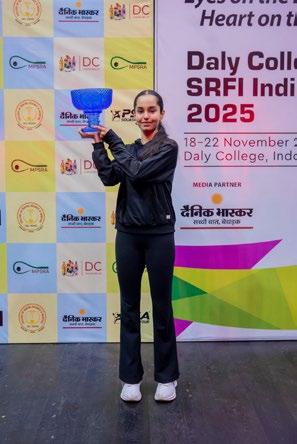


In the fifth, the Daly College crowd was treated to squash of the highest quality. With the score locked at 9-9, Anahat produced a moment of magic – a perfectly disguised trickle boast followed by a volley kill – to earn championship point. One final error from Joshna sealed the deal: 11-9, title to Anahat.
This triumph marks Anahat’s third title of the 2025 season, following successes at the Mumbai Indian Open and the SRFI Indian Tour event in Chennai. More significantly, it is her second victory over Joshna in 2025 (she had beaten her 3-1 in the Mumbai semi-finals), underscoring her growing dominance over the previous generation. With 13 PSA titles from only 20 tournaments entered, Anahat’s win percentage stands at an astonishing level. Each victory adds crucial ranking points, pushing her closer to the top 20 and, eventually, the top 10 – territory
no Indian woman has consistently occupied since Joshna herself over a decade ago.
Squash’s Olympic debut in 2028 offers Indian players their greatest stage yet. Anahat, who will be just 20 years old in Los Angeles, is widely regarded as India’s best medal hope. The experience of playing high-pressure finals like the SRFI Indian Open – against a legend on home soil – is invaluable preparation for that global showcase. As she stood on the podium in Indore, clutching the trophy and beaming under the lights, Anahat Singh was not just celebrating another title. She was announcing, in the clearest terms possible, that the future of Indian squash has arrived – and it wears the number one seed with pride.





Exciting opportunity for all those who want to share their most memorable, Interesting. Amazing, Pro-active & Growth oriented activities & Experiences covering areas such as
• Fashion, Trend & Lifestyle
• Culture, Tradition & Heritage
• Education, Healthcare & Wellnes
• Industries, Investments & Growth
• Travel, Tourisn & Hospitality With Millions of Readers across the world



Special Coverage & Press Release Dr. Kevin Francis
Launguage Rights & Overseas Rights Dr. Andre Lubbe
Circulation, Subscription & Global Distributions Dr. George Fedrick
Advertisements & Advertorials WWMCG Global Communications Inc.,
Featured Stories & Articles Rishi Wadhwa
Feedback & Customer Relationship Ms. Nancy
Email ID : aseworldwidemedia@gmail.com worldwidemediaasiapacific@gmail.com
Website : www.mightyindia.com