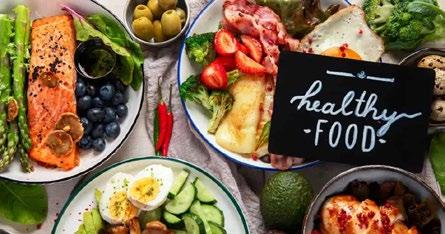
Wherefore Fiber Would Become The ‘New Great Reset Protein’ Of The Year 2026’s Health Revolution
For the better part of two decades, the global health and wellness narrative has been dominated by a single macromolecule: Protein. From the rise of paleo and keto diets to the ubiquity of whey isolates and plant-based "meat" alternatives, the pursuit of protein has become a secular religion. However, as we move through 2025 and look toward 2026, a seismic shift is occurring in both clinical nutrition and consumer behaviour.
The spotlight has moved from the building blocks of muscle to the architects of the microbiome. We are currently witnessing the "Fiber Takeover." This transition represents more than just a change in dietary preference; it is a fundamental revaluation of human health. If protein was the obsession of the "aesthetic era"—focused on muscle mass and physical performance—fiber is the cornerstone of the "Longevity Era," focused on metabolic health, mental clarity, and internal ecosystem management.
The Catalyst: The Gut-Brain Axis and the Microbiome: The primary driver behind the fiber resurgence is the explosion of research into the human microbiome.
We now understand that the trillions of bacteria residing in our digestive tracts act as a "second brain" and a primary immune organ. These bacteria do not feed on protein or fats; they thrive on Prebiotic Fiber. When we consume diverse fibers, our gut microbes ferment them into Short-Chain Fatty Acids like butyrate, acetate, and propionate. These SCFAs are the "secret sauce" of human health—they reduce systemic inflammation, strengthen the gut barrier, and even signal the brain to produce neurotransmitters like serotonin. In 2025, the realization hit the mainstream: you can eat all the protein in the world, but if you aren't "feeding the pharmacy" in your gut with fiber, your health floor remains dangerously low.
The GLP-1 Factor: Satiety Beyond the Needle: The massive rise of GLP-1 agonist medications (like Ozempic and Wegovy) in 2024 and 2025 has inadvertently paved the way for the fiber takeover. These drugs work by mimicking hormones that signal fullness. Fiber, naturally, performs a similar mechanical and chemical function. As consumers look for "food-first" ways to maintain weight loss or manage their appetite without lifelong medication, fiber has emerged as the natural
alternative. High-fiber diets slow gastric emptying and trigger the release of indigenous GLP-1. In 2026, we expect to see a surge in "GLP-1 Friendly" food labelling, where fiber content—specifically viscous and fermentable fibers—is marketed as the primary tool for natural weight management.
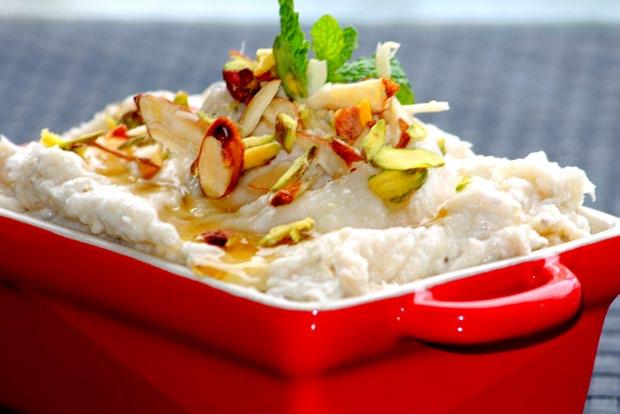
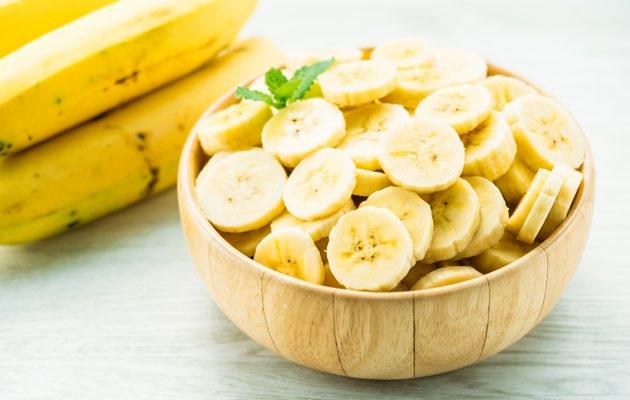
From "Roughage" to "Functional Superfood": Historically, Fiber had an image problem. It was associated with "roughage," bland bran cereals, and digestive regularity for the elderly. The 2026 trend has rebranded fibre as a high-performance functional ingredient. The Rise of "Resistant Starch": No longer just about bathroom habits, fibre is being touted for its ability to blunt glucose spikes. By adding resistant starch (found in cooled potatoes, green bananas, and specialized flours) to meals, consumers are "hacking" their blood sugar, allowing for more flexible eating without the metabolic crash.
The "Cabbage Comeback": In the culinary world, high-fiber vegetables are being elevated to gourmet status. The humble cabbage, along with artichokes, leeks, and beans, has replaced the cauliflower crust. Chefs are focusing on "fibre-forward" menus where the vegetable is
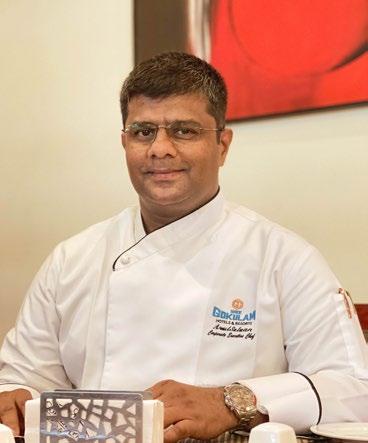
EDITOR -IN - CHIEF From the Desk of
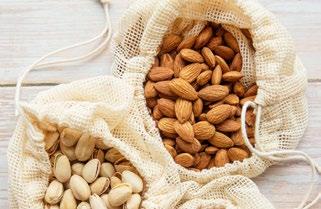
not a side dish but the structural heart of the meal. Fiber-Fortified Beverages: The "Prebiotic Soda" category, which began as a niche market, is expected to become a multi-billion-dollar industry by 2026. These drinks offer 5–10 grams of plant-based fibre in a carbonated, low-sugar format, effectively replacing traditional soft drinks as the "guilt-free" functional beverage of choice.
The Economic and Environmental Shift: The fibre takeover also aligns perfectly with global sustainability goals. While high-protein diets—particularly those reliant on animal sources—carry a heavy carbon footprint, fibre is inherently plant-derived. The "Fiber-First" movement encourages the consumption of whole grains, legumes, seeds, and tubers. These crops generally require less water and land than livestock. Furthermore, the food industry is finding ways to "upcycle" fibre. In 2026, we will see more products made from "spent grains" (leftover from beer brewing) or "fruit pomace" (leftover from juice pressing). By turning these fibrerich byproducts into flour and snacks, the industry is creating a circular food economy that feeds people while reducing waste.
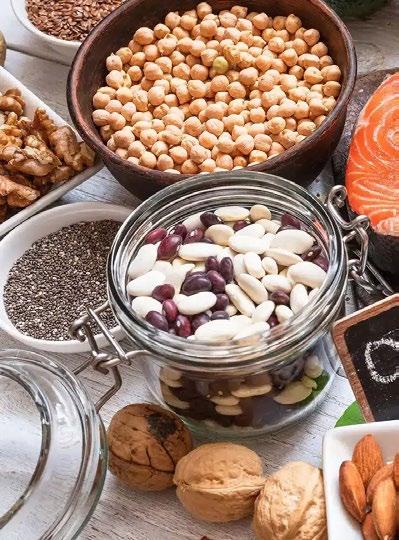
The "Fiber Gap": A Public Health Mandate: Despite its importance, over 90% of the global population fails to meet the recommended daily intake of fibreTypically 25–38 grams. This "Fiber Gap" is being recognized by governments and health organizations as a crisis on par with vitamin deficiencies. In 2026, we may anticipate: Public Health Campaigns: National nutrition guidelines shifting focus from "Low Fat" or "High Protein" to "High Fiber." Corporate Wellness: Companies incorporating fibre-rich meals into office catering to improve employee focus and reduce "afternoon slumps" caused by glucose volatility. Innovative Supplements: Moving beyond psyllium husk to multifibre blends that include acacia, inulin, and guar gum to provide a diverse "buffet" for different strains of gut bacteria.
The Future: Precision Fiber: By the end of 2026, the trend will likely evolve into Precision Fiber. Just as we currently track "grams of protein," savvy consumers will begin tracking "Fiber Diversity." We will see apps that calculate your "Microbiome Score" based on the variety of plants you eat in a week (the goal being 30+ different plant types). Personalized nutrition
DR. S. E. ALEXANDER Global Media Chief & MD
companies will offer fibre blends tailored to an individual’s specific gut test results-if you lack certain bacteria to process fats, you’ll be prescribed a specific prebiotic fibre to cultivate them.
The "Fiber Takeover" is not a fleeting fad; it is a long-overdue correction. For decades, we ignored the most essential component of our diet in Favor of macronutrients that provided immediate physical feedback. But as the global population ages and chronic metabolic diseases rise, the focus has shifted toward the internal architecture of health.
In 2026, fibre will officially renounce its "boring" reputation. It will invariably become the star of the grocery aisle, the hero of the restaurant menu, and the primary tool in the biohacker’s toolkit. By moving from a protein-obsessed culture to a fibre-focused one, we are finally learning to eat in a way that nourishes not just our muscles, but the complex biological ecosystem that truly defines our vitality.
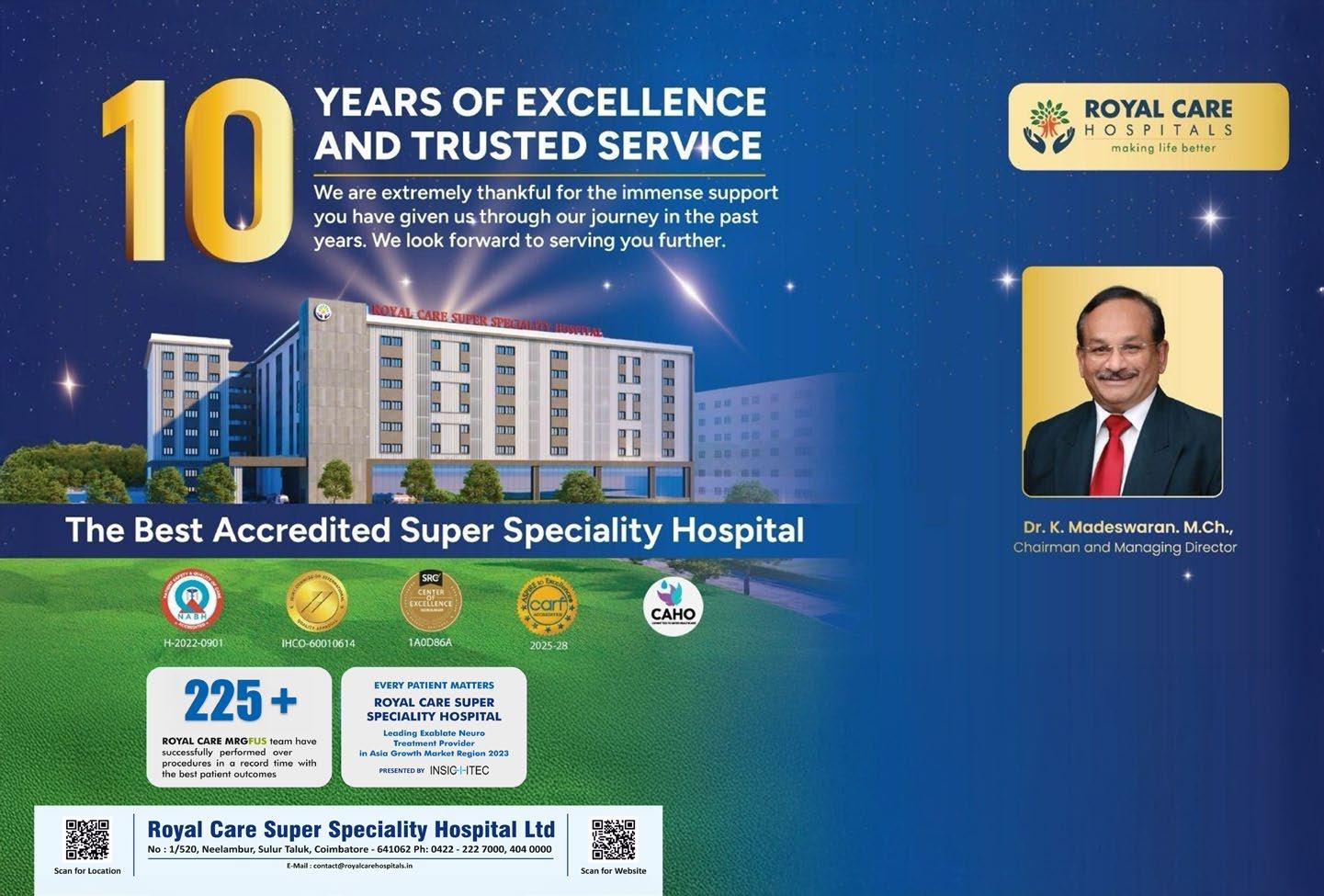
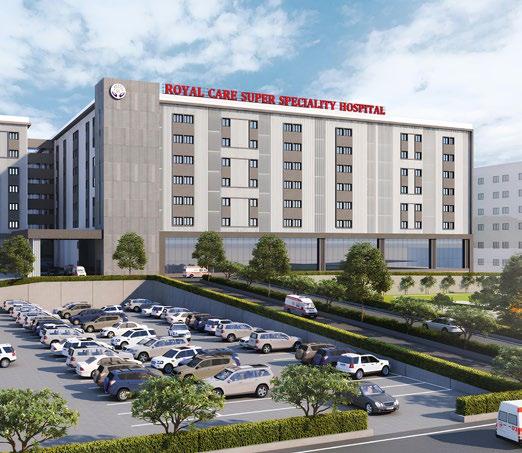
First Of Its Kind & Best in Class Sports Medicine & Healthcare’ @ Dr. KMD’s Royal Care Hospitals Group
RAFFLES HOTELS & RESORTS
Strengthens Its Legacy In Rajasthan With The 2026 Raffles Sirmour Cup
KMCH Launches Tamil Nadu’s First ETHOS AI-Powered Adaptive Radiation Therapy (ART) Invests ₹70 Core in Cutting-Edge Diagnostics.
Tommy Hilfiger & Migsun Mall Partner for 2,040 Square Foot Delhi Store
Jonathan Anderson’s Dior begins with bows, clovers and new codes
MG Becomes the First EV Brand to Partner with Incredible India
Launches Watt’s In The Wild – Season 2
Etihad Airways Crowned World’s Safest Airline for 2026
A Harvest Sung in flavors Pongalo Pongal at Waterside, Feathers Hotel
The Westin Chennai Velachery Appoints Anand Raghuraman as Chief Engineer
Pongal Indulgence @ Sangamithirai, Feathers Hotel
Cinépolis India Launches ‘Blockbuster Food Festival’
Vapor @ Feathers Hotel Turns Up the Spirits All Day This January
MG Windsor India’s No. 1 Selling EV of 2025
Inside Gaurav Gupta’s First Menswear-Only Flagship
FNH BEAUTY & WELLNESS - 114
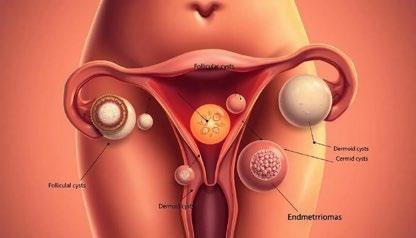
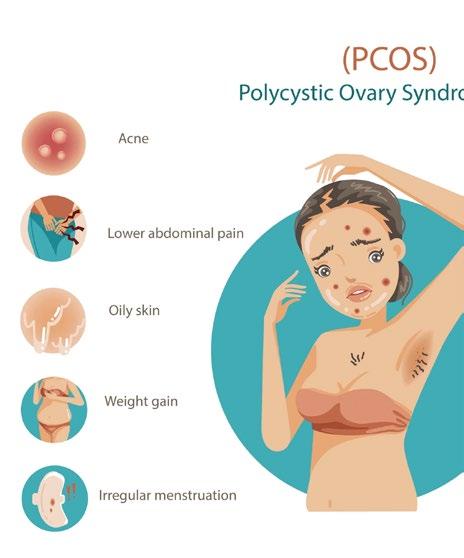
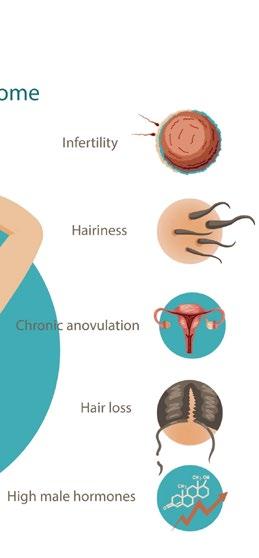
How to Cure PCOS A Complete Guide to Understanding, Managing, and Living Well with Polycystic Ovary Syndrome
FNH HOTELS & RESTAURANTS128
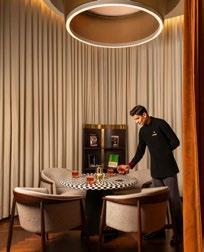
Lord Vesper at The Oberoi Gurgaon Redefines After-Hours Luxury
FNH HEALTH & MEDICAL TOURISM - 168
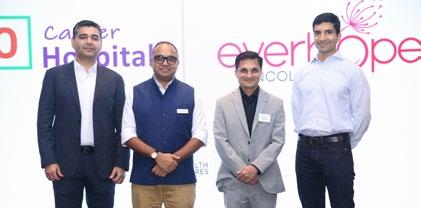
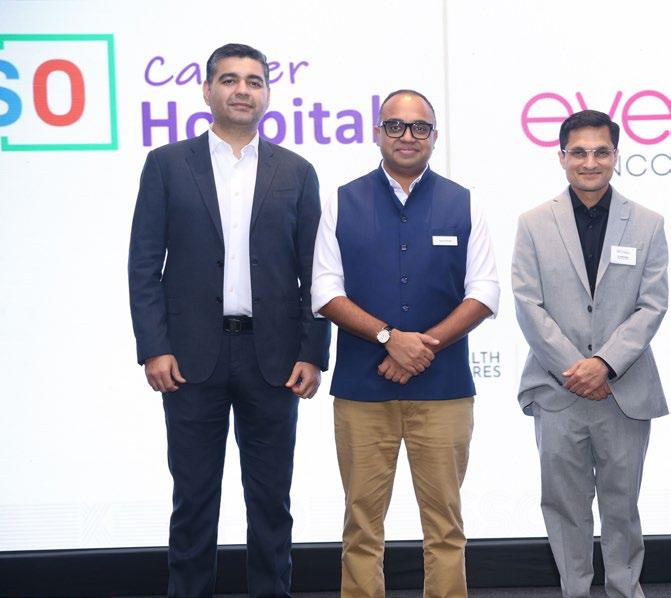
Specialty Surgical Oncology secures
$2.8 Million in funding from the Everhope Oncology platform to accelerate its next phase of growth
FNH KITCHEN WORLD & FOOD PLANET - 154
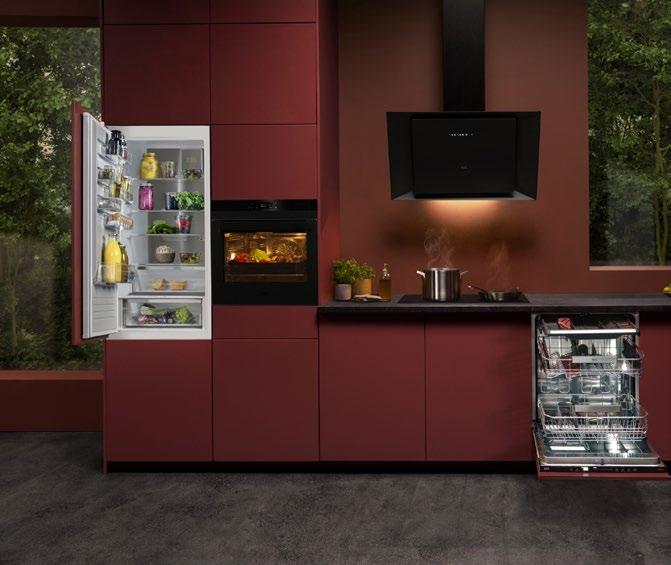
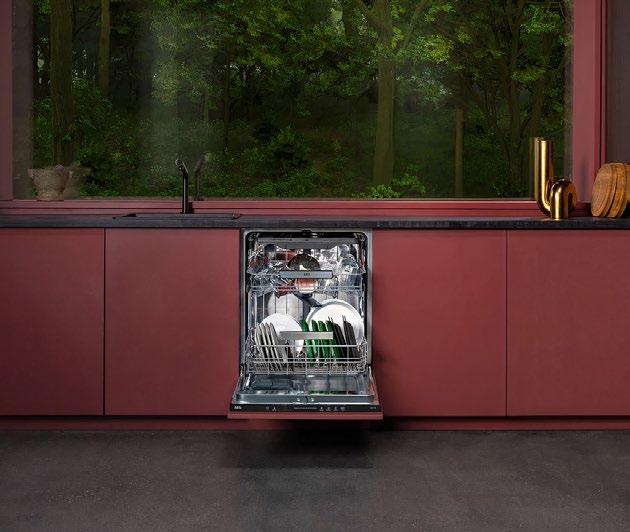
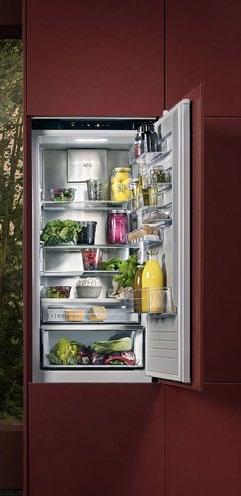
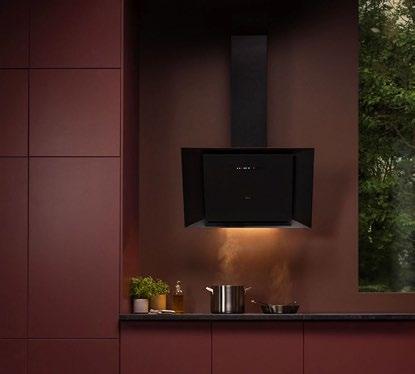
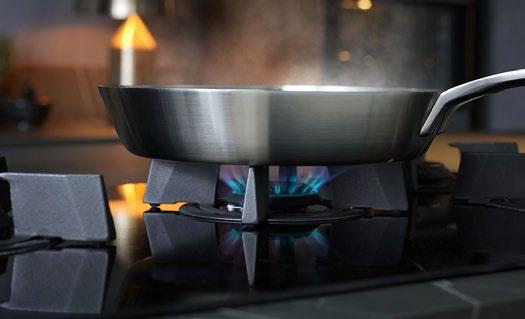
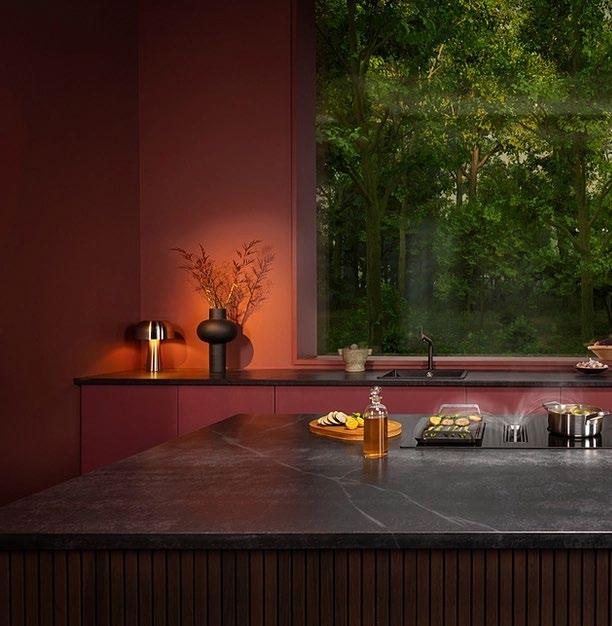
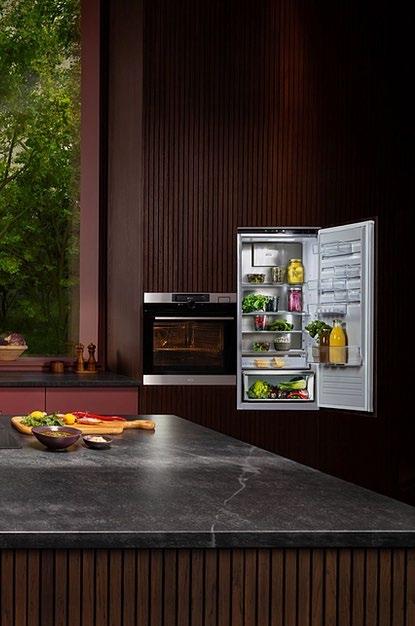
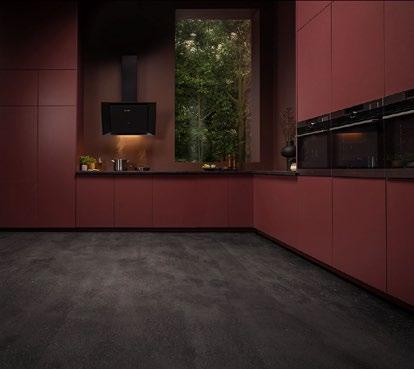
The New AEG Kitchen Range Redefining Sustainable Performance
FNH TRAVEL & TOURISM - 186
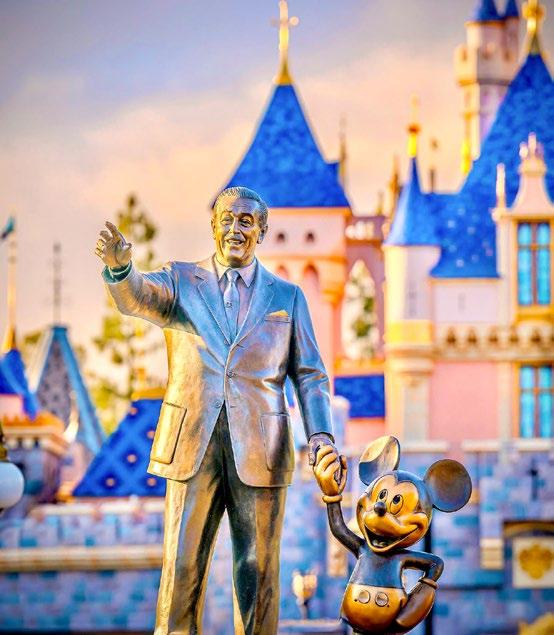
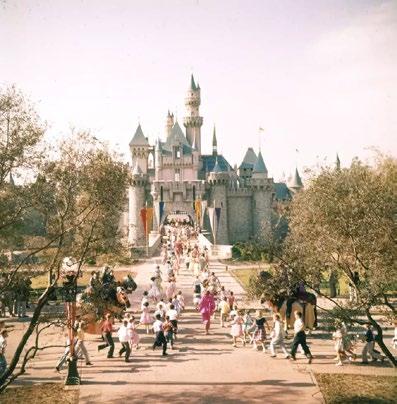
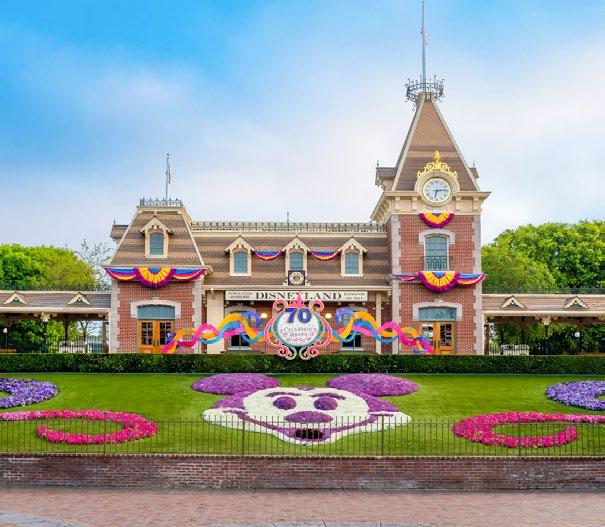
Disneyland California
The Timeless Magic of the Happiest Place on Earth
MG BECOMES THE FIRST EV BRAND TO PARTNER WITH INCREDIBLE INDIA LAUNCHES
WATT’S IN THE WILD – SEASON 2
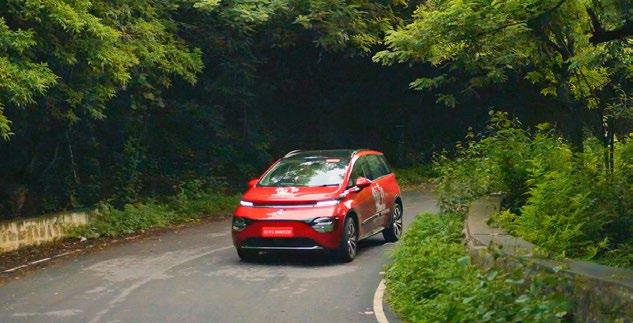
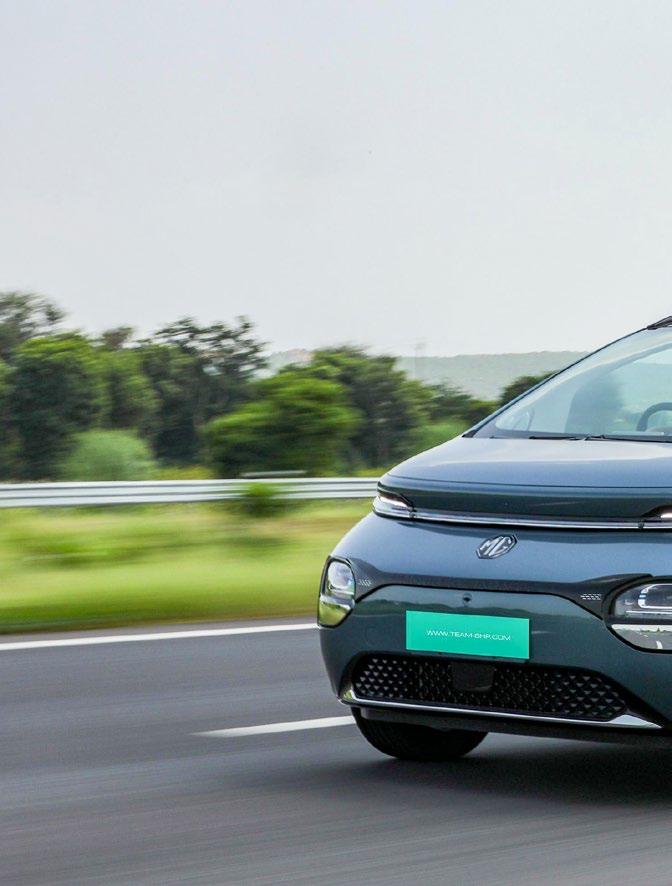
3,000 km southern odyssey celebrates heritage, conservation and sustainable mobility from Mysuru to Kerala’s Coastal Belts. JSW MG Motor India, in partnership with Incredible India, Ministry of Tourism, Government of India, has launched Season 2 of its acclaimed EV travel documentary series “Watt’s in the Wild.” This 3,000 km journey across southern India in the MG Windsor PRO showcases the benefits of sustainable mobility while celebrating cultural heritage, conservation icons, and community wisdom from Mysuru to Kerala’s coastal belts.
The expedition traverses Mysuru’s royal heritage and conservation, Bengaluru’s urban transitions, Karnataka forests (Coorg, Chamundi Hills, Wayanad), Kerala heartland (Kannur, Thrissur, Palakkad, Kochi, Alappuzha), coastal communities (Ponnani, Kuttiyoor), and agricultural belts of rice, tea, and spice plantations. Through cinematic storytelling by creative partner Ride The
Route, the MG Windsor PRO emerges as a quiet enabler of India’s living traditions, normalizing EV infrastructure in realworld adventures while amplifying marginalized voices through this landmark government-backed channel.
Building on Season 1’s historic first; MG ZS EV’s ascent to Dirang Valley in Himalayan terrain, Season 2 continues proving EV capability in diverse conditions. Ongoing videos are live on the official Instagram page. This series demonstrates the practical capabilities of the MG Windsor PRO in authentic travel experiences, from heritage destinations to artisan communities. JSW MG Motor India remains committed to strengthening the EV ecosystem through meaningful storytelling and real-world demonstrations that highlight the benefits of electric vehicles.
ETIHAD AIRWAYS CROWNED WORLD’S SAFEST AIRLINE FOR 2026
AirlineRatings.com, the world’s leading airline safety and product rating authority, has revealed its much-anticipated World’s Safest Airline Rankings for 2026, evaluating 320 airlines using a rigorous, data-driven methodology that includes incident rates, fleet age, pilot training, international audit compliance, and enhanced turbulence-prevention measures. In this year’s rankings, Etihad Airways has been named the World’s Safest Airline for 2026, topping AirlineRatings.com’s highly regarded global safety rankings. This marks a historic achievement as the first Gulf carrier ever to secure
the number one position in the fullservice airline safety list, underscoring Etihad’s unwavering commitment to aviation safety excellence. Etihad’s top ranking is based on several key factors, including its young fleet, advanced cockpit safety systems with a focus on turbulence management, a crash-free history, and the lowest incident rate per flight among all airlines evaluated.
“We are incredibly proud to receive one of the most respected airline safety awards in the world from AirlineRatings, an independent,
globally recognised organisation. As the first Gulf carrier to achieve this position, it reflects the strength of our safety culture, the dedication of our people, and the aviation excellence of our region.
This recognition is a reminder that safety is never achieved in isolation. Across aviation, airlines continuously share best practices and learn from experience, supported by a strong regulatory environment that sets demanding standards and pushes the bar higher. In the UAE, this regulatory framework challenges us to meet the highest levels of safety and operational excellence every day.”
A Harvest Sung in flavors Pongalo Pongal at Waterside, Feathers Hotel
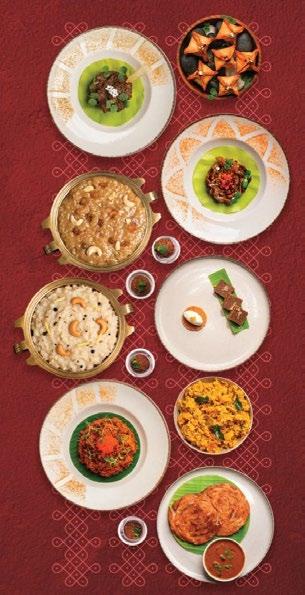
As the sun rises over golden fields and the air fills with gratitude, Pongal arrives as a celebration of abundance, togetherness, and tradition. This harvest festival, Waterside invites guests to pause, gather, and savor the season with “Pongalo Pongal! – The Harvest Feast”, a specially curated Pongal Lunch
Buffet on 14th January 2026. The festive journey begins with the cooling comfort of Neer Mor, a traditional welcome drink that sets the tone for a leisurely afternoon. As flavours unfold, the table comes alive with festive favourites — the gentle sweetness of Mango Pachadi, the rustic charm of Keerai Adai, and the robust spices of Chettinad Pallatti Kurma, each dish echoing the warmth of home kitchens and ancestral recipes.
At the heart of the feast lies a beloved pairing — soft, lacy Appams, served alongside fragrant vegetarian and non-vegetarian stews, slowcooked to perfection and rich with festive aromas. The celebration culminates in timeless classics that define Pongal itself — comforting bowls of Ven Pongal, indulgent Sakkarai Pongal, traditional Paal Pongal, and the refreshing sweetness of Elaneer Payasam, a dessert that captures the essence of the season. Set against a serene ambience infused with festive cheer, the Pongal lunch at Waterside is more than a meal — it is a heartfelt homage to harvest, heritage, and togetherness. A celebration where flavors tell stories and every bite honors tradition.
Date: Wednesday, 14th January 2026
Time: 12pm- 3.30pm
Price: Rs.2250 Per Person + Taxes
Venue: Waterside, Feathers Hotel
Let the pots overflow, the flavours linger, and the spirit of Pongal fill the air — because every harvest deserves to be celebrated.
THE WESTIN CHENNAI VELACHERY APPOINTS
Anand Raghuraman as Chief Engineer
The Westin Chennai Velachery is pleased to announce the appointment of Mr. Anand Raghuraman as its new Chief Engineer. A passionate hotelier and results-driven professional, Anand brings with him over 20 years of rich experience in the hospitality industry. In his new role, he will oversee all engineering operations, ensuring the highest standards of safety, sustainability, and operational excellence across the property.
Prior to joining The Westin Chennai Velachery, Anand has worked with some of India’s most esteemed hospitality brands, including IHCL, Marriott International, The Ascott Limited, and Mahindra Holidays, gaining extensive expertise across diverse hotel formats and operations.
Anand is a Bachelor of Engineering graduate from Annamalai University. Known for his energetic and affable leadership style, he is deeply committed to people development and strongly
believes in fostering positive colleague interactions and collaborative working relationships. Outside of work, Anand enjoys spending quality time with his family in Chennai. He is an avid biking enthusiast and has a deep appreciation for soulful music. The team at The Westin Chennai Velachery warmly welcomes Anand Raghuraman and wishes him every success in his new role.
Pongal Indulgence @ Sangamithirai Feathers Hotel
Rooted in tradition and served with royal warmth, Sangamithirai – Native Thamizh Cuisine at Feathers – Hotel invites patrons to celebrate the spirit of Pongal with an indulgent culinary homage. Marking the harvest festivities, Karikalan Virundhu unfolds as a soulful feast inspired by age-old Tamil culinary legacies—where heritage recipes, native flavours and festive abundance come together on a single leaf. The feast journeys through timeless flavours with delicacies such as Ilai Kozhukattai, Kizhangu Meen Porichathu and the rustic comfort of Vayal Nandu Soup, followed by hearty preparations like Selavu Kozhambu, Mocha Kootu and the medicinal warmth of Thuthuvalai Rasam. The celebration culminates with the robust Sanda Seval Satti Soru and the earthy sweetness of Panangizhangu Kuzhavai, Karumbu Charu Pongal paying homage to the land and its harvest.
As a special festive gesture, guests can enjoy 25% off on Karikalan Virundhu, available for both lunch and dinner on 17th January 2026. This Pongal, Sangamithirai becomes a cultural hearth—where the aroma of tradition lingers, flavours narrate stories of the land, and every meal is a celebration of Thamizh identity.
CINÉPOLIS INDIA LAUNCHES ‘BLOCKBUSTER FOOD FESTIVAL’
Under FOOVIES Platform
• Three-month pan-India campaign will test 21 new menu items across 80+ locations in 40+ cities
• India’s F&B-to-ticket spend ratio currently is at 50-55%, compared to the global average of 100%. Presents a significant headroom for growth, for Cinépolis
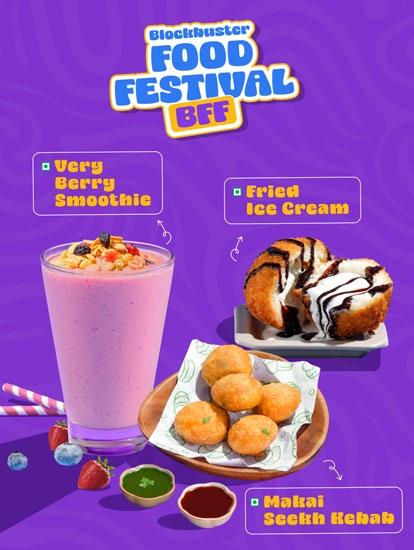
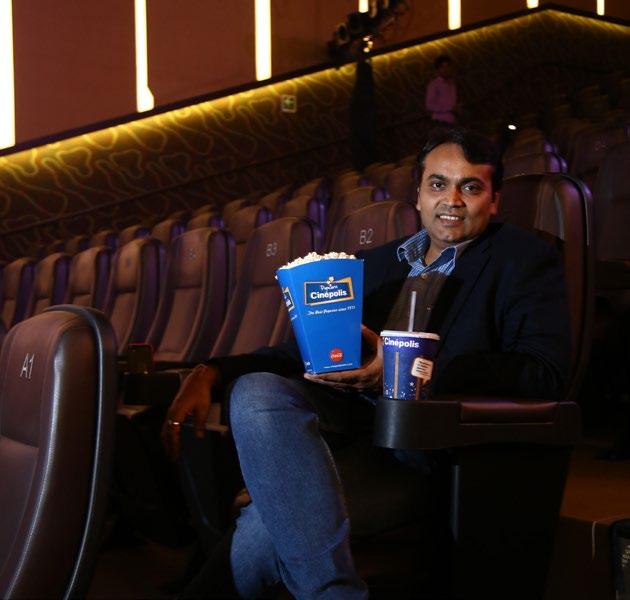
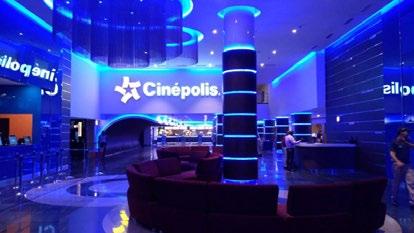
January 2026: Cinépolis India today announced the launch of the Blockbuster Food Festival (BFF), a three-month F&B campaign going live from 1st January 2026, across all Cinépolis cinemas nationwide. The initiative will test over 21 new menu items, with the best-performing dishes set to join the permanent FOOVIES menu at the end of the festival. The campaign marks the next phase of FOOVIES, Cinépolis India’s food-and-movies platform launched earlier this year. With 491 screens across 41 cities, Cinépolis is using its national footprint as a live testing ground for menu innovation, gathering real-time consumer feedback to shape what stays on the menu long-term.
India’s F&B-to-ticket spend ratio currently sits at 50-55%, compared to the global average of 100%. The gap represents significant headroom for growth, and Cinépolis is betting on continuous menu innovation to close it. “F&B already contributes 30 percent of our revenue, but we’re just getting started. Audiences are increasingly open to treating food as part of the cinema experience, not an afterthought. The Blockbuster Food Festival lets us test what resonates at scale. At the end of three months, what is loved by our patrons stays. That’s the FOOVIES approach: innovate, listen, and build the menu around what audiences want.” Said,
Devang Sampat, Managing Director, Cinépolis India. The Blockbuster Food Festival introduces regional offerings such as Desi Chicken Keema with Kulcha, Hot Garlic Kurkure Momos, and Dal Vada Tikki, alongside indulgent
additions like Potato Bomb and Peanut Butter Cheesecake. The menu will rotate monthly, with new items introduced throughout the January-March run.
Vapor @ Feathers Hotel Turns Up the Spirits All Day
This January
This January, Vapor at Feathers Hotel invites guests to unwind at their own pace with a spirited all-day celebration. From January 1st -31st 2026, enjoy special pricing on select premium bottles, complemented by complimentary munchies on the house— because every good pour deserves the perfect pairing. From relaxed mid-day catch-ups to after-work wind-downs and leisurely evening conversations, Vapor’s chic ambience sets the tone for effortless indulgence throughout the day. Whether it’s a casual afternoon sip or an early evening toast to new beginnings, every moment at Vapor is crafted to feel celebratory. Drop in, drink well, snack happy, and let January flow smoothly—one stylish sip at a time—only at Vapor Bar.
Date: 1st -31st January 2026
Time: 11am- 10.30pm
Price: A la carte
Venue: Vapor, Feathers Hotel
INSTAGRAM EMPOWERS CREATORS TO GO GLOBAL WITH LOCAL VOICE TRANSLATIONS AND FONTS
We’re excited to announce that you can now use Meta AI to translate reels into Bengali, Tamil, Telugu, Kannada, and Marathi, in addition to Hindi, English, Spanish, and Portuguese. While this was announced in November 2025, the feature to translate, dub, and lip sync reels into more Indian languages is rolling out to everyone today. Today, at the exclusive ‘House of Instagram’ event in Mumbai, we shared two new updates from Instagram that not only underline India’s importance for Meta, but also further the possibilities for creators to reach new audiences.
Meta AI Translations Expand To Five New Indian Languages on Instagram & Facebook.
We’re excited to announce in the coming months you will soon be able to use Meta AI to translate reels in five new Indian languages, helping you discover more
entertaining content from across India and around the world. In October, we launched the ability for creators to dub and lip-sync their reels to and from English, Hindi, Spanish, and Portuguese, helping them reach more people globally. Now, the same capability will soon be available in Bengali, Tamil, Telugu, Kannada, and Marathi.
How will this work?
Creators have the option to use Meta AI to transform their reels, so they sound and look fluent in some of the world’s
most spoken languages, helping them reach more people globally and grow an international audience. When turned on, the tool preserves the sound and tone of your voice, so your reels feel authentically you. You can also choose to enable the lip syncing feature, which syncs the translated audio to your mouth’s movements, so it looks like you’re actually speaking the language.
New Indian Fonts Available on Edits
Additionally, creators will now have the benefit of using new Indian fonts on Edits. So you’ll now be able to style your text and captions with Devanagari and BengaliAssamese scripts, in languages such as Hindi, Marathi, Bengali and Assamese. This update will roll out on Android in the coming days.
How will this work?
● Within your editing timeline, head to “Text” on the bottom tools tray.
● From there click on the “Aa” icon where you’ll see the list of fonts available.
● If your device is already in Devanagari or Bengali-Assamese scripts, these fonts will be defaulted in the font tab. If not, slightly swipe down when you’re on the “all fonts” tab to filter your fonts by language.
These new updates follow a spree of other features launched in the past month to benefit creators. This includes the ability to restyle your photos and videos in Instagram Stories and make edits—big or small—using Meta AI. There are also new features in Edits, such as bulk editing captions, reversing your videos, using lip sync to bring your photos to life, and access to 400 more sound effects.
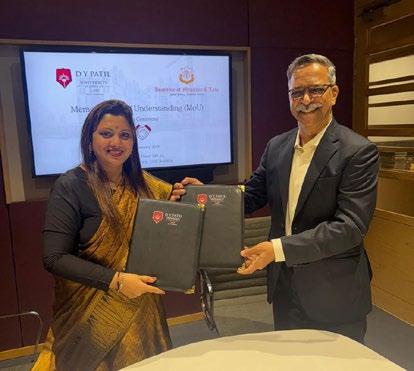
DY PATIL SCHOOL OF LAW & THE INSTITUTE OF MEDICINE & LAW
Sign MoU to strengthen MedicoLegal Education
DY Patil University School of Law (DYPSOL), Navi Mumbai, has entered into a strategic academic partnership with the Institute of Medicine & Law (IML) to advance medico-legal education, research, and patient-centred healthcare governance. The Memorandum of Understanding was signed by Prof. (Dr.) Karuna Akshay Malviya, Director, DYPSOL, and Mr. Ravindra Mangal, Executive Director, IML. The collaboration will focus on joint research, policy advocacy, executive education, and flagship medico-legal programmes. The partnership aims to address growing challenges relating to medical negligence litigation, patient rights, ethical medical practice, and regulatory compliance. It seeks to promote informed consent,
transparency, and accountability in healthcare delivery while strengthening patient advocacy and public trust. The 18th Annual MedLegal Review 2026 will be the first programme jointly organised under this collaboration, continuing its long-standing role in educating doctors, hospitals, and medico-legal professionals on evolving legal standards and best practices. The partnership will also launch an executive training programme in April 2026, aimed at hospital leadership and senior decisionmakers to strengthen the medico-legal governance and compliance.
Prof. (Dr.) Karuna Akshay Malviya stated that the partnership would help build interdisciplinary capacity to respond to complex medical negligence and patient safety issues. Dr. Chirag Balyan highlighted its importance for researchled engagement on patient advocacy and healthcare accountability. Mr. Ravindra Mangal noted that the collaboration would contribute to reducing disputes through better legal awareness among medical professionals. Mr. Agasti Mhatre emphasised that sustained medico-legal dialogue is essential for ethical practice and litigation avoidance.
DYPSOL functions under D Y Patil Deemed to be University, led by Chancellor Dr. Vijay D. Patil and ProChancellor Dr. Shivani Patil. IML is a leading provider of education, information, and services related to medical laws for doctors, hospitals, and lawyers.
The Proud & InsPIraTIonal sTorIes of Men, WoMen, leadIng organIzaTIons & TheIr PrIde accoMPlIshMenTs
Perfect Section For The Achievers, Winners, Leaders & Iconic Personalities
In the Lotus Pond that’s filled with thousands and thousands of leaves, only few evolve and bloom to become Beautiful Flowers. Similarly, among Millions of Enterprises and Entrepreneurs, who are spread across the world, only few highly determined lot emerge themselves as Star Performers and Market Leaders. M/s. Worldwide Media Corporation Group with the support of their Global Network & Expertise Research Programs, with the utmost responsibility identifies, recognises, analyses, evaluates, awards and showcases them on the Centre stag and focus the spotlight on those leading Enterprises and Dynamic Entrepreneurs in order to make them known and be appreciated by larger section of the society as well as by the world at large.
Thus, we at Food & Health Magazine in association with our Parent Company M/s. Worldwide Media Corporation Group, with Pride & Responsibility introduce this Special & Exclusive section namely Hall of Fame wherein you could get to know those Dynamic & Leading Enterprises along with the Highly Committed Entrepreneurs from various Spectrum of Industries and Sectors. We invite all our readers from across the Globe to join hands and applaud them as well as encourage them by Supporting their Vision and Good Cause.
First Of Its Kind & Best-In-Class
&
@ Dr. Kmd’s Royalcare International Hospitals Group
FNH - HALL OF FAME
DR. KMD’s ROYALCARE
INTERNATIONAL HOSPITALS
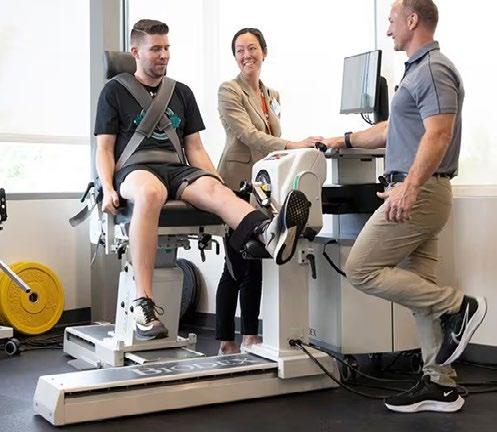
GROUP’s Expert Team & Sports Medicine Specialists provide a coordinated team approach to the evaluation, diagnosis and treatment of injuries sustained by recreational, amateur and professional athletes. Sports Medicine’s multidisciplinary team will work together to help you return to your sport.
Preventive care is also promoted through wellness, fitness and performance-enhancement consultations.
RCIHG’s multi-specialty team includes primary care sports medicine physicians, sports medicine orthopaedic surgeons and specially trained physical and occupational therapists who work together to offer you a tailored plan for returning to the sport or activity you love.
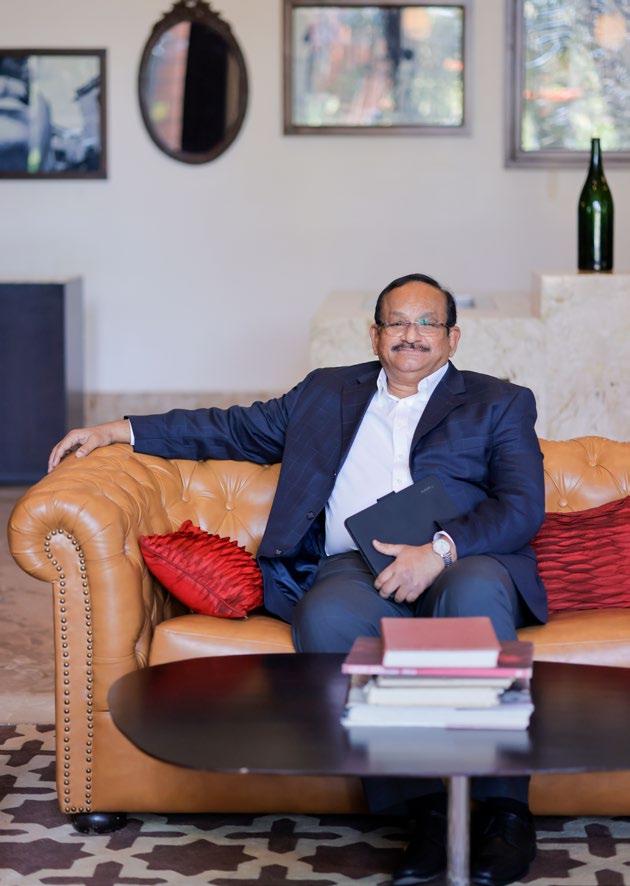
Chairman & Managing Director
DR. K. MADESWARAN
M/S. Royalcare International Hospitals Group
PRIMARY CARE SPORTS MEDICINE:
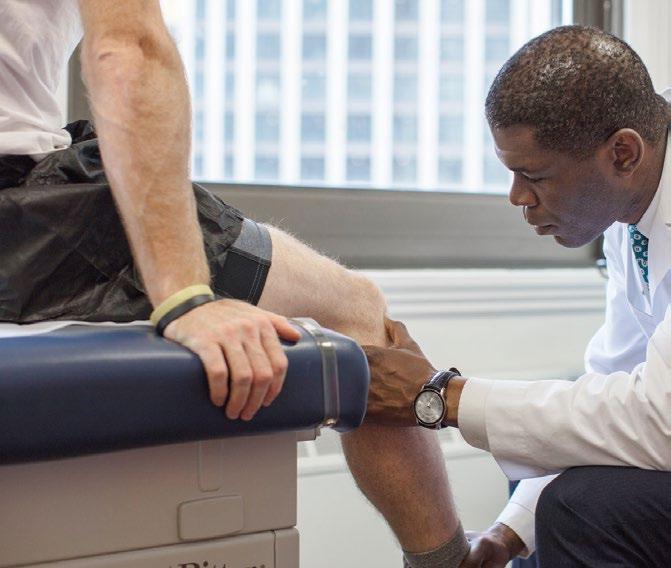
RCIHS’s Primary Care Sports medicine physicians assess, diagnose, treat and educate athletes and active people of all ages and experience levels, including teen and collegiate athletes, weekend warriors, recreational athletes and seasoned professionals. Our physicians are trained to diagnose and help you recover from an injury, recognize injury risk factors or improve your athletic performance so that you can participate in your favourite activities for years to come. A primary care sports medicine doctor is like your family doctor but with special expertise and training in sports medicine. This type of doctor sees athletes as well as active people who have an injury or a condition preventing them from participating in their sport or activity, whether it’s football, running or pickle ball. A primary care sports medicine doctor will create a custom treatment plan, which may include medications, injections, a referral to physical therapy and other treatments.
RCIHG’s Exclusive Sports Medicine Services:
Ultrasound to diagnose ligament and tendon injuries, muscle tears and nerve issues, including diagnostic injections. RCIHG also use other types of tests to diagnose sports-related conditions, including compartment pressure measurement testing. Nonsurgical treatments, including platelet-rich plasma
injections, prolotherapy, percutanetous needle tenotomy, corticosteroids, hyaluronic acid and other ultrasoundguided injections, as well treatments to relieve pressure on a pinched nerve or drain a cyst. Sport- and injury-specific return-to-sport testing to ensure an optimal and safe return to activity, including our specialized program for performing artists and female athletes.
Consultations on nutrition, supplements, and safety
Injury prevention: RCIHG offers comprehensive evaluations of body mechanics to screen for movement patterns or muscular imbalances that may increase your risk for injury. RCIHG then provide a tailored training program to help you adjust your technique to avoid injury and improve athletic performance. Coordination of care with your orthopaedic surgeon and physical therapists, which may include presurgery strengthening (pre-hab) and a post-surgery rehabilitation plan (rehab).
Dr. KMD’s RCIHG Treat the Following Conditions under SPORTS MEDICINE:
• Overuse injuries of the ankle, foot, knee, hip, elbow, shoulder and spine.
• Traumatic injuries such as dislocations and ligament tears.
• Sport-specific injuries such as tennis elbow, runner’s knee, golfer’s and baseball elbow and more.
• Arthritis and general pain that cause an unwanted decrease in activity level.
• Pain or numbness resulting from pinched nerves
• Exercise-induced compartment syndrome
• RCIHG work closely with the sports cardiology team to evaluate and treat heart-related conditions.
About Dr. KMD’s RCIHG’s Primary Care Sports Medicine Physicians:
RCIHG’s primary care sports medicine physicians are Experts in the fields of Sports Medicine and in Primary care Sports Medicine. They have a deep understanding of how sports injuries happen and why it is important to take a special care and provide best care & fast cure. The Entire Team also work closely with orthopaedic
• Post-concussion syndrome (prolonged symptoms following a concussion) and return-to-sport conditioning after a concussion.
sports medicine physicians and sports rehabilitation therapists as needed to coordinate your care in the best possible manner.
Other Members of Dr. KMD’s Sports Medicine Care Team: Orthopaedic Surgery for Sports Injuries
If surgical treatment is necessary, RCIHG’s Orthopaedic Surgeons offer expert surgical care for a variety of sports injuries with a focus on helping injured athletes of all ages get back in action. Dr. KMD’s RCIHG’s Team of Orthopaedic Sports medicine specialists are trained and experienced in treating a wide variety of sports injuries in professional athletes and casual sports
enthusiasts, ranging from overuse injuries such as tennis elbow to ACL tears and bone fractures. RCIHG’s doctors use both surgical and nonsurgical treatments to get you back in the game safely.
Dr.
KMD’s
Women’s Sports Medicine Program:
The Women’s Sports Medicine Program at Dr. KMD’s Royal care International Hospitals Group is designed to provide special care and support for female athletes of all ages and levels of performance. RCIHG’s team of multi-specialty experts provide a wide range of health care services and collaborates to design
care and treatment plans based on your needs and goals, whether you are struggling with nutrition, want to learn more about injury prevention or are dealing with an injury.
Female Athletes: Common Sports Injuries and Prevention:
Sports participation comes with a host of mental and physical benefits, for people of all genders. But it comes with some risks, too. Women and girls have risk factors that can make them more likely than male athletes to experience certain injuries or health problems.
Common Sports Injuries in Female Athletes:
As a result of women’s unique anatomy and hormones, they are at an elevated risk of certain sports injuries. The injuries most common in female athletes include:
• Knee injuries
• ACL injuries, especially those that are not caused by contact with another athlete
• Patellofemoral pain syndrome (runner’s knee)
• Patellar tendonitis (jumper’s knee)
• Shoulder injuries such as rotator cuff injury
• Plantar fasciitis
• Stress fractures
• Ankle sprains
• Concussions
Pregnancy & Sports Medicine:
Today, more women are remaining not only active but athletic during their pregnancies. While guidelines on exercise during pregnancy are available, most do not address high-level athletes — leaving many questions unanswered for these women. The Women’s Sports Medicine Program promotes the advancement of knowledge surrounding pregnancy and sports medicine through research and education. Dr. KMD’s RCIHG’s Experts, including obstetricians, sports medicine specialists and physical therapists, provide comprehensive care for women who wish to remain active during pregnancies.
Through a collaborative approach, RCIHG provide activity-specific treatment plans while maintaining awareness of the restrictions and modifications that are required during this phase of life.
Sports Injuries in Women 55 and Older and Tips to Prevent Them:
Older bodies are more likely to have stiff tendons, decreased strength and reduced range of motion. All these can contribute to injuries such as back strain, sprains and muscle and tendon injuries.
Falls and Fractures: Falls are a major health risk for people as they age, especially women with thinning bones. One bad fall can put an older adult on the bench for Weeks, months or even permanently. “Women are more likely than men to develop osteoporosis, making brittle bones and fractures a real concern,” Expert says, adding that wrist injuries and facial trauma are particularly common in older adults who fall.
Heat-related Illness: “Heat illness such as heat cramps, heat exhaustion and heat stroke are very common since older people cannot regulate internal temperature as easily as younger adults,” Expert says. “Staying hydrated is essential, especially when playing sports outdoors in warm weather.”
Knee Issues: “Women are particularly vulnerable to knee injuries such as cartilage or ligament tears. This is because their hips are wider, which creates a different angle of stress on the knee during physical activity,” she explains. “Make sure you warm up beforehand and wear the right kinds of shoes for the sport you’re playing.” Achieving and maintaining a healthy weight can also reduce stress on the knees and lower risk of torn cartilage and other painful conditions.
Nonsurgical Treatment: Nonsurgical treatment consists of physical therapy, activity modification and use of a brace. The goal of physical therapy is to strengthen the muscles around the knee to compensate for the absence of the ACL. Specifically, strengthening the muscles in the back of the thigh (the hamstrings) is helpful. Activity modification can be very successful. Sports that do not involve cutting, such as jogging, cycling or swimming, can often be performed successfully. In addition to therapy and activity modification, the use of a hinged sports brace can be attempted. While bracing may be effective in some patients, in others, instability episodes may continue despite their use.
Hi-Tech & Most Advanced Medical technologies @ Dr. KMD’s ROYALCARE HOSPITALS GROUP, Coimbatore
RAFFLES HOTELS & RESORTS
Strengthens Its Legacy In Rajasthan With The 2026
Raffles Sirmour Cup
FNH - HALL OF FAME
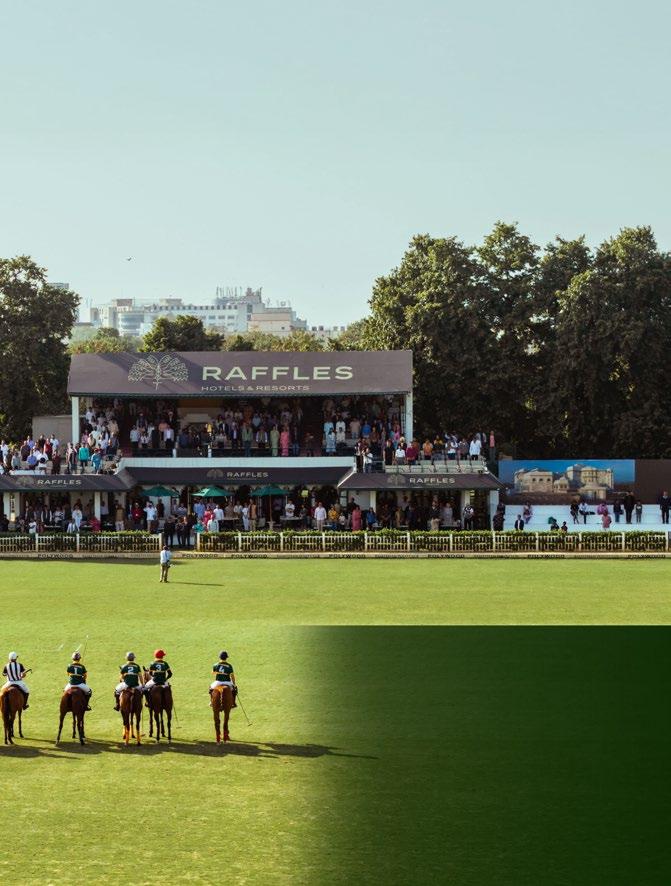
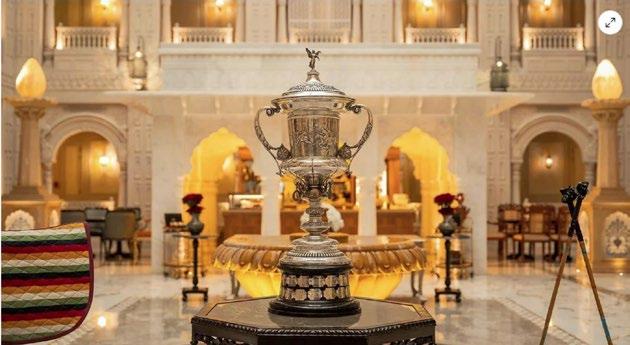
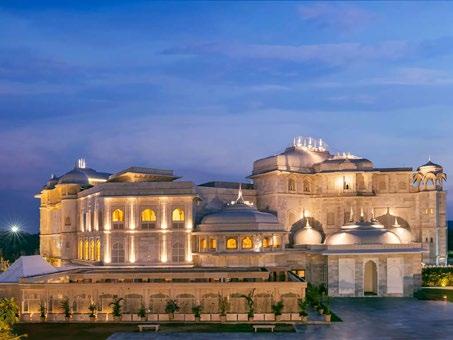
Raffles Hotels & Resorts is delighted to reaffirm its association with the esteemed Rajasthan Polo Club through the continued sponsorship of the trophy for the Raffles Sirmour Cup (14 goals), one of the marquee tournaments of the Jaipur Polo Season. For 2026, Raffles Jaipur and Raffles Udaipur unite as co-sponsors, deepening the brand’s commitment to heritage-led experiences in India and strengthening Raffles’ belief in preserving and celebrating cultural traditions. The Raffles Sirmour Cup will take place from 9-15 February 2026, bringing together distinguished players, patrons and enthusiasts to honour the storied legacy of polo in the Pink City.
Founded under the patronage of the Royal Family of Jaipur, the Rajasthan Polo Club stands as a proud custodian of Rajasthan’s equestrian heritage. Over the decades, its historic grounds have welcomed global dignitaries including His Royal Highness Prince Philip and Her Majesty the Queen of England, HRH Prince Charles and the late Lady Diana, and former United States First Lady Jacqueline Kennedy, among others. Today, the Club continues to attract exceptional players from India and abroad, upholding tradition while inspiring new generations of polo talent. For Raffles, supporting the Sirmour Cup is an expression of its deep respect for the cultural fabric of Rajasthan. The brand believes in nurturing the traditions and communities that shape the destinations it calls
home. In Rajasthan, polo represents lineage, craftsmanship, camaraderie and pride, and Raffles support for the tournament helps preserve this legacy while inviting guests to experience a living tradition that continues to define the region.
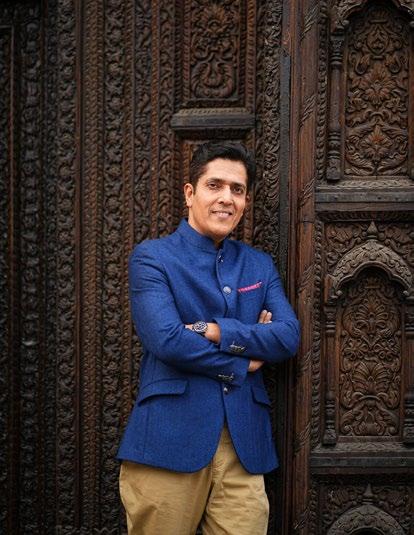
Rajat Sethi, Cluster General Manager, Raffles and Fairmont Jaipur, added:
“The Jaipur Polo Season is one of the city’s defining winter traditions, and the Raffles Sirmour Cup holds a special place in that calendar. For Raffles Jaipur, this association is an opportunity to deepen our role as a cultural partner by connecting guests with Jaipur’s heritage and celebrating the elegance and excellence of the sport.”
Gurnoor Bindra, General Manager, Raffles Udaipur, said:
“At Raffles Udaipur, our philosophy is rooted in thoughtful hospitality that honours India’s rich cultural heritage. Supporting the Raffles Sirmour Cup strengthens our commitment to preserving tradition and celebrating a sport that is deeply interwoven with Rajasthan’s identity. We look forward to contributing to a season that brings together legacy, sport and distinguished company.” Through this partnership, Raffles Jaipur and Raffles Udaipur continue to honour a cherished sporting tradition while offering guests a graceful window into Jaipur’s most iconic winter moments, where culture, community and the unmistakable charm of Raffles come together on and off the polo field.
About Raffles Hotels & Resorts
Founded in Singapore in 1887, Raffles Hotels, Resorts and Residences are places where ideas are born, history is made and stories and legends are created. At each landmark address, distinguished guests and residents will find a world of elegance and enchanted glamour, where Raffles’ renowned legacy of gracious service knows no bounds. As the authentic heart of a destination, Raffles champions fine art and design, and fosters culture in all its forms, guiding guests to make discoveries in their own time and way. Raffles’ commitment to local communities is expressed through diverse initiatives with a unified mission to actively support the arts and the environment. From one generation to the next, visitors arrive as guests, leave as friends, and return as family. Raffles can be found in key international locations including Singapore, Paris, London, Boston, Istanbul, Dubai, Doha, Maldives, Udaipur, Phnom Penh and Bali, among others; with flagship openings upcoming in Sentosa, Singapore and Jeddah, Saudi Arabia. Raffles is part of Accor, a world leading hospitality group counting over 5,600 properties throughout more than 110 countries, and a participating brand in ALL - Accor Live Limitless – a lifestyle loyalty program providing access to a wide variety of rewards, services and experiences.
About Raffles Jaipur
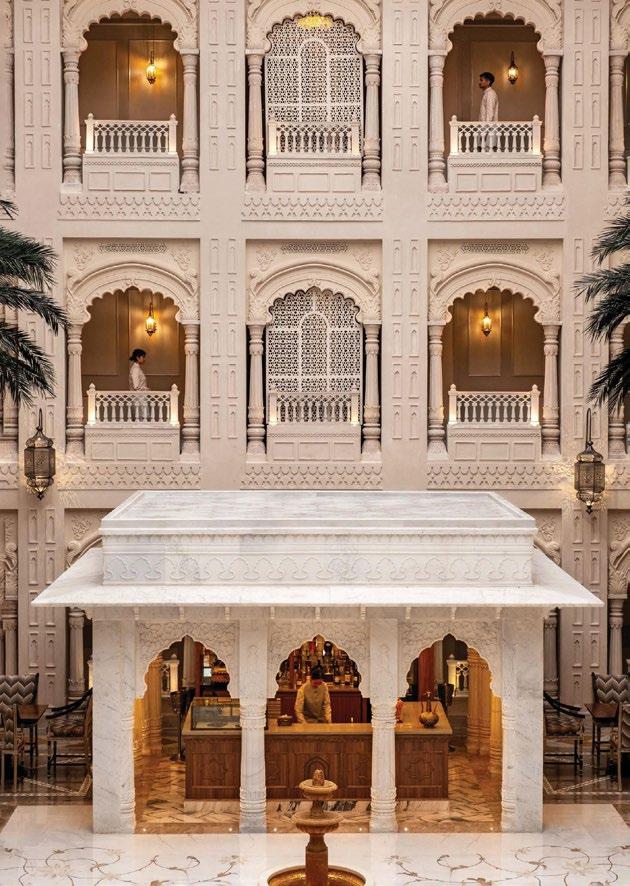
Raffles Jaipur is perfectly situated to be your tranquil retreat as you journey around India’s Golden Triangle of Delhi, Jaipur and Agra – and indeed it has a touch of the Taj Mahal in its gleaming white beauty. The many rich cultural delights of the Pink City of Jaipur – so painted in honour of the Prince of Wales’s visit in 1876 – are just 20 km away; and the legacy of the maharajas’ fortresses and palaces is all around, including the famous Amber Fort, just on the doorstep. Such regal figures of history would be delighted to learn that guests of Raffles Jaipur all enjoy the personalised services of the legendary Raffles Butlers. Jaipur is a one-hour flight from Delhi.
About Raffles Udaipur
Set amidst the tranquil Udai Sagar Lake and framed by the ancient Aravalli hills, Raffles Udaipur is a breathtaking destination that blends regal heritage with contemporary
elegance. The resort now features 137 rooms and suites – 101 on its private island and 36 newly added along the lakeshore –each thoughtfully designed to offer serene views and a deep sense of place. Guests begin their journey at the newly introduced Raffles Lakeshore Udaipur, before a gentle boat ride carries them across the lake to the island. Each moment is designed to inspire calm and connection—from open-air yoga and guided meditation to bespoke wellness rituals at the Raffles Spa. A tranquil sanctuary where over 100 bird species are drawn through the year, the spa is a sanctuary rooted in sustainability and reverence for nature.
The landscape is alive with native flora and fauna, home to migratory birds, butterflies, and more. Meandering pathways lead through lush gardens, creating a living, breathing connection to the land that encourages quiet discovery. Two distinct pool experiences await: the Lakeshore’s infinity-edge pool appears to merge seamlessly with the lake beyond, while the island’s open-air pool, edged with private cabanas, offers a peaceful retreat beneath open skies. With ten distinctive dining and bar experiences – six on the island and four on the lakeshore – every culinary moment is crafted to delight. Celebrations take centre stage across six beautifully curated venues, including an intimate island temple.
KMCH LAUNCHES TAMIL NADU’S
FIRST ETHOS AI-POWERED ADAPTIVE
RADIATION THERAPY (ART)
Invests ₹70 Core in Cutting-Edge Diagnostics
FNH - HALL OF FAME
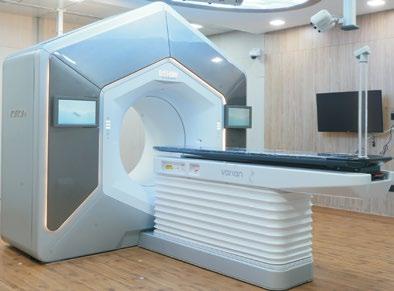
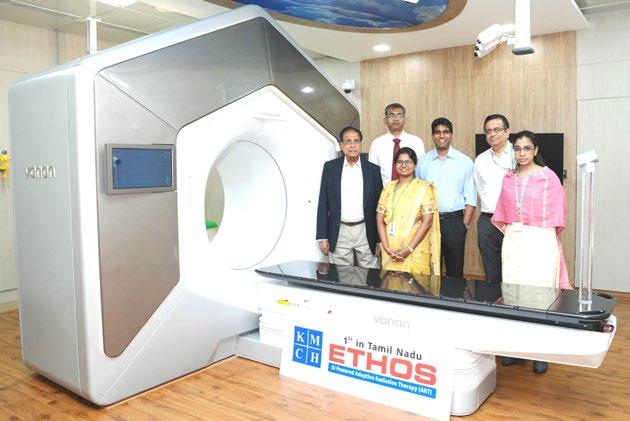
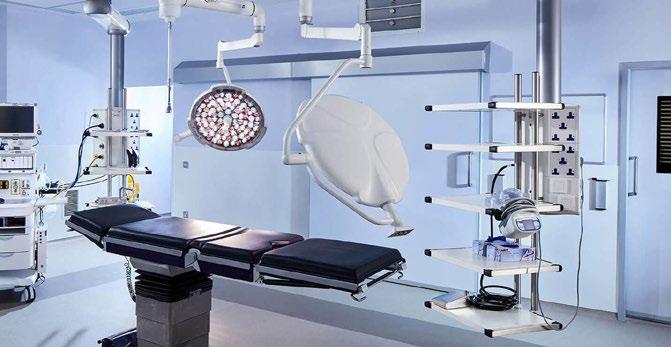
KMCH has always been at the forefront in introducing cutting edge technologies to ensure world class healthcare. The hospital today announced a major leap forward in oncology with the launch of the Varian ETHOS Adaptive Radiation Therapy (ART) system, making it the first hospital in Tamil Nadu to offer this revolutionary, AIpowered technology. This advanced infrastructure was part of a significant investment totaling ₹70 crore in new medical equipment, which also included the launch of the Symbia Pro specta SPECT CT and a new MRI
scan facility, underscoring KMCH’s commitment to comprehensive, world-class diagnostics and treatment. This suite of new equipment was inaugurated by Dr. Nalla G. Palaniswami, Chairman and Managing Director of KMCH on January 2, 2026. The Varian ETHOS ART system moves beyond traditional fixed radiation plans by bringing an unmatched level of personalization and precision to every treatment session.
“KMCH has always been proud to lead the fight against cancer, and the launch of the ETHOS system and state-of-theart diagnostic equipment is a testament
to that commitment,” said Dr. Nalla G. Palaniswami during the launch.
“This AI-powered technology allows us to truly adapt to the patient’s body in real-time, ensuring the highest dose is delivered exactly where it’s needed while minimizing the risk to surrounding healthy tissue. This is not just an upgrade in technology—it is a transformation in care quality for the people of Western Tamil Nadu and beyond, further added Dr. Arun Palaniswami, Executive Director, KMCH and Dr R Subramaniam, Chief of Radition Oncology
THE ADAPTIVE ADVANTAGE
KMCH is now equipped with India’s most advanced radiation technology, which provides several critical advantages:
Real-Time Adaptation: Every treatment begins with high-resolution 3D imaging (CBCT). This allows the expert oncology team to adjust the treatment plan on the spot to account for changes in the tumor’s size or position, as well as shifts in surrounding organs due to natural bodily changes like breathing or digestion.
AI-Powered Accuracy: Using artificial intelligence, ETHOS reoptimizes the radiation plan daily. This ensures the radiation beam is always targeting the tumor with pinpoint accuracy, even if it has moved slightly from the previous day, guaranteeing maximum effectiveness and minimal collateral damage.
Reduced Side Effects: By significantly reducing the exposure of healthy tissue, ETHOS leads to fewer complications, a faster recovery time, and a markedly better quality of life for the patient throughout and after their treatment course.
Comfortable, Streamlined
Care: The integrated system offers a seamless experience from planning to delivery. Treatment sessions are significantly shorter, typically lasting just 15-20 minutes, providing
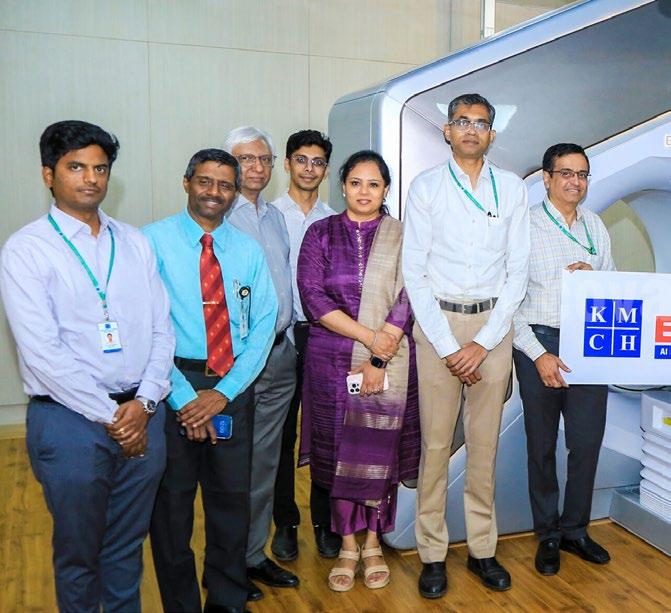
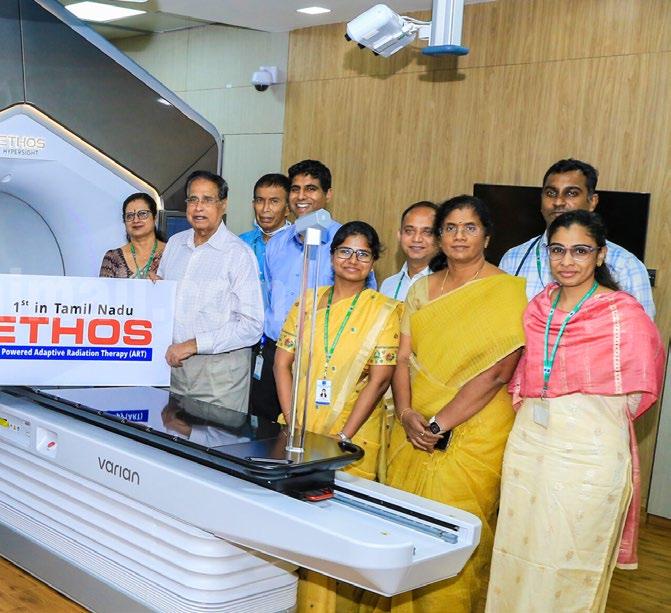
Dr.Nalla G Palaniswami – Chairman, KMCH Inaugurated the “Tamil Nadu’s First ETHOS AI-Powered Adaptive Radiation Therapy (ART)”at KMCH Hospital on 02.01.2026 In the presence of Dr.Arun N Palaniswami – Executive Director, KMCH, Dr. Dr R.Subramaniam - Consultant Radiation Oncologist, KMCH, Dr.Anand Narayanan – Consultant Radiation Oncologist, KMCH and Oncology Doctors Team.
a comfortable and efficient care experience. The ETHOS Adaptive Radiation Therapy is transforming outcomes for various cancer types, including prostate, brain tumors, head & neck, and thoracic cancers. As the leading KMCH Comprehensive
Cancer Center, this investment further solidifies the institution’s position as the technically most advanced provider of complete cancer care in Western Tamil Nadu.
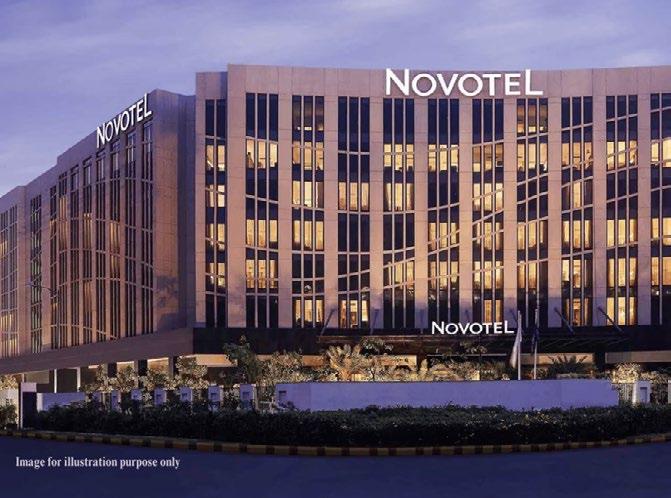
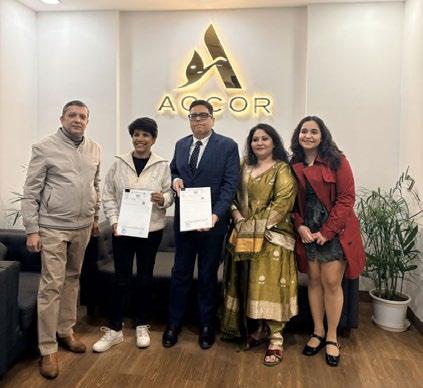
Accor Signs
Novotel Vrindavan, expanding the group’s presence in India’s high growth destinations
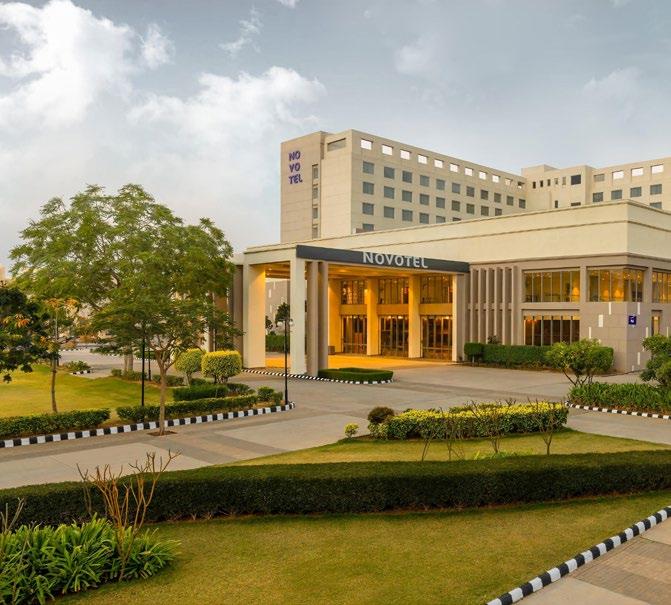
Accor, a world-leading hospitality group, is pleased to announce the signing of Novotel Vrindavan, marking a significant step in the Group’s expansion across North India. The upcoming hotel will bring one of Accor’s globally-recognised midscale brands to one of India’s most prominent spiritual and cultural destinations.
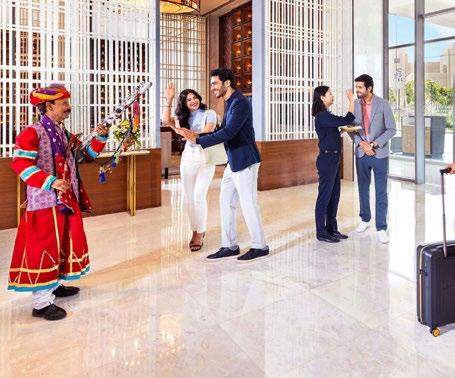
Scheduled to open in 2029, Novotel Vrindavan will be a 150key new-build hotel spread across 6,222 square metres, offering a contemporary hospitality experience designed to support balance across work, personal life and family life, as part of the brand’s Longevity Everyday philosophy. Managed by Accor, the hotel is positioned to
FNH - HALL OF FAME
serve year-round demand driven by pilgrimage tourism, destination weddings, and large-format events. With an estimated total gross floor area of approximately 14,000 square metres, the hotel will feature a strong meetings and events offering, including a 1,000 square metre ballroom and multiple meeting rooms. Additional facilities will include an all-day dining restaurant, lobby lounge and bar, a specialty restaurant, fitness centre, spa facilities, and a swimming pool, creating a well-rounded environment for rest, movement and meaningful connection.
Commenting on the signing, Ranju Alex, Chief Executive Officer, Accor South Asia, said: “Vrindavan is a destination of profound cultural and spiritual significance, and we are proud to bring the Novotel brand to this iconic market. This signing marks an important milestone in Accor’s strategy to deepen our presence in high-growth destinations across India. Novotel Vrindavan will be thoughtfully developed to cater to the evolving
expectations of today’s travellers, offering world-class hospitality, strong MICE infrastructure, and immersive experiences that celebrate the essence of the destination.”
The hotel is being developed by Girijas Retreat Private Limited. Mr. Shobhit Kumar Arora, Director, Girijas Retreat Private Limited, added: “We are honoured to partner with Accor to bring the Novotel brand to Vrindavan. As the destination continues to progress beyond pilgrimage into a tourism and events hub, Novotel Vrindavan will address the growing need for high-quality, professionally managed hospitality infrastructure. We believe Accor’s global expertise and strong brand standards will create a compelling offering for travellers and the local community alike.”
Founded in 1967, Novotel pioneered modern midscale hospitality and continues to evolve its legacy through warm, intuitive design and experiences that support both personal and planetary wellbeing.
The brand champions Longevity
Everyday by helping guests live better through small, daily habits rooted in balance, nourishment, rest, movement and connection. With more than 600 hotels across 60+ countries and a strong global pipeline, Novotel offers spaces where guests can restore energy, reconnect with others and take meaningful steps towards a more balanced way of living. Novotel Vrindavan will strengthen Accor’s growing portfolio in India and reinforce Novotel’s positioning as a preferred brand for both business and leisure travellers, offering comfort, connectivity, and contemporary design.
ABOUT ACCOR
Accor is a world-leading hospitality group offering stays and experiences across more than 110 countries with over 5,700 hotels and resorts, 10,000 bars & restaurants, wellness facilities and flexible workspaces. The Group has one of the industry’s most diverse hospitality ecosystems, encompassing more than 45 hotel brands from luxury to economy, as well as lifestyle, with Ennismore. ALL Accor, the booking platform and loyalty program embodies the Accor promise during and beyond the hotel stay and gives its members access to unique experiences. Accor is focused on driving positive action through
business ethics, responsible tourism, environmental sustainability, community engagement, diversity, and inclusivity. Accor’s mission is reflected in the Group’s purpose: Pioneering the art of responsible hospitality, connecting cultures, with heartfelt care. Founded in 1967, Accor SA is headquartered in France. Included in the CAC 40 index, the Group is publicly listed on the Euronext Paris Stock Exchange (ISIN code: FR0000120404) and on the OTC Market (Ticker: ACCYY) in the United States. For more information, please visit group.accor. com or follow us on X, Facebook, LinkedIn, Instagram and TikTok.
India’s leading brand, Organic Tattva, is all set to take part in Gulfood 2026, scheduled from January 26 to January 30, the biggest annual food and beverage trade show in the world, reiterating its dedication to providing consumers throughout the world with certified organic food items free of chemicals. Organic Tattva will showcase its wide range of organic staples, superfoods, pulses, flours, spices and nutritious snacks at Gulfood 2026 at Hall: North Hall 1 and Stand: N1-F3. All of these products are sourced directly from certified organic farms throughout India. The brand’s position on the world stage highlights its goal of encouraging sustainable farming and ethical consumption while bringing India’s rich organic history to foreign markets.
Rohit Mehrotra, CEO, Organic Tattva, said: “Gulfood is a potent international platform that unites the global food ecosystem. Our involvement is in line with Organic Tattva’s continuous goal of expanding access to clean, pure and
ethically produced food globally while enhancing India’s standing as a reliable supplier of organic goods.”
Organic Tattva’s strong quality assurance procedures and adherence to international organic certifications will be highlighted in Organic Tattva’s Gulfood 2026 showcase. The company works closely with Indian farmers, empowering them with sustainable farming techniques while guaranteeing transparency and traceability at every stage. Organic Tattva’s participation at Gulfood 2026 aims to develop strategic partnerships, investigate new export opportunities across the Middle East, Europe and other international markets and interact with important stakeholders from the global food and wellness ecosystem in light of the growing demand for organic and clean-label products worldwide.
Organic Tattva is one of India’s leading organic food brands, committed to making healthy and sustainable living accessible to every household. With a wide range of certified organic products from pulses, flours, grains, and spices to superfoods and pantry essentials. Organic Tattva brings food that is pure, chemicalfree, and responsibly sourced. Rooted in the belief that good food leads to a good life, the brand combines traditional wisdom with modern processes to ensure the highest standards of quality, traceability, and nutrition. With every product, Organic Tattva empowers consumers to make conscious choices for their health, their families, and the planet.
ABOUT ORGANIC TATTVA
Fashion & Trends
Inside Gaurav Gupta’s FIRST MENSWEAR-ONLY FLAGSHIP
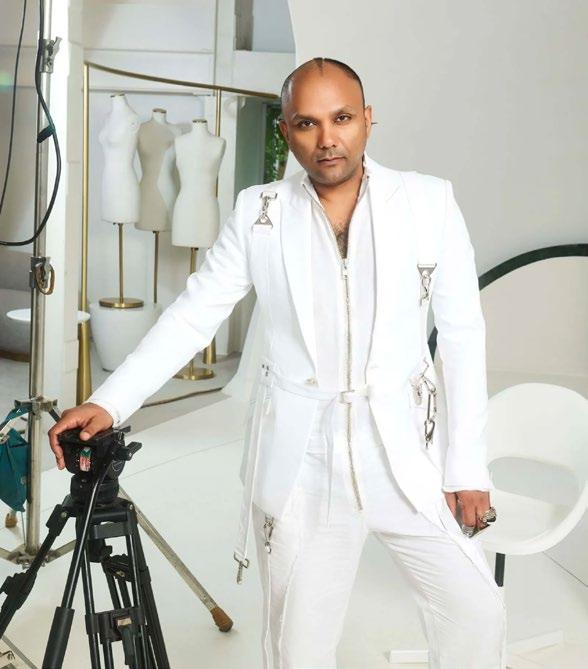
What can one still say about Gaurav Gupta that has not already been articulated, analysed, or admired? Over the years, Gupta has emerged as one of India’s most celebrated designers, a creative force whose work consistently commands attention on the world’s most influential red carpets. His designs are worn, discussed, dissected, and remembered, not just for their visual drama but for the ideas they carry. Each appearance becomes a conversation about form, movement, craftsmanship, and the evolving language of Indian fashion on a global stage.
Yet, despite this acclaim, Gupta has never been one to pause at recognition. His journey has been marked by constant evolution, both creatively and strategically. That spirit of forward motion finds its latest expression in his first-ever dedicated menswear flagship, recently opened at DLF Emporio, New Delhi. For Gupta, this is more than a new store; it is the moment when the Gaurav Gupta Man finally has a space that reflects his evolution, his sensibility, and his future.
Menswear, for Gupta, has always been an organic journey rather than a calculated expansion. It began instinctively in 2017 and slowly grew into a distinct universe with its own audience, energy, and voice. Over time, this universe demanded permanence. The flagship marks a point of clarity in the designer’s career, signalling that menswear is no longer a parallel offering but a
FNH - FASHION & TRENDS
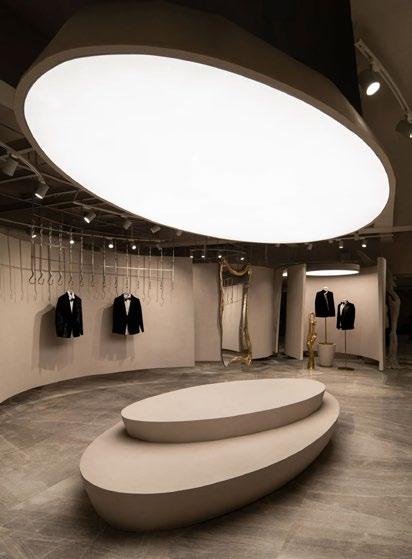
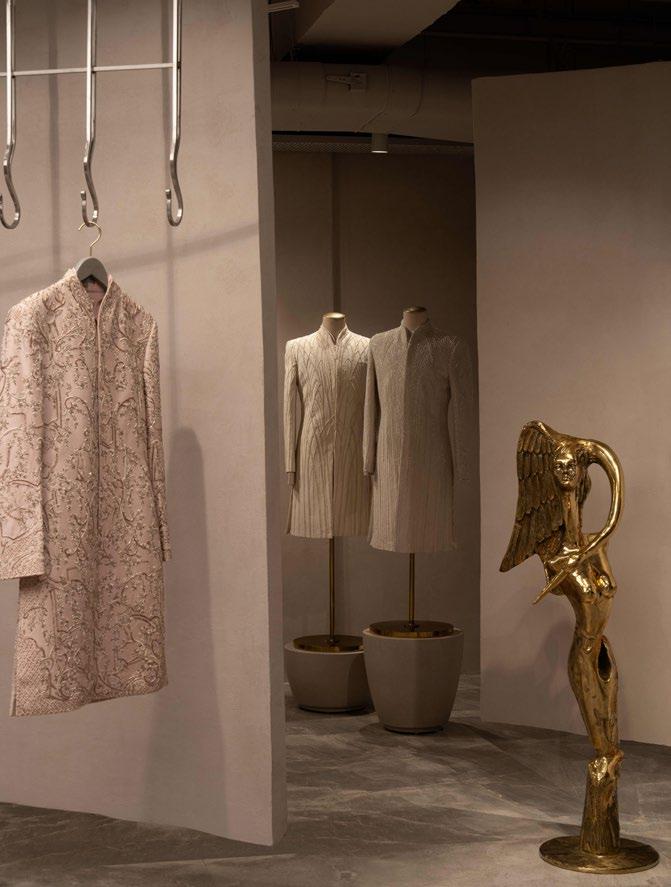
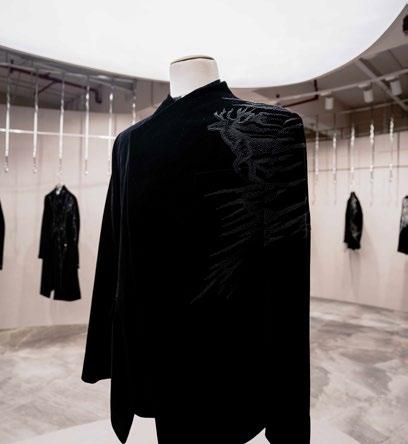
core pillar of the brand, deserving of its own architectural identity and long-term commitment. Spanning approximately 2,300 square feet, the boutique is conceived as far more than a retail destination. From the moment one approaches it, the space resists conventional ideas of shopping. There is no traditional door; instead, sculpted forms create an entry that both reveals and
conceals. Micro-cement walls hover between floor and ceiling, guiding visitors through gentle curves rather than direct paths. The effect is intentional, encouraging people to slow down, to observe, and to experience the space gradually rather than consume it quickly. Walking through the store feels less like browsing a boutique and more like unfolding a narrative.
Architecture and movement are in constant dialogue, with controlled sightlines and layered spatial transitions shaping the journey. The garments are not presented as products to be picked up in haste but as objects of design to be encountered. Gupta hopes that visitors leave the space feeling calmer, more present, and more connected to themselves, having engaged with
fashion on an emotional rather than transactional level. The flagship has been designed by architect Karanbir Duggal in close collaboration with Gupta himself. Together, they envisioned a sculptural environment that mirrors the designer’s menswear philosophy. Curved architectural volumes, warm concrete tones, subtle metallic highlights, and intentional pauses define the space.
Nothing feels excessive, yet nothing feels empty. The architecture frames the clothing without overpowering it, allowing silhouettes, textures, and craftsmanship to command attention. Central to the store’s design philosophy is the concept of Shunya, a principle that has long guided Gupta’s creative thinking. Often interpreted as emptiness, Shunya is treated here as potential rather than absence.
Open spaces, moments of stillness, and deliberate restraint allow the environment to breathe. Emptiness becomes an active element, creating calm and focus, and reinforcing the introspective quality that defines the Gaurav Gupta Man. This architectural language is not new to the brand but an evolution of a vocabulary established years ago. Gupta’s earliest boutiques were known for their raw materiality and sculptural forms, standing apart at a time when fashion retail leaned heavily toward gloss and ornamentation.
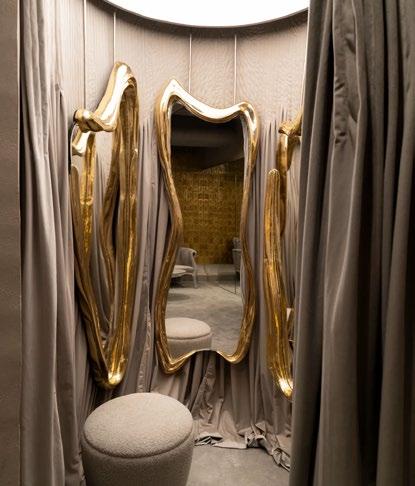
Over time, this language has been refined and layered, incorporating whimsy, fantasy, and deeper textural contrasts. In the menswear flagship, subtle fantastical elements emerge— gilded mythical figures, mirrors with melting frames, planetary motifs, and quiet nods to surrealism and art nouveau.
Gupta’s fascination with fluid form and movement is evident throughout the space. Inspired by architects such as Zaha Hadid, whose work challenged the rigidity of architectural perception, the boutique avoids straight lines in favour of curves that feel infinite. Hanging walls, influenced by the sculptural language of Richard Serra, act as wayfinding elements, shaping the visitor’s journey through gravity, mass, and flow rather than signage or instruction.
Material contrasts play a key role in the sensory experience of the store. Warm concrete meets cold steel, brass accents soften industrial edges, and fabric elements balance architectural rigidity.
These juxtapositions reflect Gupta’s own design philosophy, where garments can exist equally within historical fantasy and futuristic imagination. The space, like his clothing, feels timeless rather than tied to a specific era. The opening of the flagship also invites reflection on the state of menswear in India. Traditionally, men’s fashion has been largely occasiondriven, centred around weddings, celebrations, and milestone events. Gupta acknowledges this
reality but views it as fertile ground rather than limitation. He believes that Indian masculinity has always been fluid, historically embracing ornamentation, drape, and jewellery without hesitation. What is changing today is not tradition, but confidence. Indian men are becoming increasingly experimental, curious, and expressive in their clothing choices. Gupta sees the next pivot in menswear as emotional dressing, where men move away from dressing purely for status or occasion and toward clothing that
reflects comfort, expression, and inner identity. In this context, softness and fluidity take on new significance, challenging outdated notions of strength and rigidity.
Drape, in particular, holds a special place in Gupta’s menswear vision. Deeply rooted in Indian history, draping allows garments to move naturally with the body, creating an understated elegance that feels both ancient and modern. When worn with intention, drape becomes
a powerful form of expression, offering men a way to engage with tradition while embracing contemporary sensibilities. The Gaurav Gupta Man is defined less by appearance and more by attitude. He is emotionally intelligent, intuitive, and comfortable with softness. He understands that strength lies in presence rather than stiffness, and that confidence does not require excess. He dresses with intention, choosing garments that reflect how he feels rather than how he is expected to look. His individuality
is expressed quietly, without the need for overt display. Over the years, Gupta’s menswear has carved out a category of its own. From experimental tuxedos embellished with sculptural details to regal bandhgalas and long jackets that blur the line between Indian and global aesthetics, his designs have reshaped expectations of men’s formalwear. These pieces have been worn by prominent figures across film and culture, helping position Indian menswear confidently on the world stage.
The flagship brings this entire evolution together under one roof. While signature offerings such as tuxedos, bandhgalas, and ceremonial tailoring remain central, the store also reflects a conscious expansion into kurtas, Nehru jackets, shirts, accessories, bow ties, footwear, and finishing pieces. It presents a complete, design-led menswear universe rather than a seasonal edit, allowing clients to engage with the brand’s past, present, and future in one immersive space.
Importantly, the store is designed to welcome men at every stage of their style journey. One does not have to embrace bold silhouettes immediately. Subtle entry points, such as simpler bandhgalas with unexpected detailing or reworked shirts with altered proportions, allow
gradual exploration. The space encourages curiosity without pressure, reinforcing Gupta’s belief that experimentation should feel natural rather than intimidating.
There is a quiet symbolism in the location of the flagship at DLF Emporio, where Gupta’s first-ever store was also launched. It marks a coming full circle for the brand, even as it steps confidently into its next chapter. For Gupta, the future lies in expanding the idea of experience, building worlds where fashion, architecture, movement, and emotion intersect seamlessly.
More than a store, the menswear flagship stands as a spatial manifestation of the Gaurav Gupta design universe. Experiential, contemplative, and deeply intentional, it reflects a philosophy that values restraint as much as drama, emotion as much as aesthetics. Just like the clothes it houses, the space feels rooted in the present while constantly reaching toward what comes next.
Magazines
Spirited Lifestyle
Tommy Hilfiger & Migsun Mall Partner for 2,040 Square Foot Delhi Store
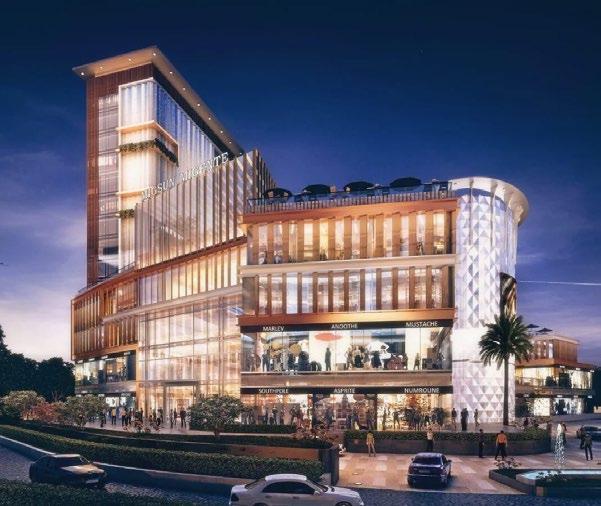
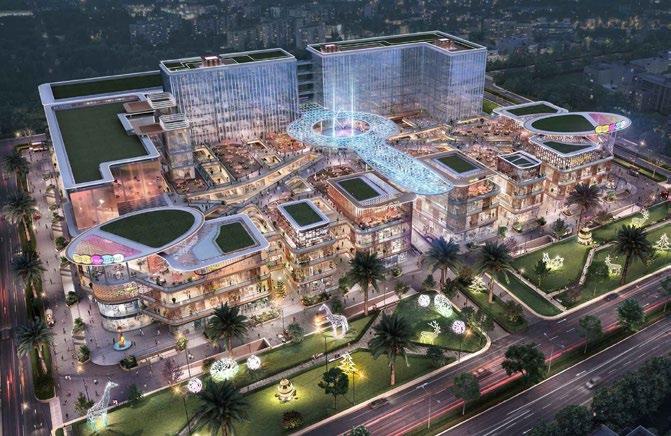
Global fashion and lifestyle brand Tommy Hilfiger has signed a leasing agreement with Delhi’s Migsun Mall to launch a 2,040 square foot mono-brand store in the shopping Centre, bolstering its retail presence in the National Capital Region. “Global brands today are highly selective about where they expand, and their choices reflect confidence in both the market and the platform,” said Migsun Group’s leasing head Rajeev Srivastava in a press release.
FNH - SPIRITED LIFESTYLE
“Tommy Hilfiger’s decision to open at Migsun Mall reinforces our belief that well-planned retail destinations still hold strong relevance. Our focus has always been on creating spaces that feel contemporary, accessible, and aligned with how consumers want to shop today. This partnership adds significant depth to our fashion portfolio and strengthens the overall brand narrative of the mall.”
The store launch is in line with Migsun Mall’s aim to offer a wide selection of international labels in pursuit of longterm growth. “We see this as part of a larger journey towards building a retail environment that delivers consistency, experience, and long-term value for both brands and shoppers,” said Srivastava.
Tommy Hilfiger entered the Indian retail market in April 2004 through a retail partnership with the Murjani Group. Today, it is operated through a joint venture with Arvind Fashions Limited and available in close to 100 cities across the country, counting more than 1,000 sales points.
Jonathan Anderson’s Dior begins with bows, clovers and new codes
Jonathan Anderson’s first collection as creative director for the house makes its global debut, online and in stores. onathan Anderson has built a reputation for cerebral whimsy—an instinct for androgyny elevated by cheeky-geeky mischief. How would that sensibility translate at his new
home, Dior, a cultural behemoth defined by classic codes and restraint? To inherit womenswear, menswear, accessories, and haute couture altogether was, by any measure, always going to be an astronomical task. It quickly became fodder for memes, circulating
widely and striking a familiar chord with overworked fashion students everywhere. And perhaps for those very same fashion students, the first glimpses arrived on Instagram instead of the runway, appetisers of what was to come. Origami-like satin shoes bloomed. The Lady Dior acquired a teeny bow.
A stainless steel frog to hold pins and thimbles, charms, and objects of affectionate oddness began circulating online, igniting intrigue amongst buyers and admirers alike. All eyes—and opinions—soon pivoted to the book totes. The Dior tote by former creative director Maria Grazia Chiuri made the silhouette a modern classic, and her successor has continued it by referencing Truman Capote, Bram Stoker, James Joyce and Charles Baudelaire.
Dior released its first pre-drop online and in-store on January 2, and, true to form, it is more a pre-drop than the full collection. The offering caters to the full range of distinct Dior “types”—while enlisting a few emerging ones. First, we have the soft heritage loyalist, who quietly adds the new Lady Dior bags and the 18th-century foliage print scarves to their shopping cart. Then we have the off-duty collegiate
who’ll want the sporty staples like rugby shirts and logo tees, cloverembroidered denim paired with a canary-yellow bow bag for contrast. The majority of the drop, though, is for the Dior girlie—think soft floral dotted sweaters, daisy jewellery
edged in pearls, floral silk scarves, and measuring tapes twisted into rose-shaped bag charms—hovering between naïve prep and old-guard elegance. The palette is sweet without tipping into saccharine: powder pink, ecru, pale yellow and greens. Lastly, cutting through all that prettiness is the chaos agent. The West Village intellectual or the Delhi University girl who lives for a literary reference worn loudly. Dracula hoodies, saddlebags stamped in aggressive yellow and red, and scarves printed with “Les Liaisons Dangereuses” clash on purpose with the sweetness elsewhere. Jonathan Anderson’s charms, from snails to ladybug-spotted clovers, will likely send the hoarders and collectors into a tizzy. Early buzz suggests these are the pieces people are clocking first. Anderson’s Dior isn’t about dressing one type of person; it’s about letting multiple characters coexist—and giving everyone a chance to see a little bit of themselves in Dior.
CINÉPOLIS INDIA EXPANDS ITS CINEMA ADVERTISING BUSINESS
TO OPERATE DIGITAL SCREENS
ACROSS 100+ PROPERTIES
ROLLOUT COVERS 350+ SCREENS ACROSS 63 CITIES IN 23 STATES
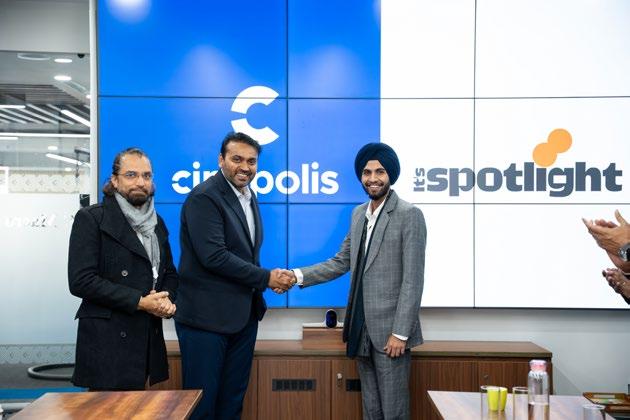
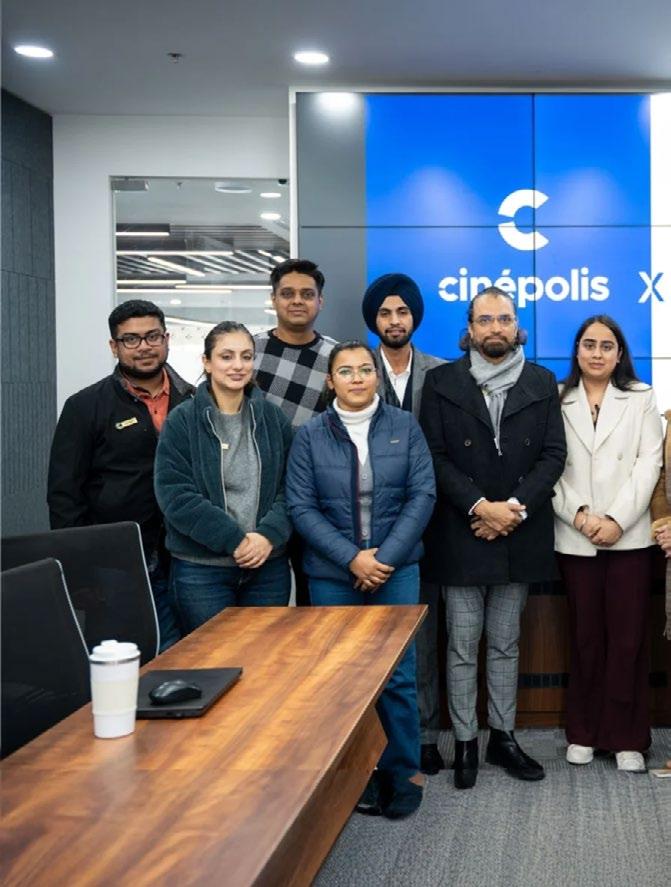
Cinépolis India is expanding into cinema advertising with a nationwide deployment of digital screens across its lobby spaces. India’s only internation exhibitor has appointed It’s Spotlight, a digital outof-home (DOOH) media company, to operate and commercialize the inventory. The deployment covers over 350 LED screens, video walls, and digital displays across Cinépolis’s 101 cinemas in 63 cities spanning 23 states and Union Territories.
Speaking about the partnership, Devang Sampat, Managing Director, Cinépolis India, said: “Cinema environments offer advertisers access to audiences in a focused, leanforward setting which is distinct from outdoor and transit media.As DOOH grows and advertisers look for environments beyond cluttered digital and social platforms, cinema offers a differentiated proposition to reach young and urban audiences. With this partnership we are looking at unlocking this opportunity while
staying focused on our core business of exhibition.”
According to the EY-FICCI M&E Report 2024, India’s out-of-home advertising segment reached ₹5,920 crore in 2024, with digital OOH expected to grow from 12% to 17% of total OOH revenues by 2027. Virkaran Singh, Founder & Director, It’s Spotlight, said: “Cinema screens sit at the intersection of attention, intent, and experience, creating strong opportunities for brands to
FNH - SPIRITED LIFESTYLE
connect with a premium, highly engaged audience. This partnership allows advertisers to access a powerful yet largely untapped market, supported by programmatic capabilities, real-time analytics, and performance-linked execution across Cinépolis properties. With a presence across 23 states, brands can achieve national scale through a single buy with measurable results.”
Advertisers will have access to programmatic buying, campaign optimization, and performance metrics including impressions, audience profiles, and footfall data.
About Cinépolis India
Cinépolis India is a group company of Cinépolis and is the first international cinema exhibitor in India. With the vision of lighting up the movie of one’s life with smiles and unforgettable moments, Cinépolis aims to offer an unmatched experience to movie patrons. The company currently operates 449 screens in India under the brand names Cinépolis, Cinépolis VIP, and Fun Cinemas.
Cinépolis has pioneered several innovations in the exhibition industry, including luxury cinemas with Cinépolis VIP and Cinépolis Junior, an auditorium specially designed for kids with colorful bean bags, cushy sofas, and loungers. The multi-benefit loyalty program, Club Cinépolis, enhances the moviewatching experience with free registration, points rewards, pre-screening invites, and star visits.
Over the years, Cinépolis India has received numerous accolades, including the IMAX Big Cine Award for India’s Top Multiplex Chain of the Year and the Image Retail Award for Retail Launch in 2023. At MAPIC India 2023, Cinépolis was honored with the Most Admired Retailer of the Year: Best Turnaround Story and Retailer of the Year – Leisure and Entertainment awards. In 2024, the company was again recognized as the Retailer of the Year –Leisure and Entertainment at MAPIC Retail.
About It’s Spotlight
It’s Spotlight is an India-based DOOH media technology company delivering AI-powered digital screens, real-time analytics, and interactive advertising solutions across premium locations, including malls and cinema chains nationwide. Founded underSkuka Solutions Pvt. Ltd., It’s Spotlight combines media infrastructure with proprietary technology to bring transparency, intelligence, and measurable performance to physical advertising environments.
MG Windsor India’s No. 1 Selling EV of 2025
Key Highlights:
MG Windsor recorded the highest M-o-M sales consistently throughout CY2025, averaging approximately 4,000 units per month
JSW MG Motor India’s EV sales have grown by 111% in CY2025 vs CY2024
MG Windsor sales grew over 20% in Q4 2025 vs Q4 2024
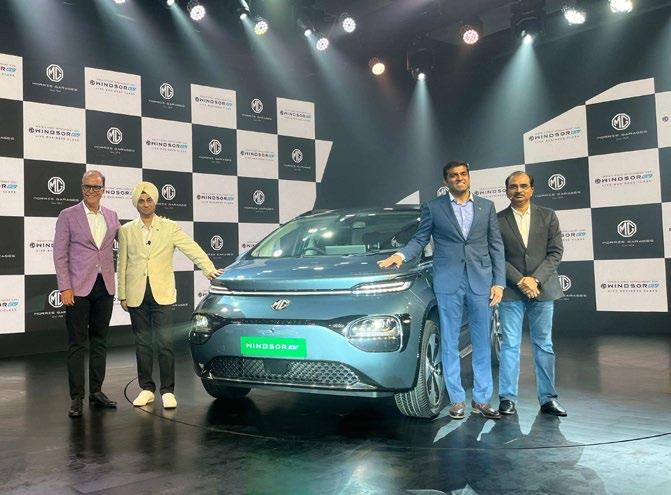
JSW MG Motor India today announced that the MG Windsor has achieved a remarkable milestone by becoming India’s No. 1 selling EV of 2025. The MG Windsor has disrupted the automotive industry with its strong value proposition and established itself as a market leader. With 46,735 units sold in 2025 alone, the MG Windsor has set an unprecedented benchmark that no other OEM has ever achieved in India’s 4W EV market. The MG Windsor became India’s No. 1 selling EV through its strong appeal among families. It excelled in
offering generous space, superior comfort and a feature-rich cabin, while delivering an exceptional driving experience. Today, it stands as India’s most loved and most awarded EV. Speaking on the occasion, Anurag Mehrotra, Managing Director, JSW MG Motor India said, “The Windsor epitomises a contemporary automotive marvel that has redefined the EV segment with its practicality, technology, and futuristic design. It has successfully enabled the acceleration of EV adoption by converting fencesitters to proud EV owners and is certainly a trendsetter within India’s
EV revolution. With Windsor, we have seen customers become brand advocates, encouraging their peers to join the EV movement. I am absolutely delighted that it has become India’s No. 1 selling EV of 2025, and we look forward to making 2026 even more memorable.” The carmaker ended CY2025 with 19% overall growth and recorded a remarkable 111% surge in its EV sales compared to CY2024. The consistent demand for MG EVs is evident not only in Tier I cities but also in non-metros and emerging markets, signalling India’s readiness to adopt sustainable mobility solutions.
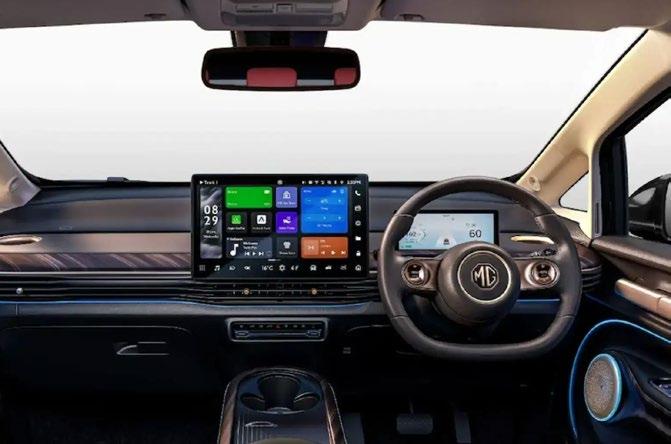
The MG Windsor, India’s 1st Intelligent CUV, combines the expanse of a sedan and the versatility of an SUV. It is offered with a starting BaaS price of INR 9.99L + INR 3.9/ kms*, and delivers 100 KW (136ps) of power and 200Nm of torque. The MG Windsor offers two battery pack options for added versatility: a 38 kWh pack with a range of 332 km# and its PRO variant, a 52.9 kWh pack, delivering an impressive range of 449 km#.
The MG Windsor comes with a futuristic ‘AeroGlide’ design language, transcending the concept of traditional segmentation. Inside, the car is offered with businessclass comfort that features ‘Aero Lounge’ seats reclinable to 135 degrees, providing utmost comfort. Additionally, the massive 15.6” GRANDVIEW Touch Display on the centre console provides an intuitive driving experience.
ABOUT JSW MG MOTOR INDIA
SAIC Motor, a global Fortune 500 company with a presence in over 100 countries and JSW Group (India’s leading conglomerate with interests across B2B and B2C sectors) formed a joint venture - JSW MG Motor India Pvt. Ltd. in 2023. The joint venture aims to build a smart and sustainable automotive ecosystem while staying focused on developing a diverse portfolio of vehicles to give car buyers better access to advanced technologies and futuristic products with attractive value propositions. JSW MG Motor India Pvt. Ltd. is committed to introducing worldclass technology, strengthening the manufacturing landscape, bringing the best of innovation across its business operations, and generating significant employment opportunities through extensive localisation.
ABOUT MORRIS GARAGES
Founded in the UK in 1924, Morris Garages vehicles were world-famous for their sports cars, roadsters, and cabriolet series. MG vehicles were much sought after by celebrities, including British Prime Ministers and even the British Royal Family, for their styling, elegance, and spirited performance. The MG Car Club, set up in 1930 at Abingdon in the UK, has thousands of loyal fans, making it one of the world’s largest clubs for
a car brand. MG has evolved into a modern, futuristic, and innovative brand over the last 100 years. Its stateof-the-art manufacturing facility in Halol, Gujarat, has an annual production capacity of 1,00,000 plus vehicles and 6,000 direct and indirect employees. Driven by its vision of CASE (Connected, Autonomous, Shared, and Electric) mobility, the innovative automaker has augmented across-the-board ‘experiences’ within the automobile segment today. It has introduced several ‘firsts’ in India, including India’s first Internet SUV – MG Hector, India’s first Pure Electric Internet SUV – MG ZS EV, India’s first Autonomous (Level 1) Premium SUV – MG Gloster, the AstorIndia’s first SUV with personal AI assistant and Autonomous (Level 2) technology, MG Comet – The Street-Smart Car and India’s first Intelligent CUV, MG Windsor.
Magazines
FOOD & HEALTH Kids & Children
Easy Ways to Boost ChildrEn’s digEstion
As parents, we often observe our children rushing through meals, complaining of stomach aches, or struggling with irregular bowel movements and assume it is just a temporary phase. However, digestion in childhood plays a far more significant role than we usually realise. A healthy digestive system is essential not only for comfort but also for strong immunity, steady energy, balanced weight, emotional stability, and proper physical and mental growth. When digestion is weak, children may experience frequent illness, poor appetite, low
energy, skin issues, mood swings, or difficulty concentrating in school. In today’s fast-paced lifestyle, children’s gut health is under constant strain. Processed and packaged foods, sugary snacks, irregular eating routines, reduced physical activity, excessive screen time, and emotional stress all interfere with the natural digestive rhythm. Meals are often rushed, eaten while standing, or accompanied by screens, leaving little opportunity for the digestive system to function optimally. Over time, these habits can silently weaken gut health, even in children who appear otherwise healthy.
The digestive system is not just a mechanical process of breaking down food. It contains a vast network of nerves known as the Enteric Nervous System (ENS), often referred to as the body’s “second brain.” This system
communicates continuously with the brain in the head, regulating hunger, fullness, bowel movements, nutrient absorption, immunity, and even emotional responses. When the gut is calm and well-supported, nutrients are absorbed efficiently and the body thrives. When digestion is compromised, even the healthiest foods cannot nourish the body properly.
Poor digestion over time can lead to toxin build-up, reduced immunity, frequent infections, constipation, acidity, and poor growth. It may also influence mood, sleep quality, and behaviour. The encouraging news is that improving a child’s digestion does not require complicated diets, expensive supplements, or strict food rules. Simple, consistent lifestyle habits can naturally restore digestive balance and support long-term health.
Make sitting the rule
One of the most common yet overlooked habits affecting digestion is eating while standing, walking, or playing. Children often grab snacks between activities or sip drinks while moving around. Although this seems harmless, eating on the go keeps the body in a stress state known as fightor-flight. In this mode, blood flow is directed towards muscles rather than the digestive organs, slowing digestion and reducing enzyme secretion. When digestion is slowed, food is not broken down properly, leading to gas, bloating, acidity, and irregular bowel movements. Over time, this pattern can contribute
to chronic constipation, poor nutrient absorption, and digestive discomfort. Encouraging children to sit down for every meal and snack allows the body to shift into restand-digest mode, which is essential for healthy digestion. Creating a calm and comfortable eating space at home can make this habit easier to adopt. A small table, favourite plate, or designated eating spot helps children associate sitting with meals. When outdoors, carrying a small mat or choosing a bench encourages the same behaviour. Explaining in simple terms that sitting helps the tummy work better empowers children to understand and follow the routine willingly.
Start meals with deep breaths or gratitude
Children often arrive at the dining table feeling rushed, overstimulated, or emotionally charged from school, homework, play, or screen time. In this state, the nervous system remains alert, and digestive signals are suppressed. Stomach acid and digestive enzyme production decrease, making it harder for the body to break down food efficiently. Taking a few moments to pause before eating can dramatically improve digestion. Encouraging children to take three to six slow, deep breaths before their first bite helps calm the nervous system and activate the rest-and-digest
response. Deep breathing stimulates the vagus nerve, which plays a key role in regulating digestion, bowel movements, and gut motility.
Adding a gratitude practice further enhances this effect. Asking a simple question such as, “What are you thankful for in this meal?” helps shift attention away from stress and towards awareness and appreciation. This practice fosters mindfulness, reduces emotional eating, and encourages children to eat with greater presence. Over time, children begin to associate calm breathing and positive emotions with mealtimes, supporting not only digestion but also emotional resilience and mental wellbeing.
Chew slowly and mindfully
Chewing is the first and most crucial step of digestion, yet it is often rushed or ignored, especially in children eager to return to play. When food is swallowed in large chunks, the stomach has to work harder, leading to acidity, bloating, gas, and constipation. Incomplete digestion also means nutrients are not absorbed effectively.
Chewing thoroughly stimulates saliva production, which contains enzymes that begin breaking down carbohydrates and fats in the mouth. Proper chewing reduces the workload on the stomach and intestines, allowing nutrients to be absorbed more efficiently. Encouraging children to eat slowly, put their spoon down between bites, and enjoy the taste and texture of food can significantly improve digestive comfort. Removing distractions during meals supports mindful chewing. When children focus on their food rather than screens or toys, they naturally chew better and recognise hunger and fullness cues. Over time, this habit supports healthy appetite regulation, prevents overeating, and promotes natural weight balance.
Ditch gadgets and screens at mealtime
Screens have become a common companion at mealtimes, often used to keep children seated or entertained. However, phones, tablets, and televisions interfere with digestion by increasing stress hormones and diverting attention away from eating. When children eat while watching screens, they tend to chew less, swallow more air, and eat faster, all of which contribute to gas, bloating, and poor digestion. Research has shown that children who eat with screens absorb significantly less iron and calcium than those who eat without distractions. These nutrients are essential for immunity, bone health, growth, and cognitive development. Over time, poor absorption can lead to fatigue, frequent illness, and weakened gut health. Creating a screen-free dining environment encourages mindful eating and supports calmer digestion. Replacing screens with conversation helps children slow down and enjoy their meals. Simple questions about their day or shared family stories create a positive emotional atmosphere that further supports the digestive process.
Support digestion through daily routine and movement
A regular daily routine plays an important role in maintaining healthy digestion. Eating meals at roughly the same times each day helps regulate digestive secretions and bowel movements. Skipping meals or eating at irregular hours can confuse the digestive system and lead to constipation or acidity. Physical movement is equally important. Active play stimulates
intestinal motility, helping food move smoothly through the digestive tract. Encouraging outdoor play, walking, cycling, or simple stretching supports bowel regularity and reduces digestive sluggishness. Limiting prolonged sitting and screen time further benefits gut health.
Adequate sleep is another key factor. Poor or irregular sleep disrupts digestive hormones and gut bacteria balance. Ensuring children get sufficient, quality sleep supports digestion, immunity, and emotional regulation.
The long-term impact of healthy digestion
Supporting digestion in childhood lays the foundation for lifelong health. A well-functioning gut strengthens immunity, balances hormones, supports emotional stability, and enhances learning and focus. Children with healthy digestion tend to fall sick less often, recover faster, sleep better, and maintain steady energy levels throughout the day.
These habits may seem simple, but their impact is profound when practised consistently. By encouraging children to sit while eating, pause and breathe before meals, chew thoroughly, avoid screens at the table, and maintain regular routines, parents can nurture not just better digestion but a healthier relationship with food and their bodies. Healthy digestion is not about perfection or strict rules. It is about creating a calm, supportive environment where a child’s body can function as it is naturally designed to do—digest, absorb, and grow. Small daily choices made with awareness can lead to lasting benefits that support a child’s health well into adulthood.
Magazines
Beauty & Wellness
How to Cure PCOS
?
A Complete Guide to Understanding, Managing, and Living Well with Polycystic Ovary Syndrome
Polycystic Ovary Syndrome (PCOS) is a complex hormonal and metabolic disorder that affects women during their reproductive years and often extends its impact well beyond fertility. It is characterised by irregular ovulation, excess production of androgens (male hormones), and disrupted ovarian function. Despite its name, PCOS does not always involve visible cysts on the ovaries; instead, it reflects a deeper hormonal imbalance that interferes with normal reproductive and metabolic processes. PCOS affects multiple systems in the body, including the endocrine, metabolic, and cardiovascular systems, making it far more than a gynaecological concern alone. According to the World Health Organization, PCOS affects approximately 8–13 percent of women of reproductive age worldwide, with a large proportion remaining undiagnosed. The condition often begins during adolescence, soon after the onset of menstruation, but many women are diagnosed much later in life when symptoms become difficult to ignore or when fertility challenges arise. Because symptoms vary widely in type and intensity, PCOS is frequently misunderstood or overlooked. Understanding PCOS as a lifelong condition rather than a short-term disorder is the first step toward effective management and long-term health.
The most common question women ask after diagnosis is simple but powerful:
Can PCOS be cured permanently?
The answer is nuanced. PCOS is a chronic condition, meaning it does not have a one-time cure. However, it is highly manageable. With the right approach, many women experience long-term symptom control, restored hormonal balance, improved fertility, and a significantly better quality of life. This article explores PCOS in depth— breaking down what it is, why it happens, how it affects the body, and the most effective ways to manage it sustainably.
WHAT EXACTLY IS PCOS?
Polycystic Ovary Syndrome (PCOS) is a hormonal and metabolic disorder that affects women during their reproductive years. It is typically defined by three key features: irregular ovulation, excess androgen (male hormone) production, and ovarian dysfunction. The term “polycystic” refers to the appearance of multiple small follicles in the ovaries. These follicles are not harmful cysts but immature eggs that fail to develop properly, leading to irregular or absent ovulation. PCOS is one of the leading causes of infertility worldwide. Beyond reproductive health, it also affects metabolism, cardiovascular health, and mental well-being. According to the World Health Organization, PCOS affects approximately 8–13% of women of reproductive age globally, with up to 70% remaining undiagnosed.
PCOS is not just a reproductive disorder it is a wholebody condition affecting hormones, metabolism, and mental health.
Not all women with PCOS have cysts on their ovaries—and not all women with ovarian cysts have PCOS.
WHY PCOS OFTEN GOES UNDIAGNOSED
One of the biggest challenges with PCOS is its variability. No two women experience it the same way. Some have irregular periods but no visible symptoms. Others struggle with weight gain or acne despite having regular cycles.
Social stigma, lack of awareness, and the tendency to normalise menstrual irregularities often delay diagnosis. Many women are told that symptoms are “just stress” or “part of growing up,” allowing the condition to progress silently. Early diagnosis matters. The sooner PCOS is identified, the easier it is to manage symptoms and prevent longterm complications.
Common Symptoms of PCOS
PCOS presents itself through a wide range of symptoms that can affect the body, mind, and reproductive health. These symptoms do not appear the same way in every woman, which is why PCOS is often described as a highly individual condition. For some, the signs may be mild and manageable, while for others they can significantly interfere with daily life. Understanding these symptoms early can help in timely diagnosis and better long-term management.
Key Symptoms to Look Out For
Irregular menstrual cycles: One of the earliest and most noticeable signs of PCOS is irregular periods. Cycles may be delayed, missed altogether, occur infrequently, or be unusually heavy. This irregularity is usually due to inconsistent or absent ovulation.
Excess androgen-related changes: Higher levels of male hormones can lead to symptoms such as excessive facial and body hair growth (hirsutism), persistent acne, oily skin, and thinning hair on the scalp. These visible changes often affect self-confidence and body image.
Weight gain and metabolic changes: Many women with PCOS experience weight gain or find it difficult to lose weight, especially around the abdomen. This is closely linked to insulin resistance, a common underlying feature of PCOS.
Fertility challenges: PCOS is one of the leading causes of infertility due to
irregular ovulation. While conception may be more challenging, pregnancy is still very much possible with appropriate lifestyle changes and medical support.
Fatigue and sleep disturbances: Persistent tiredness, low energy levels, and poor sleep quality are frequently reported, often due to hormonal imbalance and metabolic dysfunction.
Skin and pigmentation issues: Darkened skin patches, especially around the neck, underarms, or groin, as well as skin tags, may appear and are often associated with insulin resistance.
Emotional and mental health concerns: Mood swings, anxiety, and depression are common in women with PCOS. These can result from hormonal fluctuations as well as the emotional stress of managing a long-term condition.
How These Symptoms Affect Daily Life
In everyday life, PCOS symptoms can influence much more than physical health. Irregular periods and fertility concerns can cause emotional strain, particularly for women planning a family. Visible symptoms like acne, excessive hair growth, or weight changes often impact self-esteem and social confidence. Constant fatigue and sleep problems may affect work productivity and personal relationships. Emotional symptoms such as anxiety and mood swings can further intensify the experience, making PCOS feel overwhelming at times. Because symptoms vary widely, some women may not realise they have PCOS for years, delaying diagnosis and treatment. Recognising these signs early and addressing them through a holistic approach—combining lifestyle changes, medical care, and emotional support— can greatly improve quality of life and long-term health outcomes.
What Causes PCOS?
The exact cause of Polycystic Ovary Syndrome (PCOS) is not fully understood, but medical research shows that it develops due to a combination of hormonal, metabolic, genetic, and lifestyle-related factors. Rather than having a single cause, PCOS is the result of multiple processes in the body influencing each other over time.
Key Causes and Risk Factors of PCOS
Hormonal imbalance: Elevated levels of androgens (male hormones) are central to PCOS. These hormones interfere with normal ovulation,
leading to irregular or missed menstrual cycles and symptoms such as acne, excess hair growth, and scalp hair thinning.
Insulin resistance: Many women with PCOS have insulin resistance, meaning their bodies do not respond effectively to insulin. This causes insulin levels to rise, which in turn stimulates the ovaries to produce more androgens, worsening hormonal imbalance and symptoms.
Genetic predisposition: PCOS often runs in families. Women with a close relative—such as a mother or sister—who has PCOS are more likely to develop the condition themselves.
Chronic low-grade inflammation: Ongoing, low-level inflammation in the body has been linked to increased androgen production and metabolic disturbances in women with PCOS.
Lifestyle and environmental factors: Poor diet, lack of physical activity, obesity, and chronic stress do not directly cause PCOS, but they can significantly intensify symptoms and accelerate disease progression.
Early hormonal exposure: Some studies suggest that exposure to higher androgen levels during fetal development may increase the risk of developing PCOS later in life.
How These Factors Work Together
PCOS develops when these factors overlap and reinforce each other. Hormonal imbalance disrupts ovulation, while insulin resistance fuels further androgen production, creating a cycle that worsens symptoms over time.
Genetic susceptibility may make some women more vulnerable, while lifestyle factors such as diet, stress, and inactivity can trigger or amplify symptoms. Chronic inflammation further complicates the condition by affecting both hormone production and metabolic health. Understanding these interconnected causes helps shift the focus away from temporary symptom control toward long-term management strategies that address the root mechanisms of PCOS. With this understanding, women can take proactive steps—through lifestyle changes and medical care—to reduce symptoms, prevent complications, and protect overall health.
Diagnosis and Why Early Detection Matters
Diagnosing PCOS requires a comprehensive evaluation rather than reliance on a single test. Healthcare professionals typically assess menstrual history, physical symptoms such as acne or excessive hair growth, weight changes, and family medical history. Blood tests are commonly used to measure hormone levels, including androgens, luteinising hormone, and follicle-stimulating hormone, as well as metabolic markers such as glucose, insulin, and cholesterol. A pelvic ultrasound may be performed
to examine the ovaries and uterus, although the absence of cysts does not rule out PCOS. Diagnosis is made based on established clinical criteria after excluding other conditions that can cause similar symptoms. Early detection is crucial, as untreated PCOS can lead to long-term health complications including type 2 diabetes, cardiovascular disease, metabolic syndrome, and endometrial abnormalities. Early diagnosis allows for timely lifestyle intervention, symptom control, and risk reduction. It also provides clarity and reassurance for women who may have struggled for years without understanding the cause of their symptoms, empowering them to take informed control of their health.
Gentle daily movement like walking or yoga can be just as effective as intense workouts for hormone balance.
Can PCOS Be Cured
Permanently?
PCOS is considered a chronic condition, meaning it does not have a permanent cure in the traditional sense. However, this does not mean that women must live with persistent symptoms throughout their lives. With consistent management, many women experience long periods of symptom remission and improved hormonal balance. The goal of PCOS management is not to eliminate the condition entirely but to control its effects on the body. By addressing insulin resistance, regulating hormones, and maintaining a healthy lifestyle, symptoms such as irregular periods, acne, excess hair growth, and fertility issues can be significantly reduced or even disappear for extended periods. It is important to understand that PCOS management is a long-term commitment rather than a quick solution. Periods of stress, weight changes, or lifestyle disruption can cause symptoms to reappear, which is why sustainable habits are essential. When managed effectively, PCOS does not prevent women from leading healthy, active lives or achieving personal goals, including pregnancy, career success, and emotional well-being.
Even small lifestyle changes, when followed consistently, can make a noticeable difference in PCOS management.
Lifestyle Changes as the Foundation of PCOS Management
Lifestyle modification is widely regarded as the most effective and sustainable approach to managing PCOS. Diet plays a critical role, particularly in regulating blood sugar levels and improving insulin sensitivity. A balanced diet rich in whole foods such as vegetables, fruits, lean proteins, healthy fats, and whole grains helps stabilise hormones and reduce inflammation. Regular physical activity further enhances insulin sensitivity, supports weight management, and improves overall metabolic health. Both aerobic exercise and strength training are beneficial, and consistency is more important than intensity. Even modest weight loss, when needed, can lead to significant improvements in menstrual regularity, ovulation, and androgen levels. Stress management is another essential component, as chronic
stress elevates cortisol levels, which can worsen hormonal imbalance and insulin resistance. Practices such as yoga, meditation, and mindfulness help support emotional stability and hormonal regulation. Adequate sleep is equally important, as poor sleep disrupts metabolic and hormonal processes. Together, these lifestyle changes form the cornerstone of long-term PCOS management and overall health.
MEDICAL TREATMENT OPTIONS
• Medical treatment depends on symptoms and individual goals.
• Hormonal contraceptives are often used to regulate cycles and reduce androgen-related symptoms.
• Anti-androgen medications help manage excess hair growth and acne.
• Metformin improves insulin sensitivity and supports cycle regularity.
• Ovulation-inducing medications help women trying to conceive.
• Cosmetic treatments such as laser hair reduction or electrolysis may also be part of symptom management.
COMPLEMENTARY & HOME-BASED SUPPORT
While home remedies cannot cure PCOS, they can complement medical care.
Low-glycaemic foods, omega-3 fatty acids, regular exercise, stress reduction, and adequate hydration support overall health.
Some women find mild benefits from herbal options like spearmint tea or cinnamon, though professional guidance is recommended.
Living Well with PCOS: A Long-Term Perspective
Living with PCOS requires understanding, patience, and consistency, but it does not have to limit a woman’s potential or happiness. With the right combination of lifestyle changes, medical support, and emotional care, many women successfully manage their symptoms and protect their long-term health. PCOS management is not about perfection but about making informed, sustainable choices that support hormonal balance and metabolic health. Regular monitoring and self-awareness help detect changes early and prevent complications. Importantly, PCOS does not define identity or future possibilities. Women with PCOS can conceive, maintain healthy relationships, succeed professionally, and enjoy fulfilling lives. By shifting the focus from “curing” PCOS to managing it holistically, women can regain control over their bodies and wellbeing, transforming a challenging diagnosis into a journey of resilience and empowerment.
While PCOS cannot be cured permanently, it can be managed effectively. Through informed choices, lifestyle changes, medical care, and emotional support, women can experience long-term relief and improved well-being. PCOS does not define your future. With the right approach, it is entirely possible to move from struggle to strength—and from management to mastery.
Hotels & Restaurants
Lord Vesper
@ The Oberoi Gurgaon
Redefines AfterHours Luxury
In a city where nightlife is often defined by excess, familiarity, and formula-driven spaces, Lord Vesper arrives with a markedly different intent. Located within The Oberoi Gurgaon, the contemporary lounge bar is conceived not as a supplementary hotel offering but as a fully realised nightlife destination in its own right. It reflects a growing maturity in Gurgaon’s after-dark culture, where patrons increasingly seek experiences that are immersive, design-forward, and thoughtfully paced rather than overtly performative. From the moment guests enter, Lord Vesper establishes a sense of narrative and transition. A narrow, dimly lit approach acts almost like a prelude, heightening anticipation before opening into a circular vestibule that gently disrupts the hotel’s otherwise linear architectural language. This spatial shift signals a move away from the everyday and into a more atmospheric, curated environment. The interiors unfold in a rich palette of Black Marquina marble, walnut teakwood, brushed brass, and glass, materials chosen for their depth, warmth, and tactile appeal rather than visual excess.
Lighting plays a defining role in shaping the mood of the space. Layered and adaptive, it evolves through the evening, allowing the bar to move seamlessly from earlynight intimacy to late-night energy. At the centre of the indoor lounge, an elliptical bar anchors the room both visually and socially, encouraging
circulation and interaction. Overhead, a ribbon of light traces the ceiling, remaining visible even from the atrium above, subtly connecting Lord Vesper to the larger hotel while asserting its own identity. The spatial experience is designed around movement and choice. Lord Vesper unfolds across three interconnected
zones that allow guests to shape their evening organically. The groundfloor lounge is conversational and fluid, ideal for unhurried drinks and early gatherings. The mezzanine offers a more intimate setting suited to smaller groups seeking privacy without isolation. The alfresco terrace, expansive and overlooking
water, functions as a true extension of the bar rather than a peripheral add-on. Fitted with a foldaway all-season roof, the terrace adapts effortlessly to Gurgaon’s changing climate, ensuring continuity of experience throughout the year. This emphasis on flow reflects a deeper understanding of contemporary
nightlife habits. Rather than forcing abrupt transitions or encouraging venue-hopping, Lord Vesper allows energy to build gradually within the same environment. Guests can begin their evening in quieter corners, move through different levels as the night progresses, and stay on as the atmosphere shifts—without
ever feeling displaced or rushed. Central to the bar’s identity is its beverage programme, developed in collaboration with globally recognised consultant Giancarlo Mancino. The cocktail menu reflects a broader shift in India’s drinking culture towards restraint, balance, and quality.
Spirit-forward and thoughtfully composed, the drinks here prioritise depth over decoration. Cocktails such as the Vespertini, Lady Yuzu, and Mr Fennel & Mrs Dill are built with seasonal ingredients and measured complexity, designed to be savoured over time rather than consumed quickly.
Equally significant is the attention given to non-alcoholic offerings. Recognising the evolving preferences of modern drinkers, Lord Vesper presents a parallel selection of zeroproof cocktails that mirror the structure and sophistication of their alcoholic counterparts. This inclusive approach ensures that the bar experience feels complete and considered for all guests, regardless of what they choose to drink.
The food menu follows a similar philosophy, acting as a complement to the drinks rather than a competing focal point. Global influences are woven together with local references, resulting in dishes that feel familiar yet inventive. Kerala coin paratha tacos with jackfruit roast sit alongside tandoori chicken pot stickers and Peruvian chilli avocado tartare, each plate designed for sharing and calibrated to pair seamlessly with the cocktail programme. The emphasis is on flavour clarity and balance, reinforcing the idea of the bar as a cohesive, integrated experience.
Sound design at Lord Vesper is treated with the same level of intent as its physical architecture. Music evolves through the evening, beginning with curated playlists that support conversation and gradually building into higher-energy selections as the night deepens. Live bands appear on select evenings, adding texture and spontaneity, while late-night DJ sets elevate the energy without overwhelming the space. This carefully managed progression allows the atmosphere to shift naturally, mirroring the way guests inhabit the bar over time.
With Lord Vesper, The Oberoi Group signals a refined approach to nightlife within luxury hospitality, one that aligns with the sensibilities of a city that is increasingly global in outlook. Situated in Gurgaon, yet resonating with audiences across New Delhi, the bar demonstrates that intention, design intelligence, and craft can be more compelling than spectacle.
Rather than relying on overt glamour or trenddriven theatrics, Lord Vesper distinguishes itself through detail—the curve of its spaces, the pacing of its music, the balance in its cocktails, and the quiet confidence of its design. It offers a vision of nightlife that is immersive without being overwhelming, luxurious without being excessive, and contemporary without feeling transient. In doing so, it sets a new benchmark for what a design-led nightlife destination in the region can be.
Cloud Kitchens India’s New Recipe for Culinary Success
In the bustling streets of India, where the aroma of spices wafts through the air and food is a way of life, a quiet revolution is transforming the culinary landscape. Cloud kitchens—delivery-only food ventures with no dine-in facilities— are taking the nation by storm, redefining how Indians eat, cook, and do business. These innovative kitchens, also known as ghost kitchens or virtual kitchens, are riding the wave of digital transformation, changing consumer habits, and a growing appetite for convenience. As urban India embraces this new model, cloud kitchens are proving to be more than just a trend— they’re a game-changer in the food industry.
What Are Cloud Kitchens?
Unlike traditional restaurants with sprawling dining areas and bustling waitstaff, cloud kitchens operate in the shadows, focusing solely on preparing food for delivery. Housed in compact, strategically located spaces, these kitchens leverage technology to serve customers through online platforms like Swiggy, Zomato, and Dunzo. Stripped of the overhead costs of front-of-house operations, cloud kitchens prioritize efficiency, scalability, and quality, catering to a generation that values speed and variety. The concept is simple yet powerful: a single kitchen can host multiple brands under one roof, each offering a distinct cuisine or menu, all managed through a seamless digital interface. From biryanis to burgers, cloud kitchens are serving up India’s diverse palate, one order at a time.
The meteoric rise of cloud kitchens in India can be attributed to a perfect storm of technological advancements, shifting consumer preferences, and economic factors. Here’s why they’re thriving:
1. Digital Penetration and Smartphone Surge
India’s digital revolution has been a catalyst for cloud kitchens. With over 700 million internet users and affordable smartphones flooding the market, ordering food online has become second nature. Food delivery apps have penetrated not just metros but also Tier-2 and Tier-3 cities, making cloud kitchens viable even in smaller towns. According to a 2023 report by RedSeer, India’s online food delivery market is projected to reach $12 billion by 2025, driven largely by the cloud kitchen model.
2. Changing Consumer Lifestyles
Urban India is busier than ever. With fastpaced lives, nuclear families, and a growing number of working professionals, convenience is king. Cloud kitchens cater to this demand by offering quick, customizable, and affordable meals delivered to doorsteps. Whether it’s a late-night snack or a wholesome family meal, these kitchens are meeting the needs of a time-crunched generation.
3. Cost Efficiency for Entrepreneurs
For restaurateurs, the traditional brick-andmortar model comes with hefty costs—rent, interior design, and staffing. Cloud kitchens slash these expenses, requiring only a functional kitchen space and minimal staff. This low-risk model has attracted entrepreneurs, from seasoned chefs to first-time business owners, to experiment with innovative menus and niche cuisines without breaking the bank.
4. Diverse Offerings and Scalability
Cloud kitchens thrive on variety. A single kitchen can operate multiple brands—think a South Indian dosa outlet, a North Indian
curry joint, and a dessert bar all running from the same space. This multi-brand approach allows businesses to cater to diverse tastes while maximizing revenue. Additionally, cloud kitchens can scale rapidly by replicating their model in new locations, fuelled by data-driven insights from delivery platforms.
5. Pandemic Push
The COVID-19 pandemic was a turning point for cloud kitchens. With dine-in restaurants
shuttered and consumers wary of stepping out, food delivery became a lifeline. Cloud kitchens, with their delivery-first model, were perfectly positioned to meet this demand. Even post-pandemic, the habit of ordering in has stuck, cementing cloud kitchens as a mainstay of the food industry.
The Indian Flavour of Cloud Kitchens
India’s cloud kitchen scene is as diverse as its culture. From regional giants like Rebel Foods (which operates brands like Faasos, Behrouz Biryani, and Oven Story) to local players serving hyper-local cuisines, these kitchens are tapping into India’s love for food. Cities like Bengaluru, Mumbai, Delhi-NCR, and Hyderabad are hubs for cloud kitchens, but smaller cities like Jaipur, Lucknow, and Coimbatore are catching up fast.
What makes Indian cloud kitchens unique is their ability to adapt to local tastes. Whether it’s a vegan thali for health-conscious millennials in Bengaluru or spicy street-style chaat for Delhiites, these kitchens use data analytics to tailor menus to regional preferences. Many also experiment with fusion cuisines, offering quirky dishes like tandoori pizzas or butter chicken tacos, appealing to adventurous foodies.
Challenges on the Plate
While the cloud kitchen model is thriving, it’s not without its challenges. Intense competition, high commissions charged by delivery platforms (often 20-30% per order), and the pressure to maintain consistent quality can strain operations. Customer retention is another hurdle, as brand loyalty in the digital space hinges on flawless execution—late deliveries or subpar food can lead to scathing reviews and lost business. Additionally, cloud kitchens must navigate logistical challenges like last-mile delivery in India’s congested cities and ensure eco-friendly packaging to meet growing sustainability demands.
The Future of Cloud Kitchens in India
The cloud kitchen industry shows no signs of slowing down. Experts predict that by 2030, cloud kitchens could account for over 50% of India’s food delivery market. Innovations like AI-driven menu optimization, automated kitchens, and drone deliveries are on the
horizon, promising to make operations even more efficient. Meanwhile, the rise of subscription-based meal plans and cloud kitchens specializing in health-focused or sustainable dining is tapping into emerging consumer trends. For entrepreneurs, cloud kitchens offer a low-barrier entry into the food industry, democratizing entrepreneurship. For consumers, they promise a world of flavours at the tap of a screen. And for India’s food ecosystem, they represent a bold step into the future, blending technology with the country’s rich culinary heritage.
A Recipe for Success
As cloud kitchens continue to reshape India’s food landscape, they’re serving up more than just meals—they’re delivering convenience, variety, and innovation. From the bustling lanes of Mumbai to the quiet suburbs of Tier2 towns, these invisible kitchens are feeding a nation on the go. For anyone craving a taste of the future, the message is clear: the cloud kitchen revolution is here to stay, and it’s cooking up something delicious.
FNH - HOTELS & RESTAURANTS
WHY INDIAN FUSION-FOOD IS CAPTIVATING THE WORLD IN 2025
Imagine biting into a crispy tortilla stuffed with tandoori-spiced paneer, tangy raita, and a whisper of cilantro-mint chutney—a samosa quesadilla that dances between the streets of Mumbai and the taquerias of Mexico City. Or picture a silky tiramisu layered not with espresso, but with rose-infused mascarpone and cardamom-dusted ladyfingers, evoking a Diwali feast in an Italian café. This isn’t just food; it’s a global conversation on a plate. Welcome to the electrifying world of Indian fusion cuisine, where ancient spices meet modern whimsy, and every bite tells a story of migration, innovation, and unbridled joy. In 2025, Indian fusion isn’t a fleeting trend—it’s the heartbeat of contemporary dining, blending comfort with curiosity to hook food lovers everywhere.
THE ROOTS OF THE REMIX: A LEGACY OF BLENDING CULTURES
Indian cuisine has always been a fusion masterpiece in the making. From the Mughal Empire's Persian kebabs birthing buttery biryanis to Portuguese explorers sprinkling vinegar into fiery vindaloos, India's plate has long been a canvas for cultural cross-pollination. Fast-forward to today, and this heritage is supercharged by globalization. As chefs wield Instagram reels and TikTok tutorials like modern spice routes, traditional recipes evolve into bold hybrids that resonate with a hyper-connected world.
Take Indo-Chinese, born in Kolkata's Chinatown over a century ago: Chinese immigrants swapped soy for garam masala, birthing chili paneer and veg Manchurian—dishes so addictive they've colonized menus from Seattle to Sydney. Or consider the diaspora twist: Indian-American families swapping cranberries for traditional chutneys or bok choy into hearty dals, turning necessity into nostalgia-fuelled innovation. These aren't gimmicks; they're heartfelt adaptations that make Indian flavours feel like home, no matter where you are.
WHY NOW? THE PERFECT STORM OF SPICE AND SOCIETY
So, why is Indian fusion exploding in 2025? It's no accident—it's a delicious collision of cultural shifts, tech-savvy millennials, and a planet hungry for mindful indulgence. First off, globalization and urban wanderlust have millennials and Gen Z jetsetting (virtually or otherwise), craving dishes that fuse the familiar with the exotic. A Zomato report reveals 22% of urban Indian orders are now fusion fare, with searches for "Indian street food" spiking to peak levels in August 2025. Chefs like those at Mexico-Lindao in Spain are whipping up Korean BBQ tacos laced with tandoori masala, proving borders are as blurry as a well-spiced curry.
Health and sustainability seal the deal. India, the world's vegetarian powerhouse, lends itself effortlessly to plant-based twists—think quinoa biryanis or avocado parathas packing antiinflammatory turmeric and cumin. Demand for lentil- and millet-based snacks surged 28% this year, aligning with a global push for eco-friendly eats. Fusion isn't just tasty; it's smart: root-to-stem cooking minimizes waste, while zero-proof mocktails infused with ashwagandha nod to wellness without the hangover. As one chef quips, "It's swicy—sweet and spicy—catering to our craving for bold, feel-good flavours from South America to the Middle East."
Social media is the secret sauce, turning kitchens into viral stages. Food influencers experiment with "sushi biryani" or "jalapeño gol gappas," racking up millions of views and inspiring home cooks to remix paneer into jalapeño poppers. In the U.S., Tex-Indian spots like Houston's Rollin Phatties sling paratha tacos, making "messy" Indian eats portable and Instagram-gold. Social media buzzes with diaspora tales, with people raving about dosa burritos as the ultimate melting-pot magic, while another hails Goan-Portuguese sorpotel as fusion's fiery forefather.
Critics might scoff—"fusion" as pretentious overpricing—but when done right, it's pure alchemy. It democratizes bold tastes, making spice accessible to vegans, adventurers, and even the spice-shy. In a world craving connection post-pandemic, these dishes bridge divides, one flavourful forkful at a time.
SIZZLING STARS: MUST-TRY FUSION FEASTS
Ready to dive in? 2025's lineup is a feast for the senses, where smoky tandoori quesadillas marry Indian-Mexican flair with melty cheese and craveable crunch, perfect for taco Tuesdays gone desi; butter chicken pizza layers tangy makhani sauce over Italian dough for a comfort-food collision that's topped global charts; and masala dosa tacos fuse South Indian fermented crepes with corn tortillas stuffed with potato masala, channelling Chennai street food straight to LA streets. For those with a sweet tooth, chai-spiced crème brûlée offers a cardamom-kissed French
custard with a caramel crackle, blending Diwali decadence and Parisian elegance, while veg Manchurian bao tucks Kolkata's spicy fritters into fluffy Asian buns for a soft, steamy upgrade. Don't miss quinoa biryani, a health fusion star swapping nutty grains for basmati and loading up on veggies for sustainable, protein-packed perfection. From Chennai's idli sliders to London's Covent Garden hybrids, these aren't sideshows—they're stars. Pro tip: Pair with a brown sugar chai latte for that 2025 "flavour of the year" kick.
THE FUTURE IS FLAVOURED: A SPICE-FILLED REVOLUTION
As 2025 unfolds, Indian fusion isn't slowing down—it's accelerating. With AI-tandoors perfecting naan and hyperregional twists spotlighting forgotten tribal curries, the scene promises endless reinvention. It's more than food; it's a celebration of diversity, sustainability, and that electric thrill of "what if?" In a divided world, these plates unite us—proving the best way to conquer new horizons is with a spice rack in hand.
So, next time you're scrolling for dinner inspo, skip the ordinary. Seek the fusion. Your taste buds (and your feed) will thank you. What's your wildest Indian mashup dream? A curry croque-monsieur, perhaps? The kitchen's calling—answer with gusto.
Kitchen World & Food Planet
The New AEG Kitchen Range
Redefining Sustainable Performance
FNH - KITCHEN WORLD
The new AEG kitchen range from the Electrolux Group signals a decisive evolution in how kitchens are designed, experienced, and sustained. Conceived for a generation that values performance as much as responsibility, the AEG EcoLine collection represents a seamless blend of advanced engineering, understated design, and measurable energy efficiency. Rather than treating sustainability as an added feature, the range integrates it into the very core of everyday kitchen activities, from cooking and cooling to cleaning and ventilation. Drawing from AEG’s longstanding legacy of precision engineering, the collection addresses one of the most
pressing realities of contemporary living: the environmental impact of household appliances during daily use. By focusing on reducing energy, water, and resource consumption at the point of operation, the range responds intelligently to the demands of modern homes while maintaining the premium performance expected from a designforward brand.
A Design Philosophy Rooted in Purpose
The visual language of the AEG EcoLine range is defined by clarity, restraint, and timeless elegance. Clean lines, muted
Energy Efficiency as a Performance Standard
At the heart of the EcoLine range is the idea that efficiency should never come at the expense of performance. Each appliance is engineered to deliver best-in-class results while consuming significantly less energy than conventional alternatives. This shift reflects a broader redefinition of performance itself, where precision, adaptability, and intelligent control replace brute power. By embedding energy-saving technologies into core functions rather than optional modes,
finishes, and intuitive interfaces allow the appliances to integrate effortlessly into contemporary kitchen architecture. Rather than dominating the space, the design supports it, creating an environment where technology enhances the cooking experience without overwhelming it. Behind this refined aesthetic lies a rigorous design process shaped by life-cycle thinking. Every appliance is developed with long-term use in mind, prioritising durability, ease of maintenance, and reduced environmental impact over its entire lifespan. This approach ensures that the products are not only efficient at launch but remain relevant and responsible throughout years of daily use.
the range encourages sustainable behaviour without requiring conscious effort from the user. The appliances work quietly in the background, optimising consumption while delivering consistent, reliable outcomes.
Ovens Designed for Precision and Responsibility
The ovens in the AEG EcoLine collection exemplify how advanced cooking technology can align with sustainability goals. Steam-assisted cooking allows food to be prepared at lower temperatures while preserving texture, flavour, and nutritional value.
This method reduces cooking time and energy consumption, making it both a culinary and environmental advantage. Cleaning functions are equally considered. Steam-based cleaning replaces energyintensive self-cleaning cycles, using moisture to loosen residue efficiently while dramatically lowering power usage. The result is an oven that supports everyday cooking habits while reducing both effort and environmental impact, reflecting a smarter, more considered approach to kitchen design.
Dishwashers That Optimise Water and Energy Use
The EcoLine dishwashers redefine efficiency by rethinking how water and energy are distributed throughout each cycle. Advanced spray technologies ensure comprehensive coverage without increasing water usage, while intelligent
sensors adjust cycle duration and intensity based on load size and soil level. Drying systems further enhance efficiency by utilising natural airflow instead of energyheavy heating elements. This approach not only reduces power consumption but also improves drying performance, delivering spotless results with minimal resource use. The dishwashers embody a balance of quiet operation, intelligent automation, and environmental responsibility.
Refrigeration That Preserves More Than Food
Refrigeration is one of the most energyintensive functions in any home, and the AEG EcoLine fridge-freezers respond to this challenge with intelligent cooling solutions. Advanced temperature and humidity controls create optimal storage conditions for different types of food, helping extend freshness and reduce
waste. Sustainability extends beyond performance into material choices as well. The use of recycled materials within internal components reflects a commitment to circular design principles, reducing reliance on virgin plastics while maintaining durability and hygiene standards. These refrigerators function as long-term investments in both food preservation and responsible consumption.
Hobs That Deliver Control with Efficiency
Cooking precision is central to the EcoLine hob range, where induction and advanced gas technologies are designed to minimise energy loss while maximising responsiveness. Intelligent sensors regulate heat levels automatically, preventing overboiling and overheating, which not only saves energy but also improves cooking accuracy. Induction models deliver heat directly to cookware,
reducing wasted energy and providing immediate temperature adjustments. Gas variants feature optimised flame designs that distribute heat more efficiently. Across both formats, the focus remains on control, safety, and reduced consumption without compromising cooking performance.
Ventilation That Works Smarter, Not Harder
Extractor hoods within the AEG EcoLine range are designed to maintain air quality while operating quietly and efficiently. High-efficiency motors reduce energy
usage, while reusable filtration systems extend product life and reduce waste. The ventilation systems adapt to cooking intensity, extracting air only when needed and at the required level. This intelligent approach ensures a comfortable kitchen environment without unnecessary power consumption, reinforcing the range’s holistic view of sustainability.
Sustainability Integrated Into Everyday Living
What sets the AEG EcoLine kitchen range apart is its ability to embed sustainability into daily routines without demanding behavioural change. The appliances guide users towards more efficient choices
through intuitive interfaces and automated optimisation, making responsible living effortless rather than instructional. This user-centric approach acknowledges that true sustainability is achieved not through restriction, but through intelligent design that supports better habits naturally. The kitchen becomes a space where performance, comfort, and environmental awareness coexist seamlessly.
A Forward-Looking Vision for Modern Kitchens
The new AEG kitchen range reflects a broader cultural shift in how homes are designed and experienced. As kitchens continue to serve as social, functional, and emotional centres of the home, the
demand for appliances that align with contemporary values has never been stronger. By combining refined aesthetics, advanced technology, and measurable efficiency gains, the EcoLine collection sets a new benchmark for sustainable kitchen design. It demonstrates that high performance and environmental responsibility are not opposing goals, but complementary principles shaping the future of domestic living.
compromise. Each appliance is designed to respond intelligently to modern lifestyles, reducing energy and resource consumption while enhancing comfort, precision, and usability.
The new AEG kitchen range by the Electrolux Group stands as a confident statement about the future of domestic living, where thoughtful design, advanced technology, and environmental responsibility are seamlessly interwoven. Rather than treating sustainability as a secondary consideration, the range places it at the heart of everyday kitchen functions, proving that efficiency and high performance can coexist without
By reimagining how kitchens operate on a daily basis, the AEG EcoLine collection reflects a deeper understanding of contemporary values and long-term needs. Its focus on durability, intuitive use, and reduced environmental impact positions the kitchen not just as a place of activity, but as a space of conscious choice and responsible living. In doing so, the range sets a new benchmark for sustainable kitchen design, offering a clear vision of how innovation can support both the home and the planet in equal measure.
Cold Banana Halwa recipe
INGREDIENTS
• Ripe bananas 6no
• Ghee 90 gm
• Jagree 90 gm
• cardamoms powdered 5 gm
• Chopped Almond
• Chopped Pistachio
50 gm
50 gm
• Maple Syrup 15 ml
• 1 Sprig of Mint
INSTRUCTIONS:
• Peel the bananas and slice into 1 inch rounds.
• Heat the ghee and add the bananas.
• Saute till bananas are a little soft (some pieces may get mashed a bit).
• Add Powdered Jagree, and enough water to cover the banana mixture.
• Cook over low heat till the liquid thickens when you lift it and drop, it should fall in drops and not a stream.
• Add the cardamom powder, cool, chill and serve.
• Halwa will thicken as it cools. Sprinkle remaining Almond and Pistachio on top, and a sprig on Mint
RANA DOMINIC GOMES
AREA CHEF SOUTH ROYAL ORCHID HOTELS LIMITED
PISTACHIO PRAWNS with Cocktail Sauce
INGREDIENTS
For Prawn prep
• Tiger Prawns 0.100 Kg
• Panko bread crumbs 0.050 Kg
• Pistachio 0.050 Kg
• Almond 0.030 Kg
• All-purpose flour 0.030 Kg
• Eggs, beaten 1.000 Nos
• Garlic, minced 0.010 Kg
• Oil (for frying) 0.100 Ltr
• Salt & pepper to taste 0.002 Kg
For Cocktail Mayo
• Mayonnaise 0.020 Kg
• Ketchup 0.010 Gms
• Tabasco 0.005 Ml
• Salt & pepper to taste 0.002 Kg
Arul Selvan
CORPORATE EXECUTIVE CHEF SREE GOKULAM HOTELS & RESORTS
INSTRUCTIONS
Pat dry the prawns and marinade with garlic, pepper and salt to taste. Take flour, beaten egg, and bread crumbs & pistachio in 3 different bowls
For coat the prawns
• Dust the each prawn in the flour, shaking off any excess.
• Dip the prawn into the beaten eggs, allowing any excess to drip off.
• Coat the prawn with the panko bread crumb, pistachio, almond and pressing gently.
• Heat oil in a pan over medium-high heat.
• Fry the prawns for until golden brown and cooked through.
For Cocktail Sauce
in a bowl mixing bowl add mayo, ketchup, tabasco, salt & pepper to mix well.
Serve the prawns with cocktail sauce and lemon wedges
Adraki Chaanp
FNH - RECIPE
GHANIM BIN HAIRAT RADISSON EGMORE
Instructions:
• In a bowl, mix ginger-garlic paste, raw papaya paste, salt, white pepper powder, vinegar and oil. Rub this onto the chops and set aside. Refrigerate it overnight.
• In a flat mahi tawa rub the cheese till it is creamy. Add pepper and oil. Rub well casually, Incorporate all the remaining ingredients.
• Squeeze out all the excess moisture from the chops and marinate in the above mixture. Rub well. Let it rest for atleast 3-4 hours and refrigerate it. Then take the skewers and cook the chops in tandoor. Basting once. Cook well till done. Serve hot with mint chutney, lachha onion and lemon.
Ingredients
• 1 kg mutton chop
• 25 gm ginger-garlic paste
• Salt to taste
• 3 gm black salt
• 10 gm white pepper powder
• 100 gm raw papaya (paste)
• 30 ml malt vinegar
• 10 mi mustard oil
• 50 gm processed cheese
• 100 gm hung curd
• 5 ml mustard oil
• 30 gm ginger (chopped)
• 10 gm green chilli (paste)
• 3 gm black salt (for second marination)
• 5 gm green cardamom powder
• 2 gm mace powder
Health & Medical Tourism
SPECIALTY
SURGICAL
SECURES $2.8 MILLION
IN FUNDING FROM THE EVERHOPE ONCOLOGY PLATFORM TO ACCELERATE ITS NEXT PHASE OF GROWTH
FNH - HEALTH & MEDICAL TOURISM
Specialty Surgical Oncology Hospital (SSO), a chain of surgical cancer hospitals in Western India, has secured $2.8 million in funding from the Everhope Oncology platform, founded and backed by Narayana Health, W Health Ventures and 2070 Health. This investment marks a pivotal moment in SSO’s journey to expand delivery of specialised, affordable cancer care.
India faces nearly 2 million new cancer cases every year, one of the fastestgrowing cancer burdens globally, with incidence projected to double by 2045. Against this backdrop, scalable, highquality models of cancer care are urgently needed. SSO was founded in 2021 by a team of 7 cancer surgeons led by Dr Sanket Mehta, a Tata-trained cancer surgeon, to address critical gaps in cancer surgery, particularly the challenges driven
by overcrowded hospitals, long waiting times and procedures often performed by general surgeons with limited access to advanced care. SSO is pioneering organspecific surgical teams that manage even complex cases in facilities dedicated solely to cancer surgeries. Since its inception, SSO has grown to five centres and a team of 20 surgeons, who have collectively performed over 20,000 complex oncology procedures.
“SSO Cancer Hospital began with a simple belief: geography or income should never decide a patient’s fate,” said Dr Sanket Mehta. “This partnership marks a defining moment for our team. It enables us to launch three new centres in Mumbai and invest deeply in clinical talent, advanced infrastructure and robust systems, so we can consistently deliver care at the highest possible standard.”
Dr Pankaj Jethwani, Managing Partner at W Health Ventures, said, “When physicians are trusted to shape care delivery, they go beyond just clinical excellence – they build systems that bridge gaps in patient care and drive meaningful outcomes. SSO’s approach is thoughtful and reflects that founders don’t just see themselves as clinicians but as institution builders. Healthcare models grounded in this level of expertise and intent from doctorpreneurs are exactly the ones that we want to help build and scale.”
Viren Shetty, Narayana Health’s Executive Vice-Chairman, noted, “At Narayana Health we’ve learnt that when you design for the middle-income patient, you end up building the most resilient and scalable model of care. Over the next
few decades, millions of Indians will live with cancer, and they will need access to high-quality surgery close to where they live, not just in a handful of big hospitals. SSO has applied that philosophy to cancer surgery with organ-specific teams across facilities, and we’re excited to back them through the Everhope platform as they take this model to many more cities across India.”
As SSO enters its next chapter, it remains anchored in its founding purpose –ensuring that no patient is left behind. With strong clinical leadership, aligned partners and committed capital, SSO is positioned to redefine the delivery of comprehensive cancer treatment at scale, expanding its presence across Western India, including Mumbai, Ahmedabad and major cities in Maharashtra and Gujarat.
About Specialty Surgical Oncology Hospital (SSO)
Specialty Surgical Oncology Hospital (SSO) is a chain of surgical cancer hospitals in Western India. Founded in 2021 by a team of 7 cancer surgeons led by Dr. Sanket Mehta and, SSO is bridging the gap in access to advanced organ-specific cancer surgery.
About Everhope Oncology
Everhope Oncology is a diversified network of specialized patientcentric cancer facilities offering surgical and medical oncology, aiming to redefine the perception of cancer care in India. The model delivers high-quality care, from early detection to advanced treatment and follow-up care, closer to home.
Everhope is a Joint Venture between W Health Ventures and Narayana Health.
About Narayana Health
Narayana Health Group is one of India’s largest healthcare providers operating a comprehensive range of primary, secondary and superspecialty tertiary care facilities across
India and the Caribbean. Narayana has a network of 21 hospitals and a team of 18,822 dedicated professionals, including 3,868 skilled doctors and specialists.
About W Health Ventures
W Health Ventures builds generational healthcare companies that reshape how care is delivered across India and the U.S. Its portfolio spans 12+ companies focused on AI-enabled healthcare solutions and innovative care delivery. This includes 2070 Health - a leading healthcare venture studio, Nivaan, Reveal, BabyMD, Everbright Health, Wysa, BeatO, and Mylo.
Fitness & Sports
HRISHIKESH SHENDE takes the helm Premier League’s Bold New Chapter in India
In a significant move to bolster its presence in one of the world’s fastest-growing sports markets, the Premier League announced on July 29, 2025, that Hrishikesh Shende has been appointed as the Managing Director for its India office. This strategic appointment underscores the league’s commitment to deepening its engagement with Indian football fans, clubs, and partners, while capitalizing on the country’s burgeoning appetite for the beautiful game. Shende’s extensive experience in sports management, media, and strategic partnerships positions him as the ideal leader to drive the Premier League’s ambitious growth plans in India.
FNH - FITNESS & SPORTS
Shende joins the Premier League from JioStar, where he served as Senior Vice President for Strategy, Acquisitions, and Partnerships. JioStar currently holds the broadcast rights for the Premier League in India through the 2027-28 season, giving Shende a unique perspective on the league’s media landscape in the region. His prior roles include Chief Operating Officer for the Lucknow Super Giants in the Indian Premier League (IPL), as well as positions at global sports giants like adidas, IMG Reliance, and even Liverpool
Football Club. This diverse background equips Shende with a deep understanding of sports business, fan engagement, and the nuances of the Indian market. India represents a critical growth market for the Premier League, which has been active in the country since 2007 through grassroots soccer initiatives like the Premier League Primary Stars and Next Generation programs. These efforts have focused on nurturing young talent and promoting football at the community level.
With Shende at the helm, the league aims to amplify these initiatives, forge stronger partnerships with local clubs, and enhance the viewing experience for India’s millions of Premier League fans. In a LinkedIn post following his appointment, Shende expressed his enthusiasm for the role, stating, “I am thrilled to join the Premier League and contribute to the development of football in India, while strengthening ties with our clubs, partners, and passionate fans.”
The Premier League’s popularity in India has soared in recent years, driven by the country’s growing middle class, increased access to digital streaming platforms, and a rising interest in global sports. Matches featuring clubs like Manchester United, Liverpool, and Arsenal command massive viewership, with fans often gathering in the early hours to watch live broadcasts. Shende’s appointment comes at a pivotal moment, as the league seeks to translate this enthusiasm into sustainable growth. His experience at JioStar, where he navigated the complexities of sports broadcasting, will be instrumental in enhancing the league’s media strategy and ensuring that fans have seamless access to matches and content.
Beyond broadcasting, Shende’s role will likely focus on expanding the Premier League’s commercial footprint in India. This could involve partnerships with local brands, community outreach programs, and initiatives to develop football infrastructure. His tenure at Liverpool FC, where he worked on fan engagement and commercial projects, suggests he is well-versed in building meaningful connections with supporters. Additionally, his IPL experience highlights his ability to manage high-profile sports franchises, a skill that will be crucial as the Premier League seeks to collaborate with Indian football clubs and academies.
The appointment also signals the Premier League’s recognition of India’s potential to produce world-class football talent. While cricket remains the dominant sport, football is gaining traction, particularly among younger audiences. Programs like the Indian Super League (ISL) and grassroots initiatives have laid the groundwork for a footballing renaissance. Shende’s leadership could accelerate this process, potentially paving the way for Indian players to compete in the Premier League in the future. As Shende steps into this role, expectations are high. His track record suggests he is up to the challenge, blending global expertise with a deep understanding of India’s unique sports ecosystem. For the Premier League, this appointment is a bold step toward cementing its place in the hearts of Indian fans and shaping the future of football in the country.
Travel & Living
Disneyland California The Timeless Magic of the Happiest Place on Earth
Disneyland Park in California stands as one of the most iconic and cherished destinations in the world, a place where imagination, storytelling, nostalgia, and innovation come together in a harmony that continues to captivate millions year after year.
FNH - TRAVEL & LIVING
Located in Anaheim, Disneyland is not just the first Disney theme park ever built—it is the only one envisioned, designed, and overseen from start to finish by Walt Disney himself. This gives it a unique emotional foundation, making it more than an amusement park; it is a living legacy, a reflection of Walt’s dreams, values, and creativity. For nearly seven decades, it has remained the “Happiest Place on
Earth,” welcoming guests into a world where fairy tales unfold in real life, adventure pulses around every corner, and the boundaries between childhood wonder and adult nostalgia gently dissolve. From the moment guests walk beneath the Disneyland Railroad station and step onto Main Street, U.S.A., they enter a storybook world inspired by smalltown America in the early 1900s— warm, inviting, and brimming with
charm. The sight of Sleeping Beauty Castle rising elegantly at the end of the street sparks anticipation and excitement, acting as the gateway into the many themed lands that make up the park. Each land—Fantasyland, Adventureland, Frontierland, Tomorrowland, and others—has been crafted with intricate detail, immersive storytelling, and unique experiences that appeal to both the young and the young at heart.
For many visitors, Disneyland is more than a destination; it is a tradition, a family memory, and a symbol of dreams realized. What sets Disneyland apart is its seamless blend of tradition and progress. Old favourites like the Jungle Cruise, Peter Pan’s Flight, and the Mark Twain Riverboat preserve the timeless charm that early visitors loved, while newer attractions and renovations ensure that the park remains vibrant, relevant, and surprising. Seasonal festivities, dazzling parades, nighttime spectaculars, and immersive entertainment elevate every visit, transforming the park into a celebration of creativity and joy. For generations, Disneyland has served as a place of escape and connection—a place where families gather, friendships strengthen, and millions discover the simple happiness of believing in magic.
History of Disneyland Park, California
The story of Disneyland’s history begins long before 1955, rooted in Walt Disney’s desire to create a place where parents and children could have fun together. Walt’s inspiration came during weekend outings with his daughters to Griffith Park in Los Angeles, where he would sit on a bench watching them ride the merry-go-round. As he observed them, he wished for a place that offered both children and adults an immersive, shared experience— an environment built around imagination rather than simple amusement. These moments planted the seed for what would eventually become Disneyland. In the early
1950s, Walt began exploring the idea of a “Mickey Mouse Park” near the Disney Studios in Burbank. However, the scope of his dream soon outgrew the limited land available, and the concept evolved into something far grander. Walt assembled a team of artists, designers, architects, and storytellers— later known as “Imagineers”—to develop a visionary theme park unlike anything ever created. They designed themed lands, innovative attractions, charming architecture, and immersive environments that would transport guests into worlds of fantasy, adventure, and discovery.
Choosing the right location was a key challenge. After extensive research, Walt selected over 160 acres of orange groves in Anaheim, California—at the time, a quiet agricultural town in Orange County. Construction began on July 21, 1954, giving the team only about a year to bring the entire project to life. Against this tight deadline, the site was transformed at incredible speed. Workers removed trees, diverted water channels, shaped rivers and mountains, and built buildings, streets, and attractions all from the ground up. Creativity, determination, and a sense of purpose drove the project forward despite obstacles including
budget constraints, design changes, and heavy summer heat. Finally, on July 17, 1955, Disneyland Park opened with a grand dedication ceremony broadcast live on television. Although the day was filled with challenges—such as overcrowding, asphalt softening in the heat, malfunctioning attractions,
and plumbing issues—it remains one of the most historic moments in entertainment history. Despite the chaotic opening, families poured in, enchanted by a place unlike anything they had ever seen. Walt Disney’s dream had become real, and Disneyland quickly captured the imagination of the world.
As the years passed, Disneyland continued to grow and evolve. New attractions, parades, restaurants, and themed lands were added, staying true to Walt’s belief that Disneyland would “never be completed” as long as there was imagination left in the world. In 1959, the park introduced groundbreaking attractions such as the Monorail, Submarine Voyage, and Matterhorn Bobsleds—the world’s first tubular steel roller
coaster. These innovations showcased Disney’s commitment to pushing creative boundaries. Throughout the following decades, the park saw the addition of beloved attractions including Pirates of the Caribbean, Haunted Mansion, Space Mountain, Big Thunder Mountain Railroad, and Star Tours. Each new addition demonstrated a perfect blend of technology and storytelling, enhancing Disneyland’s reputation
as a leader in themed entertainment. The arrival of New Orleans Square in 1966 marked the park’s first major expansion, while later developments such as Mickey’s Toontown and Star Wars: Galaxy’s Edge introduced entirely new worlds for guests to explore. Disneyland’s history is also marked by the opening of Disney California Adventure Park in 2001, transforming the property into a full-fledged resort.
Yet even with these expansions, Disneyland Park—the original— remains the emotional core, the place where the legacy began. Today, it continues to evolve with modern attractions and immersive lands, while preserving the charm, heritage, and storytelling that Walt Disney cherished. More than seventy years after Walt first sketched his early ideas, Disneyland Park stands as a testament to his belief in creativity, optimism, and the magic of dreams. It is a place shaped by human imagination and fueled by a desire to bring happiness to people of all ages. Every corner of the park, from
the iconic castle to the quiet garden benches, reflects a legacy that has touched countless lives. Disneyland is not simply a park—it is a timeless story, continually unfolding, inviting each new generation to step into its magic and become part of its history. With just two parks and an array of hotels, most within walking distance, Disneyland is arguably easier to visit than its Florida counterpart and can be an ideal add-on to your Southern California vacation—or a destination unto itself. Whether you’re just popping in for the day or are planning an extended visit, here’s all the musthave info you need to plan your trip.
If you only have one day to visit, spend it at Disneyland Park. This is where you’ll find classic attractions like Pirates of the Caribbean, Matterhorn Bobsleds, and Mr. Toad’s Wild Ride (yes, the one about the drunk-driving toad who winds up in hell). A huge draw to this park is Star Wars: Galaxy’s Edge, a 14-acre expansion dedicated to the franchise in a galaxy far, far away. Live out your Star Wars fantasies
here by stepping into the cockpit of the Millennium Falcon, sipping on blue milk (a non-dairy blend of rice and coconut milk with pineapple, dragon fruit, and watermelon that can be an acquired taste), or bellying up to the bar at Oga’s Cantina while DJ R-3X spins some intergalactic tunes. Don’t miss Star Wars: Rise of the Resistance, Disney’s most innovative attraction yet, but you’ll have to plan ahead. The ride doesn’t have a typical
standby line, and spots in the virtual queue go quickly on busy days.
Across the way, Disney California Adventure is designed in a Mission and Art Deco style to reflect Southern California as it was when Disney, the man, moved there in the 1920s. This park features some true gems like Cars Land, which recreates the town from the 2006 animated film. Take a high-speed ride through the painted
desert on Radiator Springs Racers or climb aboard a tractor on Mater’s Junkyard Jamboree, a simple spinner attraction featuring a soundtrack sung by Larry the Cable Guy that has no logical reason for being as fun as it is. You won’t find this in the Disneyland times guide, but each night around sunset, the neon lights of Radiator Springs flicker on to the tune of “Shh-boom,” just like in the movie.
The newest addition to the park is Avengers Campus, a land dedicated to Marvel superheroes. It features one of California Adventure’s mustdo attractions, Guardians of the Galaxy Mission: Breakout, which is a new take on an old favorite. Disneyland re-themed the former Tower of Terror to the Marvel film, giving it a fantastic soundtrack (you never know what you’ll hear, but options include Pat Benatar, Elvis Presley, Parliament, and The Jackson 5) and pushing the ride’s mechanics to their limit, so you feel like you’re a yo-yo on a string in the best way possible.
are connected by an esplanade that also links with Downtown Disney, a shopping and dining complex that includes the kind of diversions you don’t expect to see at a theme park. Highlights here include Ballast Point, Disneyland’s first on-site brewery, and Salt & Straw, for their unique seasonal flavors of small-batch ice cream like buttermilk pancakes or mushroom muddy buddies. From Downtown Disney, hop aboard the Disneyland Monorail (a valid park ticket is required) for a different sort of park tour and easy access to Disneyland’s Tomorrowland, where you’ll find Space Mountain.
If that sounds a little intense, leave the action to the pros and check out the Spider-Man stunt show, one of many “heroic encounters” outside the Avengers Headquarters. It’s here that you can see Disney’s first-ever “stuntronic,” a cuttingedge stunt animatronic, fly through the air with no wires—or webs— attached. Because Disneyland’s
attendance base is largely Southern California locals, crowds are often lower when annual passholders are blocked from entry, which includes many weekends and large portions of the summer months. Compare your travel dates to Disneyland’s calendar for the Imagine Key and Enchant Key pass options before booking. Disneyland’s two parks
What to know about ticketing
Prices for single-day Disneyland tickets in 2025 vary based on the date, season, and day of the week you choose to visit. The cost for Adults (ages 10 and up) now ranges from $104 on the lowest-demand
days to over $200 on peak holidays and high-demand weekends. For Children ages 3 to 9, prices typically range slightly lower depending on the tier, mirroring the same datebased structure. The most affordable days continue to fall on weekdays in January, February, May, and September, while periods like spring break (April), summer vacation,
Halloween season, Thanksgiving week, and Christmas–New Year holidays remain the most expensive. Multi-day tickets still offer better value the longer you stay. The more days you purchase, the lower the price per day becomes. While exact daily averages vary by tier, a 5-day ticket remains the most costeffective option and can be used over
a 13-day window from the first day of use. Remember that, regardless of how many days you plan to visit, you will need both a theme-park ticket and a park reservation for the same date. Reservations can be made up to 120 days in advance, and Disney recommends checking reservation availability before purchasing tickets.
If this is your first visit and you only have one day, it’s best to stay at Disneyland Park for the original, classic experience. Disneyland Park still has nearly twice the number of attractions compared to Disney California Adventure, giving you a full day of experiences without the need to hop between parks. For visitors staying multiple days, Park Hopper tickets are a smart option, allowing quick movement between both parks. In 2025, the Hopper upgrade averages an additional $65–$75 per day, depending on the ticket type and date, but the convenience is worth it — Disneyland and California Adventure are only about 100 steps apart, making it easy to enjoy the best of both worlds. With smart planning, many guests can even catch both parks’ nighttime spectaculars in a single evening.
To save time and maximize your experience, many guests choose to add the Genie+ service, which continues to replace the old FastPass system. In 2025, Genie+ pricing fluctuates by date and demand, typically ranging from $25 to $35 per person per day on most dates, though it can surge higher during peak holiday periods. Genie+ allows digital booking for many popular attractions, dramatically reducing wait times. It also includes PhotoPass, giving you access to all your in-park professional photos and ride photos at no extra charge. Whenever you see your ride photo appear on the display screen at the exit of an attraction, quickly take a photo of the screen — this will capture the 8-character code you need to enter in the Disneyland app so the image links directly to your account.
Where to stay
Disneyland has three on-site resort hotels, Disney’s Grand Californian Hotel & Spa, Disneyland Hotel, and Disney’s Paradise Pier Hotel, all of which offer guests entry to the theme parks an hour before the public each day. The Grand Californian even has its own entrance to Disney California Adventure that allows guests to bypass potentially long lines at the security checkpoint and turnstiles. (Use this back door to the park to fulfill your late-night Dole Whip cravings and be back in bed, treat in hand, in 20 minutes flat.)
All three on-site hotels are located within a few minutes’ walk to the park gates, making it easy to pop back over for nap time or to grab a sweatshirt for chilly SoCal evenings. You pay for that convenience—rates start around $360 per night at Paradise Pier and $600 per night at the Grand Californian—so keep an eye on this page for seasonal specials.
There’s also a wide range of hotels just across the street, many within easy walking distance of the park gate or along the Anaheim Resort Transportation bus line. If the benefit of early entry is important for you to maximize your park time or you’re planning a Disneyland trip for a special occasion, on-site is
the way to go. But with many offsite hotels often at least $100 less per night than Disneyland’s most affordable room, you’ll find significant savings by broadening your search. Two new upscale options have come on the market recently: the Westin Anaheim and the JW Marriott Anaheim, both a short walk from the theme parks.
Where to eat
There’s no shortage of choices when it comes to dining, whether you’re looking for a high-end meal or a snack to eat while dashing to your next ride.
Napa Rose at Disney’s Grand Californian features an impressive wine program with a 17,000-bottle cellar and more than 1,000 labels. The menu changes seasonally and offers entrees like braised lamb or smoked pork chops with a cherry orange sauce, with expertly selected wine pairings.
Lamplight Lounge at Disney California Adventure wins points not just for its waterfront location, fan-favorite lobster nachos, or sugar-dusted miniature donuts that come with a pair of raspberry and chocolate dipping sauces. The theming and decor is on point and gives a glimpse into the animation process for a number of Pixar’s films.
If you’re more in the mood for fried pickles and ranch (no disrespect), head to Carnation Cafe on Main Street, USA in Disneyland Park,
where the menu also features Walt’s favorite chili and meatloaf. When it’s snack time, you can’t go wrong with a Dole Whip—our current favorites are the pineapple-raspberry swirl at The Tropical Hideaway or the Pixar Pier Frosty Parfait at Adorable Snowman Frosted Treats, which layers lemon soft serve with blue raspberry slush. Disneyland is constantly rolling out a parade of new churro flavors. Try the Caliente Churro from Senor Buzz Churros on Pixar Pier for a zippier take on cinnamon sugar.
Take advantage of the mobile ordering feature in the Disneyland app to pre-order your meals and avoid standing in line. Select your arrival window in advance for popular locations like Ronto Roasters in Star Wars: Galaxy’s Edge, where we recommend trying the Ronto Wrap, a grilled sausage with sliced roasted pork, slaw, and a creamy peppercorn sauce. Alcohol is not served at Disneyland Park, with the exception of Oga’s Cantina in Star Wars: Galaxy’s Edge and Club 33, a members-only restaurant and lounge. Those wanting to enjoy an adult beverage more freely in the parks will have to cross the esplanade to Disney California Adventure.
Special events to consider
Disneyland has a number of annual events year-round. The Disney California Adventure Food & Wine Festival runs for about two months each spring and features cooking demos, wine tastings, and more than a dozen booths featuring appetizersized portions of California-inspired cuisine, as well as cocktails, beer, and wine. Lunar New Year brings a big celebration to Disney California Adventure with a special parade and treats like mandarin orange green tea tarts (Mickey-shaped, of course) and a winter plum blossom gin mule.
But our favorite feature is the wishing wall that invites visitors to leave a message of hope, health, and happiness for the coming year. During Halloween, Oogie Boogie Bash – A Disney Halloween Party is a special ticketed event at Disney California Adventure (meaning the park will close early to other guests) on select nights in September and October.
The holiday season brings a number of special events and attractions to both parks. Our favorite is Haunted Mansion Holiday, which brings a Nightmare Before Christmas overlay to the Haunted Mansion that completely transforms the classic attraction. It’s a Small World also gets a special treatment with a medley of holiday tunes. Whatever you do, don’t miss the Christmas Fantasy Parade, with its classic toy soldiers marching down Main Street, USA. Unlike at Walt Disney World’s Magic Kingdom, the holiday parade and fireworks are included in regular park admission. Now that’s really magical.
BECOME A CITIZEN JOURNALIST OF FOOD & HEALTH MAGAZINE
( A Member M/s. Worldwide Media Corporation Group USA )
Exciting opportunity for all those who want to share their most memorable, Interesting. Amazing, Pro-active & Growth oriented activities & Experiences covering areas such as