‘INDIA’S SPORTING ODYSSEY A Roadmap To Global Excellence
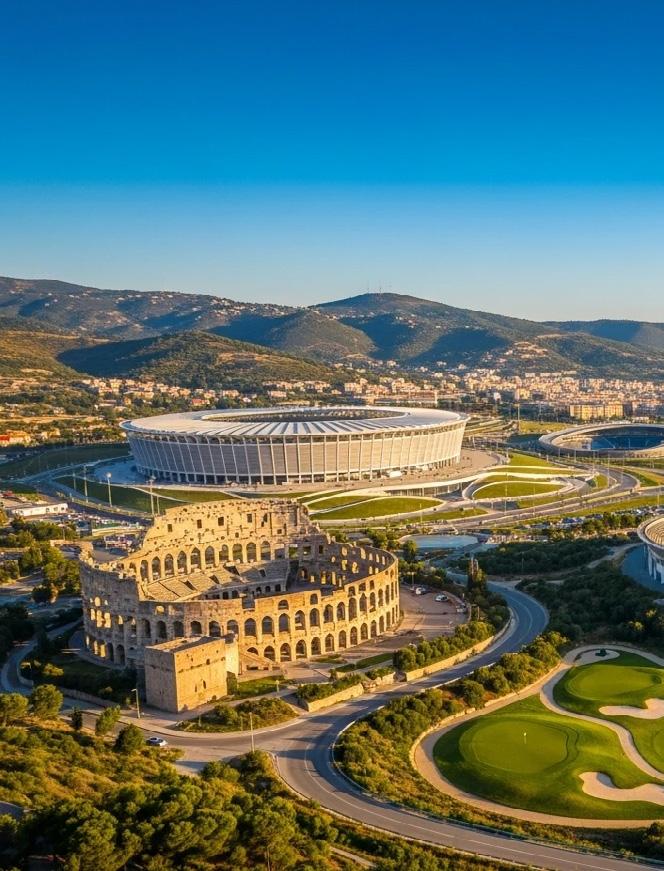
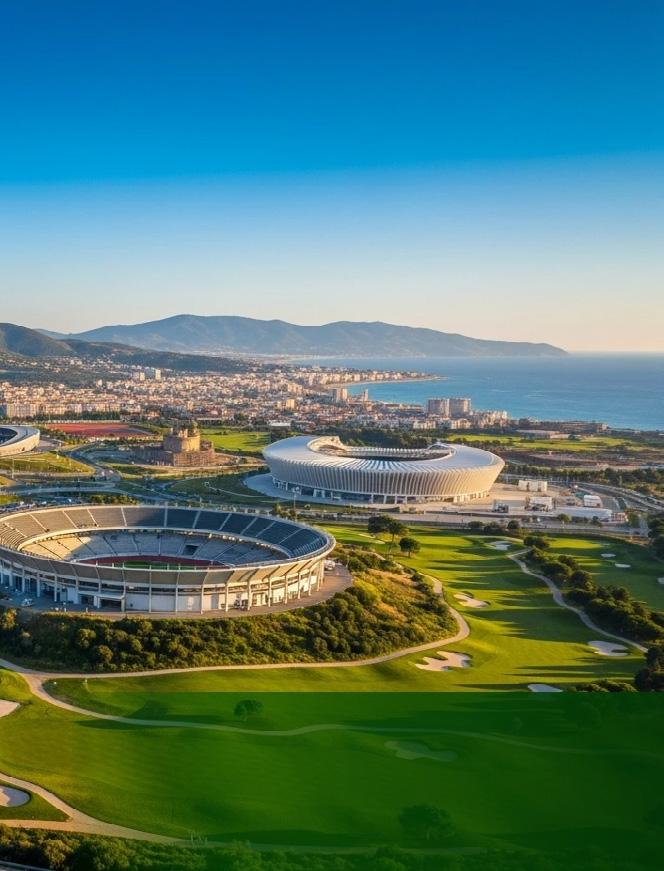
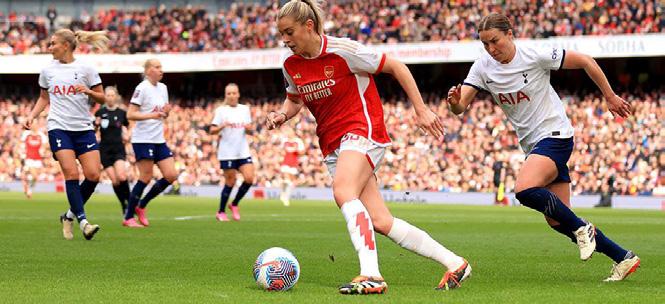
As India advances through the 2020s, it stands at a historic inflection point in its sporting journey. Long known as a one-sport nation, the country is rapidly transforming into a multifaceted sporting powerhouse. With the official adoption of the National Sports Policy (NSP) 2025 and the ambitious 2036 Olympic bid, India has moved beyond mere participation to a strategic quest for global dominance. To become one of the most successful sporting nations, India is currently executing a multifaceted strategy focused on grassroots talent, scientific rigor, elite athlete support, and massive infrastructure overhauls. And, India could become a global sporting powerhouse by transitioning from a “sport-consuming” to a “sport-playing” nation through grassroots investment, enhanced school sports, and public-private partnerships. Key strategies include implementing scientific training, improving sports governance transparency, and expanding focus beyond cricket to diversify into Olympic disciplines.
KEY STRATEGIES FOR SUCCESS: Grassroots & School Infrastructure: The Khelo India program and Fit India Movement are critical in nurturing young talent by investing in modern infrastructure and providing scholarships. Developing school/collegiate competitive sports is essential for finding talent. Scientific & Structural Reforms: Adopting modern, datadriven training methods and integrating sports science, including
nutrition and mental conditioning, is crucial for elite performance. Establishing regional, sport-specific hubs will create intensive training environments.
DIVERSIFICATION & CORPORATE SUPPORT:
Encouraging private investment, local leagues for sports like Kabaddi and Hockey, and broadening sponsorships beyond cricket will help build a diverse, sustainable sports ecosystem. Targeted Athlete Support: Expanding schemes like the Target Olympic Podium Scheme provides top athletes with elite training and exposure. Governance & Inclusivity: Ensuring independent and transparent sports federations will foster better management. Furthermore, increasing women’s participation in sports is essential for achieving a higher medal count, as they have been key contributors to India’s recent international success. With the goal of becoming a top-five sporting nation by 2047, a shift in cultural mindset is necessary to prioritize active participation from a young age. India’s transformation into a global sporting powerhouse is currently being driven by a strategic, multi-layered approach aimed at achieving a top-10 Olympic ranking by 2036 and a top-5 position by 2047. This vision, encapsulated in the National Sports Policy (NSP) 2025, focuses on five strategic pillars: excellence on the global stage, economic development through sports, social inclusion, mass participation, and integration with education.
From The Desk Of
EDITOR -IN - CHIEF
STRENGTHENING THE ECOSYSTEM:
From Grassroots to Elite: The core of India’s strategy is a “bottom-up” approach to identify and nurture talent at an early age: Early Identification: Programs like KIRTI (Khelo India Rising Talent Identification) use data-driven and AI-based testing to scout promising athletes aged 9–18 from across the country. Grassroots Development: The Khelo India program remains the flagship initiative for building infrastructure and competitive platforms at the school and university levels. Elite Support: The Target Olympic Podium Scheme (TOPS) provides customized training, international exposure, and specialized coaching to high-potential athletes to maximize medal prospects. High-Priority Focus: Resources are being concentrated on disciplines with strong medal history, such as archery, athletics, badminton, boxing, hockey, shooting, and wrestling.
POLICY AND GOVERNANCE REFORMS:
Recent legislative and policy shifts aim to professionalize sports administration: National Sports Governance Act 2025: This landmark legislation brings major bodies, including the BCCI, under legal oversight to ensure transparency, accountability, and fair elections. Athlete-Centric Governance: Reforms mandate athlete representation in National Sports Federations and establish a National Sports Tribunal to resolve disputes quickly. Safe Sport & Ethics: New protocols focus on gender inclusion and protecting athletes from harassment and discrimination.
INTEGRATION WITH EDUCATION (NEP 2020):
Shifting the national mindset from purely academic to a holistic approach is critical: Mainstreaming Sports: In alignment with the National Education Policy 2020, sports are being integrated into school curricula as a core subject rather than an extracurricular activity. Dual-Career Pathways: Flexible scheduling and academic credits for sporting achievements help athletes balance their professional training with education. Specialized Institutions: The National Sports University in Manipur serves as a hub for sports science, technology, and management education.
ECONOMIC GROWTH AND PRIVATE-
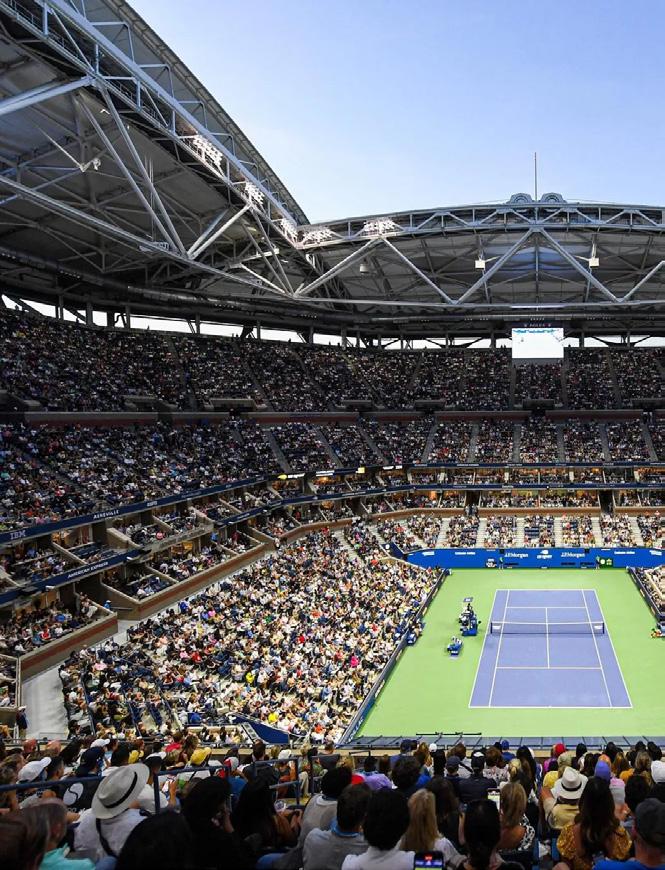
PARTICIPATION: The sports industry is projected to reach USD 130 billion by 2030, transforming it into a major economic engine: Private Investment: The government encourages Public-Private Partnerships and Corporate Social Responsibility funding through initiatives like “One Corporate–One Sport”. Manufacturing and Startups: Incentives under “Make in India” promote domestic production of sports equipment and support sports-tech startups. Sports Tourism: Hosting major events like the 2030 Commonwealth Games and potentially the 2036
Olympics (preferred city: Ahmedabad) is a key goal to boost infrastructure and global soft power.
SCIENTIFIC AND TECHNOLOGICALADVANCEMENT:
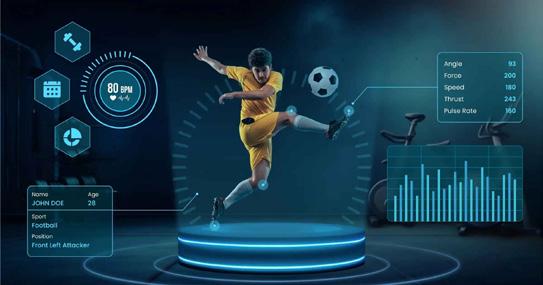
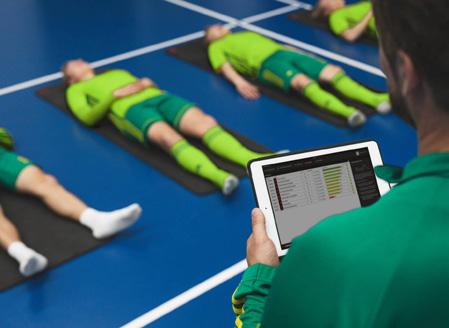
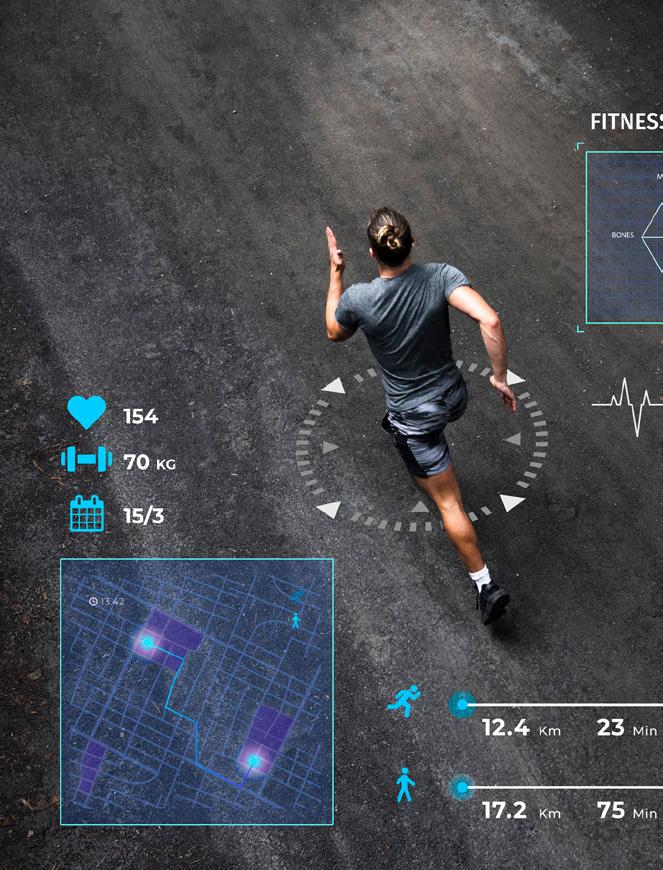
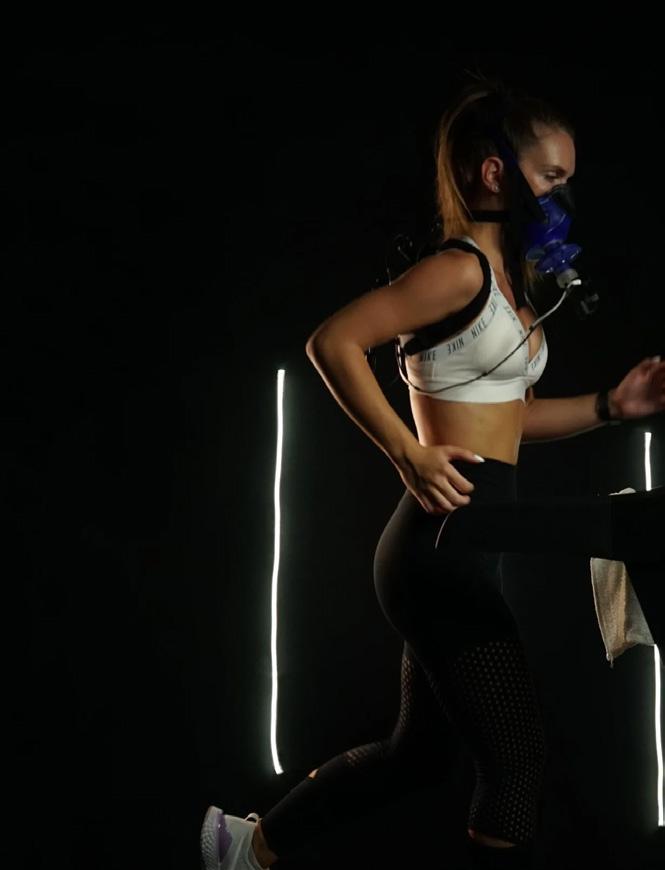
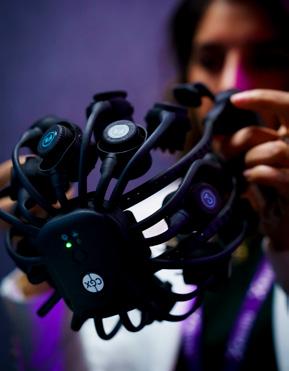
Modernizing training through science is a high priority: Sports Science Centers: The National Centre of Sports Sciences and Research (NCSSR) supports athletes with biomechanics, nutrition, and injury rehabilitation. Tech Integration: Leveraging AI, wearables, and data analytics to track performance and personalize training regimens. In Short, India’s path to becoming a global sporting superpower by 2047 is no longer a dream but a detailed, well-funded roadmap. By merging technological intervention with grassroots inclusivity and governance reform, India is building a sustainable ecosystem where talent is identified early and nurtured to its full potential.
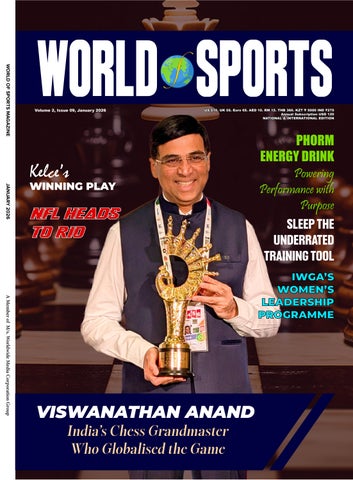
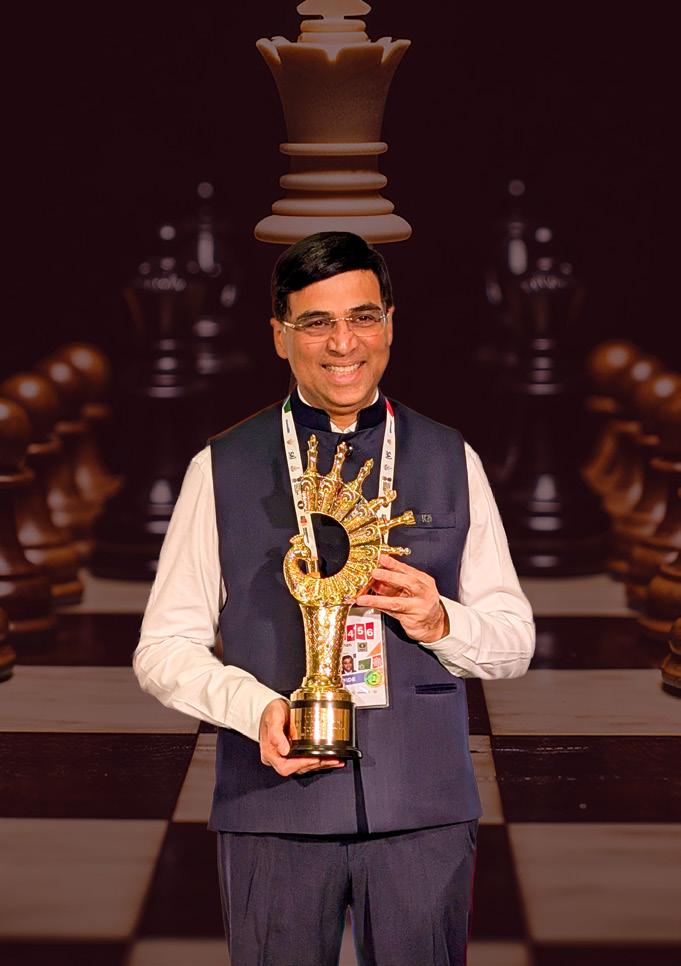
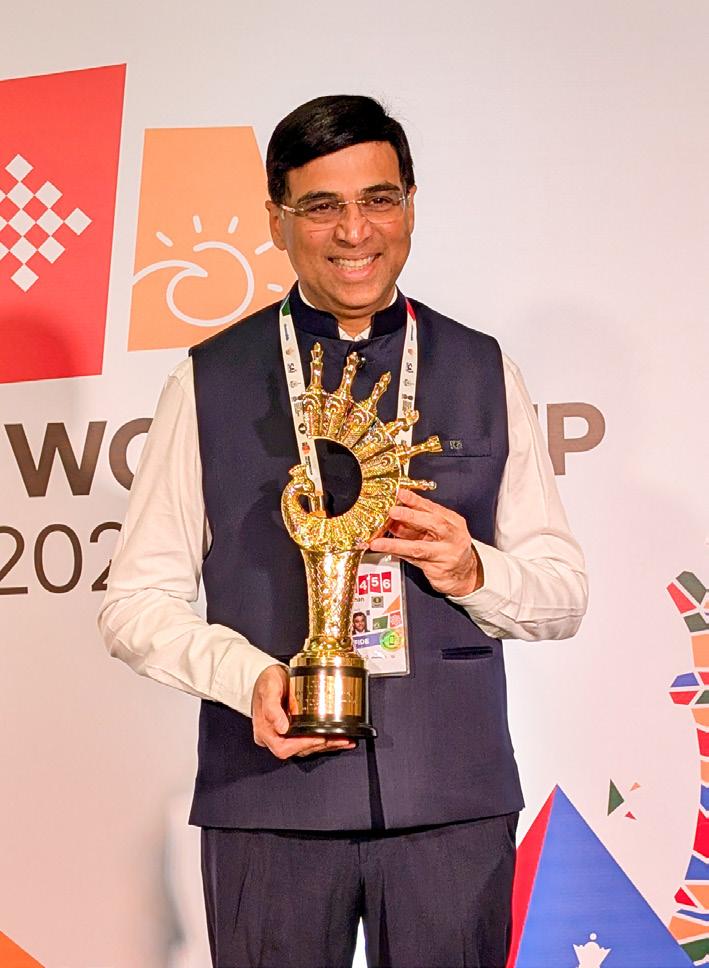
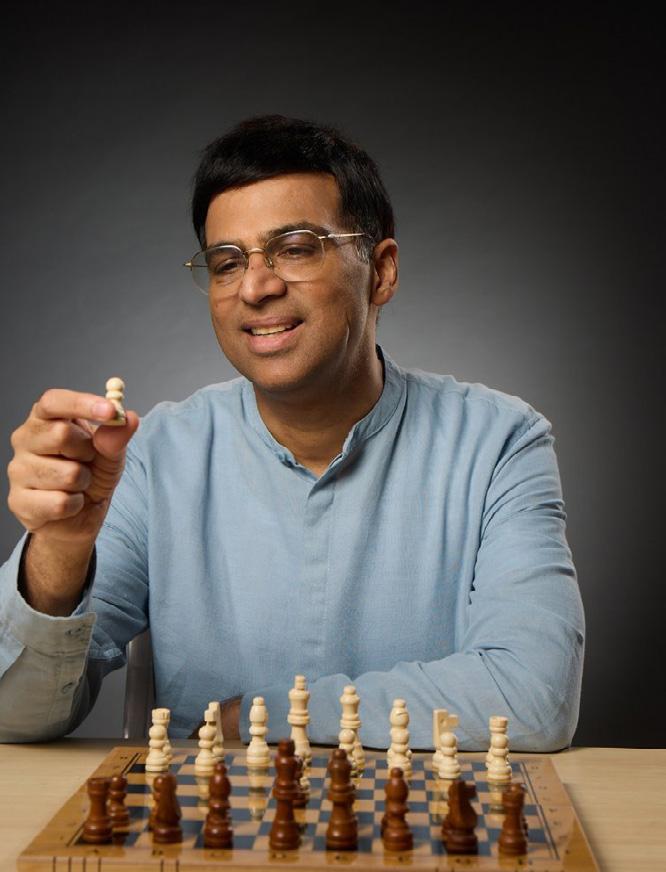
India’s Chess Grandmaster Who Globalised the Game
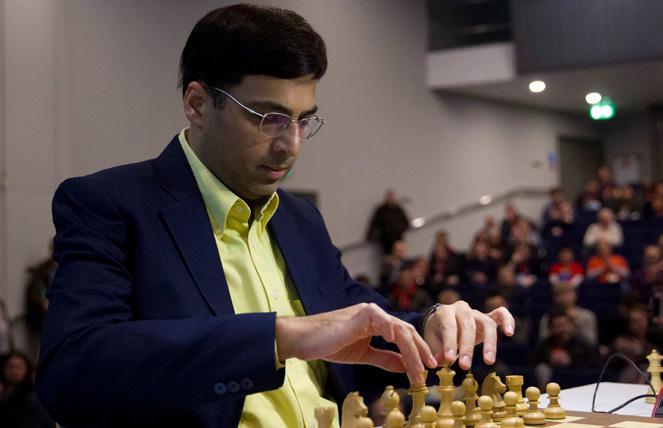
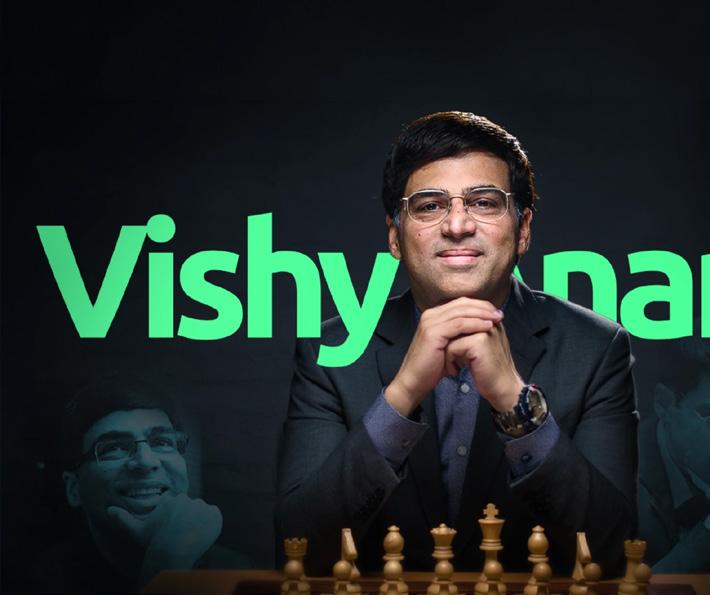
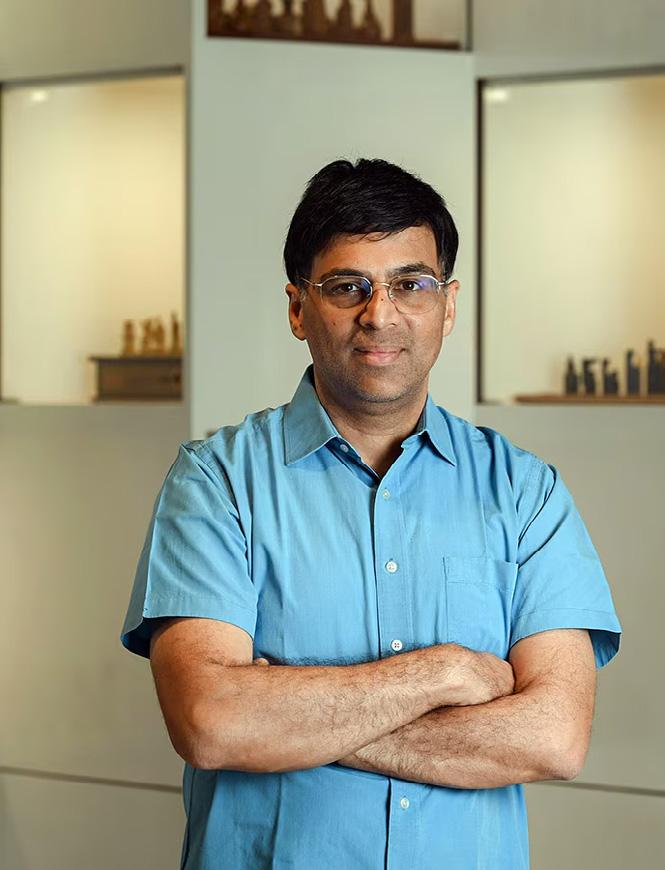
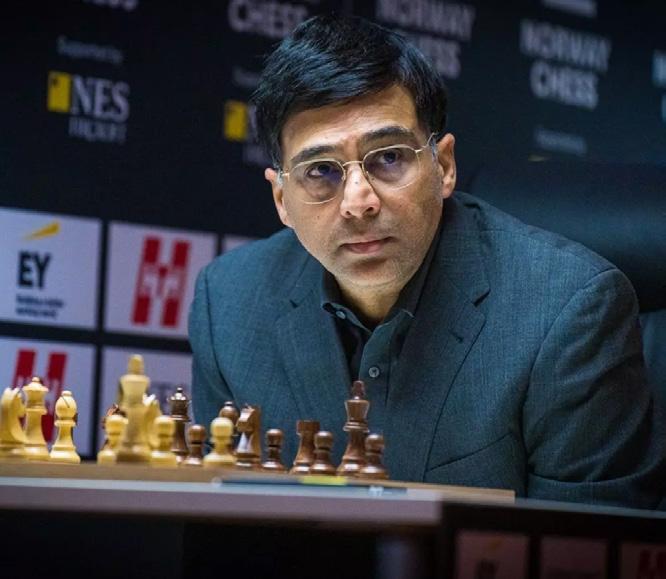
In the intricate world of chess, where every move is a calculated dance between intellect and intuition, few names evoke as much reverence as Viswanathan Anand.
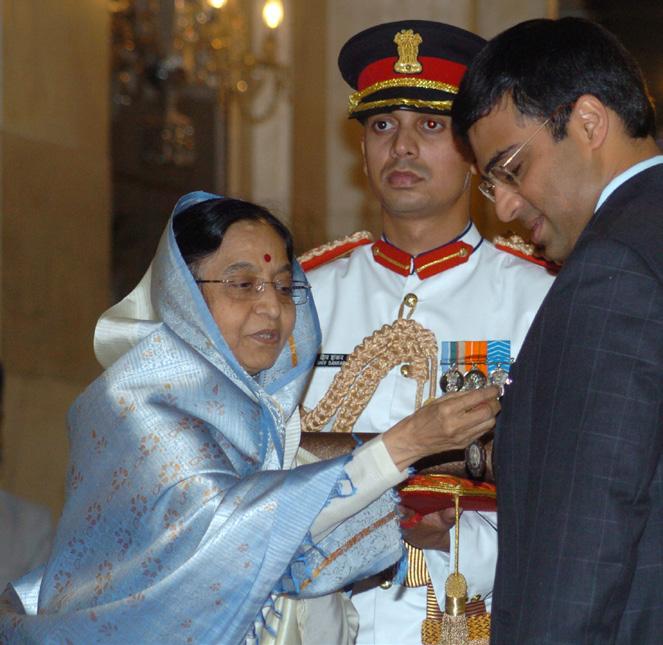
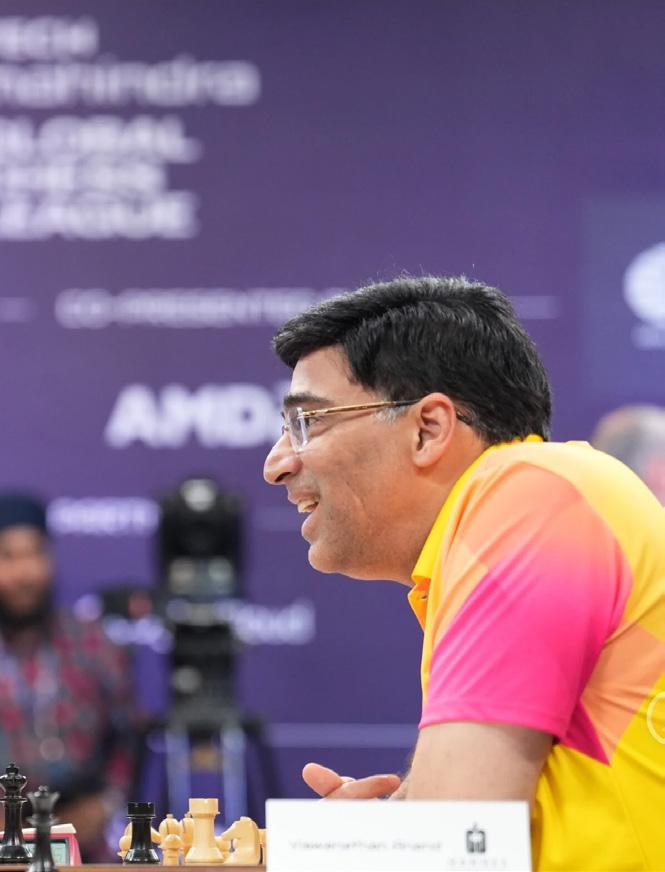
Born on December 11, 1969, in the southern Indian town of Mayiladuthurai, Anand rose from humble beginnings to become a five-time World Chess Champion, shattering barriers and redefining the game’s global landscape. Often dubbed the “Lightning Kid” for his blistering speed in blitz and rapid formats, Anand not only dominated the board with his strategic brilliance but also ignited a chess revolution in India, inspiring millions and paving the way for a new generation of prodigies. His journey is a testament to how one individual’s mastery can transcend borders, popularising a cerebral sport in a cricket-crazed nation and challenging the Eurocentric dominance of chess. This article delves into Anand’s unparalleled tactical acumen, his landmark achievements, and his enduring legacy as the architect of India’s chess boom.
Early Life and Meteoric Rise
Anand’s tryst with chess began at the tender age of six, taught by his mother, Susheela, in their home in Chennai (then Madras). Growing up in a middle-class family—his father was a railway official—Anand spent part of his childhood in Manila, Philippines, where he refined his skills through local tournaments. His prodigious talent shone early: at 14, he clinched the national sub-junior championship with a perfect 9/9 score. By 1984, he had won the Asian Junior Championship, and in 1987, at 17, he became the World Junior Champion—the first Indian to achieve this feat.
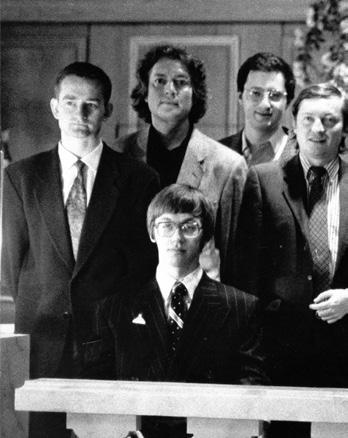
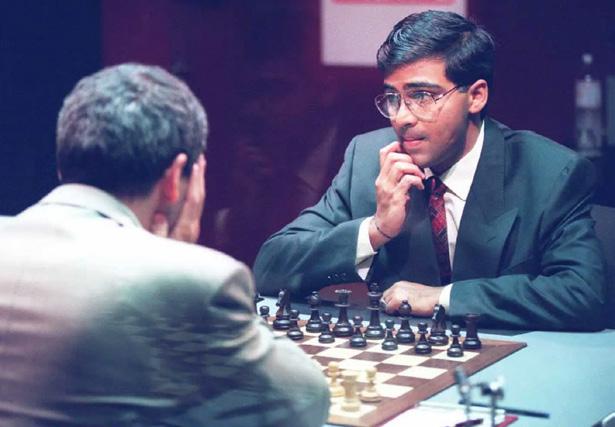
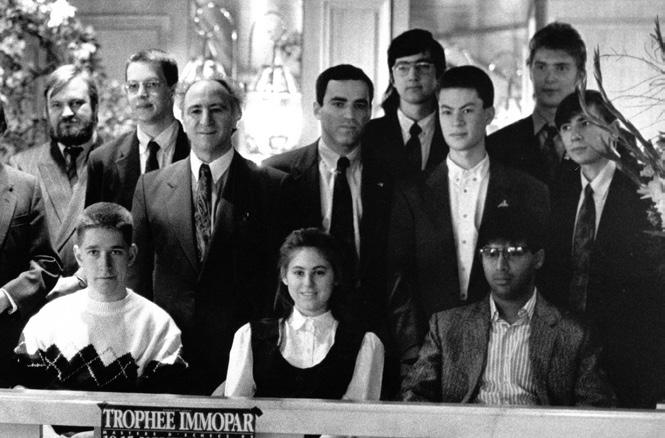
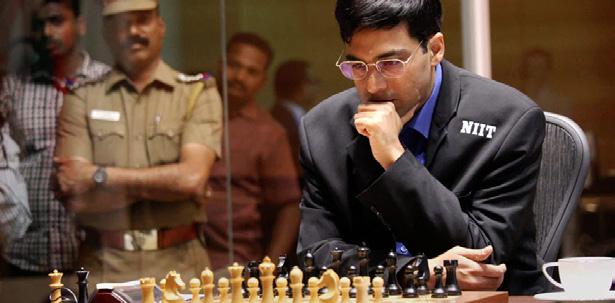
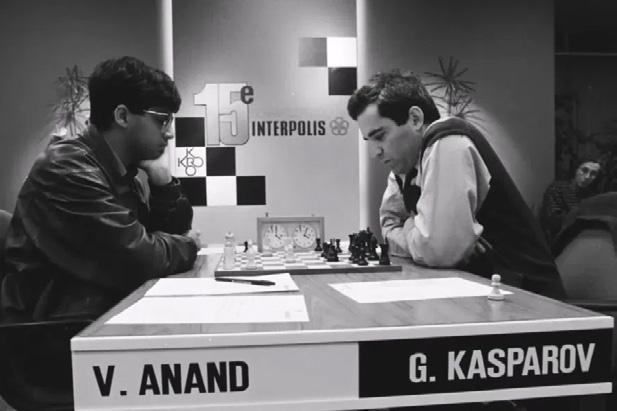
What set Anand apart was his rapid playing style, earning him the nickname that would define his early career. In 1988, at just 18, he became India’s first Grandmaster, a milestone that announced India’s arrival on the global chess stage. His ascent was meteoric; by the early 1990s, he was competing against legends like Garry Kasparov and Anatoly Karpov. In 1991, Anand’s victory at the Reggio Emilia tournament in Italy—beating both Kasparov and Karpov—signalled his readiness for the elite echelons. This period honed his ability to thrive under pressure, blending aggressive openings with precise endgames.
Conquering the World: Championship Victories
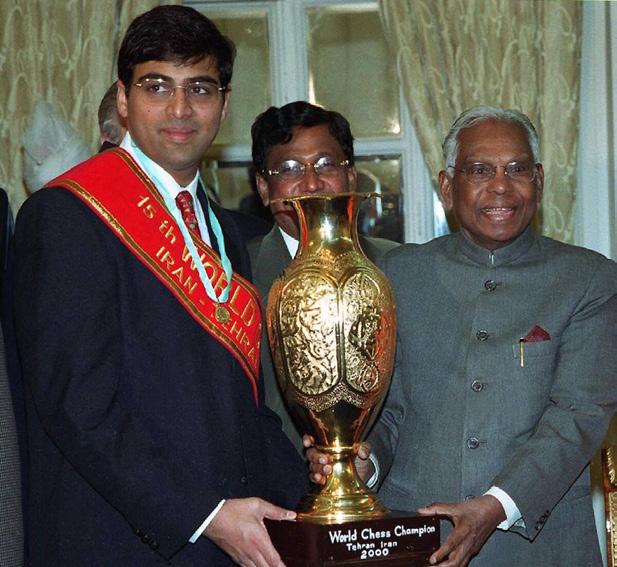
Anand’s crowning glory came in 2000 when he won the FIDE World Chess Championship by defeating Alexei Shirov in Tehran, becoming the first Indian—and the first Asian—to hold the title. He held it until 2002, but his undisputed reign began in 2007 at the Mexico City tournament, where he outclassed a field including Vladimir Kramnik and Veselin Topalov. Anand defended his title thrice: against Kramnik in 2008 (a tense match in Bonn, Germany, won 6.5-4.5), Topalov in 2010 (in Sofia, Bulgaria, amid volcanic ash disruptions, clinching it 6.5-5.5), and Boris Gelfand in 2012 (in Moscow, decided by rapid tiebreakers after a 6-6 classical draw). His dominance extended beyond classical chess. Anand excelled in rapid and blitz formats, winning the FIDE World Rapid Championship in 2003 and 2017, and the World Blitz Cup in 2000. Even in his later years, he remained formidable; in 2017, at 48, he stunned the world by winning the Rapid Championship, defeating Magnus Carlsen en route. Though he lost the classical title to Carlsen in 2013 and a rematch in 2014, Anand’s resilience was evident when he won the 2014 Candidates Tournament to challenge Carlsen again. These victories earned him six Chess Oscars, the sport’s equivalent of an Academy Award, in 1997, 1998, 2003, 2004, 2007, and 2008.
The Art of Anand: Strategic Brilliance on the Board
Anand’s genius lies in his versatile playing style—a harmonious blend of creativity, innovation, and unflinching precision. Unlike the aggressive flair of Kasparov or the positional mastery of Karpov, Anand was a universal player, adept at openings like the Sicilian Defense and Ruy Lopez, while excelling in complex middlegames and flawless endgames. His rapid calculation speed allowed him to navigate tactical minefields with ease, often introducing novel ideas that caught opponents off guard. One of his
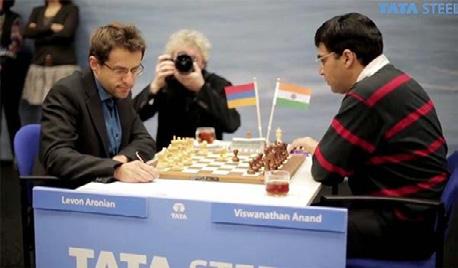
most celebrated games is the 1996 encounter against Vassily Ivanchuk in the Las Palmas tournament. Playing white in a Ruy Lopez, Anand sacrificed his rook for a knight on move 20 (20. Rxe6!), disrupting Ivanchuk’s kingside and unleashing a devastating attack. The exchange sacrifice—trading a highervalue piece for positional dominance—led to a cascade of threats, forcing Ivanchuk’s resignation after 32 moves. This game exemplifies Anand’s tactical ingenuity, where he prioritized dynamic play over material balance, creating unstoppable pressure. Another masterpiece is his “Immortal Game” against Levon Aronian at the 2013 Tata Steel Tournament in Wijk aan Zee.
In a Queen’s Gambit Declined, Anand, as black, sacrificed a pawn early to seize the initiative. By move 23, he unleashed a stunning queen sacrifice, followed by a rook sac, leading to a forced checkmate. The game, lasting just 23 moves, showcased Anand’s visionary depth, calculating lines 10-15 moves ahead in a seemingly quiet position. His 1995 World Championship game against Kasparov, where he sacrificed an exchange to shatter the Russian’s defences, further highlights this brilliance. Anand’s strategic prowess wasn’t just about fireworks; he mastered endgames with subtle manoeuvres, often converting minimal advantages into wins. His peak ELO rating of 2817 in 2011—the eighth-highest ever—reflects his consistency across formats. As he noted in interviews, his approach emphasized preparation and adaptability, drawing from computer analysis while retaining human intuition.
Revolutionising Chess in India
Before Anand, chess in India was a niche pursuit, confined to a few enthusiasts with no Grandmasters. His 1988 GM title and subsequent world championships changed that narrative, sparking what is often called the “Anand Effect.” His 2007 title win, in particular, mirrored the 1983 Cricket World Cup’s impact, leading to a surge in chess clubs, academies, and participation. Today, India boasts over 90 Grandmasters, surpassing traditional powerhouses like Russia in elite talent. Anand’s influence democratised the game, making it accessible beyond urban elites. Parents began enrolling children in chess classes, viewing it as a path to intellectual growth and success. The pandemic and shows like The Queen’s Gambit amplified this, but Anand was
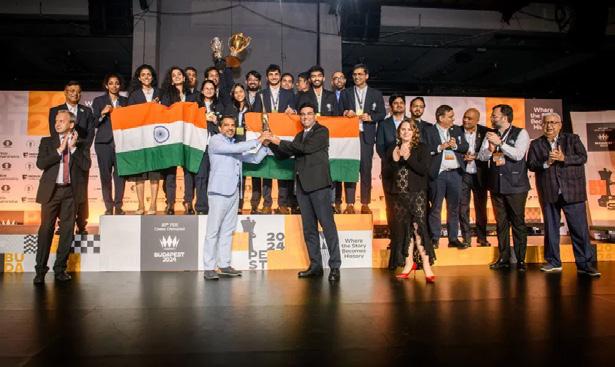
the catalyst. India’s historic double gold at the 2024 Chess Olympiad—winning both open and women’s sections—underscores this transformation.
Mentoring the Next Generation
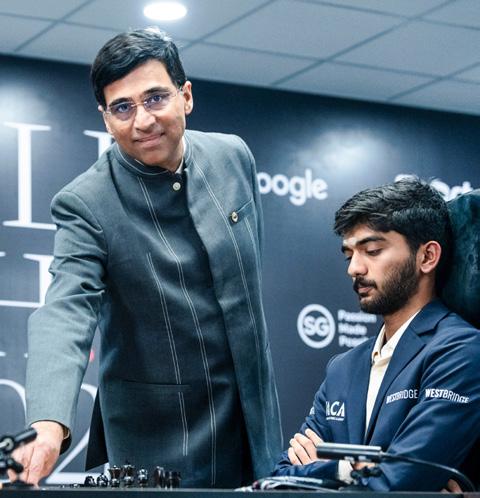
Anand’s legacy extends beyond playing; he’s the “godfather” of Indian chess, actively mentoring through the WestBridge Anand Chess Academy (WACA), founded in 2021. WACA provides coaching, financial aid, and elite training to promising talents, bridging the gap from junior to professional levels. Anand personally scouts players, analyzing their games and pairing them with trainers. A prime example is Dommaraju Gukesh, who, under Anand’s guidance, became the youngest World Champion in 2024 by defeating Ding Liren.
Anand appointed Polish GM Grzegorz Gajewski as Gukesh’s full-time coach in 2021, a move pivotal to his success. Similarly, R Praggnanandhaa credits Anand for strategic advice, while players like Arjun Erigaisi, Nihal Sarin, and R Vaishali have benefited from WACA. Recent triumphs, such as Divya Deshmukh’s 2025 Women’s World Cup win and Vaishali’s Grand Swiss defense, highlight the academy’s impact. Anand’s humility shines in his mentorship; he emphasizes perseverance and learning from losses, instilling values that resonate with India’s youth. As Praggnanandhaa said, “Vishy is our childhood hero.”
Global Legacy and Beyond
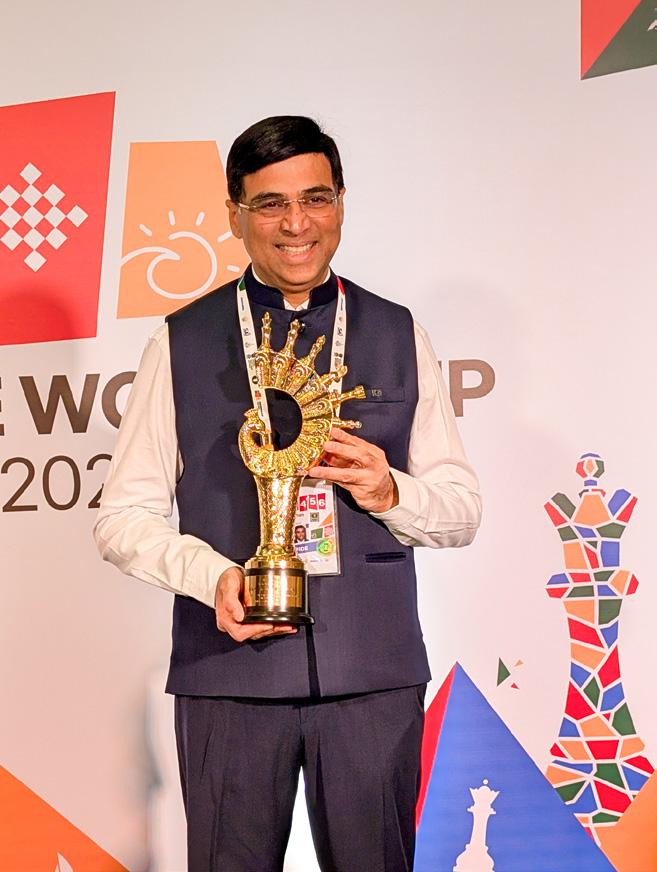
Anand globalised chess by breaking the Soviet/Russian stranglehold, proving that talent knows no geography. His triumphs inspired Asia’s rise, with players from China and elsewhere following suit. Off the board, he’s an ambassador—authoring books, commentating, and promoting chess education. Married to Aruna since 1996, with a son Akhil, Anand balances family with his passion, remaining active in selective tournaments as of 2025. In conclusion, Viswanathan Anand is more than a champion; he’s a visionary who globalised chess through sheer brilliance and unyielding spirit. His strategic masterpieces continue to inspire, while his role in nurturing India’s golden generation ensures his legacy endures. As chess evolves, Anand’s imprint remains indelible—a beacon for dreamers worldwide.
Kelce’s Winning Play
Sport Stars Are Scoring Big as Fashion Brand Ambassadors
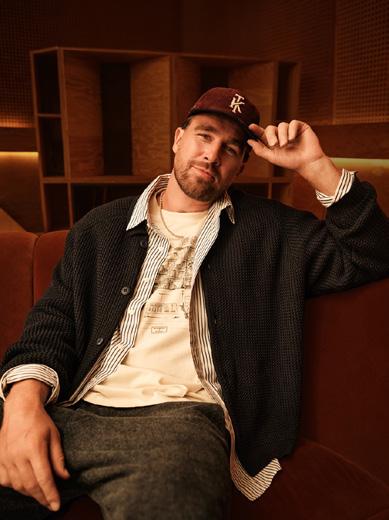
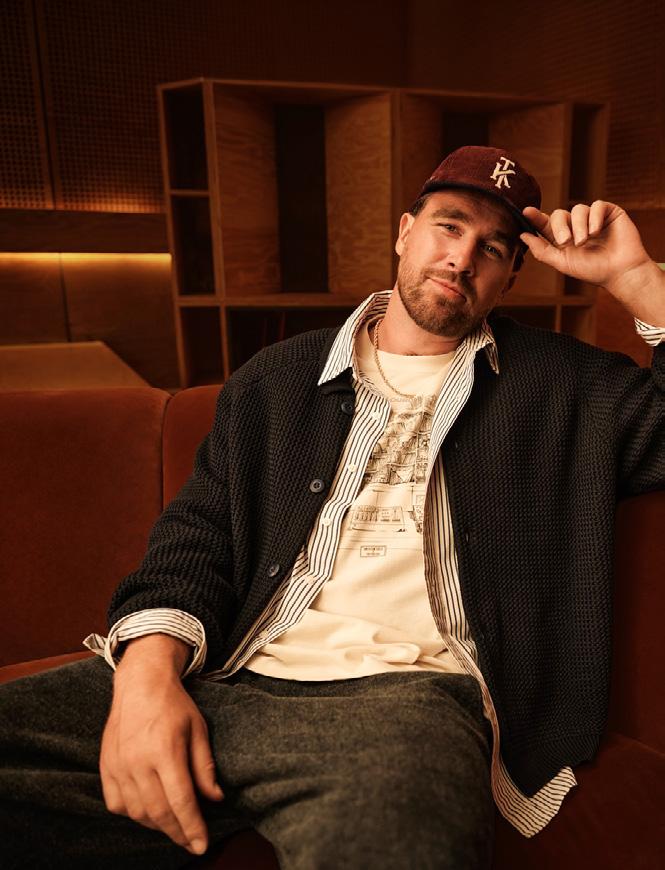
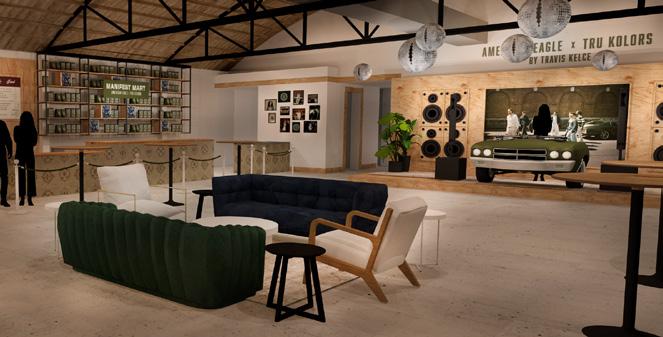
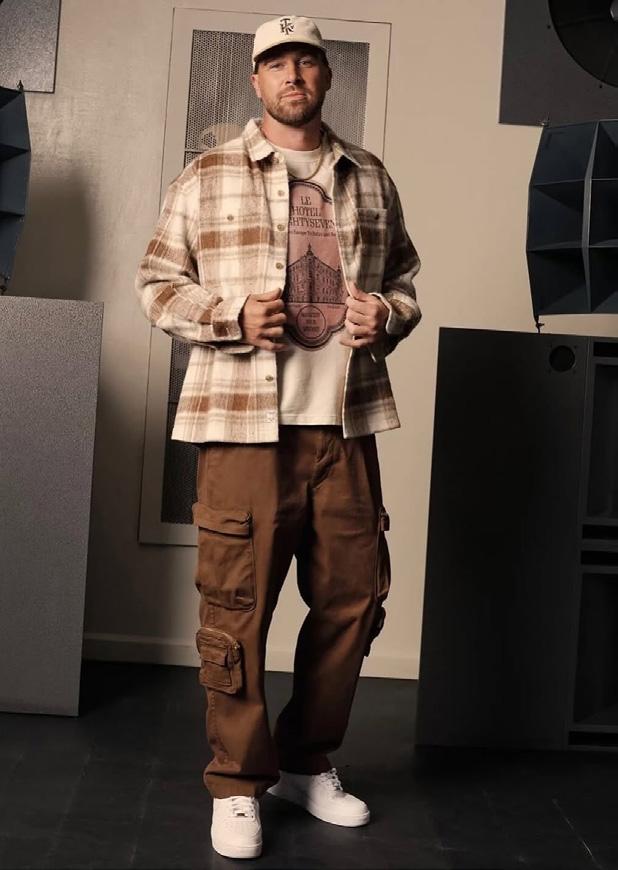
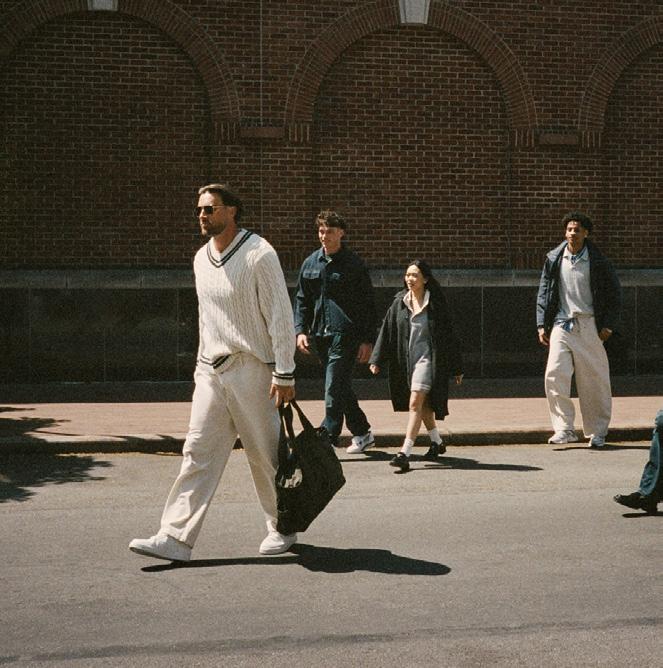
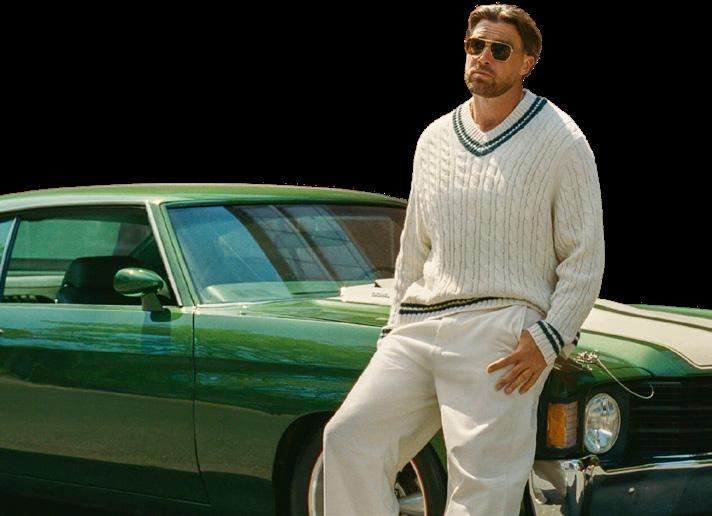
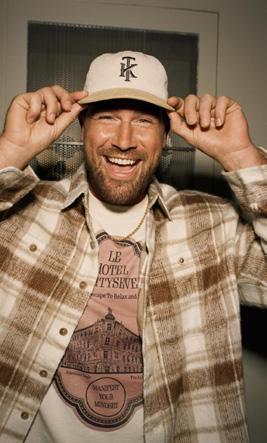
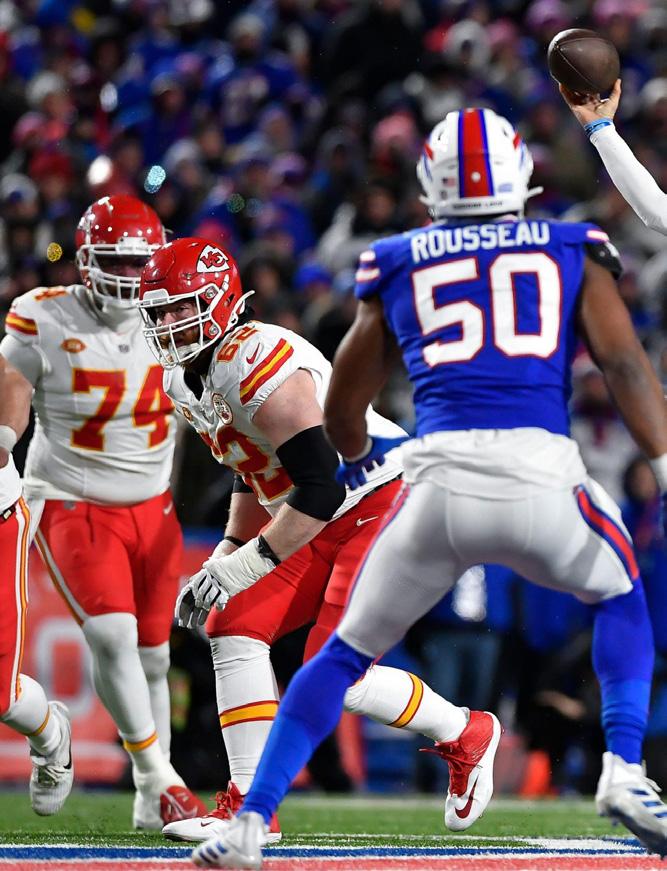
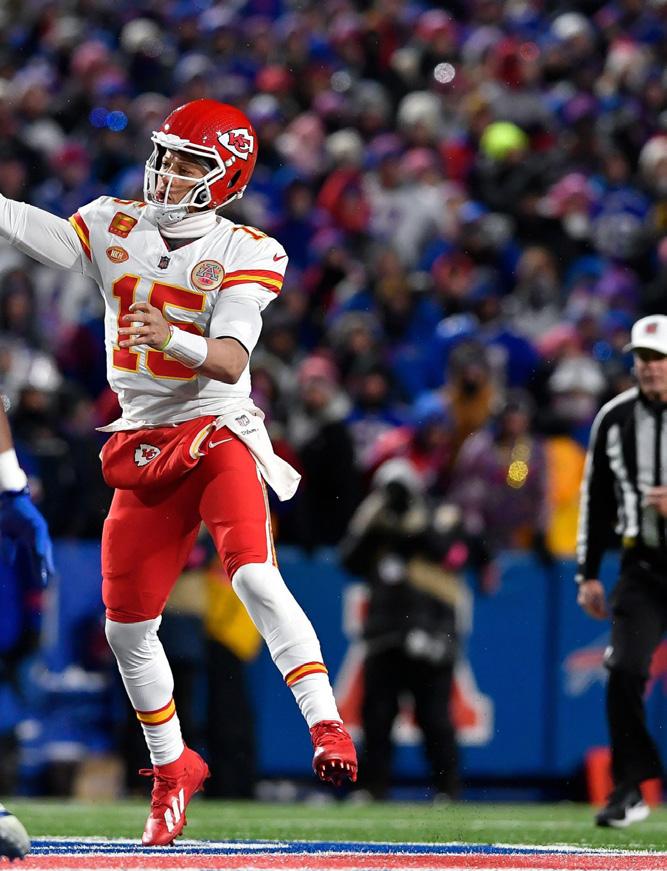
In the high-stakes arena where gridirons meet runway catwalks, NFL tight end Travis Kelce is proving once again that he’s a force to be reckoned with—off the field. His latest touchdown? A limited-edition clothing collaboration with American Eagle Outfitters, dubbed “AE x Tru Kolors by Travis Kelce.” Dropping amid the buzz of the 2025 NFL season opener, this 90-plus-piece collection of tees, varsity jackets, and utility cargos isn’t just about style; it’s a masterclass in how elite athletes are transforming into powerhouse brand ambassadors, blending sweat equity with streetwear savvy to drive cultural conversations and bottom lines.
A Quick Huddle: Who Are These Players?
Before we break down the blitz, let’s line up the key players. American Eagle Outfitters (AEO), founded in 1977 by brothers Jerry and Mark Silverman as a casual apparel arm of their menswear chain, started with a focus on outdoor gear for the adventure set—think hiking boots and flannel shirts for mall-goers dreaming of the great outdoors. Headquartered in Pittsburgh, the brand pivoted in the ‘90s to target Gen Z and millennials with affordable, versatile denim and basics, going public in 1994 and exploding in popularity after a Dawson’s Creek shoutout in 2000. Today, with over 1,100 stores worldwide (including Aerie for loungewear and Offline for athleisure), AEO rakes in billions by championing “real good” vibes—comfortable clothes for real bodies, priced from $15 socks to $180 jackets. It’s the jeans brand Gen Z crowned No. 1, blending inclusivity with that effortless cool.
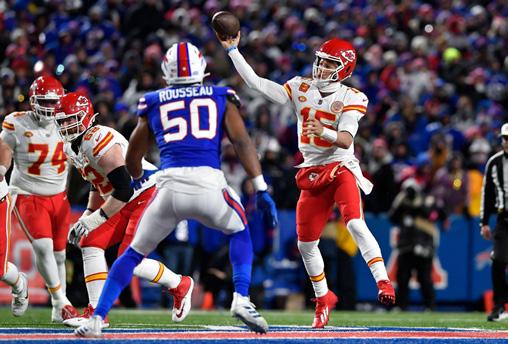
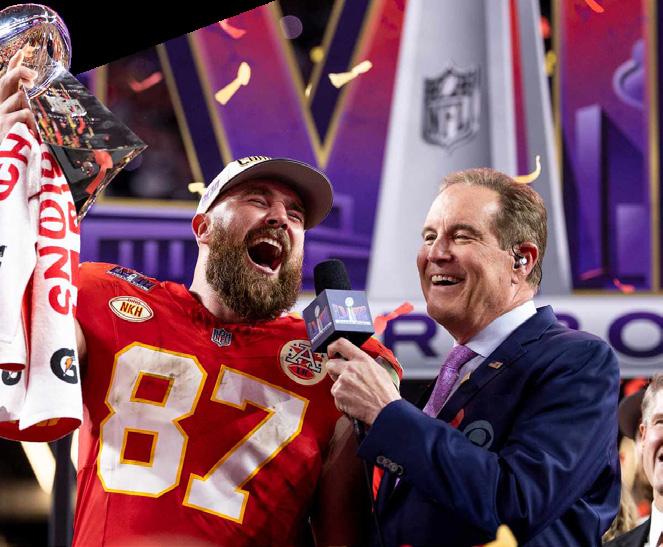
Enter Travis Kelce, the 6’5” Kansas City Chiefs phenom who’s as explosive in endorsements as he is in the end zone. Born in 1989 in Westlake, Ohio, Kelce burst onto the NFL scene after a standout college career at the University of Cincinnati, where he tallied 45 receptions for 722 yards as a senior. Drafted in the third round by the Chiefs in 2013, he overcame a knee injury to become the league’s most dynamic tight end: three Super Bowl rings (2020, 2023, 2024), ten Pro Bowls, and records galore, including the fastest to
10,000 receiving yards and all-time playoff receptions (surpassing Jerry Rice). In 2025 alone, he’s hit 12,000 career yards and notched his 100th receiving TD (including playoffs), tying Chiefs legend Priest Holmes. Off-field? Kelce’s Tru Kolors lifestyle brand, launched in 2019, embodies his mantra of joy, optimism, and “live to play.” And with his high-profile engagement to Taylor Swift in August—announcing it just before this drop— his star power is supernova-level, blending gridiron grit with pop culture cachet.
The Collaboration: A Game-Changer in Athleisure
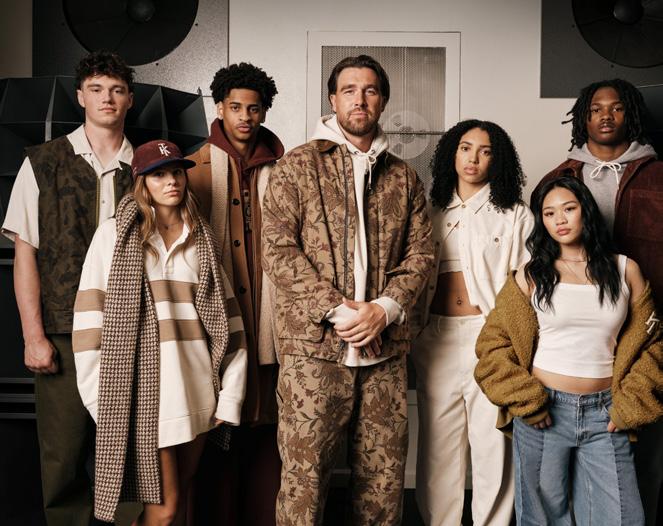
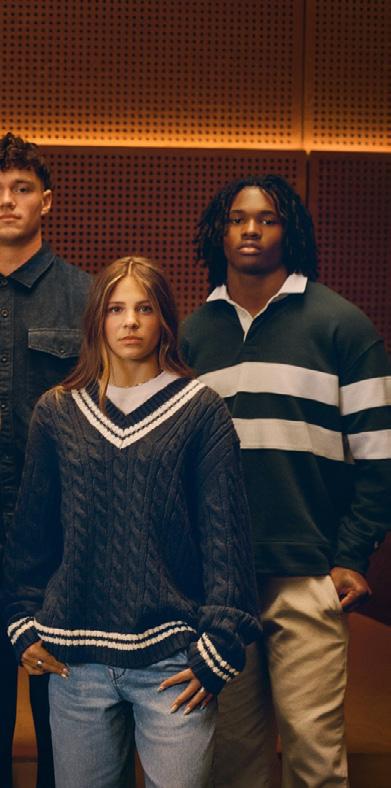
Announced on August 27, 2025, the AE x Tru Kolors line fuses AEO’s denim DNA with Kelce’s vibrant, sport-infused aesthetic—over 90 pieces spanning men’s, women’s, and unisex fits, from $15 graphic tees to $180 reimagined varsity jackets in earthy tones and lived-in fabrics. Kelce, serving as creative director, infused it with his personal touch: heavyweight vintage tees, rugby polos, and utility cargos perfect for tailgates or touchdowns. The “Live to Play” campaign stars Kelce alongside rising stars like gymnast Suni Lee, tennis prodigy Anna Frey, and quarterback Drew Allar, pushing a message of boundary-breaking authenticity. More than a year in the making, the drop sold out select items in hours, spiking AEO shares and proving Kelce’s pull—his Swift-fuelled fame amplified social buzz to millions of views overnight.
Athletes Thriving as Brand Ambassadors: From Sidelines to Spotlights
Athletes aren’t just scoring goals anymore—they’re selling lifestyles. In 2025, the endorsement game is booming, with athletes like Kelce leading a $20 billion global market where authenticity trumps algorithms. Why? Fans crave realness: 70% of consumers trust athlete endorsements more than celeb ads, per recent ISPO studies, because they embody resilience and relatability. Take Serena Williams and David Beckham: Their deals with brands like Nike and Armani aren’t flash-in-thepan; they’re narrative extensions of their underdog-to-icon stories, driving loyalty through shared values. Success stories abound. Coco Gauff, the 21-year-old tennis phenom, reps New Balance with campaigns that mirror her Gen Z edge, boosting the brand’s youth sales 25% post-partnership. Angel Reese, WNBA rookie sensation, revived Reebok’s basketball line with a Spring/Summer 2025 drop, shattering rebound records on and off the court. Even high school phenoms are cashing in— Adidas and Red Bull are inking NIL deals with teens pulling $2,000 per post, turning playgrounds into pipelines for brand loyalty. Luxury’s jumping in too: Carlos Alcaraz for Louis Vuitton, Stefanos Tsitsipas for Canali—athletes’ punctuality and grit make them low-risk, high-reward over “temperamental starlets.” For athletes, these gigs mean diversification: Kelce’s net worth, already north of $50 million from NFL pay and podcasts, swells with ventures like this, funding post-career dreams (he’s eyeing game-show hosting). Brands win big—ROI soars via organic social reach (Kelce’s 8 million Instagram followers alone generated 10x engagement on launch day). It’s a symbiotic scramble: Athletes get creative control, brands get credibility.
The Bigger Play: Why This Move Matters Now
Kelce’s AEO collab isn’t isolated—it’s a signal flare in sports marketing’s evolution. Timed post-engagement, it leverages his Swift halo for cross-demographic appeal, merging NFL diehards with Swifties and fashion-forward fans. For AEO, fresh off a buzzy (if controversial) Sydney Sweeney ad, it’s a pivot to athlete-driven authenticity, countering fast-fashion fatigue with “play hard, dream big” ethos. Significance? It democratizes aspiration: Affordable pieces let everyday fans channel Kelce’s energy, fostering community over consumerism. Broader lens: As NIL rules empower even rookies, athletes-as-ambassadors are reshaping equity. Women like Suni Lee (HOKA) and Azzi Fudd are breaking barriers, amplifying diverse voices in a maledominated space. For sports like ours, it’s a reminder: The game’s not just about yards gained, but narratives built. Kelce’s drop proves athletes thrive by owning their story—turning personal brands into cultural touchdowns that resonate far beyond the 50-yard line. As the Chiefs chase another ring, Kelce’s off-field playbook is wide open. Will this collab inspire more gridironto-garment partnerships? Bet on it. Fans, snag a varsity before they’re gone—because in 2025, the real MVPs wear what they play in.
UFCs MACAU Return Signals Bright Future as TKO Dividends Soar
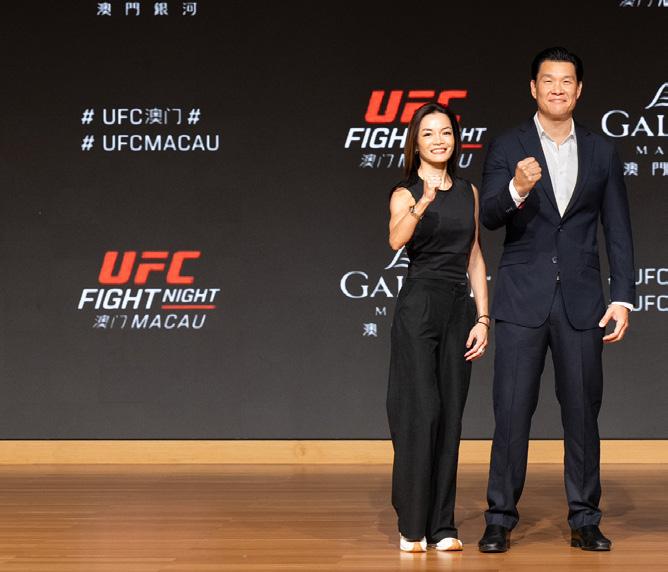
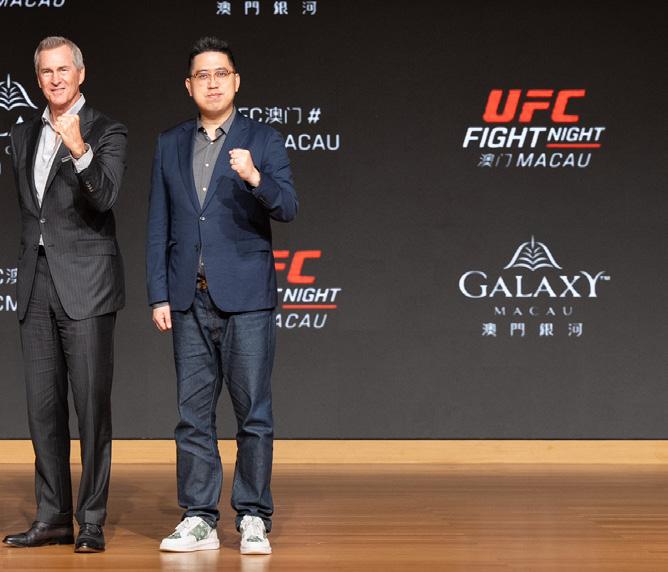
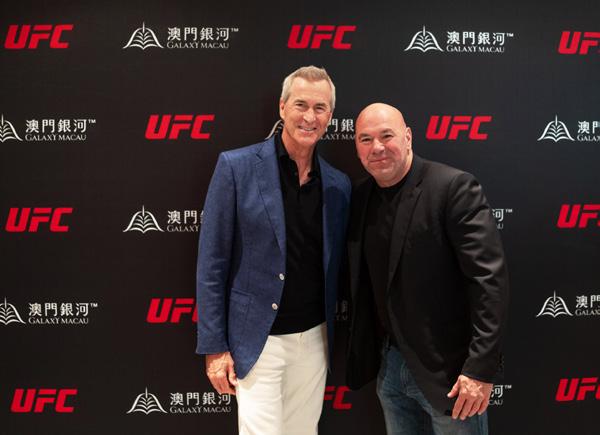
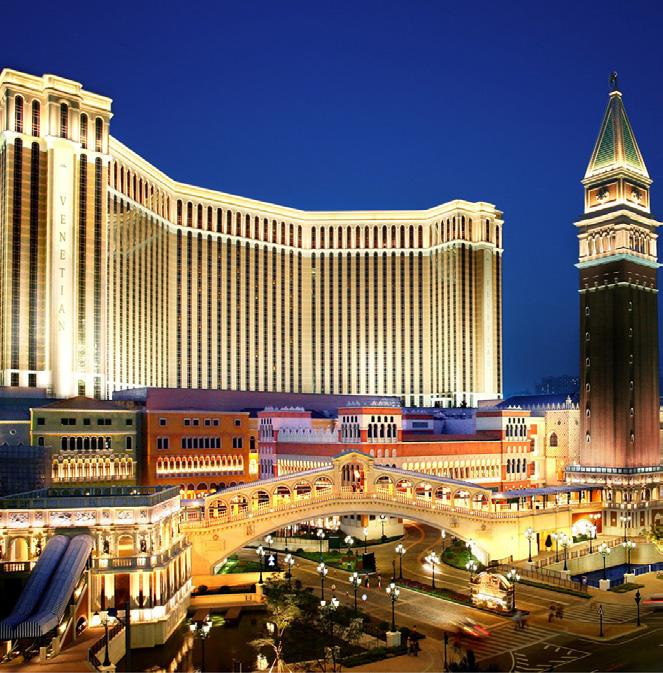
In a bold move to cement its global dominance, the Ultimate Fighting Championship (UFC) has inked a landmark four-year deal with Galaxy Macau, bringing high-octane Fight Night events back to the vibrant city starting in 2026. This partnership, announced in late 2024, marks a significant step in UFC’s expansion into the Asia-Pacific region, a market teeming with passionate fans and untapped potential. Coupled with the financial success of TKO Group Holdings, UFC’s parent company, which recently declared a quarterly dividend of $0.06 per share, the promotion is riding a wave of momentum that underscores its growing influence in the sports entertainment world. For fans and investors alike,
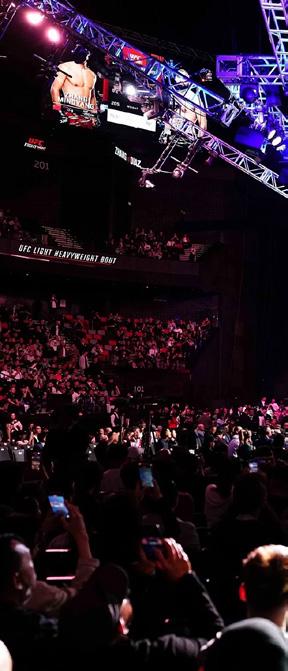
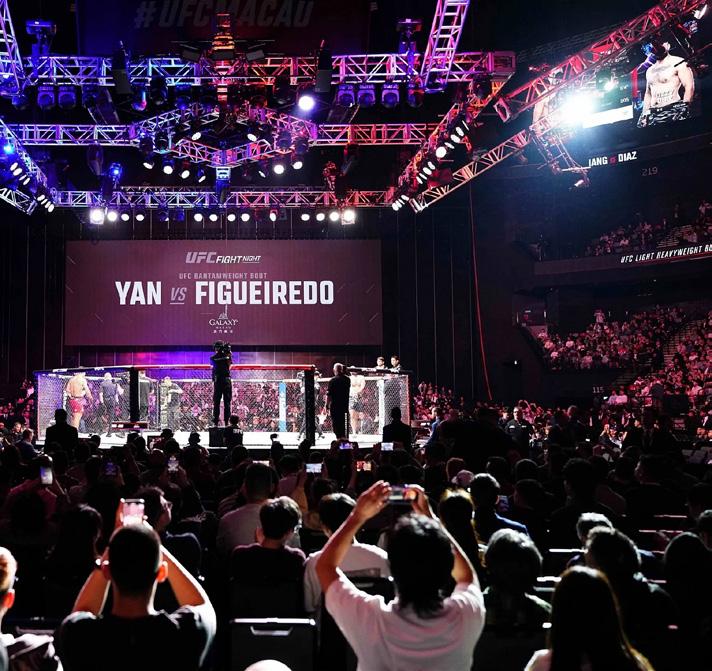
the future of UFC looks as thrilling as a main event knockout. The agreement with Galaxy Macau, a premier integrated resort, will see three UFC Fight Night events hosted at the state-of-the-art, 16,000-capacity Galaxy Arena between 2026 and 2029. The deal also includes the opening round of Road to UFC Season 5 in 2026, a tournament designed to unearth the next generation of MMA talent from the Asia-Pacific region. This follows the resounding success of UFC Fight Night: Yan vs. Figueiredo in November 2024, which drew 12,000 fans to a sold-out Galaxy Arena, marking UFC’s first event in Macau since 2014.
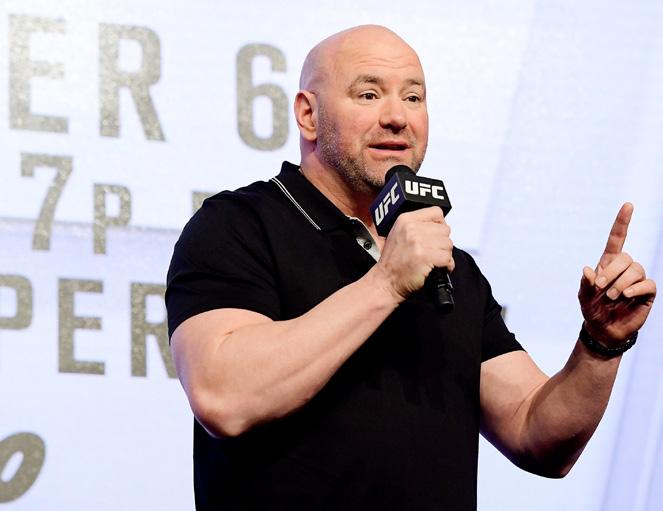
The electric atmosphere and strong local support convinced UFC executives that Macau is the perfect stage for its return to China. UFC President Dana White, never one to mince words, called the timing “perfect” for re-entering the Chinese market. “The fans in Macau brought incredible energy to our last event, and we’re thrilled to partner with Galaxy Macau to deliver more unforgettable fight nights,” White said in a press release. “The Asia-Pacific region is a hotbed for MMA talent, and this deal allows us to showcase both our global stars and rising prospects while growing our fanbase.” The partnership aligns with Macau’s ambition to position itself as a global sports and tourism hub, blending worldclass entertainment with the city’s unique cultural allure.
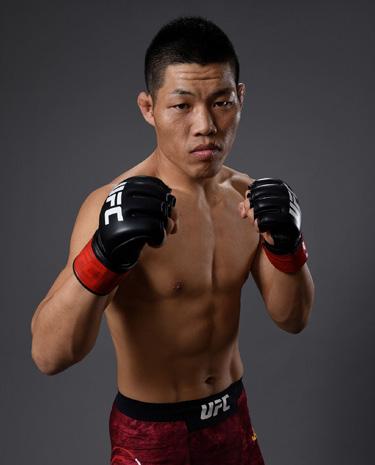
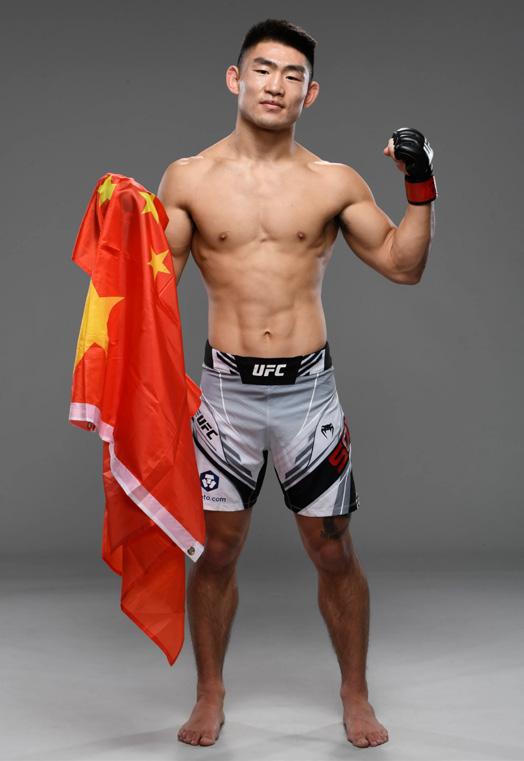
The Road to UFC tournament, a cornerstone of the deal, has already proven its worth in discovering talent. Since its inception, the competition has scouted fighters from China, Japan, Korea, and beyond, with winners earning UFC contracts and a shot at stardom. The 2026 season opener at Galaxy Arena will feature up-and-coming fighters vying for a chance to follow in the footsteps of regional stars like Li Jingliang and Song Yadong. For fans, it’s a rare opportunity to witness the raw, unpredictable energy of prospects fighting for their dreams in one of the world’s most dynamic cities.
The Macau deal is more than a regional win for UFC—it’s a strategic move in TKO Group Holdings’ broader vision to expand the promotion’s global footprint. TKO, formed by the merger of UFC and WWE, reported projected 2024 revenues of $2.7 billion, a 19% increase from the previous year, fuelled by lucrative media rights deals, live event growth, and international expansion. The company’s decision to issue a $0.06 per share dividend, payable on December 31, 2024, to
shareholders of record by December 20, reflects its financial confidence. While the Macau partnership isn’t directly tied to the dividend announcement, it’s a clear signal of TKO’s aggressive push to capitalize on high-growth markets, which could drive future payouts. For Macau, the UFC’s return is a boon for tourism and local business. Galaxy Macau, with its sprawling entertainment complex, is betting big on sports as a draw for international visitors.
The 2024 Fight Night event generated significant buzz, with fans from across Asia flocking to the city. The upcoming events promise to amplify this impact, offering a mix of world-class fights, fan experiences, and the allure of Macau’s casinos, dining, and nightlife. The partnership also includes plans for community engagement, such as fighter meet-andgreets and youth MMA clinics, fostering a deeper connection with the local fanbase. From a sporting perspective, the Macau events will showcase UFC’s unique ability to blend global stars with regional
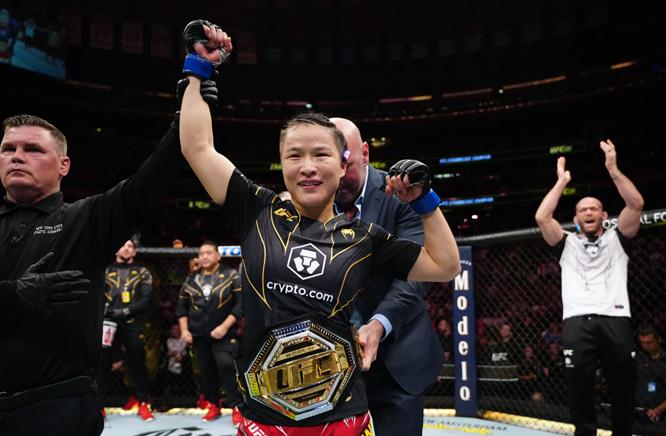
talent. Fans can expect cards featuring top-ranked fighters, potentially including Chinese standouts like strawweight champion Zhang Weili or bantamweight contender Yan Xiaonan. The Galaxy Arena’s intimate yet modern setup ensures every seat feels close to the action, amplifying the visceral thrill of MMA. For fighters, competing in Macau offers a chance to perform on a global stage, with the added pressure of representing their home region.
The UFC’s return to Macau is a microcosm of its broader trajectory: a relentless pursuit of growth, backed by a savvy business model. TKO’s financial success, evidenced by its rising dividends, provides the foundation for ambitious moves like this one. As the promotion continues to expand its reach—through events in new markets, innovative media partnerships, and talent development initiatives like Road to UFC— it’s clear that UFC is not just a sport but a global entertainment juggernaut. For fans reading this in 2025, mark your calendars for 2026. The octagon is coming back to Macau, and it’s bringing with it a new chapter in UFC’s storied history. Whether you’re cageside at Galaxy Arena or watching from afar, the energy of these Fight Nights will reverberate far beyond the Pearl River Delta. And with TKO’s dividends signalling financial strength, the UFC’s best days may still lie ahead.
NFL HEADS TO RIO A Game-Changing Move for South American Football
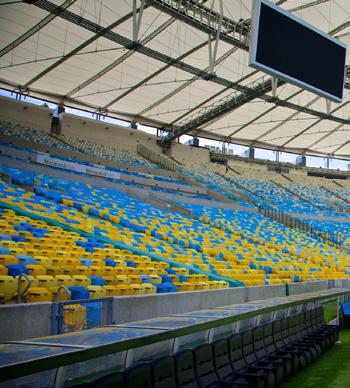
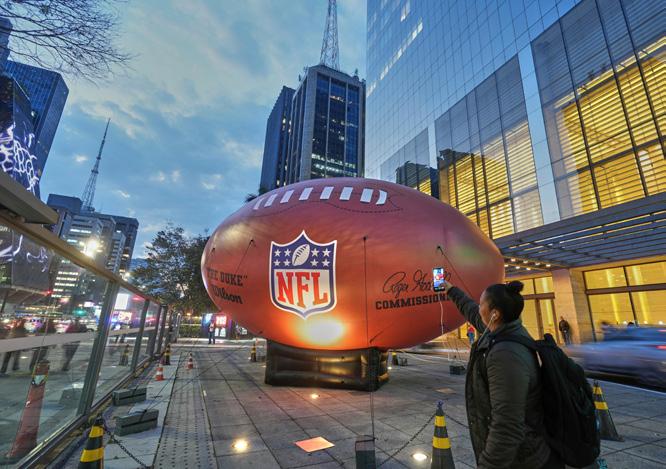
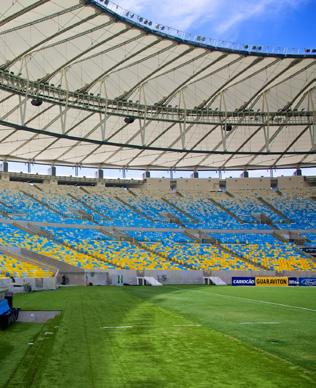
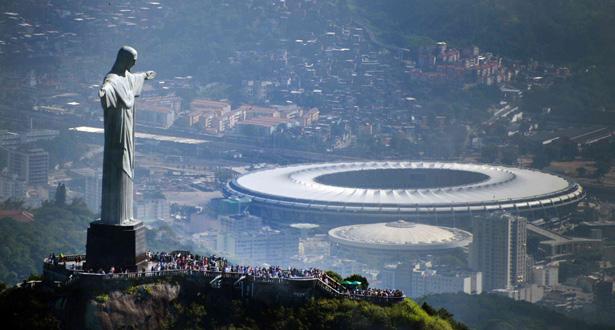
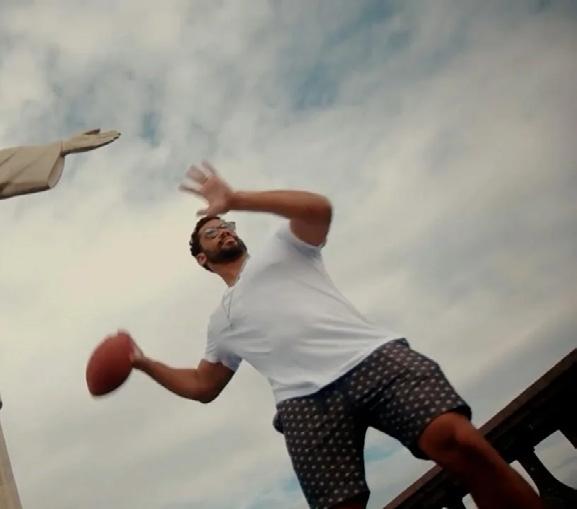
In a landmark move for American football’s global expansion, the NFL has announced a multi-year agreement to bring regular-season games to Rio de Janeiro, Brazil, starting in 2026. This deal marks the league’s boldest step yet into South America, a region teeming with potential for the sport’s growth. With the Neo Química Arena, a 46,000-seat stadium owned by the Corinthians football club, set to host these historic games, the NFL is poised to captivate a new audience and further cement its status as a global sporting powerhouse.
A New Frontier for the NFL
The NFL’s decision to play in Rio comes as no surprise to those tracking the league’s international ambitions. Brazil boasts an estimated 38 million NFL fans, making it one of the largest markets for American football outside the United States. The agreement, which includes up to five regular-season games over the first three years, kicks off in 2026 with the Philadelphia Eagles confirmed as the first team to play in this vibrant city. The choice of Rio, a cultural and economic hub, underscores the NFL’s intent to tap into Brazil’s passionate sports culture, where soccer has long reigned supreme but American football is gaining a fervent following.
The Neo Química Arena, known for hosting thrilling soccer matches, will provide a dynamic backdrop for these NFL games. Its capacity and modern facilities make it an ideal venue to showcase the high-octane action of American football to Brazilian fans, many of whom have only experienced the sport through television or streaming platforms.
Why Brazil?
Brazil’s selection as the NFL’s first South American destination is strategic. The country’s large and growing NFL fanbase, coupled with its global cultural influence, makes it a perfect proving ground for the league’s international aspirations. Social media platforms have been buzzing with excitement from Brazilian fans, with posts describing the announcement as a “dream come true” and a “game-changer” for the sport’s visibility in the region. Fans are already speculating about which teams might follow the Eagles and how the games will be integrated into Brazil’s sports calendar.
The NFL’s move also aligns with its broader Global Markets Program, which has seen regular-season games played in London, Germany, and, starting in 2025, Madrid, Spain. By adding Rio to this roster, the NFL is showing its commitment to diversifying its international presence and building a truly global fanbase. The league’s research indicates that Brazil’s young, digitally-savvy population is increasingly drawn to American football’s unique blend of strategy, athleticism, and spectacle, making it a fertile ground for growth.
The Philadelphia Eagles Lead the Charge
The Eagles’ participation in the inaugural 2026 game is a fitting choice. Known for their passionate fanbase and competitive spirit, the Eagles are wellpositioned to make a strong impression in Rio. While the opponent and exact date remain undisclosed, the anticipation is already building. The NFL has a history of selecting high-profile matchups for its international games, and fans can expect a thrilling contest to kick off this new chapter.
For the Eagles, playing in Rio offers a chance to expand their brand into a new market. The team has been granted marketing rights in Brazil as part of the NFL’s global initiative, allowing them to engage with fans through local events, merchandise, and digital campaigns. This move could pave the way for other NFL teams to establish a foothold in South America, creating a ripple effect for the sport’s growth.
A Win for Fans and the Future
For Brazilian fans, the arrival of NFL games is a monumental moment. Many have followed the league from afar, waking up at odd hours to watch games broadcast from the U.S. or attending watch parties in cities like São Paulo and Rio. The opportunity to experience live NFL action in their home country is a game-changer, with fans expressing excitement about tailgates, fan zones, and the chance to see their favourite players up close. Beyond the immediate excitement, the NFL’s presence in Brazil
could have a lasting impact. Youth football programs, already growing in the country, may see a surge in participation as young athletes are inspired by live games. The league’s commitment to hosting multiple games over several years suggests a long-term investment in building the sport’s infrastructure in Brazil, from grassroots initiatives to potential partnerships with local sports organizations.
Frome America to Brazl
Of course, bringing American football to Brazil is not without challenges. The sport’s complex rules and physical demands may require time to resonate with a broader Brazilian audience accustomed to soccer’s fluidity. Additionally, logistical hurdles such as travel, scheduling, and stadium adaptations will need careful management. However, the NFL’s experience in hosting international games, coupled with Brazil’s enthusiasm for sports, bodes well for overcoming these obstacles.
The economic impact could also be significant. Rio, already a global destination for events like Carnival and the Olympics, stands to benefit from the influx of international fans, media, and tourism associated with NFL games. Local businesses, from hotels to restaurants, are likely to see a boost, further solidifying Rio’s status as a premier host city.
A Touchdown in Rio
The NFL’s multi-year deal to play in Rio de Janeiro is more than just a new pin on the league’s global map— it’s a bold statement about the future of American football. By bringing the sport to Brazil, the NFL is not only rewarding its passionate South American fans but also planting the seeds for a new generation of players and supporters. As the 2026 season approaches, all eyes will be on Rio, where the Neo Química Arena will light up with the sights and sounds of NFL football. For fans in Brazil and beyond, it’s a touchdown worth celebrating.
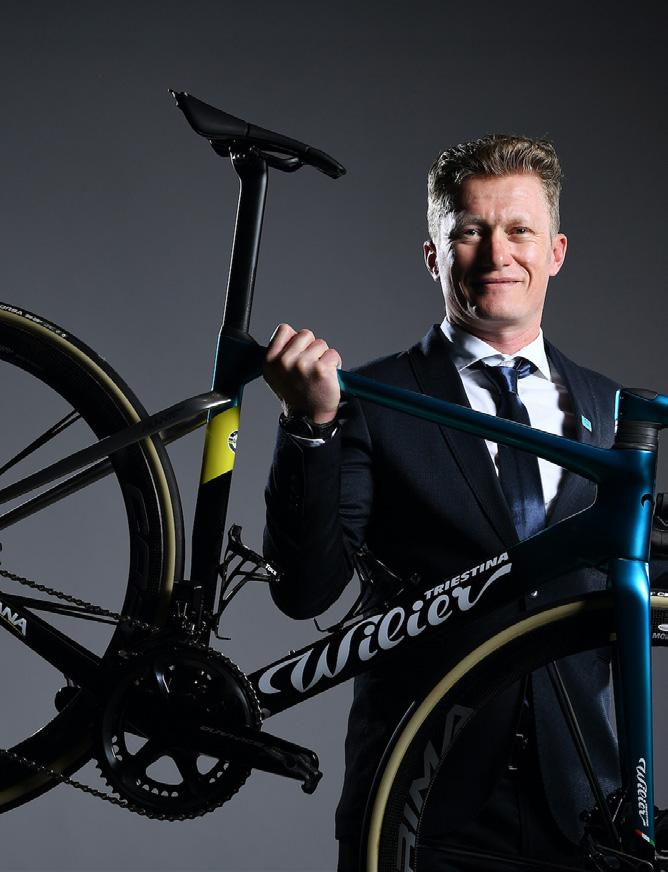
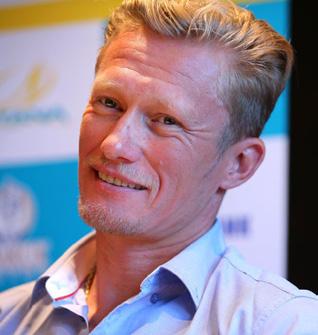
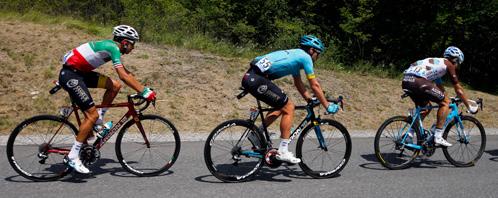
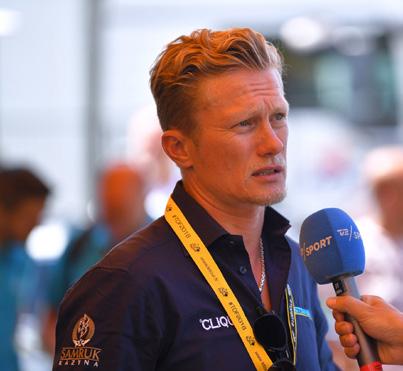
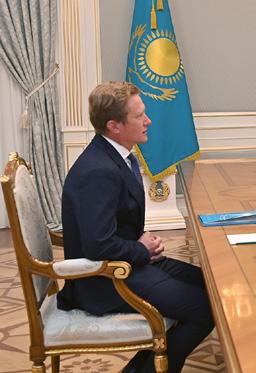
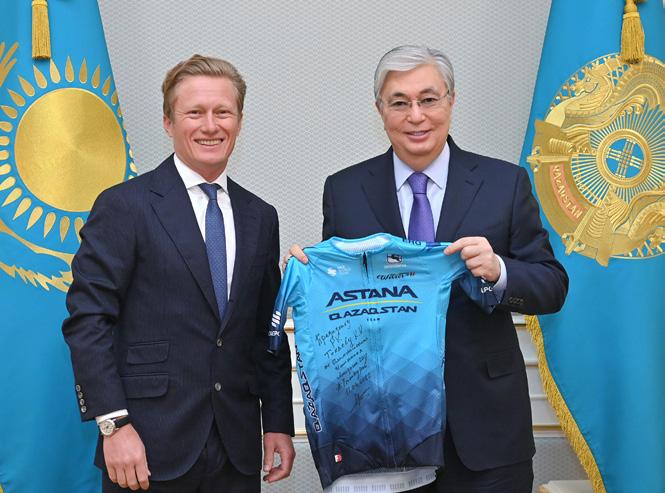
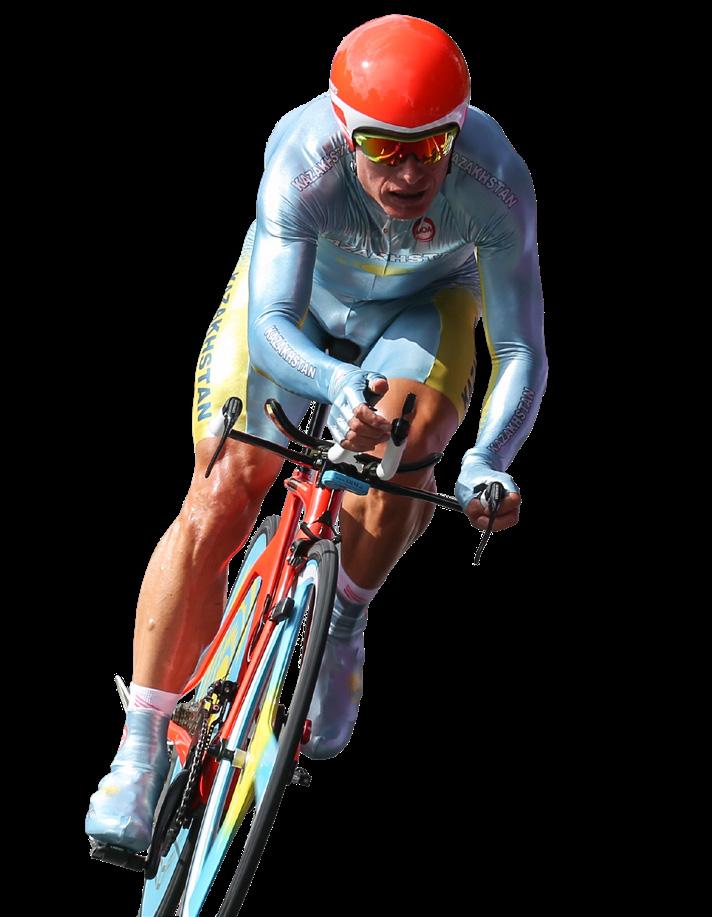
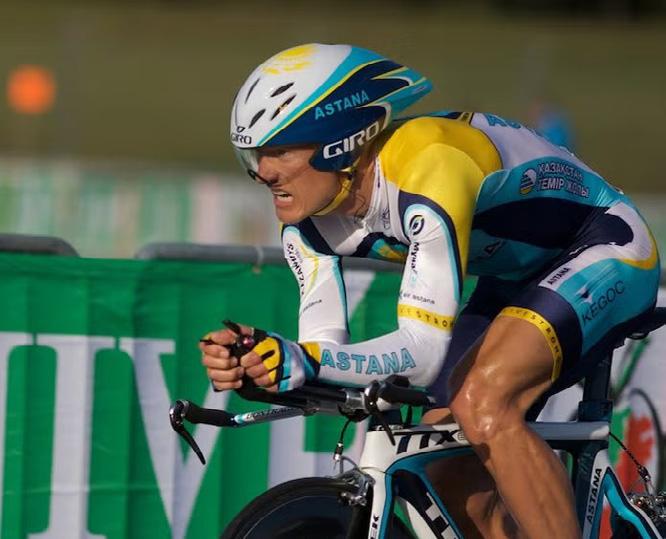
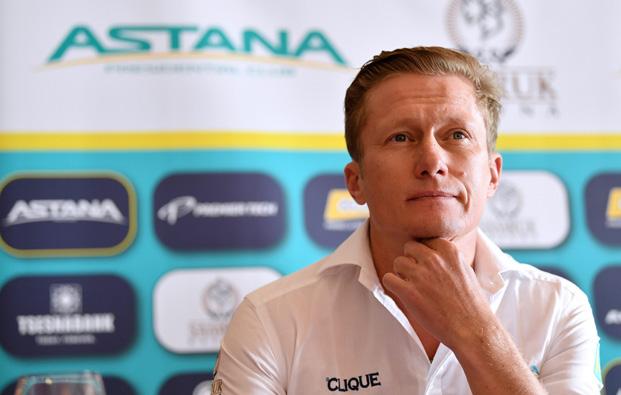
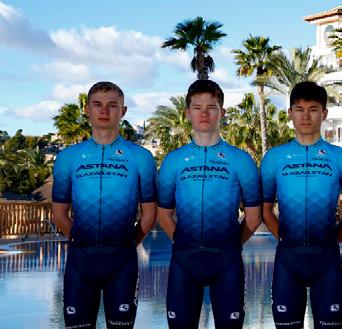
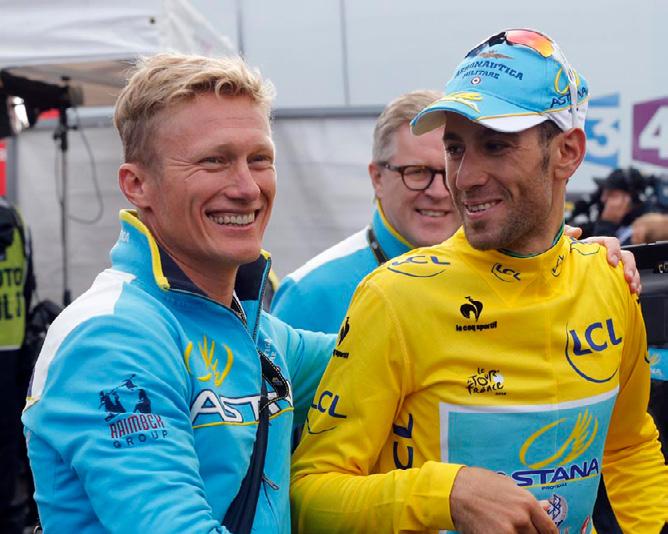
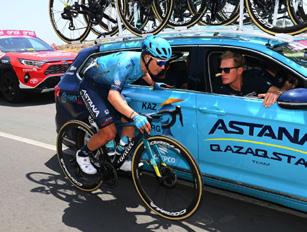
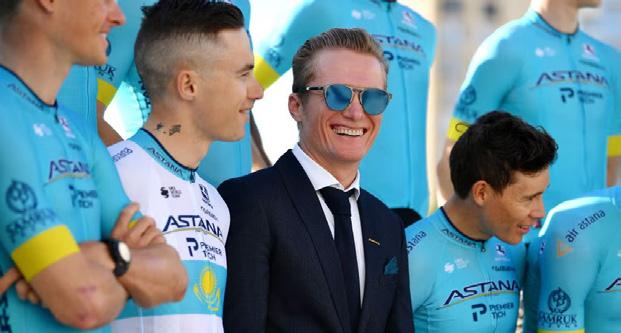
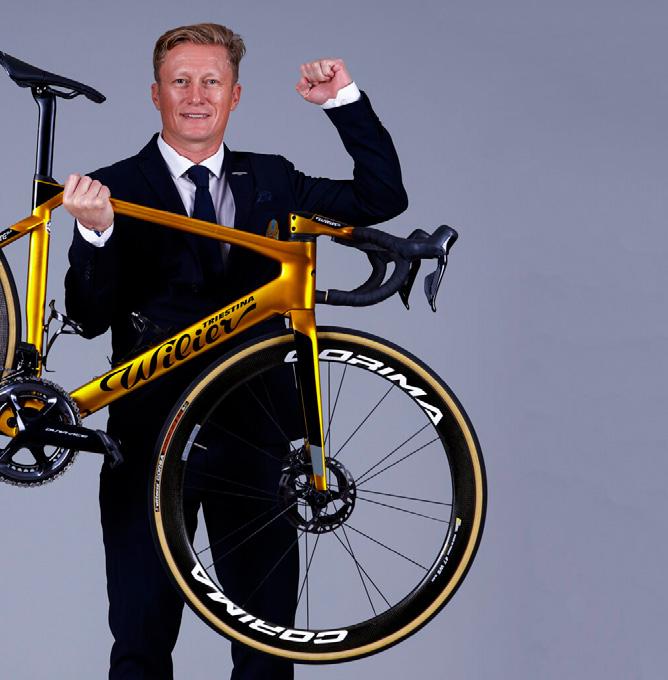
ALEXANDER VINOKOUROV Astana Cycling Legend & Olympic Champion
In the high-stakes world of professional cycling, where the peloton thunders through mountain passes and cobblestone chaos, few names evoke as much grit, controversy, and ultimate triumph as Alexander Vinokourov. Born in the windswept steppes of Kazakhstan, Vinokourov—affectionately known as “Vino”—didn’t just pedal his way to glory; he forged a legacy that elevated his nation on the global stage. From shattering Kazakh records with a Vuelta a España victory to clinching Olympic gold at 38, and later steering the Astana team through triumphs and trials, Vinokourov embodies the relentless spirit of the sport. This is the story of a rider who turned adversity into acceleration, proving that in cycling, as in life, the comeback is often sweeter than the sprint.
HUMBLE BEGINNINGS IN THE KAZAKH STEPPES
Picture a young boy in the dusty outskirts of Petropavl, northern Kazakhstan, trading schoolyard games for the open road on a borrowed bike. Alexander Nikolayevich Vinokourov entered the world on September 16, 1973, in the small town of Beskol, to parents Nikolay, an electrician, and Raisa, a statistician. Sports weren’t a family affair, but at age 11, Alexander joined a local youth sports school, igniting a passion that would redefine Kazakh cycling. His father recalls Alexander’s single-minded focus: no discos, no distractions—just endless training laps. By his teens, Vinokourov was dominating junior races, earning a spot at Petropavl Pedagogical University on a sports scholarship. In 1993, he claimed his first national title, a sign of the explosive talent bubbling beneath his unassuming frame. At 1.77 meters and 68 kilograms, he wasn’t built like a hulking climber or a featherweight sprinter; Vino was a versatile all-rounder, with a knack for daring breakaways that left rivals gasping. Europe beckoned in 1996 when he turned pro with the Italian team Polti. But it was his 1998 move to the French squad Casino that marked his breakthrough—a third-place finish in the notoriously brutal Liège–Bastogne–Liège classic, showcasing his Ardennes-honed punch. Kazakhstan, a country more associated with nomadic horsemen than carbon-fibre steeds, suddenly had a star.
CONQUERING THE GRAND TOURS: THE ASTANA ERA DAWNS
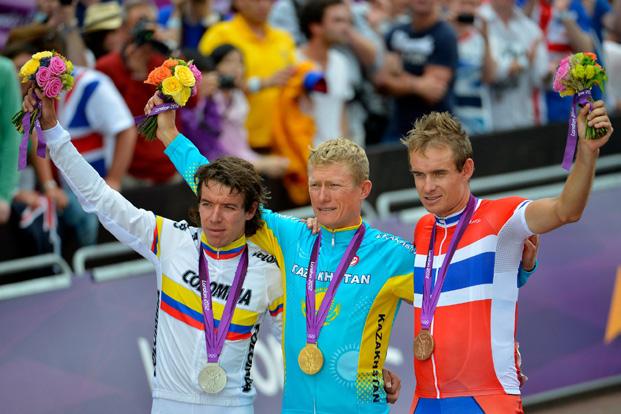
Vinokourov’s star truly ignited in 2000 when he joined Telekom (later T-Mobile), the powerhouse German squad led by Lance Armstrong’s arch-rival Jan Ullrich. That year, he snagged a breakaway stage win at the Vuelta a España and, in a fairy-tale Olympic debut in Sydney, sprinted to silver in the road race—flanked by gold medallist Ullrich and bronze winner Andreas Klöden. At 27, Vino had arrived, blending Kazakh tenacity with European polish. But home called louder. In 2007, Vinokourov spearheaded the launch of the Astana team, a Kazakh-backed outfit aiming to crash the sport’s
elite WorldTour party. Astana wasn’t just a team; it was a national mission, funded by the oil-rich government’s ambition to put Kazakhstan on the cycling map. Vino became its talisman, delivering four Tour de France stage wins across 2003 and 2005—each a masterclass in aggressive racing, like his 2003 victory on Alpe d’Huez where he outfoxed the favourites in a downhill gamble. The pinnacle came in 2006: Vinokourov dominated the Vuelta a España, claiming the general classification (GC) with four stage victories, including a ruthless time trial. Kazakhstan’s first-ever Grand Tour win sent shockwaves through the peloton. He added Monuments to his palmarès—victories in Liège–Bastogne–Liège (2005) and the Amstel Gold Race (2003)—plus two World Championship bronzes in 2004 and 2007. Under Astana’s sky-blue jerseys, Vino wasn’t just racing; he was building an empire.
TRIALS ON THE ROAD: DOPING BAN AND RESILIENCE
No legend is without shadows, and Vinokourov’s came crashing down in 2007. During the Tour de France, where he had already notched two stage wins, he tested positive for blood doping (homologous transfusion). The fallout was seismic: Astana withdrew mid-race, Vinokourov faced a two-year ban, and the Kazakh federation’s initial oneyear slap on the wrist drew UCI ire. Sponsors fled, and whispers of a “doping culture” tainted Astana’s fledgling reputation. Yet Vino’s response was vintage resilience. “I made a mistake, but I’m not a monster,” he later reflected. Returning in 2009 for Kazakhstan’s national team, he rejoined Astana and immediately won Liège–Bastogne–Liège again in 2010—a redemption arc that silenced doubters. A horrific crash at the 2011 Tour de France, fracturing his skull and femur, nearly ended it all. Doctors urged retirement; Vino eyed the London Olympics.
THE GOLDEN SPRINT: OLYMPIC GLORY IN LONDON
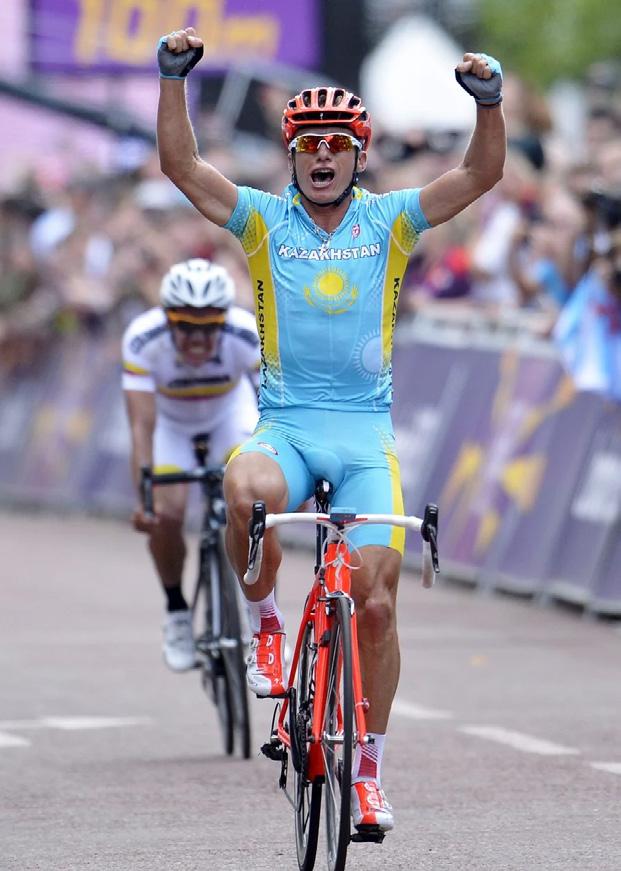
London 2012 was Vino’s last dance. At 38—one of the oldest contenders—he lined up for the 250-kilometer road race, a brutal loop through Surrey’s hills. Teammates scarce (Kazakhstan sent a skeleton crew), Vinokourov rode with cunning, bridging attacks and conserving for the finale. With 8 kilometres left, he latched onto a select group including Colombia’s Rigoberto Urán. As the peloton loomed, Vino unleashed a sprint for the ages down The Mall, edging Urán in a photo-finish photo that had Buckingham Palace as backdrop. Gold. Kazakhstan’s first in cycling.
“This is for my country,” he gasped, tears mixing with sweat. At the podium, he announced his retirement, jersey draped over his shoulders like a cape. What made it poetic? No team radios meant pure instinct; Vino later mused that in a Worlds race, it might have dissolved into a bunch sprint. Instead, it was his masterpiece.
FROM RIDER TO RAINMAKER:
LEADING ASTANA
Retirement? For Vino, it was a pivot. In 2013, he took the reins as Astana’s general manager,
transforming the team into a Grand Tour contender. Under his watch, Astana (now Astana Qazaqstan Team) celebrated Vincenzo Nibali’s 2013 Giro d’Italia and 2016 Tour de France wins, Jakob Fuglsang’s podiums, and a steady stream of Kazakh talents like Alexey Lutsenko.
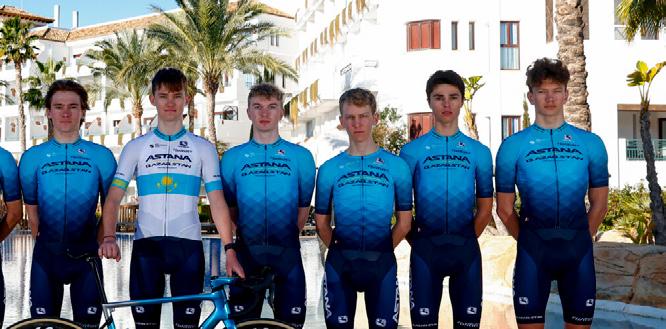
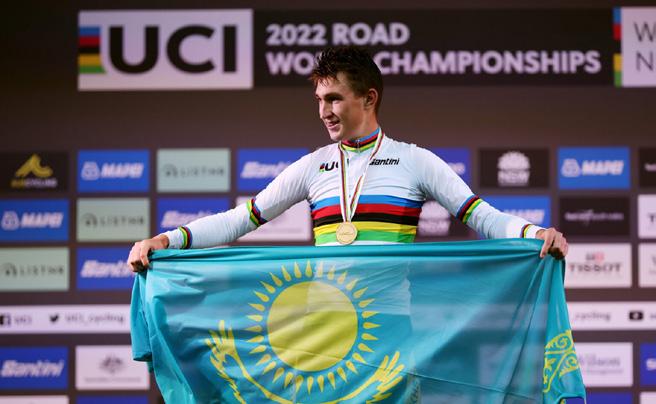
Turbulence struck in 2021: Sacked amid internal strife, Vinokourov staged his own comeback, reclaiming the role by August. Today, at 52, he champions youth development, pushing for Kazakh clubs to feed the WorldTour pipeline. His twin sons, Nicolas and Alexandre (born 2002), race for Astana’s development squad—Nicolas snagging the 2024 Asian U23 title. “The future is local talent,” Vino insists, even as he recruits globals like Mark Cavendish for record-chasing sprints. Off the bike, Vino’s fire burns on. In 2023, he won the 50-54 age group at the Ironman World Championships in Nice—a triathlon triumph blending his cycling roots with newfound endurance. Honorary colonel in the Kazakh army, he splits time between France and Astana, ever the strategist.
A LEGACY
ETCHED IN GOLD AND GRAVEL
Alexander Vinokourov isn’t just a champion; he’s a catalyst. He hauled Kazakhstan from cycling obscurity to Olympic rostrum, built Astana into a blue-chip brand, and showed that bans, breaks, and broken bones can’t dim true velocity. As he mentors the next generation—including his own blood—Vino reminds us: In the slipstream of legends, the road always rises to meet you. Whether chasing Grand Tour glory or grooming juniors, his pedal stroke echoes: Keep turning, no matter the terrain.
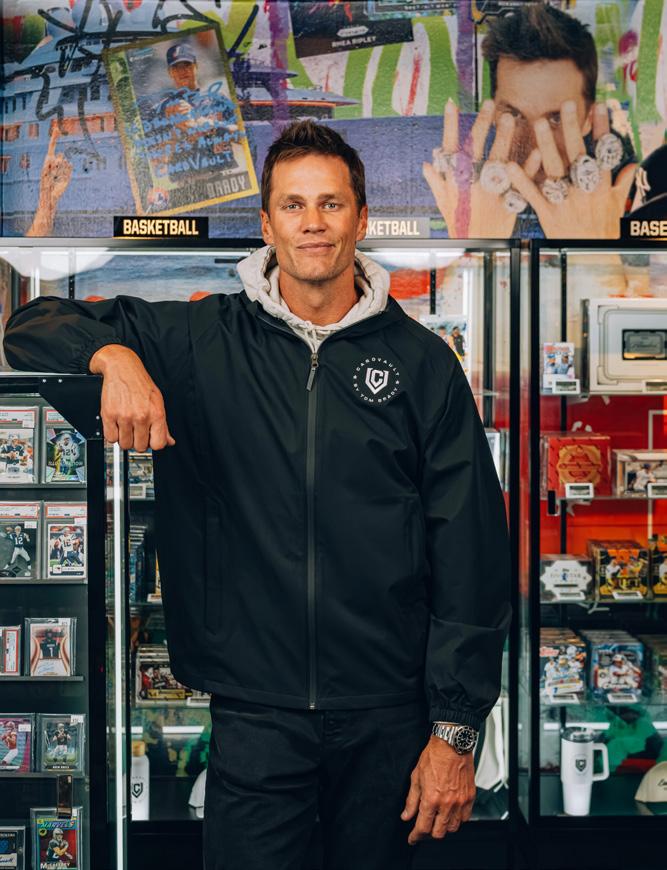
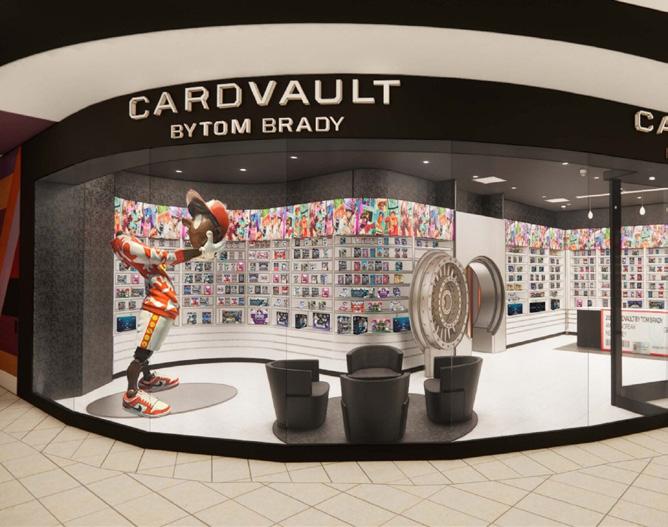
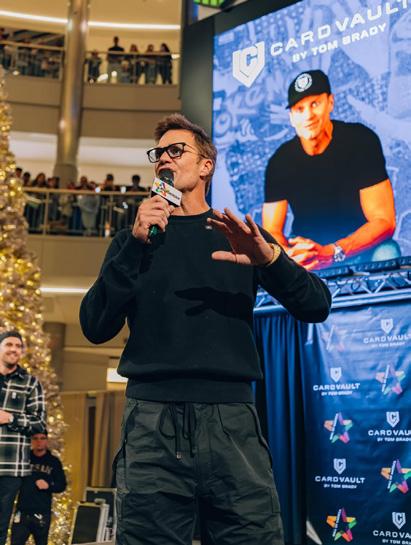
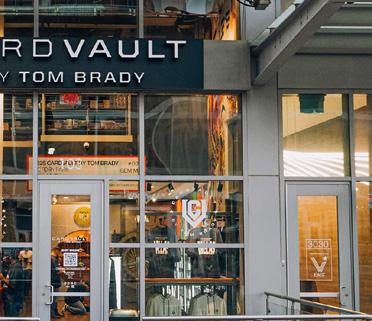
CARDVAULT by TOM BRADY
REDEFINING THE COLLECTIBLES
GAME
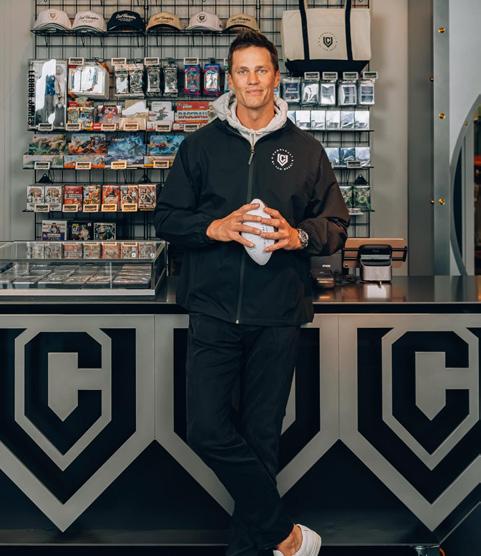
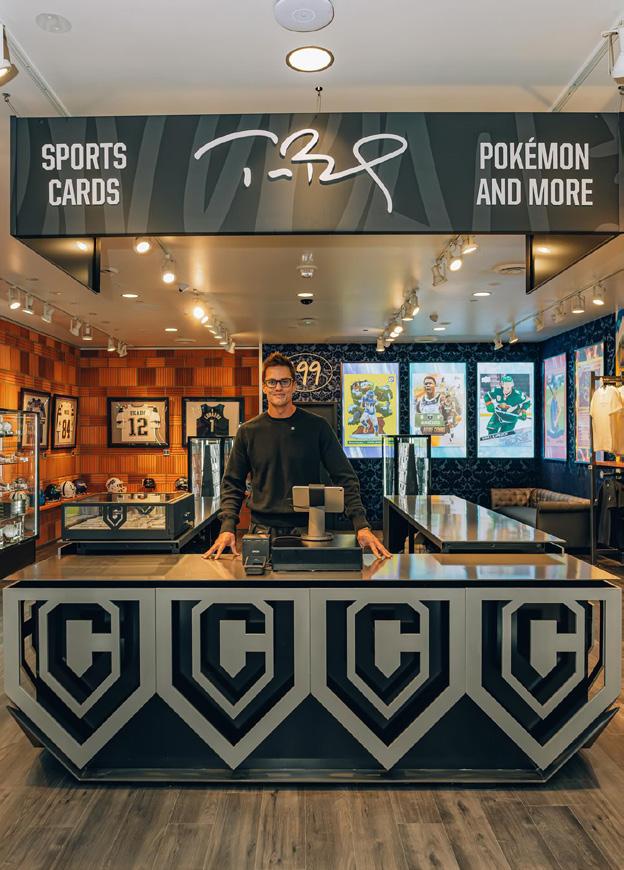
In the world of sports, few names carry the weight of Tom Brady. The seven-time Super Bowl champion, widely regarded as the greatest quarterback of all time, has transitioned his competitive fire from the gridiron to a new arena: the sports card and collectibles industry. Enter ‘CardVault by Tom Brady’, a rapidly growing retail and e-commerce chain that’s not just selling cards and memorabilia but reshaping how fans engage with sports history. Launched in 2020 and supercharged by Brady’s 50% ownership stake in 2024, CardVault has become a beacon for collectors, blending authenticity, community, and the thrill of the chase into a brand that’s as ambitious as Brady himself.
A New Playbook for Collecting
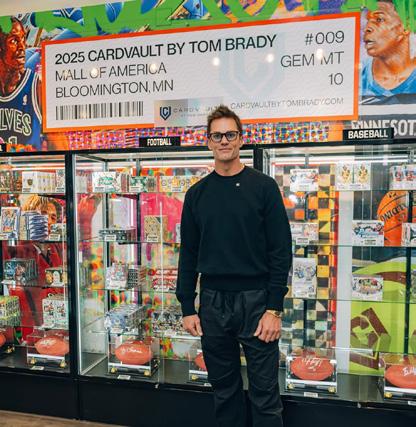
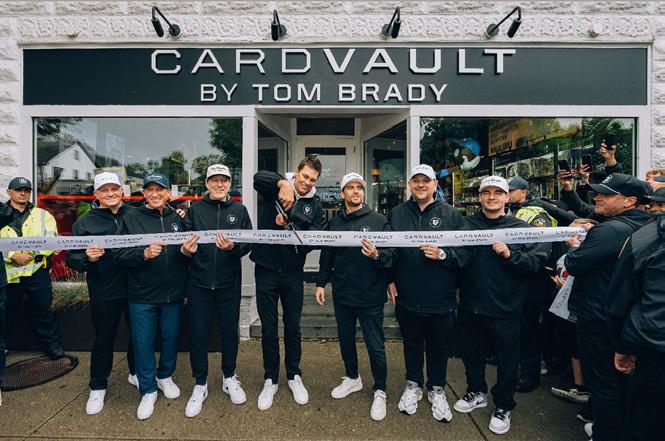
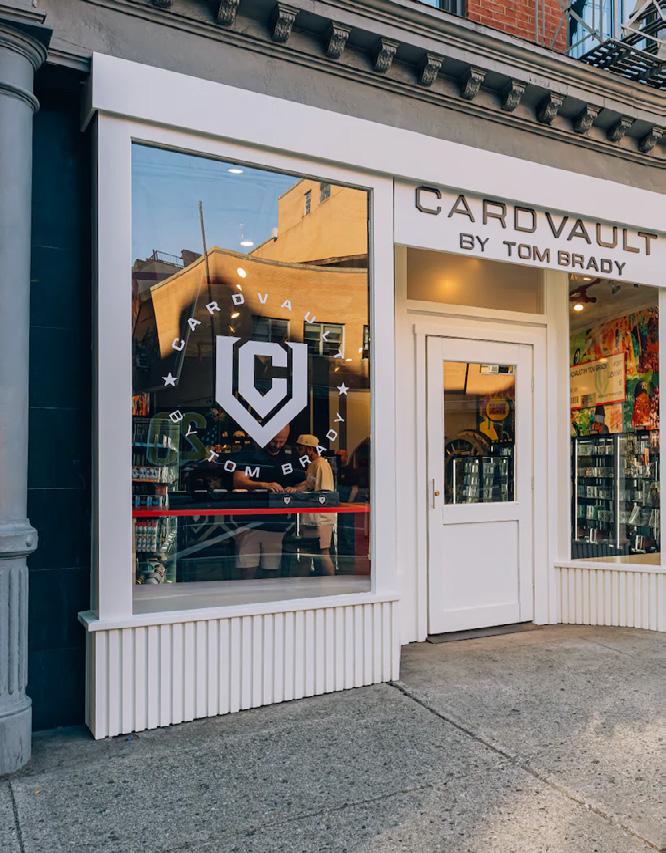
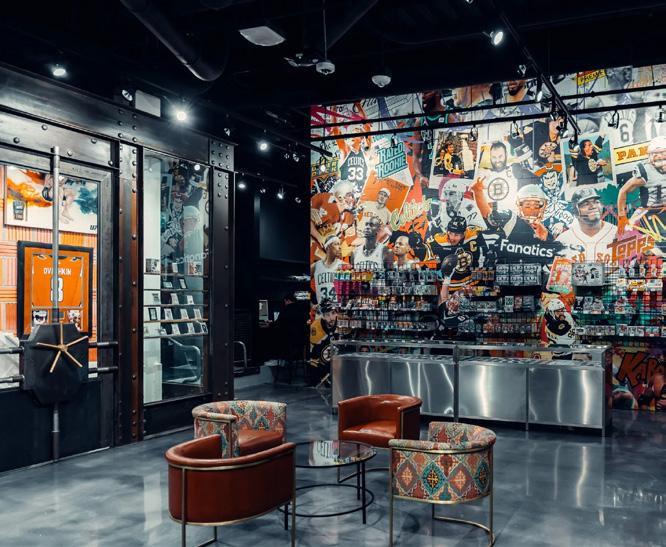
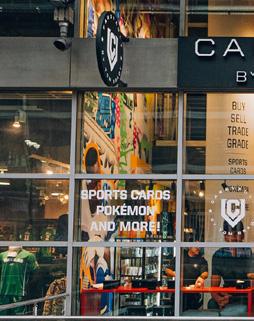
CardVault by Tom Brady isn’t your average card shop. With locations strategically placed near iconic sports venues—think Patriot Place near Gillette Stadium, TD Garden in Boston, Wrigley Field in Chicago, and even the American Dream Mall in New Jersey—it’s a haven for fans of football, baseball, basketball, and even Pokémon cards. The brand offers everything from sealed boxes and single cards to autographed helmets and exclusive merchandise, partnering with industry giants like Panini, Topps, Upper Deck, and Fanatics Authentic. Services like live box breaks, professional grading (via PSA, Beckett, and SGC), and trading events create an immersive experience that turns casual fans into curators of sports history. The latest addition, a Wrigleyville store across from Chicago’s Wrigley Field, opened in July 2025 with Brady cutting the ribbon himself. The event coincided with the National Sports Card Convention
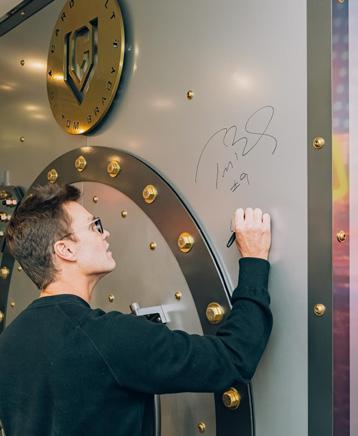
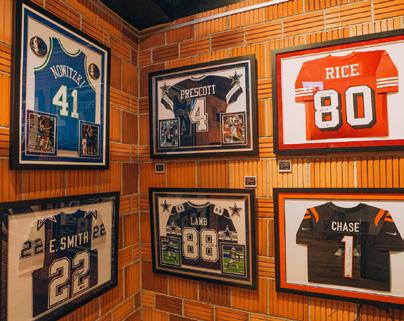
(July 31–Aug. 3, 2025, in Rosemont, IL), where CardVault debuted “The Tom Brady Collection”—a jaw-dropping showcase of game-worn memorabilia and rare cards from Brady’s storied career. From his 2000 rookie cards to signed Patriots jerseys, the collection is a love letter to the hobby and a testament to Brady’s personal investment.
Why CardVault Matters
The sports card industry has seen a renaissance in recent years, with the global market projected to hit $20 billion by 2027, driven by nostalgia, investment potential, and a new generation of collectors. CardVault’s significance lies in its ability to bridge the gap between hardcore hobbyists and mainstream fans. By leveraging Brady’s star power and his genuine passion for collecting—his personal stash includes rare Michael Jordan and Wayne Gretzky cards—the brand elevates the hobby’s credibility.
It’s not just about buying and selling; it’s about preserving moments. A 1986 Fleer Jordan rookie card isn’t just cardboard; it’s a piece of basketball immortality. A Brady-signed Super Bowl LI helmet? A relic of the greatest comeback in NFL history. CardVault’s strategic locations near sports and entertainment hubs make it a cultural touchpoint. The Foxwoods Resort Casino store in Connecticut and the East Hampton shop in New York cater to diverse crowds, from casino-goers to affluent collectors. Social media buzz, especially on platforms like Reddit’s r/footballcards, praises the brand’s knowledgeable staff and community focus, though some fans jokingly call Brady a “shill” for his relentless promotion. Yet, this enthusiasm is exactly why CardVault stands out—it’s not a faceless corporation but a passion project backed by a legend who lives the hobby.
What CardVault Means to Tom Brady
For Brady, CardVault is more than a business venture; it’s a personal mission. “I’ve been collecting since I was a kid,” Brady shared at the Chicago store opening. “This isn’t just about cards—it’s about the stories, the memories, the connection to the game.” His involvement goes beyond slapping his name on the logo. Brady’s hands-on approach—curating his own collection for display, engaging with fans at events, and pushing for authenticity in a market sometimes plagued by fakes—reflects his competitive ethos. Just as he studied game film to outsmart defences, he’s diving deep into the collectibles world to build a brand that lasts. CardVault also represents Brady’s post-NFL evolution. At 48, he’s no longer just the quarterback who defied age; he’s a businessman, broadcaster, and now a steward of sports culture. The brand aligns with his legacy of excellence, offering fans a chance to own a piece of the moments he helped create. “When I look at a card or a jersey, I see the grind, the triumphs, the history,” Brady said in a recent CardVault YouTube video. “I want fans to feel that too.”
The Road Ahead
With six locations and counting, CardVault is poised for further expansion, eyeing more sports-centric cities and entertainment districts. Its e-commerce platform, cardvaultbytombrady.com, ensures nationwide access, while live breaks and convention appearances keep the community buzzing. The brand’s blend of accessibility (free entry to stores, affordable packs) and exclusivity (high-end memorabilia, Brady’s personal collection) makes it a draw for all levels of collectors. In a hobby where trust and authenticity are paramount, CardVault by Tom Brady is setting a new standard. It’s not just a store; it’s a movement, fuelled by the same relentless drive that made Brady a champion. For collectors, it’s a chance to hold history in their hands. For Brady, it’s a way to give back to the game—and the fans—that made him a legend.
The New Playbook Sports Travel Trends Defining Moments
As the final whistle blows on another record-breaking year for global sports, one truth stands clear: the game is no longer confined to the pitch, court, or track. In 2025, sports travel has evolved into a cultural and economic powerhouse, blending athletic passion with wanderlust in ways that are reshaping destinations, inspiring travellers, and redefining what it means to be a fan. This year, the sector is not just growing—it is transforming, driven by a perfect storm of major events, technological innovation, and a deeper craving for meaningful, active experiences.
THE BOOM BEYOND THE STADIUM
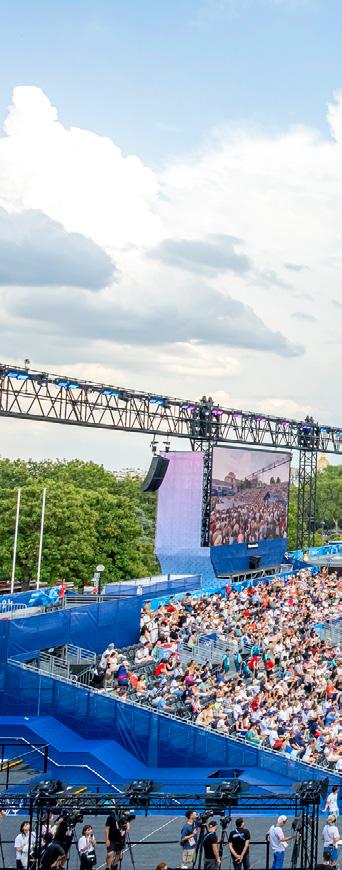
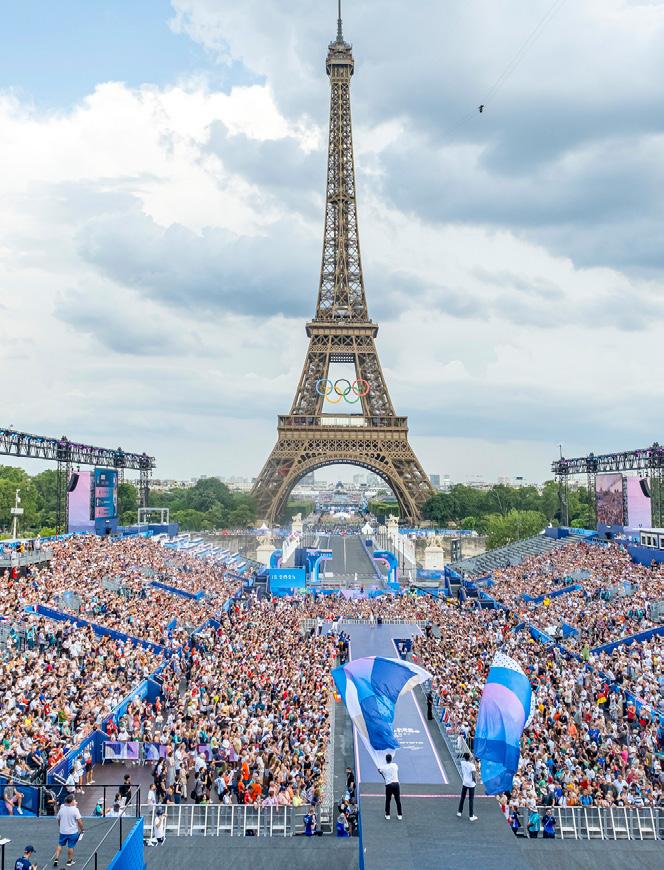
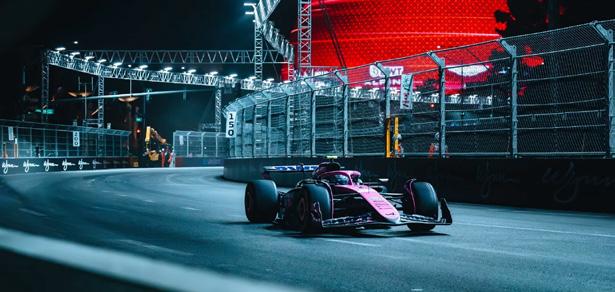
The numbers tell only part of the story. The global sports tourism market has surged past $830 billion in 2025, with projections pointing toward $2 trillion by the early 2030s. But beneath the headline figures lies a shift in traveller behaviour. Spectators are no longer content with a seat in the stands. They want immersion—pre-game cultural tours, post-match wellness retreats, and behind-the-scenes access that turns a weekend getaway into a full-spectrum adventure. Soccer remains the undisputed king, commanding nearly 60 percent of the market, but the rise of racket sports, endurance events, and niche competitions is broadening the field. This growth is fuelled by a packed international calendar. From the lingering glow of the 2024 Paris Olympics to the expanding Formula 1 circuit now spanning 24 races across 21 countries, 2025 is a banner year for destination-defining spectacles. Host cities are seeing visa applications spike by 20 to 30 percent during major events, with nations like Japan, Italy, and Thailand capitalizing on the influx. Yet the real momentum lies in participation. Nearly one in five British travellers now plans a trip built around playing a sport, not just watching one—a trend mirrored globally as fitness and travel converge.
THE RISE OF THE ATHLETIC ADVENTURER
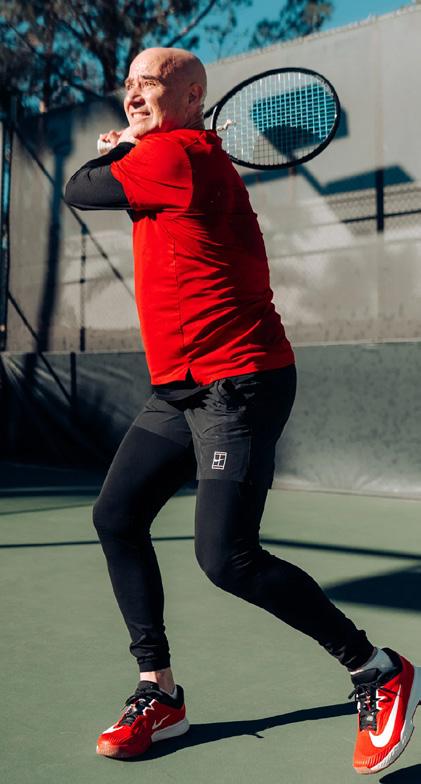
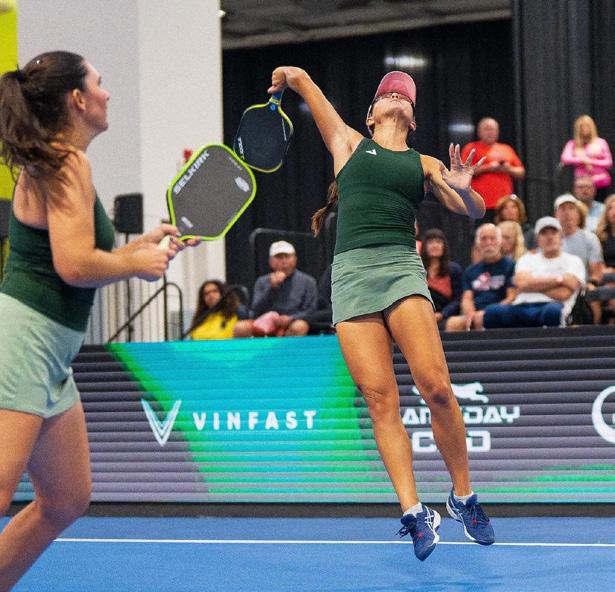
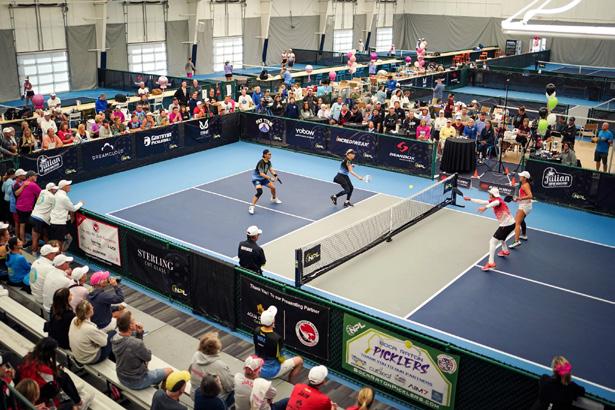
Forget the passive fan in team colours. The current age traveller is lacing up their sneakers before boarding the plane. Workout holidays are up 50 percent in search volume, with luxury resorts from Marbella to Necker Island hosting exclusive pickleball tournaments, padel clinics, and tennis retreats that blend competition with five-star recovery. These are not boot camps; they are curated athletic escapes where world-class coaching meets oceanfront yoga and Michelin-starred nutrition. Endurance events are also drawing record fields. Marathons in Mexico City, Nairobi, and Kashmir are selling out months in advance, not just for the challenge but for the cultural immersion they promise. Runners don’t just cross finish lines—they explore ancient ruins at dawn, share meals with local communities, and return home with stories that transcend mileage. This fusion of sweat and soul is what sets 2025 apart: sports travel is no longer a spectator sport.
LUXURY, ACCESS, AND THE VIP EVOLUTION
For those who prefer the stands, the experience has been elevated to new heights. High-networth fans are driving demand for supercar paddock tours, private F1 garage access, and hospitality suites that rival the world’s finest lounges. American Express reports a sharp uptick in bookings for premium sports packages, with clients treating Grand Prix weekends like cultural pilgrimages—complete with private chefs, sommelier-led wine tastings, and driver meet-and-greets. This exclusivity extends beyond motorsport. Wimbledon’s debenture seats, cricket’s hospitality villages in India, and NBA global games in Abu Dhabi are selling out faster than ever. The significance? Sports travel is becoming a status symbol, a way for affluent travellers to signal taste, connection, and insider access in an increasingly digital world.
SUSTAINABILITY SCORES BIG
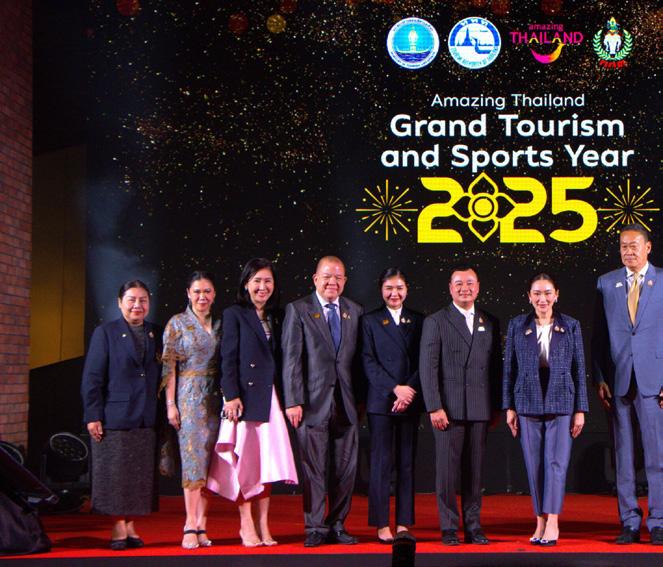
Amid the glamour, a quieter revolution is underway. Travelers in 2025 are voting with their passports for greener events and destinations. Carbon-neutral race circuits, eco-marathons powered by renewable energy, and stadiums built with reclaimed materials are no longer nice-to-haves—they are expectations. Thailand’s “Amazing Thailand Grand Tourism & Sports Year 2025” campaign explicitly ties sports tourism to conservation, promoting low-impact adventures like night runs under protected skies. This shift matters. With nearly two-thirds of sports travellers citing food, weather, and natural beauty as top priorities, destinations that fail to protect their assets risk losing the very appeal that draws visitors. The smartest hosts are responding with tree-planting initiatives, zero-waste events, and partnerships with local artisans— proving that sustainability can be a competitive advantage.
TECHNOLOGY: THE ULTIMATE TEAMMATE
Behind every seamless sports trip in 2025 is a layer of invisible innovation. Artificial intelligence now curates itineraries, predicts crowd flow, and bundles flights, tickets, and training sessions into one-tap packages. Dynamic pricing ensures fans snag deals on last-minute seats, while virtual reality fan zones let remote supporters feel the roar of the crowd from home. Social media remains the spark—nearly half of all sports trips begin with a viral clip or influencer post. For event organizers, the payoff is clear: tech-driven personalization keeps fans engaged before, during, and after the final buzzer. It also opens doors for smaller destinations. A youth football academy in Ghana or a women’s surfing camp in Bali can now reach global audiences with the right digital playbook.
competitions drawing travellers to emerging hubs like Singapore and Seoul. This inclusivity extends to gender. Female participation in adventure sports travel is up 50 percent, with women-led expeditions, all-female marathons, and wellness retreats designed for strength and sisterhood gaining traction. The message is clear: sports travel belongs to everyone.
LOOKING AHEAD: THE 2030 HORIZON
As 2025 unfolds, the trends point to a future where sports and travel are inseparable. By 2030, the sector could account for 10 percent of global tourism GDP, powered by hybrid experiences that blend live events with virtual access, active participation with cultural depth, and adrenaline with purpose. Destinations that invest in sustainable infrastructure, embrace technology, and tell authentic stories will lead the pack. For travellers, the advice is simple: plan early, think beyond the scoreboard, and choose experiences that leave both souvenirs and sweat. Whether you’re chasing a personal best on a Balinese trail or sipping champagne trackside in Monaco, 2025 is the year sports travel writes its boldest chapter yet. The world is your arena—go play.
MACHAXI’S $1.5M BOOST
Transforming Grassroots
Sports Coaching in India
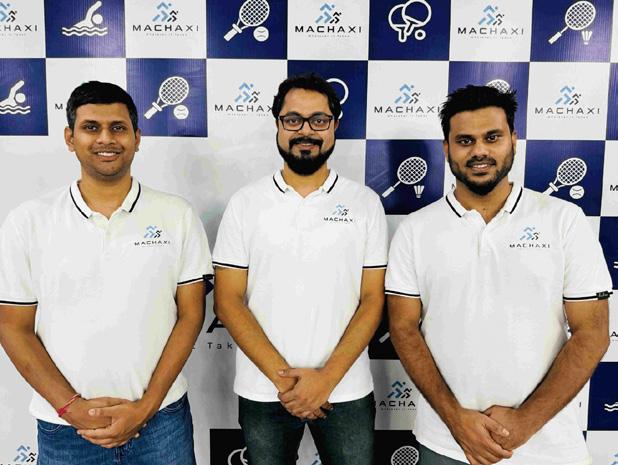
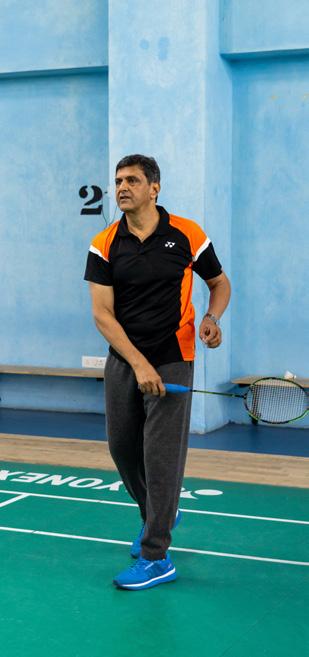
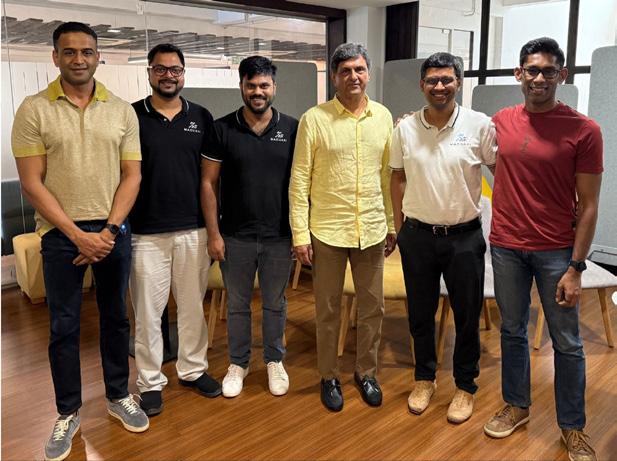
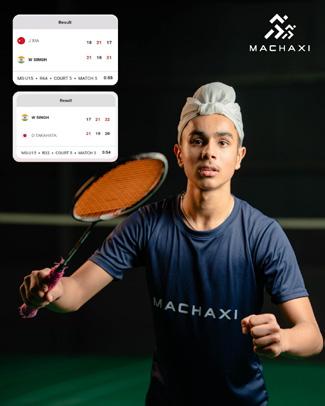
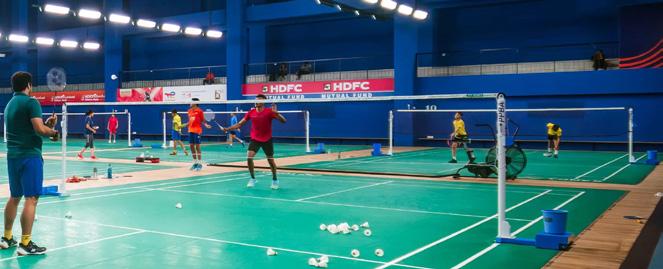
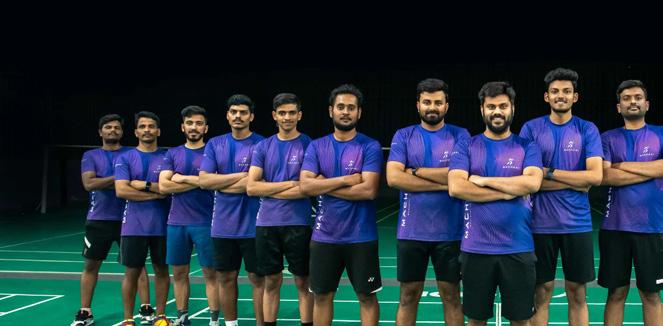
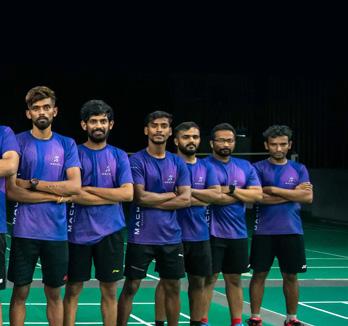
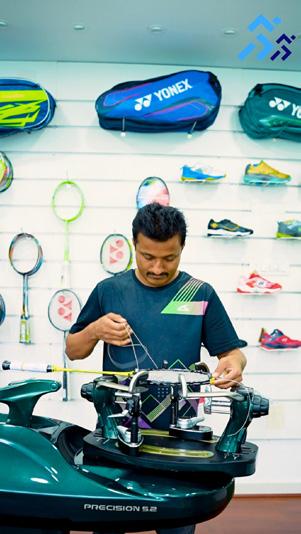
In a nation where sports talent often languishes in the shadows of limited infrastructure, Bengaluru-based startup Machaxi is rewriting the playbook. The sports-tech innovator secured a game-changing $1.5 million in funding, led by Rainmatter (Zerodha’s impactdriven investment arm) and joined by none other than Indian badminton legend Prakash Padukone. This infusion of capital is set to turbocharge Machaxi’s mission to democratize access to world-class sports training through cutting-edge digital coaching infrastructure, with a sharp focus on badminton and beyond.
Why Grassroots Coaching Matters
Grassroots coaching is the bedrock of India’s sporting future, yet it’s often hampered by uneven access and inconsistent quality. With over 60% of India’s population under 35, the country brims with athletic potential, but systemic gaps—limited facilities, scarce trained coaches, and urban-centric resources—stifle talent in rural and semi-urban areas. Structured grassroots programs, like those Machaxi champions, are critical for identifying and nurturing young athletes early, providing them with technical skills, discipline, and exposure. By leveraging AI to standardize coaching and make it accessible, Machaxi is levelling the playing field, ensuring that a kid in a small town has the same shot at greatness as one in a metro. This foundation is vital for building a robust pipeline of champions who can elevate India’s global sporting stature.
A Vision for Grassroots Glory
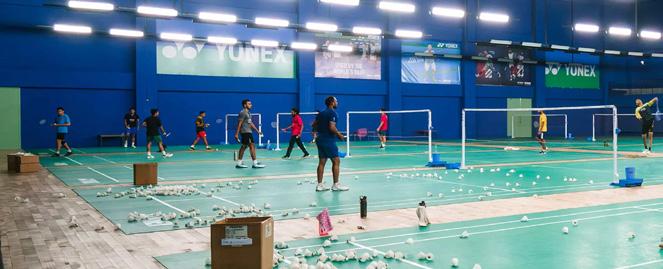
Founded in 2022 by Pratish Raj, Ashish Anand, and Tushar Raj, Machaxi is tackling a persistent challenge in Indian sports: inconsistent coaching quality and accessibility, especially outside urban hubs. Their solution? A hybrid model blending AI-powered digital tools with on-ground training centers. The platform offers real-time performance analytics, personalized training plans, and remote coaching access, ensuring athletes in tier-2 and tier-3 cities can train with the same precision as their metropolitan counterparts. It’s not about replacing coaches but empowering them with data-driven insights to elevate their impact.
The $1.5 million funding round marks a pivotal moment. Rainmatter’s backing reflects its commitment to sustainable, high-impact ventures, while Padukone’s involvement brings unmatched credibility and expertise. The badminton icon, whose Padukone School of Badminton has nurtured champions, sees Machaxi as a catalyst for systemic change. “The future of Indian badminton lies in structured grassroots development,” Padukone said. “Machaxi’s vision to scale coaching while maintaining quality through AI is forwardthinking and impactful. I’m thrilled to partner with them in shaping the next generation of champions.”
Powering Up with Purpose
The fresh capital is already fueling ambitious plans. Machaxi aims to expand from its Bengaluru base to Hyderabad, Pune, and Chennai, with a bold target of establishing over 1,000 coaching centers across India in the next four years. A key highlight is the “Machaxi x Padukone School of Badminton” program, a groundbreaking partnership blending Padukone’s coaching pedigree with Machaxi’s tech prowess. This initiative will create hybrid hubs where athletes can access both in-person training and digital tools, ensuring consistency and scalability.
Machaxi’s AI platform is at the heart of this revolution. By analyzing player performance in real time—think stroke accuracy, footwork efficiency, and stamina metrics—it delivers tailored feedback that coaches can use to fine-tune training. For athletes in remote areas, the platform’s remote accessibility means quality coaching is no longer a privilege of proximity. As Pratish Raj, co-founder, puts it, “We’re working toward a future where every aspiring athlete—no matter where they come from—can train with consistency, purpose, and access to world-class infrastructure.”
Riding the Wave of a Booming Market
Machaxi’s timing couldn’t be better. The global AI in sports market, valued at $1.03 billion in 2024, is projected to soar to $2.61 billion by 2030, growing at a CAGR of 16.7%. In India, where badminton is riding a wave of popularity thanks to stars like PV Sindhu and Lakshya Sen, the demand for structured coaching is skyrocketing. Yet, the gap between talent and opportunity remains wide, especially in underserved regions. Machaxi’s tech-driven approach is poised to bridge this divide, making it a beacon for investors and sports enthusiasts alike.
Nithin Kamath, founder of Zerodha and Rainmatter, sums it up: “Machaxi’s tech-driven approach to coaching, combined with a solid on-ground strategy, aligns perfectly with our mission to back sustainable and impactful ventures. We’re excited to support them on this journey.”
A Game-Changer for Indian Sports
Machaxi’s rise signals a broader shift in Indian sports, where technology and tradition are converging to unlock potential at scale. By combining AI with the wisdom of legends like Padukone, the startup is not just building coaching centers—it’s building dreams. For young athletes dreaming of Olympic podiums, Machaxi’s platform could be the springboard that turns raw talent into global glory. As the startup scales, it’s worth watching how this model could extend beyond badminton to sports like cricket, athletics, or even niche disciplines. For now, Machaxi is a reminder that in the game of sports development, innovation and passion are the ultimate MVPs. Keep an eye on this space—India’s next champion might just be training on Machaxi’s turf.
PHORM ENERGY DRINK
Powering Performance with Purpose
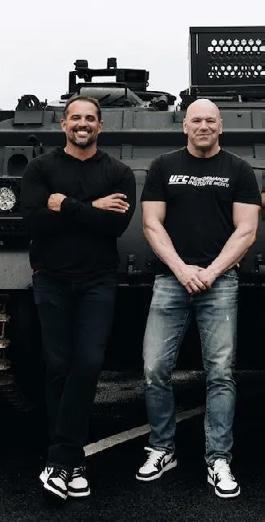
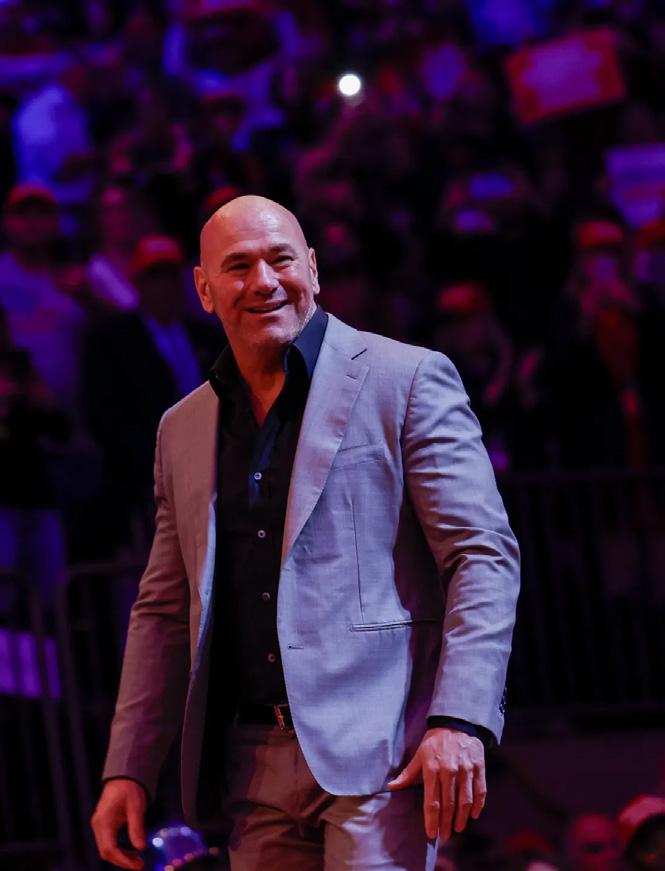
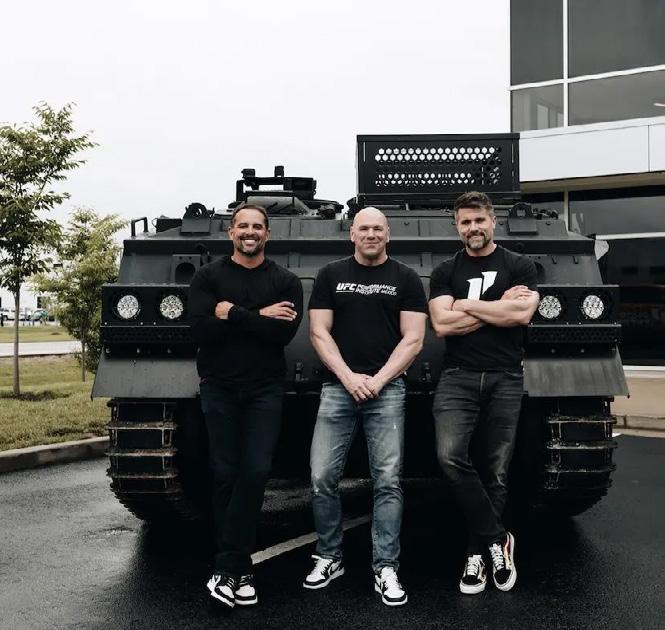
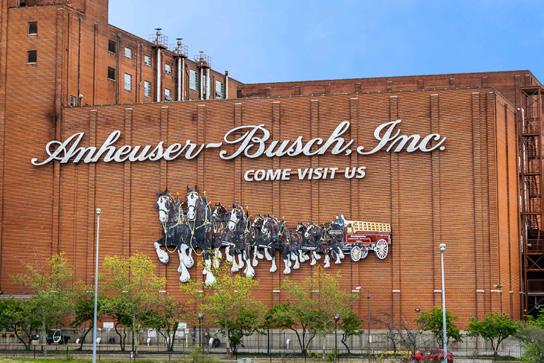
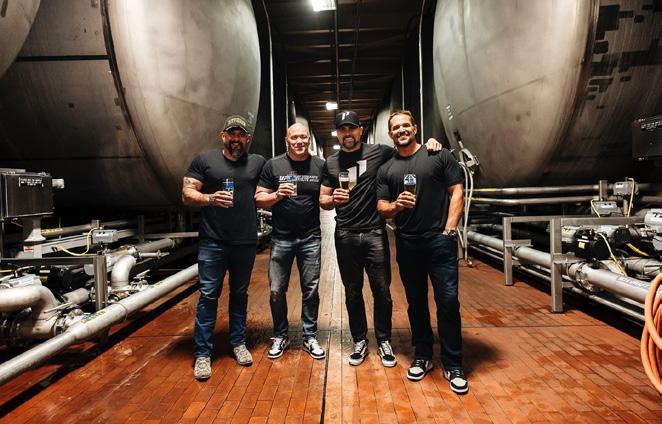
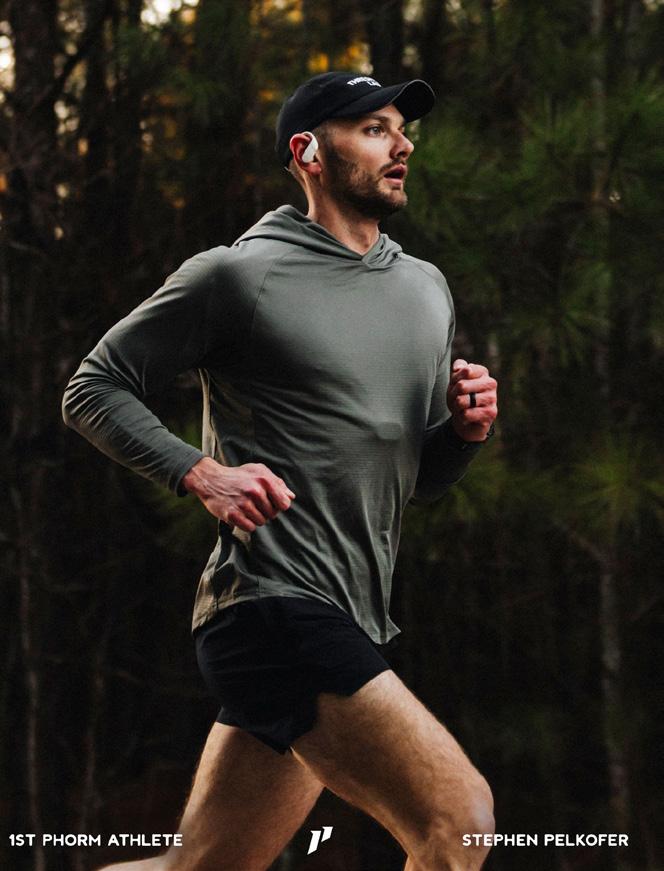
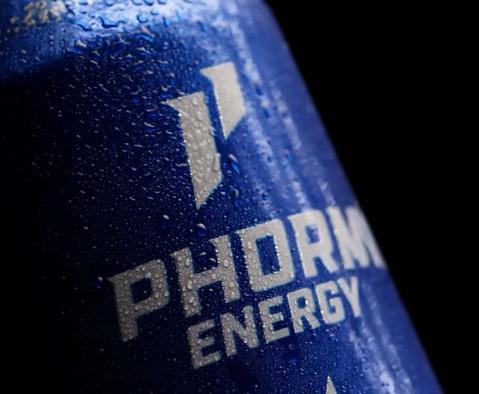
In the high-octane world of sports and fitness, where every second counts and every ounce of energy matters, a new player has burst onto the scene with a mission to fuel champions without compromise. Enter Phorm Energy, a premium, sugar-free energy drink that’s redefining what it means to stay energized, hydrated, and focused. Launched in May 2025 through a powerhouse partnership between Anheuser-Busch, 1st Phorm, and UFC President Dana White, Phorm Energy is more than just a drink—it’s a movement for athletes, fitness enthusiasts, and anyone chasing greatness.
The Origin Story: A Powerhouse Trio
The story of Phorm Energy begins with 1st Phorm, a St. Louis-based sports nutrition brand founded in 2008 by brothers Andy Frisella and Sal Frisella, alongside Chris Klein. Built on a passion for helping people achieve their fitness goals through sciencebacked nutrition, 1st Phorm has earned a cult-like following for its supplements, protein powders, and commitment to quality. Their mantra, “We don’t just make supplements, we make results,” resonates with a community of athletes who value authenticity and performance. When 1st Phorm teamed up with
Anheuser-Busch, the global beverage titan known for innovation and scale, and Dana White, the UFC’s larger-than-life CEO, the result was a gamechanger. Anheuser-Busch brought its expertise in beverage production and distribution, 1st Phorm infused its fitness-first ethos, and White added his brand-building prowess and combat sports clout. As an owner and investor, White’s involvement goes beyond endorsement—his 10 million-plus social media followers and deep ties to the UFC make Phorm Energy a bold contender in the $74.5 billion energy drink market. This trio’s shared commitment to quality and innovation, as noted by Anheuser-Busch CEO Brendan Whitworth, is driving a drink designed for “everyday athletes and high-performers.”
What Makes Phorm Energy Stand Out?
In a crowded energy drink market dominated by giants like Red Bull, Monster, and Celsius, Phorm Energy carves its niche with a clean, purposeful formula. Here’s what sets it apart:
- Clean Energy, No Crash: Each 16 fl oz can delivers 200mg of natural caffeine sourced from green tea, providing a smooth, sustained energy boost without the jitters or post-drink slump. Unlike competitors that rely on synthetic caffeine or excessive sugar, Phorm Energy keeps it natural.
- Zero Sugar, Zero Compromise: With 0g of sugar and no artificial sweeteners, Phorm Energy is vegan, gluten-free, dairy-free, and calorie-conscious, catering to diverse dietary needs. This makes it a go-to for athletes who prioritize clean nutrition.
- Electrolytes and B Vitamins: Packed with electrolytes for hydration and B6/B12 vitamins to support energy metabolism, Phorm Energy is as functional as it is refreshing. It’s designed for pre-workout prep, mid-day focus, or post-training recovery.
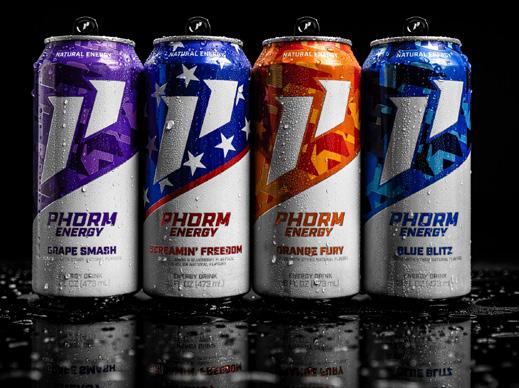
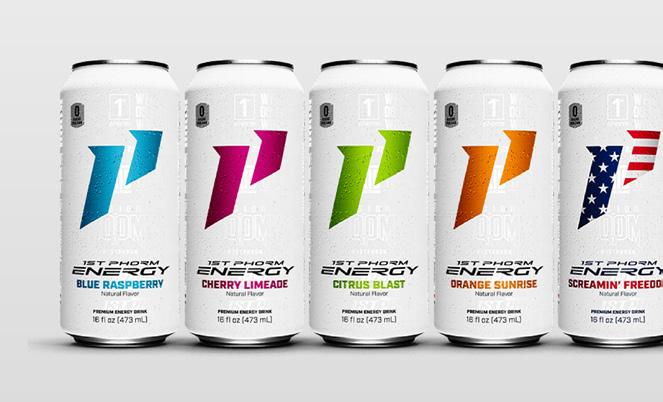
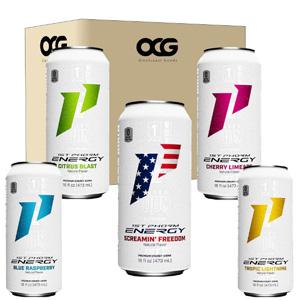
- Bold, Refreshing Flavors: From the patriotic punch of Screamin’ Freedom (a cherry, blue raspberry, and lime blend) to the citrusy zing of Orange Fury, Blue Blitz’s berry blast, and Orange Sunrise’s vibrant tang, the flavours are bold yet balanced, avoiding the overly sweet aftertaste of some competitors.
- Athlete-Centric Design: Unlike many energy drinks marketed for late-night gaming or casual consumption, Phorm Energy is tailored for those who live and breathe fitness. It’s a drink that respects the grind, whether you’re lifting weights, running sprints, or powering through a busy day.
The Significance of Phorm Energy in the Sports Industry
Phorm Energy arrives at a time when athletes are demanding more from their nutrition. The sports industry is shifting toward products that align with health-conscious lifestyles, and Phorm Energy answers the call. Its clean formula supports the growing trend of functional beverages that prioritize performance without sacrificing wellness. For athletes, this means a reliable energy source that fuels their training without derailing their diet or recovery.
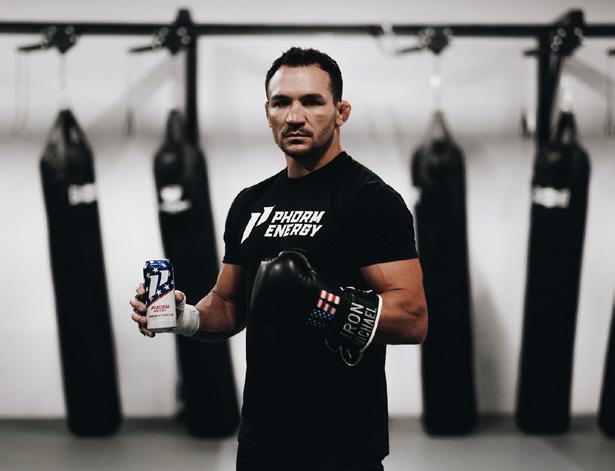
Dana White’s involvement amplifies this impact. As a long-time 1st Phorm supporter and a fitness enthusiast himself, White brings authenticity and grit to the brand. His influence in the UFC and combat sports world positions Phorm Energy as the drink of choice for fighters, gym-goers, and fans alike. Recent partnerships, like with UFC lightweight Michael Chandler, and a $1 million investment to scale production at AnheuserBusch’s LA brewery, show the brand’s ambition to dominate the fitness market. White’s backing ensures Phorm Energy resonates with those who thrive on discipline and intensity, making it a cultural force in sports. The partnership with Anheuser-Busch also signals a broader trend: major beverage companies recognizing the potential of the fitness market. By bridging the gap between mainstream beverage production and niche sports nutrition, Phorm Energy makes high-quality performance drinks accessible to a wider audience. Available at retailers like Amazon, Walmart, Costco, and The Vitamin Shoppe, as well as 1st Phorm’s website, it’s easier than ever for athletes to grab a can before hitting the gym.
Positives That Pack a Punch
Phorm Energy’s strengths go beyond its formula. Here’s why it’s winning over athletes:
- Versatility: Whether you’re a CrossFit warrior, a marathon runner, or a weekend hiker, Phorm Energy fits seamlessly into any active lifestyle. Its portability and balanced nutrition make it a practical choice for any moment that demands focus and energy.
- Transparency: 1st Phorm’s commitment to quality shines through in Phorm Energy’s clear labelling and science-backed ingredients. Athletes know exactly what they’re putting into their bodies.
- Community Connection: The drink is more than a product—it’s a symbol of the 1st Phorm ethos, inspiring athletes to push harder and dream bigger. With Dana White’s stamp of approval, it’s a rallying cry for those who live for the grind.
- Market Accessibility: With distribution through major retailers and competitive pricing (12-packs typically range from $24–$30), Phorm Energy is both premium and approachable, rivalling pricier boutique brands.
Competing in a Crowded Arena
Phorm Energy faces stiff competition from established players like Red Bull (high caffeine, sugary options), Monster (bold but often artificial flavours), and Celsius (fitness-focused but less electrolyte-driven). Yet, it holds its own by blending the best of both worlds: the clean, functional focus of fitness drinks like Celsius with the bold branding and accessibility of mainstream giants. Its natural caffeine source and zero-sugar formula give it an edge over sugary competitors, while its electrolyte content appeals to athletes who might otherwise reach for sports drinks like Gatorade.
What truly differentiates Phorm Energy is its authenticity. Backed by 1st Phorm’s reputation, Anheuser-Busch’s production prowess, and Dana White’s unrelenting drive, it feels like a brand built by athletes, for athletes. White’s involvement, especially, adds a layer of credibility that resonates with the combat sports community and beyond, making Phorm Energy a “red meat” option for those who demand performance with an edge.
A Bright Future for Phorm Energy
As Phorm Energy gains traction, its impact on the sports industry is undeniable. It’s a beacon for athletes seeking clean, effective fuel in a market saturated with artificial alternatives. With Dana White’s star power, 1st Phorm’s loyal community, and Anheuser-Busch’s global reach, Phorm Energy is poised to become a staple in gym bags and locker rooms nationwide. For the sports world, it’s more than a drink—it’s a reminder that the right fuel can ignite greatness. So, whether you’re chasing a new personal best or simply need a boost to conquer your day, grab a can of Phorm Energy. With every sip, you’re not just fuelling your body—you’re joining a movement that’s redefining what it means to perform at your peak. Available now at 1stphorm.com, Amazon, Walmart, Costco, and The Vitamin Shoppe. Choose your flavour, feel the power, and unleash your potential.
Sleep
The Underrated Training Tool
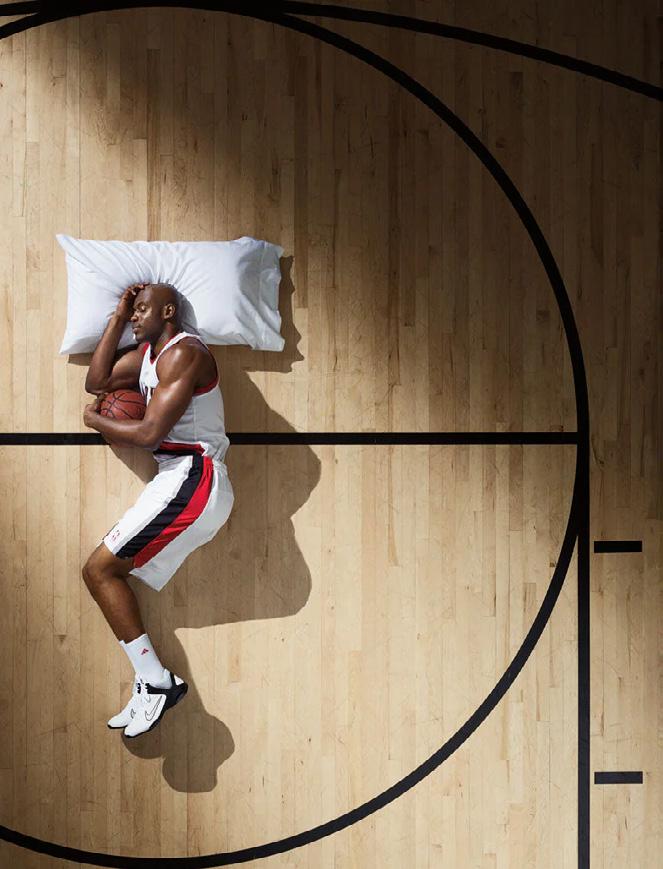
In the high-octane world of sports, where every millisecond counts and every muscle twitch matters, athletes are constantly seeking an edge. From cutting-edge nutrition plans to state-of-the-art recovery gadgets, the pursuit of peak performance is relentless. Yet, nestled in the quiet hours of the night lies a tool so powerful, so accessible, and so often overlooked that it could be the game-changer athletes are searching for: sleep. Far from just a time to rest, sleep is a critical component of athletic performance, influencing everything from reaction times to injury recovery. In this article, we’ll dive into why sleep is the unsung hero of sports training, exploring its profound effects on the body and mind, and why every athlete—from weekend warriors to Olympians— should prioritize it.
THE SCIENCE OF SLEEP AND PERFORMANCE
At its core, sleep is the body’s natural recovery mechanism, a time when the mind and muscles repair, rebuild, and recharge. For athletes, this process is non-negotiable. During sleep, the body enters various stages—light sleep, deep sleep, and rapid eye movement (REM) sleep—each playing a unique role in recovery and performance optimization. Deep sleep, in particular, is when the magic happens for athletes. It’s during this stage that the body releases growth hormone, which facilitates muscle repair and growth. Studies, like one published in the ‘Journal of Applied Physiology’ (2011), show that sleep deprivation can reduce muscle protein synthesis, effectively stunting the gains athletes work so hard for in the gym.
Beyond muscle repair, sleep sharpens the mind, which is just as critical in sports. Reaction time, decision-making, and focus are all influenced by sleep quality. A 2017 study in ‘Sleep Medicine’ found that athletes who slept less than seven hours per night had slower reaction times and reduced accuracy in tasks requiring cognitive precision—think a tennis player missing a serve or a basketball player botching a free throw. Elite athletes like LeBron James, who reportedly prioritizes 8-10 hours of sleep per night, understand this. “Sleep is the best recovery tool I have,” James has said, and the science backs him up.
SLEEP AND PHYSICAL RECOVERY
Let’s break it down: when an athlete trains, they’re essentially breaking down their body—microtears form in muscles, energy stores deplete, and the nervous system takes a hit. Sleep is when the body hits the reset button. During deep sleep, the pituitary gland releases growth hormone, which stimulates tissue repair and muscle growth. This is why athletes who skimp on sleep often feel sore longer and struggle to progress in strength or endurance. Take endurance athletes, for example. A 2016 study in the ‘European Journal of Applied Physiology’ found that sleep deprivation reduced time to exhaustion in runners by up to 10%. That’s the difference between crossing the finish line first or fading in the final stretch. Similarly, for strength athletes, sleep is critical for rebuilding muscle fibres. A 2020 study in ‘Sports Medicine’ showed that even one night of poor sleep could reduce maximal strength output by 5-10%, enough to turn a personal best into a missed lift. Injury prevention is another key benefit. Sleepdeprived athletes are more prone to injuries due to impaired coordination and slower reaction times.
A 2014 study in the ‘Journal of Paediatric Orthopaedics’ found that adolescent athletes who slept less than eight hours per night were 1.7 times more likely to suffer injuries. Sleep also supports the immune system, which is crucial for athletes pushing their bodies to the limit. A weakened immune system means more sick days, fewer training sessions, and a derailed season.
THE MENTAL EDGE
Sports aren’t just physical—they’re mental chess matches played at breakneck speed. Whether it’s a soccer player reading the field or a gymnast nailing a routine, cognitive performance is paramount. Sleep is the brain’s maintenance crew, consolidating memories, processing skills, and clearing out mental fog. During REM sleep, the brain strengthens neural connections, helping athletes refine techniques and strategies learned during practice. Consider a study from Stanford University (2011) on basketball players. Researchers extended players’ sleep to 10 hours per night for 5-7 weeks. The results? Free-throw shooting accuracy improved by 9%, and sprint times dropped significantly. The players also reported better mood and focus, highlighting sleep’s role in mental resilience. In high-pressure situations—like a tiebreaker in tennis or a penalty kick in soccer—a well-rested brain is the difference between choking and clutch performance. Sleep also regulates mood and stress, which can make or break an athlete’s mindset. Chronic sleep loss increases cortisol levels, the stress hormone that can lead to anxiety and burnout. A 2019 study in ‘Psychoneuroendocrinology’ linked poor sleep to higher cortisol levels in athletes, which not only hampered performance but also increased the risk of overtraining syndrome. A rested athlete, on the other hand, is more likely to stay calm, confident, and ready to tackle challenges.
SLEEP’S ROLE IN SKILL ACQUISITION
For athletes learning new skills—say, a swimmer perfecting a flip turn or a boxer mastering a new combination—sleep is a secret weapon. During sleep, the brain processes and consolidates motor skills, effectively “practicing” them offline. This phenomenon, known as memory consolidation, is why a good night’s sleep after practice can lead to noticeable improvements the next day. A 2015 study in ‘Nature Communications’ demonstrated that motor skill learning is enhanced by sleep, with participants showing better performance after a full night’s rest compared to those who stayed awake. This is particularly relevant for younger athletes or those in sports requiring complex coordination, like gymnastics or figure skating. Coaches often emphasize “sleeping on it” after introducing new techniques, and the science supports this old-school wisdom. Sleep doesn’t just help you recover—it helps you learn, adapt, and excel.
THE SLEEP CRISIS IN SPORTS
Despite its benefits, sleep is often the first casualty in an athlete’s busy schedule. Early morning practices, late-night games, and travel across time zones wreak havoc on sleep patterns. Add in the pressures of school, work, or social media, and it’s no wonder athletes are chronically sleep-deprived. A 2021 survey by the ‘British Journal of Sports Medicine’ found that 60% of elite athletes reported poor sleep quality, with many averaging less than seven hours per night. Travel is a particular challenge. Jet lag disrupts the body’s circadian rhythm, leading to fatigue and reduced performance. A 2018 study in ‘Sports Medicine’ noted that athletes traveling across multiple time zones experienced a 10-15% drop in performance metrics like sprint speed and endurance. Teams like the NBA’s Golden State Warriors have started hiring sleep consultants to help players manage jet lag, using strategies like gradual schedule adjustments and controlled light exposure.
Then there’s the issue of “sleep debt.” Many athletes believe they can catch up on missed sleep with a weekend lie-in, but research shows this isn’t enough. Chronic sleep debt accumulates, leading to diminished returns in training and competition. The solution? Consistent, high-quality sleep as a non-negotiable part of the training regimen.
PRACTICAL TIPS FOR OPTIMIZING SLEEP
So, how can athletes harness the power of sleep? Here are some evidence-based strategies to make sleep a cornerstone of training:
1. Prioritize 8-10 Hours: Most adults need 7-9 hours, but athletes often benefit from more due to their physical demands. Aim for 8-10 hours to maximize recovery and performance.
2. Stick to a Schedule: Consistent bedtimes and wake-up times help regulate the circadian rhythm. Even on weekends, try to avoid drastic shifts in sleep patterns.
3. Create a Sleep Sanctuary: Keep the bedroom cool (60-67°F), dark, and quiet. Invest in a comfortable mattress and blackout curtains. Limit screen time before bed, as blue light suppresses melatonin, the hormone that signals sleep.
4. Nap Strategically: Short naps (20-30 minutes) can boost alertness without interfering with nighttime sleep. Longer naps (90 minutes) can mimic a full sleep cycle, aiding recovery. A 2018 study in ‘Sports Medicine’ found that naps improved sprint performance and reduced fatigue in athletes.
5. Manage Stress: Practices like meditation, deep breathing, or journaling can calm the mind and improve sleep quality. Apps like Headspace or Calm offer guided sessions tailored for athletes.
6. Watch Nutrition and Timing: Avoid heavy meals, caffeine, or alcohol close to bedtime. A light snack with protein and carbs, like a banana with almond butter, can stabilize blood sugar and promote sleep.
7. Consult the Pros: For athletes with persistent sleep issues, a sleep specialist or wearable tech (like WHOOP or Oura Ring) can provide personalized insights. These devices track sleep stages, offering data to optimize rest.
THE CULTURAL SHIFT
The sports world is waking up to sleep’s importance. Teams like Manchester United and the U.S. Olympic Committee now employ sleep scientists to design protocols for their athletes. Wearable technology has made it easier to monitor sleep patterns, and coaches are starting to treat sleep as seriously as strength or conditioning. But the real change starts with athletes themselves. By viewing sleep not as a luxury but as a vital training tool, they can unlock new levels of performance. Take the story of Roger Federer, who credits his longevity in tennis to prioritizing sleep. “If I don’t sleep 11 to 12 hours a day, it’s not right,” he once said. His record-breaking career is a testament to the power of rest. Or consider Simone Biles, who emphasizes sleep as part of her mental and physical preparation for gymnastics. These icons aren’t outliers—they’re proof that sleep is a competitive advantage.
DOOR TO PERFORMANCE
In the relentless pursuit of greatness, athletes often focus on what they can ‘do’—train harder, eat better, push further. But sometimes, the most powerful thing an athlete can do is nothing at all. Sleep, the most underrated training tool, is where the body rebuilds, the mind sharpens, and the spirit recharges. It’s not just about closing your eyes—it’s about opening the door to your best performance. So, the next time you’re tempted to skip a few hours of shut-eye for an extra workout or a late-night Netflix binge, remember: every hour you sleep is an investment in your victory. Embrace the power of sleep, and watch your game soar.
NBA’S CHINA COMEBACK PAIRED WITH ALIBABA CLOUD’S AI
Is Reimagining Fan Engagement
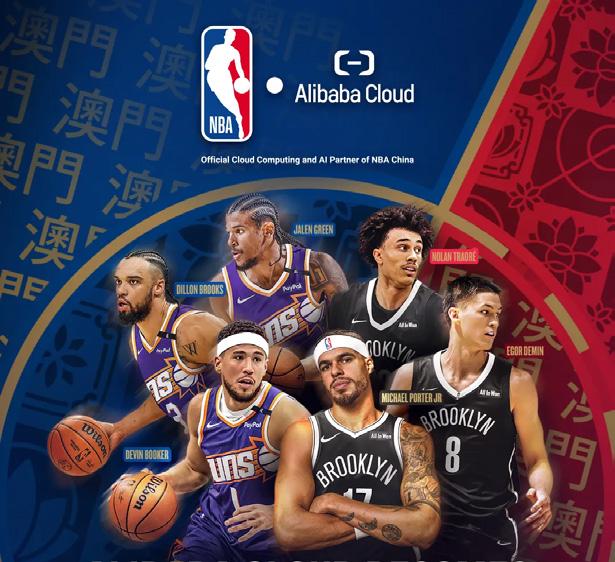
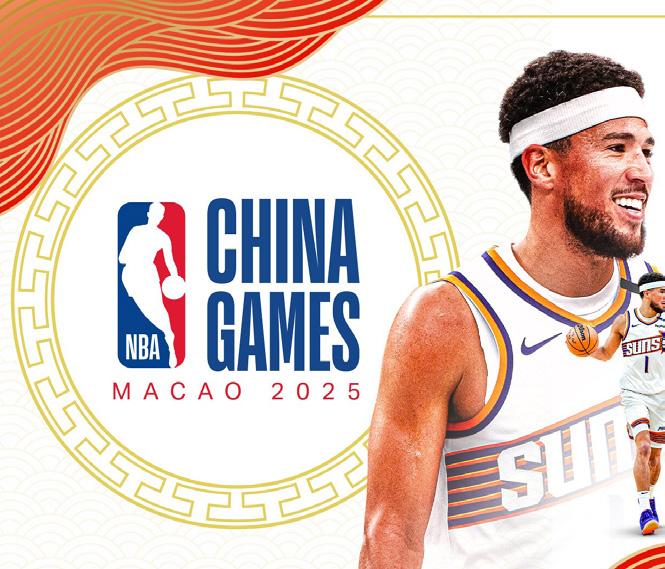
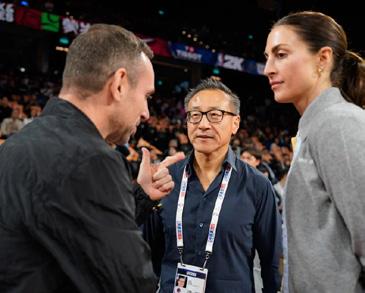
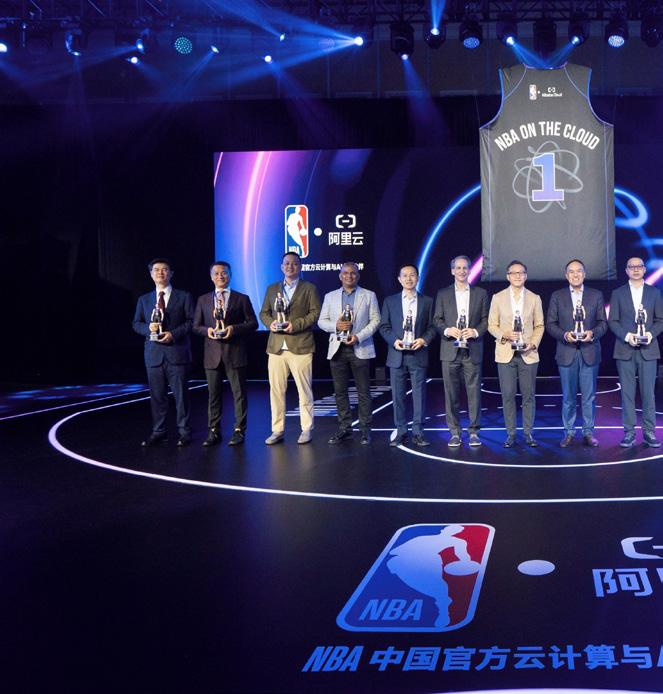
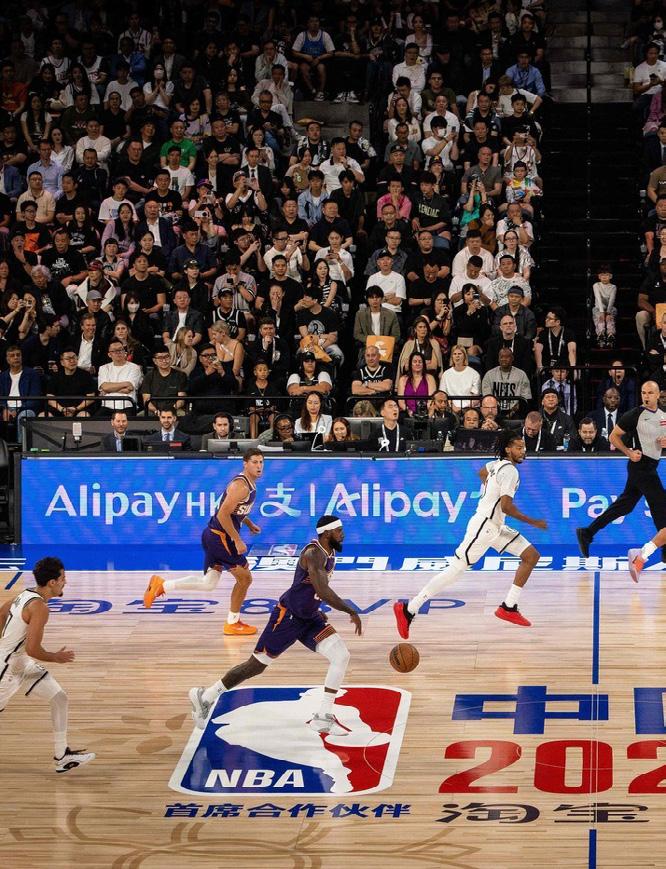
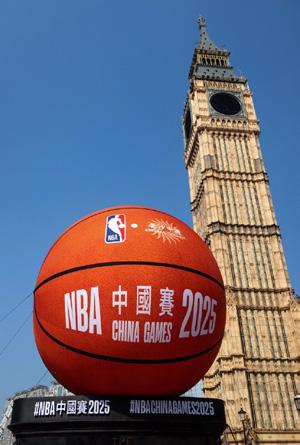
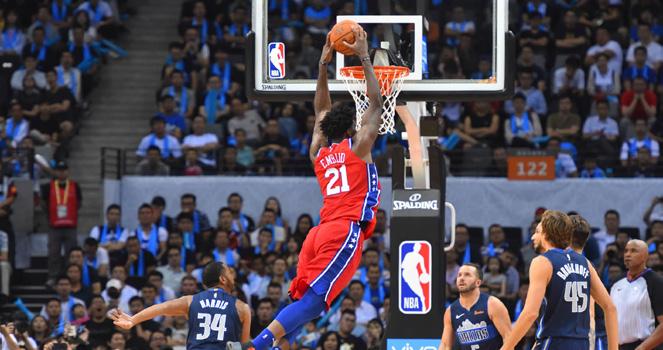
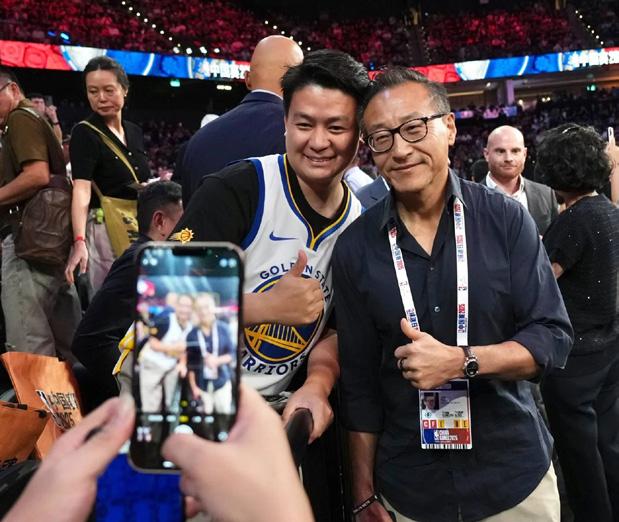
For the National Basketball Association — long one of the most visible American cultural exports in China — October 2025 felt less like a tentative step and more like a carefully choreographed homecoming. After a six-year absence from staging games on Chinese soil, the NBA returns to the region with two sold-out preseason matches in Macau and, crucially, a high-profile technology partnership: a multiyear deal with Alibaba Cloud to supply cloud infrastructure and AI-driven fan experiences for NBA China. This is not simply a sponsorship or a tech vendor appointment. It is a deliberate marriage of sport, commerce and cuttingedge technology that speaks to how global leagues will try to win hearts — and screens — in large international markets going forward.
WHY THIS MOMENT MATTERS — BEYOND THE SCORELINE
The headlines about the Brooklyn Nets and Phoenix Suns taking the court in Macau are the clearest sign that the NBA wants to rebuild its physical presence with Chinese fans. But the wider story is about trust, commerce and strategic modernization. China was once a near-perfect international stage for the NBA: hundreds of millions of basketball fans, lucrative broadcast and sponsorship deals, superstar endorsements and a booming merchandise market. The rupture that began in 2019 following a political controversy severely curtailed those commercial ties and halted regular league events in the region. The league’s decision to return via exhibitions in Macau — a specially administered territory that also served as host to a five-day fan festival featuring music, fashion and tech activations — shows the NBA isn’t just checking a box; it’s trying to recapture a relationship that has both cultural and economic weight.
Pair that return with an AI and cloud partnership and you get a two-pronged strategy: restore the live spectacle while locking in the digital behaviours that define modern fandom.
Instead of just selling tickets and broadcasting games, the NBA and Alibaba are betting that personalized content, real-time replay technology and AIenabled interactions will convert casual viewers into engaged users of NBA digital services in China — and, ultimately, paying customers for merchandise, subscriptions and experiences.
THE PARTNERSHIP: WHAT WAS ANNOUNCED
NBA China and Alibaba Cloud announced a multiyear collaboration that made Alibaba Cloud the official cloud computing and AI partner for NBA China. The publicly described elements of the arrangement include:
• A proprietary NBA China AI model built on Alibaba’s “Qwen” foundational models and tuned using NBA assets to create localized, interactive fan experiences in Chinese markets.
• Cloud infrastructure and services for NBA China’s digital platforms — including the NBA app in China, official websites, and mini-programs — to improve performance, scalability and new digital features.
• AI-powered fan experiences, such as a “RealTime 360 Replay Solution” that uses computer vision and stitching algorithms to track player movement and offer spherical replays and visualizations of key plays during the Macau games and beyond.
• On-site activations at fan zones and promotional venues where fans can generate personalized avatars, create short commentary clips, and interact with automated content offerings. Alibaba and the NBA did not disclose financial terms publicly. The deal is being framed as longterm and strategic, positioning Alibaba Cloud as the technology backbone for NBA China’s next stage of digital growth.
TECH ON SHOW: THE REAL-TIME 360 REPLAY AND AI EXPERIENCES
What really catches the imagination here is the specificity of the technology showcased in Macau. The Real-Time 360 Replay uses multiple camera feeds and AI to reconstruct player movements and deliver a spherical, manipulable replay of a play — essentially giving fans the ability to see the same sequence from
any angle and overlay data or visual highlights. This is the kind of broadcast enhancement that can make highlight packages, social clips and app features more immersive and stickier for users. Beyond replays, Alibaba’s plan to spin up a Qwen-based model fine-tuned on NBA content can enable a suite of features: personalized highlight reels, localized automated commentary, chatbots that answer game questions in Mandarin, play-prediction features, and even AI-generated short-form content for social sharing. If implemented well, these tools lower the friction for fans to consume more NBA content and deepen engagement in ways that traditional broadcasts cannot.
COMMERCIAL LOGIC — AND THE STAKES
Why invest in AI and cloud instead of just pursuing more games or higher broadcast fees? Because the business of sport today increasingly lives in the digital ecosystem. Live games are promotional anchors, but the day-to-day relationship between fans and a league happens on phones and social platforms. Data from app usage can be monetized through targeted sponsorship, localized merchandise drops, ticketing offers, and subscription models. By partnering with a home-grown cloud and AI champion, the NBA gains a partner that understands China’s regulatory environment, local developer ecosystem (mini-programs, e-commerce tieins) and consumer behaviour — all of which are essential if the league wants to translate visibility into recurring revenue.
For Alibaba, the benefits are equally obvious: the collaboration is a marquee reference for Alibaba Cloud’s capabilities in media and sports tech. Sports content is highvolume, low-latency and visually complex — the perfect case study to showcase Qwen models and real-time cloud services to other entertainment and sports clients. It’s a high-visibility testbed.
GEOPOLITICS AND REPUTATIONAL REPAIR
No account of the NBA’s China return is complete without the historical backstory. In October 2019 a tweet by a prominent NBA executive expressing support for Hong Kong protesters triggered political backlash in China, leading to suspended broadcasts, frozen sponsorships and a chilling effect on NBA commercial activity in the region. The league’s scaleddown presence since then reflected both commercial losses and a cautious diplomatic stance. The Macau games and technology partnership signal an attempt at normalization: the NBA aims to rebuild bridges without erasing past controversy. That tightrope is delicate. Political and regulatory considerations in China will shape how deeply the league can re-embed itself. At the same time, the NBA can leverage cultural diplomacy — player visits, grassroots programs, highprofile exhibitions — to rebuild affinity. The pairing with Alibaba, a major Chinese tech incumbent, is a practical choice in that context.
WHAT SUCCESS LOOKS LIKE
Success metrics are straightforward in business terms but hard to deliver in practice. The NBA and Alibaba will be watching: Engagement lift: Spikes in app sessions, time spent per user, and conversion of users to repeat visitors. Commercial uplift: Merchandise sales, sponsorship activation rates and incremental revenues from localized content.
Technical reliability: The robustness of real-time replays and user-facing AI features under high load. Regulatory compliance and local resonance: Ensuring content, data handling and in-app features comply with Chinese regulation and local cultural expectations.
WHO ARE THE ORGANIZATIONS INVOLVED
Risks include technical teething problems (realtime AI on live sports is hard), backlash if content or AI outputs are off-message, and the everpresent geopolitics that could complicate future investment and broadcasting arrangements. Finally, the partnership is only as good as the product experiences it produces: tasteful, useful features that genuinely add to a fan’s enjoyment, not gimmicks.
The NBA (National Basketball Association) — Founded in 1946 and headquartered in New York, the NBA is the world’s pre-eminent professional basketball league and a global entertainment brand. Beyond its teams and players, the NBA has invested aggressively in international growth for decades, building localized content, grassroots programs and
commercial partnerships worldwide. NBA China is the league’s regional arm that manages the league’s China-facing business, content, and fan initiatives.
Alibaba Cloud (Aliyun) — The cloud computing arm of Alibaba Group, Alibaba Cloud is one of China’s largest cloud providers and a significant player globally. It offers infrastructure (IaaS), platform services (PaaS), data analytics and increasingly, large language and foundation models such as the Qwen series. Alibaba Cloud has positioned itself as a partner to global enterprises seeking to deploy AI and cloud solutions in China and beyond. The NBA collaboration highlights Alibaba Cloud’s move into entertainment and sports technology use cases.
Sands China / Venetian Macau — The venue and promoter for the Macau preseason games, Sands China (part of Las Vegas Sands’ global operations) provided the arena and associated fan activations for the NBA’s return, linking the live spectacle to the broader commercial and tourism goals of Macau.
THE FAN ANGLE: WHY CHINESE VIEWERS SHOULD CARE
From a fan’s perspective, the promise is personal and immediate: better highlights, smoother app experiences, richer short-form content, and localized services that speak in Mandarin and reflect regional tastes. For young fans who consume sports primarily through mobile devices and social platforms, these AI-powered features can make following the NBA feel native rather than foreign. For grassroots players and aspiring pros, renewed NBA visibility offers role models, clinics and local market investment that can accelerate the sport’s development.
BIGGER PICTURE: SPORT, TECH AND FUTURE PLAYBOOKS
This partnership is part of a larger trend: global sports leagues are no longer just content producers; they are tech companies and data businesses in parallel. Leagues will increasingly tie up with cloud and AI providers to own the digital fan relationship, monetize micro-interactions and deliver personalized experiences at scale. For other leagues watching this experiment — football, cricket, even motorsports — the NBA-Alibaba model will be a case study in how to combine live spectacle with year-round digital engagement in a complex international market.
INCREMENTAL RESTORATION, EXPONENTIAL POTENTIAL
The Macau games were a milestone — a symbolic and commercial first step back into a market the NBA has long coveted. But the true measure of the comeback will be whether the league can convert that moment into sustained, measurable growth in fan engagement and revenue. The AI and cloud deal with Alibaba gives the NBA China a technological scaffold on which to build those experiences. If the replays, localized AI features and in-app services prove useful, reliable and culturally tuned, this partnership could be the template for how an American league re-engages with one of the world’s largest sports audiences. If not, the experiment will be a reminder that technology alone cannot replace trust, local content curation and careful political navigation.
A Sweet Partnership for Youth Soccer BEEUP Teams Up with AYSO
In the world of snacks, BEEUP is buzzing with excitement. Launched in June 2025, this innovative brand, co-founded by soccer icon David Beckham and entrepreneur Shaun Neff, is redefining what a fruit snack can be. BEEUP’s mission is simple yet bold: to fuel active kids with wholesome, natural energy. Unlike traditional fruit snacks laden with refined sugars, BEEUP’s offerings—available in vibrant flavours like Very Berry, Tropical Mix, and Sour Watermelon—are powered by real honey and packed with vitamins A, C, and E. Each 10-pack, priced at $4.99, is crafted to be a nutritious, onthe-go treat for families, available nationwide at Target stores, Target.com, and BEEUP’s own website. Drawing inspiration from Beckham’s personal passion for beekeeping, the brand combines fun, flavour, and feel-good ingredients to support the next generation of movers and shakers.
A Honey-Powered Revolution
A GAME-CHANGING PARTNERSHIP WITH AYSO
In a move that’s as exciting as a last-minute goal, BEEUP has scored a multiyear sponsorship deal with the American Youth Soccer Organization (AYSO), earning the title of “official fruit snack” for the 2025–2026 season and beyond. This partnership is more than just a branding opportunity—it’s a celebration of shared values. BEEUP will bring its honey-powered snacks to the heart of AYSO’s vibrant community, with its logo prominently displayed on the centre of AYSO PLAY! jerseys worn by young players nationwide. From interactive booths and product sampling at weekly “Soccer Saturdays” to sponsoring eight major tournaments, including two flagship events in 2025, BEEUP is set to energize thousands of young athletes and their families. This collaboration is a perfect match, blending BEEUP’s commitment to wholesome nutrition with AYSO’s dedication to fostering fun, inclusive, and community-driven youth soccer.
AYSO: THE HEARTBEAT OF YOUTH SOCCER IN AMERICA
The American Youth Soccer Organization has been a cornerstone of youth sports since its founding in 1964. With over 400,000 players across more than 600 communities, AYSO is one of the largest youth soccer organizations in the United States, known for its inclusive philosophy and emphasis on fun, development, and community. Its programs, like AYSO PLAY!, cater to kids of all skill levels, creating a welcoming environment where teamwork and sportsmanship shine. AYSO’s reach extends far beyond the field, uniting families and volunteers in a shared love for the game. By prioritizing accessibility and enjoyment, AYSO has become a trusted name in youth sports, nurturing not just athletes but confident, connected kids.
THE RISE OF SOCCER IN THE U.S.
Soccer’s popularity in the United States has been on a remarkable upward trajectory. Once overshadowed by sports like football and basketball, soccer has carved out a significant place in American culture, particularly among younger generations. The U.S. has seen a surge in participation, with millions of kids playing in recreational and competitive leagues. The success of Major League Soccer, the growing prominence of the U.S. Women’s National Team, and the anticipation for the 2026 FIFA World Cup, co-hosted by the U.S., have all fuelled this momentum. Youth soccer, in particular, has become a cultural touchstone, fostering physical fitness, teamwork, and a global perspective. Organizations like AYSO have played a pivotal role in this growth, providing structured yet accessible pathways for kids to fall in love with the beautiful game.
WHY THIS PARTNERSHIP MATTERS
BEEUP’s alliance with AYSO is a winning play for both the brand and the sport. For BEEUP, it’s a chance to connect directly with active families who value nutrition and energy for their kids’ busy lives. By aligning with AYSO, BEEUP taps into a passionate community of parents, coaches, and players, reinforcing its mission to provide snacks that are as wholesome as they are delicious. For AYSO, the partnership brings a fresh, health-conscious brand to its fields, enhancing the experience for players and families while supporting the organization’s goal of making soccer accessible to all. This move also reflects a broader trend of brands investing in youth sports to promote positive lifestyles, signalling a bright future for partnerships that prioritize health and community.
A BRIGHT FUTURE FOR KIDS AND SOCCER
As BEEUP and AYSO join forces, the excitement is palpable. Picture young players running across the field, proudly wearing jerseys with the BEEUP logo, fuelled by snacks that keep them energized and smiling. This partnership is about more than just branding—it’s about inspiring kids to play, grow, and thrive. With soccer’s popularity soaring and BEEUP’s innovative approach to snacking, this collaboration is set to make a lasting impact. It’s a sweet deal that promises to bring joy, energy, and a touch of honey-powered magic to soccer fields across the country, proving that when great brands and great causes team up, everyone wins.
Esports Global Unleashes $50 Million rsenal
Igniting Startups in the Gaming Arena
Before diving into the explosive launch of this game-changing fund, it’s worth stepping back to understand the powerhouse behind it. Esports Global, a Guernsey-based investment firm with deep roots in the competitive gaming world, was established to bridge the gap between cutting-edge innovation and the rapidly evolving esports landscape. Led by industry trailblazers like Chester King, founder and president of the British Esports Federation, and Dave Martin, a veteran exec with stints at British Esports, Resolve Esports, and as a co-founder of the London Royal Ravens, the organization is all about fostering sustainable growth in gaming. Their Guernsey setup provides a strategic, tax-efficient hub for global operations, allowing them to scout and support ventures worldwide without the red tape that often hampers early-stage plays.
Backing this vision is the Alshaya family, a Kuwaiti dynasty that’s been building empires since 1890. Starting as a modest trading outfit in Kuwait, the Alshaya Group has ballooned into a retail and hospitality behemoth, representing over 70 powerhouse brands—from Starbucks and H&M to luxury spots like Victoria’s Secret and Cheesecake Factory—across the Middle East, North Africa, and beyond. With a portfolio that spans fashion, food, health & beauty, and entertainment, they’re no strangers to high-stakes consumer plays. Now, they’re channelling that savvy into esports, viewing it as the next frontier for fan-driven experiences and global engagement. As Bader Alshaya put it, “Esports is an exciting new addition to our portfolio,” signalling a blend of traditional retail muscle with digital disruption. This family-backed stability isn’t just check-writing; it’s a launchpad for founders who need connections as much as capital.
In a move that’s sending shockwaves through the high-octane world of competitive gaming, Esports Global has just unleashed a $50 million investment fund aimed squarely at supercharging startups in the esports and gaming ecosystem. Announced in October, this isn’t your run-of-the-mill venture capital play—it’s a precision strike designed to back the innovators who are redefining how we play, watch, and live the thrill of virtual battlegrounds.
Pouring resources into 10 to 15 handpicked companies worldwide. We’re talking early-stage dreamers and Series B scalers, all hungry to disrupt everything from player training tech to immersive streaming platforms. Esports Global’s chairman, Chester King, didn’t mince words: “We are seeing unprecedented change in our industry, and we firmly believe the growth over the next five years will be in the ecosystem that surrounds the gamer. We look forward to sourcing investment opportunities and growing the successful companies of the future.” It’s the kind of bold vision that could turn underdog devs into global champions, much like how a scrappy team claws its way to a Worlds final in League of Legends.
For those tuning into the esports beat, this fund lands at a pivotal moment. The global audience for competitive gaming has ballooned to over 532 million fans, with the market clocking in at a staggering $1.44 billion in 2023 alone—and that’s before the post-pandemic boom really kicked into overdrive. We’ve seen traditional sports giants like the NBA and FIFA dip their toes into esports waters, and now with the Olympic Esports Games on the horizon, the lines between physical and digital arenas are blurring faster than a speedrun glitch.
But here’s the rub: Not every startup makes it past the group stage. Many flame out due to cash crunches or a lack of insider know-how. Enter Esports Global’s “wellconnected capital”—not just checks, but a full playbook of networks, mentorship, and strategic muscle from folks who’ve been in the trenches. Leading the charge is a dream team of industry vets. Dave Martin is calling the shots as the fund’s key operator. He’s joined by Susanne Chishti, the fintech whiz behind Fintech Circle; Dr. Melita Moore, a sports medicine expert turning her gaze to esports athlete wellness; and Mark “Garvey” Candella, the former pro gamer who’s shaped platforms at Twitch, AcadArena, and Nodwin Gaming. This isn’t a boardroom of suits—it’s a squad of strategists who know the meta inside out. As Martin puts it, this fund bridges “the gap between innovation and opportunity,” targeting ventures that can scale sustainably in a scene where hype meets hyper-growth.
What makes this fund a game-changer for sports enthusiasts? Esports isn’t just pixelated pandemonium anymore—it’s a legitimate athletic frontier, blending strategy, reflexes, and teamwork on par with any pitch or court. Recent rounds, like G2 Esports’ seven-figure expansion push earlier this year, show the money’s flowing, but Esports Global’s focus on the “gamer ecosystem” could spawn breakthroughs in areas like VR training sims for pros or AI-driven fan engagement tools. Imagine startups emerging from this fund that equip the next Faker or s1mple with edge-of-tomorrow gear, or platforms that make watching a Counter-Strike Major feel like courtside at the NBA Finals.
Of course, the esports investment landscape is no stranger to big swings. Firms like BITKRAFT Ventures have backed heavyweights such as Epic Games and Manticore Games, while others like SeventySix Capital zero in on sports tech crossovers. But Esports Global stands out with its global remit and family-backed stability—Alshaya’s track record spans empires, ensuring this isn’t a flash-in-the-pan bet. They’re already inviting pitches from ambitious founders: If you’re building the future of frag fests or guild management, this could be your golden ticket.
As we hit the homestretch of 2025, with majors in Valorant, Dota 2, and beyond lighting up screens worldwide, this $50 million infusion feels like the ultimate power-up. It’s a bet on the underdogs, the tinkerers, and the visionaries who keep the competitive spirit alive. In esports, as in any sport, it’s not just about crossing the finish line—it’s about who equips the runners to sprint faster, jump higher, and dominate the leaderboard. Esports Global is lacing up those boots, and the gaming world just got a whole lot more exciting. Game on.
HOW BRANDS & MEDIA ARE DOUBLING DOWN ON WOMEN’S SPORT
In the roar of packed arenas and the glow of streaming screens, women’s sports are no longer a sideshow—they’re the main event.
From the electric dunks of the WNBA to the precision strikes of the NWSL, 2025 has cemented a seismic shift: global revenues for elite women’s sports are projected to hit $2.35 billion this year, a staggering 25% leap from 2024’s record $1.88 billion. This isn’t fleeting hype; it’s a calculated surge fuelled by savvy brands chasing engaged audiences and media outlets rewriting the playbook on coverage. As leagues expand and stars shine brighter, the question isn’t if women’s sports will dominate—it’s how brands and broadcasters are accelerating the momentum.
The Investment Boom: Brands
Betting Big on the
Future
Gone are the days when sponsorships in women’s sports were charitable footnotes. In 2025, they’re high-ROI power plays. Sponsorship deals across major women’s properties surged 12% year-over-year in the 2024-25 seasons, outpacing men’s leagues by nearly 50%. Deloitte’s latest report attributes this to a “virtuous cycle” of rising viewership and fandom, with 99% of brand decision-makers reporting increased investments over the past five years. Commercial revenue now accounts for 54% of the sector’s income, underscoring how brands are viewing women’s sports as a gateway to purposedriven consumers. Beauty and lifestyle giants are leading the charge, drawn by the cultural cachet of female athletes. Glossier sponsored the U.S. women’s national basketball team at the 2024 Olympics and served as the official beauty partner for the 2024 and 2025 WNBA drafts, blending influencer trips with oncourt activations. E.L.F. Cosmetics inked a deal with the National Women’s Soccer League (NWSL), while ILIA partnered with Paris Saint-Germain’s women’s team in May 2025, emphasizing “high performance without compromise.” Sephora’s collaboration with the new 3-on-3 basketball league Unrivaled has generated buzz through pregame “fit checks” and tunnel walks, proving the ROI in social engagement.
Traditional powerhouses aren’t sitting idle. Nike expanded its league-wide partnership with Liga MX Femenil, and BIC Soleil titled the Pro Volleyball Federation Championship in May 2025, riffing on the sport’s “bic” attack with a clever ad campaign. The WNBA tipped off 2025 with a record 45 sponsors, including 14 newcomers like its first official wine partner and sports watch line, while the Indiana Fever saw a 43% spike in deals and the Golden State Valkyries drew over 10,000 season ticket holders for their debut. The NWSL hit an all-time high of 13 league-level sponsors, eight joining post-2023, with activations from Ally Financial, Gatorade, and Pepsi fuelling a 19% uptick in deals, while Racing Louisville FC alone secured 92 partnerships and Denver’s expansion fee hit a record $110 million, doubling the prior high. The Professional Women’s Hockey League (PWHL) boasts around 50 partners, with newcomers like Bravado Designs tapping non-traditional categories in its second season. The LPGA saw a 14% rise in sponsorship activity, with FM Global adding $3.8 million to its purse. These partnerships aren’t one-offs; 68.4% of deals in a Sports Business Journal database started in 2024 or 2025, with 73% from brands holding just one property—signalling earlystage frenzy with runway for more.
This influx isn’t just about logos on jerseys; it’s ecosystem-building. JPMorgan Chase hosted “Match Point: Investing in the Women’s Game” in September 2025, spotlighting entrepreneurs and community ties. In volleyball, the League One Volleyball (LOVB) raised $160 million in 2024 for its 2025 debut, attracting rookies like Revolve and Rebel Girls targeting Gen Z fans. As Sports Innovation Lab notes, 82% of companies plan to boost women’s sports budgets in 2025, with 34% increasing by over 10%—a deliberate reallocation from men’s properties.
Lights, Camera, Parity: Media’s Evolving Lens
If brands are the fuel, media is the engine propelling women’s sports into the spotlight. Coverage has nearly tripled since 2019, hitting 20% of all sports airtime in 2025—up from under 6% just six years ago. This surge is no accident: broadcasters are chasing the numbers, with women’s events delivering 40% more impactful ads than primetime averages.
The WNBA’s 2025 media rights deal, valued at $200 million annually starting 2026, triples the prior $60 million pact and outpaces the NBA’s renewal by 2.6 times. Shared across NBCUniversal, Disney’s ESPN, and Amazon, it ensures prime slots. The NWSL’s $240 million, four-year deal with CBS, ESPN, Prime Video, and Scripps—effective 2024—catapulted annual rights from $1.5 million to $60 million, a 40-fold jump. Viewership followed: NWSL’s 2024 championship averaged 967,900 viewers, up 18%. Televised games across WNBA, NCAA women’s basketball, and NWSL clocked 370 million viewer
hours in 2024—430% above 2021 levels. The 2025 NCAA women’s final drew 8 million viewers (peaking at 9.8 million), while WNBA regular-season audiences neared 1 million per game, up 170% from 2023. In the UK, domestic women’s sports hit a record 44.7 million viewers in 2024, eclipsing 2022’s 37.6 million. Digital platforms are the real disruptors. The Barclays Women’s Super League (BWSL) YouTube channel racked up 39.6 million views since July 2024, ranking second globally among women’s leagues. England’s women’s rugby players outposted the men’s team on TikTok in early 2025, garnering 6.7 million views—75% more than their male counterparts. Netflix’s deal for the 2027 and 2031 Women’s World Cups signals streaming’s stake, while FIFA’s 2023 Women’s World Cup generated 3.2 billion social/digital views. Outlets are adapting: USA Today, Front Office Sports, and the Associated Press added dedicated women’s reporters in 2025, while Betches Media launched Betches Sports for cultural deep dives. As one executive put it, “Women’s sports have become an opportunity to expand our businesses” in a fragmented media landscape.
Star Power and Global Echoes
Athletes are the X-factor, turning games into cultural moments. Caitlin Clark’s “effect” propelled Indiana Fever sponsorships up 43% in 2024, with the team leading WNBA social follows by 415%. Cameron Brink topped endorsements with 31 deals (CVS, SoFi, New Balance), while Naomi Osaka holds 23. Ilona Maher’s 2025 move to Bristol Bears shattered attendance records, boosted by her Paula’s Choice ambassadorship. Globally, the UEFA Women’s EURO 2025 and Women’s Rugby World Cup are primed for records, with 220,000 Rugby World Cup tickets sold pre-event. In the US, 30% of adults now follow women’s pro sports, per an AP-NORC poll, with viewership at 18% overall—up 4 points in six months. WNBA interest has grown 90% since Q4 2021.
The Road Ahead: Sustainability Over Spectacle
As 2025 unfolds, the focus sharpens on legacy. Leagues like WNBA (expanding to Toronto and Portland in 2026) and NWSL (Boston in 2026) prioritize infrastructure, with new facilities and datadriven activations. Challenges persist—UK broadcast reach dipped 13% early 2025 amid scheduling dips— but digital surges (e.g., BWSL’s TikTok boom) signal resilience. Brands and media doubling down aren’t just cashing in; they’re co-authoring a more equitable playbook. As Deloitte urges, treat women’s sports like a “venture capitalist” bet: high-reward, data-backed, and transformative. In this new era, the field isn’t just level—it’s expanding, inviting everyone to play.
In the pantheon of footballing legends, few figures stand as tall or as singular as Sócrates Brasileiro Sampaio de Souza Vieira de Oliveira—known simply as Sócrates. With his lanky frame, flowing beard, and languid style, Sócrates was more than a footballer; he was a cultural icon, a philosopher on the pitch, and a revolutionary off it. His life and career, marked by brilliance, defiance, and intellectual depth, left an indelible mark on Brazilian football and the global game. This article explores Sócrates’ remarkable journey, his transformative influence on football, and the legacy of a man who played the beautiful game with the mind of a thinker and the heart of a rebel.
EARLY LIFE AND RISE TO STARDOM
Born on February 19, 1954, in Belém, Pará, Sócrates grew up in Ribeirão Preto, São Paulo, in a family that valued education and intellectual curiosity. His father, a civil servant with a passion for philosophy, named him after the ancient Greek philosopher, a nod that would prove prophetic. Sócrates’ early life was shaped by a duality: the physicality of football and the rigor of academia. While he honed his skills on the streets and local pitches, he pursued a medical degree at the University of São Paulo, earning his qualification as a doctor—an achievement that set him apart in the often antiintellectual world of professional sports.
Sócrates’ footballing career began in earnest with Botafogo-SP, a modest club in Ribeirão Preto, where his elegance and vision quickly caught attention. By 1978, at the age of 24, he joined Corinthians, one of Brazil’s biggest clubs, where he would etch his name into footballing lore. Standing at 6’4”, Sócrates was an unlikely maestro. His slender build and seemingly casual demeanour belied a fierce competitive spirit and an extraordinary footballing brain. He played as an attacking midfielder, orchestrating play with pinpoint passes, audacious back-heels, and a knack for scoring crucial goals.
THE CORINTHIANS YEARS AND DEMOCRACIA CORINTHIANA
Sócrates’ arrival at Corinthians coincided with a turbulent period in Brazil. The country was under a military dictatorship that had suppressed dissent since 1964. Football, as Brazil’s cultural heartbeat, was not immune to the regime’s influence, with clubs often run as hierarchical institutions. Sócrates, however, was no ordinary footballer. Alongside teammates like Wladimir and Walter Casagrande, he spearheaded a radical experiment known as ‘Democracia Corinthiana’ (Corinthians Democracy), a movement that transformed the club’s internal governance and became a symbol of resistance against authoritarianism. Under ‘Democracia Corinthiana’, players, staff, and management made decisions collectively, from team selections to administrative matters. Every voice carried equal
weight, a stark contrast to the top-down structures prevalent in football and Brazilian society. Sócrates, with his articulate charisma and philosophical grounding, was the movement’s figurehead. He saw football as a microcosm of society, believing that empowering players could inspire broader social change. “I’m struggling for freedom, for respect for human beings, for equality,” he once said. “Football was just the stage.”
On the pitch, ‘Democracia Corinthiana’ translated into a free-flowing, expressive style that captivated fans. Sócrates led Corinthians to São Paulo state championships in 1982 and 1983, his performances defined by effortless grace and tactical intelligence. His signature move, the back-heel pass, was not just flair but a statement of creativity in a sport often constrained by pragmatism. Off the field, the movement’s success challenged the status quo, showing that collective decision-making could thrive in a high-stakes environment. For Sócrates, football was a platform to demonstrate that democracy could work, even under a dictatorship.
INTERNATIONAL CAREER AND THE 1982 WORLD CUP
Sócrates’ influence extended to the international stage, where he captained Brazil during one of the most celebrated, yet heartbreaking, eras in the nation’s footballing history. The 1982 World Cup in Spain showcased a Brazilian team that embodied ‘jogo bonito’—the beautiful game. Coached by Telê Santana and featuring stars like Zico, Falcão, and Éder, the team played with a fluidity and artistry that remains a benchmark for football purists.
As captain, Sócrates was the team’s heartbeat. His ability to control the tempo, deliver incisive passes, and score from midfield made him indispensable. His penalty-taking style, a calm, almost nonchalant strike, reflected his unflappable demeanour. Brazil’s 1982 campaign was a festival of attacking football, with memorable victories over Argentina and the Soviet Union. However, their dream ended in the second group stage against Italy, where Paolo Rossi’s hat-trick in a 3-2 defeat crushed Brazil’s hopes. The loss was a national tragedy, but the team’s style left a lasting legacy. Sócrates later reflected, “We didn’t win, but we showed the world how football should be played.”
He returned for the 1986 World Cup, where Brazil again played with flair but fell to France in a penalty shootout in the quarter-finals. Sócrates, true to his principles, refused to practice penalties, believing they were a betrayal of football’s essence. His miss in the shootout was a poignant moment, encapsulating his uncompromising idealism. Despite the lack of a World Cup trophy, Sócrates’ international career—60 caps and 22 goals—cemented his status as a global icon.
STYLE AND INFLUENCE ON FOOTBALL
Sócrates’ playing style was a blend of technical mastery and intellectual intuition. He wasn’t the fastest or strongest, but his vision and spatial awareness made him a conductor on the pitch. His back-heel passes, executed with nonchalant precision, became his trademark, inspiring generations of players to embrace creativity. Unlike many midfielders who relied on physicality, Sócrates used his mind to outwit opponents, reading the game several moves ahead. His influence extended beyond technique. Sócrates
redefined the footballer archetype, proving that intellectualism and athleticism could coexist. He smoked, drank, and openly discussed his lifestyle, challenging the sanitized image of athletes. Yet his performances never suffered, a testament to his extraordinary talent. He inspired players like Andrea Pirlo and Juan Román Riquelme, who emulated his cerebral approach to midfield play. Today’s tiki-taka and possession-based philosophies owe a debt to the Brazilian teams Sócrates anchored, which prioritized artistry over results. Off the pitch, Sócrates’ activism reshaped football’s role in society. ‘Democracia Corinthiana’ showed that clubs could be platforms for social change, influencing modern movements like fan-owned clubs and player-led initiatives. His
willingness to speak out—whether on politics, inequality, or the commercialization of football— set a precedent for athletes as agents of change. Figures like Juan Mata and Marcus Rashford, who use their platforms for social good, echo Sócrates’ legacy.
LATER CAREER AND LIFE AFTER FOOTBALL
After leaving Corinthians in 1984, Sócrates had brief stints in Europe, most notably with Fiorentina in Italy’s Serie A. The move was less successful, as his free-spirited style clashed with the tactical
rigidity of European football. He returned to Brazil, playing for Flamengo and Santos, but his peak years were behind him. He retired in 1989, at 35, to focus on his medical career and political activism. In retirement, Sócrates remained a vocal critic of Brazil’s social and political issues. He wrote columns, appeared on television, and advocated for democratic reforms. His medical background informed his holistic view of football, emphasizing player welfare and mental health— issues that resonate in today’s game. Tragically, his lifestyle took a toll. Sócrates struggled with alcoholism, which led to his untimely death on December 4, 2011, at 57, from intestinal infection. His passing was mourned worldwide, a testament to his universal appeal.
LEGACY AND LASTING IMPACT
Sócrates’ legacy is multifaceted. On the pitch, he was a pioneer of ‘jogo bonito’, proving that football could be both art and philosophy. His back-heels and vision remain touchstones for creative midfielders. Off the pitch, ‘Democracia Corinthiana’ remains a landmark in sports governance, showing that players can have a voice in their destiny. His activism helped erode Brazil’s dictatorship, paving the way for the country’s return to democracy in 1985.
“To win is not the most important thing,” Sócrates said. “Football is an art and should be about showing creativity. If Vincent van Gogh and Edgar Degas had known the level of recognition they were going to have, would they not have done the same? You have to enjoy the art and not think, ‘will I win.’” This ethos defined his career and continues to inspire. In an era of hypercommercialized football, Sócrates reminds us that the game is about more than trophies—it’s about ideas, expression, and humanity. His statue outside Corinthians’ stadium, arm raised in defiance, captures his spirit: a footballer-philosopher who played for something greater than himself. As Brazil and the world celebrate football’s evolution, Sócrates stands as a beacon of what the game can be—a force for beauty, intellect, and change. His story is a reminder that the greatest players don’t just win matches; they redefine the game and the world around it.
How the 2024/25 Champions League Reform Changed How Teams Play
The roar of the Allianz Arena in Munich still echoes as the 2024/25 UEFA Champions League reaches its crescendo, but this season’s edition feels like a seismic shift in the continent’s footballing landscape. For the first time in over two decades, the tournament ditched its familiar group-stage straitjacket for a bold new league phase, expanding from 32 to 36 teams and transforming the early rounds into a high-stakes marathon rather than a series of isolated sprints. What began as a response to the threats of a breakaway Super League has evolved into something far more profound: a format that doesn’t just test a team’s skill but rewires their very approach to the game. Managers who once gamed the system for safe progression now grapple with relentless consistency, deeper squads, and a psychological edge sharpened by every fixture. As Paris Saint-Germain lifted the trophy— their first in their history—in a campaign defined by upsets and endurance, it’s clear that this reform has made strategy the ultimate equalizer.
The Dawn of the League Phase: From Groups to a Gauntlet
Imagine the old Champions League as a chessboard with neatly divided battles, where each group of four offered a predictable rhythm: six matches, two advancing, and the luxury of dead rubbers to rest
stars. Now, picture a single, sprawling table where 36 elite clubs—drawn from pots based on UEFA coefficients—each face eight diverse opponents, four home and four away, spread across September to January. No more sheltered pools; instead, a Swissmodel-inspired draw pits powerhouses like Real Madrid against underdogs like Slovan Bratislava, while mid-table contenders like Bologna clash with Bayern Munich. The top eight earn a direct ticket to
the round of 16, positions nine to 24 feed into tense knockout play-offs, and the bottom 12 vanish from Europe entirely—no safety net of a Europa League drop-down. This overhaul, approved by UEFA in 2022 after exhaustive stakeholder consultations, was designed to reward merit over manipulation. Yet, its true genius lies in how it disrupts complacency. Teams can no longer coast through “easier” groups, banking points against minnows while saving energy for
domestic leagues. Every goal difference, every away win, carries weight in tiebreakers that cascade from head-to-head results to the collective performance of opponents. The result? A league phase that exploded with 71 goals on Matchday 3 alone, shattering records and proving that unpredictability breeds excitement. But for coaches, it’s a tactical minefield: the format demands not just victory, but dominance across a broader canvas.
Tactical Overhaul: Consistency Over Calculation
In the pre-reform era, strategy often hinged on fixture management—prioritizing a blockbuster derby while treating lesser games as tune-ups. Now, with eight fixtures against a randomized mix of foes, the emphasis has shifted to unyielding consistency. Take Liverpool under Arne Slot: early victory against Milan and a gritty win over RB Leipzig forced a recalibration. Slot, known for his high-pressing Gegenpress evolution, couldn’t afford the old luxury of rotation; instead, he layered in tactical flexibility, deploying midfield pivots like Ryan Gravenberch to absorb pressure
from pot-four upstarts while unleashing Mohamed Salah in bursts against elite rivals. The Reds’ push for a top-eight finish wasn’t just about points—it was about seeding, ensuring they avoid unseeded playoff beasts like a resurgent Inter Milan in February’s two-legged ties. This format’s randomness amplifies the value of adaptability. Bayern Munich, perennial favourites, found themselves exposed in a 1-0 loss to Aston Villa, a debutant who exploited Harry Kane’s isolation with quick transitions.Vincent Kompany, Bayern’s new architect, responded by inverting fullbacks to create overloads in wide areas, a nod to the need for fluid systems that can pivot from defensive solidity against top-pot teams to ruthless exploitation of weaker ones.
Data from the league phase underscores this: teams averaging over 2.0 points per game, like leaders Barcelona, thrived on versatile pressing traps that turned over balls high up the pitch, regardless of opponent calibre. Conversely, squads clinging to outdated park-the-bus mentalities—think PSG’s early wobbles—paid dearly, as the lack of “easy” wins left no margin for error. The reform has democratized
Squad Depth and the Endurance Test
If tactics are the blueprint, then squad management is the mortar holding it together. The league phase’s extension into January—clashing with domestic title races—forces a rethink of roster construction, turning summer transfers into chess moves for survival. Clubs like Manchester City, with their financial war chest, adapted by stockpiling versatile hybrids: Jeremy Doku’s wing wizardry covers for Jack Grealish’s absences, while Mateo Kovačić’s box-to-box energy shields Rodri from burnout. Pep Guardiola, ever the innovator, rotated 28 players across eight games, a 25% increase from prior seasons, ensuring freshness amid a calendar that ballooned matches from 125 to 189 overall. For smaller fish like
Brest or Girona—debutants via France and Spain’s European Performance Spots—the format is a doubleedged sword. These newcomers, unburdened by legacy expectations, leaned into counter-attacking philosophies, using the extra exposure to poach points from fatigued elites. Brest’s 0-4 dismantling of Salzburg showcased a compact 5-4-1 that frustrated possession-heavy sides, buying time for lightning
unseeded nightmares, incentivizing aggression over caution. These dynamics ripple beyond the pitch. Financially, participation fees jumped to €19.2 million, with progression bonuses rewarding endurance—€2.1 million per win in the league phase alone. But the real currency is momentum: top-eight teams like Arsenal, who balanced domestic hauls with European flair, entered knockouts as seeded favourites, dodging potential banana skins. For emerging talents like Aston Villa, the format’s meritocracy offered a launchpad; Unai Emery’s pragmatic setups netted 16 points, thrusting them into play-offs against mid-table Milan. Critics decry the fixture pile-up, but the data sings a different tune: average attendance rose 8%, and viewership hit new peaks, proving that strategic depth fosters compelling narratives.
A New Era of European Mastery
As the dust settles on PSG’s coronation, the 2024/25 Champions League stands as a testament to evolution’s power. What started as a format tweak has become a strategic revolution, compelling teams to blend endurance, versatility, and ruthlessness in ways unseen since the competition’s formative years. Gone are the days of gaming groups; in their place, a relentless proving ground where every pass, press, and pivot counts. For fans, it’s a feast of unpredictability—from underdog triumphs to tactical chess matches—that elevates the beautiful game. Managers like Slot and Kompany, who embraced the chaos, reaped rewards; those who clung to old scripts faltered. As the 2025/26 seasons progresses, one truth endures: in this reformed coliseum, format isn’t just structure—it’s the strategy that crowns kings.
PRESERVING THE SPIRIT OF COMPETITION Exploring the World’s Premier Sports Museums
Sports have long transcended mere games, evolving into cultural phenomena that unite nations, inspire generations, and reflect societal values. From ancient Olympic contests in Greece to modern global spectacles like the FIFA World Cup, athletic pursuits have shaped history, fostered resilience, and promoted unity. At the heart of this legacy are sports museums—dedicated institutions that safeguard artifacts, narratives, and memorabilia from the world of athletics. These repositories do more than display trophies and jerseys; they serve as vibrant hubs for reflection, education, and inspiration. In an era where digital highlights dominate, sports museums offer tangible connections to the past, allowing visitors to touch the bat of a legend or stand before the torch that ignited an Olympic flame.
The significance of sports museums lies in their role as custodians of heritage. They preserve the ephemeral moments of triumph and defeat, ensuring that stories of perseverance, innovation, and human achievement endure. Beyond nostalgia, these institutions highlight sports’ broader impact on society, from breaking racial barriers in baseball to advancing gender equality through women’s soccer. They attract millions annually, boosting tourism and local economies while fostering community pride. For instance, halls of fame not only honour athletes but also contextualize their contributions within larger historical narratives, such as wartime resilience or civil rights movements.
Equally vital is their educational value. Sports museums transform passive viewing into active learning through interactive exhibits, multimedia installations, and hands-on activities. Children test their jumping abilities against Olympic records, while adults explore the physics of a curveball or the sociology of fan culture. These experiences teach critical thinking, empathy, and life lessons like teamwork and fair play. Programs often align with school curricula, covering topics from history and science to ethics and health. By making abstract concepts concrete—such as the evolution of equipment or the global reach of a sport—they instil values that extend far beyond the playing field. Research shows that such immersive education enhances retention and sparks lifelong interest in physical activity and cultural awareness.
In a world increasingly disconnected from physical pursuits, sports museums combat sedentary lifestyles by promoting “Let’s Move” initiatives and youth programs. They address social issues, like antibullying campaigns inspired by athletes’ stories of overcoming adversity. Moreover, they democratize access to history; virtual tours and online archives reach global audiences unable to visit in person. As one expert notes, these museums are “dynamic spaces that educate, inspire, and foster social connections,” contributing to societal well-being and cultural preservation. Among the thousands of sports museums worldwide, three stand out for their scale, collections, and influence. These institutions not only chronicle their respective sports but also embody the universal appeal of competition.
NATIONAL BASEBALL
HALL OF FAME AND MUSEUM
(COOPERSTOWN, NEW YORK, USA)
Nestled in the quaint village of Cooperstown, the National Baseball Hall of Fame and Museum is often hailed as the pinnacle of sports shrines. Opened in 1939 to commemorate baseball’s supposed centennial (later debunked as originating with Abner Doubleday), it has grown into a 60,000-square-foot testament to America’s pastime. The museum houses over 40,000 artifacts, including Babe Ruth’s bat from his 60th home run in 1927, Hank Aaron’s jersey from
his record-breaking 715th homer, and the mythical “Doubleday ball.” Its library boasts three million documents and 250,000 photographs, making it the foremost repository of baseball knowledge. What it’s known best for: Honouring excellence through induction plaques for over 340 players, managers, and pioneers, while tracing baseball’s evolution from 19th-century roots to modern eras. Exhibits like “Whole New Ballgame” cover post-1970 innovations, and interactive zones let visitors broadcast games or analyze swings. It uniquely integrates baseball into American cultural history, addressing segregation, women’s roles, and Latin American influences. Annual inductions draw thousands, blending reverence with celebration.
The Hall’s educational outreach is profound. K-12 programs use artifacts to teach history and STEM—calculating batting averages or studying aerodynamics. Traveling exhibits like “Baseball as America” have visited museums nationwide, reaching millions. It connects generations, with grandparents sharing stories of Jackie Robinson alongside kids marvelling at Shohei Ohtani’s gear.
FIFA WORLD FOOTBALL MUSEUM (ZURICH, SWITZERLAND)
In the heart of Zurich, the FIFA World Football Museum— rebranded from FIFA World Football Museum— occupies a renovated 19th-century building near FIFA headquarters. Spanning 3,000 square meters, it opened in 2016 amid FIFA’s 120th anniversary celebrations. The collection exceeds 1,000 objects, including jerseys from all 211 member associations arranged in a spectacular “Rainbow” display and memorabilia from every World Cup since 1930. What it’s known best for: Showcasing the original FIFA World Cup Trophy alongside interactive extravaganzas like the giant pinball machine testing ball skills and “Visions of Football” on massive LED screens. It explores soccer’s global emotions, from Maradona’s “Hand of God” to Pelé’s boots, emphasizing cultural unification across continents. Educationally, it excels in multimedia storytelling. Visitors select their nation on digital maps to view iconic moments, learning about referee decisions or superstitions like Benin’s “juju figures.” Guided tours and workshops delve into soccer’s societal role, from grassroots development to gender equity in the Women’s World Cup. The museum’s “211 Cultures” initiative collaborates globally, highlighting regional stories. For youth, playful exhibits promote inclusion and health, aligning with FIFA’s sustainability goals.
THE OLYMPIC MUSEUM (LAUSANNE, SWITZERLAND)
Overlooking Lake Geneva in Lausanne—the Olympic Capital—The Olympic Museum is the International Olympic Committee’s official archive. Renovated in 2013, it spans 3,000 square meters with over 10,000 artifacts, drawing 250,000 visitors yearly. Founded in 1993 on Pierre de Coubertin’s vision, it features torches from every Games since 1936 and equipment from legends like Usain Bolt. What it’s known best
for: Immersing visitors in Olympism’s spirit through three levels: Olympic World (history), Olympic Games (events), and Olympic Spirit (values). Interactive challenges simulate athlete training, while sculptures in the surrounding park evoke triumph. It captures diversity, from ancient Games to modern Paralympics. Its educational prowess shines in family-friendly zones like “Let’s Move: Get Active,” where kids aged
4-10 engage in challenges. Exhibits teach ethics, nutrition, and global unity, with timelines linking Olympics to world events. Virtual reality relives moments, and artist residencies blend sport with culture. Programs foster values like respect and excellence, inspiring anti-doping awareness and environmental stewardship.
Transcending Borders
These top museums exemplify how sports transcend borders, with the Baseball Hall rooted in American identity, FIFA in global passion, and the Olympic in universal ideals. Yet, countless others enrich the landscape: the Hockey Hall of Fame in Toronto with its Stanley Cup shrine, Wimbledon Lawn Tennis Museum’s grass-court legacy, or emerging virtual ones like the Museum of World Athletics. Sports museums’ future is bright, embracing technology for accessibility. Augmented
reality overlays historical footage on artifacts, while AI personalizes tours. Amid challenges like climate change, they advocate sustainable sports. Postpandemic, hybrid experiences ensure inclusivity. Ultimately, these institutions remind us that sports are more than scores—they’re stories of humanity. Visiting one reignites the childlike wonder of competition, teaching that victory lies in participation and growth. As de Coubertin said, “The important thing is not winning, but taking part.” In preserving this ethos, sports museums ensure the flame of inspiration burns eternally.
REVOLUTIONIZING THE COURT & THE MIND
AI & Biotech Alliances Poised to Elevate Athlete Performance
In the high-stakes world of modern sports, where milliseconds and metabolic edges can make or break champions, two groundbreaking announcements from November 2025 are signalling a seismic shift. On one front, tennis icon Andre Agassi’s Agassi Sports Entertainment (ASE) has joined forces with IBM to launch an AI-powered platform that promises to transform racquet sports from the grassroots level to the grand slams. On the other, a trio of cutting-edge biotech firms—PNOĒ, NADclinic, and BrainX360—has unveiled a partnership aimed at decoding the body’s deepest performance markers, blending breath analysis, cellular rejuvenation, and brain mapping to supercharge human potential. As athletes increasingly treat their bodies like highperformance machines, these collaborations aren’t just tech upgrades; they’re blueprints for a new era of inclusive, data-driven athleticism. For sports enthusiasts and pros alike, this convergence of artificial intelligence and biochemical innovation could redefine what it means to compete, recover, and thrive.
Swinging into the Future: Agassi and IBM’s AI Racquet Revolution
Picture this: A weekend warrior in suburban Sydney uploads a shaky smartphone video of their backhand slice, only to receive instant, Agassi-level feedback on footwork flaws and spin optimization. Or a pickleball enthusiast in pickleball-crazed Florida joins a virtual clinic with pros, trading tips in a global chat fuelled by real-time match analytics. This isn’t science fiction— it’s the vision behind the multi-year partnership between Agassi Sports Entertainment and IBM, announced on November 5, 2025. At a time when racquet sports are exploding—tennis participation up 22% globally since the pandemic, pickleball courts multiplying like wildfire in the U.S., and padel courts popping up from Dubai to Dallas—this alliance arrives like a perfectly timed lob.
Andre Agassi, the eight-time Grand Slam winner whose autobiography Open chronicled his raw journey from child prodigy to introspective elder statesman, isn’t content with coaching from the sidelines. Through ASE, co-founded with CEO Ronald Boreta, Agassi has long championed sports as a vehicle for social good, from building academies in underserved communities to advocating for mental health in athletics. “This initiative with IBM embodies
everything we believe about sports as a force for positive change,” Agassi said in the announcement. “We are developing new technology that makes racquet sports more inclusive, more dynamic, and more impactful than ever before. This is about scale, growth, and health.” ASE’s ethos—rooted in Agassi’s own battles with burnout and reinvention— now meets IBM’s Watsonx.ai prowess to create a “digital home” for the sport’s 1.5 billion enthusiasts worldwide. The platform, slated for an app-based rollout in the first half of 2026, is a Swiss Army knife of sports tech. At its heart is “Agassi Intelligence,” an AI engine that dissects user-submitted videos using computer vision and advanced analytics. Forget generic YouTube tutorials; this system breaks down biomechanics—racket angle, hip rotation, even breath timing—delivering personalized drills that mimic a private session with a top coach.
Powered by IBM Cloud for scalability, it can handle uploads from Tokyo to Toronto without a hitch, ensuring low-latency feedback even during peak tournament seasons. But it’s not all solitary grind. The app fosters a vibrant digital community, where players can form squads for virtual challenges, stream live matches with overlaid AI stats (think Hawk-Eye on steroids), and access premium content like Agassi’s archived lessons or padel strategy sessions from world No. 1s. For brands, it’s a goldmine: Integrated e-commerce for gear drops, sponsored challenges (imagine Wilson wands for top scorers), and datadriven media partnerships that turn user highlights into viral reels. IBM Consulting, led by SVP Mohamad Ali, emphasized the tech giant’s role: “IBM Consulting is investing in ASE’s vision that will help enable access to racquet sports for anyone, wherever they are. These efforts combine the best of ASE’s inspiring vision with IBM’s AI technology and expertise to deliver data driven tools that can support racquet sport communities around the world.”
For racquet sports, the implications are profound. Tennis, long criticized for its elitist barriers—club fees, travel costs, coaching premiums—could see participation soar among underserved demographics.
A study by the International Tennis Federation already shows AI tools boosting beginner retention by 40%; scale that with Agassi’s star power, and we’re talking millions more on courts. Pickleball, the fastest-growing sport in America with 36.5 million players projected by 2025, stands to benefit from cross-sport integrations, like adapting tennis drills for its faster pace. Padel, Europe’s darling with 25,000 courts and counting, could leverage the platform’s global reach to standardize training in emerging markets like Asia.
Critics might quibble about data privacy—uploading swing videos means sharing personal movement patterns—or the risk of overreliance on screens in a tactile sport. Yet, Boreta counters: “We’re building something truly unique. This is not just an app or a website; it’s creating a digital experience that we believe is beyond anything in the market today.” With IBM’s enterprise-grade security, these hurdles feel surmountable. Early beta testers, including junior academies, report 30% faster skill acquisition, hinting at a ripple effect: More diverse talent pools, fiercer competitions, and perhaps even a surge in Olympic medallists from non-traditional nations.
Breathing New Life into Performance: The PNOĒNADclinic-BrainX360 Triad
While Agassi’s swing is getting an AI tune-up, another November 5 powerhouse trio is hacking the human engine from the inside out. PNOĒ, NADclinic, and BrainX360 announced a partnership to pioneer holistic performance optimization, fusing metabolic breath tests, cellular NAD+ therapies, and neurocognitive brain scans into a unified protocol for athletes chasing longevity and peak output. In a sports landscape obsessed with wearables and recovery hacks, this alliance targets the unseen: the biochemical whispers and neural fireworks that dictate whether you fade in the fifth set or finish with fire.
PNOĒ, the Greek upstart (its name nods to the god of breath), is the metabolic detective of the group. Founded to combat cardio-metabolic diseases through non-invasive tech, it deploys portable breath analyzers that measure 23 biomarkers in under 10 minutes—no blood, no hassle. Inhale into the device during a submaximal effort, and it spits out VO2 max, resting metabolic rate (RMR), ventilatory thresholds, and even biological age.
For endurance athletes, this is dynamite: Elite runners use it to fine-tune fat oxidation, delaying the dreaded “bonk” by optimizing carb-sparing strategies. In team sports like soccer or basketball, coaches deploy PNOĒ for squad-wide assessments, tailoring nutrition plans to boost recovery and reduce injury risk from metabolic imbalances. Longevity buffs love its insulin sensitivity insights, linking better breath efficiency to a 20-30% drop in all-cause mortality risks, per recent studies.
Enter NADclinic, the London-based longevity lab turning cellular science into sport’s secret sauce. Specializing in NAD+ (nicotinamide adenine dinucleotide) infusions—the molecule that fuels DNA repair and energy production—they’ve administered over 50,000 sessions worldwide. NAD+ levels plummet with age and stress, sapping mitochondrial power and cognitive sharpness; NADclinic’s IV drips, peptides, and exosomes reverse
that, enhancing recovery, reducing inflammation, and sharpening focus. Their gender-specific blood panels dive deeper, tracking hormones, oxidative stress, and telomere length to craft bespoke protocols. Athletes from Premier League footballers to CrossFit champs swear by it: One pro cyclist credited NAD+ boosts for shaving minutes off his Tour de France splits, attributing it to amplified ATP production. In longevity terms, it’s a fountain of youth—users report 15-20% gains in subjective vitality, backed by markers of slowed aging. Rounding out the trio is BrainX360, a neurotech disruptor empowering high-performers with AI-driven QEEG (quantitative electroencephalography) brain mapping. This isn’t your grandma’s EEG; it’s a headset that scans neural waves in minutes, generating real-time reports on focus, stress resilience, and cognitive load. For sports, it’s a game-changer: Boxers optimize alpha waves for pre-fight calm, while golfers dial in theta rhythms to sink putts under pressure.
BrainX360’s three-pillar interventions—neurofeedback training, nootropic stacks, and lifestyle tweaks—target ADHD-like distractions or postconcussion fog, common in contact sports. In longevity clinics, it’s integrated for executive wellness, promising 25% uplifts in decision-making speed. Founder Sukh Randhawa envisions it as “democratizing brain optimization,” making elite neuroscience accessible beyond Silicon Valley boardrooms. The partnership, born from shared clinics in Europe and the UK, weaves these threads into a “performance triad.” Imagine an ultramarathoner: PNOĒ flags suboptimal VO2 efficiency, NADclinic’s blood panel reveals NAD+ deficits fuelling fatigue, and BrainX360’s QEEG uncovers beta-wave overdrive from race anxiety. The output? A hyper-personalized plan: Breath-trained pacing, NAD+ infusions for cellular recharge, and neurofeedback sessions for mental steel. This biomarker symphony—mind, metabolism, molecules—addresses the 80% of performance variability science attributes to non-genetic factors. Early pilots in wellness retreats show 35% improvements in VO2 max and cognitive scores after 12 weeks, with athletes reporting sustained energy sans burnout.
Synergies on the Horizon: Where Tech Meets Biology
These partnerships aren’t silos; they’re complementary gears in sports’ evolving machine. Agassi-IBM’s platform excels at external skill-building—visible strokes and social sparks—while the biotech triad delves internal, fortifying the engine that powers those strokes. Envision a tennis pro using AI video analysis to perfect their serve, then hitting a PNOĒ booth for breath metrics to ensure aerobic endurance, followed by NAD+ therapy for overnight repair and BrainX360 scans to maintain laser focus during tiebreaks. This full-stack approach could slash injury rates (already 20-30% in racquet sports from overuse) by pre-empting biochemical red flags.
Broader trends amplify the buzz. The global sports tech market, valued at $12 billion in 2025, is projected to hit $30 billion by 2030, per Deloitte, with AI and biotech leading the charge. Wearables like WHOOP and Oura already track sleep and HRV; now, Agassi’s app could ingest that data, while the triad’s biomarkers add depth. Equity is key: Both initiatives target accessibility—IBM’s cloud scales to low-income users, PNOĒ’s portables reach remote gyms—potentially closing the gap for women and minorities, who lag in elite sports participation.
Challenges loom, of course. Cost: NAD+ sessions run $500+, though partnerships aim for bundled affordability. Efficacy: While promising, long-term RCTs are needed to validate claims beyond anecdotes. Ethics: Brain mapping raises consent questions in youth sports. Yet, the momentum is undeniable. As Agassi puts it, it’s about “positive change”—and with IBM’s muscle, these tools could flood academies worldwide.Experts are bullish. Dr. Andrew Huberman, neuroscientist and podcaster, has praised QEEG for “unlocking hidden cognitive reserves,” while metabolic guru Dr. Peter Attia calls breath analysis “the missing link in personalized training.” In racquet sports specifically, ATP coach insights suggest AI coaching could elevate amateur ATP rankings by 15 spots on average.
A New Playbook for Peak Humanity
As 2025 closes, these announcements feel like harbingers of a golden age. Agassi and IBM are democratizing the dance of the racquet, turning solitary swings into communal triumphs. PNOĒ, NADclinic, and BrainX360 are rewriting the body’s code, ensuring that triumphs last beyond the final whistle. Together, they paint a portrait of the athlete 2.0: Tech-savvy, bio-optimized, resilient. For the next generation—from the kid eyeing Wimbledon to the weekend warrior battling desk-job drift—the message is clear: Performance isn’t gifted; it’s engineered. And in this lab of sweat and synapses, the experiments are just beginning.
IWGA’S WOMEN’S LEADERSHIP PROGRAMME Returns for a Second Edition
In a bold step toward fostering gender equality in sports governance, the International World Games Association (IWGA) has announced the second edition of its Women’s Leadership Programme (WLP), set to take place online. This transformative initiative, delivered in partnership with Women Lead Sports, aims to empower female leaders from IWGA’s 40 member International Federations (IFs) by equipping them with critical skills to excel in strategic planning, communication, and leadership. Following the resounding success of the inaugural programme in November 2024, which saw 22 women participants thrive, the IWGA is doubling down on its commitment to breaking barriers and elevating women in sports administration.
The IWGA: A Beacon of Multi-Sport Excellence
For those unfamiliar, the IWGA is the governing body behind The World Games, a prestigious multi-sport event held every four years that showcases nonOlympic sports and disciplines. Since its inception in 1981, The World Games has celebrated athletic excellence in sports like artistic roller skating, korfball, tug of war, and lifesaving, offering a global stage for over 4,000 athletes from more than 100 countries. The edition in Chengdu, China, from August 7-17, 2025, will marked another milestone, with women athletes outnumbering male athletes by approximately 50, reflecting the IWGA’s ongoing push for inclusivity.The IWGA’s mission extends beyond organizing world-class competitions. It is deeply committed to advancing sports governance, promoting diversity, and ensuring that the leadership of its 40 member IFs reflects the values of equity and inclusion. The Women’s Leadership Programme is a cornerstone of this vision, addressing the historical underrepresentation of women in decision-making roles within sports organizations.
The Women’s Leadership Programme: A Catalyst for Change
The WLP is more than just a training course—it’s a game-changer for women aspiring to lead in the sports world. Designed to be accessible, the 2025 edition will be conducted entirely online, allowing participants from across the globe to engage without the constraints of travel. The curriculum, crafted in collaboration with Women Lead Sports, focuses on practical skills that are essential for navigating the complex landscape of sports governance. From developing strategic vision to mastering effective communication, participants will gain tools to influence and lead at the highest levels. The first edition of the WLP, held in November 2024, set a high bar. Maaike Hornstra, Secretary General of the Tug of War International Federation (TWIF), described the programme as a turning point, providing her with actionable insights to enhance her contributions at the board level. “The WLP gave me practical tips to bring my leadership to the next level,” she shared. IWGA Vice-President Tom Dielen echoed this sentiment, emphasizing that the programme is about “unlocking the potential of women to shape the future of sports.” With 22 participants in the inaugural cohort, the overwhelmingly positive feedback has fuelled enthusiasm for the second edition.
Why It Matters: The Significance of Empowering Women in Sports Leadership
The sports world has long grappled with gender disparities, particularly in leadership roles. While women make up nearly half of all athletes, their representation in boardrooms and executive positions remains disproportionately low. According to a 2023 report by the International Olympic Committee, only 33% of international sports federation board members are women, despite progress in recent years. Programmes like the WLP are critical to closing this gap, ensuring that women not only participate in sports but also shape its future. The benefits of the WLP extend far beyond individual participants. By empowering women to take on leadership roles, the programme fosters diverse perspectives in decision-making, which studies show leads to more innovative and effective governance. For IWGA member federations, this means stronger, more inclusive organizations capable of addressing modern challenges, from athlete welfare to global outreach. For the participants themselves, the WLP offers a platform to build confidence, forge networks, and gain visibility in a male-dominated field.
Moreover, the WLP aligns with broader global movements for gender equity, such as the United Nations’ Sustainable Development Goal 5, which calls for gender equality and women’s empowerment. By investing in women’s leadership, the IWGA is setting a precedent for other sports organizations, proving that systemic change is possible when commitment meets action.
A Bright Future for Women in Sport
The second edition of the WLP comes at a pivotal moment for The World Games. With the 2025 Chengdu event poised to achieve gender parity among athletes—a historic first for the IWGA—the programme underscores the organization’s holistic approach to equality. By nurturing female leaders, the IWGA is ensuring that women’s voices are heard not only on the field but also in the boardroom, where policies and strategies are shaped. For aspiring female leaders within IWGA’s member federations, the call to action is clear. Nominations for the 2025 WLP are now open, offering a unique opportunity to join a growing network of trailblazers. As the sports world continues to evolve, initiatives like the WLP are paving the way for a more inclusive, equitable future—one where women lead with confidence and impact. To learn more or nominate a candidate, visit the IWGA’s official website. The second edition of the Women’s Leadership Programme is not just a step forward; it’s a leap toward a world where women’s leadership in sport is the norm, not the exception.
WORLD SPORTS
A CITIZEN
OF
OF
( A Member M/s. Worldwide Media Corporation Group USA ) Selected Stories/ Articles will be Published with your Photograph &Name. Post your Stories & Experiences along with High Quality Photos to aseworldwidemedia@gmail.com | worldwidemediaasiapacific@gmail.com
Exciting opportunity for all those who want to share their most memorable, Interesting. Amazing, Pro-active & Growth oriented activities & Experiences covering areas such as
• Fashion, Trend & Lifestyle
• Culture, Tradition & Heritage
• Education, Healthcare & Wellnes
• Industries, Investments & Growth
• Travel, Tourisn & Hospitality With Millions of Readers across the world
WORLD SPORTS
Special Coverage & Press Release
Launguage Rights & Overseas Rights
Circulation, Subscription & Global Distributions
Advertisements & Advertorials
Featured Stories & Articles
Feedback & Customer Relationship
Dr. Kevin Francis
Dr. Andre Lubbe
Dr. George Fedrick
WWMCG Global Communications Inc.,
Rishi Wadhwa
Ms. Nancy
Email ID : aseworldwidemedia@gmail.com worldwidemediaasiapacific@gmail.com