






South-Korea’s Ascent as a Global Paragon of Development and Cultural Diplomacy
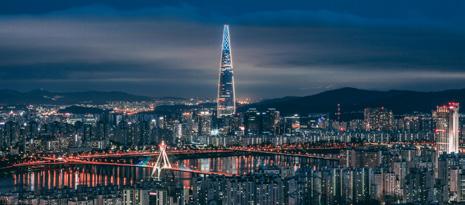
The Republic of Korea (South Korea) stands not merely as a developed nation, but as a global trendsetter—a “Soft Power Superpower” that has harmonized rapid industrial modernization with a sophisticated cultural export engine. From a war-torn agrarian society in the 1950s to one of the world’s most advanced G10 economies, South Korea’s journey is often cited as the “Miracle on the Han River.”
South Korea is no longer just a manufacturing hub for semiconductors and automobiles; it is a premier destination for global tourists, a leader in the Fourth Industrial Revolution, and a cultural lighthouse whose music, cinema, and lifestyle influence billions. This article explores the multifaceted pillars of South Korea’s success: its visionary economic development, its transition into a high-tech digital society, and its strategic transformation into a top-tier global tourism destination.
The Economic Architecture: From Reconstruction to G10 Status: South Korea’s economic trajectory is unique in modern history. By 2026, the nation has consolidated its position as a top-tier global economy, driven by a relentless focus on education, exportoriented industrialization, and research and development. The Strategy of Export-Led Growth: South Korea’s success began with a shift toward export-oriented industrialization. In the 1970s and 80s, the government focused on heavy and chemical industries. Today, that foundation has evolved into a dominance of high-value high-tech exports. South Korea remains the world’s largest producer of memory chips and a leader in rechargeable batteries for Electric Vehicles. High-Tech Dominance and R&D Investment: One of the secrets to South Korea’s unmatched growth is its commitment to innovation. South Korea consistently ranks among the top three nations globally for R&D spending as a percentage of GDP.
The Semiconductor Stronghold: Companies like Samsung Electronics and SK Hynix ensure that South Korea remains the backbone of the global digital economy. Automotive Evolution: Hyundai Motor Group has successfully pivoted to become a global leader in EV technology and hydrogen fuel cells, making South Korea a pioneer in the “Green Transition” of 2026.
The Digital Frontier: Leading the Fourth Industrial Revolution: South Korea is arguably the most “future-ready” society on Earth. Its digital infrastructure serves as a laboratory for the rest of the world. World-Class Connectivity: South Korea was the first to commercialize 5G, and it’s already piloting 6G technologies. With a nearly 100% fibre-optic broadband penetration rate, the nation offers the fastest internet speeds globally. This connectivity has fuelled a hyper-efficient digital economy where “contactless” (Untact) services, robotic delivery, and AI-integrated public transport are part of daily life. Smart Cities and Sustainable Urbanization: Cities like Incheon (Songdo) and Seoul have become templates for “Smart City” development. These cities utilize AI to manage traffic flow, reduce energy consumption, and provide 24/7 automated government services, making urban living both productive and sustainable.
The Hallyu Phenomenon: Soft Power as a Growth Engine: Perhaps the most visible aspect of South Korea’s success in 2026 is the “Korean Wave” (Hallyu). What began as a regional trend has become a global cultural hegemony that directly fuels the nation’s economy. K-Pop and the Global Entertainment Industry: Groups like BTS and Blackpink paved the way, but, the K-pop ecosystem has expanded into a multi-billion-dollar industry that includes virtual idols, metaverse concerts, and localized K-pop groups in the West. This sector contributes significantly to South Korea’s service-sector GDP and acts as the primary marketing tool for Korean consumer goods.
K-Drama and K-Cinema: Following the historic Oscar success of Parasite and the global dominance of Squid Game, Korean content has become a staple of global streaming platforms. Korea is the primary content production hub for Asia, attracting billions in investment from global giants like Netflix and Disney+.
Tourism: A Global Magnet in 2026: South Korea’s transformation into a prominent tourism destination is the result of a deliberate “Visit Korea” strategy. Indeed, the country is on track to surpass 20 million international visitors annually. The Blend of Tradition and Futurism: Tourists are drawn to the unique juxtaposition of ancient history and hyper-modernity. One can visit the 14th-century Gyeongbokgung Palace in the morning and explore the futuristic Dongdaemun Design Plaza in the afternoon.
Specialized Tourism Segments: Medical
Tourism: South Korea is a global leader in medical services, particularly in plastic surgery, dermatology, and health screenings. The Korea Health Industry Development Institute reports a record influx of medical tourists seeking high-tech care at competitive prices. K-Beauty and Fashion: Seoul is now considered a global fashion capital alongside Paris and Milan. Areas like Myeongdong serve as “beauty meccas” where tourists flock for the latest skincare innovations. Culinary Tourism: Korean cuisine (K-Food) has seen a global surge. From traditional Kimchi and Bibimbap to the global craze for Korean fried chicken and street food, foodcentric tourism has become a major draw.
Smart Tourism Infrastructure: Traveling in South Korea is frictionless. The Visit Korea platform provides AIdriven personalized itineraries, and the nation’s KTX high-speed rail network allows tourists to traverse the entire country in under three hours. Integrated payment systems allow foreign credit cards and digital wallets to be used seamlessly even in traditional markets.

Strength and Human Capital: Behind the technology and the pop stars lies a foundation of strong institutions and a highly educated workforce. Education: South Korea has one of the highest tertiary education rates in the world. This “Human Capital” is the fuel for its innovation engine. Public Safety and Health: South Korea is consistently ranked among the safest countries for solo travellers. Its public health system is a global model for efficiency and affordability, as evidenced by its resilient management of global health crises.
The Korean Blueprint for 2026 and Beyond: South Korea’s emergence as a prominent and successful country is not an accident of history but a result of meticulous planning, a culture of hard work (Pali-Pali culture), and an extraordinary ability to adapt. South Korea has proven that a nation can grow its economy while simultaneously exporting its culture to the world. It serves as an unmatched market leader in Asia, providing a blueprint for how to balance industrial might with the “soft power” of tourism and entertainment. Whether through the lens of a semiconductor engineer or a tourist exploring the neon-lit streets of Seoul, South Korea stands as a testament to what is possible when a nation invests in its future without forgetting its past.
Global Media Chief & MD
Dr. S. E. Alexander
Chief Executive Editor & ED
Dr. Andre Lubbe
Senior Executive Editors & Directors
Dr. Kevin Francis, George Fedrick
Executive Editor & SVP
Thamen, Reetu Bansal
Associate Editors & Regional Directors
Nicolas Flemings, Nitirooge Phoneprasert, Ken Obeng
Regional Director Malaysia
Shariman Abd Rahim
Creative Director
Randy Redstone
Art Directors
Richard Flemings
EVP - Asia Pacific Region Operations
Graham Starmer, Sudhakar Gupta
AGM – Corporate Communication
Swetha Naren
Vice President - Operations
Amit, Rahul Shinde, Ruchi Srivatsa
Corporate Advisors & Consultants
Venkat, Mike Dobbertine, Chandrasekar, Ujagar Singh
Senior Sub Editors
Prasad ST, Ram Mohan Rao, Vinu Agarwal
Editorial Consultants, Senior Journalists & Sub Editors
Bruce N Lesly, Edna Ferber, Sreedevi, Nancy, Aarti Mukherjee, Maddy, Rachel D’souza, Vidya, Kruthiga, Ajay Franklin
Regional & Business Managers
Sanjay, Steve Mathews, Nirupama Rao, Sunil Kumar, T.P. Bhaskar, Kiran, Kishore
Circulation Managers
Shewtha Shetty, Alan, Rakesh Khanna, Subbodh Chakraborthy
Photographers
James O Corner, Nikhil, Bosh Winter
Resident Managers & Journalists
Aarthi Agarwal, Sarika, Vikram Kapoor, Swetha
Assistant Managers & Executives
Rocky, Manju, Prakash, Neetu
Senior Creative Designer Raj, Ryan D’souza
Creative Designers
Ajeesh, Rajesh, Abhijit, Sonam, Reetu, Sonal, Ashish, Chithra
Email:







22

62
22
Chinese Fashion & Beauty Brands Reshaping Singapore’s Retail Landscape
36
82 The 15-Minute City Comes To Asia
100
Slaves Of The Shaṭṭ Al-Arab The Labour Behind Medieval Mesopotamia
52
Tiktoks 460 Million Users In Southeast Asia A Digital Reshaping Of Lives
118
Illuminating Fearless Visions On The 36th Singapore International Film Festival
62
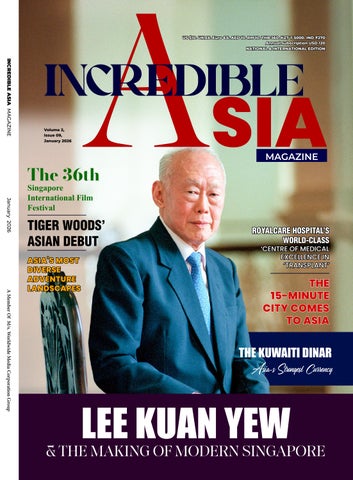
128 From Survival To Miracle Lee Kuan Yew And The Making Of Modern Singapore
Vietnam’s E-Commerce Surge
Leading Southeast Asia’s Digital Revolution
China’s Pioneering Space Barbecue Signals A Tastier Future For Cosmic Exploration

262
134
The Kuwaiti Dinar Asia’s Strongest Currency With Economic Significance
196
Thailand’s King Makes History In China
146
Royalcare Hospital’s WorldClass ‘Centre Of Medical Excellence In ‘Transplant’
224
Floating Solar Takes Off Asia’s Waterborne Energy Revolution
162
Healing The Himalayas Undertaking Healthcare Trials In Asia’s Remotest Regions
240
Tiger Woods’ Asian Debut Revolutionizing Golf In Vietnam With The Sunset Course
176
262 Why Japanese Cuisine Is Mainstreaming Across Asia
From Jungles To Deserts Asia’s Most Diverse Adventure Landscapes



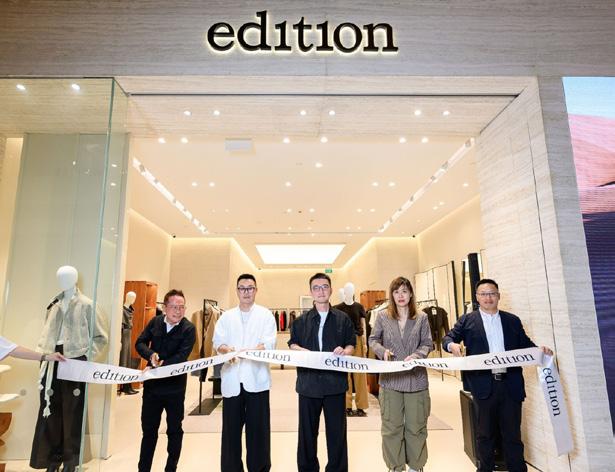
In the bustling heart of Singapore’s Raffles City, a new chapter in retail history unfolded in November 2025 with the grand opening of Edition and Mo&Co’s first standalone boutiques outside China. These luxury womenswear labels, under the Guangzhou-based EPO Fashion Group, chose the city-state as their inaugural international outpost, signalling a broader trend: the relentless surge of Chinese brands into global markets. As
we step into 2026, this momentum shows no signs of abating. From Pop Mart’s whimsical collectibles to the innovative palettes of C-beauty pioneers like Judydoll and Joocyee, Chinese fashion and beauty brands are not just entering Singapore—they’re transforming its retail ecosystem. This article explores the drivers behind their rise, their strategic foothold in Southeast Asia, and the profound implications for local retailers, consumers, and the economy.






China’s fashion industry has undergone a profound evolution, shedding its fast-fashion stigma to embrace sophistication, innovation, and cultural pride. By 2025, the sector had grown at an annual rate of 12%, with youth apparel alone generating $48 billion in revenue. This growth is fuelled by trends like Guochao— national pride infused into design— and Feiyi, which revives intangible cultural heritage through modern aesthetics. Brands like Li-Ning, founded by the Olympic gymnast of the same name, epitomize this shift. Once a symbol of athletic achievement, Li-Ning now leads the Guochao wave with collections that blend traditional motifs with cuttingedge sportswear, appealing to a global audience seeking authenticity.
Emerging designers are also making waves. Feng Chen Wang’s Spring/ Summer 2026 collection, showcased at international fashion weeks, featured bold reinterpretations of Eastern influences, emphasizing texture and narrative-driven pieces. Meanwhile, affordable yet trendy labels like BASEMENT FG (BF) have captured Gen Z’s imagination with American-inspired streetwear—oversized hoodies, tight tops, and wide-legged pants—that echo the “BM style” popularized by Brandy Melville but at more accessible prices. These brands are not merely copying Western trends; they’re innovating, with oversized clothing, bright sneakers, crossbody bags, and fusions of Eastern and Western styles dominating 2025 forecasts. Globally, Chinese fashion is gaining traction. In 2026, the industry is poised to deepen its focus on innovation, private labels, and sustainability, moving beyond low-cost production to become a technological powerhouse.

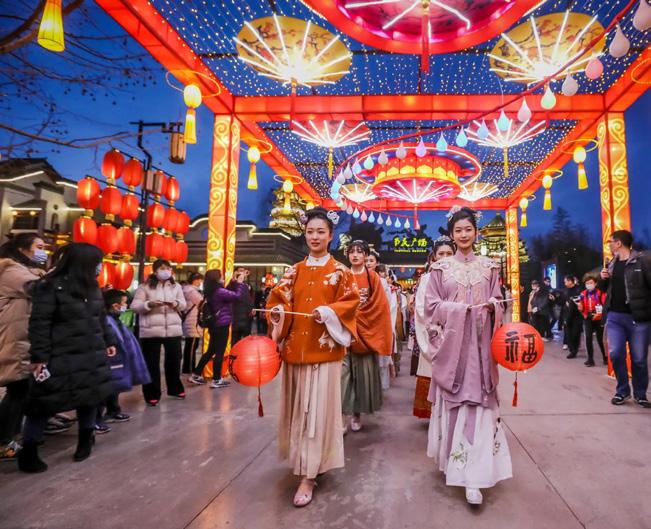
Domestic premium brands like Icicle, Shang Xia, and Neiwai are expanding with minimalist designs rooted in Chinese aesthetics, challenging Western luxury giants. This resurgence is evident in cultural revivals like Hanfu, whose enthusiasts doubled from 3.56 million in 2019 to over 6 million in 2020, amplified by social media with billions of views on platforms like Douyin and Weibo. The “New Chinese Style” trend, with hashtags garnering millions of posts, blends tradition with modernity, as seen in Shanghai’s rise as a global fashion hub alongside New York and Paris.
Parallel to fashion’s ascent, China’s beauty sector—or C-beauty—is experiencing a renaissance. Projected to reach $78 billion by 2025, the market is driven by innovation and a rebound from post-pandemic slumps. Brands are accelerating international forays, with exports rising 12% in early 2025, particularly in Southeast Asia. JOY GROUP, for instance, sells in over 50 countries, with labels
like Judydoll and Joocyee leading the charge. Mergers and acquisitions are key growth engines. In 2025, deals focused on fragrance, haircare, biotech, and niche brands, as seen in L’Oréal’s $4.6 billion acquisition of Kering Beauté to bolster its China presence. Domestic players like Proya and Mao Geping are eyeing global markets through acquisitions, shifting from hype to strategic control amid economic slowdowns at home. Florasis, known for ornate Chinese aesthetics, pivoted from the US to Japan, Southeast Asia, and Europe due to trade tensions, yet remains a C-beauty trailblazer.
Eye makeup emerged as a spotlight category in 2025, surpassing lip products in market share, offering Chinese brands a chance to redefine global standards with creative, artistryfocused products. Popular labels like Into You, Girl Cult, Colorkey, and Flower Knows dominate social media, blending affordability with emotional value. In Southeast Asia, Chinese skincare brands grew at a 115% CAGR from 2019–2024, leveraging low prices and digital strategies. McKinsey forecasts a midterm rebound for China’s beauty market, with executives eyeing India and the Middle East for growth, though China remains pivotal.
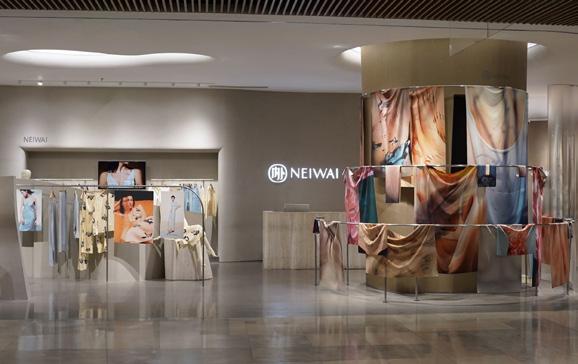




Singapore serves as a gateway for Chinese brands venturing abroad, thanks to its strategic location, affluent consumers, and role as a test bed for global expansion. In 2025, a record number of Chinese fashion and beauty outlets opened, from Anta sports to Bolon eyewear and Oh Sunny apparel. EPO Fashion Group’s choice of Singapore for Edition and Mo&Co underscores the city’s appeal: a multicultural market, strong retail infrastructure, and proximity to Southeast Asia. This influx mirrors broader trends in food and beverage, where 85 Chinese brands operated

405 outlets by August 2025—a 120% increase in 14 months—driven by overcapacity and price wars at home. In fashion and beauty, similar dynamics apply. CapitaLand, managing malls like Raffles City and Funan, has dedicated space to these brands, anticipating continued momentum in 2026. JOY GROUP plans three to five more stores for Judydoll and Joocyee, balancing heartland and central locations. Southeast Asia’s young, receptive consumers favour budget-friendly, creative brands. Chinese companies leverage e-commerce platforms like Shopee for market entry, acquiring rivals to gain share in appliances and cosmetics. Brands like YOU Beauty and Hebe Beauty have rooted deeply, capitalizing on social media for awareness.


The proliferation of Chinese brands is reshaping Singapore’s retail landscape, fostering competition while challenging incumbents. Once stigmatized as cheap knockoffs, these brands now win over consumers with innovation, design, and pricing. BYD’s dominance in EVs—selling 20% of vehicles in early 2025—illustrates this shift, outpacing Toyota and Tesla. Younger shoppers, in particular, view Chinese products as credible and aspirational. Economically, this
influx boosts trade—China has been Singapore’s top partner since 2013, with $170.2 billion in goods last year. It creates jobs and invigorates malls, but not without downsides. Intense price competition has led to over 3,000 local closures in 2024, as Chinese firms use aggressive tactics to dominate markets before raising prices. In beauty, Chinese players challenge Western giants like L’Oréal and Estée Lauder, which adapt with localized strategies. Consumer preferences are evolving toward emotional value and sustainability. Brands fostering belonging, like those offering cultural experiences, thrive in tough times. However, this “crowding out” raises concerns for local businesses, prompting calls for balanced policies.


As 2026 dawns, experts predict sustained growth. CapitaLand foresees more international expansions, with Chinese brands leading. In luxury, China’s market pivots toward emotional fitness,
power-aging, and domestic confidence, influencing global trends. Fashion will emphasize technology and sophistication, while beauty focuses on biotech and fragrance. For Singapore, this means a more dynamic retail scene, but retailers must innovate to compete. Embracing digital tools and cultural narratives could help locals reclaim space.
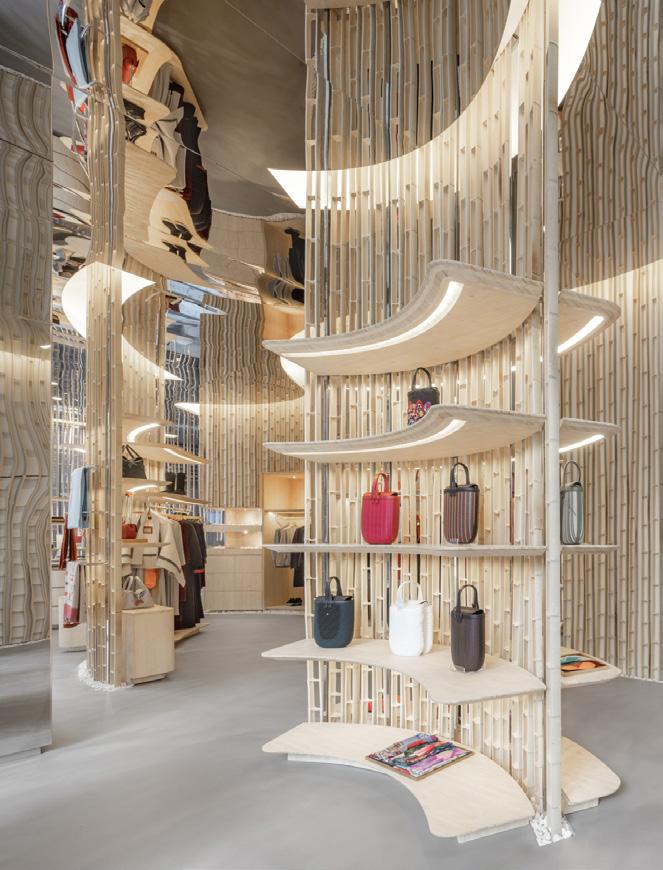
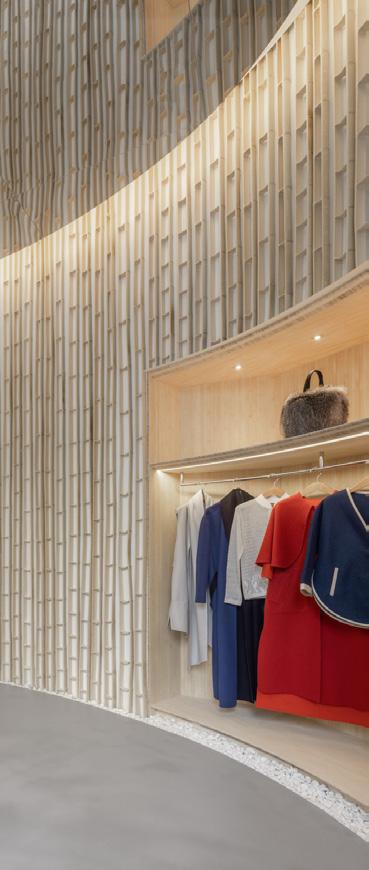

The continued rise of Chinese fashion and beauty brands is more than a retail trend—it’s a cultural and economic shift redefining global glamour. In Singapore, thiswave brings opportunities for growth and diversity but demands adaptation from local players. As these brands blend tradition with innovation, they not only challenge the status quo but enrich the marketplace, offering consumers choices that reflect a more interconnected world. With 2026 on the horizon, Singapore’s retail future looks vibrant, competitive, and unmistakably influenced by the East.


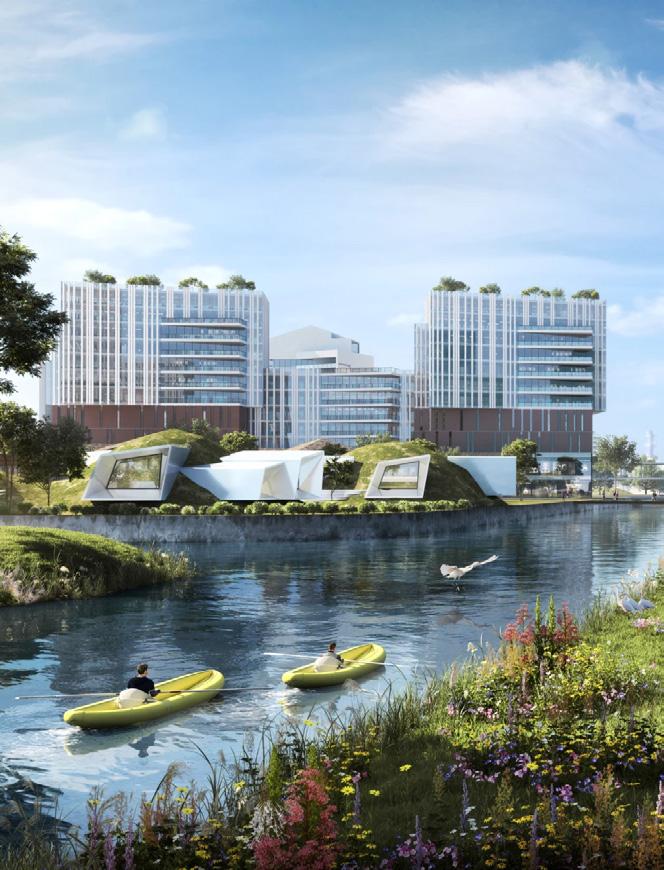
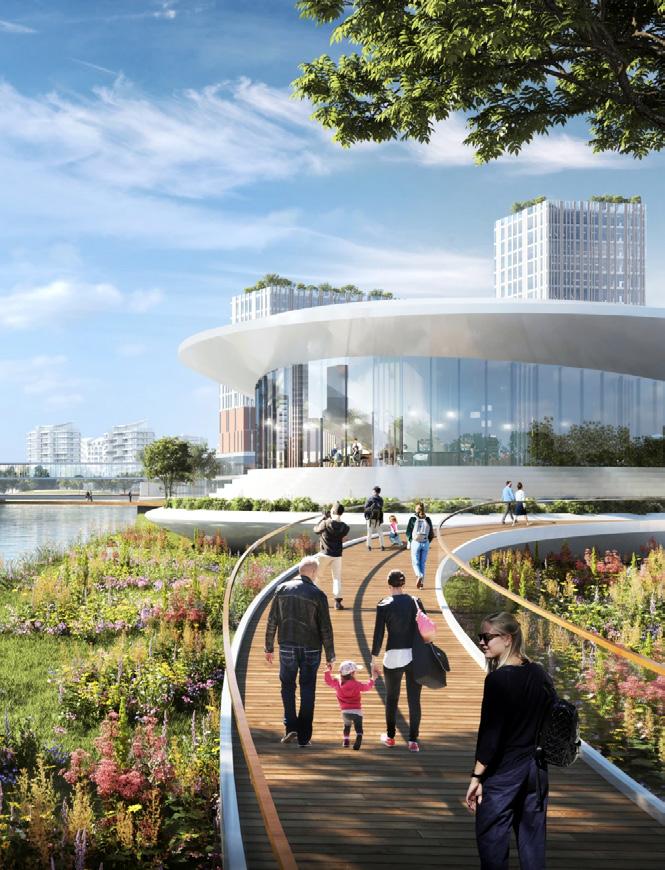
In an era where urban sprawl, traffic congestion, and environmental degradation dominate headlines, the “15-minute city” concept emerges as a beacon of hope for more liveable urban environments. Coined by Franco-Colombian urbanist Carlos Moreno in 2016, this urban planning model envisions neighbourhoods where residents can access essential services—such as work, education, healthcare, grocery stores, parks, and leisure activities—within a 15-minute walk or bike ride. The idea draws from historical roots, including Clarence Perry’s “neighbourhood units” from the 1920s, which emphasized walkable communities cantered around daily needs. Popularized in Europe, particularly through Paris’s ambitious implementation under Mayor Anne Hidalgo, the 15-minute city aims to reduce car dependency, lower carbon emissions, foster social equity, and enhance quality of life by prioritizing proximity over expansive commuting.



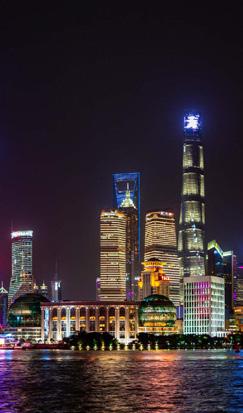
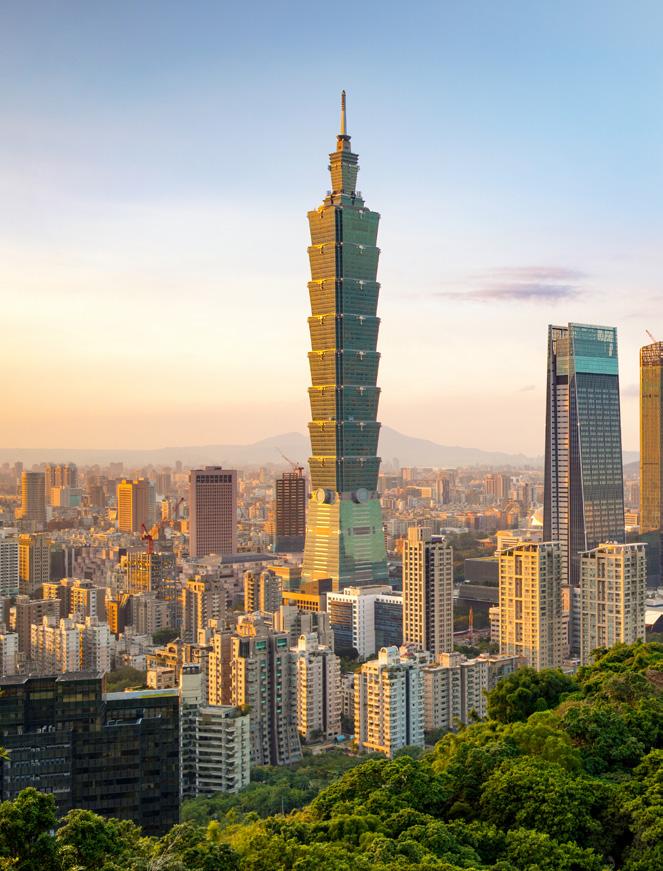
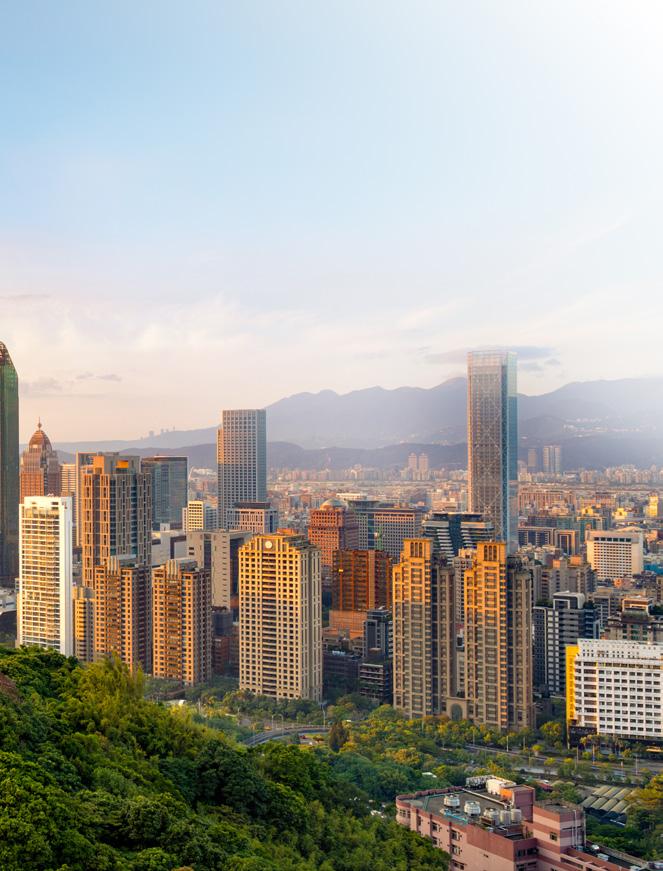
The concept’s appeal lies in its simplicity and adaptability. In Paris, it has translated into transforming streets into pedestrian zones, expanding bike lanes, and decentralizing services to create selfsufficient districts. This shift not only combats climate change by cutting transportation-related emissions but also promotes healthier lifestyles through increased physical activity and community interaction. However, as the model gains global traction, questions arise about its feasibility beyond Europe’s relatively moderate-density cities. Asia, home to some of the world’s most hyperdense metropolises, presents a unique testing ground. Cities like Seoul, Shanghai, and Taipei—characterized by towering skyscrapers, massive populations, and intricate public transit systems—are experimenting with this European-origin idea. But does it work in these high-pressure urban landscapes? And what adaptations are necessary to make it thrive? This article delves into these
experiments, exploring successes, challenges, and innovations shaping the 15-minute city in Asia.
Asia’s urban centres are exploding. By 2050, the continent is projected to house nearly two-thirds of the global urban population, with megacities like Shanghai and Seoul already straining under the weight of density and rapid growth. Hyper-dense environments amplify issues like air pollution, social isolation, and inefficient land use, making the 15-minute city’s promise of sustainability and convenience particularly relevant. Unlike Europe’s spread-out suburbs, Asian cities often feature vertical living, where high-rises pack millions into compact footprints. This density could, in theory, facilitate the model by concentrating services, but it also introduces hurdles such as limited ground-level space and socioeconomic disparities.
The push for 15-minute cities in Asia stems from post-pandemic reflections on urban resilience. COVID-19 highlighted the vulnerabilities of carcentric systems and the benefits of localized living, accelerating adoption in places like China and South Korea. Governments are integrating the concept into master plans, blending it with smart technology and green initiatives to address unique challenges. For instance, in hyper-dense settings, the focus shifts from horizontal expansion to vertical integration—embedding amenities within buildings or using digital tools for virtual access. Yet, adaptations must contend with cultural norms, economic pressures, and infrastructure legacies.
Shanghai, with over 26 million residents crammed into a bustling metropolis, stands as China’s vanguard in adopting the 15-minute city framework. As the first Chinese city to commit to this approach, Shanghai launched its “15-Minute Community Life Circle” policy in 2016, aligning with the national
“Shanghai 2035 Master Plan.” This initiative reimagines neighbourhoods as self-contained units, ensuring residents can reach public services, healthcare, education, and leisure within a short walk. By 2025, the city has expanded this to cover diverse districts, from the historic Bund to suburban enclaves, with action guidelines emphasizing affordable housing, sustainable supplies, and comfortable public spaces.
Implementation in Shanghai involves meticulous mapping and optimization. Studies using big data and GIS technology assess the distribution of facilities, identifying gaps in underserved areas. For example, in Jing’an District, policy communication strategies have focused on community engagement, turning abstract plans into tangible improvements like pop-up markets and green corridors. Adaptations to density include “vertical neighborhoods,” where high-rises incorporate ground-floor shops, rooftop gardens, and integrated transit hubs. This verticality addresses land scarcity, allowing amenities to stack upward rather than sprawl outward.


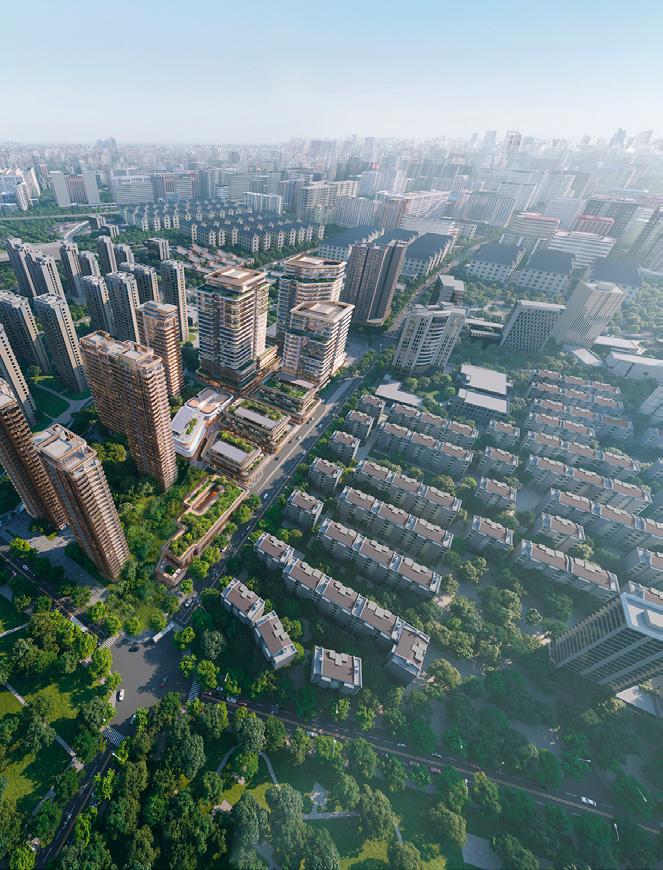
Challenges persist, however. Shanghai’s rapid urbanization has led to uneven development, with affluent areas boasting superior access while peripheral zones lag. A comparative study of Chinese cities ranked Shanghai highest in 15-minute circle quality, yet highlighted needs for better equity in facility allocation. To counter this, adaptations incorporate digitalization—apps for booking shared spaces or virtual consultations—reducing physical travel in congested areas. Moreover, cultural adaptations emphasize communal spaces for elderly care and family activities, aligning with Confucian values of harmony and proximity.
Success stories abound. In Pudong New Area, pilot projects have reduced average commute times by 20%, boosted local economies through small businesses, and improved air quality by discouraging car use. Shanghai’s model demonstrates that in hyper-dense Asia, the 15-minute city can flourish with tech-infused tweaks, but it requires ongoing investment to bridge inequality gaps.
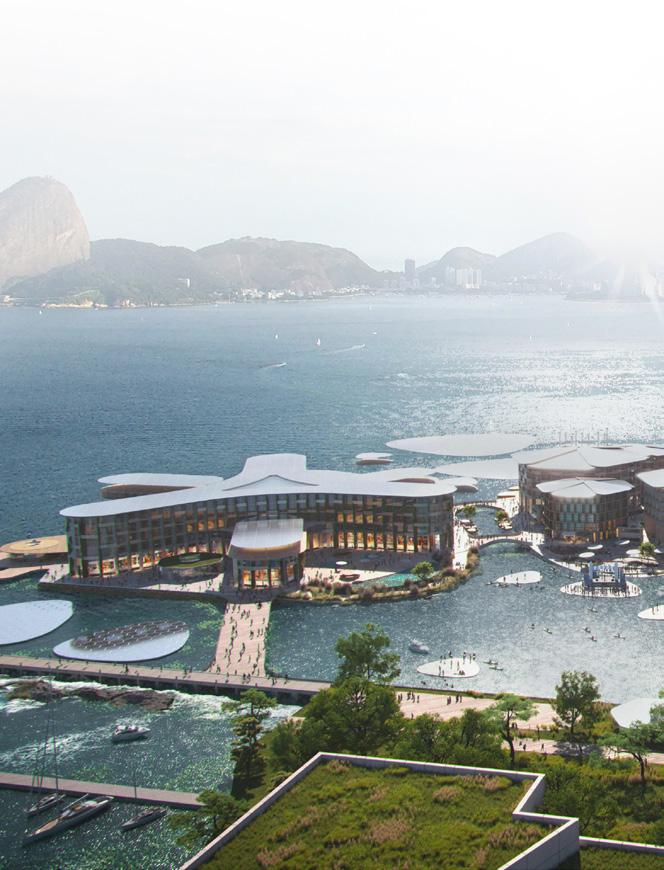
South Korea’s urban planners are weaving the 15-minute city into their smart city agendas, with notable experiments in Seoul and its southern counterpart, Busan. In Seoul, a 2025 study examined cultural and heritage site accessibility through the 15-minute lens, revealing opportunities to enhance walkability in historic districts like Jongno. The city’s hyper-density—over 10 million people in a compact area—demands innovative adaptations, such as integrating services into subway stations and high-rise complexes.
Busan, however, has taken a more aggressive stance. In August 2025, Busan Metropolitan City launched a full-scale “15-Minute City” initiative, complete with a “Lifestyle Map” app detailing 1,665 facilities across 10 categories, from public services to cultural venues.
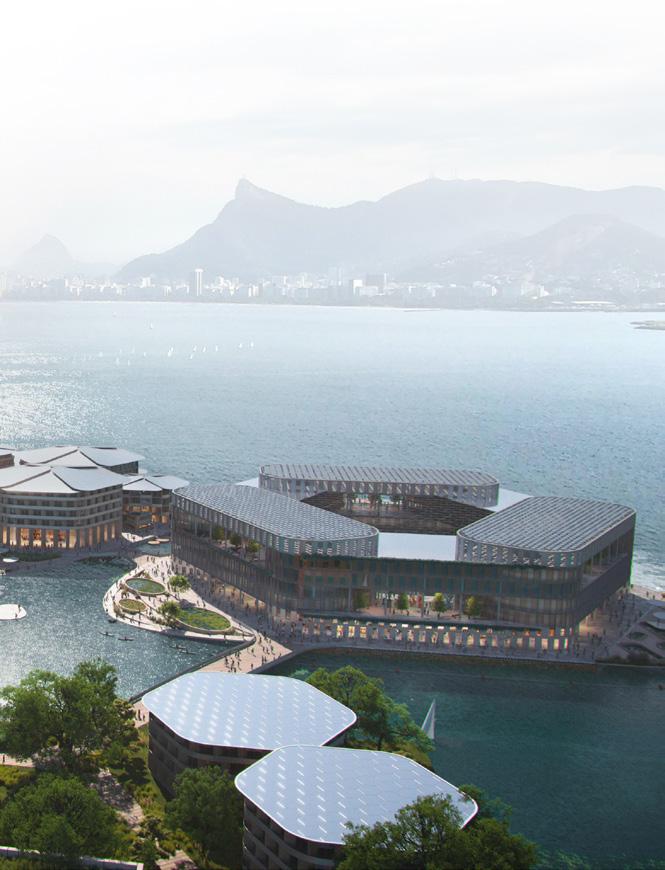
Tailored to 62 small living areas, the plan combats depopulation in aging neighbourhoods by customizing amenities to local needs—think community centres in residential zones and tech hubs in industrial ones. Mayor Park Hyung-joon has championed this as a fusion of Moreno’s concept with Korean innovation, using smart technology like IoT sensors for real-time facility monitoring.
Adaptations in South Korea address vertical density and seismic risks. High-rises often include “sky bridges” connecting buildings for seamless access to shared amenities, while digital platforms enable “virtual 15-minutes” for remote work or telemedicine. Challenges include financial constraints and resistance from car-dependent commuters. In Busan, implementation has faced pushback over rezoning, but community involvement—through town halls and pilot feedback—has mitigated this.
These efforts yield measurable benefits. Busan’s model has improved quality of life by 15% in pilot areas, per resident surveys, and reduced traffic congestion by promoting biking and walking. Seoul’s cultural focus ensures heritage preservation amid modernization, proving the concept’s versatility in tech-savvy Asia.
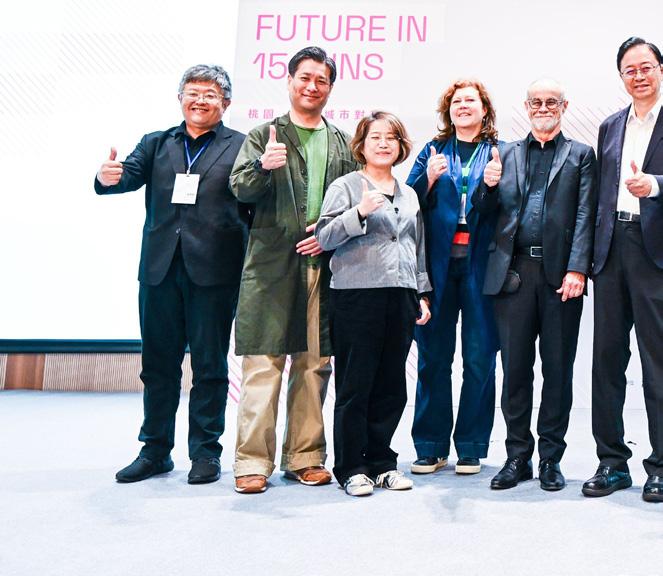
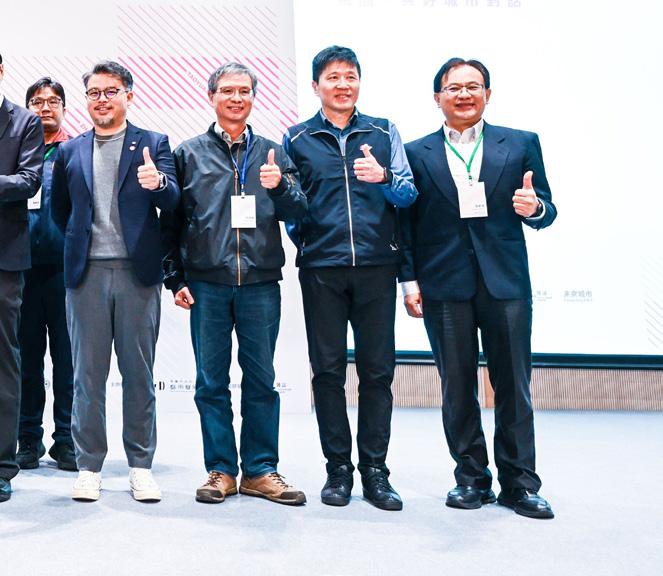
Taiwan’s approach to the 15-minute city is evolving, with Taipei and nearby Taoyuan leading experiments. In Taoyuan, Mayor Chang San-cheng announced in December 2025 the “Future in 15 Mins” vision, integrating it into regional development. This plan prioritizes transit-oriented districts, where high-speed rail and metro lines converge with local amenities, addressing the area’s sprawl from Taipei’s overflow.

Taipei itself, with its dense population of 2.6 million, draws on related initiatives like the “City Yeast” project, which ferments communitydriven urban improvements for joy and sustainability. While not explicitly branded as 15-minute, Taipei’s smart city strategies—including AI for traffic optimization and green spaces—align closely. Adaptations here leverage Taiwan’s tech prowess, using apps for real-time bus tracking and shared e-bikes to extend the “15-minute” radius virtually.
Challenges in Taiwan mirror Asia’s broader issues: earthquakeprone terrain demands resilient infrastructure, and economic disparities risk excluding lowincome groups. Taoyuan’s model counters this with inclusive planning, incorporating affordable housing and child-friendly spaces. Early results show promise: Reduced commute times in pilot zones and heightened community engagement, echoing successes in nearby Shenzhen.

Across Asia, adaptations to the 15-minute city emphasize four pillars: density, proximity, diversity, and digitalization. In hyper-dense cities, vertical designs integrate amenities into skyscrapers, while public transport extends reach—evolving to a “30-minute region” for inter-district connectivity. Tech plays a starring role, from Shenzhen’s IoT for facility management to Shanghai’s datadriven optimizations.
Yet, challenges abound. Financial and resource constraints hinder implementation, particularly in developing areas. Socio-spatial fragmentation, as in Manila, exacerbates inequality, requiring targeted equity measures. Cultural shifts are needed too—overcoming car culture and ensuring childfriendliness in family-oriented societies. Global case studies, including Chengdu’s walkable communities, underscore the need for context-specific tweaks.


The 15-minute city’s migration to Asia signals a paradigm shift toward humane, sustainable urbanism. In Shanghai’s life circles, Busan’s techinfused neighbourhoods, and Taoyuan’s forwardlooking plans, the concept proves adaptable, enhancing liveability amid density. While challenges like inequality and infrastructure demand vigilant adaptations, the potential for reduced emissions, stronger communities, and economic vitality is immense. As Asia leads in urban innovation, these experiments could redefine global cities, proving that even in hyper-dense hubs, a better life is just 15 minutes away.


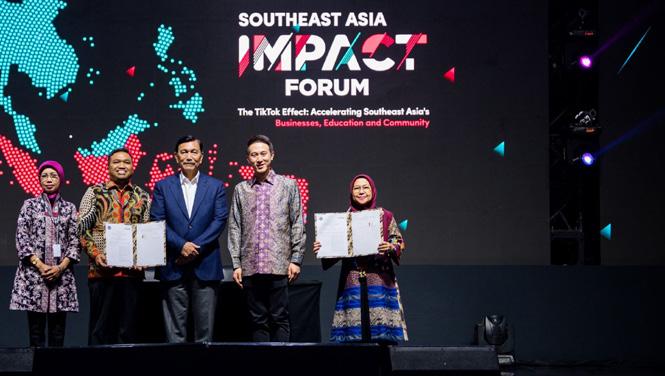
TikTok announced a landmark achievement at its inaugural SEA Apps Summit in Hanoi: the platform now boasts 460 million monthly active users across Southeast Asia. This figure positions the region as TikTok’s most rapidly expanding market beyond China, reflecting a profound integration of short-form video into the daily fabric of life in countries such as Indonesia, Vietnam, Thailand, the Philippines, Malaysia, and Singapore. The milestone invites a closer examination
of the forces driving this popularity, the tangible advantages it delivers to users, potential pitfalls to navigate, and practical strategies for harnessing the app to enrich everyday experiences.
Roots
The ascent of TikTok in Southeast Asia stems from a confluence of technological, demographic, and cultural factors that align seamlessly with the platform’s design.


Mobile penetration exceeds 700 million subscriptions in a population of roughly 670 million, supported by affordable data plans and widespread 4G and 5G networks that extend even to rural areas. This infrastructure enables seamless access to video content, making TikTok a natural fit for a region where smartphones often serve as the primary gateway to the internet. A youthful demographic further accelerates adoption. With a median age around 30 years, Southeast Asia is home to approximately 250 million individuals in their teens, twenties, and early thirties—generations primed for digital expression. The app’s concise
video format, ranging from 15 to 60 seconds, accommodates fragmented schedules, allowing consumption and creation during commutes, breaks, or idle moments. Cultural resonance plays an equally vital role. TikTok’s algorithm adapts swiftly to local languages, music, and trends, delivering feeds that feel intimately tailored. In Indonesia, content in Bahasa Indonesia dominates; in Thailand, Thai pop tracks underpin viral challenges; in Vietnam, traditional motifs blend with contemporary edits. This localization fosters a sense of ownership, transforming global templates into regional narratives.
Economic integration has amplified appeal through TikTok Shop, launched across the region between 2023 and 2024. The feature merges entertainment with commerce, enabling direct purchases during live streams or video views. Reports indicate that gross merchandise value in Southeast Asia surpassed $20 billion in the first half of 2025, underscoring the platform’s evolution into a marketplace as much as a social space.
The benefits of TikTok’s presence extend far beyond entertainment, touching livelihoods, education, cultural continuity, and well-being. For many, the app has become a viable income source. TikTok reports that over two million creators in Southeast Asia now generate earnings through the Creator Fund, live gifts, brand partnerships, and affiliate sales.
Small-scale entrepreneurs, artisans, and service providers leverage the platform to reach customers directly, often supplementing or replacing traditional revenue streams. Education emerges as another key advantage. Hashtags such as #LearnOnTikTok aggregate tutorials on topics from language skills to technical repairs, delivered in digestible segments. Students preparing for national exams access study aids and peer-led sessions, while professionals upskill through targeted content. The format’s brevity encourages repeated viewing, reinforcing retention without overwhelming schedules.
Cultural preservation benefits from TikTok’s global reach paired with local focus. Traditional dances, crafts, and recipes gain new audiences as creators document and share heritage practices. Duet and stitch functions facilitate intergenerational exchange, ensuring knowledge transfer in an engaging, modern medium.








Mental health support has also found a niche. Communities cantered on mindfulness, stress management, and peer encouragement amass hundreds of millions of views, offering quick, accessible resources. During challenging periods, such as natural disasters or economic downturns, these networks provide information and solidarity, complementing formal support systems.
Despite its advantages, TikTok demands cautious engagement. Data privacy remains a concern, given the app’s international storage protocols. Users are advised to enable twofactor authentication, limit shared personal information, and regularly review permissions to mitigate risks. Excessive screen time poses another challenge, with average daily usage in the region approaching 95 minutes. The platform’s “Digital Wellbeing” tools allow users to set time limits, helping maintain balance with offline priorities. Misinformation can spread
rapidly due to the viral nature of short videos. Fact-checking initiatives in countries like Malaysia and Indonesia serve as valuable resources for verifying claims before sharing. Age restrictions warrant attention as well. TikTok prohibits accounts for those under 13, and Family Pairing features enable parental oversight of content and interactions for younger users.
To maximize TikTok’s value, users can adopt intentional approaches. Curating the For You Page by engaging with preferred content types—educational, professional, or wellness-focused— refines recommendations over time, reducing exposure to less relevant material. Aspiring creators benefit from consistent posting schedules, ideally aligned with peak local viewing hours, and authentic storytelling that resonates with regional audiences. Reaching the 1,000-follower threshold unlocks monetization options, providing a structured path to income generation.

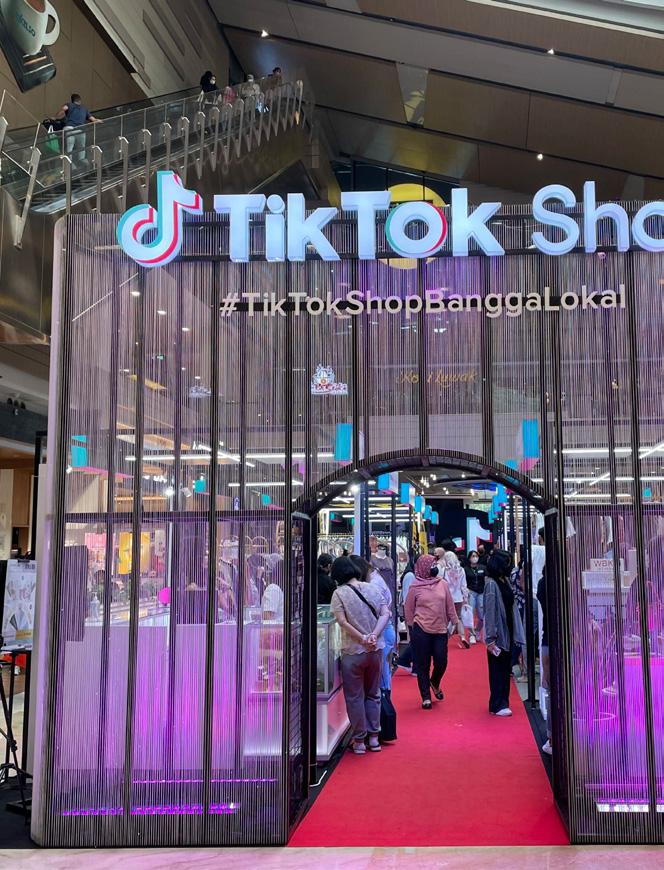


Shoppers can compare prices within TikTok Shop and enable notifications for live deals, often securing discounts competitive with larger e-commerce platforms. Community hashtags facilitate local support networks, coordinating aid during crises or fostering neighbourhood connections. For balance, periodic algorithm resets— achieved by selecting “Not Interested” on unwanted content—help sustain a feed that aligns with personal goals rather than endless scrolling.
At the Hanoi summit, TikTok introduced tools like Symphony, an AI suite for
localized ad creation, and Smart+, which optimizes marketing campaigns. These developments signal a deeper embedding of the platform within the region’s digital economy. Projections suggest Southeast Asia could approach 500 million users by mid2026, driven by expanding connectivity and innovative features. Ultimately, TikTok’s 460 million-user milestone reflects more than market success—it illustrates a transformative tool that empowers expression, commerce, learning, and connection. Approached with awareness and purpose, the app offers Southeast Asians a dynamic canvas to shape their digital and real-world lives.



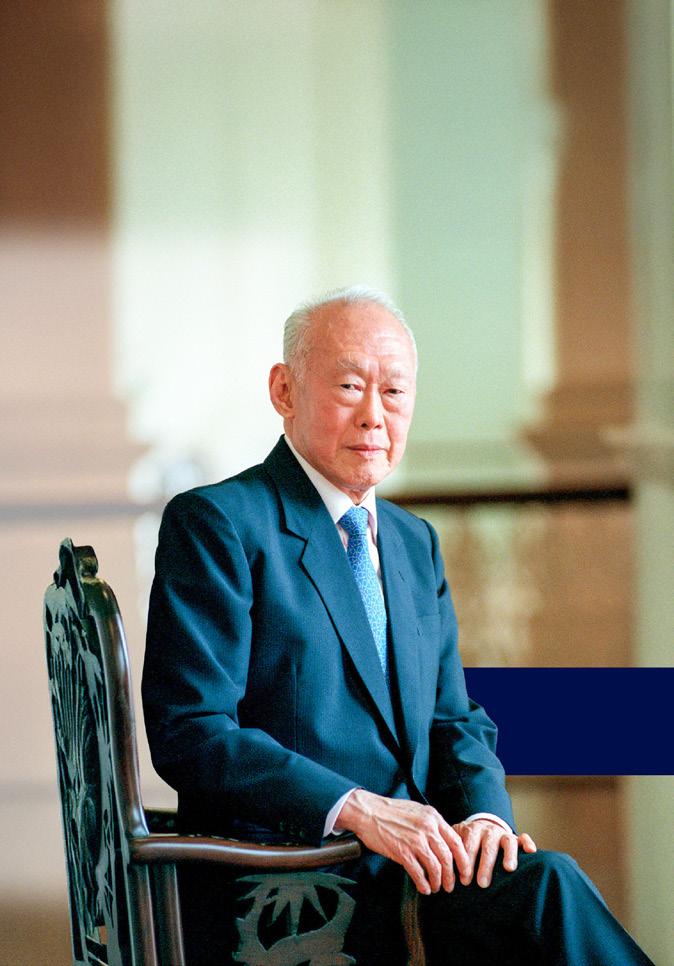
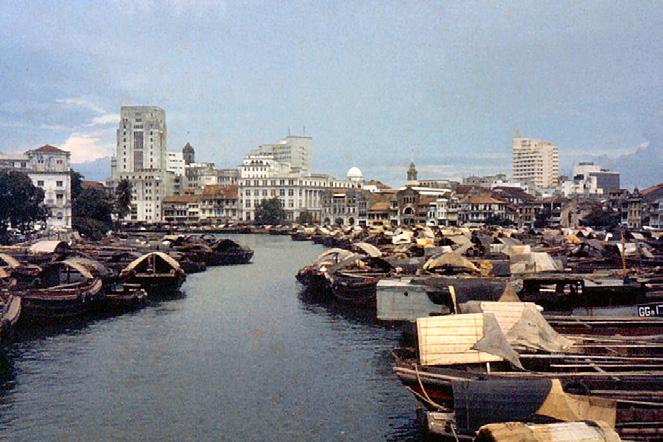
In the middle of the 20th century, Lee Kuan Yew stood at the helm of one of the most improbable political experiments of the modern age. When he assumed leadership in 1959, Singapore was not yet the gleaming global city it is today, but a fragile, overcrowded port struggling with unemployment, ethnic tension, poor housing, and a complete absence of natural resources. Few observers believed the island could survive independently, let alone thrive. History, however, would prove those assumptions spectacularly wrong. Singapore’s journey from colonial outpost to sovereign nation was shaped by crisis at every turn—Japanese occupation during the Second World War, turbulent decolonisation, communist agitation, labour unrest, and finally the traumatic separation from Malaysia in 1965. Independence came not as a triumphant culmination of nationalist struggle, but as a sudden expulsion that left the new nation exposed and vulnerable. Surrounded by larger neighbours, dependent on external
trade, and burdened with severe social challenges, Singapore faced what Lee himself described as an “existential” fight for survival. The stakes could not have been higher: failure would have meant economic collapse, social fragmentation, or absorption by more powerful forces in the region.
It was within this unforgiving context that Lee Kuan Yew forged a governing philosophy rooted in realism rather than ideology. Rejecting both Westernstyle welfare liberalism and laissezfaire capitalism, he pursued a hybrid model—an open, market-driven economy underpinned by a strong, interventionist state. His approach was guided by a simple but ruthless principle: policies would be judged solely by whether they worked. Meritocracy, discipline, incorruptibility, and long-term planning became the cornerstones of governance. Institutions were built to outlast personalities, and the state assumed an active role in shaping not only the economy, but society itself.
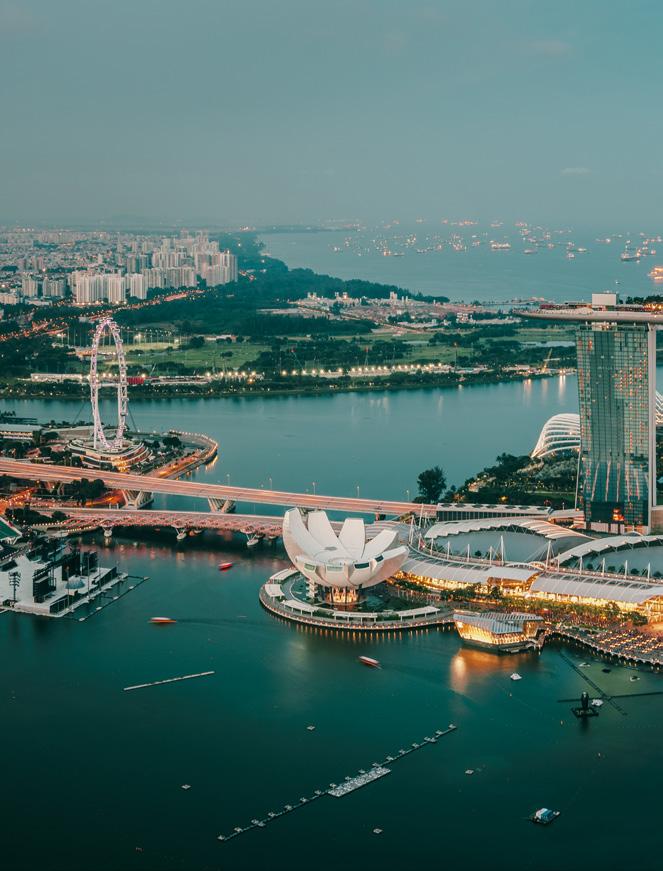
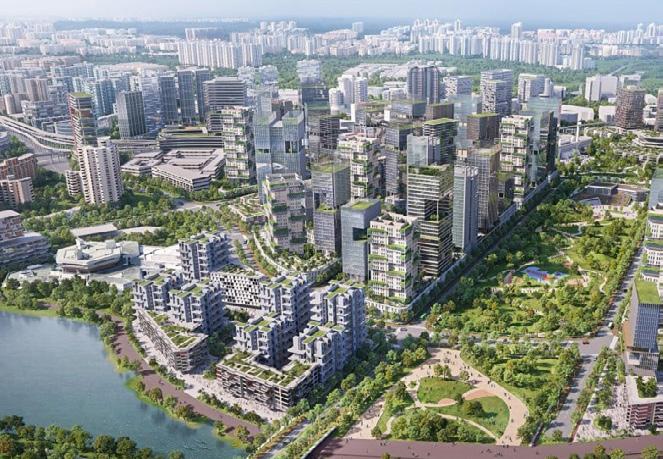
Over the following decades, Singapore underwent a transformation unparalleled in scale and speed. Slums gave way to high-rise public housing, unemployment fell to negligible levels, and a once-chaotic port evolved into a linchpin of global trade and finance. Education, bilingualism, compulsory savings, and national service were deployed as tools of nation-building, while foreign investment and global integration powered economic growth. Yet this success came with trade-offs. Political opposition was tightly constrained, press freedom limited, and civil liberties subordinated to what Lee viewed as collective survival and social order.
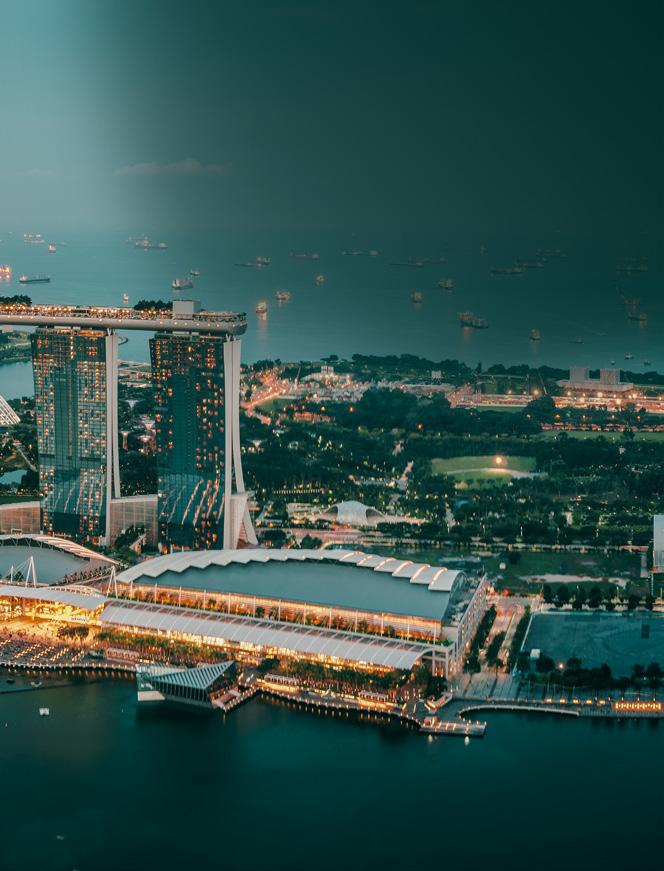
From Survival to Miracle examines how Lee Kuan Yew’s leadership reshaped a vulnerable island into one of the world’s most successful city-states. It explores the ideas, decisions, and controversies that defined Singapore’s rise, offering insight into a leader who believed nations are not born, but made— through discipline, foresight, and an unyielding refusal to accept mediocrity. More than a biography of a statesman, this is the story of how an “improbable nation” was constructed against overwhelming odds, and why its founding choices continue to resonate in global debates on development and governance today.
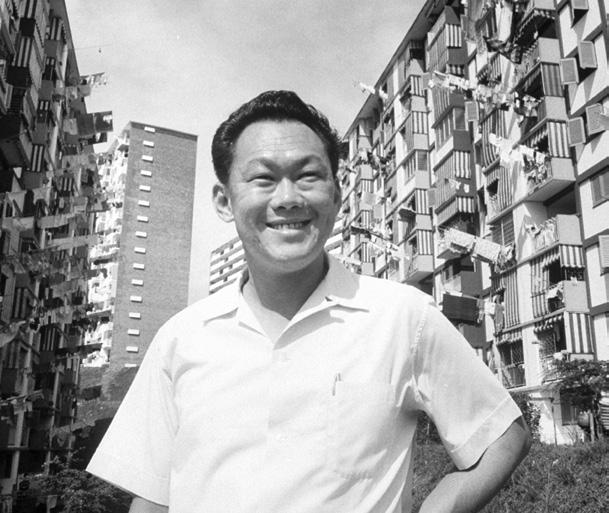
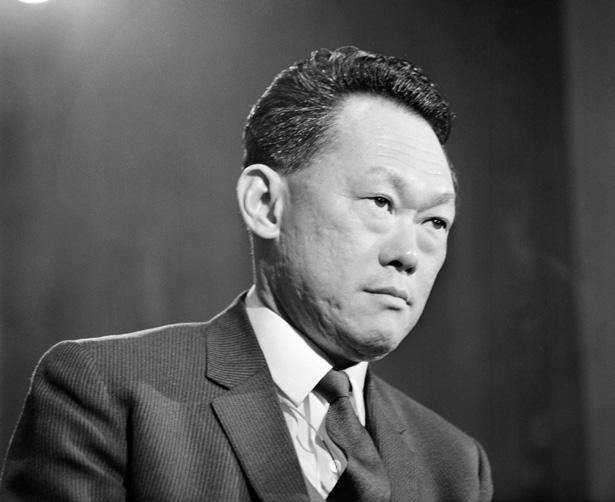
Lee Kuan Yew was born on 16 September 1923 in Singapore, then a British crown colony, into a prosperous Straits Chinese family. His great-grandfather had migrated from Guangdong province in China during the 19th century. Lee received an English-language education at Raffles Institution and later studied at Raffles College, where he was among the top students. When the Japanese occupied Singa-pore in February 1942, the 18-year-old Lee survived the brutal occupation by working as a clerk and later trading on the black market. The experience profoundly shaped his worldview, teaching him the fragility of order and the consequences of weakness.
After the war, Lee won a scholarship to study law at Fitzwilliam Col-lege, Cambridge, graduating with a starred First in 1949. At Cambridge he honed his intellect and developed a lifelong belief in meritocracy and pragmatic governance. He was called to the bar at the Middle Temple in London in 1950 and returned to Singapore in 1951 to prac-tise law while becoming increasingly involved in anti-colonial politics.
In the 1950s Singapore was a restless port city plagued by labour un-rest, communist insurgency, secret-society violence and deep communal divisions among Chinese, Malays, Indians and others.

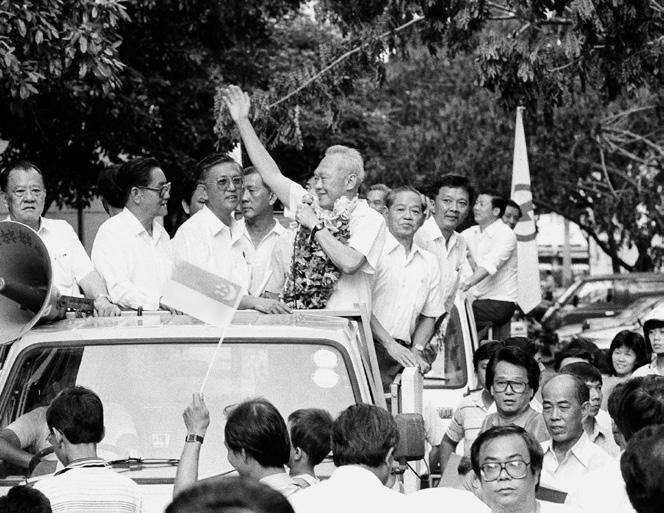


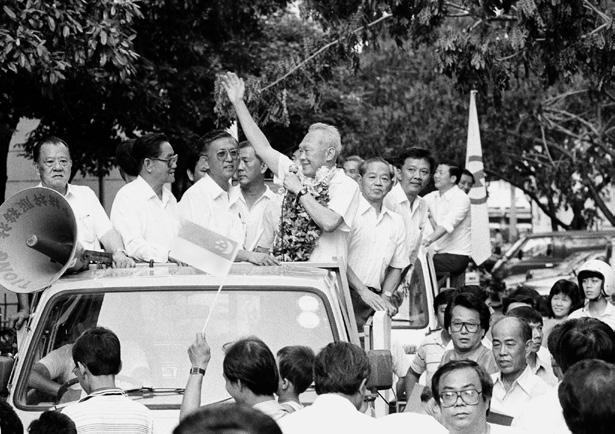
The Brit-ish were preparing to grant self-government but were wary of the powerful leftist trade unions and the pro-communist factions within them. In 1954 Lee co-founded the People’s Action Party (PAP) with a group of English-educated professionals and Chinese-educated trade union-ists. The PAP’s emblem, a red lightning bolt in a blue circle, symbol-ised action within discipline. Lee deliberately allied himself with pro-communist leaders to gain grassroots support while privately intending to crush communism once in power. In the 1959 general election,
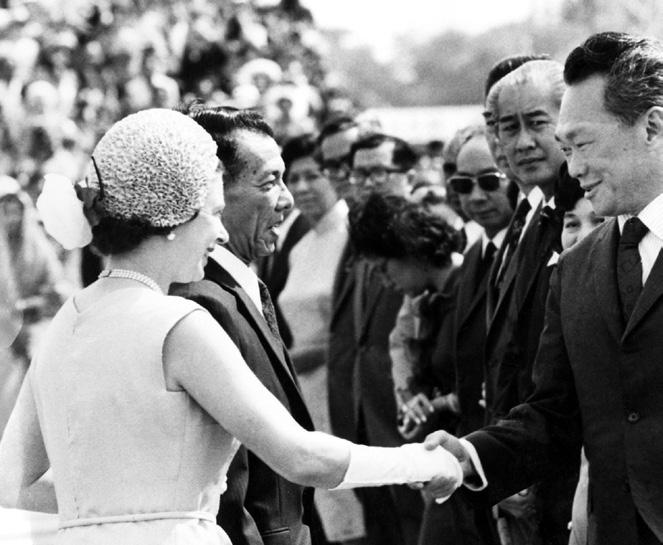
the PAP won 43 of the 51 seats, and at the age of 35 Lee Kuan Yew was sworn in as Singapore’s first Prime Minister on 5 June 1959.
Lee believed that tiny Singapore could never survive alone. His solution was merger with the Federation of Malaya, which had gained independence in 1957. After intense negotiations, Singapore joined Ma-laya, Sabah and Sarawak to form the Federation of Malaysia on 16 September 1963. The merger quickly unravelled. Racial tensions flared, especially after inflammatory speeches by ultra-Malay nationalists in Kuala Lumpur who demanded special rights and viewed Singapore’s predominantly Chinese population with suspicion.
Two race riots in Singapore in July and September 1964 left dozens dead. Economic disagreements and political rivalry between the PAP and the federal government in Kuala Lumpur compounded the crisis.
On 9 August 1965, Lee was informed that Singapore would be ex-pelled from Malaysia. In a televised press conference that same day, an emotional Lee announced the independence of Singapore, tears streaming down his face as he declared: “For me, it is a moment of anguish… all my life I have believed in merger and the unity of these two territories.” Singapore was now a sovereign nation-state with no natural resources, a population of barely two million, surrounded by much larger neighbours, and facing immediate existential threats.
At independence Singapore had one of the highest population densi-ties in the world, rampant unemployment, appalling slums, no domes-tic market, and a per capita GDP of approximately US$516. The Brit-ish were withdrawing their military bases, which accounted for about 20% of the economy and 50,000 jobs.
Lee’s immediate priorities were survival and rapid economic growth. His government pursued five core strategies:
1. Rigorous meritocracy and incorruptible administration
2. Attracting foreign direct investment
3. Massive public housing and urban redevelopment
4. Compulsory savings through the Central Provident Fund
5. Heavy investment in education and skills training
In 1968 the Economic Development Board (EDB), established earlier under Dr Goh Keng Swee, aggressively courted multinational corpora-tions with pioneer tax holidays and world-class infrastructure. Jurong, once a swamp, was transformed into a sprawling industrial estate. Companies such as Texas Instruments, Hewlett-Packard and Rollei established plants, creating thousands of jobs.
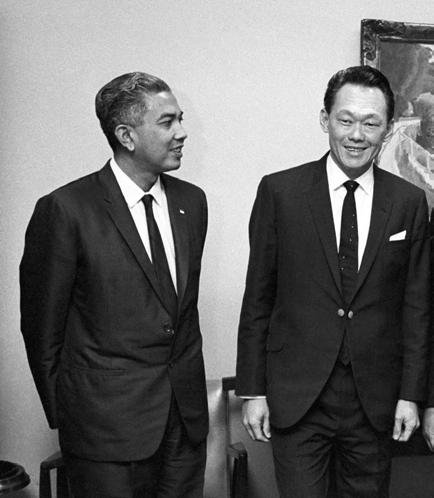


The Housing and Development Board (HDB), also set up in 1960, embarked on an unprecedented public-housing programme. By 1985 roughly 82% of Singaporeans lived in HDB flats, giving the population a tangible stake in the country’s success and eliminating the commu-nal enclaves that had fuelled racial strife.
To ensure social discipline, Lee’s government passed tough laws against vandalism, littering, spitting and long hair on males (initially to reduce drug-trafficking risks). The Internal Security Act, inherited from the British, allowed detention without trial and was used decisively against communist insurgents and later against alleged Marxist con-spirators.
By the late 1970s Singapore had achieved full employment. Lee now pushed the economy up the value chain. In 1979 he launched the “Second Industrial Revolution”, emphasising higher wages to force companies to automate or upgrade. The National Wages Council institutionalised annual wage increases above productivity growth to price low-value industries out of Singapore.
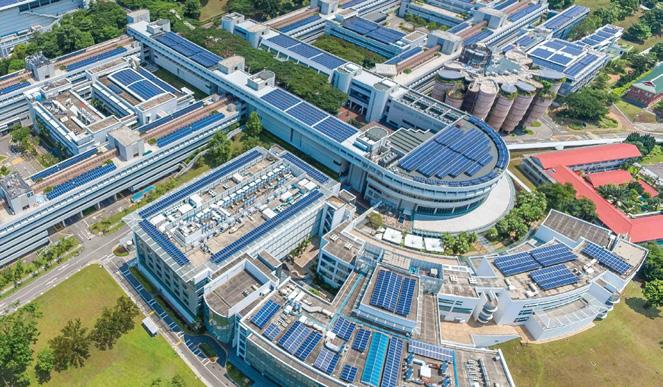
The 1980s saw massive investments in education: the Nanyang Technological Institute (now NTU) was established, the National Uni-
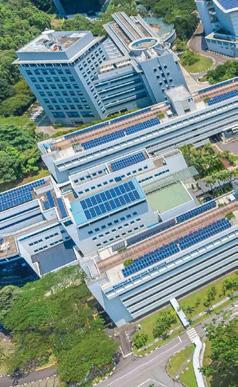

versity of Singapore expanded, and vocational training through the Institute of Technical Education was overhauled. Bilingualism—English plus mother tongue—was strictly enforced to produce a workforce flu-ent in the global language of business while retaining cultural roots. Singapore positioned itself as a financial centre second only to Tokyo in Asia. The Asian Dollar Market was launched in 1968; by the 1990s Singapore was one of the world’s largest foreign-exchange trading centres. Changi Airport, opened in 1981, became a model of efficiency. The Port of Singapore, through relentless containerisation and automation, overtook Rotterdam and Hong Kong to become the world’s busiest transshipment hub.
Lee also cultivated personal relationships with world leaders. He ad-vised Deng Xiaoping on China’s opening in 1978, and Singapore became one of the earliest investors in Suzhou Industrial Park. Ties with the United States were cemented through defence cooperation agreements and the presence of American naval logistics facilities.
Lee was unapologetic about social engineering. He believed culture and values mattered as much as economics. Among the controversial policies:
• Graduate Mother Scheme (1984–1985): Offered incentives for university-educated women to have more children (quickly withdrawn af-ter public backlash).
• Strict population control in the 1960s–1970s (“Stop at Two”) followed by pro-natalist policies in the 1980s once affluence caused birth rates to collapse.
• Preservation of ethnic quotas in public housing to prevent the reemergence of racial enclaves.
• Maintenance of National Service (conscription) for all male citizens to forge a common identity and provide a credible deterrent.
The “Singapore identity” was deliberately constructed around multira-cialism, meritocracy, and the pledge recited daily in schools: “to build a democratic society based on justice and equality”.
Governance Style: Pragmatism Over Ideology
Lee’s philosophy was famously encapsulated in his phrase “whatever works”. He rejected both Western welfare-state liberalism and pure laissez-faire capitalism. Singapore developed a unique hybrid: a rigorously free-market economy combined with a strong, interventionist state that owned or controlled key sectors (airlines, telecommunica-tions, shipping, banking) through government-linked companies such as Temasek Holdings. Corruption was virtually eradicated by paying ministers and civil serv-ants world-class salaries benchmarked against the private sector. In 1994 ministerial salaries were formally pegged to the average of the top earners in six professions. Lee argued that low pay bred corrup-tion and mediocrity.
Regional and Global Statesmanship
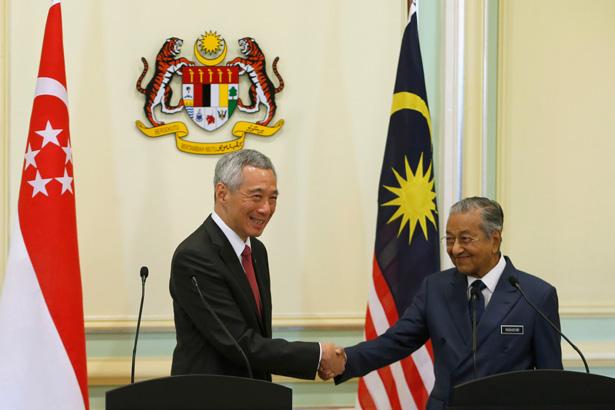
Despite its small size, Singapore under Lee punched far above its weight diplomatically. He was a founding member of ASEAN in 1967 and helped keep the organisation together through the Cambodian conflict and the Cold War. Singapore’s refusal to recognise the Viet-nameseinstalled regime in Phnom Penh in the 1980s played a key role in denying it international legitimacy until the 1991 Paris Peace Agreements. Lee cultivated close ties with Indonesia’s Suharto and Malaysia’s Ma-hathir Mohamad despite occasional public spats, recognising that Singapore’s survival depended on stable, prosperous neighbours. Water agreements signed with Malaysia in 1961 and 1962 remain a sensitive bilateral issue to this day.

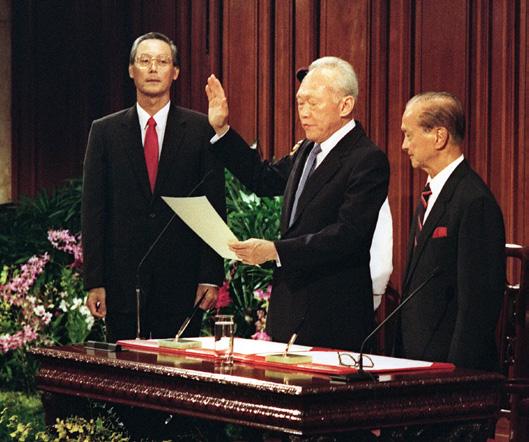
On 28 November 1990, after 31 years as Prime Minister, Lee Kuan Yew stepped down in favour of Goh Chok Tong. It was only the third leadership transition in the Commonwealth since World War II that was entirely peaceful and voluntary. Lee remained in the Cabinet first as Senior Minister and later as Minister Mentor until 2011, continuing to exert significant influence.
The transition was meticulously planned over a decade. Potential successors were identified, tested in junior ministerial positions, and exposed to crises such as the 1985 recession and the Hotel New World collapse.
When Lee assumed office in 1959:
• GDP per capita: ~US$428
• Unemployment rate: ~13.5%
• Home ownership: ~9%
• Life expectancy: 65 years
• Literacy rate: ~52%
• By the time he stepped down as Minister Mentor in 2011:
• GDP per capita: ~US$50,000 (among the highest in the world)
• Unemployment rate: consistently below 3%
• Home ownership: ~90%
• Life expectancy: 82 years
• Literacy rate: ~96%
Singapore had the world’s busiest transshipment port, the fourth-largest foreign-exchange market, one of the top sovereign wealth funds (GIC and Temasek), and foreign reserves exceeding US$300 billion.


Lee’s methods attracted criticism both domestically and internationally. Opposition figures such as J.B. Jeyaretnam and Chee Soon Juan were repeatedly bankrupted by defamation suits, which critics labelled as suppression of dissent. The Internal Security Act was used against individuals without public trial. Press freedom rankings consistently placed Singapore near the bottom globally, with all major media outlets effectively under government influence or ownership.
Lee defended these measures as necessary for a multiracial city-state surrounded by larger neighbours with different systems. He argued that Western liberal democracy, with its adversarial politics and em-phasis on individual rights over collective

survival, was unsuited to Singapore’s context.
Lee’s beloved wife, Kwa Geok Choo, suffered strokes in 2008 and passed away in October 2010. Lee himself suffered from peripheral neuropathy and required a walking stick in his last years. He made his final public speech at the 2011 General Election rally, urging Singapo-reans to support the PAP.
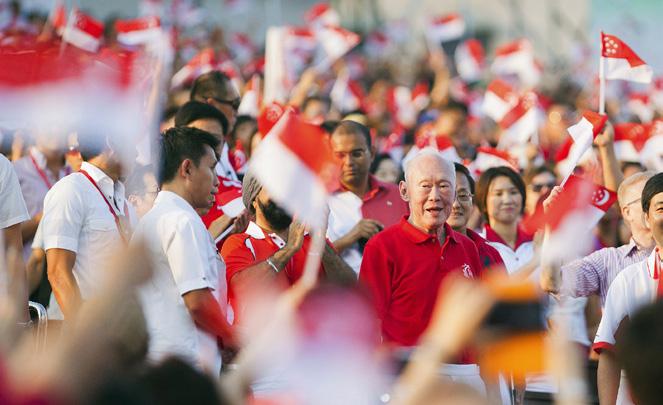
Lee Kuan Yew died on 23 March 2015 at Singapore General Hospital from severe pneumonia, aged 91. The nation observed a seven-day period of national mourning. Over 450,000 people queued for hours to pay last respects at Parliament House, and more than 1.2 million lined the streets on the day of the state funeral despite torrential rain.

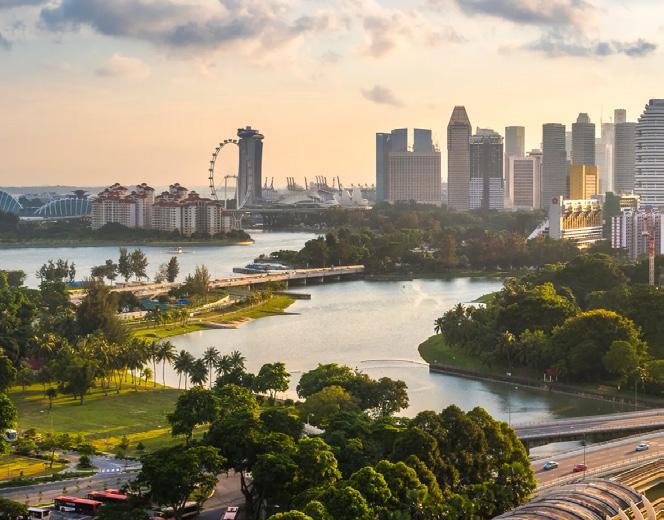
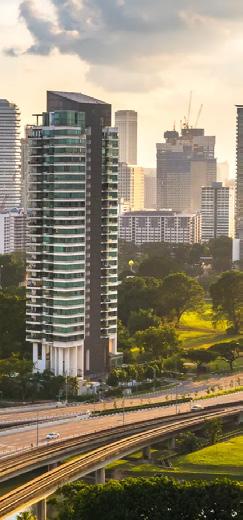
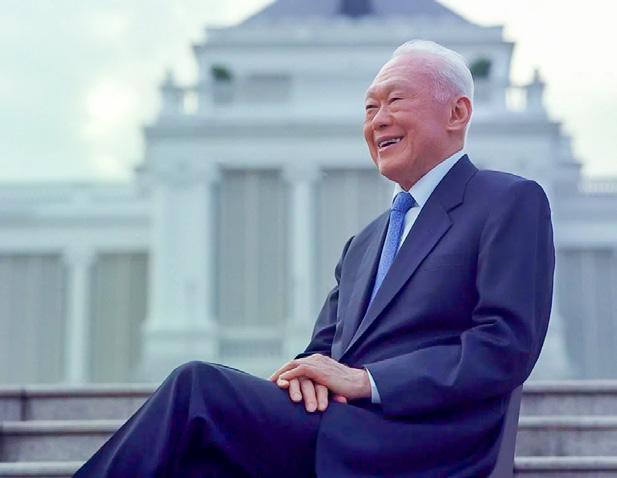
Few leaders in history have taken a small, vulnerable island with no resources and, within one generation, transformed it into a global city that consistently tops international rankings for economic freedom, ease of doing business, safety, and quality of life. Lee Kuan Yew did not achieve this through charisma alone— though he had plenty—but through relentless pragmatism, extraordinary political courage, and an almost ruthless clarity of purpose. He often reminded Singaporeans that the country was not
a natural entity but an “improbable nation” built against the odds. His greatest legacy may be the mindset he instilled: that excellence is not optional, complacency is fatal, and a society must earn its success every single day. In the words Lee himself used in 1965 when Singapore was thrust into independence: “We have to live with the world as it is, not as we wish it to be.” For half a century, he bent reality to his will and, in doing so, gave a tiny red dot on the map an outsized place in the 21stcentury world.





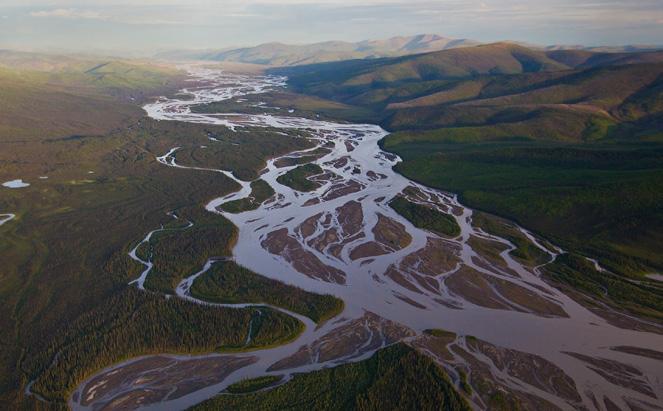
In the sun-baked marshes where the Tigris and Euphrates rivers converge into the Shaṭṭ al-Arab waterway, southern Iraq hides a landscape scarred by human toil. Satellite imagery and ground surveys have recently revealed a labyrinth of ancient ridges, canals, and earthen mounds stretching over 2,000 square kilometres—an engineering marvel that once transformed swamps into fertile breadbaskets. A groundbreaking study published in Antiquity (2024) by archaeologists from Durham University and the University of Basrah has dated this vast system to between the 9th and 13th centuries CE, during the Abbasid Caliphate’s golden age. But beneath the triumph of irrigation lies a grim truth: this was no voluntary feat of ingenuity. It was built on the backs of enslaved people, primarily the Zanj, East African captives whose centuries of forced labour have been all but erased from the annals of history.
This discovery forces us to confront a darker underbelly of medieval Mesopotamia, the cradle of civilisation itself. While textbooks celebrate Baghdad’s House of Wisdom and the algebraic breakthroughs of al-Khwarizmi, they gloss over the human engine that powered it all. The Zanj Rebellion of 869–883 CE, one of the largest slave uprisings in history, is often reduced to a footnote. Yet, the Antiquity findings—analysing LiDAR data, pottery shards, and soil cores—paint a picture of systemic exploitation. Radiocarbon dating places the peak construction in the 10th–11th centuries, aligning with Abbasid expansion. The ridges, up to 5 metres high and 20 metres wide, formed polders that reclaimed land from tidal floods, boosting rice, date, and sugarcane yields. Canals over 10 kilometres long channelled water with precision rivalling Roman aqueducts. Who dug these? Not free peasants or paid artisans, but chains of slaves labouring under the lash.
To understand this, we must delve into the social and economic tapestry of medieval Mesopotamia. The Abbasid era (750–1258 CE) was a cosmopolitan empire stretching from North Africa to Central Asia, with Baghdad as its pulsating heart. Yet, its prosperity rested on a rigid hierarchy. At the apex sat the caliph and his court; below, Arab elites, Persian administrators, and Turkic military slaves (mamluks). Free Muslims—farmers, merchants, scholars—formed the middle. But the base was a sprawling underclass of unfree labourers: war captives, debtors, and imported slaves.
Slavery in the Islamic world differed from the chattel system of the Atlantic trade. The Quran encouraged manumission and humane treatment, but practice often deviated. Slaves could be domestic servants, soldiers, or concubines, with paths to freedom. However, for agricultural megaprojects, a harsher model prevailed. The Zanj fit this brutal category.
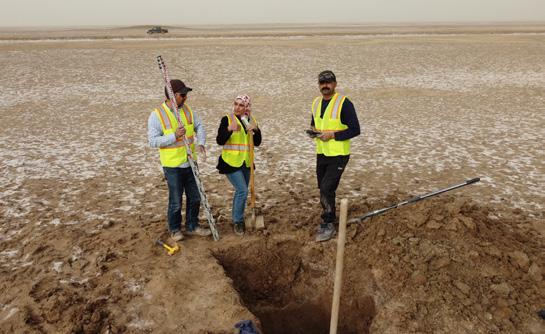



Derived from the Swahili word for “black” or the Persian “Zang,” they were Bantu-speaking peoples from East Africa—modern-day Tanzania, Kenya, Mozambique—captured in raids or traded via Zanzibar routes. Arab and Swahili slavers funnelled them northward through the Red Sea or Persian Gulf. By the 9th century, tens of thousands of Zanj arrived in Basra, the port city near the Shaṭṭ al-Arab. Historical chroniclers like al-Tabari and alMas’udi describe them as “strongbodied” and suited for draining marshes. Abbasid governors tasked them with nitre removal— scraping salt crusts from soil to make it arable—a backbreaking job in mosquito-infested swamps. Wages? None. Food? Meagre rations of dates and bread. Oversight? Whips and guards. The Antiquity study correlates ridge densities with Zanj settlement
patterns, noting clusters of crude pottery and iron shackles unearthed in worker camps. Economically, this labour was the linchpin of Mesopotamia’s agroempire. The floodplain produced surpluses that fed Baghdad’s million-plus inhabitants and funded silk imports from China. Sugarcane plantations, introduced from India, demanded intensive irrigation; the new canals doubled output. Tax records from the period show Basra’s revenues soaring, with slave-worked estates yielding 20–30% more than free farms. This wasn’t subsistence farming—it was proto-capitalism, where human commodities generated wealth for absentee landlords. The Zanj’s efforts literally reshaped the earth: geophysical surveys reveal how they piled mud into dikes, diverting river silt to build topsoil layers up to 2 metres thick over centuries.

Yet, their story is one of resistance and erasure. The Zanj Rebellion erupted in 869 CE when a charismatic leader, Ali ibn Muhammad, a Kharijite from Iran, rallied slaves with promises of freedom and equality. Starting with 15,000 men, it swelled to armies besieging Basra. They sacked cities, freed comrades, and established a proto-state in the marshes, minting coins and enforcing a radical egalitarianism. Abbasid forces, led by al-Muwaffaq, crushed it after 14 years, slaughtering up to 500,000 (per exaggerated chronicles) or perhaps 100,000 in reality. The rebellion’s scale shocked the empire, prompting reforms like better slave treatment, but it didn’t end the system.
Why has this been marginalised? Mainstream narratives, shaped by 19th-century Orientalists and modern nationalist histories, prioritise intellectual and architectural glories. Iraq’s Ba’athist era emphasised preIslamic Sumerians or Abbasid science to forge Arab identity, sidelining African contributions and slavery’s stains. Western histories, fixated on Greco-Roman or European medievalism, treat the Islamic world as exotic backdrop. Even progressive accounts focus on the Atlantic slave trade, ignoring earlier precedents. The Zanj are “forgotten” because acknowledging them disrupts myths of a benevolent caliphate.
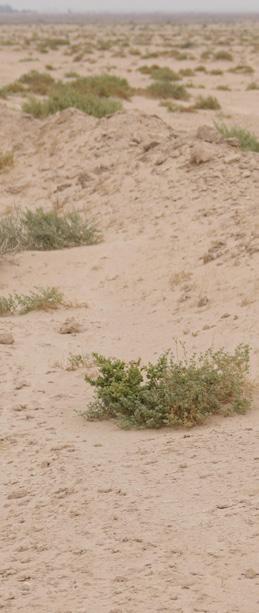

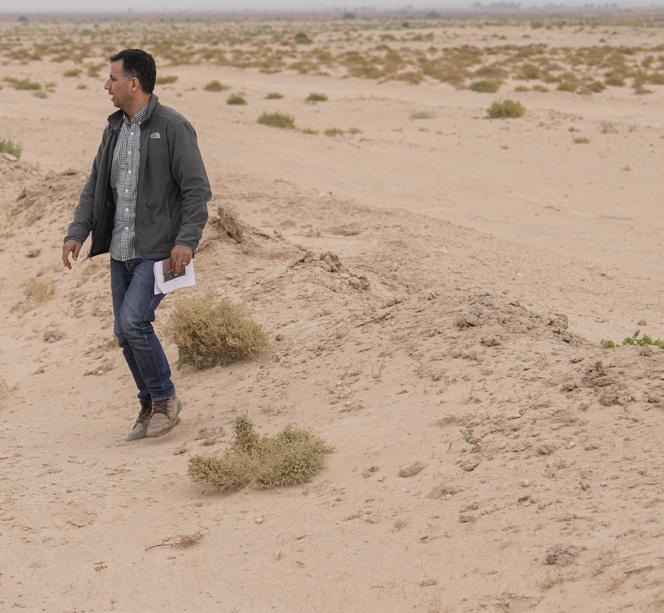

As lead archaeologist Dr. Jaafar Jotheri notes in Antiquity, “These landscapes are palimpsests of power—erasing the labourers erases the inequality.”
Unearthing this history illuminates the human cost of civilisation’s grand projects. Mesopotamia’s canals echo Egypt’s pyramids or China’s Great Wall: wonders built on coerced sweat. Marginalised groups—the Zanj, but also local Marsh Arabs and Persian captives— were the invisible architects. Their labour enabled the Translation
Movement, where Greek texts became Arabic science, fuelling the Renaissance. Without their drained fields, no surplus for scholars. This is the paradox: progress forged in chains. Today, as climate change threatens the Shaṭṭ al-Arab with salinisation and drought, these ancient ridges offer lessons in sustainable engineering—and ethical reckoning. The marshes, drained under Saddam Hussein and now partially restored, whisper of resilience. But they also demand we honour the Zanj, whose bones may lie beneath the soil they tilled.


To grasp the Shaṭṭ al-Arab’s transformation, we must first meet the Zanj. They weren’t a monolithic tribe but diverse East African communities uprooted by the Indian Ocean trade. From the 7th century, Muslim merchants ventured down the Swahili coast, exchanging cloth and beads for ivory, gold—and people. Raids intensified under the Abbasids, who needed labour for expanding frontiers. Chronicler al-Jahiz, a 9thcentury Basra scholar of African descent, wrote in The Book of the Glory of the Blacks that Zanj were “patient in hardship” but fierce warriors. This duality made them valuable yet feared.
Transported in dhow ships, survivors endured the “middle passage” of the Arabian Sea: disease, starvation, branding. Upon arrival, auctions in Basra’s markets sorted them—women for harems, men for fields. Socially, Zanj occupied the lowest rung. Islamic law classified slaves as abd (property), but Zanj faced racialised dehumanisation. Texts describe them as “beastlike” for swamp work, justifying cruelty. Families were split; children born to slave mothers inherited bondage. Conversion to Islam offered nominal equality, but rarely freedom. Some rose as eunuchs or soldiers, but most toiled anonymously. The Antiquity study identifies Zanj fingerprints in the landscape. Worker villages, dated via OSL (optically stimulated luminescence), show hasty constructions—reed huts, not stone homes. Artefacts include cowrie shells from East Africa and adzes for earth-moving. DNA from skeletal remains (ethical excavations pending) could confirm origins, but pottery styles match Swahili wares.
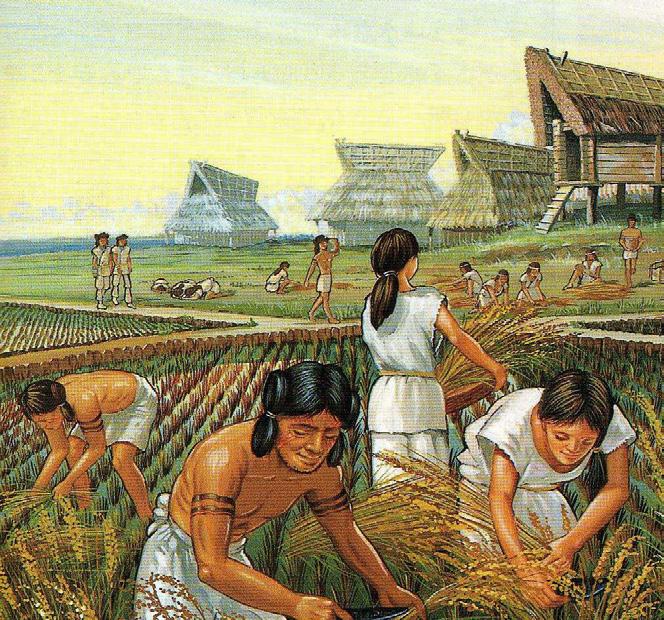
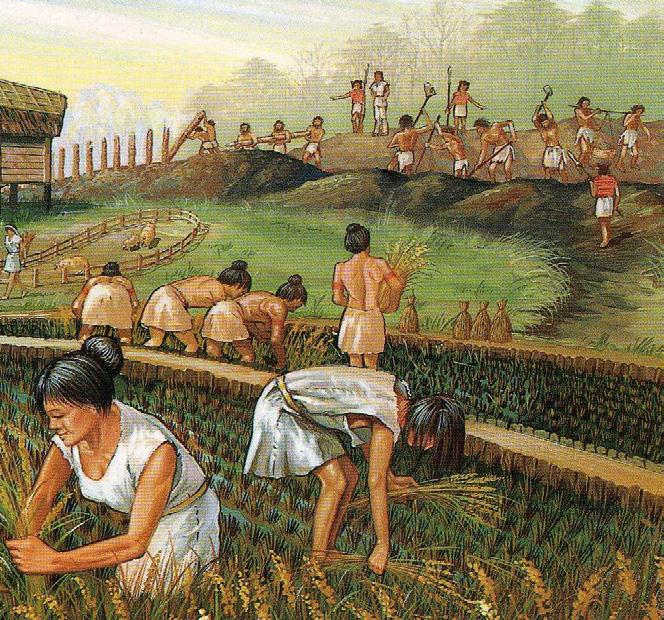
Imagine the Shaṭṭ al-Arab in 900 CE: tidal surges inundate reeds, crocodiles lurk, malaria fells the unwary. Abbasid viziers eyed this wasteland for profit. Inspired by Sassanian precedents, they envisioned a grid of canals. Construction began modestly— local corvée labour—but scaled with Zanj imports. Gangs of 50–100, chained at ankles, dug with wooden shovels and baskets. They hauled mud in shifts, 12–16 hours daily, under overseers on horseback. The ridges formed barriers; cross-canals distributed water. Sluice gates, operated by slaves, controlled flows. Geomorphological analysis in Antiquity reveals phases: 9th-century probing canals; 10th-century mega-ridges amid
sugarcane boom; 11th–13th-century maintenance under Buyid and Seljuk rule. Output? Rice paddies yielding 2–3 tons per hectare, dates exported to India. Basra became a sugar hub, refining cane into loaves for elite tables. This wasn’t brute force alone. Zanj adapted African techniques—perhaps raisedfield agriculture from the Great Lakes region—to local silt. Their knowledge, coerced, enhanced efficiency. Yet, mortality was horrific: swamp fevers, exhaustion, punishments. Mass graves, hinted at in surveys, await excavation.
Economically, it integrated Mesopotamia into global networks. Surpluses funded the caliph’s wars against Byzantines; taxes bought Chinese porcelain. Slave estates were tax-exempt, incentivising owners. A 10th-century contract (preserved in geniza documents) values a Zanj labourer at 20 dinars— cheap fuel for growth.



The system’s fragility exploded in 869. Ali ibn Muhammad, posing as a prophet, preached in Basra’s slums. “The blacks are the most oppressed,” he declared, echoing Kharijite ideals of equality regardless of race. Recruits flocked: Zanj, Bedouins, even some Arabs. They seized weapons, torched plantations. By 871, they controlled the marshes, using guerrilla tactics—hit-and-run in canals. Their capital, al-Mukhtara, was a fortified island with mosques and markets.
Abbasid response was panicked. Regent al-Muwaffaq diverted troops from frontiers, offering bounties. Sieges dragged; rebels held until 883, when betrayal and superior siege engines prevailed. Al-Tabari’s History of Prophets and Kings details massacres: “Heads piled like mountains.” The
rebellion scarred the empire. Slave imports slowed; manumission increased. But labour continued, albeit dispersed. Post-rebellion ridges show repairs, indicating the system’s resilience—and the Zanj’s ongoing role.
Why the silence? Eurocentric histories prioritise “Western” roots; Islamic ones avoid slavery’s critique to counter colonialism. Iraqi curricula mention the rebellion briefly, framing it as “fitna” (discord). African diaspora studies focus on Americas, neglecting precursors. Archaeology challenges this. The Antiquity team used remote sensing to map 1,400 km of canals—impossible without acknowledging builders. As coauthor Dr. Louise Rayne states, “Infrastructure is social history embodied.”







This marginalisation perpetuates injustice. Zanj descendants in Iraq’s Afro-Arab communities face discrimination; their heritage unacknowledged. Globally, it obscures how civilisations exploit the marginalised— from Inca mit’a to modern migrant labour.
The Shaṭṭ al-Arab’s slaves paid in blood: shortened lives, shattered
families, cultural erasure. Yet, they built enduringly. Today’s Marsh Arabs navigate similar canals, fishing amid ruins. Climate threats—sea-level rise, upstream dams—endanger this heritage. Restoration projects could honour the Zanj with memorials, education. Ultimately, unearthing their story humanises history. Medieval Mesopotamia wasn’t just minarets and manuscripts; it was mud, sweat, and defiance. The Zanj remind us: every civilisation’s foundation bears the imprint of the forgotten.



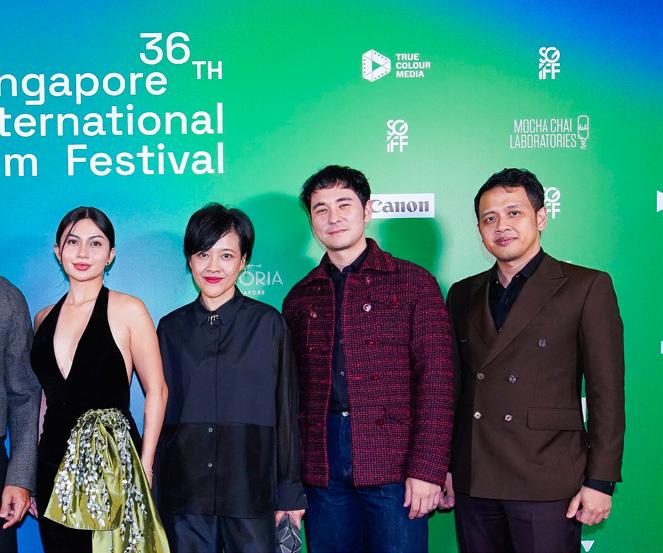
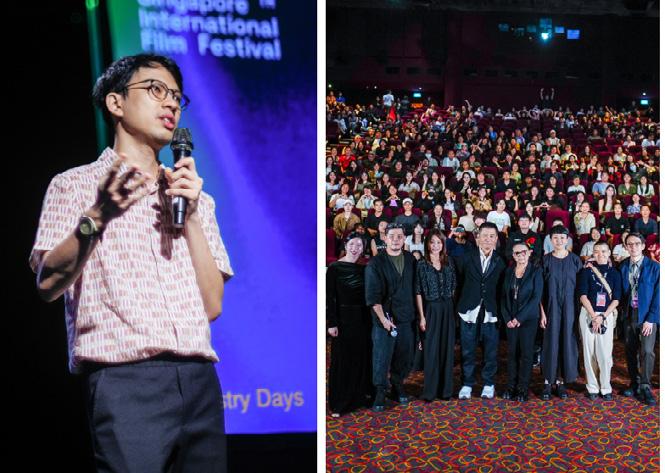
The 36th edition of the Singapore International Film Festival (SGIFF), held from November 26 to December 7, 2025, marked a triumphant celebration of cinematic artistry, drawing filmmakers, enthusiasts, and critics from across the globe to the vibrant city-state. Under the resonant theme of “Fearless Storytelling, Creative Vision,” the festival showcased an impressive lineup of 121 films from 45 countries, encompassing a diverse array of narratives that spanned intimate personal tales, bold sociopolitical commentaries, and innovative experimental works. This year’s event not only honored the rich tapestry of Asian cinema but also embraced global perspectives, highlighting documentaries and features that pushed boundaries and sparked meaningful dialogues.
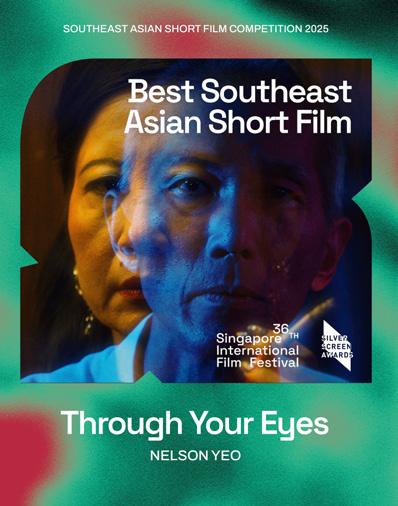
As one of Asia’s longest-running film festivals, SGIFF 2025 achieved new milestones, including a record 44 sold-out screenings and a 33% increase in ticket sales compared to the previous year. This surge in attendance underscored the festival’s growing appeal in a post-pandemic era where audiences crave authentic, thought-provoking stories. The programming emphasized femaleled narratives and underrepresented voices, aligning with broader industry shifts toward inclusivity. Opening with Shu Qi’s directorial debut Girl, a poignant exploration of identity and resilience, the festival set a tone of introspection and empowerment from the outset. Beyond the screenings, SGIFF served as a vital platform for industry networking, talent development, and cultural exchange.

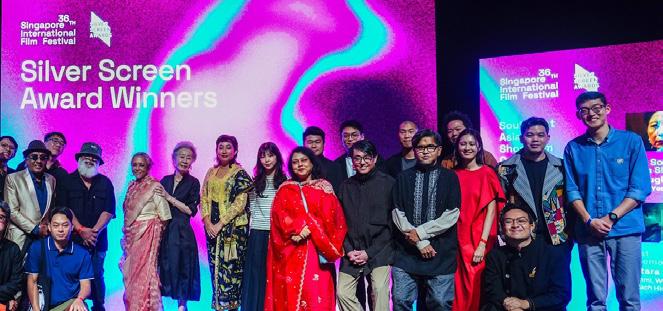
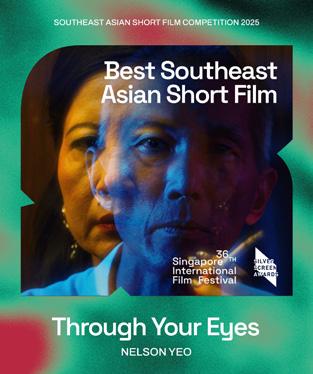
The Silver Screen Awards, the festival’s prestigious competition segment, culminated in a glamorous ceremony on December 7, recognizing excellence in Asian feature films and Southeast Asian shorts. Prominent winners included Chen Deming’s documentary Always, which clinched Best Asian Feature Film, and Nelson Yeo’s Through Your Eyes, awarded Best Southeast Asian Short Film. Additionally, the festival honoured cinematic legends with the Cinema Honorary Award going to Oscar-nominated director Deepa Mehta and the Screen Icon Award to Academy Award winner Youn Yuh-jung, both of whom delivered inspiring masterclasses and retrospectives.
In an era where cinema grapples with digital disruption and geopolitical tensions, SGIFF 2025 reaffirmed its role as a beacon for fearless creativity. Attendees witnessed stories that transcended borders, challenging viewers to confront uncomfortable truths while celebrating the human spirit’s resilience. From the misty mountains of rural China in Always
to the surreal confines of a haunted vacuum cleaner in A Useful Ghost, the films invited reflection on themes like identity, loss, and societal change. As the curtains closed on this edition, the festival not only spotlighted emerging talents but also solidified Singapore’s position as a hub for international film discourse.
Founded in 1987, the Singapore International Film Festival has evolved from a modest showcase of alternative cinema into one of Southeast Asia’s premier film events. Initially launched to provide local audiences access to international arthouse films rarely screened in commercial theatres, SGIFF quickly gained traction for its focus on Asian narratives at a time when Westerndominated festivals overlooked the region’s burgeoning talent.




Over the decades, it has weathered challenges, including a brief hiatus in the early 2010s, before relaunching in 2014 as part of the larger Singapore Media Festival, organized by the Infocomm Media Development Authority (IMDA). The festival’s growth mirrors Singapore’s transformation into a global media powerhouse. Early editions emphasized experimental and independent works, fostering a space for filmmakers like Eric Khoo and Royston Tan to gain recognition. By the 2000s, SGIFF introduced competitive sections, including the Silver Screen Awards in 1991, to elevate Asian filmmaking standards. The addition of the Southeast Asian Short Film category in 2014 further amplified regional voices, reflecting the festival’s commitment to nurturing talent from neighbouring countries like Indonesia, Thailand, and the Philippines. In recent years, SGIFF has adapted to global trends, incorporating virtual screenings during the COVID-19 pandemic
and emphasizing diversity in programming. The 36th edition in 2025 built on this legacy, awarding S$125,000 through its Film Fund to seven projects from Southeast Asia, supporting documentaries and shorts in production. This initiative underscores the festival’s role in sustaining the ecosystem for independent cinema, ensuring that fearless stories continue to emerge from the region.
Spanning 12 days across venues like the Sands Theatre, Capitol Theatre, and various arthouse cinemas, SGIFF 2025 presented a meticulously curated program that balanced competition entries with non-competitive showcases. With 121 films representing 45 countries, the lineup was a testament to the festival’s global reach, featuring world premieres, Asian debuts, and restored classics.


The theme “Fearless Storytelling, Creative Vision” permeated every aspect, encouraging filmmakers to tackle taboo subjects like mental health, gender identity, and political oppression without compromise. Attendance figures painted a picture of resounding success: over 44 sold-out sessions, a new record, highlighted the public’s enthusiasm for diverse cinema. Ticket sales surged by 33%, attributed to star-studded appearances and accessible pricing. The festival’s hybrid model, combining in-person events with limited online streams, broadened its audience, particularly for international viewers.
Key highlights included the opening night gala featuring Girl, Shu Qi’s debut as director, which explores a young woman’s journey of selfdiscovery amid societal pressures. Other standout screenings were György Pálfi’s Hen, a surreal tale of a hen protecting her eggs in a crumbling Greek eatery during human tragedy, and Ugo Bienvenu’s animated Arco, where a boy time-travels from 2932 to 2075, befriending a girl raised by robots. Documentaries like Jasna Krajinovic’s Rashid, the Boy from Sinjar offered poignant insights into post-genocide rebuilding in Iraq, resonating with audiences through its raw humanism.




The festival also emphasized sustainability and inclusivity, with panels discussing eco-friendly filmmaking and representation in media. Rebecca Lim served as Festival Ambassador, hosting Q&A sessions that bridged local and international talents. Overall, SGIFF 2025’s programming reflected a world in flux, using cinema as a lens to examine pressing issues while celebrating artistic innovation.
SGIFF 2025’s programming was divided into several thematic sections, each designed to highlight specific facets of contemporary cinema. This structure allowed for a comprehensive exploration of genres, regions, and styles, ensuring something for every cinephile.
The Asian Feature Film Competition featured 10 compelling entries, vying for top honours in categories like Best Film and Best Director. Standouts included Chen Deming’s Always, a meditative documentary following a young Chinese boy’s discovery of poetry in a rural mountain village, capturing the beauty of childhood amid nature’s grandeur. Lalith Rathnayake’s Riverstone, a tense road-trip drama, explores the moral dilemmas of three Sri Lankan police officers escorting a suspect to an extrajudicial fate, delving into conscience and conviction.




The section’s diversity was evident in entries like Nawapol Thamrongrattanarit’s Human Resource, a sharp satire on corporate life in Bangkok, where a pregnant HR worker grapples with existential questions amid unjust workplace dynamics. The Southeast Asian Short Film Competition showcased 25 shorts across five programs, emphasizing emerging talents from the region. Nelson Yeo’s Through Your Eyes weaves the lives of four solitary souls in a timeless 1980s discotheque, searching for connection amid memory and desire. Giselle Lin’s Children’s Day portrays an eight-year-old girl’s quest for the perfect outfit amid family turmoil, highlighting themes of innocence and resilience.

Ananth Subramaniam’s Bleat! tackles faith and tradition through an elderly couple’s discovery of their pregnant male goat intended for sacrifice. Other notables included Lim Jen Nee’s Fruit, a gripping tale of a woman’s desperate attempts to terminate an unwanted pregnancy in a society where abortion is illegal, and Batara Goempar’s Sammi, Who Can Detach His Body Parts, a surreal story of a mother’s quest to reclaim her deceased son’s scattered body parts, symbolizing sacrifice and loss. Huỳnh Công Nhớ’s True Love received a special mention for its haunting exploration of a couple confronting echoes of past love in an urban landscape.
Singapore Panorama spotlighted over 30 local features and shorts, reinforcing the festival’s commitment to homegrown talent. This section included coproductions and debuts, such as Ratchapoom Boonbunchachoke’s A Useful Ghost, a quirky black comedy where a deceased wife reincarnates as a vacuum cleaner to haunt her husband, blending satire on politics, love, and memory. It served as a nurturing ground for Singaporean filmmakers, with many entries addressing urban isolation and cultural identity.
The Standpoint section, comprising 9 films, focused on sociopolitical and personal issues. These works provoked discussions on topics like migration and mental health, offering unflinching looks at human struggles. Undercurrent presented 13 experimental pieces, opening with a live performance of MIMESIS (Dreams, animals and tuning forks), pushing the boundaries of form and narrative. Horizon brought 16 international films, including premieres that bridged Eastern and Western storytelling, while Foreground delved into 12 genre films, from horror to sci-fi, appealing to fans of bold, unconventional tales. Finally, Landmark featured restored classics, including a showcase of Deepa Mehta’s works co-presented with the Asian Film Archive, honouring her contributions to independent
cinema. This multifaceted programming ensured a rich, immersive experience, fostering cross-cultural understanding through the universal language of film.
A cornerstone of SGIFF 2025 was its dedication to amplifying Singaporean and Southeast Asian voices, with over 30 feature and short films by local filmmakers and co-productions taking centre stage. This focus not only celebrated regional diversity but also addressed unique cultural narratives often sidelined in mainstream cinema.



The Standpoint section, comprising 9 films, focused on sociopolitical and personal issues. These works provoked discussions on topics like migration and mental health, offering unflinching looks at human struggles. Undercurrent presented 13 experimental pieces, opening with a live performance of MIMESIS (Dreams, animals and tuning forks), pushing the boundaries of form and narrative. Horizon brought 16 international films, including premieres that bridged Eastern and Western storytelling, while Foreground delved into 12 genre films, from horror to sci-fi, appealing to fans of bold, unconventional tales. Finally, Landmark featured restored classics, including a showcase of Deepa Mehta’s works co-presented with the Asian Film Archive, honouring her contributions to independent
cinema. This multifaceted programming ensured a rich, immersive experience, fostering cross-cultural understanding through the universal language of film.
A cornerstone of SGIFF 2025 was its dedication to amplifying Singaporean and Southeast Asian voices, with over 30 feature and short films by local filmmakers and co-productions taking centre stage. This focus not only celebrated regional diversity but also addressed unique cultural narratives often sidelined in mainstream cinema.
Singaporean entries shone brightly, with works like Jac Min’s documentary Coda, which won the Audience Choice Award, offering an intimate portrait of the Victoria Chorale choir as they prepare for an international competition under conductor Nelson Kwei. The film captures the harmonies of community and perseverance, resonating deeply with local audiences familiar with the choral tradition.
In shorts, Nelson Yeo’s Through Your Eyes and Giselle Lin’s Children’s Day exemplified the vibrancy of Singapore’s emerging scene, blending fantasy with everyday realities. Tysha Khan’s performance in Fruit earned Best Performance accolades, her portrayal of a woman navigating illegal abortion evoking empathy and urgency.
Southeast Asian co-productions, such as A Useful Ghost (ThailandSingapore-France), highlighted collaborative storytelling, while the Film Fund’s grants to projects



Its meditative pacing and stunning cinematography earned praise for capturing nature’s poetry in everyday life. Lalith Rathnayake’s Riverstone dominated with Best Director and Best Performance for Mahendra Perera. The film chronicles a police convoy’s journey to execute a suspect, probing ethical quandaries and human conviction in Sri Lanka’s rugged terrain. Perera’s nuanced portrayal of inner turmoil added depth to this intense character study. Nawapol Thamrongrattanarit’s Human Resource received the FIPRESCI Award for its incisive critique of corporate drudgery, following a pregnant HR executive’s moral dilemmas in Bangkok’s urban
jungle. A Special Mention went to A Useful Ghost, Ratchapoom Boonbunchachoke’s debut blending supernatural comedy with political satire. The Southeast Asian Short Film Competition highlighted regional ingenuity. Nelson Yeo’s Through Your Eyes won Best Southeast Asian Short Film, its ethereal narrative intertwining lives in a frozen 1980s disco. Giselle Lin’s Children’s Day claimed Best Singapore Short Film, sensitively depicting a child’s navigation of family dynamics. Ananth Subramaniam earned Best Director for Bleat!, a thought-provoking tale questioning tradition through a miraculous goat pregnancy.
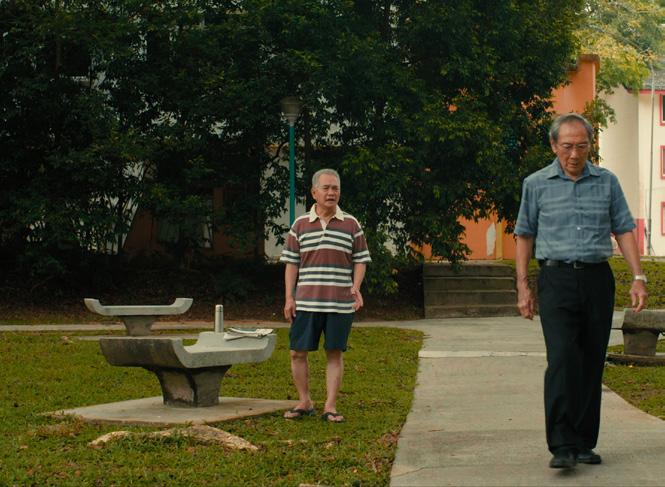

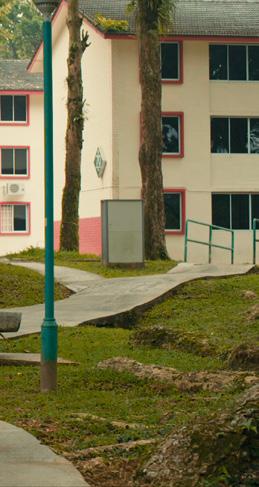
Tysha Khan’s raw performance in Fruit secured Best Performance, amplifying the film’s urgent commentary on reproductive rights. Batara Goempar’s cinematography in Sammi, Who Can Detach His Body Parts won for its haunting visuals of maternal grief and surreal sacrifice. Huỳnh Công Nhớ’s True Love received a Special Mention for its poetic reflection on lingering romance. These awards not only recognized artistic merit but also amplified stories that challenge societal norms, ensuring their wider dissemination.
SGIFF 2025 paid homage to two trailblazers whose careers embody fearless vision. Deepa Mehta, recipient of the Cinema Honorary Award, was celebrated for her Elements Trilogy (Fire, Earth, Water), which boldly addressed taboo themes like same-sex relationships and partition violence.
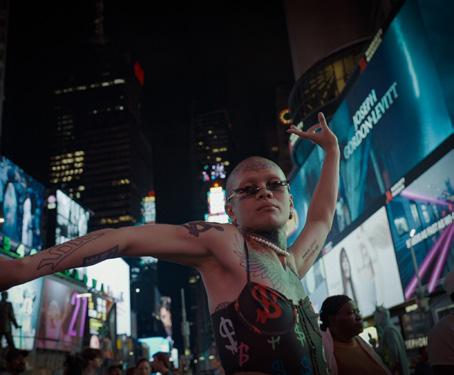
A retrospective co-presented with the Asian Film Archive showcased her unwavering commitment to independent storytelling. Youn Yuh-jung, honoured with the Screen Icon Award, marked a historic first as the award’s Korean recipient. Known for her Oscarwinning role in Minari and a fivedecade career, Youn’s masterclass inspired attendees on breaking barriers in global cinema. These tributes highlighted the festival’s reverence for pioneers who pave the way for future generations.
Beyond screenings, SGIFF hosted masterclasses, industry panels, and networking sessions, fostering collaborations. The Undercurrent section’s live performance and the special presentation of This City Is A Battlefield added immersive elements. The festival’s impact extended to economic and cultural spheres, boosting Singapore’s creative economy and promoting tourism. By supporting underrepresented filmmakers through funding and exposure, SGIFF ensures a vibrant future for Asian cinema.
As the 36th SGIFF concluded, it left an indelible mark, proving that fearless storytelling can unite and inspire. With its record-breaking success and profound lineup, the festival sets a high bar for 2026, continuing to illuminate the world’s diverse narratives.


In the bustling digital marketplaces of Southeast Asia (SEA), Vietnam is emerging as the region’s e-commerce powerhouse, outpacing its neighbours with unmatched growth and ambition. According to the “The Next Leap for E-Commerce in Southeast Asia” report by Blackbox Research (October 2025), Vietnam commands the highest confidence among industry experts, with 85% optimistic about its longterm prospects. This positions the country as SEA’s leader in logistics infrastructure (84% competitive), platform strength (77%), and innovation in buyer experiences (70%). As global brands and investors turn their gaze to SEA’s
digital economy, Vietnam’s blend of youthful energy, government backing, and technological innovation makes it the market to watch in 2025.
Vietnam’s e-commerce sector, valued at $22 billion in gross merchandise value (GMV) in 2024, is the third-largest in SEA, trailing only Indonesia and Thailand. Yet, its growth trajectory is unrivalled, with an 18% year-on-year increase last year and a projected GMV of $27.73 billion in 2025, according to the ‘e-Conomy SEA 2024’ report by Google, Temasek, and Bain & Company.


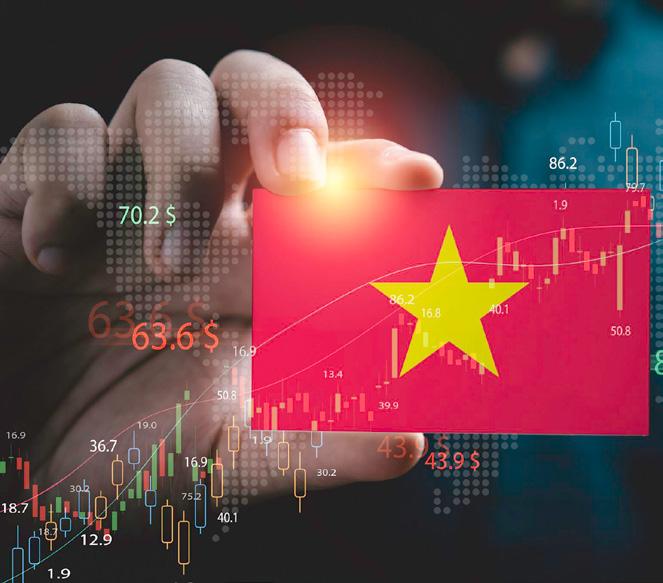


Forecasts suggest a compound annual growth rate (CAGR) of 21.65% through 2030, potentially reaching $62.51 billion. This pace has cemented Vietnam’s status as one of the world’s fastest-growing e-commerce markets, with a remarkable 16-30% annual growth rate over the past four years. What fuels this ascent? A young, digitally native population—over 70% of Vietnam’s 100 million people are under 35—combined with 84% 4G penetration and 96% smartphone shopping adoption. Platforms like Shopee (48% regional market share) and TikTok Shop (24%) dominate, capitalizing on mobilefirst consumers who spend an average of $103 annually online, a figure projected to rise 11% in 2025.
Vietnam’s rapid rise in e-commerce is more than a regional success story—it’s a pivotal development for the global digital economy. As SEA’s e-commerce market contributes significantly to the region’s $114.6 billion GMV (2023), Vietnam’s leadership signals its potential to reshape global trade patterns. Its strategic location, robust free trade agreements, and growing role as a manufacturing hub make it a critical node for cross-border e-commerce, particularly for Western and Asian brands seeking affordable, scalable entry points into SEA. Moreover, Vietnam’s adoption of AI-driven retail innovations and social commerce platforms like TikTok Shop positions it as a testing ground for next-generation consumer engagement models, influencing global e-commerce trends.

Vietnam’s government is a key architect of this boom.
The National E-Commerce Development Plan (2021-2025) has spurred cross-border trade, with exported products on platforms surging 300% in five years. Policies promoting cashless payments aim for over 70% of transactions to go digital, aligning with the nation’s broader goal of a $90-200 billion digital economy GMV by 2030. Investments from Singapore’s Temasek and GIC, alongside South Korean tech giants, are pouring into Vietnam’s consumer market, betting on its rising middle class and urban hubs like Hanoi and Ho Chi Minh City, which generate 80% of e-commerce revenue.
Logistics, a perennial challenge in SEA, is also improving. Vietnam’s cold-chain infrastructure, critical for food and perishable goods,
is expanding rapidly, supporting quick-commerce models like sameday delivery. This has drawn global players, with brands leveraging Vietnam’s logistics edge—rated highly competitive by 84% of experts—to scale operations.
Despite its momentum, Vietnam faces hurdles. Regulatory fragmentation, cited by 48% of SEA experts as the top barrier, creates complexities for businesses, particularly small enterprises navigating inconsistent customs rules. Rural-urban disparities persist, with e-commerce heavily concentrated in major cities. Yet, Vietnam’s entrepreneurial spirit shines through. Local startups and SMEs are harnessing AIdriven personalization and social commerce to bridge gaps, while platforms like Lazada and Tiki innovate to capture rural markets.

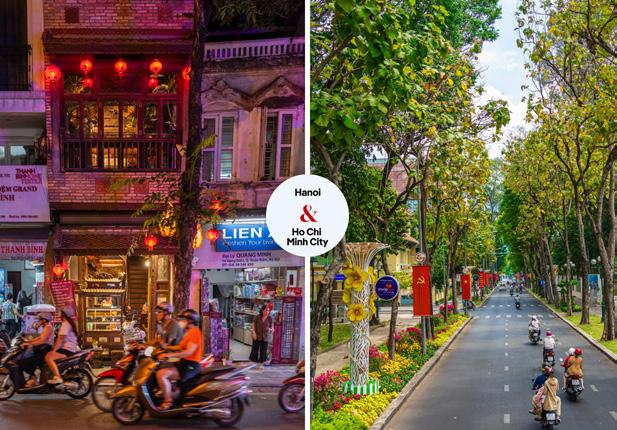





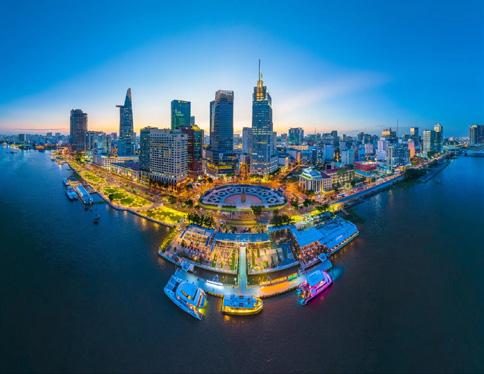

For international businesses, Vietnam’s e-commerce surge is a clarion call. Its leadership in SEA’s $114.6 billion e-commerce market (2023 GMV for top platforms) underscores opportunities in quickcommerce, cross-border exports, and mobile-first strategies. As TikTok Shop and Shopee redefine retail with immersive experiences, global brands can tap Vietnam’s 70% innovation score to pilot cutting-edge buyer engagement models. Moreover, Vietnam’s export prowess—bolstered by free trade agreements and platforms like Alibaba—makes it a gateway for SEA’s cross-border trade. With the region’s digital economy projected to triple by 2030, Vietnam’s blend of scale, speed, and adaptability positions it as a launchpad for global e-commerce strategies.
As 2025 unfolds, Vietnam’s e-commerce ecosystem is poised for its next leap. The government’s push for digital inclusion, coupled with private-sector innovation, will likely close urban-rural divides and streamline regulations. For investors and retailers, the message is clear: Vietnam is not just keeping pace—it’s setting the tempo for SEA’s digital revolution. Whether you’re a global brand eyeing expansion or a startup seeking growth, Vietnam’s vibrant market offers a blueprint for success in the world’s most dynamic e-commerce frontier.


In the sterile confines of the Tiangong space station, 400 kilometres above Earth, a sizzle of innovation recently broke the monotony of mission logs. On November 3, 2025, six Chinese astronauts—straddling the handover between the Shenzhou-20 and Shenzhou-21 crews—fired up a compact,
smokeless hot-air oven to prepare what is being hailed as humanity’s first orbital barbecue. Goldenbrown chick-en wings and tender black pepper steak strips emerged from the de-vice, not just as a culinary novelty, but as a tangible step toward mak-ing long-haul space travel feel a little more like home.


The event unfolded aboard China’s Tiangong, the world’s only operational space station following the anticipated retirement of the Interna-tional Space Station (ISS) in 2030. The Shenzhou-20 crew, led by commander Chen Dong and including Wang Jie and Song Lingdong, had been orbiting since April, conducting experiments in microgravity physics, biotechnology, and life support systems. Their relief arrived via the Shenzhou-21 mission on October 31, bringing Wu Fei, Zhang Hongzhang, and He Liangfu for a six-month stint. Amid the routine of scientific handovers, taikonauts Wu Fei and Zhang Hongzhang—both hailing from Inner Mongolia, a region renowned for its barbecue tradi-tions—took the lead in the kitchenette experiment.
Pre-marinated chicken wings, six in total (one for each crew member), were secured in a specialized grill tray and slid into the oven’s en-closed chamber. Cooking at temperatures up to 190°C (374°F), the process took a mere 28 minutes, yielding evenly glazed results thanks to the device’s advanced air circulation and microgravity adaptations.

Black pepper steak strips followed, prepared especially for Chen Dong, transforming the station’s galley into a fleeting barbecue pit. Footage released by the China Manned Space Agency (CMSA) cap-tures the crew’s unbridled delight: smiles all around as they savoured the meal, a stark contrast to the rehydrated pouches and vacuum-sealed rations that have defined space dining for decades.
At the heart of this milestone is the oven itself—a compact, wallmounted marvel engineered by the China National Space Administration (CNSA). Designed as a fume-free convection system akin to an air fryer, it employs multi-layer filtration, hightemperature catalysis, and residue collection to neutralize odours and particles, ensuring compatibility with Tiangong’s closed-loop life support. Certified for up to 500 cycles, it draws minimal power from the station’s grid and inte-grates seamlessly with onboard hydroponic gardens, where astro-nauts cultivate lettuce, tomatoes, and potatoes. This isn’t mere gadg-etry; it’s a proof-ofconcept for sustainable, moraleboosting nutrition in orbit.



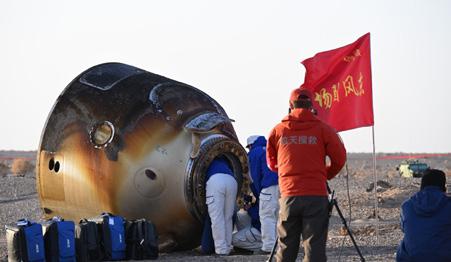
The significance of this “space BBQ” extends far beyond a single meal. For the future of space travel, it underscores the psychological imperatives of extended missions. As humanity eyes Mars—where journeys could span 6 to 9 months— maintaining crew well-being is paramount. “Comforts such as hot meals are important to keep crews psychologically ‘grounded,’” notes Kang Guohua, a senior fellow at the Chinese Society of Astronautics and aerospace engineering pro-fessor at Nanjing University of Aeronautics and Astronautics.
Traditional space fare, while nutritionally optimized, often lacks sensory appeal, contributing to the isolation of microgravity life. By enabling fresh-cooked proteins and vegetables, the oven fosters a “taste of home,” potentially reducing stress
and enhancing focus during highstakes operations. Technologically, it advances microgravity cooking protocols. NASA’s 2019 cookiebaking experiment on the ISS, using a prototype Zero-G oven, required over two hours for a batch and highlighted the chal-lenges of heat distribution without gravity. China’s iteration, by con-trast, streamlines the process while prioritizing fire safety—no open flames, essential in oxygen-rich environments. This paves the way for diverse menus on future outposts, including vegetarian options from station-grown produce, and could inform designs for lunar bases or deep-space habitats under NASA’s Artemis program or the European Space Agency’s contributions. China’s move is particularly pivotal for the global space industry.


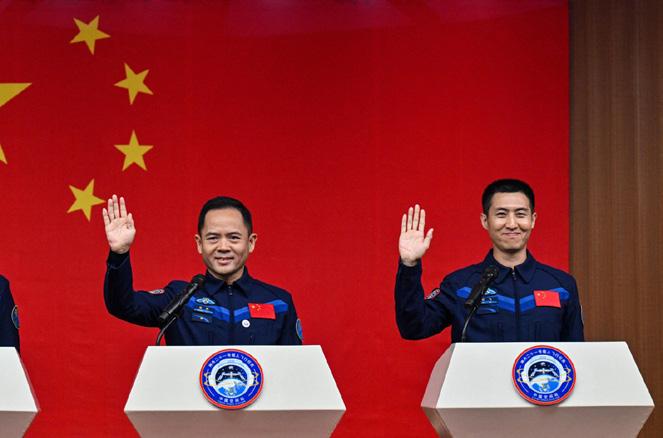


Op-erating independently since Tiangong’s full assembly in 2022, the CNSA has transformed from a latecomer to a pacesetter, logging over 1,000 days of continuous human presence in orbit. With the ISS era waning, Tiangong stands as a critical testbed, demonstrating scalable life support innovations that could benefit international partners. Bei-jing’s emphasis on self-reliance—evident in its exclusion from the ISS due to U.S. congressional restrictions—has spurred rapid progress, from reusable Long March rockets to AI-assisted station operations. This barbecue isn’t just a domestic triumph; it’s a subtle invitation to collaboration,
showcasing how shared challenges like crew suste-nance transcend geopolitical divides. As the Shenzhou-20 crew prepared for their November 5 return—delayed briefly by suspected space debris impacts reminiscent of ISS incidents—the aroma of grilled steak lingered as a metaphor for pro-gress. In an industry racing toward the stars, China’s orbital feast re-minds us that exploration thrives on the human elements: ingenuity, camaraderie, and yes, a well-seasoned wing. As Tiangong orbits on-ward, it grills not only food, but the blueprint for a more habitable cos-mos.
In the diverse and dynamic economic landscape of Asia, one currency stands out as the continent’s most powerful in terms of nominal exchange rate strength: the Kuwaiti Dinar (KWD).
Valued at approximately 3.26 US dollars per dinar as of 2025, the KWD not only dominates Asia but also holds the title of the world’s highest-valued fiat currency per unit. This article explores why the Kuwaiti Dinar is the strongest currency in Asia, the factors underpinning its remarkable value, and its broader significance in the global financial system.

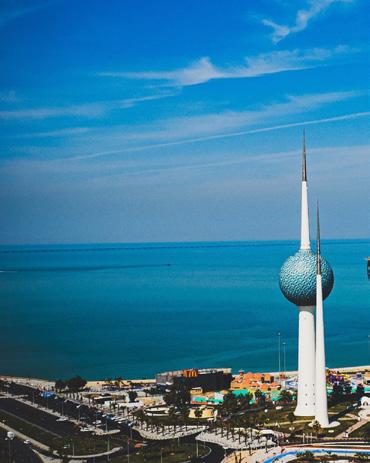
The strength of a currency is typically measured by its exchange rate against major global currencies, such as the US dollar, reflecting its purchasing power and economic backing. The Kuwaiti Dinar’s unparalleled value stems from a combination of economic, geopolitical, and policy factors that create a robust foundation for its stability and high demand.
Kuwait is one of the world’s leading oil producers, with crude oil accounting for over 90% of its government revenue and nearly half of its GDP. The country holds approximately 7% of global oil reserves, making it a critical player in the energy market. This immense oil wealth generates
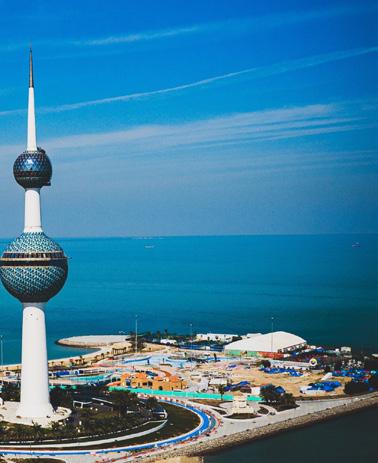
significant foreign exchange earnings, as oil is traded globally in US dollars, creating consistent demand for the KWD to facilitate these transactions.
Since 2007, the Kuwaiti Dinar has been pegged to a basket of major currencies (primarily the US dollar), a shift from its earlier direct peg to the dollar. This basket peg provides exchange rate stability while allowing some flexibility to adapt to global economic shifts. The Central Bank of Kuwait employs conservative monetary policies, maintaining low inflation and ensuring the dinar’s value remains robust. These policies are supported by Kuwait’s low public debt (around 11.5% of GDP in recent estimates), which minimizes fiscal strain and bolsters investor confidence.

Wealth: Kuwait’s small population of approximately 4.8 million and its substantial oil revenues translate into one of the highest GDP per capita figures globally, exceeding $36,000 in nominal terms. This wealth supports domestic economic stability, reducing the risk of currency devaluation due to internal economic pressures. The government’s ability to fund public services, infrastructure, and welfare programs without heavy borrowing further strengthens the dinar.
Wealth: Kuwait’s Kuwait Investment Authority (KIA) manages one of the world’s largest sovereign wealth funds,
with assets estimated at over $800 billion. These reserves provide a financial buffer against global economic volatility, ensuring the dinar’s value remains protected even during oil price fluctuations. The KIA’s investments in global markets also generate additional income, reinforcing Kuwait’s economic resilience.
The Kuwaiti Dinar is not a widely circulated currency in global trade, unlike the Japanese Yen or Chinese Yuan. Its limited supply, combined with high demand driven by oil exports, contributes to its high value per unit. The Central Bank of Kuwait tightly controls the money supply, preventing over-issuance that could lead to inflation or devaluation.
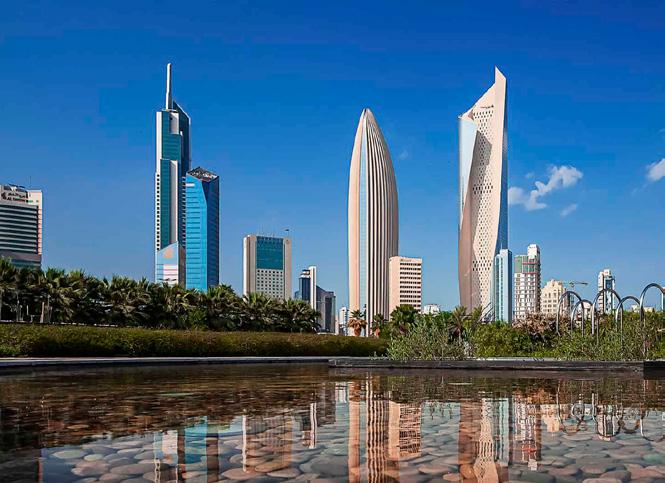
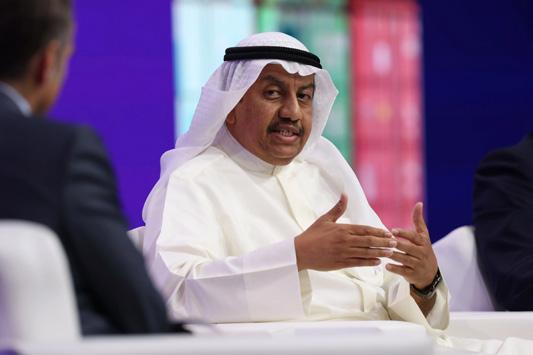

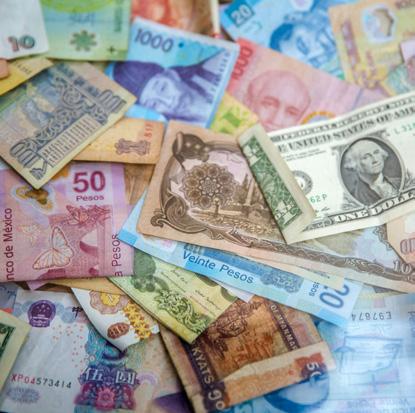
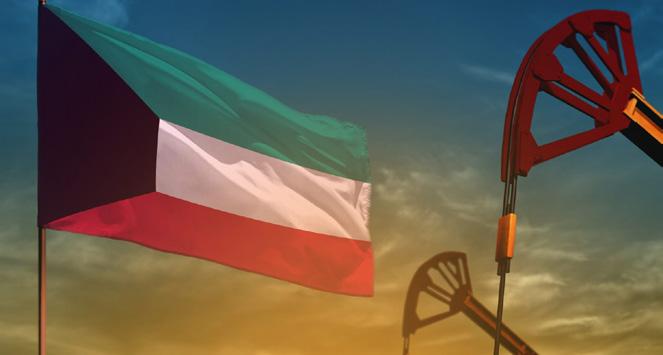
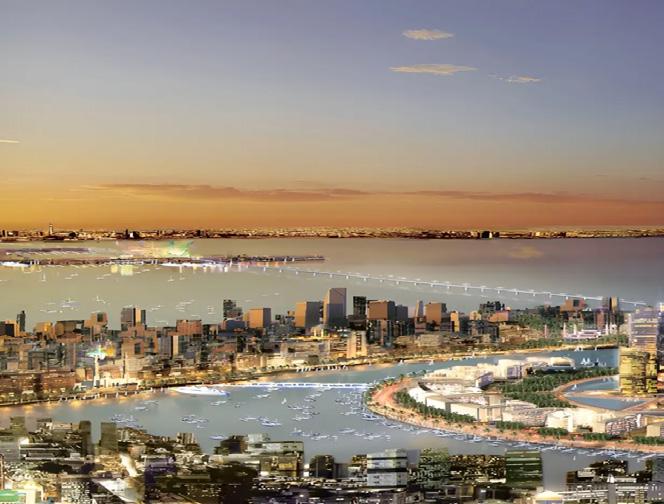

While currencies like the Singapore Dollar (SGD), Japanese Yen (JPY), and Chinese Yuan (CNY) are significant in global trade and economic influence, they fall short of the KWD in nominal exchange rate strength. For instance:
- The Singapore Dollar, valued at around 0.75 USD, benefits from Singapore’s robust financial sector and stable economy but lacks the resource-driven backing of the KWD.
- The Japanese Yen, a major reserve currency, is weakened by Japan’s high public debt (over 250% of GDP) and deflationary pressures, with an exchange rate of roughly 0.007 USD per yen.
- The Chinese Yuan, while backed by Asia’s largest economy, is subject to government controls and a managed float, with a value of about 0.14 USD per yuan. In contrast, the KWD’s oildriven demand, limited circulation, and stable economic policies give it a unique edge in nominal value, even if its global trade influence is less pronounced.
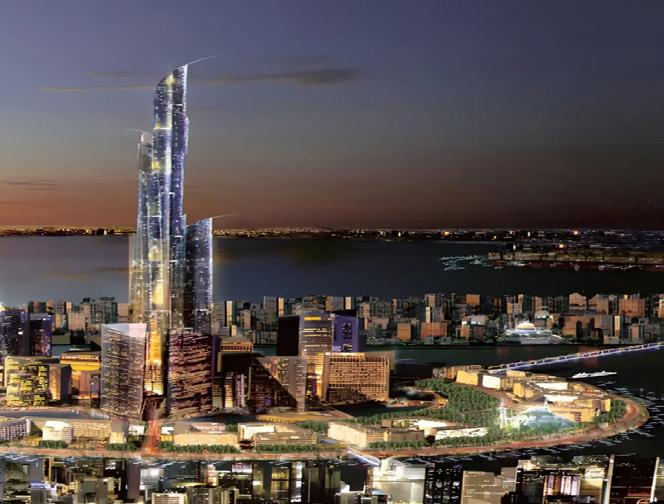

The Kuwaiti Dinar’s status as Asia’s strongest currency carries significant implications, both for Kuwait and the broader global economy:
1. Economic Stability for Kuwait: The dinar’s strength reflects Kuwait’s economic resilience, allowing the country to maintain low inflation, fund extensive welfare programs, and invest in infrastructure. Citizens benefit from high purchasing power, with imported goods remaining affordable despite global price fluctuations.
2. Global Financial Influence: Although the KWD is not a major reserve currency, its high value makes it a symbol of Kuwait’s economic prowess. The dinar’s
stability attracts foreign investment, particularly in Kuwait’s energy and financial sectors, and reinforces confidence in the country’s monetary system.
The dinar’s value is intricately tied to global oil prices. As oil remains a critical commodity, the KWD serves as a financial barometer for the energy market. However, this reliance also poses risks, as a sustained drop in oil prices could pressure the dinar’s value, highlighting the need for economic diversification.
In the Gulf Cooperation Council (GCC) region, the KWD sets a high standard for currency stability, influencing monetary policies in neighbouring countries like Saudi Arabia and the UAE. Its strength


underscores the economic model of resource-rich, small-population states in the region.
Circulation: The dinar’s high value comes with a trade-off: its limited use in international trade. Unlike the US dollar or Euro, the KWD is primarily a domestic and regional currency, with its strength tied to Kuwait’s specific economic conditions rather than global financial dominance.
Despite its strength, the Kuwaiti Dinar faces challenges. Its heavy reliance on oil makes it vulnerable to global energy market shifts,
particularly as the world transitions toward renewable energy. Kuwait has begun efforts to diversify its economy through initiatives like Kuwait Vision 2035, which aims to reduce oil dependency and boost sectors like technology, tourism, and finance. Success in these efforts could further solidify the dinar’s strength by broadening its economic base. Additionally, geopolitical risks in the Middle East, such as regional conflicts or sanctions, could impact investor confidence and oil exports, indirectly affecting the dinar. However, Kuwait’s substantial reserves and prudent fiscal management provide a strong buffer against such risks.
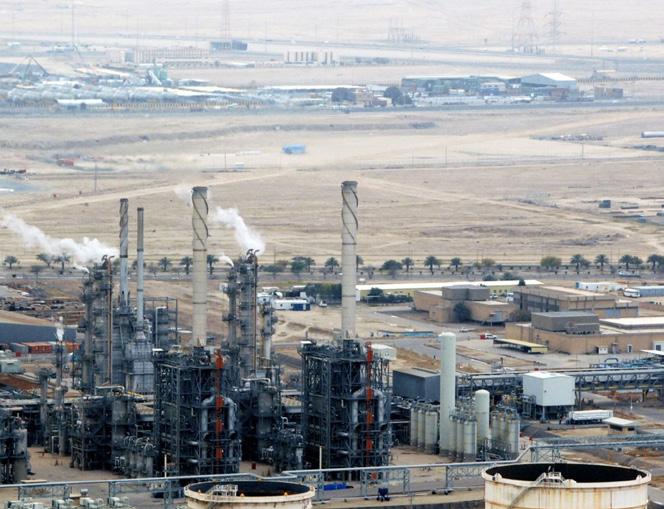
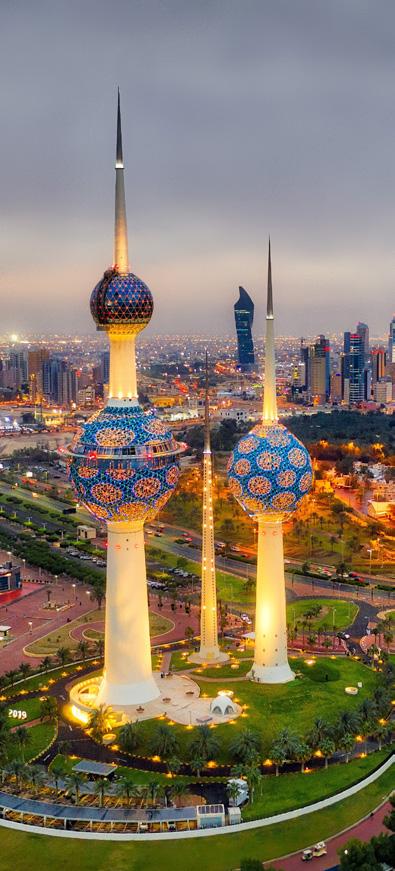


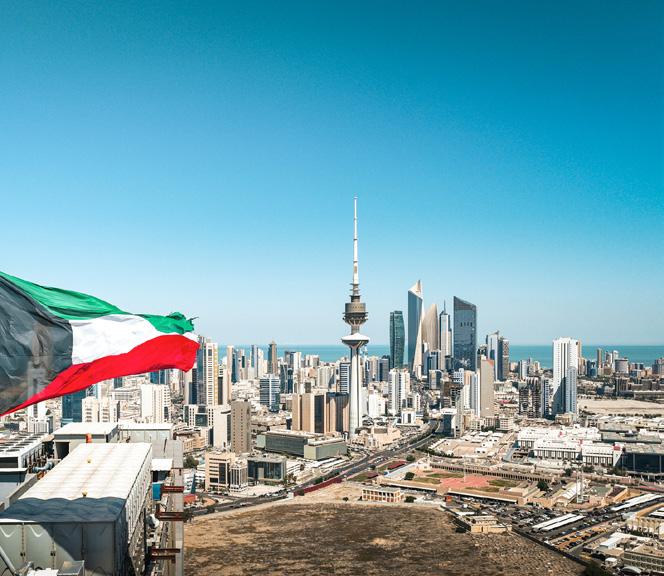

The Kuwaiti Dinar’s position as Asia’s strongest currency is a testament to Kuwait’s oil wealth, sound monetary policies, and economic stability. Its high nominal value, driven by vast oil reserves, a currency peg to a basket of major currencies, and robust financial reserves, makes it a standout in the region and the world. While its global trade influence is limited compared to currencies like the Japanese Yen or Chinese
Yuan, the KWD’s strength reflects Kuwait’s unique economic model and its pivotal role in the global energy market. As Asia continues to drive global economic growth, the Kuwaiti Dinar serves as a reminder of the power of resource wealth and disciplined fiscal policy. However, its future strength will depend on Kuwait’s ability to navigate the challenges of oil dependency and global economic shifts, ensuring that the dinar remains a symbol of financial resilience in an everchanging world.




Ranked as One of the Best integrated transplant providers in the nation, Dr. KMD’s RoyalCare International Hospitals Group’s ‘CENTRE OF MEDICAL EXCELLENCE IN TRANSPLANT’ & The Entire TEAM of Medical Professionals have Rich experience with all Major transplants and accompanying conditions, from ‘COMMON TO VERY RARE’. Royalcare Hospitals Group, under the Eminent Leadership of Dr. K. Madeswaran ensures that all their surgeons and physicians and Hundreds of allied health staff, are specifically trained to Focus and Offer Personal care for transplant patients, who invariably come from various countries of the World and also from other states of the Indian Sub-Continent.

Dr. KMR’s Royalcare International Hospitals Group’s Main Campus in Coimbatore, Tamil Nadu, India, is indeed One of the Most Popular and well-regarded destination for international patients seeking transplants. It's recognized for its skilled transplant surgeons and offers both adult and paediatric transplant services. The hospital is known for its high standards of care, advanced infrastructure, and expertise in organ transplantation, making it a trusted choice for international medical tourism. The RoyalCare International Hospitals Group and the Entire Team of Medical Professionals are Highly Committed to produce the best outcomes in the country, including speed to transplant, organ acceptance and patient survival. The Highly Qualified and Experienced Surgeons / Doctors of Royalcare were always on the leading edge of medicine and they
continue to keep their heads high with pride by continually improving and expanding RoyalCare Hospital’s organ transplantation. The RoyalCare Hospitals Group is highly determined to deliver a distinguished adult and paediatric transplant programs, offering heart, liver, kidney, pancreas, lung, hand, face, and blood and bone marrow transplant services. And, Dr. KMD’s International Institute of Medical Science & Research directly and indirectly contributes to the successful outcomes of Organ Transplantation at Royalcare Hospitals Group, Tamil Nadu, India. Outstanding Outcomes: Transplant recipients at Royalcare Hospitals experience excellent outcomes. The experience of Royalcare Hospitals Surgeons, Doctors, physicians and the integrated team approach results in transplant successes that compare favourably, time after time, with national averages.


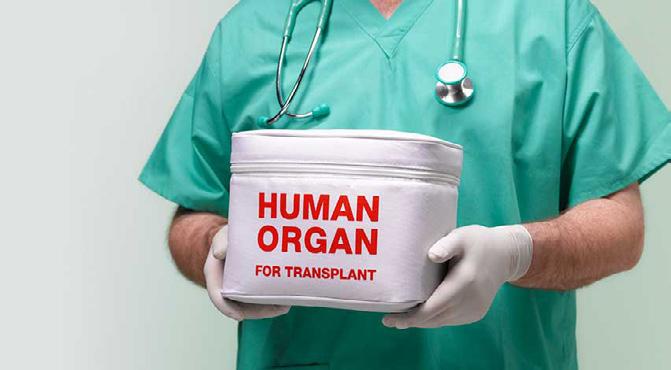
Here's why Dr. KMD’s Royalcare International Hospitals Group (RCIHG) @ Coimbatore, India is considered as a leading choice for International Patients, who seek World-Class Transplant Services:
Highly Skilled Surgeons: Royalcare Hospitals features experienced transplant surgeons, who are the leaders in the field.
Advanced Facilities: Dr. KMD’s RCI Hospitals Group, boasts advanced infrastructure and technology, crucial for successful transplants.
Comprehensive Care: Royalcare Hospitals offers a complete range of services, from pre-transplant evaluations to post-transplant follow-up. All the specialists, tests and procedures a patient needs are available at the same location, where integrated teams coordinate every step from start to finish.
Multisite Practice: Royalcare Hospitals provides transplant programs for adults at all three campuses and for paediatric patients
at its Main Hospital located in Coimbatore, Tamil Nadu, India.
International Patient Focus: The hospital has a strong track record of providing care to international patients, with a focus on patient comfort and support throughout their journey.
Expertise in Organ Transplantation: Royalcare Hospitals is not just an Organ transplant centre; it has a strong reputation of Offering Multidisciplinary Healthcare Services and Functioning Over Fifteen Comprehensive Centres of Medical Excellence along with providing International Standard Organ transplant procedures, including liver, cornea, and bone marrow transplants and so on.




Personalized approach. Royalcare Hospital physicians look at the evidence to determine the safest and most effective approach for all challenge patients face and apply this knowledge to obtain the best possible outcomes.
Whole-Process Support. RCIHG assigns each patient an experienced transplant medical coordinator to help answer questions and provide support before and after transplantation.
Detailed Follow-Up Practice. RCI Hospitals Group’s physicians monitor patients closely so that each patient gets the care he or she needs when it's needed. This approach ensures the success of the transplant in collaboration with the patient's referring physician. Longterm care, if needed, is seamlessly coordinated with the patient's local physician.

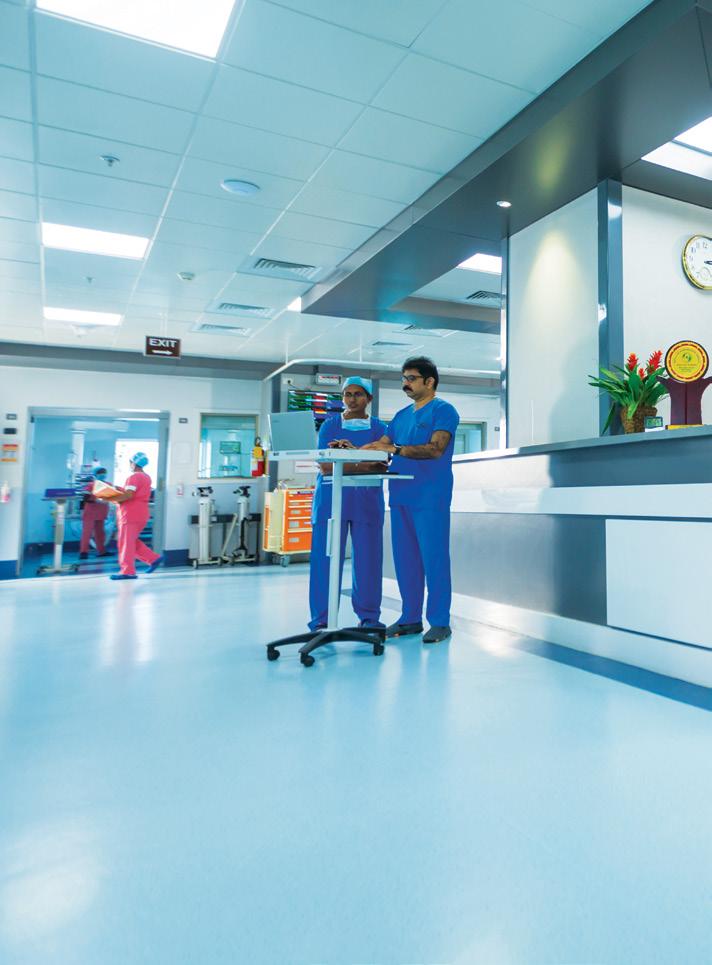

Whole-Person Care. RCIHG’s transplant staff provides a human experience, taking the time to listen to your questions and concerns, which may include medical, nutritional, social, financial and spiritual issues. Royalcare Hospital's integrated care teams provide all the care necessary for the transplant and related medical needs. RCH makes the experience seamless so that patients can focus on getting better, knowing all their needs are being addressed. Integrated teams of specialists bring fresh, innovative approaches, offering patients answers to complicated medical needs.
Living-Donor Experience. Royalcare Hospitals transplant surgeons have extensive experience with living-donor kidney and liver transplants.

An Institution of Firsts. Royalcare Hospitals transplant Experts and their teams have pioneered numerous advances in transplant procedures and transplant care.
Research Excellence. Transplant research at Royalcare Hospitals has contributed significantly to current successful outcomes of organ and bone marrow transplants worldwide.
Multifaceted Approach. Transplant medicine laid much of the groundwork for the field of regenerative medicine. Today, transplantation is one of three approaches being studied and applied by Dr. KMD’s Royalcare International Institute of Medical Sciences & Research Centre for Regenerative Biotherapeutics to restore tissue and organ function.

Organ and tissue transplantation is one of the most complex, serious procedures in medicine. It requires a precise diagnosis, a team of experts from a variety of specialties that understand not just the surgery, but the underlying health issues making the surgery necessary. And it requires dedicated health providers after the transplant to ensure a full recovery.
Dr. KMD’s Royalcare International Hospitals Group Provides the ideal environment for the many different types of transplants, from the straightforward, though serious, kidney transplant, to the most complex, multiorgan transplants accompanied by rare disorders. That's because RCI Hospitals Group is made up of teams of experts providing hope and healing in just

about every medical specialty-cardiology, cardiac surgery, thoracic surgery, hepatology, nephrology, neurology, pulmonology, haematology, reconstructive surgery, endocrinology, paediatrics, physical medicine and rehabilitation, psychiatry, dermatology, urology, infectious diseases and more.
And, these experts are part of the largest integrated transplant Team of One of the Most Prominent and Eminent Dr. KMD’s Royalcare International Institute of Medical Sciences & Centres of Medical Excellence in Asia. Together they have been delivering and producing some of the best outcomes in the continent, including patient survival, organ acceptance and how quickly a person receives a transplant etc.,




Royal Care Super Speciality Hospital, Coimbatore, recently performed a rare and highly complex deceased-donor liver transplant on a 65-year-old woman who had been living with a permanent pacemaker for complete heart block. The patient has fully recovered and has been discharged in good health. Conducting a liver transplant on a pacemaker-dependent individual involves exceptional challenges. Electrical equipment used during surgery, along with fluctuations in blood pressure and electrolyte levels, can potentially interfere with pacemaker function. Ensuring cardiac stability while the body
undergoes intense surgical stress requires meticulous planning and multidisciplinary coordination. The cardiology team ensured optimal pacemaker performance throughout the procedure. “Our first step was to study her cardiac status and evaluate the pacemaker thoroughly,” said Dr. Varun Marimuthu, Consultant Interventional Cardiologist. “We fine-tuned the pacemaker settings to ensure reliable functioning under surgical stress. Continuous intraoperative and postoperative monitoring helped maintain complete cardiac safety for the patient.”



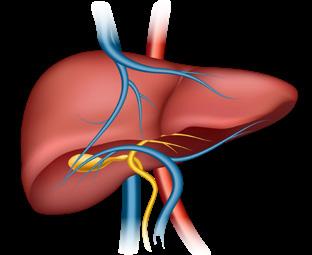

In the operating room, the Anaesthesia team played a crucial role. “As the liver transplant anaesthesiologist, my responsibility was to protect every organ during the procedure,” said Dr. Abhinaya.
“Considering the pacemaker, we planned each step carefully, selected drugs cautiously, and continuously monitored her heartbeat, blood pressure and oxygen levels in real time, in close coordination with the cardiology and surgical teams. Advanced cardiac monitoring helped us track her heart’s functioning minute by minute.”
Post-operative management in the ICU was equally critical. “After transplant surgery, the new liver faces its true test in the ICU,” said Dr. Sivakumar, Head of the Institute of Critical Care Medicine.
“In this case, our team had to balance the demands of a new liver,

a pacemaker-dependent heart and the recovery needs of an elderly patient. With advanced monitoring, strict infection control measures and rapid-response protocols, we ensured timely intervention and smooth recovery, enabling an early discharge.”
“This achievement highlights the strength of our multidisciplinary ecosystem at Royal Care,” said Dr. Ilango Sethu, Lead Liver Transplant Surgeon. “With transplant surgery, hepatology, cardiology, anaesthesia, critical care and other support departments functioning seamlessly under one roof, we can safely perform life-saving liver transplants even in patients with complex cardiac devices at higher centres like Royal Care.”


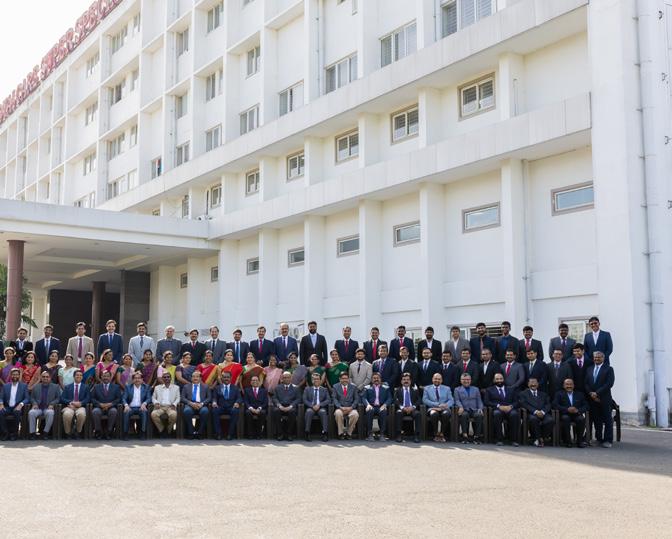

Dr. K. Madeswaran, Chairman and Managing Director, stated that the hospital consistently performs successful multi-organ transplants—including heart, liver, pancreas and lung—with the support of dedicated medical, paramedical and administrative teams. He added, “Royal Care is one of India’s best accredited hospitals, holding JCI, SRC, CARF and NABH national and international accreditations. We provide world-class treatment with personalised care.” He
congratulated the entire team for successfully performing this rare and challenging surgery. The patient’s family expressed heartfelt gratitude to the donor family, the hospital team and the organ donation system for giving her a renewed lease of life. Royal Care Super Speciality Hospital reaffirmed its commitment to delivering advanced, team-based liver transplant care for patients with complex medical conditions.


The Hindu Kush Himalayan (HKH) region—spanning Afghanistan, Bangladesh, Bhutan, China, India, Myanmar, Nepal, and Pakistan— is not merely a geographical marvel. It is the life-support system for nearly two billion people downstream, feeding ten major river systems that irrigate 40 per cent of Asia’s farmland. Yet, the 240 million souls who actually live among these peaks—scattered across 4.3 million square kilometres of unforgiving terrain—face a daily gamble with death that most of the world cannot comprehend. A pregnant woman in Nepal’s Dolpa district may walk three days to reach a health post that has no doctor. A child in Ladakh’s Zanskar valley can die of diarrhoea because the nearest intravenous saline is 200 kilometres away, across a 5,300-metre pass closed by snow for seven months. These are not isolated tragedies; they are the statistical norm in a region where healthcare is measured not in minutes but in days of human endurance.




The human cost is staggering. In Nepal’s mountain districts, only 27 per cent of sanctioned medicalofficer posts are filled; in the plains, the figure is 60 per cent. The infant mortality rate in Nepal’s high Himalayas hovers at 38 per 1,000 live births—double the national average. Maternal deaths claim 186 mothers per 100,000 births, a figure that would be unacceptable in any capital city but is quietly accepted as “normal” in Humla or Mugu. In India’s Uttarakhand, a 2023 study found that 42 per cent of women in remote Garhwal villages delivered at home without skilled attendance, simply because the nearest functional delivery room was 45 kilometres of broken road away. In Bhutan’s Lunana, where temperatures drop to –30 °C, a single case of appendicitis can become a death sentence if the helicopter cannot fly. These numbers translate into lived nightmares.
A mother in Pakistan’s Gilgit-Baltistan loses her newborn to hypothermia because the health centre ran out of kerosene for the room heater. A Sherpa porter in Nepal’s Khumbu region suffers a retinal haemorrhage at 5,000 metres and goes blind because no ophthalmologist has visited in three years. A young girl in Arunachal Pradesh’s Tawang district contracts Japanese encephalitis carried uphill by mosquitoes that climate change has allowed to breed at 2,800 metres—an altitude where the disease was unknown a decade ago. The significance of solving Himalayan healthcare extends far beyond the mountains themselves. When a woman dies in childbirth in Dolpa, her older daughters abandon school to care for siblings, perpetuating cycles of poverty. When a breadwinner in Ladakh succumbs to untreated hypertension, an entire household collapses into debt.
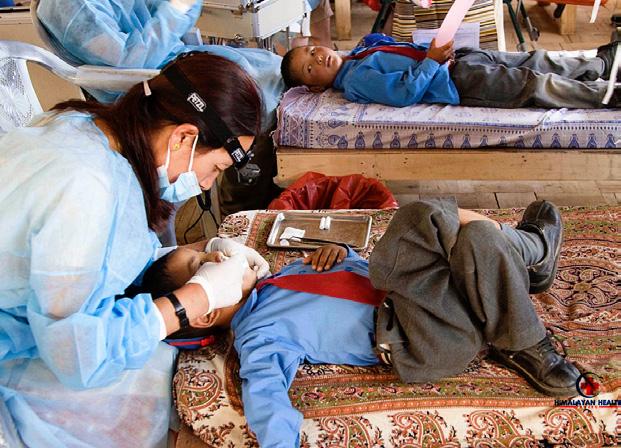
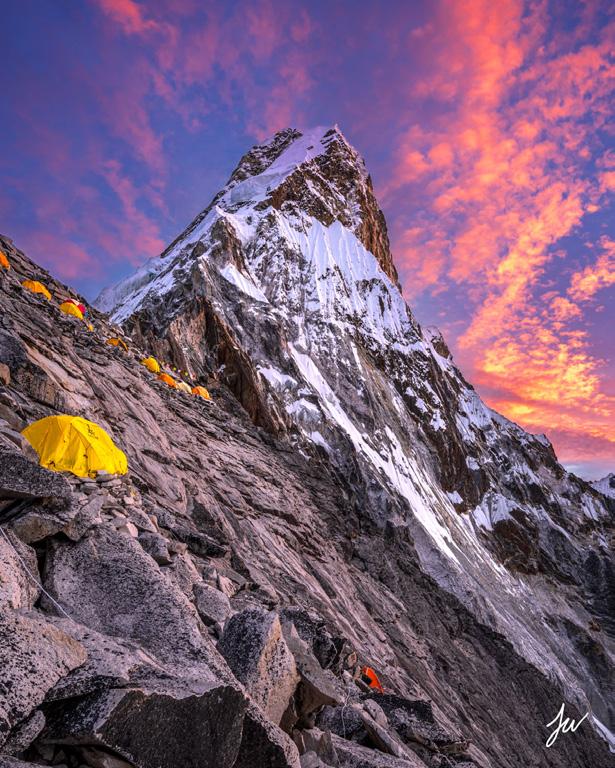
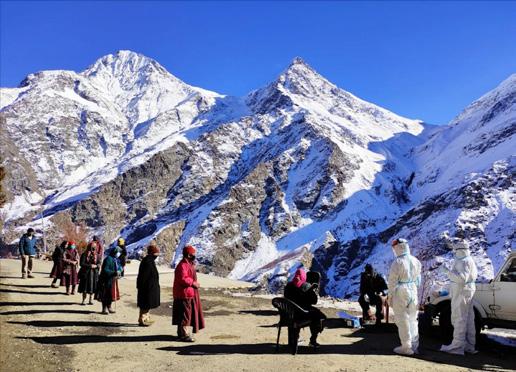
When glacial-lake outbursts destroy health posts—as happened in Nepal’s 2021 Melamchi flood— the ripple effects reach urban hospitals overwhelmed by evacuees. The fragility of these mountain communities threatens the stability of entire nations: food insecurity from failing high-altitude crops drives migration; untreated tuberculosis spreads to cities; mental-health crises born of isolation fuel substance abuse that spills across borders.
Altitude is a silent killer. At 4,000 metres, oxygen saturation drops to 75 per cent of sea-level values. Acute mountain sickness strikes 50–75 per cent of lowlanders ascending rapidly; high-altitude pulmonary oedema (HAPE) and cerebral oedema (HACE)

kill within hours if oxygen or descent is unavailable. Residents are not immune—chronic mountain sickness (Monge’s disease) affects up to 30 per cent of Andean and Himalayan highlanders, causing polycythaemia, heart failure, and early death. Yet most mountain health posts lack pulse oximeters, let alone hyperbaric chambers.
Climate change is rewriting the medical map. Since 1970, the HKH has warmed 0.3–0.7 °C per decade— triple the global rate. Malaria, once confined below 1,200 metres, now appears in Kathmandu (1,400 m) and Pokhara. Dengue reached Nepal’s Mustang district (3,800 m) in 2023. Kala-azar (visceral leishmaniasis) is climbing the Himalayas alongside sandflies. Meanwhile, melting permafrost triggers landslides that bury clinics; retreating glaciers threaten water supplies for sterilization.


Poverty compounds every risk. Out-of-pocket health expenditure in Nepal reaches 70 per cent; in India’s Himalayan states, it is 62 per cent. A single Caesarean section in private facilities costs three months’ household income. Families sell livestock, land, or daughters’ dowries to pay for transport to distant hospitals—only to find the specialist on leave.
In 2022, 28-year-old from Solukhumbu began bleeding heavily at 36 weeks of pregnancy. The nearest birthing centre was a five-hour walk, then a six-hour jeep ride—if the road was open. Community health volunteers
radioed for a helicopter, but clouds grounded all flights for four days. She and her unborn child died en route. Her story is repeated 400 times annually across Nepal’s mountains.
In contrast, when 12-year-old from Ladakh’s Nyoma block developed HAPE after a school trip to Leh, a drone delivered dexamethasone and oxygen within 37 minutes of the distress call in August 2024. The child survived. The difference? One village had been part of India’s 2023–24 drone-medicine pilot; the other had not. These vignettes illustrate a truth: geography is not destiny. Where political will, technology, and community ownership converge, lives are saved by the thousands.

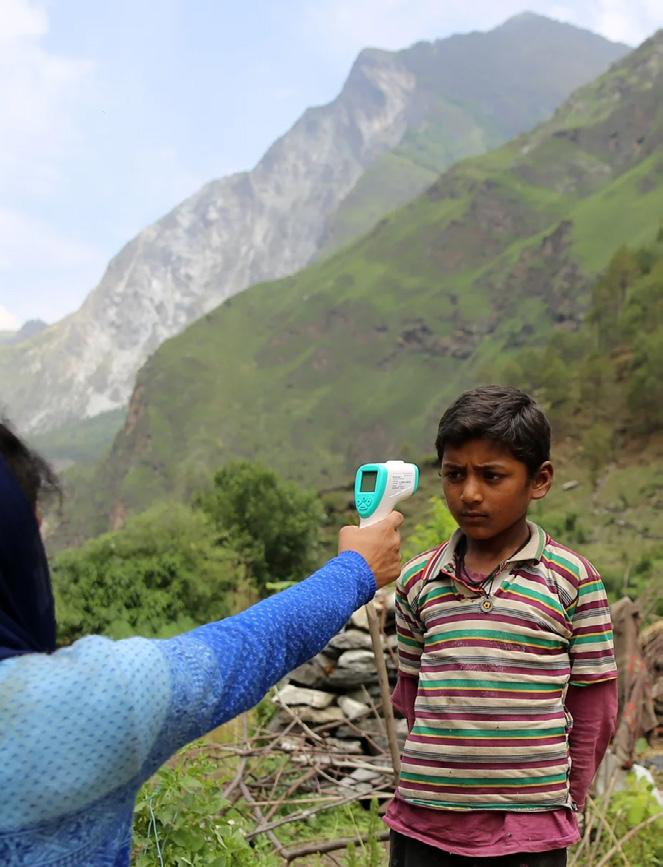
Community ownership models are proving transformative. Nepal’s 50,000 Female Community Health Volunteers (FCHVs)—one per 500 households—have reduced maternal mortality by 80 per cent since 1990 by distributing misoprostol, iron tablets, and family-planning counselling doorto-door. In Bhutan, village health workers trained in basic ultrasound now identify high-risk pregnancies months earlier.
Telemedicine is leaping across valleys. Apollo Telehealth’s network links 22 health centres in Himachal Pradesh above 3,000 metres to cardiologists in Chennai. In 2024 alone, 8,400 teleconsultations prevented evacuations costing US$2,000 each. Nepal’s government-NGO partnership with Possible Health has equipped 42 rural clinics with solar-powered tele-

ECG and tele-ultrasound, serving 1.2 million people. Drone revolutions are rewriting emergency timelines. India’s ICMR-led trials in 2023–24 delivered 1,200 units of blood, 3,400 vaccine doses, and 180 TB samples across Arunachal, Himachal, and Nagaland. In March 2025, a drone flew antisnake-venom from Keylong to Kaza in 22 minutes—a journey that takes six hours by road in summer and is impossible in winter. Nepal’s Zipline drones have completed 12,000 flights since 2018, cutting vaccine spoilage from 35 per cent to under 1 per cent.
Specialised high-altitude care is emerging. The Himalayan Institute Hospital Trust in Uttarakhand runs India’s only dedicated High-Altitude Medical Rescue Team, evacuating 400 critical cases annually. Ladakh’s SNM Hospital now has a hyperbaric chamber funded by the Indian Army, treating 120 cases of HAPE/HACE yearly.

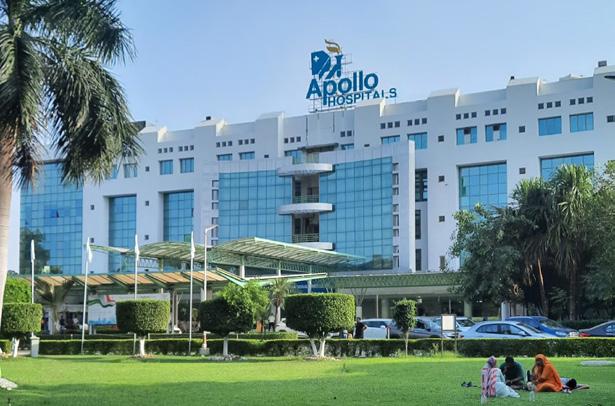

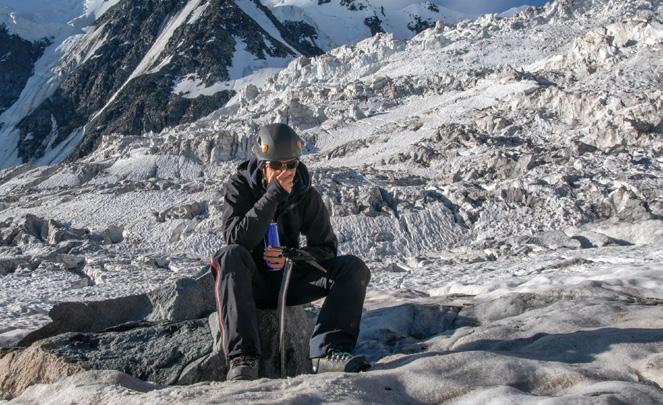
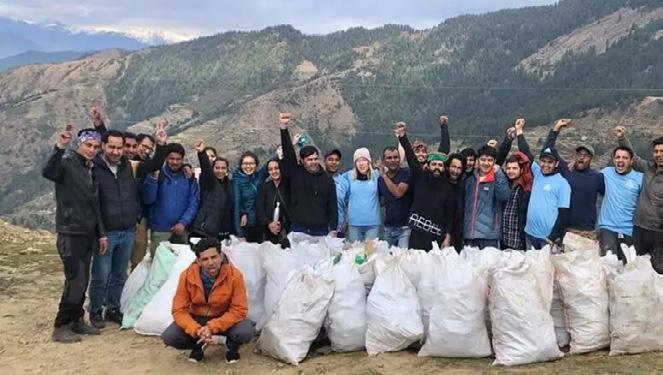



To reach every last village, governments must commit to five pillars:
1. Hard incentives for mountain service – Nepal’s policy of granting postgraduate seat reservations to doctors serving three years in remote areas has doubled retention rates. India must replicate this nationally.
2. Climate-resilient infrastructure – Solar-powered, earthquakeresistant “health post 2.0” designs tested in Gorkha can withstand 8.0-magnitude shocks and operate off-grid.
3. Universal drone corridors – By 2030, South Asia could establish 5,000 km of dedicated medical drone highways above 2,500 metres, regulated by a regional authority modelled on ICIMOD.
4. Digital public goods – Opensource tele-medicine platforms in Nepali, Dzongkha, and Ladakhi, integrated with Aadhaar/UID systems, can create seamless patient records across borders.
5. Mountain-specific insurance – Bhutan’s pilot Kidu Medical Scheme covers helicopter evacuations free of charge; scaling this across the HKH would end the terror of “pay or die” emergencies.
The Himalayas are not asking for charity. They are demanding justice. Every child born at 4,000 metres deserves the same chance at life as one born in Delhi or Thimphu. Every mother climbing a snow slope with labour pains deserves more than hope. The technology exists. The success stories are proven. What remains is the political courage to declare that no human being— however remote—is expendable.
When the first drone lands in a village that has never seen a doctor, when a woman in labour knows help will arrive in 20 minutes instead of never, when a child survives pneumonia because antibiotics reached before the pass closed—the Himalayas will begin to heal. And in that healing, Asia will discover that strengthening its highest communities strengthens the entire continent.
Because the roof of the world cannot leak while the rest of the house pretends it does not matter.


In the bustling streets of Bangkok, the aroma of tom yum-infused ramen wafts from trendy eateries, while in Mumbai’s cafes, matcha lattes are sipped alongside vegetarian sushi rolls. Japanese cuisine, once confined to upscale hotels and expatriate communities, is now a staple in urban Asia, blending seamlessly into local palates. This surge reflects more than just culinary curiosity—it’s a testament to Japan’s minimalist traditions, emphasizing fresh ingredients, balanced flavours, and aesthetic simplicity. As Asia’s economies grow and cultural exchanges deepen via media and travel, dishes like sushi, ramen, and matcha are not only adopted but adapted, fostering a regional food revolution. With health-conscious
consumers seeking lighter alternatives to heavy local fares, Japanese food’s umami-driven elegance is propelling its mainstreaming, from Seoul’s izakayas to Jakarta’s fusion stalls. At the heart of this appeal lies Japan’s culinary philosophy, rooted in minimalism. Washoku, the traditional Japanese dietary culture recognized by UNESCO as an Intangible Cultural Heritage in 2013, prioritizes seasonal ingredients, precise preparation, and harmony in presentation. Dishes are designed to highlight natural flavours rather than overpower them with spices or oils, aligning with modern wellness trends across Asia.


This subtlety—think the clean bite of sashimi or the subtle earthiness of green tea—contrasts with bolder Asian cuisines like Indian curries or Thai stir-fries, offering a refreshing counterpoint. In an era of fast-paced urban life, the mindful eating encouraged by Japanese meals, often portioned modestly, resonates with diners aiming for balance. Moreover, the visual artistry, from bento boxes to kaiseki courses, turns dining into an Instagram-worthy experience, amplifying its spread through social media. As Asian millennials and Gen Z, influenced by anime, K-dramas, and J-pop, embrace “kawaii” aesthetics, Japanese food becomes a cultural gateway, symbolizing sophistication without excess.
Thailand exemplifies this mainstreaming through explosive industry expansion. Once limited to Japanese expatriates in Bangkok, the market for Japanese cuisine is forecast to grow to US$3.46 billion, driven by a near-doubling of restaurants from around 3,000 in 2018 to over 5,700 by 2023. Bangkok alone hosts a vibrant ecosystem, from high-end omakase venues like Yuzu Omakase to casual ramen shops and izakayas scattered across malls and streets. This growth stems from Thailand’s strong ties with Japan—over 7,000 Japanese companies operate there, fostering cultural exchange—and a shared love for fresh seafood. Health trends play a role too; Thais, accustomed to vibrant flavours, appreciate Japanese food’s low-oil, high-protein profiles amid rising obesity concerns.
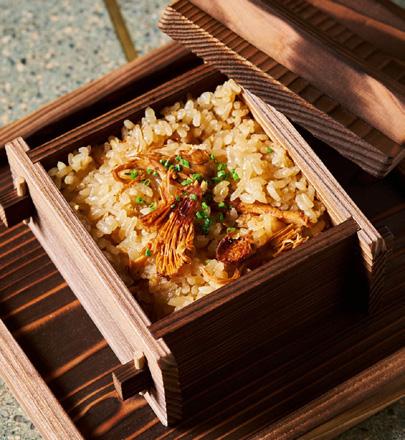


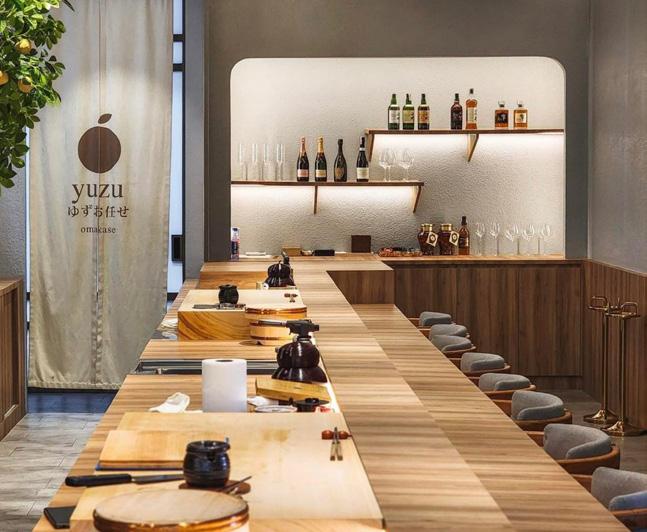

Localization is key to this integration: sushi rolls incorporate spicy Thai sauces, while ramen bowls feature tom yum broth, blending umami with local lemongrass and chili heat. In cities like Chiang Mai and Phuket, fusion eateries serve mango sticky riceinspired mochi desserts, making Japanese elements feel familiar. Pop culture amplifies this; Thai youth, fans of Japanese anime and dramas, flock to themed cafes, turning meals into social events. As tourism rebounds post-pandemic, Japanese cuisine enhances Thailand’s appeal as a food destination, with street vendors even offering takoyaki balls stuffed with local squid.
Across the subcontinent, India mirrors this trend with rising consumption of sushi, ramen, and matcha, transforming from exotic to everyday. Japanese dining has grown 15-20% annually since 2019, expanding beyond metros like Delhi and Mumbai to tier-2 cities such as Jaipur and Lucknow. Swiggy’s 2025 report highlights a 20% rise in unique cuisines ordered per customer and a 45% increase in Japanese-specific searches, with sushi and ramen leading the pack. What was once viewed as “raw fish risk” is now casual fare, thanks to vegetarian adaptations like avocado rolls or crispy veggie tempura.
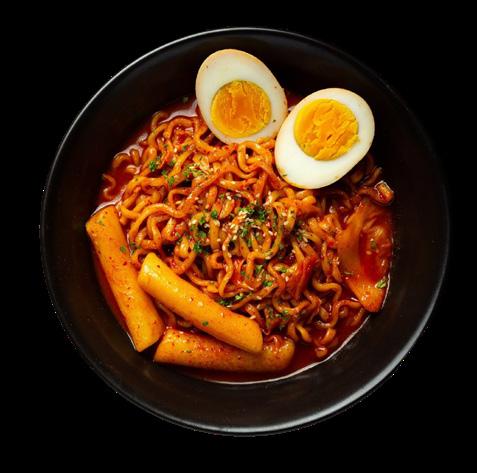
in dishes like masala udon. Matcha, the powdered green tea, surges in popularity through lattes, desserts, and even infused ice creams, appealing to India’s tea-loving culture while offering antioxidant benefits. This boom is propelled by cultural osmosis: anime marathons during lockdowns introduced flavours like miso, while Instagram reels and travel—233,000 Indians visited Japan in 2024—sparked experimentation. Restaurants like Supa San in Mumbai and JSan in Goa specialize in izakaya-style bites, while pop-ups like Bento Bento blend anime themes with meals. Health perceptions drive adoption; amid India’s diabetes epidemic, Japanese food’s balanced macros—rice, protein, veggies— offer a lighter alternative to oily
tastes. In China, where Japanese restaurants number in the tens of thousands, sushi chains like Yoshinoya adapt with sweeter sauces to suit regional preferences, while in Hong Kong, ramen shops like Tung Zhi Tang infuse broths with Chinese herbs for medicinal twists. Indonesia’s halal-certified sushi uses tempeh instead of pork, aligning with Muslim dietary norms, and in Singapore, PeranakanJapanese fusions like laksa ramen combine noodle traditions. These adaptations preserve minimalism— fresh, unadorned ingredients— while incorporating bold elements, such as Vietnamese pho-inspired dashi or Korean kimchi in gyoza.


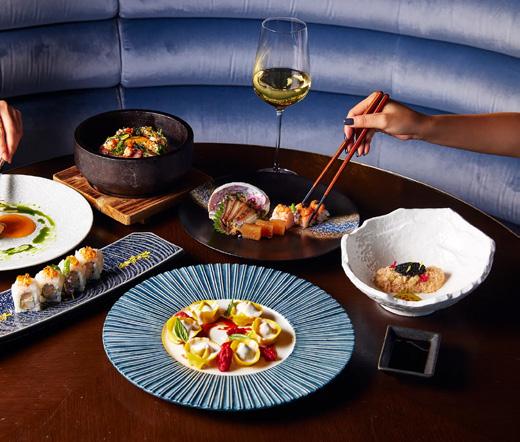
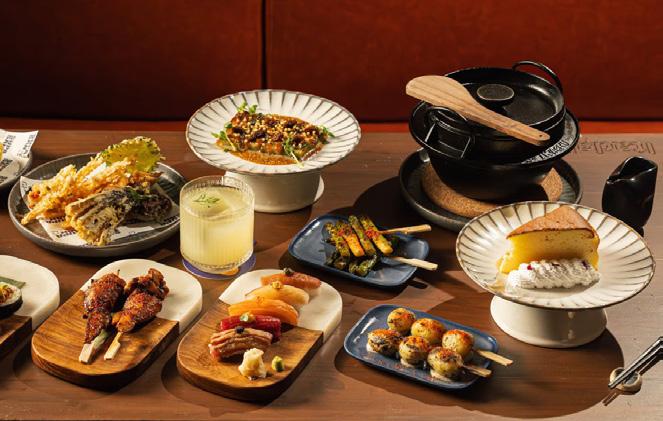
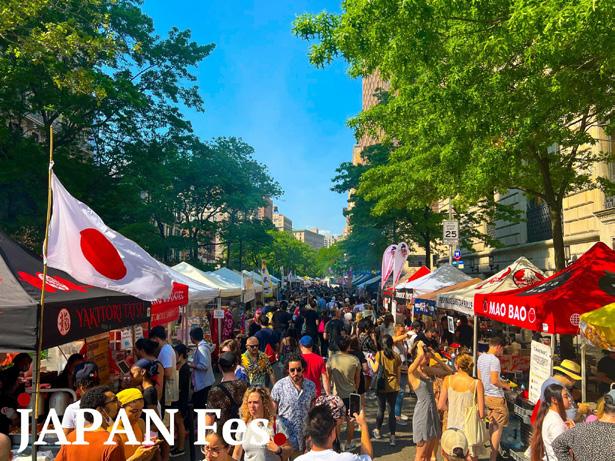
This hybridization not only broadens appeal but sustains authenticity; Thai chefs train in Tokyo techniques, elevating local standards. Across Asia, economic factors aid this: affordable imports via trade pacts and rising disposable incomes make premium items like wagyu accessible. Media plays a curator’s role, with food vlogs and apps democratizing recipes, encouraging home cooks to experiment.
Celebration of Japanese cuisine in Asian cities manifests through vibrant events and urban hotspots. In Bangkok, annual Japan Expo festivals feature sushi-making workshops and ramen tastings, drawing thousands. Mumbai’s JAPAN Fes, the world’s largest Japanese food festival outside
Japan, showcases over 2,000 vendors with takoyaki and matcha stalls, blending street food vibes with cultural demos. Seoul’s izakaya districts buzz with cherry blossom-themed parties, while Jakarta hosts omakase pop-ups during cherry blossom season simulations. These gatherings foster community, turning food into a cultural bridge—think matcha mixology nights in Delhi or ramen challenges in Manila. Restaurants double as celebration spaces: themed cafes with anime decor in Bengaluru or serene tea houses in Hanoi evoke Japan’s tranquility amid urban chaos. As sustainability gains traction, events highlight eco-friendly practices like zero-waste kaiseki, aligning with Asia’s green movements.
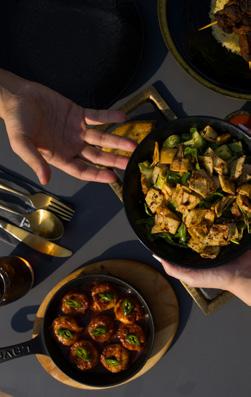
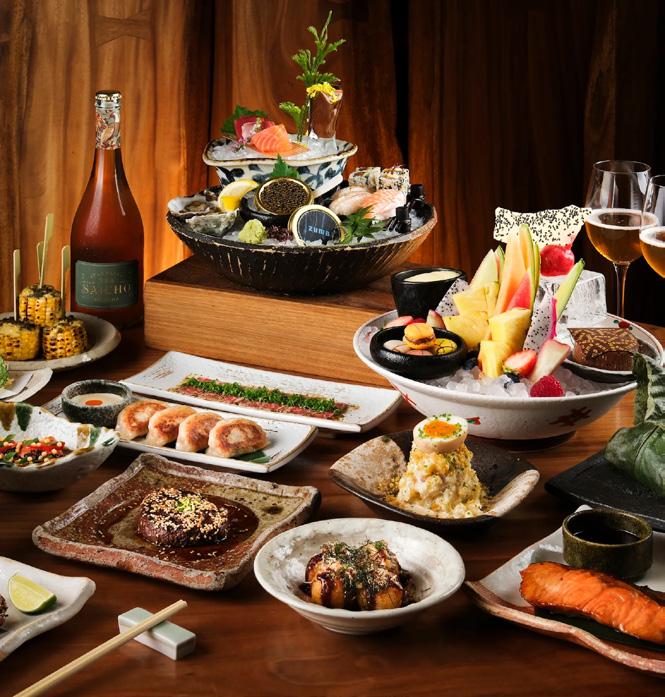

Looking ahead, Japanese cuisine’s mainstreaming across Asia seems unstoppable. With projections of continued growth—fueled by e-commerce for ingredients and virtual cooking classes—the minimalist ethos will likely inspire more fusions, perhaps matcha-infused bubble tea in Taiwan or sushi burritos in the Philippines. Yet, challenges remain: supply chain issues for fresh imports and cultural sensitivities around raw foods. Nonetheless, as Asia embraces wellness and global flavors, Japan’s culinary traditions offer a blueprint for harmonious dining. In this shared feast, minimalism meets multiplicity, proving that less can indeed be more delicious.

The year is 2025, and the smell of char-grilled pork is no longer coming from a pig. In hawker centres from Ho Chi Minh to Jakarta, in fine-dining kitchens in Bangkok, and on supermarket shelves in Manila, a quiet but unstoppable revolution is underway. Plant-based meat is no longer a niche curiosity
for yoga studios and vegan cafés; it is the fastest-growing protein category in South-East Asia, projected to hit US$2.1 billion by the end of the decade, with a blistering compound annual growth rate of 26.4 % from 2023 to 2030 (Euromonitor & Bloomberg Intelligence, 2025). This is not California dreaming. This is Asia owning the future of food.


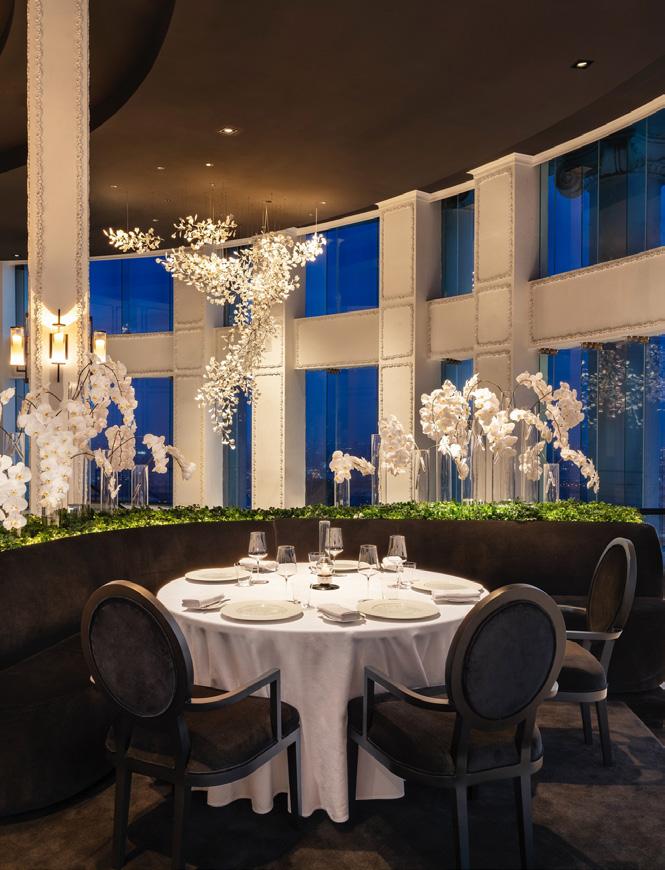

Five converging forces have turned South-East Asia into the world’s hottest laboratory for alternative proteins.
1. Health wakes up: After two decades of rising diabetes and heart-disease rates, the region’s middle class is voting with its wallet. Singapore’s Health Promotion Board reported a 41 % jump in adults actively reducing red-meat intake between

2021 and 2024. In Thailand, searches for “plant-based protein” on Shopee surged 380 % year-on-year in Q1 2025. Consumers are not becoming vegan overnight; they are becoming flexitarian by necessity.
2. Climate anxiety hits home: Flooded rice fields in Vietnam, deadly heatwaves in the Philippines, and shrinking fish stocks in Indonesia have made climate change personal. Livestock accounts for nearly 60 % of agriculture-related emissions in ASEAN countries (FAO, 2024). When a plate of plant-based rendang cuts water usage by 92 % and land use by 95 % compared with beef, the choice feels urgent, not ideological.
3. Pork is king – and that’s the opportunity: South-East Asia eats more pork per capita than any other region on earth. Vietnam alone slaughters 28 million pigs a year. Replicating the sizzle, the fat marbling, and the umami of pork belly is the holy grail. Western brands that focused on beef burgers largely missed the brief. Local start-ups did not.


4. Governments open the chequebook: Singapore’s “30×30” goal (produce 30 % of nutritional needs locally by 2030) has pumped S$400 million into food-tech since 2020. Thailand’s Eastern Economic Corridor offers 8-year tax holidays for alternativeprotein factories. Even Indonesia, long protective of its soy farmers, launched a US$120 million “Future Food” fund in January 2025.
5. Gen-Z refuses to compromise on taste: TikTok food reviewers in Malaysia will shred a product in 15 seconds if it tastes like “wet cardboard”. The bar is brutally high, and that pressure has forced a leap in sensory science that even Silicon Valley envies.
Forget the tired narrative of “bleeding” beetroot patties. Here are the companies that actually understand Asian palates.
Using the entire young jackfruit – not just the flesh the West throws into curries – KARANA creates a shredded pork alternative with 87 % less processing than extruded soy proteins. Their pulled “pork” is now the default filling in 180 hawker stalls across Singapore and has secured offtake agreements with three major frozendumpling manufacturers in Shandong, China.




OmniPork is no longer a start-up; it’s a regional juggernaut. In March 2025, the company launched OmniPork Luncheon 2.0, a plant-based Spam that fooled 78 % of consumers in blind taste tests conducted by Nielsen. Available in 14,000 7-Eleven stores across Greater China and ASEAN, it is the first alternative protein to out-sell the original canned meat in several Philippine cities.
Bioworks (Singapore): While others chase land animals, Umami is growing endangered grouper and unagi in bioreactors. Their cultivated eel, launched in partnership with three-Michelin-starred Odette in April 2025, costs US$68 per 100 g –still a luxury, but 40 % cheaper than the lab-grown version two years ago. Regulatory approval for commercial sale is expected in Singapore soon.
The “Impossible of Indonesia” raised US$42 million in Series B funding in February 2025, led by Temasek and Openspace Ventures. Their palmoil-free beef and chicken analogues are now on the menu at Starbucks, Burger King, and Pizza Hut Indonesia
– reaching 1.2 million consumers a month. Founder Helga Angelina’s mantra: “If it doesn’t taste better than the real thing, we go back to the lab.”
Emmay (Vietnam): Mycelium is having its moment. Emmay ferments oyster-mushroom roots into a fibrous “meaty” protein that naturally binds fat, delivering the juiciness carnivores crave. Their black-pepper pork sausage scored 9.1/10 in Ho Chi Minh City street-food trials – higher than any animal sausage in the same test.
expansion): The Japanese cult favourite opened its first ASEAN plant in Rayong, Thailand, in May 2025. Their calamari rings – made from konjac and seaweed – are now the default vegan option at 60 % of Sushi King outlets across Malaysia and Singapore.
abillion (Singapore): Not a food company, but the operating system of the movement. The app, with 2.8 million monthly users, crowdsources 40,000 product reviews every week. Brands pay US$15,000–80,000 for granular sentiment data that tells them exactly why Gen-Z in Surabaya hates the aftertaste of pea protein.

The Cocoa Project x Louise Mabulo (Philippines)
After Typhoon Rolly destroyed 70 % of cacao farms in 2020, chef-farmer Louise Mabulo built climate-resilient cacao varieties that double as raw material for plant-based chocolate and dairy. Her 72 % cacao oat-milk bar won the International Chocolate Awards Asia gold in 2025 – the first fully Philippine-grown vegan entry ever to do so.
TiNDLE (Singapore)
The company that started with a plant-based chicken wing that “bones” and all, is now moving into whole-cut pork loin. Partnering with wet-market butcher chains in Singapore, TiNDLE is testing QR-
coded trays that let aunties scan and see the carbon footprint of their dinner – 94 % lower than pork.
Talent is flooding in. The Asia Food Tech Talent Network placed 340 PhDs into alternative-protein roles in 2024 alone. Bioreactor costs have fallen 68 % since 2022, thanks to Chinese and South Korean hardware players entering the market. Even flavour houses like Givaudan and Firmenich have opened “Asian Umami Labs” in Singapore and Bangkok, formulating “pork crackling” aromas from yeast and fermented rice bran.




Retail is catching up fast. FairPrice in Singapore now dedicates 12 metres of chilled shelf space to plantbased – more than dairy yogurt. In Thailand, CP Group’s 7-Eleven rolled out 42 private-label plant-based SKUs in March 2025, undercutting international brands by 28 %.
Critics still point to price parity. True, cultivated eel at US$680/kg is not everyday food. Yet plant-based pork mince from KARANA is already 12 % cheaper than imported Australian pork in Singapore wet markets. At current trajectories, BloombergNEF predicts price parity for minced plant-based meat across ASEAN by Q3 2027, and for chicken by 2029. Another complaint: ultra-processing. The new wave is fighting back with “whole-plant” and mycelium platforms that use fewer than five ingredients. Emmay’s sausage label
reads: mushroom root, water, salt, pepper, casing (seaweed). That’s it.
Hybrid products: 70/30 animal-plant blends to ease traditional eaters into the transition. Precision-fermented dairy: Singapore’s TurtleTree will launch the region’s first lab-grown lactose-free milk in Q1 2026.
Export powerhouses: Indonesia’s Green Rebel is building a 40,000-tonne factory in Batam explicitly for export to Japan and the EU.
In a part of the world that never signed up for Western veganism, South-East Asia is not copying the plant-based revolution. It is rewriting the rules, one sizzling strip of jackfruit bacon at a time. The future of meat is being cooked in woks, not boardrooms in San Francisco. And it tastes like home.


On November 13, 2025, King Maha Vajiralongkorn Phra Vajiraklaochaoyuhua, the 10th king of Thailand’s Chakri dynasty, touched down in Beijing, ushering in an era-defining moment for Sino-Thai relations. Accompanied by Queen Suthida, this five-day state visit—hosted at the invitation of Chinese President Xi Jinping—represents the first official trip to mainland China by a reigning Thai monarch in over 800 years. Scheduled to coincide with the 50th anniversary of formal diplomatic ties established in 1975, the visit transcends ceremonial
pomp, serving as a profound signal of mutual commitment amid evolving regional dynamics. As Thailand navigates a multipolar world, this royal engagement underscores the kingdom’s deepening alignment with its northern neighbour, while highlighting China’s adept use of soft power to weave cultural and strategic threads across Southeast Asia. In an age where personal diplomacy can bridge geopolitical divides, King Vajiralongkorn’s journey not only honours historical bonds but also charts a course for collaborative prosperity.

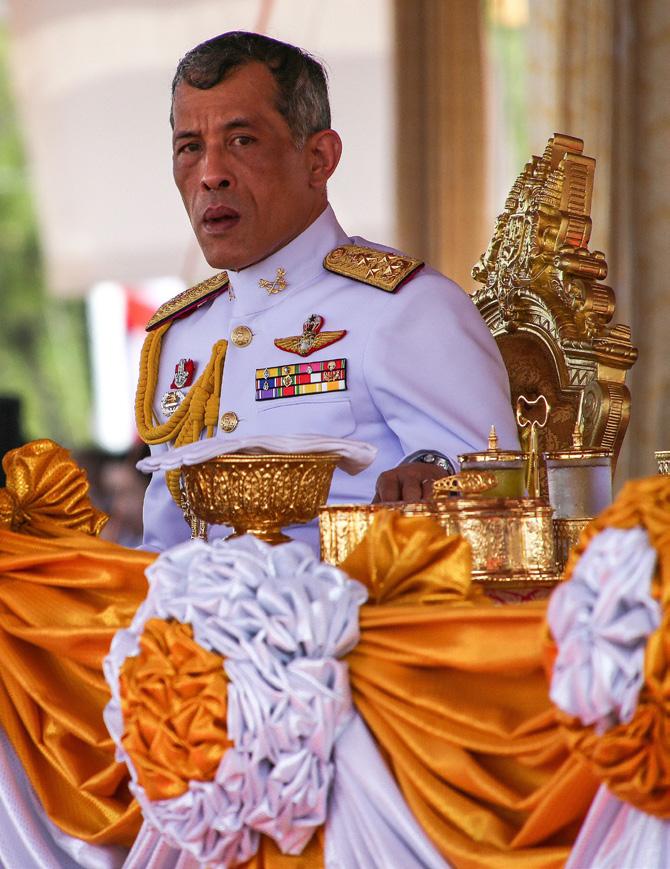
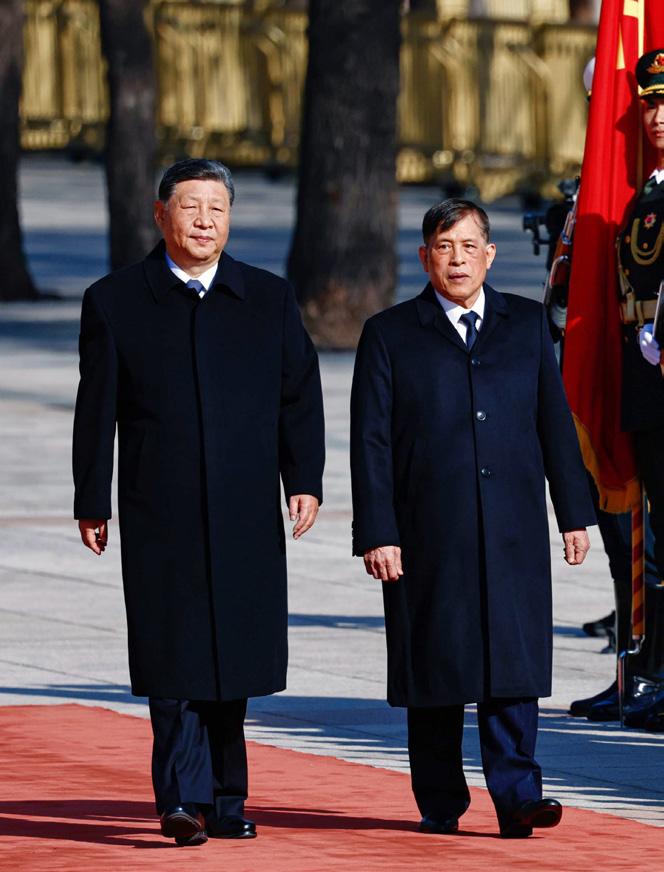
The roots of Thailand-China relations stretch back millennia, predating modern nation-states. Ancient trade routes linked the bustling ports of Siam—Thailand’s former name—with the Silk Road’s eastern terminus, fostering exchanges in silk, porcelain, and spices. Archaeological evidence from sites like Ban Chiang reveals early cultural intermingling, with Thai ceramics echoing Chinese influences as far back as the Bronze Age. Yet, it was the 14th-century establishment of the Ayutthaya Kingdom that formalized tributary ties, where Thai envoys paid homage to Ming Dynasty emperors, blending Buddhist
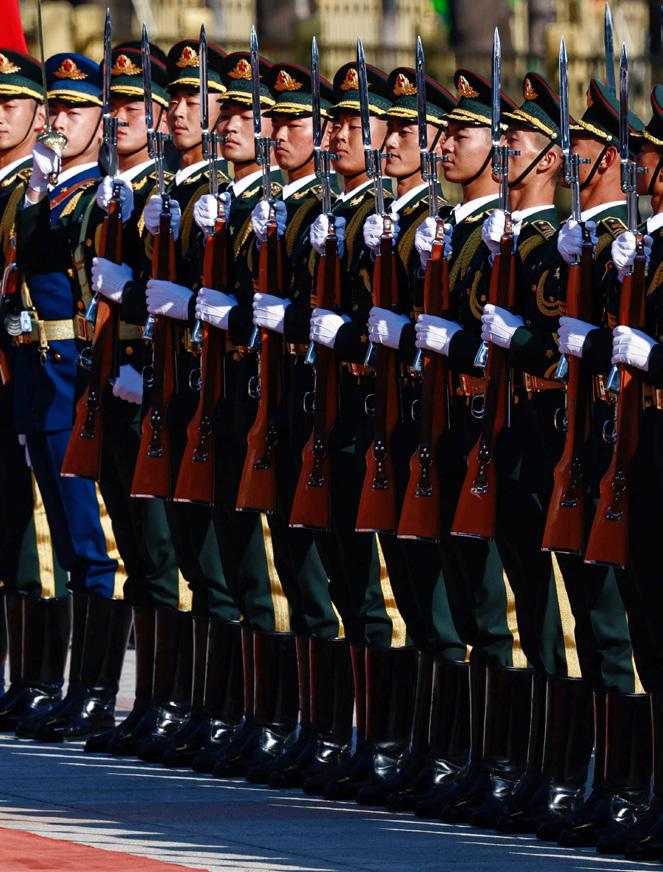
reverence with pragmatic diplomacy. Fast-forward to the 20th century: The 1975 normalization of relations came amid Cold War realignments, as Thailand pivoted from staunch U.S. alignment to engage a communist China emerging from isolation. King Bhumibol Adulyadej, Vajiralongkorn’s father, never made a state visit to the People’s Republic, though he hosted Chinese leaders and dispatched royal family members on goodwill missions. Princess Sirindhorn, often called “good and old friend” in Thai media, has been instrumental, logging over 45 years of visits to study classical Chinese arts, language, and history. Her frequent trips—more than 60 documented—have quietly nurtured intellectual bridges, from joint archaeological digs to cultural exhibitions.
This backdrop renders King Vajiralongkorn’s 2025 visit revolutionary. No reigning Thai sovereign had set foot on mainland soil since the 13th century, when Sukhothai kings exchanged envoys with the Yuan Dynasty. The delay wasn’t mere oversight; it reflected Thailand’s cautious monarchy, which has historically favoured domestic consolidation over foreign sojourns. Vajiralongkorn’s ascension in 2016, following Bhumibol’s death, ushered in a more assertive royal posture, with this China trip marking his first major international outing since a 2019 visit to Japan. Beijing had courted such a visit for years, viewing it as the capstone to five decades of “ironclad” friendship. In essence, the timing— post-pandemic recovery, amid U.S.China trade frictions—amplifies its historical weight, positioning the monarchy as a timeless conduit for national interests.
The itinerary, spanning November 13 to 17, blended tradition with innovation, showcasing China’s prowess in hosting dignitaries while honouring Thai sensibilities. Upon arrival at Beijing Capital International Airport, the royal couple was greeted by a honour guard and Vice President Han Zheng, setting a tone of utmost respect. The centrepiece unfolded on November 14 at the Great Hall of the People, where President Xi and his wife, Peng Liyuan, welcomed the guests with full state honours. A crimson carpet, floral tributes, and the strains of both nations’ anthems preceded bilateral talks, where Xi invoked the Thai phrase “Jeen Thai Phee Nong Gan”—describing China and Thailand as elder and younger siblings in an unbreakable family bond.

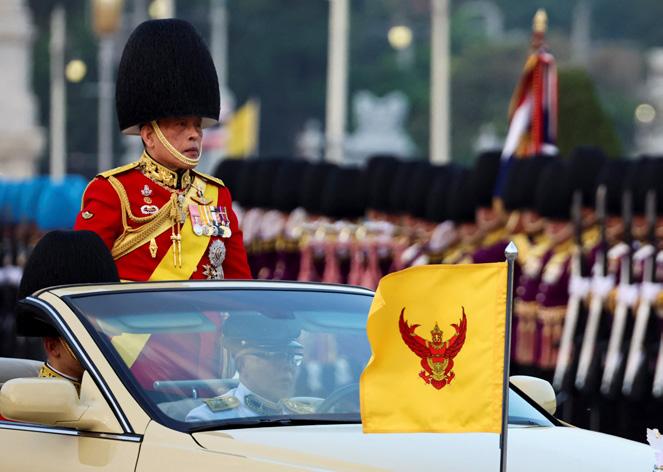
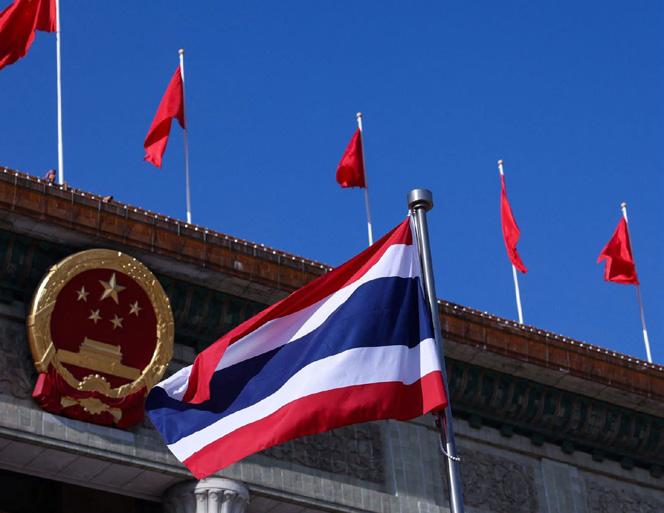

Discussions zeroed in on elevating ties to a “community with a shared future,” with pledges for accelerated infrastructure like the China-Thailand high-speed railway, a Belt and Road Initiative flagship stalled by funding hurdles but now revived with fresh commitments. Economic pacts emphasized Thailand’s agricultural exports—rubber, rice, and durians— to China, its top market absorbing over $10 billion annually, alongside ventures in AI, digital economy, and green energy. Cultural overtures included a state banquet featuring Thai favourites like tom yum goong alongside Peking duck, symbolizing culinary fusion. A highlight came on November 16 at the Beijing Aerospace Flight Control Centre, where the royals became the first foreign heads of state to virtually commune with Chinese astronauts aboard the
Tiangong space station. Via a massive screen, Commander Chen Li and crew members, orbiting 400 kilometres above Earth, extended greetings in Thai, waving Thai and Chinese flags in zero gravity. The king, beaming, responded with waves and queries about daily life in space, bridging earthly thrones with celestial frontiers. This wasn’t mere spectacle; it underscored burgeoning space cooperation, with Thailand eyeing Chinese tech for its nascent satellite program. Other stops included the venerable Lingguang Temple, a Buddhist sanctuary evoking shared Theravada-Mahayana heritage, and the China Academy of Space Technology, where exhibits on lunar missions stirred royal admiration. Departing on November 17, the visit concluded with a farewell by Premier Li Qiang, leaving Beijing’s autumnal skies as a metaphor for warming relations.
At its core, this visit is a tapestry of symbols, each thread weaving narrative of harmony and hierarchy. The monarchy, revered in Thailand as the “father of the nation,” embodies continuity; its endorsement of China signals elite-level buy-in, reassuring investors and policymakers alike. For China, hosting a Buddhist king in an atheist state subtly nods to its “harmonious world” doctrine, projecting inclusivity to a region wary of expansionism. The sibling metaphor, repeated in official rhetoric, evokes familial duty over transactional alliances,
a soft-power masterstroke rooted in Confucian ethos that resonates with Thai collectivism. Visually, the pageantry—silk-clad royals amid Beijing’s modernist grandeur— contrasts Thailand’s ornate temples with China’s engineered marvels, symbolizing complementary strengths. The space greeting, in particular, elevates the symbolic: Just as ancient astronomers charted stars for kings, modern orbits link realms, hinting at shared aspirations in the stars. Yet, symbolism carries risks; critics in Thailand whisper of overreliance on Beijing, but the visit’s choreography—balancing reverence with reciprocity—mitigates such fears, framing China as a benevolent patron rather than a domineering suitor.
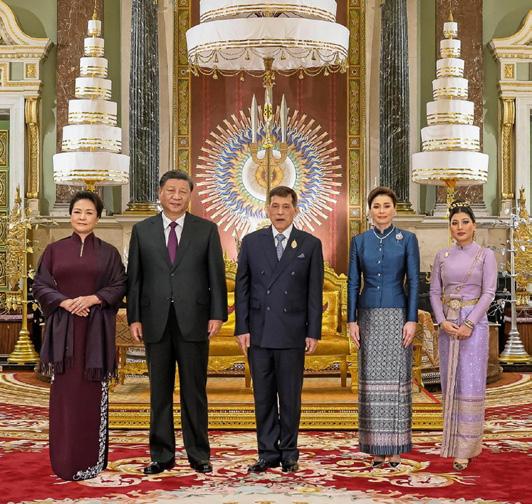

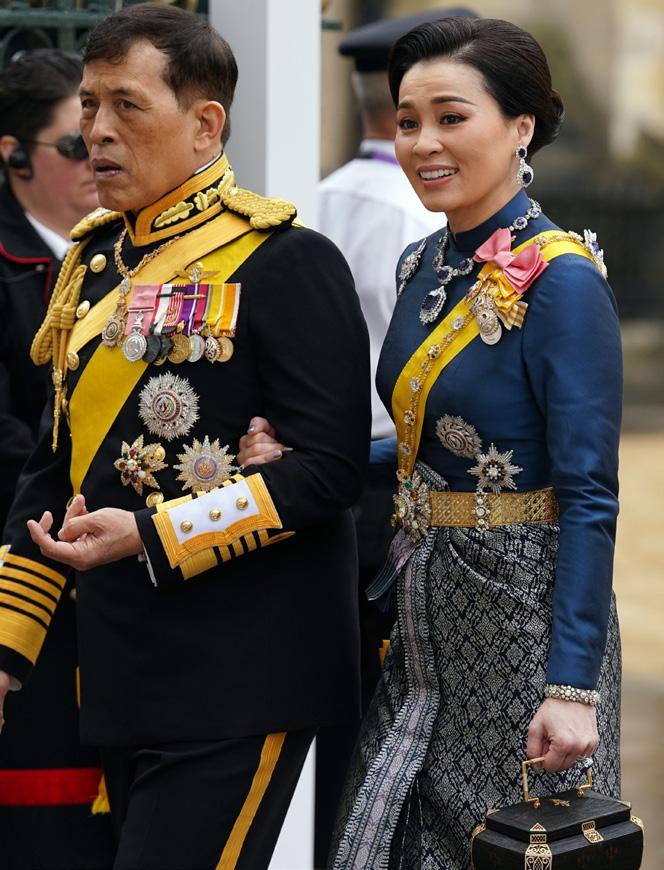
Royal visits, though steeped in antiquity, wield modern potency in international relations. They humanize diplomacy, forging personal bonds that outlast tenures. When monarchs travel, they transcend elected leaders’ partisanship, embodying national essence and eliciting reciprocal honours that cement goodwill. In the case of Thailand and China, this visit exemplifies how such engagements catalyze multifaceted ties. Economically, high-profile endorsements unlock doors: Post-visit, Thai exporters anticipate streamlined approvals for perishables, while Chinese firms gain smoother access to Thailand’s Eastern Economic Corridor. Strategically, shared platforms like the railway project—envisioned to slash Bangkok-Kunming travel to

five hours—enhance connectivity, boosting tourism (pre-COVID, 10 million Chinese visitors annually fueled 12% of Thailand’s GDP) and trade volumes exceeding $100 billion in 2024. Culturally, exchanges proliferate; the visit spurred announcements for joint heritage sites and youth programs, echoing Princess Sirindhorn’s legacy. Why do these visits endure? Psychologically, they build trust through ritual—shared meals, temple prayers—fostering empathy that data-driven summits often lack. Historically, Britain’s 2011 state visit by Queen Elizabeth II to Singapore revived Commonwealth links amid economic woes; similarly, Japan’s Emperor Naruhito’s 2023 tour of Southeast Asia thawed postwar resentments. For Sino-Thai ties, the visit reaffirms commitments amid global flux, signalling to allies like the U.S. that Thailand prizes equilibrium, not exclusivity. In sum, royal diplomacy isn’t relic; it’s rocket fuel for relations, propelling nations toward collaborative horizons.



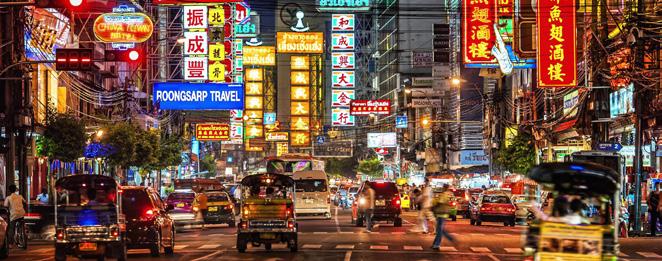

Thailand’s foreign policy, dubbed “bamboo diplomacy” for its supple bending in storms, exemplifies hedging in a U.S.-China duopoly. As a treaty ally under the 1954 Manila Pact, Bangkok hosts U.S. Cobra Gold exercises, the world’s largest multinational drill, yet it abstains from South China Sea freedom-ofnavigation ops, prioritizing ASEAN unity. This visit fits seamlessly: It reassures Washington of no pivot while harvesting Beijing’s bounty— China overtook the U.S. as Thailand’s top arms supplier in 2023, with deals for submarines and fighter jets. U.S.-Thai strains, exacerbated by human rights rebukes and Trump’s tariff threats, contrast China’s non-interference mantra. Foreign Minister Parnpree Bahiddha-Nukara, in November 2025 remarks, vowed “neutral geopolitical positioning,” leveraging resources like rare earths to court both. The king’s China foray, thus, is tactical: It diversifies dependencies, from U.S. F-16s to Chinese surveillance tech, amid
Myanmar’s turmoil spilling borders. Yet, balancing exacts costs— deporting Uyghurs in 2025 drew U.S. ire, while censoring exhibitions irked liberals. Still, with China as ASEAN’s largest trader, Thailand’s calculus favours engagement, using royal gravitas to soften edges.
China’s soft power—Joseph Nye’s “attraction” via culture, not coercion— has surged in Southeast Asia, with Thailand as a receptive canvas. Confucius Institutes, numbering 16 in Thailand by 2024, dwarf regional peers, hosting over 2,000 events from Mandarin classes to lantern festivals, embedding Han influence in curricula. Media footprints, like CGTN’s Thai broadcasts and WeChat’s ubiquity among 10 million Thai-Chinese descendants, amplify narratives of shared heritage. The royal visit amplifies this: Temple tours invoke Buddhist syncretism, while space overtures dazzle youth, countering Hollywood’s grip.

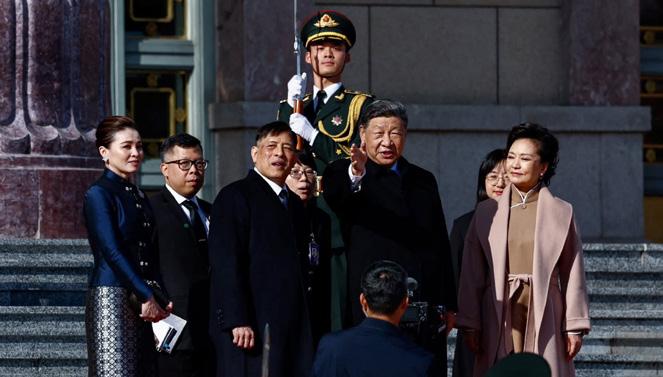
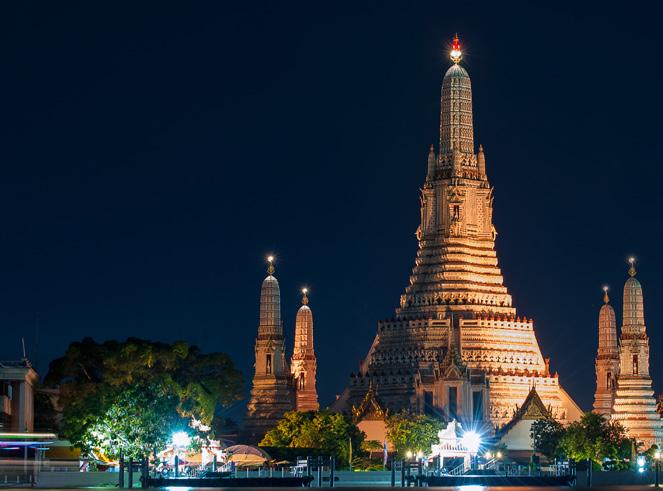


Belt and Road projects, from JakartaBandung rail to Thai EEC ports, blend infrastructure with image-building, though debt fears linger. In Thailand, Chinese dramas top streaming charts, and Lunar New Year rivals Songkran in fervour. Regionally, this pull erodes U.S. sway—surveys rank China first in Thai influence perceptions. Yet, soft power’s double edge: It fosters admiration but invites scrutiny over opacity, as seen in Thai debates on Huawei 5G. The king’s endorsement, however, burnishes China’s allure, portraying it as a civilizational peer, not just an economic engine.
Looking ahead, this visit portends a Sino-Thai renaissance. Enhanced rail links could spawn a “fruit express” corridor, slashing spoilage for Thai mangoes in Chinese markets. Space pacts might yield joint satellites for disaster monitoring, vital post-2024
typhoons. Culturally, royal-backed funds promise scholarships, echoing Sirindhorn’s model, while poverty alleviation swaps—China’s playbook shared with Thai villages—tackle inequality. Geopolitically, it bolsters ASEAN centrality: Thailand, as 2025 chair, can mediate U.S.-China dialogues, leveraging royal rapport. For China, it’s a Southeast Asian lodestar, countering India’s outreach. Challenges persist—U.S. tariffs loom, Myanmar instability festers—but the visit’s momentum endures. As Xi noted, it’s a “brand new chapter,” one where thrones and orbits converge for mutual ascent.
In a nutshell, King Vajiralongkorn’s Beijing odyssey isn’t mere history; it’s a beacon. In a fractious world, such royal signals remind us: Diplomacy’s finest hour blooms from roots of respect, yielding harvests for generations. As the dragons and garudas entwine, Thailand and China step not just closer, but higher— toward a horizon where shared futures outshine solitary paths.

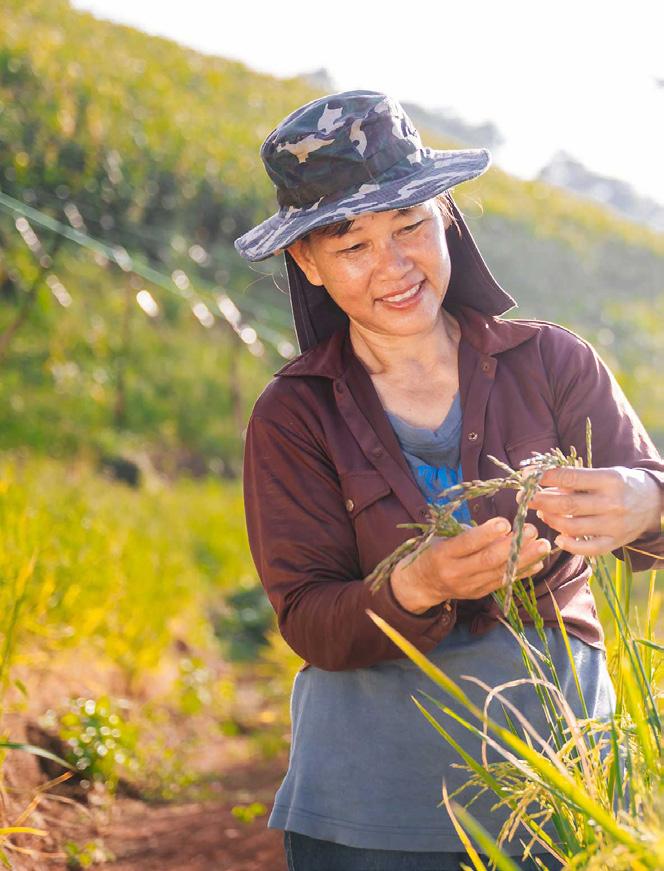

Thailand stands as the world’s second-largest rice exporter, a position that underscores its vital contribution to global food supplies while providing livelihoods for nearly four million rural households. Rice cultivation is deeply embedded in the nation’s cultural fabric and economic foundation, yet it faces escalating challenges. Soaring input costs, intensified pest infestations, and increasingly erratic weather patterns—exacerbated by climate change, including prolonged droughts, flash floods, and extreme heat—are placing immense strain on traditional farming systems. In
response, a pioneering multi-stakeholder collaboration is charting a transformative course. Involving CropLife International, the German Development Agency (GIZ), Thailand’s Ministry of Agriculture and Cooperatives, the United Nations Environment Programme (UNEP), and private sector giants such as Olam Agri and PepsiCo, this initiative demonstrates how environmental responsibility, farmer prosperity, and business sustainability can align synergistically. Through innovative practices and blended financing, the partnership is proving that greener rice production is not only feasible but economically advantageous.
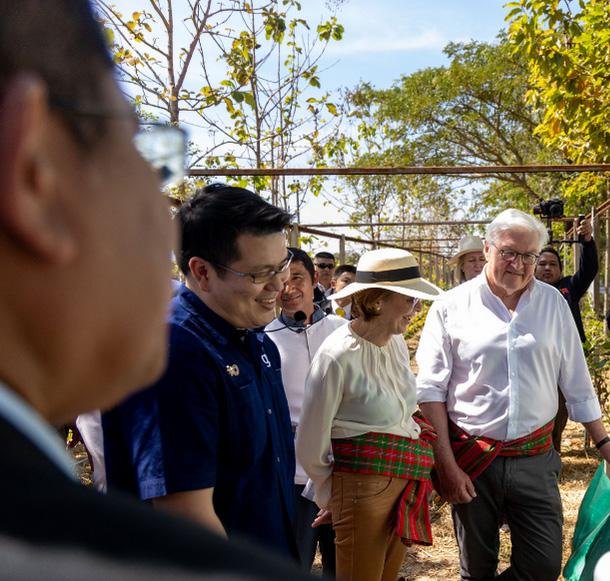
Over the past decade, Thailand has made significant strides in promoting sustainable rice farming. Key advancements include integrated pest management (IPM), alternate wetting and drying (AWD) irrigation techniques, and lowemission cultivation methods. These approaches help mitigate greenhouse gas emissions, conserve precious water resources, and enhance resilience against climate variability, all while responding to growing international demand for responsibly sourced agricultural products.
Farmers engaged in these programs have experienced tangible benefits: yield increases of 10–15% and cost reductions of 10–20%. These gains stem from refined pest control strategies, precision fertilizer application, and optimized water usage. Collaborations with companies like PepsiCo and Olam Agri are embedding these practices into supply chains, bolstered by digital tools that enable real-time monitoring of soil moisture and irrigation needs. This ensures more stable harvests despite unpredictable rainfall.

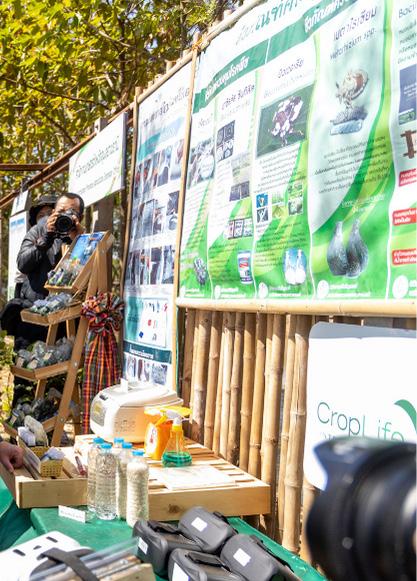


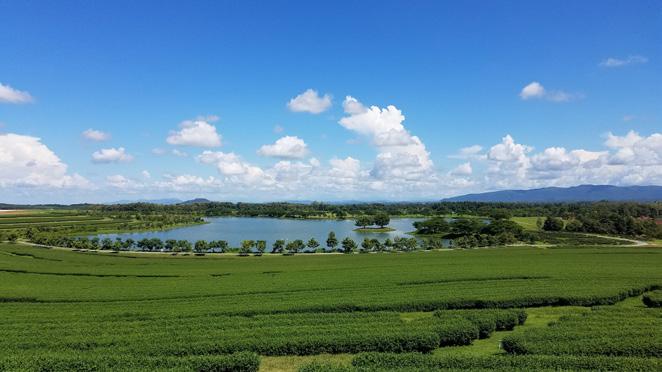
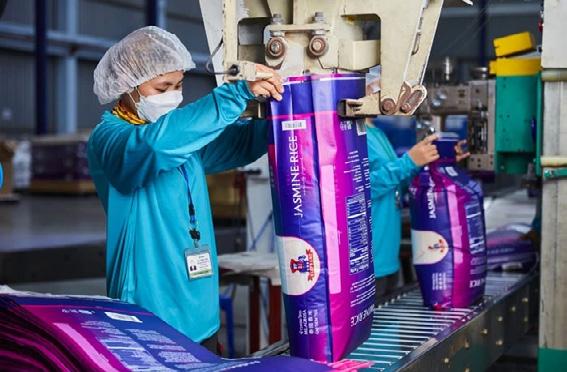

Training programs play a crucial role, empowering growers with expertise in pest monitoring, biological controls, and judicious chemical use. Additional techniques—such as selecting improved seed varieties, site-specific nutrient management, and crop rotation—preserve soil health and provide safeguards against droughts and floods. These measures not only safeguard the environment but also bolster crop durability under climate stress, leading to higher incomes and demonstrating the viability of eco-friendly agriculture.
A standout innovation is the AWD method, where fields are periodically allowed to dry rather than remaining continuously flooded. This practice can reduce methane emissions by up to 80%, substantially cut water consumption, and improve adaptability to both water scarcity and excessive rainfall.
The Inclusive Sustainable Rice Landscapes (ISRL) program, funded by the Global Environment Facility (GEF) and executed by GIZ in partnership with UNEP, builds on earlier successes. Operating in regions like Ubon Ratchathani and Chiang Rai, it promotes integrated landscape management, incorporating biodiversity conservation, agroforestry, and gender-inclusive diversification. By 2027, ISRL aims to engage 45,000 farmers across 90,000 hectares, targeting a reduction of over 3 million tonnes of CO₂-equivalent emissions—equivalent to removing 650,000 cars from the roads annually.
Parallel efforts under the Sustainable Rice Platform (SRP) have led to the development of national standards, such as the Thai Rice Sustainability Standard. These frameworks support farmers in transitioning to climatesmart methods that meet stringent global market requirements.
A more ambitious phase is the €118 million Thai Rice: Strengthening Climate-Smart Rice Farming project, backed by the Green Climate Fund (GCF), GIZ, and private partners including PepsiCo, Olam Agri, Mars Food, and Ebro Foods. Launched in early 2025, this fiveyear initiative (2024–2028) targets 253,400 farmers across 21 provinces. It promotes ten core technologies: farm-level water management, laser land levelling, AWD, straw and stubble management, site-specific nutrient management, rice variety diversification, dry direct-seeded rice, integrated pest management, crop diversification rotation, and agrometeorological advisory services.
The project is projected to cut 2.44 million tonnes of CO₂-equivalent emissions by 2028 while enhancing
farmer resilience and incomes. Blended finance mechanisms—green loans, revolving funds, and sustainabilitylinked bonds—make advanced tools like efficient irrigation systems and resilient seeds accessible. For corporate participants, these tie investments to verifiable sustainability outcomes, supporting net-zero ambitions and securing supply chains.
Climate change poses profound threats to Thailand’s rice sector. Extreme heat, shifting rainfall, and rising temperatures are already reducing yields and increasing vulnerability. Rice farming contributes significantly to methane emissions from flooded paddies and CO₂ from straw burning, accounting for a substantial portion of agricultural greenhouse gases. Without adaptation, projections suggest potential yield drops of 15% by mid-century.



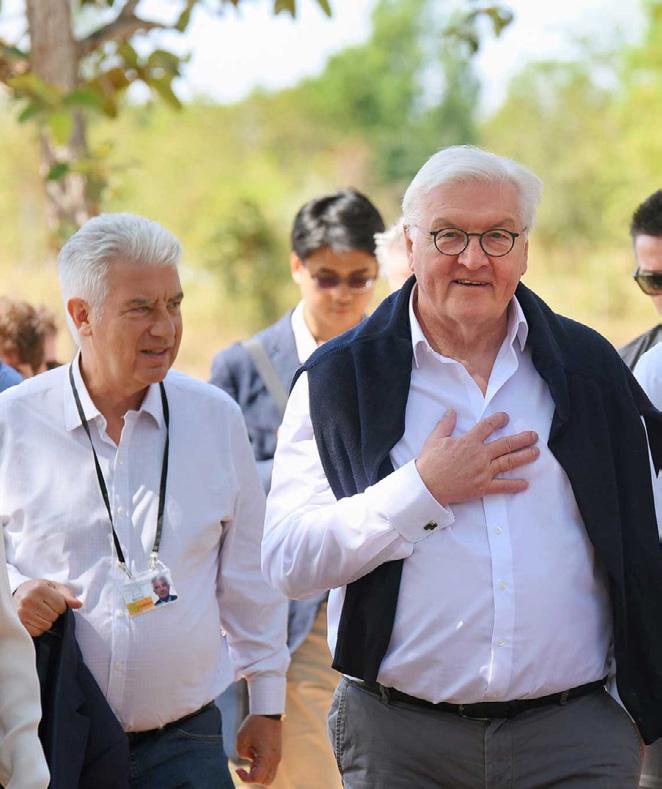


Yet these partnerships offer hope. By integrating public policy, private investment, scientific innovation, and farmer knowledge, they address both mitigation and adaptation. Digital platforms and training workshops equip producers with data-driven decisions, while market incentives from buyers reward sustainable outputs. Broader implications extend globally. As rice feeds over half the world’s population, Thailand’s model—balancing productivity with planetary health—provides a blueprint for other major producers. Initiatives like SRP’s
Low-Carbon Assurance Module, launched in 2025, enable credible reporting on Scope 3 emissions, aligning with EU regulations and consumer preferences. In an era where agriculture must reconcile feeding a growing population with combating climate change, Thailand’s collaborative approach exemplifies progress. It delivers profits for farmers, reliability for businesses, and protection for ecosystems. As 2025 marks a pivotal year for the Paris Agreement, such alliances underscore agriculture’s role in sustainable development, ensuring rice remains a cornerstone of food security and economic stability for generations to come.



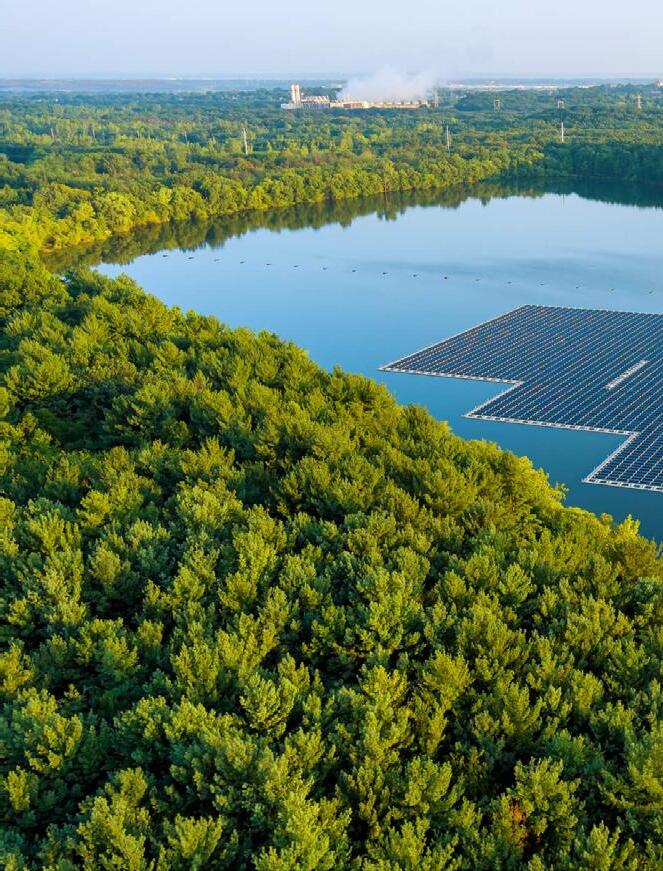
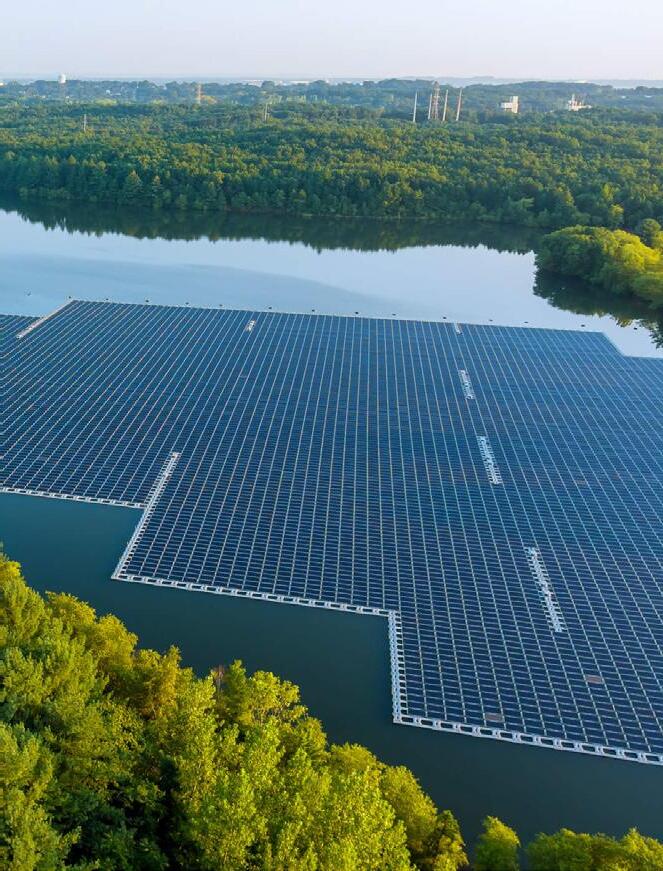
In the shimmering expanse of the Saguling Reservoir in West Java, Indonesia, a new chapter in renewable energy is unfolding. Construction has officially begun on a 92 MW floating solar photovoltaic (FPV) plant, a project spearheaded by state utility PLN in partnership with Masdar, the UAE-based renewable energy giant. Set to commence operations in late 2026, the Cirata Phase II expansion builds on the success of the existing 192 MW Cirata FPV plant—the world’s largest operational floating solar facility when it was commissioned in 2023. This latest addition will push the reservoir’s total FPV capacity beyond 280 MW, generating enough clean electricity to power approximately 140,000 households annually while avoiding an estimated 200,000 tons of CO₂ emissions each year.
The Saguling project is more than an engineering feat; it is a symbol of Asia’s accelerating pivot toward waterborne solar energy. Across the continent, where population density rivals global averages by a factor of three and arable land is fiercely contested, floating solar is emerging as a pragmatic, scalable solution to the twin crises of energy demand and land scarcity. From Thailand’s Sirindhorn Dam to Vietnam’s Da Mi reservoir, FPV arrays are transforming idle water surfaces into productive power plants—without displacing a single rice paddy or rainforest hectare.
Asia is home to 60% of the world’s population but only 30% of its landmass. In Southeast Asia, the numbers are even starker: Indonesia, the region’s most populous nation, has a population density of 151 people
per square kilometre—higher than India—and loses 600,000 hectares of forest annually to palm oil, mining, and urban sprawl. Vietnam, meanwhile, has just 0.3 hectares of arable land per person, among the lowest globally. Traditional ground-mounted solar farms, while cost-competitive, require vast, flat, unshaded expanses—precisely the kind of terrain already committed to agriculture, housing, or industry.
Enter floating photovoltaics. By anchoring solar panels on high-density polyethylene (HDPE) pontoons atop reservoirs, lakes, and irrigation ponds, FPV sidesteps terrestrial competition entirely. A 2021 World Bank study estimates that Southeast Asia alone has over 400,000 hectares of suitable man-made reservoirs—enough to host 150–200 GW of FPV capacity. At a conservative 1 MW per hectare, that’s equivalent to 150 large coal plants, all without clearing a single tree.
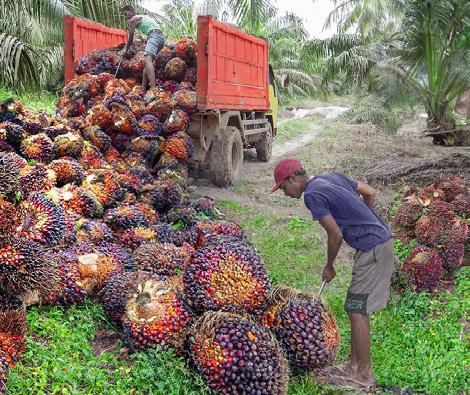

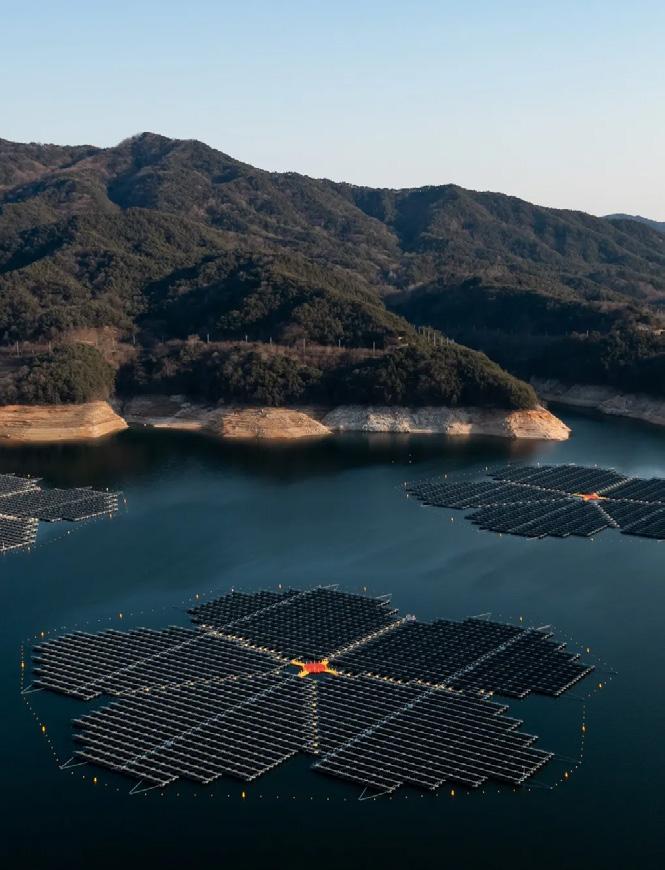
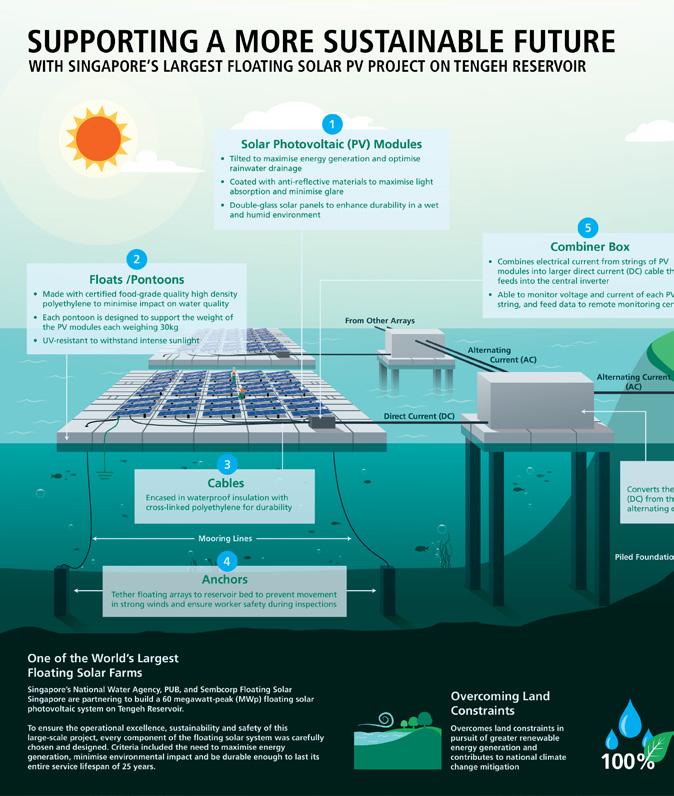
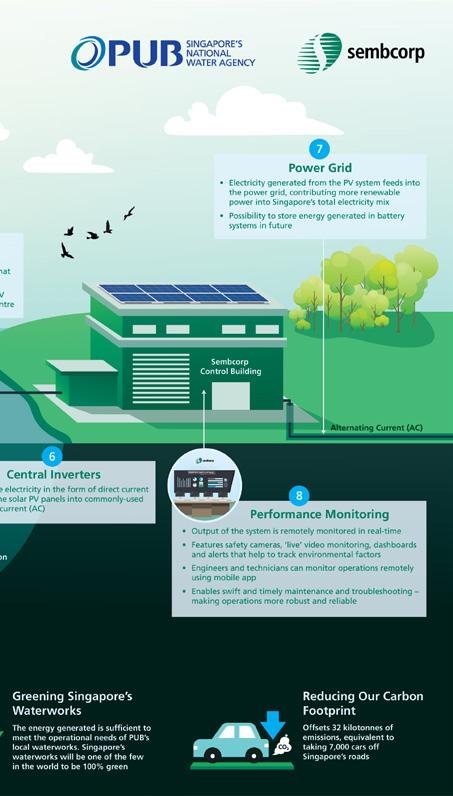
The Saguling reservoir exemplifies this synergy. Built in the 1980s for hydropower, the 56 km² water body already hosts the 1,000 MW Cirata hydroelectric station. Layering FPV on 12–15% of its surface area enhances energy yield without compromising water storage or flood control. In fact, the panels reduce evaporation by up to 30%, conserving water in drought-prone regions—a co-benefit increasingly valued in climatestressed Indonesia.
FPV systems are deceptively simple in concept but sophisticated in execution. Standard silicon PV modules are mounted on buoyant platforms, typically HDPE floats certified for 25–30 years of UV and water exposure. These platforms are linked into “islands” and moored to the reservoir bed with high-strength synthetic ropes or chains, designed to withstand wind speeds of 200 km/h and water level fluctuations of 10–15 meters.
Anchoring is the make-or-break component. In Saguling, engineers use a hybrid mooring system: deadweight anchors on the reservoir floor combined with tensioned lines to the shore. This allows the array to “float” with changing water levels while maintaining optimal tilt (usually 10–12° toward the equator). Electrical cabling runs underwater in protective conduits to onshore inverters, minimizing transmission losses. Cooling is another inherent advantage. Water beneath the panels dissipates heat 15–20% more efficiently than air, boosting panel efficiency by 5–10% compared to ground-mounted systems. At Cirata I, this “natural cooling effect” has consistently delivered capacity factors above 20%—higher than many rooftop solar installations in the tropics.
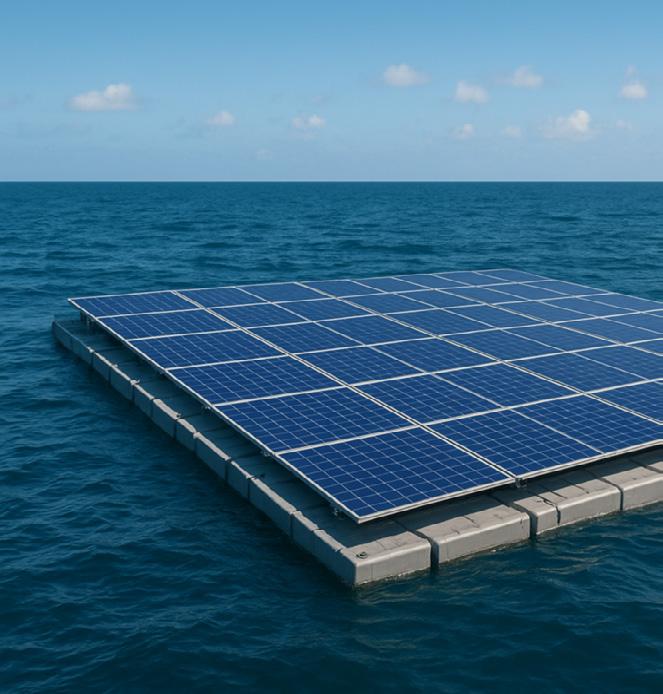


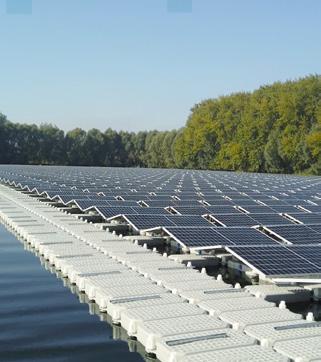
When China’s first commercial FPV plant came online in 2017, levelized cost of energy (LCOE) hovered around $0.12/kWh—30% above groundmounted solar. Today, that gap has vanished. BloombergNEF reports global FPV LCOE at $0.048–$0.065/ kWh in 2024, driven by standardized float designs, bulk procurement, and learning curves from over 3 GW of installed capacity worldwide.
In Asia, costs are even lower. The Cirata I project achieved a tariff of $0.058/ kWh under a 25-year power purchase agreement (PPA)—competitive with new coal in Indonesia. The 92 MW Saguling expansion is expected to bid even lower, benefiting from
shared infrastructure (substations, transmission lines) and a mature local supply chain. Thai FPV tenders in 2023 closed at $0.039/kWh, undercutting gas-fired peakers. The premium for floats and mooring—typically 10–15% over ground-mounted systems— is offset by zero land acquisition costs, shorter permitting timelines, and higher energy yield. In landconstrained markets, FPV’s effective LCOE is often lower.
Financing is flowing. The Asian Development Bank (ADB) has committed $1.2 billion to FPV across Southeast Asia since 2020, including $35 million for Saguling’s grid upgrades. Multilateral climate funds view water-based solar as “additionality”—clean power that would not otherwise be built due to land barriers.
FPV is not without controversy. Environmentalists raise valid concerns about water quality, aquatic ecosystems, and reservoir hydrology. Water Quality: Early fears of microplastic leaching from HDPE floats have been largely dispelled. Modern floats use food-grade, UVstabilized polymers with leachate rates below 0.1 ppb—far below drinking water thresholds. A 2023 study of Thailand’s Sirindhorn FPV plant found no detectable change in dissolved oxygen, pH, or heavy metals after three years.
Shading beneath panels can disrupt phytoplankton growth, the base of the aquatic food chain. However, partial coverage (10–20% of surface area) creates a “Goldilocks zone”: reduced algae blooms from lower light and temperature, but sufficient photosynthesis to sustain fish. At Cirata, tilapia yields have increased 15% under FPV arrays, as panels provide refuge from predatory birds.
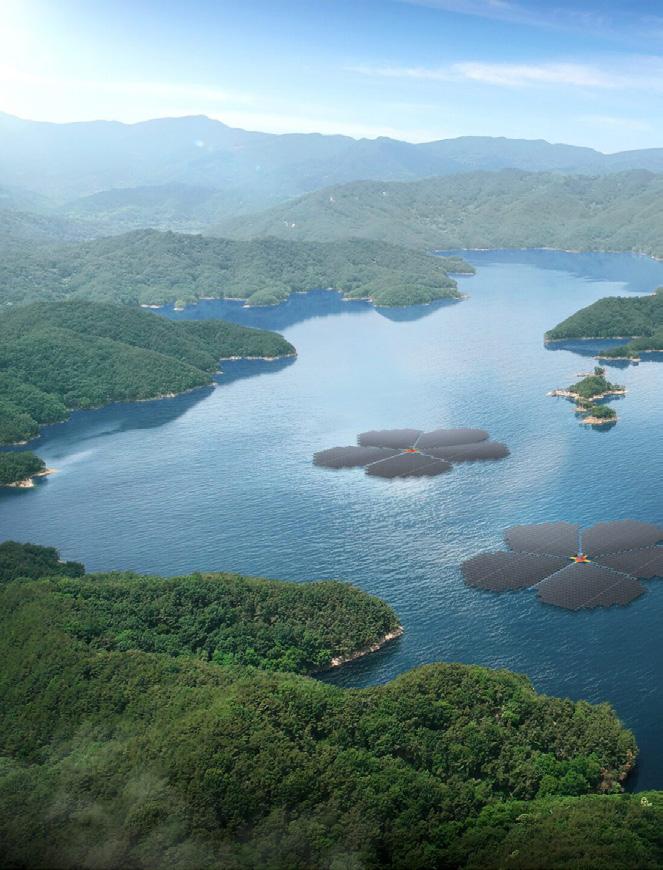
While evaporation savings are a boon in arid seasons, critics worry about altered reservoir mixing in monsoonal climates. A 2024 paper in Nature Sustainability modelled Saguling’s expanded FPV and found negligible impact on downstream hydropower generation (<0.5% reduction in turbine flow).
Recycling HDPE floats and silicon panels remains challenging, but pilot programs in Singapore and South Korea are achieving 90% material recovery. Compared to coal ash or battery waste, FPV’s environmental footprint is modest.
On balance, life-cycle carbon emissions for FPV are 15–20 gCO₂/ kWh—among the lowest of any energy technology, including onshore wind.
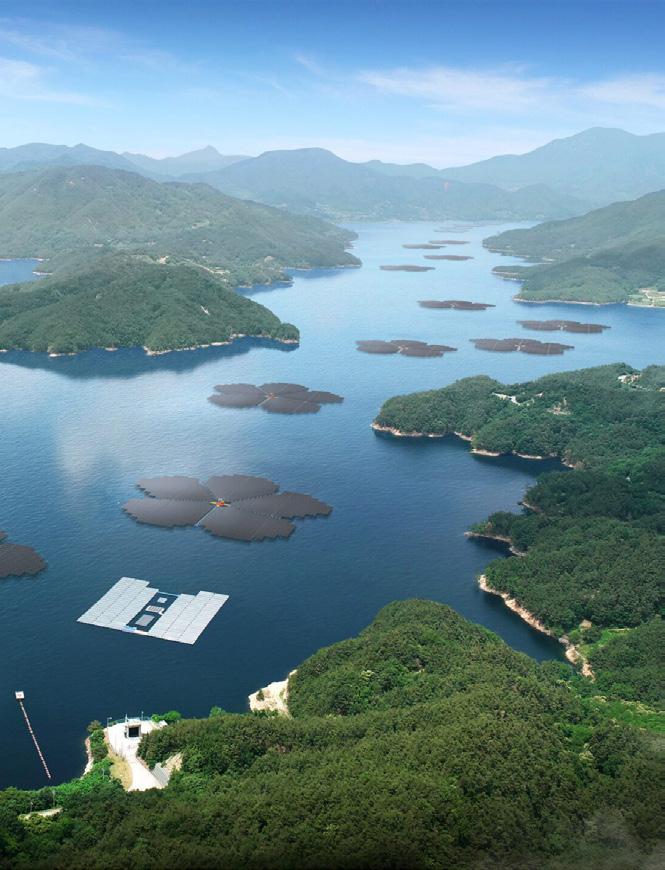
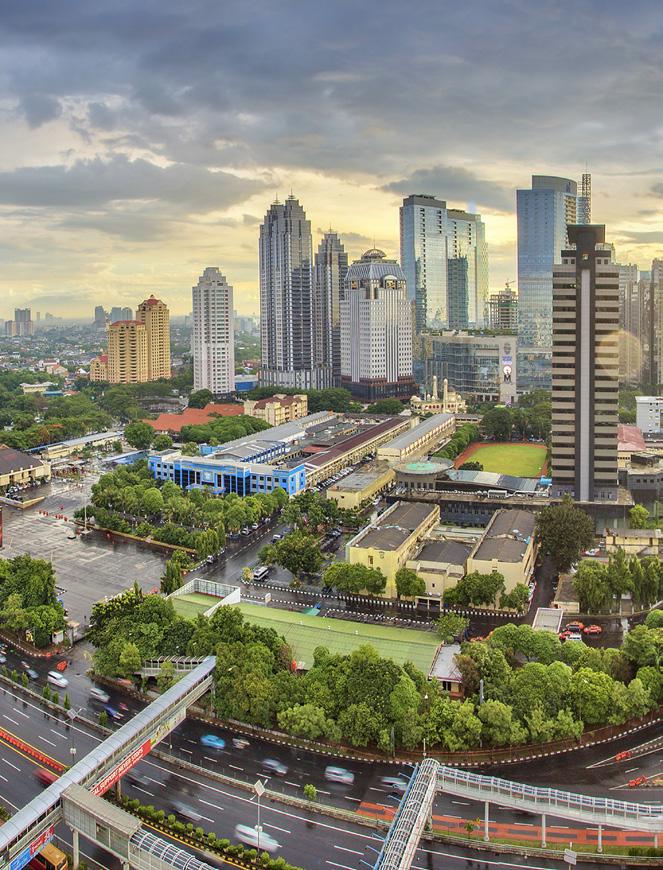

Southeast Asia’s FPV Pipeline: 10 GW by 2030?
The Saguling project is a harbinger. Wood Mackenzie forecasts 10–12 GW of FPV in Southeast Asia by 2030, with Indonesia (4 GW), Vietnam (2.5 GW), and Thailand (2 GW) leading deployment.
Indonesia: With 2,000+ reservoirs and a 35 GW solar target by 2030, PLN has identified 28 priority sites totalling 8 GW. Beyond Saguling, the 145 MW Jatigede FPV and 60 MW Kedung Ombo projects are in advanced planning. The government’s Just Energy Transition Partnership (JETP) includes $500 million earmarked for floating solar.
Vietnam: Already host to 16 FPV plants (total 1.2 GW), Vietnam is integrating solar with hydropower in the Central Highlands. The 450 MW Trung Son project, under development, will be the region’s largest single-array FPV upon completion in 2027.
Thailand: EGAT’s hybrid hydro-solar model—pioneered at Sirindhorn—now spans nine dams with 2.7 GW in the pipeline. A 2025 tender for 1 GW of FPV on irrigation reservoirs is oversubscribed threefold.
Malaysia & Philippines:
Both nations are late movers but accelerating. Malaysia’s Tenaga Nasional Berhad (TNB) plans 500 MW of FPV on mining lakes by 2028, repurposing post-tin mine pits. In the Philippines, the 600 MW Laguna Lake FPV—once mired in controversy—has been revived with stricter environmental safeguards.
Policy is the catalyst. Feed-in tariffs, tax holidays, and streamlined water-use permits have slashed development timelines from 5 years to 18 months. Singapore, though land-rich in reservoirs, is testing bifacial FPV with underwater cables to minimize visual impact in urban waterways.
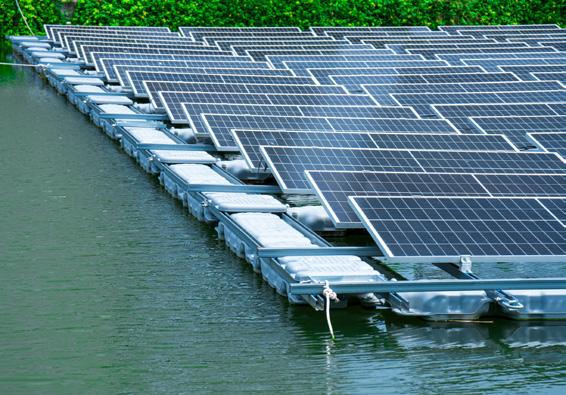
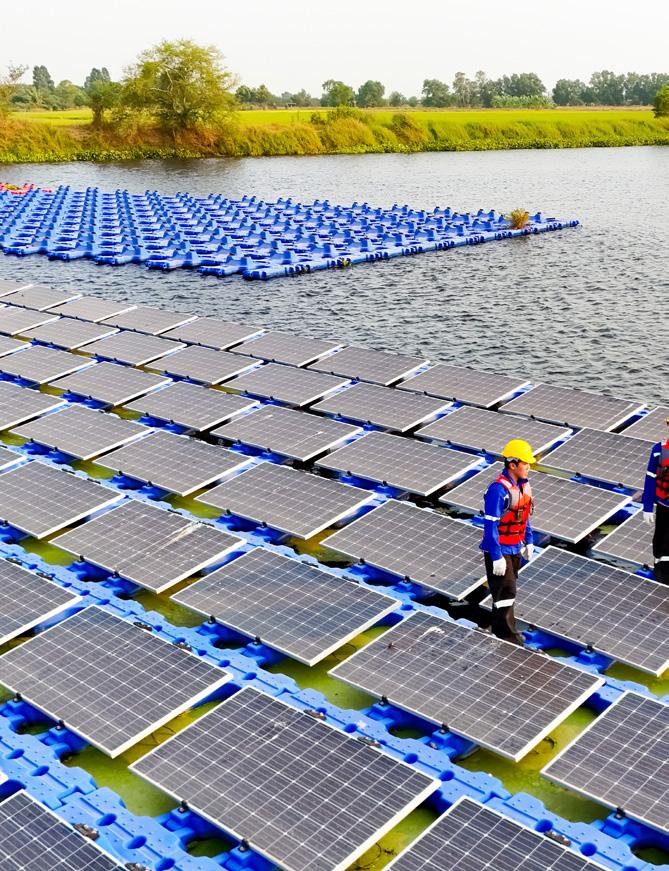
Asia’s energy demand is projected to grow 50% by 2050, driven by electrification and industrialization. Meeting Paris Agreement goals requires 1,500 GW of new clean capacity by 2040—equivalent to building a 1 GW solar farm every week for 28 years. Land-based renewables alone cannot deliver. FPV offers a multiplier effect. The International Renewable Energy Agency (IRENA) estimates that 10% coverage of Asia’s 1.2 million hectares of hydropower reservoirs could yield 300 GW of solar—enough to displace 15% of the region’s coal fleet. When paired with battery storage and pumped hydro (as at Cirata), FPV delivers dispatchable renewable power, smoothing intermittency and reducing curtailment. For archipelagic nations like Indonesia and the Philippines, FPV also enhances energy security. Diesel-powered outer islands can deploy modular 1–5 MW floating arrays in coastal lagoons, bypassing costly undersea cables.
Scale brings scrutiny. Supply chain bottlenecks for marine-grade HDPE, skilled mooring engineers, and typhoon-resilient designs remain
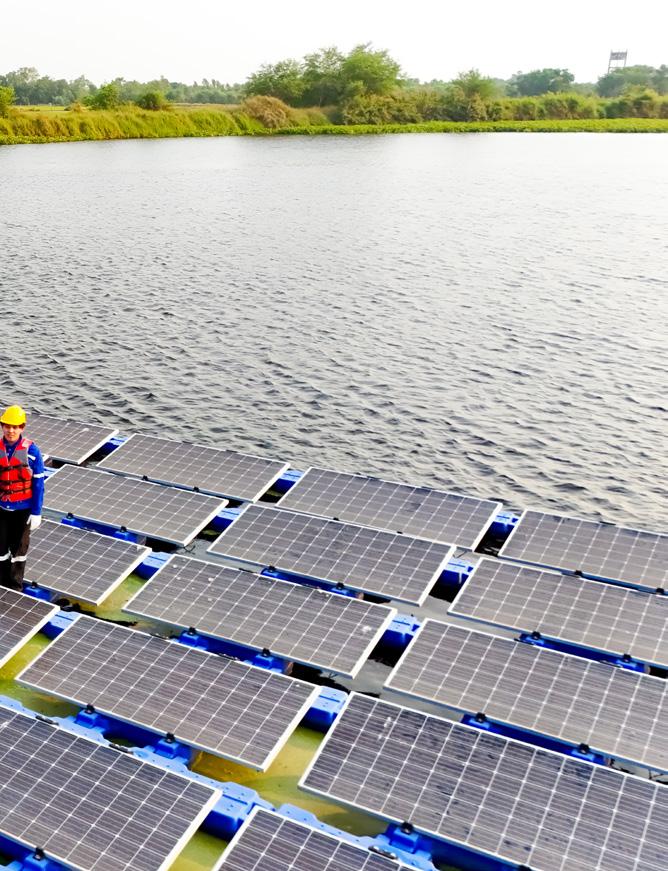
hurdles. Community acceptance is another frontier: fisherfolk at Saguling initially feared reduced catches, only to see incomes rise from eco-tourism and higher fish densities. Regulatory harmonization is nascent. Water rights, reservoir operating rules, and cross-border lake management (e.g., Mekong Basin) require new governance frameworks. The ASEAN FPV Working Group, launched in 2024, aims to standardize technical and environmental guidelines by 2027.
The 92 MW Saguling plant is a milestone, but the revolution is just beginning. Floating solar is no longer a curiosity—it is a core technology in Asia’s clean energy arsenal. By harnessing idle water surfaces, FPV resolves the land-energy conflict that has long constrained renewable growth in the world’s most dynamic region.
In the words of PLN’s EVP for Renewable Energy, “Every reservoir is a potential power plant.” As costs plummet and performance improves, that vision is materializing—one floating panel at a time. For Asia to power its future without sacrificing its forests, farms, or freshwater, the answer may literally be on the water.




In the ever-evolving landscape of global golf, few announcements carry the weight of Tiger Woods venturing into new territories. On December 9, 2025, Woods’ design firm, TGR Design, revealed its collaboration with Vingroup, Vietnam’s largest conglomerate, to create the Sunset Course at Vinhomes Green Paradise in Ho Chi Minh City’s Can Gio district. This 18-hole championship layout marks Woods’ inaugural project in Asia, a continent rich in emerging golf markets but previously untouched by the legend’s architectural touch. As Vietnam positions itself as Southeast
Asia’s next golfing powerhouse, this development not only elevates the nation’s profile but also underscores a personal milestone for Woods, whose familial ties to the country add a layer of profound significance. Tiger Woods, the 15-time major champion, has long transcended the role of player to become a multifaceted force in golf. Through TGR Design, established as a full-service firm dedicated to crafting exceptional golf experiences, Woods channels his on-course expertise into creating courses that emphasize playability, strategic depth, and communal enjoyment.



His portfolio includes acclaimed projects like El Cardonal at Diamante in Cabo San Lucas, Mexico, which opened in 2014 as his first completed design, blending natural beauty with challenging yet approachable play. Influenced by the Australian Sandbelt courses such as Royal Melbourne and Kingston Heath—known for their spectacular bunkering and strategic options—Woods’ philosophy prioritizes versatility, allowing golfers of all skill levels to engage creatively with the game. “There is so much I love about the Australian Sandbelt courses,” Woods has noted, highlighting their impact on his design ethos. This approach has resulted in courses that foster not just competition but also social bonds, aligning with Woods’ vision of golf as a unifying pursuit. The Sunset Course emerges within the ambitious Vinhomes Green Paradise, an $18 billion coastal urban megaproject
spanning thousands of hectares and envisioned as a self-contained paradise. Located in the ecologically diverse Can Gio district, a UNESCO-recognized mangrove biosphere reserve, the development integrates luxury living, entertainment, and tourism. Divided into sub-zones like The Haven Bay (953 hectares of resort-leisure hubs with theme parks and high-rise apartments), The Paradise (318 hectares of coastal financial and commercial spaces), and The Grand Island (938 hectares of elite villas and amenities), it promises to house over 75,000 residents while attracting global visitors. At its heart lies a 155-hectare dual-course golf complex, where the Sunset Course (West) joins forces with the Sunrise Course (East) to form a world-class duo. This integration of golf into a broader urban ecosystem reflects Vietnam’s rapid modernization, where leisure infrastructure drives economic growth and international appeal.

What sets the Sunset Course apart is its meticulous fusion of natural inspiration and innovative design. Stretching over 7,300 yards as a par-72 layout, the course embodies Woods’ signature style: sculpted terrain that rolls with variable elevations, bold green complexes that demand precision, and dramatic bunkering that rewards thoughtful shot-making. Drawing directly from Can Gio’s iconic sunsets, the design incorporates hues of orange, gold, and burgundy into the contouring and landscaping, creating a visual spectacle where light and shadow play dynamically across the fairways throughout the day. Environmental harmony is paramount; the course weaves through the region’s mangrove ecosystems, preserving and enhancing biodiversity with over 2,500 mature trees and 20,000
shrubs. Architectural flourishes, such as driving range columns inspired by mangrove roots, pay homage to the local flora, ensuring the layout feels organically rooted in its surroundings. Strategically, the Sunset Course offers a blend of challenge and accessibility. Wide fairways invite aggressive drives, but undulating greens and hazard placements require finesse on approaches and putts. Water features and wind patterns, influenced by the coastal locale, add layers of complexity, while multiple tee options make it playable for amateurs and pros alike. Woods himself describes the experience in three succinct words: “Fun, Challenging, Memorable.” This mantra encapsulates the course’s ethos— encouraging golfers to experiment with ground-game options, much like the Sandbelt influences, rather than relying solely on aerial play.
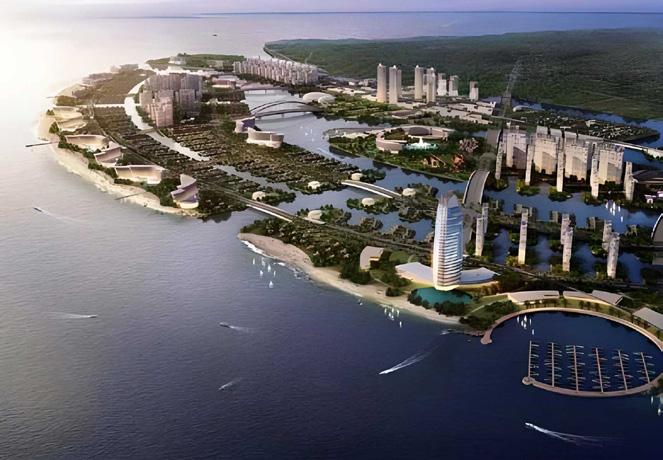
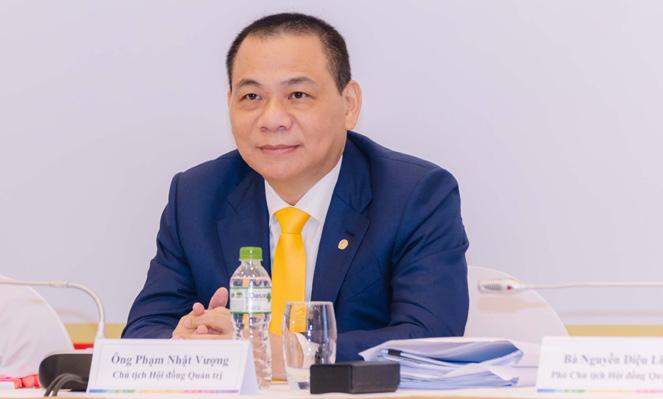

As construction advances toward completion in the coming months, early renders suggest panoramic views of the South China Sea, with holes that crescendo toward sunset-facing finishes, promising unforgettable twilight rounds. The project holds deep personal resonance for Woods. Named “Tiger” after a Vietnamese soldier his father befriended during the Vietnam War, Woods has long expressed a desire to connect with the land of his mother’s heritage. “Designing
the Sunset Course at Vinhomes Green Paradise presented a perfect alignment of vision and opportunity,” Woods stated. “Vingroup gave us complete creative freedom and demonstrated an unwavering commitment to excellence.” This collaboration fulfils a lifelong ambition, transforming a professional endeavour into a cultural bridge. Complementing the Sunset Course is the Sunrise Course, designed by Robert Trent Jones II, a veteran architect known for environmentally sensitive layouts.
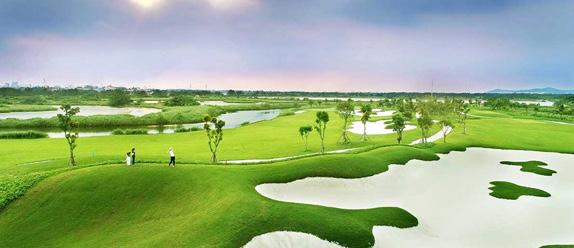

This 18-hole counterpart emphasizes dawn-inspired motifs, with eastward orientations capturing morning light and integrating similar natural elements like mangroves and coastal dunes. Together, the duo creates a 36-hole haven, allowing players to experience contrasting yet harmonious designs in one destination. Vietnam’s golf scene provides the perfect backdrop for this landmark. Once lagging behind neighbours like Thailand, the country has seen explosive growth, with over 80 courses now operational and dozens more in development. This boom is fuelled by rising affluence, tourism, and investments from conglomerates like Vingroup, which has positioned itself as a leader in luxury leisure. Vingroup’s Vinpearl Golf brand operates several premier venues, each blending worldclass design with Vietnam’s stunning landscapes. Among them, Vinpearl Golf Hai Phong stands out as a 36hole masterpiece on a northern island, comprising the Lakeside and Marshland courses. The Lakeside offers serene water-lined holes with strategic bunkering, while the Marshland challenges with wetland hazards and
elevation changes, all set against panoramic sea views. Designed with input from renowned architects, it’s accessible via ferry, making it a favourite for integrated resort stays.
Further south, Vinpearl Golf Nam Hoi An, opened in 2018, is an 18-hole par-72 layout nestled amid coastal dunes near the UNESCO-listed Hoi An ancient town. Its links-style design features rolling fairways, pot bunkers, and ocean breezes, providing a test of accuracy and adaptability. Cultural integration is key, with holes framing views of traditional Vietnamese architecture, appealing to golfers seeking a blend of sport and heritage.
Vinpearl Golf Nha Trang, the brand’s flagship and Vietnam’s first island golf course meeting international standards, is an 18-hole gem reachable by a scenic cable car ride. Perched on Hon Tre Island, it boasts dramatic ocean vistas, tropical foliage, and challenging par-3s over water. As the pioneer of Vinpearl’s portfolio, it set the benchmark for luxury, with pro shops and clubhouses enhancing the resort experience.





On Phu Quoc Island, dubbed Vietnam’s “Pearl Island,” Vinpearl Golf Phu Quoc unfolds across 27 holes in lush tropical forests. Divided into three nines—Forest, Lake, and Ocean—it offers diverse terrains from dense woodlands to seaside cliffs, with wildlife sightings adding an adventurous twist. Its relaxed vibe suits vacation golfers, complemented by nearby beaches and spas.
Closer to Ho Chi Minh City, Vinpearl Golf Léman in Cu Chi District represents the newest addition, with its North course opening in March 2025. Designed by Golfplan, this two18-hole complex (North and South) features varied routing—clockwise on the front nine, counterclockwise on the back—for dynamic play. Amid villas and community facilities, it caters to urban golfers with modern amenities and a focus on sustainability. These courses
collectively showcase Vingroup’s commitment to elevating Vietnam’s golf offerings, from island escapes to mainland retreats, all operated with top-tier management for seamless experiences.
The Sunset Course’s arrival signals a new chapter, potentially drawing international tournaments and boosting tourism. As Woods’ Asian foothold, it could inspire further regional projects, while addressing local concerns about environmental impact through ecoconscious design. For the global golfing community, it promises a destination where innovation meets tradition, fun intersects with challenge, and every round leaves a lasting memory. In an era where golf seeks to expand its horizons, Woods’ venture into Vietnam exemplifies how legends can shape the future—one fairway at a time. As the sun sets on this groundbreaking project, it rises on Vietnam’s golf renaissance.
In a landmark move that bridges the worlds of athletic apparel innovation and academic research, Japanese sportswear giant ASICS has partnered with the University of Michigan to establish its first research hub outside of Japan. Announced on December 19, 2025, this collaboration involves a $25 million investment from ASICS and marks the creation of the ASICS Institute of Sport Science America LLC, along with the ASICS x Michigan Sport Innovation Center on the university’s Ann Arbor campus. This initiative, which began research activities in January 2026, represents
a significant expansion for ASICS into the U.S. market and underscores the growing importance of interdisciplinary approaches to advancing human performance in sports. The partnership comes at a time when the global sportswear industry is increasingly focused on technology-driven enhancements to athletic gear. By combining ASICS’ expertise in product development with the University of Michigan’s renowned research capabilities, the collaboration aims to drive breakthroughs in areas such as biomechanics, exercise physiology, AIdriven design, and bioengineering.


A dedicated sports lab on campus is set for a formal ribbon-cutting in fall 2026, but joint projects are already underway, fostering innovations that could redefine athletic footwear, apparel, and training methodologies.
ASICS, an acronym for the Latin phrase “Anima Sana In Corpore Sano” (a sound mind in a sound body), was founded in 1949 by Kihachiro Onitsuka in Kobe, Japan. Initially named Onitsuka Co., Ltd., the company emerged from the post-World War II era with a mission to promote health and youth development through sports. Onitsuka, inspired by his wartime experiences and a desire to nurture Japan’s younger generation, began by producing basketball shoes, drawing from everyday inspirations like the suction cups on an octopus for better grip.
Over the decades, ASICS has evolved into a global leader in athletic footwear and apparel. Key milestones include the introduction of the Magic Runner in 1960, which featured an
air vent system to prevent blisters, and the iconic Mexico stripes (now ASICS stripes) in 1966. The company merged with GTO Co., Ltd. and JELENK Co., Ltd. in 1977 to form ASICS Corporation, adopting “Sport: the Universal Language” as its slogan. Technological advancements followed, such as the GEL cushioning system in 1986 and the GEL-KAYANO series in 1993, designed to address overpronation in runners.
ASICS’ philosophy remains rooted in its name, emphasizing holistic well-being through physical activity. This humancentric approach has driven recent developments, including sustainable initiatives like the GEL-LYTE III CM 1.95 in 2023, which boasts the lowest CO₂ emissions for a running shoe using bio-based and recycled materials, and the NIMBUS MIRAI™ in 2024, a fully recyclable shoe with a return program. The company has also expanded into digital realms, acquiring the Runkeeper app in 2016 and partnering with athletes like Novak Djokovic. Under President Mitsuyuki Tominaga, appointed in 2024, ASICS pursues a “Global × Digital” strategy, focusing on long-term athlete-centred research as part of its Mid-Term Plan 2026.




Today, ASICS operates worldwide, with subsidiaries in Europe, the U.S., and beyond. Its Institute of Sport Science in Kobe has been the epicentre of R&D since 1990, but the new U.S. hub signifies a strategic shift toward closer interaction with global athletes and markets, aiming to compete more effectively against giants like Nike and Adidas.
The University of Michigan (U-M), founded in 1817 as the Catholepistemiad in Detroit, is one of the oldest and most prestigious public research universities in the United States. Relocating to Ann Arbor in 1837, it has grown into a comprehensive institution with over 52,000 students across three campuses. Under leaders like James Burrill Angell (1871–1909), who expanded graduate programs and international ties, and more recent presidents such as Mary Sue Coleman and the current interim Domenico Grasso, U-M has emphasized public service, innovation, and inclusivity.
U-M’s research strengths are formidable, with annual expenditures exceeding $1.9 billion, ranking it among the top U.S. institutions. It is classified as an R1 university with very high research activity and boasts strengths in fields like theoretical physics, biosciences, engineering, and social sciences. Notable contributions include the development of the first inactivated flu vaccine, advancements in nuclear science via the Ford Nuclear Reactor, and pioneering work in econometrics and consumer confidence indices.
In sports science, U-M’s School of Kinesiology, founded in 1984 and ranked fourth nationally, excels in human movement, exercise science, and sports leadership, enrolling over 1,300 students. This aligns with broader programs in engineering (ranked top-10 in multiple disciplines like biomedical and mechanical), medicine (Michigan Medicine, top-12 in clinical medicine), and public health. The Human Performance & Sport Science Center, co-led by faculty like Ken Kozloff and Ron Zernicke, will play a key role in the ASICS partnership, bringing multidisciplinary perspectives to complex challenges.

Athletically, U-M’s Wolverines compete in the Big Ten Conference, with 27 varsity teams. The football program, with 12 national championships (most recently in 2023/2024) and the largest stadium in the Western Hemisphere, embodies the university’s strong sports culture. Facilities like the University of Michigan Golf Course and Crisler Center support both competitive and recreational athletics, while Ann Arbor’s vibrant running community provides an ideal testing ground for innovations. U-M was selected after ASICS evaluated multiple universities, highlighting its collaborative research culture and global reputation. President Grasso has praised the partnership, noting shared commitments to humancentred innovation.
The ASICS x Michigan Sport Innovation Center is a multi-year endeavour that integrates ASICS’ $25 million funding with U-M’s interdisciplinary expertise. The centre, housed on the Ann Arbor campus, includes a renovated collaborative lab space focused on advanced research. Intellectual property from joint projects will be co-owned, ensuring mutual benefits. Research commenced in January 2026, with the full lab operational by fall. Teams from U-M’s schools of medicine, engineering, kinesiology, robotics, textiles, and social sciences will collaborate with ASICS engineers. Focus areas include biomechanics to optimize shoe design for injury prevention, exercise physiology for performance enhancement, AI for personalized product recommendations, and bioengineering for sustainable materials. This setup advances ASICS’ Global Integrated Enterprise approach, leveraging U-M’s resources and local running ecosystem to test prototypes in real-world conditions. Potential partnerships with U-M startups could accelerate commercialization.
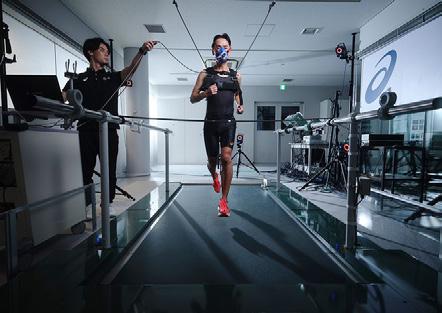

This partnership holds profound significance on multiple fronts. For ASICS, it represents a bold expansion beyond its Kobe headquarters, enabling deeper engagement with U.S. athletes and consumers—the world’s largest sportswear market. President Tominaga emphasized building an R&D system to “beat the global competition,” positioning ASICS to challenge Nike’s Oregonbased innovation labs and Adidas’ German facilities. By tapping into American talent and trends, ASICS can accelerate product cycles, incorporating AI and bioengineering to create smarter, more adaptive gear.
For the University of Michigan, the $25 million infusion bolsters its research portfolio, particularly in kinesiology and related fields. It exemplifies academic-industry synergy, providing
students and faculty with real-world applications, potential startups, and funding for cutting-edge equipment. As Ken Kozloff noted, the collaboration allows multidisciplinary teams to tackle complex problems, enhancing U-M’s reputation as a leader in human performance research. Economically, it could spur job creation in Ann Arbor and attract further investments, aligning with Michigan’s push for tech and health innovation. Broader implications for the sports industry are transformative. Amid rising demands for personalized, sustainable athletics— driven by trends like wearable tech and eco-conscious consumers—this centre could pioneer advancements like AIoptimized shoes that adjust to gait in real-time or bioengineered fabrics that enhance recovery. It addresses global challenges, such as injury prevention in an aging population increasingly embracing fitness, and promotes mental health through movement, echoing ASICS’ philosophy.




Public reactions, as seen on social media platforms highlight excitement about the lab’s potential. News outlets and bots have amplified the announcement, with posts emphasizing its role in developing next-gen running products. This buzz underscores the partnership’s timeliness, especially post-2024 Olympics where ASICS athletes like Bashir Abdi medaled in METASPEED shoes. In academia, it models successful collaborations, similar to U-M’s historical influences on institutions like Harvard and MIT. By fostering joint IP, it could lead to
patents that benefit society, from elite sports to everyday wellness. Looking ahead, as research progresses in 2026, expect prototypes and studies that push boundaries. This move not only elevates ASICS and U-M but also inspires a healthier, more innovative world through sports science. In conclusion, the ASICS-University of Michigan partnership is more than a lab—it’s a catalyst for change. By uniting corporate vision with academic rigor, it promises to enhance human potential, drive economic growth, and redefine athletic innovation for generations to come.

Asia, the world’s largest continent, is a tapestry of extremes. Spanning from the snow-capped peaks of the Himalayas to the sun-scorched sands of the Gobi, it offers an unparalleled playground for adventurers seeking thrills amid nature’s raw beauty. This diversity isn’t just geographical—it’s experiential. Imagine trekking through steamy rainforests alive with the calls of exotic wildlife, only to later traverse vast deserts where silence reigns supreme. For those drawn to heart-pounding activities, Asia delivers in spades: rainforest hikes that test endurance and reveal hidden ecosystems, desert safaris that blend cultural immersion with adrenaline-fueled rides, canyoning descents down cascading waterfalls, and cave explorations into subterranean worlds that feel like stepping into another dimension.






What makes Asia’s adventure landscapes so compelling is their accessibility and variety. Whether you’re a seasoned explorer or a novice thrill-seeker, there’s something here to ignite your spirit. Southeast Asia’s lush jungles provide intimate encounters with biodiversity hotspots, while the arid expanses of Central and South Asia offer solitude and star-filled nights. Activities like these not only push physical limits but also foster a deeper connection to the environment, highlighting the need for sustainable tourism in these fragile ecosystems. In this article, we’ll journey from the verdant depths of Asia’s rainforests to its sun-baked deserts, spotlighting top spots for rainforest hikes, desert safaris, canyoning, and cave exploration. Prepare to be inspired—Asia’s wild side awaits.
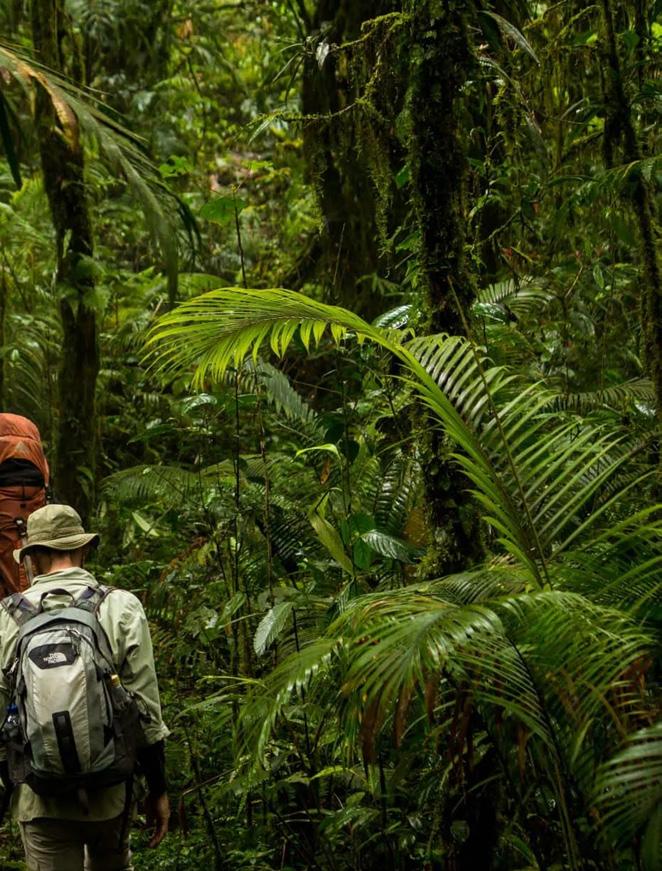
Asia’s rainforests are living museums of evolution, teeming with life and offering hikes that range from leisurely strolls to multi-day epics. These dense jungles, often shrouded in mist and echoing with the symphony of birds and primates, provide some of the continent’s most immersive adventures. Southeast Asia, in particular, stands out for its accessible yet wild trails.
One standout is Borneo’s Kinabatangan River area in Malaysia, where guided hikes and river cruises reveal orangutans swinging through the canopy, proboscis monkeys with their distinctive noses, and herds of pygmy elephants foraging along the banks. The trails here wind through lowland rainforests, offering chances
to spot hornbills and, if lucky, clouded leopards. A typical hike might last 4-6 hours, combining footpaths with boat safaris for a holistic experience. Nearby, the Danum Valley Conservation Area delves deeper into ancient dipterocarp forests, where treks lead to canopy walkways suspended 30 meters above the ground, providing bird’s-eye views of the ecosystem.
Venturing to Indonesia, Sumatra’s Gunung Leuser National Park is a UNESCO World Heritage site and a haven for Sumatran orangutans, tigers, and rhinos. Multi-day treks, like those from Bukit Lawang, involve crossing rivers and ascending steep ridges to reach remote campsites. These hikes emphasize ethical wildlife viewing, with guides trained to minimize disturbance.

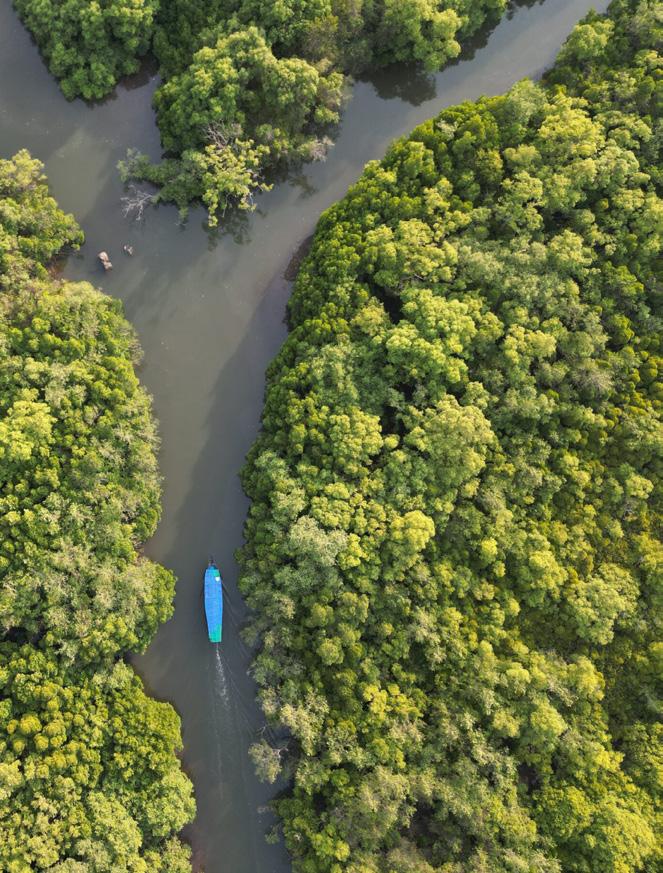

For a more structured adventure, Flores Island’s treks combine jungle paths with visits to traditional villages and Komodo dragon sightings, blending culture and nature.
In mainland Southeast Asia, Thailand’s Khao Yai National Park offers accessible hikes with high rewards. Trails like the one to Haew Suwat Waterfall meander through evergreen forests, where hikers might encounter Asian elephants, gibbons, and over 300 bird species. Night hikes add an element of thrill, revealing nocturnal creatures under torchlight. Vietnam’s Cat Ba Island in Ha Long Bay provides a unique twist: hikes through karst landscapes dotted with rainforests,

leading to panoramic views of emerald waters and limestone cliffs. Further north, China’s Tiger Leaping Gorge in Yunnan Province delivers a dramatic hike along the Jinsha River, with paths clinging to sheer cliffs amid subtropical forests. This 2-3 day trek ascends to 3,900 meters, offering vistas of snowcapped peaks and roaring rapids below. Nepal’s Annapurna Region, while more mountainous, includes rainforest sections at lower elevations, where rhododendron forests bloom vibrantly in spring.
These hikes demand preparation— sturdy boots, insect repellent, and respect for local guidelines—but the payoff is profound: a sense of being part of something ancient and alive.
Shifting from lush greenery to golden expanses, Asia’s deserts offer a stark contrast, where survival and serenity coexist. Desert safaris here are about more than just dunes; they’re cultural odysseys involving camel treks, 4x4 adventures, and nights under infinite stars. The Gobi Desert, spanning Mongolia and China, is one of the most iconic. Multi-day safaris from Ulaanbaatar involve jeep drives across vast steppes to reach singing sand dunes at Khongoryn Els, where sliding down 300-meter-high slopes creates a haunting hum. Encounters with nomadic herders add depth, as
do visits to Flaming Cliffs, fossil-rich badlands where dinosaur eggs were first discovered. In winter, the frozen landscapes transform safaris into icy expeditions. India’s Thar Desert in Rajasthan provides a vibrant alternative. Camel safaris from Jaisalmer traverse undulating dunes, stopping at oases and villages where Rajasthani folk music fills the air. Activities include dune bashing in jeeps, sandboarding, and stargazing camps with traditional feasts. The Sam Sand Dunes are particularly popular for sunset views that paint the horizon in fiery hues.



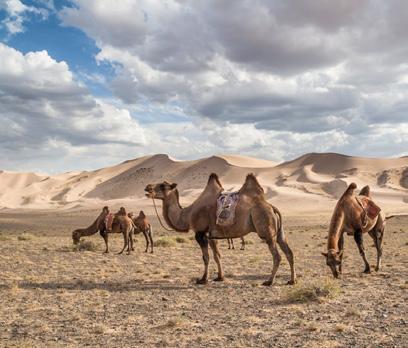
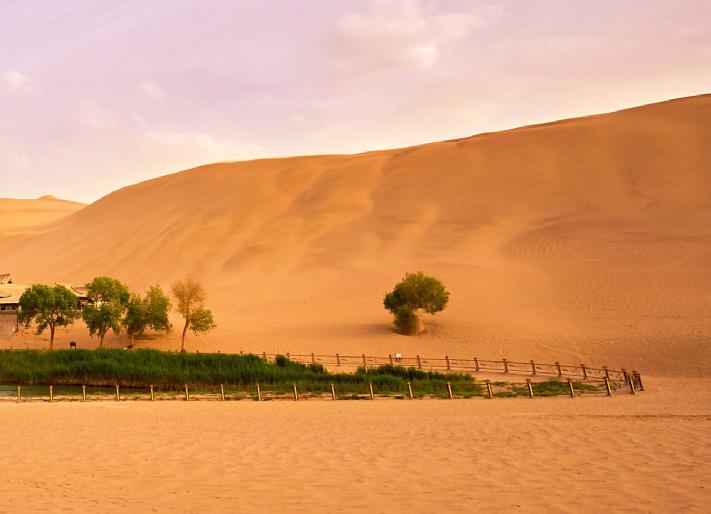


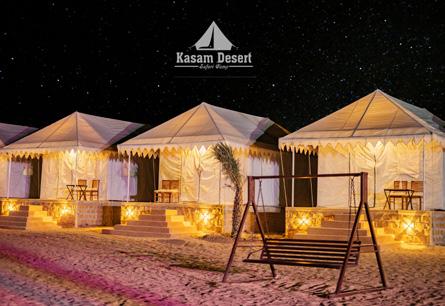
For a luxurious twist, glamping options blend adventure with comfort. China’s Taklamakan Desert in Xinjiang offers rugged safaris through one of the world’s largest shifting sand deserts. Expeditions often include camel rides along ancient Silk Road routes, exploring ruined cities like Jiaohe and spotting wild camels. The extreme aridity— rainfall is less than 10mm annually— makes these journeys a test of resilience, but the reward is solitude amid towering dunes.
In the UAE, though technically West Asia, Dubai and Abu Dhabi’s deserts provide accessible safaris with dune bashing, falconry shows, and Bedouinstyle dinners. For families, these are ideal, combining thrills like quad biking with cultural insights.
Desert safaris emphasize preparation: hydration, sun protection, and ethical operators who respect fragile ecosystems. They offer a meditative escape, where the vastness humbles and rejuvenates.


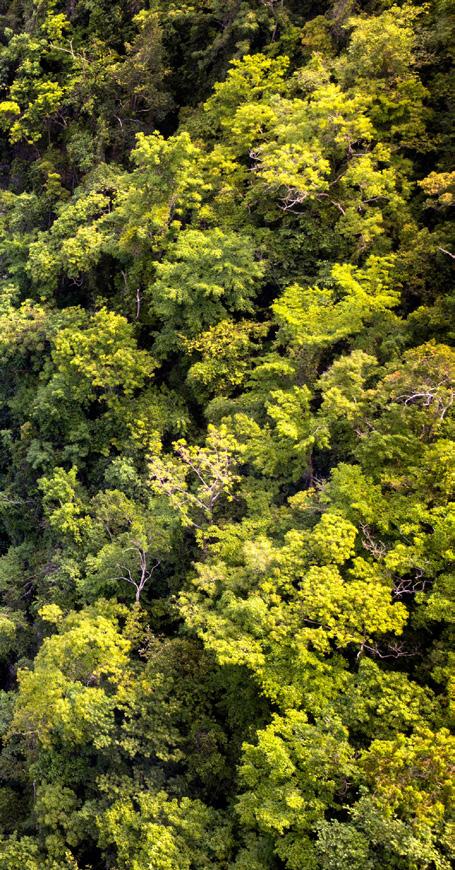
For those craving vertical thrills, canyoning—descending gorges via rappelling, jumping, and swimming— thrives in Asia’s rugged terrains. This sport combines rock climbing’s precision with whitewater’s rush, often in stunning waterfall settings.
Vietnam’s Da Lat is a canyoning mecca, where tours involve abseiling down 25-meter waterfalls, ziplining over pools, and leaping from cliffs into crystalline waters. The Datanla Canyon course includes a “washing machine” rapid that spins participants before ejecting them into a pool. Suitable for beginners with guides, it’s a full-day adrenaline hit amid pine forests. In the Philippines, Cebu’s Kawasan Falls offers multi-level canyoning with jumps up to 12 meters
and natural slides through turquoise canyons. The adventure culminates in swimming under cascading falls, blending exertion with tropical bliss. Indonesia’s Bali, particularly Gitgit Canyon in the north, provides challenging routes with rappels over 30-meter drops and swims through narrow slots. The lush surroundings, dotted with rice terraces, add scenic allure.
Thailand’s Chiang Mai and Nepal’s Kathmandu Valley also shine, with canyons featuring bamboo bridges and hidden pools. Safety gear and experienced guides are essential, as flash floods pose risks. Canyoning in Asia is about conquering fears while immersed in nature’s artistry—perfect for those seeking wet, wild escapades.
Asia’s karst landscapes hide vast cave systems, ideal for spelunking adventures that reveal glittering formations and underground rivers.
Vietnam’s Phong Nha-Ke Bang National Park hosts Son Doong, the world’s largest cave, where 4-5 day expeditions involve trekking through jungles to enter a chamber big enough for a 40-story skyscraper. Inside, explorers camp beside subterranean lakes, marvel at 80-meter stalagmites, and hike through internal jungles lit by skylights. Nearby, Paradise Cave offers easier access with wooden boardwalks through 1km
of illuminated chambers adorned with crystalline formations. Hang En, another highlight, involves swimming and rappelling to a massive beach campsite. In Malaysia, Sarawak’s Mulu Caves feature the Deer Cave, home to millions of bats, and the Clearwater Cave with its underground river traversable by boat. Japan’s Ryusendo Cave in Iwate boasts turquoise pools and ancient fossils, while South Korea’s Hwanseon Cave offers guided tours through vast halls. These explorations require helmets, headlamps, and permits, emphasizing conservation to protect delicate ecosystems.


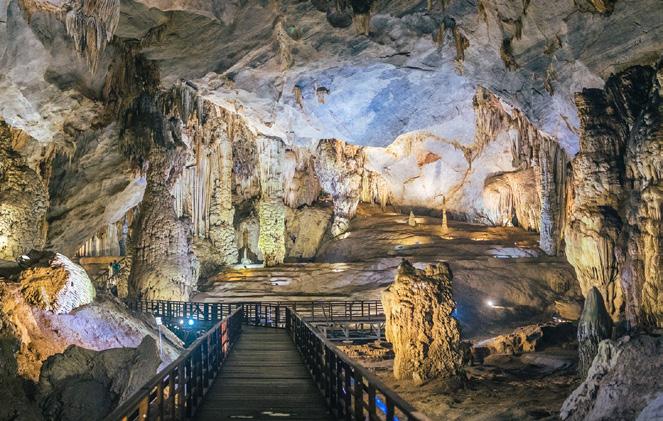


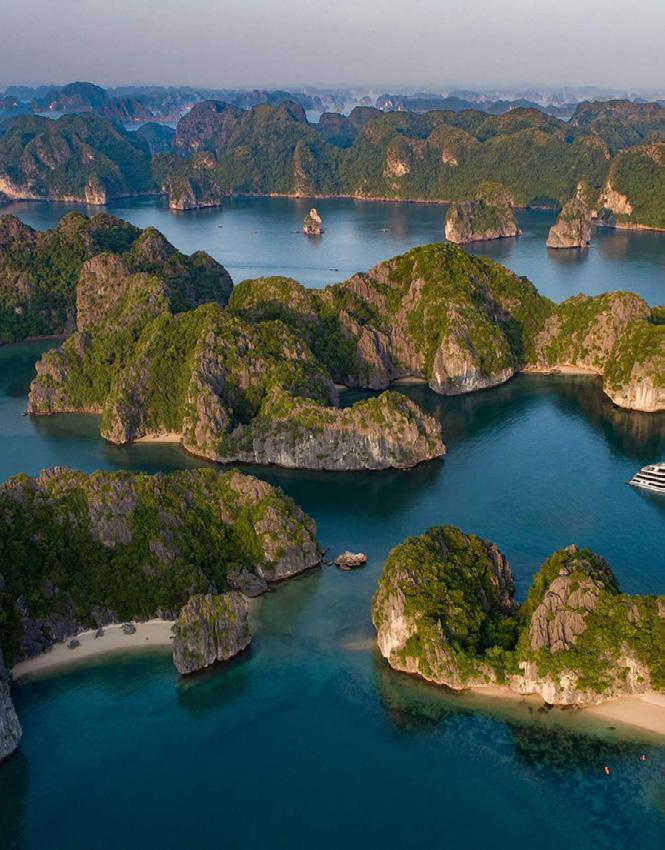
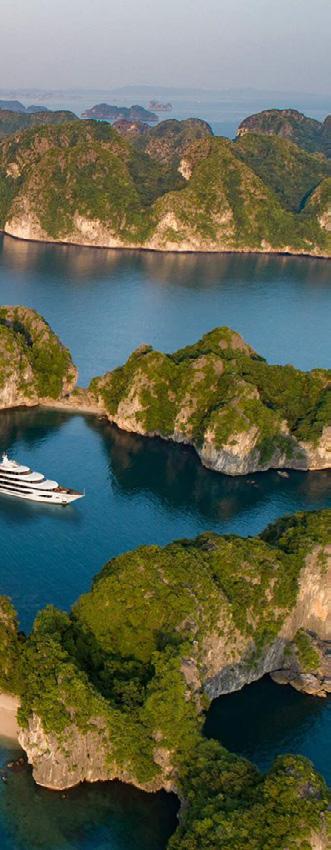
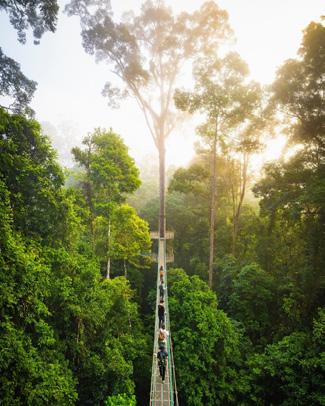
From the verdant trails of Borneo’s rainforests to the shifting sands of the Gobi, Asia’s adventure landscapes offer endless possibilities. Whether hiking through biodiverse jungles, safariing across deserts, canyoning down waterfalls, or delving into caves, these experiences forge unforgettable memories. Yet, with great adventure comes responsibility—choose eco-friendly operators, leave no trace, and support local communities. Asia’s wild heart beats strongly; it’s time to answer its call.




BECOME A CITIZEN JOURNALIST OF INCREDIBLE ASIA magazine ( A Member M/s. Worldwide Media Corporation Group USA )

Exciting opportunity for all those who want to share their most memorable, Interesting. Amazing, Pro-active & Growth oriented activities & Experiences covering areas such as
• Fashion, Trend & Lifestyle
• Culture, Tradition & Heritage
• Education, Healthcare & Wellnes
• Industries, Investments & Growth
• Travel, Tourisn & Hospitality
With Millions of Readers across the world
Selected Stories/ Articles will be Published with your Photograph &Name.
Post your Stories & Experiences along with High Quality Photos to aseworldwidemedia@gmail.com | worldwidemediaasiapacific@gmail.com
Special Coverage & Press Release
Launguage Rights & Overseas Rights
Circulation, Subscription & Global Distributions
Advertisements & Advertorials
Featured Stories & Articles
Feedback & Customer Relationship

Dr. Kevin Francis
Dr. Andre Lubbe
Dr. George Fedrick
WWMCG Global Communications Inc.,
Rishi Wadhwa
Ms. Nancy
Email ID : aseworldwidemedia@gmail.com worldwidemediaasiapacific@gmail.com
Website : www.incredibleasia.com