!"52%'-,2'5*&$1'2"%/ MICHAEL POLITZ STEPHANIE BLITZ
!"52%'-,2'5*&7%'2$%/ AMY MONTANO SUSAN GOLD SHELBY POLITZ ETHAN BALSAMO
We honor and remember the support of Chef Kerry Simon, Gary Cantor, Robin Leach, Chef Paul Prudhomme, & Gary Coles
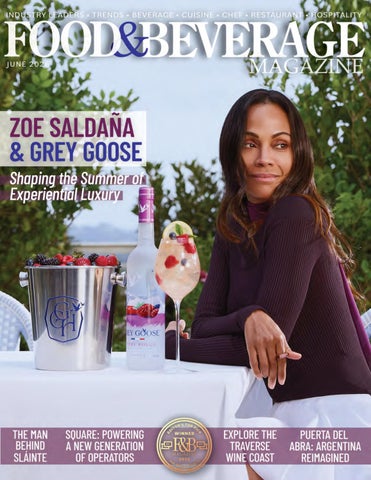
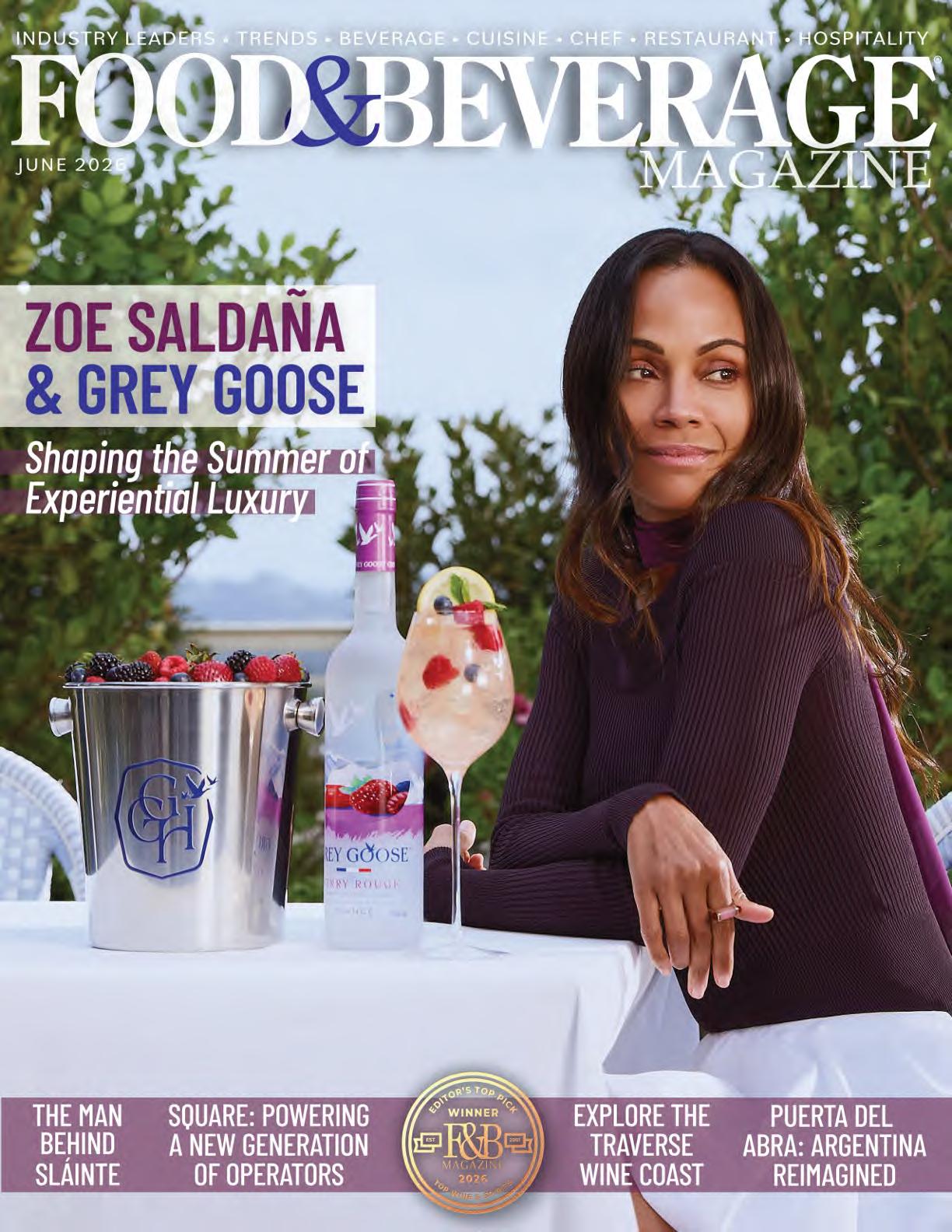
Enters a New Era of Luxury with Zoe Saldaña, Dominique Ansel, and the Taste of Summer GREY GOOSE
By Lauren Kane, Food & Beverage Magazine
Luxury spirits marketing has changed dramatically over the last decade. Consumers no longer want to simply buy a bottle; they want to step into a world. They want atmosphere, culture, hospitality, storytelling, and experiences that feel cinematic enough to remember yet effortless enough to share. Few brands understand that shift better right now than GREY GOOSE.
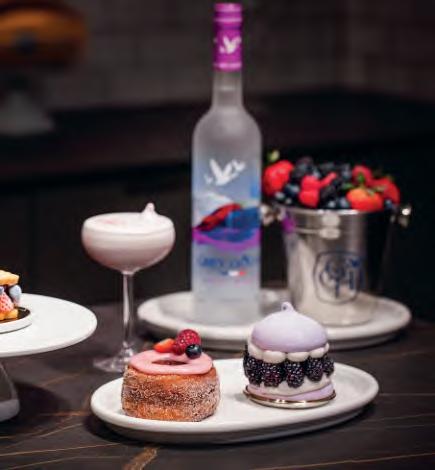
For summer 2026, the iconic French vodka house is doing far more than launching a flavored spirit. Through the debut of GREY GOOSE Berry Rouge, the brand is unveiling a fully realized lifestyle moment, one rooted in French pâtisserie culture, rooftop cocktail rituals, immersive hospitality, and a cast of collaborators that reads more like a cultural summit than a traditional campaign rollout.
“a fully realized lifestyle moment, one rooted in French pâtisserie culture, rooftop cocktail rituals, immersive hospitality, and a cast of collaborators that reads more like a cultural summit than a traditional campaign rollout.”
They’ve created one of the beverage industry’s most compelling summer activations, a project that reflects where premium spirits, hospitality, and consumer culture are all heading simultaneously.
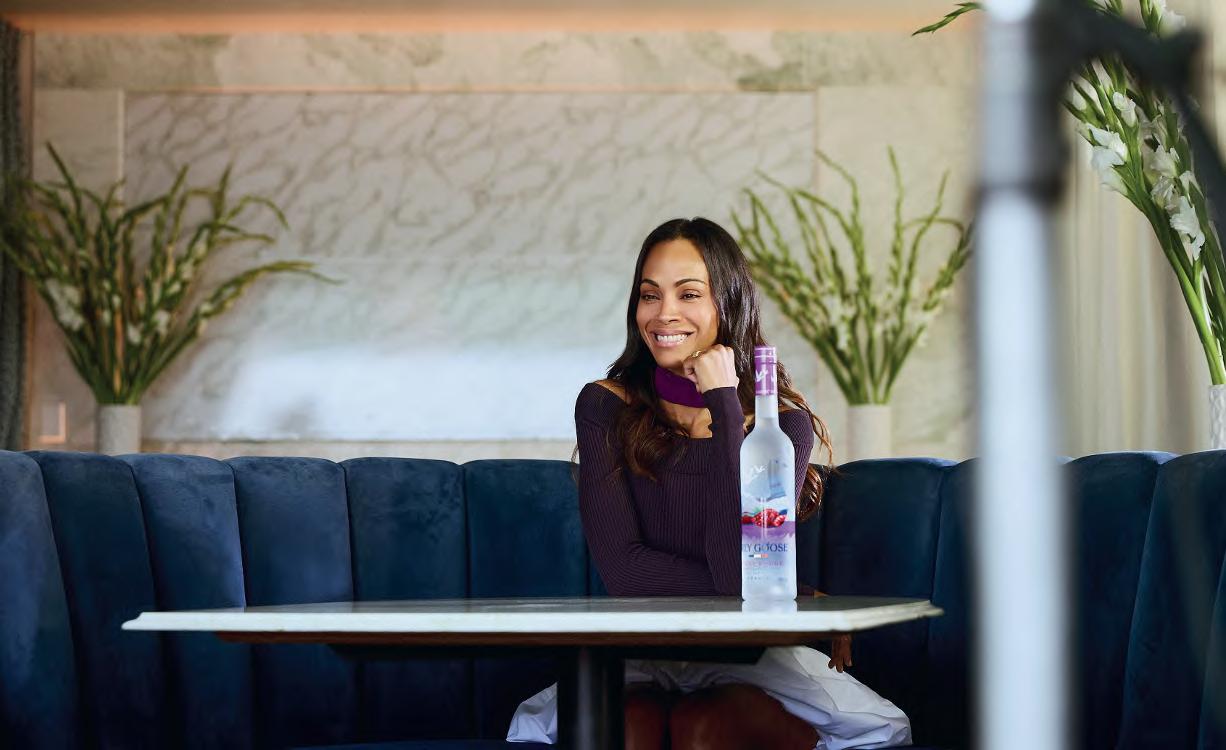
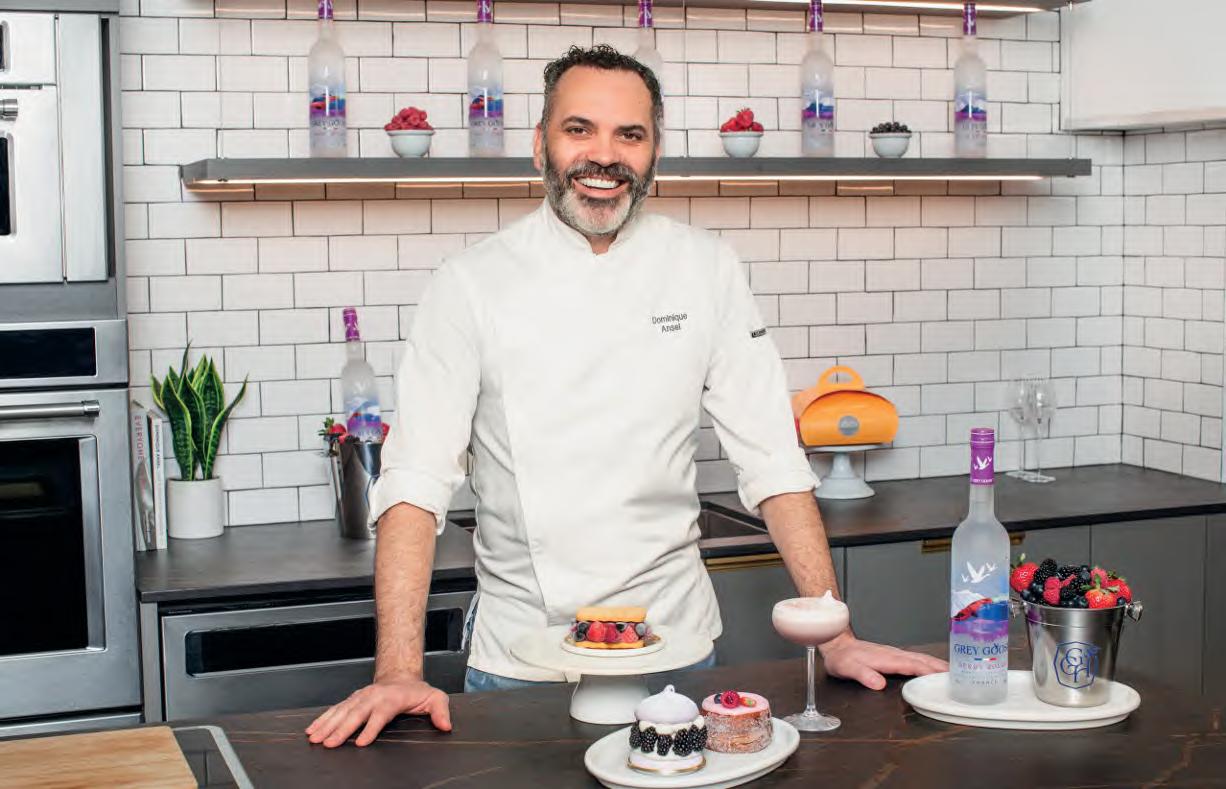
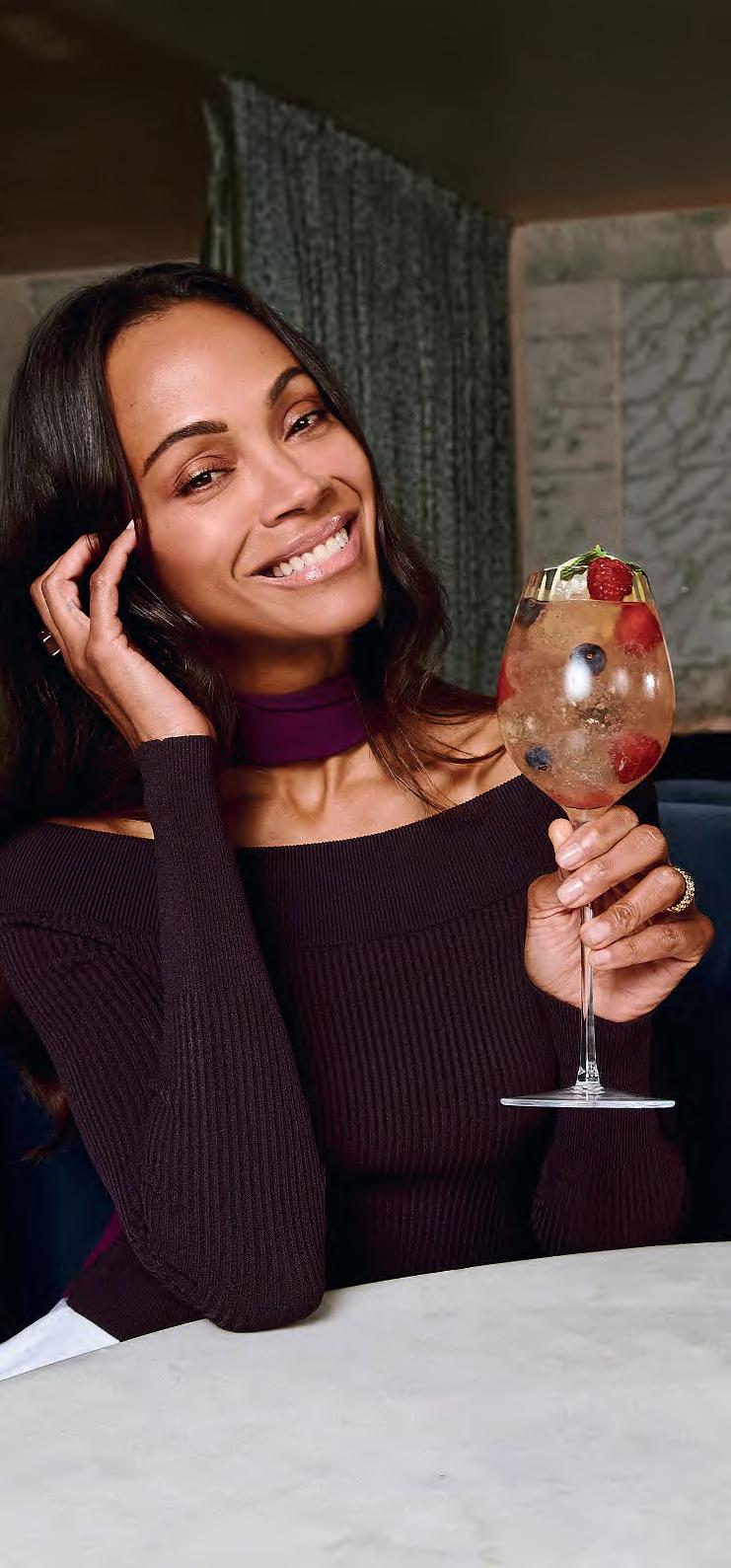
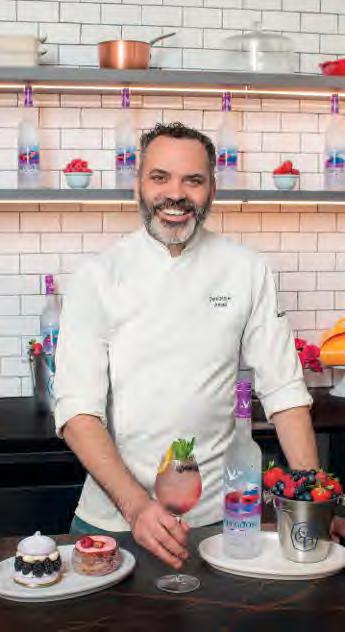
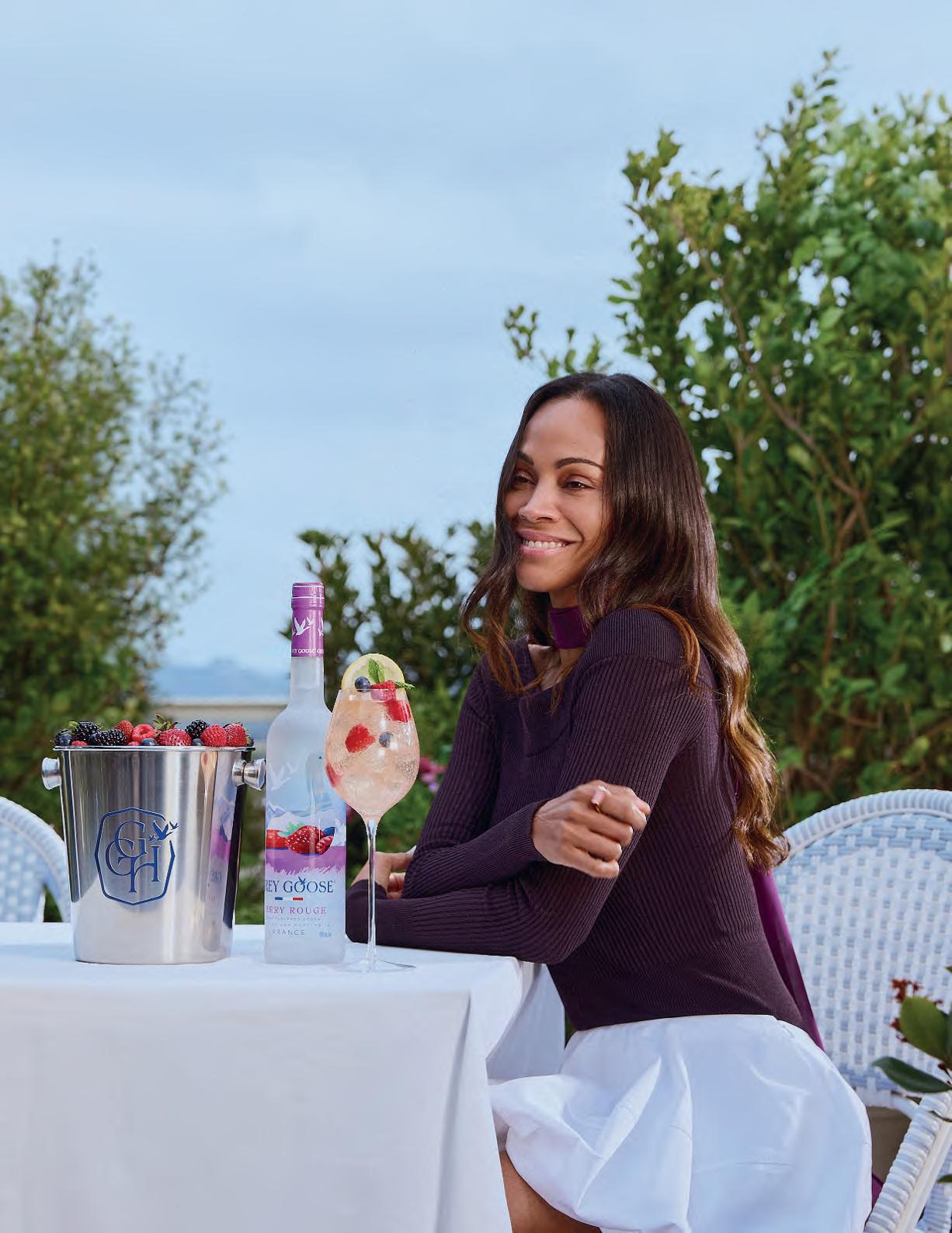
At the center of the release is Oscar-winning actress Zoe Saldaña, who continues her evolving relationship with the brand as the face of GREY GOOSE’s modern luxury vision. Joining her is legendary pastry innovator Dominique Ansel, the James Beard Award-winning chef best known for inventing the Cronut®, alongside DJ and cultural curator Andre Power, whose music direction helps anchor the campaign firmly within today’s social and nightlife landscape. Together, they’ve created one of the beverage industry’s most compelling summer activations, a project that reflects where premium spirits, hospitality, and consumer culture are all heading simultaneously.
The launch revolves around GREY GOOSE Berry Rouge, the brand’s first major flavor innovation in
more than a decade. Crafted with strawberries, raspberries, blackberries, and blueberries sourced from Mediterranean growing regions, the expression was developed to capture what the company describes as a more elevated approach to flavored vodka — one centered around natural fruit character, texture, and versatility rather than overt sweetness. That distinction matters.
For years, flavored vodka occupied a complicated space in premium beverage culture. The category became oversaturated with artificially flavored products chasing novelty rather than craftsmanship. But consumer preferences have shifted sharply in recent years toward lighter, fruit-forward cocktails,
Instead of leaning into excess, Berry Rouge feels intentionally refined. The liquid maintains the brand’s signature smooth profile — built from Picardie wheat and limestone-filtered spring water sourced in France — while layering in vibrant berry notes designed to shine in social, summer-forward serves.
spritz-style serves, and approachable luxury experiences. Berry flavors, in particular, have emerged as one of the strongest drivers in contemporary cocktail culture, especially among younger premium consumers seeking drinks that feel polished but playful. GREY GOOSE saw an opportunity to reposition flavored vodka entirely.
Instead of leaning into excess, Berry Rouge feels intentionally refined. The liquid
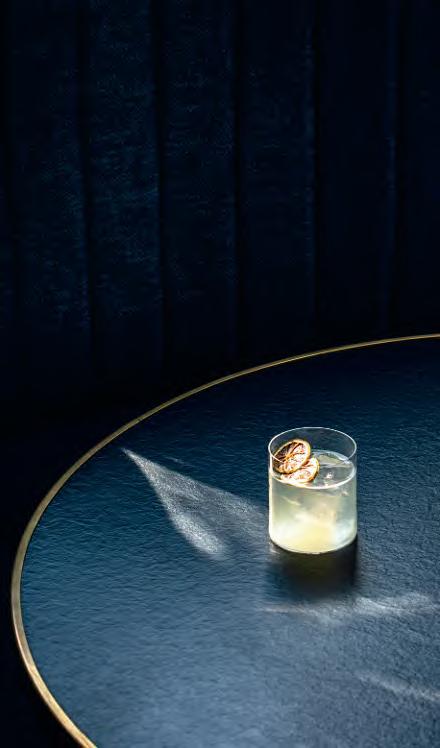
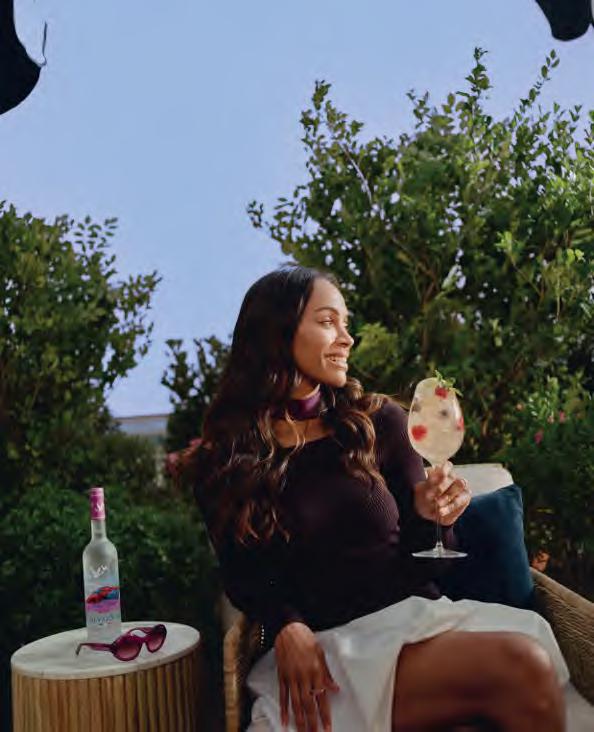
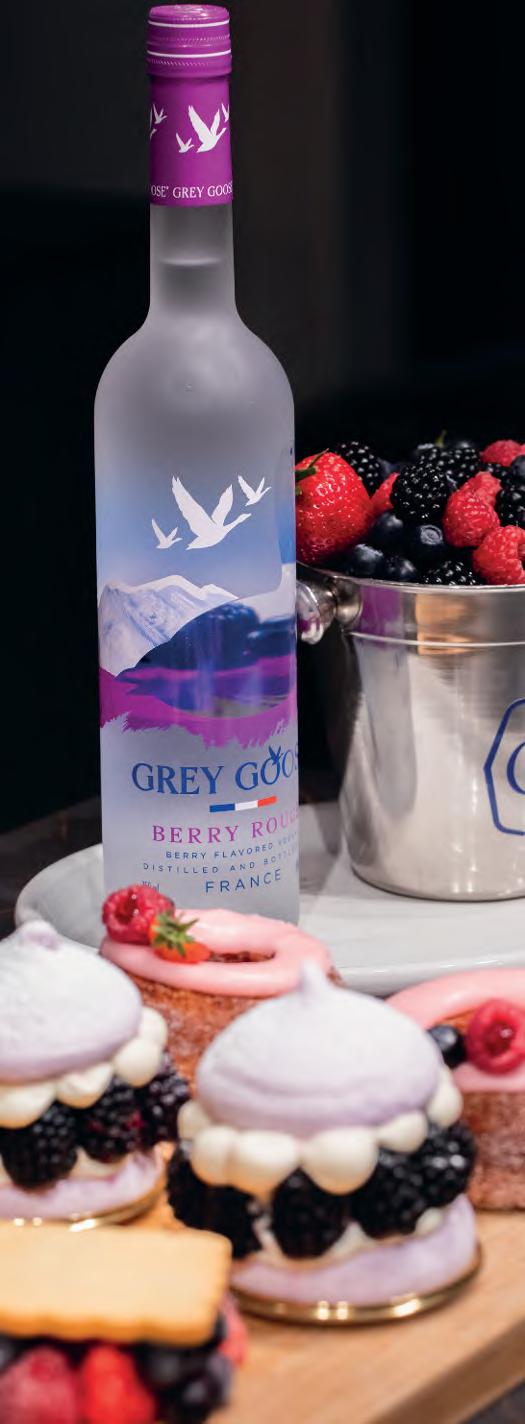
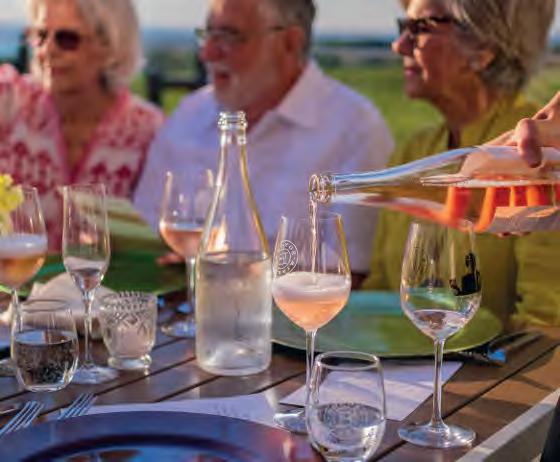
maintains the brand’s signature smooth profile — built from Picardie wheat and limestone-filtered spring water sourced in France — while layering in vibrant berry notes designed to shine in social, summerforward serves. The hero cocktail, the Rouge Royale, blends Berry Rouge with lemonade, brut rosé, soda water, fresh berries, lemon, and mint for a spritz that feels tailor-made for rooftop season.
But perhaps the smartest move GREY GOOSE made was realizing the launch needed to become bigger than the bottle itself. That’s where Zoe Saldaña enters the picture.
Saldaña has become an increasingly strategic figure in the luxury partnership space because she carries a rare combination of global celebrity, credibility, sophistication, and relatability. Her relationship with GREY GOOSE began with the brand’s “GREY GOOSE Hôtel” campaign in 2025, a cinematic hospitality-driven platform centered around slowing down and savoring moments. Berry Rouge acts as the natural evolution of that philosophy.
In the campaign’s social-first films, Saldaña steps into the role of “berry connoisseur,” but the execution avoids the stiffness often associated with celebrity alcohol campaigns. Instead of hard-selling product, the visuals focus on mood and sensory storytelling: sunlit rooftops, lingering conversations, berry pastries, relaxed glamour, and those fleeting moments that define summer social culture. It feels intentional, modern, and remarkably self-aware.
Today’s consumers, especially in the premium beverage and hospitality sectors, are deeply attuned to authenticity. They can instantly recognize when collaborations feel transactional. What makes the GREY GOOSE partnership work is that Saldaña genuinely fits within the brand’s world. Her elegance never feels performative, and her presence brings emotional warmth to a campaign that could have otherwise felt overly polished. The same can be said for Dominique Ansel’s involvement.
Long before viral desserts became a standard marketing strategy, Ansel transformed pastry into a global cultural conversation. After serving as Executive Pastry Chef at the legendary Restaurant Daniel during its three-Michelin-star era, the French-born chef launched Dominique Ansel Bakery in 2011 and quickly changed the dessert world forever with the creation of the Cronut®, a croissant-doughnut hybrid that generated international headlines and lines stretching for blocks. Yet Ansel’s influence goes far beyond one viral pastry.
Over the years, he has become one of the culinary industry’s leading innovators, known for blending technical precision with emotional storytelling and immersive hospitality. From the Frozen S’more to the Cookie Shot, his creations succeed because they create memories as much as flavors. That sensibility makes him a near-perfect collaborator for Berry Rouge.
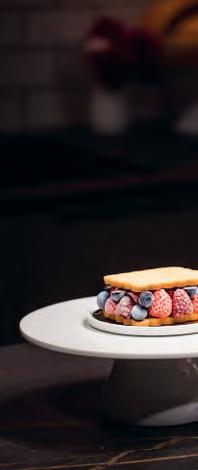
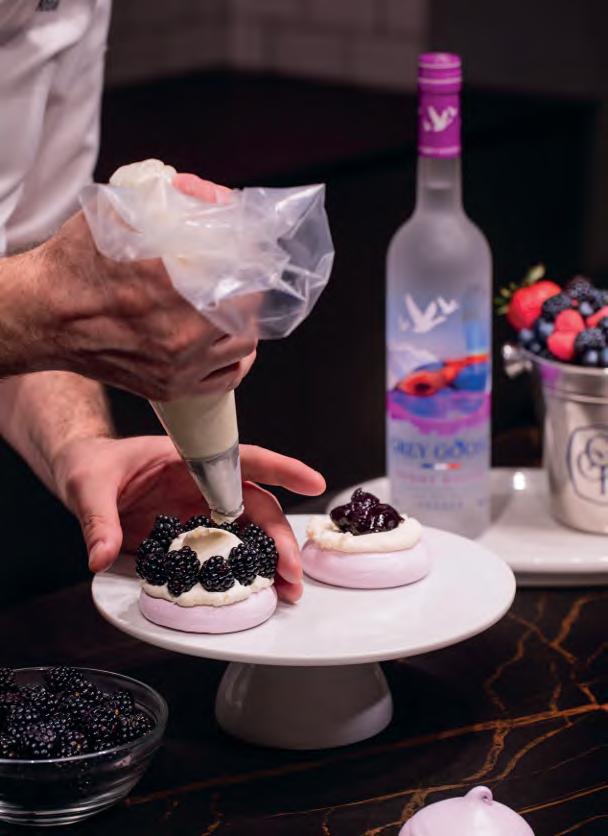
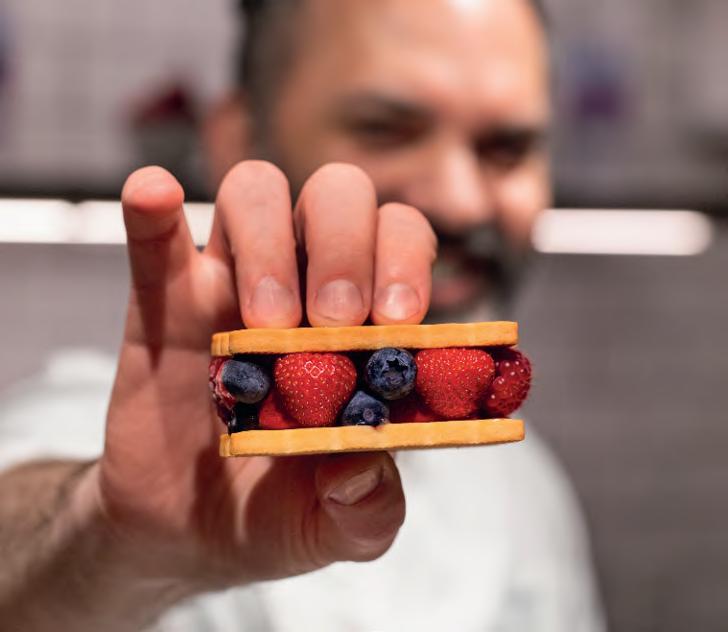
For the campaign’s immersive New York pâtisserie activation, Ansel developed a trio of limitededition berry-inspired desserts: a seasonal Pavlova, a Berry Rouge Ice Cream Sandwich, and perhaps most notably, a Berry Rouge-infused Cronut® timed to coincide with the pastry’s 13th anniversary. Importantly, the desserts don’t feel gimmicky.
Rather than simply adding vodka flavoring into pastries for novelty’s sake, Ansel approached the collaboration through ingredient storytelling and seasonal inspiration. Summer berries become the connective thread linking cocktail culture, French pâtisserie tradition, and experiential dining together. It’s sophisticated branding disguised as effortless indulgence. And then there’s the experience itself.
Launching as a one-day-only GREY GOOSE Berry Rouge Pâtisserie takeover in New York City, the activation transforms a bakery into an immersive, berry-infused environment celebrating the emotional beginning of Summer Fridays. Guests
are encouraged to “check their laptops at the door,” sip cocktails, socialize, and embrace a kind of transportive out-of-office energy that feels deeply aligned with contemporary lifestyle culture. The inclusion of Andre Power’s curated soundtrack adds another critical layer.
Music has become essential to modern hospitality branding, particularly within experiential activations. Power, known for shaping culturally influential nightlife and creative experiences, helps ensure the event resonates beyond culinary and spirits audiences into fashion, entertainment, and social culture as well.
What GREY GOOSE ultimately accomplishes with Berry Rouge is something many luxury brands struggle to achieve: cohesion. Every element of the campaign reinforces the same emotional language. The cocktails, pastries, visuals, music, and collaborators all orbit around the same central idea — slowing down long enough to romanticize summer.
Berry Rouge efectively expands on that identity while modernizing it for today’s consumer habits. And perhaps most impressively, the campaign manages to feel luxurious without becoming inaccessible.
That emotional consistency is increasingly valuable in the hospitality and beverage industries, where consumers are overwhelmed with content and brand collaborations competing for attention daily. The brands winning right now are the ones building fully realized worlds rather than isolated advertisements. GREY GOOSE understands that. The company has spent years positioning itself not simply as a vodka producer, but as a curator of elevated experiences tied to French craftsmanship, social connection, and aspirational leisure. Berry Rouge effectively expands on that identity while modernizing it for today’s consumer habits. And perhaps most impressively, the campaign manages to feel luxurious without becoming inaccessible.
There’s sophistication, certainly — but also humor, energy, warmth, and fun. That balance may ultimately be the campaign’s greatest success. In an industry increasingly obsessed with exclusivity, GREY GOOSE remembers something essential: hospitality works best when it feels inviting.
For the food, beverage, and hospitality worlds, the Berry Rouge rollout offers a larger lesson as well. The future of premium branding isn’t simply about product innovation. It’s about creating emotional ecosystems where spirits, culinary arts, music, design, and entertainment intersect naturally.
GREY GOOSE didn’t just launch a flavored vodka this summer. It created a season.
There’s sophistication, certainly — but also humor, energy, warmth, and fun.
From A Dutch Masterpiece to Rembrandt
FrieslandCampina Reimagines
Premium Dutch Cheese for a New Generation
By Lauren Kane, Food & Beverage Magazine
Award-Winning Line Debuts Rebrand at IDDBA and Summer Fancy Food Shows
As consumers continue to trade up in the specialty cheese aisle, one of Holland’s most recognizable premium cheese collections is entering a bold new era. FrieslandCampina’s A Dutch Masterpiece is officially evolving into Rembrandt, a strategic rebrand designed to sharpen shelf impact, modernize storytelling, and reinforce the artistry, heritage, and craftsmanship behind the awardwinning Dutch line.
The transformation will officially debut at the International Dairy
specialty food buyers will get their first look at the new identity, packaging, merchandising strategy, and expanded premium positioning.
But while the visual identity is changing, the soul of the brand remains firmly intact.
“This is not a reinvention of the cheese,” said Josh Rosen. “It’s a refinement of how we present it to today’s specialty consumer. We wanted the branding to better reflect the patience, artistry, and craftsmanship that already exist inside every wheel. Rembrandt creates a stronger emotional connection while preserving the authenticity and quality that retailers and consumers already trust.”
The move comes at a pivotal time for specialty cheese. Across deli and specialty retail, consumers are increasingly seeking premium imported products with authentic origin stories, elevated entertaining appeal, and clear quality cues. In many cases, shoppers are purchasing fewer items overall, but choosing higher-quality products with stronger provenance and craftsmanship.
For FrieslandCampina, one of the world’s leading dairy cooperatives and among the largest producers of Dutch cheese globally, the Rembrandt rebrand represents an opportunity to simplify the portfolio while amplifying what consumers already love about aged Gouda and Dutch cheesemaking traditions.
Rembrandt creates a stronger emotional connection while preserving the authenticity and quality that retailers and consumers already trust.”
Why Rembrandt?
The Cheese Remains the Star
While the branding evolves, FrieslandCampina emphasized that the award-winning cheeses themselves remain unchanged.
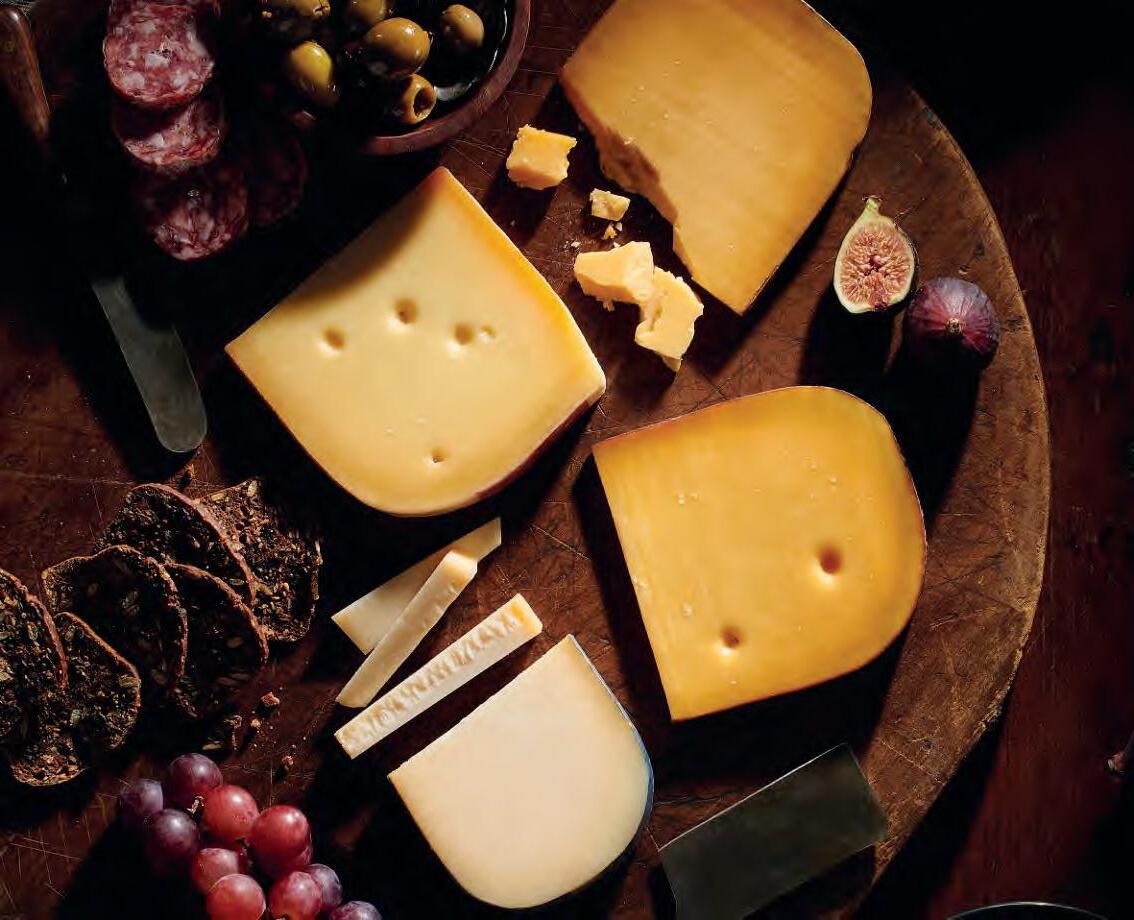
The Rembrandt portfolio will continue to focus on four signature varieties designed to span entertaining occasions, charcuterie usage, and premium everyday indulgence.
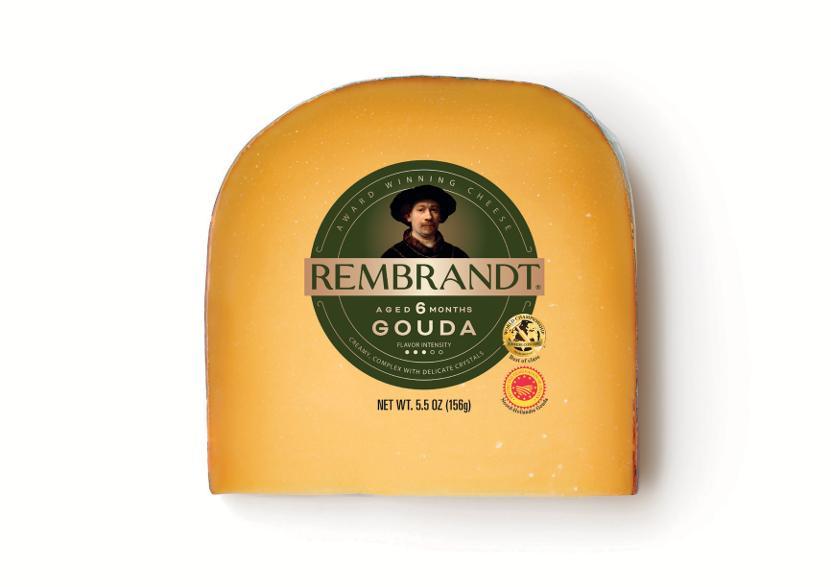
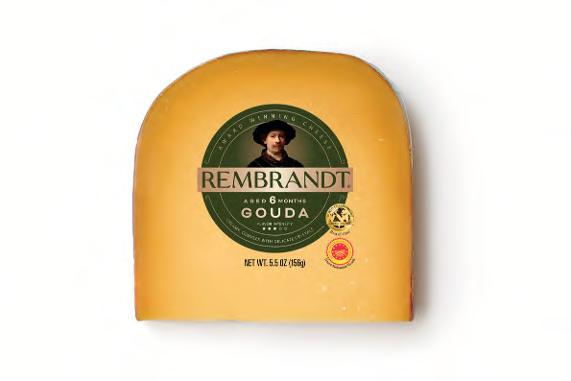
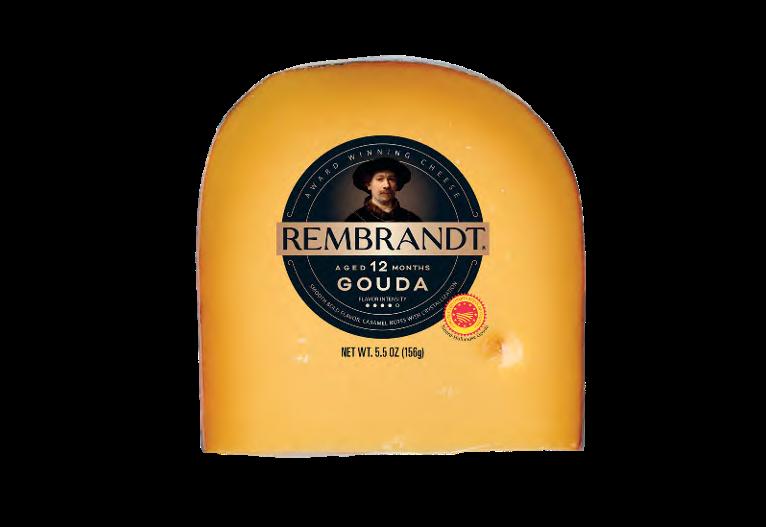
At the center of the line are the brand’s celebrated aged Goudas, including the approachable 6-Month Aged Gouda PDO and the more complex 12-Month Aged Gouda PDO, both crafted exclusively from North Holland milk under Protected Designation of Origin certification standards.
The 12-month variety delivers the hallmark characteristics specialty cheese consumers increasingly seek: nutty depth, caramelized
sweetness, and delicate crystalline texture developed naturally through patient aging.
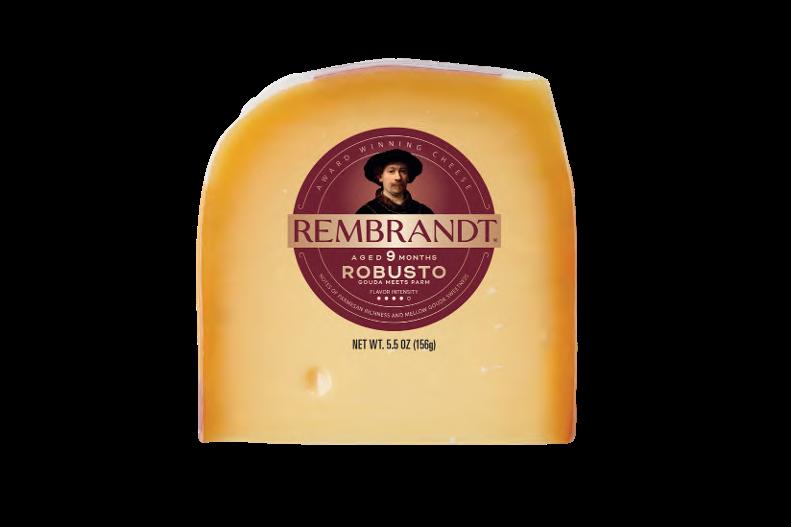
Beyond Gouda, the line also includes Robusto, a firm, intensely flavored aged cheese ideal for charcuterie applications, as well as Goat Gouda, which combines the creamy tanginess of goat’s milk with traditional Gouda structure for a distinctive specialty offering.
Rather than dramatically expanding into snacks, shreds, or slices, the company deliberately chose to keep the portfolio tightly curated.
“The strategy is focus over fragmentation,” Rosen noted. “Consumers increasingly associate premium cheese with aging, craftsmanship, and authenticity. We want Rembrandt to own that space very clearly.”
Awards Reinforce Premium Positioning
The timing of the rebrand is bolstered by significant industry recognition.
At the prestigious World Championship Cheese Contest, the brand’s 6-Month Aged Gouda, previously sold under the Vermeer label within A Dutch Masterpiece, earned a 2026 Best In-Class Gold Medal, while Robusto secured a 2026 Bronze Medal.
For retailers and specialty buyers, those awards provide important thirdparty validation in a category where
consumers are increasingly influenced by craftsmanship, accolades, and quality signaling.
“Industry recognition matters because consumers want reassurance when they’re trading up,” Rosen said. “Awards reinforce trust and help communicate that this isn’t just premium by price point, it’s premium by quality and execution.”
Rembrandt 6 Month Aged Gouda earned a 2026 Best-In-Class Gold Medal
Merchandising for Modern Entertaining
FrieslandCampina sees significant opportunity for Rembrandt within the booming home entertaining and charcuterie movement, particularly among younger consumers seeking elevated but accessible indulgences.
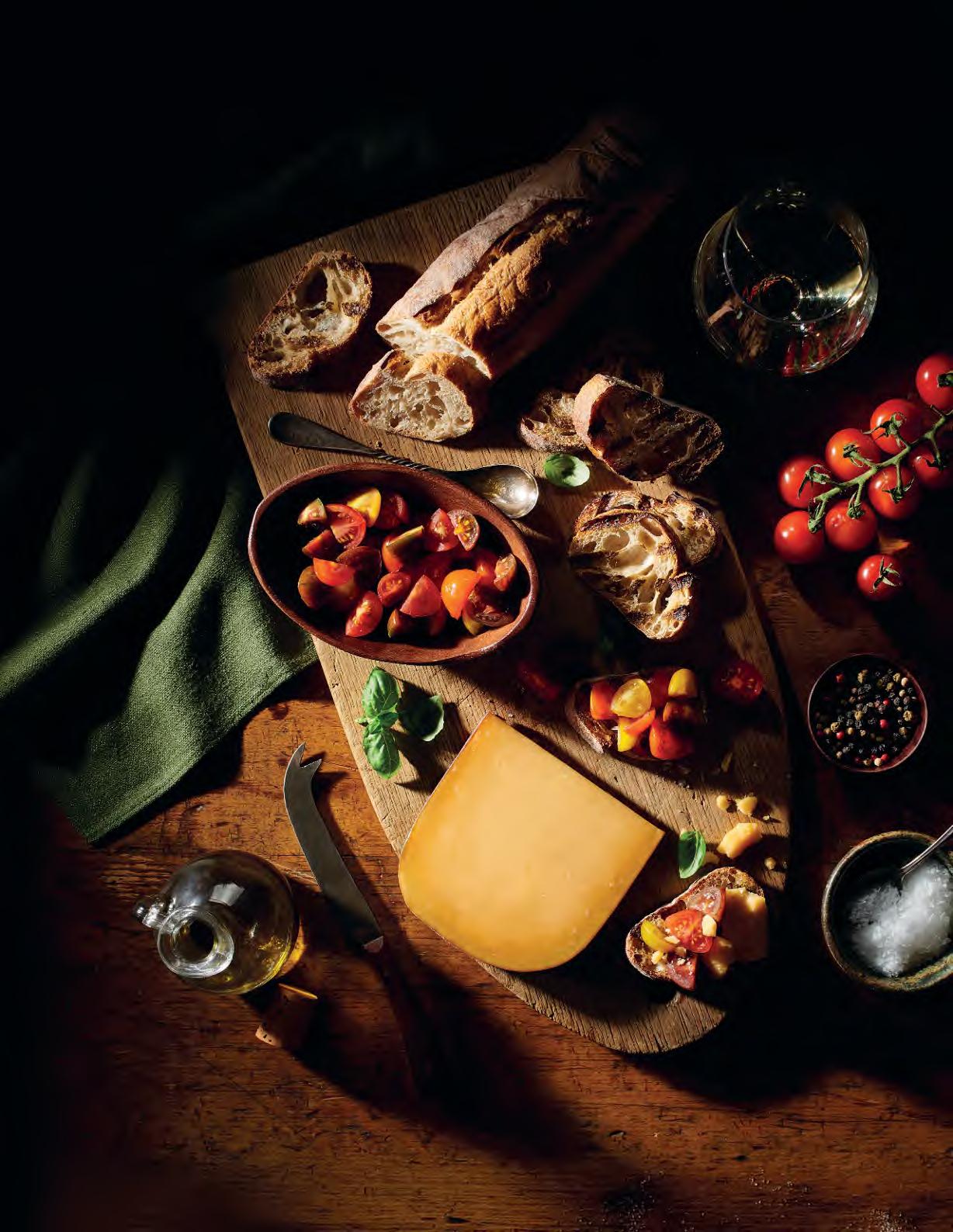
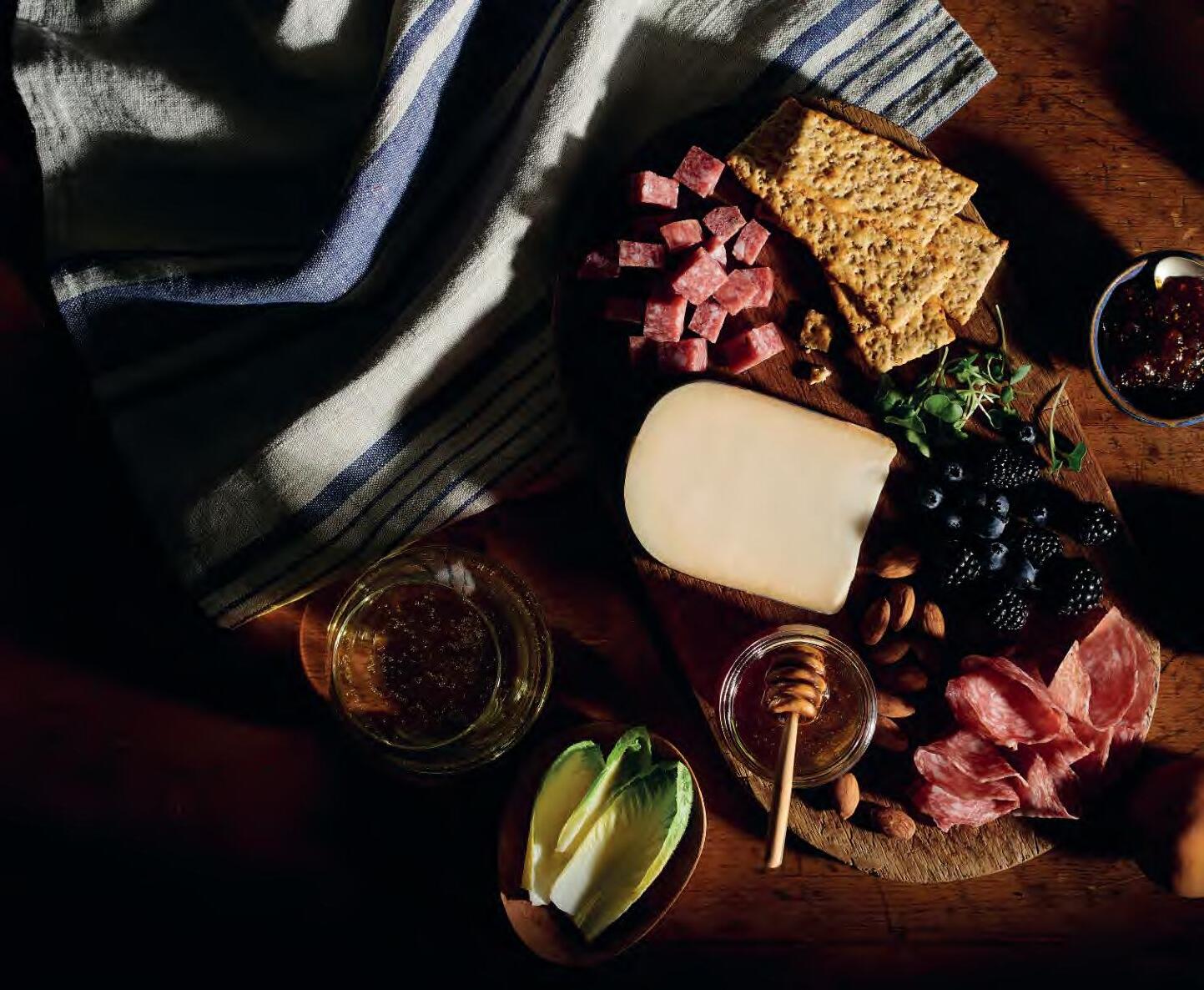
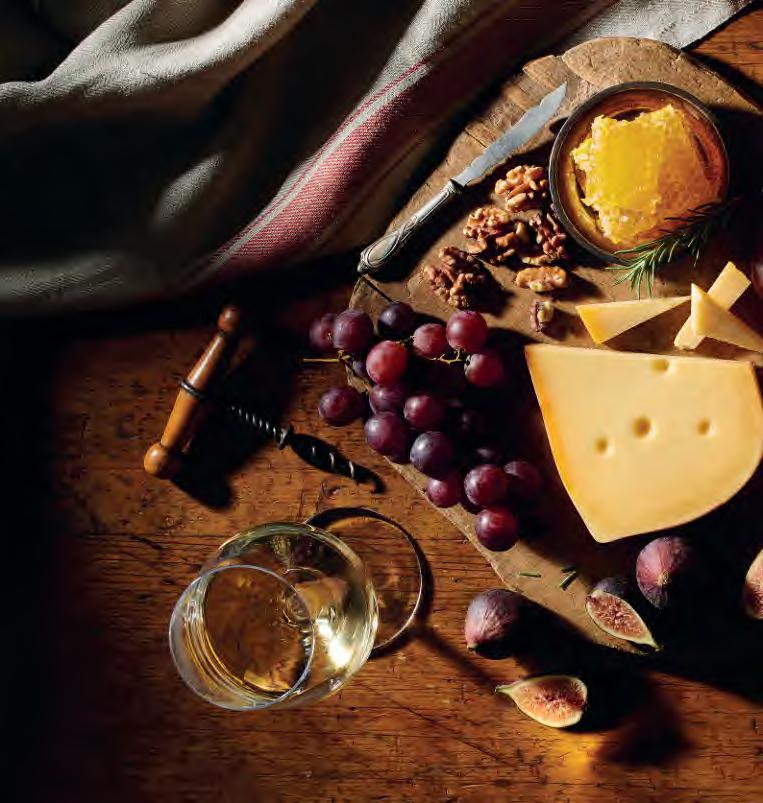
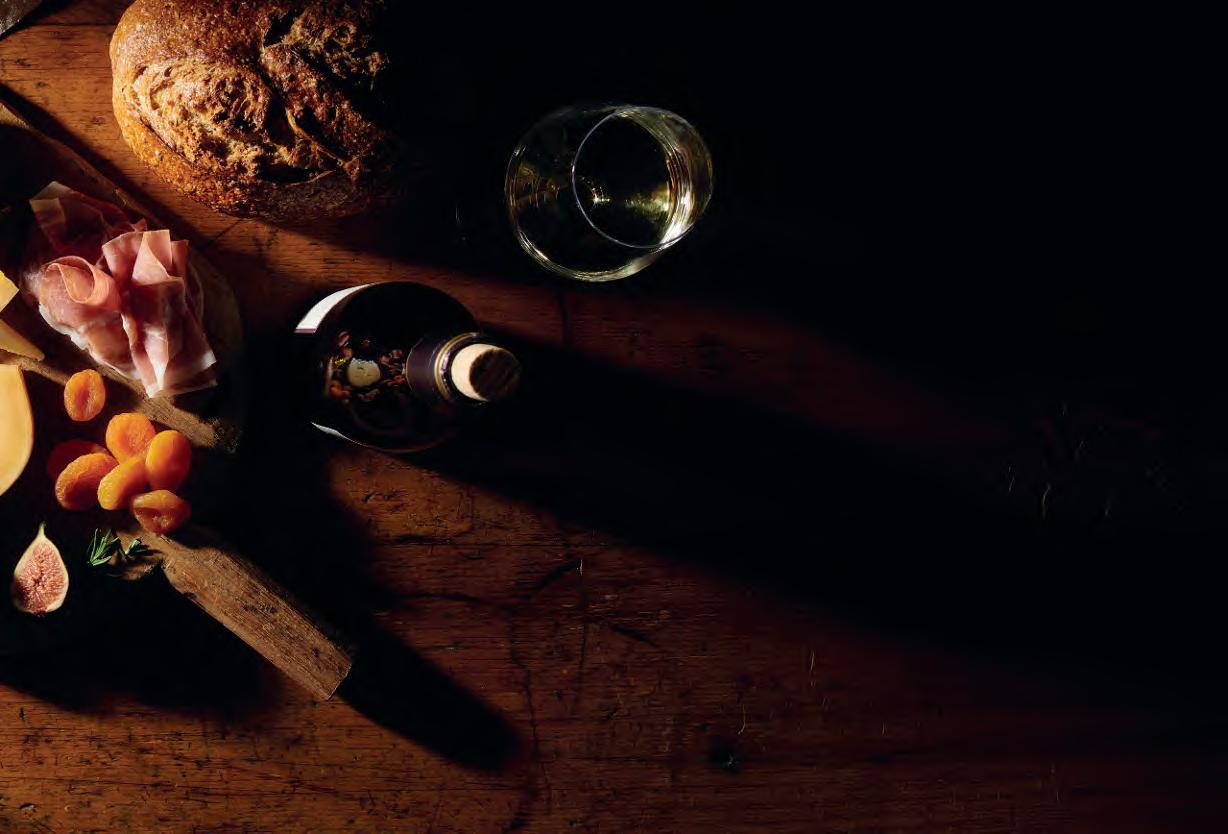
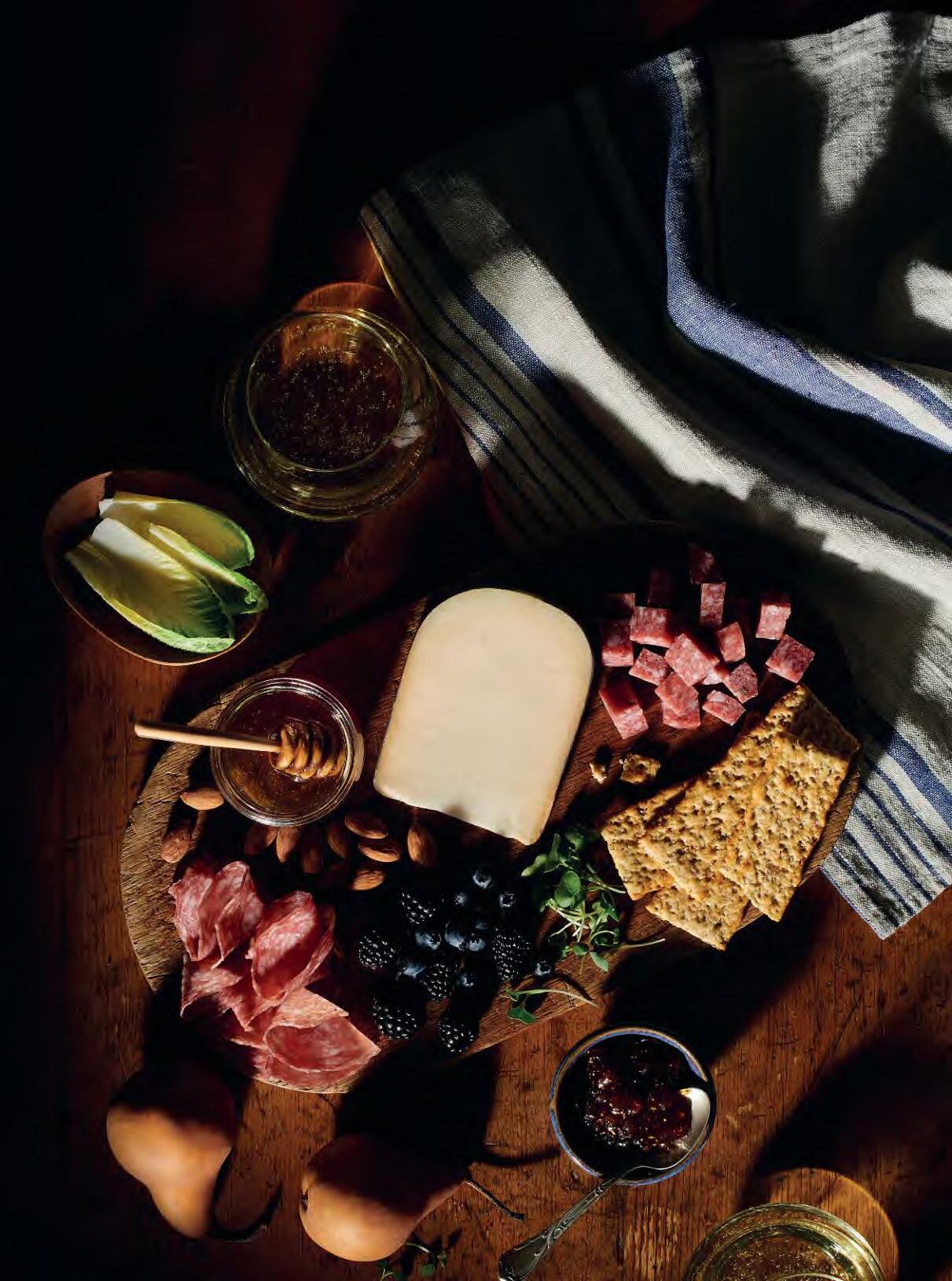
The merchandising strategy centers around wine pairings, charcuterie adjacencies, crosspromotions, and small-format wedges that encourage discovery and trial. Suggested pairings include Cabernet Sauvignon, rich Chardonnay, fig jam, Marcona almonds, cured meats, dark chocolate, and honeycomb.
At the same time, the company recognizes that specialty cheese consumption is evolving beyond traditional entertaining.
“Consumers increasingly enjoy specialty cheese as personal indulgence — not just for hosting,” Rosen explained. “People are building smaller boards for themselves, replacing meals with elevated snacking experiences, and becoming more adventurous with aged cheeses.”
That shift aligns closely with broader
Rooted in Dutch Tradition
As Rembrandt prepares for its formal introduction at IDDBA and the Summer Fancy Food Show, FrieslandCampina sees the brand as a flagship expression of premium Dutch cheesemaking for the American specialty market.
The company’s goal over the next 12 to 24 months is clear: establish Rembrandt as a go-to name in aged Gouda and specialty cheese while strengthening visibility with specialty retailers, deli operators, and premium food consumers.
Ultimately, the transition from A Dutch Masterpiece to Rembrandt reflects a broader reality unfolding across specialty food today: heritage alone is no longer enough. Consumers want products that pair authenticity with modern relevance, premium
quality with emotional storytelling, and tradition with clarity.
For FrieslandCampina, Rembrandt aims to deliver exactly that — a brand rooted in Dutch heritage, elevated through artistry, and validated by awardwinning excellence.
For more information, visit FrieslandCampina and the Rembrandt Cheese collection at www.rembrandtcheese.com
From Los Cabos to Puerto Vallarta:
A Michelin-Starred Showcase of Modern Mexican Cuisine
By Lauren Kane, Food & Beverage Magazine
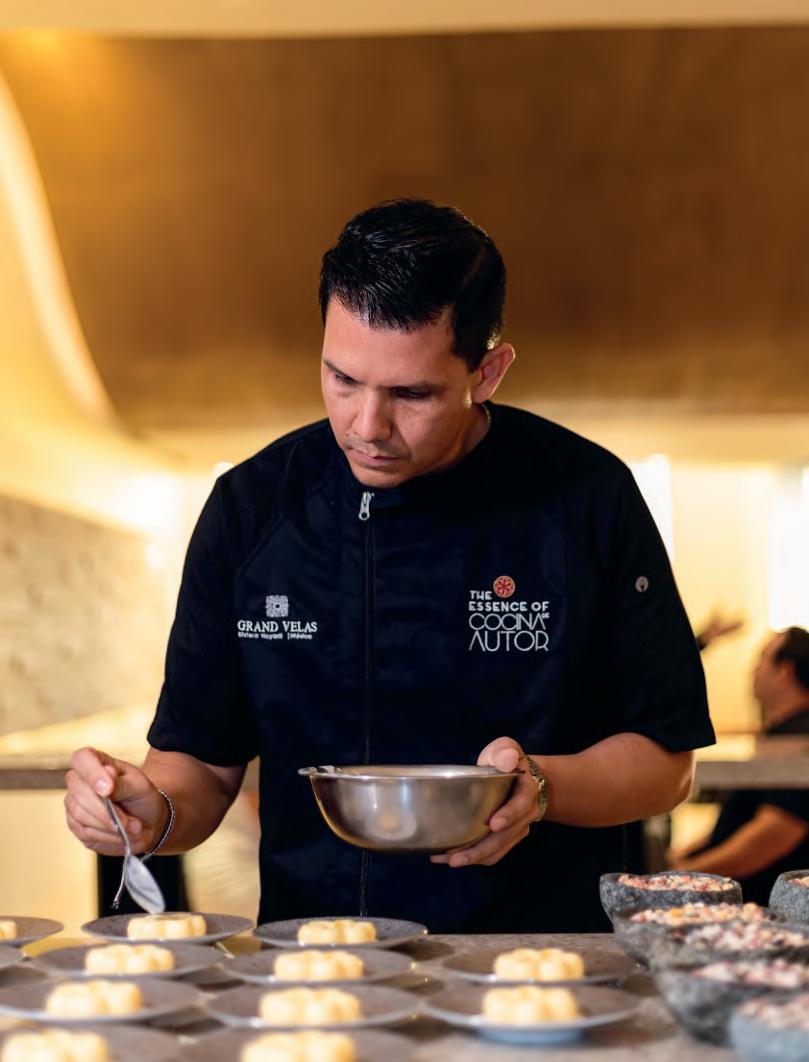
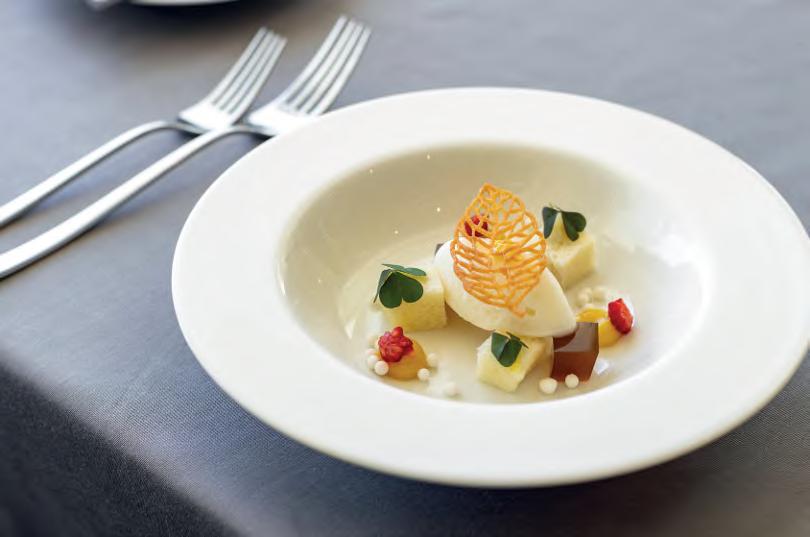
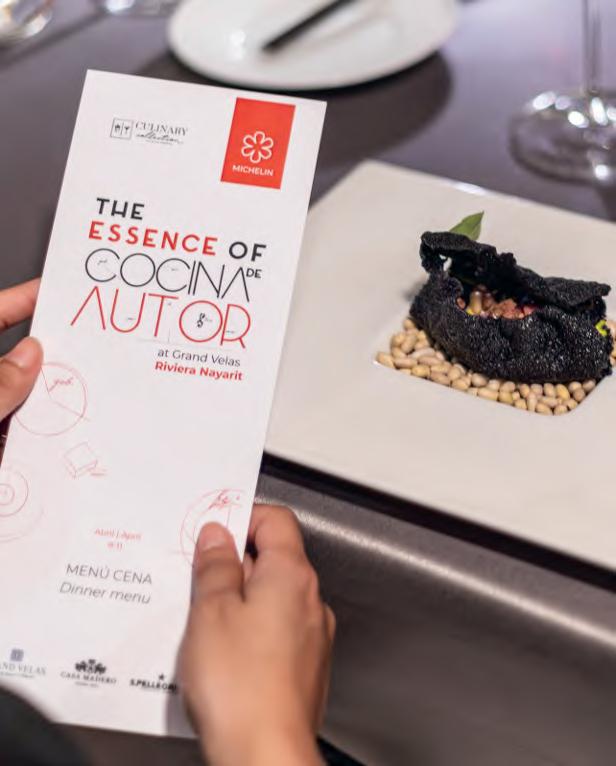
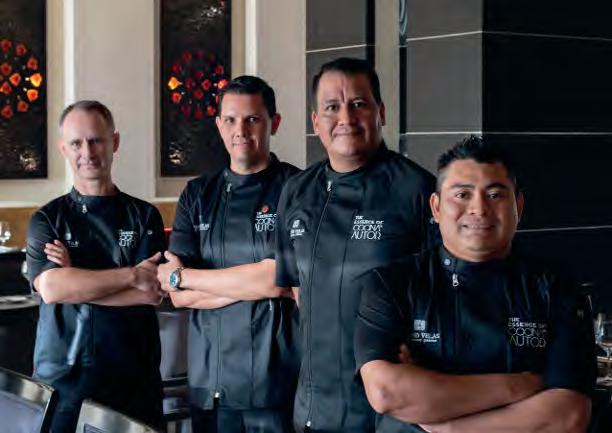
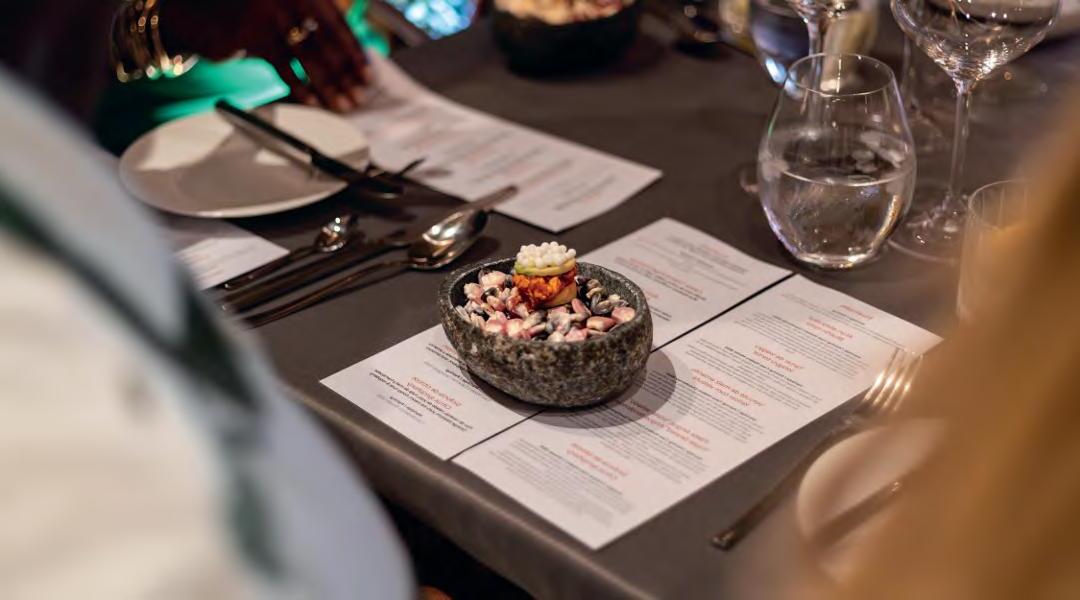
The culinary ambitions of Velas Resorts have become impossible to ignore. Over the past year, the luxury hospitality group garnered international recognition for a dining program that continues to challenge long-held assumptions about resort cuisine. Michelin recognition for Cocina de Autor in Los Cabos helped solidify what industry insiders have understood for years: Velas Resorts is no longer simply competing within the luxury travel sector—it is competing within the highest levels of contemporary gastronomy. That distinction was on full display during a recent special engagement at Grand Velas Riviera Nayarit, where the Michelin-starred culinary team from Cocina de Autor Los Cabos took over Piaf for an exclusive tasting dinner, bringing one of Mexico’s most celebrated dining experiences to Puerto Vallarta.
The evening served as more than a showcase of technical precision or luxury ingredients. It offered a glimpse into the philosophy that has positioned Cocina de Autor among the country’s most respected culinary destinations. Under the guidance of Michelinstarred leadership, the concept has built its reputation on interpreting Mexican ingredients through a contemporary global lens while remaining deeply connected to the country’s agricultural traditions and culinary heritage. Presented within the intimate setting of Piaf, the menu demonstrated how those principles translate beyond the walls of the Los Cabos flagship.
From the opening courses, the kitchen established a thoughtful dialogue between tradition and innovation. Escamoles, often referred to as one of Mexico’s most historic delicacies, were paired with avocado, habanero, cilantro, and corn masa in a composition that honored the ingredient’s cultural significance while presenting it with unmistakably modern refinement. The accompanying cocktail, built around tequila reposado, St-Germain, Damiana, citrus, and tonic, reflected the same balance of reverence and reinvention that would characterize the evening as a whole.
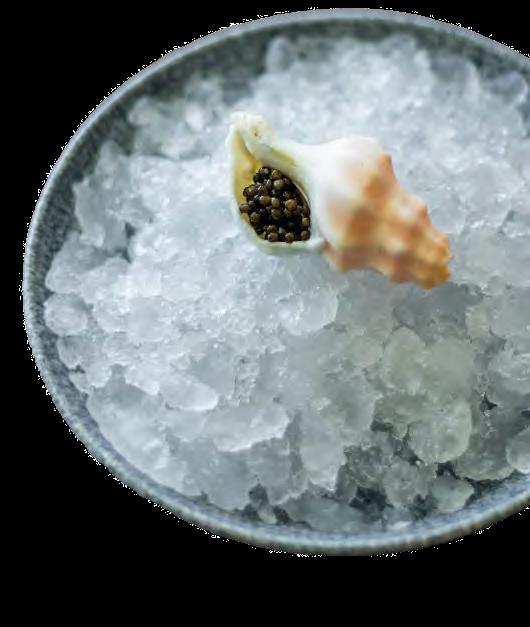
That commitment to ingredient-driven storytelling continued throughout the progression. Royal Osetra caviar arrived alongside blue abalone, cauliflower, kaffir lime, and crème fraîche, demonstrating the restraint that often separates truly exceptional kitchens from merely ambitious ones. Rather than relying on luxury ingredients for spectacle, the dish emphasized texture, balance, and nuance, allowing each component to contribute meaningfully to the overall experience.
Rather than relying on luxury ingredients for spectacle, the dish emphasized texture, balance, and nuance, allowing each component to contribute meaningfully to the overall experience.
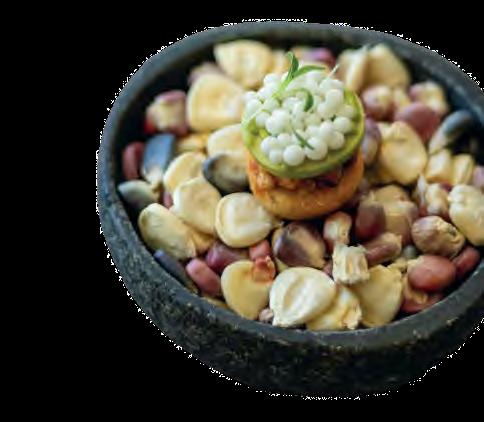
The menu’s strongest moments frequently emerged when the chefs turned their attention to ingredients deeply rooted in Mexican culinary identity. Bluefin tuna paired with hoja santa, manzano chile, cured radish, and nixtamal highlighted the versatility of traditional flavors when approached through a contemporary framework. Likewise, the yellow corn velouté with shiitake mushroom, pecan, and jicama transformed one of the country’s foundational ingredients into a course that was both elegant and profoundly familiar. The dish served as a reminder that some of the most compelling expressions of modern Mexican cuisine are not those that distance themselves from tradition, but those that find new ways to elevate it.
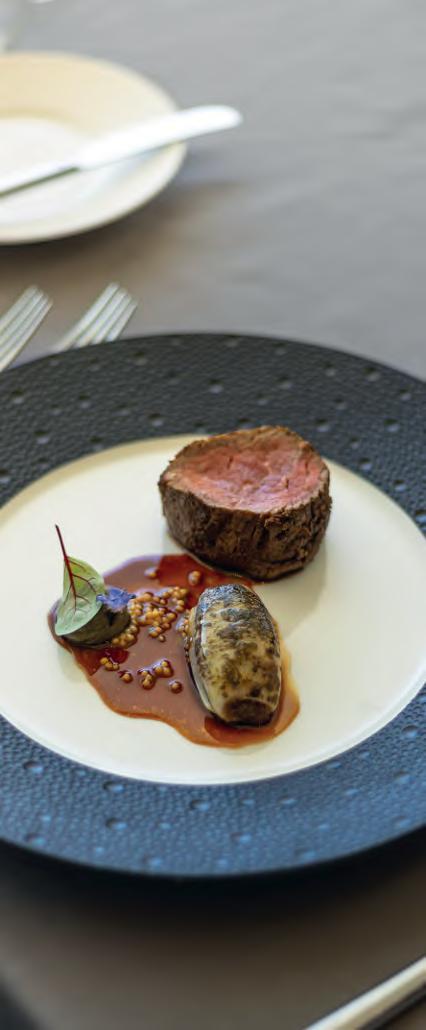
As the evening progressed through wagyu tartar, carefully selected Casa Madero wine pairings, and a meticulously executed tripleseared Angus tenderloin, the broader significance of the event became increasingly clear. This was not simply a visiting-chef
dinner designed to showcase a Michelin credential. Rather, it represented the continued evolution of a hospitality group that has placed culinary excellence at the center of its identity. In an industry where food programs are often positioned as supporting amenities, Velas Resorts has invested in creating restaurants capable of standing on their own merits within the global fine-dining conversation.
That commitment has helped redefine expectations for luxury resort dining in Mexico and beyond. The Michelinstarred dinner at Piaf demonstrated not only the talent of the Cocina de Autor Los Cabos team, but also the strength of a larger vision; one in which exceptional hospitality and world-class gastronomy are no longer separate pursuits, but essential components of the same experience.
The menu’s strongest moments frequently emerged when the chefs turned their attention to ingredients deeply rooted in Mexican culinary identity.
Traverse Wine Coast:
Where the 45th Parallel Meets Something Unexpected
By Food & Beverage Magazine Editorial Staff
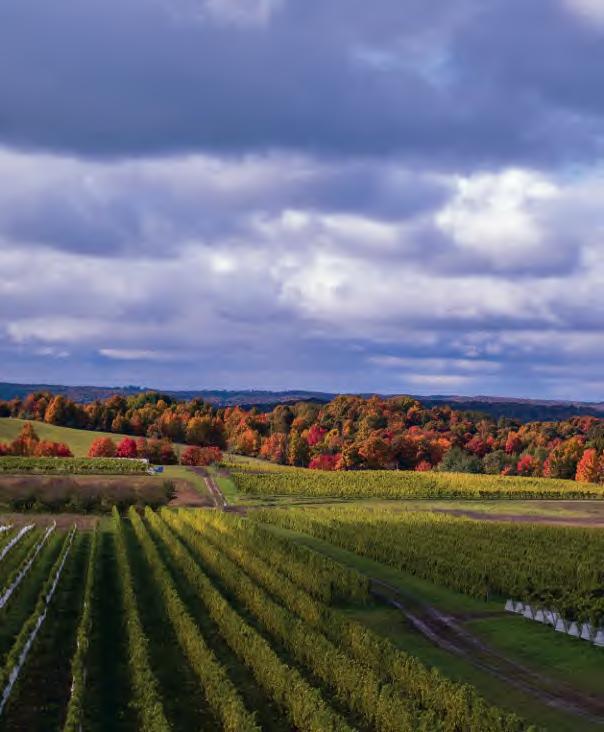
There is a latitude that wine people speak of in reverent tones. The 45th parallel runs through Bordeaux. It threads through Piedmont. It bisects the great wine corridors of the Old World, where centuries of viticulture have convinced the rest of the planet that exceptional wine can only come from those places.
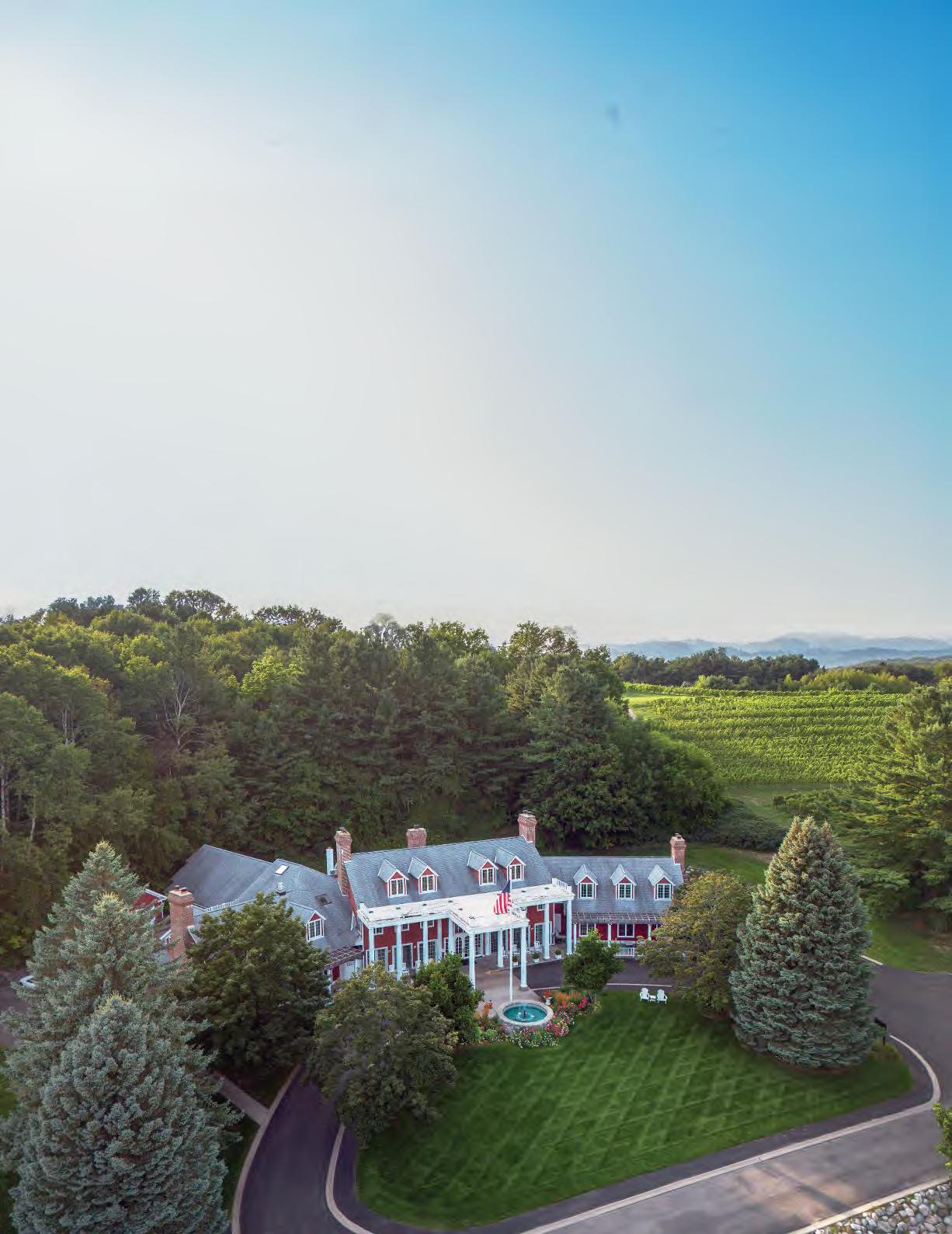
Then it cuts straight through northwest Michigan. And if you haven’t been paying attention, that’s entirely forgivable. The Traverse Wine Coast has been quietly getting very good at wine while the rest of the country looked elsewhere.
The region encompasses the wineries of the Leelanau and Old Mission Peninsulas, two distinct landmasses shaped by glacial movement and buffered on nearly every side by the deep, cold waters of Lake Michigan and Grand Traverse Bay. That water is the key. It moderates temperature, softens frost risk, and stretches the growing season just long enough for grapes to develop the slow, even maturation that produces wines of real structure. Bright acidity. Concentrated aromatics. Balance that doesn’t feel manufactured.
Old Mission Peninsula is the one that stops people cold the first time they see it. Nineteen miles long, flanked by water on both sides, it looks less like a wine-growing region and more like a
place someone drew on a map as a dream. The well-drained sandy soils here produce Cabernet Franc of surprising elegance, Gewurztraminer that leans floral without tipping into excess, and sparkling wines with the kind of tension that makes you put the glass down and pick it back up again immediately.
On the Leelanau Peninsula, the hills roll and the lakes appear around bends in the road without warning. The glacial soils produce Riesling that could embarrass German producers who assumed no one was watching, alongside Chardonnay and Pinot Noir that earn comparison to coolerclimate Burgundy, not because they mimic it, but because the land logic is similar. Winery farm stays here offer something increasingly rare: the chance to actually slow down inside the place that made what’s in the glass.
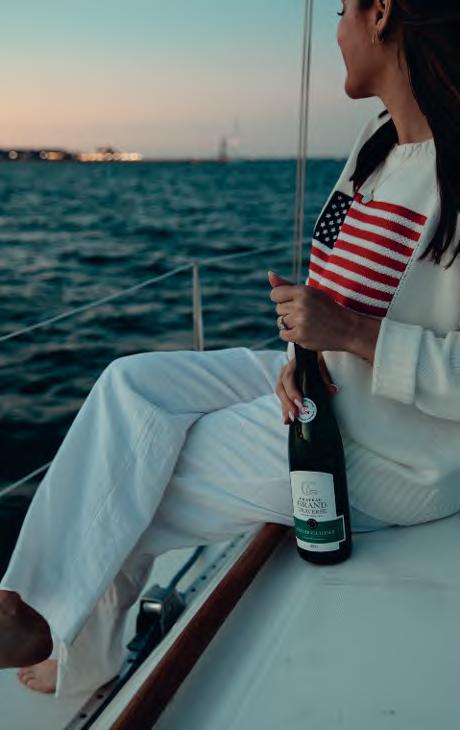
A trip to the Traverse Wine Coast resists compression into a single day. It rewards the traveler who stays. Vineyard tours bleed into tasting room afternoons. Farm-to-table dinners stretch late. Mornings belong to hiking through dunes or cycling between estates on roads that feel built for exactly that purpose. Afternoons belong to the bay, where a sailing charter puts the whole geography in perspective. Over twenty direct flights connect the region to major cities,
and Chicago sits within a five-hour drive. It is more accessible than it appears on a map, and considerably more complex than its reputation has yet communicated to the broader wine world.
This August, the region hosts the second annual Traverse City Food & Wine Event, drawing James Beard-recognized chefs and the wines of both peninsulas across farm settings that demonstrate why food and wine culture here has nothing to prove and everything to share.
And then there is the bottle you bring home. Every serious wine region earns its place in a traveler’s memory through a single glass that reframes everything else. On the Traverse Wine Coast, that moment arrives reliably, whether it’s a Riesling from a Leelanau hillside tasting room or a Cab Franc poured on an Old Mission patio with the bay in the background. Most wineries ship, and the ones that don’t will point you to someone who does. The wine follows you home. That’s the point.
The comparison to Napa or Sonoma is inevitable and not entirely unfair as a frame of reference. But those regions are finished stories, known quantities. Traverse Wine Coast is still being written. Which is precisely the reason to go now, before everyone else figures it out.
Traverse
Wine Coast is still being written. Which is precisely the reason to go now, before everyone else
figures it out.
Traverse Wine Coast spans the Leelanau and Old Mission Peninsulas in northwest Michigan. For planning information, visit traversecity.com/traverse-wine-coast.
Editor’s Top Pick: Wine & Spirits
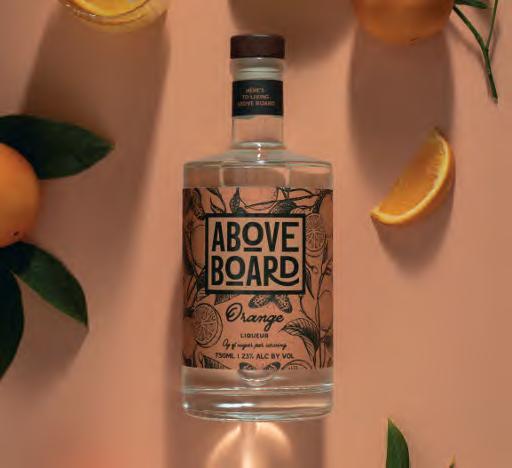
Above Board Liqueurs
Founded in San Diego by Nicole and Brent Slone, Above Board Liqueurs is helping reshape the cocktail conversation for health-conscious consumers. The woman-owned company developed a line of zero sugar, gluten-free liqueurs made with plant-based sweeteners, creating new possibilities for premium no/low-sugar cocktails in restaurants, bars, hotels, and at home. Inspired by frustration with limited cocktail options while dining out, the founders created Above Board to give consumers more choices without sacrifcing the social cocktail e perience. The collection currently includes Orange, Coffee, and Cream Liqueurs, along with a non-alcoholic simple syrup. As demand continues to grow around wellness-minded beverage options, Above Board Liqueurs is positioning itself at the forefront of the Better For You beverage movement.
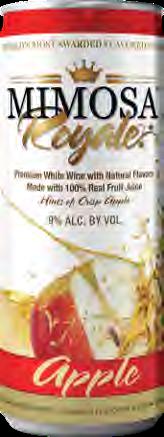
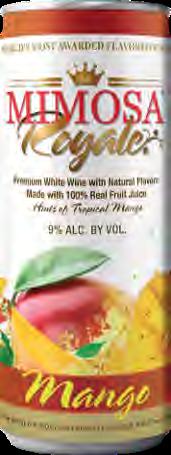
Apple - Mimosa Royale
Mimosa Royale is a local California Winery that makes the “World’s First Ready to Drink Mimosa”®. Starting in 2014, they pioneered the favored wine category and have crafted a PREMIUM canned wine that has won so many International Wine Competitions that they are also trademarked as “ The World’s Most Awarded Flavored Wine”®. Mimosa Royale is a certifed women-owned (WBENC) family-owned company that uses a proprietary blended Muscato Wine, lightly carbonated, with 100% real fruit juice. Mimosa Royale canned wine is the only 100% allnatural, gluten-free, Kosher-certifed (OU) RTD with no Artifcial Colors or Flavors, No Added Sugars, and 9% ABV. Beware, this is not a wine cooler with low ABV or a seltzer made with water, malt, or cheap grain alcohol. Mimosa Royale is a one-of-a-kind, premium canned wine that flls the white space between Hard Seltzers and Fine Wine.
ANGOSTURA
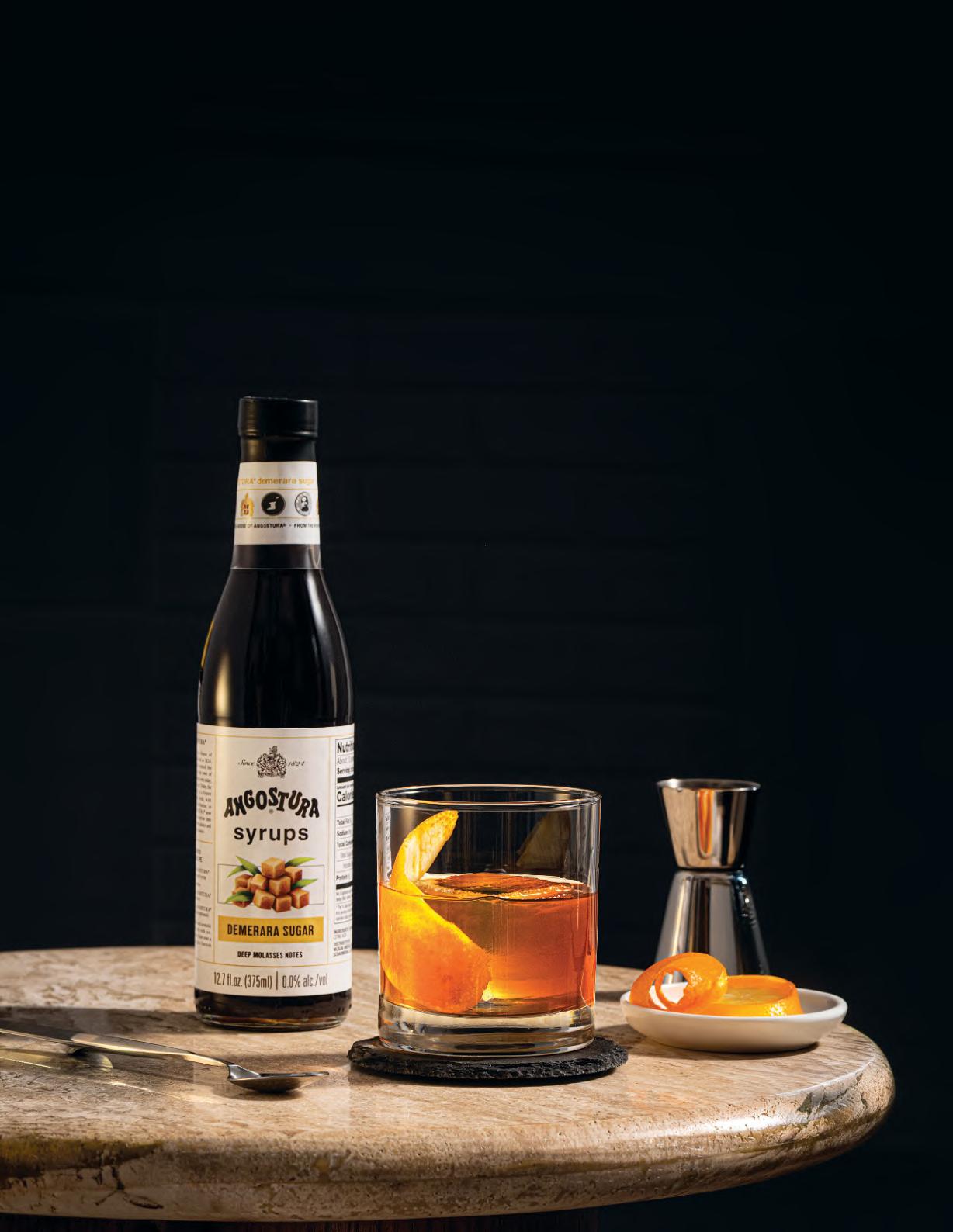
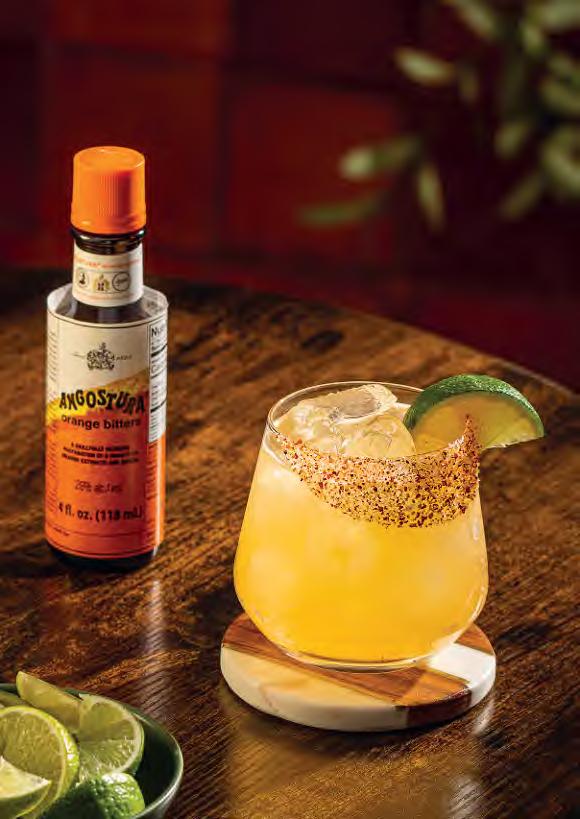
AN OSTURA Spicy Honey Syrup e tends AN OSTURA’s favor e pertise and commitment to uality into the cocktail syrup category. The formulation lives in the tension between the honey and the heat. The smooth honey sweetness cut with lingering chili heat, it was crafted to simplify preparation without sacrifcing favor. Its ready-to-use format provides ease and consistency whether behind the bar or on the bar cart. Perfect for a Spicy Margarita, that has become one of the fastest-growing cocktail formats on menus across the country, but versatile enough to bring heat to classics like Dai uiris, Bee’s Knees, old Rush, etc.
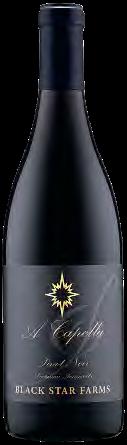
Black Star Farms
Black Star Farms, an exquisite winery estate located in the Traverse Wine Coast in NW Michigan, produces the A Capella label wines only from the most exceptional vintages from the proprietor’s best vineyard site. Named by the Operatic Tenor and Proprietor, this wine is beautiful enough to ‘sing on it’s own,’ acapella. This wine has been unavailable for some time since prior releases of A Capella Pinot Noir only being from 2007, 2011 and 2017. In 2022, Black Star Farms crafted this wine exclusively from fruit sourced from the family’s Leelanau Summit site. Everything about the fruit from this site and vintage was virtually picture-perfect. In this wine, you will fnd all of the virtuous ualities of Pinot that you look for in wines from notable wine regions. The A Capella label is one of Black Star Farm’s premium brands, and produced in a limited quantity.
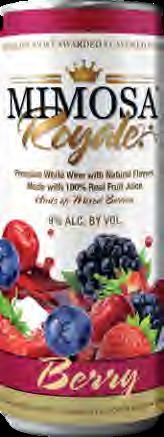
Berry - Mimosa Royale
Mimosa Royale is a local California Winery that makes the “World’s First Ready to Drink Mimosa”®. Starting in 2014, they pioneered the favored wine category and have crafted a PREMIUM canned wine that has won so many International Wine Competitions that they are also trademarked as “ The World’s Most Awarded Flavored Wine”®. Mimosa Royale is a certifed women-owned (WBENC) family-owned company that uses a proprietary blended Muscato Wine, lightly carbonated, with 100% real fruit juice. Mimosa Royale canned wine is the only 100% allnatural, gluten-free, Kosher-certifed (OU) RTD with no Artifcial Colors or Flavors, No Added Sugars, and 9% ABV. Beware, this is not a wine cooler with low ABV or a seltzer made with water, malt, or cheap grain alcohol. Mimosa Royale is a one-of-a-kind, premium canned wine that flls the white space between Hard Seltzers and Fine Wine.
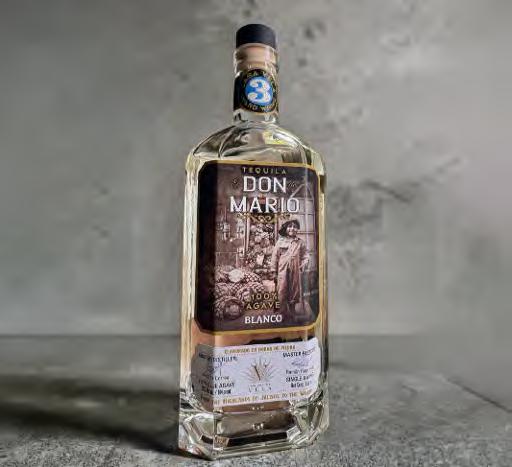
CASA VELA
CASA VELA 3 Cuerdas is a handcrafted tequila that celebrates the traditions, craftsmanship, and heritage of the Highlands of Jalisco. Produced from 100% Blue Weber agave, each batch begins with a meticulous 72-hour slow cook in traditional masonry ovens, allowing the agave’s natural sugars to develop while preserving its authentic character. Crafted with deep well water, natural fermentation, and timehonored distillation methods, the te uila delivers a rich, comple profle that refects generations of e pertise. More than a spirit, Cuerdas is a tribute to Don Mario Vela, whose values of integrity, hard work, and respect remain at the heart of the Vela family legacy. Every bottle embodies a commitment to authenticity and uality, offering a refned expression of Jalisco terroir and traditional tequila-making. Designed to be savored and appreciated, CASA VELA 3 Cuerdas captures the enduring spirit of family, heritage, and exceptional craftsmanship in every pour.
Cazcanes
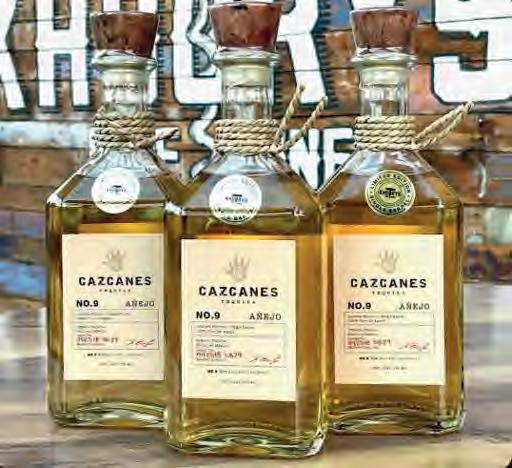
Award-winning spirits created at the remote jungle distillery of Cazcanes are catching the eyes of industry artisans - with only 180 bottles produced, this exclusive No. 9 Single Barrel Añejo is a premier showcase of authentic tequila craftsmanship. Hand-selected by our team, this undeniably bold 50% ABV expression was chosen for its depth, balance, and elevated character. Aged for 24 months in a medium-char Jim Beam American oak barrel then rested an additional 6 months to achieve perfect harmony before bottling produces an inviting bouquet of sweet baked agave intertwined with toasted oak, soft vanilla and a touch of spice. The palate is full-bodied and rich with honey, cinnamon, citrus, pronounced oak and a touch of natural agave sweetness. The fnish is slow and low - long and satisfying, with a gentle, peppery warmth fading into oak and subtle herbal nuances.
Danica Rosé
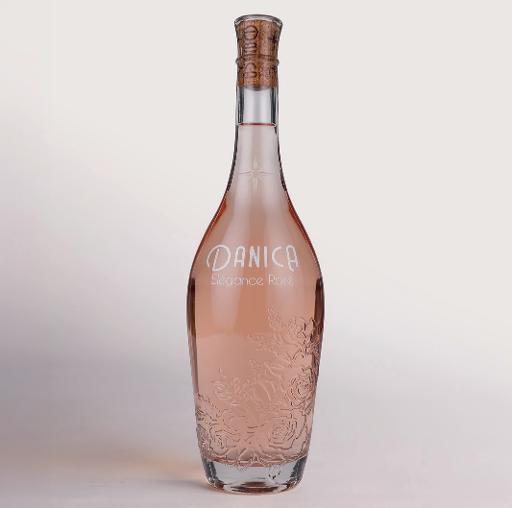
Founded by Danica Patrick, Danica Rosé captures the elegance of Provence through a modern, lifestyle-driven lens. The 2025 vintage is a beautifully dry French rosé crafted with freshness, balance, and effortless drinkability in mind. Sourced from certifed organic farming, it refects a commitment to purity and thoughtful vineyard practices. Pale salmon in color, it opens with vibrant aromatics of wild strawberry, white peach, citrus blossom, and a hint of minerality. The palate is crisp and refned, offering bright acidity, delicate red berry notes, and a clean, refreshing fnish that invites another sip. Designed for long lunches, warm evenings, and elevated everyday moments, Danica Rosé delivers approachable luxury at an accessible price point—Provence-inspired rosé made for modern entertaining.
Crystal Head
A vodka that defes category e pectations. Crystal Head Ony is crafted from Blue Weber agave, a frst for the brand and a bold departure from traditional grain-based vodkas, then fltered through Herkimer diamond crystals for a signature purity that is entirely its own. The result is a distinctly smooth, slightly sweet spirit with a clean, refned fnish that rewards the discerning palate. Additive-free and produced without sugar or glycol, Ony refects Crystal Head’s uncompromising commitment to uality. The striking matte black skull bottle, as collectible as what’s inside, makes it as visually arresting on the bar as it is in the glass. A standout e pression for spirits enthusiasts who e pect both craft and character.
Dr Zero Zero
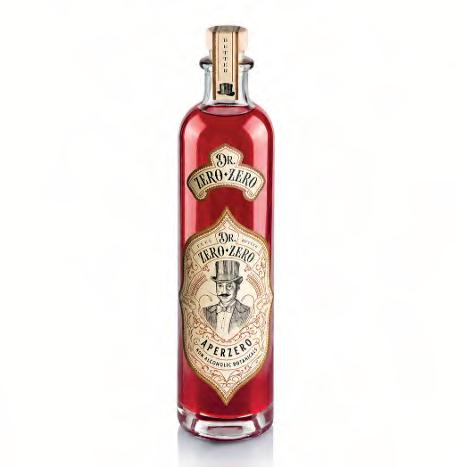
Dr ero ero’s Aper ero is a refned Italian non-alcoholic aperitivo, masterfully crafted for the most discerning palate. Designed as the perfect base for elegant Spritzes and sophisticated mocktails, it blends select herbal e tracts, natural favors, and delicate natural coloring with a subtly intriguing note of authentic Italian peperoncino. The result is a harmonious balance of freshness, comple ity, and gentle spice crafted to awaken the senses and elevate any moment. Aper ero embodies Dr ero ero’s signature before-the-meal ritual a celebration of anticipation and conviviality. It pairs seamlessly with Dr ero ero’s award-winning AmarNo, an e ceptional after-dinner digestivo that completes a truly refned, alcohol-free Italian e perience from aperitivo to indulgent fnale.
Dareringer
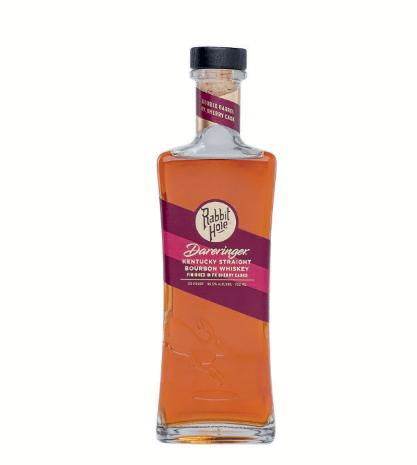
A double-barrel bourbon that earns its place among the most distinctive spirits of 2026. Dareringer begins in toasted and alligator-charred American oak before resting in rare Pedro Ximénez sherry casks sourced through an exclusive partnership with Casknolia Cooperage in Spain, a fnishing process that sets it apart from anything else in the bourbon category. The result is a beautifully layered pour: raisins, dark cherry, vanilla, and almond over a classic bourbon backbone, with a long, silky fnish. Non-chill fltered at 9 proof, it refects the global craftsmanship and meticulous attention to detail that defnes Rabbit Hole Distillery. A serious, shelf-worthy expression for the discerning spirits enthusiast.
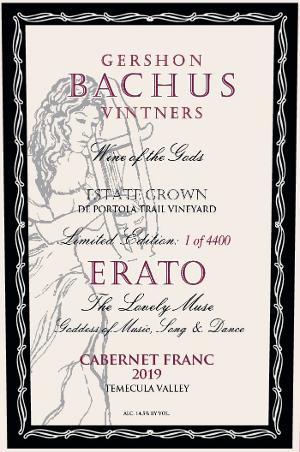
Gershon Bachus Vintners
Gershon Bachus Vintners’ ERATO 2019 Cabernet Franc is a bold, cellar-worthy expression crafted from estate-grown fruit in Southern California’s De Portola Trail wine region. Fermented in concrete tanks for 25 days and aged for an impressive 33 months in a combination of new Hungarian and French oak, this limited-production wine showcases remarkable depth, structure, and complexity. The nose opens with inviting aromas of fg, dried dark fruits, and licorice, while the palate reveals layers of mineral character, toasted oak, cocoa, and concentrated fruit. Rich and full-bodied, the wine delivers a long, rounded fnish supported by refned tannins and e ceptional balance. Designed to reward patience, ERATO 2019 possesses the structure and elegance to evolve beautifully with age. Whether enjoyed now or cellared for future enjoyment, it represents a sophisticated and distinctive interpretation of Cabernet Franc, crafted with precision and an unwavering commitment to quality.
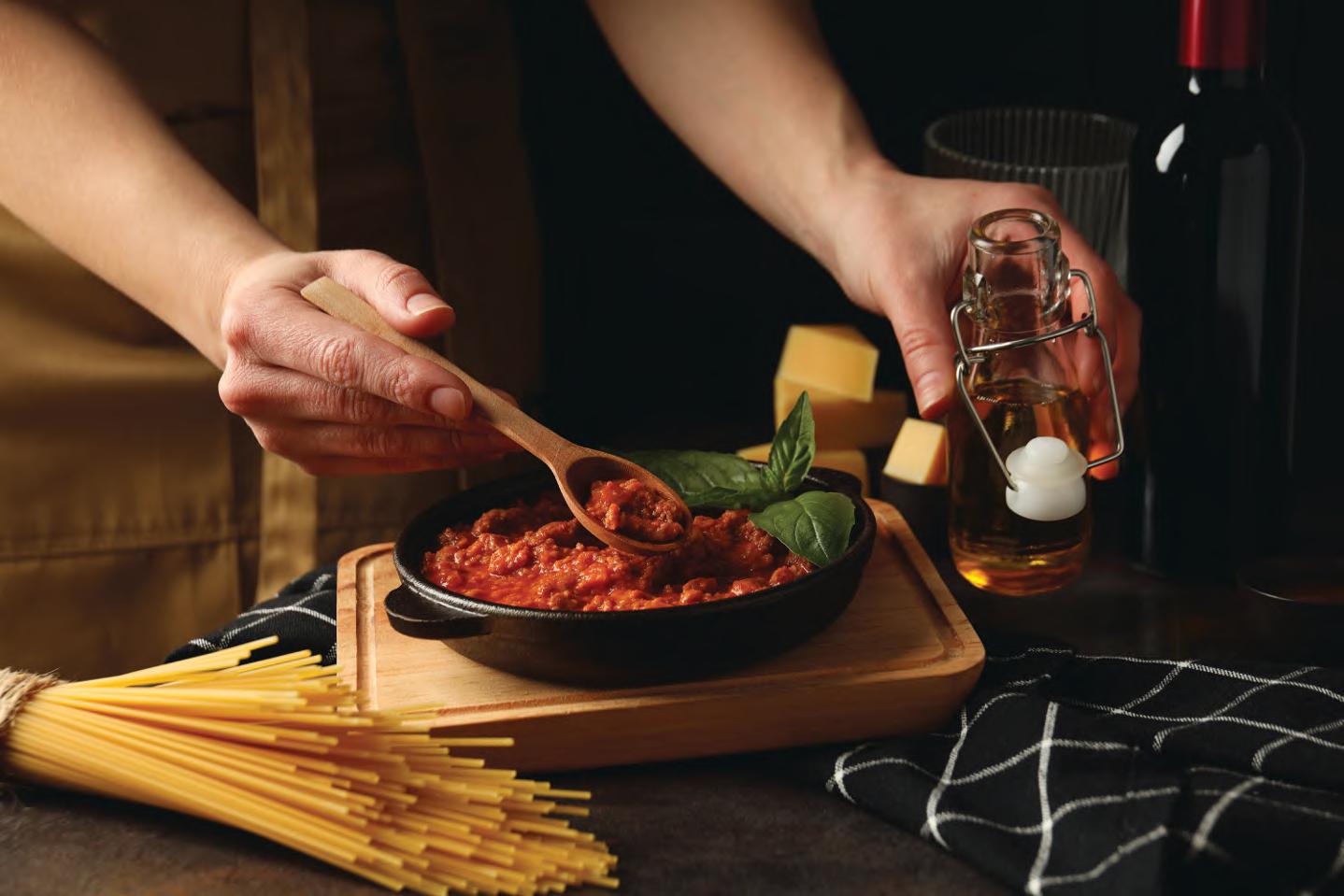
Italian cuisine & UNESCO
Canned Tomatoes are at the heart of Italian Cuisine
We are proud to celebrate a historic achievement: Italian cuisine has officially been recognized as part of UNESCO’s Intangible Cultural Heritage of Humanity. This prestigious recognition honors not only our extraordinary food, but also the traditions, craftsmanship, regional diversity, and cultural values that Italian cuisine represents around the world.
At the heart of this recognition are not luxury or complexity, but humble, essential ingredients. Among these, canned tomatoes stand out as a cornerstone of Italian cuisine, bridging tradition with practicality.
Through a careful process of canning, tomatoes are preserved at their peak ripeness, capturing their natural sweetness and acidity. This method enhances their flavor and enables cooks to infuse their dishes with the authentic taste of Italian tomatoes long after the harvest.
From simple sauces to more complex dishes like lasagna or osso buco, canned tomatoes are prized for their versatility. Their ready-to-use nature saves time and effort while maintaining traditional flavors.
Recognized by UNESCO as part of Italy’s intangible cultural heritage, canned tomatoes stand as a testament to how simple ingredients can carry profound cultural meaning, ensuring that the flavors of Italy continue to be celebrated worldwide.
The Greatest Tomatoes from Europe campaign promoted by ANICAVthe Italian Association of Canned Vegetable Industries - and co-funded by the EU (European Union) aims to raise awareness of the quality, safety, and sustainability of EU preserved (canned) tomatoes, 100% Made in Europe, 100% Made in Italy.
Visit greatesttomatoesfromeurope.com for further details.
Join us in our three-year long journey across the USA.
www.greatesttomatoesfromeurope.com
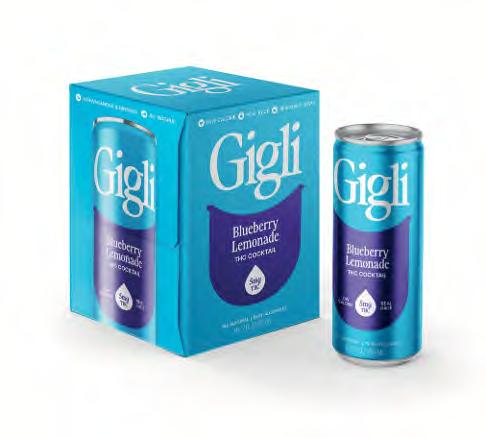
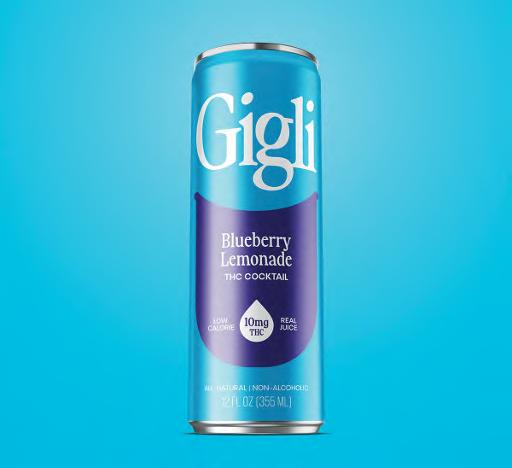
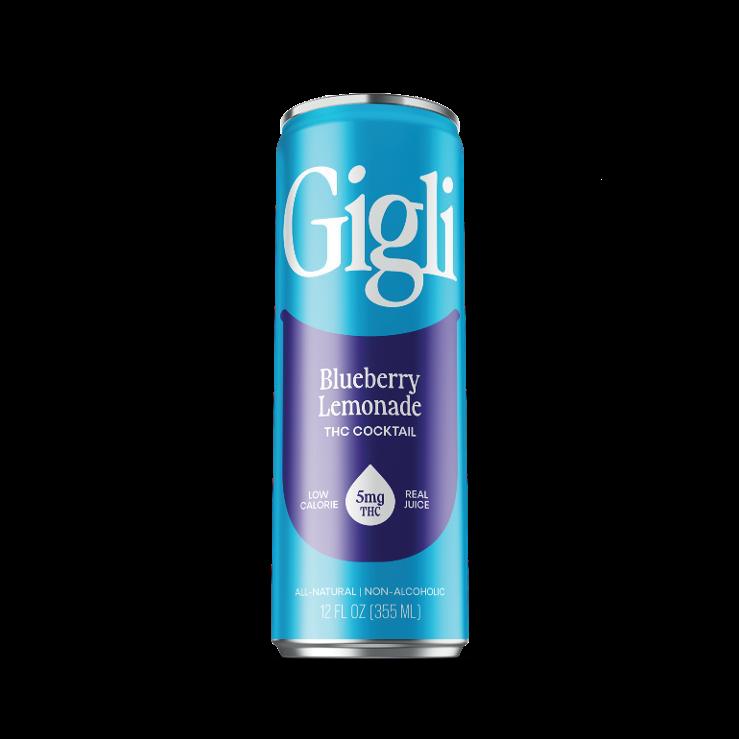
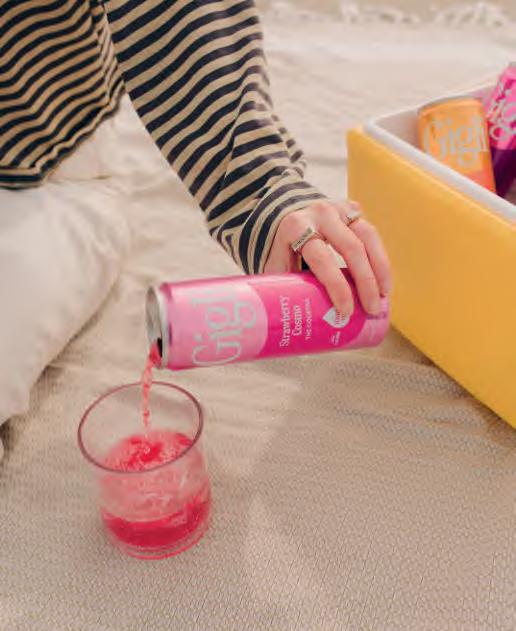
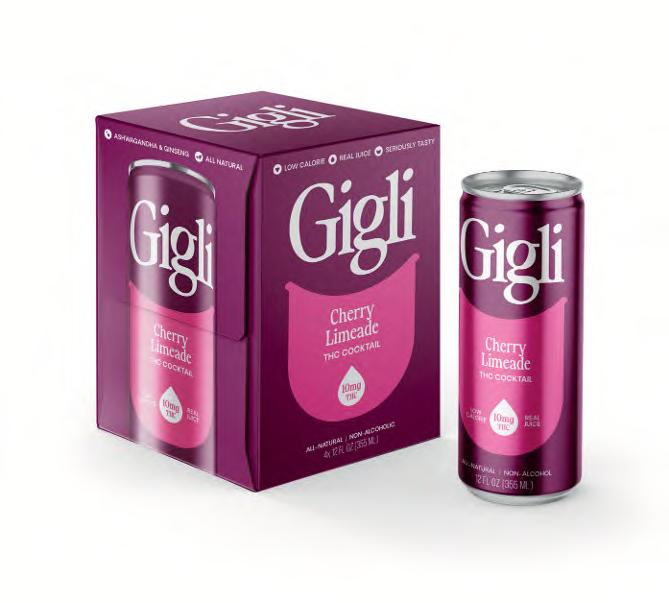
When summer calls for something refreshing, Gigli’s Blueberry Lemonade THC Cocktail answers with bold favor and effortless enjoyment. Combining ripe blueberry notes with a bright burst of lemon, this cocktail delivers the perfect balance of sweet fruit and crisp citrus. The result is a smooth, refreshing drink that feels tailor-made for warm afternoons, backyard gatherings, and sunset celebrations. Blueberry emonade captures the nostalgic taste of a classic summer favorite while elevating it with igli’s signature THC e perience. Each sip opens with juicy blueberry favor before fnishing with a clean lemon lift that keeps the palate refreshed and ready for more. ight, vibrant, and endlessly drinkable, Blueberry emonade stands out as the ultimate seasonal companion. Whether enjoyed poolside, at a barbecue, or during a rela ing evening outdoors, it’s a favor that embodies everything people love about summer bright, carefree, and unforgettable. With its refreshing profle and balanced character, it’s the kind of drink that turns ordinary moments into memorable ones and keeps the summer spirit going long after the sun goes down.
La Sirena Tequila Gigli
Mango - Mimosa Royale
Mimosa Royale is a local California Winery that makes the “World’s First Ready to Drink Mimosa”®. Starting in 2014, they pioneered the favored wine category and have crafted a PREMIUM canned wine that has won so many International Wine Competitions that they are also trademarked as “ The World’s Most Awarded Flavored Wine”®. Mimosa Royale is a certifed women-owned (WBENC) family-owned company that uses a proprietary blended Muscato Wine, lightly carbonated, with 100% real fruit juice. Mimosa Royale canned wine is the only 100% allnatural, gluten-free, Kosher-certifed (OU) RTD with no Artifcial Colors or Flavors, No Added Sugars, and 9% ABV. Beware, this is not a wine cooler with low ABV or a seltzer made with water, malt, or cheap grain alcohol. Mimosa Royale is a one-of-a-kind, premium canned wine that flls the white space between Hard Seltzers and Fine Wine.
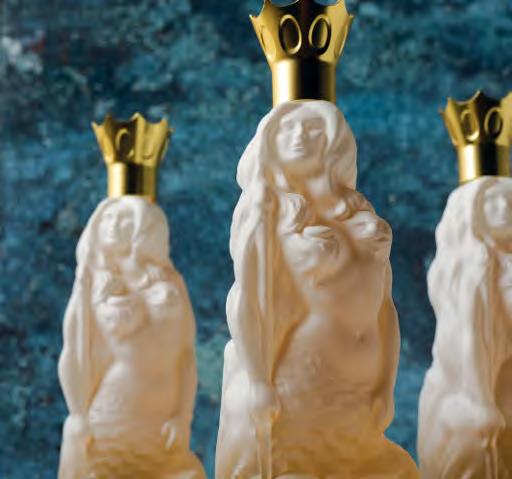
La Sirena Tequila Reposado is what happens when craft meets intention. Produced at Mexico’s most awarded female distillery — in the highlands of Jalisco, this women-owned spirit rests for a minimum of six months in American white oak, developing a warm amber profle that balances vanilla and toasted caramel with the agave’s natural minerality. The result is a reposado that doesn’t ask to be noticed — it commands it. Smooth enough to sip neat, complex enough to elevate any occasion, La Sirena Reposado is built for those who drink with discernment. It is ultra-premium tequila with a story worth raising a glass to.
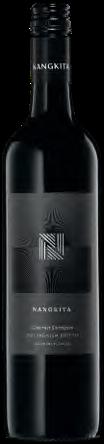
Nangkita Vineyard
Nangkita Vineyard is a boutique single-vineyard estate located in South Australia’s Southern Fleurieu region, where a cool Mediterranean climate, deep sandy soils, and underlying limestone create ideal conditions for producing premium, low-yield wines. Infuenced by e pansive southern ocean breezes, the vineyard enjoys a long, even growing season that allows fruit to develop e ceptional balance, purity, and character. Crafted with minimal intervention, Nangkita wines are an authentic e pression of place, showcasing the region’s distinctive terroir. Rich and beautifully structured, the wines reveal layers of ripe blackberry, blueberry, black cherry, and boysenberry, accented by baking spice, cedar, licorice, violet, and subtle tobacco notes. A concentrated palate, refned tannin structure, and remarkable length deliver both power and elegance, resulting in wines of e ceptional depth and comple ity. Pure, e pressive, and unmistakably site-driven, Nangkita Vineyard produces wines designed to leave a lasting impression long after the fnal sip.
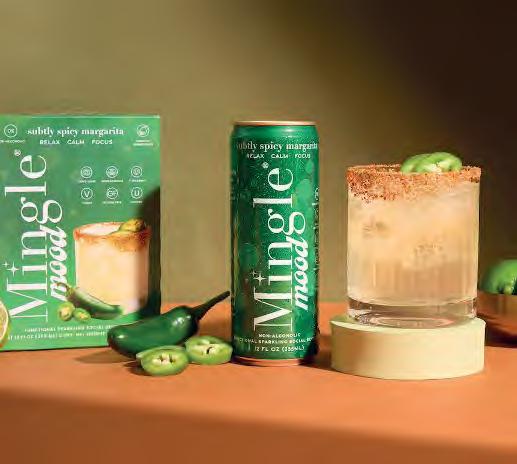
Mingle Mocktails
Mingle Mocktails just launched two new functional favors under their Mingle Mood line, and the Subtly Spicy Margarita is already a standout. This alcohol-free riff on the classic combines zesty lime, crisp citrus, and a gentle jalape o kick infused with ashwagandha, lion’s mane, and -theanine to calm the mind, sharpen focus, and promote balance. The additions e pand Mingle Mood, the functional beverage line the brand debuted in September 0 to immediate fanfare Mingle hit its highest-revenue month ever within 90 days of launch. These two new favors are a direct response to that momentum, built with summer in mind. The brand has grown fast now stocked in over 10,000 stores nationally including Target, Whole Foods, Total Wine, Kroger, and Walmart Mingle achieved national distribution in under a year, with double-digit growth for three consecutive years.
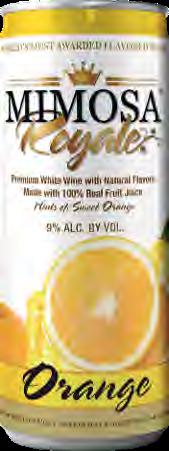
Orange - Mimosa Royale
Mimosa Royale is a local California Winery that makes the “World’s First Ready to Drink Mimosa”®. Starting in 2014, they pioneered the favored wine category and have crafted a PREMIUM canned wine that has won so many International Wine Competitions that they are also trademarked as “ The World’s Most Awarded Flavored Wine”®. Mimosa Royale is a certifed women-owned (WBENC) family-owned company that uses a proprietary blended Muscato Wine, lightly carbonated, with 100% real fruit juice. Mimosa Royale canned wine is the only 100% allnatural, gluten-free, Kosher-certifed (OU) RTD with no Artifcial Colors or Flavors, No Added Sugars, and 9% ABV. Beware, this is not a wine cooler with low ABV or a seltzer made with water, malt, or cheap grain alcohol. Mimosa Royale is a one-of-a-kind, premium canned wine that flls the white space between Hard Seltzers and Fine Wine.
Pineapple - Mimosa Royale
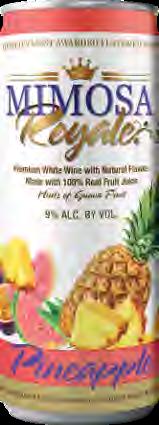
Mimosa Royale is a local California Winery that makes the “World’s First Ready to Drink Mimosa”®. Starting in 01 , they pioneered the favored wine category and have crafted a PREMIUM canned wine that has won so many International Wine Competitions that they are also trademarked as “ The World’s Most Awarded Flavored Wine”®. Mimosa Royale is a certifed women-owned (WBENC) family-owned company that uses a proprietary blended Muscato Wine, lightly carbonated, with 100% real fruit juice. Mimosa Royale canned wine is the only 100% all-natural, gluten-free, Kosher-certifed (OU) RTD with no Artifcial Colors or Flavors, No Added Sugars, and 9% ABV. Beware, this is not a wine cooler with low ABV or a seltzer made with water, malt, or cheap grain alcohol. Mimosa Royale is a one-of-a-kind, premium canned wine that flls the white space between Hard Seltzers and Fine Wine.
Puerta del Abra
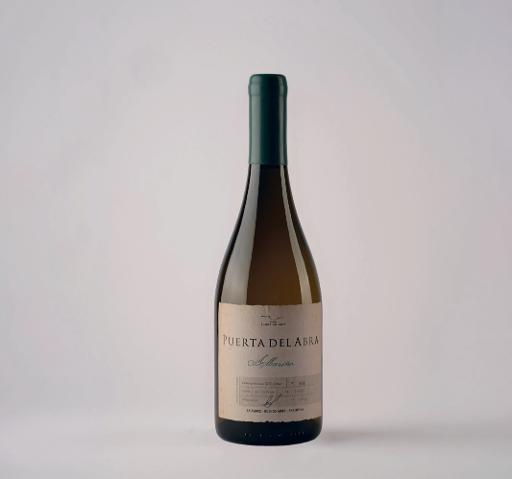
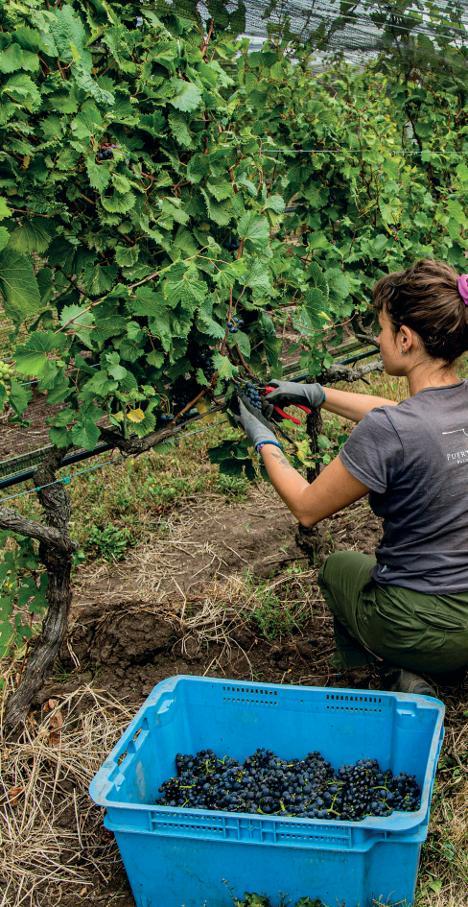
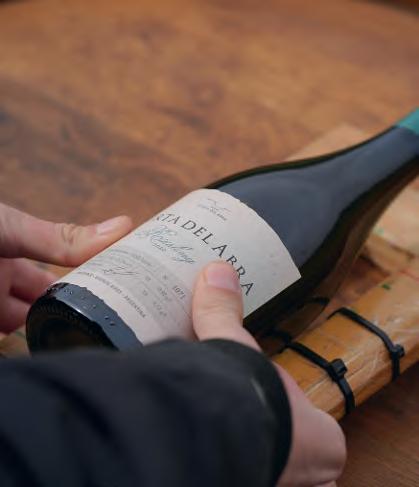
Nestled within Argentina’s ancient Tandilia mountain range, Puerta del Abra’s Albariño 2022 is an authentic expression of terroir-driven winemaking at its most precise. Hand-harvested from the El Vallecito vineyard, rooted in limestone soils dating back over 2.2 billion years, each of the 1,300 bottles captures the singular character of this ancient landscape. Pale yellow with bright green hues, its nose reveals lifted notes of lime peel and yellow grapefruit. Fermented in stainless steel with selected yeasts and without malolactic fermentation, the palate balances bright acidity with a silky, well-rounded richness developed through eight months of careful lees aging. Clean, refreshing, and built with real character.
Pinino
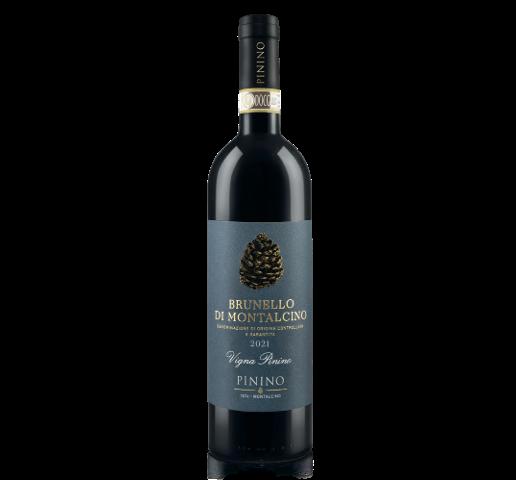
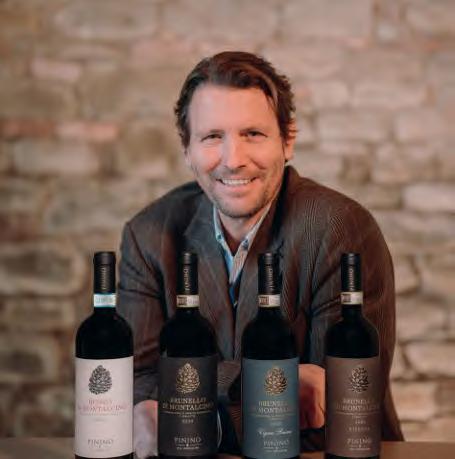
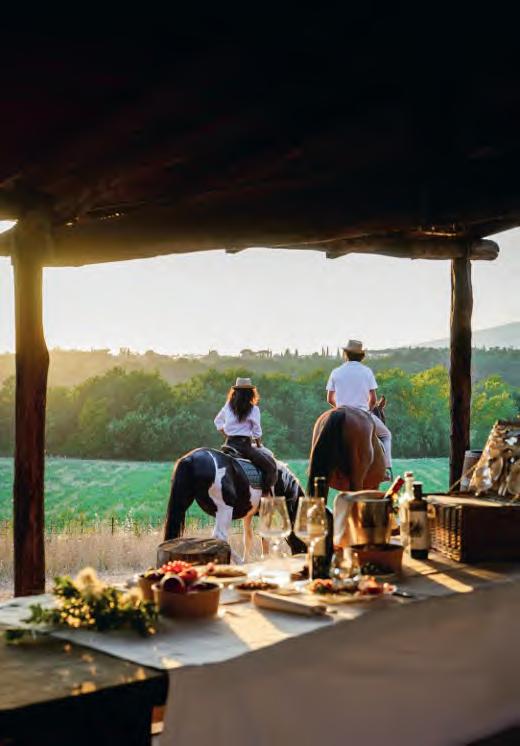
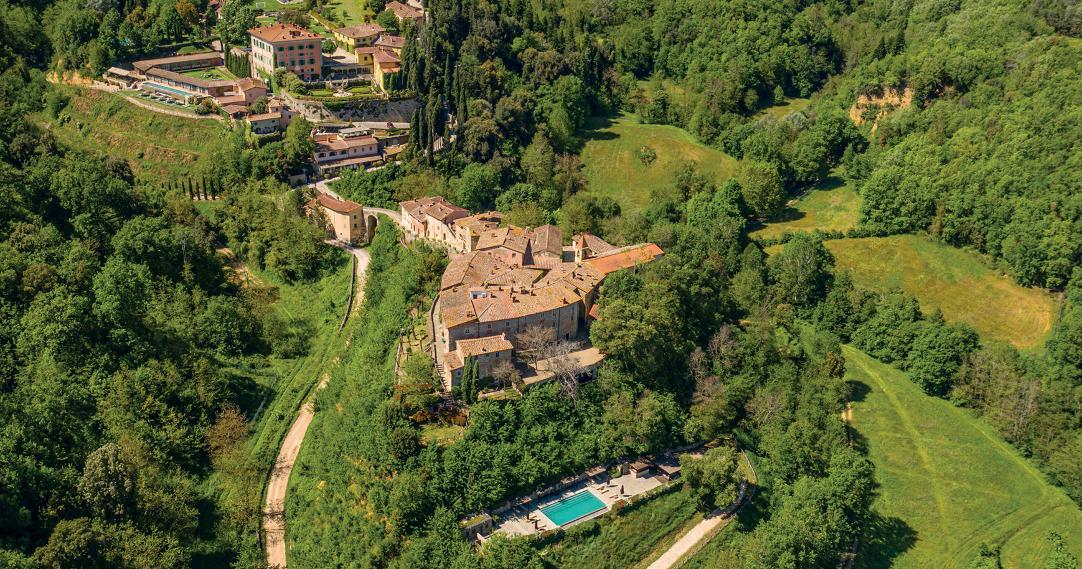
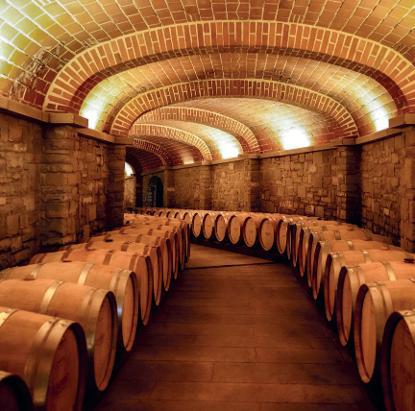
Located in the prestigious Montosoli area of Montalcino, Pinino has long been recognized for producing elegant, terroir-driven expressions of Sangiovese. Since Ferruccio Ferragamo acquired the estate in 2024, the production has been geared toward excellence, under the guidance of his son Salvatore Ferragamo and Pinino will continue to develop as a distinct expression of Montalcino integrating sustainable viticulture and long-term investment in quality. Brunello Vigna Pinino is a cru obtained solely from the selection of the homonymous vineyard, nestled in the historical heart of the property. The 2021 wine has a deep, intense ruby red colour. Elegant and refned both in the nose and in the mouth, it features notes of red fruits such as cherries, black cherries, redcurrants and raspberries, that are enhanced and not drowned out by the wood. Harvest usually takes place during the frst half of October and is done entirely by hand.
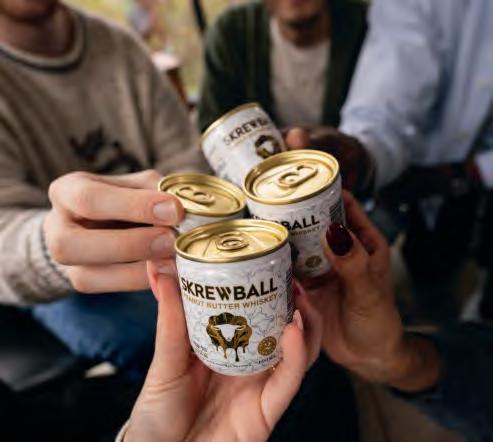
Skrewball
Skrewball Peanut Butter Whiskey, the spirit that turned a beloved favor into a bona fde category, is now available in a 100ml can, and it might be the most fun, portable pour of the summer. The same smooth, sweet, peanut butter whiskey that built a cult following is now ready to go wherever the day takes you the golf course, the patio, the cooler, the tailgate. No big bottle to lug around. ust crack, sip and let the good times roll. With the e perimental favored spirits trend showing no signs of slowing, Skrewball’s canned format makes the category more accessible than ever. A standout pick for spirits enthusiasts who want something une pected in the best possible way.
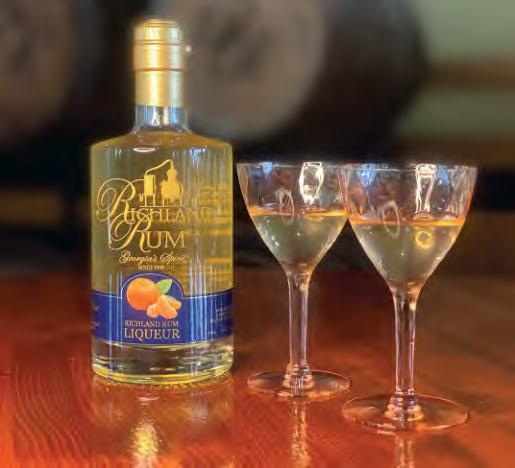
Richland Satsuma
Richland Satsuma Orange Rum i ueur is crafted from only the fnest real ingredients—estate-grown sugar cane and satsuma oranges cultivated on neighboring farms in Georgia, and pure natural spring water from the same farms. Using a time-honored artisanal process, fresh, whole, unpeeled Satsuma oranges are carefully immersed in premium Richland Virgin Coastal Rum and slowly cured for several months. The gentle infusion captures the fruit’s bright oils and vivid aromas, creating a smooth, richly layered liqueur. This is a true liqueur - never fermented or distilled and has no preservatives, no artifcial favors, and no added colors. Naturally sweet and exceptionally balanced, Richland Satsuma Rum Liqueur is perfect to enjoy on its own as an aperitif or digestif, or as the signature base of a refned Richland Rum Runner or Mai Tai cocktails.
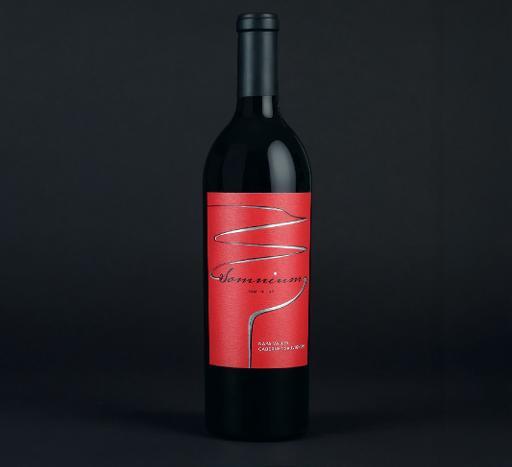
Somnium
Founded by Danica Patrick, Somnium atin for “dream” refects the vision of creating world-class Napa Valley wines rooted in purity and place. The 0 Napa Valley Cabernet is crafted from organically farmed vineyards with a low-sulfte, minimal-intervention philosophy that allows the fruit and vineyard to speak naturally. Rich and polished, it reveals layers of dark blackberry, cassis, and ripe plum, framed by notes of mocha, cedar, and warm baking spice. A supple te ture and refned tannin structure create balance and elegance, while a long, lingering fnish speaks to both power and restraint. Thoughtful, bold, and deeply connected to the land, it is a modern Napa Cabernet built for both the table and the cellar.
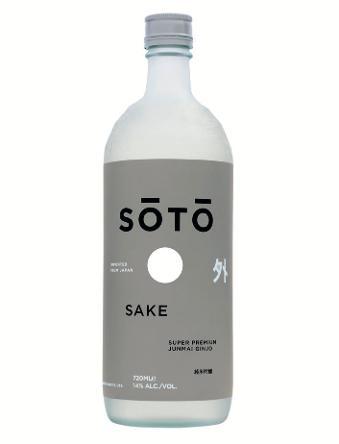
SOTO
SOTO Junmai Ginjo is a super-premium Japanese sake crafted in the renowned Nagano Prefecture, where pristine snowmelt from the Japanese Alps and generations of brewing expertise converge to create an exceptional expression of purity and balance. Meticulously brewed and bottled at origin, this Junmai Ginjo showcases elegant aromas of white grape, apple, banana bread, and fresh basil, complemented by a refned mineral backbone. The medium-bodied palate offers vibrant acidity, subtle berry and stone fruit notes, and a silky texture layered with rich umami, making it remarkably versatile for food pairing. Produced without additives, preservatives, sulftes, or added sugar, the all-natural, gluten-free sake refects SOTO’s commitment to authenticity and craftsmanship. Encased in a distinctive package inspired by Nagano’s iconic snow monkeys, SOTO unmai injo delivers a refned sipping experience that celebrates the terroir, culture, and artistry of one of apan’s most celebrated sake-producing regions.
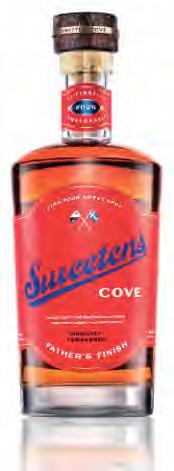
Sweetens Cove
Sweetens Cove’s newest limited edition Father’s Finish is a perfect blend of everything we love about both Kentucky and Tennessee bourbon. The brand, born out of a TN golf course of the same name by a team including legendary quarterback Peyton Manning and tennis great Andy Roddick, has timed the new release perfectly for summer’s big events, namely Father’s Day and the U.S. Open. The 2026 First Release is a blend of aged Kentucky and Tennessee bourbons, fnished in cuv e wine barrels and bottled at 98 proof. It’s a small run (just 1,000 cases nationwide) designed as an annual, collectible release. Packaging leans into the moment with a bold red label and patriotic accents, plus the return of Sweetens Cove’s signature magnetic ballmark embedded in the cork closure - a nod to the brand’s golf roots.
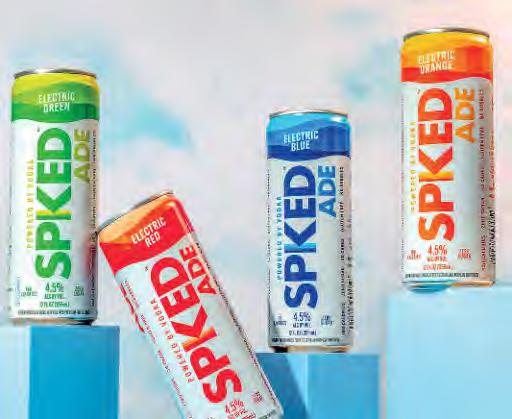
SpikedAde
A new wave of drinking has arrived — and SpikedAde is setting the pace. The frst vodka-based RTD to combine the favor and function of sports drinks with the clean fnish of premium vodka, SpikedAde delivers where others have yet to venture. At just 100 calories, zero sugar, and g carbs with no bubbles and no artifcial aftertaste it’s a functional vodka RTD built for people who want to stay in the game, socially and physically. What sets SpikedAde apart isn’t just the li uid. It’s the intention behind it. Created by players, for players, and designed for sustained enjoyment across all-day social occasions, SpikedAde has carved out a distinct cultural identity in a fast-moving space. Bold favors. Clean credentials. A personality that’s confdent without being loud.
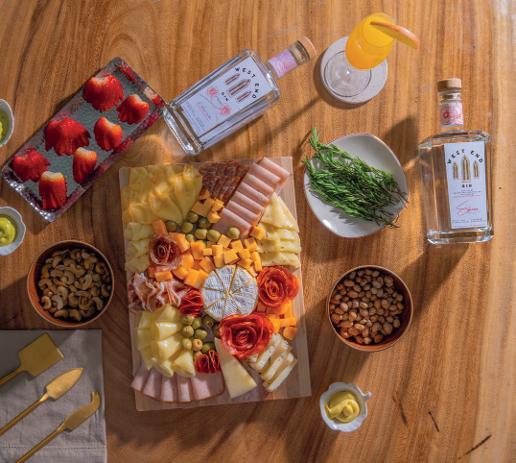
West End Gin
West End Gin is a two-expression portfolio born in Louisville, Kentucky the last city you’d e pect to fnd a boundary-pushing gin, and e actly why Dr. Dawn and Stacey Wade built it there. Both expressions share a 1 -botanical vapor-e tracted base juniper, grapefruit peel, lemongrass, jasmine, grains of paradise, and nine more that bridges classic ondon Dry structure with unmistakably modern comple ity. The Original leads with bright, spiced citrus cardamom and Meyer lemon building toward a clean, peppery fnish. The Rose Ann Edition layers rosebud petals and fenugreek over that same foundation, softening the profle into something foral, lightly sweet, and e ually at home in a spritz or neat with a s ueeze of orange. Black-owned and female-led, West End in donates 1 from every bottle to community empowerment in ouisville’s West End, the neighborhood that gave this brand its name and its purpose.
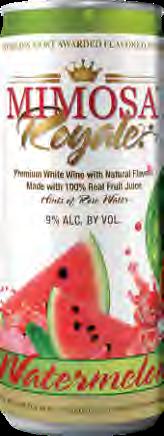
Watermelon - Mimosa Royale
Mimosa Royale is a local California Winery that makes the “World’s First Ready to Drink Mimosa”®. Starting in 2014, they pioneered the favored wine category and have crafted a PREMIUM canned wine that has won so many International Wine Competitions that they are also trademarked as “ The World’s Most Awarded Flavored Wine”®. Mimosa Royale is a certifed women-owned (WBENC) family-owned company that uses a proprietary blended Muscato Wine, lightly carbonated, with 100% real fruit juice. Mimosa Royale canned wine is the only 100% allnatural, gluten-free, Kosher-certifed (OU) RTD with no Artifcial Colors or Flavors, No Added Sugars, and 9% ABV. Beware, this is not a wine cooler with low ABV or a seltzer made with water, malt, or cheap grain alcohol. Mimosa Royale is a one-of-a-kind, premium canned wine that flls the white space between Hard Seltzers and Fine Wine.
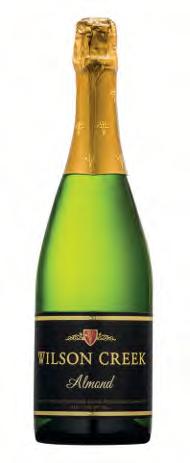
Wilson Creek Winery
Wilson Creek Winery’s Almond Sparkling Wine is a Temecula Valley icon that has redefned celebratory sparkling wine with its unmistakable almond character and approachable style. Naturally fermented and delicately infused with pure almond essence, this lively sparkler opens with aromas of sweet marzipan, toasted sugar, and fresh brioche. Fine, persistent bubbles lead to a crisp, refreshing palate balanced by subtle sweetness and a smooth fnish. Beloved for its versatility, it pairs effortlessly with brunch favorites, creamy cheeses, fruit-forward desserts, and festive gatherings of every kind. Crafted by the Wilson family, this wine embodies the winery’s signature philosophy of warm hospitality, joyful e periences, and making wine approachable for all.
BOLD FLAVOR, LOCAL ROOTS:
WHY TART CHERRIES BELONG ON TODAY’S MENU
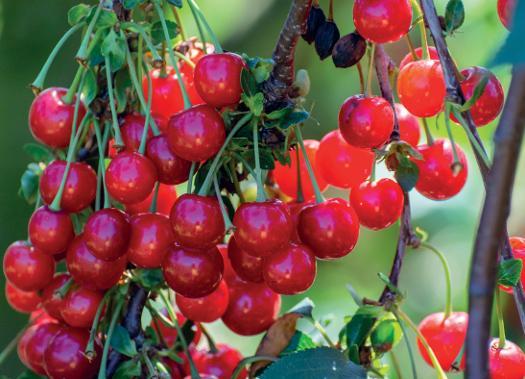
In modern kitchens, ingredients are expected to do more than taste good. They have to show up across dayparts, support new flavor and functional food trends, all while still making operational sense. Tart cherries do all of that. Nearly all tart cherries grown in the U.S. are Montmorency—a single variety that delivers consistent flavor, color, and performance chefs can count on. With their vivid color, bright tang, and American-grown story, they are an ingredient that fits where foodservice is headed, not where it has been.
Flavor that fits today’s palate
Guests are drawn to bolder, more layered flavors: sour, salty, spicy, fermented, and umami-rich. Tart cherries slide right into that conversation. Their natural sweet-tart profile sharpens rich foods, keeps sugary items in check, and adds a clean, fruit-forward note that feels modern, not oldfashioned.
On menus that lean into gochujang, chili crisp, global spice blends, and smoked elements, tart cherries work like a connector. They round off the edges of heat, wake up slow-cooked meats and vegetables, and add contrast to familiar comfort dishes. Whether you are riffing on a classic or developing something completely new, their flavor gives you a clear signature note that guests recognize and remember.
One fruit, all day long
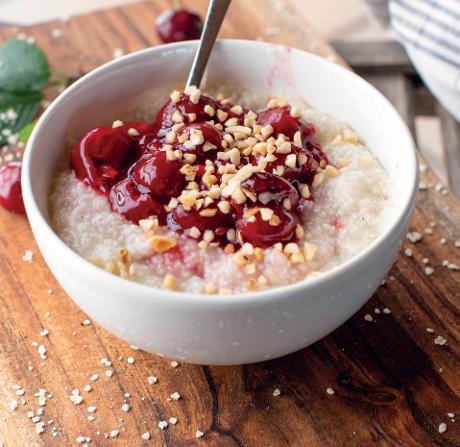
Tart cherries earn their keep from breakfast through late night, moving seamlessly across dayparts and menu categories. In the morning, tart cherries lift bowls, yogurt parfaits, hot cereals, baked goods, and graband-go snacks. At lunch and dinner, they find a home in glazes, pan sauces, relishes, chutneys, and braises, where their acidity cuts through richer meats and roasted vegetables. By dessert, they move beyond nostalgia to add tension and contrast to cheesecakes, custards, chocolate items, and frozen desserts.
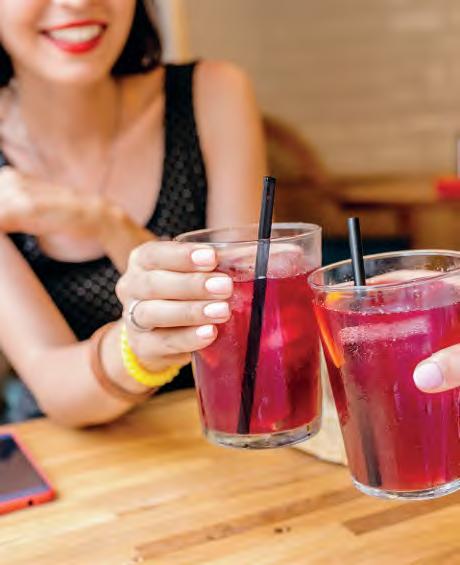
That versatility extends beyond the kitchen to behind the bar, where they anchor spritzes, sours, and spirit-free cocktails, bringing structure, color, and a natural story to the glass. They play well with amaros, bitters, fresh herbs, and citrus, and their deep red hue signals that something more thoughtful is happening than just another syrup.
The through line is simple. Wherever your menu needs brightness, balance, and visual pop, tart cherries can get the job done.
Built for busy operations
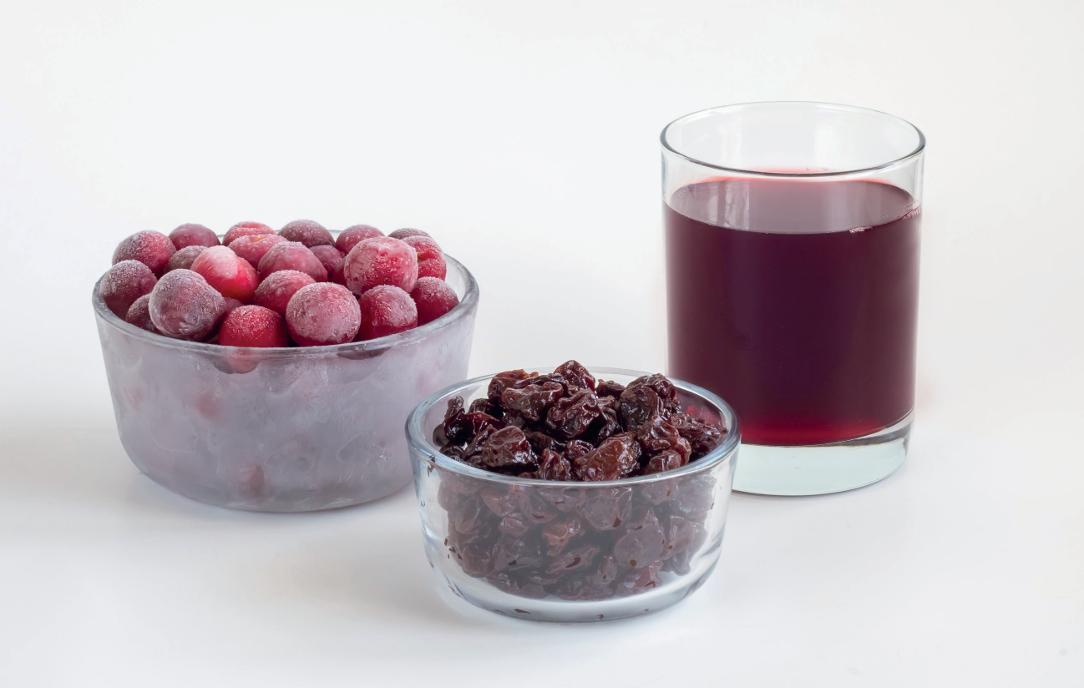
Versatility only matters if an ingredient works in real kitchens. Tart cherries do, thanks to the range of formats available to operators. You won’t typically find them fresh—tart cherries are best captured at peak ripeness and quickly preserved to lock in their flavor, color, and functional benefits. As a result, they deliver consistent quality, reliable performance, and yearround availability in foodservice formats. Dried, frozen, juice, concentrate, and canned forms all bring their own strengths and make it easier to keep tart cherries on the menu year-round.
Wherever your menu needs brightness, balance, and visual pop, tart cherries can get the job done.
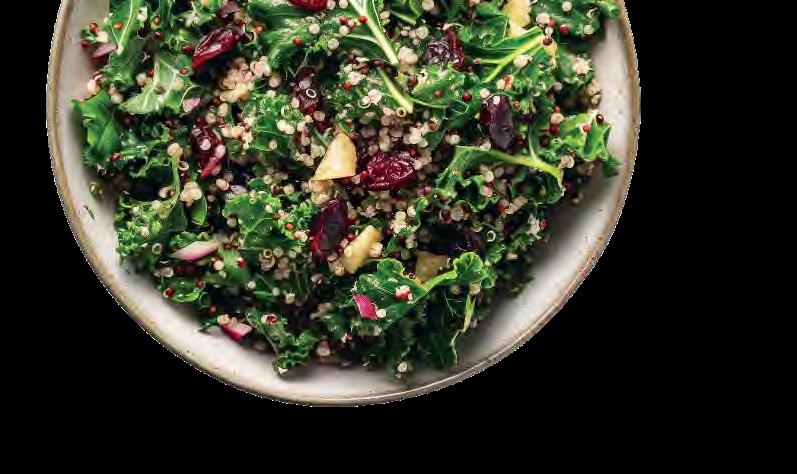
Dried tart cherries add chew and concentrated flavor to salads, trail mixes, cookies, bars, and grain bowls. Frozen fruit delivers consistent quality for sauces, desserts, and blended drinks, long after fresh options have disappeared from the market. Juices and concentrates fold smoothly into dressings, reductions, marinades, batters, and beverage builds. Canned tart cherries offer ready-to-use fruit that performs reliably in high-volume and high-pressure service windows.
Having multiple format options lets culinary and beverage teams emphasize one ingredient, then express it in multiple ways, simplifying purchasing and inventory while expanding menu reach.
Functional appeal that feels natural
Guests are increasingly looking for better-for-you choices that not only taste good, but also let them feel good about what they’re eating. Tart cherries step naturally into that space. Montmorency tart cherries are known for their deep red color, which comes from natural compounds called anthocyanins—also linked to antioxidant activity.
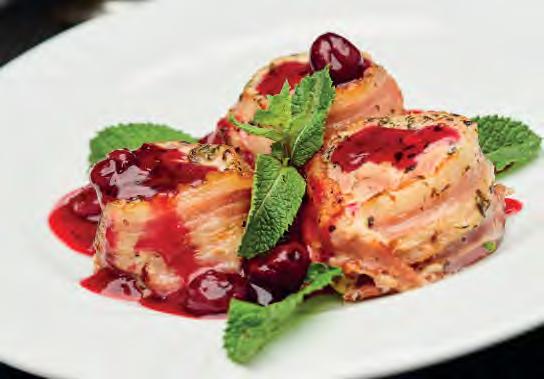
Most operators are careful about how they talk about nutrition, but they also know that diners pay attention to ingredients with a functional halo. A grain bowl with roasted vegetables and tart cherry relish, a salmon entrée with a tart cherry glaze, or a signature mocktail built on tart cherry juice and herbs is the kind of offering that lets guests feel like they are choosing with both flavor and functional well-being in mind.
Grown close to home
In an era when origin stories influence choices, tart cherries can proudly point to their roots. Growers across the U.S., in Michigan, Utah, Washington, Wisconsin, New York, Pennsylvania, and Oregon , have been tending tart cherry orchards for generations. Calling that out on menus gives guests a direct connection to growing regions and real farm, and supports broader consumer demand for local and traceable sourcing.
Listing “U.S.-grown Montmorency tart cherries” instantly adds specificity and authenticity, whether you are talking about a barbecue sauce, a seasonal entrée, or a dessert. It turns a commodity fruit into a featured ingredient.
Color that earns its spot on the plate
Tart cherries bring more than flavor and story. Their deep red color is a powerful tool for presentation. A handful of tart cherries can brighten a salad, stand out against charred meat or roasted vegetables, and add drama to pale grains, creamy cheeses, and neutral-toned desserts.
That visual contrast is not just cosmetic. In a world where diners often see a dish on social media before they see it in person, plate appeal drives trial. Tart cherries help dishes and drinks read as vibrant, craveable, and worth sharing.
Familiar, yet underutilized
Part of the magic of tart cherries is that most guests already know and like the flavor from pies, juices, and preserves. There is comfort in that familiarity. At the same time, tart cherries are still underrepresented in savory, global, and functional applications, which gives operators room to stand out.
They can be the twist in a sticky wing sauce, the bright note in a lamb or pork glaze, the surprise element in a grain bowl, or the anchor of a modern chocolate dessert with sea salt and toasted nuts. They deliver approachability and differentiation in the same bite.
Put tart cherries to work on your menu
Tart cherries line up neatly with the realities of today’s foodservice landscape. They support bold flavor development, operational efficiency, functional positioning, and authentic sourcing, all while delivering a memorable visual signature. For chefs, beverage leads, and menu developers looking for ingredients that can do more without adding complexity, they deserve a permanent place in the pantry.
To explore U.S.-grown tart cherry products, formats, and menu ideas, connect with the Cherry Industry Administrative Board. Visit choosecherries.com to access sourcing resources, culinary inspiration, and tools to bring tart cherries to life across your retail, foodservice, and hospitality menus.
Balcarce’s Quiet Revolution:
Puerta del Abra Redraws Argentina’s Wine Map
When most people think of Argentine wine, the image is familiar: Andean vineyards, high-altitude sun, and Malbec from Mendoza or Patagonia. Balcarce, a cool, windswept prairie in Buenos Aires province, is a diferent story entirely. Until recently it was known more for potatoes and a local meringue dessert than for fine wine, yet in 2022 it became Buenos Aires’ fourth ofcial Geographical Indication, a coastalinfluenced GI framed by the ancient Tandilia mountain system and lying just a short drive from the South Atlantic.
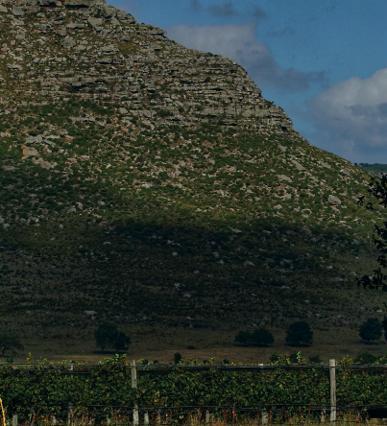
At the center of this shift is a single estate: Bodega Puerta del Abra. Founded in 2013 by businessman and wine lover Jorge Perez Companc and his family, the project set out to prove that serious viticulture could thrive far from Argentina’s traditional Andean strongholds. The family chose a narrow valley between Tandilia’s ridges, on some of the oldest vineyard soils in the country, approaching it as a long-term terroir study driven by a commitment to craft rather than a side experiment.
From day one, the focus was on understanding the ground beneath the vines. The family brought in renowned French soil specialists Lydia and Claude Bourguignon, whose work includes blue-chip Burgundy domaines, to map and analyze the site. Their studies revealed a mosaic of clay and limestone seams, with traces of granite and an evident marine imprint, all at just over 100 meters above sea level and roughly 30 to 50 kilometers from the ocean. Instead of the high, dry desert often associated with
Seasonal variability here is signifcant, meaning each year the wines may carry a completely diferent profle based solely on weather conditions.
Argentina, Balcarce offered a low-lying profile with strong maritime influence, abundant rainfall, and cool Winkler II temperatures. The team is also quick to note that Puerta del Abra represents a very specific micro-location within the GI. Their positioning within the Tandilia system creates unique wind dynamics, and the soil composition is not necessarily representative of the broader Balcarce appellation.
One element that sets this site apart from almost anywhere else in Argentina is what the team calls by-the-vintage work. Seasonal variability here is significant, meaning each year the wines may carry a completely different profile based solely on weather conditions. That is not a liability. It is a defining characteristic and one that drives the estate’s philosophy of continuous experimentation and close listening to the land.
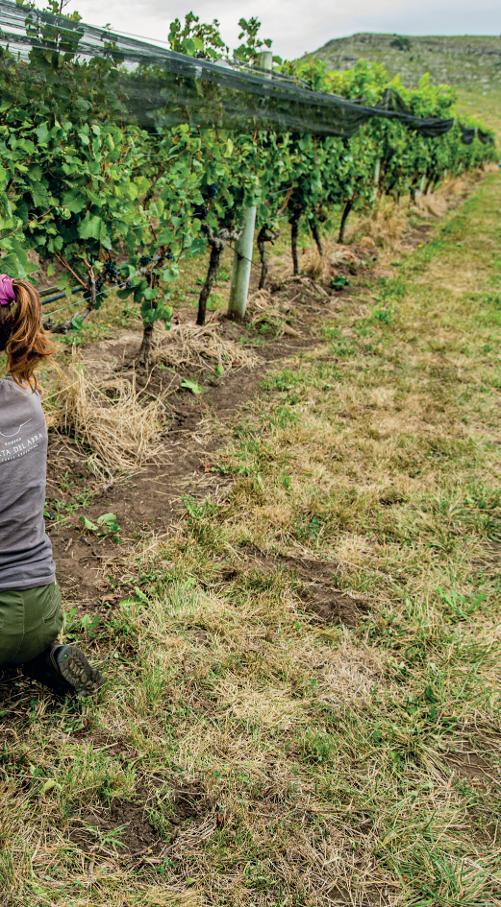
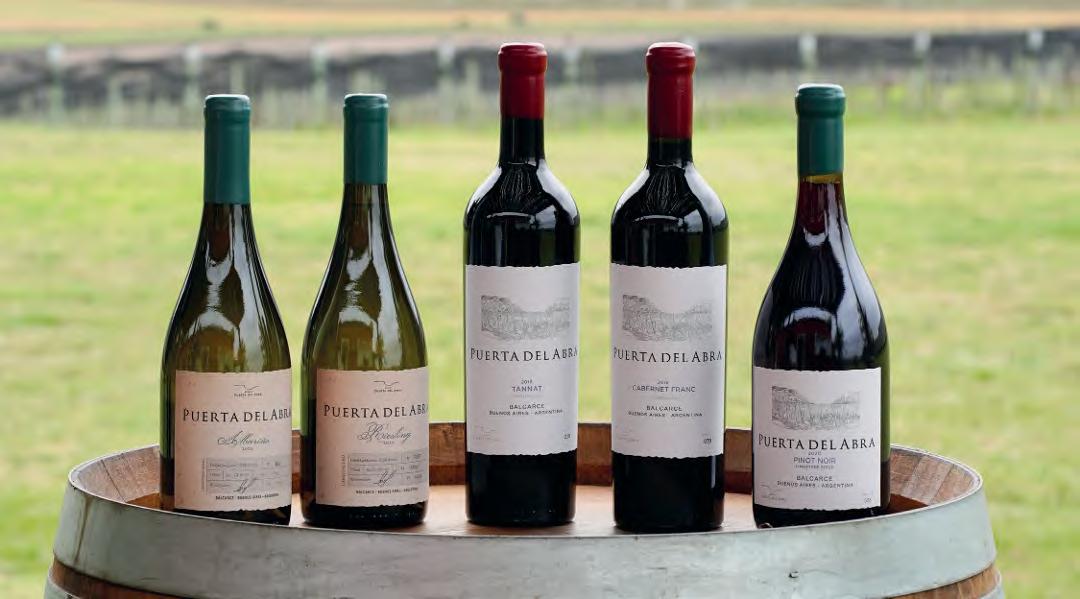
Puerta del Abra planted to match those conditions. Rather than leaning on Malbec, the vineyard is built around Chardonnay, Riesling, and Albaríno for whites, and Pinot Noir, Cabernet Franc, Bonarda, Tannat, and Merlot for reds. Constant Atlantic breezes and moderate summer highs slow ripening and keep alcohol in check, while cool nights preserve acidity. The trade-off is weather risk. The area receives significant annual rainfall, and the vines face little natural shelter from the wind. The winery responds with mesh on the most exposed rows and carefully managed drip irrigation when local droughts or frost risk demand it. The goal is to let the climate shape the wines’ tension and freshness while using human intervention as a scalpel, not a hammer.
Being first in a young GI also means building a culture around the vines. With no existing wine labor pool in Balcarce, Puerta del Abra has looked to hire locally, educating the team as they learn through the terroir and the processes. Inside the winery, collaboration and equal opportunity define the culture. The winemaking team has been female-led since Delfina Pontaroli established the production foundation, and today Mariana Boero serves as head winemaker with Deborah as assistant winemaker. In an industry where that remains uncommon, Puerta del Abra sees it as a natural expression of its values rather than a talking point.
In the glass, the wines feel distinctly Atlantic. The core Puerta del Abra line, presented under that name in the US market, represents the purest varietal expression of their estate vineyard El Vallecito. The Albaríno channels its Old World roots through chalky soils and softer southern light, combining ripe fruit with a quiet mineral line. The Riesling ripens slowly enough to build aromatic complexity without sacrificing its spine of acidity. The Pinot Noir steps out from its traditional role as a sparkling base in Argentina to show an elegant, finely structured still red with real aging potential. The Chardonnay, developed under Velo de Flor, a technique closely associated with Jerez, has proven one of the estate’s most compelling expressions. On the red side, Cabernet Franc has become a portfolio staple with pronounced pyrazine notes as a 100 percent single varietal, while Bonarda tends toward red fruit and gentle spice over a chalk-etched backdrop, and Tannat offers darker fruit with firm but polished tannins and a subtle savory note.
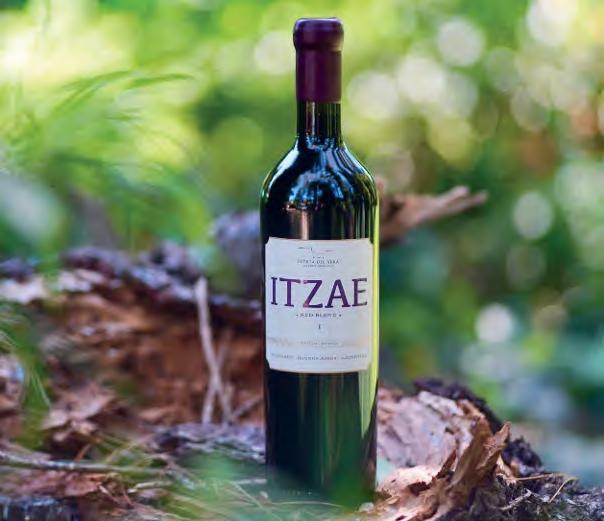
The Itzae line reinforces the exploratory spirit of the team. Each year, micro-vinifications of what is in the winery at that point in time help identify the most compelling expressions of the vintage, which are then assembled into a red and white blend. The result is a wine that changes character from edition to edition, reflecting the full diversity of what the vineyard has to offer in any given year.
Sustainability is woven into every layer of the operation. In 2023, Puerta del Abra obtained vegan certification, formalizing its longstanding practice of avoiding animal-derived fining agents. The team has moved to lighter bottles, implemented Good Agricultural and Manufacturing Practices, and participates in Balcarce’s Green Fridays program promoting environmentally conscious behavior.
Despite growing recognition from Decanter, James Suckling, and Global Masters, the estate has kept production intentionally modest at 40,000 to 50,000 bottles annually. Most domestic allocation goes to high-end restaurants in Buenos Aires, with a Californiabased import arm handling US distribution. Spain and France are already on the map, and the team is exploring further European markets where cool-climate styles and emerging origins resonate.
The estate’s own words capture the spirit of what they have built. “We started this winery as a passion project of the family, something to be shared with those closest to us. As the project evolved, it opened new opportunities, but never losing focus of the foundational spirit. Today, we seek to find those in the industry that share that intimate passion for wine, willing to push boundaries and explore something new. For those, Balcarce awaits.”
For Argentina, Balcarce is proof that the country’s future is not limited to the Andes. For Puerta del Abra, it is a long-term commitment: keep listening closely to an ancient landscape, keep investing in people, and keep refning wines
this
windswept valley between the sierras and the sea.
that could only come from
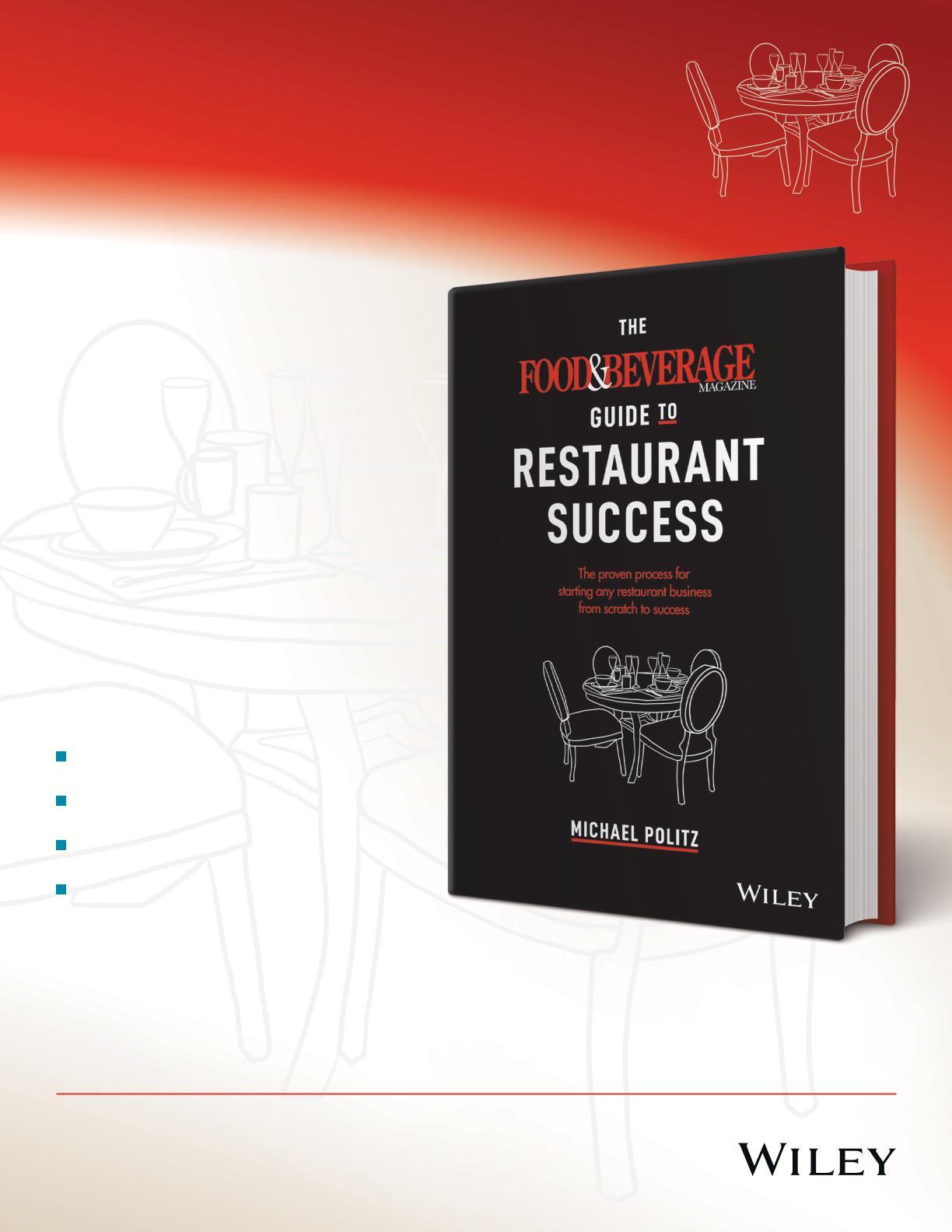
A COMPLETE HOW - TO GUIDE WITH ALL YOU NEED TO KNOW TO OPEN AND RUN A SUCCESSFUL RESTAURANT.
EACH MONTH, COUNTLESS NEW RESTAURANTS OPEN THEIR DOORS as others fail. Despite continuing industry growth, many new restaurants struggle to succeed. Even established restaurants are challenged to stay open. These businesses may have great food and amazing service, yet some still face uncertain futures. Now, help has arrived for restaurant owners and managers!
Food and Beverage Magazine’s Guide to Restaurant Success is written by an industry expert who has opened numerous restaurants and provided valuable restaurateur guidance in the role of a trusted consultant.
This restaurant success guide provides vital information on how to protect the significant investment— sometimes ranging from $250,000 to $425,000— that’s required to open a restaurant and keep it running during the first six months. Author Michael Politz started his career with an ice cream business and went on to found a number of restaurants, a frozen food distribution business, a restaurant consulting service, and a respected online magazine for the food and beverage industry. Politz shares his extensive knowledge gained through both success and failure. With his indispensable guide, you can easily double-check to make sure you’re doing things right.
Get guidance from a restaurant owner’s handbook of what to do and not do
Refer to handy tips and checklists that help you launch your business
Discover insight into the triumphs of Wolfgang Puck, Bobby Flay, Emeril Lagasse, and more
Gain food industry knowledge with a comprehensive restaurant how-to guide
Whether you want to open a burger joint or a fine dining restaurant, this advice-filled resource will help you cover all the details that make a difference. You’ll be better prepared before, during, and after your restaurant launch! Set your establishment up for rave reviews with Food and Beverage Magazine’s Guide to Restaurant Success
MICHAEL POLITZ is the founder and publisher of Food & Beverage Magazine, the leading online magazine and resource in the industry. Michael has developed and branded multiple celebrity bar and nightlife concepts, and has consulted for Fortune 500 Companies such as Hallmark and Safeway Foods. Michael was recognized as one of Entrepreneur Magazine’s Top Forty Executives Under 40.
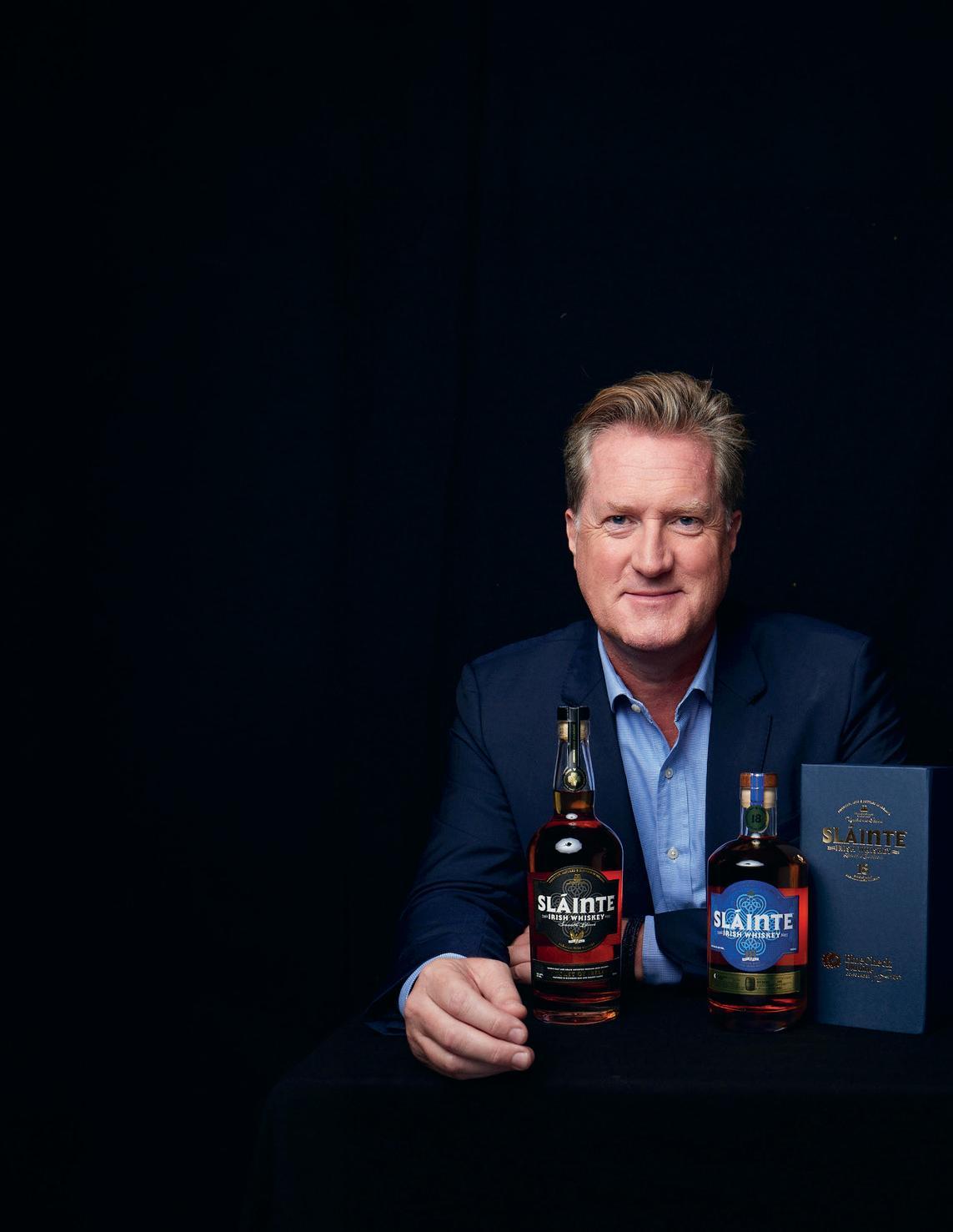
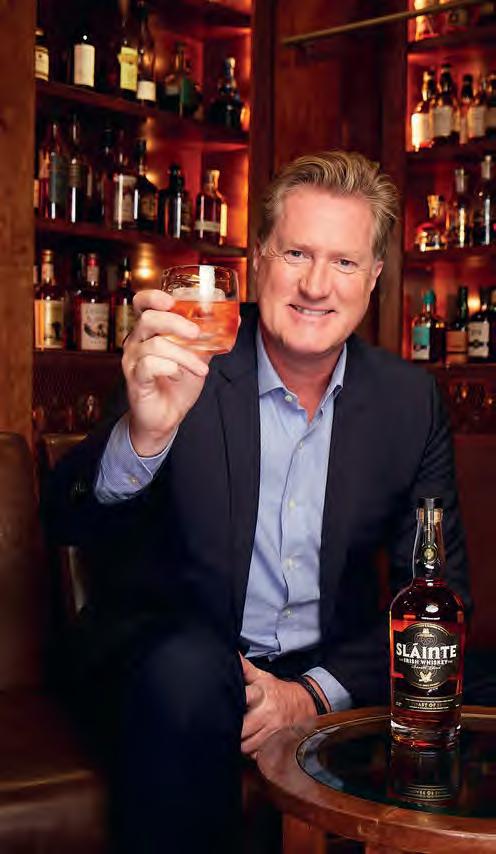
THE MAN BEHIND THE BOTTLE
How
Richard Davies built Sláinte Brands International on trust, craft, and knowing what’s inside
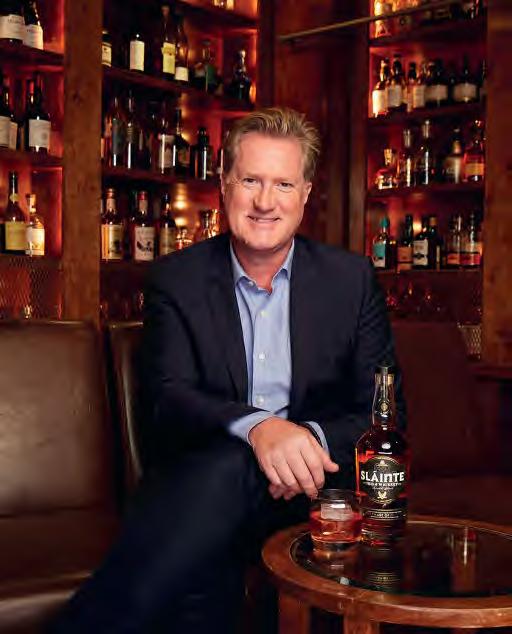
There is a particular kind of knowledge that only comes from standing behind a bar at closing time, from watching a distributor walk away from a deal, from pouring your own money into a liquid you believe in and waiting to see if the world agrees. Richard Davies has that knowledge. All of it.
Davies has spent more than 25 years inside the global beverage alcohol industry, and the word that surfaces fastest when you talk to people who know him is not “visionary” or “innovator.” It is “trusted.” In an industry where reputation travels faster than any press release, that distinction matters more than most outsiders understand.
That reputation now sits at the heart of Sláinte Brands International, the beverage development company Davies built to create, develop, advise, and scale drinks brands across multiple categories. Sláinte Brands International is not simply a consultancy, nor is it just a brand owner. It is the expression of Davies’ entire career: liquid development, brand creation, investor strategy, distributor relationships, retail execution, production partnerships, and the ability to move an idea from concept to commercial reality.
He grew up professionally in the United Kingdom, learning the hospitality and drinks trade the hard way: margins, menus, suppliers, service, and the unglamorous arithmetic of keeping a food and beverage operation alive. That foundation, he will tell you without hesitation, is what separates people who understand this business from people who merely admire it.
“I learned very quickly that this industry is not just about creating a good liquid or a nice-looking bottle,” Davies says. “It is about understanding people.”
It sounds simple. It is not.
Building Sláinte Brands International
The clearest expression of what Davies actually does is Sláinte Brands International, the platform through which he has helped build, guide, and develop beverage opportunities across whiskey, rum, gin, liqueur, beer, ready-to-drink concepts, and emerging drinks ventures.
The company was built around a simple but demanding idea: great drinks brands are not created by one skill alone. They require the right liquid, the right story, the right commercial model, the right partners, and the right route to market. Davies has lived every piece of that process.
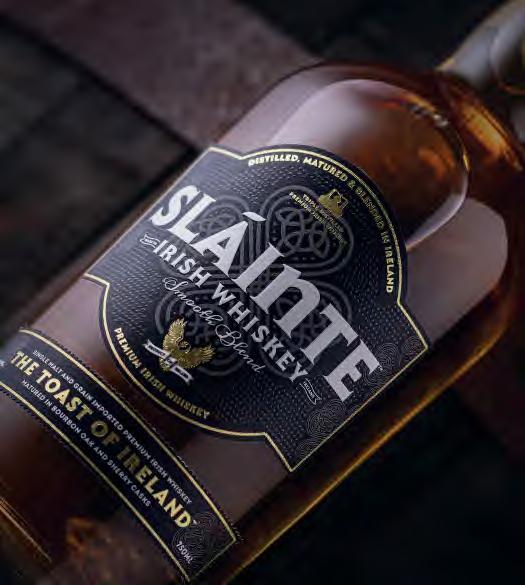
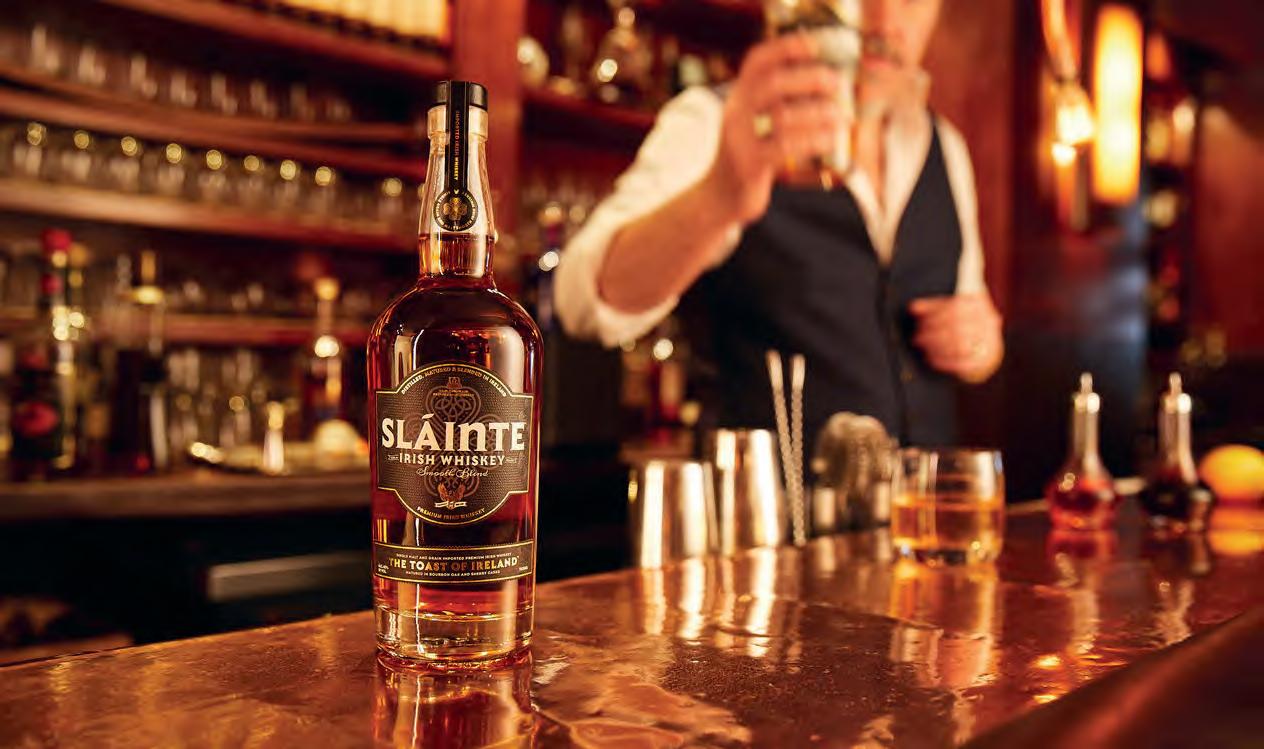
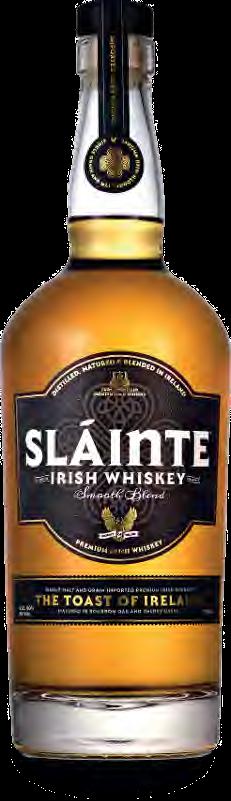
Sláinte Irish Whiskey became one of the most visible examples of this approach. As founder and master blend developer, Davies helped shape the brand from concept to award-winning product, balancing Irish whiskey heritage with the expectations of a contemporary drinker. The brand earned international awards, secured distribution across multiple U.S. markets, and landed on Princess Cruises.
These are not accidents of good packaging. They are the result of what Davies calls “the full chain of events”: liquid development, compliance, production partnerships, investor narrative, retail strategy, distribution conversations, and the kind of relentless follow-through that rarely makes it into a press release.
Through Sláinte Brands International, Davies has increasingly become the person founders, investors, and partners call when they realize how difficult the beverage alcohol industry truly is. His role is not limited to advice from the sidelines. He is involved in the practical machinery of building brands: shaping the product, refining the story, opening commercial conversations, introducing strategic partners, and helping founders understand what the market will actually require.
“Many people underestimate how difficult the alcohol industry is,” he says. “A brand may have a good liquid, a great name, or attractive packaging. But that is only the beginning.”
What follows that beginning is the part that breaks most brands: regulatory compliance, pricing
architecture, distributor relationships, investor expectations, retail placement, production discipline, and consumer demand that has to be earned, not assumed. Davies has navigated every one of those stages, more than once.
A Platform Built on Relationships
Sláinte Brands International is built on a truth Davies has learned repeatedly: this industry runs on relationships.
Not casual relationships. Not social-media relationships. Real relationships earned over years of delivery, trust, commercial honesty, and followthrough.
“Reputation is everything,” Davies says. “The senior side of the drinks industry is smaller than people think.”
People remember who delivers. They remember who exaggerates. They remember who pays attention and who cuts corners when no one is watching. Davies has built his career on being the person people remember for the right reasons,
which means doing what he says he is going to do, bringing partners into opportunities that have been thought through, and being willing to stand behind the work.
That reputation has allowed Sláinte Brands International to attract serious conversations and serious people. One of the most significant is John Paul DeJoria, the co-founder of Patrón Tequila, who has recently become aligned with Davies as a partner and advisor. For Davies, the relationship means something beyond the business value it carries.
“JP is a wonderful individual,” he says. “It’s a blessing to have him as a partner.”
DeJoria has seen enough opportunities to know which ones are built on solid ground. His involvement reflects the type of credibility Davies has earned over decades in the industry.
Knowing What Is Inside the Bottle
Davies is not only a brand strategist. He is a product person.
He is a trained cocktail bartender, a credential he describes with characteristic precision as being “like a liquid chef.” It is not a throwaway line. The bartender’s instinct for flavor, balance, mouthfeel, occasion, and the way a drink actually lands in someone’s hand is embedded in how he evaluates a product.
He understands that the bottle is the final promise to the consumer. The label may create the first impression, but the liquid decides whether someone comes back.
That is why Sláinte Brands International begins with fundamentals. What is the product? Does the brand talk to you? Who is it for? Why will someone buy it twice? Can it be produced consistently? Can it be priced correctly? Can it survive the three-tier system? Can the brand story travel from investor deck to distributor meeting to retail shelf to consumer glass? It’s all about the pull off the shelf.
Davies has judged spirits competitions. He has developed liquids. He has worked with production partners. He has pitched investors. He has stood in front of retailers. He has handled the pressure of turning an idea into a product people actually buy.
That combination is rare.
Davies has judged spirits competitions. He has developed liquids. He has worked with production partners. He has pitched investors. He has stood in front of retailers. He has handled the pressure of turning an idea into a product people actually buy
The Reality of Building Brands
The beverage alcohol industry has always attracted dreamers. Davies respects that. He is one himself. But Sláinte Brands International exists because dreams need structure.
A founder may arrive with a strong idea, a celebrity partner, a family story, or a product they believe in deeply. Davies’ work is to identify whether that idea can become a business. That means asking difficult questions early, before money is wasted and relationships are damaged.
Is the product distinctive? Is the cost of goods realistic? Is the brand legally protected? Is the route to market credible? Are the investors being told the truth? Are the right partners in place? Is the team built for execution, not just excitement?
“Be cautious about who you invite on your journey,” Davies says.
Through Sláinte Brands International, Davies brings a disciplined but entrepreneurial approach to those questions. He understands creativity, but he also understands cash flow. He understands storytelling, but he also understands compliance. He understands the importance of celebrity, influence, and visibility, but he knows none of it matters if the liquid, structure, pricing, production, and distribution are not right.
The Man Behind More Than One Bottle
What makes Davies’ story compelling is not only that he helped build one brand. It is that he has become a builder of brands.
Sláinte Brands International represents a broader body of work: a platform through which Davies applies decades of industry knowledge to multiple beverage opportunities, including brands of his own and brands created with clients, partners, investors, and public-facing personalities.
That breadth matters. It shows that Davies is not simply attached to one product or one moment. His value lies in a transferable skill set: understanding the beverage alcohol industry from the inside and knowing how to connect liquid, story, capital, production, distribution, and consumer demand.
In a sector where many people can talk about building brands, Davies has actually done it.
The drinks industry has always rewarded people who understand that building something real requires more than an idea. It requires the patience to develop the liquid, the discipline to structure the business, the relationships to open doors, and the reputation to keep them open.
Richard Davies understands all of that. Sláinte Brands International is the company he built around that understanding.
He has the partners, the awards, and the industry trust to prove it.
From Behind the Bar to Raising It:
How Guinness Steak Cuts Is Building a New Standard in Meat Snacking
The first bite is the part that gives it away.
It pulls apart like a slow-cooked roast, like something that was made, not manufactured. Marinated, not favored. Somewhere between the frst bite and the wide-eyed look you shoot to the closest witness, the realzation lands. This is steak, unmistakably what it claims to be.
That moment, repeated across grocery shelves and convenience coolers, is what the team at Sidari Artisan Brands was chasing when they built Guinness Steak Cuts. A fast-growing brand-extension platform, Sidari Artisan Brands brings iconic, high-trust cultural brands into modern CPG categories, and Guinness Steak Cuts have put Sidari on the map.
The opportunity Sidari saw was a category ready for something new. Adjacent aisles have stretched in beautiful directions over the last decade: charcuterie has become dinner parties, cheese has earned its own counter, chocolate has split into single-origin bars with tasting notes printed on the wrapper. Meat snacking has its own loyal following and a deep tradition behind it. The white space, the team believed, was for a brand
that bridged the two together. Something that earned its place next to the craft products in any shopper’s cart.
“We didn’t approach this from inside the category,” Daniel Sidari, co-founder of Sidari Artisan Brands, said. “We walked in from a different direction: from the steakhouse, from the pub, from the places where good quality meat has always lived. Once you start there, you start thinking beyond jerky. You start making cuts of steak.”
Guinness Steak Cuts is whole muscle eye-of-round steak — never ground, never formed — marinated with Guinness 0.0 and finished through a proprietary slowcooking process that delivers a tender, flavorful bite.
Guinness
Steak Cuts isn’t solely a beer-aisle product. It’s a premium meat snack that happens to carry one of the most iconic beer brands in the world inside its DNA.
Each 2.5-ounce bag carries 19 to 21 grams of protein, 1 to 3 grams of sugar, and nothing artificial. The SRP runs $8.99 to $10.99. The distinct texture isn’t a manufacturing accident, it’s the whole point.
An Idea That Started With a Pint
The flavor system was the next question. The answer came from an obvious place.
If the brand was going to carry the Guinness name — 267 years of pub tradition behind it — the food had to earn the partnership. Not borrow from it. Earn it. So the team did something distinctive. They reverse-engineered every flavor around how it tastes alongside an actual pint.
The Original cut is built on Irish pot roast: tamari umami, Guinness marinade, the quiet hum of carrot, garlic, and onion underneath. Drink it with a stout and the beer turns darker, rounder, more chocolatey.
The Coffee cut starts with French espresso and amber honey. When it meets the beer, the coffee in the steak silences the coffee notes in the Guinness, and a hint of cherry that’s always been there suddenly steps forward in the pint.
The Chocolate cut layers roasted cacao, molasses, and a whisper of cinnamon. Against the beer, it goes velvety — reminiscent of adding whipped cream to your hot chocolate — more an exercise in texture than taste.
That level of intentionality is the kind of thing that stops a customer mid-walkthrough. But the pairing, Elizabeth Brauser, co-founder of Sidari Artisan Brands, is careful to say, is the origin story, not the requirement.
“The Guinness stout is where the flavors came from. It’s not where the product lives,” she said. “You can open a bag at work, on a commute, on an adventure. Every flavor has to deliver on its own, the moment someone opens the pouch.”
That distinction matters more than it sounds. Guinness Steak Cuts isn’t solely a beer-aisle product. It’s a premium meat snack that happens to carry one of the most iconic beer brands in the world inside its DNA.
Why the Marriage Works
Guinness and steak. The pairing isn’t an idea anyone had to invent, it’s been sitting in kitchens and restaurants for centuries. Two of the greats in their respective categories, the pairing carries the kind of heritage that can’t be manufactured into existence.
And right now, that heritage is doing real work.
The shopper walking past the snack set is asking for an unusual set of things at once. Premium, but not precious. Real ingredients, but ready-to-eat. Indulgent, but with real nutritional substance behind it. Something nostalgic, but built for the way they actually live in 2026.
Guinness Steak Cuts is what arrives when you take all of that seriously at once. It’s pub culture in a resealable bag. It’s a craft product priced like a snack. It’s a rare thing on a shelf, something that pulls people toward it from two directions at the same time and lands them in the same place.
Guinness Steak Cuts holds that position by default, and the name does the heavy lifting on consumer trust at shelf. It pulls the charcuterie buyer down the aisle. It gives the convenience shopper a reason to trade up. It brings firsttime meat snack buyers into the set entirely.
The Early Read
The market validated the thesis early. Guinness Steak Cuts received Double Gold in both Taste and Design at the 2025 CPG Awards by Food & Beverage Magazine, recognizing excellence in product experience and visual execution. Since its retail debut last fall, the brand has expanded to a national Amazon launch and is actively moving across grocery, convenience, fuel center, military, bar, and liquor store formats.
“We built this to live everywhere our customer lives,” Brauser said. “What’s encouraging is how naturally it’s traveling across formats that usually demand different products.”
One More Bite
What sets Guinness Steak Cuts apart isn’t any single thing. It’s the accumulation. Guinness Steak Cuts lives at the intersection of gourmet and convenience: it travels with you, fits in a bag, works on the go. But it also rewards the consumer who slows down. Take a sip, take a bite. That’s where the full story lands.
For more information, visit guinnesssteakcuts.com. For wholesale inquiries, visit guinnesssteakcuts.com/wholesale.
WHERE FLAVOR MEETS PHILANTHROPHY
Supporting and Empowering Latino Youth in the U.S.
CREATING SEASONED LEADERS
The Aarón Sánchez Impact Fund empowers Latino youth with culinary arts scholarships, mentorship, and access to food and wellness resources. Since 2016, we’ve invested over $1.5 million to expand food education and create opportunities to thrive in the culinary world and beyond. The Fund also partners with nonprofits to provide culinary education and improve food access, ensuring Latino youth have the tools to succeed while honoring their roots.
www.aaronsanchezimpactfund.com
Photo Credit: Emeril Lagasse Foundation.
LEADERSHIP, LEGACY, VISION
Il Borro is not just a place, it’s a legacy. And wherever we go, that sense of authenticity and continuity has to remain intact.
To Salvatore Ferragamo: As Il Borro continues to expand internationally, particularly into the U.S., what elements of the brand experience are non-negotiable to preserve?
For us, it’s about preserving the integrity and the authenticity of what Il Borro stands for. As we expand, the priority is not to adapt to trends, but to remain consistent with our identity.
That means staying true to our Tuscan roots, to a certain way of doing things, from the ingredients we choose to the atmosphere we create. It’s a balance between evolution and coherence, but the foundation doesn’t change.
Il Borro is not just a place, it’s a legacy. And wherever we go, that sense of authenticity and continuity has to remain intact.
To Salvatore Ferragamo: You come from one of the most iconic family legacies in Italian luxury—how have you personally redefned what “luxury” means through your work at Il Borro?
I didn’t feel the need to redefne luxury as much as to translate it into a diferent world.
At Ferragamo, luxury has always been about quality, craftsmanship, and a very clear sense of identity. At Il Borro, we work with those same principles, just expressed through land, wine, and hospitality.
All moves in the same direction, focusing on the experience we create for those who drink our wine or stay at our Relais: it has to create a long lasting memory.
To Salvatore Ferragamo: Il Borro feels both deeply rooted in Tuscan heritage and globally forward-thinking. How do you strike that balance between honoring tradition and pushing innovation?
We look at tradition and innovation not as opposites but together. If anything, innovation should empower tradition, not replace it.
At Il Borro, tradition is the framework, how we grow, how we produce, how we host, the ingredients. Innovation comes in as a tool for precision, to refne and enhance what already exists.
For example, in the vineyard, in line with our sustainability approach, we follow old practices like a natural technique called sexual confusion to protect the vines, with small pheromone difusers that disrupt the mating cycle of insects, reducing the need for intervention. It’s a method with roots
going back decades used in France,but now has been improved through a more precise application of technology.
So the balance comes from respecting what’s there, but not treating it as untouchable. It has to stay alive, and that means evolving it with intention.
Sustainability
To Salvatore Ferragamo: How do you see regenerative agriculture infuencing the future of both fne wine and luxury hospitality on a global stage?
I see regenerative agriculture as a necessary evolution.
For wine, it’s quite direct: healthier soils, better balance in the vineyard, and ultimately more precise wines. It’s not just an environmental choice; it’s also a quality decision.
In hospitality, the impact is broader. It changes how you think about sourcing, about seasonality, about the relationship between the land and the guest experience. It creates a stronger sense of place, which is something people are increasingly looking for.
On a global level, I think it will become less of a diferentiator and more of an expectation. The real challenge is to approach it seriously — not as a statement, but as a long-term commitment that must be consistent across everything you do.
To Salvatore Ferragamo: Il Borro manages a certifed organic estate with an already signifcantly reduced environmental footprint. You are working to rigorously measure and communicate your full carbon footprint, including emissions absorbed by your forests and Scope 3. How do you reconcile the ambition of becoming carbon positive with the need for transparent and verifable reporting?
Sustainability, to be credible, must be measurable. And measuring well takes time and method.
What we can say with certainty today is that our renewable energy production grows every year: we have gone from the frst eight photovoltaic systems in 2013 to eighteen today. In 2024, we produced 2.4 GWh of renewable energy, avoiding 669 Tonnes of CO₂; in 2025, we pushed this even further, reaching 2.7 GWh.
On the emissions side, in 2024 we conducted our frst comprehensive Scope 3 assessment, mapping indirect emissions across our entire value chain, and this year we are refning it further. Then there is a chapter still being written: the carbon absorbed by our forests. Il Borro spans 1,200 hectares,
of which around 520 are pristine woodland. These forests breathe, sequester CO₂, and shelter around 50 protected species. We believe that once the full picture is measured, it will tell a very compelling story.
But we will not say it until the numbers support it because sustainability does not tolerate inconsistencies. That is the diference between those who tell the story and those who build it. We belong to the latter.
To Salvatore: Guests today are increasingly sustainability-minded. How do you communicate Il Borro’s environmental initiatives in a way that feels authentic and tangible?
We don’t approach it as something to communicate frstor would be a marketing tool. It has to be something you experience.
At Il Borro, sustainability is part of what you eat, is in the landscape, in how the estate is run. It’s about making it visible in a concrete way.
I think people today are quite perceptive. They can tell the diference between something constructed and what is simply there. So the focus is on being consistent and transparent, rather than trying to frame it.
Culinary
To Chef Andrea Campani: Il Borro ofers guests a rare transparency— from cheese production to trufe hunting. How does that direct connection to the land infuence your approach to menu creation?
AC: That direct connection to the land is at the heart of our philosophy. It allows us to work closely with what is being produced in real time, from our own estate and trusted local partners. As a result, our Farm-To-Table menu is constantly renewed, only evolving with the seasons and the availability of the freshest ingredients. This approach ensures that each dish refects the authenticity of Tuscany and highlights the quality of seasonal products at their peak.
To Chef Andrea Campani: With the recent redesign and evolution of Il Borro Tuscan Bistro, how are you shaping the beverage and overall dining program to resonate with an international audience?
AC: At Il Borro Tuscan Bistro, the evolution of the dining and beverage program has been about refning that identity rather than adapting it. The goal is not to change the message, but to make it legible. When the experience is genuine, from the glass to the plate, it naturally connects with guests from diferent cultures.
To Chef Andrea Campani: How does having full control over your supply chain—from vineyards to vegetable gardens—impact menu innovation, pricing strategy, and guest experience?
Having full control over the supply chain from the vineyards to the vegetable garden completely changes our approach to cuisine and the way we work. We don’t start from what we want to put on the menu but from what nature ofers us at that specifc moment. This allows us to be more creative, but it also requires a great ability to adapt because sometimes a product can change or become unavailable at the last minute. The technique is essential to transform every available ingredient into a dish capable of creating emotion.
From a pricing strategy point of view, a short supply chain does not necessarily mean lower costs. Working with small producers, sustainable farms, and non-intensive agriculture often involves higher costs compared to industrial or large-scale systems. This is inevitably refected in the fnal price, but guests recognize the value of making an ethical, safe, and healthy choice. Knowing exactly where every ingredient comes from and being able to personally guarantee its origin creates a very strong relationship of trust with the guest.
Finally, there is also a very important human and cultural aspect. Direct contact with farmers, breeders, and producers allows us to better understand the rhythms of nature, the work in the felds, respect for animals, and the true seasonality of products. All of this enriches our awareness and is refected in the experience we ofer our guests.
Direct contact with farmers, breeders, and producers allows us to better understand the rhythms of nature, the work in the f elds, respect for animals, and the true seasonality of products.
Wine
To Salvatore Ferragamo: From amphora-aged wines like Petruna to your expansion into Brunello di Montalcino, how are you evolving Il Borro’s wine identity while maintaining authenticity?
We are building a more complete and coherent identity.
Petruna, for example, is about going deeper into expression, using amphora is returning to an older tradition that still has a lot to say today.
The move into Brunello is a long-term investment that strengthens the overall profle of Il Borro, but has its own identity, as a wine globally recognized. But at the same time, Pinino is one of the founding estates of the denomination, dating back to the early years of Brunello di Montalcino DOCG, so once again, there is a strong connection to history.
The logic is always the same: each project has to bring something unique. Not just more wines, but a clearer, stronger identity built over time.
To All: Looking ahead, what does the next generation of luxury travelers and diners expect—and how is Il Borro uniquely positioned to meet and exceed those expectations?
In a world where almost anything can be accessed instantly the true luxury lies in simple and genuine things. What people begin to crave instead is authenticity: something real, unfltered, and deeply human. So, for the next generation of travelers and diners, luxury is defned by the quality of experience and is something intimate, meaningful, and sustainable. It invites us to slow down, to reconnect with our senses, and to appreciate the essence of things.
Mano Libera Earns Global Recognition as Chef Marco Giugliano Redefnes Italian Dining in Miami
By
Lauren Kane, Food & Beverage Magazine
In a city known for spectacle-driven hospitality and trend-heavy restaurant openings, Mano Libera has emerged as something increasingly rare: a restaurant with a clear point of view, genuine culinary identity, and international credibility to match.
The contemporary Italian restaurant in South Miami, led by Chef Marco Giugliano, was recently recognized by 50 Top Italy, the globally respected guide celebrating the finest Italian restaurants around the world, further cementing Miami’s growing reputation as a serious international dining destination.
For Giugliano, the recognition is more than an accolade. It is a validation of a restaurant built around instinct, creativity, and the belief that Italian cuisine should evolve without losing its soul. At Mano Libera, tradition is not treated as a constraint. Instead, it becomes the foundation for a more expressive, contemporary interpretation of Italian hospitality.
The restaurant’s name itself translates to “free hand,” a philosophy woven throughout every aspect of the experience. Rather than following rigid expectations often associated with upscale Italian dining, Mano Libera embraces spontaneity, interaction, and emotion. The atmosphere is energetic yet intimate, a balance of refined execution and the warmth of a family gathering.
Chef Marco Giugliano brings a deeply personal perspective to the kitchen. Born in Italy and shaped by years working in global culinary destinations, his cooking reflects both classical Italian technique and a modern international sensibility. That duality is what gives Mano Libera its distinct voice within Miami’s crowded dining scene. The menu respects Italian culinary heritage while confidently introducing unexpected textures, presentations, and flavor combinations that feel contemporary without becoming overly conceptual.
At the center of the restaurant’s appeal is its immersive dining experience. Guests are encouraged to share, engage, and place trust in the chef’s direction — a format that creates a more dynamic and memorable meal than the traditional appetizer-and-entrée structure. Handmade pastas, pristine seafood, seasonal ingredients, and carefully layered sauces showcase technical precision while maintaining the comforting familiarity that defines great Italian cuisine.
That balance between refinement and accessibility has become one of Mano Libera’s greatest strengths. While the restaurant operates at a high culinary level, it avoids the stiffness that can sometimes overshadow fine dining. Instead, Giugliano and his team prioritize hospitality in its purest form: making guests feel welcomed, connected, and part of the experience itself.
The recognition from 50 Top Italy arrives during a pivotal moment for Miami’s restaurant industry. Over the past several years, the city has evolved into one of America’s most globally influential culinary hubs, attracting chefs and concepts from around the world. Yet while many restaurants lean heavily into theatrics or exclusivity, Mano Libera succeeds by focusing on authenticity and craftsmanship.
That distinction matters. Today’s diners increasingly seek restaurants with narrative and intention, places where the food reflects a deeper cultural perspective rather than simply chasing trends. Mano Libera answers that demand by presenting Italian cuisine not as nostalgia, but as a living, evolving art form.
Visually, the restaurant mirrors that same philosophy. Contemporary design elements, vibrant textures, and curated artistic details create a space that feels modern and expressive, while remaining unmistakably Italian. Every detail, from plating to service flow, contributes to an atmosphere designed to feel experiential rather than performative.
They want restaurants that feel personal, memorable, and rooted in genuine passion. Mano Libera delivers exactly that.
The menu likewise demonstrates Giugliano’s disciplined but creative approach. Fresh pasta remains a cornerstone of the experience, alongside seafood-driven dishes and refined interpretations of regional Italian flavors. Ingredients are treated with restraint and respect, allowing simplicity and execution to carry equal weight. Rather than overwhelming guests with excess, Mano Libera succeeds through confidence and balance.
The restaurant’s growing acclaim also speaks to a larger shift happening across the hospitality industry: the rise of chef-driven concepts that prioritize emotional connection as much as technical excellence. Guests are no longer satisfied with beautiful interiors or social media appeal alone. They want restaurants that feel personal, memorable, and rooted in genuine passion. Mano Libera delivers exactly that.
For Chef Marco Giugliano, the international recognition from 50 Top Italy represents an important milestone, but not the final destination. The restaurant continues to evolve, shaped by seasonality, creativity, and the ongoing dialogue between Italian tradition and contemporary dining culture.
In many ways, Mano Libera embodies the future of modern Italian dining in America; one where heritage and innovation coexist naturally, where hospitality feels sincere, and where the experience extends far beyond the plate itself. And in South Miami, that philosophy is resonating far beyond city limits.
Two Centuries of Bitters. Now, Something New.
There are brands that define a category so completely that their name becomes the thing itself. Ask a bartender for bitters and the bottle that comes down from the shelf is almost always the same one. Amberglass, yellow cap, that unmistakable label. ANGOSTURA has held that position for more than 200 years, and it has done so without ever needing to explain itself.
Now it is expanding, and it is doing so with the same quiet confidence that has kept it on every serious bar in the world.
The brand’s U.S. launch of two premium cocktail syrups, ANGOSTURA Demerara Sugar Syrup and ANGOSTURA Spicy Honey Syrup, is not a line extension made out of convenience or trend-chasing. It is a deliberate move into a category that has been waiting for exactly this kind of credential. The cocktail ingredient aisle has grown crowded with options. What it has lacked is a name with two centuries of proof behind it.
The Demerara Sugar Syrup is where the brand’s instincts for the bar show most clearly. Dark and full-bodied, it carries notes of toasted molasses, warm caramel, and a whisper of smoke. It was built for aged spirits and it was built specifically around the Old Fashioned, the most ordered cocktail in America, a drink that deserves better than simple syrup and has not always gotten it. Demerara brings dimension where simple syrup brings nothing. For the bartender who makes forty Old Fashioneds every Saturday night, that difference is tasted in every glass.
The Spicy Honey Syrup reads differently. Smooth honey sweetness cut with lingering chili heat, it was designed for tequila and mezcal, for the Spicy Margarita that has become one of the fastest-growing cocktail formats on menus across the country. The formulation lives in the tension between the honey and the heat. Too sweet and it collapses into dessert. Too aggressive and it overtakes everything else in the glass. The balance is the work, and the balance is what holds.
“Today’s bartenders and home cocktail enthusiasts want highquality ingredients that simplify preparation without sacrificing flavor,” said Michael Fritts, ANGOSTURA Brand Manager at Mizkan America. “These premium syrups make it easier to craft and elevate cocktails with the quality and taste people trust from ANGOSTURA.”
That trust is the underpinning of everything here. ANGOSTURA has been on the back bar longer than most bartenders have been alive. It has shaped the flavor profile of more cocktails than any other single ingredient in the history of the category. When it puts its name on something new, that name arrives carrying weight that no amount of marketing spend can manufacture. It is simply there, already earned, already understood.
“For more than 200 years, ANGOSTURA has helped shape cocktail culture around the world,” said Ian Forbes, CEO of ANGOSTURA Limited. “These syrups extend that legacy by bringing the brand’s flavor expertise and commitment to quality into a new cocktail ingredient category.”
The category it is entering is ready. Premium cocktail ingredients have expanded steadily on both sides of the bar, professional and home, and neither side has shown any sign of retreating. Bartenders want consistency and depth in the ingredients they reach for during service. Home enthusiasts, a segment that discovered what a well-made drink could be and has not forgotten it, want the same thing in a form they can work with.
ANGOSTURA Syrups meet both of them where they are, with the credibility professionals require and the accessibility modern consumers expect.
For the bartender, these are tools. For the home enthusiast, they are an invitation. For the operator thinking about the full range of what a premium ingredient program can look like, they are a natural extension of something already on the shelf.
The ANGOSTURA Cocktail Syrups are available now at select retailers nationwide.
Two hundred years of knowing what belongs in a great drink. The bar just got a little more complete.
For more information, visit angosturabitters.com/angostura-syrups.
How Gigli Is Redefining the Modern Cocktail
There is a quiet but unmistakable shift happening in the beverage world. Consumers are not abandoning the ritual of drinking, they are redefining it. They still want moments that feel social, celebratory, and memorable, but they are increasingly drawn to drinks that align with a more intentional way of living. Gigli arrives squarely within that shift, offering a fresh perspective on what modern celebration can look like.
Built around cocktail-inspired THC beverages, Gigli brings a hospitality-minded approach to a category that is still finding its voice. The brand does not rely on novelty alone. Instead, it focuses on the elements that matter most in a premium beverage experience: flavor, balance, and a clear sense of occasion. With real fruit juice and hemp-derived THC, Gigli creates drinks that feel familiar at first glance and distinctly current in practice.
That balance is what gives the brand its appeal. Today’s consumers are more selective than ever. They want beverages that feel thoughtful without being complicated, elevated without being intimidating, and enjoyable without the next-day compromise that often comes with alcohol. Gigli speaks directly to that mindset by offering a polished alternative that supports the social ritual people already love.
The product lineup reflects that philosophy with precision. The Blood Orange Margarita delivers a bright, layered citrus profile that feels both refined and approachable. The Pineapple Mojito brings tropical energy and a clean finish that suits a wide range of occasions. The Raspberry Mule offers crisp berry character and a familiar cocktail structure with a modern twist. These are not flavors chosen to chase attention. They are designed to deliver a legitimate drinking experience, one that feels worthy of a menu, a shelf, or a hospitality program.
For foodservice operators, that matters. Guests are increasingly looking for beverage options that reflect their lifestyle choices without asking them to give up the pleasure of a well-made drink. Gigli fits that need naturally. It gives restaurants, bars, resorts, and hospitality venues a way to expand their beverage offerings with something that feels contemporary, premium, and easy to understand. In a competitive environment where differentiation matters, that kind of versatility can be a meaningful advantage.
Retail buyers should take note for the same reason. The THC beverage category continues to gain traction as consumers explore new formats that blend enjoyment and mindfulness. Gigli’s clear flavor cues, approachable positioning, and cocktailinspired identity make it well suited for shelf appeal. In a crowded retail landscape, products that are easy to recognize and easy to explain often have the strongest chance of earning a trial. Gigli delivers that clarity.
The brand also benefits from a broader portfolio that extends beyond its cocktail-style beverages. THC seltzers, fruit punches, gummies, and chocolates give Gigli multiple entry points into the consumer’s routine, expanding its relevance across different occasions and preferences. That kind of range is important not only for shoppers, but also for buyers looking to build assortments that feel fresh and consumer-driven.
What makes Gigli especially relevant is its understanding of where beverage culture is headed. The future of social drinking is not defined by excess. It is shaped by intention, flexibility, and a more nuanced sense of what consumers want from the experience. People still want a drink that marks the moment, but they increasingly want that drink to feel lighter, smarter, and more in sync with the rest of their lives. Gigli captures that evolution with confidence.
There is also something compelling about the way the brand reframes indulgence. Rather than asking consumers to choose between pleasure and practicality, it offers both. That is an important distinction in a market where wellness and enjoyment are no longer separate conversations. The brands that succeed will be the ones that understand how to bring those ideas together without losing the essence of hospitality. Gigli does exactly that.
For operators, retailers, and hospitality partners, the opportunity is clear. Gigli is a brand that feels timely without feeling disposable, elevated without feeling out of reach, and relevant to a consumer shift that is already underway. It offers a new kind of social drink, one that fits the way people want to gather now and the way they are likely to drink in the future.
That may be Gigli’s greatest strength. It does not try to replace celebration. It refines it. And in doing so, it gives the beverage industry something increasingly valuable: a product that feels both current and enduring.
That may be Gigli’s greatest strength. It does not try to replace celebration. It refines it. And in doing so, it gives the beverage industry something increasingly valuable: a product that feels both current and enduring.
MUSIC MATTERS TO YOUR CUSTOMERS
86% WOULD RETURN TO AN ESTABLISHMENT IF THEY LIKED THE FEATURED LIVE MUSIC
86% WOULD RECOMMEND THE ESTABLISHMENT IF THEY ENJOY THE MUSIC
80% SAY THAT MOST OF THE RESTAURANTS AND BARS THEY FREQUENT HAVE MUSIC PLAYING
NEARLY 70% OF MILLENNIALS SAID THAT HAVING NO MUSIC NEGATIVELY IMPACTS THEIR EXPERIENCE
BAR AND RESTAURANT OWNERS WEIGH IN 89% OF MILLENNIALS SAID THAT GOOD MUSIC MAKES A MORE MEMORABLE EXPERIENCE
WITH LIVE MUSIC (…) THERE WERE MORE LIQUOR SALES, AND THAT’S A 75% PROFIT MARGIN.
THE MORE UPBEAT, THE BETTER CHANCE FOR AN UPSELL, THE BETTER CHANCE THEY WANT TO STAY A LITTLE LONGER.
COLORADO AND UTAH
-THOMAS OWNER, FAMILY ITALIAN RESTAURANT ATLANTA, GA
-CHRISTOPHER VINEYARD OWNER AND TASTING ROOM OPERATOR LOS ANGELES, CA
!"#$%&''"$%()(*
!"#$%&'()*$ Square +,-.'/0$% MICHAEL POLITZ Michael@fbmagazine.com
1'%$!2"%&3&$1'2"%4'54!0'$6 LAUREN KANE Lauren.Kane@fbmagazine.com
!"52%'-,2'5*&$1'2"%/ MICHAEL POLITZ STEPHANIE BLITZ
!"52%'-,2'5*&7%'2$%/ AMY MONTANO SUSAN GOLD SHELBY POLITZ ETHAN BALSAMO
We honor and remember the support of Chef Kerry Simon, Gary Cantor, Robin Leach, Chef Paul Prudhomme, & Gary Coles
Building the Future of Hospitality Commerce in Canada: How Square Is Powering a New Generation of Operators
By Lauren Kane Food and Beverage Magazine
Across Canada’s hospitality landscape, a transformation is underway. Restaurants are evolving into hybrid commerce hubs. Independent cafés are building national followings through e-commerce and subscription models. Hospitality groups are balancing rising labor costs, shifting consumer expectations, delivery integration, and digital engagement simultaneously. In this increasingly complex operating environment, the businesses gaining momentum are not necessarily the largest, they are the most adaptable.
AT THE CENTER OF THAT EVOLUTION IS SQUARE.
Long recognized as one of the most influential companies in financial technology, Square has steadily expanded far beyond its origins as a mobile payment solution. In Canada, the company has emerged as a critical infrastructure partner for restaurants, cafés, retailers, and hospitality operators seeking streamlined operations, intelligent technology, and scalable growth. Its influence reflects a broader shift occurring throughout the industry: operators are no longer looking for fragmented tools. They are demanding unified ecosystems capable of supporting modern commerce from every angle.
That demand has become especially urgent within Canada’s food and beverage sector. Operators are navigating a uniquely dynamic market shaped by regional diversity, evolving labor regulations, rising operating costs, and increasingly digital consumer behavior. Guests expect frictionless ordering, contactless payments, loyalty integration, online ordering, and personalized experiences as standard— not as premium features. For many businesses, legacy systems simply cannot keep pace.
Square’s ability to unify operations within a single ecosystem has positioned the company as a defining force in the next era of Canadian hospitality.
Rather than approaching commerce through disconnected software layers, Square has built an integrated platform where payments, inventory, payroll, reporting, customer engagement, and online commerce work together seamlessly. This operational cohesion is particularly valuable for hospitality businesses operating across multiple channels simultaneously. Whether a Toronto café managing dine-in traffic and mobile pickup, or a Vancouver restaurant group balancing in-house dining with third-party delivery and retail products, Square allows operators to oversee their business holistically rather than through disconnected systems. This integration is not merely about convenience. It is about creating operational clarity in an industry where efficiency directly impacts profitability.
For independent operators across Canada, that accessibility has been transformative. Historically, sophisticated commerce infrastructure was reserved for enterprise-level businesses with significant resources and dedicated IT teams. Square fundamentally changed that equation. By prioritizing intuitive design, transparent pricing, and simplified onboarding, the company democratized access to technology that allows smaller businesses to operate with enterprise-level sophistication.
That philosophy continues to resonate strongly within Canada’s entrepreneurial ecosystem, where independent hospitality concepts often define local culture and community identity. From neighborhood bakeries in Montréal to specialty coffee shops in Calgary and fast-growing restaurant groups in Toronto, operators increasingly require systems capable of scaling alongside their ambitions without creating operational friction.
By prioritizing intuitive design, transparent pricing, and simplified onboarding, the company democratized access to technology that allows smaller businesses to operate with enterpriselevel sophistication.
Square’s design-forward approach has become a major differentiator in that environment. Its hardware reflects the simplicity and familiarity of consumer technology rather than traditional point-of-sale systems, while its software is intentionally built for usability. Operators can access real-time reporting, staffing insights, menu performance analytics, and inventory tracking without needing advanced technical expertise. The result is technology that feels empowering rather than overwhelming.
This ease of use has become particularly important amid ongoing labor challenges facing the Canadian hospitality industry. Staff turnover, training demands, and operational inconsistency continue to pressure businesses nationwide. Systems that simplify workflows and reduce onboarding complexity are no longer luxuries; they are operational necessities.
At the same time, Canadian consumers themselves are changing. Convenience, personalization, and digital connectivity increasingly shape purchasing decisions. Customers expect businesses to meet them wherever they are, whether online, in-store, curbside, or through mobile ordering. Square’s ecosystem allows operators to create consistent brand experiences across all of these touchpoints while maintaining centralized visibility into customer behavior and operational performance.
Importantly, Square’s innovation extends beyond transaction processing into predictive business intelligence. As artificial intelligence and automation become more integrated into hospitality operations, the company is helping businesses shift from reactive management toward proactive strategy. Data insights tied to sales patterns, customer behavior, staffing, and local trends allow operators to make more informed decisions in real time. In a market where margins are often razor-thin, that level of insight can fundamentally impact growth and sustainability.
Importantly, Square’s innovation extends beyond transaction processing into predictive business intelligence.
This forward-thinking approach is part of why Square has become increasingly influential not only among independent operators, but also among scaling hospitality brands throughout Canada.
This forward-thinking approach is part of why Square has become increasingly influential not only among independent operators, but also among scaling hospitality brands throughout Canada. Businesses no longer view technology solely as infrastructure; they view it as a growth partner. Square’s ability to evolve alongside changing industry demands has reinforced its position as a company helping shape the future of commerce rather than simply responding to it.
Its impact is particularly visible among emerging Canadian brands seeking to preserve authenticity while expanding operations. Growth historically came with compromise: more locations often meant greater operational complexity, fragmented systems, and diluted customer experience. Square’s unified commerce model helps alleviate that tension by allowing businesses to maintain consistency and visibility as they scale.
Equally significant is the company’s understanding of hospitality itself. Square’s tools increasingly reflect the operational realities of restaurants and foodservice businesses rather than generic retail assumptions. Features designed around tipping, kitchen workflows, order pacing, menu modifications, and integrated online ordering demonstrate a deeper recognition of what hospitality operators actually need to succeed in today’s market.
That operator-first mentality has helped establish trust in an industry where reliability is paramount. In hospitality, technology failures do not create inconvenience; they interrupt service, revenue, and guest experience simultaneously. Systems must function intuitively, consistently, and at speed. Square’s emphasis on stability and usability has become a critical factor in its continued growth across Canada’s food and beverage sector.
Yet perhaps the company’s most significant contribution is philosophical. Square represents a broader evolution in how hospitality businesses think about technology. The industry is moving away from viewing commerce tools as isolated utilities and toward seeing them as foundational business ecosystems capable of influencing growth, customer relationships, operational efficiency, and long-term resilience.
This shift is redefining what success looks like within Canadian hospitality.
Operators today are not simply building restaurants or cafés. They are building brands that exist simultaneously across physical and digital spaces. They require infrastructure capable
of supporting omnichannel experiences, evolving customer expectations, and increasingly data-driven decision-making. Square’s ecosystem aligns directly with that reality.
As Canada’s hospitality industry continues to evolve, the businesses positioned to lead will be those capable of balancing operational sophistication with authentic guest experience. They will need technology partners that understand both innovation and hospitality at a fundamental level.
Square has established itself firmly within that conversation.
By simplifying complexity, empowering independent businesses, and continuously evolving alongside the industry it serves, Square is helping define the next generation of hospitality commerce in Canada. Its role extends far beyond payments. The company is building the operational framework through which modern hospitality businesses grow, adapt, and compete.
In doing so, Square is not merely participating in the future of Canadian commerce. It is helping build it.