We honor and remember the support of Chef Kerry Simon, Gary Cantor, Robin Leach, Chef Paul Prudhomme, & Gary Coles
NAVIGATING THE NOISE OF MODERN BEVERAGES
Turning Complexity Into Simplicity
The Evolution of Beverage
As a growing wave of consumers are re-thinking what goes into their bodies, and what we offer the next generation, independent brands are forging new pathways to succeed with added functional benefits that consumers are looking for with a wider spectrum of wellness needs. First came energy drinks, now gut health, protein, metabolism, mental focus, hydration, stress, fatigue, mood, immunity, beauty, and mitochondrial cellular function, etc.
Over 1,500+ new beverage SKUs were launched in the U.S. in the past year alone, with functional claims leading innovation. The modern beverage aisle is now saturated with trendy options, reminiscent of a vitamin store, each supporting a single health benefit.
What We Lost
Soda was king and deeply woven into our culture: indulgent, timeless, nostalgic, and personal. It was more than just a drink, it was social savoir-faire that put the cherry on top of life, creating the luxury of ritual purchases for every occasion.
Then it stopped evolving. Resulting in per capita soda consumption in the U.S. declining over 25% since its peak in the early 2000s.
Soda no longer took account for how we live, eat, and care for ourselves today. Instead of offering better choices, it offered bigger cans, louder labels, and more ways to mask the same old problem: empty indulgence.
Soda’s fall from grace earned its place on the junk food list, synonymous with poor health. Yet, the major beverage companies, wielding all of the power, still failed to listen to consumers and find a solution to the problem. Many people kept drinking it, choosing what felt like the lesser of two evils. Others walked away entirely and gave up on beverage enjoyment altogether.
Yet carbonated soft drinks still represent a $90 billion category, showing consumers never actually disappeared, trust did.
That moment matters!
Why would we give up on what we love about a beverage and trade that enjoyment for a bottle of medicine? These so-called better-for-you functional beverages are often marketed with candy and popsicle flavors to entice younger consumers by paid influencers, filled with empty promises. This is addition by subtraction.
The Next Wave
It’s time for a feel-good refreshment made for the way we live today. The memories should stay, the junk should go, and the things we enjoy shouldn’t come with regret and skepticism; they should be celebrated. Water seems like the perfect alternative with so many choices, added flavors, and positioned benefits. But there is one problem… it’s Booooooooring!
$90 BILLION
carbonated soft drinks still represent a $90 billion category, showing consumers never actually disappeared, trust did.
The void has created an opportunity.
Many brands are now positioning themselves as the answer. They offer flavorful, better-for-you functional beverages that appear to be a step up from water, promoting various healthy benefits. But in many cases, the formulations do not match the healthful promise. This is known as health washing, further confusing the consumer.
Current brands work to position themselves as leaders in the crusade for “good health” while engaging with formulations that contribute to poor health. Over 60% of new functional beverages contain at least one artificial sweetener or additive despite being marketed as ‘better for you.’
Consumers are being asked to trust labels that highlight single health benefits while ignoring the full composition of the product. Over 80% of U.S. consumers say they look for clean label and all-natural attributes, and they are not taking brands at their word. A drink can claim to support gut health while including ingredients that work against the gut, much less support overall balance. The result is a category filled with products that feel like progress but fall short on execution and transparency.
A good product stands on its own merits. It does not rely on marketing claims. It offers full transparency in ingredients and formulation, appealing to the 50% of Gen Z consumers who are actively seeking functional benefits in what they drink.
The functional beverage category is no longer fringe. The U.S. market is projected to reach $62 billion by 2027.
The next wave will not be built on better marketing gimmicks; it will be built on better products.
Turning the Complexity back to Simplicity
The current market has lost sight of a basic principle of beverages that worked.
Beverages are meant to be enjoyed. They are part of daily life. Something we love and trust. They should not feel like a compromise between taste and health.
Yet many products force that choice.
You are either given a drink that tastes good but works against your body, or one that promotes a functional benefit while delivering an experience that feels incomplete.
Consumers are asking for products that make sense in everyday life. They want beverages built for daily consumption, that promote ritual purchase, not occasional indulgence. Ingredients they recognize.
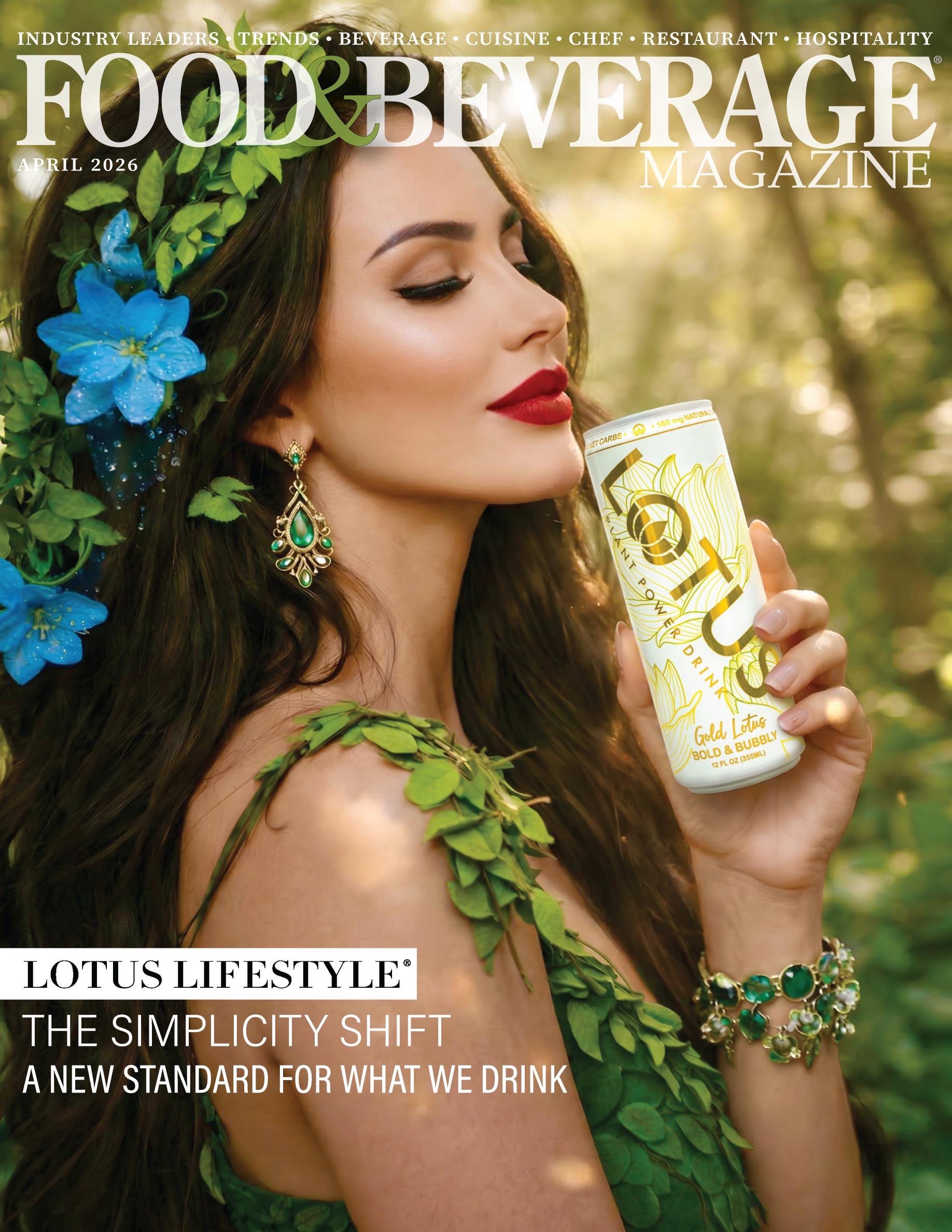
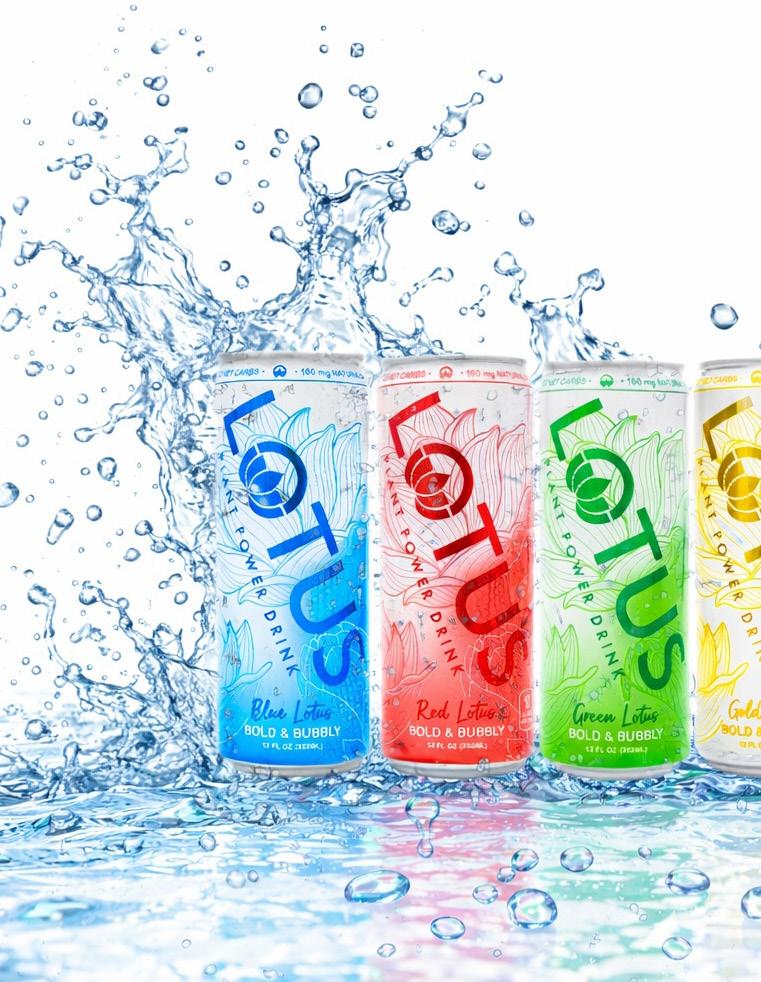
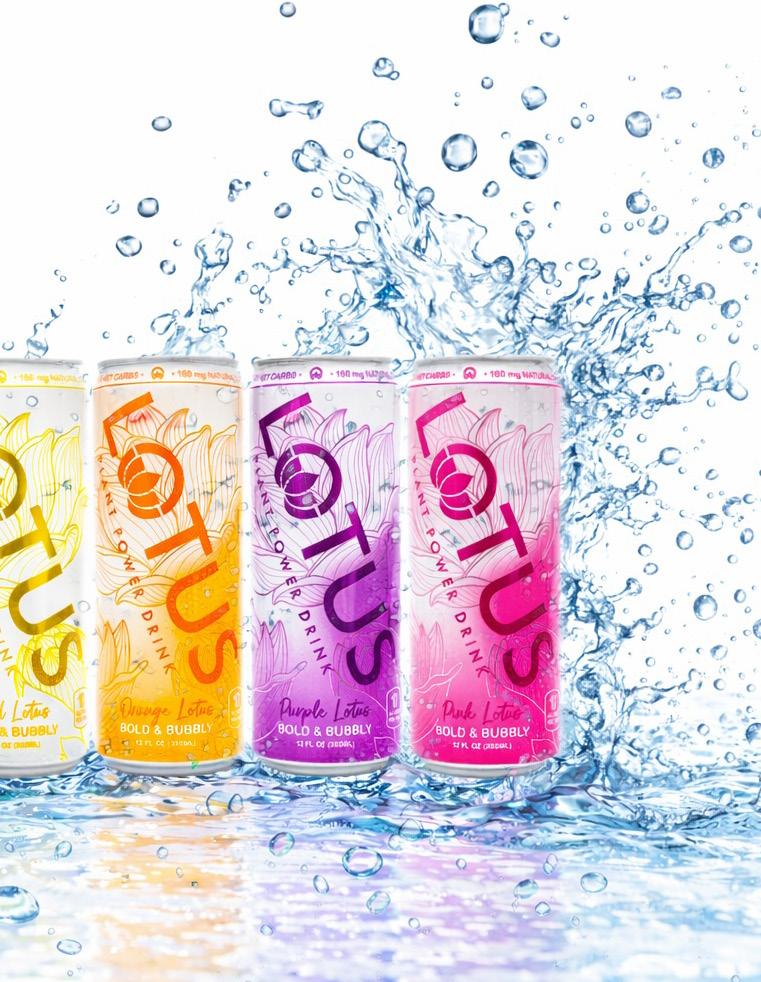
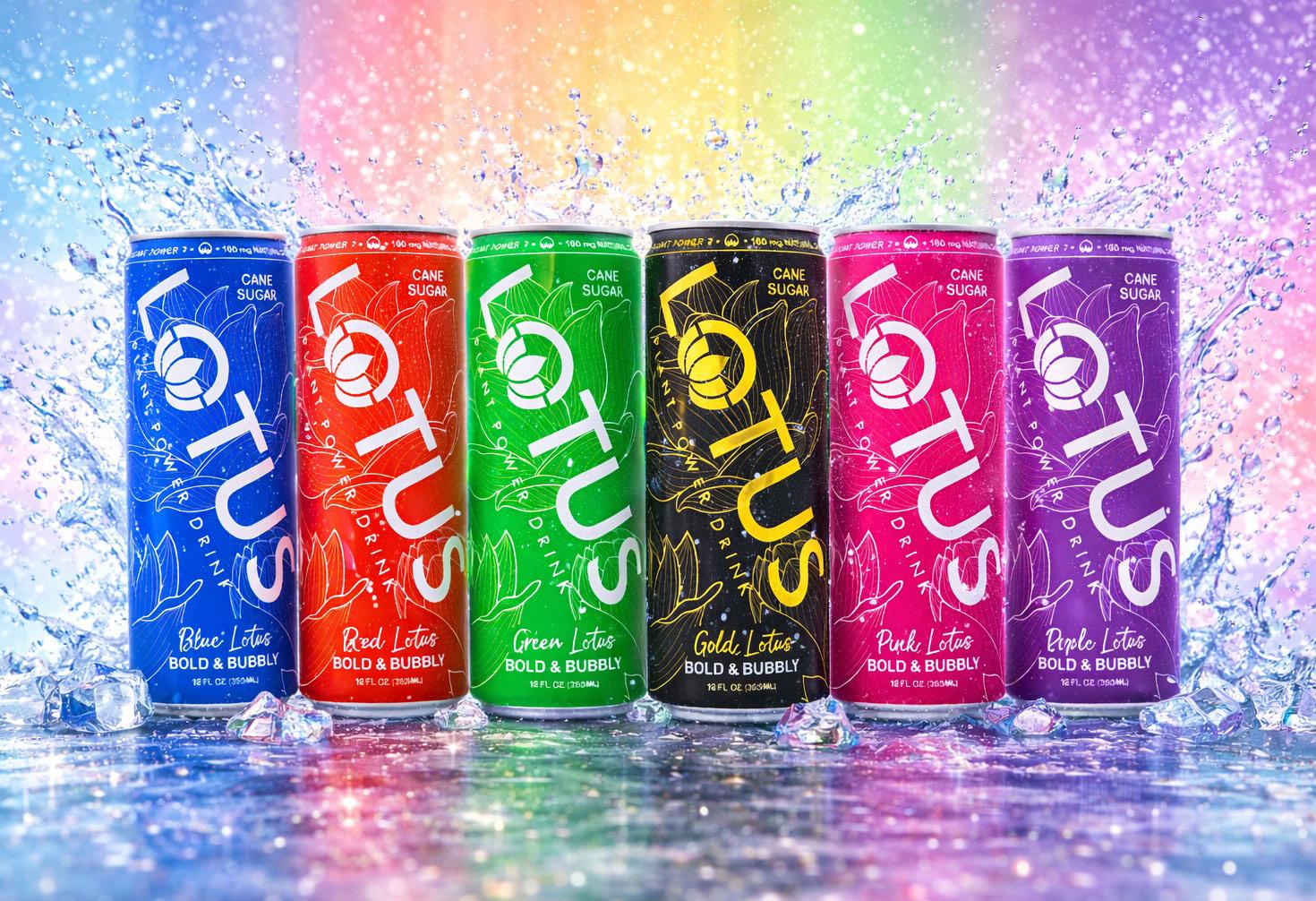
Lotus Lifestyle is an example of a beverage company that removes that divide by offering a solution to fill the void in both the functional soda and energy markets.
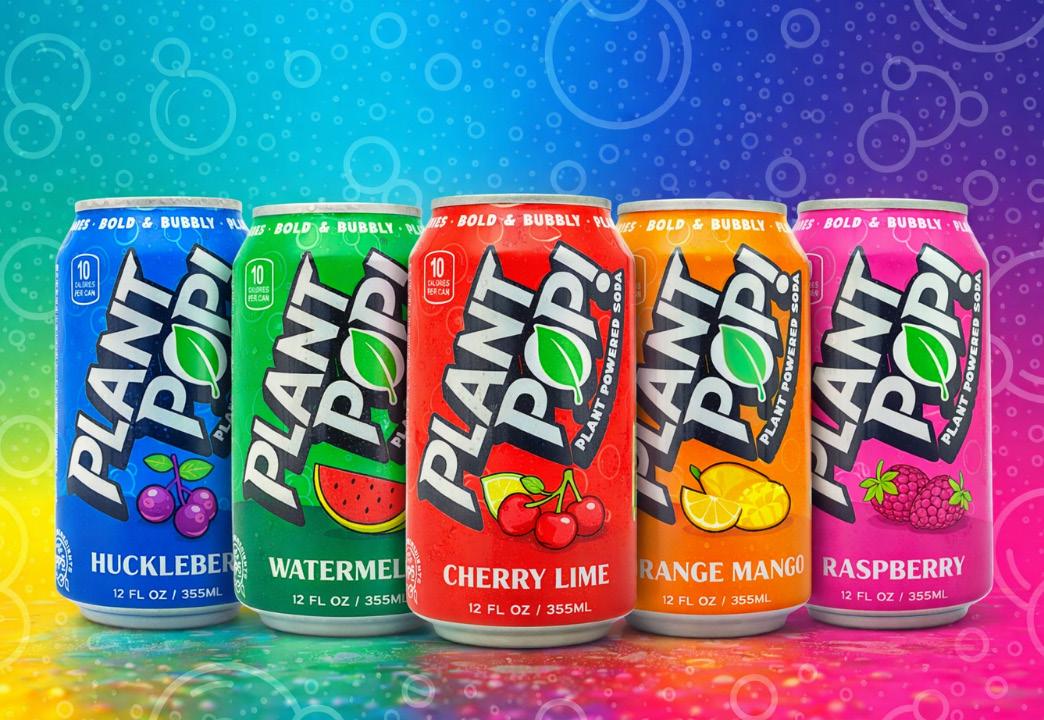
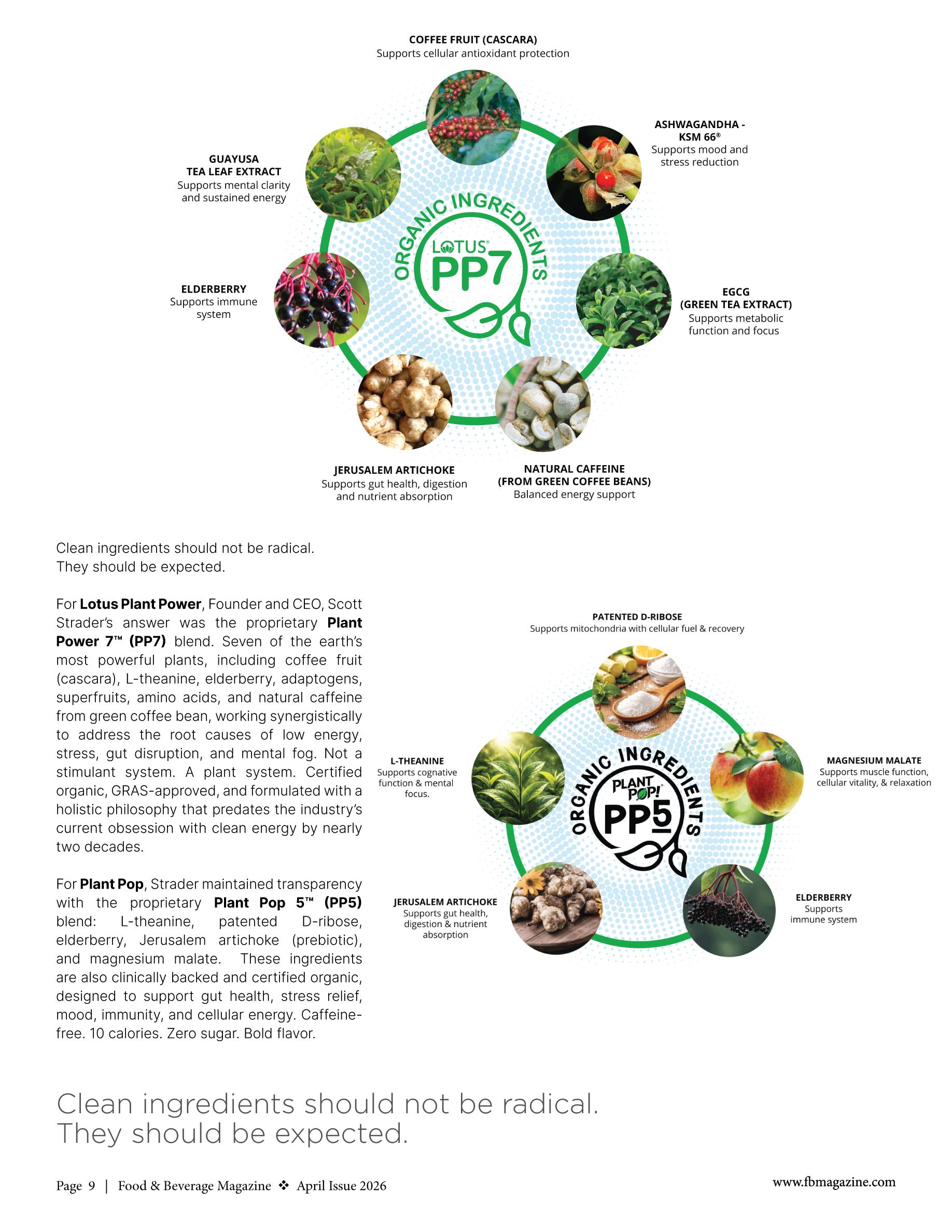
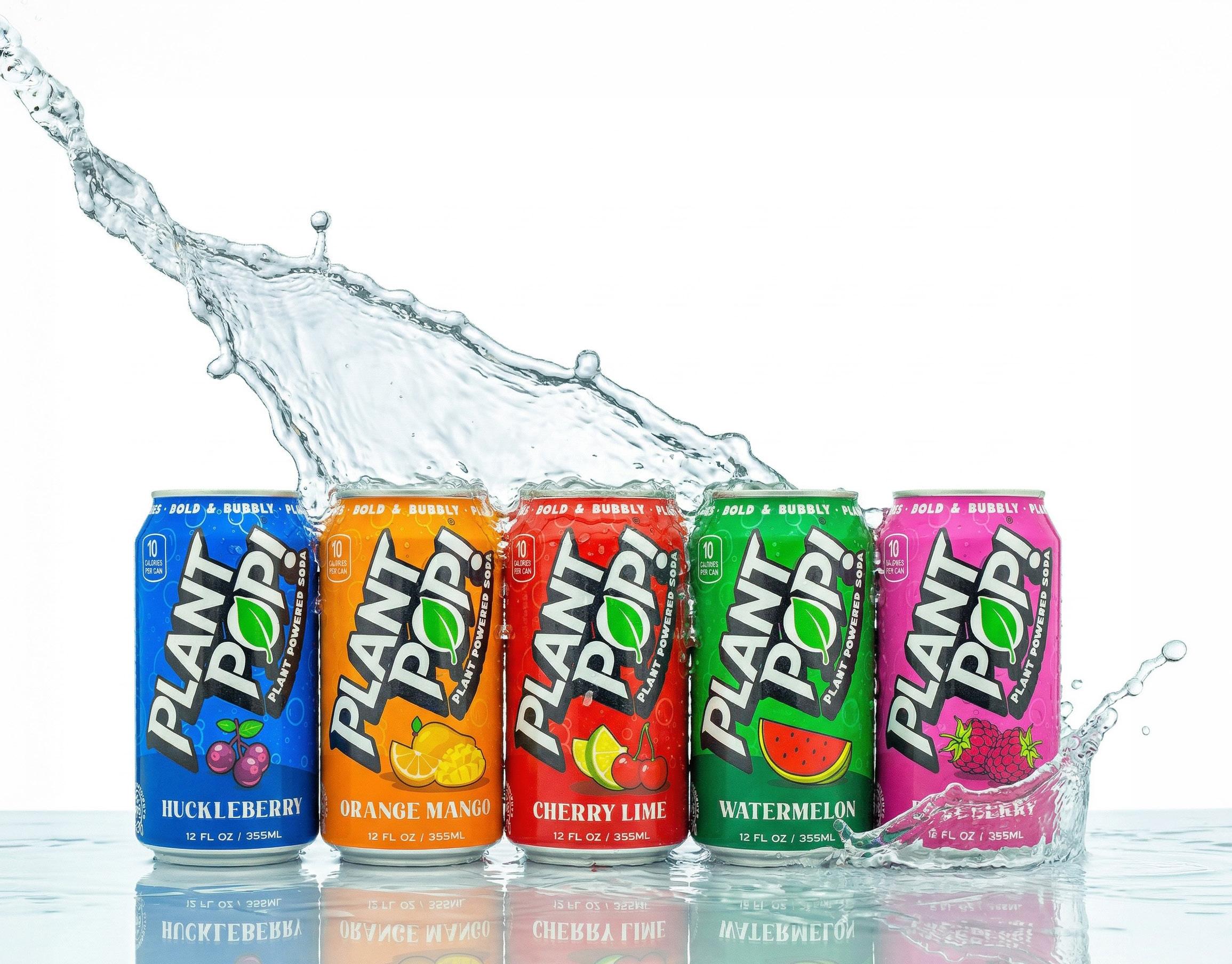
Lotus Plant Power, a multifunctional energy drink, and Plant Pop, a multifunctional soda, prove that taste and function do not have to be competing priorities. Within Lotus Lifestyle, they exist together and the experience is simple. You enjoy the drink. It supports your body. There is nothing to compromise.
Brands that understand this principle will move away from reactionary reformulation and toward intentional design. Away from gimmicks and toward transparency. Away from short-term compliance and toward long-term trust.
Consumers are asking for products that make sense in everyday life. They want beverages built for daily consumption, that promote ritual purchase, not occasional indulgence. Ingredients they recognize. Function that feels intentional. Flavor that holds up.
The brands that will shape modern beverage will not rely on louder claims or minor tweaks to legacy formulas. They will build differently from the start.
Today, the numbers validate the consumer demand for plant-based clean ingredients. Products with plant-based claims have grown at nearly 2x the rate of the total beverage category over the past several years. Lotus Plant Power sold over 50 million servings in 2025, driven by rapid expansion with national retailers, growing DSD footprint and consumer demand. A third of consumers see plant-derived ingredients as more appealing than artificial ones, a number that continues to climb.
The prebiotic and probiotic soda category has been doubling in size yet still accounts for only 2% of the $42.4 billion U.S. soft drink market, which means the runway ahead is enormous. The U.S. prebiotic soda market is projected to grow at a CAGR of 8.5% through 2030, with every major CPG player now scrambling to establish a position.
Lotus Lifestyle is not scrambling. It’s building.
Plant Pop’s consumer base is even broader than that of energy. Supported by health-conscious parents, kids who love soda, and anyone who reads labels and demands better. This is America’s fastest-growing grocery aisle, and Lotus is positioned to address it.
Plant Pop: Rebuilding Soda with Intention
Lotus Lifestyle applies the same philosophy to the soda category with PLANT POP
A plant-based, multi-functional soda, designed to support gut health, immune balance, cellular vitality, stress regulation, cognitive clarity and hydration, all in a format people already love.
There’s no caffeine. No sugar spike. No artificial aftertaste. Just a familiar, full-flavor soda experience that doesn’t ask you to compromise. It tastes like soda should. Balanced. Clean. The kind of drink you finish and want again.
Built for modern wellness and modern retail
A beverage isn’t just something people drink. It’s something they choose, identify with, share, and enjoy and taste should be non-negotiable.
Lotus Lifestyle® wasn’t founded to compete in the noise of functional beverages. It was created to rewrite it. Beyond ready-to-drink cans, Lotus products are available in concentrate formats and fountain service, bringing clean, functional beverages into everyday environments. Lotus Plant Power and Plant Pop are made for the conscious consumer, where function and great taste no longer require compromise.
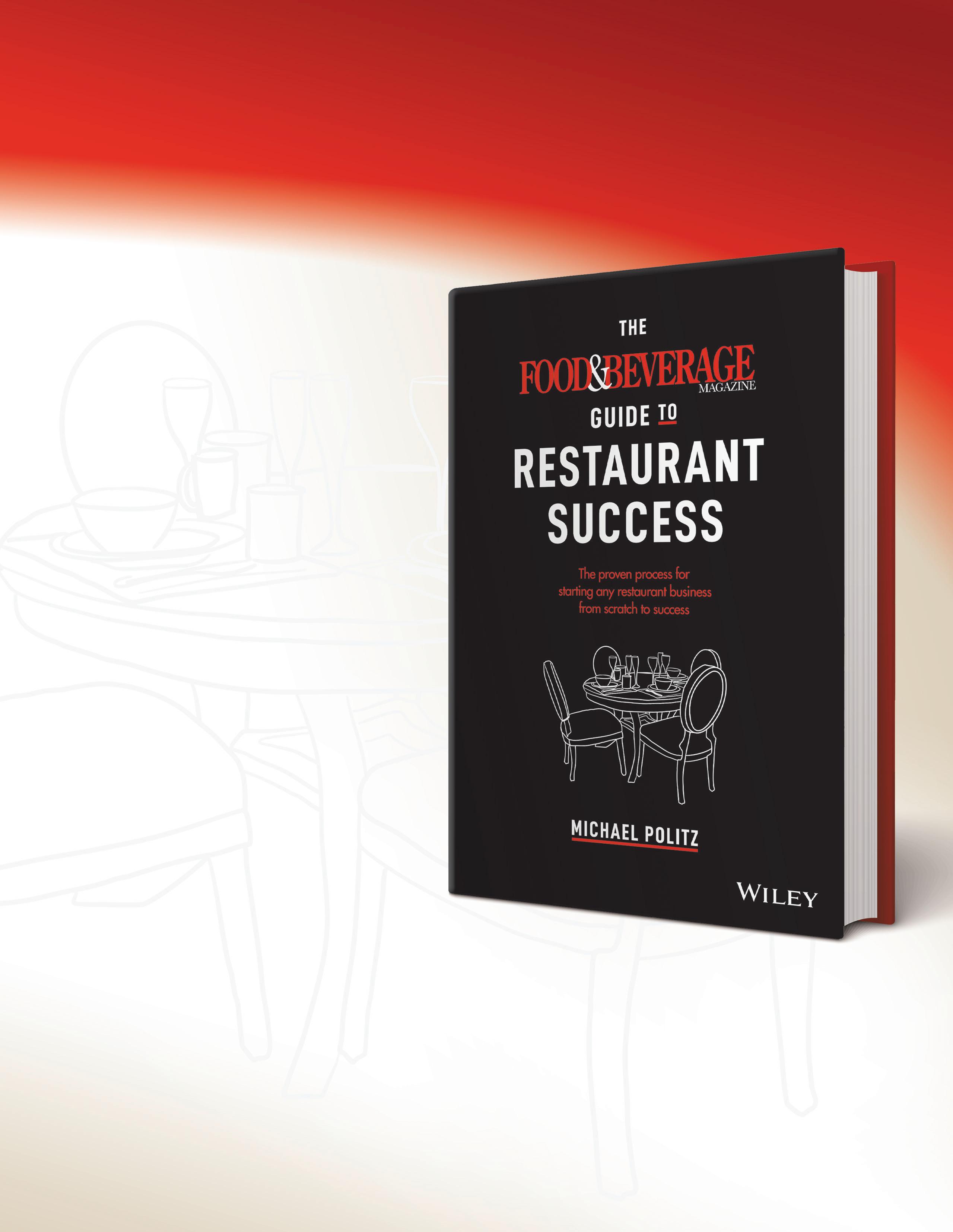
A COMPLETE HOW - TO GUIDE WITH ALL YOU NEED TO KNOW TO OPEN AND RUN A SUCCESSFUL RESTAURANT.
EACH MONTH, COUNTLESS NEW RESTAURANTS OPEN THEIR DOORS as others fail. Despite continuing industry growth, many new restaurants struggle to succeed. Even established restaurants are challenged to stay open. These businesses may have great food and amazing service, yet some still face uncertain futures. Now, help has arrived for restaurant owners and managers! Food and Beverage Magazine’s Guide to Restaurant Success is written by an industry expert who has opened numerous restaurants and provided valuable restaurateur guidance in the role of a trusted consultant.
This restaurant success guide provides vital information on how to protect the significant investment— sometimes ranging from $250,000 to $425,000— that’s required to open a restaurant and keep it running during the first six months. Author Michael Politz started his career with an ice cream business and went on to found a number of restaurants, a frozen food distribution business, a restaurant consulting service, and a respected online magazine for the food and beverage industry. Politz shares his extensive knowledge gained through both success and failure. With his indispensable guide, you can easily double-check to make sure you’re doing things right.
Get guidance from a restaurant owner’s handbook of what to do and not do
Refer to handy tips and checklists that help you launch your business
Discover insight into the triumphs of Wolfgang Puck, Bobby Flay, Emeril Lagasse, and more
Gain food industry knowledge with a comprehensive restaurant how-to guide
Whether you want to open a burger joint or a fine dining restaurant, this advice-filled resource will help you cover all the details that make a difference. You’ll be better prepared before, during, and after your restaurant launch! Set your establishment up for rave reviews with Food and Beverage Magazine’s Guide to Restaurant Success
MICHAEL POLITZ is the founder and publisher of Food & Beverage Magazine, the leading online magazine and resource in the industry. Michael has developed and branded multiple celebrity bar and nightlife concepts, and has consulted for Fortune 500 Companies such as Hallmark and Safeway Foods. Michael was recognized as one of Entrepreneur Magazine’s Top Forty Executives Under 40.
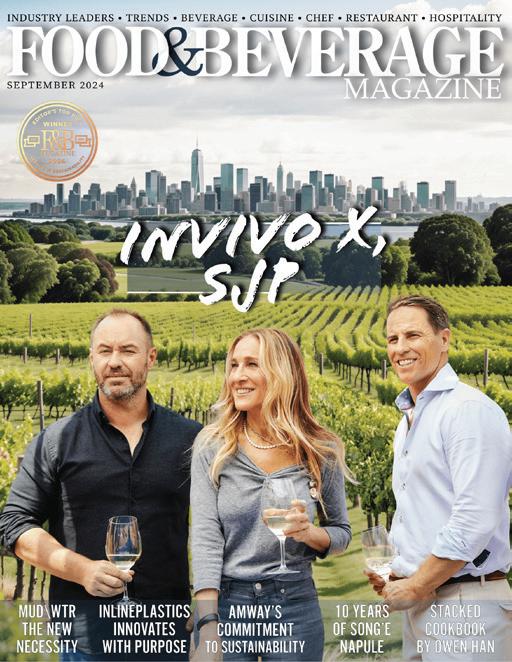
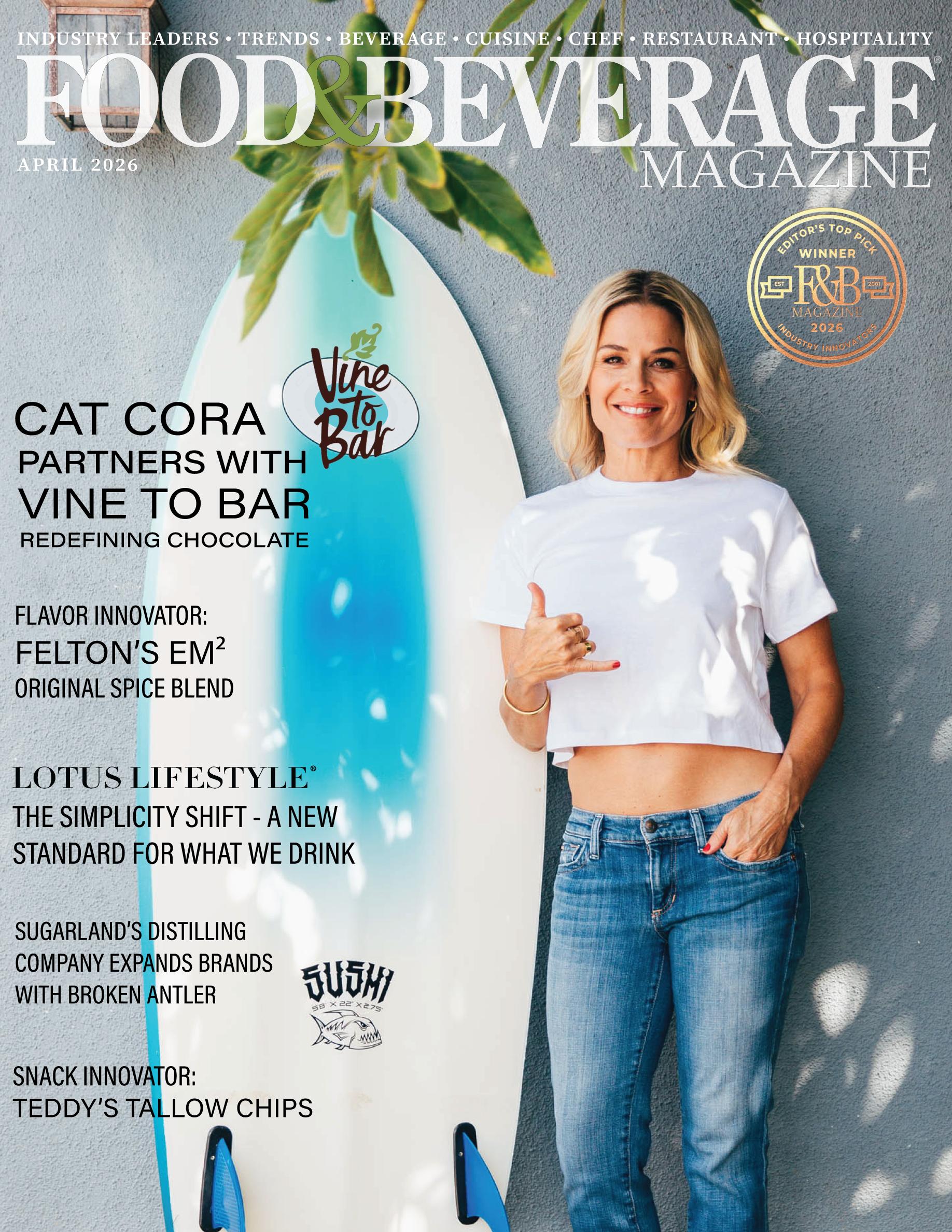
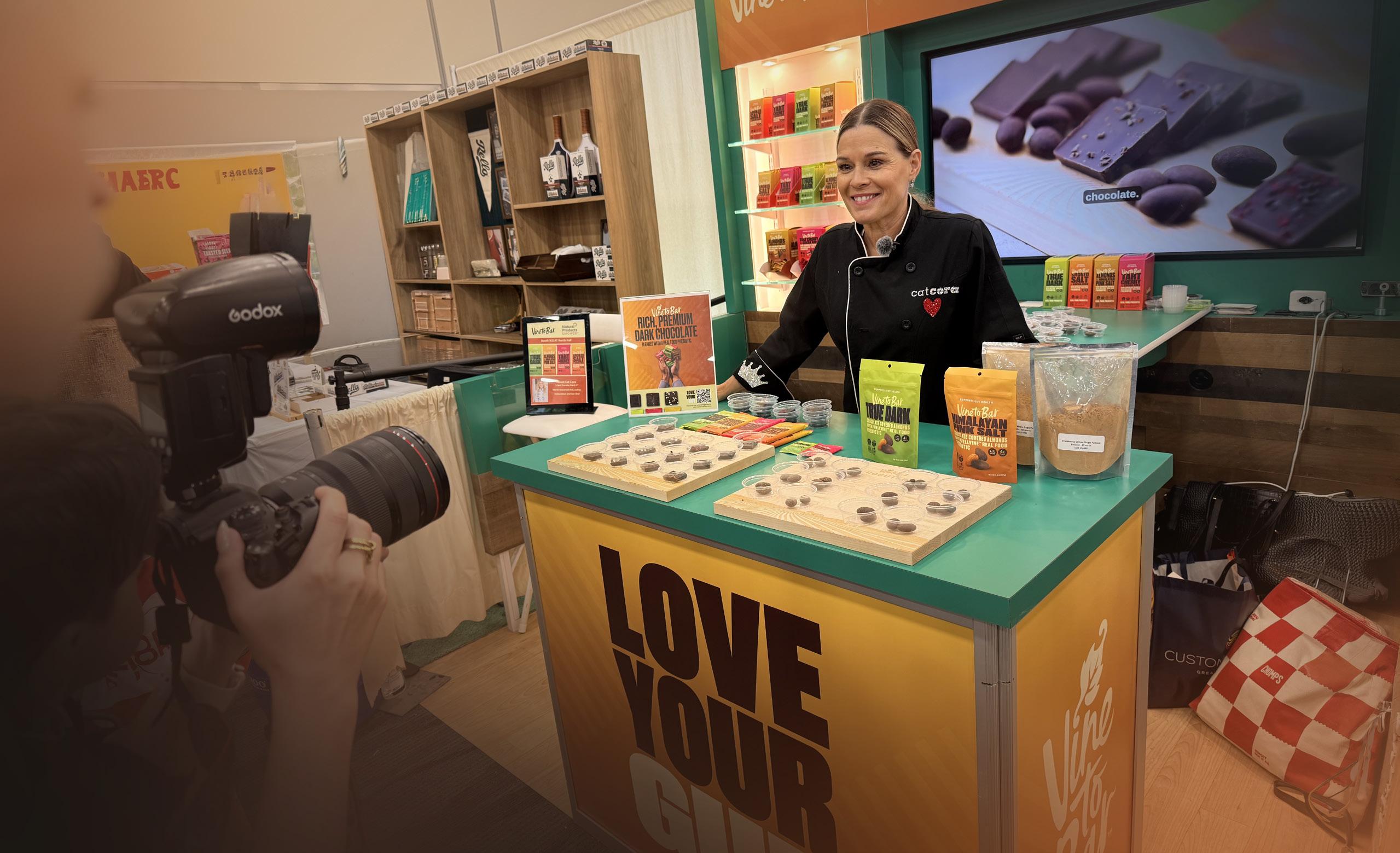
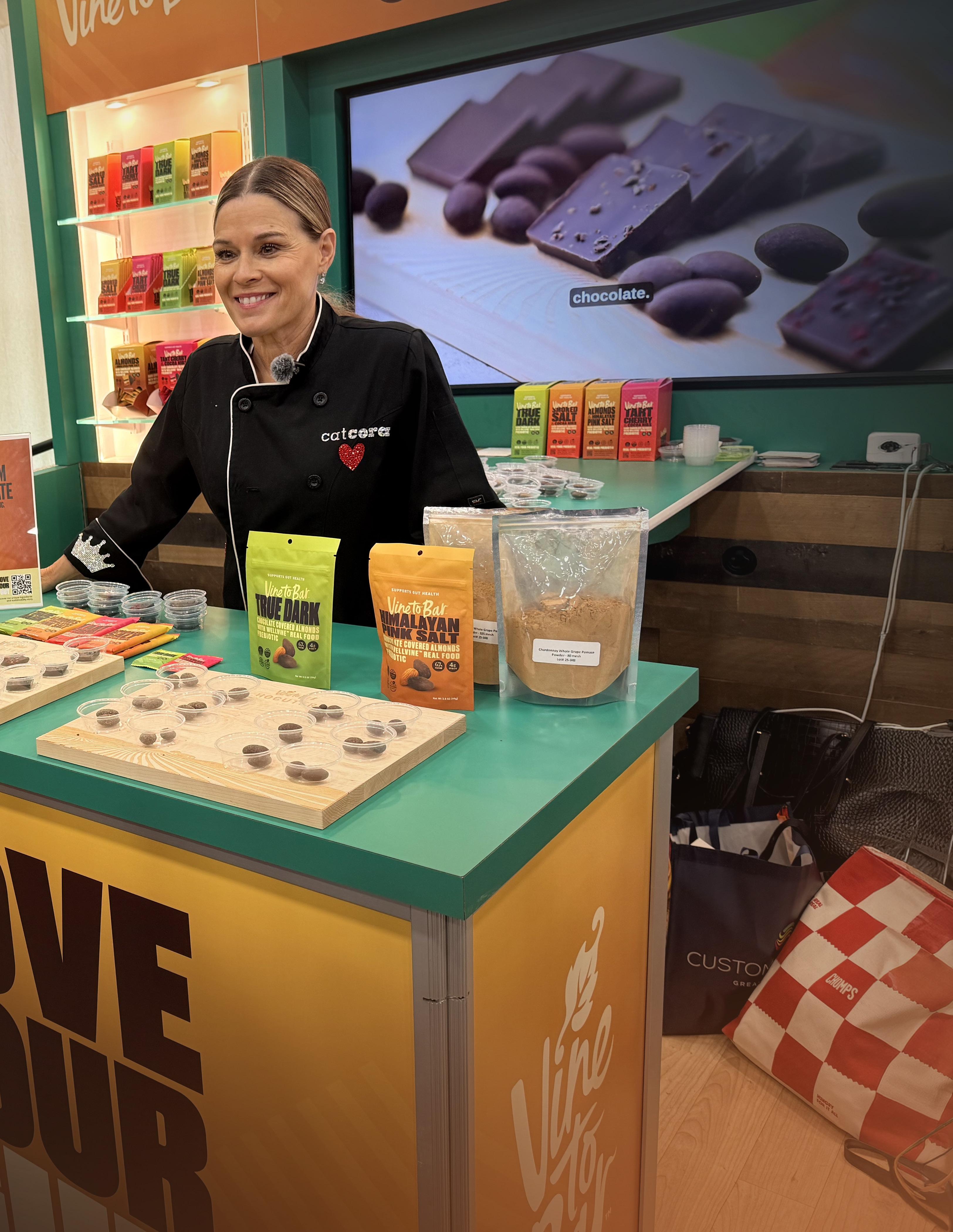
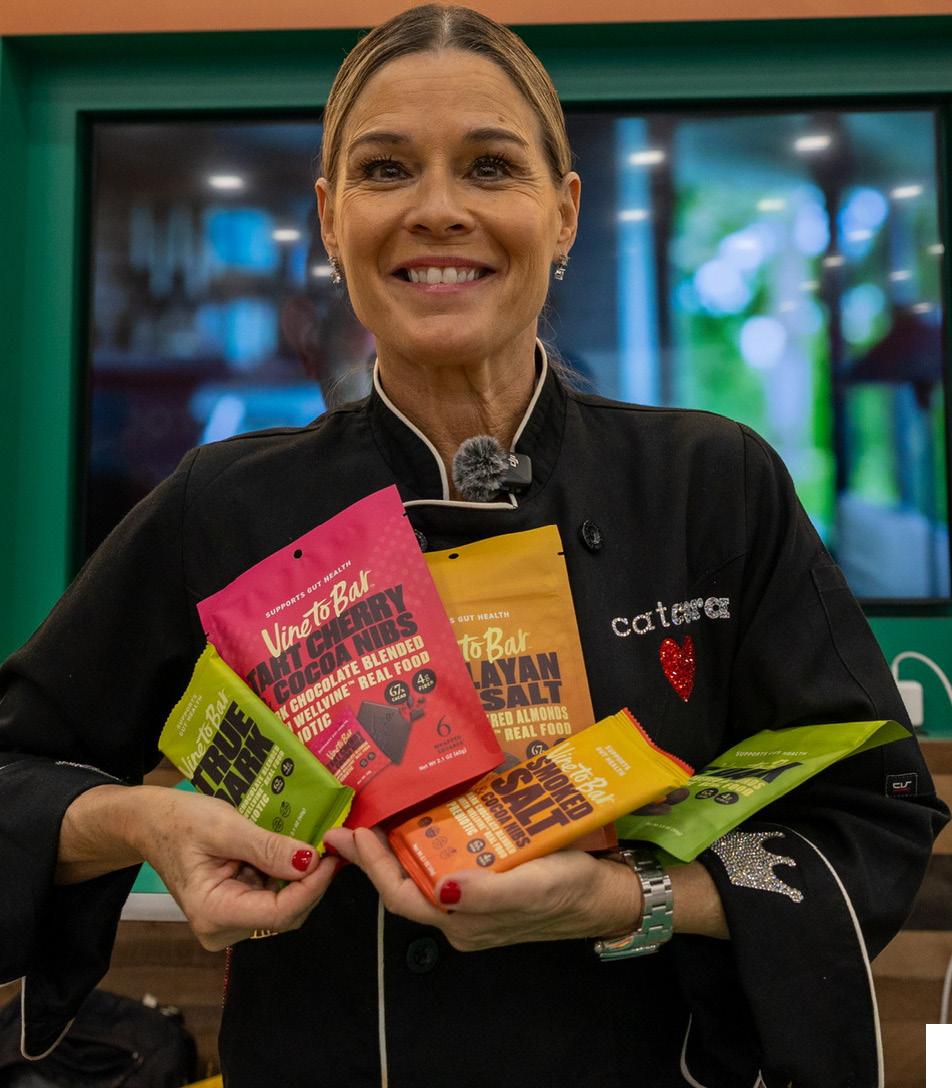
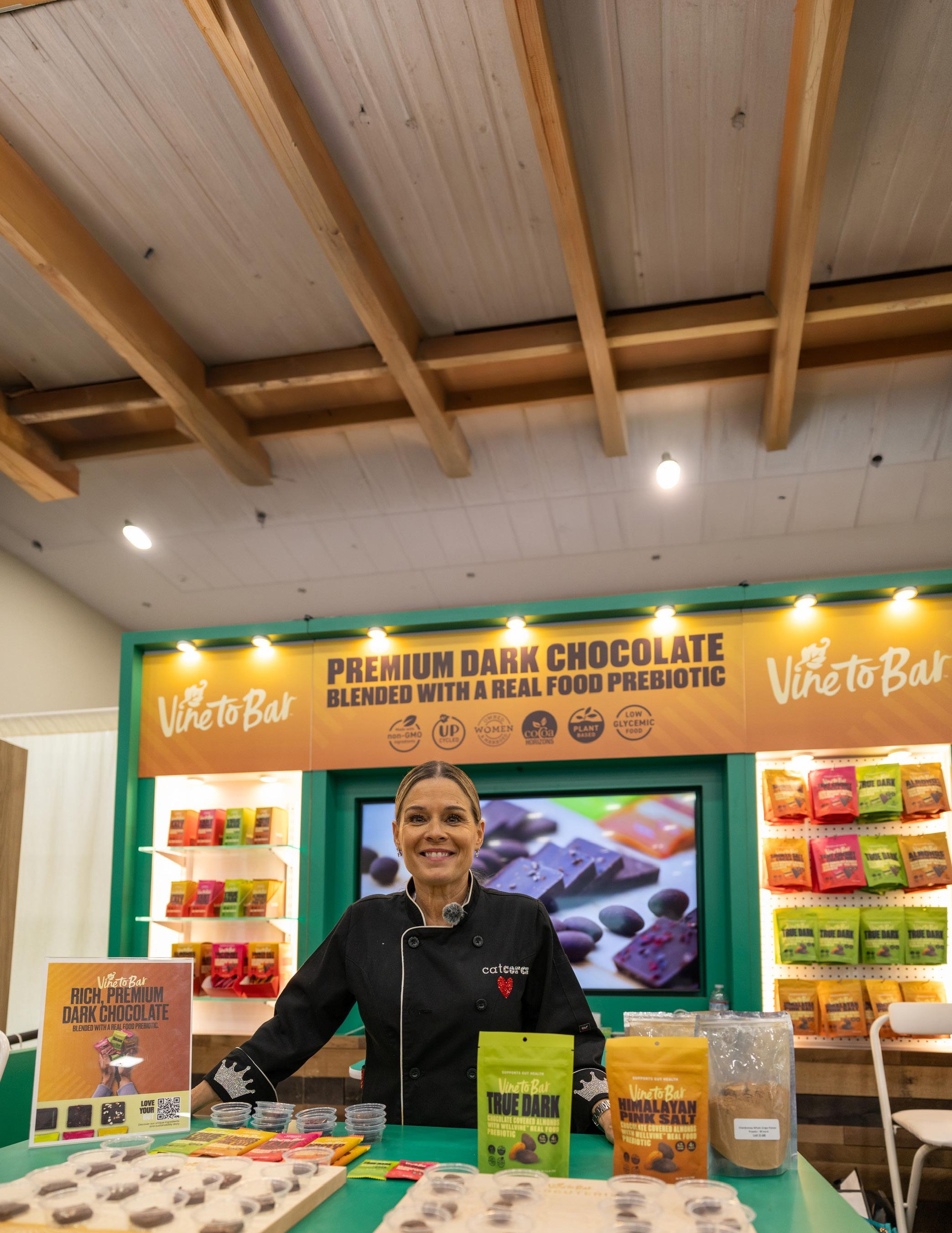
COVER I M AG E Cat Cora, Vine to Bar Brand Partner
PUBLISHER MICHAEL POLITZ Michael@fbmagazine.com
DIRECTOR & EDITOR-IN-CHIEF LAUREN KANE Lauren.Kane@fbmagazine.com
SO CIAL MEDIA CONTENT MANAGER SHELBY POLITZ Shelby.Politz@fbmagazine.co
L EA D DI GITA L COMP L IANC E OFF IC ER i a nor i t f a a ine o
We honor and remember the support of Chef Kerry Simon, Gary Cantor, Robin Leach, Chef Paul Prudhomme, & Gary Coles
Redefning Chocolate Through Purpose, Innovation, and Indulgence
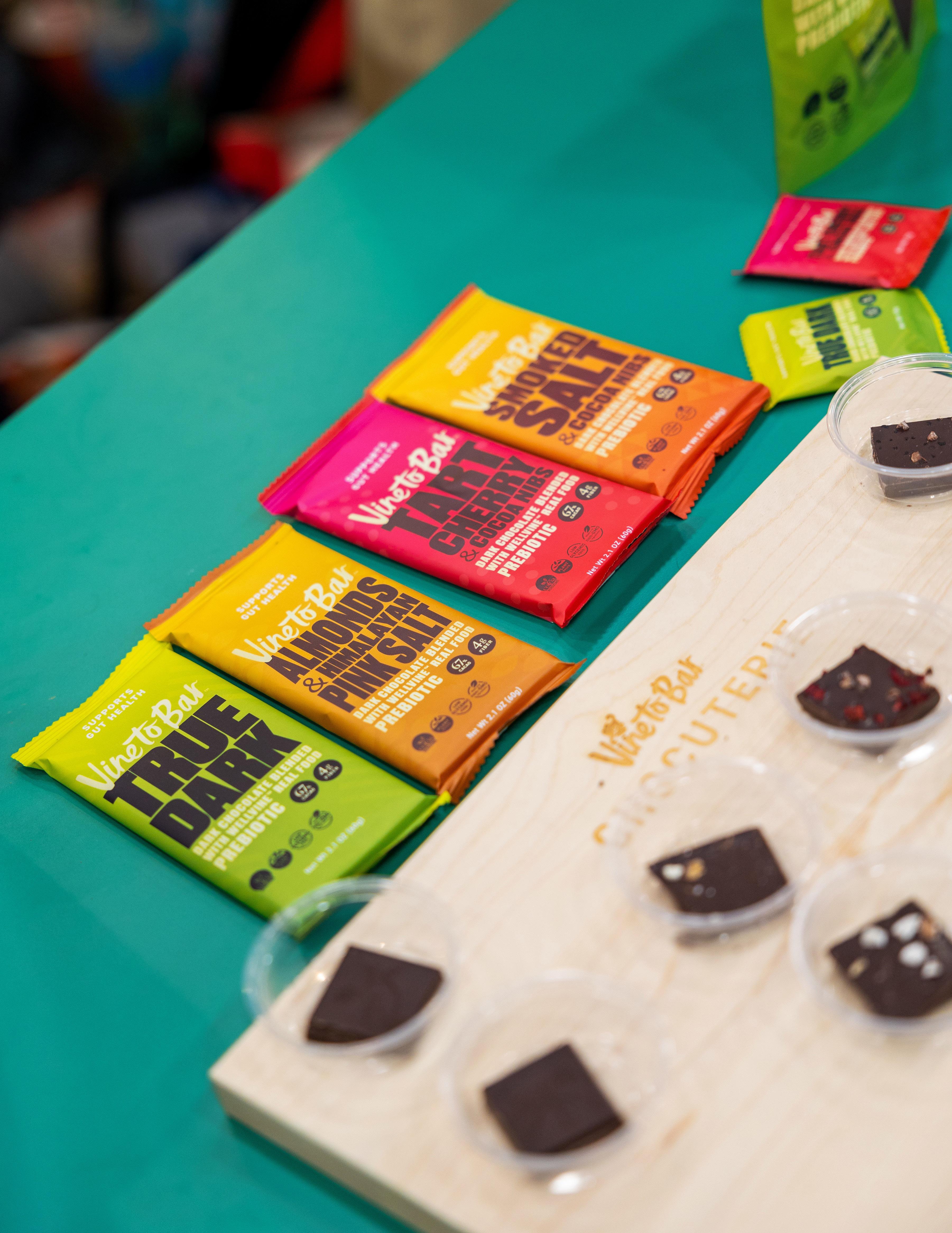
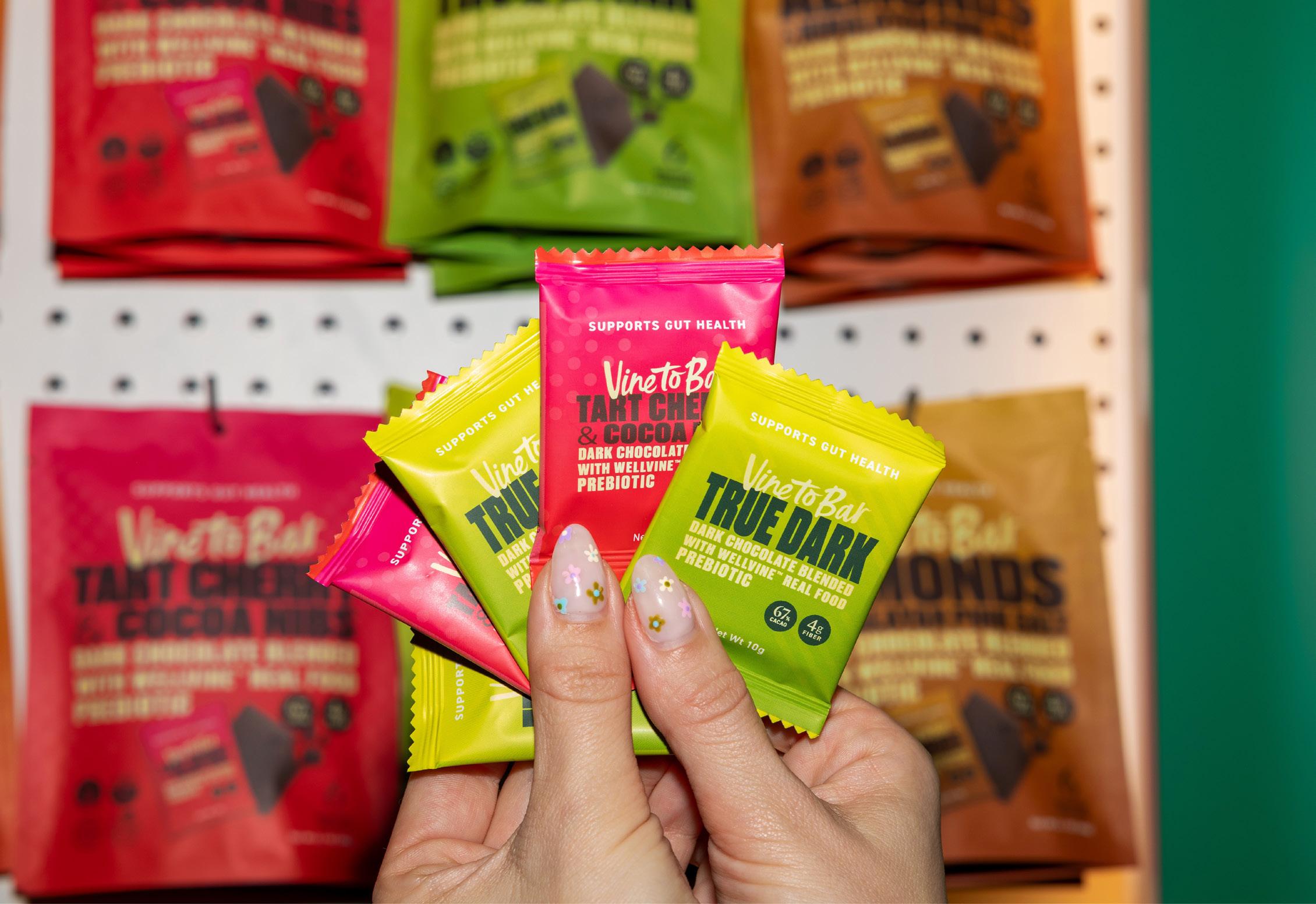
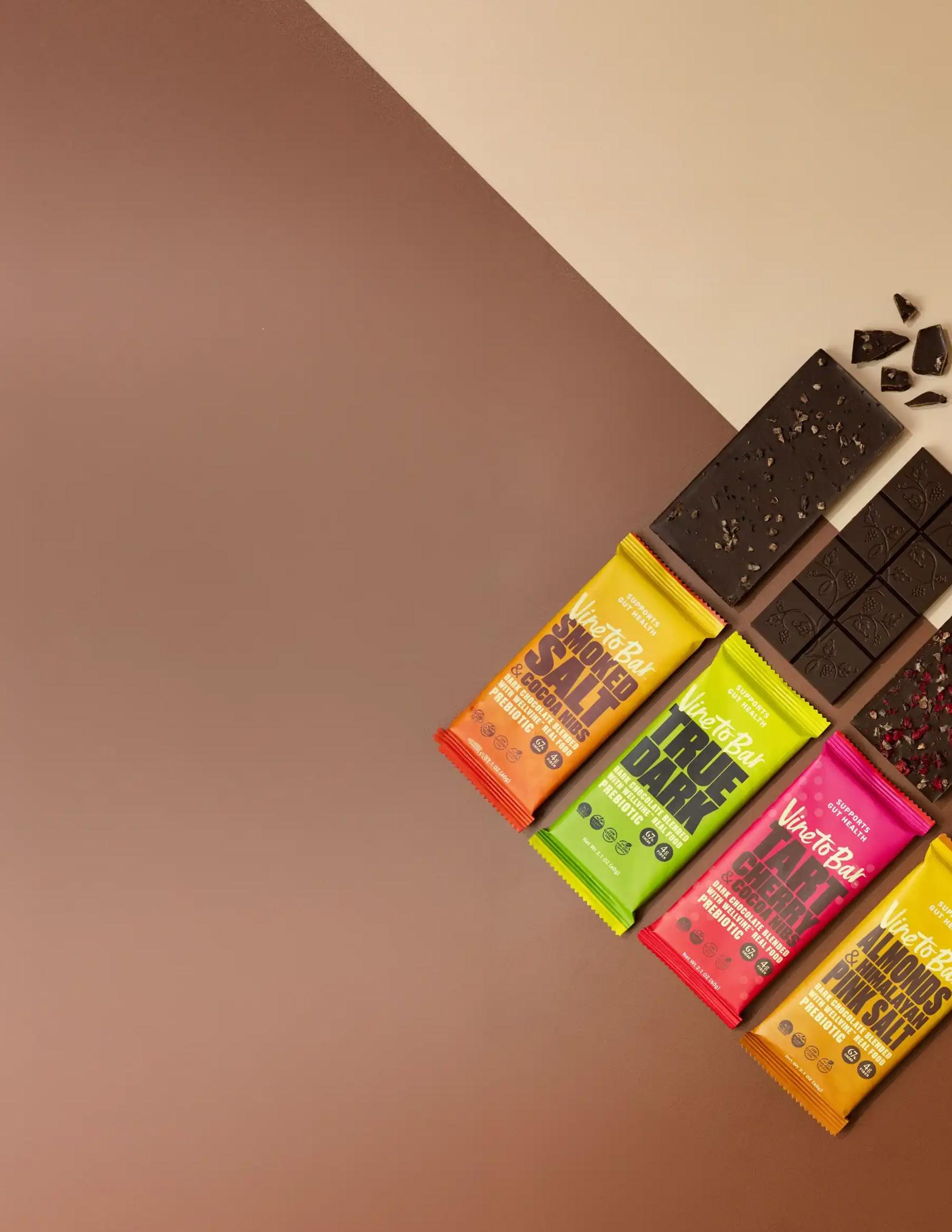
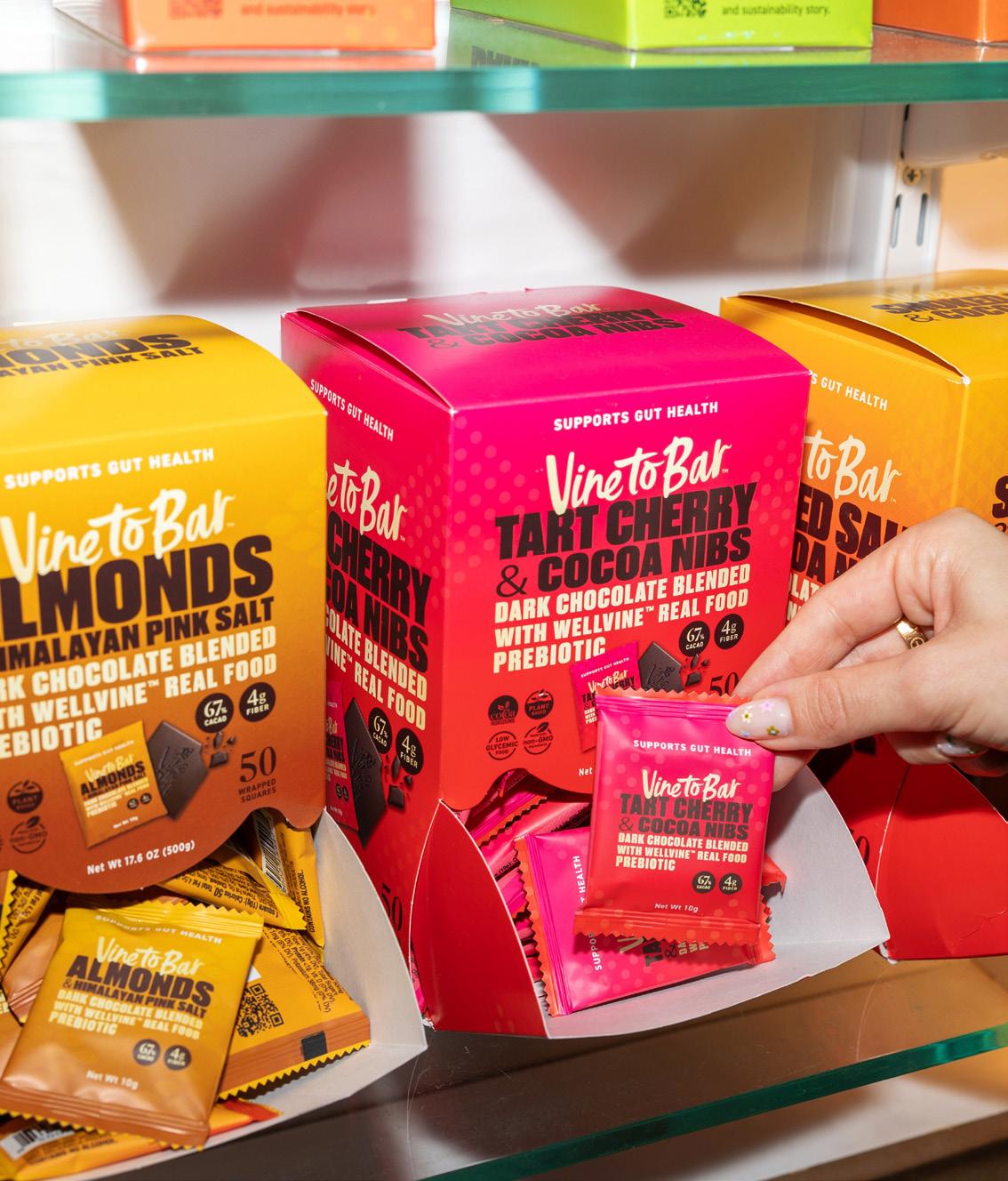
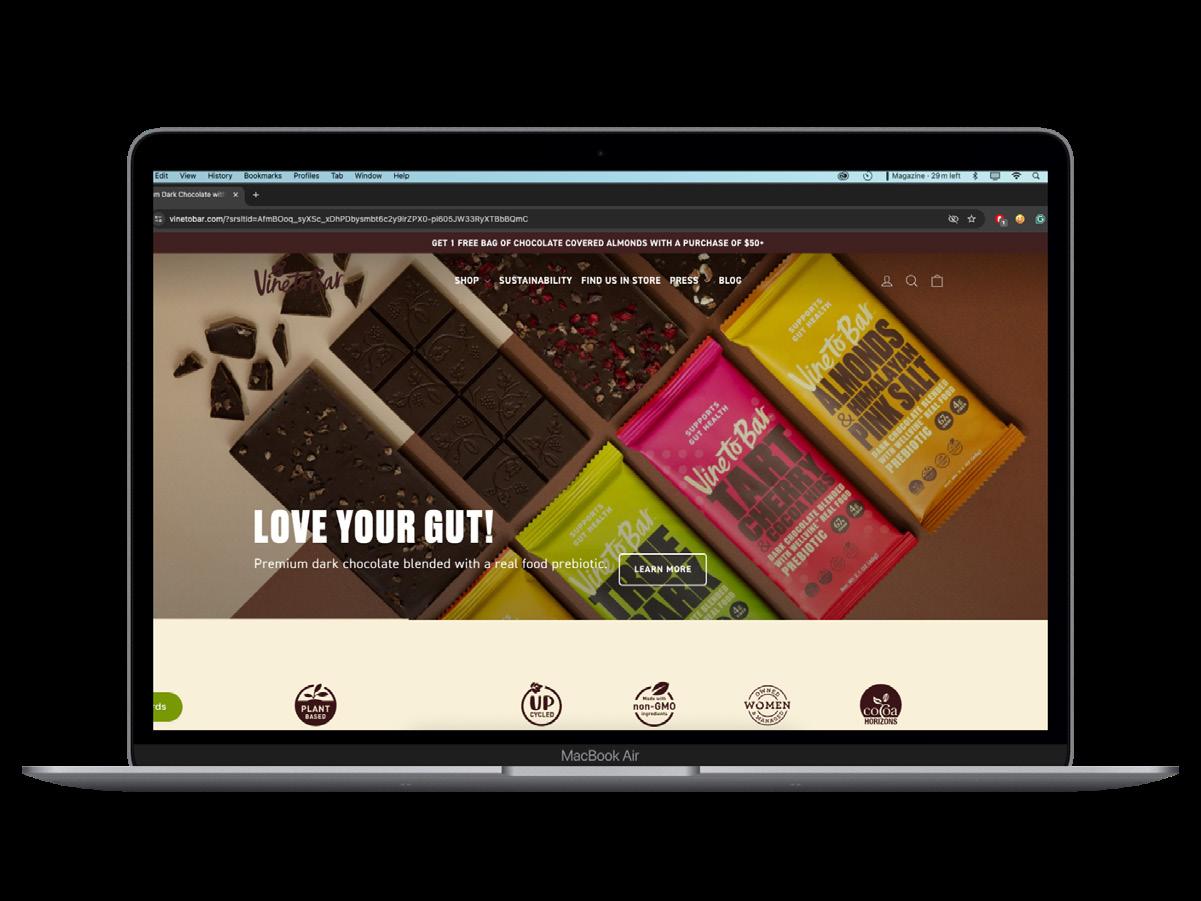
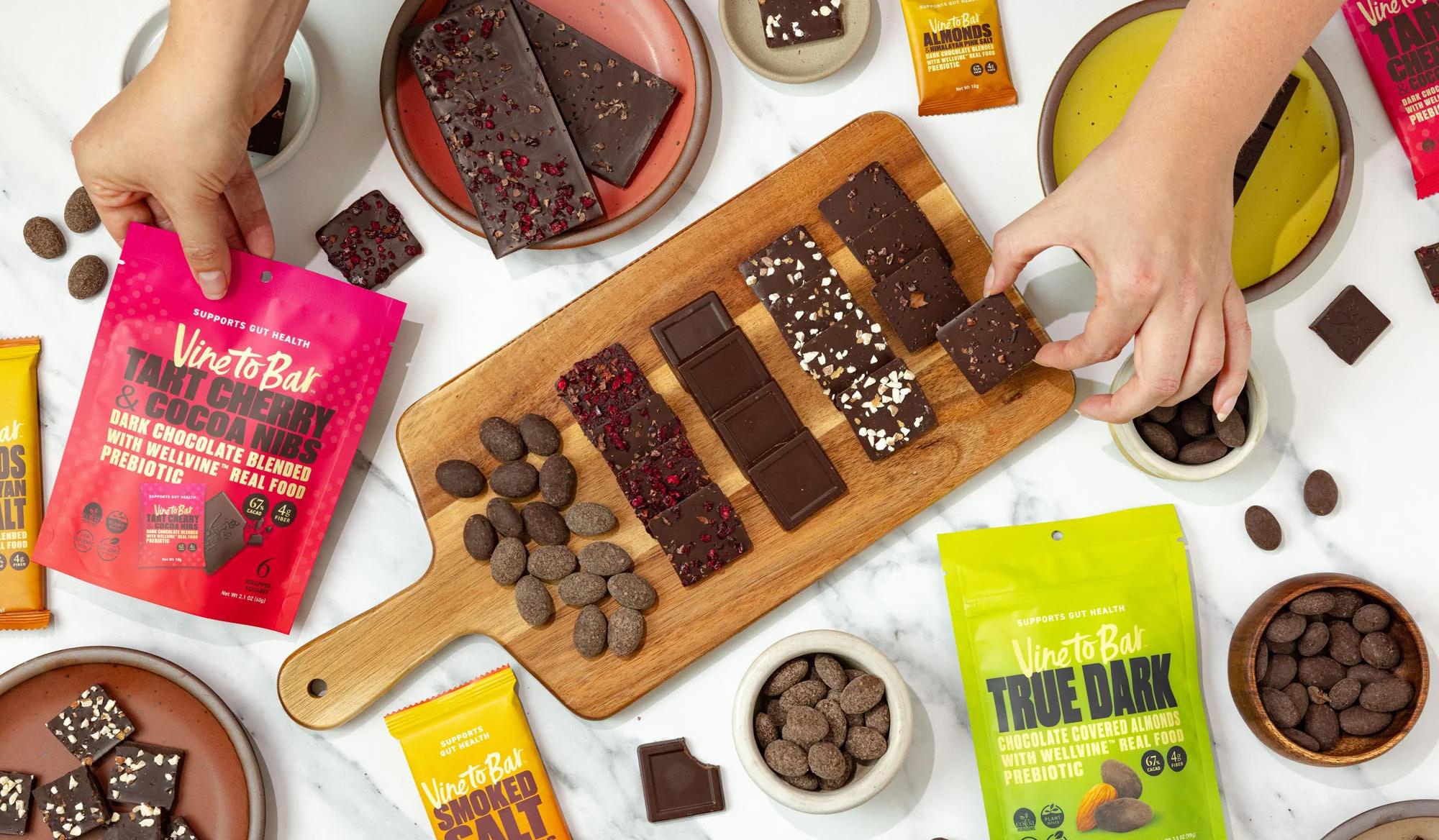
In a food landscape increasingly defined by health-conscious choices, sustainability, and the desire for functional ingredients, one brand is demonstrating that indulgence and purpose need not be mutually exclusive. Vine to Bar is forging a new category in chocolate, combining premium flavor, thoughtfully sourced ingredients, and sustainability into every bite. With culinary icon Cat Cora joining the brand as a partner, Vine to Bar is not only transforming the way consumers experience chocolate but also establishing itself as a leader in better-for-you food innovation.
Co-founded by friends and wine makers
Peggy Furth and Barbara Banke, Vine to Bar emerged from a simple insight: consumers often felt forced to choose between indulgence and health. A lifelong appreciation for Chardonnay led Furth to explore the potential of upcycled grape
marc—the combination of skins, seeds, and pulp left from winemaking—as a functional ingredient. Her research revealed that incorporating this ingredient into chocolate could reduce bitterness, enhance flavor, and add antioxidants and fiber, all while minimizing waste. This innovation became the foundation for Vine to Bar, a brand that reimagines chocolate as a functional, sustainable, and deeply enjoyable experience.
“Consumers were being asked to choose between something delicious and something healthy, and we believed they ’t have to choose,” Furth explains. “Taste tests proved that WellVine™ Chardonnay marc enhances the flavors and reduces the bitterness of dark chocolate, and that led to the innovation of Vine to Bar.”
As a chef, everything starts with the ingredients. If you begin with high-quality, thoughtfully sourced ingredients, you don’t have to do much to make something great. That’s what I love about Vine to Bar - it’s premium chocolate made with purpose, sustainability, and ingredients you can actually feel good about eating.
For Cora, the brand’s appeal is immediate and authentic. “As a chef, everything starts with the ingredients. If you begin with high-quality, thoughtfully sourced ingredients, you don’t have to do much to make something great. That’s what I love about Vine to Bar - it’s premium chocolate made with purpose, sustainability, and ingredients you can actually feel good about eating. I also love that it’s female-founded.” Her partnership reflects a shared vision of functional indulgence, where flavor, health, and sustainability coexist seamlessly.
This philosophy places Vine to Bar at the intersection of three critical trends shaping the modern food industry. First, consumers increasingly expect transparency and traceability. Second, functional foods are no longer niche; people want everyday indulgences that also deliver tangible benefits. Third, sustainability and waste reduction are central to both purchasing decisions and brand loyalty. Vine to Bar’s use of upcycled grape marc addresses all three simultaneously, demonstrating how thoughtful formulation can drive innovation in a legacy category.
Cora emphasizes the importance of authenticity in this alignment. “Partnerships have to be authentic. I have to actually use the product and believe in it. Vine to Bar stood out because of the sustainability story — upcycling Chardonnay grapes — but also because the chocolate is genuinely delicious. It’s rare to find something that is sustainable, functional, and indulgent all at once.” Her culinary expertise also informs product development, ensuring that innovation does not compromise taste or texture, a balance that is critical in a category where indulgence is paramount.
From a market perspective, Vine to Bar is disrupting a deeply entrenched chocolate industry. Retailers have historically relied on established shelf sets and predictable consumer expectations, making entry for new concepts challenging. Yet this challenge is precisely the opportunity Vine to Bar has seized. By combining a functional ingredient, premium chocolate, and a sustainability narrative, the brand presents a unique story that retailers and consumers alike find compelling.
“Retailers are actively looking for innovation and differentiation, and Vine to Bar offers a completely new story — upcycling, functional ingredients, and premium positioning,” Furth notes. The brand’s expansion into major retailers like Publix represents a milestone not only for distribution but for consumer acceptance. It validates that shoppers are ready to embrace functional chocolate and understand that indulgence can be smarter, more meaningful, and better for the planet.
Education remains a central pillar of the brand’s strategy, particularly as consumers navigate the new territory of functional indulgences.
Vine to Bar communicates its benefits clearly and simply, focusing on antioxidants, fiber, and the subtle flavor contributions of upcycled Chardonnay grapes, while allowing the product itself to speak. “At the end of the day, people buy chocolate because it tastes good. The health benefits are a bonus, and that’s how we position it,” Cora explains. By maintaining a premium and approachable experience, Vine to Bar ensures that functional benefits enhance, rather than
chocolate premium
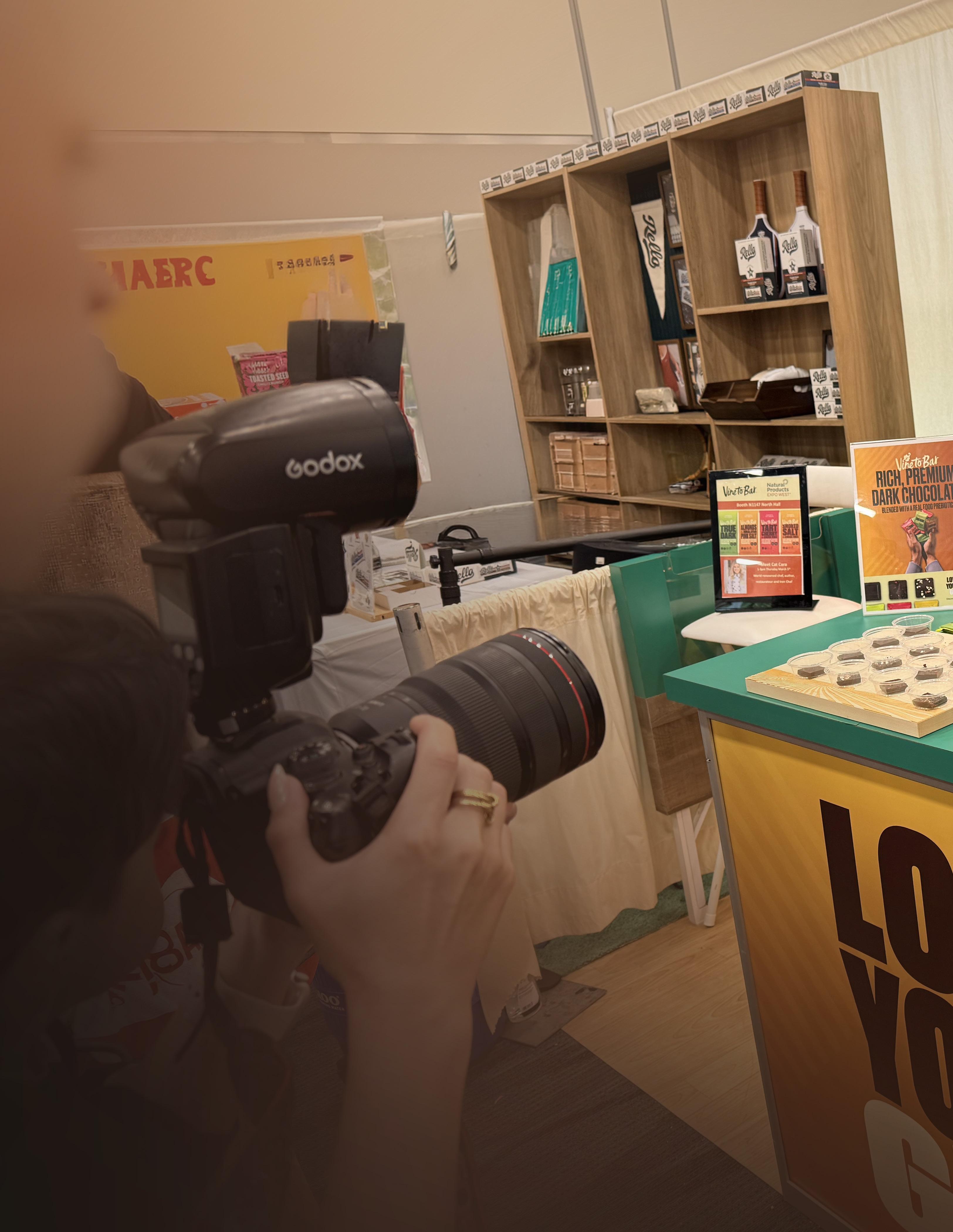
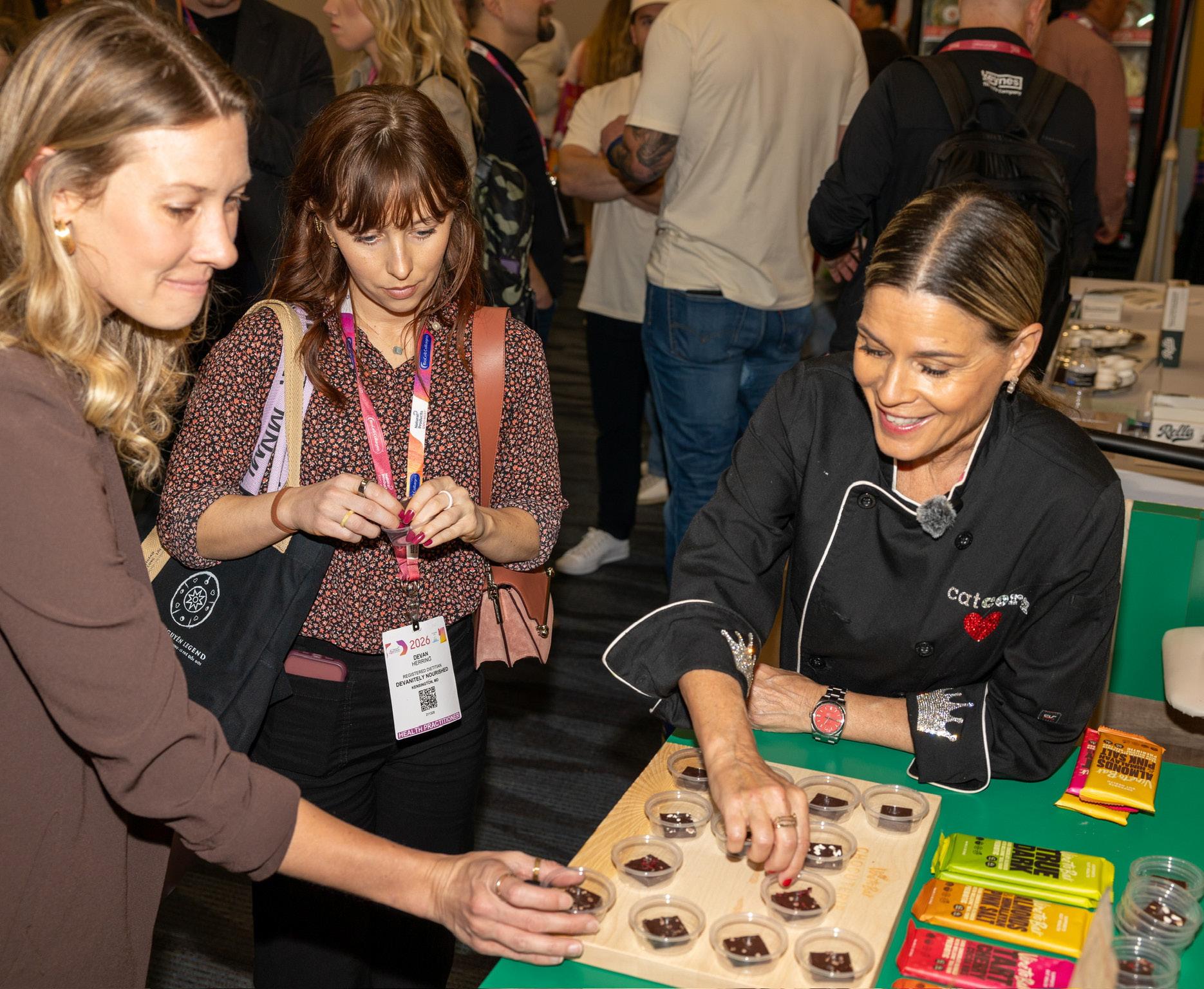
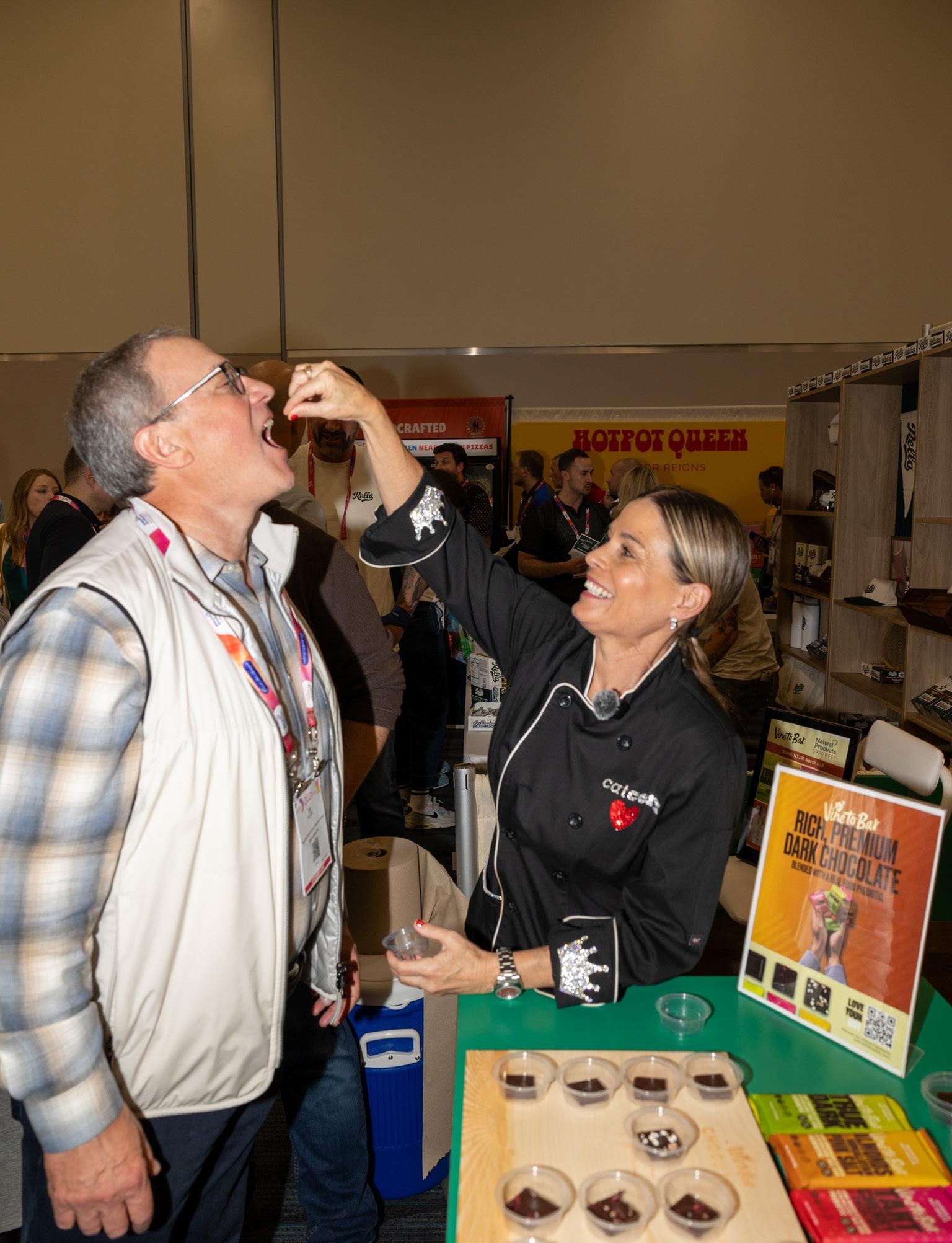
Expo West served as a key moment for the brand to showcase its innovation to buyers and industry leaders. Feedback reinforced that Vine to Bar is delivering on multiple fronts. “People were really surprised by how good it tastes, and it melts right in your mouth,” Cora recalls. “Once people hear ‘functional chocolate,’ they sometimes expect it to taste like a health product, but this tastes like premium chocolate. That feedback reinforced that we’re on the right track.” Buyers similarly responded positively to the combination of taste, functionality, and sustainability, signaling that the industry is hungry for innovation that transcends traditional category boundaries.
Vine to Bar’s positioning extends beyond formulation to storytelling and brand identity. The company’s narrative—female founder, sustainable practices, and a unique ingredient—resonates in a
“Once people hear ‘functional chocolate,’ they sometimes expect it to taste like a health product, but this tastes like premium chocolate. That feedback reinforced that we’re on the right track.” - Cora
market where consumers increasingly reward purposedriven brands. By emphasizing both indulgence and impact, Vine to Bar creates an emotional connection that complements its functional benefits, an approach that is increasingly central to long-term growth and consumer loyalty.
For chefs like Cora, the partnership offers a platform to influence the broader food landscape. “Being a chef today isn’t just about restaurants anymore. It’s about influencing how food is produced, sourced, and consumed. Partnerships like Vine to Bar allow me to support innovation in sustainability, functional foods, and better ingredients. That’s where I think chefs can really make an impact on the future of food.” Through her involvement, the brand benefits not only from her culinary insight but from a broader perspective on how to inspire both consumers and the industry toward smarter indulgence.
Looking ahead, Vine to Bar is building a blueprint for the next generation of chocolate. New product formats, continued retail expansion, and innovative culinary applications are on the horizon. Furth emphasizes that growth will never come at the expense of product integrity. “As we grow, maintaining product integrity is our top priority — ingredient quality, sourcing, and our upcycling process will never be compromised. We want to scale the brand, not change the product.”
The story of Vine to Bar exemplifies the kind of innovation the food industry is demanding today. It demonstrates that indulgence, health, and sustainability can coexist, and that functional ingredients can enhance flavor rather than detract from it. The brand is establishing a new standard for chocolate, challenging both consumers and competitors to think differently about what a premium product can offer.
For the industry, Vine to Bar is more than a chocolate company. It is a model for the future of functional indulgence, a testament to the power of thoughtful ingredient sourcing, and a proof point that sustainability can coexist with luxury. Its leadership in product innovation, storytelling, and culinary alignment positions it not only as a thought leader in chocolate but as a visionary in better-for-you food, inspiring the next wave of brands that will redefine the category.
In an era where consumers demand products that do more than simply satisfy cravings, Vine to Bar demonstrates that indulgence can be intelligent, ethical, and exhilarating. By marrying exceptional flavor with functional benefits and sustainable practices, the brand is transforming expectations, shaping the conversation around functional foods, and redefining what premium chocolate can—and should—be.
“As a chef, I’ve always believed food should be both delicious and meaningful,” Cora concludes. “Chocolate is one of life’s great pleasures, and Vine to Bar takes that indulgence and elevates it with better ingredients and a sustainability story. That’s the kind of innovation in food that really excites me.”
For Vine to Bar, this is only the beginning. The brand is charting a path where premium chocolate is not just a treat, but a catalyst for better eating, smarter indulgence, and a more sustainable food system. In doing so, it is proving that chocolate can be much more than a sweet; when crafted thoughtfully, it can be a statement, a story, and a model for the future of the industry.
In an era where consumers demand products that do more than simply satisfy cravings, Vine to Bar demonstrates that indulgence can be intelligent, ethical, and exhilarating. By marrying exceptional flavor with functional benefits and sustainable practices, the brand is transforming expectations, shaping the conversation around functional foods, and redefining what premium chocolate can—and should—be.
“As a chef, I’ve always believed food should be both delicious and meaningful,” Cora concludes. “Chocolate is one of life’s great pleasures, and Vine to Bar takes that indulgence and elevates it with better ingredients and a sustainability story. That’s the kind of innovation in food that really excites me.”
For Vine to Bar, this is only the beginning. The brand is charting a path where premium chocolate is not just a treat, but a catalyst for better eating, smarter indulgence, and a more sustainable food system. In doing so, it is proving that chocolate can be much more than a sweet; when crafted thoughtfully, it can be a statement, a story, and a model for the future of the industry.
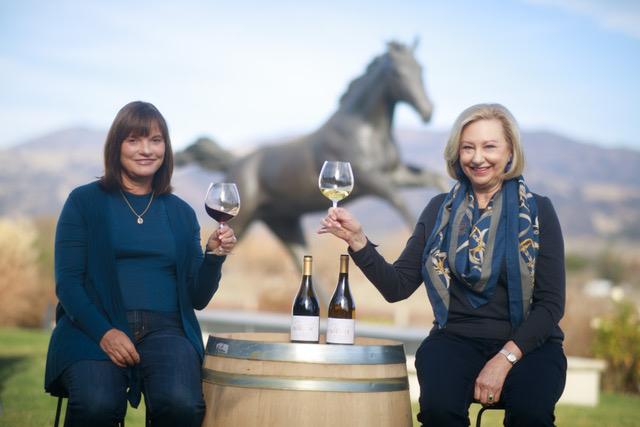
Vine to Bar Co-Founders Barbara Banke, left, and Peggy Furth, right.
Dining Experience:
By Aubrey Flynn Contributor, Food & Beverage Magazine Founder, GOALSapp.ai
New York City has always been a proving ground for hospitality.
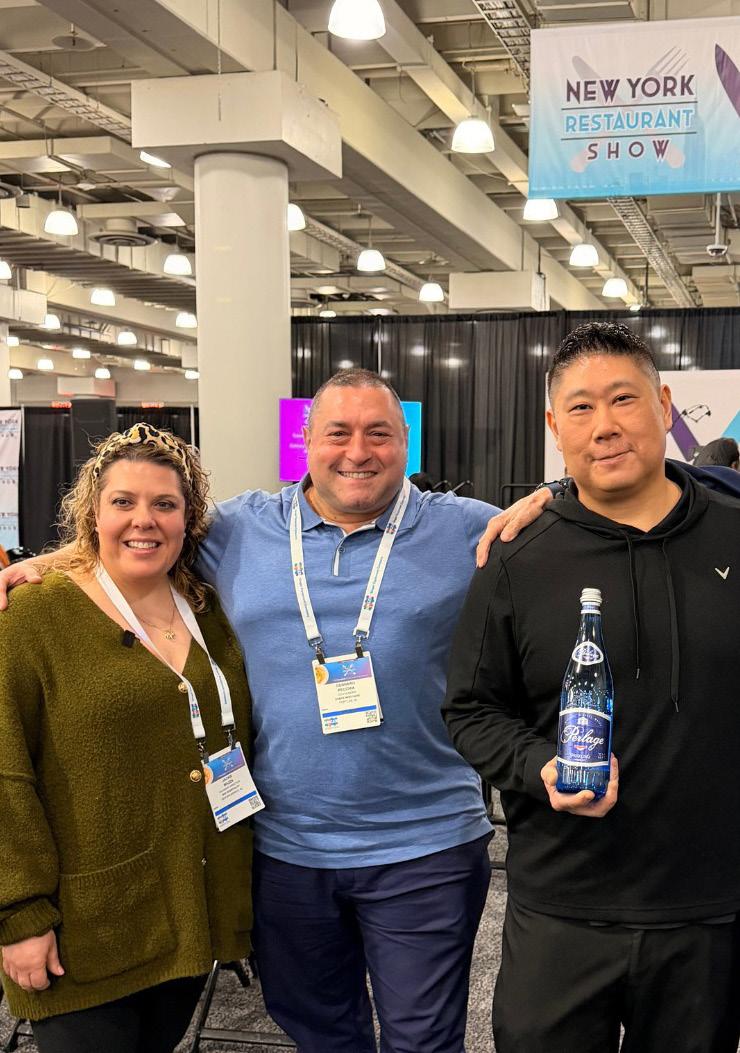
The standards are high, the margins are tight, and the operators who succeed here often shape the direction of the entire industry. That reality was on full display during day two of the 2026 New York Restaurant Show at the Javits Center, where chefs, restaurateurs, and industry leaders gathered to exchange ideas about the future of dining.
Across the show floor and inside packed conference sessions, one theme stood out. Elevating hospitality today requires more than great food. It demands storytelling, leadership, culture, and a relentless commitment to the guest experience.
Few sessions captured that shift more clearly than the panel titled Elevating the Dining Experience, moderated by Herb Karlitz, founder of Karlitz & Company.
For more than three decades, Karlitz and his firm have produced thousands of culinary and hospitality events for global brands including American Express, Resy, EY, and Merrill Lynch. His work has helped shape the modern food and wine landscape by bringing together the people who define it.
On stage with him was a group of operators whose influence spans the
Marcus Samuelsson, chef and restaurateur behind the Marcus Samuelsson Group.
Eugene Remm, co-founder of Catch Hospitality Group.
Ayesha Nurdjaja, chef and partner at Shuka and Shukette.
Each brought a different lens, but a shared belief emerged. Great hospitality begins with identity.
For Ayesha Nurdjaja, that identity was discovered through personal connection. “Both my father and mother were amazing cooks,” she shared. “It wasn’t until I moved out when I was 19 and hungry that I realized I had no idea how to cook and that was a problem.”
What followed was a self-taught journey. Watching chefs on television, recreating dishes after work, and building a relationship with food that would ultimately define her career. “It was the first time as an adult I had a connection with food,” she said. “It unleashed a part of my soul where I created this thing with my hands and I knew I needed to be a part of that.”
Nurdjaja emphasized that today’s dining experience goes beyond what is served. “When you think about the elevated dining experience it’s about a little bit of entertainment and a little bit of nourishment,” she said.
She also noted the role expectations now play in shaping perception. “A lot of people come to the restaurant and they already have this preconceived notion. They heard from a friend or they read a review and they want to size it up,” she explained. “Sometimes you should just come in with an open heart and see what we have to offer.”
For her, clarity is everything. “The thing is to really know who you are, what your product is and what your voice is trying to say and make sure that it’s very clear.”
That idea of clarity carried into Marcus Samuelsson’s perspective on connection. “You never want to be the one saying ‘they didn’t get it,’” Samuelsson said. “Maybe they didn’t, but it’s also how did you articulate it. So you have to own up to that and tweak it, make it more delicious, and connect.”
founder and CEO of Gracious Hospitality Management.
He pointed to a challenge many operators face. “We’ve all gone to great restaurants and the dining room is empty. Very often it’s because they didn’t connect.”
Samuelsson also highlighted how the digital era has fundamentally reshaped hospitality. “When I started in fine dining, you had to be in the room to understand it,” he said. “Today, because of social media, everything is experienced or you can see it. And I think that changes everything.”
In that environment, identity becomes even more critical. “The strength of your identity and the culture you build around it is not everything, but it’s a good 70%.”
Simon Kim approached the conversation through the lens of leadership and team building. Rather than prioritizing pedigree, he looks for consistency, attitude, and resilience. “If somebody had a five year job at Olive Garden, even though we’re a fine dining restaurant, we’d love to hire that person,” he said. “It shows they have the patience and they have the grit to push it through.”
But beyond hiring, Kim emphasized staying grounded in purpose. “I find the North Star within,” he said. “Instead of trying to chase what is the next fad. What’s next should be what your North Star in your heart says.”
For operators navigating a trend-driven industry, the message was clear. Longevity comes from knowing who you are, not chasing what is popular.
Eugene Remm brought the conversation back to experience and emotion. “When I was 22 and moved to New York City and went to Pastis for the first time, that experience changed my life,” he said. “I walked in there on a Sunday night and to see it full with all these unique people, I was just blown away.”
That moment shaped his understanding of hospitality as something deeper than service. “I just think authenticity is the only thing that’s going to break through all the noise that’s happening right now in our
industry,” Remm said. “If you walk into a restaurant and it doesn’t have a through line or a point of view or a personality or character, then I think it’s a wasted meal.”
For Remm, hospitality is ultimately about how people feel. “If you can’t be hospitable you should not be in this business,” he said. “If you can’t inject kindness when people walk through the door, you should probably do something else for a living.”
“On top of cooking really great food and giving great service you need to make people feel good.”
That sentiment echoed across the entire panel.
Restaurants today are no longer defined solely by cuisine or design. They are defined by the clarity of their identity, the strength of their culture, and their ability to create meaningful experiences for guests. Karlitz guided the conversation with the perspective of someone who has spent decades bringing together the most influential voices in hospitality. His role reflected the same philosophy that has defined his career. Create environments where connection, conversation, and collaboration can happen.
Despite the challenges facing the industry, from rising costs to shifting consumer expectations, the outlook from the stage was clear.
Great hospitality endures.
It is built on authenticity, consistency, and a deep understanding of how to make people feel.
And in New York City, that standard continues to set the tone for the rest of the industry.
Great hospitality endures. It is built on authenticity, consistency, and a deep understanding of how to make people feel. And in New York City, that standard continues to set the tone for the rest of the industry.
MUSIC MATTERS TO YOUR CUSTOMERS
86% WOULD RETURN TO AN ESTABLISHMENT IF THEY LIKED THE FEATURED LIVE MUSIC
86% WOULD RECOMMEND THE ESTABLISHMENT IF THEY ENJOY THE MUSIC
80% SAY THAT MOST OF THE RESTAURANTS AND BARS THEY FREQUENT HAVE MUSIC PLAYING
NEARLY 70% OF MILLENNIALS SAID THAT HAVING NO MUSIC NEGATIVELY IMPACTS THEIR EXPERIENCE
BAR AND RESTAURANT OWNERS WEIGH IN 89% OF MILLENNIALS SAID THAT GOOD MUSIC MAKES A MORE MEMORABLE EXPERIENCE
THE MORE UPBEAT, THE BETTER CHANCE FOR AN UPSELL, THE BETTER CHANCE THEY WANT TO STAY A LITTLE LONGER.
COLORADO AND UTAH
-THOMAS OWNER, FAMILY ITALIAN RESTAURANT ATLANTA, GA
-CHRISTOPHER VINEYARD OWNER AND TASTING ROOM OPERATOR LOS ANGELES, CA
Empowering Employees
BY CARL SOBOCINSKI
No one will ever love your company as much as you do. But you can create a company culture designed to empower your best and brightest and give them opportunities to grow and ultimately rise to the top. We have more than 550 employees across 6 restaurants and a catering division; many of whom have been with us for more than 10 years. So how do we encourage our team?
Instill the importance of community service.
We ask all of our employees to volunteer 8 hours each year. Our restaurants participate in dozens of events in our community from food festivals to charity fundraisers and we ask our employees to volunteer along with us. We have a history of hosting Brunch for a Cause, giving all sales to World Central Kitchen and/or The American Cross after natural disasters. The employees who volunteer those days also give not only their time but all of their tips to the cause. There’s something very powerful about coming together as a group to do something impactful.
Celebrate your stars.
There are lots of industry awards at the top level, but we are always looking for opportunities to recognize our talented individuals who are often behind the scenes- doing the hard work that doesn’t always get recognized. Every year at our big anniversary bash each restaurant recognizes 2 individuals who don’t just show up and do their job but take real pride in what they do- whether they’re a dishwasher or sommelier. We celebrate these employees in front of the entire company and know that it not only makes them feel seen but inspires their peers as well.
Ask your employees to recognize their peers.
Each week we ask our managers to recognize their “Go Givers.” The term was coined by Bob Burg and is a core value of our entire organization. Internally our employees nominate and celebrate those who go above and beyond their job- maybe by pitching in to help someone else out when they didn’t even ask or by doing something “unreasonable” (Will Guidara) for one of our guests to create a memorable experience.
Encourage them to keep learning
We’ve had a number of chefs that were offered opportunities to go and learn from some of the best culinary talent in the country (an internship called a stage in the restaurant industry). We not only encourage those who get that chance, but we’ll pay for their time away as they learn to advance their craft. We had one chef who left for a one month stage and wound up spending 4 years out in California. When he was ready to come back, he had a job waiting for him.
Don’t ask them to do anything you wouldn’t do yourself.
There are many a Friday night where you’ll find me at our flagship restaurant bussing tables or running expo alongside the chef. I serve dishes at our city’s annual food festival, I work Thanksgiving Day, Easter brunch, New Year’s Eve…. there is nothing I’d ask my employees to do that I haven’t or wouldn’t do myself.
Make yourself available.
Years ago, I started carving out time every month on my calendar for ‘Coffee with Carl’ sessions where young employees can essentially block time with me to talk about anything, ask me anything. It’s a great opportunity for me to learn about them and their professional aspirations as well. If they want to learn how to do what I did, I’m an open book.
Promote health and wellness.
We work in one of the hardest industries from a mental health and physical wellness standpoint. In addition to encouraging our employees to sign up as teams for community 5k and fun runs throughout the year and hosting step challenges every few months, all employees have access to mental, physical, legal and financial counseling through an employee assistance program. We also implemented a mandatory 30 day sabbatical for all corporate staff, executive chefs and GMs every 5 years.
Recognize their passions.
When you can recognize someone’s passion- even if it’s not the role they are currently in- that’s when the real magic happens. Jorge Baralles (who everyone calls Papi) started working for me in 1997 as a dishwasher. He was working two jobs at the time but always found time to make tacos for the staff before or after service. Everyone loved when Papi made tacos. I used to joke with him that one day we’d open a restaurant together. In 2013 we opened Papi’s Tacos together. In 2019 he became the sole owner and just opened a second location last year.
Create opportunity for growth.
If you are in a competitive market and want to retain your top talent, you need to find ways to keep them excited and engaged. 7 years ago we started a legacy program giving our employees a path to ownership. Since 2019 we’ve helped 5 employees own their own restaurant, that started out under the Table 301 umbrella.
Carl Sobocinski
Since 2019, Carl Sobocinski has turned over 5 of his restaurants to employees of his Table 301 Hospitality. The now-owners are a mix of chefs, general managers and longtime employees- but they each took the initiative and opportunity that Carl put out in front of them to become their own restaurant owners. Read more at 301 LegacyTable 301
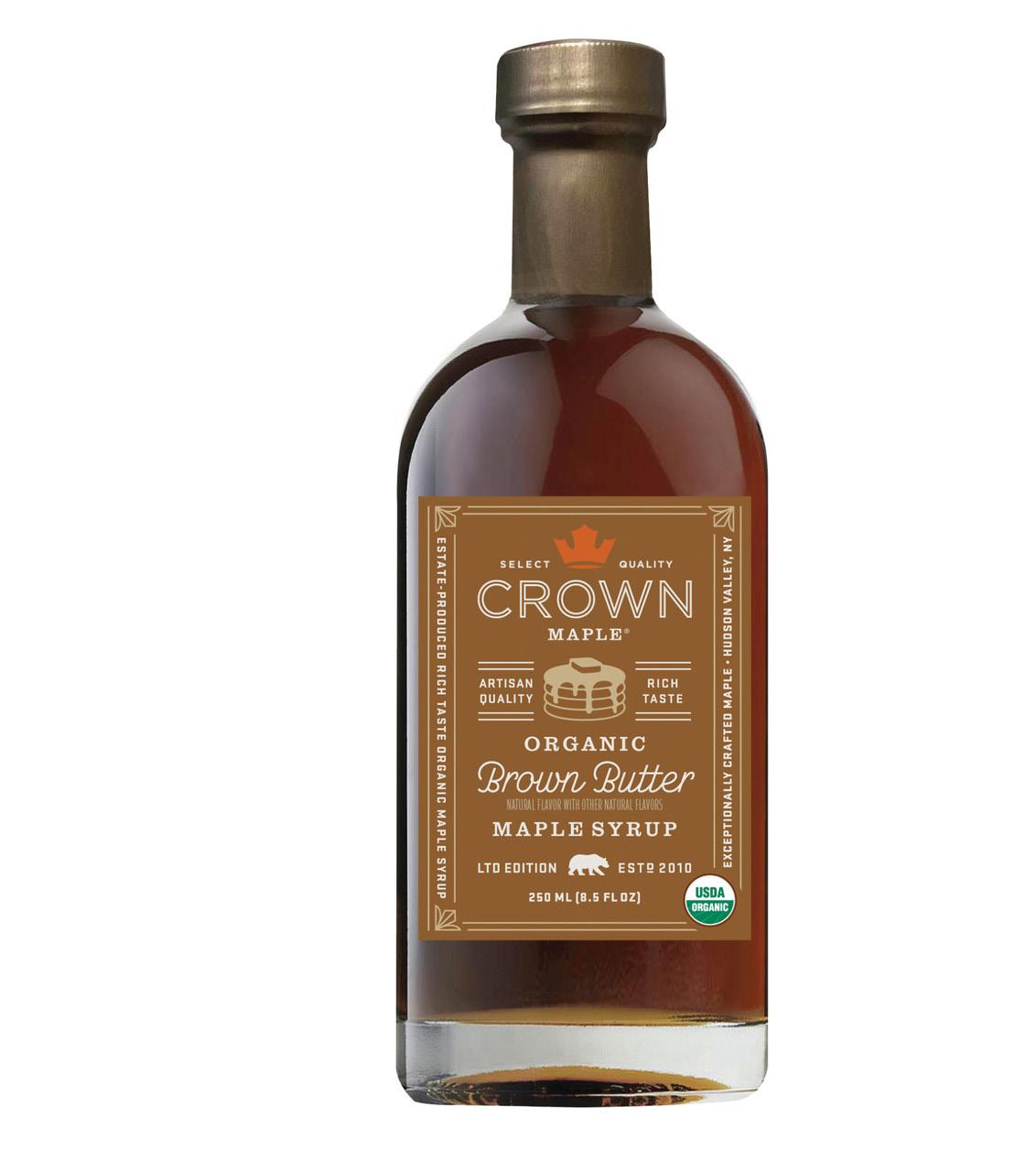
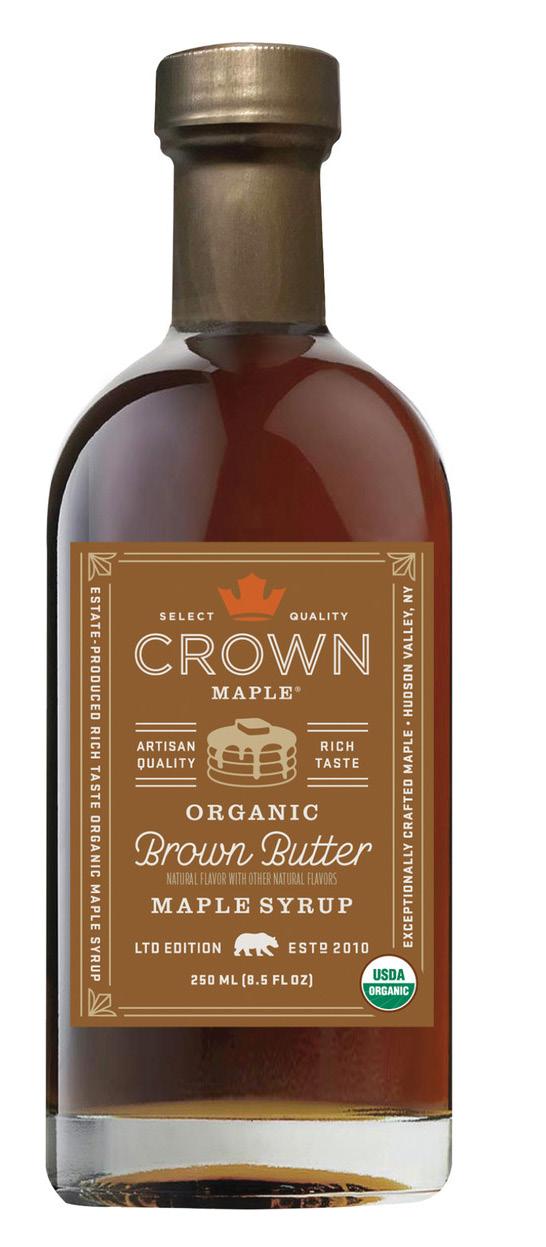
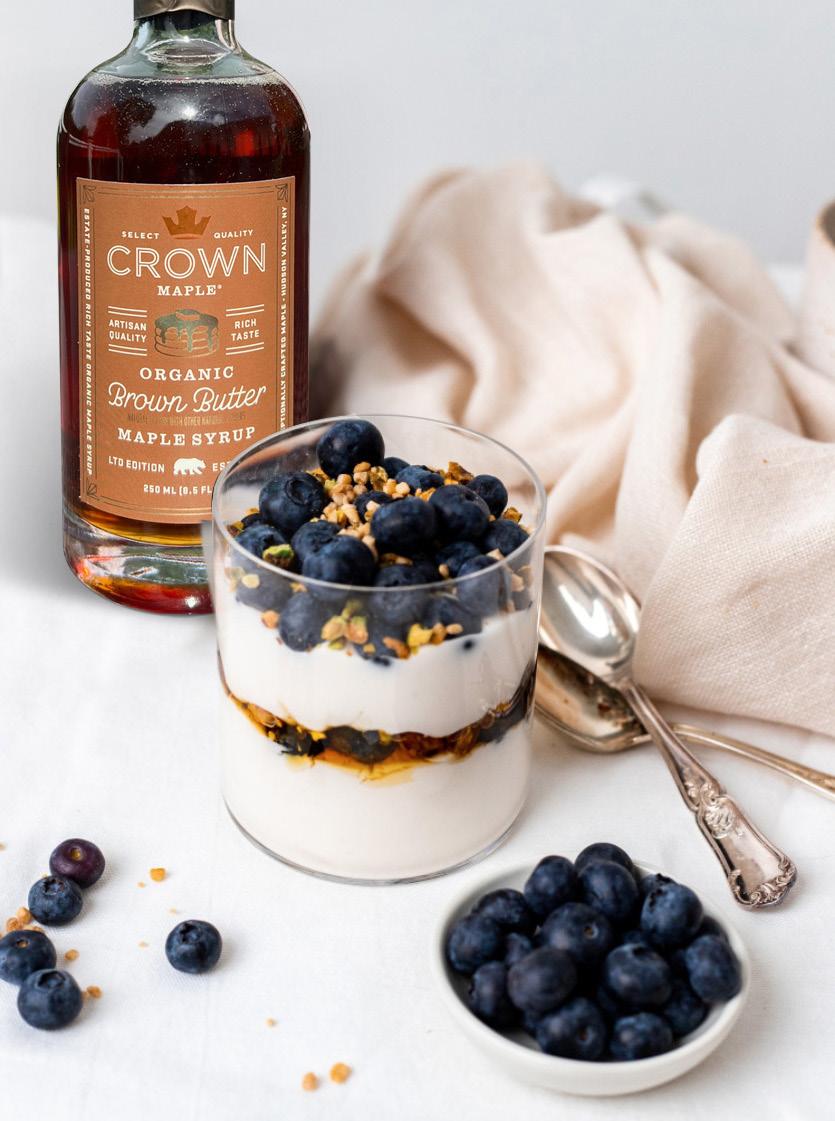
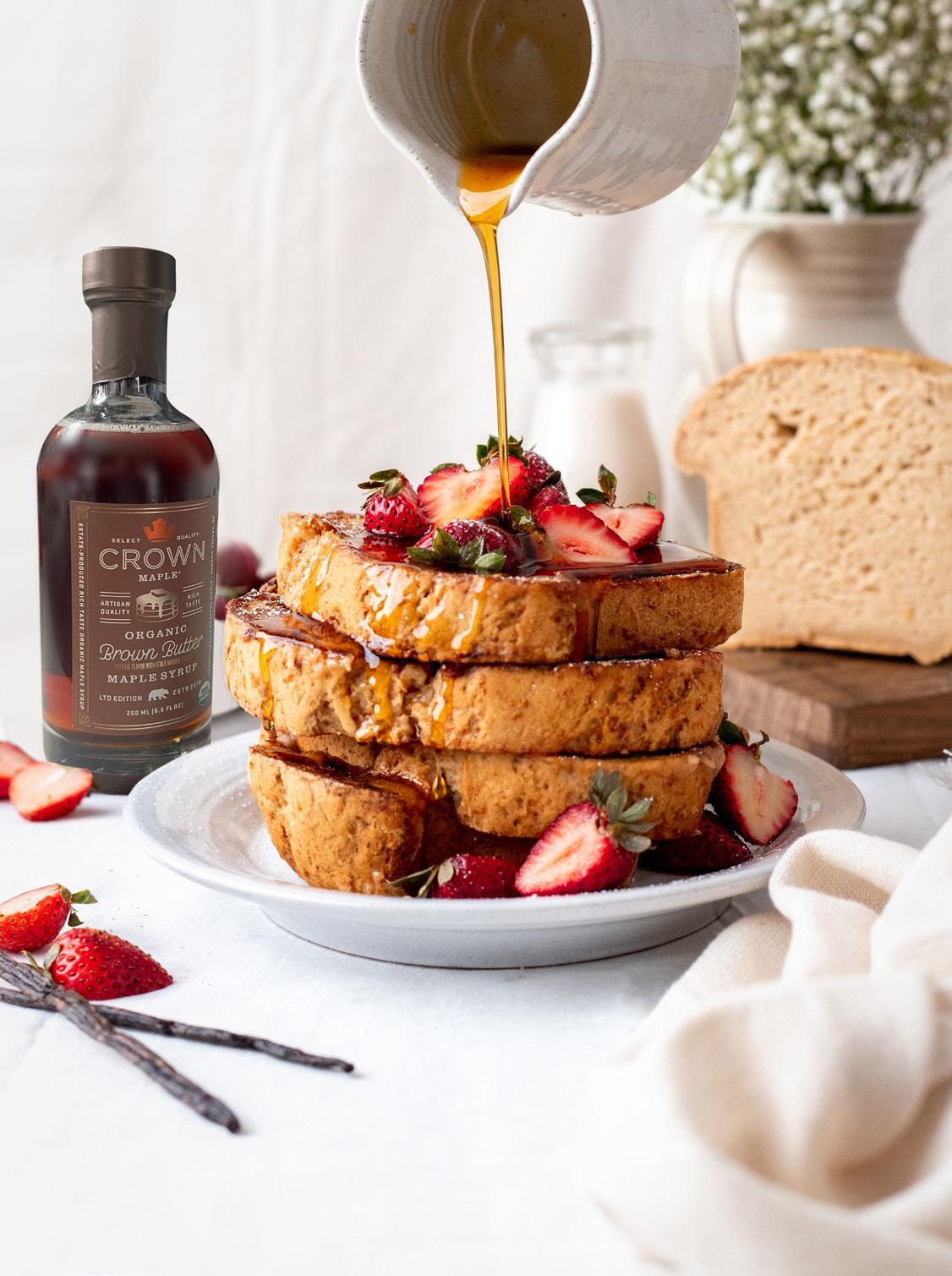
Crown Maple’s Brown Butter Innovation: The Versatile Flavor Extension the Category Needed
In the competitive landscape of premium condiments, incremental innovation often gets overlooked in favor of bold, disruptive launches. Yet Crown Maple’s introduction of Brown Butter–flavored maple syrup demonstrates that sometimes the most powerful moves are those grounded in consumer insight and strategic restraint.
The new offering arrives at a pivotal moment for the brand. As the premium maple syrup category continues to mature, differentiation through flavor extension has become essential. Crown Maple’s brown butter variant doesn’t just add another option to the portfolio—it taps into a consumer preference that has proven remarkably durable across food categories: the rich, toasty complexity of brown butter.
What makes this launch particularly noteworthy is its positioning beyond the traditional maple syrup narrative. While the category has long been anchored to breakfast applications—pancakes, waffles, oatmeal—brown butter’s flavor profile opens entirely new usage occasions. The notes of butterscotch and caramel create a bridge between breakfast indulgence and culinary versatility that resonates with today’s consumers.
Consumer research validates this opportunity. Crown Maple’s brown butter variant performs at parity with the brand’s existing top-performing flavors across versatility metrics, a significant achievement for a new entrant. This isn’t a niche flavor for a specific occasion; it’s a genuine multiuse ingredient that consumers see themselves reaching for across multiple meal contexts.
The research reveals intended applications spanning baked goods, beverages, and savory dishes—a versatility profile that positions brown butter maple syrup as something more than a breakfast condiment. This expansion of use cases is crucial in premium food categories, where consumer willingness to pay higher prices often correlates directly with perceived utility. Consider the applications: drizzled over roasted root vegetables, stirred into coffee or hot chocolate, incorporated into salad dressings, glazed over salmon or pork, or folded into brownie batter. Each use case justifies the premium price point and deepens the consumer relationship with the brand.
Crown Maple’s approach reflects sophisticated category management. Rather than chasing novelty for its own sake, the brand has identified a flavor direction with clear consumer demand, proven category precedent (butter
flavors consistently perform well across food and beverage), and genuine versatility. This restraint—choosing the right flavor extension rather than the most novel—often yields stronger long-term results.
The parity performance with existing flavors is particularly telling. In portfolio management, achieving equal standing with established performers validates the extension’s legitimacy. This isn’t a flavor that cannibalizes existing sales through gimmick appeal; it’s a genuine alternative that expands the category’s addressable market.
This launch also signals a maturation in how premium maple syrup brands think about their category. Rather than competing solely on sourcing purity or production methods, Crown Maple is competing on culinary versatility and consumer imagination. It’s an acknowledgment that modern premium consumers want ingredients that work harder across their kitchens.
As the premium condiment category continues evolving, Crown Maple’s brown butter maple syrup exemplifies how incremental innovation—when rooted in genuine consumer insight and strategic positioning—can drive meaningful growth. It’s a reminder that sometimes the most powerful innovations aren’t the loudest; they’re the ones that simply make life in the kitchen a little more delicious.
Crown Maple Brown Butter
Crown Maple Brown Butter
People who love to eat are always the best people.
- Julia Child
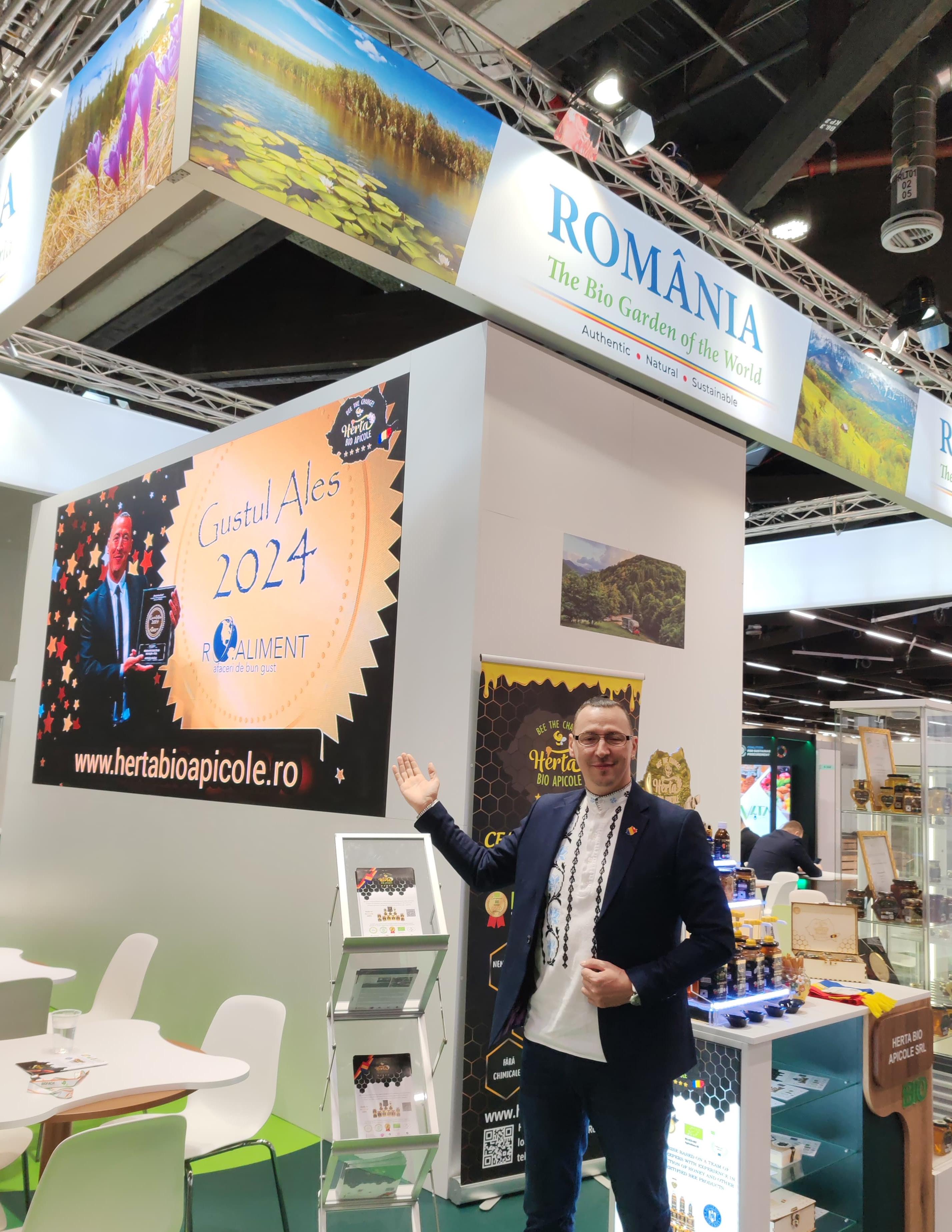
Herta Bio Apicole: How a Romanian Beekeeping Family Built Europe’s Most Honored Organic Honey Brand
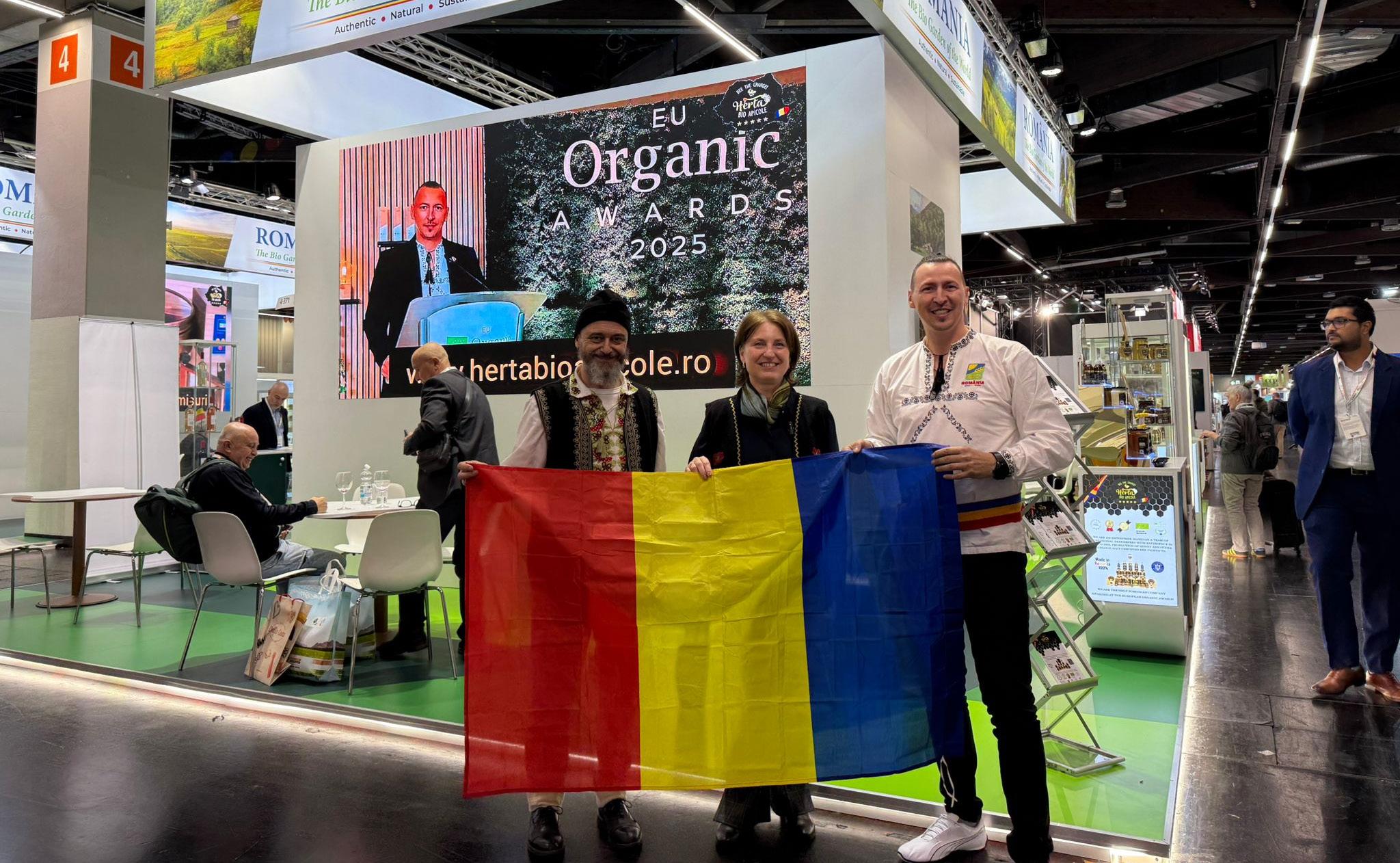
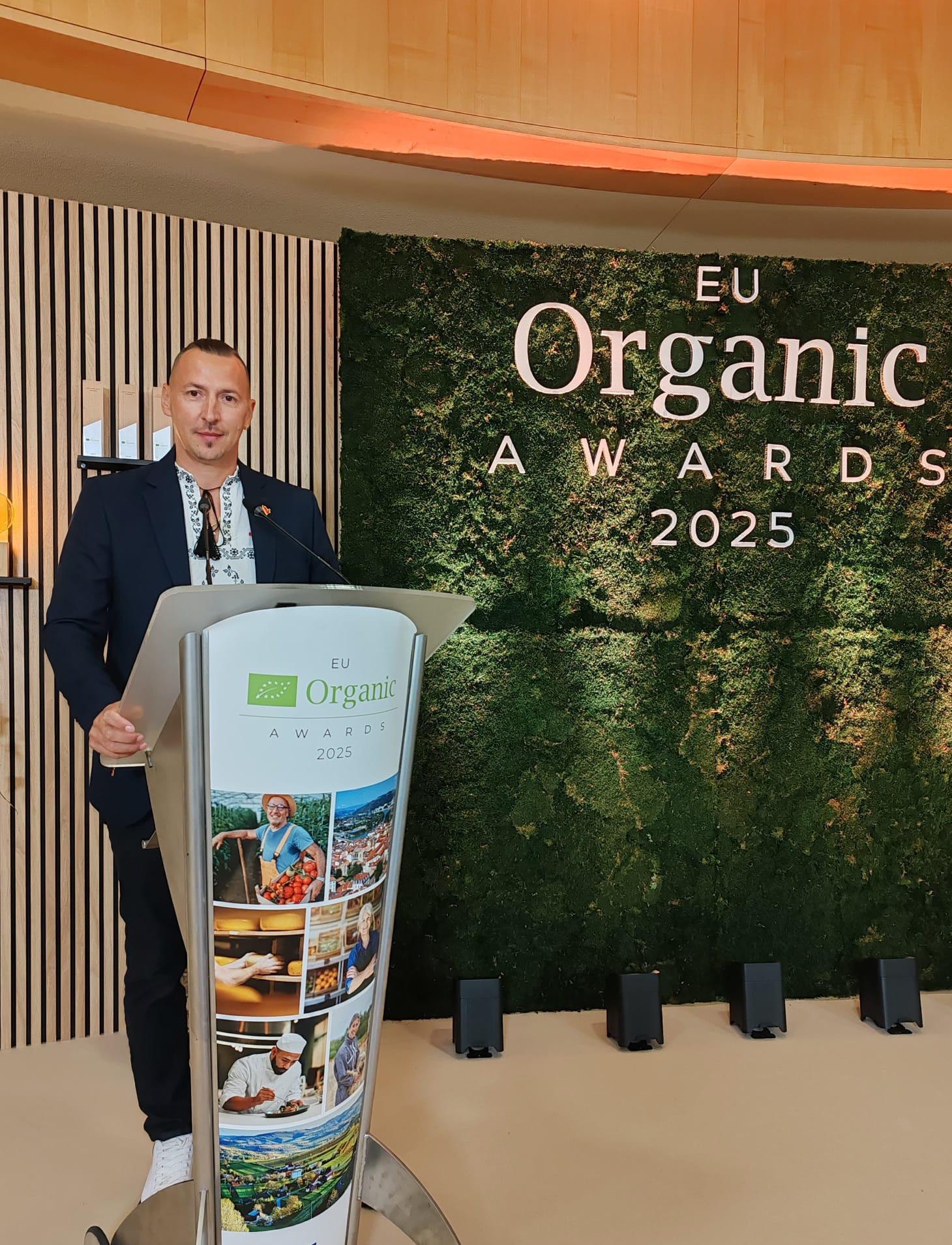
In the remote Carpathian mountains of Transylvania, where pristine forests meet centuries-old traditions, Cosmin Herta and his team have quietly built something remarkable: a beekeeping operation that has become the gold standard for European organic honey production. What began as a family passion has evolved into a business so respected that it now represents Romania on the world’s most prestigious food stages—and has earned the distinction of being the frst European beekeeping company to achieve second place in the EU Organic Awards 2025.
This isn’t a story about scaling at any cost. It’s a story about building an authentic brand through unwavering commitment to standards that most producers would consider unreasonably strict.
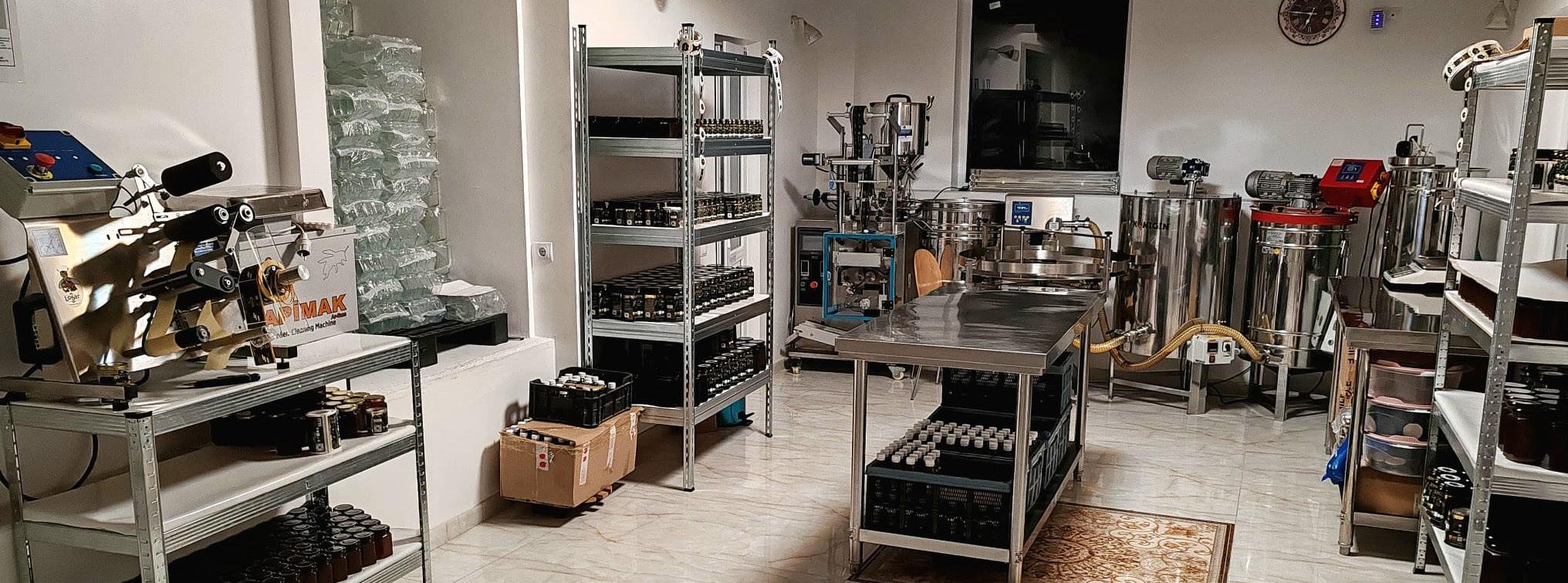
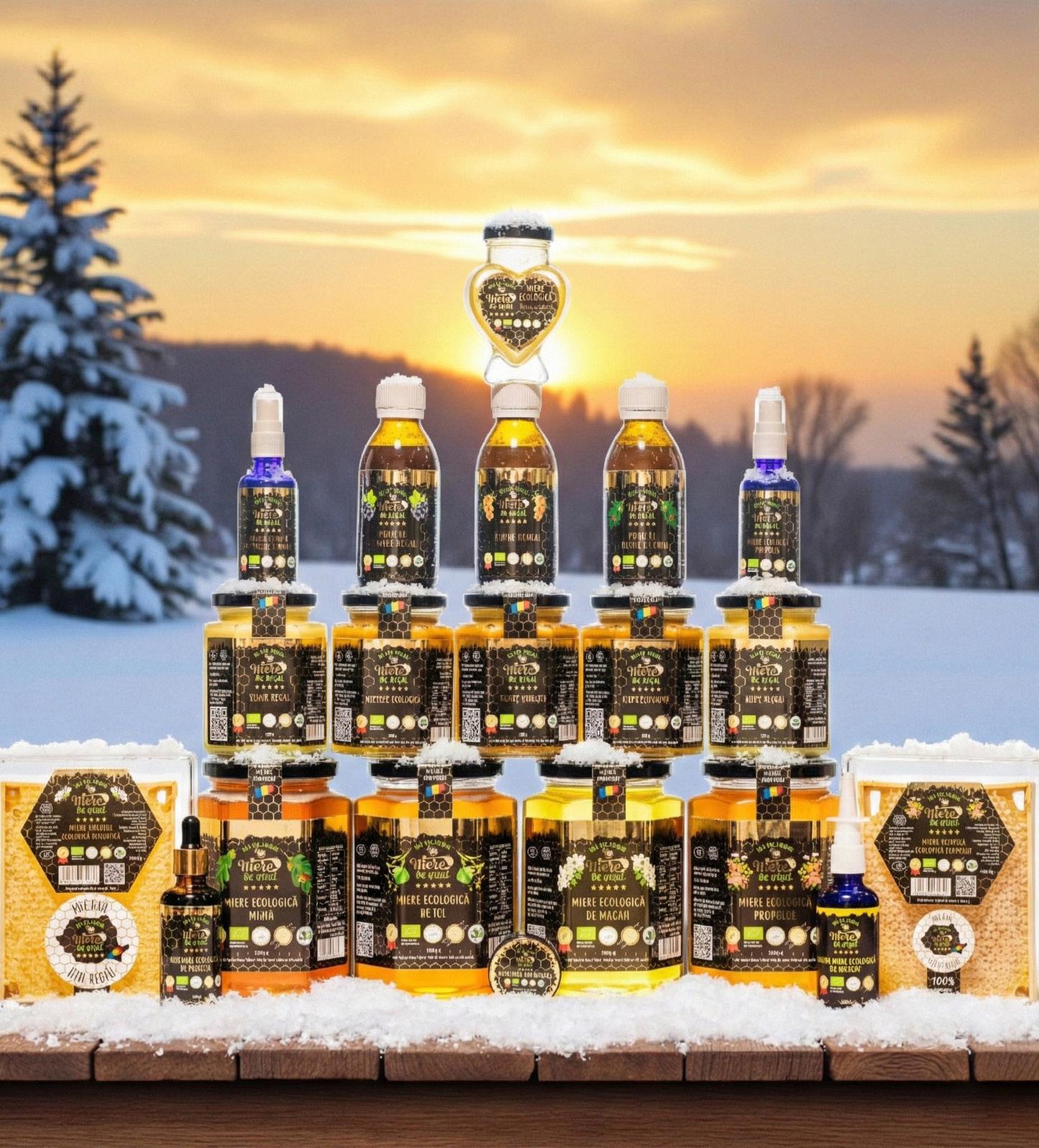
Herta Bio Apicole’s differentiation strategy centers on something deceptively simple: they’ve earned double organic certifcation—one for the bee colonies themselves, and another for the entire bottling and packaging operation. This distinction matters profoundly in a market increasingly skeptical of greenwashing.
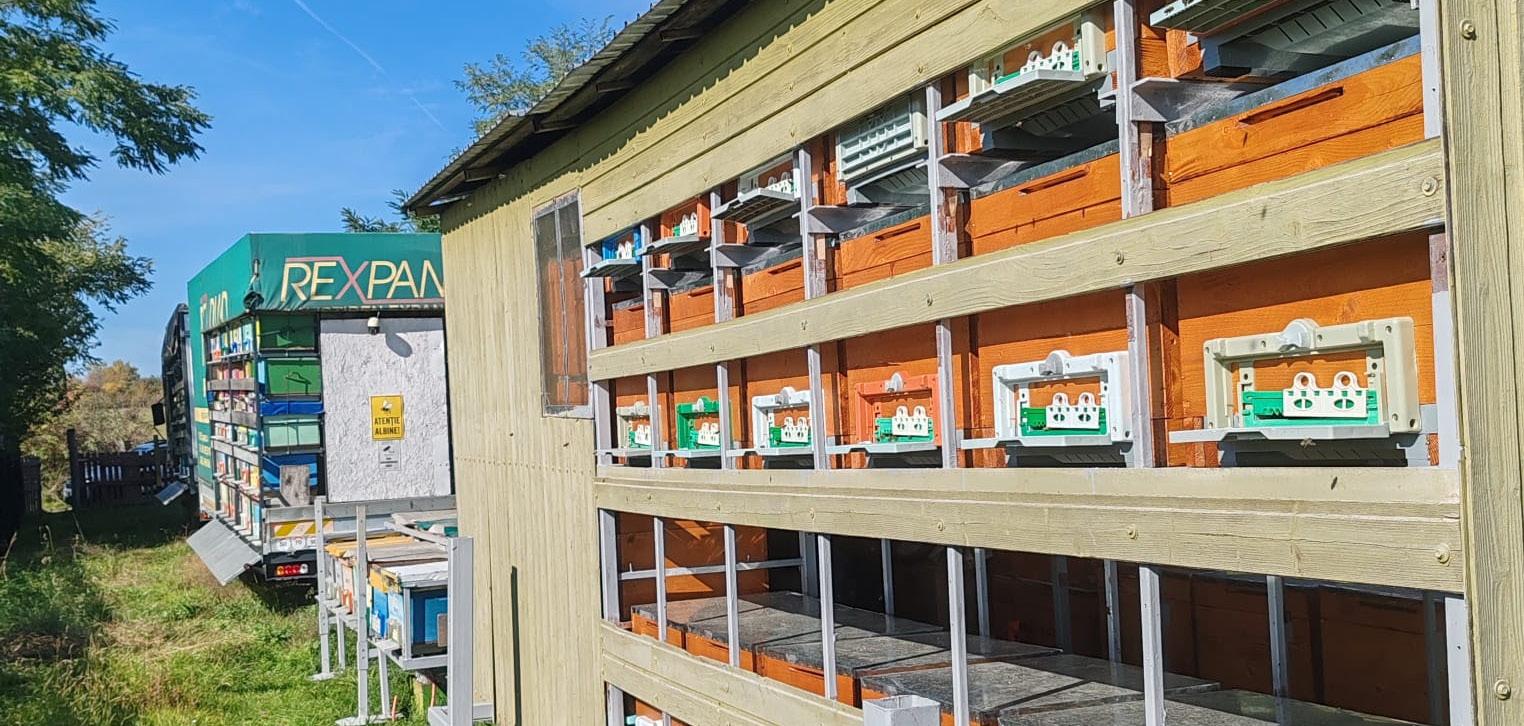
The bee colony certifcation is particularly rigorous. No antibiotics. No sugar feeding in winter—a practice many organic producers rely on during harsh months. These aren’t marketing claims; they’re operational commitments that require deep expertise and genuine respect for the bees’ natural lifecycle. With over 15 years of professional beekeeping experience, Herta’s team understands that true organic production demands knowledge that can’t be rushed or outsourced.
The packaging certifcation ensures that the moment honey leaves the hive, it remains untouched by compromise. Every step adheres to the strictest European standards—a commitment that transforms the entire supply chain into an extension of the brand’s core values.
Recognition for Herta Bio Apicole has arrived not through aggressive marketing, but through the quiet endorsement of institutions that cannot afford to be wrong. In 2024, when Romania’s Prime Minister presented Herta honey to Pope Francis at the Vatican, something remarkable happened: a product transcended national politics and entered the realm of universal prestige.
This moment crystallizes what Herta has achieved. The choice to gift their honey to the Vatican, to Princess Sofa of Romania, and to European Commissioner Christophe Hansen wasn’t about political positioning—it was about selecting a product so authentically excellent that it could represent Romania itself on the world’s most signifcant stages.
Herta Bio Apicole’s diferentiation strategy centers on something deceptively simple: they’ve earned double organic certifcation—one for the bee colonies themselves, and another for the entire bottling and packaging operation.
In an era of skepticism toward food authenticity claims, Herta Bio Apicole proves that genuine excellence, rooted in respect for nature and commitment to craf, still resonates.
The awards validate this perception: double gold medals at the European Organic Festival in consecutive years (2023 and 2024), the “Gustul Ales” Trophy as Romania’s best organic product, and most signifcantly, second place in the EU Organic Awards 2025 in the “Best organic company in Europe” category. Being the frst European beekeeping company to achieve this ranking isn’t a marketing achievement; it’s a structural validation of operational excellence.
What’s particularly striking is how Herta Bio Apicole has achieved international presence without diluting its identity. The company represents Romania at SIAL in Paris, BioFach in Nuremberg, ANUGA in Cologne, and Seoul Food & Hotel in South Korea—some of the world’s most competitive food trade platforms.
This global footprint refects a broader truth about premium food categories: authenticity at scale is possible when the fundamentals are sound. Herta didn’t expand internationally by compromising standards or chasing volume. They expanded because their product—and the story behind it— resonated across cultures and continents.
The Carpathian location isn’t incidental to Herta’s success; it’s central to it. Wild, unpolluted forests create the terroir that makes Transylvanian honey distinctive. The region’s biodiversity produces honey with complexity and character that industrial operations simply cannot replicate. This geographic authenticity, combined with rigorous production standards, creates a product that commands premium positioning globally.
Herta Bio Apicole’s trajectory offers a masterclass in brand building in the premium organic segment. Rather than chasing trends or manufacturing stories, Cosmin Herta and his team built something worth talking about. They committed to standards so high that validation came naturally—from government ministries, from the Vatican, from European institutions, and ultimately from the most discerning consumers worldwide.
In an era of skepticism toward food authenticity claims, Herta Bio Apicole proves that genuine excellence, rooted in respect for nature and commitment to craft, still resonates. Their honey doesn’t just taste exceptional; it carries the weight of earned prestige—the kind that cannot be purchased, only built, one ethical decision at a time.
SCALING EXPERIENCE:
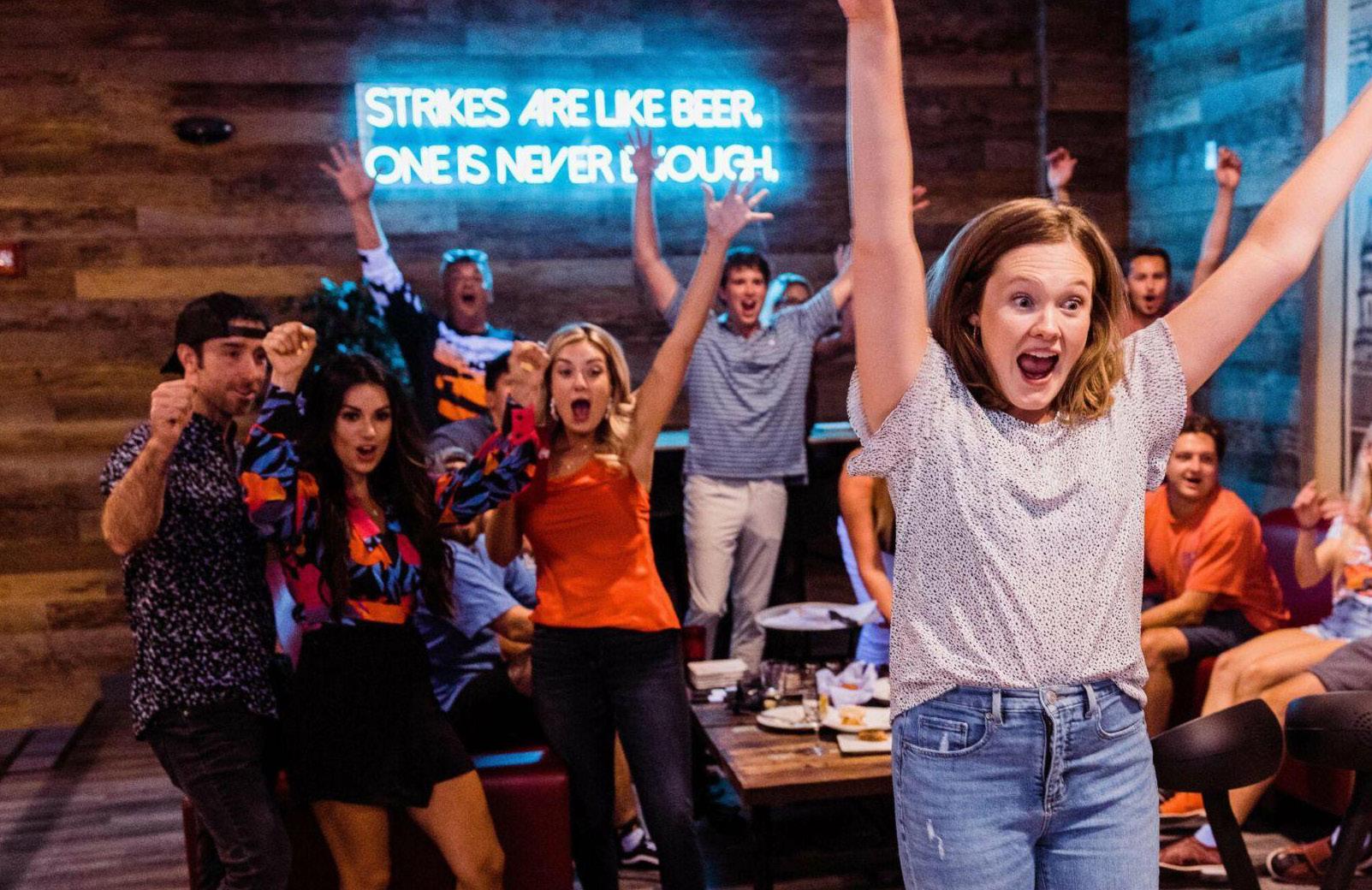
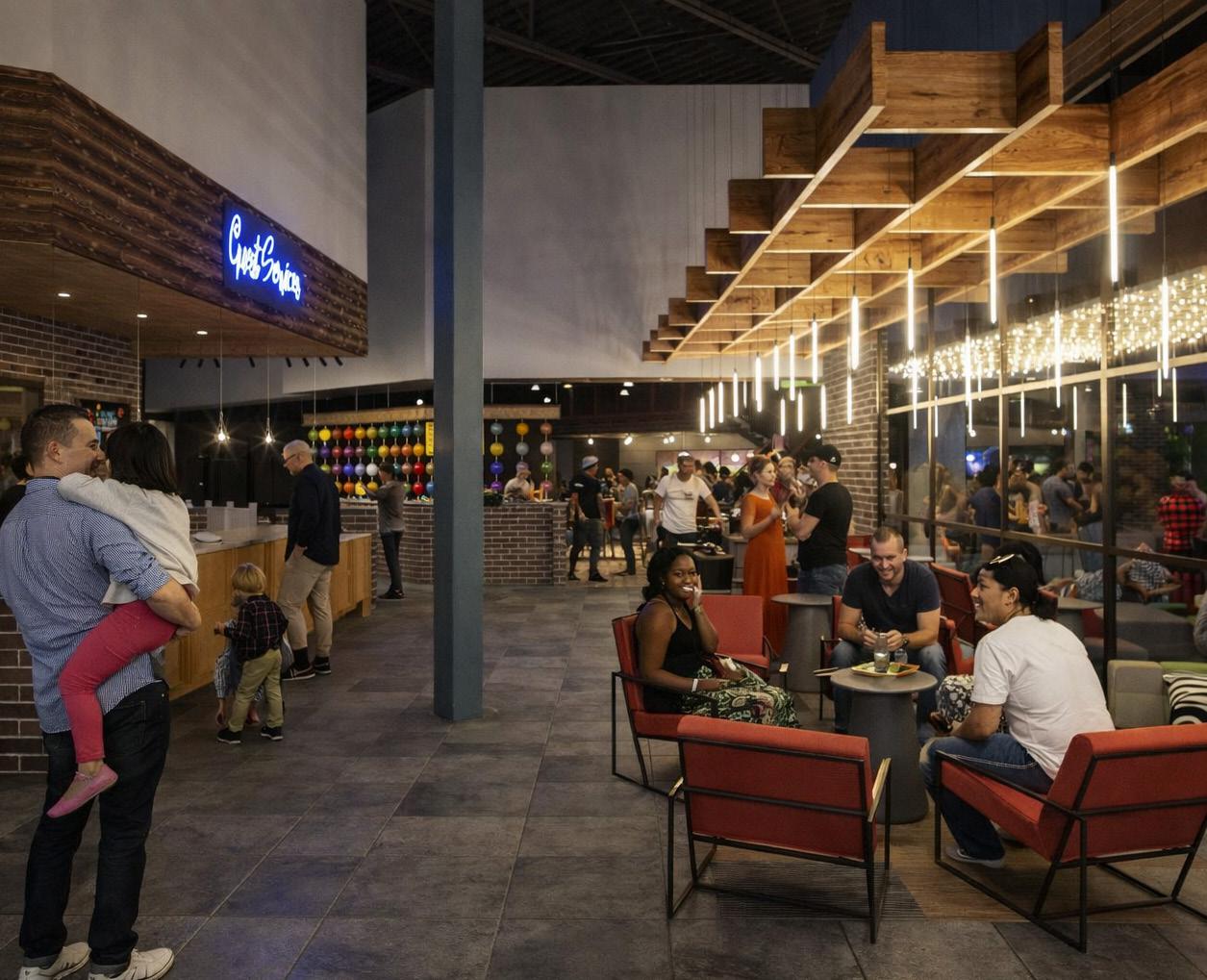
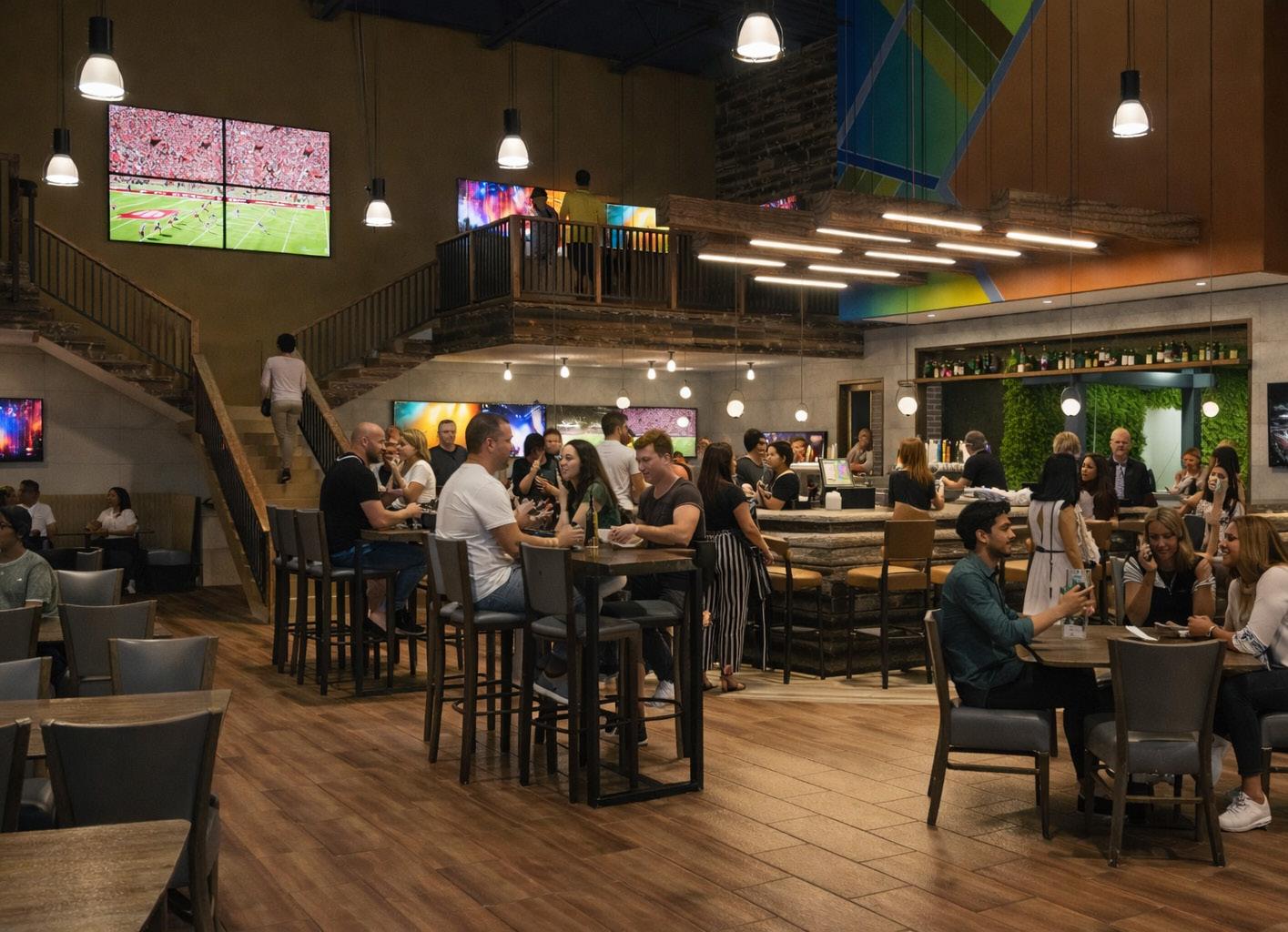
How Lefty’s Alley & Eats Is Redefining Entertainment Through Innovation and Culinary Excellence
As the hospitality industry continues to shift toward experiencedriven engagement, operators are being challenged to deliver more than just food and beverage. Today’s consumers are seeking immersive, all-in-one destinations that combine social interaction, entertainment, and high-quality dining.
Lefty’s Alley & Eats has emerged as a standout example of how to execute this model with both operational discipline and creative vision.
With a flagship location in Lewes, Delaware approaching its 10-year anniversary, Lefty’s has spent the past decade refining a concept that seamlessly integrates entertainment and hospitality. Now, with a second location set to open in Newark, Delaware this June, the brand is entering a new phase of strategic growth—one that reflects both the strength of its foundation and the scalability of its model.
At its core, Lefty’s Alley & Eats is designed as a multidimensional venue, combining a full-service restaurant and bar with a robust lineup of attractions, including bowling, arcade gaming, laser tag, digital axe throwing, and virtual golf simulator suites. This layered approach transforms
the traditional night out into a fully immersive experience, encouraging guests to extend their stay and engage across multiple touchpoints within a single visit.
What differentiates Lefty’s in the increasingly competitive eatertainment category is its commitment to delivering balance. While many concepts lean heavily on entertainment as the primary draw, Lefty’s has built its reputation on ensuring that every component—from activities to atmosphere to dining—meets a high standard of quality.
That philosophy is perhaps most evident in its culinary program. Rather than treating food as a secondary offering, Lefty’s places it at the center of the guest experience. Under the direction of an executive chef, the menu emphasizes fresh, high-quality ingredients and scratchmade dishes that exceed the expectations typically associated with entertainment venues. This focus not only elevates the brand perception but also broadens its appeal, attracting guests who may initially visit for dining and subsequently engage with its entertainment offerings.
From a business perspective, this integration of elevated dining with interactive entertainment creates a powerful revenue model. By appealing to multiple motivations—whether it be a family outing, a social gathering, or a corporate event— Lefty’s is able to maximize both frequency and spend. Guests are not limited to a single reason to visit, which in turn increases repeat visitation and strengthens long-term loyalty.
Operational flexibility is another defining characteristic of the concept. Lefty’s is designed to perform across dayparts and demographics, welcoming families during earlier hours, transitioning into a more social, nightlife-driven environment in the evening, and accommodating large-scale private events throughout the week. This adaptability allows the business to maintain consistent traffic while capitalizing on highmargin group sales and event bookings.
The upcoming expansion into Newark underscores the brand’s confidence in this model. Growth at this stage is not simply about adding locations—it is about replicating a proven system while continuing to innovate. By incorporating features such as digital axe throwing and virtual golf suites, Lefty’s is embracing technologydriven experiences that enhance interactivity without sacrificing operational efficiency.
Equally important is the brand’s ability to create an environment that feels both elevated and accessible. Lefty’s strikes a deliberate balance between polished execution and welcoming energy, ensuring that it remains approachable to a wide audience while still delivering a differentiated experience. This positioning is critical in today’s market, where consumers expect quality but are equally driven by comfort and inclusivity.
For industry leaders, Lefty’s Alley & Eats offers a compelling blueprint for sustainable growth in the eatertainment space. Its success demonstrates the importance of diversification—not only in revenue streams, but in the overall guest experience. By thoughtfully integrating highquality food and beverage with engaging, activity-based entertainment, the concept transforms a traditional venue into a destination.
As experiential hospitality continues to gain momentum, brands that can successfully merge culinary excellence with dynamic entertainment will define the next generation of the industry. With a decade of proven success in Lewes and a strategic expansion into Newark on the horizon, Lefty’s Alley & Eats is not only keeping pace with this evolution—it is helping to lead it.
THE MISSING LAYER IN FOOD AND BEVERAGE INNOVATION
In today’s food and beverage landscape, innovation is no longer the bottleneck. Execution is. New products are launched every day, fueled by consumer demand for better ingredients, functional benefits, and transparency. Founders and innovation teams are moving faster than ever. Yet behind the scenes, many of these products face the same challenges.
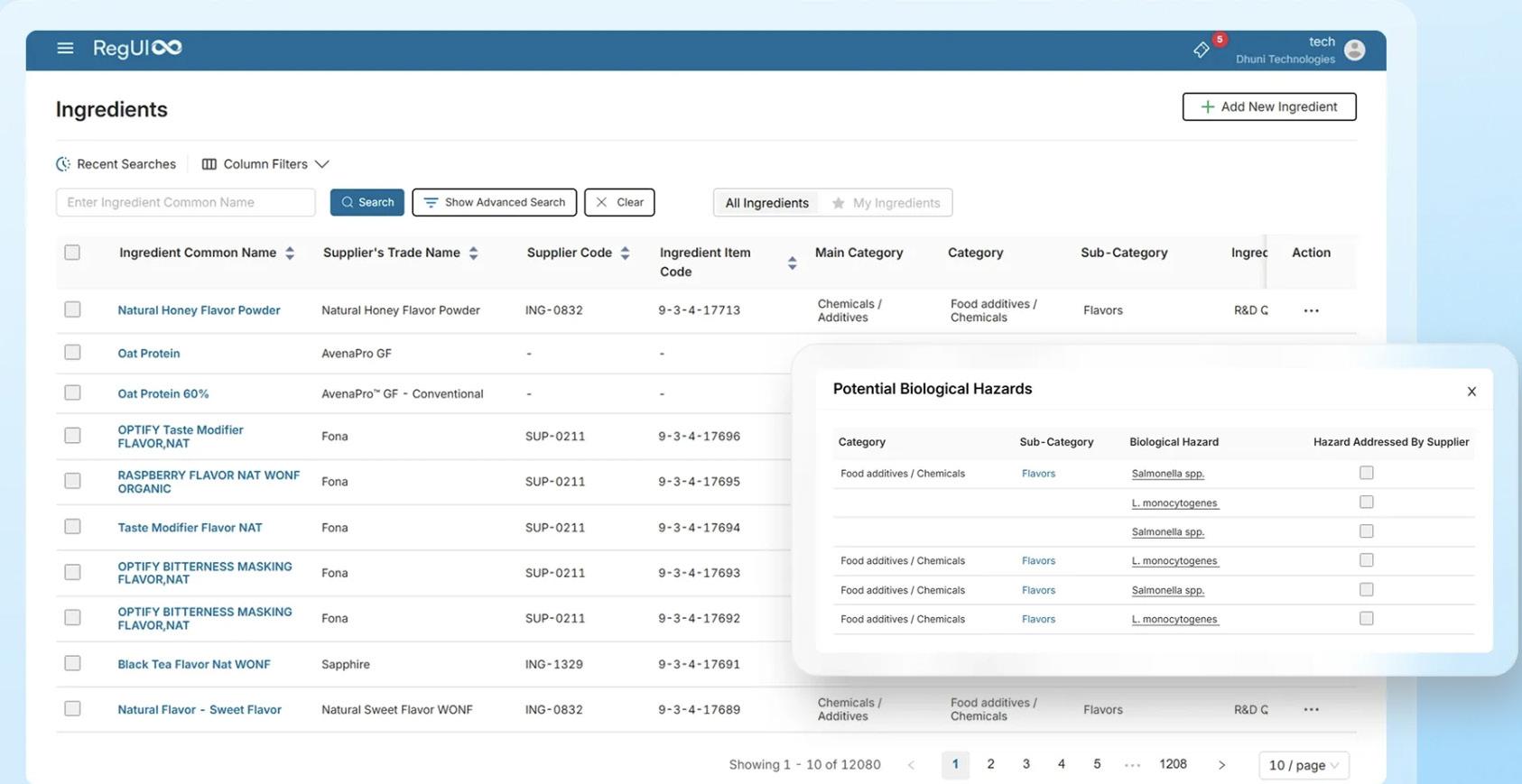
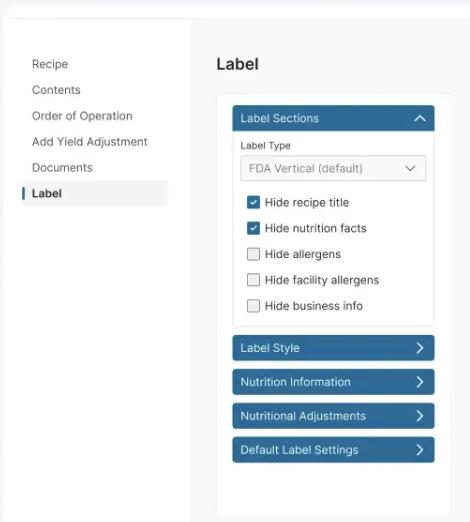
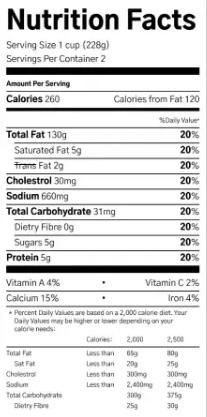
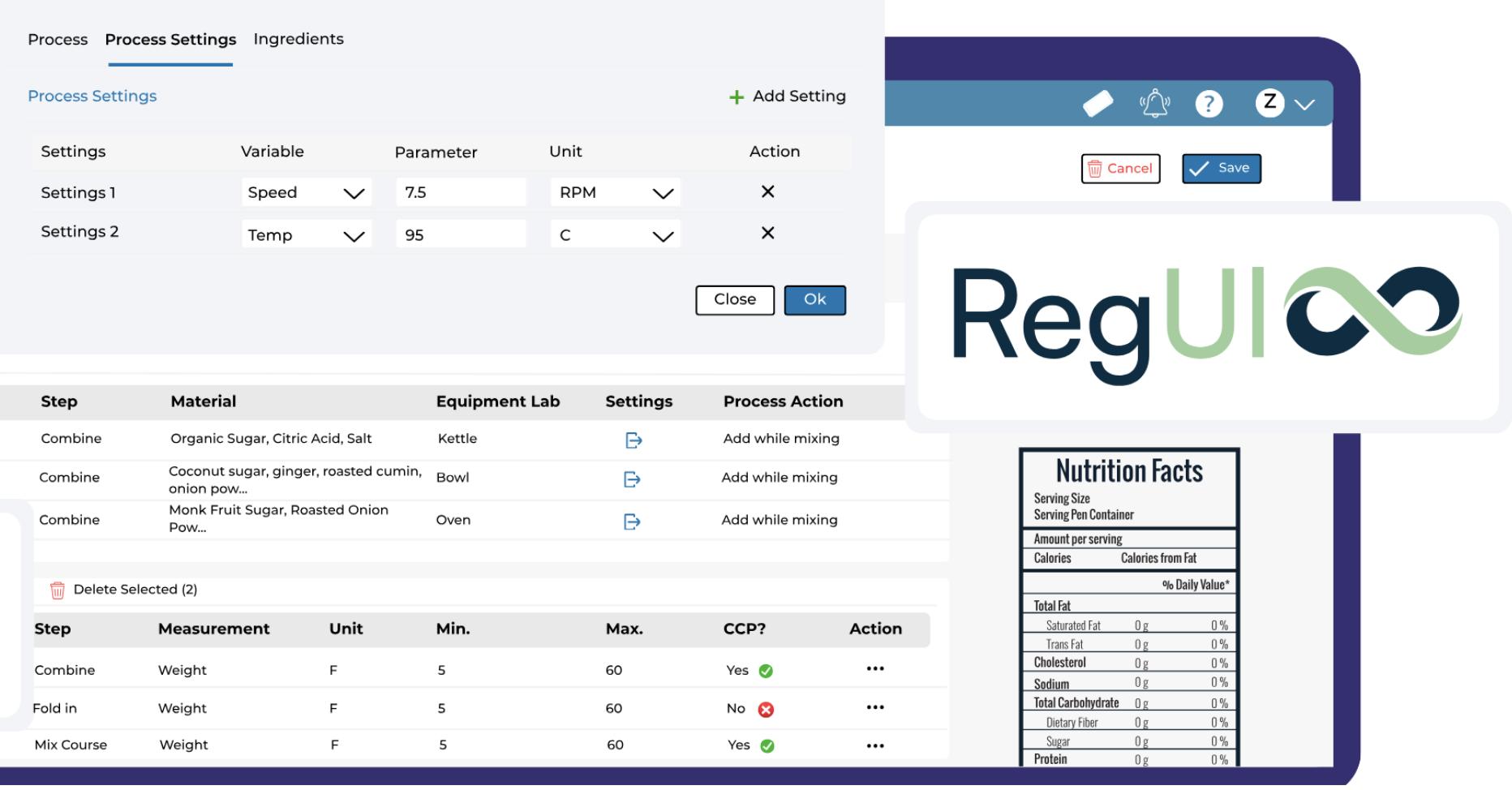
Regulatory complexity. Fragmented supplier data. Labeling risks. Inconsistent documentation across teams and partners. What slows companies down is not the idea. It is the system required to bring that idea to market at scale. RegulateCPG was built to address that gap.
Rather than acting as another point solution, RegulateCPG positions itself as infrastructure for the food and beverage
industry. Its platform connects the layers that typically operate in isolation, including ingredient specifications, supplier certifications, allergen and claim logic, and regulatory frameworks. The goal is simple. Turn compliance and product data from a reactive process into a real-time system. This shift is more significant than it may appear.
Traditionally, compliance has been treated as a checkpoint. A step that happens after formulation, sourcing, and branding decisions have already been made. That approach creates risk. Labels need to be revised. Claims must be adjusted. In some cases, products are delayed or reformulated entirely.
RegulateCPG flips that model by embedding compliance into the product development process itself. As teams build a product, the system continuously evaluates it against regulatory requirements, supplier data, and market constraints.
Instead of asking “Is this compliant?” At the end, teams are guided toward compliant decisions from the beginning. This has a direct impact on speed to market.
By reducing back and forth between departments and external partners, companies can move from concept to commercialization with fewer delays. Product teams are able to make decisions with confidence, knowing that the underlying data is aligned and validated. For emerging brands, this can mean the difference between launching successfully and getting stuck in revision cycles. For established companies, it creates consistency across portfolios and markets. The platform also addresses a growing need for transparency.
Consumers are paying closer attention to what is in their food and where it comes from. Retailers and regulators are raising expectations around documentation and substantiation. As a result, brands must be able to trace and justify every component of their product. RegulateCPG enables this by centralizing product logic and supplier information into a single system. Instead of relying on spreadsheets, emails, and disconnected tools, teams have a unified source of truth. This not only supports compliance but also strengthens trust with partners and consumers.
Another key element is scalability. Many companies can manage compliance when they have a small number of
products. The challenge emerges as they grow. New SKUs, new suppliers, and new markets introduce layers of complexity that are difficult to manage manually. What worked for a startup does not translate to a multi product portfolio.
By standardizing how product data and compliance are managed, RegulateCPG creates a foundation that scales with the business. Whether a company is launching its first product or managing hundreds, the same system can support its operations. This approach reflects a broader shift in the industry.
Food and beverage companies are beginning to think more like technology companies. They are investing in systems that allow them to move faster, reduce risk, and operate with greater precision. Data is no longer just a byproduct of the process. It is the process. RegulateCPG sits at the center of that transition.
By turning compliance into an active, integrated system, it changes how products are built, validated, and brought to market. It reduces friction between teams. It provides clarity in decision making. And it allows companies to focus on what matters most, creating products that resonate with consumers. In an industry where the difference between success and failure often comes down to execution, having the right infrastructure is no longer optional. It is essential.
Instead of asking “Is this compliant?” At the end, teams are guided toward compliant decisions from the beginning. This has a direct impact on speed to market.
WHERE FLAVOR MEETS PHILANTHROPHY
Supporting and Empowering Latino Youth in the U.S.
CREATING SEASONED LEADERS
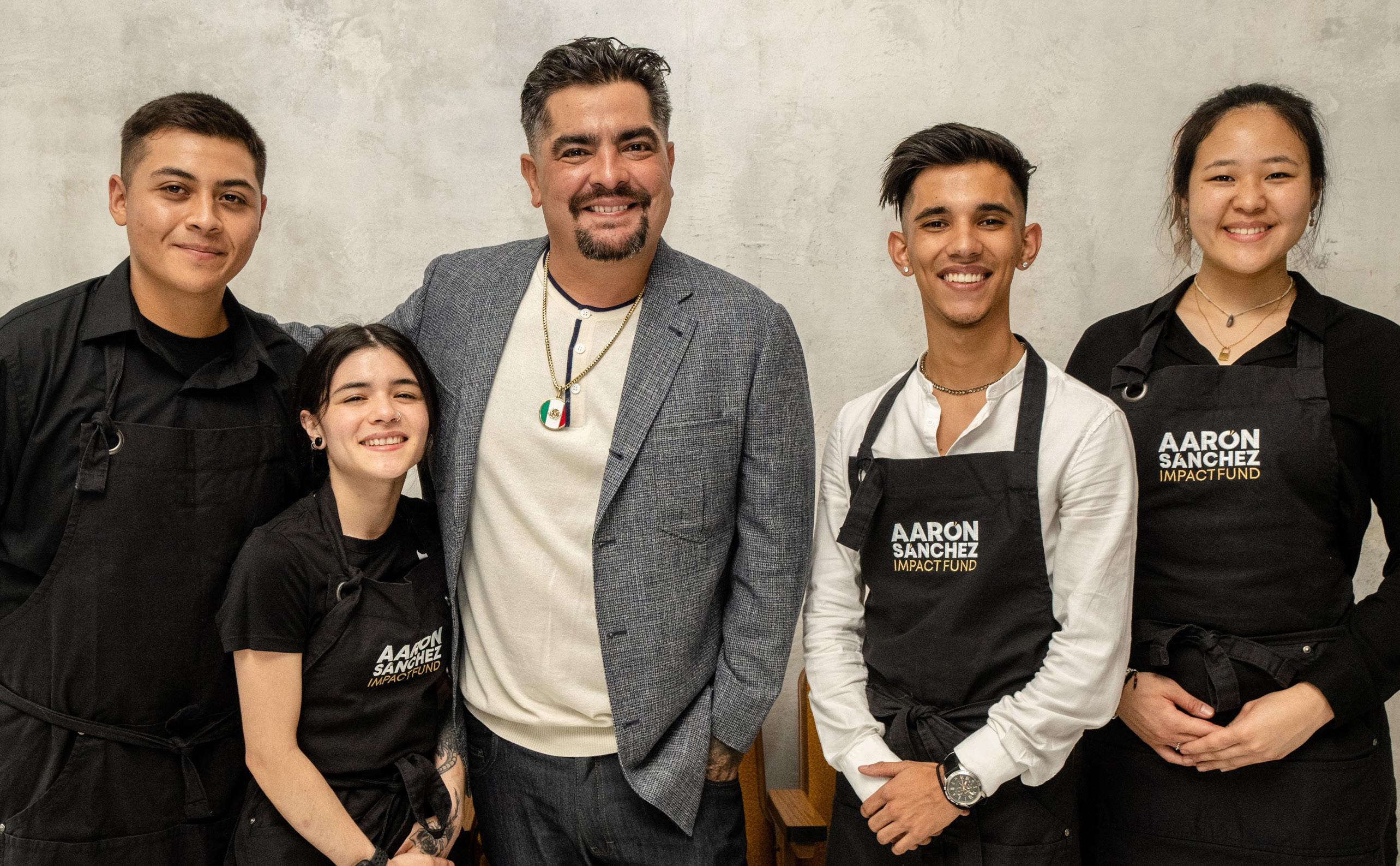
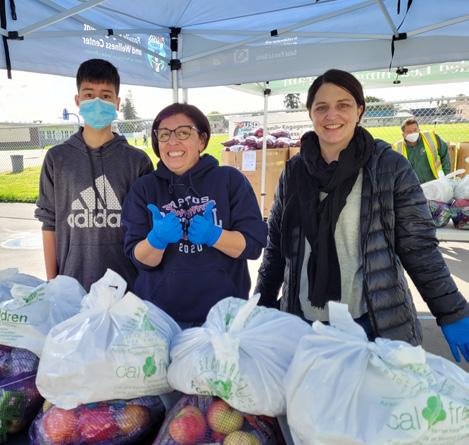
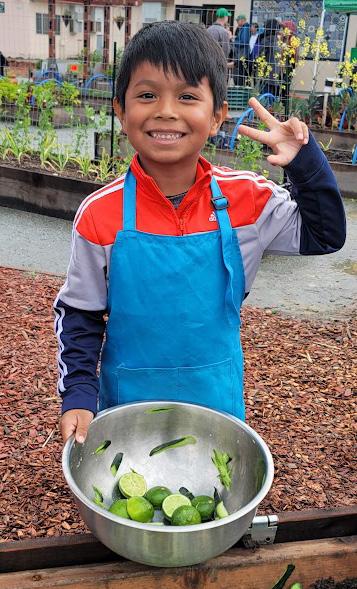
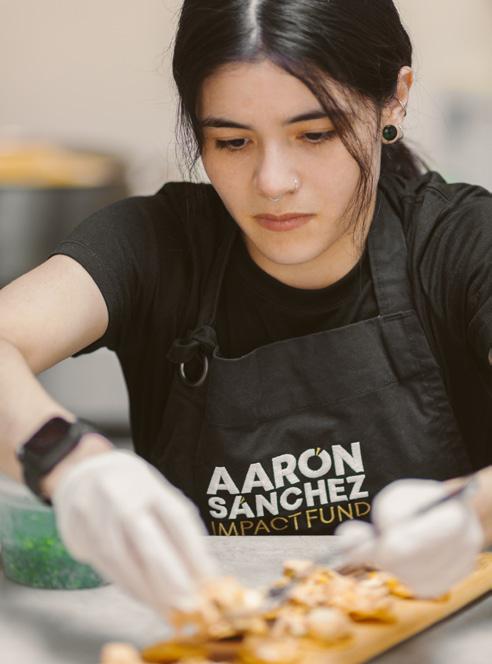
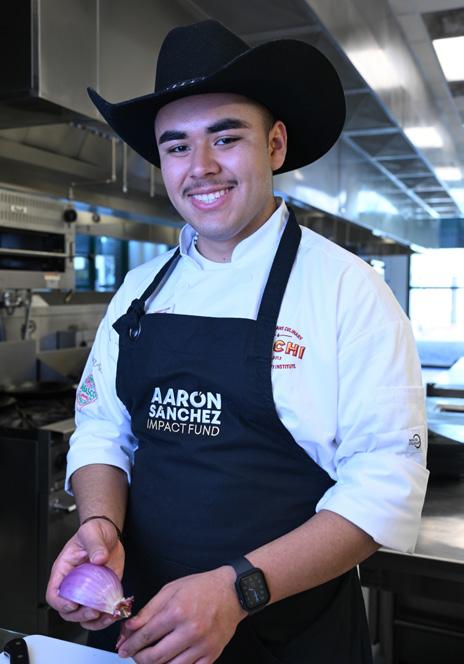
The Aarón Sánchez Impact Fund empowers Latino youth with culinary arts scholarships, mentorship, and access to food and wellness resources. Since 2016, we’ve invested over $1.5 million to expand food education and create opportunities to thrive in the culinary world and beyond. The Fund also partners with nonprofits to provide culinary education and improve food access, ensuring Latino youth have the tools to succeed while honoring their roots.
www.aaronsanchezimpactfund.com
Photo Credit: Emeril Lagasse Foundation.
Crossroads™
by Saffron Road
®:
In today’s rapidly evolving food landscape, innovation is no longer defined solely by new ingredients or formats—it’s about reimagining how consumers experience flavor, culture, and convenience on a single plate. With the launch of Crossroads™, Saffron Road is stepping firmly into that future, positioning itself as a category innovator by challenging the traditional boundaries of frozen and prepared meals.
Crossroads™ is built on a simple but compelling premise: when global flavors collide, something entirely new—and craveable— emerges. This isn’t fusion in the conventional sense. It’s a remix. Two distinct culinary traditions meet without rules, creating dishes that feel both familiar and unexpected. The result is comfort food redefined—bold, indulgent, and designed for a consumer who craves both excitement and authenticity.
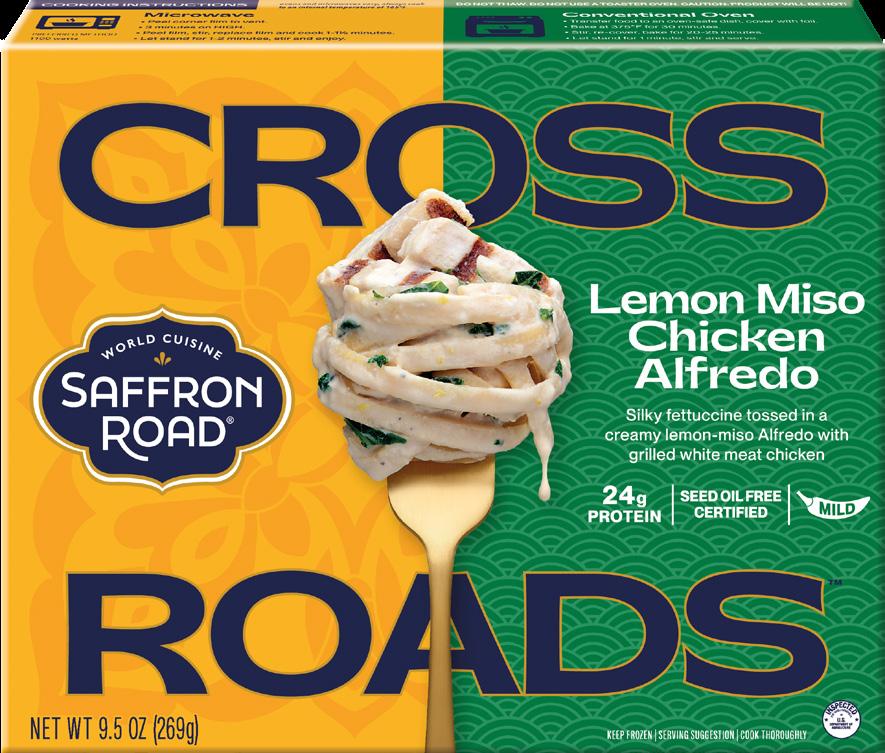
At a time when shoppers are demanding more from their food—cleaner labels, higher protein, functional benefits, and globally inspired flavors—Crossroads™ answers with precision. Each product delivers a thoughtful balance of indulgence and integrity: 24 grams of protein, zero grams of added sugar, no artificial ingredients, and Seed Oil Free Certified credentials. It’s a formulation that speaks directly to modern priorities without compromising on taste—a balance many brands attempt, but few execute successfully.
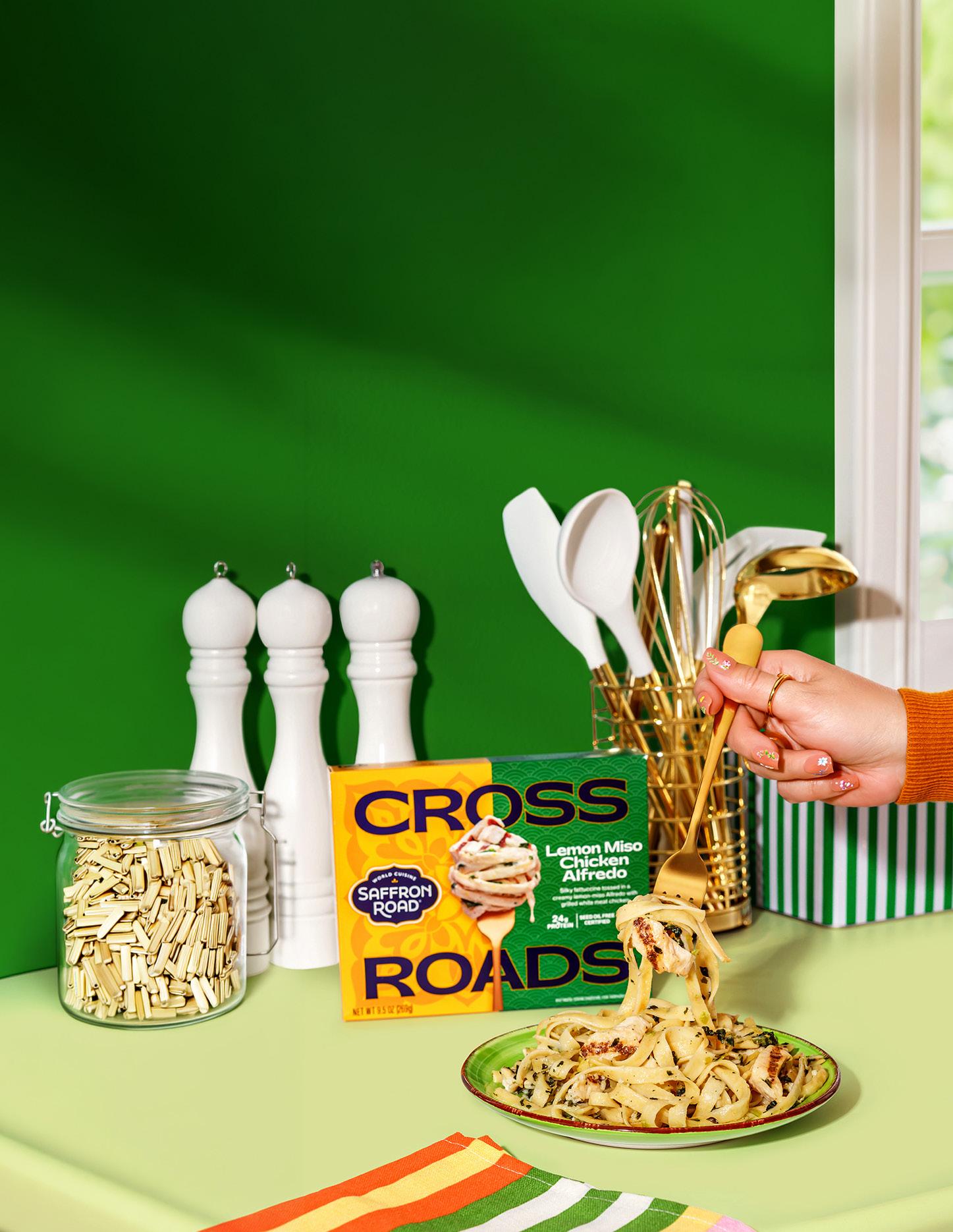
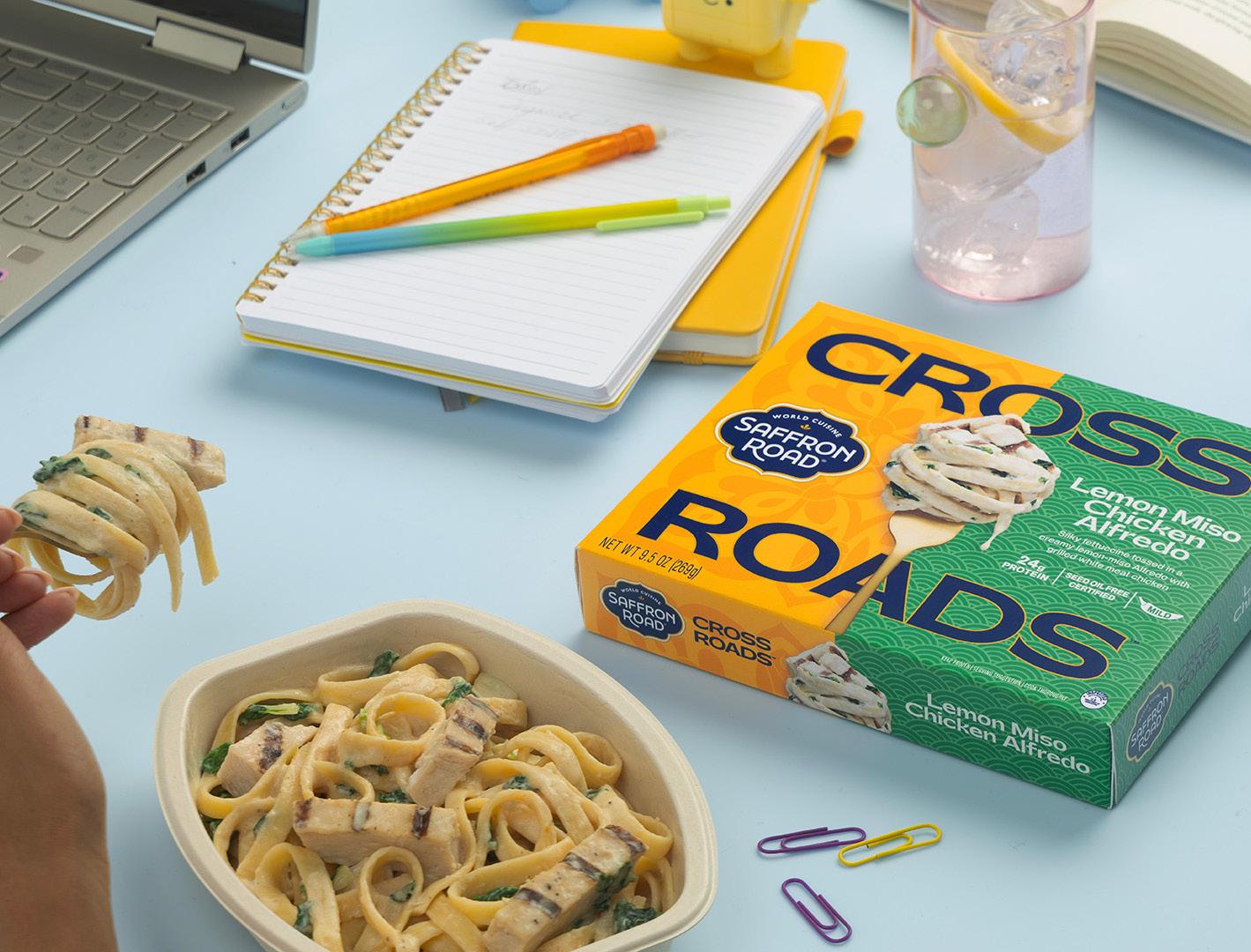
One standout example is the brand’s lemon miso chicken fettuccine, a dish that perfectly captures the Crossroads™ ethos. Bright, umami-rich miso meets the citrusy lift of lemon, coating tender pasta and juicy, antibiotic-free chicken in a sauce that feels both comforting and elevated. It’s a dish that defies categorization—part Italian, part Japanese, entirely its own. More importantly, it reflects a broader shift in how consumers are approaching mealtime: less rigid, more exploratory, and driven by flavor discovery.
As culinary boundaries continue to blur and consumer expectations rise, brands that can successfully merge flavor innovation with nutritional integrity will define the next generation of food.
This is where Saffron Road continues to distinguish itself as an innovator within the frozen and prepared foods category. Long recognized for its commitment to high-quality, ethically sourced ingredients and globally inspired cuisine, the brand has consistently stayed ahead of consumer trends. With Crossroads™, it moves beyond simply offering international dishes and instead creates an entirely new framework—one where culinary cultures intersect to form something original.
From a retail perspective, this approach is particularly significant. The frozen aisle, once dominated by legacy comfort foods and predictable flavor profiles, is undergoing a transformation. Today’s consumers are seeking restaurant-quality experiences at home, with an emphasis on transparency, nutrition, and culinary adventure. Crossroads™ meets that demand head-on, offering a product line that is as merchandising-friendly as it is differentiated. It appeals not only to health-conscious shoppers but also to flavor seekers—an increasingly overlapping audience.
Equally important is the brand’s refusal to take shortcuts. In a category often scrutinized for over-processing and artificial additives, Crossroads™ reinforces Saffron Road’s long-standing commitment to “real food.” Chickens are raised with no antibiotics ever, ingredients are thoughtfully sourced, and every element is designed to deliver both taste and trust. This transparency is no longer a bonus—it’s a baseline expectation, and one that Crossroads™ meets with credibility.
Ultimately, Crossroads™ represents more than a new product line—it signals a broader evolution within the industry. As culinary boundaries continue to blur and consumer expectations rise, brands that can successfully merge flavor innovation with nutritional integrity will define the next generation of food. In that context, Saffron Road isn’t just participating in the conversation— it’s helping lead it.
With Crossroads™, the message is clear: the future of food doesn’t belong to one tradition or another. It lives at the intersection—where cultures meet, flavors collide, and innovation thrives.
SUKARI SPIRITS
Craft, Culture, and a New Blueprint for Emerging Beverage Brands
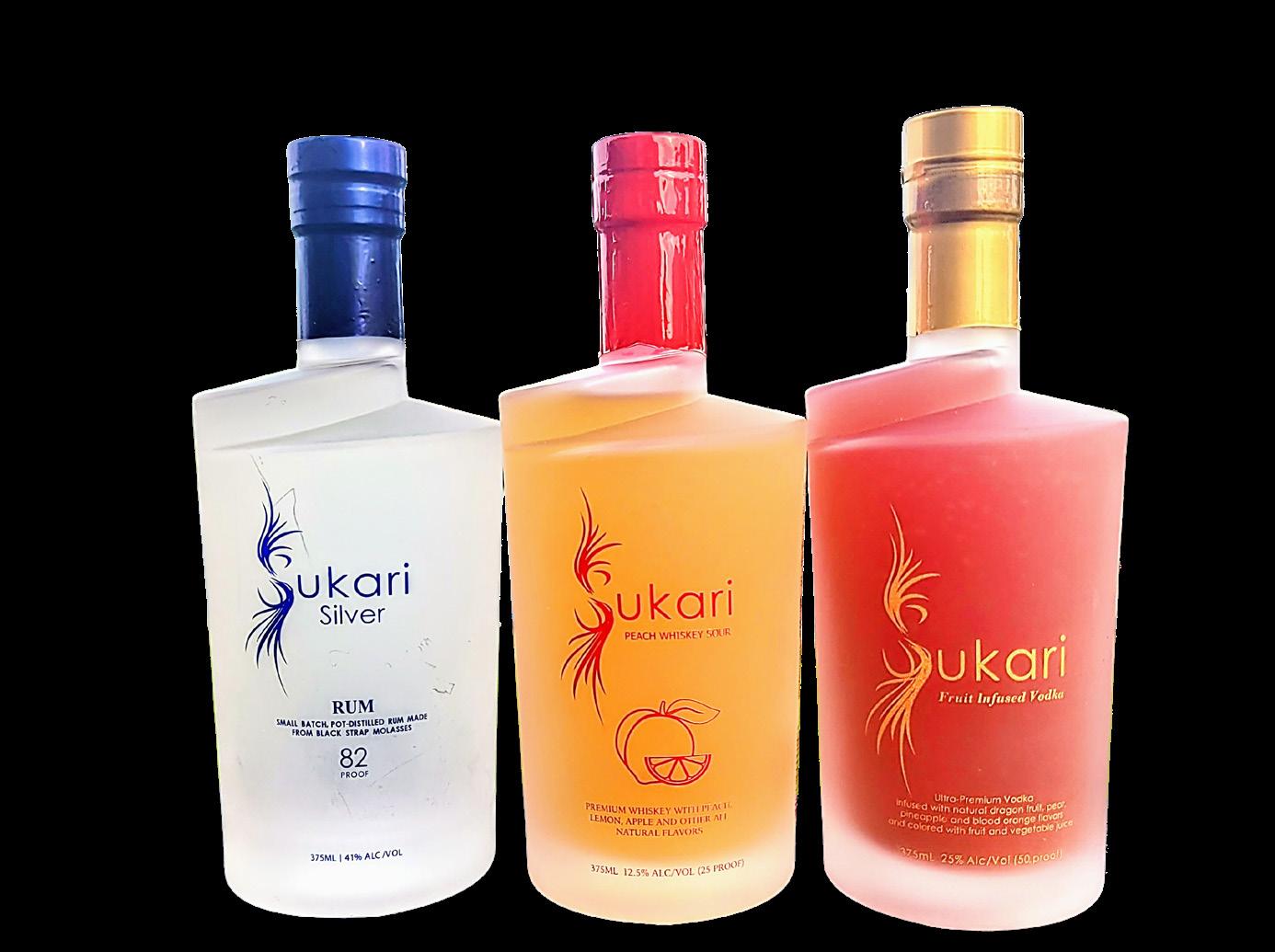
In a spirits industry crowded with loud labels and familiar names, Sukari Spirits has chosen a different path, one defined by intention, integrity, and a clear sense of who it serves. Founded by Rolesha Brown, a woman, minority, service-disabled veteran, Sukari Spirits is built for the health-conscious consumer who refuses to compromise on quality, flavor, or experience. From the beginning, Brown’s vision has been precise: create spirits that feel as good in principle as they taste in the glass. Sukari Spirits positions itself as an originator and innovator of all-natural, ultra-premium spirits, with a focus on clean formulations and elevated drinking rituals. The brand’s core promise is simple but rare in the category—no preservatives, no unnecessary additives, and no shortcuts.
At the heart of the portfolio is Sukari Fruit Infused Vodka, a hybrid spirit that blurs the line between premium vodka and ready-todrink cocktail. Distilled and crafted as an all-natural, ultra-premium vodka spirit, it features natural fruit flavors and vegetable juices for color, with no preservatives or otherwise unnatural ingredients. Bottled at 25% ABV (50 proof), it’s designed to be versatile: smooth enough to sip straight or on the rocks, and bold enough to anchor a cocktail without being masked by mixers.
Sukari Fruit Infused Vodka is described as “an exceptionally perfect drink that invigorates the senses with its exotic super fruit blend.” That language isn’t just marketing—it reflects the brand’s focus on sensory depth. The vodka is crafted to deliver lush fruit character, a lively
What makes Sukari Spirits compelling is the coherence between its values, its products, and its trajectory. The brand is not chasing every trend or trying to be everything to everyone. Instead, it is focused: all-natural, ultra-premium, health-conscious spirits with real character, supported by a founder who understands both the craft and the business of beverages.
aroma, and a clean finish that aligns with the expectations of modern, ingredient-aware consumers. It’s a spirit that feels at home in a crafted cocktail, a celebratory toast, or a simple pour over ice at the end of a long day.
Alongside the vodka, Sukari Spirits offers Sukari Peach Whiskey Sour, a ready-to-drink cocktail that leans into flavor and convenience without sacrificing quality. Packaged in a frosted pint-size bottle and bottled at 12.5% ABV (25 proof), it combines peach-infused rye whiskey with a house-style lemon and crisp apple sour mix. The result is a vibrant, fruit-forward whiskey sour that’s “deliciously subtle with a surprising kick”, balanced enough for casual sipping, but structured enough to stand up in more curated cocktail moments.
Both the vodka and the Peach Whiskey Sour reflect Sukari Spirits’ broader identity: vegan friendly, kosher, gluten free, and free from preservatives or otherwise unnatural ingredients. These attributes are not afterthoughts; they are central to how the brand differentiates itself from competitors and speaks directly to a growing audience of drinkers who care about what’s in, and what’s not in, their glass.
Brown’s approach to building Sukari Spirits extends beyond product formulation. She is actively developing a DSP certified bottling and rectification facility, a small-footprint, highefficiency operation that will support rectifying, blending, proofing, and small-batch bottling. While still in the works, this
facility represents a strategic move toward vertical integration and long-term resilience. It will allow Sukari Spirits to maintain tighter control over quality and production while eventually serving as a resource for other emerging brands seeking compliant, small-scale production options.
In parallel, Sukari Spirits is expanding into liquor brokerage, helping other brands navigate the often-opaque world of distribution and market access. Brown understands that many great products never reach their potential because the infrastructure around them is inaccessible or misaligned. By pairing her own brand’s growth with services that support others, she is quietly building an ecosystem, not just a label.
What makes Sukari Spirits compelling is the coherence between its values, its products, and its trajectory. The brand is not chasing every trend or trying to be everything to everyone. Instead, it is focused: all-natural, ultra-premium, health-conscious spirits with real character, supported by a founder who understands both the craft and the business of beverages.
As Sukari Spirits continues to evolve, it offers a glimpse of what the next generation of spirits brands can look like, principled, precise, and unapologetically intentional. In a market where “premium” is often claimed but rarely earned, Sukari Spirits is quietly doing the work to make the word mean something again.
How Undercover Snacks is Redefning the Better-For-You Chocolate Category
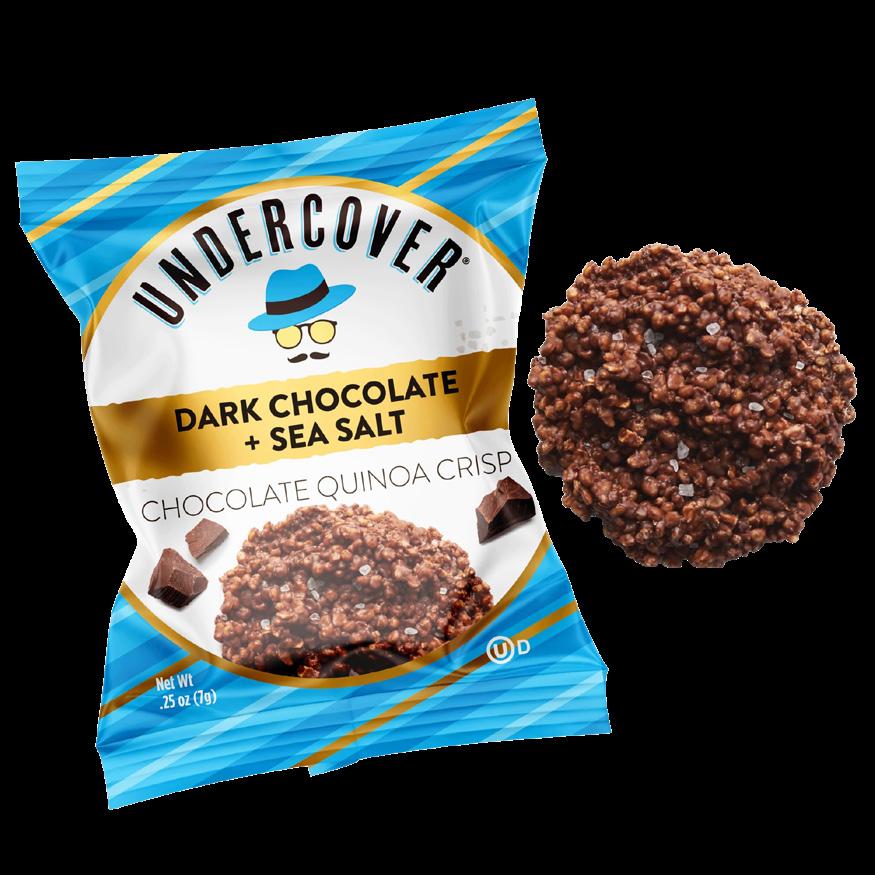
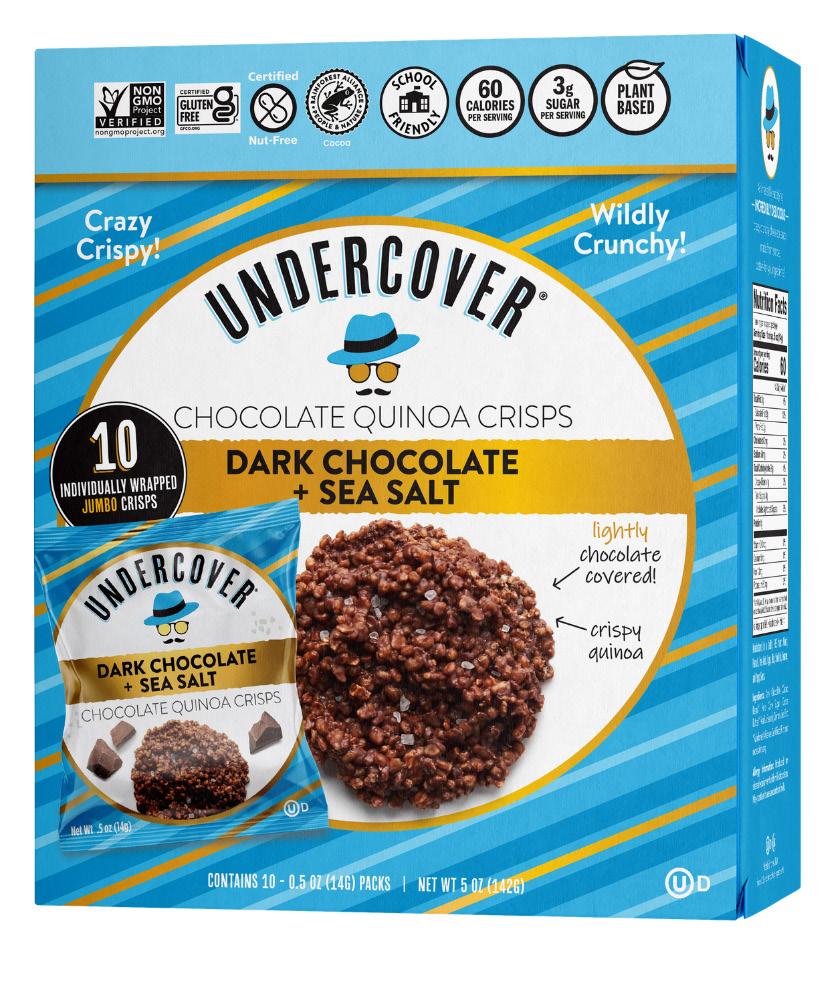
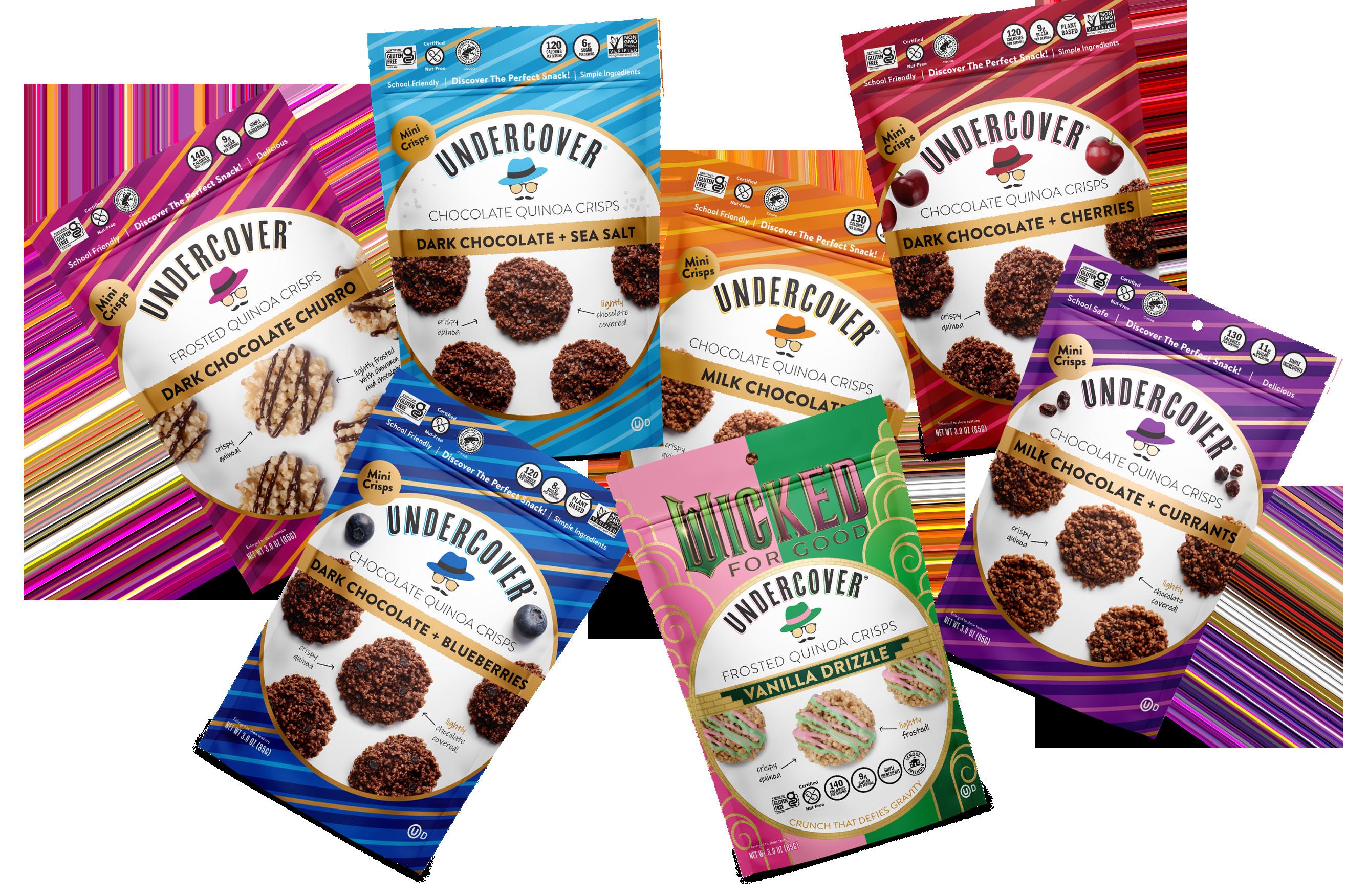
Undercover Snacks has emerged as a standout innovation leader in the better-for-you confection and snack space, redefining how indulgence and nutrition coexist through its flagship Chocolate Quinoa Crisps. In an industry that has long treated taste and health as opposing forces, Undercover bridges the gap— delivering a product that leads with exceptional taste and texture while elevating ingredient standards, functionality, and format.
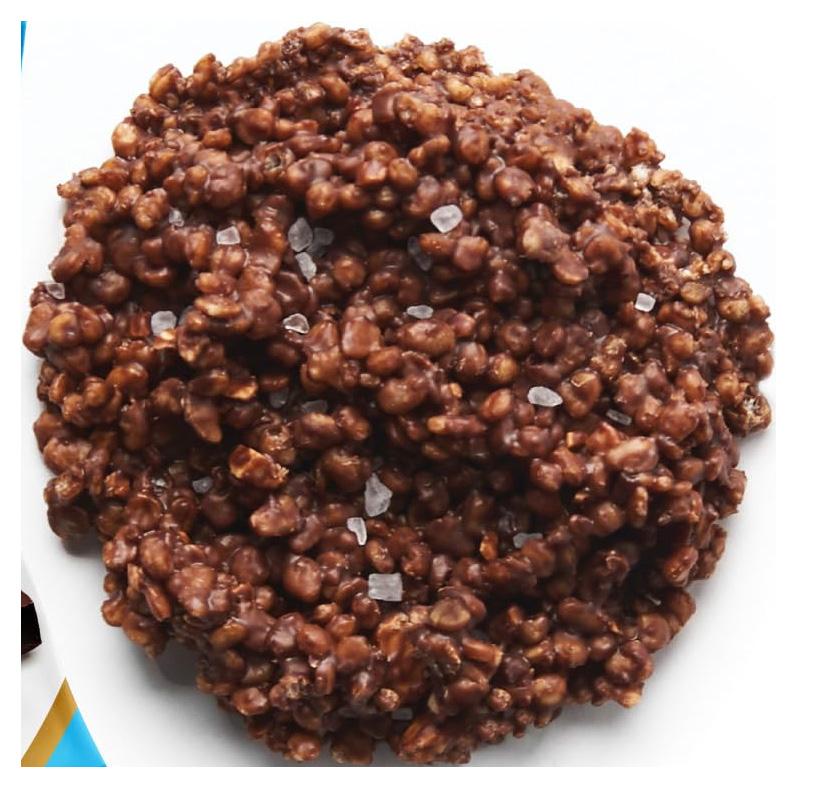
At the core of this innovation is a fundamentally different product architecture. Undercover’s Chocolate Quinoa Crisps feature a nearly 50/50 ratio of air-crisped quinoa to premium chocolate, creating a uniquely light, crunchy texture while naturally moderating richness. This balance allows consumers to enjoy true chocolate indulgence in a more satisfying, portion-friendly way.
Rather than relying totally on chocolate of overly sweet inclusions, Undercover delivers craveability through contrast—crisp and creamy, light yet decadent—redefining what a chocolate snack can be.
The use of quinoa represents a meaningful departure from industry norms. Typically associated with savory, health-forward applications, quinoa has never before been central to a category leading chocolate snack. Undercover transforms this nutrientdense ancient grain into a joyful, indulgent experience, effectively merging two previously separate categories: better-for-you pantry staples and premium confection. In doing so, the brand expands chocolate’s role from an occasional treat to an everyday permissible indulgence.
While Undercover leads as one of the most delicious chocolate snacks on the market, its credentials further reinforce its leadership in modern food standards. Undercover’s Chocolate Crisps are certified gluten-free, peanut- and tree nut–free, and school safe, making them accessible to a wide range of consumers with dietary needs. The products are also Non-GMO, Rainforest Alliance Certified, kosher and Halal demonstrating a comprehensive commitment to ingredient integrity, responsible sourcing, and inclusivity. This combination of indulgence and trust is increasingly rare and reflects how today’s consumers evaluate food choices.
Operationally, Undercover continues to challenge conventional models. By manufacturing in its own facility in East Hanover, New Jersey, the company maintains direct control over quality, consistency, and innovation. This vertically integrated approach enables faster iteration and responsiveness, allowing the brand to refine both product and process in real time. In a category where many emerging brands rely on third-party production, this model provides a meaningful competitive advantage.
The brand’s growth and distribution strategy further underscore its leadership. Undercover Snacks has achieved enterprise-wide placement at major retailers including Whole Foods Market, Sprouts Farmers Market, Target, and Kroger, alongside frequent Costco rotations and significant expanding distribution at CVS, Walmart, and Walgreens. This breadth reflects strong consumer demand and retailer confidence in the product’s performance. Importantly, the brand has scaled without compromising its premium positioning, demonstrating that better-for-you chocolate snacks can succeed across both natural and conventional grocery as well as many other sales channels.
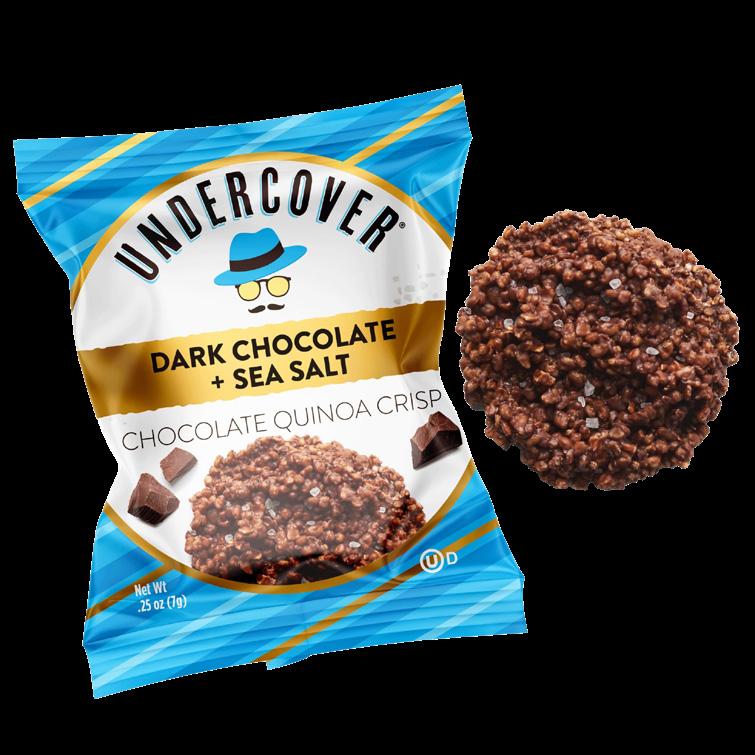
Undercover is also innovating in format, responding to evolving consumer behaviors around portioning and mindful consumption. Many retailers now carry the brand’s individually wrapped jumbo crisps, offering built-in portion control and convenience. These formats are ideal for lunchboxes, on-the-go snacking, and consumers seeking smaller, satisfying treats—an increasingly relevant need in the era of GLP-1–influenced eating habits. By aligning product design with realworld usage occasions, Undercover continues to shape how consumers engage with snacks.
Equally important is the brand’s voice and positioning. Undercover communicates with a tone that is approachable, confident, and often playful—moving away from the clinical language that has historically defined better-for-you products. This shift emphasizes enjoyment rather than sacrifice, inviting a broader audience into the category. As the food and beverage industry evolves, the most impactful innovation comes from brands that rethink foundational assumptions. Undercover exemplifies this by redefining indulgence, reimagining ingredient usage, and aligning product design with modern lifestyles. Its Chocolate Quinoa Crisps are not simply a new product—they represent a new standard for chocolate snacking: incredibly delicious, thoughtfully made, and accessible.
In a crowded and competitive landscape, Undercover Snacks stands apart by delivering on a promise many brands aspire to but few achieve—creating a snack that is as enjoyable as it is progressive. Through its unique formulation, rigorous standards, and consumer-first innovation, the brand is not only participating in the future of food; it is helping define it.
AI READINESS FOR THE WORLD CUP:
HOW ONE COCKTAIL DEN IS REDEFINING THE GUEST EXPERIENCE
By Aubrey Flynn Contributor, Food & Beverage Magazine
As global events like the World Cup approach, hospitality operators are facing a new reality. Demand will surge, expectations will rise, and the margin for error will shrink. The brands that succeed will not be the loudest or the flashiest. They will be the ones whose systems are ready.
In Williamsburg, Brooklyn, Aliya Cocktail Den offers a clear example of what AI readiness looks like in practice and why it matters now more than ever.
Aliya Cocktail Den is not a tech company. It is a hospitality brand rooted in culture, craft, and community. Yet behind the bar program and rooftop energy sits a modern operating layer designed to anticipate guests before they arrive, respond instantly when they engage, and continue the relationship long after the last drink is poured.
“For us, hospitality has always been about anticipation,” says Aliya Huey, bar proprietor. “AI gave us the ability to listen better, respond faster, and stay present with our guests even during peak demand. It doesn’t replace hospitality. It protects it.”
That distinction matters. At Aliya, AI is not visible as a novelty or gimmick. It functions quietly across the guest journey, supporting search visibility, web engagement, inquiries, reservations, and follow-up communication. The technology exists to remove friction, not attention.
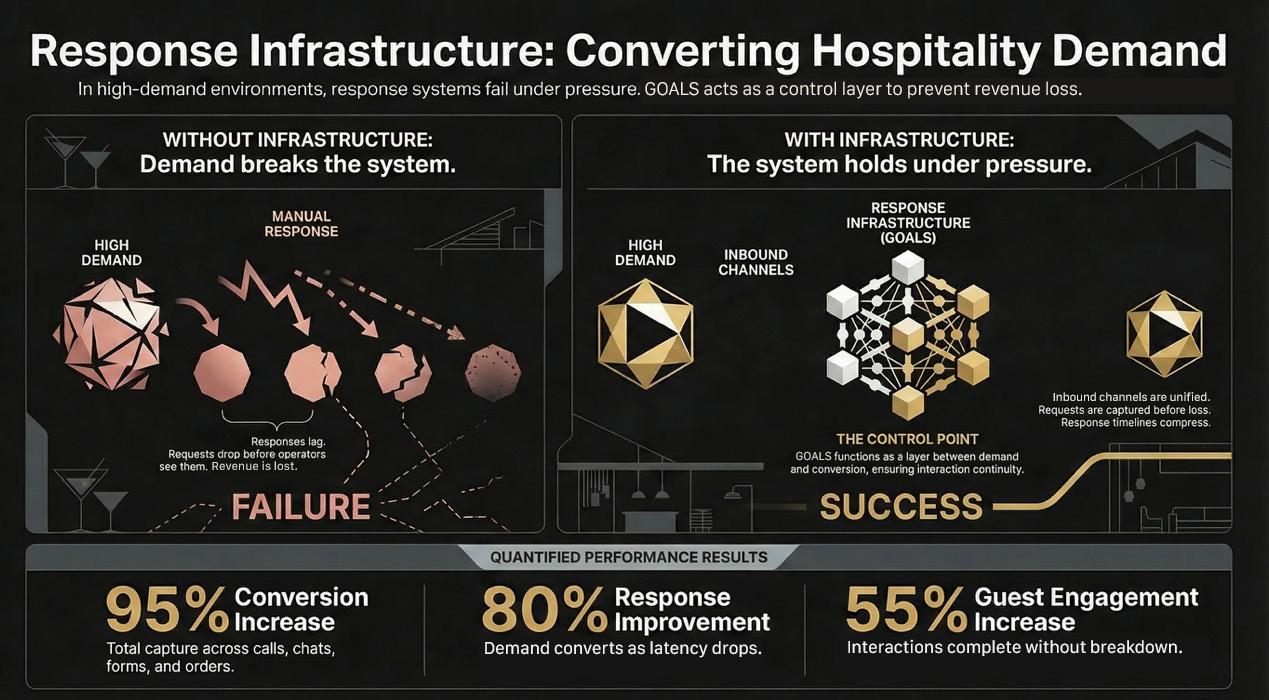
This approach becomes critical as operators prepare for the World Cup era. Global events compress demand into short windows, flood local markets with international visitors, and strain staffing models that were never designed for sustained peak volume. Missed calls, slow responses, and unanswered inquiries quickly translate into lost revenue and weakened brand perception.
Aliya Cocktail Den invested early in systems designed specifically for food and beverage environments. Rather than deploying isolated tools, the venue adopted an integrated AI platform that connects search engine performance, website optimization, digital reception, and guest communication into a single operational flow.
The infrastructure is powered by GOALS App AI, a hospitalityfocused platform designed to manage guest interactions across digital channels while maintaining continuity with the in-person service experience.
The performance impact has been measurable. The brand has experienced a significant surge in qualified leads across calls, web chat, forms, and orders. Engagement has increased across site visits, ad interactions, and reviews. Brand awareness has risen through increased Google searches and profile visibility, helping Aliya achieve top placement within its category locally.
Response times have improved dramatically, allowing staff to focus on hospitality rather than digital triage.
What makes this story relevant beyond one cocktail den is the broader industry implication. AI readiness is no longer about experimentation. It is about resilience.
Across the hospitality sector, operators are beginning to rethink how technology supports restaurants, bars, and event venues during periods of intense demand. Leaders working across luxury, lifestyle, and premium hotel brands are increasingly focused on operational systems that preserve the guest experience even as volume grows.
Alexander Valencia, who works across restaurants, bars, and events for luxury, lifestyle, and premium brands at IHG Hotels & Resorts, sees this shift accelerating across high-end hospitality environments.
“The future of hospitality isn’t about adding more technology,” Valencia notes. “It’s about using technology thoughtfully to preserve brand integrity, elevate the guest experience, and scale excellence across markets. Operators who prepare now will define the World Cup era.”
Preparation today means investing in systems that work across channels rather than in silos. Guests do not experience search, websites, phone calls, and reviews as separate touchpoints. They experience one brand. AI makes it possible for that brand to remain responsive, consistent, and human even at scale.
To continue the conversation, Food & Beverage Magazine will host an upcoming webinar titled Food & Beverage Goals, featuring Aliya Huey and hospitality leaders discussing AI readiness, operational performance, and what brands should be building now to compete in a high-demand future. The session will examine year-over-year performance at Aliya Cocktail Den and extract insights applicable to restaurants, bars, and hotel-anchored venues nationwide.
As the industry looks ahead to the World Cup and beyond, the takeaway is clear. The next era of hospitality will not be defined by who adopts AI fastest, but by who adopts it most thoughtfully.
AT ALIYA COCKTAIL DEN, AI IS NOT THE HEADLINE. THE GUEST EXPERIENCE IS.
Scratch-Like Quality. Built for Foodservice.
In today’s foodservice environment, operators are navigating a complex set of demands. Labor constraints persist. Consistency across locations is essential. And guests continue to expect both quality and transparency on every plate.
At the same time, back-of-house efficiency has become a critical lever for maintaining margins and delivering reliable experiences.
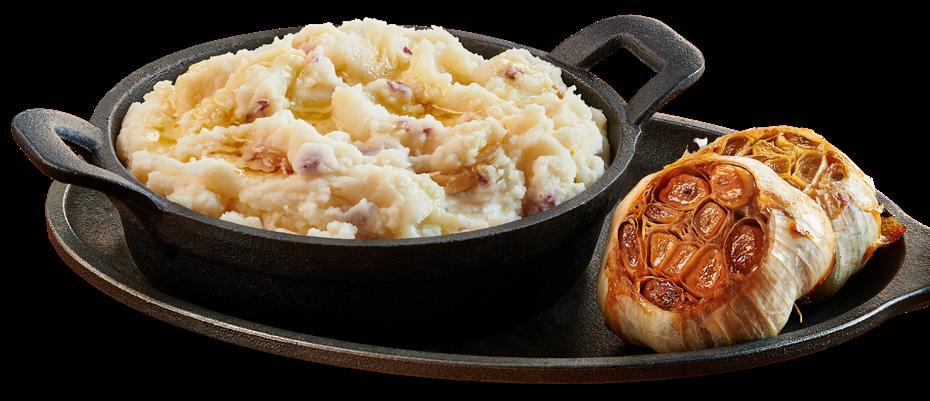
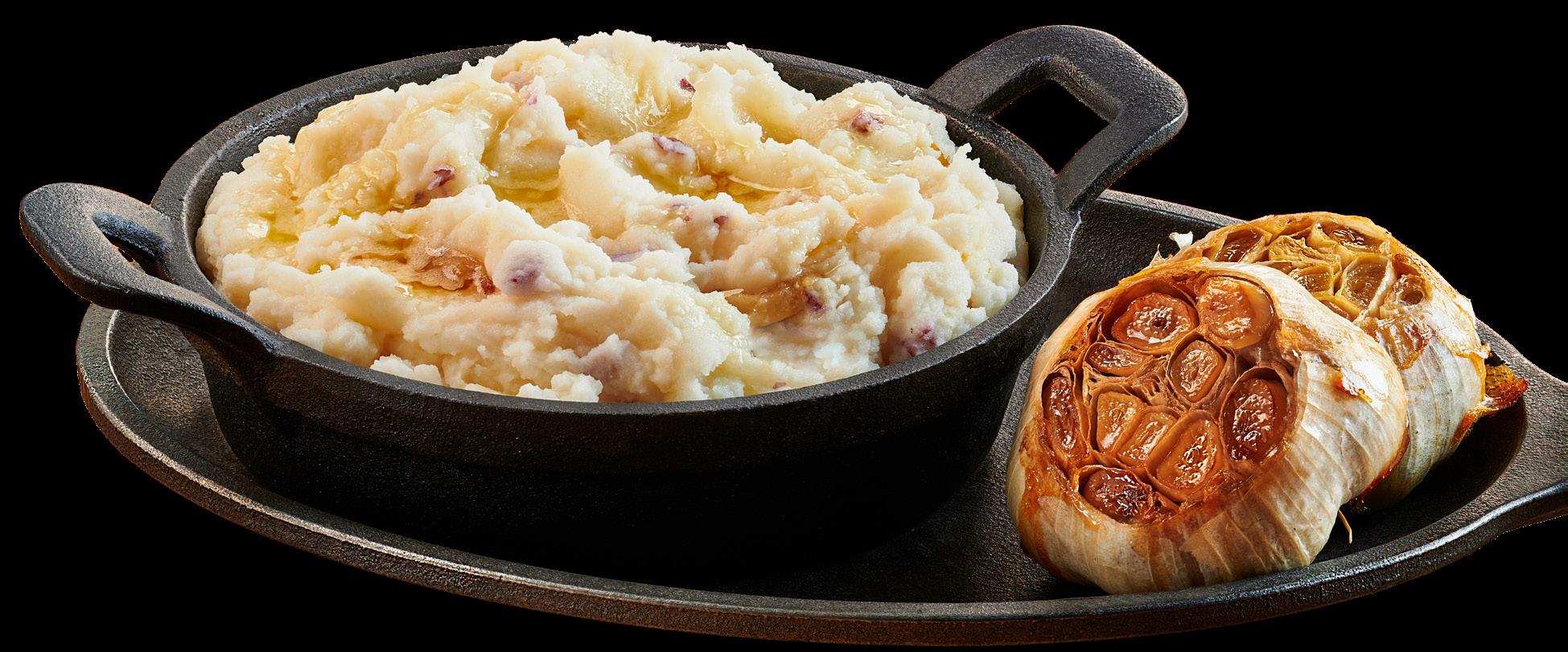
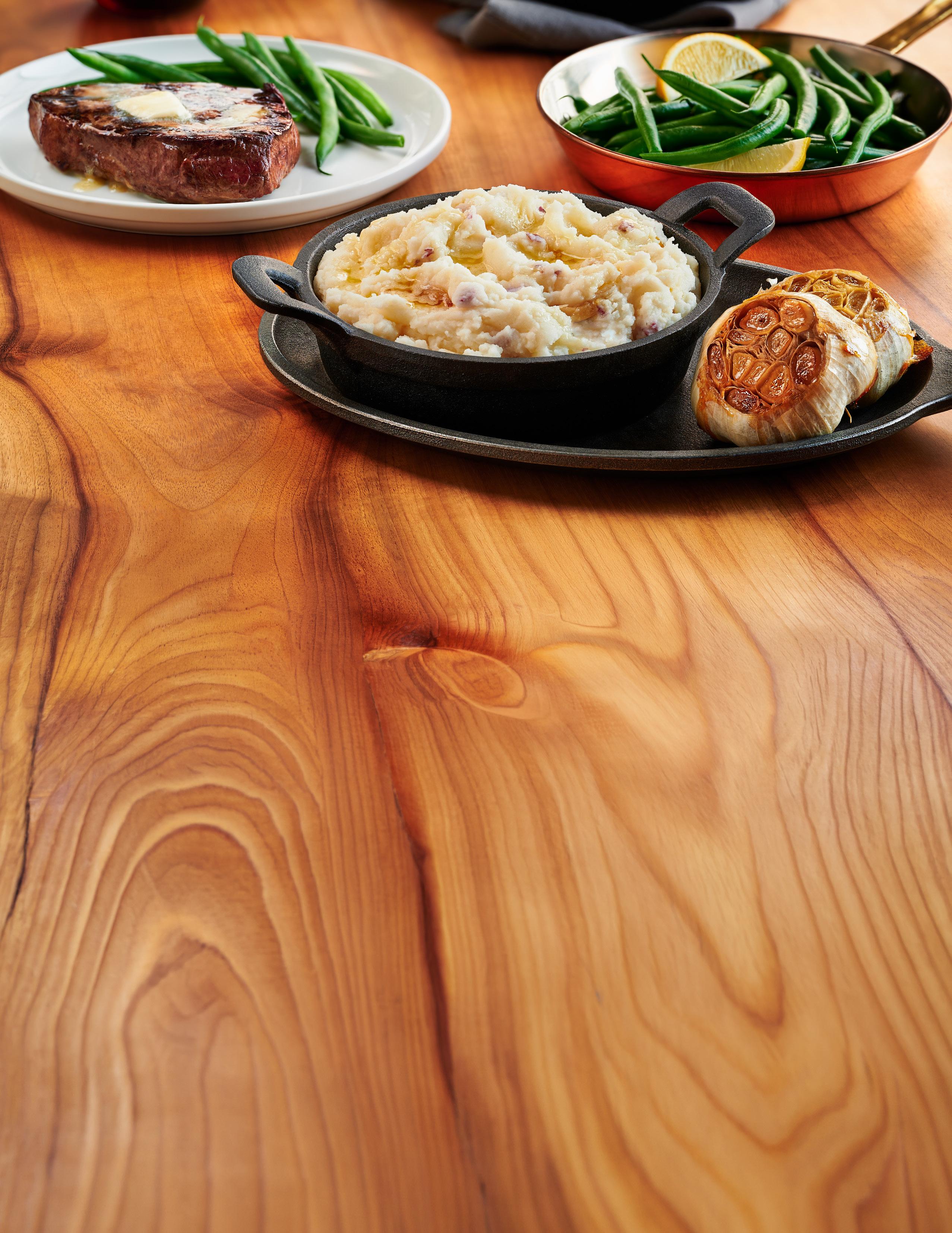
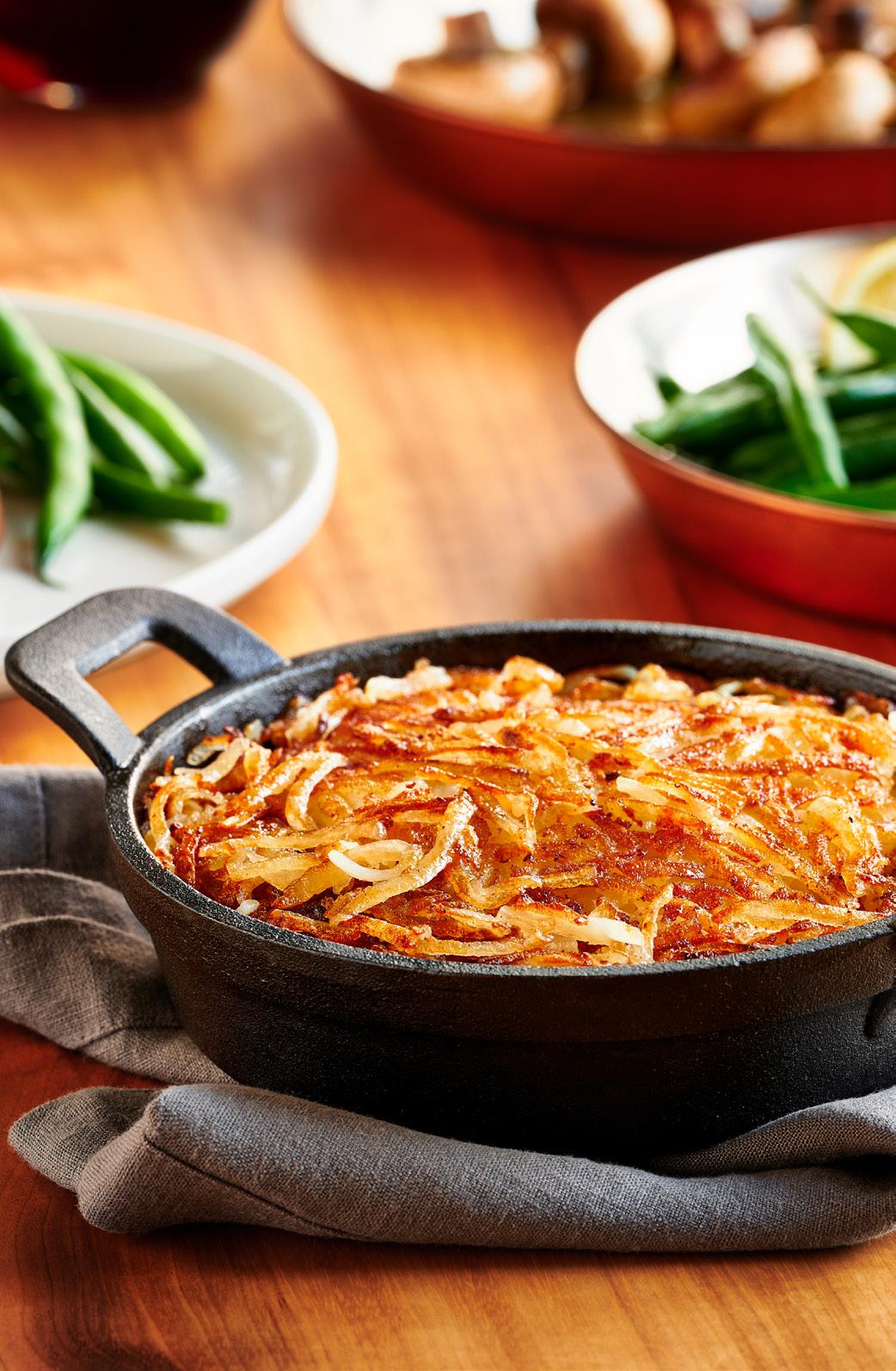
Idahoan® Fresh-Dried™ potatoes are built to meet that moment.
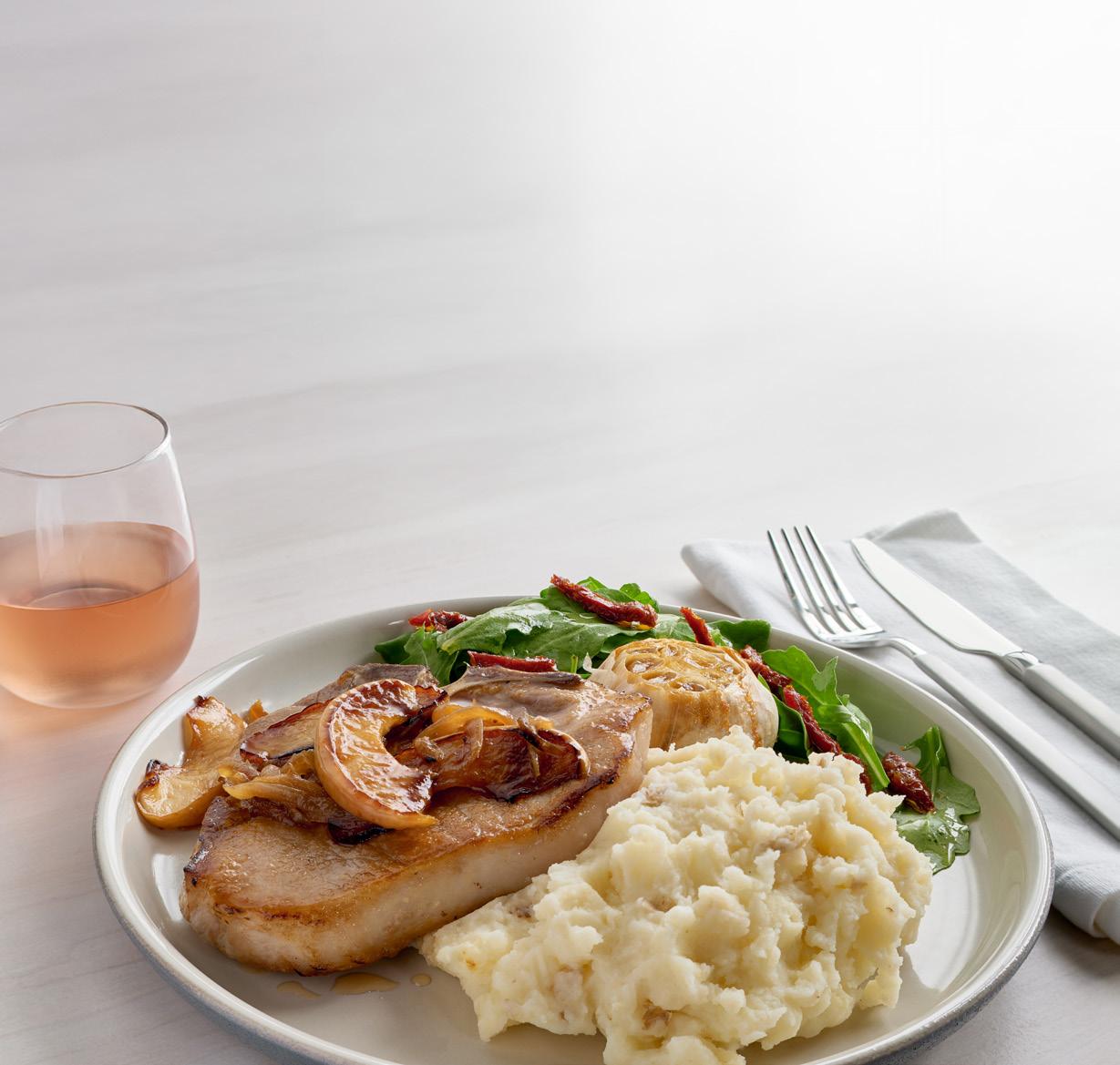
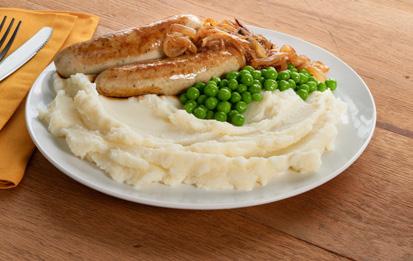
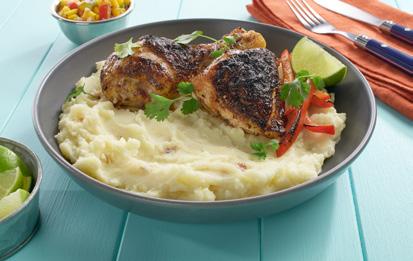
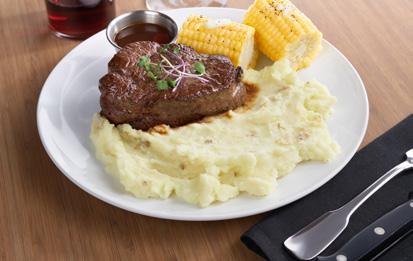
By combining Idaho® potatoes with a proprietary Fresh-Dried™ process, Idahoan delivers products that preserve the flavor, texture, and appearance of scratch-made potatoes—while significantly reducing prep time and labor requirements.
A Smarter Approach to Scratch
Scratch cooking remains an important benchmark across foodservice segments. It signals quality, care, and culinary credibility. But for many operators, executing scratch at scale is no longer practical.
That’s where Fresh-Dried™ technology creates a meaningful advantage.
Unlike traditional dehydration methods, the FreshDried™ process is designed to maintain the integrity of the potato throughout preparation. The result is a product that rehydrates quickly while delivering a fresh-made texture and consistent flavor.
For operators, this translates to a true speed-scratch solution—one that bridges the gap between scratch expectations and operational realities.
Built for Consistency and Effciency
Across commercial and non-commercial segments alike, consistency is non-negotiable.
Multi-unit operators need uniform results across locations and dayparts. Healthcare and K-12 environments require dependable preparation that aligns with strict service standards. High-volume kitchens must execute quickly without sacrificing quality.
Fresh-Dried™ products are designed with that consistency in mind.
With streamlined preparation and predictable yield, operators can reduce variability in execution while improving back-of-house efficiency. Less prep time allows teams to focus on assembly, presentation, and service—especially during peak periods.
In an environment where labor is limited and expectations remain high, that level of reliability becomes a key operational advantage.
Versatility Across the Menu
Potatoes remain one of the most versatile and widely accepted ingredients in foodservice. Their adaptability allows operators to deliver across dayparts, menu styles, and segments.
Idahoan® Fresh-Dried™ potatoes are designed to support that flexibility.
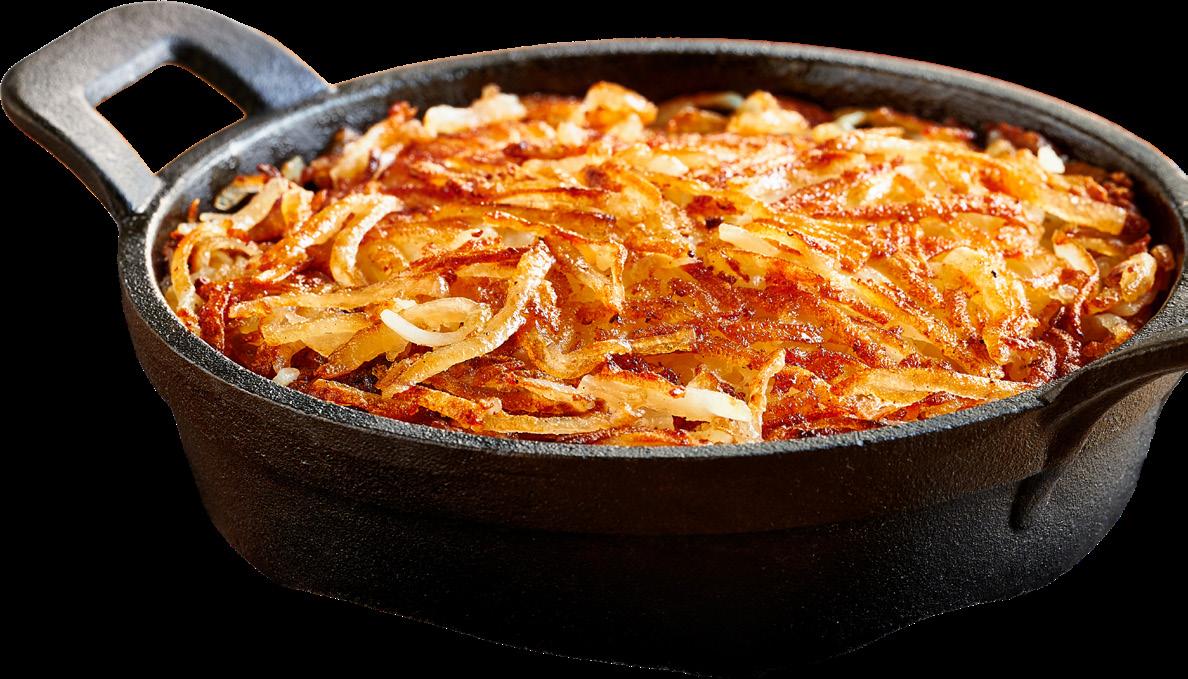
From classic mashed potatoes to hash browns and layered casseroles, the portfolio performs across a wide range of applications. Operators can use Fresh-Dried™ products as a consistent base, then customize with flavors, toppings, or regional influences to create signature dishes.
This cross-utilization helps streamline inventory while still supporting menu differentiation.
Supporting Operational Goals Without Compromise
Efficiency and quality are often viewed as tradeoffs in the kitchen. Fresh-Dried™ challenges that assumption.
By delivering scratch-like results with simplified preparation, the portfolio helps operators protect labor, reduce waste, and maintain consistency—without sacrificing taste or texture.
That balance is especially valuable as operators look for solutions that support both short-term performance and long-term scalability.
Backed by Idahoan Expertise
Idahoan’s legacy in potato processing is rooted in quality, consistency, and deep category knowledge. That expertise is embedded in every Fresh-Dried™ product.
From sourcing to production, the brand is committed to delivering solutions that perform in foodservice environments—where speed, reliability, and guest satisfaction all matter.
A Clear Path Forward
As foodservice continues to evolve, operators need solutions that align with how kitchens operate today. Idahoan® Fresh-Dried™ potatoes offer a straightforward answer:
1. Scratch-like quality
2. Streamlined preparation
3. Consistent performance
Built for foodservice, Fresh-Dried™ helps operators deliver the comfort foods guests expect—supported by the efficiency and reliability today’s kitchens demand.
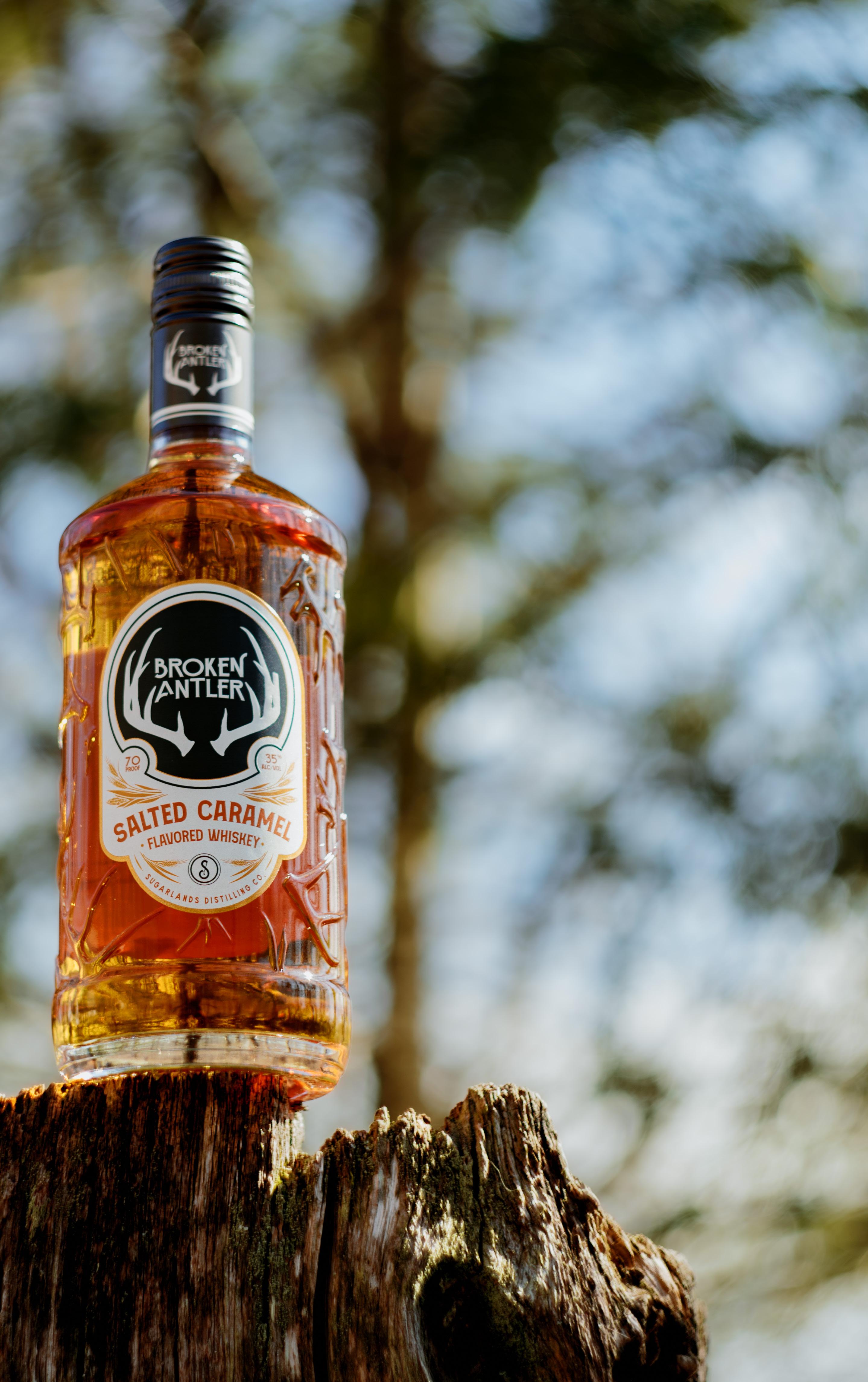
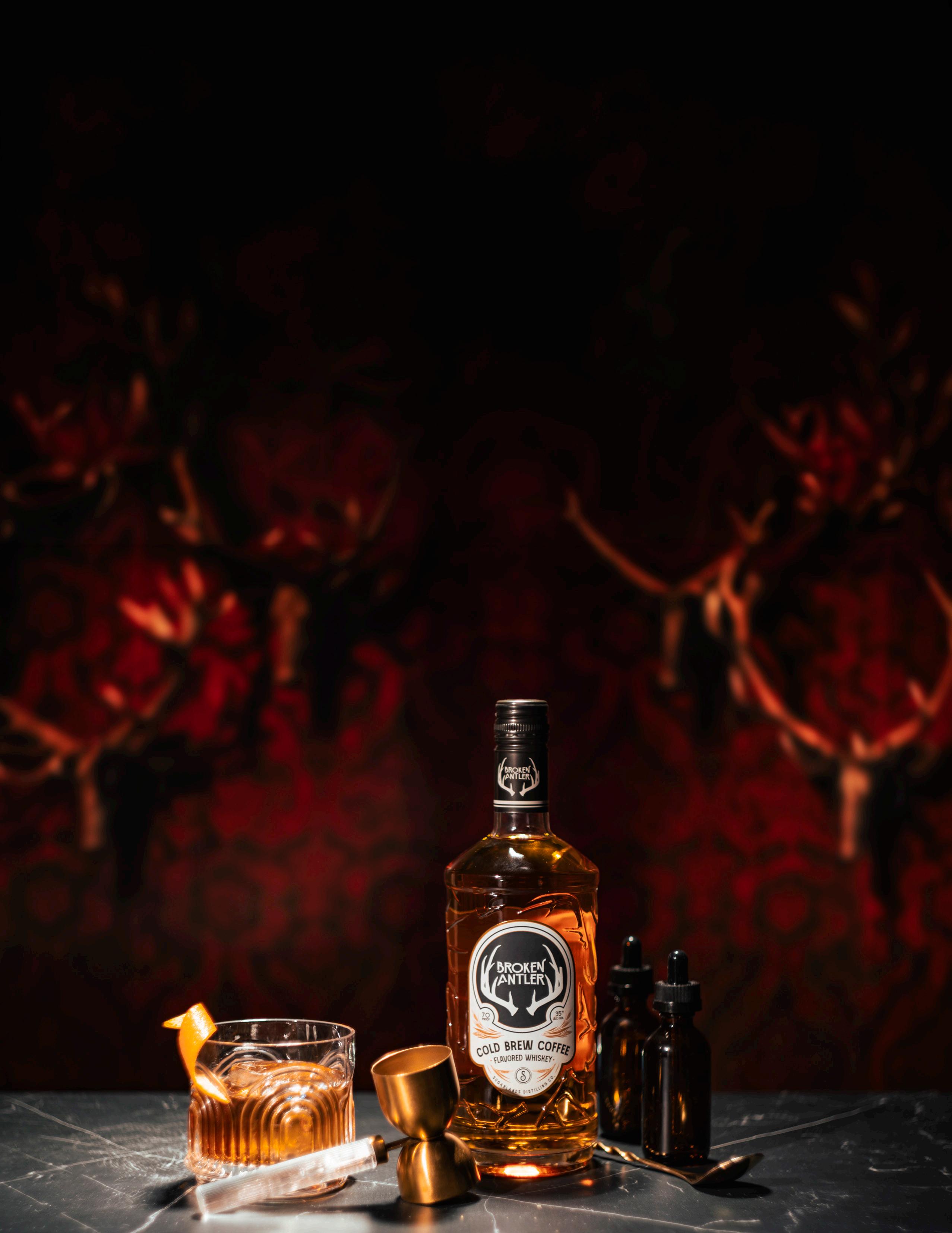
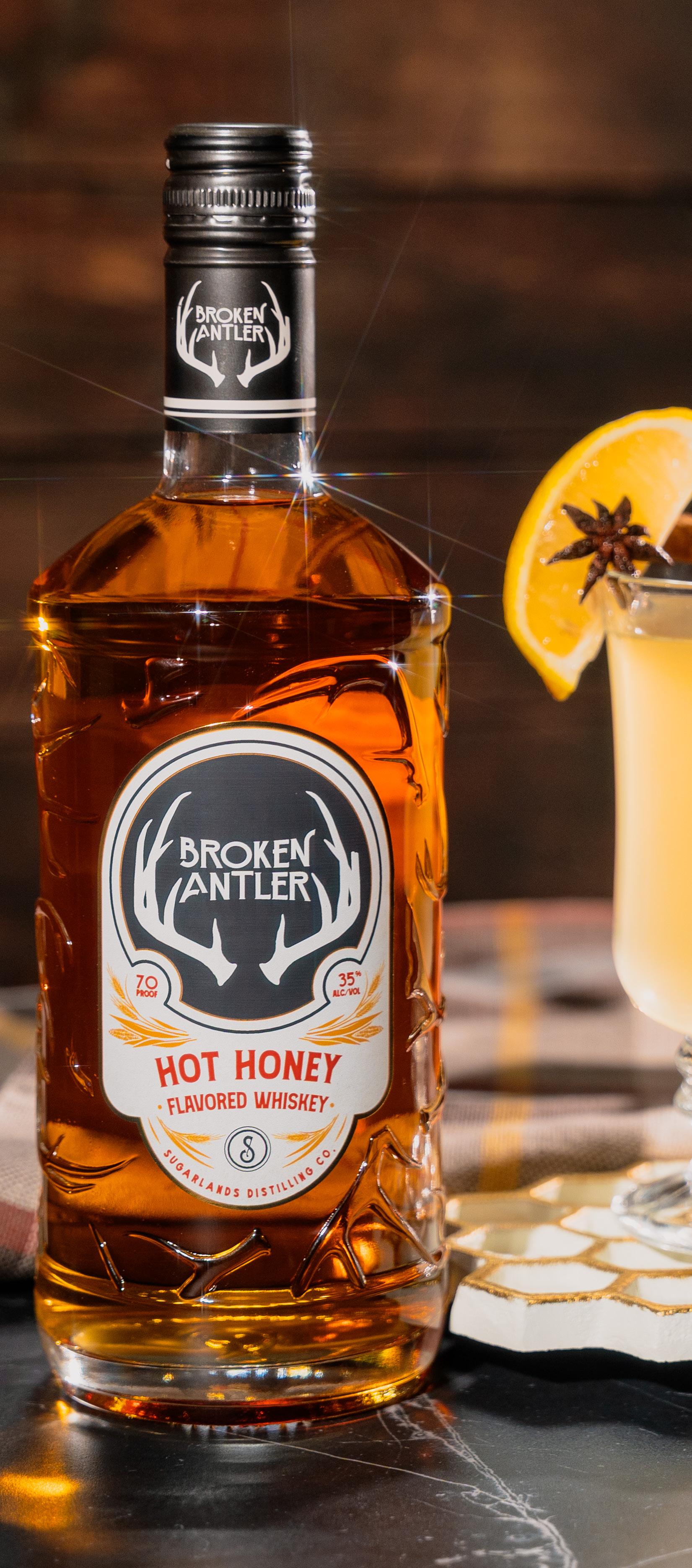
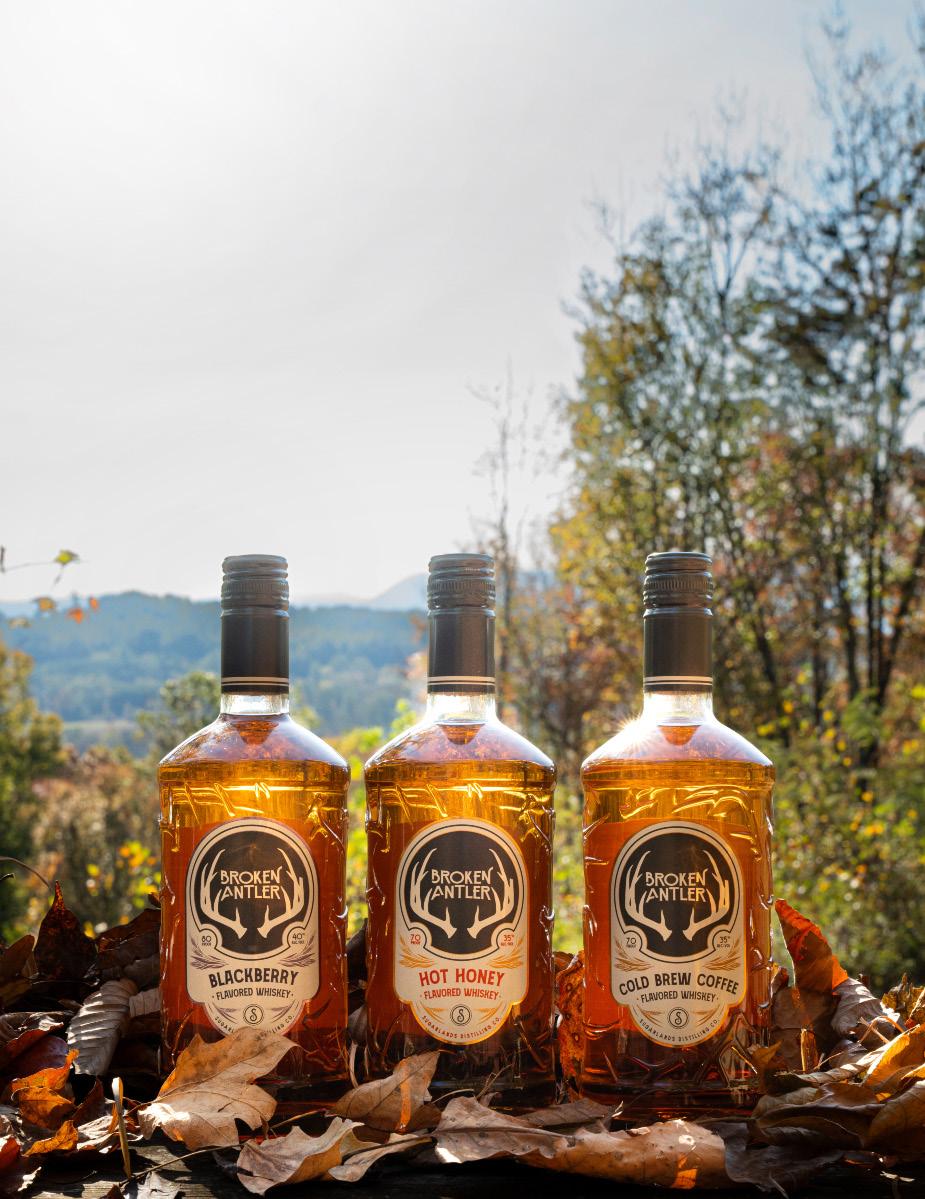
Broken Antler Flavored Whiskey
Brings a New Attitude to Sugarlands’ Expanding House of Brands
Some whiskey brands are built around tradition. Others are built around trends. Broken Antler is built around attitude.
As Sugarlands Distilling Company has grown into a diversified house of brands, it has focused on creating spirits with distinct personalities and authentic appeal. Broken Antler Flavored Whiskey embodies that approach, with a lineup of bold, modern flavors designed to appeal to today’s whiskey drinkers, whether they’re sharing a round at the tailgate, mixing up a weekend cocktail or enjoying it as a shot.
Introduced in 2025, Broken Antler marked Sugarlands’ entry into the flavored whiskey category. Rather than extending an existing brand into the space, Sugarlands developed Broken Antler as a standalone identity designed to complement its award-winning Roaming Man Tennessee Straight Rye Whiskey.
The original Broken Antler lineup consisted of three flavors: Blackberry, Cold Brew Coffee and Hot Honey, all designed to appeal to drinkers through a combination of unique flavor profiles and a natural whiskey base. Sugarlands expanded the lineup, launching Salted Caramel and Spiced Apple in early 2026, with more flavors planned for the second half of the year.
“We’ve spent the past decade-plus building a reputation for crafting award-winning spirits across multiple categories, and Broken Antler allows us to bring that same spirit and innovation to an entirely new ofering,”
said Sugarlands President and Founder Ned Vickers.
Since opening its doors in 2014, Sugarlands has become one of the nation’s leading craft spirits producers, with a diverse portfolio including its award-winning moonshines and Sippin’ Creams. The company expanded into vodka in 2022 by partnering with Dale Earnhardt Jr. and Amy Earnhardt to launch High Rock Vodka, while Roaming Man Whiskey has gone on to win some of the industry’s most prestigious awards, including Best Whiskey at the American Craft Spirits Association Awards and multiple Double Gold medals at the San Francisco World Spirits Competition. Together, those brands have established Sugarlands’ reputation as a producer of quality spirits, providing a foundation for launching Broken Antler.
“We’ve spent the past decade-plus building a reputation for crafting award-winning spirits across multiple categories, and Broken Antler allows us to bring that same spirit and innovation to an entirely new offering,” said Sugarlands President and Founder Ned Vickers.
Broken Antler was developed around lifestyle occasions where flavored whiskey has seen increased adoption, including outdoor recreation, tailgating and social gatherings. The brand positioning reflects Sugarlands’ broader philosophy of building products around real consumer occasions rather than simply extending product lines.
“We’ve always loved how whiskey brings people together,” Vickers said. “But we also saw an opportunity to create something that felt a little more playful and approachable, something that fit the kind of moments people were already having around campfires, at tailgates or entertaining with friends.”
For Sugarlands Master Distiller Greg Eidam, Broken Antler reflects the company’s long-term innovation strategy within the whiskey category.
“With Broken Antler, we wanted to build something completely new that reflects the same dedication to quality and craftsmanship that Roaming Man and all our spirits are known for,” Eidam said. “This line is not about recreating Roaming Man in a flavored format but about expanding our whiskey portfolio in a way that is accessible, distinctive and built for drinkers who appreciate both flavor and quality.”
The development process emphasized flavor balance and drinkability, two areas Eidam identified as critical to long-term success in the flavored whiskey segment.
“Broken Antler was crafted to stand on its own,” Eidam said. “We took a thoughtful approach to flavored whiskey, putting emphasis on balance and how each flavor interacts with the base spirit. Every Broken Antler flavor is designed to be bold and approachable, while still letting the whiskey play
Broken Antler is another example of Sugarlands’ house-of-brands strategy, which is designed to create products with unique identities that can be scaled independently while leveraging Sugarlands’ distribution network and production infrastructure.
For Sugarlands, Broken Antler represents more than just another addition to the portfolio. It reflects the company’s continued focus on building brands that feel authentic to the people who drink them.
“We didn’t create Broken Antler to chase a trend,” Vickers said. “We created it because we thought there was room for a flavored whiskey done the right way, something approachable, full of character and true to what we believe whiskey should be.”
We didn’t create Broken Antler to chase a trend, we created it because we thought there was room for a favored whiskey done the right way, something approachable, full of character and true to what we believe whiskey should be.
- Vickers
Snacks for Every Body: Teddy’s Tallow Chips and the AllergyFriendly Crunch
Teddy’s Tallow Chips is, at heart, a family story that just happens to come in a crinkly bag. The idea traces back to Katherine’s own childhood, when her grandmother suggested cooking potatoes in beef tallow instead of the newer industrial oils. Years later, that old-fashioned advice became the starting point for a snack that would help her son navigate life with food allergies.
A kitchen table idea
Years ago, when Teddy was a little boy, snacks were complicated. Foods that other kids ate without a second thought often left him with hives and asthma attacks. His mom, Katherine, responded the way many parents do when the grocery aisle comes up short. She went to her own stove, sliced potatoes, and cooked them in beef tallow instead of the usual industrial oils, looking for something her son could enjoy without getting sick.
Those homemade chips became a small ritual in their house. Over time, the conversation around health, ultra-processed foods, and seed oils began to shift in the wider world too. Teddy noticed that the simple, tallowfried chips that had once been his lifeline now lined up neatly with what many eaters were starting to seek out. As an adult, he mocked up a bag with a friendly bear and the name “Teddy’s Tallow Chips,” then brought it to his mom with a suggestion: maybe it was time to share their family snack with everyone else. His younger brother Henry decided to join in, pressing pause on flight school abroad so the three of them could build something together.
Finding a home for the fyers
Dreaming up a chip brand is one thing. Finding a place to safely fry batch after batch is another. Renting a commercial kitchen can be prohibitive for a tiny startup, so Katherine looked for a creative workaround. She drew up a list of churches with licensed kitchens and started calling, explaining that this was a mom-and-sons company focused on cleaner snacks, made without seed oils, and committed to supporting cancer research at the University of Wisconsin’s Carbone Cancer Center through a share of their proceeds.
Most of those calls ended with a “not this time,” especially when the talk turned to fryers and hot oil. One congregation, Vineyard Church in Grafton, listened more closely. The leaders there saw a family trying to solve a real problem and liked that the business had both a health focus and a give-back component. They opened their kitchen to the Horvaths. Before long, that basement kitchen doubled as production floor and storage space. Local teenagers helped with tasks like bagging and seasoning, and Teddy and Henry’s dad even stepped in on busy production days. The brand’s first chapter was written there, surrounded by stacked boxes and church life.
What’s in the bag
On the surface, Teddy’s Tallow Chips looks straightforward, built on the kind of traditional cooking fat Katherine’s grandmother once relied on in her own kitchen. The team starts with nonGMO potatoes, slices them thin, and cooks them in beef tallow sourced from local producers. Once they are crisp, the chips are seasoned with short, familiar ingredient lists instead of the long, technical panels so common in the snack aisle. The recipes avoid seed oils, gluten, preservatives, and the nine most common food allergens, making the line approachable for many shoppers who usually have to say no to potato chips.
The use of tallow is intentional. Long before modern vegetable oils dominated restaurant fryers, rendered beef fat was a standard cooking medium. It handles high heat well and brings a savory backbone that suits potatoes. Unlike some heavily processed oils that can degrade quickly under high temperatures, tallow holds up, helping the chips stay crisp and taste clean. It also naturally contains fat-soluble vitamins such as A, D, E, and K, which appeals to consumers who are paying close attention to what goes into their food.
Flavors with a clear point of view
The brand currently offers four flavors, each available in a standard sharing bag and a smaller single-serve option. Himalayan Salt is the minimalist of the lineup, letting the potato and tallow lead. Vinegar Vibe brings a bright, sharp tang for fans of classic saltand-vinegar style chips. Summer BBQ leans on a carefully blended mix of spices to evoke backyard cooking and smoke without tipping into sticky sweetness. Jalapeño Heaven layers gentle chili heat with aromatics, with the spiciness balanced by bright, citrusy lime juice so the flavor stays lively rather than overwhelming.
For retailers and operators, the mix feels familiar enough to be approachable while still differentiated by the cooking fat and clean labels. The snack-size bags have proven especially useful for grab-and-go sets, airline programs, and micro-markets that want an option for customers looking for something more intentional than standard chips. And the portfolio is still growing. The family is preparing to introduce tallow-fried tortilla chips, extending their seed-oil-free approach into a new, highly snackable format for both retail and foodservice menus.
From church basement to natonal shelves
The first official production runs rolled out of the Grafton church kitchen in the spring of 2025 and headed straight to local farmers markets. There, the family could tell their story in person, answer questions about tallow, and hand out samples. Shoppers responded quickly. Before long, small regional grocers were placing orders, and the brand began to appear in well-known Wisconsin banners like Outpost, Sendik’s, and Piggly Wiggly.
As demand grew, so did the logistical strain. Cases of chips began to crowd hallways, and it became clear that the church kitchen could not accommodate the next phase. The Horvaths partnered with a co-manufacturer in Burlington, Iowa, allowing them to scale production while maintaining their standards for ingredients and process. That capacity opened doors to broader distribution. Today, Teddy’s Tallow Chips is stocked in just under 4,000 retailers nationwide, including recent national launches at HomeGoods, Marshalls, and T.J. Maxx, along with Woodman’s and other key regional banners. A partnership with natural and specialty distributor KeHE has placed the brand in several of its distribution centers, making it easier for new accounts across the country to bring the line in.
Even with that growth, the family still spends time at markets and local events. They continue to treat face-to-face conversations as part of their marketing plan, not a relic of the early days.
Why it resonates with today’s buyers
For buyers, chefs, and bar managers looking for snacks that align with current conversations around wellness and transparency, Teddy’s Tallow Chips checks several boxes at once. The products speak to guests avoiding seed oils and major allergens, but they do it with an ingredient list that reads like a home pantry. The story behind the brand is not focus-grouped. It is a lived experience shaped by a child’s medical needs, a mother’s persistence, and a community’s willingness to lend a kitchen.
In an era where many diners quietly turn a bag over before they open it, a chip that leads with potatoes, tallow, and spices can feel almost surprising. For the Horvath family, it is simply the most honest way they know to cook.
For wholesale, retail, or foodservice inquiries and samples, visit https://teddystallowchips.com to connect with the Teddy’s Tallow Chips team.
WHAT PACKAGING TRENDS TO EXPECT IN 2026
In the years ahead, food brands will be judged less by what they claim and more by what they can visibly demonstrate. By 2026, trust will be a defining differentiator — and that trust is often formed before a consumer ever tastes the product. More often than not, it begins with the package itself.
Across the food industry, packaging is taking on a more strategic role. Once treated as a functional necessity, it is now recognized as a decision that directly affects food safety, shelf life, labor demands, regulatory readiness, and brand credibility. From Inline Plastics’ vantage point as a long-time packaging manufacturer, these shifts are becoming clearer as customer priorities evolve.
A container that looks compromised can undermine confidence immediately, regardless of the brand behind it.
Changing consumer behavior is a major driver behind this evolution. More Americans now rely on grocery prepared foods, deli offerings, and grab-and-go meals as substitutes for traditional dining. These purchases are no longer occasional conveniences; they are full meals meant to be transported, stored, and eaten later. As a result, packaging must perform across a wider range of conditions, often with little tolerance for failure.
Food safety expectations have also changed. Shoppers are more aware of how food is handled and more skeptical of products that appear unsecured. A container that looks compromised can undermine confidence immediately, regardless of the brand behind it. Visible tamper protection has become a baseline expectation, signaling that food has been protected from preparation through purchase.
In grab-and-go environments, packaging has only seconds to communicate freshness, safety, and value. Poor clarity, questionable seals, or weak construction can cause shoppers to pass a product by. The absence of visible protection introduces real business risk. Without tamper resistance, operators face greater exposure to customer distrust, waste, and regulatory scrutiny. When complaints or investigations arise, packaging often becomes part of the evaluation. Containers that provide clear evidence of integrity help reduce uncertainty and protect brands from costly downstream consequences.
For operators, those moments translate into lost sales, increased shrink, and prepared food that never leaves the shelf. Containers that visibly protect food help prevent those outcomes while reinforcing consumer confidence.
Tamper-evident and tamper-resistant solutions, such as Inline Plastics’ Safe-T-Fresh® line, made from PET, address this challenge by combining visible proof of integrity with built-in protection. A tamper-evident tear strip provides a clear visual cue if a package has been opened, while the tamper-resistant seal helps prevent unnoticed access before purchase. Together, these features make protection easy to recognize at the shelf, reducing hesitation and lowering the risk of complaints, food safety concerns, or product removals in high-traffic retail environments.
In a category often crowded with single-note seasonings and trend-driven launches, EM² is taking a more intentional approach to flavor innovation. Its signature all-purpose spice blend reflects a growing shift within the food industry toward products that deliver both versatility and depth, without sacrificing ingredient integrity or culinary credibility.
At its core, the EM² blend is designed as a layered flavor system rather than a one-dimensional
Industry Innovator: EM² SIGNATURE SPICE BLEND
warmth that enhances rather than overwhelms, allowing the natural characteristics of each dish to remain intact.
Functionality is central to the product’s positioning. The blend performs across a wide range of applications, from grilled meats and seafood to roasted vegetables, sauces, and air-fried favorites. This level of adaptability aligns with evolving consumer behavior, where convenience and multi-use pantry staples are
The blend is vegan, keto-friendly, and contains no MSG, addressing a growing demand for cleaner formulations and broader accessibility.
Equally important is EM²’s alignment with modern dietary preferences. The blend is vegan, keto-friendly, and contains no MSG, addressing a growing demand for cleaner formulations and broader accessibility. As consumers continue to scrutinize ingredient panels, brands that can deliver bold flavor while maintaining transparency are positioned to build stronger trust and long-term loyalty.
From an industry perspective, EM² represents a broader evolution within the spice and seasoning category. No longer confined to basic flavor enhancement, seasonings are becoming central to the cooking experience, acting as tools for creativity, efficiency, and personalization. The rise of globally influenced palates and at-home culinary exploration has elevated expectations, pushing brands to deliver more sophisticated and versatile offerings.
What distinguishes EM² is its ability to meet these expectations without overcomplicating the experience.
The “one shake” positioning is not simply a marketing message, but a reflection of thoughtful product design. By consolidating complexity into a single, cohesive blend, the brand removes friction from the cooking process while still delivering a nuanced, high-impact result.
As the food and beverage industry continues to
The Algorithm: AI Insights for Food & Beverage Leaders
Artificial intelligence is quickly moving from concept to competitive advantage— companies still struggle to understand where it delivers real value. In The Algorithm, hype to focus on practical, industry-tested AI applications shaping food and beverage
Leaders
advantage—but many Algorithm, we cut through the beverage operations today.
Scan the QR code to read the latest issue of The Algorithm. Explore how food and beverage leaders are moving AI from theory to execution —and what it takes to build a smarter, AI-first operation.
Inside this issue, you’ll find a dedicated feature on five high-impact areas where food and beverage manufacturers are successfully applying AI, including:
› Data analysis to surface trends and drive faster, more confident decisions
› Supply chain and logistics optimization across planning, inventory and quality
› Performance optimization to improve efficiency and reduce operational errors
› Customer and workforce management powered by intelligent automation
Editor’s Top Picks
Bhakta
Category: Whiskey
First came the revolution of rye. Then, the creation of the world’s preeminent House of Vintages, unearthing one of the rarest collections of Armagnac ever assembled, with vintages dating back to 1868. Raj Peter Bhakta, the driving force behind both movements, united these worlds with BHAKTA 1928, a boundary-breaking blend of straight rye whiskey, XO Calvados, and ultra-aged Armagnac that redefined what American spirits could be.
Guided by a long-term vision of revival through innovation, Bhakta has built an entirely new category at the intersection of American whiskey and historic French eaux-de-vie. His work challenges industry convention, proving that heritage is not something to preserve behind glass, but something to actively expand.
An industry maverick and true category creator, Bhakta continues to elevate classic American spirits by blending them with the finest aged distillates and establishing a new global standard for luxury spirits.
Downtown Flavortown
Category: Hospitality
Guy Fieri’s Downtown Flavortown is redefining hospitality with a 50,000-square-foot “eatertainment” destination that blends a chef-driven menu, bowling, immersive arcade gaming and high-energy social spaces into one experience. Developed by FACE Amusement Group, the concept shifts traditional dining from a single transaction to a multi-hour, multi-generational outing designed to increase guest dwell time and engagement.
More than a restaurant, Downtown Flavortown integrates multiple revenue streams including food and beverage, gaming and private events within a single footprint, creating a scalable model for tourism-driven markets. With locations in Pigeon Forge and Myrtle Beach, it delivers an all-day destination that appeals to families, groups and travelers seeking shared experiences.
By combining recognizable branding with operational scale and immersive design, Downtown Flavortown reflects the growing demand for experience-first venues that bring food, entertainment and social connection together under one roof.
GLAMTI
Category: 55% Exotic Black Tea’s
GLAMTI, It’s Tea, Lemon and Spumanti! This blend of 55% Exotic Black Tea’s from India and Asia, Lemons from Sorrento on the Amalfi Coast and Italian Wine that Sparkles is a delicious new indulgence! It’s brightly colored innovative packaging attracts the eye immediately and tempts you to taste the liquid inside. At only 5% alcohol, this mindful beverage is perfect for today’s mindful drinking. Poured into your glass, a Light gold color with small, elegant bubbles, gives way to an enticing fruity and herbal aroma of ripe lemon and apple blossom. Glamti offers a pleasing fruity flavor of lemon drops and Fiji apple with an herbal fullness mouth feel. Refreshing, Mindful and Pleasing to drink.
Panelgea®
Category: Tech
Panelgea® merges compliance, speed, and labeling for U.S. consumer products. The platform positions itself as a best-in-class solution for foods, beverages and dietary supplements that need guaranteed compliant Nutrition Facts or Supplement Facts panels without wasting time on repetitive reviews or re-designs. Panelgea® empowers users with cleaner workflows, private ingredient datasets, and output of panel formats that fit seamlessly into labeling and packaging artwork. Its value is especially clear for managing the most complex of formulations with integrated compliance checks, inclusive of a full botanical nomenclature library. By integrating both regulatory precision and purpose, Panelgea® speaks to those that are tired of unvalidated spreadsheets or very expensive albeit limited software that is partially compliant, often resulting in costly and preventable errors. Panelgea® is not merely generating facts panels; it is modernizing a highly inefficient but critical product development step in brand execution with uncommon clarity, transparency and credible polish.
Sierra Meat & Seafood
Category: Meat & Seafood
In a market where premiumization continues to shape consumer expectations, Sierra Meat & Seafood is reinforcing its leadership through strategic collaboration and elevated product development. Its latest launch, the Truffle Burger, brings together two respected names in quality and flavor: Certified Angus Beef and Sabatino Truffles.
Crafted exclusively with Certified Angus Beef®, the burger reflects Sierra Meat & Seafood’s more than 40-year legacy as a licensed Independent Meat Company, where consistency and quality remain foundational. The addition of authentic Sabatino Truffles introduces a rich, earthy depth, transforming a familiar format into a more refined, culinary-forward offering. This collaboration underscores a broader industry shift toward ingredientdriven innovation, where partnerships and provenance play a central role in product differentiation. By combining trusted sourcing with bold flavor development, Sierra Meat & Seafood delivers a product that resonates with both operators and consumers seeking elevated, experience-driven dining. As the lines between retail and foodservice continue to blur, offerings like the Truffle Burger demonstrate how legacy brands can evolve while staying rooted in craftsmanship, quality, and innovation.
Teddy’s Tallow Chips
Category: Snacks
In a snack category increasingly defined by clean labels and ingredient transparency, Teddy’s Tallow Chips is setting a new standard through simplicity, quality, and purpose-driven innovation. What began over two decades ago as a mother’s solution to her son’s severe food allergies has evolved into a family-run brand focused on delivering safe, satisfying snacks without compromise.
At the core of Teddy’s is a return to traditional cooking methods. Each chip is thin, light, and fried in premium beef tallow, creating a rich, clean flavor and a distinctively crisp texture. The formulation is intentionally minimal, free from GMOs, preservatives, fillers such as silicon dioxide, and all of the top nine allergens, while remaining fully gluten-free. This approach aligns with growing consumer demand for recognizable ingredients and functional simplicity.
The product line includes four craveable flavors: Himalayan Salt, Summer BBQ, Vinegar Vibe, and Jalapeño Heaven, offered in both 5 oz and 1.375 oz formats to meet a range of consumption occasions. By combining heritage-inspired preparation with modern dietary standards, Teddy’s Tallow Chips is redefining indulgent snacking for today’s mindful consumer.
The Manley Method
Category: Foodservice Education and Career Advancement.
In an industry where experience often outweighs formal education, The Manley Method is redefining professional development by translating real-world knowledge into measurable, career-advancing results. Built on the foundational insights of industry leaders such as Bill Marvin and John Laloganes, the program bridges the gap between theory and execution, delivering training that is immediately applicable in high-pressure foodservice environments.
At its core, The Manley Method focuses on the factors that truly drive performance: timing, decision-making, and leadership. Participants earn certifications across critical operational areas including guest service, HACCP, beverage management, and the integration of artificial intelligence into daily operations. This multidisciplinary approach reflects the evolving demands of modern hospitality, where technical skill must be paired with strategic thinking.
What distinguishes the program is its emphasis on demonstrated application. Through a rigorous certification process, professionals are required to not only understand concepts but execute them effectively, building both confidence and credibility. Courses held in distinguished settings, including the Vice President’s Residence, further reinforce its positioning at the highest levels of leadership training.
By combining industry expertise with practical execution, The Manley Method is setting a new standard for foodservice education and career advancement.
W.NDeen Advisory
Category: Execution Partner
Modern CPG growth isn’t constrained by demand — it’s constrained by how intelligently brands translate demand into operational decisions. Most emerging brands are running fragmented planning processes, reactive inventory strategies, and static forecasts in a market defined by volatility and compressed cash cycles.
W.NDeen Advisory embeds directly into food and beverage brands
S&OP operator — not a consultant who builds and leaves, but an ongoing execution partner running the function month over month.
The results: one brand went from 58% to 87% forecast accuracy in six months — inventory down 23%, zero new hires, zero new software. A national ice cream brand faced a launch supply chain crisis across multiple SKUs. Two weeks later, stockouts dropped to 2%.
Planning isn’t a back-office function. For the brands winning in this market, it’s the competitive advantage.
‘WE SERVE MORE CUSTOMERS IN LESS TIME’ ‘EVERYTHING WORKS TOGETHER’
‘OUR STAFF PICKED IT UP IN MINUTES’
RESTAURANTS BIG IN
Big-time solutions for your next big move.
Running a restaurant means facing big challenges and taking on even bigger goals. From day one, Square makes managing your restaurant easier and more effcient. So you’ll get an all-in-one solution designed to keep everything running the way you want.
Whether it’s managing a busy lunch rush, expanding to a new location, or something in between, Square’s tools help your entire operation stay in sync. No hurdles, no headaches—just easy-to-use tech that helps you do what you do best, even better. Now that’s a big win.