For more than 150 years, for Agriculture and Environment in Trentino
and the rest of the world
We match tradition and innovation to ensure the gifts of land and natural resources are ever more sustainable
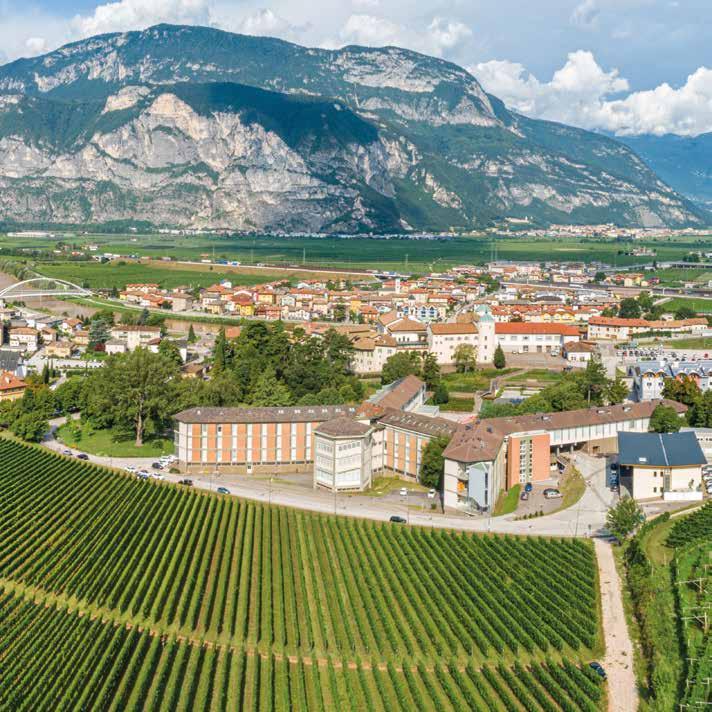
Ancient Agostinean monastery
Student boarding and canteen
Main building of the Education and Training Center and Library
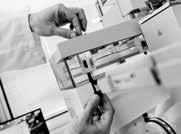
Research labs
Classrooms of the building “Pozza Nuova”
Educational distillery
Heating power plant “Centro Servizi Operativi”
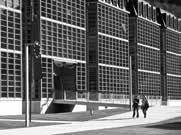
Main building of the Research and Innovation Center
Main building of the
Headquarter of the “Ricerca e Conoscenza” building
Microvinification winery
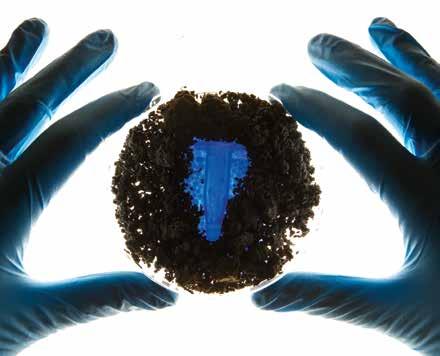
Environmental science labs
Educational Winery and Brewery centers
Fish Farming facility
Plant protection building
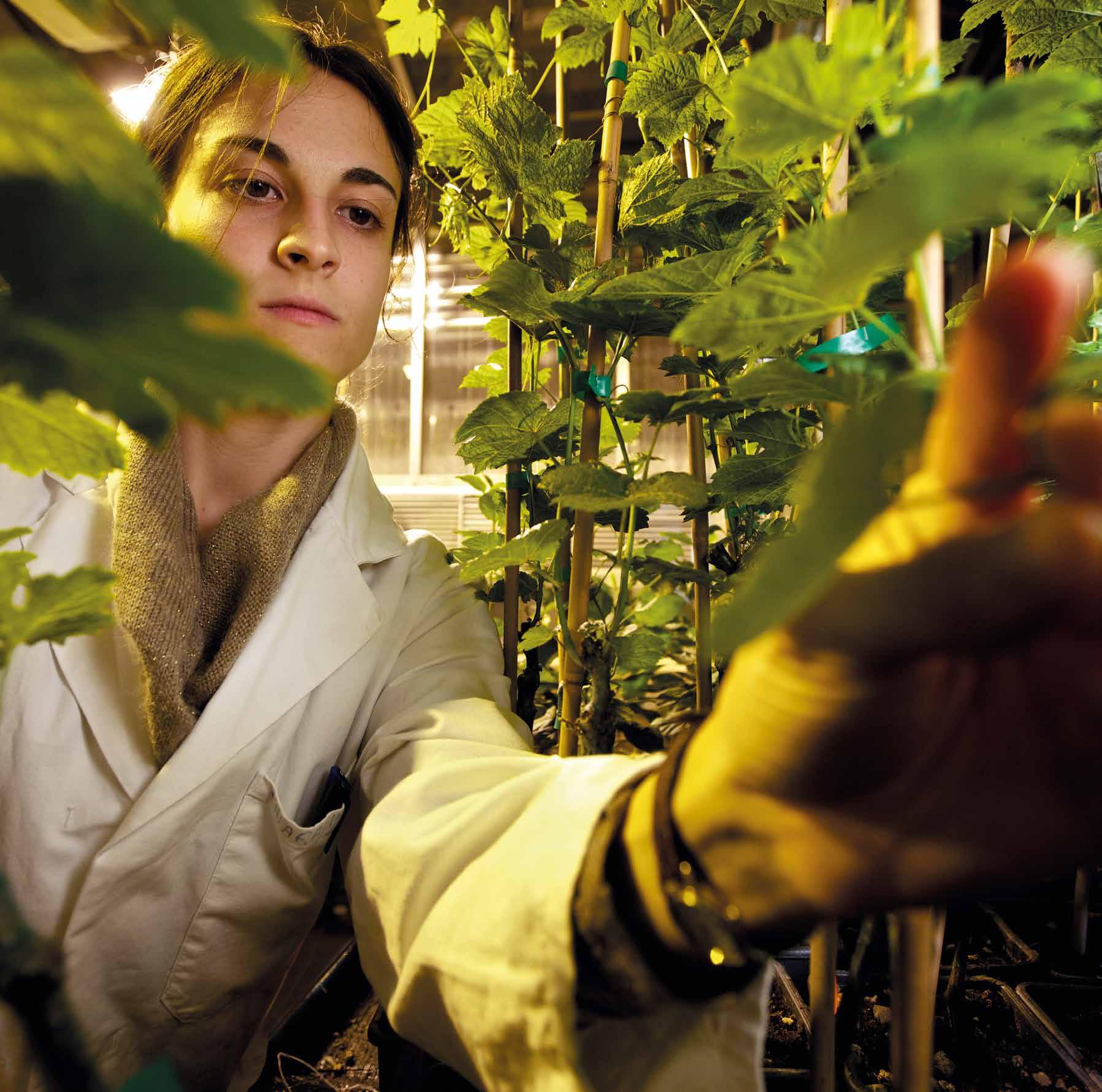
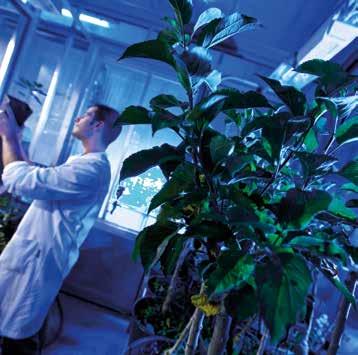
Greenhouses for research and education
Composting facility
Headquarters of the experimental farm
A prime center for Trentino and beyond
Fondazione Edmund Mach is an instrumental body of the Autonomous Province of Trento. Its Board of Directors is composed of experts in its fields of activity, including representatives from agricultural organizations and the Trentino Cooperative movement.
A prominent international institution since 1874, building on the historical legacy of the San Michele all’Adige Agricultural Institute, it carries out education and training, scientific research, experimentation, and technical consultancy in the fields of agriculture, nutrition, and environmental sciences.
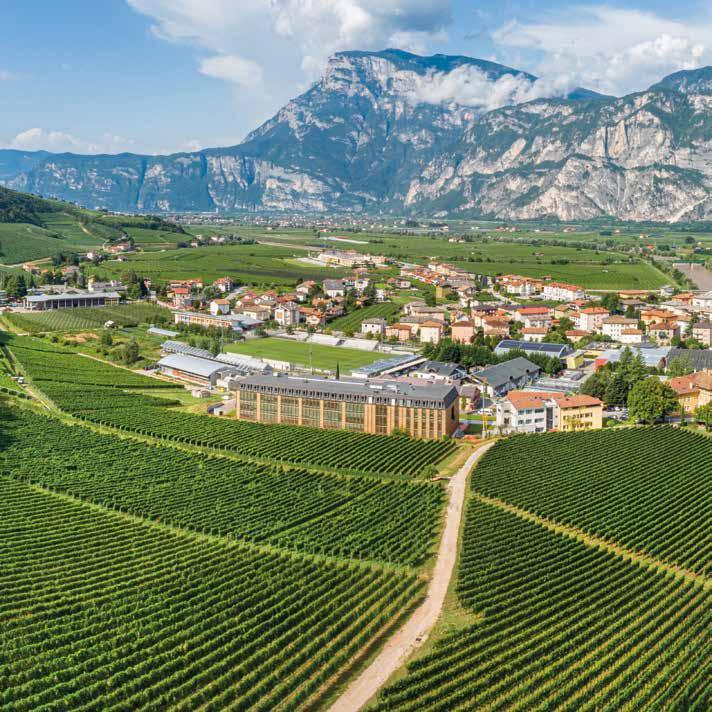
FEM is a unique center in Europe, operating on a 14-hectare campus that includes laboratories, greenhouses, classrooms, and an experimental farm. It is surrounded by 70 hectares of crops and woodland, with a total of 120 hectares of agricultural land in Trentino used for experimental, educational, and production purposes.
For over 150 years, our mission has been to support the local agriculture and environment, meeting the challenges of the future through innovation and expertise.
The synergy between education, research, and technology transfer creates unique added value for the Province of Trento, driving growth across the region.
FEM is home to over 700 staff and collaborators — including faculty, researchers, technologists, technicians, agricultural workers, administrative staff, and PhD students — alongside nearly 1,000 students and adult learners.
FEM digits
50,000
20 square meters dedicated to classrooms, laboratories, greenhouses and offices for research and educational activities
countries of origin of Ph.D. students
120
hectares farmed in Trentino for experimental, educational and productive purposes
70
hectares of forested land
staff members and collaborators
1,000
700 students
14
hectares campus in San Michele all’Adige
scientific articles published of whom more than 200 on Impact Factor journals
60
>300 technicalscientific events organised per year, including the participation to local events
FEM on the territory
Main FEM headquarters
FEM peripheral headquarters with experimental and productive field area
Experimental and productive field area
ROVERETO
SPAGOLLE
TELVE
MASO TOGN
SAN MICHELE
MEZZOLOMBARDO
Maso delle Part
DENNO CLES
Maso Maiano
GIARONI PIOVI REVÒ
SARCHE
VIGALZANO di Pergine Valsugana
570 collaborations with institutions and companies
Education and Training
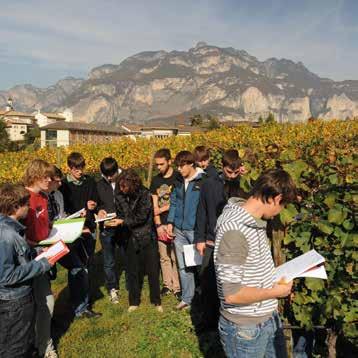
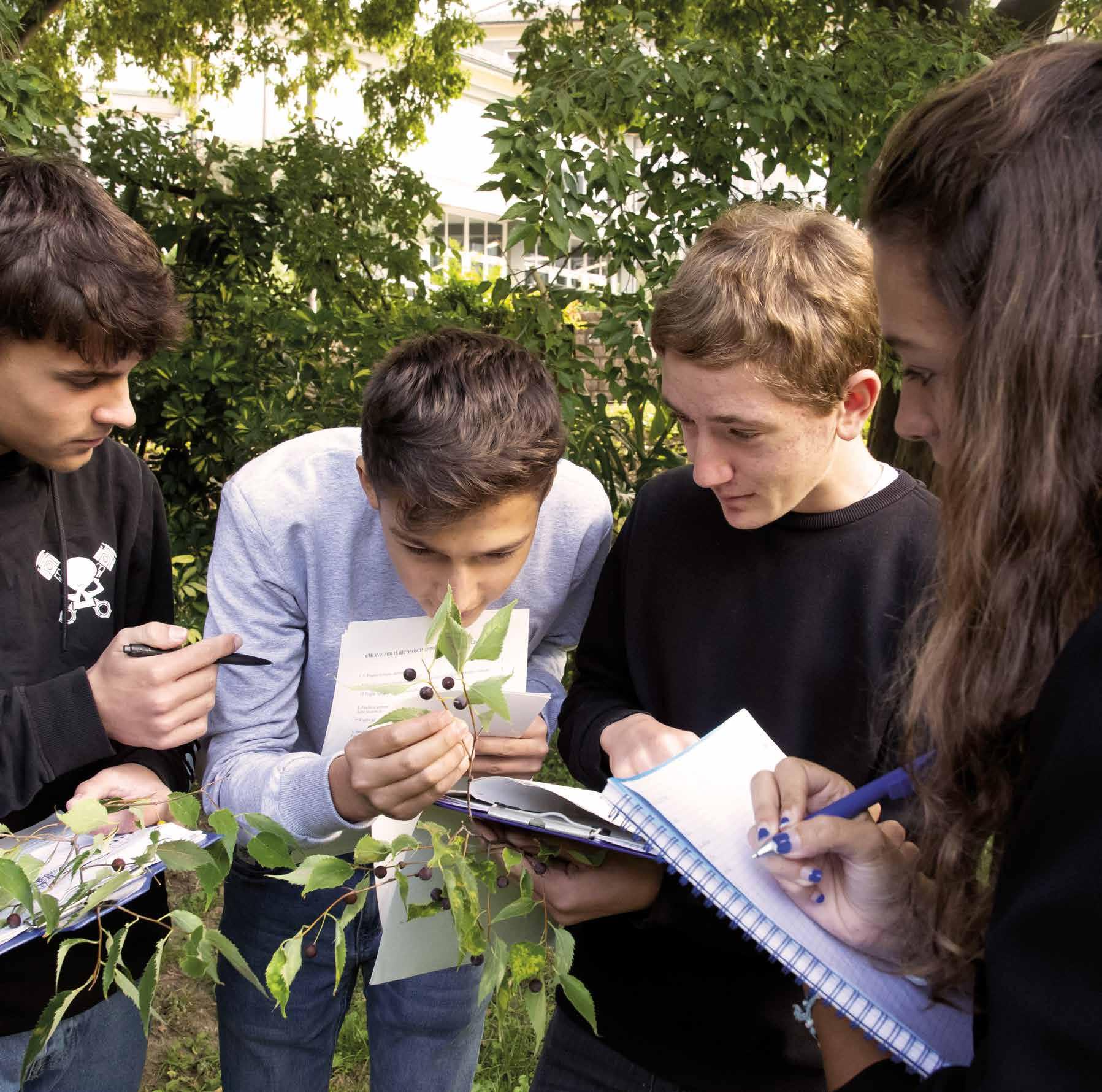
Education, Training and Learning in the farming, nutritional, environmental and forestry fields are the cores of the Fondazione Edmund Mach school.
Our educational offering features diverse pathways for both students (Technical Education and Vocational Education and Training) and adult learners (Professional Certification for Agricultural Entrepreneurs, Post-Diploma courses, and the Environment, Forestry, and Wildlife Academy).
Thanks to the synergy with the research and technology transfer activities, the educational options at the Education and Training Center are geared toward an integrated vision of learning, production and environmental sustainability.
A network rich of national and international opportunities offers the chance to attend a training period by specialised players.
Students are offered the opportunity to be hosted at the boarding school but also to enjoy an efficient transportation system to attend the school daily.
A modern library, featuring also technical and scientific reports, is for the students to enjoy in comfort.
600
partner institutions for training periods and educational experiences
students have enjoyed twinning opportunities with German schools, since 1959
>2,500 students pursuing their education
>2,600
farming entrepreneurs have been trained since 1986
800
>3,000
adults pursuing their lifelong learning 200 teachers >100
specialised technicians (farming and winemaking sectors) have been trained since 1958
Technological Transfer
Fondazione Edmund Mach pursues the development of a sustainable agriculture, forewording the needs of the territory and offering realistic solutions.
The institution experiments with and validates new agronomic practices, crop protection methods and innovations within the agri-food sector.
supported farms
1,000
service-user enterprises
18,000
8,000 samples analysed in a year
30,000 farmers trained in a year
5,000 subscribers to the web services
By monitoring the local area and providing expert consultancy, training and outreach, the Technological Transfer Center empowers thousands of crop and livestock farms every day with cutting-edge skills and tools.
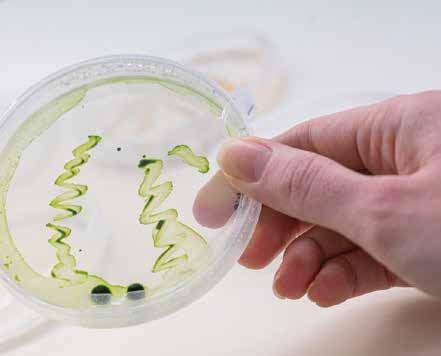
Specialised laboratories develop analytical methods and innovative processes, providing qualified services to businesses and public bodies in Italy and abroad in the fields of agricultural, food, and oenological chemistry, as well as microbiology and phytopathological diagnosis.
Research and Innovation
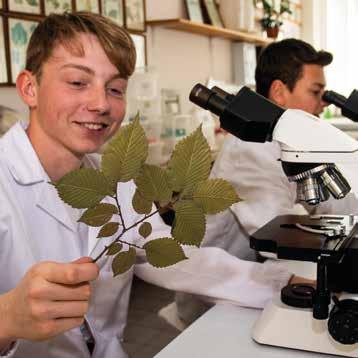
Fondazione Edmund Mach is a premium center committed to scientific research, technological development and the promotion of innovation in the fields of agriculture, biotechnology and bioeconomy. Furthermore, it pays particular attention to ecology, biodiversity, the environment and food quality.
The multifaceted nature of the Research and Innovation Center is mirrored by the integrated approach of the big modern challenges wrapped on four areas (Agrosystems and Bioeconomics, Biodiversity, Ecology and Environment, Food Sciences and Nutrition, Computational Biology) and several research units.
The Center features cutting-edge tools on technological platforms along with three germplasm banks.
The center hosts Ph.D. students from all over the world and promotes the pursuit of research networks at local, inter-regional and international level between researchers, research centers and private stakeholders.
contracts signed a year, with enterprises 45 international, national and local research projects, currently on-going 80
articles published a year on high-ranking scientific journals >200
The Farm
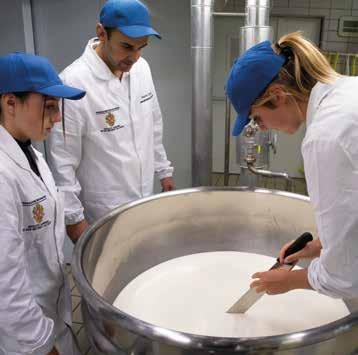
The Farm supports the experimental trials as well as the research and educational activities of the Fondazione Mach. It also acts as a production and transformation hub, pursuing a model of sustainable agriculture based on know-how and technological skills that are meaningful for crop science and respectful of environmental principles.
70ha of woods, crops and grassland in the San Michele campus
of farmed land in the province of Trento >120ha
15ha for other uses
40ha for fruit farming
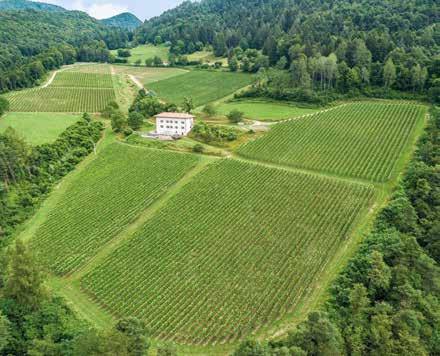
65ha for vine growing
2,500
bottles of grappa and distillates
250,000
wine bottles manufactured and traded at the winery, each year
25,000
bottle of sparkling wine, produced with the classical method
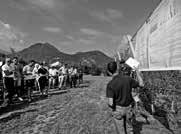
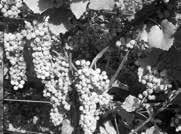
The vineyards and orchards of the Fondazione are scattered on a dozen plots located on the most representative agricultural areas of Trentino.
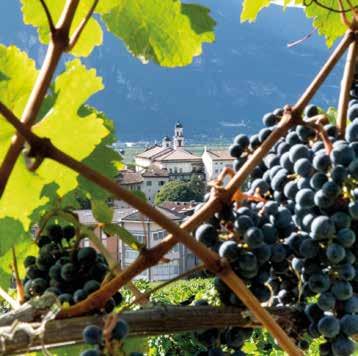
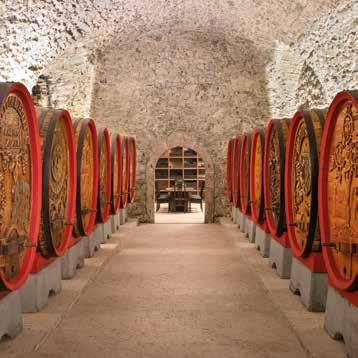
The winery,located in the old Augustinian monastery of the 12th century, produces wines that are representative of the whole local territory, valuing the grapes with 41 wine labels.
The distillery, with a new headquarter built in 2024 also with an educational purpose, features 17 labels of spirits.
Honours
First One Health Research center in Italy that focuses on agriculture, nutrition and environment to positively impact the dwellers of the host territory.
International benchmark on traditional breeding and new breeding technologies applied to vines and apples.
Premium scores in the recent ANVUR evaluations on research, in the fields of Chemistry, Agriculture, Biology.
An extensive portfolio of industrial property rights: new plant varieties of apple, grapevine, and small fruits, as well as patented technologies in the scientific fields of plant genomics and biological control.
Cutting-edge center for genomic sequencing of species of interest in the agricultural field, their pathogens, bacteria, phytoplasm and insects.
Competent body of the European Food Safety Authority (EFSA).
Member of many scientific consortia and international research boards.
Accredited laboratories and official recognitions for analytical and control activities in the agri-food sector.
Ranked as the best technical institute in Trentino in the recent Eduscopio rankings (Agnelli Foundation) for Italian high schools, with results matching the top positions of scientific high schools.
First positions of the FEM students in the recent editions of the European Championship of Wine for Agricultural schools and in “Bacco and Minerva” competition.
Important recognitions and appreciations obtained by the FEM winery at the international enological competitions and on specialised journals.
An innovation journey
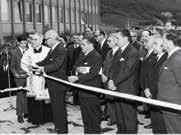
Founded in 1874 as the San Michele all’Adige Agricultural Institute, it became Fondazione Edmund Mach in 2008
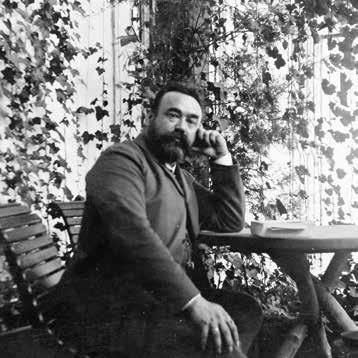
Edmund Mach, the first director of the San Michele Agricultural Institute, is also considered its founder. His intuition — that education and research must proceed hand in hand — has characterized the entire history of the institution to this day.
The San Michele Institute was founded on the model of the Klosterneuburg Institut (1860) which, along with the Poreč (1875) and Rotholz (1879) institutes, represented the great centers for agricultural education and research within the Austro-Hungarian Empire.
A strong bond in the fields of education and research is still maintained with these institutions today.
By decree of the Tyrolean Provincial Diet in Innsbruck, the Agricultural school was established, featuring an annexed experimental station directed by Edmund Mach
1874
Activation of the Agricultural Technical Institute under the presidency of Bruno Kessler 1958
Commencement of experimental activities in organic farming
1986
1928
Under the decade-long direction of Enrico Avanzi, featuring experimentation on cereals
Opening of the new school facilities 1967
The Institute absorbs ESAT, leading to the establishment of the Technical Assistance Centre
2002
First sequencing of the grapevine genome, followed by other agricultural species, insects, and pathogens
2007
1996
Launch of the three-year university-level course in collaboration with Hochschule Geisenheim, recognized by the University of Udine (UNIUD) since 1998
2003
Establishment of the SafeCrop Centre for the development of plant protection techniques with minimal environmental impact
2008
The San Michele all’Adige Agricultural Institute incorporates the Centre for Alpine Ecology, giving life to the Fondazione Edmund Mach, named after its founder
Establishment of the Consorzio Innovazione Frutta and the Consorzio Innovazione Vite
2012
Launch of the degree course in Viticulture and Enology in collaboration with the University of Trento, which awards the diploma
2017
Cooperation agreement with the agricultural institutes of Poreč, Klosterneuburg, and Rotholz
2025
2015
Launch of the FRUITOMICS platform, which will provide FEM with major infrastructures for the development of Big Data and biotechnologies
2020
Registration in the national variety register of the first four grapevine varieties tolerant to downy and powdery mildew
Press and Public relations
Institutional communication
www.fmach.it press releases events TV segments, radio and podcast newsletter social media periodical “Terra di Mach”
Technical and Scientific communication books and monographs bulletins and messaging services scientific publications
Fondazione Edmund Mach
Via Edmund Mach, 1 38098 San Michele all’Adige TN tel. +39 0461 615111
wwww.fmach.it
Foto: Archivio FEM - Ufficio Comunicazione, M. Brega, G. Cavulli, M. Festi, M. Parisi, G. Zotta
@2025 A cura dell’Ufficio Comunicazione e Relazioni Esterne FEM - comunicazione@fmach.it