
Public Transport Goes Green: Hydrogen Buses Deliver Clean Ride Solutions
The global hydrogen buses market is expected to grow from US$ 1,172.7 million in 2025 to US$ 2,625.1 million by 2032, reflecting a compound annual growth rate (CAGR) of 12.2%. This growth is driven by the increasing demand for sustainable, zero-emission public transportation solutions, particularly through Proton Exchange Membrane Fuel Cell (PEMFC) technology, which offers high energy efficiency. Europe leads the market due to strong government initiatives, while Asia Pacific, notably China, is emerging as the fastest-growing region. Despite these advancements, the high operational costs and infrastructure challenges remain significant barriers to wider adoption. Nonetheless, hydrogen buses are becoming a key component in the global effort to reduce urban emissions and promote clean energy solutions.
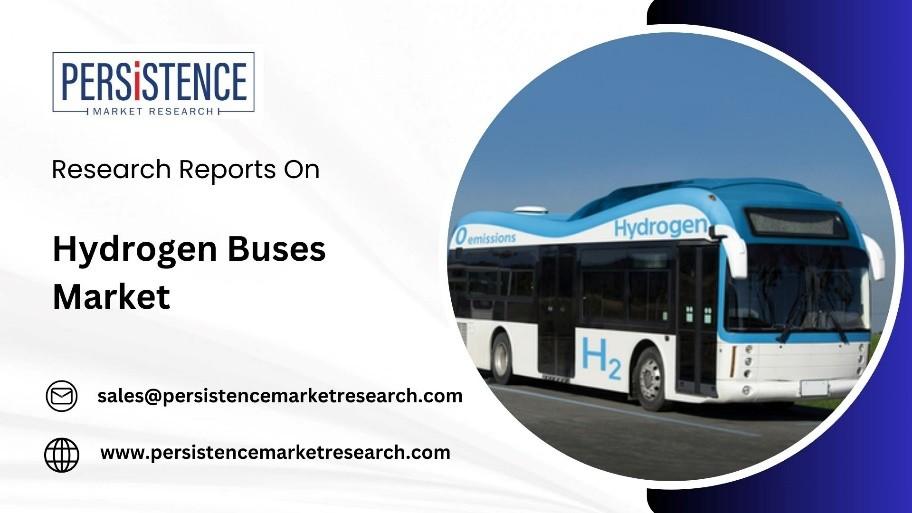
In the race toward a greener, more sustainable future, hydrogen-powered buses are emerging as one of the most promising solutions for public transportation systems worldwide. With increasing concerns about urban air pollution, climate change, and the environmental impacts of traditional fossil fuels, cities are looking for alternative solutions to reduce emissions and improve public health. Hydrogen buses are at the forefront of this transformation, offering a zero-emission, efficient, and reliable way to revolutionize public transit systems. As hydrogen technology continues to evolve, it’s clear that these buses have the potential to play a key role in shaping the future of clean public transportation.
A Zero-Emission Future: Hydrogen’s Role in Sustainable Transit
Hydrogen fuel cell technology has made tremendous strides in recent years, positioning hydrogen buses as one of the most viable solutions for reducing the carbon footprint of public transport. Unlike conventional dieselpowered buses, hydrogen buses run on electricity generated through a chemical reaction between hydrogen and oxygen, with water vapor being the only byproduct. This means that hydrogen buses produce zero tailpipe emissions, significantly improving air quality in urban areas plagued by pollution from conventional vehicles.
Public transit systems are responsible for a substantial portion of urban emissions, and transitioning to hydrogen-powered buses could drastically cut down on harmful pollutants like nitrogen oxides (NOx) and particulate matter, which contribute to respiratory diseases and other health problems. With an increasing number of cities committing to carbon-neutral goals, hydrogen buses present an ideal solution to help meet these ambitious targets.
Fast Refueling and Long Range: A Practical Solution for Cities
One of the key challenges faced by electric buses is their long recharging times. While battery-electric buses (BEBs) are growing in popularity, they often require several hours to fully charge, which can disrupt the daily operations of public transit systems that rely on tight schedules. Hydrogen buses, on the other hand, offer a distinct advantage with their rapid refueling times. A hydrogen bus can be refueled in just 10-15 minutes, much faster than the hours it takes to charge a battery-electric bus. This rapid turnaround allows hydrogen
buses to stay in service longer, making them a much more practical solution for cities with high-frequency transit routes or those that require continuous operations.
The fast refueling capability of hydrogen buses makes them a viable option for longer routes as well. While BEBs have improved in terms of range, they still often face limitations, especially when covering extended distances. Hydrogen buses, however, can typically travel between 250-300 miles on a single tank of hydrogen, ensuring they can handle long-range routes without the need for a lengthy recharge. This makes hydrogen buses particularly well-suited for intercity routes, suburban areas, and other regions where battery-electric buses may struggle with range limitations.
Efficiency and Performance: Hydrogen Buses Outshine Traditional Diesel
Hydrogen buses offer more than just environmental benefits; they also provide superior operational efficiency compared to their diesel counterparts. The hydrogen fuel cell process, which converts hydrogen into electricity, is highly efficient, typically achieving an efficiency rate of around 65%. In comparison, diesel engines are much less efficient, often operating at an efficiency rate of 20-30%. This high efficiency means that hydrogen buses can travel longer distances with less fuel, providing significant cost savings for public transit agencies over the long term.
Additionally, hydrogen buses offer consistent performance, even in colder weather conditions or on challenging terrains. Battery-electric buses can experience a decline in efficiency in extreme temperatures, as their battery capacity can diminish in cold weather, reducing the range and performance of the vehicle. Hydrogen buses, however, are less affected by temperature fluctuations and can maintain their performance across a broader range of operating conditions, making them ideal for regions with cold winters or mountainous landscapes.
Reducing Noise Pollution: Hydrogen Buses for Quieter Cities
Another often overlooked benefit of hydrogen buses is their contribution to reducing noise pollution in cities. Traditional diesel buses are noisy, contributing to the urban din and creating a less pleasant environment for residents, particularly in dense, bustling cities. Hydrogen fuel cell buses, however, operate much more quietly. Their electric motor produces little to no noise, making them an attractive option for transit systems in noisesensitive areas such as residential neighborhoods, schools, and parks. The quieter operation of hydrogen buses enhances the quality of life in cities and contributes to a more peaceful urban experience.
A Boost to Local Economies and Job Creation
The adoption of hydrogen-powered buses also offers significant economic benefits. As the hydrogen economy grows, it opens up opportunities for job creation in various sectors, from manufacturing hydrogen buses to the development of refueling infrastructure. Hydrogen fuel cell technology requires specialized knowledge and expertise, creating new jobs in research, engineering, and manufacturing. Moreover, the construction and maintenance of hydrogen refueling stations will create additional employment opportunities, contributing to local economies and driving the growth of the clean energy sector.
For transit agencies, hydrogen buses offer the potential for lower long-term operating costs. Although the initial purchase price of hydrogen buses may be higher than that of traditional diesel buses or even batteryelectric buses, hydrogen buses have a longer lifespan and require less frequent maintenance. Fuel costs for hydrogen buses are also competitive, especially as hydrogen production becomes more efficient and the cost of green hydrogen continues to decline. Over time, the savings on maintenance and fuel costs can offset the higher upfront investment, making hydrogen buses a financially sustainable choice for public transit systems.
Government Support and Policy Driving Hydrogen Adoption
Government policies and incentives play a crucial role in the widespread adoption of hydrogen buses. Many countries, regions, and cities have set ambitious targets for reducing carbon emissions from the transportation sector, and hydrogen buses are seen as a key tool to achieve these goals. For instance, California, a global
leader in clean transportation, has invested heavily in hydrogen infrastructure through funding for hydrogen refueling stations and grants to transit agencies to purchase hydrogen buses.
The European Union has also been a strong advocate for hydrogen as part of its clean energy transition. The EU’s Hydrogen Strategy for a Climate-Neutral Europe highlights hydrogen as a central element of the region's decarbonization efforts, with plans to deploy hydrogen fuel cell buses in cities across Europe. Similarly, countries like Japan and South Korea are making significant investments in hydrogen infrastructure and are already operating hydrogen buses in major urban centers.
In addition to government funding and policy support, collaboration between private industry and public transit agencies is helping to accelerate the rollout of hydrogen buses. Major companies in the hydrogen sector, such as Toyota, Ballard Power Systems, and Proterra, are working closely with transit authorities to develop and deploy hydrogen-powered buses that meet the specific needs of urban transportation systems. This public-private partnership model is driving innovation, reducing costs, and making hydrogen buses more accessible to cities around the world.
Hydrogen Buses on the Horizon: A Global Shift Toward Clean Transit
As the adoption of hydrogen-powered buses accelerates, cities across the globe are beginning to see the benefits firsthand. From Los Angeles to London, and Tokyo to Vancouver, hydrogen buses are becoming an increasingly common sight on city streets. These buses are not just helping to reduce carbon emissions and improve air quality—they are also setting the stage for a more sustainable, greener future for public transportation.
With continued investment in hydrogen infrastructure, technological advancements, and favorable government policies, the future of hydrogen buses looks bright. Over the coming years, we can expect to see a significant increase in the number of hydrogen-powered buses on the road, making public transportation cleaner, more efficient, and more sustainable for everyone.
Conclusion: A Cleaner, Greener Future for Public Transport
Hydrogen buses offer a compelling solution to the challenges faced by cities looking to reduce emissions, improve air quality, and create a sustainable public transportation system. Their zero-emission operation, fast refueling times, long range, and efficiency make them an ideal alternative to traditional diesel buses and even battery-electric vehicles in certain contexts. As cities around the world continue to prioritize sustainability and invest in cleaner transportation options, hydrogen buses are set to become a key player in the green transit revolution.
By embracing hydrogen technology, public transit systems can not only reduce their environmental impact but also contribute to healthier, quieter, and more livable cities. With strong government support, technological innovation, and public-private collaboration, hydrogen buses are poised to deliver the clean ride solutions needed for a sustainable future.