
Forklift Battery Market 2023-2030: Size, Share, and Growth Forecasts
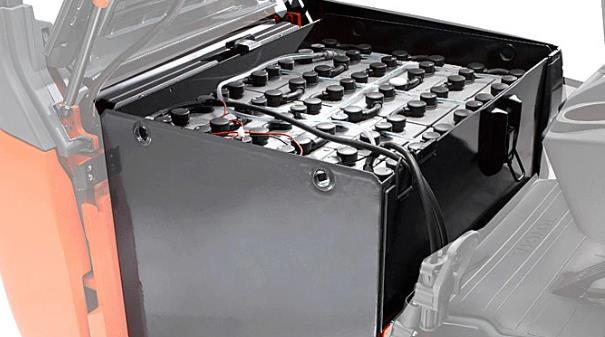
The growth of the forklift battery market is being significantly influenced by the increasing adoption of sustainable energy sources due to environmental concerns related to carbon and greenhouse gas emissions. As companies strive to achieve net-zero carbon emissions, many are shifting from traditional diesel-powered forklifts to electric or battery-operated forklifts. This transition is driven by advancements in battery technology, which offer benefits such as longer runtimes, fast charging capabilities, and low maintenance.
Access Full Report: https://www.fairfieldmarketresearch.com/report/forklift-batterymarket


Industries like warehousing, manufacturing, food and beverage, retail, and e-commerce are adopting electric forklifts to reduce emissions and achieve operational efficiency. The benefits of electric forklifts, including reduced fuel costs, zero emissions, and smoother operation, are accelerating the demand for advanced batteries in the market. This shift is particularly evident in warehousing and manufacturing sectors, where electric forklifts are preferred due to their quiet operation, reduced heat dissipation, and overall cost savings.
In addition to the environmental advantages, the development of autonomous forklifts integrated with AI-based systems is on the horizon. These autonomous forklifts use sensors, cameras, and radars to identify obstacles and avoid accidents, enhancing their usability in various industrial applications and creating more opportunities for the forklift battery market.
Among various types of batteries for electric forklifts, lead acid batteries have gained popularity due to their reliability, superior backup, and cost-effectiveness. These batteries offer a high power-to-weight ratio and are rechargeable, making them a suitable choice for customers seeking lower maintenance costs. However, the demand for lithium-ion batteries is also increasing as they are developed to provide longer service life, fast charging, high energy output, and efficiency.
The Asia Pacific region, with its growing economies and industries like electronics, semiconductors, chemicals, manufacturing, warehousing, and construction, presents significant growth potential for the forklift battery market. The adoption of battery-operated forklifts is on the rise in this region due to the decreasing cost of batteries and increasing demand for renewable energy sources.
Major players in the forklift battery market are actively engaged in product launches, capacity expansions, and collaborations to strengthen their market position. Examples of such initiatives include the introduction of new electric forklift models integrated with high-power lithium-ion batteries, and collaborations to develop and manufacture lithium-ion cells. Key players in the market include Exide Industries Ltd., Amara Raja Batteries Ltd., East Penn Manufacturing Industry Company, ENERSYS, Crown Equipment Corporation, Trojan Battery Company, and Narada Power Source Co. Ltd. These efforts reflect the industry's commitment to driving innovation and sustainable growth in the forklift battery market.
Email: sales@fairfieldmarketresearch.com