In this issue: You Cannot Manage What You Do Not Measure: Planet Mark on FM and Net Zero
Qualified To Lead: How The Xenon Group is Raising the Standard of FM Professional Development
FM Power List: Meet The People Shaping The Future Of Facilities Management
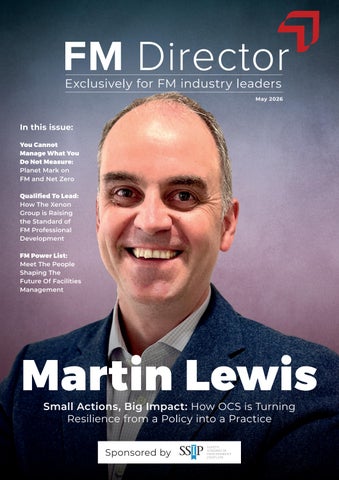
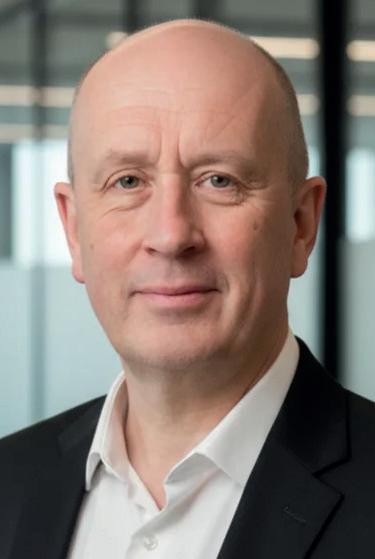
Martin Lewis
Small Actions, Big Impact: How OCS is Turning Resilience from a Policy into a Practice
Welcome to May’s FM Director
As we head towards the middle of the year, there’s no denying that 2026 is shaping up to be a very eventful 12 months. The headlines are full of global economic turmoil and uncertainty, and it’s hard not to be concerned about the potential consequences it might have on our sector.
Make sure you’re subscribed to FM Business Daily’s newsletter to catch my regular op-ed pieces where I try to unpick the latest headlines and explain how they may or may not affect your business.
As usual, this month we have a host of exclusive features and interviews from some of the sector’s most respected leaders.
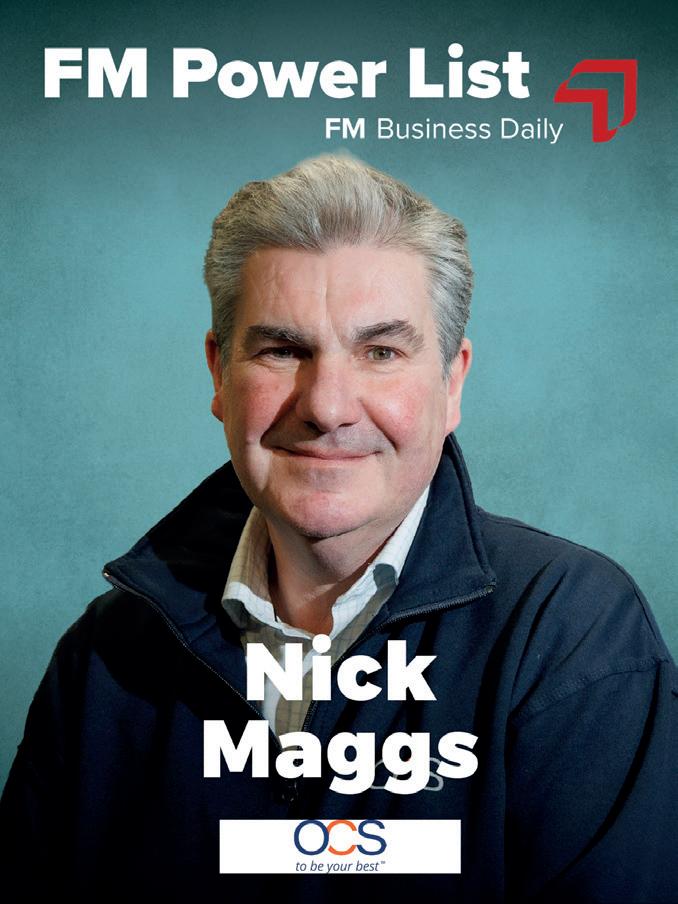
I recently sat down with Martin Lewis, Group Head of Risk and Assurance at OCS, to talk about the company’s Resilience Week initiative. We discussed the thinking behind the challenge of engaging a 140,000-strong global workforce, and why he believes resilience belongs on the agenda of every business in the sector.
I also spoke to Avital Johanan, Managing Director of carbon reduction certification body, Planet Mark. She explained the practical steps FM teams need to take to move beyond high-level sustainability commitments, why verified data is the foundation of credible ESG reporting, and how continuous carbon reduction is becoming a baseline expectation rather than a differentiator.
And as if that wasn’t enough, this edition also features several other key voices in the industry such as The Xenon Group, PTSG, SOS Leak Detection and more.
As always, I hope you enjoy this edition of FM Director and remember, if you have anything you’d like to discuss with me, please drop me a line at claire.middleton@businessdailygroup.co.uk
Thanks
Claire Middleton
Contents
fmdirector@fmbusinessdaily.com
Small
Actions Big Impact: How OCS is Turning Resilience from a Policy into a Practice
Martin Lewis, Group Head of Risk and Assurance at OCS, recently sat down with FM Director to talk about the company’s Resilience Week initiative. He explained the thinking behind the challenge of engaging a 140,000-strong global workforce, and why he believes resilience belongs on the agenda of every business in the sector
Managing Editor
Claire Middleton
The Growing Hygiene Gap in Student Accommodation Schemes
Kate Ammirato, national accounts manager at Jangro, explains why hygiene is becoming a growing operational risk in student accommodation and shares best practice strategies for facilities managers
Published by FM Business Daily, Linacre House, Dark Lane, Braunston NN11 7HU
You Cannot Manage What You Do Not
Measure: Planet Mark’s Avital Johanan on FM and Net Zero Avital Johanan, Managing Director of carbon reduction certification body, Planet Mark, discusses the practical steps FM teams need to take to move beyond high-level sustainability commitments, why assured data is the foundation of credible ESG reporting, and how continuous carbon reduction is now expected, rather than a differentiator solutions provider HubStar
James Jackaman
2026 FM Business Daily. All rights reserved. Reproduction of the contents of this magazine in any manner whatsoever is prohibited without prior consent from the publisher. No part of this magazine may be used or reproduced in any manner for the purpose of training artificial intelligence technologies or systems. For subscription enquiries and to make sure you get your copy of FM Director please ring 01482 782287 or email fmdirector@fmbusinessdaily.com The views expressed in the articles reflect the author’s opinions and do not necessarily reflect the views of the publisher and editor. The published material, adverts, editorials, images and all other content is published in good faith.
Production Editor
Small Actions Big Impact: How OCS is Turning Resilience from a Policy into a Practice
Martin Lewis, Group Head of Risk and Assurance at OCS, recently sat down with FM Director to talk about the company’s Resilience Week initiative. He explained the thinking behind the challenge of engaging a 140,000-strong global workforce, and why he believes resilience belongs on the agenda of every business in the sector
When OCS first began planning this initiative, the original concept was straightforward: a risk awareness week. What emerged through internal discussion was something broader and more purposeful.
“A lot of these topics sit very comfortably under the resilience banner,” said Martin Lewis. “Health and safety, cybersecurity, risk management, wellbeing and ESG: collectively, these are all about making OCS a more resilient organisation.”
That reframing proved significant. Rather than running separate awareness campaigns across individual functions, OCS chose to bring the threads together under a single theme, creating a moment in the calendar where the full scope of organisational resilience could be addressed at once, across every market and every level of a workforce that spans the UK and multiple territories across Asia Pacific.
From awareness to accountability
The first Resilience Week ran in June 2025. The dual objectives that shaped it were raising awareness of everything OCS was already doing in the resilience space, and then using that platform to move from discussion to action. “All 140,000 of us need to take ownership of this,” Martin said. “It cannot just be the leadership team pushing out a policy or an initiative, because that will never work.
“We need frontline colleagues to genuinely understand and engage with the topic.”
Driving that personal accountability became the central purpose of the week, and it remains the theme for the 2026 edition, which runs under the banner of Stronger Together. The message is that grouplevel initiatives only deliver results when individuals at every level are willing to act on them.
“It is really down to each person engaging with it that will help us collectively,” Martin said.
All 140,000 of us need to take ownership of this. It cannot just be the leadership team pushing out a policy or an initiative, because that will never work
The five areas covered across the week’s five days are health and safety, cybersecurity, risk management, ESG and wellbeing.
Each day has a dedicated theme, and OCS works with the functional leads across each of those areas to ensure the content amplifies their existing objectives rather than adding to their workload.
“We are not asking them to think of something new,” Martin explained. “We make sure that what they do is aligned to their core objectives. It fits under Resilience Week, but it also fits into the broader health and safety or cybersecurity plan for the year.”
The challenge of a global, frontline workforce
Delivering a coherent campaign across a business of OCS’s size and geographic spread is not straightforward. Martin identified two primary challenges: the cultural and linguistic diversity of a truly global workforce, and the practical difficulty of reaching the roughly 90 per cent of employees who do not work at a desk.
If we talk about being stronger together and the need for all of us to be engaged, it can’t just be the leadership teams
The first Resilience Week was delivered primarily in English and relied heavily on written communication. The result was strong engagement at management level in the UK, but considerably less traction among frontline colleagues, particularly across Asia Pacific.
“That combination did not land as well as we needed it to with frontline workers, or with colleagues in markets where English is not the first language,” Martin said.
The 2026 campaign has been designed with those lessons in mind. Localisation is a priority, with communication toolkits developed centrally but tailored by regional teams to reflect local languages, cultural context and preferred communication channels.
For frontline workers, that means moving away from desktop-centric communications and reaching people through WhatsApp and other social platforms, supported by toolbox talks and team briefings led by local managers.
“Visual formats are being prioritised over text-heavy materials. If we talk about being stronger together and the need for all of us to be engaged, it can’t just be the leadership teams,” Martin said.
The content itself is also being shaped to reflect what genuinely matters to different parts of the workforce. Wellbeing, for example, means different things in different contexts: emotional and social wellbeing resonates strongly in the UK, while physical wellbeing is a more natural entry point in parts of Asia Pacific.
ESG presents a particular challenge when the audience is a frontline worker on a living wage in a market where the connection between individual behaviour and corporate sustainability targets is not immediately obvious.
SSIP: Compliance Made Efficient Stop the Duplication. Start Saving.
Are you a construction supplier wasting time and money on repetitive health and safety pre-qualification assessments?
SSIP (Safety Schemes in Procurement) offers a smarter solution through Mutual Recognition and the “Deem to Satisfy” principle.
Key Benefits:
Advert
Avoid Duplicate Assessments:
Get approved by one SSIP Member Scheme, and your certification is recognised by all others.
Boost Client Confidence:
Demonstrate commitment to the highest health and safety standards and ensure smoother project collaboration.
SSIP simplifies your compliance, allowing you to focus on delivering safe, high-quality work.
Save Time & Money:
Eliminate redundant administrative work and assessment fees. This process attributed to over £5.5 million in direct savings in 2024 alone.
Streamlined Compliance:
SSIP certification is recognised as an exemption against Section 4 (Health and Safety) of the Build UK Common Assessment Standard (CAS)
Certify Once. Satisfy Everywhere. Learn more and find your ideal SSIP Member Scheme today: www.ssip.org.uk
“You have to think about what is really going to make a difference to them and what they are willing to engage with,” Martin said. “If they do not identify with it, they will skip the email and move on.”
Measuring what matters
Each of the five pillars has its own measurable outcomes, set by the relevant functional teams rather than imposed centrally. For health and safety in Asia Pacific, a key objective is improving incident reporting rates. For cybersecurity, the measure is how many employees click on simulated phishing emails during the internal testing the team runs annually.
“For most of these areas, there are measurable objectives set by the functional teams themselves,” Martin said. “Resilience Week is a vehicle to amplify those objectives and try to move the needle on them.”
Because the initiative is designed to run year-on-year, the ability to track progress over time is built into the approach. The first year established a baseline. Each subsequent year will add to the picture.
A week for the whole sector
OCS has registered Resilience Week as an international awareness week, in the same way that events such as International Women’s Day hold a recognised place in the calendar.
The ambition is to extend the reach of the initiative beyond OCS itself, drawing in other FM businesses and their customers and communities to build a broader conversation about resilience across the sector.
Martin is clear that the five pillars are not specific to OCS or to FM. “All businesses should have resilience plans in place,” he said. “Health and safety, cybersecurity, risk management, ESG and wellbeing are applicable regardless of sector.
All businesses should have resilience plans in place. Health and safety, cybersecurity, risk management, ESG and wellbeing are applicable regardless of sector
“Registering the week internationally is about bringing that to the forefront, because resilience is a word people throw around without necessarily understanding the practical impact it has at every level of a business.”
He pointed to the cumulative effect of small individual actions as the foundation of genuine organisational resilience. A frontline colleague checking in on a team member contributes to wellbeing. Someone making a considered choice around waste contributes to ESG targets.
Neither action is dramatic in isolation, but together they compound. “That is what we are trying to communicate,” Martin said. “It is not abstract. It is the sum of what every individual does, every day.”
The longer view, he said, is equally important. “This is a multi-year awareness campaign. Every year we will redefine our objectives based on what we have learned. But this is not a one-off.”
To find out more about OCS and its approach to resilience, visit www.ocs.com
Elevate Your Business with UKMDA
Join the UK Metal Decking Association (UKMDA) and place your business at the forefront of the industry. UKMDA offers a powerful network and essential resources to help your company and contracts be successful. Why Join UKMDA?
Leadership & Influence:
Be part of a powerful network that shapes industry standards and works with key bodies like HSE, CITB and CSCS
Credibility & Safety:
Demonstrate your commitment to excellence with our rigorous audits and access to authoritative safety guidance.
The UKMDA is committed to raising the bar for safety and competency. Our comprehensive training programs provide your team with the skills and qualifications they need.
Core Training: Our scheme covers all aspects of metal decking and stud welding installation, taught by licensed trainers.
Nationally Recognised NVQs:
We provide NVQs that allow you and your installers to demonstrate technical competence.
A UKMDA-qualified workforce means fewer accidents, greater efficiency, and an enhanced reputation for quality.
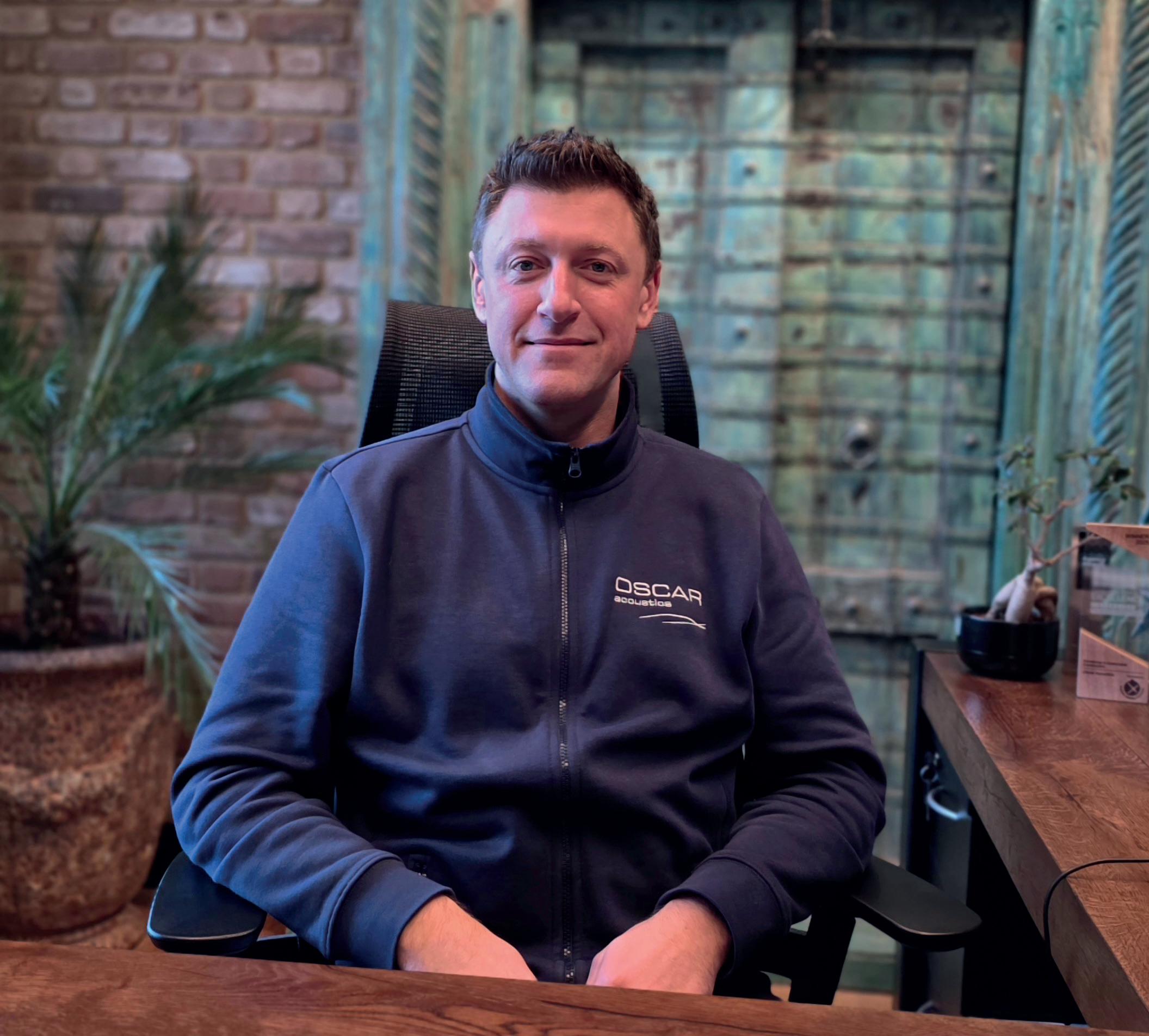
The 2030 countdown: Why your retrofit strategy must include acoustics
By Ben Hancock, Managing Director, Oscar Acoustics
Modern workplaces are at a crossroads. Despite substantial investment flowing into ESG-compliant retrofits, a growing number of offices are failing their most important stakeholders: their people.
The problem isn’t ventilation or lighting systems, which routinely attract budget and attention. Instead, it’s a fundamental pillar of productive, healthy workspaces that’s being overlooked: acoustics.
The scale of this oversight is striking. Our recent report, ‘Shaping Future-Ready Workspaces’, gathered insights from over 2,000 respondents and uncovered a troubling pattern: one third of UK office workers actively avoid coming into the office specifically because of noise and over half of employees report that noise levels impact their wellbeing.
Far from representing a trivial complaint, this is a critical business issue. Acoustic design delivers a measurable commercial advantage.
The stakes are rising. Employee expectations for wellbeing and inclusivity continue to intensify and regulatory bodies, like the new Fair Work Agency coming into effect in April, will be applying increasing scrutiny.
Therefore, the ability to create sound environments that work for everyone has evolved from an optional enhancement to an essential requirement for any business serious about creating future-ready workspaces that help to attract and retain top talent.
The business case for creating inclusive sound environments is compelling. With impending energy laws requiring 80% of London’s office space to be upgraded to at least an EPC Grade B by 2030, organisations face a golden opportunity to integrate essential acoustic design.
However, many will miss the chance, choosing to cut acoustics to reduce upfront costs. This ignores the significant impact on the bottom line.
Why the opportunity is bigger than you think
Our research shows that over half (56%) of UK corporate workers find their office noisy, with key complaints including difficulty concentrating (47%), irritation (36%) and stress (30%).
A workspace that actively hinders focus is more than a nuisance; it’s a tangible financial liability
In response,41% of employees wear headphones, hindering collaboration, while over a third work from home just to escape the racket. This directly impacts productivity and talent retention, with eight in ten employers admitting to losing talent due to poor office environments. When skilled staff leave, the business suffers from the immediate disruption and also experiences significant financial burden of recruitment and training.
These hidden expenses, often underestimated during budgeting, make the initial savings from omitting proper acoustic treatment negligible in comparison.
A workspace that actively hinders focus is more than a nuisance; it’s a tangible financial liability that undermines daily performance and erodes profitability.
This challenges us to reframe the conversation. The issue has evolved beyond simple productivity metrics into a matter of employee choice and retention.
If our best and brightest talent are choosing to stay away, or even leave employment, because the office is an acoustically unpleasant place to be, then we have a fundamental problem with the viability of that space.
Beyond noise control to genuine inclusive design
The good news is that proven solutions exist. Facilities managers can build a powerful business case by positioning acoustics as essential operational infrastructure.
Frameworks like the ‘Three C’s’ of Clarity, Control and Calm, provide a blueprint for high-performance and inclusive office design. As Rob Smith, Director at tp bennett, explains: “There needs to be more logic in how offices are designed, ensuring a seamless transition from quieter zones to vibrant, high-energy areas.”
This means creating logical layouts to reduce cognitive load (Clarity), allowing staff to adjust their surroundings or choose different environments (Control), and providing dedicated quiet zones for recovery (Calm). It’s a strategic approach that gives employees control over their sensory environment, allowing them to choose a space that best suits their task and personal preference.
To provide FMs with achieving measurable workplace acoustics standards that demonstrate genuine inclusive design, Oscar Acoustics is an early strategic partner with Sownd Affects on the launch of Sownd Certification.
Over half (56%) of UK corporate workers find their office noisy, with key complaints including difficulty concentrating (47%), irritation (36%) and stress (30%)
This independent, third-party certification framework was developed in collaboration with the University of Southampton and RNID.
Sownd Certification assesses actual performance data, giving FMs evidence-based benchmarks for workplace acoustics that work for everyone, including the significant portion of the UK population (30%) who identify as noise-sensitive.
By designing for better sound, businesses create environments where every employee can thrive. This promotes genuine psychological safety; where staff feel secure enough to concentrate without interruption and confident that their employer is invested in their cognitive wellbeing.
Prioritising acoustics also contributes directly to achieving leading certifications like WELL, BREEAM, SKA and LEED, where credits for acoustic performance fall under the crucial Health and Wellbeing categories. These credentials enhance brand reputation, delivering a tangible return on investment.
The tangible returns on acoustic investment
Addressing acoustics is an investment in your most valuable asset; your people. The return is measured in improved staff retention, reduced absenteeism and the creation of a workplace that people genuinely want to be a part of.
When employees feel comfortable and can concentrate without stress, their engagement and quality of work naturally improve.
The evidence demands action. With nearly a third of employees explicitly demanding improved acoustic design, the business imperative couldn’t be stronger.
Facilities managers have a golden opportunity to integrate acoustic enhancements into retrofit programmes. By doing so, they can both improve workplace performance while championing accessibility and employee wellbeing.
Those who seize this moment will deliver enduring value that strengthens their entire organisation for years to come.
References: This article includes data from Oscar Acoustics’ Shaping FutureReady Workspaces for the Great Return to the Office’.
Closed-loop Systems: Tackling a Hidden Legionella Threat
As water systems grow more complex and climate patterns shift, Legionella is emerging as one of the most persistent and underestimated risks in the built environment. The result is the threat to public health from Legionnaires’ disease will likely further escalate unless decisive action is taken, at scale and pace
Here, Greg Rankin, CEO of Hydrosense, explores the hidden Legionella risk associated with closed-loop systems and how facilities managers can address it.
Commonly found in building heating systems, air-conditioning and cooling systems, and some heat pumps, closed-loop water systems are often considered low risk for Legionella because they are sealed and don’t normally aerosolise water.
However, in the face of rapidly rising Legionella counts in the UK and globally, this assumption is misleading and there are, in fact, a number of hidden threats in closed-loop systems that could increase the risk of Legionella.
The reality, after all, is that most modern closed-loop systems are designed to move heat efficiently, not to stop bacteria growing. As a result, several routine design and material choices can unintentionally create ideal conditions for biofilm and Legionella growth.
Common polymers such as EPDM, PEX, PVC and polypropylene leach small amounts of biodegradable organic carbon that feed early microbial colonisation. Their surface chemistry and roughness further promote bacterial attachment, allowing biofilms to establish quickly and persistently.
System geometry and flow conditions compound the risk. Oversized pipework reduces velocity, lowering the shear stress needed to disrupt biofilm. Dead legs caused by insufficiently removed pipework that previously serviced now-redundant equipment, bypass lines and poorly flushed components trap stagnant water where disinfectant residuals vanish. Expansion vessels, strainers, balancing valves and plate heat exchangers often contain warm, low-flow pockets that act as long-term microbial reservoirs.
Temperature control is another critical factor. Many lowtemperature closed-loop systems operate between an ideal range for Legionella growth. The scope for poor insulation, intermittent use or standby periods escalate matters, allowing systems to drift into this zone for hours or days at a time and, in turn, giving the bacteria even more chance to multiply.
The end result is a critical and yet still largely overlooked Legionella threat which facilities managers (FMs) cannot afford to underestimate.
Best practice recommendations
But, you may ask, what proactive steps can FMs and their engineering and contracting teams take to minimise this risk and maintain disinfection efficacy?
Though there may be no silver bullet solution, in our experience, a large part of the answer lies in good design. Hereby, the priority should be to minimise conditions that allow stagnation or nutrient accumulation. This should include reducing or eliminating dead legs, ensuring consistent circulation across all branches, and avoiding oversized pipework that lowers velocity.
Material selection also matters. Here the recommendation is to choose components with low corrosion potential and surfaces that don’t encourage microbial attachment, and avoiding fiber washers or natural rubber, which can shed nutrients into the system.
Incorporating high-quality filtration and magnetic dirt separation also helps prevent particulate build-up, while dedicated flushing points, drain valves and accessible dosing ports make ongoing biofilm management far easier throughout the system’s lifespan.
During commissioning, the system should be cleaned thoroughly before filling to remove oils, debris and residues that act as earlystage biofilm nutrients. A controlled biocide treatment should be applied to neutralise any bacteria introduced during installation.
Most modern closed-loop systems are designed to move heat efficiently, not to stop bacteria growing
Initial water quality testing is essential - not only for Legionella but also for indicators such as iron and suspended solids, which support microbial growth. Temperature control should then be verified to ensure the system does not drift into ranges that favor bacterial proliferation.
Underscoring this too, a clear management plan should be established from day one, covering regular flushing, inspection, cleaning and appropriately timed chemical dosing, ensuring disinfection remains effective over the long term.
Crucially too, education remains critical. As Legionella risk evolves, those FMs and their teams who stay up to date with the latest guidance, testing innovations and real-world risk factors will be far better equipped to identify vulnerabilities long before they escalate. Regular training ensures they understand how Legionella behaves, where it hides, and how system design, temperature control and maintenance practices influence bacterial growth.
Technological advantages
The good news in this too is that there are several emerging technologies that are transforming how FMs and their teams can detect and control Legionella in closed-loop systems by providing faster insight, smarter dosing and better detection of microbiological changes.
Take, for example, advanced filtration and magnetic dirt-separation systems which are now able to remove finer particulates and corrosion debris, depriving biofilms of the surfaces and nutrients they need to establish. Equally, automated biocide-delivery systems are becoming more sophisticated, with some platforms adjusting dosing based on real-time indicators such as ATP or other microbial activity signals. This allows biocide to be delivered only when needed, improving efficacy and reducing chemical overuse.
Continuous temperature and flow sensors can also be used to provide a constant stream of operational data, enabling operators to spot drifts into the 20-45°C. range that favours bacterial replication.
These systems also help identify stagnation zones or periods of inadequate circulation long before problems escalate. Alongside this, artificial intelligence and predictive analytics are being explored to interpret temperature, flow, corrosion and water-quality data to flag when a system is moving toward high-risk conditions.
As the frontline defenders against this potentially deadly bacterium, FMs must take a lead
Finally, rapid on-site Legionella tests - capable of detecting all L. pneumophila serogroups, the most dangerous form of Legionella – are now widely used to verify system conditions immediately, validate corrective actions and monitor high-risk points without waiting days for lab culture results.
Together, these technologies offer a more proactive, data-driven approach to keeping closed-loop systems microbiologically safe.
As well as continuous monitoring they are particularly useful post-remediation to detect the viable but non-culturable forms of Legionella that Lab tests miss, which may have been created with typical remediations such as heat shock or biocide shock dosing.
Making it watertight
The Legionella landscape is changing rapidly to become more complex. It is therefore imperative that water safety keeps pace by leveraging new technologies and innovative approaches designed to manage it more effectively.
As the frontline defenders against this potentially deadly bacterium, FMs must take a lead in the shift. By going beyond compliance and pivoting from reactive to proactive prevention, they have an opportunity to ensure due diligence, safeguard the health of all individuals within their premises and - ultimately - raise the bar in watertight Legionella control.
For further information please visit: hydrosenselegionella.com
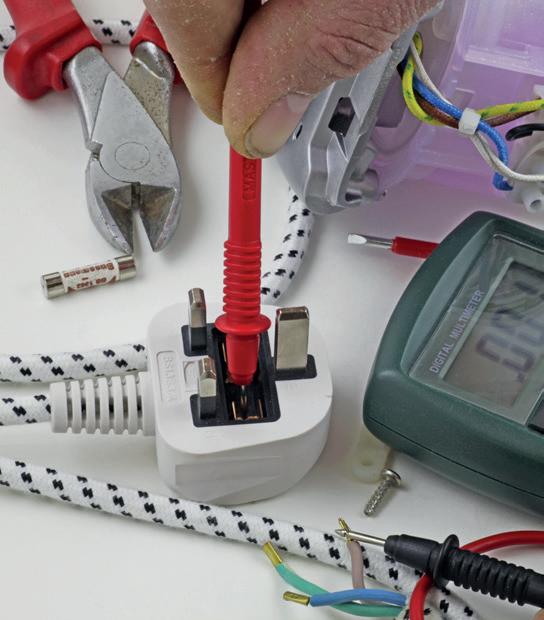
Identify hidden electrical faults early and reduce risk with thermal imaging
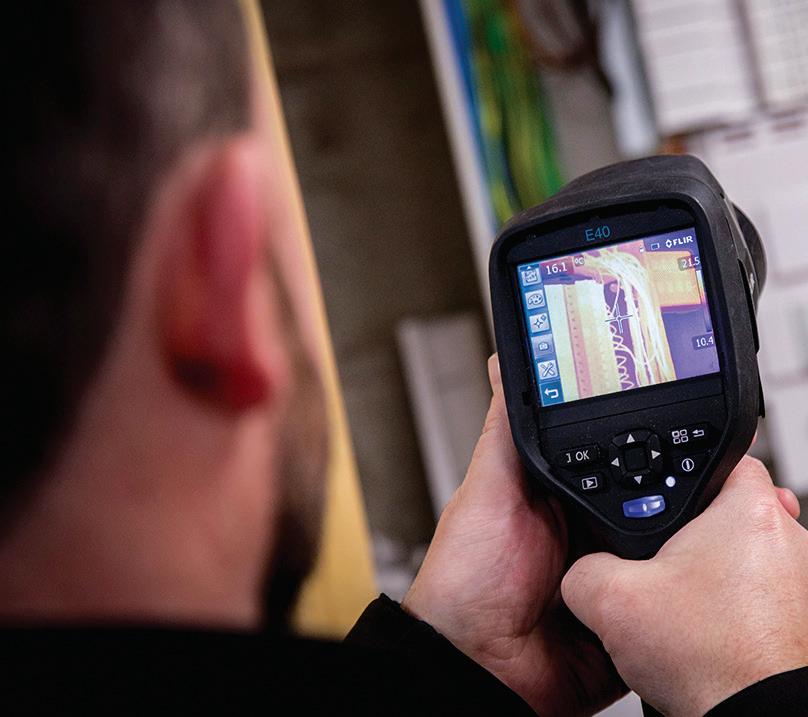
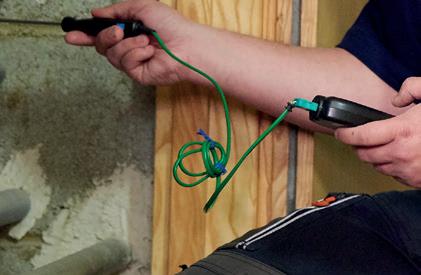
Electrical faults rarely give early warning. Issues such as overheating connections and overloaded circuits can develop silently behind panels, increasing the risk of failure, fire, and costly downtime. Thermal imaging makes the invisible visible, giving you an early warning system that strengthens your electrical compliance strategy alongside Fixed Wire Testing.
The Growing Hygiene Gap in Student Accommodation Schemes
Kate Ammirato, national accounts manager at Jangro, explains why hygiene is becoming a growing operational risk in student accommodation and shares best practice strategies for facilities managers
Cleanliness remains a persistent pain point in student accommodation. The difference now is that it’s no longer just a perception issue, but it’s also a measurable operational problem impacting resident satisfaction and asset performance.
Long associated with phrases such as “freshers’ flu,” poor hygiene continues to be a defining issue in shared living environments. In fact, 53% of UK students cite bad hygiene among housemates as their top pet hate, underlining its role as a key source of tension in communal housing. 65% of students report at least one issue with their accommodation, with problems in shared environments often driving dissatisfaction and complaints, creating ongoing pressure for facilities teams to resolve issues reactively.
For facilities managers, this creates a clear operational challenge. While individuals are responsible for maintaining their private spaces, communal areas quickly become a point of failure, where standards slip and complaints escalate if they are not actively managed.
Maintaining clean shared spaces is essential not only for building reputation and student satisfaction but for wellbeing and limiting the spread of illness.
At the same time, there is a growing need to embed clearer guidance and awareness around basic hygiene practices among residents.
Closing this gap requires more than routine cleaning. It calls for a more proactive, education-led approach to hygiene standards across student living environments.
Using technology to drive consistency and accountability
In student accommodation, footfall is constant, usage is unpredictable, and standards vary widely between residents.
Without visibility, even well-planned schedules can miss the mark. Facilities managers can close the hygiene gap by adopting simple digital tools that improve visibility and control over cleaning operations. Platforms that track cleaning schedules, stock levels, and task completion help ensure high-traffic areas are cleaned regularly and to the required standard.
This real-time oversight allows teams to prioritise key communal spaces such as kitchens, bathrooms, and social areas, while improving accountability. Without this visibility, teams are effectively working blind, increasing the risk of missed or inconsistent cleans.
Introducing simple measures such as QR codes in communal kitchens or washrooms, allowing residents to see when a space was last cleaned, can bring transparency. When residents can see that spaces are being managed, it reduces friction and complaints.
Streamlining procurement through a single supplier supports this, ensuring reliable product availability and smoother operational planning.
Poor hygiene continues to be a defining issue in shared living environments
Strengthening cleaning teams and operational standards
While technology can support facilities managers, it doesn’t replace the core basics. Alongside technology, well-trained cleaning operatives and clear operational procedures are essential to maintaining consistent hygiene standards. Standard, repeatable operating procedures ensure every team member works to the same expectations, reducing variation in service quality across sites.
Ongoing training also supports efficiency, particularly in busy student environments where staff are often working under pressure. When expectations are clearly defined and consistently applied, performance improves without increasing time or cost.
Even the best cleaning regime will struggle if resident behaviour isn’t addressed
Facilities managers who invest here tend to see fewer complaints and more consistent outcomes.
Promoting hygiene awareness through everyday touchpoints
Even the best cleaning regime will struggle if resident behaviour isn’t addressed. Raising awareness among residents is also essential to improving hygiene standards in student halls, so shared spaces don’t default to the lowest standard. Simple, visible interventions such as hand sanitiser dispensers placed at entrances, lift areas, and communal kitchens can encourage regular use and reduce the spread of germs in high-traffic spaces.
Clear signage in bathrooms and shared facilities also plays a key role, reminding students of basic hygiene practices such as handwashing, cleaning up after use, and proper waste disposal.
In busy communal environments where habits vary widely, these simple but consistent prompts help reinforce shared responsibility and make good hygiene easier to follow as part of a daily routine when applied consistently.
Embedding a consistent hygiene strategy
Ultimately, improving hygiene standards in student accommodation requires a joined-up approach that combines efficient cleaning operations with resident engagement and ongoing oversight. Facilities managers should regularly review cleaning performance, gather feedback from residents, and adjust schedules or resource allocation where needed to address problem areas quickly. Working with a single, reliable supplier also supports this by simplifying procurement and ensuring consistency in product quality and availability.
This creates a consistent, standards-led approach that improves cleanliness, gives facilities managers greater control and builds trust and satisfaction among students living in shared environments.
While leasing teams focus on occupancy, facilities managers are increasingly responsible for the lived experience. Hygiene is no longer just about maintaining standards – it is how student accommodation is judged and retained. Facilities managers who treat it as a strategic priority will be better placed to protect both resident satisfaction and long-term asset performance.
Check out our other interview with Kate in April 2025’s FM Director here.
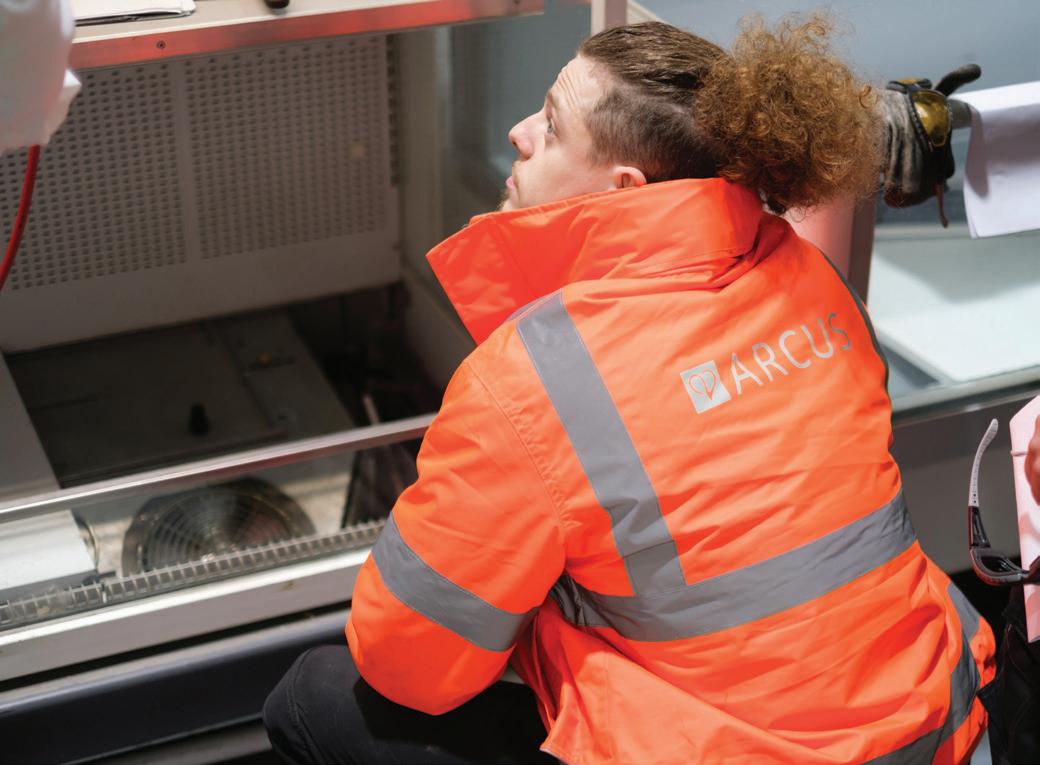
REFRIGERATION REDEFINED SMARTER COOLING, ANYTIME SUPPORT, & EXPERT ENGINEERING WITH ARCUS FM
In industries where refrigeration is mission-critical, any downtime can lead to major losses and operational disruption. From retail chains safeguarding perishable goods to logistics centres ensuring temperature stability, reliability is essential. At Arcus, we recognise these high-stakes demands, offering refrigeration services that combine advanced technology, 24/7 support, and robust training to keep your operations running smoothly.
MINIMISING DOWNTIME WITH 24/7 REFRIGERATION BUREAU SUPPORT
Minimising downtime is a top priority at Arcus, supported by our dedicated Refrigeration Bureau, which operates in close collaboration with our 24/7/365 Helpdesk. Staffed by technical specialists and underpinned by proprietary technology, the Bureau provides real-time support to engineers and guarantees customers immediate, expert assistance whenever they need it. This integrated approach ensures that customers have peace of mind, knowing that a skilled team is always on standby.
COOLING TECHNOLOGY TO SUPPORT YOUR REFRIGERATION NEEDS
Refrigeration is crucial for food retail, broader retail, and hospitality sectors, and we’re dedicated to keeping these systems running efficiently, safely, and hygienically. Our Remote Loadshedding technology leverages real-time monitoring through weather forecasts and building data to create a preventative maintenance approach. Managed by our SMaRT Hub team, this system sends a global command to loadshed selected fixtures across estates during high ambient conditions.
By responding instantly to unexpected weather events without dispatching engineers, we save an estimated 850 hours of engineer time per extreme weather event, reducing customer costs and Scope 3 carbon emissions. This proactive support means our customers can focus on their business while we keep their refrigeration systems – and their products – safe and saleable.
CLOSING THE SKILLS GAP: BUILDING REFRIGERATION EXPERTISE
The refrigeration sector faces a growing skills gap, as qualified engineers become harder to find. At Arcus, we address this by training our own talent, offering Mechanical and Electrical (M&E) engineers a structured path to become refrigeration specialists.
At our state-of-the-art National Training Centre, engineers receive in-depth, hands-on training tailored to our customers needs, carried out in an atmosphere that replicates real-world conditions.
This commitment to learning and development not only addresses the industry’s skills shortage but also ensures our customers have access to highly trained, knowledgeable engineers. With specialised skills and familiarity with customers systems, our engineers are well-prepared to deliver a customised, reliable service.
SUPPORTING YOUR BUSINESS WITH REFRIGERATION REDEFINED
At Arcus FM, we’re redefining refrigeration with expert training, cutting-edge technology, and a 24/7 support model that prioritises uptime and reliability.
To learn more and to get in touch about your needs, scan the QR code opposite.
You Cannot Manage What You Do Not Measure :
Speaking exclusively to FM Director, Avital Johanan, Managing Director of carbon reduction certification body, Planet Mark, discusses the practical steps FM teams need to take to move beyond high-level sustainability commitments, why assured data is the foundation of credible ESG reporting, and how continuous carbon reduction is now expected, rather than a differentiator
Avital has spent much of her career helping businesses of all sizes bridge the gap between ambition and operational reality.
Planet Mark works with members across a broad spectrum of sustainability maturity, from businesses just beginning to understand what carbon measurement involves, through to those tackling the complexities of scope 3 supply chain emissions. The common thread, Avital said, is the need to make sustainability operational rather than aspirational.
The first step is the hardest
For FM teams with a clear net zero vision but uncertainty about where to begin, Avital identified a consistent set of hurdles. “Typically, the biggest challenge we see is turning it into an operating plan that businesses can use day-to-day,” she said. “Every business struggles when something is unknown. It requires getting all your service partners together, getting that initial commitment to a net zero future, educating internal teams, understanding what resources you are going to need and what support is available.”
She pointed to the experience of Regular Cleaning, an FM member whose head of ESG she had recently spoken with. He described the need for “the courage to move from the vision to actionable, measurable carbon reductions, and really believing that you can make a difference and committing to that process”. For that business, Planet Mark’s reporting framework provided the structure and scaffolding to make the transition real.
In practical terms, Avital said this means starting with a credible baseline, establishing clear data ownership,and then setting prioritised actions aligned to the maintenance and renewal cycle.
“Treat it really like an operational project, but bring in measured carbon and cost outcomes,” she explained.
“Where we see that work really well is when the ESG or operational leader sits across the business, engagingnd empowering employees and aligning their knowledge with their expertise, whether that is transport or procurement.”
For organisations at an earlier stage of their sustainability journey, she was equally direct. “The basics are getting the board to really understand what “net zero” means.
“Getting clarity on why the business is doing this, whether that is customer pressure, regulation, brand enhancement, cost savings or energy risk, makes it a far more practical and meaningful starting point. We always say: Start simply. Start with measuring. You cannot manage what you do not measure.”
You cannot manage what you do not measure
The case for third-party assurance Annual, independently assured carbon data is non-negotiable if an organisation wants its ESG reporting to stand up to scrutiny. “The scrutiny may be audits, board reporting, external clients, landlords, auditors or procurement. You cannot credibly show any progress without it,” Avital said. “Establishing a boundary, knowing what you are measuring, assessing data quality and doing that year-on-year creates an auditable story of progress. And that is often the starting point for getting people engaged, whether that is colleagues, service partners or clients, all pushing towards the same goal.”
She also noted that Planet Mark does significant work for members at the start of their measurement journey to normalise data so that growing businesses are not penalised for expansion, ensuring yearon-year comparisons remain meaningful. This helps our Members establish their measurement processes and work up to measuring their full net zero baseline.”
For FM teams specifically, Avital saw the commercial opportunity as significant. Assured, improving data transforms a supplier from a transactional partner into a trusted one. “Helping your own clients meet their net zero targets, cutting their carbon emissions through the services and products you deliver, makes you a solution provider. But to be a partner, your data has to be trusted and has to be improving over time.”
Certification as a procurement differentiator
With ESG moving from a tick-box exercise towards a core evaluation metric in procurement and tendering, Avital described how recognised certification changes the nature of the conversation.
“It is a consistent and credible proof point and a common language. It is an auditable submission you can provide with tenders. It moves you from having a policy, which is basically intention, to being asked what your evidence is, what you are doing, what outcomes you are seeing,” she said.
She drew a clear distinction between the value of well intentioned, often generic, policies, and validated carbon footprints.
“Your carbon footprint and the net zero planning you can build from it, are about your action and the impact you are having. They are specific to your business, and that is when it becomes a differentiator. It is a story about you and your business, and it helps you win work.”
She noted, however, that the premium once attached to sustainability credentials is eroding. Large real estate owners and landlords, she observed, are increasingly unwilling to absorb additional costs simply because a supplier claims to be more sustainable.
“It is becoming expected. It is a differentiator because it shows you are ahead in the market, but increasingly it is becoming part of the service, not something people are willing to pay a premium for.”
Engaging the supply chain
Scope 3 emissions, those generated within an organisation’s supply chain, represent the biggest sustainability challenge facing the FM sector. “It is probably the biggest challenge, not just for people in the FM space but for everyone trying to tackle their scope 3,” Avital said. “It’s about being practical, being targeted and sharing responsibility with those suppliers, taking it away from the abstract and making it something you are working on together.”
Her advice was to start with the categories an organisation can genuinely influence: maintenance contractors, cleaning, waste, catering and logistics.
“Be really clear about what you want from them and make it easy for them to provide it. We work extensively on making sure we have a simple but consistent framework for bringing that data, those plans and those targets into one place.”
Critically, she stressed that supplier engagement only works when it creates value for the supplier as well.
“Make it so the output for the supplier is in a format they can share with other clients, not just with you. Otherwise, they keep being asked by multiple clients to do the same thing and it becomes a headache.
“Supplier engagement should ideally go beyond data and provide a space for innovation and opportunity. Put in place joint plans that reduce cost carbon or waste, encourage them to test material substitutions to help develop low carbon products, work with them to optimise delivery routes and transport modes: these are the kinds of initiatives that create genuine motivation on both sides.”
Protecting long-term asset value
Avital’s final point addressed the regulatory environment and the role that continuous certification plays in protecting the long-term value of built assets. “It’s about staying current and credible,” she said. “Annual measurement and reporting is essential, historic data will not hold up to customer scrutiny or regulatory change.”
In practical terms for FM teams, this supports defensible capital expenditure planning, prioritising upgrades aligned to renewal cycles and reducing both regulatory and reputational risk.
“Every time we start a new measurement cycle with a member, we ensure we are representing normal operations and updating when they change, reflecting acquisitions, growth and new markets, so the data is credible and relevant.”
She was also keen to highlight Planet Mark’s role in shaping the regulatory landscape itself. “We are one of the largest providers of net zero certification and we have been doing this for 13 years. We work closely with government and regulators and the people setting those standards.
“We do not just implement them; we are in those conversations, guiding future regulation and making sure it’s adoptable and practical for business, then translating that back to our members so they can act on it.”
For FM directors navigating an environment of tightening regulation, rising client expectations and constrained budgets, Avital’s message was consistent throughout: start with measurement, report annually, and build from there. “You do not have to start with net zero. You need to just start with measurement.”
To find out more about Planet Mark and how it can support your sustainability journey, visit Planet Mark.com
Measure carbon, reduce risk and unlock growth
FIND OUT HOW
Speak to our experts to learn how carbon reduction can become a strategic advantage.
INDEPENDENT VALIDATION
Third-party verified carbon measurement and reduction support. PEOPLE-LED SOLUTION
Expert guidance to help your business make meaningful change.
ALIGNED TO UK STANDARDS
Designed around recognised UK reporting standards.
Qualified To Lead: Raising the Standard of FM Professional Development
We recently sat down with Chris Morris, Director of The Xenon Group, to discuss the state of professional qualifications in FM, why genuine learner support is the factor that sets quality providers apart, and what the company has planned for the next stage of its growth
Professional qualifications in facilities management have come a long way in the past decade and a half.
The introduction of the current IWFM qualification framework, overseen by Ofqual and sitting formally on the national qualifications framework, transformed what had previously been a largely exam-based system into a structured, competency-driven pathway from entry level through to strategic leadership.
For The Xenon Group, that shift in 2009 and 2010 proved to be a defining moment.
“We were the first company to get accredited for all of these qualifications, from Level 3 up to Level 6,” said Chris. “And that has been our main focus ever since.”
The Xenon Group is a family business founded in 2002 by Chris’s father, whose background in the RAF as a station commander and subsequent senior FM roles gave him the industry knowledge to establish a consultancy. It was the training side that quickly took hold. Chris’s mother joined around the time of the qualification framework relaunch, bringing her background in education and principal moderating for Edexcel to the academic side of the offer.
Chris himself came onboard around the same time, focusing on sales and marketing.
What the qualifications cover
The IWFM qualifications delivered by The Xenon Group are management qualifications for facilities managers overseeing the full range of FM services, rather than trade-specific certifications for individual disciplines such as cleaning or catering. Level 3 is broadly A-level equivalent and provides an entry point for those coming into a management role, while Level 6 is aimed at strategic heads of FM and those operating at director level. Levels 4 and 5 sit between those points, covering the operational and middle management tiers.
IWFM sets the learning objectives, assessment criteria and coursework assignments for each qualification, while delivery is left to individual providers. The Xenon Group carries out its own tuition and marking, with IWFM taking regular samples to verify quality.
The intensive course format
One of the most distinctive elements of The Xenon Group’s offer is its intensive face-to-face course for the Level 4 award. Run across a full week in London, the course integrates all assessment activity into the programme itself, meaning participants complete presentations, a professional interview, multiple choice questions and a small amount of written work during that one week. By Friday, provided they have engaged fully with the work, they leave with everything done.
“As far as I am aware, we are the only provider doing it face-to-face and including the assessment as part of the course,” Chris said. “There is one other intensive course on the market, but it is purely online.”
Numbers are deliberately capped at eight per course. The reason is partly the quality of interaction between participants and facilitator, and partly the demands of the assessment day itself, which includes one-to-one professional interviews for every candidate.
“Our interviewer has to do eight on the bounce,” Chris noted. “Any more than that and it would be exhausting and unfair. Eight is a good number. There is strong interaction and the days are productive.”
As far as I am aware, we are the only provider doing it face-to-face and including the assessment as part of the course
Every student gets a personal tutor they can contact at any time
The courses tend to sell out, often a couple of months in advance, and The Xenon Group currently runs three per year.
Distance learning and the support difference
Beyond the intensive course, all other qualifications are currently delivered by distance learning. Students enrol, gain access to the full course material and work through it at their own pace. What distinguishes The Xenon Group’s approach, and what Chris identified as the company’s single biggest differentiator, is the level of personal support built into that process.
“It’s not a case of ‘here is the material, off you go, good luck’,” he said. “Every student gets a personal tutor they can contact at any time, whether it is about the course content, the assessments or anything they are struggling with. And if we do not hear from them for a while, we check in with them to make sure they are on track.”
The qualification at the end is identical regardless of the provider. “But students are far more likely to actually get it with us because of the support,” he said. “We increasingly see people who have already paid elsewhere and then come to us because they have been struggling and they want that extra support.” That pattern, he suggested, is as telling an endorsement as any.
A new online platform and award recognition
Alongside its qualification programmes, The Xenon Group has developed an online learning platform specifically for facilities management: a library of bite-sized, half-hour video courses with interactive elements including quizzes, covering a broad range of FM topics.
There are currently around 30 courses available, with the number set to grow significantly. The platform recently gave the Xenon Group an award win at the Learning Excellence Awards, a result Chris described as genuinely unexpected.
“When we got to our category and our name came up, I was taken by surprise” he said. “It was a bit of a shock but a really good win for us.”
The business model for the platform is in the process of changing. Individual courses will shortly be available to purchase, with a subscription option also planned that gives access to the full and growing library for as long as the learner remains subscribed. “In the long run, I would like it to be hundreds of courses,” Chris said. “It is a side of the business we really want to build up.”
Masterclasses and what comes next
The Xenon Group is also preparing to launch a series of one-day masterclass courses, open to anyone working in FM and not tied to the formal qualification structure. The courses will draw on qualification content as a foundation but are designed to stand alone as useful CPD for practitioners at any stage, including those working towards qualifications with any provider who want supplementary face-to-face tuition on particular units.
Enrolments are expected to open within the next month or so, with the first courses planned for autumn. The initial masterclasses will be delivered in the north of England by a trainer based between Leeds and Manchester.
Taken together, the pipeline represents a considered expansion of what has been, by Chris’s own description, a focused and deliberate business. The core IWFM qualification offer remains the foundation, but the masterclasses, the online platform and the potential broadening of the intensive course’s geography point to a company thinking carefully about how professional development in FM can be made more accessible and better supported.
To find out more about The Xenon Group and its FM qualifications and training programmes, have a look at any of the following links:
IWFM Qualifications
IWFM Level 4 Intensive Course
Online Facilities Management Training
As the premier body for Temporary Safety Systems, FASET is dedicated to ensuring unparalleled safety standards across the industry.
The Future is Digital: Benefits for FASET-Qualified Operators
All our qualifications now exclusively issue digital cards, offering a wealth of benefits:
Convenience: Easily add new qualifications as you progress.
Streamline Your Checks: For Employers and Site Supervisors
Security: Enhanced protection against loss or forgery.
We achieve this through our robust partnership with CSCS, delivering comprehensive training, rigorous assessment, and the issuance of industryrecognised competency cards. enquiries@faset.org.uk
Verify an operator’s competency instantly! Download the CSCS Smart Check App to your mobile device.
Stay Updated: Receive timely alerts for expiry dates and crucial safety notifications.
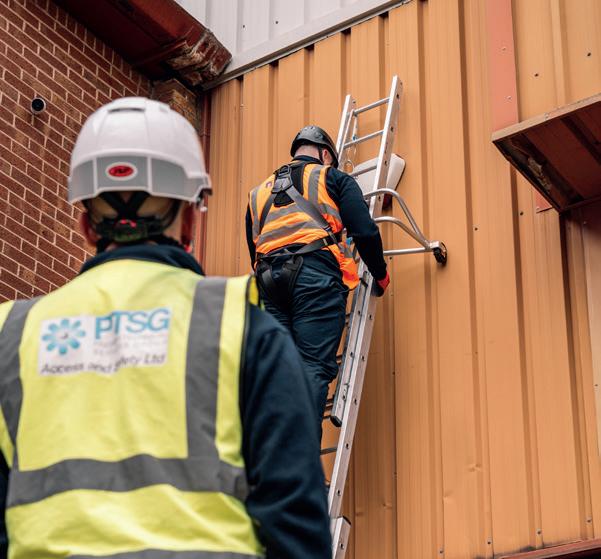
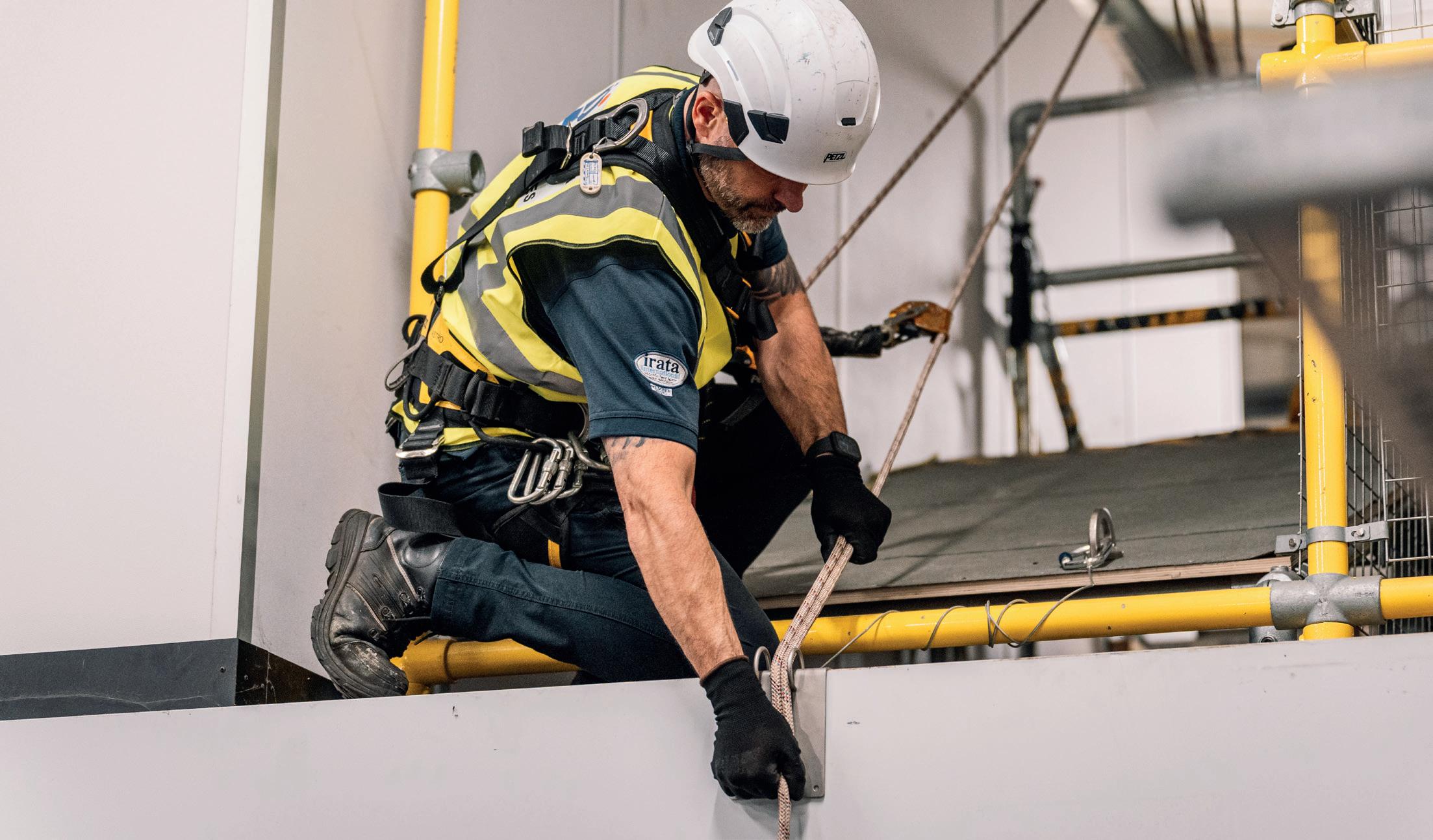
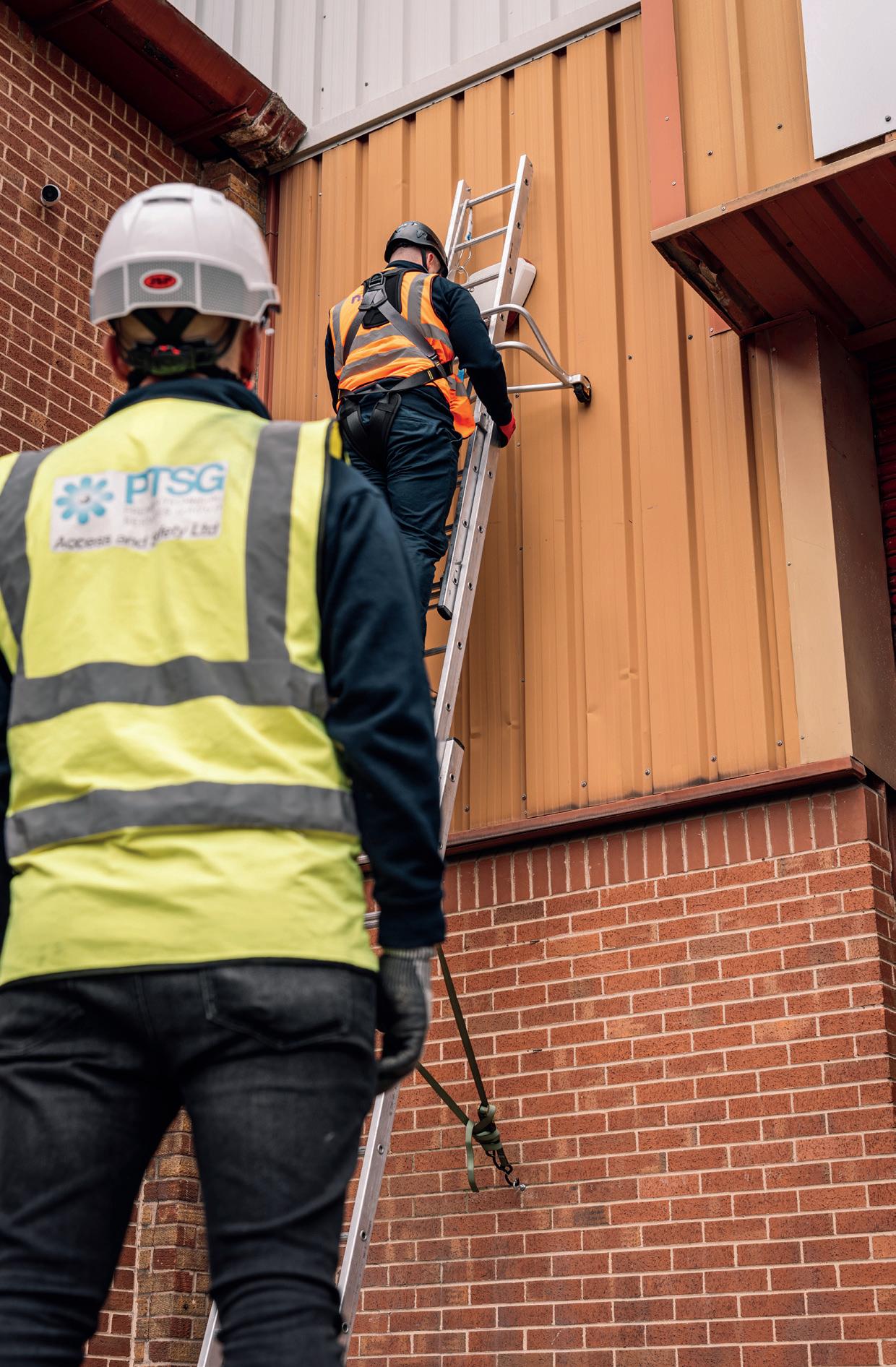
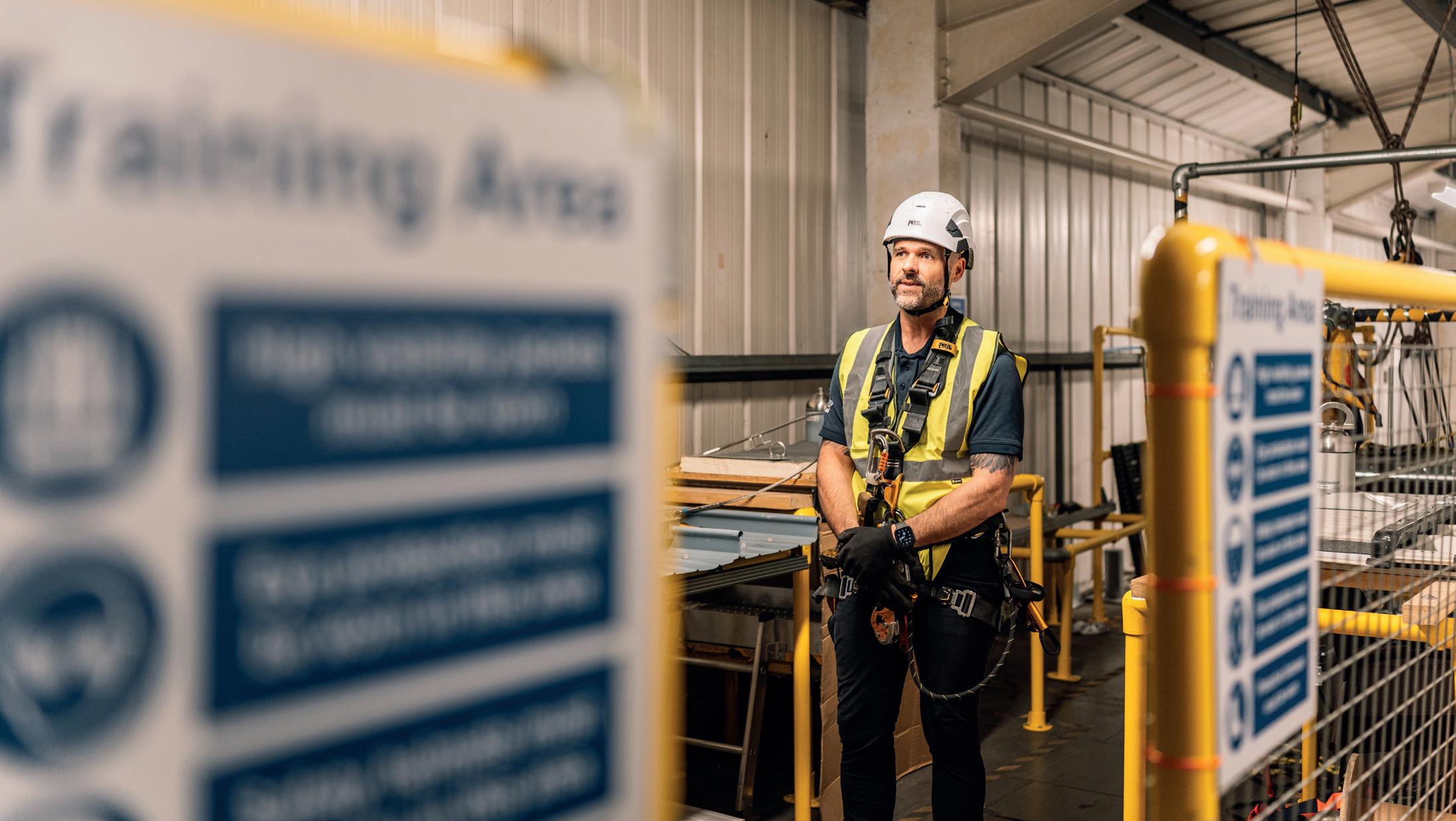
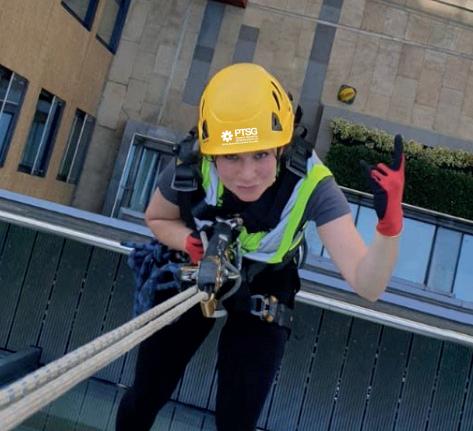
Built For Height: W hy Safety is Core to Everything PTSG Does
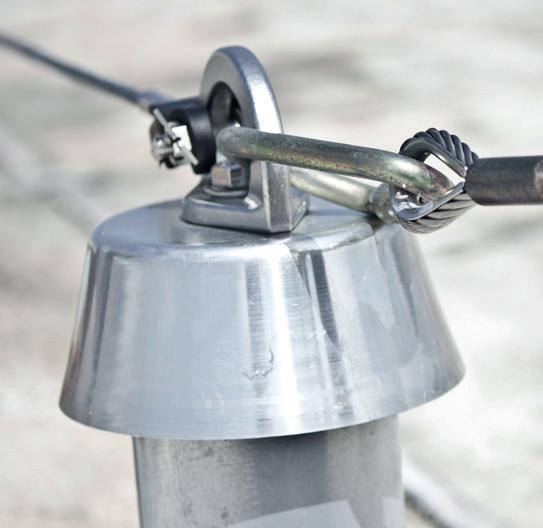
This week marks No Falls Week 2026 (18-22 May) and for PTSG – a business founded on working at height – it is one of the most important weeks in the calendar. Here, Group HSE Director Liam Simpson reflects on what it means to build a safety culture from the ground up
Falls from height remain the leading cause of fatal injury in British workplaces. In 2024/25, 35 people lost their lives – one every week.
A further 44,000 non-fatal falls are estimated to occur each year, with nearly 5,000 formally reported by employers. Behind those figures are workers who went to work and did not come home, or who returned changed. For PTSG, these are not abstract statistics. They describe the conditions in which the company’s engineers operate every single day.
PTSG was established to provide specialist services at height –access and safety work that demands technical precision, consistent training and a culture where doing things properly is never negotiable.
That founding identity shapes how the business operates across all its divisions. Working at elevation is not incidental to what PTSG does; it is central to it. And that reality has always made safety a matter of organisational character, not just compliance.
Prevention as the starting point
PTSG’s approach to health and safety has continued to evolve from a compliance-driven model into a proactive, insight-led strategy focused on prevention rather than reaction. Initiatives including near-miss reporting, a structured Golden Hour incident response protocol and the rollout of predictive health and safety systems have shifted the emphasis towards recognising and addressing risk before incidents occur.
Real-time reporting and centralised data analysis have given teams clearer visibility across the Group, enabling more informed decisions at every level.
One measure of that culture is the priority placed on prevention over response. It reflects a deliberate approach in which engineers are trained and empowered to identify and eliminate risk before situations develop, rather than simply being prepared to react when they do. The best rescue, as the company’s safety teams put it, is the one that never needs to happen.
A people-led model
The shift in culture at PTSG has not been driven by process alone. Engineers across the Group have been increasingly involved in shaping the practical safety solutions that govern their own work.
Alongside formal frameworks, there has been a deliberate effort to build an environment in which colleagues feel able to raise concerns and challenge unsafe conditions – the kind of informal vigilance that written procedures cannot fully replicate.
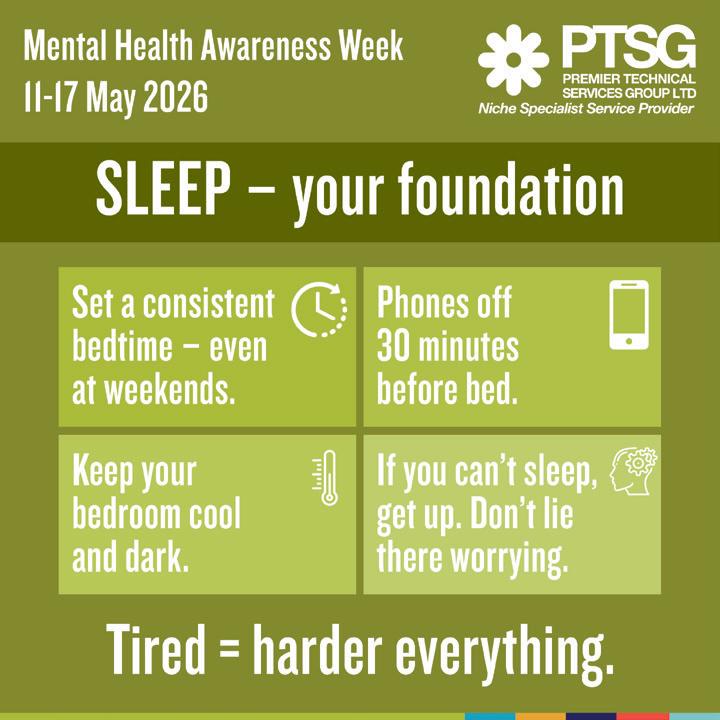
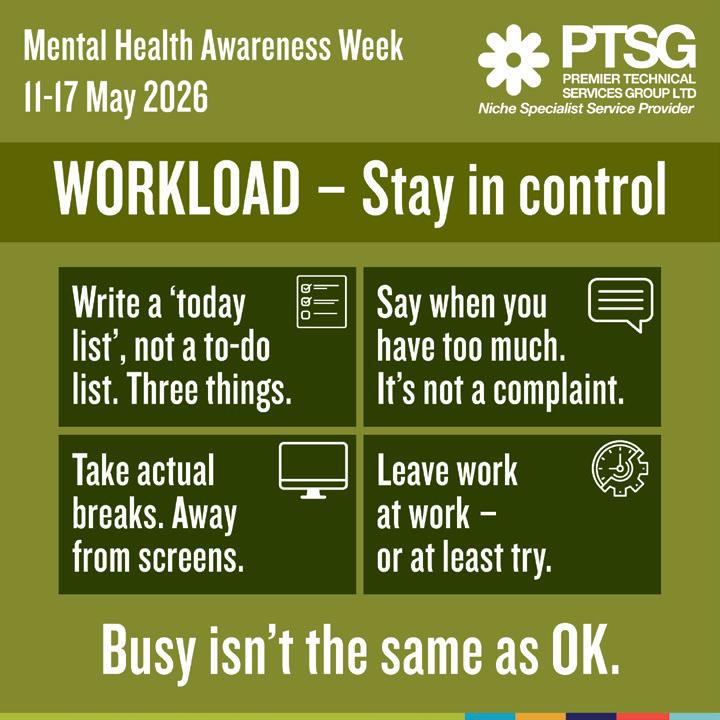
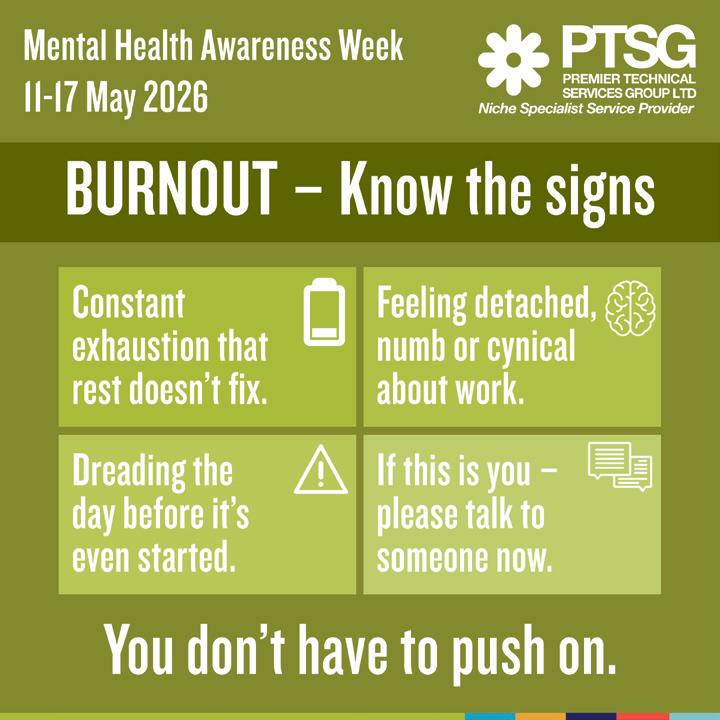
That people-led approach now extends to wellbeing. No Falls Week 2026 falls back to back with Mental Health Awareness Week, an alignment PTSG views as significant rather than coincidental.
Safe decision-making at height requires more than technical competence. An engineer who is fatigued, distracted or under psychological pressure is, by definition, at greater risk.
Recognising the connection between mental health and physical safety – and addressing both – is part of what PTSG believes distinguishes a genuine safety culture from a procedural one.
A week of focused activity
PTSG’s commitment to No Falls Week this year goes beyond a statement of values. The company has put a full programme of activity behind it.
The week opens on Monday 18 May with a guest session from Dylan Skelhorn, whose personal experience of a life-changing fall from height in 2011 offers a powerful account of what the risks really mean – and what contributes to them. It is the kind of session that reminds every person in the business, regardless of their role, why this work matters.
PTSG’s approach to health and safety has continued to evolve from a compliance-driven model into a proactive, insight-led strategy
Tuesday brings a video from IRATA – the global authority on rope access – covering the standards and behaviours that underpin safe working at height.
Wednesday is a site engagement day, with all managers asked to actively work with their teams on reporting through VATIX, supported by PPE partner Safpro.
Thursday puts knowledge to the test with an online quiz, and the week closes on Friday with the release of a new ladder safety video – a timely reminder that the risks associated with ladders are as real as any other work at height, and just as preventable.
Industry-wide commitment
No Falls Week, organised by the No Falls Foundation – the only UK charity dedicated exclusively to work at height safety – has grown significantly since its launch. More than 4,000 organisations signed up to support the campaign in the past two years alone.
Safe decision-making at height requires more than technical competence
PTSG has been a consistent participant, using the week to refresh training, reinforce its safety messaging and recommit to the standards its engineers are held to year-round.
The company is also clear that height safety extends beyond those who work at elevation. Every person within the organisation – from field engineers to those supporting operations from the office –plays a role in maintaining a culture where risk is taken seriously and shortcuts are not accepted.
The principles that apply on a building facade apply equally on a domestic ladder. No Falls Week is an opportunity to reinforce that message at every level.
For a business built on working at height, No Falls Week is less a campaign than a reflection of daily practice. The goal – getting everyone home – is not a slogan at PTSG. It is the standard against which the company measures itself, week in, week out.
No Falls Week 2026 runs 18-22 May. Organised by the No Falls Foundation (Registered Charity No. 1177494). For more information visit nofallsweek.org
About the author
Liam Simpson is Group HSE Director at PTSG, one of the UK’s leading specialist services businesses. With responsibility for health and safety strategy across the Group, Liam leads PTSG’s drive to move beyond compliance and build a genuinely prevention-led safety culture – one in which every engineer is empowered to identify and eliminate risk before it becomes an incident. Working at height sits at the heart of PTSG’s operations, and Liam is a committed advocate for the industrywide standards and awareness campaigns that keep people safe on site and off it.
People First Always: Health And Wellbeing at PTSG
The statistics make uncomfortable reading. More than four in five UK tradespeople have experienced some form of mental health problem due to work, and nine in ten say they don’t know how to access mental health support services.
In construction and specialist building services, workers are more than four times more likely to die by suicide than the national average. These are not abstract numbers.
They represent people – the electricians, engineers, technicians and specialists who keep the UK’s buildings safe, compliant and functioning every day. For Premier Technical Services Group (PTSG), the largest specialist building services business in the UK, these figures represent an obligation to act.
Going beyond the baseline
This year, PTSG introduced a comprehensive Zurich Group Life Assurance programme for all 3,200 colleagues – not just as a financial safety net, but as a gateway to a full suite of health and wellbeing support.
At its core, the policy provides life assurance cover of three times annual salary. But the real investment is in what sits alongside it: a 24/7 Employee Assistance Programme offering confidential support on mental health, bereavement, legal and financial concerns, and family and workplace challenges; unlimited virtual GP, physiotherapy and dietitian services available to colleagues and their immediate families; access to second medical opinions from leading global specialists; and eldercare planning tools for those navigating that particular pressure alongside work.
I truly believe that how we look after each other isn’t defined by what we say – it’s defined by what we do
Almost half of workers in construction and engineering take time off due to poor mental wellbeing – with around 30% reporting they use annual leave to avoid any questions or embarrassment.
The stigma is real, and the cost – human and commercial – is significant. Investing in wellbeing isn’t altruism in isolation. It’s how businesses build the resilient, engaged workforces that deliver for clients over the long term.
A statement of intent
Mental Health Awareness Week, which ran from 11 to 17 May, provided a timely moment to reflect – but for PTSG, the work is ongoing. The business has long maintained that how an employer looks after its people isn’t defined by what it says, but by what it does.
Complementing this, PTSG’s dedicated Occupational Health and Wellbeing Service, Innovate, brings together a multi-disciplinary team of physiotherapists, exercise physiologists and mental health clinicians – all qualified in occupational medicine – to provide specialist support tailored to the realities of working in a physically demanding industry. It’s a level of provision that most employers in the sector simply don’t offer.
Making help visible
Policy without infrastructure is a missed opportunity. PTSG’s approach is built around making support accessible, not just available.
Nearly 100 trained Mental Health First Aiders are embedded across the business – visible, proactive points of contact for colleagues who may not feel ready to reach for a helpline.
Group Health and Wellbeing Director Terry Wilcock leads a programme that works in close partnership with HR, Occupational Health and the Board, ensuring that wellbeing isn’t siloed as an HR function but embedded as a business priority.
Smaller suppliers of specialist trade skills have fewer employment protections, more compressed schedules, and are even less likely to have the capacity to provide wellbeing services. PTSG, operating across five specialist divisions, is making a deliberate choice to be the exception to that pattern.
The business case is clear Mental ill-health costs UK businesses an estimated £56 billion annually.
Greg Ward, Chief Executive of PTSG, said: “I truly believe that how we look after each other isn’t defined by what we say – it’s defined by what we do. Real support shows up in everyday actions: checking in, listening and being there when it matters most.
Mental Health Awareness Week is good for reflecting and reminding, but our work here is never done. This is a subject that needs to be front and centre in our minds, every minute of every day.”
Ward started his career as an apprentice, learning a trade in the same industry he now leads. His perspective on the sector’s historically stoic culture – and the cost of it – is shaped by experience, not distance.
Terry Wilcock, Group Health and Wellbeing Director, added: “The conversations I see happening across this business every day are ones that simply wouldn’t have taken place five years ago.
“People are coming forward who would never have asked for help before – not because their lives have suddenly got harder, but because there’s now a visible network around them and they know it’s safe to reach out.
“That shift doesn’t happen through a policy document. It happens through the people who show up, check in and make support feel real rather than corporate.”
For a business that employs over 3,200 people across the UK –many of them working in physically demanding, often isolated environments – this is more than a benefits package. It’s a statement about the kind of employer PTSG chooses to be.
Competence and Transparency: A New Era for Fire Door Safety
As the built environment navigates a period of significant reform, Karen Trigg of Allegion UK examines the two principles that are proving fundamental in reshaping fire safety standards
The fire door safety model is changing. Improved building safety requirements and the demand for greater accountability have been the driving force behind new regulation and guidance.
However, it is the growing relevance of competence and transparency that is redefining how responsibility is understood across the supply chain.
Competence and transparency are far from new concepts, but in the wake of regulatory updates, their interdependence is helping to form a framework through which higher standards can be achieved.
More than ever before, the ability to specify, install and maintain effective fire safety systems – such as fire doors and their hardware – hinges on demonstrable expertise. Crucially, that expertise must now be reinforced by clear, accurate and accessible information.
Whether approaching a new development or retrofit project, displaying a sufficient level of capability and clarity is now a prerequisite for compliance.
Not only must decision makers show confidence in the products specified and installed on fire doors, but also in the data that underpins those choices.
Whilst legislation outlines what is expected of responsible parties, how are competence and transparency defined in theory? And in what way can professionals translate this into practice?
Concepts defined
In the context of fire doors, both safety and compliance are compromised when gaps emerge between regulatory expectations and execution.
A certified fire door will typically compartmentalise a space for 30 to 60 minutes, preventing the spread of smoke and fire and providing occupants with a critical opportunity to escape.
However, an ineffective fire door system can lose its integrity within minutes, with common failures often identified as the result of incorrect specification, poor installation and inadequate maintenance.
The ability to specify, install and maintain effective fire safety systems hinges on demonstrable expertise
The Regulatory Reform (Fire Safety) Order 2005 states that fire doors should be installed by a ‘competent person’, yet the demand for competency extends beyond installation alone. Specifiers, maintenance professionals and responsible persons must all demonstrate capability past general awareness.
In fact, individual competence is defined as possessing the appropriate skills, knowledge, experience and behaviours (also referenced as SKEB), as outlined in The Building Safety Act, BS 8670-1:2024.
The Building Safety Act also stresses the importance of transparency, whereby those involved in building design and the management of high risk buildings must refer to the ‘Golden Thread of Information’ as part of their duties.
A certified fire door will typically compartmentalise a space for 30 to 60 minutes
Following years of legislative reform, there is a higher expectation for clear product documentation, with greater transparency able to support more informed decision making.
For this, the ‘Golden Thread’ acts a single source of truth, providing clear, accessible and accurate records of buildings and the systems used within them. Further emphasis is being placed on product information through the Construction Products Reform Green Paper and the Code for Construction Product Information (CCPI).
These initiatives focus on how manufacturers communicate product information and aim to eliminate misleading claims by ensuring performance data is clear, verifiable and up to date.
The emergence of Digital Product Passports (DPP) – expected to become a legal requirement for CE marking – will strengthen this approach further and, when implemented, will enable stakeholders to access product performance records and testing data in real time.
Converting theory into practice
These evolving standards send a clear message: both competence and transparency must be embed into every stage of the decisionmaking process. Professionals across the supply chain must demonstrate that fire door assemblies meet the required standards, and in doing so, it is critical to recognise that these two principles go hand in hand.
From specification and installation to inspection and maintenance, even the most capable individual is limited without access to accurate information.
Equally, comprehensive product data holds little value if it is not understood or properly applied. In line with the SKEB framework, continuous learning and professional development are essential, with ongoing training helping to ensure that individuals maintain and enhance their capabilities as industry standards, products and regulations continue to evolve.
Manufacturers also play a pivotal role in advancing the relationship between competence and transparency. Many conscious manufacturers are investing in end-to-end product support, including detailed technical literature, installation guidance and training resources.
These efforts are helping to build awareness and skills in key areas, whilst assuring capability and raising industry benchmarks. The implementation of digital tools is making information more accessible too, and is equipping professionals with the means to specify, install and maintain fire door safety products with confidence.
In practice, professionals are encouraged to review fire door hardware specification, installation and maintenance as specialised tasks. During installation, for example, installers must look to follow manufacturer guidelines and fitting instructions, which should be supplied with all third-party certified fire doors and hardware.
Similarly, competent fire door assessors must ensure that the entire assembly is fit for purpose, reviewing certification, door integrity, glazing, gaps, seals, hinges and closing mechanisms in the process. When a fire door is not operating as intended, it is essential to seek out expert advice where required, ensuring maintenance is carried out both quickly and professionally.
With this in mind, reliable fire door systems should always be supplied with comprehensive product information, including performance records, third-party certification, technical product data sheets and installation guidelines. Transparent, accurate construction product information verifies whether a system complies with necessary standards, and by combining this with the development of SKEB, professionals are making the right steps toward effectively managing fire door safety across the built environment.
The relationship between competence and transparency is about more than compliance, however. By following both principles, professionals will be equipped with the right knowledge and are supported by reliable information, fostering a much-needed culture of trust. Ultimately, this integrated approach may contain the key to raising fire door safety standards and delivering a safer built environment for all.
The relationship between competence and transparency is about more than compliance
Meet The People Shaping The Future Of Facilities Management
The Facilities management sector has never been more complex, more critical or more visible. Behind every well-run building, every seamlessly delivered service and every forward-thinking strategy, there are individuals driving the agenda; quietly, consistently and with enormous impact.
The FM Power List exists to recognise them.
Created by FM Business Daily, the FM Power List is a definitive showcase of the men and women setting the pace across the UK’s facilities management sector. Not a directory. Or a marketing exercise. A carefully curated record of influence, built around the people who are genuinely shaping the future of this industry.
Each month in FM Director, we are proud to feature a selection of Power List profiles: shining a spotlight on the decision-makers, the innovators and the leaders others look to. The individuals who don’t just respond to change, but drive it.
These are the people building the businesses, leading the teams and defining the standards that the rest of the sector follows.
This is where their stories are told.
Simon Taylor, Executive Director, FM Business Daily
Founder and Vice Chair - Pareto FM
Andrew Hulbert
Andrew Hulbert is Founder and Vice Chair of Pareto FM and Chair of the Institute of Workplace and Facilities Management (IWFM), the leading professional body for workplace and facilities management professionals in the UK. Widely regarded as one of the sector’s most influential figures, he has built a reputation for combining entrepreneurial success with a commitment to driving meaningful change across the industry.
Key Services: Energy Management, Hard FM, Total FM, Building Maintenance, Energy Management
Founder - Empro Business Group
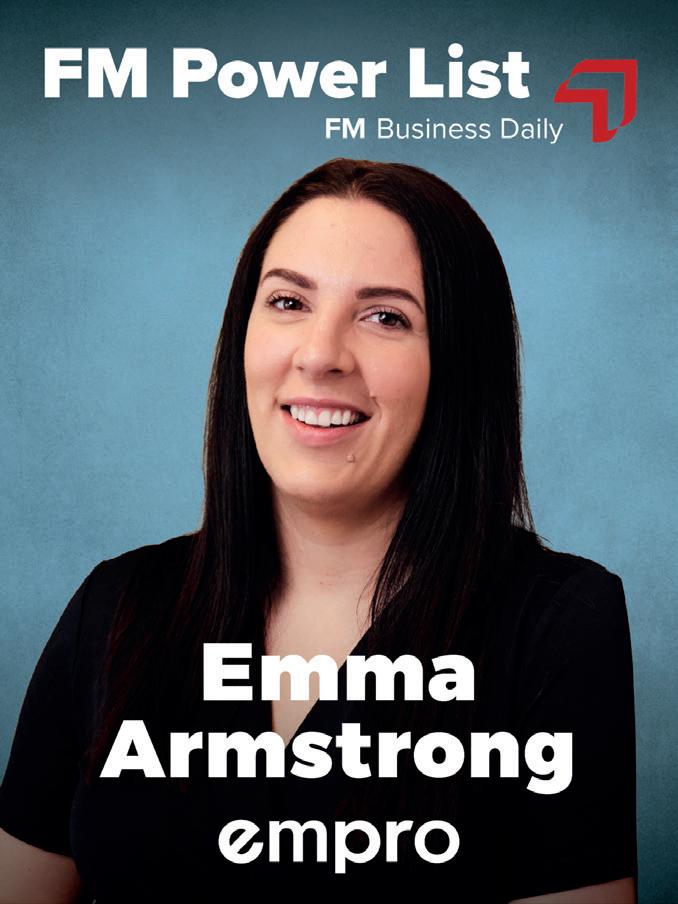
Emma Armstrong
Founder and CEO - Standing Tall
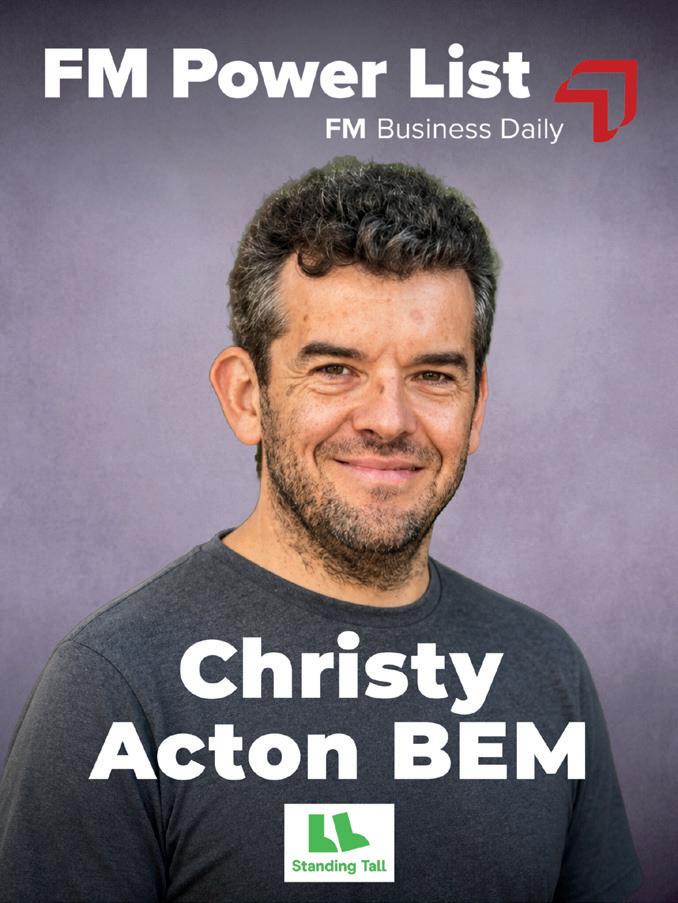
Christy Acton BEM
Christy Acton is the founder of Standing Tall, a social enterprise helping employers address one of the sector’s most persistent challenges: finding reliable, motivated talent for entry-level roles. Working with businesses across facilities management, hospitality, and support services, Standing Tall connects employers with high-quality, job-ready candidates while providing the support structures needed to ensure long-term success.
Key Services: Social Value, Recruitment Read
Emma is the Founder of Empro, a specialist consultancy helping corporate clients rethink how they buy, mobilise, and manage facilities management.
Most FM contracts underperform because they were procured against yesterday’s brief and mobilised in a hurry. Empro fixes both. We advise on FM strategy and tendering, run complex mobilisations and TUPE transfers, and select the workplace technology that actually gets used, backed by our proprietary TupeMe platform.
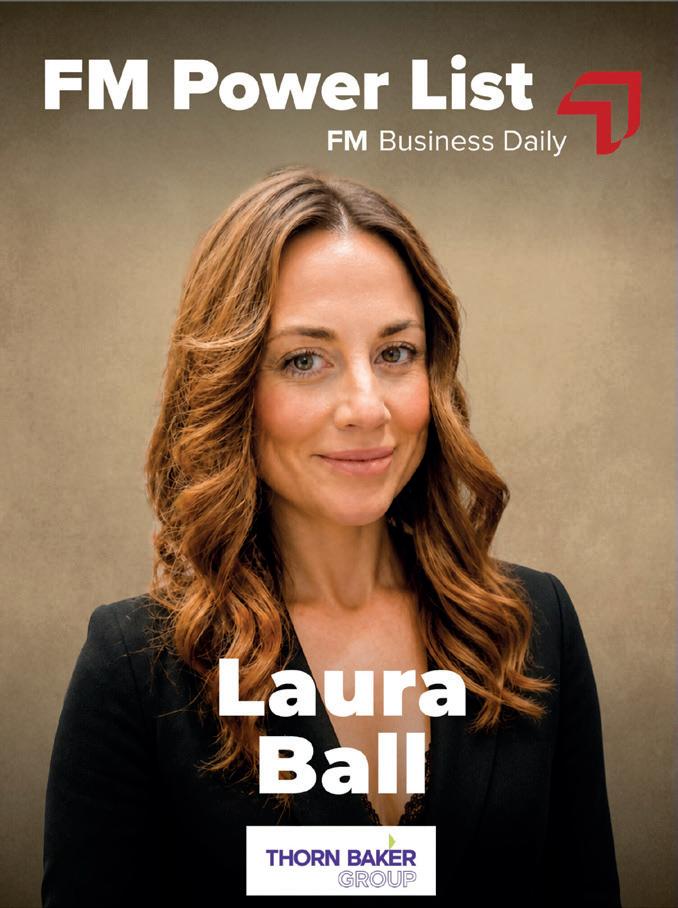
Laura Ball is a Business Development Consultant at Thorn Baker, specialising in building and growing client relationships within the staffing and recruitment sector. With a strong background in sales, negotiation, and sourcing, she supports businesses in securing the right talent while driving sustainable growth across key accounts.
Key Services: Recruitment
Read more...
Chair - SSIP
Eleanor Eaton
Founder and Managing Director of CQMS
Eleanor Eaton is a highly regarded and influential leader within the health, safety and compliance sector, recognised for both her strategic vision and her unwavering commitment to raising industry standards. As Founder and Managing Director of CQMS, she has built a business defined by quality, integrity and a clear focus on delivering robust compliance solutions to organisations across the UK.
Key Services: Health, Safety and Compliance, Procurement, Training Services
Read more...
CEO – Carlisle Support Services
Paul Evans
Serving as the Chief Executive Officer of Carlisle Support Services, Paul has spearheaded over a decade of transformative growth, evolving the company into a £170m+ industry leader. Central to this trajectory is his ‘front-line first’ philosophy; ensuring the business and its 7,500 strong family members remains anchored in its core values of being employee-led and customer-centric, whilst relentlessly driving ethical labour standards across the sector.
Key Services:
Carlisle Support Services is recognised as a prominent provider of value-added solutions for select niche markets. With a workforce of approximately 7,500 employees, the company specialises in delivering services across cleaning, consultancy, security, events management, operational training, and facilities support. Carlisle establishes long-term partnerships with clients to introduce sustainable service innovations and enhance operational efficiency.
Read more...
Managing Director - Business Moves Group (BMG)
Rachel Houghton
Rachel Houghton is Managing Director of Business Moves Group (BMG), bringing more than 25 years of experience within the relocation and estate management sector. Having joined the business in 1998 and progressed through a range of operational, commercial, and leadership roles, she has played a central role in shaping BMG into one of the UK’s leading commercial relocation specialists.
With over 27 years of experience in the infrastructure facilities management industries, including leadership roles at Amey and Enterprise, Nick brings a wealth of knowledge to the OCS team. He has a proven track record of leading and growing businesses, managing acquisitions and divestments, and overseeing large-scale integrations.
Key Services: OCS provides integrated facilities services, including cleaning, Hard Services, security, catering, pest control, engineering, and total facilities management.
Danielle Myburgh is Director of Sales at Pixel Global AV, where she leads the company’s UK growth strategy with a focus on enterprise and premium retail clients. Bringing over a decade of experience in videoconferencing and enterprise AV, alongside an early career in luxury retail and customer engagement, she combines technical expertise with a strong commercial instinct.
Key Services: AV Solutions, Logistics, Maintenance, Enterprise AV Integration,Workplace Transformation, Video Collaboration, Hybrid Workplaces, Managed Services, AV Audits, Global Services
Director of Sales - Pixel Global AV
Chair - FASET
Tony Seddon
SAEMA General Secretary
Managing Director of Seddon Management Services
Tony Seddon is a highly respected figure within the access and safety industry, bringing decades of practical experience and strategic leadership to his role as Managing Director of Seddon Management Services. As Chair of FASET (Fall Arrest Safety Equipment Training) and Secretary of SAEMA (Specialist Access Engineering and Maintenance Association), Tony plays a pivotal role in shaping industry best practice, influencing training standards and promoting safe, compliant working environments.
Key Services:
Access and Safety, Engineering and Maintenance, Safety Equipment Training, Professional Development
Read more...
Managing Director - Keynetics
Stuart Wheeler
Managing Director - Hey Girls CIC
Chris Shutt
Chris Shutt is Managing Director of Hey Girls CIC, the award-winning social enterprise tackling period poverty through purpose-led business and social impact initiatives. With more than 15 years’ experience spanning social enterprise, technology, and innovation, he is recognised for combining strategic leadership with a deeply people-centred approach to organisational growth.
Key Services: Hygiene, Washroom Solutions
Read more...
Stuart is the Managing Director of Keynetics, with over twenty years’ experience in the Facilities Management and Security sectors. Throughout his career, he has delivered projects across Europe, the Middle East, and North America, with a particular focus on access control and secure key management solutions over the past decade.
Key Services:
Access Control, Keyholding Solutions, Software
Read more...
The definit ive FM industry newsletter
Monday
Hard services and construction focus
Wednesday
Soft services focus
Friday
A combo of the week’s biggest stories, video interviews and exclusive features from across the FM industry
Latest Appointments of Senior F M Professionals
BM Caterers has appointed Rhiannon Read and Lee Jures in key roles to strengthen its operations function across the UK.
Joining as operations director and operations manager respectively, they will oversee the company’s operations planning processes.
With 14 years of leadership experience, Rhiannon Read joins BM from her role as Lexington Catering account manager at London Business School, where she led the strategic and operational delivery of the school’s catering, retail and hospitality services.
In her new role as operations director, she will work closely with teams and clients to deliver seamless, high-quality workplace catering across BM. Read’s previous roles include operations director at The Good Eating Company and operations manager, followed by head of operations at Two Hands Food Group.
Lee Jures previously worked at Restaurant Associates as a project manager and UK account director; his main responsibilities included leading client engagement, project delivery, and operational improvements.
In his new role as operations manager, he will lead and inspire teams across multiple sites, ensuring consistently high standards of service and performance. Other previous positions include contract director for Independent Schools at Sodexo, resort F&B director for Leisure at Aramark, and director of operations at Aramark.
Leading business and industry (B&I) contract caterer Lexington Catering has promoted Steven Snowdon to culinary director, strengthening its senior culinary leadership team as the business evolves its food offer across B&I, hospitality and events.
In his new role, Snowdon will lead culinary strategy across Lexington, ensuring teams are equipped with the tools, frameworks and support needed to deliver consistently high standards across retail, hospitality and events. He will also continue to drive innovation and skills development across the business. Snowdon will report to Jon Lilley, head of culinary for B&I and Lexington Independents, as part of Lexington’s ongoing investment in food quality, consistency and culinary talent development.
Snowdon’s promotion follows a period of strong industry recognition, including being named Development Chef of the Year at the 2026 Contract Catering Awards for his leadership, creativity and commitment to developing people across the sector.
Read said: “BM has a strong reputation for delivering high-quality, client-focused workplace catering, and I’m excited to be joining at such a pivotal stage of its growth. My focus will be on strengthening operational consistency while continuing to elevate the experience for both clients and their teams.”
The Cleaning & Hygiene Suppliers Association (CHSA) has appointed a new Chair, Nick Thompson, who will lead the organisation as it moves into the next phase of its development. The appointment marks a step change for the CHSA: it is the first time the association has committed to a permanent role. Nick Thompson takes up his post on 1 May 2026.
Nick succeeds Lorcan Mekitarian, who has served as Chair in a voluntary capacity for the past seven years. During his tenure, Lorcan strengthened the professionalism of the association, developing its reputation and that of its members for integrity and transparency. He has also helped reinforce the rigour and credibility of the CHSA’s accreditation schemes, helping to ensure the association continues to be trusted as the guardian of standards in the cleaning and hygiene sector.
The appointment follows a comprehensive recruitment process. The association invited applications from across the market. A panel of experienced industry executives interviewed the shortlist, and the selected candidate was then voted for and confirmed by the CHSA’s governing council.
Nick currently acts as an advisor to organisations operating in the FM and business support space, is an Independent Non-Executive Director of the IOSH Services Limited, an Advisory Board Member at the London School of Science and Technology, and Chair of a prison employment advisory board.
The Association of Professional Standards for Asset Surveying (APSAS) has appointed Mark Griffiths, Founder and Managing Director of WMA Consultancy, to its Board as a Non Executive Director, effective from 1st May 2026.
The appointment marks a significant step in APSAS’s continued growth, strengthening its leadership as it works to raise standards and professionalise mechanical and electrical asset surveying across the sector.
Launched twelve months ago, APSAS was established to improve the quality of asset surveying and to create a clearly defined and supported career pathway for both existing professionals and new entrants.
his career he been Senior Vice President Global FM Services at Sodexo, and Group Director of Workplace Services at Royal Mail Group. He will bring expertise, vision and market experience to the CHSA and is well placed to lead the Association through the next phase of its evolution.
Earlier this month, APSAS introduced its Level 1 and 2 online training and certification programmes.
Mark Griffiths, commented: “Asset surveying sits at the heart of effective facilities management, yet too often it is treated as a technical afterthought rather than a professional discipline in its own right.
I’m delighted to be joining APSAS at a time when the industry is demanding better data, clearer competence and stronger standards.
I look forward to using my experience across FM and estates to help further professionalise asset surveying and reinforce its role in supporting safe, sustainable and well-informed decision-making.”
During
Independent B Corp caterer Houston & Hawkes has appointed Alex Kristall as commercial director, further strengthening its senior leadership team as the business continues its sustained growth.
Kristall joined in April and will report to co-founders Simon Houston and Dave Hawkes. In the newly created role, she will focus on developing client partnerships, supporting new business opportunities and providing teams across the business with the guidance they need to succeed.
The new role comes at a time of strong momentum for Houston & Hawkes, following further investment in its senior leadership team earlier this year, continued growth in its client portfolio and its increasingly strong reputation for premium workplace catering and responsible business practices.
Kristall brings extensive industry experience to the business, having previously held senior positions with Gather & Gather, Sodexo and the Good Eating Company. More recently, she worked as a consultant with Sprung Collective, advising businesses across the catering and hospitality sector.
The Association of Electrical and Mechanical Trades (AEMT) has appointed Carey Guerin-Oliver to support members in implementing and progressing through its Codes of Practice, reinforcing the Association’s commitment to raising standards across the repair of rotating electrical equipment.
Carey joins at a pivotal stage in the rollout of the Codes, which are designed to establish a consistent, structured framework for electromechanical repair facilities. Her role is centred on helping members understand what is required, begin their compliance journey, and progress towards independent verification.
Speaking about the role, Carey explained that the immediate priority is to help members engage with the Codes and translate existing practices into documented systems.
As part of its wider separate business initiative, Robertson Group has announced the rebrand of its Facilities Management business as RFM and appointed Adrian Mole as Chief Executive Officer, RFM.
Adrian has worked at Robertson for the last eight years, most recently as Executive Managing Director of Robertson Facilities Management.
With over three decades of industry experience, Adrian has been instrumental in driving the success of the facilities management offering by securing and delivering major contracts while supporting expansion across the UK.
In his new role, he will oversee the next phase in the development of RFM which will continue to deliver within both the hard and soft FM markets and further expand its offering in energy management and decarbonisation.
Adrian commented: “The facilities management industry is constantly evolving, presenting both opportunities and challenges. By remaining committed to embracing innovation, adopting new technologies and developing long-term partnerships, we will continue to meet the changing demands to ensure sustainable growth. “I’m proud to play a key role in this next chapter, where our focus remains on delivering service excellence for our clients across existing and new geographies.”
Building Transformation simplifies building envelope repairs and maintenance through safe specialist access, technical insight and a collaborative approach. enquiries@buildingtransformation.co.uk buildingtransformation.co.uk 01234 589 807
GIND UK delivers ambitious projects in challenging environments. Our London-based engineering and design team specialises in bespoke access system maintenance for the world’s most iconic buildings. info@gind.uk www.gind.uk 0800 448 8884
For almost 30 years Julius Rutherfoord has been passionate about providing professional cleaning services to some of the most prestigious organisations in the London area. info@juliusrutherfoord.co.uk https://www.juliusrutherfoord.co.uk/ 020 7819 6700
Specialist contractor Composites Construction UK operates throughout the UK and Europe. Using innovative methods, we carry out structural strengthening and repairs to concrete, timber, and masonry structures. contact@fibrwrap-ccuk.com www.fibrwrap-ccuk.com 01482 425250
FASET is the established trade association and training body for the safety netting and temporary safety systems industry. We support members with guidance, training, and exclusive benefit schemes. enquiries@faset.org.uk www.faset.org.uk 01948 780652
Integral Cradles Ltd. delivers permanent façade access solutions across the UK, specialising in high buildings with unique specifications and demands. A whole life-cycle solution. kevin@i-cradles.com www.i-cradles.com 0845 074 2758
neutral carbon zone (NCZ) is a full-service platform that gives you the tools your company needs to make the transition to a carbon neutral business and beyond. gozero@neutralcarbonzone.com www.neutralcarbonzone.com
0845 094 5976
SAEMA has a long history in delivering the best training and guidance in the temporary and permanent suspended access industry. We are committed to advancing safety through raising the standards in best practice. info@saema.org https://www.saema.org/ 01948 838616
Project Management Global is a media platform and community for professional project managers. Providing informative news, industry insights, career support, resources and jobs for project managers across the globe. news.pm-global.co.uk
Seddon Management Services strives to offer the best solutions for trade associations to keep their members safe and compliant. becky@managementandauditing.co.uk www.seddonmanagementservices.co.uk 07854 226251
Lemon Contact Centre is a leading contact centre for the FM industry. Leveraging 20 years’ of expertise, our 24/7 contact centre services provide unparalleled flexibility, scalability and resilience for your business. Lemoncontactcentre.co.uk 0800 612 7595
Premier Technical Services Group Ltd (PTSG) is the UK’s leading provider of specialist services to the construction and facilities management sectors. info@ptsg.co.uk
https://www.ptsg.co.uk/ +44 (0) 1977 668 771
YorPower is one of the industry’s most trusted providers of back-up power solutions (generators and UPS) for customers in a wide variety of sectors, both in the UK and around the world. sales@yorpower.com www.yorpower.com 01977 688155
When building compliance works, nobody notices. When it doesn’t, everyone does.
PTSG gives you complete visibility and control across five specialist disciplines – Access & Safety, Electrical Services, Building Access Specialists, Fire Solutions and Water Treatment – with integrated reporting, consistent standards and single-point accountability. One partner. One platform. Total transparency. So, your compliance stays invisible while your control stays absolute.