In this issue: From Reporting to Responding: Why Smart Buildings are Now Living up to Their Name – Bidvest Noonan
From the Ground Up: How skyVac is Rewriting the Cost-and-Risk Equation
In this issue: From Reporting to Responding: Why Smart Buildings are Now Living up to Their Name – Bidvest Noonan
From the Ground Up: How skyVac is Rewriting the Cost-and-Risk Equation






Can you believe we are already halfway thought 2026? It’s been a very eventful year so far, with headlines full of global economic turmoil and uncertainty. Don’t forget to make sure you’re subscribed to FM Business Daily’s newsletter to catch my regular op-ed pieces where I try to unpick the latest headlines and explain how they may affect the FM sector.
As usual, this month we have a host of exclusive features and interviews from some of the sector’s most respected leaders.
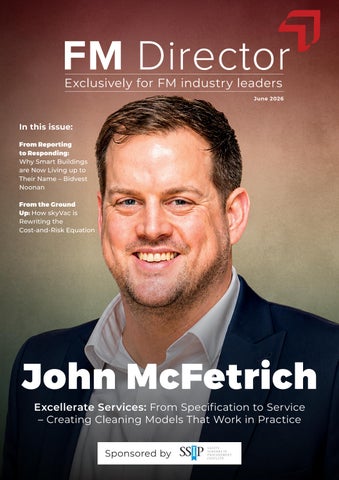
We have an exclusive feature from John McFetrich, Regional Account Director from Excellerate Services who talks about creating cleaning models that work in practice. We have a piece from Bidvest Noonan about why smart buildings are living up to their name, and an interview with Kate Hill, Managing Director of skyVac about how the company is rewwriting the cost-and-risk equation.
And as if that wasn’t enough, this edition also features several other key voices in the industry such as Door Controls Direct PTSG, Intelli Park and more.
As always, I hope you enjoy this edition of FM Director and remember, if you have anything you’d like to discuss with me, please drop me a line at claire.middleton@businessdailygroup.co.uk Thanks























From Specification to Service: Creating Cleaning Models That Work in Practice
By John McFetrich, Regional Account Director
Managing Editor
Claire Middleton
Published by FM Business Daily, Linacre House, Dark Lane, Braunston NN11 7HU © 2026 FM Business Daily. All rights reserved. Reproduction of the contents of this magazine in any manner whatsoever is prohibited without prior consent from the publisher. No part of this magazine may be used or reproduced in any manner for the purpose of training artificial intelligence technologies or systems. For subscription enquiries and to make sure you get your copy of FM Director please ring 01482 782287 or email fmdirector@fmbusinessdaily.com The views expressed in the articles reflect the author’s opinions and do not necessarily reflect the views of the publisher and editor. The published material, adverts, editorials, images and all other content is published in good faith. fmdirector@fmbusinessdaily.com
From the Ground Up: How skyVac is Rewriting the Costand-Risk Equation in Facilities Management With facilities management teams worldwide facing a brutal squeeze between tighter budgets and stricter safety compliance, traditional methods of high-level maintenance are fast becoming a commercial liability.
Why Facilities Management Is Uniquely Placed to Lead on Menopause Inclusion
By Claire Hurst, founder
of Rebalance Academy and The Rebalance Clinic





















By John McFetrich, Regional Account Director
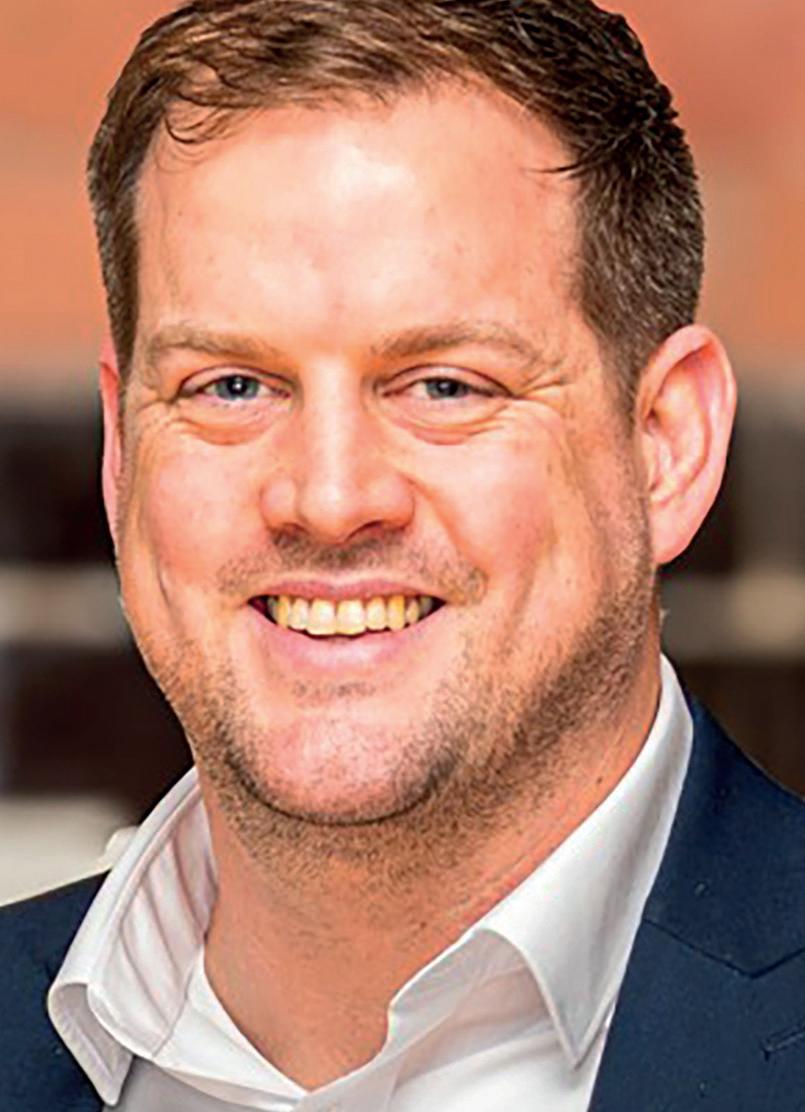
John McFetrich, Regional Account Director at Excellerate Services UK & Ireland, has worked across frontline and operational leadership roles throughout his career in facilities management, gaining experience across retail, manufacturing and corporate environments [is this true?].
In this article, he reflects on the ongoing challenge of creating cleaning specifications that truly reflect the realities of service delivery. I didn’t start my career in a boardroom. I started it on the front line, as a cleaner.
Since then, I’ve worked my way through operational leadership roles and that journey has taught me something the industry still struggles to fully acknowledge: no two sites are ever truly the same.
And yet, we still too often treat them as though they are.
Cleaning specifications are meant to provide structure, clarity and consistency. In theory, they define what “good” looks like. But in practice, they can sometimes become overly generic. Designed to fit everything and, in doing so, fitting nothing particularly well.
The challenge often begins at the bidding stage. Bid teams are under immense pressure: tight deadlines, competitive pricing expectations and limited resources. Even with support from operations, it is rarely feasible to visit every site in detail, particularly on large, multi-location contracts. The result? In some cases, we are effectively bidding blind.
When you do not fully understand the environment, the people, the footfall or the nuances of a site, the natural fallback is to create a standardised specification. It is safe. It is scalable. It ticks the box. But it is rarely right.
Layered into this is another complexity that is often misunderstood: input versus output specifications. On paper, the distinction is simple. In reality, it is anything but.
Output specifications are frequently attractive to clients. They focus on outcomes, what the environment should look and feel like, rather than dictating how many hours are required to achieve it. On the surface, this offers flexibility and places accountability firmly with the service provider.
What is often misunderstood is that priced hours are not a target, they are the operational model required to achieve the agreed standard. Within that model, it is the responsibility of operational teams to identify leaner processes, introduce innovation and continuously improve delivery.
Done well, this creates opportunity: improved standards, greater efficiency and the ability to reinvest margin into further innovation. But that nuance is not always fully appreciated at the outset.
Without a clear understanding, output specifications can quickly become open to interpretation, particularly when layered onto a generic approach. Expectations grow, environments differ and the original assumptions made at bid stage are tested in real time.

Cleaning specifications are meant to provide structure, clarity and consistency

























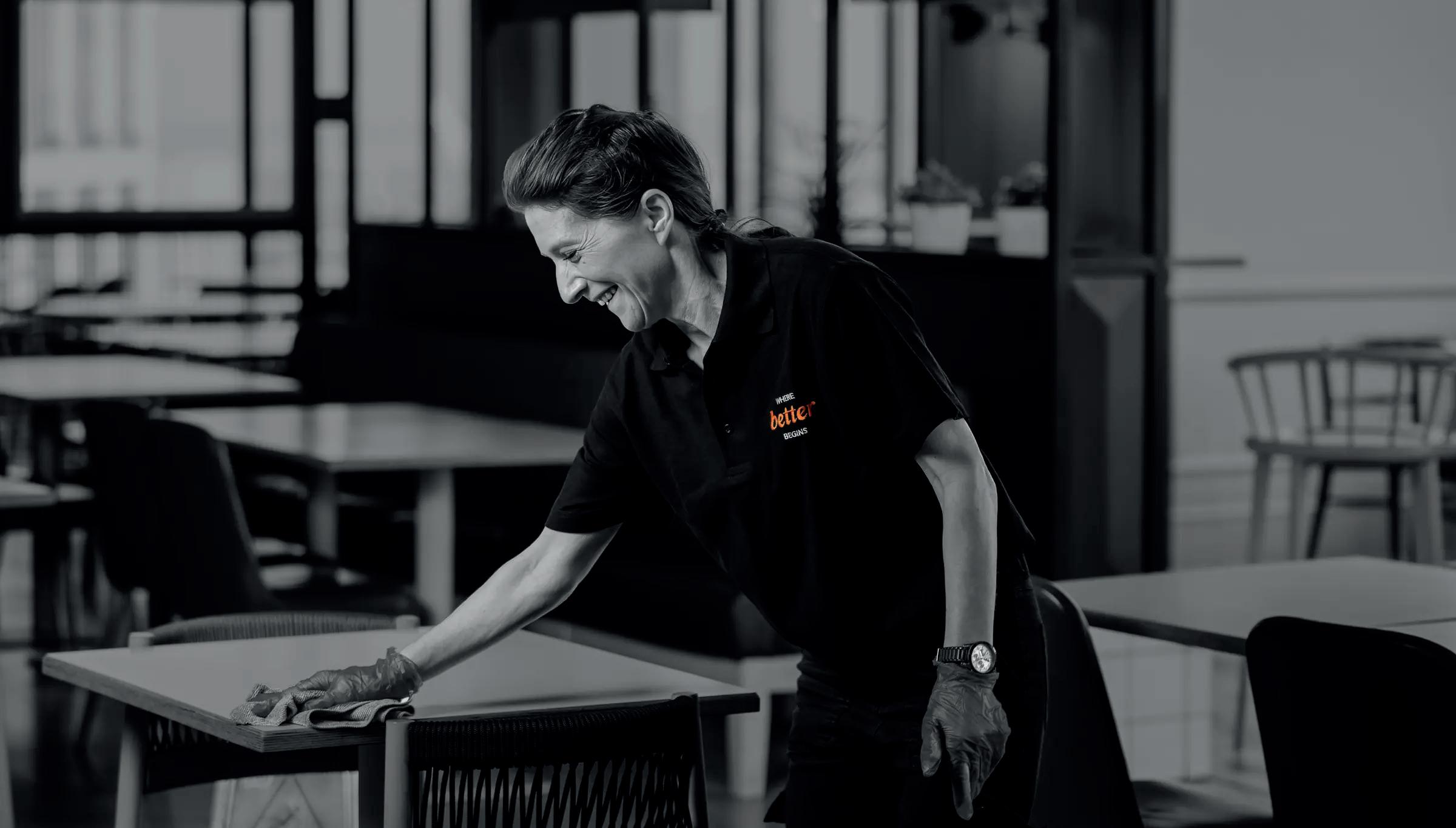
The industry operates the way it does for understandable reasons: cost pressures, time constraints and the need for consistency across portfolios
Input specifications, on the other hand, bring a different set of challenges. They define the hours, the structure and often the tasks in detail. This can create a sense of control and transparency, but it also introduces rigidity. If the hours allocated do not align with the actual demands of the site, operations are left with a difficult question: how do you meet the expected standard with insufficient resource?
Again, we find ourselves back at the same point, trying to fit a round peg into a square hole.
Operational teams bridge the gap. Whether working within the perceived flexibility of an output model or the constraints of an input one, they are the people adapting, negotiating and, at times, firefighting.
They become not just service providers, but problem-solvers, balancing client expectations, contractual frameworks and the reality on the ground.
Over time, adjustments are made. Processes are refined. Workarounds are introduced. The square hole is reshaped, piece by piece, until the round peg begins to fit. But this process can take months, even years, often spanning the life of the contract itself.
And just as everything begins to stabilise, the cycle starts again. A new tender. A new specification. Another attempt to standardise what is, by its nature, highly variable.
This is not about criticism. It is about realism. The industry operates the way it does for understandable reasons: cost pressures, time constraints and the need for consistency across portfolios. But if we are honest, we must acknowledge that one size does not fit all and perhaps it never will.
It starts with better understanding on all sides. Of what specifications truly mean in practice. Output models require trust, clarity and a shared understanding of what sits behind the price. Input models require realism, ensuring that what is prescribed can actually deliver the desired outcome.
Greater education and transparency across all parties would also help. During mobilisation and contract discussions, there is often alignment in principle, but not always a shared understanding of what input and output specifications truly mean in practice and the operational pressures they can create once delivery begins.
It also means bringing operational insight earlier into the conversation. Even when site visits are not possible, experience from similar environments can help shape specifications that are grounded in reality, not assumption.
Most importantly, it requires us to listen to the people delivering the service every day.


Are you a construction supplier wasting time and money on repetitive health and safety pre-qualification assessments?



SSIP (Safety Schemes in Procurement) offers a smarter solution through Mutual Recognition and the “Deem to Satisfy” principle.
Key Benefits:
Avoid Duplicate Assessments:
Get approved by one SSIP Member Scheme, and your certification is recognised by all others.
Boost Client Confidence:
Demonstrate commitment to the highest health and safety standards and ensure smoother project collaboration.
SSIP simplifies your compliance, allowing you to focus on delivering safe, high-quality work.
Certify Once. Satisfy Everywhere.
Save Time & Money:
Eliminate redundant administrative work and assessment fees. This process attributed to over £5.5 million in direct savings in 2024 alone.
Streamlined Compliance:
SSIP certification is recognised as an exemption against Section 4 (Health and Safety) of the Build UK Common Assessment Standard (CAS)
Learn more and find your ideal SSIP Member Scheme today: www.ssip.org.uk

They are the ones navigating these complexities, closing the gaps and ultimately turning a specification into a service. Because cleaning is not just about hours or outcomes. It is about environments, people and expectations, none of which are ever truly standard.
The closer you get to the reality of service delivery, the clearer it becomes: no two environments are the same and successful cleaning operations should not be designed as though they are.
At Excellerate Services, we recognise these challenges because our operational teams experience them every day across diverse client environments and multi-site estates. Whether supporting retail stores, manufacturing facilities or corporate workplaces, we understand that every environment operates differently, with its own pressures, behaviours and service expectations.
The most successful cleaning operations are built on open communication, shared understanding and a willingness to adapt as environments evolve.
Strong operational delivery is not achieved through a static specification alone. It comes from continuously reviewing what is happening on site, listening to frontline teams and working collaboratively with clients to refine and improve outcomes over time.
Technology and data also have an increasingly important role to play. At Excellerate Services, we use operational technology and real-time data insights to support our frontline
teams, identify patterns across estates and better understand the unique challenges within individual sites. From auditing and performance monitoring to dynamic scheduling and service visibility, this allows us to make more informed operational decisions and respond proactively as environments change.
Importantly, technology should never replace operational expertise. It should strengthen it. When experienced people are supported by meaningful data and clear operational insight, cleaning specifications become far more than a document created at tender stage. They become living frameworks that can evolve alongside the realities of the environments they support.
The industry will always face pressures around cost, consistency and scalability. But by combining operational experience, stronger collaboration and smarter use of technology, there is a real opportunity to create cleaning solutions that are more realistic, more responsive and ultimately more effective for everyone involved. Because better outcomes begin with better understanding.
John McFetrich is a Regional Account Director at Excellerate Services UK & Ireland with extensive operational experience across facilities management, having progressed through frontline and leadership roles supporting clients across multiple sectors
The most successful cleaning operations are built on open communication, shared understanding and a willingness to adapt as environments evolve

Join the UK Metal Decking Association (UKMDA) and place your business at the forefront of the industry. UKMDA offers a powerful network and essential resources to help your company and contracts be successful. Why Join UKMDA?
Leadership & Influence:

Be part of a powerful network that shapes industry standards and works with key bodies like HSE, CITB and CSCS
Credibility & Safety:
Demonstrate your commitment to excellence with our rigorous audits and access to authoritative safety guidance.
The UKMDA is committed to raising the bar for safety and competency. Our comprehensive training programs provide your team with the skills and qualifications they need.
Core Training: Our scheme covers all aspects of metal decking and stud welding installation, taught by licensed trainers.
Nationally Recognised NVQs:
We provide NVQs that allow you and your installers to demonstrate technical competence.
A UKMDA-qualified workforce means fewer accidents, greater efficiency, and an enhanced reputation for quality.



With facilities management teams worldwide facing a brutal squeeze between tighter budgets and stricter safety compliance, traditional methods of high-level maintenance are fast becoming a commercial liability.
Kate Hill, Managing Director at skyVac, recently spoke exclusively to FM Director to discuss how the company has grown from its UK roots into a global force across 34 countries by designing for outcomes rather than just specifications. From major contract wins with the likes of Mitie and OCS to launching ATEX-rated inspection technology, Kate shares her vision for changing the culture of facilities management, proving that high-level work no longer has to mean high-risk work.
1. How would you describe your role as Managing Director in shaping skyVac’s direction and growth?
My role is about setting the direction for skyVac and making sure every decision we take adds genuine value for our customers. Whether they are an FM team in the UK or one of our distributors across 34 countries, the principle is the same. That means being strategic about where we’re heading but also staying close enough to the detail. Close to the team, to product development, and to the conversations we are having with facilities managers; to know we are solving the right problems.
After nearly twenty years in this market, the worst thing a leader can do is lose touch with what’s happening on the ground. So, I split my time between the bigger picture and the day-to-day, because both matter.
2. What are the key priorities that shape your dayto-day decision-making as Managing Director?
No two days look the same, and I am very hands-on in my role. My priorities are always our customers, our people, and our growth.
That could involve reviewing new product concepts in the morning, working on a tender with a national FM provider in the afternoon, and ending the day on a call with one of our international distributors. Across everything, the focus is on understanding the end user and meeting their needs.
The thread running through it all is making sure we are delivering practical, measurable value. We are not just shifting equipment. We’re genuinely making FM teams’ lives easier, wherever in the world they are based.
3. For those unfamiliar with skyVac, what problem does the company solve and how has it evolved?
At its core, skyVac solves a very practical but critical problem. How do you carry out high-level cleaning and inspection safely, efficiently and without disruption?
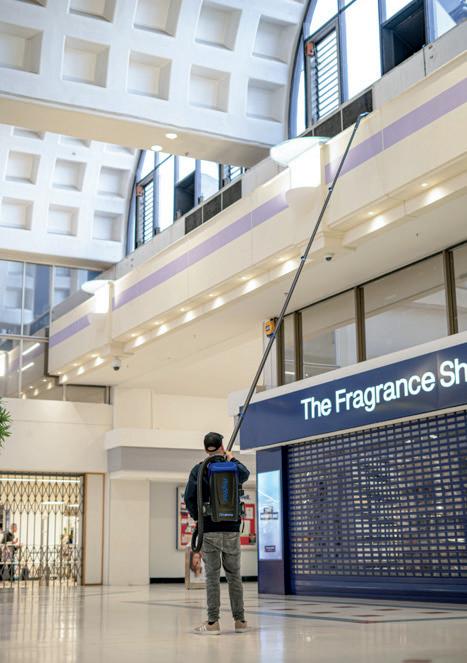
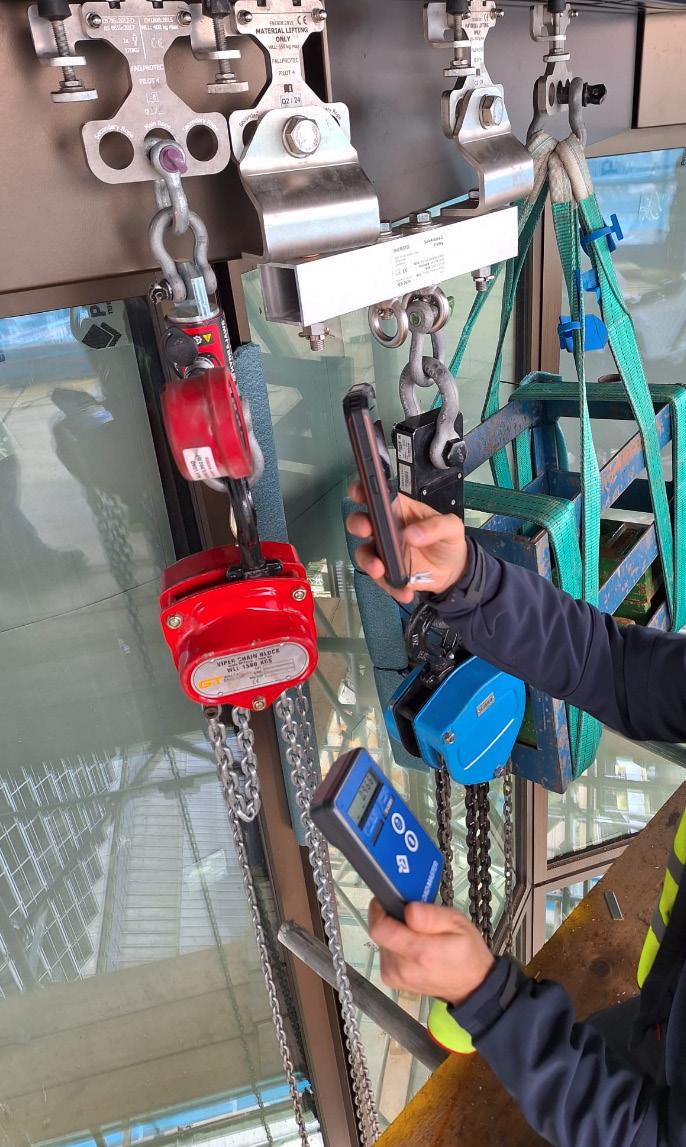
Traditionally this work meant ladders, scaffolding, MEWPs, and people working at height. That brings cost, risk, downtime and complexity. Our systems allow that same work to be done from the ground, often in a fraction of the time.
We started with gutter vacuums nearly twenty years ago. Since then, we have expanded into roof cleaning, internal high-level cleaning, high-level inspection cameras including our new Exsight ATEX system, soft wash, and ATEX-rated equipment for hazardous environments.
We take work that traditionally required ladders, scaffolding and MEWPs, and put it back on the ground
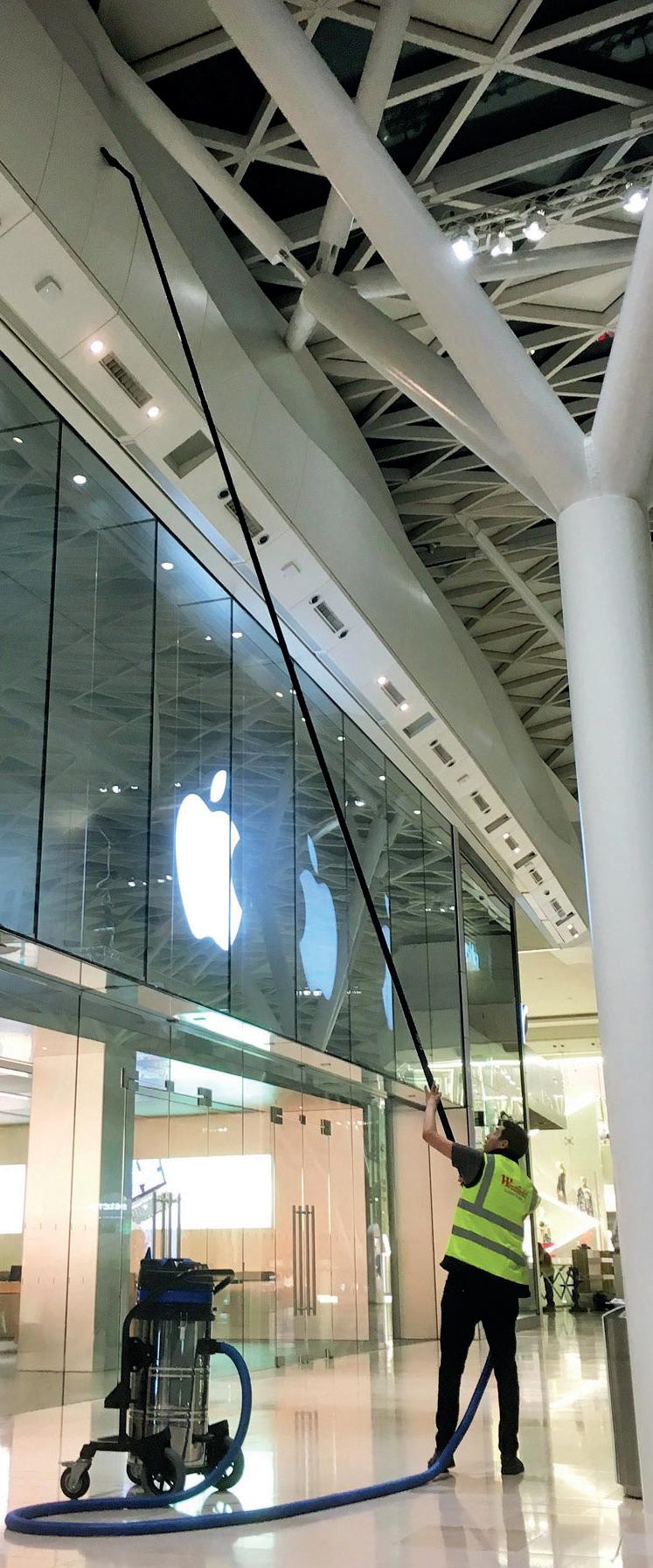
So, while the skyVac name is best known for gutters, our footprint across FM is much wider. And our reach is now genuinely global, with distribution partners in 34 countries.
4. In a competitive market, what sets skyVac apart? What really sets us apart is that we design for outcomes, not just specs.
Anyone can quote you a wattage or an airflow figure. What matters is whether the job gets done safely, quickly and to a standard the FM team can stand behind.
We have spent nearly two decades refining that, and the proof is in who trusts us. Our equipment is used by names like Mitie, OCS, the NHS, the National Trust, Gatwick, Warner Bros and Legoland. We are also chosen by distribution partners in 34 countries who continue to pick us in markets where they have plenty of alternatives.
We invest heavily in innovation. We back our equipment up with LANTRA and CPD-accredited training, so customers do not just buy a machine. They also get the knowledge to use it properly.
5. What are the main challenges facing the sector, and how is skyVac responding?
The biggest challenge for FM right now is the squeeze. Rising expectations on safety, sustainability and compliance, while budgets are tighter than ever. Facilities teams are being asked to do more, with less, in less time, and they cannot compromise on standards.
It’s not just a UK story either. The conversations we had at Interclean Amsterdam this year, with FMs and contractors from across Europe, the Middle East and beyond, told us this pressure is universal.
We see that as an opportunity. The right equipment does not just cut cost. It cuts risk, downtime, and removes the need for high-risk working at height altogether.
We also help by enabling cleaning to take place while buildings remain operational, using high-reach systems and battery-powered equipment to improve efficiency and safety.
When you can clean a six-storey building’s gutters from the pavement, you have fundamentally changed the cost-and-risk equation.
6. What is your vision for skyVac over the next three to five years?
Our ambition is to be the first name FM teams reach for whenever there is a high-level cleaning, inspection or maintenance challenge, in the UK and increasingly internationally.
We already have distribution partners in 34 countries. Our recent showing at Interclean Amsterdam, the world’s largest cleaning and FM exhibition, with 30,000 visitors and 900 exhibitors, confirmed just how much global appetite there is for what we do.
We came away with serious distributor conversations across multiple regions, including emerging markets we are actively developing.
Over the next three to five years, you will see us broaden the range further, lean harder into smart inspection technology like our new Exsight ATEX camera, and continue expanding our training and accreditation offer.
The bigger goal is cultural. We want to help shift the FM sector, globally, away from the assumption that high-level work has to mean high-risk work.
7. What has driven skyVac’s growth and success so far?
Three things, really. First, listening. Our best products have come straight from conversations with customers about what was not working for them. Interclean was a great recent example. We went there to demonstrate equipment, but we came home with a notebook full of insight from FM directors and contractors that is already shaping our roadmap.
Second, the team. We have people who genuinely care and take pride in what we make.
And third, focus. We have resisted the temptation to chase every shiny opportunity. We stick to what we are brilliant at and keep raising the bar within it. Our Feefo Platinum Trusted Service Award for 2026, and the long list of repeat customers behind it, tells me that approach is working.
8. What message would you share with facilities managers considering new approaches?
My message would be, do not accept that the way you have always done a job is the only way to do it. Some of the biggest gains in safety, cost and productivity come from simply rethinking the method.
Working at height is one of the clearest examples. There is so much that can now be done from the ground that was not possible even five years ago. I would encourage every facilities manager to audit their high-level work this year and ask, honestly, how much of it still needs people up there. The answer might surprise you, and the savings, in risk, time and money, usually follow.
9. How is skyVac helping to reshape best practice in facilities management?
We are actively trying to shift the conversation around what ‘best practice’ looks like in high-level FM work. And it is a conversation we are having at scale, with partners in 34 countries and through global platforms like Interclean.
For too long the default has been ‘put someone up a ladder, in a cherry picker, or on scaffolding’. That brings inherent risk, and it is risk the industry has just accepted.
We are showing FM teams, contractors and insurers that there is a better way. One that is faster, more cost-effective, generates a clear audit trail through inspection cameras and reporting, and crucially, keeps people on the ground.
This is not about selling more vacuums. It is about raising the standard for an entire category of FM work. When the next generation of facilities managers looks back, I want working-atheight-by-default to feel as outdated as it should.
We want to help shift the FM sector, globally, away from the assumption that high-level work has to mean high-risk work

By Claire Hurst, founder of Rebalance Academy and The Rebalance Clinic
Most workplace menopause support still sits in HR. That sounds sensible in theory. In reality, it often means the support never reaches the people who need it most.
Because the woman cleaning offices on an early shift is not scrolling the intranet looking for a wellbeing policy. The catering manager moving between sites probably hasn’t had time to attend an hour-long menopause webinar.
And the supervisor trying to get through a 12-hour shift while struggling with exhaustion, anxiety or brain fog may not even realise menopause is behind what she’s experiencing. This is where facilities management is different. FM is where the workforce actually is.
I work in two very different environments every week. In clinic, I support women navigating menopause symptoms that are affecting everything from sleep and confidence to concentration and physical health. Many are still working in demanding roles, still showing up every day, quietly trying to hold everything together.
Then I walk into businesses and speak with leadership teams who genuinely want to help but often don’t know what meaningful support looks like operationally. The gap between those two worlds is much smaller than people think. And FM sits right in the middle of it.
One of the things I have always respected about the sector is how people-focused it really is. FM teams see the reality of working life. They notice when someone is struggling. They understand the pressures of shifts, long hours, temperature-controlled environments, physical demands and high-pressure service delivery.
That matters when it comes to menopause. Because for many women, symptoms are not just inconvenient. They can become career-limiting.
I see women reducing their hours because fatigue has become unmanageable. Experienced leaders stepping back from promotions because their confidence has been knocked by memory lapses and brain fog. Women avoiding conversations because they are frightened that they will be judged as incapable or “past it”. Not because they can’t do their jobs.














Because nobody has recognised what they are trying to manage alongside them. And in sectors like FM, where relationships, reliability and operational consistency matter enormously, losing experienced women has a real impact on teams and businesses.
The good news is that meaningful support is often far simpler than organisations expect. This is not about expensive wellbeing strategies or huge cultural overhauls. Usually, the changes that make the biggest difference are practical ones.
Training line managers and supervisors to understand menopause well enough to have confident conversations. Looking at workplace risk assessments differently, particularly for women in physically demanding or hot working environments.
Making it easier to access water, breaks, toilets or cooler spaces. Offering flexibility where possible around shifts or travel between sites.
Most importantly, creating an environment where women do not feel embarrassed to say they are struggling. Because many still do. One conversation can change whether somebody feels supported enough to stay. And this is where FM has a real opportunity to lead.
Unlike many other sectors, FM operates through daily human contact. Supervisors know their teams. Managers notice changes quickly.
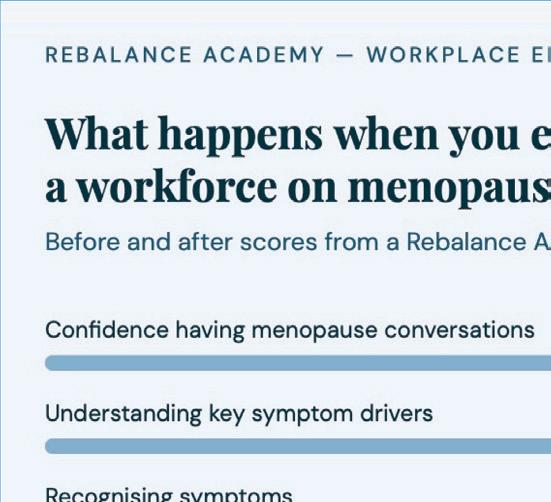
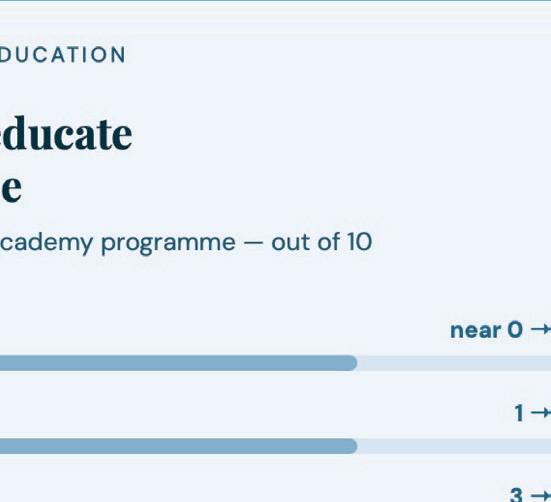
1M
women have left the UK workforce due to menopausal symptoms and inadequate workplace support
The scale of the problem FM can help solve
1 in 10 women aged 45–55 have left a job because of menopause
Operations teams are already solving practical workplace problems every day. Menopause support fits naturally into that environment because it is ultimately about helping people work safely, confidently and sustainably.
I also think FM understands something many industries still miss: workplace culture is not built through policies alone. It is built through everyday experience.
A policy hidden on an intranet does not create inclusion. A manager who knows how to respond properly when somebody says they are struggling does. That distinction matters.
Especially as conversations around menopause become more visible across UK workplaces. Employees are becoming more aware of what good support looks like, and clients are increasingly paying attention to how organisations look after their people.
Businesses that respond well will retain experience, strengthen loyalty and build healthier workplace cultures. Those that ignore it risk quietly losing skilled women they can ill afford to lose.
And the reality is, many of these women are at the height of their professional experience.
They are team leaders, managers, problem-solvers and relationship builders. In FM particularly, they are often the people holding everything together behind the scenes.
That is why I believe facilities management is uniquely placed to drive real change in this space. Not because FM has the best policies. But because FM understands people. And when menopause support becomes practical, visible and part of everyday workplace culture rather than a standalone HR initiative, that is when organisations start making a genuine difference.
Claire Hurst is the founder of Rebalance Academy and The Rebalance Clinic. A menopause clinician, educator and workplace wellbeing specialist, she works with organisations across the UK to help improve menopause awareness, workplace culture and practical support for employees. Claire also works clinically with women navigating perimenopause and menopause symptoms and is involved in menopause research alongside the University of Leeds
14% have reduced their working hours due to symptoms
£1.5bn lost annually in UK productivity (NHS Confederation)
Sources: Fawcett Society | NHS Confederation | Published with University of Leeds pilot study data, June 2026



Our bespoke Christmas tree service is seamless from start to finish. We begin with a consultation to understand your vision, then create a tailored design for your space.
Once approved, our team installs and decorates the tree with care. After the season, we dismantle and store everything - so you can enjoy the magic, hassle-free.




Step 1:
Choose from one of our show stopping tree designs, or work with an interior designer to create a bespoke design.
Step 2:
Add matching accessories to brighten up the whole of your premises.





Step 3:
Your tree will be installed and set-up in your chosen location as part of the rental service,
Step 4:
Once Christmas is over, phs Greenleaf technicians will come back to take down and collect your tree.




Gary Hewitt on why compliance, specification and technical expertise are redefining access control in FM











Speaking exclusively to FM Director recently, Gary Hewitt, Managing Director of Door Controls Direct, explained how the role of door hardware and access control has changed beyond recognition, why FM teams increasingly need a supplier that combines technical depth with online convenience, and what good specification actually looks like in practice.
Door hardware is rarely the first thing an FM professional thinks about when reviewing a building’s compliance or safety profile. Yet according to Gary, it’s increasingly where some of the most significant operational and regulatory risks are found.
“There is far greater focus today on how complete door systems perform, rather than simply looking at individual components in isolation,” he said.
“Areas such as fire door compliance, accessibility, life safety, escape hardware and auditability are now central to specification decisions across healthcare, education, commercial property and the public sector.”
Door Controls Direct brings over a century of ironmongery heritage to a market it has spent the past two decades repositioning itself within.
Originally a traditional ironmongery business with branches across Somerset and Dorset, the company has evolved into a major online supplier of specialist door hardware, combining nationwide reach and next-day delivery with a level of technical support more commonly associated with specialist distributors.
“A lot of people find us online,” Gary said, “but then they phone us for more detailed answers to their questions.”
A sector transformed
The changes Gary has observed across the past decade go well beyond product innovation. The expectations placed on door systems, and the people responsible for specifying them, have shifted fundamentally. Cloud-based access control, monitored escape hardware, electronic locking, automated doors and smarter building integration have moved from niche applications into standard considerations, particularly in multi-site and high-risk environments where security, compliance and traceability are all under scrutiny.
Standards and certification requirements have kept pace. Third-party certification, test evidence, correct installation and ongoing maintenance are now expected across the industry, with organisations such as the Guild of Architectural Ironmongers playing an active role in driving awareness of the importance of correct specification. The principle that door hardware components should be viewed as part of a fully compliant, complete tested system has become the benchmark against which FM teams are increasingly being measured.
If products are specified, supplied or fitted incorrectly, it can create operational and compliance problems very quickly
In an ideal scenario, Gary acknowledged, every ageing door set in an older building would be replaced in its entirety. In reality, FM teams are managing older estates with limited budgets, phased upgrade programmes and a mixture of legacy and modern systems.
“That’s where a large part of our role now sits,” he said.
“Helping facility managers identify problems within existing buildings and source compliant, high-quality replacement products that work effectively with older door frames and existing hardware.”
As the environments FM managers are responsible for have grown more complex, the need for suppliers with genuine technical knowledge has grown with them.
Balancing security, fire compliance, accessibility, budget and practical operational requirements simultaneously leaves little room for error. Gary was direct about the consequences of getting it wrong.
Our role is helping customers keep buildings safe, compliant, secure and operational throughout their entire life cycle
“If products are specified, supplied or fitted incorrectly, it can create operational and compliance problems very quickly,” he said.
What he described is a shift in what customers are looking for when they approach a supplier. “They increasingly want reassurance as much as they want products. They want confidence that what they are fitting is compliant, suitable for the environment and going to work reliably long term.”
Door Controls Direct responds to that through a sustained investment in technical knowledge: regular in-house training, close working relationships with manufacturers on technical sessions, and active membership of the Guild of Architectural Ironmongers, the Master Locksmiths Association and ADSA, the Automatic Door Suppliers Association.
The pace at which standards, technologies and customer expectations are evolving makes that investment non-negotiable, Gary said, particularly in sectors such as healthcare and education where buildings are under heavy daily use and downtime is not a practical option.
One of the most significant shifts in how door hardware is specified is the expectation that security and accessibility must now be achieved simultaneously, without one compromising the other.
Gary described this as probably the biggest conversation in the industry at present. “Years ago, security solutions could sometimes feel intrusive or restrictive,” he said. “Today, users expect buildings to feel secure without creating friction in how people move through them.”
Healthcare illustrates the challenge well. Strong safeguarding and access control are non-negotiable, but so is smooth, intuitive movement for staff, patients and visitors who may be unfamiliar with the environment. Education creates different but equally demanding pressures: buildings must remain secure and durable while still feeling welcoming and easy to manage across large numbers of users.
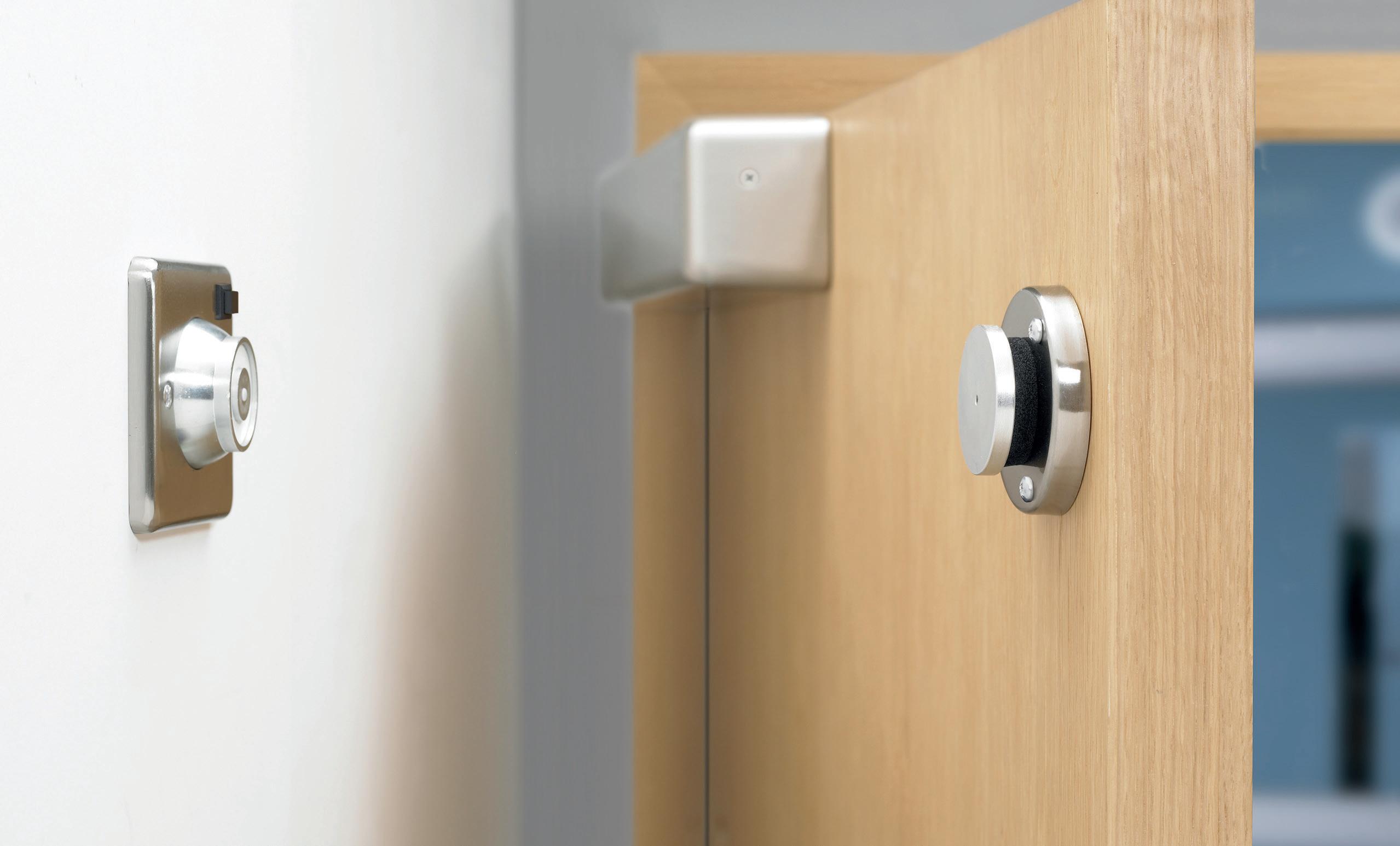
Technology has made the balance more achievable, with wireless access control, smart credentials, hold-open and swing-free door closers, automated doors and integrated systems all contributing to better outcomes. Gary articulated an idea that sits at the heart of Door Controls Direct’s approach to specification: that the best door hardware is the kind people barely notice.
“A correctly specified door closer should open smoothly with minimum resistance and close quietly and safely behind the user without disruption,” he said.
“Behind that seemingly simple experience, the door might be helping prevent the spread of fire and smoke, maintaining security, retaining heat, reducing noise transfer, supporting accessibility requirements or protecting privacy.
“Achieving all of those outcomes simultaneously is rarely accidental. It comes from good specification, quality products, proper installation and understanding how people actually interact with the building day-to-day.”
Built for the whole life cycle
Gary’s view of where Door Controls Direct fits in the FM market is precise. The company has a dedicated technical team that continues to work with architects, contractors and design teams at the specification stage of new projects.
But the growing part of the business is the support it provides to FM professionals managing buildings already in use.
The combination of online convenience and specialist technical support is, he said, what makes the offer distinctive.
Where a traditional distributor might provide depth of knowledge but limited speed or accessibility, and a purely transactional online supplier might deliver quickly but without the technical backing FM teams need, Door Controls Direct is positioned to provide both.
“Our role is helping customers keep buildings safe, compliant, secure and operational throughout their entire life cycle,” Gary said, “not just at the point of being first built.”
For FM teams managing complex, multi-use estates under increasing compliance pressure, that whole-life perspective is precisely what the market needs more of.
To find out more about Door Controls Direct, visit www.doorcontrolsdirect.co.uk


We recognise the critical role that doors and their hardware play in the safety and security of any building.
core product range includes:

your project requires, you can depend on Door Controls Direct.
We spend a lot of time at work and so having somewhere to retreat to during the day to recharge and reset is vital for maximising productivity, worker wellbeing and staff retention. FM Director caught up with Dominic Dugan, Creative Director at Oktra, to find out more

What makes a retreat area, and how does it differ from a standard breakout or quiet area?
Retreat areas are where people can go to unwind and mentally reset through the working day, when stress and workloads mountthey are a way to escape from the rest of the office.
Where a quiet room can provide much-needed privacy or focus, and breakout areas are informal spaces for quick chats away from desks, a retreat area is specifically designed for recovery, rest and perhaps even solitude. It goes beyond the breakout and quiet areas.
Rather than encouraging productivity or social interaction, retreats can have a physical and psychological separation from the working environment.
While it also functions as an area for deep focus and minimal distractions, the primary purpose is for ‘non-work’ activities, such as reading, sleeping or meditating.
As long as it remains a distinct area away from the office space, with clear boundaries and the discipline to serve its purpose, it represents good practice. When designed for wellbeing, it gives employees permission to switch off and recharge.
How has the modern office environment changed in ways that make recovery during the working day harder?
Almost half (46%) of UK staff currently experience stress every day, with average stress levels topping the rest of Europe. Burnout is common among employees, and although wellbeing has been lifted into the spotlight in recent years, the office environment is a notoriously uncomfortable environment, and it’s almost become a shallow buzzword.
Today’s offices often default to open-plan layouts, and while great for collaboration and informal conversations, it gives people nowhere to have alone time.
The constant stimulation, ambient noise, visibility and sense of always being ‘on’ make it difficult to regulate stress. Fatigue accumulates, and without dedicated time or space for recovery built into the working day, burnout is inevitable. Half of Brits even admit to ‘loo lurking’ at work, using toilets as an escape to release their stress, have a private moment and compose themselves.
Almost half (46%) of UK staff currently experience stress every day, with average stress levels topping the rest of Europe
On paper, we have better offices today: more amenities, more attractive designs, updated technology. But aesthetics and infrastructure haven’t translated into wellbeing. People are under more pressure, and there’s a clear gap between how offices have evolved and how well they actually support the people working in them.
What’s the most common mistake made when designing retreat areas, and what should they be doing instead?
Wellbeing and comfort are theoretically important in the office, and businesses are well aware that they should be prioritised, but retreat areas haven’t been widely adopted. Where they are, they can be left as an afterthought – a splash of greenery here, a sofa there, a fruit bowl – and there usually isn’t enough intentionality behind it.


Often there isn’t even a dedicated space to unwind. Employees are expected to have a brief rest in the same vicinity where everyone else is working, making it difficult to fully relax. Retreat is devalued compared to work. There are plenty of places to get things done, but rarely is there somewhere designed specifically to help you stop.
Businesses and facilities managers may also think more of aesthetics, which are valuable in their own right, but this can veer into overdesign territory. The simpler the better; there should be more thought into what’s been removed than what’s been added. Softer lighting, less furniture, muted colours and reduction of any visual and sensory noise. The aim is to have a noticeably calmer atmosphere, not a decorative one.
The best retreat areas are flexible, designed to anticipate the natural movements and patterns of the working day rather than working from assumptions. It will provide people choice, depending on how they might want to decompress. Some might want a moment to read, others a few minutes to eat a snack, or just a change of scenery to clear their head – there should be some amount of provision to reflect various needs, whether that’s a well-stocked mini-fridge, a bookshelf or outdoor space.
But even the best retreats will inevitably go unused if the office culture doesn’t support it. People need to feel entitled to step away, not just in theory, but in practice, and that starts at the top. When senior leaders break from their screens and visibly use these areas, it sends an encouraging signal to teams that retreat is legitimate. Role models matter here – if people never see their manager take breaks, the unspoken message is that they shouldn’t either.
Fatigue accumulates, and without dedicated time or space for recovery built into the working day, burnout is
When retreat is treated as a genuine workplace requirement rather than a gesture, it changes what people are able to give when they return to their desk.
Can you walk us through past projects and how you approached designing for stress reduction and retreat?
In our work on Telefónica’s wellness-focused HQ, retreat was built into the wider workplace strategy from the outset instead of being a superficial add-on. The brief was to create a space that felt genuinely separate from the main office, both functionally and atmospherically. The space can be accessed through a hidden biophilic feature wall, so employees are still within the office, but there is a clear moment of transition.
The room’s design is deliberately understated, with calming lighting, greenery, and an autumnal sunrise mural. Everything is calibrated to reduce stimulation rather than add to it. It sits alongside social and breakout areas, so it remains part of the working day without feeling like a disruption to it. It didn’t completely remove people from their work, but gave them an opportunity to destress, so they could return to it with more clarity.
At PRI, we designed a fully accessible retreat room alongside dimmable quiet zones specifically to support neurodivergent employees, recognising that recovery looks different for different people, and that good design has to accommodate that range. At GAMA Healthcare, the retreat area shows up in their games area, complete with a pool table, golf and comfortable lounge seating.
How do you measure the success of a retreat area? Are there concrete signals that tell you it’s actually working?
Utilisation isn’t always the right measure of success. Unlike other areas of the office, like a meeting room or a booth, which you’d expect to be in use consistently, retreat zones have a different purpose. A retreat area that’s always occupied probably isn’t functioning as intended – it’s simply become another fixture of the office instead of the peaceful escape it was designed to be.
The better indicators are less obvious. Whether employees feel they have access to appropriate spaces for rest and recovery when they need them. Whether focus and energy levels are better sustained across the working day. Whether overall office sentiment has improved. These are harder to quantify, but far more meaningful and show how the office is performing as a people-first environment, not just a productive one.


As the premier body for Temporary Safety Systems, FASET is dedicated to ensuring unparalleled safety standards across the industry.
All our qualifications now exclusively issue digital cards, offering a wealth of benefits:
Convenience: Easily add new qualifications as you progress.
Streamline Your Checks: For Employers and Site Supervisors
Security: Enhanced protection against loss or forgery.
We achieve this through our robust partnership with CSCS, delivering comprehensive training, rigorous assessment, and the issuance of industryrecognised competency cards. enquiries@faset.org.uk
Verify an operator’s competency instantly! Download the CSCS Smart Check App to your mobile device.
Stay Updated: Receive timely alerts for expiry dates and crucial safety notifications.
01948
The Facilities Management sector has never been more complex, more critical or more visible. Behind every well-run building, every seamlessly delivered service and every forward-thinking strategy, there are individuals driving the agenda: quietly, consistently and with enormous impact.
The FM Power List exists to recognise them.
Created by FM Business Daily, the FM Power List is a definitive showcase of the men and women setting the pace across the UK’s facilities management sector. Not a directory. Not a marketing exercise. A carefully curated record of influence, built around the people who are genuinely shaping the future of this industry.
Following the fantastic response to our first FM Power List feature, we are proud to continue showcasing another outstanding selection of profiles in this issue. Once again we shine a spotlight on the decision-makers, the innovators and the leaders others look to. The individuals who don’t just respond to change, but drive it.
These are the people building the businesses, leading the teams and defining the standards that the rest of the sector follows.
This is where their stories are told.
Simon Taylor, Executive Director, FM Business Daily













































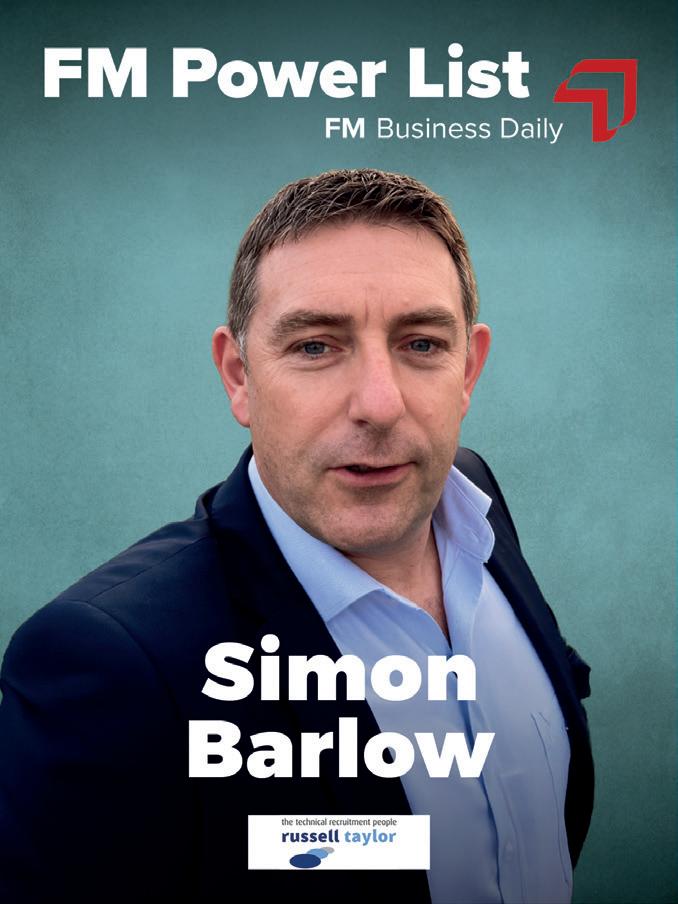
Principal Consultant - Russell Taylor Group


Simon Barlow is Principal Consultant at Russell Taylor Group, specialising in recruitment across facilities management, building services, engineering, construction, and property sectors. With hands-on operational experience within both construction and FM before moving into recruitment, Simon brings a deep technical understanding of the roles, challenges, and skills required across the industry.
Key Services: Recruitment Solutions Read more...



Joint Managing Director - Roast & Ground
Catherine Gray is Joint Managing Director of Roast & Ground, the independent family-run coffee specialist known for delivering premium workplace coffee solutions with a strong emphasis on service, sustainability, and quality. Having been involved with the business since its early days, Catherine has played a key role in shaping its customerfocused approach and continued growth.
Key Services: Food and Drink, Workplace Wellbeing
Managing Director - Business Moves Group (BMG)
Rachel Houghton is Managing Director of Business Moves Group (BMG), bringing more than 25 years of experience within the relocation and estate management sector. Having joined the business in 1998 and progressed through a range of operational, commercial, and leadership roles, she has played a central role in shaping BMG into one of the UK’s leading commercial relocation specialists..
Key Services: Workplace Solutions, Storage Solutions
Read more...

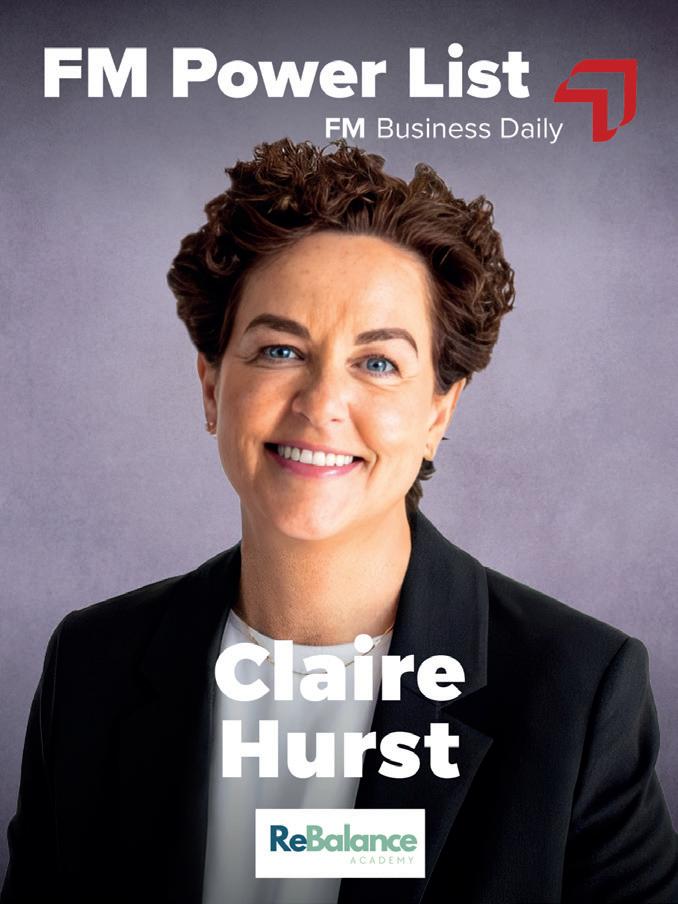
Claire Hurst is CEO of Rebalance Academy and a recognised menopause expert, educator, and workplace consultant. She works with organisations to move beyond surface-level policies, helping them embed meaningful menopause support into their culture in a way that improves retention, morale, and overall performance..
Key Services: HR & Leadership Support, Coaching and Mentoring
Read more...




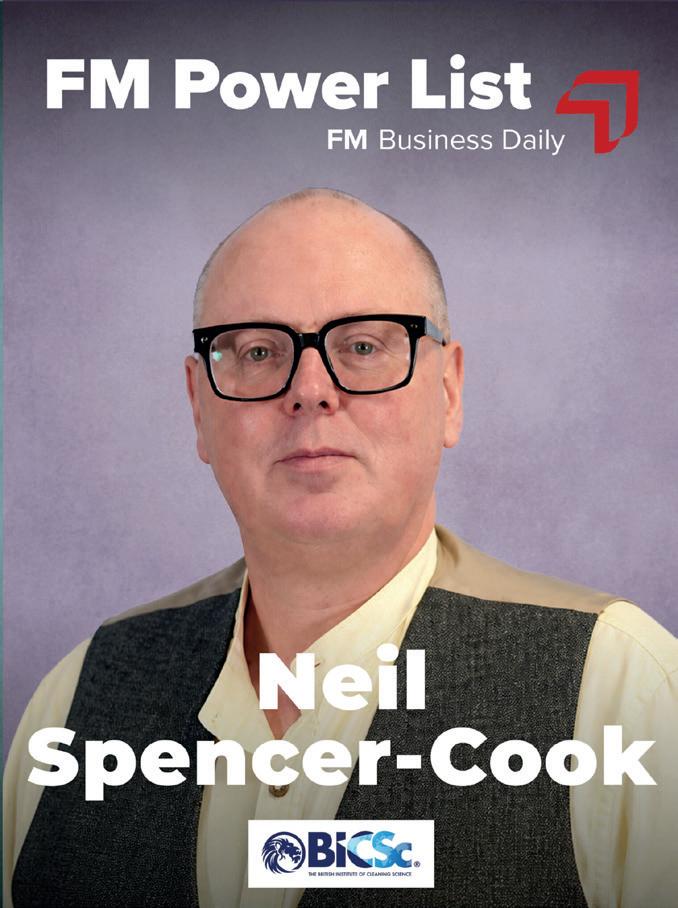
Group Managing Director - BICSc
With over 27 years of experience in the infrastructure facilities management industries, including leadership roles at Amey and Enterprise, Nick brings a wealth of knowledge to the OCS team. He has a proven track record of leading and growing businesses, managing acquisitions and divestments, and overseeing large-scale integrations..
Key Services:
OCS provides integrated facilities services, including cleaning, Hard Services, security, catering, pest control, engineering, and total facilities management.
Neil Spencer-Cook is Group Managing Director of BICSc, where he leads the organisation’s strategic direction and global growth. Having joined in 2015 as Head of Finance, he has played a central role in shaping the Institute’s evolution; combining commercial insight with a strong understanding of customer needs gained from experience across industries including hospitality and film production.
Key Services: Cleaning, Accreditation, Training
Read more...
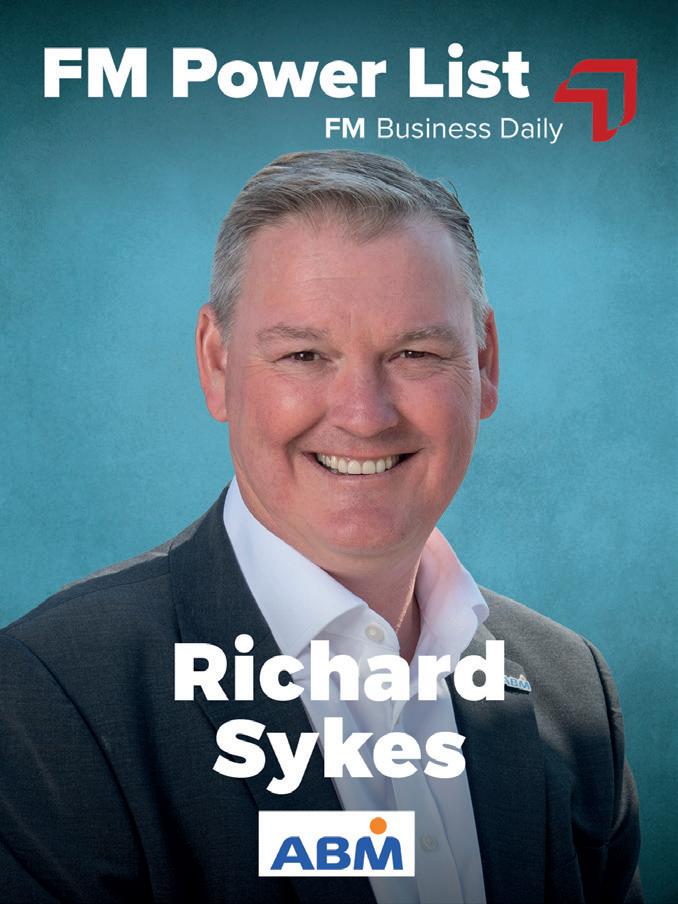
Senior Vice President and President - ABM UK and Ireland
Richard Sykes is a growth-minded leader currently serving as Senior Vice President and President of ABM UK & Ireland. Since taking on the role in May 2023, he has focused on strengthening internal operations, expanding the client base, and creating new opportunities for team members at every level. With a vision for ambitious growth, Richard understands that sustainable and responsible practices are essential to building a resilient industry and scalable business. His recognition on the Involve Top 20 list of OUTstanding Advocates and Role Models further reflects his commitment to inclusive and forward-thinking leadership.
Key Services:
Integrated Facility Services, Engineering & Technical Solutions, Infrastructure Services, Aviation Support Services, Workplace Experience, Energy & Sustainability Solutions Read more...
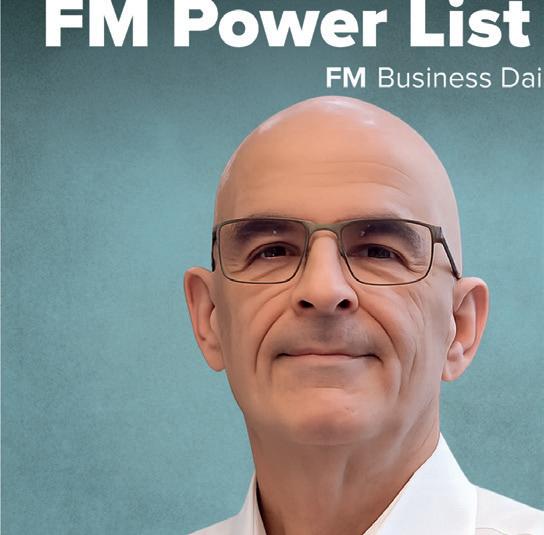


Managing Director - Keynetics
Stuart is the Managing Director of Keynetics, with over twenty years’ experience in the Facilities Management and Security sectors. Throughout his career, he has delivered projects across Europe, the Middle East, and North America, with a particular focus on access control and secure key management solutions over the past decade.
Key Services: Access Control, Keyholding Solutions, Software
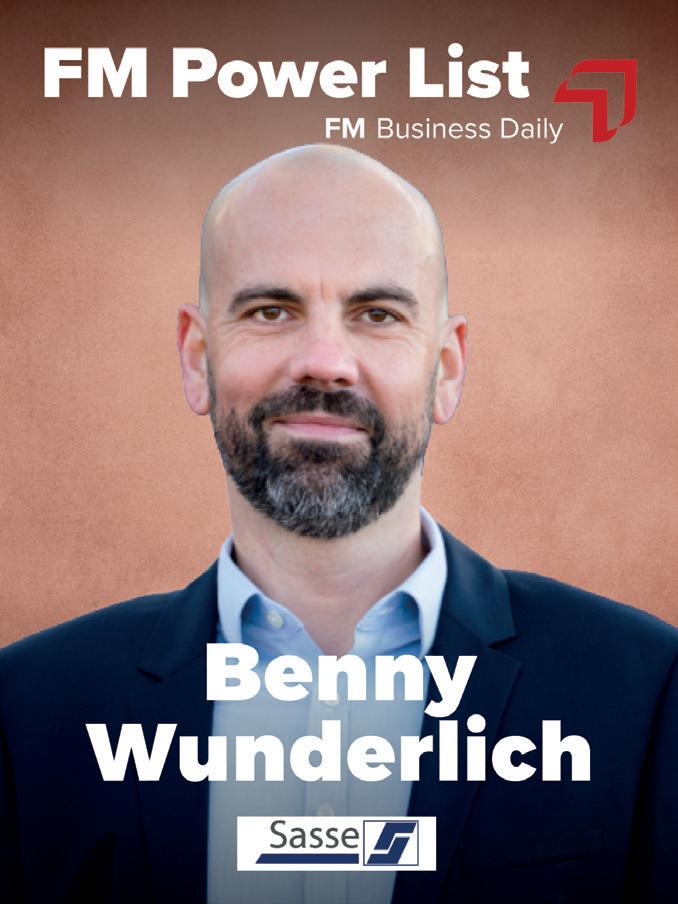
Group Managing Director - Sasse UK
Benny Wunderlich is Group Managing Director of Sasse UK, where he has played a central role in transforming the business into one of the UK’s leading integrated facilities management providers. With a background in Economics, Benny has spent the past 16 years building the UK operation of the Sasse Group from the ground up, driving sustained organic growth alongside a series of strategic acquisitions.
Key Services:
Integrated FM Services, Cleaning, Hygiene and Support Services, Fabric Maintenance, Projects, Passive Fire Protection, Planned Preventative Maintenance (PPM), Reactive Maintenance, M&E services






Twelve months ago, PTSG launched its first fully in-house recruitment team. Here is what they have built, why it matters and what comes next.
Before last year, every hire at PTSG went through external agencies. Across a business of over 3,000 people, spanning more than 40 integrated companies, that meant dozens of suppliers, inconsistent processes and significant cost, with no central oversight.
That changed when PTSG launched its in-house recruitment team 12 months ago, bringing together a group of specialist recruiters under one roof for the very first time. Today, that team of nine covers every division of the business, from Fire Solutions and Electrical Services to Water Treatment and Building Access Specialists, and it has fundamentally changed how the company thinks about hiring.
In their first year, the team hired more than 800 people across the PTSG Group. Agency spend as a proportion of total hiring costs has dropped significantly, with the team delivering cost avoidance well in excess of its original Year One target.
Turnover among the direct workforce has reduced and the team’s interview-to-offer ratio sits at 2.5:1, meaning that roughly one in every two and a half candidates put in front of a hiring manager receives an offer. In recruitment terms, that is a strong signal of quality, not just volume. The onboarding process has been transformed too. What previously took days now takes minutes, thanks to automated systems introduced and developed by the team. For candidates moving from offer to their first day, it is a smoother, faster and more professional experience.
Oli Smith, Recruitment Manager, PTSG explained: “We set out with a clear goal: to build something the business could genuinely rely on. The results in year one have gone beyond what we expected, but for me, it is about the foundation we have laid for what comes next.”
Since the recruitment team was established, PTSG has continued to grow through acquisition, welcoming HD Sharman and ITAC, System Hygienics, UKSM, Earth Tech LPS and Testing Services (UK) Ltd into the Group.
Each acquisition has brought new colleagues, new processes and new hiring requirements, with the recruitment team playing a key role in supporting integration from day one.
A year ago, PTSG had no in-house recruitment function. Today, it has a team that has delivered more than 800 hires
From establishing recruitment systems and rebuilding attraction strategies to connecting new colleagues with the wider PTSG network, the team has helped ensure a smooth transition into the Group.
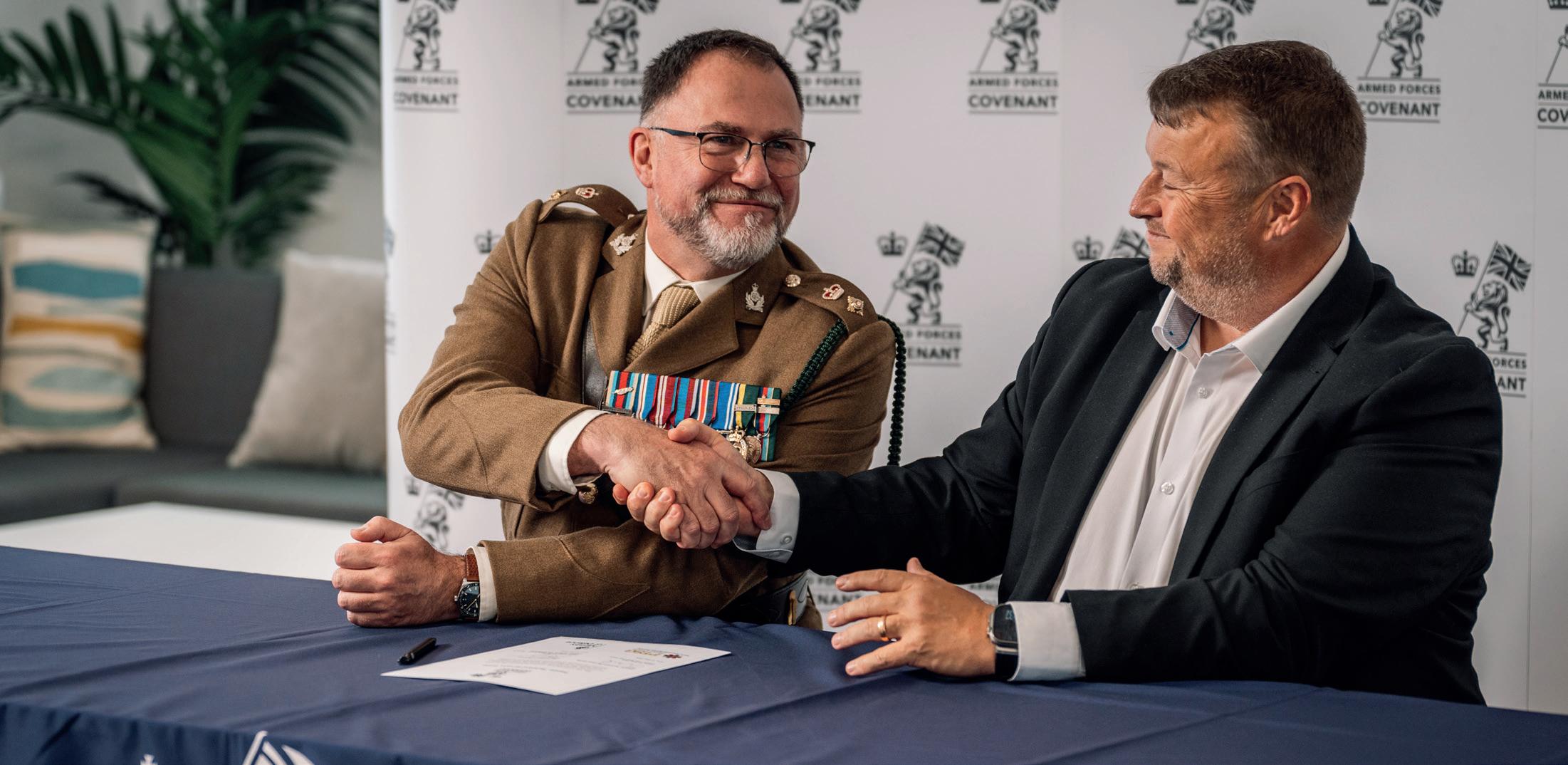
The team has also driven progress on initiatives that go beyond filling vacancies. PTSG signed the Armed Forces Covenant earlier this year, a commitment championed by the recruitment team that has opened new talent pipelines with service leavers and reservists.
Work is also underway to deepen the use of behavioural and psychometric assessment tools, helping improve not only who the business hires, but how effectively individuals are matched to roles where they can thrive and build long-term careers.
Of the colleagues brought in to launch the function, almost all remain with the business a year later - no small achievement in the recruitment profession.
The team has built strong relationships with hiring managers across every division, transforming what was once a fragmented, agencyled process into a collaborative partnership.
Internal mobility has improved too. More people are now moving between divisions and businesses within PTSG, supported by a more connected approach to talent that simply did not exist before.

The team is actively building talent pools, ensuring that when opportunities arise, there is already a pipeline of potential candidates in place.
Oli continued: “Recruitment is a people job first. The numbers matter, but what I am most proud of is the relationships this team has built across the business in just 12 months.”
Year two already has a clear direction. The team is planning virtual careers events specifically for armed forces leavers and reservists, building on the partnerships established through the Armed Forces Covenant.
New insight tools will help the business understand not only whether a candidate can do a job, but whether they are likely to stay, develop and succeed within it.

There is also a focus on reducing turnover further in some of the higher-volume areas of the business, using better hiring practices and onboarding experiences to tackle the challenges faced across the sector.
The goal is not simply to hire people well, but to set them up for long-term success.
A year ago, PTSG had no in-house recruitment function. Today, it has a team that has delivered more than 800 hires, reduced agency reliance, improved retention and created a scalable platform for future growth.
As PTSG continues to expand, the recruitment team will play an increasingly important role in ensuring the business attracts, develops and retains the talent needed to support its ambitions.























Don’t let dirty panels cost your building this summer

After months of grey skies and persistent rain, the longer days are finally here. For facilities managers responsible for commercial and industrial buildings with solar installations, that shift in the weather represents a significant opportunity – but only if the panels are ready to make the most of it.
The irony of solar energy in the UK is that the season when panels can perform at their best is also the season that follows months of rainfall, wind, and biological growth.
Moss, algae, bird droppings, leaf debris and winter grime all accumulate over the colder months.
By the time the sun arrives in earnest, many panels are operating well below their rated output – and the lost generation is rarely recovered.
The performance gap is real
Soiling and debris on solar panels can reduce energy output by as much as 20-30%, depending on the extent of the build-up and the environment. For commercial and industrial installations – where solar is increasingly embedded in wider energy management strategies – that represents a measurable financial shortfall, not just an efficiency footnote. There is also a compliance dimension that is easy to overlook. Many panel manufacturers include regular professional cleaning as a condition of their warranty.
Without documented evidence of maintenance, operators may find warranty claims complicated or rejected outright. For FM teams managing multi-site estates, keeping that documentation in order matters.
More than just a clean
NSS Group, a specialist services company and part of PTSG, introduced a new service to its portfolio earlier this year, providing professional solar panel cleaning for commercial, industrial and large-scale installations across the UK.
The service uses purified water systems with soft-bristle brushes – no chemicals that could degrade panel coatings or void warranties –and is carried out entirely by directly employed operatives trained to work safely at height.
Alongside the clean itself, NSS provides full photographic documentation before, during, and after each visit, along with inspection reporting that flags any issues affecting performance. For FM teams with reporting obligations or contract KPIs, that paper trail has practical value beyond the cleaning itself.
The service can also be coordinated alongside electrical testing for a complete performance check in a single planned visit – with specialist engineers attending for each discipline – useful for teams looking to consolidate maintenance activity and reduce access costs.
Planning ahead
For most installations, professional cleaning every six to twelve months is sufficient to maintain performance – though sites in high-pollution areas, or those with significant tree coverage or bird activity, may benefit from more frequent attention.
The start of the productive season is a logical point to schedule a clean: panels are brought up to full efficiency before peak generation and any issues identified during inspection can be addressed before they develop further.
NSS operates with 24/7 call-out availability and national coverage and uses no subcontractors – meaning the same standards apply regardless of location. Access platforms and safety equipment are included as standard.
With energy costs still a live concern for most estates and sustainability commitments increasingly tied to measurable output, getting the most from an existing solar installation is sound practice. A professional clean at the start of the summer period is one of the more straightforward ways to do it.
For more information on NSS Group’s solar panel cleaning service, visit nssgroup.com or call 03459 677477
Soiling and debris on solar panels can reduce energy output by as much as 20-30%

By Peter Smyth, Director of Innovation and Technology, Bidvest Noonan
For more than a decade, the smart building label has mostly meant one thing: data dashboards telling you what has already happened in your space; whether yesterday, last week or last quarter. Useful to have, but a passive approach.
The shift now underway is more active. Buildings are starting to respond in real time. Occupancy sensors trigger cleaning rounds where they are actually needed and security patrols are redirected to where footfall has spiked. Engineering teams get alerted to issues before they become tickets.
This is the operational reality that Almost all (97%) FM leaders are betting on, with all of them planning to increase technology investment over the next 12-to-24 months, and none expecting a decrease. Two thirds (68%) of those running estates over 500,000 sq ft anticipate significant increases.
These figures come from Bidvest Noonan’s research into the tech investment plans of 110 FM decision-makers.
What occupancy-led service delivery actually looks like In practice, occupancy-led delivery means cleaning teams are now attending rooms based on their usage, not a rigid schedule. It means meeting rooms are heated and lit only when they are booked and occupied. It means a wall-mounted IoT button in the washroom, so users can flag up spills or empty dispensers when they happen, alerting the on-site cleaner who can fix the issue in moments, before a formal complaint reaches the helpdesk. The efficiency gains are obvious, while the sustainability gains follow naturally, because you stop running services to empty rooms. The workplace experience improves because the building services are set to respond to the people inside it, not to a schedule drawn up six months ago.
Why integration is now the real challenge
The sensors themselves are no longer the problem. The hardware is available, capable and increasingly affordable. The challenge is making it all talk.
More than half of FM leaders (57%) cite integration complexity with legacy systems as one of their biggest adoption challenges. And two thirds (65%) point to insufficient planning as the top reason technology underperforms. When occupancy data cannot reach your Building Management Systems (BMS), ComputerAided Facility Management (CAFM) or workforce platform, you do not have a smart building. You have a collection of expensive standalone reports.
The fix has to start before procurement. Define your data, access, format and communication requirements first, then specify the kit. Ask vendors for evidence of how their systems integrate with what you already have, not just assurances. And involve your FM teams early, because they hold the operational view that decides whether the integration will actually work in service of the building.
The leadership discipline that separates success from sprawl
Smart building investment only pays back when the operational basics are right from the start. If you layer sensors and AI onto a poorly run estate, you simply produce more data about your problems, without resolving anything. The technology amplifies whatever it finds, good or bad.
This is where leadership shows up. More than half (54%) of FM leaders identify executive leadership support as the single most critical success factor, ranking ahead of every other variable. Four in ten (44%) point to clear success metrics defined upfront, while similar proportions (43%) point to good integration with existing systems.











These three elements all have something in common; they relate to decisions made before the first sensor is installed, not after. Almost all (96%) organisations now have frameworks in place to measure technology outcomes. The discipline is there. What is needed is leadership to apply it.
What property owners and FM leaders should expect next
Three things separate the next wave of workplace technology from what came before. First, interoperability becomes a contractual requirement. Tendering for occupancy sensors without specifying how they will integrate with your existing platforms is increasingly hard to justify.
Get things wrong, and your technology investment will simply mean you spend a great deal to learn what your FM team has been telling you for years
Modern APIs make it possible to connect legacy systems with newer tools without wholesale replacement, but you need to ask.
Second, AI moves from futuristic buzzword to operating reality. AI is evolving at a fast pace, an exciting recent development is the merging of Generative AI with the Physical AI of machinebased AI tools. That allows us to talk directly to smart building platforms or security systems, just as we would prompt a chat bot: “What were the busiest washrooms yesterday?” Or, “run a report showing floors with low occupancy last week”, “recommend areas where I can reduce cleaning schedules”, “alert me when fire exits are blocked.”
Third, the people side stops being treated as an add-on. Training and change management are the difference between a pilot that scales and one that gets quietly shelved in its second quarter. The teams using the data need to understand why their patrols have changed.
Conclusion
Smart buildings are standing on the threshold, but they need to be ushered in. The budgets are signed off and the hardware does what it says on the box. What now separates the leaders from the laggards is effective implementation, disciplined integration and visible executive sponsorship. Get those elements right, and your building moves from reporting on the past to responding to the present. Get things wrong, and your technology investment will simply mean you spend a great deal to learn what your FM team has been telling you for years. Statistics sourced from Bidvest Noonan’s report, FM Technology Outlook 2026.














The definit ive FM industry newsletter
Monday
Hard services and construction focus


Wednesday
Soft services focus



Friday
A combo of the week’s biggest stories, video interviews and exclusive features from across the FM industry


Nicholas Donnithorne, UK Technical Manager at Peter Cox
Warmer weather is now upon us, and while many will be looking forward to enjoying the summer break, for facilities managers it’s a key time to conduct property checks.
It’s important to consider seasonal pests such as woodworm, which thrive during the spring and summer months, as part of this.
While woodworm infestations are typically associated with older buildings, they can take hold in a property of any age so should be a priority for all facilities managers. Woodworm can go undetected for years, weakening the structural integrity of timbers and potentially causing thousands of pounds in damage and repairs bills – so it’s important to catch them early.
Staying informed and being aware of the signs of an infestation as we head into summer will be critical to avoiding costly repairs later down the line.
What is woodworm?
Woodworm affects thousands of buildings across the UK each year. The most notable species is the Common Furniture beetle (Anobium punctatum), which is responsible for 80% of beetlerelated timber damage in domestic properties alone. Woodworm is a popularised name given to the larvae of the Common Furniture beetle. The beetles lay their eggs on wood and, once hatched, the larvae burrow into the wood and feed on its natural carbohydrates, including cellulose for 3-5 years, before emerging as an adult beetle. This means any property which uses timber can be impacted, and woodworm can even infest wooden furniture.
How does woodworm affect historic properties specifically?
Older properties tend to contain large amounts of original timber, including structural frames, roof beams and panelling that may be several decades old – meaning they are most at risk.







In severe cases, prolonged infestation can weaken structural timbers and compromise the stability of the property.
Historic properties also have a heightened risk of damp due to ageing materials, limited ventilation and vernacular construction methods, creating ideal conditions for woodworm to flourish. However, these issues can impact properties of all ages, so it’s vital to familiarise yourself with the signs of an infestation.
Spotting the signs of woodworm
Woodworm can often remain hidden in timber for years, only being discovered when it gives way. But there are telltale signs that facilities managers need to be aware of. These include flight or exit holes left as the adult beetle emerges – typically 1-2mm in diameter – and bore dust which is the dried digested wood fibre deposited by the larvae. Floorboards, joists, roof beams and wooden furniture can all show these signs, especially in unvarnished areas. Another indicator is the presence of live or dead beetles, mostly found near window sills where they are drawn to natural light, when they emerge between April and September.
If these signs appear, it could suggest an active infestation and a professional timber inspection may be required to assess the extent of the problem and confirm whether treatment is necessary.
How to treat woodworm
Woodworm treatment methods can vary depending on the species of wood-boring beetle involved, making accurate identification by a qualified surveyor essential in determining the most effective course of action.
Standard treatments typically involve the application of waterbased insecticidal formulations to exposed timber surfaces, targeting both emerging insects and larvae within the wood.
While minor infestations of Common furniture beetles may sometimes be managed with DIY solutions, more serious cases should be thoroughly assessed by a specialist.
In more advanced circumstances, seriously affected timber may require structural reinforcement using resin based techniques, or full replacement where the wood has deteriorated beyond repair.
Improved ventilation, particularly in sub-floors, can also help to prevent woodworm by reducing dampness. This can mitigate the chances of woodworm developing and spreading.
A strategy for getting ahead of woodworm
Adopting a preventative approach by carrying out regular inspections of timber structures, particularly in older buildings, should be a priority for facilities managers this summer.
This includes working with qualified specialists, transparency with tenants or stakeholders and implementing both treatment and longterm prevention measures to avoid recurrence.
Taking decisive action against woodworm can prevent irreversible damage to buildings and costly repair bills. No matter the age of your building, being proactive in checking for warning signs, and knowing when to call the experts, will help you stay ahead this summer.
Any property which uses timber can be impacted, and woodworm can even infest wooden furniture
Elior UK has announced that Catherine Roe (near right) has taken the decision to step down from her role as Chief Executive Officer of Elior UK. Michal Seal (far right), currently Managing Director Healthcare, has been appointed to succeed her.
Catherine Roe’s decision marks the conclusion of an outstanding career within the Elior Group, to which she has devoted more than twenty years of professional commitment, including twelve years leading Elior UK. Throughout this time, Catherine has embodied a style of leadership that has been both demanding and deeply peoplefocused, making a significant contribution to the transformation and reputation of the business. The company has achieved significant growth during Catherine’s tenure as CEO, both in terms of revenue and profitability.
To ensure the smoothest possible transition, Catherine Roe will remain with Elior until 30th September 2026 and work closely with Michal Seal during this time.
Michal Seal has established a strong reputation as a strategic, commercially astute and results-driven leader, recognised for building high-performing teams and delivering sustained business growth.


CMost recently, she has successfully returned the UK Healthcare business to sustained profitability through a clear focus on growth, client retention, operational efficiency and disciplined cost management.
orps Security has realigned its operational senior leadership around a new integrated operating model, with Paul Lotter appointed as Chief Operating Officer to lead the change.
Underpinning the realignment are Corps’ three core divisions: Corps Security, security guarding; Corps Monitoring, remote monitoring; and Corps Intel, intelligence, risk and consultancy, which now come together under one unified operating model. This will ensure customers benefit from complete, 360-degree proactive and reactive security solutions tailored to their businesses, driving efficiency and innovation.
To deliver this new approach, Lotter will lead a senior team spanning the breadth of Corps’ operations. His direct reports include Divisional Directors, National Accounts Director, Director of National Operations Centre, Mobilisation Director and Director of Corps Intel. Lotter will provide strategic and operational leadership across the business, working closely with operational teams to drive seamless coordination and continuous improvement.
Prior to joining Elior, Michal Seal spent more than seven years with SSP Group, where she has played a key role in driving market-leading sales performance and profitability via innovation, a relentless commercial focus and strategic brand development.
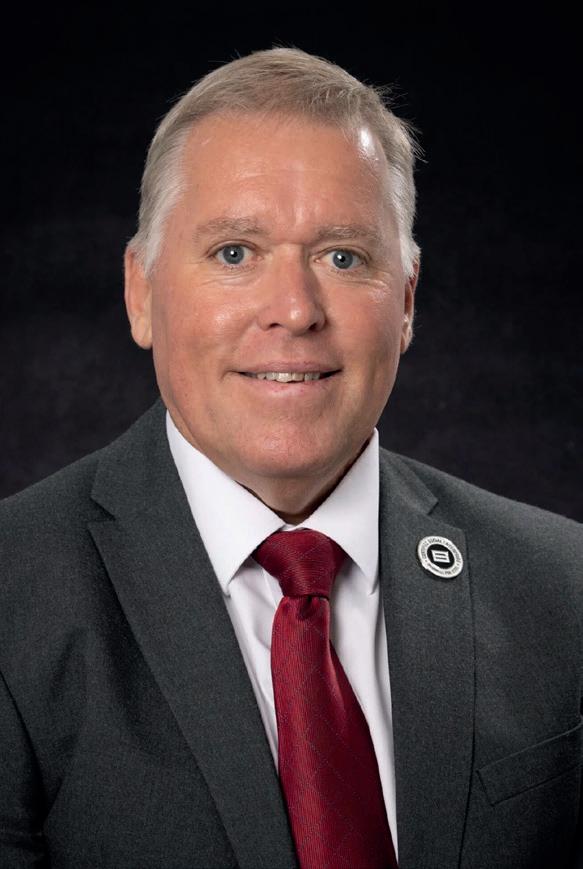
PTSG Fire Solutions is delighted to announce the appointment of Kelly Mosedale as Divisional Sales Director, effective from 01 June 2026.
Kelly joins the business with an exceptional track record of commercial leadership and business growth within the fire and security sector, having spent more than a decade with Johnson Controls International (JCI), formerly Tyco, ADT and FCF. During her tenure, she established herself as one of the industry’s most accomplished sales leaders, consistently delivering outstanding results across both installation and service portfolios whilst leading high-performing national sales teams.
In her new role, Kelly will be responsible for leading the divisional sales strategy across PTSG Fire Solutions, supporting the continued growth of the business, strengthening customer relationships and helping to unlock new opportunities across both existing and emerging markets.
Commenting on the appointment, Michael Anderton, Managing Director of PTSG Fire Solutions, said: “We are absolutely delighted to welcome Kelly to PTSG Fire Solutions. She joins us at an exciting time in our journey as we continue to strengthen our position as one of the UK’s leading providers of fire safety and compliance services.
“Kelly brings with her an outstanding blend of commercial leadership, strategic thinking and operational understanding, together with an impressive track record of delivering sustainable growth at scale.
Multi-award winning commercial and office cleaning company Cleanology has promoted Juliet Widdicombe to be its new Managing Director.
The move marks a meteoric rise for Juliet who only joined Cleanology four years ago as Operations Director before achieving a promotion to Associate Director two years ago.
The top post is a reward for South Africanborn Juliet establishing herself as an integral member of the leadership team and impressing with her dedication, innovation and peoplefirst approach, which has played a key role in shaping the family owned 1400 employee business during a period of significant growth.

“Just as importantly, she shares our values around customer service, teamwork and developing high-performing people.”
Kelly’s appointment further reinforces PTSG’s commitment to attracting the very best talent from across the industry as the Group continues to invest in its people, capabilities and long-term growth strategy.
Juliet said: “The most enticing factor about working at Cleanology is that it allows you to be brave. We have a dynamic leadership team which isn’t scared to push forward and back bold decisions. We are constantly pushing boundaries to elevate the business as well as the wider industry and there is a real shared ambition across the business to keep raising standards for our clients and our people.
“We have also made a substantial investment into our new Learning & Development department this year to create clear pathways for our staff. The feedback already from new staff is that they have never previously experienced training of such depth and support. We attach huge importance to this because we want a committed, motivated and happy workforce with genuine opportunities to progress.

ChargePoint, a global leader in electric vehicle charging solutions, recently announced the appointment of Jyothi Swaroop as Chief Marketing and Growth Officer. In this role, Swaroop will lead ChargePoint’s global go-to-market strategy, including marketing, go-to-market operations, sales enablement, growth initiatives, partner monetisation, and new market expansion.
Swaroop joins ChargePoint at a pivotal moment in the Company’s transformation as it sharpens its focus on profitable growth, platform expansion, strategic partnerships, and long-term category leadership. Reporting directly to CEO Rick Wilmer, Swaroop will play a central role in advancing ChargePoint’s three-year strategy by strengthening the Company’s market position, expanding its growth engine, and elevating its narrative with customers, partners, drivers, and investors.
“ChargePoint is entering a new phase — one defined not only by operational discipline, but by growth, execution, and market leadership,” said Rick Wilmer, Chief Executive Officer of ChargePoint. “Jyothi brings the rare combination of enterprise technology depth, go-tomarket rigor, strategic storytelling, and growth leadership that this moment requires. As electrification expands beyond passenger vehicles into fleets, logistics, autonomous systems, robotics, energy infrastructure, and intelligent software-defined mobility, ChargePoint has an opportunity to lead a much larger market than the industry has historically understood. Jyothi will help us define that opportunity, execute against it, and make it real.”
ABM, a leading provider of integrated facility services and solutions, is continuing to expand its presence in Ireland’s rapidly growing life sciences sector with the appointment of Bekah Pile as its first GMP (Good Manufacturing Practice) Microbiologist. The appointment is a significant milestone in the company’s life sciences sector, strengthening its GMP expertise across pharmaceutical and medical device manufacturing.
The appointment of Bekah Pile is a significant step in building ABM’s dedicated microbiology team supporting pharmaceutical and medical device manufacturing environments, supporting the company’s continued investment in specialist expertise to meet increasing client demand. Ireland remains a key market for ABM’s life sciences growth, with the business supporting clients across complex, highly regulated environments. The addition of in-house microbiological expertise enhances ABM’s ability to deliver safe, compliant and high-quality facilities, while further embedding GMP excellence across its service offering.
The Munnelly Group has announced the appointment of Tom Emery as Managing Director of Weston Analytics, reinforcing the growing importance of technology, data and innovation within their business strategy.
Tom brings more than a decade of experience in operational leadership, utilising data and analytics to drive service transformation and performance improvement within complex and high-volume environments.

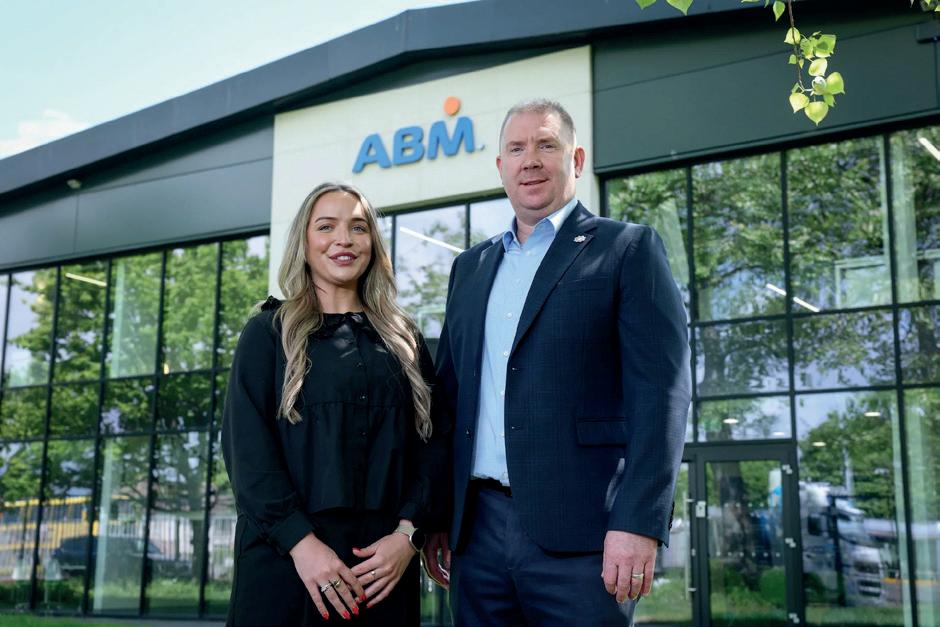
In previous roles at both Heathrow and Wilson James, Tom has managed large operational portfolios across critical service operations, along with digital transformation programmes and business improvement initiatives across aviation and transport, security, and workforce operations.
In his new role at Weston Analytics, Tom will lead the continued development of digital and analytical capability across the group with a focus on creating scalable solutions that help businesses operate smarter, make faster decisions, and unlock greater value from data and operational intelligence.
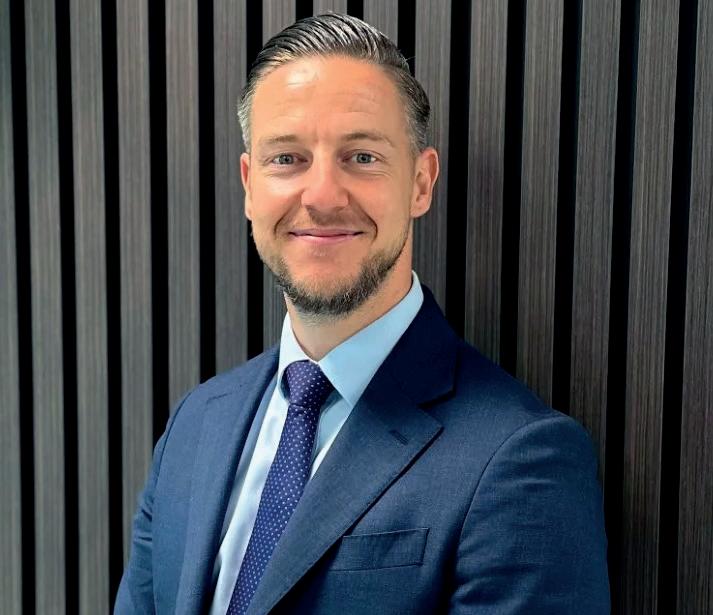




Building Transformation simplifies building envelope repairs and maintenance through safe specialist access, technical insight and a collaborative approach. enquiries@buildingtransformation.co.uk buildingtransformation.co.uk 01234 589 807

GIND UK delivers ambitious projects in challenging environments. Our London-based engineering and design team specialises in bespoke access system maintenance for the world’s most iconic buildings. info@gind.uk www.gind.uk 0800 448 8884

For almost 30 years Julius Rutherfoord has been passionate about providing professional cleaning services to some of the most prestigious organisations in the London area. info@juliusrutherfoord.co.uk https://www.juliusrutherfoord.co.uk/ 020 7819 6700

Specialist contractor Composites Construction UK operates throughout the UK and Europe. Using innovative methods, we carry out structural strengthening and repairs to concrete, timber, and masonry structures. contact@fibrwrap-ccuk.com www.fibrwrap-ccuk.com 01482 425250
FASET is the established trade association and training body for the safety netting and temporary safety systems industry. We support members with guidance, training, and exclusive benefit schemes. enquiries@faset.org.uk www.faset.org.uk 01948 780652

Integral Cradles Ltd. delivers permanent façade access solutions across the UK, specialising in high buildings with unique specifications and demands. A whole life-cycle solution. kevin@i-cradles.com www.i-cradles.com 0845 074 2758

neutral carbon zone (NCZ) is a full-service platform that gives you the tools your company needs to make the transition to a carbon neutral business and beyond. gozero@neutralcarbonzone.com www.neutralcarbonzone.com
0845 094 5976
SAEMA has a long history in delivering the best training and guidance in the temporary and permanent suspended access industry. We are committed to advancing safety through raising the standards in best practice. info@saema.org https://www.saema.org/ 01948 838616


Project Management Global is a media platform and community for professional project managers. Providing informative news, industry insights, career support, resources and jobs for project managers across the globe. news.pm-global.co.uk

Seddon Management Services strives to offer the best solutions for trade associations to keep their members safe and compliant. becky@managementandauditing.co.uk www.seddonmanagementservices.co.uk 07854 226251
Lemon Contact Centre is a leading contact centre for the FM industry. Leveraging 20 years’ of expertise, our 24/7 contact centre services provide unparalleled flexibility, scalability and resilience for your business. Lemoncontactcentre.co.uk 0800 612 7595

Premier Technical Services Group Ltd (PTSG) is the UK’s leading provider of specialist services to the construction and facilities management sectors. info@ptsg.co.uk
https://www.ptsg.co.uk/ +44 (0) 1977 668 771




YorPower is one of the industry’s most trusted providers of back-up power solutions (generators and UPS) for customers in a wide variety of sectors, both in the UK and around the world. sales@yorpower.com www.yorpower.com 01977 688155

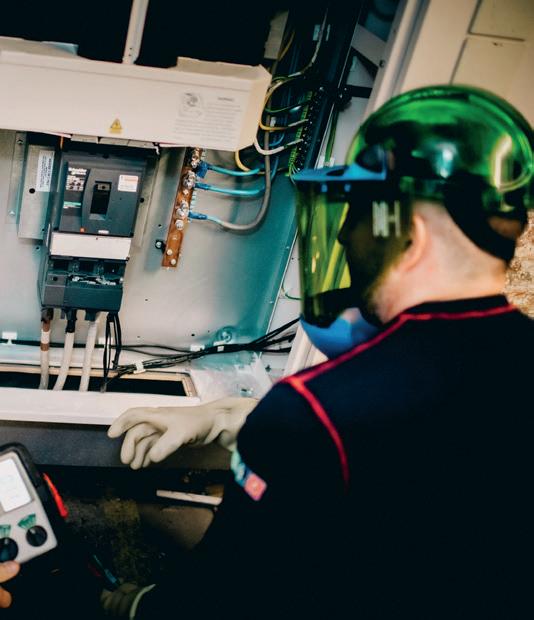

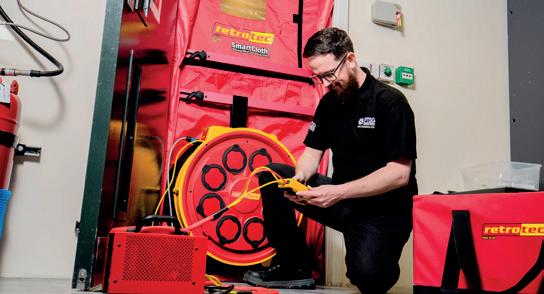
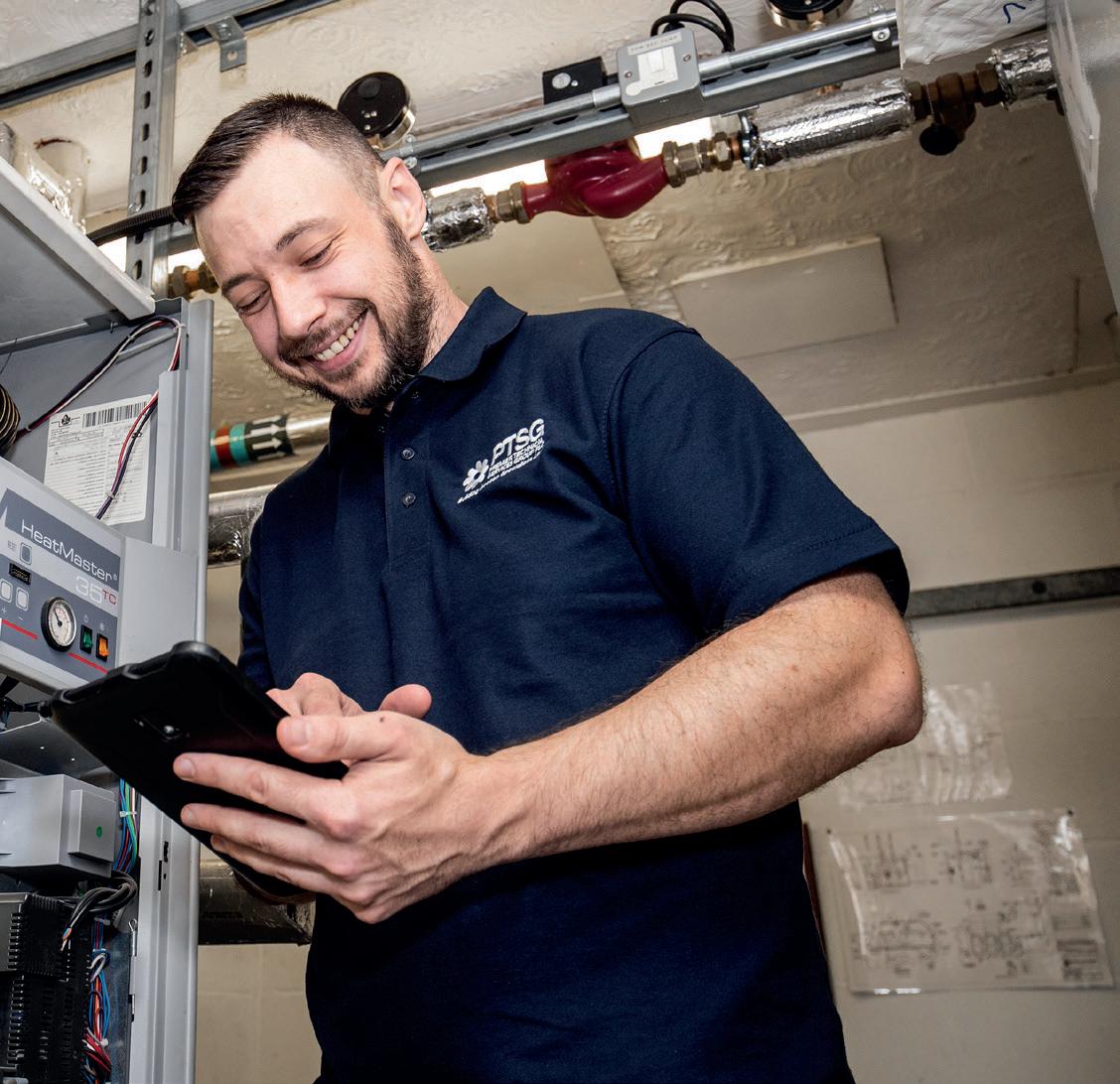
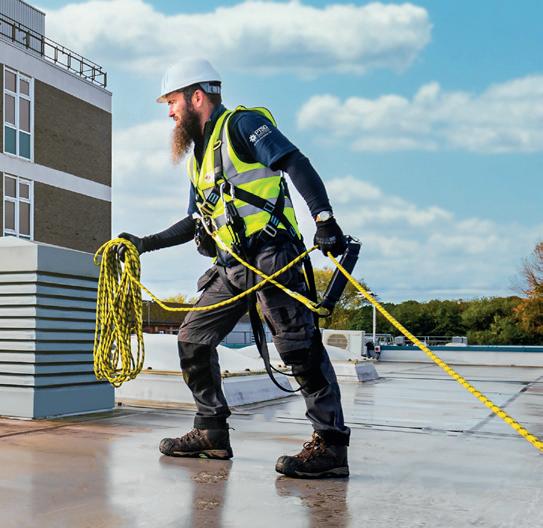



Managing compliance across complex buildings isn’t a single-service challenge.
It requires specialist expertise, coordination and absolute confidence in delivery.
PTSG brings together five critical disciplines under one group, providing integrated specialist services that protect people, assets and operations nationwide.
Specialist services for safe, compliant buildings.