More Than Clean: Vectair’s Wendy Parsons on How Washroom Hygiene Became a Wellbeing and Sustainability Priority
From Social Value to Service Delivery: ISS on How FM is Unlocking a New Workforce
July 2026
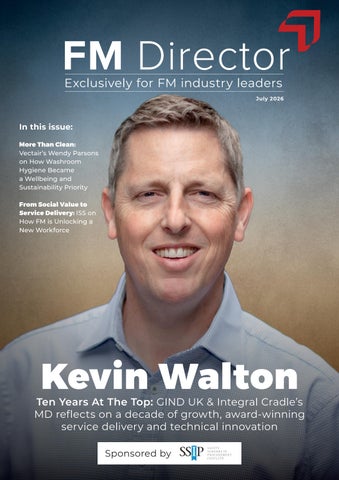
Kevin Walton
Welcome to the July issue of FM Director
What a crazy few weeks! A new Prime Minister, record-breaking heatwaves and one of the biggest acquisitions the FM industry has ever seen
– the OCS and Mitie deal – it’s all been happening!
We’ve been keeping up with all the news in our thrice-weekly newsletter, so if you aren’t subscribed already, make sure you sign up today and never miss out on what’s going on, and what we think about it! Subscribe here
As well as keeping up with everything that’s been going on, we’ve also been busy putting together some exclusive interviews and features for you to enjoy in this issue.
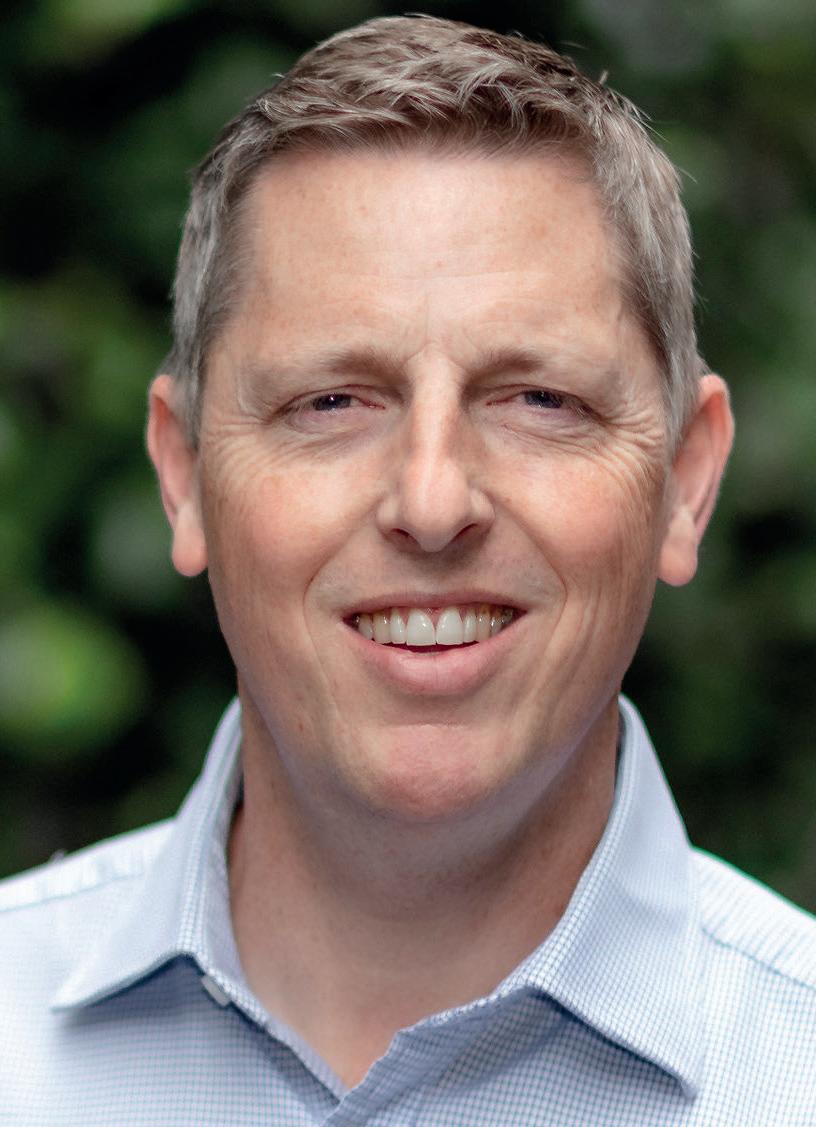
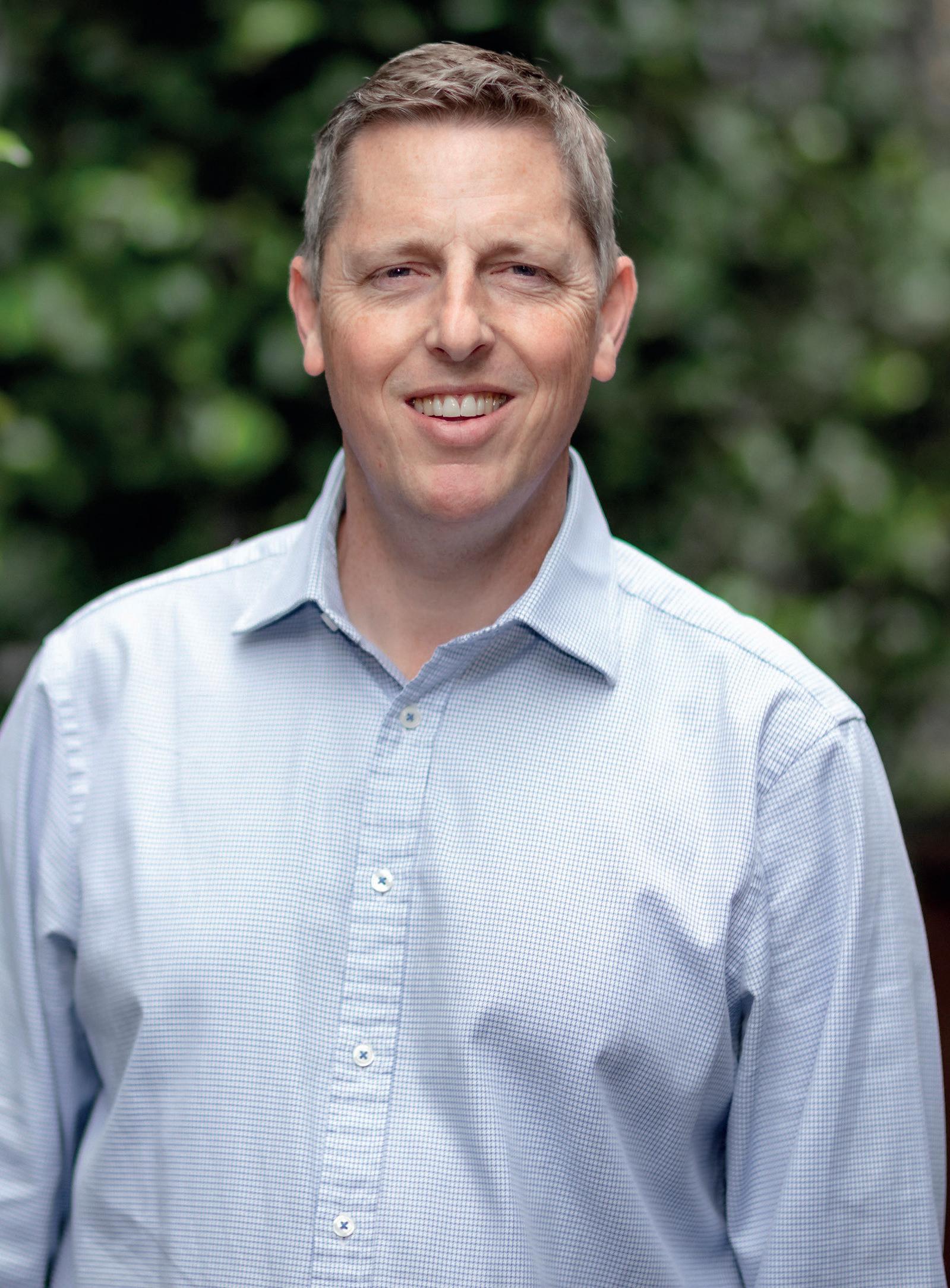
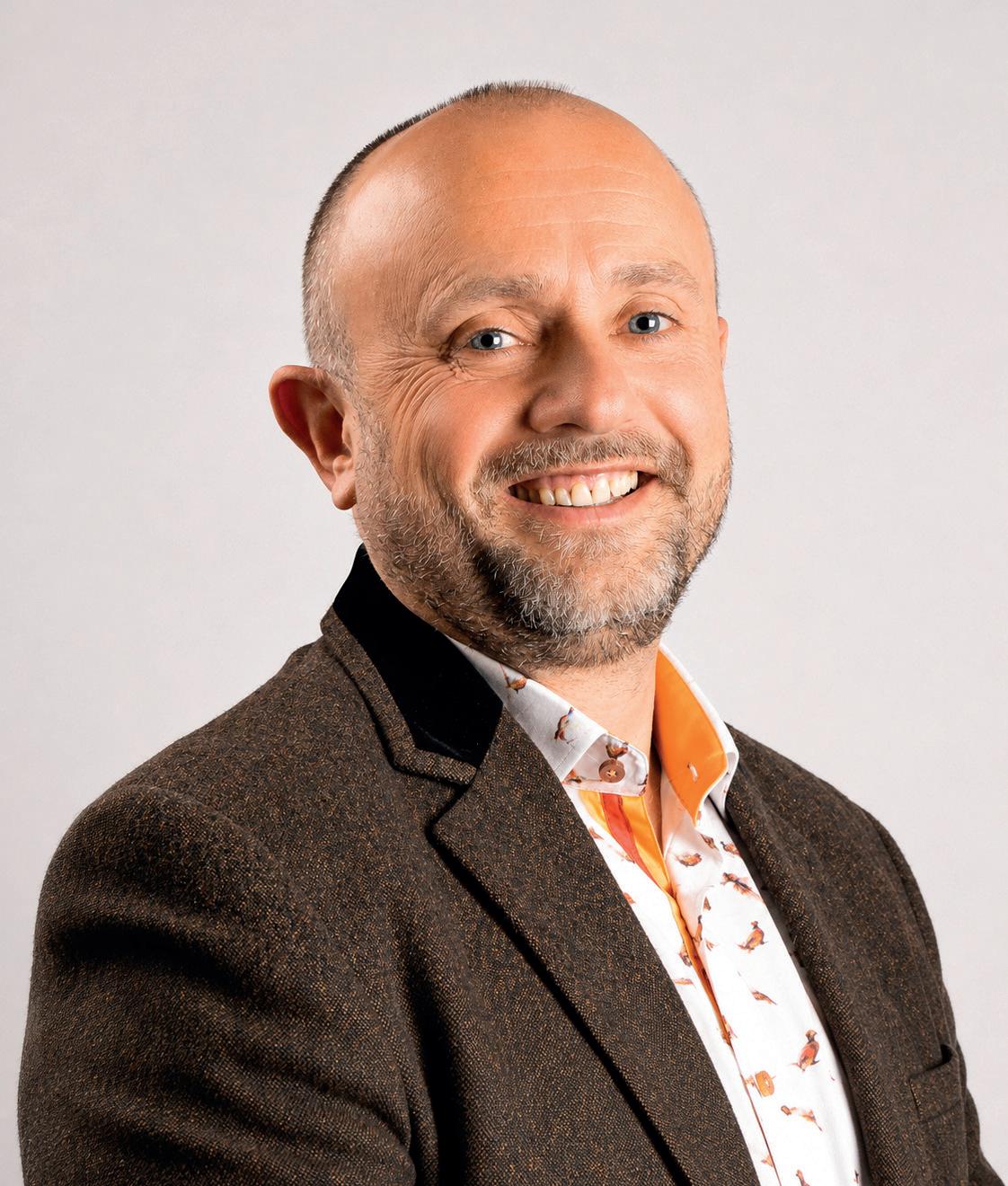
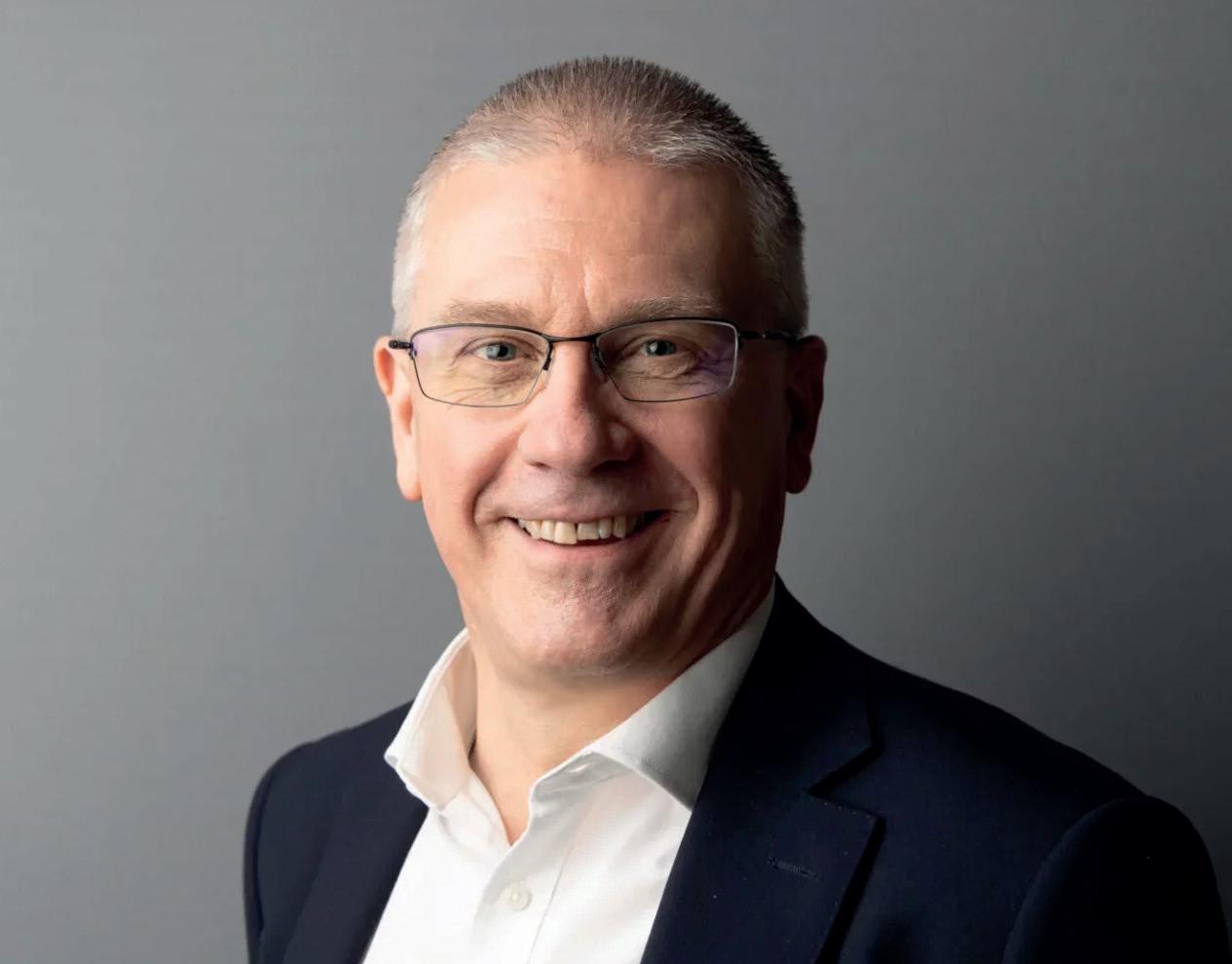
Our cover star this month is Kevin Walton, Managing Director of GIND UK and sister company Integral Cradles. He reflects on a decade of growth, award-winning service delivery and technical innovation, and explains why the next ten years promise to be even more ambitious.
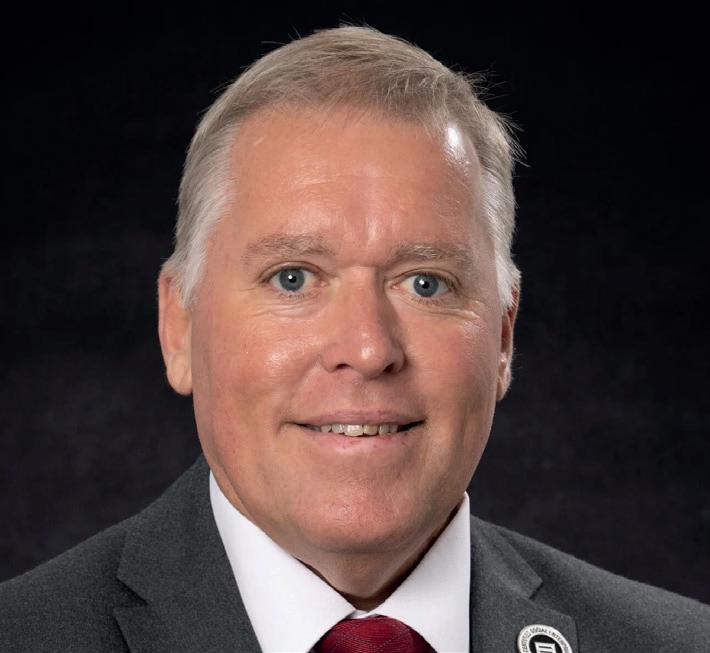
Wendy Parsons, Account Manager at Vectair, recently met with me to discuss how the Covid pandemic permanently raised expectations around hygiene and occupant experience, why sustainability now shapes every conversation she has with customers, and what the next generation of air care and washroom technology looks like in practice. We also speak to Adam Atkins from Coat Facilities about the challenges, changes and the creation of the company. And as if that wasn’t enough, we also have features from PTSG, ISS and Skyform.
I hope you enjoy this edition, and as always, if there is anything you’d like to discuss with me, please contact me at claire.middleton@businessdailygroup.co.uk .
Thanks
Claire Middleton
Contents
fmdirector@fmbusinessdaily.com
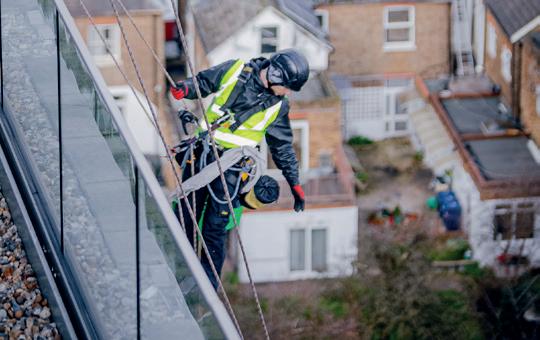
Ten years at the top: how GIND UK became the benchmark for warrantied façade access maintenance
Speaking to FM Director, Kevin Walton, Managing Director of GIND UK and sister company Integral Cradles, reflects on a decade of growth, award-winning service delivery and technical innovation, and explains why the next ten years promise to be even more ambitious
Managing Editor
Claire Middleton
Cassidy
From social value to service delivery: How FM is unlocking a new workforce
Three weeks before starting work in a portering and mailroom role with ISS in Liverpool, Andrew Norton was homeless
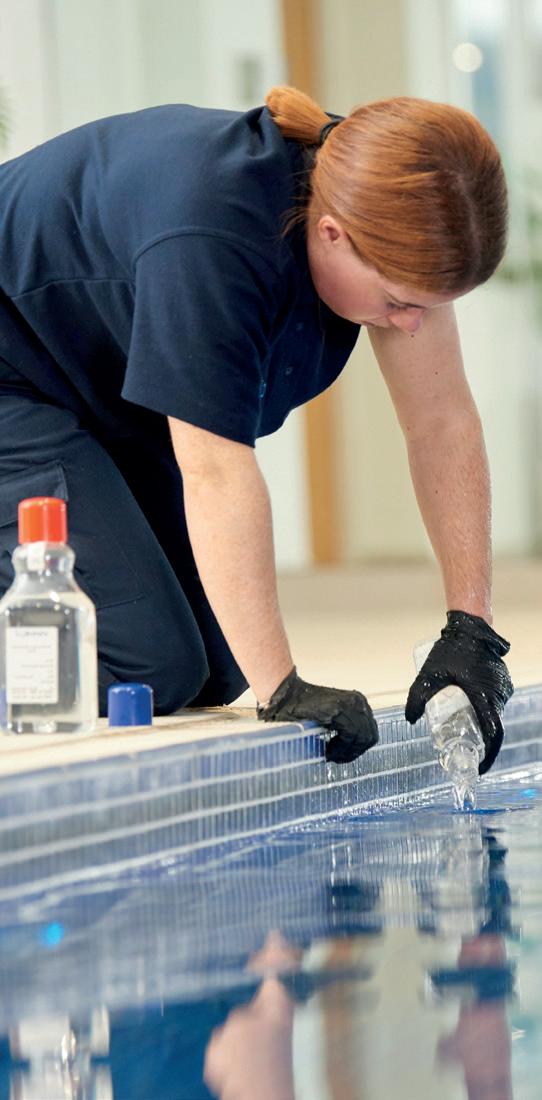
More Than Clean: How Washroom Hygiene Became a Wellbeing and Sustainability Priority
We recently sat down with Wendy Parsons, Account Manager at Vectair, to discuss how the Covid pandemic permanently raised expectations around hygiene and occupant experience, why sustainability now shapes every conversation she has with customers, and what the next generation of air care and washroom technology looks like in practice
The views expressed in the articles reflect the author’s opinions and do not necessarily reflect the views of the publisher and editor. The published material, adverts, editorials, images and all other content is published in good faith.
Ten years at the top: how GIND UK became the benchmark for warrantied façade access maintenance
More than a surface: Jake Douglass on why the workstation is one of FM’s most overlooked assets
From social value to service delivery: How FM is unlocking a new workforce
More Than Clean: How Washroom Hygiene Became a Wellbeing and Sustainability Priority
Challenges, Change and the Creation of Coat: FM founder reflects on 16 years in business
Removing the Human Risk: Why the Future of Solar Maintenance Belongs to Robotics
Ten years at the top: how GIND UK became the benchmark for warrantied façade access maintenance
Speaking to FM Director, Kevin Walton, Managing Director of GIND UK and sister company Integral Cradles, reflects on a decade of growth, award-winning service delivery and technical innovation, and explains why the next ten years promise to be even more ambitious
When GIND UK was formally incorporated a decade ago, few would have predicted the scale and pace of what followed.
Founded in August 2016 as a maintenance partner to façade access installation specialist Integral Cradles, the company initially existed to support beneficial use and maintenance requirements arising from Integral Cradles’ construction contracts. It was a complementary function rather than a business in its own right. That began to change significantly in 2020, when Kevin Walton stepped in to lead the company and shape it into something altogether more ambitious.
“We made a conscious decision to build GIND UK into a genuine standalone business,” Kevin said.
“The vision was clear: to become the UK’s leading warrantied maintenance provider for GIND SAU products, with a tailored offering specifically designed for the FM sector. FM clients have very different needs from construction clients. They’re managing the whole life of a building, not just the build phase. We wanted to reflect that.”
The commercial results of that strategic vision have been striking. In 2020, from a standing start, GIND UK achieved £1 million in turnover for the first time.
Since then, the business has grown entirely organically, with 80% growth recorded over the past three years alone, a 100% recurring income base, and what Kevin described as “healthy profit margins” throughout.
A whole-lifecycle model
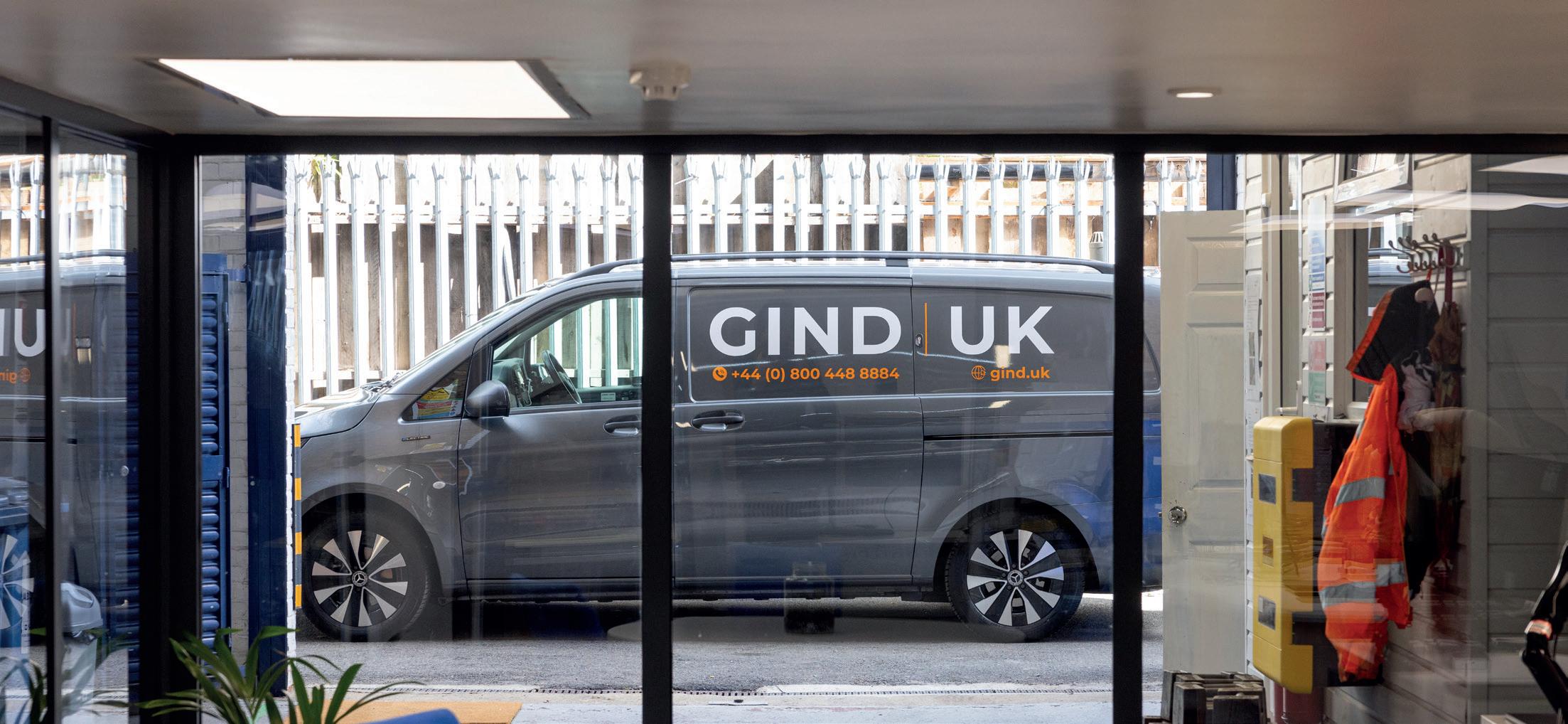
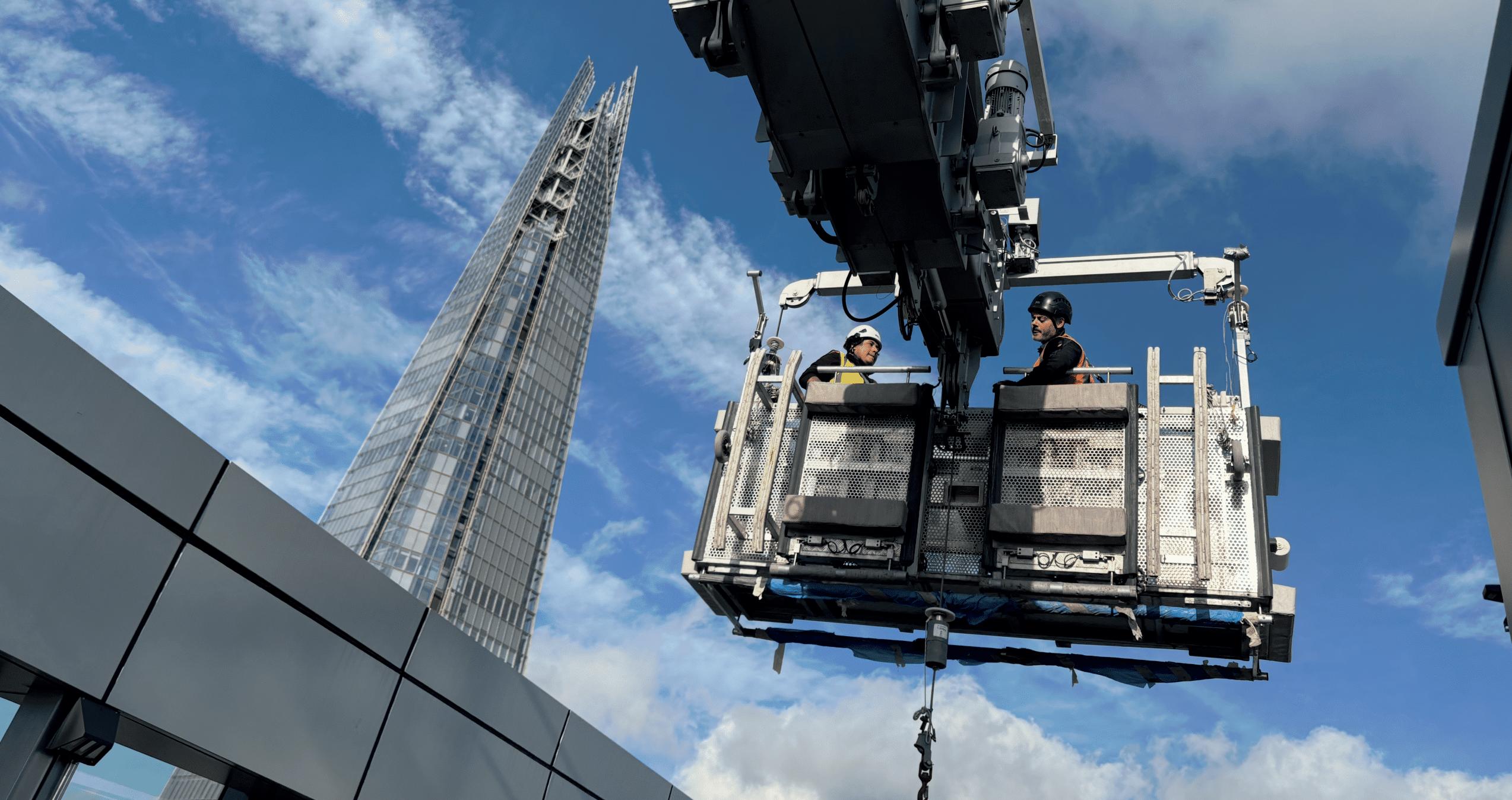
Central to GIND UK’s offer is “a whole-lifecycle solution”, a philosophy that underpins both the company’s day-to-day service delivery and its longer-term commercial strategy. Where Integral Cradles designs, manufactures and installs bespoke façade access equipment for some of London’s most prestigious buildings, GIND UK steps in as the warrantied maintainer, ensuring those systems perform safely and effectively for the full life of the asset.
“The alignment with our Madrid based, key supply company, GIND SAU, has been key to that model,” Kevin explained. “Our shared strategy has always been threefold: to supply the highest quality products, to deliver the highest quality technical and customer service support, and to back that up with manufacturer-supported warrantied maintenance. That’s what we offer the UK market, and it’s a genuinely unique proposition.”
Our clients in FM are managing assets over decades. They need a maintenance partner they can trust completely
Landmark buildings, lasting partnerships
The buildings on GIND UK’s maintenance roster read like a roll call of London’s most recognisable structures. Among the most notable are One Blackfriars Tower, 52 Lime Street (famously known as The Scalpel) and the HSBC portfolio at Canary Wharf, a relationship that has endured since Integral Cradles first installed replacement BMUs at the site in 2015. GIND UK subsequently extended its maintenance contract for the HSBC portfolio through JLL, securing the relationship well into the future.
The firm is also an approved supplier to the sector’s major property and facilities management players, including CBRE and JLL, a recognition of the confidence those organisations place in GIND UK’s technical capability and service standards.
Other long-standing partnerships include maintenance of the Goldman Sachs London headquarters and the award-winning 52 Lime Street scheme delivered in collaboration with Skanska and CBRE.
“Our clients in FM are managing assets over decades,” Kevin said. “They need a maintenance partner they can trust completely, one that understands the technical complexity of the equipment, responds proactively rather than reactively, and gives them the reporting and assurance they need to manage their own obligations to building owners and occupiers.
That’s what we’ve worked hard to deliver, and our client retention speaks for itself.”
Industry recognition
External validation of GIND UK’s approach came in September 2023, when the company won the Outstanding Contribution to Specialist Construction award at the Construction News Specialist Awards.
It was the top prize of the evening at a ceremony attended by more than 500 of the UK’s leading specialist contractors at the Hilton London Metropole, and a moment that Kevin said carried genuine weight.
buildings maintained by GIND UK in 2026
300+ 100%
systems installed by sister company Integral Cradles of portfolio under warrantied maintenance by GIND UK
The independent judging panel was particularly complimentary about the company’s broader commitments, noting that its approach to social value, training and net-zero carbon was outstanding, and highlighting its proactive rather than reactive approach to maintenance as a benchmark-setting characteristic within the sector.
“Winning that award in front of our peers meant a great deal to the whole team,” Kevin said.
We’ll continue to grow our maintenance portfolio as Integral Cradles delivers new installations across London and beyond
SSIP: Compliance Made Efficient Stop the Duplication. Start Saving.
Are you a construction supplier wasting time and money on repetitive health and safety pre-qualification assessments?
SSIP (Safety Schemes in Procurement) offers a smarter solution through Mutual Recognition and the “Deem to Satisfy” principle.
Key Benefits:
Avoid Duplicate Assessments:
Get approved by one SSIP Member Scheme, and your certification is recognised by all others.
Boost Client Confidence:
Demonstrate commitment to the highest health and safety standards and ensure smoother project collaboration.
SSIP simplifies your compliance, allowing you to focus on delivering safe, high-quality work.
Certify Once. Satisfy Everywhere.
Save Time & Money:
Eliminate redundant administrative work and assessment fees. This process attributed to over £5.5 million in direct savings in 2024 alone.
Streamlined Compliance:
SSIP certification is recognised as an exemption against Section 4 (Health and Safety) of the Build UK Common Assessment Standard (CAS).
Learn more and find your ideal SSIP Member Scheme today: www.ssip.org.uk
With GIND UK, we’ve built something we’re genuinely proud of. But the best part is that we’re still only getting started
“It wasn’t just recognition for what we’d built commercially. It was recognition that the way we do things, the values we bring to every contract, are genuinely making a difference in how our industry operates.”
Carbon neutral and future-ready
Sustainability has not been an afterthought for GIND UK. The company achieved carbon neutral status in 2026, ahead of many in the wider construction and FM sector, operating a 100% electric vehicle fleet and submitting to independent carbon auditing by Carbon Footprint Ltd. The achievement is a tangible expression of the Sustainable Horizons: A Roadmap to Net Zero strategy published jointly with Integral Cradles, which sets out a clear pathway to net-zero carbon by 2030.
Technology is playing an increasing role in how GIND UK delivers its services. The company is currently integrating artificial intelligence tools to streamline its office operations and, significantly, to enhance site operations and client reporting. It is a development that Kevin saw as central to meeting the evolving expectations of FM clients who demand greater transparency, speed and data accuracy in how their assets are managed.
“AI has real potential to transform the quality of reporting we can offer our clients,” Kevin said. “The expectation in FM is increasingly for real-time, data-rich insight into how systems are performing. We’re committed to meeting that expectation and going beyond it.”
The next decade
As GIND UK marks its tenth anniversary, Kevin was measured in his framing of what the next decade might bring. There are no grand reinventions on the horizon. The ambition, he said, is to continue doing what the company does well, but at greater scale and with even greater precision.
“We’ll continue to grow our maintenance portfolio as Integral Cradles delivers new installations across London and beyond,” Kevin explained.
“There are many significant systems scheduled for delivery in the coming years, and GIND UK will be the warrantied maintainer for those assets. Our technical expertise, our client relationships and our manufacturer-backed warranty offer are what set us apart, and we’ll keep investing in all three.”
Ten years in, the business Kevin Walton helped build from a standing start has become the standard against which warrantied façade access maintenance in the UK is judged.
As the portfolio grows and the technology evolves, the core proposition remains the same: trustworthy, responsive, manufacturer-backed maintenance that gives FM professionals the assurance they need to manage some of the country’s most complex and high-profile buildings.
“With GIND UK, we’ve built something we’re genuinely proud of,” Kevin reflected. “But the best part is that we’re still only getting started.”
To find out more about GIND UK and its warrantied façade access maintenance services, visit www.gind.uk
Elevate Your Business with UKMDA
Join the UK Metal Decking Association (UKMDA) and place your business at the forefront of the industry. UKMDA offers a powerful network and essential resources to help your company and contracts be successful. Why Join UKMDA?
Leadership & Influence:
Be part of a powerful network that shapes industry standards and works with key bodies like HSE, CITB and CSCS
Credibility & Safety:
Demonstrate your commitment to excellence with our rigorous audits and access to authoritative safety guidance.
The UKMDA is committed to raising the bar for safety and competency. Our comprehensive training programs provide your team with the skills and qualifications they need.
Core Training: Our scheme covers all aspects of metal decking and stud welding installation, taught by licensed trainers.
Nationally Recognised NVQs:
We provide NVQs that allow you and your installers to demonstrate technical competence.
A UKMDA-qualified workforce means fewer accidents, greater efficiency, and an enhanced reputation for quality.
More than a surface:
Jake Douglass on why the workstation is one of FM’s most overlooked assets
Jake Douglass, Managing Director of Rhino Workplace Innovations, makes the case for rethinking the industrial workstation, recently speaking to FM Director to explain why material selection can determine the total cost of ownership across an asset’s lifetime, and how the company’s trial model is helping FM teams make smarter specification decisions.
Ask most facilities managers to list their highest-priority assets and the workbench is unlikely to feature prominently. It’s furniture. It’s fixed. It is, in the conventional view, simply somewhere work happens. Jake has spent considerable time challenging that assumption with a compelling argument.
“A workstation is one of the most frequently used assets on the shop floor,” he said, “and its design directly influences productivity, operator safety, product quality and the lifespan of the equipment itself.” The shift he’s encouraging FM teams to make is not a minor reframe. It repositions the workstation from a line item in a capital expenditure budget into an active contributor to operational performance, housekeeping standards and continuous improvement objectives.
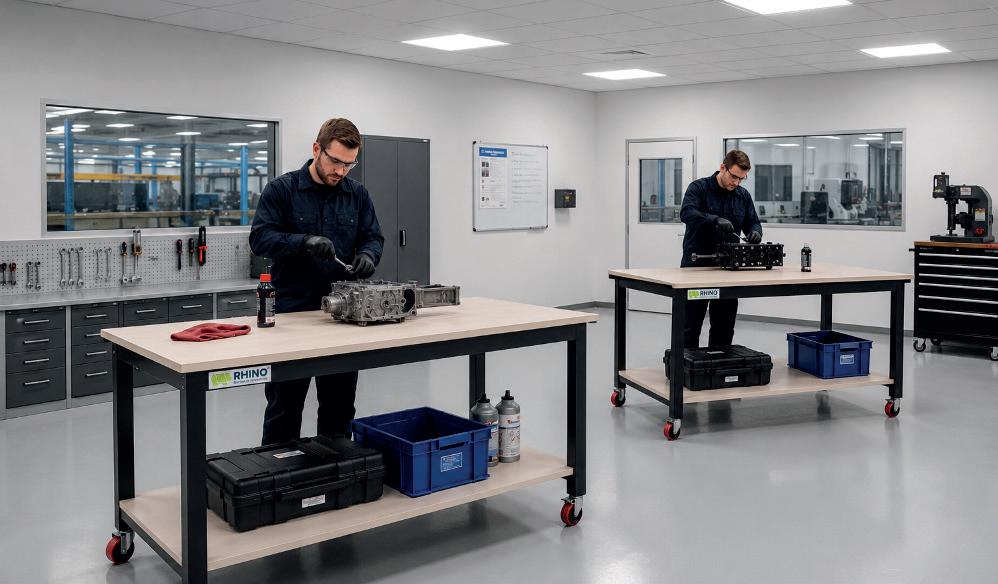
Rhino Workplace Innovations supplies heavy-duty industrial workbenches alongside specialist workbench protection mats, with a particular focus on helping organisations across aerospace, automotive, advanced manufacturing, cleanrooms and education specify solutions that are genuinely suited to the demands placed on them.
The company’s approach is application-led: understanding how a customer works before recommending a product, rather than the other way around.
The case for self-healing surfaces
One of the most technically distinctive elements of Rhino’s offer is its range of self-healing work surface materials, and Jake was clear about why the category matters. Traditional bench tops, particularly those made from timber or laminate, begin to deteriorate quickly under the kind of daily cutting and impact that industrial workstations routinely experience. Cuts and grooves accumulate, trapping dust, debris and contaminants, making workstations progressively harder to clean and less effective as a precision working environment.
Self-healing materials behave differently. The surface is designed to recover after each cut, closing the cut line and maintaining a consistently smoother working area over time. The downstream benefits are significant. Cutting accuracy improves, blade life extends, and the original workbench surface is protected against the kind of degradation that would otherwise trigger early replacement.
“Investing in the correct work surface can deliver a significantly lower total cost of ownership over the life of the workstation,” Jake said. For FM teams managing large numbers of workstations across multi-site operations, the compounding effect of those savings is significant. In environments such as cleanrooms, aerospace facilities and education workshops, where cleanliness and surface consistency carry regulatory as well as operational weight, the case is stronger still.
Supporting Lean Manufacturing and 5S
Many of the organisations Rhino works with have adopted Lean Manufacturing, 5S or broader continuous improvement programmes, and Jake identified the workstation as a more consequential element of those frameworks than it is typically given credit for.
“A clean, consistent workstation naturally encourages better housekeeping and supports each stage of the 5S methodology,” he said.
Protective mats serve a specific function within that context: defining the working area clearly, making it easier for operators to maintain organised workspaces, identify when areas require attention, and standardise layouts across departments or across sites. Combined with heavy-duty bench structures designed to provide stable, deflection-free platforms under demanding industrial loads, the result is a workstation environment that supports visual management and efficient workflow rather than simply providing a surface.
The point Jake emphasised is that the benefit is cumulative. Small, consistent improvements made across multiple workstations can have a measurable impact on overall operational performance. For FM professionals responsible for the environments in which those improvements happen, understanding the connection between workstation specification and Lean outcomes gives the subject a strategic dimension it is rarely afforded.
Investing in the correct work surface can deliver a significantly lower total cost of ownership over the life of the workstation
We actively encourage customers to trial our products before making a larger
investment
Why material selection cannot be an afterthought
Different industries impose fundamentally different demands on a workstation, and Jake was direct about the consequences of getting the material specification wrong. In aerospace and composites manufacturing, the priority is clean, precision cutting surfaces that protect delicate materials and minimise contamination. Automotive and engineering environments tend to prioritise impact resistance and durability. Education workshops require versatility: surfaces capable of withstanding a wide range of activities and users without degrading prematurely.
“Selecting the wrong material can reduce productivity, increase maintenance costs and shorten the life of both the workstation and the tools being used,” Jake said. The inverse is equally true. A correctly specified surface improves operator experience, protects expensive equipment and remains fit for purpose over many years.
For FM managers who may be accustomed to treating workstation procurement as a straightforward purchasing exercise, that framing represents a meaningful shift in how the decision is approached.
Rhino’s role in that process, as Jake described it, is to ensure that no customer is simply adapting their operations to suit a standard product.
Every recommendation begins with an understanding of how the customer actually works.
Try before you invest
The final element of Rhino’s proposition addresses one of the more practical barriers to changing established specification habits: the difficulty of evaluating an unfamiliar product without seeing it perform in context. Jake’s response to that challenge is a trial model built around the customer’s own environment.
“We actively encourage customers to trial our products before making a larger investment,” he said. Many organisations begin with a free sample pack or a single trial mat installed on one workstation. That initial deployment allows operators, supervisors and FM teams to assess the real-world benefits directly, from improved cutting performance and cleaner workstations to operator feedback and durability over time. Once proven, the solution is typically standardised across departments or multiple sites.
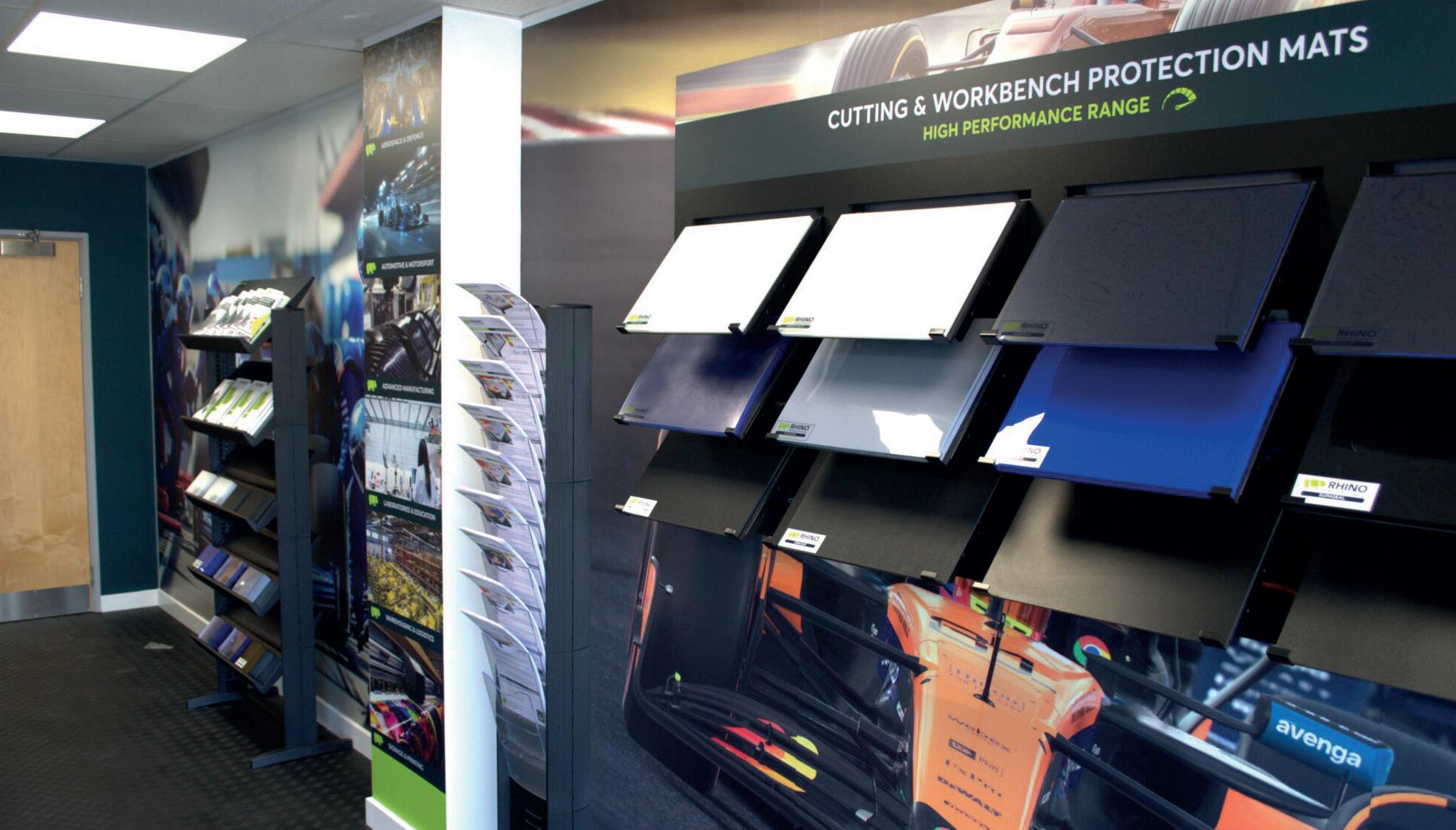
Alongside the trial offer, Rhino has invested in its Innovation Centre, a facility where visitors can compare protection mats, work surface materials and workbench options in person, discuss specific applications and explore bespoke solutions with the Rhino team. T
he combination of hands-on demonstration and real-world workplace trial is designed to remove the uncertainty that often surrounds specification decisions. “Customers select solutions that deliver long-term value for their specific operational environment,” Jake said, “rather than simply choosing products from a catalogue.”
For FM professionals managing complex, multi-use industrial estates where workstation performance sits at the intersection of safety, productivity and compliance, that approach represents exactly the kind of informed, application-led support the market needs.
To find out more about Rhino Workplace Innovations and its range of industrial workbenches and work surface solutions, visit rhinocuttingmat.co.uk
Christmas, designed by you
Our bespoke Christmas tree service is seamless from start to finish. We begin with a consultation to understand your vision, then create a tailored design for your space.
Once approved, our team installs and decorates the tree with care. After the season, we dismantle and store everything - so you can enjoy the magic, hassle-free.
Step 1:
Choose from one of our show stopping tree designs, or work with an interior designer to create a bespoke design.
Step 2:
Add matching accessories to brighten up the whole of your premises.
Step 3:
Your tree will be installed and set-up in your chosen location as part of the rental service,
Step 4:
Once Christmas is over, phs Greenleaf technicians will come back to take down and collect your tree.
From social value to service delivery:
How FM is unlocking a new workforce
Three weeks before starting work in a portering and mailroom role with ISS in Liverpool, Andrew Norton was homeless
After returning to the UK following the breakdown of a long-term relationship overseas, he found himself without accommodation, income or access to the support systems that might have helped him rebuild.
Despite a varied professional background spanning journalism, media production and technical consultancy, getting back into work proved almost impossible.
Caught in a cycle familiar to many working across employability and support services, Norton found that without a fixed address, securing employment was almost impossible, while without employment, stable housing remained out of reach.
His route into work was made possible through Standing Tall, a social enterprise that helps people experiencing homelessness move into employment by aligning three essentials: a stable entrylevel job, a safe place to live with one of its hosts, and 12 months of one-to-one support from a dedicated Talent Scout.
For facilities management employers facing recruitment and retention pressures, the model offers a practical answer to a familiar challenge: how to open up new workforce pathways while delivering social value that is embedded in day-to-day operations.
For FM employers, the relevance is practical as well as social. Since the introduction of the Public Services (Social Value) Act 2012 and subsequent procurement reforms, providers have increasingly been judged on more than service delivery alone, with social value becoming a scored component of many public sector contract awards.
The challenge is to make that social value measurable, operationally useful and connected to real workforce needs.
Breaking the cycle
“People experiencing homelessness are often ready and motivated to work, but the system puts barriers in their way,” says Christy Acton, founder of Standing Tall. “By bringing together a stable job, a safe home and 12 months of one-to-one support, we create the conditions that allow someone to move forward and stay in work.”
For employers, that turns a social challenge into a practical workforce opportunity. At ISS, the model has moved beyond a pilot initiative and into live service delivery across multiple sites, with roles spanning core FM functions, including cleaning, logistics, portering and front-of-house support, all essential to day-to-day operations and often difficult to recruit for consistently.
People experiencing homelessness are often ready and motivated to work, but the system puts barriers in their way
Importantly, the outcomes are not confined to social value reporting. Early results suggest that employees entering through this route are performing strongly in role and, in some cases, staying longer.
Across the wider business, ISS reports a first-year retention rate that is significantly lower. Among those recruited through Standing Tall, retention has been significantly higher, with early cohorts achieving near-full retention.
Homelessness is a real trap. You can’t get a job without an address, and you can’t get an address without a job
While numbers remain relatively small, the trend points towards a more stable and engaged workforce.
A different kind of recruitment story
For Andrew Norton, the spiral into homelessness was rapid and unexpected. At its lowest point, the situation became almost overwhelming. “There was a moment when I wasn’t sure how I could keep going,” says Norton. “Homelessness is a real trap. You can’t get a job without an address, and you can’t get an address without a job.”
Standing Tall’s model is effective because it directly addresses the catch-22 at the heart of homelessness and employment. A stable job, a safe home and 12 months of one-to-one support from a Talent Scout provide the practical foundations and emotional continuity needed to rebuild confidence, routine and independence.
Through the programme, Norton was introduced to ISS and offered a role within weeks following a structured assessment and support process. He now works in a combined portering and mailroom position, supporting site operations while undertaking additional training across a wide range of areas, from food safety to site compliance. Norton’s story challenges common assumptions about homelessness, showing how quickly it can follow a sudden change in circumstances.
“If you met Andrew, you probably wouldn’t think of him as someone who’d experienced homelessness,” says Steve Jones, Head of Employability at ISS UK. “And it does make you wonder how many more people like him are out there.”
Standing Tall’s model includes a structured assessment and support process before candidates are introduced to employers, helping ensure individuals are ready and motivated to return to work. As a result, the risks associated with recruitment are not materially different from more traditional routes, and in some cases, may be lower.
Operational benefits beyond recruitment
Alongside improved retention, ISS has identified wider operational benefits from the programme.
Working closely with Standing Tall’s support teams has enabled earlier identification of potential issues, with regular check-ins helping to stabilise the transition into employment during the early months.
In some cases, the experience has also informed management approaches more broadly, encouraging a greater focus on communication, wellbeing and early intervention across teams.
There are cultural benefits too. Employees entering through the programme have helped to shift perceptions within teams, challenging stereotypes and increasing awareness of the realities of homelessness.
As Andrew puts it, “People assume things about homelessness that aren’t always true. When they see someone working alongside them, it changes that.”
Jones also argues that employment itself forms part of the recovery process. Beyond financial stability, structured work provides routine, purpose and social connection, factors that can play a significant role in rebuilding confidence and wellbeing.
A model with wider potential
At the same time, the scale of the challenge continues to grow. Latest figures from Crisis and Shelter suggest that over 380,000 people across the UK are recorded as experiencing some form of homelessness, an 8% rise on last year. For employers, it also points to a potential workforce too often locked out of opportunity.
ISS realised that the kinds of barriers affecting people experiencing homelessness, such as unstable housing, lack of documentation, disrupted work history or difficulty accessing opportunity, also affect other excluded groups.
That overlap is reflected in the experience of Mukhlis, who arrived in the UK as a refugee from a war-torn Sudan before later experiencing homelessness. Through Standing Tall, he secured both housing and employment with ISS in Canary Wharf.
Like Norton, he describes the impact in practical terms. “Everything changed,” he says. “Now I have a job, I have somewhere to live, and I can think about my future. With the help I received, if you are willing to work hard anything is possible.”
There is also growing interest in how the model could be applied across different regions and contracts, including international operations. However, scaling remains a challenge.
By bringing together a stable job, a safe home and 12 months of one-to-one support, we create the conditions that allow someone to move forward and stay in work
At present, the model requires an upfront investment to support the recruitment and transition process. While this cost is often absorbed within higher-margin private sector contracts, it can be more difficult to accommodate within tightly structured public sector agreements.
Yet the broader economics are compelling. Moving an individual from homelessness into sustained employment reduces reliance on public services while increasing tax contribution and local economic activity, with long-term societal benefits far outweighing the initial investment.
“Partnerships like this work because different organisations bring different strengths,” says Steve Jones, Head of Employability at ISS UK. “Standing Tall provides the support and stability that help people take those first steps forward, while employers provide the long-term opportunity and structure that allow people to rebuild independently over time. That’s where business can play a genuinely transformative role.”
From initiative to infrastructure
The ISS and Standing Tall partnership shows how social value can become part of the operational model itself. For a sector built on people, place and service, this offers significant advantages.
As expectations evolve, FM providers are being asked to contribute more directly to the communities they operate within. Models that integrate employment, housing and long-term support offer a practical way to do that.
For ISS, there is a strong emphasis on sustained employment and progression. The partnership with Standing Tall represents the ethos of Mission Possible, ISS’s wider social mobility strategy of opening routes into work, building skills and creating careers for people who face barriers to employment. Employees entering through the programme are offered the same development pathways as other staff, including apprenticeships and long-term career progression opportunities.
For Norton, the impact has been real and transformational: stability, employment and the ability to start planning for the future again. For the sector, the question is whether models like this remain the exception or become part of the standard approach to workforce and service delivery.
More Than Clean: How Washroom Hygiene Became a Wellbeing and Sustainability Priority
We recently sat down with Wendy Parsons, Account Manager at Vectair, to discuss how the Covid pandemic permanently raised expectations around hygiene and occupant experience, why sustainability now shapes every conversation she has with customers, and what the next generation of air care and washroom technology looks like in practice
Vectair has been a fixture in the air care and washroom solutions market for nearly 40 years, building a reputation as a company that invests time in understanding the environment before recommending the product.
“We are known for not just trying to box-shift,” Wendy said. “We survey the site and look for the right product for that environment. It’s really important for us to continue to build that part of our reputation.”
Wendy’s own longevity at the business, across numerous roles before settling into her current field-based account management position, gives her a perspective that spans decades of change. Her assessment of where the industry stands, and where it is heading, is rooted in that accumulated experience.
The pandemic and the permanent shift
The changes now visible in how FM teams approach hygiene, air care and occupant wellbeing did not emerge gradually. For Wendy, the turning point was clear.
“Things changed during the pandemic,” she said. “The world changed. And, in order to entice people back to work, building and facilities management teams had to ask: is this a space that is comfortable, that is clean, that promotes not just physical, but also mental wellbeing?”
The result was a sustained and permanent elevation of expectations. FM teams that had previously been measured against a relatively low baseline for hygiene and sensory experience suddenly found themselves under pressure to deliver something closer to what people had experienced in their own homes.
“Expectations are higher now,” she said. “We were perhaps not putting a high enough emphasis on cleaning, hygiene and fragrance before. Now we are much more aware, and people have a higher expectation of what they want, and of facilities management.”
She was unequivocal that this shift will not reverse as the pandemic recedes further from memory. Innovation, sustainability and the growing body of understanding around how environment affects people, particularly the psychological and emotional effects of fragrance, are all driving expectations upward rather than back.
“We will never go back to those days of ‘smells clean, is clean’,” she said. “It is only going to continue.”
Sustainability drives every conversation I have with my customers
Sustainability as a commercial reality
If the post-pandemic shift changed what customers expect from FM hygiene provision, sustainability has changed the terms on which those conversations happen. “Sustainability drives every conversation I have with my customers,” Wendy said. “Even if it is not necessarily top of their priority list, it is on there. Every tender has a sustainability section, and there are criteria that have to be hit.”
That pressure creates a specific challenge for product developers and suppliers. Sustainable credentials matter, but they can’t come at the cost of operational effectiveness.
“It’s all right being sustainable, but if it doesn’t solve the problem or creates more of a problem operationally, it is not fit for purpose,” Wendy said. “At Vectair, innovations have to be practical and easy to use, because our customers have their own challenges in their own businesses. It has got to work, it has got to be reliable, and it has got to be effective.”
The company’s approach to sustainability is practical across multiple fronts: dispensers made from recycled plastic, plant-based refills, a move away from single-use plastics, products designed to last longer than the alternatives they replace, and a focus on reducing the waste burden for FM service providers who are responsible for managing disposal.
“If our products can help customers reach their ESG goals, then it is a win-win,” Wendy said. Staying current with the regulatory environment that governs these decisions is equally part of the role. “Regulations are coming in constantly. We have to sometimes educate our customers. We have to be on the ball.”
The case against aerosols
One product that Wendy was particularly keen to highlight is the V-Air Flow, a passive air care dispenser that Vectair has positioned as a credible alternative to traditional aerosol technology. Her case against aerosols was direct. “Aerosol technology is 20 years old now and nothing has changed in that time,” she said. “Once it’s sprayed, it only lasts for 12 minutes. If you have ever been close to an aerosol dispenser, you know exactly what that means.”
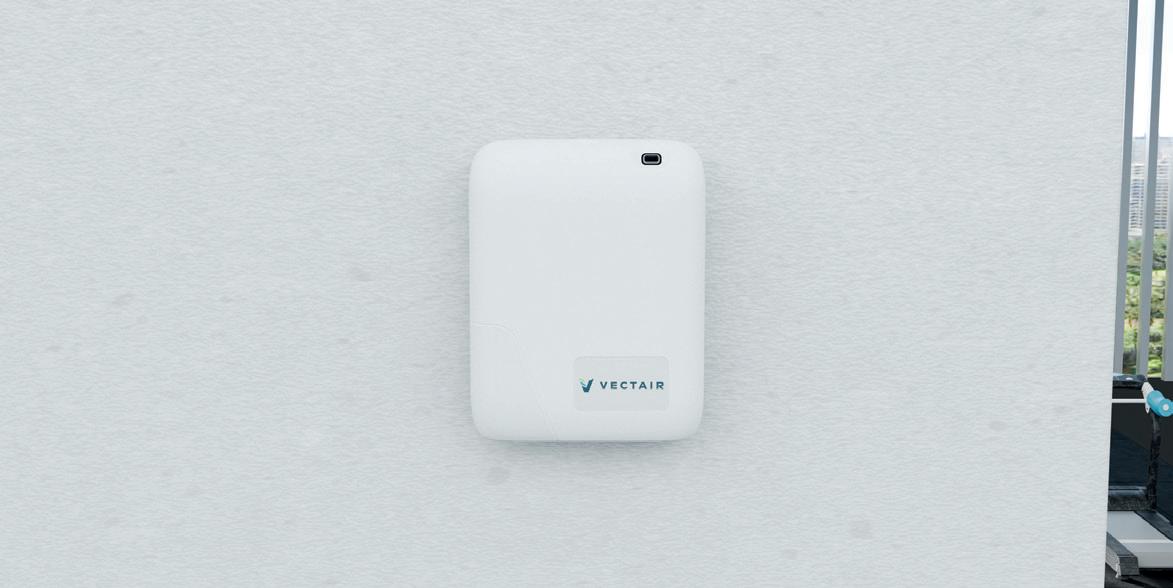
The V-Air Flow dispenser is made from 100 per cent post-consumer recycled plastic, with a refill produced from 50 per cent plant-based material that delivers continuous fragrance for 30 days. Unlike aerosol canisters, which must be segregated into the metal waste stream for disposal, the V-Air Flow refill carries no such operational overhead. There is also no programming requirement, which Wendy identified as a significant advantage for FM teams dealing with high staff turnover. “Having to train new members of the team over and over on products is time-consuming and takes people away from what they should be doing,” she said. “With V-Air Flow, you pop the refill in and close the door and come back in 30 days.”
The product, she suggested, is illustrative of the broader direction Vectair is taking: sustainable by design, operationally simple, and effective enough to stand on its own merits without requiring customers to trade performance for environmental credentials.
Looking ahead
Looking to the future, Wendy identified smarter, connected technology as the next significant shift in how washroom and air care products will be deployed. The expectation that can be monitored, managed and optimised remotely is already informing how customers think about specification, and it is a direction Vectair is actively developing towards.
The challenge is one the whole industry shares: making products more sustainable in categories where landfill has historically been the default end-of-life route, without compromising the performance that FM teams depend on.
Making people feel comfortable and confident in their place of work. That is where we are focused as a company
“The companies that succeed are the ones that recognise those challenges for their customers, think ahead about what is coming down the line, and find ways to help customers reach those goals,” she said.
Vectair’s own position, she suggested, is grounded in exactly that principle: not compliance for its own sake, but products and expertise that support wellbeing, operational efficiency and occupant experience simultaneously.
“Making people feel comfortable and confident in their place of work,” Wendy concluded. “That is where we are focused as a company.”
Challenges, Change and the Creation of Coat: FM founder reflects on 16 years in business
When Adam Atkins co-founded a facilities management company back in 2010, he felt strongly about utilising his knowledge and experience of the sector to provide a first-class direct labour offering
The industry – and the wider world – has fundamentally shifted since, especially given the onset of AI-enabled technology.
And yet, Adam and his team have not only adapted to these changes, but he has also added a further four companies to his portfolio, bringing them all together under the umbrella of Coat Facilities Group.
Here he discusses the accomplishments and challenges of that 16year journey and what the future holds for Coat.
Q. What were the aims of Diamond and have these shifted over the time you’ve been in business?
“While the scale of our operations, and particular our use of technology, has advanced hugely since launching 2010, I believe we’ve stayed true to our vision.
“Ultimately, we wanted to prioritise direct labour rather than relying heavily on subcontracting –currently almost 95% of our work is undertaken in-house across all five divisions, so we have definitely achieved that aim.
“We also set out to be innovative and ensure we were always leading the way rather than following FM trends – in fact, we first developed our own web portal management system in 2011, and we have since launched our own field force management system and CAFM too.
“Our approach has kept operations organised and streamlined, ensuring simplicity and peace of mind both for our expanding teams and for our clients too.”
Q. What have been some of the key highlights over the past 16 years?
“Securing our first large-scale national contract, with LA Fitness in 2011, was an early success – and directly helped us win PureGym as a client at a time when they were up-and-coming in the fitness industry. We recently re-signed a contract with them, and it’s excellent to see how both of our businesses have grown in the last 15 years!
“Five years after launch, we began making in-roads into the care sector with HFT as our first major client – and by 2018, we began taking more drainage, fire safety and cleaning services in-house. This saw the creation of Jet Through, Sanctuary Fire & Security and Nationwide Property Clean – and five years later, we created Nationwide Roofing Repairs to complete the group.”
It really is an exciting time to be part of the FM industry, being able to play our part in shaping how the built environment is maintained going forward
Q. Presumably there have been some challenges too?
“Absolutely – there have been the well-known national and international challenges which affected all industries including FM. Not least the Covid pandemic, which was of course an incredibly tough time – but we were able to remain operational and navigate through, regaining stability and beginning to concentrate again on growth through 2021 and into 2022.
“Naturally, there have also been times when we have been challenged through the loss of a contract or an unsuccessful tender – but I hope we have taken something positive from those situations by reflecting and learning from our experiences. In 2018, following the sale of PureGym to an American venture capitalist company, our partnership with them ceased for five years – but this made it all the more rewarding when they returned to us in 2023!”
Q. Coat was acquired by Tendra Technical Services in late 2025, what benefits has that had and how has it impacted the company?
“In terms of the day to day running of Coat, very little has changed – myself and co-founder Helen Cooper are still there making all the every-day decisions alongside our management teams across the five divisions.
“However, the acquisition – aside from enabling us to access additional funds to keep growing the business – has also given us the opportunity to link in with the other companies acquired by Tendra at the same time.
We also set out to be innovative and ensure we were always leading the way rather than following FM trends
“All of us operate within the wider built environment industry, each within our own area of specialism, but sharing knowledge and best practice is of course going to be beneficial for everyone moving forward.”
Q. What is next for Coat and for the FM industry?
“Sustainability is an issue no one can get away from – and rightly so. We have a formal ESG strategy in place and are working towards ambitious goals, including an IT roadmap to drive further innovation and efficiency. We will no doubt be adding further service lines to our offering, extending the breadth of FM support we offer clients. And we’re also working on doubling our turnover, and growing staff numbers beyond the 170 currently employed by Coat or its divisions.
“Across the industry, we are seeing more advanced technology become commonplace within buildings, and within maintenance services – meaning upskilling teams and ensuring continuous learning is available has become even more crucial.
“It really is an exciting time to be part of the FM industry, being able to play our part in shaping how the built environment is maintained going forward, being among the first to implement new technologies, and supporting our clients to achieve their aims across their estate – as well as empowering our people to learn new skills, take on new tasks, and develop their careers.
“The last 16 years has certainly been a journey, and I’m looking forward to seeing what the next 16 have in store for Coat!”
FASET & CSCS: Setting the Benchmark for Temporary Safety System Competence
As the premier body for Temporary Safety Systems, FASET is dedicated to ensuring unparalleled safety standards across the industry.
The Future is Digital: Benefits for FASET-Qualified Operators
All our qualifications now exclusively issue digital cards, offering a wealth of benefits:
Convenience: Easily add new qualifications as you progress.
Streamline Your Checks: For Employers and Site Supervisors
Security: Enhanced protection against loss or forgery.
We achieve this through our robust partnership with CSCS, delivering comprehensive training, rigorous assessment, and the issuance of industryrecognised competency cards. enquiries@faset.org.uk
Verify an operator’s competency instantly! Download the CSCS Smart Check App to your mobile device.
Stay Updated: Receive timely alerts for expiry dates and crucial safety notifications.
01948
Removing the Human Risk: Why the Future of Solar Maintenance Belongs to Robotics
By Andrew Thompson, Company Director at Skyform Ltd
Across the UK’s commercial and industrial landscape, rooftops have undergone a dramatic transformation.
Driven by stringent sustainability targets and the soaring costs of grid electricity, Facilities Managers have turned millions of square meters of idle roof space into active, power-generating assets.
Rooftop solar is no longer an experimental sustainability initiative, it is a critical piece of energy infrastructure.
However, this rapid decentralisation of energy generation has brought a silent, compounding operational crisis to the desks of FMs. The problem of deferred maintenance.
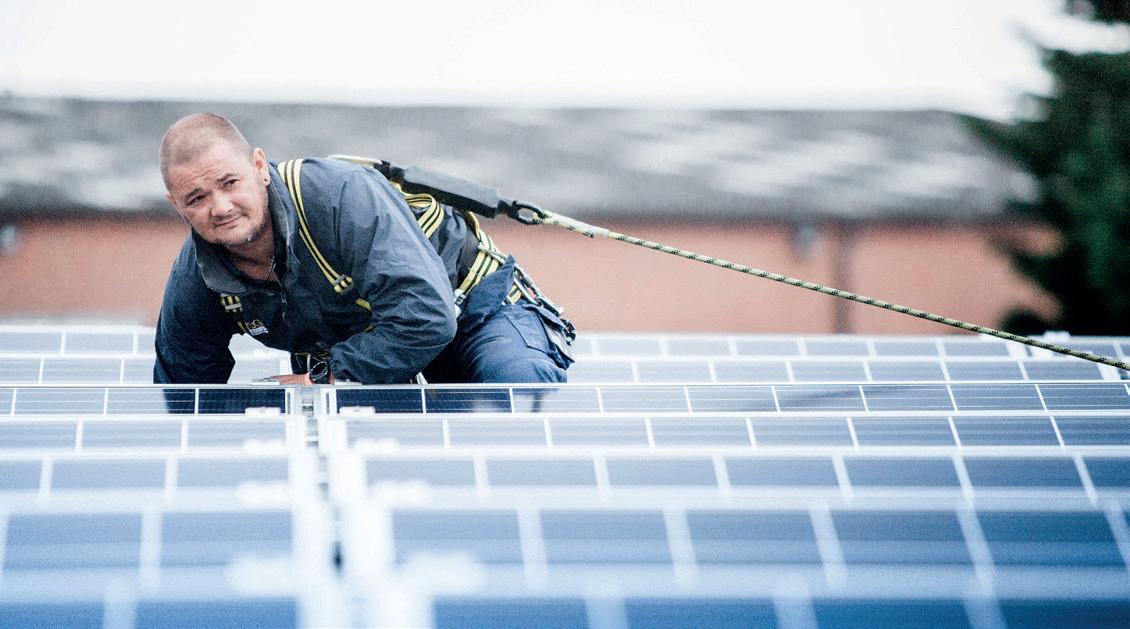
Solar arrays are fundamentally passive, but they are not maintenancefree. Airborne dust, industrial pollution, bird droppings, and rainwater residue form a baked-on film that blocks sunlight.
According to industry data, heavily soiled panels can suffer an efficiency drop of 25% to 50%.
For an FM responsible for a multi-megawatt portfolio, that drop represents thousands of pounds in lost energy yield every single month.
Yet, despite knowing the financial consequences of dirty panels, many FMs delay cleaning. Why? Because historically, maintaining rooftop solar has required a choice between two equally unappealing options: accept a severe, ongoing financial leak, or introduce profound health and safety risks by sending human workers onto the roof.
It is time for the FM sector to rewrite this script. The future of solar asset management lies in removing human risk entirely from the equation through the adoption of advanced, remote-controlled robotics.
The True Cost of Traditional Access
For decades, the standard response to any building maintenance task at height has been to deploy traditional access methods.
Whether it’s rope access, mobile elevating work platforms or temporary scaffolding, these methods rely on human boots on the ground, or more accurately, boots in the air.
According to industry data, heavily soiled panels can suffer an efficiency drop of 25% to 50%
By replacing traditional manual labour with specialised robotic crawlers, FMs can eliminate working-at-height liabilities
· The Invisible Risk of Microcracking: When human operators use heavy telescopic poles or walk near arrays, they frequently apply uneven, localised pressure. While the tempered glass covers might look intact from a distance, manual cleaning often causes internal microcracking within the silicon solar cells. These hidden fractures permanently degrade the panel’s power output and can create dangerous electrical hotspots, turning a routine cleaning chore into an expensive liability.
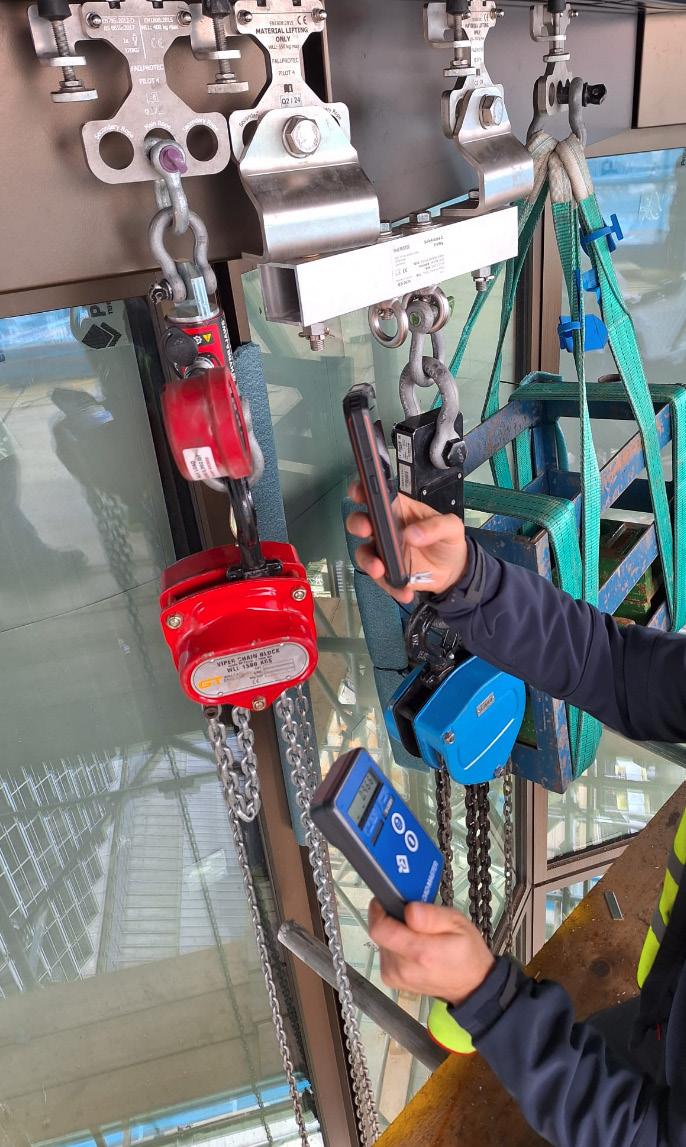
· The Burden of Compliance: Managing high-risk manual work at height demands exhaustive risk assessments, method statements, and strict LOLER compliance services for lifting and safety gear. The administrative and insurance burdens alone are often enough to make FMs push solar cleaning down the priority list.
Transitioning from Manual Danger to Remote Precision
When applied to solar panel cleaning, manual high-rise work creates a unique matrix of operational and safety challenges such as:
· Fall Risks and Fragile Roofs: Rooftops with large solar arrays are often complex environments. Walking between tightly packed panel rows presents an immediate slip, trip, and fall hazard, particularly when introducing water and detergent to the surface. Furthermore, navigating older commercial roofs carries the persistent threat of fragile roof structures.
The commercial facilities management sector is rapidly moving towards automation. By replacing traditional manual labour with specialised robotic crawlers, FMs can eliminate working-at-height liabilities while simultaneously boosting operational efficiency.
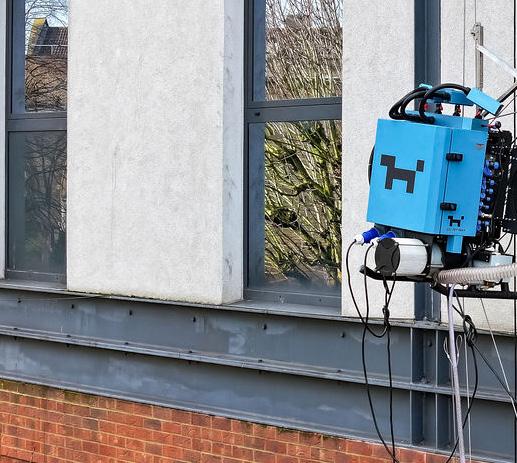
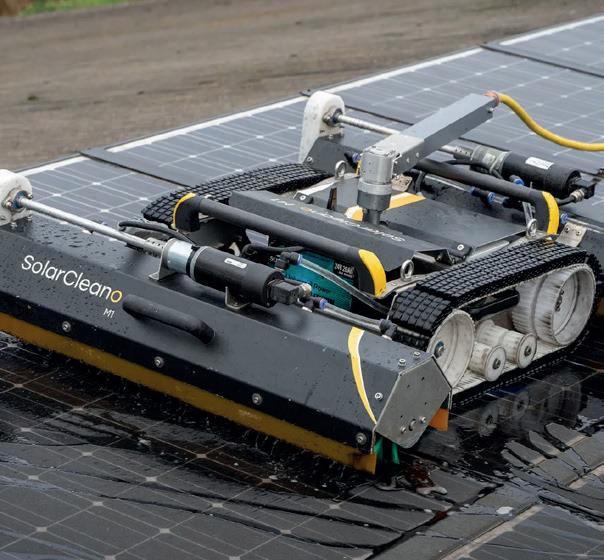
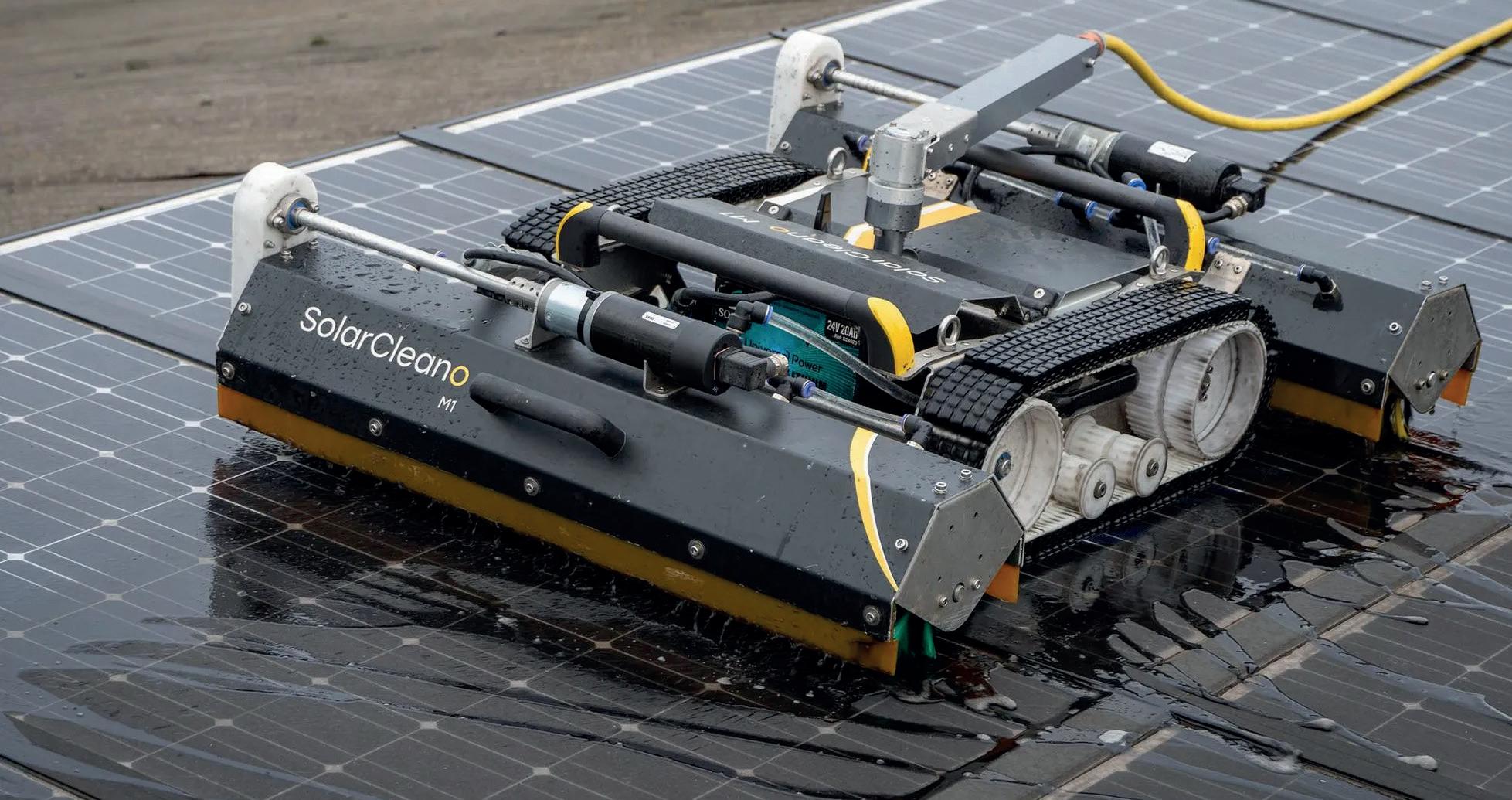
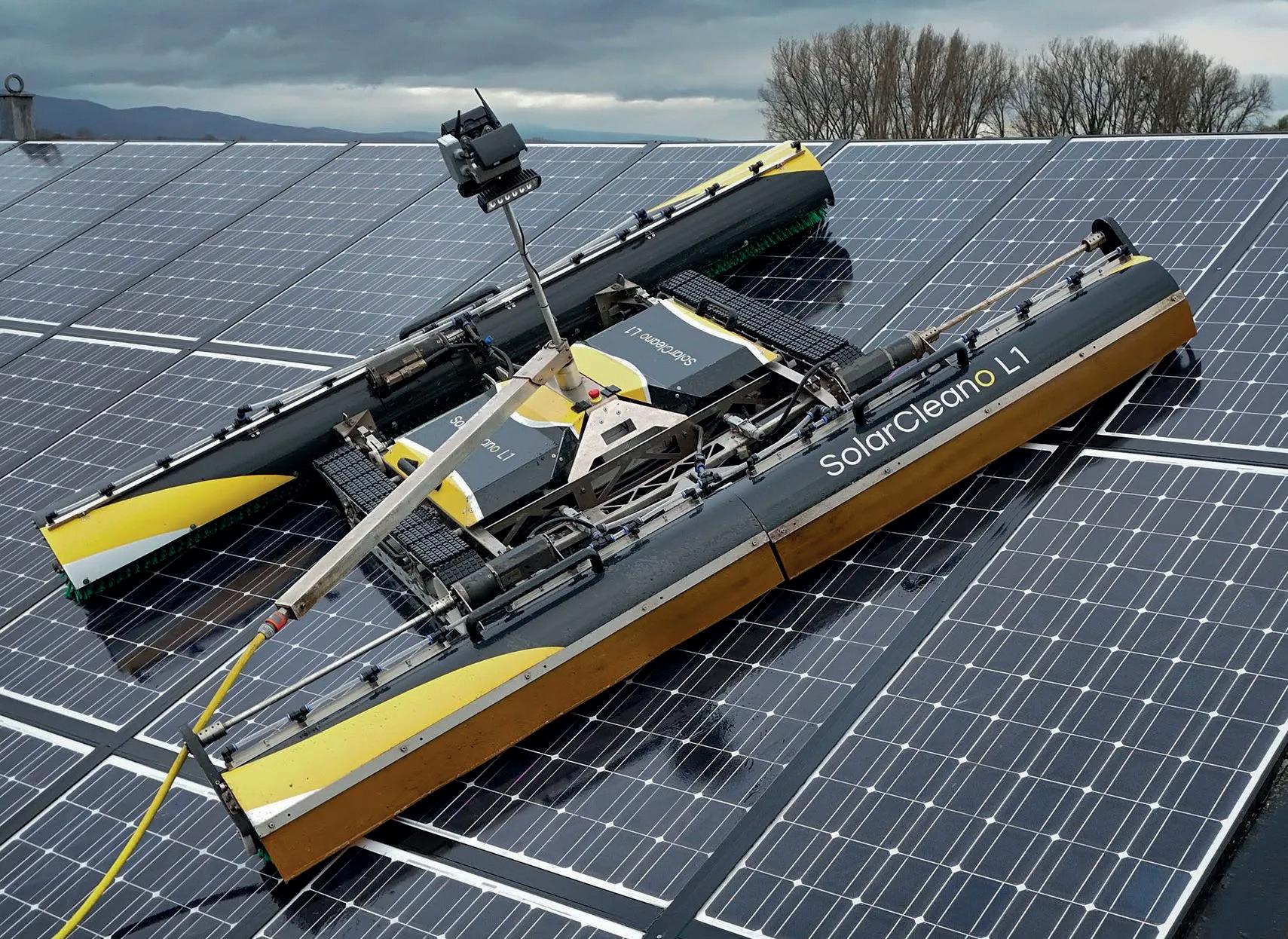
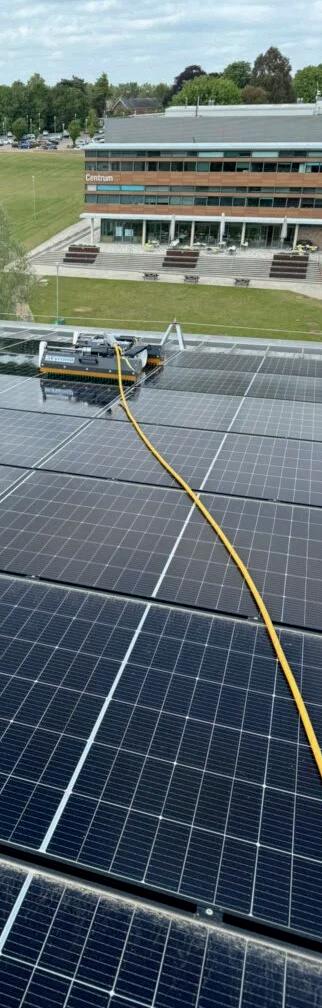
Modern robotic systems, such as the Skyform F1 and G1 cleaning robots, completely change how solar maintenance is performed. Instead of a team of workers navigating a wet, slick roof with manual tools, a single operator controls a highly precise, trackdriven machine safely from the ground or a secure platform.
These robotic solutions address every flaw inherent to manual cleaning including;
1. Zero Human Exposure: By utilising remote control consoles paired with multi-angle live video feeds, the human element is completely isolated from the danger zone. No workers are sent into hazardous areas, dramatically lowering insurance premiums and eliminating the risk of working-at-height incidents.
2. Certified Panel Protection: Unlike a human worker leaning on a pole or stepping near a frame, specialised robots are engineered specifically for fragile glass environments. Operating on wide, low-pressure rubber caterpillar tracks, devices like the F1 apply a maximum pressure of just 4,200 Pa to the panel surface. They are certified through rigorous electroluminescent testing to cause absolutely zero microcracks, ensuring the structural integrity of the asset is protected.
3. Unmatched Scale and Speed: Manual cleaning is notoriously slow and weather dependent. In contrast, advanced robotic systems can clean up to 1,600 square meters per hour in both wet and dry modes, operating effectively on roof inclines of up to 27 degrees. What used to take a manual crew days to complete can now be wrapped up safely in a matter of hours.
A Strategic Shift for Forward-Thinking FMs
For FMs reading this, the takeaway is clear: solar maintenance must no longer be viewed through the lens of a reactive, high-risk window-cleaning contract.
It must be treated as a data-driven component of automated asset management.
As the UK grid becomes increasingly crowded and energy prices remain volatile, maximising the return on investment of your existing green infrastructure is paramount. However, achieving peak efficiency should never come at the expense of human safety.
By shifting from manual labour to automated, remote-controlled robotics, FMs can confidently secure maximum energy yields, satisfy stringent corporate sustainability metrics, and ensure that their most valuable asset (their workforce), remains completely out of harm’s way. The technology to clean solar arrays safely, swiftly, and sustainably is already here.
For more information on Skyforms solar panel cleaning robots, visit https://skyform.com/facade-robotics/ solar-panel-cleaning/ or call 01474 879990
The 47-Day Window
When the buildings empty, the real work begins
Every day, people go to work in buildings that PTSG maintains. They don’t think about the systems keeping them safe. That’s exactly how it should be.
But someone has to think about it. Someone has to test it, certify it and make sure it holds. And for the 47 days every summer when Britain’s schools, universities and colleges fall quiet, that work moves to the front of the queue.
Corridors that were loud with students go still. Accommodation blocks empty out. Plant rooms, rooftops and electrical infrastructure that have been inaccessible for months suddenly become available.
For most people, that’s the summer holidays. For PTSG, it’s the start of the busiest period of the year.
Empty buildings are not safe buildings That’s the assumption that catches facilities managers out every year.
When a university empties for summer, water stagnates in unused pipework. Legionella risk rises in systems that haven’t been flushed or monitored. Fire compartmentation compromised during a year of minor works needs finding and remedying before residents return.
Electrical infrastructure that couldn’t be accessed during term needs certifying before it carries the load of a new academic year.
And all of it needs to happen in the same 47 days.
Compliance is the reason people go home. Behind every certificate, every test, every inspection is a commitment to the person on the other side of it. In summer, that commitment has a deadline.
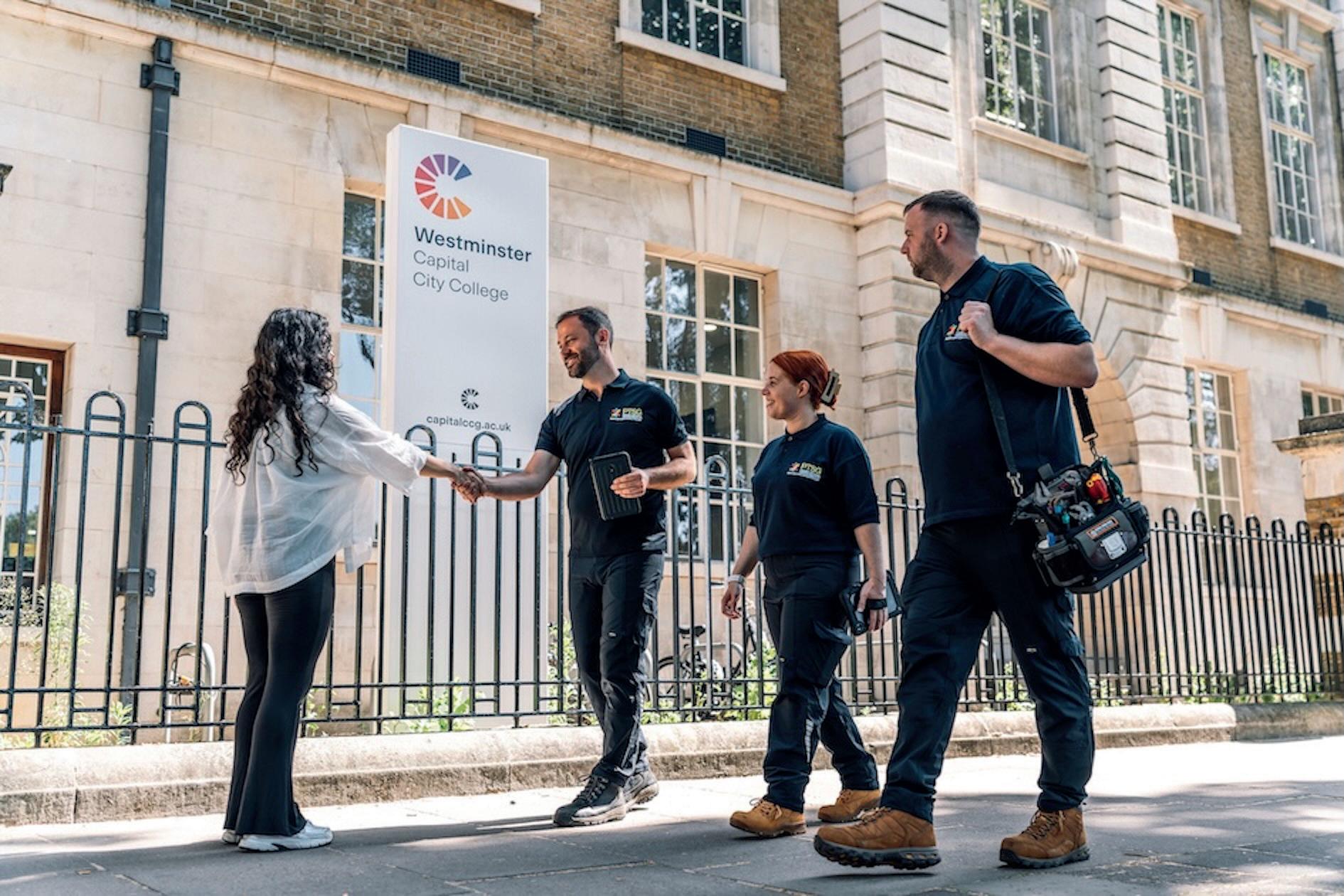
PTSG operates across five specialist disciplines. In summer, those disciplines converge on educational, sporting and residential estates across the UK, working to sequenced programmes that leave no room for late decisions.
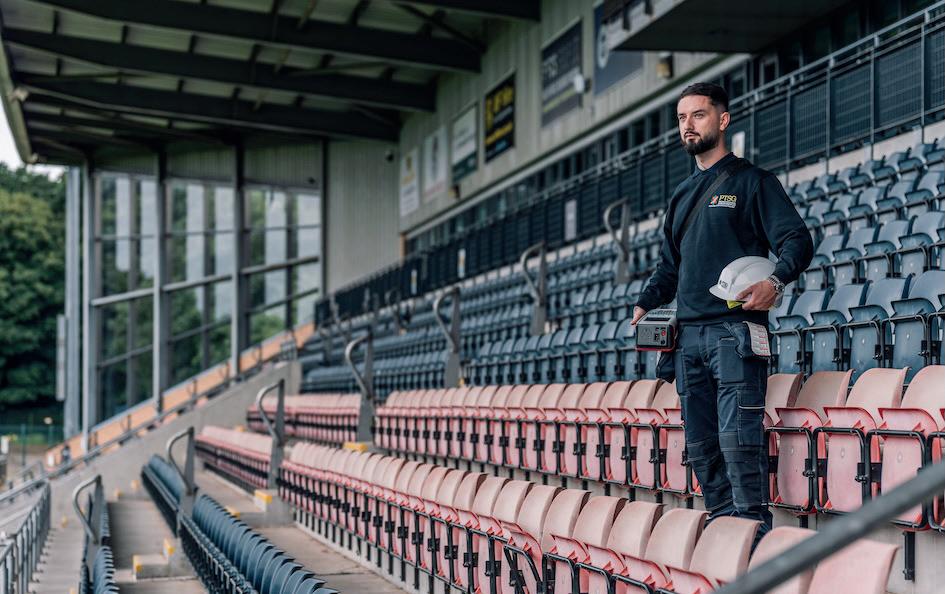
An average summer means replacing mansafe systems across schools in Fife for Sodexo, ensuring all three sites met current standard before pupils returned. It’s completing structural repairs and steelwork painting at Celtic Park, carrying out work that would be impossible on a 60,000-capacity stadium during the football calendar.
It’s delivering comprehensive water treatment and Legionella control across university campuses, from the University of Strathclyde to Cranfield, where buildings that have sat quiet for weeks need their systems flushed, tested and certified before students return.
The clients who get the most from it are the ones who treat summer as a programme, not a to-do list
And it’s supporting student accommodation providers nationwide with fire doors and façade maintenance timed precisely to the gap between tenancies, where the handover window is shorter than most people realise.
Different buildings, different disciplines, same logic. Find the window. Plan to it. Deliver inside it.
Andrew Dack, Group Sales Director, PTSG explains: “Every discipline we operate converges on this period. The clients who get the most from it are the ones who treat summer as a programme, not a to-do list. That’s the conversation we have with every estate we work with.”
No two sites are the same. What we bring isn’t just the machine. It’s the experience to use it safely under pressure
While the buildings are quiet, the fields are full
Not every summer project happens behind closed doors. NSS, a PTSG company, operates a fleet of truck-mounted access platforms ranging from 20 to 70 metres, available for hire across the UK, Ireland and mainland Europe.
This summer, that fleet is deployed across some of the most prestigious events on the British and European calendar: Royal Ascot, Wimbledon, Trooping the Colour, the Isle of Wight Festival, The 154th British Open, Goodwood Festival of Speed, and the AIG Women’s Open, among others.
Stage rigging. Lighting installations. Banner and signage work. Structural inspections. None of it happens without the right machine and the right operator on site before the gates open.
“No two sites are the same,” says Nick Brock, Operations Manager, NSS. “The ground conditions, the access constraints, the timelines. What we bring isn’t just the machine. It’s the experience to use it safely under pressure and the reliability that event organisers need when there’s no room for things to go wrong.”
The numbers reflect something simple: when compliance work is done properly, clients don’t leave. Because the work never fails them. Because the people in their buildings keep going home safely.
PTSG works across 170 specialist services, with directly employed engineers operating from more than 50 UK locations. No subcontractors. No shortcuts. One standard, applied everywhere.
Contact info@ptsg.co.uk | www.ptsg.co.uk
Five disciplines. Every one safety-critical. Every engineer directly employed. One window to get it right
Heatwave Today, Storms Tomorrow: Is Your Building Ready?
PTSG is one of the UK’s leading specialist building services providers, its Electrical Services division delivers electrical testing, inspection and compliance services to facility managers and building owners across the country. Here, Cara Batey from the team shares why the season’s most overlooked risk may be arriving just as the heatwave ends
As temperatures rise across the UK this month, most facility managers will be focused on keeping buildings cool, ensuring ventilation systems are performing effectively and managing the operational challenges that come with extreme heat.
But there is another risk that often follows a heatwave and receives far less attention until it becomes a problem. Lightning.
The UK’s weather patterns are becoming increasingly unpredictable. Prolonged periods of hot, humid weather are frequently followed by intense thunderstorms, bringing heavy rainfall, strong winds and lightning strikes capable of causing significant damage to buildings and critical infrastructure.
For facility managers responsible for protecting people, assets and business continuity, now is the time to ask an important question: Is your building prepared for what comes after the heatwave?
The overlooked summer risk
When most people think about lightning protection, they assume it is a passive system that sits quietly in the background until it is needed.
In reality, lightning protection systems are a critical part of a building’s safety infrastructure and require regular inspection, maintenance and testing to ensure they continue to perform as designed.
A lightning strike can affect electrical systems, plant equipment, communications infrastructure, fire detection systems and sensitive technology.
Even where a building is fitted with a lightning protection system, there is often uncertainty about whether the system has actually been activated during a storm.
Without clear evidence, facility managers may be left making assumptions about the condition of their protection system and whether further action is required.
Why post-strike inspections matter
One of the most misunderstood aspects of lightning protection is what happens after a strike occurs.
Many assume that if a building remains operational following a storm, the protection system must be working perfectly.
However, under BS EN 62305, any lightning protection system that has experienced a strike should undergo a comprehensive inspection and test to verify that it remains fully effective.
This is not simply a compliance exercise.
A system that has successfully protected a building may have experienced stresses that are not immediately visible. Without proper inspection, building owners could unknowingly remain vulnerable to future events.
As severe weather events become more common, ensuring that protection systems remain operational between storms is becoming increasingly important.
In an environment where weather events are becoming more extreme and less predictable, access to accurate information can make all the difference
Five questions every facility manager should be asking this summer
As we enter another period of extreme weather, facility managers should consider the following:
1. When was your lightning protection system last inspected? Regular inspection and testing are essential to ensure compliance and ongoing protection.
2. Do you know whether your system has been activated? Many buildings have no reliable method of confirming whether a strike has occurred.
3. Are your critical systems adequately protected?
Electrical infrastructure, data systems and life safety systems may all be vulnerable to lightning-related damage.
4. Do you have a post-strike response plan?
Knowing what action to take following a storm can minimise risk and reduce downtime.
5. Could a Lightning Strike Counter provide greater visibility?
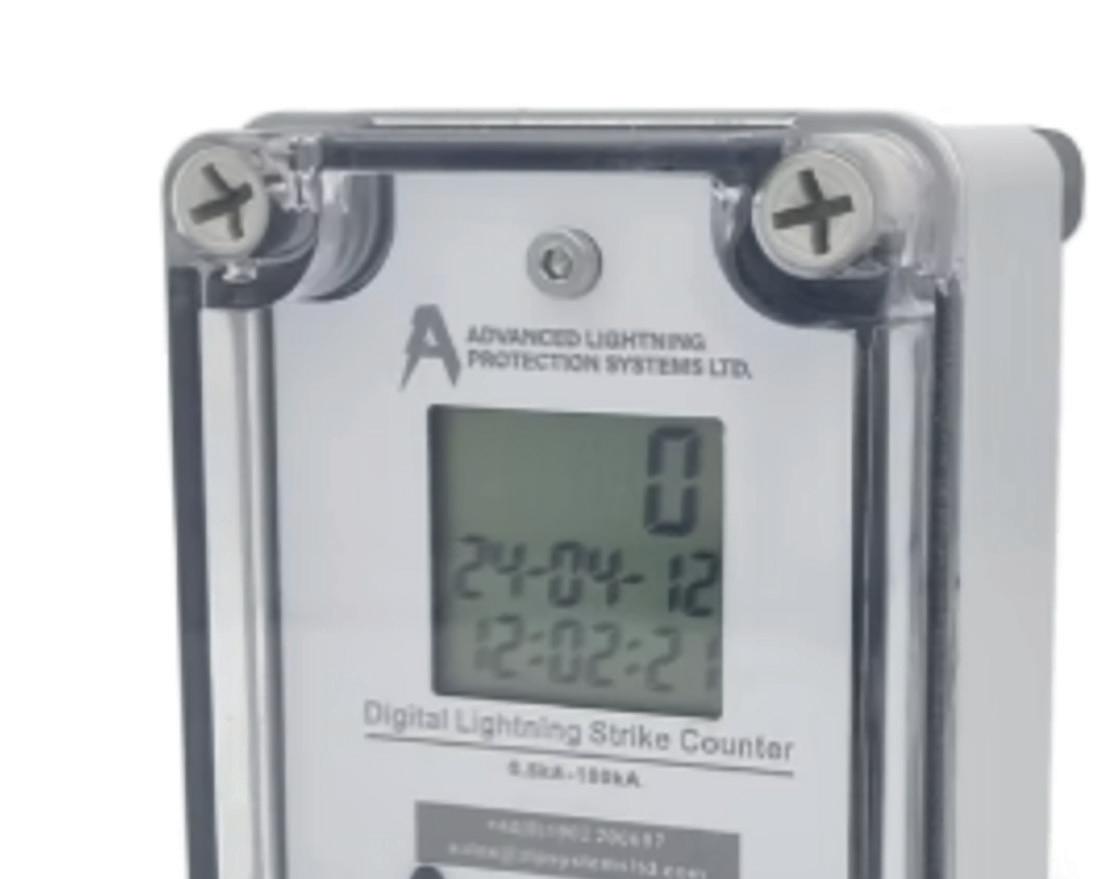
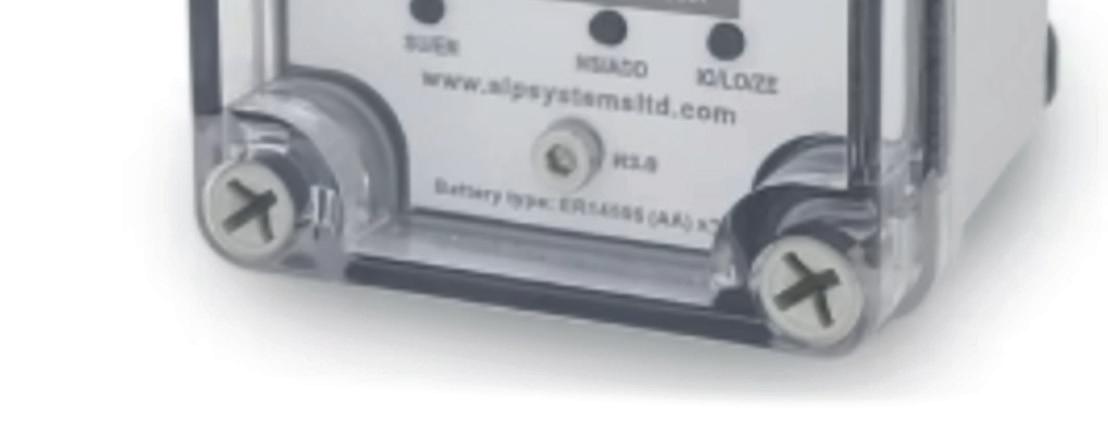
These digital devices can be integrated into many existing lightning protection systems, providing definitive evidence when a strike has occurred and helping to inform maintenance decisions.
Turning data into resilience
Lightning Strike Counters remove the uncertainty by providing clear evidence of when a system has been activated.
Lightning Strike Counters offer facility managers valuable insight into the performance of their protection systems. Rather than relying on assumptions, building owners can access clear evidence of system activation, helping them determine when additional inspections or maintenance may be required.
In an environment where weather events are becoming more extreme and less predictable, access to accurate information can make all the difference.
Many facility managers assume that if their building survives a lightning strike, their protection system is working perfectly. In reality, any system that has taken a strike should be professionally inspected and tested to ensure it remains fully effective.
Preparing for the next storm
Heatwaves may dominate the headlines, but experienced facility managers know that the biggest risks often arrive after the temperatures begin to fall.
As the UK continues to experience more extreme weather patterns, resilience is no longer just about preparing for today’s conditions. It is about ensuring your buildings are ready for what comes next. Because the question is not whether severe storms will return. It is whether your building will be ready when they do.
For advice on lightning protection inspections, post-strike testing or Lightning Strike Counter installation, contact the PTSG Lightning Protection team at LPRepairSales@ptsg.co.uk
The definit ive FM industry newsletter
Monday
Hard services and construction focus
Wednesday
Soft services focus
Friday
A combo of the week’s biggest stories, video interviews and exclusive features from across the FM industry
The FM Power List: More Leaders. More Stories.
The Facilities Management sector is built on people. The ones who show up, make decisions and drive things forward: often without the recognition they deserve.
The FM Power List exists to change that.
Created by FM Business Daily, the FM Power List is a definitive showcase of the men and women setting the pace across the UK’s facilities management sector. Not a directory. Not a marketing exercise. A carefully curated record of influence, built around the people who are genuinely shaping the future of this industry.
As we feature our third selection of Power List profiles in FM Director, one thing has become clear: the depth of talent across this sector is extraordinary. From boardroom strategists to operational innovators, every profile tells a different story. But the common thread is the same: these are individuals who lead, inspire and set the standard others follow.
We are proud to continue shining a spotlight on them.
These are their stories.
Simon Taylor, Executive Director, FM Business Daily
Chairman & Co-founder - Cleanology
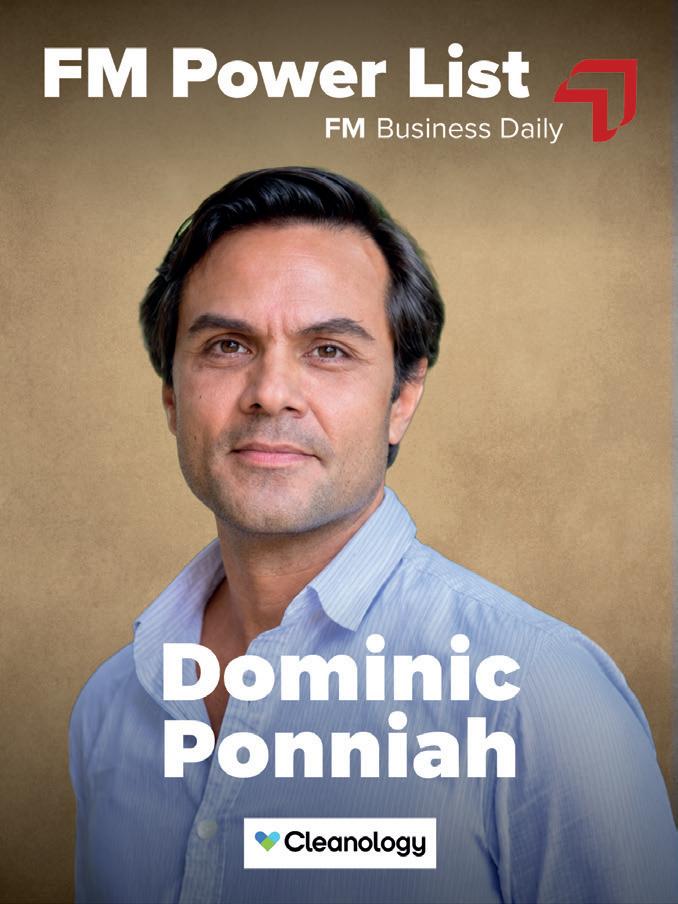
Dominic Ponniah
Dominic is an award-winning entrepreneur, campaigner, international keynote speaker and media commentator. Having been CEO for over 20 years, Dominic is currently chairman of the multi-award-winning commercial cleaning & facilities management company Cleanology, which he co-founded with his mother in 1999. With a team of over 1,000 people across London and all major UK cities, the business counts embassies, blue-chip corporations, luxury retail and even royalty amongst its clients..
Key Services:
Contract Cleaning, Commercial Cleaning, Specialist Cleaning, Support Services
Read more...
Chair - FASET
Tony Seddon
SAEMA General Secretary
Co-founder & Managing Director
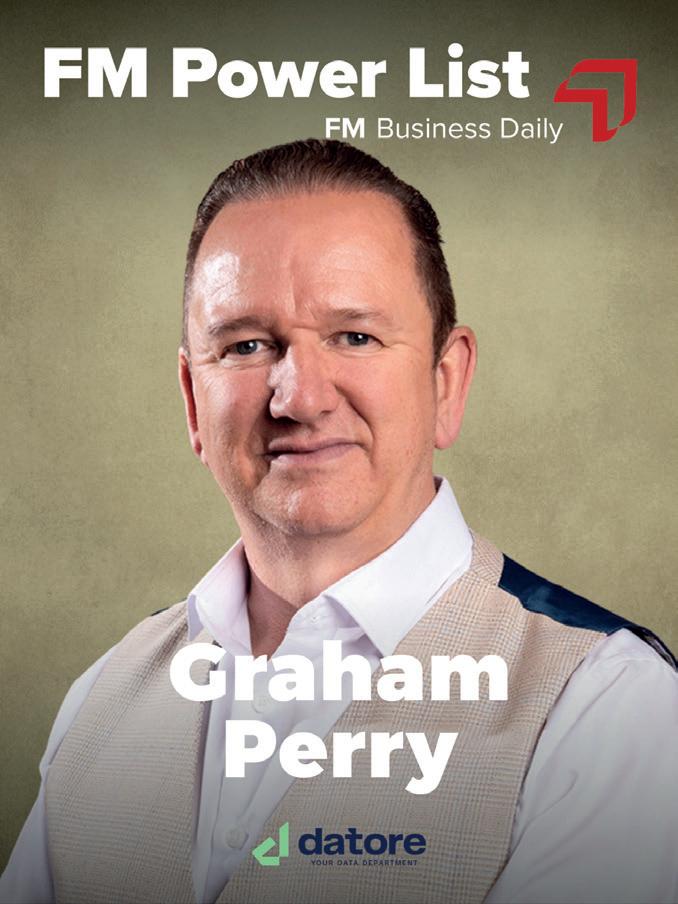
Graham Perry
Key Services:
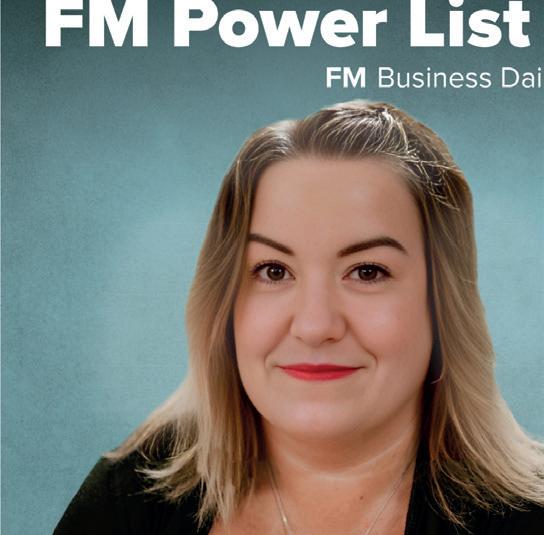
Graham Perry is the co-founder and Managing Director of Datore, the UK’s only subscription-based fractional data department. With 40 years in technology and 20 in the built environment, Graham brings a combination of engineering discipline and operational FM knowledge to a problem the industry has struggled with for decades: too much data, not enough insight. At Datore, he leads a team that acts as a fractional data department for FM service providers and in-house FM teams – handling everything from data strategy, architecture and engineering through to dashboards, analytics, automations, client portals, and strategic insights.
Data strategy, data capture & cleaning, systems integration, data warehousing & architecture, data security, dashboards & client/supplier portals, analytics & insights, AI
Read more...
Managing Director of Seddon Management Services
Tony Seddon is a highly respected figure within the access and safety industry, bringing decades of practical experience and strategic leadership to his role as Managing Director of Seddon Management Services. With a strong background in work at height, Tony has built a reputation for his deep technical knowledge, pragmatic approach and unwavering commitment to raising standards across the sector.
Key Services:
Access and Safety, Engineering and Maintenance, Safety Equipment Training, Professional Development
Read more...
Managing Director - Linaker Claire Curran
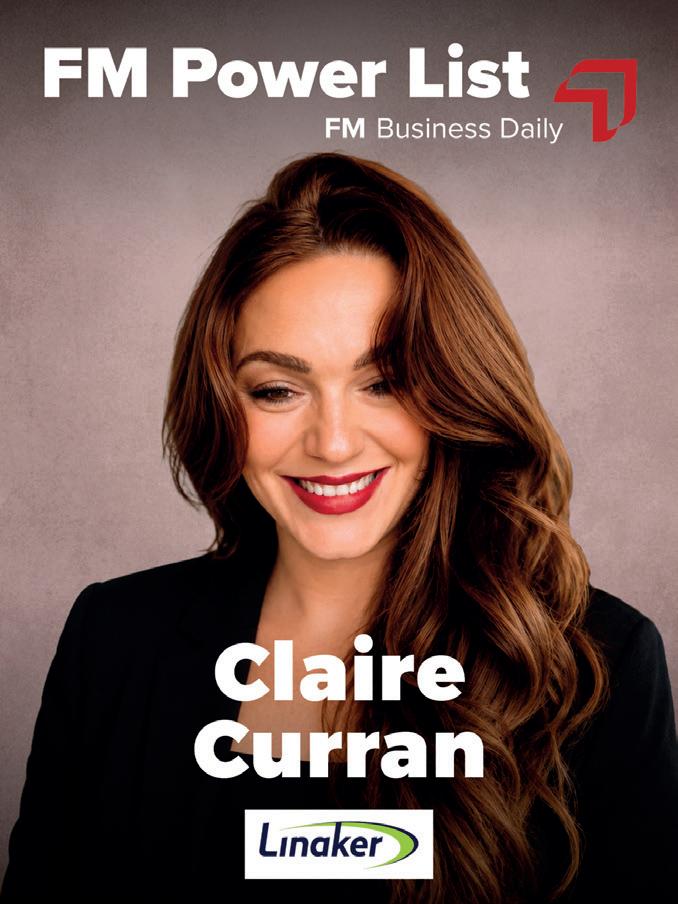
Claire Curran is Managing Director of Linaker and former President of the BESA Group, the UK’s leading trade association for building engineering services, and is recognised as a leading voice in the built environment sector. With more than 25 years’ experience in facilities services, she is widely recognised for shaping high-performing organisations while influencing the direction of the industry at a national level.
Key Services: Mechanical, Electrical, Hard Services, Soft Services
Read more...
Chair - SSIP
Eleanor Eaton
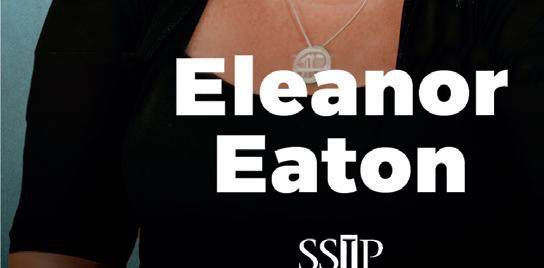
Eleanor Eaton is a highly regarded and influential leader within the health, safety and compliance sector, recognised for both her strategic vision and her unwavering commitment to raising industry standards. As Founder and Managing Director of CQMS, she has built a business defined by quality, integrity and a clear focus on delivering robust compliance solutions to organisations across the UK.
Key Services: Health, Safety and Compliance, Procurement, Training Services.
Catherine Gray
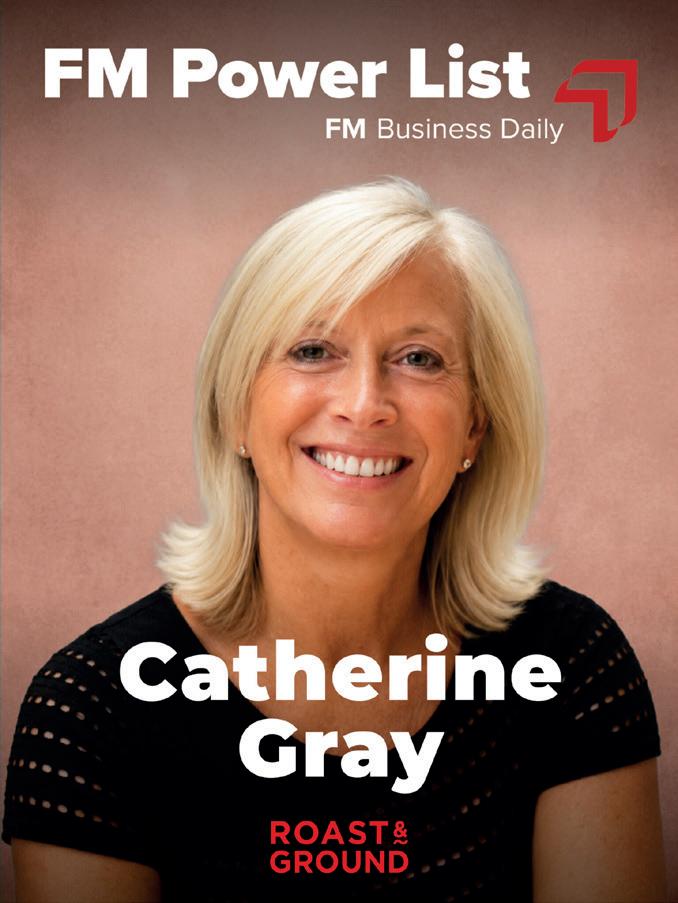
Catherine Gray is Joint Managing Director of Roast & Ground, the independent family-run coffee specialist known for delivering premium workplace coffee solutions with a strong emphasis on service, sustainability, and quality. Having been involved with the business since its early days, Catherine has played a key role in shaping its customer-focused approach and continued growth.
Key Services: Food and Drink, Workplace Wellbeing
Read more...
Joint Managing Director - Roast & Ground
Group Managing Director - YorPower
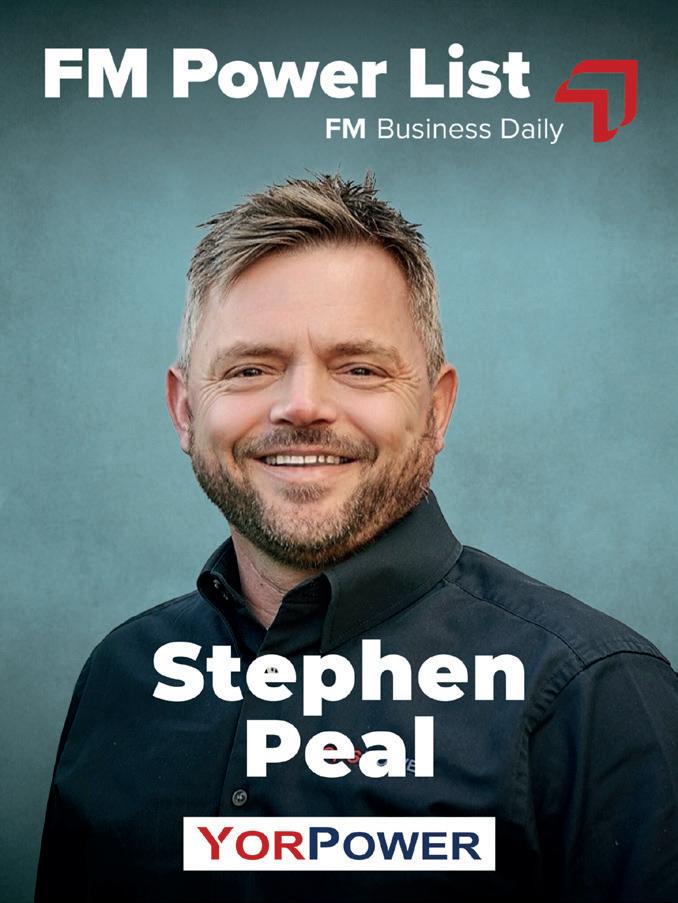
Stephen Peal
Stephen Peal is Group Managing Director of YorPower, a leading authority in back-up power solutions across the UK. Under his leadership, the business has strengthened its position as a trusted partner for critical power infrastructure; delivering generator and UPS solutions with precision, reliability, and technical excellence. With over a decade at the helm, Stephen has driven sustained growth through strategic partnerships, commercial discipline, and a clear focus on innovation. His leadership has expanded YorPower’s customer base and market presence, while maintaining the high standards expected in mission-critical environments where performance cannot be compromised.
Key Services: UPS, Generator Supply, Maintenance
Managing Director - Indigo IFM
Phil Smith
Managing Director - Foremost
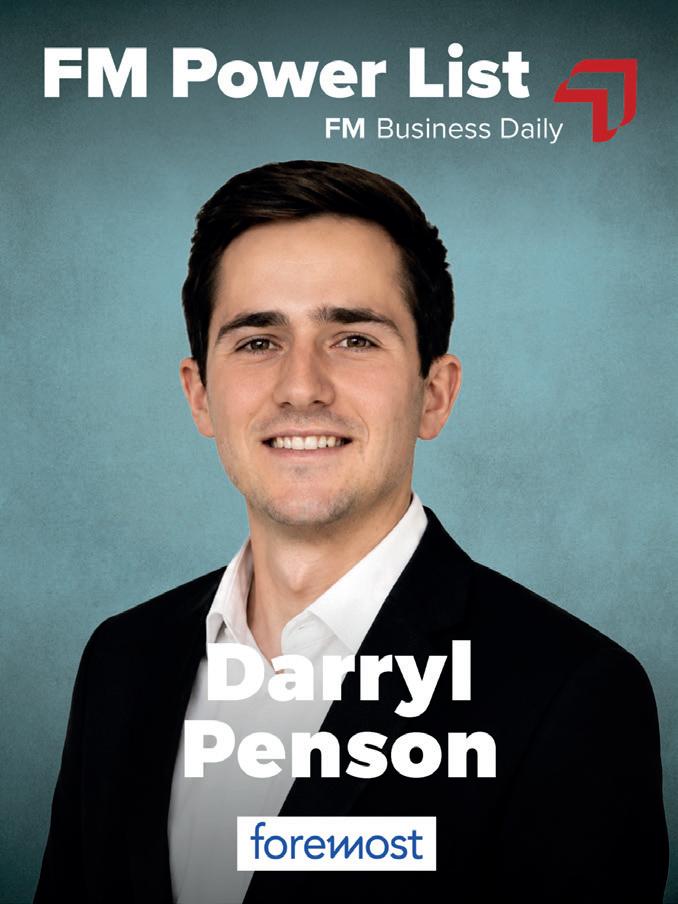
Darryl Penson
Darryl Penson is Managing Director of Foremost, a leading supply partner supporting some of the UK’s fastest-growing and most sustainability-focused cleaning companies. With a strong focus on innovation, service, and operational support, he works closely with cleaning and facilities management businesses to help them enhance performance, improve client satisfaction, and drive long-term growth.
Key Services: Cleaning, Maintenance
Phil Smith is a dynamic and well-connected figure within the business and professional services community, best known as the driving force behind Indigo IFM and the Hill Club. With a strong focus on relationship-building and strategic networking, Phil has created organisations that bring together senior leaders and decision-makers in meaningful and commercially valuable ways..
Key Services:
Soft FM Services, Pest Prevention, Commercial Cleaning, Hygiene Services, Networking, Waste Management, Washroom Services
Latest Appointments of Senior F M Professionals
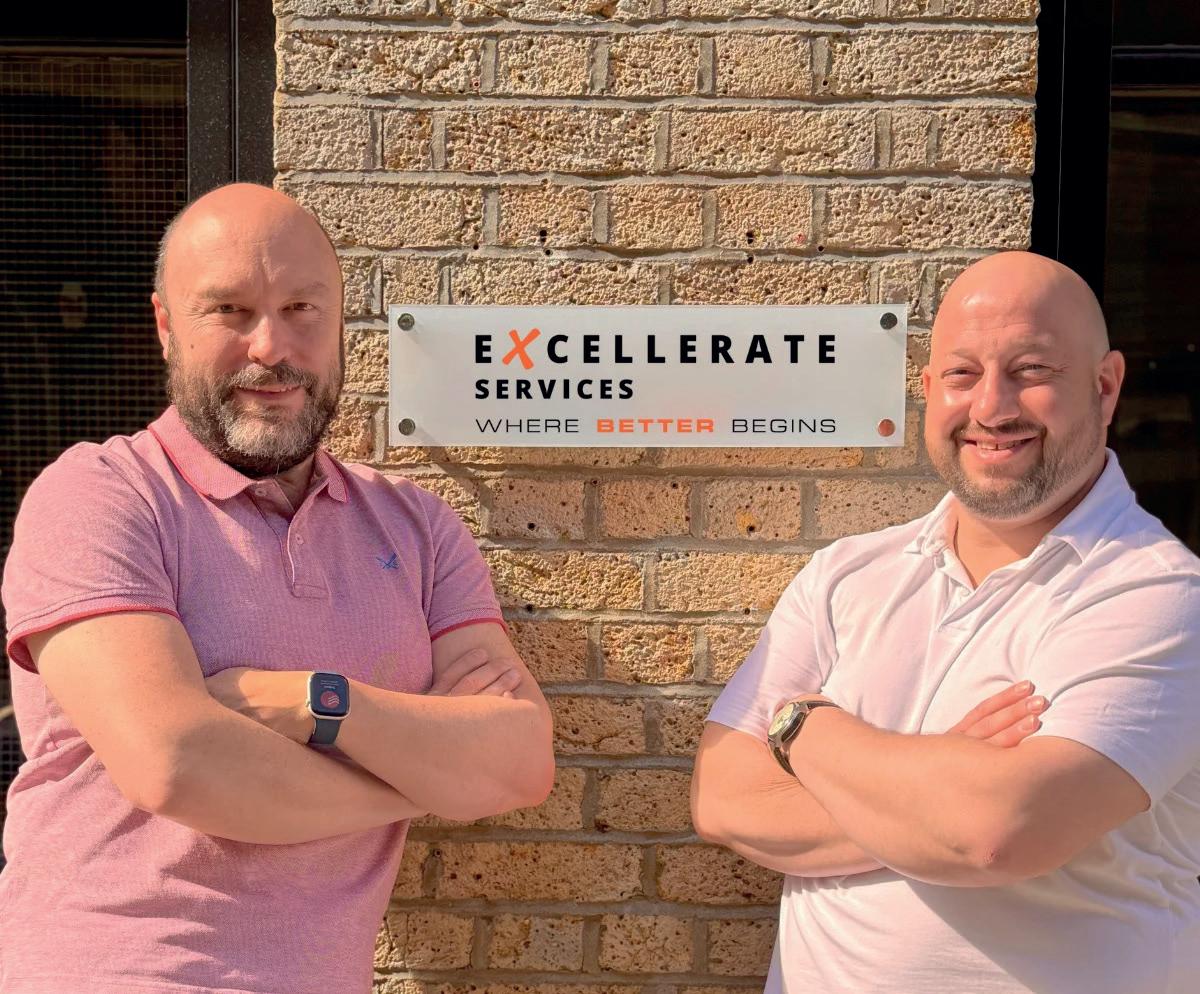
Nick Rastelli and Justin Moore have been appointed Joint Chief Executives of Excellerate Services UK & Ireland, effective 1 July 2026. Johan Venter, who has led the business for three and a half years, becomes Chairman across the UK, Ireland and UAE.
Excellerate Services UK & Ireland has announced a significant change to its senior leadership structure. Nick Rastelli and Justin Moore have been appointed Joint Chief Executives, effective 1 July 2026, as Johan Venter steps into a newly created Chairman role spanning the Group’s UK, Ireland and UAE operations.
Johan Venter has led Excellerate Services UK for three and a half years, steering the business through the merger of several companies and establishing the service capability and reputation it holds today. In his new role as Chairman, his experience will continue to guide the Group’s international businesses as they develop the same standards and culture that Excellerate UK & Ireland is known for.
The decision to appoint two Joint Chief Executives reflects the scale and breadth of the business, which operates across more than 7,000 sites. Nick Rastelli will lead sales, business development, client relationships and service operations. Justin Moore will lead technology, finance, payroll and the company’s Service Centre. Both will share full accountability for the performance and direction of the business.
The appointments follow the retirement of Harvey Soning, who served as Chairman for nine years and guided the business through its early development in the UK market. Mr Soning will remain a Board Member of Excellerate Services UK & Ireland until the end of December 2026.
Vectair, a global leader in aircare, washroom hygiene, and odour control solutions, has announced that Brian Garry has joined the company as SVP, Head of Sales – Americas.
In this role, Brian will lead Vectair’s growth initiatives across the Americas, working closely with key leaders across the organisation to ensure the sales team has the tools, resources, and support needed to continue delivering value to customers and distributor partners.
Brian brings more than 30 years of industry experience, with a career spanning sales leadership, business development, and market expansion. Throughout his career, he has held leadership positions with Cintas Corporation, ODP Business Solutions, and Hospeco Brands Group, helping organisations strengthen customer relationships, expand market presence, and drive sustainable growth.
Social enterprise and security specialist Corps Security has promoted Eren Stirling to Sales & Marketing Director. The appointment recognises Stirling’s contribution to business growth since joining the organisation in 2019 as its Business Development Manager.
Stirling will lead Corps Security’s sales and marketing function, focusing on brand positioning and the development of new client and partner relationships, while broadening the company’s approach and expanding into new market sectors. He and his team will continue driving innovative solutions for Corps’ growing portfolio of customers.
Stirling will play a pivotal role in embedding Corps’ new, fully integrated security solutions model, which brings together Corps Security (security guarding), Corps Monitoring (remote monitoring), and Corps Intel (intelligence, risk and consultancy). This model ensures customers benefit from complete, proactive and reactive security solutions tailored to their specific needs. The integrated approach will drive efficiencies and deliver a streamlined experience for customers.
Stirling began his career in security 18 years ago, working in operations before moving into frontline security management at VSG in 2013, then transitioning into sales in 2017. He joined Corps in 2019 as a Business Development Manager and progressed to Solutions Director in 2021, developing experience across the corporate, public, and heritage sectors. His background spans operational delivery, sales and commercial development, giving him a strong foundation for the sales and marketing director role.
The Munnelly Group has announced the appointment of Matt Duck to the position of Group Board Director – People & Culture, in a move which will see him lead the company’s People and Culture function across all eight of its brands.
Taking ‘People’ and ‘Culture’ out of the standard HR function and giving it a specific Board directive is a strategic move from the Munnelly Group as part of its long-term growth framework, ‘Target 2030’.
An experienced HR professional, Matt has worked within senior leadership roles for the last 25 years and will play an integral role in strengthening the Munnelly Group’s people and culture function even further, with part of his remit to embed the ‘One Group, One Mission, One Standard’ value across the Group.
Stirling reflected: “After an extremely successful seven years with Corps, I am grateful to be recognised for this new challenge. This new role allows me to lead and help others to thrive. We have a truly exceptional team, and I’m really excited about what we will continue to achieve together. Corps is an organisation that truly invests in its people, and I look forward to what the future holds for our business, people and for our community.”
Having initially joined the company in a consultancy role, Matt was officially named Group Director of HR on a full-time basis in 2023. During his time in this role, he developed a high-performing HR team and was responsible for relaunching the reward and recognition strategy, enhancing the management of employee relations streams and delivering a suite of leadership workshops.
Matt, who has experience working across numerous sectors, including construction, retail and financial services, before joining the Munnelly Group, will now oversee HR operations at the Group’s eight specialist trading businesses – Munnelly Support Services, Guardior, MacRail, Bishopsgate Group, City Calling, Weston Analytics, Bridgehead Consultancy and Severn Partnership.
Robin Mills, CEO of Compass Group UK & Ireland, will retire this summer after 19 years with the business, including seven years as CEO and as a member of the Compass Group PLC Executive Committee.
Known for his people-centred and client-focused leadership, Robin has overseen a period of significant growth, with the UK & Ireland business doubling in size during his tenure. He successfully guided the organisation through the challenges of the Covid-19 pandemic, helping it emerge stronger and better positioned for the future, while also leading its expansion into new sectors and markets.
Robin’s passion for innovation, social mobility and sustainability has shaped the culture of the business and he has put great food and exceptional service at its heart.
Alongside his executive responsibilities, Robin has served as Chair of the Compass Group Foundation. Since its launch three years ago, the Foundation has supported more than 21,000 people and backed over 300 small enterprises globally, creating positive and lasting impact in communities around the world.
Commenting on his retirement Robin Mills said: “It has been a privilege to lead the UK & I business and to work alongside so many talented and dedicated colleagues. I am proud of what we have achieved as a business and how we have achieved it – by putting people first, supporting one another and never losing sight of the important role we play for our clients, customers and the communities where we work.
Following a strong 2025, Tilbury Douglas, a leading UK building, infrastructure, engineering and fit-out business, has appointed Simon Butler as Managing Director – Regional Building.
In this role, Simon will lead the Regional Building service line, ensuring continued focus on delivering the company’s five-year growth plan and maintaining strong operational performance across the regions.
To support Simon in his new role, Martin Horne has been appointed to Regional Managing Director – Building North, with responsibility for Yorkshire, the North East and the North West. Richard Boeg has been appointed to Regional Managing Director – Building South, further strengthening Tilbury Douglas’ regional leadership structure and supporting continued geographic growth. In addition, Kabir Salihi has been appointed to the role of Regional Director – North West.
Corps Security has realigned its operational senior leadership around a new integrated operating model, with Paul Lotter appointed as Chief Operating Officer to lead the change.
Underpinning the realignment are Corps’ three core divisions: Corps Security, security guarding; Corps Monitoring, remote monitoring; and Corps Intel, intelligence, risk and consultancy, which now come together under one unified operating model.
This will ensure customers benefit from complete, 360-degree proactive and reactive security solutions tailored to their businesses, driving efficiency and innovation.
To deliver this new approach, Lotter will lead a senior team spanning the breadth of Corps’ operations.
Lotter will provide strategic and operational leadership across the business, working closely with operational teams to drive seamless coordination and continuous improvement.
Specialist contractor Composites Construction UK operates throughout the UK and Europe. Using innovative methods, we carry out structural strengthening and repairs to concrete, timber, and masonry structures. contact@fibrwrap-ccuk.com www.fibrwrap-ccuk.com 01482 425250
Integral Cradles Ltd. delivers permanent façade access solutions across the UK, specialising in high buildings with unique specifications and demands. A whole life-cycle solution. kevin@i-cradles.com www.i-cradles.com 0845 074 2758
FASET is the established trade association and training body for the safety netting and temporary safety systems industry. We support members with guidance, training, and exclusive benefit schemes. enquiries@faset.org.uk www.faset.org.uk 01948 780652
Lemon Contact Centre is a leading contact centre for the FM industry. Leveraging 20 years’ of expertise, our 24/7 contact centre services provide unparalleled flexibility, scalability and resilience for your business.
Lemoncontactcentre.co.uk 0800 612 7595
Project Management Global is a media platform and community for professional project managers. Providing informative news, industry insights, career support, resources and jobs for project managers across the globe. news.pm-global.co.uk
Seddon Management Services strives to offer the best solutions for trade associations to keep their members safe and compliant. becky@managementandauditing.co.uk www.seddonmanagementservices.co.uk 07854 226251
YorPower is one of the industry’s most trusted providers of back-up power solutions (generators and UPS) for customers in a wide variety of sectors, both in the UK and around the world. sales@yorpower.com www.yorpower.com 01977 688155
Premier Technical Services Group Ltd (PTSG) is the UK’s leading provider of specialist services to the construction and facilities management sectors. info@ptsg.co.uk https://www.ptsg.co.uk/ +44 (0) 1977 668 771
GIND UK delivers ambitious projects in challenging environments. Our London-based engineering and design team specialises in bespoke access system maintenance for the world’s most iconic buildings. info@gind.uk www.gind.uk 0800 448 8884
neutral carbon zone (NCZ) is a full-service platform that gives you the tools your company needs to make the transition to a carbon neutral business and beyond.
SAEMA has a long history in delivering the best training and guidance in the temporary and permanent suspended access industry. We are committed to advancing safety through raising the standards in best practice. info@saema.org
https://www.saema.org/ 01948 838616
Managing compliance across complex buildings isn’t a single-service challenge.
It requires specialist expertise, coordination and absolute confidence in delivery.
PTSG brings together five critical disciplines under one group, providing integrated specialist services that protect people, assets and operations nationwide.
Specialist services for safe, compliant buildings.