THE HIGH WATER MARK

February 2026 - Volume 36, Issue 1
February 2026 - Volume 36, Issue 1
The Newsletter of the Floodplain Management Association February 2026 - Volume 36, Issue 1
Mission: To promote the common interest in reducing flood losses and to encourage the protection and enhancement of natural floodplain values.
Chair Vince Geronimo Geronimo Engineering (916) 993-4606 Vince@geronimoengineering.com
Vice Chair
Millicent Cowley-Crawford Carollo Engineers MCowleyCrawford@carollo.com
Secretary Clark Barlow AtkinsRealis Clark.Barlow@atkinsrealis.com
Treasurer Connie Perkins-Gutowsky California Department of Water Resources Constance.PerkinsGutowsky@ water.ca.gov
Past Chair
Brent Siemer City of Simi Valley BSiemer@simivalley.org
Director Brittney Duncan Clark County Regional Flood Control District BDuncan@regionalflood.org
Director Debbie Neddenriep Carson Water Subconservancy District debbie@cwsd.org
Director Darren Suen San Joaquin Area Flood Control Agency Darren.Suen@sjafca.org
Director Mary Keller Placer County MKeller@placer.ca.gov
Director Rohini Mustafa Riverside County RoMustaf@rivco.org
Director
Remi Candaele Q3 Consulting RCandaele@q3consulting.net
Director Satish Kumar Wood Rodgers skumar@WoodRodgers.com
Director Ernest Conant Downey Brand econant@DowneyBrand.com
Director Flannery Banks City of Santa Rosa, CA FBanks@srcity.org
Director Katie Howes Woodard & Curran KHowes@woodardcurran.com
Director David Smith West Consultants dsmith@westconsultants.com
Executive Director George Booth (916)847-3778 fmaed@floodplain.org
* This article was originally published as a Research Brief by Stanford Woods Institute for the Environment. Featured here with permission.
** This story was originally published by Grist. Sign up for Grist’s weekly newsletter here Featured here with permission.
Vince Geronimo
Last time, we celebrated the legacy that built the Floodplain Management Association. This time, I want to highlight the growth that is shaping its future. If the strength of an organization is measured by the people coming up behind it, then FMA’s future is in very good hands.
Over the past several years, our Emerging Professionals Committee has grown into one of the most dynamic and influential parts of the Association, creating pathways for leadership, expanding educational opportunities, and building a network that will carry FMA forward for decades. Their enthusiasm for learning, collaboration, and service is not just inspiring. It is actively reshaping how FMA connects, educates, and leads.
The FMA Emerging Professionals Committee started in 2017 as a way to connect early-career practitioners with seasoned floodplain managers. In just a few years it has become one of the most visible and active parts of our Association. The committee hosts lunchtime webinars, happy-hour meetups, walking tours of levees, field trips to restoration sites, and even book-club discussions. During the pandemic, committee leaders turned monthly lunch-and-learn sessions into biweekly and weekly webinars, continuing to build relationships online and inviting experienced practitioners to share lessons learned. When in-person gatherings returned, the EPs were the first to organize levee walks and watershed tours across California and Nevada. To date, they have hosted nearly ninety events through their Eventbrite page alone, and their presence on LinkedIn and our website ensures those events are open to anyone who wants to learn. One thing I especially appreciate about the EPs is that after each event, the committee posts thank-you messages on social media and tags the sponsors. That culture of gratitude speaks volumes about who they are.
Regional Hubs, Real Leadership (No Corner Office Required)
Beyond formal events, the EP Committee operates as a network of regional hubs. Bay Area, Sacramento, Southern California, and Nevada representatives plan local activities and share resources across the region. This structure allows students and young engineers to plug into FMA even if their community doesn’t have a large flood program. It also creates real leadership opportunities. Committee chairs, vice chairs, and regional leads learn how to run meetings, manage budgets, and build consensus. These are the same skills needed to lead an association, and the EPs are getting a head start. Today, the committee thrives under the leadership of Chair Rianne Okamoto of PACE – Advanced Water Engineering and Vice Chair Teanna Quach of HNTB. Their commitment
to keeping this committee’s momentum going, alongside a dedicated team of regional representatives and program coordinators, ensures that the pipeline of future FMA leaders remains strong. The full EP Committee leadership roster can be found on the FMA website.
One of the committee’s signature initiatives is the mentorprotégé program, a year-long pairing of mentees with experienced professionals. The program grew significantly under the coordination of Zubair Dosu of the California Central Valley Flood Protection Board, our 2023 Mentorship Award recipient, who expanded its reach across Northern California, Southern California, and Nevada and arranged site visits so young professionals could see how projects evolve from design to construction. Today, the program is led by Mentorship Program Coordinator Brittney O’Connell of R&F Engineering, who continues to build on that foundation and connect emerging professionals with seasoned mentors across FMA’s geographic footprint. The program epitomizes the committee’s ethos: mentorship is not a one-way transmission of knowledge but a shared journey where both mentor and mentee grow.
At FMA’s annual conference, the EPs bring energy and creativity that enlivens our plenaries and workshops. Their plenary sessions spotlight young voices, cover emerging topics, and encourage audience participation. The EPs are also instrumental in organizing field trips and technical tours at the conference, coordinating with local sponsors and public agencies to highlight innovative projects.
A committee is only as strong as its members, and our EPs have been recognized through the Emerging Professional of the Year Award, which honors individuals who contribute outstanding leadership, creativity, and service. The inaugural award in 2021 was shared by Megan LeRoy and Wendy Wang, who spearheaded the committee’s rapid growth during the pandemic, scaling lunchtime sessions into weekly webinars and actively connecting mentors with emerging professionals. Megan went on to serve on the FMA Board as the first EP representative, setting a precedent for the committee’s role in Association governance. That same year, Morgan O’Brien was recognized for launching virtual webinars during the COVID-19 transition and creating the Future Leaders of Water (FLoW) book club. In 2022, Madeline Baker was honored for helping establish the EP Program itself and demonstrating the unique blend of technical aptitude and mentorship that defines a true community leader.
The 2023 award went jointly to Katie Howes of Woodard & Curran and Carly Narlesky of MBK Engineers. Katie, now Katie Layden (congrats!), has taken on multiple EP leadership roles, including Bay Area representative, membership coordinator, vice chair, and chair, and is known for empowering fellow committee leaders through concurrent initiatives. She also stepped into the EP Board representative role, continuing the tradition of strong emerging voices in Association governance. Carly has been an active leader for four years, organizing creek cleanups, Girl Scout outreach events, and social gatherings that helped EPs reconnect after the pandemic, showing that floodplain management is as much about environmental stewardship and community engagement as it is about engineering. Now she leads our subcommittee to revolutionize the FMA website!
In 2024, Trishna Patel of HDR was recognized for her contributions both to the EP Committee and to FMA at large. Trishna started as the EP Committee’s social media chair and was promoted to serve as social media chair for the full FMA Board, where she also serves on the awards committee. Her work supporting the FMA Scholarship Program, promoting the annual conference, and amplifying the mentorship program has helped raise the visibility of everything our EPs do. In 2025, Elena Szlemp, CRS Coordinator for the County of Placer, was recognized for her rapid growth from newcomer to highly capable floodplain manager, earning both her CFM and PE credentials in just over a year.
I’d also like to give a nod to Holly Callahan of Avila & Associates, the EP Committee’s Newsletter Columnist, who received the Goddard Award for her article “Leaders at Every Level.” Holly challenged the “curse of knowledge” bias and argued that emerging professionals should be teaching seasoned practitioners the fresh skills and tools they bring from their studies. It’s exactly the kind of two-way knowledge transfer that makes this committee so valuable to the entire Association.
Hashtags, Videos, and Flood Facts (Oh My)
Beyond awards, the EPs run social media campaigns that promote flood awareness, highlight members’ achievements, and meet younger professionals where they are. They share articles about flood preparedness, post videos introducing the mentorship program, and regularly feature EP perspectives right here in this newsletter. Their efforts show that FMA is a vibrant and welcoming community for anyone at any stage of their career.
Planting Seeds for 2065 (and a Centennial Party We Won’t Want to Miss)
When I look at the dedication of our Emerging Professionals, I am reminded of the mentors who built FMA. The names we celebrated in my last article, Jeanne Ruefer, Marty Teal, Maria Lorenzo-Lee, and others, once sat where our EPs sit now. They
learned, they volunteered, and they took chances. Today’s EPs are doing the same. Someone born this year [winks at Satish] will be twenty-four years old in 2050 and could very well be an active member of the Emerging Professionals Committee. By 2085, that person might be chairing the FMA Board, leading our Association to its 100th anniversary. The seeds we plant now, the mentorships we nurture, the events we host, and the community we build, are what will sustain FMA to century’s end and beyond.
On behalf of the Board and all past and present members, thank you to every Emerging Professional who has planned an event, served on a committee, mentored a colleague, or simply attended a workshop. You are the reason we believe in the future of FMA. To sponsors and employers who support these activities, your investment is shaping tomorrow’s leaders. To mentors, your guidance is invaluable.
So here’s my ask: get involved. Attend a luncheon or a happy hour. Sign up for the mentor-protégé program. Offer to host a site visit or give a lunchtime talk. Show up at the next conference and introduce yourself to someone you don’t know. The career-long friendships I wrote about in my first letter didn’t happen by chance. They started with someone deciding to show up, get active, and be part of something bigger than themselves. Whether you’re just starting out, well into your career, or somewhere in between, there has never been a better time to connect with the EP Committee. The future of FMA isn’t something we wait for. It’s something we build together. Cheers,
Vince Geronimo Chairman, Floodplain Management Association
SAVE THE DATE
Floodplain Management Association Annual Conference
September 8-11, 2026
Long Beach, CA
Visit – www.floodplain.org
California Extreme Precipitation Symposium
July 16, 2026
UC Davis
Post Fire Watershed Management
April 14-15, 2026
Yucaipa, CA
For an Update of the latest disaster declarations visit: www.fema.gov/disasters
Information on Flood Insurance Reform – Rates and Refunds: www.fema.gov/flood-insurance-reform-rates-and-refunds
Due to changes in federal priorities in 2025, FEMA will indefinitely be unable to provide tailored updates to the FMA Board or newsletter. If you have a unique FEMA issue, feel free to reach out to FMA and we will advise to the best our abilities.

New Watershed Studies Highlight How the San Joaquin Basin Can Turn Floods into Opportunities
California’s San Joaquin Basin is at the center of the state’s water challenges, with decades of groundwater overdraft and increasingly severe floods putting water supplies, communities, agriculture, and the environment at risk. The Department of Water Resources’ (DWR) newly released San Joaquin Basin Flood-MAR Watershed Studies assess how climate change is intensifying these water management challenges across the Calaveras, Stanislaus, Tuolumne, Merced, and Upper San Joaquin watersheds and identifies strategies to help the San Joaquin Valley prepare and adapt to a more variable future.
The Watershed Studies explore how capturing and storing floodwater underground – a practice known as Flood-Managed Aquifer Recharge (Flood-MAR) –can turn extreme events into opportunities.
The Watershed Studies investigated a comprehensive strategy combining forecast-informed reservoir operations (FIRO) with managed aquifer recharge (MAR). FIROMAR uses improved weather forecasting to guide how reservoirs store and release water thanks to technology that has advanced substantially over the past 20 years developed in partnership with Center for Western Weather and Water Extremes and others.
Utilizing FIRO-MAR has the potential to increase the volume of recharge more than fourfold, and it can greatly diminish the size and frequency of flood flows. The reoperation of reservoirs in the comprehensive strategy also enhances habitat by creating temporary, seasonal wetlands for shorebirds and improving instream flows for fish.
• Learn more about the studies: https://water. ca.gov/News/News-Releases/2025/Dec-25/ New-Watershed-Studies-Highlight-How-the-SanJoaquin
• Download report files: https://cadwr.app.box. com/s/1mmbblsok46ljheicf0kmfx7q3hhhng2
DWR Launches Operations at Big Notch Project, Expanding Critical Salmon Habitat
Operations have officially begun for the Big Notch Project, one of the largest floodplain salmon-rearing habitat projects in California history. DWR held a ribbon cutting ceremony in Yolo County to kick off the first operational season of the Big Notch Project. The project includes three seasonally operated gates at the Fremont Weir, making it easier for juvenile salmon and sturgeon to
move into the Yolo Bypass — a critical floodplain habitat that plays a key role in the recovery of these threatened and endangered species.
The Big Notch Project is built into the Fremont Weir, which is part of the Fremont Weir State Wildlife Area in Yolo County. The construction of the massive project included the removal of a section of the Fremont Weir, the installation of three gates, the excavation of 180,000 cubic yards of material to carve new channels for the salmon, and the construction of a control building and a pedestrian bridge.
With construction now complete, the gated passages will be opened when the Sacramento River is high enough to use the Yolo Bypass as a floodplain. The water will enter the bypass through the notch at Fremont Weir and create a shallow water floodplain for fish to easily migrate through the area. This also means juvenile salmon will have a food-rich habitat to feed in for a longer time. This creates juveniles that are conversationally called “floodplain fatties,” since studies show the juvenile salmon that feed in floodplains grow rapidly in size, compared to juveniles that only feed in rivers. Floodplain migration also improves their chances of survival as they travel to the Pacific Ocean.
• Learn more about the project: https://water. ca.gov/News/News-Releases/2025/Nov-25/ DWR-Launches-Operations-at-Big-Notch-Project
DWR has released a comprehensive new assessment of water conveyance in the San Joaquin Valley – home to more than 4 million Californians and one of the nation’s most important agricultural regions. The San Joaquin Valley Conveyance Study examines the effects of land subsidence on the systems that move water across the region and evaluates the need for infrastructure improvements or expansions to support long-term water reliability.
The study, an action in Governor Newsom’s 2020 Water Resilience Portfolio, finds that the top priority for improving conveyance in the San Joaquin Valley is stopping or minimizing land subsidence, especially near State Water Project and Central Valley Project conveyance facilities. This can only be achieved over the long term by raising groundwater levels above critical thresholds. The study also finds that repairing existing conveyance infrastructure is more important than expanding or building new conveyance because the region has limited surface water supplies.
Continued on next page
• Learn more about the study: https://water. ca.gov/News/News-Releases/2025/Nov-25/ New-DWR-Conveyance-Study-Finds-GroundwaterStabilization-Key-to-Protecting-Valley-Water-Supplies
DWR Finalizes Best Management Practices on Managing Land Subsidence in California
DWR has released a final Best Management Practices (BMP) document that will serve as a guide for groundwater managers on the basics of subsidence, how to best manage it, and available technical assistance. The document will also help local agencies meet objectives set by the Sustainable Groundwater Management Act (SGMA) to avoid or minimize current and future impacts of subsidence. This Best Management Practices has been finalized after months of development and a robust public review period of the draft document. For general inquiries about the Best Management Practices document or other programmatic topics, please contact: sgmps@water. ca.gov
• Website: https://water.ca.gov/Programs/ Groundwater-Management/SGMA-GroundwaterManagement/Best-Management-Practices-andGuidance-Documents
DWR hosts quarterly State CRS Users Group meetings that provide support and educational resources for communities that participate in the CRS, are interested in joining, or want to learn more about the program. During the meetings, attendees can share ideas, best practices, and hear from guest speakers about CRS-related topics. If you or your community are interested in attending a future meeting, please e-mail the State CRS Coordinator at Robert.Lampa@water.ca.gov. Program information is available on the Community Rating System webpage. Upcoming meetings:
• Wednesday, April 15: 10:00 am-12:00 pm
• Wednesday, July 15: 10:00 am-12:00 pm
• Wednesday, October 14: 10:00 am-12:00 pm
Note: The 2026 meeting dates are subject to change.
DWR staff have started coordinating upcoming NFIP workshops for the federal fiscal year that began on October 1. The team is currently updating workshop materials, and they are preparing to teach the following courses:
• Elevation Certificate,
• NFIP Basics,
• Substantial Improvement and Substantial Damage, and the
• NFIP Refresher Course for those who plan to take ASFPM’s CFM exam.
To reach more people who can’t attend in-person events, DWR will be scheduling online training as well. The workshop schedule will be coming out soon. For more information, visit California NFIP Events and Tickets | Eventbrite.
Post Wildfire Watershed Management Symposium in Southern California, April 14-15, 2026
CalOES and DWR will give a presentation about their efforts during the Eaton and Palisades fires of January 2025. For more information, please visit floodplain.org
Interested in news about DWR’s programs, grants, and partnerships? DWR has fifteen mailing lists that provide updates on the work we do. Subscription page: public. govdelivery.com/accounts/CNRA/signup/31790
Nikki Blomquist, Northern California Advisor
California Department of Water Resources
Nikki.Blomquist@water.ca.gov | (916) 820-7749
Salomon Miranda, Southern California Advisor California Department of Water Resources
Salomon.Miranda@water.ca.gov | (818) 549-2347
See the latest news stories relating to Hawai’i’s floodplain management issues. For the transformed flood information platform from Hawai’i visit their exciting weekly blog at www.waihalana.hawaii.gov/
Some of the latest articles relate to the release of the MAT report for the Maui fires and the appeal period for Honolulu Preliminary Flood Maps, and much more, provided by the DLNR Engineering Division.
For archived Wai Halana Newsletters (prior to 2018) –https://dlnreng.hawaii.gov/nfip/wai-halana/
The FMA Newsletter welcomes the input of its members and now our extended family of readership to contribute to the conversation! Keep the great articles coming! We need to hear from all of you. There’s always room for more to join the ranks of published authors. Showcase your programs, projects, tools, policies, regulations or ideas to hundreds of floodplain management professionals throughout the U.S.! Articles must be submitted in Word format to fmaed@floodplain.org and may contain 2-3 small pictures. Preferred length is less than 850 words. For more details, call (916) 847-3778.
As of October, the flood program’s mapping coordinator position became vacant and will not be filled until after Federal Emergency Management Agency (FEMA) Cooperating Technical Partner (CTP) grant funding resumes.
In better news, the flood program welcomes Bunny Bishop, as she returns to her position managing drought/ water planning/floods at Nevada Division of Water Resources. Welcome back Bunny!
Flood Awareness Week 2025 was a huge success, gaining 2.4 million impressions through radio, billboard, newspaper and social media content. Thank you to the amazing collaborators of the Flood Awareness Communications Team!
The Nevada Silver Jackets Team held their biannual meeting during Flood Awareness week on November 12, 2025. Topics included current Silver Jackets projects, Flood Awareness Week highlights and flood risk outreach successes. The presentation that inspired the most discussion was delivered by the Nevada Division of Insurance on flood insurance and how we can collaborate best during the lapse in the NFIP.
David Curtis
Out of great tragedy can come great change. It is no secret that meaningful action is often motivated by significant loss, and this is one of those situations. Last year catastrophe hit Texas, and in particular, the Camp Mystic families were hit extremely hard, with 25 young women and two camp counselors losing their lives in a flash flood.
Sometimes there is nothing the survivors can do but just cry and grieve over the loved ones who have left this world behind. Sometimes, something can be done to prevent another similar tragedy from happening. Reactions to the tragedy include lawsuits, but other reactions are less punitive and more constructive. Texas realized it was time to get proactive for the future.
The Texas Water Development Board (TWDB) has published the “Flash Flood Warning Siren Guide.”
In response to catastrophic flooding that impacted 30 Texas counties in July 2025, the 89th Texas Legislature passed Senate Bill 3 (SB 3) and Senate Bill 5 (SB 5), establishing requirements for outdoor warning sirens in designated flash floodprone areas within the 30 impacted counties. The requirements of SB 3 are codified in Texas Water Code Sections 16.051 and 16.052.This guide provides requirements and recommendations for implementing sirens in flash flood-prone areas based on best management practices and subject matter expertise, while considering the unique flash flood challenges in Texas.
The project was completed on a very accelerated timeline in response to last summer’s tragic floods in Texas, and subsequent legislation passed to require sirens in flash flood prone areas of Texas Hill Country. Starting from scratch, after receiving the notice to proceed in the first week of November, the team delivered a final draft document before the end of December. After several rounds of stakeholder reviews, the final document was released on 27 January. The document will guide the release of $55 million allocated by the Texas state legislature to aid deployment of sirens and supporting gauges in the 30-county disaster area from last summer’s flooding. Though the document is targeted to the 30 counties in central Texas, the guidance is broad enough to serve other areas of Texas and beyond.
Download the TWDB Flash Flood Warning Siren Guide





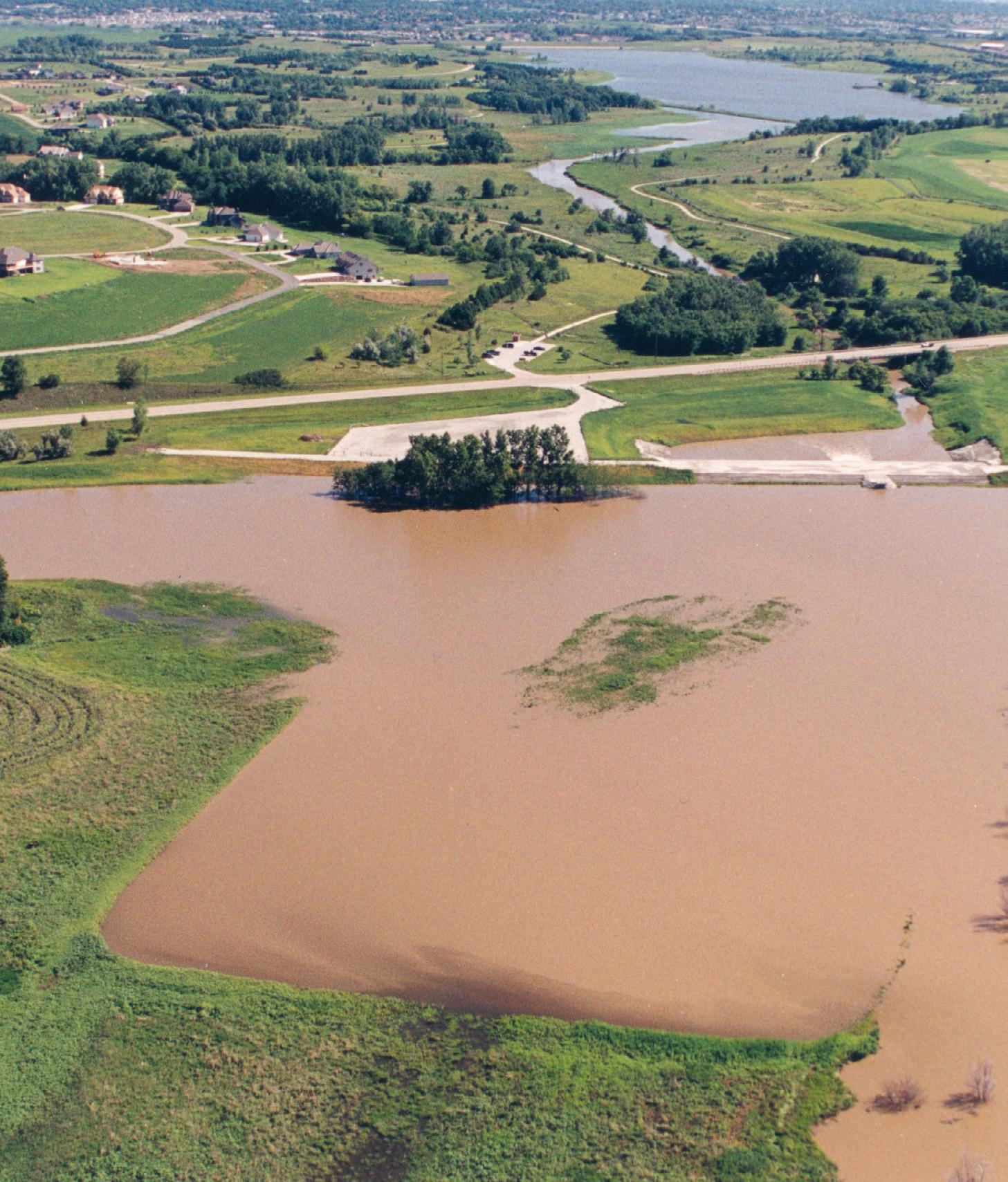
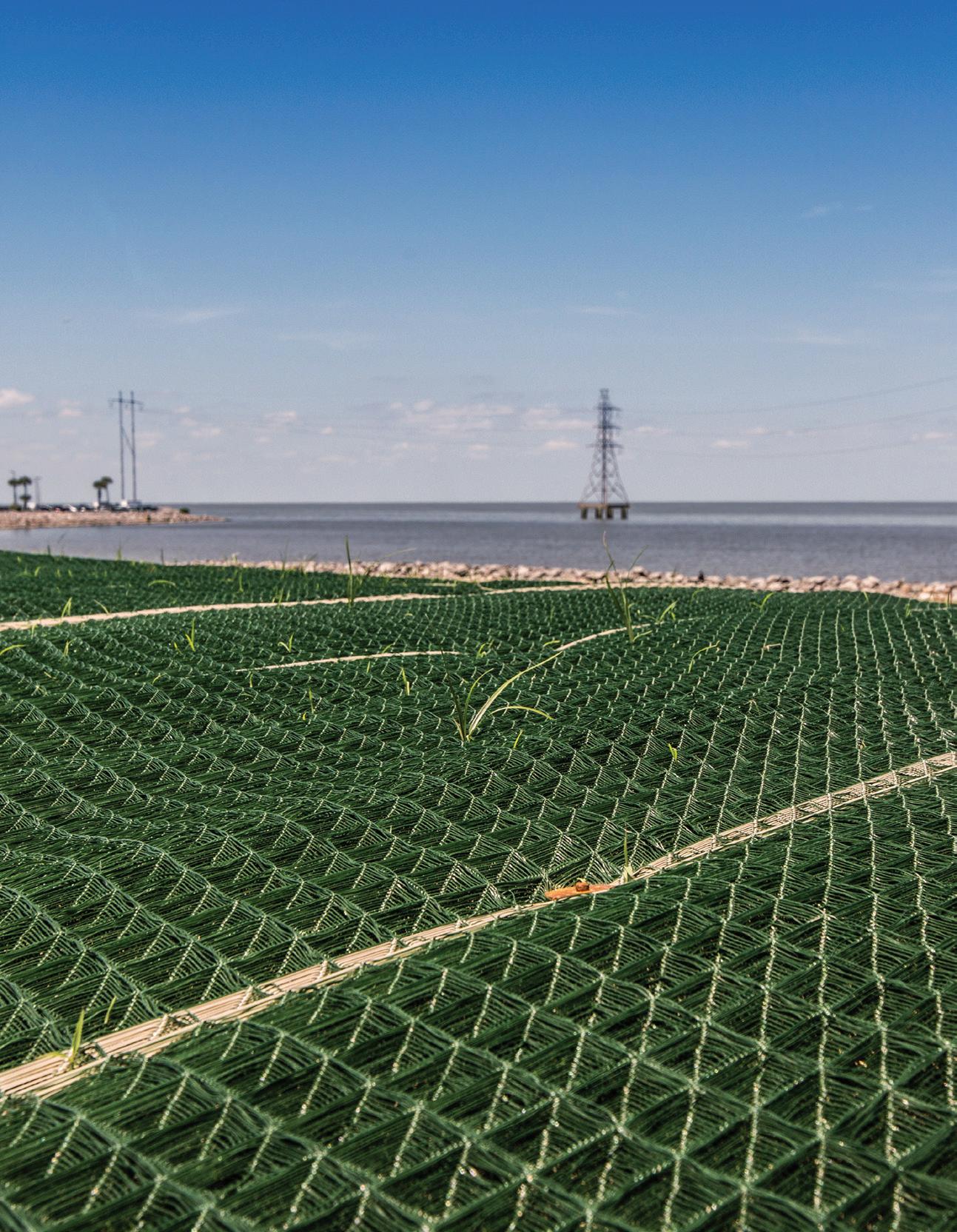



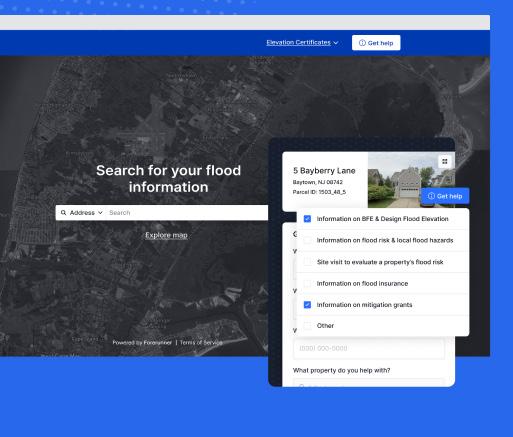

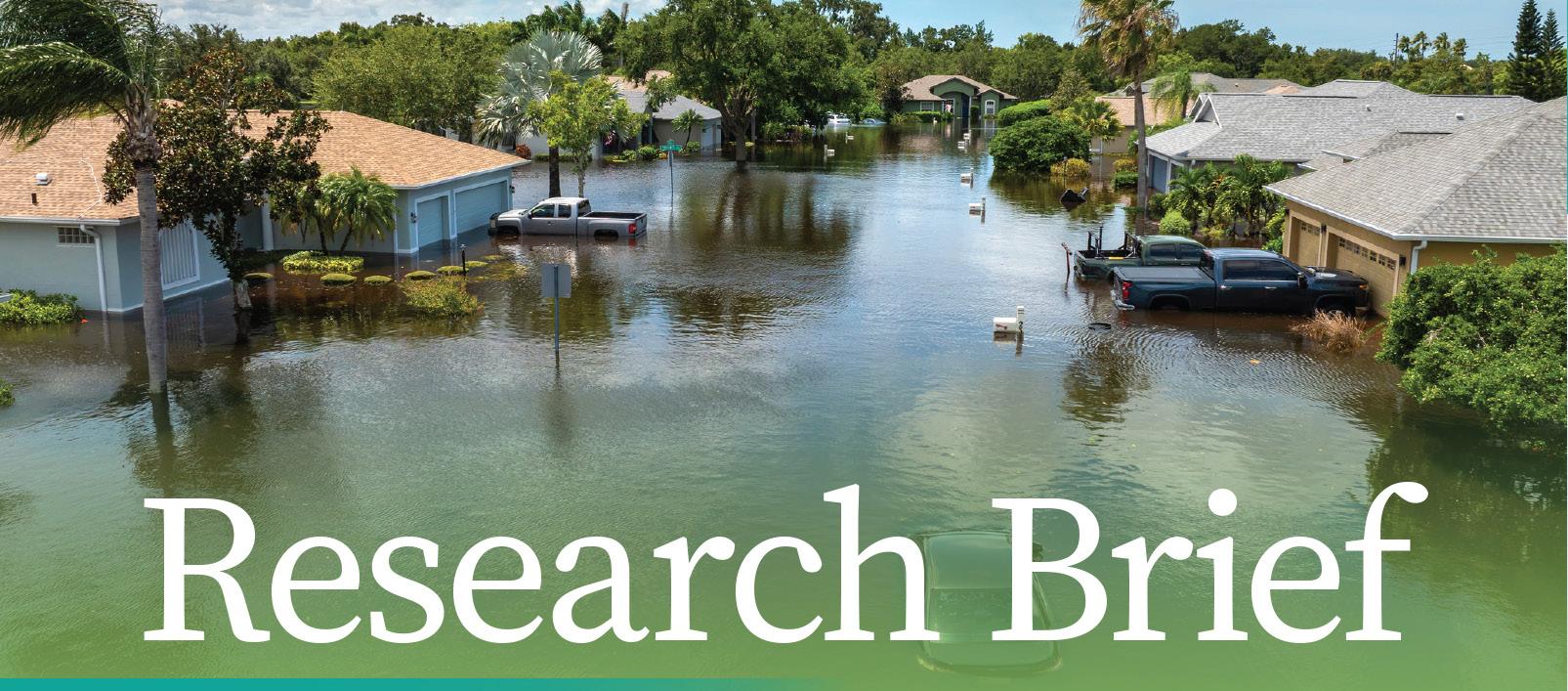
Millions of Californians live behind levees, yet federal maps often treat non-accredited levees as absent. Stanford research links this legacy “without levee” mapping to higher flood insurance prices for some communities.
Background
Historically, flooding has been the most costly natural disaster in the United States and one of the most frequent natural disasters experienced in California. Thousands of levees have been built nationwide to protect people from flooding, most of them maintained by local authorities.
In California alone, millions live behind levees. Flood insurance, a key tool for managing financial risk and recovery, depends on these levees to reduce risk.
The price of flood insurance for consumers has historically been set using a Federal Emergency Management Agency (FEMA) assessment that categorizes levees as either “accredited” or “nonaccredited”. Accreditation requires the levee owner — usually a local government — to fund and provide engineering documentation showing that a levee meets federal design standards. Importantly, accreditation is a mapping and insurance designation, not a public safety guarantee. Accredited levees can fail, and nonaccredited levees may provide meaningful protection. But for many levees, there is little publicly available information on their condition or maintenance.
In the 2000s, non-accredited levees were mapped using a “without levee” procedure, effectively treating them as if they did not exist. FEMA revised the “without levee” procedure in 2013, but California’s mapping was largely
complete by that time. As a result, unlike many other states that were mapped later under the new approach, about 90% of California still relies on flood maps produced before that update.
FEMA plays a crucial role in flood resilience and response as the administrator of the National Flood Insurance Program (NFIP) and the producer of the Flood Insurance Rate Maps, which underpin the flood insurance program. FEMA and the NFIP have been widely criticized for underestimating flood risk, in large part because FEMA’s flood maps and insurance pricing have not accounted for true flood risk. In contrast, a new study led by Stanford scholars finds that FEMA flood maps can also overestimate flood risk, particularly in communities protected by non-accredited levees. The research shows that this legacy mapping and accreditation framework has had major consequences for who pays for flood insurance, and how much.
• Non-accredited levees are far more common. Non-accredited levees outnumber accredited by about 10 to 1. Accredited systems are concentrated in urban areas and protect a larger share of people and assets, while non-accredited levees are located mostly in rural, less populated areas.
• Levee accreditation status has created inequitable insurance price differences. Between 2009 and 2020 (pre Risk Rating 2.0) households behind non-accredited levees paid roughly twice as much in premiums as they would have if their levee had been accredited. This essentially created an insurance cross-subsidy from relatively lower-income rural areas to higher-income urban centers.
• These burdens are especially acute in the San Joaquin Valley, where high insurance costs intersect with low Community Rating System discounts and high poverty rates. This highlights how levee mapping choices can compound inequities across regions and communities.
• Risk Rating 2.0 pricing is narrowing premium differences, but does not redraw the preexisting flood maps. Accreditation still shapes the 100-year flood zone designation that underpins the National Flood Insurance Program, with enduring economic impacts to households through property prices, insurance mandates and higher building codes.
This brief is based on Drawing the line: how levee accreditation shapes flood insurance winners and losers published in Environmental Research Letters.

Hannah Melville-Rea is a PhD candidate at the Emmett Interdisciplinary Program in Environment and Resources in the Stanford Doerr School of Sustainability.
Jenny Suckale is an associate professor of geophysics in the Stanford Doerr School of Sustainability and a senior Fellow, by courtesy, at the Woods Institute for the Environment.
Corinne Bowers is a PhD graduate from Stanford’s Environmental Engineering department and a Mendenhall Fellow at the U.S. Geological Survey.
Kathleen Schaefer is a PhD graduate from UC Davis, a former FEMA Engineer and research professional exploring innovative insurance instruments.

Jayme Laber
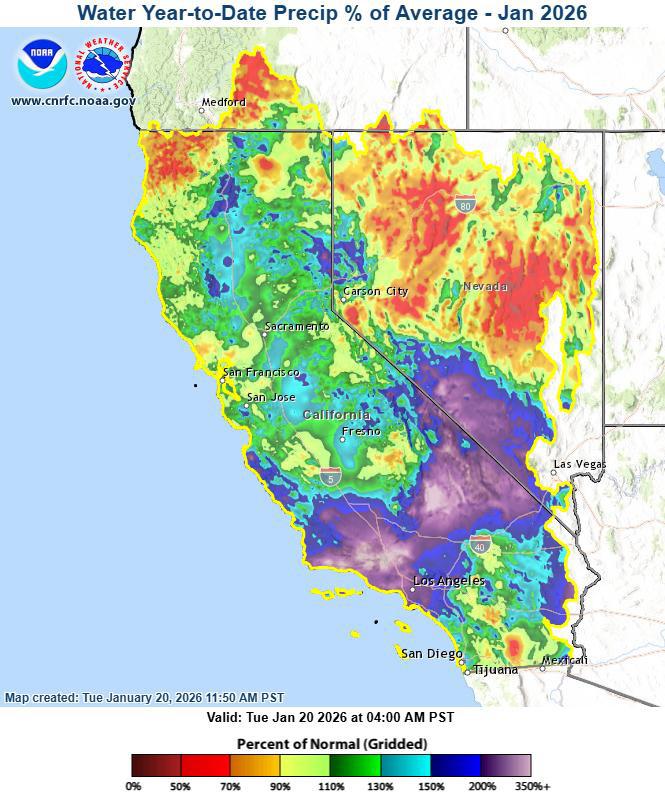
So far, during the current water year (October 1, 2025 to January 20, 2026), the observed precipitation has been above normal in many areas of California and southern Nevada. (Figure 1).
Figure 1: Percent of WY Normal Precipitation (October 1, 2025-January 20, 2026). Source: CNRFC
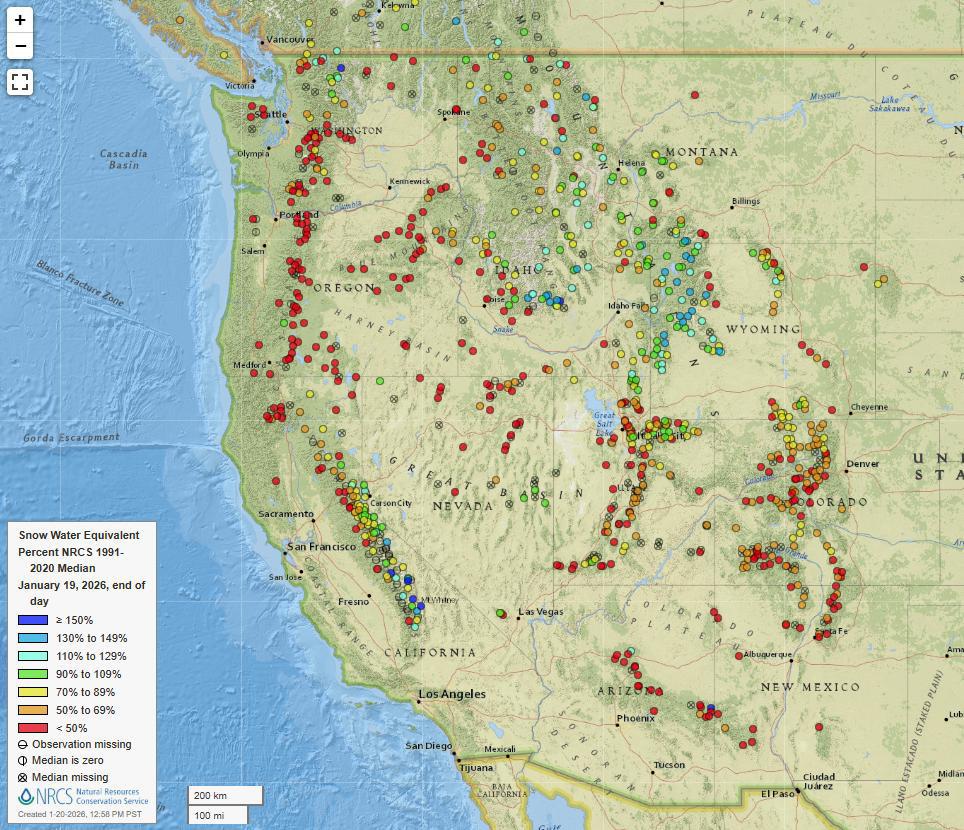
Snowpack across the western United States is below average in many locations (Figure 2). Although there has been above normal precipitation across many of these areas so far this water year, the majority of the precipitation has fallen as liquid precipitation rather than frozen precipitation.
Figure 2: January 20, 2026 Western United States Snow Water Equivalent percent of 1991-2020 median. Source: CDEC
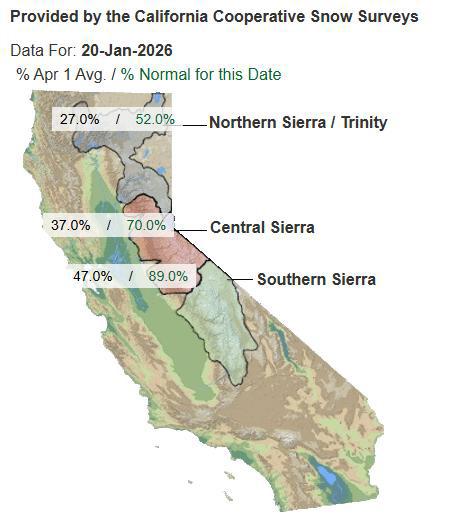
Focusing on the State of California, snow water equivalents in running below normal for this time of year in the Northern, Central, and Southern Sierra (Figure 3).
Figure 3: January 20, 2026 California statewide snowpack conditions. Source: CDEC

For California, current water supply storage is near or above the historical average for nearly all major reservoirs (Figure 4).
Figure 4: Current water supply conditions for area reservoirs. Source: CA Department of Water Resources
Continued on next page
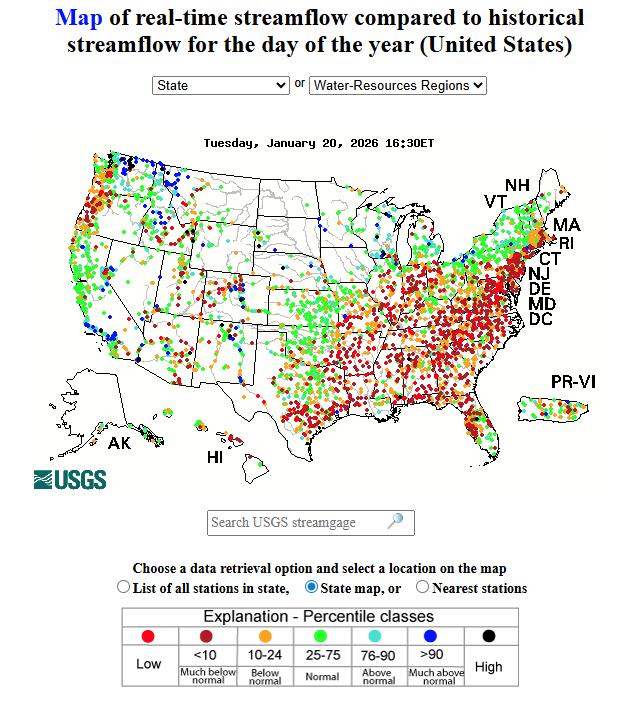
Map of streamflow compared to historical streamflow for January 20, 2026 (Figure 5). California and Nevada streamflow is much above average for this time of the year.
Figure 5: Streamflow compared to historical streamflow for January 20, 2026. Source: United States Geological Survey

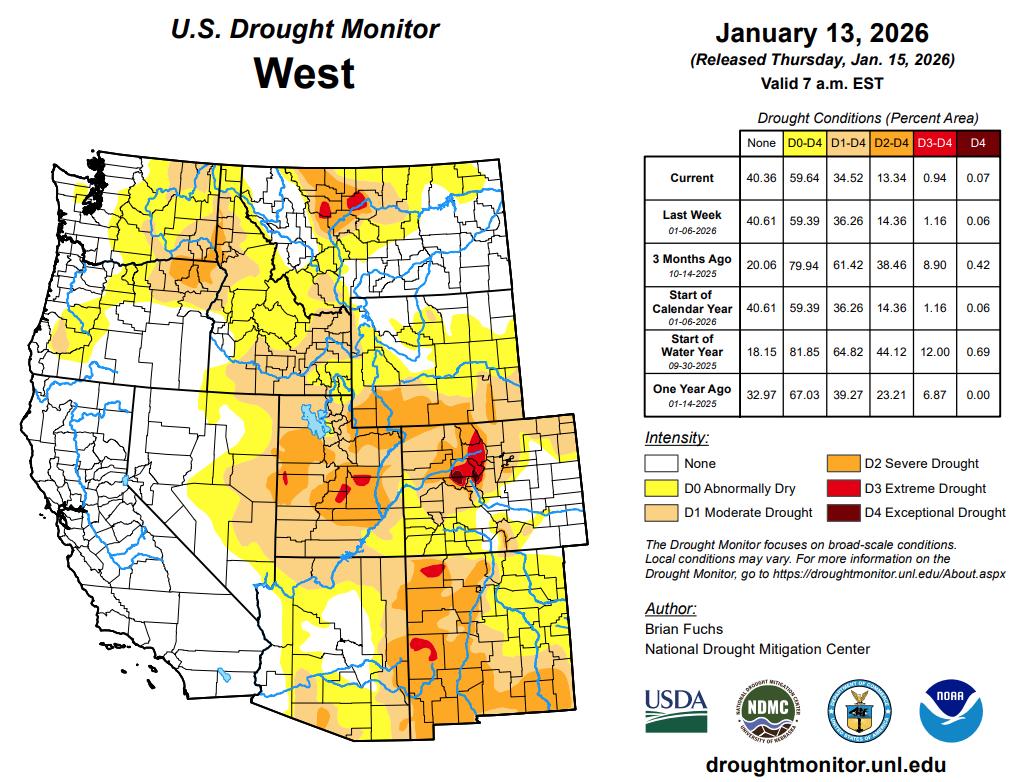
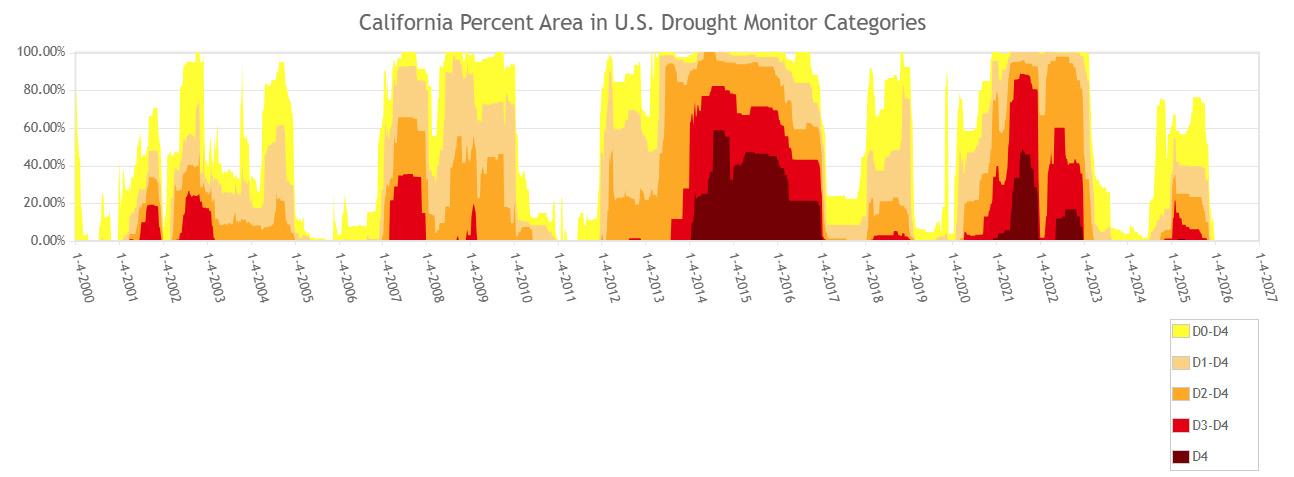
Drought conditions as depicted on the U.S. Drought Monitor Map (Figure 6). This is the first time the State of California has been depicted as drought free on the U. S. Drought Monitor Map in the past 25 years (Figure 7).
Figure 6: Current U.S. Drought Monitor Map. Source: National Drought Mitigation Center
Figure 7: U.S. Drought Monitor Map Time Series. Source: National Drought Mitigation Center
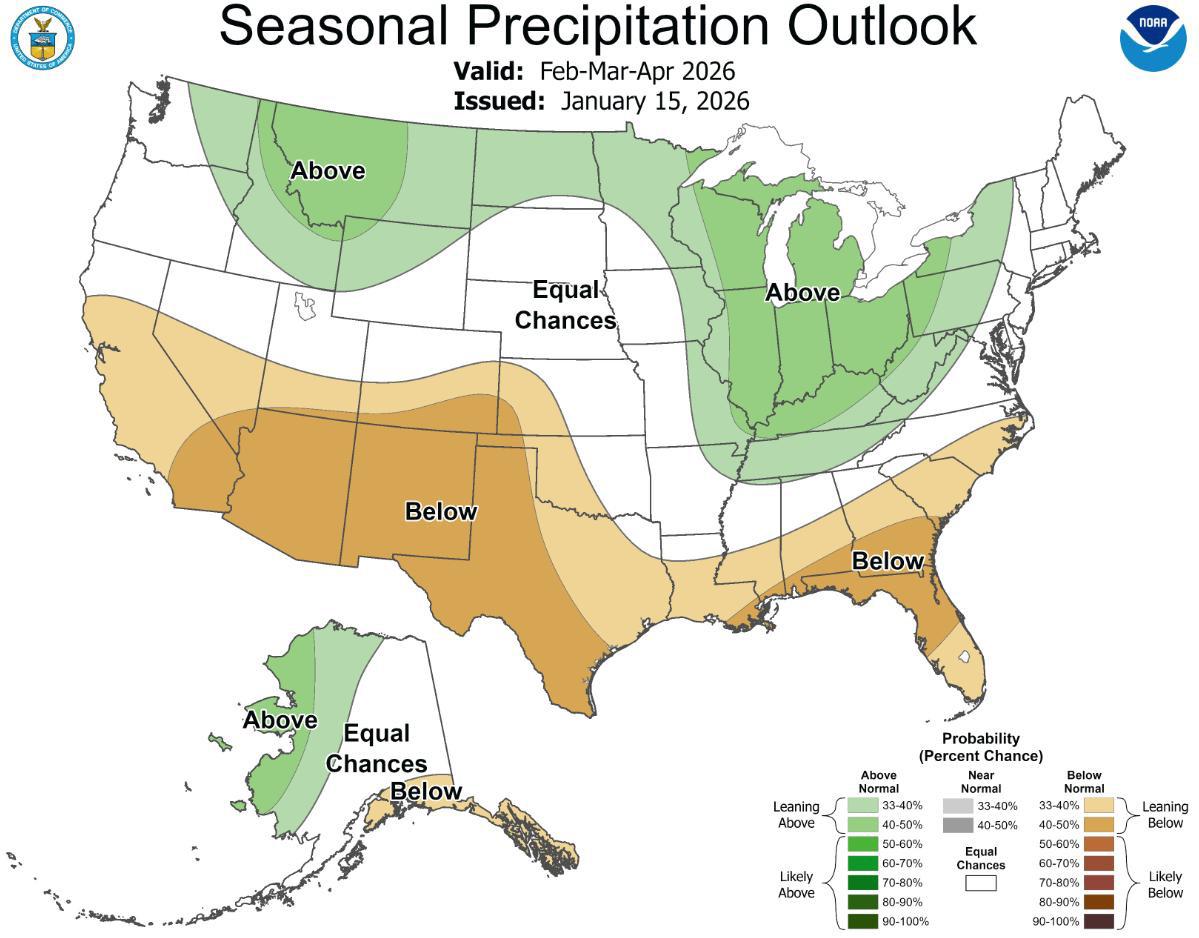
Following is the seasonal precipitation outlook for February, March and April 2026. (Figure 8).
Figure 8: Current seasonal precipitation outlook valid for Feb-Mar-Apr 2026.
Source: Climate Prediction Center
Rebecca Egan McCarthy, Grist
This story was originally published by Grist. Sign up for Grist’s weekly newsletter here

Internal turmoil and delayed aid expose the agency’s fragility under Trump.
As 2025 draws to a close, the departure of the beleaguered acting director of the Federal Emergency Management Agency, David Richardson, caps a tumultuous year for FEMA. In January, President Donald Trump took office and vowed to abolish the department. Though the administration subsequently slow-walked that proposal, its government-wide staffing cuts have led to a nearly 10 percent reduction in FEMA’s workforce since January. Now it faces a long-awaited report issued by a review council, commissioned by the president and Homeland Security Secretary Kristi Noem, just as a new interim FEMA chief prepares to take the reins in December.
Although some expected the review council to recommend further cuts or try to fulfill the president’s suggestion of disbanding FEMA entirely, a leaked draft of the report, obtained by the New York Times, recommends preserving the agency. “There’s been a need for emergency management reform for a while,” said Jeffrey Schlegelmilch, a professor at the Columbia Climate School and the director of its National Center for Disaster Preparedness. “But the wrecking balls came in before there was a blueprint for what to do.”
The Trump administration’s first pick to lead FEMA, Cameron Hamilton, was fired after telling Congress that the agency should not be eliminated. Richardson was tapped to replace him, despite a lack of emergency management experience; he reportedly told staff members he had been unaware the United States had a hurricane season, although he later claimed to be joking.
“There’s been a lot of mistrust with expertise in this administration,” said Schlegelmilch, when asked why Richardson was chosen as FEMA administrator.
Richardson’s first test in the national spotlight came in early July, when devastating floods struck Central Texas, killing 135 people. A month earlier, Noem had instituted a new rule requiring her personal sign-off on any FEMA expenditures over $100,000. That meant that, in order to get aid to the region, FEMA officials needed Richardson to get Noem’s approval. But according to reporting from the Washington Post, Richardson made a habit of not checking his phone outside of traditional working hours. This made it a challenge to contact him when the floods hit over the July 4 holiday weekend. As a result, it took over three days for Noem to sign off on expenses for swiftwater rescue teams. It was also later reported that nearly two-thirds of calls to FEMA’s emergency assistance line went unanswered during the floods, because a critical call center was severely understaffed.
A final recommendation on suggested FEMA reforms will arrive by the end of the year, but a leaked draft report supports preserving the agency and restoring it to a cabinet-level agency that reports directly to the president, rather than to the Department of Homeland Security, where it’s been housed since 2003. This has been a longtime goal pursued by emergency management experts, according to Schlegelmilch, because it would give the department more autonomy, reduce red tape, and hopefully improve the speed and efficacy of disaster response in general. A bipartisan bill called the FEMA Act of 2025, which would elevate the department to a cabinet-level agency, was introduced in Congress in July, but it’s stalled in committee.
How the administration will receive the final report from the task force is uncertain, but FEMA’s new interim director, Karen Evans, may not bring much stability to the agency. Although Evans has some emergency management experience, it is largely in cybersecurity rather than disaster response, and the Trump administration’s disinterest in appointing a permanent director may bode poorly for the agency’s long-term future.
“This is the third acting FEMA administrator within a year,” said Shana Udvardy, senior climate resilience policy analyst at the Union of Concerned Scientists. “What the Trump administration is doing is sidestepping the Senate confirmation process for a FEMA administrator, someone we just desperately need in place, given how turbulent it’s been over the past year.”







Getting Started
Kathleen Schaefer, Ph.D., P.E., CFM
Imagine a team of tireless junior experts—always on watch, analyzing every raindrop, and coordinating the perfect response before the river even thinks of rising. That’s the promise of agentic AI: systems that don’t just spot problems, they plan, act, learn, and negotiate— working alongside humans to make our floodplains safer, smarter, and more resilient.
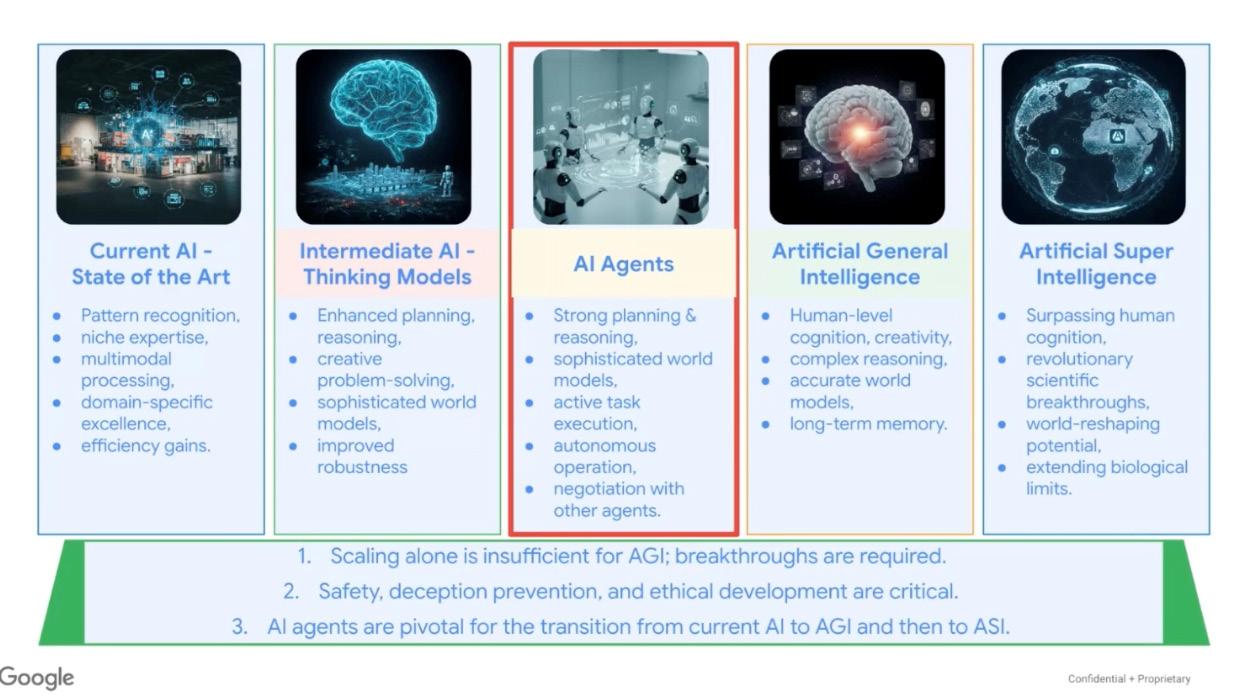
2025 was the year that this started to be possible. 2025 was the year of AI Agents. Because they come with different capabilities, it can be confusing. In the past AI took the form of pattern recognition and domainspecific excellence. Then, AI progressed to a generation of intermediate AI-thinking models. These are models with enhanced planning and reasoning capabilities. They are able to perform creative problem-solving. This evolution created opportunities for AI agents. Don’t think of AI agents as software; think of AI agents as junior teammates. AI agents have strong planning and reasoning skills. They can actively execute tasks and operate simi-autonomously. They can also negotiate with other agents. For example, an AI agent tasked with finding the best price for a product might have the ability to not only identify the best price but to semiautonomously perform actions and possibly negotiate a contract with the seller’s AI agent.
Google characterizes AI agents by level. The following are examples of AI Agents at different levels that might be developed specifically for floodplain management.
Level 1 - Basic Agentic Systems: In floodplain management, a Level 1 AI agent might be tasked with monitoring river levels and automatically sending alerts when predefined thresholds are exceeded. This simple yet crucial task helps managers respond quickly to potential flood risks.
Level 2 - Dynamic Single-Agent Workflows: A more advanced AI agent could analyze weather patterns, historical flood data, and current river levels to select the most appropriate flood prediction model for a given situation. This flexibility allows for more accurate forecasting in diverse scenarios.
Level 3 - Reflective Single-Agent Systems: Imagine an AI agent that not only predicts flood events but also evaluates the accuracy of its predictions after each event. By analyzing discrepancies between forecasts and actual outcomes, the agent can refine its models and decision-making processes, leading to improved accuracy over time.
Level 4 - Multi-Agent Systems (MAS): In this scenario, multiple specialized AI agents work together to manage flood risks. One agent might focus on real-time data collection from various sensors, another on weather pattern analysis, and a third on population vulnerability assessment. These agents collaborate to provide a comprehensive flood risk assessment and response plan.
Level 5 - Managed Multi-Agent Systems: A metaagent could orchestrate the efforts of the specialized agents mentioned in Level 4. This overarching AI would prioritize tasks, allocate resources, and ensure that all aspects of flood management – from prediction to evacuation planning – are coordinated efficiently. The meta-agent could also interface with human managers, providing clear, actionable insights derived from the collective work of its sub-agents.
Level 6 - Self-Improving Agentic Ecosystems: At this advanced level, we might see a network of AI agents that not only manage flood risks but also continuously improve the entire floodplain management system. Agents could critique each other’s performance, suggest improvements to flood models, and even propose infrastructure changes based on long-term trend analysis. This ecosystem could adapt to changing climate patterns and urban development, ensuring that flood management strategies evolve proactively.
The potential impact of these Agentic AI systems on floodplain management is profound. They offer the promise of more accurate predictions, faster response times, and more efficient resource allocation. However, as we integrate these AI agents into our work, we must also consider the ethical implications and potential risks.
For instance, how do we ensure that AI agents make decisions that prioritize human safety and environmental protection? What safeguards do we need to prevent over-reliance on AI systems, especially in critical situations where human judgment may be crucial?
As floodplain managers, we must stay informed about these technological advancements and think critically about their implementation. While Agentic AI systems offer powerful tools for managing flood risks, they should complement, not replace, human expertise and decisionmaking.
The rise of Agentic AI presents exciting opportunities for enhancing floodplain management. By understanding the capabilities and limitations of each level of AI agency, we can harness these technologies to build more resilient communities and better protect our waterways and floodplains.
Resources:
https://dr-arsanjani.medium.com/scaling-agentic-ai86a541f10aad
Agentic Architectural Patterns for Building Multi-Agent Systems: Proven design patterns and practices for GenAI, agents, RAG, LLMOps, and enterprise-scale AI systems by Dr. Ali Arsanjani
This blog was written with the help of Claude, a Large Language Model (LLM)

Michael C. Nowlan, P.E., CFM
No, this is not an obituary. Not yet anyway. I don’t really think that it’s time to declare FEMA as deceased. I am actually hopeful that it will pull through. Many life saving measures can still be administered before it will be considered for life support and possible organ donation, though it has received several transfusions over the years. Too macabre?
Can we all step back a moment and take a good long look at FEMA? I have never worked for the agency, and I certainly have had my frustrations in dealing with its revision processes, but I have come to the realization that I feel sorry for FEMA, as an agency. Yes, people matter, and the whims of politics affect us all, but I have genuine sympathy for this agency that seems to have been set up to fail. It gets blamed for not doing things it was never meant to do, or never funded to do. BTW, it is purely coincidence that two other articles in this edition of the newsletter are about FEMA. I have been writing this one for the past year or so.
I think most if not all of the dysfunctional aspects of this agency can find their origins with the actions or inactions of others. Some folks working inside of FEMA may not have helped to make it less dysfunctional, but some have tried to be Houdini (the famous escape artist for those younger folks who may be reading this) and pick the lock of dysfunction along the way.
Let’s start by looking at its formation in 1979 under President Jimmy Carter. Of course, one could argue that it has its roots as far back as 1803, when the Federal government began enacting federal relief legislation. The consolidation of disaster response efforts was the focus in 1979, as previous response efforts were more fragmented. One of the greatest difficulties FEMA has had to deal with is the management of the National Flood Insurance Program, that was started in 1968. Arguably insurance is part of disaster response, right? FEMA inherited the management of an insurance program that was subsidized by the federal government. The program was unable to charge premiums commensurate with the risk, exacerbated by the fact that the risk was not well defined. Result? FEMA ran out of money and had to be bailed out again, and again. Any private entity would have failed and gone out of business or raised its rates, but the leaders of this
nation propped it up, after recognizing that they were running it in the red. The funds that bailed it out came from everyone, not just the insured or damaged property owners. I know that the issue gets muddied with flood disasters affecting us all, disrupting commerce, climate change, etc., but if the insurance claims were properly funded by premiums in the first place, bailouts would not have been necessary.
Raising premiums is always a touchy issue, particularly when your premium payers also vote you into the office that gives you the controls of the premiums. But, the status quo can only last as long as the status doesn’t change. Natural disasters will eventually happen and the cost to fix damages keeps going up in an inflationary economy, while more and more structures get built in harm’s way. So, where does that leave us? Our country has a screaming need without the ability or desire to fund it beforehand, like insurance is supposed to work. The “rainy day fund” is quickly drained away and only covers a couple of hours, if that. With classic insurance, premiums are paid, creating a pool of funds that are then dispensed through the claims process. In theory, when the claim is filed, the money is already there. Maybe when it comes to the NFIP, FEMA should be renamed according to how it actually responds. Perhaps the Federal Emergency Grant Agency would be a better name, as FEMA can only dispense assistance from a pool of funds that isn’t big enough to meet the need. It is completely dependent on how much Congress (the underwriter) has in the bank account or is willing to go into debt for. FEMA is only the financial messenger in this equation, and often gets shot at.
How often does a disaster strike and the affected people are not insured under the NFIP? Yet, they still need/want relief. We’ve treated automobiles differently than homes in this country. You cannot drive a car without insurance, yet you can own and operate a habitable structure without flood insurance. Houses are occupying the flood highway. The “highway” is simply the atmosphere that carries the storm events to the structures that get flooded.
Continued on next page



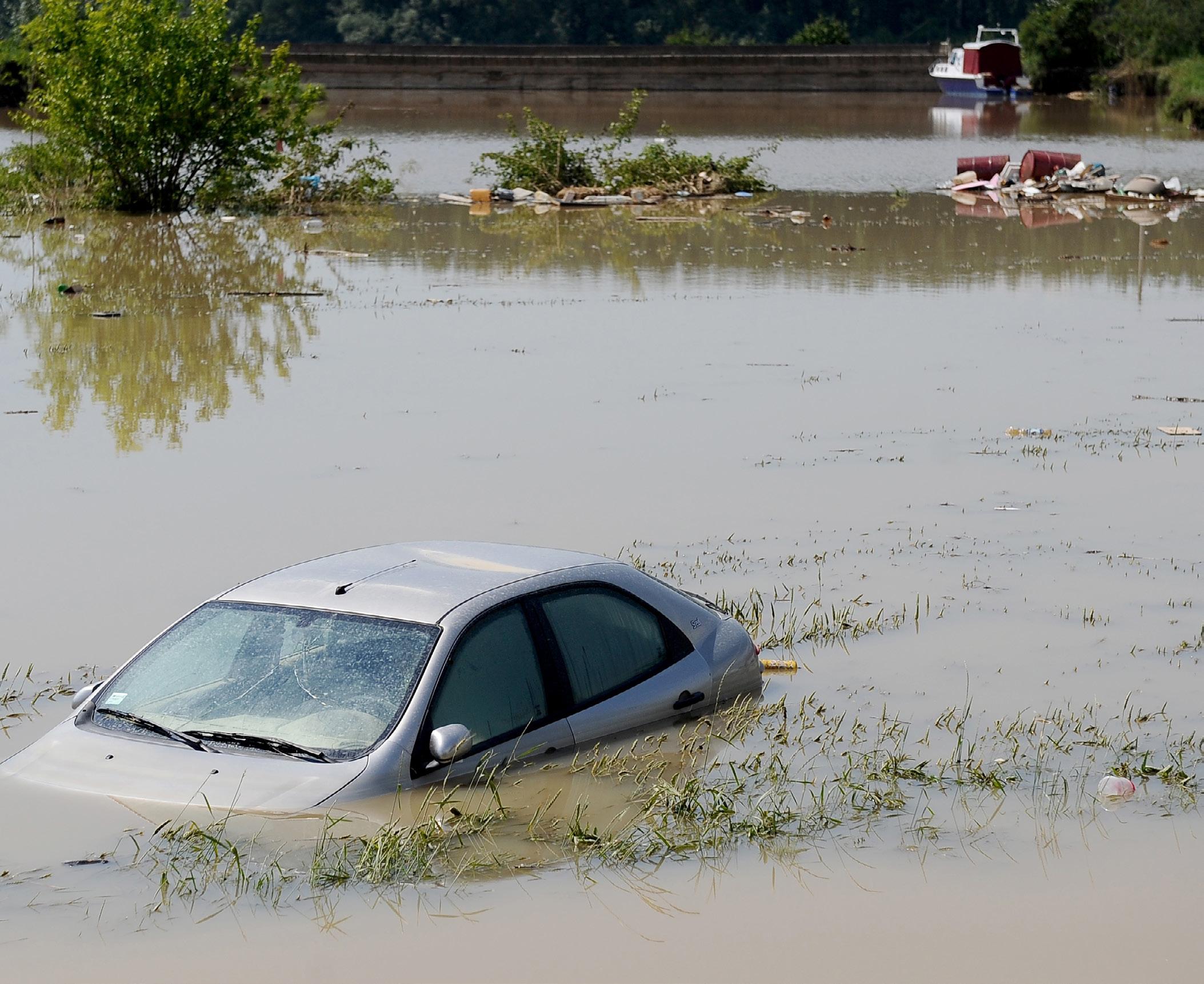
Enough on the financial side of the insurance equation. Let’s talk about hazard mapping. I read an article a few months ago that claimed that the age of FEMA’s mapping could be putting people at risk, by not properly defining the flood hazard. It implied that FEMA was delinquent in their mapping efforts. Of course, it was right after the Texas flooding, and that flooding was used as an example for their story. Yet, it was hardly a good example. The Texas flooding highlighted the inadequacies of flood mapping and local management in general, which isn’t FEMA’s fault. But somehow FEMA gets blamed for not properly notifying affected property owners with accurate mapping. For those of us in the business, we all know how inaccurate standard hydrology can be for defining a 1% chance storm, with extremely limited data and a changing climate. We are always rolling the dice on the craps table and FEMA is perceived as the dealer, with all of the money and the
control. In reality, FEMA is just the person at the table doling out the chips. The bank/casino owner is Congress. They dictate the games to be played and the pay outs. Congress is the one that can fund the studies to improve the mapping accuracy and coverage. Congress is the one that could have funded precipitation and stream gages all over the US 50+ years ago. Even with the best data and calculations, we will forever be hampered in predicting events that have never happened before.
FEMA is being asked to do an impossible task for defining the risk and insuring it, with inadequate funding, and no ability to change the funding stream. They get blamed if they haven’t mapped an area yet. They get blamed if their mapping under-represents the risk. They get blamed if their mapping over-represents the risk. It sounds like they are at the mercy of the political climate and economic storms/disasters. Are you feeling any sympathy for FEMA yet? They are us, and we are all experiencing this storm.












www.consoreng.com

The Newsletter of the Floodplain Management Association