The Quarterly is published four times a year: winter, spring, summer, and fall.
Advertising Inquiries: editor@fly-nd.com
Advertising deadline is the first of the preceding month.
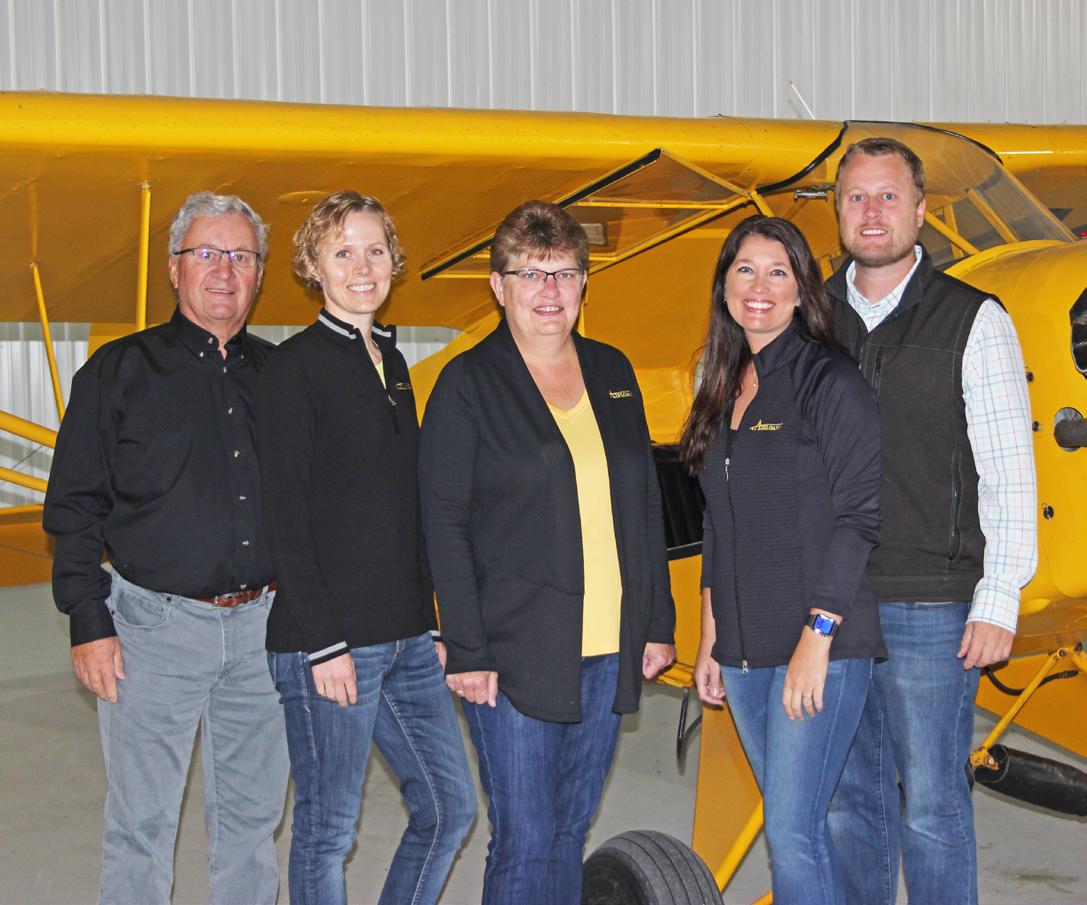
Devin Cole – Chairman
Ryan O’Rear – Vice Chairman
Mitch Lutze-Morris – Board Member
Shae Helling – Board Member
Zoe Graham – Board Member
2026-2027 BOARD MEMBERS
Tanner Overland – Past Chairman
Renée Murrish - Manager
Kyle Wanner - NDAC Director
Mike McHugh - NDAC Aviation Education Coordinator
From the Editor
Welcome to the summer edition of the Fly-ND Quarterly! First of all, I would like to welcome our new North Dakota Aviation Association (NDAA) board members, including our new Chairman, Devin Cole. And we wish a fond farewell and many thanks to our past Chairman, Tanner Overland, for his many contributions to the Fly-ND Quarterly and the NDAA over the past many years.
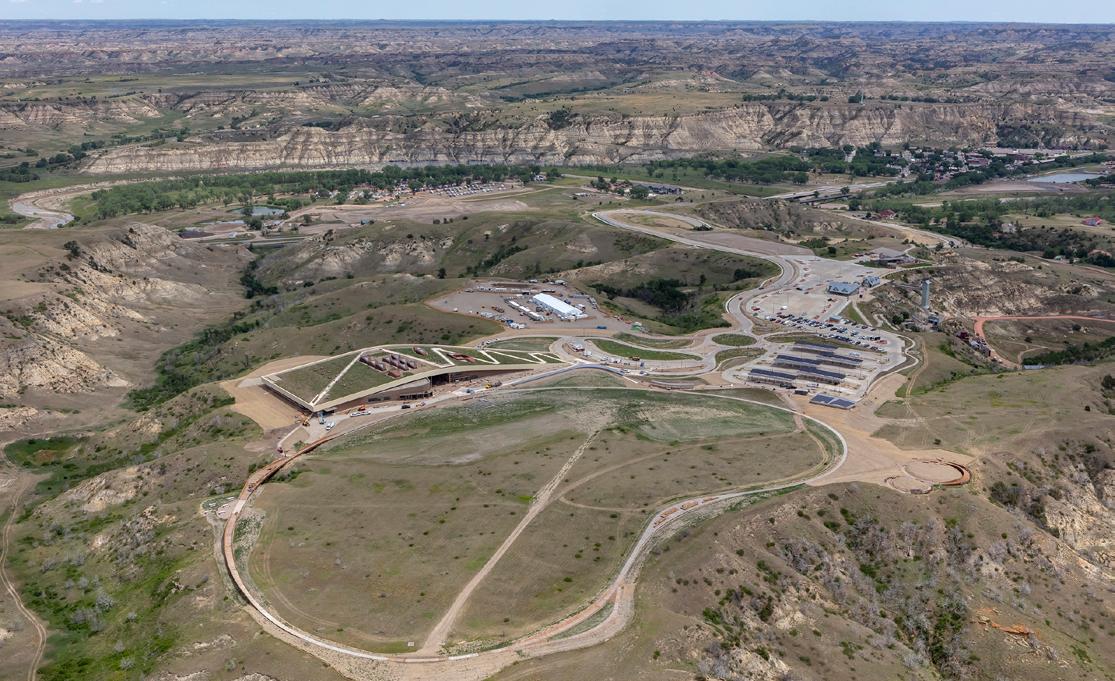
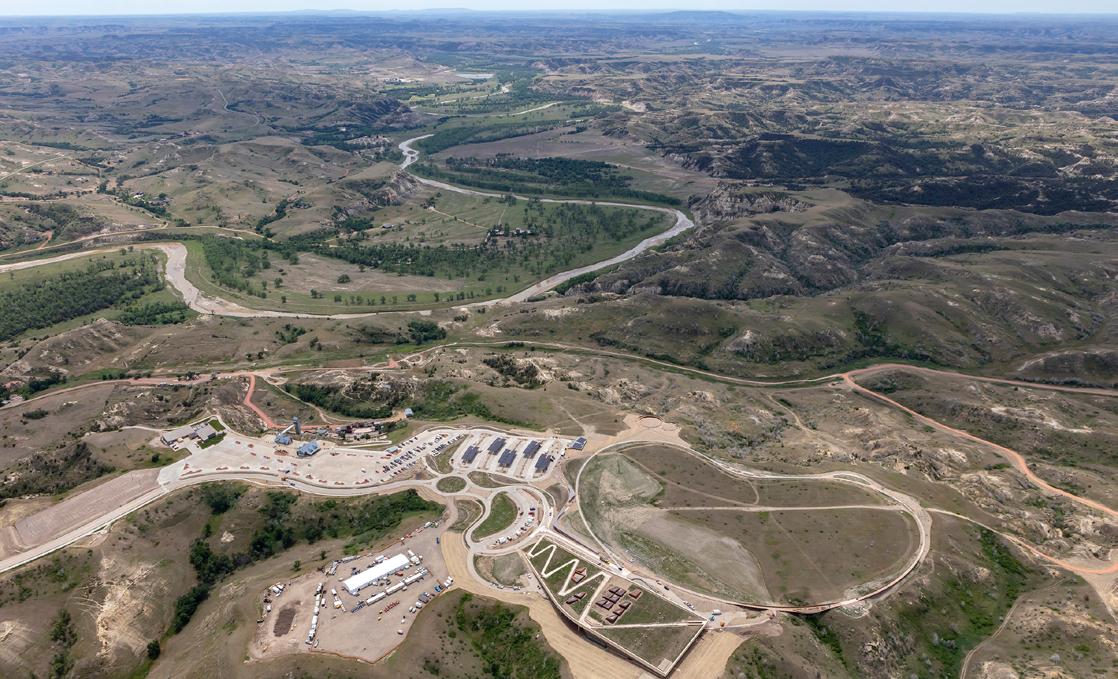
In the pages of this issue, you will find updates on the aviation industry in our state, as well as proposed changes for aviation maintenance professionals across the nation. There are photos from local summer fly-ins, as well as Air Force One’s recent visit to KBIS and aerial photos of the new presidential library in Medora, ND.
If you haven’t made it to an aviation event yet this summer, never fear, we still have many more events happening soon! You will find a list of events on the back cover, as well as all the details for the annual Fly-ND Summit in Devil’s Lake, ND, on page seven. We hope to see you there for a fun few days of fishing, golfing, and networking!
Wishing you clear skies and unlimited visibility, Nicolette
Statements of fact and opinion are the responsibility of authors alone and do not imply an opinion on the part of officers and members of the NDAA or Fly-ND Quarterly staff. If you’ve received more than one copy of this newsletter, please share it with a friend. Email admin@fly-nd.com to update your address.
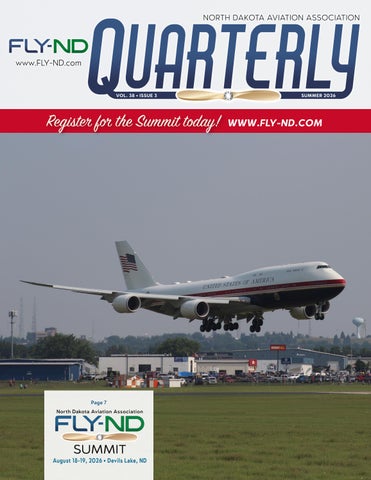
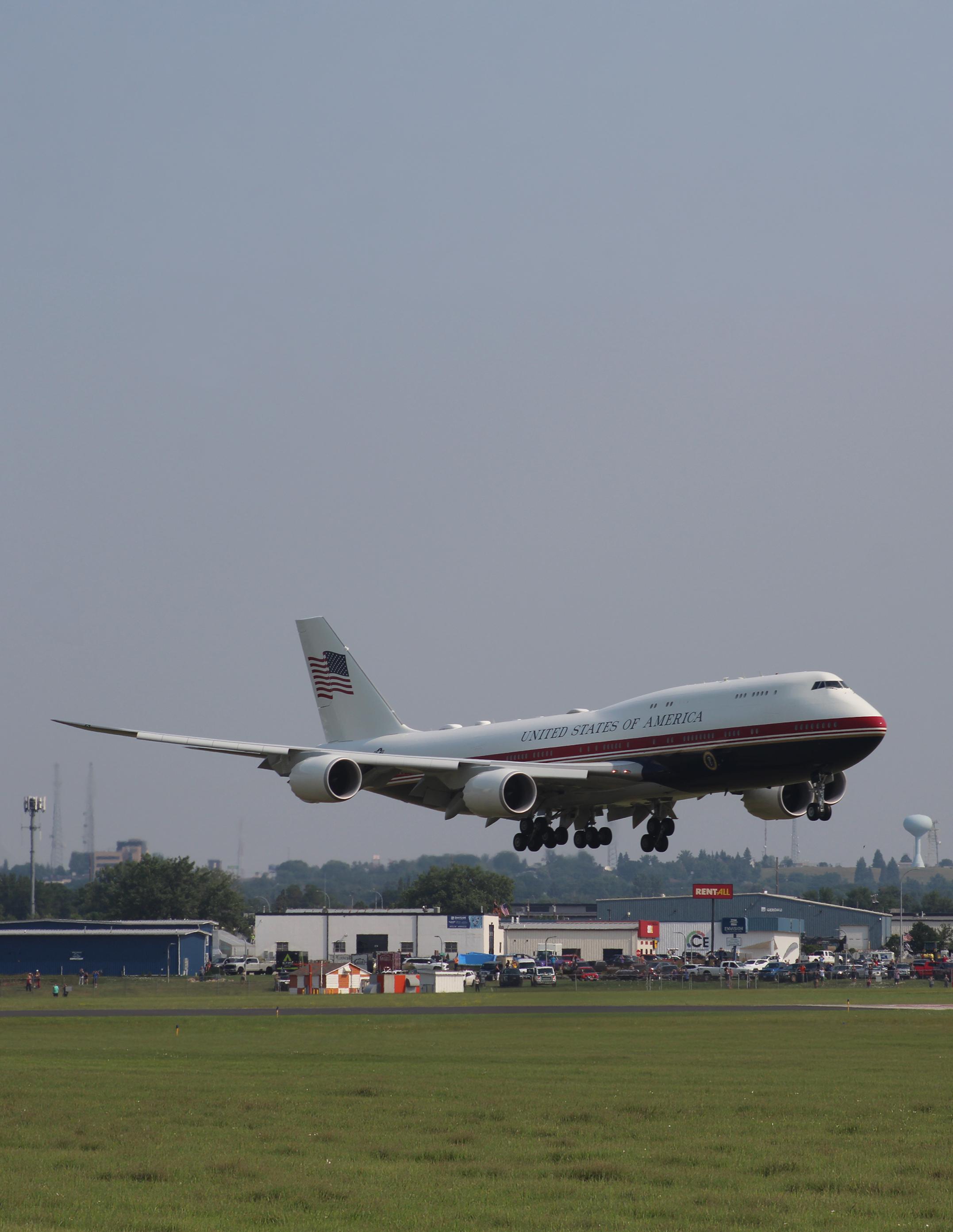
Cover Photo credit: Air Force One landing at the Bismarck Airport on July 1, 2026. Photo by Adam Dillin.
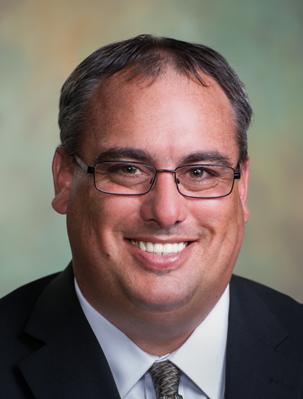
Devin Cole, Chairman North Dakota Aviation Association chairman@fly-nd.com
Greetings, readers!
I’d like to introduce myself as the incoming chair of North Dakota Aviation Association (NDAA.) First of all, a huge thank you to Tanner Overland, the outgoing chair, for his years of dedication to the organization and the many volunteer hours he spent preparing for events and leading the organization. He has truly left the NDAA better than he found it. The NDAA board and all the members will benefit from his hard work and forward thinking.
I’m looking forward to being the NDAA chair for the next two years. I was born, raised, and still live in Minot, ND. I went to school at the University of North Dakota and have been a pilot for 20 years. My first flying job was for a hospital. I did that for four years; then, in 2014, I started Cole Aviaton, a pilot services and flight instruction company
SOLUTIONS
specializing in the Piper PA-46 series of aircraft. I love meeting new people in the aviation community. When I’m not flying, I enjoy spending time with my wife, my two children, and my dog. I also enjoy hunting, kayaking, rock climbing, music, and working on my old Jeep. I would also like to highlight our upcoming NDAA events:
• August 18-19: Fly-ND Summer Summit in Devils Lake
• October 1: Fly-ND Career Expo in Bismarck
• March 7-9: Fly-ND Conference in Fargo
Please mark them on your calendar and visit www.fly-nd. com to learn more about these events and to register.
I’m looking forward to my time as chair. Please do not hesitate to contact myself, Renée, or any board member with questions, comments, or concerns.
Tanner Overland, Past Chairman
North Dakota Aviation Association
Pay it Forward
Happy Summer! I hope all of you are enjoying another beautiful North Dakota summer. As I write my final Chairman’s article for the Fly-ND Quarterly, I’m enroute to another incredible aviation experience, EAA AirVenture 2026 in Oshkosh, WI. On July 1, I officially transitioned to Past Chairman, and I want to congratulate and welcome Devin Cole as the new Chairman of the North Dakota Aviation Association!
As I reflect on my time serving as Member-at-Large, Vice Chairman, and Chairman, I find myself thinking less about board meetings and conferences and more about the people who made this journey possible.
Like many of you, my fascination with aviation started long before I ever sat in the left seat of an airplane. As a kid, I would build model airplanes and spend hours looking toward the sky. My parents’ home sat beneath the traffic pattern for Sloulin Field in Williston, ND, and I can still remember standing in the backyard watching airplanes turn from downwind to base for Runway 29. I was completely captivated. Aviation represented something bigger than an airplane; it represented freedom, adventure, and the opportunity to explore what was beyond the horizon.
A few years later, while working sweltering summers stacking lumber by hand at a local lumber yard directly beneath that same approach path, I’d stop every time an airplane flew overhead and wonder, “How do I get into aviation? Where do I even start; how can I even afford that?”
At around fourteen years old, I called the local FBO hoping to learn how someone my age could begin flight training. The conversation lasted less than a minute. “You sound like a kid. You’re too young. Call back when you’re older.” Click. I remember feeling embarrassed and discouraged, but not defeated.
My parents had already taught me one of the most valuable lessons I’ve ever learned: almost anything is possible if you’re willing to work for it. Opportunities usually aren’t handed to you; you create them through determination, persistence, and hard work. They taught me that if I set a goal and stayed committed to it, I’d eventually find a way.
So instead of giving up, I kept mowing lawns, rototilling gardens, and doing odd jobs through “Tanner’s Lawn Care” until I could afford my first Sig Kadet LT-40 radio-controlled airplane.
Then something happened that changed the course of my life.
Don Bitz, a chemistry teacher at Williston High School
and our neighbor, helped me assemble that airplane and introduced me to the Williston Basin Modelers Club. More importantly, he took an interest in a kid who simply loved aviation. He became one of my first mentors.
That single act of encouragement opened doors I didn’t even know existed.
Not long afterward, the University of North Dakota Aerospace established a satellite flight training program at Williston State College, giving me the opportunity to begin flight training close to home before transferring to Grand Forks, ND, to complete my degree at UND. Looking back, the timing couldn’t have been better. One opportunity led to another, and doors just kept opening.
After graduating from UND, I returned home to Williston to work as a flight instructor. Like many small businesses, everyone wore multiple hats. I instructed, fueled airplanes, worked the front desk, cleaned the building, and did whatever needed to be done. I loved every minute of it.
During the Bakken oil boom, I noticed another opportunity. Investors, land developers, and businesses needed aerial photography. I bought a Nikon camera, taught myself aerial photography, and launched Overland Aerial Photography. Before long, I was flying throughout North Dakota, Montana, South Dakota, Colorado, and southern Canada for a laundry list of clients needing aerial photography services.
Those flights eventually allowed me to purchase my first airplane, a 2004 Cessna 172, and start Overland Aviation. Years later, that journey led to becoming the fixed base operator at Williston Basin International Airport.
People occasionally notice the old Nikon camera sitting on the shelf behind my desk and ask what’s with the old dusty camera? My answer is always the same: “It built this place.”
But the truth is, it wasn’t just the camera. Looking back more than twenty years later, I realize none of that happened because I just figured it out on my own. It happened because people invested in me.
My parents encouraged me to dream big and taught me the value of hard work. Don Bitz took the time to mentor a kid who simply loved aviation. Family, friends, college professors, flight instructors, coworkers, customers, and countless others opened doors, offered advice, challenged me, encouraged me, and believed in me. None of us accomplishes anything meaningful entirely on our own.
Today, I’m proud to say we’ve come a long way. A young person interested in aviation doesn’t have to wonder where to begin like I did.
Williston High School now has a thriving aviation program led by an outstanding teacher who is inspiring students every single day. Through Overland Aviation, we’ve had the privilege of providing more than 100 introductory flights to local high school students, giving many of them their very first experience at the controls of an airplane. The most rewarding part has been watching those students grow. Some have graduated from college and are now airline pilots. Others have become aircraft mechanics, military aviators, flight instructors, air traffic controllers, and aviation professionals across the country.
That didn’t happen by accident. It happened because people chose to get involved. Teachers. Parents. Mentors. Flight instructors. Volunteers. Organizations like the North Dakota Aviation Association. People who understood that investing in the next generation is one of the most important things we can do. That’s probably the biggest lesson I’ve learned, not only in aviation, but in life.
Every one of us can point to someone who became our mentor, our advocate, or simply our biggest cheerleader when we needed one most. Now it’s our turn to become that person for someone else. The future of aviation won’t be built solely through new aircraft, new technology, or new infrastructure. It will be built by people willing to invest in other people.
I’ve had the privilege of watching that happen firsthand. Students who once climbed into an airplane for their very first introductory flight are now professional pilots, mechanics, and aviation leaders beginning careers of their own. That’s the return on investment of mentorship. You may never fully realize the impact of the hour you volunteer, the scholarship you fund, or the encouragement you give,
CHAIRMAN ’S FAREWELL
but years later, someone just might tell their own story and realize that you were the person who changed their life.
So here’s my challenge. If you’re able, support aviation scholarships. If you have experience, mentor a young pilot, mechanic, controller, engineer, airport manager, or student. Volunteer with your local airport, EAA chapter, Civil Air Patrol squadron, high school aviation program, or youth organization. Join the North Dakota Aviation Association. Serve on a committee. Attend a conference. Share your knowledge. Introduce someone to aviation for the very first time. Just get involved.
You never know when a five-minute conversation, a ride in an airplane, or a word of encouragement will completely change someone’s life. It certainly changed mine.
Serving as Chairman of the North Dakota Aviation Association has been one of the greatest honors of my career. Thank you to our outstanding Board of Directors, Association Manager Renee Murrish, our volunteers, sponsors, and every member who continues to make this organization stronger each year.
While my term as Chairman has come to an end, my commitment to this Association certainly has not. I’ll continue serving on the Board for the next two years, and I look forward to supporting Devin Cole and our entire leadership team as we continue moving North Dakota aviation forward.
To my parents, my family, Don Bitz, my friends, mentors, team members, coworkers, and every person who believed in a kid who spent more time looking at airplanes than watching where he was walking, thank you.
I hope each of us chooses to do the same for someone else. Because someone did it for us. Now it’s our turn.
Blue skies! Tanner Overland, Past Chairman, NDAA
As summer reaches its peak, I hope you’ve found time to enjoy longer days, blue skies, and everything that makes this season special. Whether you’ve been logging hours in the cockpit, managing operations, working on the ramp, maintaining aircraft, or simply enjoying aviation from the ground, summer reminds us why we love what we do. It can also be one of the busiest times of the year. In aviation, you are accustomed to staying focused, solving problems, and taking care of everyone around you. In the middle of demanding schedules, it’s worth asking yourself one simple question: When was the last time you took care of you? Selfcare isn’t a luxury, it’s an investment.
Just as every aircraft requires regular inspections and maintenance to perform safely, we need to take care of our own physical and mental well-being. A few moments to unplug, spend time with family, enjoy the outdoors, connect with friends, or simply slow down can make all the difference. A healthy mind leads to better decisions, stronger relationships, and safer operations. Sometimes the strongest thing we can do is give ourselves permission to recharge;
make yourself one of your priorities. We also hope you’ll join us for one of the highlights of the year, the Fly-ND Summit from August 18-19 at the beautiful Woodland Resort in Devils Lake, ND. The Summit brings together aviation professionals and enthusiasts from across North Dakota for the annual North Dakota Aviation Association and Airport Association of North Dakota meetings and important local topics, meaningful networking, and opportunities to strengthen the relationships that make our aviation community powerful. If you plan to participate in our networking activities, please remember that golf and fishing require separate registration, so be sure to reserve your spot early. Registration, the full event schedule, lodging information, and additional details can all be found on our Fly-ND Facebook Event and at www.fly-nd.com. We look forward to seeing you in Devils Lake. Until then, enjoy the rest of your summer, fly safe, and remember that taking care of yourself is just as important as taking care of the aircraft you fly.
See you at the Summit!
SCHEDULE OF EVENTS
Tuesday | August 18, 2026
Golfing | 18 hold round of golf at Creel Bay Golf Course ($55 per person, paid on location)
• 10:30am check-in, 11:00am shot gun start
Fishing | Come out and enjoy an afternoon on Devils Lake. Fishing experience is not needed. If you do not have any tackle, no worries - we have you covered! Meet your boat captain at the bait shop. If you would like to be a boat captain, let us know on your registration.
• 3:00pm check-in | Woodland Resort boat ramp Please note: registration is required to enjoy these activities
8:30pm | Summit Registration
9:00pm | Social | Pizza and beverages at Proz Lakeside at the Cove
Wednesday | August 19, 2026
Breakfast on your own.
8:00 - 10:00am | Joint NDAA & AAND meeting
10:00am - 1:00pm | AAND meeting 1:00 - 2:30pm | Fish fry and awards
ACCOMMODATIONS
Block of Rooms and Cabins at Woodland Resort: (701) 662-5996
Room Block Name: Fly-ND Summit
Additional Suggestions:
Lakeview Lodge: (701) 665-5060
Sleep Inn: (701) 544-1111
Holiday Express: (701) 665-3200
TICKETS
$100 | NDAA Member Includes meals and meetings
$125 | Non-NDAA Member Includes meals and meetings
$2,500 | Fly-ND Summit Social Sponsor
For registration and more information, scan or click on the QR code.
THANK YOU TO OUR LUNCH SPONSORS
Kyle Wanner, Director
North Dakota Aeronautics Commission 701-328-9650 | kcwanner@nd.gov
DIRECTOR ’S Chair
North Dakota’s Aviation System: A Decade of Growth and a Vision for the Future
Over the past decade, North Dakota’s aviation system has continued to evolve in response to changing economic conditions, emerging technologies, and growing transportation needs. To better understand where the system stands today—and where it is headed—the North Dakota Aeronautics Commission (NDAC) partnered with airports, aviation businesses, state and federal agencies, industry stakeholders, and communities across the state to complete the most comprehensive evaluation of North Dakota’s aviation system in more than ten years.
The result is the completion of the 2025 North Dakota State Aviation System Plan (NDSASP) and the 2025 North Dakota Aviation Economic Impact Study (NDAEIS). Together, these studies provide a long-term roadmap for North Dakota’s aviation system while documenting the critical role aviation plays in supporting the state’s economy, transportation network, and overall quality of life.
The findings reinforce what many North Dakotans already recognize—aviation is far more than commercial airline service. North Dakota’s aviation system serves as essential infrastructure that supports agriculture, business development, emergency medical transportation, military readiness, education, tourism, energy development, public safety, and countless other activities that connect communities, strengthen local economies, and improve quality of life throughout the state. Whether transporting patients to specialized medical care, supporting the nation’s food supply through aerial application, enabling business travel, or connecting rural communities, aviation touches nearly every sector of North Dakota’s economy.
Perhaps the clearest illustration of aviation’s importance is its contribution to North Dakota’s economy. The study found that the state’s 89 public-use airports, through airport operations, aviation businesses, capital investments, and visitor activity, collectively support an estimated 13,637 jobs, generate more than $750 million in annual payroll, and produce nearly $1.8 billion in annual economic output. These findings underscore the vital role North Dakota’s airports play in strengthening local economies, supporting businesses, and connecting communities across the state.
While airports form the foundation of North Dakota’s aviation system, the study found that aviation’s economic influence extends well beyond airport boundaries. In addition to traditional airport activity, the analysis evaluated the state’s aerospace manufacturing industry, unmanned aircraft systems (UAS) sector, the University of North Dakota’s School
of Aerospace Sciences, and the Grand Forks and Minot Air Force Bases. When these broader aviation industries are combined with the impacts generated by the state’s publicuse airports, aviation supports an estimated 28,734 jobs and nearly $3.6 billion in annual economic output—reinforcing its position as one of North Dakota’s most significant economic engines and innovation sectors.
The State Aviation System Plan also demonstrates how North Dakota’s aviation system has remained resilient despite significant challenges over the past decade, including the COVID-19 pandemic, inflation, workforce shortages, and changing economic conditions. Looking ahead, the plan identifies opportunities and challenges related to commercial air service, workforce development, advanced air mobility, air traffic control modernization, infrastructure investment, and emerging aviation technologies that will influence aviation for years to come.
To preserve, maintain, and enhance North Dakota’s aviation system, the plan estimates approximately $1.1 billion in airport infrastructure needs over the next ten years. While federal, state, and local funding programs are expected to support much of this investment, current funding levels indicate an estimated $350 million funding shortfall during the planning period. These findings reinforce the importance of continued strategic investment to ensure North Dakota’s airports remain safe, competitive, and capable of supporting future transportation needs, economic growth, and community connectivity.
Public Invited to Attend Study Presentations
The North Dakota Aeronautics Commission encourages airport sponsors, elected officials, aviation businesses, pilots, community leaders, and interested members of the public to attend one of four public meetings, where the final results of both studies will be presented.
Each presentation will highlight statewide aviation trends, economic impacts, aviation activity forecasts, airport infrastructure needs, and key recommendations that will help guide aviation investment and policy decisions over the coming decade. Attendees will also have the opportunity to ask questions and learn how these findings may influence their local airport and community.
For additional information, including the executive summaries, technical reports, and presentation materials, visit www.2025ndsasp.com
2025 North Dakota
Announcement
The North Dakota Aeronautics Commission is excited to announce the conclusion of the 2025 North Dakota State Aviation System Plan (NDSASP) and Aviation Economic Impact Study (NDAEIS).
Results
North Dakota’s aerospace industry is soaring, generating approximately $3.6 billion in annual economic impact from the state’s 89 public-use airports and a diverse range of off-airport aviation and aerospace operations. This economic activity supports thousands of jobs, generates significant payroll, and contributes substantially to the state’s GDP through value added impacts.
Learn More
To learn more about this important study and the value of North Dakota’s airports and aerospace industry, we welcome you to attend one of the four presentations the project team is hosting:
Tuesday, August 25 | 9-11am BIS ARFF Building | 2301 University Drive Bldg. 14, Bismarck, ND
Tuesday, August 25 | 3-5pm Minot Council Chambers | 10 3rd Ave SW, Minot, ND
Wednesday, August 26 | 1-3pm The Hive | 375 2nd Ave N, Grand Forks, ND
Thursday, August 27 | 9-11am Fargo Air Museum | 1609 19th Avenue North, Fargo, ND
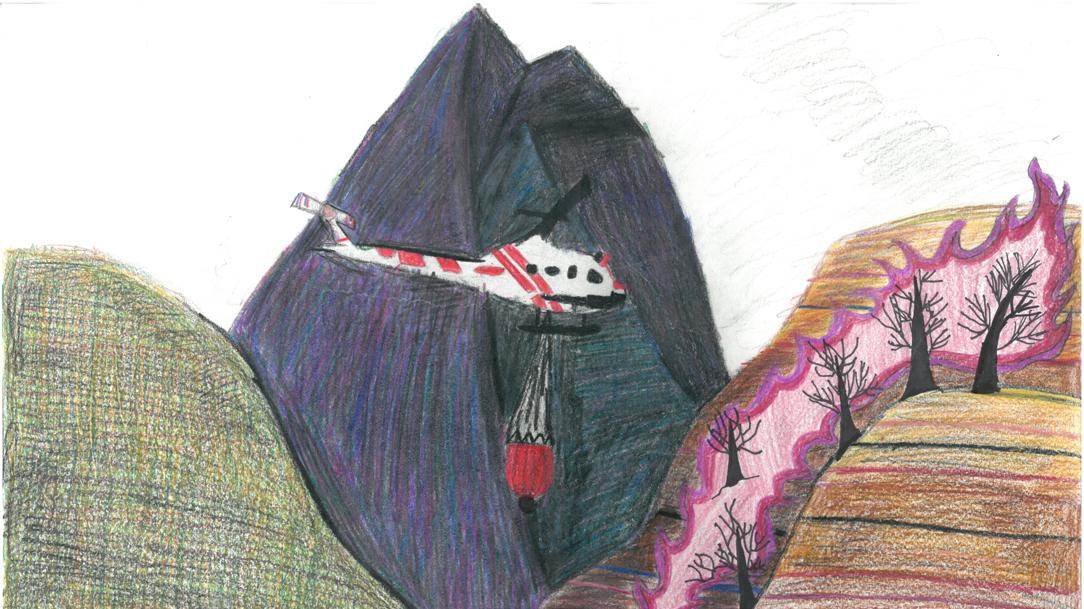
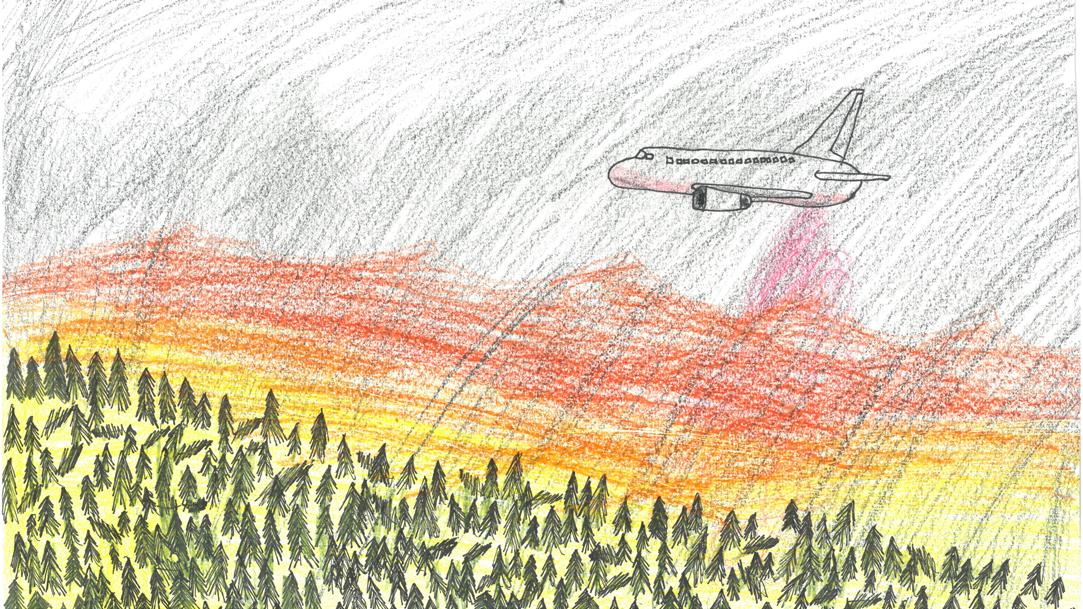
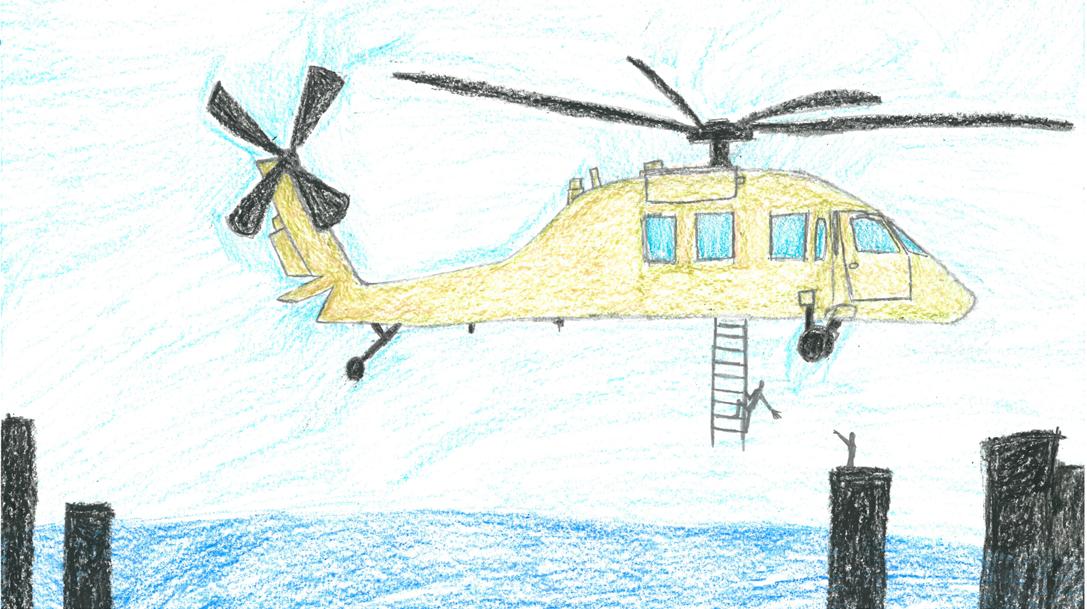
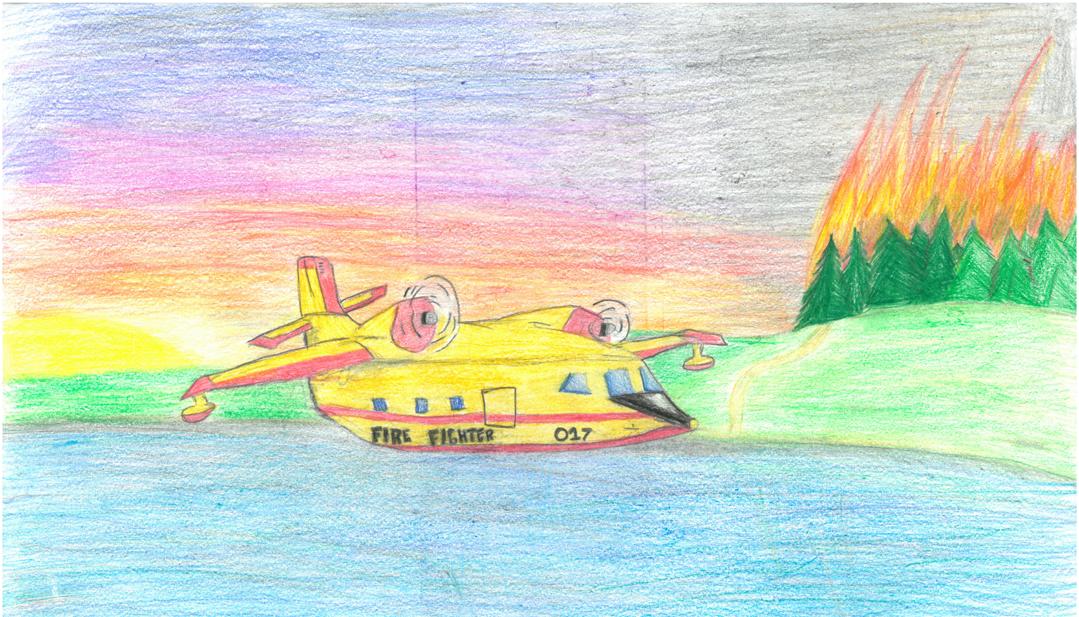
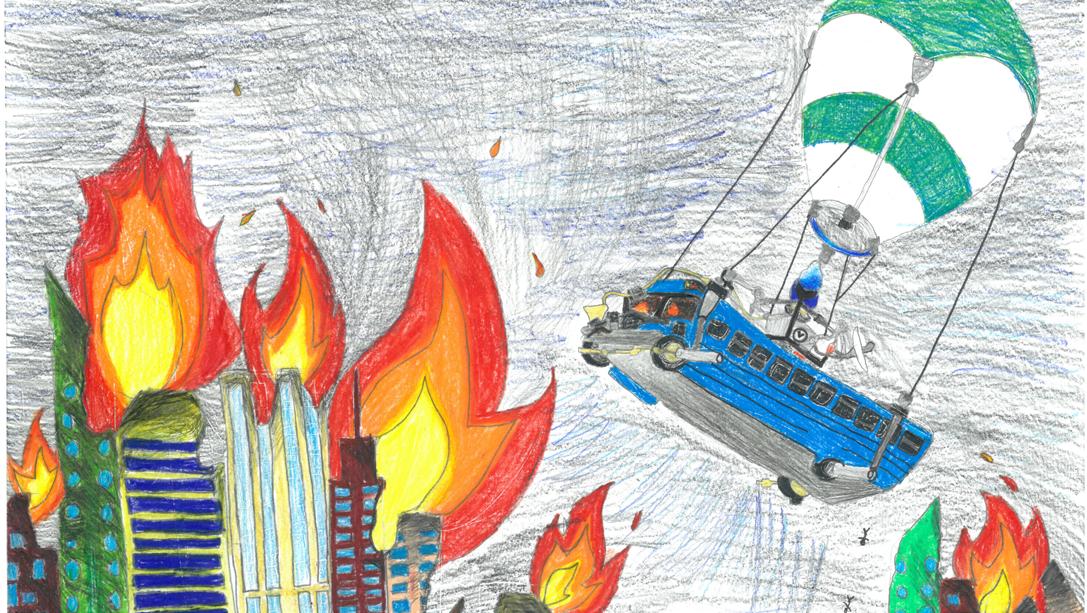
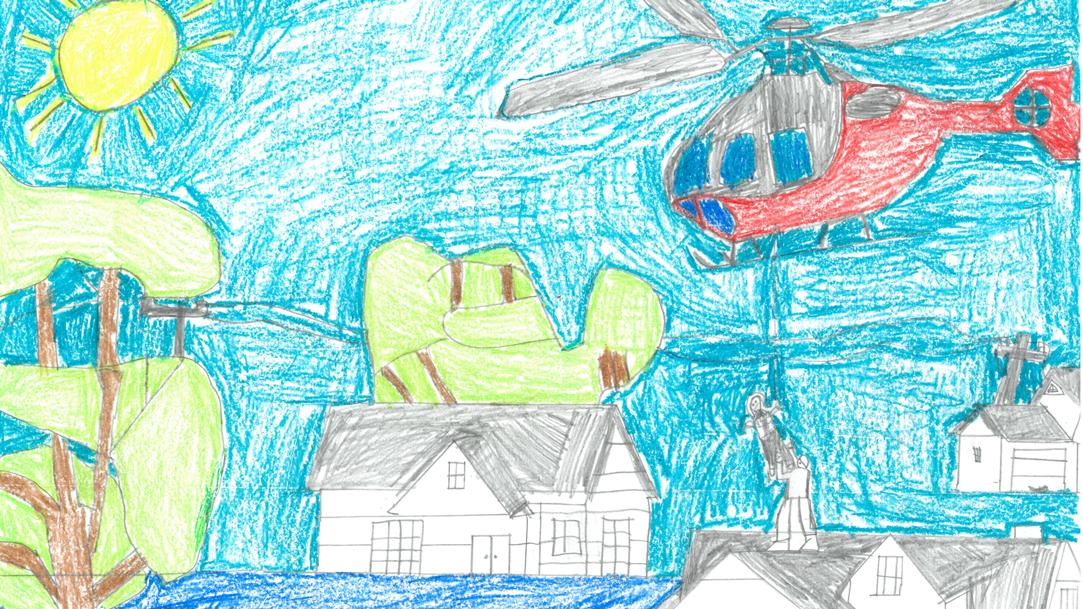
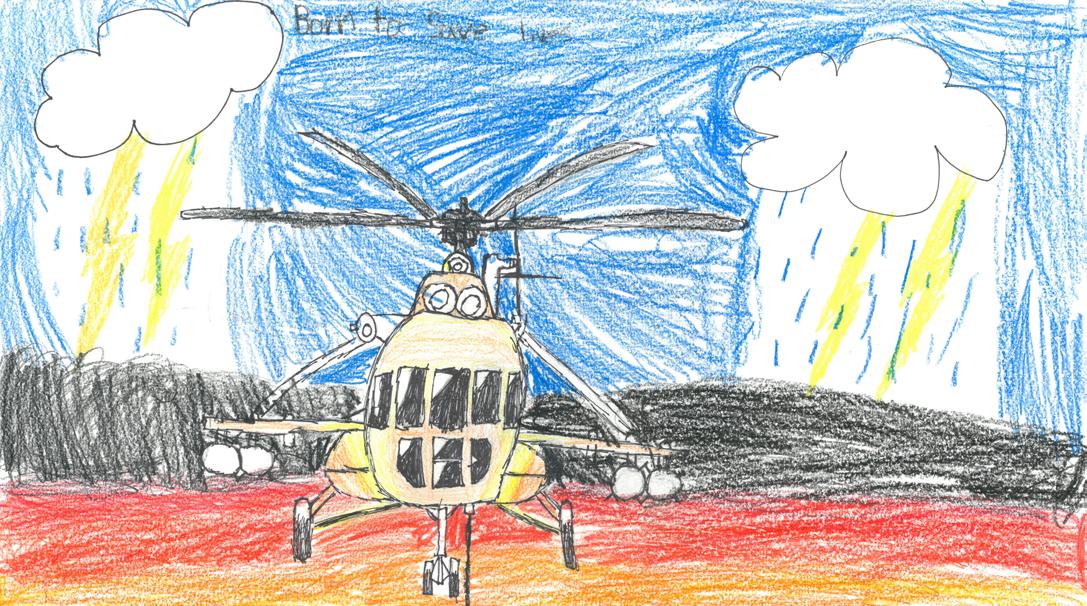
By Faroh
By Felicity
By Jacquelin
By Ji’Ana
By Karma
By Kingston
By Wakiyan
By LaRita
How to Find Flight Training Funding
This time of the year is always exciting for me. When I was teaching, it was exciting to meet new students and begin the school year with a group who always had some excitement for learning about our industry. Now, I am still excited, but I have the opportunity to work with teachers, parents, and students to improve their educational journey.
I often talk to people who are not aware of the high school offerings that we have in North Dakota. Aviation courses are offered in person at locations around the state, including Grand Forks, West Fargo, Kindred, Jamestown, Bismarck, Williston, and Minot. In addition to these programs, high school aviation courses are available statewide to any student both the the Central Region Area Virtual Career and Technical Center as well as the Center for Distance Ed. Students in these programs receive education in career
opportunities as well as some great hands-on learning. In addition to the curriculum offered through our high school programs, students are able to attend field trips and talk with professionals in a variety of occupations.
While the curriculum in our high school programs varies from program to program, most offer some form of private pilot instruction as well as unmanned aircraft, some offer some form of maintenance training. I am excited to learn that a couple of our high school programs will even be building aircraft this year or in the near future. These experiences not only provide skills to bring to future careers, but also provide hands-on learning opportunities for students to be excited about our industry, whether they pursue a career in the industry or become hobbyists.
If you know a student interested in pursuing a high school aviation class, I hope they are already aware of the opportunities. If not, please reach out and I am happy to connect students with a program.
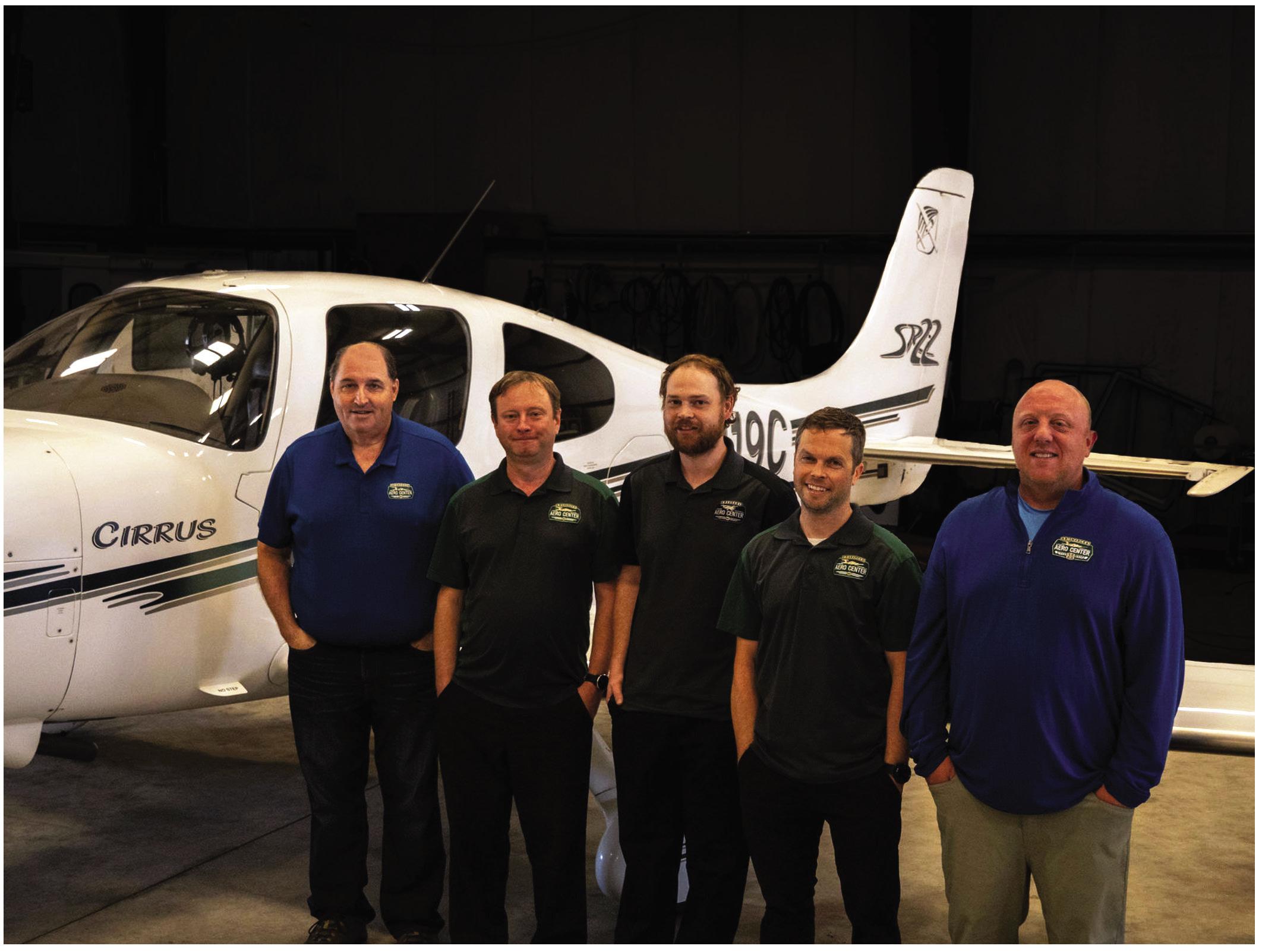
Finally, in October, the North Dakota Aviation Association (NDAA) will again be hosting the Fly-ND Career Expo. For the first time, this event will be in Bismarck hosted by Bismarck Aero Center. At this event we have awarded over $100,000 in scholarship dollars since 2021. Look for more information to come on this event. If you or someone you know is interested in contributing to a scholarship fund, the NDAA board can assist.
I hope that students are getting ready for a fun new school year and I am excited to see a new batch of aviators!
Bowman Fly-In & Poker Run
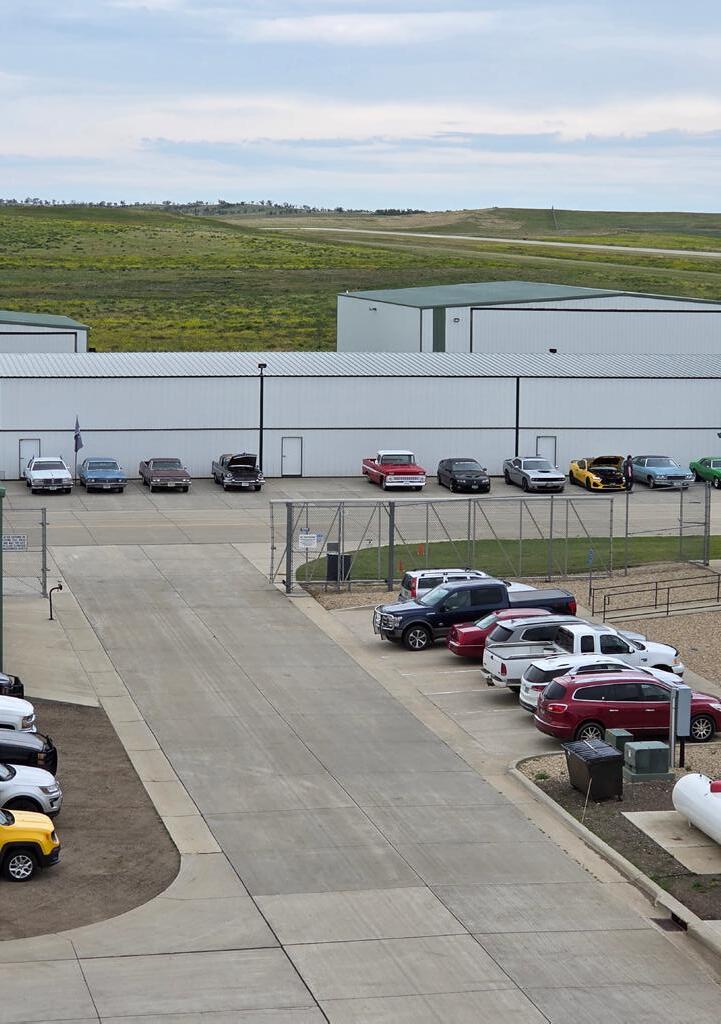
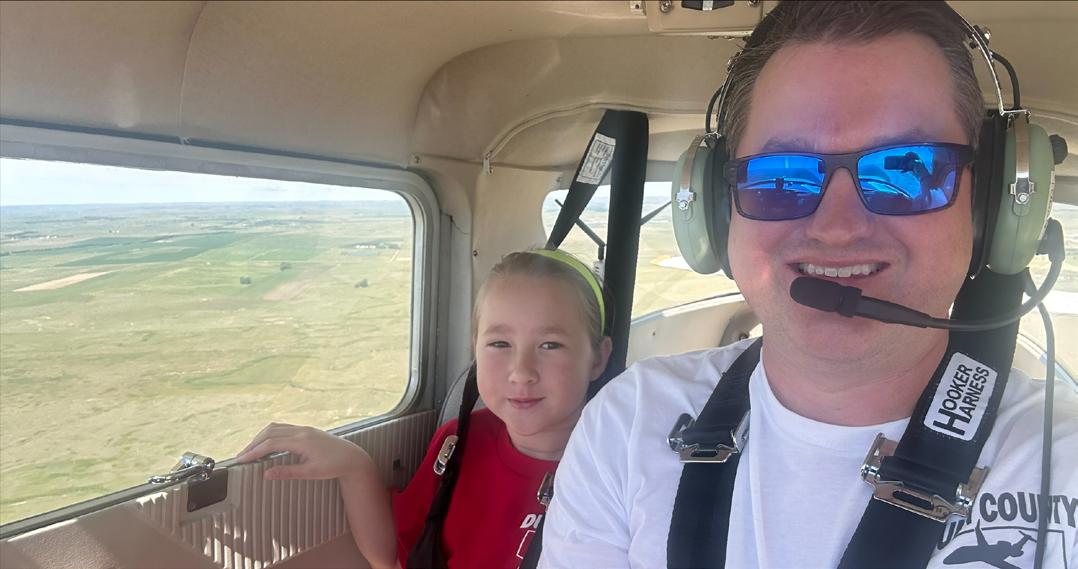
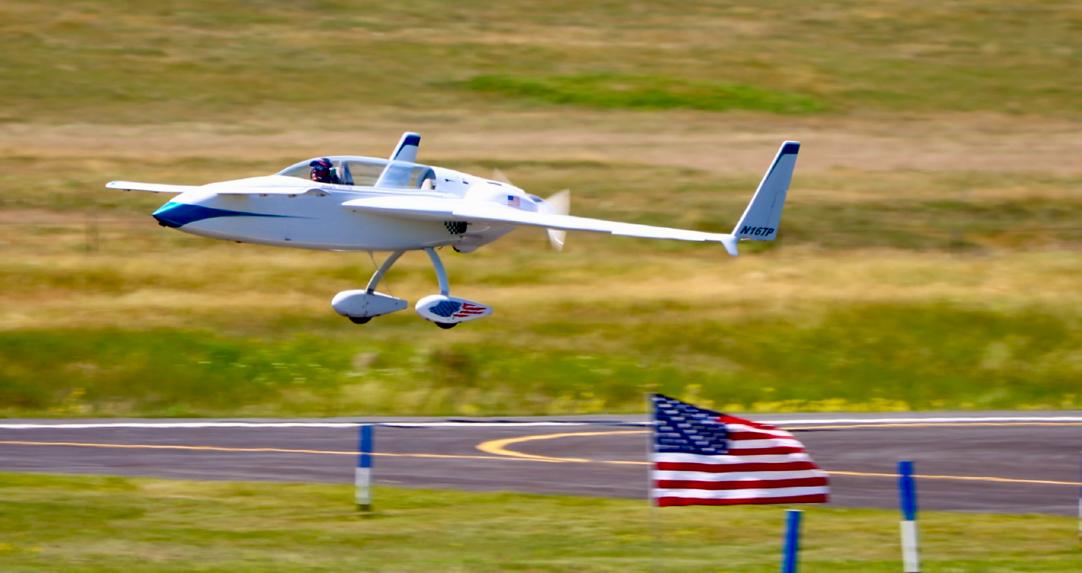
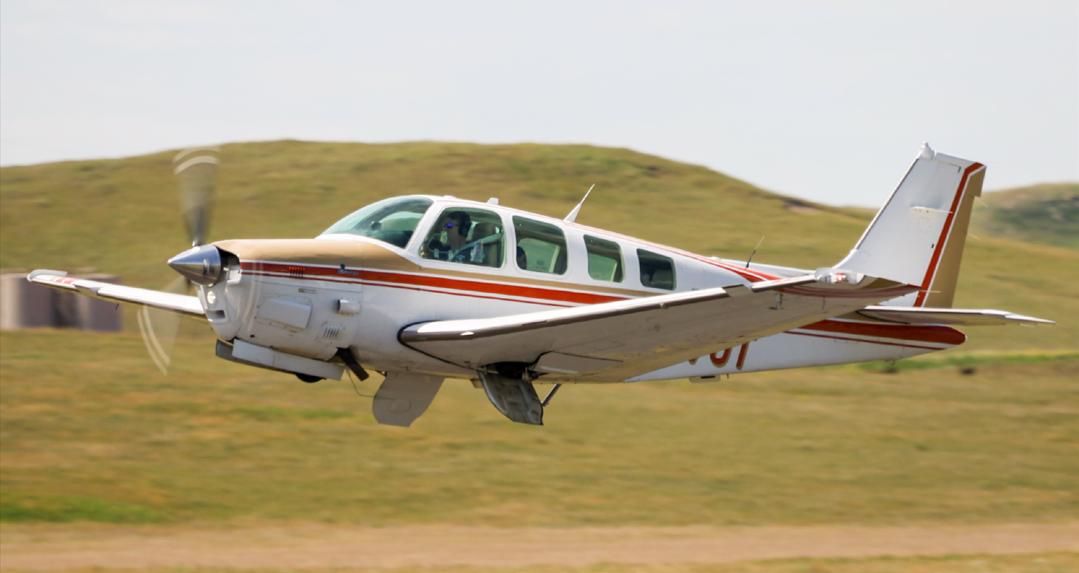
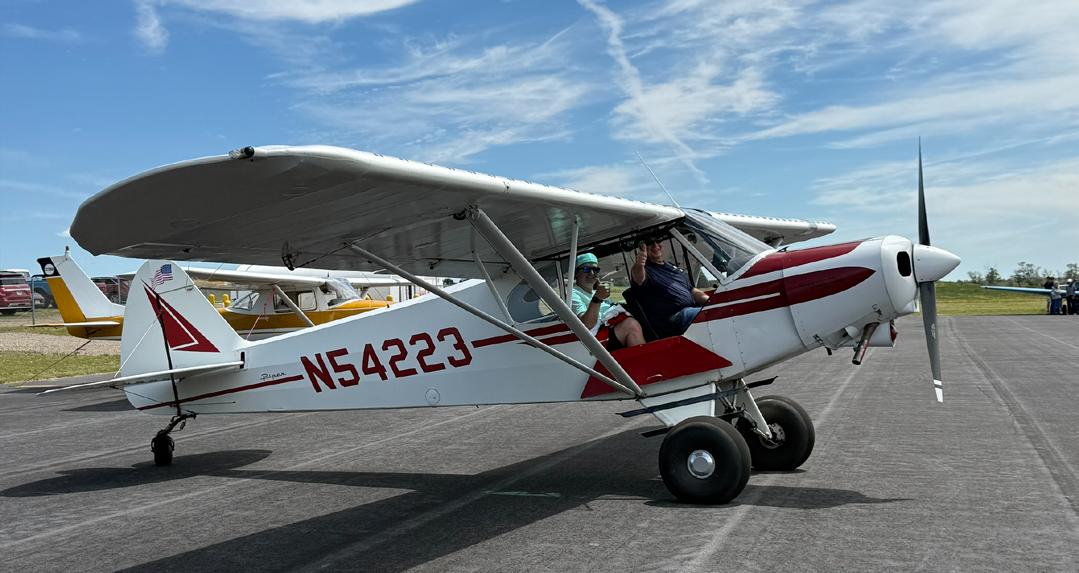
The Bowman Regional Airport hosted their sixth annual Fly-In and Poker Run on June 20, 2026. Activities included a local car show, poker runs for the aircraft, and car club with cash prizes, evening meal, flag drop competition, and door prizes.
• 7 Aircraft Rentals
• Flight Instruction
• Multi-Engine Instruction/Rental
• Tailwheel Instruction/Rental
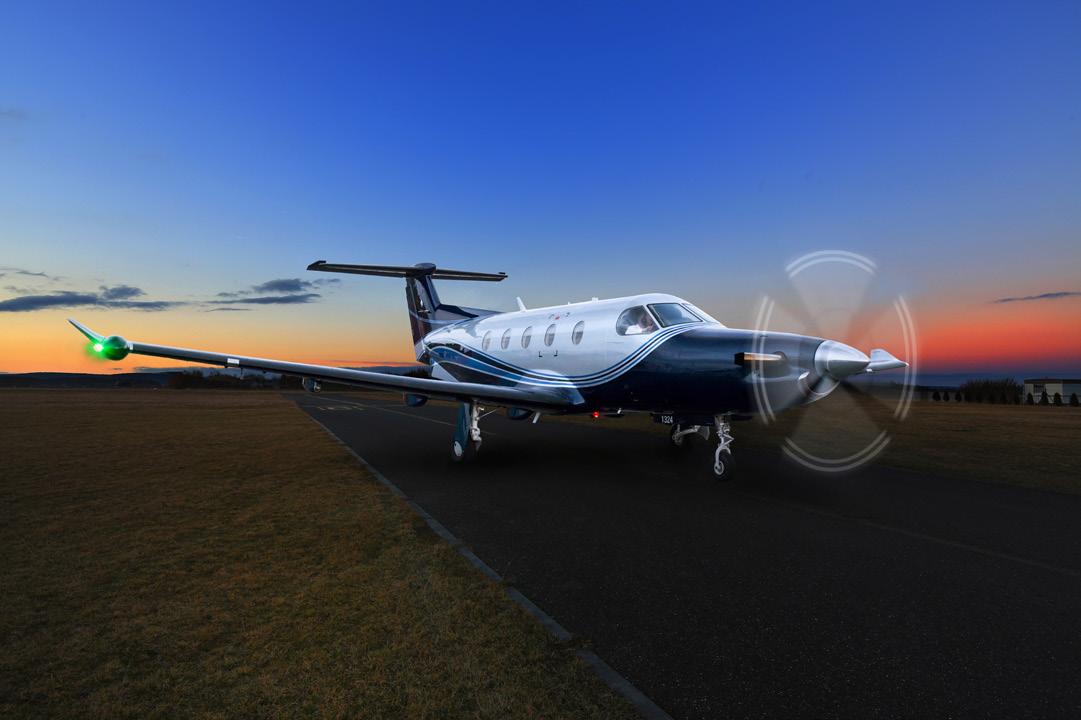
• Pilot Services
TESTING CENTER • FAA Regulated Testing
FAA’s Proposed Inspection Rating: What It Means for IA Holders and the Maintenance Profession
By Mitch Lutze-Morris | Chief Inspector | Fargo Jet Center
The Federal Aviation Administration (FAA) has proposed one of the most significant revisions to mechanic certification in nearly two decades. While the proposed rule leaves the technical responsibilities of Inspection Authorization (IA) holders largely unchanged, it would alter how those privileges are administered.
Instead of issuing a renewable Inspection Authorization, the FAA proposes creating a permanent Inspection Rating (IR) that would become part of an Airframe and Powerplant (A&P) mechanic certificate. The change is intended to reduce administrative burden, while maintaining the competency standards expected of mechanics authorized to perform annual inspections and approve major repairs and alterations for return to service.
For those in the maintenance industry, the proposal raises an important question: Does changing the certification improve the system without compromising safety?
Why the FAA Wants to Change the IA System
Since 2007, IA holders have renewed their authorization every two years while also meeting annual activity requirements. Those requirements may be satisfied through annual inspections, major repairs or alterations, FAAapproved refresher training, or an oral evaluation conducted by the local Flight Standards District Office (FSDO).
According to the FAA, this process generates a substantial administrative workload, while providing limited additional safety benefits. Most IA holders already demonstrate continued competency through their daily maintenance activities or recurrent training.
The proposed Inspection Rating shifts the emphasis from renewing a certificate to maintaining recent experience. Rather than tracking expiration dates and processing renewal applications, the FAA would focus on ensuring mechanics remain actively engaged in inspection work and current with regulatory and technical developments.
What Would Stay the Same?
One point the FAA emphasizes is that the proposal does not expand or reduce the inspection privileges currently held by qualified IA mechanics. Inspection Rating holders would continue to:
• Perform annual inspections.
• Conduct or supervise progressive inspections.
• Approve aircraft for return to service following major repairs and major alterations.
In practical terms, most aircraft owners would notice little difference. The mechanic signing the logbook would
simply hold an Inspection Rating instead of an Inspection Authorization.
What Actually Changes?
The most visible change is administrative. The testing standard would be modified. Similar to the current Mechanic Airman Certification Standards (ACS), the FAA has developed an Inspection Rating Airman Certification Standard in conjunction with this proposed rule. This standard would outline the “task specific knowledge” that a person would need to have for the newly defined written and oral exam.
Once rated, mechanics would still need to satisfy recentexperience requirements before exercising Inspection Rating privileges which are met through documented experience, eight-hour training courses, or successfully completing an oral test from an FAA inspector. The proposal shifts oversight from periodic certificate renewal to continuous professional activity. No longer would the proof of experience / training be required to be submitted to your local FSDO in consideration for the renewal. Instead, the documentation would be required to be retained for the last two years and verifying the compliance themselves.
Impacts on Maintenance Shops
For repair stations and independent maintenance facilities, the proposal may simplify workforce planning. Managers would no longer need to monitor expiration dates or schedule renewal paperwork for IA personnel. Instead, attention would shift toward documenting inspection activity and ensuring personnel maintain the experience necessary to exercise their Inspection Rating privileges.
Training programs may also become more flexible. Instead of concentrating recurrent education around renewal deadlines, employers could integrate continuing education throughout the year as part of their existing quality assurance systems. Many larger repair stations already operate this way.
Transition for Current IA Holders
The FAA proposes a transition period allowing current IA holders to obtain replacement mechanic certificates reflecting the new Inspection Rating. Existing authorizations would remain valid during the transition period, giving mechanics time to update their certificates without interrupting inspection activities.
The FAA has indicated that this approach is intended to minimize disruption while allowing Flight Standards offices to
process certificate replacements in an orderly manner.
Questions Still Being Asked
Although many mechanics welcome the elimination of the biennial renewal process, several questions remain:
• How will recent-experience requirements be documented?
• Will mechanics working in specialized maintenance environments have sufficient opportunities to maintain currency?
• Will smaller rural maintenance shops face different challenges than larger repair stations?
• What changes will be expected to the written and oral testing through the updated Inspection Rating Airman Certification Standards
These are precisely the kinds of issues the FAA hopes to address during the public comment period. The general public has an opportunity to review the proposed rule and provide comments before the FAA determines its final form. If you would like to voice your support, concern, or ask general questions that you feel is pertinent to this proposal, look up FAA Docket No.: FAA-2026-6671 or go to the following website: https://www.regulations.gov/document/FAA-20266671-0001
Comment period ends August 31, 2026, at 11:59 PM EDT.
• Complete Overhauls, Repairs & Service
• 24/7 & AOG Technical Support
• New Sales, Exchanges and Rentals Propeller service facility; Authorized Service Facility (ASF) for Hartzell, McCauley and MT Propeller
North Dakota Aeronautics Commission 701-328-9655 | gerwin@nd.gov
A Shared Logbook
The first article I wrote for the Fly-ND Quarterly, back in the summer of 2024, described my perspective on the world of aviation. I had just one year of experience here with the North Dakota Aeronautics Commission (NDAC) and did not yet understand how unique North Dakota stands within the world of aeronautical innovation. Flash forward to the summer of 2026, the NDAC is wrapping up our nearly twoyear long Statewide Aviation System Plan and Economic Impact Study (SASP & EIS). I now also have nearly four years of experience with North Dakota’s aviation system. Being a part of the study team has affirmed many of those first lessons I learned, but it also opened my eyes to the collaborative nature of North Dakota.
The NDAC’s role in this initiative was a leadership effort. We advertised the project, selected a qualified consultant team, coordinated with the Federal Aviation Administration (FAA) for project funding, and reviewed pages upon pages of chapter drafts and deliverables. Meanwhile our consultants – Kimley Horn and Marr-Arnold Planning – handled the intensive behind-the-scenes work: creating surveys, collecting airport responses, designing summaries, and organizing meetings. But the vital remaining pieces were filled in by the true backbone of our industry: pilots, airport managers, mechanics, and passengers.
Collecting data was undoubtedly the most daunting task of the study. We needed details regarding facilities, projects, airspace, funding, and much more from all 89 of our public airports. Our airport communities truly stepped up to provide exactly what was needed. Thanks to their cooperation during site visits, virtual calls, and surveys, it was a process that went as smoothly as possible. We also needed critical data from tenants at each airport. Businesses and private individuals alike helped by providing vital spending information from visiting pilots, painting a clear picture of the immense economic value aviation brings into our state. While competition is always present – especially among our commercial airports – this study made it obvious that our aviation community recognizes the need to support each other. We all see the big picture at a statewide level. Our airports are ready at a moment’s notice to offer mutual
support amongst others. We often see airports sharing maintenance equipment, offering spare electrical parts, or sharing advice on public events and community awareness. North Dakota aviation is second to none when it comes to climbing higher and growing together as a system.
Ultimately, this study was not completed by just the sixperson NDAC staff, nor was it completed by the consultant team alone. The NDSASP & EIS was a true collaborative storytelling effort, with authors from all walks of aviation in every corner of North Dakota. Being a part of this study from beginning to end has given me a bright perspective on our state’s capacity for collaboration, growth, and sharing of ideas. I hope this spirit stays alive and well within North Dakota for years to come, and I believe we have some mighty blue skies ahead of us all!
New in Nodak: Air Force One and the Presidential Library
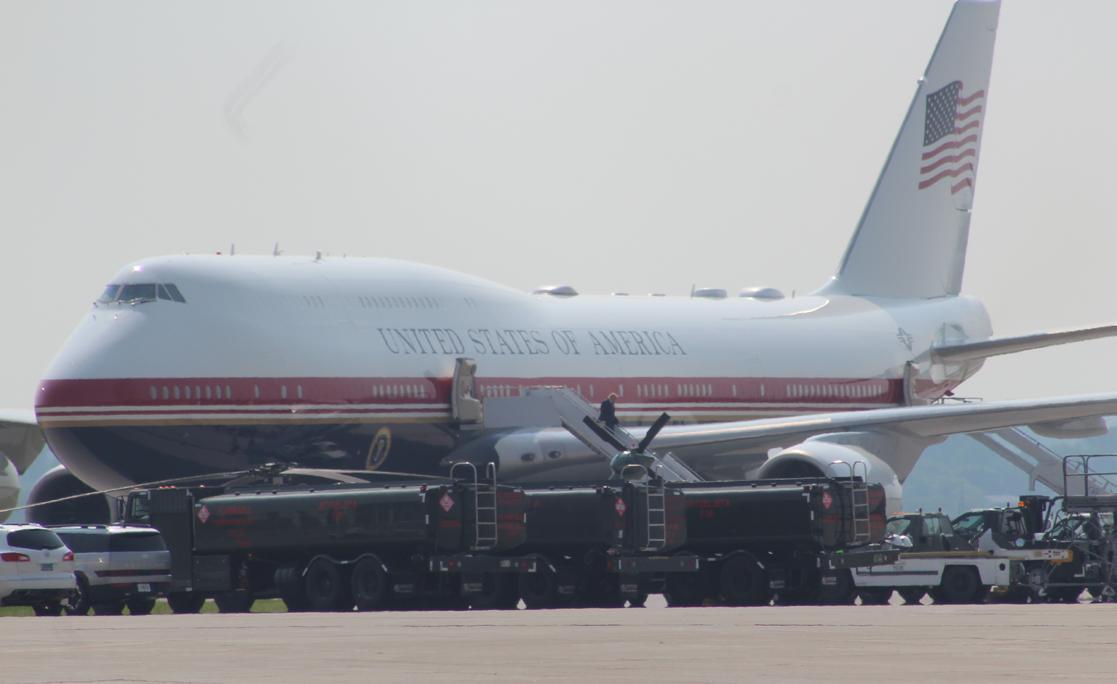
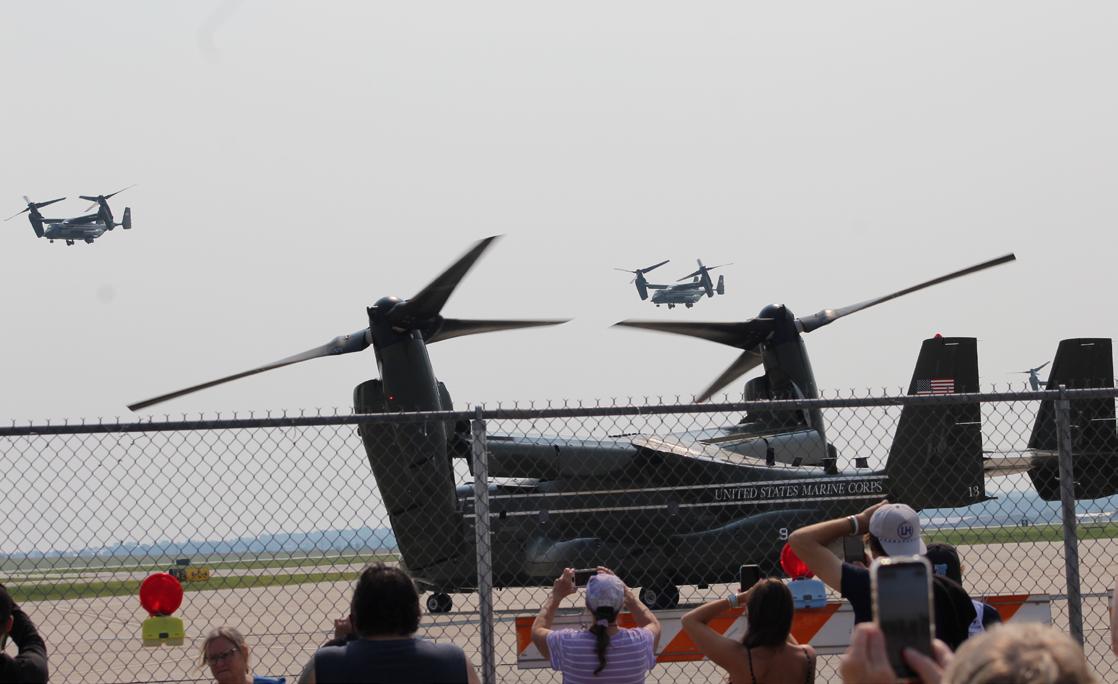
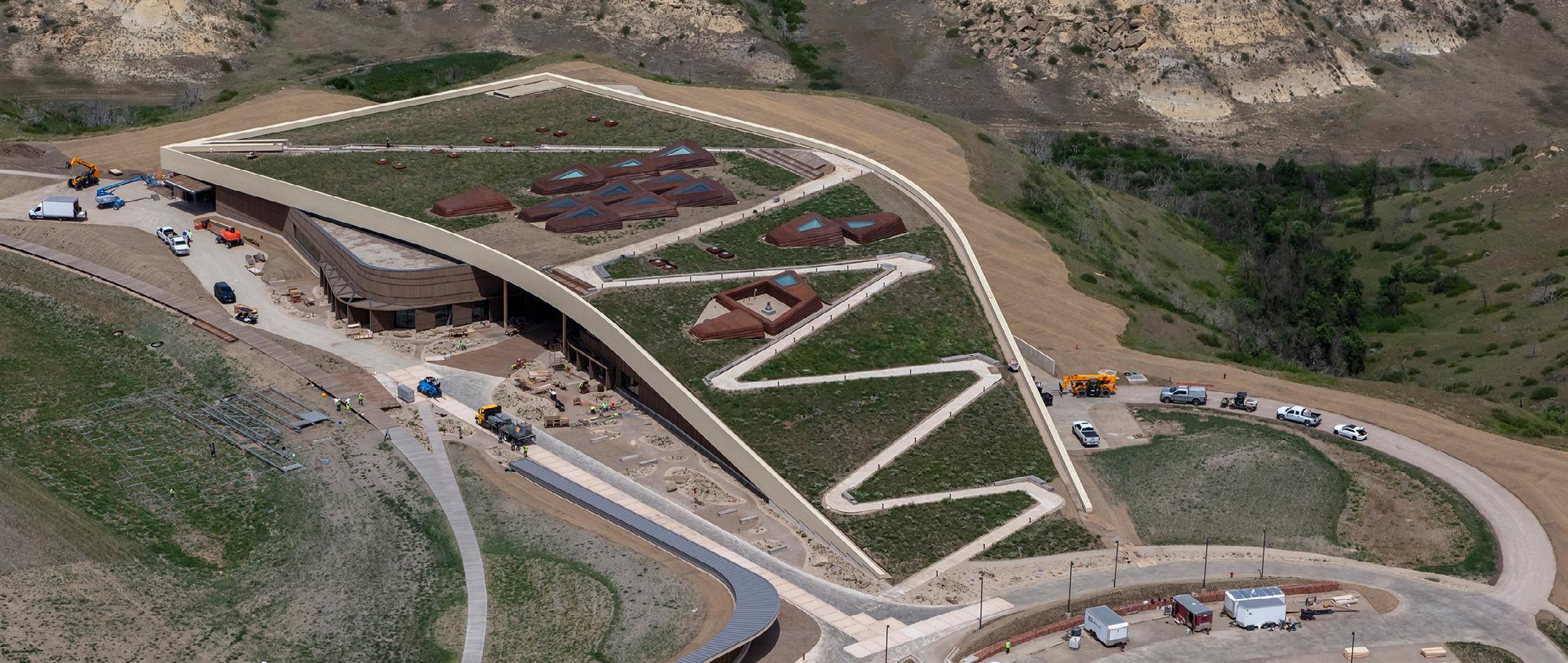
On July 1, 2026, President Donald Trump flew in the newest Air Force One on its historic maiden flight to the Bismarck Municipal Airport. The $400 million aircraft—a retrofitted Boeing 747-8I gifted by Qatar—carried the president to North Dakota for events surrounding the grand opening of the Theodore Roosevelt Presidential Library in Medora, ND.
Air Force One and Marine Helicopter Squadron One at the Bismarck Airport | Photos by Adam Dillin
The Theodore Roosevelt Presidential Library in Medora, ND | Aerial photos by Vern Whitten | www.vernwhittenphotography.com
Looking South
Looking Northeast
The Theodore Roosevelt Presidential Library
Eternal FLIGHT
Michael Hauf, 67, passed away suddenly on June 28, 2026, leaving behind many who knew and loved him.
Mike was born on May 16, 1959, in Turtle Lake, ND, the first child of Robert and Louann (Iverson) Hauf, and grew up on the family farm south of Minot. He married Colleen (Felan) in 1980 and together they raised three children in Minot.
After graduating from Sawyer High School, he went to work for Valley Auto, SURGE, Behm’s Propane, and M&M services. He then created North Central Service, becoming a master Craftsman in several trades, which he used to run the family business for over four decades. He lived a busy life and was an extremely active member of several communities. He served in various leadership positions for the Moose International Fraternity from the local to the international level. He took pride in being a Motorcycle
Safety Instructor with the NDMSP and a Young Eagle Coordinator. He loved riding motorcycles and flying small planes. Mike recently started a company restoring airplanes.
Mike was a great person to have around. If something was broken, he made it his mission to fix it. His children recall vacations that began with a broken hotel hot tub which quickly began to work because of his handy nature.
Mike will be greatly missed by his wife Colleen, children Christopher (Tasha) Hauf of Moncks Corner, SC; Amanda (Joseph) Krueger of Horton, IA; and Andrea (David) Pratt of South Haven, MI; bonus son and daughters Matthew Felan, Desirae Herrera, and Kourtney Yeager; grandchildren Gwenivere, Cloe, and Christopher Jr.; siblings Roger (Joanne Johnson) Hauf, Cheryl (Bradley) Hauf-Beach, and Denise Hauf; brother-in-law, Kenneth Felan; sister-in-law, Janet Yeager along with many relatives and close friends.
He was preceded in death by his parents, Robert and Louann (Iverson) Hauf; brothers Dwight and Dennis Hauf; in-laws, Mary Nell and Marvin and Marie Felan and a nephew Raymond Jonathan Yeager.
Your home for FAA-recommended Spatial Disorientation training: UND
UND Aerospace ready to host pilots from around the country for unique and newly relevant training
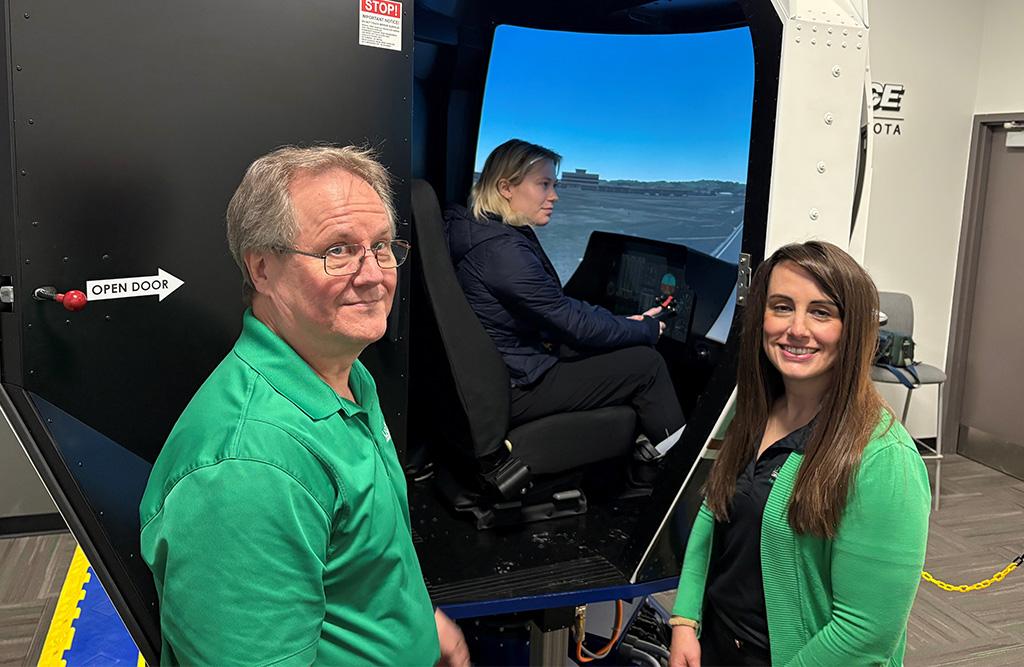
Tom Zeidlik, aerospace physiologist at UND, and Jennifer Watne, aerospace physiology technologist, stand in front of UND student Christianna Janisse, who is demonstrating a helicopter spatial disorientation simulator. Photo by Adam Kurtz/UND Today.
A recent Federal Aviation Administration recommendation is shining a spotlight on one of aviation’s most persistent safety challenges: spatial disorientation.
And at UND’s John D. Odegard School of Aerospace Sciences, faculty and staff have for decades been training pilots to recognize and manage the condition — long before the issue gained national attention.
“This is something we’ve been teaching for a very long time,” said Tom Zeidlik, aerospace physiologist at UND. “The big deal about this is that now the FAA has recognized that this training has to happen.”
The FAA’s Information for Operators (InFO) 26003 encourages operators and training programs to incorporate spatial disorientation training into standard pilot education. The guidance applies primarily to training pilots, general aviation, corporate, charter and helicopter operations — not scheduled airlines — and reflects growing concern over the role of human factors in aviation accidents.
At UND, that training is already well established and exceeds what the FAA now recommends, Zeidlik said.
Supporting student and professional pilots
UND Aerospace provides spatial disorientation training to pilots at multiple stages of their careers, from students learning the fundamentals of flight physiology to experienced pilots returning for recurrent training.
“We’ve been teaching this for decades,” Zeidlik said. “Our training here not only meets this, but it exceeds it by a great deal.”
since the late 1980s, combines classroom instruction with hands-on experience in full-motion spatial disorientation simulators and hypoxia training, where pilots enter an altitude chamber to refamiliarize themselves with a potentially dangerous low oxygen environment. The two-day course attracts pilots from across the United States and Canada, many of whom attend as part of company-sponsored recurrent training cycles.
“When they come here, they’ll experience everything that the FAA is now recommending, plus the chamber flight; the hypoxia training,” Zeidlik said. “That’s unusual.”
Zeidlik said the experiential nature of the training is what makes it effective.
“Normally, classroom training might be a flight instructor sitting at a table somewhere,” he said. “Here, we go through the hows and the whys, and then they actually experience it.”
Why spatial disorientation is so dangerous
Spatial disorientation occurs when a pilot’s perception of the aircraft’s position or motion does not match reality. It most often happens when visual cues are lost — in clouds, haze, snow, smoke or at night.
“About 90 percent of how we orient ourselves to the planet is through vision,” Zeidlik said. “Now let’s say a pilot’s flying along and they go into the clouds. They can’t see the planet anymore.”
When vision is removed, pilots rely on the vestibular system in the inner ear as well as cues such as pressure and G-forces — but their bodies are easily fooled.
The vestibular system refers to the balance organs in the inner ear that help people sense motion and orientation. These structures detect movement by sensing fluid motion inside tiny canals in the ear. While the system works well on the ground, it can send misleading signals in flight — especially during prolonged turns or when visual references disappear — causing the brain to misinterpret the aircraft’s actual movement.
“If I go into a turn, the G-forces in a turn feel exactly like gravity,” Zeidlik said. “After about 20 seconds, I don’t feel like I’m turning anymore.”
When a pilot exits that turn, the sensation can be overwhelming.
“In my mind, I just rolled into a turn in the other direction,” Zeidlik said. “That’s where pilots get themselves in trouble.”
According to Zeidlik, spatial disorientation affects every pilot at some point in their flying careers.
Realistic, safer training
Traditional spatial disorientation training often involves pilots wearing what are called “foggles,” or hoods, while
flying an actual aircraft — a method Zeidlik said is both cost prohibitive and risky.
“That’s really expensive, and frankly it’s dangerous,” he said. “You’re flying in an airplane — you’re actually flying.”
UND takes a different approach by using full-motion spatial disorientation simulators that physically move while presenting realistic visual environments.
“That’s the one thing that our simulators do,” Zeidlik said. “They marry the visual with the vestibular.”
The realism can be intense, even for experienced aviators
“We’ve had pilots come out just sweating bullets,” Zeidlik said. “It’s so real, because they feel what they see.”
Zeidlik added that the controlled environment allows pilots to experience severe disorientation safely and repeatedly.
“We can do it over and over and over,” he said. “Nobody gets hurt.”
Renewed national attention
While spatial disorientation accidents occur regularly, the issue gained renewed national focus following the 2020 helicopter crash that killed Kobe Bryant and eight others.
According to Zeidlik, FAA data shows that human factors — particularly spatial disorientation — contribute to the majority of aviation accidents.
“The FAA says about 80 percent of all aircraft crashes have to do with human factors,” he said. “And much of that is
By Adam Kurtz
spatial disorientation.”
The FAA’s new guidance is aimed at pilots operating under Parts 91, 91K and 135, which include general aviation, fractional ownership (shard ownership of a single aircraft), corporate and charter operations, as well as helicopter pilots.
“This was really aimed at helicopter pilots because of the Kobe [crash],” Zeidlik said.
Preparing pilots for the unexpected
Although the FAA recommendation is not yet a requirement, UND faculty believe broader adoption of spatial disorientation training is likely.
“That’s what we’re hoping,” Zeidlik said. “That this becomes a requirement.”
In the meantime, UND continues to train pilots using methods that already exceed federal guidance.
By exposing both student and professional pilots to realistic disorientation in a safe environment, UND Aerospace is helping pilots recognize the threat before it becomes fatal.
“That’s what spatial disorientation is,” Zeidlik said. “You think one thing is happening but it’s not reality.”
Pilots interested in spatial disorientation and hypoxia training course can find more information online on the UND Aerospace Physiology website.
North Dakota Aviation Association
P.O. Box 5020
Bismarck, ND 58502-5020
CALENDAR of EVENTS
AUGUST 2026
Pilots for Christ Fly-In Breakfast
AUG 01 | 08:00-10:00 | Maddock (6D3)
Kulm Airport Fly-In
AUG 08 | 07:00-10:00 | Kulm (D03)
Kindred Airport Fly-In & Drive-In Breakfast
AUG 08 | 07:00-10:00 | Kindred (K74)
Stanley Airport Fly-In & Drive-In
AUG 14 | 17:00-23:00 | Stanley (08D)
Williston Basin Airshow
AUG 15 | 08:00-15:00 | Overland Aviation (KXWA)
Annual Fly-ND Summit
AUG 18-19 | Woodland Resort | Devils Lake, ND
ND Aviation Economic Impact Study Presentations*
AUG 25 | 09:00-11:00 | BIS ARFF Building | Bismarck
AUG 25 | 15:00-17:00 | Minot Council Chambers
AUG 26 | 13:00-15:00 | The Hive | Grand Forks
AUG 27 | 09:00-11:00 | Fargo Air Museum
*see pages 8-9 for more information
SEPTEMBER 2026
Tioga Airport Fly-In
SEP 12 | 10:00-13:00 | Tioga (D60)
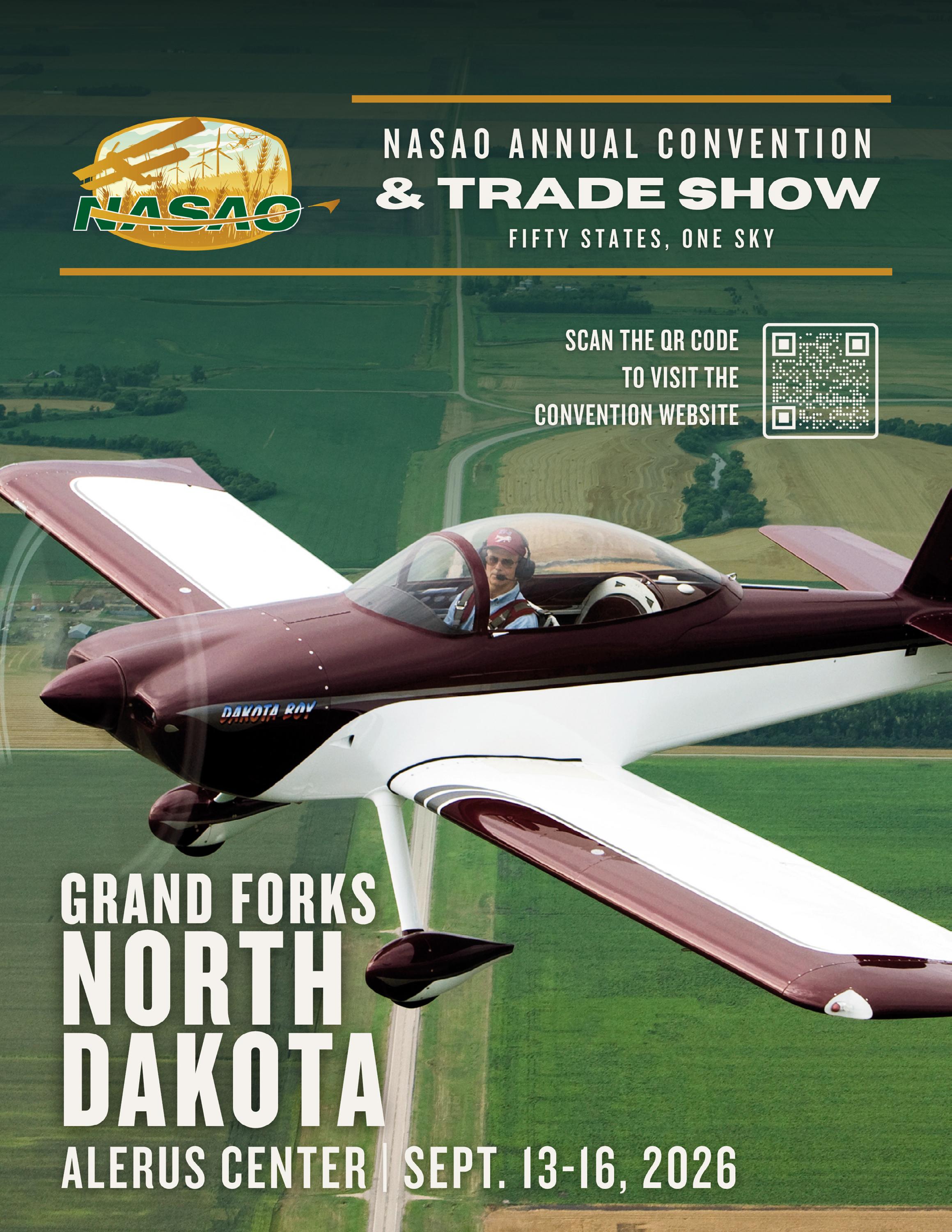
2026 NASAO Annual Convention & Trade Show
SEP 13-16 | Grand Forks, ND
Bismarck Fly-In & Drive-In Pancake Breakfast
SEP 13 | 08:00-13:00 | Bismarck Aero Center (KBIS)