

• Session 3
- Classification of flies
- Basic entomology
- Major fly families
- Other imitations
- Typical fly sizes
- Other considerations
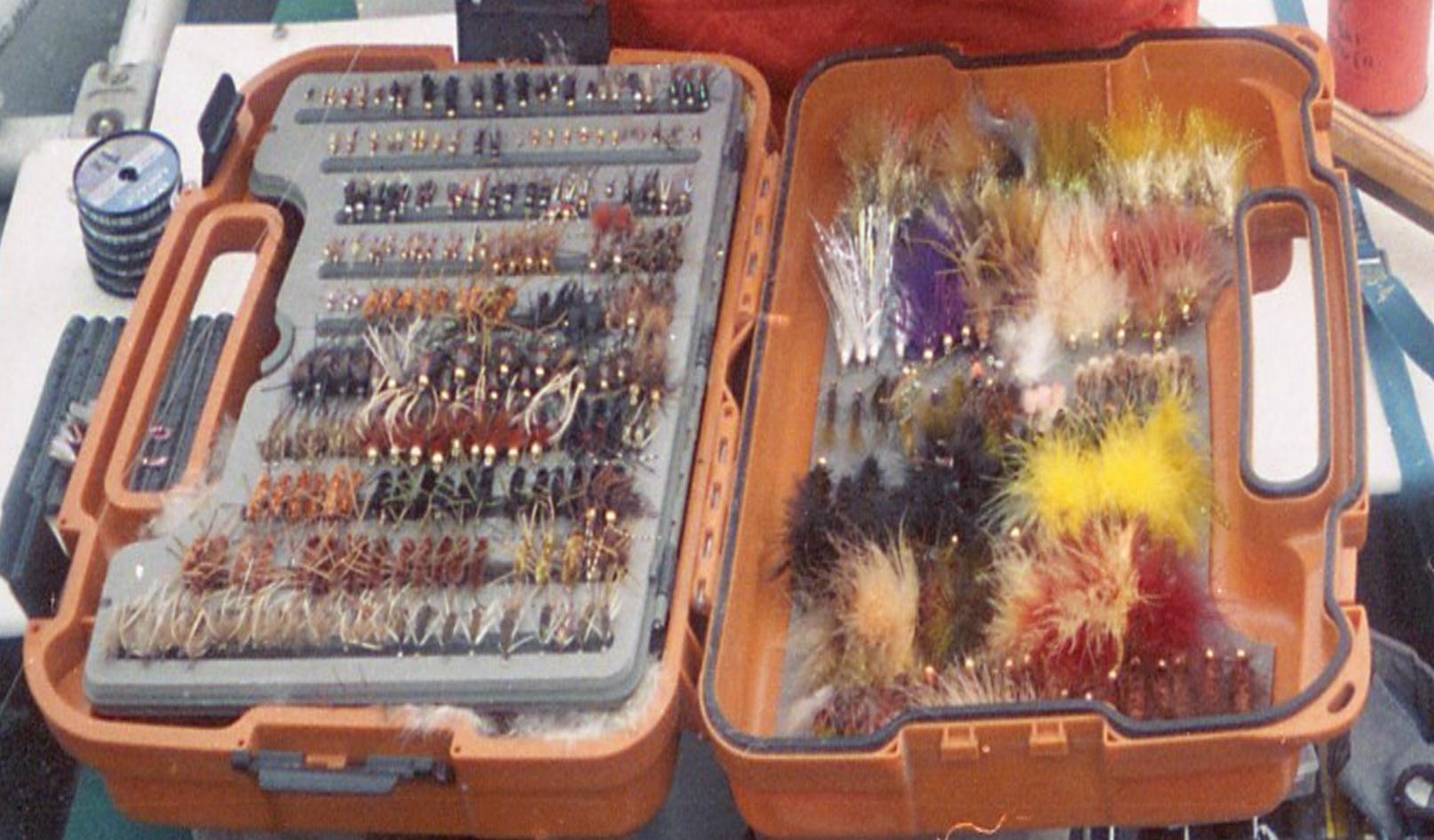
- Your fly box
• Fisheries contain aquatic insects/creatures at various stages of their lifecycle
• Fly fishers learn the lifecycles of aquatic insects/creatures and how to select a fly that imitates an aquatic food source
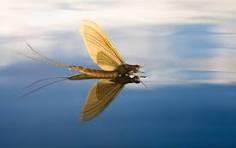
• “Match the Hatch” vs Attractor
• Mayflies, stoneflies, caddisflies, midges/chironomids, damsel flies, crayfish, etc.
• Dries, wets, nymphs, streamers, terrestrials, poppers, foam
• By fish species
• Guide flies (practical) vs full dress flies (artwork)
• And others …
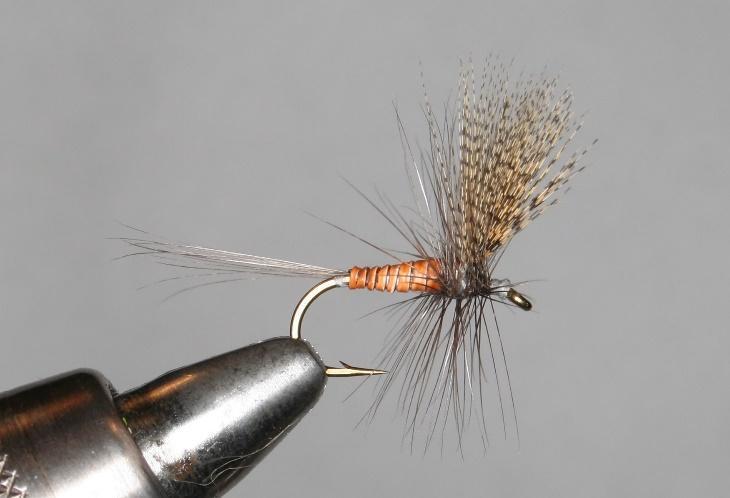
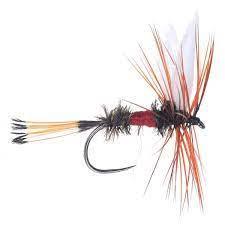
• Dry Flies: a fly that floats (an adult insect)
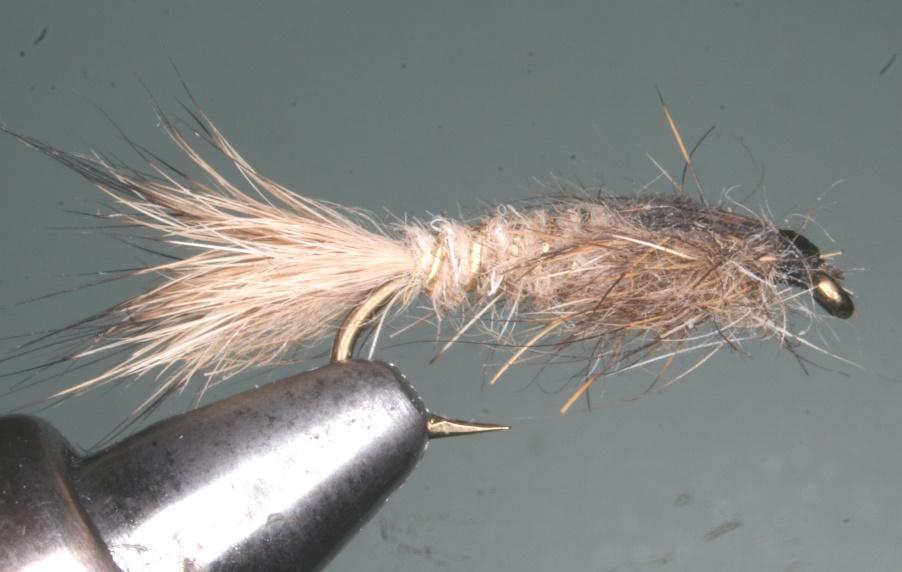
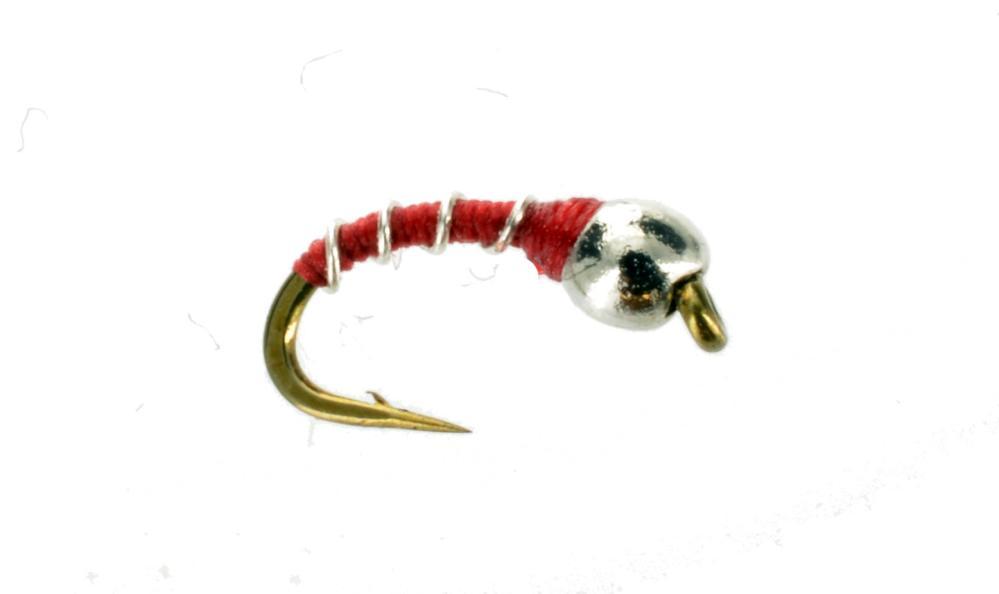
• Wet Flies, Nymphs, Emergers: will be below the surface of the water (an immature insect)
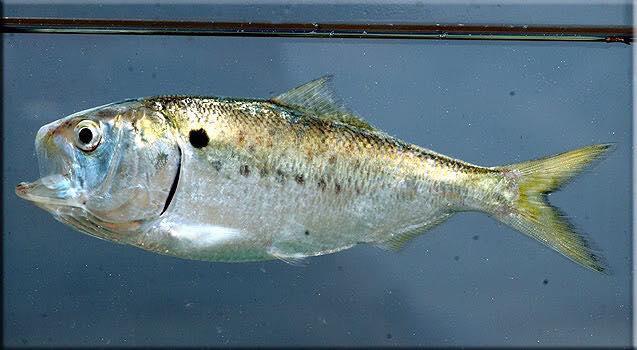
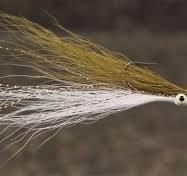
• Streamers: i mitate baitfish
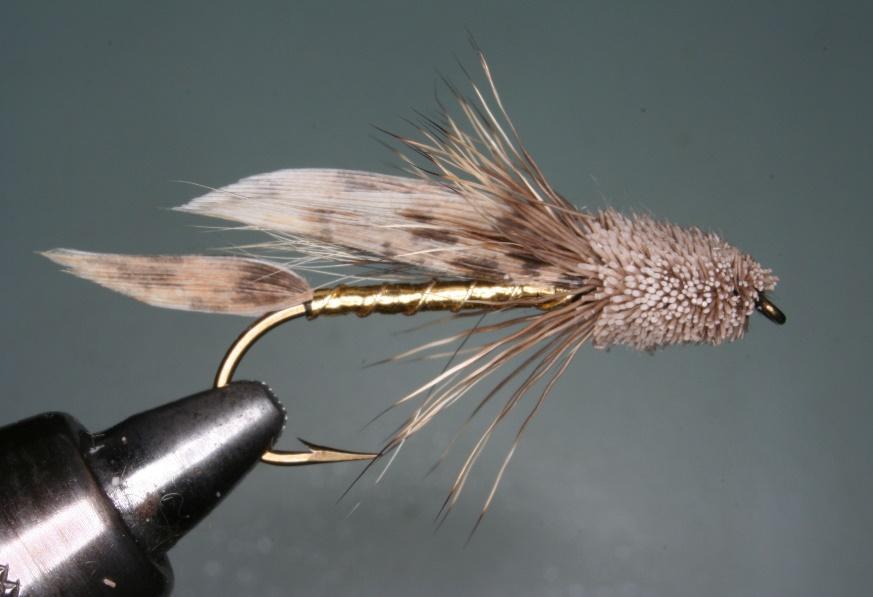
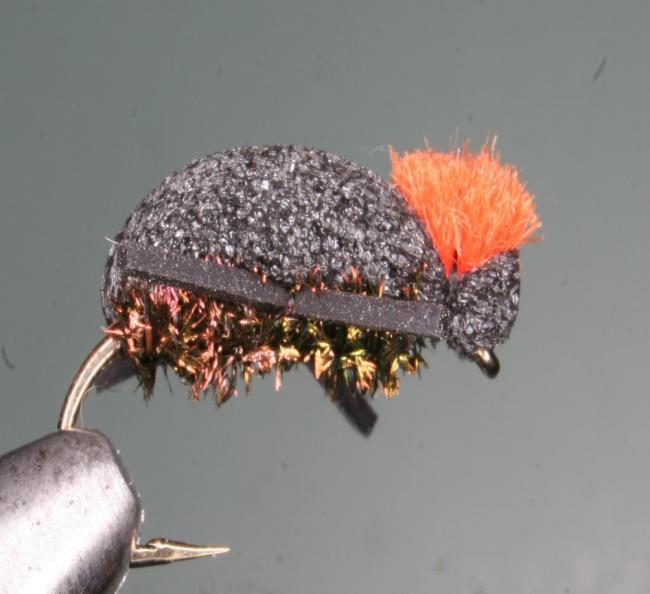
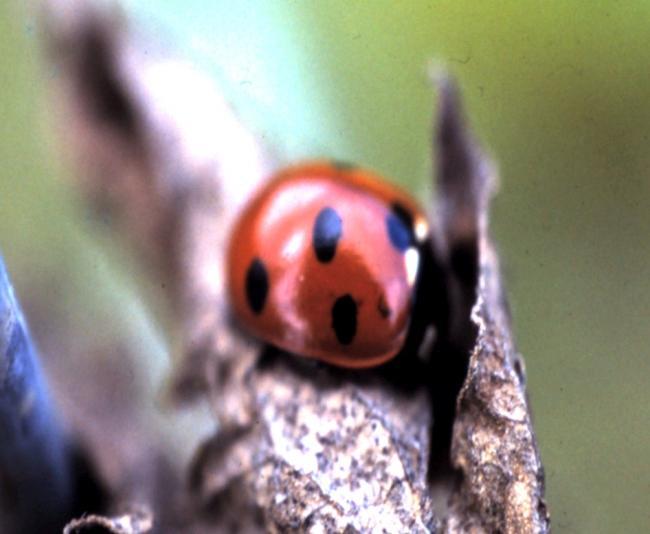
• Terrestrials: i mitate terrestrial insects from the land
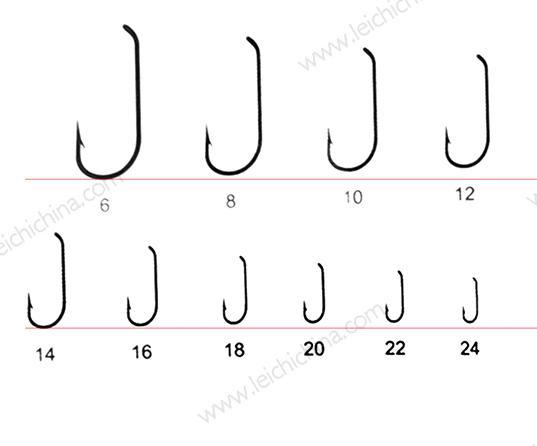
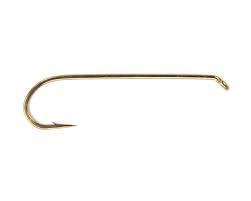
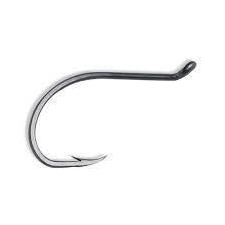
• Flies are sold by hook size
- Larger hook number = a smaller hook
- Smaller hook number = a larger hook
- A size 2 hook is larger than a size 20 hook
• Dry Flies: a fly that floats on top of the water
• Wet Flies: will be below the water surface; nymph flies (insect larval stage) and streamer flies
• Session 3
- Classification of flies
- Basic entomology
- Major fly families
- Other imitations
- Typical fly sizes
- Other considerations
- Your fly box
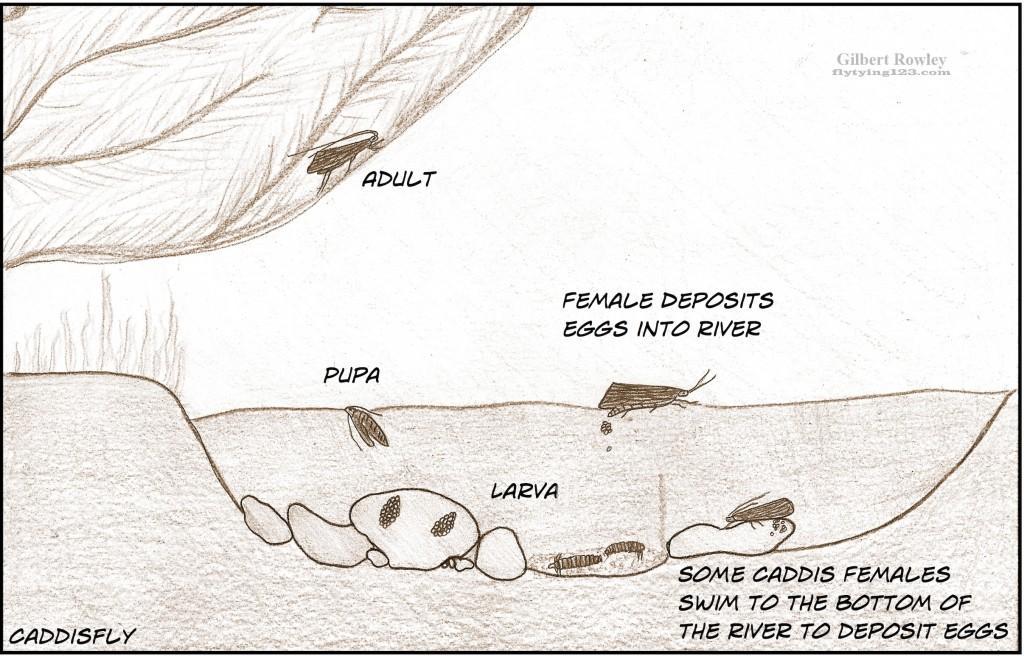
• Fly fishers focus on water -based insects
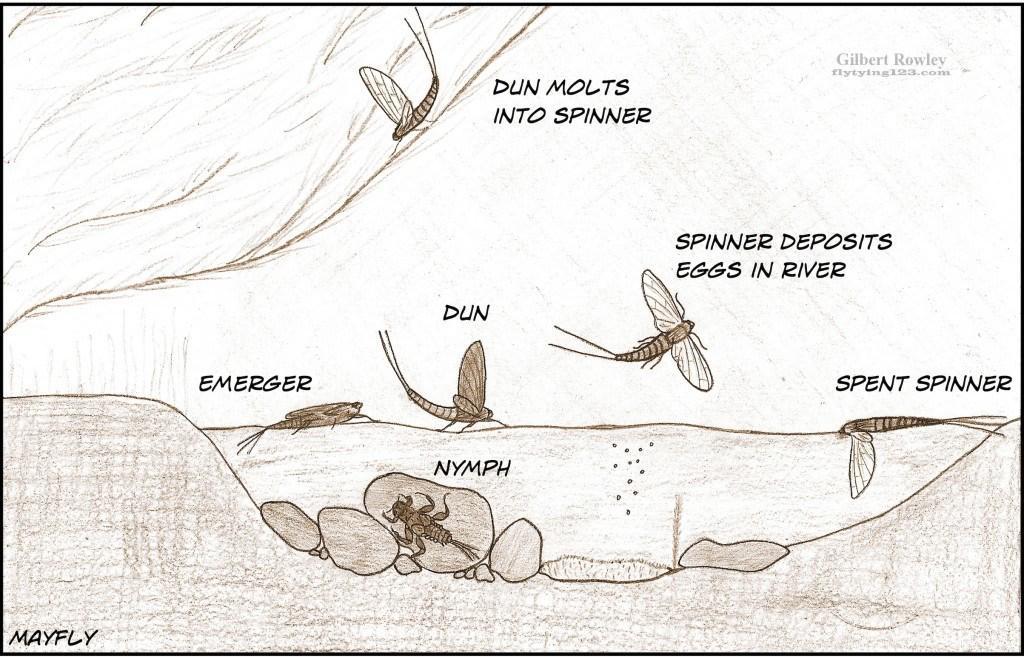
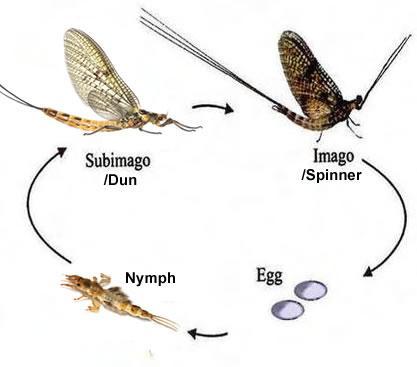
• Basic life cycle
- Eggs laid in water
- Grow/mature in water (most of life cycle - nymph)
- Transition to adult above water (emerge - hatch)
- Female lays eggs (short adult life)
- Falls to water
• Emerge in different seasons/conditions
• Also consider other insects that fall on water
- terrestrials
• This is only an introduction
• Each insect family has many variations
- Different sizes
- Different colors
- Different environments / seasons
• Our purpose: - Basic knowledge for better fishing
- Recognize the insect
- Recognize its environment
- Learn behavior and vulnerability
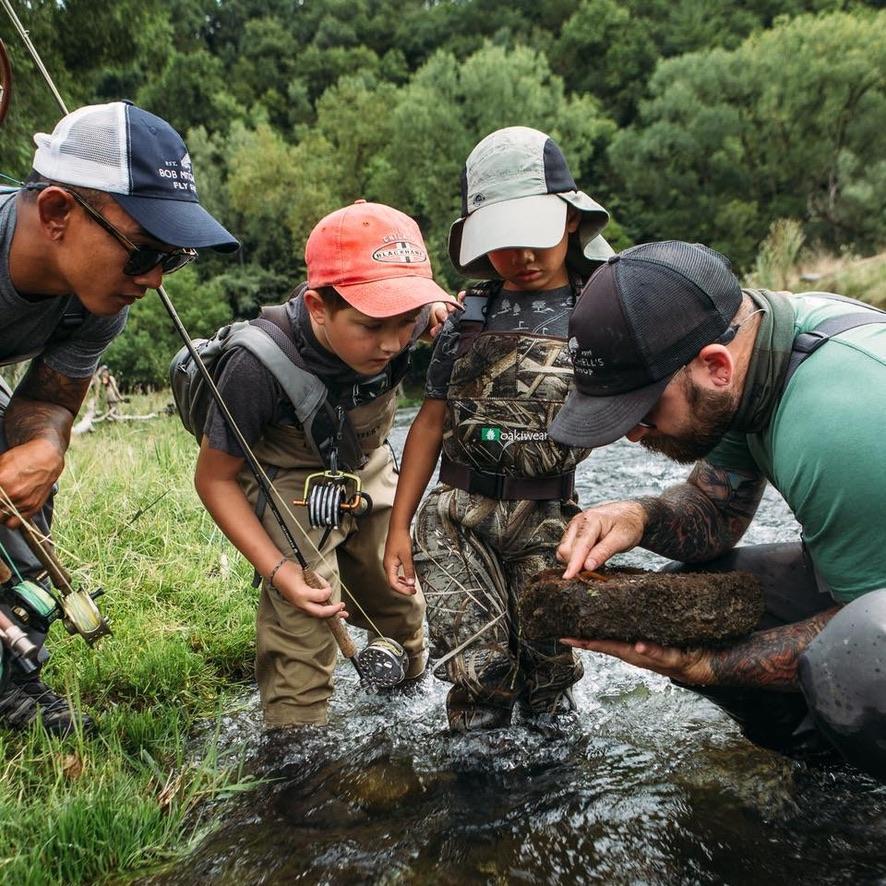
“Match the Hatch”
- Imitate a natural aquatic insect 80% of a fish diet is from food sources below the water surface
“MATCH
• We don’t need to know the scientific name of the aquatic insect
• But based on the size, shape, and color, we can identify a similar looking fly in our box to resemble the actual aquatic insect
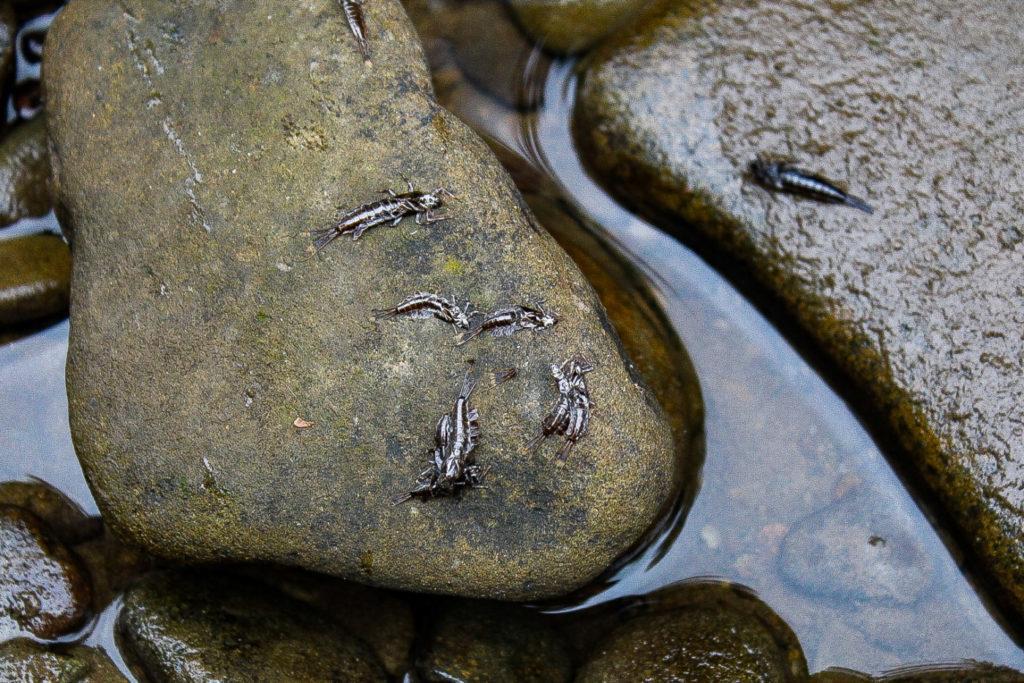
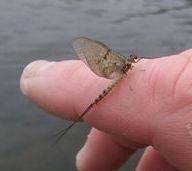
• Mayfly
• Caddisfly
• Stonefly
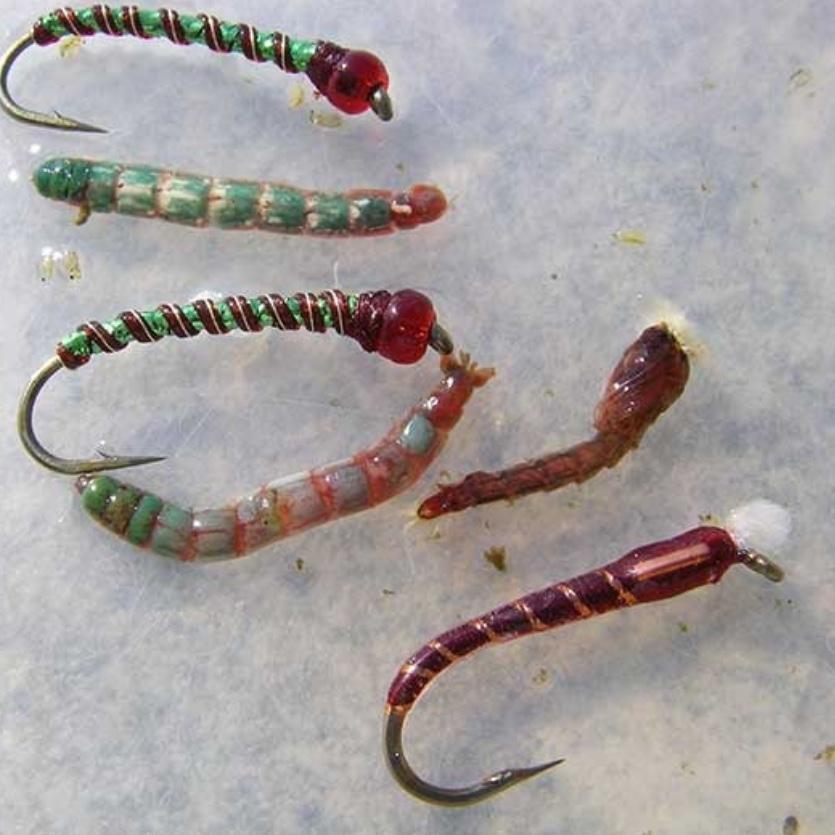
• Chironomid (Midge)
• Nymphs: immature form
• Terrestrials
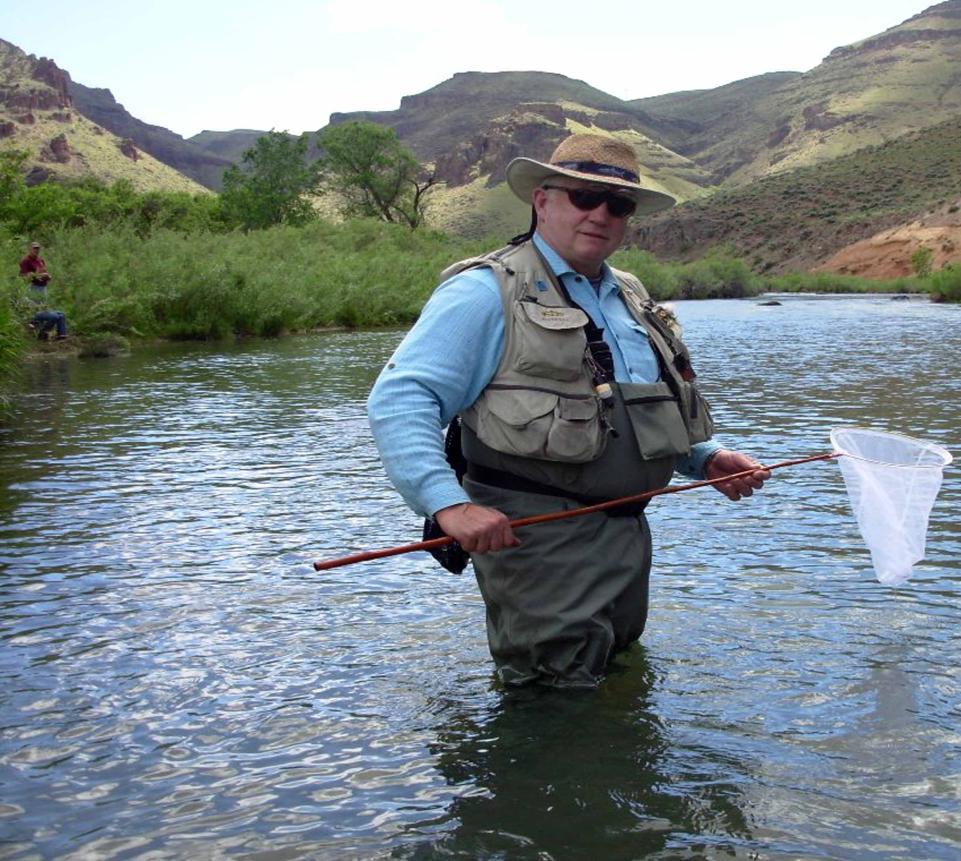
• Net
• Seine
• Underwater rocks
• Streamside vegetation
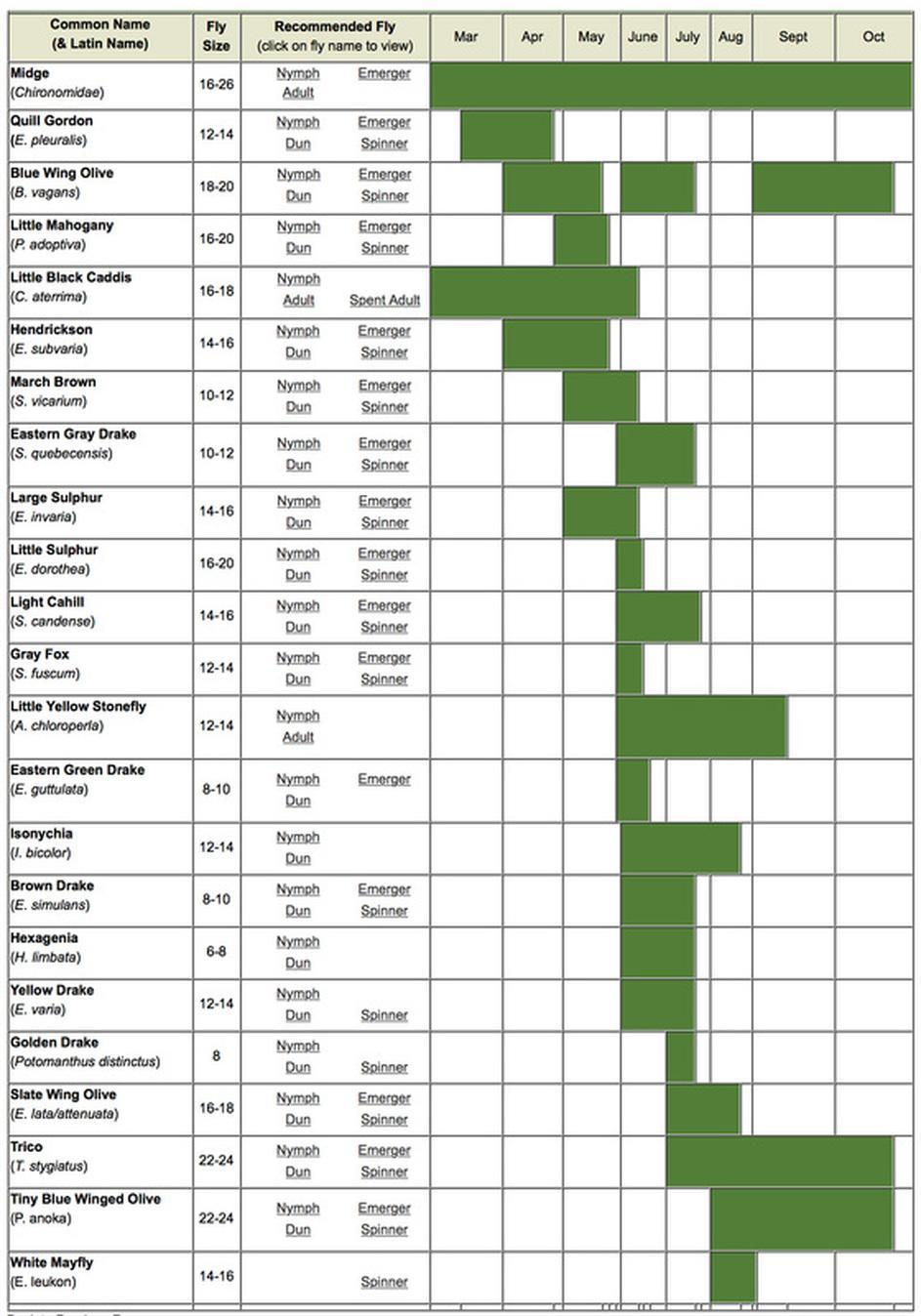
• Hatch charts
• Internet resources
• Size
• Insect body parts -tail, abdomen, thorax, legs, head, antennae
• Number of tails
• Number of legs
• Number of antennae
• Number and shape of wings of adult
• Color
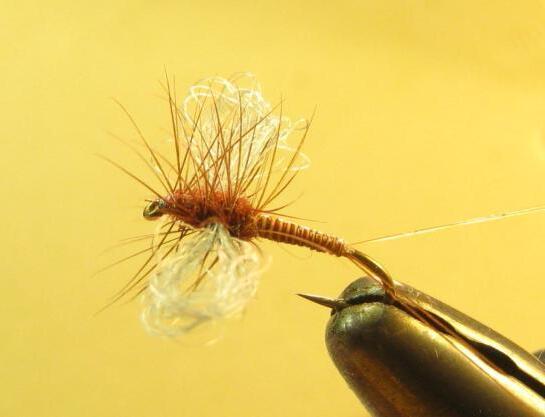
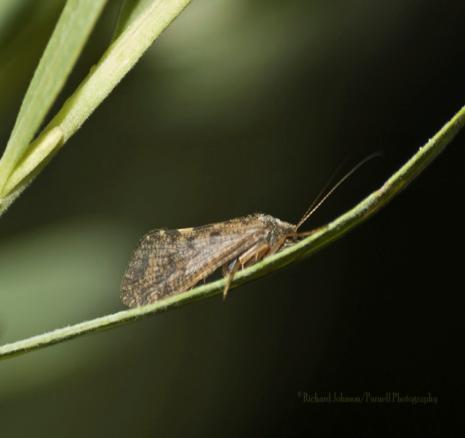
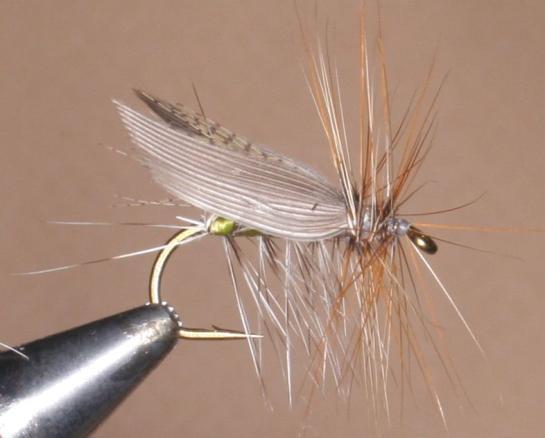
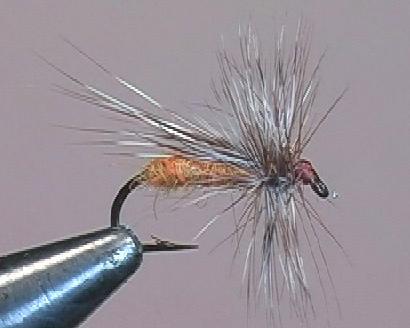
• Session 3
- Classification of flies
- Basic entomology
- Major fly families
- Other imitations
- Typical fly sizes
- Other considerations
- Your fly box
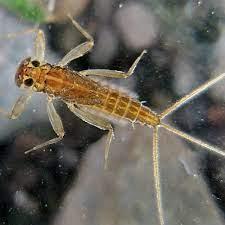
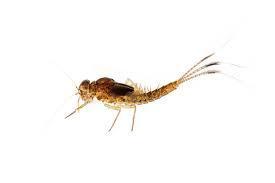
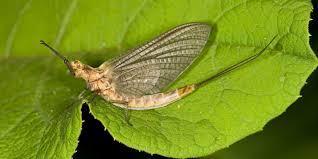
• 2 or 3 tails, usually 3
• 6 legs
• No antennae
• Wings are upright on adult
• Nymphs have gills on abdomen
• Adult males have large, bright color eyes
• Male Spinners have very long front legs and long tails
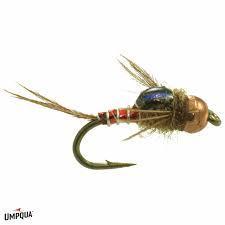
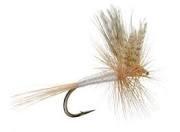
• Blue Wing Olive
• Hendrickson
• March Brown
• Trico
Cahills
Drakes
Mahoganies • Sulfurs
Remember Duns & Spinners
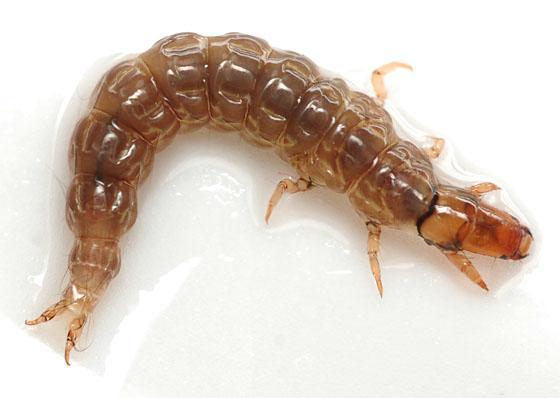
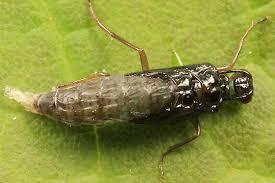
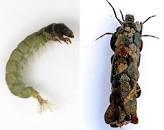
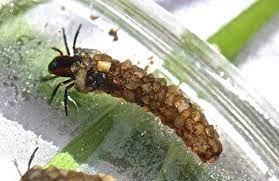
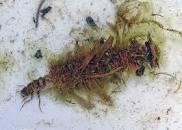
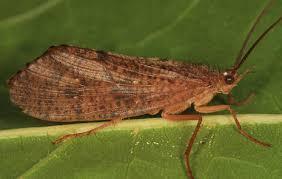
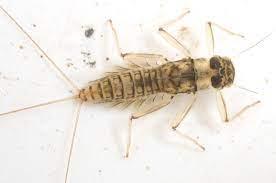
• No tails
• 6 legs
• Usually have antennae
• Tent shape wings (laying down)
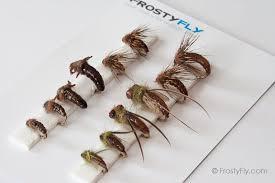
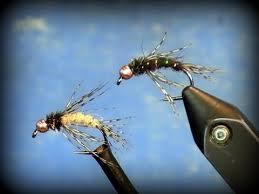
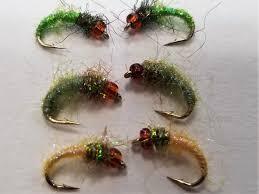
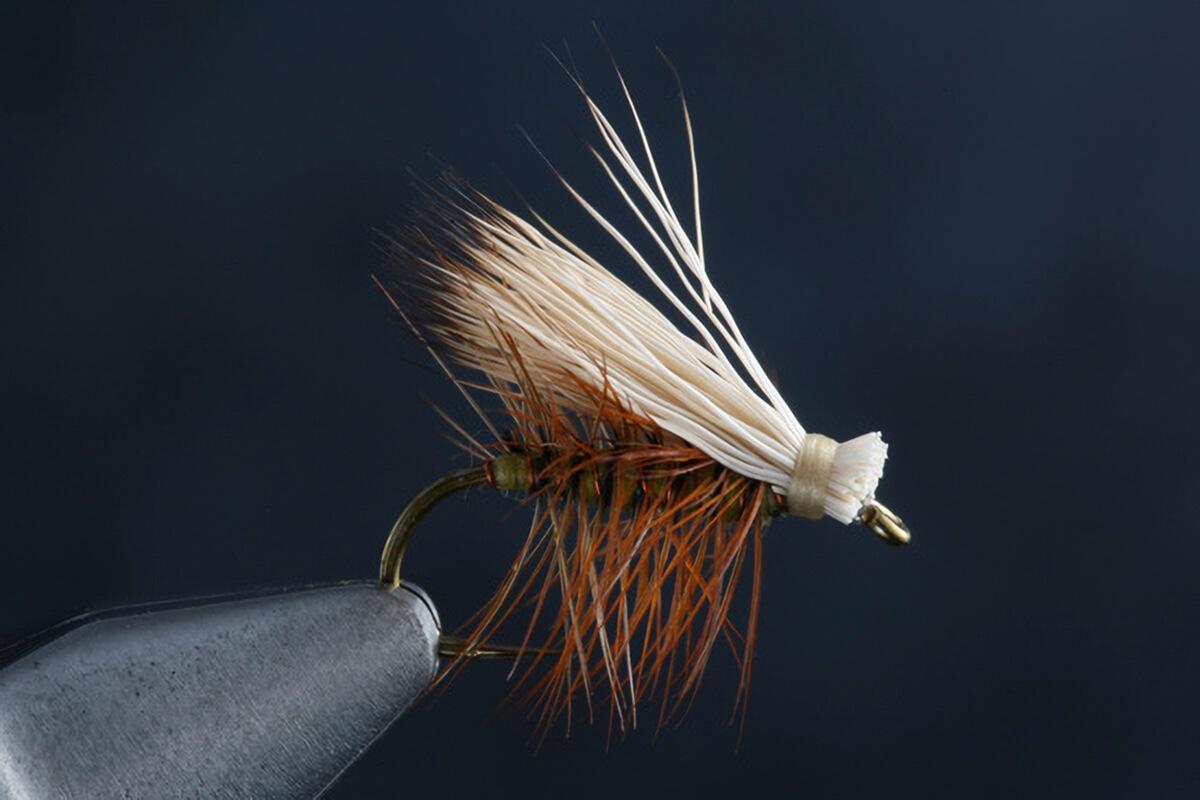
• Black, Zebra, … Caddis
• Green, Long Horned, … Sedge
• White, … Miller
• Summer Flyer
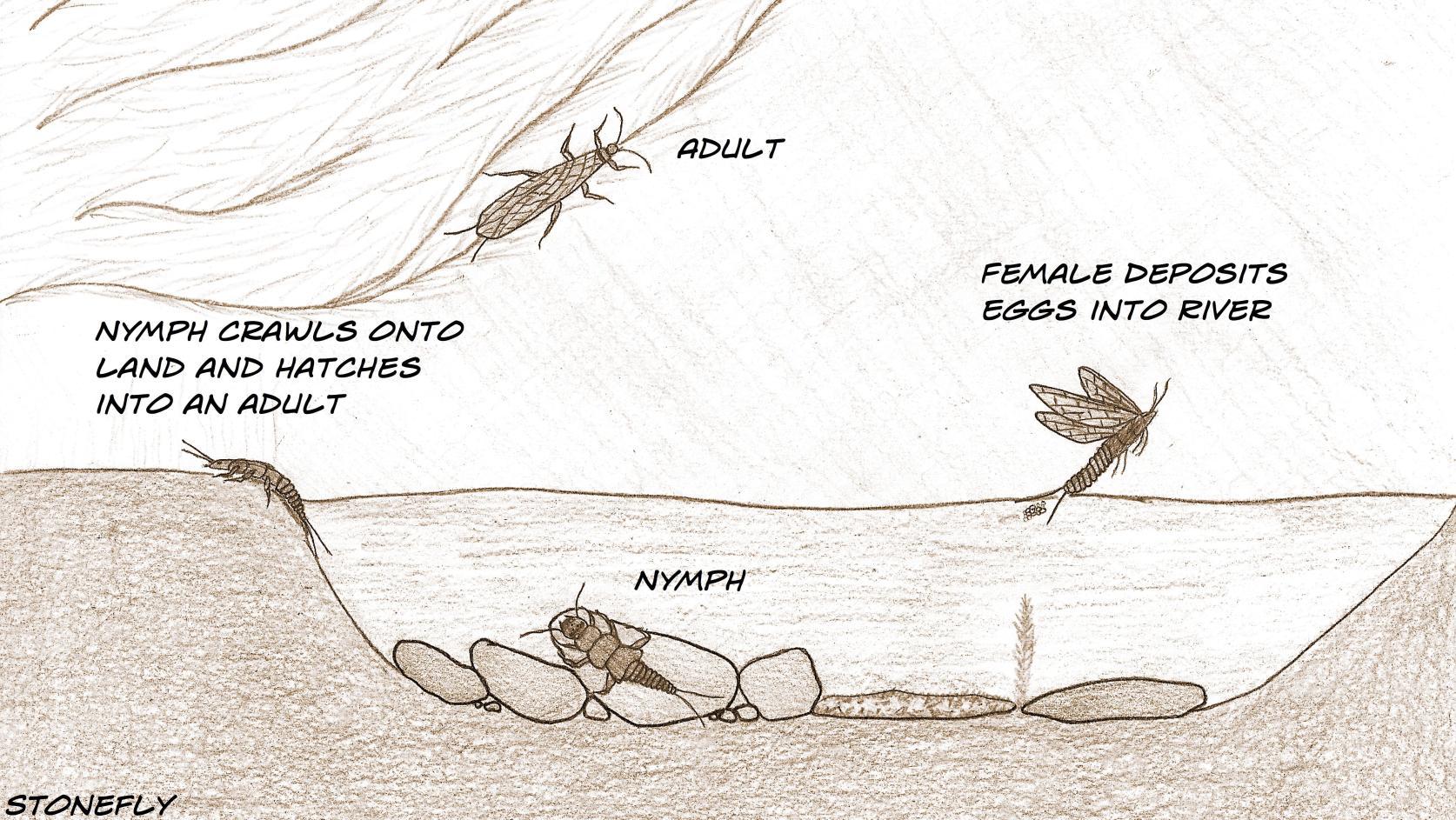
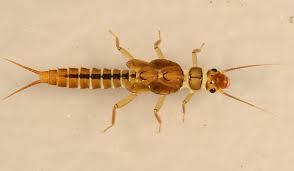
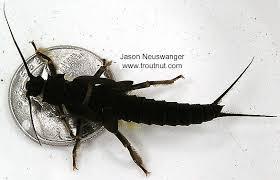
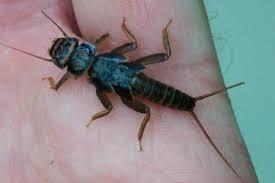
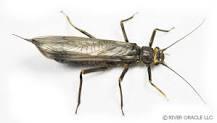
• 2 tails
• 6 legs
• Normally have antennae
• Wings fold over body
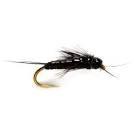
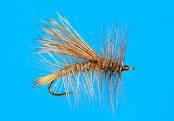
• Black, Brown, … Stonefly
• Yellow Sally, Dark Sally
• Session 3
- Classification of flies
- Basic entomology
- Major fly families
- Other imitations
- Typical fly sizes
- Other considerations
- Your fly box
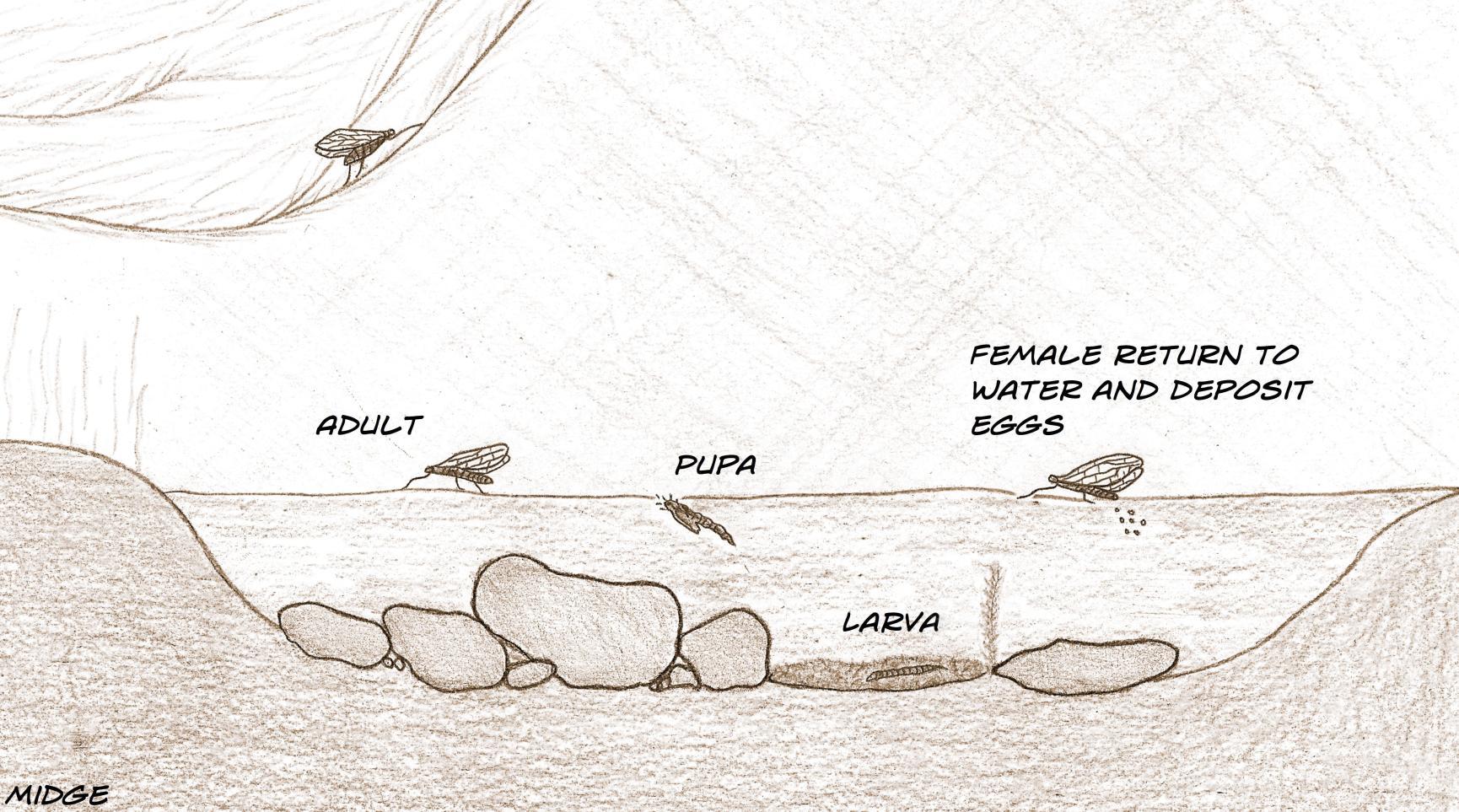
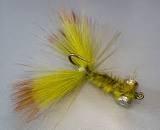
• Midges (Chironomids)
• Dragonflies
• Damselflies
• Crane Flies
• Hellgrammites
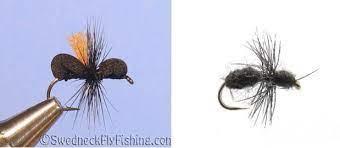
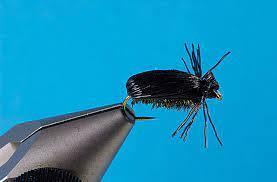
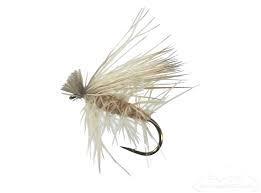
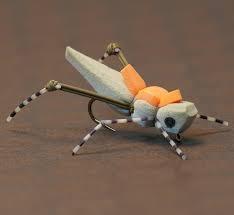
• Terrestrials
- Beatles
- Grasshoppers
- Moths
- Ants
• Crayfish
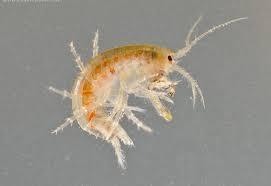
• Scuds
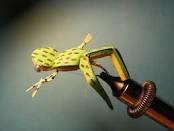
• Frogs
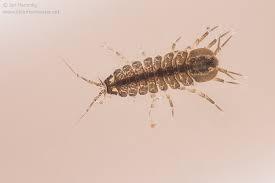
• Sow Bugs
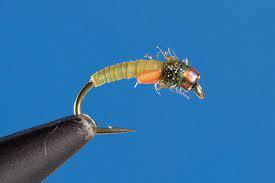
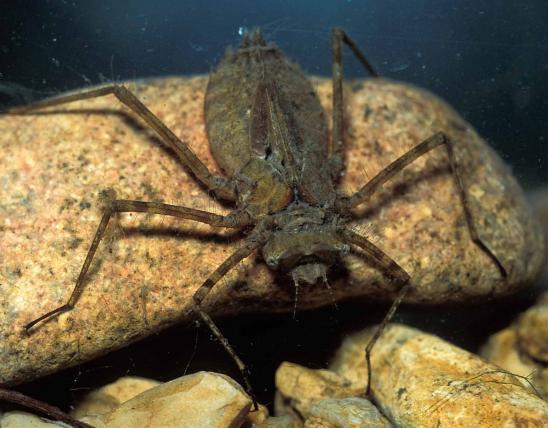
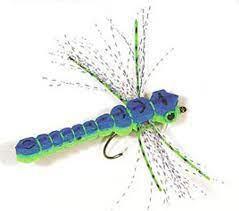
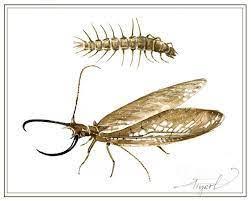
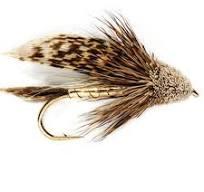
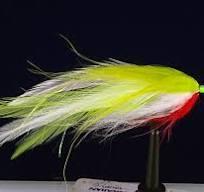
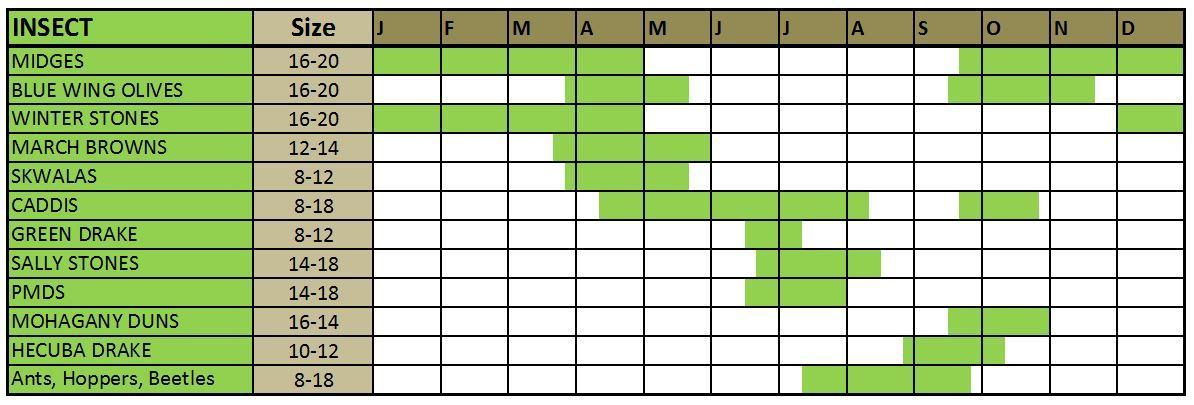
• Session 3
- Classification of flies
- Basic entomology
- Major fly families
- Other imitations
- Typical fly sizes
- Other considerations
- Your fly box
• Mayflies 10-16
• Caddisflies 10-18
• Stoneflies 6-14
• Midges (Chironomids) 14-24
• Dragonflies 6-12
• Damselflies 8-14
• Crane Flies 4-10
• Hellgrammites 2-8
• Scuds 10-14
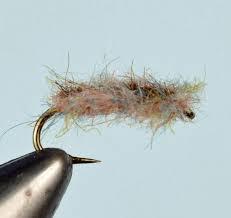
• Sow Bugs 10-14
• Pheasant Tail Nymph 16-20
• Hare’s Ear Nymph 8-18
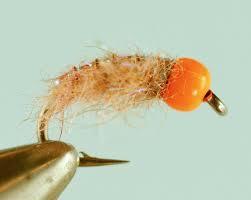
• Copper John Nymph 10-16
• Partridge & Orange Wet Fly 14-20
• Professor Wet Fly 8-16
• Emerger Wet Fly 14-18
• Adams Dry Fly 10-16
• Parachute Adams Dry Fly 12-22
• Elk Hair Caddis Dry Fly 15-20
• Stimulator Dry Fly 8-16
• Griffith’s Gnat Dry Fly 16-24
• RS2 Midge 18-22
• Zebra Midge Midge 18-22
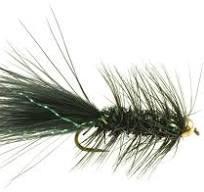
• Woolly Bugger Streamer 4-10
They fall/are blown into water
• Beatles 8-14
• Grasshoppers 6-12
• Moths 10-14
• Ants 12-16
• Crayfish
4-8
• Frogs 4-8
• Session 3
- Classification of flies
- Basic entomology
- Major fly families
- Other imitations
- Typical fly sizes
- Other considerations
- Your fly box
Imitate an aquatic creature
• Size
• Shape / Profile
• Color
• Movement
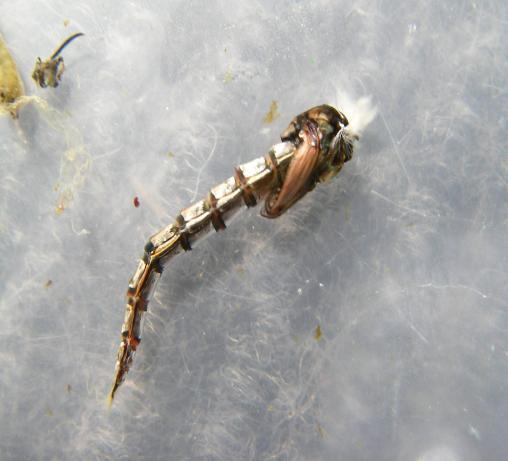
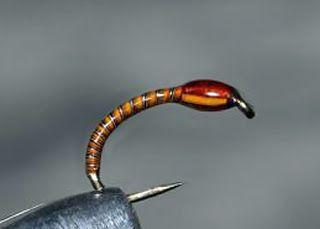
Instead of just ”matching the hatch” (size, shape, color) for fly selection, select flies based on more criteria.
1. Size
4. Animation
2. Shape
5. Abundance
3. Color 6. Vulnerability
• Focus on insects in your fishing locations
• Majority of fish diet is under water
• Most of insect life cycle is under water
- Fishable all year
• Emerging & adult life is very short
- Seasonal
- Follow hatch charts
• Why do they work?
• Don’t look like any insect
• Often bright colors & great movement
• Fish may see as potential new food or as threat
• Only way to test or chase is to bite!
• They are attractive to fly fishers!
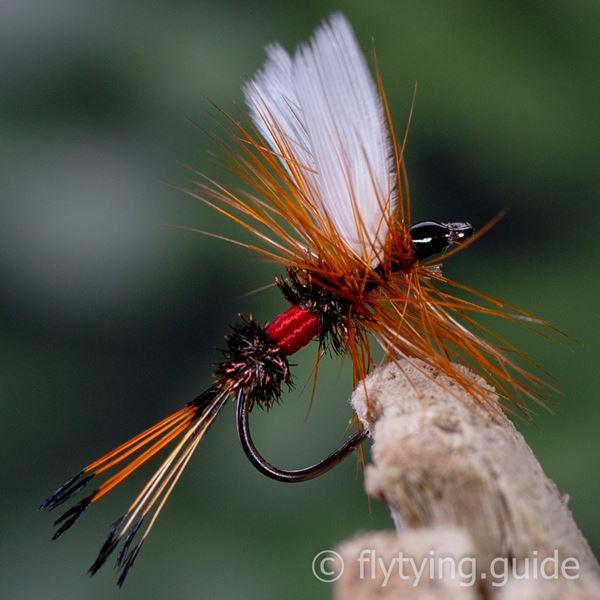
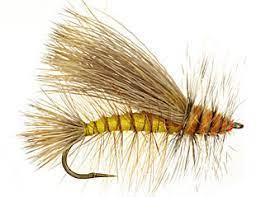
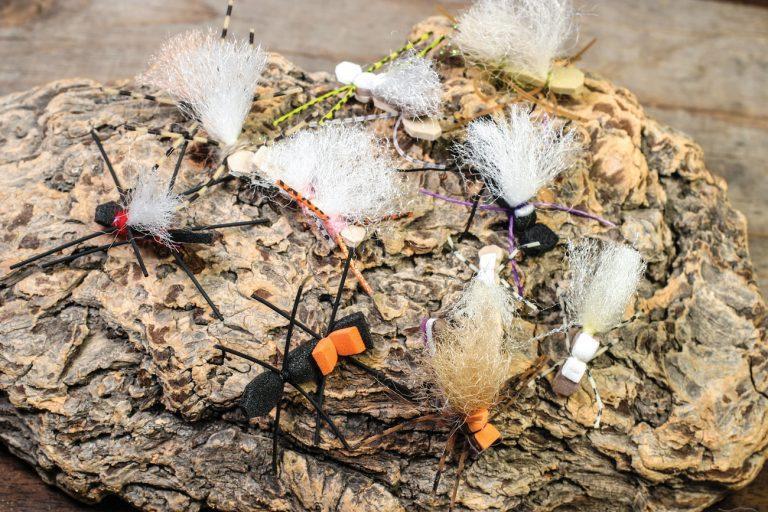
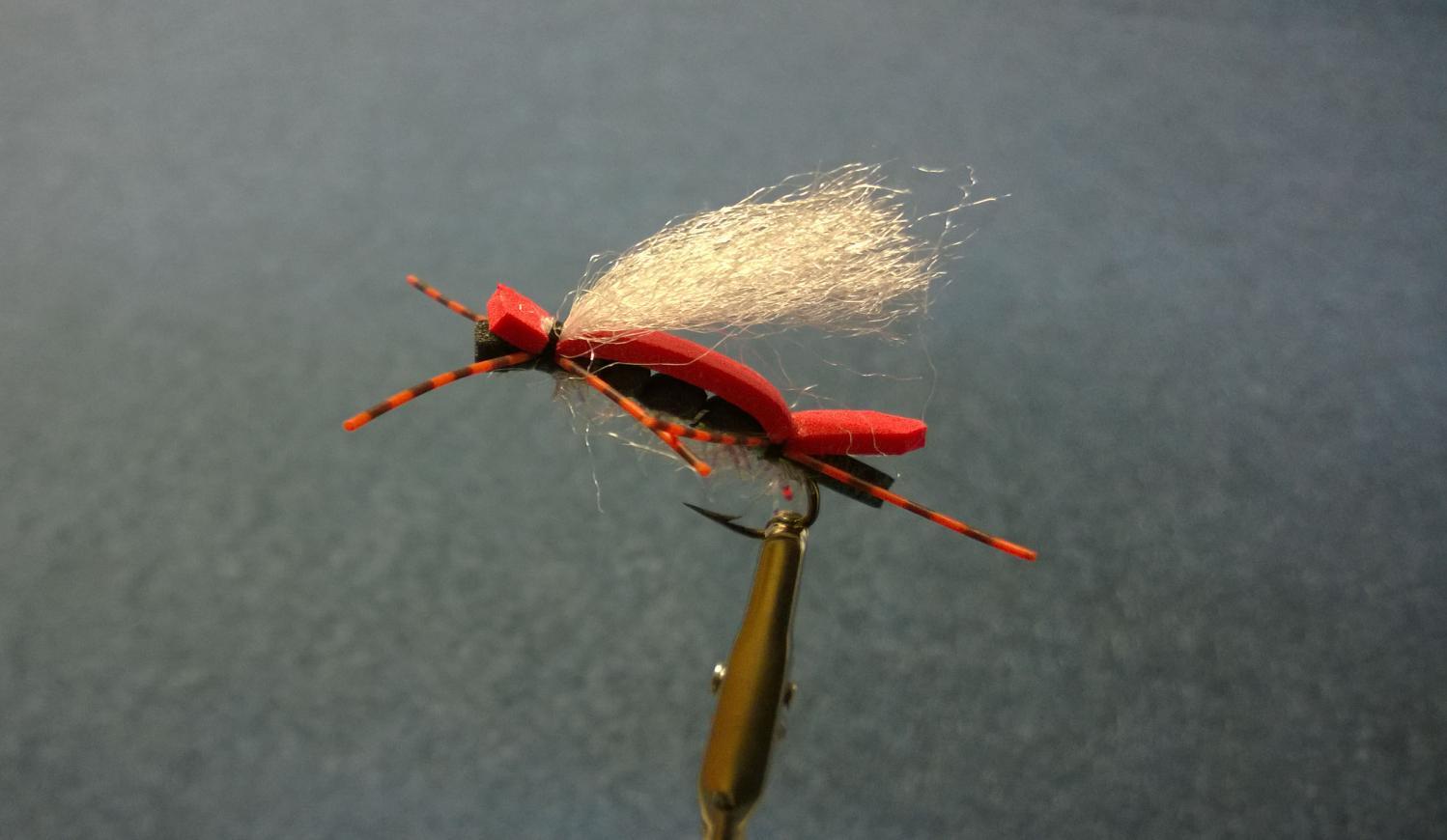
• Use barbless hooks to “Handle Fish Safely for Soft Release”
• Much less injury when removing fly from fish (and humans!)
• Easy to smash barb with pliers or forceps
• Risk of loosing fish is low with proper line tension when playing the fish
• Session 3
- Classification of flies
- Basic entomology
- Major fly families
- Other imitations
- Typical fly sizes
- Other considerations
- Your fly box
• Carry only the flies you expect to use & in which you have confidence
• Minimalize: Condense flies into as few boxes as possible
• Organize: Sort flies by some standard
• Label: If you have multiple fly boxes, label the box
• Your name: Include your contact information on the fly box in case you lose the fly box
• Your Warehouse: Maintain large storage box(s) containing various types of flies; then have smaller, more manageable fly boxes to take to the fishery
It depends on what you prefer –
• Starting your fly fishing journey:
- One box would be enough to hold your flies
- Within the one box, organize the flies by:
• Dry flies
• Nymphs and wet flies
• Streamers
• Fishery
• Fish species
• As your journey continues:
- A box for specific types of flies
- A box for specific species
- A box for a specific fishery
• Fundamental Flies for the Beginner Fly Tier
https://www.flyfishersinternational.org/Fly -Tying -Group/Fly -
Tying -Education/Beginner -Fly-Tying -Manual
• Fly Tying Video Library
https://www.flyfishersinternational.org/Fly -Tying -Group/FlyTying -Video -Library
• Your Local Fly Fishing Club
• A Fly Tying Friend
• You will begin thinking you need to fill your box with a wide variety of flies
• You will discover you most frequently fish only a few flies, filling your box with these flies in a variety of sizes and colors
• The Tiers Dilemma
– It’s too much fun mastering the challenge of tying a new fly!
SUMMARY, SELECT A FLY BY:
• Previous experience in the same fishery
• As we approach the fishery, read the water (structure)
• “Matching the Hatch” (size, shape, color)
• Behavior or animation of the aquatic insect
• Bright day – light color fly; Gloomy day – dark color fly
• Favorite fly in which you have confidence