

Getting Started & Gearing Up – Session 1
Your Fly Line System – Session 2
Selecting Your Fly – Session 3
Reading Water, Fish Behavior – Session 4
Catching & Handling the Fish Safely – Session 5
On the Water Concerns – Session 6
• Preparing for Your Outing
• Safety & Wading • Etiquette • Guides
• Organizing & Maintaining Your Gear
• Location • Access • Parking • Restrooms
Food and Water
• Organize Gear to Take • Organize Your Fly Box • Medical Needs • Your Guide
• Obtain and study maps - Access points, relative to fishing location(s)
• Confirm use of felt sole wader boots at destination
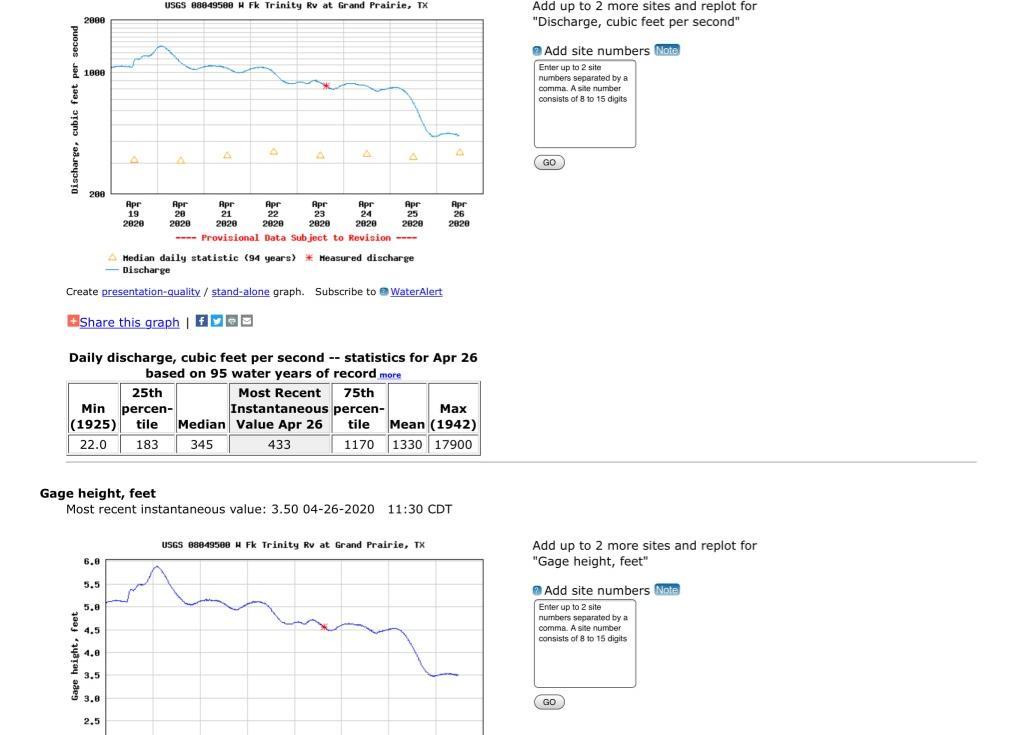
• Check the USGS charts for flow and water level
Prior to the trip:
• Check the weather at your destination
- Temperature - Barometer,
- Rain forecast
• Confirm regulations and restrictions
• Have a check list for items to pack
• Know how to obtain a fishing license - Local - Online
• Research fly shops in the area of your destination
• Gage Station(s)
• Streamflow
- Cubic Feet Per Second (CFS)
- USGS.gov
• River Authorities / Fly Shops
- River Reports
• Riverdata App
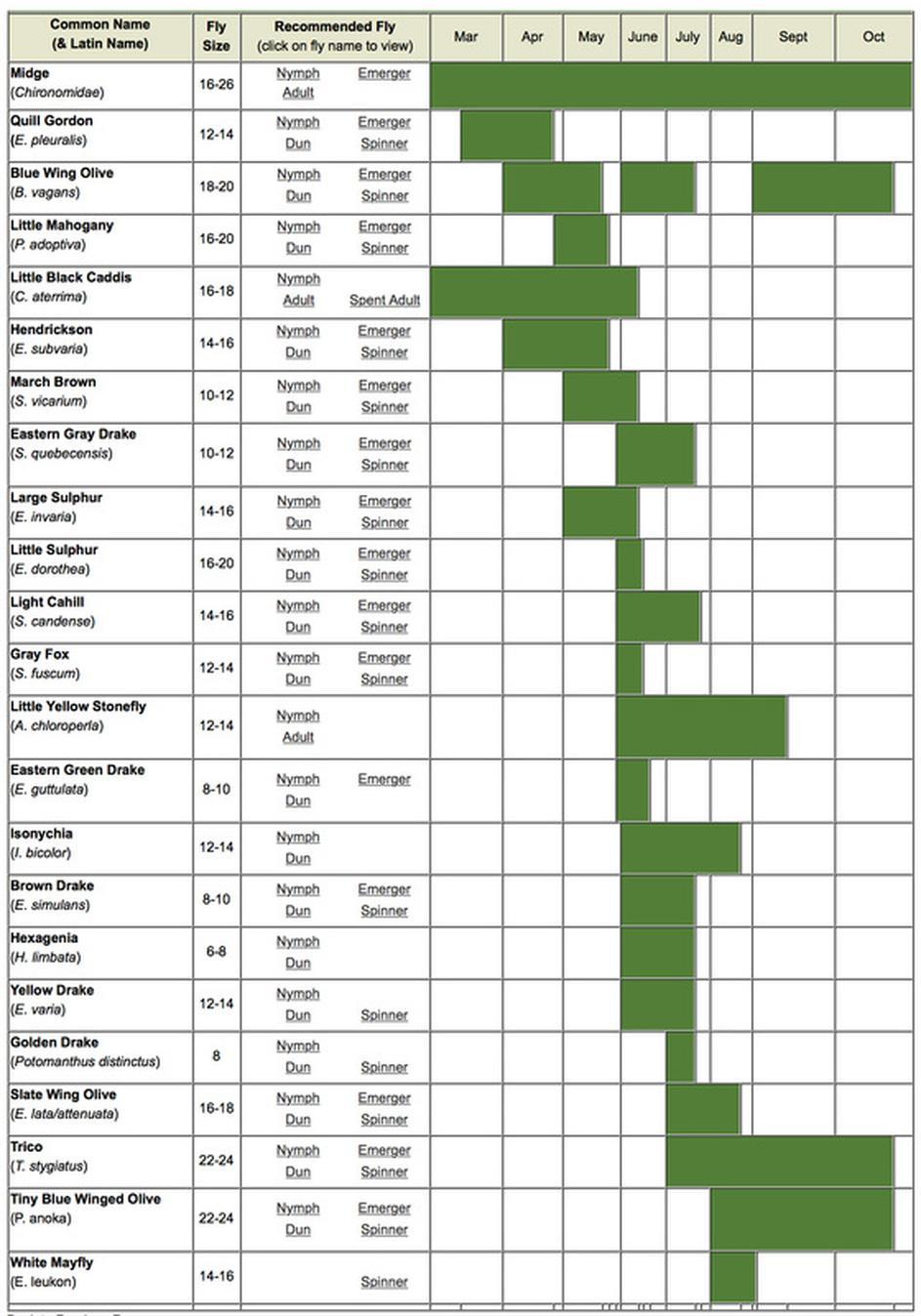
• Hatch Charts
• Fishing License
• Fly rods and reels
• Fly boxes
• Fishing vest, lanyard, or pack
• Leaders and tippets
• Fishing gear bags
• Waders & boots
• Wading belt & wading staff
• Streamside accessories
• Pocket knife
• Whistle (distress signal)
• Cap or hat (wide brimmed)
• Polarized Sunglasses
• Clothing (layers, avoid cotton)
• Extra socks
• Buff
• Sun block
• Bug spray
• Toilet paper
• First Aid Kit
• Medications, Medical card
• Camera
• Water resistant day bag
• Rain jacket
• Extra clothes for day bag
• Zip lock bags & garbage bag
• Extra pair of glasses
• Binoculars
• Ear plugs
• Charger for electronics
• Camp chair
• Small cooler
• Float tube
• Cash for Guide tips
• Preparing for Your Outing • Safety & Wading • Etiquette • Guides • Organizing & Maintaining Your Gear
- Guard Against Errant Casts
- Polarized Glasses Help See Fish
• Always wear tight wading belt around waist
- Prevents waders from filling with water
• Don’t wade in too deep water
• Look for slow water, smooth bottom
• Look out for structure, pot holes
• Fish with buddy
• Carry wading staff
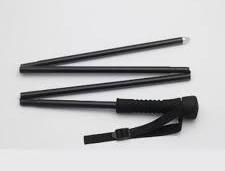
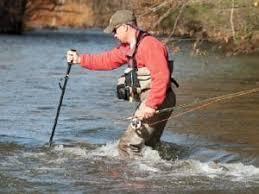
• A ”walking stick” one piece wading staff is difficult on an airplane, but this wading staff is excellent for local fly fishing
• Broom stick or walking stick
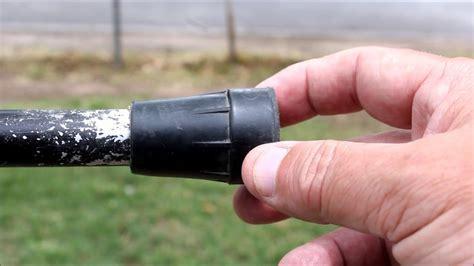
• Put a rubber cap on the bottom
• Cut the stick to the proper height
• Cut a hole through the handle section and slide a para -cord through the hole
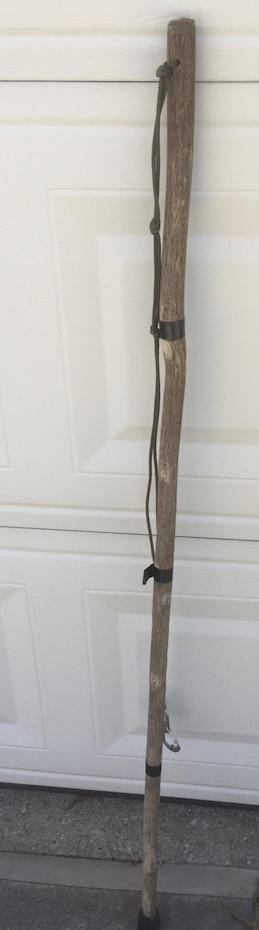
Add a rubber tip on your wading staff A folding/collapsible wading staff
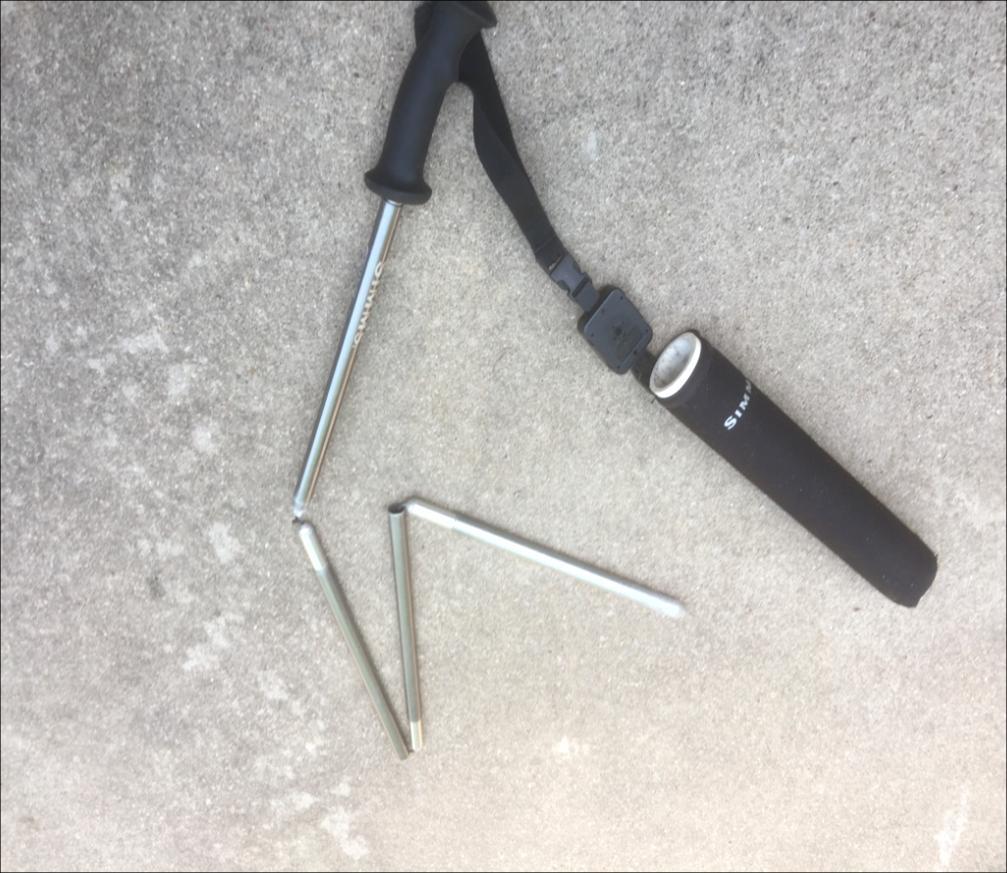
• The wading staff is attached to a wading belt
• While fishing, lay the long para-cord over your shoulder with the wading staff located behind you; easy to access when you need it
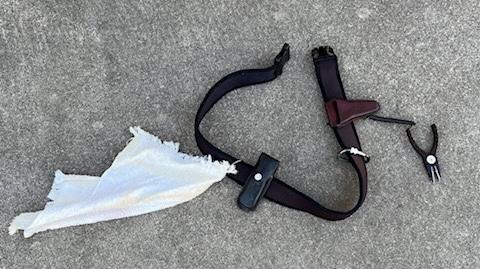
• Mark shaft in 1’ increments to measure cfs: depth x drift = >8
• Measure depth; drop a leaf and count one second, record the distance the leaf traveled in one second
• Length on shaft is specific to what is comfortable for you
• Check forecast, be prepared
• Dress in layers
• Keep skin covered
• Use UV protection, waterproof, SPF 50 or >
• Lightning? Get out of water!
• Eye protection - Accidental hooking - Polarized glasses help see fish
• Tailwaters – Watch water levels
• Boating – Wear life jacket
• Check cell phone coverage
• Be sure someone knows where you are
• Stay hydrated
• Use barbless hooks, crimp barbs
-- Less damage to fish & humans
• Know how to remove hook from skin
-- Use short monofilament around hook bend
-- Press down on hook eye with eye to skin
-- Yank up & away with monofilament
• Check local rules & regulations
-- Some limit barbed hooks
-- Some limit number / type of hook
• Band -aids
• Antibiotic Ointment
• Gauze Pads
• Medical Tape
• Iodine
• Ace Wrap
• Moleskin
• Crazy Glue
• Latex Gloves
• Needle for Splinters, Blisters
• Tweezers
• Small Scissors
• Large Bandana for Sling
• Waterproof Matches
• Whistle
Carry more for more remote locations
• Use “Catch & Release”
• Wet hands before handling fish, keep fish wet
• Use knotless or rubber mesh net
• Remove hook quickly, barbless preferred
• Hold fish horizontally in net & when handling
• Minimize time out of water (fewer photos)
• Release fish with head upstream, hold until it “kicks”
• https://www.flyfishersinternational.org/Conservation/ Conservation -Education/Handle -Fish -Safely
!
• Preparing for Your Outing • Safety & Wading • Etiquette • Guides
• Organizing & Maintaining Your Gear
• Be sure you have license & permits
• Stay on visible paths & trails
• Don’t litter / Leave no trace
• Observe “No Trespassing”
• Water belongs to first angler there
-- Stay 2 long casts away
-- Confirm if fishing upstream or downstream
-- Ask permission before entering near water
• Don’t enter water directly across from angler
• Walk around stationary angler
-- Don’t disturb water he is working
• Angler with fish -on has right -of-way
• Fish quietly
• Angler wading upstream moves slowly
-- Approaches from behind fish
-- Less likely to kick up debris
-- Less likely to disturb fish
• Angler wading downstream moves quickly
-- Approaches from in front of fish
-- Likely to kick up debris
-- Likely to disturb fish
-- Leave water 100 yards above another angler
• If bank prevents exit, ask angler which side of stream you should use
• Angler traveling upstream has right -of-way
• Know the local rules & regulations
• Use good boating safety & etiquette
• Respect the wading and on -shore fisherman
• ALASKA
• MARYLAND
• MISSOURI
• NEBRASKA
• RHODE ISLAND
• SOUTH DAKOTA
• AND YELLOWSTONE NATIONAL PARK
• Preparing for Your Outing • Safety & Wading • Etiquette • Guides
• Organizing & Maintaining Your Gear
• Arrange for a Guide through an outfitter or fly shop - occasionally directly with the Guide
• Tell the Fly Shop if you have preference on where you want to fish
• Tell the fly shop how long you want to fish
• Have all your gear well organized and neatly packed
• Don’t take too much gear
• The Guide will pick you up where you are staying or at the fly shop
• Tell your guide, “During my time on the water, I just want to learn”
• Tell the fly shop/guide what your experience level is, don’t exaggerate!!
• The Guide will quickly assess your skill level
• Don’t try to impress the Guide with stories about how much experience you have
• The Guide will select your fly
• When arranging for the trip, your Guide will attempt to determine your skill level.
• DO NOT exaggerate or overstate your skill level. If the Guide asks what you hope to experience during the trip, tell them you want to learn.
• DO NOT tell them you want to catch big fish
YOUR GUIDE HAS MORE FLIES THAN YOU DO!
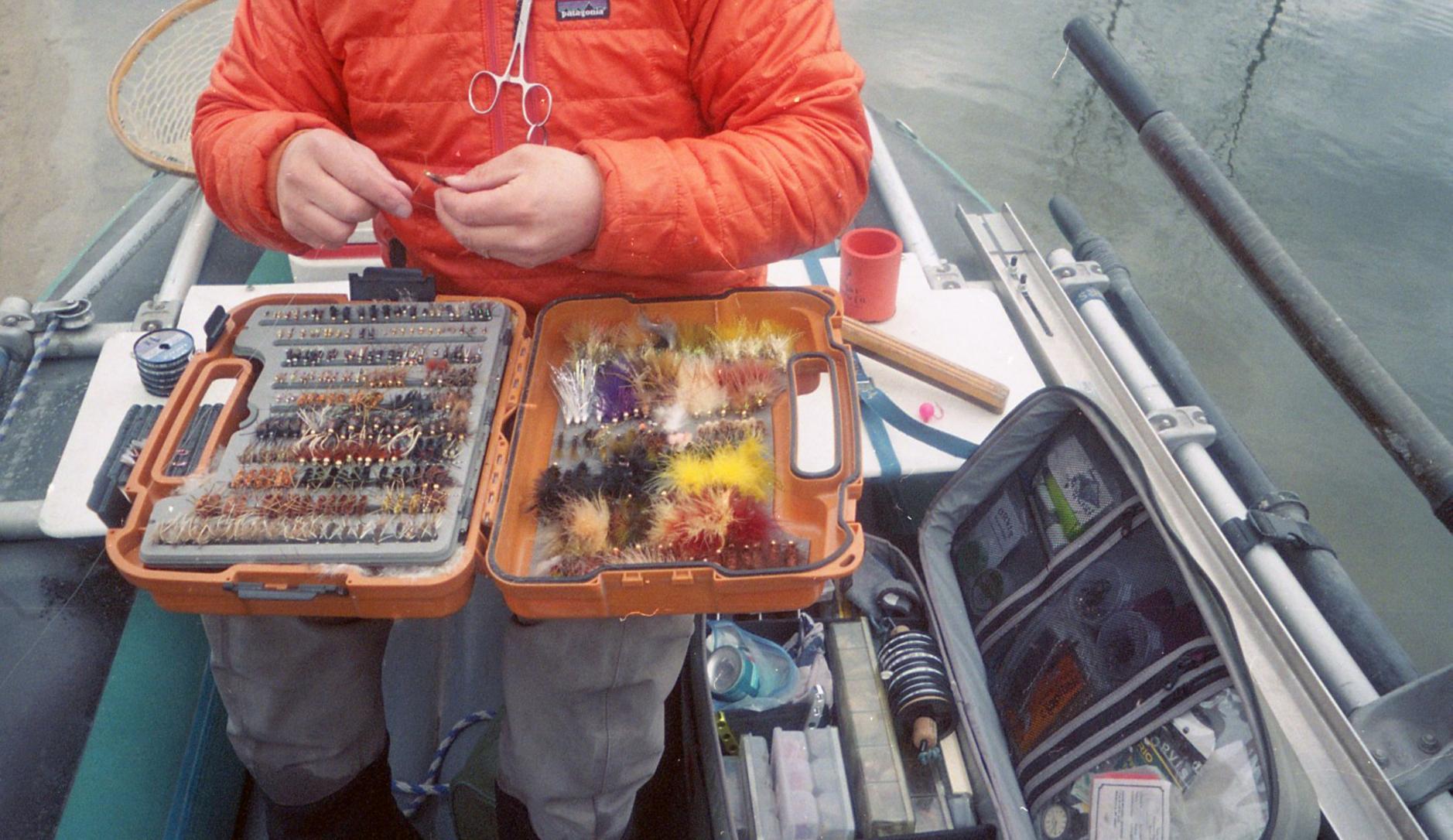
• Treat with respect - You’re there to learn
• More than 20% tip, exceptional service
• Less than 10% tip, poor service
• Lodge’s Guide, optional, $40 -50 direct
• Lodge Total Staff, 7 -15%
• Pay at end of trip
• Preparing for Your Outing
• Safety & Wading • Etiquette • Guides
• Organizing & Maintaining Your Gear
• Keep your gear together & ready to use
• Rods in tubes
• Reels/extra spools in reel case
• On stream accessories on vest, lanyard, or pack
• Fly boxes, other accessories in gear bag(s)
• Waders, boots, wading staff, net -- well dried
• Make list of rod, reel, line combinations
- Reels/Spools may work on multiple rods
• Make list of gear bag(s) contents
• Rinse boots after each use, store dry
• Store waders dry
• Keep your rod & reel clean
- Wash rods each year, more often if needed
- Keep ferrules clean, don’t lubricate
- Lubricate reels per mfr instructions
• Wash fly lines with soap & water at least once per year
• Treat fly lines with fly line dressing at least once per year
• Check leaders & tippet for wear, replace as needed
• Check split shot & indicator supply
• Refresh fly boxes
- You may want to reorganize
- Be sure flies are dry before storing
• Understand how the elements of fly fishing work together
• Be prepared to adapt to the ever -changing fishing conditions
• Expect to learn or try something new on every fly fishing outing
• Enjoy Fly Fishing!