

Introduce the Sport
• Learn to Fly Fish
Learn the Fundamental Skills
• Fly Fishing Fundamentals
• Fly Casting Fundamentals
• Fundamental Flies for a Beginner Fly Tier
Explore In -Depth & Special Topics
• Fishing, Casting, Tying, Plus
• The Focus: typical fly fishing in moving water
• Deals with why we do things, why it works
• Shows how the pieces fit together
• Introduces the lingo, terms you will hear
• Builds a foundation for learning & experimenting
Getting Started & Gearing Up - Session 1
Your Fly Line System - Session 2
Selecting Your Fly - Session 3
Reading Water, Fish Behavior - Session 4
Catching & Handling the Fish - Session 5
On the Water Concerns - Session 6
• FFI Skills Development Program
• Fly Fishing Background
• Learn About Cast ing
• Fly Rod System Selection
• Accessories Selection
• The Rigging
• Flies
• Fly fishing gets its name by the tradition of using an artificial fly to catch fish
• Fly fishing is done in all types of water, for all types of fish species
• Fly fishers present the “fly” to a spot where you think a feeding fish will be
• Fly fishers understand fish behavior and habitat
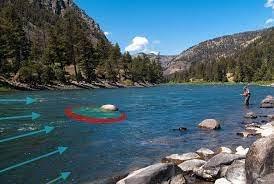

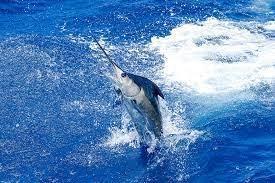
• Fly Fishing: we cast the line -- weight of line pulls fly
• Conventional: we cast the lure -- weight of lure pulls line
• Fly fishing focuses on the river anatomy, current, water habitat, and fish behavior to determine fish location
• Casting skill allows the angler to present the fly to a precise location
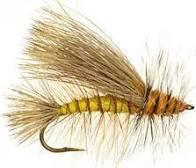
• A fly is a hand tied imitation of a food source (e.g., aquatic insects, small fish) the fish eats in the water
• A fly looks like and acts like a natural aquatic insect/ creature (fish food source)
Believed to be a Chinese invention (paintings - 1195 B.C.)
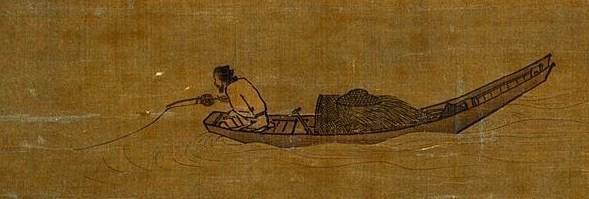
• Early Records:
-- Chinese Book of Odes, 11 th and 12th Century B.C.
• More recent British background
-- The Book of St Albans, 1486
-- Treatyse of Fysshyng wyth an Angle, 1492
• Exclusive for aristocracy
• Limited innovation
• Traditionally fly fishing was catching trout & salmon with surface (dry) flies
• Much of our thinking & basic education is still influenced by that tradition
• The sport has evolved to “All Fish in All Waters”
• Technology has improved equipment options
• Marketing has led to highly specialized products
• What do you expect to fish for?
• Where do you expect to fish most frequently?
• In what environment do you expect to fish?
• What type of fishing do you expect to do?
THEN ….
• Select fly fishing equipment
• Learn to cast
• Learn some knots you will use
• Understand how to “rig” your rod
• Understand how to select a fly
• Understand how to read the water
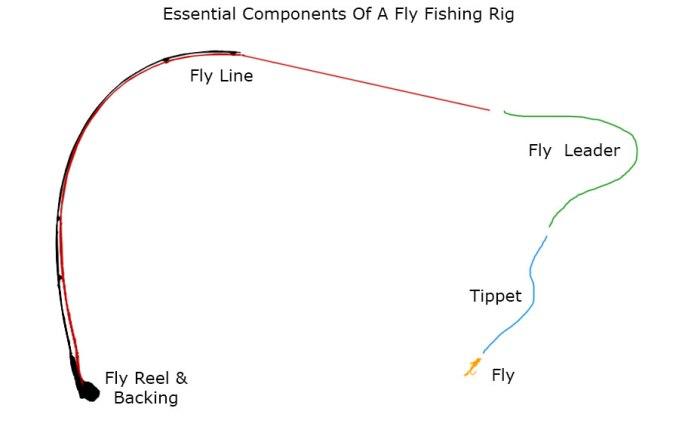
• Fly Rod
• Reel with Drag System
• Backing
• Fly Line
• Leader & Tippet (the rigging)
• Fly
• FFI Skills Development Program
• Fly Fishing Background
• Learn About Cast ing
• Fly Rod System Selection
• Accessories Selection
• The Rigging
• Flies
- Changing direction & - Changing distance
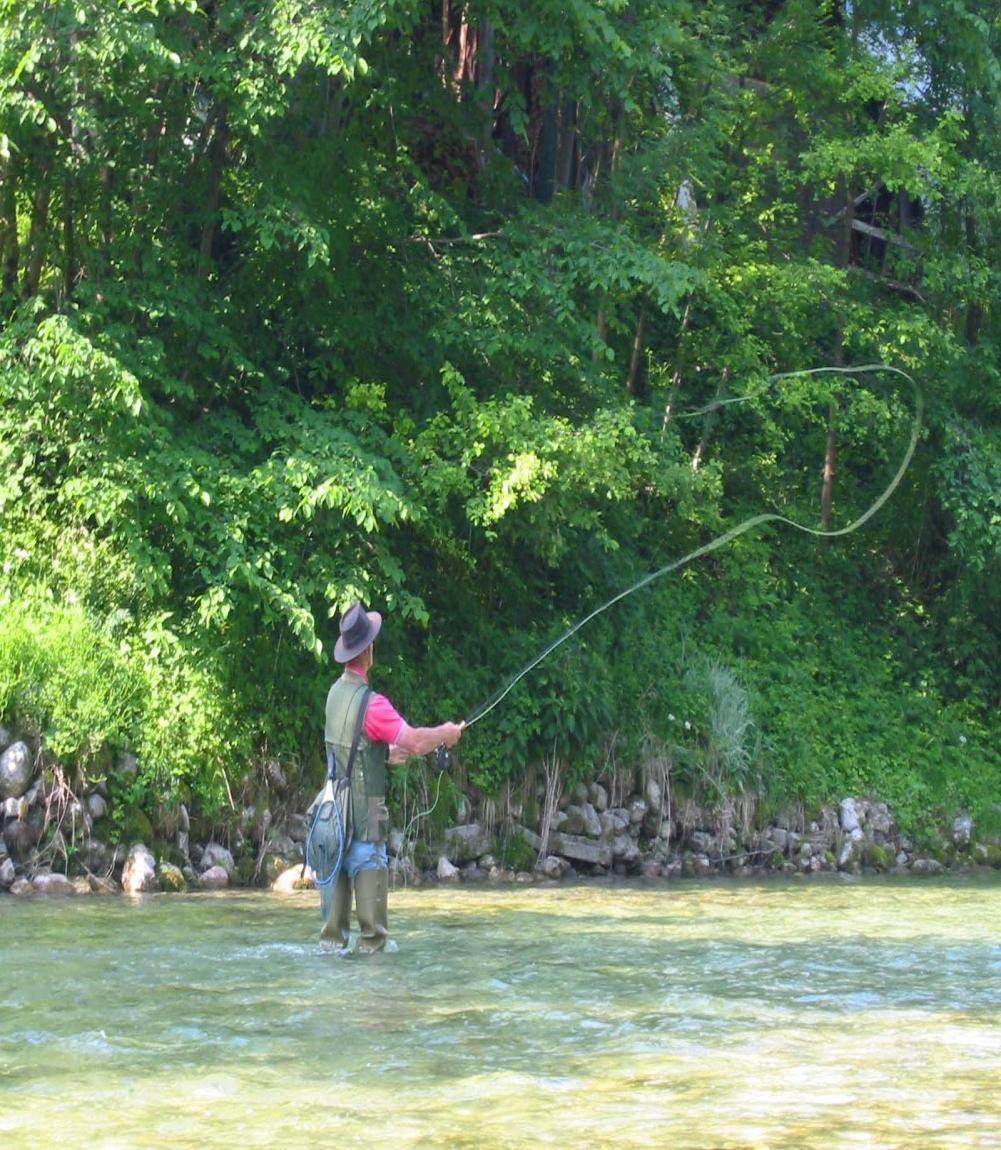
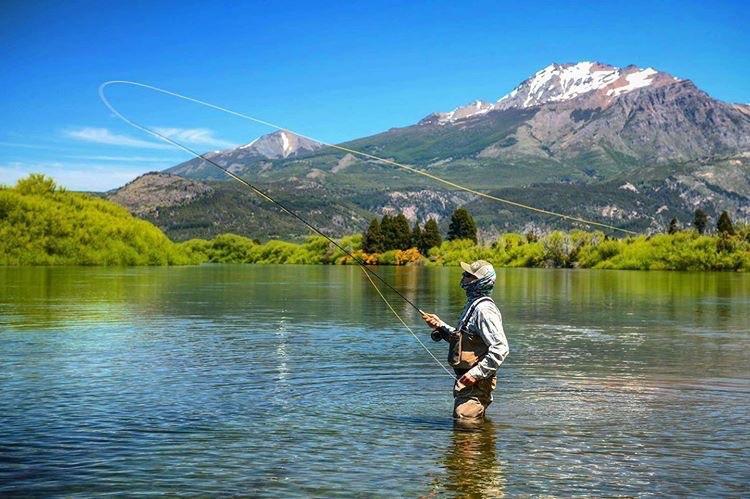
• When we get the fly in the water, we have a chance to catch a fish!
• But we strive to improve our ability to cast more accurately & further to cover more water
• We seek to effectively present the fly to precise locations and improve our chance to catch more fish
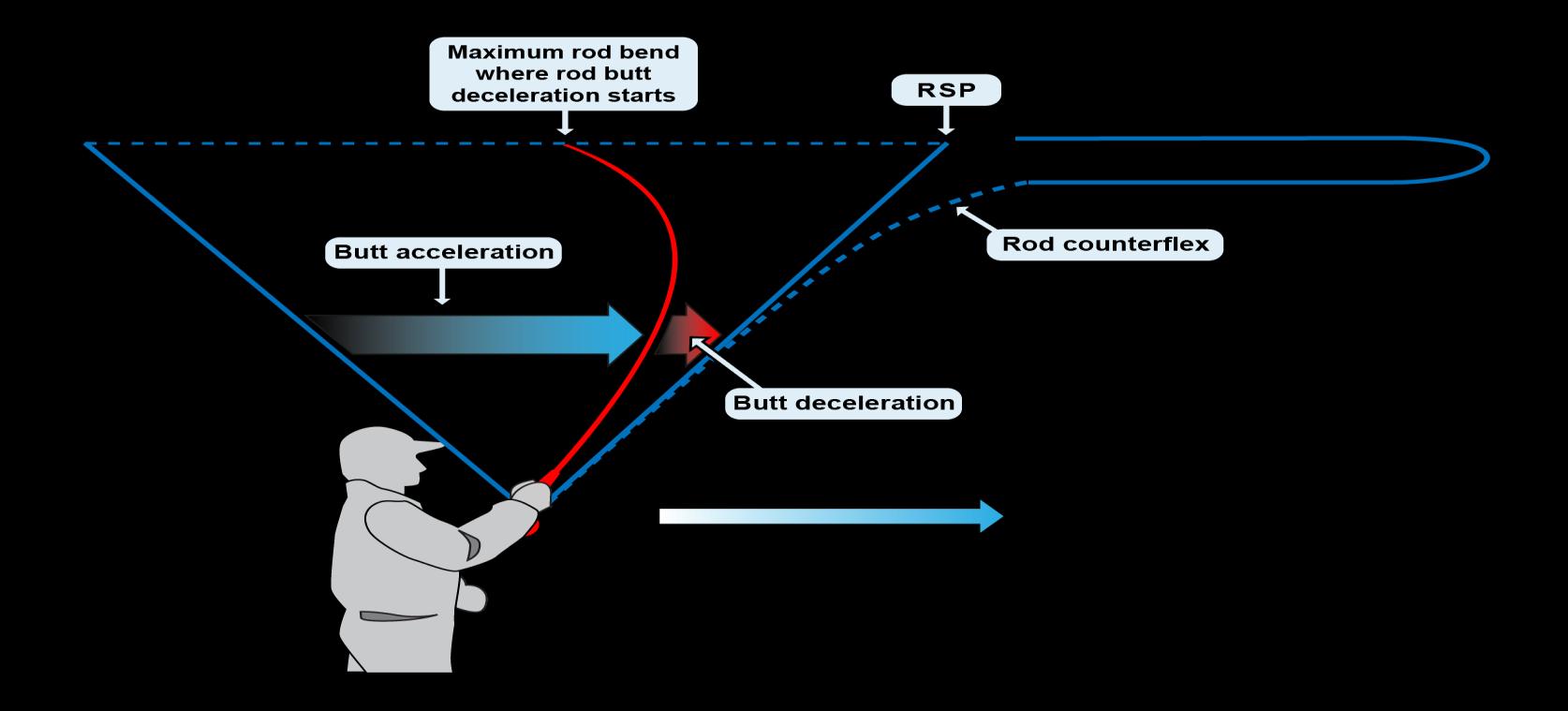
(RSP: Rod Straight Position)
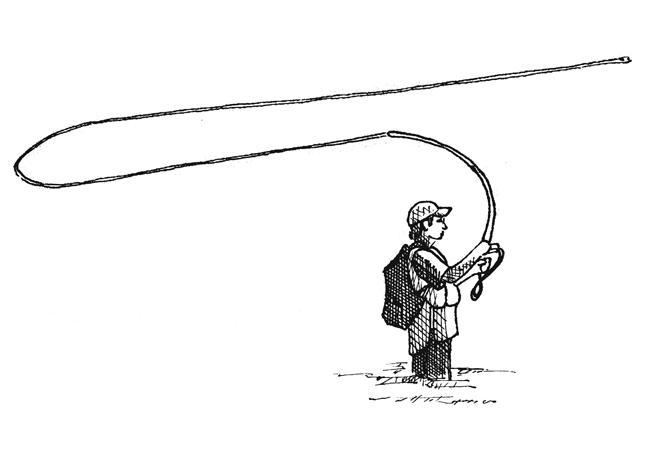
• As the fly line is cast back and forward, the fly rod should move with smooth acceleration to an abrupt stop and then pause
• The pause on the back and forward cast allows the loop to “roll out”
• During the cast, the fly rod tip should travel in a straight -line path
• Arc size and rate of acceleration determines the rod tip path
Our objective is to consistently present the fly where and how we want it
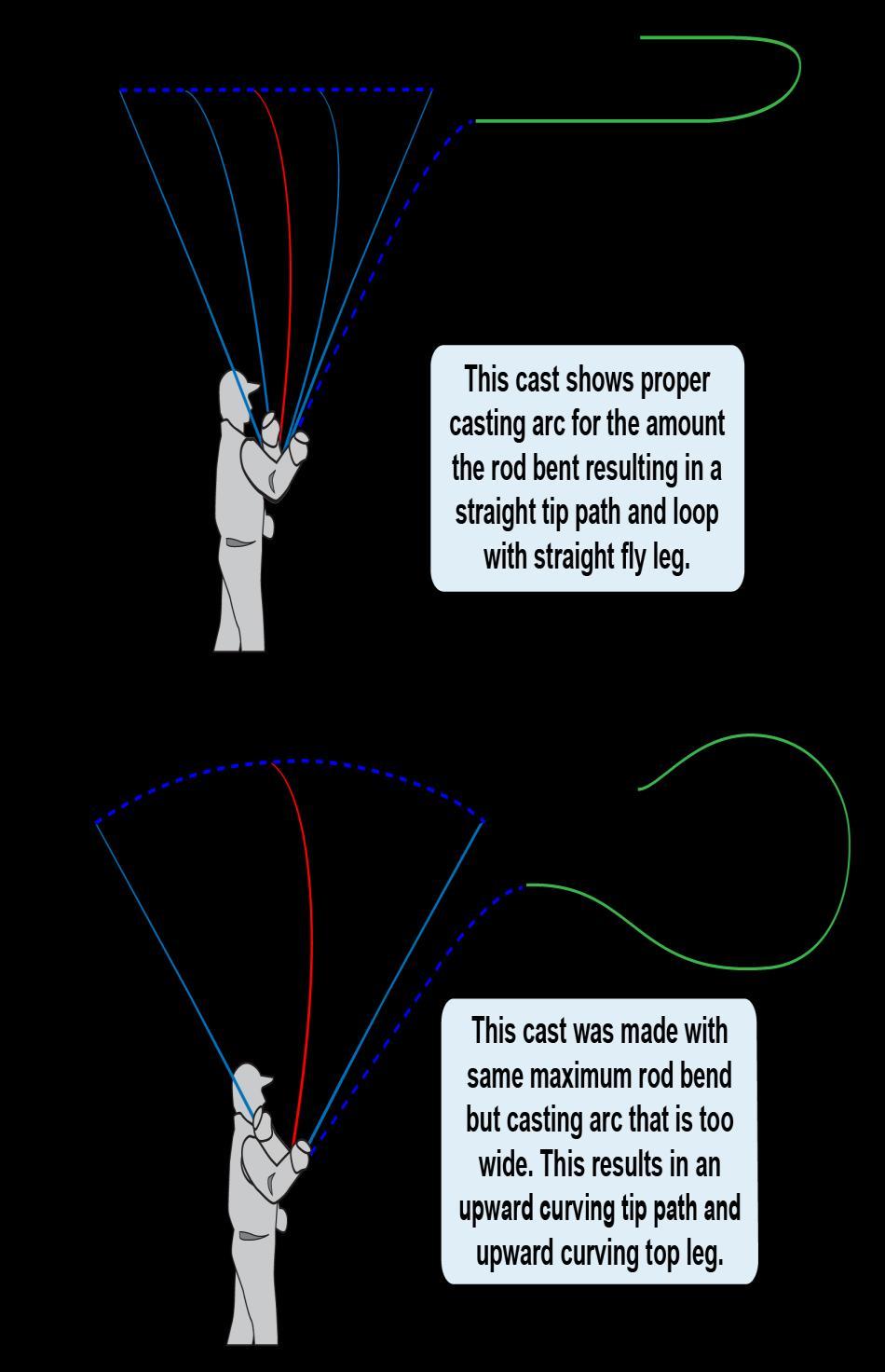
We generally aim for loops with straight top legs like this for efficiency and accuracy. Narrower loops are usually better than wider.
Typically not the shape we want for the top leg of the loop, but can be useful for heavy flies & complex rigging
• Pick Up & Lay Down Cast
• Roll Cast (No Back Cast)
See the FFI website for Casting Videos
https://www.flyfishersinternational.org/Fly -Casting -Education/CastingEducation/Learn -to-Cast -and-More-Casting -Skills -Videos#LearnToCast
Belgian Cast
Spey Casting
Euro Nymphing
Tenkara
• Explore the Fly Casting Education section of the FFI website. https://www.flyfishersinternational.org/Fly -Casting -Education
• Resources include:
• Fly Casting Fundamentals
• Fly Casting Skills Development Program
• Fly Casting Video Library
• Find a Casting Instructor
• Your Local Fly Fishing Club
• A Fly Fishing Friend
• FFI Skills Development Program
• Fly Fishing Background
• Learn About Cast ing
• Fly Rod System Selection
• Accessories Selection
• The Rigging
• Flies
• Fly Rod material
- Bamboo (traditional)
- Fiberglass (an earlier innovation)
- Graphite (most common today)
• Application
- Single hand / two hand casting
• Line weight / rod strength
• Fly rod length
• Fly rod action
• Number of pieces
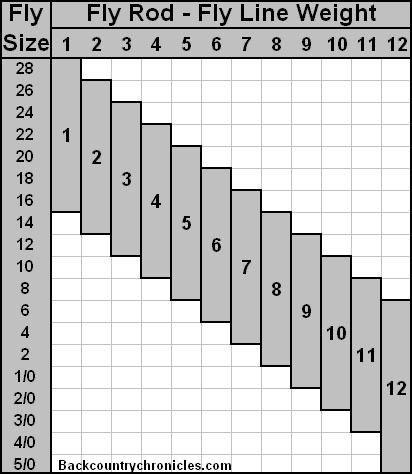
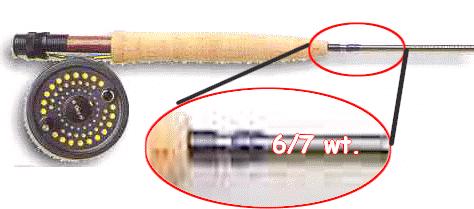
• Fly lines and rods are matched by “Line Weights”
• Higher numbers are heavier and stiffer
Fly Rod Weight (strength) in proportion to fish species
• Fly Rod/Line Weight 1 -4: Good for small fish and small flies.
• Fly Rod/Line Weight 5: Good for small fish, average sized trout and small bass.
• Fly Rod/Line Weight 6: Good for trout and bass.
• Fly Rod/Line Weight 7: Good for bigger bass fishing and trout (16”+)
• Fly Rod/Line Weight 8 and Above: Good for larger and stronger fish, saltwater species.
• “Rod Action” describes the flex in the rod and recovery time
• Fast action
- Full rod is generally stiff
- Most flex near tip
- Recovers quickly
- Good for heavy flies, big fish
• Slow action
- Full rod is more flexible
- Recovers slowly
- Good for light flies, small fish
• Start with a basic rod; then determine what best meets your needs
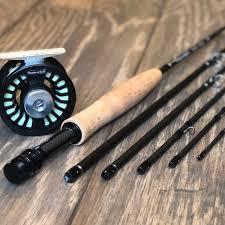
• 4-piece rods are most common
• Reel should have a reliable drag system
• Buy extra reel spools for optional lines
• Try before you buy!
• 5 wt. 9 ft.
• The basic rod for most trout, smaller bass fishing
• Standard or large arbor reel, weight forward floating line
• Optional sinking line
• Optional Spey line
• 7 wt. 11.5 ft. Switch Rod
• For larger fish, bigger water
• Large arbor reel, weight forward floating & sinking lines
• Optional Spey line
• 3 wt. 8 ft.
• For small streams, small panfish and trout, tight spots
• Compact reel, weight forward floating line
Using a 4 -piece rod:
1. Attach reel to butt section
2. Connect two largest sections
3. Connect two smallest sections
4. Connect full rod - Align guides - Align “dots ” on rod
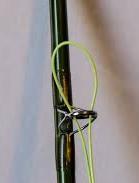
• Once the fly rod is correctly assembled, pull line off the reel, until you have about 12 feet of slack line.
• At a point above where the line and leader connect, make a loop with the fly line.
• Feed the loop through the first guide, then the second guide, and so on.
• Make sure the loop (line) passes through every guide
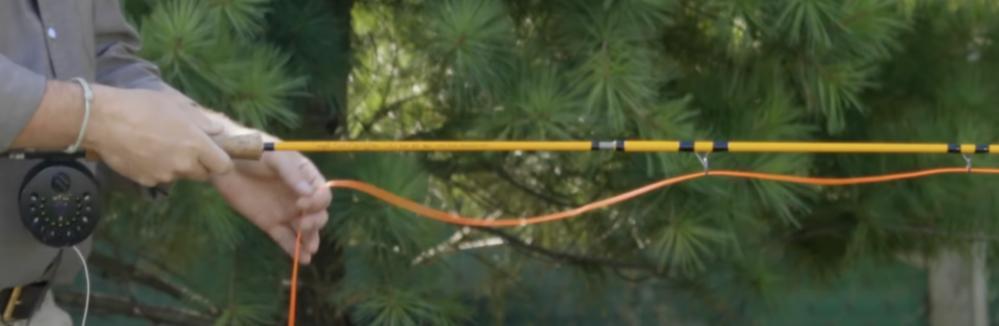
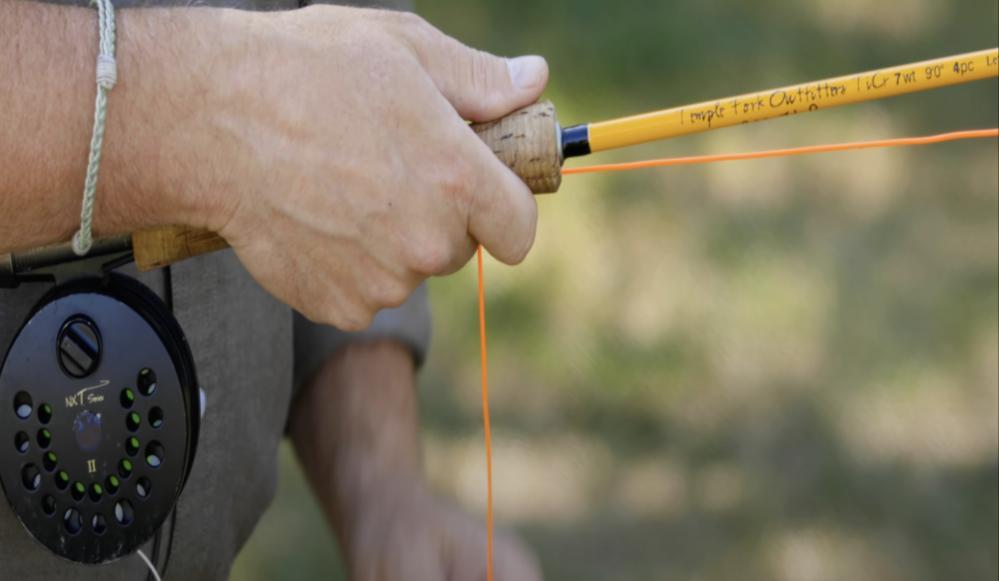
• When casting & retrieving, hold the line in your “line hand”
• When “braking” / holding the line steady, hold the line under your “rod hand” index finger
• FFI Skills Development Program
• Fly Fishing Background
• Learn About Cast ing
• Fly Rod System Selection
• Accessories Selection
• The Rigging
• Flies
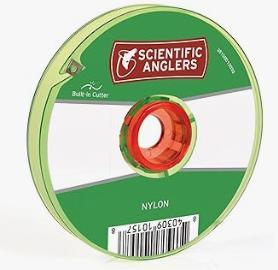
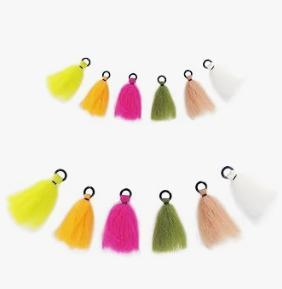
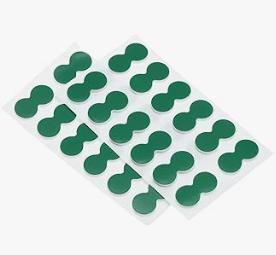
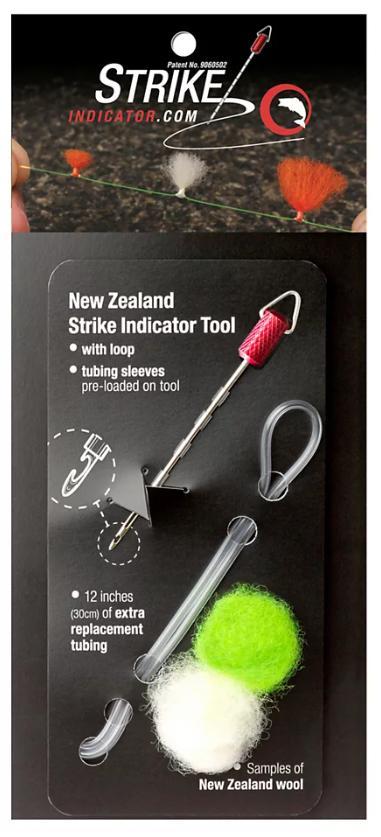
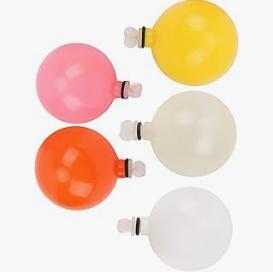
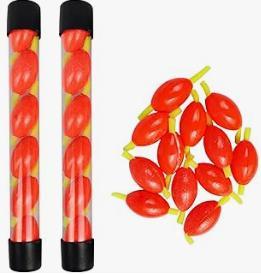
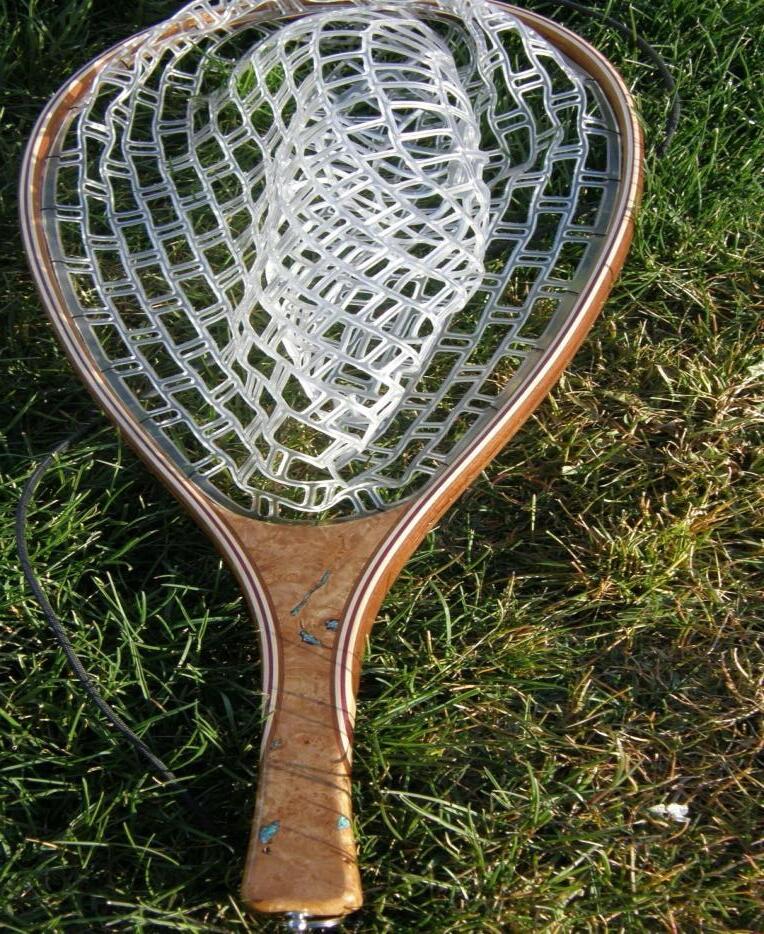
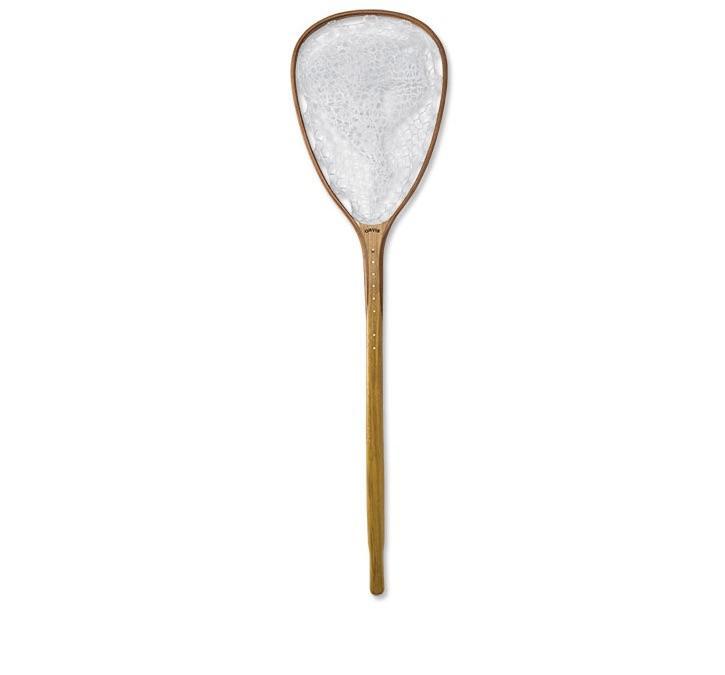
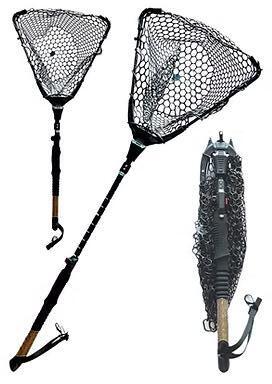
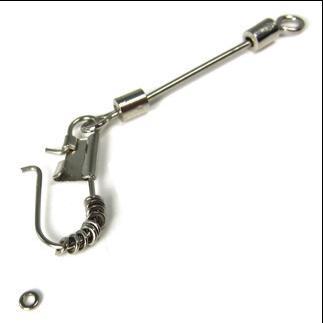
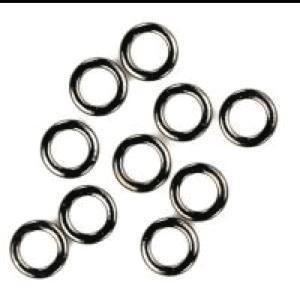
1. Tippet rings
2. Water thermometer
3. Hook File
4. Seine Net
5. Walkie - talkies
6. Buff or Gaiter
7. Waterproof pouch Backpack/Day bag - Medical ID & contact - Protein snack bar - First Aid Kit - Chapstick - Lens cleaner - Rain gear - Towel/dry clothes - Toilet paper - Streamside trash bag - Flashlight
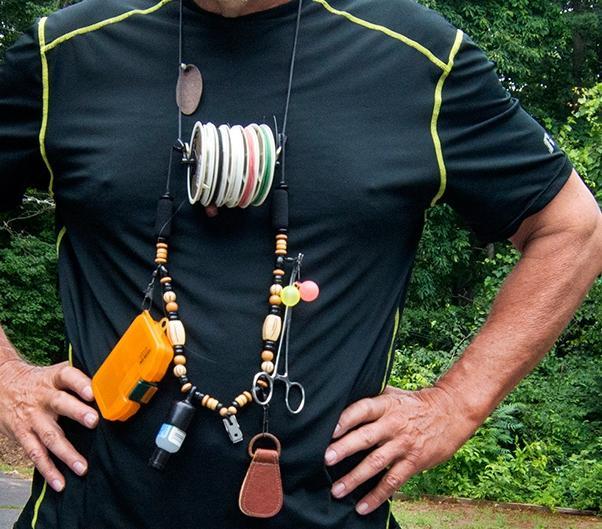
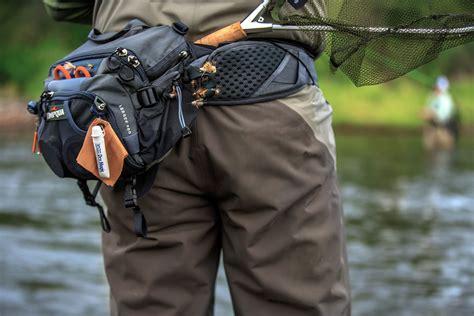
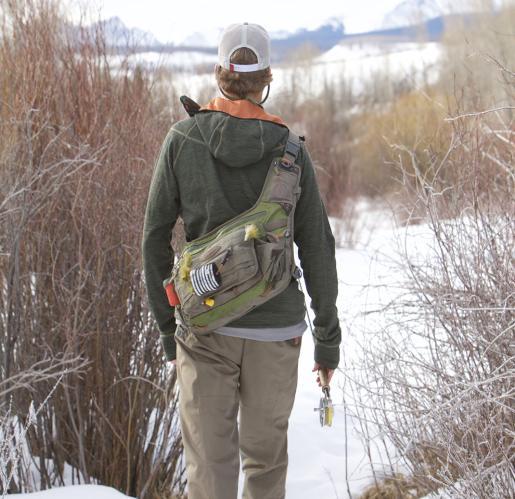
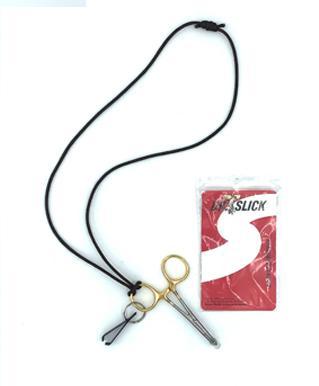
Where will you carry your stuff
while fishing?
• Vest?
• Lanyard?
• Sling pack?
• Waist pack?
• Chest pack?
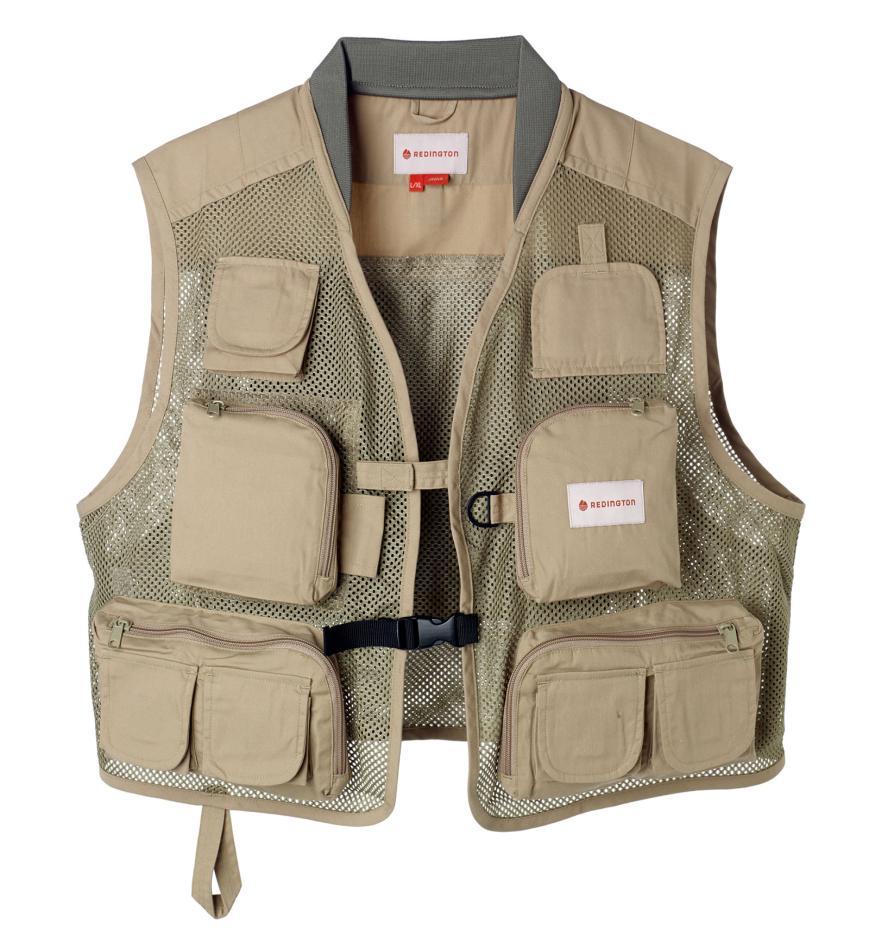
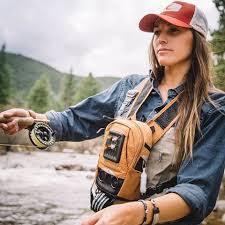
• Very traditional
• Lots of pockets
• Mesh for warmer months
• Length can be a factor
• Try it on and walk around store
• No “correct” method to store streamside accessories
• Most vests have a back pocket for storage
• Tendency to put something in every pocket
• Intent is to store gear for efficiency
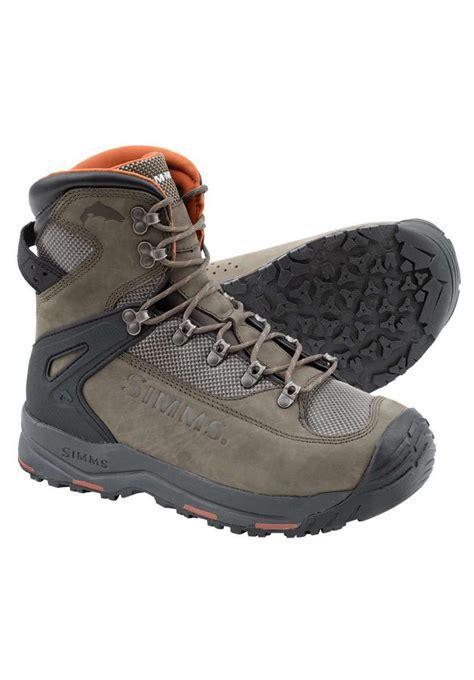
• TRY THEM ON in the fly shop!
• Wear a heavy wool sock, no cotton
• Expect boot to be one size larger
• Boa laces
• Felt sole or rubber sole
• Traction cleats or traction bars
• ALASKA
• MARYLAND
• MISSOURI
• NEBRASKA
• RHODE ISLAND
• SOUTH DAKOTA
• AND YELLOWSTONE NATIONAL PARK
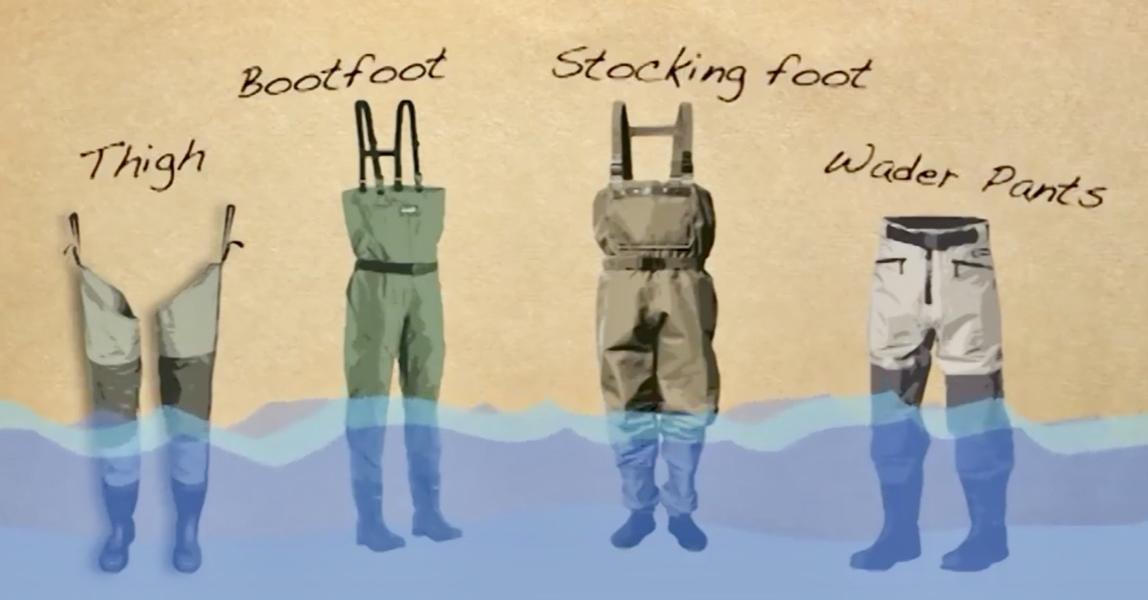
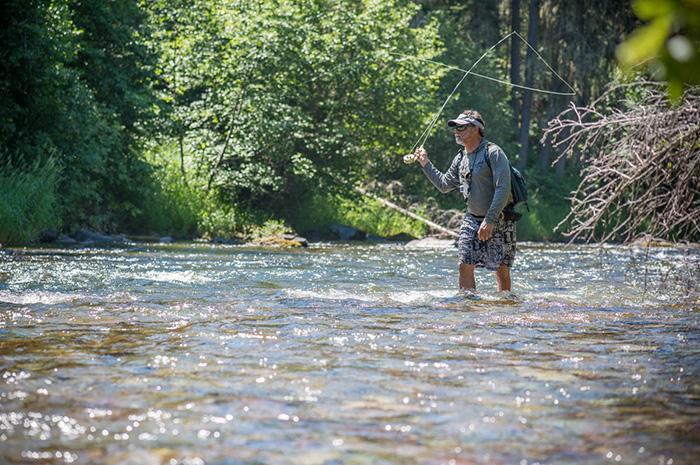
• No waders
• Shorts or pants
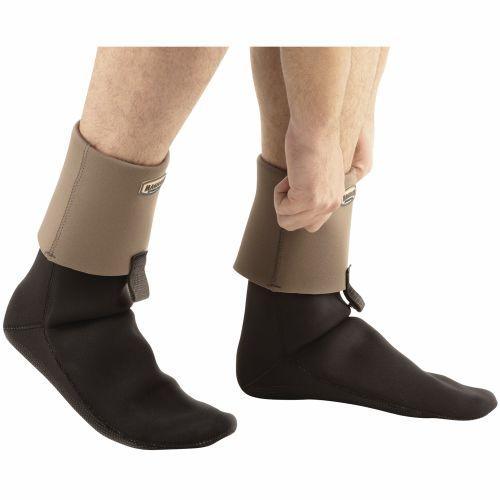
• Gravel guard
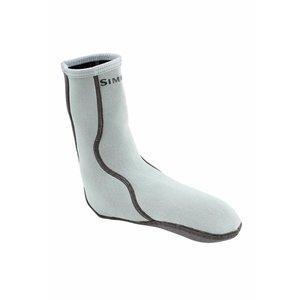
• Neoprene sock
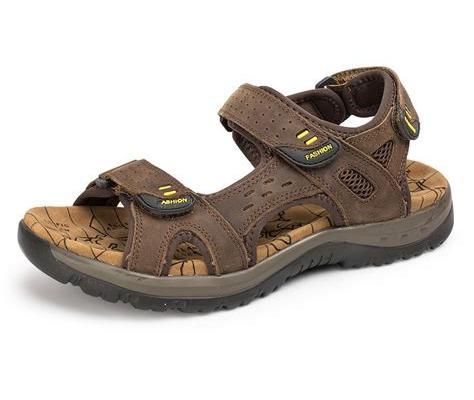
Dress Smart!
• No cotton products next to your skin
• Dress in layers
• Base layer ▪ Warm, moisture wicking (merino wool, “ski -skins”)
• Second layer ▪ Warm
• Third layer ▪ Warm; protection from moisture and wind
• FFI Skills Development Program
• Fly Fishing Background
• Learn About Cast ing
• Fly Rod System Selection
• Accessories Selection
• The Rigging
• Flies
• Connects the highly visible fly line with the apparently independent/unconnected fly
• “Turns Over” the fly, dissipates the casting energy
• Stiffer butt section, including taper, and flexible tippet section
• Size usually defined by tippet size
• Material is usually monofilament
• Many options of tapered leaders driven by marketing for target audiences
• Many options for your fishing preference/style
• Monofilament is not a material, it means “single filament”
• The single filament can be made of nylon, fluorocarbon, PVC, or anything
• The typical monofilament options for fly fishing are nylon and fluorocarbon
• Leader and tippet material can be continuous, knotted, or mechanically connected
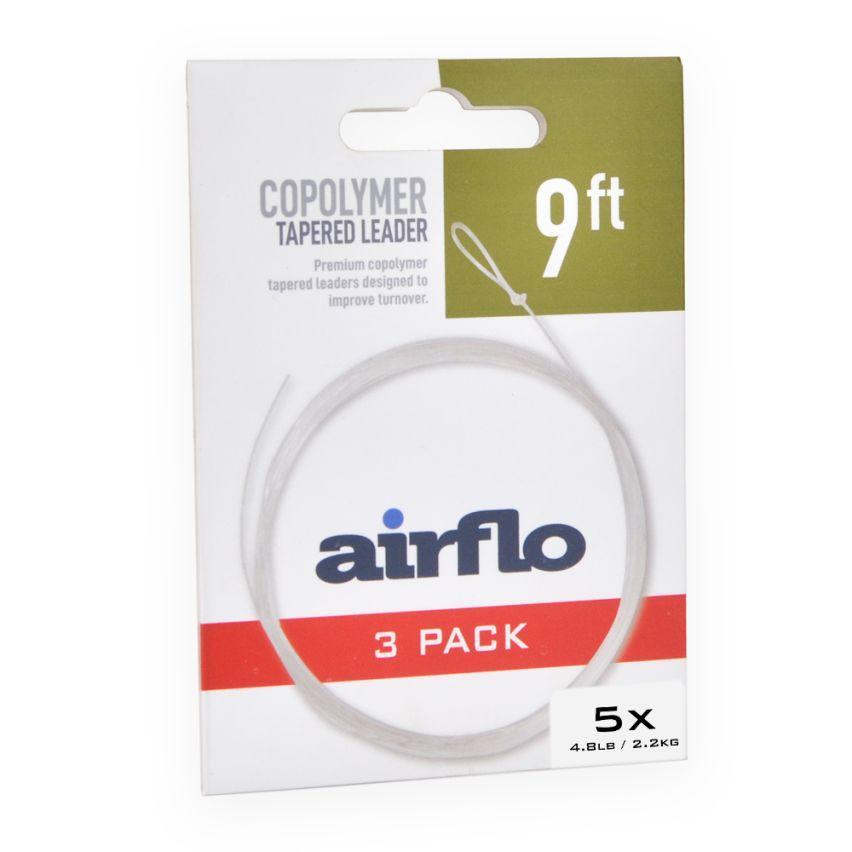
• A new leader, right out of the packet
▪ Loop to loop connection to line
▪ Knotless
▪ Tapered
▪ Last 2+ feet of leader is “tippet”
▪ “Butt” section reduces diameter to the tippet section
• Connecting butt and tippet with tippet ring or swivel saves $$
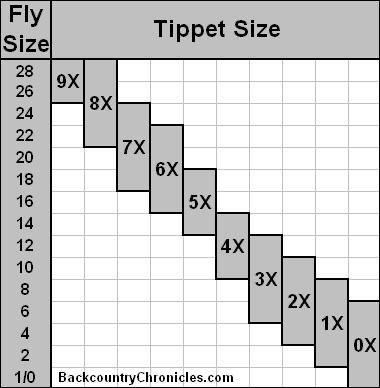
0X: 2, 1/0
1X: 4, 6, 8
2X: 6, 8, 10
3X: 10, 12, 14
4X: 12, 14, 16
5X: 14, 16, 18
6X: 16, 18, 20, 22
7X: 18, 20, 22, 24
Smaller “X” number = larger fly
Steelhead, Pike, Muskie
Redfish, Permit
and Smallmouth Bass
Backing to Reel Arbor
- Uni, Arbor, or 2 Half Hitches Knot
Fly Line to Backing
- Nail Knot
- Loop to Loop Connection
Leader to Fly Line
- Loop to Loop Connection
- Perfection Loop
- Nail Knot (permanent)
Monofilament to Monofilament
- Double Surgeons Knot
- Tippet Ring or Swivel
Fly to Tippet
- Clinch / Improved Clinch Knot
- Pitzen, Eugene Bend, Fisherman’s Knot
- Perfection Loop
Always moisten monofilament before tightening
• FFI Skills Development Program
• Fly Fishing Background
• Learn About Cast ing
• Fly Rod System Selection
• Accessories Selection
• The Rigging
• Flies
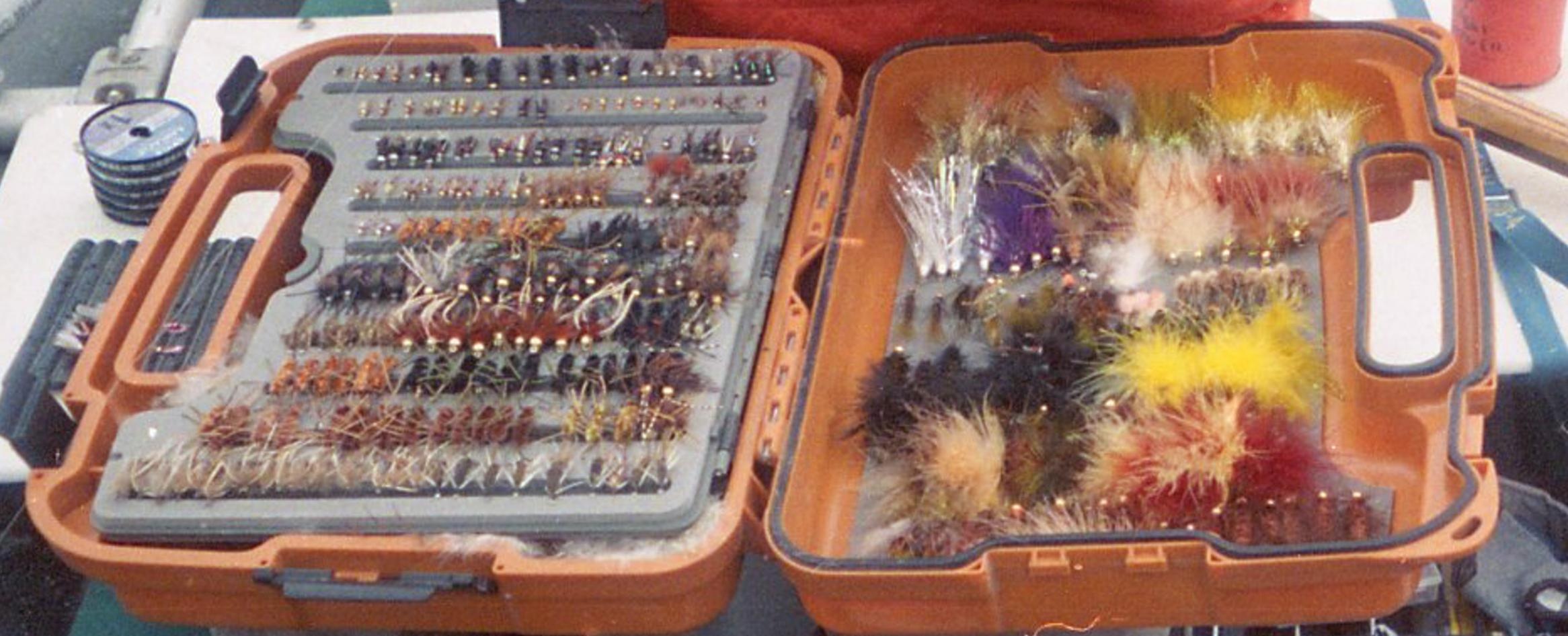
• Fisheries contain aquatic insects/creatures at various stages of their lifecycle
• Fly fishers learn the lifecycles of aquatic insects/creatures and how to select a fly that imitates an aquatic food source
• “Match the Hatch” vs Attractor
• Mayflies, Stoneflies, Caddisflies, Midges / Chironomids, Damsel Flies, Crayfish, etc.
• By Fish Species
• Dries, Wets, Nymphs, Streamers, Terrestrials, Poppers, Foam
• Guide Flies (practical) vs Full Dress Flies (artwork)
• And others …
• Carry only the flies you expect to use & in which you have confidence
• Minimalize: condense flies into as few boxes as possible
• Organize: sort flies by some standard
• Label: if you have multiple fly boxes, label the box
• Your name: include your contact information on the fly box in case you lose the fly box
• Your Warehouse: maintain large storage box(s) containing various types of flies, then have smaller, more manageable fly boxes to take to the fishery
Once again, it depends on what you prefer Starting your fly fishing journey:
• One box would be enough to hold your flies
• Within the one box, organize the flies by:
• Dry flies
• Nymphs and Wet flies
• Streamers
• Fishery
• Fish species
As your journey continues…
• A box for specific types of flies
• A box for specific species
• A box for a specific fishery
Select a fly by:
• Previous experience in the same fishery
• As we approach the fishery, read the water (structure)
• “Matching the Hatch” (size, shape, color)
• Behavior or animation of the aquatic insect
• Bright day – light color fly; Gloomy day – dark color fly
• Favorite fly in which you have confidence
READY TO GO?
• You have a sense of what kind of fishing you want to do
• You have some guidelines on gear you need
• Start simple and grow into the sport
• Explore the FFI website: https://www.flyfishersinternational.org
• Enjoy the out -of-doors!
• HAVE FUN !!