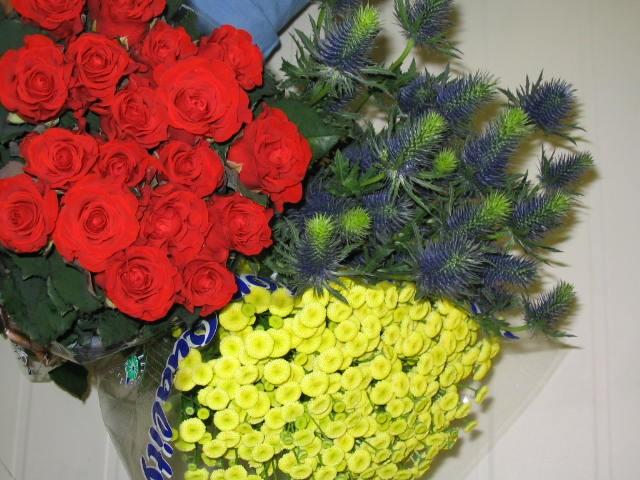
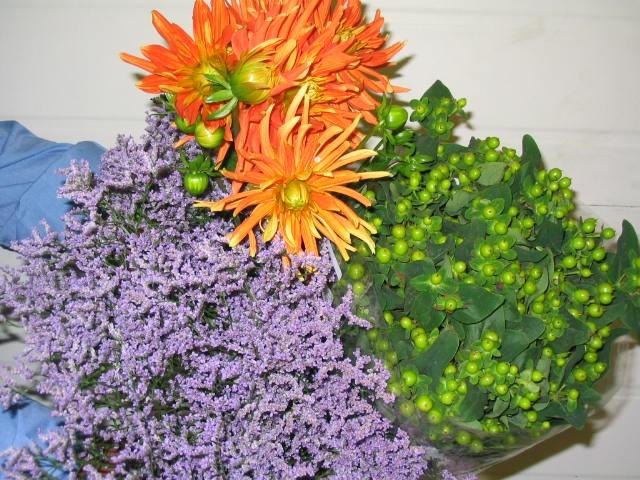
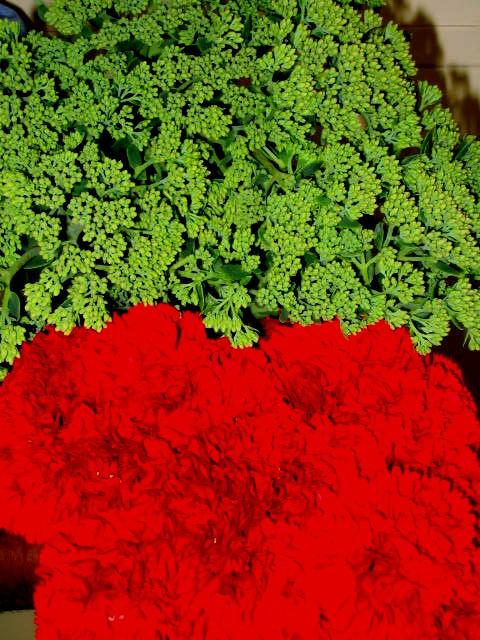
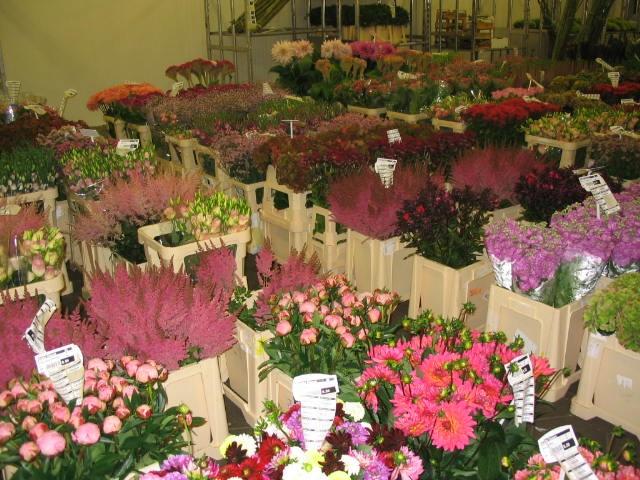
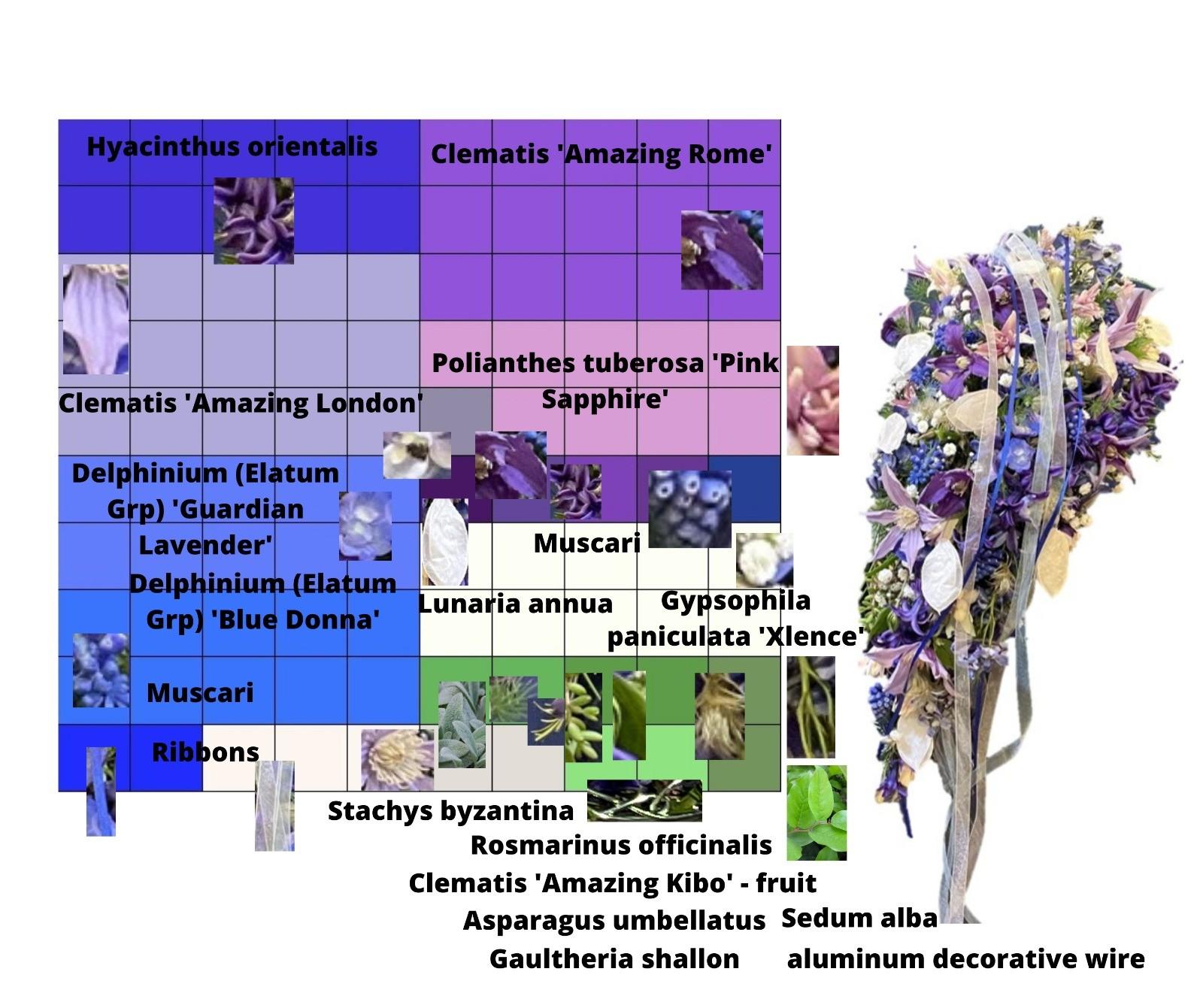
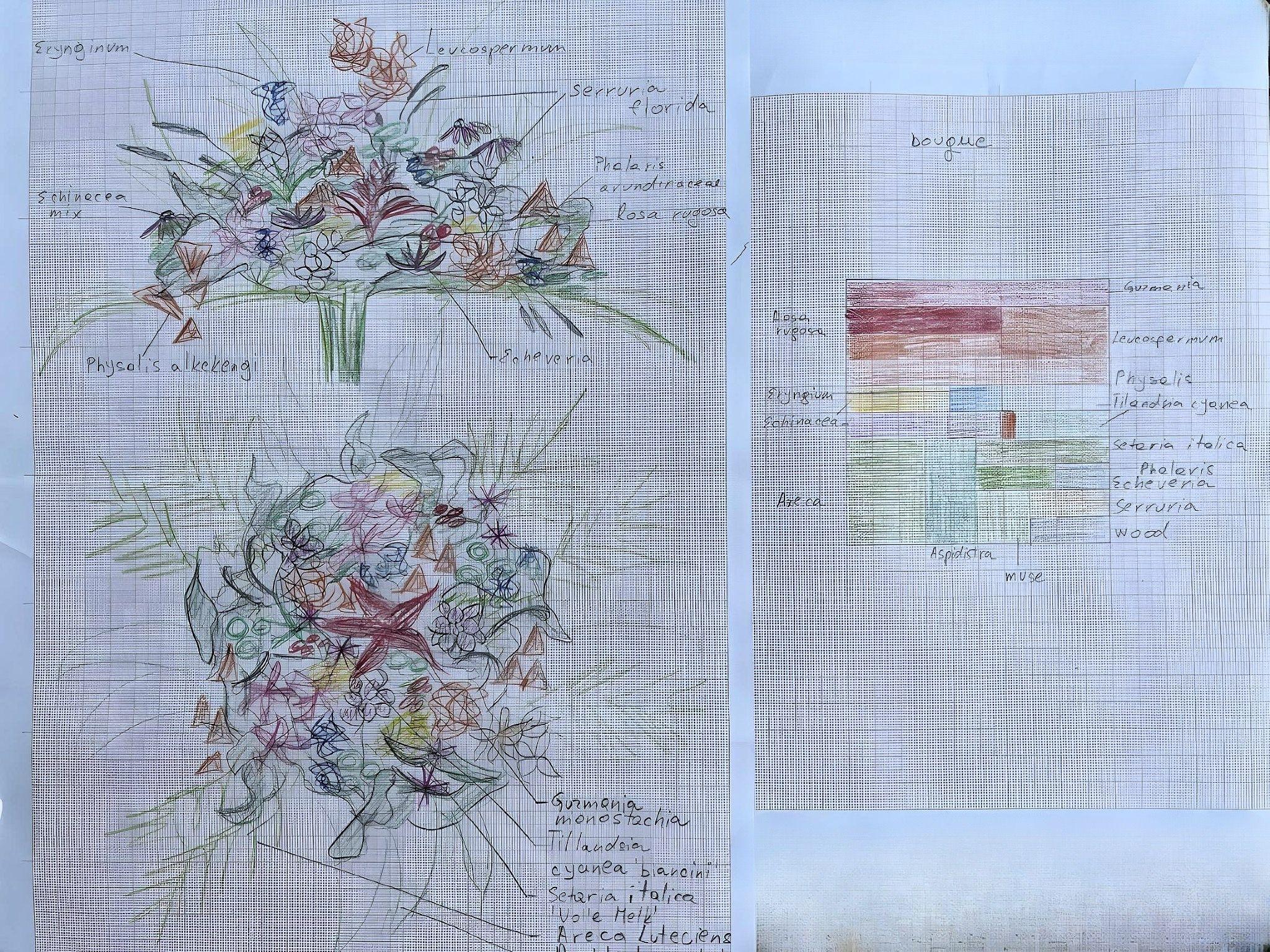
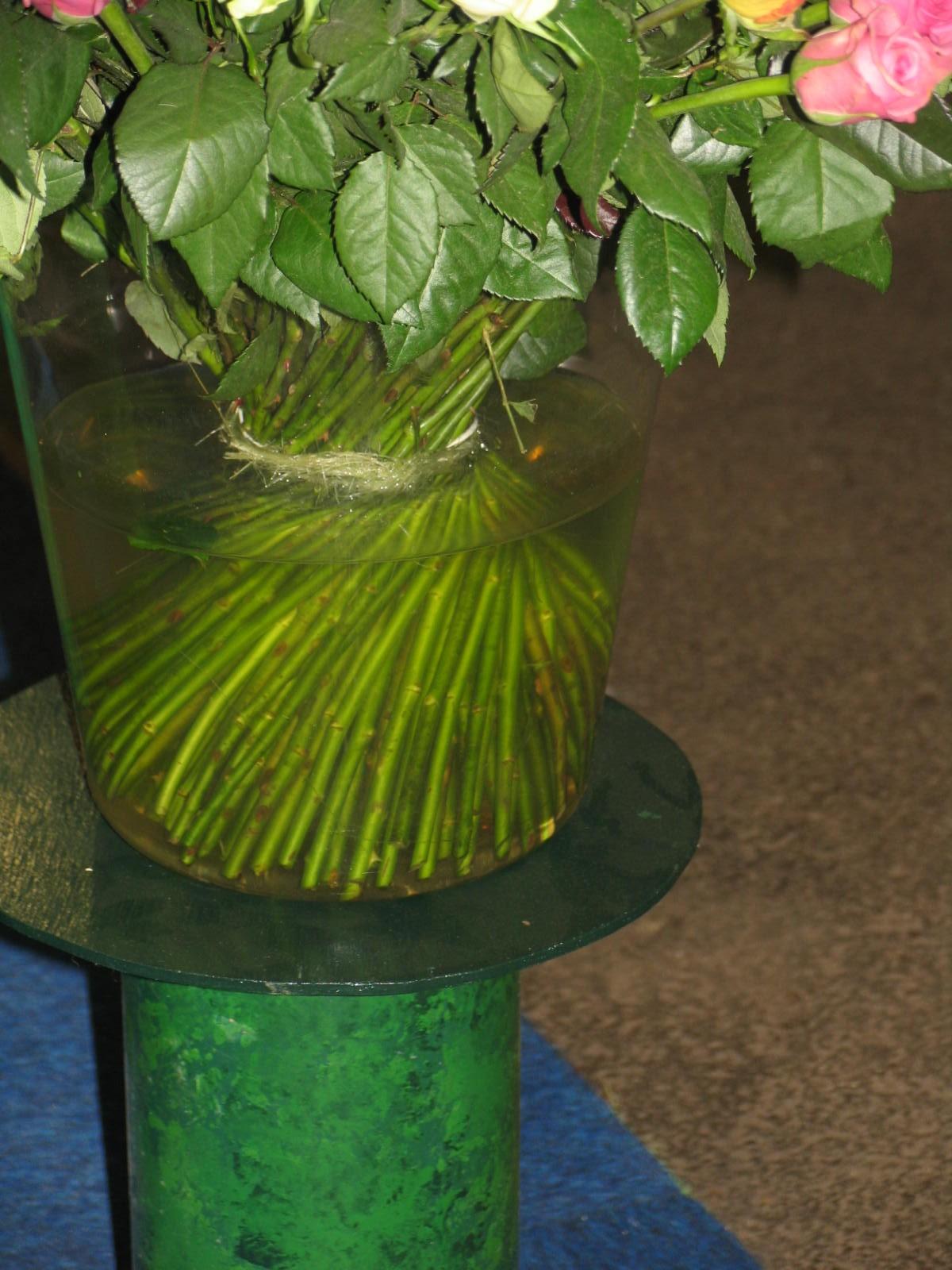
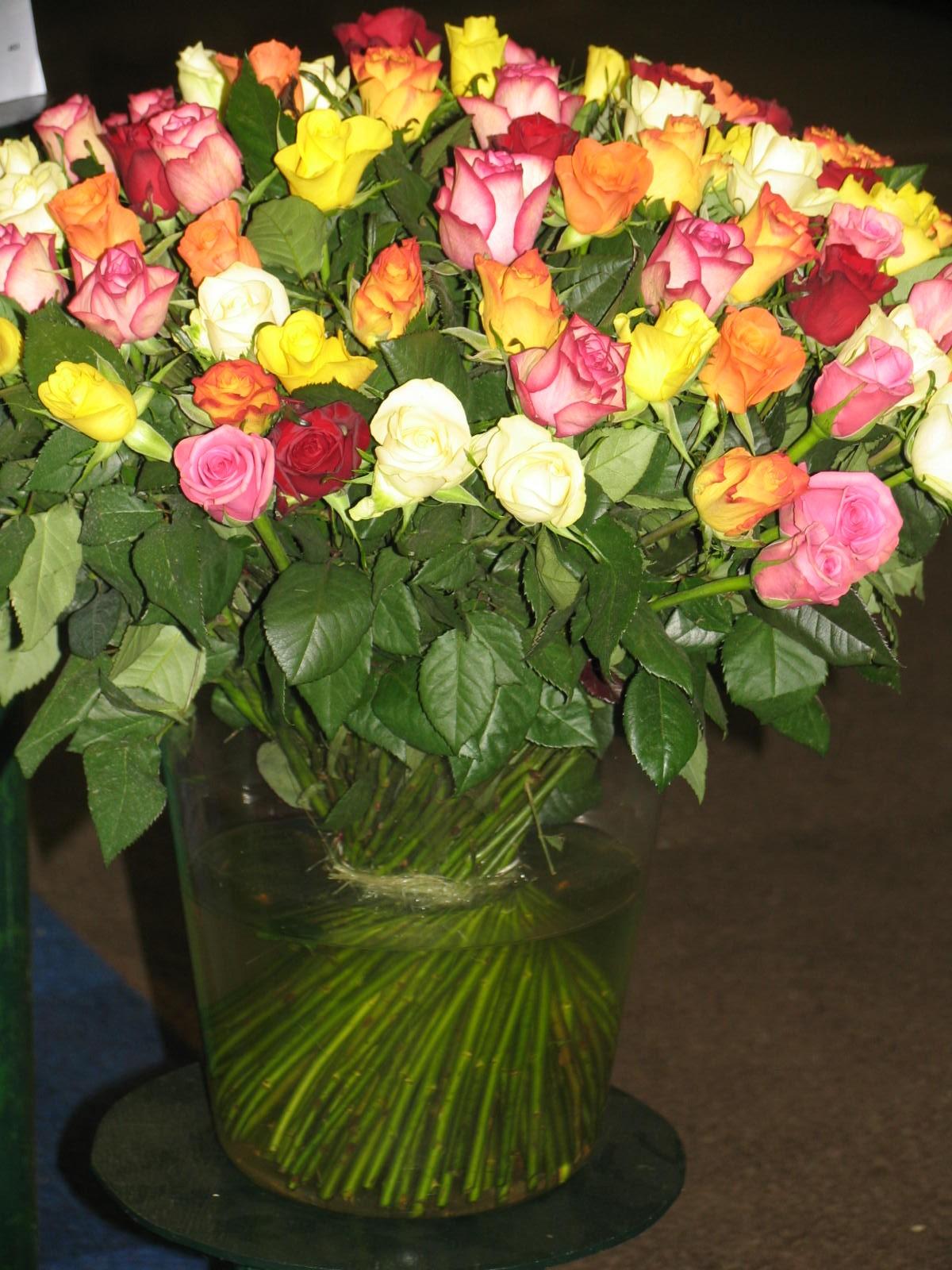
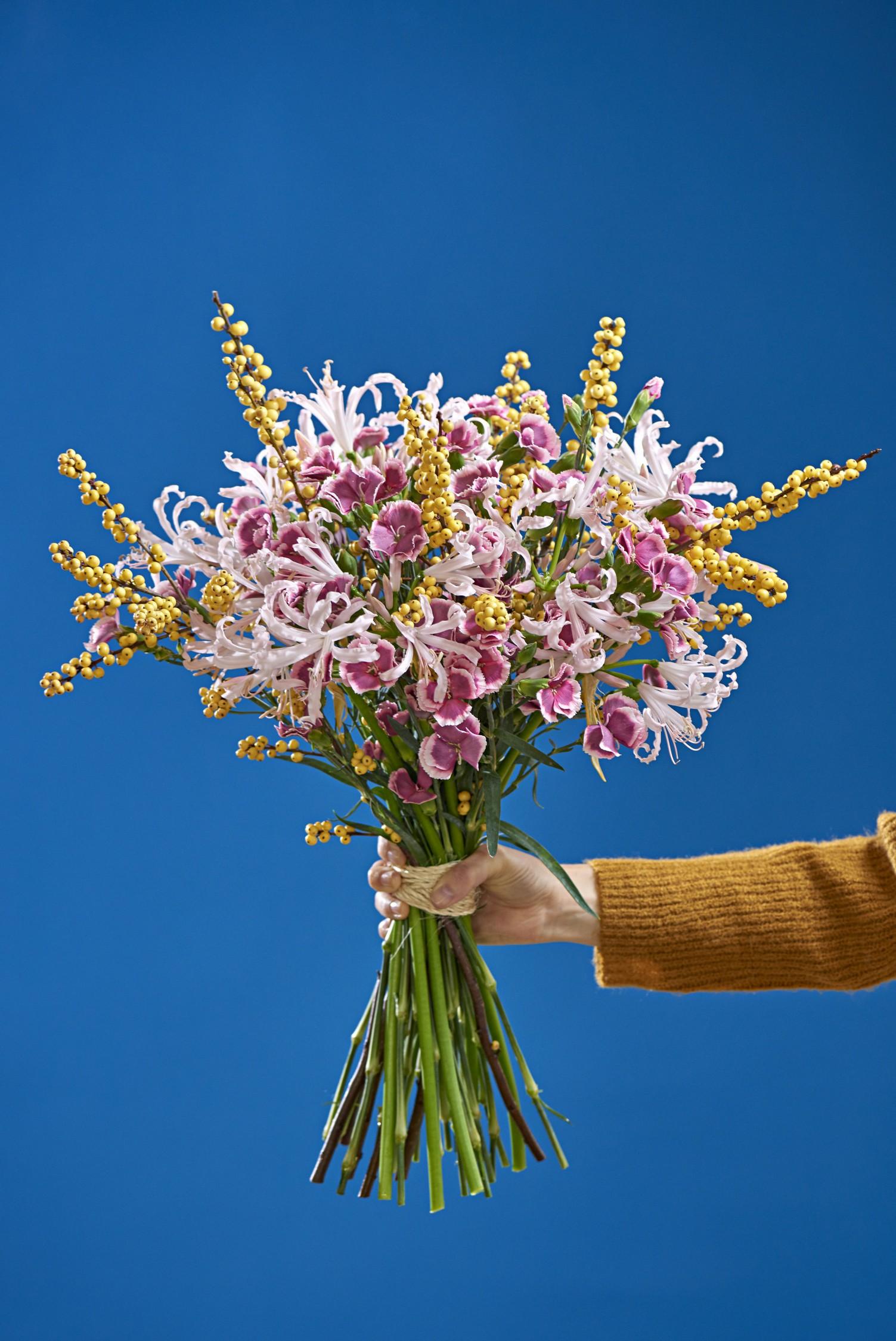
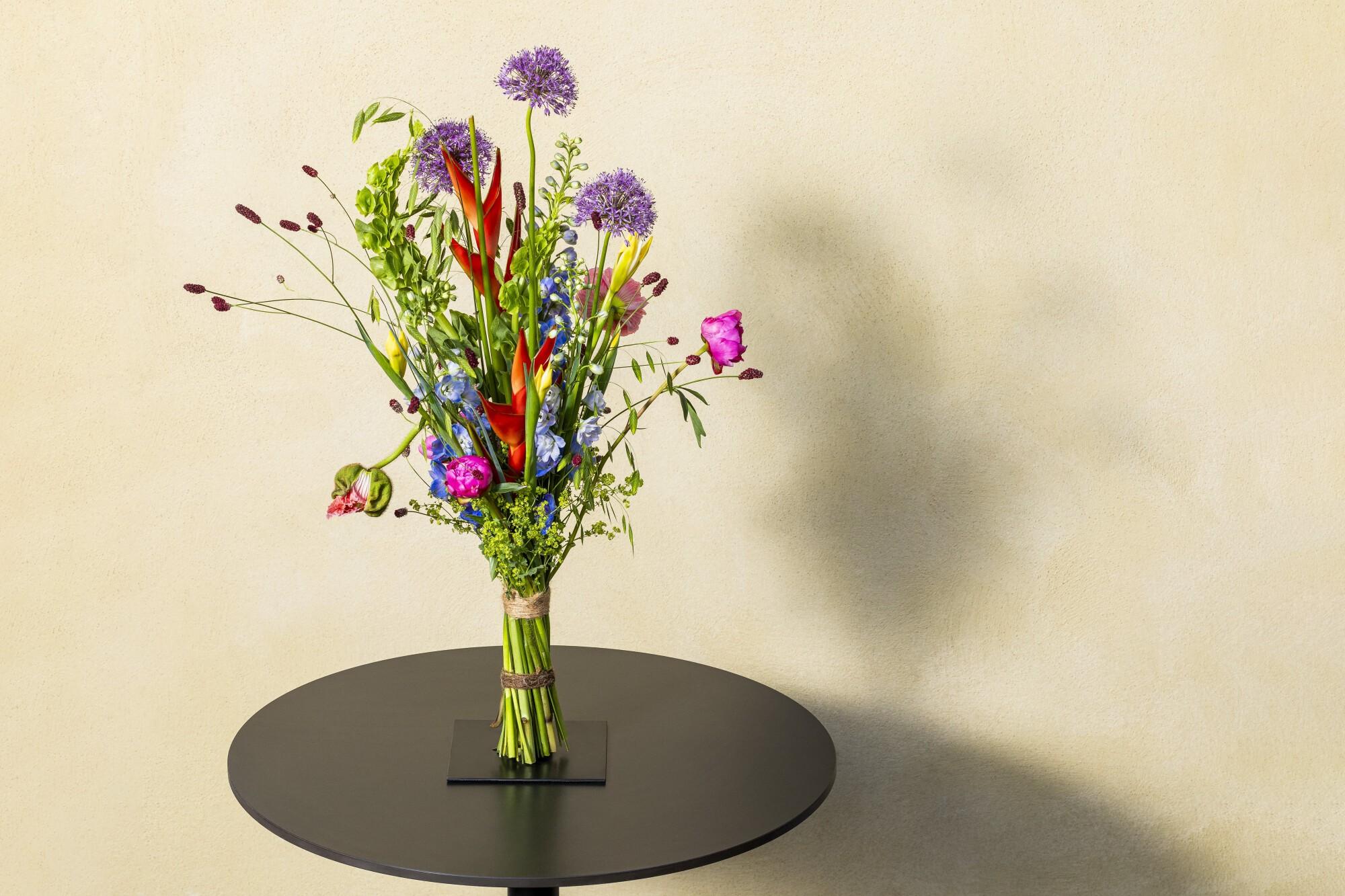
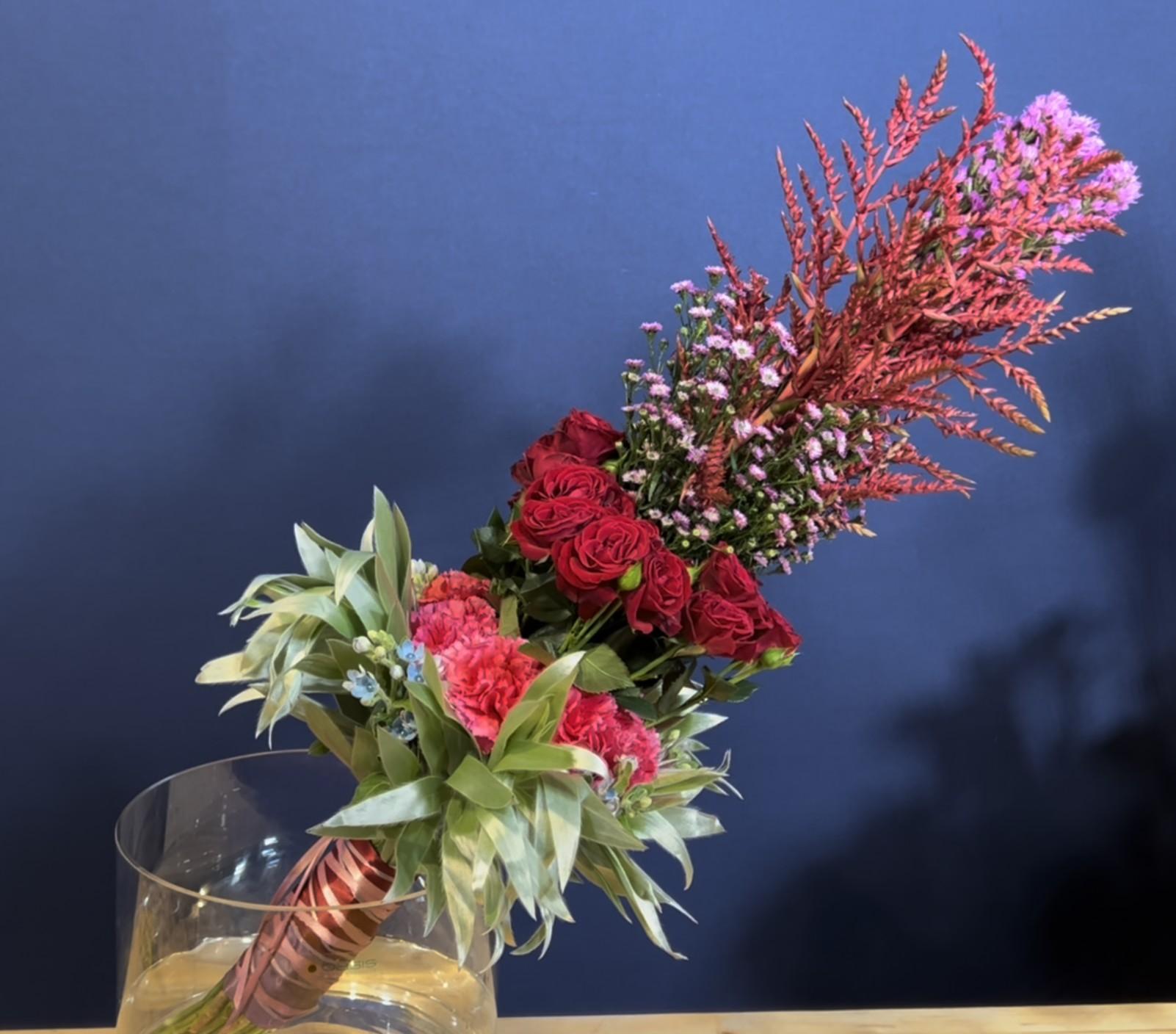
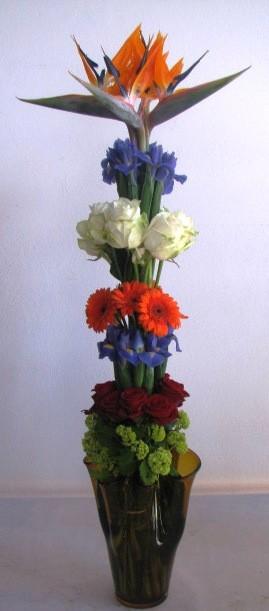
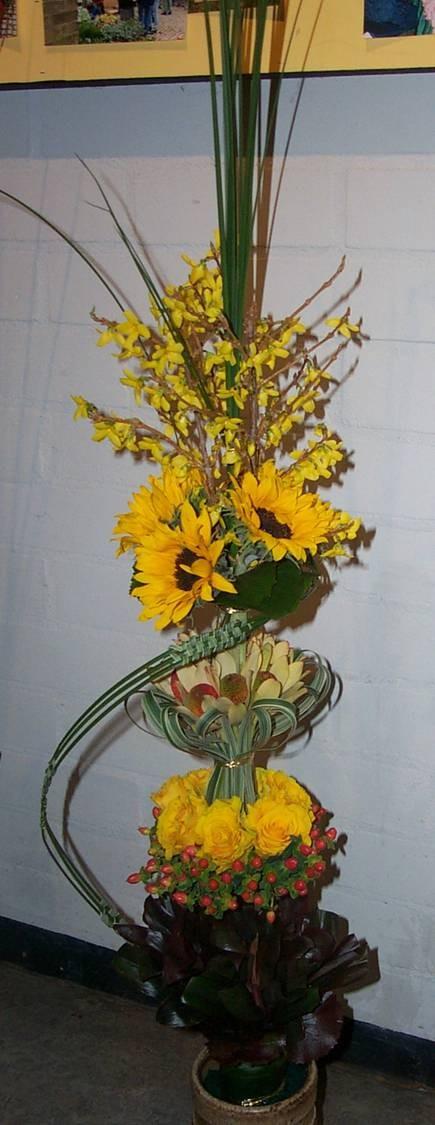
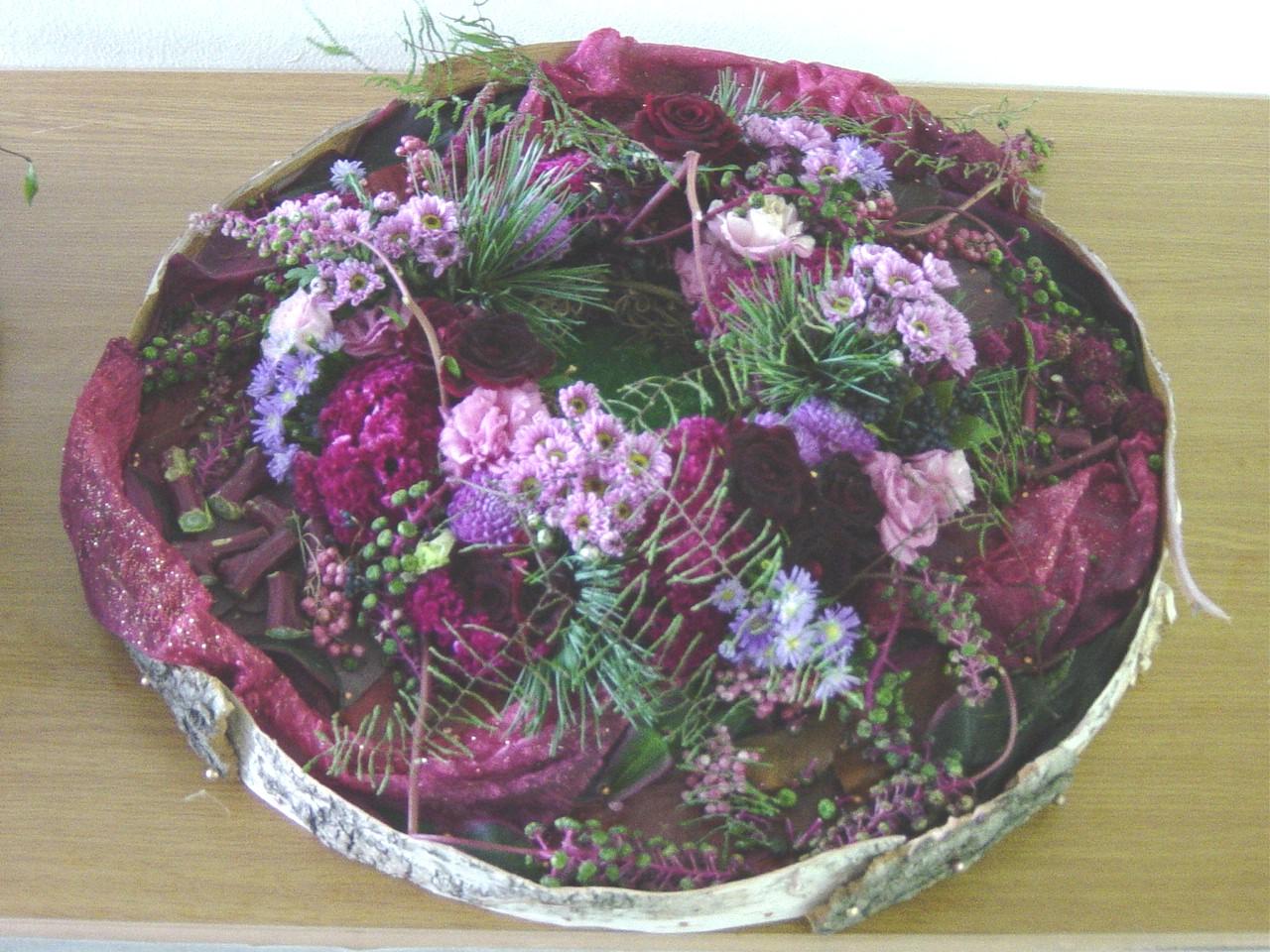
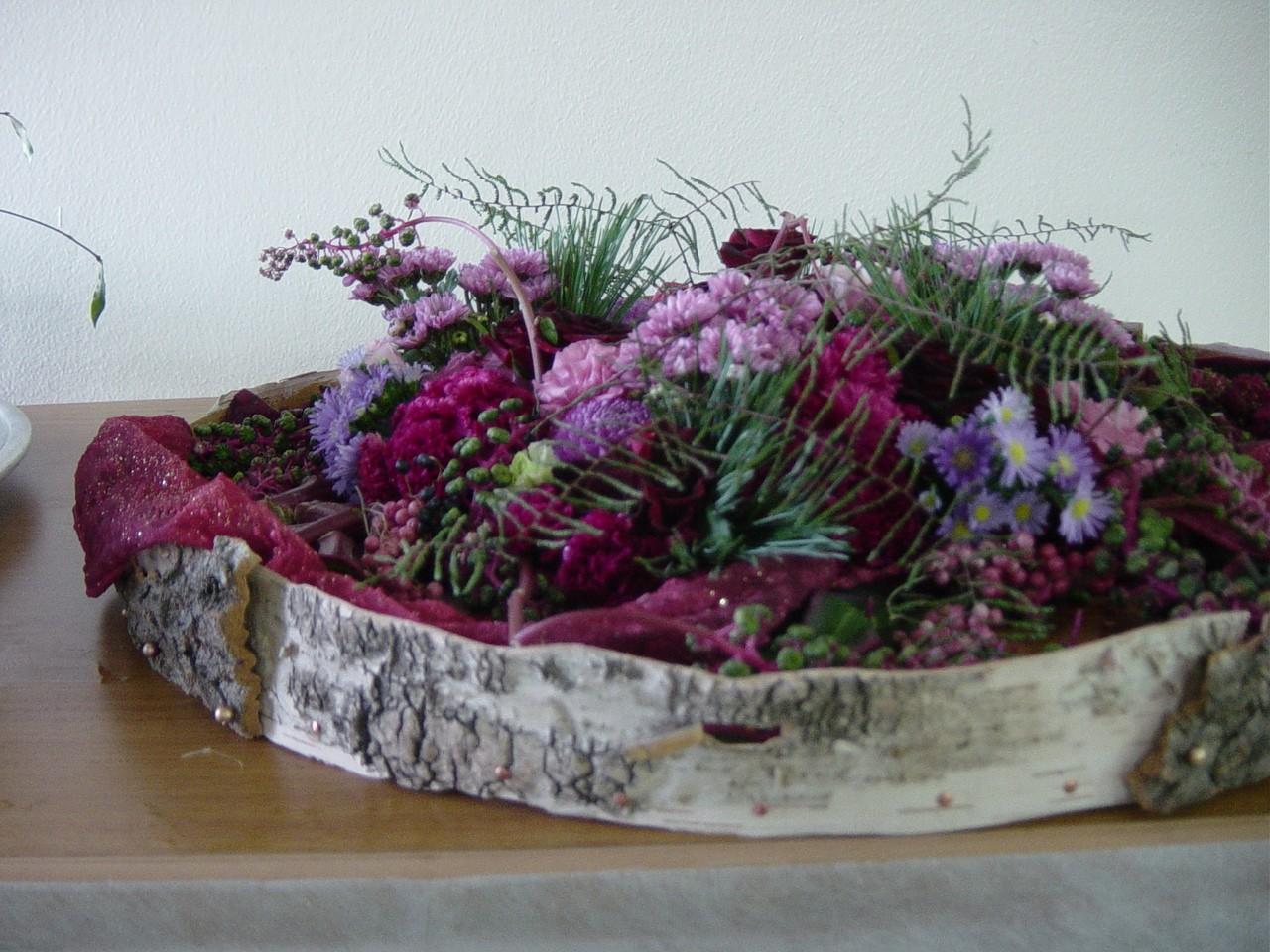
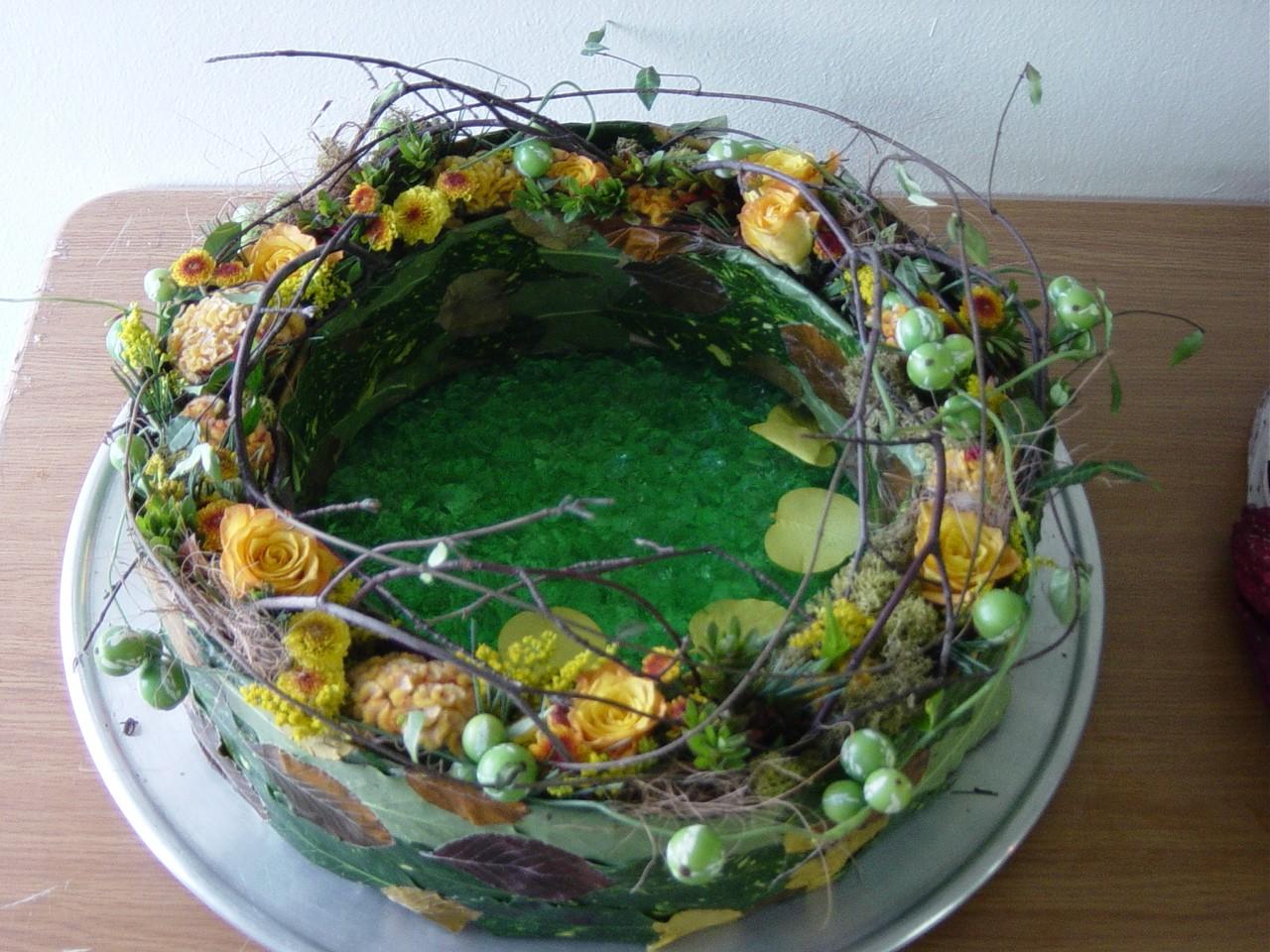
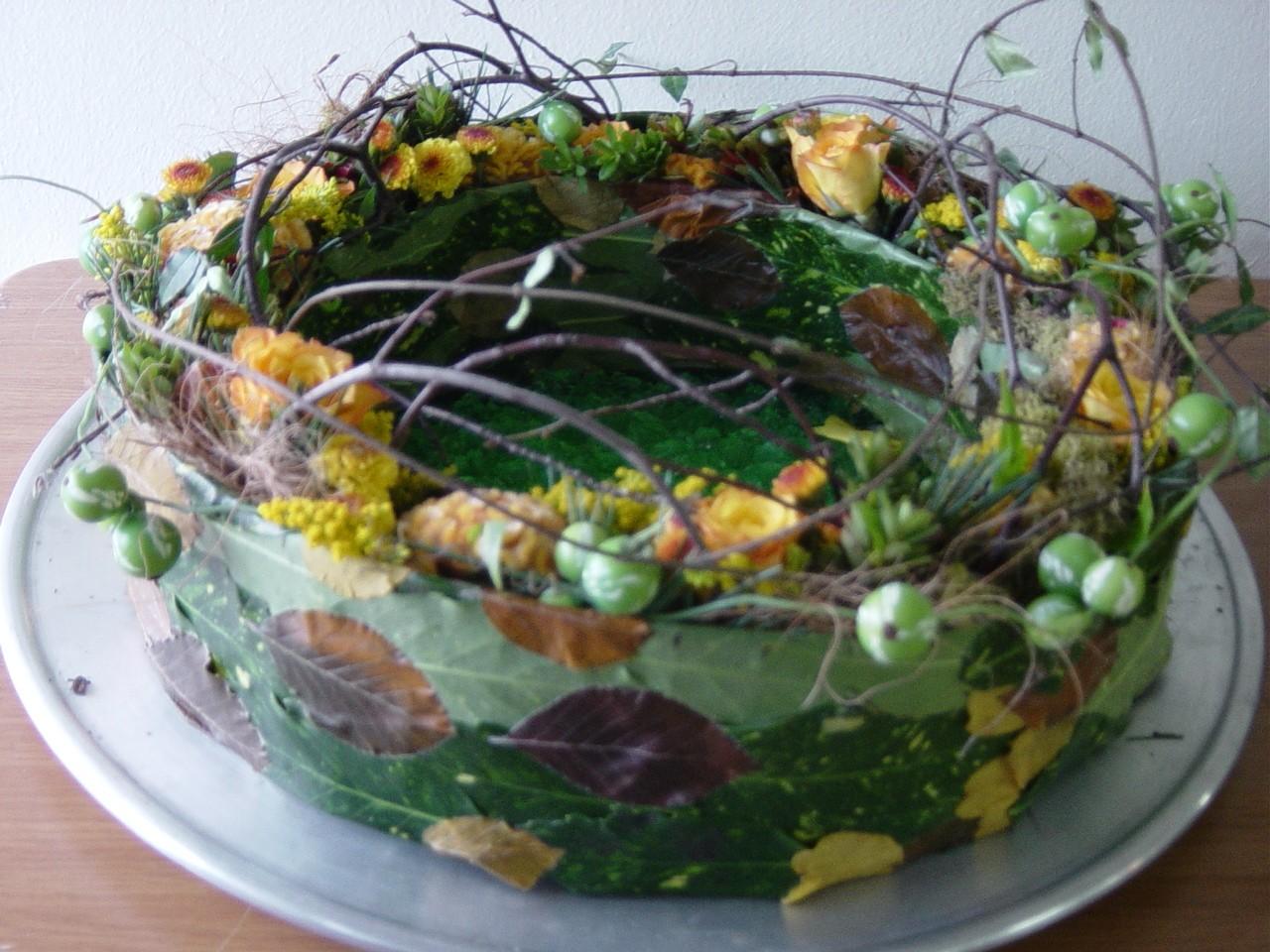
Session 1 Dates, times and subjects: 09 + 10 /12/2025 13 pm – 15 pm UAE Time = 10 - 12 am in Holland: 2hrs session – Focused on: Flower arrangements basics and designs What to mix with what flowers Use of Oasis foam (less and less) Focusing more on flowers in water, aqua bags,
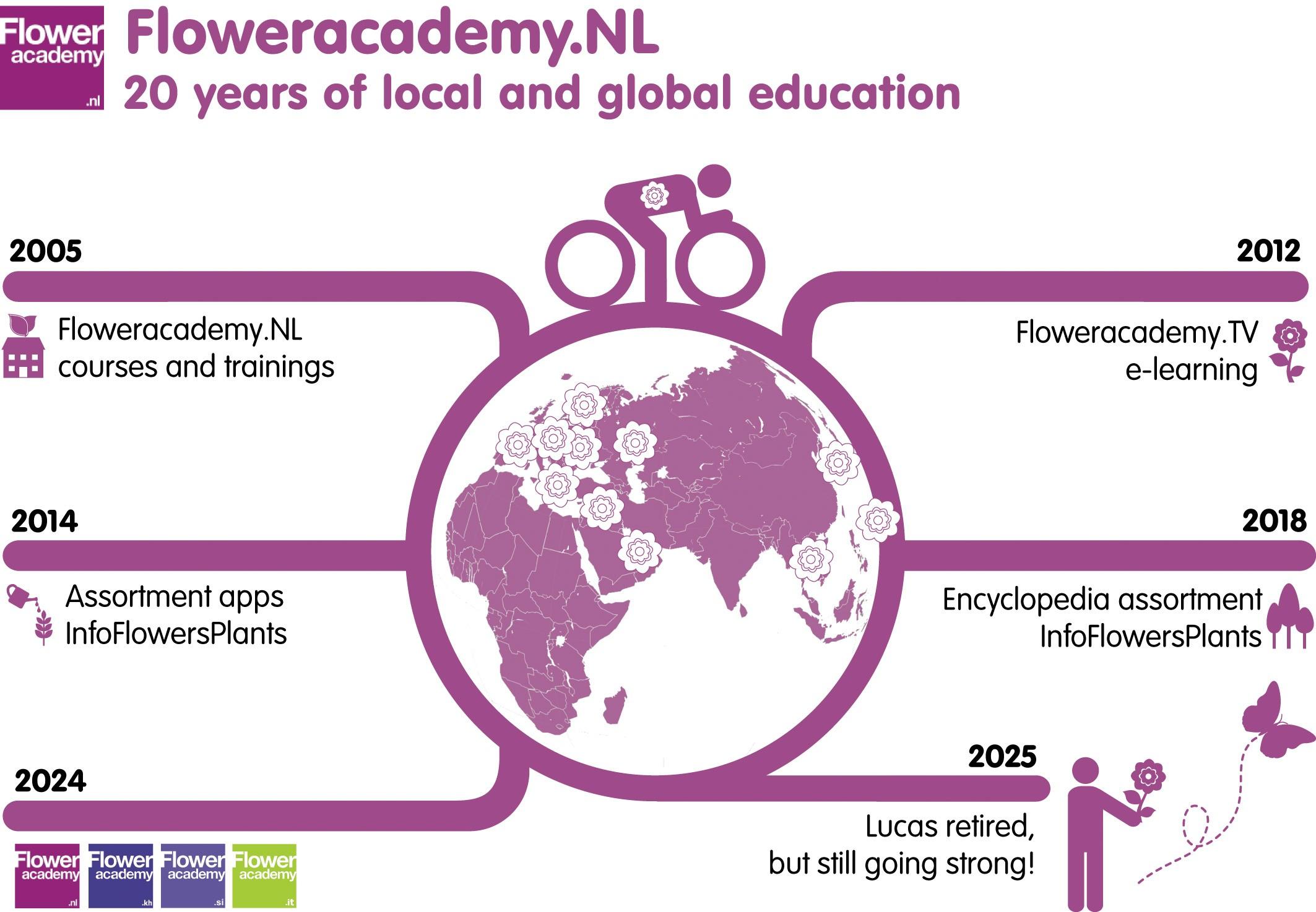
Let’s introduce: Lucas Jansen Floweracademy.nl: courses & training sessions
– Assortment knowledge
– Quality knowledge + Entrance control
– Marketing + retail marketing
– Category management
– Account management
– Floral art courses abroad
– Market research / retail safaris
HIG; horti-inspiration-group (networking)
Input / knowledge helpdesk Flowercouncil
– Campaign calenders
– Helpdesk/ advice
Active in Holland and abroad (29 countries)
Author textbooks MBO education
– Florist of the future
– Quality in te chain
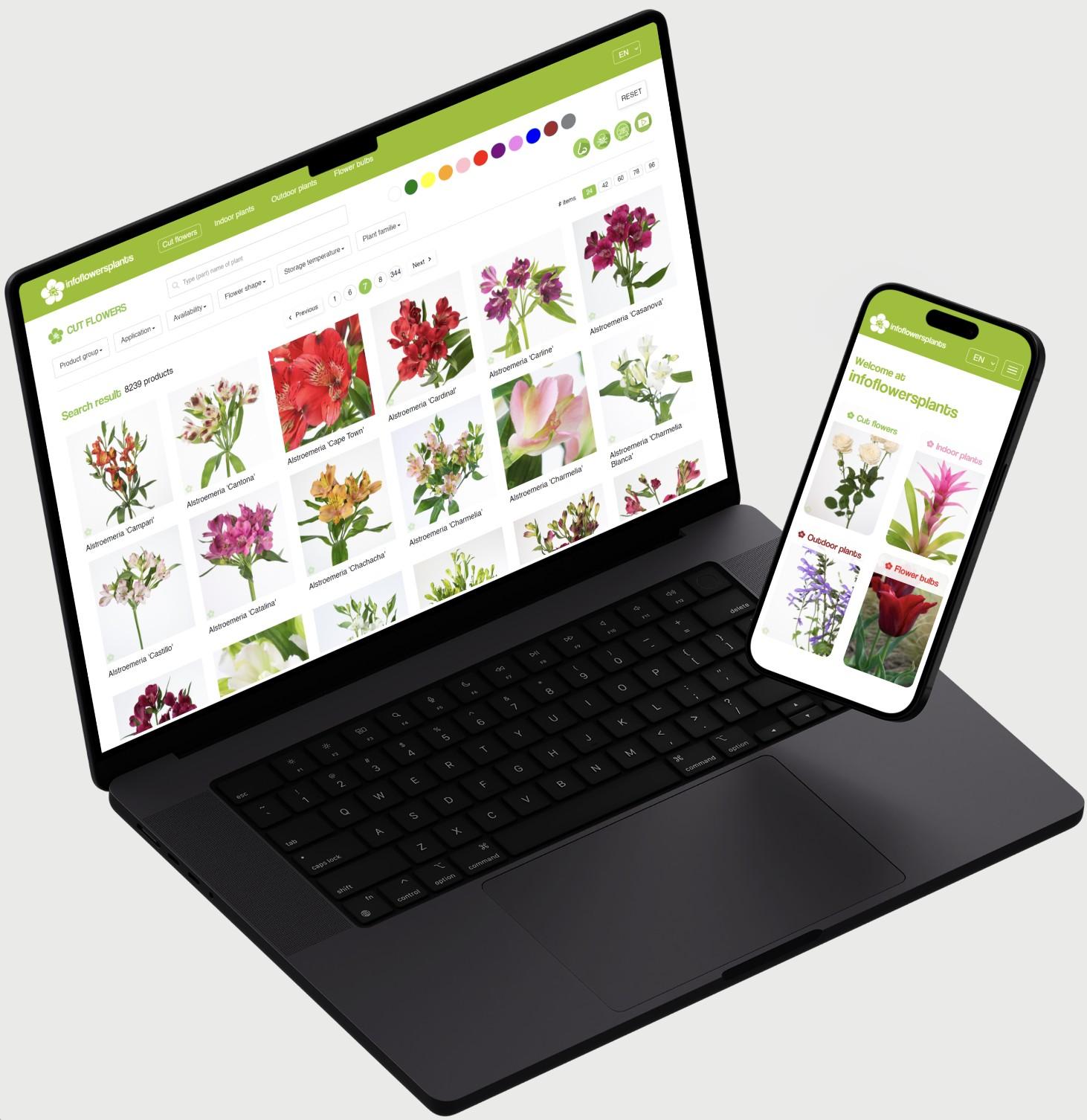
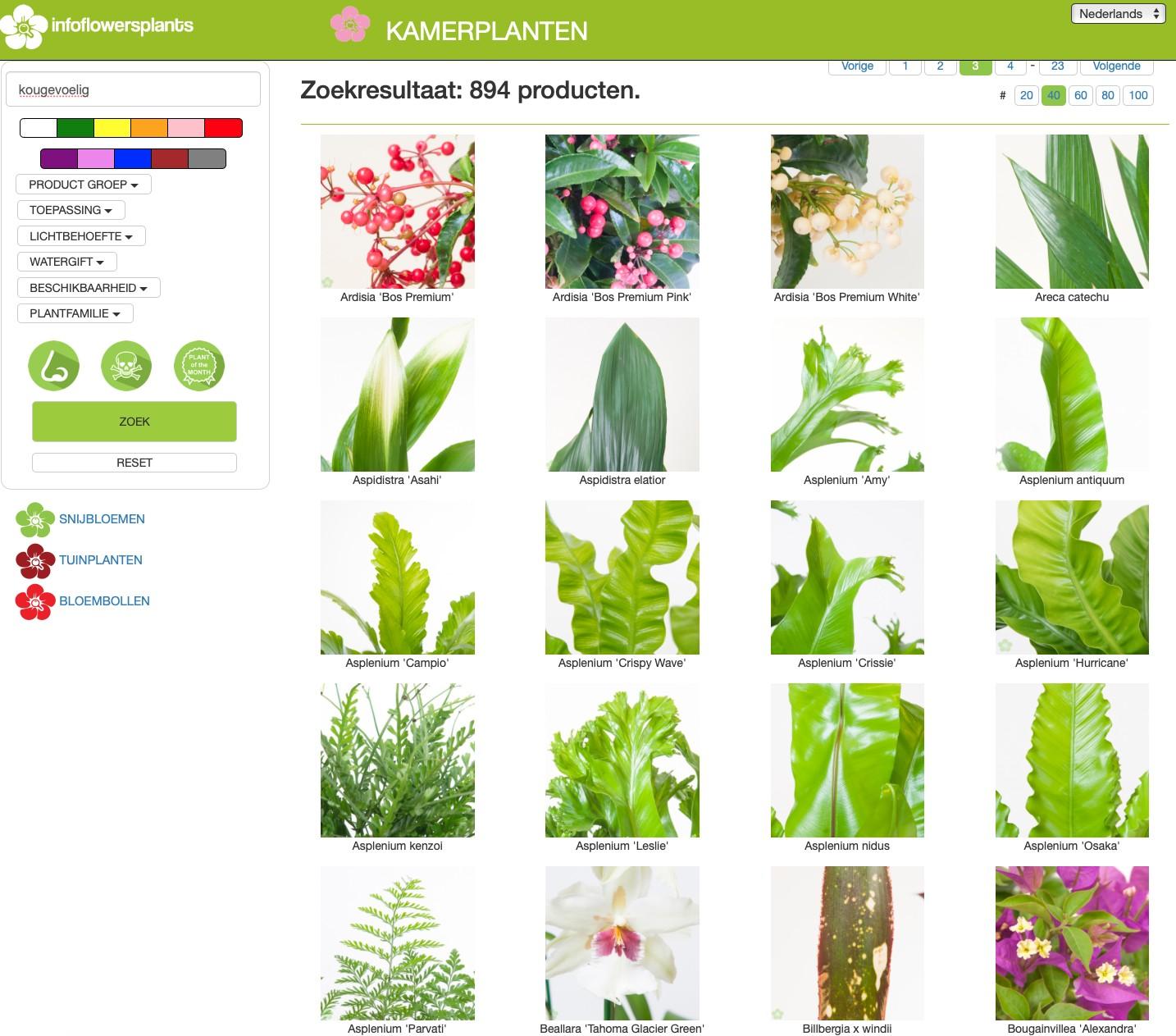
In 4 countries Floweracademy.KH (Cambodia) Database InfoFlowersPlants Account on Webapp
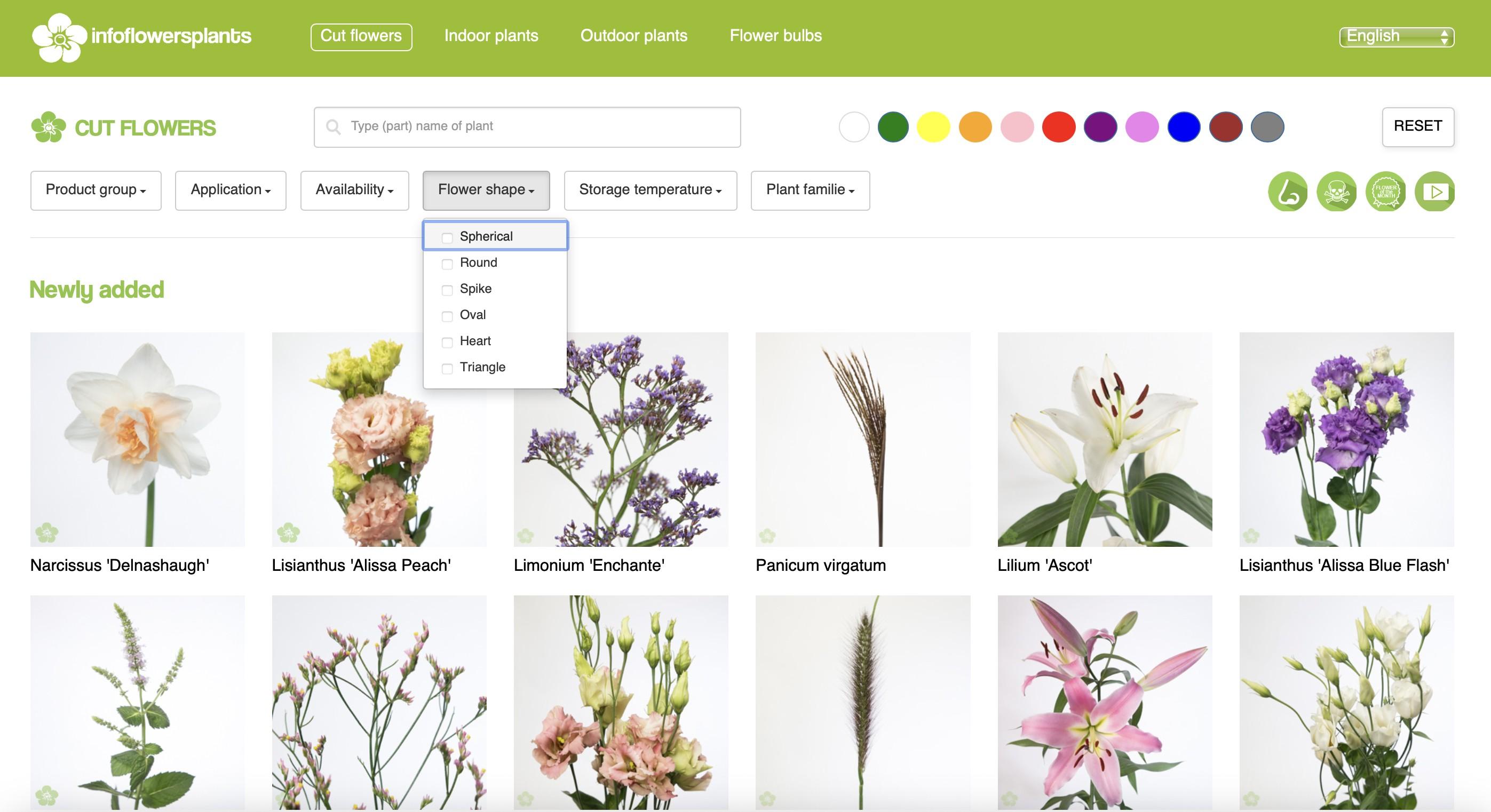
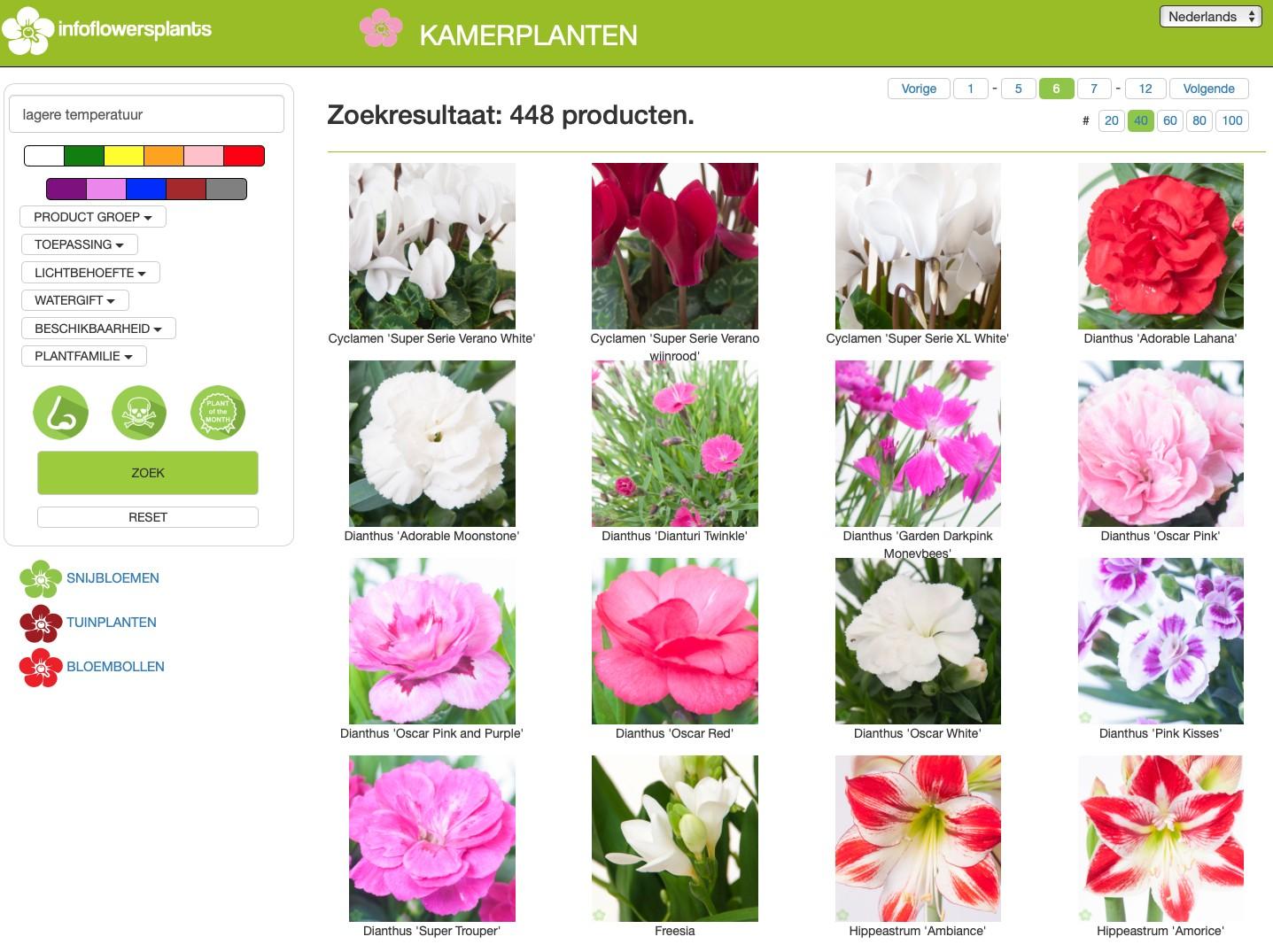
InfoFlowersPlants with possibilities to search and find the assortment in the various product groups Including interesting facts such as origin, care, symbolism, location, etc.
You will receive an email with 3 steps to create your own password for this platform
Database IFP All Floward employees can get access with the same email address and password This will be organized by Ahmad Tayser
Social Media Lucas Lets start to learn Floward education plan
Incompatible Cut Flowers & Foliage Why some flowers don’t mix well in bouquets
Focus: vase life & negative interactions
Floward education plan
Key Causes Toxic saps (e.g. Narcissus)
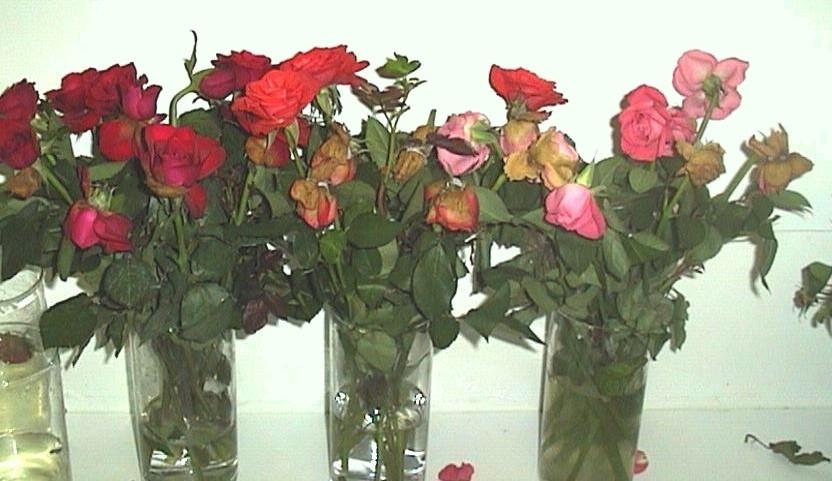
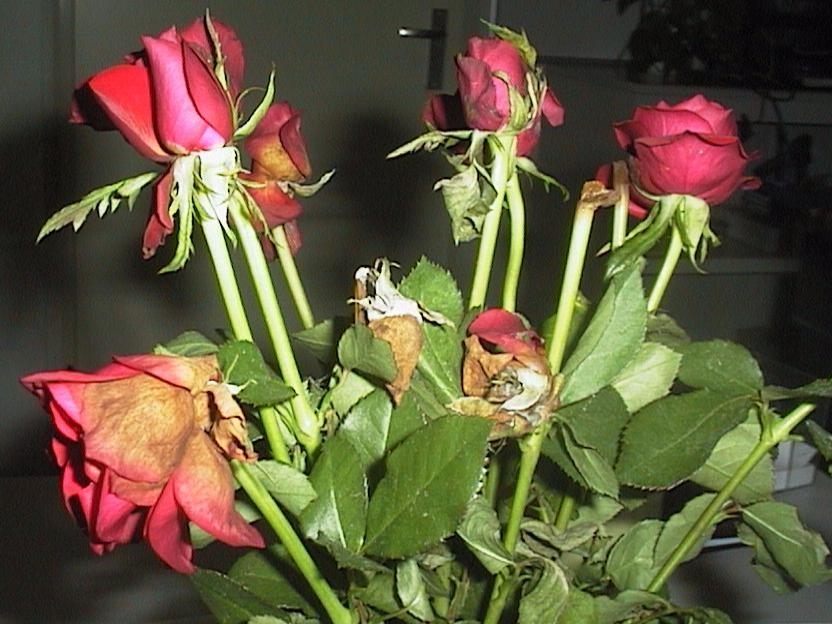
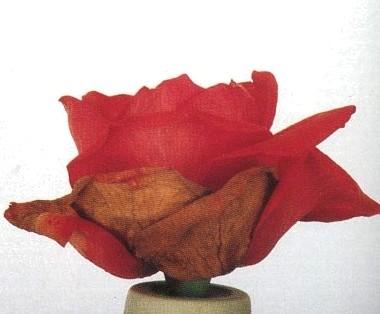
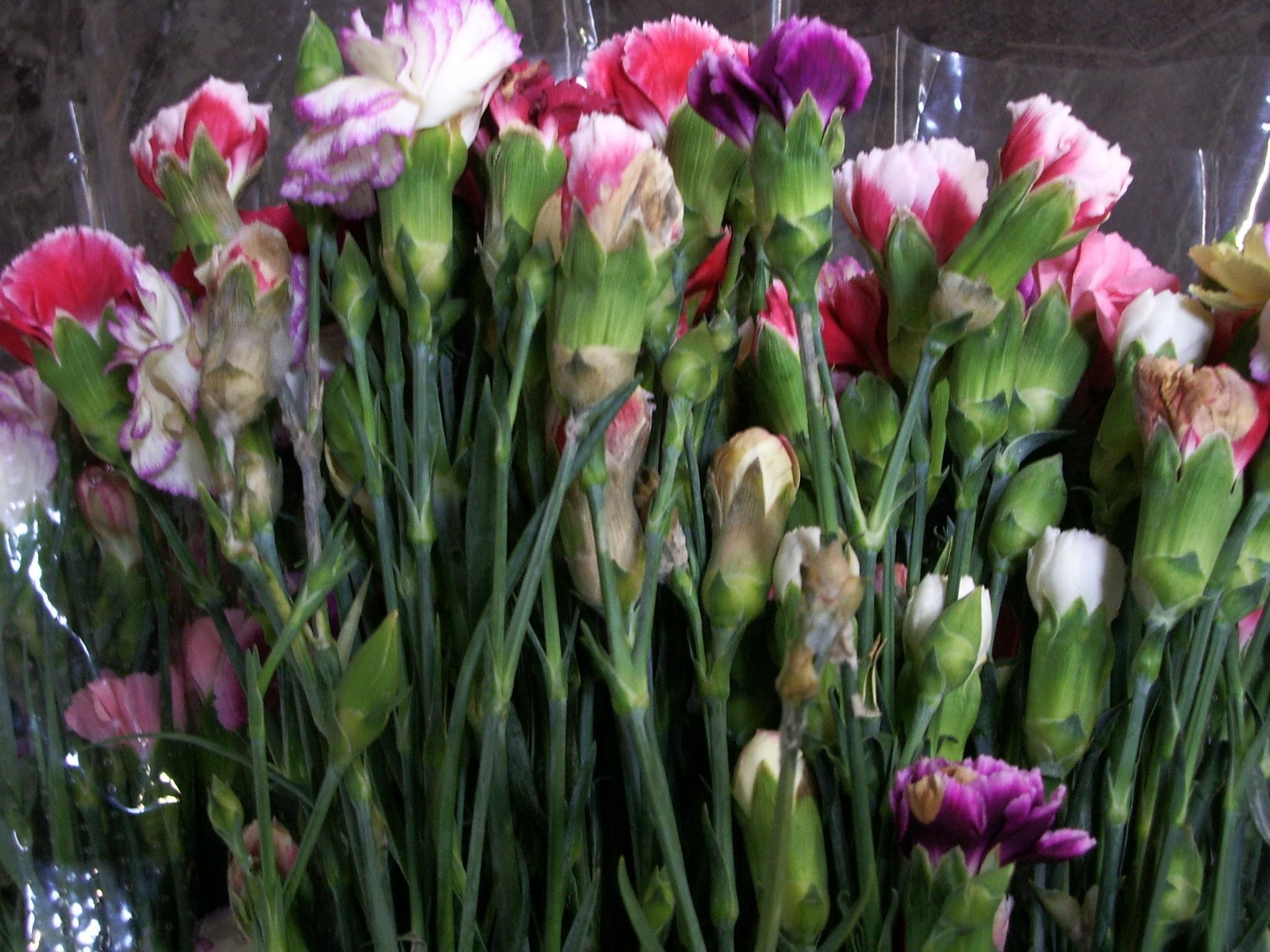
Ethylene sensitivity (e.g. Roses, Carnations)
High water consumption (e.g. Sunflowers)
Bacterial growth in vase water (e.g. Gerbera, Roses, Gypsophila)
Summary Table Flower Problem
Avoid with Narcissus Slimy sap blocks stems
Tulips, Roses, Freesia, Gerbera, Carnations
Tulips Sensitive to Narcissus sap Narcissus, Hyacinths
Carnation (Dianthus)
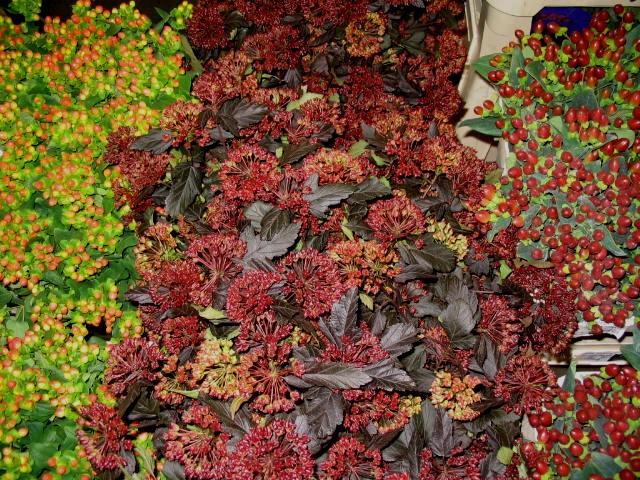
Ethylene sensitive Products with berries like Hypericum
Not in combination in arrangements with fruits
Sunflowers Heavy water use Take care water level
Gerbera. Rose and summer flowers Sensitive to bacteria Narcissus, sunflowers and other summer flowers
Eucalyptus Releases substances Delicate flowers like roses
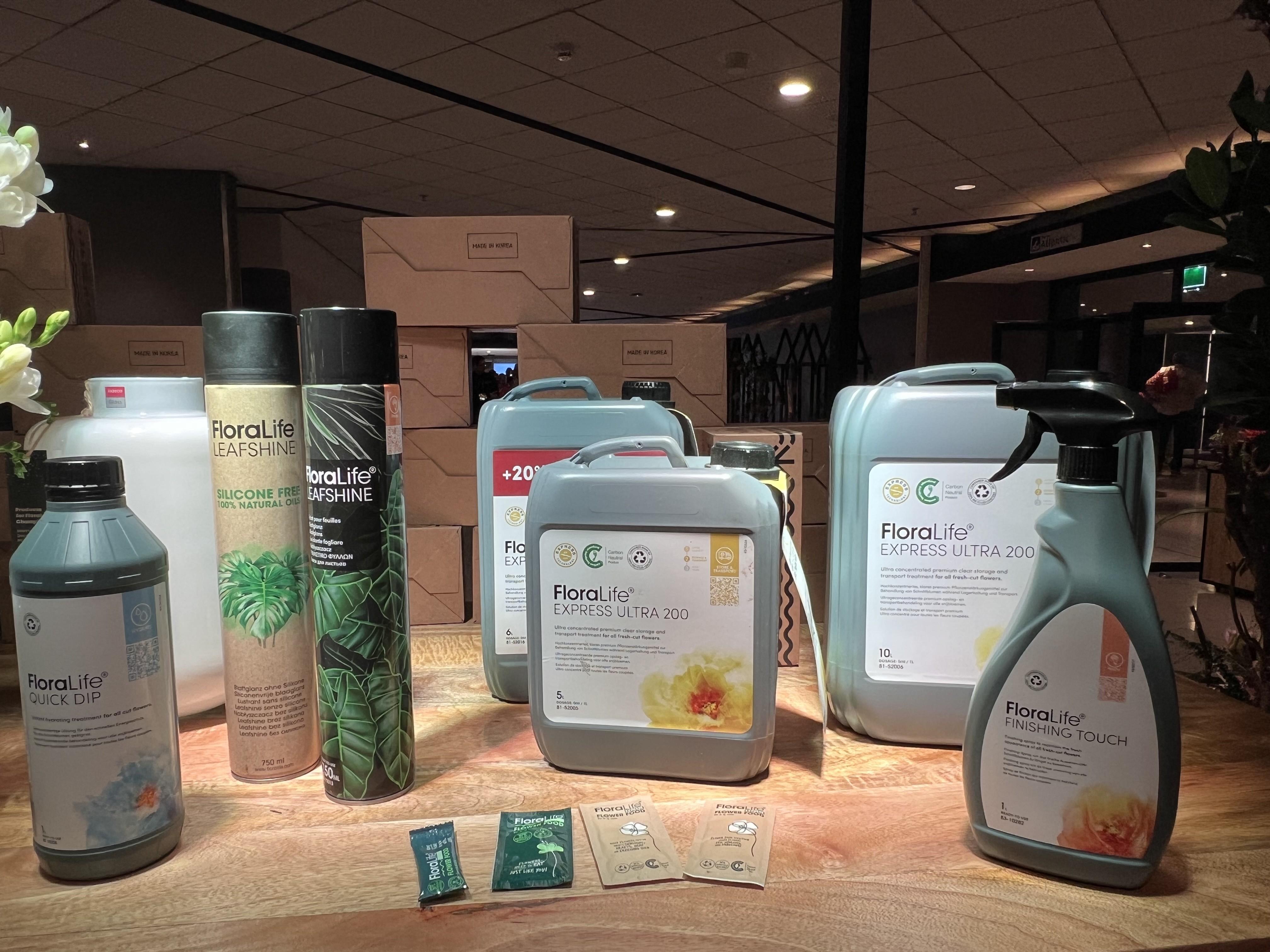
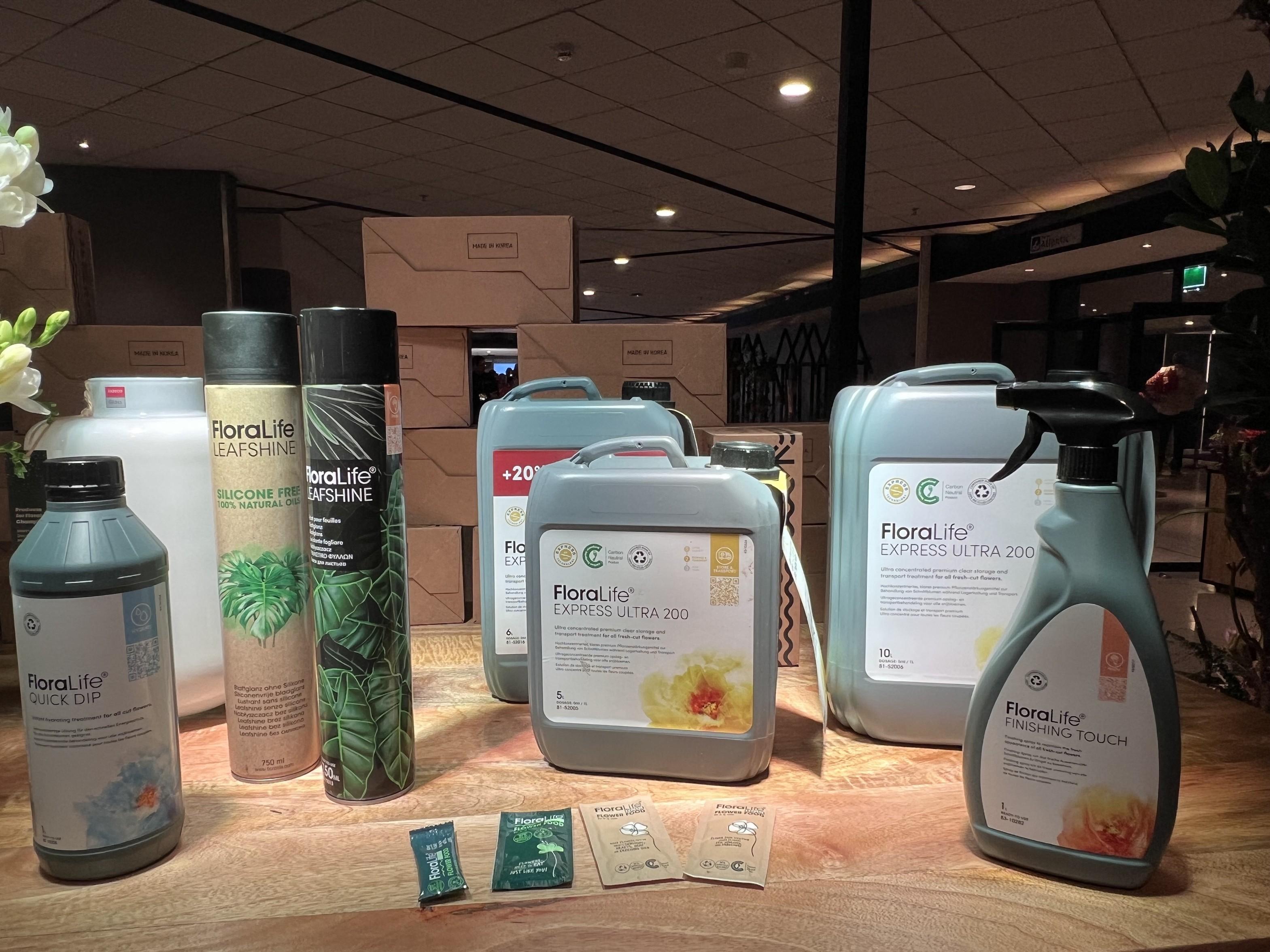
Consumers Always add flower food
Always give advise how to use flowers at home of on locations – Use Flower food – Never in full Sun
Never under airconditioner
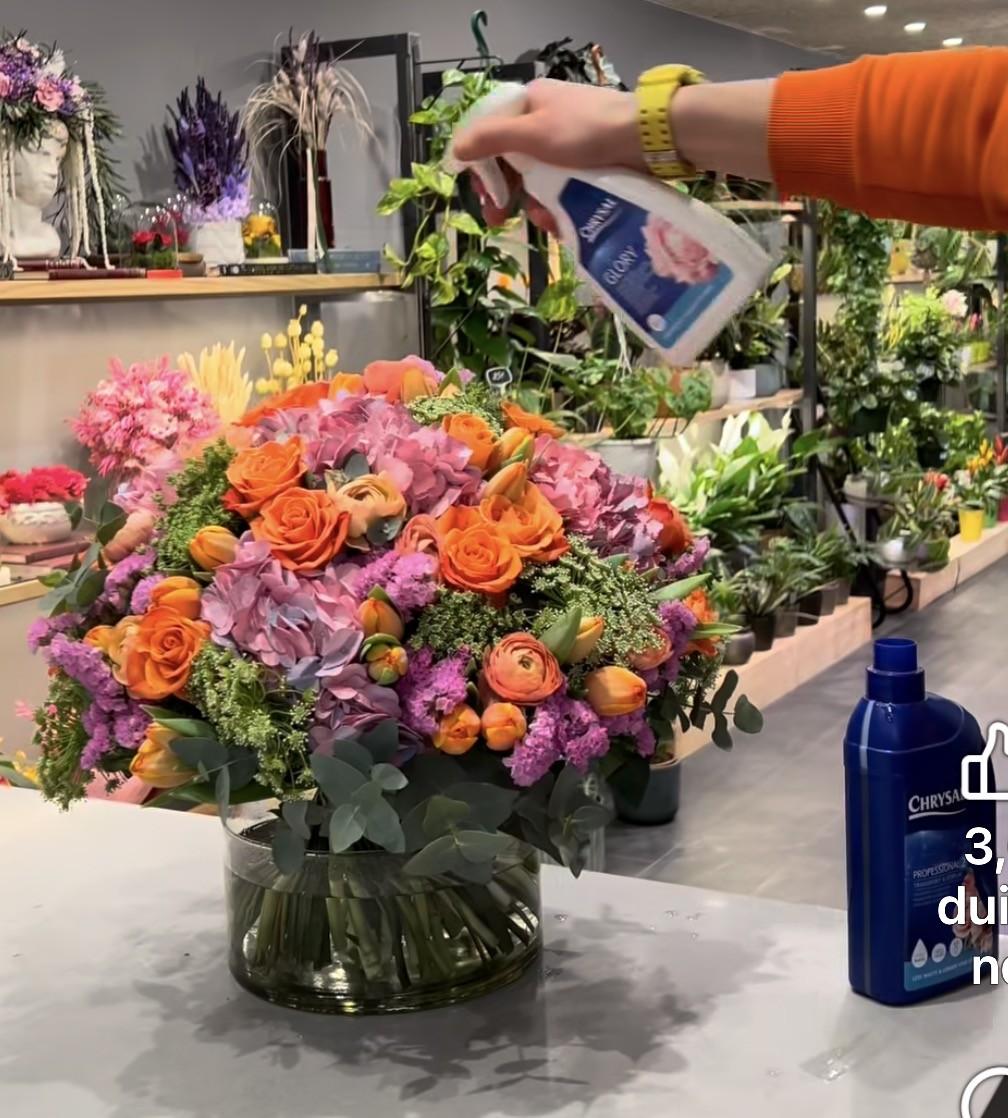
https://floralife.com/product/floralife-finishing-touch/
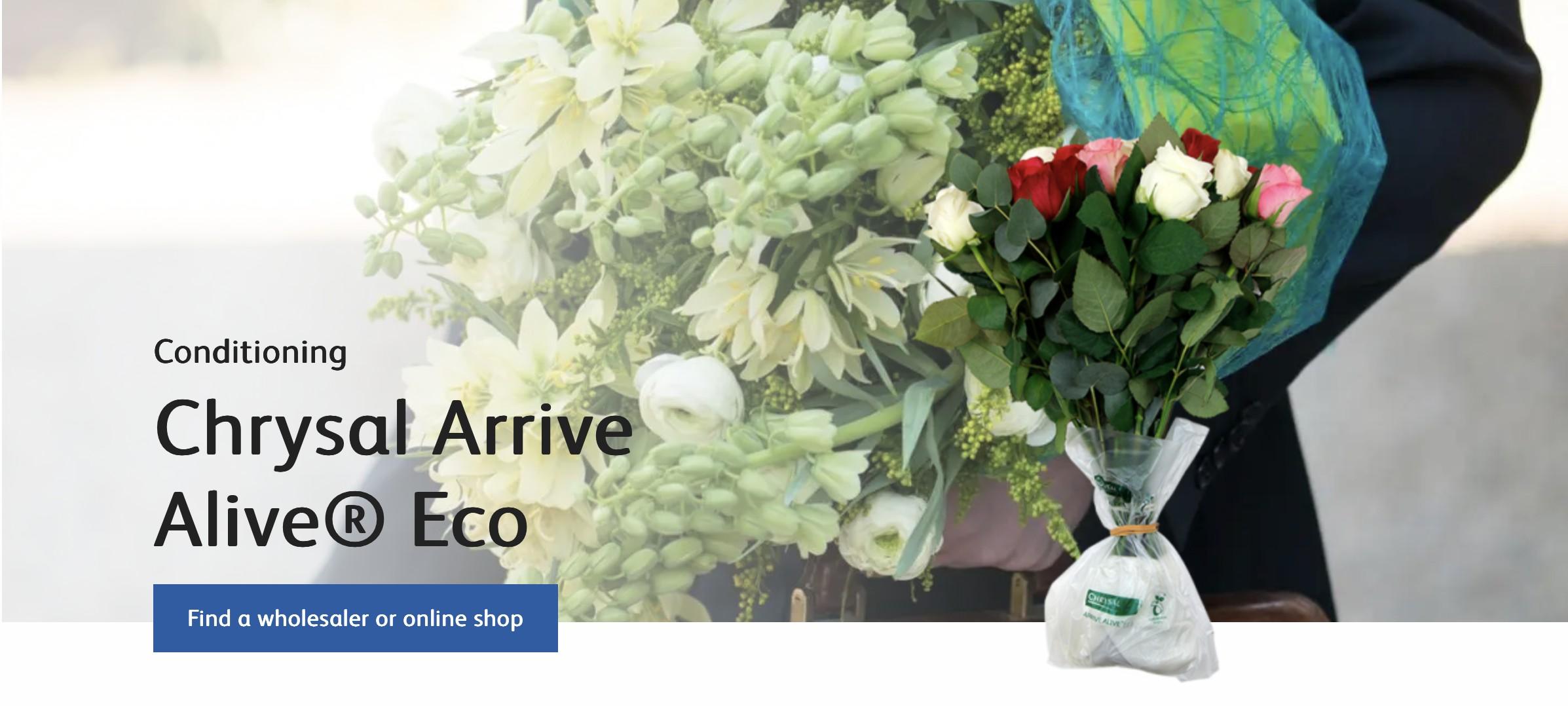
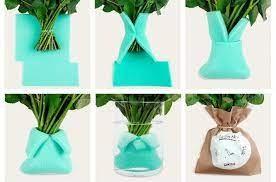
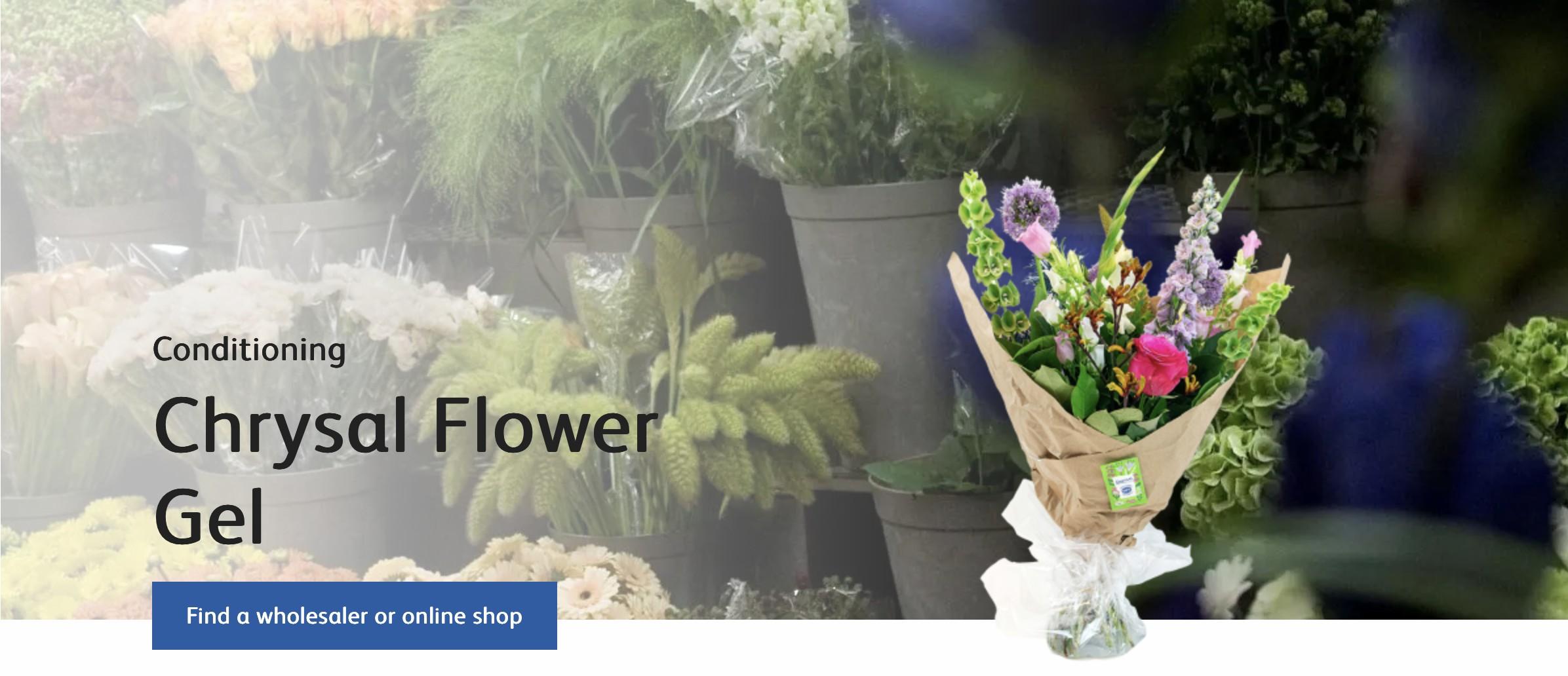
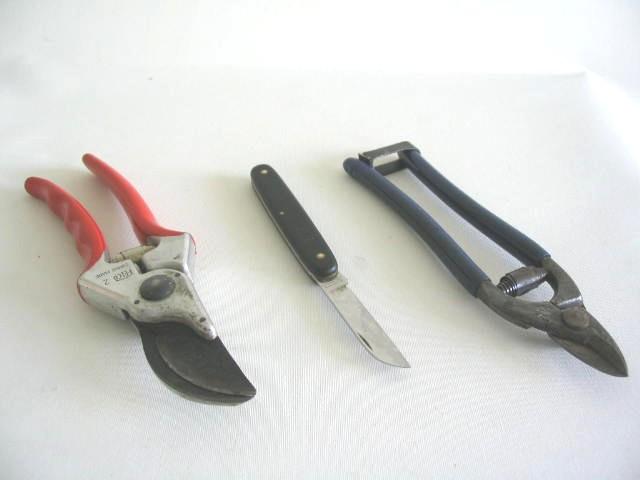
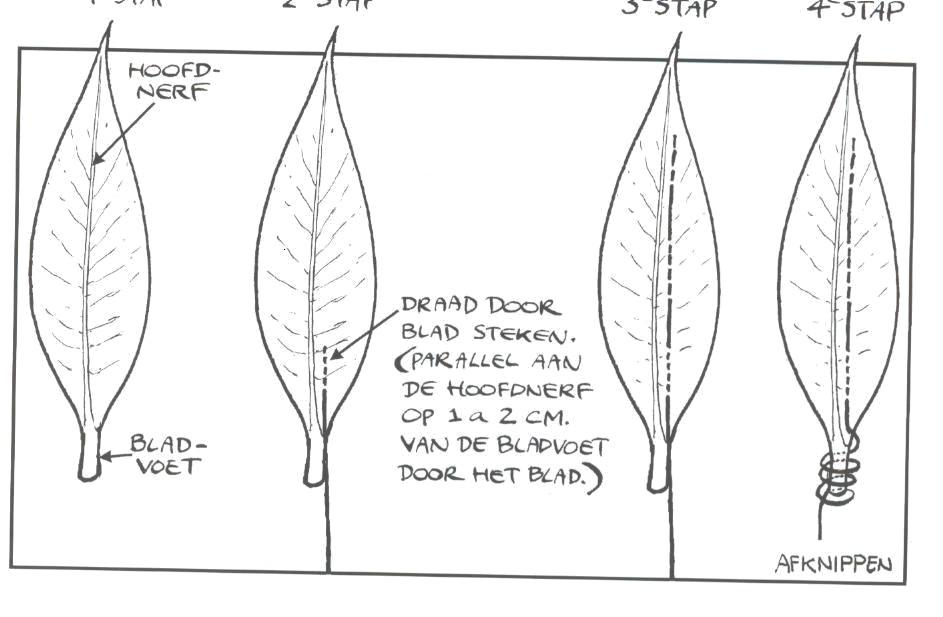
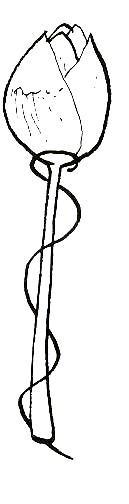
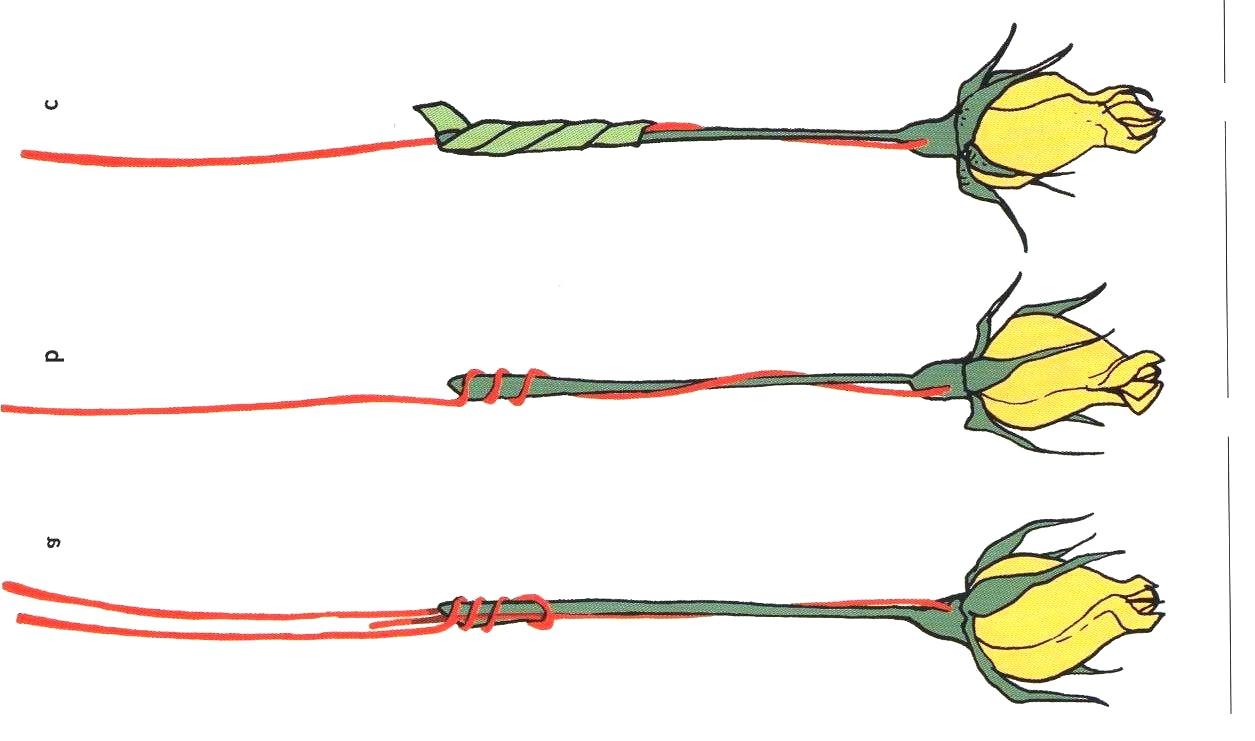
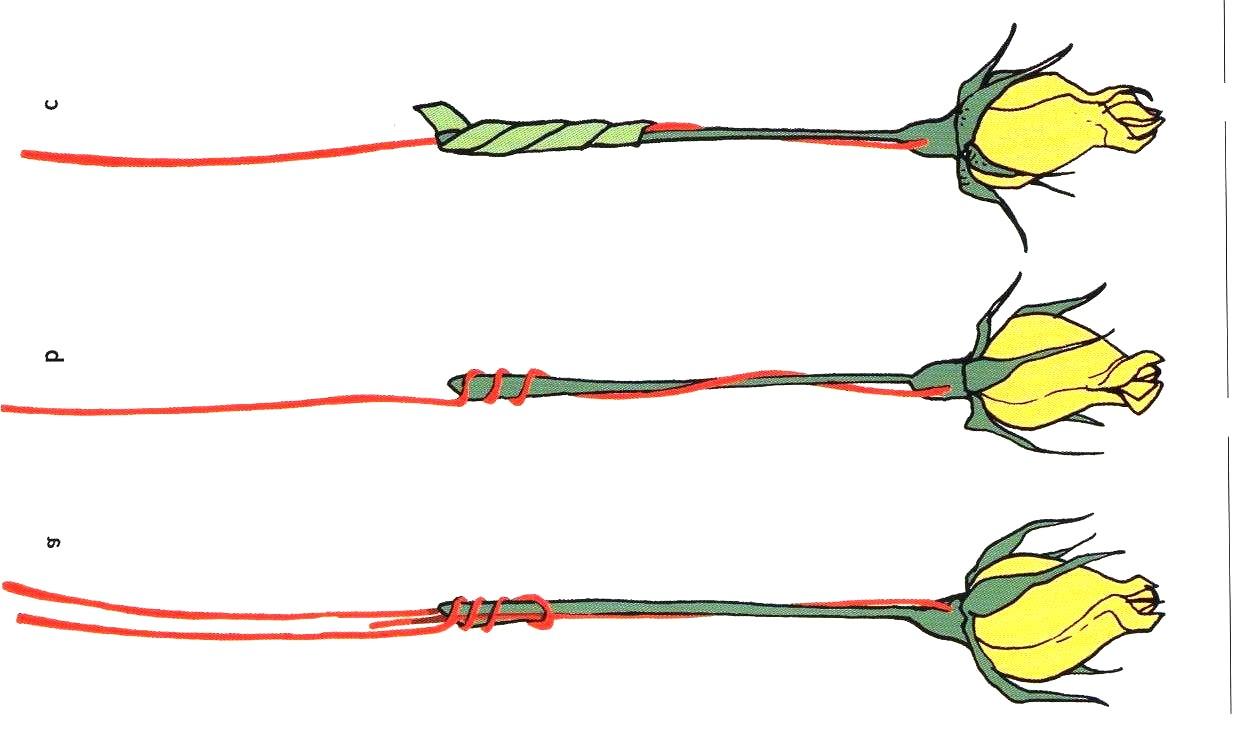
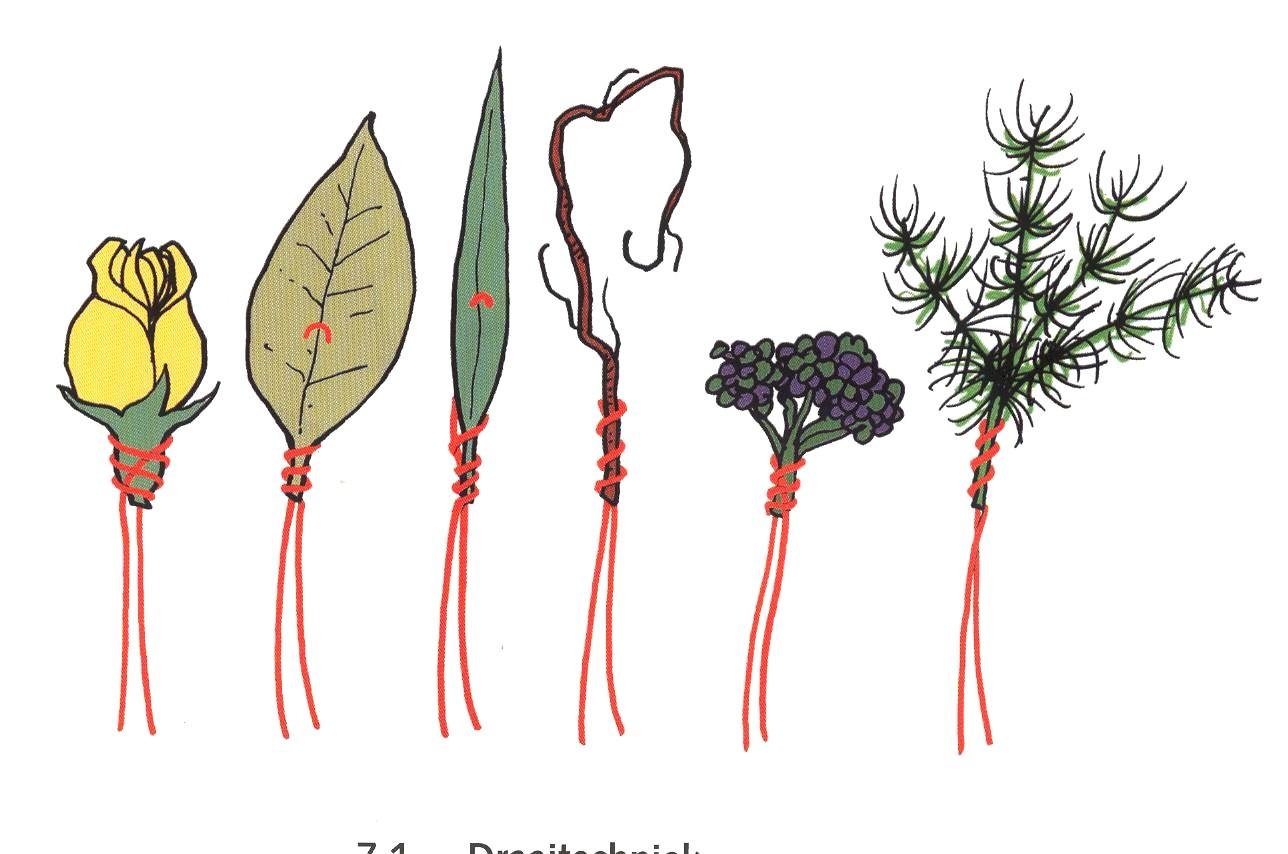
Transport to consumers If possible use: Flower Gel (Transport to consumers) Productsheet Flower Gel Tools and assesoirs Tools The 3 most important tools Wire technics Composition facts Form, Line, Texture, and Fragrance Form Explanation: Form defines the overall shape and silhouette of the arrangement. It helps create a strong visual impression from a distance.
Examples of arrangements:
–
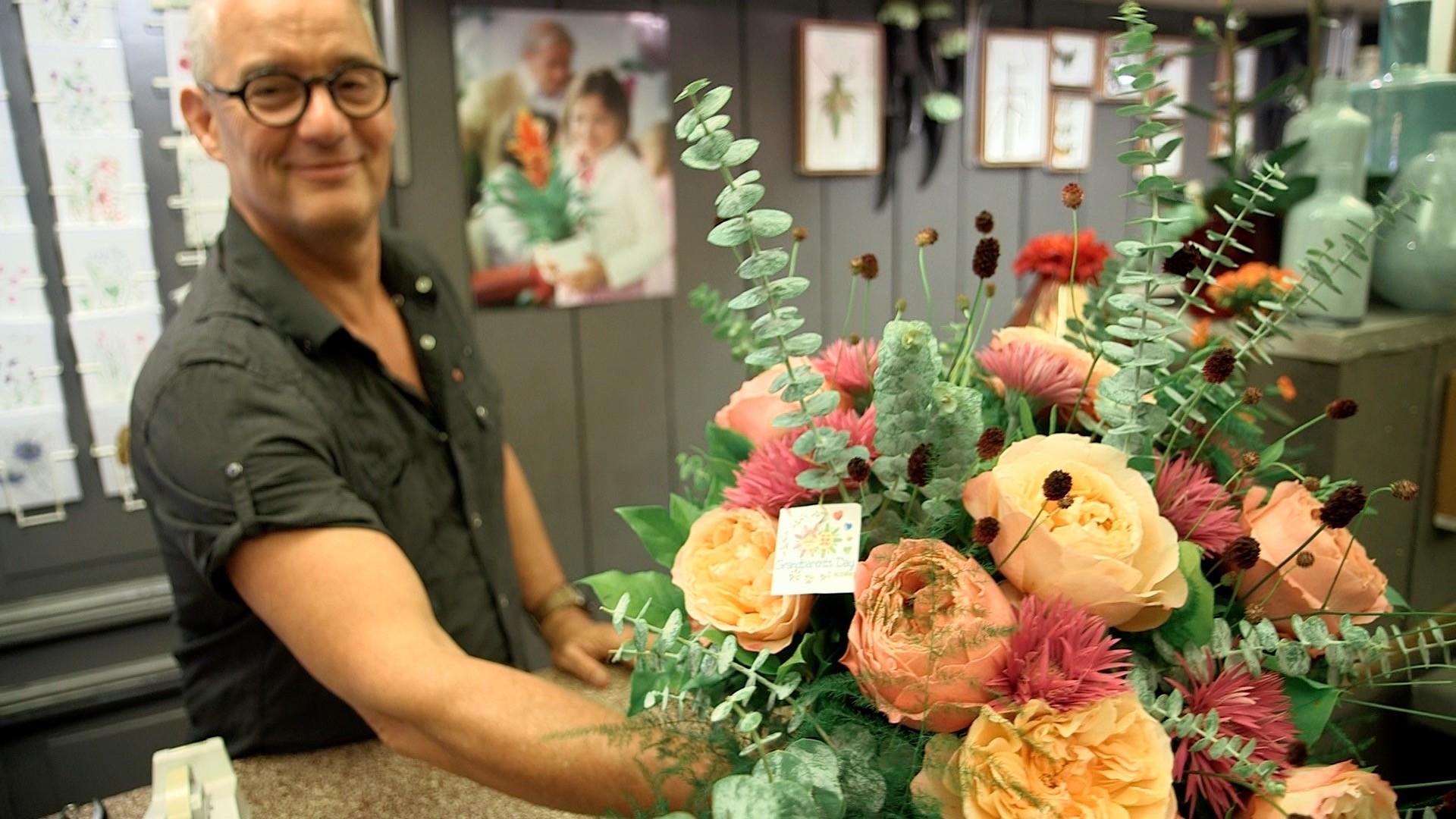
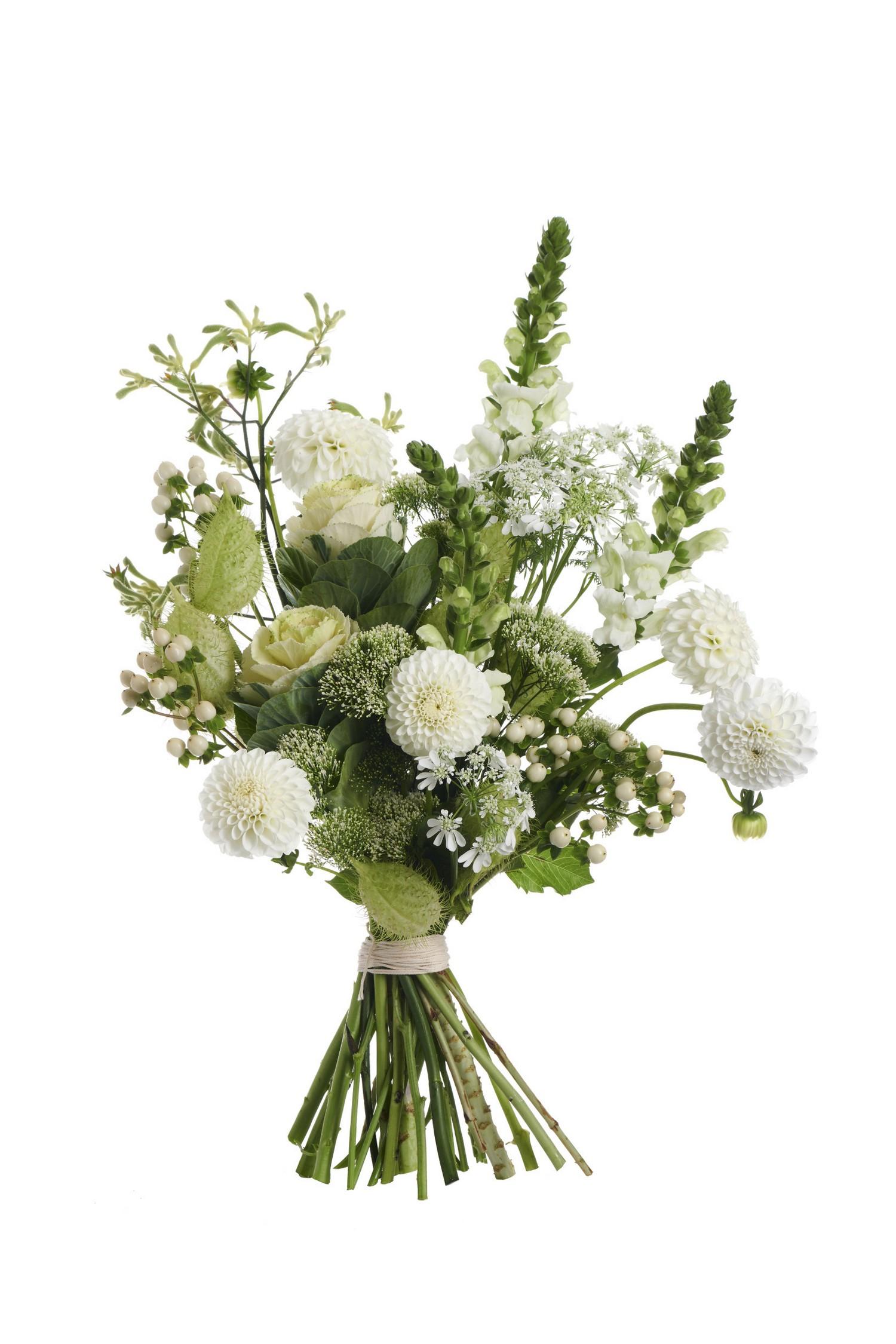
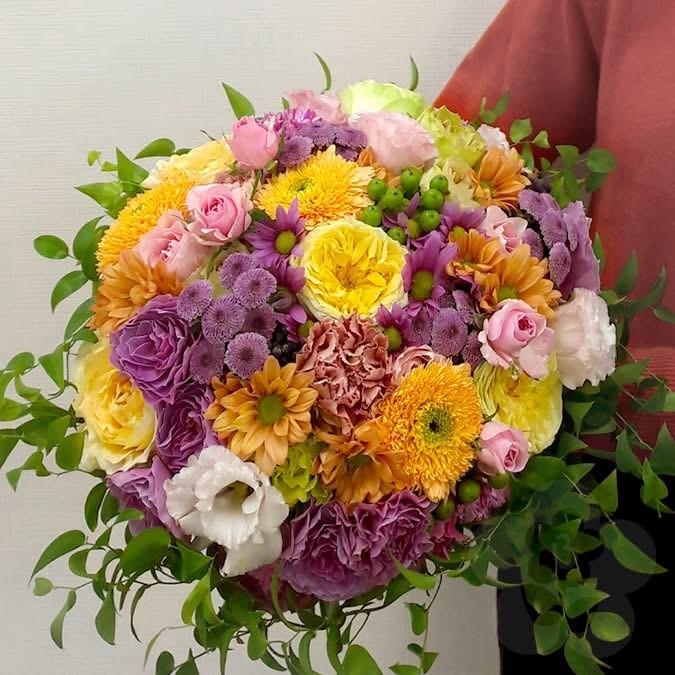
Biedermeier bouquet: Compact, round form — uses flowers like roses (Rosa spp.) and dahlias (Dahlia cultivars).
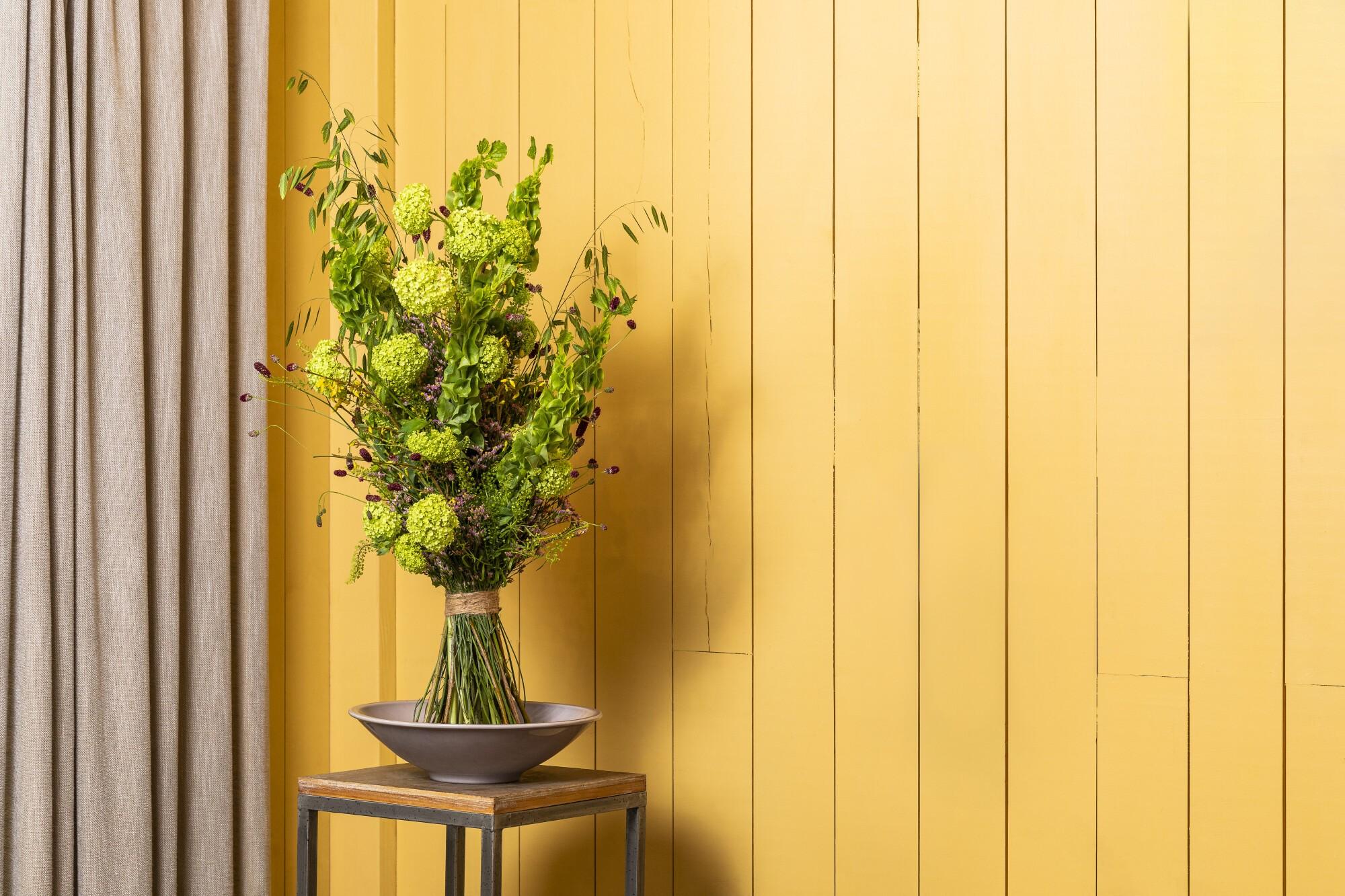
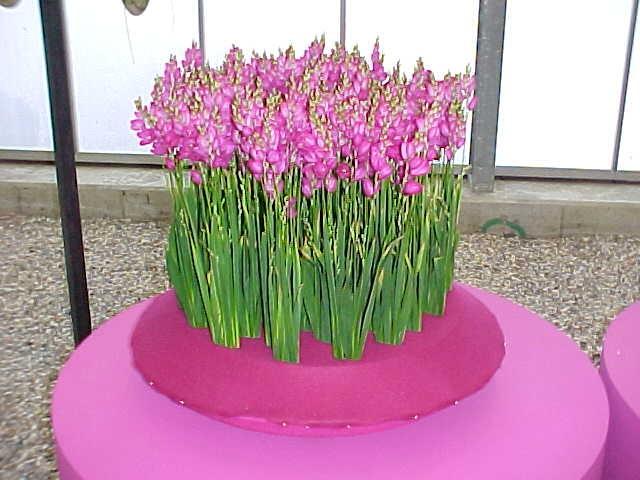
– Parallel arrangement: Vertical lines create a structured rectangular form — often with grasses, gladiolus, or delphinium.
– Fan-shaped arrangement: Used in hotel lobbies or large receptions — emphasizes a wide, fan-like form with strong symmetry.
Form Dahlia – round form
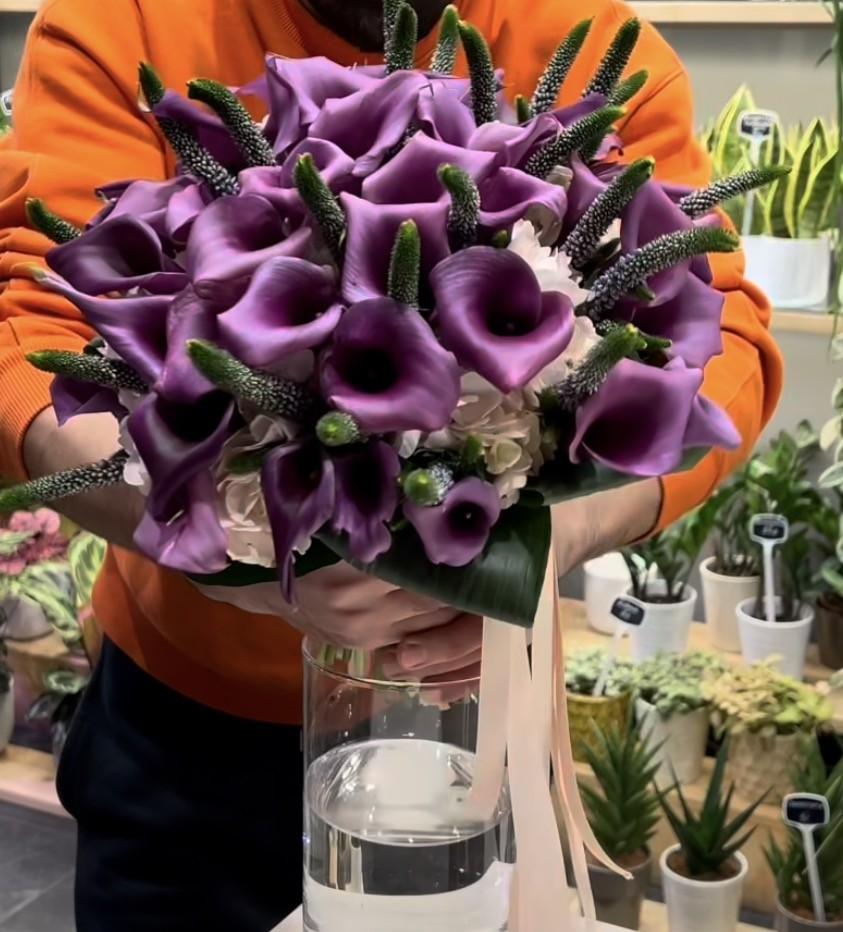
Calla (Zantedeschia) – funnel form
Gloriosa – star-shaped form
Line Explanation:
Line gives direction and movement to the design, guiding the viewer’s eye.
Examples of arrangements:
– Ikebana (Japanese floral art): Very strong use of line, often with minimalist stems and branches.
– Vertical arrangements: Tall vases with flowers like gladiolus (Gladiolus spp.) or eremurus (Eremurus robustus) to accentuate height.
– Cascade bridal bouquet: Flowing downward line with trailing flowers such as orchids or ivy.
Gladiolus – strong vertical line
Delphinium – upward line
Eremurus – tall, slender line
Texture Explanation:
Texture refers to the surface quality (smooth, rough, airy, dense), adding depth and interest.
Examples of arrangements:
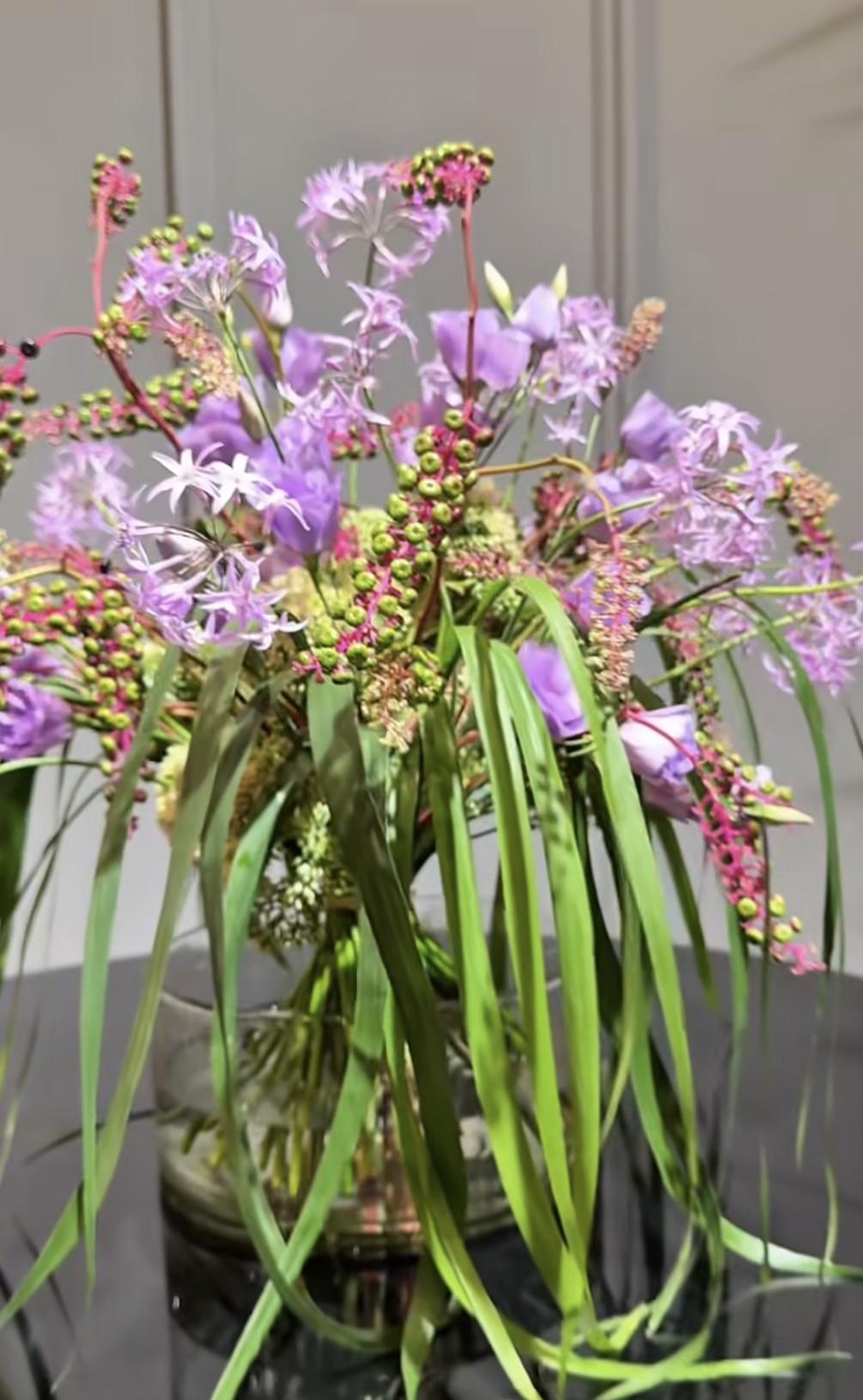
– Natural, wild meadow-style bouquets: Combining fine textures (grasses, ferns) with rough or bold flowers like sunflowers (Helianthus annuus).
– Tropical arrangements: Bold, glossy textures from anthurium and monstera leaves.
– Mixed seasonal centerpieces: Juxtaposing coarse hydrangea (Hydrangea macrophylla) with fine-textured asparagus fern.
Texture Asparagus – fine texture
Eucalyptus – coarse, matte texture
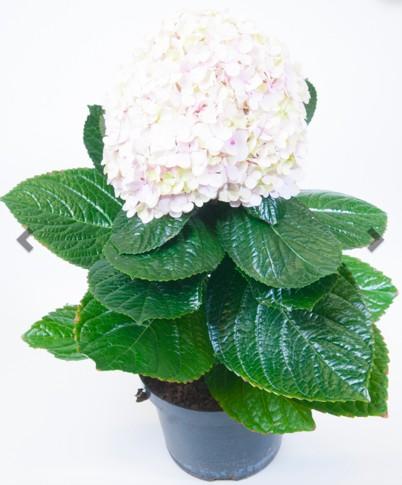
Hydrangea – full, voluminous texture
Frangrance Explanation:
Fragrance adds an emotional and sensory element to floral design.
Examples of arrangements:
– Bridal bouquets: Often include roses (Rosa spp.) or sweet peas (Lathyrus odoratus) to create a romantic scent.
– Entrance arrangements in shops or restaurants: Freesia or lily (Lilium spp.) to welcome guests with a pleasant smell.
– Home vase arrangements: Lavender (Lavandula angustifolia) or garden herbs to evoke a fresh, calming atmosphere.
Fragrance Freesia – sweet
fragrance Rose – classic rose scent
Lathyrus – soft, fresh fragrance
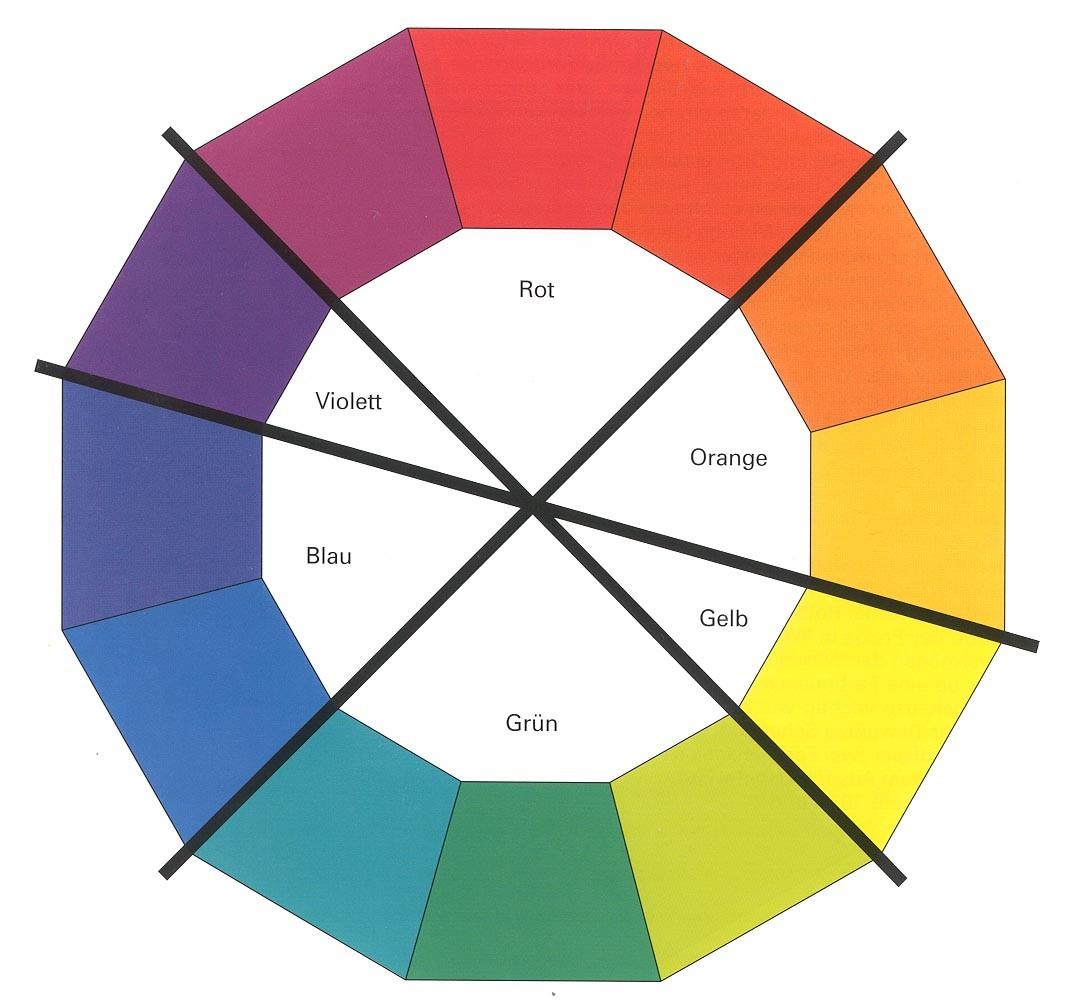
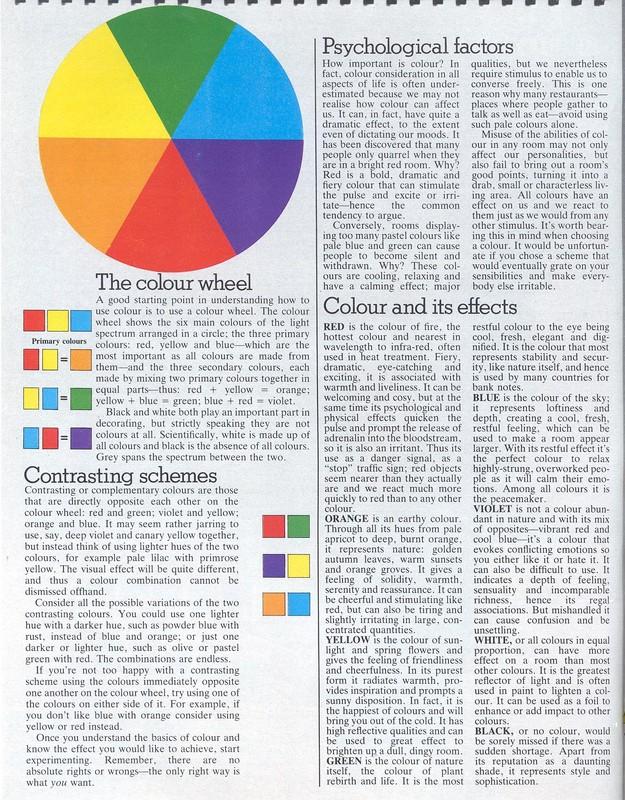
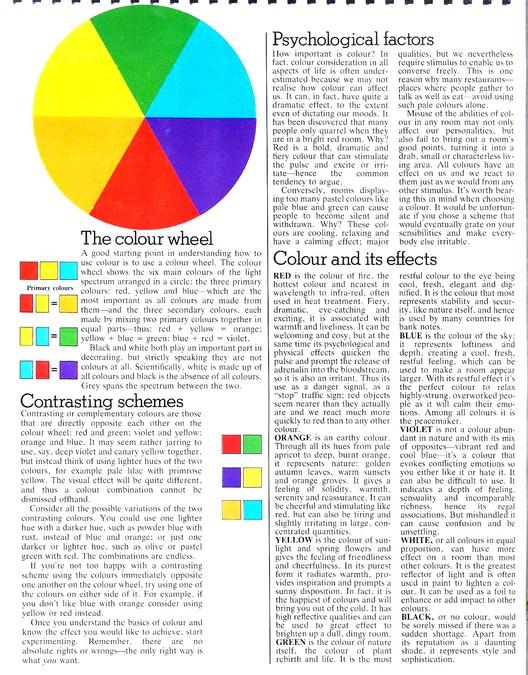
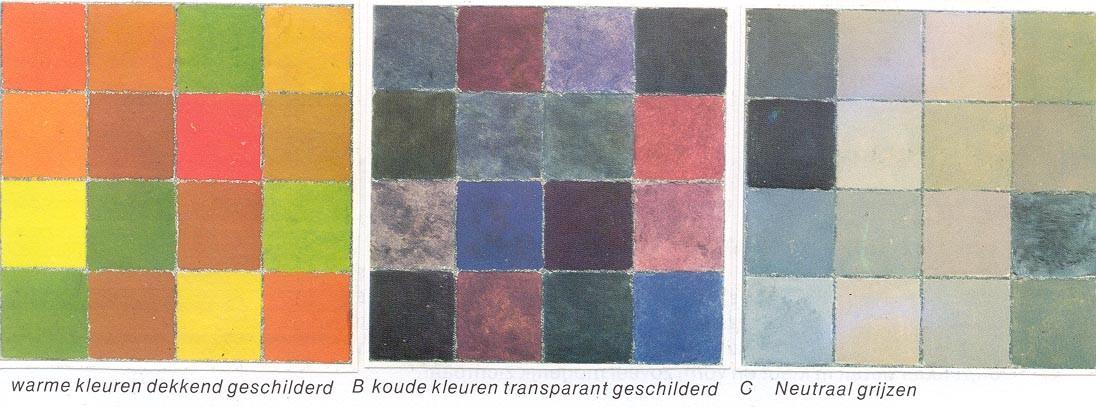
Colours Colour wheel Primary (basic) colours Secondary (mixed )colours Contrasting colours Harmonious colours Tone-on-tone colours Warm colours Cold colours Neutral colours Multi coloured colours Religious colours can be different in each country Fast period = purple colours – (40 days before Eastern)
White Thursday = white colours
Good Friday = black or purple colours
Eastern = yellow (and white)
Whit sun day = red
Advent = purple – (4 weeks before Christmas)
Christmas = red and white colours
Times between periods = green
Symbolic colours Red – love, blood, danger
Yellow – sun, light, glory, starting lovers, treason
Gold – divine, richness
Blue – divine, heaven, innocence, cool, faithful
Green - hope, grow, life, future
White – happiness, truth, purity, virginity
Black – darkness, mourning, no light
Purple - mourning, penance, modest
Youtube Channel with many video about flower arranging: Akademija
Cvetja
https://www.youtube.com/ @akademijacvetja768/videos
foam and how to Floweracademy.NL • Floweracademy.TV Floward education plan
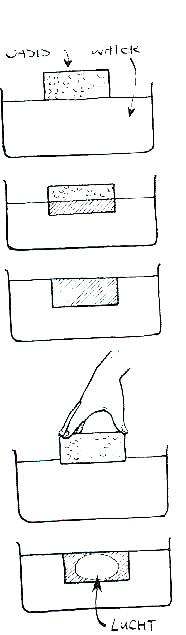
How to put oasis in the water Correct method Wrong method
How to use floral foam (add flower food also) Arrangement trends Less floral foam Alternatives to Floral Foam (Oasis®) �� Sustainable techniques for floral arrangements Why alternatives? Floral foam = harmful for environment (microplastics, non-biodegradable)
Industry is moving towards sustainable solutions
New techniques = creative and reusable
Overview of alternatives Technique Description
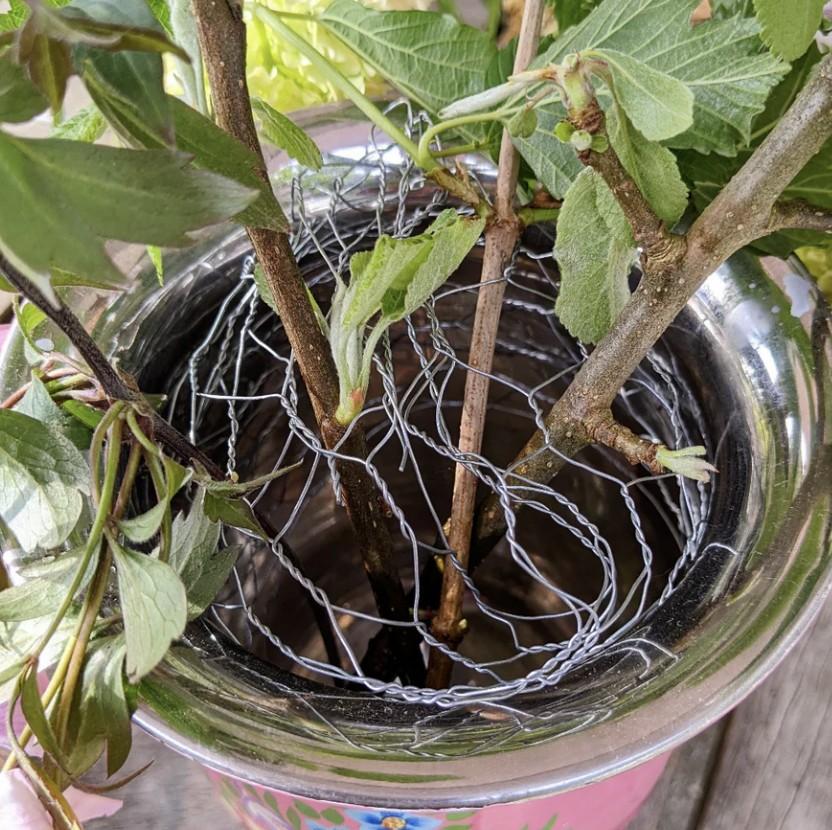
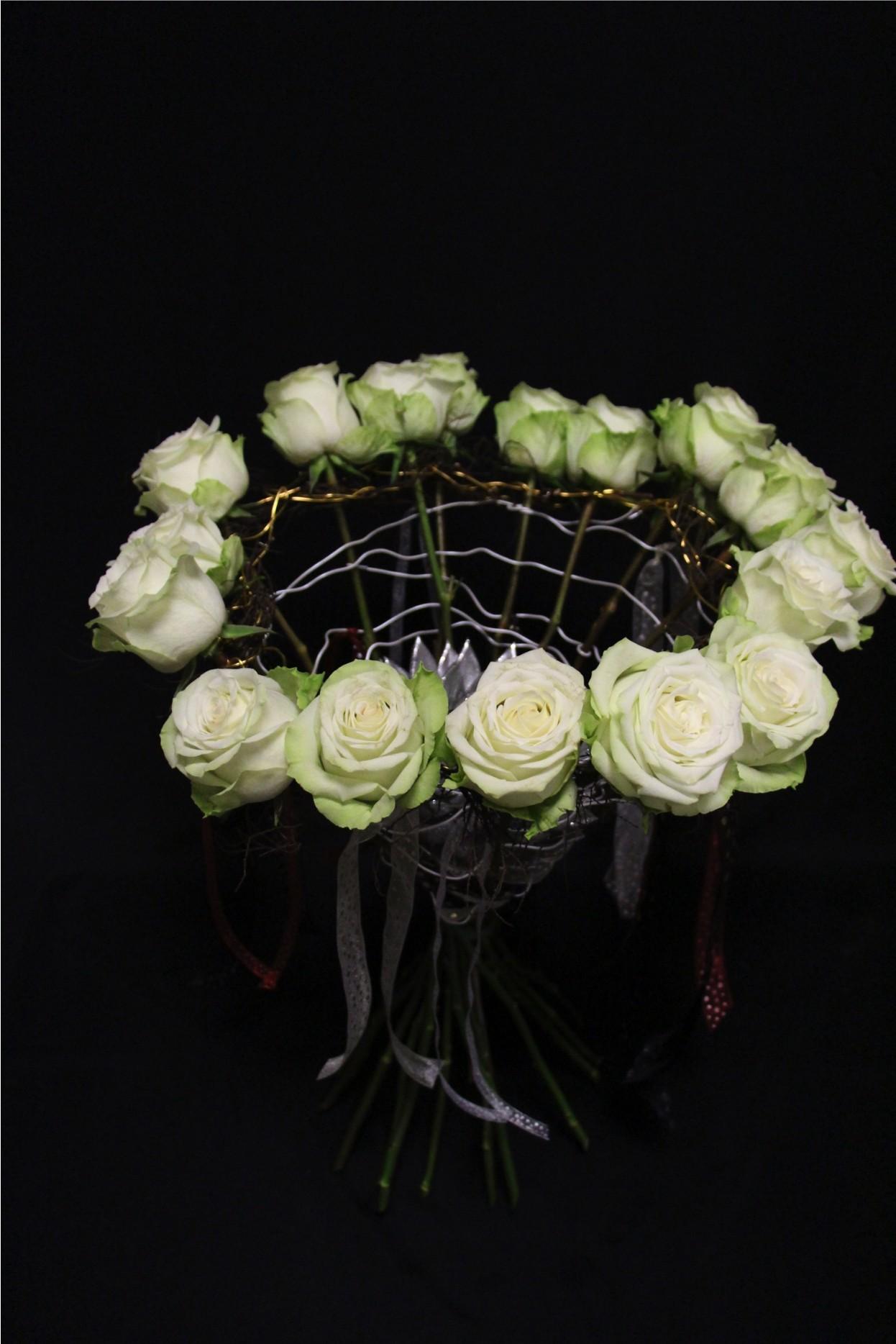
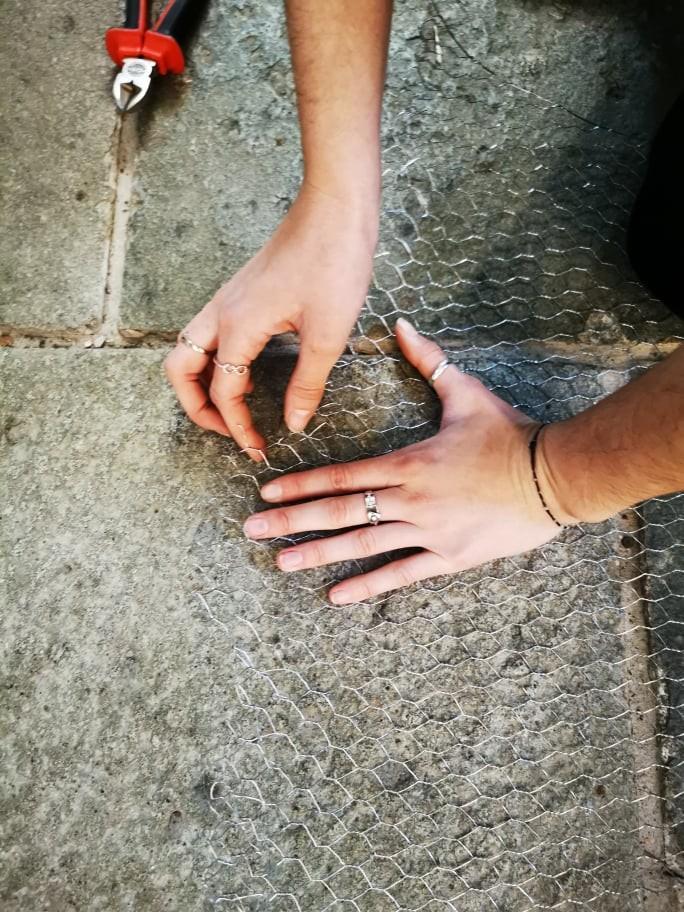
Chicken wire Metal net used as a grid in vases
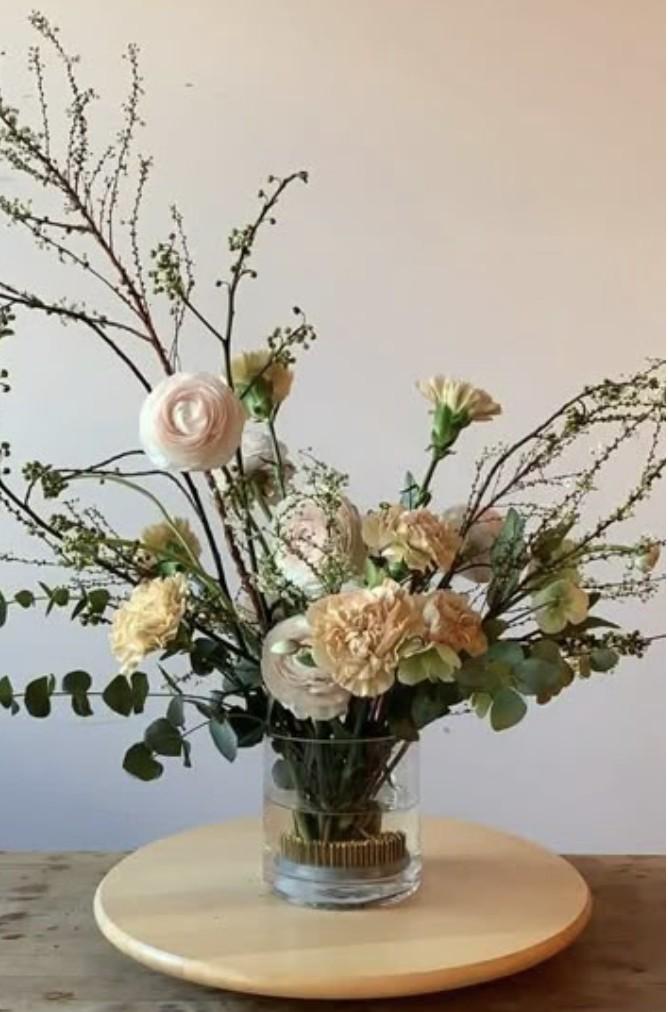
Pinholder (kenzan)
Heavy metal base with pins
Sustainability Reusable
Durable, reusable for years
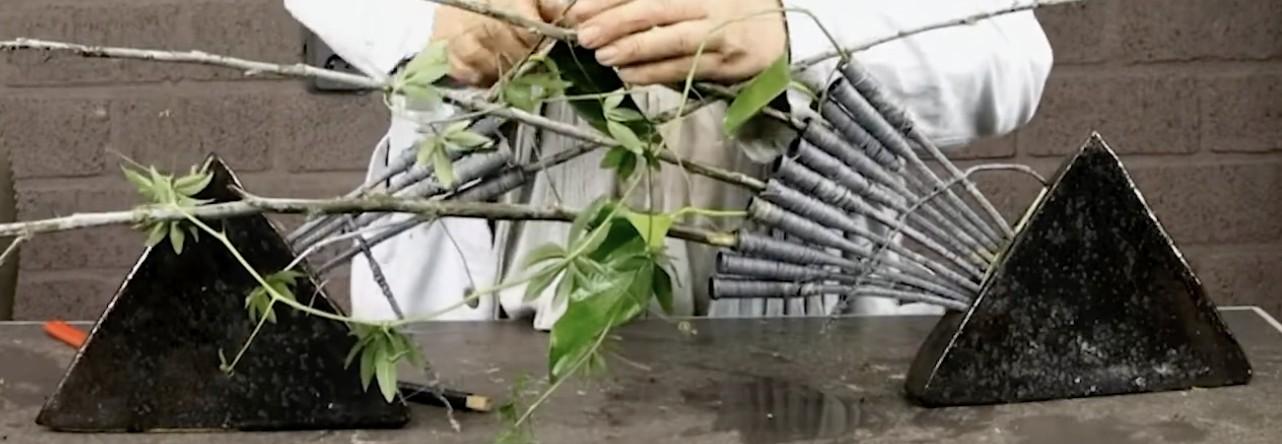
Branch structures Natural frames made from twigs or willow Compostable
Moss Holds moisture and stabilizes stems Natural & biodegradable
Glass tubes Mini water tubes for single stems Reusable
Bio-foam (AgraWool)
Binding techniques
Biodegradable fiber-based foam
Compostable
Spiral hand-tied or crisscross stems
No extra material needed
Visual examples Chicken wire
Pinholder (kenzan)
Moss
Glass tubes
Bio-foam
Binding techniques
Chicken wire. Kanzan Glass tubes �� Floral foam is no longer essential
�� Creative alternatives – = sustainable and inspiring
�� Use reusable and natural materials
�� Perfect for training and workshops
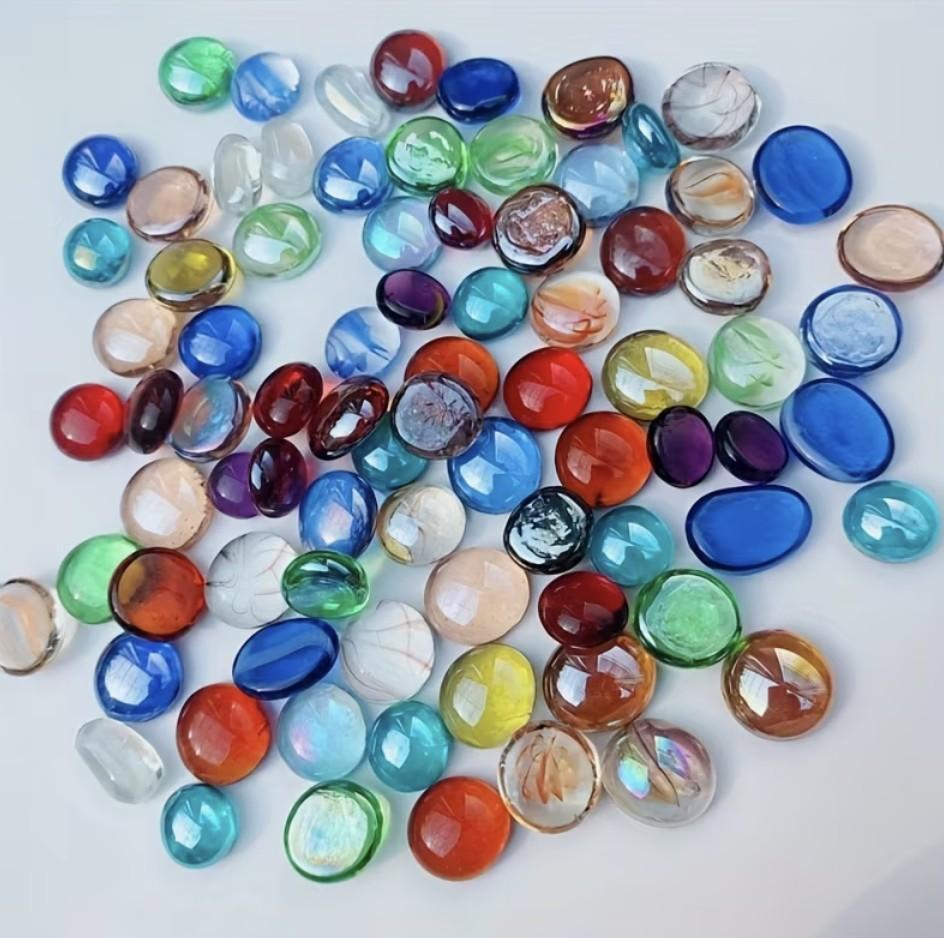
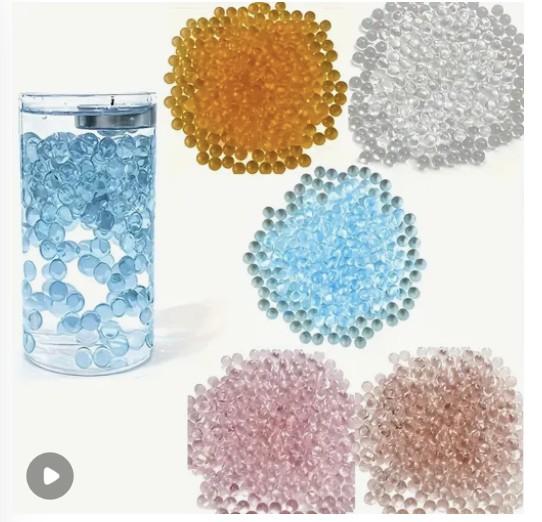
1. Glass Stones & Marbles Watersafe and ‑ noncontaminatin ‑ g
Adds weight for stability
Always rinse before use
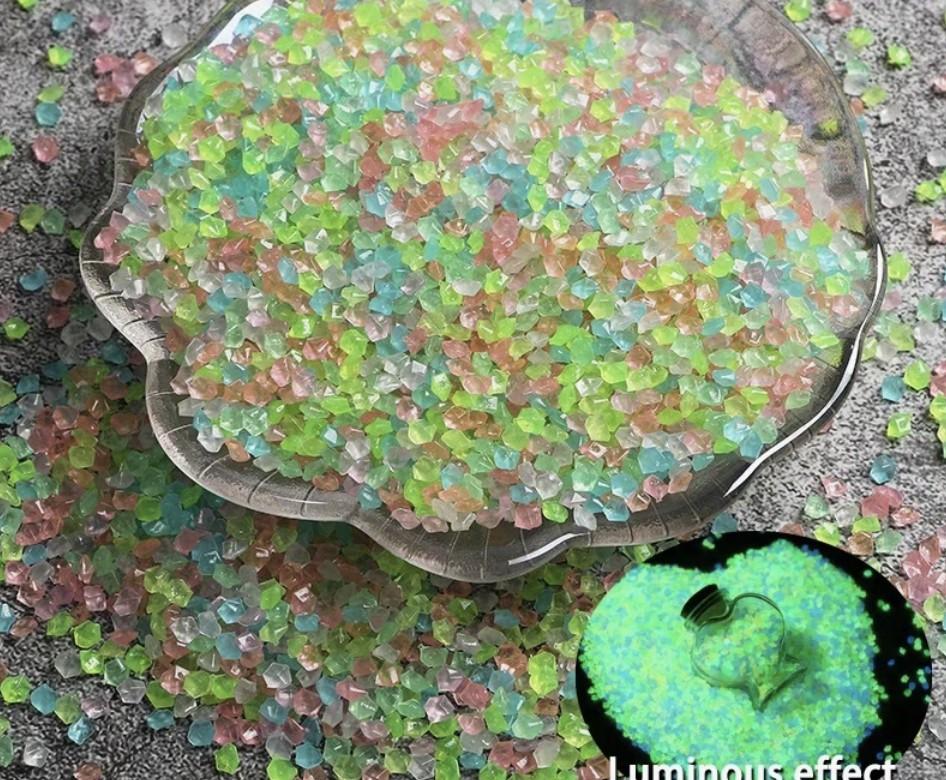
2. Acrylic Vase Fillers Light, colorfast, and hygienic
No bacterial growth
Use flowersafe acrylic ‑ only
3. Hydrogels (With Restrictions) Creates floating or transparent effects
Combine with a water layer for flower hydration
Keep out of sun to prevent algae
Not ideal for longterm displays ‑
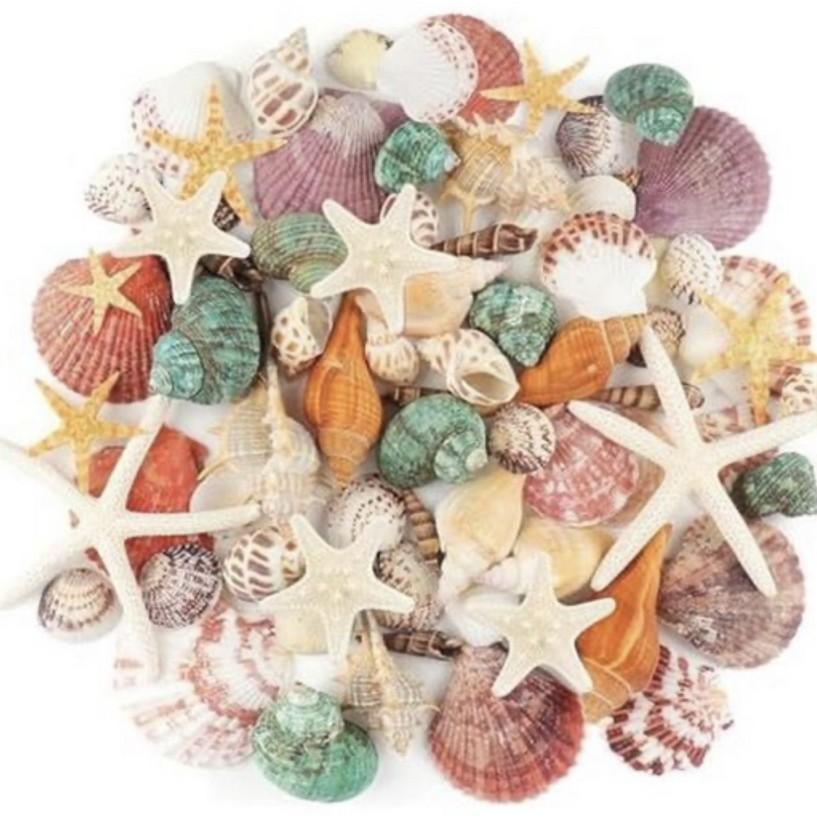
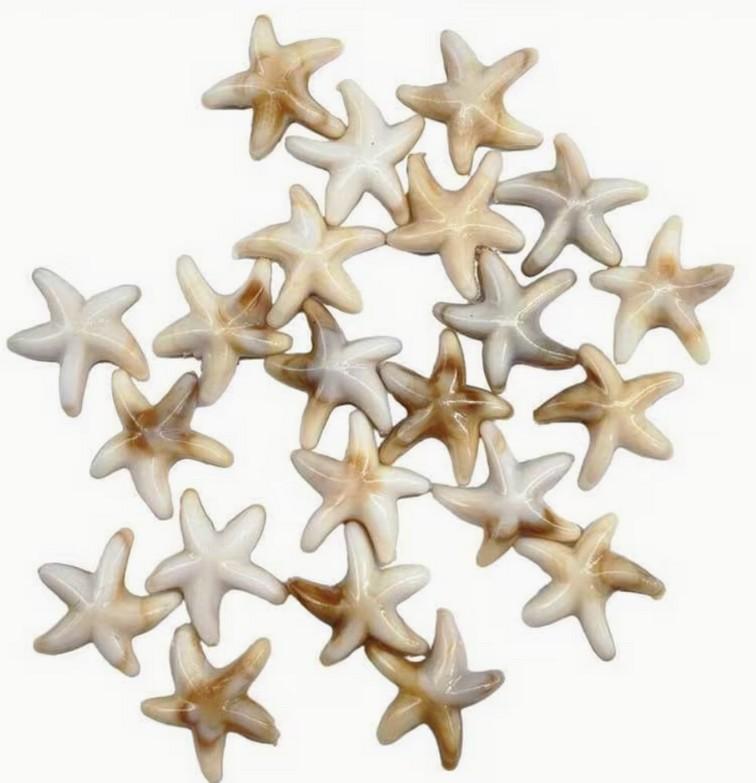
4. Submerged Decorative Materials Safe: – stones, shells, beads, glass shapes
Water stays clear and clean
Avoid organic materials underwater
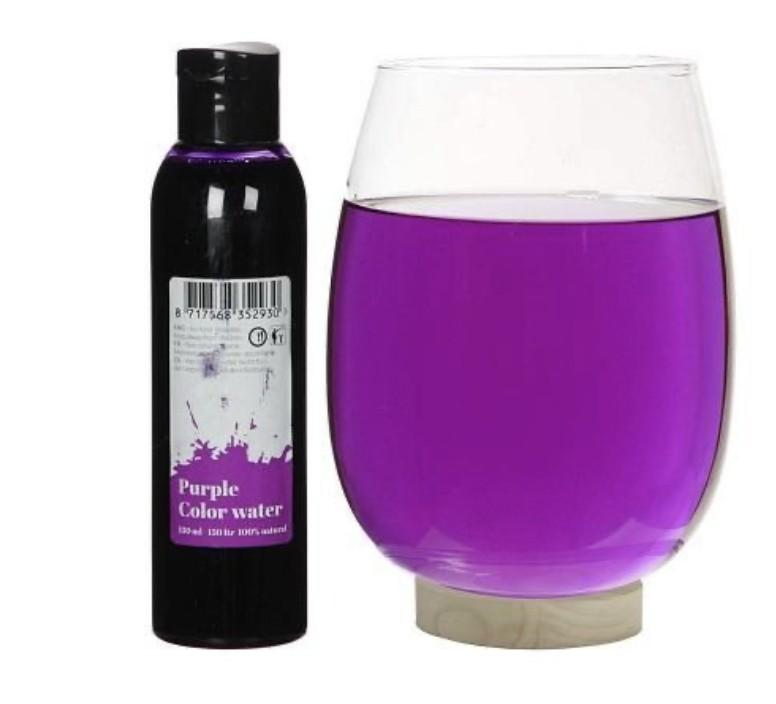
5. Colored Water (FlowerSafe Dye) ‑ Strong visual impact for transparent vases
Only use professional flowersafe dyes ‑
Never use food coloring or ink
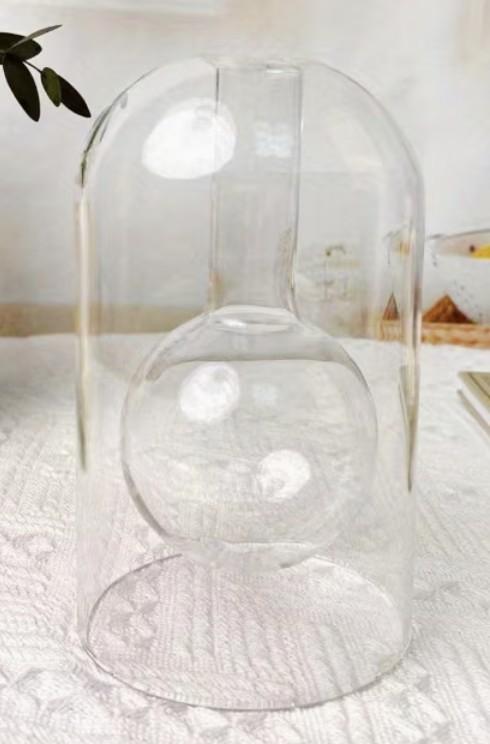
6. Double Vase / Tube Technique Flowers stand in clean water
Outer vase can contain dry decor: corks, shells, rope, moss, leaves etc
Maximum design flexibility
What NOT to Put in Vase Water Rose petals, loose foliage
Wood, bark, cinnamon sticks
Fruit, citrus, herbs, essential oils
Food dye, ink, perfume
(All cause heavy bacterial growth)
Summary: Best Professional Options Glass stones & acrylic fillers
→ clean and safe
Double vase method
→ most creative flexibility Submerged hard materials
→ elegant and stable Professional dyes
→ controlled color effects
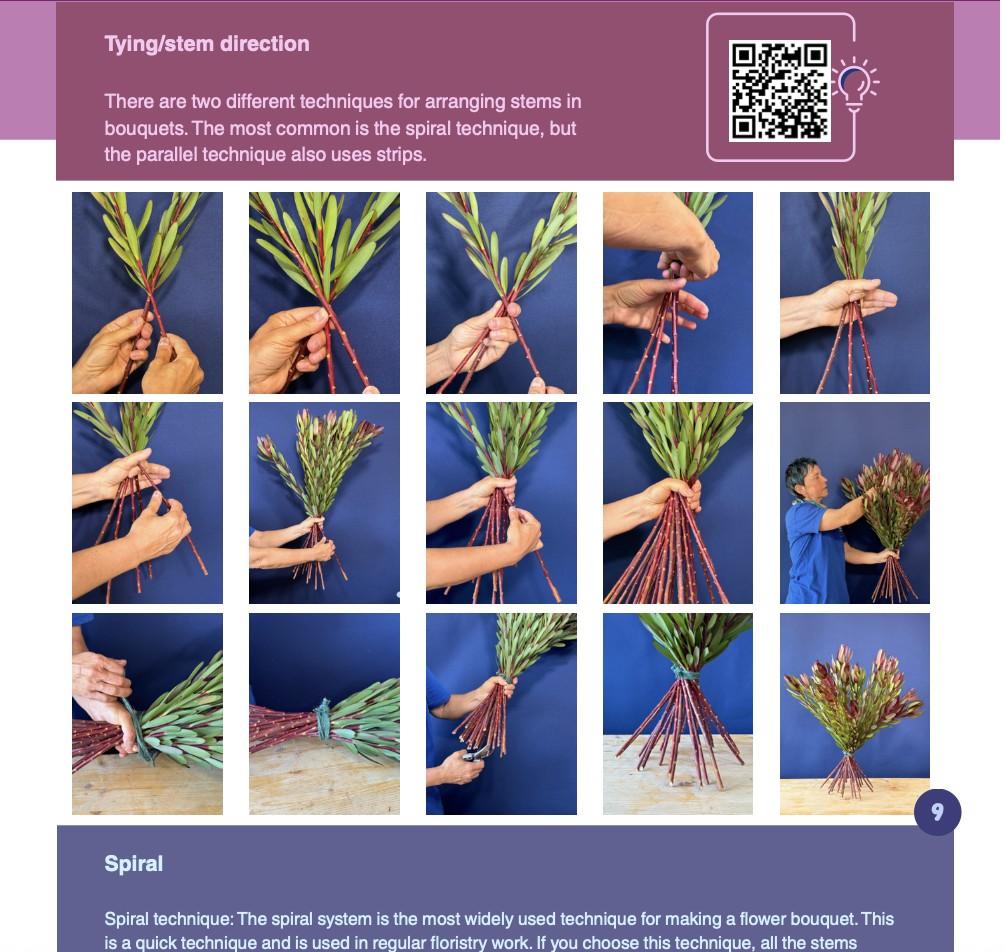
QR code: how to make bouquets? Quality of making bouquets : Fur fill expectations – Flowers equally deviated – Time limit
Would you buy the bouquet yourself as a client?
Is the quality of flowers as acceptable?
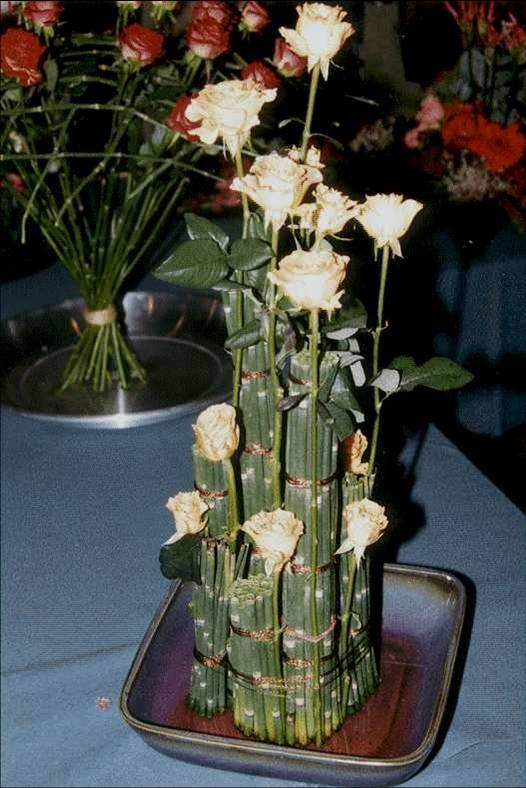
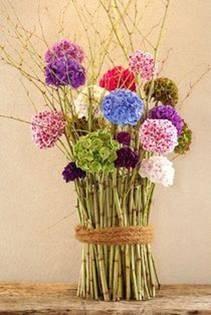
Technics: Spiral technic Parallel technic
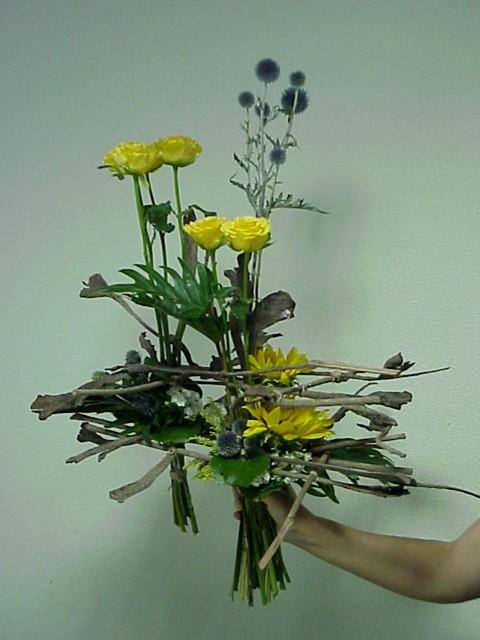
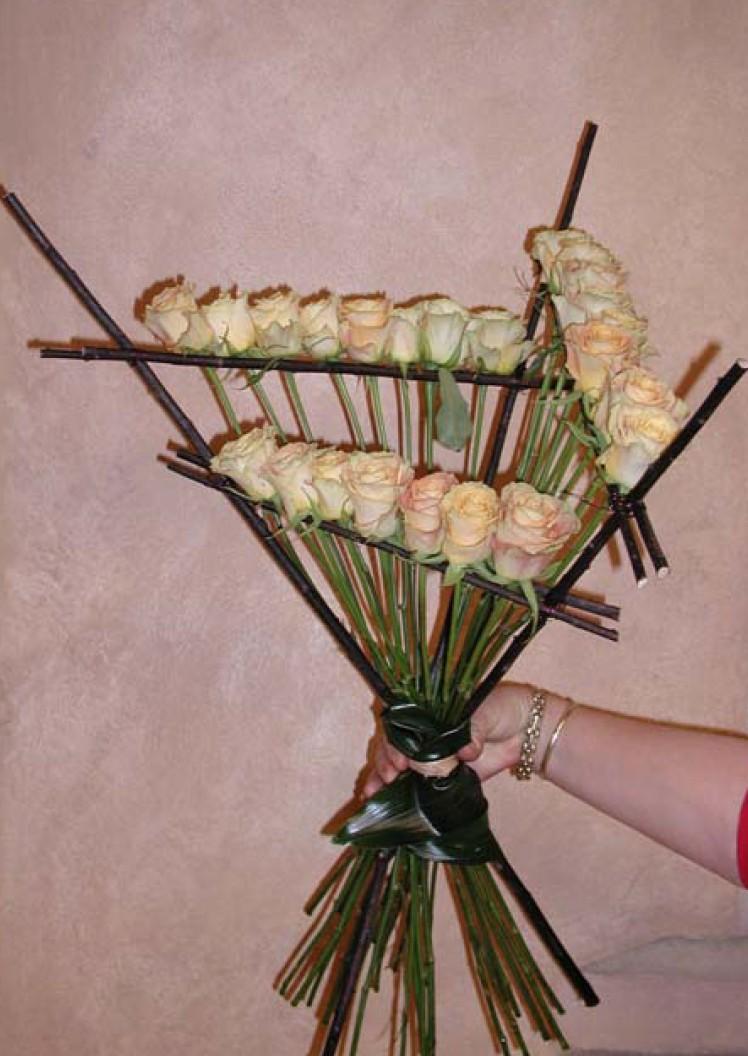
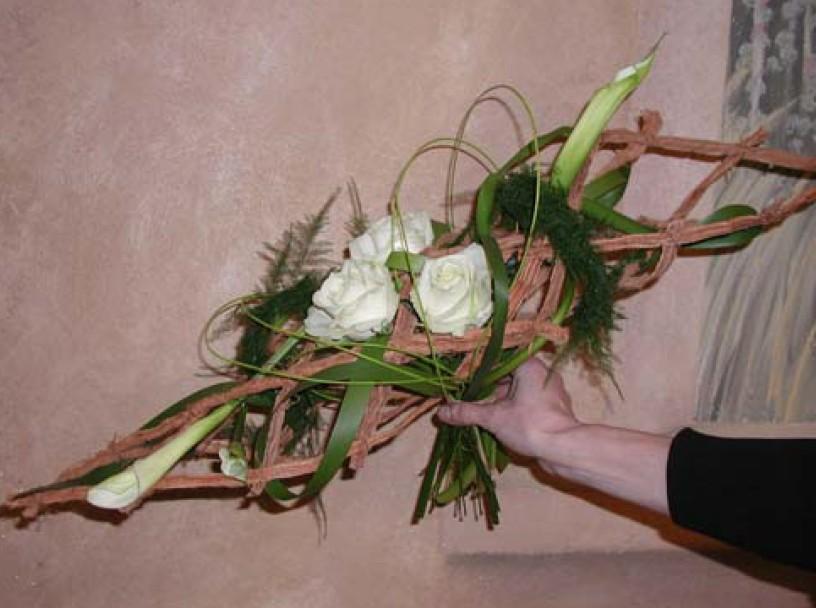
Frame technic
Critical aspects for bouquets • Work attitude and safety
• Preparation:
• Which size and form
• Selection of flowers
• Cleaning of the flowers
• Materials and handling
• Flowers and leafs
• Position of flowers and leafs in bouquets / deviding
• Binding point with tape, elastic or others
Types of Bouquets Spiral technic Floward education plan
Biedermeier Floward education plan
Basic technic Spiral Bouquet Parallel / Torch Bouquet Floward education plan
Parallel Bouquet Trend style Floward education plan
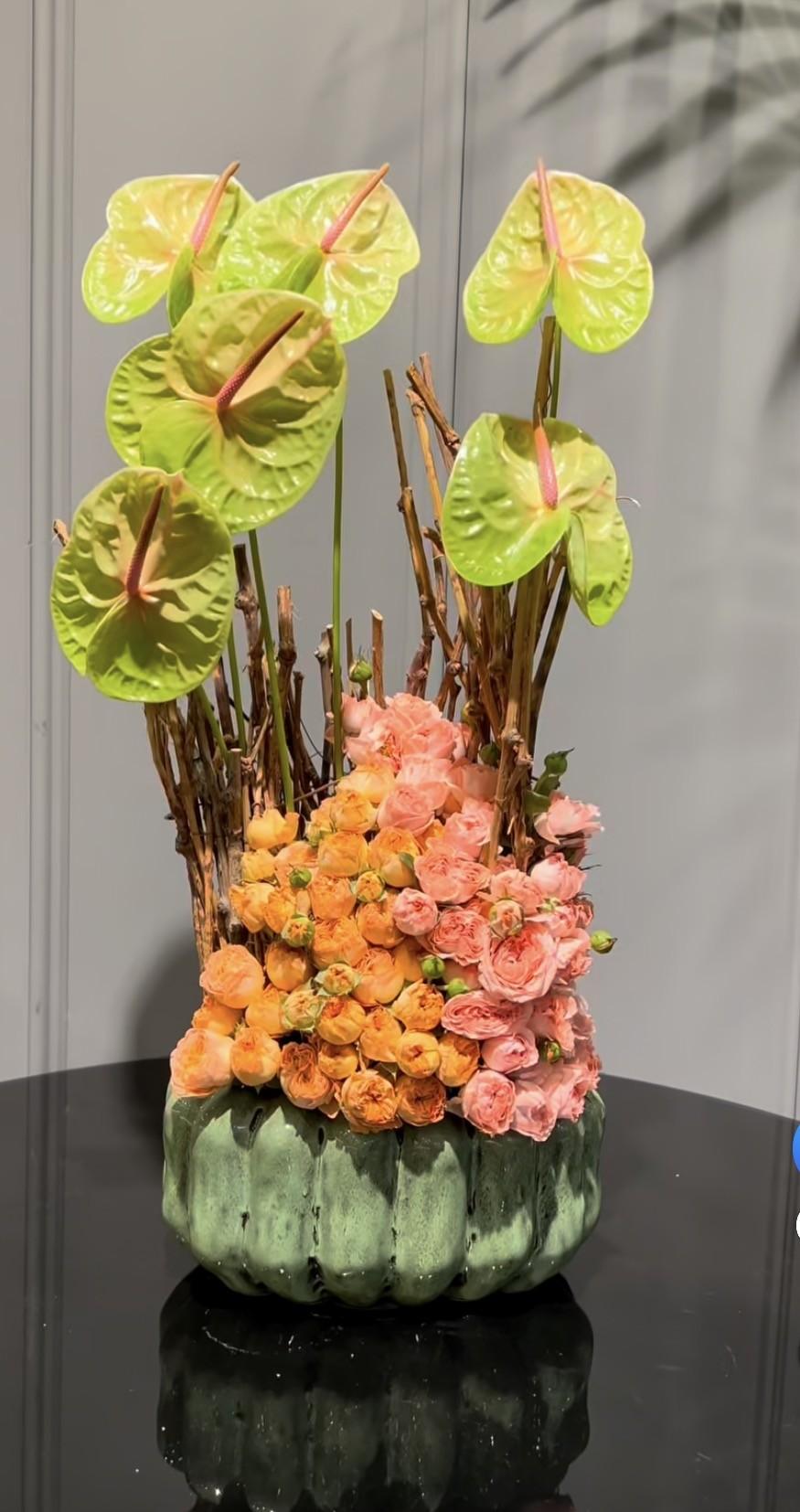
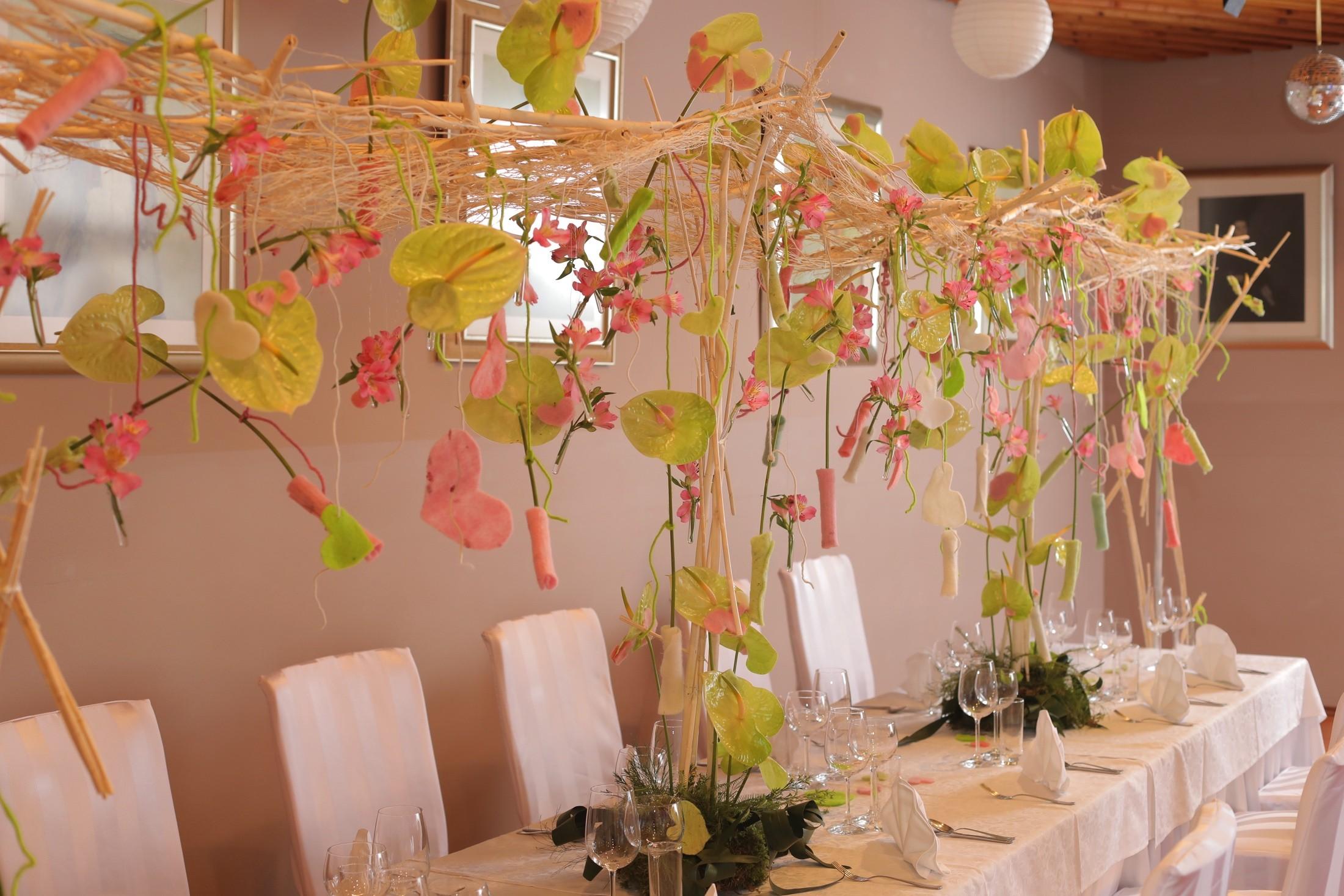
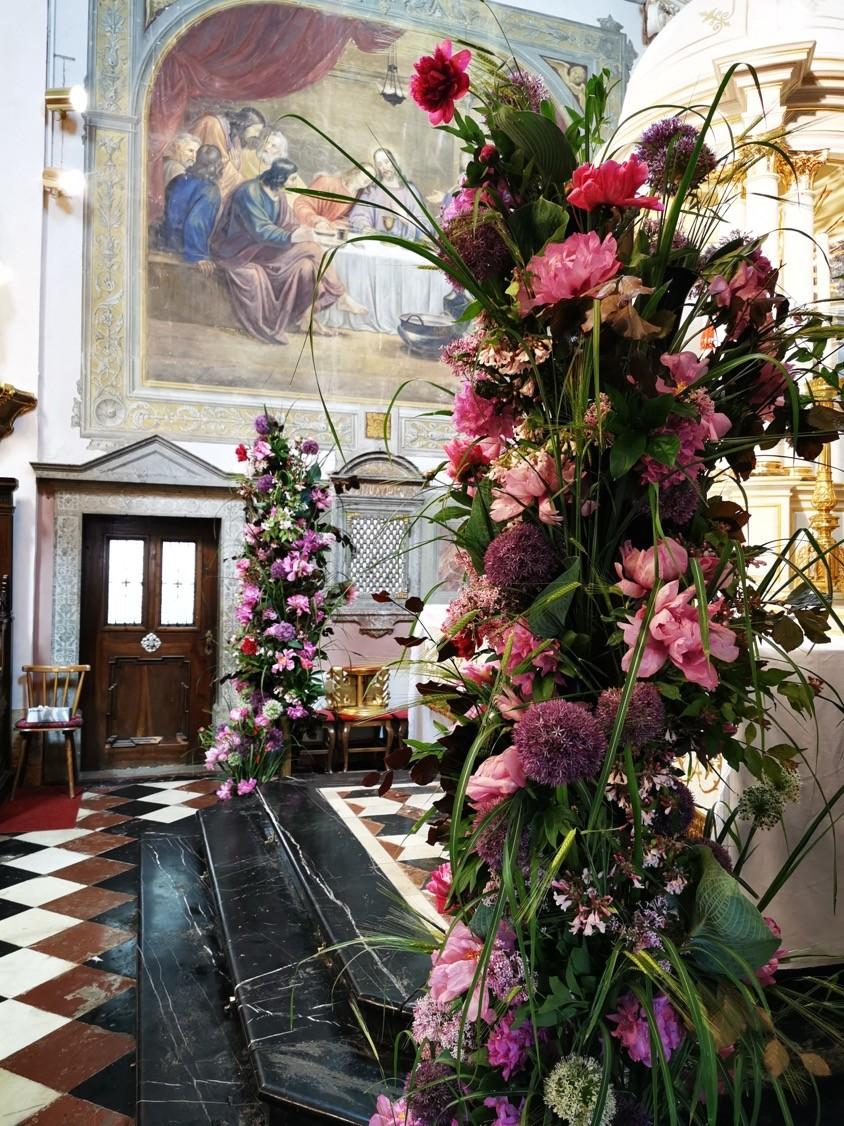
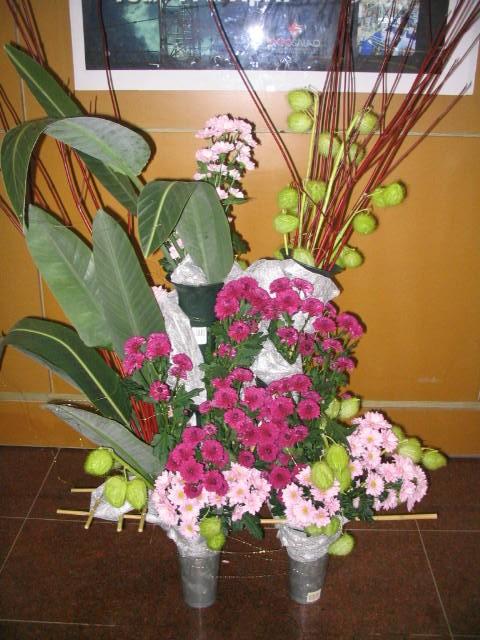
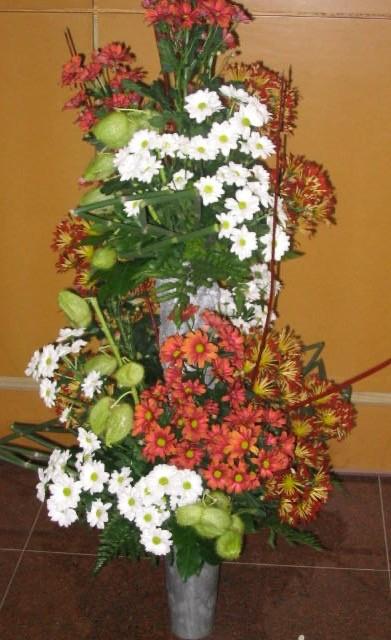
Frame Bouquet Frame table decoration Video frame bouquet Big Arrangements We have created compositions with cheap material, but with great results.
1) See the space to understand the style and space
2) Decide where to put the compositions (home, store or location)
3) Decide on the size, color and shape
4) Decide what kind of flowers to use (modern or classical)
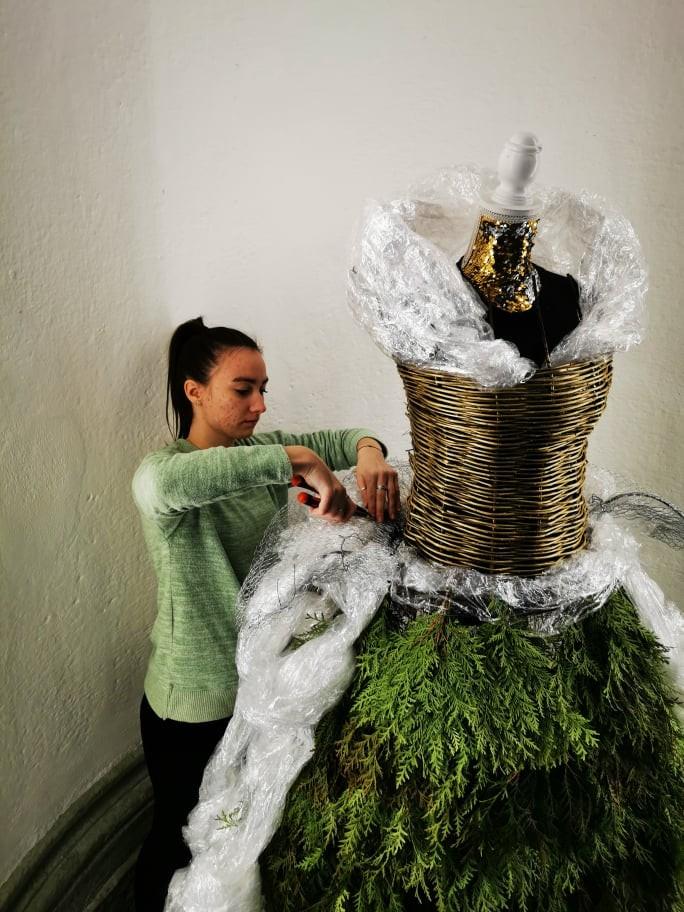
Creating the Structure Make the structure
Fill the bucket with Oasis foam
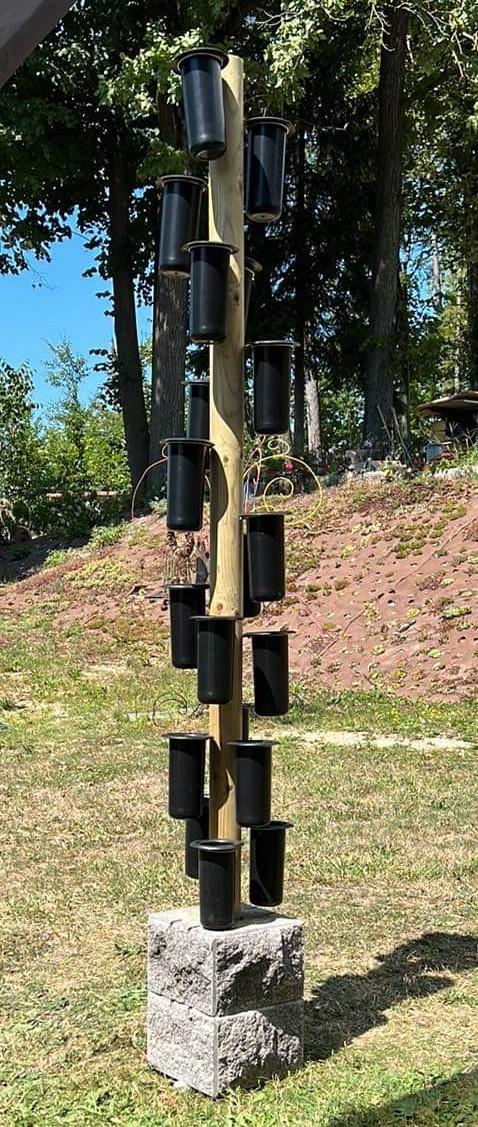
Prepare cemetery vases and wire sticks to stabilize stems
Insert stems with vases into the foam
Add foam into vases
Make a green base in small groups
Add flowers starting with strong/durable ones
Important Reminder Always speak with the client before making the arrangement.
This avoids many problems.
The same steps apply to small houses
and large museums.
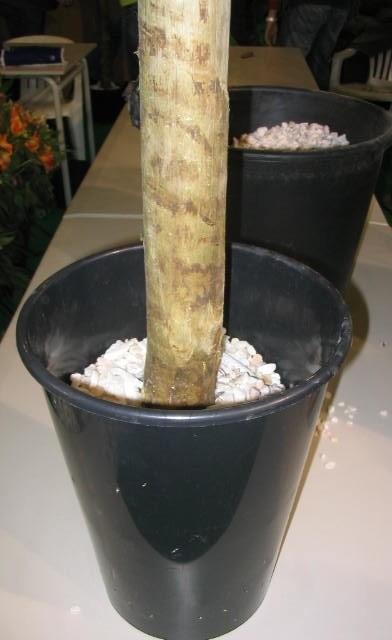
Large Floral Column Technique Create a base using a pillar, bucket and cement
Ensure correct proportions
Let the cement dry for one full day
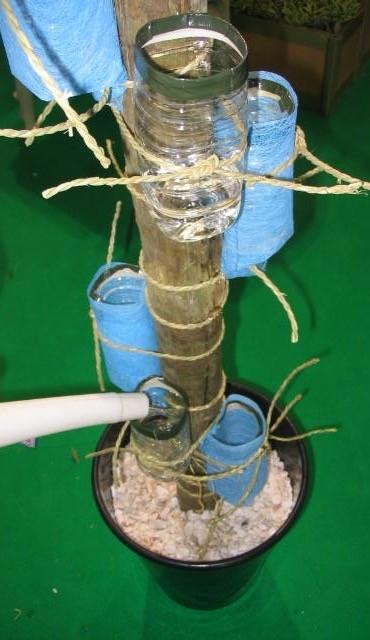
Finishing the Floral Column Prepare plastic bottles and reinforce with waterproof tape
Screw bottles to the pillar securely
Add water to bottles
Create a base of greens
Finish with flowers
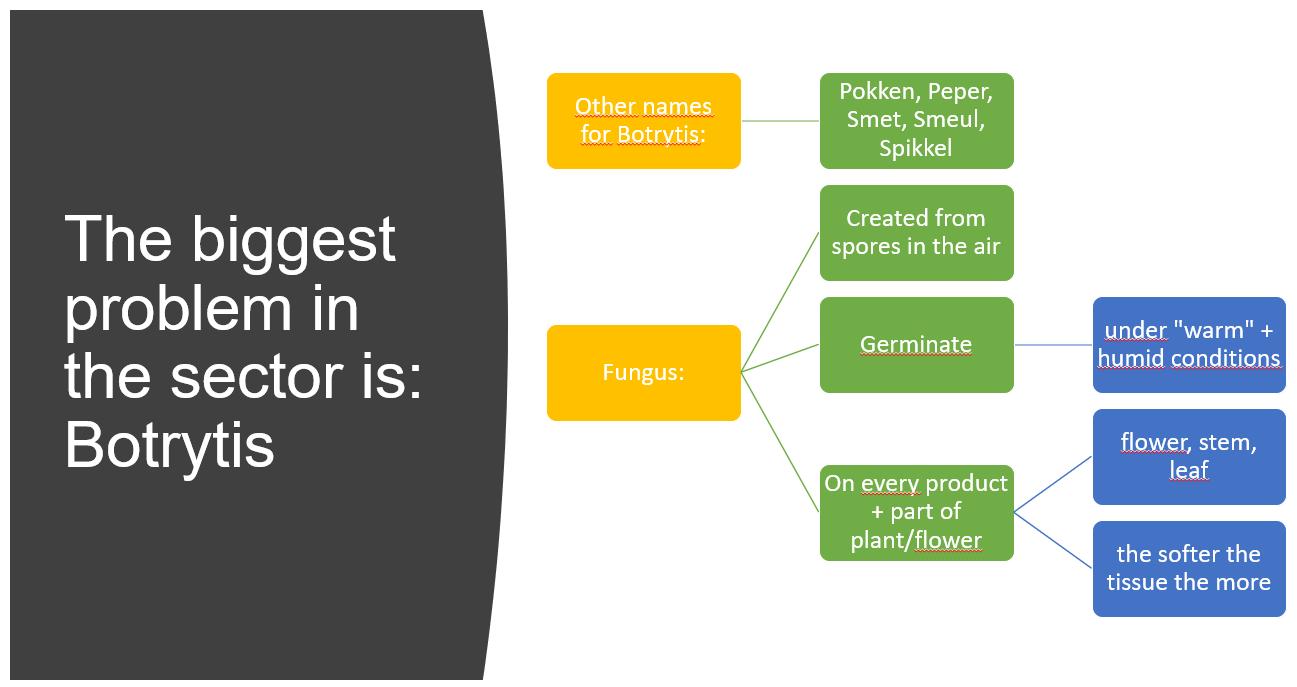
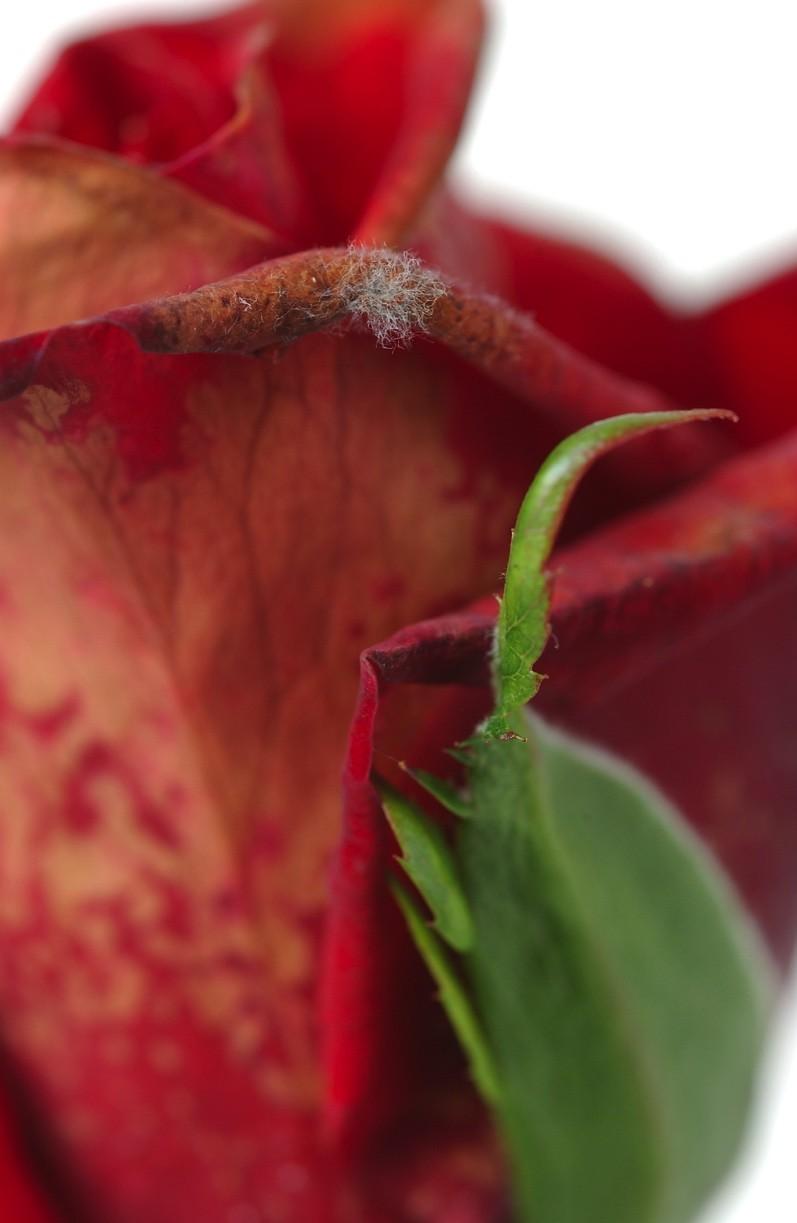
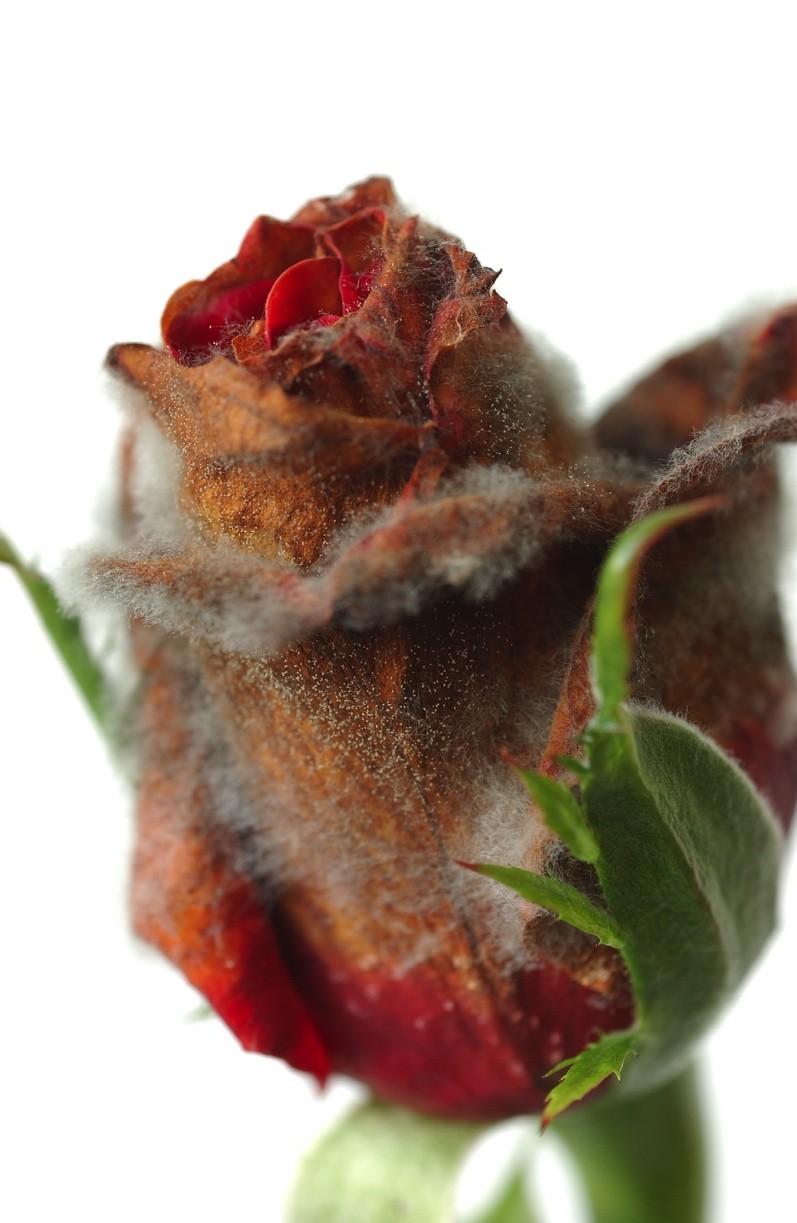
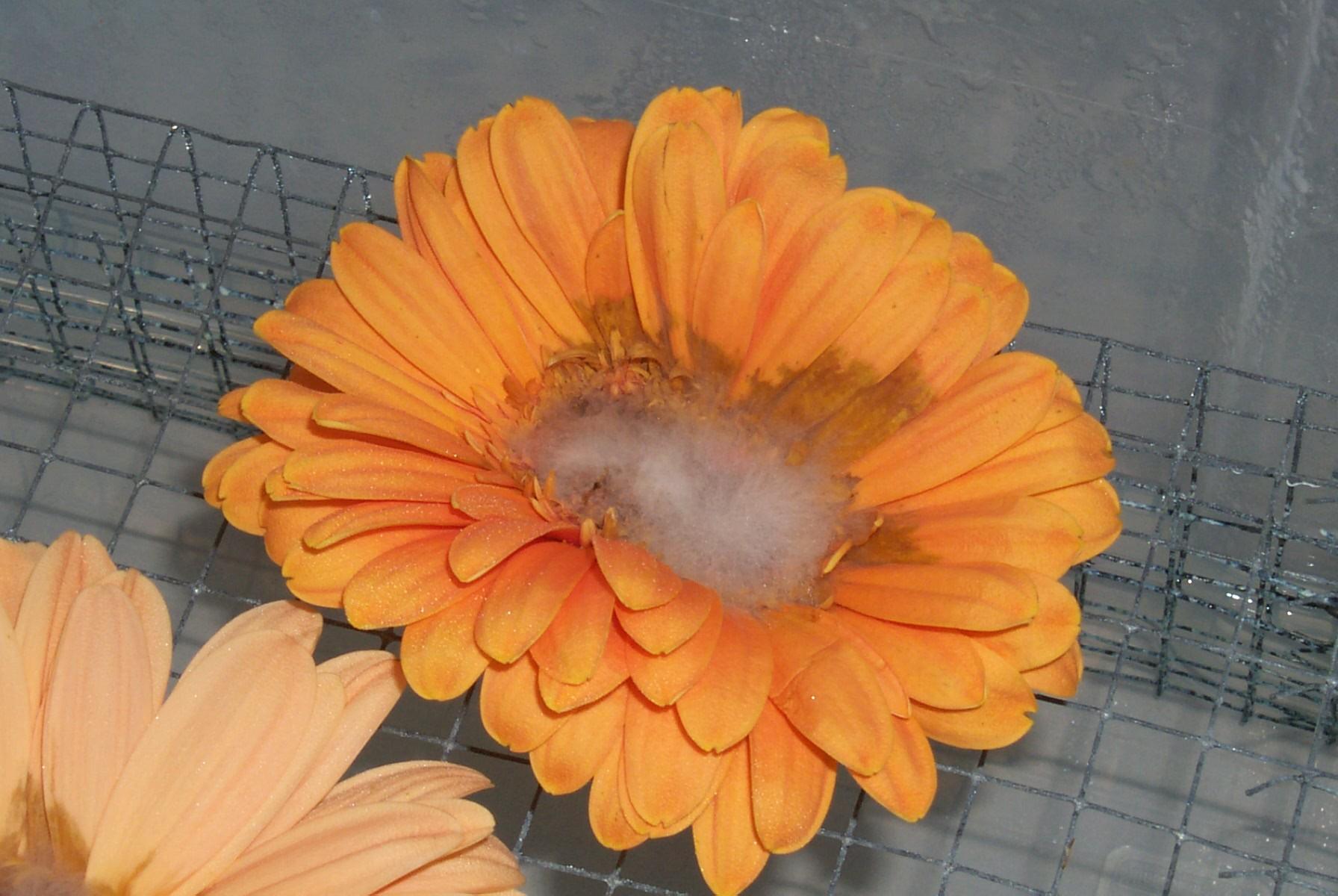
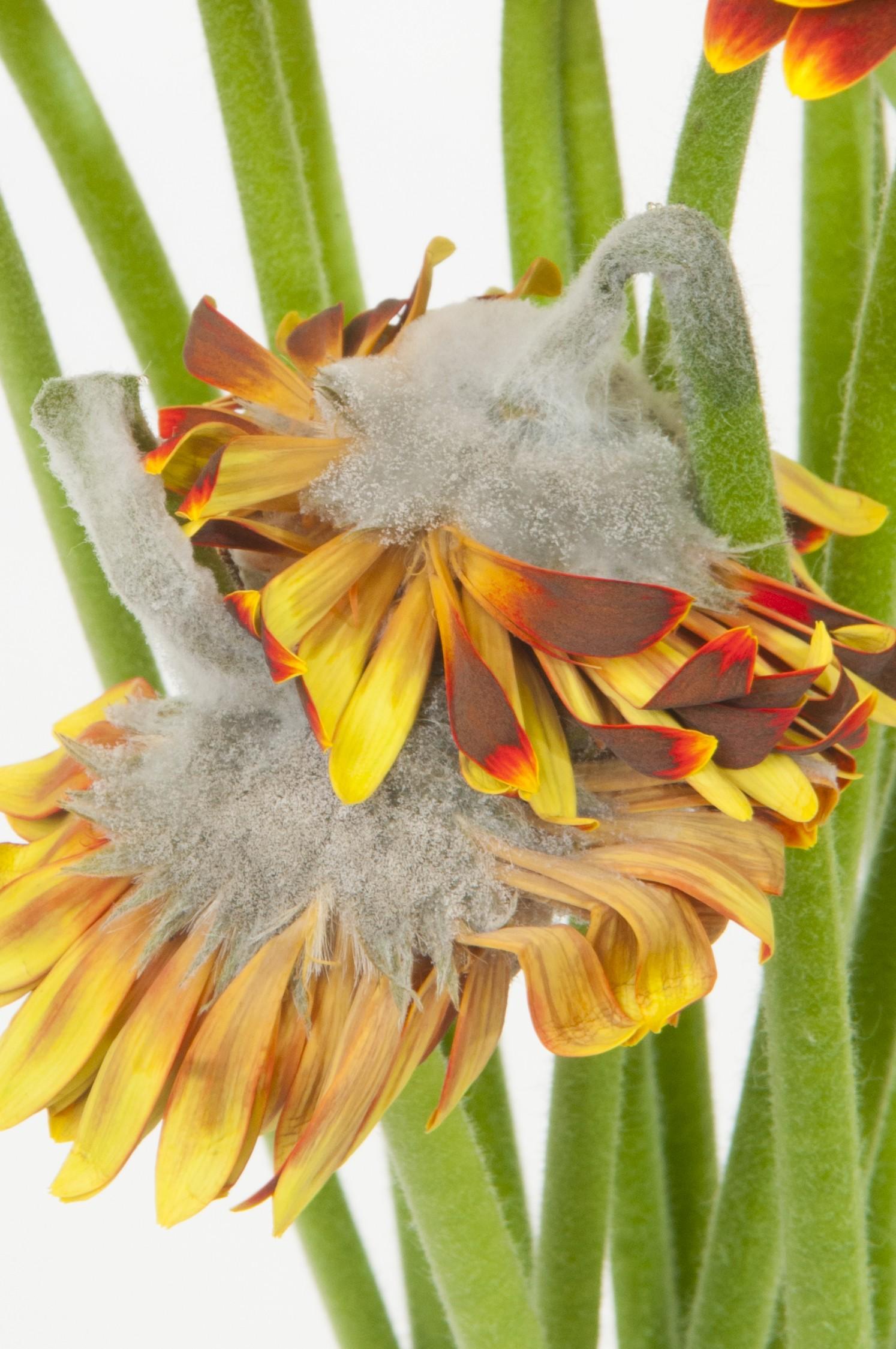
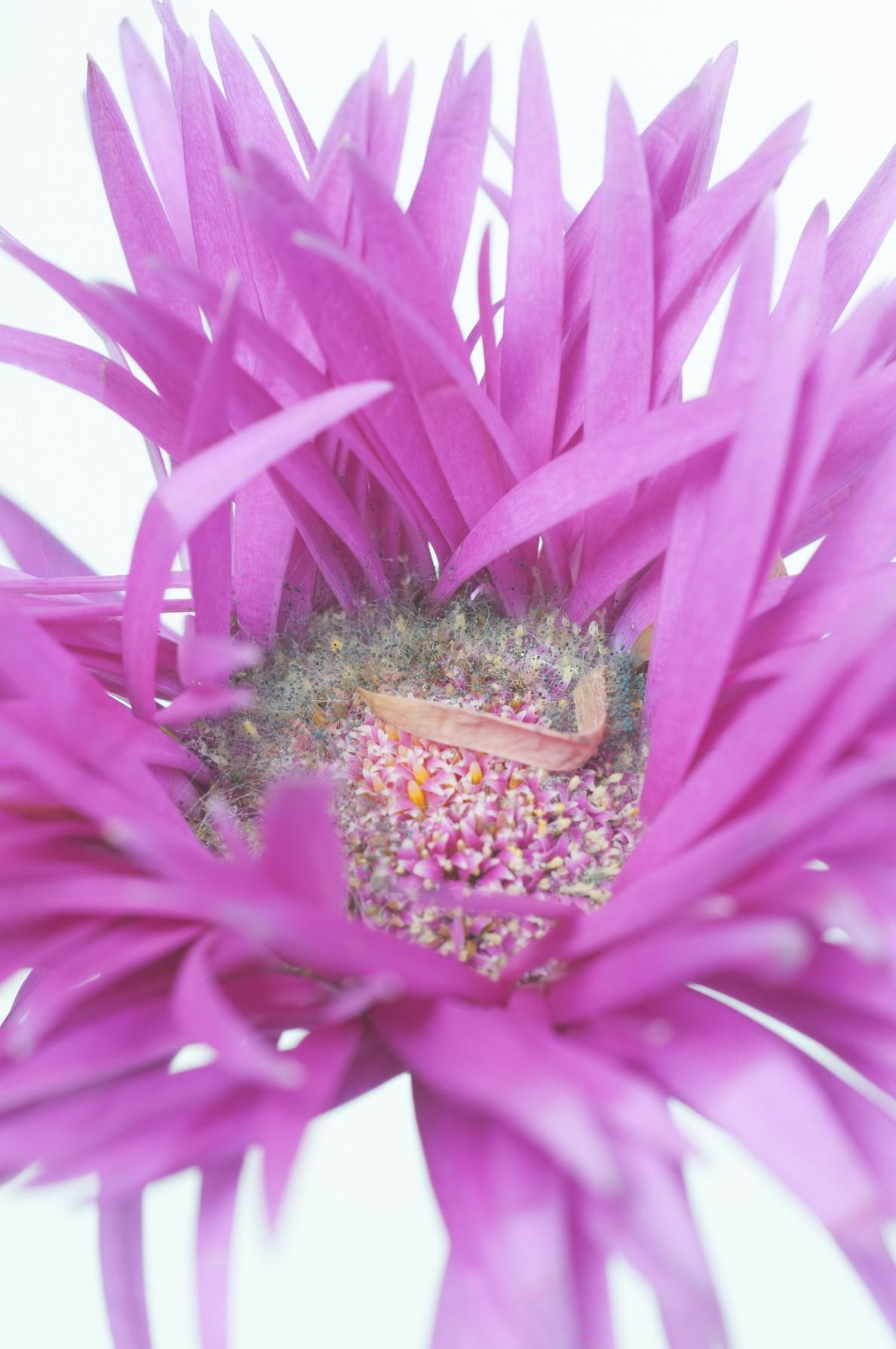
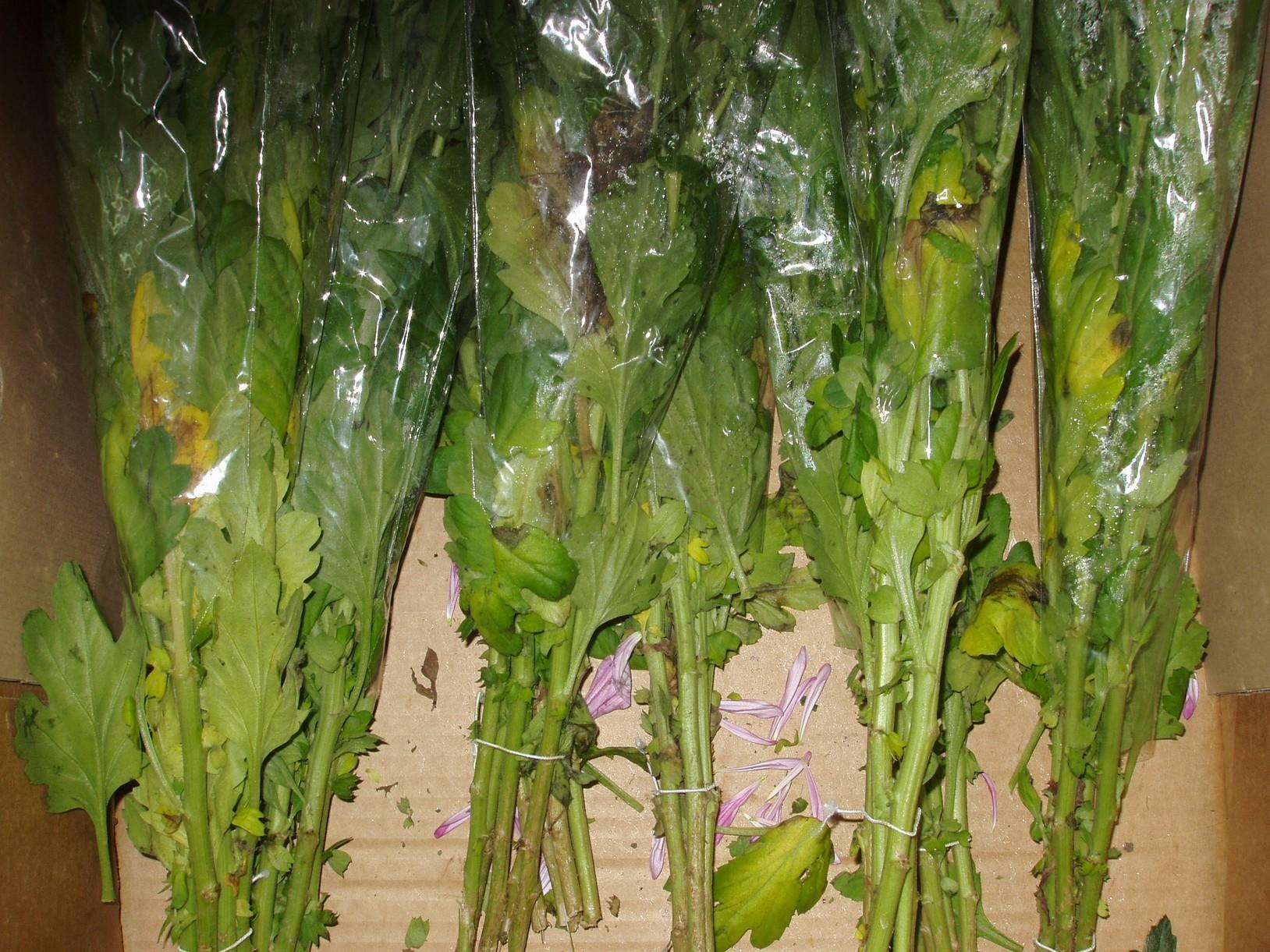
Some backgrounds: Botrytis Botrytis Botrytis grows specially when: Condensation in (unperforated)
cellophane
When temperature is higher is goes more quick
When product is spryed awith water
Warmth in packaging
When humidity is to high
When the product is moistly packaged
Temperature changes in the chain
When during handling products get wet / moisture:
• Wet / moisture tables etc
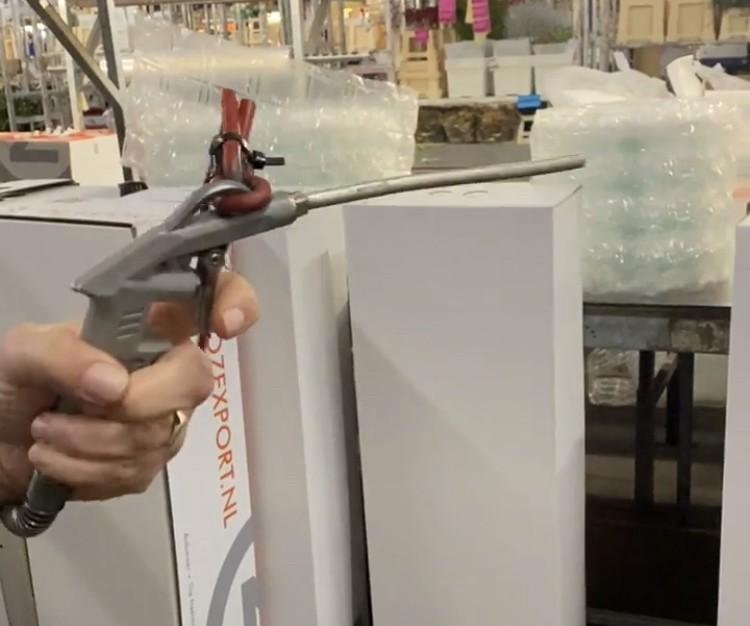
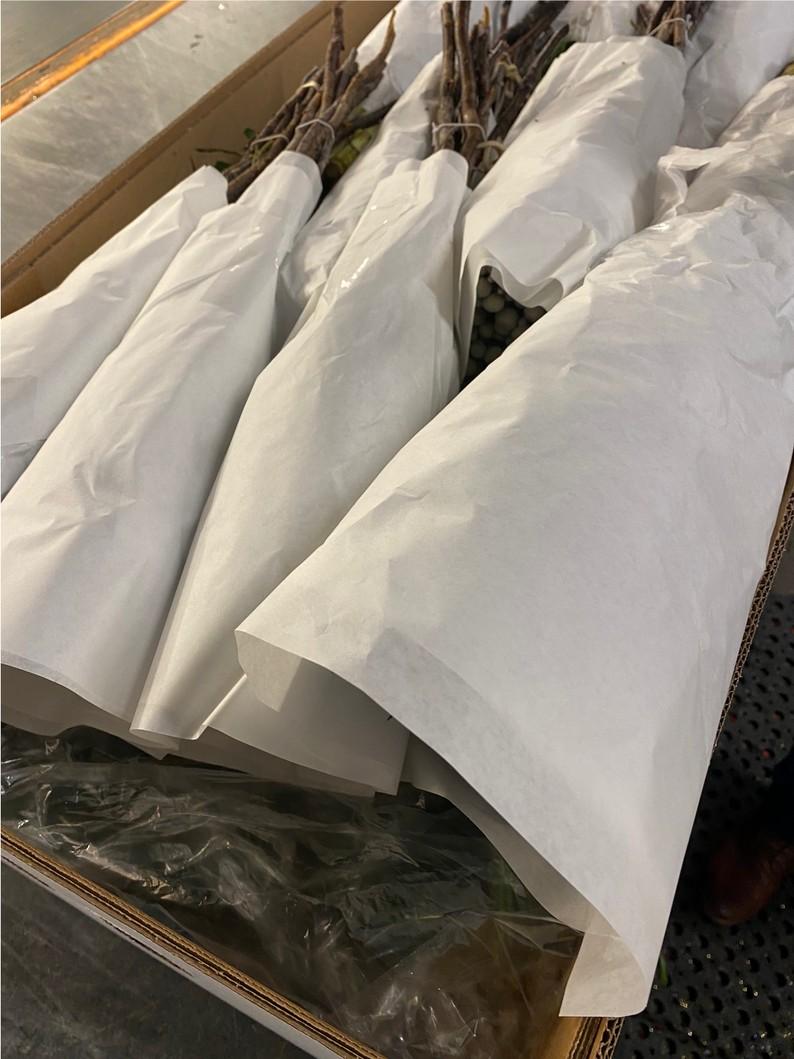
Before flowers go into a box Blow dry with an air pistol Sensitive flowers wrapped in paper
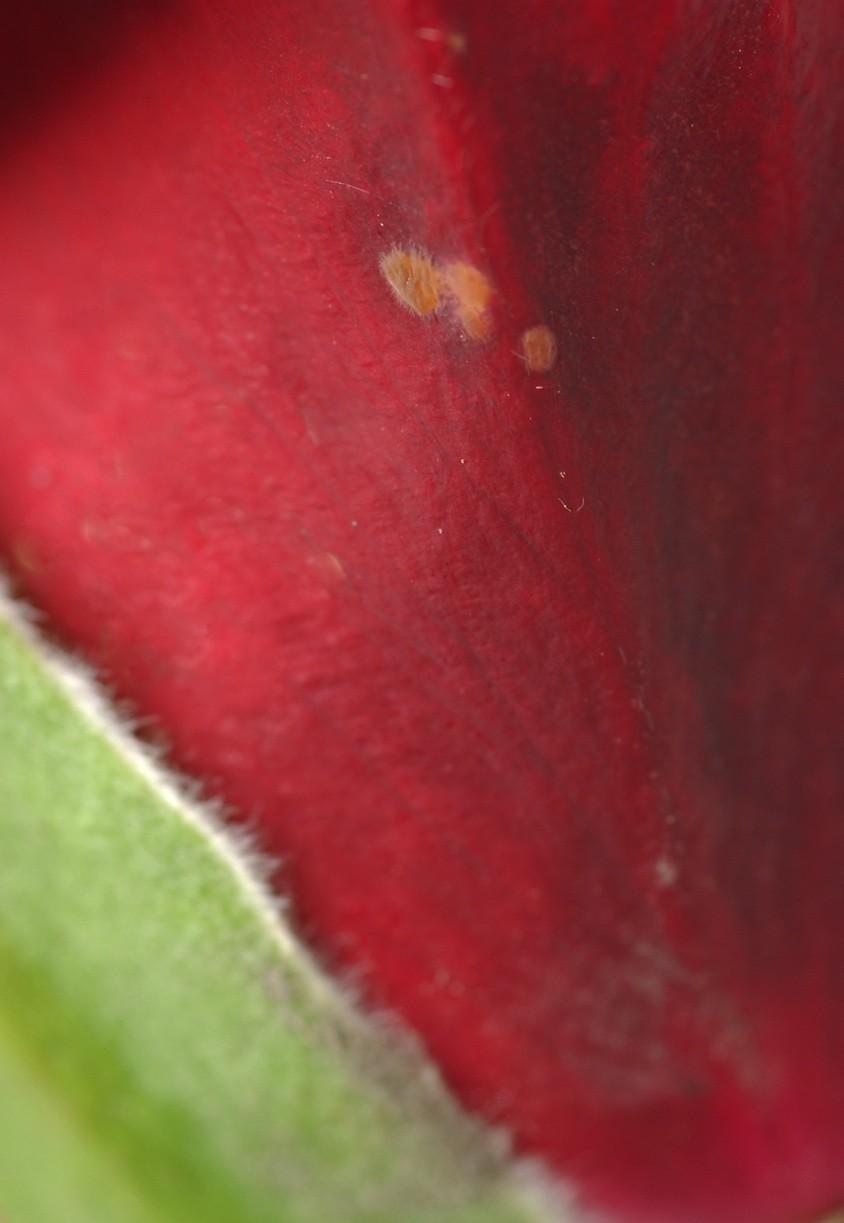
How to recognize Botrytis? Botrytis is a fungi:
– The spores are in the air,
specially in spaces which are not clean
– The spores start only to grow when there is an optimum in temperature and humidity
RV higher then 70 - 80 % is risky
– You can find it on:
flowers and plants and on each part of a product
– Flower, stems, leaves
– How more soft a product is how higher is the risk
Prevent Botrytis is important Give enough ventilation Give
Take flowers out of the boxes after they arrived Take
Prevent
Prevent changing of temperatures
• Condensation makes a high humidity in cellophanes
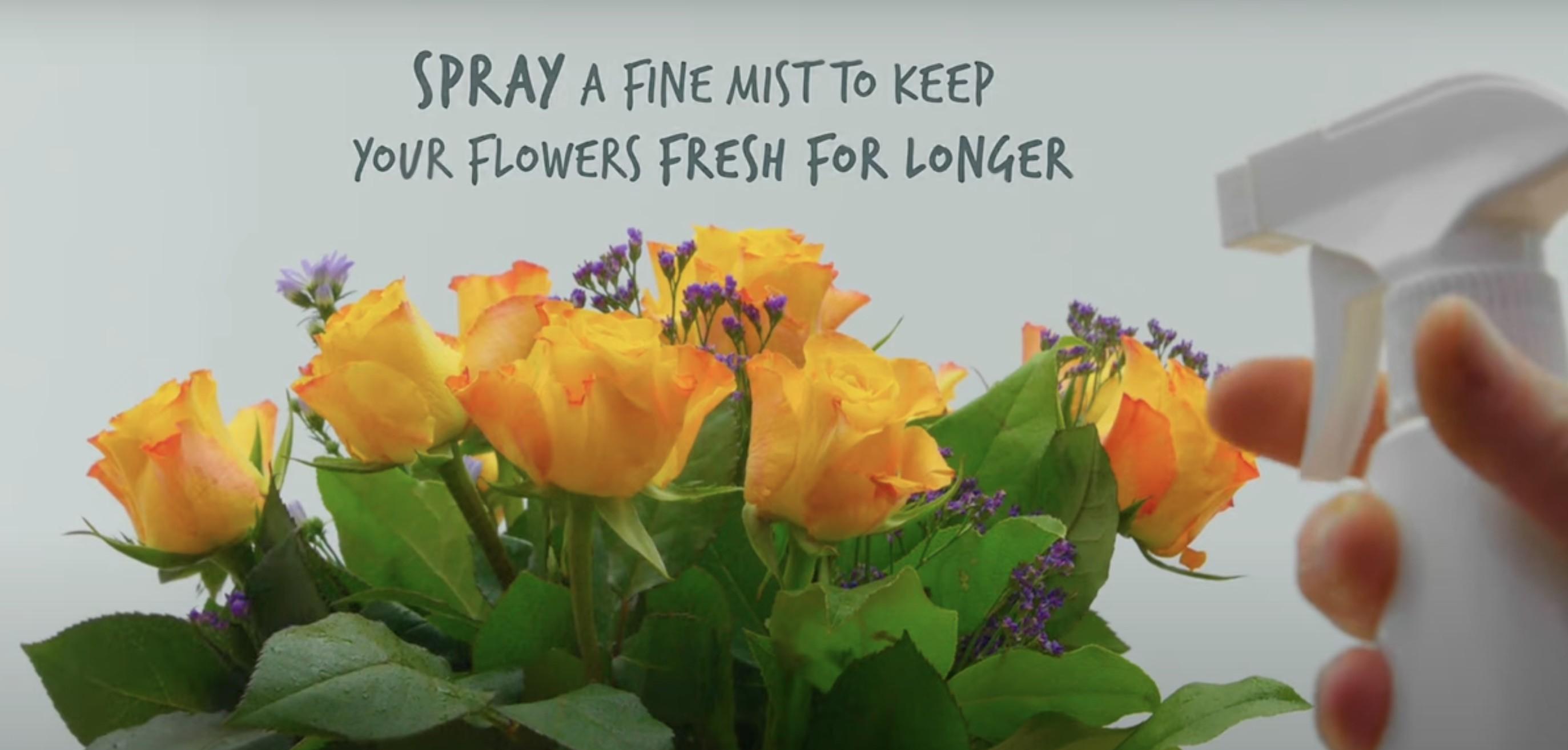
Never spray flowers with water Spray
Never give water over the head of the flowers Never
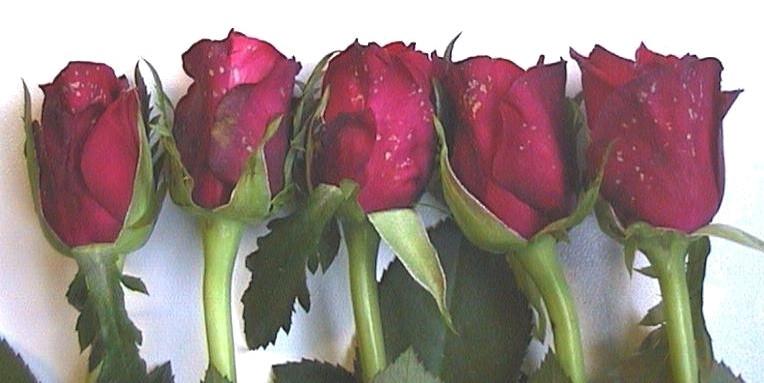
Perforated folie + sleeves Bigger holes are better Botrytis Rosa Botrytis in Rosa Botrytis after 5-7 days The grey mold is very infective Botrytis Gerbera Floward education plan
Botrytis video Floward education plan
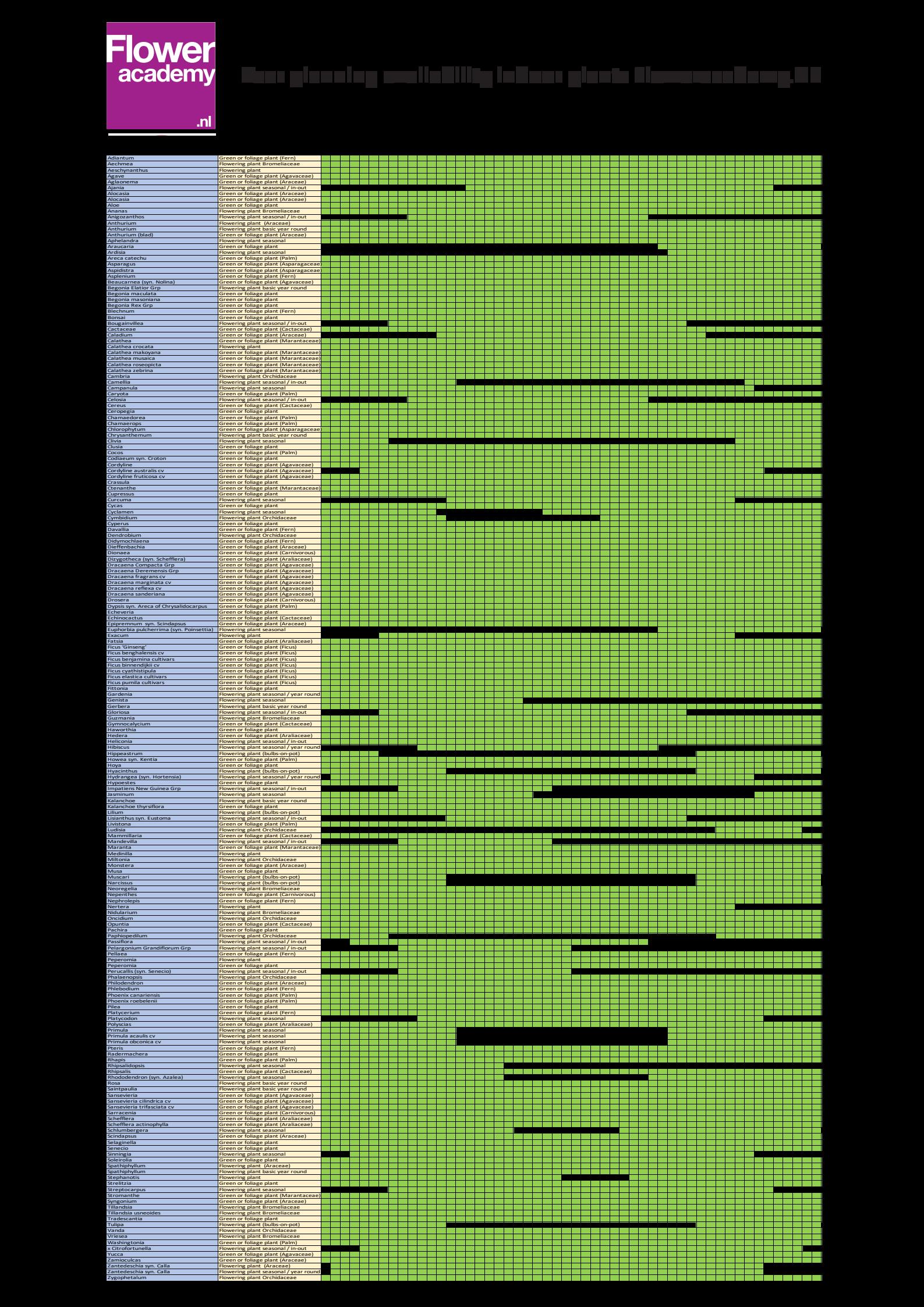
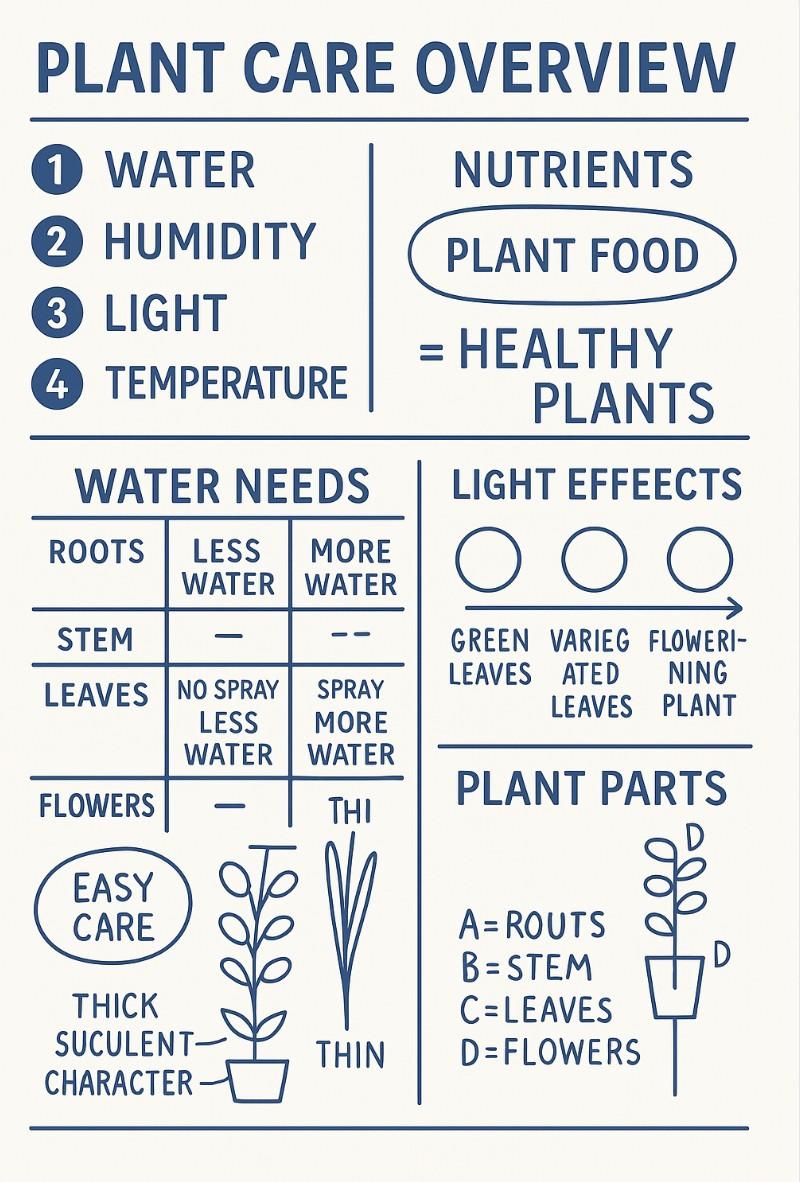
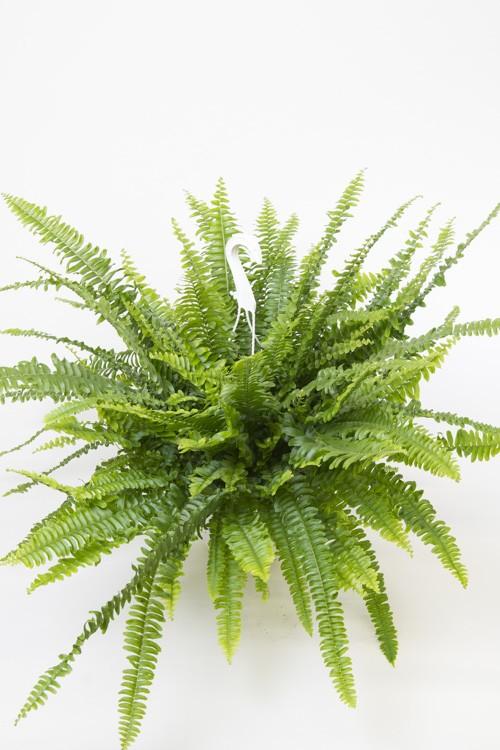
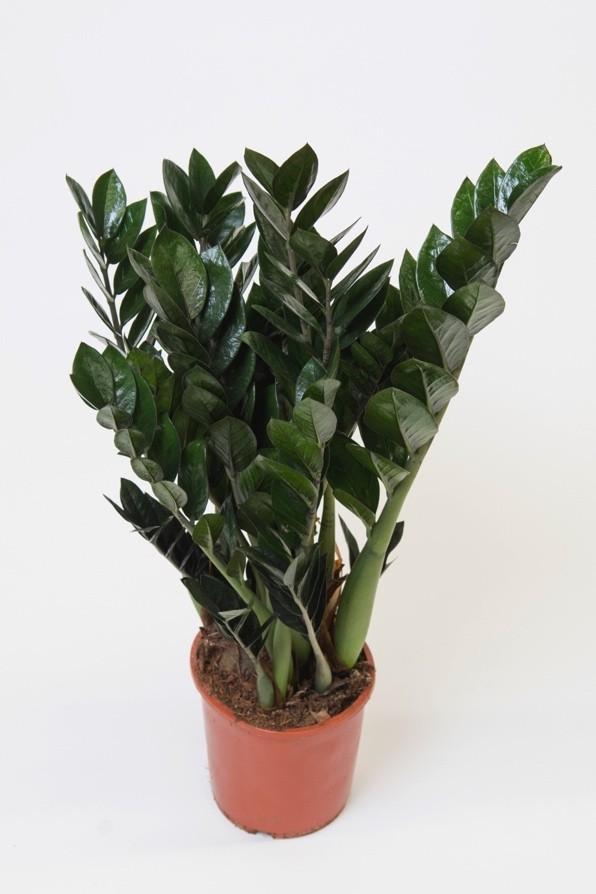
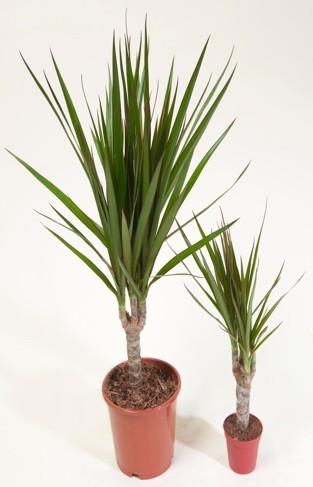
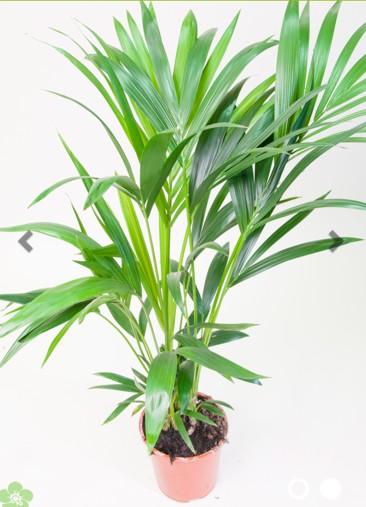
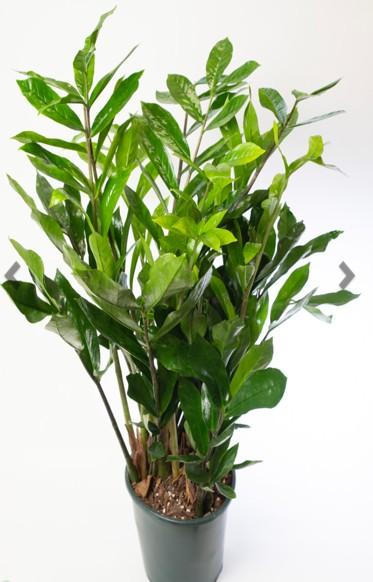
Assortment plants Availability plants Some basic care tips for plants Care: grow factors of plants Every plant needs te following:
Fertilisers N:P:K
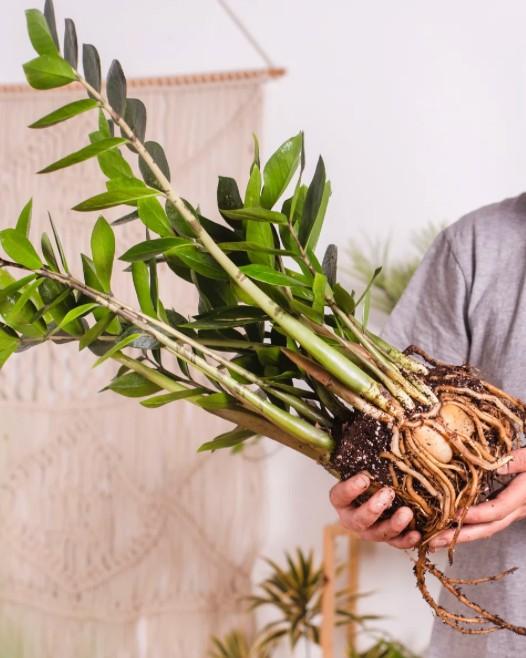
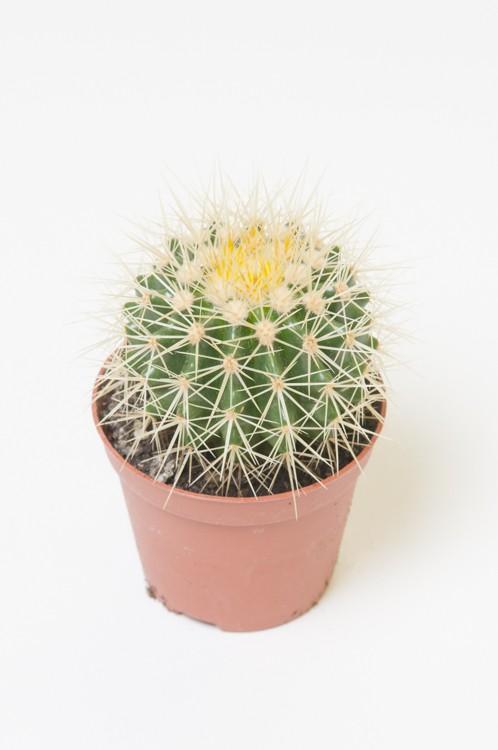
Plants with succulent features = ability to survive dry periods. Features can be in: How much water or RV (%) does a plant need? By looking at a plant you already know a lot.
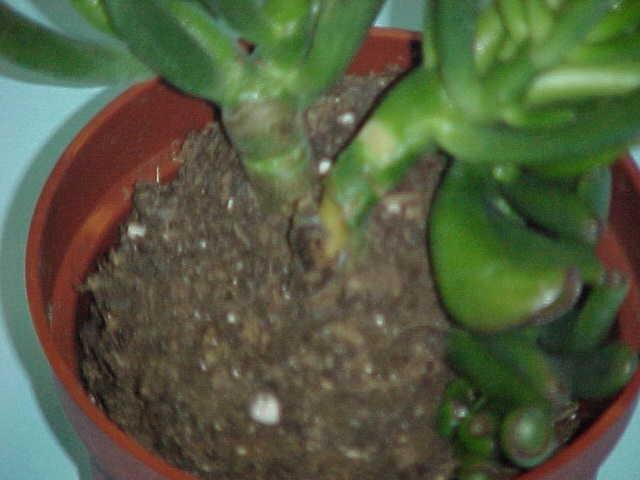
Looking at leaf thickness
• Soft leaf = lots of water + higher RH (more spraying)
• Thick / fat leaf = succulent properties in leaf
• little water, lower RH (less / no spraying)
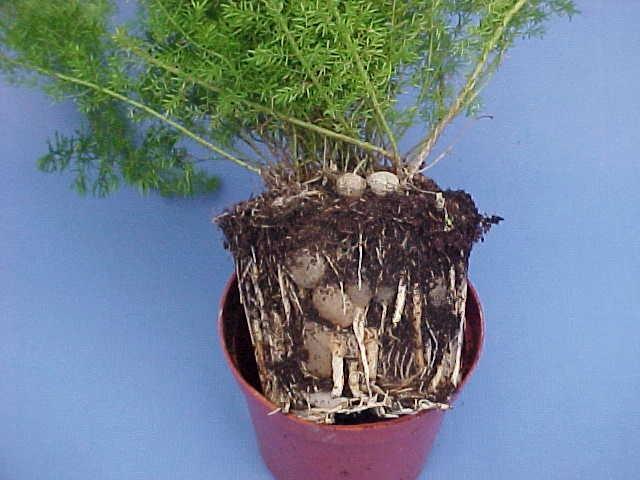
Looking at stem / stem / root
• Succulent properties
• The more or the thicker the stem, the easier it is for the plant to grow.
• The thicker the root, the easier it is to care for / less water
• The finer the root, the more regular the water
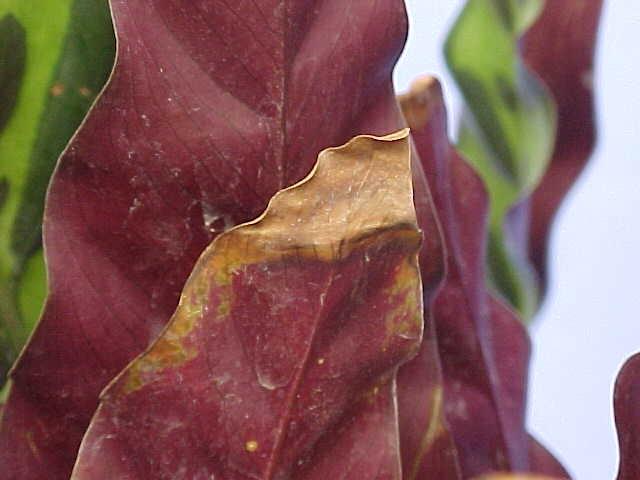
RV te laag: bladpunten en randen When does a plant need water? Does soil on top of pot feel dry
Does pot feel heavy
Is the plant big or small
What is the leaf/stem ratio?
What time of year is it
Is it an herbaceous or woody
A fat or soft leafed species
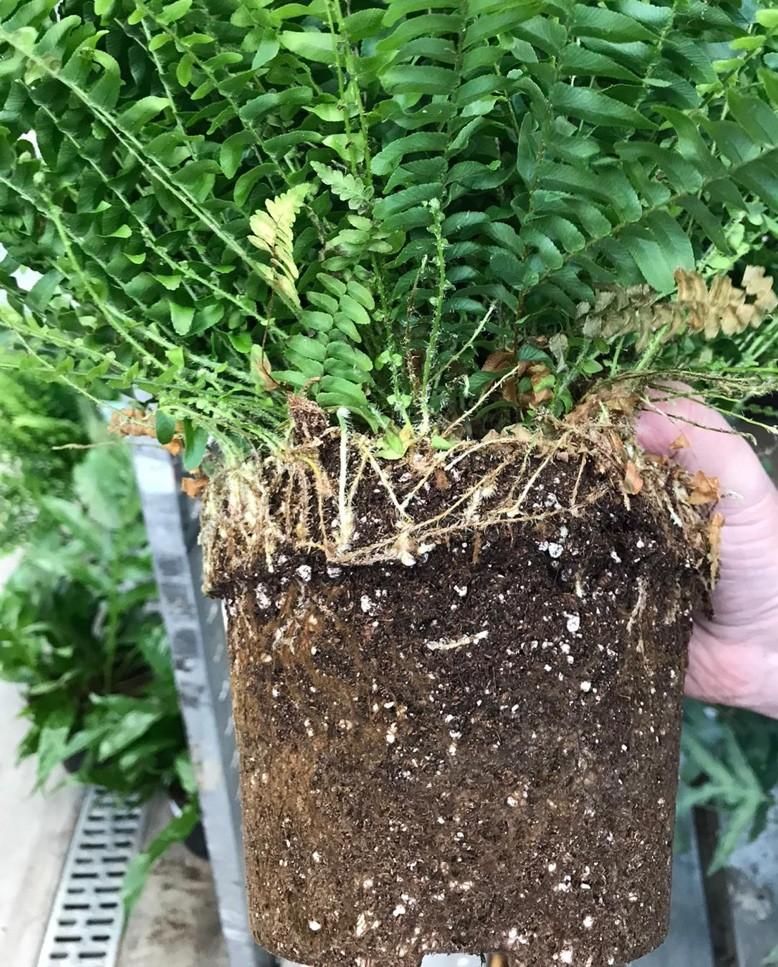
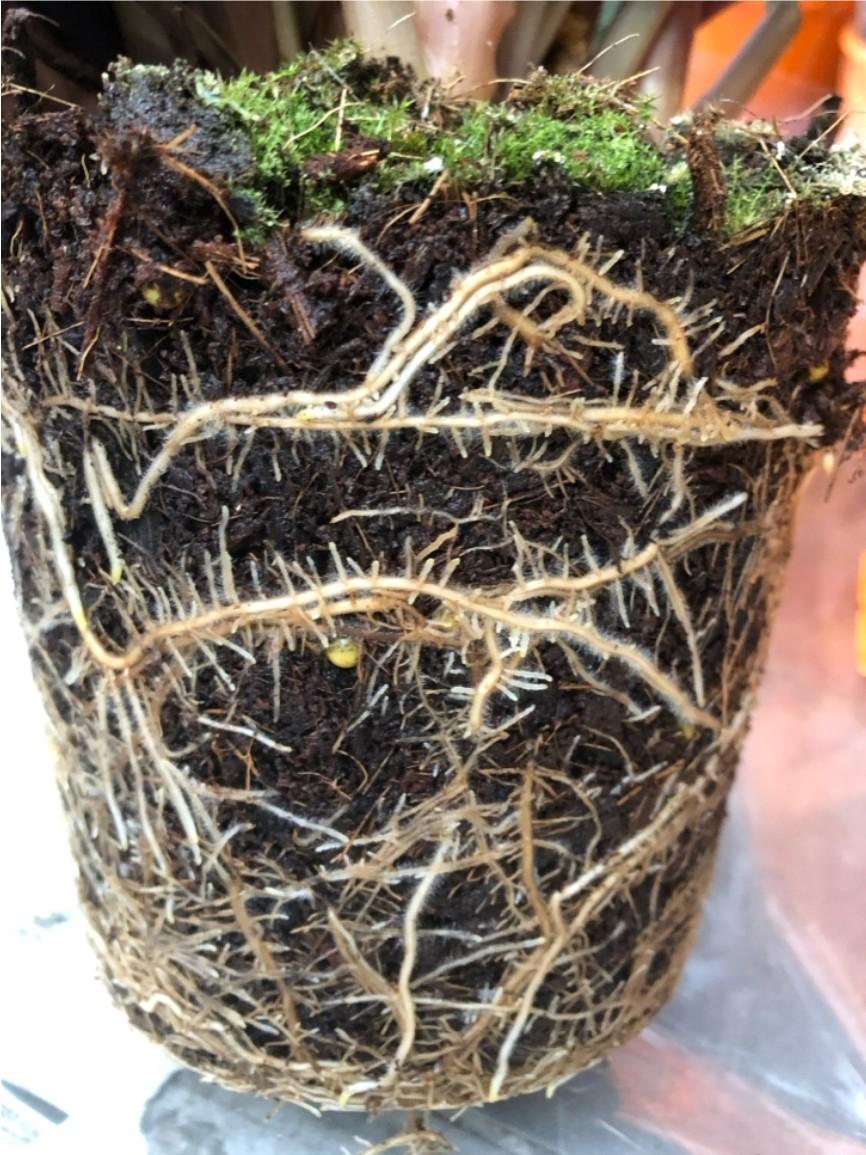
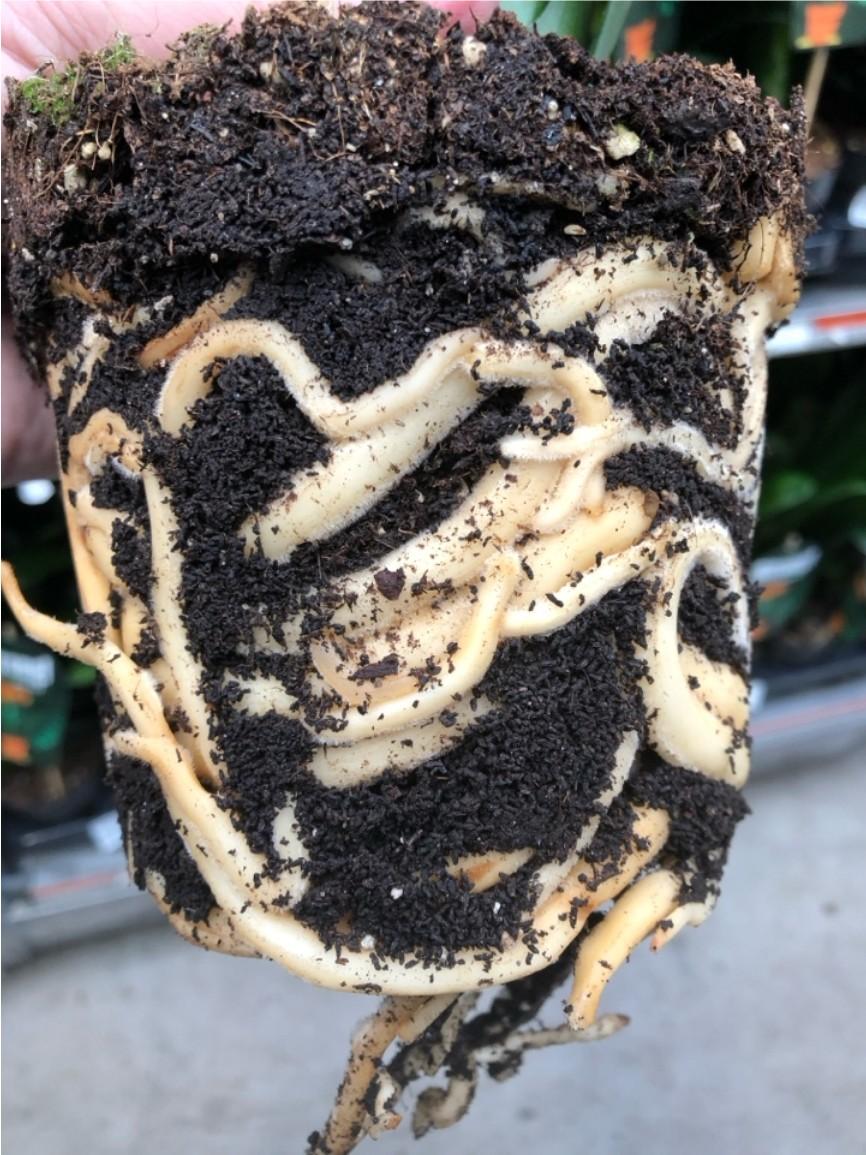
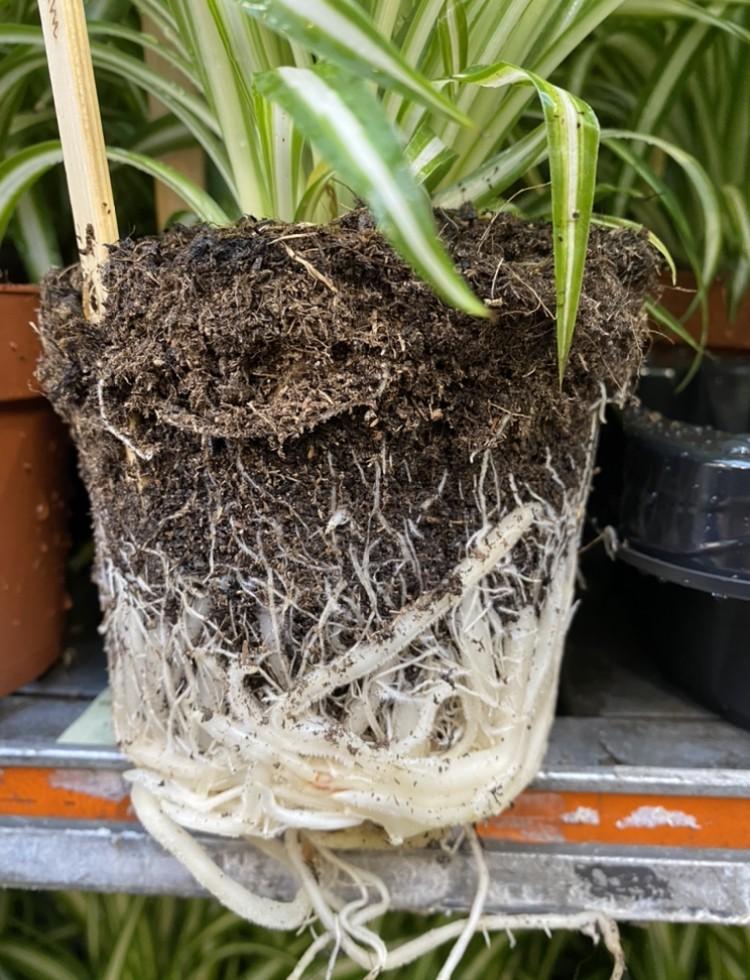
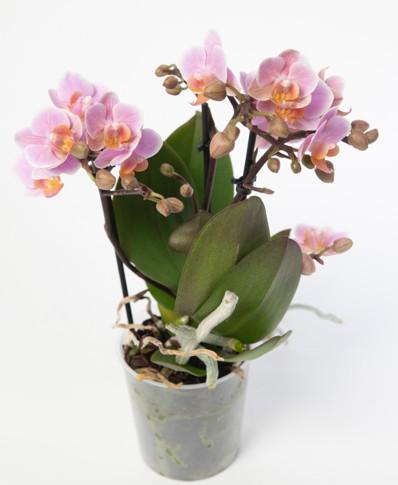
Roots of plants tell something about….. Roots of plants tell something about….. Roots Phalaenopsis Resume From regular watering and spraying to little water Temperature + fertilizers Temperature depends on:
– Area of origin: if you do not know search for it
– Often depends on which family the plant belongs
– Climate zone for the outdoor variety
Winter hardness
Frost sensitivity
Fertilizers:
– Depending on how much nutrition te grower give
– For the consumer:
Leaf plants in principle 1 x per month in the growing season
– In winter less, unless the plant remains in the living room
Flowering plants during flowering 1 x per 2 weeks
» After flowering please through away or give it rest for re-flowering ( no nutrition)
Cold sensitivity Lower temperature (around 5 degrees) How much light does a plant need? Which location By looking at a plant you already know a lot
You express the amount of in LUX
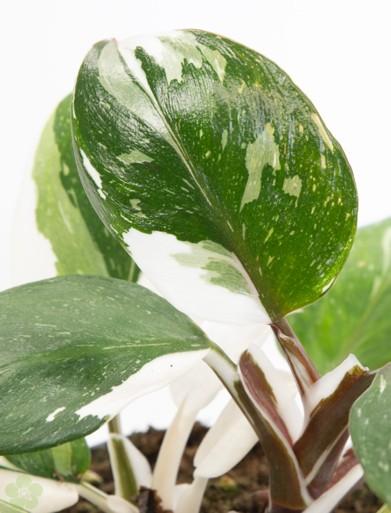
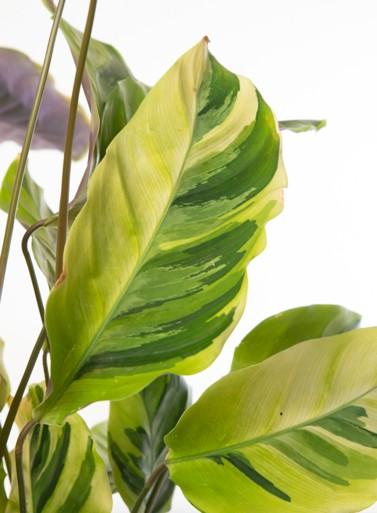
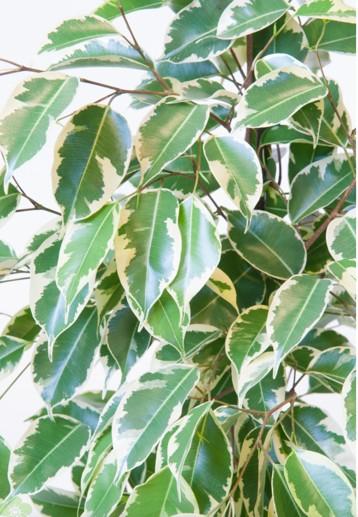
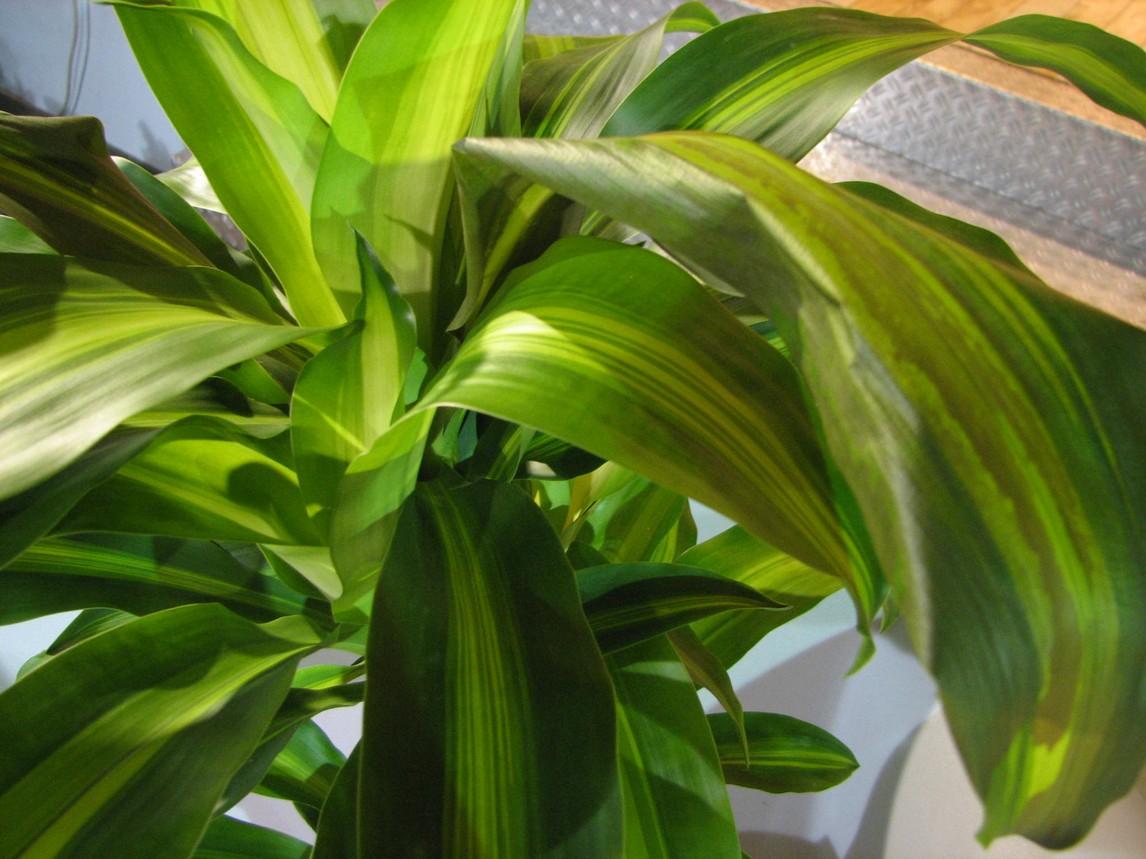
Look at the extend of green of the leaves
– The greener the leaves: the less light the plant need
– The more lack of green of the leaves= variegated: The more light the plant need No bright sun or direct sunlight
Light deficiency caused:: – Stretching of the plant
– Leaf or bud fall – Poor growth
Light requirements for plants The greener the plant, the less light it can stand (but not dark)
Less chlorophyll = more light. Flowering plants: lots of light but no direct sunlight
Green foliages Variegated Blooming
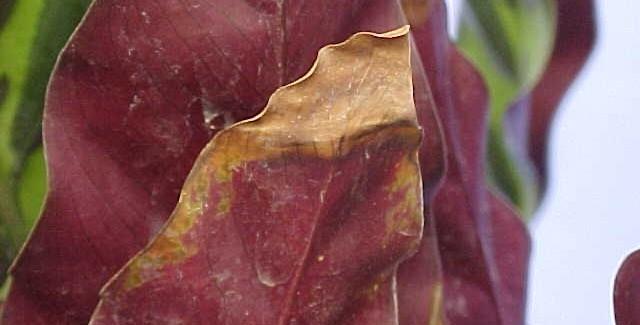
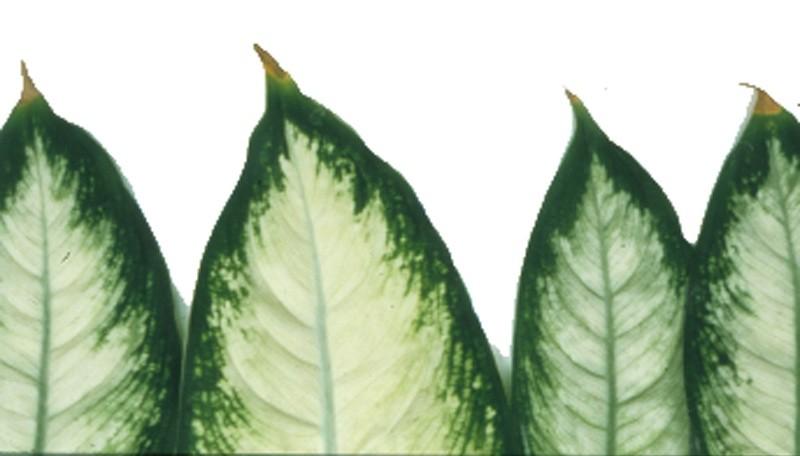
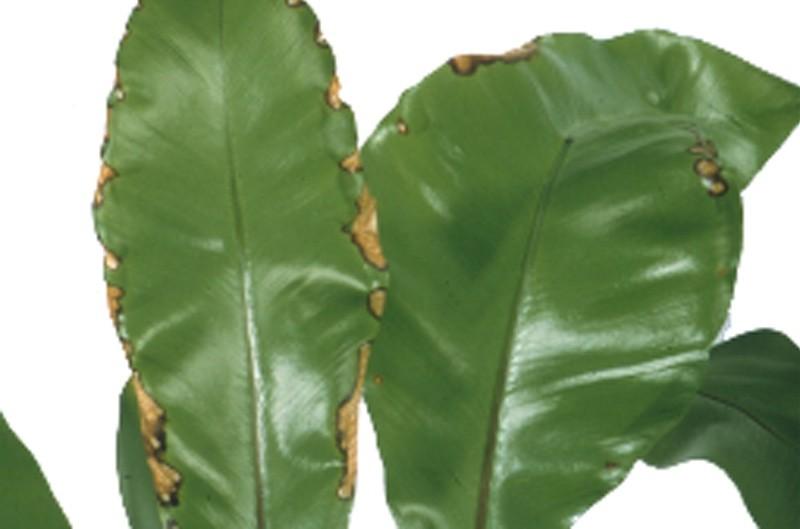
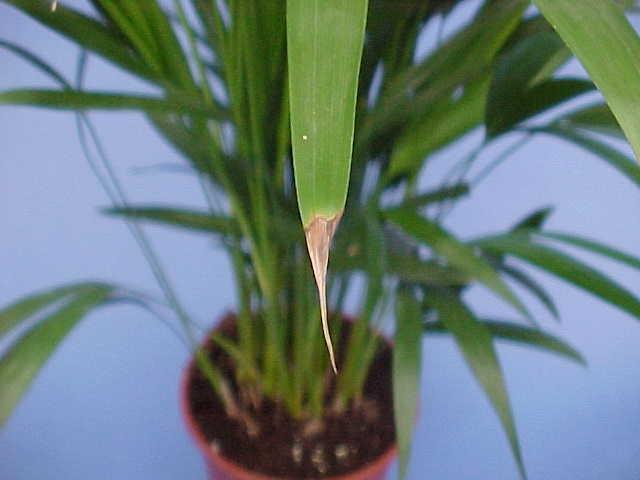
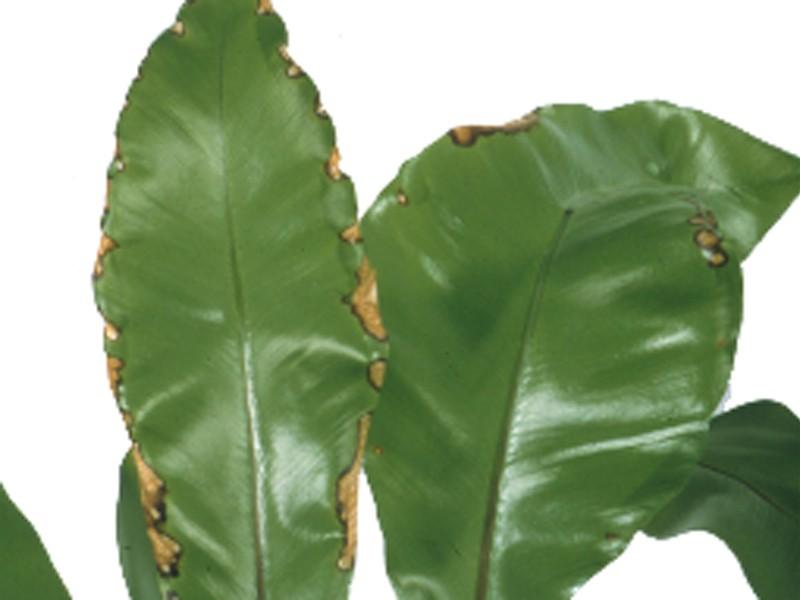
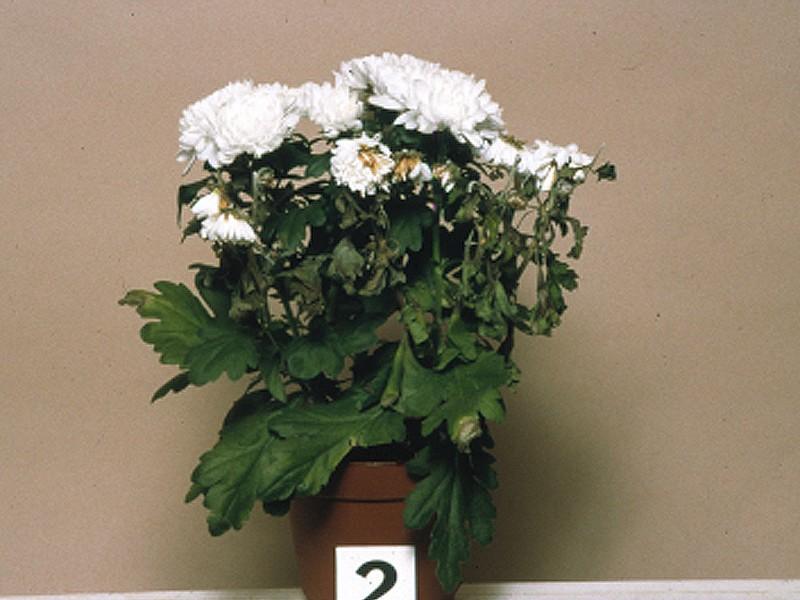
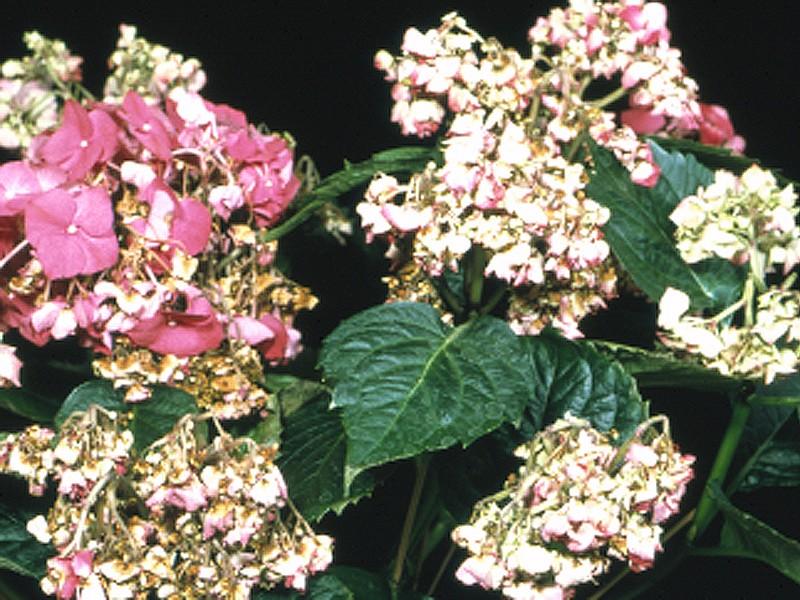
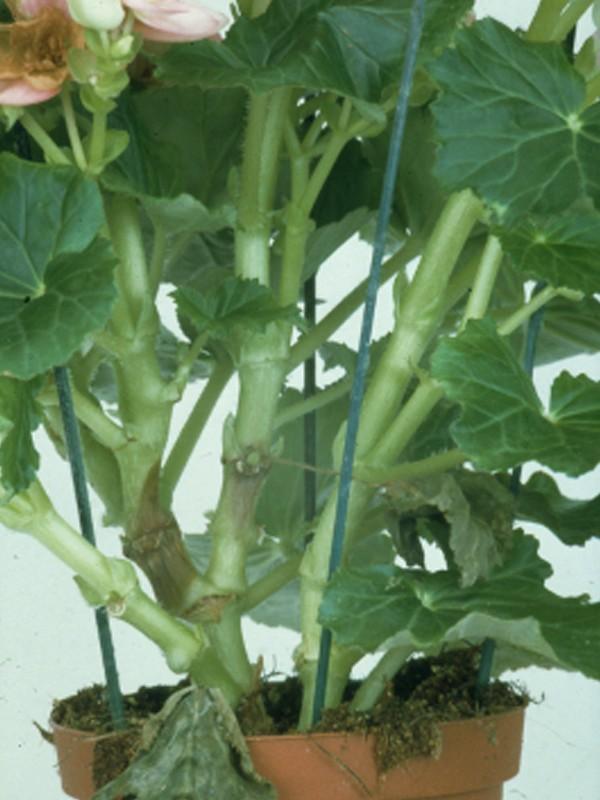
RV too low: leaf tips and edges Botrytis sensitivity (mould arising from spores and when plants become damp on leaves or flowers) Cold damage / frost damage (garden) (depending on genus / cultivar) Cold damage (depending on genus / cultivar) Phalaenopsis ethyleen Ethyleen buster example Trends 2026 Marginpar https://www.plantsandflowersfoundationholland.org/en
Follow up 2026? Questions and answers + Examn + Certificates Hope to see you in 2026 again. Or online or in real