







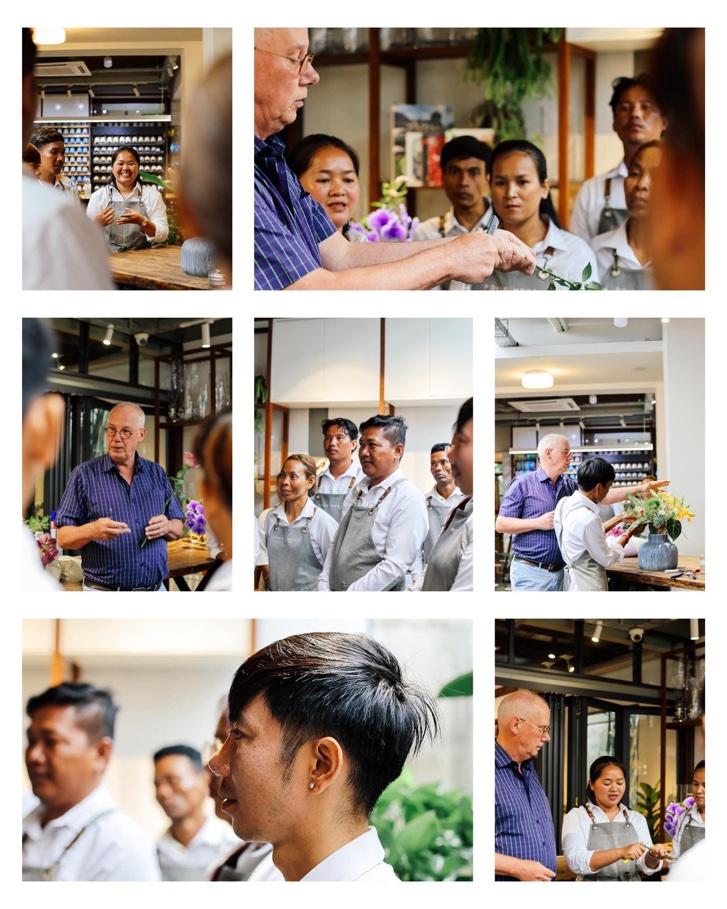
§ Floweracademy.KH : courses & training sessions
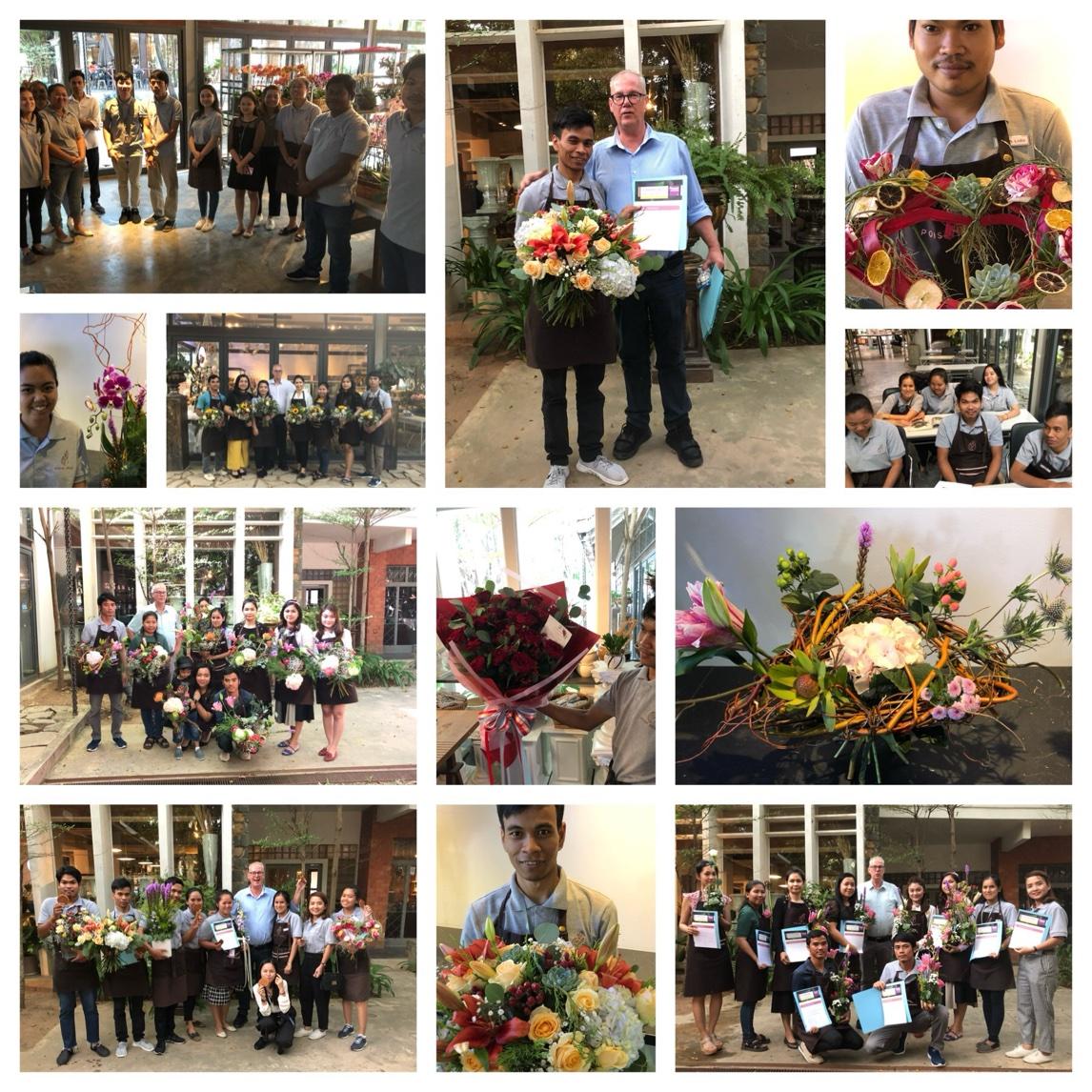
§ Management in Poise Mera
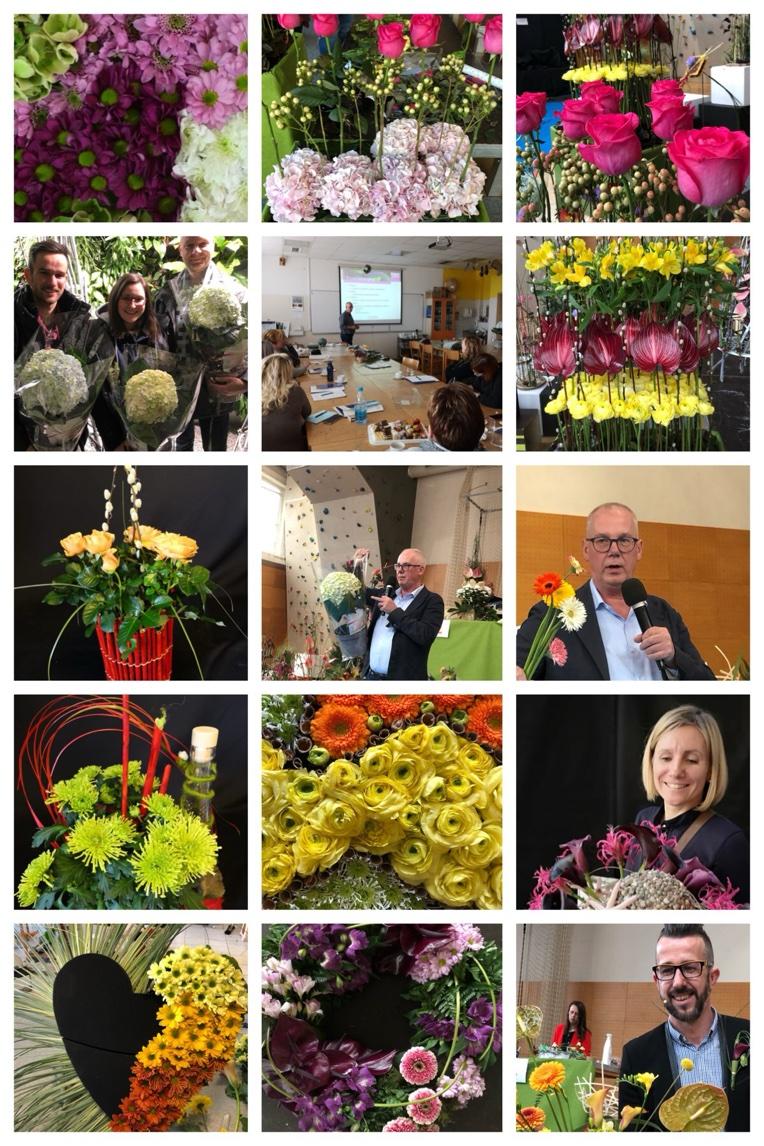
§ Specialist in flower arranging
§ Teacher careerd starts
§ Formerly student of Lucas Jansen
§ Visited Holland in 2023
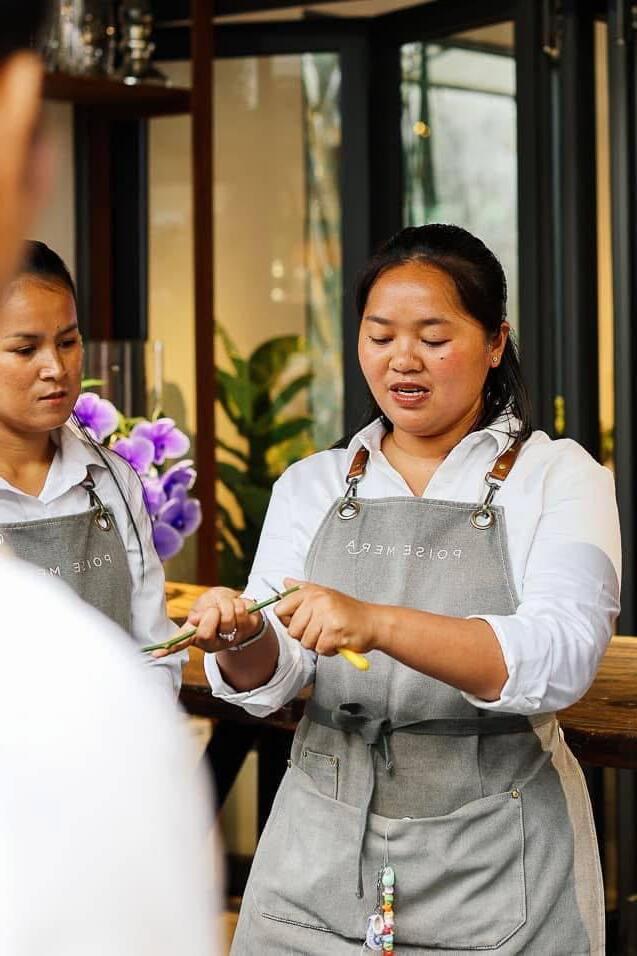
§ Floweracademy.SI: courses & training sessions
§ Specialist in flower arranging
§ Teacher for 30 years
§ Formerly student of Lucas Jansen
§ Content creator for florists


§ Floweracademy.nl: courses & training sessions
– Assortment knowledge
– Quality knowledge + Entrance control
– Marketing + retail marketing
– Category management
– Account management
– Floral art courses abroad
– Market research / retail safaris
§ HIG; horti-inspiration-group (networking)
§ Input / knowledge helpdesk Flowercouncil
– Campaign calenders
– Helpdesk/ advice
§ Active in Holland and abroad (29 countries)

§ Author textbooks MBO education
–


5 !ក#គន&ឹះែដល,នេរ/នេ0ក12ងវគ5សិក8
• Clean, Claen, Clean
• សំ#ត , សំ#ត ,សំ#ត
• Dry, Dry, Dry
• ស%&ត , ស%&ត , ស%&ត
• Easy, Easy, Easy
• 'យ)ស&ល , 'យ)ស&ល , 'យ)ស&ល ,
• Quick, Quick, Quick
• េល,ន , េល,ន , េល,ន ,
• Deep, Deep, Deep
• េ). , េ). , េ). ,

§ Explanation : Form defines the overall shape and silhouette of the arrangement. It helps create a strong visual impression from a distance.
§ Examples of arrangements:
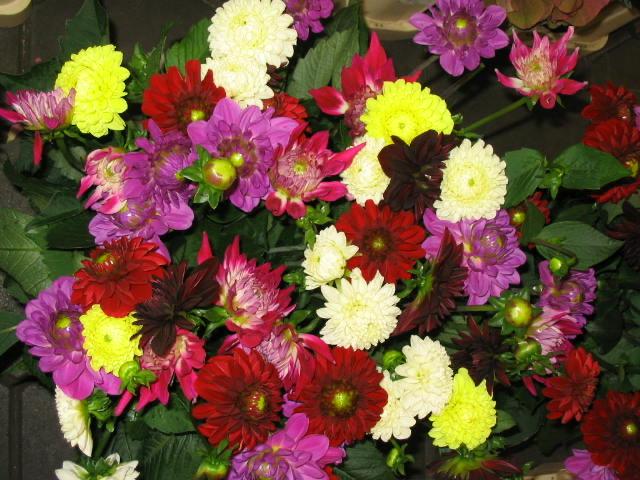
– Biedermeier bouquet: Compact, round form — uses flowers like roses (Rosa spp.) and dahlias (Dahlia cultivars).
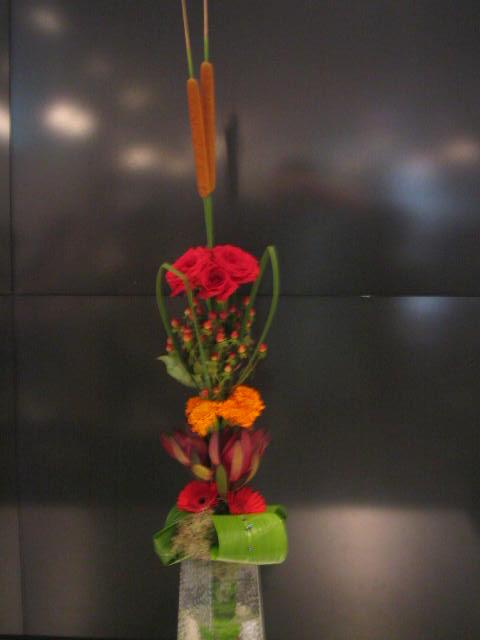
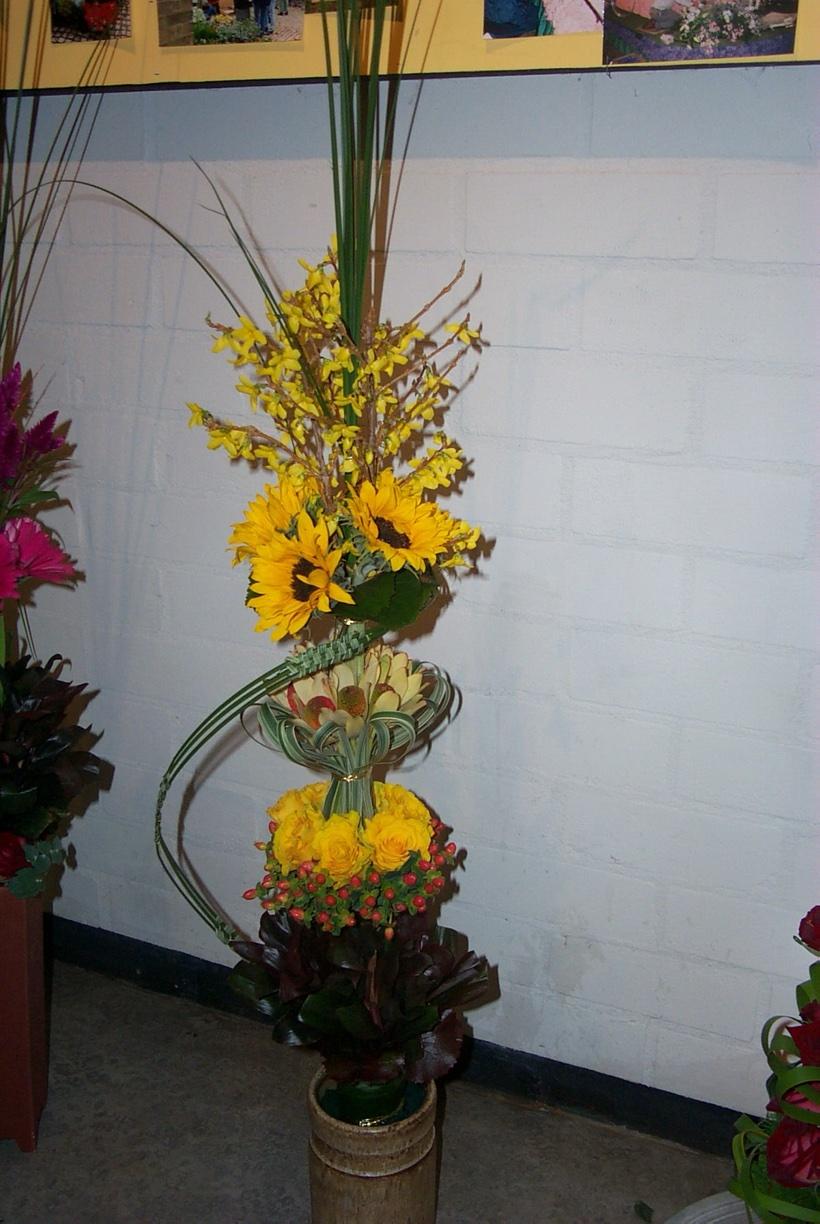
– Parallel arrangement: Vertical lines create a structured rectangular form — often with grasses, gladiolus, or delphinium.
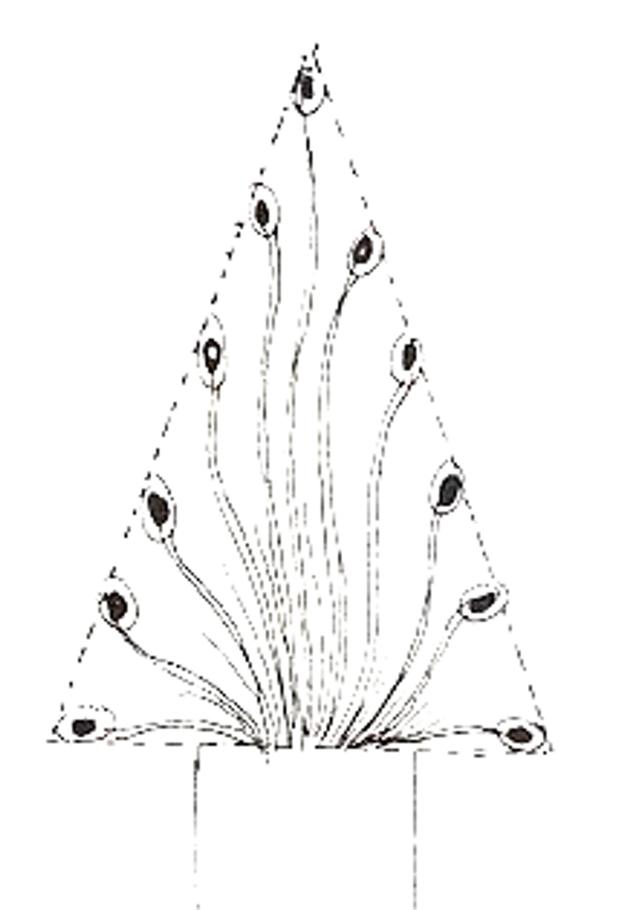
– Fan-shaped arrangement: Used in hotel lobbies or large receptions — emphasizes a wide, fan-like form with strong symmetry.
Floweracademy.nl Blooming your future
§ Dahlia – round form
§ Calla (Zantedeschia) – funnel form
§ Gloriosa – star-shaped form
§ Explanation :
§ Line gives direction and movement to the design, guiding the viewer’s eye.
§ Examples of arrangements:
– Ikebana (Japanese floral art): Very strong use of line, often with minimalist stems and branches.
– Vertical arrangements: Tall vases with flowers like gladiolus (Gladiolus spp.) or eremurus (Eremurus robustus) to accentuate height.
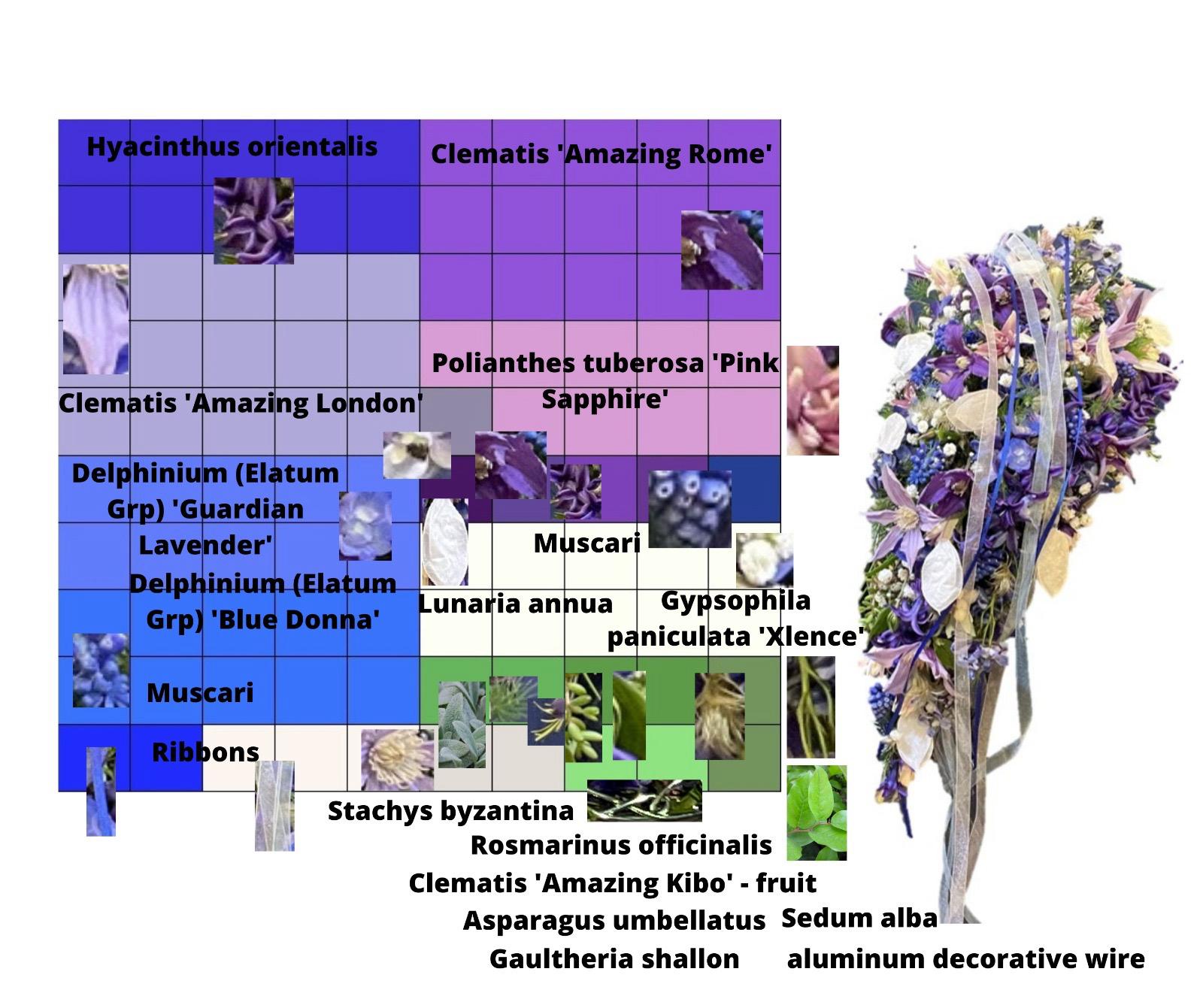
– Cascade bridal bouquet: Flowing downward line with trailing flowers such as orchids or ivy.
Floweracademy.nl Blooming your future
§ Gladiolus – strong vertical line
§ Delphinium – upward line
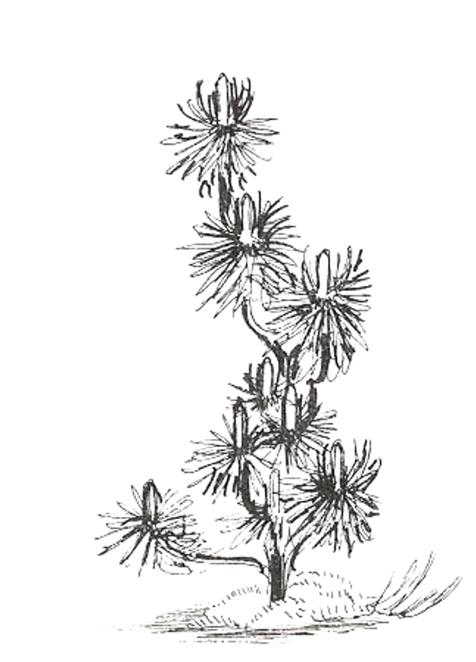
§ Eremurus – tall, slender line
§ Explanation :
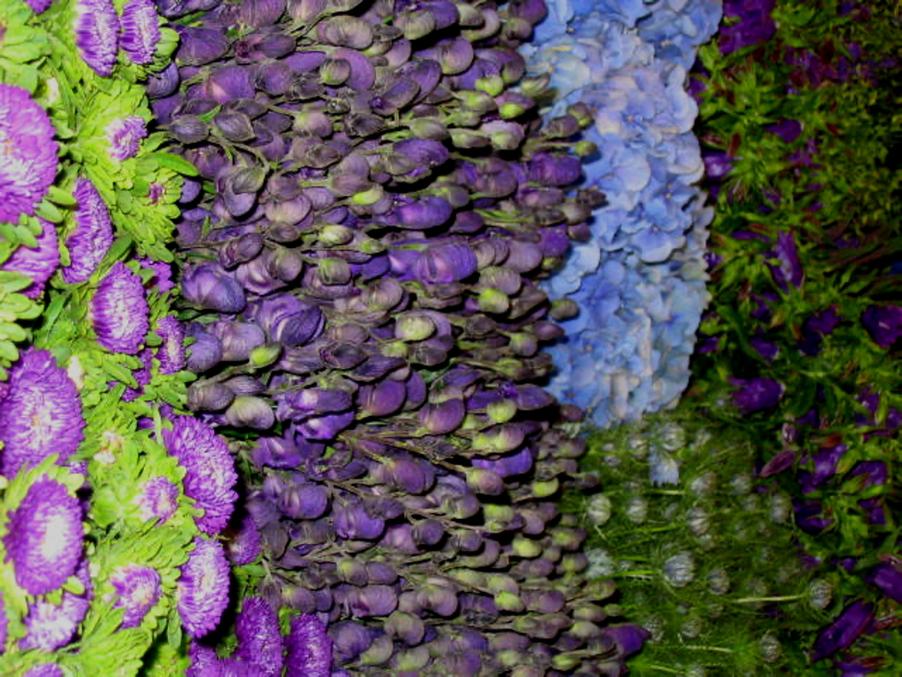
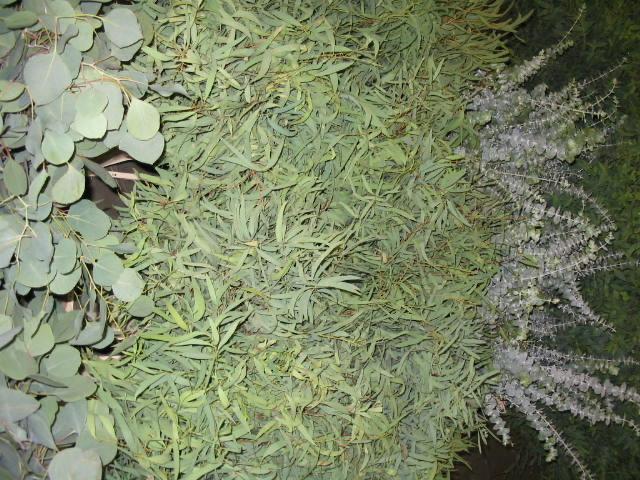
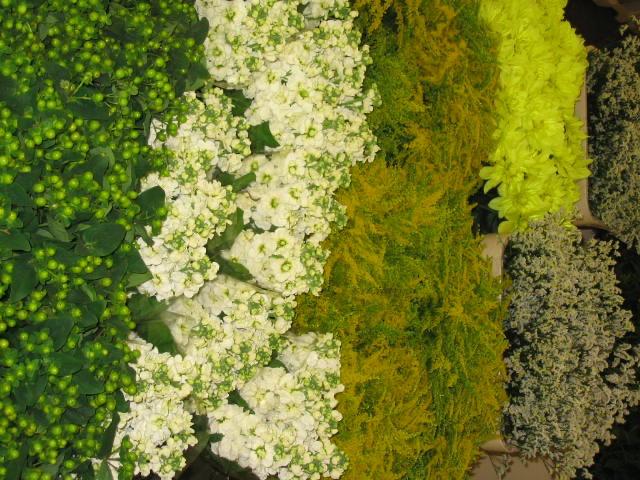
§ Texture refers to the surface quality (smooth, rough, airy, dense), adding depth and interest.
§ Examples of arrangements:
– Natural, wild meadow-style bouquets: Combining fine textures (grasses, ferns) with rough or bold flowers like sunflowers (Helianthus annuus).
– Tropical arrangements: Bold, glossy textures from anthurium and monstera leaves.
– Mixed seasonal centerpieces: Juxtaposing coarse hydrangea (Hydrangea macrophylla) with fine-textured asparagus fern.
Floweracademy.nl Blooming your future
§ Asparagus – fine texture
§ Eucalyptus – coarse, matte texture
§ Hydrangea – full, voluminous texture
§ Explanation :
§ Fragrance adds an emotional and sensory element to floral design.
§ Examples of arrangements:
– Bridal bouquets: Often include roses (Rosa spp.) or sweet peas (Lathyrus odoratus) to create a romantic scent.
– Entrance arrangements in shops or restaurants: Freesia or lily (Lilium spp.) to welcome guests with a pleasant smell.
– Home vase arrangements: Lavender (Lavandula angustifolia) or garden herbs to evoke a fresh, calming atmosphere.
Floweracademy.nl Blooming your future
Freesia –
Rose – classic rose scent
Lathyrus – soft, fresh fragrance
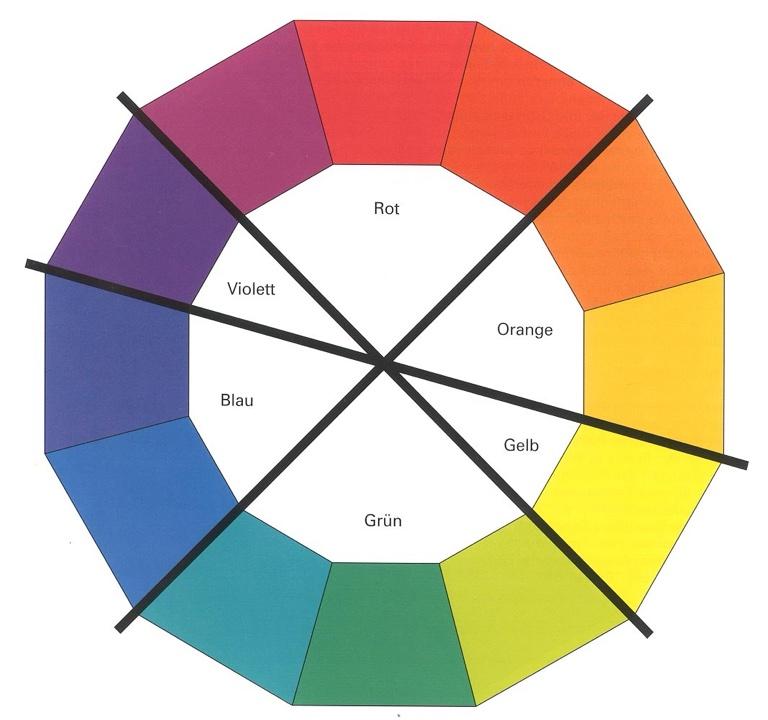
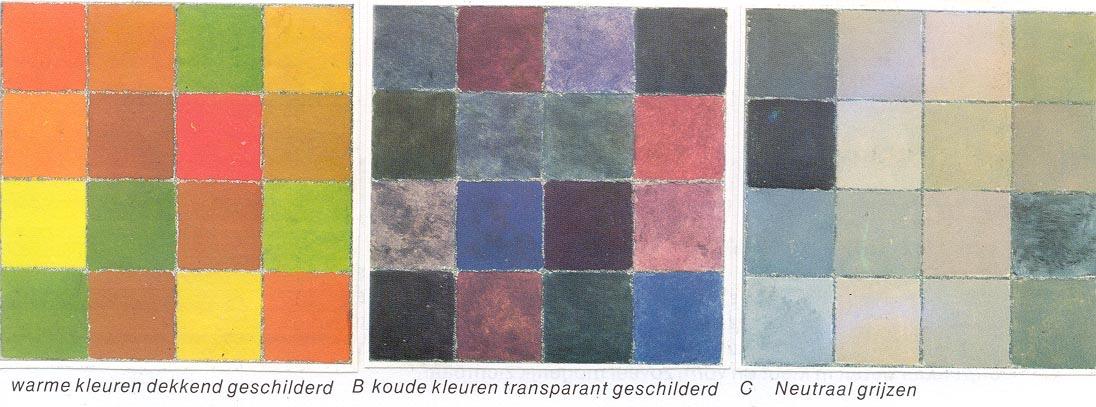
§ Colour wheel

§ Primary (basic) colours
!
(
)
Secondary (mixed) colours
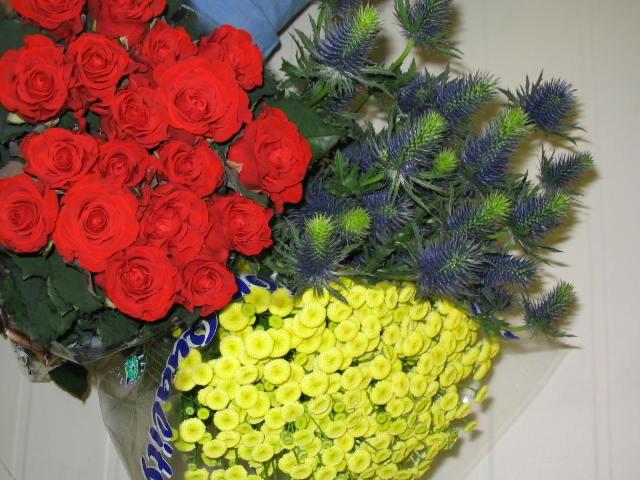
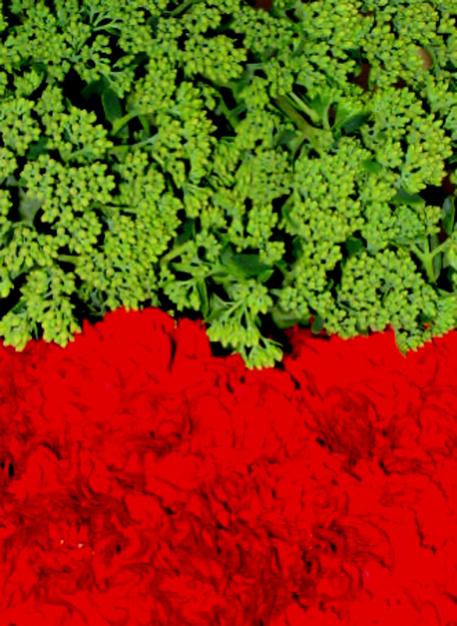
Contrasting colours
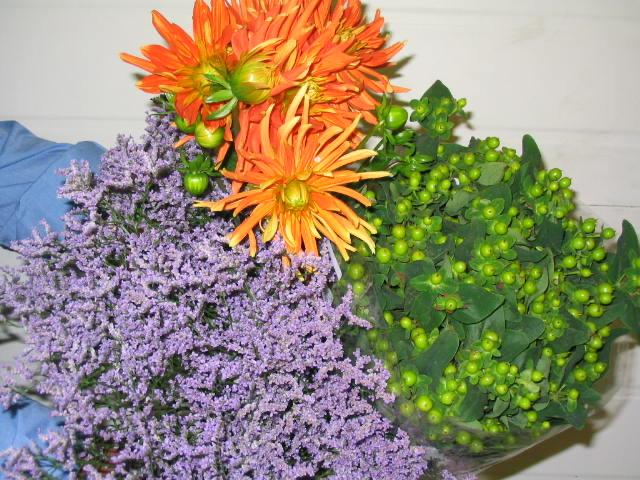
Harmonious colours
Tone-on-tone colours

រង#ង់ពណ៌






Blooming your future
Blooming your future
Blooming your future



េជ^សcងJរខូចទងGH =Jរ>បង>បយ័ត8េពលEក់eងG : ( GHមិន>តfវEក់កែន1លែដលសhiត , ចំពន1ឺ>ពះ;ទិតjេពក , មិន>តfវ
Eក់េPជិតទីeំង>តfវចំkយេl\-1ំង , ែផnង
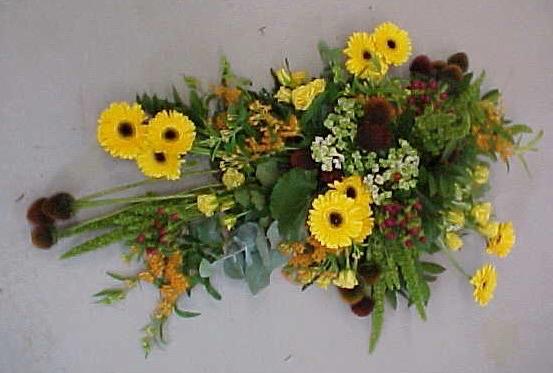
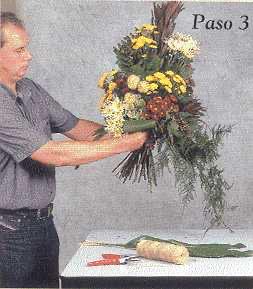
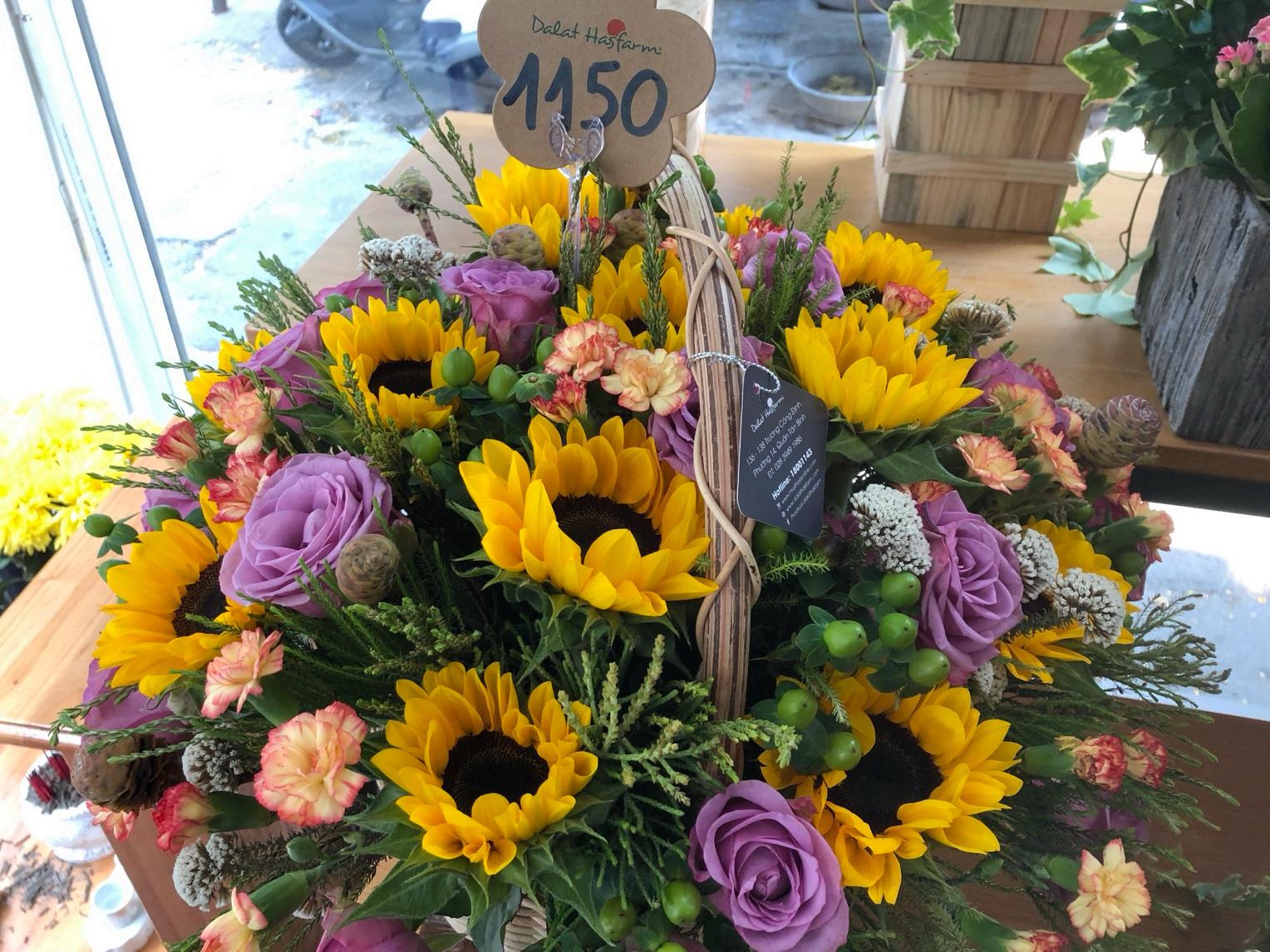
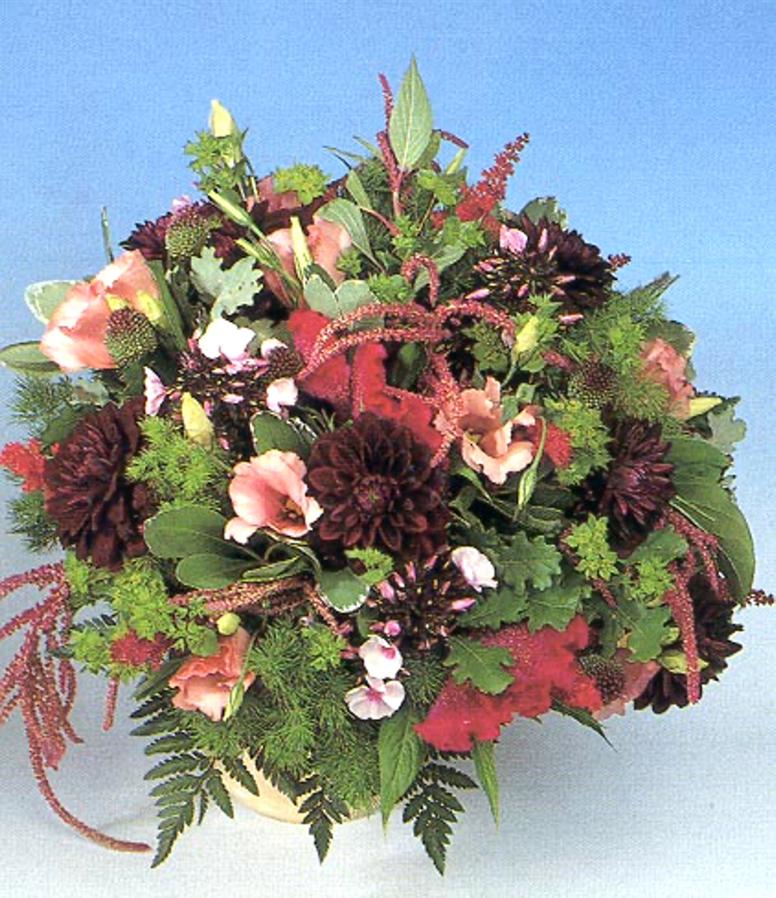
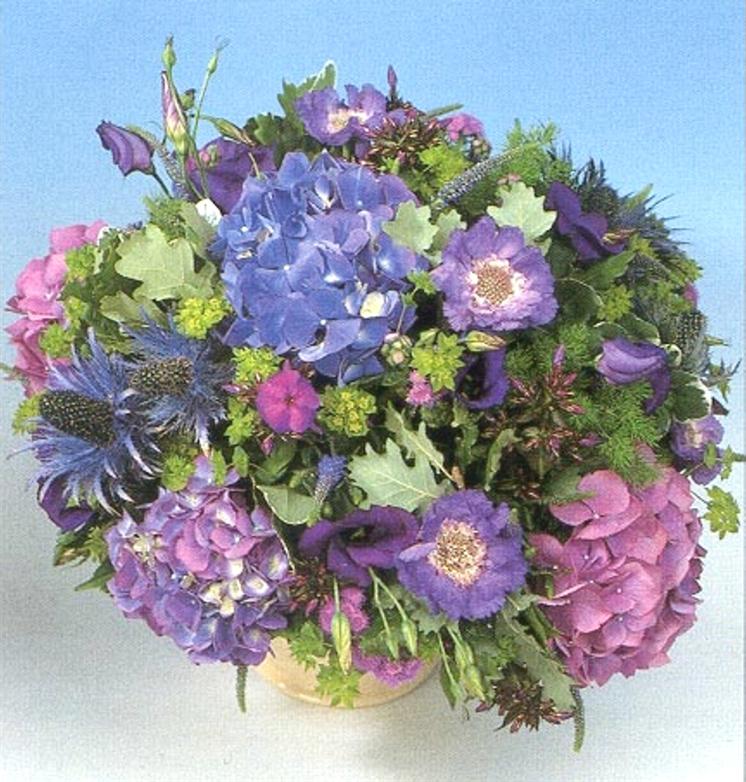
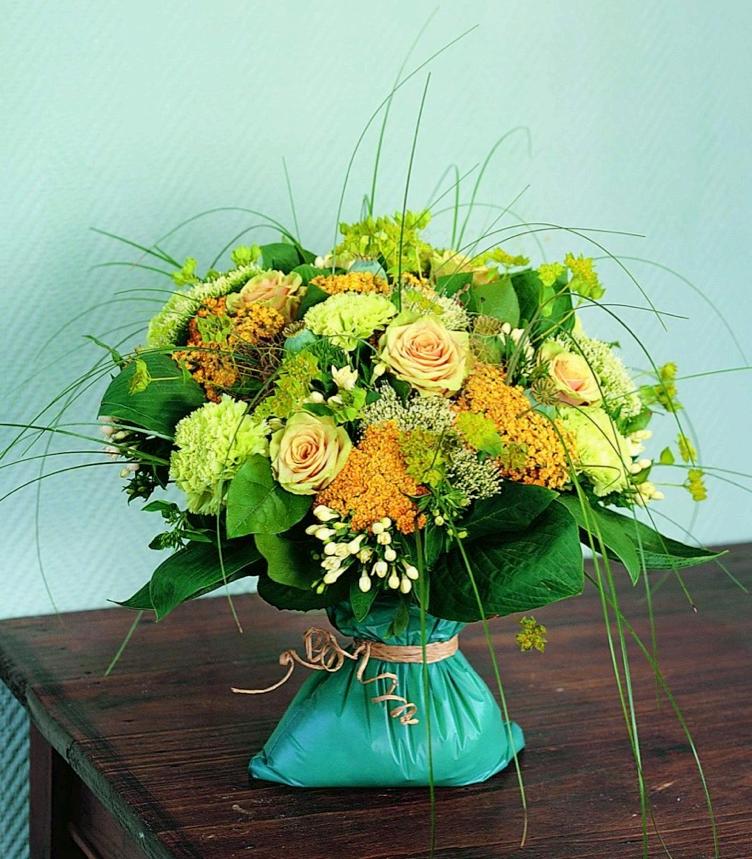
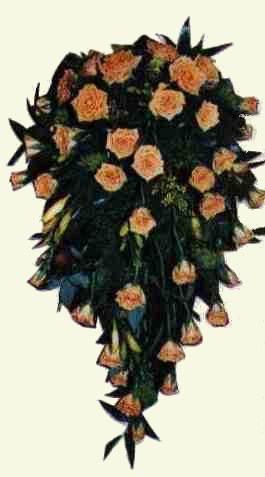
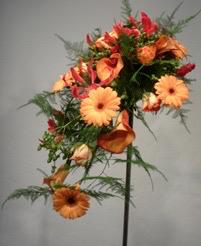
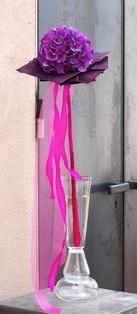
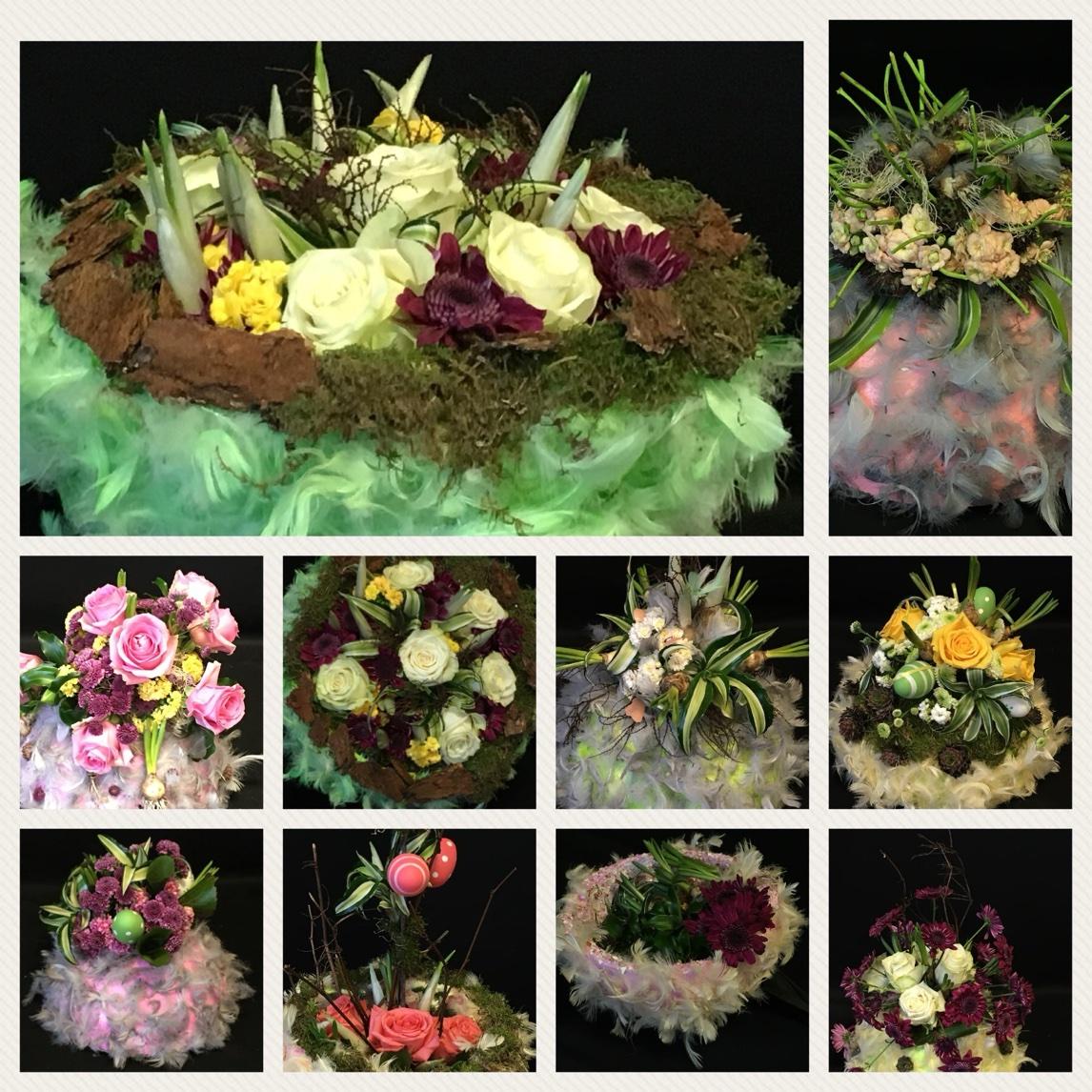
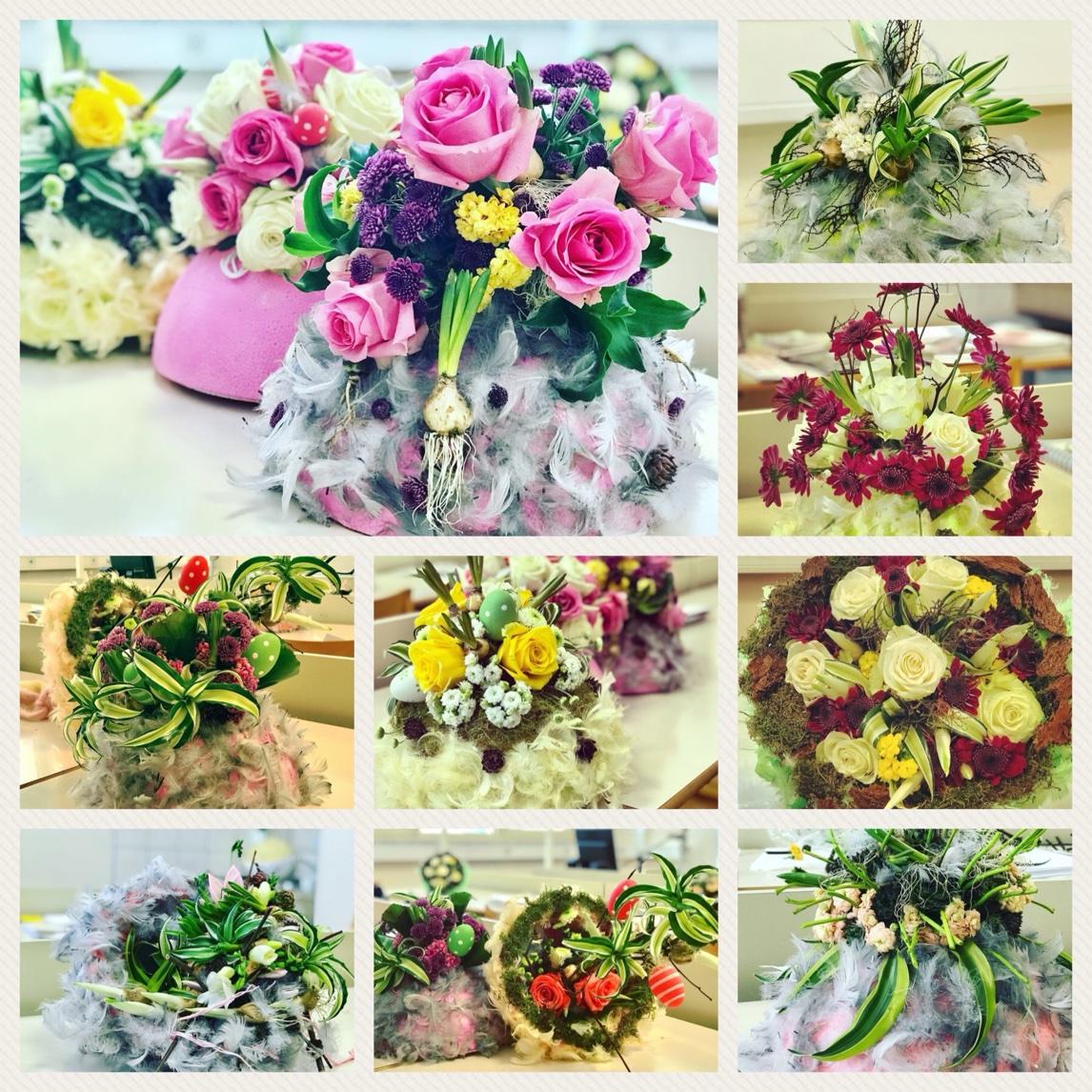
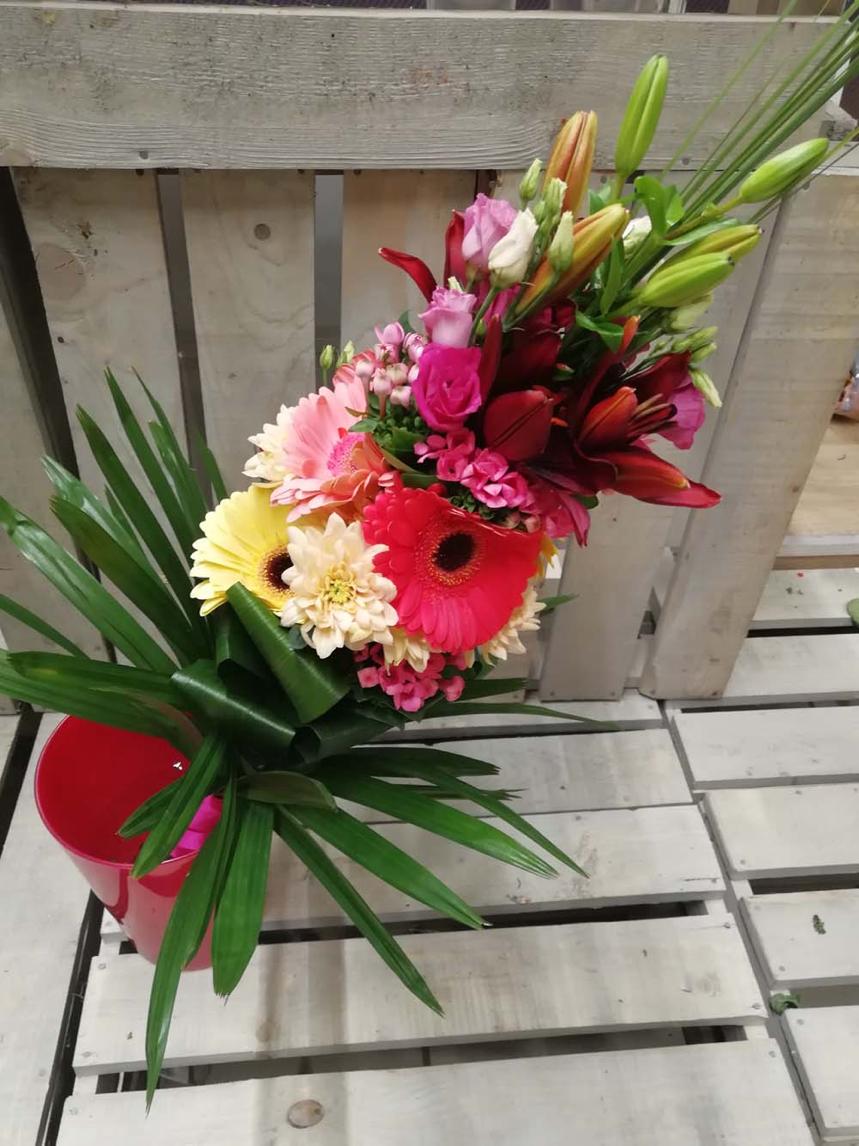
§ Hand tied bouquets pច់stេធu(េvយៃដ
– different styles and techniques –
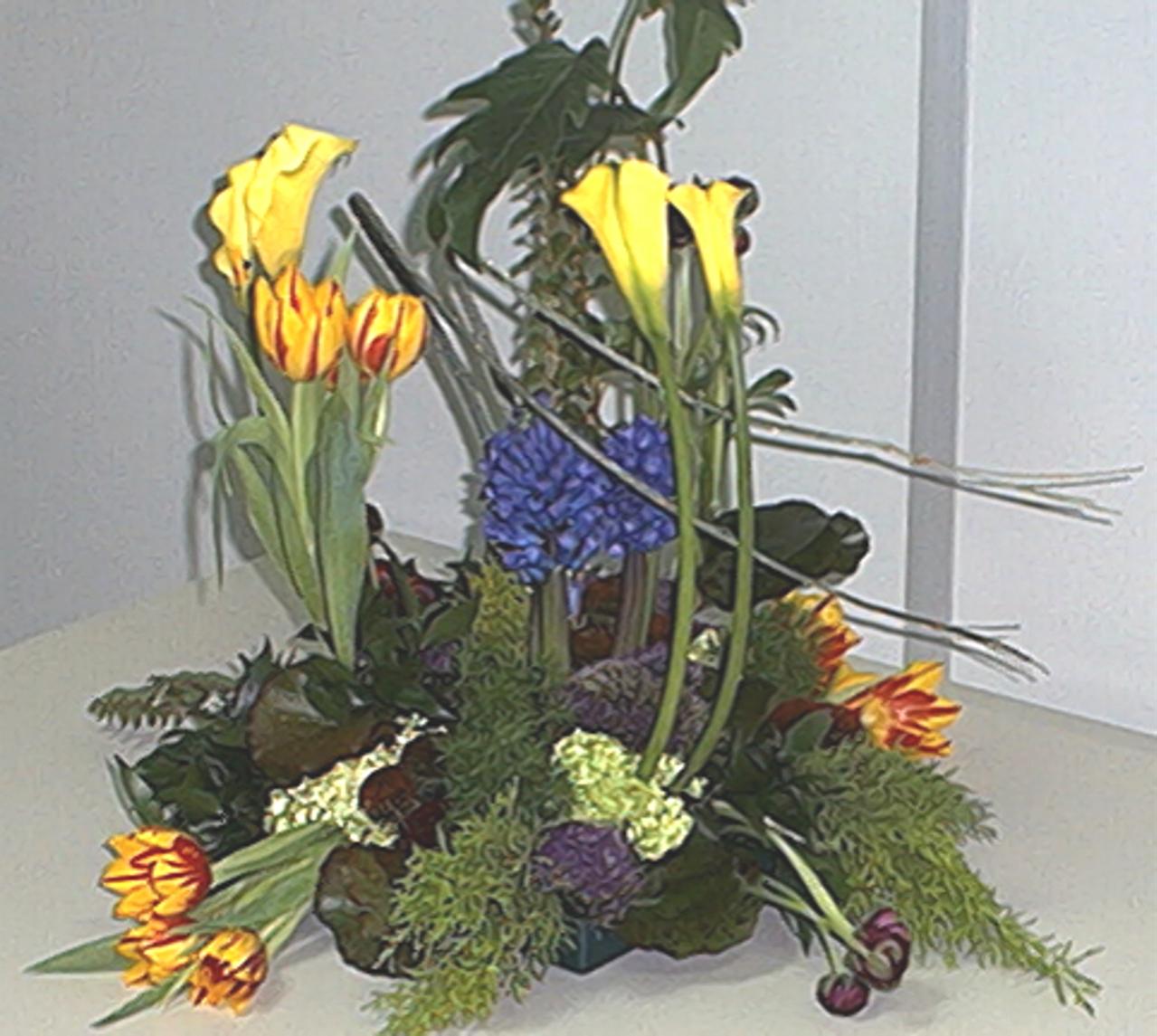
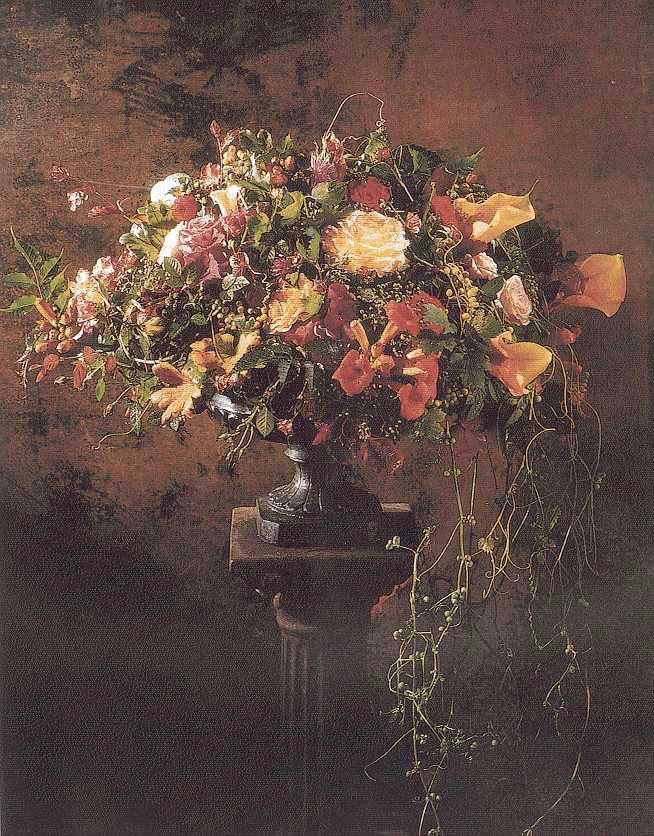
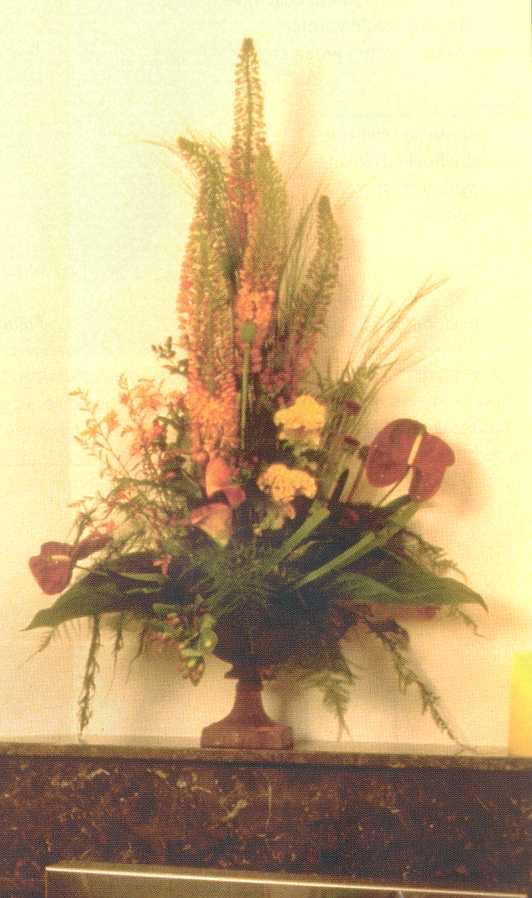
§ Arrangements in foam: <រេរbបចំstេvយេIប(េW$រ (Ex: កyនXក ថូ…)
– different styles and techniques –
§ For special occasions: សIdប់ឱ<សេផmង
– Wedding, funeral, party, opening, at home – <រេរbបi|ហ៏ពិ|ហ៏
– Special days: Valentines day, etc –
: Valentines day……
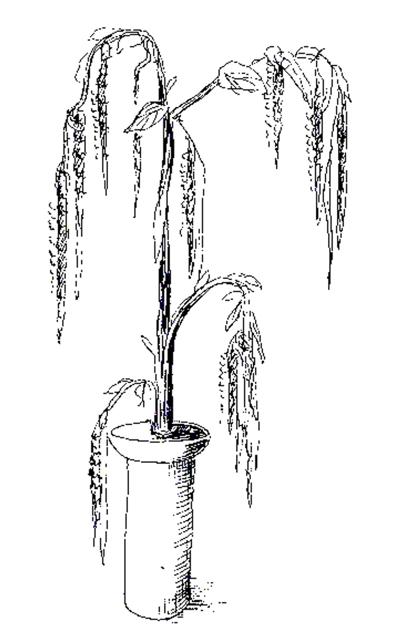
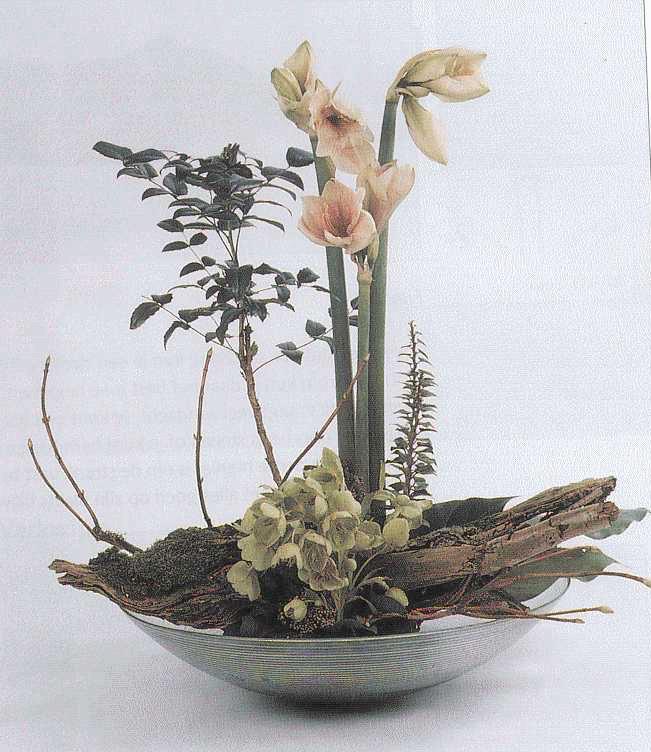
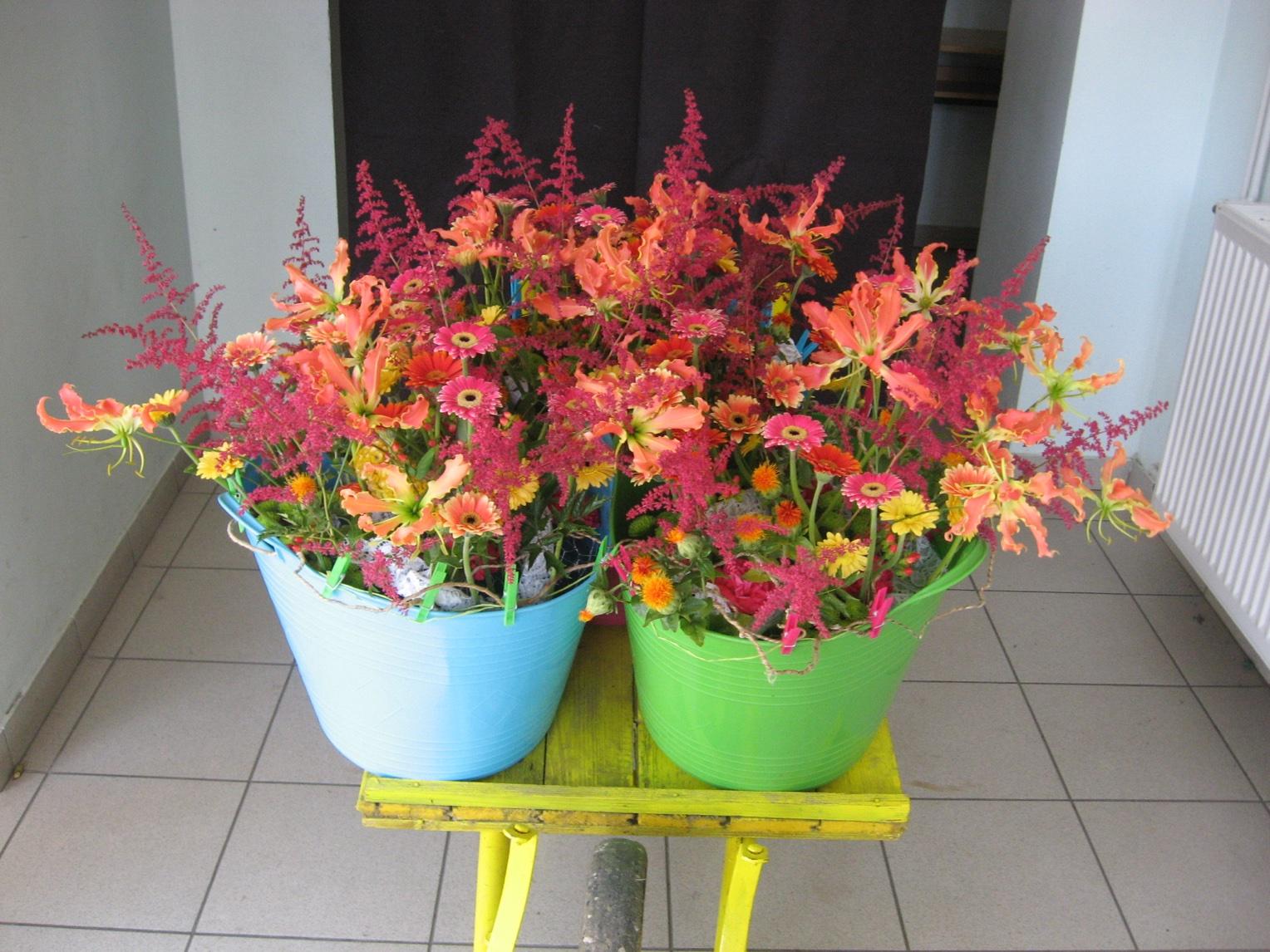
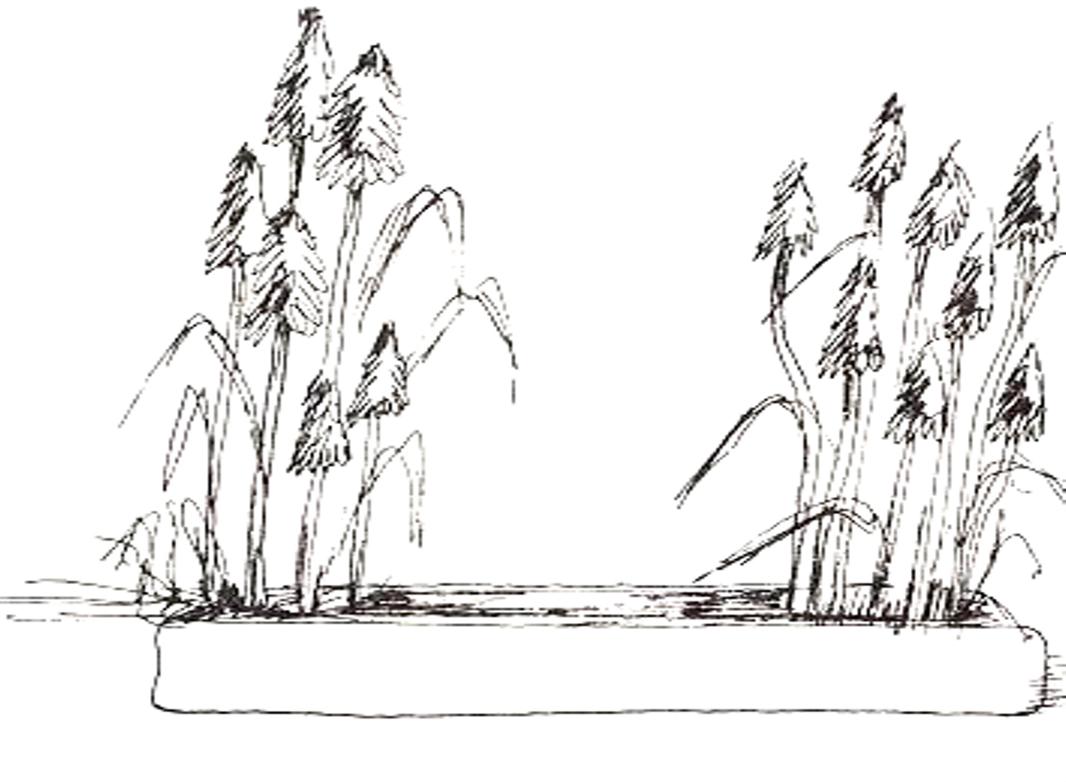
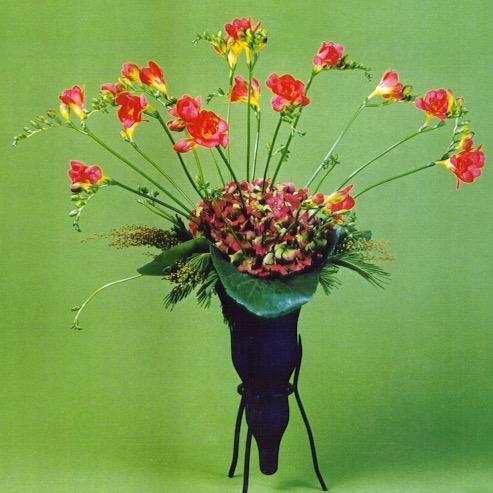
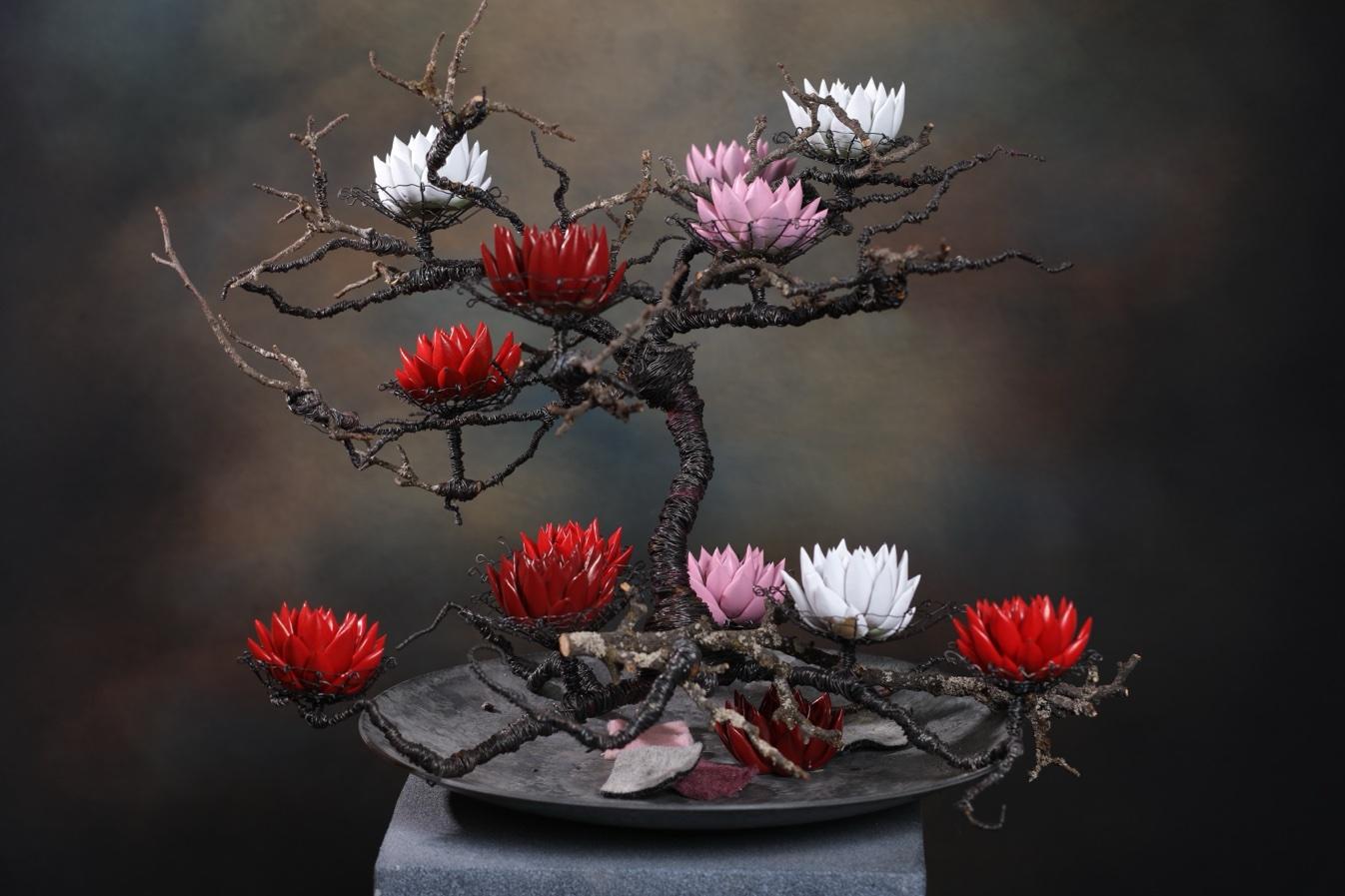
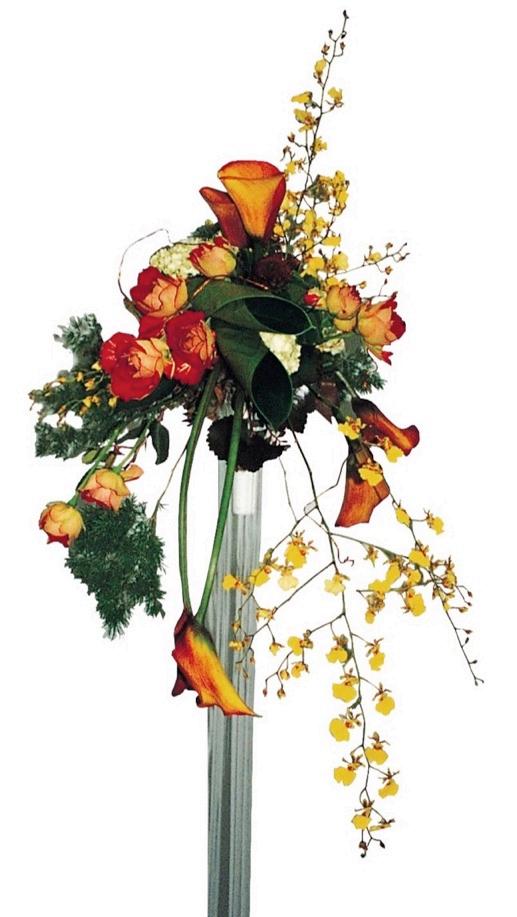
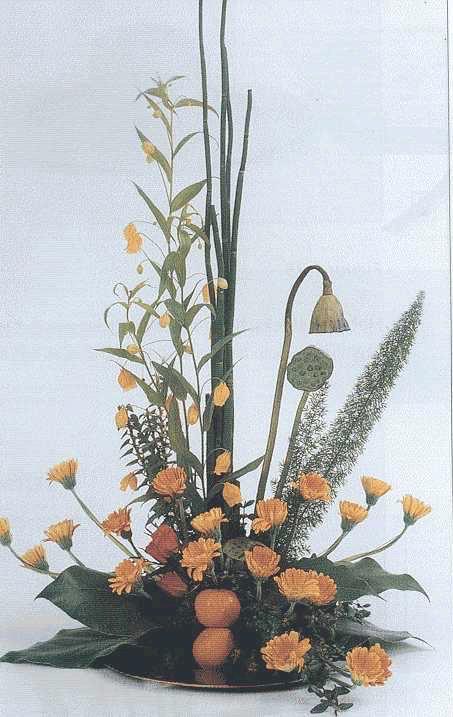
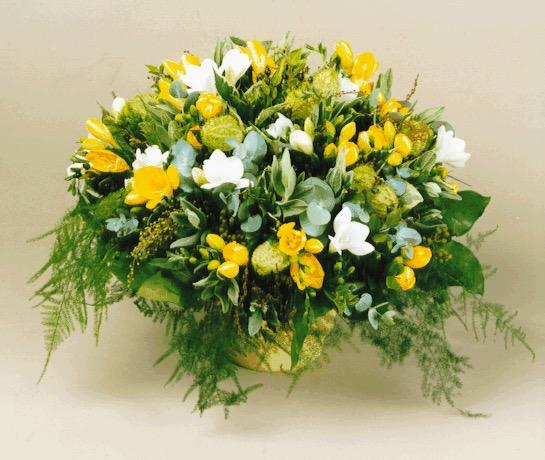
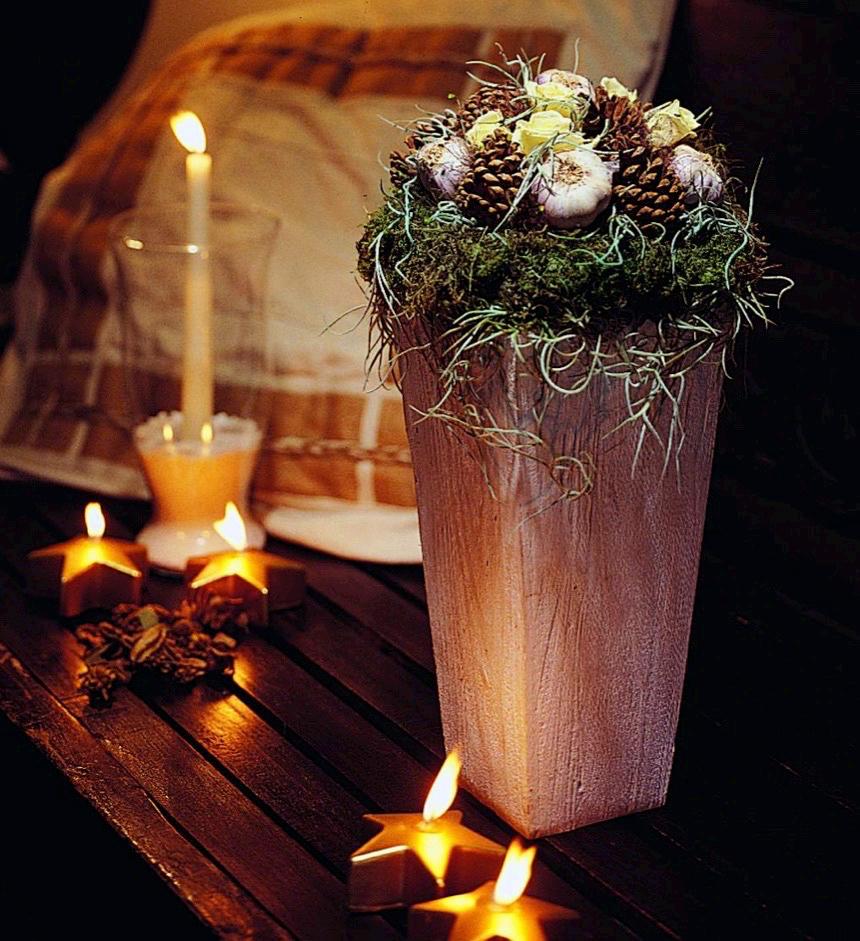
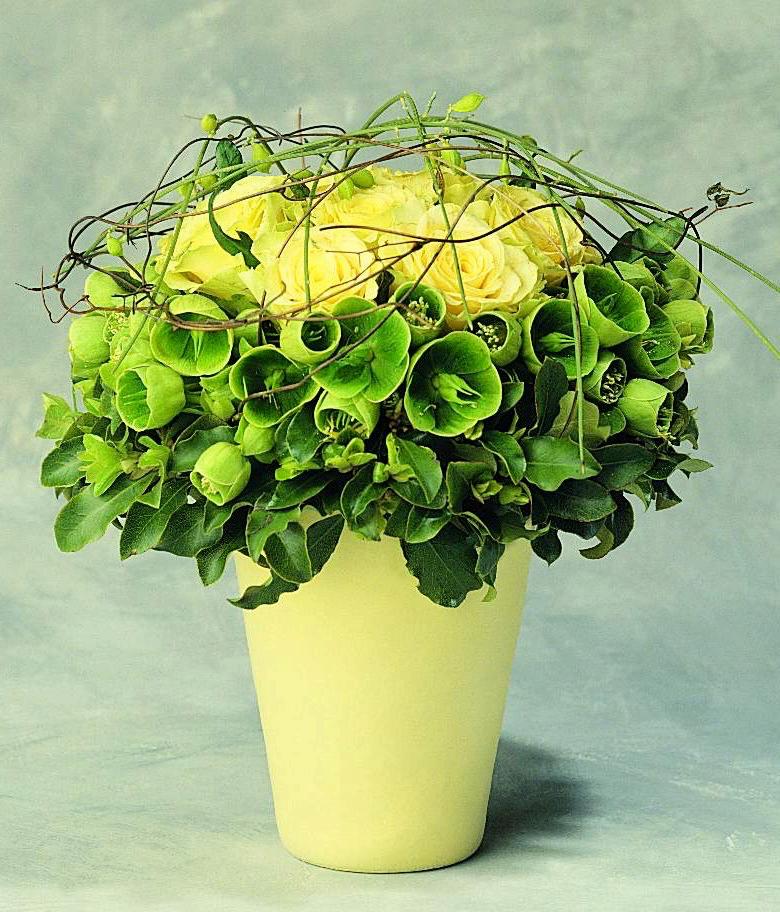
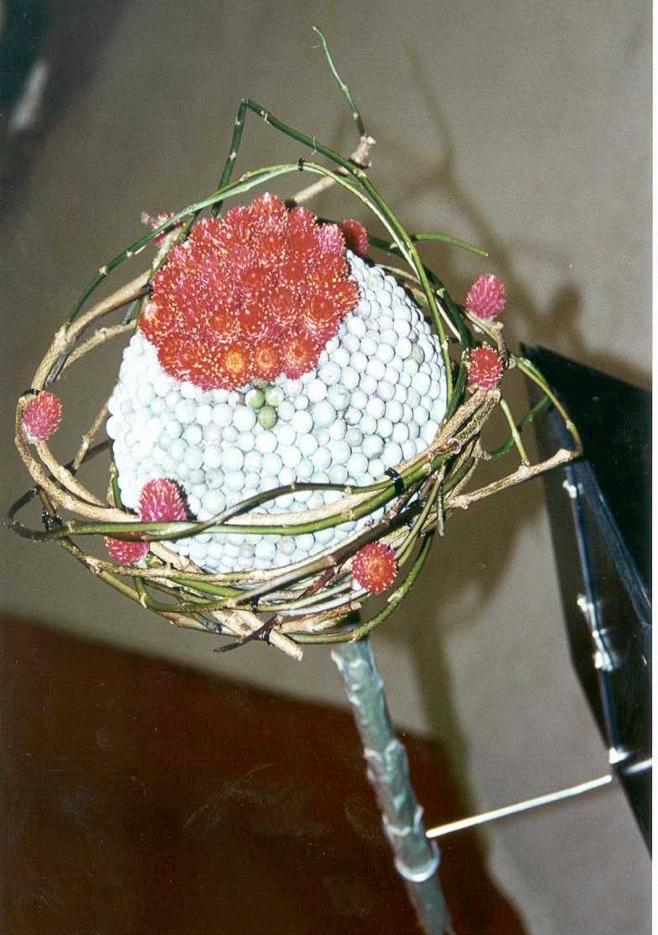
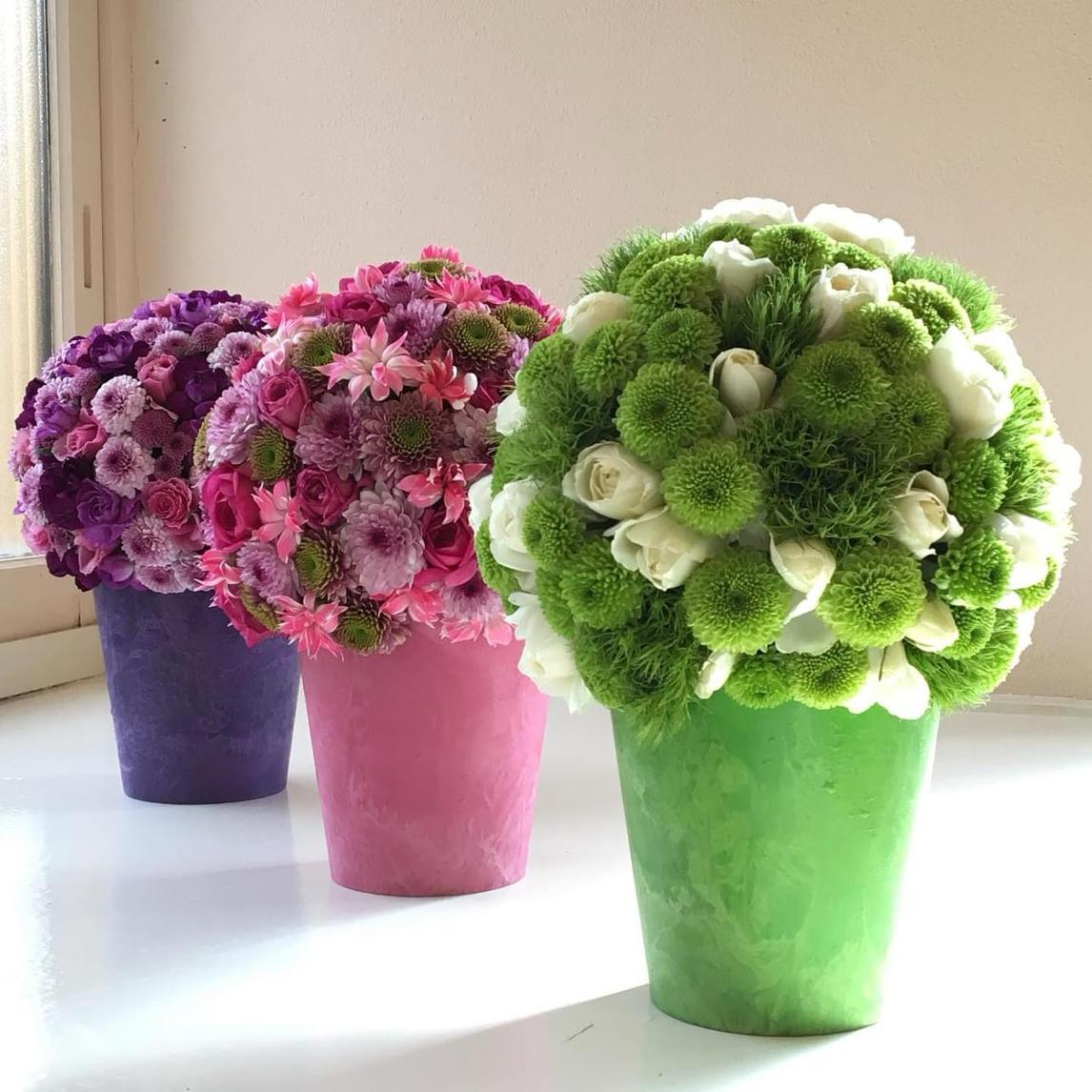
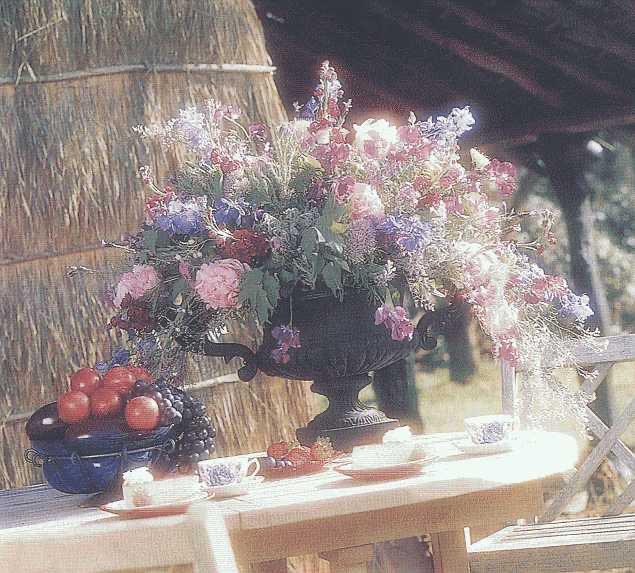
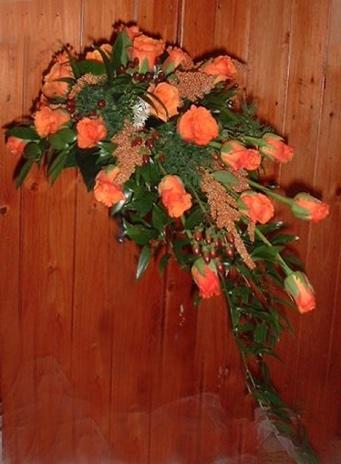
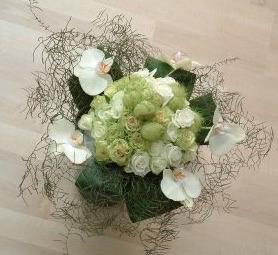
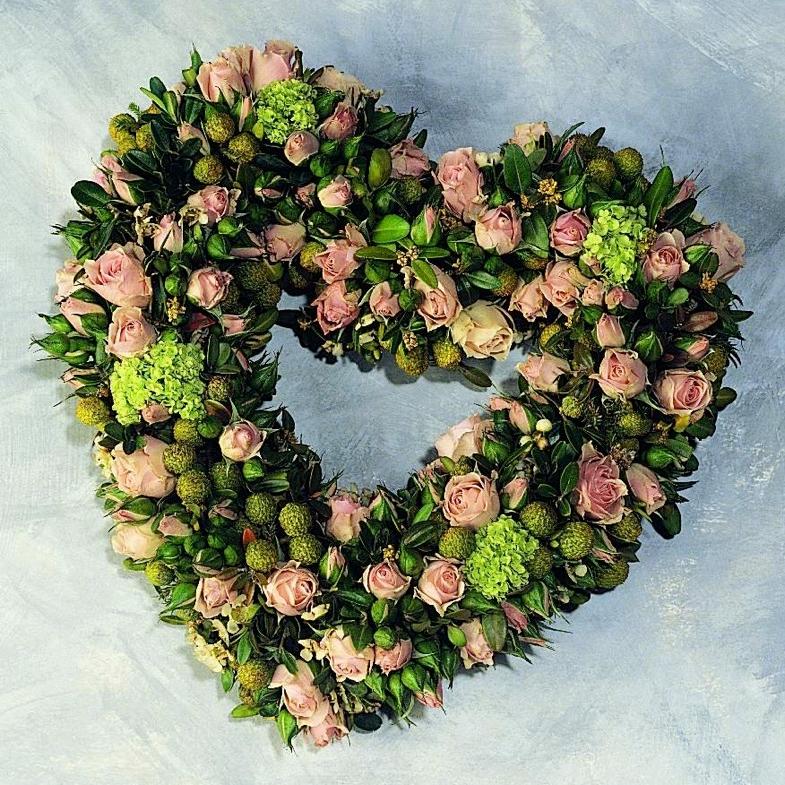
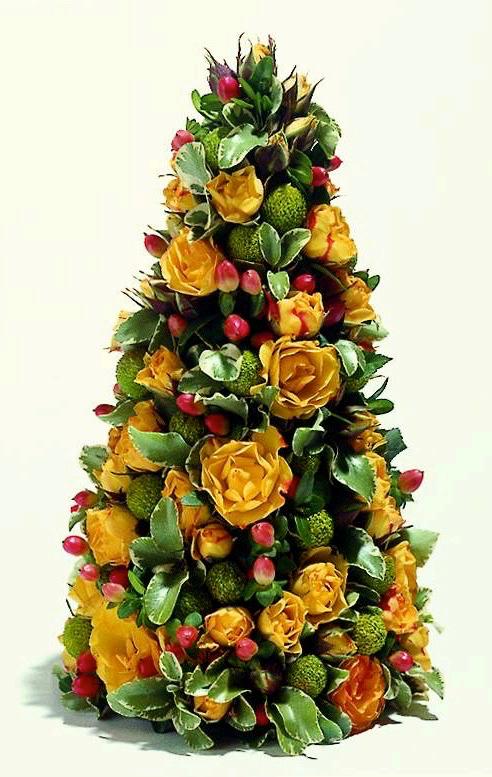
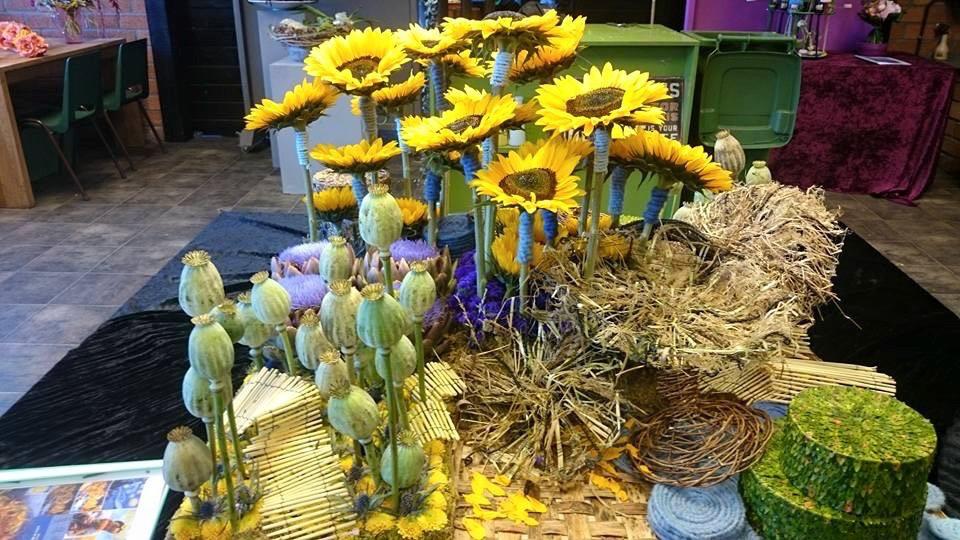
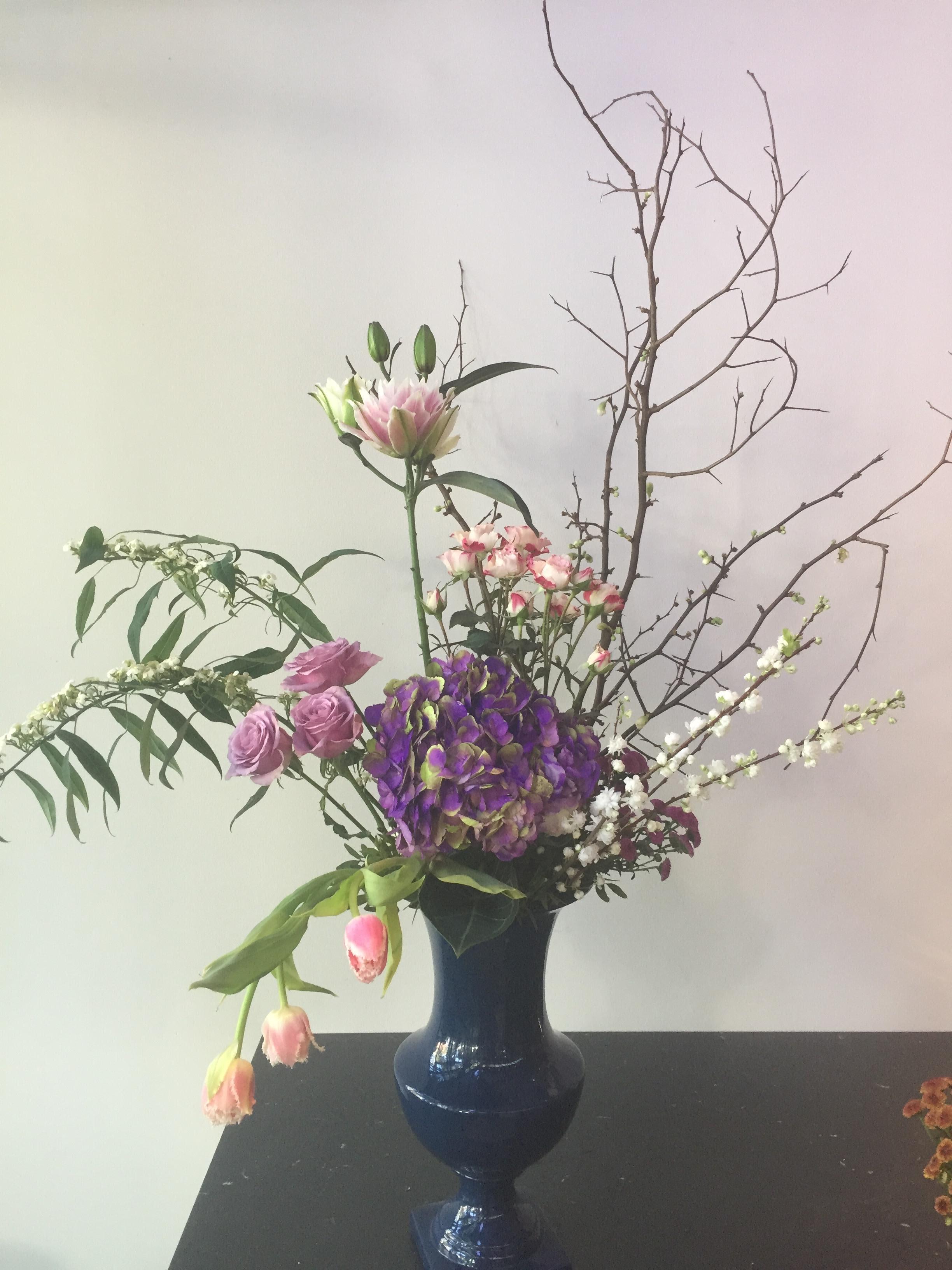
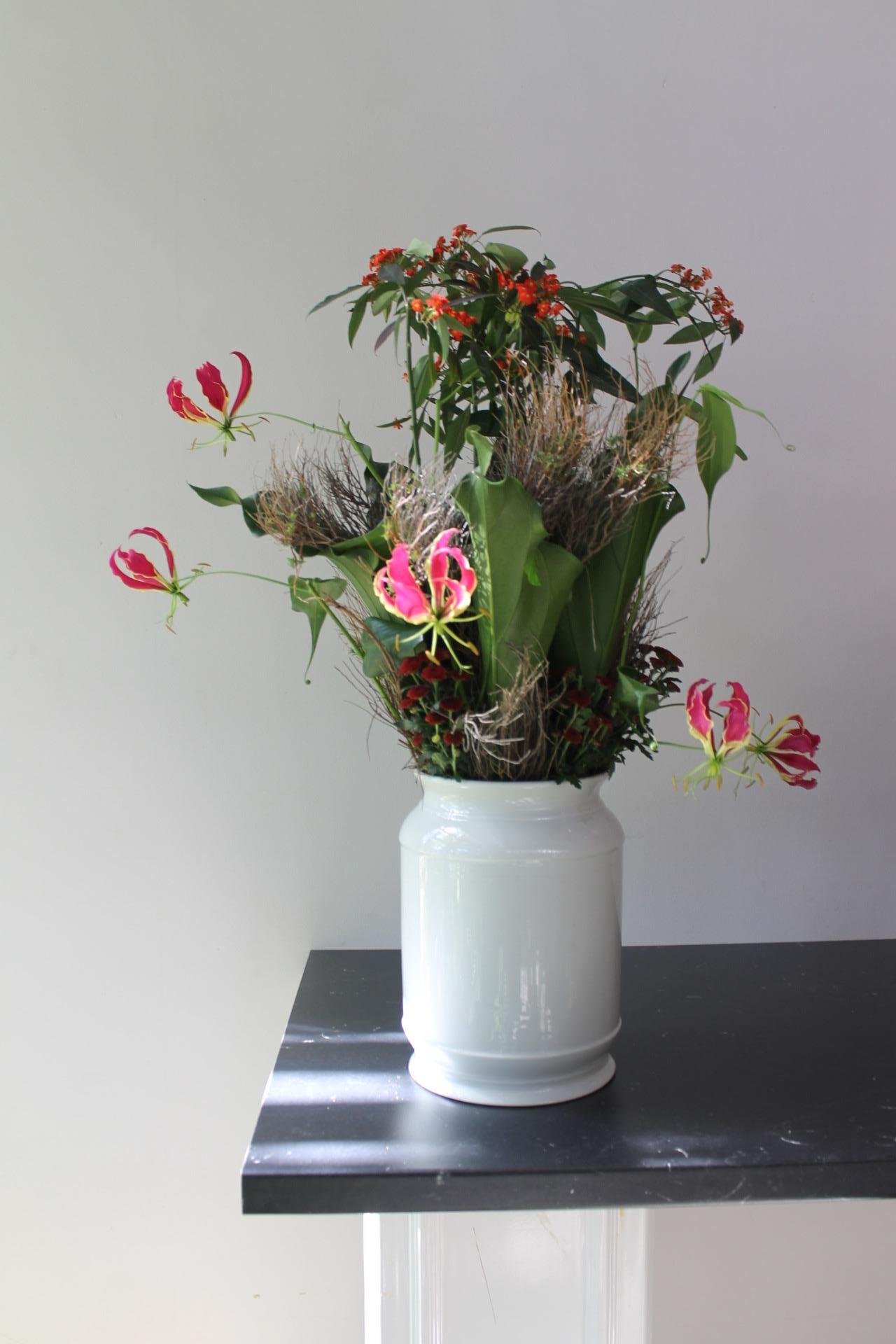
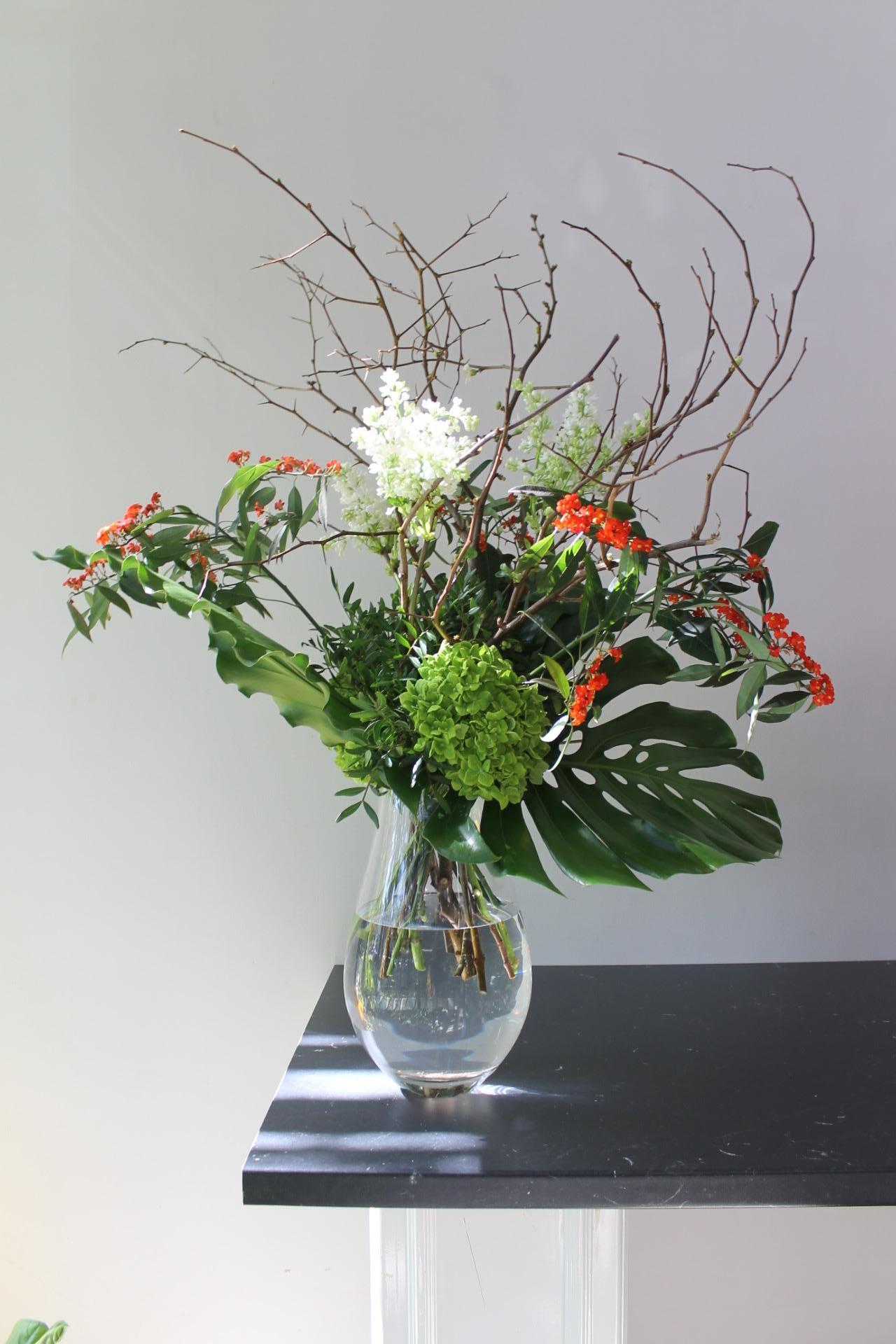
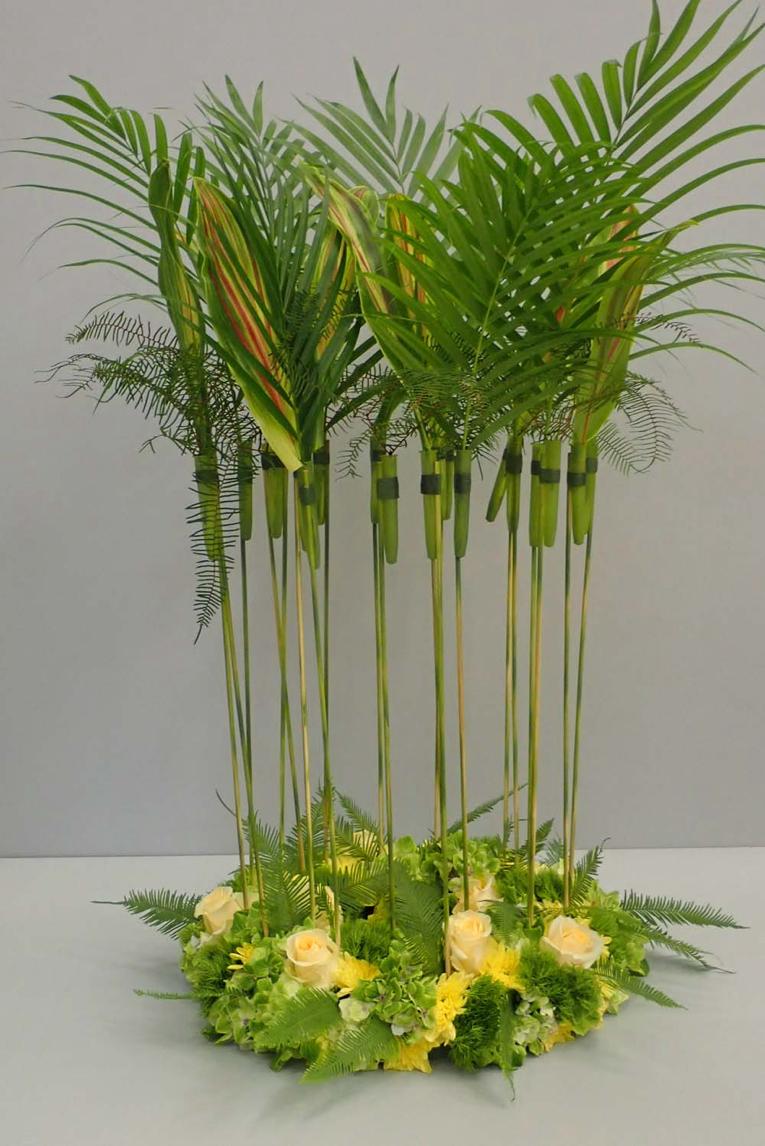
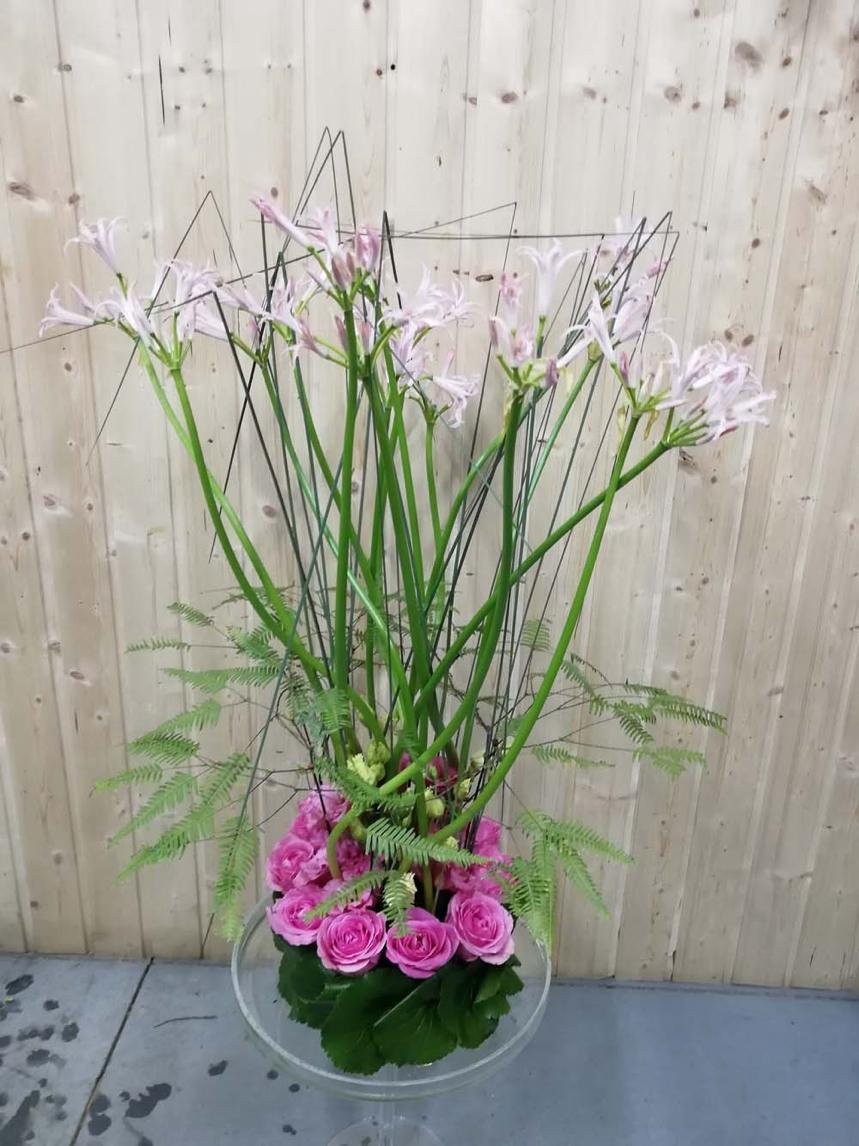
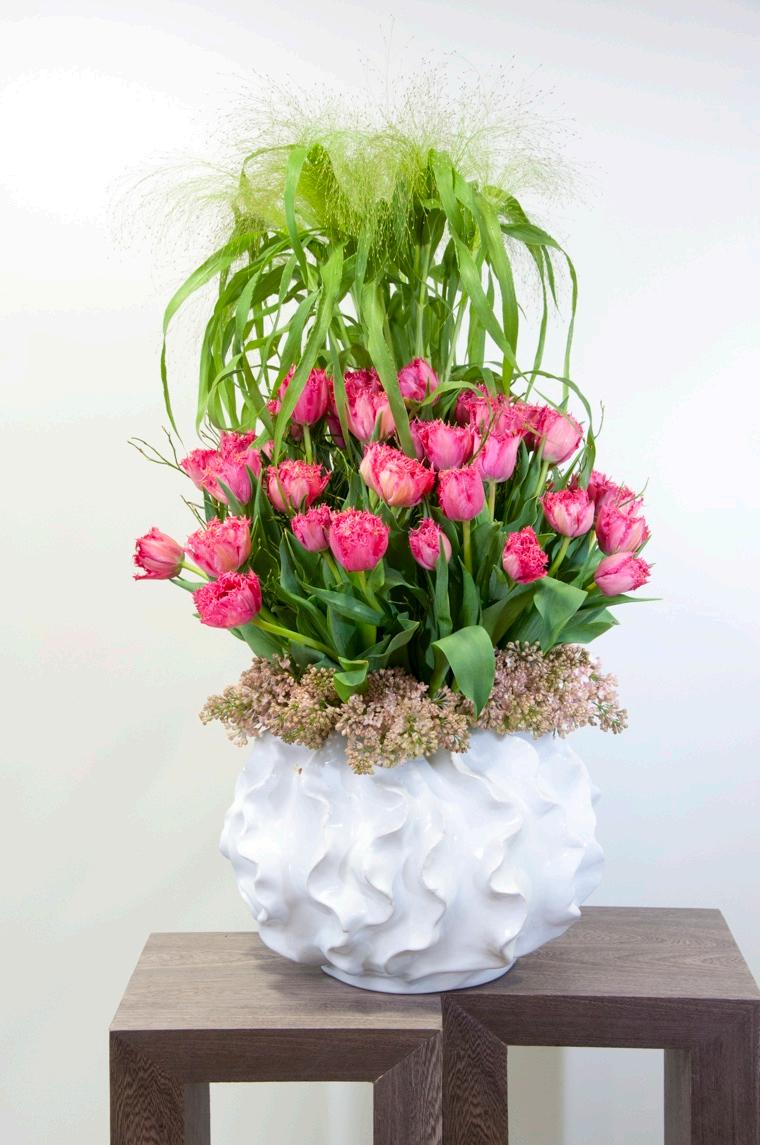
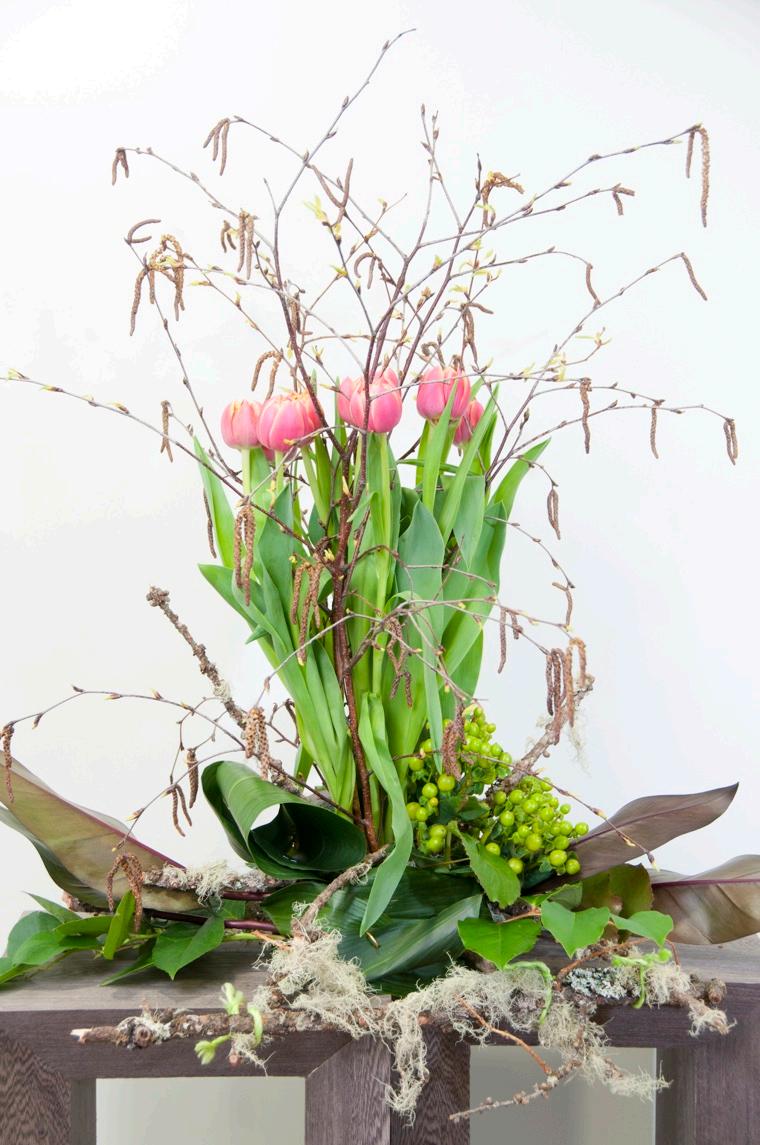
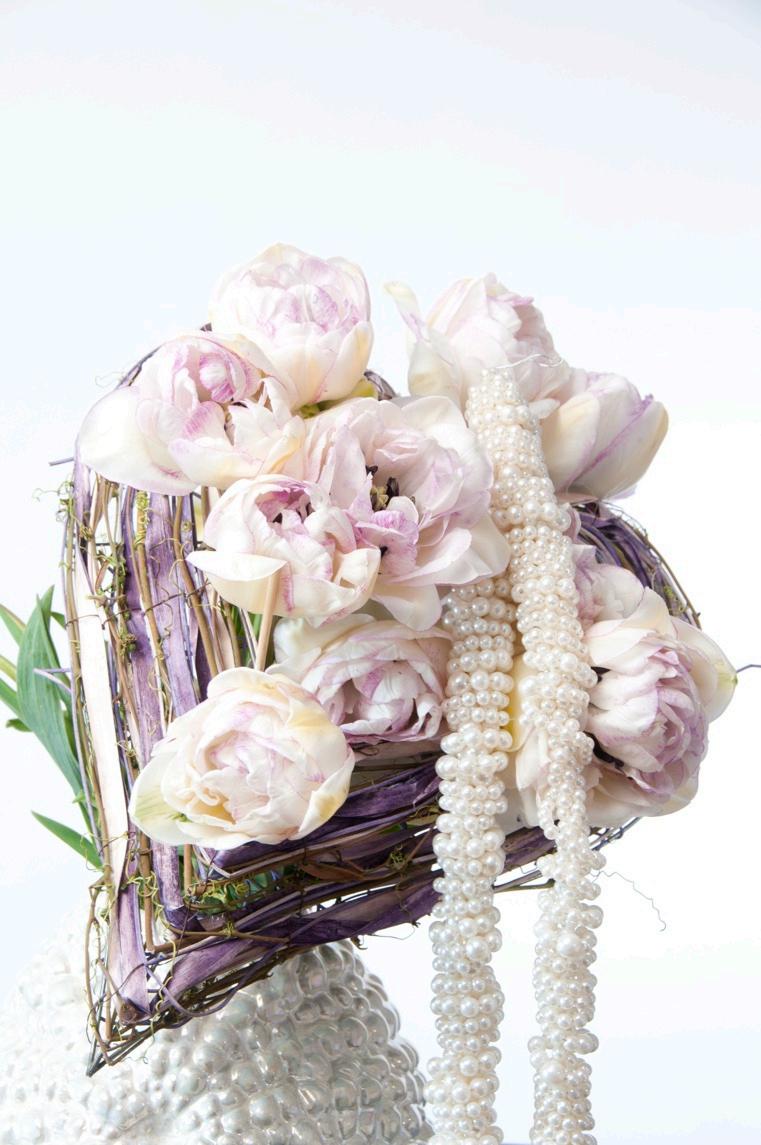
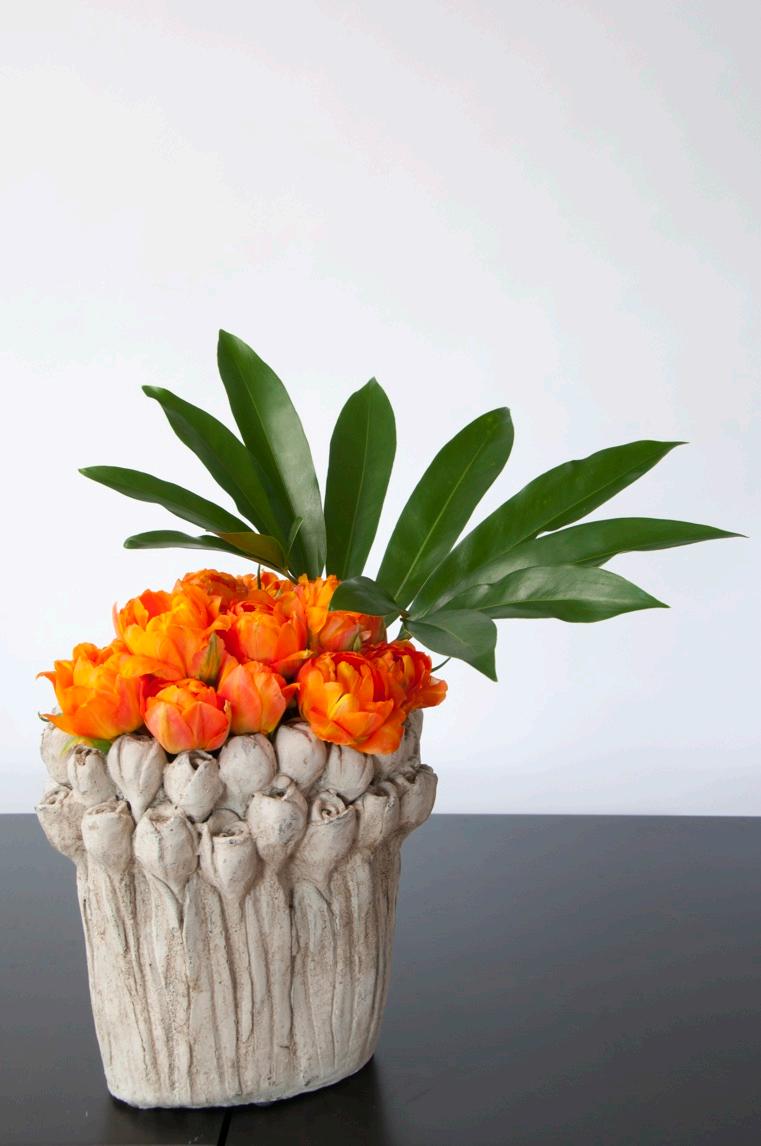
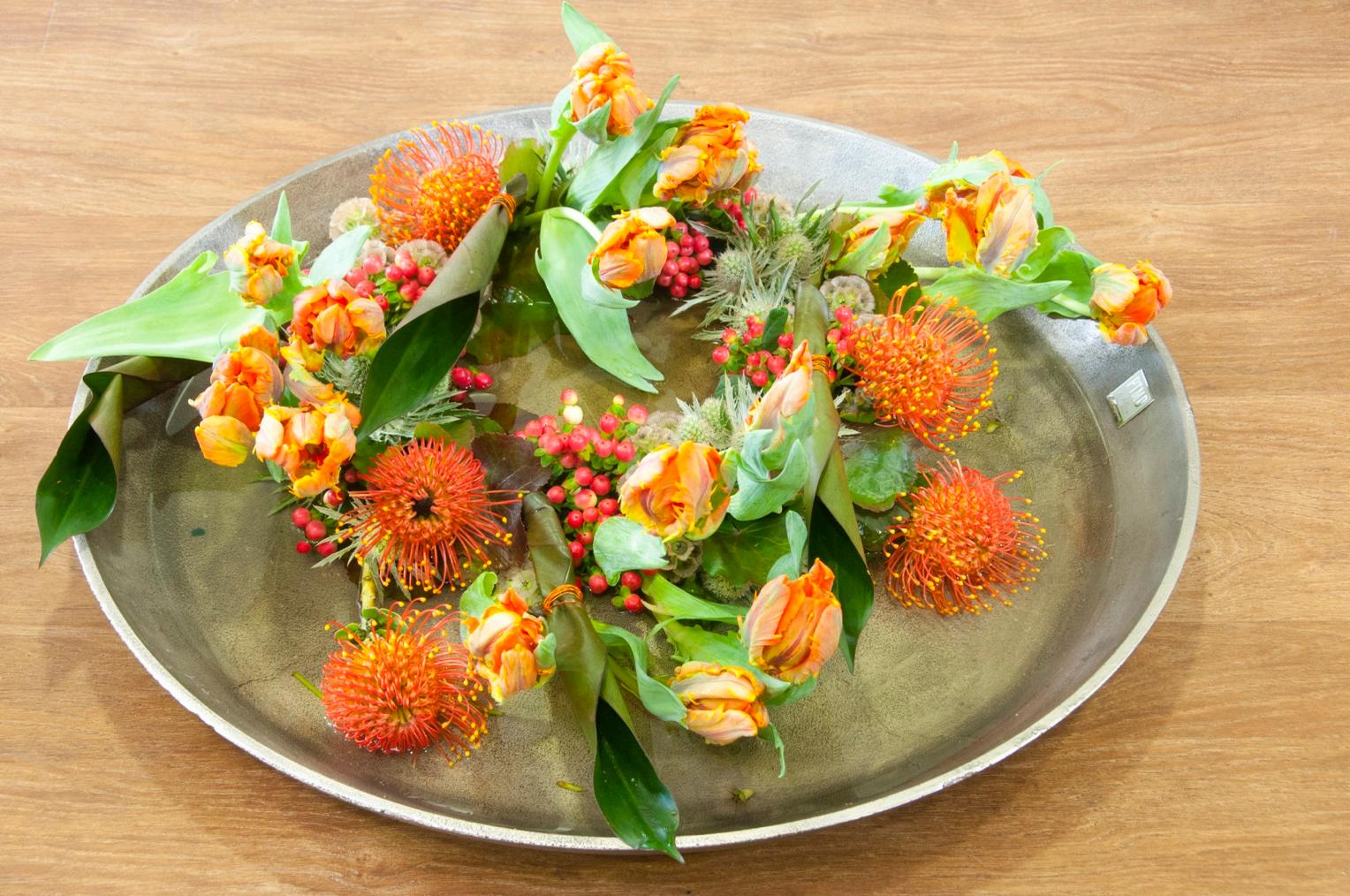
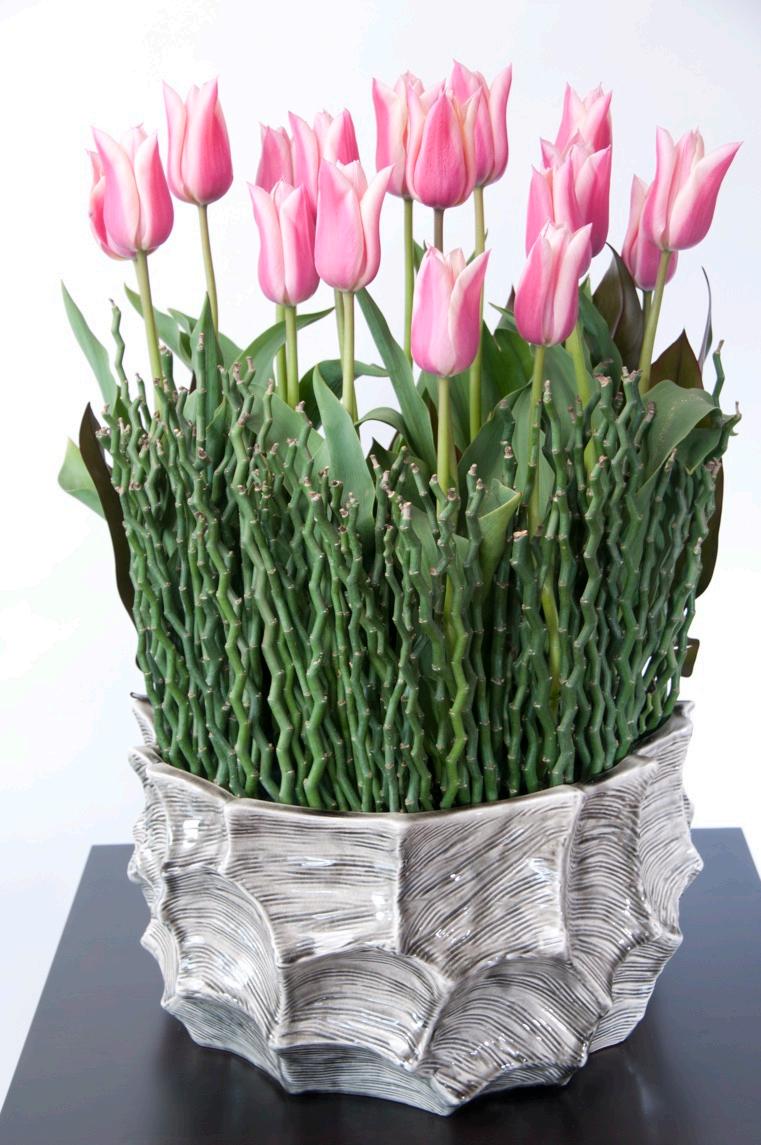
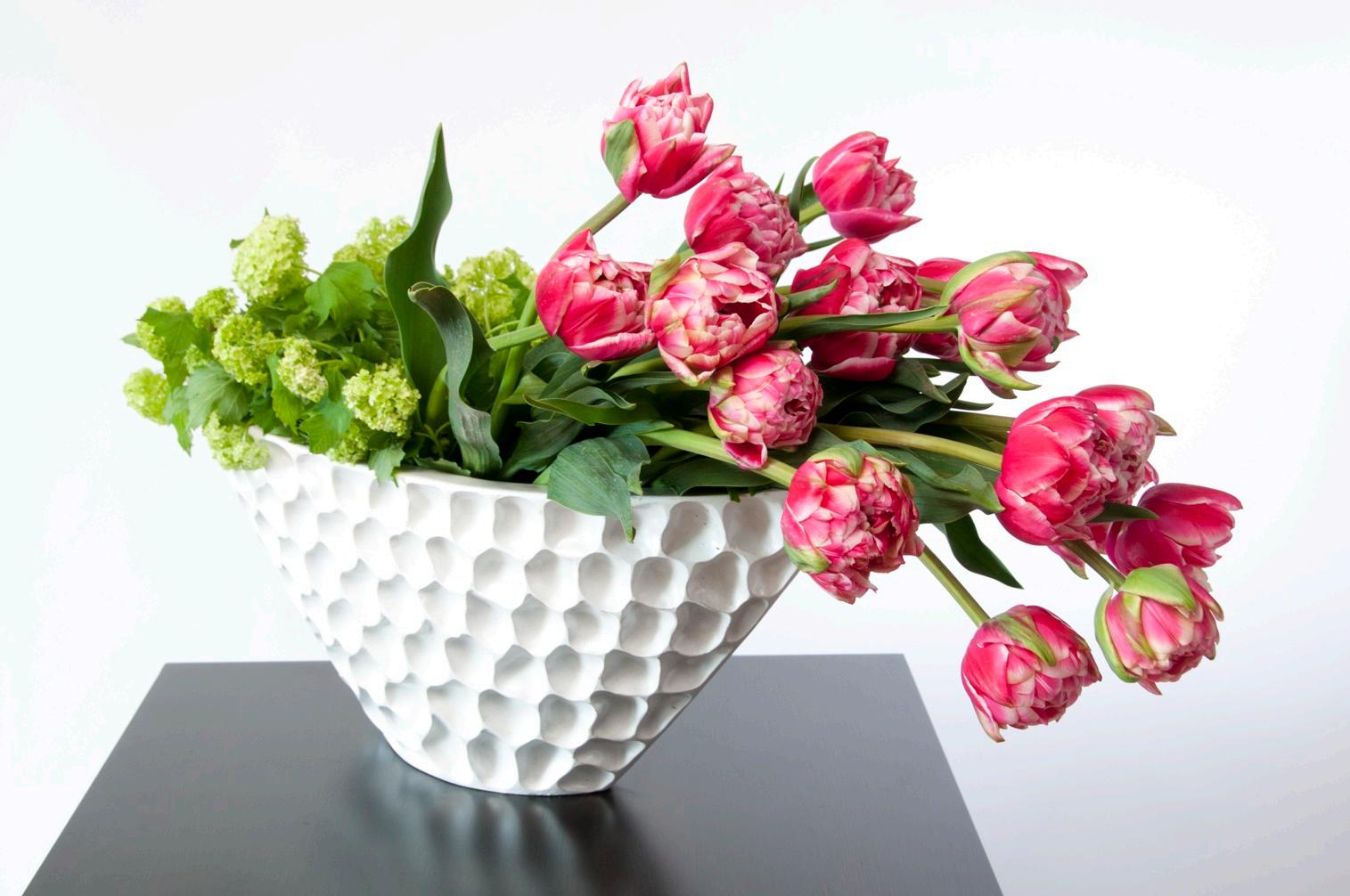
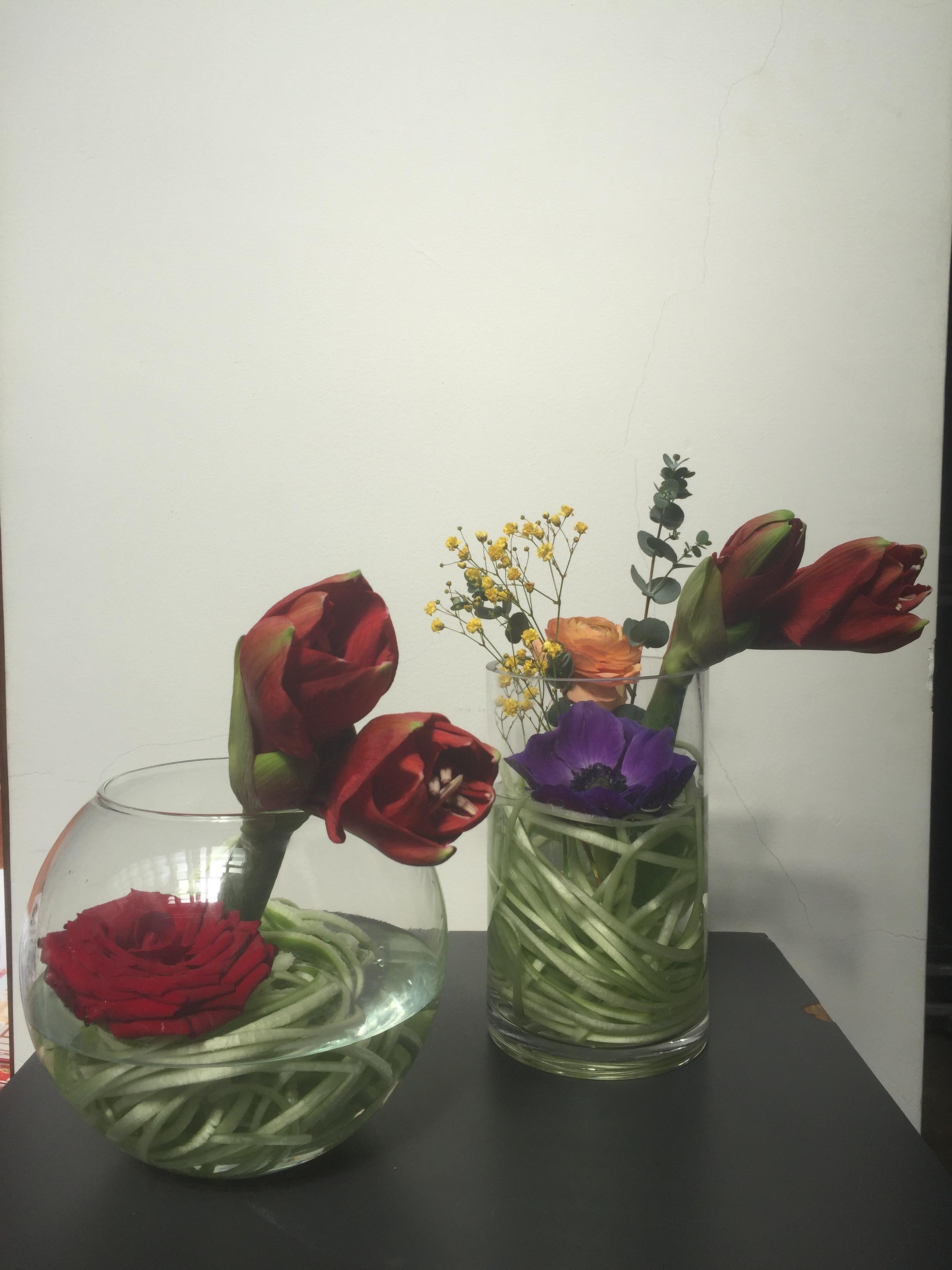
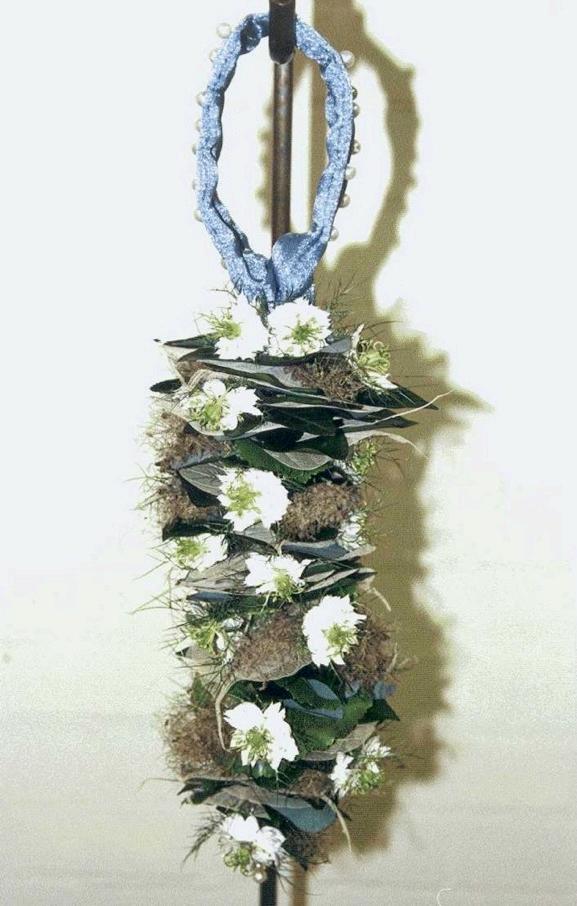
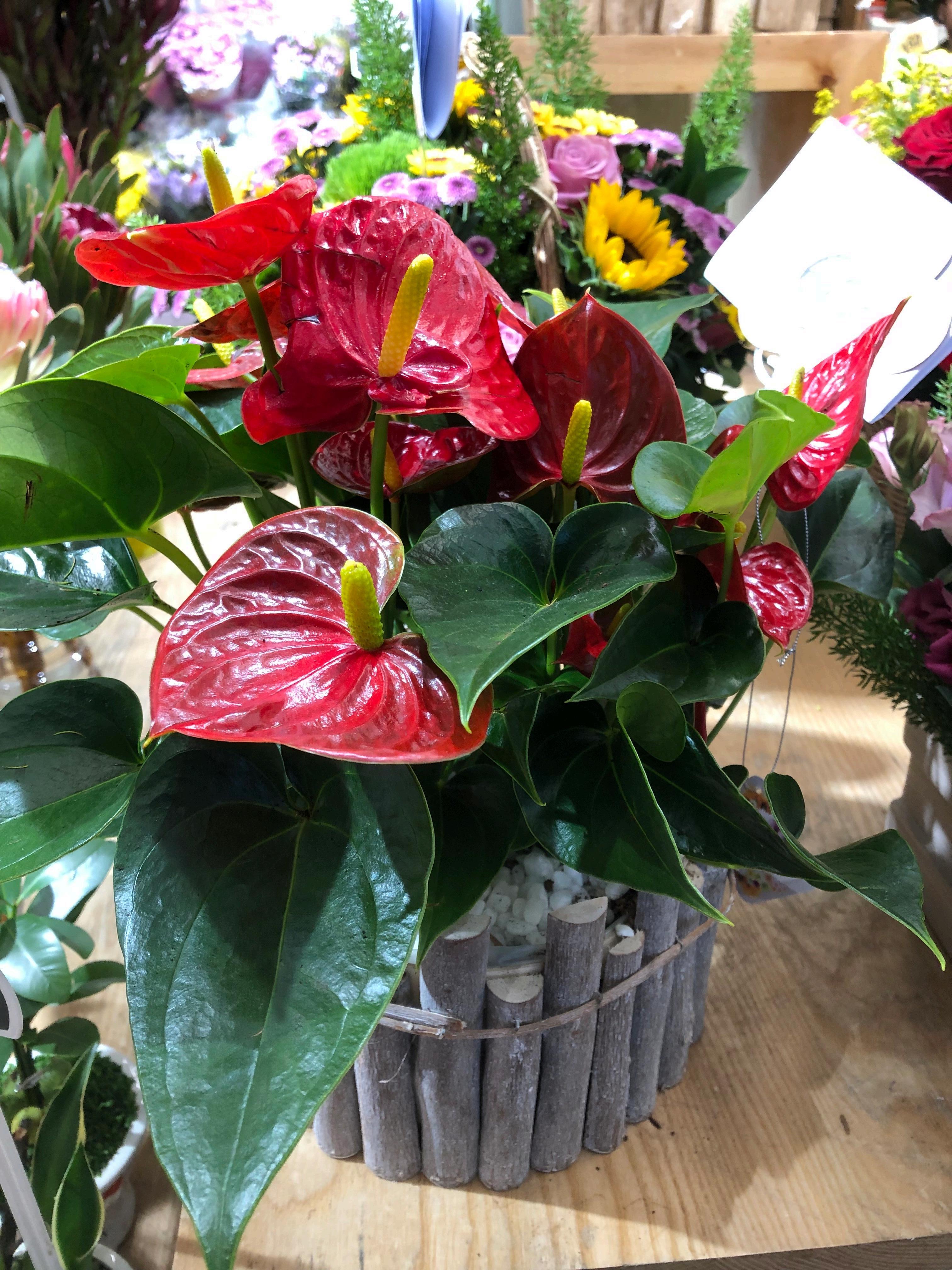
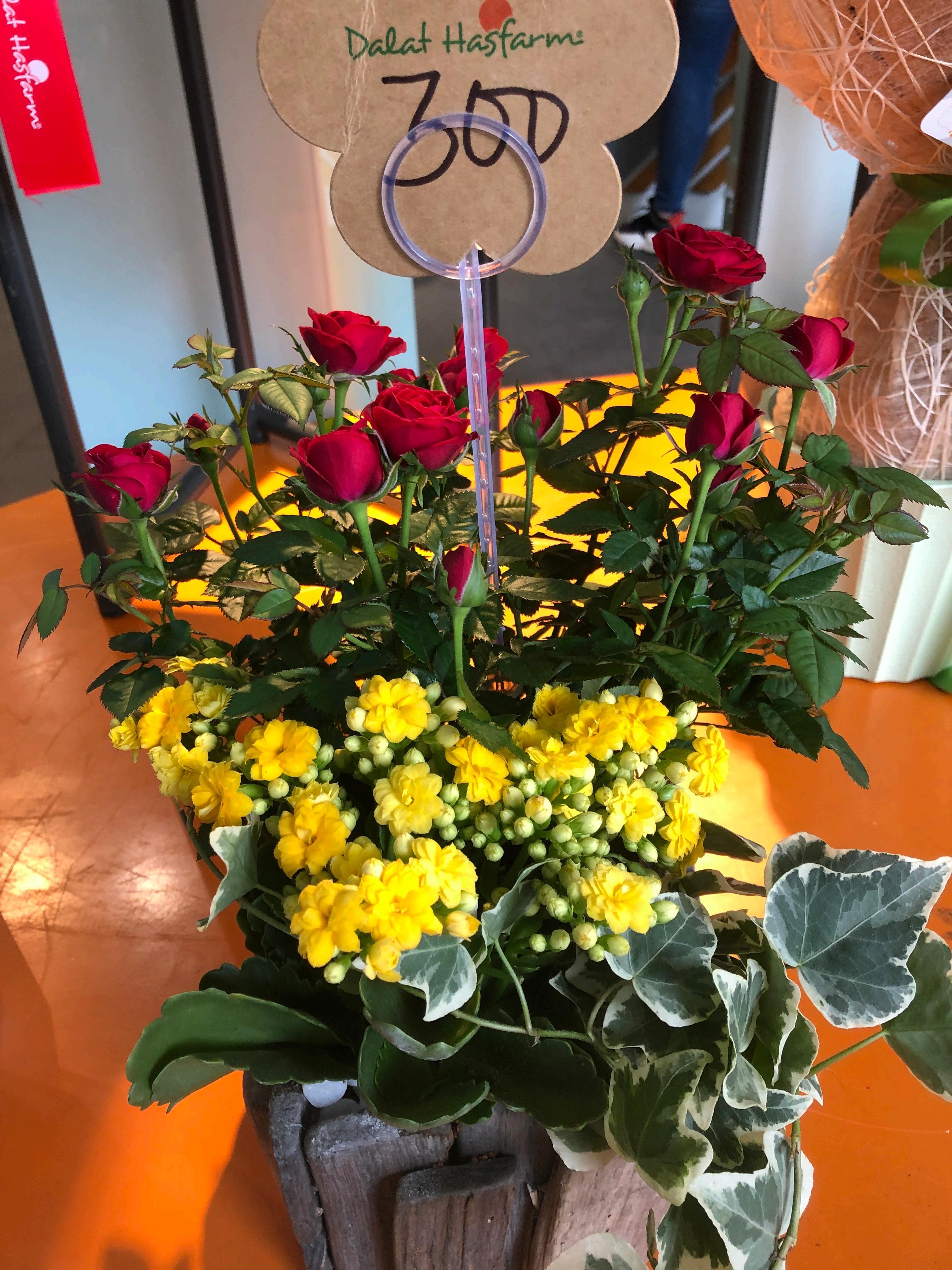
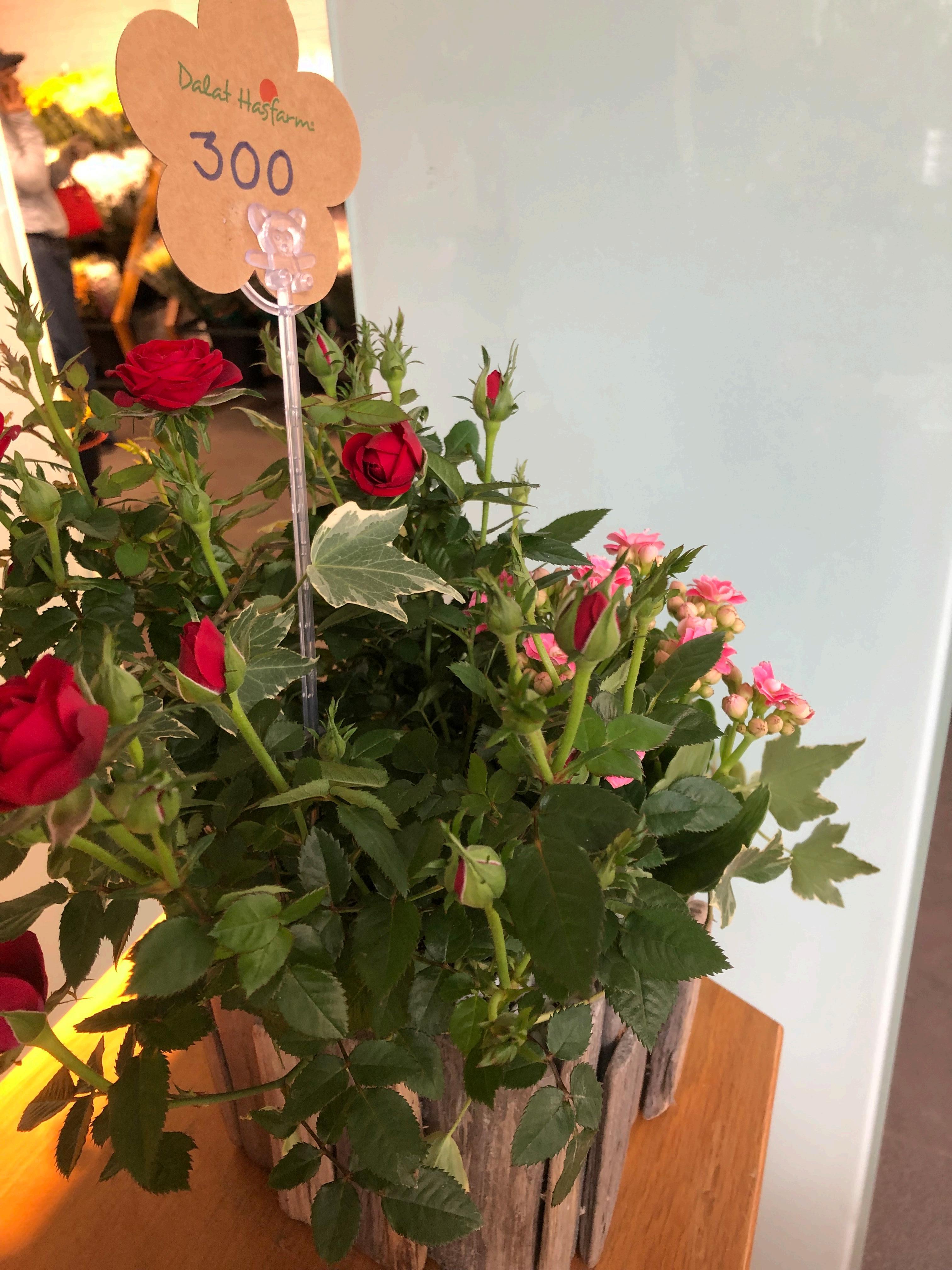
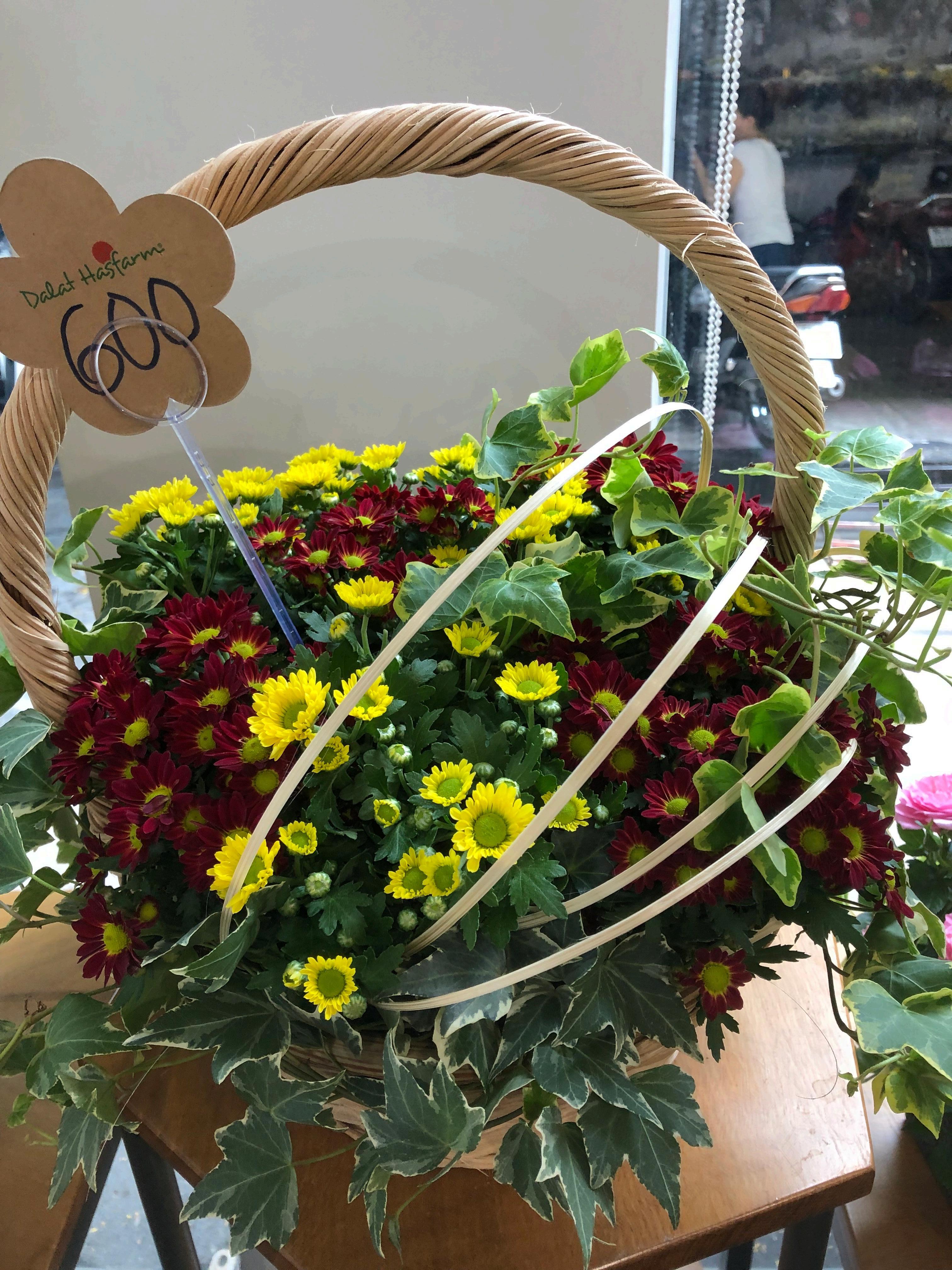
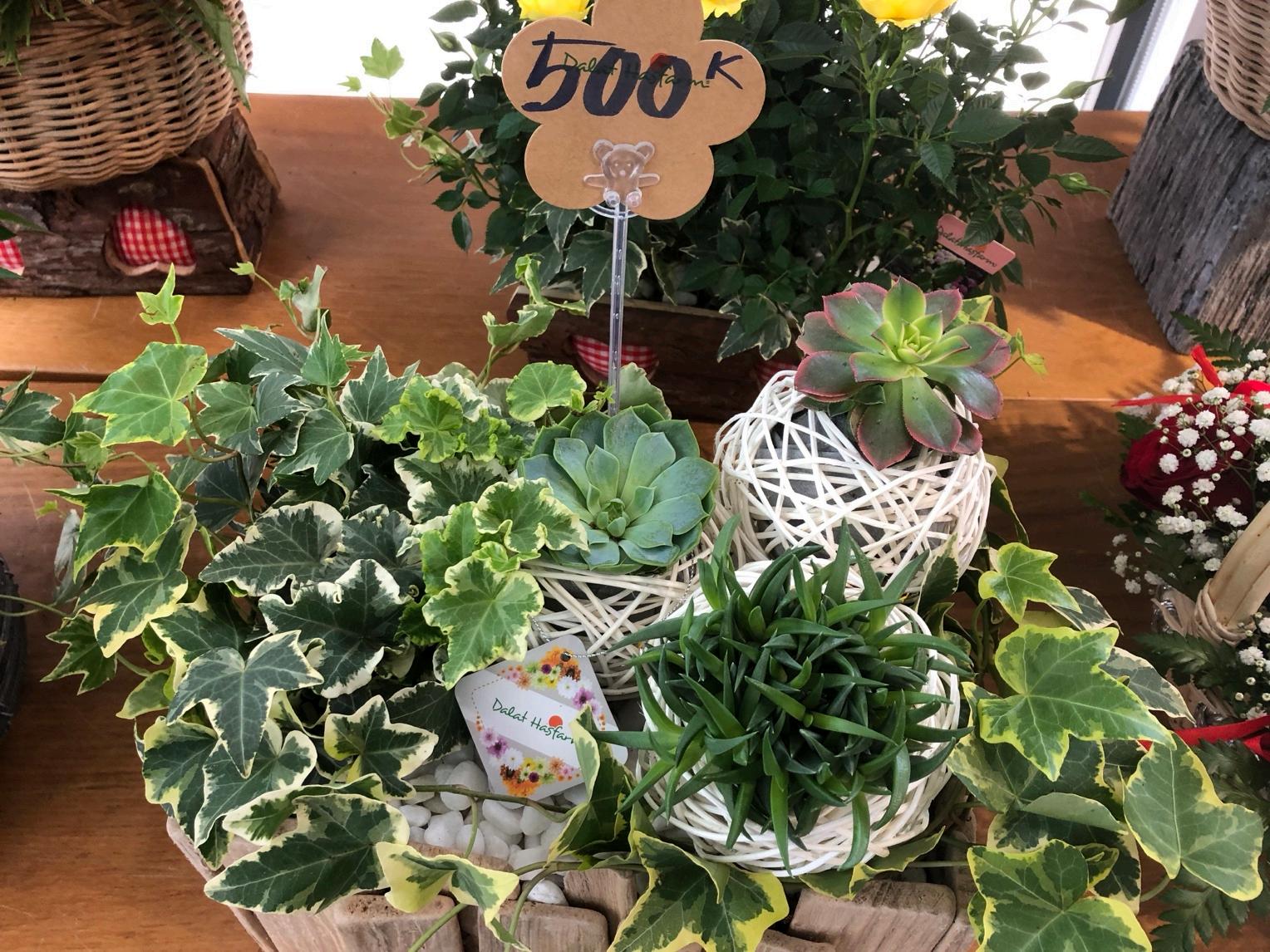
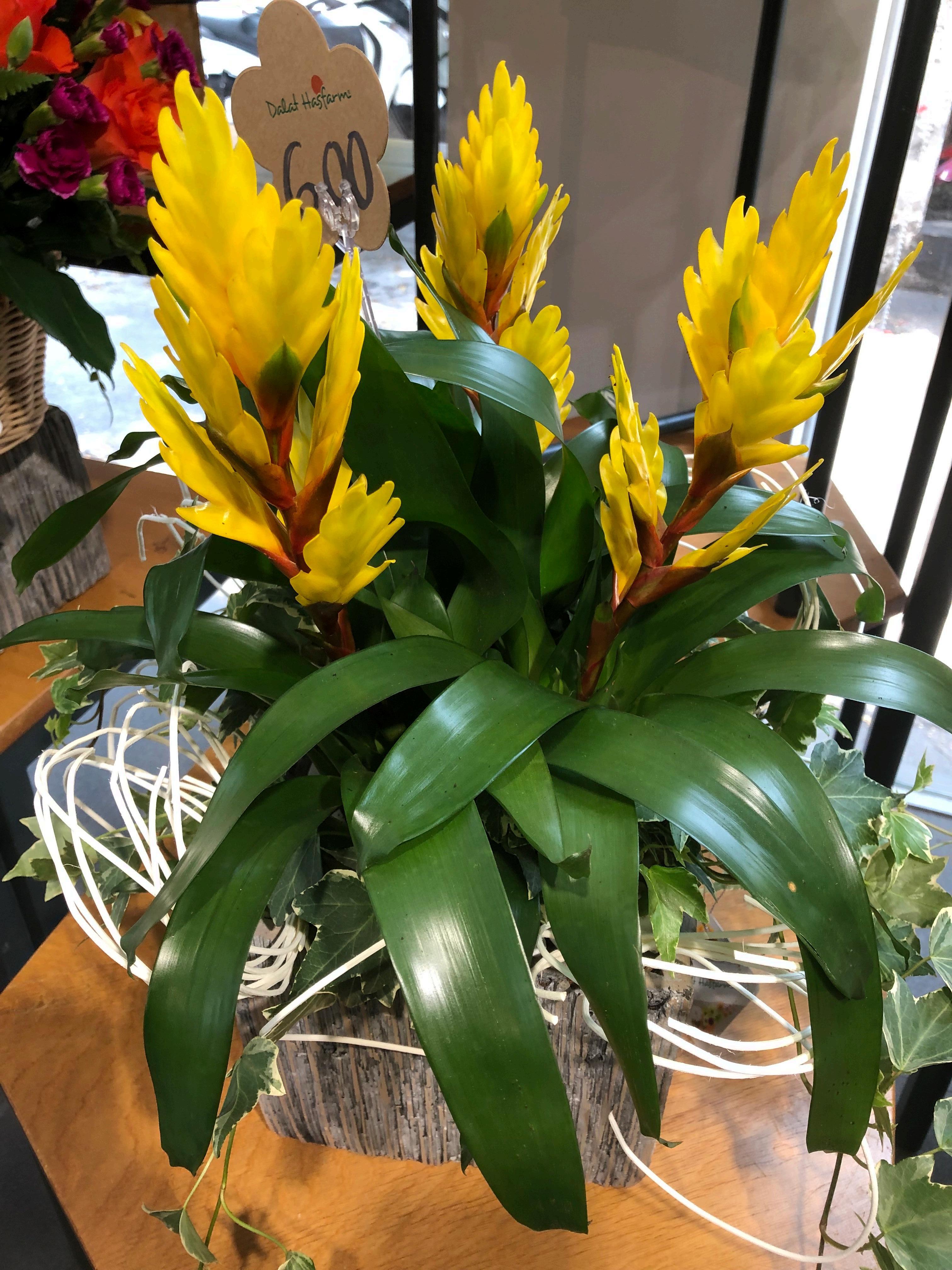
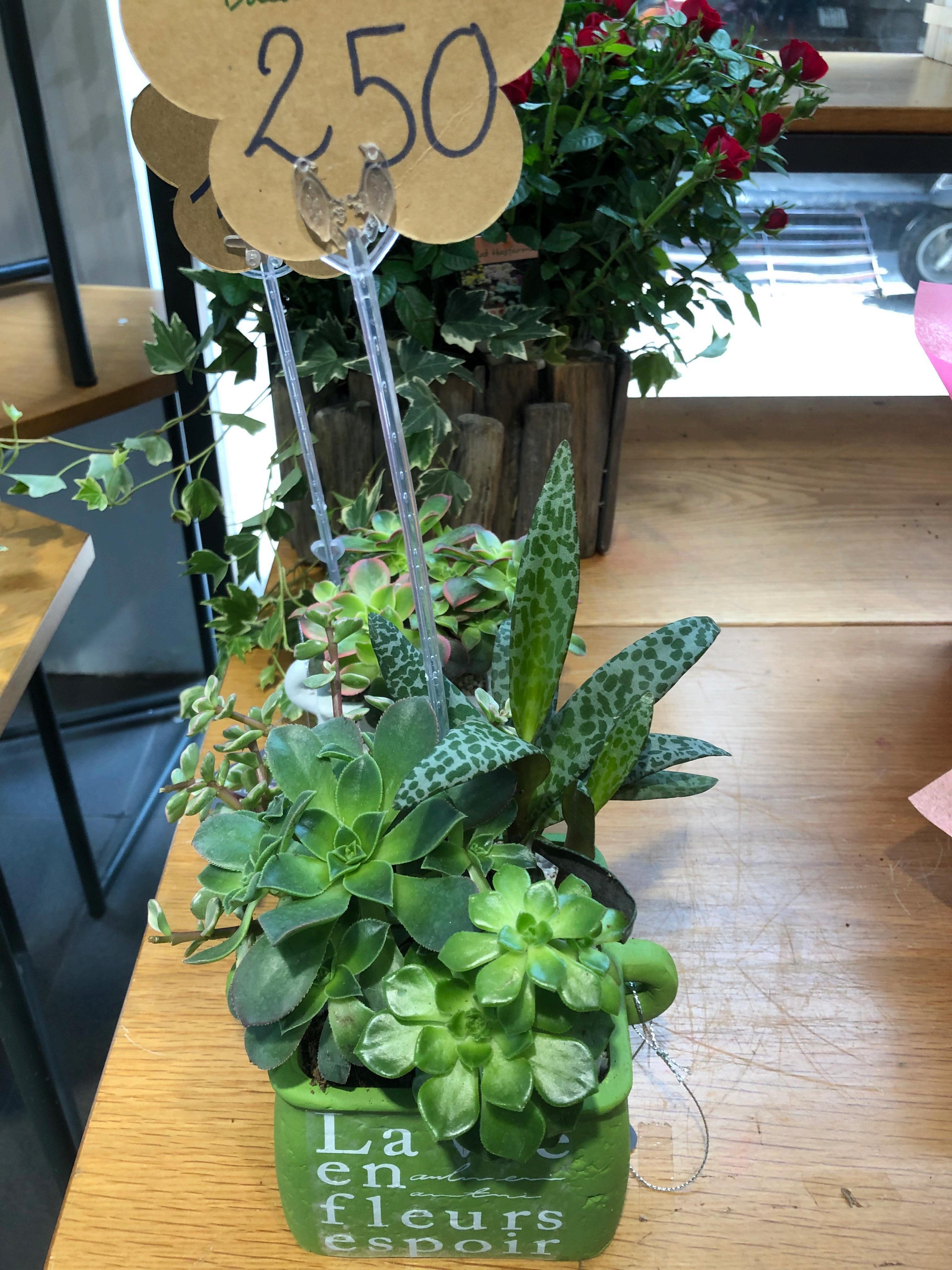
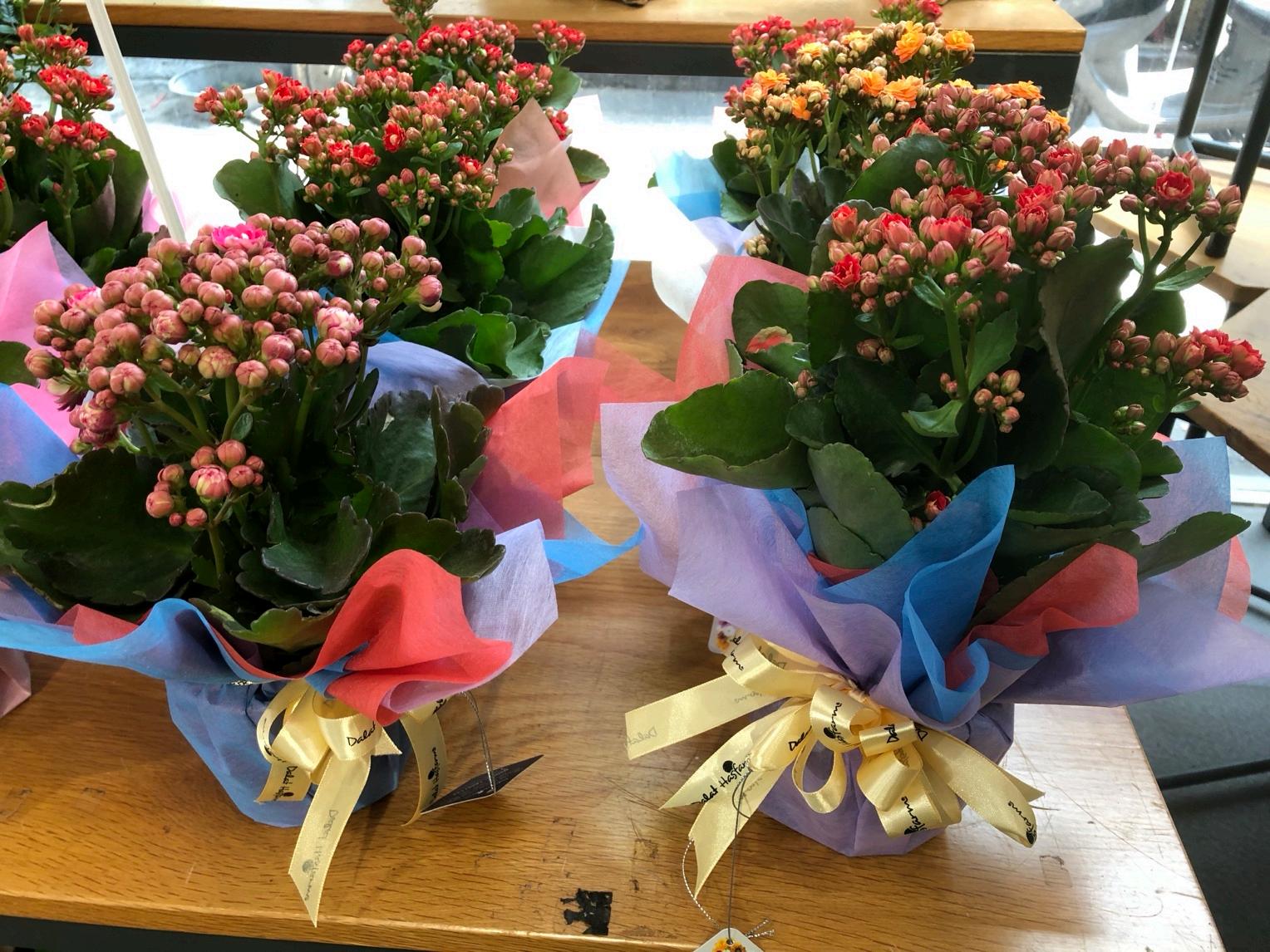
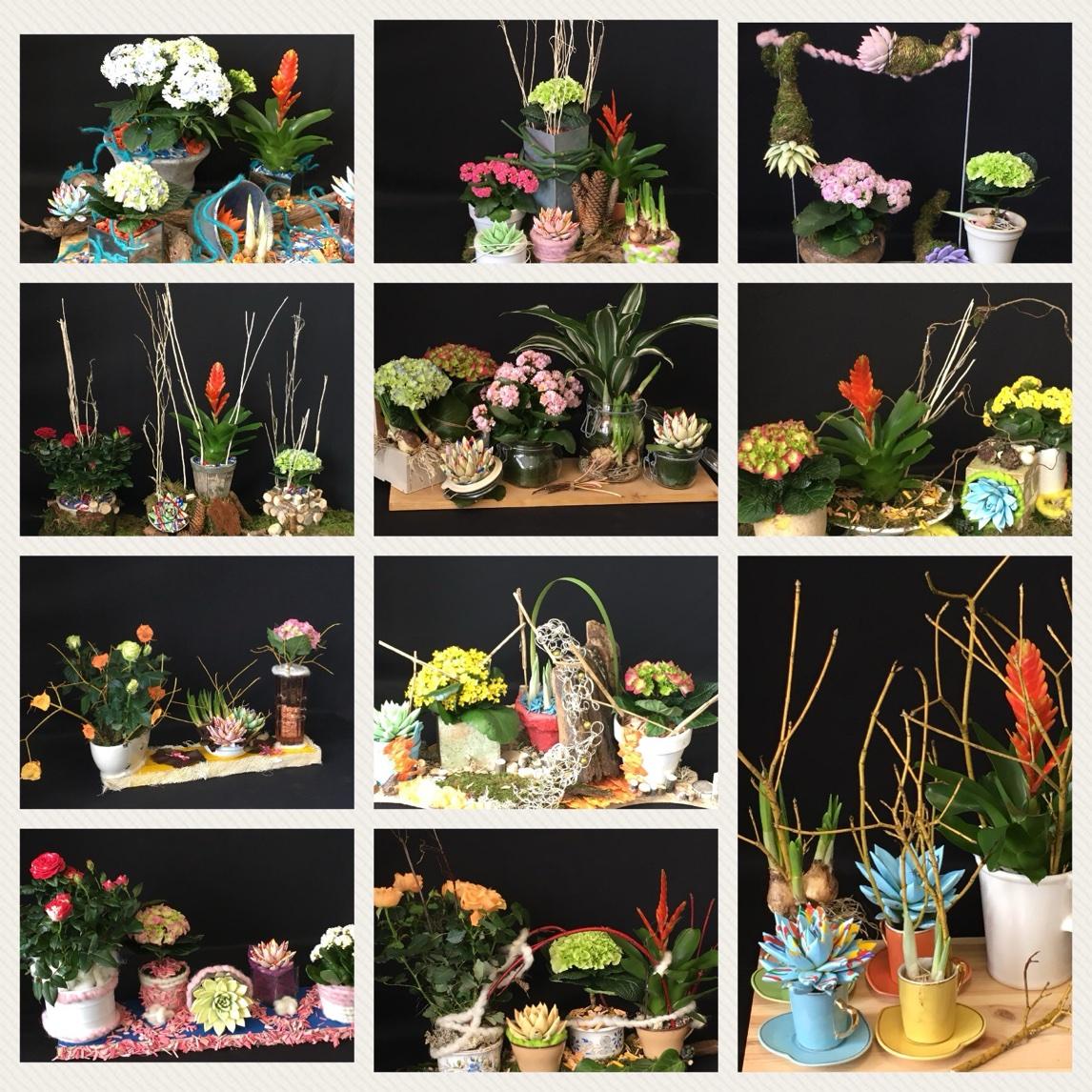
§ Arrangements
– with flowers or plants or combination
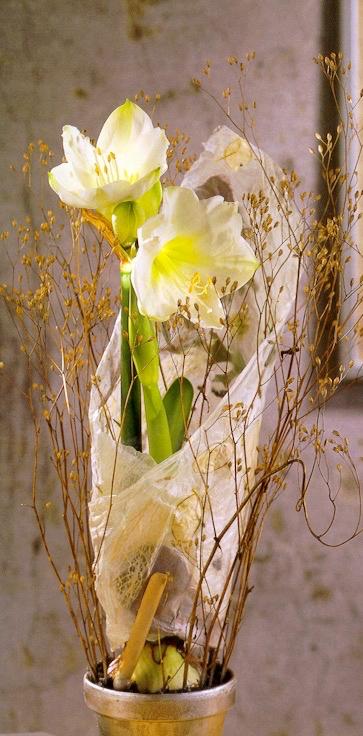
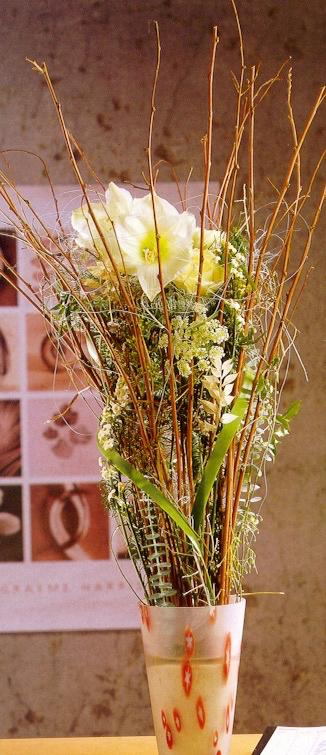
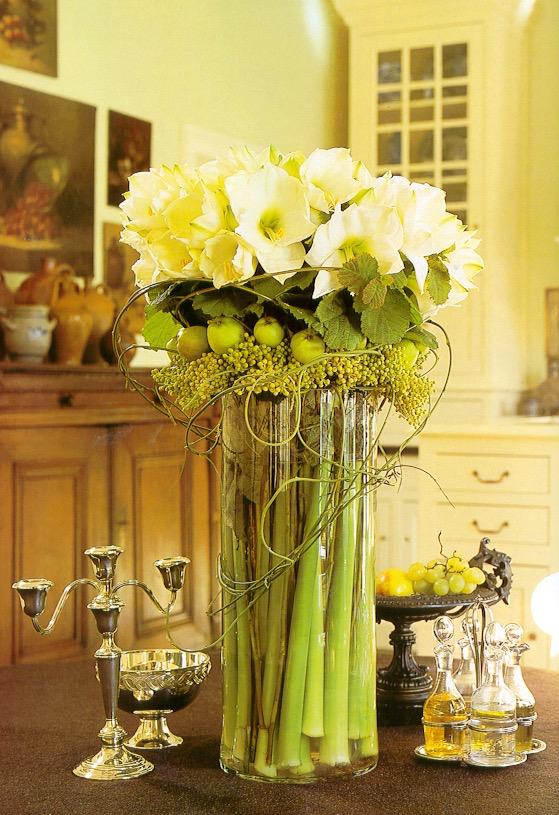
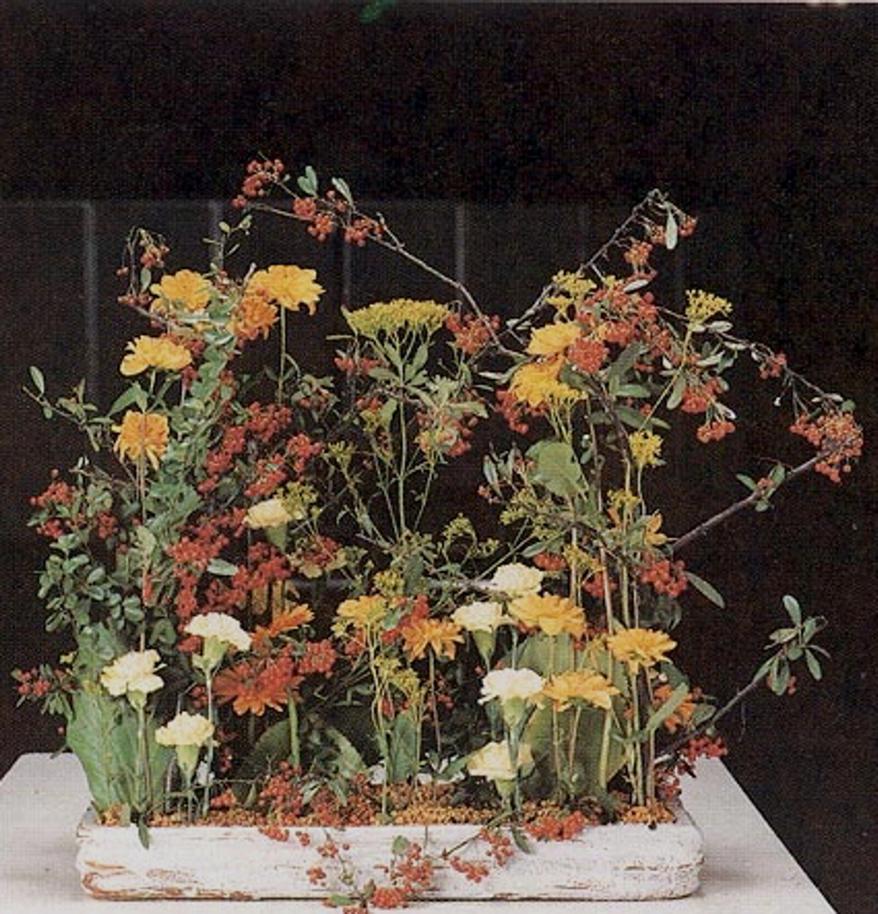
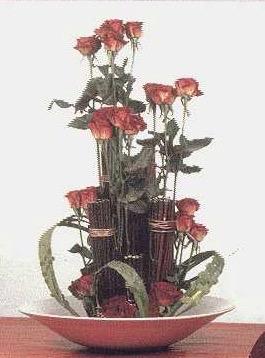
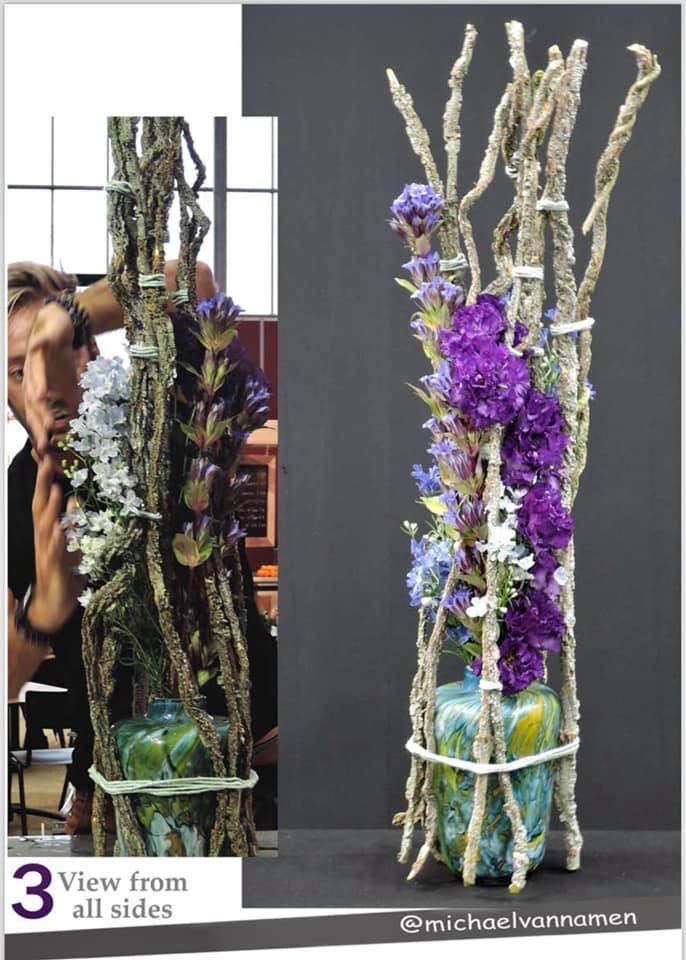

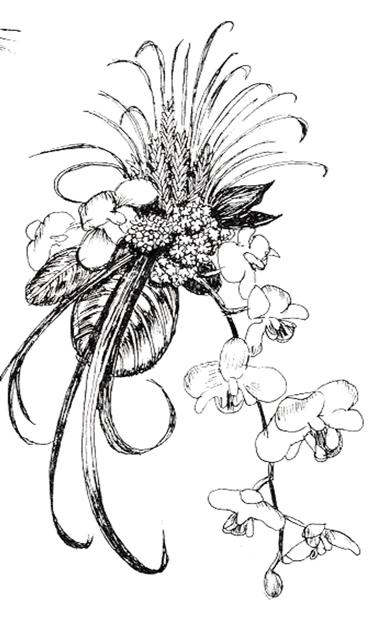

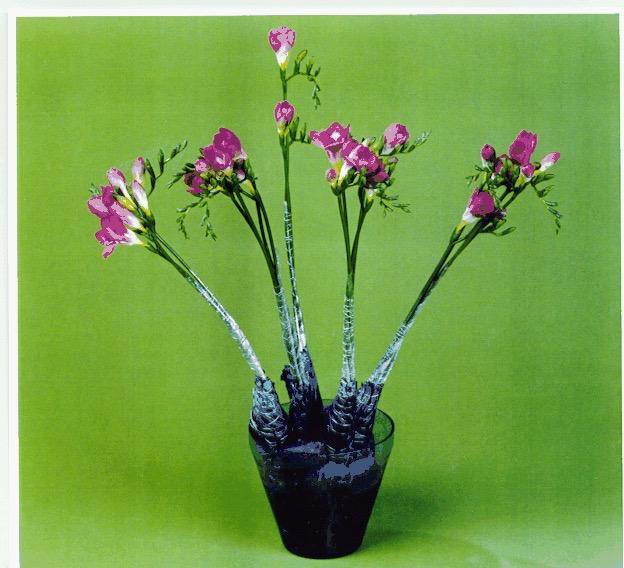



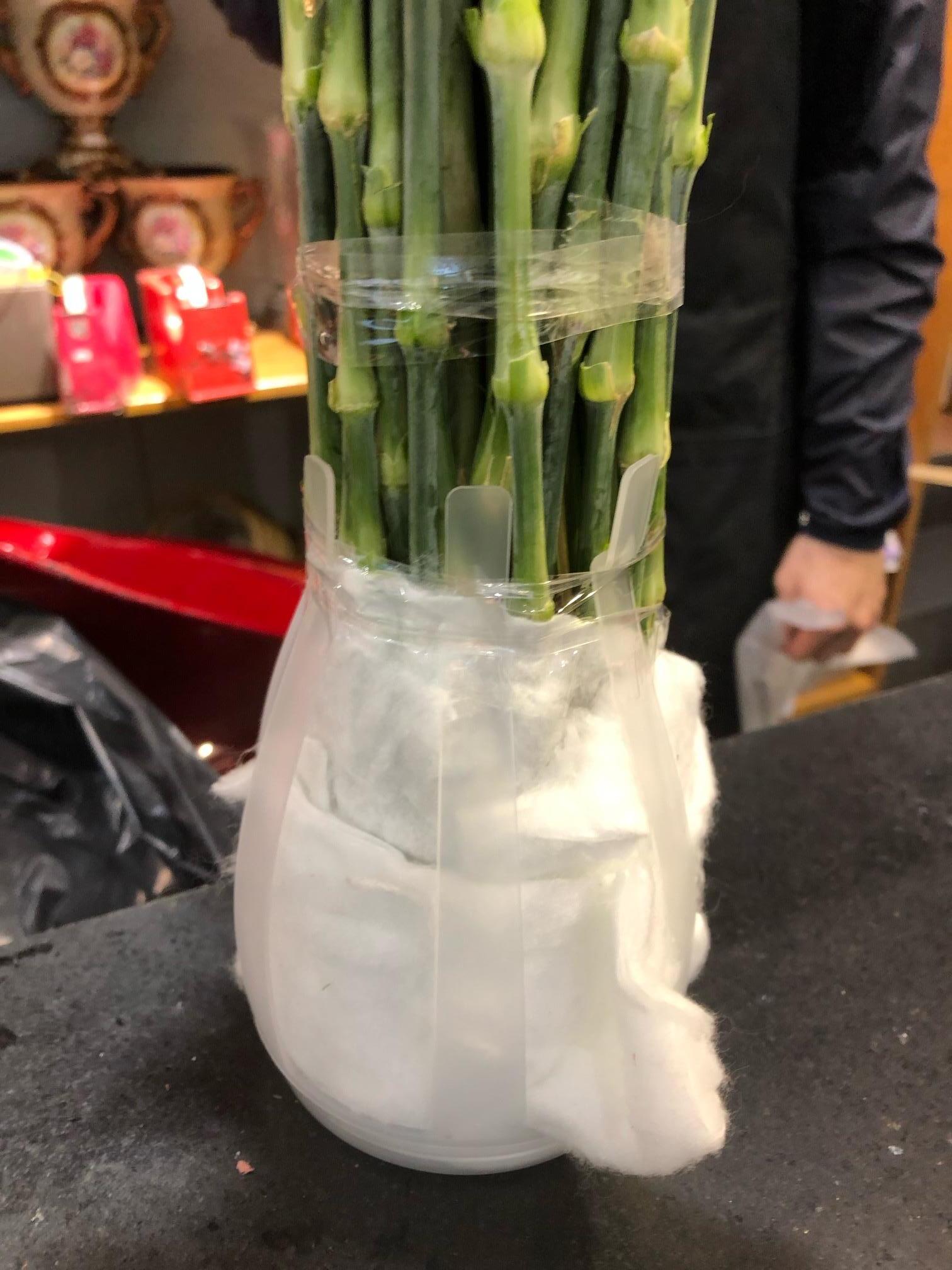

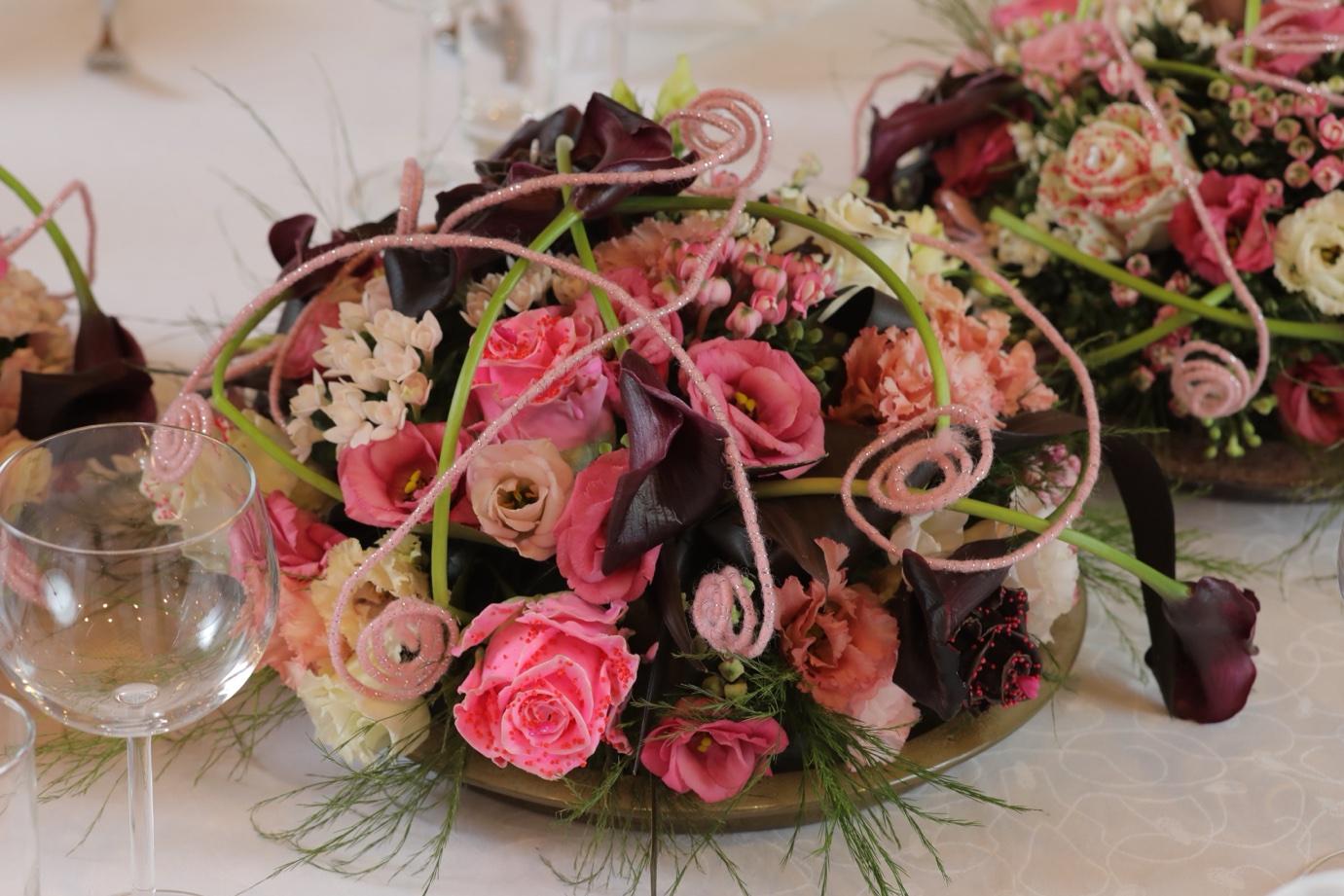
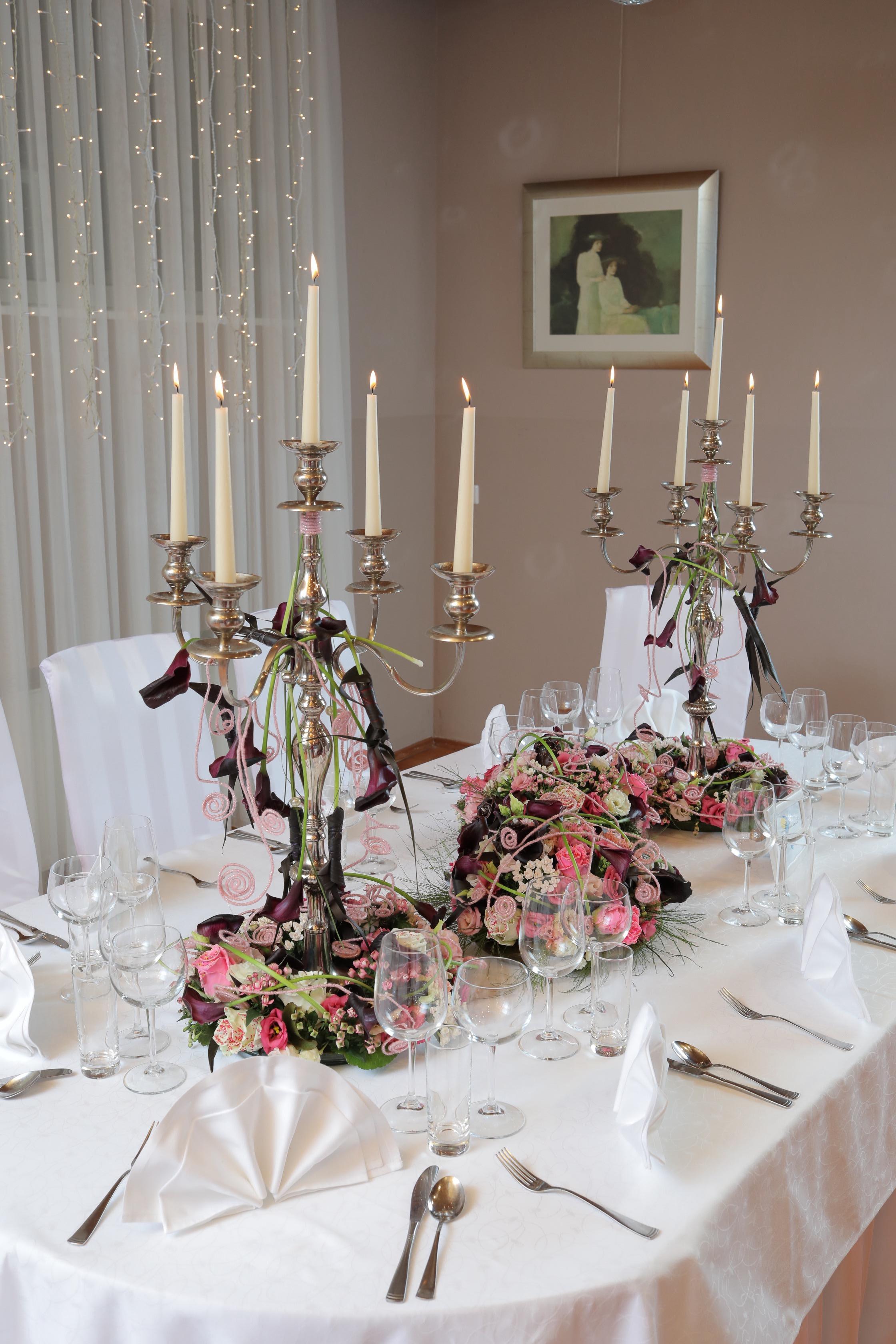
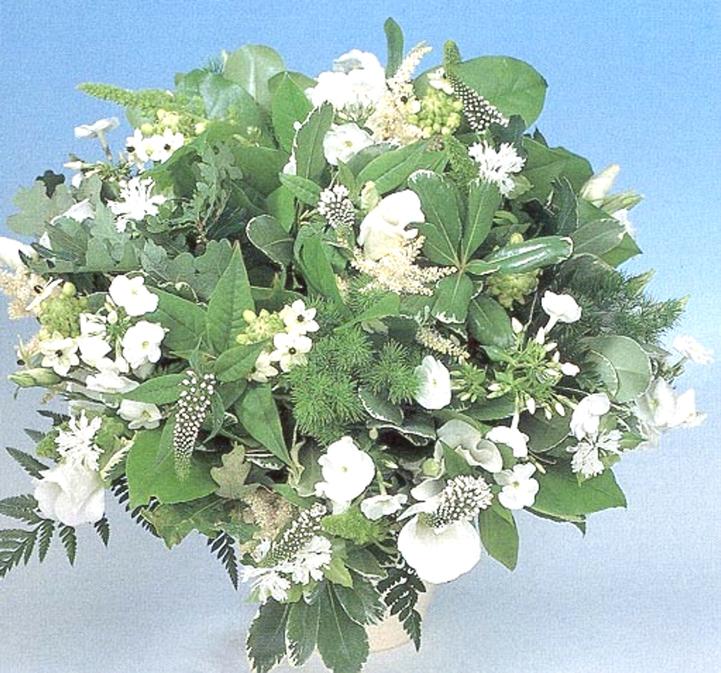



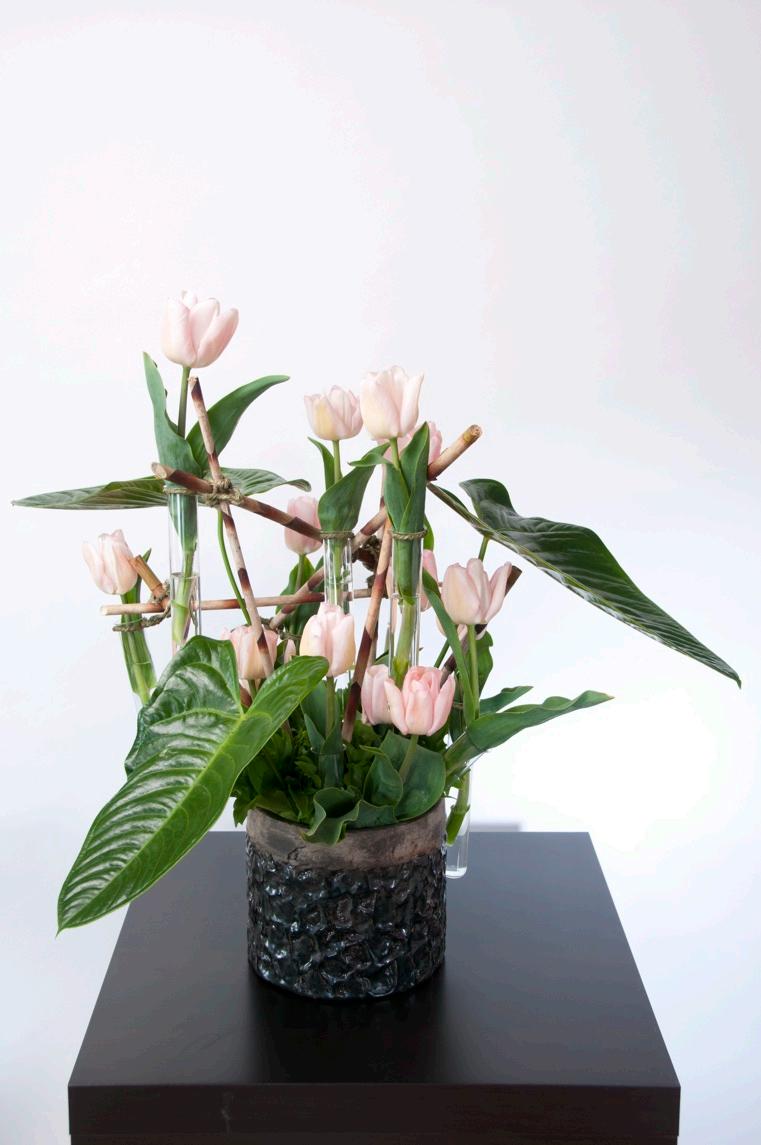
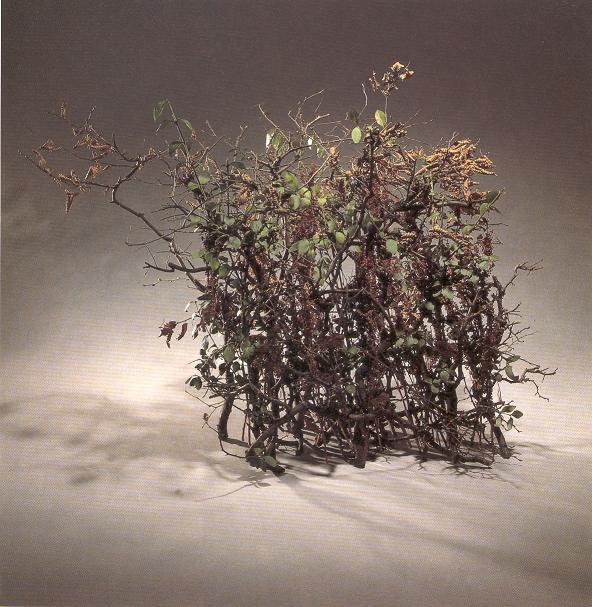
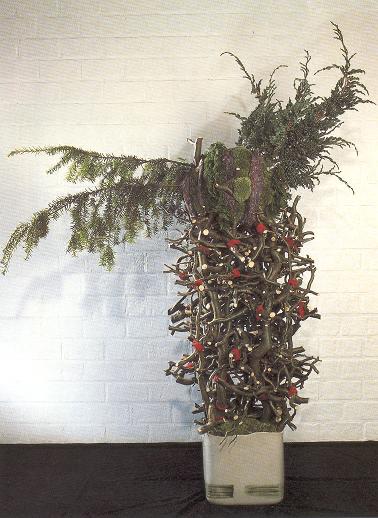
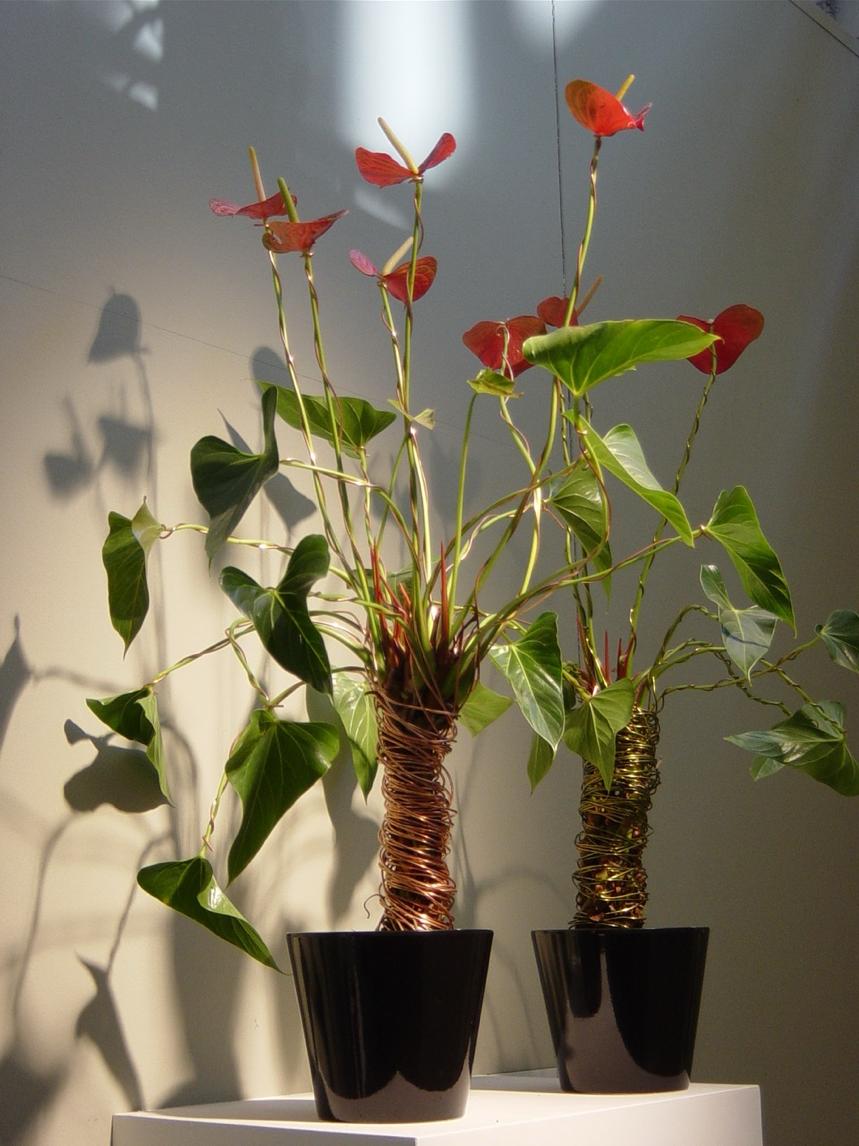
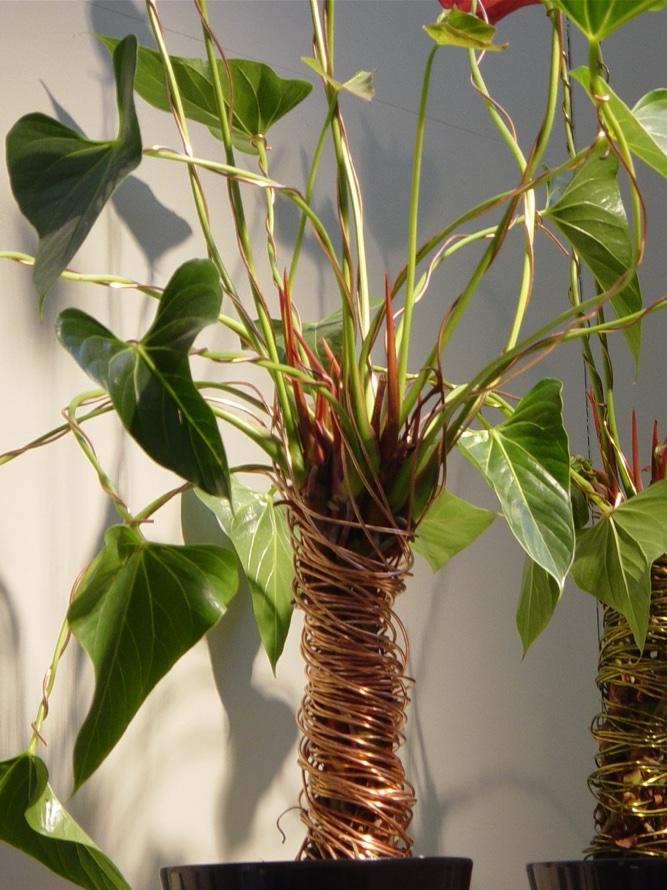
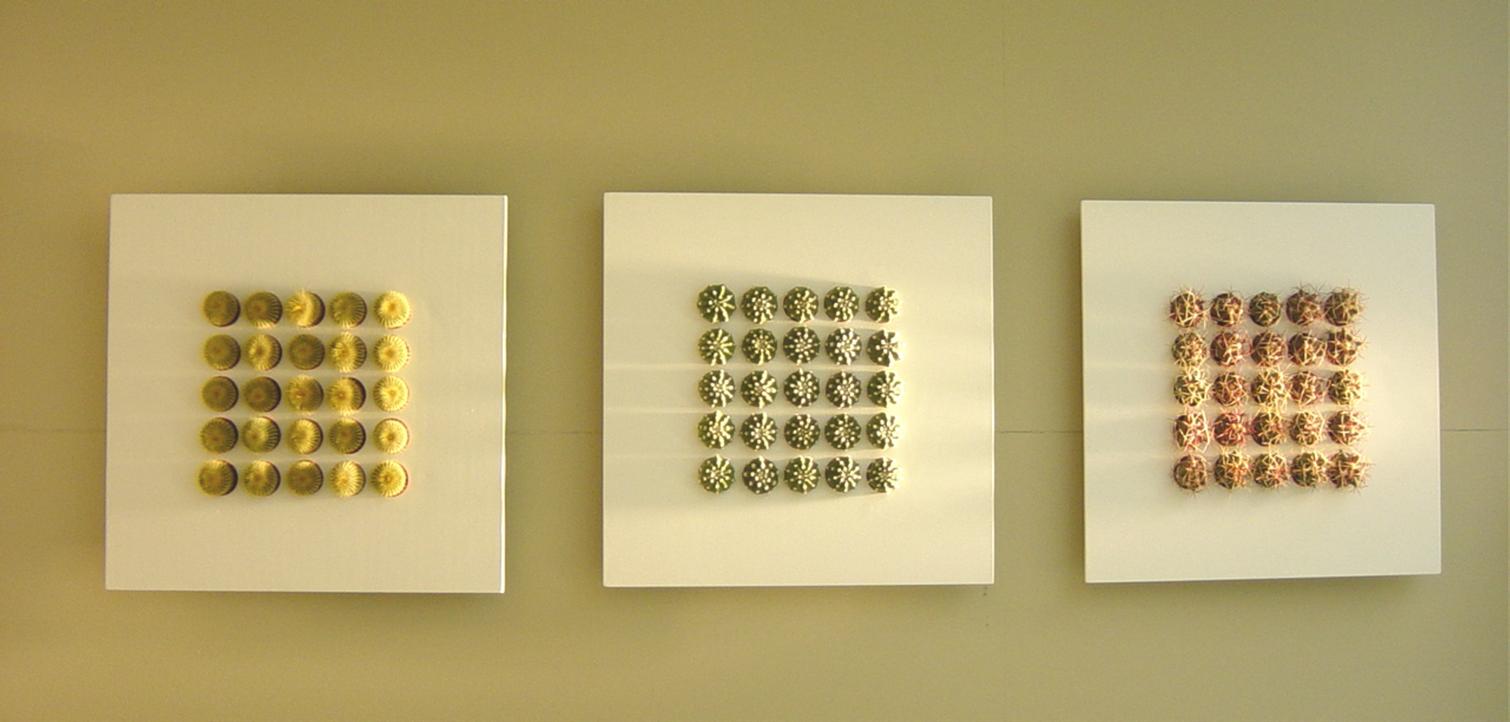
§ Drop-in: plant-pot combination
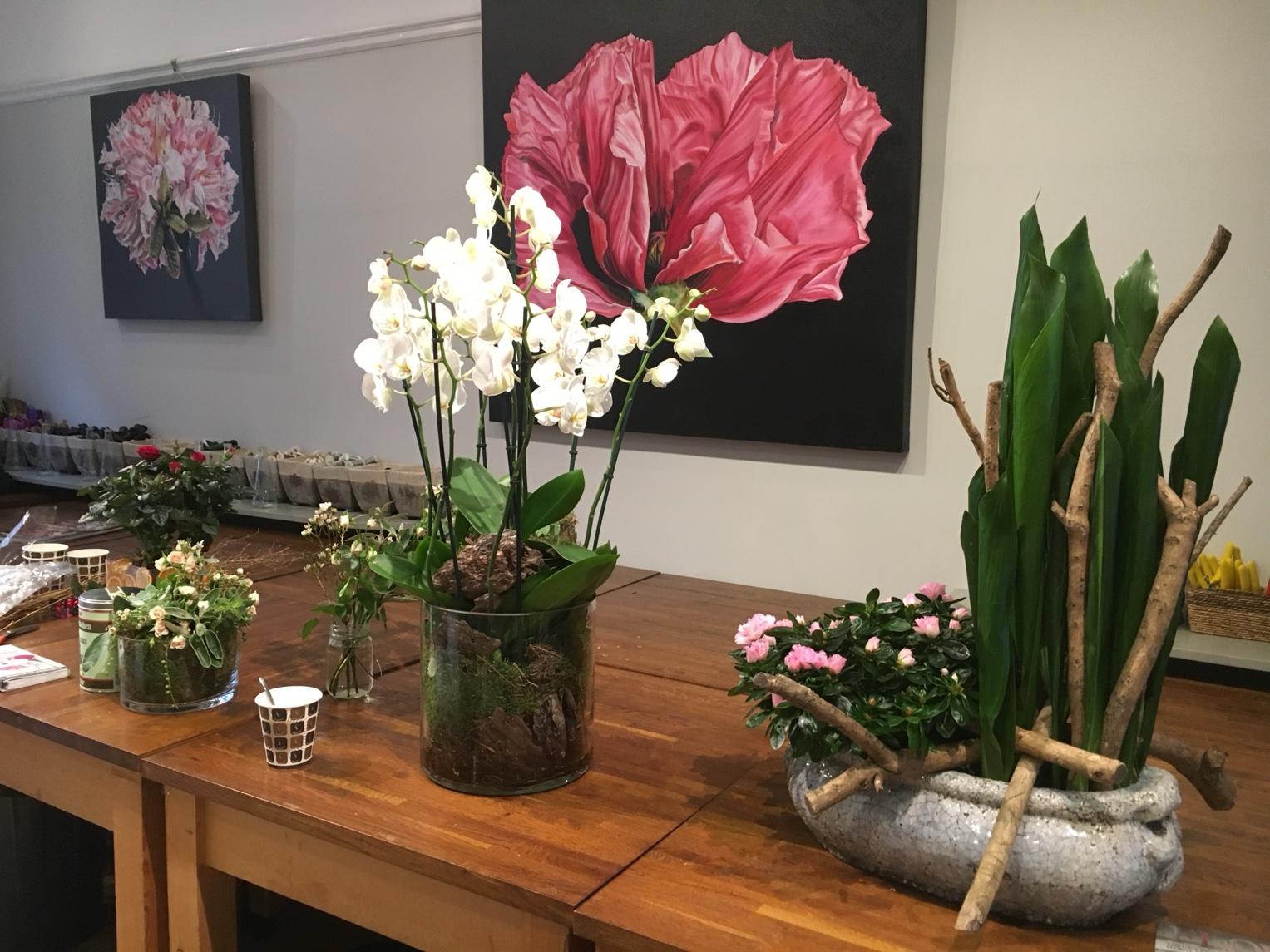
§ Plantarrangement:
– 1 type of plant
– different plants together
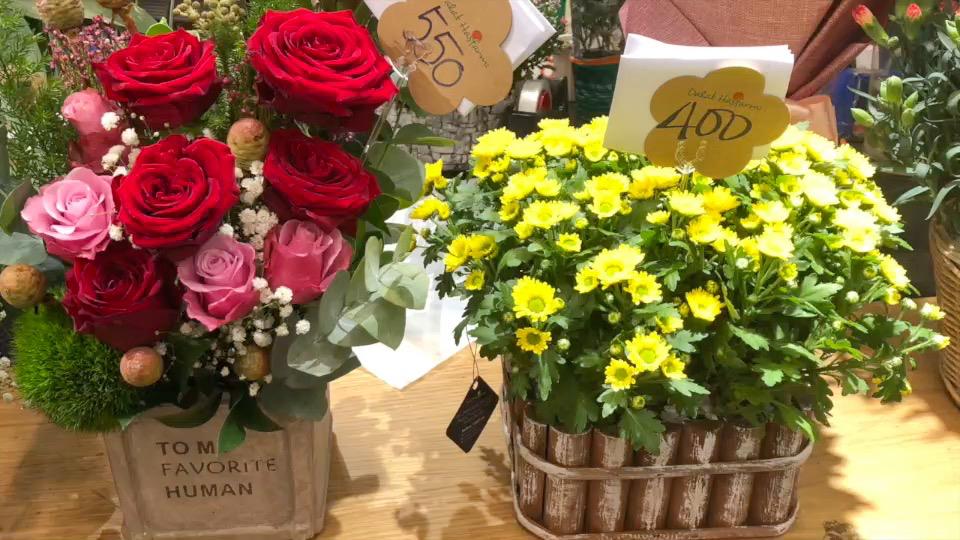
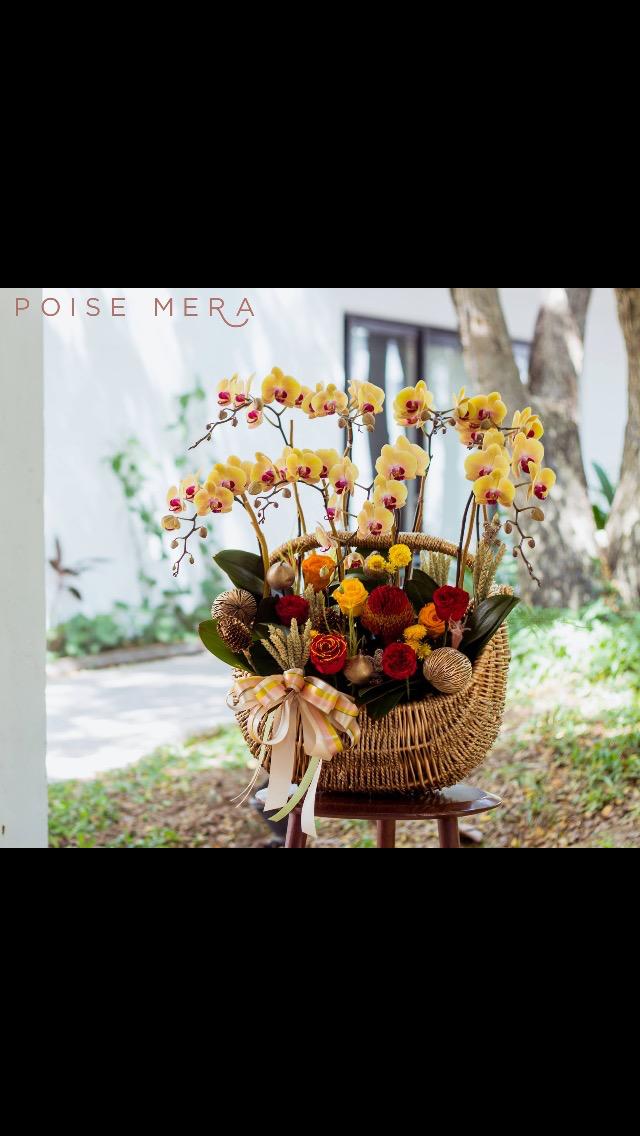
§ Plants + flower combination:
– Plants combined with some flowers
– Flower arrangement with plants as decoration material
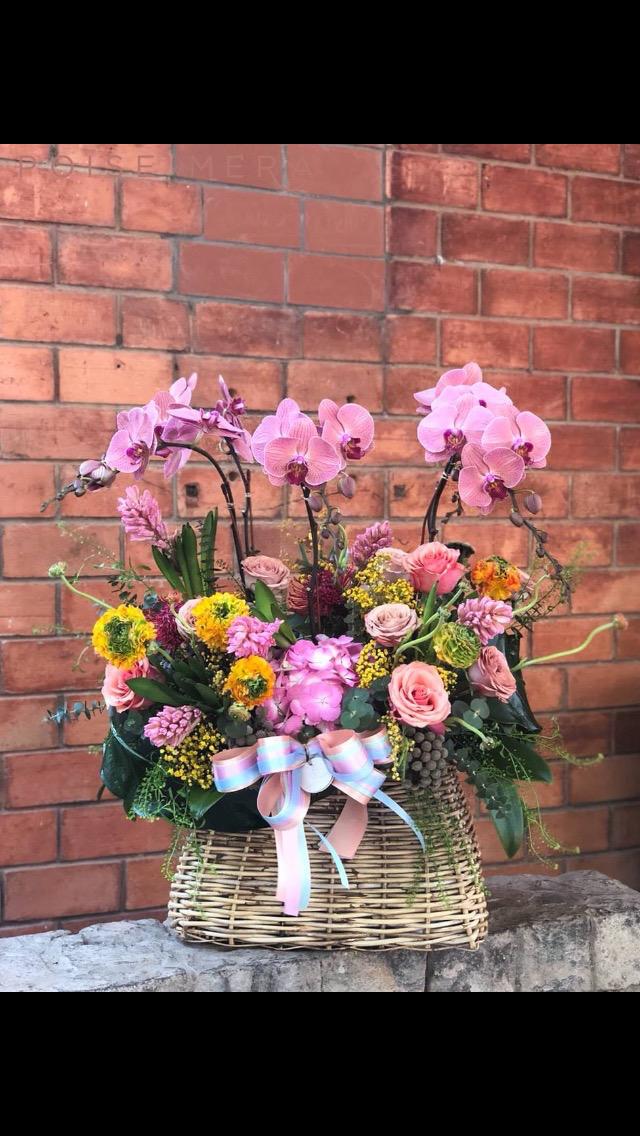
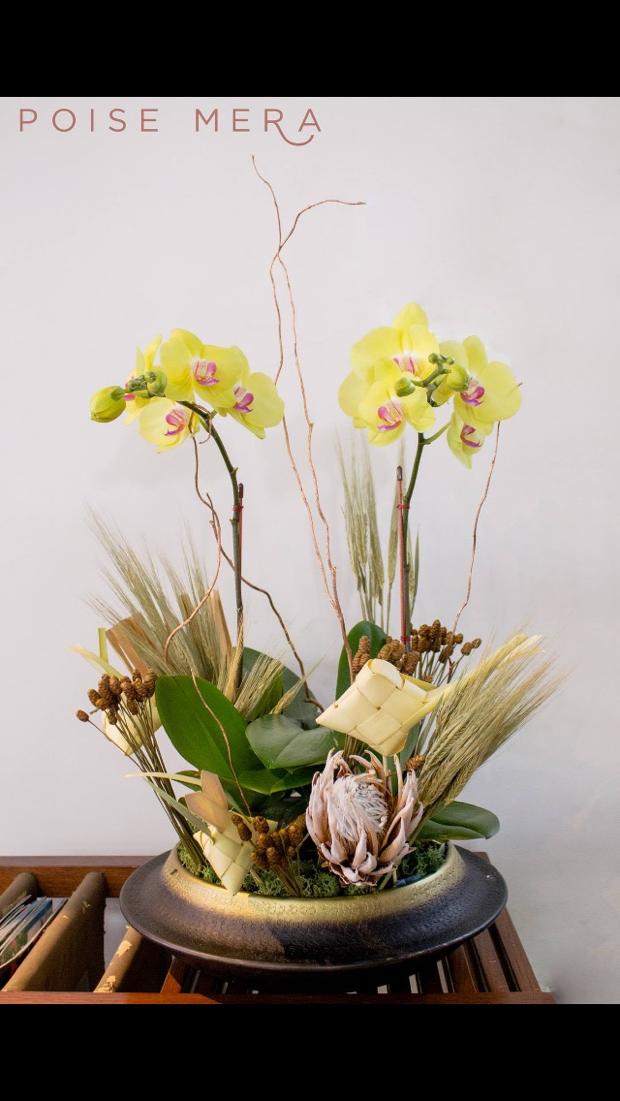
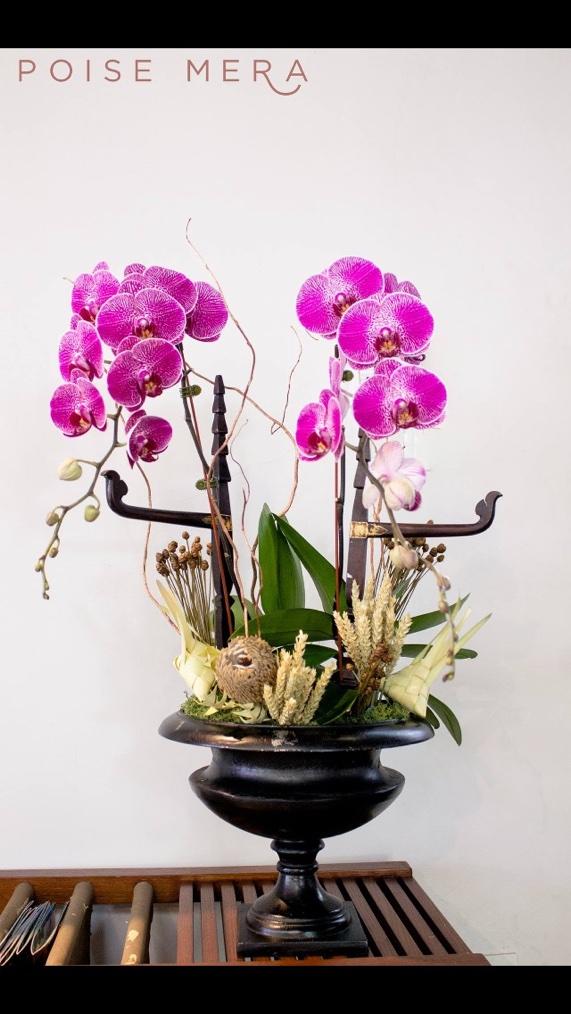
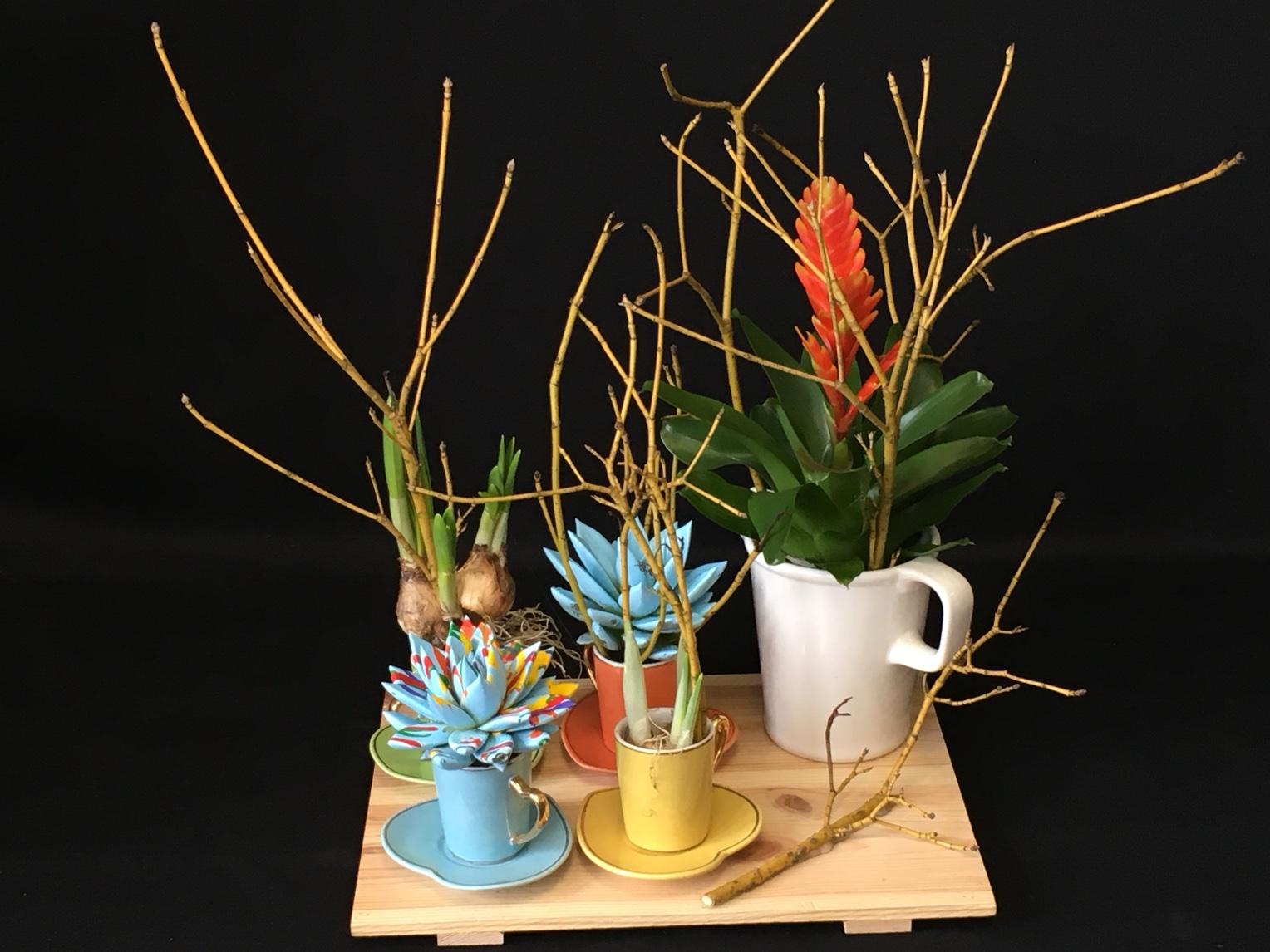
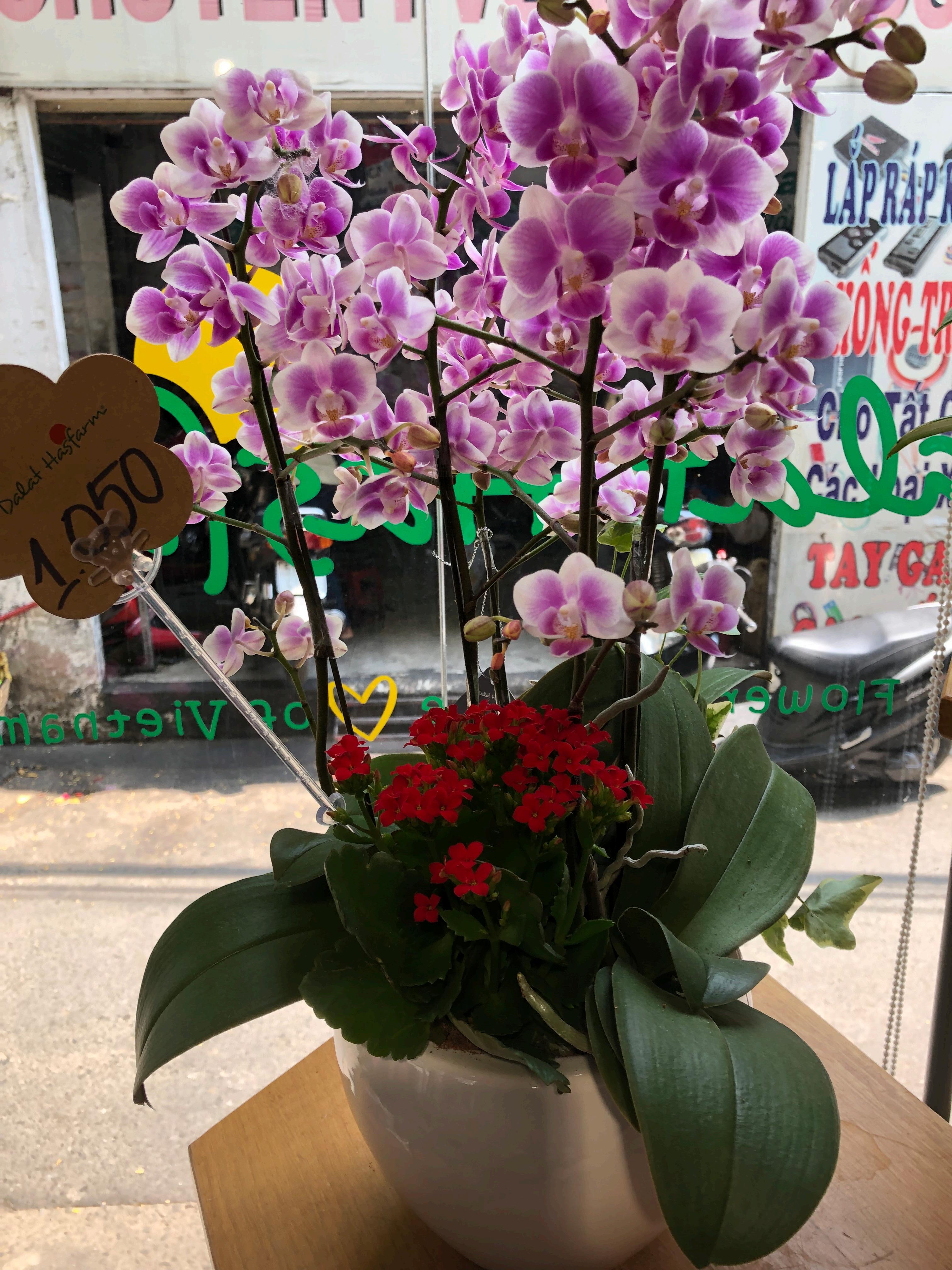
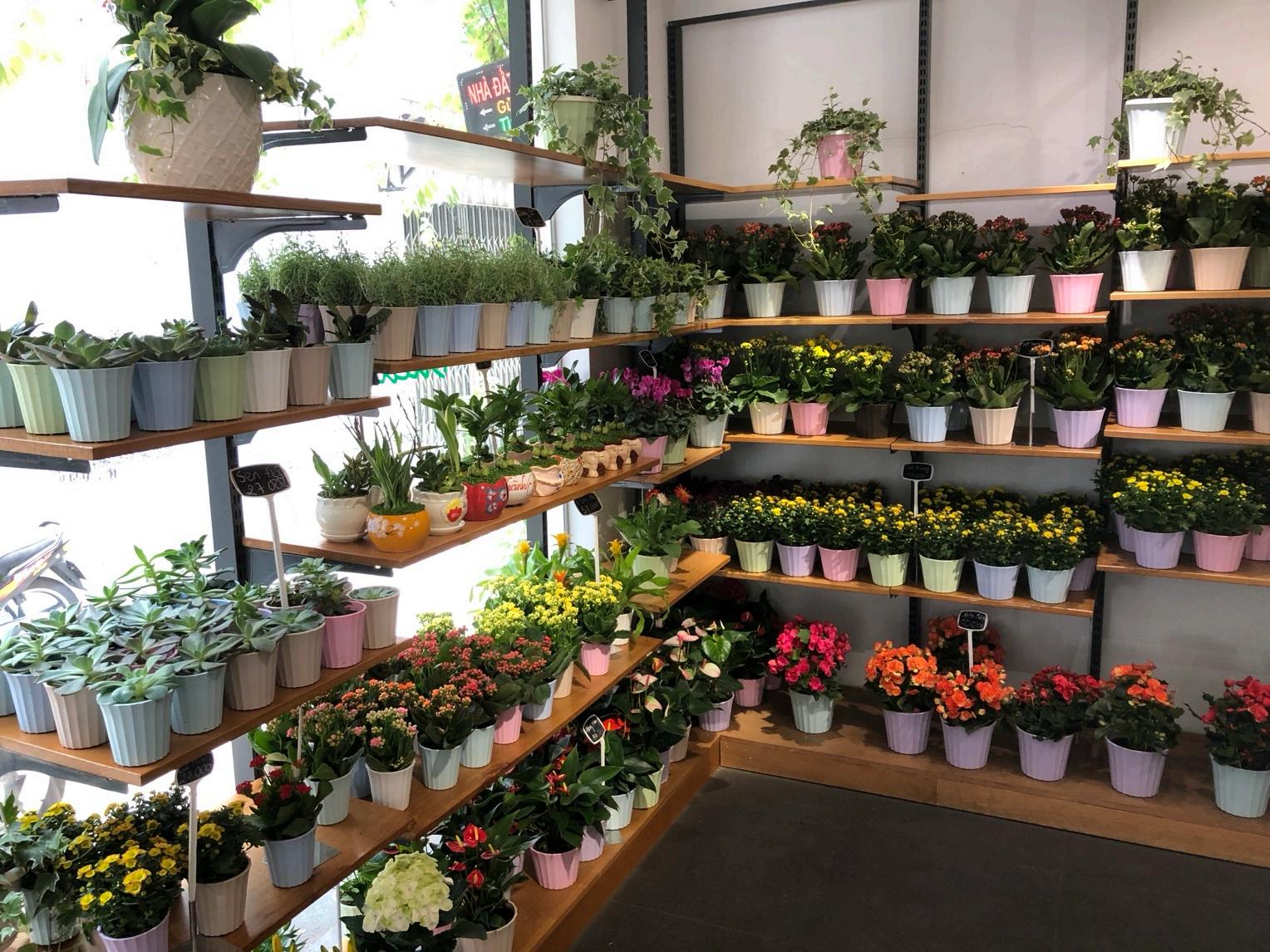
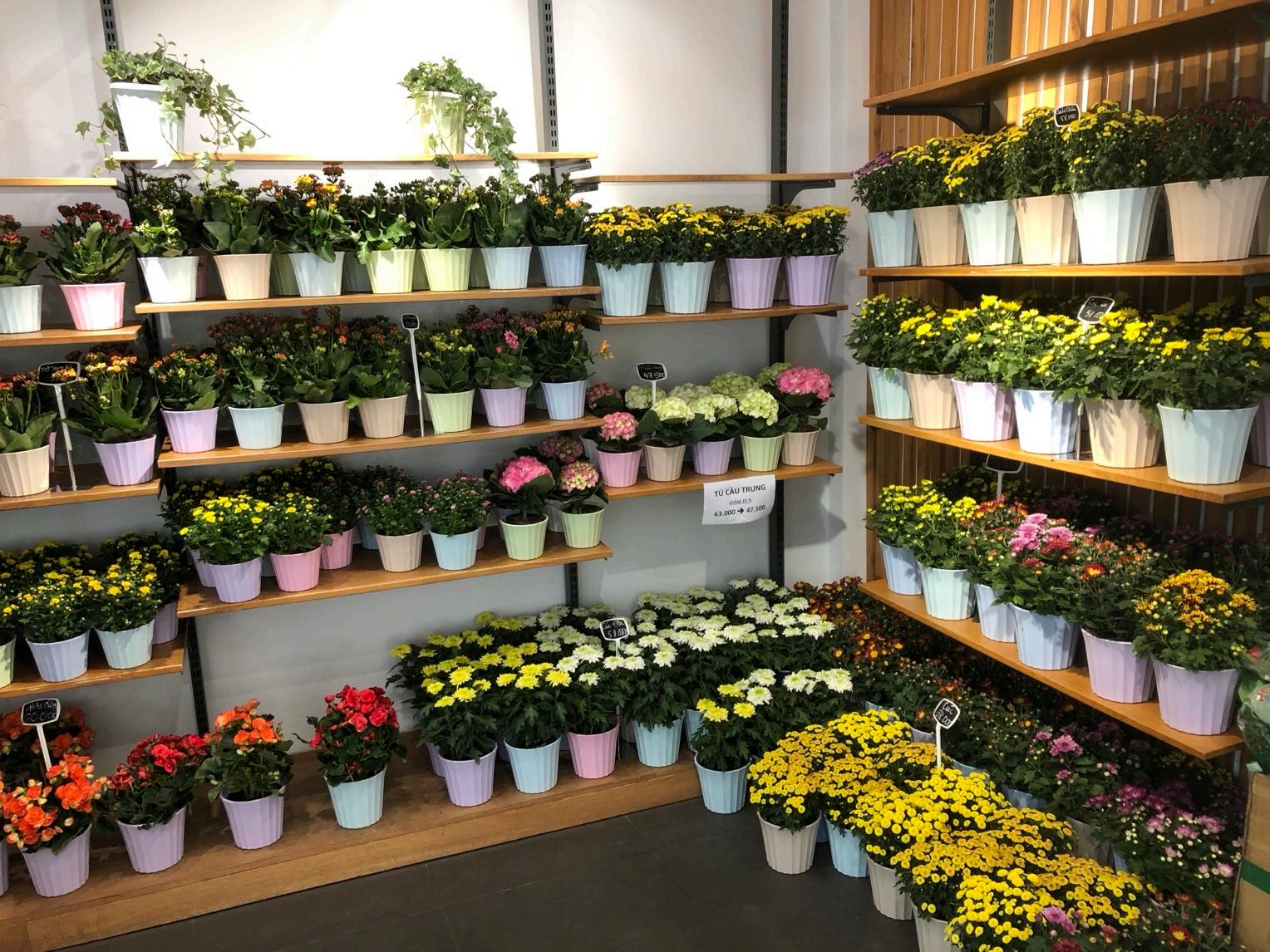
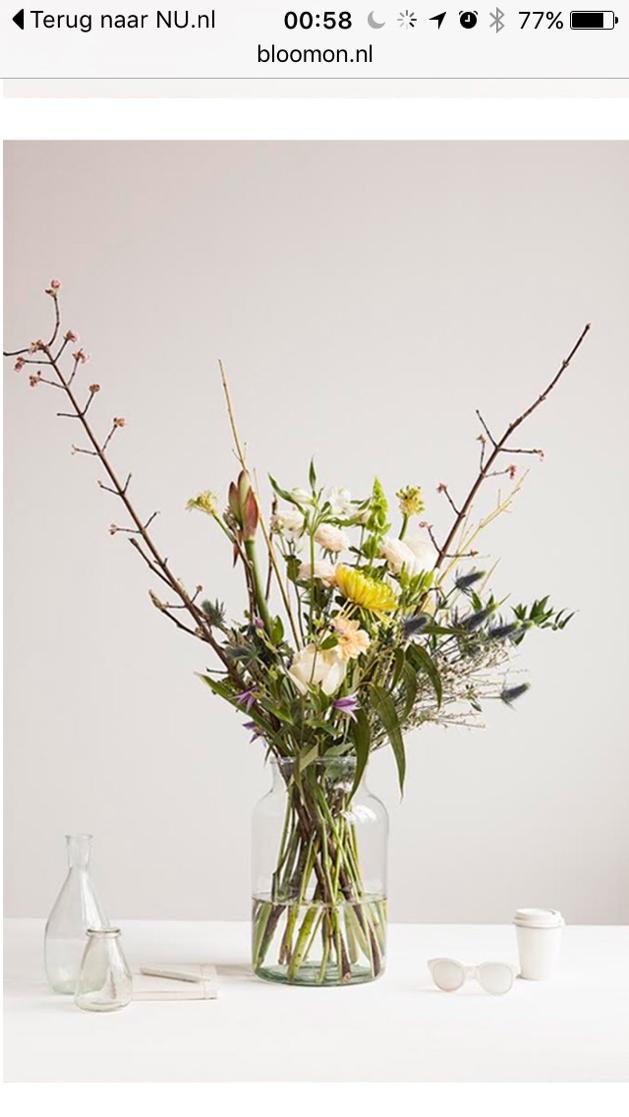
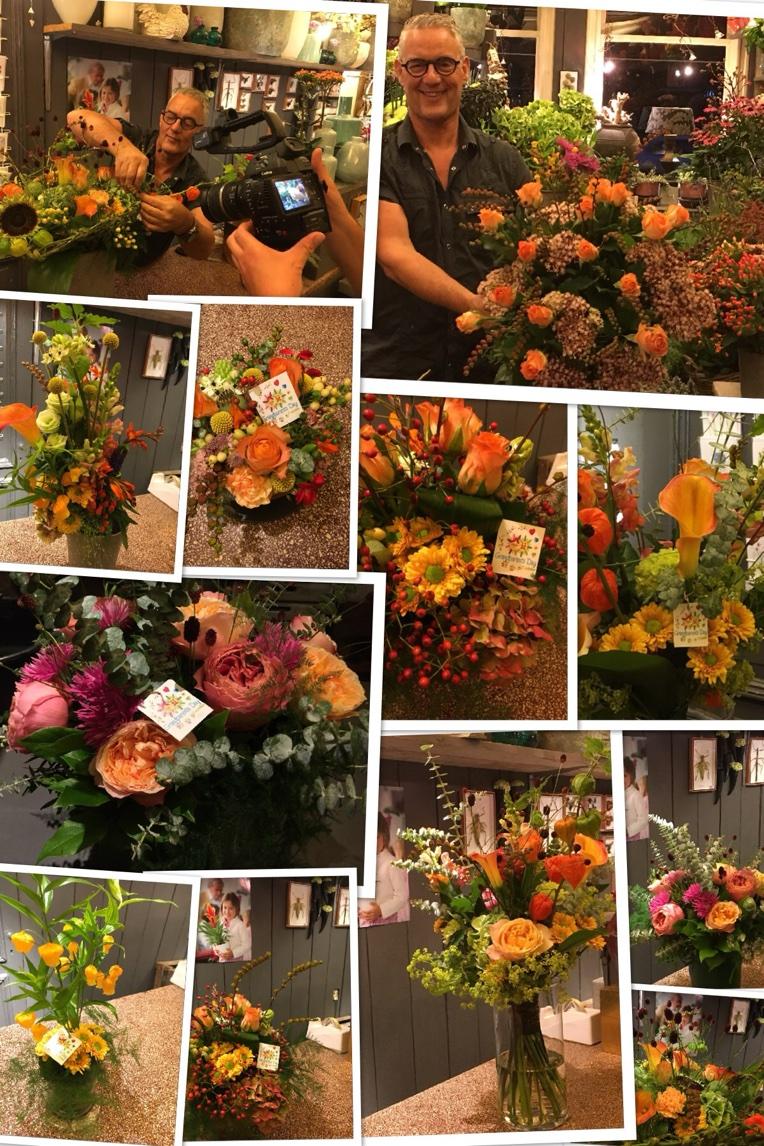
Lucas Jansen
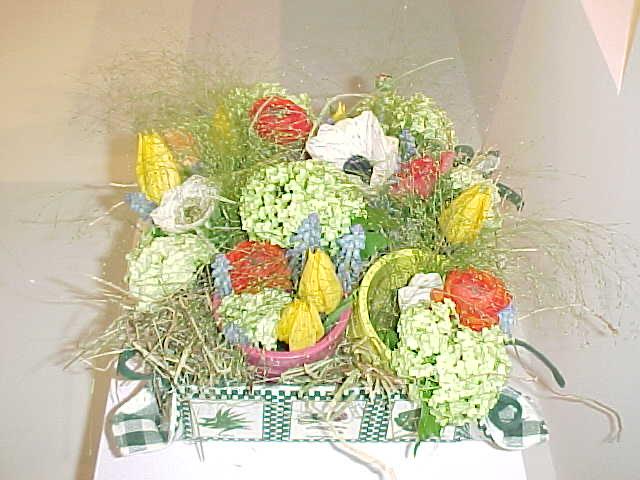
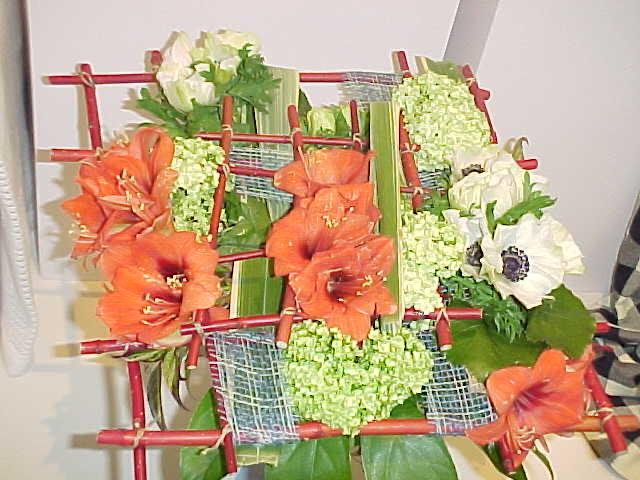
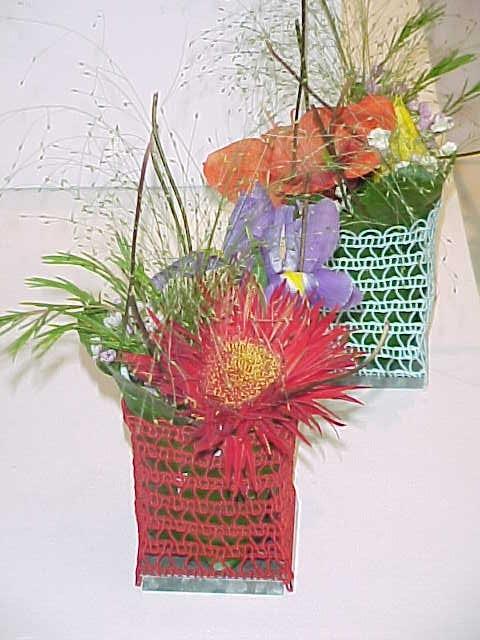
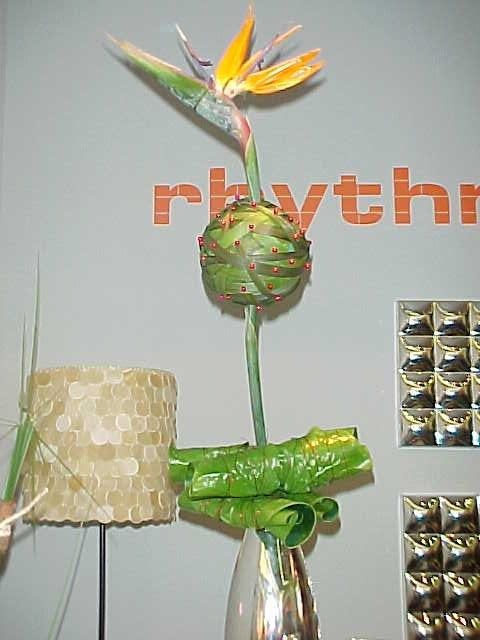
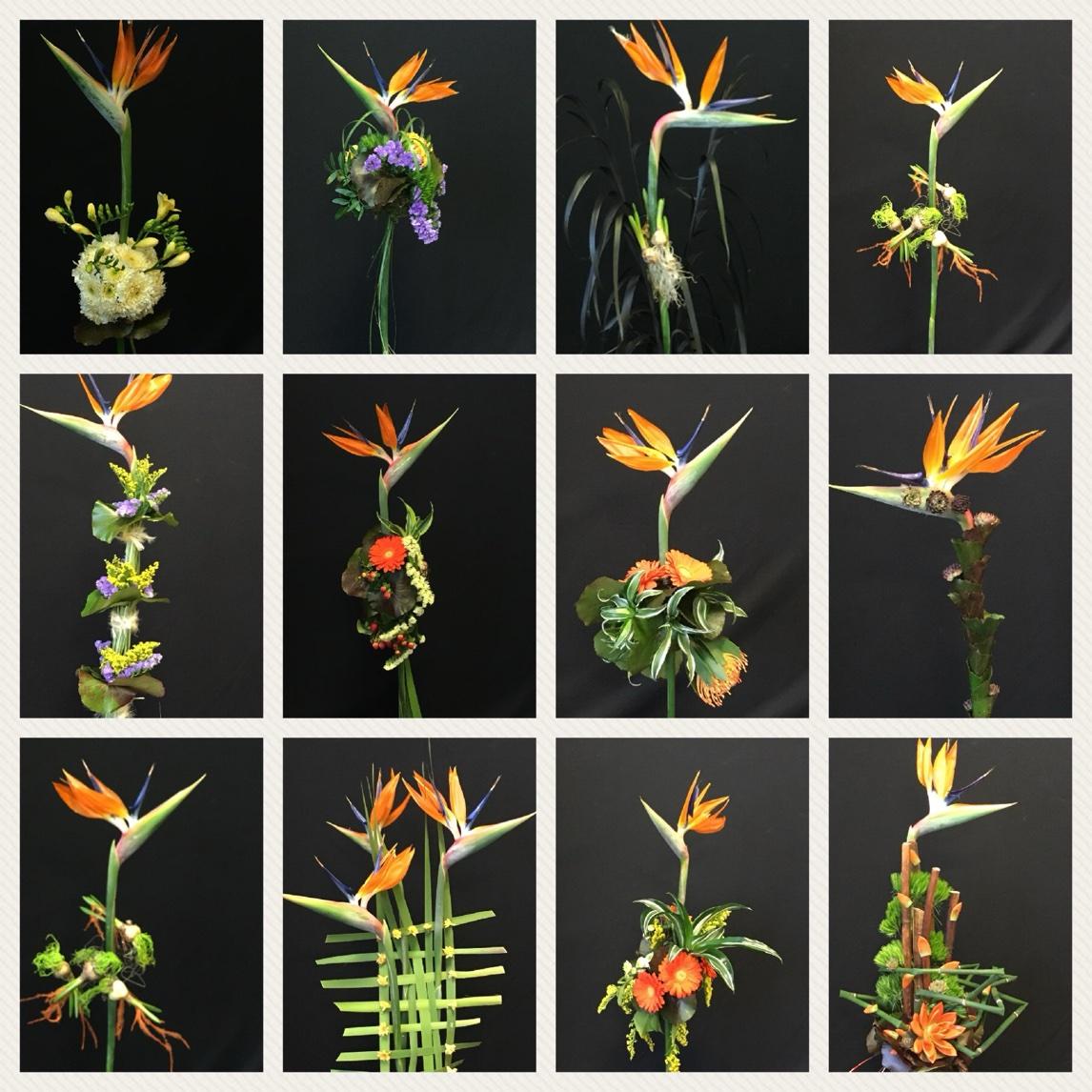
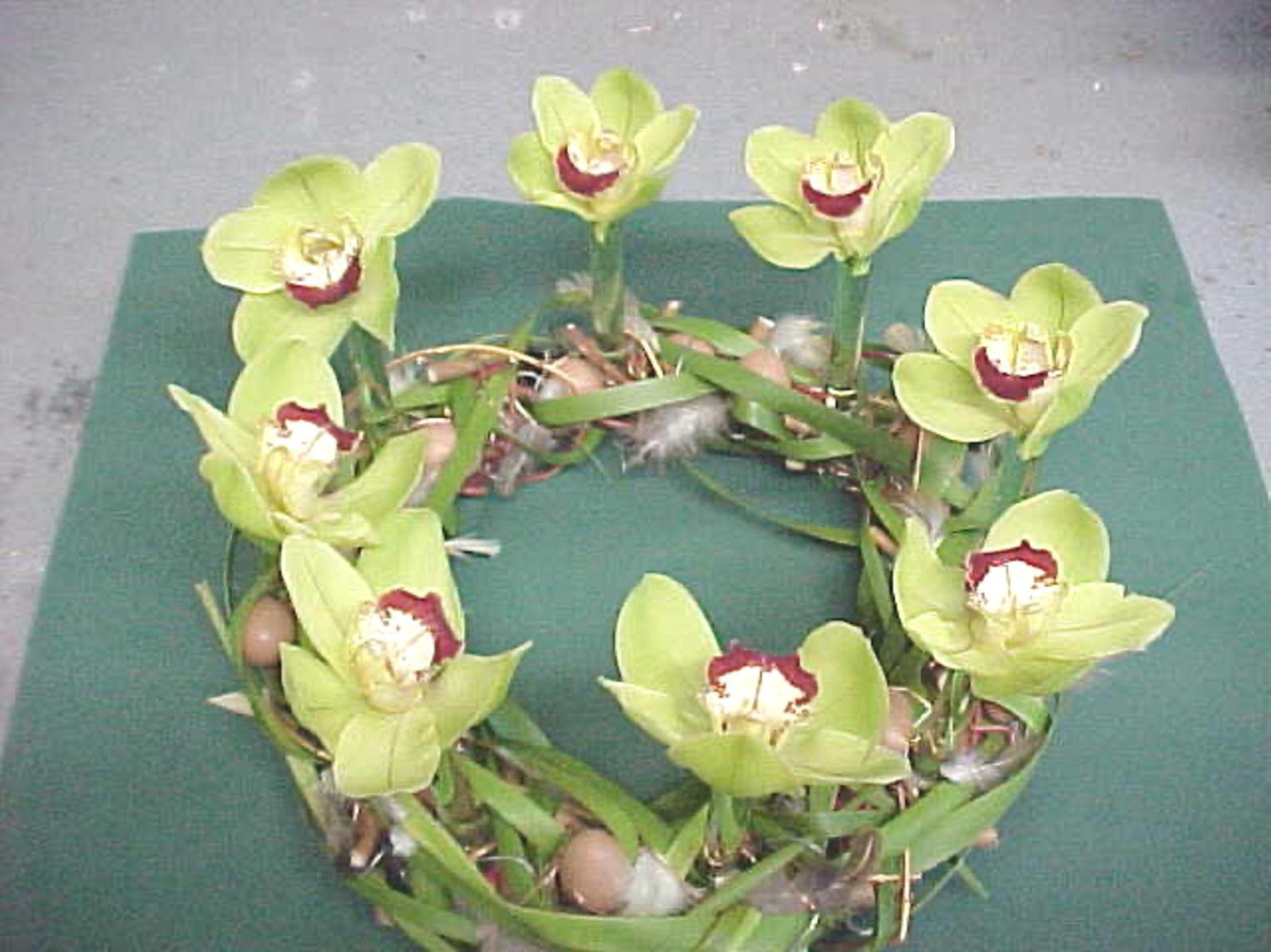
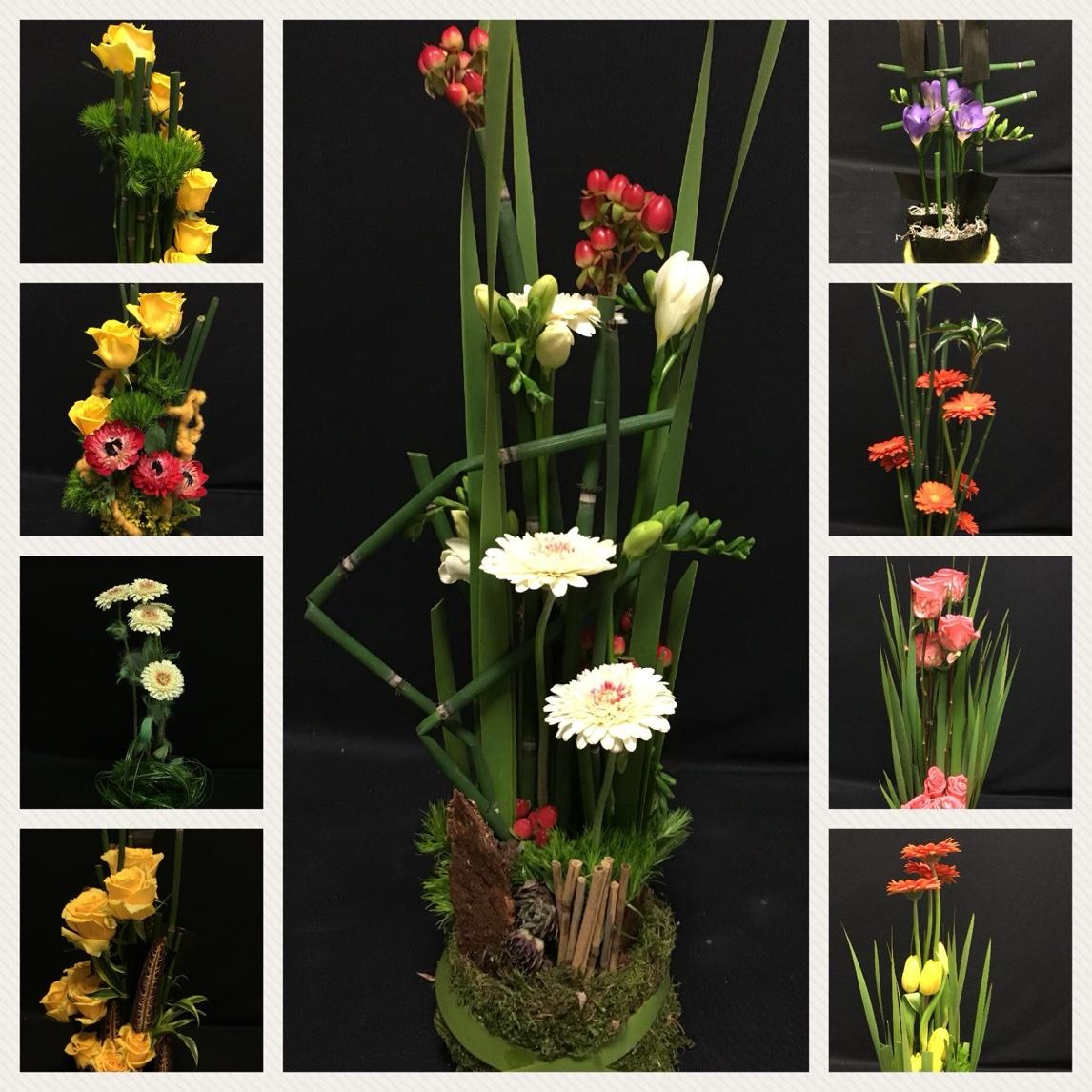
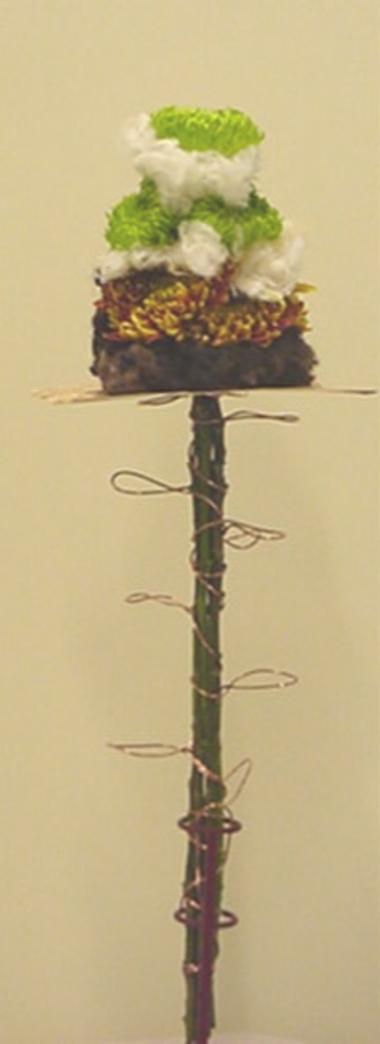
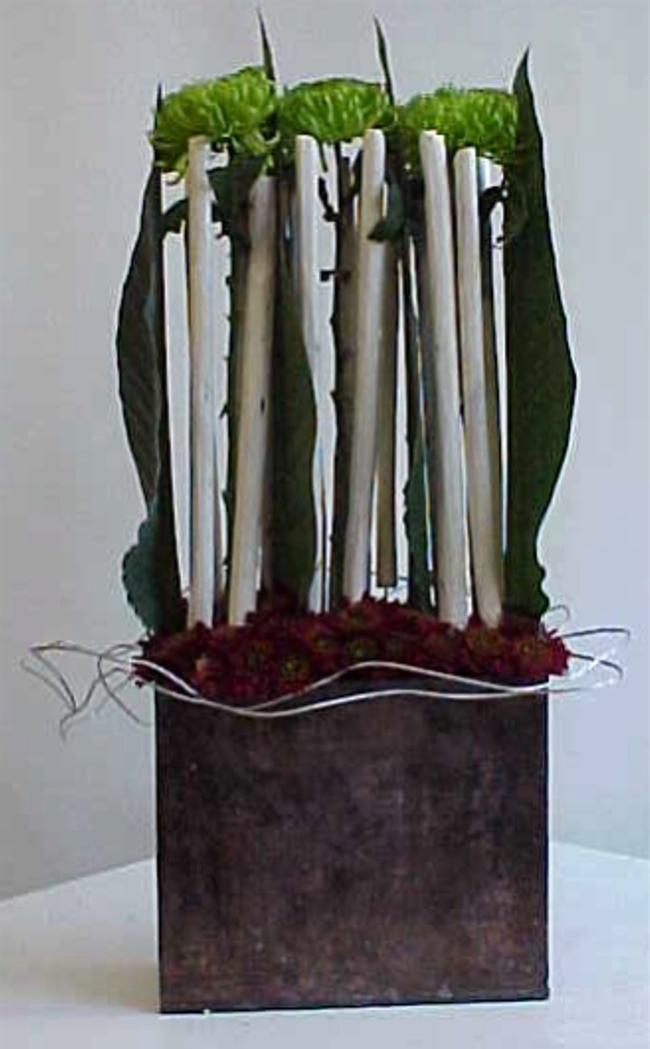
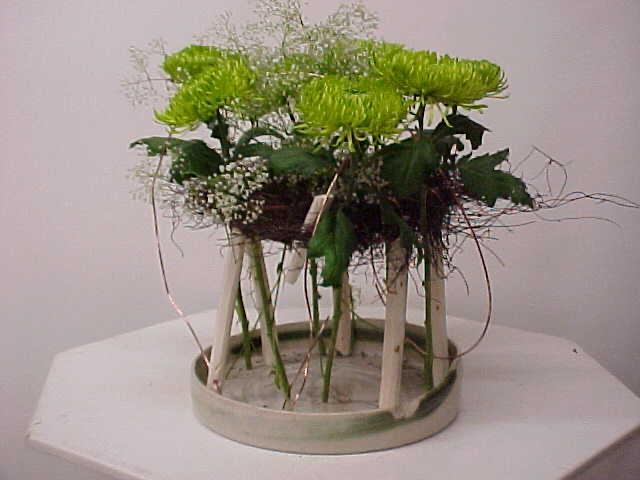
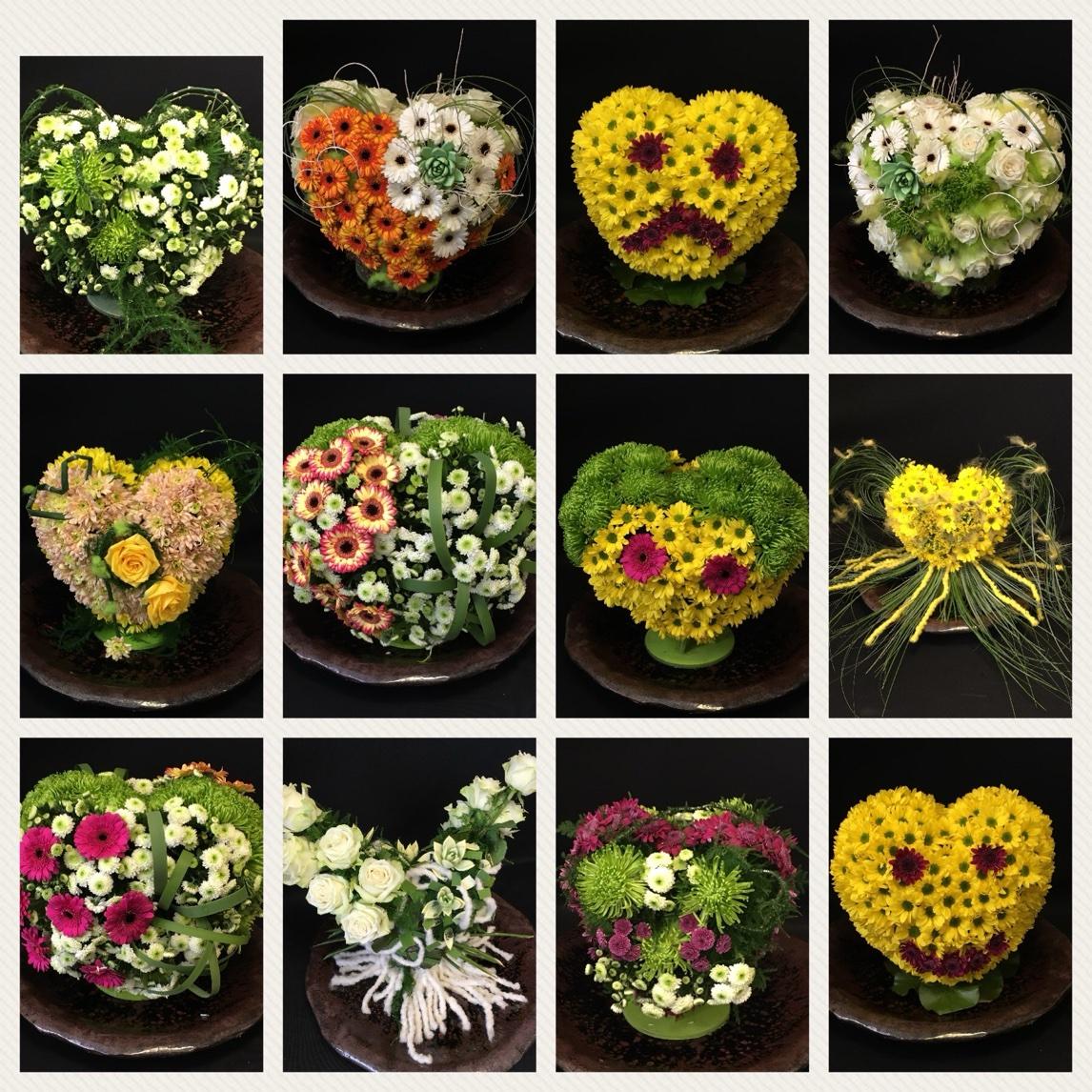
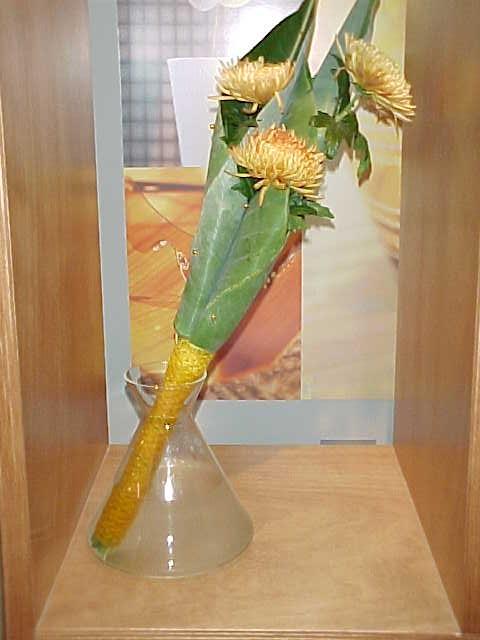
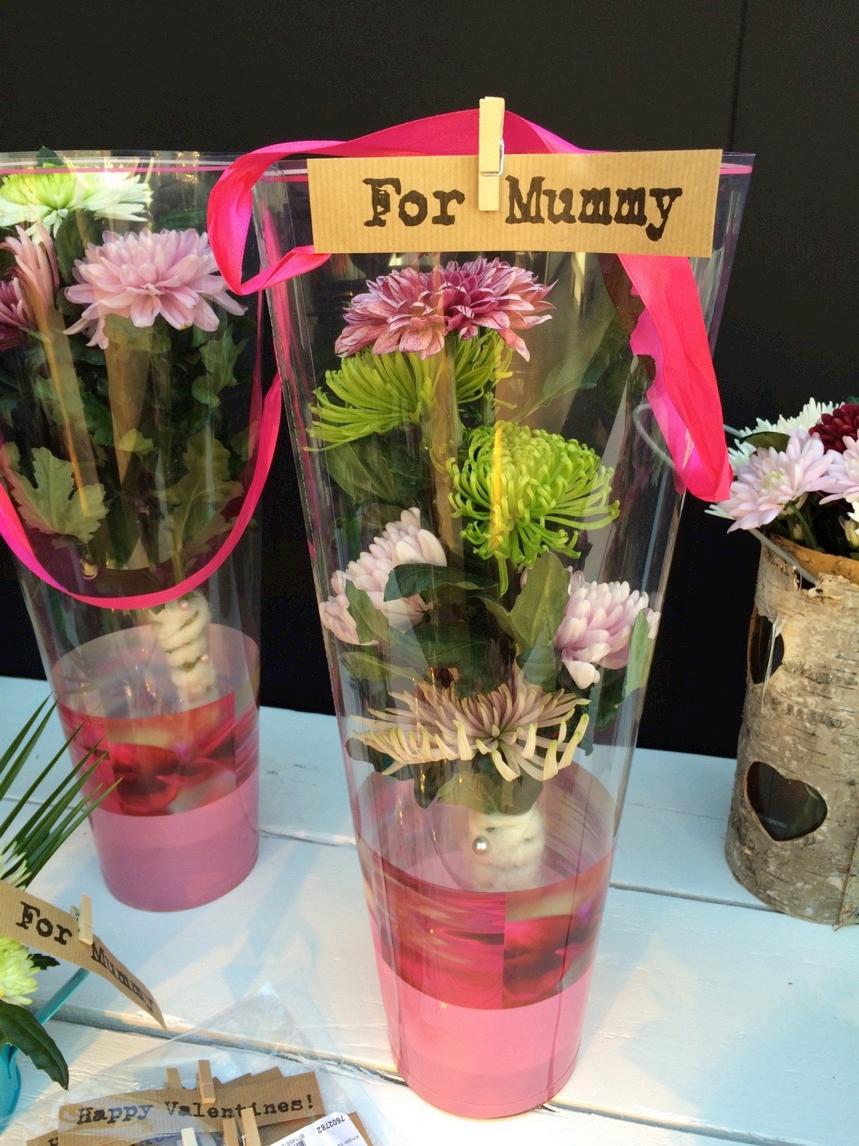
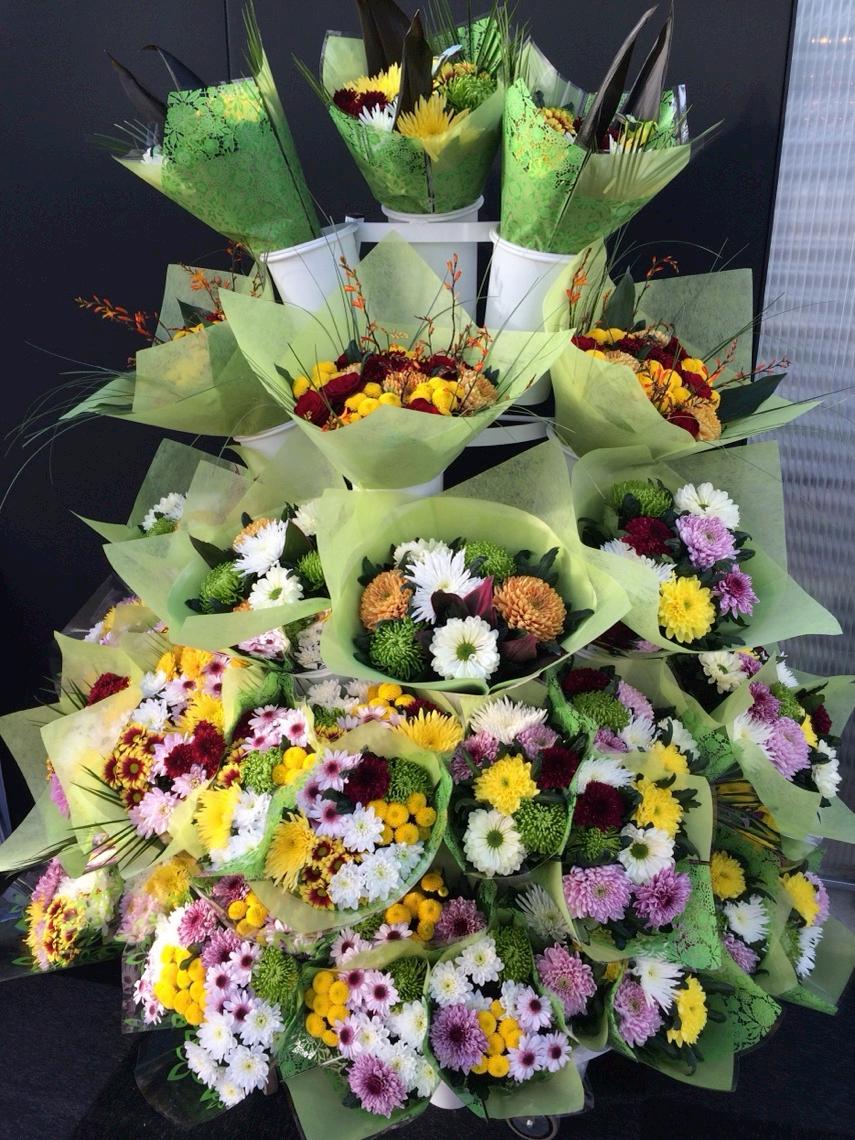
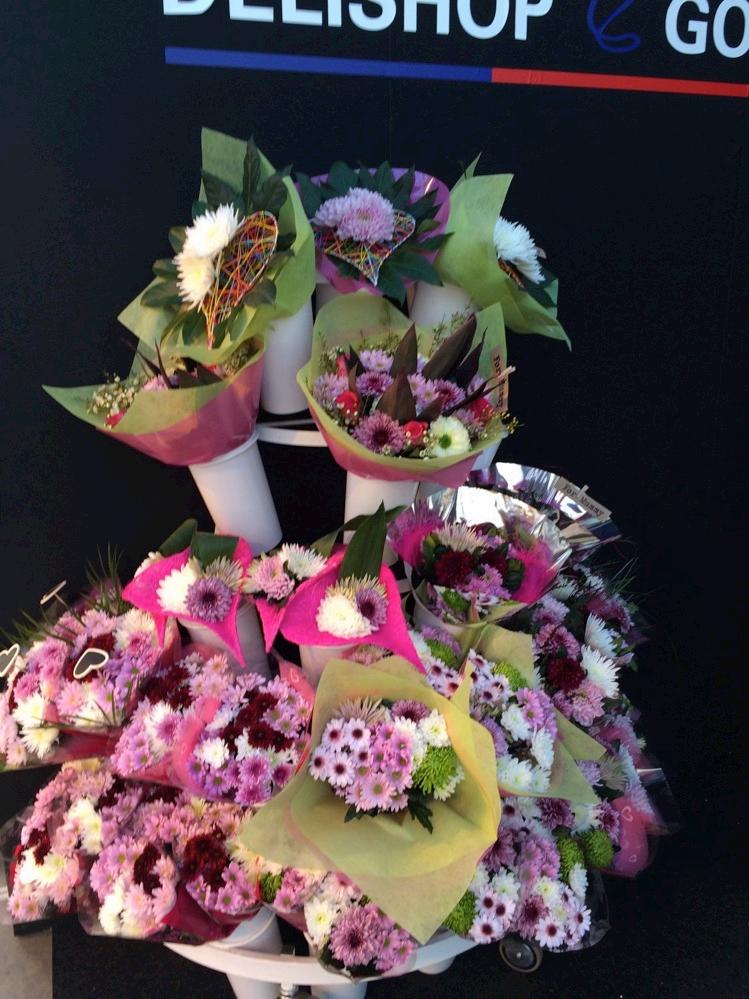
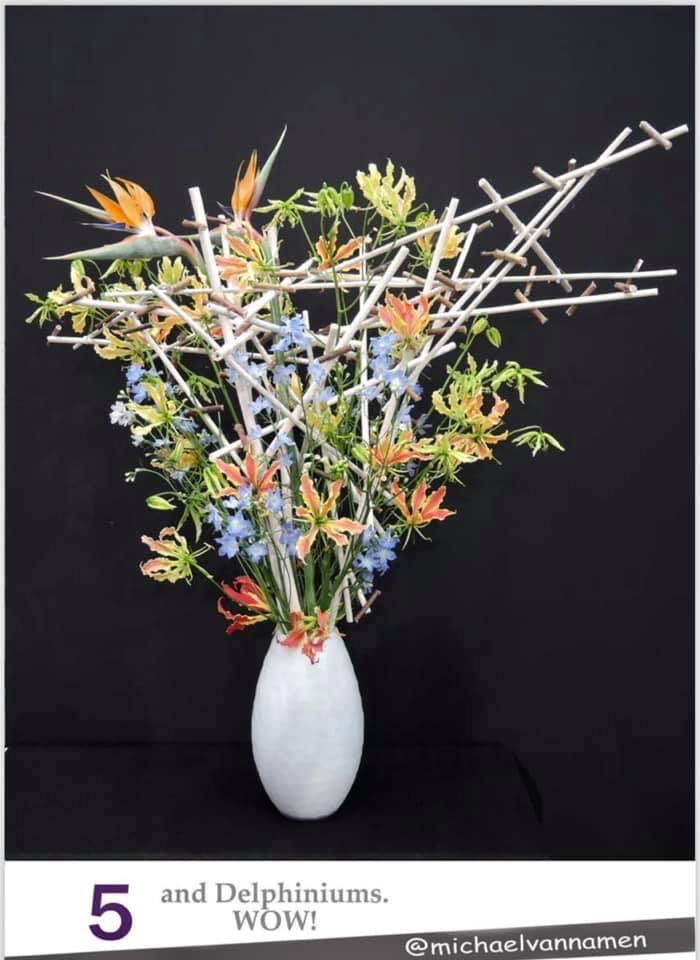
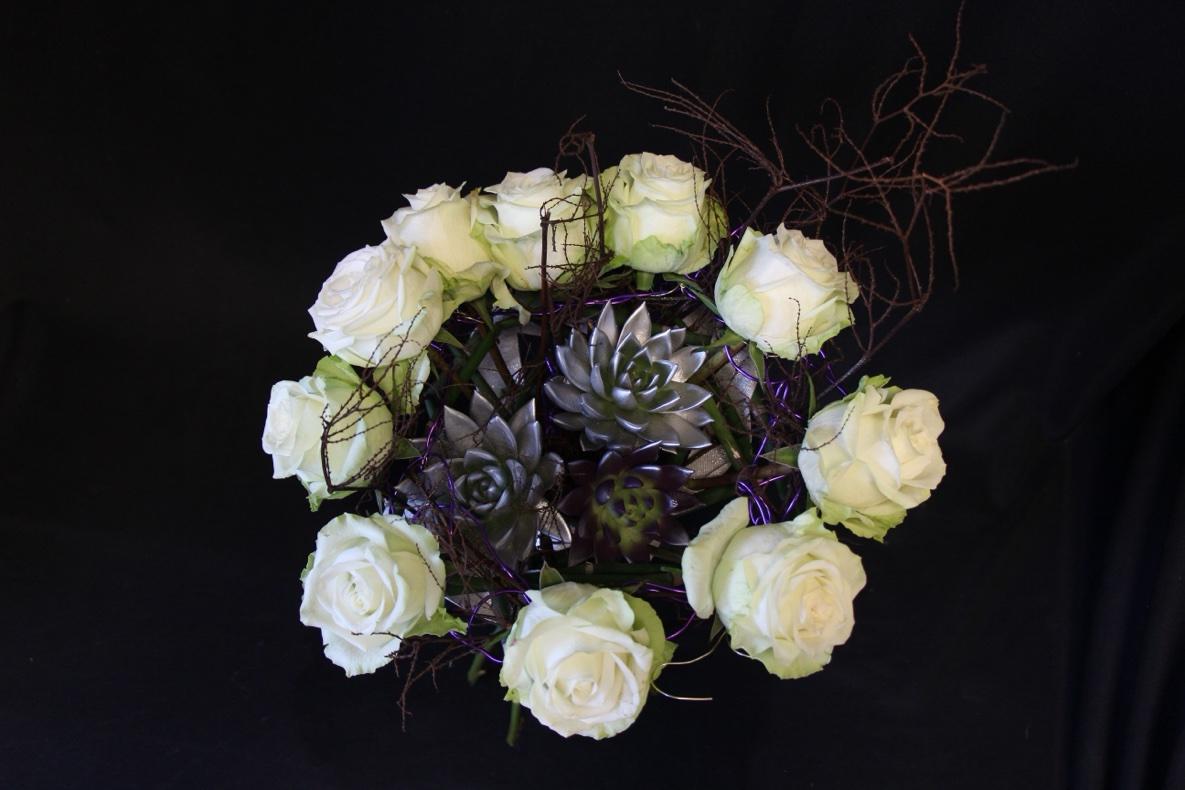
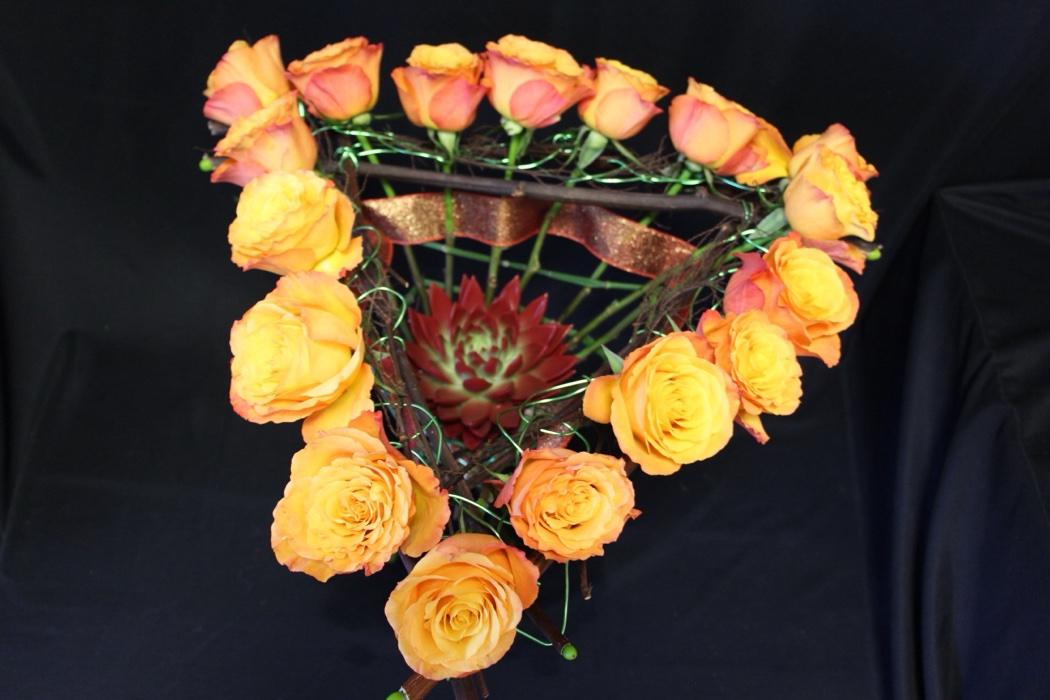

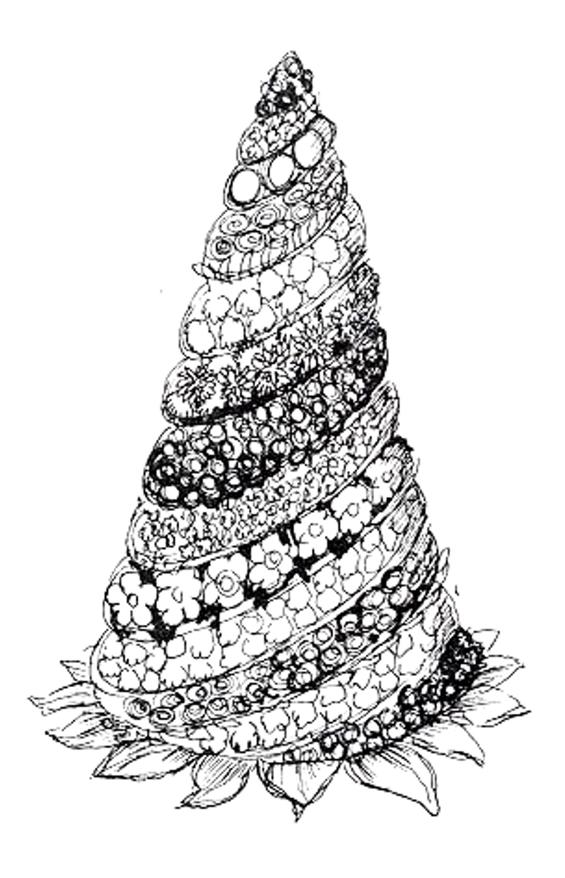
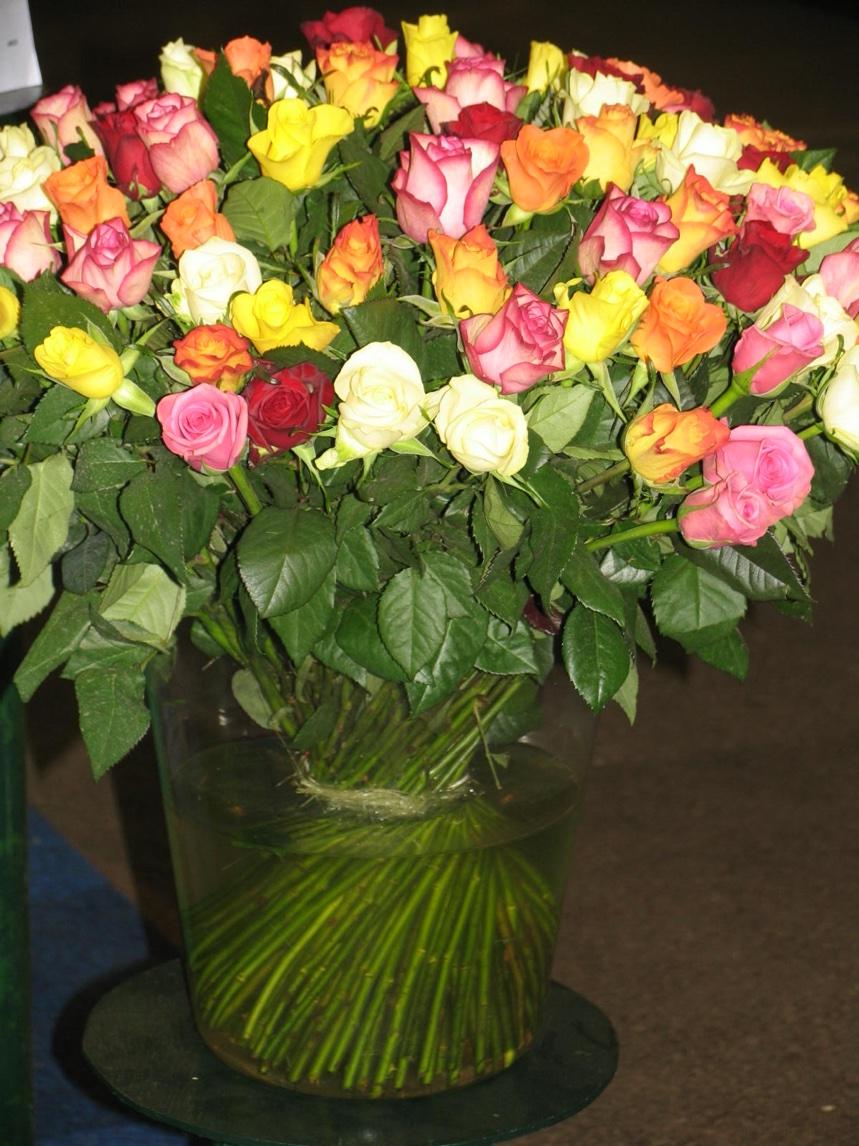
§ Spiral technique = most common
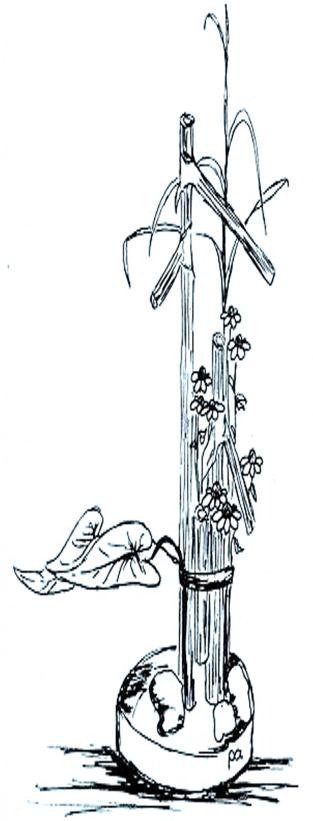
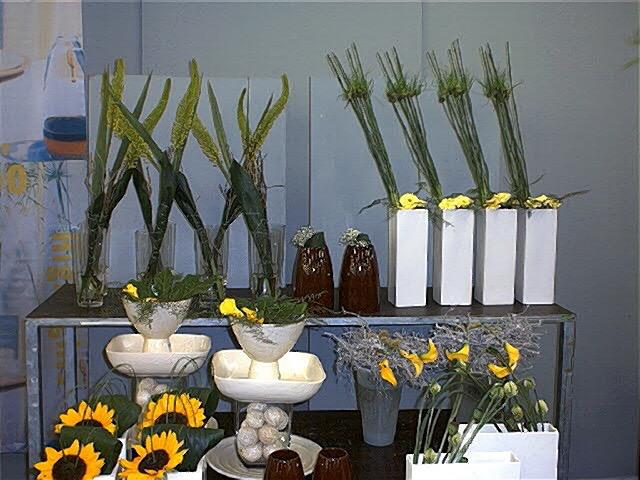
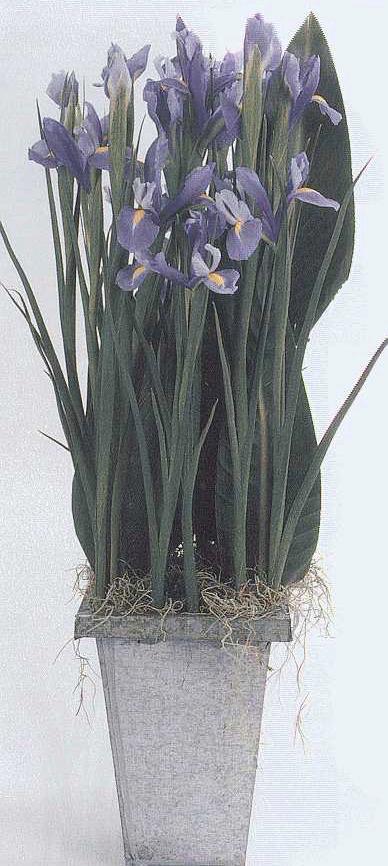
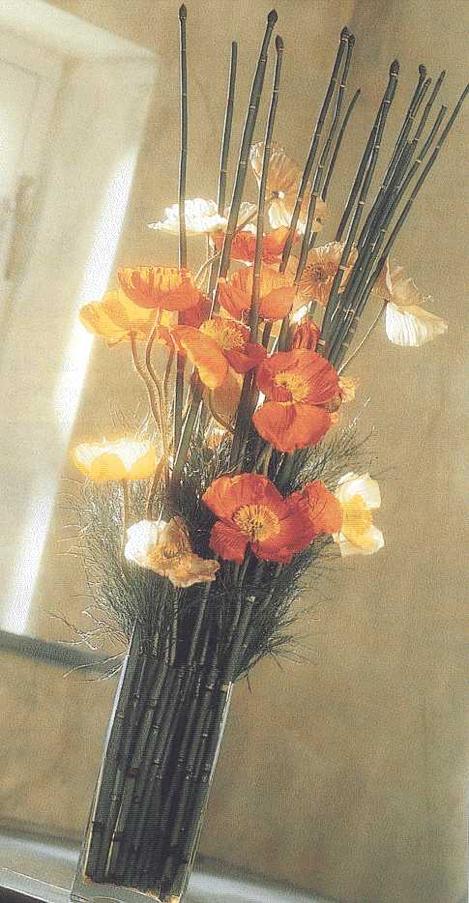
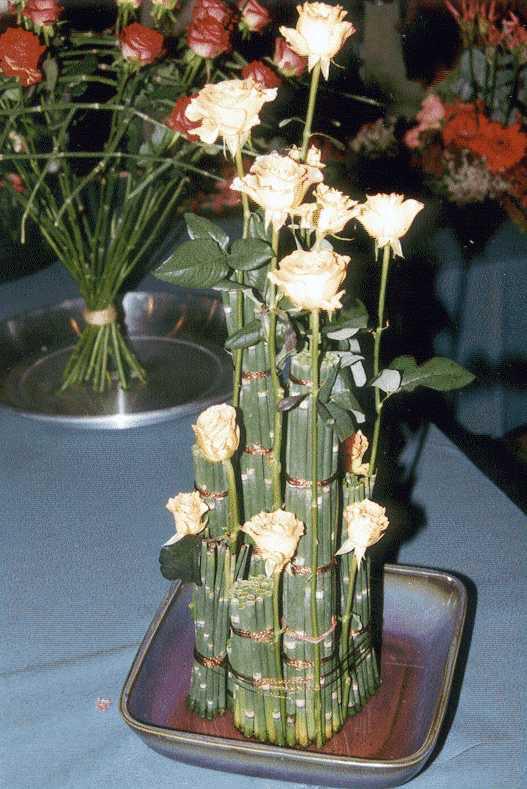
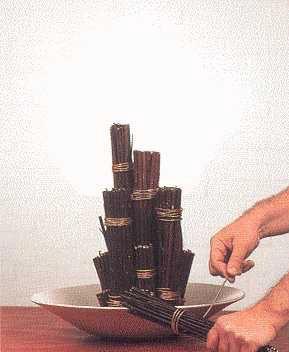
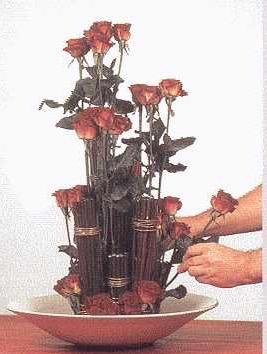
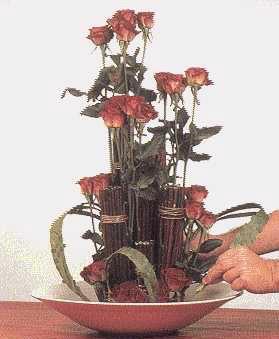
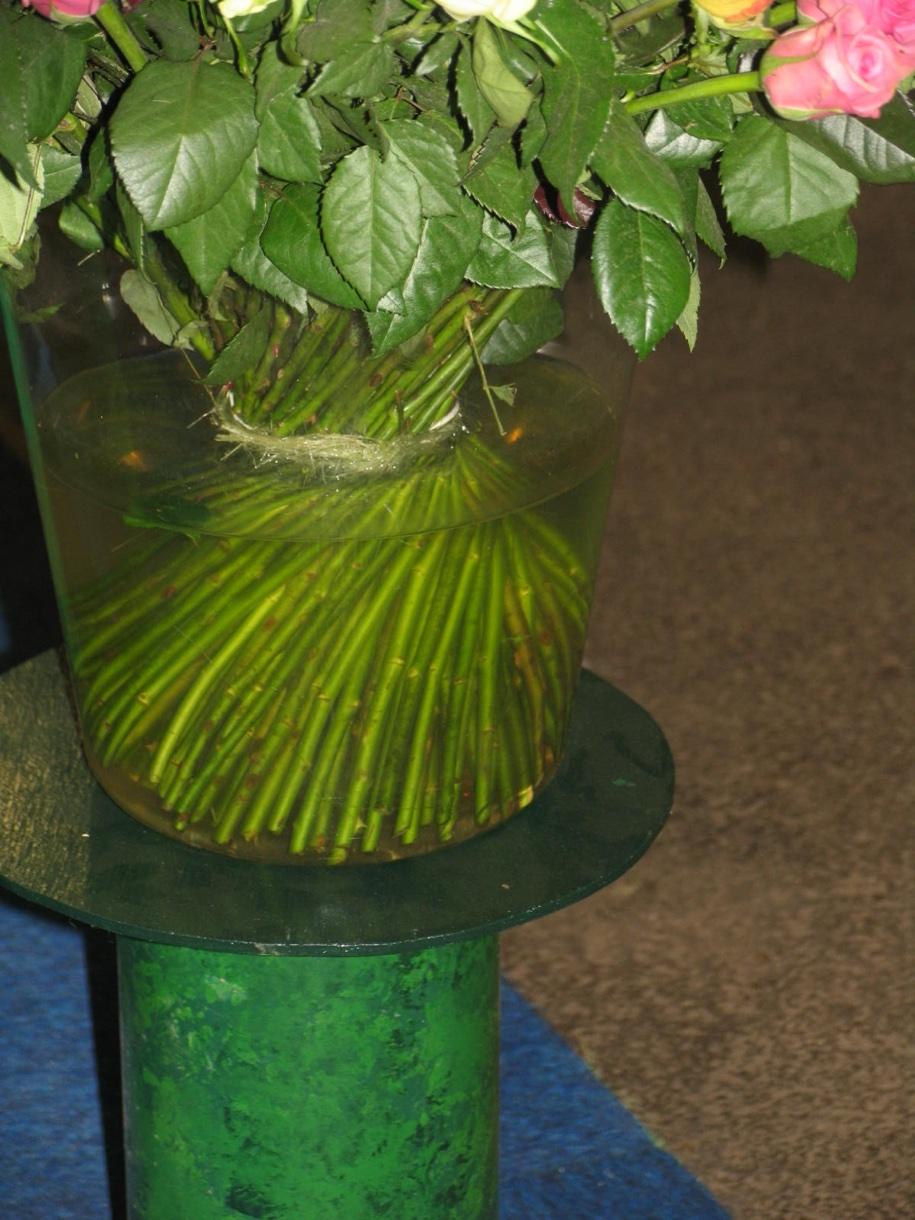
§ Parallel technique
Torch technique
§ Frame technique
• Work attitude and safety !រេរ$បចំ(កប*កិរ,-
• Preparation:
• Which size and form
• Selection of flowers
• Cleaning of the flowers <រសំiតst
• Materials and handling
• Flowers and leafs
• Position of flowers and leafs in bouquets / deviding
• <រែបងែចកទីÑំងរបស់សÉឹកនឹងstែដលIត^វេរbបចំ
• Binding point with tape, elastic or others
•
§ Fur fill expectations
– Flowers equally deviated
– stែដលIត^វេរbបចំIត^វែតេស2(នឹងតៃមÉ
– Time limit
– <សកំណត់េពលេវÖ
§ Would you buy the bouquet yourself as an client?
§ 9បសិនេយ;ង<េភ>?វេយ;ងគួរែតទិញEច់GHរេប$បេម៉ច?
§ Is the quality of flowers as acceptable?
§ េត(គុណÇពែបTែដលអក$ទទួលយកpន?
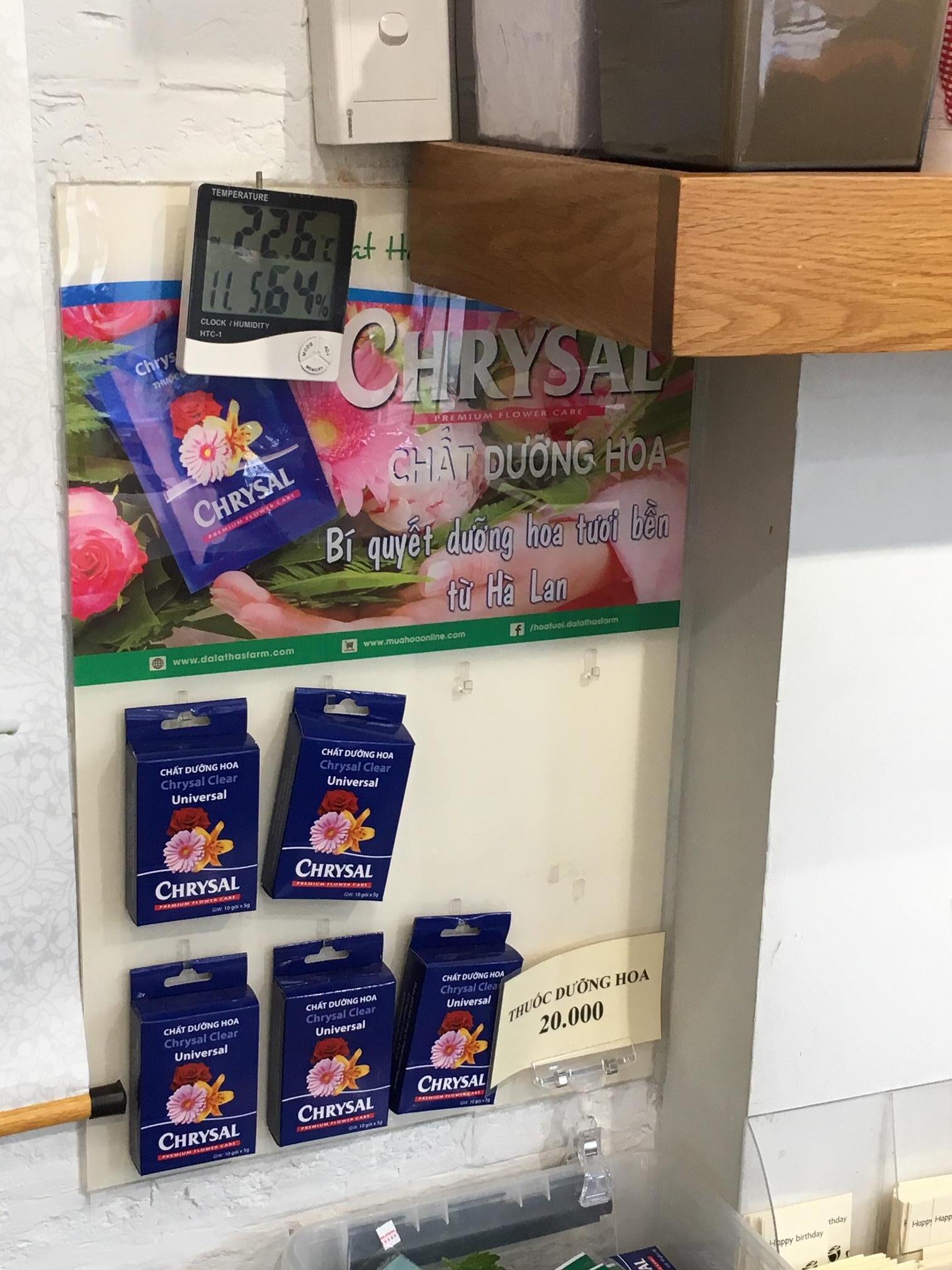
§ Every bouquet always flower food (Chrysal)
§ Iគប់pច់stFំងអស់តIម^វdន
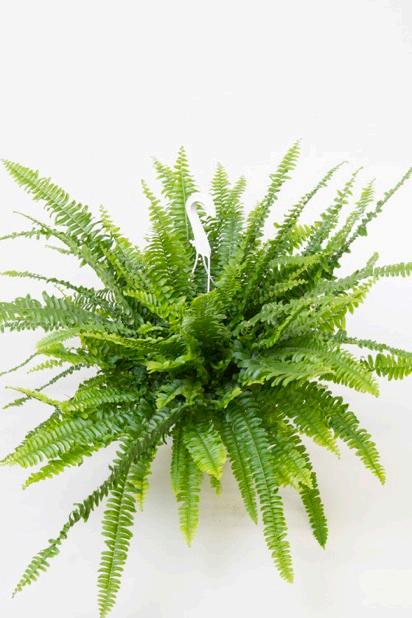
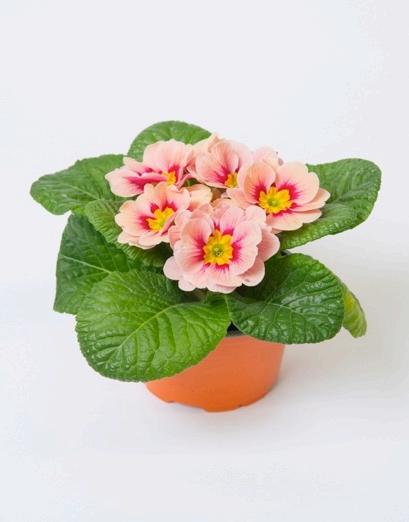
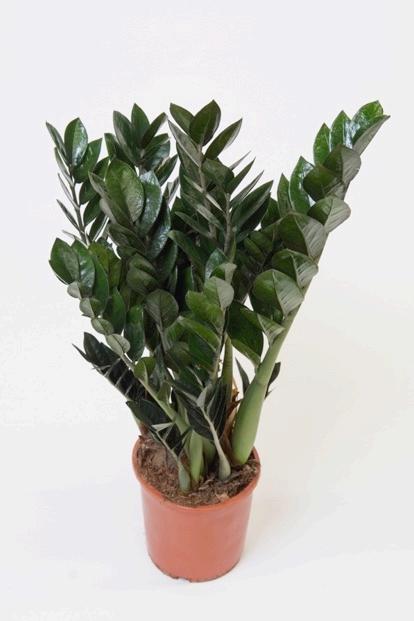
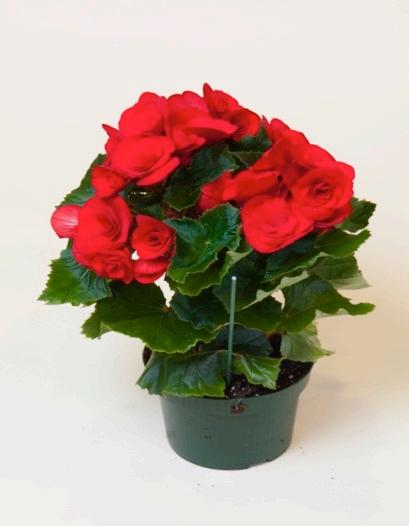
§ Indoor plants
§ Outdoor plants
§ Flowering plants
§ Green plants
§ Easy care (more easy)
§ More care plants (more difficult)
§ Short life: blooming 1 time
§ េដ;មGេពលេចញG១ដងNប់េOយេPវញេហ;យ
Chrysanthemum, Guzmania, Vriesea
§ Long life: blooming every year
§ េដ;មGHរRកេរ$ងOល់NSំ
– Saintpaulia, Cymbidium, Stephanotis
§ Possible to use also outside
§ (ចTក់Uងេ9VEន
– Hibiscus, Nerium, Bougainvillea
§ Possible to use also as cutflower
§ (ចេ9ប;<GH!ត់
– Rosa, Cyclamen, Orchids, Gerbera
§ Air Cleaning plants
§ Possibilities in arrangements (ចេរ$បេដ;មេឈ;<មួយGH!ត់Eន
§ Water § Light
§ Nutricients
§ Temperature § CO2 § RV (relative humidity) § “Love”
How much water or light needs a plant?
េត)រុកWTតិ'តfវ!រទឹក ឬពនZឺប៉ុ+Oន?
§ Look to the plant and you know if it needs much or less water and full sun, half sun or shadow light
§ សូម'កេឡកេម)លរុកWTតិ អdកនឹងដឹងj េត)k'តfវ!រទឹកេ'ច)ន
Aន'ពះlទិត?េពញ 'ពះlទិត?>ក់ក3mល ឬពនZឺ'សេAល
Blooming your future
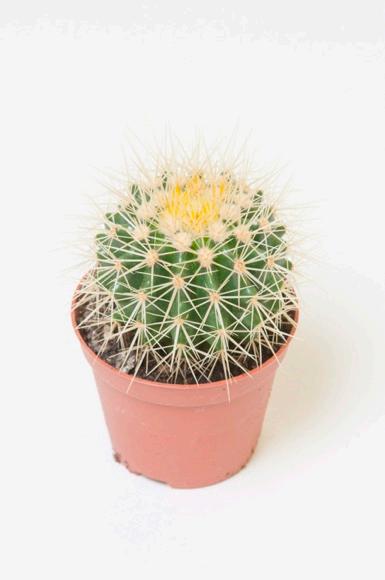
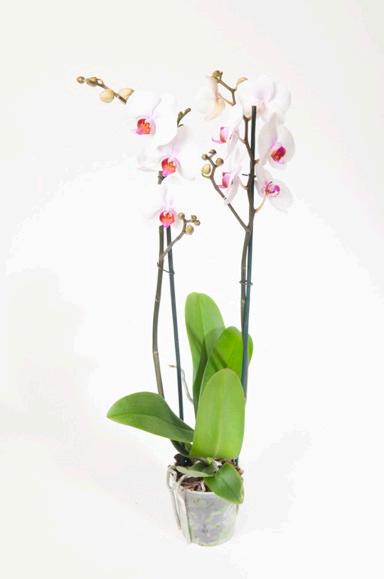
Wet or dry? េស)មឬសBnត?
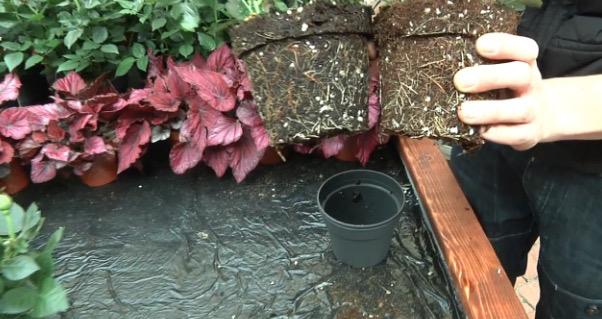
§ By looking at a plant you already know a lot.
§ Looking at leaf thickness
• Soft leaf = lots of water + higher RH (more spraying)
• Thick / fat leaf = succulent properties in leaf
• little water, lower RH (less / no spraying)
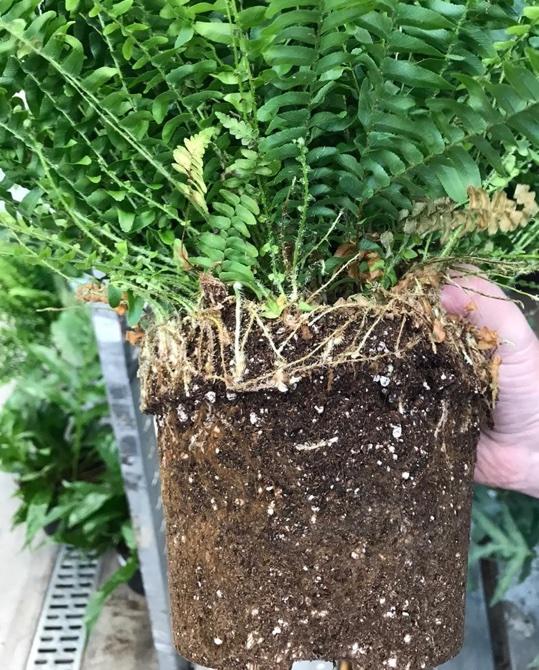
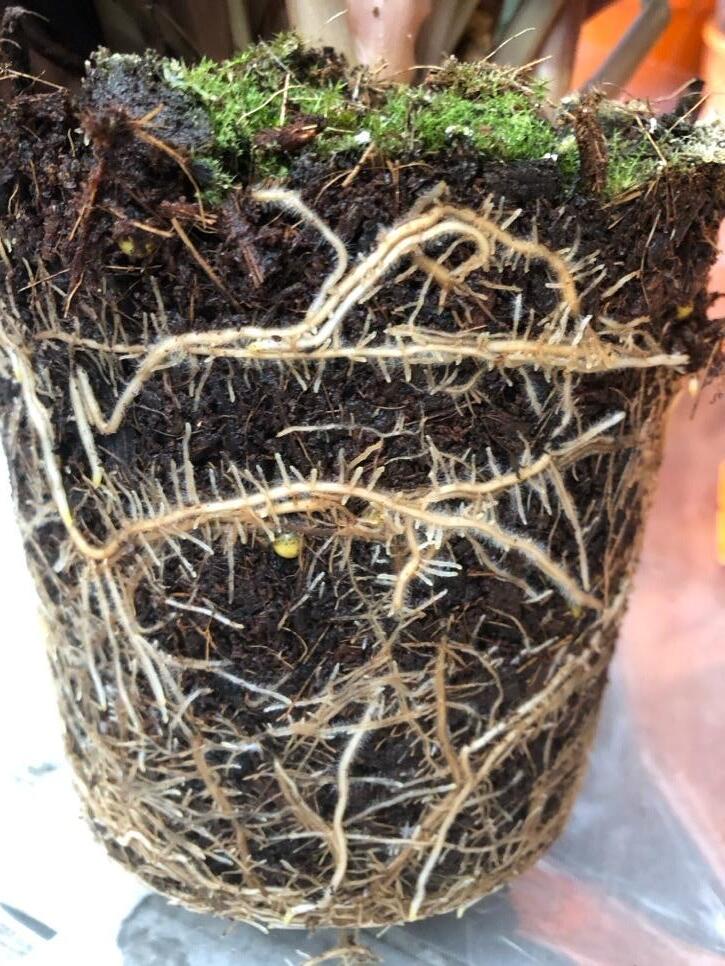
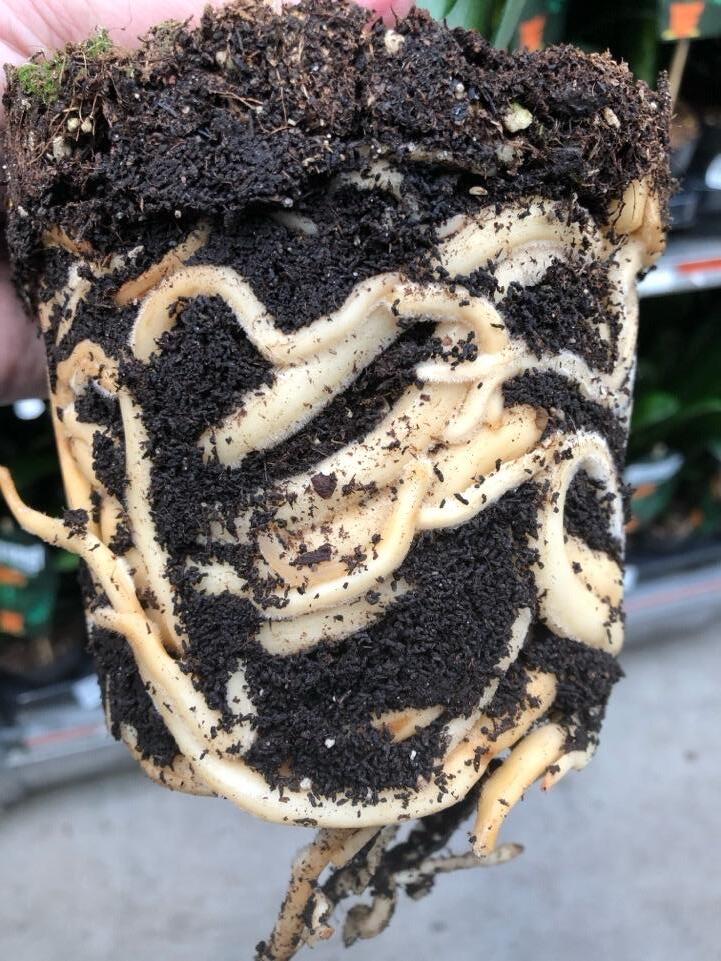
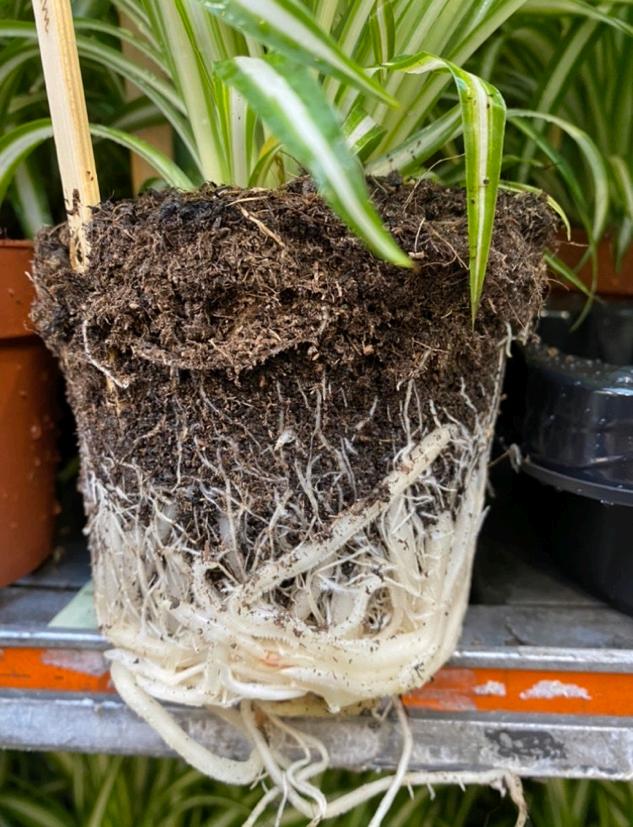
§ Looking at stem / stem / root
• Succulent properties
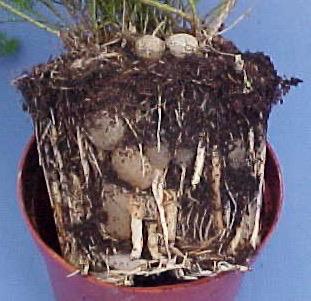
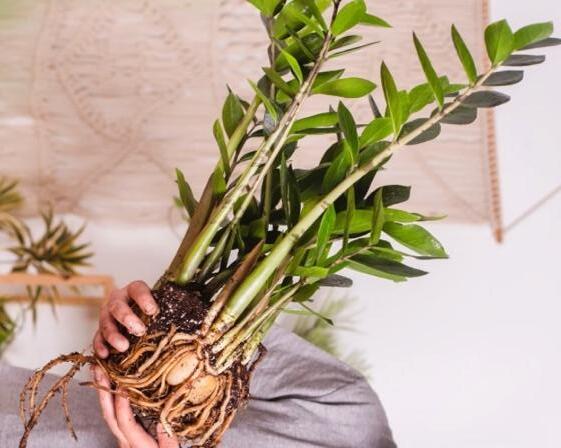
• The more or the thicker the stem, the easier it is for the plant to grow.
• The thicker the root, the easier it is to care for / less water
• The finer the root, the more regular the water
Wet / humid or dry?
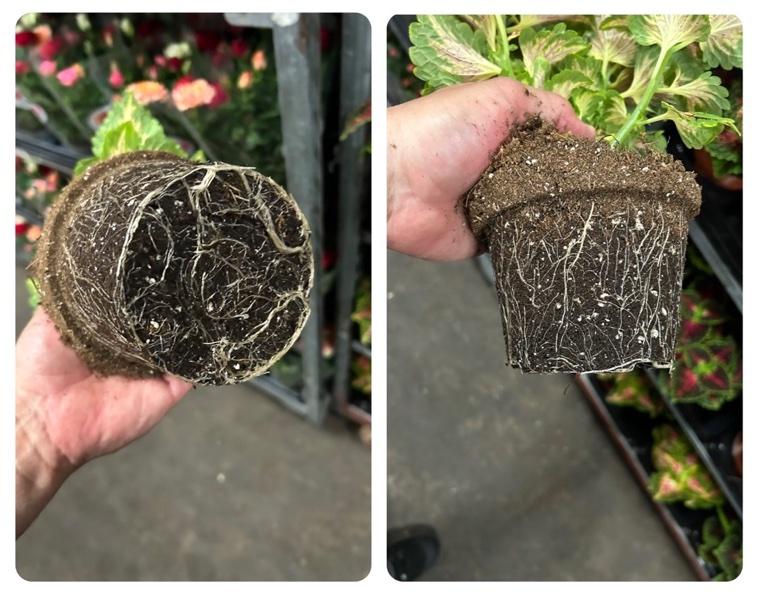
§ By looking at a plant you already know a lot.
§ Looking at the leaf thickness
– Soft leaves
§ more and regular water
§ higher RH (more spraying)
– Thick / fat leaves = succulent chacteristics in leaves
§ Less or little water,
§ Lower RH (less / no spraying)
§ Succulent characteristics = ability to survive in dry periods.
§ Succulent characteristics can be found in: – Root – Stem / trunk – Leaf = succulent
§ The more or the thicker the stem, the easier the plant
§ The thicker the root, the easier to care for / less water
§ The finer the root, the more regular watering
to:
§ Always water from below for soft-leaved plants:
– Annuals, perennials, flowering houseplants
– Larger pot sizes can be watered on the pot
§ Never leave tables with water:
– Ebb and flow tables or after rain showers
§ Plants with fine rootsystem sometimes dip
– Rhododendron (Azalea), Cyclamen etc
§ Plants with softer leaves not too close to each other
§ Watering:
§ Make sure customers aren't hindered
– Or in the morning: in normal weather
– Or in the evening: § is better when weather is warm / hot
– High evaporation + better water absorption at night
– Sometimes 2 times a day in extreme weather
§ With a water-giving-schedule
§ Pay attention to weather forecasts
§ Sometimes need to water on Sunday
§ Sometimes necessary to water 2 times a day
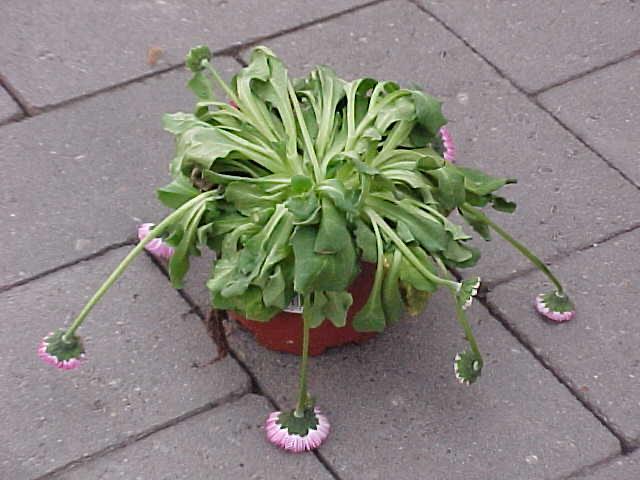
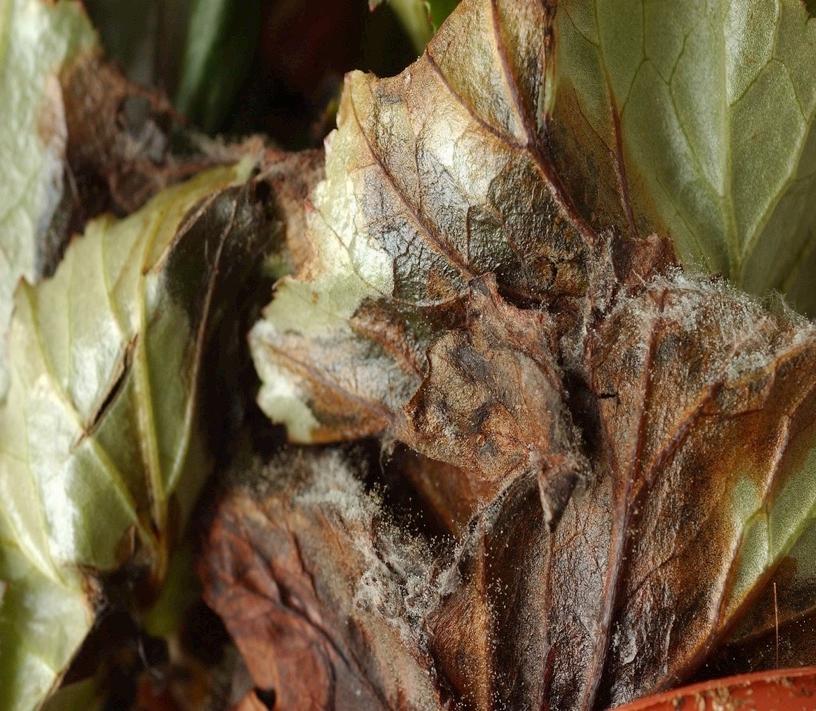
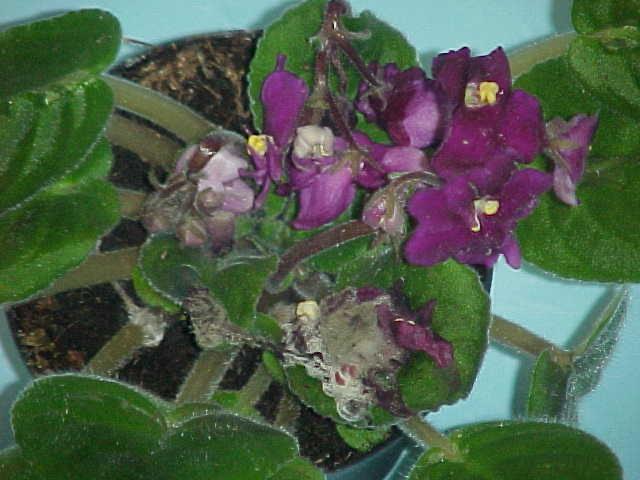
§ Flowering products never from above – This causes Botrytis
– Water on the pot or from from below
§ Sometimes dipping (hanging plants)
§ Sometimes change water (aquatic plants)
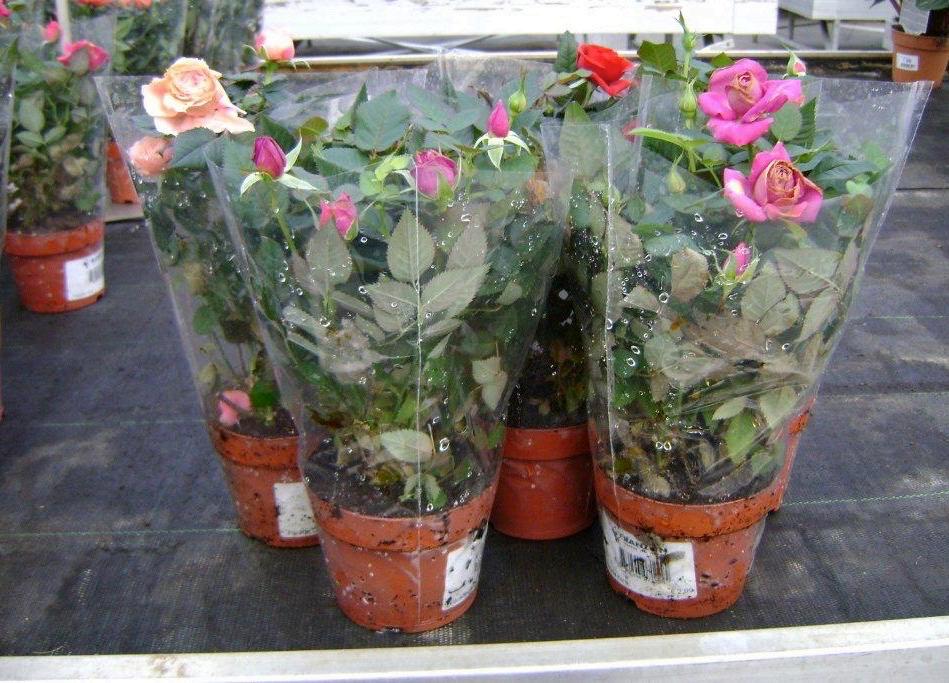
§ First check if the plants need water by means of "thumb test”
– press the thumb into the earth
– with dry thumb, water
– soil sticks, does not water
– on hot summer days (25+) check again at the end of the day
§ Feels soil on top of pot dry
§ Feels pot heavy
§ Is the plant large or small
§ How is the ratio of leaf / stems
§ At what time of the year is it
§ Is it a herbaceous or woody
§ A greasy or soft-leaved species
By looking you estimate how much water the plant needs
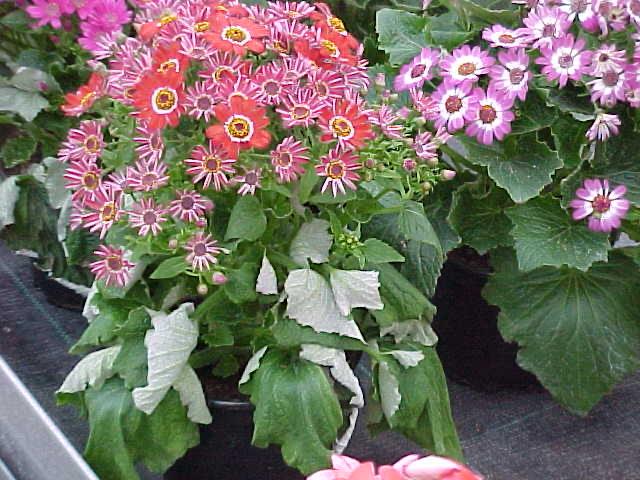
§ Never with flowering plants
– In connection with Botrytis danger
§ Only with green plants
– Plant shows fresh
– Increases humidity = leaf tips and edges
§ Checking plants every day:
§ Remove faded flowers
§ Remove yellow, brown leaves
§ Weekly:
§ Removing weeds from pots
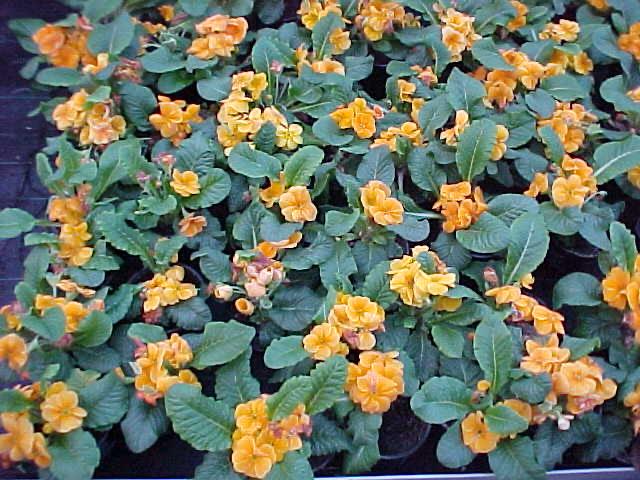
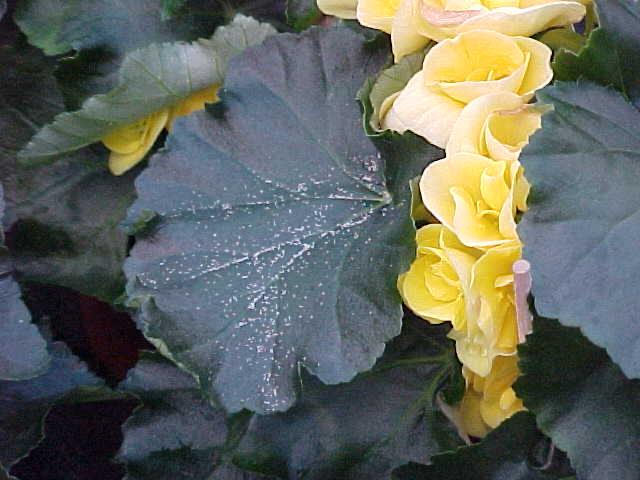
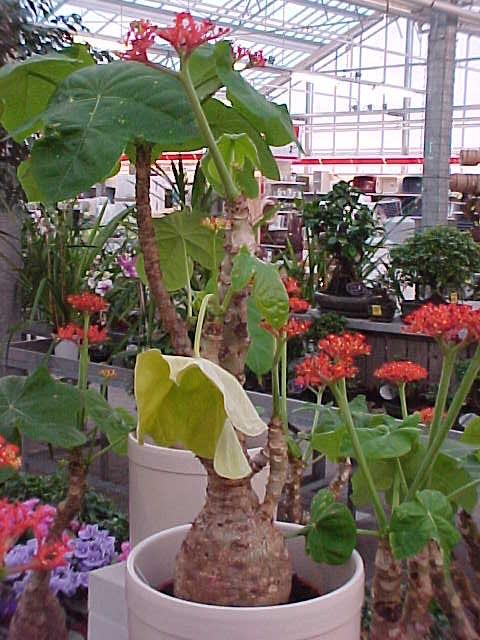
§ Drop -in: plant-pot combination
§ Plant A rrangement: _រេរeបេដ\មេឈ\
– 1 type of plant េដ\ម
– different plants together េដ\មេឈ\េ)ច\ន)បេភទរួម]^
§ Plants + flower combination:
េដ(មេឈ(នឹងstÖយx$ – Plants combined with some flowers – Flower arrangement with plants as decoration material







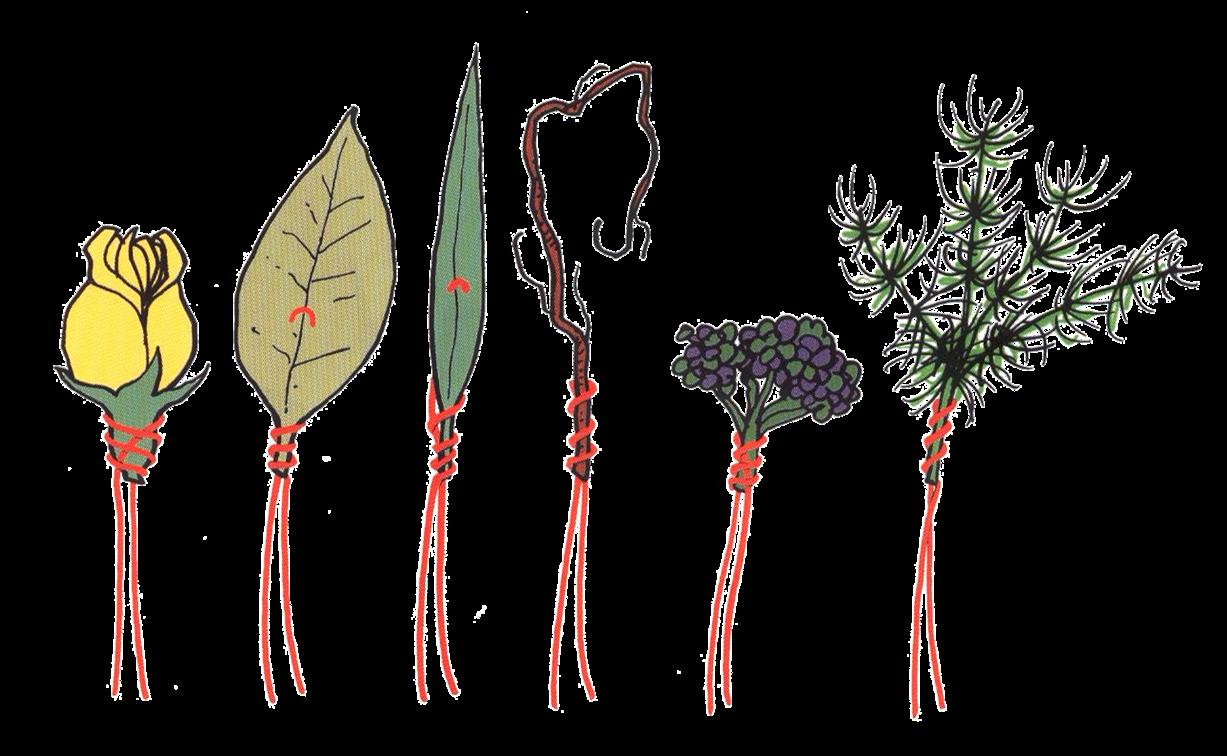
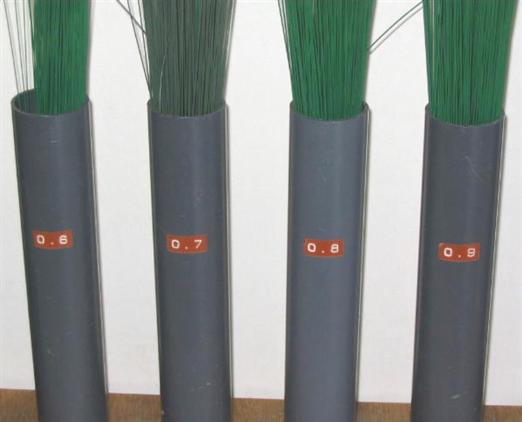
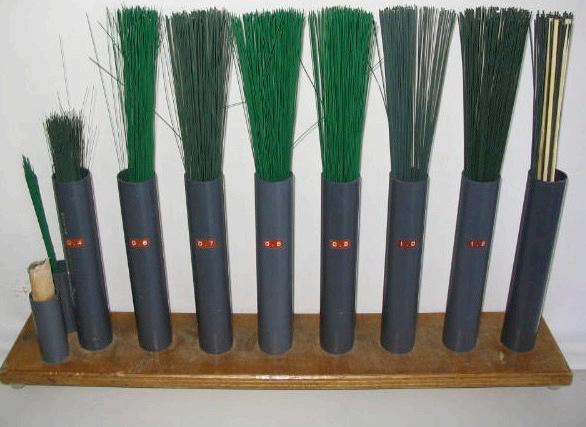
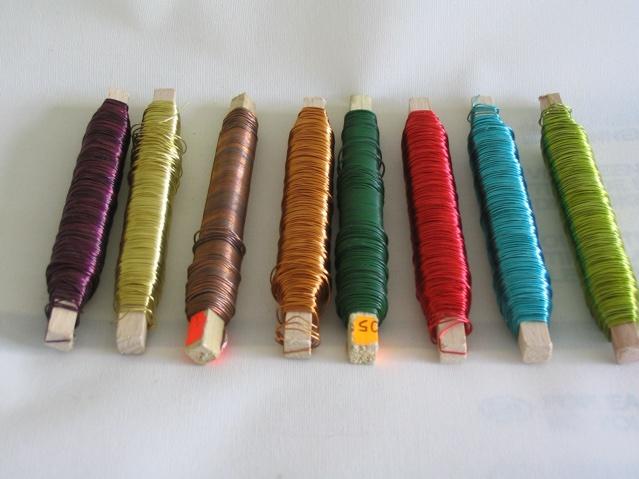
0,28 - 0,4 - 0,6 – 0,7 – 0,8 – 0,9 – 1,0 – 1,2 – 1,5 0,6 – 0,7 – 0,8 – 0,9
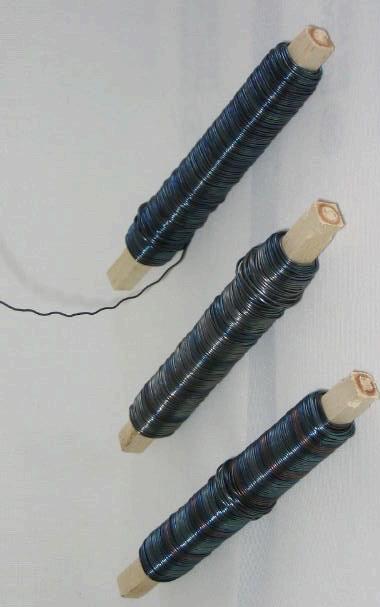


Wire pulled over the rim

Extra wire weighed down on the bottom

Wire fills the vase