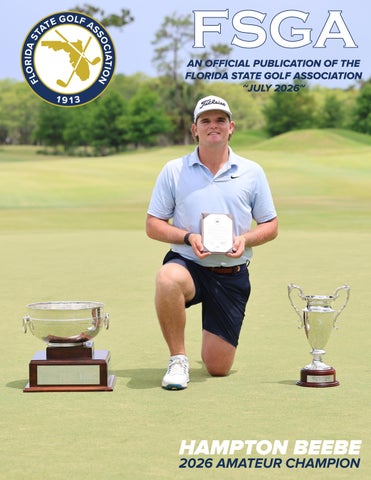

67TH GIRLS’ JUNIOR CHAMPIONSHIP



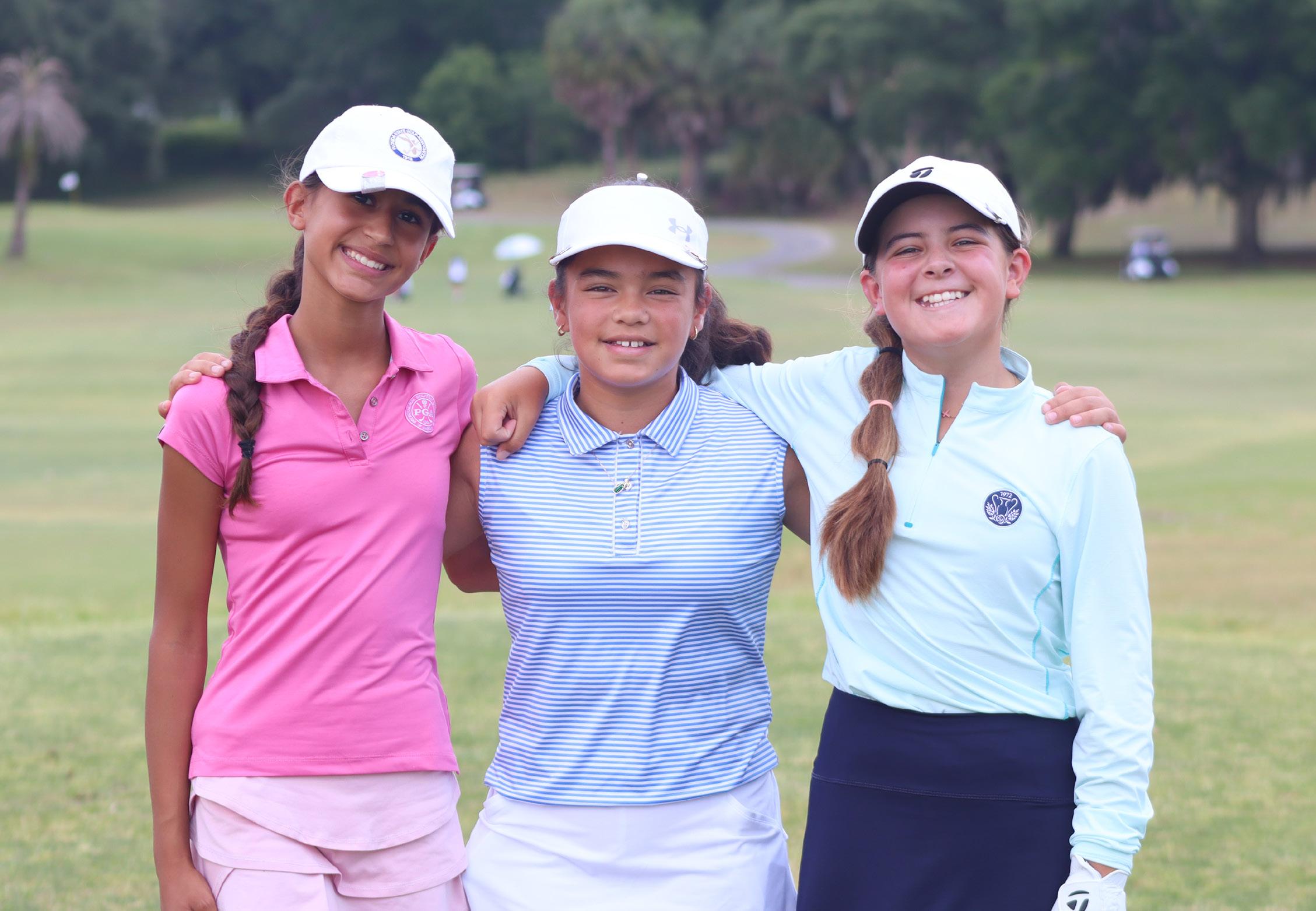
Bella Dovhey captured the 67th Girls’ Junior Championship after outlasting a chaotic final round at Mayacoo Lakes Country Club, closing with a birdie on the 18th hole to finish at 6-under par. With multiple lead changes, a four-way tie at the top and a nearly three-hour weather delay, Dovhey stayed composed through every momentum swing.
After play resumed, Dovhey answered with a key birdie while Ayana Hiranaka dropped a shot, shifting the lead back in her favor. From there, she held steady down the stretch, creating separation on the 16th before sealing the victory with a finalhole birdie. YuHan Wang captured the 13-15 Division after closing with a 3-under 69.
Click here to view full recap.
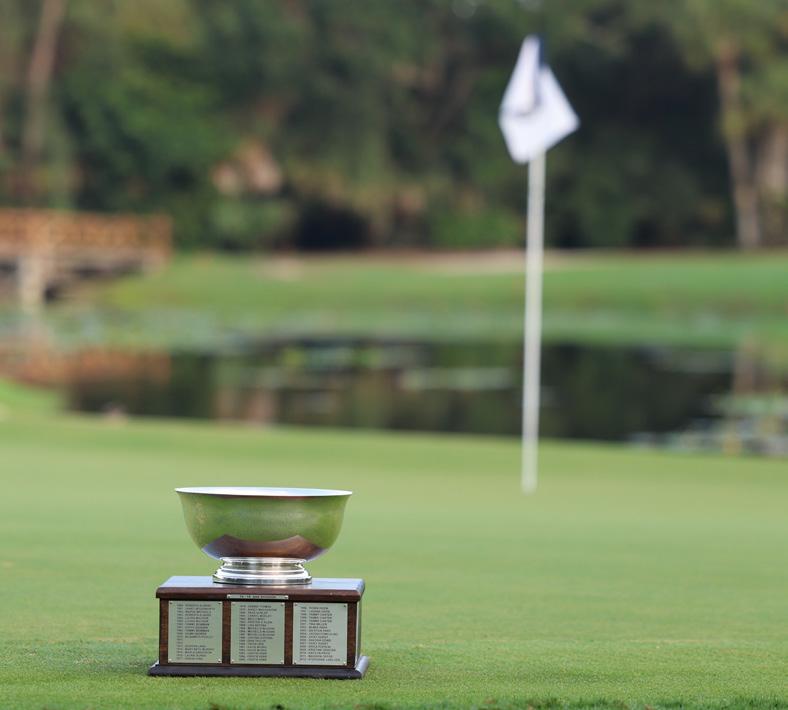



CHAMPIONSHIP RECAPS
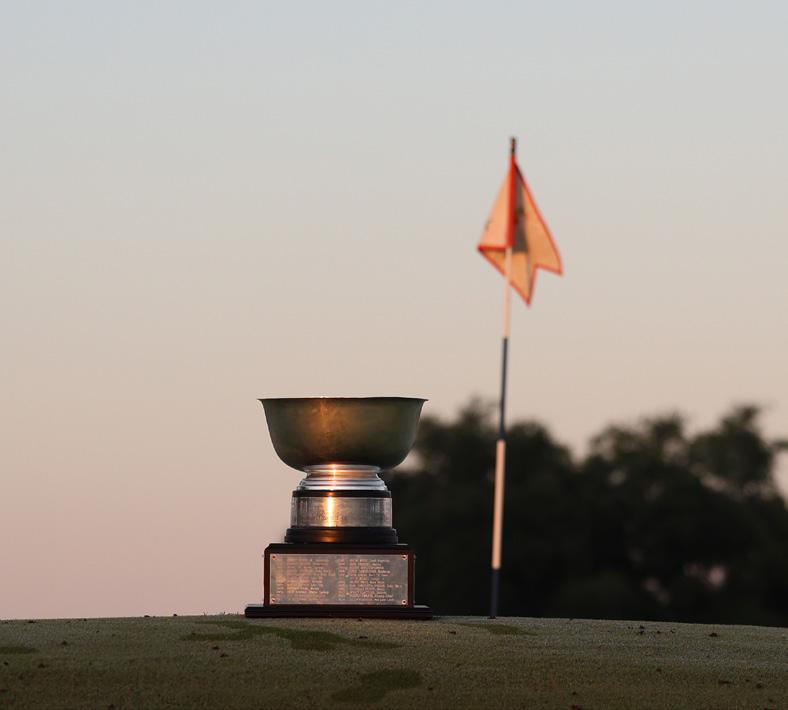
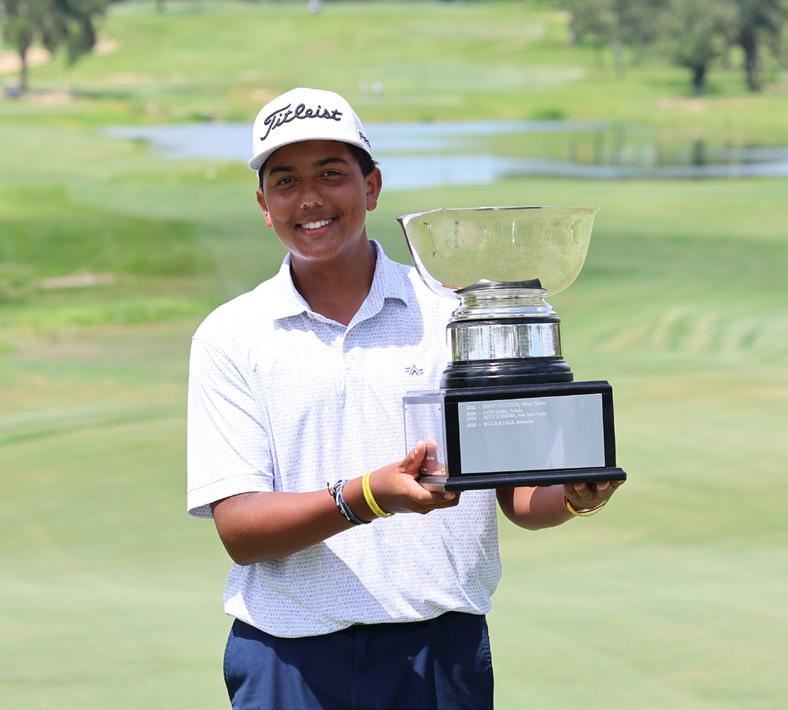
72ND BOYS’ JUNIOR CHAMPIONSHIP
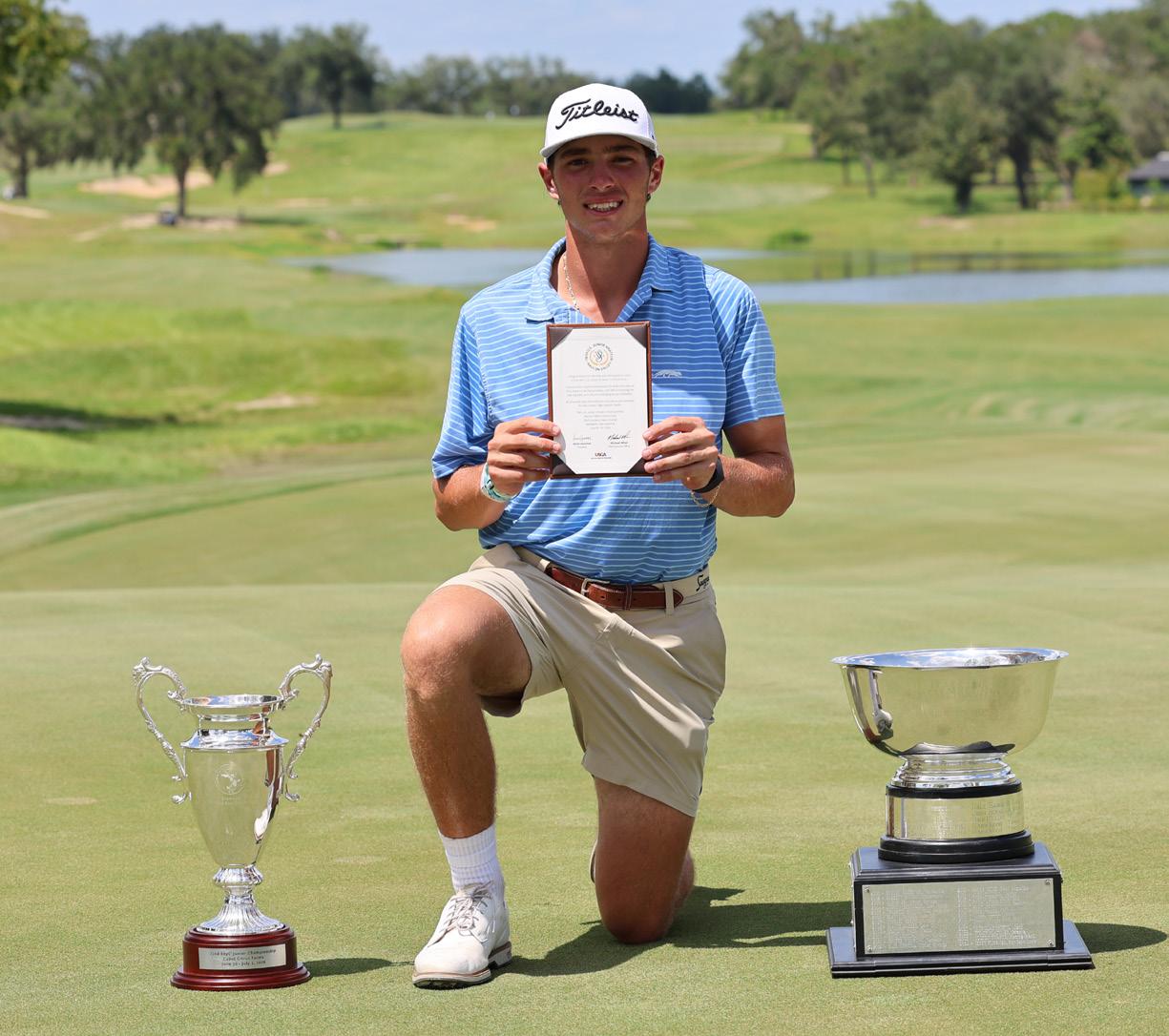


Easton Oliva captured the 72nd Boys’ Junior Championship after holding off a crowded leaderboard during the final round at Cabot Citrus Farms, finishing at 11-under for a one-shot victory.
Oliva stayed steady throughout the day as Noah Peens and Ryan Houck remained close behind. Ryan Nana Tanke made the biggest late charge, climbing from sixth and briefly pulling even with Oliva after a birdie on No. 17.
Oliva held firm to secure the title, Peens finished second at 10-under, with Tanke third at 9-under.
Michael Shane Frasure captured the 13-15 Division after closing with a 1-under 71 to finish at 2-under overall, one shot ahead of Henry Liebwein.
Click here to view full recap.


WHAT PLAYERS DON’T SEE: THE ANATOMY OF AN FSGA
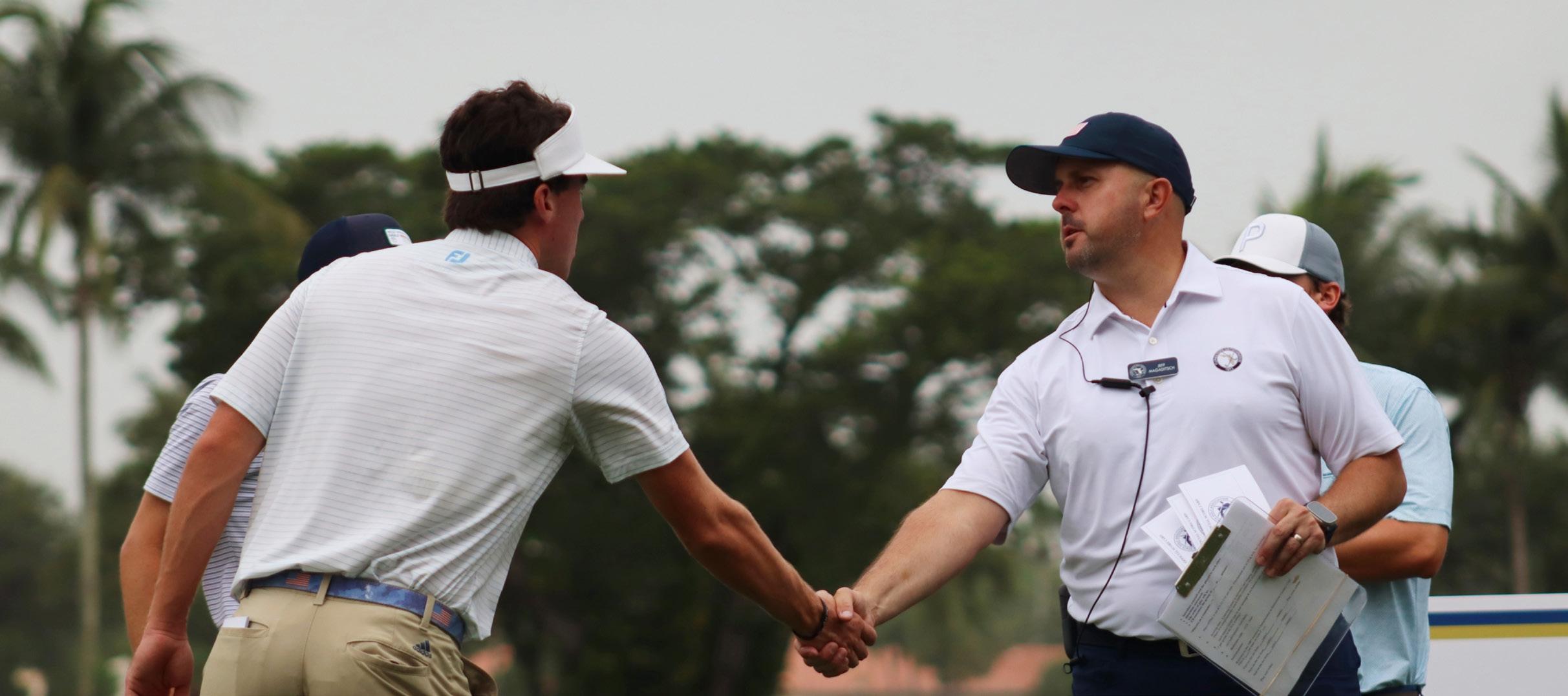
Sometimes even years in advance, FSGA staff members are already coordinating venues, travel logistics, volunteer schedules, tee gifts, scoring materials, signage, and championship setup for events taking place across the state of Florida. Entries open in late January each season for the upcoming championship calendar, while championship sites are often secured years ahead of time.
At the same time, communications staff prepare preview stories, graphics, social media plans, photography schedules, and member emails before a single shot is hit.
Every detail is part of the preparation.
By the time tournament week officially arrives, vans are packed, staff members are traveling, and championship operations are already in motion before players ever step onto the property.
6:30 AM - Tournament Mode Begins
It’s 6:30 a.m. and the golf course is already awake.
Staff and rules officials arrive with coffee in hand, already in communication with club staff on both the golf operations and agronomy sides. Maintenance crews make their final passes across the greens before the day begins. Volunteers start checking in, radios begin crackling across the property, and starting tents are prepared before the first tee time of the morning.
As players warm up on the range, tournament staff members review weather forecasts while hole locations are cut and tee placements are finalized. There is already a buzz around the clubhouse as staff members respond to radio calls, organize starter boxes, and prepare for a long day ahead.
Host clubs play a major role in the process as well, constantly communicating with staff to prepare for each round, whether it’s organizing carts, preparing gift cards, or assisting with player needs throughout the week. Club members and staff are just as important in helping make each championship a success.
FLORIDA JUNIOR TOUR

THE PLANTATION AT PONTE VEDRA BEACH
UPCOMING FLORIDA JUNIOR TOUR EVENTS

RULES OF GOLF - SETTLING DISPUTES
Darin Green - Director of Rules & Competitions
One player says the ball moved. The other says it didn’t. One player is certain he made a 5 on the 8th hole. His marker insists it was a 6. So...who decides?
One of the Committee’s most important responsibilities is resolving questions of fact. Whether the issue involves a player’s score, a possible Rules breach, or conflicting accounts from players and witnesses, someone has to determine what actually happened.
Players Have the First Responsibility
The Rules of Golf begin with a simple expectation: players are responsible for knowing and applying the Rules. That means players are expected to play honestly, protect the field, and not intentionally ignore or circumvent the Rules for their own benefit. In stroke play, players are also responsible for ensuring the correct score is recorded for every hole before returning their scorecard. Fortunately, the overwhelming majority of golfers take these responsibilities seriously.
When Players Disagree
Sometimes, however, honest people remember the same situation differently.
Perhaps one player believes another improved the conditions affecting the stroke. Maybe there’s disagreement about where a ball last crossed the edge of a penalty area. Or two players simply recall an event differently. When that happens, it’s the Committee’s job to resolve the matter.
How the Committee Finds the Facts
The Committee Procedures section in the Rules of Golf provides guidance for resolving questions of fact. The Committee should:
• Gather all available information.
• Speak with everyone who may have relevant knowledge.
• Consider physical evidence, photographs, videos, or ball marks when available.
• Evaluate the credibility and consistency of each account.
• Reach the most reasonable conclusion based on all of the evidence. The Committee’s goal is not to prove someone right or wrong. Its responsibility is to determine what most likely occurred.
What If There Isn’t Enough Evidence?
Not every dispute has a clear answer. Sometimes there are no additional witnesses. Sometimes two players provide equally believable, but conflicting accounts.
When the available information is evenly balanced and the facts cannot be established with certainty, the Committee must still make a decision. In those situations, the Committee evaluates all of the circumstances and reaches the most reasonable conclusion possible. Because the player involved is often the person closest to the situation, that firsthand account may carry significant weight when there is no stronger evidence to the contrary.
This isn’t because the Committee automatically believes one person over another. It’s because the Rules require decisions to be based on the best available information—not speculation.
Trust the Process
Most Rules decisions are straightforward. A few require careful investigation. When disagreements arise, the Committee’s responsibility is to listen carefully, gather the facts, remain impartial, and apply the Rules as fairly as possible.
The objective isn’t to “win” an argument. It’s to protect every player in the field by reaching the most reasonable decision based on the information available.
And remember, as in all sports, occasionally a referee, umpire, official, etc. makes a bad call or wrong ruling.
PRESERVING & PROTECTING THE GAME OF GOLF SINCE 1913