Tampa Bay Water Challenges Require Solutions PAGE 2
Q&A With Veteran Florida Environmental Reporter
Bruce Ritchie
Storm Preparedness Improvements
Address label change? MAY/JUNE 2026
2017 forecast:
Tampa Bay Water Challenges Require Solutions PAGE 2
Q&A With Veteran Florida Environmental Reporter
Bruce Ritchie
Storm Preparedness Improvements
Address label change? MAY/JUNE 2026
2017 forecast:
By PATRICK GILLESPIE
Floirda’s annual legislative session ended March 13 with more than 200 bills passed, but no budget, leaving legislators more work to do late into the state’s fiscal year.
Rockville, MD - When it comes to American cuisine, there are few things more iconic than steakhouses. The slabs of marbled meat, the sizzling grills, the oozing butter, and the dripping bravado, maybe even a cowboy hat or two for ambiance—it's enough to make even fictional steakophile Ron Swanson misty-eyed.
And political arguments persisted into April and beyond, with Gov. Ron DeSantis calling a special session on redistricting, artificial intelligence and vaccine policy. In the meantime, the Governor signed nearly 60 bills into law as of late April. Several of the bills that will become law this year deal with environmental and energy. Below is a sampling.
Yet for all the traditional steak dinners ordered daily, there are restaurants nationwide pushing the concept of the all-American steakhouse to new culinary heights, according to market research firm Packaged Facts in the brand new report 2017 Forecast: Culinary Trend Tracking Series.
HB 1217
"The steakhouse is back and will capture our attention in 2017. Not that the classic restaurant style ever disappeared, but a renewal of the model is taking place in response to new sources of beef and new flavorful expressions of the concept that get chefs and diners excited," says David Sprinkle, research director, Packaged Facts.
Arsenic Standards Threaten Florida Development
If your mailing label is inaccurate or incomplete, please contact us with the correct information at SPECIFIER PUBLISHING LLC, P.O. Box 1857 Tallahassee, FL 32302, or email us at admin@floridaspecifier.com. We appreciate your help with keeping our circulation database accurate.
The bill prevents state and local governments from adopting or enforcing net-zero greenhouse gas emissions policies, including carbon taxes.
This legislation prohibits government entities from implementing net-zero mandates or emissions targets, prevents new taxes, fees, or penalties tied to carbon emissions, bans participation in carbon trading programs such as cap-and-trade agreements, blocks the use of taxpayer funds to support organizations promoting net-zero policies and requires annual reporting to ensure compliance and transparency.
Today's steakhouse menus increasingly feature grass-fed cattle, locally raised animals, heritage varieties, meat butchered and dry aged in-house, and dishes that stem from the whole animal, not just the premium cuts. And that's just the meat. Creative side dishes in lieu of old standards, global and seasonal flavors, and a wider menu selection also distinguish these new school operations.
“Net-zero mandates and carbon taxes increase costs on families, businesses and consumers,” said Rep. Berny Jacques at a news conference announcing the bill signing in April. “This bill protects Floridians from higher energy prices, increased transportation costs and other hidden
Jacksonville, FL - After much anticipation and excitement, Jollibee, the largest Asian restaurant company, is now open in Jacksonville. This is the 36th store in the US, as well as
junk fees caused by emissions mandates and burdensome regulations. Thanks to Governor DeSantis’ action today, decision making will be kept in our hands and not in the hands of global elites or green new deal activists.”
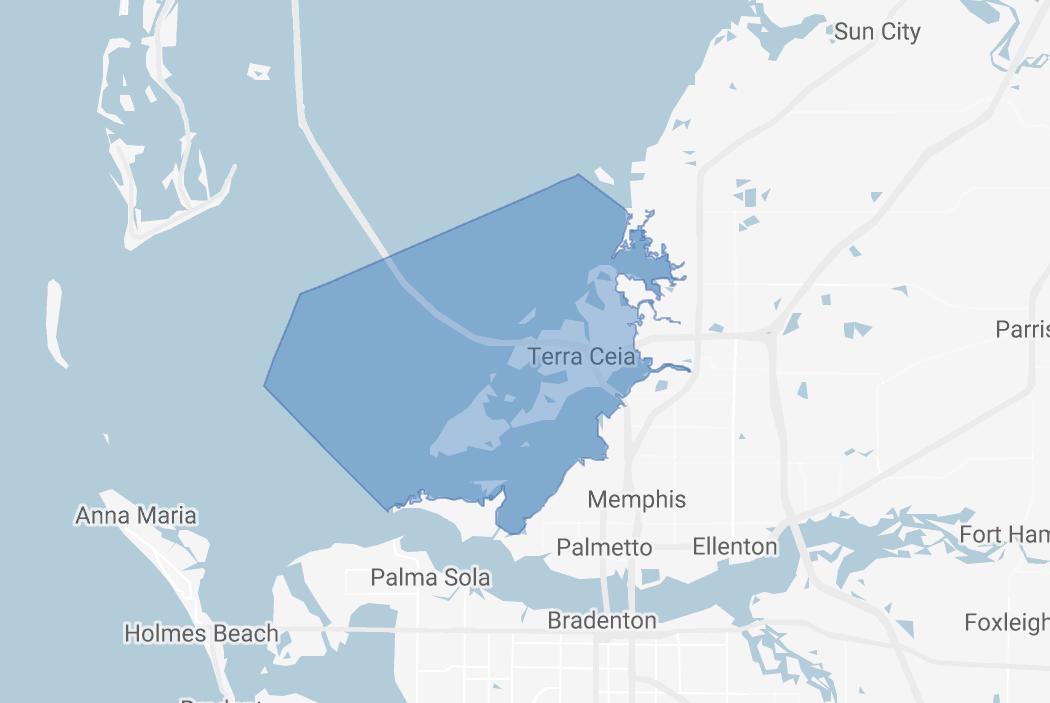
SB 302
The bill prohibits dredging or filling of submerged lands in and around Terra Ceia Aquatic Preserve, allowing for passive recreational fishing and boating rather than commercial transportation in these waters.
Chefs and consumers both want their meat to taste delicious and to feel good about its’ consumption, too. This new breed of steakhouse broadcasts its mission to support local ranchers, factor in sustainability and animal welfare, and create a dining experience that showcases culinary flair, not just a grill master's skill at cooking steak to the requested doneness. These operations are also designed to be more inclusive, more of a great place for all kinds of people to dine well, not just traditionminded men on expense accounts. As a result, the modern steakhouse is increasingly similar to other modern restaurants with a focus on distinctive
The legislation requires that any future changes to the preserve must go through a transparent, state-level approval process. It also strengthens Florida’s coastal resiliency by expanding the use of nature-based solutions to rehabilitate wetlands, restore oyster reefs and increase the mangroves along the Florida peninsula. In addition, the bill streamlines permitting, accelerates restoration timelines and enables the use of new technologies to enhance coastal protection efforts. Together, the measures are designed to safeguard vulnerable habitats, reduce erosion and storm surge risks and preserve Florida’s natural coastline.
HB 1417
This bill repeals the outdated Environmental Regulation Commission, making it faster to update rules to protect the environment. It also ratifies rules to ensure sufficient water supply along the Lower Santa Fe and Ichetucknee rivers, vital water resources for North Florida. Finally, the bill makes certain that stormwater management around solar fields is rigorous to protect both the environment and adjacent property owners.
HB 441
This bill requires the Division of State Lands at the Florida Department of Environmental Protection, water management districts and other authorities to publish specified information online before reviewing proposed sales or exchanges of conservation lands while updating appraisal standards, review processes and cross-references.
and sustainable sourcing, local and seasonal produce, and global flavors and forms, all done within the steakhouse format showcasing cuts of meat as entrées with a choice of sides. Moreover, new menu categories (such as flatbreads) and service elements freshen the concept.
About the Report
2017 Forecast: Culinary Trend Tracking Series offers an outlook on the culinary trends—the foods, dishes, ingredients and flavors—that Packaged Facts expects to grow in popularity in 2017.
See STEAKHOUSE page 11
State Lands will be required to post information on its website at least 30 days before the Acquisition and Restoration Council or Board of Trustees reviews proposed sales of conservation lands. Appraisals will be based on criteria established by the Board of Trustees, which is the Governor and Cabinet. In addition, water management districts are required to publish details on their websites before reviewing sales or exchanges or conservation lands.
Bill language also removes outdated re-
CONTINUED ON PAGE 2
By STAFF REPORTS
Florida’s long-running effort to assume Clean Water Act section 404 permitting authority suffered another major setback on March 27, when the U.S. Court of Appeals for the District of Columbia Circuit upheld the lower court ruling vacating the program. The decision leaves in place the conclusion that federal agencies acted unlawfully when they approved Florida’s assumption package in 2020.


This litigation began when seven environmental groups, led by the Center for Biological Diversity, alleged that the federal defendants, the EPA, U.S. Fish and Wildlife (USFWS) and the Army Corps of Engineers, violated the Administrative Procedure Act, Clean Water Act and Endangered Species Act in the transfer of 404 permitting authority to Florida.
been the talk of the town since 2016. With the opening, Floridians will get to try Jollibee's signature menu items such as the world famous Chickenjoy. This dish is delicately breaded to be crispylicious on the outside and juicylicious inside. The well-loved Jolly Spaghetti is a favorite of both kids and kids-at-heart because of its signature sweetstyle sauce, loaded with chunky slices of savory ham, ground meat, and hotdog. Other classic menufavorites include the juicy and cheesy Jolly Hotdog, and the Peach Mango Pie, which is made with real Philippine sweet mangoes and a flaky golden brown crust.
assumption of the 404 federal permitting program regulating the discharge of dredged or fill material into wetlands and other Waters of the United States (WOTUS). Section 404 of the Clean Water Act requires a permit before dredged or fill material may be discharged into WOTUS. Florida was one of three states to assume the 404 federal permitting program, in addition to Michigan and New Jersey. The Army Corps issues 404 permits in the other states.
"As Jollibee debuts in Florida, we anticipate seeing not only a multitude of excited Jollibee patrons waiting to get their hands on their Jollibee favorites, but also first-timers waiting to have their own Jollibee experience," said Jose Miñana, Jollibee Foods Corporation's Group President for North America. "There's no greater joy for us than serving the needs and tastes of Jollibee fans in the community. At Jollibee, we aim to bring families together for happy moments over great tasting food with superior value, served with warm and friendly service – our own brand of joy."
That contrast is what makes the opinion interesting.
The brand has become a symbol of nostalgia and warm childhood memories for many overseas Filipinos in the U.S. To many, Jollibee is the go-to restaurant of Filipinos for both special
This happened in December 2020, when the EPA granted the state of Florida
The ruling is important, but not because it offers a sweeping new policy direction. Instead, it turns on a narrower and more practical question: whether EPA and the U.S. Fish and Wildlife Service could approve Florida’s 404 program using a front-end, programmatic Endangered Species Act review, while leaving much of the species-specific work to a later technical assistance process. The majority said no. A partial dissent said that approach was both lawful and sensible.
See JOLLIBEE page 15
Judge Florence Pan, writing for the court, viewed the federal agencies’ approach as an impermissible shortcut. Her opinion opens with a memorable analogy: a trucking company owner asks the DMV to register all of his trucks based on a promise that he will handle the safety inspections himself and consult the agency if questions come up. In the court’s view, that is essentially what happened here. Florida promised to make sure future permits complied with the Endangered Species Act, and the federal agencies accepted that assurance without completing the kind of species-specific analysis the statute and regulations require.
Judge Karen Henderson saw the case differently. In her partial dissent, she framed the central issue more pragmat-
CONTINUED ON PAGE 2
By BOB MALIVA
Florida is blessed with abundant high-quality fresh groundwater that is suitable for potable use with only minimal treatment. However, the water demands from the enormous population growth in the greater Tampa Bay area have long ago reached the limits of sustainable production from freshwater aquifers. Excessive pumping was causing unacceptable environmental impacts to wetlands and lakes, land subsidence and the degradation of water quality by saline water intrusion.

rapidly increase. The medium population projection of University of Florida Bureau of Economic and Business Research for Hillsborough, Manatee, Pasco and Pinellas counties has their combined populations increasing from approximately 3,657,800 on April 1, 2025, to 4,307,200 20 years later in 2045. Water will need to be provided for another 649,400 people. The projected increase in population is close to the entire current population of Pasco County.
for residential reuse is usually prohibitive. Wastewater that would otherwise be disposed of by offshore outfalls or deep well injection is being increasingly put to beneficial use for aquifer recharge (e.g., South Hillsborough Aquifer Recharge Project; SHARP). Credits obtained for aquifer recharge using treated wastewater or surface water can be used for additional fresh groundwater withdrawals elsewhere.

PATRICK GILLESPIE
Staff Writers
BLANCHE HARDY, PG
Senior Correspondent
LINA ALFIERI STERN
MBA, MSRED, LEED Green Associate
The late 1980s and early 1990s saw the establishment by the Southwest Florida Water Management District (District) of the Northern and Southern Water Use Caution Areas with goals of ensuring that water supply needs are met for existing and projected reasonable and beneficial uses and achieving recovery of groundwater levels so that minimum environmental flows and levels in lakes and rivers are met and saltwater intrusion is minimized.
The District, Tampa Bay Water and local utilities have done a commendable job working together toward reducing overall fresh groundwater pumping. The current diversified system, which blends groundwater, surface, or river, water and desalinated seawater, has been operating successfully for more than 20 years and environmental effects from past practices have all but disappeared. However, recent drought conditions reveal the vulnerabilities of the region’s water supply.
The population of the region continues to
The primary sources of potable water in the region are groundwater and surface water. Tampa Bay Water currently obtains approximately 53 percent of its supply from groundwater, 43 percent from river water, and four percent from desalination. Some additional surface water is available, but withdrawals are limited by regulatory minimum flow requirements in rivers. Expensive storage (reservoirs) is needed to store seasonally captured water for reliable year-round supply.
Water utilities can access additional fresh groundwater for potable supply through aquifer recharge or the transfer of existing groundwater pumping. For example, farmlands may be purchased with the intent of using the amount of water historically used on the farm for potable supply, with the requirement that there be a net benefit that offsets the impact of the proposed withdrawal. An additional positive effect on the water body equal to or exceeding 10 percent of the predicted offset impact is required.
Reuse of reclaimed water for non-potable uses can make higher-quality sources available for potable use. Most wastewater reuse in Florida occurs by golf courses and parks and for residential irrigation in some new communities where dual-piping is installed at the time of construction. The cost to retrofit existing communities
The SHARP water will not enter the potable supply. The next step in wastewater reuse is potable reuse, whereby wastewater recharged to an aquifer will enter the potable supply. Potable reuse requires a much higher level of treatment, with associated costs, and may face public opposition. However, as water shortages become more acute, potable reuse projects may become more economically and politically viable.
Any community with access to the coast has an essentially unlimited supply of water available through desalination. The Tampa Bay Seawater Desalination Plant, the second largest seawater desalination plant in the United States, produces up to 20 million gallons of high-quality drinking water per day. However, seawater desalination is energy-intensive and thus expensive. Desalination of brackish groundwater is less expensive, and numerous facilities have been constructed or are under development in Florida.
The Tampa Bay region, and Florida as a whole, has long ago invested in reliable and inexpensive potable water and in the future likely will as well. This includes investing in diverse alternative sources to meet growing needs.
Bob Maliva, is Principal Hydrogeologist for WSP in the United States
Copyeditor
EMMA CYPHERS
Designer
TRACY KISTLER
BOB MALIVA WSP
DANIELLE FITZPATRICK
St. Johns River Water Management District
RALPH DEMEO Adams and Reese
JEFF LITTLEJOHN Adams and Reese
KEYNA CORY Florida Recycling Partnership
ically: whether federal agencies had to “divine the full impact of permitting across the entire state of Florida for all time,” or whether they could rely on future permit-by-permit review built into Florida’s program. In her view, the latter approach was permissible. She argued that the ESA does not require the sort of exhaustive species-by-species analysis the district court demanded at the programmatic stage, particularly where the agencies had established future safeguards and consultation mechanisms.
That disagreement matters because it
FROM 404 ON PAGE 1 FROM LEGISLATIVE ON PAGE 1
quirements for submitting land exchange requests and clarifies the role of the Acquisition and Restoration Council in providing recommendations.
SB 288
This bill regulates rural electric cooperatives that sell electricity at retail from adding fees or surcharges around certain fuel sources or appliances. It modifies Florida Statutes 425.041 to bar these providers from imposing fees, including lot or developer fees or surcharges that limit or prohibit the use of specific energy sources.
The bill also removes language that allows cooperatives to take actions that might indirectly inhibit fuel or appliance choices.
gets to the heart of a recurring problem in environmental permitting: how much analysis must happen up front, and how much can lawfully be deferred until later project review. The majority treated the technical assistance process as too thin a substitute for formal ESA compliance. The dissent treated it as a reasonable way to make the Clean Water Act and the ESA work together in the real world.
For Florida, the practical effect is continued uncertainty. That leaves Floridians in the familiar position of trying to navigate a complicated wetland permitting
SB 290
This is the omnibus agriculture bill that adds several provisions related to farm operations and other industries under the regulation of the Florida Department of Agriculture and Consumer Services.
Among the provisions, the bill preempts local regulations of gasoline-powered farm and landscape equipment and bars administrative approval of new development on ecologically significant parcels in low-density municipalities without specified density attestations or a waiver.
The bill also prohibits future development rights for surplussed lands suitable for agriculture and allows certain conservation lands with an easement. The bill features language around local fairs, citrus and contracting.
landscape in which a duplicative federal process remains.
The immediate takeaway is fairly simple. The court did not reject state assumption as a concept. It rejected the way this assumption was structured under the Endangered Species Act. And while the judges agreed on some points, the divide between the majority and the dissent makes clear that this was not a dispute over environmental goals so much as a dispute over legal method, agency discretion and how much uncertainty the law will tolerate on the front end of permitting.
HB 273
Special District Funding
SB 484
Data Centers
HB 589
Onsite Sewage Treatment and Disposal System Permits
SB 848
Stormwater Treatment
HB 1019
Perfluoroalkyl and Polyfluoralkyl Substances
HB 1285
Biosolids Management
SB 1434
Infill Redevelopment
Environmental news for Florida professionals, delivered every Monday.
The Florida Specifier (ISSN 07401973), founded in 1979, is published every other month for $60 per year in-state; $80 out-of-state, by SPECIFIER PUBLISHING LLC, P.O. Box 1857, Tallahassee, FL 32302. Subscription refunds are not provided. Local tax applies.
POSTMASTER: Send address changes to the FLORIDA SPECIFIER, P.O. Box 1857, Tallahassee, FL 32302.
© Copyright 2026 by SPECIFIER PUBLISHING LLC. All rights reserved. No part of this publication may be reproduced or transmitted in any form without the publisher’s prior written permission.
Florida Specifier P.O. Box 1857 Tallahassee, FL 32302
Admin@FloridaSpecifier.com
By STAFF REPORTS
At the Suwannee River Water Management District, big environmental wins often start with a simple idea: a farmer looking to reduce runoff, a town concerned about flooding, or a community group passionate about restoring a local spring. Through the District’s project process, these ideas don’t just stay on paper. With guidance from District staff, they become projects that protect North Florida’s water, land and way of life.
“We encourage anyone residents, nonprofits, municipalities to bring their project ideas to us,” said Mary Diaz, the professional engineer who leads the District’s Office of Environmental Projects. “If a proposal aligns with one or more of our core missions, we’ll help move it forward.”
Those core missions are the foundation of everything the District does:
• Water Supply
• Water Quality
• Natural Systems Restoration
• Flood Protection
It’s a four-part promise to preserve the region’s environmental integrity while supporting sustainable growth and the District’s project process is how that promise is delivered.
Florida is growing fast. With more people comes more development, more water consumption, and more strain on sensitive ecosystems. The District helps implement projects to meet this moment, empowering communities to act locally while contributing to a broader, District-wide vision for resilience.
Each project approved by the District must support at least one of the four core missions. That could mean anything from improving stormwater infrastructure to restoring a degraded spring. What unites all these efforts is a focus on balancing human needs with environmental health.
“Over 90 percent of our region’s water supply comes from the Upper Floridan Aquifer,” explains Leroy Marshall, Director of the District’s Resource Management and Projects Division. “So, managing water resources in a way that protects both the people who depend on it and the environment it sustains that’s essential.”
Some projects are driven by data and engineering; others begin with conservation goals and evolve through on-the-ground partnership. Eligible project types include:
Spring Restoration: Reviving the health, quality and clarity of spring ecosystems by reducing pollution and restoring native vegetation.
Land Acquisition: Protecting sensitive lands through purchase or easement to prevent any future development that could be harmful and preserve habitat.
Stormwater Management: Building features like stormwater ponds and con-
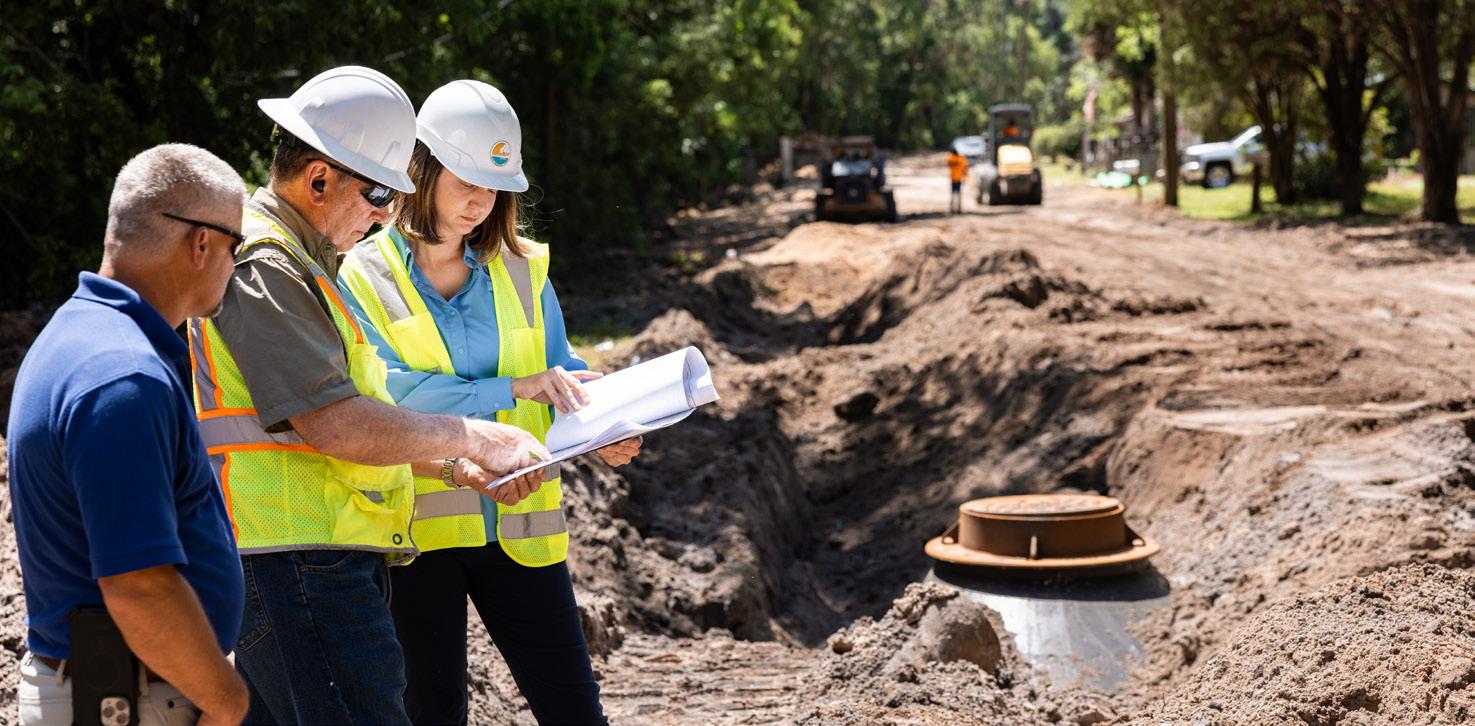
structed wetlands to slow and clean runoff during storm events.
Recharge Projects: Installing recharge systems or wetland systems to replenish the aquifer and support longterm water supply.
Agricultural Best Management Practices (BMPs): Helping farmers implement nutrient-reducing and water conservation technologies and practices.
Utility Projects: Supporting municipal infrastructure upgrades that reduce pollution and water use from wastewater and stormwater systems.
These are more than line items on a budget they’re living examples of community-driven stewardship.
FROM
Whether someone is part of a small-town planning board, a ranching operation, or a grassroots environmental group, any idea can make a difference. The process for bringing it to life is designed to be collaborative, accessible and outcome-focused.
Step 1: Submit an Idea
Every District project starts with a submission. Agricultural and educational projects have their own dedicated applications, while all other proposals go through the Conceptual Project Portal on mysuwanneeriver.com
“You don’t need to have every detail figured out,” Diaz emphasized. “If your project is in the conceptual phase, we’ll work with you to refine it.”
Step 2: Staff Guidance and Review
Once submitted, staff will review the proposal and may provide support with everything from technical design to construction. This partnership helps applicants shape their concept into something viable, fundable and aligned with the District’s priorities.
Step 3: Project Phase Evaluation
Projects can come in at different levels of readiness:
Conceptual – Still an idea or early plan.
Design & Permitting – Technical plans underway.
Shovel-Ready – Construction-ready with all permits secured.
The District is flexible about where a project begins what matters is where it can go.
Step 4: Implementation
With support and potential funding, approved projects can move into construction and monitoring. Whether it's a new stormwater pond or a conservation easement, the outcome contributes directly to District-wide goals.
Projects supported by the District range from rural farms to growing towns, from groundwater recharge basins to restored riverbanks.
Some recent examples include:
• Stormwater ponds that reduce localized flooding during extreme rain events.
• Recharge wetlands that allow stormwater to slowly percolate back into the aquifer.
• Spring restoration initiatives that bring back native vegetation and wildlife while improving water quality.
• BMP programs that help farmers use less fertilizer and less water while maintaining strong yields.
“Florida has grown immensely, and with it, so has water consumption,” said Diaz. “Our job is to make sure that growth doesn’t come at the expense of the environment.”
Water is the lifeblood of Florida. It fuels
the economy, supports ecosystems and sustains the daily life of millions of residents. The Projects process exists to ensure that local efforts to protect this resource don’t happen in a vacuum they’re part of a coordinated regional strategy.
“Water is the heart of Florida,” Marshall says. “It’s vital for the economy, the environment and our way of life.”
By giving local stakeholders a pathway to participate, the District empowers residents to be part of the solution. And by providing the technical and strategic support needed to execute those solutions, staff turn good ideas into lasting impact.
If you’ve ever asked yourself:
How can we reduce flooding in our neighborhood?
What can we do to protect our local springs?
Is there funding to help our farm become more sustainable?
— then you’re already halfway to becoming a District project partner.
Visit www.MySuwanneeRiver.com to learn more about:
• The Conceptual Project Portal
• Application guides for agricultural and educational projects
• Contact information for SRWMD staff
Discovering applicable and creative environmental projects is more than a permitting pipeline it’s a community-building effort grounded in science, collaboration and a shared love for Florida’s natural heritage.
Whether an idea is small or large, in the design stage or just a thought scribbled on a napkin, District wants to hear from the community. Because in the end, protecting water means working together one project, one spring, one community at a time.



The Port of Corpus Christi recorded record first-quarter volumes of 54.5 million tonnes in 2026, driven by a 33 percent surge in Liquified Natural Gas (LNG) shipments. This increase is attributed to the ongoing commissioning at Cheniere Corpus Christi Stage 3 and a 12 percent increase in export capacity approved by the U.S. Department of Energy. With this expansion, Corpus Christi is set to become the second-largest LNG export project in the country, with a total export capacity of 4.45 billion cubic feet per day.
Matrix Renewables, a Spanish-American renewable energy company, commenced commercial operations at its 210-MWac/281-MWdc Stillhouse Solar plant in Bell County. This project, an investment exceeding $380 million, is supported by Hyundai Motor affiliates. It is anticipated to generate sufficient electricity to power 48,800 homes and incorporates a community engagement program.
Funding for Lone Star Nuclear “Renaissance” is Announced
The Texas Advanced Nuclear Energy Office began accepting applications for up to $350 million in state funding for projects to foster a “nuclear renaissance” in Texas. Recipients will be selected in July. House Bill 14, signed by Gov. Greg Abbott, provides funding mechanisms for various development activities. Abbott emphasized the need to enhance Texas’s advanced nuclear capacity, streamline the nuclear regulatory environment and invest in a thriving nuclear energy ecosystem
A March 23 explosion at the Valero Port Arthur Refinery, which processes Venezuelan crude oil, has raised concerns about the risks faced by the community. The refinery, built to refine heavy crude oil, is a major receiver of Venezuelan oil and has been linked to increased emissions and exposure to toxins. Valero officials reported that the fire originated from a heater in a diesel-processing unit. This unit employs hydrogen to remove sulfur from motor fuels during production.
Data Center Developer Acquires Wind Farm
Soluna Holdings acquired the 150-MW Briscoe Wind Farm for $53 million, achieving full vertical integration for its west Texas Project Dorothy campus. The acquisition will support the development of Project Dorothy 3, a renewable-powered, 300-MW, AI campus expansion that will be built on 300 acres adjacent to the Dorothy 1 and Dorothy 2 projects.
State Public Service Commission Fasttracks Data Center Power Plants
The Louisiana Public Service Commission approved Entergy Louisiana’s request to fast-track the approval process for building seven new gas power plants to power Meta’s data center in Richland Parish. The “Lightning Initiative” aims to complete the process within eight months, bypassing a formal recommendation from an administrative judge.
Study Finds Health Risks in Proximity to Petrochemical Plants
A report combining data from multiple agencies, the Collaborative Data Analysis Environmental Health Study, found that children living near petrochemical plants in Louisiana have a significantly higher risk of health issues like anemia and learning disabilities. The study supports concerns of residents living near industrial facilities about pollution-related health problems.


Governor Unveils Nuclear Power Strategy
Governor Jeff Landry unveiled a new nuclear energy strategy, proposing expansion of power plants and fuel enrichment sites. This aligns with President Trump’s support for nuclear energy and the growing demand for carbon-free energy. Utility provider Entergy is exploring upgrades to existing nuclear plants and the potential for small modular reactors to meet this demand. While nuclear power is more expensive than natural gas, it offers a lower-carbon alternative and is gaining renewed interest due to safety improvements and market demand.
$300 Million Contract Awarded to Build Hybrid Tugboats
C&C Marine and Repair’s Belle Chasse shipyard will host the build of four diesel-electric hybrid tugboats for Woodside Energy’s $17.5 billion LNG facility located near Lake Charles. The $300 million contract, awarded to Green Tug Towing, a joint venture between Harbor Docking & Towing and Saltchuk Marine, will create 60 construction jobs and 40 permanent jobs. The tugs, which will be the largest fleet of hybrid tugs in the nation, will guide LNG tankers in and out of the terminal. Louisiana currently has four operational LNG plants with two others, including Woodside, under construction. Four other facilities have been approved.
Contract Awarded for Hurricane and Storm Damage Risk Reduction
The U.S. Army Corps of Engineers awarded a $419.7 million contract to Pittman-SeaLevel for the West Shore Lake Pontchartrain Hurricane and Storm Damage Risk Reduction project. The project, which includes levees, flood walls and pump stations, aims to protect more than 60,000 residents from storm surges and is expected to be completed by early 2030.
New Orleans Newlab Climate Tech Platform Opening in 2027
The redevelopment of the former Naval Support Activity site in New Orleans will include a $50 million industrial facility for startups focused on “deep tech.” Newlab, a Brooklyn-based climate-tech venture platform, is supporting a first cohort of nine startups focused on carbon capture and storage, pipeline corrosion reduction and other technologies. The $300 million site redevelopment, which includes affordable housing and retail, is scheduled to be completed in early 2027.
Lawmakers passed a bill to redirect unspent American Rescue Plan Act (ARPA) funds to prevent them from being returned to the federal government. By the end of 2025, 56 percent of city and county grants and 69 percent of rural water association grants remained unspent, totaling over $305 million. The bill, signed by Governor Tate Reeves, will allocate $100 million to the Mississippi Department of Transportation, up to $63 million to a state health and life insurance fund and the remainder at the governor’s discretion.
The NAACP is suing xAI, alleging the company is illegally operating natural gas turbines in Southaven without an air permit. The turbines, deemed “temporary” and “mobile” by Mississippi officials, are claimed to be the largest industrial source of nitrogen oxides in the greater Memphis area. The lawsuit requests the court to stop xAI’s operations, offset public health impacts and fine the company.
Governor Tate Reeves signed bills to aid Mississippi’s disaster recovery and mitigation efforts. House Bill 1646 provides loans for winter storm recovery, while Senate Bill 3229 allows the state to borrow for power grid repairs. Additionally, the Strengthen Mississippi Homes Program, funded through insurance fees, offers grants for homeowners to fortify their roofs against natural disasters.
Governor Kay Ivey signed a bill giving the governor more control over the state’s utility regulator, the Alabama Public Service Commission (PSC). The bill, which passed despite objections from its sponsor, expands the PSC to seven members, allows the governor to appoint four new members and delays formal rate hearings until 2029. While the bill’s sponsor expressed optimism, advocacy groups, such as Energy Alabama, vowed to continue fighting for utility bill relief.
The EPA’s new coal ash rules, proposed under the Trump administration, could significantly impact Alabama, home to nine coal ash sites. The rules would rescind regulations for closed coal ash dumps and allow site-specific determinations for cleanup practices, potentially undermining national standards. While utilities such as Alabama Power and TVA recycle a majority of new coal ash, the proposed changes raise concerns about groundwater contamination and the potential for exemptions from regulations.
The 2026 legislative session saw significant setbacks for environmentalists, including the passage of the “Power to the People Act,” which expands the Public Service Commission and consolidates utility regulation. However, citizen opposition helped defeat a bill to end PSC elections and brought attention to issues such as high energy prices and data center impacts. The legislature also passed Senate Bill 71, which was referred to as the “Sound Science” law. Among the provisions, it forbids the state from adopting environmental standards stricter than the federal government’s, unless evidence exists that creates a “direct causal link” between a potential contaminant and “manifest bodily harm” in individuals. Environmental advocates opposed the bill.
Bruce Ritchie, a statewide environmental reporter in Florida for nearly 40 years, retired in March from Politico Florida. Ritchie moved to Gainesville in 1988 after he worked as the Capitol Reporter for the Montgomery Advertiser and United Press International in Alabama.
He grew up in Richmond, Va., earned a bachelor's degree in journalism from the University of South Carolina and a master's degree in mass communication with an emphasis on environmental journalism from the University of Florida.
Ritchie has been a fixture in the state Capitol, Florida Cabinet meetings, Acquisition and Restoration Council , and other government-related public meetings for a long time, bringing environment and energy policy reporting to the masses.
Ritchie answered questions from the Florida Specifier about his work in Florida and his future plans.
Q
: When did you start covering environmental issues in Florida and how did you get into this particular topic area?
A: I started covering a few environmental issues shortly after moving here in 1988 to take a job with the Florida Times-Union. I was inspired by Times-Union environmental reporter Beverly Keneagy while working in a remote bureau (back when newspapers had those). I covered the proposed state siting of a hazardous waste incinerator in Union County as well as wildfire recovery in Pinhook Swamp and pollution fines for Florida State Prison.
Q
: What type of research did you do initially and continuously to understand the complexities of environment and growth issues?
A: I felt I needed to go to UF to study environmental journalism and science to become proficient on the beat. But in reality, long-term coverage of issues provides the best understanding. In Gainesville, I enjoyed field trips, community education classes, lectures and any other opportunities to learn more about the environment and about growth management. That continues today.
Q : What would you say is the most complex issue you have covered and what challenged you about it?
A: Public Service Commission rate cases are probably the most challenging stories. The volume of evidence and testimony, the jargon and need to simplify the topic without oversimplifying it is all very challenging. Tracking and explaining state legislation can be difficult as well. Certainly, powerful forces that influence the Legislature make it difficult to identify how they benefit from law changes.
Q : What about an issue you had fun covering?
A: I enjoyed covering the beach access issue in Walton County in 2025 because everything fell in place for the story in one day. That included having the local beach patrol tell me I had to move from the front of a public beach access spot. I've had many enjoyable outings working as an environmental journalist but many of them were not as rewarding as working on a
series about growth management in Gainesville.
Q
: What work are you most proud of, whether with comprehensive ongoing coverage or uncovering a particular topic?
A: Covering legislation and budget issues is the most important work I've done, even if I can't point to very many stories that stand out over time. Having someone with experience to read bills and ask questions of legislators on speciality beats is crucial, in my opinion. I did a whirlwind tour of Georgia years ago for a series of stories about the water wars between Alabama, Florida and Georgia, and I'm probably most proud of that. I have taken a keen interest in threats and issues involving Florida springs and the regulation of development.
Q
: From when you began covering these issues to now, what interesting trends or changes in environmental regulation in Florida stand out?
A: Agencies provided access to employees and to files when I began reporting full-time on the environment in 1993 and now they do not. Or those agencies want to charge exorbitant amounts to view records electronically. The people at the top of agencies also have less expertise and are valued more for their loyalty to whoever is governor. And there is little interest among agencies in helping a reporter or providing background explanations. Since they seem geared only to play defense, that means the reporter has to go on the offense.
Q: Over the last several administrations, hundreds of millions of dollars have been put into environmental restoration. Do you see particular advances in different areas as a result?
A: There are a lot of different types of restoration. As for Everglades restoration and the resulting increase in water storage, we are seeing fewer harmful discharges from Lake Okeechobee than we were prior to 2018. That can also depend on the weather and lack of rain. We are seeing more ecosystem restoration on state lands, but I don't have numbers to share. From seeing invasive nonnative plant growth in North Florida (such as Chinese tallow trees), I'd say we have a long way to go. Water quality has improved in Wakulla Springs, but certainly many other springs face threats from over-pumping and groundwater pollution.
Q: What challenges do you foresee for policymakers balancing growth and environmental preservation?
A: The sheer number of people who want to move to Florida and then need space, water, energy and sewage treatment is overwhelming. We can't fix many of the problems we have now, especially when the causes of those problems are getting worse. And that doesn't include threats to Florida and the planet caused by climate change, plastic pollution and forever chemicals.
Q: What drove your decision to retire and do you have specific plans for life after reporting?
A: I needed a break from the daily and weekly reporting cycles. I needed to think more creatively about covering my beat and writing stories that I could be proud of. Maybe that means permanent retirement -- I don't know. I do plan to get more involved in covering the Alabama-Florida-Georgia water issues, but I haven't figured out exactly what that will involve. I do have a book in the works about the issue.
Q : Do you plan to stay involved in environmental issues postretirement?
A: That depends on the definition of "stay involved." As a journalist, my involvement was reporting on issues. I would like to remain an environmental journalist, but I'm not sure I want to cross the line into becoming a political activist. This is an issue for me to sort out in the weeks ahead.
The Governing Board of the St. Johns River Water Management District proclaimed April 2026 as Springs Protection Awareness Month, highlighting the importance of protecting Florida’s springs and the groundwater systems that sustain them.
Concurrently, the District partnered with the Florida Section of the American Water Works Association and other state and local entities to recognize April as Water Conservation Month, highlighting the importance of protecting Florida’s water resources through responsible water use.
April is typically one of the driest months of the year in Florida, when landscape irrigation demands are often highest.
The designations come as dry conditions remain persistent across the state resulting in the entire state being classified at a minimum of moderate drought while portions of northern and southern counties continue to experience severe to extreme drought according to the U.S. Drought Monitor.
In response to declining groundwater levels and ongoing dry conditions, the District declared a Modified Phase II Severe Water Shortage for portions of northeast Florida.
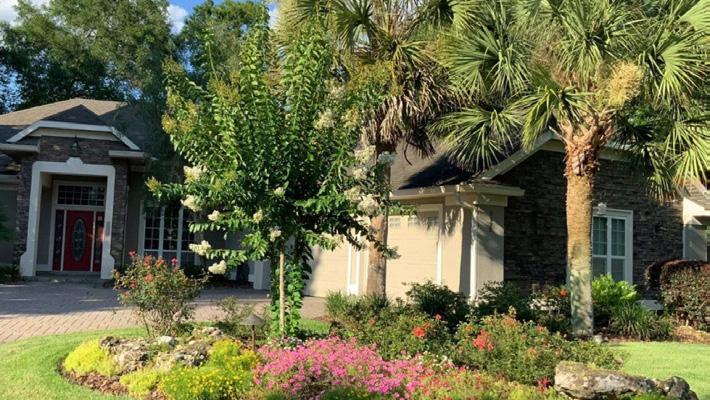
Florida’s aquifers provide the bulk of potable supply in the state, as 90 percent of the state’s residents rely on groundwater for their drinking water. Florida is home to more than 1,000 natural springs, the highest concentration in the world. SJRWMD is home to 148 of those springs, eight of which receive additional protection under state law as designated as Outstanding Florida Springs.
Springs are a visible connection to the Floridan aquifer, the primary source of drinking water for most Floridians.
“Florida’s springs are among our state’s most valuable natural resources,” said St. Johns River Water Management District Executive Director Mike Register. “Protecting them means conserving water, improving water quality and continuing restoration work with our partners across the region.”
Residents can also help by conserving water, maintaining septic systems and limiting fertilizer use.
The Florida Department of Environmental Protection has reached a major milestone in its Florida Seafloor Mapping Initiative (FSMI). The Department completed all airborne LiDAR data collection and has received the majority of vessel-based sonar data used to map Florida’s coastal waters.
Florida is the only state in the nation undertaking a seafloor mapping initiative at this scale. Once complete, FSMI will deliver the most comprehensive map of Florida’s seafloor ever created. The data is scheduled to become publicly available in fall 2026.
“Florida’s coastline is one of our state’s greatest natural and economic assets, supporting millions of residents, tourism, commercial fisheries and critical infrastructure,” said DEP Secretary Alexis A. Lambert. “Understanding the seafloor and the features that shape our coast helps us make smart decisions about protecting communities, strengthening resilience and investing taxpayer dollars where they will have the greatest impact.”
FSMI data is being integrated with inland elevation datasets through collaboration with the U.S. Geological Survey’s Coastal National Elevation Database Applications Project. The result will be a seamless statewide digital elevation model extending from Florida’s uplands to offshore bathymetry.
The Department’s high-resolution seafloor data will be available to support a wide range of coastal management decisions, including identifying offshore sand sources for beach nourishment, improving
storm surge and flood modeling and guiding the protection and restoration of coral reefs and seagrass beds.
“Through FSMI, we have mapped more than 75,500 square kilometers using LiDAR and more than 64,000 square kilometers using sonar technologies,” said Florida Geographic Information Officer Kimberly Jackson. “Before this initiative began, only about 25,600 square kilometers of Florida’s seafloor had been mapped. Today, we have mapped more than 14 times that amount, giving Florida an unprecedented understanding of its underwater landscape.”
For more information about the Florida Seafloor Mapping Initiative, visit FloridaGIO.gov
Suwannee River WMD Enacts Water Shortage Conservation Measures
The SRWMD has enacted enhanced water shortage conservation measures, including declaring a Modified Phase II Water Shortage, taking effect on April 22, 2026.
The District’s Hydrologic Conditions Report highlights rainfall, surface water and groundwater levels, provides a climate and drought outlook, as well as other scientific data. For the month of March, district staff measured an average rainfall of 1.37 inches, which was approximately 69 percent lower than the 1932-2025 average of 4.46 inches.
For the 12-month period ending March 31, staff calculated a Districtwide rainfall deficit of 19.98 inches. This deficit is a significant increase from the 15.37-inch
deficit seen at the end of February. In addition to rainfall shortages most of the river gages in the District finished March in the extremely low (less than 10th percentile) flow range.
In a trend being observed throughout the state’s water management districts.
SRWMD’s Upper Floridan Aquifer levels ranged from extremely low (less than 10th percentile) to normal (25th to 75th percentile) levels for the month and ended March with a Districtwide average around the 17th percentile.
The full report can be found on the District’s website under the Science & Data tab. It is typically updated the second week of each month. Reports from the previous five years are also available.
Contrary to current assumptions, the University of Miami’s Rosenstiel School has found the massive blooms of Sargassum seaweed that have plagued coastlines across the Atlantic for the last decade and a half likely originated off the coast of West Africa. It appears the blooms form years before they are visible.
The study, “Tracing the origin of tropical North Atlantic Sargassum blooms to West Africa,” published in the journal PNAS Nexus, shows the blooms can be tracked back to coastal waters near the Gulf of Guinea up to two years before being detected by satellites in the western Atlantic.
“Sargassum blooms have had enormous ecological and economic impacts across the Caribbean, Gulf of Mexico, South Florida and West Africa,” said lead author Francisco Beron-Vera, a research professor in the Department of Atmospheric Sciences at the Rosenstiel School.
Researchers used two independent analytical approaches: Bayesian inversion, which estimates the most likely source based on where and when the bloom was observed and transition path theory, which identifies the most efficient transport pathways feeding the bloom. Both methods pointed to the same origin region near coastal West Africa, particularly the Gulf of Guinea.
“Understanding the origin of these blooms gives us a much stronger foundation for predicting future events,” co-author María Josefina Olascoaga said.
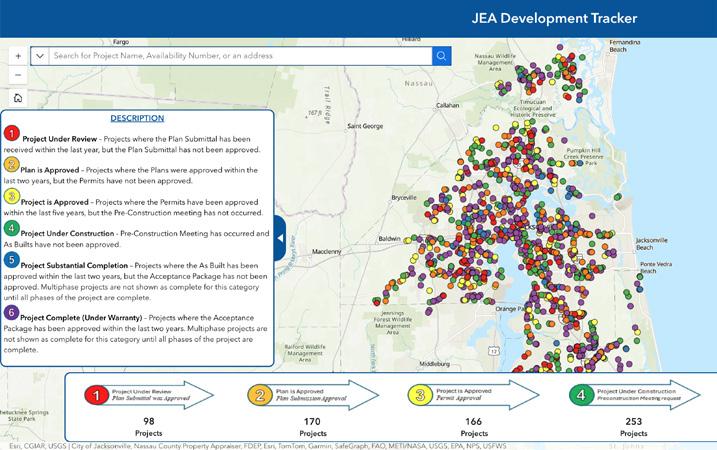
JEA launched an interactive map in April allowing customers to observe active Water/Wastewater development projects in JEA’s service territory. The tracker is designed to make doing business with JEA easier by providing real-time visibility into project status.
Customers can use the map to track the progress of their own projects while also viewing nearby developments. The tracker was implemented to support better coordination and collaboration across the development community. It shows projects
updated status during the design and construction process, providing six status levels: Under Review, Plan Approved, Project Approved, Project Under Construction, Project Substantial Completion and Project Complete (within the last two years).
Detailed views provide descriptions of projects, their status and a link to project’s electronic plan submissions (SagesGov). The searchable map can be found on jea.com’s Water and Wastewater Development page
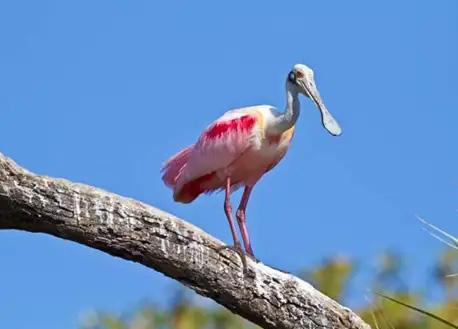
Although Audubon staff have been monitoring two Roseate Spoonbill colonies for 30 years in the Tampa Bay area and added hatchling banding in 2013, spotting a banded Spoonbill is rare.
Audubon Everglades Research Station conducts weekly surveys of Roseate Spoonbill colonies in Florida Bay during nesting season to get nesting and general population data.
In total, Audubon has banded about 3,000 Roseate Spoonbills, an indicator species for Everglades ecosystem health. Banding spoonbill chicks has led to a greater understanding of dispersal rates and behavioral structures after nesting season in the Florida Bay is over.
Wading Bird Research Specialist Shauna Sayers recently caught sight of an elusive band on the leg of a Roseate Spoonbill early this year. According to the letters on the band, the male spoonbill had been banded on Pigeon Key in 2021, so he’s at least six years old.
Anyone who submits a report in 2026 will receive a limited-edition sticker. However, Audubon cautions to give birds their space when trying to read a bird band. Use binoculars or a long zoom lens to avoid spooking or flushing the birds.
FPL Reports Lowest-ever Frequency of Outages in 2025 while Saving $1B in Fuel Costs
Florida Power & Light Company (FPL) matched its best reliability performance record in 2025, achieving the lowest outage frequency in company history according to its Annual Distribution Reliability Report filed with the Florida Public Service Commission.
Known for its sustainability posture, FPL is the largest clean energy company and the third-largest energy company in the U.S. according to their annual report. By leveraging a diverse energy mix, including nuclear, natural gas, solar and battery storage, FPL has earned the ReliabilityOne® National Reliability Award for eight of the last 11 years.
The utility announced in April that it had surpassed $1 billion in customer fuel savings in 2025, the result of systematic, smart investments in fuel-efficient technologies over the past two decades. Actions to increase efficiency include using fuel-efficient natural gas, replacement of inefficient oil burning plants,
use of zero-emissions nuclear power, solar energy generation and cutting edge battery storage.
The utility credits a variety of innovations, such as Smart Grid technology, for making the difference. FPL’s investments in intelligent devices, such as automated switches, are delivering results for its customers. These devices helped avoid more than 17 million customer interruptions –including more than 1.6 million in 2025 reflecting a reliability that is 67 percent better than the national average.
Staff at Corkscrew Swamp Sanctuary only recorded 0.7 inches of rain in March, though the average for March is 2.55 inches.
"We’ve only received about half of the rain that we’ve typically received by this time in the dry season, which runs October through March," said Director of Conservation Shawn Clem. "That brings us to 39.81 inches of rain since June, which is 26 percent lower than average.”
According to park staff, over the past 17 months, only one month recorded average or above-average rainfall (May 2025). Swamp water levels remain higher than one would expect from the low rainfall, but that is expected to change. Recession rates are currently high due to warm daytime temperatures.
Quickly receding water levels can stress ecosystems, requiring wildlife to have to adapt quickly to the dry conditions. Impacts of repeated "unusually dry" periods may result in loss of food and foraging habitat, impact to breeding and nesting sites, increased vulnerability to predators and wildfires.
"We expect Lettuce Lakes could dry down by the end of April if we don’t get considerable rainfall," said Clem. Historically, the Lettuce Lakes would dry down an average of once every five years, but this has happened more frequently in recent decades.
Orlando Utilities Commission Undertakes This Year’s Annual Burns for Environmental Growth and Sustainability
OUC has begun its annual controlled program of prescribed burns in the southeast at the Stanton Energy Center. Prescribed burns help reduce brush and vegetation buildup that can fuel wildfires.
In addition to promoting safety, the prescribed burn program supports habitat
restoration for the listed, Red-cockaded Woodpecker, a threatened species in Central Florida.
The annual burns are required by the U.S. Fish and Wildlife Service, the Florida Division of Forestry and the Florida Fish and Wildlife Conservation Commission. They play an important role in maintaining a healthy ecosystem by recycling nutrients back into the soil, encouraging new plant growth and supporting species with declining populations.
Details of the protection of wildlife and their habitats within the Stanton Energy Center’s 3,200-acre nature preserve can be accessed by visiting OUC.com/Stanton.
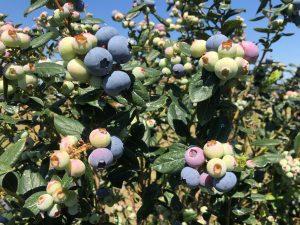
In the midst of the March and May harvesting season, Florida blueberry growers are working to recover from this year’s freeze that impacted both blossoms and fruit.
“Growers have already begun their recovery efforts, said Doug Phillips, statewide blueberry Extension coordinator for the UF Institute of Food and Agricultural Sciences (UF/IFAS). “These efforts are intended to promote plant health and recovery, with an eye toward having a full crop for the 2027 season.”
Over the 80-plus-year history of the UF/IFAS blueberry breeding program, researchers have developed about 70 varieties. The latest should please the palate. They include ‘Sharper,’ ‘Falcon’ and ‘Sentinel,’ which produce high yields and flavorful fruit, according to IFAS.
“There will be Florida blueberries in the market this spring, although the volume will be less than in a typical season,” Phillips said. “Harvest is starting in the south region that was less damaged by the freeze, as well as in the north in protected tunnels.”



By STAFF REPORTS
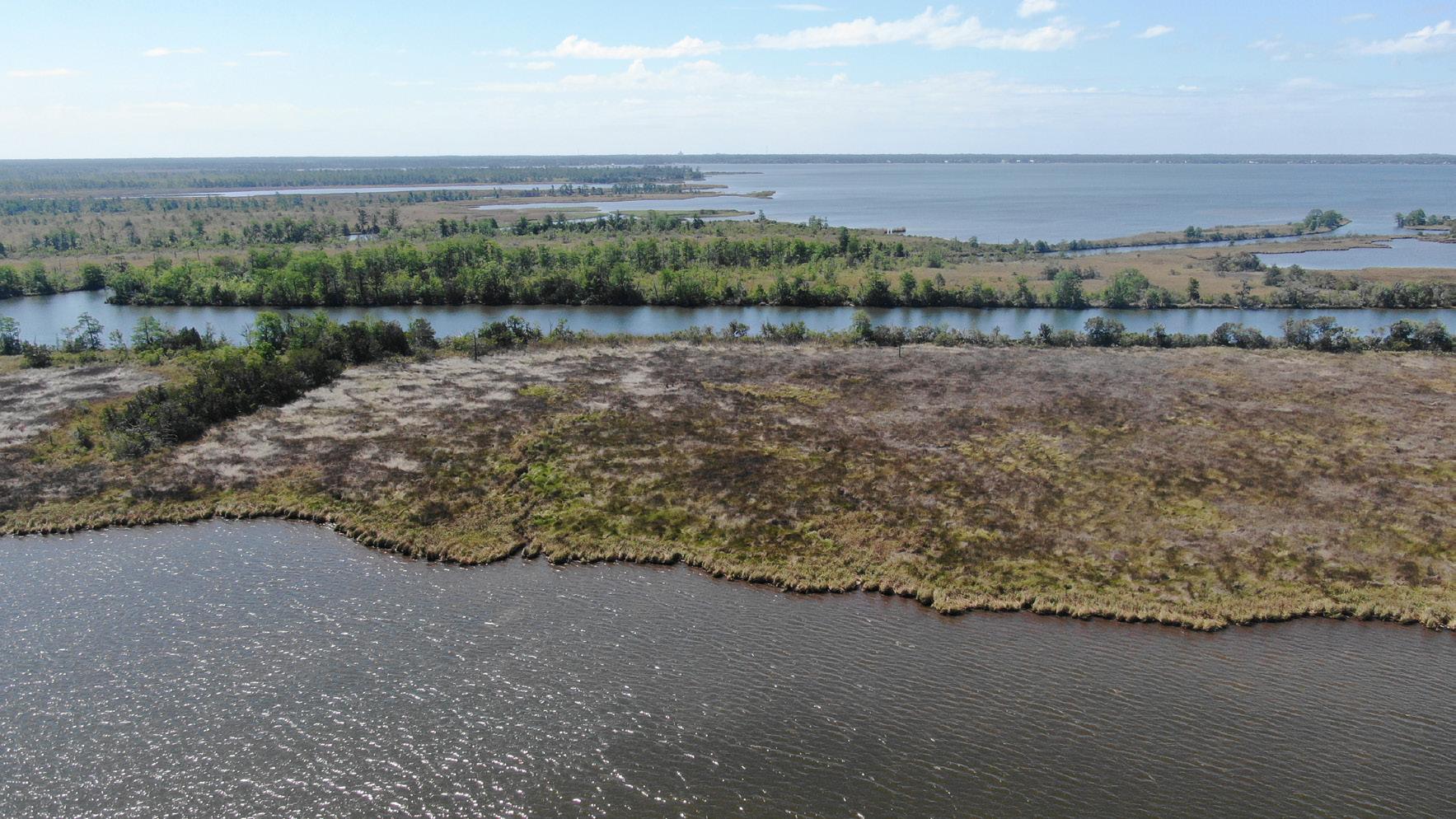
A special ribbon-cutting ceremony held April 9, featuring representatives from the Northwest Florida Water Management District, The Nature Conservancy and Walton County celebrated the continued preservation of more than 2,000 acres within the delta of the Choctawhatchee River.
The ceremony marked the official acceptance of 2,295 acres that The Nature Conservancy donated to the District. The parcel is located in Walton County east of Choctawhatchee Bay and encompasses the majority of the Choctawhatchee River delta.
“The Nature Conservancy has been a generous partner to the District for many years and this donation will allow us to continue to preserve and protect this parcel which is so important for the overall health of the Choctawhatchee River and Bay,” said Gus Andrews, a member of the District’s Governing Board who represents Walton County. “We are grateful to TNC not just for this donation but for continuing to partner with us to protect the natural resources of northwest Florida.”

IN CASE YOU MISSED IT: GOVERNOR RON DESANTIS CELEBRATES MAJOR MILESTONE IN EVERGLADES RESTORATION WITH FULL EXECUTION OF ACCELERATED EAA RESERVOIR CONTRACTS
SOUTH BAY, Fla. — In April, Gov. Ron DeSantis joined the U.S. Army Corps of Engineers to announce that all federally funded contracts for the Everglades Agricultural Area (EAA) Reservoir have been fully executed, marking a major step forward in accelerating one of the most critical components of Everglades Restoration.
“Today, alongside the U.S. Army Corps of Engineers, I was proud to announce that all federally funded contracts have been executed to expedite completion of the EAA Reservoir by 2029, five years ahead of the original timeline,” DeSantis said at a news conference on April 13. “This milestone brings us a step closer to delivering on our commitment to restore the Everglades. The July 2025 agreement between the State of Florida and the federal government has made all this possible by cutting red tape with an all-hands-ondeck approach. This is a major victory for America’s Everglades and a testament to the progress our joint federal and state teams have made in just nine months.”
“Today will mark the day that President Trump cemented his legacy as The Everglades President, and Governor DeSantis as The Everglades Governor,” said Adam Telle, Assistant Secretary of the Army for Civil Works. “The Everglades Agricultural Area Restoration plan is truly a modern American mega-project, possible only under the leadership of President Trump and the ‘Make America Beautiful Again’ task
Originally acquired by TNC in 1980, the parcel comprises brackish and freshwater marsh systems and floodplain forest.
“The growth we’re experiencing in Florida can be good for our economy and communities but brings the challenges of safeguarding water quality, sourcing drinking water and maintaining our way of life, especially up here in real Florida,” said Greg Knecht, Florida Executive Director of
The Nature Conservancy.
“That’s why collaborating with entities like the Northwest Florida Water Management District, which is always a phenomenal partner, is critical to protecting special places like these almost 2,300 acres of pristine northwest Florida.”
estuary and natural marsh system is not impacted by dumping or illegal structures. District staff will also address any issues that may arise from the presence of non-native or nuisance plants and animals.
Now that the transition of ownership is complete, District staff will begin regularly inspecting the property to ensure the
force, along with our great partnerships with Governor DeSantis and the South Florida Water Management District,” adding that “this project is a prime example of the U.S. Army Corps of Engineers’s laser focus on maximizing the ability to deliver national infrastructure, and I’m so proud to help make this happen for America and the State of Florida.”
“Everglades restoration is one of the most complex ecosystem efforts in the world, and progress like this only happens when we come together with a shared focus on solutions," said Florida Department of Environmental Protection Secretary Alexis A. Lambert. "By working with our federal partners and staying focused on results, we are accelerating restoration and ensuring this work continues moving forward.”
The announcement from the Army Corps confirms that all federally managed contracts necessary to meet the accelerated 2029 completion target are now in place, ensuring that funding and resources will remain secured through project completion.
The announcement builds on a Memorandum of Understanding reached in 2025, which allows the State of Florida to take a leading role in executing federally funded components of the Comprehensive Everglades Restoration Plan. This partnership has already yielded measurable progress in just nine months.
Under the agreement:
Construction timelines for the EAA Reservoir have been accelerated by five years. Florida has taken the lead on key project components while coordinating closely with the Army Corps.
Critical infrastructure, including the inflow pump station capable of moving 3 billion gallons of water daily from Lake Okeechobee, is already underway.
Agreements for the outflow pump station are nearing completion at a significantly faster pace than traditional federal timelines.
Because this parcel was donated to the District, an appraisal was not required.
TALLAHASSEE, Fla. — In April, Florida Commissioner of Agriculture Wilton Simpson announced Dr. LuJean Waters as the 2026 Woman of the Year in Agriculture.
Dr. Waters is a seventh-generation Florida cattle rancher, veterinarian, and owner of Heartland Large Animal Services, a large animal ambulatory veterinary practice serving livestock producers across Central Florida. She also teaches numerous animal science and beef cattle production classes at Warner University in Lake Wales, Florida.
“Dr. LuJean Waters has dedicated her life to serving Florida agriculture and the people who keep it strong,” said Commissioner Wilton Simpson. “She understands the responsibility that comes with feeding our state and protecting our agricultural heritage, and she is helping to ensure the next generation is ready to carry that forward. It is an honor to recognize her as the 2026 Woman of the Year in Agriculture.”
Dr. Waters has held numerous leadership roles within the industry, including serving as Chair of the Florida Cattlemen’s Association Animal Health Committee, as a member of the Florida Beef Council, and on the National Cattlemen’s Beef Board.
DROP COUNTS” POSTER CONTEST
Miami-Dade County Mayor Daniella Levine Cava recognized 13 student winners of the Miami-Dade Water and Sewer Department (WASD)’s 18th Annual “Every Drop Counts” Children's Poster Contest during the April 21 meeting of the Board of County Commissioners.
These pint-sized Picassos demonstrated their commitment to conservation through their artwork, with one first-place winner selected from each of the Coun-
The District and TNC shared costs associated with an environmental site assessment of the property as well as a boundary map and acreage certification.
The District paid closing costs which included a title exam, title insurance, recording fees and a documentary stamp tax.
ty’s 13 Commission Districts. During the meeting, the students were also recognized by County Commissioners, Chief Utilities and Regulatory Services Officer Roy Coley, and WASD Director Jay Fink.
“This year’s theme: 'Use Water Wisely, Don't Waste It!' reminds us of the importance of protecting this precious resource for future generations,” said Mayor Levine Cava. “Through their creativity and thoughtful messages, these students embrace their role as true ‘water warriors,’ showing how everyday actions can make a meaningful difference in conserving water and supporting a sustainable future.”
More than 1,800 students from kindergarten through fifth grade, representing 55 schools across the County, participated in this year’s contest, illustrating through colorful drawings how every drop counts.
“The contest continues to attract student artists from all 13 County Commission districts,” said Chief Coley. “It is inspiring to see their enthusiasm for protecting our environment. Engaging with children and encouraging them to understand the value of our natural resources ensures conservation remains a priority for our community.”
“It’s awesome to see students actively engaged in learning about the importance of water,” said WASD Director Fink. “Programs like this help build awareness early, stimulate creative thinking about conservation and reinforce the importance of protecting our water resources. The message also gets carried home and spreads awareness unlike any media or mailing post.”
The poster contest is part of Miami-Dade's Water-Use Efficiency Plan, and helps educate students about the importance of conserving and protecting water resources.
Residents can view the 13 winning designs and learn more about WASD’s conservation programs by visiting the department’s Conservation page.
By DANIELLE FITZPATRICK
When heavy rain begins to fall in central Florida, especially after major storms like hurricanes Ian and Milton, many residents are asking the same questions: How bad will it get? Is my neighborhood at risk?
For decades, the St. Johns River Water Management District has collected extensive data from monitoring stations across the region, tracking rainfall, groundwater, springs, surface water levels and more. However, for many residents, that information has not always been easy to access or interpret.
Now, that is about to change.
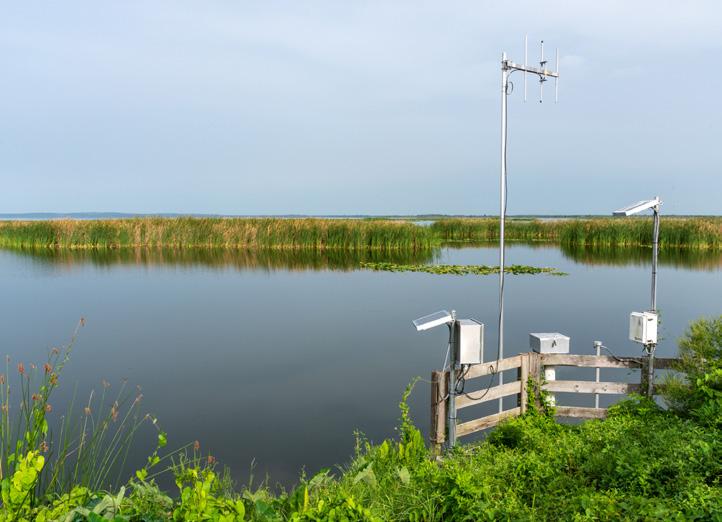
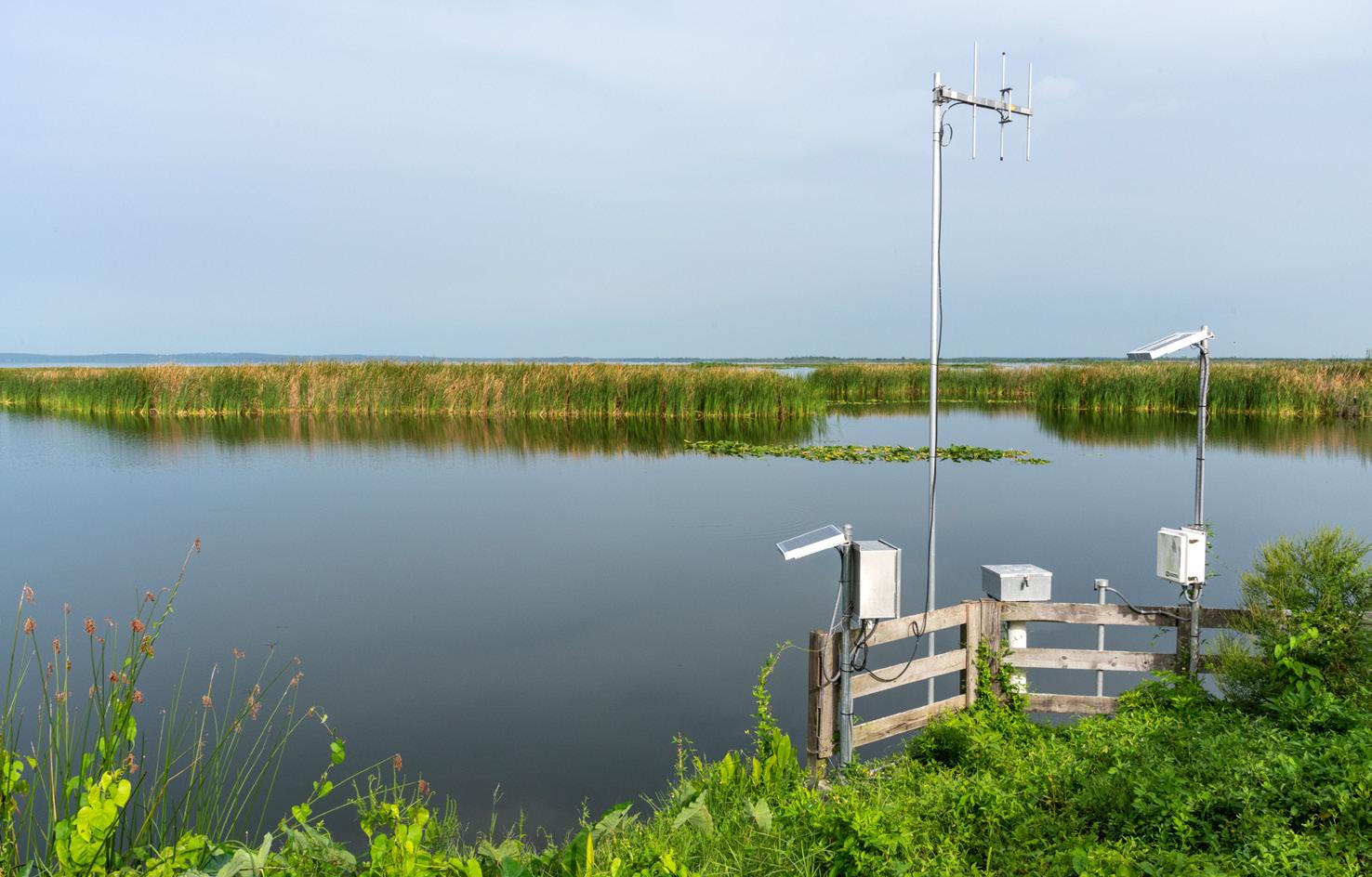
This summer, just in time for hurricane season, the District will launch a modernized, user-friendly platform that allows the public to view near real-time conditions across the region. The system will include hourly updates from monitoring stations and interactive tools that let users search by ZIP code, track rainfall totals and monitor water levels throughout the District.
The platform offers a localized perspective, which staff describe as a “micro view” of water conditions. During storm events, municipalities, counties, partner agencies and residents will be able to follow conditions as they evolve hour by hour, gaining a clearer understanding of what is happening in their communities and across the broader region.
“Anytime you make it easier for people to get live data or near real-time data, you’re helping them understand current conditions,” said Chris Mundy, a District senior project manager. “When you pair that with forecasts, it allows people to better
understand the impact of what’s coming and be more prepared.”
The District is also investing in a real-time flood forecasting model expected to be completed in 2027. The model will integrate weather, hydrologic and geospatial data to project water levels and flows up to 10 days in advance, giving local governments additional time to prepare and respond.
Together, these efforts reflect a broader shift in how the District approaches storm preparedness, using technology to support public awareness and decision-making, ensuring that critical water data is not only available, but accessible when it matters most.
But technology is only part of the equation. Effective storm preparedness also depends on strong coordination and communication across agencies and jurisdic-
tions, something that became clear after Hurricane Ian in 2022.
When Ian brought extreme rainfall and widespread flooding to central Florida, many jurisdictions were focused on managing impacts within their own boundaries. What emerged, however, was a gap in coordination. Communication between water management districts, counties and municipalities was not as robust as it could be.
In response, the St. Johns River Water Management District worked with other government partners to convene the inaugural Central Florida Coordination Meeting in 2023 to strengthen regional communication and collaboration. Staff brought together the South Florida Water Management District, Seminole, Orange and Osceola counties, and municipalities across the region to share updates and
discuss strategies aimed at strengthening regional resilience.
“We saw that while everyone was working hard within their own areas, we didn’t have a formal structure in place to communicate across agencies,” said Tom Frick, the District’s Chief Resilience Officer. “The idea was to bring everyone together in the same room, talk through what we’re seeing and make sure we’re aligned, especially when it comes to messaging and understanding what projects are underway or completed.”
Now held twice a year, before and after hurricane season, the meetings provide a structured opportunity for partners to meet face-to-face and discuss upcoming concerns, share project updates and review lessons learned from recent storms. They also help ensure agencies deliver clear, consistent messaging to the public on topics like stormwater systems and storm preparedness.
While agencies continue to strengthen coordination and expand tools, residents remain an essential part of the region’s resilience. Staying informed, maintaining nearby stormwater systems and understanding flood risk all contribute to how well communities weather major storms.
As central Florida faces increasingly intense and unpredictable weather, the combination of accessible data, advanced forecasting and strong regional partnerships is helping build a more informed, prepared and resilient community, one better equipped to respond when the next storm arrives.
Danielle FitzPatrick is a Public Communications Coordinator at the St. Johns River Water Management District
By BLANCHE HARDY
Researchers at the University of Miami have found that intensifying ocean eddies are redistributing heat and nutrients into the ocean. The eddies break off from major currents, amplifying climate extremes in coastal ecosystems.
Lisa Beal, of the University of Miami Rosenstiel School of Marine, Atmospheric, and Earth Science, in collaboration with South African researchers, performed initial investigations. The foundation team gathered two years of high-resolution mooring data and hourly measurements of velocity, temperature and salinity throughout the depth and width of the Agulhas Current that flows poleward along the southeast coast of Africa.
Analysis of the resulting data led to the collaboration of Beal and Kathryn Gunn of the University of Southampton in the United Kingdom. Gunn and Beal’s evaluation of the dataset found that increasing eddy activity reshapes the Agulhas Current, resulting in intensified adjacent coastal temperature extremes. Their findings have recently been published in the journal Nature Climate Change.
“More eddy activity is accelerating surface warming in the Agulhas, while simultaneously enhancing hidden upwelling that cools deeper waters,” Beal said. “This combination — along with the onshore
encroachment also driven by eddies — will create more extreme conditions in shelf seas in the future, potentially placing significant strain on coastal ecosystems.”
The study shows small frontal instabilities, about 10 kilometers across, along with larger, iconic meanders of the current, transfer heat, salt and nutrients between the open ocean and coastal environments.
Gunn and Beal found that the frontal eddies and the larger meanders pump deep, cold, nutrient-rich water up onto the shelf, while farther offshore meanders trap heat and salt closer to the surface. The result is rapidly warming surface waters above cooler, deeper waters.
Historic satellite data evaluated by the team shows surface waters in the Agulhas Current are warming at three or four times the global ocean average. The new study found that the eddies act to keep deeper waters comparatively cool.
The research indicates this layered structure helps explain how rapid surface warming — leading to increased rainfall in South Africa — has occurred alongside a reported decline in the current’s total heat transfer to higher latitudes even though the overall strength (volume transport) of the Agulhas Current remains stable.
“Our findings suggest that eddies are
fundamental in shaping how the ocean responds to climate change,” said Beal.
Gunn and Beal suggest that intensifying eddies may provide a unifying explanation for observed changes in major ocean currents worldwide, including the Gulf Stream along the U.S. East Coast.
The study, titled “More eddying of subtropical western boundary currents boosts stratification and cools shelf seas,” was published April 15, 2026, in the journal Nature Climate Change. The research was supported by the National Science Foundation (grant #s 1459543 and 2148676).


By JEFF LITTLEJOHN
For decades, biosolids policy rested on a practical bargain. Wastewater utilities needed somewhere to put the residual material left after treatment. Farmers needed affordable nutrients. Land application offered both sides a workable answer.
That bargain is now under stress.
Florida is part of a broader policy shift toward tighter controls on biosolids, particularly the land application of sewage sludge. Historically, the debate focused on nutrients and pathogens. Increasingly, national concern is shifting beyond those familiar issues toward per- and polyfluoroalkyl substances (PFAS), a persistent class of chemicals that wastewater treatment systems were not designed to destroy.
That distinction matters. Florida’s traditional biosolids debate has largely centered on nutrients, especially nitrogen and phosphorus loading in sensitive watersheds. That is still a valid concern. But PFAS changes the policy discussion because it is not managed through ordinary agronomic rate calculations. A field may be able to use nitrogen or phosphorus. That does not mean it can safely assimilate industrial chemicals.
The Florida Legislature appears to be drawing a clearer connection between
these two issues. During the 2026 session, lawmakers advanced measures that would tighten management of Class AA biosolids, including limits on land application above agronomic rates, expanded recordkeeping requirements, and direction to the University of Florida's Institute of Food and Agricultural Sciences to publish recommended land application rates beginning in 2027 (HB 1245).
In parallel, the Legislature approved a requirement for certain public wastewater utilities to conduct quarterly PFAS sampling of biosolids and treated effluent, although those results would remain informational for now and could not serve as the basis for enforcement until federal standards are adopted (HB 1019). Both measures have been enrolled and, if approved by the Governor, would represent a measured step toward improving oversight without resolving the underlying disposal challenge.
That is a careful legislative approach. It improves oversight without pretending that Florida already has the answers. But it also reveals the gap. Agronomic rates can help manage nutrients. Sampling can identify PFAS presence. Neither, by itself, solves the disposal problem.
The practical consequence is that biosolids are moving from a beneficial reuse issue to a residuals management issue. That sounds
like a small wording change. It is not. Once land application becomes less available, utilities must rely more heavily on landfilling, incineration, advanced treatment, gasification or other technologies.
Those options are not free. Landfilling biosolids creates a dual problem. It consumes limited disposal capacity in a state where permitting new landfills is increasingly difficult, and it concentrates PFAS within the landfill system itself. Over time, those compounds accumulate in landfill leachate, which must be managed. In practice, that leachate is often sent back to wastewater treatment facilities, reintroducing PFAS into systems that are not designed to remove them.
The alternative — deep well injection of leachate — remains technically viable but politically and publicly contentious. Incineration presents its own challenges, including air permitting and questions about residual emissions. Advanced treatment technologies may offer a path forward, but they require capital, energy, siting and operational confidence. The underlying issue remains the same. The waste does not disappear because the law becomes more ambitious.
This is where Florida should be careful. A policy that simply restricts land application without building reliable alternatives may improve one environmental pathway
while creating another set of operational problems. The better approach is to define the risk clearly, measure it consistently, and create a transition path that utilities, farmers, regulators and ratepayers can actually implement.
Florida’s next phase of biosolids policy should answer four practical questions. What contaminants are present, and at what levels? Where have biosolids been applied historically? Which treatment technologies can reliably reduce or destroy PFAS and other contaminants? And how will the cost of new management options be allocated?
The direction of travel is clear. Biosolids land application will face tighter scrutiny. Class AA treatment will become more important. PFAS sampling will likely move from informational data collection toward regulatory decision-making. The unresolved question is whether Florida builds a durable management system before the existing one becomes politically and practically unavailable.
Jeff Littlejohn is Senior Policy Advisor at Adams and Reese
By KEYNA CORY
We hear it all the time — why recycle? Recycling is dead.
But that narrative couldn’t be further from the truth.
WM, a Fortune 200 company, is proving that recycling is not only alive, but expanding through a $90 million investment in its new recycling facility, WM Recycling South Florida in Pembroke Pines.

To highlight this commitment, the Florida Recycling Partnership Foundation recently hosted an event showcasing the new stateof-the-art recycling facility located just north of the Miami-Dade County line. The 127,000-square-foot facility represents a significant step forward in how recyclables are processed and managed in the region.
The event kicked off with remarks from WM Communications Director Dawn McCormick, who emphasized WM’s broader $300 million investment in Florida’s recycling infrastructure, including a complete technology upgrade at WM Recycling Brevard, the new WM Recycling Orlando (a C&D facility opening this month) and a new single-stream facility planned for Hillsborough County in 2027.
Her message was clear: WM is doubling down on innovation and long-term
sustainability infrastructure investments across the state.
WM Director of Recycling Mike DeClerck provided an inside look at WM Recycling South Florida’s capabilities and technology. Designed to process approximately 275,000 tons of material annually and more than 60 tons per hour, the facility is built to meet the growing demands of the region.
DeClerck was joined by several of the facility’s equipment manufacturers, who shared how their collective vision became a reality. Attendees then experienced that vision firsthand during a guided tour, where they saw cutting-edge technology in action, including 18 advanced optical sorters, artificial intelligence systems and volumetric scanners. These innovations are transforming the recycling process, making it faster, smarter and more efficient than ever before.
The event was made possible with support from industry partners, including Sierra International Machinery, Van Dyk Recycling Solutions, CP Group and the Plastics Industry Association. Attendees also learned about the Association’s “Recycling is Real” initiative, which is raising awareness about the importance and impact of recycling.
Serving Broward, Miami-Dade, Monroe and Collier counties, the WM Recycling South Florida facility is poised to deliver meaningful sustainability solutions for years to come. It stands as a powerful re-
minder that recycling is not a thing of the past — it is a critical part of our future.
So, the next time you hear someone say recycling is dead, you’ll know the truth: Recycling is real — and it’s stronger than ever.
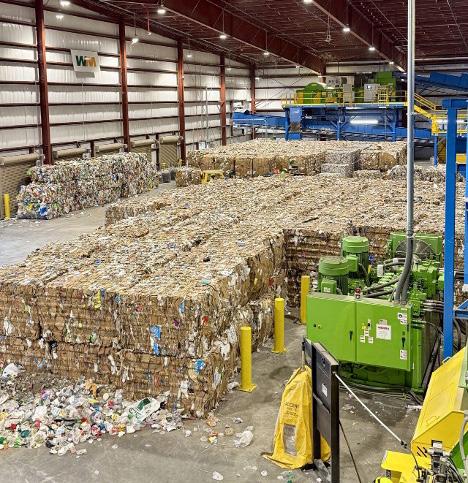
By RALPH A DEMEO
The Florida Department of Environmental Protection (FDEP) is planning changes that would make it much more difficult to develop property containing low levels of arsenic found throughout many locations in Florida.
These changes to the methodology for establishing arsenic soil values, based on revised United States Environmental Protection Agency (EPA) toxicity factors, will have a potentially devastating effect on industries, businesses, landowners, home builders, developers, local governments and others facing responsibility or liability for contaminated properties. Site assessment, remediation, and development costs would rise considerably under this

When: May 13-15
Where: Rosen Centre Hotel Orlando
The PFAS Forum VI is being organized to provide an understanding of the environmental issues related to PFAS, educate the environmental/remediation industry and regulatory community on the potential risks from PFAS, as well as discuss regulatory and legal issues, monitoring, treatment, cleanup and disposal technologies.
https://pfasforum.org/
ANNUAL SOUTHEAST NAHMMA CONFERENCE
When: June 8-11
Where: Plantation Resort on Crystal River
Join hazardous materials management professionals from across the southeast at the annual conference, where professionals network, learn, train and attend sessions on emerging topics in the industry.
https://nahmma.starchapter.com/meetinginfo.php?id=249&ts=1769632972
FLORIDA ASSOCIATION FOR WATER QUALITY CONTROL ANNUAL CONFERENCE
When: June 17-19
Where: LaPlaya Beach & Golf Resort Naples
Hear updates on important State and Federal regulatory issues, hear timely
approach, and real property transactions may be significantly affected.
This is based on a toxicity assessment for arsenic done In January 2025 by EPA pursuant to the Integrated Risk Information System (IRIS) program. FDEP’s practice generally has been to use revised toxicity factors if alternative soil cleanup target levels are proposed. However, it is important to note that FDEP is under no legal imperative to adopt this method for established arsenic values.
FDEP is considering requiring the use of this new EPA toxicity assessment for arsenic under pressure from the Miami-Dade County Department of Environmental Resources Management (DERM). A report from the FDEP’s contractor at the University of Florida, applying this factor, concluded that the new DERM SCTL would be 0.1 mg/kg for residential and 0.2 mg/ kg for commercial sites, which is below background levels at many sites in Florida. This is at odds with Florida background soils analyses, which are above this value in many locations in Florida, where the
presentations on critical Florida water issues and agendas and network with key representatives of industry, regulatory agencies, environmental law firms, consultants and vendors.
https://fawqc.com/annual-conference/
FLORIDA RECYCLE FLORIDA TODAY ANNUAL CONFERENCE
When: June 22-24
Where: Shores Resort & Spa Daytona Beach Shores
Join Florida’s premier recycling association as we unite for an event full of professional education and networking. Through your attendance, you have the opportunity to network with leading environmental professionals from within the State of Florida and beyond, gain valuable education and meet with our sponsors and exhibitors who are leading the way in advance-
background arsenic value is reported to be higher than 0.1 mg/kg.
Landowners, developers, homebuilders and Persons Responsible for Site Rehabilitation should not, as has been suggested by FDEP, be required to undertake a FDEP-approved site-specific soil background analysis to establish an alternative SCTL. These are costly and time-consuming studies, which can have a chilling effect on land development, contaminated property assessment and remediation, and land transfers. Existing soil maps provide ample evidence of background levels of contaminants in soils which have been, and should continue to be, relied upon.
Interestingly, EPA itself does not use this toxicity factor to establish soil screening levels at EPA-led sites. There also are significant legal obstacles to FDEP requiring the use of this approach. Under Chapters 62-777, 62-780, Florida Administrative Code, it is not required to use this value. Furthermore, under Florida law, any alternative CTL must be protective to the same degree as the established default criteria,
ments in recycling and environmental sustainability.
https://floridaforce.org/event/recycle-florida-today-annual-conference/
40TH ANNUAL ENVIRONMENTAL PERMITTING SUMMER SCHOOL
When: July 21-24
Where: J.W. Marriott Marco Island Beach Resort
The 2026 EPSS will bring public and private professionals together for unparalleled leadership and professional development, networking and best-in-class programming you won’t want to miss!
https://floridaenet.com/
which is questionable in this case. It is also impracticable to use this new toxicity factor because the standard, if adopted, would be effectively zero.
Principally affected stakeholders, in particular regulated activities, landowners, PRSRs and those engaged in the buying and selling and redevelopment of land, including potential Brownfield redevelopment, should contact FDEP immediately to demand stakeholder input before any decisions are made. At present, no workshops or other opportunities to obtain stakeholder input are planned. Interested persons should monitor this closely, contact their lawyer and consultants about its potential impact on their interests, and provide comments to the FDEP before it gains any traction.
The Integrated Risk Information Systems report can be found here
Ralph A. DeMeo is Special Counsel at Adams & Reese
FLORIDA RESILIENCE CONFERENCE
When: Sept. 23-25
Where: Sunseeker Resort Charlotte Harbor
The conference program will feature concurrent sessions on: Beach management, energy, gray and green infrastructure, cyber, transportation and smart planning.
A cross-industry approach is needed to ensure the preservation of Florida’s unique natural resources and thriving communities from the effects of rising seas, weather extremes, intensified flooding and coastal erosion. The Florida Resilience Conference is our response to this challenge.
https://floridaresilienceconference.org/about-us