MARCH/APRIL 2026
EDITOR'S NOTE: Check floridaspecifier.com for environmental updates from Florida's annual Legislative Session.
Lake County Restoration
MARCH/APRIL 2026
EDITOR'S NOTE: Check floridaspecifier.com for environmental updates from Florida's annual Legislative Session.
Lake County Restoration
By STAFF REPORTS
2
Northeast Florida Water Supply
3
Wood Stork Designation

Address label change?
If your mailing label is inaccurate or incomplete, please contact us with the correct information at SPECIFIER PUBLISHING LLC, P.O. Box 1857 Tallahassee, FL 32302, or email us at admin@floridaspecifier.com. We appreciate your help with keeping our circulation database accurate.
Rockville, MD - When it comes to American cuisine, there are few things more iconic than steakhouses. The slabs of marbled meat, the sizzling grills, the oozing butter, and the dripping bravado, maybe even a cowboy hat or two for ambiance—it's enough to make even fictional steakophile Ron Swanson misty-eyed.
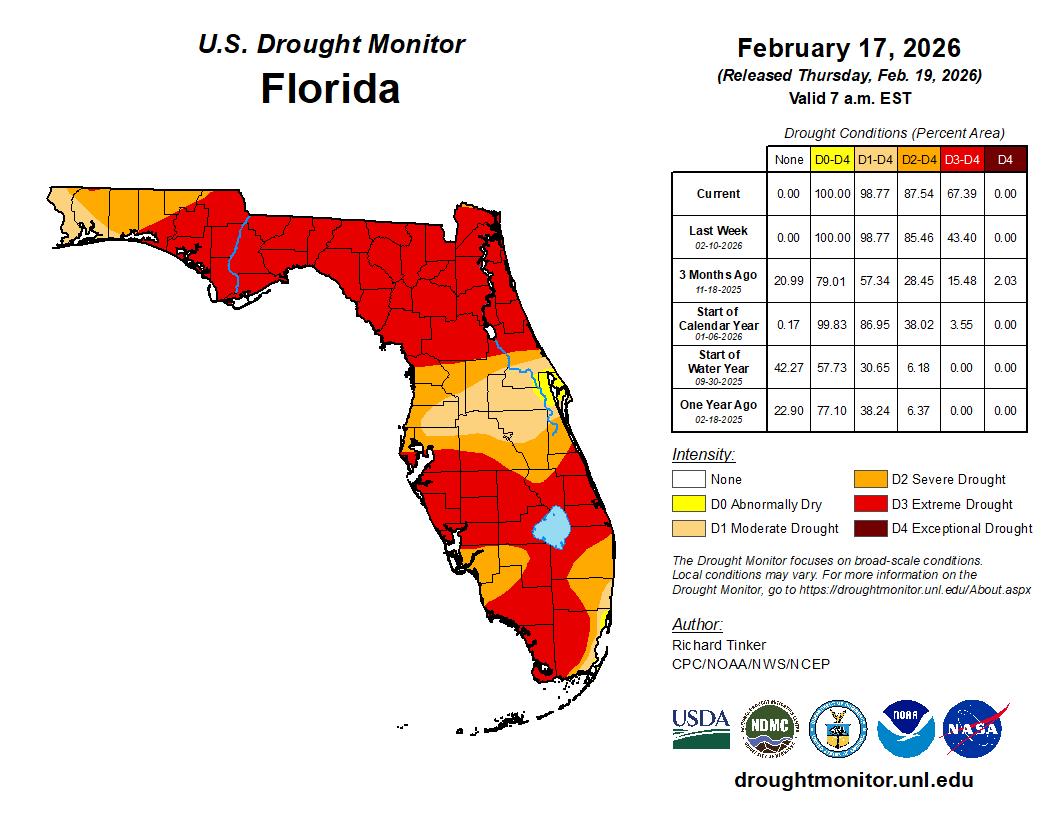
As calendars turned to 2026 in Florida, severe drought conditions have driven decisions by water managers, local governments, and have created a potentially dangerous fire situation throughout most of the state.
According to AccuWeather Senior Meteorologist Brett Anderson, 99 percent of Florida was experiencing drought conditions in mid-February, one of the worst since records began 26 years ago.

7
Yet for all the traditional steak dinners ordered daily, there are restaurants nationwide pushing the concept of the all-American steakhouse to new culinary heights, according to market research firm Packaged Facts in the brand new report 2017 Forecast: Culinary Trend Tracking Series.
The reason? Blame the Northwest.
According to AccuWeather, winds and the storm track from that region of the country have affected Florida throughout the winter, bringing dry air from Canada and other parts of the country, limiting moisture to Florida.
"The steakhouse is back and will capture our attention in 2017. Not that the classic restaurant style ever disappeared, but a renewal of the model is taking place in response to new sources of beef and new flavorful expressions of the concept that get chefs and diners excited," says David Sprinkle, research director, Packaged Facts.
"We're definitely concerned about the risk for numerous large wildfires across the state through the spring before the rainy season begins," Anderson said.
Today's steakhouse menus increasingly feature grass-fed cattle, locally raised animals, heritage varieties, meat butchered and dry aged in-house, and dishes that stem from the whole animal, not just the premium cuts. And that's just the meat. Creative side dishes in lieu of old standards, global and seasonal flavors, and a wider menu selection also distinguish these new school operations.
Drought conditions have caused water management districts to issue water shortage alerts, bans on camp fires, and restrictions on water usage to attempt to conserve and protect resources around the state and prevent fires.
Chefs and consumers both want their meat to taste delicious and to feel good about its’ consumption, too. This new breed of steakhouse broadcasts its mission to support local ranchers, factor in sustainability and animal welfare, and create a dining experience that showcases culinary flair, not just a grill master's skill at cooking steak to the requested doneness. These operations are also designed to be more inclusive, more of a great place for all kinds of people to dine well, not just traditionminded men on expense accounts. As a result, the modern steakhouse is increasingly similar to other modern restaurants with a focus on distinctive 2017 forecast:
For instance, the Suwannee River Water Management District Governing Board in January issued a water shortage advisory designed to protect its 15 counties in
seasonal produce, and global flavors and forms, all done within the steakhouse format showcasing cuts of meat as entrées with a choice of sides. Moreover, new menu categories (such as flatbreads) and service elements freshen the concept.
north-central Florida from ongoing challenges. The action requires water permittees to review operations to ensure conservation measures are being implemented. The District reported a rainfall deficit of nearly 12 inches at the end of 2025.
About the Report 2017 Forecast: Culinary Trend Tracking Series offers an outlook on the culinary trends—the foods, dishes, ingredients and flavors—that Packaged Facts expects to grow in popularity in 2017.
The Southwest Florida Water Management District issued orders prohibiting campfires and other sources of open flames in all District campgrounds due to dry conditions and an abundance of dry plant materials.
The District noted that the lack of rainfall has made grasses and other light vegeta-
tion dry and volatile, increasing the potential for wildfires. The District is asking the public to be careful when using gas stoves and lanterns, be conscious of parking cars with hot engines on dry vegetation, dispose of smoking materials safely, and carry a shovel and fire extinguisher in vehicles.
In the Florida Panhandle, the Northwest Florida Water Management District Governing Board in early February issued a water shortage warning in its region. While the District reports that water managers are currently meeting demand
By SHANNON KNOWLES
Jacksonville, FL - After much anticipation and excitement, Jollibee, the largest Asian restaurant company, is now open in Jacksonville. This is the 36th store in the US, as well as
After Florida Fish and Wildlife Conservation Commission staff presented options on highly regulated black bear hunting and the public provided their comments at the August and November 2025 Commission meetings, FWC Commissioners approved final proposed amendments to bear hunting rules, which took effect during the 2025 hunting season.
The new rules established Bear Hunting Zones (BHZ) within four of the seven existing Bear Management Units. Through a random drawing, a total of 172 permits were issued across the East Panhandle, North, Central and South BMUs, and each permit allowed the harvest of one bear within the assigned BHZ.
There were 52 bears harvested during the 2025 bear hunt, which is a hunter success rate very close to other states with similar hunt parameters. All harvested bears were physically checked by FWC staff and bear response contractors, providing valuable data that will influence future management strategies. Analysis of the data collected is underway, and
been the talk of the town since 2016. With the opening, Floridians will get to try Jollibee's signature menu items such as the world famous Chickenjoy. This dish is delicately breaded to be crispylicious on the outside and juicylicious inside. The well-loved Jolly Spaghetti is a favorite of both kids and kids-at-heart because of its signature sweetstyle sauce, loaded with chunky slices of savory ham, ground meat, and hotdog. Other classic menufavorites include the juicy and cheesy Jolly Hotdog, and the Peach Mango Pie, which is made with real Philippine sweet mangoes and a flaky golden brown crust.
a full harvest report will be released in the coming months.

“The 2025 black bear hunt, rooted in sound scientific data, was a success. We’re proud to have joined the more than 30 states that manage black bears with regulated hunting,” said FWC Executive Director Roger Young. “The limited number of permits issued in areas with the largest bear populations and other components of the hunt prioritized a conservative approach that ensures the long-term health of bear populations in Florida, while providing opportunity for hunters.”
"As Jollibee debuts in Florida, we anticipate seeing not only a multitude of excited Jollibee patrons waiting to get their hands on their Jollibee favorites, but also first-timers waiting to have their own Jollibee experience," said Jose Miñana, Jollibee Foods Corporation's Group President for North America. "There's no greater joy for us than serving the needs and tastes of Jollibee fans in the community. At Jollibee, we aim to bring families together for happy moments over great tasting food with superior value, served with warm and friendly service – our own brand of joy."
“Hunting is an effective tool for managing wildlife populations around the world and is a key part of the North American Model of Wildlife Conservation,” said FWC Chief Conservation Officer George Warthen. “It’s about helping bears succeed over the long term in our state and is a way for us to guide an iconic Florida species into the future, for their benefit and ours.”
led to strong compliance with hunting regulations. Out of numerous positive interactions between officers and hunters, only one hunter received a warning for a minor Wildlife Management Area violation, and no citations were issued. Additionally, the Division of Law Enforcement investigated all reported wildlife violations, and no wildlife violations were found.
The brand has become a symbol of nostalgia and warm childhood memories for many overseas Filipinos in the U.S. To many, Jollibee is the go-to restaurant of Filipinos for both special
“Our officers maintained a strong, engaged presence throughout the hunt to help ensure it was conducted safely and legally,” said Col. Alberto Maza, Director of the FWC Division of Law Enforcement. “While our officers were there to uphold the rules, the primary focus was education. I’m proud of our officers for protecting this important resource and supporting the goals of the agency’s Bear Management Plan.”
See JOLLIBEE page 15
The FWC Division of Law Enforcement allocated additional resources to support a productive hunt while maintaining accountability among participants. Increased officer engagement and hunter education
As one of the management tools included in the 2019 Florida Black Bear Management Plan, regulated hunting allows the FWC to manage population growth rates in areas with the largest bear subpopulations. Balancing wildlife numbers with suitable habitat keeps populations healthy.
By BLANCHE HARDY
The Lake County Water Authority (LCWA) has initiated a four-year program to address nutrients in Lake Yale. Lake Yale is a 4,041-acre Class III Sovereign Submerged Lands waterbody owned by the State of Florida. The lake is classified as “impaired” for failing to meet state water quality standards. The primary issue is elevated levels of phosphorus, a nutrient that fuels algae growth.
“Phosphorus levels in Lake Yale commonly reach about 500 parts per billion (ppb), with some readings as high as 2,500 ppb.” said Justin Elkins, the LCWA’s Water Resources Director. “When phosphorus levels are that elevated, they can lead to excessive algae growth, poor water clarity and stress on fish and other aquatic life. About 81 percent of the phosphorus entering the lake each year comes from what is known as ‘internal loading.’ That means phosphorus that has built up in the lake’s sediments over time is being released back into the water column.”
The LCWA Board of Trustees voted in 2019 to treat the lake with aluminum sulfate, commonly called alum. FDEP issued Lake Yale Alum and Habitat Restoration a permit last October, approving the proposed restoration work. The program is the first of its kind approved on Sovereign Submerged Lands in Florida. The work is being governed under 63.330, Florida Administrative Code.
Alum binds with phosphorus in the water and sediments, helping prevent it from fueling future algae growth. The treatment application is planned to take place over four years with continuous monitoring to ensure application rates maintain water quality parameters such as pH, ensuring the health and safety of Lake Yale’s fish and wildlife habitat, water quality, recreational enjoyment, public health and quality of life. For example, pH measurement must fall between 6.3 and 9.0 S.U. to continue application.
“Frequent blue-green algae (harmful algal bloom, or HAB) advisories were a
significant factor in the decision to move forward with alum treatment,” Elkins said. “Alum is a widely used and proven method for reducing harmful algal blooms in lakes.”
FDEP’s permit requires the LCWA to submit a pre-alum application baseline monitoring report to the Department detailing the water quality parameters listed in the authorized Water Quality and Sediment Monitoring Project. Initial and subsequent monitoring parameters include pH, Dissolved Oxygen, Alkalinity, Ammonia, Nox, Total Nitrogen, Dissolved Total Nitrogen, Ortho-Phosphorus, Total Phosphorus, Dissolved Total Phosphorus, Turbidity, Total Suspended Solids, Salinity and Chlorophyll a.
In a cooperative meeting between LCWA and UF to discuss the project, scientists from the University of Florida discussed their participation in ongoing monitoring of the program in cooperation with the Eustis Fisheries Research Laboratory, Fish and Wildlife Research Institute and Florida Fish and Wildlife Commission. University researchers plan to assess changes in the ecology of primary producers and consumers, which are important prey for
fish and considered effective bioindicators and environmental disturbances.
They propose to perform taxonomic analyses of the algae, benthic macroinvertebrate and zooplankton communities before and after alum treatments. Sampling will center primarily around the second Alum application, planned for the second half of 2026. Samples one week before and after application will be collected for all groups.
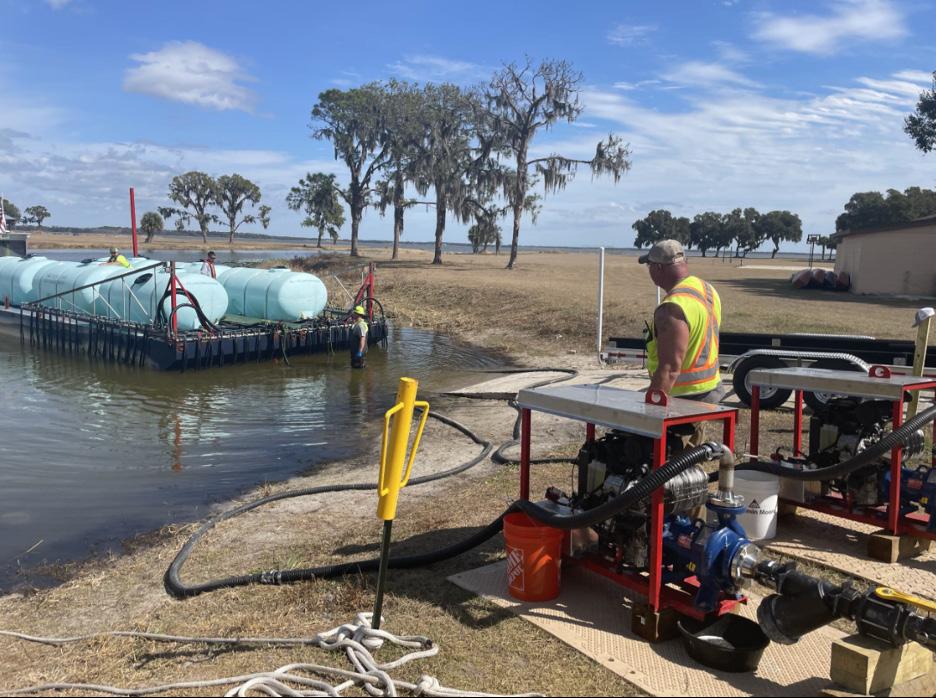
The liquid aluminum sulfate (alum) will be applied at an appropriate rate by a barge traversing the lake, reaching all the approved designated treatment areas.
“By reducing the amount of available phosphorus, alum helps decrease the frequency and severity of harmful algal blooms over time,” Elkins said. “While alum is not an instant ‘algae killer,’ improvements in water clarity can often be seen relatively quickly. The full benefits occur over time as nutrient levels stabilize and future blooms are reduced.”

PATRICK GILLESPIE
Staff Writers
BLANCHE HARDY, PG
Senior Correspondent
LINA ALFIERI STERN
MBA, MSRED, LEED Green Associate
Copyeditor
EMMA CYPHERS
Designer
TRACY KISTLER
SHANNON KNOWLES Florida Fish and Wildlife Conservation Commission
CAITLIN BUTLER St. Johns River Water Management District
CLAY COARSEY St. Johns River Water Management District
RALPH A DEMEO Adams and Reese
TINA REALE Florida State University
CASSIDY HAMPTON Southwest Florida Water Management District
KEYNA CORY Florida Recycling Partnership
DANIELLE IRWIN Cummins Cederberg Coastal & Marine Engineering
The Florida Specifier (ISSN 07401973), founded in 1979, is published every other month for $60 per year in-state; $80 out-of-state, by SPECIFIER PUBLISHING LLC, P.O. Box 1857, Tallahassee, FL 32302. Subscription refunds are not provided. Local tax applies.
POSTMASTER: Send address changes to the FLORIDA SPECIFIER, P.O. Box 1857, Tallahassee, FL 32302.
© Copyright 2026 by SPECIFIER PUBLISHING LLC. All rights reserved. No part of this publication may be reproduced or transmitted in any form without the publisher’s prior written permission.
Florida Specifier P.O. Box 1857 Tallahassee, FL 32302
Admin@FloridaSpecifier.com
By CAITLIN BUTLER AND CLAY COARSEY
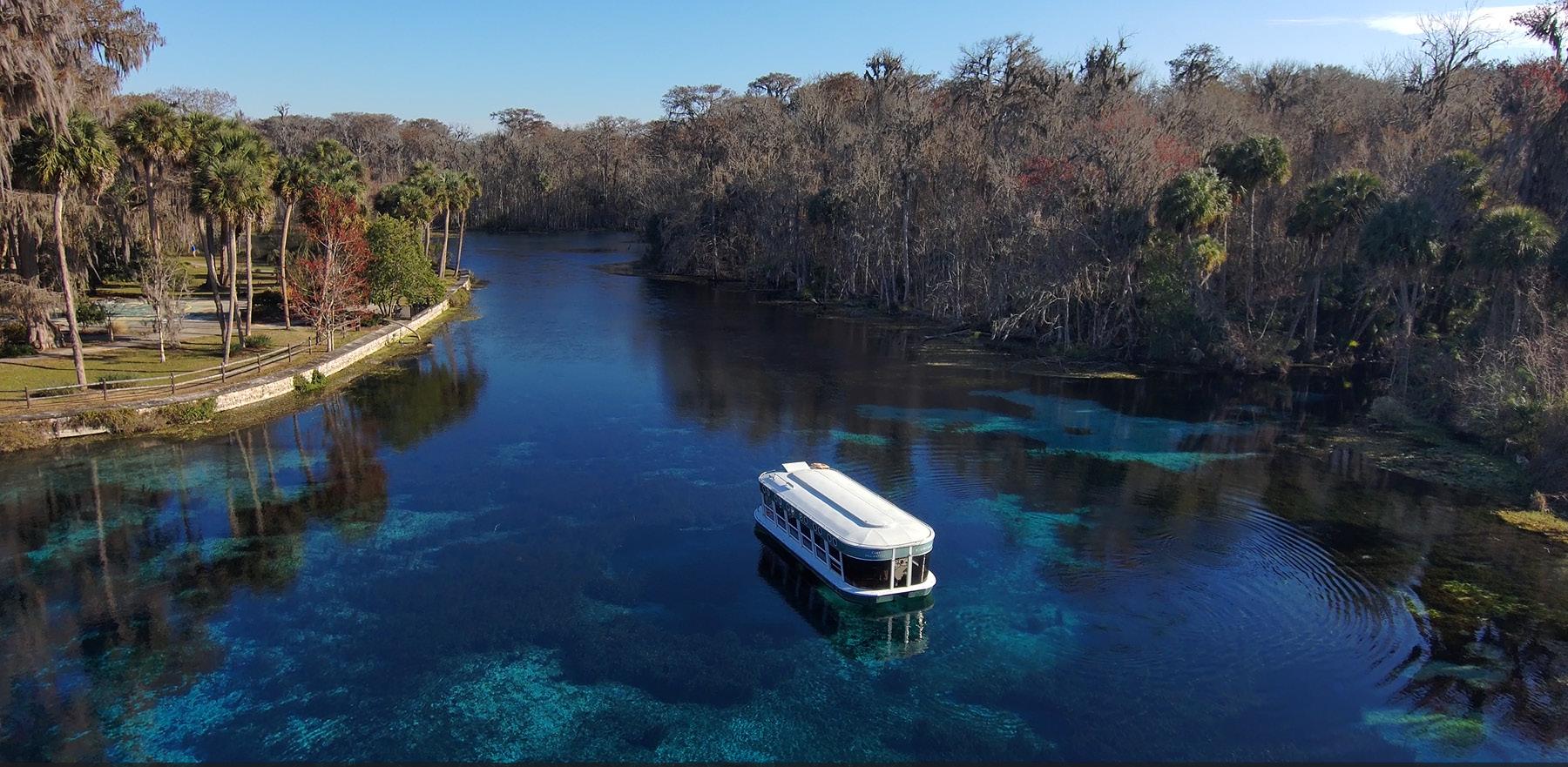
Florida is defined by water — rivers, lakes, wetlands, aquifers and springs that support communities, ecosystems and a thriving economy. Across northeast and east-central Florida, the St. Johns River Water Management District (District) works to protect these resources while ensuring a reliable water supply. Abundant rainfall has shaped these landscapes over time, creating the natural systems that both Floridians and visitors value today.
With plentiful rainfall and extensive water resources, it’s natural to wonder why water conservation matters. Yet, despite this apparent abundance, even in a state surrounded by water, freshwater is limited. Florida relies primarily on groundwater stored in underground aquifers, including the Floridan Aquifer, which must be carefully managed to prevent saltwater intrusion, protect natural systems and ensure reliable supplies for a growing population. Conservation is therefore not simply a response to drought; it is a longterm strategy to sustain the resources that support daily life and economic growth.
“Florida’s water resources are abundant, but they are not unlimited,” said Mike Register, District Executive Director. “Efficient water use now, especially for outdoor irrigation, protects our aquifer and natural systems, reduces stress on our rivers and springs, and helps limit the need for costly future water supply projects as our population grows.”
Water conservation is a shared responsibility that extends beyond utilities and government agencies. Efficient water use at homes and businesses, particularly outdoors, plays a significant role in protecting freshwater supplies. Landscape irrigation typically accounts for the largest portion of residential water use, representing the greatest opportunity for meaningful savings.
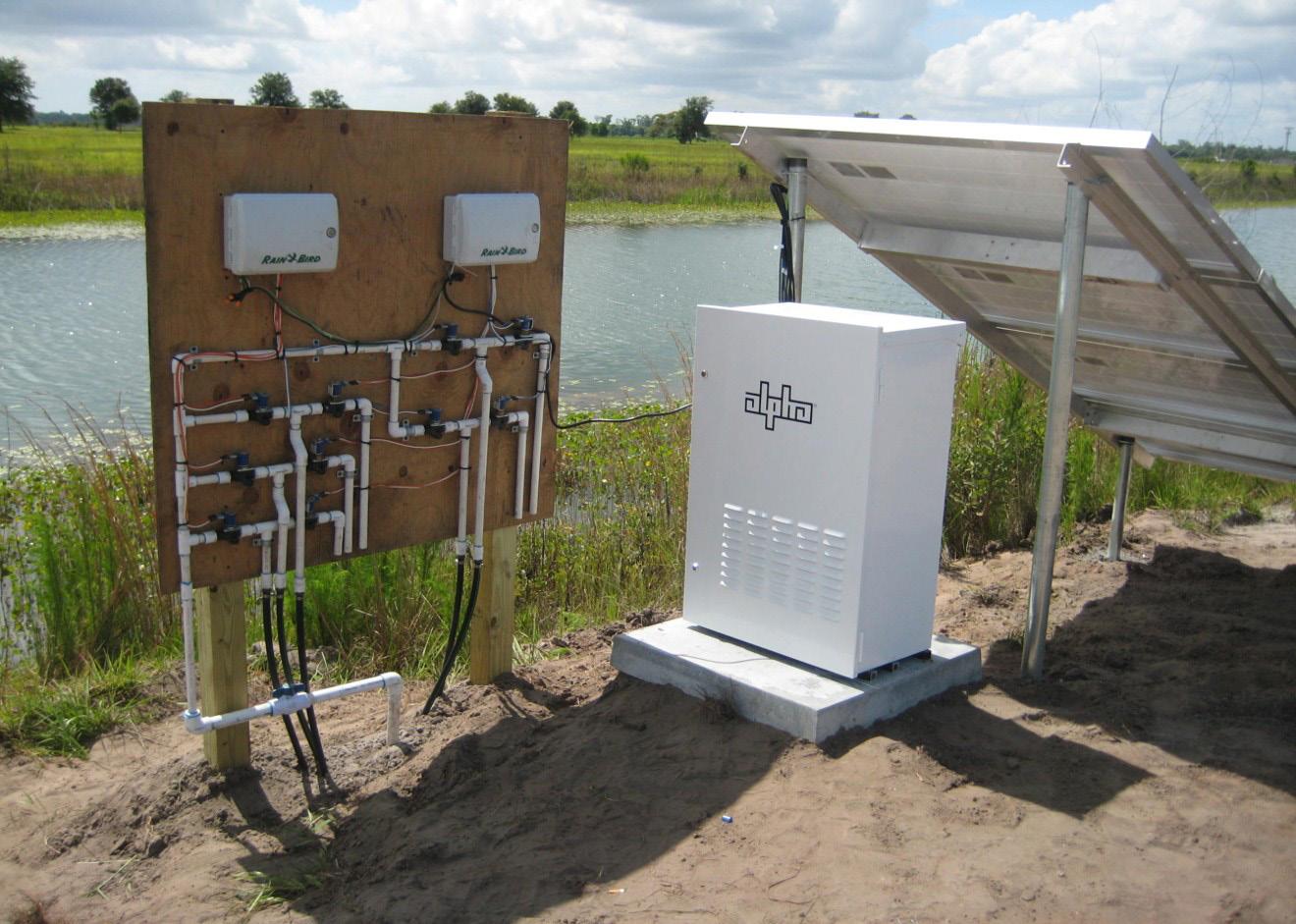
A typical home uses about half of its water outdoors for irrigation. Performing an annual checkup of irrigation systems helps ensure water is used efficiently and only where needed. Overwatering not only wastes water but can weaken turf by preventing deep root growth, making it less drought-tolerant and more susceptible to fungal diseases that can damage or kill the grass.
Property owners should check to make sure irrigation system timers are set to operate only on permitted watering days and adjust schedules seasonally as weather conditions change. Systems should be checked for leaks and broken heads, or misaligned sprinklers that spray pavement rather than landscaping. Rainfall shutoff devices should also be tested to ensure irrigation systems do not operate after significant rain events.
When properly maintained, irrigation systems can support healthy landscapes while minimizing water use and utility costs. For those unfamiliar with system maintenance, licensed irrigation professionals can perform inspections and make adjustments when necessary.
Individual conservation efforts also contribute to broader regional water supply planning. As Florida’s population grows, water demand increases, often requiring the development of alternative water
supplies to meet future needs. The District estimates the potential for water conservation in our region to exceed 100 million gallons per day, which is about 10 percent of the water used in the District.
Reducing demand through conservation can delay or minimize the need for costly new water supply infrastructure. Some alternatives, such as desalination, can cost several times more than traditional groundwater or surface water sources, with those expenses ultimately reflected in higher utility rates.
The District works with the state and local partners, utilities and other water users to develop sustainable alternative water supply projects to support population growth while simultaneously protecting water resources. However, conservation remains one of the most cost-effective tools available. By using water efficiently today, communities can extend existing supplies, maintain environmental health and make more strategic long-term investments.
Every gallon saved helps sustain the aquifer system that provides drinking water, supports springs and wetlands and maintains the ecological balance that defines Florida's landscape. Through collective action, from households to large-scale water users, conservation strengthens water
security, protects natural resources and helps keep costs manageable for communities across the state.
Additional water-saving tips and resources are available at /www.sjrwmd.com/water-conservation
Caitlin Butler is a Regional Media and Communications Coordinator and Clay Coursey, P.E., is the Director of the Division of Water Supply Planning and Assessment at the St. John’s River Water Management District
By RALPH A. DEMEO AND TINA REALE
The 2026 Florida Legislature continues to grapple with significant bills affecting the environment, development, land use and wildlife. Attention has been focused, among other issues, on the role of local governments in growth management and environmental protection, wastewater treatment plants and sewers, protected species, agriculture, the Everglades, springs, hyperscale data centers and perand polyfluoroalkyl substances (PFAS) regulation. All of these bills have the potential for significant impacts to Florida wildlife and their habitat.
While some bills directly address wildlife, many carry indirect potential consequences for wildlife that may not be immediately apparent. Legislation regulating land use, waste management, water resources or even everyday products like drinking straws can have ripple effects that extend far beyond their obvious scope. A closer examination of the legislation moving through committees reveals how seemingly narrow policy changes may have broader consequences for wildlife.
The following key bills highlight how the 2026 Legislative session could impact wildlife protection in both direct and unexpected ways.
SB 184 requires seaports to maintain an on-site fire station that is staffed and operational 24/7. Mandatory seaport fire stations would allow for more efficient response to fires or hazardous materials incidents, ultimately reducing the potential negative impacts to the surrounding marine wildlife.
SB
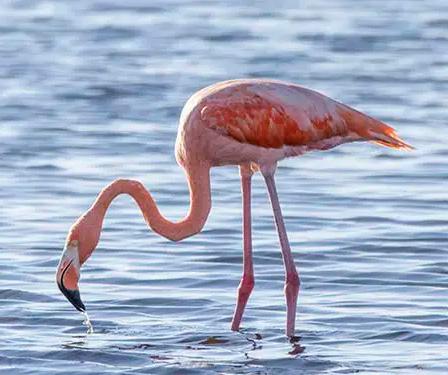
SB 150 designates the American flamingo as the official state bird (to replace the northern mockingbird) and the Florida scrub-jay as the official Florida state songbird. American flamingos are historical residents of Florida, but their population has dwindled due to overhunting. American flamingos can still be found along the Florida coast, especially in Miami-Dade County. The Florida scrub-jay is the only bird species that exclusively resides in the state of Florida. The scrub-jay is a federally designated threatened species protected by the federal Endangered Species Act; the main threat to the species is loss of habitat due to development, agriculture and suppression.
SB 264 requires the Fish and Wildlife Conservation Commission to develop and conduct a survey of Florida’s youth to determine whether the state should select
another bird species as the official state bird. The survey would need to include the northern mockingbird, American osprey, Florida scrub jay, American flamingo and American white ibis as selections. The survey results would be due December 31, 2027.
CS/SB
CS/SB 290 makes numerous changes to laws related to the Department of Agriculture and Consumer Services, one of which required the Department of Environmental Protection (DEP) to determine whether any state-owned conservation lands are suitable for bona fide agricultural purposes; if so, the DEP must retain a rural-lands-protection easement for all such lands. Any lands designated for agricultural purposes by the DEP under this bill would lead to destruction of wildlife habitats.
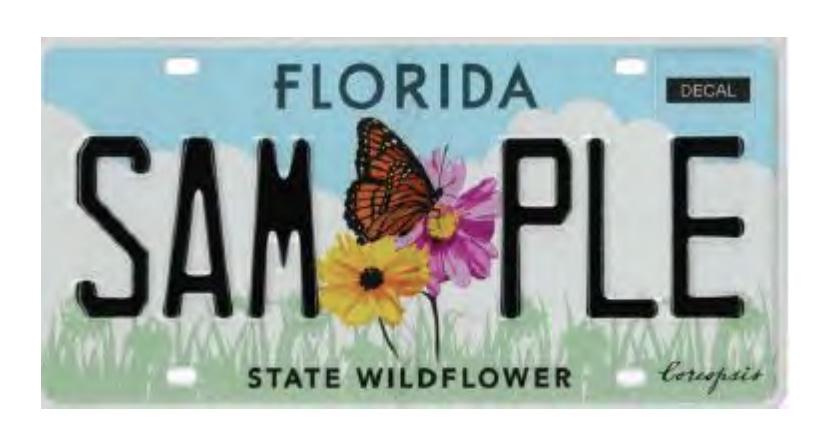
SB 388: SPECIALTY LICENSE PLATES/FLORIDA WILDFLOWER
SB 388 increases the annual use fee for the existing Florida Wildflower specialty license plate from $15 to $25 (the annual fee amount that is applicable to all new specialty license plates). The proceeds from the annual use fees are to be used for wildflower educational programs, to establish native Florida wildflower research programs, and wildflower grant programs to municipal, county and community-based groups in Florida.
SB 602: WATERCRAFT RESTRICTIONS BASED ON ENERGY SOURCE
SB 602 provides an exception to an existing bill that prohibits a state agency, municipality, governmental entity or country from restricting the use or sale of a watercraft based on the energy source needed to power it. Protecting Florida’s waters from contamination will also protect the wildlife that call these aquatic habitats home.
SB 718: WATER MANAGEMENT
SB 718 prohibits counties and municipalities from adopting laws, regulations, rules or policies relating to water quality or quantity, pollution control, pollutant discharge prevention or removal or wetlands; regulation of these areas is preempted to the state. This bill gives the state broad authority to regulate water. Florida’s abundant aquatic wildlife could be heavily affected by water regulations, especially those that regulate pollution and wetlands.
SB 766: WASTE MANAGEMENT
SB 766 expressly preempts the regulation of auxiliary containers to the state. “Auxiliary container” is defined as “a reusable or single-use bag, cup, bottle, can, or other packaging” that meets specific requirements; this thorough definition of “auxiliary container” can be used to regulate various products that pose a threat to the environment.
CS/SB 302 requires the Department of Environmental Protection to adopt rules and guidelines for using nature-based solutions to improve coastal resilience. There are a number of initiatives the rules must address, one of which is to “encourage mangrove replanting programs and the restoration of oyster reefs, salt marshes, and coral reefs.” Coral reefs are living organisms that have been devastated by pollution (including chemicals in sunscreen), rising ocean temperatures, coastal development and more. CS/SB 302 would improve essential habitats which are home to a variety of Florida wildlife, including coral reefs.
CS/SB 546 requires that certain information be published on the Division of State Lands website before review of the proposed sale of conservation lands. Included in the requirements is to post “a statement from the division explaining why the land is no longer needed for conservation purposes.” This information can help prevent conservation lands from being sold that are vital to the success of the wildlife that inhabit them.
SJR 1364 proposes the following amendment to the Florida Constitution: “The wild animal life, fresh water aquatic life and marine life of this state belong to all of the people of this state and must be conserved and sustainably managed for the benefit of all the people of this state and its future generations.” This amendment would solidify Florida’s commitment to conserving and sustainably managing wildlife. Such language in the Constitution would mark historical progress by establishing wildlife preservation as a state value.
SB 1468 states a legislative finding that “the discharge of inadequately treated wastewater and aging sewage disposal facilities compromise the quality of the environment, including freshwater, brackish water and nearshore and offshore salt waters, and threatens the quality of life and local economies in this state that depend on those resources.” The bill requires advanced wastewater treatment which will reduce environmental harms in Florida’s diverse aquatic ecosystems that are crucial to biodiversity.
SB 958 raises health concerns over paper alternatives to plastic drinking straws and stirrers and requires that “any regulation of drinking straws and stirrers must be based on government policy driven by science.” The bill seeks to combat the harmful impacts of paper drinking straws and stirrers and provide better alternatives to single-use plastic straws and stirrers. This bill sets high standards for local governments to meet should they choose to enact any rule, regulation, or ordinance regarding drinking straws and stirrers. The standards include a requirement that the drinking
straws or stirrers be marine biodegradable – a requirement essential to protecting marine wildlife from the harms of plastic straws and any harmful alternatives.
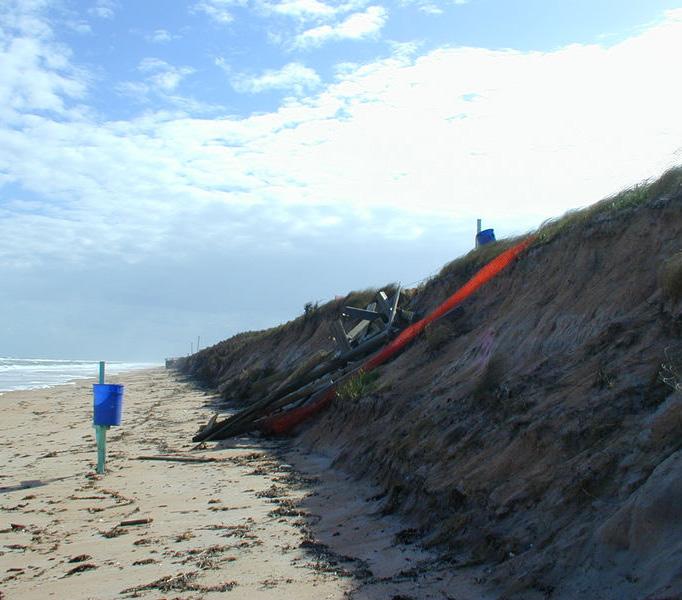
SB 636:
SB 636 recognizes that beach erosion is a statewide problem and establishes additional requirements for designating certain beaches as critically eroded and in need of restoration and nourishment, as well as guidelines for which areas may receive designation as an area of critical state concern. Beach erosion is not only a concern for those who seek a relaxing vacation; it devastates wildlife by destroying critical habitats (such as nesting sites for sea turtles) and altering ecosystems.
SB 1066 requires the Department of Environmental Protection to develop a project plan for the restoration of the Ocklawaha River that includes an outdoor recreation plan. The Ocklawaha River has been named among America’s Most Endangered Rivers by a nonprofit called American Rivers. The Ocklawaha River’s natural connection to the St. Johns River was impeded by the Rodman Dam in 1968, which has since significantly harmed wildlife habitats, recreation and water quality.
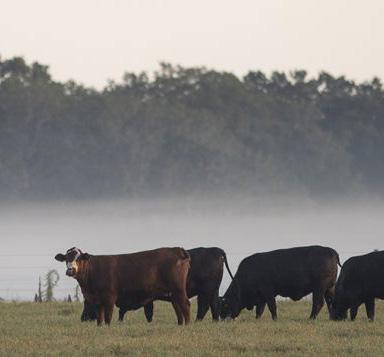
SB 1658 requires that when a conservation or non-conservation land management plan is developed or updated, “the land managing entity must consider the feasibility of leasing portions of the land to private entities for cattle grazing.” This bill highlights leasing land for cattle grazing as a priority use for state lands. It does allow the land-managing entity to determine whether any portions of the land are suitable for such leases, but if they are deemed suitable, it says the managing entity “must allow such lands to be leased for such purpose.” If a managing entity deems no portions of the land suitable for cattle grazing, it requires an explanation for its determination. Cattle grazing can harm wildlife by degrading habitats, polluting
CONTINUED ON PAGE 5
By CASSIDY HAMPTON
The Southwest Florida Water Management District’s (District) Governing Board in December voted to approve the 2025 Regional Water Supply Plan (RWSP), providing a framework for future water management decisions and demonstrating how growing water demands can be met through 2045.
Using a combination of alternative water sources, fresh groundwater and water conservation measures, the RWSP identifies sufficient water supplies to meet the growing needs of the 16-county area. District staff project that the population within the District’s boundaries will reach 7.8 million people by 2045, a nearly 27 percent increase from 2020. Additionally, water demands for all use sectors are projected to increase a combined 215 million gallons per day (mgd), from 1,093 mgd in 2020 to 1,308 mgd in 2045.
“The 2025 Regional Water Supply Plan is a clear, science-based roadmap for ensuring sustainable water supplies as our region grows," said Jay Hoecker, District Water Resources Bureau Chief. "Its completion reflects the dedication and technical expertise of approximately 50 District staff, whose thorough analysis and collaboration with partners over three years have produced a plan that will guide responsible water management out into the future.”
The District’s RWSP is divided into four planning regions (Heartland, Northern, Southern and Tampa Bay). The RWSP is an assessment of projected water demands
water, leading to predator culling and creating competition for food with other herbivores like deer. This bill could be helpful if it is used to prevent overgrazing on concentrated plots of land and instead is used to rotate the cattle accordingly, but it is important to note that this bill does not address concerns of overgrazing.
Lawmakers are debating many bills relating to the environment, which have potentially significant impacts on wildlife and their habitat. The 2026 Legislative Session is scheduled to end on March 13. Check www.floridaspecifier.com for updates as session continues and bills pass or die.
SB 1422 states a legislative finding that “coral reefs, if healthy and effectively managed, can help mitigate the risks and related loss and damage from floods, climate change and natural disasters.” The bill goes a step further and designates coral reefs as critical natural infrastructure that can be
and potential sources of water to meet those demands for the next 20 years. Ultimately, the 2025 RWSP concludes that, using a combination of alternative water sources, water conservation measures and fresh groundwater, water supply demands for all use sectors can be met through 2045 while protecting and restoring natural systems.
Updated every five years in accordance with Section 373.709, Florida Statutes, the RWSP includes water demand projections for a 20-year planning horizon and identifies strategies to ensure reliable water supplies while protecting natural systems. The District employs a collaborative, transparent planning process with stakeholders. This includes coordination with water supply utilities on projected population growth, future water demands and identification of water supply project options to meet those demands.
District staff project water demands for the following sectors for each county in the District: public supply, agriculture, industrial/commercial, mining/dewatering, power generation and landscape/recreation. The RWSP also evaluated potential sources of water to meet these increased demands, including fresh and brackish groundwater, surface water, stormwater, reclaimed water, seawater and conservation. Aquifer storage and recovery is also discussed in the plan as a storage option with great potential to maximize the use of surface water, stormwater and reclaimed water. Aquifer recharge is discussed as a method to directly or indirectly increase water supply, restore aquifer levels and manage saltwater intrusion.
Nearly 671 mgd of potential additional water availability was identified within the District through 2045, which includes an estimated 53 mgd in projected public supply water conservation savings. When compared to the projected 2045 additional demand of 215 mgd, staff concluded that available water supplies and conservation measures are sufficient to meet the 2045 projected demands.
Water demand will be met differently in each of the District’s four planning regions, based on unique features of each. As part of the RWSP, the District identified water supply options from which
used as a nature-based solution to mitigate damage to coastal properties from climate change risks and disaster events; this recognition by the Legislature “demonstrates political support for nature-based solutions” that will result in increased resources for the restoration and creation of coral reefs through “coral reef restoration for risk reduction, known as CR4.”
SB 1422 also holds entities with permits for dredging and filling accountable by requiring them to “bear the full cost of and responsibility for any damage or destruction caused by dredging, filling or related activities.” A higher level of accountability for these entities will ensure greater protection for ecosystems like coral reefs.
Ralph A. DeMeo is Special Counsel at Adams & Reese and Tina Reale is a 3L Law Student at Florida State University
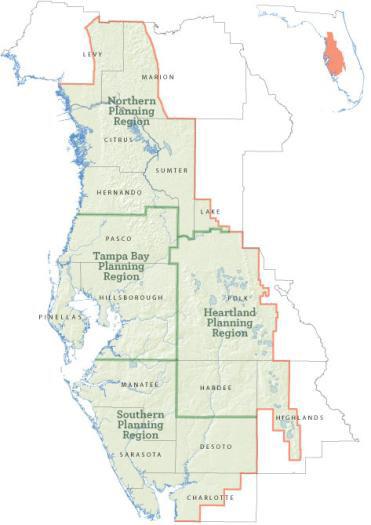
water users in each planning region can choose to meet their individual needs. These options are not necessarily the District’s preferred options, but are provided as reasonable concepts that water users in the region may pursue in their water supply planning.
Where applicable, water supply options developed through regional planning efforts conducted by the Withlacoochee Regional Water Supply Authority, Peace River Manasota Regional Water Supply Authority, Polk Regional Water Cooperative and Tampa Bay Water are incorporated into the RWSP for each planning region. A variety of project options were identified, which could provide approximately 125 mgd of water supply Districtwide. Several projects are already
under development with District funding assistance, with these projects estimated to provide 43 mgd upon completion.
The Public Draft 2025 RWSP was presented to the District’s Governing Board in May 2025, with staff hosting subsequent online workshops to solicit input from stakeholders and the public. Staff incorporated comments and feedback before the Governing Board approved the plan in December.
For more information on the 2025 RWSP, visit WaterMatters.org/RWSP
Cassidy Hampton is Environmental Project Manager 2, Southwest Florida Water Management District

of Florida / IFAS Planning Annual BioBlitz
UF is planning its fifth annual BioBlitz to document as many species as possible within Okeechobee’s DeLuca Preserve. The BioBlitz citizen science biodiversity survey helps researchers with conservation efforts.
The event helps establish a database of existing species of plants, animals and insects using the iNaturalist application.
“We couldn’t do all of the work required to preserve Florida’s wildlife without citizen science, and the BioBlitz is where citizen science shines,” said Corey Callaghan, assistant professor of wildlife ecology and conservation at UF/IFAS. “Having the public participate helps our research efforts, and it also shows the public the variety and diversity of species in our state.”
More than 1,000 species have been documented at DeLuca Preserve, and there are many more to find making DeLuca Preserve one of the most catalogued parcels of land in the country.
University of South Florida Using Sunlight to Combat Red Tide
A USF research team led by Ioannis Spanopoulos and George Philippidis has developed a fine, crystalline material designed to remain solid in seawater. When the powder is activated by sunlight, the material diminishes the growth of red tide.
USF’s research may offer a new approach to combat the algae and its impacts on human health and marine life. The team’s goal has been to create a material that combats red tide without causing unintended environmental impacts.
“We're addressing pressing environmental issues by developing next-generation materials for energy, medical and environmental applications. What makes this technology so compelling is that we developed a family of materials that are biocompatible and can work continuously, something that hasn’t been done before,”
said USF Assistant Professor Ioannis Spanopoulos.
The research is supported by the National Oceanic and Atmospheric Administration through the U.S. Harmful Algal Bloom Control Technologies Incubator program, which advances scalable, environmentally responsible solutions to harmful algal blooms. The team is currently conducting laboratory controlled tests looking to apply the product to later controlled water systems in the future.
Rare Millipedes Reproduced in University of South Florida (USF) Lab
USF graduate student Anne Sawl’s conservation research has resulted in the arrival of baby millipedes. Sawl studies Florida scrub millipede (Floridobolus penneri), a rare species that only resides along the Lake Wales Ridge. Getting the millipedes, found nowhere else in the world, to reproduce was challenging. Success came when Sawl moved the millipedes into a kiddie pool filled with native plants collected from the ridge.
The Florida scrub millipede has an exoskeleton, a segmented body and more than 100 legs. It is one of the largest millipedes in North America and can grow up to 4 inches long. It spends most of its life underground.
"They are crucial to nutrient recycling," Sawl said. "By feeding on dead leaves and plant material, they digest it and excrete nutrients that fertilize the soil and support plant growth in these otherwise nutrient-poor sands."
The Lake Wales Ridge is among the most heavily altered by development. According to Sawl, an estimated 85 percent of the ridge's natural habitat has been lost to agriculture, housing and roads.
Artificial Intelligence Helps Discover Algae is Crossing Global Oceans
Researchers at the National Oceanic and Atmospheric Administration (NOAA) and USF conducted a comprehensive study of global floating algae. With the assistance of AI, they found that algal blooms are expanding across the ocean.
The researchers found that between 2003 and 2022 that both microalgal scum and macroalgal mats expanded around the globe. They report blooms of macroalgae increased by 13.4 percent per year in the tropical Atlantic and western Pacific, with the most dramatic increase in biomass occurring after 2008.


The cumulative size of the macroalgal blooms reached 16.9 million square miles, breaking with historic trends.
“Before 2008, there were no major blooms of macroalgae reported except for sargassum in the Sargasso Sea,” USF’s Chuanmin Hu said. “On a global scale, we appear to be witnessing a regime shift from a macroalgae-poor ocean to an macroalgae-rich ocean.”
The scientists attribute the bloom expansions to human activities, such as nutrient runoff into the ocean, and climate variability, such as ocean warming, while acknowledging that the reasons may differ among regions.
Keys National Marine Sanctuary Greeted by Dolphins
Southpoint Divers working on the National Marine Sanctuary Foundation and Florida Keys National Marine Sanctuary Clean Seas Florida Keys marine debris removal program were greeted by a pod of 20 or more dolphins at the start of their first dive.
"When we take the time to care for Mother Earth, she always seems to reward our efforts,” said Cortney Benson, marine debris removal stewardship coordinator with the National Marine Sanctuary Foundation. “This time, it was with a magnificent two-minute show from a large pod of dolphins that moved me to tears."
The divers scan the reef for derelict fishing gear and other debris that pose risks to coral and marine life. Working in two teams, the volunteers safely retrieved two derelict lobster traps, approximately 80 feet of rope, 65 feet of monofilament fishing line and a discarded fishing lure.
As of February 2026, the Goal: Clean Seas Florida Keys program has achieved the following:
141,165 pounds of debris removed
188,143 feet (35.6 miles) of rope and fishing line removed
10,418 recreational dive participants
4,287 professional dive participants
39,873 hours spent cleaning coral reefs and surrounding ecosystems
The work is conducted under permits through NOAA's Florida Keys National Marine Sanctuary and the Florida Fish and Wildlife Conservation Commission.
Jones Edmunds, a Florida-based engineering and consulting firm, is serving as the lead designer for an innovative Crane Creek Water Quality Restoration Project to protect the Indian River Lagoon and the St. Johns River system. The project is transforming the M-1 Canal, a century-old flood control feature, into an environmentally resilient system that restores natural water flow, improves water quality and protects one of Florida’s most treasured estuaries.
The M-1 Canal is a man-made flood control canal in Brevard County that has diverted stormwater east into Crane Creek for decades, subsequently sending untreated runoff into the Lagoon. Excess nutrients in this runoff fuel harmful algal blooms and degrade habitat in what is
considered one of North America’s most biologically diverse estuaries.
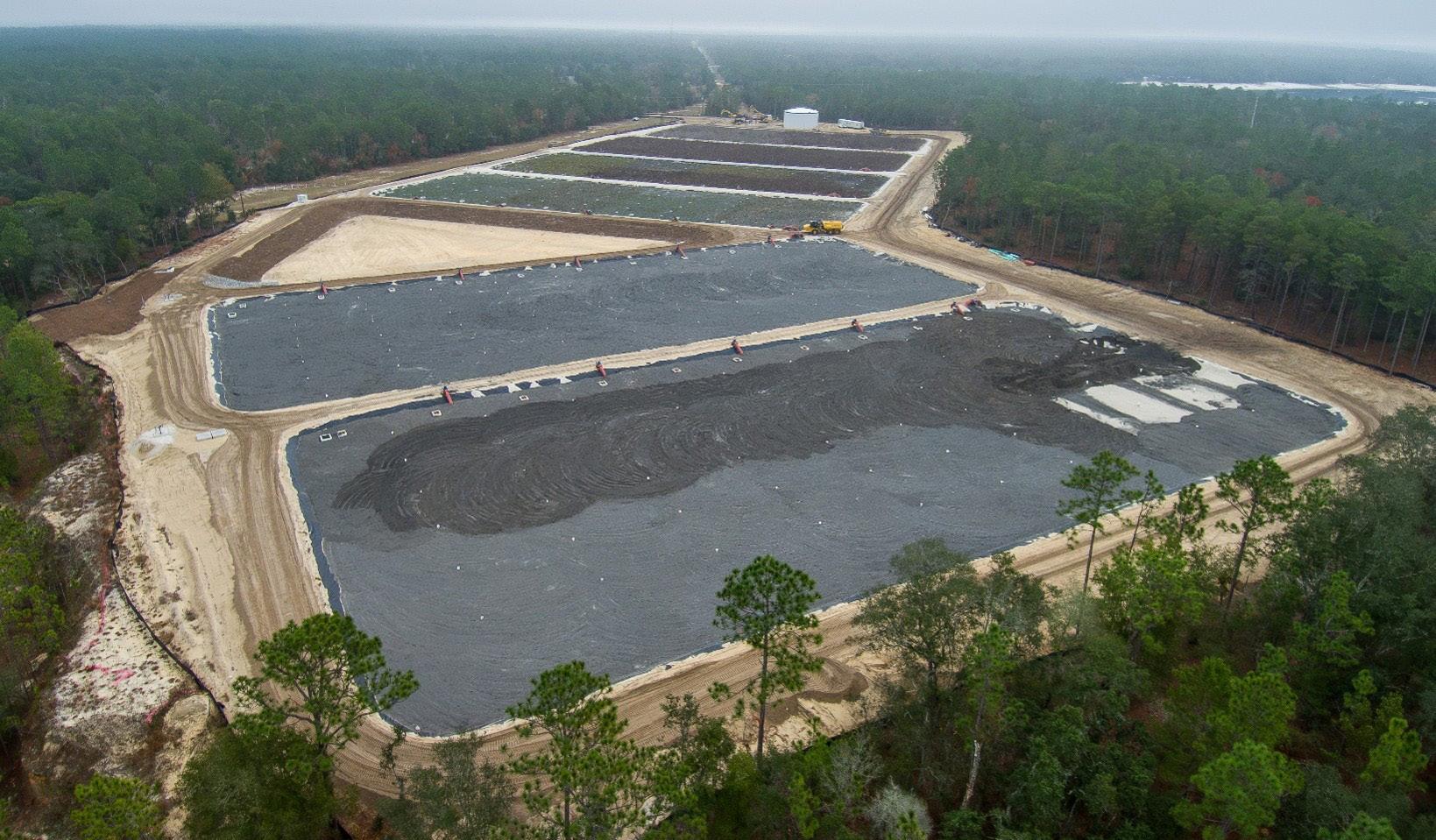
Jones Edmunds engineered an operable weir and pumping system that restores the historic drainage divide between the IRL and the St. Johns River on behalf of the St. Johns WMD. The roughly $24 million project redirects stormwater westward into a newly constructed stormwater treatment area rather than allowing runoff to enter the Lagoon.
Key project features include an operable weir structure, pumping stations and piping to maintain flood control while restoring natural flow patterns and managing water levels, stormwater treatment ponds and wetland buffers to naturally filter pollutants and provide floodplain compensation, and resilient water management that captures and treats up to 7 million gallons of stormwater per day, improving water quality and restoring freshwater flow to the St. Johns River system.
SJRWMD declares a Phase I Moderate Water Shortage
The St. Johns River WMD Governing Board has declared a Phase I Moderate Water Shortage for Duval County and portions of Alachua, Baker, Bradford and Marion counties.
The declaration is the result of District staff’s evaluation of rainfall totals, groundwater levels, river flows and current drought conditions. Countywide rainfall totals for the impacted counties were at or below 40 inches for the past year, and some groundwater monitoring locations in Marion and Duval counties were at or below the 15th percentile. Portions of the region are classified by the U.S. Drought Monitor as being in severe or extreme drought.
Under the Phase I Water Shortage, all water users, including public supply, commercial, industrial, institutional, agricultural, landscape, recreation and aesthetic uses, are encouraged to voluntarily reduce water use and conserve water to the maximum extent possible. Wasteful and unnecessary water use is prohibited.
Water users are encouraged to plan for extended dry conditions and the potential for additional mandatory restrictions should the water shortage advance to a more severe phase.
The District is also conducting prescribed burns to reduce excess vegetation that could fuel wildfire. Prescribed fires help prevent wildfires by burning off fuels that naturally build up over time, while also helping to manage the growth of woody shrubs.
Duke Energy Florida is launching a residential battery storage pilot in Orlando’s Hunter’s Creek neighborhood. The tenyear program has more than 75 homeowner participants.
Battery energy storage systems have been installed in the participating single-family homes to help manage energy use and support the electric grid during high-demand periods. The pilot will evaluate how home battery systems can be used for demand response by supplying stored energy during times of peak demand, when excess stored energy can be returned to the power grid.
By STAFF REPORTS
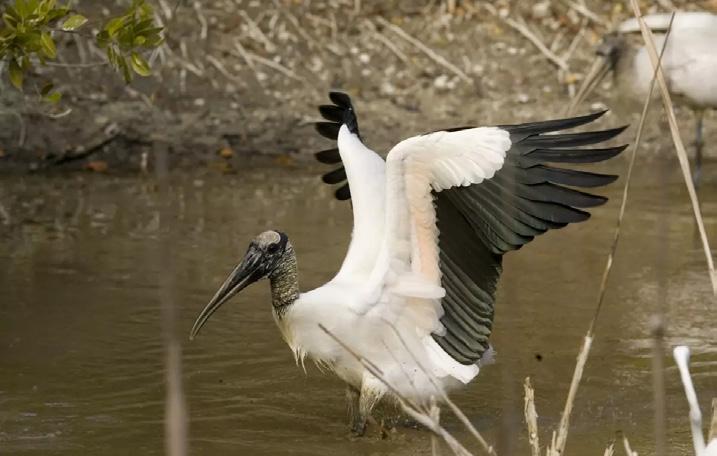
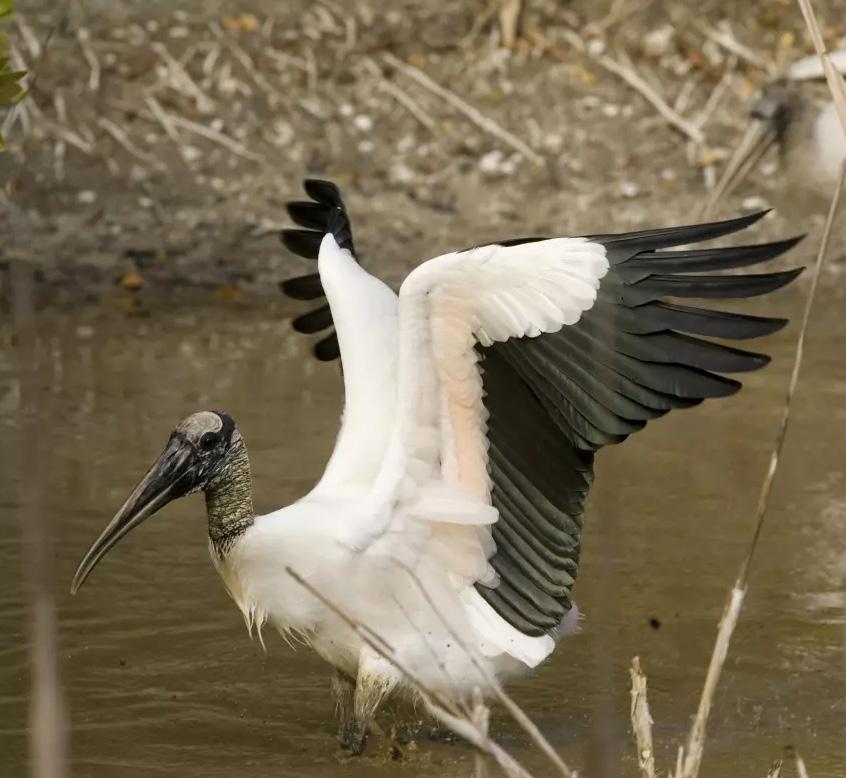
The U.S. Fish and Wildlife Service in February filed notice in the Federal Register that it will remove the wood stork from the Federal List of Endangered and Threatened Wildlife via a final rule. Citing climate change and effects from sea level rise, the agency believes new habitat creation has and will allow the species to return to healthier levels.
According to the agency, the species is found throughout most of Florida, as far north as North Carolina and west to Mississippi. Within the state, wood storks can be found near Apalachicola, Tallahassee and Jacksonville to the north and throughout much of Central and South Florida down to Everglades National Park. Wood storks are large, long-legged wading birds, about 50 inches tall, with a wingspan of 60 to 65 inches.
“The wood stork’s recovery is a real conservation success thanks to a lot of hard work from our partners,” said U.S. Fish and Wildlife Service Director Brian Nesvik in a news release. “The Trump administration is working quickly to remove federal protections from species that no longer need them, and I’m proud that the wood stork is another example of that.”
When the wood stork was listed under the Endangered Species Act in 1984, the agency stated it was nearly extinct. As the only stork species that breeds in the United States, its population had plum-
FROM FL NOTES ON PAGE 6
Under normal conditions, the system will remain idle or charge during off-peak hours. During a power outage, it will automatically provide backup power to the home. During any service interruptions, such as during hurricane season, homeowners will have access to stored energy to power select areas of the home until power is restored.
On days of high energy demand, Duke Energy can message the batteries to discharge power for one to three hours, easing stress on the grid.
“This pilot helps us better understand how home battery systems can support both our customers and the electric system during times of high demand,” said Duke Energy Florida President Melissa Seixas.
South Florida WMD Issues Water Shortage Warning
The South Florida Water Management District has issued a Water Shortage Warning for Collier, Glades, Highlands, Lee, Miami-Dade and Monroe counties amid continuing dry conditions and increasing water supply concerns. According to the District, roughly 3 billion gallons of water are used every day in South Florida by more than 9 million residents and visitors.
All residents, visitors, and businesses throughout the region are encouraged to conserve water and limit irrigation. Conserving water helps protect Florida’s aquifers and other important water sources.
The District recommends compliance with landscape irrigation schedules, irrigation maintenance checks to ensure timers
meted by more than 75 percent over the 50 years prior. The agency states that loss of habitat, primarily in South Florida wetland areas typically used for breeding and foraging, led to the aggressive reduction in population.
The agency now reports that the breeding population is now between 10,000 and 14,000 nesting pairs across roughly 100 colony sites — more than twice the number of nesting pairs and more than three times the number of colonies compared to when the species was listed. Wood storks have adapted to new nesting areas, moving north into coastal salt marshes, flooded rice fields, floodplain forest wetlands and human-created wetlands.
In its final rule filing in the Federal Register, the agency cites studies that state sea level rise is a factor in the decision, stating that as coastal areas become unusable for the birds, other areas may be created that are beneficial to the species.
“While sea level rise is expected to cause the degradation and loss of existing coastal wetland habitats in some areas, marsh migration models also project that new salt marsh habitat will be created as coastal marshes migrate upslope along the coastal upland and water interface, resulting in a net expansion of salt marsh habitat in response to sea level rise in some areas,” the agency wrote.
The proposed rule to delist the bird was filed in 2023 and 35 comments were
and rain sensors and finding and fixing water leaks.
The Florida Fish and Wildlife Conservation Commission (FWC) is completing public meetings to gather input on proposed amendments to freshwater commercial fishing regulations. Updates under consideration include implementation of an electronic trip ticket catch reporting system utilizing the VESL data collection
submitted by the public. As part of its final rule filing, the agency responded to many of the submitted comments.
The Southern Environmental Law Center, an environmental legal advocacy organization, decried the decision, citing the 2023 Sackett v EPA decision as a threat to wetland habitat.
system currently used by saltwater commercial anglers, incorporation of quality control guidelines for all licensed freshwater commercial harvesters and updates to the Lake Okeechobee haul seine fishery.
The agency hopes to acquire information about these fisheries to adapt to changing conditions, and support consistency and quality of freshwater products. Additional details about the proposed rule updates are provided at the Freshwater Commercial Fishing Regulations Update website.
“This is a short-sighted and premature move,” said Ramona McGee, SELC’s Wildlife Program leader. “Wood storks need wetlands to survive, and that habitat is facing overwhelming pressure. This delisting comes at a time when species face a storm of proposed federal rollbacks to habitat protections that are likely to imperil wood storks and countless other Southeastern species.”
Cypress Springs Restoration Underway
The Northwest Florida Water Management District has begun restoration and protection efforts at Cypress Spring along Holmes Creek in Washington County. The project will help stabilize the shoreline around the spring and enhance recreational access to the spring for visitors. Access to the shoreline may be restricted as restoration activities are underway; however, the spring will remain accessible by watercraft. Work is expected to last several months.

ExxonMobil Expands Carbon Capture Industry Activity
Houston-based ExxonMobil is expanding its low-carbon solutions business on the Gulf Coast, focusing on carbon capture and storage (CCS). The company is transporting and storing carbon dioxide from various industries, including ammonia and natural gas processing, and plans to start three new CCS projects in Louisiana in 2026. To date, ExxonMobil has contracted with six customers to capture and store approximately 9 million tons of carbon dioxide annually.
Orphaned Oil Wells Reach New High, Top 11,000
The number of orphaned oil and gas wells in Texas reached a 20-year high of more than 11,000 at the end of 2025. This increase is attributed to industry consolidation, rising production costs, and falling crude prices, leading to more company bankruptcies. Orphaned wells are oil and gas wells that are not actively maintained and have no operator registered with regulatory authorities. Consequently, the state assumes the responsibility for their cleanup and plugging. The Texas Railroad Commission is addressing the issue with increased well-plugging efforts, funded by federal and state money, but concerns remain about the long-term impact on taxpayers and the environment.
New Mexico Sues Texan Oil Executives, Alleges Fraud
The State of New Mexico is suing three Midland oil executives, accusing them of transferring profitable oil and gas wells to shell companies and leaving the state to cover the costs of plugging and cleaning up abandoned wells. The lawsuit alleges a pattern of fraud and self-dealing, with the executives using bankruptcy proceedings to avoid responsibility. New Mexico faces significant financial burdens from unplugged wells, highlighting the need for stronger bonding requirements to protect taxpayers.
Controversial Natural Gas Power Plant Seeks Approval
El Paso Electric is seeking approval for a 366-megawatt natural gas power plant to fuel Meta’s new data center, despite initial claims that the project would rely on renewable energy. This has raised concerns among residents about increased air pollution, water consumption, and potential rate hikes. An El Paso economic and environmental justice group, the Sembrando Esperanza Coalition, is calling for the termination of contracts with Meta, citing a lack of transparency and deviation from public sustainability commitments.
Eolian, an energy storage firm with operations near Fort Worth, partnered with data center developer CyrusOne to utilize Eolian’s grid connection while upgrading its battery plant. This partnership allows CyrusOne to activate its data center campus earlier than expected. This arrangement originated from discussions in 2023, and CyrusOne commenced construction last April. If the project progresses as planned, the reconstruction of the battery will conclude approximately when utility Oncor completes its grid upgrades for CyrusOne to establish its own connection. Subsequently, Eolian will be able to resume bidding into the Electric Reliability Council of Texas, with a duration sufficient to qualify for the forthcoming Dispatch Reliability Reserve Service, which mandates power plants to discharge for a minimum of four hours, which was the main reason for the upgrade.
Port NOLA Plans $1.8 Billion Global Trade Expansion
The Port of New Orleans awaits a permit from the U.S. Army Corps of Engineers to begin construction on the Louisiana International Terminal (LIT). The LIT, a $1.8 billion project, aims to expand Port NOLA’s global trade capacity by enabling it to serve larger container vessels. Port NOLA submitted a federal permit application for the LIT project after four years of studies and assessments. The Corps is now deciding whether to issue a Finding of No Significant Impact or require an Environmental Impact Statement. The public-private partnership is expected to generate 32,000 jobs and more than $1 billion in tax revenue by 2050.
First U.S. Electric Battery Chemical Plant Construction Will Complete in 2026
UBE C1 Chemicals America Inc. is constructing a $500 million, 900,000 square-foot chemical manufacturing facility in Waggaman, Jefferson Parish, to produce solvents for lithium-ion batteries and semiconductors. The project, which began construction in 2025, is expected to be completed by the end of 2026 and will create 50-to-60 permanent jobs. UCCA is utilizing modular construction methods and has engaged with the local community through donations and educational partnerships.
Lawsuit Seeks to Rescind Air Quality Permit for Plastics Plant
Environmental groups filed a lawsuit against the Louisiana Department of Environmental Quality, challenging an air quality permit for a proposed $9.4 billion plastics plant in St. James Parish. The lawsuit claims the company, the Formosa Corporation, failed to provide a new study demonstrating compliance with stricter air quality requirements. If constructed, it would become the largest plastics plant of its kind in the United States.
Mega-Study on Mississippi River Receives Funding
A major federal study on the lower Mississippi River, paused due to lack of funding, could resume after Congress appropriated
$5 million. The so-called mega-study, which seeks to examine a wide range of critical issues pertinent to Louisiana and beyond, had far-reaching implications for shipping, flooding and drinking water quality, among other areas. Initiated in 2023, the study was scheduled to span five years, encompass seven states and have a budget of $25 million. However, it was halted in June when the Trump Administration declined to provide funding for its continuation.
On Feb. 3, a natural gas pipeline explosion ignited an active fire in Cameron Parish, necessitating an emergency response and precautionary measures at nearby facilities. The incident transpired near the coastal communities of Holly Beach and Johnson Bayou, where emergency responders confirmed that a section of the gas pipeline ignited. As a precautionary measure, authorities issued a shelterin-place order for Johnson Bayou High School, situated approximately six miles from the blast site.
St. Tammany Parish received $3.75 million in federal funding for two coastal protection projects. The majority of the funding, amounting to $3.25 million, will support the St. Tammany Coastal Storm and Flood Risk Management Project, a comprehensive $5.9 billion initiative aimed at mitigating longstanding vulnerabilities to storm surge and flooding. The project encompasses a range of measures, including the construction of new levees in the Slidell area, the elevation of homes and enhancements to existing drainage systems throughout the parish.
The NAACP threatened to sue Elon Musk’s AI company, xAI, over 27 gas turbines powering a data center in Southaven. The unpermitted turbines allegedly emit harmful pollutants, violating the Clean Air Act. The NAACP demands xAI cease operations until permits are obtained.
Mississippi cut funding for its environmental regulatory body by 71 percent from 2010 to 2024, the largest decrease among states. The state’s environmental agency budget dropped from $373 million to $107 million, and staffing decreased by 17 percent.
German chain manufacturer KettenWulf is investing $34 million to open a new manufacturing facility in Auburn, creating 70 jobs. The company specializes in high-performance chain systems utilized in industries spanning from automotive manufacturing to heavy equipment. Establishing a U.S. operation will enable the company to expand its service to American customers while mitigating dependence on overseas supply chains.
$6
The small town of Childersburg is considering a $6 billion hyperscale data center project on a former munitions site. The city government of the town with a population less than 5,000 is betting the project will bring jobs and economic growth, despite concerns about environmental contamination and unknowns regarding the developer. The city council approved a zoning change allowing the data center, and the developer, tentatively identified as WHP Development, is expected to visit the site.
Alabama lawmakers are pushing SB 71, which some argue would weaken the state’s environmental regulations by prohibiting stricter standards than the federal government. Critics argue the bill undermines public health and safety by requiring a direct causal link between pollutants and harm, a standard they say is impossible to meet. The bill also limits the Alabama Department of Environmental Management’s (ADEM) ability to set stricter regulations and could increase costs for water treatment plants.




North Florida Land Trust (NFLT) has recently added four new members to its board of directors. Brandice Acree, Tom Grimes, Lawrence Kurzius and Jim Overton will each serve on the board of directors for a term of three years.
“It is always a pleasure welcoming new members to our board of directors to help guide our decisions for preserving land in North Florida and beyond,” said Allison DeFoor, president and CEO of NFLT. “New voices and new perspectives really strengthen our mission and help ensure that what we are doing is best for the natural spaces we work hard to protect. Our natural landscapes are precious resources. It is now or never.”
Acree is familiar with the nonprofit sector and has been involved in many community organizations, including serving as board chair of the Pace Center for Girls, board member and volunteer for Hope Floats a non-profit supporting The Donna Foundation and as a community liaison and Adopt-A-Family coordinator for organizations across the US, including local organizations: Daniel’s Kids, The Annie Ruth Foundation, Clara White Mission and The Hubbard House. Acree holds a Master of Science in Management and a Master of Business Administration (MBA) from the University of North Florida, as well as a Bachelor of Arts in Education from Stetson University. She currently serves as the community relations program manager for The Standard.
Grimes is a seasoned public company executive who spent more than 28 years in the multifamily business before retiring as MAA’s chief operating officer in 2022. He is currently working on a range of civic
FROM DROUGHT ON PAGE 1
in the region, the current conditions pose a threat. The District is encouraging water users to conserve water and limit landscape irrigation to early morning or evening hours. This is the third time Northwest Florida Water Management District has issued a Water Shortage Warning order, with previous orders in 2000 and 2007.
Florida Department of Agriculture and Consumer Services Commissioner Wilton Simpson has also taken action. In mid-February, Simpson issued an emergency order to suspend best management practices program site visits, allowing growers, ranchers, and farmers to better recover from freezes, drought, and wildfire threats.
"This emergency order is a practical way to support our farmers, ranchers, and growers who are still dealing with the widespread and devastating impacts of historic freezes, statewide drought, and increasing wildfire activity,” Simpson said in a news release. “Florida’s farmers and ranchers are some of the toughest and most resilient people you will ever meet, but recent weather has brought significant crop loss, damage, and disruptions to
and industry projects. He is the board chair of the Overton Park Conservancy and the past chair of the Shelby Farms Park Conservancy board of directors, two organizations that support urban parks in Memphis, TN. Grimes earned his bachelor’s degree in history/art history from Emory University and his MBA at the University of Memphis. Grimes and his wife have a home on Amelia Island.
Kurzius, a Jacksonville resident since 2008, is a business executive who served as the executive chair of the board of McCormick & Company until January 2025. He has held many executive roles at the company, including president and chief executive officer. Before joining McCormick in 2003, he was president and CEO of Zatarain’s, where he spent 12 years before McCormick acquired the company. He also served as a marketing executive with the Quaker Oats Company and Mars Inc.’s Uncle Ben’s Company. Kurzius graduated magna cum laude in Economics from Princeton University.
Overton currently serves as the Duval County Tax Collector, a constitutional office he has held since 2018. He previously served as Duval County Property Appraiser from 2003 to 2015 and as a Jacksonville City Council Member in the 1990s, including a term as Council President. Before he began full-time public service, Overton was a business owner in video media and television production systems. Overton has received many awards and accolades for his work, including the Natural Resources Award from Florida Communities Trust and the Conservation Award from The Nature Conservancy. Overton holds a master’s in public administration from the University of North Florida and earned a degree in business administration from Washington and Lee University. He currently serves on several boards, including the Rotary Club of Jacksonville, the Executive Board of the North Florida Council of Boy Scouts and the BSA Troop 2 Committee, where he has mentored young men for over 20 years.
The inclusion of Acree, Grimes, Kurzius and Overton brings the NFLT board of directors to its 18-member capacity.
At its February meeting, the Florida Fish and Wildlife Conservation Commission (FWC) approved rule changes related to the 2026-27 hunting season, including specific regulations on Wildlife Management Areas and Wildlife Environmental Areas.
The rule change proposals were based on requests from staff, cooperators and stakeholders, and summaries of all proposed rule amendments were provided to the public online beginning Aug. 28, 2025, resulting in over 18,000 responses.
The most notable rule changes include:
• Establishing the rules of four new areas: Catlett, Creek Ranch and Lochloosa Slough WMAs and St. Andrew’s Flatwoods WEA comprising 1,563 acres in Clay County, 1,342 acres in Polk County, 5,247 acres in Alachua County and 115 acres in Bay County, respectively.
• Allowing hunting with crossbows and airbows during the hybrid Archery/Muzzleloading Gun Season on 24 WMAs in the FWC’s Northwest and North Central regions.
• Establishing four new youth turkey hunts on WMAs in the Northeast, Northwest and Southwest regions.
• Establishing three new family hunts on WMAs in the Northwest and South regions
For more information about the rulemaking process, visit MyFWC.com/about and click on “Rules and Regulations.”
DYK: CELEBRATING WORLD WETLANDS DAY AND THE CONTINUED PROGRESS FOR EVERGLADES RESTORATION
In recognition of World Wetlands Day, the South Florida Management District (District) is highlighting the significant progress that continues to be made to restore, revitalize and protect the world's most iconic wetland - America’s Everglades.
DID YOU KNOW: The Everglades ecosystem supplies drinking water for South
FROM FWC ON PAGE 1
operations. This emergency order allows our producers to focus more on their immediate recovery and less on government regulations."
The actions come as fires have been reported throughout the state. Fires near Daytona International Speedway blew thick smoke into the track during the Daytona 500, while fires on I-95 affected traffic and caused delays while firefighters attempted to contain them.
Nearly 70 acres burned in Polk County, residents in Osceola County needed to evacuate due to a fire, and several other fires have broken out throughout areas of Florida so far this year. It’s unclear when Florida will receive enough rain to reverse the situation.
Hunting is an important and effective tool for managing wildlife populations worldwide, but it is essential to recognize that managing bear populations does not necessarily mitigate human-bear conflicts. Conflict prevention and bear management practices will still need to continue.
A summary of key data points from the 2025 black bear season is now available at MyFWC.com/BearHunting.
Additional data for a comprehensive harvest report is still being collected and analyzed, and the full report will be available in the future. For more information on regulated bear hunting, including answers to frequently asked questions, visit MyFWC.com/hunting/bear. Tips to reduce conflicts and general information about bears are available at MyFWC. com/wildlifehabitats followed by selecting “Wildlife” and then “Black Bears” and at BearWise.org
Shannon Knowles is the Communications Director at the Florida Fish and Wildlife Conservation Commission
Florida, supports thousands of species and protects communities.
CONTINUED MOMENTUM: The District and our partners are working every day to accelerate restoration projects that are improving the quantity, quality, timing and distribution of water within the Greater Everglades Ecosystem.
Together, we have completed, broken ground or reached a major milestone on more than 80 Everglades restoration projects since 2019.
RESTORING PICAYUNE STRAND:
In January 2026, the District, the U.S. Army Corps of Engineers and the Florida Department of Environmental Protection celebrated the completion of a major Everglades restoration project in Collier County – the Picayune Strand Restoration Project.
RECLAIMING LOST WETLANDS:
The Picayune Strand Restoration Project restores the natural flow of water throughout 55,000 acres of native Florida wetlands that are critical to the health of the Everglades ecosystem. This land was drained in the early 1960s in anticipation of what was intended to become the largest residential subdivision in the world. Rehydration of these wetlands supports wildlife habitat, water quality improvements and overall ecosystem restoration efforts in the region.
IMPORTANCE OF WETLANDS:
Wetlands provide many important benefits, including:
• Enhance Water Quality: Wetland plants help remove nutrients from the water as it flows through the ecosystem.
• Protect Water Supplies: Wetlands help recharge aquifers and groundwater supplies.
• Flood Protection: Wetlands store excess water during times of heavy rain.
• Plant and Wildlife Habitat: Wetlands provide important habitat for native plants and wildlife, including wading birds and fish.
• Outdoor Recreation: Wetlands provide many recreational opportunities for the public to enjoy, including fishing, wildlife viewing, canoeing, kayaking and more.
• Florida residents purchased 97 percent (166) of the 172 permits sold.
• Over the course of the 23day season, 52 bears were harvested statewide, resulting in a minimum hunter success rate of 30.2 percent. This may increase based on hunter survey information currently being collected.
• 46% (24) of the harvested bears were female, 54 percent (28) were male.
• Biological information was collected from all harvested bears by an FWC biologist or contractor.
• All bears harvested met the size requirements of the hunt. No warnings or citations were issued for violations of bear hunting rules.
By KEYNA CORY
The Florida Recycling Partnership recently hosted its first Beyond the Bin webinar, spotlighting successful school recycling programs and practical strategies to build a culture of sustainability.

The webinar was sponsored by the Florida Beverage Association and featured insights from Orange County Public Schools (OCPS) and the Florida Department of Environmental Protection (FDEP), offering real-world examples of how schools can improve recycling and reduce waste.
David Klawitter of Orange County Public Schools shared an in-depth look at OCPS’s comprehensive recycling and sustainability efforts. Central to their success is a program built on leadership engagement and meaningful input from teachers and
students. OCPS has found that the most effective way to grow a “green culture” is to start on Day One — both in the classroom and across campus.
Every OCPS classroom is equipped with a recycling bin placed directly next to the trash can, reinforcing proper disposal habits. Above each recycling bin, clear signage shows students exactly what belongs inside. Teachers are also encouraged to show the OCPS Recycle Right! video on the first day of school to establish expectations early and ensure consistent messaging.
To make recycling simple and memorable, OCPS promotes its “Give Me 5! Materials in the Bins” campaign, highlighting the five items accepted in recycling bins: plastic bottles, paper, cardboard, metal (aluminum cans) and glass bottles. This straightforward approach helps reduce contamination and builds confidence among students.
Food waste reduction is another major focus. More than 50 percent of school waste is generated in cafeterias, so OCPS uses targeted signage such as “Milk Is Optional” posters to reduce unnecessary waste. Schools have also implemented share tables, allowing students to place unopened packaged foods and whole fruits where others can take them, minimizing edible food waste.
Education plays a critical role in reinforcing these efforts. OCPS teaches students why reducing, reusing and recycling matter. According to the U.S. Environmental Protection Agency, the average American generates approximately five pounds of trash per day, which is nearly 1,800 pounds per year. An estimated 70 percent of that material could be recycled. With Orlando-area landfills projected to reach capacity within the next 20 years, OCPS emphasizes that action is urgent and individual choices matter.
Chris Perry with FDEP’s Waste Division closed the webinar by discussing how schools can establish effective recycling systems and measure progress through waste audits. He reinforced the importance of proper bin placement, noting that recycling rates improve significantly when recycling bins are located next to trash cans.
If you missed the webinar, it is available for viewing at www.flrecycling.org, where additional OCPS resources will also be posted.
Keyna Cory serves as the Executive Director of the Florida Recycling Partnership Foundation, a coalition of leading Florida businesses and associations dedicated to educating policymakers, business leaders and the public on the value of recycling and the importance of recycling correctly. For more information, visit www.flrecycling.org.
By DANIELLE IRWIN
Florida has spent years promoting living shorelines as a smarter alternative to hardened seawalls. These projects — using oysters, marsh plants or mangroves — protect property while restoring habitat, improving water quality and strengthening coastal resilience. They are widely supported by scientists, local governments and conservation groups. The Florida Department of Environmental Protection (DEP) highlights these types of projects on its website
Due to a complex regulatory framework, some of these projects seem to be slowing down or stopping altogether, according to industry experts. This may lead to more hardened construction around Florida’s coastline as professional services firms look for ways to move projects faster so they are maximizing available funding.
According to DEP’s permitting website, as of late February, there were nearly 5,900 pending permits around the state, with more than 800 environmental resource permit requests (ERP) in coastal counties. It’s unclear how many of those are living shoreline projects because those aren’t tracked specifically on DEP’s public-facing website. The Living Shoreline Database on DEP’s website shows no data.
At the center of the challenge is sovereign submerged lands — the lands waterward of the mean high water line that have belonged to the State since 1845 and are held in trust for the public. DEP regulates activities in these areas, acting as the State’s landlord, determining whether projects serve the public interest. Because living shorelines are usually built at or just offshore of the shoreline, they almost always face more scrutiny than seawalls from the outset.
On paper, DEP policy favors living shorelines over seawalls. In practice, the permitting process often tells a different
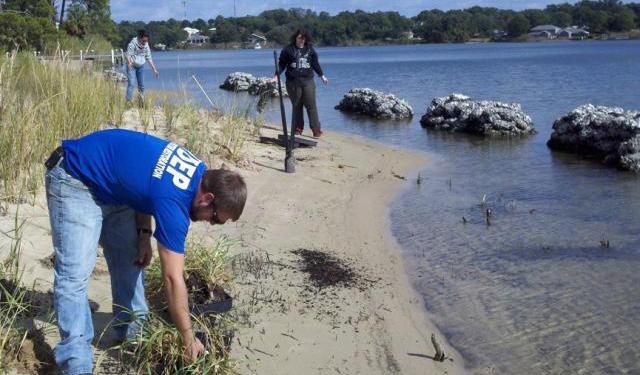
story. Living shoreline projects commonly require additional DEP proprietary authorizations — such as letters of consent, easements or leases — to use state-owned submerged lands.
Large living shoreline/nearshore reef projects often have to fight to fit under a DEP Letter of Consent, allowable by Rule 18-21, F.A.C. for habitat restoration, while DEP tries to push the projects into the administratively burdensome lease or easement. Some firms have experienced additional time, cost and uncertainty as DEP decides how to regulate a project, especially for projects that exceed environmental resource permit (ERP) Exemptions. Seawalls, by contrast, are generally faster, cheaper and more predictable to permit.
Applicants are increasingly being asked to conduct detailed studies of shoreline
erosion, sediment movement and accretion — analyses that were rarely demanded of similar projects in the past. While these reviews may be defensible under the ERP Rules, in practice they discourage exactly the kinds of nature-based solutions Florida claims to support.
The strongest disincentive arises when a living shoreline might cause sediment to build up along the shore. In those cases, DEP Division of State Lands may require a boundary line agreement that permanently fixes the pre-project shoreline through a mean high water line survey and legally binding agreement. Any future accretion — new land created by processes influenced by the project — remains state-owned.
For property owners, the choice becomes one between investing in a living shoreline and succumbing to the requirements of
DEP regulation, or building a seawall to avoid the permit complexities. This has led to predictable outcomes. Grant-funded public projects have often become delayed, local governments may hesitate and private waterfront owners default to seawalls — not because they are better for Florida’s waters, but because they are easier to permit.
Living shorelines are a tool in the toolbox to solve Florida coastal challenges. As Florida grows and deals with ongoing coastal challenges, its permitting processes and rule procedures may require tweaks to address these complex challenges.

CLIMATE CORRECTION CONFERENCE
When: March 10-11
Where: The Celeste Hotel Orlando
Climate Correction 2026 will explore the powerful intersection where the wisdom of nature meets the ingenuity of human design. This year’s theme, “Nature Powered Solutions,” celebrates the ways natural systems inspire and inform the technologies, policies and partnerships, shaping a resilient future.
https://volofoundation.org/ climate-correction
NORTH FLORIDA LAND TRUST’S ANNUAL MEETING AND AWARDS CELEBRATION
When: March 22
Where: The Yards in Ponte Vedra Beach
Tickets are now on sale for the annual event, which highlights the nonprofit land conservation organization’s work, celebrates its accomplishments and looks
ahead to the future. The annual meeting will begin with a mimosa reception followed by brunch, a program and an awards celebration. This year’s keynote speaker is Land Trust Alliance CEO Ashley Demosthenes, who joined the national organization in early 2025. General admission tickets to the annual meeting are $125 for NFLT members and $150 for non-members.
https://nflt.org/2026/01/14/nflt-annual-meeting-sunday-march-22/
FLORIDA ASSOCIATION OF ENVIRONMENTAL PROFESSIONALS ANNUAL CONFERENCE
When: April 29-May 1
Where: Marriott Hutchinson Golf & Marina Stuart
This year’s theme, "Anchored in Purpose, Driven by Vision," invites professionals from across Florida to unite under a shared commitment to navigating today’s shifting landscapes with clarity and courage to shape a more resilient future for Florida’s most vital ecosystems.
https://www.faep-fl.org/ PFAS FORUM VI
When: May 13-15
Where: Rosen Centre Hotel Orlando
The PFAS Forum VI is being organized to provide an understanding of the environmental issues related to PFAS, educate the environmental/remediation industry and regulatory community on the potential risks from PFAS, as well as discuss regula-
tory and legal issues, monitoring, treatment, cleanup and disposal technologies.
https://pfasforum.org/
ANNUAL SOUTHEAST NAHMMA CONFERENCE
When: June 8-11
Where: Plantation Resort on Crystal River
Join hazardous materials management professionals from across the southeast at the annual conference, where professionals network, learn, train and attend sessions on emerging topics in the industry.
https://nahmma.starchapter.com/meetinginfo.php?id=249&ts=1769632972
FLORIDA RECYCLE FLORIDA TODAY ANNUAL CONFERENCE
When: June 22-24
Where: Shores Resort & Spa
Daytona Beach Shores
Join Florida’s premier recycling association as we unite for an event full of professional education and networking. Through your attendance, you have the opportunity to network with leading environmental professionals from within the State of Florida and beyond, gain valuable education and meet with our sponsors and exhibitors who are leading the way in advancements in recycling and environmental sustainability.
https://floridaforce.org/event/recycle-florida-today-annual-conference/
40TH ANNUAL ENVIRONMENTAL PERMITTING SUMMER SCHOOL
When: July 21-24
Where: J.W. Marriott Marco Island Beach Resort
The 2026 EPSS will bring public and private professionals together for unparalleled leadership and professional development, networking and best-in-class programming you won’t want to miss!
https://floridaenet.com/
FLORIDA RESILIENCE CONFERENCE
When: Sept. 23-25
Where: Sunseeker Resort Charlotte Harbor
The purpose of the conference is to provide a professional forum for in-depth discussion on the state’s burgeoning resilience programs. The conference program will feature concurrent sessions on: Beach management, energy, gray and green infrastructure, cyber, transportation, and smart planning.
A cross-industry approach is needed to ensure the preservation of Florida’s unique natural resources and thriving communities from the effects of rising seas, weather extremes, intensified flooding, and coastal erosion. The Florida Resilience Conference is our response to this challenge.
https://floridaresilienceconference.org/about-us