There’s a lot to look forward to this year and already, the Florida Ocean Alliance is off to a great start.
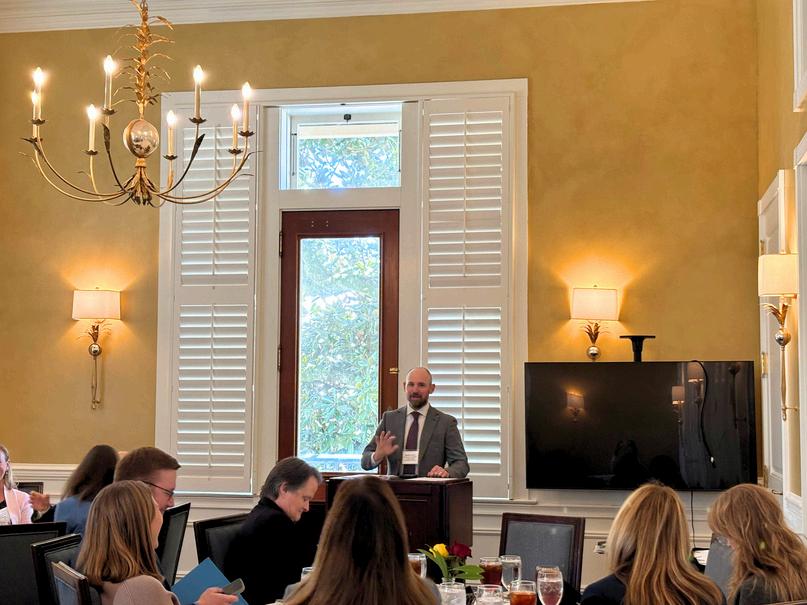
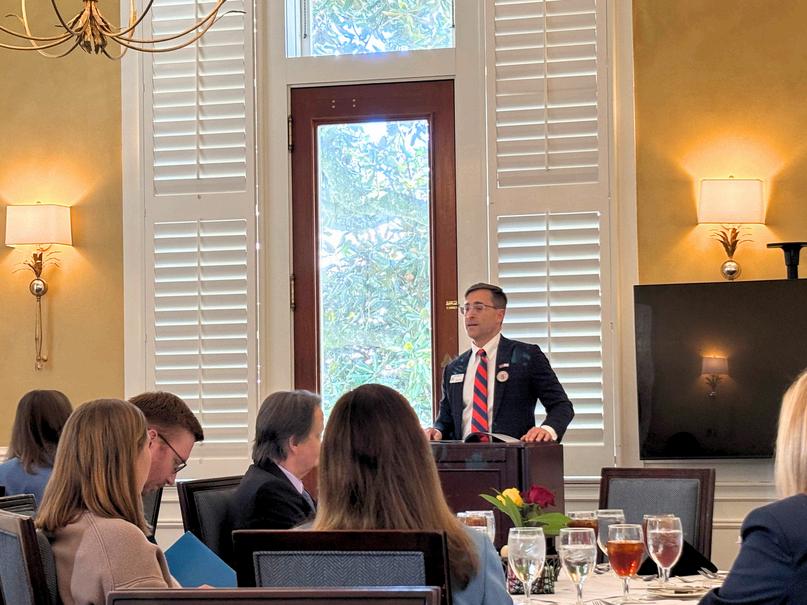
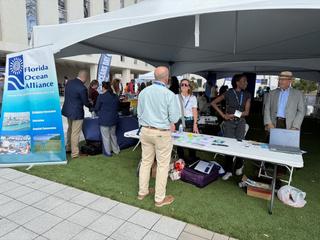
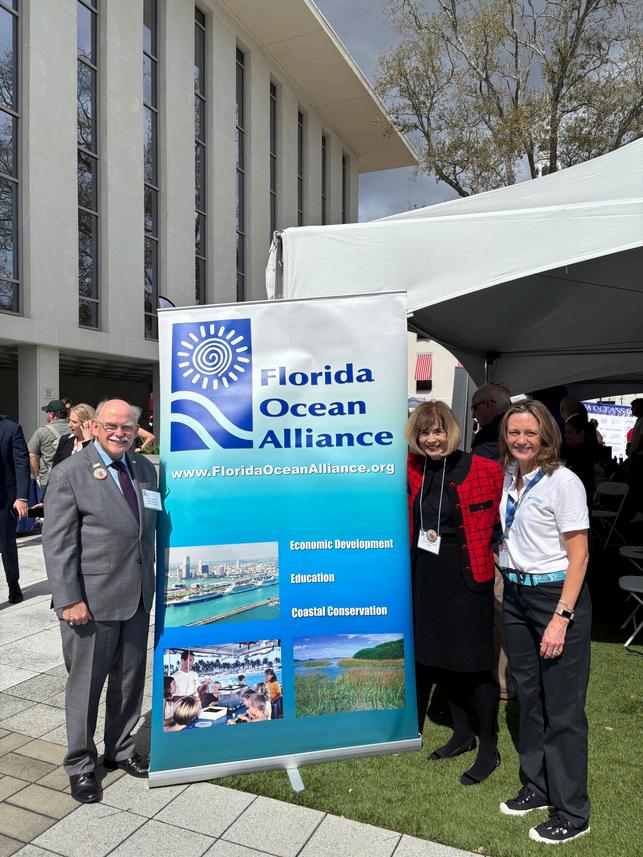
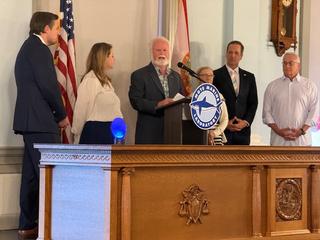
I want to extend my sincere appreciation to the team for an outstanding showing in Tallahassee for Florida Oceans Day in February All the Oceans Day events were rewarding, from the well-attended luncheon at the Governors Club, featuring Rep. Chip LaMarca, FDEP Secretary Alexis Lambert, FWC Assistant Executive Director Rett Boyd, FDACS Division of Aquaculture Director Portia Sapp, Florida Ports Council President Mike Rubin, and Dr. Colin Polsky from FAU, to engaging exhibits and a delicious fish fry at the Capitol thanks to the Florida Institute of Oceanography, to the legendary Mote Marine legislative reception. The energy and participation reflected a strong, unified voice for Florida’s ocean and coastal priorities We were also encouraged by the opportunity to meet with legislative leadership to share the Alliance’s mission and support recurring funding for the Florida Office of Ocean Economy housed at FAU.
Looking ahead, we are developing a forward-thinking webinar series this summer, focused on innovation, resilience, and the evolving ocean economy. We look forward to sharing more details as plans take shape.
We are also excited to announce that our 2026 Leadership Luncheon and Panel Discussion will take place on Wednesday, November 18, 2026, at the Brevard Zoo on Florida’s Space Coast. This will be a first-of-its-kind convening, bringing together leaders across the space, sky, and sea sectors to explore innovation, economic growth, and resilience. We encourage you to save the date and plan to join us for what promises to be a truly unique and highly-anticipated event.
As always, thank you for your continued commitment to the Alliance Your support strengthens this trusted, nonpartisan forum and ensures that Florida remains at the forefront of ocean and coastal leadership.
Sincerely,

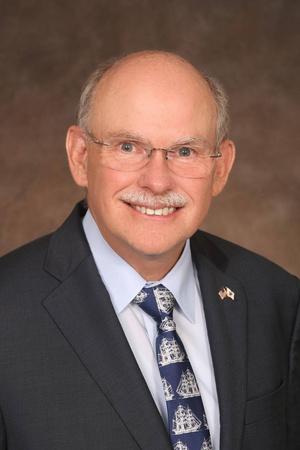
Glenn Wiltshire President, Florida Ocean Alliance
Florida Oceans Day 2026 took place on Wednesday, February 18, in Tallahassee, bringing together leaders from across the state for a full day of engagement and collaboration. The day featured the Florida Institute of Oceanography’s Member Exhibits and Fish Fry at the Capitol Plaza, followed by the Mote Legislative Reception at the Historic Capitol that evening.
This year’s theme, From Shoreline to Statehouse: Advancing Florida’s Ocean Prosperity, highlighted ongoing efforts across Florida to protect and strengthen the long-term health of the state’s coasts and oceans. The event was a collective success, made possible by the many partners and participants who came together to advance the stewardship of Florida’s marine and coastal resources and highlight their essential role in supporting a strong, sustainable ocean economy.

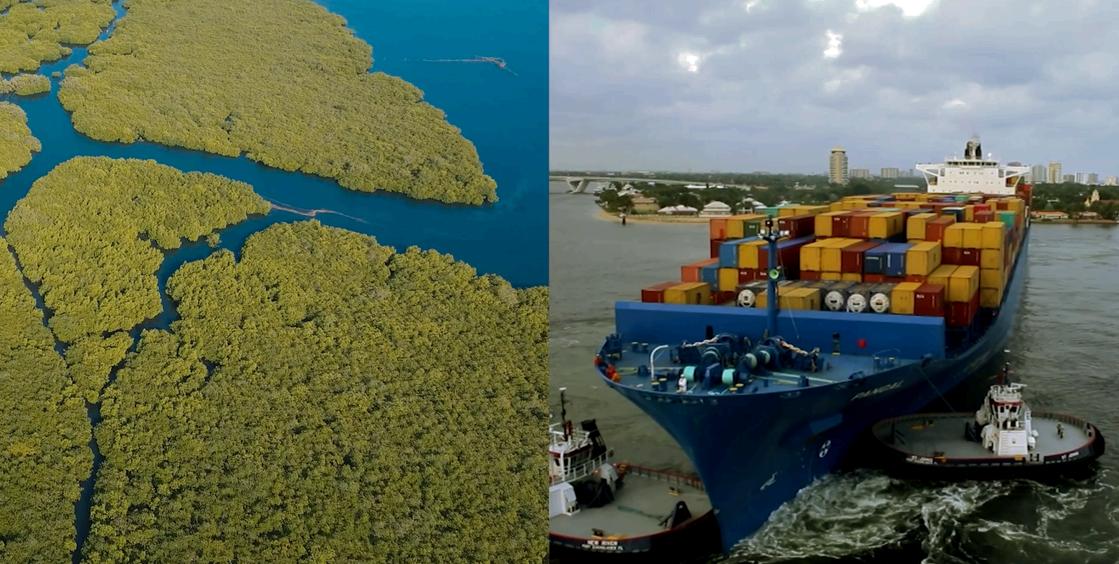
Florida’s ocean economy is evolving and so is the story we tell about it. This new video highlights the intersection of ocean health, coastal resilience, and economic opportunity across our state. From innovation to impact, it captures why the Florida Ocean Alliance exists.
Mark your calendar for the 5th annual Florida Ocean Alliance Leadership Luncheon and Meeting to be held at the Brevard Zoo in Melbourne, Florida. The theme of the 2026 event, The Space, Sky, and Sea Convergence Summit, presents a historic opportunity to convene leaders from both Florida’s space and ocean industry sectors to advance the State’s goal to be a recognized global leader in innovation and technology.
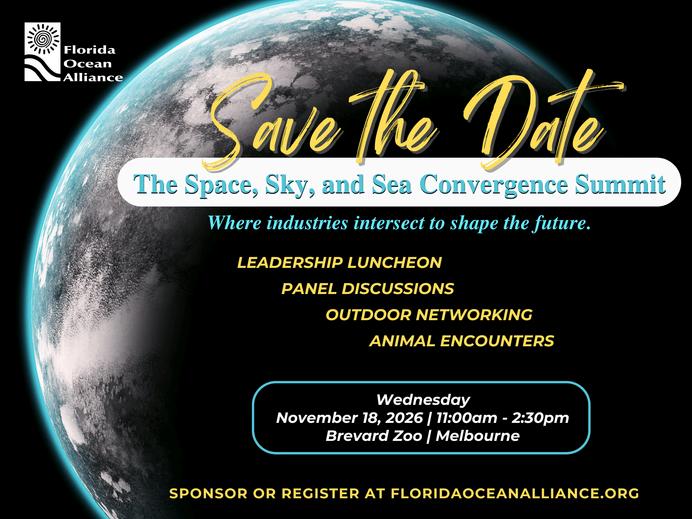
This landmark event will convene leaders representing maritime, aerospace, space, ocean, coastal, applied research, and technology industry sectors with policy leaders to share a future vision for Florida’s space and ocean innovation economy For sponsorship information, please contact Laura Stayshich at laura.stayshich.foa@gmail.com

LiveWebinar June2 3:00PMEST


Join members of the Florida Ocean Alliance for a forward-thinking conversation on how innovation, technology, and cross-sector collaboration are shaping the future of coastal resilience across Florida.
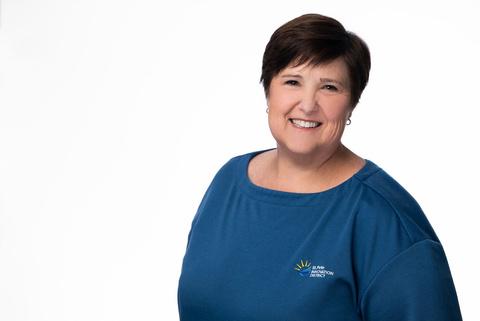
Alison Barlow is the Executive Director of the St. Petersburg Innovation District, a public-private partnership dedicated to fostering economic growth, innovation, and collaboration across sectors including marine science, technology, and healthcare. She leads key initiatives such as the Maritime and Defense Technology Hub and regional ocean-focused partnerships, advancing solutions that connect research, industry, and community impact.
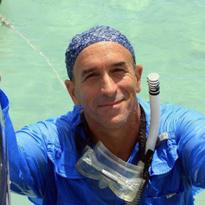
Dr. Daniel McCarthy is a Professor of Biology and Marine Science at Jacksonville University’s Marine Science Research Institute, where he also serves as Director of the Marine Science Undergraduate Program. His work advances restoration solutions, including living shorelines, reef design, and coral propagation techniques. His research has been supported by The Nature Conservancy, Florida Sea Grant, and the Florida Department of Environmental Protection.
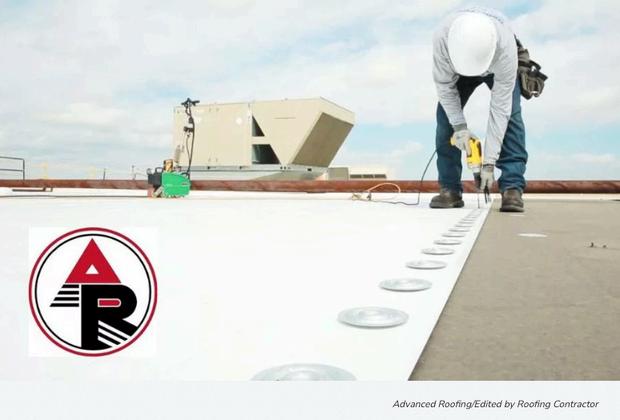
Advanced Roofing Inc., one of Florida’s leading commercial roofing contractors, recently reached a major milestone by becoming 100% employee-owned through an Employee Stock Ownership Plan (ESOP) in January 2026. This transition marks an exciting new chapter in the company’s 40+ year history while reinforcing the culture and values that have defined the organization since its founding.
The move to employee ownership reflects Advanced Roofing’s long-standing commitment to responsible business practices and the communities it serves throughout Florida. By investing in its workforce and fostering long-term stability, the company continues to build a stronger future for its employees, clients, and partners. As part of the Advanced family of businesses—which also includes Advanced Air Systems and Advanced Green Technologies—Advanced Roofing supports sustainable building practices and energy-efficient solutions that help organizations reduce environmental impact while protecting their facilities. With employee ownership now at the heart of its structure, Advanced Roofing looks forward to continuing to deliver the trusted expertise and service that Florida businesses have relied on for decades.
Each spring and early summer, mature tarpon flood into Florida’s coastal waters—especially around the Florida Keys—before migrating along both the Atlantic and Gulf coasts to spawn, creating one of the most celebrated sportfishing events in the world. This predictable annual migration fuels a powerful recreational fishing economy across Florida, supporting guides, marinas, hotels, restaurants, and coastal communities that depend on visiting anglers chasing the Silver King.
Through long-term tracking projects using acoustic tags and collaborative telemetry networks, Bonefish & Tarpon Trust (BTT) scientists have documented how adult tarpon move seasonally between Florida waters and distant coastal regions, revealing a complex and predictable life-cycle movement pattern that has major implications for conservation and management.
Continued on next page...
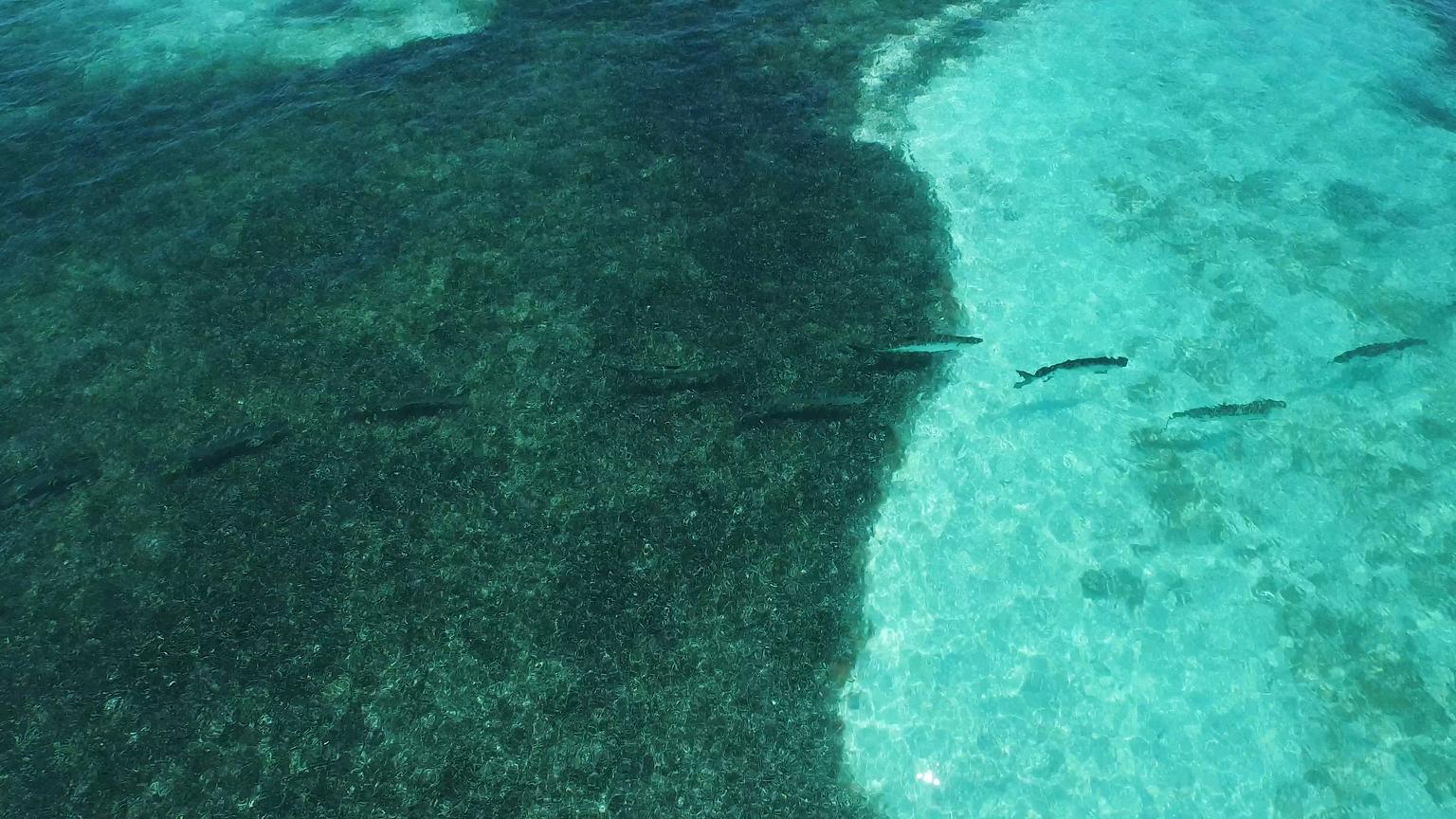
During the spring and early summer spawning season, mature tarpon congregate and mix in the Florida Keys before moving northward. One subgroup continues up the Atlantic Coast to North Carolina and Virginia, while another travels along the Gulf Coast toward the Mississippi Delta. A third subgroup tagged in Texas migrates south along the western Gulf toward Mexico.
Florida has spent years promoting living shorelines as a nature-based alternative to hardened seawalls.
But practitioners often note that permitting can be challenging to navigate when projects extend waterward of the mean high water line into sovereign submerged lands, where the State has important landlord and public-trust responsibilities. Depending on design and location, applicants may need both an Environmental Resource Permit and a proprietary authorization to use submerged lands (such as a letter of consent or easement, occasionally with a boundary line agreement).
Among other resiliency provisions, SB 302, recently signed by the Governor, directs DEP to undertake rulemaking to develop guidelines and
and-release regulations in North Carolina, and BTT continues to use the data to advocate for improved management in other coastal states that host the seasonal migration. BTT’s research has also shown that tarpon rely on menhaden for prey, and for this reason, BTT is advocating for reform of the commercial menhaden industry's unsustainable fishing practices.
To learn more, visit: www.BTT.org
standards for nature-based methods and to establish a statewide permitting process for coastal resiliency projects that use those methods.
Drawing on regulatory permitting and coastal construction experience, Cummins Cederberg is helping translate on-the-ground lessons into workable rules. Opportunities include clearer eligibility criteria for streamlined authorizations (including when a letter of consent is appropriate), expanded use of general permits for low-impact living shoreline designs, early coordination pathways that identify data needs upfront, and plain-language guidance on boundary line agreement triggers. Cummins Cederberg looks forward to supporting DEP and partners such as the Florida Ocean Alliance as the state builds a permitting framework that helps nature-based projects move from concept to construction faster, with durable benefits for Florida’s coastal habitats. For more, see Florida Living Shorelines Permitting
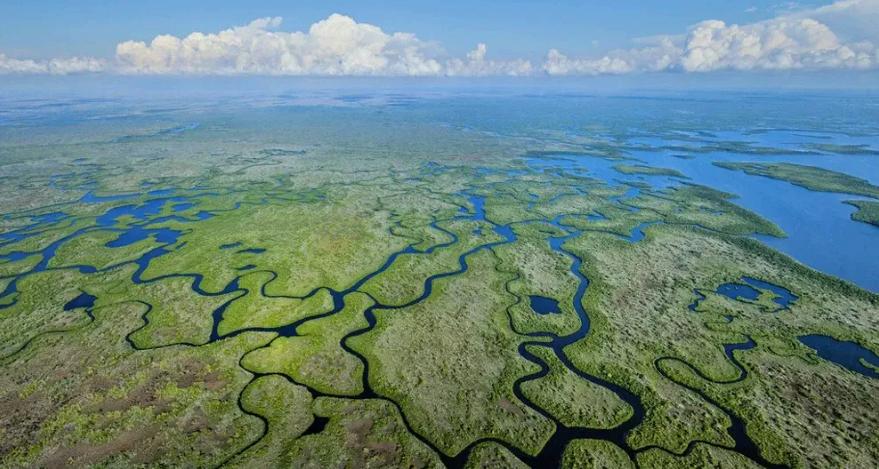
Governor Ron DeSantis and the U.S. Army Corps of Engineers recently announced a major milestone in Everglades restoration with the full execution of all federally funded contracts for the Everglades Agricultural Area (EAA) Reservoir This achievement clears a critical hurdle for one of the most significant projects within the broader Comprehensive Everglades Restoration Plan.
The EAA Reservoir is designed to improve water storage, treatment, and flow south from Lake Okeechobee into the Everglades, helping restore the natural “River of Grass,” enhance water quality, and reduce harmful discharges.
With all contracts now secured, the project is on track for completion by 2029—five years ahead of its original timeline—reflecting increased coordination between state and federal agencies under a 2025 agreement to accelerate restoration efforts.
The milestone builds on significant state investment in Everglades restoration, totaling nearly $8 billion in recent years, and is expected to play a central role in improving ecosystem health, strengthening water management, and enhancing long-term resilience across South Florida.
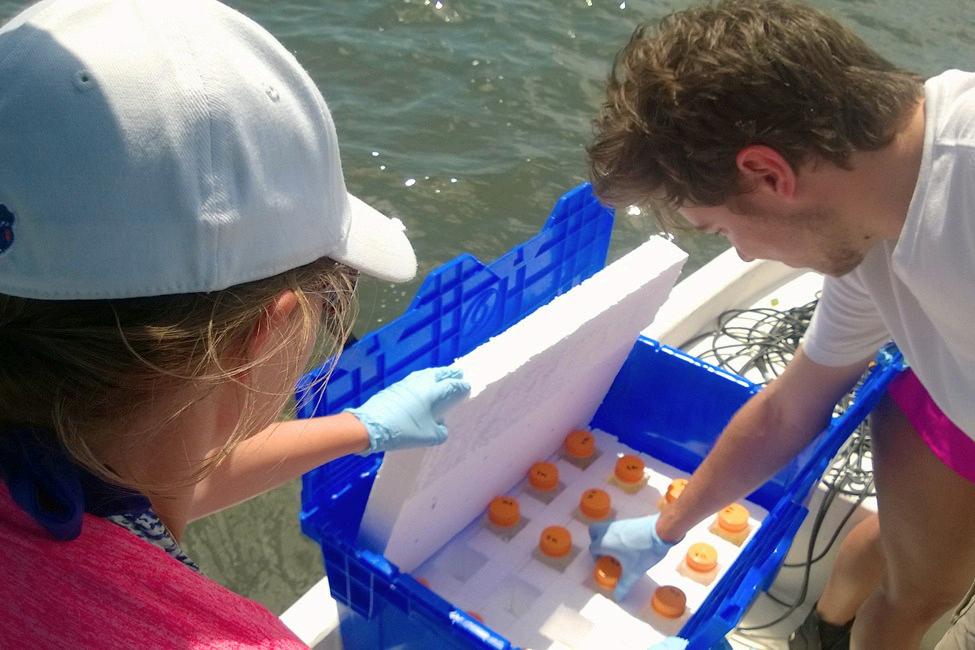
Florida’s Indian River Lagoon is facing growing environmental stress from nutrient runoff, freshwater discharges, and harmful algal blooms. In addition, increasing atmospheric CO2 is causing acidifying waters, which make it harder for shell-building organisms like oysters and clams to grow and maintain their shells. When the water can’t support shell growth, these organisms become stressed, and their shells can even start to dissolve.
new
by FAU’s
Oceanographic Institute measured aragonite saturation – a key indicator of water’s ability to support calcifying organisms – throughout the lagoon. The research found that areas with higher nutrients and lower salinity have lower aragonite levels, putting shellfish and other marine life at risk. This is the first study to map these conditions across the entire lagoon and provides critical information for future monitoring and restoration efforts. Read more on this study here.
The Florida Ports Council has selected LSN Partners to provide government relations, strategic communications, and event management services supporting Florida’s seaport system and the maritime industry across the state.
As part of the engagement, LSN Partners will partner with Lisa Miller & Associates, which will provide state government relations services, and Press On Communications, which will lead communications strategy and industry messaging.
Together, the team will support the Council’s advocacy initiatives, communications efforts, and industry events while advancing policies
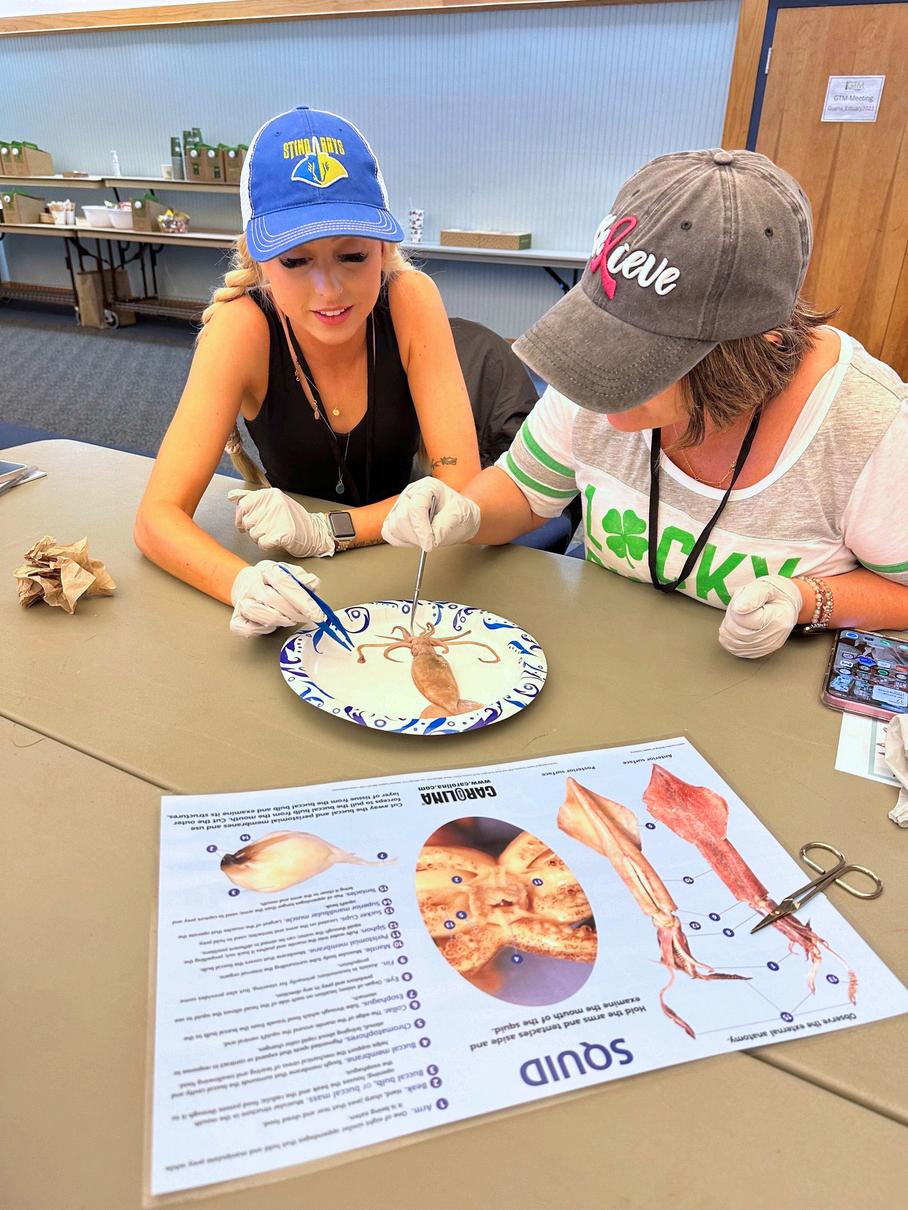
The Guy Harvey Foundation Conservation Education Program (GHF CEP) offers free marine science education professional development trainings to formal and informal educators all around Florida and beyond. The CEP recognizes and expands an educator’s dedication to environmental STEAM education and gives them the opportunity to apply for Educator Professional Development Grants, Classroom Treasure Chests and Field Trip Grants.
Guy Harvey Conservation Educator Professional Development opportunities are conducted across Florida throughout the year. They give educators in depth training into Guy Harvey Conservation Education, K-12 interdisciplinary lessons featuring marine life, habitats and conservation in line with Florida’s education standards. After completion, educators receive a certificate of completion and become part of the online GHF Teacher community. Click for upcoming training opportunities
that strengthen Florida’s seaports and support the state’s economy
“Florida’s seaports are critical infrastructure for our state and for the national supply chain,” said Michael Meekins, Chairman of the Florida Ports Council and Executive Director of the Port of Palm Beach. “They serve as powerful economic engines that keep goods moving, create jobs, and connect our state to the global economy.”
“We look forward to working with the Florida Ports Council,” said Cissy Proctor, managing partner of LSN Partners’ Tallahassee office. “Our team brings the experience and relationships needed to help advance the priorities of Florida’s port system while continuing to strengthen the state’s position as a global maritime leader.”
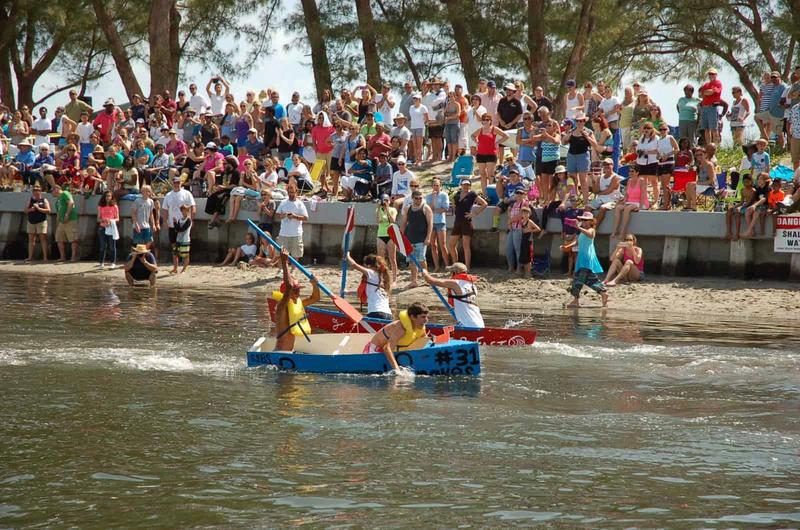
The 2026 Plywood Regatta, hosted by the Marine Industries Association of South Florida, will bring together students, educators, and industry leaders for a handson celebration of marine innovation and education. Held April 25 - 26, the two-day event challenges middle school, high school, and technical students to design and build seaworthy boats using only basic materials— then race them in a friendly competition.
The Regatta is designed to introduce young participants to boat building and the broader marine industry while fostering teamwork,
creativity, and problem-solving skills. Beyond the competition, the event plays a critical role in workforce development. Proceeds support marine education programs and scholarships, helping cultivate future talent for Florida’s $18+ billion regional marine economy.
By combining experiential learning with industry engagement, the Plywood Regatta continues to serve as a dynamic platform for inspiring the next generation of marine professionals and strengthening Florida’s maritime workforce pipeline. Find out more about the event here.
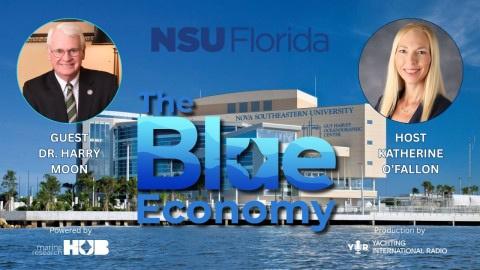
The Marine Research Hub’s podcast/vlog, the Blue Economy Podcast has been receiving increasing attention as a growing source for the latest in solution-based blue economy companies. Hosted by Katherine O’Fallon, Marine Research Hub of South Florida, Executive Director,
Recent episodes explore how south Florida built a blue economy and how health, ocean science, and climate innovation are being connected to deliver real-world impact across the blue economy
The Blue Economy is powered by the Marine Research Hub of South Florida, a non-profit collaboration elevating and accelerating ocean, climate, and resilience solutions across the region. Click to see more episodes.

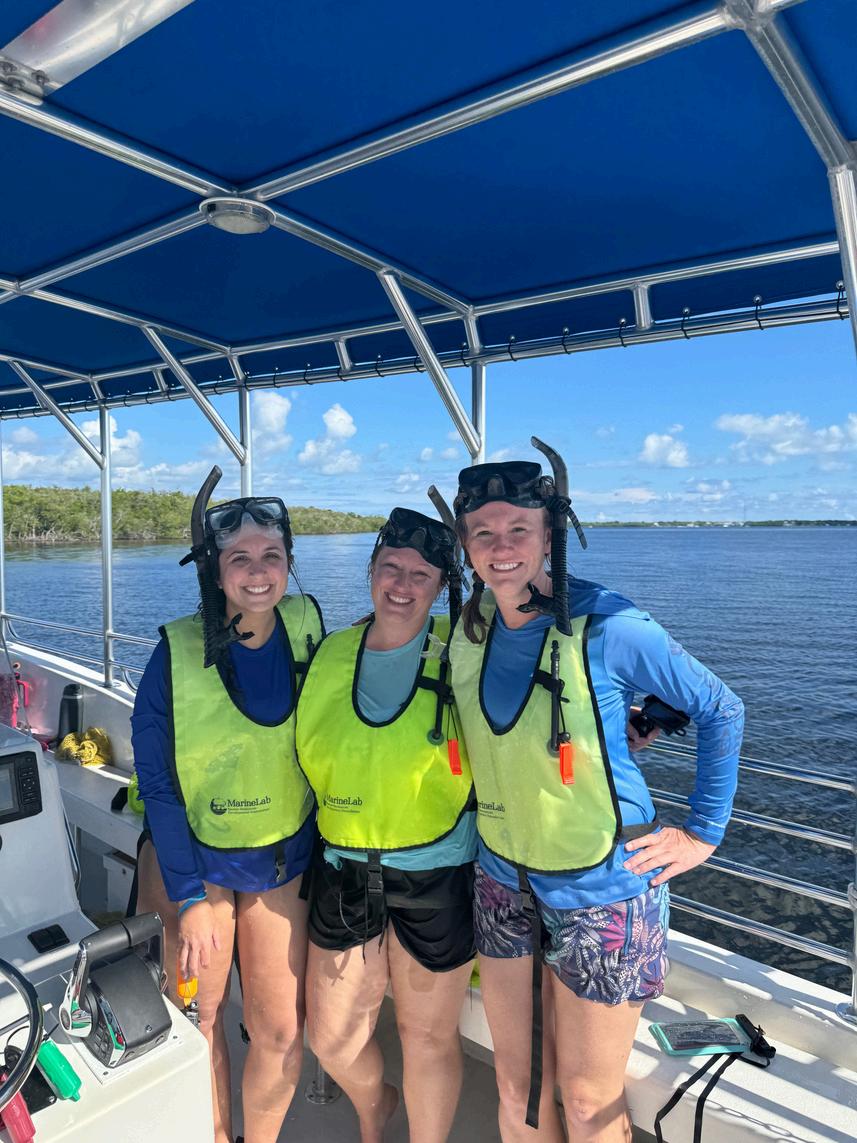
Each summer, educators travel to Key Largo to participate in MarineLab’s Teacher Workshops, a professional development program focused on marine ecology and ocean education.
Designed primarily for middle and high school science teachers, the workshops provide an opportunity to study the ecosystems of the Florida Keys while gaining ideas and resources that can be brought back to the classroom.
Throughout the week, teachers take part in field experiences guided by MarineLab’s marine biologists. These experiences are paired with discussions and lab activities that help translate field observations into classroom lessons. Scholarships are offered for Florida teachers from Title I public schools and Monroe County schools through the Art Mitchell Memorial Fund.
MarineLab also offers opportunities for educators from Caribbean island nations to participate through the Caribbean Teacher Initiative.
By equipping teachers with firsthand experience in marine ecosystems, the program helps bring ocean science back to classrooms and inspires students to better understand the world’s marine environments.
The next Marine Science Teacher Workshop will take place July 20–24, 2026 in Key Largo, Florida.
Educators interested in attending or learning more about scholarship opportunities can visit: www.marinelab.org/teacher-workshops
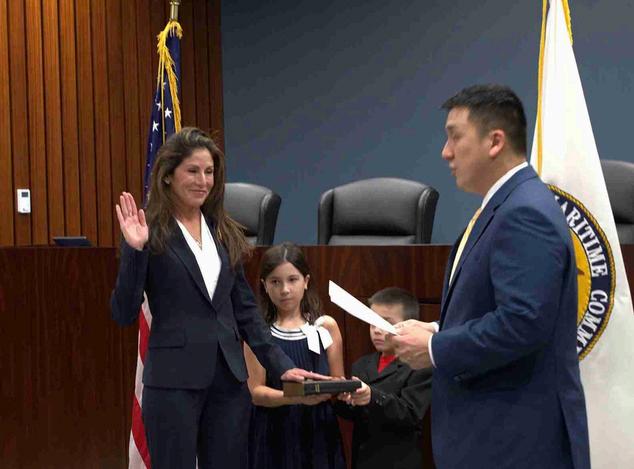
Laura DiBella of Florida was sworn in as a Commissioner of the Federal Maritime Commission (FMC) and subsequently designated as the Chair of the FMC, bringing extensive experience in economic development and the maritime sector to the federal agency. DiBella previously served as Florida’s first female Secretary of Commerce and as President and CEO of Enterprise Florida, where she played a key role in advancing statewide economic growth initiatives.
Her maritime leadership experience ncludes serving as Executive Director of the Florida Harbor Pilots Association and Port Director for the Port of Fernandina Ocean Highway and Port Authority With a background that spans public service, business leadership, and port operations, Commissioner DiBella brings a strong understanding of economic strategy and maritime logistics to the FMC.
A new statewide initiative is advancing efforts to restore Florida’s vital seagrass ecosystems. To address the ongoing decline in seagrass, the Florida Legislature and Governor established the Seagrass Restoration Technology Development Initiative (403.9334 Florida Statutes) through the Florida Department of Environmental Protection, with Mote Marine Laboratory leading implementation.
As part of this effort, Moffatt & Nichol is supporting the development of a 10-year Florida Resilient Seagrass Restoration Plan. A key early outcome is the creation of the Florida Seagrass Restoration Tracking Map, the first comprehensive, interactive inventory of restoration efforts statewide. The map compiles data from more than 70 projects and multiple nurseries, allowing users to explore project locations, progress, methods, and species information.
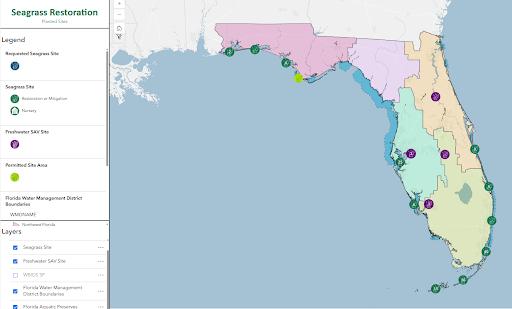
Designed as a “living” tool, the platform also enables practitioners to contribute new data, fostering collaboration and improving visibility across restoration efforts.
By centralizing information and encouraging participation, the map supports more strategic, science-based restoration—helping scale solutions that strengthen Florida’s coastal ecosystems and long-term resilience. By centralizing information and encouraging participation, the map supports more strategic, science-based restoration—helping scale solutions that strengthen Florida’s coastal ecosystems and long-term resilience.
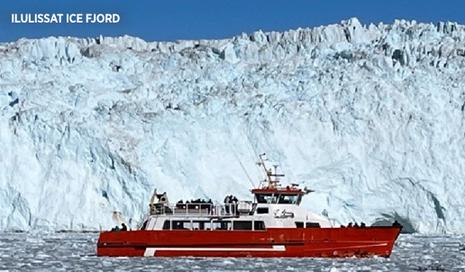
As Greenland’s ice melts at record speed, Nova Southeastern University’s Rising Seas Institute is leading efforts to understand and respond to the growing threat to Florida’s coasts and global shorelines. From June to August, the NSU Rising Seas Institute is offering immersive Greenland expeditions that place participants at the front lines of global sea level rise. These fact-finding journeys bring together scientists, business leaders, educators, and ocean advocates to observe firsthand the rapid melting of Greenland’s ice sheet, one of the primary drivers of rising seas worldwide.
The expeditions are part of the Institute’s broader mission to advance interdisciplinary solutions for sea level rise, connecting research, policy, and real-world decision-making. By translating firsthand observations into actionable knowledge, the program aims to inspire leadership and accelerate strategies that help coastal communities plan, adapt, and thrive in a changing climate. For more information, visit: www.nsuocean.nova.edu/rising-seas-institute
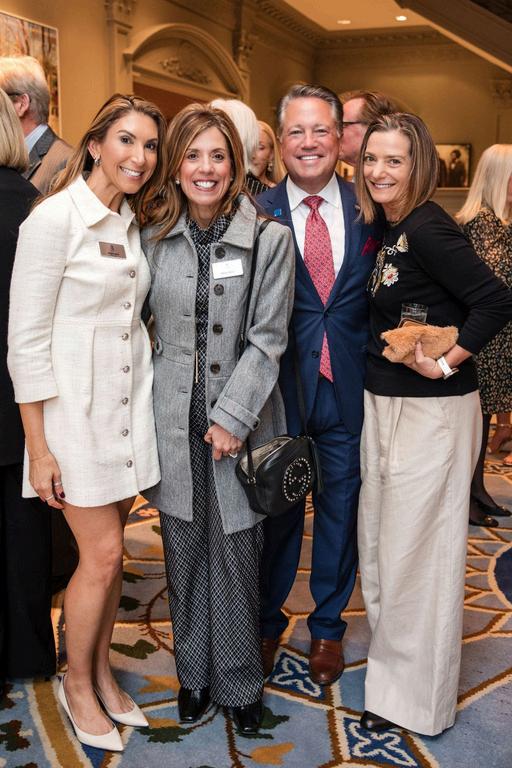
Panza Maurer recently participated in the Greater Fort Lauderdale Chamber of Commerce’s Washington, D.C. Summit, joining regional leaders from business, government, and the community to advocate for key priorities impacting Broward County.
Throughout the Summit, delegates met with members of Congress and their staff to discuss critical issues shaping South Florida’s future, including flood resilience, infrastructure investment, and the continued advancement of Port Everglades.
Centered around this year’s theme, “Connected for Impact,” the Summit highlighted the value of collaboration and a unified regional voice in influencing policy and driving progress. Panza Maurer is proud to contribute to these efforts and remains committed to advancing initiatives that strengthen the resilience and economic vitality of Greater Fort Lauderdale and Broward County
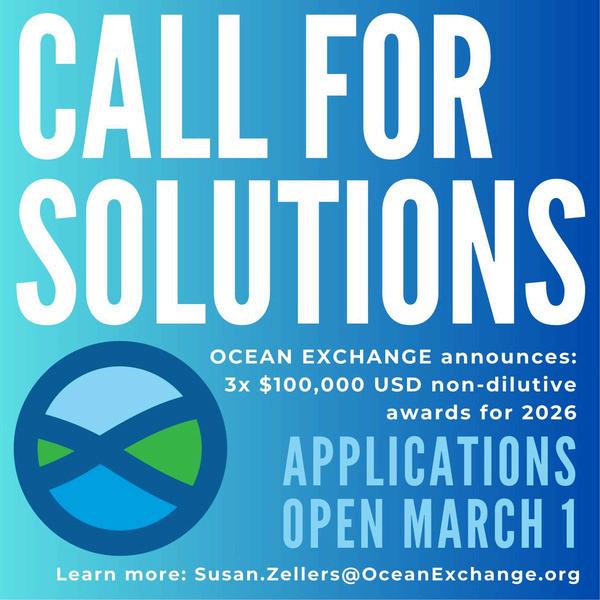
The Ocean Exchange 2026 Collegiate Call for Solutions invites undergraduate and graduate students to submit innovative ideas that advance ocean health and support a sustainable ocean economy. The program provides a global platform for emerging leaders to showcase solutions that reduce environmental impact while enabling responsible use of ocean resources. Selected finalists will present their ideas at the Ocean Exchange event in Fort Lauderdale, where they will engage with industry leaders, researchers, and investors. Awards include $10,000 in non-dilutive funding, along with access to a global network of experts and potential collaborators. The first deadline for entries is June 12 . For more information visit: th www.oceanexchange.org/register
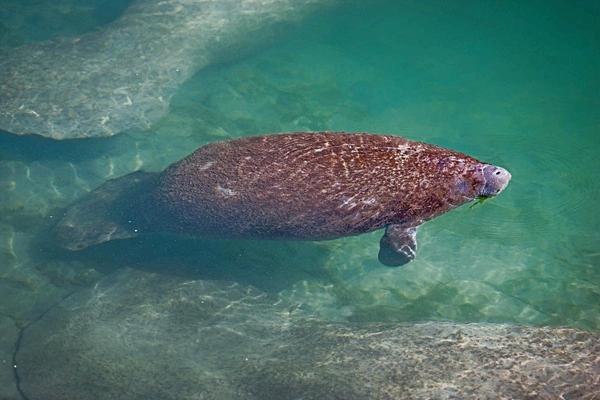
Manatee season, which ends March 31, brings hundreds of these gentle giants to warm-water havens, including one at Port Everglades.
Broward County typically welcomes up to 20% of the state’s manatees during the winter season, according to county biologists who conduct regular aerial surveys to monitor the animals’ health and numbers. This season, 1,448 manatees were recorded, with the majority gathered in the Florida Power and Light discharge canals at the port and the Lauderdale Power Plant along the South Fork New River.
These protected havens, which are closed to the public, remain critical to ensuring Florida’s native manatees can rest, recover and return to the open waterways when warmer temperatures arrive. Despite the seasonal sanctuaries, manatees continue to face serious threats. Boat strikes remian the leading cause of injury and
Rosemary Murphy has joined Port Everglades as its newest Environmental Program Manager. She is responsible for coordinating, implementing and monitoring environmental protection initiatives.
With her team, she will evaluate potential environmental risks and threats to natural resources within the port’s jurisdiction and the surrounding land and waterways, and ensure environmental policies and procedures are enacted.
Murphy previously worked at Savannah River National Laboratory in Aiken, South Carolina, Florida Fish & Wildlife Conservation Commission and Florida Department of Environmental Protection.
death for manatees, which can swim up to 15 miles per hour and rest either near the water’s surface or at the bottom. Research shows that 96% of manatees are struck by a vessel before reaching adulthood. According to the study, 1 in 4 manatees has been struck by at least 10 different boats while 5 in 6 manatees have been struck more than 40 times during their lifetime. Protecting manatees often comes down to a simple step: slowing down and staying alert on the water
After nearly ten years as president and CEO of the Fish & Wildlife Foundation of Florida, Andrew Walker has retired. In his place, Tindl Rainey is serving as interim CEO. For more than 21 years, Tindl served in leadership roles at Florida Fish and Wildlife Conservation Commission. As the Director of Conservation & Strategic Initiatives at the Foundation, she works with partners across the state to protect land, restore habitats, and deliver real benefits for Florida.
The 16th Buoy Workshop, hosted by the Marine Technology Society from March 23–26, 2026, in St. Petersburg, Florida, brought together leading experts in ocean observing systems, engineering, and marine technology. Organized in partnership with the Florida Institute of Oceanography and the University of South Florida College of Marine Science, the biennial event provided a collaborative forum for advancing buoy technology and ocean data systems.
The workshop featured technical sessions, panel discussions, and facility tours focused on the latest innovations in buoy and mooring systems used for oceanographic, meteorological, and environmental monitoring. Participants explored emerging technologies, including autonomous sensing systems, real-time data collection, and improved system durability in challenging ocean conditions.
Centered around the theme of sustaining ocean observing networks in an evolving funding landscape, the event emphasized the importance of cross-sector collaboration among scientists, engineers, operators, and industry partners. Networking events and site visits further strengthened connections within the marine technology community.
Overall, the workshop highlighted the critical role of buoy systems in supporting ocean research, coastal resilience, and data-driven decision-making, reinforcing their importance to both scientific advancement and the sustainable management of ocean resources.
Recent habitat restoration work at the Richard T. Paul Alafia Banks Sanctuary is enhancing critical nesting habitat for rare and protected bird species in Tampa Bay.
The sanctuary, located at the mouth of the Alafia River, includes Bird Island and Sunken Island—two former dredge disposal islands owned by Port Tampa Bay and Mosaic Co. Managed in partnership with Audubon Florida, the islands are designated as a critical wildlife area that supports colonial waterbirds in Hillsborough Bay.
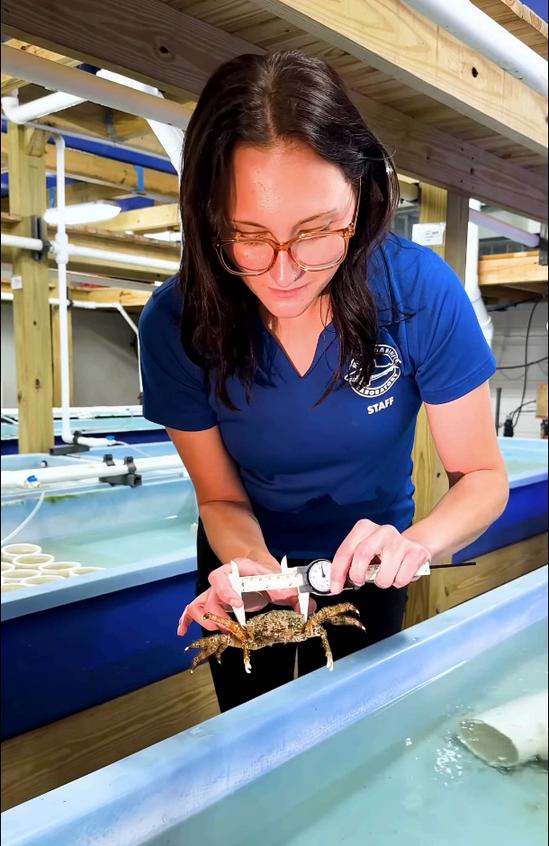
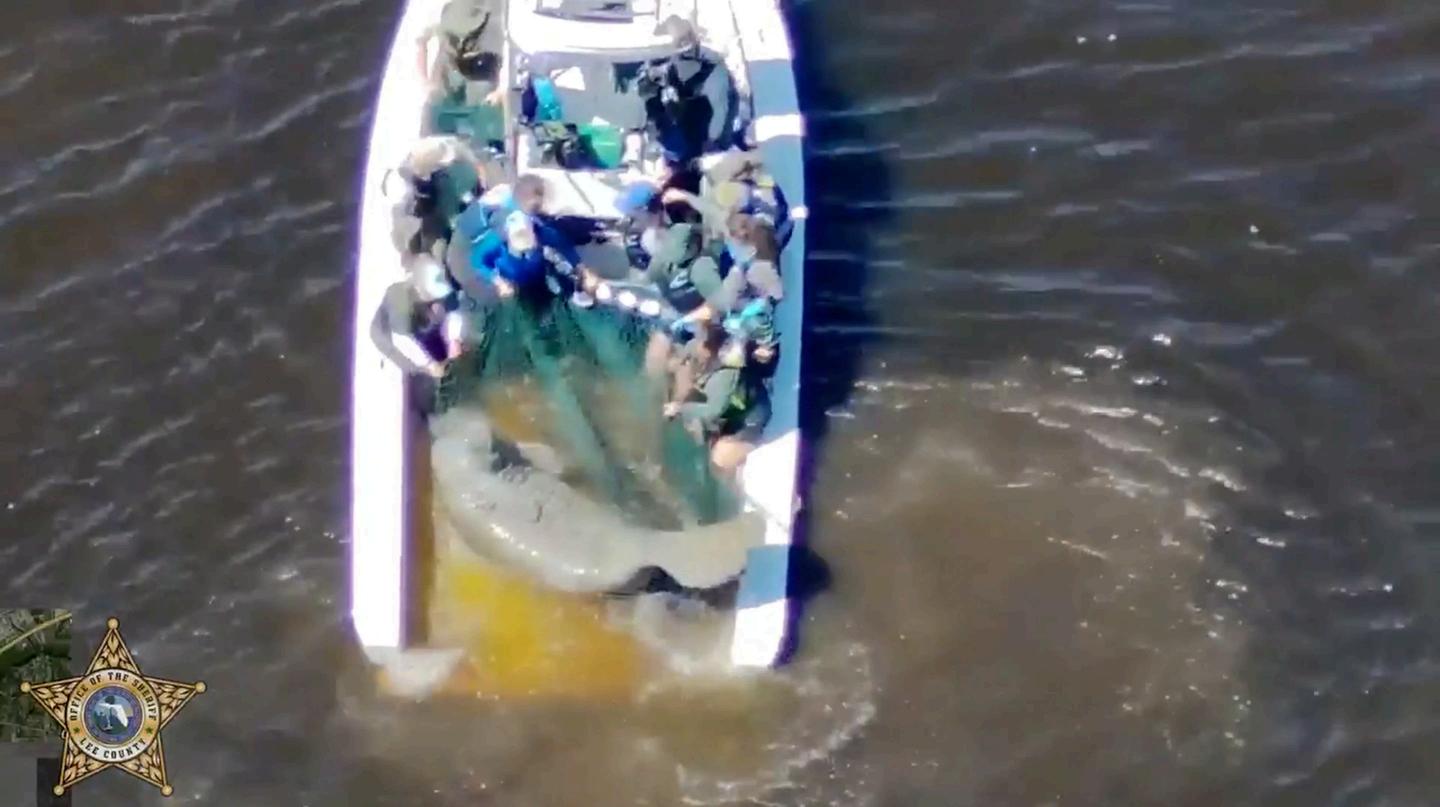
For the first time, Mote Marine Laboratory has successfully released hatchery-raised Caribbean king crabs onto Florida’s Coral Reef as part of its holistic science-based coral reef restoration strategy
Mote’s Florida Coral Reef Restoration Crab Hatchery Research Center was designed to scale up production of Caribbean king crabs. Powerful “grazers”, these crabs are capable of consuming chemically defended algae that other species avoid. Reducing algal overgrowth allows for corals to have more space to grow and settle.
This initial release was conducted at a smaller scale as part of Mote’s phased implementation approach, allowing researchers and staff to focus closely on transport protocols, successful introduction at restoration sites, and specific observations of immediate post-release behaviors of the crabs. Additional releases planned
Continued on next page...
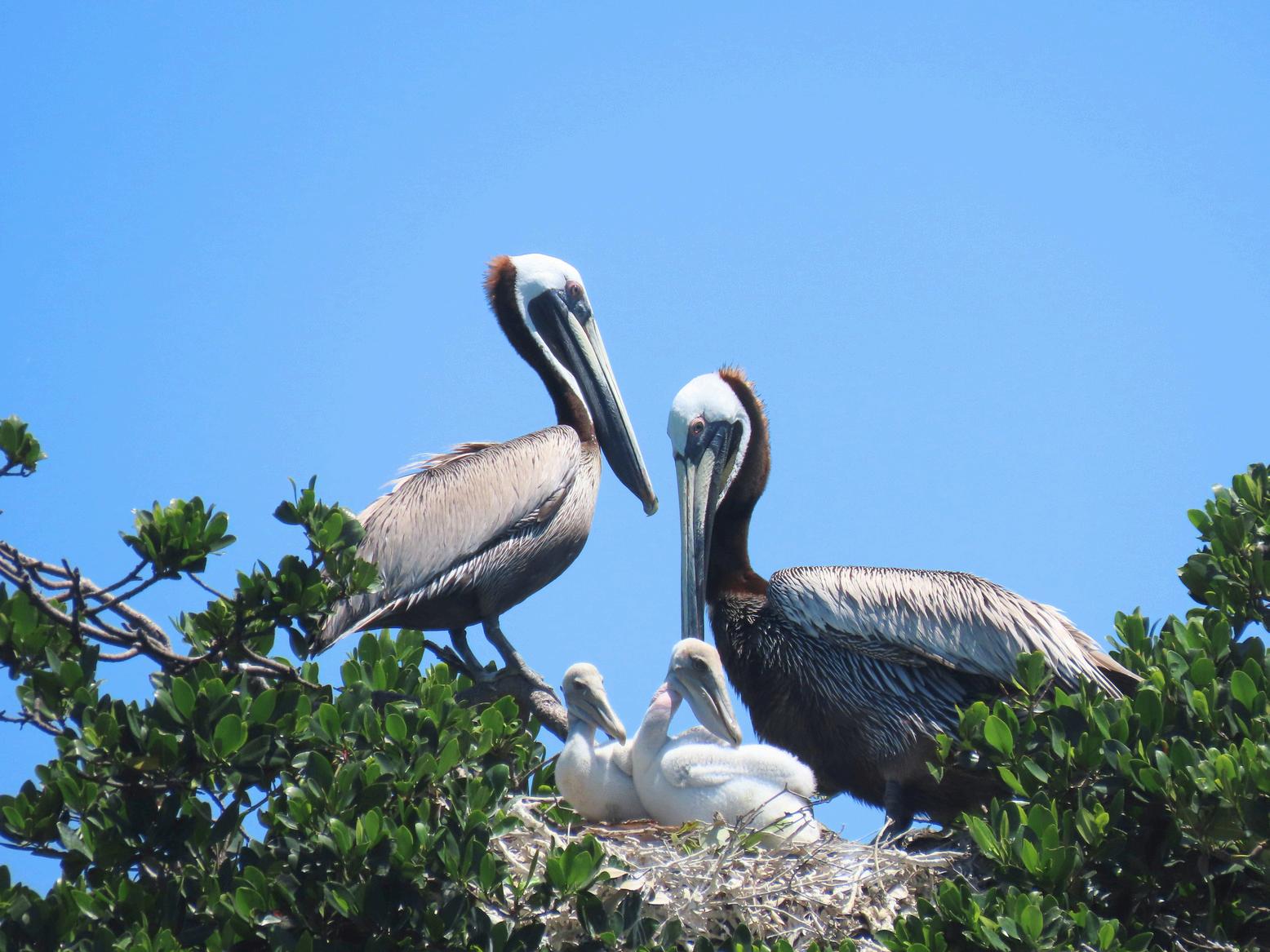
Investments funded targeted rehabilitation and remediation to improve nesting conditions, strengthen resilience to erosion, and expand capacity for bird populations. The improvements benefit 17 species of nesting waterbirds, including five state-threatened species.
“This investment helps ensure birds have safe, reliable habitat while advancing long-term environmental sustainability alongside port operations.” said Port Tampa Bay President and CEO Paul Anderson.
The St. Petersburg Innovation District recently celebrated its 10th anniversary, marking a decade of collaboration, research, and economic growth across the Tampa Bay region. Established as a public-private partnership, the district was created to connect scientists, educators, entrepreneurs, and community leaders to drive innovation and advance key sectors.
Over the past ten years, the district has generated more than $3 billion in economic impact and supported over 10,000 jobs, fueled by growth in marine science, life sciences, and technology-driven industries. Its success reflects a strong ecosystem where research institutions, industry partners, and talent pipelines work together to translate ideas into real-world solutions.
Port Tampa Bay’s targeted habitat investment will help vulnerable bird species successfully breed on the islands,” said Julie Wraithmell, executive director of Audubon Florida. “Sustaining healthy waterbird populations in Tampa Bay depends on continued projects that protect, restore and create crucial habitat.”
The restoration effort reflects Port Tampa Bay’s ongoing commitment to environmental stewardship and sustainable maritime development while helping protect the ecological balance of Tampa Bay.
The milestone was celebrated with a special anniversary event highlighting the partnerships, projects, and leaders that have shaped the district’s progress. Leaders emphasized that this achievement represents not only past success, but also momentum for the future.
As the Innovation District enters its next decade, it remains focused on expanding opportunity, accelerating discovery, and strengthening its role as a national hub for innovation—positioning the region for continued economic and scientific leadership.
Audubon Florida has built more than a mile of living shoreline in the Tampa region. The structures prevent wave energy from boat wakes and storm surge from eroding islands critical for bird nesting, feeding, and resting. Here, Florida Coastal Islands Sanctuaries Manager Jeff Liechty illustrates how living shorelines are helping new mangroves grow on the Alafia Bank Sanctuary, leased from and managed in collaboration with The Mosaic Company and Port Tampa Bay.
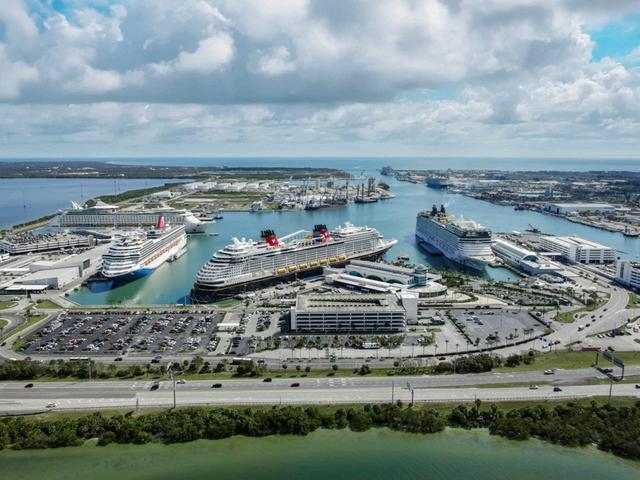
Port Canaveral earned the distinction as world’s busiest cruise port in the world, surpassing PortMiami with a record 8.6 million cruise guest movements in FY 2025 –the highest in the Port’s history and a 13 percent increase over the previous year Port Canaveral currently serves as the homeport for 18 ships across seven leading cruise brands operating more than 1,000 sailings annually. The Port is on pace for a record 9 million cruise guest movements in FY 2026.
To meet increasing demand, the Port is making significant infrastructure investments, including upgrading existing cruise terminals, deploying new technology and expanding parking facilities, part of the Port Canaveral Advantage, a nearly $1 billion capital improvement program. The upgrades include a new 13-story, $93 million parking garage
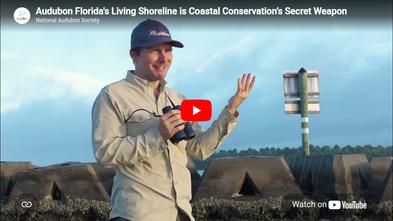
Learn how these breakwaters protect the shorelines of mangrove islands that wading birds rely on.
that will bring the total number of spaces to nearly 17,500. Extensive renovations are underway at Cruise Terminal 5, targeted for completion by December 2026, roughly a year earlier than scheduled. The upgraded terminal will be roughly 65 percent larger. In preparation to accommodate some of the industry’s largest ships, renovations to enhance the guest experience at Cruise Terminal 10 will begin this fall.
A major driver of dolphin mortality in the Indian River Lagoon (IRL) is widespread loss of seagrass and the resulting disruption of the Lagoon’s food web (Stolen et al. 2025). That understanding has shaped HSWRI’s next step. With private, state and federal partners HSWRI and partners are advancing solutions through the Indian River Lagoon Restorative Aquaculture Station (IRLRAS):
Transforming a former marina into a restoration hub
Restoring up to 240 acres of seagrass annually
Producing millions of clams and oysters to improve water quality
Developing sportfish nurseries to rebuild prey populations
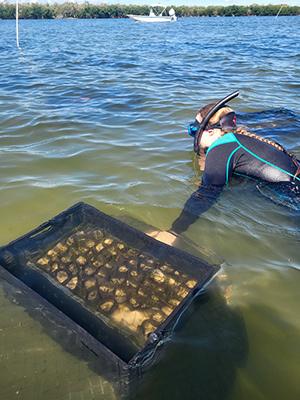
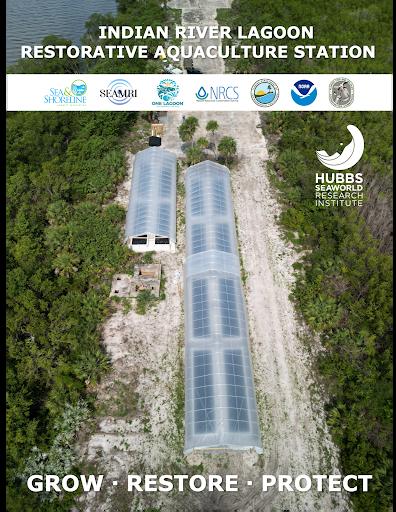
IRLRAS represents a science-based, collaborative approach to restoring ecosystem health and protecting marine life.
HSWRI is deeply grateful to Representatives Partington and Miller, Senators Arrington and Wright, former Congressman Posey, and Congressman Haridopolos for their leadership and support. Their commitment is helping build the regional capacity needed to restore and protect the Indian River Lagoon.
With $9.4 million in NOAA funding, the Indian River Lagoon Council and its partners are cayyring out 15 projects across the estuary to restore seagrass, wetlands, shellfish populations, and shorelines.
A key strength of the initiative is its emphasis on collaboration and shared knowledge, enabling partners to coordinate efforts, share data, and implement solutions at scale. Leaders involved in the project stress that this unified approach is essential to tackling the lagoon’s complex and interconnected challenges.
Restoring the Indian River Lagoon will not only benefit fisheries and improve water quality, it will also support the local economy A recent study found that the lagoon generates $28.3 billion in local economic activity each year. It also supports 128,400 jobs and $8.3 billion in wages annually.
Ultimately, the effort represents a model for ecosystem restoration, demonstrating how coordinated investment, science-based strategies, and cross-sector partnerships can drive meaningful progress in restoring coastal resilience and ecological health.
A major beach nourishment project is underway in Fort Pierce, led by the U.S. Army Corps of Engineers, to restore critically eroded shoreline following a recent state of emergency The project will place approximately 400,000 cubic yards of sand along about 1.3 miles of coastline south of the Fort Pierce Inlet, with construction expected to continue through late spring and summer. The effort follows severe erosion caused by rising sea levels, strong tides, and damage from recent hurricanes, which threatened infrastructure, homes, and the A1A corridor. Emergency measures earlier this year temporarily stabilized the area, but officials emphasized the need for a long-term solution.
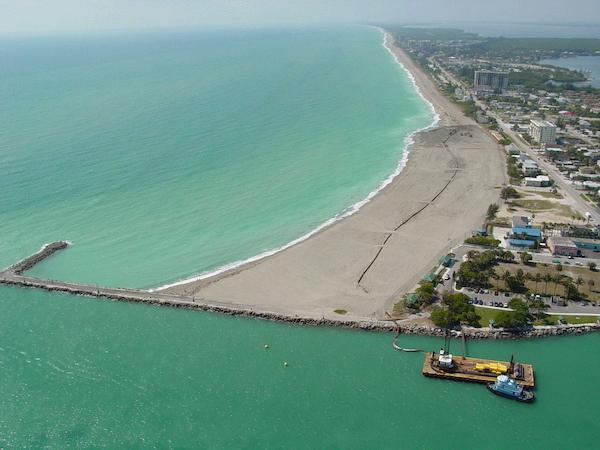
Funded largely by federal investment, covering nearly $12 million of the roughly $15 million total, the project will use sand dredged from offshore sources that match the natural beach composition to ensure environmental compatibility.
Officials say the project will enhance coastal resilience, protect critical infrastructure, and support tourism, underscoring the growing importance of sustained investment in Florida’s coastal protection strategies.
Sea & Shoreline, LLC, a Florida-based aquatic restoration firm, is advancing efforts to restore Lake Okeechobee through its CleanLakeO.org initiative, focused on improving water quality and rebuilding critical ecosystems. The initiative emphasizes the importance of restoring the lake for both environmental health and the communities that depend on it.
At the core of the project is the cultivation of submerged aquatic vegetation (SAV), which plays a vital role in enhancing water clarity, stabilizing sediments, and providing habitat for fish and wildlife. Complementary strategies include targeted muck removal, natural biofiltration systems, and continuous monitoring to reduce nutrient pollution and support long-term recovery.
Funded by the Florida Department of Environmental Protection, the initiative also addresses harmful algal blooms by tackling both legacy and ongoing sources of nutrient loading. Sea & Shoreline is working collaboratively with partners to implement science-based restoration techniques that can be scaled for broader impact.
As part of its public engagement efforts, the initiative hosted a community meeting on March 2, 2026, in Stuart, Florida, to share project goals, methods, and anticipated environmental benefits. The effort represents a proactive step toward restoring one of Florida’s most critical freshwater resources.
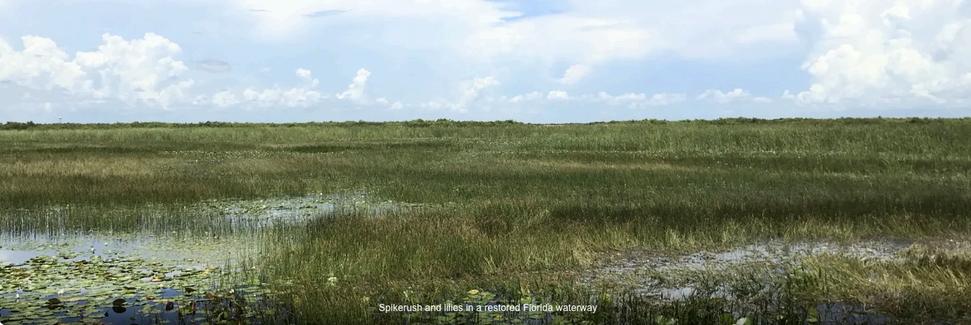
The Nature Conservancy (TNC) is launching a pilot project in Vero Beach, Florida, using AI-driven "smart" stormwater ponds to protect the Indian River Lagoon. The project aims to harness AI to measure nutrient levels and automatically adjust pond operations to reduce harmful runoff, notably nitrogen and phosphorus, before it flows into the lagoon.
Stormwater retention ponds reduce pollution and erosion by retaining runoff during and after storms. The water sits quietly while pollutants and sediment settle so that it is much cleaner when discharged. The ponds also clean water as it seeps into the water table, with sand and soil acting as filters. But the retention ponds can fill and overflow during heavy local and hyper-local rainstorms.
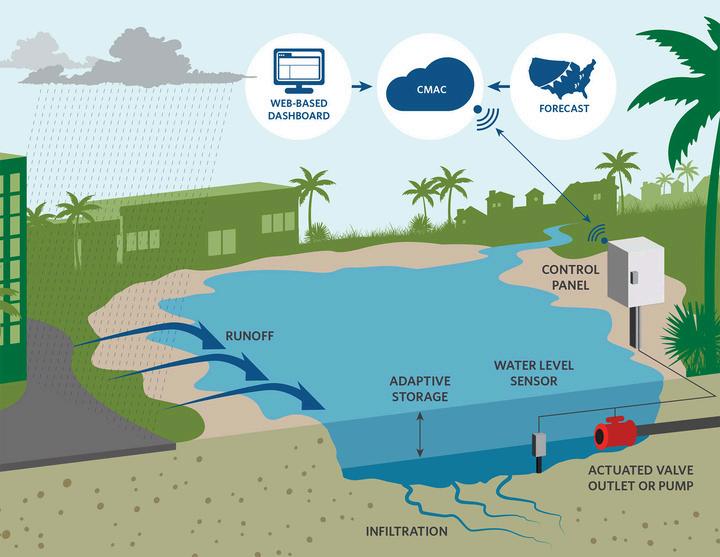
The pilot program solves that problem by using hyperlocal weather data and machine learning to trigger pumps to shunt water from one retention pond to another so there is no unplanned outflow
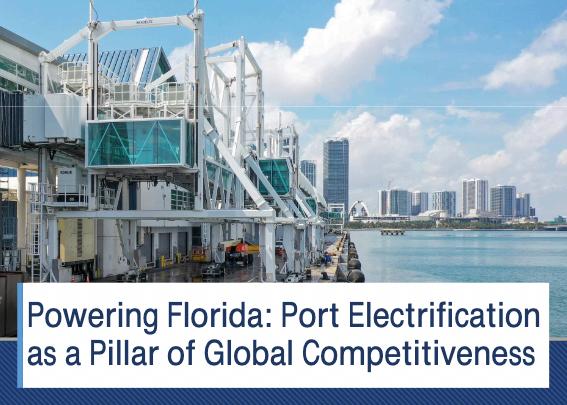
Florida’s seaports generate more than $117 billion annually, making up roughly 13% of the state’s economy and with 16 seaports, Florida has more ports than any other state. A new report from AECOM and Florida’s State Affairs Team, Powering Florida: Port Electrification as a Pillar for Global Competitiveness, highlights how electrifying Florida’s port equipment, including shore power, can lower long-term costs, entice tenants, improve efficiency, and strengthen resilience. The findings show that investing in electrification can help Florida’s ports stay competitive globally while supporting future economic growth.
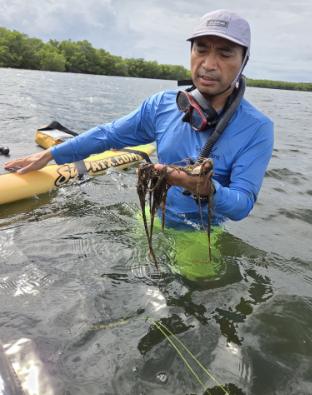
Florida Sea Grant and the University of Florida’s IFAS Extension are leading a month-long Eyes on Seagrass Blitz from May 1–31, 2026, inviting residents and visitors to help monitor seagrass health across the Indian River Lagoon. This citizen science initiative engages the public in documenting the presence or absence of seagrass.
Spanning multiple counties along Florida’s east coast, the effort aims to create a comprehensive snapshot of seagrass distribution, a critical indicator of water quality and ecosystem health. Participants—from boaters and anglers to kayakers and coastal residents—play a direct role in advancing scientific understanding and informing future management strategies.
By combining community engagement with science-based monitoring, the initiative strengthens collaboration between researchers and the public while supporting the long-term recovery of the lagoon. Ultimately, the project highlights how collective action can help protect one of Florida’s most important and biodiverse coastal systems.
On September 23 -25, the Florida Beach and Preservation Association will host the next Florida Resilience Conference at the Sunseeker Resort in Charlotte Harbor. This year’s theme, Advancing Resilience: Collaboration in Action, brings together leaders and innovators working to strengthen Florida’s future.” The Conference will be a great opportunity to share your work, connect with experts from across the state, and be part of the conversation driving real impact.
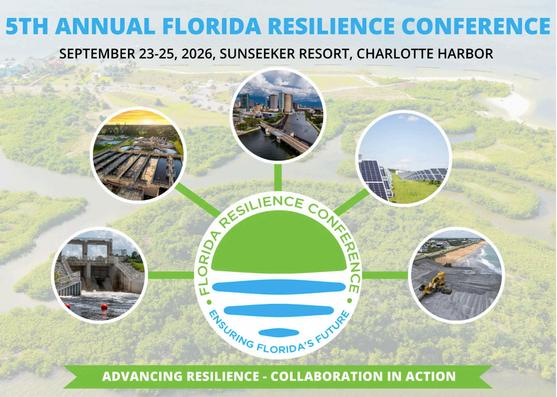
Registration, hotel reservations, and sponsorship and exhibitor opportunities will be available at: www.floridaresilienceconference.org
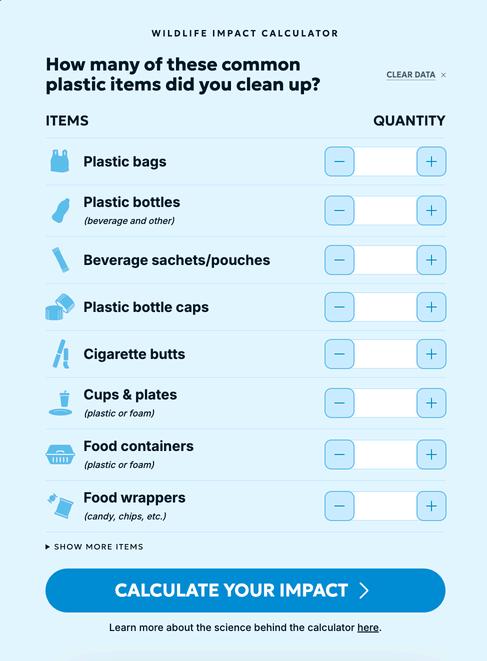
The Ocean Conservancy has released a much anticipated new tool, the Wildlife Impact Calculator. This innovative and easy to use calculator has the power to change the way volunteers see every cleanup from beaches to coasts and parks and neighborhoods.
There’s a lot of talk about the scale of ocean plasticmore than a garbage truck's worth entering the ocean every minute. It can make the issue feel insurmountable and individual actions feel small, but the Wildlife Impact Calculator shows that every action makes a real difference!
Organize a clean-up with your community and see the marine animals you helped protect because of it.
To see your impact, visit: www.wildlifeimpactcalculator.org
As coastal development accelerates worldwide, underwater infrastructure made of concrete, steel, and plastic continues to replace complex natural habitats. Ports, pipelines, mooring blocks, and massive marine works are often essential, yet they leave behind simplified seabeds with limited biological value. For governments and port authorities, ecological compensation is no longer optional. It is becoming a core requirement.
In this context, SEACURE Geocorail conducted a pilot Research and Development project for the Principality of Monaco, aimed at improving the biological efficiency of existing submerged structures. The objective was clear: bring biodiversity back to seabeds altered by human installations, without interfering with their technical function.
Three test reefs were deployed at depths of 28–36 meters to evaluate different restoration approaches.
The first covered a polyethylene pipeline using a removable, self-supporting metal structure
Thank you for reading! Follow FOA on social media for more industry news and information.
anchored to surrounding rock without placing stress on the pipe, testing applicability for active infrastructure.
The second enhanced a concrete reef module using Geocorail to increase three-dimensional complexity, including internal cavities, allowing comparison with standard modules.
The third applied Geocorail to a five-ton concrete mooring block, complexifying all exposed surfaces while maintaining access to the mooring ring for mobility.
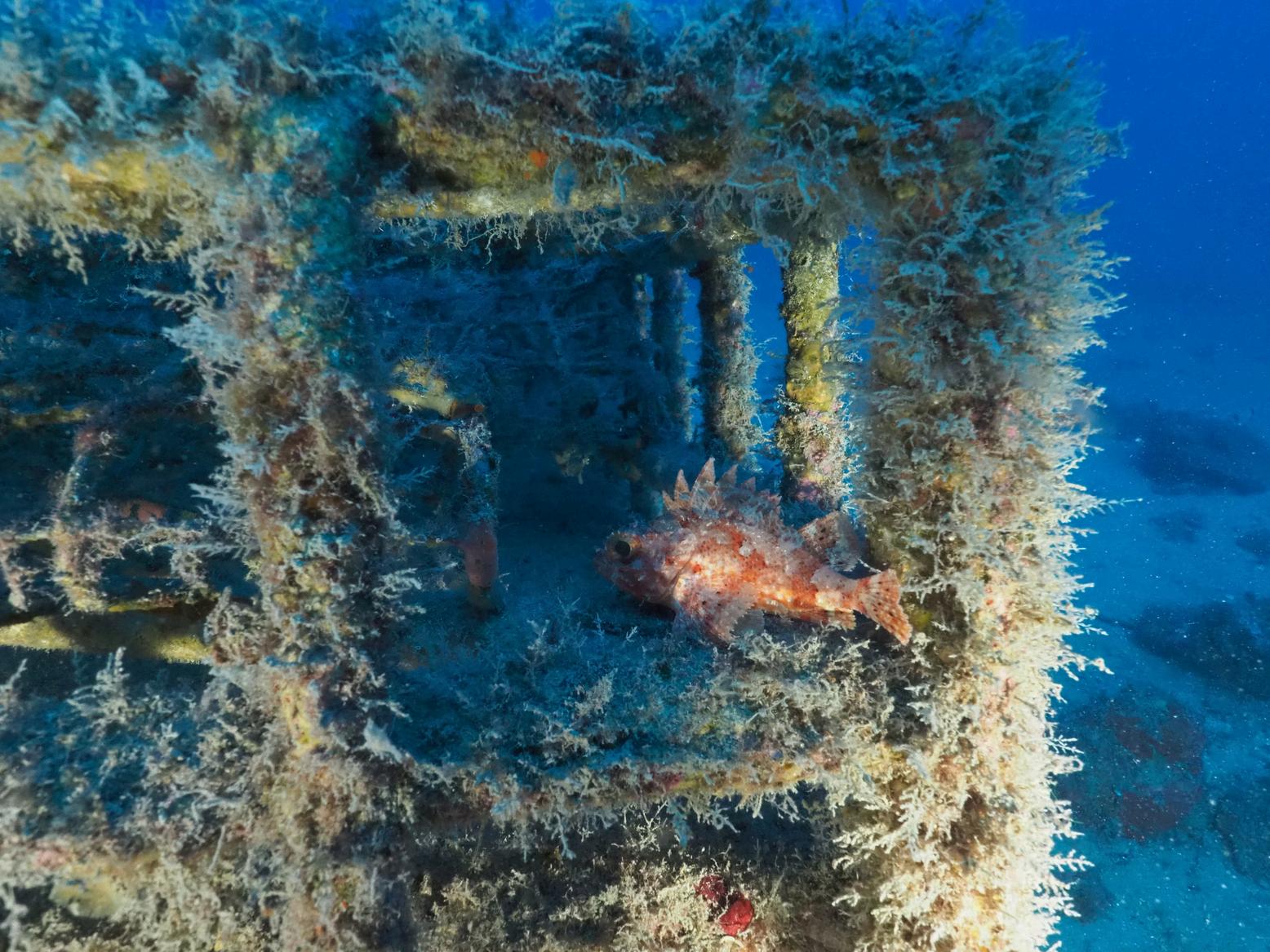
Results were rapid. Colonization followed a clear sequence—from bacterial biofilm to algae, sponges, and fish species such as scorpionfish seeking shelter Within months, a stable and diverse biological community formed.
Compared to traditional concrete, Geocorail structures showed significantly greater biological growth. Their mimetic design blends naturally into the environment while accelerating ecological recovery, demonstrating that marine restoration solutions can be effective, measurable, and scalable.
Florida Ocean Alliance
401 E. Las Olas Blvd, Ste 130-224
Fort Lauderdale, FL 33301
Every $1 you give supports initiatives that help protect and conserve Florida’s ocean and coastal resources or support research, education and outreach.
Set up a recurring gift online to ensure we can keep the pressure on public policymakers, agencies and counties to bring ocean and coastal issues to the forefront.
Receive exclusive invitations, access to leading experts, policymakers, and agency staff, and shape strategies that protect Florida’s coastal resources while advancing a resilient ocean economy.