

ART SOCIETY OPENS SEASON
News
Acreage


A senior wellness fair was held Tuesday at the Royal Palm Beach Cultural Center. The event was sponsored by the Area Agency on Aging. Page 7

Family Fitness Fair This Saturday At Ultima Fitness Ultima Fitness/Xtreme Tae Kwon Do of Wellington will hold a Family Fitness Fair on Saturday, Sept. 12 to provide fitness education, screening and services for children and families. Page 8
Spor ts

Wolverines Open Season, Topping Olympic Heights
It took just one game for the Wellington High School varsity football team to match its win total from last season. Behind a strong performance from its defense, the Wolverines won their season opener last Friday night 10-0 against Olympic Heights. Page 15
Wellington Begins
Four-Day Work Schedule On Sept. 28
By Ron Bukley
Town-Crier Staff Report
Due to budget constraints, staff at the Village of Wellington will convert to a fourday work week beginning Sept. 28, operating Monday through Thursday. The four-day work week will save more than $300,000 annually, Assistant Village Manager John Bonde said, largely through reductions in energy and water use.
“That’s our best estimate,” Bonde told the Town-Crier Thursday. “That would be one less day out of five that we would be open, and we would have reduced energy use and bills associated with staying open. We’re still paying people for a 40-hour week. Instead of working five eights, they’re working four tens. We’re not impacting people’s take-home pay.”
Village offices will be closed on Fridays beginning Oct. 2, except for the Safe Neighborhoods Office located at 1100 Wellington Trace and facilities that have been reserved for private activities.
Village Manager Paul Schofield said the four-day work week would present both advantages and disadvantages. On the positive side, field crews would spend less travel time going to their work sites. “There will be a reduced mobilization of work crews,” he said. “There is some improvement in the field crews mobilizing fewer times a week.”
Village offices should experience some improved efficiency with longer workdays, although Schofield expects it will take time to see those results. “We will have a period of adjustment,” he said. One of the reasons for closing down on Fridays is that
the public doesn’t come in as much on that day, Schofield said. “However, we are facing the simple fact that being closed on Friday will not be as convenient as it could be,” he said.
Schofield said the village had considered other costcutting alternatives to the four-day work week, such as trimming either employee hours or positions, or eliminating village services. The village did decide on an unpaid weeklong furlough for employees between Christmas and New Year’s Day, except for essential services.
“If you get three people show up in that period, it’s a lot,” Schofield said, adding that employees will be on duty to answer calls for services.
The decision was made to put more money into programs such as law enforcement and foreclosure education, Schofield said, explaining that crime trends are changing in Wellington, while at the same time, the village has one of the highest foreclosure rates in the region.
Bonde said the four-day week would not reduce employee salaries because they will still work full-time hours. “It’s just what days they work and how long they work during the day,” he explained.
At a budget workshop in July, Wellington Village Council members were concerned whether residents would still receive “five-day service” in a four-day work week, Bonde said.
“What they mean by that, is if they call a phone number for the village, will they still get somebody to answer it five days a week? The answer is yes,” Bonde said.
“We’re going to utilize staff
and assign them to our Safe Neighborhoods Office.”
The Safe Neighborhoods Office, the former utility customer service building on Wellington Trace, is already open six days, and Bonde said staffers there will take phone calls on Friday, both general calls for which they will take messages and emergency calls that would be routed to proper agencies.
“We’re on call seven days a week anyway — and it will be routed to the appropriate staff,” Bonde said. “If it’s just a standard call, a non-emergency call, they will take a message and follow up with the appropriate staff the following work day, which will be on Monday.”
Regular office hours for the building department, planning & zoning, code compliance, utilities, public works and administration will be from 7 a.m. to 6 p.m. Monday through Thursday. Recreation will operate Monday through Thursday from 8 a.m. to 9 p.m. and on weekends as scheduled.
Bonde said the extended Monday through Thursday hours would actually be of benefit to many residents whose working hours coincide with the village’s current operating hours.
“By the village opening at seven in the morning and closing at six in the evening, they could actually do business with the village on their way to work or on their way back from work four days a week,” he said. “So the window they have to do business with the Village of Wellington is actually expanding, not contracting.”
For more information on village services, call (561) 791-4000 or visit www.ci. wellington.fl.us.
By Ron Bukley Town-Crier Staff Report
While many municipalities are hard-pressed to make ends meet during these trying economic times, Wellington is in a good position to weather the storm, Village Manager Paul Schofield said this week.
On Tuesday, Sept. 15, Wellington will hold the first of two public hearings on the village’s 2010 budget. The proposed budget of $83 million is $20 million less than that of the current year, but still retains funding for significant capital improvement and maintenance projects, Schofield said.
“We have been reducing expenditures over the last several years,” Schofield told the Town-Crier Thursday. “It started when [former village manager] Charlie Lynn was here. The last budget he proposed was $113 million, which was down eight to ten million from the prior year. The budget I proposed last year was down from $113 million to $103 million.”
Schofield said revenues are down in virtually every area, with the village now deriving practically no income from traditionally lucrative building impact fees and connection fees. Gas tax and sales tax revenues are also down.
“Everything is down,” he said. “By the same token, many operating costs are up.”
Insurance and other commodities are more expensive, Schofield noted.
Wellington is also adding
more deputies to its law enforcement service to make sure that the difficult economy does not manifest itself in a higher crime rate.
The village agreed to an increase of $400,000 for the Palm Beach County Sheriff’s Office next year, which includes $250,000 for new deputies.
The village is also putting more than $1 million into its Safe Neighborhoods project, which targets some of Wellington’s older, declining neighborhoods for improvements.
Schofield said the village is spending a significant amount to improve drainage, a need demonstrated by flooding along Pierson Road caused by Tropical Storm Fay last year, as well as cleaning up entrances and repairing roadways, mainly along Forest Hill Blvd.
“We’re trying to put it back to the Wellington we all know that it can be,” Schofield said. “If we as a city are telling banks and property owners in these economic times that they have to maintain their property, then we’ve got to do it, too. This is leadership by example.”
The budget under consideration at next week’s hearing proposes a millage rate of 2.50 mills, below the socalled “rollback rate” of approximately 2.8 mills that would maintain property tax revenues at the same level as last year. While that is slightly highSee BUDGET, page 17
RPB Council OKs Lean Budget With Lower Tax Rate
By Ron Bukley
Town-Crier Staff Report
Despite a sharp reduction in taxable property value, the Royal Palm Beach Village Council approved a tax rate reduction for the 15th consecutive year at its first public hearing on the 2010 budget Thursday.
The proposed tax rate of 1.93 mills is down .04 mills from last year’s rate of 1.97, which is a reduction of two percent. It is 20.9 percent lower than the “rollback” millage rate of 2.44, Finance Director Stanley Hochman said. The rollback rate is the tax rate that would bring in the same amount of revenue as the previous year.
According to Hochman, the average value of a home in Royal Palm Beach is currently $144,500, down from $173,000 last year. With a standard homestead exemption, the average property owner will pay $182.39 in municipal taxes next year, down $59.92 from last year, for a tax decrease of 24.7 percent.
“We find ourselves in an unusual position relative to other municipalities across the state,” said Village Manager David Farber, noting that Royal Palm Beach is able to lower its tax rate while other governments are raising theirs.
Farber pointed out that by outsourcing many services in recent years — including water utilities, law enforcement and fire-rescue — the village has been able to keep costs low while improving services.
“We now find ourselves in a situation that by virtue of our fund balance and some decisions we have made in terms of reducing our work force, we are in a position that we can weather this storm, certainly this year, probably next year, and maybe the year after without having to dip into our fund balance,” he said.
Hochman said the economic downturn has resulted in $890,000 less in ad valorem taxes, $500,000 less in See RPB, page 17
County Trims Budget, But Hikes The Tax Rate
By Ron Bukley Town-Crier Staff Report
County commissioners approved a reduced operating budget of $1.109 billion at the first of two public budget hearings Tuesday. The county’s total operating budget contrasts with last year’s $1.128 billion budget, a decrease of $18 million. In order to achieve the cuts, County Administrator Robert Weisman said he had to mandate ten-percent cuts to nearly all departments, which included the elimination of more than 600 staff positions. Although the budget is reduced overall, it still includes an increase of $27 million for the Palm Beach County Sher-
iff’s Office. Some three hours of public comment was dominated by people urging the commission not to cut the $3 million Sheriff’s Drug Farm program.
The 4.344 millage “rollback rate,” an increase from last year’s rate of 3.781, would make up for the devaluation of property in the past year, Weisman said. Some commissioners had discussed increasing the millage to only 4.29, which would have cut another $7.5 million from the budget, according to Weisman.
“I will support the 4.344 mills because that will give us what we need to continue,” Commissioner Burt
Aaronson said. “If we go backward or lower it, we’re going to have a greater problem next year. This is not a one-year thing. I don’t think that anybody here sitting in this audience can think that next year the economy is going to be booming and construction is going to be going wild once again. Hopefully, in three or four years all these things are going to come back.”
Aaronson said he had received letters from people who wrote that they don’t want more taxes and from people who wrote that they want services such as parks and recreation, public libraries, and police and fire pro-
tection to remain intact.
“You can’t have all the things if you don’t pay taxes,” Aaronson said, mentioning that last year he had recommended a compromise of 3.98 mills, which was not approved.
“If we were at 3.98 last year, we wouldn’t be in the jam that we’re in today,” he said. “So as long as we keep on extending ourselves, saying, OK, we can’t bite the bullet, you’re not going to have a bullet year, you’re going to have a hand grenade.”
Commission Chairman Jeff Koons said the 2011 budget is projected to be $100 million less than that of the coming year.
“There’s no way of walking out without hitting on the sheriff’s budget when it’s basically almost half of our budget,” Koons said. “It’s going to be brutal next year.”
Commissioner Steven Abrams said he would have favored cuts to specific departments over reductions across the board.
“I’m disappointed that this budget does not create a more efficient model that we’re going to need for the future,” Abrams said. “Make no mistake about it — we’re going to have the Drug Farm discussion next year because we are going to be having to identify further cuts, and that
The Wellington Art Society kicked off its 2009-10 season with its annual open house and membership drive Wednesday night at the Royal Palm Beach Cultural Center. Several local artists were on hand with samples of their work. Shown here is Nancy Tilles with her oil painting Butterfly Seduction MORE PHOTOS, PAGE 5
PHOTO BY DENISE FLEISCHMAN/TOWN-CRIER

Acreage Divided Over County Water Hookups
By Ron Bukley Town-Crier Staff Report
A meeting at Seminole Ridge High School last week showed sharp divisions among Acreage residents on the option of connecting to Palm Beach County water utility lines.
Most Acreage homes depend on household wells for their potable water, but a recent cancer scare has prompted many residents to consider connecting to the county’s pipes.
The issue of governmentsupplied water has long been a bone of contention in the unincorporated community, with many residents resistant to a perceived increase in dependence on government, as well as the cost of connecting to the supply.
The Indian Trail Improvement District Board of Supervisors called the meeting, which drew about 500 people to the Seminole Ridge auditorium on Sept. 2. Four of the five supervisors sat on the auditorium stage, along with County Administrator Robert Weisman and County Commissioner Jess Santamaria.
ITID President Michelle Damone touched on the most recent progress of the investigation into a feared “cancer cluster” in The Acreage, noting that an initial report released by the Florida Department of Health in late August showed a possible higher incidence of pediatric brain cancer in the area, while the Florida Department of Environmental Protection indicated no evidence of contamination in the 50 wells it sampled over the summer.
“The DEP and Palm Beach County Health Department are continuing with additional tests to get the answers to the families concerned about the health and safety of their children, but tonight’s meeting is about public water,” Damone said. “It took this




issue to provoke the conversation.”
Damone said ITID had reached an agreement a few years ago with the Palm Beach County Water Utilities Department that if residents want public water, they and not the supervisors would make the final decision.
ITID Administrator Chris King said the county installed water lines several years ago through ITID, anticipating the establishment of a Scripps research facility on the Mecca Farms property. Scripps never came to pass, but the water lines had already been laid in the district’s rights of way.
“ITID is in complete control of its destiny as to how it wants to proceed with water,” King said. “It is not up to the county.”
King said that of the 693 properties currently adjacent to the existing county water lines, 89 of them, or 13 percent, have connected. He said public water would probably generate a drop in homeowner insurance rates because of water availability for fire-rescue, that maintenance of private water wells would no longer be necessary, that homeowners would have consistently good water and that property values would rise. Stephen Payne, owner of Southern Water Services, one of about 60 members of the public who spoke, said his community of Palm Beach Country Estates off Donald Ross Road converted to public water, but homeowners’ insurance did not go down, property values did not go up and the cost of installing public water lines was almost double what residents were told it would be.
People should await the results of studies from the health agencies before making a decision, Payne said. “If you go through this $100 million or $200 million exSee WATER, page 4




By Carol Porter Town-Crier Staff Report
The Palm Beach County Republican Party hosted a healthcare debate on Thursday, Sept. 3 at the Palm Beach County Governmental Center.
Panelists included Congressional candidates Ed Lynch and Allen West, as well as former state representative Ben Graber, and also incumbent Democrat Alcee Hastings (D-District 23). Lynch is running in 2010 against Congressman Robert Wexler (D-District 19), while West is running against Congressman Ron Klein (D-District 22). Both were unsuccessful in 2008 bids against the same incumbents. Graber ran as an independent against Wexler in 2008.
Hastings held his own in a contentious and spirited debate with the other speakers and an audience that included both Democrats and Republicans. The event was moderated by Palm Beach County Republican Party Chairman Sid Dinerstein.
“The way they are seated on the dais,” Dinerstein said, “it is meant to be point/counterpoint. It’s not intended to be sound bites from the left and sound bites from the right.”
As the first speaker, Lynch said he took issue with House Resolution 3200, one of several healthcare reform proposals under review by Congress.
“I took the time to research the bill, and the devil is in the details,” he said. “This bill will cut Medicare, and it will eliminate private insurance. It will order end-of-life counseling for our seniors. It will access our personal records by bureaucrats, and by conservative estimates, we cannot afford it.” Lynch said the private market is the answer for problems with health insurance, and another problem is pre-existing conditions. Too many people are being denied coverage because of pre-existing conditions, and that is just wrong, he said.
“We can repair our healthcare system, and we can repair our insurance system,” Lynch said. “We need to address the problem of people being denied coverage for their pre-existing conditions by eliminating state mandates and allow competition across state lines for individuals. We need to increase primary care physicians and drive down costs by instituting something that is absent in this bill, which is tort reform, and we need to make it portable by encouraging personal choice policies.” Hastings said he would support whatever plan gets the most support.
“How do we handle those who are not insured?” he asked. “I also don’t believe that any of us believes when I
RPB
CLUB HOSTS FUNDRAISER DANCE AT DREHER PARK

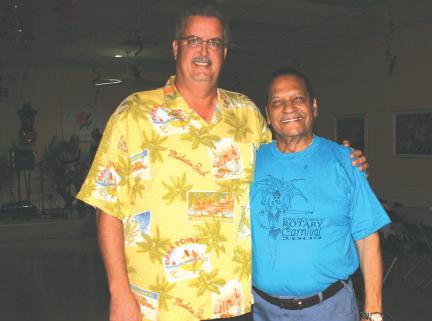





Scott Armand and Dr. Ron Peterson.
Ron Oliveire and his soca band.
Dr. Ron Peterson, Lynn Balch and Charlie Borg with Keith Jordano (seated).
Guests enjoy the
Romeo and his Tassa Drummers perform.
Dr. Scott Snyder and Mike Saucier.
OUR OPINION
Balancing The Needs Of Taxpayers With The Needs Of All
In this difficult budget season, governments have been making tough decisions, trying to balance the needs of taxpayers seeking relief against citizens demanding adequate service. So far, area governments have used both tools: making deeps cuts, while raising the tax rate to make up some of the shortfall caused by falling property values and statewide property tax reform.
At a public hearing Tuesday, Palm Beach County commissioners approved a reduced operating budget of $1.109 billion, down from last year’s $1.128 billion. This translates to a millage rate of 4.344, up from 3.781 in last year’s budget. And while this increase came with ten-percent cuts in most departments and more than 600 staff positions eliminated, it also enabled the county to spend more on public safety, including an additional $27 million for the Palm Beach County Sheriff’s Office. The decision to raise taxes was not made in haste, but sometimes it’s the only choice. Suggestions that the county should further cut services or pull money from reserves were bad ideas, and the commissioners were correct to reject them.
Wellington faced similarly difficult decisions. In July, the Wellington Village Council approved a preliminary property tax rate of 2.8 mills with the goal of lowering it to 2.5 mills during the budget review process. With the start of public budget hearings next week, council members are poised to realize
No Municipal Water In The Acreage
In response to the potential cancer cluster concern in The Acreage, the possibility of hooking up to county water is being discussed. I am of the opinion that a vast majority of Acreage residents do not wish to hook up to county water, especially since the county and state have tested 50 home wells and stated that Acreage water is excellent.
I am also of the opinion that any process by the Indian Trail Improvement District on this matter will take approximately one year for potential implementation. There are homeowners who are concerned about their water today, and would like a 100percent safe source of water today. These residents, if truly concerned for a 100-percent safe water supply today, should look into whole house reverse osmosis systems. These systems go for about $2,000 to $3,000. There are two companies that advertise in the Town-Crier, and that I have used for minor service calls for our well water. Both are very reputable, and I am sure that they would stop by to discuss and answer any questions that a homeowner may have. Both companies might even be able to arrange financing. During ITID negotiations between the county last year, with respect to the sale of the ITID water and rights, the
county stated, which is part of the record, that it would cost each homeowner $7,500 to run “water mains” down their street, regardless if they intended to hook up to county water. And that it would cost each homeowner an additional $7,500 to hook up their home to the “main.” At four percent interest over 20 years, it would add $1,000 to the yearly tax bill.
Edward Zakrzewski The Acreage
Western Pines Needs Further Water Testing
Editor’s note: The following letter was written by Loxahatchee Groves Councilman Dr. Bill Louda, who teaches environmental chemistry at Florida Atlantic University. The following represents his personal opinion. In 1962, Miss Rachael Carson published her book Silent Spring. This book went on to become a paradigm in environmental awareness and is even credited with leading to the creation of the United States Environmental Protection Agency. Since the 1970s, man has collectively, if not always individually, become a better steward of the world we occupy. Thus, when I as an environmental biogeochemist and university faculty was asked to look over test results, interpret those into lay terms and just consider possibilities that may help those affected and/
that goal. While 2.5 mills is higher than last year’s rate of 2.34, it is a compromise that protects vital services while also keeping the needs of taxpayers in mind.
Over in Royal Palm Beach, village officials are looking forward to another budget cycle that actually lowers the tax rate. A combination of long-range planning and smart fiscal decisions — significantly, the sale of its water utility to Palm Beach County — have put the village in a favorable position each time the budget process rolls around.
Wellington has a tougher hand to play, having been more adversely affected by the real estate slump and forced to make difficult cuts such as eliminating school challenge grants and foregoing employee pay increases. However, cuts weren’t the only way village officials have chosen to deal with the budget shortfall. They embraced another idea that scales back costs without much sacrifice — the implementation of a four-day work week. By trimming its operating schedule, the village is looking at savings of up to $300,000 a year. No one has to be forced out of a job, the council can continue to hold the line on taxes and Wellington residents can continue to receive the same high levels of service they expect. This is the type of outside-the-box thinking necessary in these lean times.
LETTERS TO THE EDITOR
or worried in The Acreage and my own community of Loxahatchee Groves, I willingly did and will always do so.
As part of interviews with Channel 5 (WPTV), I stated that all of the tests that I had seen (up to Aug. 26) revealed no issues except for an anomalous finding of arsenic at Western Pines Middle School. I apparently scared some parents. As a result, a county official recently requested that I reverse my statements that the arsenic may be a problem. Well, as a scientist, I cannot do that. An anomaly is an anomaly and needs reinvestigation in order to dispel any worries regarding potential impacts on human health. Be advised that I am not a medical person nor an ecotoxicologist, and I speak only as a biogeochemist.
Regarding values that you may see reported: mg = milligram, kg = kilogram, 454 grams = one pound, 28.4 grams = one ounce, a “milli” gram is one 1,000th of a gram (0.001g) and one liter = 1.06 quarts. When values are reported such as 0.060 mg, these can also be called 60 micrograms (mg).
The arsenic (As) anomaly that I noticed was as follows: no detectable arsenic in the zero- to two- and two- to fourfoot samples at Golden Grove Elementary School. However, at Western Pines, there was 1.88 mg As/kg soil in the zero- to two-foot sample and none detectable in the
two- to four-foot sample. The Florida Department of Environmental Protection target value is 2.1 mg As/kg soil. As a scientist, when I see a report given as “zero-to twofeet sample,” I must assume that the entire zero- to twofoot layer was sampled, homogenized and then subsampled such that the result now represents the mean or integrated value over that depth profile. Analysis of the entire sample is usually technologically impossible since only very small amounts of material are actually extracted, dissolved and/or vaporized for introduction into highly expensive and very sensitive instruments. Given that, I then felt that a reinvestigation of this soil was warranted during which smaller intervals close to the surface should be analyzed. For example, zero to four inches, four to eight inches, etc... Why? Arsenic is found in some level almost everywhere. However, man has used arsenic in treated wood (CCA or chromated copper arsenate) and in pesticides, notably nematocides to kill nematode worms that destroy grass roots in lawns and golf putting greens. I feel that a history of CCA (older red mulch) or nematocides may — I repeat, may — have led to the finding of detectable arsenic in the surface soils at Western Pines. This hypothesis is not offered as an explanation for elevated cancers in The Acreage. It is only a scientific eval-
OPINION
uation of this single anomalous finding. However, it does, in my opinion, bear further testing. Parents should rely on the advice of the county and state health departments and not make large decisions or inferences based on my evaluation of this problem.
As a cancer survivor myself (Hodgkin’s lymphoma, 2005), I truly understand the concerns and angst. Best wishes to all.
Dr. Bill Louda Loxahatchee Groves
Support ‘Medicare For All’
Medicare is my primary health insurer, and a plan provided by my former employer is my secondary. It used to have simply a $100 deductible. Several years ago, it stopped making any payments until there were $1,750 out-of-pocket expenses each for me and my wife. My premium for this is $1,224 per year. This is an example of how employer-based insurance has become less effective.
Any company that receives its income from a fixed pre-
mium should be nonprofit or be regulated like a utility. Maximizing profit means minimizing delivered service. A large bureaucracy of “gatekeepers” is necessary to examine every claim to justify denials. And they, not “government bureaucrats,” are all between you and your doctor. The Republican Party, of which our Congressman Tom Rooney is a dedicated rubberstamper, only acts to demonize government or any organization which acts in the interest of the common good. To me, it is clear that a system of “Medicare for all” is the only way to achieve universal health insurance coverage at reduced cost and to remove this shackle from employers. At the same time, costs must be reduced by changing the fee-for-service procedure that is now used. But we will never get there if we keep getting played for suckers by the shibboleths of getting reduced costs through competition and the profit motive. Why do you suppose the insurance companies are spending millions on advertising to fight reform? They’ve got a very good deal and they want to hold onto it.
Hubert Flomenhoft Palm Beach Gardens
The Town-Crier welcomes letters to the editor. Please keep letters brief (300 words). Submit letters, with contact name, address, and telephone number (anonymous letters will not be published), to The Town-Crier, 12794 W. Forest Hill Blvd., Suite 31, Wellington, FL 33414; fax them to (561) 793-6090 ; or you can e-mail them to letters@goTownCrier.com
Steps You Can Take To Greatly Improve Your Memory
Footloose and...
By Jules W. Rabin

If you are over 40, like the majority of your compatriots you may start to suffer from memory loss. Thus, with a huge thank-you to the North Shore Long Island Jewish Health System, here are some simple, easy-to-do ways to improve your memory, possibly dramatically: Let’s begin by explaining that new research indicates that certain activities such as reading books or magazines,
playing an instrument or doing crafts in middle age or later may seriously delay or even prevent memory loss. In later years, using the computer, playing board games (we love Scrabble!) and reading decrease the risk of developing memory loss by 30 to 50 percent. Watch TV more than seven hours a day and you are
50 percent more likely to develop memory loss than people who watch a lot less. In addition, middle-age folks who socialize and read a lot were also some 40 percent less likely to develop memory loss.
Now here are some key tips to improve your memory: A) do one thing at a time;
B) control your cholesterol; C) check your iron (poor diet can cause iron levels to drop enough to affect recall ability); D) eat apples (they are a nutritional wonder for measured antioxidants essential to memory); E) double-check your medications and overthe-counter drugs with your doctor and adjust the dose
downward if appropriate; and finally, F) exercise your heart with cardiovascular workouts, aerobic training (three times per week) or an hourlong brisk walk (three times per week). Most of us can bite this bullet. Remember, you could know where your keys are next time you look! Water Acreage Divided
continued from page 2 pense on this water and that’s not the problem, where are you?” he said. “You’ve accomplished nothing.”
Richard Hardy, whose daughter is a cancer patient, said he wants public water but is concerned about the cost, which he understood would be $7,000 to $10,000 per resident. He suggested that the county pay to install water lines, then go after those responsible for any cancer-causing agent, if possible. “We wouldn’t be here today if it wasn’t for the scare that we’re facing out here,” Hardy said. “We will find the cause of this, and as much as the water salesman wants to say it’s not in the water, and we all know deep in our hearts that it’s in the water, at that point we should be able to go after the cause.”

Acreage resident Sharon Waite, a longtime public water opponent, said former county commissioner Tony Masilotti had installed the county’s water lines illegally. “The county is going to drill 29 wells and sell our water back to us,” she said.
Colleen Walters said she wants public water because she pays $200 a month to treat her well water, and she still can’t drink it and is afraid to shower in it. “I have three wells, she said. “Of the three, I can’t get good water.”
Patricia Curry said she moved to The Acreage in 1980, raised children there and has never had a problem with her water. “So far every test that has been performed has indicated that there isn’t a problem with the water,” she said. “Trust me, the county is not going to pay to put water into our homes. The only way they’ll pay is if you pay them back at six percent interest per year.”
Curry said South Florida

Water Management District representatives have told her The Acreage has extremely high-quality water. “I really don’t want people to get into a panic about the water quality that we have before all the facts are known,” she said.
ITID Supervisor Mike Erickson said he would wait for the facts. “We need to have the real science,” he said. “I support doing everything we can, but as a special district, we are extremely limited. We don’t want quick, off-the-cuff answers.”
Supervisor Carol Jacobs said she feels bad for the families of cancer patients but said the board must get all the facts in order to make a decision. “Instead of running and saying the sky is falling, we need to find the facts,” she said. If a cause is identified, those responsible should pay for it, Jacobs said. “We shouldn’t have to pay for it,” she said. “There’s orange groves with all the pesticides.
There’s Pratt & Whitney; there’s a dump out there… I am scared to death, but I’m not going to pack up and move out, and I honestly believe it’s not our water.”
Supervisor Ralph Bair said he has lived in The Acreage more than 30 years and raised a family there, and is thankful that they have not had health problems.
“We definitely need to find out the facts,” he said. “We need to do more research, definitely, but I know it’s going to take some time. You’re going to have to bear with us; we are not doing the research; the county and state are.”
Weisman said the facts might not resolve the issues easily. “It’s easy to talk about facts, but the fact of the matter is everybody has opinions, fears and the information being sought probably will not be scientifically definitive,” he said.
Weisman noted that the health department’s report cautioned that while it count-
ed cancer cases up to the present, it used population figures from the 2000 census, the most current available, while The Acreage population has grown in the nine years since. The cancer incidence rate might only reflect the estimated population increase since the census, he cautioned.
Weisman said hooking up to public water would not be cheap. “It’s going to be more costly than any number you have heard here today,” he said. “It’s going to be more than $10,000 per property.” Santamaria told attendees they would need to maintain pressure on county commissioners and continue to attend meetings. “I couldn’t tell those for and against the county water issue,” he said. “It seemed so be pretty even. If and when there’s a referendum, the majority will win. If there’s a majority of one, the majority will win. That’s why each and every one of you has to speak out.”
Packed House — Residents wait to speak before a packed house at a meeting to discuss bringing municipal water to The Acreage. PHOTO BY RON BUKLEY/TOWN-CRIER
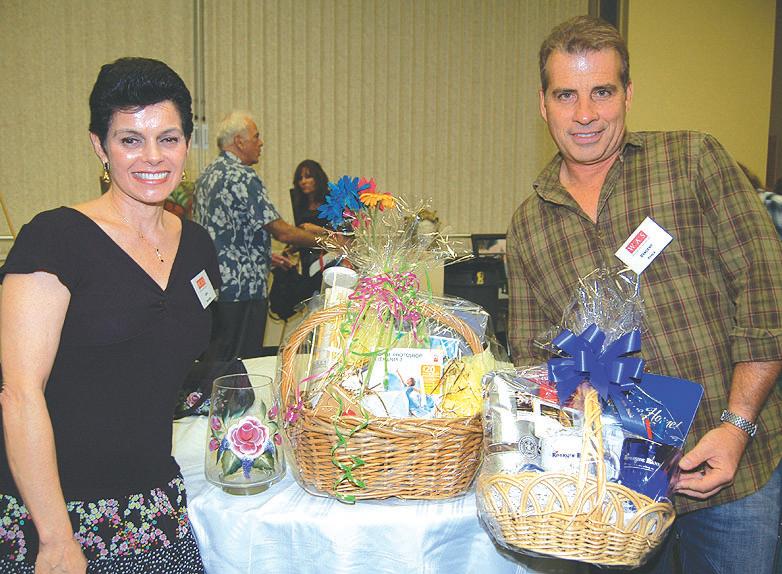
The Wellington Art Society kicked off its 2009-10 season with its annual open house and membership drive Wednesday night at the Royal Palm Beach Cultural Center. There was information on
and the group’s upcoming events, as well as demonstrations, a raffle and refreshments. For more information about the
Art Society, visit www.wellingtonartsociety.org.
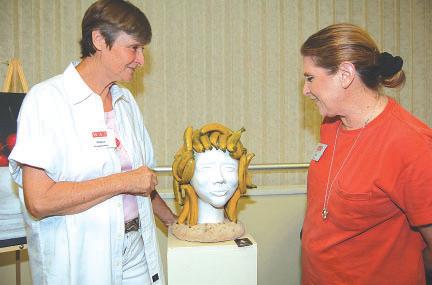

BY DENISE FLEISCHMAN/TOWN-CRIER



CHABAD OF WELLINGTON HOLDS OPEN HOUSE EVENT AT THE LIBRARY

It’s
You

of





PHOTOS
Rabbi Muskal helps Elliott Trzasko make
shofar.Youngsters
Fridman
Loxahatchee Groves artist Gisela Pferdekamper discusses her sculpture with Arlene Brand.
Joanne Baker MacLeod with her oil paintings Silhouette of Roses and Tina Climbing
Jackie Rodriguez and John Mandia of Fred Astaire Dance Studio perform a waltz.
Raffle winners Lori Shankman and Vincent Feola with their baskets.
Mag and David Frye sing a comical song about raffles.
Breast cancer survivor Linda Rovolis is donating sale proceeds to the Susan G. Komen Foundation.






More Than $6,000 In Jewelry Stolen From Area Home
By Lauren Miro Town-Crier Staff Report



SEPT. 5 — A deputy from the Palm Beach County Sheriff’s Office substation in Wellington responded to a home on Stonegate Drive last Saturday when the victim came home to find more than $6,000 worth of jewelry missing, along with an Xbox game system and two controllers. According to the report, the victim and his wife were away on vacation from Aug. 23 to Sept. 5 and left his two children to watch over the house. When he returned, he found the items missing. The victim noticed the rear door of the house was unlocked, and the victim’s son said he left the front door unlocked when he departed at 11:30 p.m. the night before, but the daughter said she locked it at 2:30 a.m. last Saturday morning. There were no suspects at the time of the report.
•
•
•
SEPT. 2 — A Loxahatchee Groves man was arrested for driving under the influence of alcohol in Royal Palm Beach following a traffic stop early last Tuesday morning. According to a PBSO report, a deputy from the PBSO substation in Royal Palm Beach noticed a truck traveling eastbound on Southern Blvd. without headlights on. The deputy pulled over the truck and upon making contact with the driver, 27-year-old Christopher Kirkpatrick, smelled alcohol coming from the vehicle. The deputy conducted a field sobriety exam on Kirkpatrick and subsequently placed him under arrest. Kirkpatrick refused to stand up and threw himself on the ground. According to the report, Kirkpatrick continued to struggle as other units assisted the deputy in placing him in the patrol car. He was transported to the Palm Beach County Jail and charged with driving under the influence and resisting arrest.

es. He was transported to the county jail and charged with felony retail theft.
SEPT. 4 — A Wellington man was arrested on drug charges late last Saturday night after a traffic stop near the intersection of Okeechobee Blvd. and State Road 7. According to a PBSO report, at approximately 10:30 p.m. a deputy from the Royal Palm Beach substation in an unmarked patrol car observed a 1995 Cadillac speeding down Royal Palm Beach Blvd., cutting in and out of traffic before turning onto Okeechobee Blvd. The deputy clocked the vehicle going 55 mph in a 35-mph zone and initiated a traffic stop. According to the report, the deputy made contact with the driver, 18year-old Mikke Jessy Seppala, and smelled marijuana in the vehicle. The deputy observed a leafy substance in Seppala’s open glove box and asked Seppala to exit the vehicle. When asked, Seppala said there was no marijuana inside the vehicle or on him and that he did not want his vehicle searched. A search of the vehicle found a gram of marijuana, a bag of marijuana seeds, an empty vodka bottle, a shot glass and rolling papers. Throughout the search, Seppala refused several commands to stay at the rear of the vehicle and continuously approached the deputy, according to the report. He was taken to the county jail and charged with possession of marijuana and narcotics equipment.











SEPT. 3 — A deputy from the PBSO substation in Royal Palm Beach responded to the Wal-Mart Supercenter on Belvedere Road last Thursday evening regarding a retail theft. According to a PBSO report, between 5:45 and 6 p.m., 33-year-old Drake Filipone of Royal Palm Beach was observed by a loss prevention officer entering a men’s fitting room with several Xbox video games. When Filipone exited the room 15 minutes later, the games were no longer visible. According to the report, he then passed all points of sale without paying for any merchandise and attempted to exit the store. A loss prevention officer confronted Filipone and brought him to the loss prevention office where eight games, valued at approximately $188.40, were recovered from Filipone’s front and rear waistband. According to the report, Filipone had been arrested twice previously on petit theft charg-
SEPT. 4 — A deputy from the PBSO substation in Wellington responded to a home on Portland Court last Saturday in response to a vehicle burglary. According to a PBSO report, sometime between 6 p.m. Friday and 8:30 a.m. Saturday, someone entered an unlocked Jeep Cherokee and stole a Garmin GPS, valued at approximately $360, and $10 in cash. The deputy was unable to take fingerprints at the scene due to weather conditions. There were no suspects or witnesses at the time of the report.
SEPT. 7 — A deputy from the PBSO substation in Wellington was dispatched to a home in Sugar Pond Manor on Monday in response to a vehicle burglary. According to a PBSO report, sometime between 1:30 and 6:30 a.m. Monday morning an unknown suspect entered a car parked on Indigo Avenue and stole a briefcase with a laptop computer inside valued at $1,800. The victim said the vehicle had been secured, and there were no signs of forced entry. There were no suspects or witnesses at the time of the report.
SEPT. 8 — A deputy from the PBSO substation in Wellington responded Tuesday to a home on Yarmouth Court regarding a home burglary. According to a PBSO report, sometime between 8:40 and 11:50 a.m. someone broke in through the rear window of





Dkwon
Health Spokesman Talks Cancer, Swine Flu At Chamber Lunch
By Carol Porter
Town-Crier Staff Report
With a Level II investigation into a possible “cancer cluster” in The Acreage underway, the Palms West Chamber of Commerce invited Palm Beach County Health Department spokesman Tim O’Connor to discuss the issues at a luncheon Tuesday.
Speaking to chamber members in a conference room at JFK Medical Center, O’Connor also discussed the H1N1 virus, also known as the “swine flu.”
O’Connor said the cancer issue had been brought to the attention of the health department in May and that an investigation is ongoing.
“They were reporting a high incidence of children with cancer, especially with brain tumors and cancers,” O’Connor said. “We did find a higher incidence of pediatric brain cancers and central nervous system cancers among females that broke down even tighter from 2005 and 2007. We have seen additional cases in 2008. The determination was made to go ahead and raise it to Level II.”
O’Connor said the investigation found five different types of cancer, and that 60 percent of the cancers were found to have genetic or family ties, 30 percent were found to be related to tobacco, and the remaining 10 percent may or may not be related to the environment.
O’Connor also said the Florida Department of Environmental Protection made a preliminary study of about 50 wells in The Acreage, and found a higher level of Radium 226, but Radium 226 naturally occurs in the soil.
Regarding the H1N1 virus, O’Connor said the better one’s health, the better one’s chances are of combating the illness. “I know you have heard a lot of talk about how you will meet your demise,” he said. “If you are in relatively good health, your body will help you out in various ways. There are good medications over the counter that will help reduce your fever, and that will help with the dehydration.”
O’Connor said the interesting part about the virus are the age groups it is affecting — ages four to 25 and 25 to 49. The vaccines being distributed need to reach those populations, O’Connor said. For some reason, he explained, people who were born before 1957 have shown a certain immunity to the virus.
“We know it’s spreading very quickly,” O’Connor said. “You have heard stories in the past few months that it was in a couple of schools. We expect it to be in 100 percent of the schools in the very near future. It’s here. It’s not going away any time soon. Take those precautions that you need to.”
O’Connor said that the regular flu season is on the way, and Tamiflu has helped with the symptoms of the other flu.
“We have partners with Walgreens, the hospitals and
“You always have that out here,” O’Connor said. “It, too, will be looked at as time goes on. It’s not over. It won’t be over tomorrow. It won’t be over in a year, and it won’t be over in five years. I want you to know we will continue to work on this. We continue to work as diligently as we can. Always at the forefront of this are these children who have been affected by this particular cancer.”
the clinics,” O’Connor said. “If you have not had a flu shot in the past, you can get that and be on top of it. We do recommend that you get the seasonal flu vaccine.”
Before O’Connor spoke, chamber members heard from JFK Medical Center representatives. CEO Gina Melby gave a brief history of the hospital, noting that its staff and services had combined forces with those at Palms West Hospital because of population growth in the western communities. “One of the great things is that we have combined forces with Palms West,” she said. “Our same team is in the western communities.”
Melby then introduced breast cancer surgeon Dr. Beth Lesnikoski, who talked about her area of expertise.
In the past, breast care has been fragmented in Palm Beach County, Lesnikoski said. But with the HCA East Florida Breast Health Network, which includes JFK, the process is faster.
“The breast network is all about accessing breast cancer care to patients so they are smoothly transitioned when they have abnormal mammograms to any of the care they need,” Lesnikoski said. “Most of the people who have abnormal mammograms, 85 percent of them don’t have breast cancer, but they will be treated like they might have it, and we move them through the system a lot more quickly than we have in the past.”
A component of the program at JFK is a multidisciplinary approach that calls for team members on a breast cancer case to meet and discuss a patient’s care.
“In addition, she will see the surgeon, medical oncol-

ogist and the radiologist all in one day to develop the medical treatment for cancer,” Lesnikoski said. “She will see a physical therapist, who will set her baseline. We also have a psychologist, a psychiatrist and a social worker on staff available to all patients. Finally, we have a certified registered dietician who will review diet and exercise with the patient.” Lesnikoski was followed by robotics surgeon Dr. Donna Pinelli.
“I take care of women who are diagnosed with cancer, or they may have it,” Pinelli said. “They usually have been diagnosed by their primary care physicians, and they are sent to me. I do a highly specialized surgery called radical pelvic surgery, and take care of patients who have ovarian, cervical and endometrial cancer. Endometrial cancer is the most common. I do end up seeing a lot of breast cancer patients. There is a link between breast and ovarian cancer.”
Pinelli said robotic surgery is an enormous help in doing laparoscopic surgery, which is minimally invasive surgery done through a small incision. Such surgeries are done quickly, with brief hospital stays and smaller doses of medication needed after the fact.
“The smaller the incision, the less pain a patient will
have and the quicker they feel better,” she said. “It still is surgery, but the patients don’t feel as much pain as if they had a major surgery. They enjoy less recovery time and less pain.”
For more information about the Palms West Chamber of Commerce, call (561) 790-6200 or visit www.palms west.com.
VINCEREMOS RIDING CENTER HOSTS NEW VOLUNTEER ORIENTATION
The Vinceremos Therapeutic Riding Center in Loxahatchee Groves held a new volunteer orientation last Saturday. Prospective volunteers were given a tour of the grounds and three mini-lessons on grooming, how to tack a horse and how to walk with a horse. For more information about Vinceremos, call (561) 792-9900 or visit www.vinceremos.com.



ROYAL PALM CULTURAL CENTER HOSTS SENIORS WELLNESS FAIR
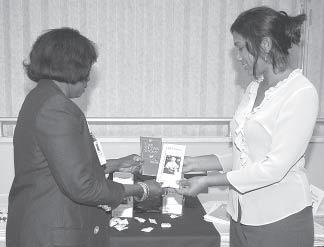

A senior wellness fair was held Tuesday at the Royal Palm Beach Cultural Center. The event was sponsored by the Area Agency on Aging and organized by Wellness Coordinator Joyce Bailey, who also offered depression screening during the fair. Foot exams were offered, blood pressure and blood sugar levels were checked, and information on hospice care was available.


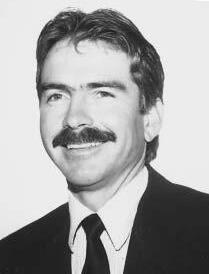
Tim O’Connor
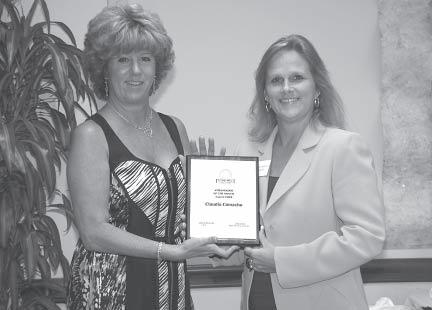
Debi Leed presents Claudia Camacho with the Ambassador of the Month award.
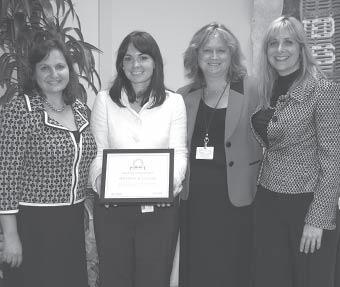
JFK Medical Center’s Dr. Donna Pinelli, Nicole Baxter, Dr. Beth Lesnikoski and Palms West Chamber of Commerce Executive Director Jaene Miranda.
PHOTOS BY CAROL PORTER/TOWN-CRIER
Barn manager and head instructor Carly Brown leads Millie, a 23-year-old Appaloosa, out of her stall.
John Lukasiewicz, Jim Rosa and Jose Dossantos groom Millie.
Hannah Lopez shows where the helmets are kept.
PHOTOS BY DENISE FLEISCHMAN/TOWN-CRIER
Ruth Butcher gets information about depression from Joyce Bailey of the Area Agency on Aging.
Mega Nursing Services’ Martha Joseph measures Avelina Pernis’ blood sugar.
VITAS Health Care’s Margaret Thorne-Henderson gives Patricia King some pamphlets on hospice care.
FAMILY FITNESS FAIR THIS SATURDAY AT ULTIMA FITNESS

Ultima Fitness/Xtreme Tae Kwon Do of Wellington will hold a Family Fitness Fair on Saturday, Sept. 12 to provide fitness education, screening and services for children and families. The fair, which runs from 9 a.m. to 1 p.m., will begin with a lecture on family fitness and nutrition with the first 50 attendants receiving a free goodie bag. There will also be a lecture on the dangers of strangers at 12:15 p.m. Participants will be able to get a free mini chair massage, have a fingerprint kit done, or get screened for health in areas such as blood pressure, bone density, body fat or cholesterol. Kids can enjoy a free tae kwon do class or have their faces painted. There will also be a raffle and various vendors for participants to get more information about health and fitness services. Ultima Fitness/Xtreme Tae Kwon Do is located at 12799 W. Forest Hill Blvd. in the Wellington Plaza. For more information, call (561) 795-2823 or visit www.ultimafitness.com. Pictured above are Ultima staff and supporters with young fitness buffs.
Santamaria To Host Forum
On Sept. 16
County Commissioner Jess Santamaria will host a community forum on Wednesday, Sept. 16 from 7 to 9 p.m. center court in the original Wellington Mall (located at the southeast corner of Forest Hill Blvd. and Wellington Trace).
The topics will include the county budget, taxes and community revitalization. Other issues will be addressed, time permitting.
For more information about the community forum, call Santamaria’s office at (561) 355-6300.
Garden Club Presentation
On Sept. 14
The Wellington Garden Club will hold a meeting on Monday, Sept. 14 at the Wellington Community Center. The event will begin with lunch at 11:30 a.m. with a presentation to follow.
The guest speaker will begin at 1 p.m. This month’s guest speaker is Jose Esposito, president of Soroa Orchids. He is an accredited judge of the American Orchid Society and travels around the world, lecturing on orchid breeding and culture, including lectures at the World Orchid Conferences in Rio de Janeiro, Brazil and in Kuala Lumpur, Malaysia.
Esposito is a founding member of the International
Orchid Alliance, past president of the East Everglades Orchid Club, past president of the Coalition for Orchid Species, past member of the Education Committee of the American Orchid Society, vice president of the Redland Orchid Growers Association and Redland Orchid Festival, as well as a past board member of the South Florida Orchid Society, where he served for several years.
The public is welcome, but seating is limited. Call (561) 798-9217 or (561) 793-6013 if you are planning to attend as a guest.
ArtStart Offering New Classes
ArtStart, a Wellingtonbased nonprofit whose mission is to provide educational opportunities in the arts, will begin offering portfolio development classes for fifthgrade students who have applied for the visual arts program at the Bak Middle School of the Arts.
The classes will begin Saturday, Sept. 26 and will help students create the various works of art needed to complete their portfolio ahead of the all-important interview process, which plays a large role in determining who will gain acceptance into the prestigious arts magnet school.
“Bak has a set of standards, and inventory if you will, of artwork the student must have in their portfolio,” ArtStart’s Jeannette Pomeroy Parssi said. “We will evalu-
ate the student’s current body of work and help him or her create the necessary elements to maximize the chances of success when they go before the interview panel.”
Classes are scheduled for Sept. 26 through Oct. 17 and Oct. 24 through Nov. 14.
Each session will feature four two-hour classes held on Saturday mornings with Parssi providing hands-on instruction and critique. For more information, call ArtStart at (561) 635-2037, or visit www.artstartinc.org.
Next Women’s Club Meeting Set For Oct. 1
The Wellington Women’s Club invites the public to attend its dinner meeting on Thursday, Oct. 1 at 6:30 p.m. at the Players Club restaurant (13410 South Shore Blvd., Wellington). The guest speaker will be the area’s own “Dr. Ruth,” local ob/gyn Dr. Maureen Whelihan.
A graduate of the University of South Florida College of Medicine, Whelihan did her residency at the University of Florida-Shands, Jacksonville. She is a partner at the Center for Sexual Health and Education based in Charlotte, N.C. with affiliates in Atlanta and West Palm Beach.
Whelihan is a board member of the International Society for the Study of Women’s Sexual Health, president of the Palm Beach County Medical Society and serves as vice president of the Florida Ob/
Gyn Society. Named one of America’s top obstetricians and gynecologists, Whelihan was honored by the Leukemia & Lymphoma Society and Palm Beach Illustrated as 2003 Woman of the Year. Guests are welcome for a fee of $30, which includes dinner and the program. For reservations or more information, call Allyson at (561) 798-6741.
Third Annual James Rivera Golf Tourney
The third annual James Ryan Rivera Muscular Dystrophy Golf Tournament will be held Saturday, Oct. 24 at the Binks Forest Golf Club in Wellington. Registration begins at noon with a shotgun start 1:30 p.m. The tournament follows a four-person team scramble format and will include contests for putting, longest drive, hole in one and closest to the pin, as well as team awards, dinner, door prizes, a raffle, and live and silent auctions.
Rivera was diagnosed in 2007 at the age of five with Duchenne’s muscular dystrophy, a genetic disease. Proceeds from the golf tournament will go to the Rivera family to help offset costs related to the illness. For more information about the golf tournament, or to learn more about sponsorship opportunities, visit the tournament’s web site at http: //home.jamesriverabenefit. com.

Water Disinfection
In Wellington
Wellington water service customers may notice a slight chlorine taste and odor in the drinking water during their period of Sept. 18 through Oct. 4. This difference is caused by a temporary change in the water disinfection process. The water disinfection process will change from the present combined chlorine/ ammonia treatment to a temporary free chlorine treatment. Periodic use of this temporary treatment process is recommended by the Department of Health as a precautionary measure to ensure that drinking water remains free of bacteria. These temporary conditions will not cause adverse health effects.
Due to the temporary change in the disinfection process, specialized users of water — such as tropical fish owners, residents with pools, businesses, hospitals and blood/dialysis clinics — may need to make adjustments in order to continue to maintain
their present water quality parameters. The temporary treatment process will be discontinued on Oct. 4 and treatment will revert to the preexisting combined chlorine/ ammonia treatment process from that date.
For more information, the village’s water quality report is posted at www.ci. wellington.fl.us. If you have any questions, call Water Facility Supervisor Sean McFarland at (561) 791-4037 or Utility Director Bill Riebe at (561) 753-2454.
Foreclosure Symposium In Wellington
A home preservation educational symposium will be held on Thursday, Sept. 17 from 7 to 9:30 p.m. at the Wellington Community Center (12165 W. Forest Hill Blvd.).
Residents will hear from a variety of experts providing information on (but not limited to) saving one’s home from foreclosure. They will then have the opportunity to meet with any one of the ex-
NEWS BRIEFS
perts one-on-one to discuss their particular situation in a confidential atmosphere. The event is free and open to the public.
For more information, call Meridith Tuckwood at (561) 753-2476.
Weed And Seed Fair Sept. 25
The Palm Beach County Criminal Justice Commission’s Weed and Seed program will host a re-entry transition fair on Friday, Sept. 25 to help connect ex-offenders with service providers in Palm Beach County.
The fair will be held at the Clayton E. Hutcheson Agricultural Service Center (559 N. Military Trail, West Palm Beach) from 10 a.m. to 2 p.m. and host more than 40 service providers including Gulfstream Goodwill, Justice Service Centers, the Florida Department of Corrections and the Florida Department of Motor Vehicles.
The Weed and Seed program provides this fair to help prevent crime by aiding ex-
offenders in finding the support and assistance they need so they don’t re-offend. The program uses existing service systems in mental health, employment, substanceabuse prevention, housing, welfare and transportation to provide this support.
For more information, call (561) 355-4943 or visit www. pbcgov.com.
College Workshop For Parents
A popular free workshop is being offered for the parents of college-bound high school students at two different locations in September.
The workshop will focus on little-known ways of getting money for college, no matter how much income you make or how good of a student you have. The class will include topics such as how to double or triple your eligibility for free grant money, the secret to sending your child to a private or state school for less than the cost of a junior college and more.
The workshop dates are
AREA DIGNITARIES ATTEND LABOR DAY PICNIC
The AFL-CIO held its annual Labor Day picnic last Sunday at Carlin Park in
served as master of ceremonies and introduced visiting dignitaries. Among the attendees were representatives of the AFL-CIO, their families and friends, state legislators and other area officials.

Labor Day picnic attendees gather for a group photo.
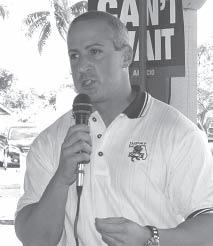

Wednesday, Sept. 23 from 7:15 to 8:45 p.m. at the Royal Palm Beach Cultural Center (151 Center Way) and Saturday, Sept. 26 from 10:15 to 11:45 a.m. at the Palm Beach Atlantic University campus in the Wellington Reserve.
The workshop will be taught by college planning specialist Jeffrey Schneider. Seating is free but limited by the size of the room. To reserve a seat, call (800) 5240868.
Home & Health Show Oct. 3-4
The 22nd Annual Home, Health & Recreation Show will take place Saturday and Sunday, Oct. 3 and 4 inside the Mall at Wellington Green (10300 W. Forest Hill Blvd.).
The free two-day event will feature the latest home products and services in the comfort of one of the area’s finest shopping malls. In addition, guests will have the opportunity to meet local doctors and healthcare professionals, who will be on
hand to share their knowledge, with some offering free medical and health screenings. There will also be face painting, character appearances and interactive activities for children. Show hours are 10 a.m. to 9 p.m. on Saturday and 11 a.m. to 6 p.m. on Sunday. For more information, call (561) 865- 8800, ext. 1 or visit www.placerite.com.
Halloween Party At P.W. Hospital
Palms West Hospital will hold its annual diabetesfriendly Halloween party Friday, Oct. 30 for children with diabetes and their families. From 6:30 to 8 p.m. at Palms West Hospital, Classroom 2, families can enjoy games, a costume contest, music and appetizers that are diabetes-friendly. The only requirement for admission is a costume. For more information, or to RSVP, contact (561) 6867701 or greaterpalmbeach @jdrf.org.

U.S. Congressman Tom Rooney (R-16) paid a visit last Wednesday to Source One Distributors in Wellington, where he met with company President & CEO Mark Llano and COO Randy Webb. Source One Distributors is an established leader in military tactical gear distribution. Rooney, a veteran himself, visited both men to find out more about their needs and how he could better help their business reach out to veterans and military currently deployed overseas. While there, Rooney also visited with company employees. For more information about Source One, visit the company’s web site at www. buysourceone.com. Pictured above, Rooney (center) chats with Webb and Llano.


PHOTO BY CAROL PORTER/TOWN-CRIER
PHOTOS BY CAROL PORTER/TOWN-CRIER
Jupiter. AFL-CIO President Pat Emmert
State Rep. Mark Pafford
State Rep. Joe Abruzzo
Dr. Maria Perez
Joins WRMC Staff
Dr. Maria Perez has joined the pathology department of the Wellington Regional Medical Center and is privileged to be working with copathologists Dr. Gordon Johnson and Dr. Alan Pierce. Perez received her medical degree from the Universidad de Valladolid in her native country of Spain and completed her residency training in pathology at Mount Sinai Medical Center in Miami Beach. She then went on to complete a fellowship in immunologic and transplant pathology at Jackson Memorial Hospital at the University of Miami-Miller School of Medicine and has recently served as an assistant professor of clinical pathology at the university for the past several years. In addition to her numer-

Dr. Maria Perez
ous publications in scientific medical journals and textbooks, Perez was recently presented with the Pathology Teaching Award by the residents at the University of Miami. She has special interests in both gastrointestinal and gynecologic pathology.
RIBBON CUTTING FOR THE KEYES COMPANY
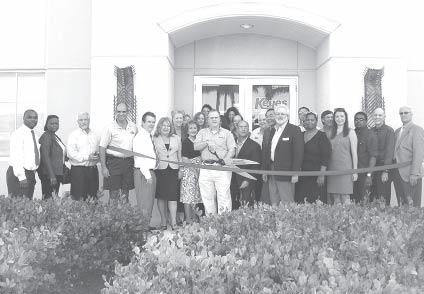
The Wellington Chamber of Commerce recently held a ribbon cutting for the the Keyes Company in Wellington. The company’s success formula is simple: professionally trained and service-oriented associates, a marketing strategy that includes capitalizing on the latest technology to sell properties, and the ability to adapt to market conditions and consumer attitudes. The company has been in Wellington since 2000, located at 12012 South Shore Blvd., Suite 112. The Keyes Company aims to satisfy all of your real estate, mortgage and/or title needs, whether it be for commercial, residential or luxury property. For more info., contact James C. Helms Jr. at (561) 209-8343 or jameshelmsjr@gmail.com, or Bill Tavernise at (561) 644-2855, or visit www.thecorjam team.com. Pictured above are Keyes Company staff members with Wellington Chamber of Commerce ambassadors.





PALMS WEST CHAMBER RIBBON CUTTINGS

Tub Tim Thai — Located at 4095 State Road 7 in the Marketplace at Wycliffe, Tub Tim Thai Restaurant offers a huge selection on its menu, and many of its entrées can be prepared with your choice of meat. Be sure to try a classic curry dish or pad thai. Restaurant hours are 11 a.m. to 3 p.m. and 5 to 11 p.m. Monday through Saturday, and 4 to 10 p.m. Sunday. For more info., call (561) 641-5550. Pictured above are Tub Tim Thai staffers with Palms West Chamber of Commerce ambassadors.

JDM Property Managers — JDM Property Managers is a full-service management group focused on residential and commercial properties. The company has independent divisions and in-house personnel dedicated to maintenance, construction, development, concierge, pool service and janitorial services. JDM also has an indepth knowledge of equestrian properties. For more info., call (561) 753-7277 or e-mail jdmproperty managers@gmail.com. Pictured above are JDM staffers with Palms West Chamber of Commerce ambassadors.
Money Tips For The Newly Unemployed
With the nation’s unemployment remaining high, Consumer Credit Counseling Service (CCCS) of Palm Beach County and the Treasure Coast today reminds people who have lost their jobs to continue paying their bills on time and managing their credit wisely during this difficult period.
Managing your credit during unemployment is critical since having good credit is a requirement for some jobs.
“Some people have the professional and education background for a new position, but may have an inability to pay bills on time,” said CCCS President Jessica Cecere.
“Failing to manage your finances during unemployment could affect your credit report and hurt your chances of landing a new job.”
As part of its educational mission, the national nonprofit credit counseling agency teaches classes on money management. Below are some money-management tips to help people through a period of unemployment, as well as long-term tactics to implement once they have a new job.
SHORT-TERM TIPS
People who have recently lost a job should determine

whether they are eligible for unemployment benefits from their state department of labor. While state laws vary, many people are eligible for unemployment benefits.
Even people who received a severance package may be eligible after waiting for a certain period of time to apply, based on the amount of severance received and the guidelines for the state where they reside.
Once you have lost a job, there are several tactics you can use. Make looking for a new job your full-time job and have an action plan that involves selling yourself to potential employers. Since sales is a numbers game, set a goal for the number of people you will contact, network with or jobs that you apply for in a day or during a week. Striving to reach that goal is a way to motivate you that will lead to a job offer. Plenty of assistance is available to help you manage your finances. For example, contact Angel Food Ministries to obtain food at the lowest possible cost. The organization can be reached at (877) 366-3646 or angelfood@ angelfoodministries.com. Call 211 to find out about other low-cost services, such as


daycare. If you are paying off a student loan, contact the financial company servicing the loan to find out if you can defer or reduce your payments. Contact the financial company servicing your automobile loan to see if you can make a similar arrangement. Make at least the minimum monthly payments on your credit card accounts. If that is impossible, contact your creditor, explain your loss of income and advise them when you will be able to resume making payments.
If you cannot make your mortgage payment, contact a mortgage counselor at (800) 330-2227.
Consider downsizing your lifestyle by reducing expenses such as club and gym memberships, cable television, bottled water and movies. Find ways to reduce “everyday” expenses, such as telephone use and dining out at restaurants. For example, families with cell phones for each person may not need a land line, and cooking all meals at home could easily save a family hundreds of dollars each month.
LONG-TERM TIPS Many unemployed people formerly worked in high-in-

come professional jobs, such as those in the mortgage, real estate or securities industries, and may not find a new job that pays as much money. They should consider a change in their lifestyles to meet their financial obligations in the future. Here are some tips to do that:
• Develop a new, realistic budget that will enable you to pay for essential expenses and bills before any extra or luxury items. Consider developing a budget so you can live on 70 percent of your new income, with the remaining 30 percent used for savings and investments.
• Consider selling your car, especially if you have a high monthly payment, and purchase a less-expensive model with smaller monthly payments.
• If it’s difficult to make your mortgage payment each month and you can live in a smaller home, consider putting your home up for sale. While home prices are depressed, it may be a better long-term solution to live in a home you can afford. CCCS offers online education classes that cover a wide variety of money management topics online at www. credabilityu.org.






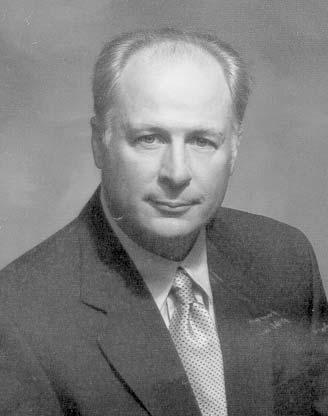











Eventful Summer For Seminole Ridge Biotech Students
Students in the Seminole Ridge High School Biotechnology Academy had a busy summer.
Sophomores Michael Fracalossi and Jesse Pentz spent the summer interning under the leadership of Dr. Alexandra Gorgevska of the Palm Beach Community College biotechnology program. The Hawks worked with bacteria, gel electrophoresis and recombinant DNA.
Biotech students advanced to E-Cybermission finals in Washington. After winning in regional competition last spring, the team of Michael Fracalossi, Logan Jones, Katie Macomber and Kristina Thompson advanced to the Army-sponsored E-Cybermission finals on an allexpenses-paid trip to present their project. In the company of their teacher Katie Wright, the Hawks toured Arlington National Cemetery, the U.S. Capitol, the Pentagon and the National Museum of Health & Medicine. After presenting their project, each student received an $3,500 savings bond to add to the $3,000 bond each had already been awarded.
Seniors Dustin Finn and Mariah Forbin began college classes in biotechnology at Palm Beach Community College this summer, reinforcing skills previously learned in the academy
and working on advanced DNA labs to earn college credit in their field.
Biotech teachers Margarette Marturano and Lyn Slygh were awarded a $998 License to Learn grant for their project “Cloning and Sequencing the GAPDH Gene in Plant Species.” Their students will isolate DNA from different plant species, amplifying the gene sequence through polymerase chain reaction and sending the DNA to be sequenced at a national lab. If successful, these students will have their sequences published in the national gene databank GenBank.
• Book Exchange — The SRHS school book exchange has begun. Students who purchased books for summer reading and who would like to exchange them can stop by the school store, Room 6101, before the school day begins. Those who prefer to donate their books instead can receive up to two hours of community service, one for each book donated.
• Hawks Take Up ‘Chicken Challenge’ — Now through Thursday, Nov. 5, SRHS is in a “chicken challenge” fundraiser against Royal Palm Beach, Palm Beach Central and Wellington high schools. Hawk students who eat at the ChickFil-A restaurant in the Mall
at Wellington Green should keep their receipts, which can be used to raise funds for SRHS athletics programs and for the student government association.
• Hawks Feature Open Tennis — SRHS features open tennis every Wednesday through Nov. 18. Students wishing to come out must have paid for interscholastic athletic accident insurance and completed a medical consent form. Parents may play as well, subject to signing up with SRHS as a parent volunteer.
• Pinwheels for Peace
The SRHS National Art Honor Society will again participate in “Pinwheels for Peace” on Monday, Sept. 21, placing their pinwheels on the median of the parking lot to increase awareness of World Peace Day. Visit www.pin wheelsforpeace.com for more information.
• Smithsonian’s Museum Day — The Smithsonian Institution is sponsoring free general admission to hundreds of museums and cultural venues nationwide Saturday, Sept. 26. Present the Museum Day admission card to receive free general admission at participating locations. Some local participants include the Boca Raton Museum of Art, the Cason Cottage and Historic House, the Jupiter Inlet Lighthouse and
Poinciana Students Take To Acting
Poinciana Day School students in grades four through eight are breaking out their acting, singing and dancing skills to prepare for their upcoming auditions for the spring musical Hairspray High
The play will be an adaptation of the musical Hairspray and is completely student-produced. Students have written their own script, will choreograph dance routines to the music, and make their own sets and props. Even the artwork for posters, advertisements and the program will be student-designed. Last year the students per-

formed their own version of
Atlantic University. For more information, call (561) 655-7323 or visit www. poncianadayschool.org.

Museum, and the Norton Museum of Art. To view the complete list of participating museums and download the admission card, visit http:// microsite.smithsonianmag. com/museumday/about.html.
• Photoshop Club Begins — Do you want to transform an ordinary picture into something extraordinary? Join the SRHS Photoshop Club on Friday afternoons at 3 p.m. in Room 5-201. Sponsor Manny Moya will teach how to restore old photos, turn black and white snaps to color, and add glamour and life to shots. Learn tricks and tips to astonish your family and friends.


for the
Amy Dow taught the students and their parents how to bake the round challah (twisted bread) that is traditionally served for the holiday. The students also learned how to make a shofar (ram’s horn).
Temple Beth Zion is located at 129 Sparrow Drive in Royal Palm Beach, just north of Veterans Park. For more information, call Liz at (561) 798-8888.


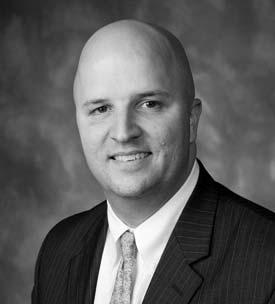
Grease, which was titled A Night of Grease and filled two nights at Palm Beach
Naomi Cortez, Cole Fendrich and Julie Cooper work on their auditions.
The Jewish holy day of Rosh Hashanah starts at sundown on Friday, Sept. 18, but students at Temple Beth Zion in Royal Palm Beach have already started preparing
holiday.
TBZ Prepares For Rosh Hashanah
Rabbi Bert Kieffer helps Jordan and Ashley Gassner make a challah as Audrey and Jarred Dunayer look on.
Hawk biotech sophomores Michael Fracalossi and Jesse Pentz with Dr. Alexandra Gorgevska of PBCC.
Teacher Katie Wright (center) with biotech students Kristina Thompson, Katie Macomber, Logan Jones and Michael Fracalossi.
Everglades Awards To Be Given Out Nov. 8 At Wellington Gala
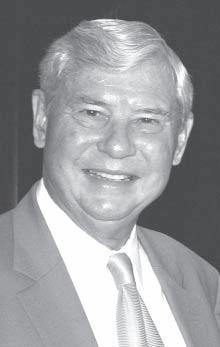
Nancy Marshall, president of the Arthur R. Marshall Foundation, recently announced the recipients of the second annual Champion of the Everglades Awards. Former U.S. senator and Florida governor Bob Graham, Palm Beach County Commissioner Jess Santamaria and family, and the Everglades Coalition, which is hosting its 25th annual conference in Palm Beach County next January, will be honored with awards.
The awards will be presented at the Marshall Foundation’s upcoming “Jazz It
Up for the Everglades” event on Sunday, Nov. 8 at the original Wellington Mall, located on the corner of Forest Hill Blvd. and Wellington Trace.
“The Marshall Foundation is proud to spotlight individuals and organizations that have made an outstanding contribution toward Everglades restoration over many years,” Marshall said. “Individually, each of our three champions of the Everglades continue to inspire us for their extraordinary efforts on behalf of the River of Grass. But collectively, they have been instrumental in forging both
ALEX NG DELIVERS SCHOOL SUPPLIES

After holding fundraisers to collect backpacks and school supplies at Duffy’s Sports Grill and Rita’s Water Ice, 12year-old Alex Ng of Royal Palm Beach visited Pleasant City Elementary School in West Palm Beach to distribute the items. (Above) Ng hands out supplies to students. (Below) A student shows off his new notebook.







popular and governmental support for reviving, restoring and preserving one of America’s greatest natural treasures.”
The recipients of the Marshall Foundation’s Champion of the Everglades Awards last year were Gov. Charlie Crist, environmental philanthropist Mary Barley and the South Florida Water Management District Board of Governors.
“Jazz It Up for the Everglades” is a combination cocktail party, dinner and jazz concert featuring legendary pianist Copeland Davis and
17-year-old jazz sensation Matt Savage. This fun and festive fundraising event replaces the Marshall Foundation’s annual River of Grass Gala. “It is most appropriate that the Marshall Foundation will be hosting our biggest annual fundraiser in Wellington, just a short distance from the Arthur R. Marshall Loxahatchee National Wildlife Refuge, which is expected to unveil its new state-of-the-art exhibits and interactive displays just a few weeks prior to Jazz It Up,” Marshall said. “Certainly those who live closest to the Everglades
have proven to be some of the biggest supporters of preserving and restoring our historic River of Grass.”
Jess and Victoria Santamaria are serving as honorary chairs of the event. Longtime cultural philanthropists Sydelle Meyer and Joyce McLendon are the “Jewels of the Everglades” for this fundraising event chaired by Roberta Drey.
Tickets to “Jazz It Up for the Everglades” cost $125 per person or $1,250 for a table of 10. For more information, call (561) 805-TREE (8733) or visit www.artmarshall.org. Bob Graham
Brewster, Graham Wed At St. Rita Church
Bill and Carol Graham of Wellington are proud to announce the wedding of their daughter, Julie Marie Graham, to Joseph Edward Brewster, son of Bob and Tina Brewster, also of Wellington.
The wedding took place on May 16 at St. Rita Catholic Church in Wellington. The newlyweds and guests celebrated at a reception held at International Polo Club Palm Beach, also in Wellington.
Wedding guests watched in surprise as the newlyweds rode out of the reception on a motocross bike to their honeymoon, an Alaskan cruise.
Cobb Finishes Marine Basic Training
Marine Corps Pvt. William Cobb, a 2001 graduate of Wellington High School, recently completed 12 weeks of basic training at Marine Corps Recruit Depot in Parris Island, S.C. designed to challenge new Marine recruits both physically and mentally.
Cobb and fellow recruits began their training at 5 a.m. by running three miles and performing calisthenics. In addition to the physical conditioning program, Cobb spent numerous hours in







Julie and Joey are 2004 graduates of Wellington High School.
Julie is a summa cum laude graduate of Florida State University and is employed by the School District of Palm Beach County as a school-age childcare facilitator.
Joey is a graduate and current professor at Palm Beach Community College while working at his family’s business, WMR Performance Motocross in Stuart.
The couple resides in Wellington, and they are new owners of a three-month-old golden retriever named Molly.
classroom and field assignments, which included learning first aid, uniform regulations, combat water survival, marksmanship, hand-to-hand combat and assorted weapons training. They performed close-order drill and operated as a small infantry unit during field training.
Cobb and other recruits also received instruction on the Marine Corps’ core values of honor, courage and commitment, and what the core values mean in guiding personal and professional conduct.
Cobb and fellow recruits ended the training phase with the Crucible, a 54-hour team mission culminating in an


emotional ceremony in which recruits are presented the Marine Corps emblem and addressed as Marines for the first time in their careers.
Riley Sarkela
Joins U.S. Navy
Navy Seaman Apprentice Riley Sarkela, son of Jeanne and John Sarkela of Lake Worth, recently completed U.S. Navy basic training at Recruit Training Command in Great Lakes, Ill.
During the eight-week program, Sarkela completed a variety of training, which included classroom study and practical instruction on naval customs, first
aid, firefighting, water safety and survival, and shipboard and aircraft safety. An emphasis was also placed on physical fitness. The capstone event of boot camp is “Battle Stations.” This exercise gives recruits the skills and confidence they need to succeed in the fleet. Battle Stations is designed to galvanize the basic warrior attributes of sacrifice, dedication, teamwork and endurance in each recruit through the practical application of basic Navy skills and the core values of honor, courage and commitment. Its distinctly Navy flavor was designed to take into account what it means to be a sailor.

Newlyweds Joseph Brewster and Julie Graham.







Saturday, Sept. 12
• The Wellington Citizens Volunteer Organization will host “Scraps for a Cause,” a scrapbook fundraiser to benefit Making Strides Against Breast Cancer and the CVO on Saturday and Sunday, Sept. 12 and 13 at the Wellington Community Center (12165 W. Forest Hill Blvd.) from 8 a.m. to midnight Saturday and 8 a.m. to 5 p.m. Sunday. Participants can rent a six-foot table for $60 on Saturday, $45 on Sunday or $100 for the weekend. To sign up, contact Stacy Somers at (561) 792-4630 or cvo. somers@gmail.com.
• The Associated Builders & Contractors Political Action Committee will hold a Poker Run for motorcycle enthusiasts on Saturday, Sept. 12 from 8 a.m. to 2 p.m. There will be contests, prizes and more to benefit the children at Home Safe. The poker run will start at Harley-Davidson (2958 45th Street, West Palm Beach) and end at Home Safe (4888 N. Haverhill Road). Call Susan Greenhill at (954) 984-0075 for info.
• Mounts Botanical Garden will feature the plant sale weekend “Everything Orchids/A Shady Affair” Saturday and Sunday, Sept. 12 and 13 from 10 a.m. to 4 p.m. “Everything Orchids” will feature top orchid growers, artists and craftspeople. “A Shady Affair” will feature more than a dozen additional vendors selling numerous varieties of begonias, bromeliads, orchids, ferns, hoyas and aroids. Admission is free for members and $5 for non-members. For more info., call (561) 233-1757 or visit www. mounts.org.
• The Florida Sportsman Fishing & Boat Show will take place Saturday and Sunday, Sept. 12 and 13 at the South Florida Fairgrounds featuring seminars, demonstrations, fishing boats and a huge indoor tackle sale. Hours are 10 a.m. to 6 p.m. Saturday and 10 a.m. to 5 p.m. Sunday. Admission is $8 for adults and free for children 12 and under with a parent. For more info., visit www.florida sportsman.com.
• Drop-in Story Times for ages two and up will resume at the Wellington library (1951 Royal Fern Drive) starting Saturday Sept. 12 at 10:15 and 11:15 a.m. Call (561) 790-6070 for more info.

• Bill Poje, author of the Florida crime novel Painless, will hold a book signing on Saturday, Sept. 12 at noon at Waldenbooks in the Mall at Wellington Green. For more info., call Poje at (904) 525-3928 or visit www.painless-poje.com.
• Royal Manor (600 Business Parkway, Royal Palm Beach) will feature Bingo on Saturday, Sept. 12 at 2 p.m. Cookies, cake and coffee will be available for a small charge. For more info., call (561) 798-3700.
• Whole Foods Market (2635 State Road 7, Wellington) will hold a “Savvy Shopper Tour” on Saturday, Sept. 12 at 3 p.m. This free taste-filled tour sure will show how to please your family and preserve your wallet. Registration is required by calling (561) 9044000.
Sunday, Sept. 13
• Whole Foods Market (2635 State Road 7, Wellington) will host “Whole Foods Whole Art” for kids five and up on Sunday, Sept. 13 from 2 to 3 p.m. Who says kids don’t like vegetables? They will when they use them to create colorful prints using bell peppers, carrots and other assorted vegetables in this exciting art adventure. Call (561) 904-4000 to register. Admission is a $10 donation to Artstart Inc.
Monday, Sept. 14
• The Wellington library (1951 Royal Fern Drive) will hold “Baby Story Time” on Mondays, Sept. 14, 21 and 28. Babies will love the rhymes, finger plays, songs, books, and toys. Times are 9:30 a.m. for under nine months and 11:15 a.m. for 10 to 18 months. Call (561) 790-6070 to pre-register.
• The Wellington Garden Club will meet on Monday, Sept. 14 at the Wellington Community Center. The event will begin with lunch at 11:30 a.m. Guests wishing to attend should call (561) 798-9217 or (561) 793-6013.
Y CALENDAR
• The Wellington library (1951 Royal Fern Drive) will host “Board Games Spectacular” on Monday, Sept. 14 at 3:30 p.m. for ages six and up. Call (561) 7906070 to pre-register.
• Community of Hope Church will offer “DivorceCare,” a special weekly seminar and support group for people who are separated or divorced beginning Monday, Sept. 14. Divorcees will meet people who understand what they are feeling while hearing valuable information that will help them move on. Community of Hope Church offers this free 13-week series on Mondays from 7 to 8:30 p.m. at the Community of Hope Church Office (14101 Okeechobee Blvd., Loxahatchee Groves). To register, call (561) 753-8883 or email info@gocoh.com. Tuesday, Sept. 15
• The Wellington library (1951 Royal Fern Drive) will feature “Anime Grab Bag” on Tuesday, Sept. 15 at 6:30 p.m. for ages 12 to 17. Want a sneak peek at some of the coolest new anime titles? Pocky will be provided. Call (561) 790-6070 to preregister.
• The Wellington Village Council will meet on Tuesday, Sept. 15 at 7 p.m. at the Wellington Community Center (12165 W. Forest Hill Blvd.). Call (561) 791-4000 for more info.
• Community of Hope Church will present “Praisemoves,” a fitness class designed to increase balance, strength, flexibility and relaxation in an atmosphere of Christian meditation on Tuesdays from 7 to 8:30 p.m. in the Royal Palm Beach Elementary School cafeteria (11911 Okeechobee Blvd.). Stretching postures, strength poses and Pilates core work done to praise music will enhance your health in both body and soul. Led by certified fitness instructors, the class is offered at no cost to men and women. To register, call (561) 846-2777, e-mail info@gocoh.com or visit the church’s web site at www. gocoh.com. Wednesday, Sept. 16
• The Palms West Chamber of Commerce will host an After-Hours Networking Mixer on Wednesday, Sept. 16 from 5:30 to 7:30 p.m. at Hoffman’s Chocolates (5190 Lake Worth Rd., Lake Worth). Admission is $10 for members and $20 for nonmembers. RVSP to Catherine Engel at (561) 7906200.
• The Wellington library (1951 Royal Fern Drive) will host “Socrates Café” on Wednesday, Sept. 16 at 6:30 p.m. for adults. The Society for Philosophical Inquiry initiated the concept for this discussion led by Marji Chapman. Find out this month’s thought-provoking topic when you call (561) 790-6070 to pre-register.
• The Wellington library (1951 Royal Fern Drive) will host “Magic School Bus Adventures” on Wednesdays, Sept. 16, 23 and 30 at 6:30 p.m. for ages five and up. Explore concepts in nature and science with Ms. Frizzle and the Magic School Bus gang. Themes include “Explore the Senses,” “In the Time of Dinosaurs,” “Baked in a Cake” and “Inside the Human Body.” Call (561) 790-6070 to pre-register.
• County Commissioner Jess Santamaria will host a Community Forum on Wednesday, Sept. 16 from 7 to 9 p.m. center court at the original Wellington Mall (12794 W. Forest Hill Blvd.). For more information, call Santamaria’s office at (561) 355-6300.
Thursday, Sept. 17
• The Royal Palm Beach Village Council will meet at 7 p.m. on Thursday, Sept. 17 at Village Hall (1050 Royal Palm Beach Blvd.). For more information, call (561) 7905100.
Saturday, Sept. 19
• The Loxahatchee Chapter of the Florida Trail Association will hold a onehour walk on Saturday, Sept. 19 at Okeeheelee Park (7715 Forest Hill Blvd.). Walkers will meet at the western entrance at 7:30 a.m. For more info., call Daisy at (561) 439-5780. Send calendar items to: The Town-Crier, 12794 W. Forest Hill Blvd., Suite 31, Wellington, FL 33414. FAX: (561) 793-6090. E-mail: news@gotowncrier.com.
Wolverines Open Season, Topping Olympic Heights 10-0
It took just one game for the Wellington High School varsity football team to match its win total from last season.
Behind a strong performance from its defense, the Wolverines won their season opener last Friday night 10-0 against Olympic Heights.
Fumbles were the story of night. Fumble after fumble — back and forth, back and forth. Wellington linebackers Ben Chapman and Chris Thomas recovered two apiece to highlight a standout night for the blue and white’s linebacking corps.
On the rainy, overcast night, the Wolverines focused on a smash-mouth running attack. Senior Ken Konn led the team with 30 yards on the ground. Sophomore Grant Smallridge had the team’s longest gain of the night, taking the ball from the 20 yard line to just outside the goal line. Senior Mike Garafine jammed the ball in from there to put the Wolverines in front. Along with the touchdown, Garafine had eight carries for 11 yards. Junior Nick Brewer’s extra point made the game 7-0. The ball possession went back and forth as both teams struggled in the passing game. Wolverine quarterback Brett Alfredson threw the ball only three times and connected only once. When the teams put the ball on the ground, however, they could not hold onto it. The Olympic Heights offense fumbled a total of nine times, with the Wolverines recovering on five of them.
The Wolverine offense on the other hand fumbled six times, losing three of them. “Our offensive coaches were not happy,” Head
Wolverine Watch
By Josh Hyber

Coach Chris Romano said regarding the fumbles. The defense saved the offense’s mistakes from being costly, though. “They played outstanding no matter where they were on the field,” Romano said.
Along with the recoveries by Chapman and Thomas, junior Alex Dinardo recovered one as well. Senior lineman Sebastian Thelisma and cornerback Brian Pupo led the defense with six tackles each.
Nick Brewer kicked a 21-yard field goal midway through the fourth quarter to pull the Wolverine lead to 10-0. Senior Nick Young then put the game away with an interception in the game’s final minutes.
Say what you want — “the team doesn’t throw,” “they’re playing an easier schedule,”
“Olympic Heights played terribly” — in the end, Chris Romano’s Wellington Wolverines got the job done. No one can complain about a victory. And for one week at least, the critics are silenced. Wellington plays an away game at Lake Worth High School on Friday, Sept. 11, then heads to Santaluces High School on Thursday, Sept. 17.



Seminole Ridge Hawks Defeat John I. Leonard 28-14
By Lauren Miro
Town-Crier Staff Report
The Seminole Ridge High School varsity football team proved its strength on Friday, Sept. 4, dominating the John I. Leonard Lancers 28-14.
Big plays early on helped lead the Hawks to victory. By 15 seconds into the first quarter, the Hawks were up by six when Gary Holmes ran in a touchdown. Only four minutes later, Hart Collier intercepted a pass to turn the ball back over to Seminole Ridge. The Hawks lost possession, but gained it back in time
for a Javian Wrisper touchdown, bringing the score to 14-0.
The Lancers made their first big play with two minutes left in the first quarter when Luis Diaz ran a 64-yard touchdown.
The Lancers held the Hawks back for the remainder of the first quarter and came on strong at the beginning of the second quarter, with Terrance McCray jumping for an interception. A fumble of the ball on the kick return by the Lancers gave Seminole Ridge control, but they lost the advantage by letting penalties push them

back before they could make a first down.
With 14 seconds left in the first half, the Lancers sat at first and goal, but still were unable to break through the defensive line.
Coming into the second half, the Lancers let a loose ball fall into the hands of the Hawks, who worked their way into the Lancers’ territory for another touchdown. A penalty during the extra-point kick allowed the Hawks to make a two-point conversion and brought the score to 217 in favor of the Hawks.
The Lancers ran their second touchdown in with six
minutes left in the third quarter, but two minutes later, Aaron Arndt responded with another touchdown for the Hawks, and the kick by Matt Johnson brought the score to 28-14.
The fourth quarter saw the teams battling for control of the ball with neither side scoring. At the end, the Lancers sat at first and goal but were unable to penetrate the Hawks’ defense to put more points on the board.
Seminole Ridge hosts Santaluces on Friday, Sept. 11 at 7:30 p.m. The Hawks will then visit Jupiter on Thursday, Sept. 17 at 7 p.m.

Travel Basketball Golf Classic A Success
The inaugural Wellington Travel Basketball Golf Classic held on Aug. 29 was a huge success, with almost $25,000 raised. More than 130 golfers participated in the event and close to 50 basketball players and parent volunteers donated their time for the fundraising effort.
Wellington Travel Basketball past president Lenny Rosner has been involved in the program in various capacities for many years. He also played in the tournament.
“What a great day for Wellington basketball,” he said. “The tournament was very organized and extremely well run. Everyone’s efforts should be commended. This is truly the way to take pride in a program.”
Not only was the tournament sold out, which in itself is a challenge in today’s economy, but businesses in the western communities helped out with various sponsorships, silent auction items and raffle prizes.








a
Palm Beach County Region 345 of the American Youth Soccer Organization at Okeeheelee Park has added an adapted soccer program for players with special needs called “VIP” — the Very Important Player program. The VIP program will allow children ages five to 12 with special needs to participate on a soccer team and compete with other children at their own level. Registration begins Saturday, Sept. 19 from 10 a.m. to 2 p.m. at Okeeheelee Park. The cost is $30, which includes a uniform shirt, shorts and socks and accident insurance. Teams may include children who are blind or visually impaired, have impaired mobility, use a walker, wheelchair or other assistive device, are mentally or emotionally challenged, autistic or have Down syndrome or cerebral palsy. The teams will be formed based on size, ability levels and age so all play-
PHOTOS BY JIM RIGOLO
PHOTOS BY LAUREN MIRO/TOWN-CRIER
The Hawks tackle the Lancers’ Luis Diaz.
SRHS kicker Matt Johnson goes for the extra point.
Hawk Hart Collier intercepts a pass.
Jeacky Charles jumps over teammate Tyler Butler, who is tackled after catching a pass.
Royal Palm Beach Piranaz 10-U baseball team pitcher Sean Houck threw a no-hitter against the TPX Titans in
10-0 victory to claim the championship at the Nations Baseball Back to School Bash Tournament held Aug. 2123 in Hollywood. Pictured above are: (front row, L-R) T.J. McKenzie, Xavier Edwards, Daniel Hernandez, Jason Fox, Nick Adams and Brock Chase; (back row) Xavier Smith, Charlie VonWerne, Houck, Ethan Levi and Andrew Johnson.
Division B winners Paul Prescott, Brian Hurley, Chad Miles and Scott Wilkins.
Division A winners Chris Wittig, Karl Duell, Jason Sundermeier and Leonard Marston.
Division A runners-up Keith Goldfarb, Dan Lockwood, Adam Chorzelewski and Brian Kelly.
Division B runners-up Gary Giancarli, Greg Giancarli, Patrick McMahon and Abe Ringer.Kate Fratalia with Burnie, the Miami Heat mascot.
Sophomore Tyler Vanacore changes direction on a Wolverine run.
Senior Brian Pupo “wraps up” an Olympic Heights ball carrier.
WHS senior Erich Davis makes a diving tackle.
I Declare Summer Over, Frosty ‘Punkins’ Notwithstanding
I’ve decided it’s fall.
I know, I know. I’m supposed to wait until Sept. 22 and the autumnal equinox, or according to James Whitcomb Riley, when “the frost is on the punkin.” No can do.
We Type A personalities for whom nothing moves fast enough want fall now
We’ve got a little bit of it — college football has started, the stores are showing a lot of tweed, and I think there’s leaf in my yard that’s a little less green than it used to be.
So I’ve declared it “fall.” Fall is good. Fall means I climb up into my 126-degree attic and pull out my Halloween decorations. Fall means I set my air conditioner to 60 so I can bake bread. Fall means I can start stockpiling Christmas gifts.
When I lived up north, I really never appreciated fall. I was just a kid and it seemed
Deborah Welky is The Sonic BOOMER
like the cool, crisp air would be there forever; like the piles of fallen leaves would be jumpable forever; like Mom’s apple pie would go on forever. But to those of us who love them, fall and spring seem to be the shorter of the four seasons. It’s winter and summer that stretch on much longer. This has me thinking about life in general.
If you equate the budding of spring to the earliest years of our human life, doesn’t toddlerhood also seem way too short? Then comes summer, which I would compare to the long years spent getting educated and putting that education to use in a career. Then comes fall, where maybe I am now. Then comes winter, which those from that season tell me is not for the faint of heart. Having completed my education, raised a family and contributed (I hope) to society through meaningful employment, I should now be able to retire into my big pile of leaves. Along that path, things seem to be going quite well. My rolling stone has gathered up enough moss to make me feel quite worldly, and now I want to take what I’ve learned and put it to good use — on my own behalf. With all the possibilities that entails, only one thing scares
me: winter. Am I going to have enough time to accomplish all I’ve been dreaming of before the (and you’ll pardon the expression) “big chill?”
The answer is no. It’s no because once you’re even a little bit worldly, you realize that you will never, ever, ever have enough time on earth. You never did. The good news is that at least now you know it. So fall is the time to breathe in the sharp air, to jump in with both feet and to gorge oneself on apple pie. What fun! How delightful!
But you know what? Suddenly I don’t feel like a Type A personality. I don’t want things to move any faster. In fact, I want things to slow down. I want fall to stretch on and on. Thank goodness it’s only September. And the “punkins” are frost-free.
‘Extract’ Stands Out Because It’s So Much Like Real Life
The new comedy Extract has a strange premise: that you can have a film with no special effects, no robots, no science fiction and still keep people interested. This summer, it is a rarity in that it shows realistic people, not very different from our own friends and neighbors. “Look over there,” one of my friends whispered as we left the theater. “Those people look like they’re from the movie.” That sense of familiarity makes the film work pretty well.
Years ago, Hollywood made comedies and dramas about real people. They did not have to be movie-star gorgeous but were easily recognizable to audiences. The people in Extract evoke that same feeling. The workers, the assorted friends and neighbors, and even the major characters all feel real. Most workplace movies now focus on white-collar people, particularly those in the media, all of whom seem to be prettier than life. Extract centers on modern questions of morality. The main character, Joel (Jason Bateman), owns a small factory that makes
‘I’
On CULTURE
By Leonard Wechsler

flavored extracts. His life seems fine at first.
He drives a fancy car. He has a big house and a beautiful wife. But he spends so much time at work that relations with his wife (Kristin Wiig), particularly of the sexual kind, are a thing of the past.
Joel has an obnoxious neighbor (David Koechner) who literally leaps over fences to engage him in long pointless conversations, keeping him from meeting a deadline his wife has set. Koechner is a real hoot. There was a gasp of recognition from the audience at his antics. Most people know someone pretty much like that; a person who not only intrudes
into your life but consistently takes advantage.
Joel’s workers are also quite a bunch. They are generally petty and have no problems allowing problems to pop up, eventually leading to a real Keystone Kops accident that sets everything in motion. The story brings in a gorgeous con woman (Mila Kunis) who manipulates everyone with ease. Joel wants her and asks his best friend, whacked-out bartender Ben Affleck, what to do.
Has anyone ever noticed how often we ask exactly the wrong people for advice? Affleck recommends drugs and having an affair. To get over Joel’s distaste for cheating, he suggests having his wife seduced by a local male bimbo. The plot winds on and around. Nothing presented is impossible, and the characters have the ring of truth about them. While the workers are petty and self-centered, Joel’s top manager (J.K. Simmons) has never bothered to learn anyone’s name, calling everyone “Dingus.” Except for the con woman. Director Mike Judge, who made the very
Soccer? At Least They Don’t Call It Football
Octograndpa (me) has a problem. No, it’s
not a life-threatening problem, just an everyday problem that needs some sort of solution.
Six of my eight grandkids are playing organized sports this fall. So far, this is a good thing. The problem is they are playing in three different locations on six different teams. Last season I had it easy: three of my grandkids were on the same baseball team. That is apparently not to be the case this season. Only two of my grandkids are playing baseball. The other four are playing a sport I know nothing about. They are playing soccer. My sport of choice is good old American baseball. So if I were a betting man, I would bet I’ll be watching my grandsons Max and Carter play a lot of baseball this season.
Of course, I know myself well enough to be sure that I’ll also be watching a lot of soc-
Wondering & Wandering
By Ernie Zimmerman

cer games this fall. Who knows? Maybe when I start to understand soccer, I will begin to like it. As I enjoy most sports, I don’t think that will be a problem. Perhaps if more of my grandkids play soccer instead of baseball, I will most probably get to like soccer better than baseball. I have been trying to watch soccer on TV, but so far the only channel I can find soccer

on is in Spanish. Listening to the announcer doing play-by-play is not helping me understand the game, because I don’t comprehend a thing he is saying.
I am trying my best to follow the game with my eyes. I know you can’t touch the ball with your hands (well, at least I learned something). Sometimes it seems to me that I am watching a hockey game without the ice, the skates or the sticks. I can tell the crowd is very much into the game. There is a lot of running around from the players, but very little scoring. Very rarely does a player put the ball into the net for a goal. But when that does happen, the crowd goes wild.
Every game I have watched on TV has been very low scoring, just like most hockey games. When I watch baseball, I don’t like low-scoring games. I don’t like to see a pitcher pitching a shutout. I like to see the batters hit
funny Office Space and the underrated Idiocracy, creates a realistic landscape. It is funny, but all the characters have the feel of real people. That makes it unique. Bateman is a perfect Everyman. Wiig is attractive and plays the straight woman effectively. The only person who seems out of place is Kunis. She is gorgeous, but that fits her character. She casually manipulates every man in the film, using her looks to her best advantage. No one is immune. She is supposed to be out of place. Affleck was the one person with the wrong feel. Although made up with a beard and shaggy hair, his persona is just not quite right. Giving Bateman a horse tranquilizer and organizing the seduction of his wife pushes the limits of the character and weakens the film. He seemed to switch between caring for his friend and trying to abuse him a bit too often. This is a good comedy. It is worth seeing. It almost certainly will not be nominated for anything, but it will provide audiences some very hearty laughs as well as deliver them a jolt of recognition.
Around Here
the ball and score a lot of runs. Maybe I could get a better feel for soccer if they figured out how to score a lot of goals in a game. A 9-8 soccer game would be a perfect game for me to watch. When fall arrives, I know I will be on a field somewhere Monday through Friday in the evenings, and most probably all day on Saturdays. And of course on Sundays, I will be resting up my tired old body and my very worn-out vocal cords, because Monday comes around real fast. I wonder if by the time November rolls around, I will still be able to talk. I do tend to talk and scream a lot at these games. Of course, after November I will get to enjoy a two-month break. But then in February, I will once again have six grandkids on six different teams. Problems, problems, problems — they seem to never end.




How Bits Work: Tips For Using And Understanding Them
Bits are one of the main ways riders communicate with their horses. Bits are usually composed of metal, plastic and/or rubber, and fit comfortably in the horse’s mouth. The reins are attached to the bit, and riders use the reins to help the horse understand such cues as stopping or slowing down, adjusting stride length and turning. Yes, there’s a lot more to riding than just using the reins, but we’re focusing on bits here.
So how do bits work, and how do you decide on which bit to use?
Bits put pressure on a horse’s mouth. Depending on the type of bit and how the rider uses his hands, there can be more or less pressure on different parts of the horse’s mouth: the corners, the lower jaw, even the tongue.
Some horses have “dead” or desensitized mouths due to riders’ rough hands. Some horses have learned to pull or lean on the bit. Some horses simply ignore the bit, while others become frightened at the least little tug. Ideally, a horse should “listen” to the bit, noticing subtle changes in pressure and react accordingly.
Riders can do a lot of things to change how a horse moves by adjusting how they use the bit, raising their hands to have the bit put pressure on the corners of the horse’s mouth or lowering their hands and loosening up, which may make a horse lower its head to follow where the bit’s going. There are endless combinations of things riders can do.
How a rider uses his hands is a huge con-
Tales From The Trails
By Ellen Rosenberg

sideration in deciding which bit to use. A horse may have a variety of bits depending on the rider and the situation. A novice rider might need a stronger bit in order to maintain control, or she might need the stronger bit at particular times, such as in a show or on a trail — someplace where the horse may be more likely to spook or get excited. A horse might be able to go in a light bit at home in the ring, and then need a stronger bit on “silly” days.
Generally speaking, the more advanced rider has better hands. When referring to a rider’s “hands,” equestrians don’t just mean the physical hands. It’s a reference that means the rider’s touch — how lightly he or she uses the reins and how little interference there is in the horse’s mouth. Ideally, the horse shouldn’t particularly notice the bit except as a subtle cue. Good riders have light hands, following hands, kind hands. Horses appreciate their light touch and are more responsive.
Deciding which bit is best for your horse is a whole science in itself. Basically, you want
the easiest, least severe bit you can get away with. The two main considerations are how sensitive the horse is and how good the rider’s hands are. Some horses prefer metal bits, either stainless steel or copper, while others like “chewy” bits of plastic or rubber. Some bits even have tiny little metal rollers on them for a horse to play with. There is an endless variety of bits, but for simplicity’s sake, most bits can be described as either straight or broken. Straight bits are just that: straight or slightly curved. They may be thinner or thicker, and can also have a port, a raised middle part. They can be smooth or have a twist to them. Thinner bits are harsher than thicker bits. Broken bits are called snaffles. They include two or three straight metal pieces that are hinged together. Snaffles allow for more movement in a horse’s mouth, and are usually considered a lighter bit than a straight bit. However, there are some extremely strong bits such as a double twisted wire snaffle — definitely not a bit for an inexperienced rider! The rings, where the reins are attached, can be round or D-shaped. Some bits have shanks — straight metal pieces of varying lengths attached to the bit and extending downward, with another metal circle at the bottom. The reins attach to the shank rather than directly to the bit. This adds leverage; the longer the shank, the more leverage and the stronger the bit. Some straight bits such as a Pelham have two sets of reins — one to the bit and one to

Different types of bits.
the shank. The rider uses four reins at a time, adjusting more or less pressure on the bit and shank as needed. Shanked bits also have curb chains: a piece of leather or a smooth chain that attaches to the bit and runs behind the horse’s lower jaw.
Some bits also have wings — straight metal pieces that stick up above and/or below the bit. These wings put additional pressure on the sides of a horse’s mouth and keep the bit from sliding through.
Ideally, the bit should fit the horse comfortably, be comfortable for the horse, and allow a rider to communicate effectively with the least amount of pressure. Creating the right combination of bit, horse and rider requires years of practical experience.
WELLINGTON WOMEN’S CLUB MEETING KICKS OFF 2009-10 SEASON
The Wellington Women’s Club kicked off its 2009-10 season on Thursday, Sept. 3 with a dinner meeting at the Players Club restaurant in Wellington. Returning members and guests enjoyed a “welcome-back” reception with complimentary hors d’oeuvres and a cash bar, followed by dinner and speaker Suzanne Turner, CEO of the YWCA of Palm Beach County. For more information about the group, call Allyson Samiljan at (561) 798-6741.

RPB Tax Rate Drops... Again
continued from page 1 state revenues and $121,000 less in miscellaneous revenue including interest income, for a total of $1.5 million.
“What we’ve done to offset that is we did not transfer capital projects of $1.3 million, and we were able to secure reductions in some of our insurance,” Hochman explained.
The total village budget for next year is $55 million. The general operating budget accounts for 34 percent of the money. In the $21 million general fund, 19 percent will
County Millage Rate Up
continued from page 1 is a cut that the sheriff has identified that has to be made as opposed to cutting deputies. I would hope that during this interim year, we can find a more efficient way to run the Drug Farm program.” Abrams said his goal is to restore economic prosperity and that a higher tax burden would only prolong a recession.
Commissioner Shelley Vana said she hoped that the process would be different in the upcoming budget. “I would like for us to see, if we have to, where we could make more cuts or be more efficient in order to do it in a different way,” she said.
Forum Both Sides Debate
come from property taxes and 23 percent will come from other taxes and fees, which is the lowest tax percentage the village has ever had, Hochman said. Other revenue sources include 15 percent from intergovernmental sources and 14 percent from licenses and permits.
On the revenue side, 73 percent of the operating budget goes to personnel costs, Hochman said.
Farber said he is proud that the village was able to keep cost of living and merit pay increases for remaining employees, who have had to work harder to make up for lost positions. “Our employees are our stars,” he said.
Positions deleted over the past year include one permit
Vana suggested pulling money out of reserve funds to keep the Drug Farm program and find creative ways to continue funding it next year, which was supported by Commissioner Jess Santamaria. Weisman said he strongly recommended against taking money out of the reserve to pay for ongoing expenses.
“Your 2011 situation is on paper, and everything we know now is much worse than your situation at this minute,” Weisman said. “The idea that you’re going to find savings to deal with the situation is beyond anything I can evaluate in this budget. If you’re not prepared to currently fund the operations, then we should cut the costs of those operations.”
The county would collect a total of $613,607,557 in taxes at the 4.344 millage
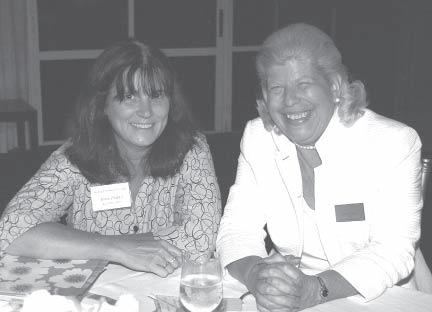
technician from community development, four general maintenance workers from public works, and five positions from parks and recreation, a department that also had four position reclassifications downward, Hochman said. He noted that in the $34 million capital improvement program, 88 percent is allocated to the development of Village Commons Park on Royal Palm Beach Blvd.
Mayor David Lodwick said the village runs about as lean an operation as any he has seen.
“We serve on a lot of boards around the county and the state,” he said. “We challenge any community on our bang for the buck. I think we’ve done a good job holding the line on expenses dur-
rate, Weisman said. Under the proposed budget, a homeowner with a home valued at $250,000 and a $50,000 homestead tax exemption would pay $869 in county property taxes next year.
Weisman said the total tax is less than a homeowner would have paid per year since 2004 because of the Save Our Homes amendment, during which period the county did not raise the millage rate.
“It was kept the same or lowered from year to year,” he said. “The increase that was experienced by longterm homestead residents was never more than the three-percent cap. In 2007 and 2008, the numbers started going down because of the state action and voter action to provide an extra homestead exemption.”
ing the growth, and now that is paying dividends to our residents in another millage cut this year. We’re holding the line on expenses, yet we’re continuing the improvement program.”
Lodwick credited Farber for doing a good job identifying the best value for residents, whether it is outsourcing services or doing work internally.
“There are a lot of great employees here, but there are just times when we’ve got to get the absolute best bang for the buck,” he said. “I appreciate all of your hard work. It is a good budget.”
Councilwoman Martha Webster thanked village staff members for doing a good job the past year.
“I think it’s evident in look-
Increases in the county budget from 2001 to 2007 were to great extent due to increases in taxes on nonhomesteaded property and an increase in size of county government, a personnel increase from 3,800 in 2002 to 4,400 in 2007, Weisman said.
For the 2010 budget, the county plan reduces its number of employees from 4,426 to 3,800, Weisman said, adding that property taxes collected this coming year are expected to be $70 million less than what was collected in 2007.
Commissioner Priscilla Taylor seconded Aaronson’s motion to approve the millage rate of 4.344, which carried 5-2 with Abrams and Vana dissenting.
The county’s second and final budget hearing is scheduled for Sept. 21.
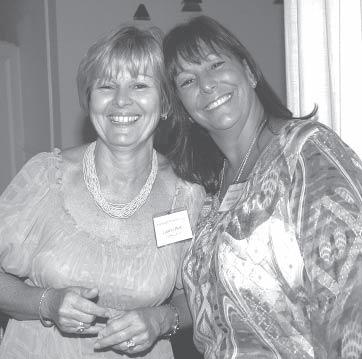
ing at our village,” she said. “It’s well kept and well maintained. The workers all work hard.”
The council then unanimously approved the first
Budget Hearing
Sept. 15
continued from page 1 er than last year’s tax rate of 2.34 mills, it is less than the 2.8 mills considered by the council earlier this summer.
Schofield said it would have been easier to go with the rollback rate, which is what many municipalities across the state are doing. Instead, the council pulled $2.4 million out of building and parks reserves to make 2.5 mills feasible.
“We are not touching the operating reserves, and we are getting ready to pay $9 million in debt,” Schofield said. “We have changed around the way we invest our money, and it really is investing in the future.
At the proposed rate, village property taxes will take in revenues of $14.4 million next year, an overall decrease of $1.6 million from 2009.
Budget reductions include eliminating grants to local schools, reducing the frequency of some landscape maintenance, freezing pay levels for employees, implementing a four-day workweek and unpaid furloughs, and reducing the municipal workforce by 16 positions.
Mayor Darell Bowen noted that the village has been able to reduce its payroll to a great extent by not filling positions that open up. “The payroll was a big part of it,”
reading of the 2010 budget. A second budget hearing and final adoption is set for Thursday, Sept. 17 at 7 p.m. The new fiscal year begins Oct. 1.
he said. “We went from 300 to 250 employees in two years.”
The village also saved money by putting landscape maintenance contracts up for new bids, Bowen said, saving between $200,000 and $300,000.
“We did not reduce [lawn] cutting,” Bowen said. “We rebid, and they submitted lower prices. They will do the same number of cuts as before. I think we’ve been able to balance the budget by making sound business decisions.”
Bowen said that so far, the village has not had to reduce services much. “That’s not to say that next year we won’t have to take a look at some of it, but up to this point, I believe we have maintained services,” he said.
Every business has had to tighten its belt in tough times, and government must do the same, said Bowen, a businessman who owns a promotional products firm.
“I think we’ve done a real good job of doing that in the same way businesses would do it,” he said. “Businesses don’t go slicing their services when they start cutting their budget. They’re able to trim and squeeze, and that’s what we did. I think most people won’t recognize any change in the level of services at all.”
The second public budget hearing and final adoption is scheduled for Tuesday, Sept. 29.
continued from page 2 programs, that there is talk about Medicare and Medicaid being cut. That is not true.” West said everything should go back to the Constitution, which he said was drafted in the spirit of limited government. “One of the mandates was to promote the general welfare,” he said. “You go back and do constitutional studies. It’s about protecting life, liberty and the pursuit of happiness. The government should not be controlling our lives and not controlling our pursuit of happiness.” West said the current system is “pretty doggone good,” but could be modified somewhat. “There are things that we can do to improve our healthcare system that won’t cost the American public one single dime,” he said. “During this time of recession, that last thing is important. Do not violate the liberties of our citizens, and take away the choices and options they have.”
passed because it was bipartisan in nature.
Graber said the current environment places healthcare in the hands of the insurance companies and lawyers, damaging the patient/doctor relationship and destroying the framework of healthcare as a whole.
Graber, a doctor and former Broward County commissioner as well as a former state legislator, said he supported Gov. Lawton Chiles’ healthcare reform proposal in the 1990s, and that bill
“You have to do something that provides care for the patient first,” he said. “It should be a patient-driven program. In the beginning, it was the doctor and the patient. Now we have insurance companies, mandates and lawyers. This is not the way healthcare should be. You judge how a healthcare plan works by how it takes care of people in our society.”
At the close of the forum, Lynch and West thanked Hastings for attending. Lynch said the Republican Party is not the “party of no,” and discussing healthcare issues with someone from another party had been beneficial. “I truly do admire him,” Lynch said of Hastings. “I am going to try to change his mind.” Hastings thanked the other members of the panel for coming together, and he said he looked forward to more such civilized debates rather than the angry and troubling meetings that had grabbed headlines all summer long. “Let’s try to tone this down and work together,” he said.
Blotter
continued from page 6 the home and stole several electronic items, clothing and $500 in cash. DNA evidence was collected at the scene, but there were no suspects at the time of the report. SEPT. 8 — A Wellington man was arrested on drug charges Tuesday after deputies from the PBSO substation in Wellington noticed him rolling a joint in his car. According to a PBSO report, the deputies were sitting in an unmarked patrol car in front of the Publix supermarket on Forest Hill Blvd. at approximately 10 p.m. when a man
in a purple Honda parked in front of them and turned off the car’s lights. The deputies noticed that the driver remained in the car and began to roll a joint. According to the report, the deputies walked up to the vehicle and made contact with the driver, 24-year-old Ty Perkins of Wellington, and asked him to exit the vehicle. Perkins had marijuana on his shirt and shorts. A search of the vehicle found a clear plastic bag containing 2.5 grams of marijuana and a hollowed out brown cigar. Perkins was issued a notice to appear in court and released from the scene.
PHOTOS BY CAROL PORTER/TOWN-CRIER
Former club president Terri Priore with YWCA of Palm Beach County CEO Suzanne Turner.Co-presidents Laurie Piel and Cheryl Rivelli.
Past president Jo Cudnik, Vice President Stacy Kaufman and new member Liz Matolla.