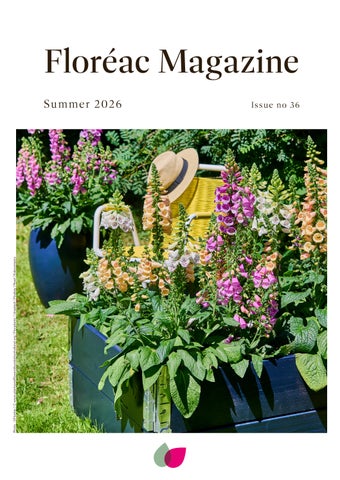
The summer edition of our magazine is once again all about inspiration, ease of use and the in-store experience. With themes such as Intriguing outdoor, Shade & shape and Taste the garden, we are responding to what really matters today: products that immediately appeal, are easy to display and offer clear added value for your customer.
We see buying behaviour continuing to evolve towards quick, considered purchases and ready-made solutions. That is why we are consciously focusing on compact, visually striking concepts that not only inspire but also drive turnover. At the same time, there remains room for authenticity, biodiversity and sustainability – values that are becoming increasingly important in our sector.
In a context currently characterised by geopolitical uncertainty, rising costs and market pressures, we realise all the more how important stability and cooperation are. These challenges affect us all: from grower to retailer. That is precisely why, as Floréac, we want to remain a reliable partner you can count on. With a wellconsidered range, transparent operations and support where needed.
Our organic certification, sustainable approach and strong, long-standing relationships with our growers form a cornerstone of our operations. They enable us to look ahead with confidence and continue to do business with you in a sustainable and forward-looking manner.
We would therefore like to sincerely thank you for your trust and cooperation. Together, we will continue to build a strong, resilient sector, in which we continue to see opportunities, even in challenging times.
We wish you a successful and inspiring summer season.
Kind regards,
An Vander Aa CEO Floréac
Intriguing outdoor
Playful and eye-catching outdoors
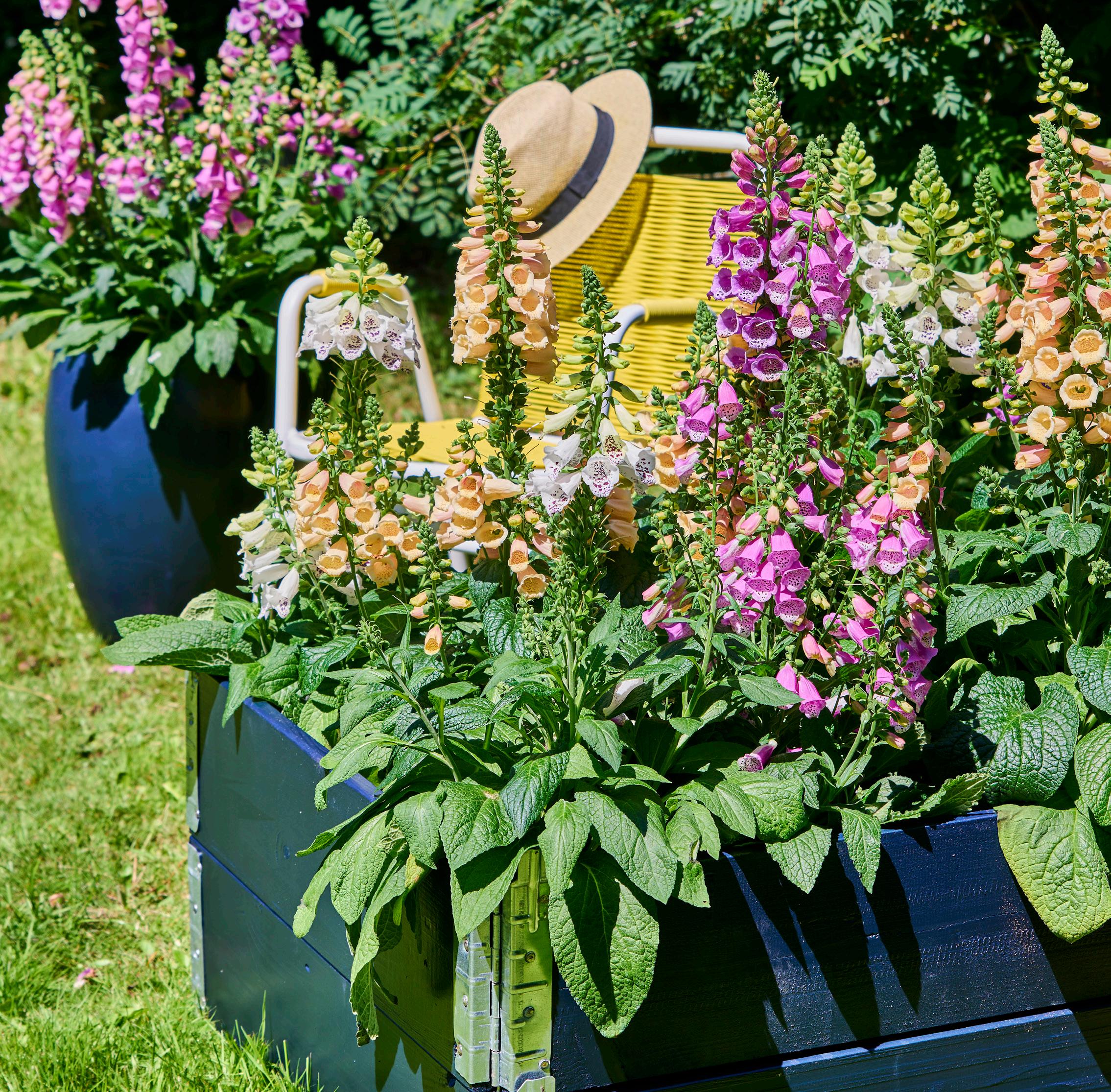
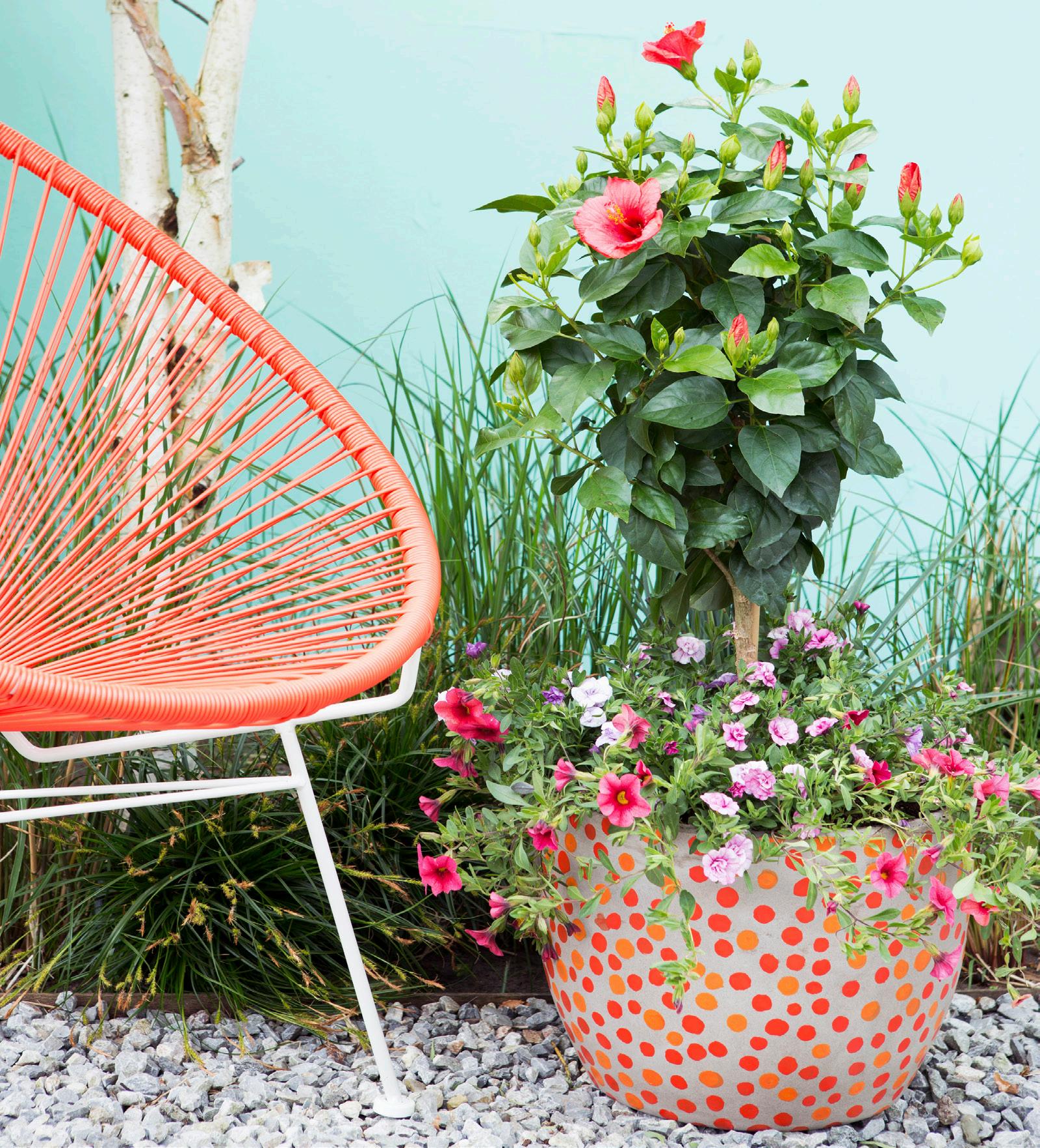
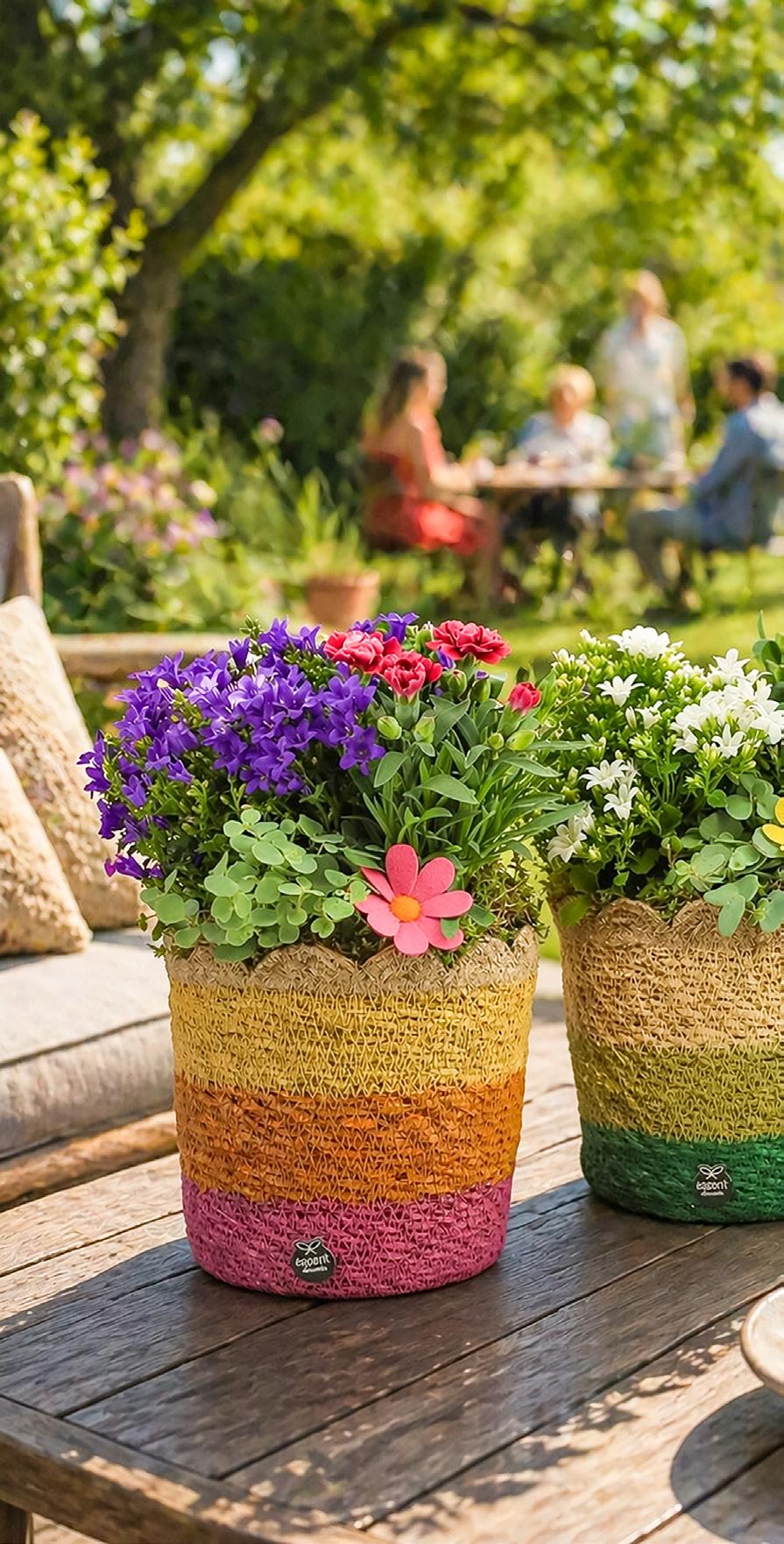
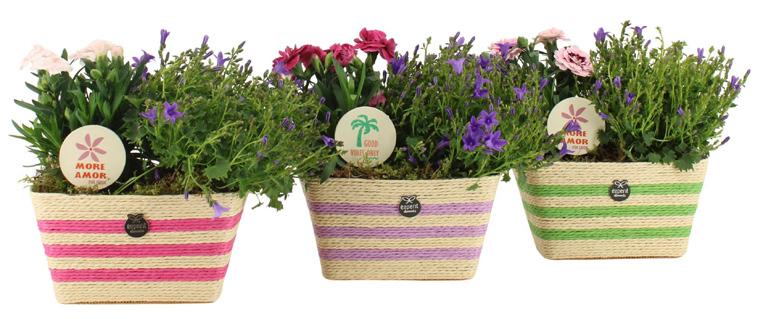
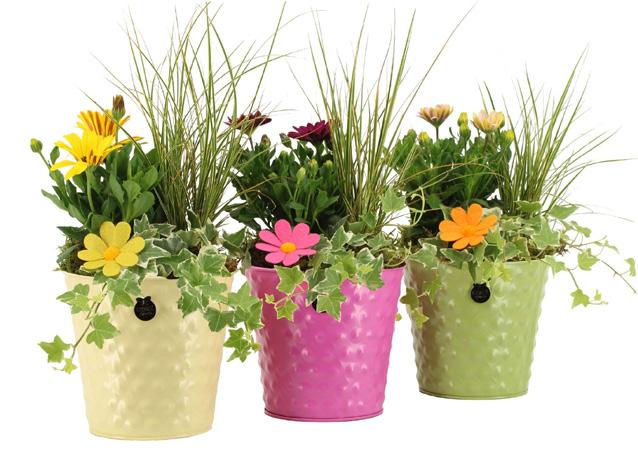
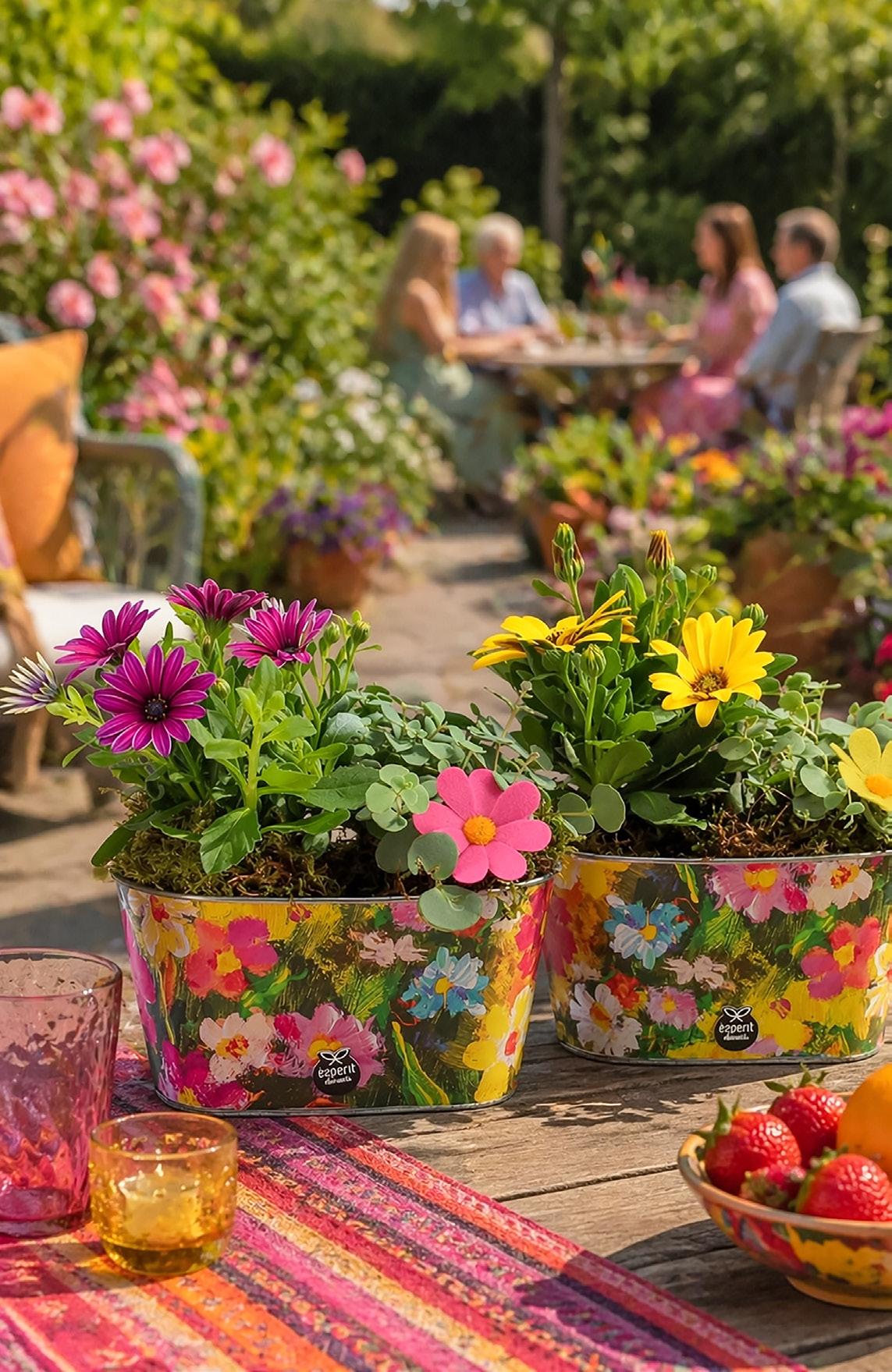
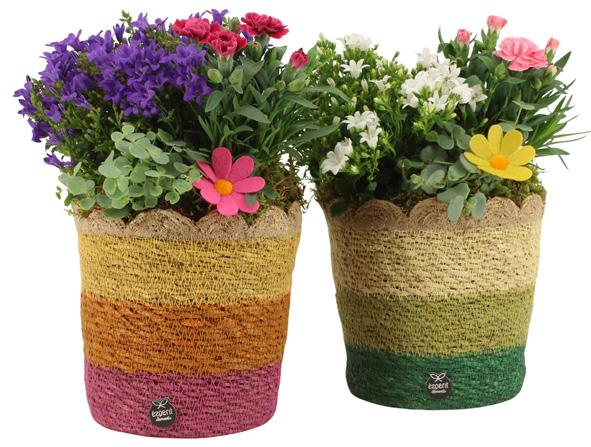
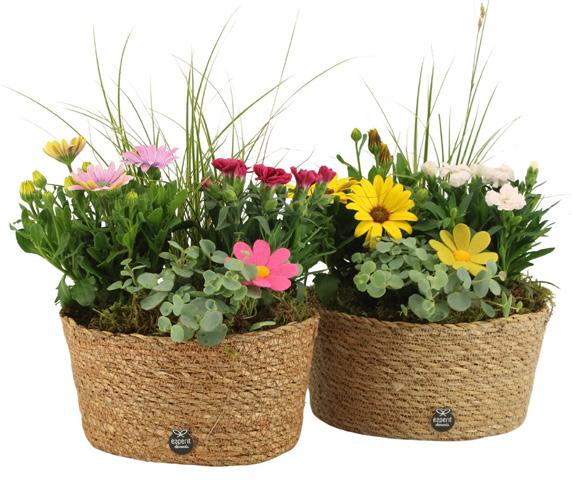
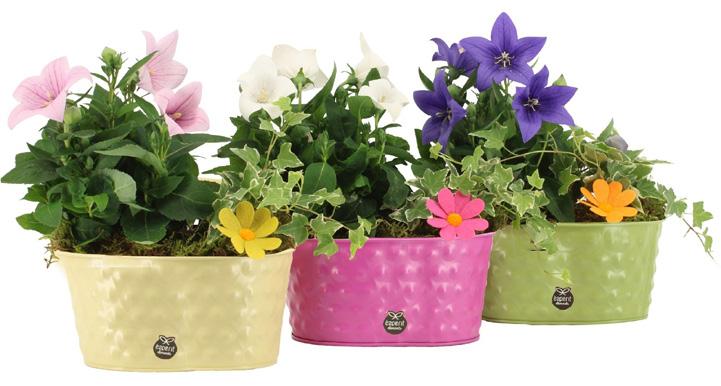
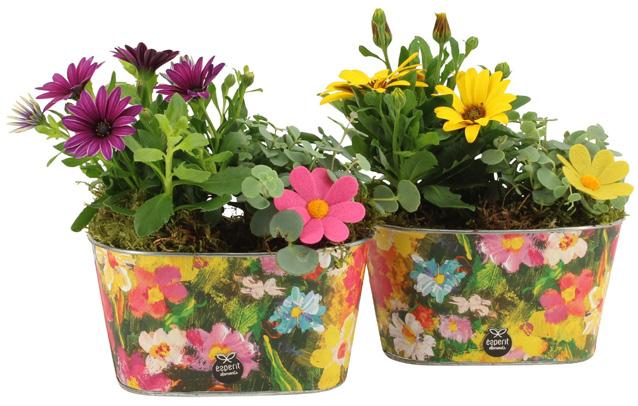
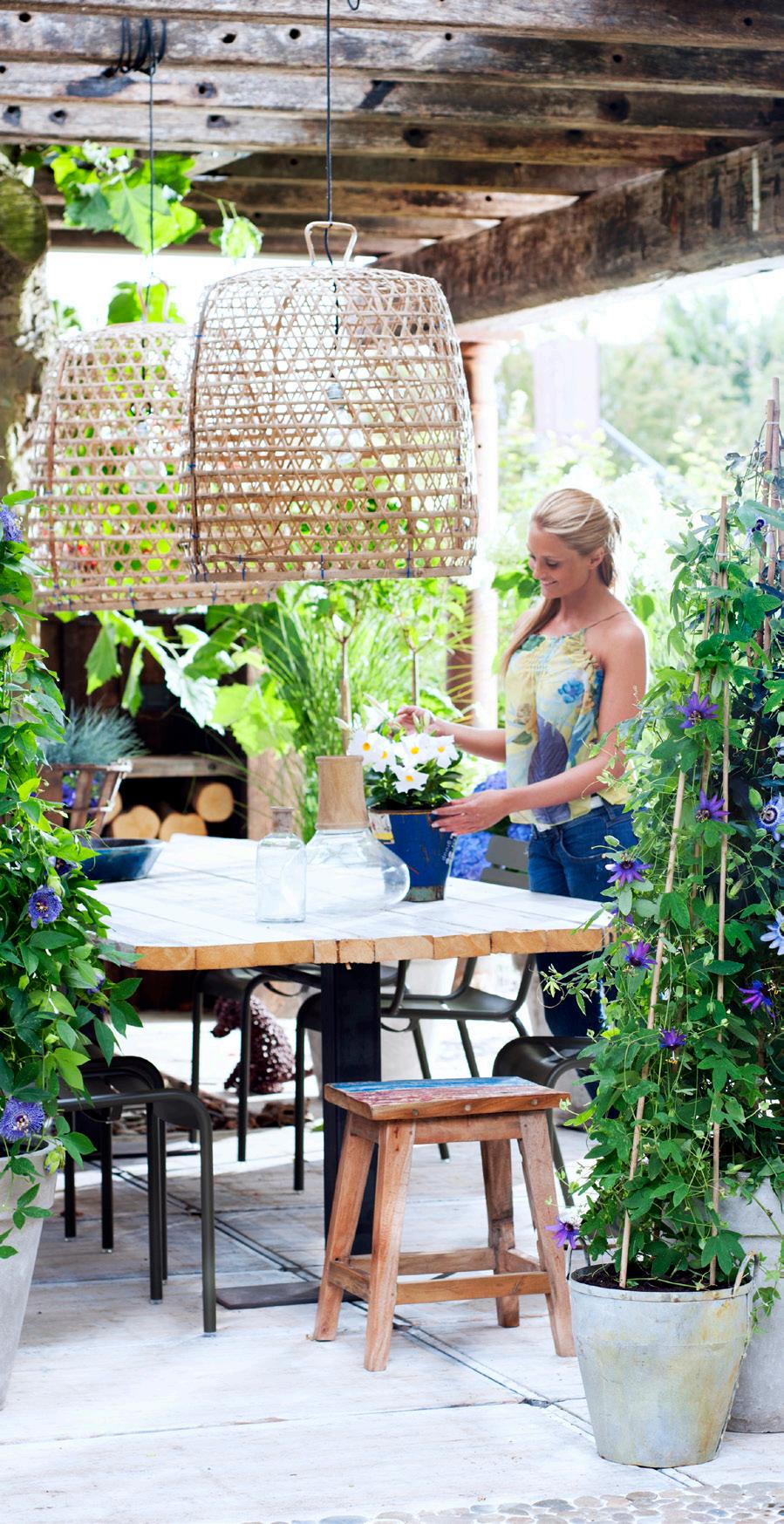
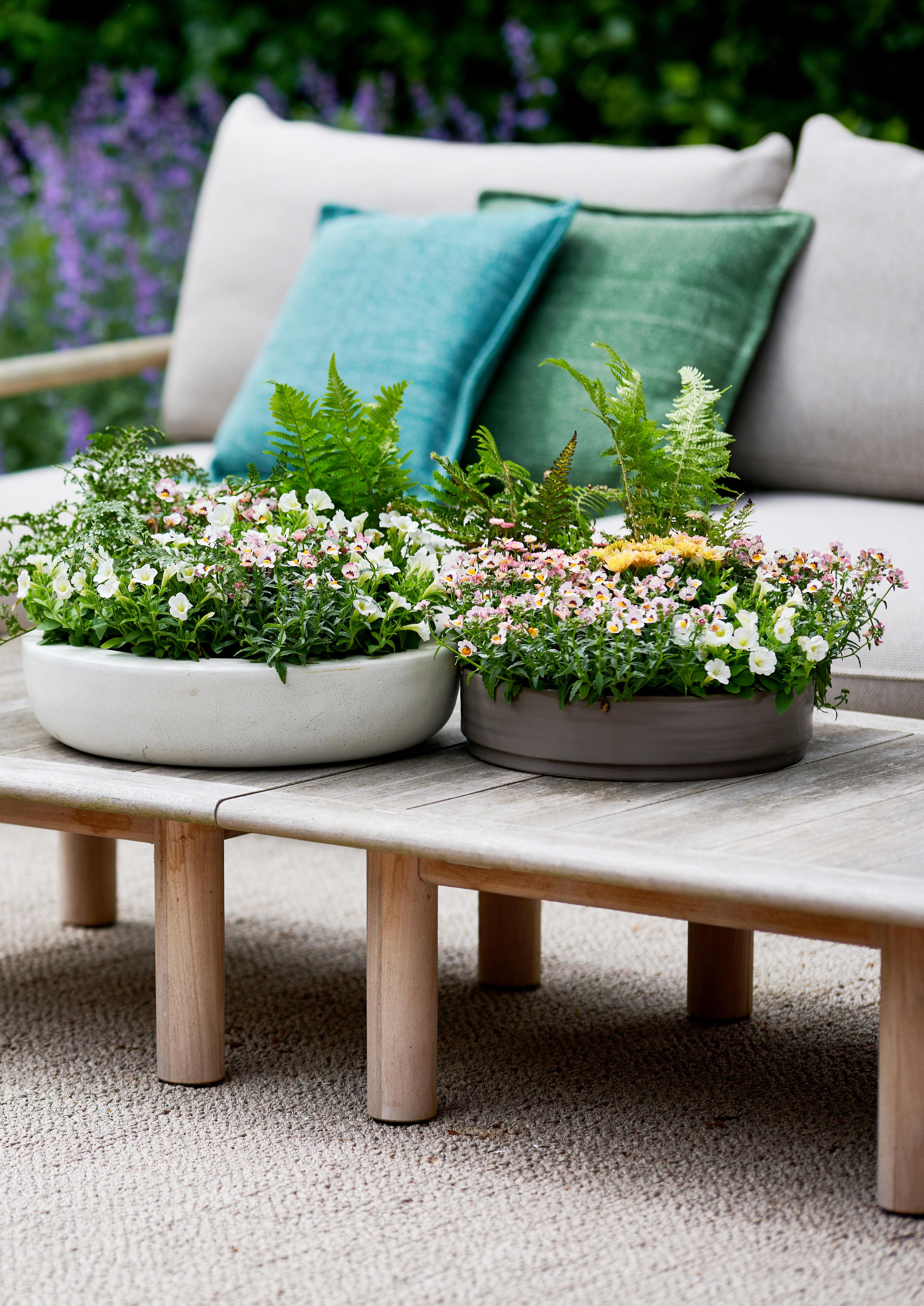
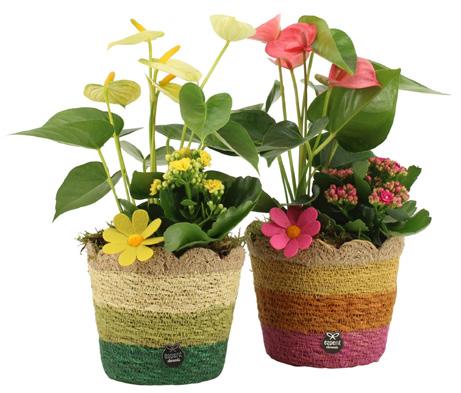
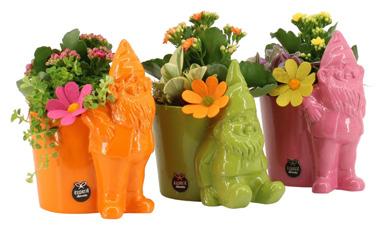
Intriguing outdoor brings colour and character to the outdoor season. Flowering plants take on a truly decorative role here and are incorporated into ready-made arrangements that immediately catch the eye. The result is a fresh and playful ensemble that is perfect for a patio or balcony.
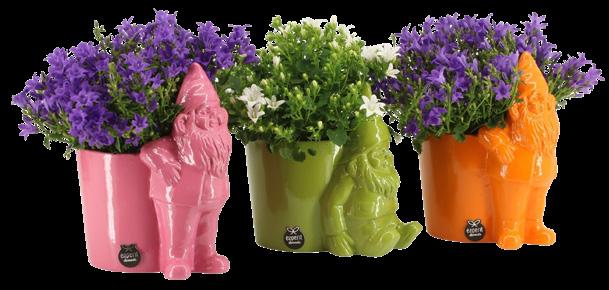
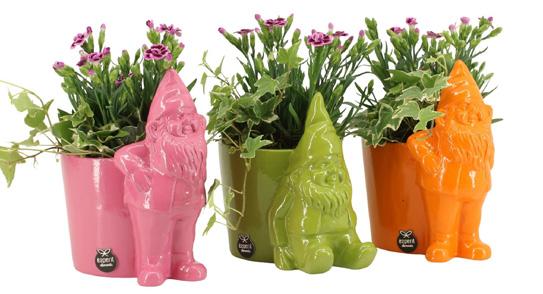
Bright shades such as purple, pink, orange and yellow create a summery look. Varieties such as campanula, dianthus, osteospermum and platycodon bring colour and variety.
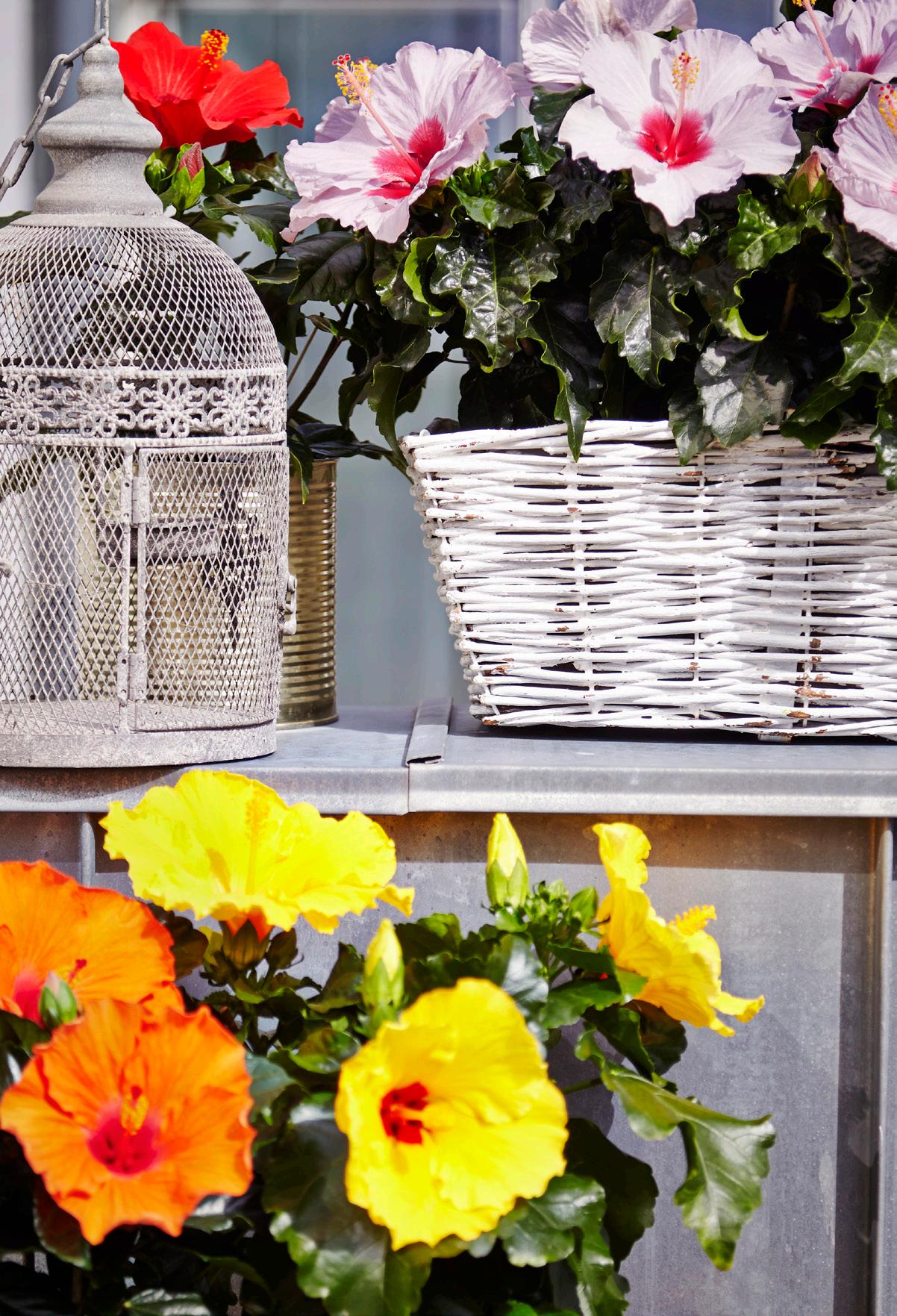
The strength lies in the combination of plants with pots in different materials. Glossy ceramics add a playful, colourful touch, zinc looks light and summery, and baskets bring a natural warmth. This creates a varied range with clear visual appeal.
The arrangements are compact and ready to be placed outside straight away. Ideal for impulse buys and gift-giving occasions. Intriguing Outdoor thus ensures an eye-catching display that easily inspires your customers on the shop floor.
COUPE-§MA011A
COUPE-§ZNK042A
COUPE-§ZNK045A
COUPE-§ZNK046A
COUPE-§MA144A
COUPE-§MA147A
Let your garden or balcony shine, well into autumn
Product in the spotlight : Summer all year round with Hebe
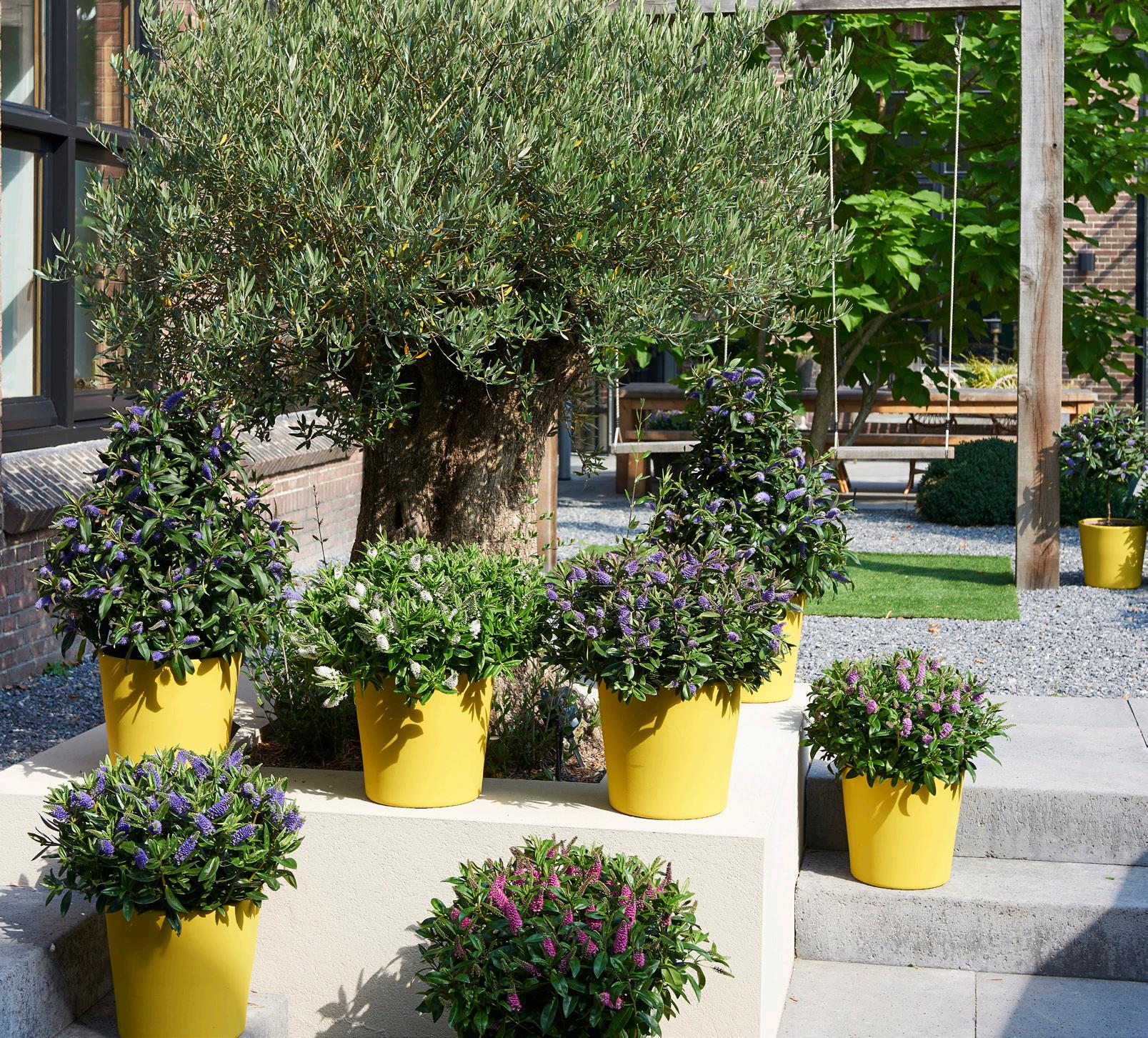
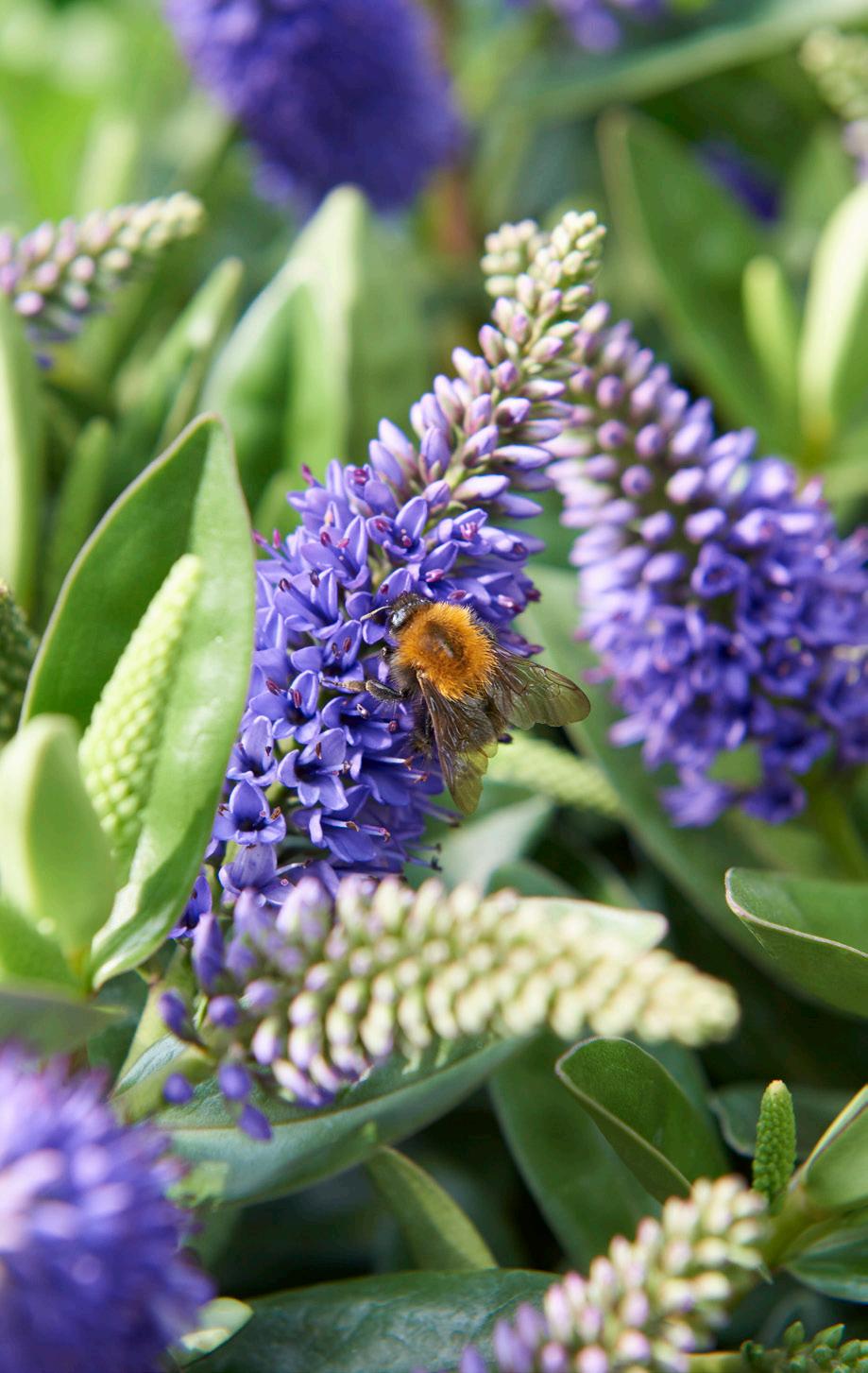
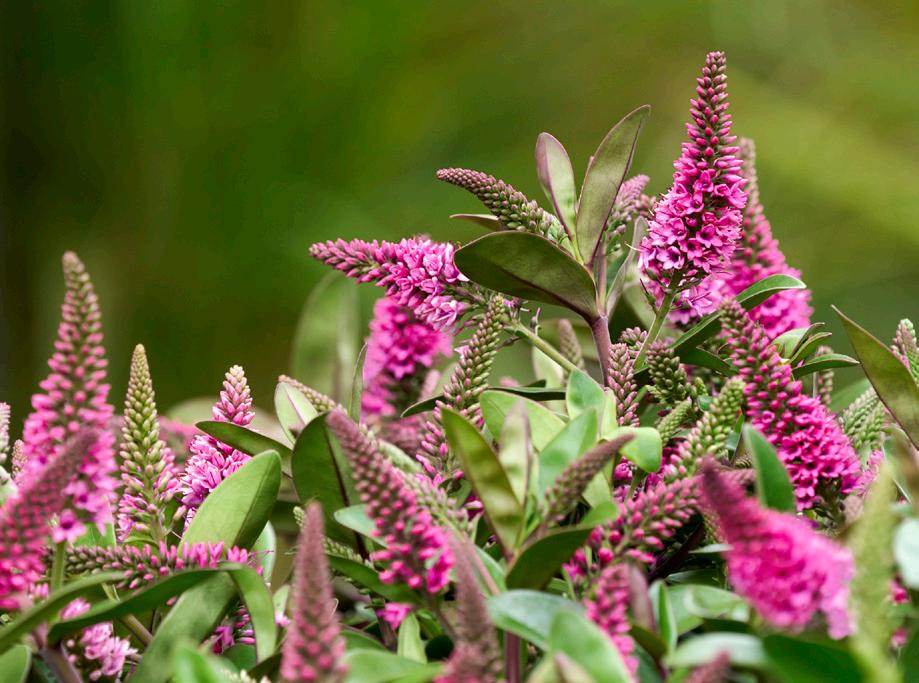
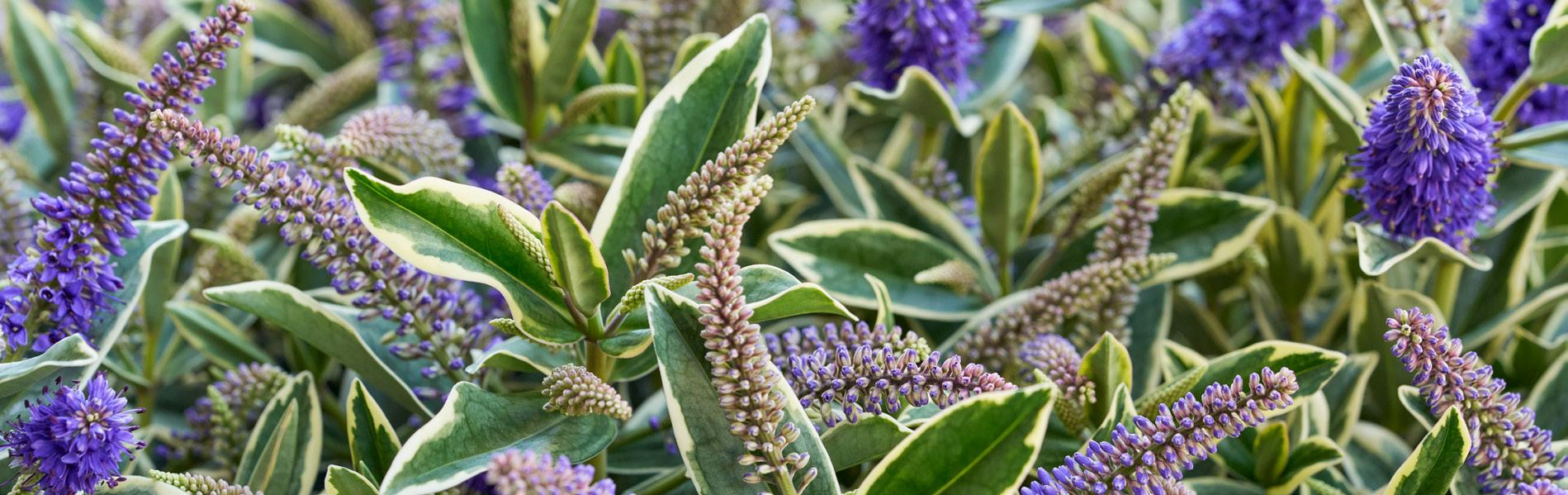
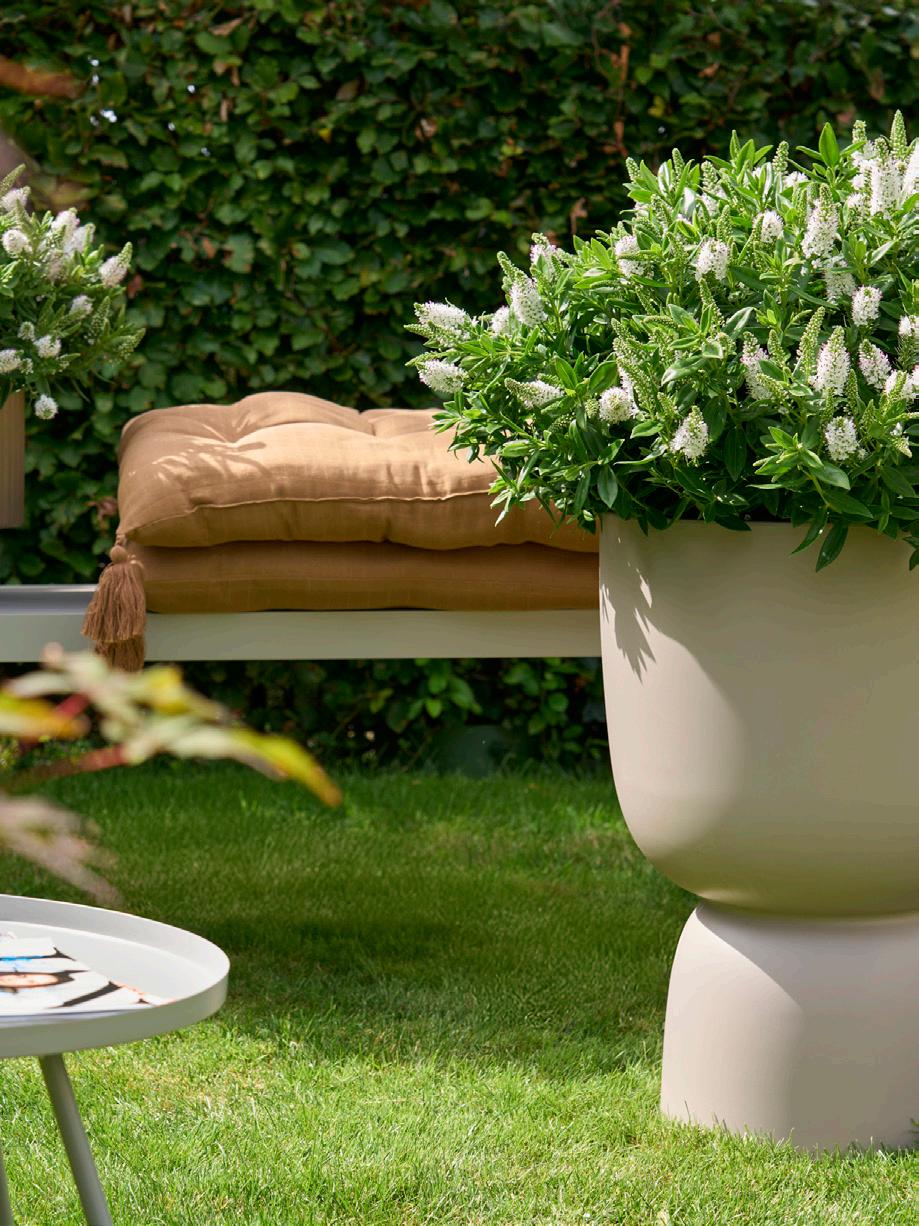
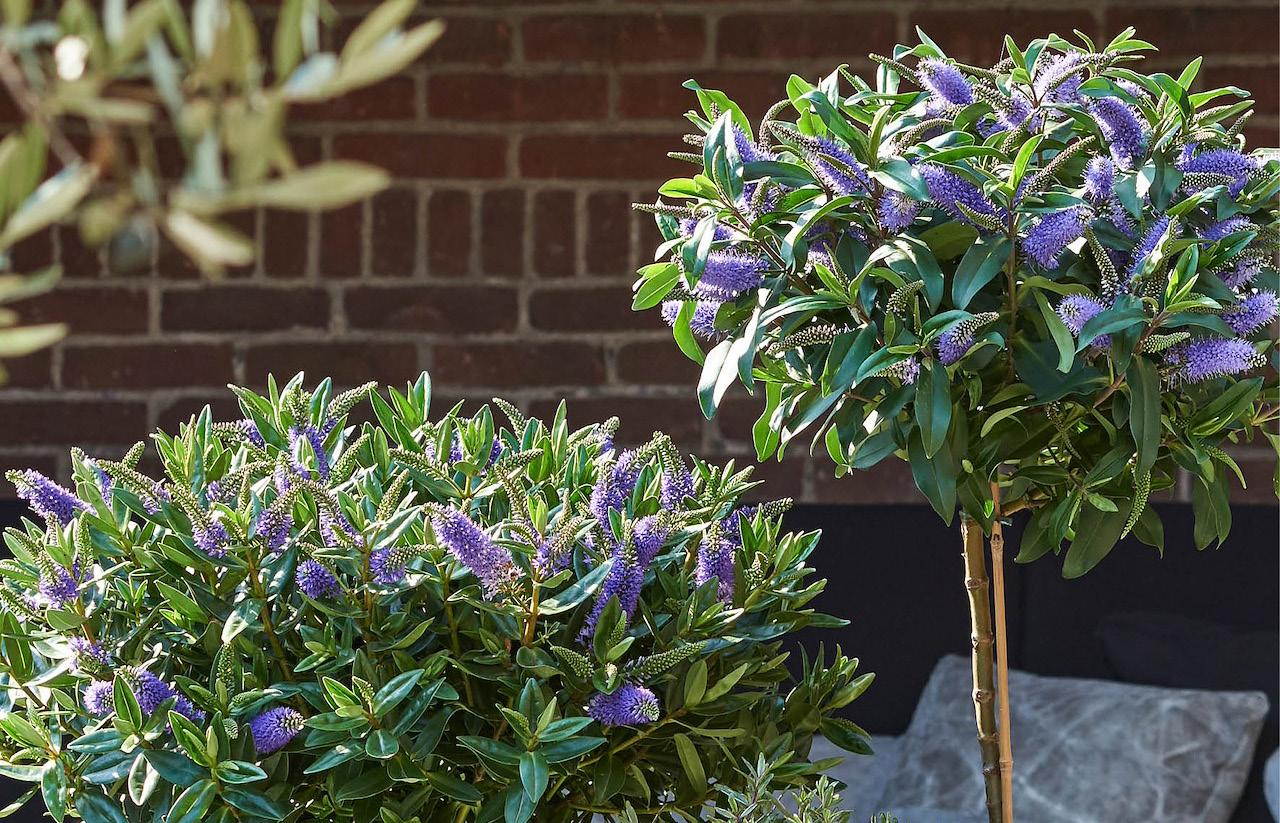
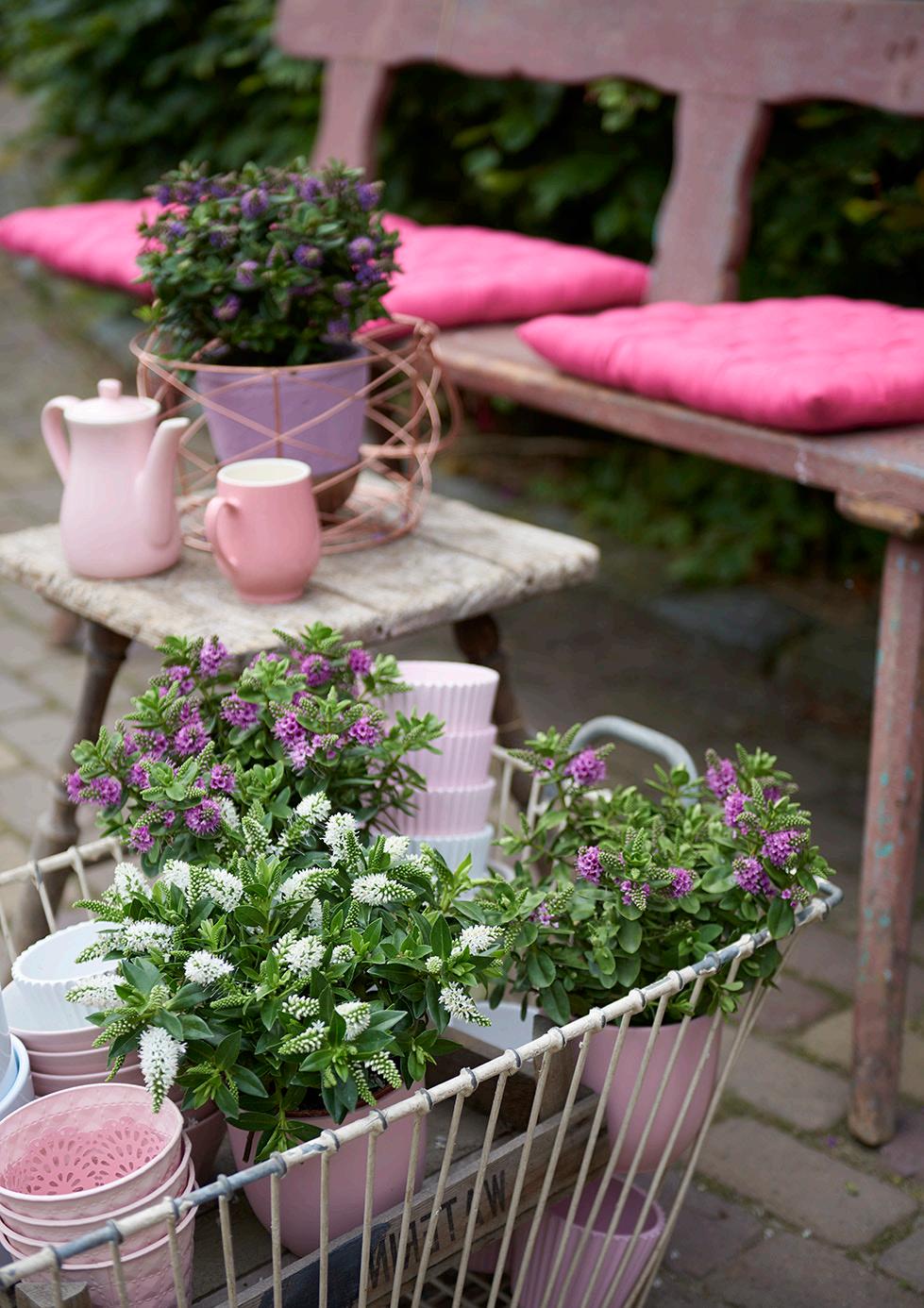
If you’d like to hold on to that summer feeling a little longer, Hebe is the perfect choice. This elegant, evergreen shrub blooms tirelessly well into late summer. With its refined flower panicles in soft pastels or deep shades of purple, Hebe brings colour and texture to your garden, patio or balcony, often right through to October.
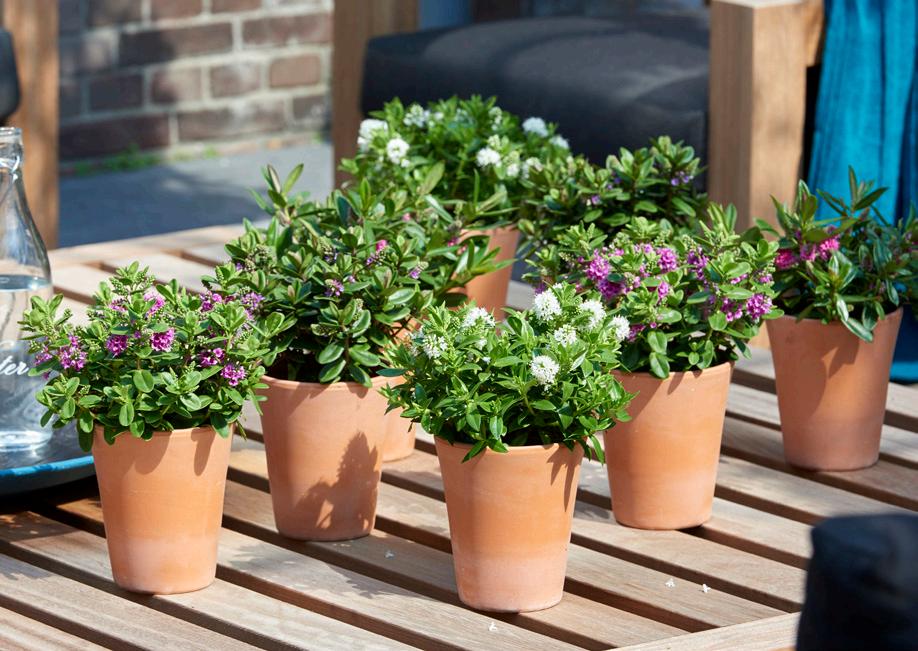
Hebe, also known as shrub veronica, is also exceptionally versatile. In borders and flowerbeds, it adds volume and depth; along paths or by the water’s edge, it lends a refined touch. In pots or bowls, it looks perfect on a terrace or balcony. Hebe thrives in our climate. It can tolerate light frost down to around -3 °C. Only in the event of severe winter cold is extra protection advisable.
A valuable plant for biodiversity
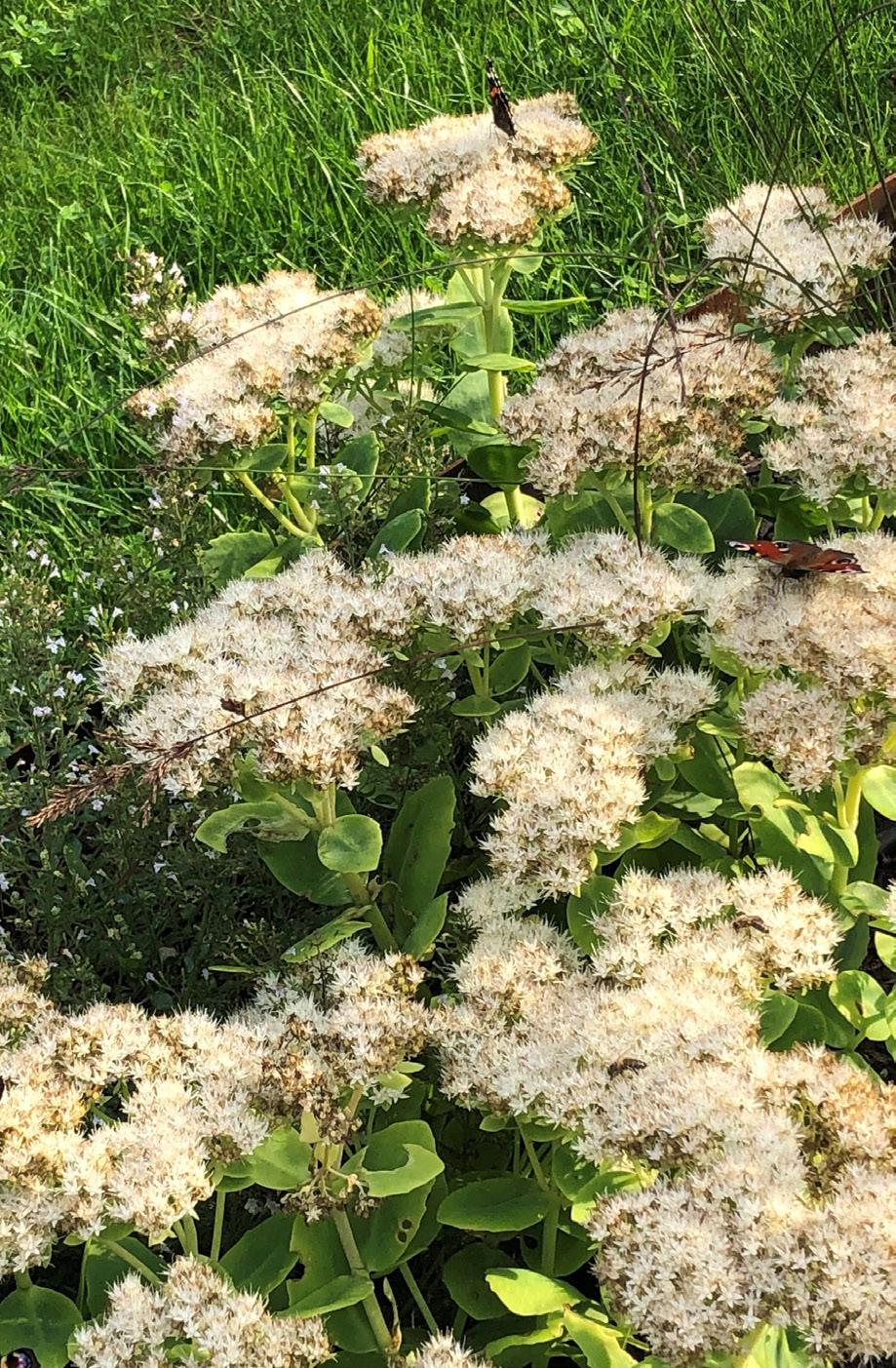
As well as its ornamental value, Hebe also has an ecological benefit. The flowers are rich in nectar and attract numerous bees and butterflies. In this way, Hebe contributes to a vibrant garden where pollinators feel at home. A beautiful plant with clear added value for biodiversity.
Three product lines, each with its own character
Within the Hebe range, we distinguish three main product lines, each with its own appearance and growth habit. This allows every gardening enthusiast or retailer to make the right choice for their range or application.
Traditional Hebes, classic and full of character
These varieties are mainly grown around Dunkirk and have been a mainstay in the sector for years. They are characterised by larger, striking flowers. Although the flowering per plant is slightly less compact, their authentic look and history make them particularly popular with garden enthusiasts.
Hebe Addenda®, today’s benchmark
Addenda is currently the market leader in the Hebe segment. The plants produce numerous small flowers which, together, ensure a rich and long-lasting bloom. Thanks to modern genetics, they are also more robust and better resistant to disease. With a wide colour palette and strong performance, Addenda is a logical choice for both growers and retailers.
Hebe All Blooms, compact and contemporary
This relatively new German product line is rapidly gaining popularity. All Blooms varieties grow compactly and have finer flowers. They are often offered in smaller pot sizes or low containers, making them particularly suitable for patios, small gardens and decorative applications.
A complete range
All three product lines are represented in our range. This allows us to cater to different styles, applications and market demands.
Hebe Addenda® forms the backbone of the range. Thanks to the wide colour range and availability in various pot sizes, from compact pots to generous patio pots, we can put together a flexible and attractive range for every customer.
Soft white
Fresh, pure and balanced
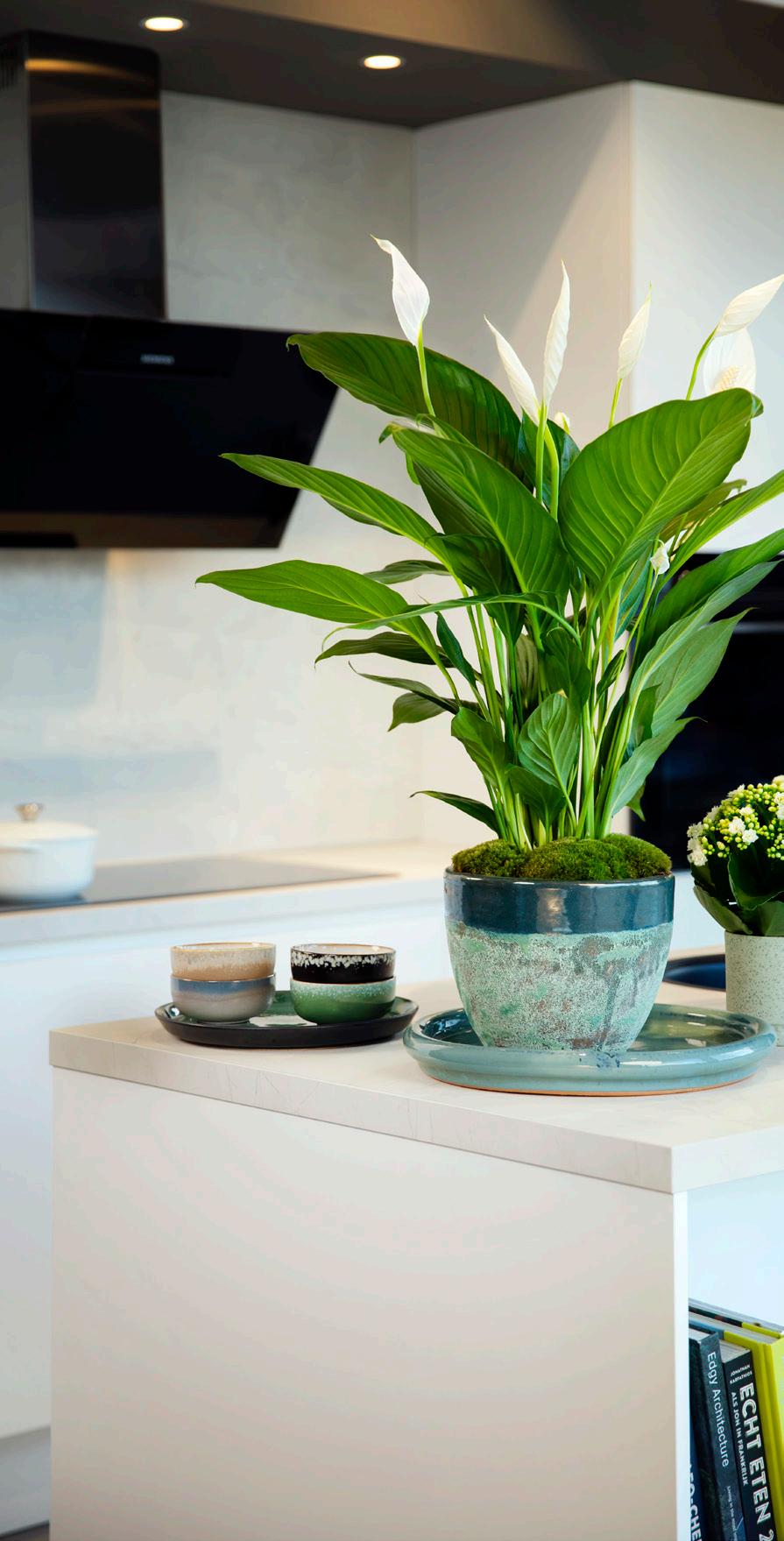
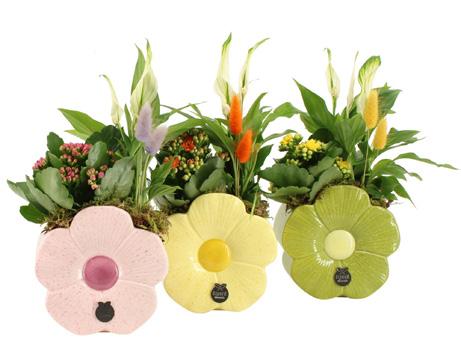
Soft white brings tranquillity to the interior with a soft palette of white and fresh green. Inspired by Cloud Dancer, the Pantone Colour of the Year, this theme revolves around lightness and simplicity. A bright base that creates space whilst radiating warmth.
Late spring and summer are the perfect times when white takes on extra significance. Communions and weddings provide a natural link to purity and refinement, but white remains a strong choice in everyday interiors too. It creates a fresh, open atmosphere that never feels heavy.
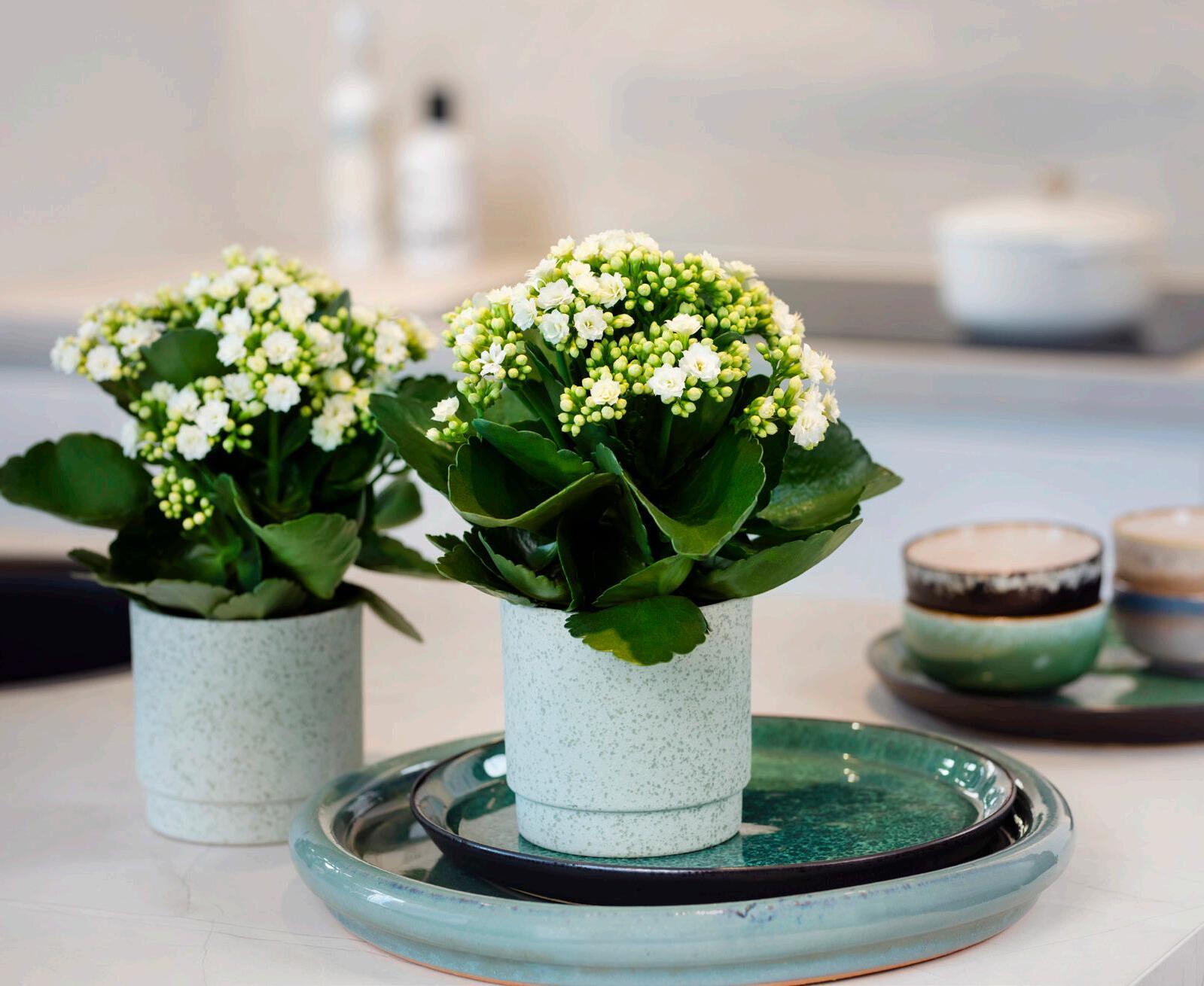
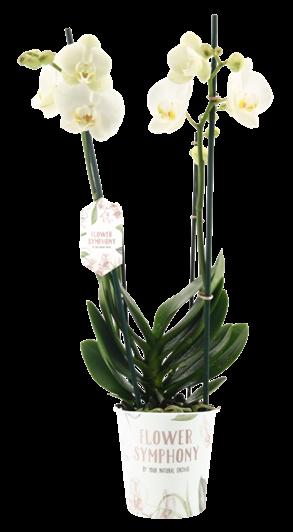
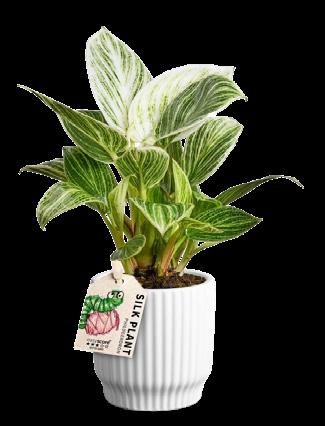
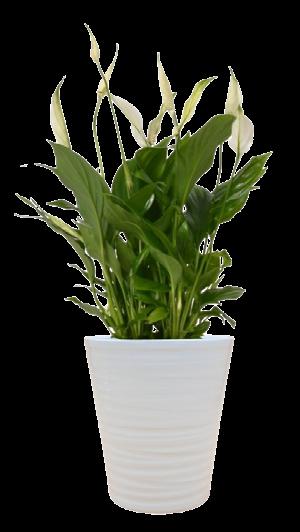
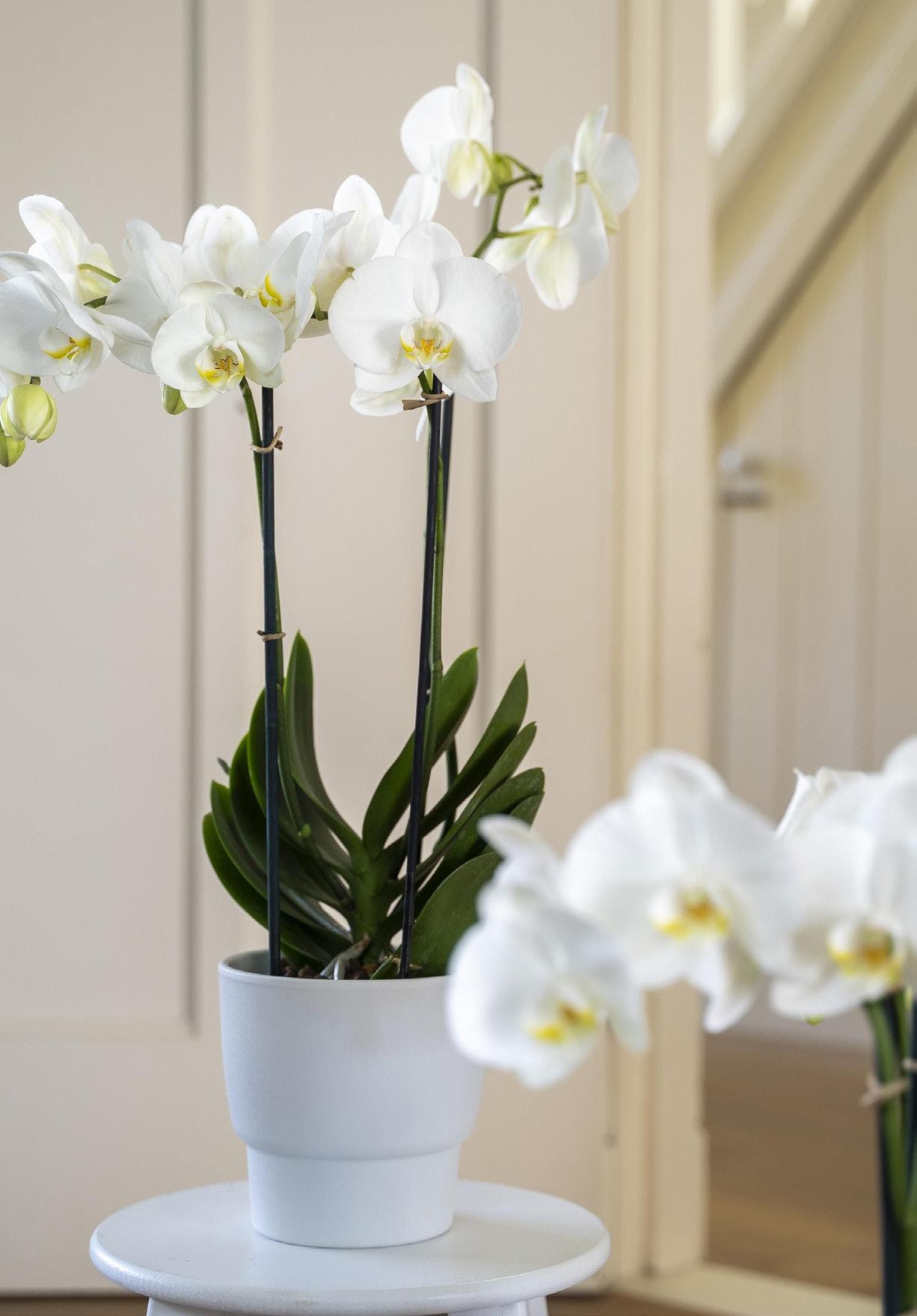
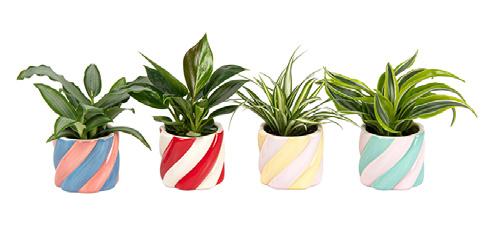
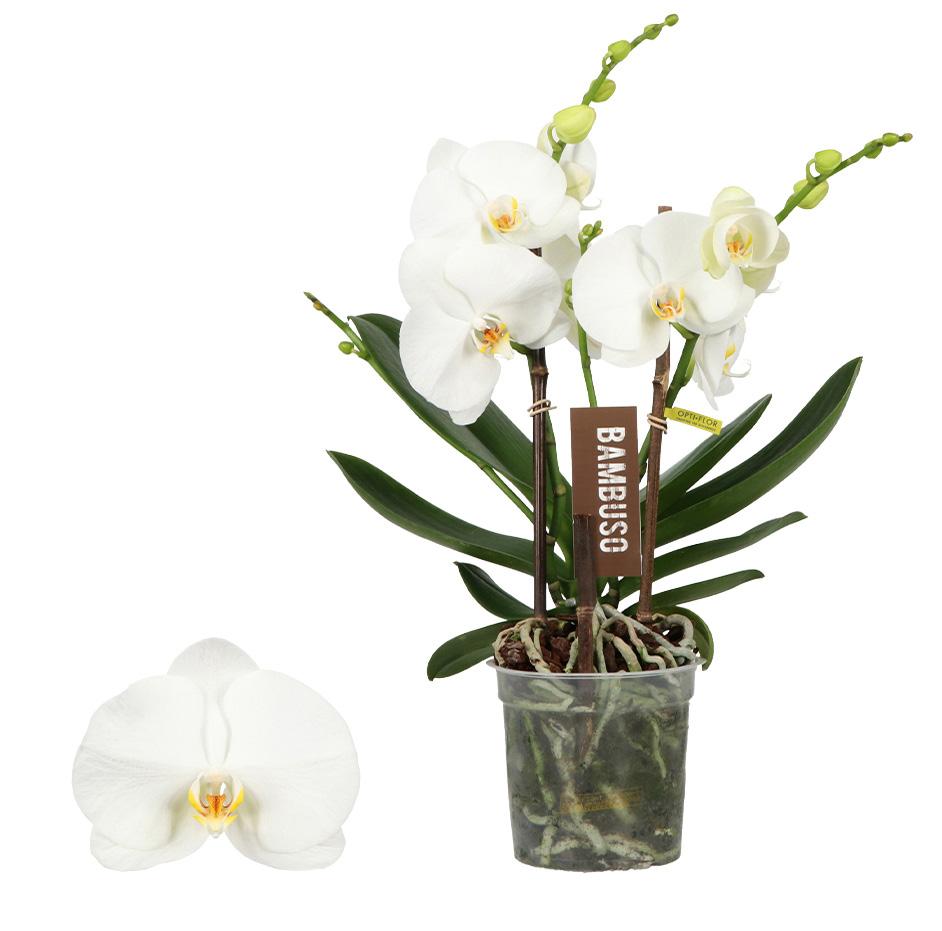
Houseplants such as spathiphyllum, phalaenopsis, zantedeschia and airy green varieties bring this theme to life. Their delicate blooms and fresh leaf textures create a calm and balanced whole.
At a time when the world can sometimes feel unsettled, white brings a sense of balance and softness into the home. No grand statements, but a quiet presence that fosters peace and harmony.
The styling remains light and simple, with white and natural materials that complement the plants without dominating them. This creates a harmonious look that brings calm, yet remains fresh and contemporary.
Soft white responds to the need for simplicity and serenity. A clear, timeless theme that fits perfectly into any interior.
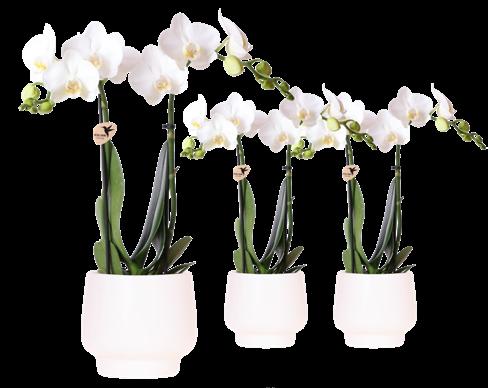
Phalaenopsis
PHALKL17-TA2A
PILEA-SP04A
Pilea
PHILOD-SP06A
Philodendron
CHLORO-SP06A
Chlorophytum
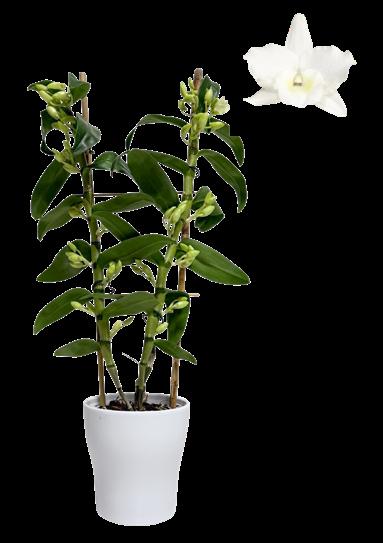
DENOAP-SPK01A
Dendrobium
GPMVMX-SP21A
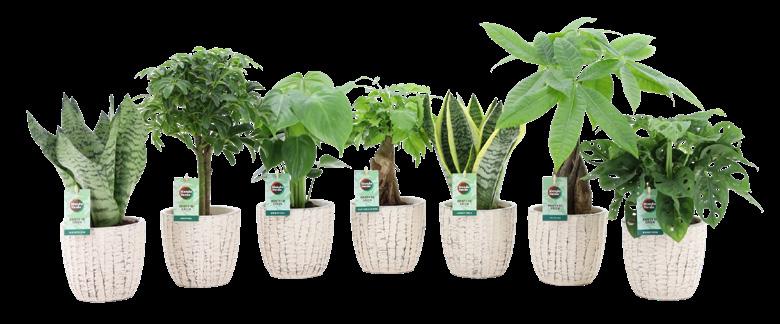
Foliage plants mix
PHALKOWI-SP20A
Phalaenopsis
SPATHI-SP02A
Spathiphyllum
Hydrangrea
Fern mix
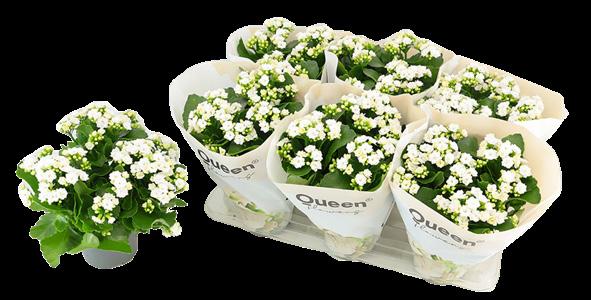
Kalanchoë
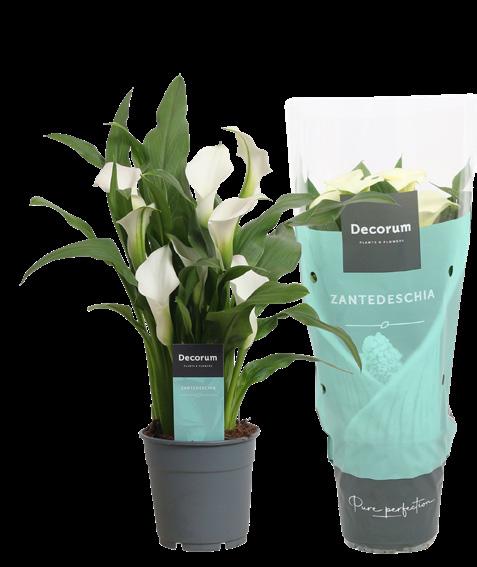
Zanthedeschia
ZANTWI-12A
KADBQUWI-14A
HYDRAN-§MA03A
VAREMX-SP29A
Organic certification: a long-standing standard at Floréac
At Floréac, sustainability is not just a buzzword, but a clear choice. A choice that we translate into concrete actions every day, together with our growers, customers and staff. Our organic certification is a fine example of this. It has been an integral part of our operations for many years.
Why this certification is essential
Organic plants require a fully transparent and controlled supply chain. To be allowed to sell a product as ‘organic’, it is not enough for the grower alone to be certified. The trading company must also comply with strict European rules regarding traceability, segregation of flows, administration and storage.
For many years, this certification has been a cornerstone of Floréac. This allows us to offer our customers the assurance that every organic plant traded through us meets all legal requirements and can be correctly marketed as an organic product.
Sustainability as part of our operations
Sustainability is woven into the fabric of how we work. We optimise logistics routes, minimise packaging materials and encourage sustainable cultivation among our growers. These are all measures we have been consistently implementing for years.
Our organic certification fits in perfectly with this and confirms that sustainability is structurally embedded at Floréac. Not just in words, but above all in our daily practice.
Added value for our customers
Thanks to our experience with certified organic products, our customers can count on clear benefits:
• a reliable and certified organic range
• full transparency thanks to proper traceability and labelling
• ease of purchasing, as Floréac takes care of all administrative and legal requirements
In this way, we support our customers in responding to the growing consumer demand for sustainable and conscious choices.
Together, we continue to grow
Sustainability is a joint effort. Thanks to our longstanding organic certification, we can continue to fulfil our role in the supply chain with confidence, both today and in the future. Together, we continue to build a greener, stronger and more responsible horticultural landscape.
Shade & shape
Greenery that provides shape and shade
With Shade & Shape, the terrace is given a green touch that goes beyond mere decoration. This theme revolves around plants that provide structure whilst also offering natural shade. Ideal for making outdoor spaces more pleasant during hot summer days.
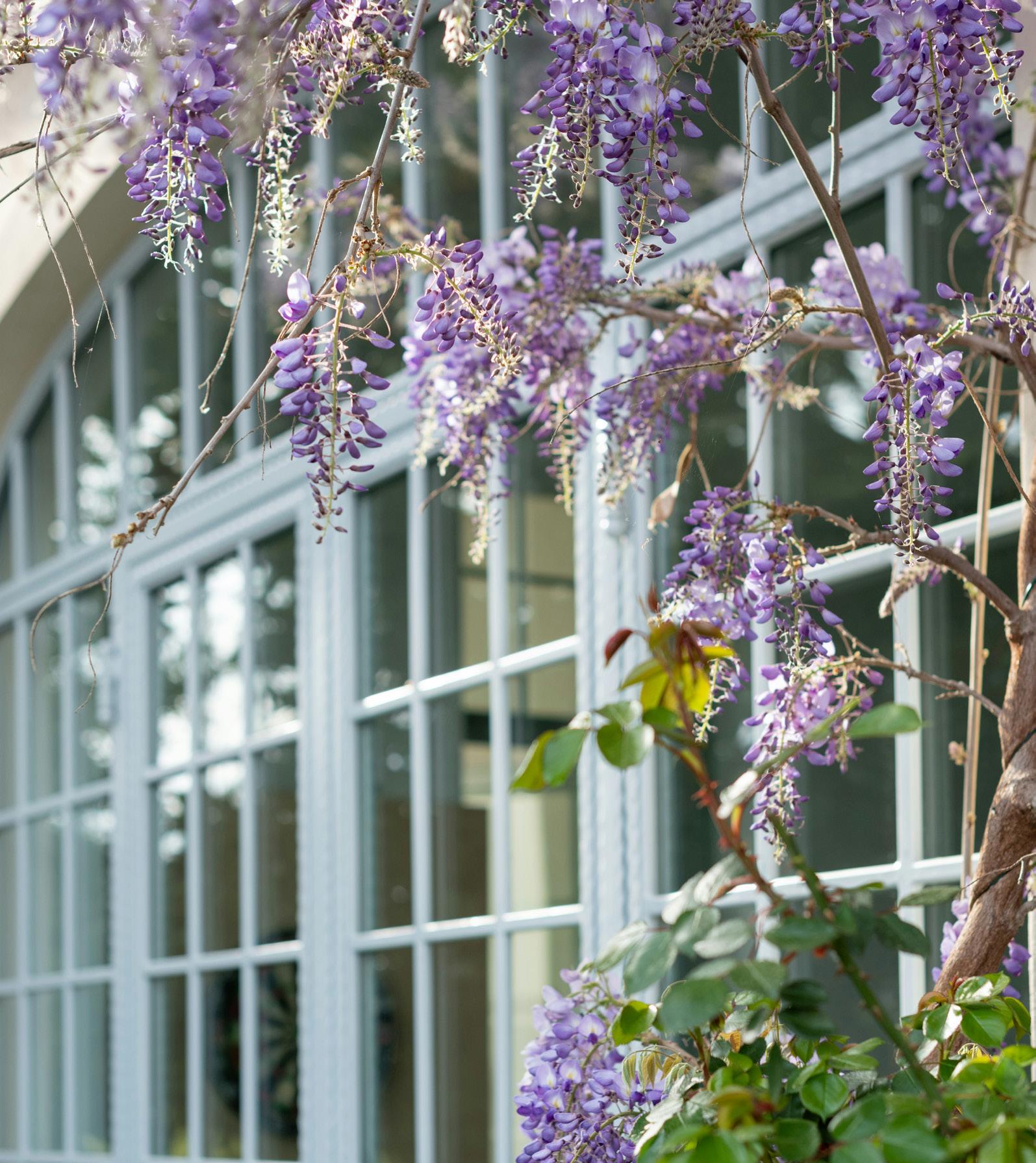
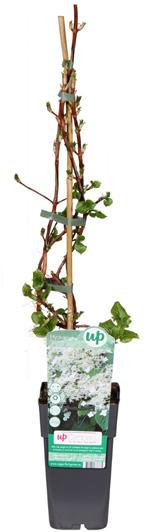
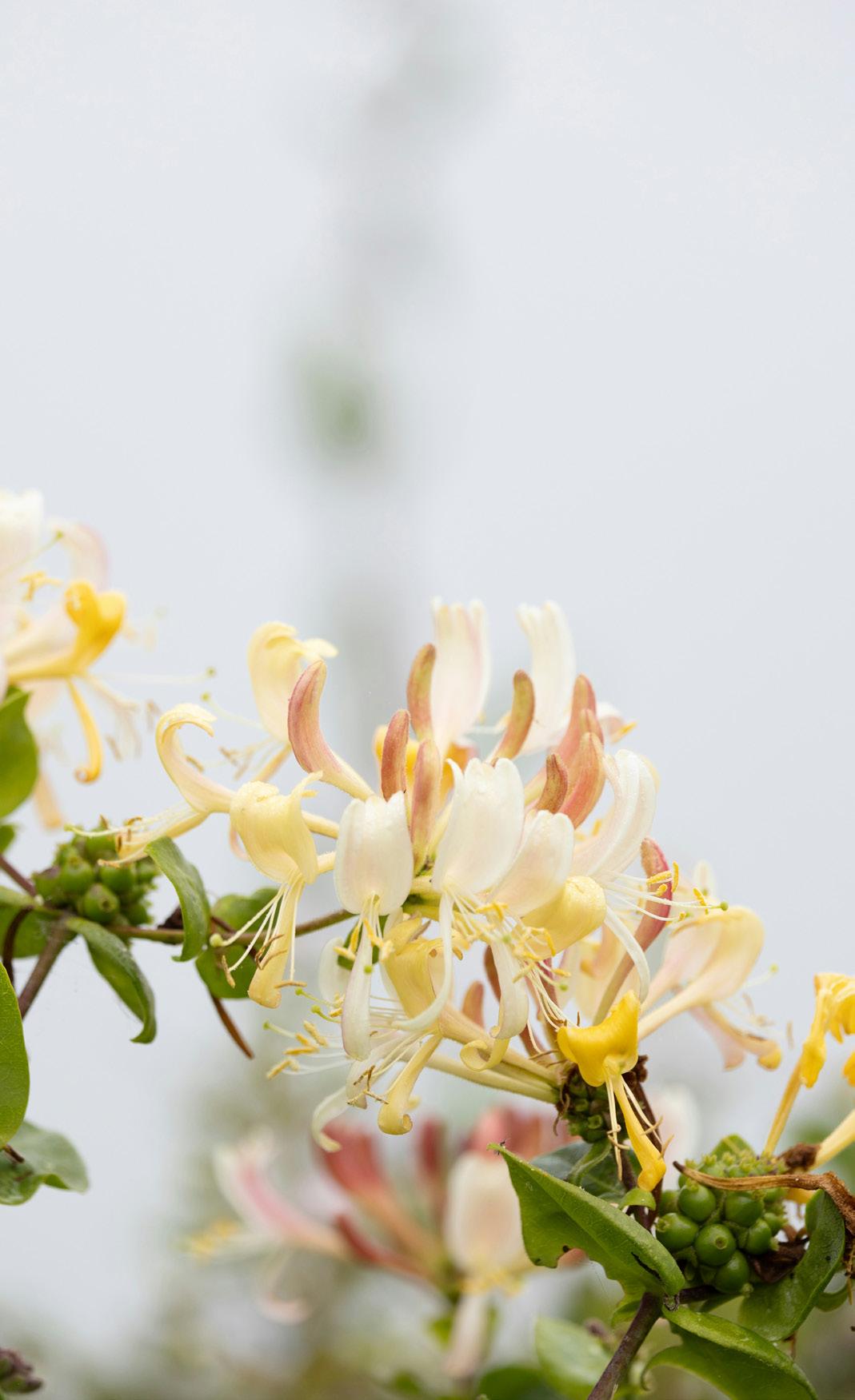
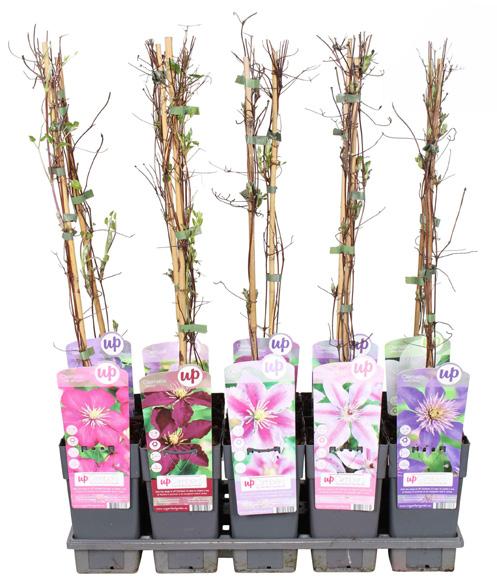
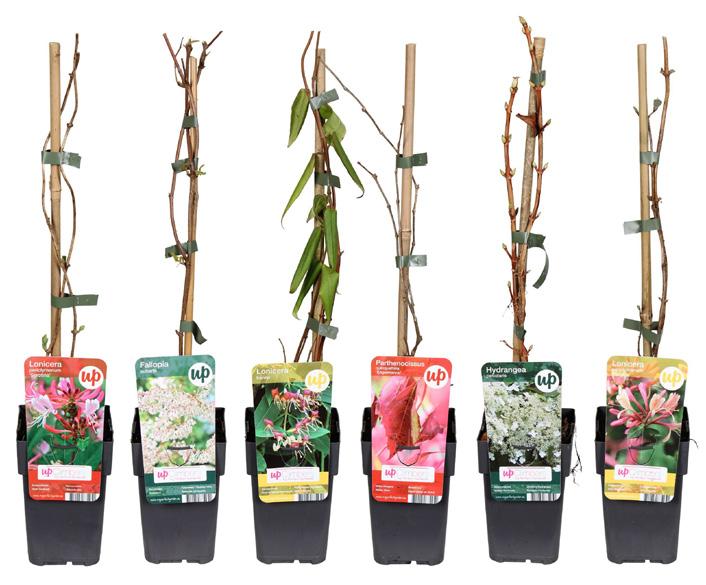
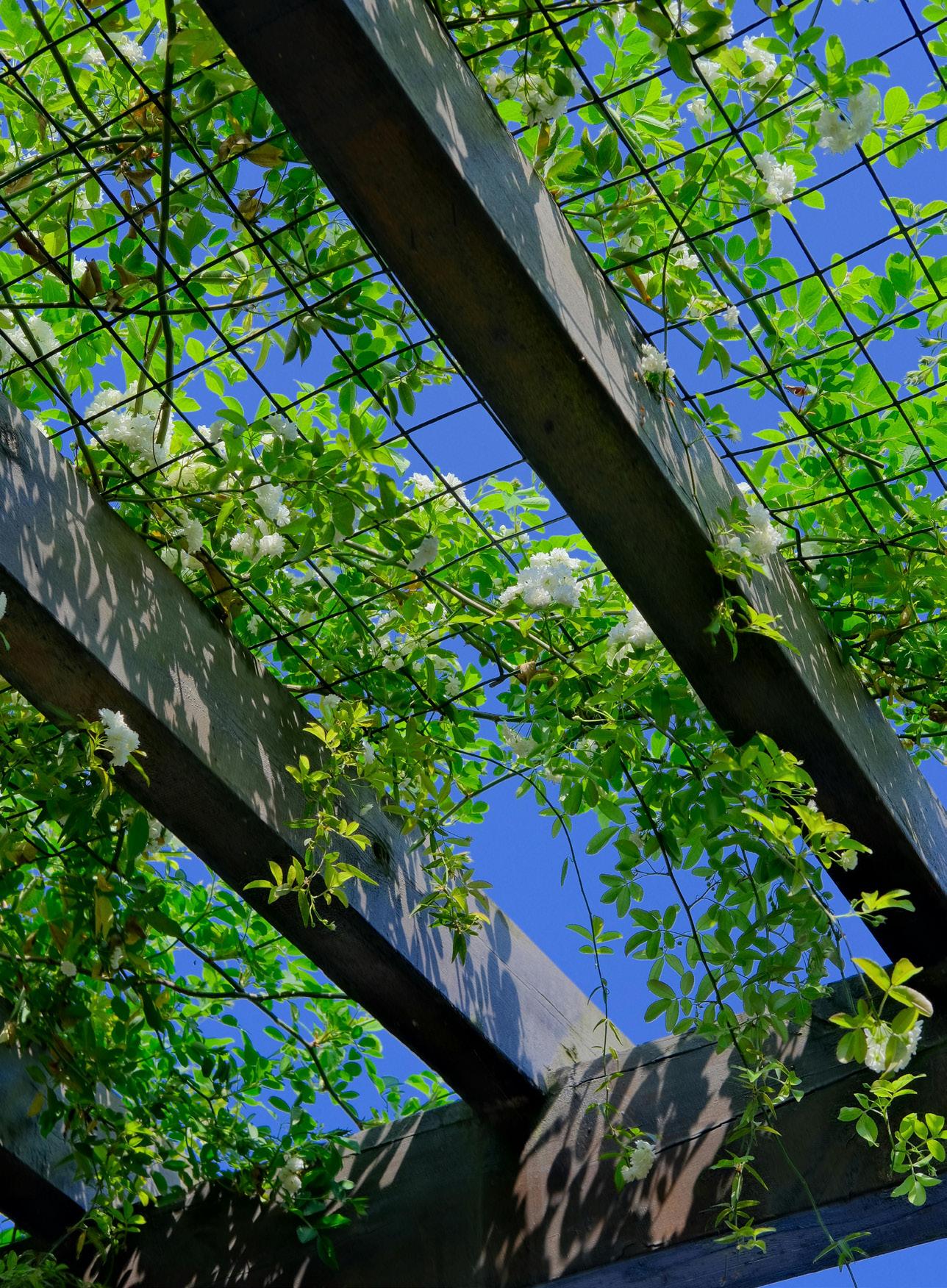
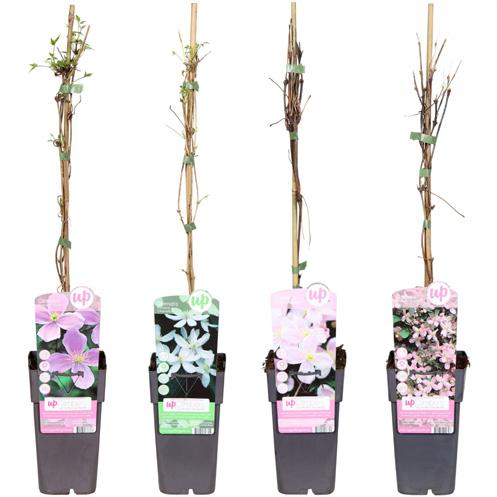
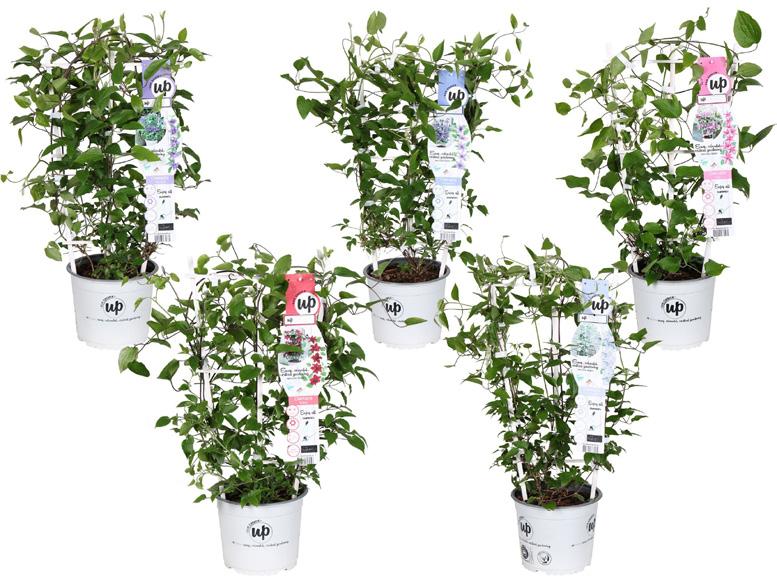
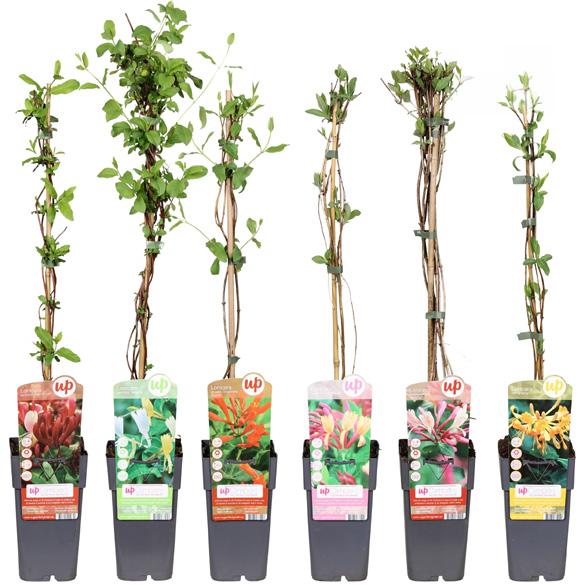
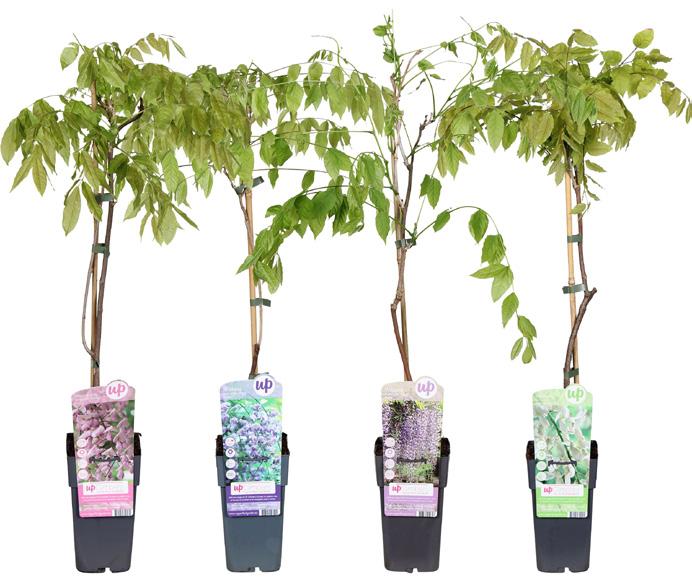
Climbing plants such as wisteria, clematis, ivy and grapevine grow readily along pergolas and trellises, quickly forming a green canopy. In addition, plants with a distinct shape also provide shade and volume. Species such as the olive tree and maple add height and immediately give the whole arrangement more body.
Combining climbers with structured plants creates a layered whole that is both functional and visually striking. Different heights and growth forms add dynamism and make it easy to create a natural, green space.
Shade & Shape thus responds to the demand for greater outdoor comfort, with plants that not only create atmosphere but also genuinely contribute to a pleasant outdoor experience.
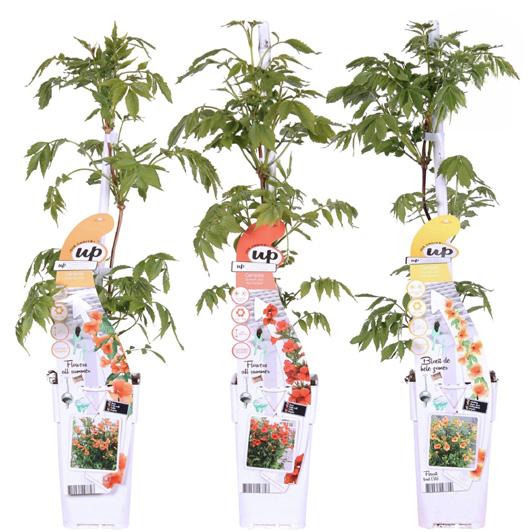
CAOCMXT-S065A Campsis mix
HYPETI-S065A Hydrangea
CLGRMX-S065A Clematis mix
KLIMMXT-S045A
Climbing plants mix
CLMOMXL-S065A Clematis mix
LONIMXT-S065A Lonicera mix
CLOCEVMXL-K070A Clematis mix
WISTMX-S070A Wisteria mix
From Opwijk to Wimbledon: Opplant puts Belgian cultivation on the map
Grower in the spotlight: Opplant
With three locations and a well-thought-out seasonal plan, Opplant has for years achieved something many nurseries strive for: an almost continuous presence in the market. What began as a family business has grown into a company that focuses on diversification, flexibility and forward thinking — extending far beyond the country’s borders.
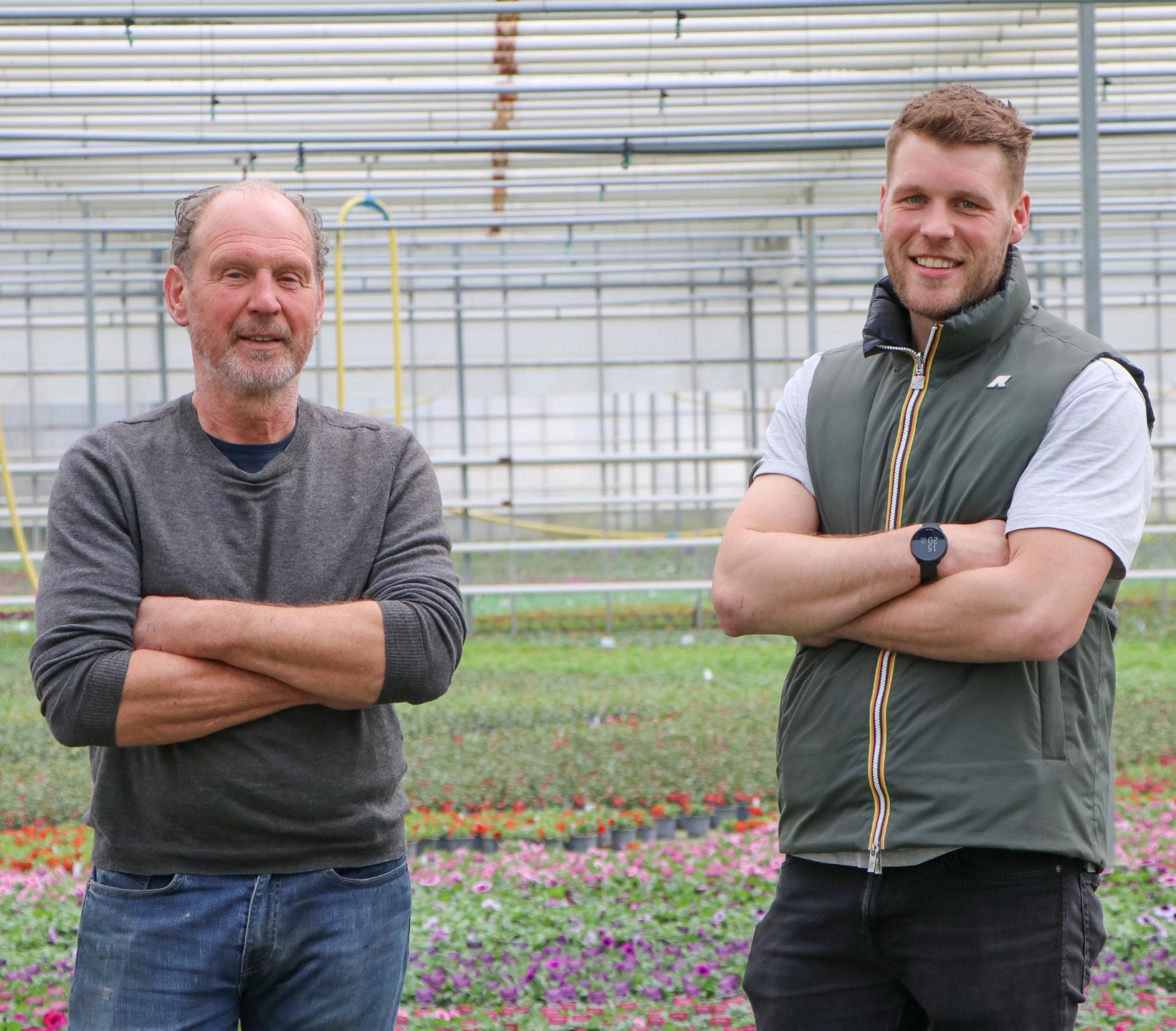
Filip & Dries Van der Straeten
Working in blocks, thinking in seasons
“We deliberately work in blocks,” explains Dries Van der Straeten. “Each block represents a growing phase in the year.” This approach forms the backbone of the operation. The season starts with perennials in early spring, followed by bedding plants and flowering perennials. In summer, chrysanthemums take over, after which Helleborus and Gaultheria fill the autumn. “This way, we achieve almost continuous sales from week 9 to week 52.”
This spread not only ensures a steady flow of sales but also stability within the organisation. “It’s important to have year-round activity,” adds Filip Van der Straeten. “Both in terms of production and staffing.”
A family business that grows with the times
The family story runs like a thread through Opplant. Filip joined the business rather unexpectedly following his father’s death. “It wasn’t the plan, but the business had to carry on. And in the end, I stayed.”
“Quality is no longer up for debate these days; it simply has to be good.”
Dries
Van der Straeten
Today, he works alongside his son Dries, who joined the business in 2012. The roles are clearly divided: Filip focuses on cultivation and the shop floor, Dries on sales and organisation.
“You have to have the drive to go for it every single day.”
Quality as a foundation, sustainability as the norm
That drive is essential in a sector under pressure. “Quality is no longer up for debate,” says Dries. “It simply has to be good.”
In addition, sustainability and certification have evolved into basic requirements, particularly for the retail sector and larger garden centre chains.
Market pressure and rising costs
At the same time, the playing field is becoming more complex. “Costs are rising across the board: substrate, energy, transport,” says Filip. “And at the same time, you see that production continues, sometimes even at break-even or loss-making prices.”
“In the short term, there’s little you can do about that,” says Dries. “In the long term, supply and demand must come back into balance.”
“You have to want to keep doing it every day,” adds Filip. “Not everyone will carry on.”
Diversification as a foundation
Opplant’s strength lies in its diversification. By working with different crops and seasonal blocks, risk is minimised. “The more crops you grow, the less dependent you are on a single product,” explains Filip.
Automation is used in a targeted manner. “We focus primarily on quality,” says Dries. “Take our sorting line with a 3D camera for hellebores, for example.”
Water and climate as a new reality
Climate is also playing an increasingly significant role. “We need more water than we used to, for the same area,” says Dries.
“Rainwater is crucial for Hellebores,” emphasises Filip.
“It really makes the difference in quality.”
Shorter and more intense sales periods
The market is evolving too. Sales periods are becoming shorter and more intense, particularly in the summer and for southern Europe. “You have to plan even more precisely,” says Dries. “Those blocks are becoming increasingly important.”
From Opwijk to international projects
The fact that the approach works is also evident from Opplant’s international presence. Their plants find their way to customers across Europe — and sometimes to high-profile projects.
For instance, the company has supplied events such as Wimbledon and carried out large-scale projects abroad. One of the most striking examples remains a chrysanthemum exhibition on Red Square in Moscow, where the entire square was filled with their jumbo ball chrysanthemums.
“We need more water than we used to, for the same area.”
Dries Van der Straeten
“Those are moments that stick with you,” says Filip. “Just like when you suddenly spot your own plants somewhere in Europe. That’s really satisfying.”
Ease of use is gaining ground
Consumer behaviour is changing too. “Ease of use is gaining ground,” says Dries. “Ready-to-use products will grow.”
“Less maintenance, less work,” adds Filip. “But at the same time, there remains a demand for nature and authenticity. Those two will continue to coexist.”
Where? Coenstraat 68, 1745 Opwijk
What? Perennials, bedding plants, chrysanthemums, Helleborus and Gaultheria
Employees? 17
Certifications? MPS-A, GAP en GRASP
Sales markets? Belgium, the Netherlands, Germany, the UK, Scandinavia and France
Conclusion
In a sector where pressure and complexity are increasing, Opplant is resolutely opting for diversification, flexibility and continuous adjustment. No grand words, just a clear approach: working in blocks — and staying relevant week after week.
Surreal summer
Playful, colourful and just that little bit different
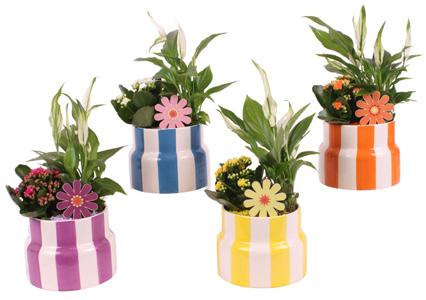
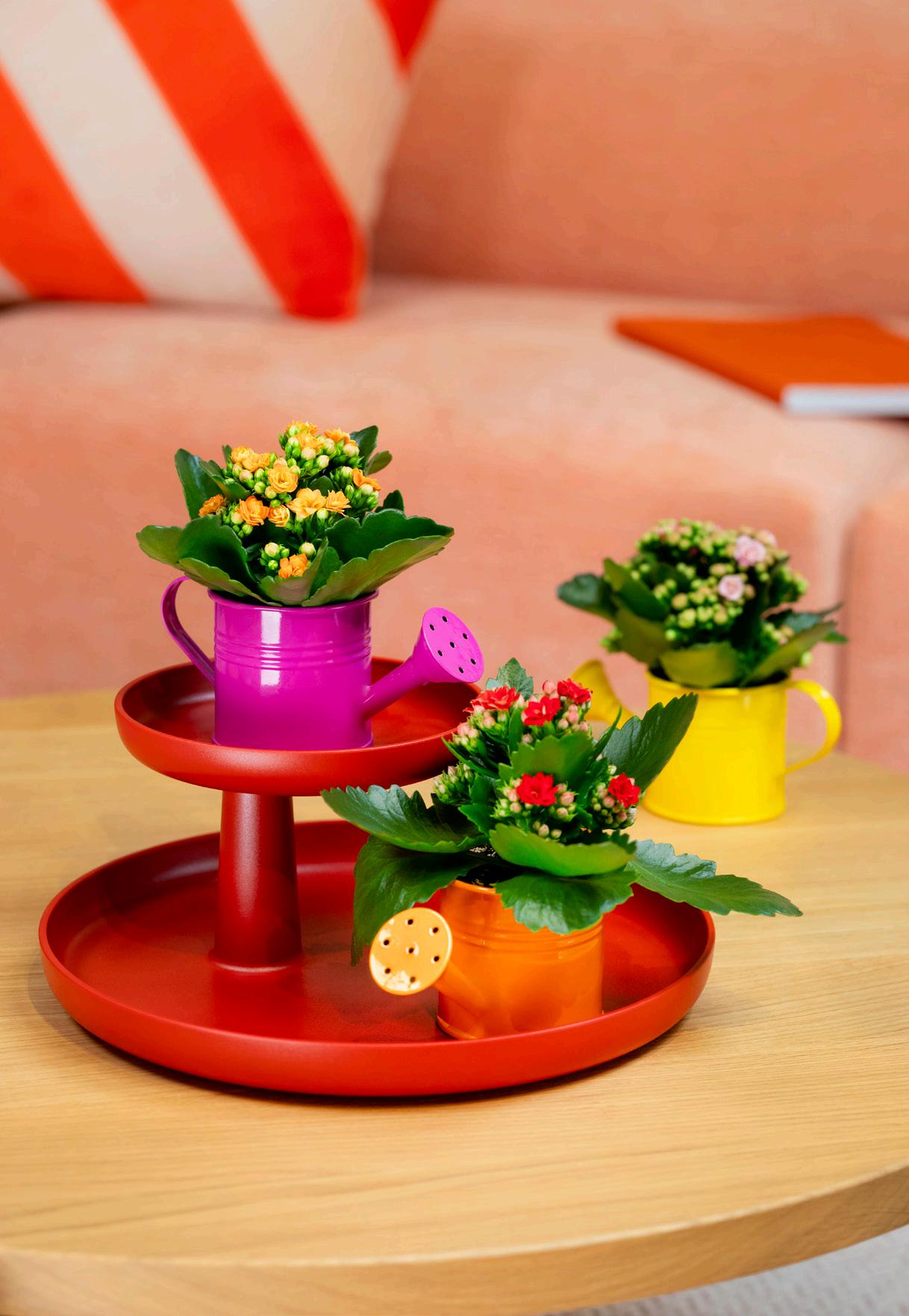
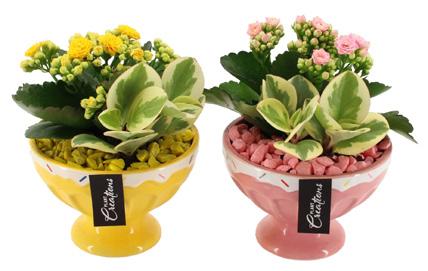
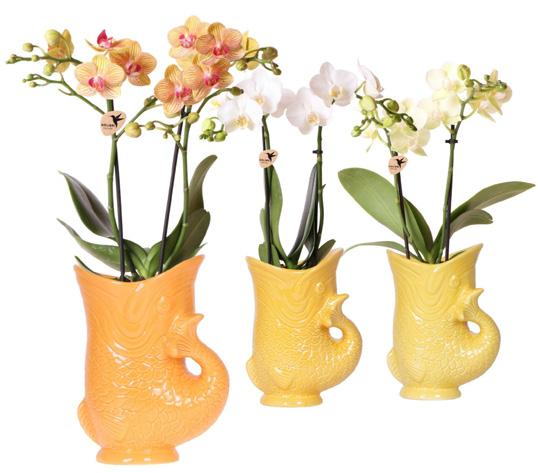
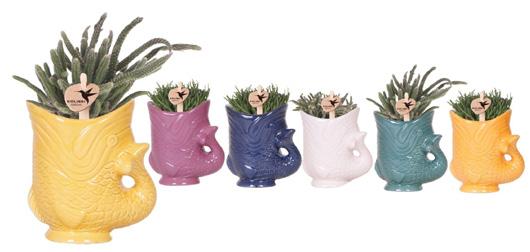
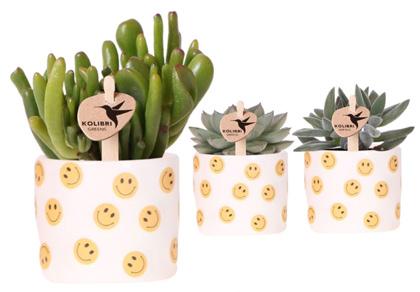
With Surreal summer, houseplants bring a smile into the home. This theme revolves around playful combinations in which plants and pots together form a striking and slightly surprising whole. Think of shapes, colours and details that are just a little different from what you’d expect.
Soft shades of green are combined with fresh accents in pink, yellow and orange. Plants such as kalanchoe, succulents, dracaena and spathiphyllum provide a recognisable base, whilst the playful touches give the whole arrangement its own character.
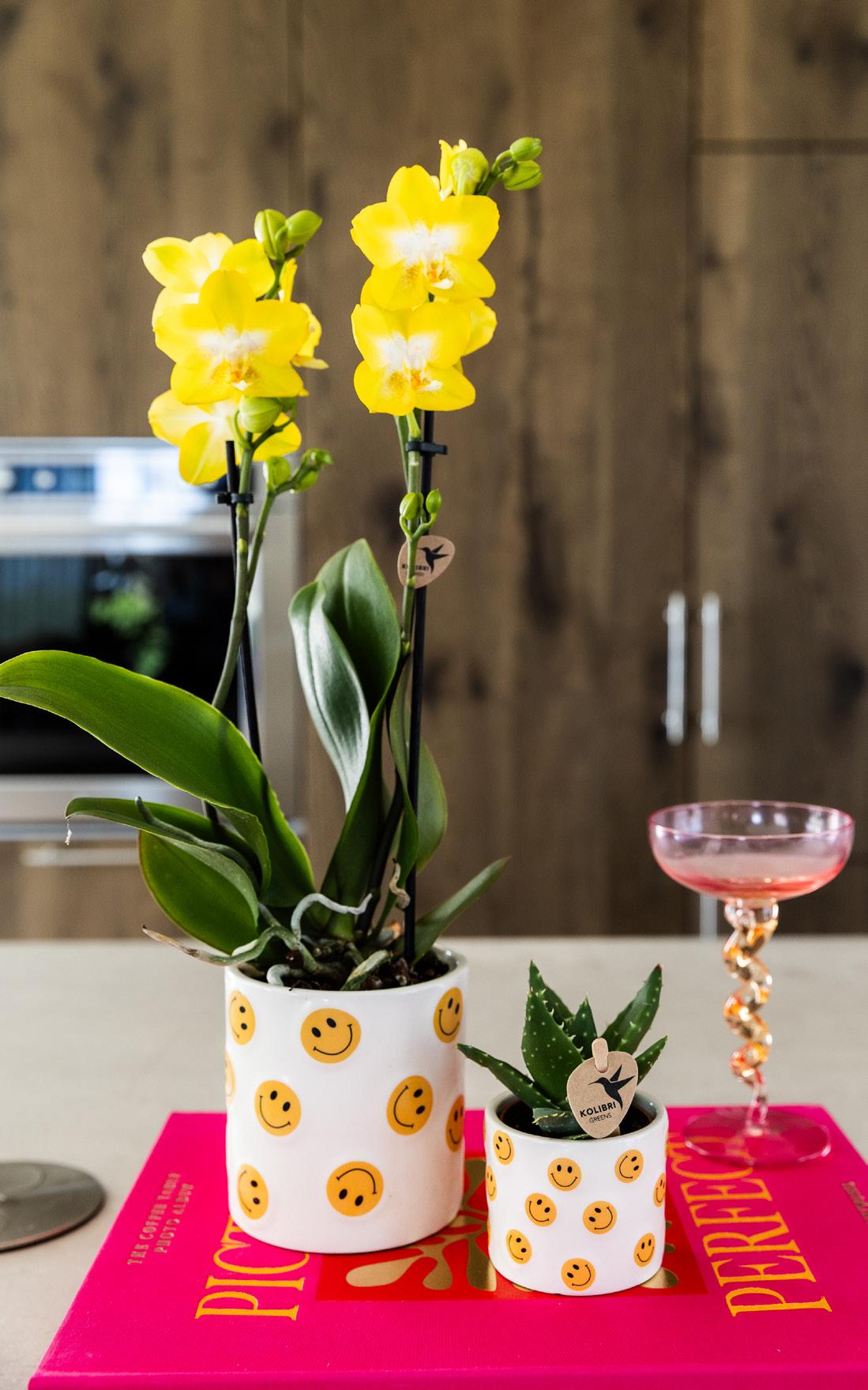
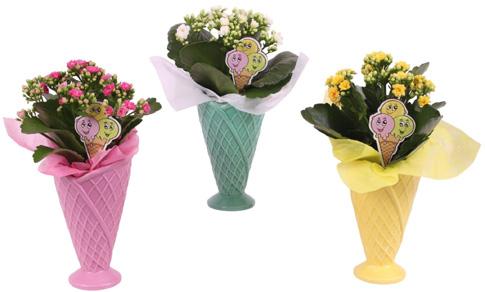
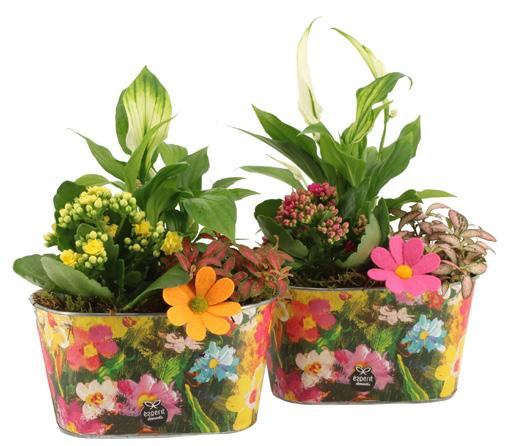
The strength lies in the finishing touches. Planters featuring fruit motifs, ice creams, flowers or graphic prints give each arrangement a cheerful twist. Decorative elements enhance the summery feel and turn every piece into a little gift.
Surreal Summer focuses on fun and experience. These are products that immediately catch the eye, are easy to carry and make perfect spontaneous gifts. Ideal for adding colour and lightness to the interior during the summer months.
COUPE-§GL022A
COUPE-§SP196A
COUPE-§GL262A
COUPE-§ZNK071A
COUPE-§MA156A
COUPE-§SP100A
KALAMX-SP210A Kalanchoe
RHIPMX-SP01A Rhipsalis
SUCCMX-SP127A Succulents
PHALMX-SP101TA2A Phalaenopsis
COUPE-§SP014A
COUPE-§SP020A
COUPE-§SP062A
COUPE-§SP073A
Structure at work, biodiversity at home
Employee in the spotlight : Leen Verleyen
At Floréac, Leen Verleyen is a key figure as Back Office Manager for Belgium and the Netherlands. She coordinates the teams responsible for purchasing and sales support and ensures processes are handled smoothly and with a customer-focused approach. Structure, overview and close collaboration are central to her role.
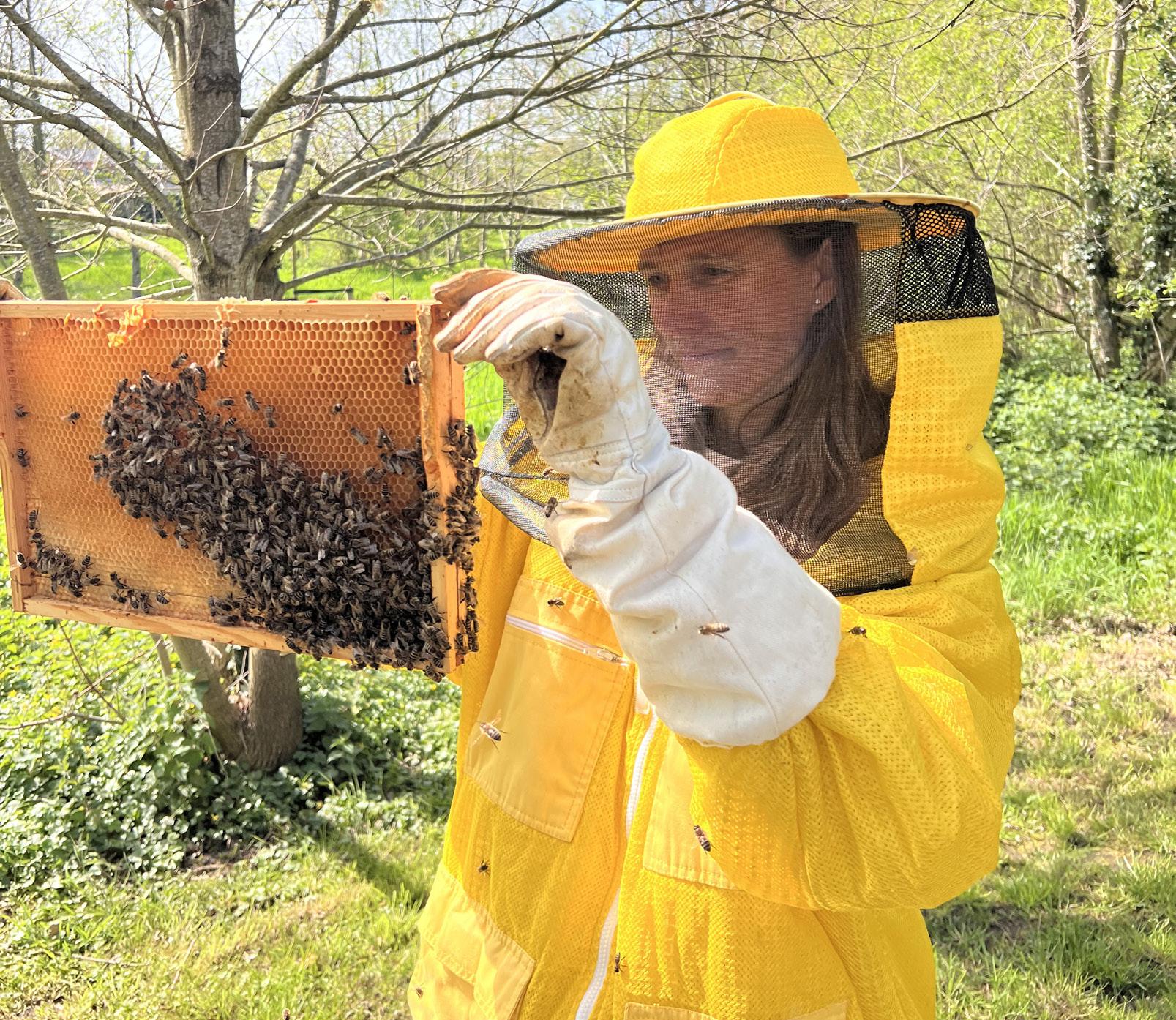
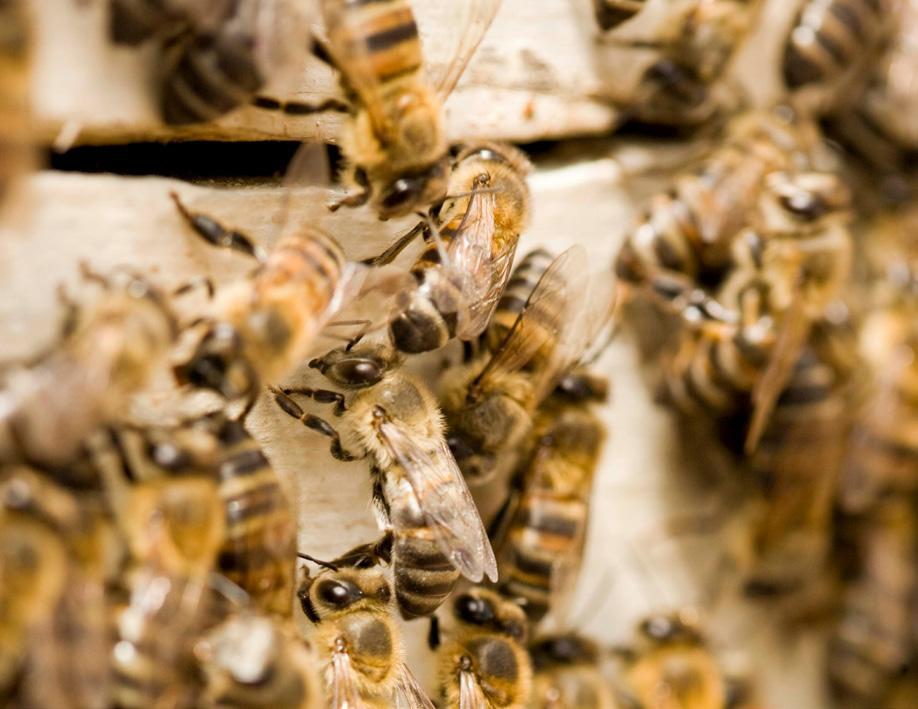
Outside working hours, her focus is on a different kind of organisation: that of bee colonies. What began as a shared interest grew into a passion that fits perfectly with the green sector in which she works.
Leen Verleyen, Backoffice Manager
From interest to commitment
The idea of taking up beekeeping arose rather by chance, through a call from the local beekeepers’ association. At the same time, Leen and her family were busy landscaping their garden. The link was quickly made: a garden that is not only beautiful but also functional for biodiversity.
Together with their neighbour, they took the step towards their first beehives. That collaboration proved essential. After all, beekeeping is not theory, but practice. Gaining experience, observing and making adjustments are central to the process.
Life in and around the beehive
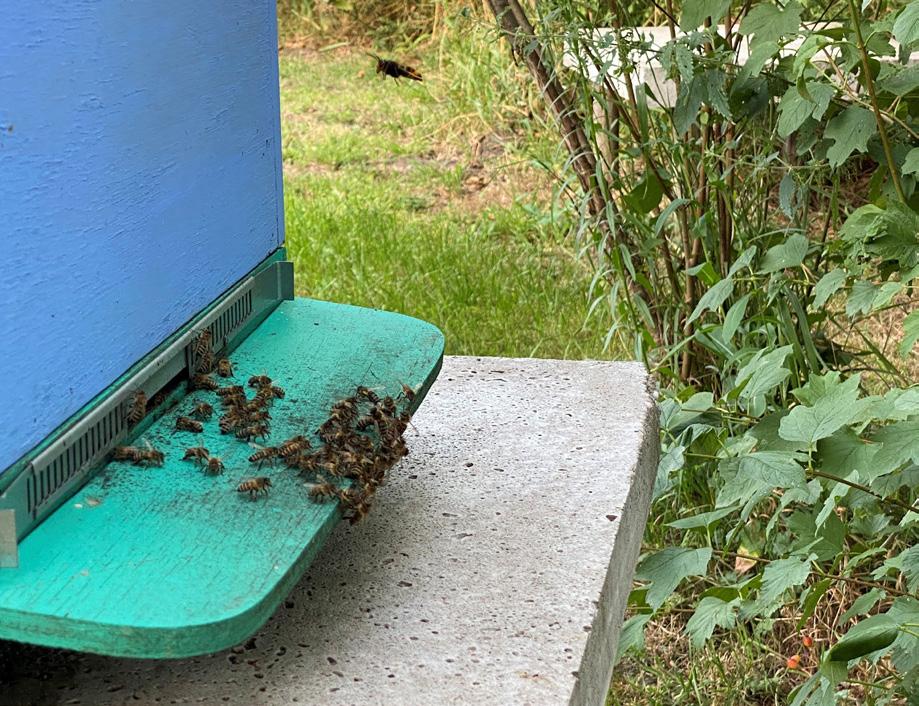
Today, there are between one and three beehives in the garden, depending on how the colonies survive the winter. This remains a vulnerable period, with challenges such as the Varroa mite and pressure from the Asian hornet.
When a colony fails, it is rebuilt. Either by purchasing a new one, or by creating a split yourself. That process requires patience, but is also very rewarding.
What remains fascinating is that no two seasons are the same. Bees are constantly adapting, which makes beekeeping dynamic and educational.
“What keeps it fascinating is that no two seasons are the same. Bees are constantly adapting, which makes beekeeping a dynamic and educational experience.”
Leen Verleyen
Bees as drivers of biodiversity
The impact of bees is significant. They play a key role in the pollination of ornamental plants, agricultural crops and wild flora. Without pollinators, biodiversity comes under pressure.
For a sector like ours, that link is obvious. What happens in the garden ties in seamlessly with what we promote professionally.
A garden that works for bees
When designing the garden, a conscious decision was made to include a wide and varied range of plants. The aim: to provide food from early spring through to autumn.
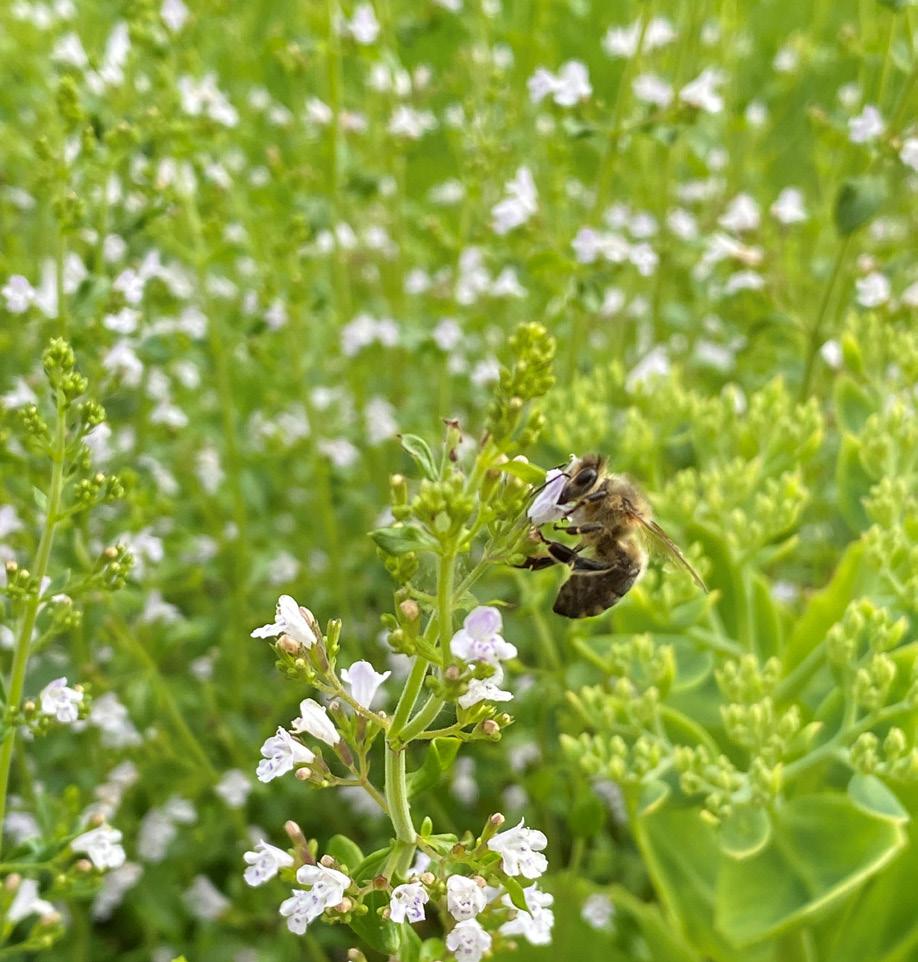
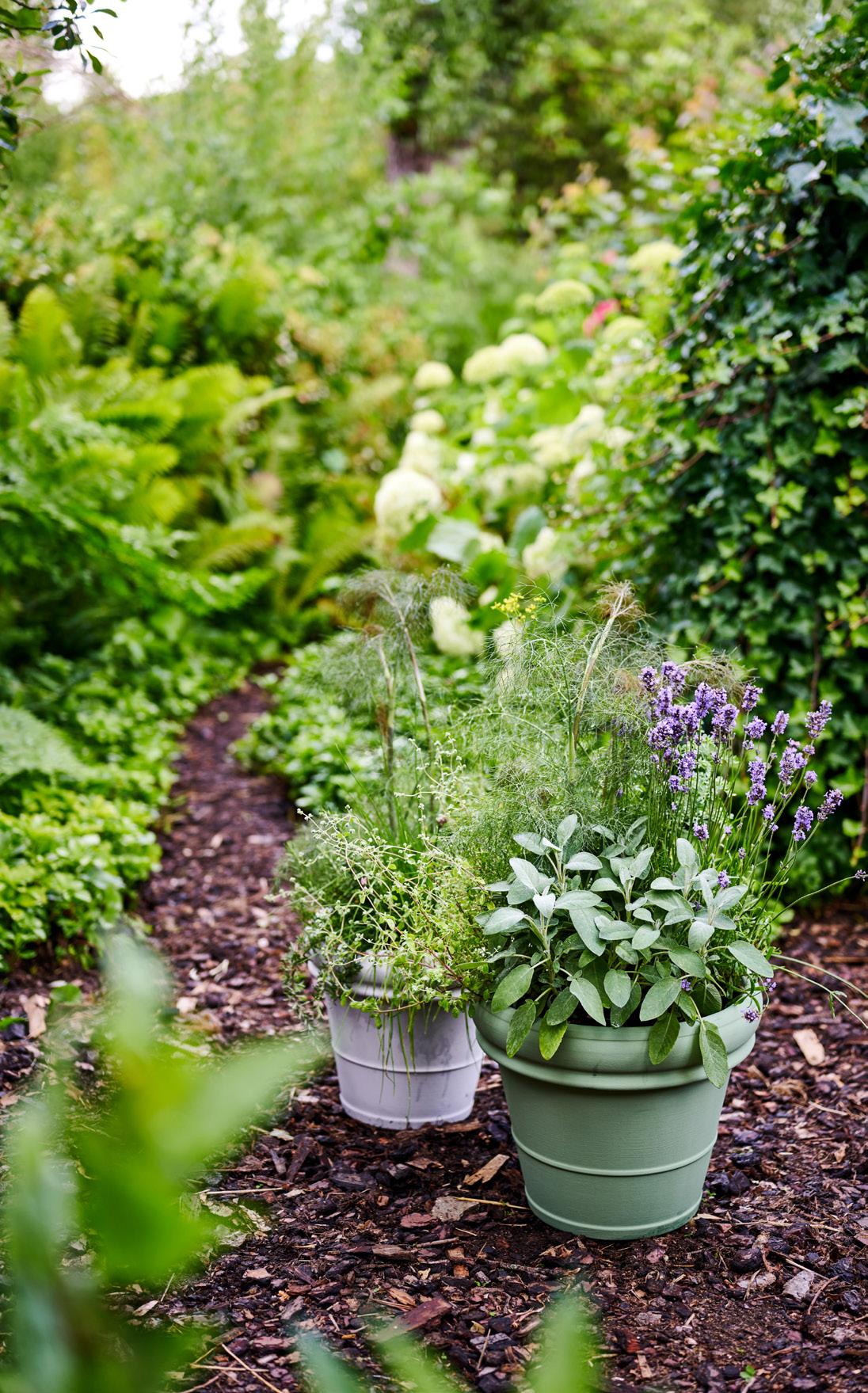
Trees such as lime, willow and serviceberry form an important foundation. These are complemented by perennials such as echinacea, astrantia, lavender and catmint, which flower throughout the season.
Flower bulbs also play a role, particularly in early spring when food is scarce.
The result is a garden that is constantly evolving. No neatly mown lawn, but a functional ecosystem where nectar and pollen take centre stage.
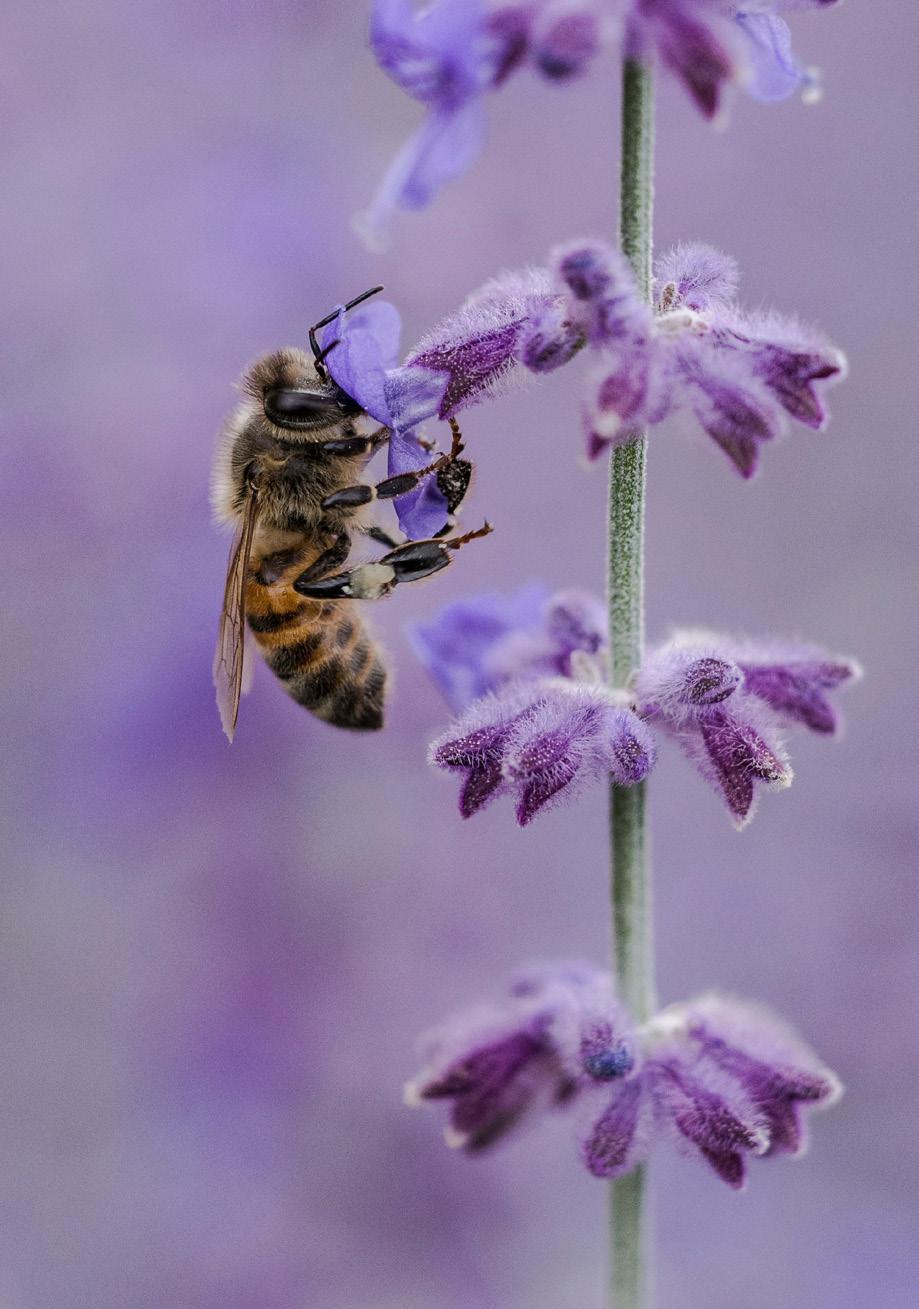
“If there’s one plant that deserves a place everywhere, it’s lavender. Robust, attractive to bees and easily recognisable. A logical choice for any bee-friendly garden.” Leen Verleyen
Added value right down to the vegetable garden
In addition to the ornamental garden, there is also a vegetable garden. There, the effect of pollination is immediately visible. Crops such as courgettes and beans depend on insects.
More bees simply means a better yield.
The vegetable garden is also a learning environment. For the children, the presence of bees is a matter of course. They grow up with knowledge of nature and actively share this, including at school.
What makes a garden insect-friendly?
The principles are simple and applicable, even on a smaller scale:
• Spread out flowering periods
• Provide variety in planting
• Mow less closely
• Do not use pesticides
• Leave space for natural areas
Even with limited outdoor space, you can make a difference.
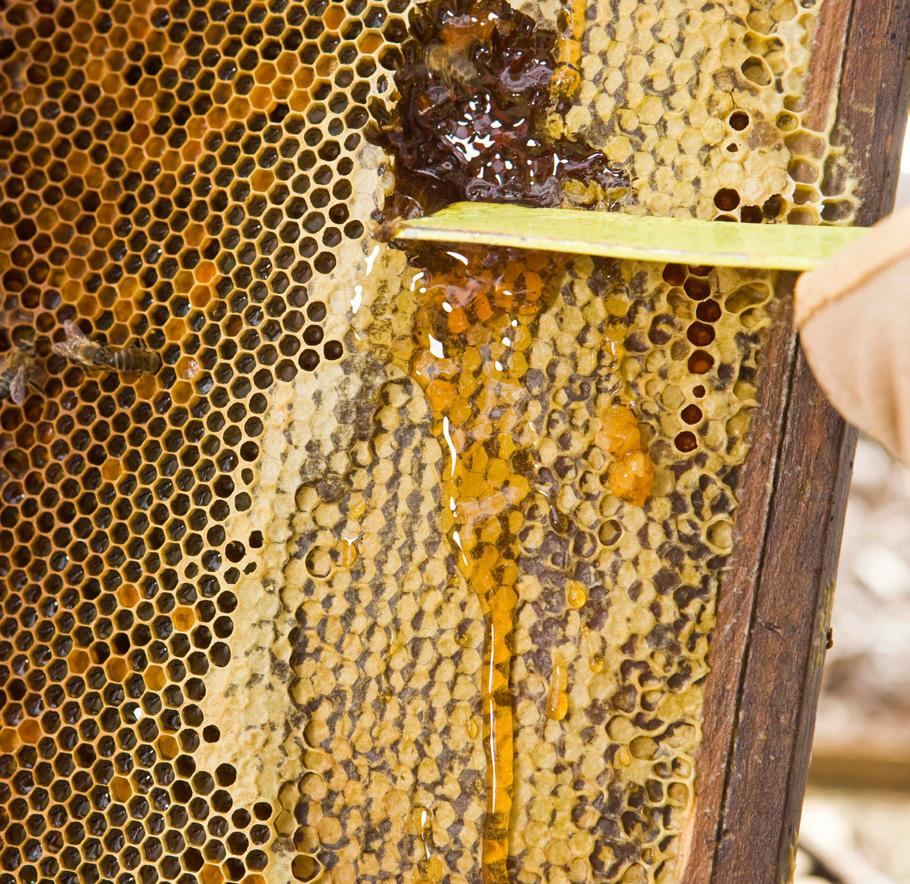
From hive to a jar of honey
In young colonies, the honey remains in the hive as food. Stronger colonies produce a surplus. That honey is extracted, matured and processed into a pure end product.
A hive can produce 20 to 40 kg of honey annually, which is distributed within a small community.
Want to start beekeeping?
The most important tip: don’t start on your own. Joining a beekeepers’ association or working with an experienced beekeeper significantly speeds up the learning process.
Leen’s favourite
If there’s one plant that deserves a place everywhere, it’s lavender. Strong, attractive to bees and visually recognisable. A logical choice for any bee-friendly planting scheme.
In a nutshell
What Leen does at home fits perfectly with what Floréac stands for: working with nature, not against it. Small changes make a big difference — for bees, for biodiversity and for the sector as a whole.
Taste the garden
Fresh, decorative and ready to enjoy
With Taste the garden, the terrace becomes a place not only to relax, but also to savour. This theme brings together decorative edible plants in a range that perfectly complements outdoor living, BBQ moments and the outdoor kitchen.
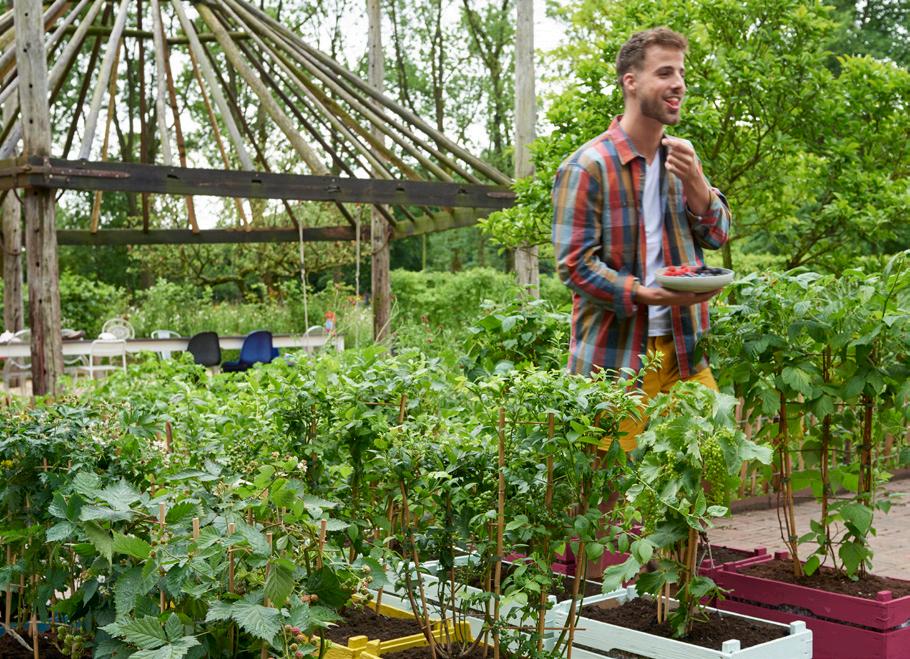
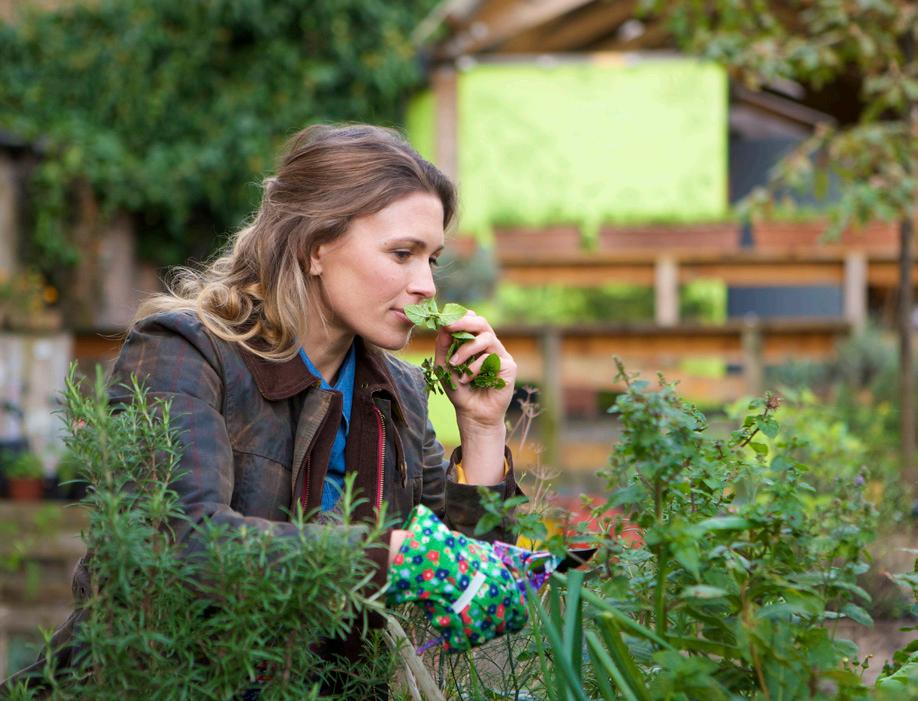
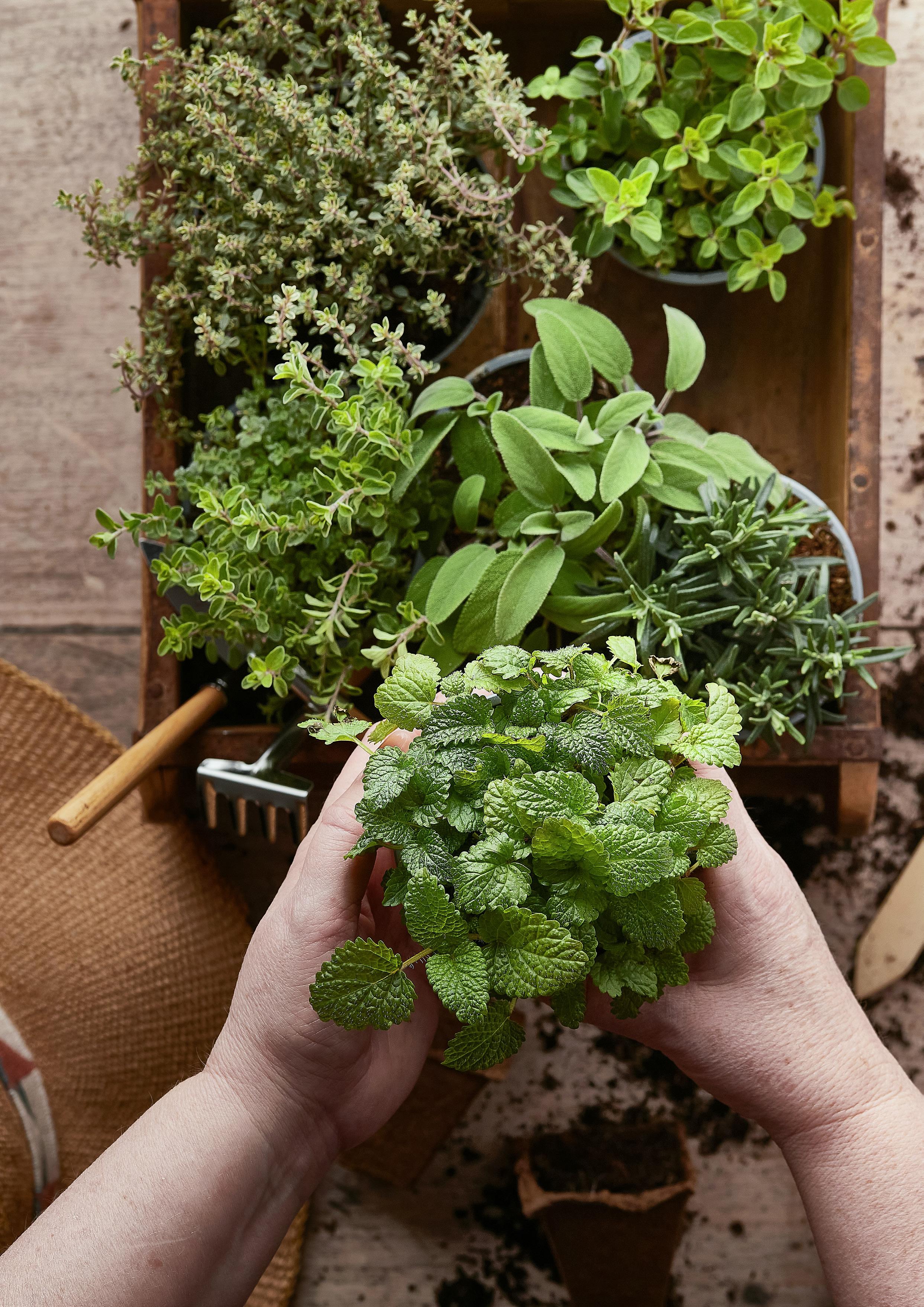
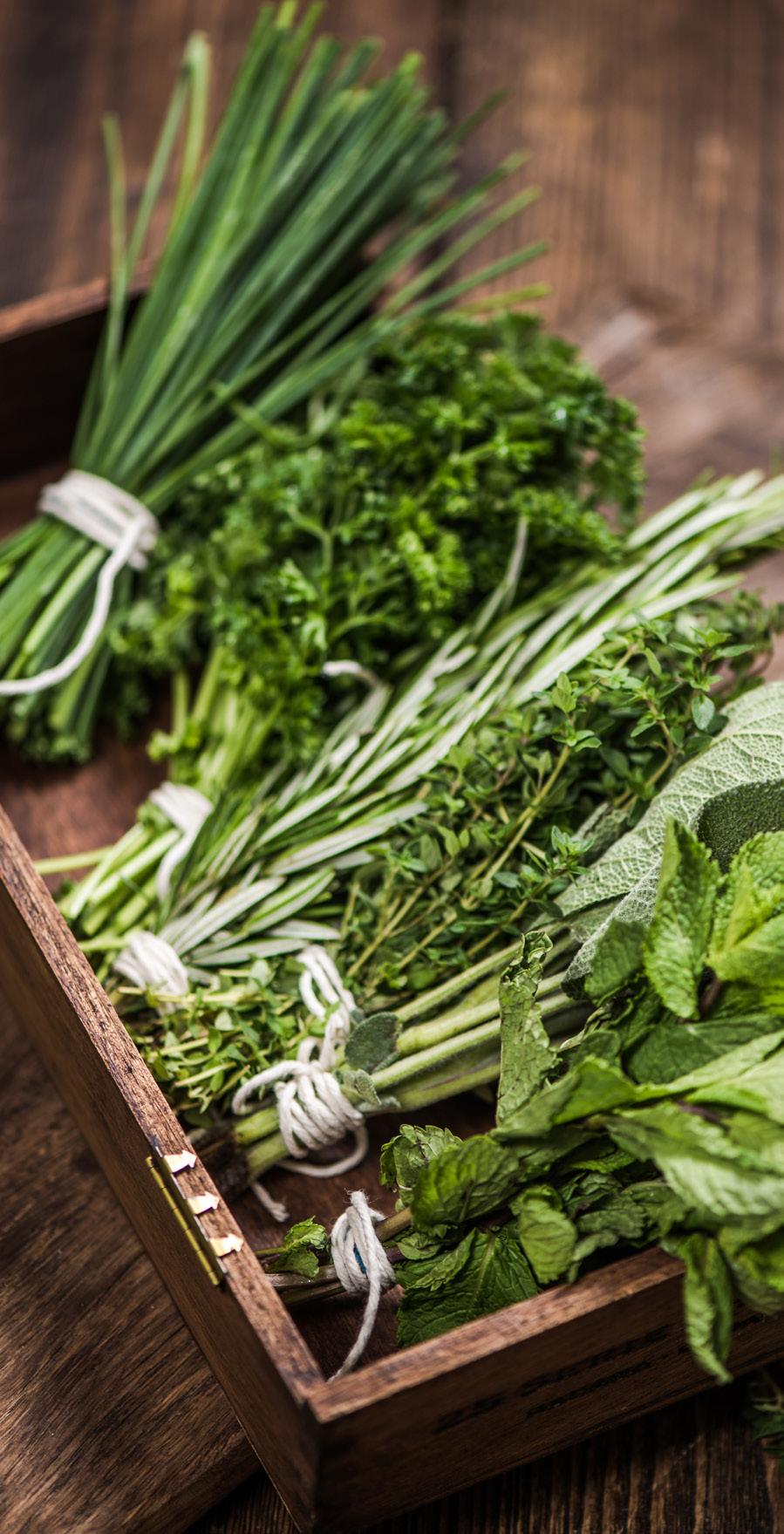
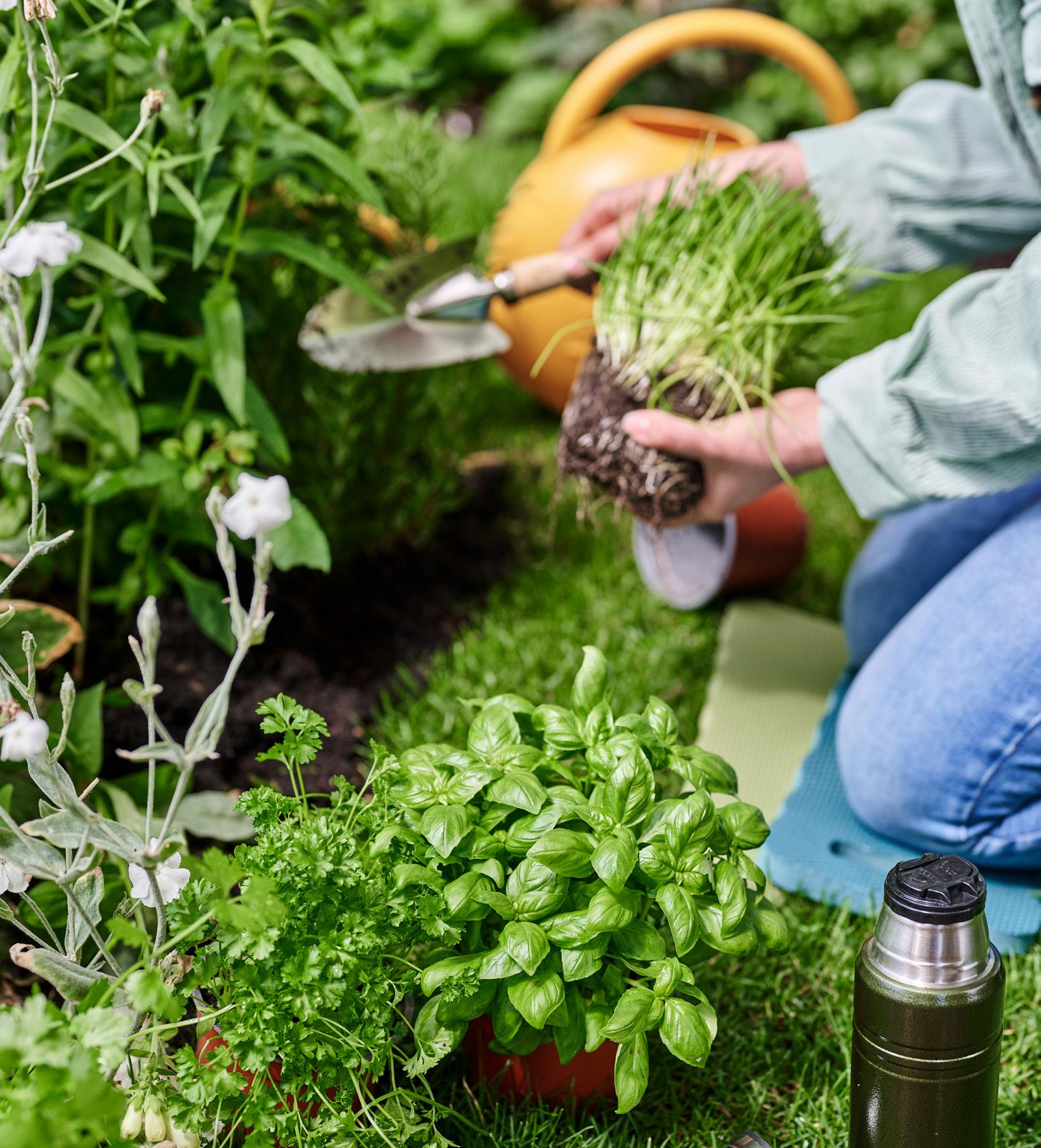
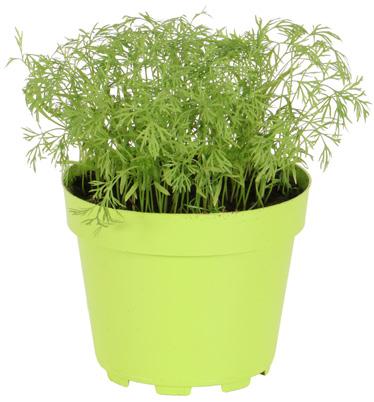
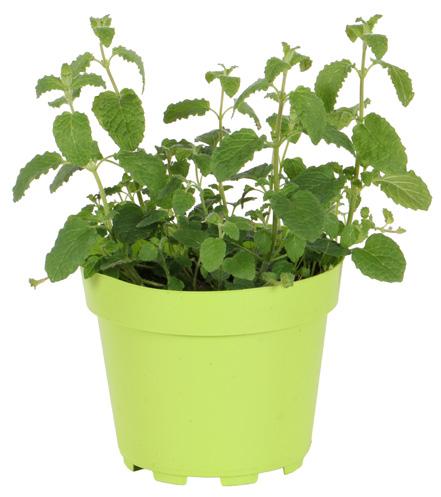
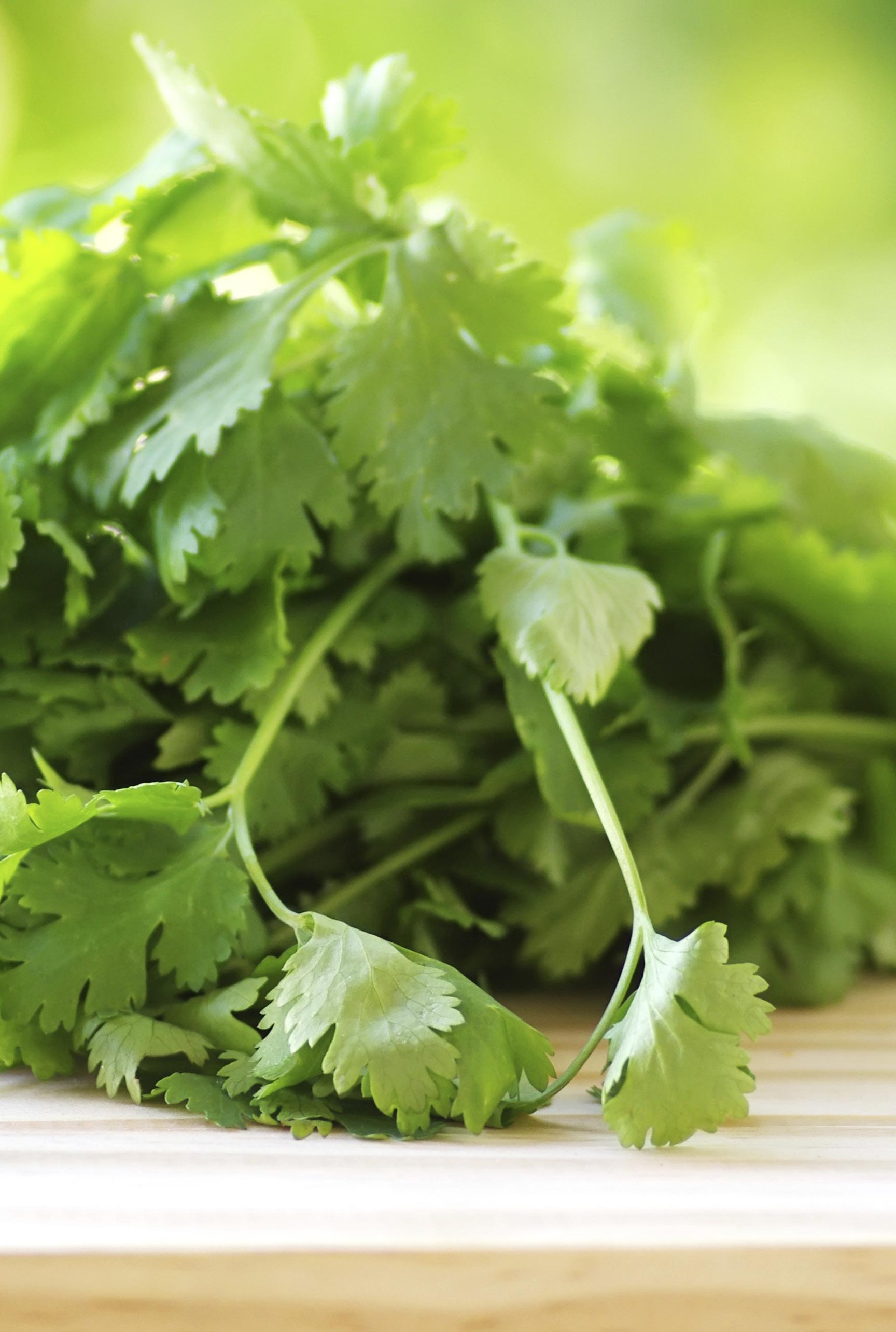
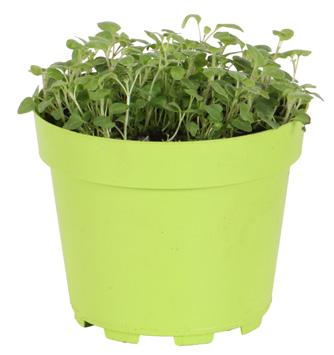
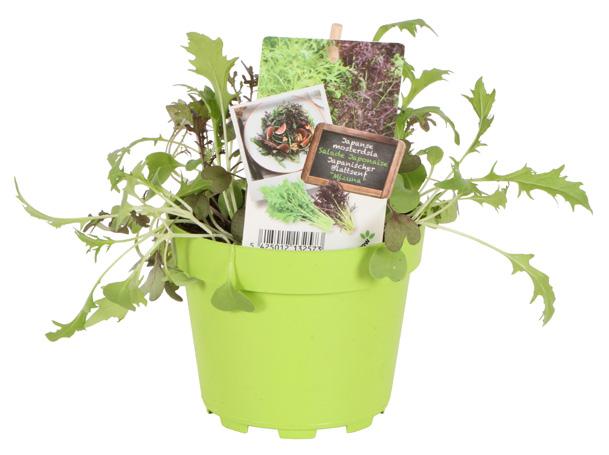
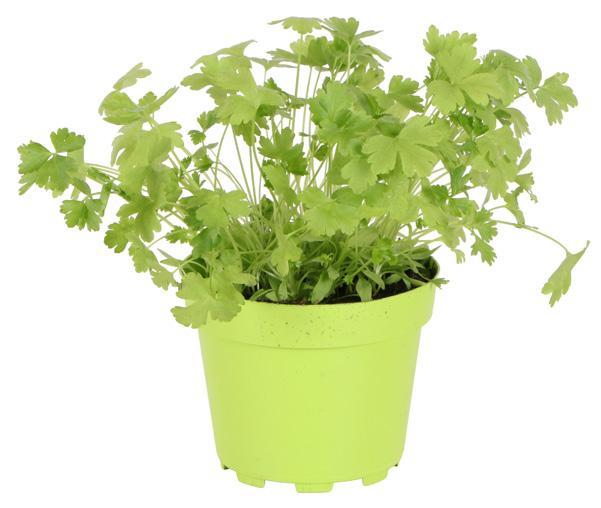
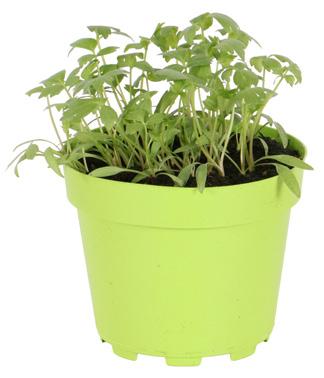
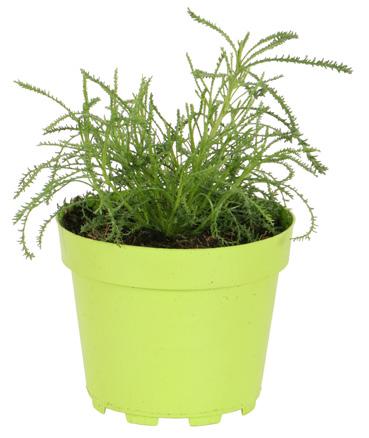
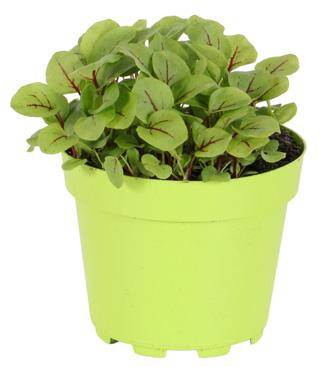
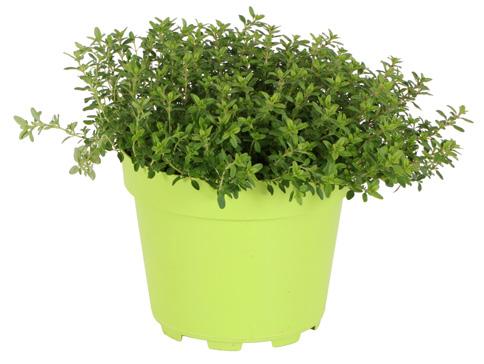
Herbs and edible plants combine visual appeal with practicality. Varieties such as basil, mint, rosemary and thyme provide fragrance, flavour and a fresh green touch. They are compact, easy to combine and ready to use in the kitchen.
Taste the garden responds to the demand for experience and simplicity. Customers aren’t just choosing a plant, but a product they can use and share straight away. Perfect for summer moments, from quick purchases to original gifts.
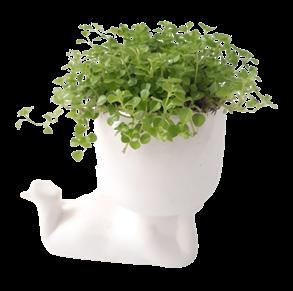
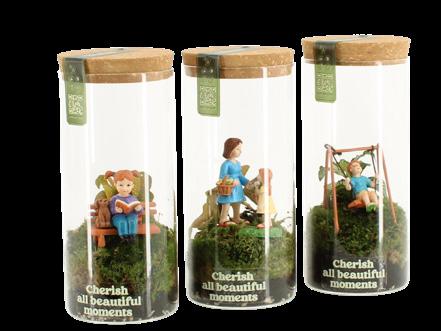
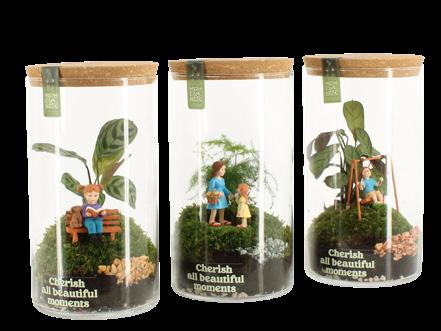
Little Green Moments is a new collection of terrariums in which tiny figurines depict cherished memories. Each jar contains a miniature world that captures a heart-warming moment: a smile, a discovery, a touch of nostalgia. The vibrant greenery brings the scene to life, whilst the figurine symbolises that one precious moment. In this way, every terrarium becomes a lasting, green memento – a little story to cherish, preserve and let grow.
Outdoor plants : Portulaca Bloomigo
POCARN-19A
POCARN-SCH27A
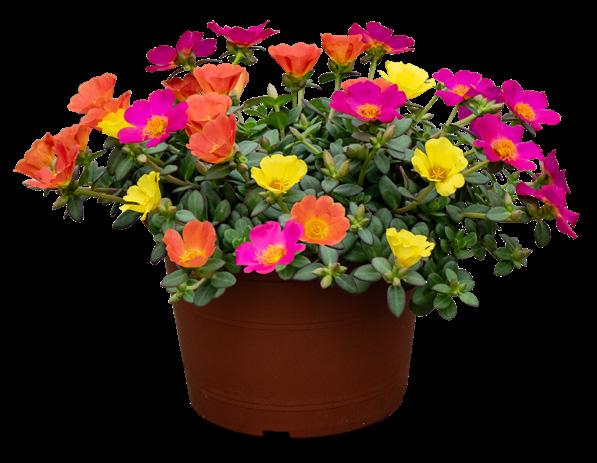
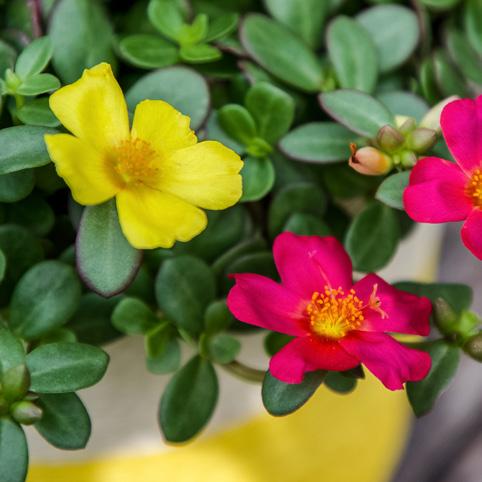
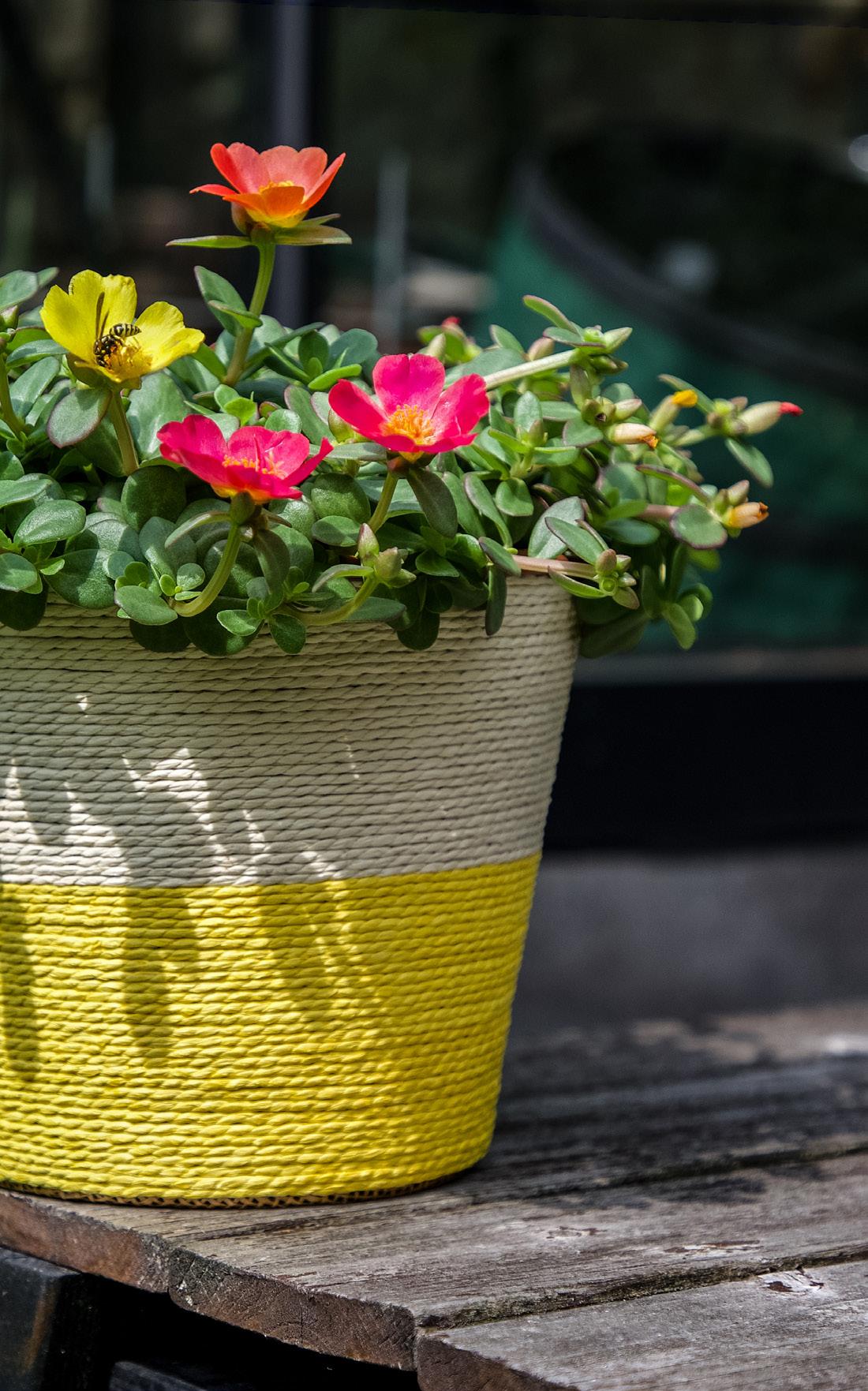
Bloomigo Portulaca stands out thanks to its larger flowers, which remain open for longer and offer extra visual impact. The plants retain a fresh, dark green appearance and grow compactly and upright. The colour remains visible even when the buds are closed. Grown in peat-free soil: a sustainable choice offering strong visual appeal and sales potential for the summer.
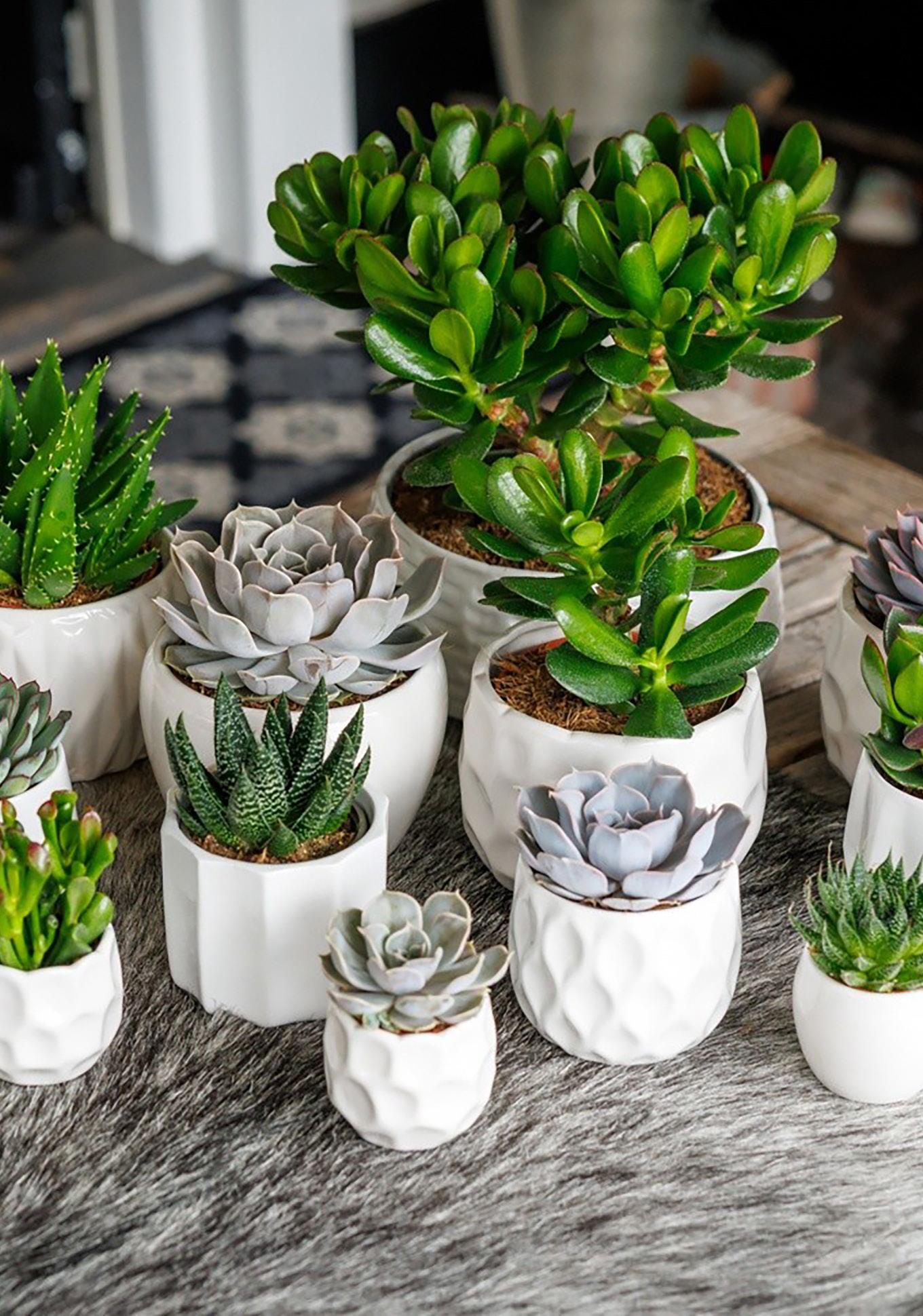
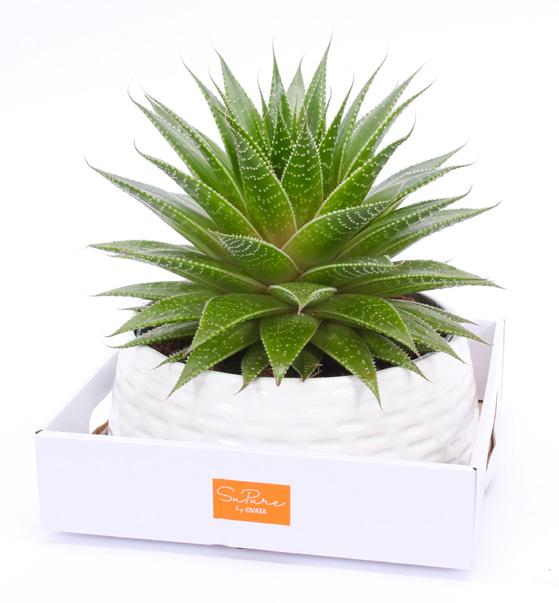
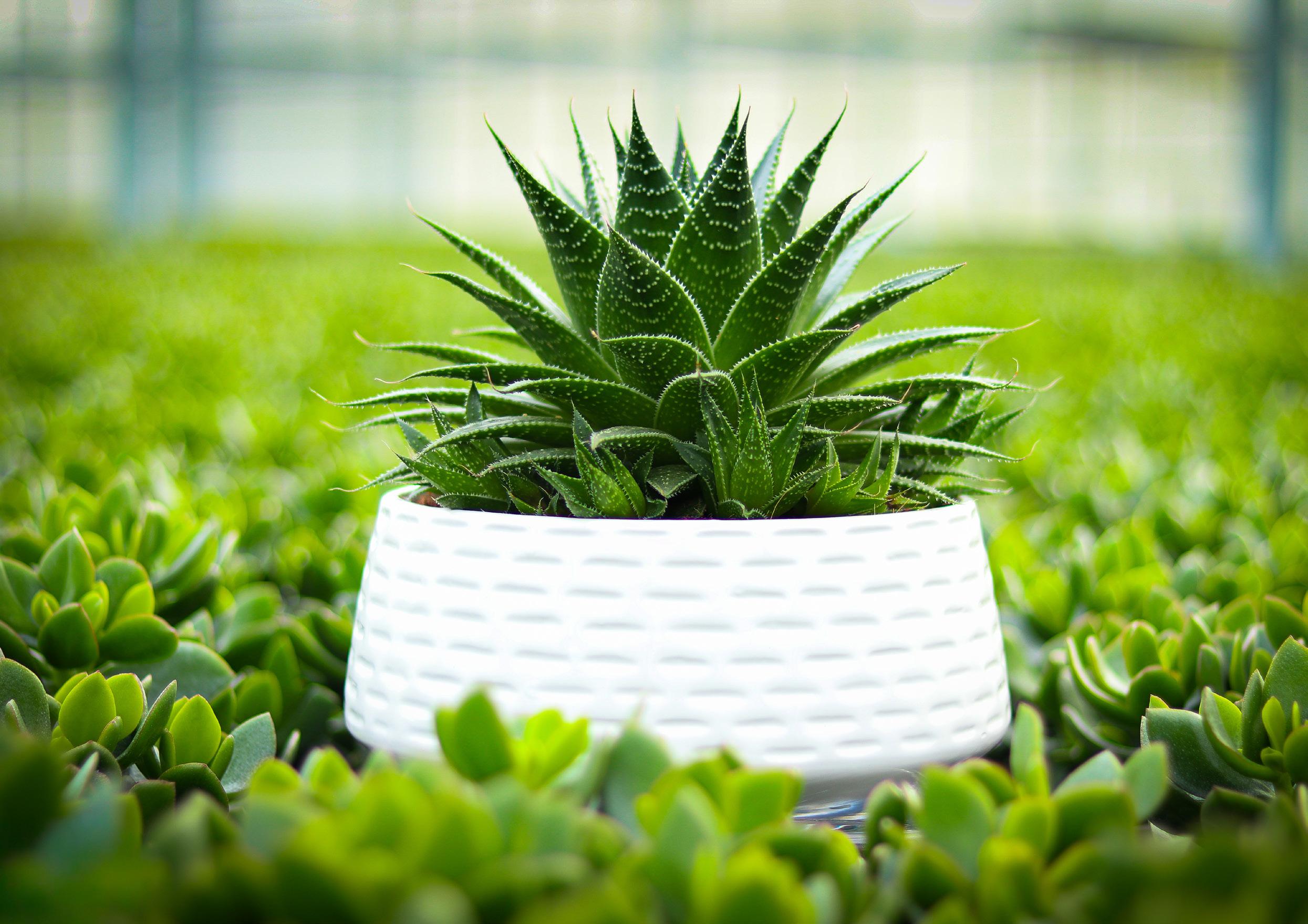
Aloe Gladiator Rock is a hardy, low-maintenance succulent with a distinctive, robust appearance. Its pointed leaves make it a real eye-catcher in any range. Thanks to its compact size and ease of care, it is ideal for individual sale and in arrangements. A contemporary addition that meets the demand for stylish, lowmaintenance plants.
New kids on the block
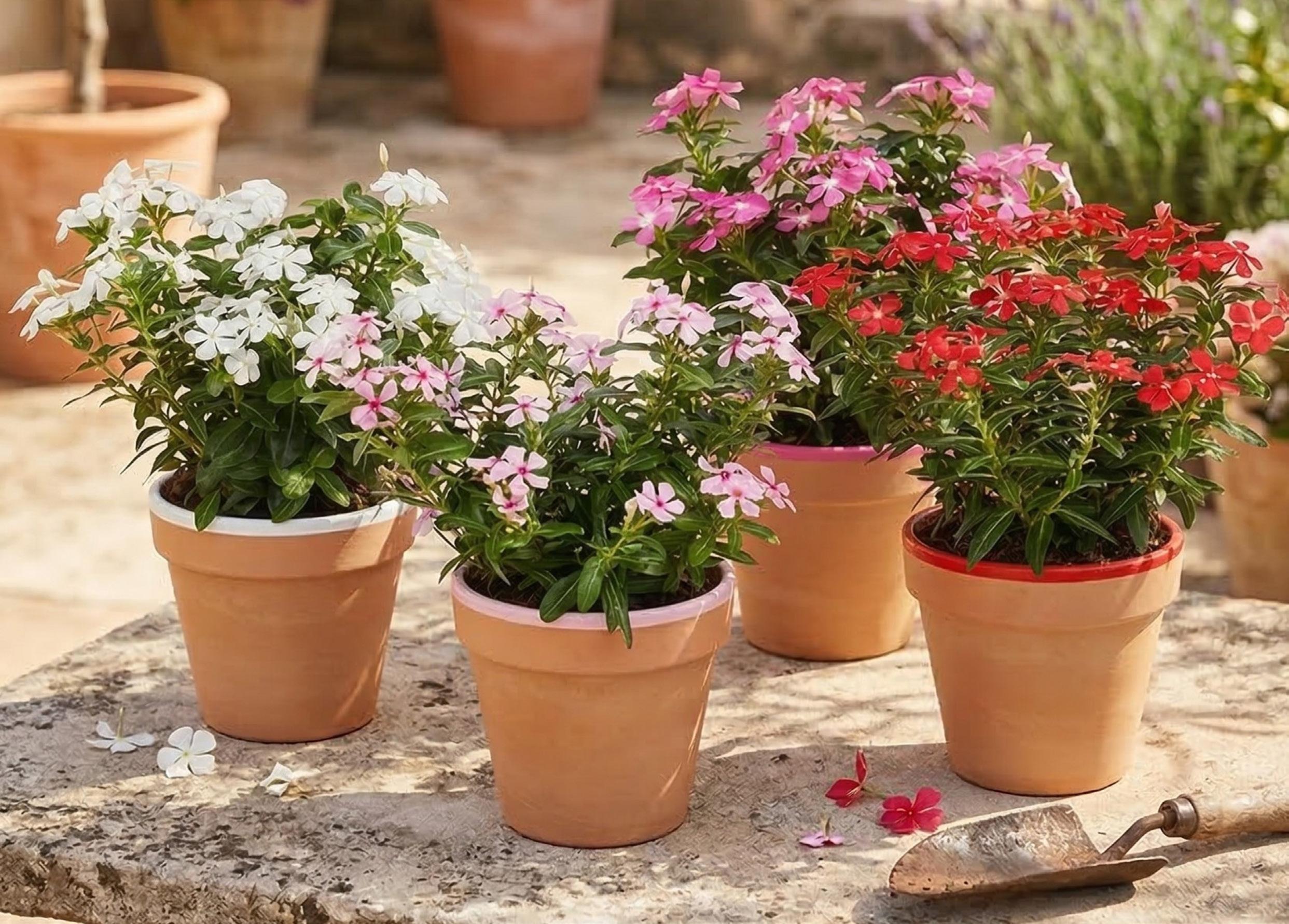
Outdoor plants : Catharanthus Soiree®
CATHMX-11A
CATHMXL-11A
CATHMX-13A
weeksAvailablefrom 25to38
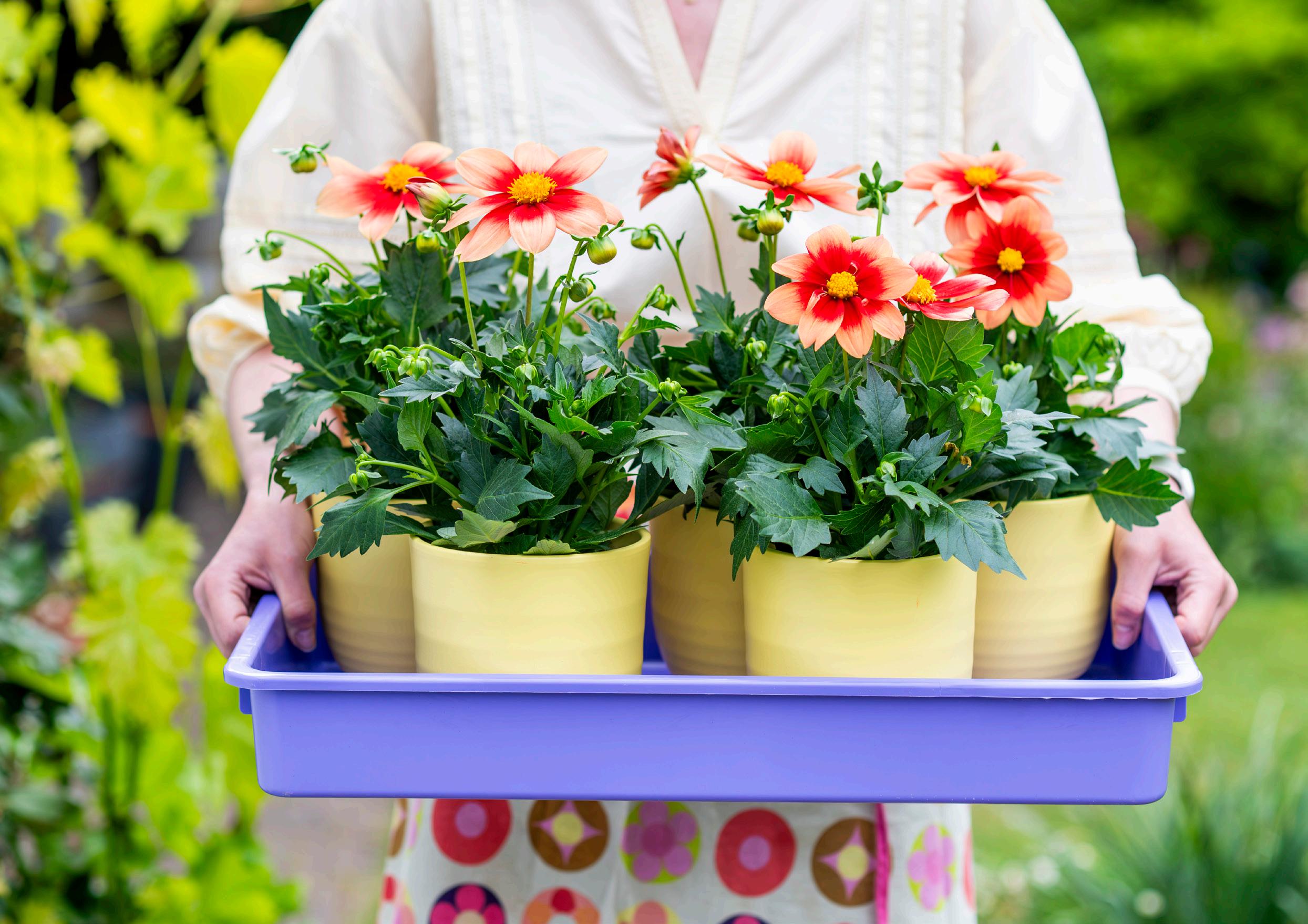
Outdoor plants : Dahlia Summer Bees
DASUBIPA-12A
DASUBIRD-12A
DASUBIZA-12A
DASUMX-12A
DASUMXL-12A
DAHLMX-17A
DASUPUBI-15A
DASURDBI-15A
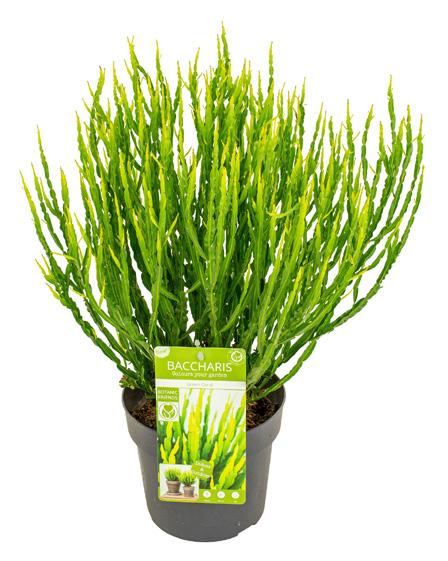
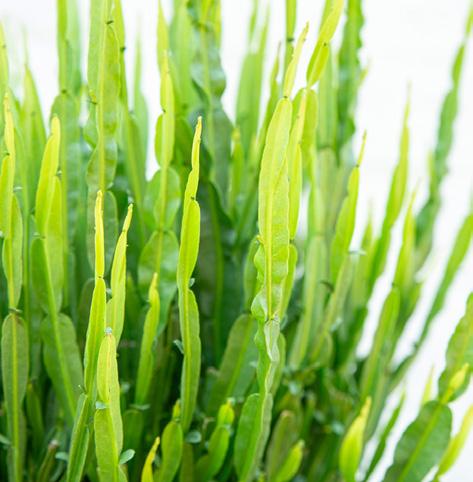
Outdoor plants : Baccharis Green Coral
BAGRCO-19A
Availablefrom week25
Outdoor plants : Schefflera Winter Jungle
SCWIJU-15A
Availablefrom week32
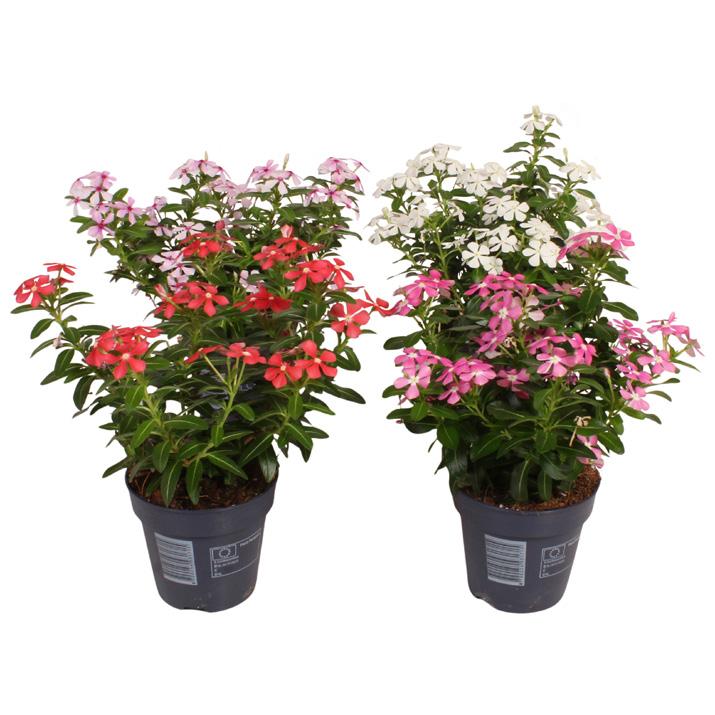
Soirée® is a heat-tolerant collection of Catharanthus plants characterised by compact growth and abundant flowering, making it ideal for pots and borders. The plants produce abundant, continuous blooms in bright colours and feature glossy foliage. They remain uniform and ready for sale, without becoming leggy. A reliable choice for a neat presentation and quick resale to the end customer.
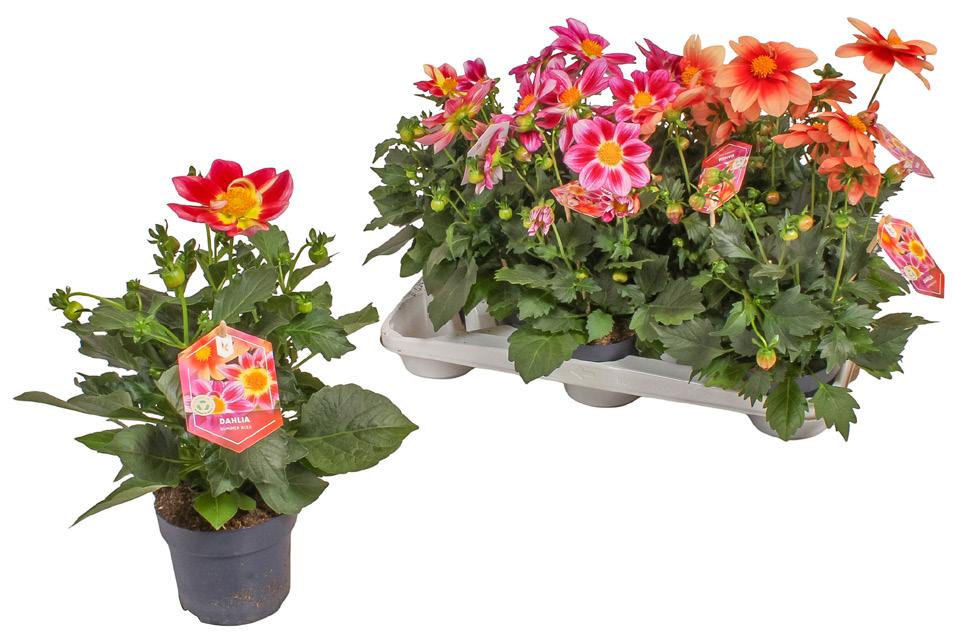
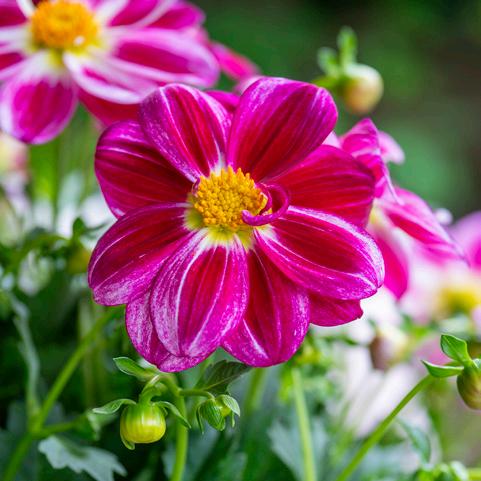
Summer Bees is a new series of single-flowered dahlias offering high ornamental value and strong sales potential. The plants flower from summer through to autumn and provide an attractive source of nectar for pollinators. Thanks to their open flower structure, they are particularly bee-friendly. A relevant and distinctive product within a sustainable and biodiverse range.