
WHY IT MATTERS

A well-sanded floor transforms any room — improving both beauty and durability. But cut corners, and the damage can be permanent and costly to fix. This guide walks Edinburgh homeowners through the six most common floor sanding mistakes and the practical steps to avoid every one of them.
Reveals the natural beauty of the wood grain and restores lustre to tired floors.
Extends the working life of wooden floors by decades when done correctly.
Well-maintained floors improve property value — a key consideration in Edinburgh's competitive market.
Prevents expensive repairs or full replacement caused by avoidable errors.
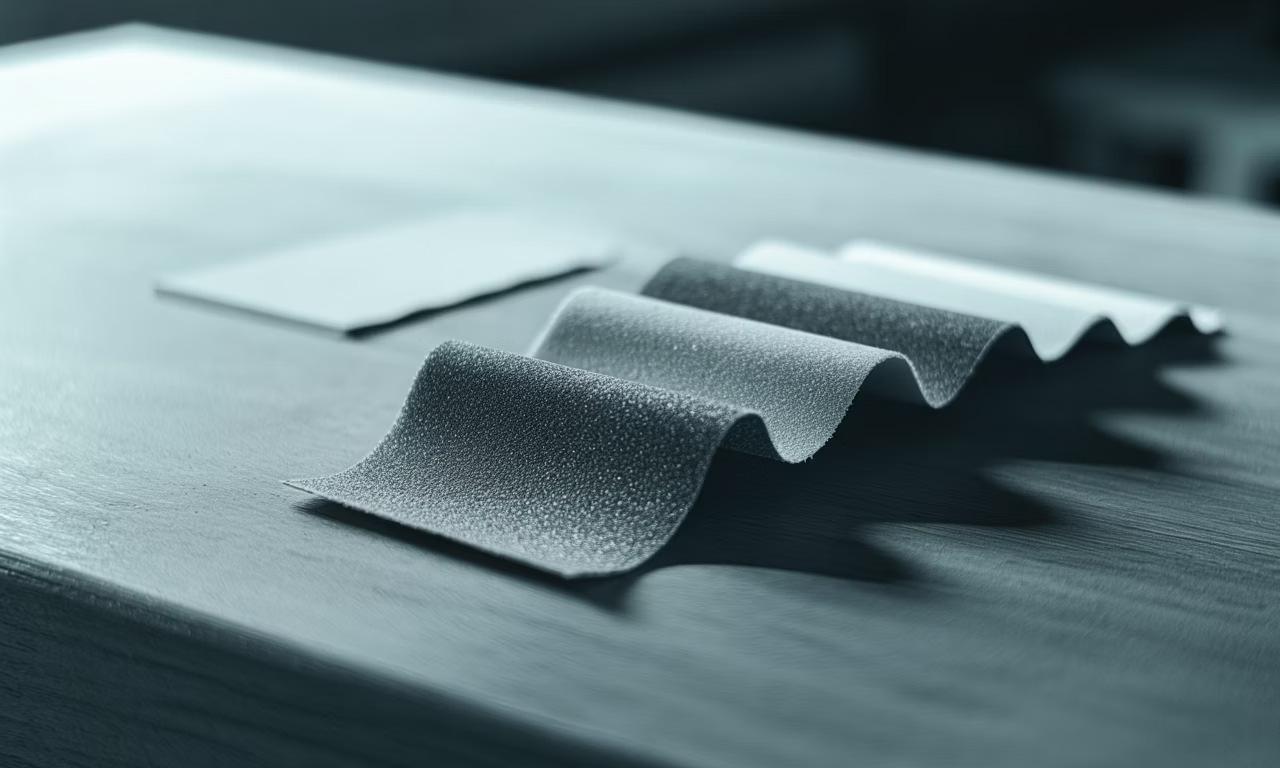
Starting too fine — or skipping grit stages entirely — leaves scratches and an uneven finish that no amount of varnish will hide.
Always follow the full sequence: Coarse → Medium → Fine. Each stage removes the marks left by the previous one. Skipping a level forces the next grit to do too much work — resulting in visible scratches and costly re-sanding.
Dust is the enemy of a smooth finish. Fine particles settle back onto the surface, scratch the wood, and contaminate any applied finish.
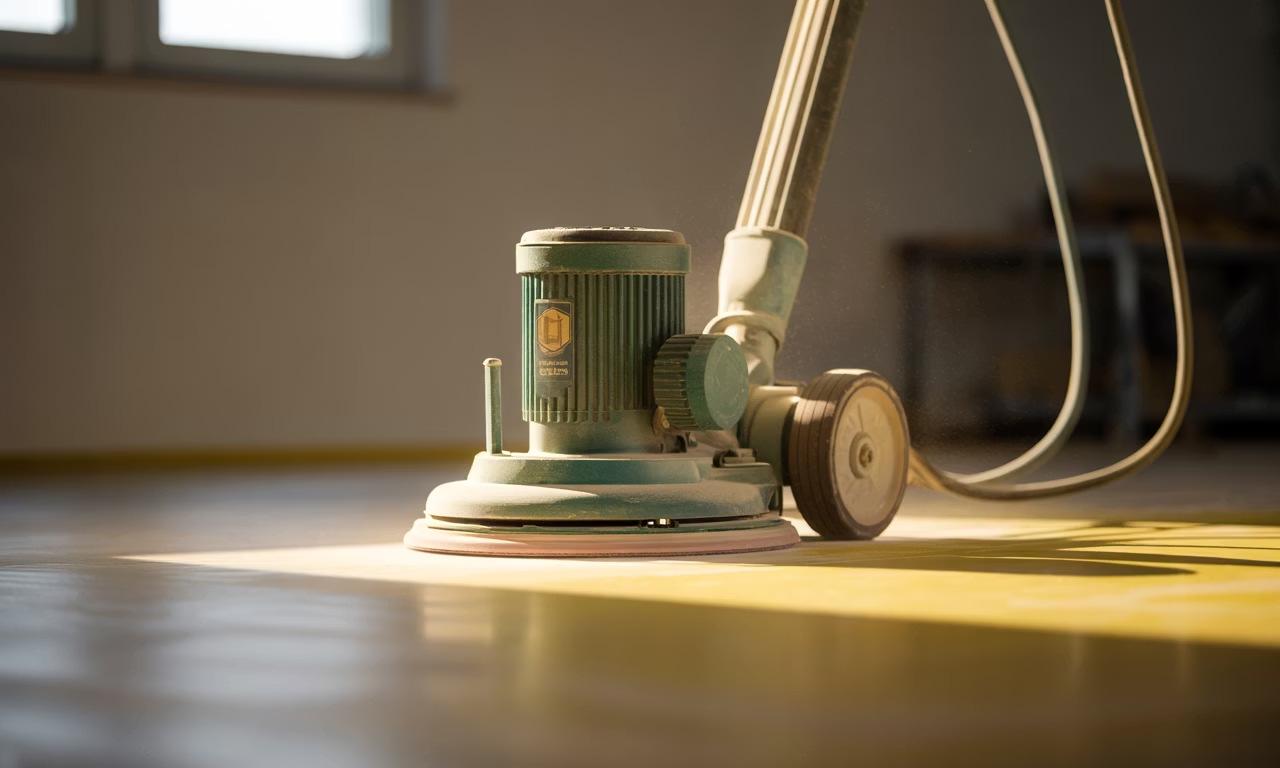
Use a drum sander with integrated dust extraction at every stage. Keep doors and windows managed to control airflow without spreading dust.
Wipe down surfaces with a tack cloth before applying any finish.
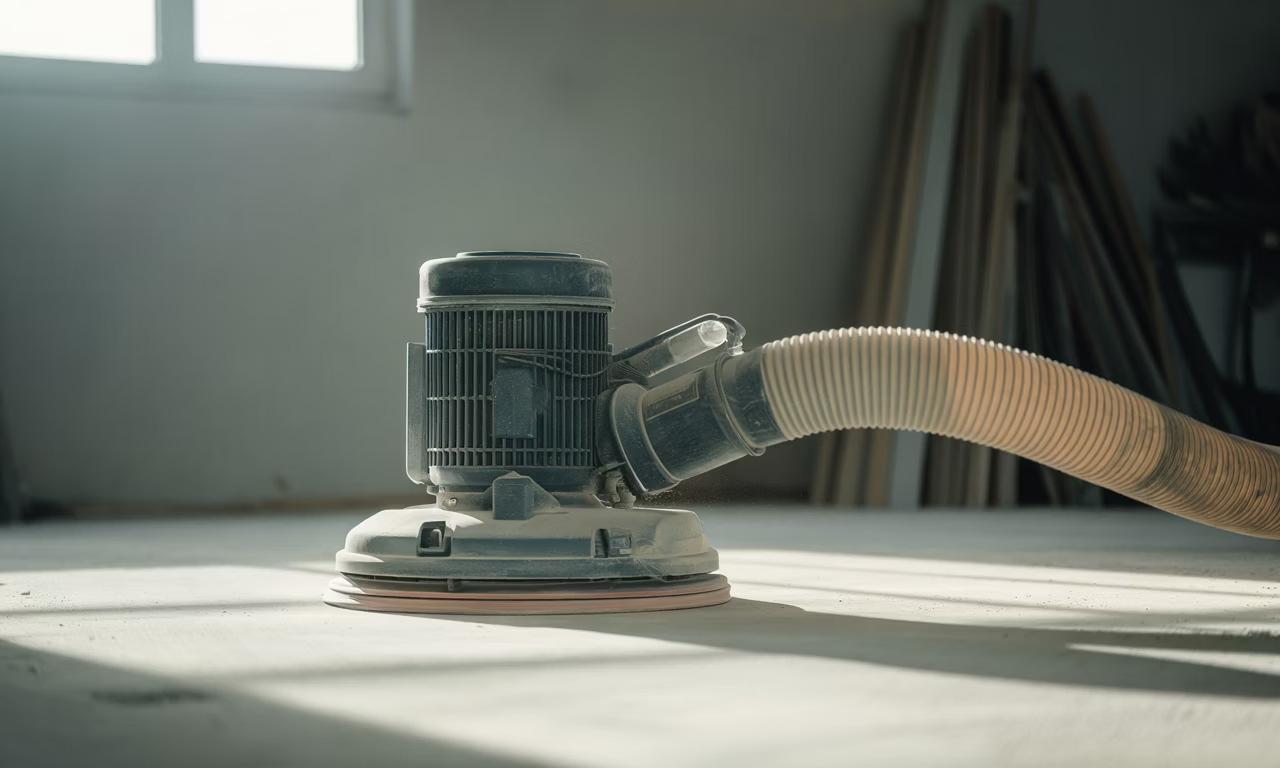
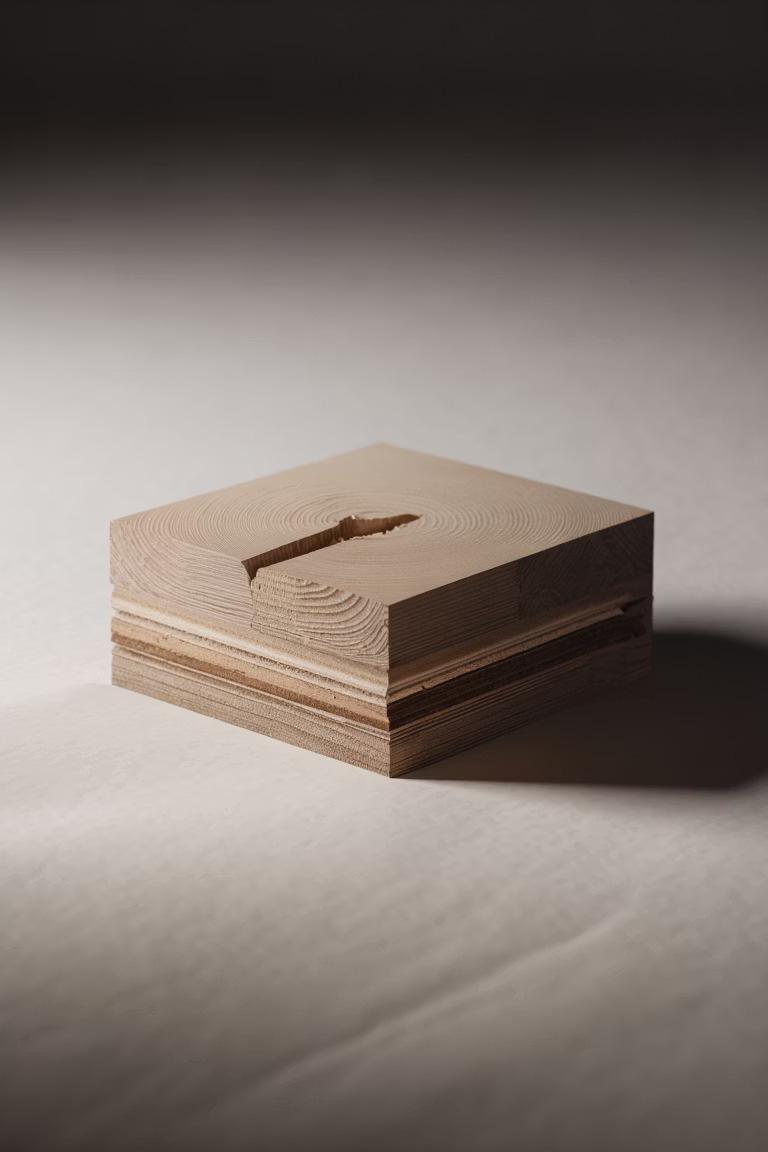
Removing too much wood thins the boards, weakens the floor's structural integrity, and may make them unsuitable for future refinishing.
Sand only as much as needed to remove the old finish and level the surface.
Inspect board thickness before starting — particularly in older Edinburgh properties.
Solid floorboards can only be sanded a limited number of times before they become too thin to be safe. Over-sanding is irreversible.
When in doubt, call in a professional rather than risk permanent damage.
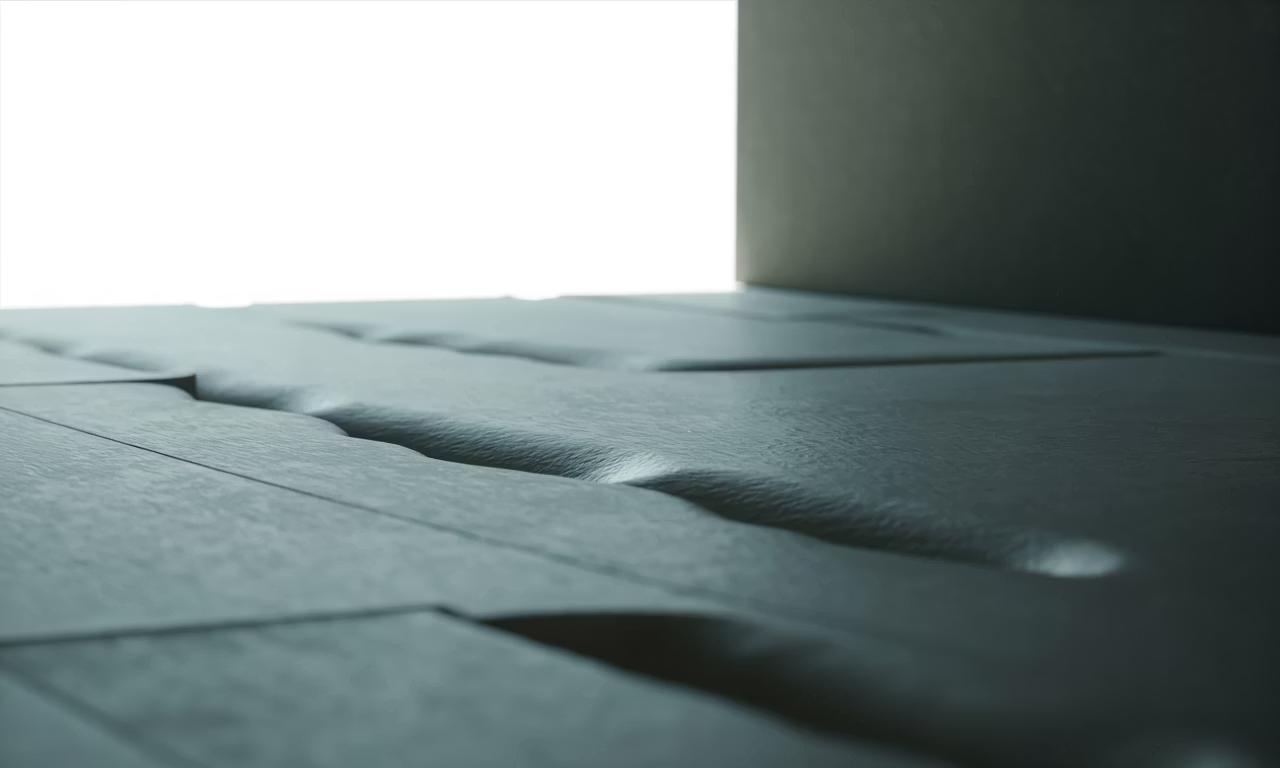
Uneven pressure — or rushing through the job — creates dips, ridges, and grooves that are clearly visible once a finish is applied.
Use the correct sanding machine for each area of the floor.
Maintain slow, steady, consistent passes — never stop with the drum touching the floor.
Work methodically and patiently; rushing is the most common cause of an uneven result.
Sealing over residual dust or moisture traps contaminants beneath the finish — causing bubbling, clouding, and premature peeling.
Vacuum thoroughly, then wipe down with a tack cloth to remove all fine dust.
Allow the floor to acclimatise — especially important in Edinburgh's damp climate.
Check moisture levels with a meter before applying any oil, lacquer, or wax.
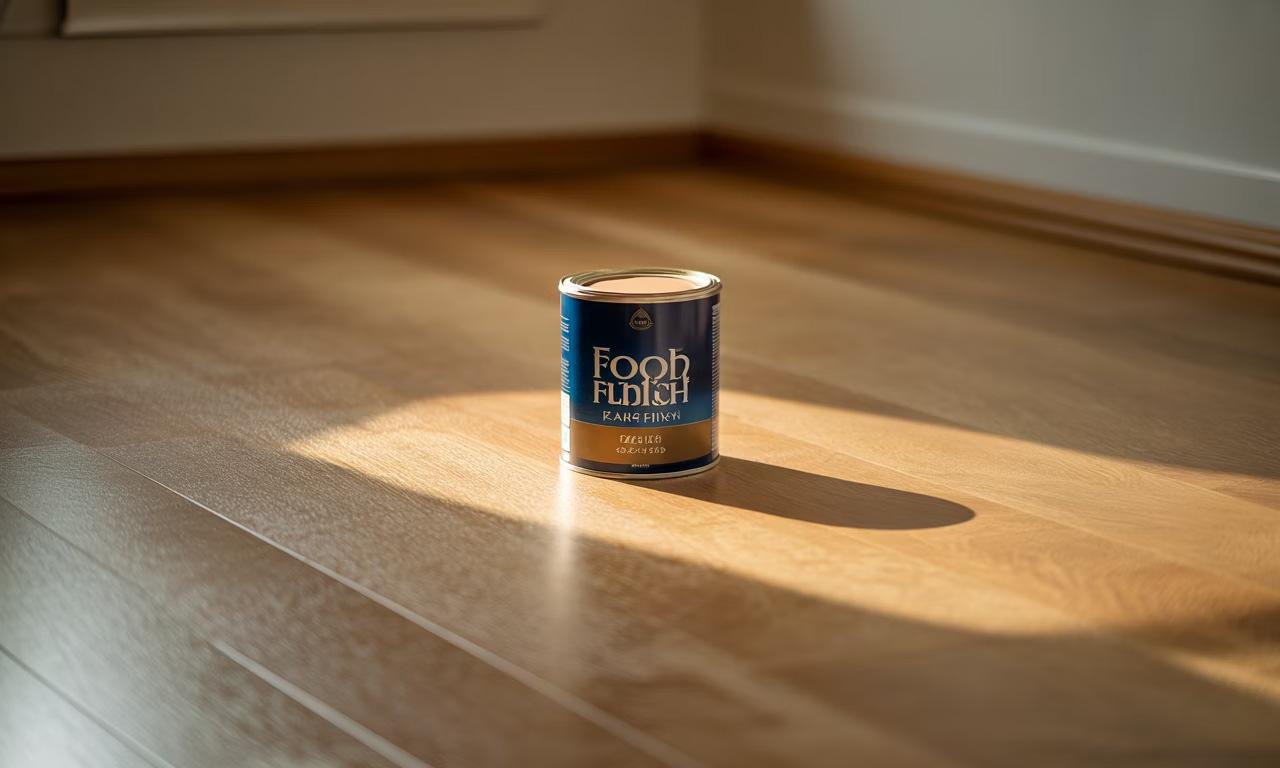
Using harsh or inappropriate cleaning products — or subjecting the floor to heavy use before the finish has fully cured — can undo all the hard work of a professional sand.
Follow the aftercare guidelines provided with your specific finish product.
Avoid wet mopping 4 use a lightly dampened cloth or recommended cleaner only.
Keep the floor free of heavy traffic for at least 48372 hours after the final coat.

Avoiding these six mistakes is the difference between a floor that disappoints and one that lasts a generation. When precision matters, professional experience makes all the difference.
Et. 1965
Nearly 60 years serving Edinburgh homeowners and property managers.
Professional-grade equipment and proven methods on every job.