Fratelli Carli S.p.A. a Benefit Corporation

Our Responsible Progress: tradition, excellence, environment

Fratelli Carli S.p.A. a Benefit
Corporation
Fratelli Carli S.p.A. a Benefit Corporation
Our Responsible Progress: tradition, excellence, environment
Fratelli Carli S.p.A. a Benefit
Corporation
Our Responsible Progress: tradition, excellence, environment




No showing off, no getting disheartened. Confident, without being smug, that we’ve always strived to get things right, undertaking to use our experience to do better every day. Always ready, when necessary, to study and to learn something new.
Giovanni Carli Development Plan, 1961

In the following pages, we report on the activities of 2025 and the mark they have left on the company’s history, from within but also externally for all stakeholders. A year of evolution and consolidation, set against a backdrop that continues to present challenges for the olive oil sector, challenges we have faced without ever compromising the principles that have guided our family for over a century. Alongside these is the focus that has always set us apart: on people, on the quality of our products and services, on resources, on local areas and communities.
A way of being and doing, passed down from generation to generation, that we have further strengthened by developing a structured and shared approach to sustainability governance
Over the past year, this journey has enabled us to certify our commitment to our people through the Gender Equality Management System and to initiate certification for Occupational Health and Safety and Environmental Management Systems.
A strategic investment for the future that complements the one completed in recent months with the construction of the company’s new oil mill
This plant, which incorporates state-of-the-art technology, will enable us to manage our resources even more efficiently and reduce our environmental impact, in line with the commitment we have been upholding for years to energy efficiency, sourcing from renewable sources, and reducing input and output resources.
This Report outlines the results achieved and the challenges that lie ahead, presenting the content according to the three ESG dimensions, in line with the main European regulatory frameworks, whilst remaining true to the operational framework of our five pillars of sustainability
We therefore leave you to explore these pages, in the knowledge that the path we have embarked upon is an integral part of who we are as a business and as a family, and with the determination to continue building, together, a future founded on quality, responsibility and a long-term vision.
Claudia, Gian Franco and Carlo Carli
Our
tradition is excellence, and our future lies in taking care of the present.

This document was drawn up in conformity with the GRI – Global Reporting Initiative – Sustainability Reporting Standards published in 2016 and updated in 2021.
In particular, the Report has been prepared in accordance with the “In accordance” option, adhering to the principles of balance, comparability, accuracy, timeliness, clarity, and reliability, as defined by the GRI Standards. The document highlights both strengths and weaknesses, as well as potential areas for improvement. The data collection and reporting process are structured to ensure the comparability and correct interpretation of information by key stakeholders interested in performance trends. Furthermore, the company applies the precautionary principle in all its activities.

In order to continue with a focus on improvement the strategic and operational objectives for the coming reporting years have been defined on an ongoing basis and are set out in the Sustainability Plan. At the beginning of each section of the Report, the results achieved in 2025 are presented, along with the company’s sustainability highlights.
In addition to the data set out in the text, at the end of the document, in the relevant section “Appendix”, there are tables and data providing detailed information on the indicators relating to Fratelli Carli’s material topics
The context analysis, carried out in 2025 with a view to updating the materiality assessment, also enabled the company to focus its attention on the challenges recognised internationally by the United Nations 2030 Agenda and to select 7 of the 17 Sustainable Development Goals (SDGs – Sustainable Development Goals) to which Fratelli Carli can make the greatest contribution through its activities, linking them to the company’s sustainability objectives.
In particular, the company has placed emphasis on SDG 3, 7, 8, 12, 14, 15 and 17. Each sustainability objective, in its own section within the Report, features the icons for the relevant Sustainable Development Goals.
The scope of the reporting includes the company Fratelli Carli S.p.A. S.B., whose registered office is situated at Via Garessio 11, Imperia. Furthermore, with regard to energy consumption and associated GHG emissions, the data relate to the Imperia plant/head office, the Chiusanico plant, the company-owned warehouse and the Empori outlets. The data on waste and water management relate, in order of importance, to the sites in Imperia and Chiusanico. With regard to personnel matters, the figures relate to the plant/head office, the Chiusanico plant, the company-owned depot and the Emporiums.



This Sustainability Report is reviewed and approved in its entirety by the Board of Directors. The information in the Report is based on data collected during the
period from 1 January 2025 to 31 December 2025.
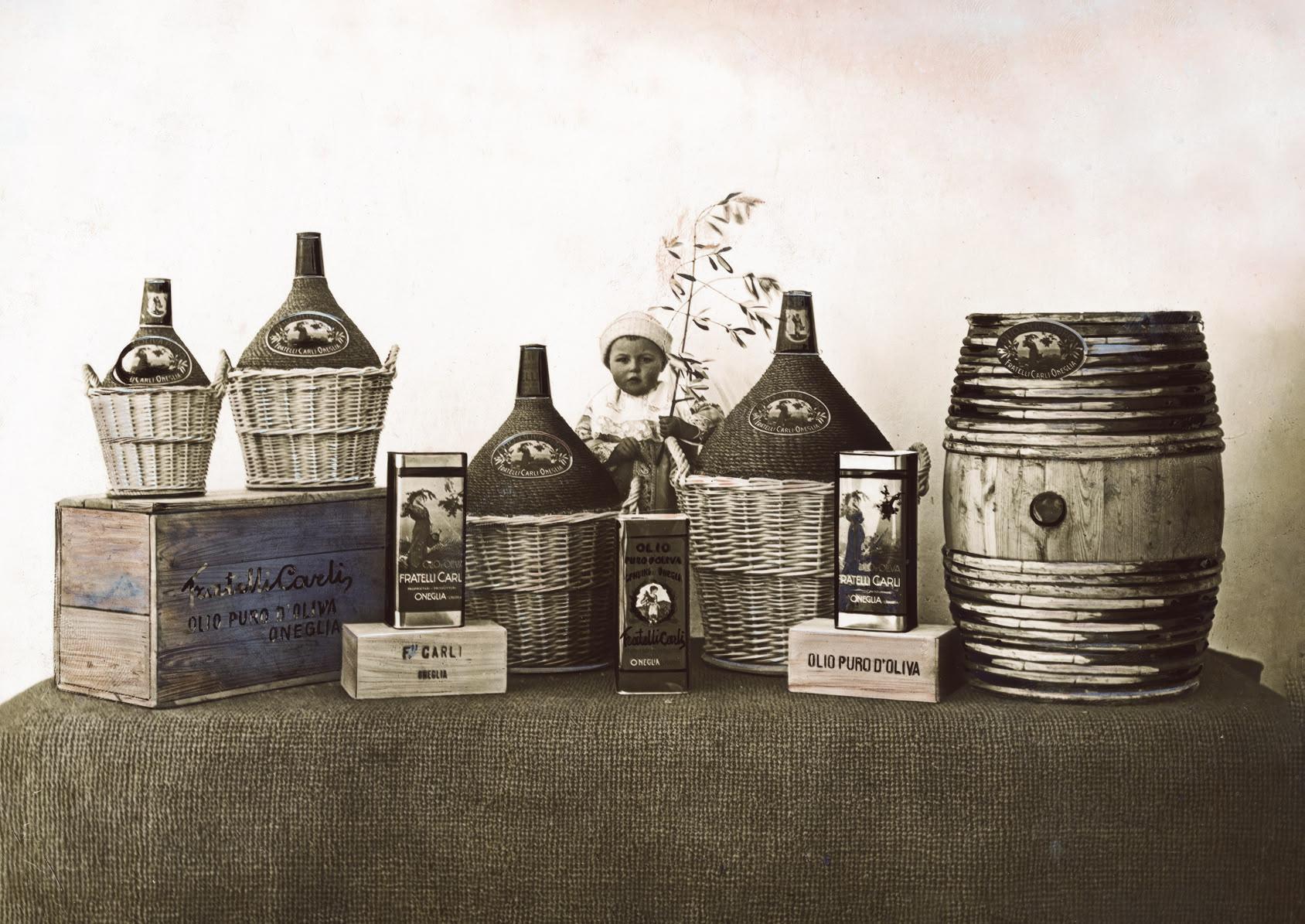

Working hard, getting it right. With intelligence, tenacity and humility. No showing off, no getting disheartened. Confident, without being smug, that we’ve always strived to get things right, undertaking to use our experience to do better every day. Always ready, when necessary, to study and to learn something new. In short, our approach to work means trusting in and relying on ourselves and our strengths.
Giovanni Carli Development Plan, 1961
Fratelli Carli is a long- established Ligurian olive oil producer which, since 1911, has been selling its products directly to consumers and delivering them to their doorsteps in Italy and abroad. It is inextricably linked to its region of origin, the Imperia area, one of the regions with the richest olive oil- making traditions in Italy. A heritage that Fratelli Carli has been able to preserve over many decades, handing down unique skills and experience from one generation to the next to ensure prime quality.
Fratelli Carli produces olive oil, traditional Ligurian and Mediterranean preserves and various delicacies, with our olive oil contributing to their excellence.

A record of excellence spanning more than a hundred years
Fratelli Carli was founded in 1911 by Giovanni Carli, who saw a great future in store for the olive -growing tradition of his native Imperia.
The business continues to this day as a repository of unique knowledge and skills handed down over four generations, not to mention the love we nurture for olive oil, part of the company’s DNA.

This is what we have achieved so far… and we plan to do more and better going forward.
This detailed account reaches out to the public at large, seeking in particular to remind our children and grandchildren how the company began and how it has grown, telling the story of a family whose achievements deserve to be recognised and acknowledged.
1920
Creativity shapes the company’s history

The power of an idea

1948
The first price list after the war
The renowned commercial artist, Plinio Codognato, devised the Fratelli Carli logo that accompanied the firm for 87 years.

This year saw an exceptional harvest in the Carli family’s olive grove. The twenty year- old Giovanni, one of the six children of Carlo Carli, a printer in Oneglia, thought he would offer the abundant olive oil not to local traders, but directly to families residing in the nearby Piedmont region.
1912
The first price list
The 1943 and 1944 bombing raids destroyed the plant. The young Carlo Carli, Giovanni’s son, rebuilt the company, and sales resumed in 1948.
1936
The first Carli recipe book is written
1965
The Fratelli Carli delivery vans are launched
The family print shop proves to be a winning asset. It is able to print the first price list to connect with new customers.
A year before the company was awarded the title of Purveyor to the Royal Household, the Royal Household’s head chef, Cav. Pettini, edited the first edition of the Carli Cookbook, which was also embellished with illustrations by Cappadonia. A welcome gift for all customers that continues to this day.
It was the desire to serve customers ever more effectively that led to the introduction of the direct home delivery system, which replaced delivery by rail.
The innovative Data Processing Centre
Mediterranea is born
At the heart of the new headquarters, built in 1971, was an innovative Data Processing Centre, allowing the company to look ahead to the future.
The company’s hallmark philosophy of wellbeing prompted the launch of the Mediterranea olive oil cosmetics range.
The company’s centenary is celebrated. A celebration of a century of tradition, quality and sustainability, which continues with the fourth generation of the family, who joined the company during the 2000s.
The Emporio in Imperia is launched
As a testament to the company’s commitment to sustainable innovation, the Fratelli Carli articles of association were amended, and it became a Benefit Corporation.
Fratelli Carli was one of the first companies to believe in the potential of internet. After the first website, oliocarli.it, came the platforms in the languages of the countries in which Carli products are sold.
The first Fratelli Carli Emporium opened in the Imperia factory, inaugurating a successful retail format subsequently replicated in the main cities in Italy.
Fratelli Carli was the first Italian manufacturing company to obtain B Corp certification.
2024
Sustainability becomes a system
Sustainability evolves into a structured system integrated into business processes, further strengthening oversight of ESG issues and ensuring increasingly precise traceability.

Scan the QRcode to discover the most significant moments in the history of Fratelli Carli

Fostering the culture of the olive and of Italian taste, by engaging directly with our customer base, always under the banners of ethics, quality, and respect for the environment and for people.
For over a century, the company has placed importance on the local culture, with a passion for quality and respect for hard work. On a daily basis, Fratelli Carli enters customers’ homes, not just to deliver products, but to convey its vision and values, with the aim of preserving a unique relationship, which in many cases stretches back decades.
Our commitment
to sustainability
The way we work makes the difference
We comply with rigorous social and environmental standards, with a keen awareness of our responsibility toward society and the planet. Doing things well is what we do best. This is the principle that guides us and drives us to pay attention to every detail, at all times: in what we produce, in our service, and in our exclusive relationship with the customer.

The hallmarks of our brand
We make every moment at the table an experience of unique flavour We are a point of reference in the world of oil
Carli Flavour takes centre stage: that delicious taste you can always serve at the table, as it’s perfect for any occasion. Carli Flavour, both extraordinary and part of everyday life; our products are enjoyed on both special occasions and everyday moments, making every meal something special, a real treat.
Our company was established and has grown in sunny Imperia, where the olive is a symbol of culture and a passion for the production of prime-quality oil. For four generations, our skills and knowledge have been preserved, enhanced and nourished, driven by fresh enthusiasm every day.
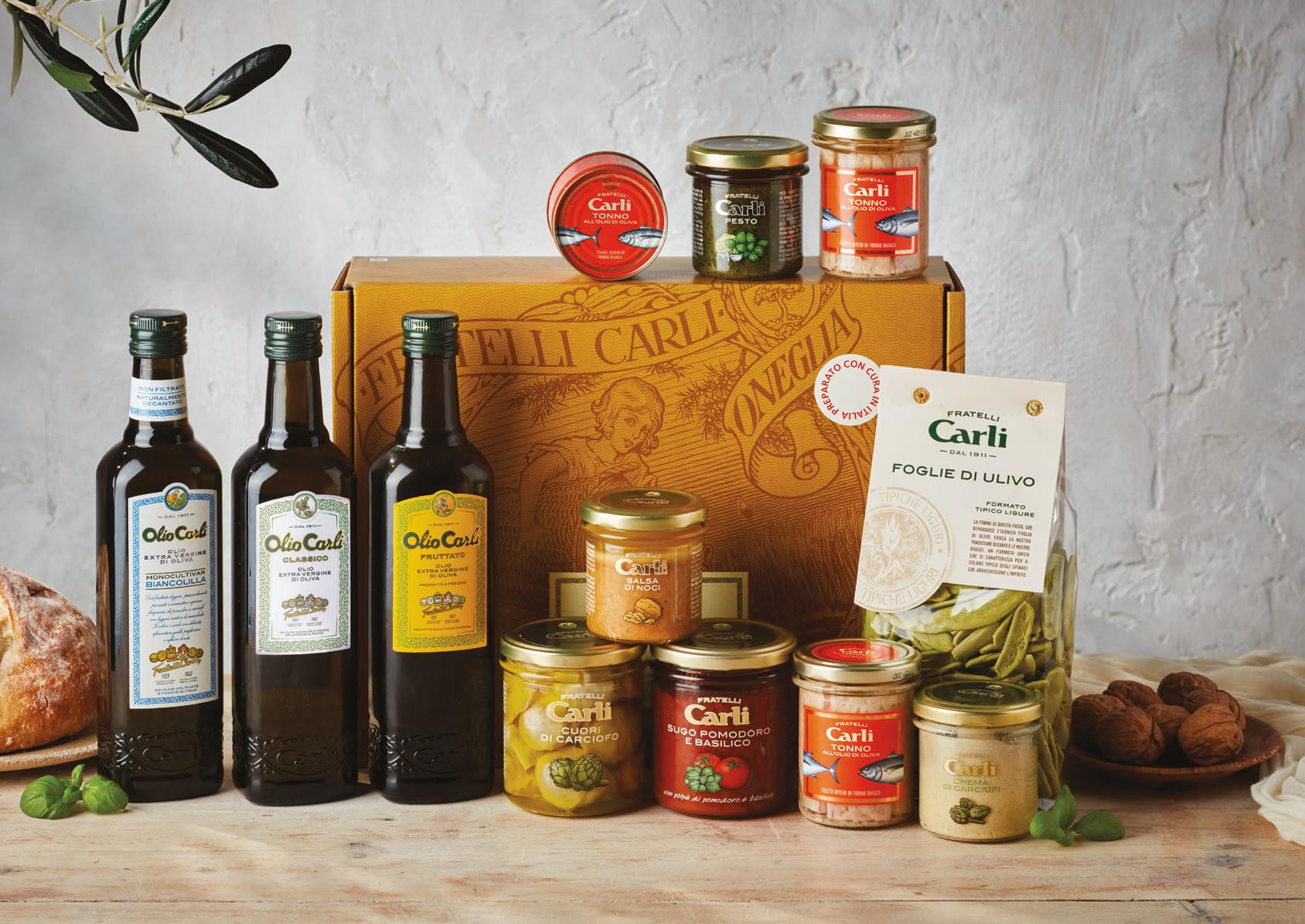
Excellence is what the company strives for in everything it produces:
from olive oil, with which it all began over a century ago, right through to its gourmet specialities, which it has come to produce as a matter of course. Offering specialities from Ligurian and Mediterranean cuisine, alongside olive oil, was a natural progression, born out of a desire to introduce people to the most authentic flavours, with simplicity and authenticity, whilst sharing our passion with our customers.
OLIVE
The oil-tasting ritual remains the preserve of Carli family members. This ensures quality, guaranteed by the selection of the best oils from trusted olive growers in the finest olive-growing zones of the European Mediterranean. The range includes various extra virgin olive oils and an olive oil, to satisfy a variety of tastes and requirements, both at the table and for cooking.

Behind each product lies imagination and hard work, ideas, sacrifices, aspirations – and indeed the pride we take in the end results. These are all truths that deserve to be spoken and passed on.
Giovanni Carli Monthly Programme for Publicity and Expansion, 1971
The Chiusanico factory, a small town in the hinterland of Imperia, nestled amongst the green olive groves, is at the heart of the production of many of Fratelli Carli’s gourmet specialities.
This facility also defines the quality standards the company develops together with its external suppliers, factoring in the selection of prime raw materials and an ability to seamlessly blend industrial practices with artisanship. The Chiusanico plant and a network of traditional local growers produce a comprehensive range of specialties linked to olive oil and the genuine “pleasures of the table” so typical of Italian households
A signature feature of the company has always been our distribution model. Consumers worldwide can place their orders directly by phone, by regular mail or online. Delivery to customers is ensured by a broadreaching logistics network. The national network is operated by trusted transporters that play their part in guaranteeing full satisfaction and efficiency.
In the 2000s, we decided to also open a retail channel, with directly run single-brand stores. Twenty-four Emporiums have been opened to date, thus offering customers an omnichannel sales model, and the opportunity to choose how they purchase our products.

Offering specialities from Ligurian and Mediterranean cuisine, alongside our olive oil, was a natural progression, born out of a desire to share our passion with our customers.

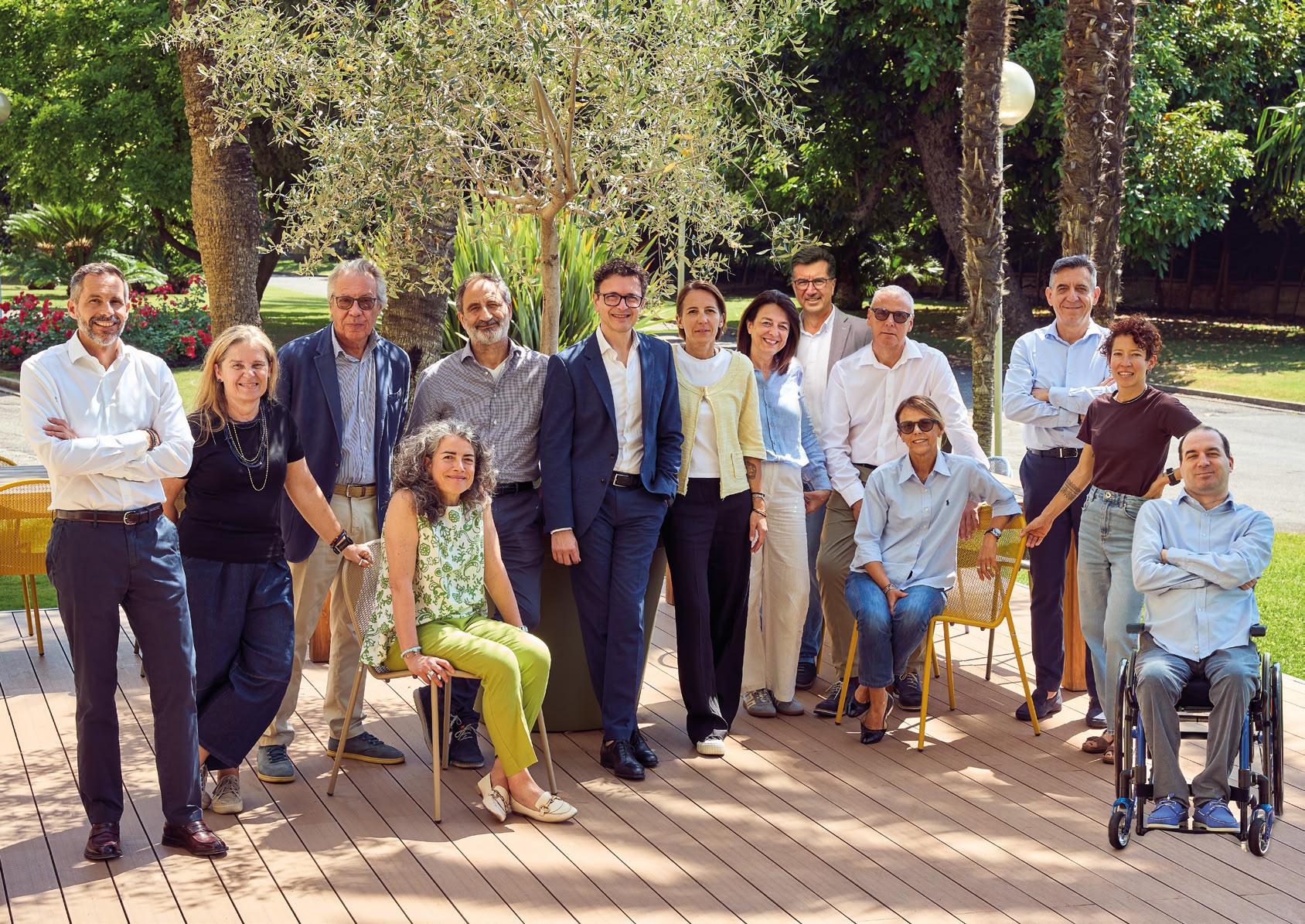

The governance system of Fratelli Carli is based on a set of rules, practices and processes underpinning and ensuring transparency, efficiency and accountability.
The governance system of Fratelli Carli is based on a set of rules, practices and processes underpinning and ensuring transparency, efficiency and accountability.

Within the ambit of accountability, governance at Fratelli Carli ensures a work environment conducive to our constant efforts to combat corruption, and underscores the value of legality.
The most senior governance body, appointed by the Shareholders’ Meeting, is the Board of Directors.
The Board of Directors, made up of one woman and four men, has a key role in setting strategies and organisational coordination Two members are in the 30-50 year age range, and the other two are more senior.
The members of the Board of Directors are endowed with all the skills and knowledge necessary to identify and manage sustainability related issues and impacts within the scope of their management. They are supported by both the Sustainability Committee and the Management Committee, with which they actively cooperate to guarantee sustainable management of the company.
Gian Franco Carli Chairman
Carlo Carli Chief Executive Officer
Claudia Carli Director
Luciano Benza Director

Gian Franco Carli • Chairman
Alessandro Anemone • Purchasing Manager
Gino De Andreis • Oil Systems and Quality Manager
Marcello Porro • Packaging and Warehouse Manager
Paolo Arimondi • Contracts and Maintenance Manager
Marta Gorlero • Product Marketing and Development Manager
Claudia Carli • Head of Corporate Communications, CSR, and Certifications
Carlo Carli • Chief Executive Officer
Federico Calzamiglia • Operations Manager
Sara Vassallo • Environmental Management System Manager
Massimo Belmonte • HR Manager
Patrizia Sacco • Head of Certifications, Sustainability & Compliance
Giulia Olivero • Quality Assurance
Renata Leotta • Logistics Manager
The Sustainability Committee is the body entrusted by the Board of Directors with the management of sustainable innovation issues It was set up in 2013 to propose and advise on possible goals and actions to promote sustainability. The Committee, which includes representatives of all the corporate functions and is chaired by a member of the Bod, coordinates and guides the efforts of the company to work toward a new social and developmental model.
The Management Committee, on the other hand, is responsible for managing the organisation’s impacts on the economy, the environment, and people. It is composed of the company’s top executives and therefore represents a comprehensive view of the organisation.
With regard to remuneration, the Board of Directors administers a budget set by the Shareholders’ Meeting. The distribution of the budget is defined by the Bod, depending on the positions of the members. For the executive members, remuneration is made up of both fixed and variable elements
No entry bonus is envisaged, and payment of severance indemnity is complied with.

There are no specific contract clauses regarding sustainability performance, but pension benefits and remuneration policies are contemplated, which, although not specifically coded as such, are linked to the achievement of the corporate objectives. The procedure for determining remuneration is updated periodically.
Over the years, Fratelli Carli’s commitment to issues of sustainability has gradually become more firmly established, evolving from a collection of widespread practices and initiatives into a structured, governed system that is integrated into the company’s processes and capable of guiding its strategic and operational decisions.
The system is coordinated by the Sustainability Office, Certifications & Compliance, which takes a cross-cutting approach to all ESG activities and the company’s main certifications, ensuring consistency between strategic direction, operational activities and reporting. The office reports directly to top management and supports the governing bodies in monitoring environmental, social, and governance impacts.
The System is based on a structured organisational and documentary framework, defining roles, responsibilities, objectives, and indicators, and operates through an annual planning schedule, KPI monitoring, review, and reporting, with the direct involvement of the corporate functions responsible for the various impact areas.
Certified B Corp
Fratelli Carli was, in 2014, the first Italian manufacturing company to obtain Benefit Corporation certification1, with the aim of building a better future for people and the planet.
Being a B Corp means seeking not only to be the best company in the world but also the best company for the world.
The certification procedure entails a rigorous B Impact Assessment that evaluates the organisation’s social and environmental impact. Fratelli Carli completed the certification process for the first time in 2014, and certification was renewed in 2016, 2019 and 2024.
Score required to obtain B Corp certification 80
OVERALL B IMPACT SCORE 85.3
Based on the impact assessment, Fratelli Carli SpA achieved an overall score of 85.3.
The average score for participating companies currently stands at 50.9.
50,9
Average score of companies

“B Corporation Certification" ” is granted on license by B Lab , a private non- profit entity, to businesses, such as ours, that have passed its B Impact Assessment (“BIA”) and therefore meet B Lab requisites in terms of social and environmental performance, accountability and transparency.
B Lab is not a conformity assessment body pursuant to Regulation (EU) No. 765/2008, or a standardisation body pursuant to Regulation (EU) No. 1025/2012, and that the Bia is independent from harmonised standards, and is not ratified by public institutions.
A B Corporation (B Corp) is a company that voluntarily meets rigorous social and environmental standards, without sacrificing “being in the market,” yet remaining keenly aware of its responsibility towards society and the planet.
In these organisations, sustainability is considered a fundamental part of the work: the only way to guarantee a chance for the future.
In December 2019, Fratelli Carli chose to adopt the legal form of a “Società Benefit” (Benefit Corporation) according to Italian law, including in its Articles of Association the commitment to pursue the common good as well as profit The common good means pursuing one or more positive effects, and/or reducing negative impacts on individuals, communities, the local area and the environment.
Including this clear commitment in the Articles of Association means making it an integral part of the company, however it may change and evolve.
Benefit Corporations (BCS) represent “an evolution of the very concept of a company”2 which, by virtue of its legal status, is committed to achieving a dual purpose: the pursuit of profit and social and environmental responsibility”. The legal form of “Società di Benefit” was introduced in 2016 in Italy, which became the first country in Europe and in the world – outside the United States – to introduce this legal form. This has enabled companies to align their corporate mission with the pursuit of long term shared value. Directors and management are in charge of ensuring that the business is conducted with the aim of generating a positive impact and in pursuit of the common good purposes declared in the Articles of Association.

framework, companies undertake to create value for both their shareholders and all stakeholders. The fundamental principle of the B Corporations is interdependence, i.e. an awareness that we all depend on each other and therefore are all accountable to all stakeholders and to future generations. B Corps are key players in a world capable of creating the right balance between consumption, wellbeing, wealth creation, and respect for people and the ecosystem.
B Impact Assessment (BIA) is the rigorous B Corp certification control model. It enables companies to gauge their economic, environmental and social impacts. If they score more than 80 points, on a scale of B Corp Certified3.

+10,000 B Corps worldwide
+5,500 Benefit Corporations in Italy
2 For further information, please refer to the following link: http://www.societabenefit.net/cosa-sono-le-societa-benefit/
3 At the time of printing this report, the B Corp certification standards are evolving to align with the European regulatory framework applicable from September 2026. Fratelli Carli is undergoing the recertification process in accordance with these new requirements.
From the very early stages of its sustainability journey, Fratelli Carli has identified clear and precise areas of action on which to focus its efforts. This approach has translated into the five pillars of Responsible Progress: People, Products and Materials, Supply Chain, Energy and Resources, and Mediterranean Culture and Tradition —representing the long- standing guiding principles behind the company’s actions and decisions regarding ESG issues.
Following the decision to adopt the legal form of a Benefit Corporation the Pillars served as the frame of reference for defining the objectives. of common benefit incorporated into the Articles of Association, ensuring continuity between values and strategy and formal commitments.
Corporate practices are therefore guided by these objectives, and the company annually plans its impact goals, the actions required to achieve them, and the criteria for evaluating the results obtained.
To offer customers products and services of the highest quality by responding with the utmost care and promptness to their needs.
To motivate the people who work with Fratelli Carli and contribute, every day, to the company’s success through a relationship based on personal respect and the celebration of diversity, whilst treating the safety and rights of employees and staff as an absolute priority.
To contribute to the promotion of wellbeing, mindful of the social role of the company and its responsibility as part of society at large.
Analyse and improve the sustainability of every stage of the Fratelli Carli product life cycle: from the cultivation of raw materials to final consumption.
Increasing the use of eco-friendly, recyclable, biodegradable and renewable materials, especially by decreasing the amount of packaging used for products.
Ensuring optimal food safety, quality, genuine flavour and natural goodness for Fratelli Carli products.
Sharing the values and goals of Fratelli Carli with collaborators and suppliers, to help create a new model for development.
Promoting sustainable agricultural practices that respect the ecosystem and landscape heritage.
Turning to best account our local assets and economic and industrial fabric, with particular attention paid to small farmers.
Cutting back constantly on the use of nonrenewable natural resources, with particular reference to energy sources.
Reducing the amount of waste generated by production and ensuring correct disposal of recyclable waste.
Fostering a widespread culture of sustainability and a new model of a regenerating society, both inside and outside the company. Promoting good practices for a correct dietary culture aligned with Mediterranean tradition and inspired by health and wellbeing.
By pursuing the common good, Fratelli Carli also undertakes to work in order to achieve the Sustainable Development Goals (SDGs) approved by the United Nations in 2015. Specifically, the common good purposes indicated in the Articles of Association aim toward attaining the following SDGs.
Through its SDG Action Manager, able to gauge the company’s impact by collating B Lab’s B Impact Assessment guidelines and the ten principles of the United Nations Global Compact, Fratelli Carli has once again calculated its impact on the reference SDGs in 2024 By these means, the noteworthy corporate actions are flagged and developed, also via benchmarking, conducive to ongoing improvement of the positive impacts on various Sustainable Development Goals.
The assessment has also highlighted the positive impact of Fratelli Carli on all the SDGs, and not only the reference goals. This is an important indication of the commitment and sensitivity demonstrated by the company in its everyday operations.
SDG 3
Ensuring health and wellbeing
The assessment considers how the company can contribute to everyone’s health and wellbeing, for example by providing occupational health cover and safety programmes for all operators.
SDG 7
Affordable and clean energy
The assessment considers how the company can take steps to provide clean and affordable energy for all, for example through the use of low-impact renewable energy, or by improving energy efficiency.
SDG 8
Decent work and economic growth
The assessment considers how the company can take steps to deliver decent work and economic growth, such as paying a living wage and ensuring fair development conditions for workers in its operations and supply chain.
QUESTIONS AND ANSWERS
22/22
QUESTIONS AND ANSWERS
29/29
12 Responsible consumption and production
The assessment considers what the company can do to keep production and consumption at responsible levels, such as adopting the principles of the circular economy and conducting assessments on the impact of suppliers on the consumption of resources.
SDG 14 Life below water
The assessment considers how the company can conserve and use the oceans, seas and marine resources sustainably, e.g. by conducting an assessment of the company’s impact on the health of the oceans.
QUESTIONS AND ANSWERS 21/21
The assessment considers how the company can protect, restore and promote sustainable use of ecosystems, with actions such as sustainable land use practices, and environmental management screening.
The other SDGs
The materiality analysis process is used as a starting point for developing sustainability reporting that is as transparent, clear, and effective as possible.
In 2025, Fratelli Carli updated its impact materiality analysis in order to refresh the list of sustainability topics most material for the company regarding environmental matters, social and behavioural of the business, as well as to verify the alignment of its strategy and sustainability reporting in relation to the new list of identified topics.
In particular, the analysis was conducted in accordance with the Global Reporting Initiative (GRI 2021) Standards methodology, while also taking into account the ESRS standards—developed by EFRAG to meet the requirements of Directive (EU) 2022/2464 (CSRD)—regarding impact materiality.
This methodological approach is based on the concept of impact, defined as the effect an organisation has (actual impact) or could have (potential impact) on the economy, environment, people and human rights. In addition, impacts may be positive if they contribute to the sustainable progress of people, local communities and the environment, or negative if they cause damage to them.
The methodological approach introduced by the GRI Standards 2021 is based on the concept of impact, defined as the effect an organisation has or could have on the economy, environment, people and human rights.
The procedure for materiality analysis is deployed as a starting point for reporting on sustainability as transparently, clearly and effectively as possible on the topics that are priorities for Fratelli Carli and that takes into account the company’s entire value chain, thereby considering not only its business activities (direct) but also everything that occurs upstream and downstream of the company.
The materiality analysis is updated every two years to ensure continuous alignment with emerging contexts and priorities.
Sector benchmarking analysis to identify the list of topics and impacts potentially relevant to Fratelli Carli
The list of potentially relevant ESG topics and impacts was derived by examining Fratelli Carli’s specific context, relevant sustainability standards and frameworks (e.g., GRI, ESRS), and the sustainability reports of 12 comparable companies.
In defining the list of potentially material impacts, the five drivers of nature change identified by the Intergovernmental SciencePolicy Platform on Biodiversity and Ecosystem Services (IPBES) were considered:
• land and sea use change;
• climate change;
• pollution (air, water, plastic, and noise pollution);
• use and exploitation of resources;
• invasive alien species.
Following the benchmarking analysis, it was determined that, based on Fratelli Carli’s activities and the context in which it operates, among the IPBES drivers, only climate change and resource use appeared as potentially relevant to the company. Four impacts were then associated with these two drivers and evaluated in the subsequent phase of the analysis.
In addition, to identify potentially significant impacts on water and biodiversity, Fratelli Carli has completed the WWF’s Water Risk Filter and Biodiversity Risk Filter analyses. The analyses led to the inclusion, in the list of potentially material topics—, an impact related to responsible water resource consumption and one related to biodiversity damage, with the scope limited to the Imperia and Chiusanico sites, the only ones presenting direct environmental impacts.
In addition to involving a sample of internal stakeholders, for the first time Fratelli Carli also engaged a selection of external stakeholders, including customers, suppliers, local associations, and banks, in the impact assessment. Stakeholders were asked to complete a questionnaire to express their assessment regarding:
• magnitude of the impact: the assessment of magnitude comes down to the severity of the negative impact or the extent of the benefits the positive impact brings to people or the environment.
• extent (or scope) of the impact: the scope indicates how frequently and widely the impact occurs along the value chain. For example, the scope can be linked to the geographical extent of the associated environmental damage caused or the number of people affected.
• irreversibility of the impact: only in the event of a negative impact, indicates the extent to which it is possible to remedy the negative impacts, that is, to restore the environment or the people involved to their original state.
• probability of occurrence of the potential impact.

Following the evaluation process, the scores obtained were analysed according to the following steps:
• by calculating the average of the magnitude, extent, and irremediability of each impact (referred to as severity for negative impacts and benefit for positive impacts);
• multiplying the latter by the probability of occurrence; and
• thereby obtaining the significance score for each impact.
For negative impacts on human rights, severity took precedence over likelihood, as indicated by the adopted guidelines.
To ensure a balance between positive and negative impacts in the list of relevant impacts, two distinct thresholds have been assigned for the two types of impact. Finally, the list of material topics and impacts was defined based on the scores assigned to the topics and strategic considerations for Fratelli Carli’s business.
The table below presents the results of the 2025 materiality analysis, summarising the material topics and their associated impacts. For each impact, the characteristics and a brief description are provided.

AREA
CLIMATE ACTION Contribution to climate change due to greenhouse gas emissions Negative Actual Upstream Direct
Downstream
Sourcing from renewable energy sources and energy efficiency Positive Actual Direct
REDUCING THE IMPACTS OF PRODUCTION
Environmental damage caused by the improper disposal of generated waste Negative Potential Upstream Direct
Downstream
Damage to biodiversity Negative Actual Upstream Direct
Description: the activities carried out by Fratelli Carli and within its value chain generate CO2 emissions.
Countermeasures adopted: Fratelli Carli undertakes to use energy from renewable sources in all its premises, Emporiums and warehouses. Furthermore, the company has purchased carbon credits for all emissions associated with its delivery logistics in Italy and abroad.
Description: Sourcing energy exclusively from renewable sources enables a significant reduction in greenhouse gas emissions associated with energy consumption, contributing to climate change mitigation.
Description: if not properly disposed of or recovered, waste could have negative impacts on both ecosystems and local communities.
Countermeasures adopted: waste management and proper waste delivery is governed by dedicated internal procedures, in full compliance with the regulations in force.
Description: the activities involved in the production of Fratelli Carli products, such as farming and fishing, pose a threat to biodiversity as a result of air pollution, deforestation, soil erosion and the conversion of natural ecosystems.
Countermeasures adopted: careful supplier selection and value chain engagement activities focused on ESG issues help both Fratelli Carli and its suppliers mitigate their help both Fratelli Carli and its suppliers mitigate their impact in this area.
Level of materiality
MATERIAL SUSTAINABILITY AND PRODUCT ECO-DESIGN
Development of products with sustainable packaging Positive Actual Upstream Direct
Downstream
Description: Fratelli Carli is committed to using packaging materials that are increasingly biodegradable, renewable, and recyclable.
CONNECTION TO THE PILLARS
ENERGY AND RESOURCES
ENERGY AND RESOURCES
PRODUCTS AND MATERIALS
MATERIAL TOPIC IMPACT
EMPLOYEES’ SAFETY AND RIGHTS
Prevention of work- related accidents and occupational diseases Positive Actual Direct

DIVERSITY AND EQUAL OPPORTUNITIES
Human rights violations due to inadequate protection practices.
Failure to respect the diversity and equal opportunities of employees and collaborators regarding D&I practices
Negative Potential Direct
Description: The prevention of accidents and occupational diseases is a central element in the management of business operations. The organisation adopts measures and procedures aimed at ensuring a safe and healthy work environment, in full compliance with applicable regulations. Implementing a management system certified to the ISO 45001 standard enables the continuous monitoring and improvement of occupational health and safety performance, reducing risks and promoting worker wellbeing.
PEOPLE
Negative Potential Direct
Description: a failure to exercise adequate oversight of the company’s direct and indirect activities could lead to instances of human rights violations against employees.
Countermeasures adopted: Fratelli Carli is committed to respecting international provisions regarding human rights.
Description: the absence of practices to safeguard diversity and promote inclusion among employees could have a negative impact on inclusion, workplace wellbeing, and the ability to attract and retain talent.
Countermeasures adopted: respect for diversity and guaranteeing equal opportunities is one of the founding principles of Fratelli Carli. The company is committed, among other things, to ensuring gender equality and a fully inclusive work environment, supported by a management system certified to the UNI/PdR 125 standard.
PEOPLE
Social Information
S G
MATERIAL TOPIC IMPACT
WELLBEING AND DEVELOPMENT OF PEOPLE
Safeguarding the wellbeing of human resources by ensuring quality employment and an optimal work- life balance Positive Actual Direct
HUMAN RIGHTS ALONG THE VALUE CHAIN
Failure to protect workers’ human rights along the value chain
AFFECTED COMMUNITIES
Dissemination of Mediterranean culture and tradition
CONNECTION TO THE PILLARS
Description: The organisation promotes the wellbeing of its human resources by ensuring quality working conditions and an inclusive, respectful professional environment. Particular attention is paid to maintaining an appropriate work- life balance through policies and organisational practices that foster work - life balance and the overall wellbeing of employees. PEOPLE
Description: In the absence of adequate controls and supplier monitoring policies, violations of workers’ fundamental rights could occur—such as undignified working conditions or practices that do not comply with ethical and regulatory standards.
Countermeasures adopted: Fratelli Carli has established a supplier oversight system designed to identify and mitigate potential risks of human rights violations within the value chain, utilising a risk assessment procedure, supplier qualification criteria, and document- based monitoring, alongside engagement and dialogue activities across the various supply chains. SUPPLY CHAIN
Description: Fratelli Carli is committed to promoting the gastronomic excellence typical of Italy, rooted in Mediterranean culture and tradition.
MEDITERRANEAN CULTURE AND TRADITION Creation of economic and cultural value for local communities
Description: Fratelli Carli provides direct and indirect support to the communities and territories in which it operates. PEOPLE
MATERIAL TOPIC IMPACT TYPE
CUSTOMER SATISFACTION AND SAFETY

PRODUCT QUALITY AND EXCELLENCE
Safeguarding customer satisfaction levels through a dedicated support service
Positive Actual Direct Downstream
Consumer protection through transparent communication and high- quality information
Protection of consumer health through systems for the constant monitoring and control of production processes
Development and production of quality products using excellent raw materials, ensuring their traceability
Positive Actual Direct Downstream
Positive Actual Direct Downstream
Positive Actual Upstream Direct Downstream
CONNECTION TO THE PILLARS
Description: customer satisfaction is one of Fratelli Carli’s main objectives. The high quality of the services offered, together with the various channels provided for customers to interact with the company, offer a brand experience able to satisfy all kinds of needs. PEOPLE
Description: Fratelli Carli has based all its communication on transparency, enabling consumers to make conscious and informed choices.
Description: Fratelli Carli prioritises the health and safety of its customers through careful and constant monitoring of production processes, ensuring that high standards of safety and quality – derived from the use of excellent raw materials–are maintained at every stage
Description: Fratelli Carli uses only the highest quality raw materials for its products. Control over the entire supply chain and a lasting, personal relationship with suppliers allows for a careful selection of ingredients.
PRODUCTS AND MATERIALS
PRODUCTS AND MATERIALS
MATERIAL TOPIC IMPACT TYPE
ETHICAL BUSINESS CONDUCT

RESPONSIBLE SUPPLY CHAIN MANAGEMENT
Consequences for the socio -economic system caused by unfair business practices
Privacy breach caused by inadequate IT control systems
Negative Potential Upstream Direct
Downstream
Negative Potential Upstream Direct
Downstream
Developing a network of trusted suppliers through monitoring and the oversight of the supply chain Positive Actual Upstream Direct
Downstream
Description: the absence of adequate controls along the value chain could expose the company to the risk of improper business practices.
Countermeasures adopted: Fratelli Carli’s governance system is founded on the principles of accountability, ethics and transparency. This is why the company undertakes to implement a series of actions aimed at ensuring constant oversight.
Description: data breach incidents could lead to negative consequences regarding the violation of employees’ and consumers’ personal data.
Countermeasures adopted: management of privacy, security and protection when processing personal data is a priority concern in all fields of corporate activity. Fratelli Carli has ISO 27001 certification regarding existing and prospective customer data.
Description: the company has always involved its suppliers in the journey towards Responsible Progress, including through sustainability codes developed in collaboration with the various districts of the supply chain.
CONNECTION TO THE PILLARS
ETHICAL BUSINESS CONDUCT
SUPPLY CHAIN

ACTION
Contribution to climate change due to greenhouse gas emissions
Sourcing from renewable energy sources and energy efficiency
THE IMPACTS OF PRODUCTION
Environmental damage caused by the improper disposal of generated waste
Damage to biodiversity

EMPLOYEES’ SAFETY AND RIGHTS
Prevention of workrelated accidents and occupational diseases
Human rights violations due to inadequate protection practices.
DIVERSITY AND EQUAL OPPORTUNITIES
Failure to respect the diversity and equal opportunities of employees and collaborators regarding D&I practices
HUMAN RIGHTS ALONG THE VALUE CHAIN
Failure to protect workers’ human rights along the value chain
AFFECTED COMMUNITIES
Creation of economic and cultural value for local communities
CUSTOMER SATISFACTION AND SAFETY
Safeguarding customer satisfaction levels through a dedicated support service
Consumer protection through transparent communication and highquality information
AFFECTED COMMUNITIES
Dissemination of Mediterranean culture and tradition

FOOD SAFETY
Protection of consumer health through systems for the constant monitoring and control of production processes
and production of quality products using excellent raw materials, ensuring their traceability
economic system
by unfair business practices
Fratelli Carli believes that on-going, active dialogue with its stakeholders is fundamental for maintaining relations based on the principles of collaboration, honourability and mutual respect. On a dayto-day basis, the company is committed to reaching out to all stakeholders, seeking to fulfil their expectations and generate value throughout the value chain.
In particular, the company identified its relevant stakeholders through a desk analysis, from which the following main categories emerged: local communities, trade unions, regulators, industry organisations and B Corps, suppliers, customers, trade associations, and employees. Upstream and downstream from the company, the stakeholders involved are mainly suppliers, farmers, logistics operators, self-employed transporters and customers.
Stakeholder engagement also takes place through structured consultation tools, such as questionnaires and surveys, used to support ESG risk assessment activities, customer listening, and of the process of defining the materiality matrix.
A close relationship with stakeholders is an essential part of the company’s operations: for this reason, between Fratelli Carli and its stakeholders a solid and lasting relationship of collaboration and active listening has been established and is maintained through various communication channels and different forms of engagement.
The following table outlines the key elements:
Employees Presentations and training on sustainability topics
Communications from senior management
Notices posted on the noticeboard Corporate intranet
Questionnaires and surveys
Customers Institutional website
Complaint management Customer Care
Communication campaigns
Visits to the plant and the museum
Questionnaires and surveys
Suppliers
Institutional website
Presentations on sustainability topics
Joint meetings and events on the Codes
Questionnaires and surveys
Regulatory bodies Institutional website
Certifications
Trade unions Negotiations
Participation in meetings/events
Local communities
Institutional website
External communication
Press releases
Collaborations with external organisations
Trade associations
Industry organisations and B Corps
Institutional website
Participation in meetings/events
Institutional website
Participation in B Corp community events
Specific initiatives
Every year, the company reports on wealth creation and distribution to its stakeholders. It illustrates the impact of the company’s economic and financial performance on stakeholders and the local community.
The value generated by Fratelli Carli is largely redistributed locally, and mainly within Italy, by creating employment and choosing local suppliers.
In 2025, the economic value directly generated stood at € 112 million, down 9% compared to the previous year. The economic value retained stood at around € 9 million, an increase compared to the previous year.
The following chart shows the economic value distributed (€103.6 million): specifically, 79% is attributable to operating costs and 17% to personnel costs (salaries and benefits), while the remaining portion is divided between community investments (sponsorships) and payments to suppliers.
112 million directly generated economic value 2025
Distributed economic value (2025)


The actions we will be illustrating below are indicative of the true significance of Fratelli Carli’s efforts to pursue its common good purposes as a Benefit Corporation.
Patrizia Sacco Head of Certifications, Sustainability & Compliance
Viewing matters from the long - term angle means focusing largely on our ideals, above all to modify those aspects that cannot be tackled as short -term issues. We therefore chose not to limit ourselves to an account of our performance in these fields, but embarked instead on a three - year plan to sustain our Pillars of Sustainability and orient them toward specific ends conducive to the common good.
The strategy developed by Fratelli Carli for responsible business development is implemented through the definition of a medium -term Sustainability Plan .
The strategy developed by Fratelli Carli for responsible business development is implemented through the definition of a medium -term Sustainability Plan, which includes both a report on performance and a plan setting forth the company’s commitment to sustainability over the next three years
The Plan is organised according to the three ESG dimensions (Environmental, Social, and Governance), within which are situated the various planned initiatives and actions. This structure allows for a clear and systemic understanding of intervention priorities, while maintaining logical consistency with the Sustainability Pillars that have historically guided Fratelli Carli’s operations and shaped the definition of its common benefit objectives.
The Sustainability Committee plays a central role in guiding and coordinating the implementation of the Plan, ensuring the involvement of relevant corporate functions and the monitoring of results over time, in alignment with the Sustainability Management System.
The actions presented below represent the operational implementation of Fratelli Carli’s commitment to pursuing its common benefit objectives as a Benefit Corporation.
The Plan is organised according to the three dimensions (Environment, Social, Governance), within which are situated the various planned initiatives and actions.
Reducing the impacts of production
Material sustainability and product eco - design

ENERGY AND RESOURCES
• Keep the percentage of electrical energy sourced from renewable sources at 100%
• Progressively strengthen self-generation of electricity from renewable sources, subject to technical and environmental conditions, with the aim of progressively increasing their share over the three-year reporting period
• To promote, over the three-year reporting period, the gradual reduction of the Carbon Intensity index*, through targeted energy efficiency measures and technological innovation, with annual monitoring of progress
• To further increase the share of hybrid or electric company vehicles, in the three-year reporting period, through the progressive renewal of the fleet and the evaluation of further opportunities for replacing traditional vehicles
• To promote, over the three-year reporting period, a gradual reduction in environmental impact indicators** at the Chiusanico production plant, with regard to waste generation and water consumption, through measures aimed at prevention, process efficiency improvements and optimised resource management
PRODUCTS AND MATERIALS
• Keep a share of FSC certified cardboard greater than 97% of the total cardboard used for packaging of products sold
• Design packs so as to guarantee that at least 90% of the components can be disposed of separately
• Keep the percentage of plastic out of the total materials purchased below 2%
• Create at least 2 packaging redesign projects with low environmental impact by the end of 2027
* The “Carbon Intensity rate” is calculated as the ratio of tonnes of CO2 equivalent emissions (Scope 1 and 2) to tonnes of products sold (tCO2eq/t products sold) and as the ratio of tonnes of CO2 equivalent emissions (Scope 1 and 2) to millions of turnover (tCO2eq/M euros of turnover).
** The “waste intensity index” refers to the ratio of total waste generated (expressed in tonnes) to the physical production of the plant. Specifically, for the Chiusanico plant, the index is calculated using the total number of jars produced.
The “water intensity index” refers to the ratio of total water used (expressed in m³) to the physical production of the plant. Specifically, for the Chiusanico plant, the index is calculated using the total number of jars produced.
Employees’ safety and rights
Diversity and equal opportunities
Wellbeing and development of people
Human rights along the value chain
• Endeavor to achieve a stable Injury Frequency Rate (IFR) of less than 8, maintaining a Severity Rate*** of zero
• Organise at least one preventive medicine appointment campaign free of charge every year, in collaboration with bodies specialising in healthcare and prevention
• Ensure continued participation in the ASL WHP programme, running at least one annual initiative to promote healthy lifestyles
• Further increase, in the three-year reporting period, the level of training hours per capita, maintaining a constant commitment to training investments over time
• Continue, in the three-year reporting period, to increase the hours of training dedicated to ESG issues, digital transformation and responsible innovation, in line with the multi-year planning of training activities
• Implementation of an in-house visual management project for the transparent communication of company information, with the aim of covering at least three corporate as by the end of 2027
*** Both rates are calculated using the methodology established in the GRI 403-9 standard:
• the Injury Frequency Rate (IFR) measures the ratio of the number of injuries in the workplace to the total number of hours worked multiplied by 1,000,000
• the Severity Index indicates the ratio of the number of injuries in the workplace with severe consequences (permanent impairment or prolonged absence) to the total number of hours worked multiplied by 1,000,000
These indicators are consistent with the requisites set forth in the ISO 45001:2018 standard.
• Implementation of at least one activity per year to make the common areas in the company (e.g. relaxation areas, areas for meals, areas for informal meetings) more pleasant and functional (monitoring progress in this sense with surveys to gauge satisfaction or in-house focus groups
• Maintain at least 50% of women out of the total number of staff
• Maintain, over the three-year reporting period, a balance between female and male presence in positions of responsibility, understood as positions with coordination functions or organisational responsibility
• Implement at least one awareness-raising or training activity per year on inclusion, discrimination and equal opportunities
Affected communities
Customer satisfaction and safety
Food safety
Product quality and excellence
Dissemination of Mediterranean culture and tradition

• Maintain or increase the annual number of visitors to the Olive Museum
• Consolidate the transmission of content focused on sustainability via e-mail marketing, maintaining or increasing the number of messages sent to customers annually
• Ensure the regular monthly publication of digital content focused on sustainability on all the corporate social media channels active in the various nations served
• Guarantee the participation of the Olive Museum in at least one national cultural event a year on business and social development
• Confirm our commitment to combating food poverty, by guaranteeing the donation each year of a significant amount – at least 8 tonnes – of products to entities and associations that provide support to individuals and families in difficulty
• Implement at least one solidarity project per year to support children and families, in collaboration with third-sector bodies or local associations
• Provide support each year to at least one project for access to drinking water
• Ensure timely management of requests and comments received by Dm and in public posts on social media (Facebook, Google, Linkedin), reviews on Trustpilot, contact requests via the website or e-mail, responding within 8 working hours in 90% of cases
• Keep punctual, error-free deliveries at a rate of at least 97%
• Keep returns at a yearly rate of less than 2%, as an indicator of post-purchase satisfaction and alignment between expectations and the products received
• Maintain an annual average score of ≥ 4,5/5 on Trustpilot, taking into account all countries served
PRODUCTS AND MATERIALS
• Ensure digital traceability is available for 100% of the bottles of oil sold
• Progressively extend the qualitative life cycle analysis of products and materials over the three-year reporting period, in order to identify critical issues, strengths, and priorities for improvement along the value chain.
• Ensure that 100% of Olio Carli recipes are analysed in the in-house laboratory
• Develop 100% of new products with recipes in keeping with the food traditions of Liguria and Italy
• Ensure the absence of product recalls due to health risks
Ethical business conduct
Responsible supply chain management
ETHICAL BUSINESS CONDUCT
• Consolidate and develop the sustainability data warehouse as a tool for the collection, quality assurance, traceability, and utilisation of ESG data to support governance and reporting
• Reconfirm ISO 27001 certification annually, as a guarantee of a management system structured to keep information and customers’ personal data safe, in compliance with the strictest international standards
SUPPLY CHAIN
• Continue with ESG mapping of major suppliers****, maintaining over 75% coverage in terms of spending
• Maintain the share of the total procurement budget spent on local suppliers based in Italy at over 70%, while monitoring trends over time in relation to market dynamics
• Complete ESG mapping for 100% of new major suppliers* within the first year of working with them
• Increase the share of major suppliers certified as B Corps and/or Benefit Corporations to at least 12% of total spending by 2027
**** For the purpose of the analysis, major suppliers are considered as those that, overall, account for 80% of the total value of the amount spent by the company for the purchase of goods and services.

Fratelli Carli’s environmental performance is based on an integrated approach that takes a systemic view of energy use, emissions, natural resource management, the supply chain, and product and process design.
Environmental information is presented by thematic area, highlighting the contribution of various initiatives to the company’s environmental objectives, in alignment with the Energy and Resources, Products and Materials, and Supply Chain pillars.
The pillars of our vision Energy Resourcesand Supply chain Products and Materials
• Keep the percentage of electrical energy sourced from renewable sources at 100%
The
• Increase the amount of self- produced renewable electrical energy to 5% by the end of 2027
• To promote, over the three- year reporting period, the gradual reduction of the Carbon Intensity index*, through targeted energy efficiency measures and technological innovation, with annual monitoring of progress CONTINUOUS
• 10% increase by the end of 2027 in the proportion of hybrid or electric vehicles out of the total company fleet
• To promote, over the three - year reporting period, a gradual reduction in environmental impact indicators** at the Gazzelli production plant – which specialises in the production of jarred food specialities – with particular focus on both waste generation and water consumption, through preventive measures, process efficiency improvements and optimised management of waste and water resources
• Keep the amount of FSC certified cardboard above 97% of the total cardboard used in all the packs of products sold
• Design packs in such a way as to ensure at all times that at least 90 per cent of all components can be sorted
• Keep the percentage of plastic out of the total materials purchased below 2%
• Create at least 2 packaging redesign projects with low environmental impact by the end of 2027
* The “Carbon Intensity Index” is calculated as the ratio of tonnes of CO₂ equivalent emitted (Scope 1 and 2) to tonnes of products sold (tCO₂eq/t products sold) and as the ratio of tonnes of CO₂ equivalent emitted (Scope 1 and 2) to millions of turnover (tCO₂eq/M euro of turnover).
** The “waste intensity index” refers to the ratio of total waste generated (expressed in tonnes) to the physical production of the plant. Specifically, for the Chiusanico plant, the index is calculated using the total number of jars produced. The “water intensity index” refers to the ratio of total water used (expressed in m³) to the physical production of the plant. Specifically, for the Chiusanico plant, the index is calculated using the total number of jars produced.


100% of the electricity used is certified as coming from renewable sources
806,819 kWh of electricity generated by the company’s own photovoltaic system
15.2 is the emissions intensity index per million in turnover
55% of all company cars and those used by employees are hybrid or electric vehicles
0.09 is the waste intensity index**
0.0031 is the water intensity index**
99.44% FSC cardboard share in all packs sold
99.65% of all packs with components that can be disposed of separately*
1.08% of the total amount of plastic purchased 1 project completed. See page 75
of the electricity used is certified as coming from renewable sources 100%
total CO2eq emissions for Scope 1 and Scope 2 +5.7%
tonnes of Co2 (Scope 1 and 2) per million of turnover 15.2
kWh of electricity generated by the company’s own photovoltaic system
356
806,819 of self-produced and consumed electricity from renewable sources compared to total electricity consumed 19%
tonnes of Co2 saved thanks to the solar panel system
the total carbon impact represented by Scope 3 emissions 95.7%
the emission intensity index per tonne of product sold 0.16 of hybrid or electric vehicles out of the total company vehicles used by employees 55%
the water intensity index* (-4% compared to 2024) 0.0031
* The “water intensity index” refers to the ratio of total water used (expressed in m³) to the physical production of the plant. Specifically, for the Chiusanico plant, the index is calculated using the total number of jars produced. of CO2 generated by the entire delivery logistics process in Italy and abroad offset for 2025 100%
In relation to the topic of climate change, the company acts mainly through the improvement of energy efficiency, the control and monitoring of climate-altering emissions and the use of renewable energy sources.
With the aim of optimising energy consumption, the company regularly monitors and reports on the use of fuels, gas and electrical energy, also by carrying out an energy diagnosis updated at the intervals required by law, which allows us to evaluate performance and identify areas for improvement.
At the Imperia and Chiusanico plants, in the companyowned warehouse, and in all the Emporiums, the electricity used comes 100% from renewable sources, a result of a conscious choice made in 2008. This decision was accompanied, in 2011, by the installation of a photovoltaic system that produces an average of over 900,000 kWh per year, and which, by 2025, helped avoid the emission of over 356 tonnes of CO2 and reintroduced approximately 103,000 kWh into the grid, thus contributing to the reduction of the national energy mix.
During 2025, energy consumption monitoring continued, with particular attention to structural and plant interventions aimed at improving overall efficiency.
In 2025, consumption amounted to 24,615 GJ. Starting in 2025, the Emporiums and a warehouse for which Fratelli Carli has control of the utilities have also been included in the gas and electricity consumption purchased. In light of this, the data are not directly comparable with those of the previous two-year period.
In 2025, Scope 1 emissions stood at 879 tonnes of CO2eq, recording, despite the expansion of the data perimeter, a decrease compared to the previous year, equal to 11.4%, favoured by more efficient management and plant modernisation interventions.
Even more significant are the figures for Scope 2 emissions, calculated using the ‘market-based’ method, which were found to be zero, thanks to the use of renewable energy sources covered by Guarantees of Origin.
Thanks to the photovoltaic system, 356 tCO2eq were avoided in 2025. The emissions avoided were calculated by multiplying the total electricity generated by the photovoltaic panels, expressed in kWh, by the residual mix emission factor taken from the AIB (Association of Issuing Bodies), 2022–2023–2024.
tonnes of CO2 saved thanks to the solar panel system
• Emissioni dirette Scope 1 With the exception of F-gas emissions, the emission factors used to calculate Scope 1 tCO2 emissions are derived from the *UK Government GHG Conversion Factors for Company Reporting* (2024 version), published by the UK Department for Energy Security and Net Zero (previously developed by DEFRA). This document is recognised for its regular updates, high data quality and broad coverage of energy sources, which is why it is widely adopted even outside the UK to derive energy consumption and Scope 1 emissions.
For F-Gas emissions, emission factors were derived from the IPCC sixth assessment report (AR6) (2021).
• Indirect emissions Scope 2
• Location-based: these emissions were calculated by multiplying the electricity purchased from the national grid by the emission factor taken from Ecoinvent: market for electricity production, medium voltage: Documentation of Scope 2 and 3 separation of electricity GHG emissions in ecoinvent 3.12 (2025).
• Market-based there are no such emissions (0), as the company sources its electricity exclusively from renewable energy sources covered by a Guarantee of Origin; a virtual emission factor of zero is therefore assumed.
806,819 kWh
the production of the photovoltaic system in the Imperia plant

Emissions avoided (tCO2eq), Market-Based method thanks to the photovoltaic plant
These activities are also accompanied by the gradual transition of the company’s fleet of vehicles to hybrid/electric vehicles. In 2025 these vehicles will represent 55% of the total, with an increase of 21% compared to 2024.
The Carbon Intensity indicator, which measures the ratio of CO2 equivalent per tonne of product sold, showed a slightly higher value in 2025 than the previous year (0.16472 tCO2eq/t prod. sold in 2025 and 0.14053 tCO2eq/t prod. sold in 2024).
The results nevertheless confirm the effectiveness of the approach adopted by the company, which involves ongoing measures aimed at the continuous improvement of the energy efficiency of its production assets. This area includes maintenance and efficiency activities of the systems heating, cooling and air conditioning, as well as structural investments, such as the new oil mill project, designed to ensure the best energy performance currently available.
55% the percentage of hybrid or electric cars out of the total number of company cars
For a more complete and responsible view of its climate impact, Fratelli Carli has extended systematic reporting of emissions to indirect emissions along the value chain (Scope 3), according to the GHG Protocol guidelines.
The analysis, conducted starting in 2021, takes into consideration eight categories, considered the most significant for the company’s activity.
Overall, Scope 3 emissions account for around 95.68% of total carbon impact. The most significant categories remain the procurement of raw materials and packaging materials, which together account for 92.2% of total emissions, and transport and distribution activities (3.86%), followed by the purchase of capital goods (1.41%).
This detailed reporting allows for a more accurate identification of the areas with the highest impact, and enables us to establish a series of specific actions to be implemented right along the value chain, working to promote increasing involvement on the part of our suppliers and an increasing environmental awareness on the part of consumers.
The calculation methodologies for each of the Scope 3 indirect emissions categories are reported below:
• Category 1 – Purchased goods and services: emissions were calculated based on the quantities of materials and services purchased by the company. For materials, a specific emission factor was assigned, taken from databases such as Ecoinvent, Ecoquery, Klimadatabase or from suppliers’ LCA studies and EPDs (Environmental Product Declarations). Furthermore, the suppliers’ use of electricity from renewable sources was assessed, reducing the corresponding emission factor accordingly. The recycled content for each type of material was considered. For services, a spend-based calculation was performed based on the expenditure incurred for the various types of service, and the conversion factor from the EPA database was applied. Comprised within this category are the emissions deriving from water consumption. In this case the emission factor comes from the DEFRA database.
• Category 2 – Capital goods the calculation of emissions takes into account the assets identified as fixed assets by Fratelli Carli as primary data. In this case, the EPA emission factors were used based on the expenditure incurred in purchasing each type of asset.
• Category 3 – Activities related to fuel and energy consumption: emissions are calculated by multiplying the quantities of fuel, electricity and heat by the relevant upstream emission factors. The activity data also takes into account consumption attributable to non-owned warehouses and general stores.
The emission factors are derived from the Ecoinvent database.
• Category 4 – Upstream transport and distribution: logistics-related emissions are divided into:
• incoming materials: that is, all the materials used in the production process;
• outgoing materials: relating to the distribution of the finished product and deliveries by the small owners.
In both cases, the calculation was based on the distance travelled, the weight transported and the means of transport used (truck, ship). The emission factors used are derived from the DEFRA database.
• Category 5 – Waste generated by the company: starting from the MUD and the respective CER codes, the data are expressed in kg and subsequently combined with the emission factors of the Ecoinvent database relating to waste treatment.
• Category 6 – Business travel: emissions were calculated by considering the distance travelled (km) and the type of transport used by personnel for business travel. The distances were then multiplied by the specific emission factor taken from the Ecoinvent database.
• Category 7 – Commuting for this category, the valuation was based on the answers provided by Fratelli Carli employees in a questionnaire developed in 2021 to find out the distance they travel from home to work, and the means of transport used. The Company still considers the information obtained from that survey to be current and representative for understanding the travel methods of its employees and the data reported are therefore based on calculations made in 2024 based on the results of that survey.
• Category 12 – End-of-life treatment of products sold: the analysis was based on data provided by the company regarding the quantity of packaging sold. To estimate the fate of end-of-life packaging, official sources reporting recycling percentages for each country were used: Eurostat 2025 and the official documentation of the FOEN (Federal Office for the Environment) for Switzerland. These sources have made it possible to determine the average share of packaging recycled and that destined for other treatments (e.g. landfill, incineration). The emission factors associated with the various treat

95.7% the total carbon impact represented by Scope 3 emissions
Use and end of life of the products sold 1.31%
Goods and services purchased 92.02%
emissions related to the collection, treatment and disposal of packaging of products sold 12 Scope 3 emissions
7
6 Commuting 0.38% commuting emissions generated by employees traveling between home and work

upstream emissions deriving from the production of raw materials, packaging materials and services purchased 1 Capital goods
2
1.41%
emissions relating to the extraction, production and transport of capital goods used by the company
3
Fuel - and energy related activities 0.82% upstream emissions relating to the production of fuel and energy purchased
5 Business travel 0.01% emissions deriving from business trips by means other than company vehicles
Waste generated in operations 0.2%
Upstream and downstream transportation and distribution 3.86% emissions deriving from inbound and outbound logistics entrusted to third party carriers
4
emissions relating to the third-party disposal and treatment of waste produced by the company
100% of CO2 generated by the entire delivery logistics process in Italy and abroad offset in 2025
The results achieved by Fratelli Carli in the control of consumption, emissions and waste are the result of an integrated approach that combines management tools, technical innovation and active involvement of the entire value chain.
An important contribution to Fratelli Carli’s integrated approach comes from its network of logistics partners and, in particular, from the delivery agents in the Delivery District
Within the District, transport operators undertake to adopt the principles, measures and best practices set out in the Delivery Code in order to minimise, as far as possible, the environmental impact of their activities, whilst monitoring their consumption year on year.
To evaluate the effectiveness of the commitments made, the District regularly uses a dedicated checklist that allows it to measure the level of awareness and continuous improvement over time. Even in 2025, this instrument has highlighted significant progress along this path.
Do you check the efficiency of your
Do you use apps to plan routes?*
4 Questions taken from the checklist submitted annually to the delivery drivers in the Delivery District.
The “Delivery District” regularly uses a dedicated checklist to track significant progress in terms of awareness and on-going improvement.
Measurement of primary transport consumption
From headquarters to warehouses, complete monitoring Consignee network involvement

Involvement of logistics companies
In the Goodness District**, collaboration and sharing of good practices according to the Code
In the Delivery District*, sharing good practices to minimise the impact
* For more details, see page 67.
** For more details, see pages 126-128.
Update on delivery fleet data
Always updated list to drive continuous improvements
Analysis and monitoring of foreign carriers
Data collection and evaluation of the sustainability performance of international partners
In continuity with the process of Scope 3 emissions reporting, and with the active involvement of our delivery drivers in optimising consumption, Fratelli Carli has identified logistics as a strategic driver for intervention on environmental impact
The mapping of emissions throughout the entire delivery logistics system – from primary transport to customers’ homes and the Emporiums – has allowed us to activate a structured plan for the offsetting of emissions
Since 2022, the emissions generated by the entire delivery process in Italy and abroad are offset by the annual purchase of certified carbon credits, generated by projects for the production of energy from renewable sources.
For emissions generated by delivery logistics during 2025, the company has once again confirmed its commitment to this process.
Measurement of secondary transport consumption
From warehouses to customers’ homes and Emporiums
100% offsetting of emissions from delivery logistics for the year 2025
100% of electric energy used from renewable sources
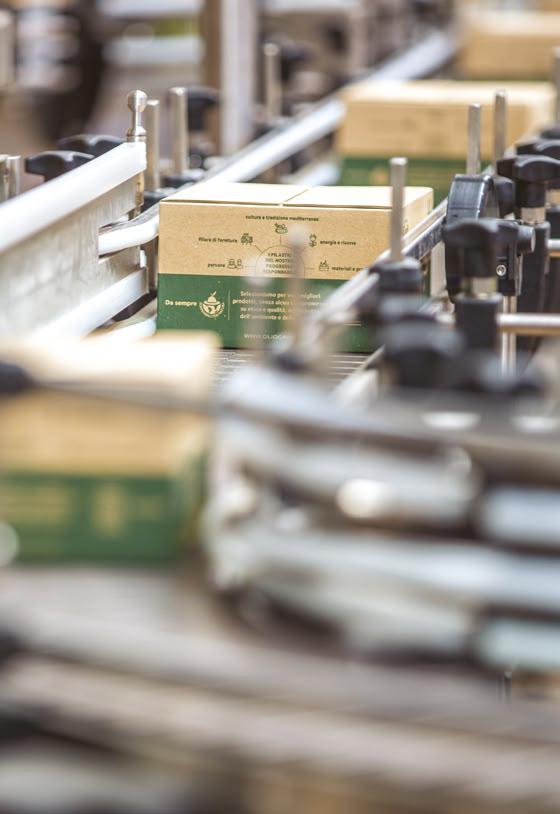
Fratelli Carli’s Environmental Management System is the main tool for monitoring and governing environmental issues, allowing for constant and systematic monitoring of performance and supporting consistent and long-lasting choices.
The System is operationally managed as an Integrated Environment and Occupational Health and Safety Management System, promoting a unitary vision of the risks, impacts and opportunities for improvement connected to company activities.
Through this integrated approach, the system addresses all the main environmental issues relevant to the company, including energy and emissions, responsible use of natural resources, waste management, water consumption and the assessment of environmental risks along the value chain, including those related to biodiversity.
The System is based on tools for planning, monitoring, and periodically reviewing environmental performance, ensuring the involvement of the relevant company functions and the continuous improvement of operational practices.
The System is operationally managed as an Integrated Environment and Health and Safety at Work Management System
During the first months of 2026, Fratelli Carli’s Environmental Management System obtained third-party certification. This result represents a further step in consolidating the environmental governance system and strengthens the structured monitoring of the company’s environmental impacts.

Emission intensity index 0.16 Water intensity index5 0.0031
5
Through an integrated set of technical, managerial, and cultural actions, Fratelli Carli has always promoted efficient water management, aware of the value of this resource for the environment and the local area.
In this area too, the company has introduced a specific Water Intensity Index5 for its Chiusanico plant, with the aim of closely monitoring the results of the improvement measures as they are gradually implemented. The index shows, for 2025, a decrease of 4% compared to the previous year: 0.0032 m 3 per jar at 0.0031 m 3.
These efforts to guarantee responsible water management also include constant monitoring of both inbound and outbound water quality.
Analytical tests entrusted to an external laboratory regularly confirm compliance with the standards required by the legislation (Legislative Decree 152/06 and subsequent amendments). Water treatment is also an important part of Fratelli Carli’s daily practices. At the Chiusanico plant, a modern wastewater treatment plant is in operation to support production activities, enabling water that complies with current environmental regulations to be discharged into the public sewerage system. On the Imperia premises, water is also treated so that it can be discharged in compliance with environmental requisites.
This attention to efficiency also extends to the offices, where the water from the aqueduct is used for the toilets and the changing rooms. All the traditional taps are equipped with water-air mixers, which reduce flow without impacting water pressure. In addition, the stations for the delivery of microfiltered and chilled drinking water encourage the use of reusable water bottles rather than disposable plastic bottles.

Through an integrated set of technical, managerial, and cultural actions, Fratelli Carli has always promoted efficient water management, aware of the value of this resource for the environment and the local area.
0.99%
the percentage of plastic in the total materials used in packaging sold
the percentage of FSC-certified cardboard used in the packaging for our oils 100%
the percentage of recyclable materials in the packaging of our oils 100%
the percentage of recycled cardboard used in the packaging of all our products 74.81%
total waste produced in 2025 -7% waste sent for recovery out of total waste 78%
the waste intensity index for the Chiusanico plant** 0.093
99.65%
of all packs with components that can be disposed of separately*
the percentage of recycled glass in the total glass purchased 63%
* Based on the weight of each component
** The “waste intensity index” refers to the ratio of total waste generated (expressed in tonnes) to the physical production of the plant. Specifically, for the Chiusanico plant, the index is calculated using the total number of jars produced.
Here at Fratelli Carli, our choice of materials derives from a desire to protect the quality of our products and to respect the environment. A joint study, design and collaboration effort with our suppliers allows us to adopt increasingly sustainable solutions in terms of recyclability and raw materials, with a view to continual improvement.
Fratelli Carli packaging is mainly made of paper, cardboard, glass, aluminium, steel and, to a minimal extent, plastic. Each material is chosen to ensure products are adequately protected, offering a quality experience for the customer while reducing environmental impact. Right from the design stage, Fratelli Carli focuses on how easily the packs can be recycled, with a preference for single-material solutions or packs with components that can easily be separated, in accordance with the principles of the circular economy.
For cardboard, this means choosing it from FSC® certified supply chains, which ensure responsible management of forestry resources. Thanks to the collaboration with our suppliers, today 99.44% of our cardboard packs have FSC® certification, and are produced using more than 74% recycled material
As regards glass, a naturally recyclable material, the amount of recycled material used is almost 63% This makes a significant contribution to reducing the use of new resources.
Plastic accounts for just 0.99% of the total materials used for packs. When it is not possible to replace it with alternative materials, the use of recycled plastic is preferred, and the packaging is designed to allow for complete recyclability.
Thanks to collaboration with suppliers, today 99.44% of cardboard packaging is FSC® certified
Thanks to this ongoing commitment, over 99.6% of the company’s packaging materials are designed to be fully recyclable, a milestone that reflects Fratelli Carli’s ongoing commitment.
Packaging innovation at Fratelli Carli is born from teamwork involving the Product Marketing and Development, Purchasing, Production, and Logistics teams.
This innovation “by design” seeks to create sturdy, reliable, easily recyclable packaging, reducing environmental impact right from the conception stage.
Significant results have been achieved over the years, such as the restyling of the Classic and Fruttato Olive Oil labels, which has helped reduce emissions by 7%; the removal of the plastic window for the entire durum wheat pasta range; the redesigning of the boxes for our food specialties sold in jars, which has enabled a total reduction of 40% in the environmental impact of this type of packaging; the choice to use 100% recycled plastic filling materials for shipments abroad, and the introduction of new cases for the bakery products for special occasions, made from material that can be disposed of in the paper bin.
A broad-ranging strategic project is currently under way with the aim of redeveloping our food range, enhancing the variety and identity of each product range, in keeping with the brand’s history
This process also includes optimisation interventions on packaging components, understood as an integrated set of technical packs, materials and graphics, in line with company objectives, to improve their characteristics in terms of certifications, use of recycled materials, ease of disposal and recovery at the end of their life.
In particular, the revision of the Gift Packaging dies has allowed for a rationalisation of packaging configurations, reducing the number of dedicated variants and contributing, in addition to process efficiency, to a more efficient use of materials.
Even the Emporium shopping bags, made using olive stones, a waste product from oil production, represent a tangible example of this commitment to sustainability. The kernels, ground into powder and mixed with cellulose and water, make it possible to obtain 100% recyclable paper, transforming a processing waste into a new resource. In addition to reducing environmental impact, this move effectively demonstrates the increasingly circular, responsible approach adopted by the company, paying close attention to every phase in its production cycle.
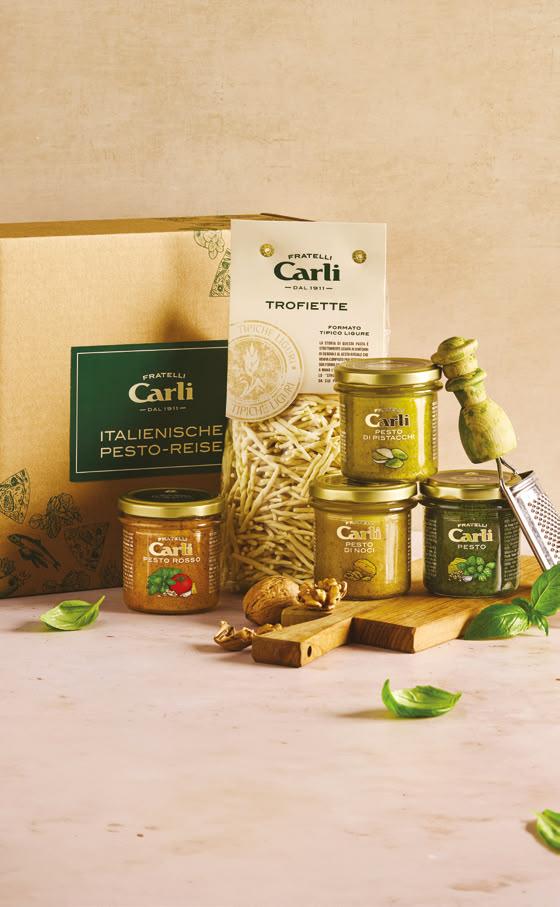
of the products (equal to 81.5% of the turnover) subjected to qualitative life cycle analysis 45.7%
To continuously guide its choices towards increasingly sustainable solutions, Fratelli Carli has developed a qualitative analysis process of the life cycle of products and materials, based on the four principles of environmental and social sustainability, according to the Strategic Life Cycle Assessment (SLCA) approach developed within the framework of The Natural Step6. The analysis takes into consideration the main phases that characterise the life of a product or material – from the procurement of raw materials to production, distribution, use and end-of-life – with the aim of identifying critical issues, strengths and opportunities for improvement along the value chain.
The activity develops starting from a shared analysis of processes, operational practices and procurement choices.
The analysis is carried out internally, involving the relevant company functions; for finished products and purchased materials, the process is developed in collaboration with suppliers, encouraging direct discussion on processes, materials, and operating methods.
The results of the analysis are summarised in an evaluation matrix, which allows us to highlight the most relevant life cycle phases in terms of sustainability and propose concrete improvement actions.
In a sustainable society, nature is not subject to systematically increasing concentrations of substances extracted from the Earth’s crust
In a sustainable society, nature is not subject to a systematic increase in the concentration of substances produced by society
In a sustainable society, nature is not subject to a systematic increase in degradation caused by physical means
In a sustainable society, people are not subjected to conditions that systematically compromise their ability to meet their needs
The analysis is updated periodically to monitor the evolution of the choices made and the Each year, a plan is planned to extend and revise the evaluations, with the aim of progressively increasing the number of products analysed.
To date, qualitative life cycle analysis has been completed for 45.7% of products, representing 81.5% of sales revenue
To support this process, Fratelli Carli collects and reports annually the main information relating to raw materials and materials used, in line with GRI standards, in order to guarantee transparency and traceability along the value chain and to guide intervention priorities.
In 2025, 49.2% of purchased materials and products will be attributable to food raw materials – mostly olive oil (92.4%) –, 40.9% to packaging materials and 9.8% to finished products.
Waste management has always been a fundamental priority for Fratelli Carli and is addressed in a structured way within the Environmental Management System, which regulates its controls, responsibilities and operating methods.
The process involves not only internal employees and collaborators, but also partner companies along the entire supply chain. This management is governed by specific in-company procedures, which are constantly updated to respond to changes in production processes and in the regulatory requisites in force.
Fratelli Carli is aware that improper management of this process can have a negative impact on the environment and biodiversity and, for this reason, is committed to preventing ecological damage by limiting the introduction of external substances into the ecosystem through good practices in disposal, recovery and recycling. An in-depth analysis of waste-generating activities has enabled us to classify and characterise them accurately, and thus to constantly improve our approach to managing them.
Most of the waste produced by the company is composed of non-hazardous materials such as packaging, residue from olive-milling operations and food processing waste.
In 2025, the total amount of waste decreased by 7%, in line with the trend of recent years, reflecting Fratelli Carli’s ongoing commitment to prevention.
The company has also continued its commitment to increasing the amount of waste sent for recycling and recovery: in addition to separate collection and recycling, some of the waste is, in fact, sent for regeneration processes within supply chains that transform it into by-products for new production cycles.
This approach also includes the management of oilseeds resulting from the production process, which are included in a traceability system compliant with the sustainability requirements of the “National System for the Certification of the Sustainability of Biofuels and Bioliquids” and sent, in compliance with current legislation, for use as a raw material for the production of biofuels, rather than being disposed of as waste.
Further reinforcing this approach to prevention and value creation is the launch, during the 2024– 2025, of the new oil mill in Imperia, which, thanks to the adoption of two-phase technology, makes it possible to reduce waste production and make use of processing by-products, thereby making a structural contribution to the objectives of prevention and recovery.
To monitor the most significant waste production processes more accurately, a dedicated intensity index has been introduced for the Chiusanico plant, where our specialties in jars are produced. waste sent for recovery out of total waste 78%
the percentage of recycled glass in the total glass purchased
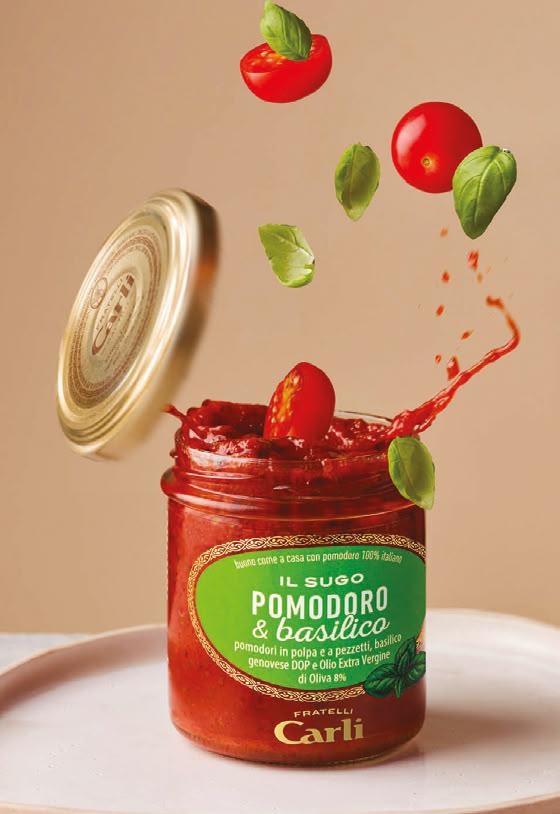
This indicator allows us to specifically and accurately measure the effects of the efficiency measures scheduled for this factory. With regard to the two-year period 2024–2025, the index shows a significant improvement in the volume of waste produced per number of pots, amounting to 0.123 kg in 2024 and 0.093 kg in 2025. This result was also achieved thanks to the optimisation of production processes and some operational improvements that have allowed us to reduce the amount of waste produced by the purifier.
Waste sent for recovery and disposal (kg)
In 2025, the total amount of waste decreased by 7%, in line with the trend of recent years, reflecting Fratelli Carli’s ongoing commitment to prevention.
To support continuous improvement, Fratelli Carli has developed, using only internal resources, a project aimed at the structured management of data required for sustainability reporting and monitoring of various company measures and indices (KPIs), through the creation of a Data Warehouse.
The project began by carefully mapping the sustainability parameters relating to materials (e.g. weight, disposal code, certifications, etc.), raw materials and finished products (type, certifications, renewable electrical energy used in the production process, etc.) and suppliers (number of employees, gender quotas, amount of renewable electrical energy used, company certifications, etc.), clearly indicating the source, the function responsible, the interconnections and acceptability and verifiability criteria.
This solid base led to the first step of the “data modelling” project, with a dedicated, coordinated team effort to define Esg data tracking for all the materials, raw materials and finished products purchased and sold, guaranteeing complete integrity and accuracy.
This detailed information is now implemented on our corporate systems, and the Data Warehouse is in production, enabling the complete integration of data and producing the analyses and indexes required by sustainability governance. This tool is crucial for accurate monitoring of the multiple KPIs, tracking progress and identifying new areas for intervention.
One of the screens from the Sustainability Data Warehouse, which is now fully operational, integrating and providing structured, traceable data in real time to support ESG governance.

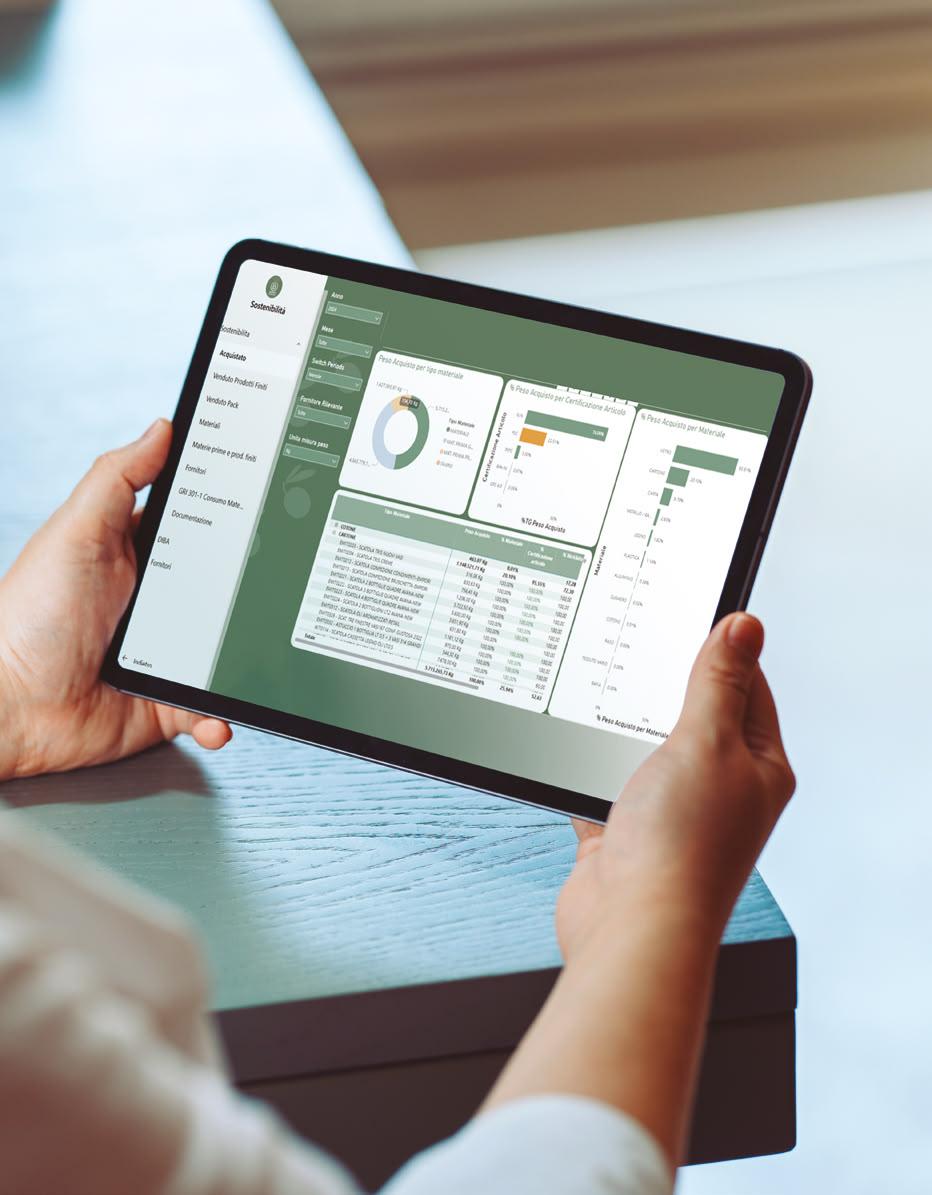

During 2025 Fratelli Carli opened a new modern oil mill in Imperia, dedicated to the processing of olives for the production of extra virgin olive oil of Taggiasca DOP and Taggiasca olives, coming from the Imperia hinterland.
The new plant adopts a two-phase extraction technology

• reduces electricity consumption
• does not require the use of water in the extraction process
• eliminates the production of waste vegetation water
The production process – from the reception and washing of the olives, to the knife crushing, to the malaxation at controlled temperature, up to the extraction using a two-phase decanter and the vertical centrifuge –is designed to preserve the quality of the raw material and enhance the organoleptic characteristics of the oil, maintaining high levels of aroma and polyphenol content.
In addition to the benefits in terms of energy and emissions efficiency and reduced water consumption, the new mill allows for more sustainable management of processing by-products
The wet olive pomace produced is, in fact, utilised as a resource – for example, for energy production or other industrial uses – thereby reducing the amount of waste to be disposed of and promoting a circular economy approach.
• preserves the quality of the raw material
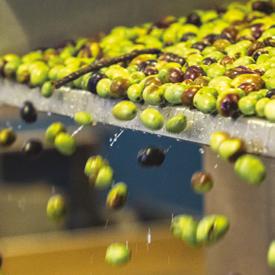
• enhances the organoleptic characteristics of the oil
• significantly improves efficiency of the production process.
The project represents a structural intervention that intersects several environmental areas – energy, emissions, water and waste – and contributes to strengthening the link between technological innovation, environmental protection, and the promotion of local olive growing.

Fratelli Carli’s social commitment focuses on people and the quality of relationships throughout the value chain: health and safety protection, skills development, inclusion, employee wellbeing, community engagement, constant customer service, and the highest product quality.
Social information is structured by topic area, highlighting how each initiative contributes to the company’s objectives in line with the Pillars of People, Culture and Mediterranean Tradition and, for aspects related to product quality, Products and Materials.
The pillars of our vision

People Products and Materials Mediterranean culture and tradition
The contribution to sustainable development
• Endeavor to achieve a stable Injury Frequency Rate (IFR) of less than 8, maintaining a Severity Rate* of zero CONTINUOUS
• Ensure continued participation in the ASL WHP program, running at least one annual initiative to promote healthy lifestyles
• Organise at least one preventive medicine appointment campaign free of charge every year, in collaboration with bodies specialising in healthcare and prevention
• 25% increase in the average number of training hours per head by the end of 2027 (baseline: average number of hours provided in 2023)
• 30% increase, by the end of 2027, in the annual training hours dedicated to ESG issues, digital transformation and responsible innovation, paying particular attention to technological ethics, cybersecurity and the social impact of the new solutions
• Implementation of an in-house visual management project for the transparent communication of company information, with the aim of covering at least three corporate as by the end of 2027
• Implementation of at least one activity per year to make the common areas in the company (e.g. relaxation areas, areas for meals, areas for informal meetings) more pleasant and functional (monitoring progress in this sense with surveys to gauge satisfaction or in-house focus groups
• Maintain at least 50% of women out of the total number of staff•
• Keep reports through the whistleblowing channel at zero, drafting an annual report on the management of the channel
• Maintain, over the three-year reporting period, a balance between female and male presence in positions of responsibility, understood as positions with coordination functions or organisational responsibility.
CONTINUOUS ACHIEVED
CONTINUOUS
CONTINUOUS
CONTINUOUS
CONTINUOUS
2025 2028
CONTINUOUS
CONTINUOUS
CONTINUOUS
• Implement at least one awareness-raising or training activity per year on inclusion, discrimination and equal opportunities CONTINUOUS
* Both rates are calculated using the methodology established in the GRI 403-9 standard:
• the Injury Frequency Rate (IFR) measures the ratio of the number of injuries in the workplace to the total number of hours worked multiplied by 1,000,000
• the Severity Index indicates the ratio of the number of injuries in the workplace with severe consequences (permanent
These indicators are consistent with the requisites set forth in the ISO 45001:2018 standard.

5.35 Injury Frequency Rate 0 Severity Index
2 initiatives launched during the year. See page 93
1 cancer prevention examinations conducted free of charge during the year 15.3% increase in the number of training hours per head in 2023
607 hours dedicated to training on these issues in 2025
2 Covered business areas. See page 93
1 intervention completed. See page 93
51.8% women present in the company See page 122
53.8% women hold positions of coordination or organisational responsibility in the company
1 initiative completed. See page 91
• Confirm our commitment to combating food poverty, by guaranteeing the donation each year of a significant amount – at least 8 tonnes – of products to entities and associations that provide support to individuals and families in difficulty
• Carry out at least one solidarity initiative per year to support children and families
• Provide support each year to at least one project for access to drinking water
• Maintain or increase the annual number of visitors to the Olive Museum
• Consolidate the transmission of content focused on sustainability via e-mail marketing, maintaining or increasing the number of messages sent to customers annually
• Ensure the regular monthly publication of digital content focused on sustainability on all the corporate social media channels active in the various nations served
• Guarantee the participation of the Olive Museum in at least one national cultural event a year on business and social development
• Ensure timely management of requests and comments received by Dm and in public posts on social media (Facebook, Google, Linkedin), reviews on Trustpilot, contact requests via the website or e-mail, responding within 8 working hours in 90% of cases
• Keep punctual, error-free deliveries at a rate of at least 97%
• Keep returns at a yearly rate of less than 2%, as an indicator of post-purchase satisfaction and alignment between expectations and the products received
• Maintain an annual average score of ≥ 4,5/5 on Trustpilot, taking into account all countries served


2,116,800 litres of drinking water guaranteed to water projects around the world
18,843 visitors to the Carlo Carli Olive Museum (-1.1% compared to 2024)
2,201,500 e-mails on sustainability topics to customers
68 digital posts on sustainability themes published on the company’s social media channels, ensuring monthly continuity in all areas served.
10 tonnes of products donated 95.6% of responses provided to customers within 8 hours 99.06% of home deliveries of our products made without errors or delays 1 initiative completed. See page 99
1.26% of the total number of packs sold in each market served were returned
4.8/5 the overall rating given by customers on Trustpilot across all markets served See page106
• Develop 100% of new products with recipes in keeping with the food traditions of Liguria and Italy
• Ensure the absence of product recalls due to health risks
• Progressively extend the qualitative life cycle analysis of products and materials over the three-year reporting period, in order to identify critical issues, strengths, and priorities for improvement along the value chain.
• Ensure that 100% of Olio Carli recipes are analysed in the in-house laboratory
• Ensure digital traceability is available for 100% of the bottles of oil sold
CONTINUOUS
CONTINUOUS
CONTINUOUS IN PROGRESS
CONTINUOUS
15 new products, all developed using recipes that follow the culinary traditions of Liguria and Italy
0 product recalls
45.7% of the products (accounting for 81.5% of turnover) were analysed using qualitative life cycle analysis
100% of Olio Carli’s recipes analysed in the in-house laboratory
100% of Olio Carli bottles feature traceability information visible on the website
employees at 31/12/2025
137
367 of employees have a permanent contract 89.6% employees working at Fratelli Carli for over 20 years
the proportion of employees who are considered to be satisfied with the measures and attention the company devotes to their wellbeing
7,731
hours of training in 2025
Increase in total training hours in 2025 +19%
hours of training on sustainability topics More than 470 employees with a full-time contract 63.5% female presence in the company 51.8%
preventive medicine examinations carried out directly in the workplace since 2016
1,450 removals recommended this year during melanoma screening visits 8
For Fratelli Carli, our employees are the very heart of the company. Our success is built on the enthusiasm and dedication they invest in us daily.
Creating a positive, safe and stimulating environment for them takes top priority, and this commitment is reflected in all aspects of corporate life.
The close attention we pay to our people has been acknowledged at national level, with the inclusion of Fratelli Carli, for the fourth year running, on the list of Italy’s Best Employers
This prestigious ranking, compiled by Statista in collaboration with Corriere della Sera and based on the direct opinions of over 20,000 Italian employees, placed Fratelli Carli among the top ten Italian companies for 2025.
Our team is our family
The Italy’s Best Employers ranking acknowledges the value of the Fratelli Carli team, made up of individuals with a variety of experience and skills that work together to build on a history stretching back more than a decade.
At the end of 2025, Fratelli Carli employed 367 direct employees.
An important aspect, indicative of the strong bond we have with our employees, is the level of stability and mutual trust, which go beyond the simple working relationship 89.6% of the staff have a permanent contract and 63.5% are full-time. A total of 137 employees have been with Fratelli Carli for over 20 years, representing more than 37% of the workforce. This continuity enables us to build solid, valuable skills.
In 2025, women accounted for 51.8% of our employees. This is indicative of the importance Fratelli Carli continues to place on the presence of women in the company.
This commitment was also realised, during the year, in obtaining the UNI/PdR 125:2022 certification for Gender Equality, which formally recognises the company’s achievements in managing processes related to equity, equal opportunities, work-life balance, and professional development.
To support this path, in 2025 the company also promoted an internal survey on the topics of gender equality, inclusion and organisational wellbeing, collecting 294 responses, equal to over 80% of the company population. The results paint a positive picture in terms of sense of belonging and attention to wellbeing, together with the identification of some areas for improvement. This valuable contribution strengthened the listening approach and guided subsequent actions in the areas of policies, training, and organisational tools.
The principles of non-discrimination, equal opportunities, dignity and inclusion underpin our approach to diversity, promoting respect for and the valuing of every individual at all levels. Fratelli Carli believes in a work environment where everyone can reach their full potential, in a climate based on respect and listening.
The Fratelli Carli team is made up mostly of white and blue collar workers, with managers and executives accounting for around 4% of the total. This balance is a reflection of a practical, collaborative approach, in which every member of the team contributes to the success we share.
In 2025, turnover showed an overall stable trend, with a slight reduction in terminations compared to the previous year. New hires, driven primarily by seasonal needs and the opening of new stores, show a significant increase compared to 2024. In terms of composition, a slight reduction in the female incidence on total hires is observed.
Terminations mostly concerned the natural conclusion of fixed-term contracts and seasonal collaborations.
Certification
UNI/PdR
125:2022
for Gender Equality
Fratelli Carli employees for over 20 years
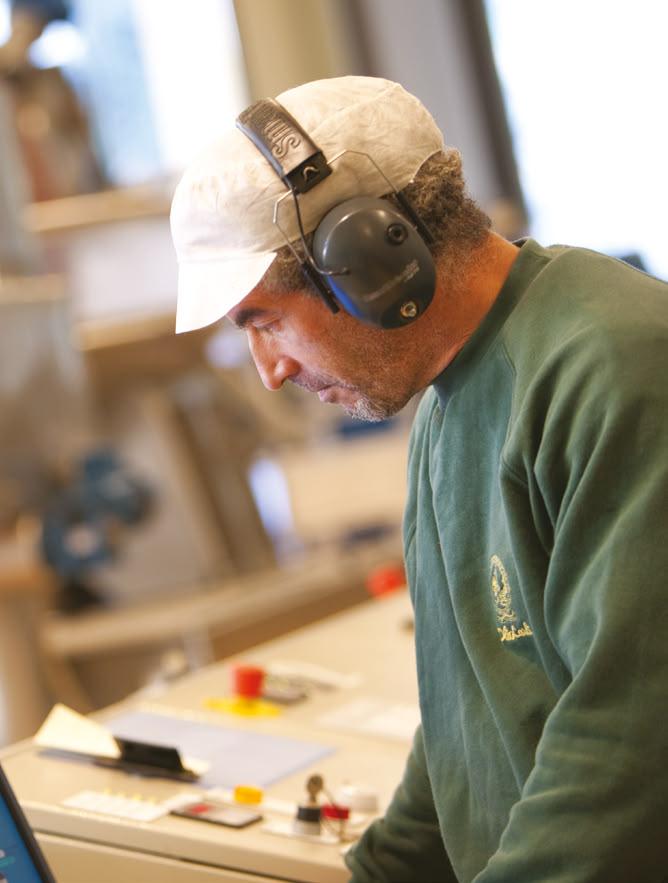

Health and safety at work are a top priority for Fratelli Carli. The company views the safety and rights of all our employees and workers as something that must be safeguarded with strenuous, constant efforts to ensure the wellbeing of those who contribute to our success every day.
Fratelli Carli guarantees full compliance with health and safety regulatory requirements, in particular Legislative Decree 81/08, through a solid and structured Integrated Environment and Occupational Safety Management System (SGI), compliant with the UNI-INAIL Guidelines
This system, implemented on a voluntary basis, is an essential tool to assess, prevent and reduce risks, and seeks to safeguard the mental and physical wellbeing of everyone who works in the company.
Risk management is achieved through timely hazard identification, periodic inspections, and worker consultations, conducted by specialised internal staff, the company physician who supports the risk assessment and conducts the periodic checks required by health protocols, and qualified external partners. In the event of accidents or near misses, structured enquiries are conducted to analyse the causes and identify appropriate preventive measures. The reporting of any incidents is encouraged and suitably protected, guaranteeing confidentiality and without fear of repercussions.
The system is based on rigorous procedures and on-going training that involves all levels of personnel, with specific further technical training and updates for the factory workers. The governance of the system is reinforced by the active presence in the company of the Workers’ Safety Representatives (RLS), who are involved in risk assessment, preventive measures and ongoing consultation
Also in our dealings with partners and suppliers, the company seeks to promote a responsible approach to health and safety, consistent with our standards and values.
The system’s effectiveness is reflected in concrete results: in 2025, there were only three injuries among staff, none of which were serious.
At the time of printing this Report, the Health and Safety Management System has also been certified according to ISO 45001, the international standard that defines the requirements for a management system aimed at the prevention of injuries and the continuous improvement of working conditions.
Fratelli Carli guarantees full compliance with health and safety regulatory requirements, through a solid and structured Integrated Environment and Occupational Safety Management System (SGI), compliant with the UNI-INAIL Guidelines

1,450
preventive medicine examinations carried out directly in the workplace since 2016
Fratelli Carli’s continual attention to the wellbeing of our employees is demonstrated by the preventive medicine campaign we have been offering free of charge in the workplace since 2016
This year too, the initiative continued in collaboration with the ANT Franco Pannuti ETS Foundation, with visits dedicated to the prevention of melanoma and thyroid diseases.
From 2016 to today, a total of over 1,450 free preventive examinations have been carried out. These campaigns are always carried out in collaboration with entities or associations that not only encourage prevention, but also offer practical support for patients. This is our way to do good twice over, both by protecting the health of our workers and by supporting bodies that strive daily to provide care and promote solidarity.
Alongside the medical campaigns, in 2025 we continued to participate in the ASL Liguria program “Workplaces that Promote Health” (WHP), which this year focused on the topic of healthy eating.
In this context, a new company column dedicated to “balanced lunch breaks” has been introduced, created with the contribution of the in-house nutritionist and aimed at offering simple, seasonal recipes to encourage increasingly conscious eating habits.
This commitment to attention and care is a core value for Fratelli Carli, which the company intends to uphold consistently in the years to come
A comfortable and welcoming working environment
Fratelli Carli constantly invests to ensure safe and comfortable working environments at all locations, from production to offices. This attention to our workers’ everyday wellbeing is reflected in the care we take to create break areas designed to offer a chance to relax and socialise during the working day; with this in mind, over the course of the year an equipped break area was created in the factory gardens but very welcome gesture is the coffee the company provides free of charge during breaks, helping to foster an even more pleasant, friendly environment.
During the year, a new wellbeing service was also introduced at the office: a weekly delivery of fresh fruit and vegetables to the office from a local biodynamic farm. A simple yet meaningful initiative, which combines a focus on health, the promotion of the local area and the encouragement of healthy eating habits.

Employees also have access to a portal, complemented by two new visual management platforms launched this year to support communication and teamwork for the Marketing and Sales Department and the Retail channel.

Almost 80%
of employees say they are satisfied with the practices and the attention the company devotes to their wellbeing

overall wellbeing of individuals must necessarily consider quality of life as a whole. For years now, the company has been focusing its efforts on these issues with the “Liberi di... ”: a corporate welfare system able to offer a series of services and benefits designed to improve the everyday lives and spending power of our employees, supporting them in various areas of their personal and family life.
2025 marked a further step forward in the development of our corporate welfare system. Through a second-level agreement with the company representatives, Fratelli Carli decided to offer €1,200 in welfare credit to all our workers for the two year period 2024-2025, as an acknowledgement of their contribution to the objectives we have achieved together.
To ensure employees could make the most of this opportunity and that access to the full range of services was as simple as possible, Fratelli Carli primary partner in the sector to guarantee all our workers access to a dedicated platform and a mobile app designed to allow them to manage their welfare credit swiftly, easily and , with the opportunity to view the spending categories and the facilities and business where the credit can be used, and to generate vouchers in real time.
Fratelli Carli has decided to allocate, for the twoyear period 2024-2025, a welfare credit of 1,200 euros to each employee
This makes it extremely easy and practical to use the credit for all the categories envisaged (reimbursement of expenses for children, travel, wellness centres, shopping vouchers, special deals with medical/sports/ wellness centres).
The commitment we have undertaken and scheduled for the future involves constantly extending the agreements for special deals available locally, to the benefit of both employees and local businesses
Fratelli Carli considers continuous training a key tool for individual and corporate growth. Investing in our people is essential to develop skills, make the most of talents and ensure each member of the team is able to give their very best, contributing to the excellence the company has always been renowned for.
In 2025, 7,731 hours of training were provided, a significant increase compared to the previous year (+19%). The training covered key topics, designed both for the company’s needs and for individual growth, with a balance between technical updating, development of cross-cutting skills and strengthening of corporate culture.
An important focus involved the Marketing and Sales Department area, with a path dedicated to Digital Marketing designed as a tailor-made learning experience, aimed at strengthening interdepartmental collaboration and innovation, and consolidating an omnichannel approach to digital strategy. The programme included plenary and vertical sessions, as well as practical activities such as business challenges and hackathons, and a specific module dedicated to AI for marketing.
In parallel, the Operations Department has undertaken a path that can be traced back to a single “hat” of skills for resilience and personal effectiveness, with modules dedicated to selfcoaching, pressure and stress management, personal productivity and time management.
+19% hours of training in 2025 7,731 compared to the previous year
Furthermore, particular attention has always been paid to the training of people in direct contact with the customer, with a view to continuously improving the service. In 2025, over 3,200 hours of training were dedicated to this area (Customer Care and Emporiums), with the aim of consolidating skills on products and offers, strengthening response and relationship capabilities, and supporting the evolution of tools and operational processes that enable an increasingly engaging and immersive customer experience.

The Marketing and Sales Department has designed a bespoke
L’area
Direzione Marketing e Commerciale
Information Systems resources also continued their continuous updating activity on infrastructure, digital tools and new technologies. This area also includes courses on innovation and artificial intelligence, as well as platforms and tools to support digital transformation.
learning experience dedicated to Digital Marketing with an omnichannel approach
In 2025, Fratelli Carli dedicated 607 hours of training to ESG and responsible innovation issues. Within this overall figure, the hours of training purely dedicated to ESG issues recorded an increase of 34% compared to the previous year, confirming the desire to structurally strengthen a shared culture of sustainability, ethics, and the impact of corporate decisions.
A significant portion of the training activities focused on disseminating and understanding company policies, which serve as a true compass for daily operations. The training courses helped people learn about the policies dedicated to Gender Equality, Stakeholder Engagement, Human Rights and Responsible Marketing and Communication, promoting a common language and greater awareness of the principles that guide the company’s decisions.
Within this framework, training on gender equality and inclusion played a central role, developed as an integral part of the certification process. The activities combined opportunities for listening, reflection, and sharing, helping to raise awareness of stereotypes, language, and behaviours and supporting a cultural evolution already rooted in the history of Fratelli Carli.
After the training course extended to all resources in 2024, cyber risk has remained a central and monitored topic over time, in line with the objective of the Sustainability Plan to increase the hours of dedicated training by 2027, a new session has already been planned for 2026. indepth training. The topic of cyber security and data protection is part of the broader Information Security Management System, certified according to the ISO 27001 standard, and contributes to strengthening the daily focus on protecting customer and prospect data, an essential element for maintaining trust, operational continuity, and service reliability.
This training programme confirms Fratelli Carli’s approach to sustainability as a concrete and participatory process, which involves knowledge, sharing, and empowerment of people and which increasingly integrates ethics, innovation, and value for all stakeholders.
Training on cyber risk and on data protection, oversight of the ISO 27001 certified Information Security Management System
+34% hours of training on ESG topics
474 compared to the previous year

45
2,116,800 the associations supported with product donations
10
litres of drinking water guaranteed to water projects around the world
tonnes of donated products

Fratelli Carli is deeply connected to the local areas in which it operates and the communities that live there. This relationship is nurtured through an on-going commitment in the form of activities and collaborations designed to support projects of social significance and create shared value.
The company believes in dialogue and participation, working together with local entities to make an active contribution to the wellbeing and growth of the areas it operates in.
During 2025, this commitment included the donation of over ten tonnes of food products to 45 associations active in a number of areas, to support solidarity projects and activities aimed at the most vulnerable individuals in the community.
Among the various initiatives with which Fratelli Carli extends its commitment beyond the company and territorial boundaries, the collaboration with WAMI (Water with a Mission), a B Corp, continues with conviction, which carries out water projects in areas of the world where access to drinking water is not guaranteed.
Also in 2025, for the reception rooms and lunches in the Emporium in Imperia, Fratelli Carli has chosen to use WAMI water. This transforms a daily gesture into a concrete contribution towards access to water as a fundamental human right.
Each bottle purchased contributes to the financing of water projects with high social impact.
In 2025, Fratelli Carli contributed, in this way, to donating 2,116,800 litres of drinking water to water projects around the world. Donations are traceably associated with water production batches, according to the transparency model adopted by WAMI, ensuring a measurable and verifiable impact over time.
Each bottle
purchased contributes to the financing of water projects with high social impact.
the company has chosen to support association that makes wishes come true of children affected by serious illness
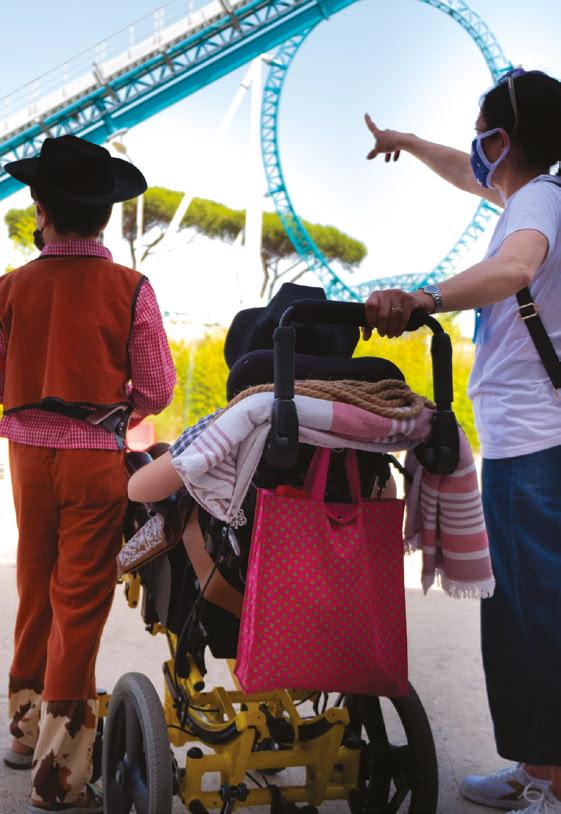
Every year, Christmas gifts for employees’ children are a moment of celebration that goes beyond the corporate dimension, transforming into a gesture of solidarity capable of generating value for other children and families as well
In 2025, the company chose to support MakeA-Wish Italia, an organisation that fulfils the wishes of children with serious illnesses
In this way, a gift designed for the children of employees also becomes practical help for other children, offering them moments of joy, strength and hope within often complex and challenging care pathways.
Through this initiative, Fratelli Carli wanted to strengthen the link between attention to people, social responsibility and closeness to families, confirming its commitment to promoting solidarity actions dedicated to children every year, in collaboration with third sector organisations that operate with professionalism and a real impact on the country


“Pesto is good”: fly with your heart to help children
In 2025, Fratelli Carli confirmed its support for the “Pesto is good” initiative, promoted by Flying Angels Foundation, the only non-profit organisation in the world specialised in the air transport of seriously ill children to hospitals where they can receive urgent life-saving treatment, in collaboration with Genoa Airport and ASCOM.
The “Pesto is good” initiative transforms a traditional Ligurian gesture–taking a jar of pesto on a plane–into an act of solidarity. The jars of pesto bearing the initiative’s stamp can be carried in hand luggage and, at the same time, contribute to financing Flying Angels’ humanitarian flights
Through this collaboration, Fratelli Carli continues to support a project that unites local communities, products, and social commitment, helping to provide new healthcare options to children in urgent need.
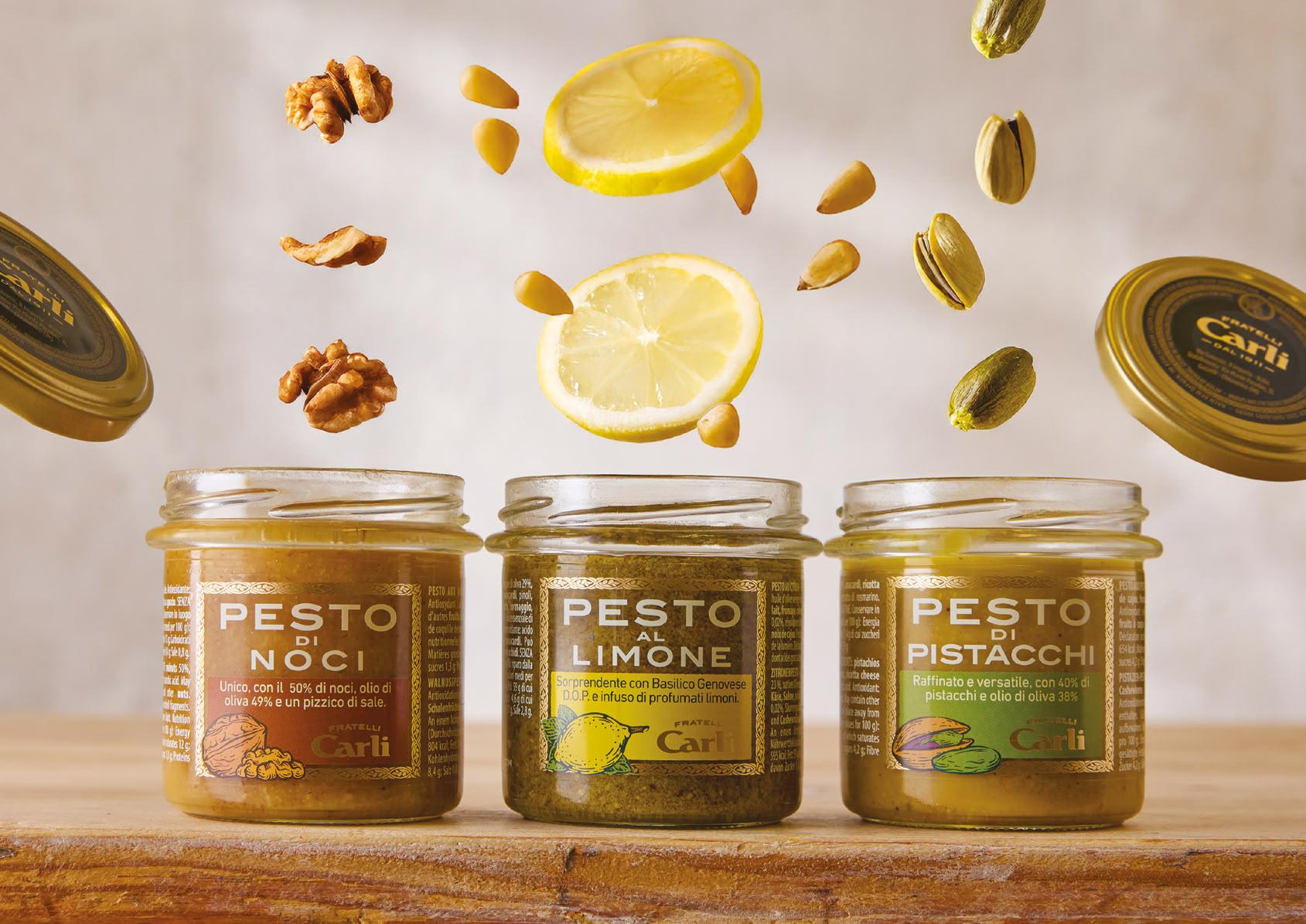
2,201,500
e-mails on sustainability topics to customers
68
posts on sustainability topics published on social media in all countries served
emporiums providing information on sustainability 100%
19,000
visitors to the Carlo Carli Olive Museum in 2025
More than 2,600
students have learned more about their studies in the rooms of the Carlo Carli Olive Museum
For Fratelli Carli, sustainability is also a cultural and social dimension, which arises from its history and translates into the will to share knowledge, values and expertise with the communities with which the company interacts.
A commitment that has its roots in Mediterranean culture, understood as a historical, food and cultural heritage, made up of balance, relationships and respect for the territories
From this perspective, Fratelli Carli promotes educational activities, awareness-raising initiatives and opportunities for dialogue aimed at customers, citizens, schools and visitors, also through places, projects and cultural institutions open to the community, contributing to the diffusion of a shared Mediterranean culture, capable of combining memory, awareness and responsibility towards the present and the future.
Fratelli Carli promotes educational activities, initiatives and opportunities for
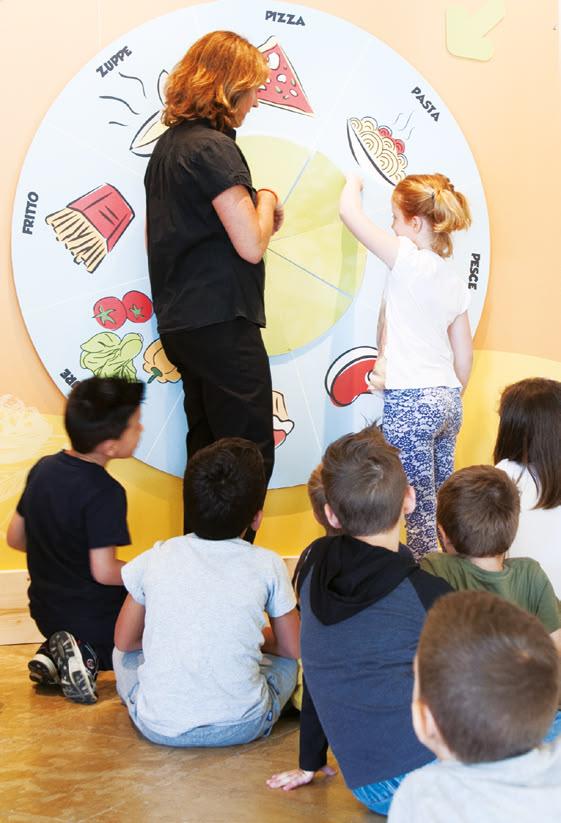
Once again this year, we have pursued our on-going communication regarding sustainability issues, with a digital publishing plan designed to inform and inspire customers and encourage informed, responsible choices.
Over 2 million e-mails were sent with content dedicated to the company’s five sustainability pillars, with the aim of sharing knowledge, values, and best practices, including issues related to gender equality, inclusion, and respect for people.
Alongside e-mail marketing, the social media strategy has also been boosted with content dedicated to sustainability, designed to reach an even wider audience through clear and accessible language.
An activity that contributes to making sustainability a shared theme, encouraging dialogue with customers and the community and promoting a culture of change that goes beyond company boundaries. This dialogue also translates in activities open to the public, like the cooking courses in the Imperia Emporium, or the path experiential
“Discover, taste, create”
The Fratelli Carli Emporiums are not just points of sale, but meeting and relationship spaces, where the dialogue with customers is deepened with content, experiences and knowledge. Here, product quality meets hospitality and expertise, offering the opportunity to delve deeper into the values that guide the company, along with the olive oil tradition, food culture, and the principles of Mediterranean culture. This culture, understood as a balance between taste, wellbeing, relationships, and respect for the land, creates a direct and authentic relationship with people.
The staff working in the Emporiums play a key role. They are constantly trained on sustainability issues and become knowledgeable interlocutors. They are able to provide customers with an informed experience that is consistent with the company’s values.

This dialogue also takes the form of activities open to the public, such as the cookery courses at the Emporium in Imperia, or the experiential programme “Discover, taste, create”, conceived and developed inhouse. This activity, through a sensorial and narrative immersion into the world of oil led by the company’s professional taster, allows participants to learn about the different olive cultivars, learn tasting techniques, and create their own personalised blend. This way, you can discover firsthand the expertise, culture, and value behind every bottle.
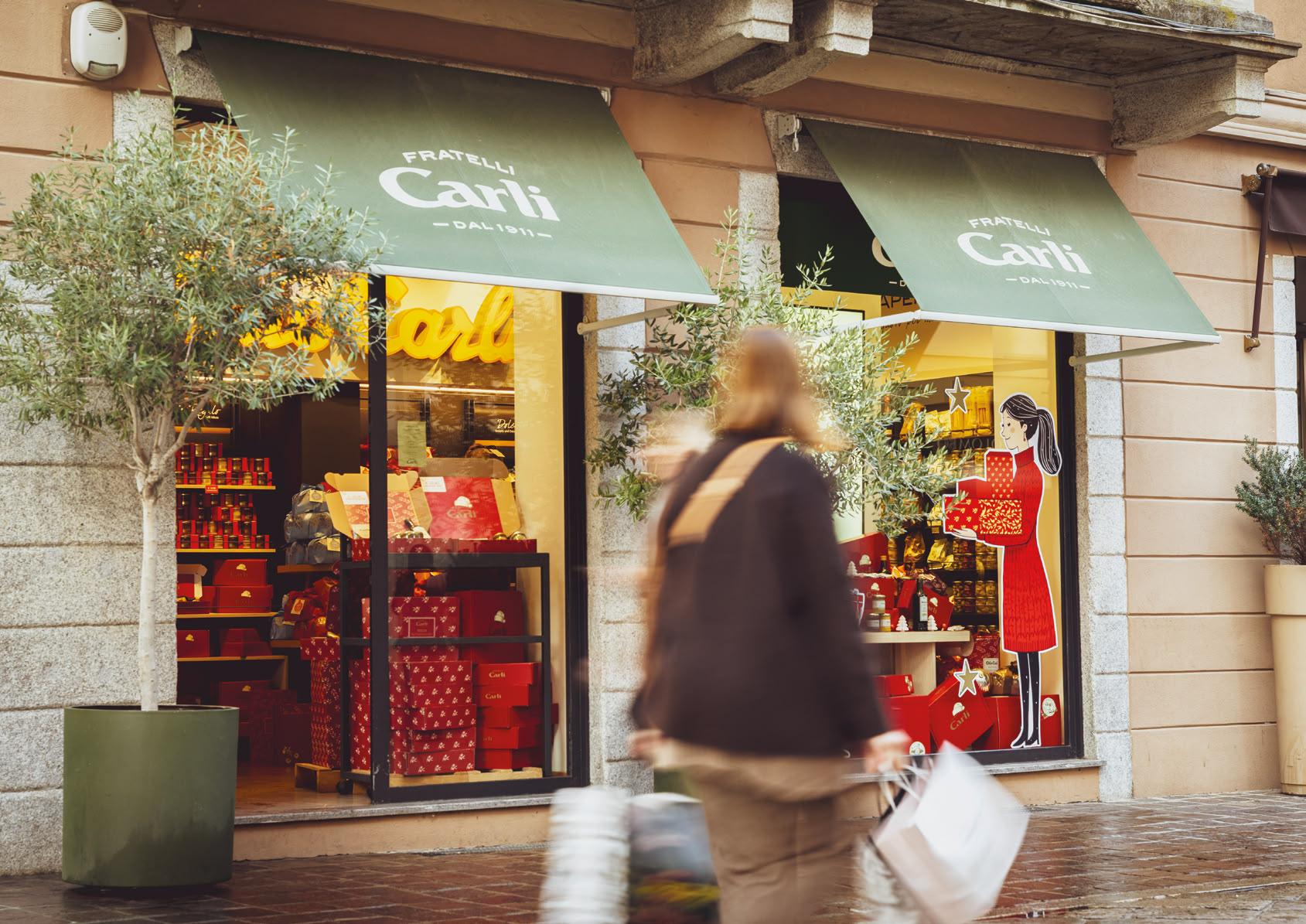
themed rooms
6,000 years of history
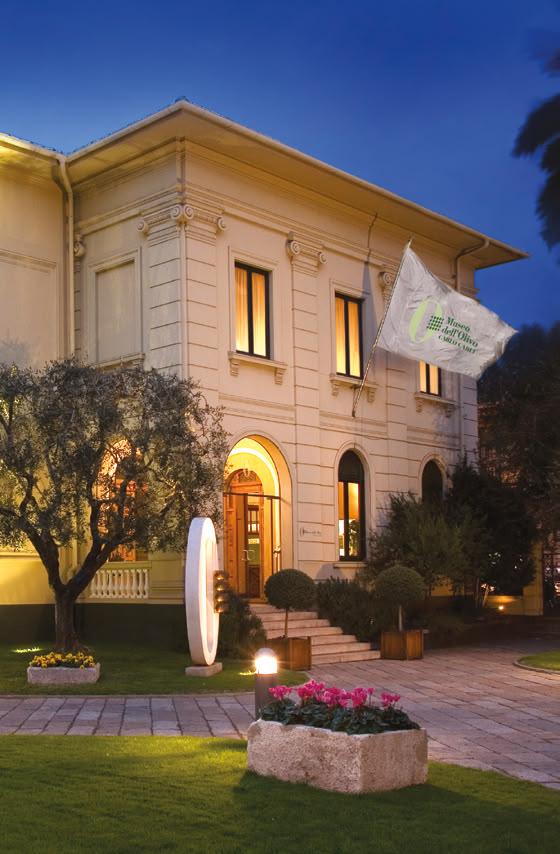
The
Carlo Carli Olive
Museum: a journey through the history of the Mediterranean
In the heart of Imperia, inside an elegant Art Nouveau building that is the company’s historic headquarters, stands the Carlo Carli Olive Museum, founded in 1992 by the Carli family. Since its opening, the Museum has been a cultural institution open to the community, with the aim of sharing and making accessible a wealth of knowledge linked to the history of the olive tree and olive oil.
The Museum houses one of the richest private Italian archaeological collections dedicated to the culture of the olive tree and olive oil, declared of “exceptional archaeological interest” by the Archaeological Superintendency of Liguria.
The museum itinerary winds through 18 themed rooms, offering a fascinating journey that spans over 6,000 years of history. Visitors can admire rare archaeological finds, such as oil lamps, cruets, precious cosmetic jars, agricultural tools, and olive presses, which testify to the importance of the olive tree and olive oil in Mediterranean civilisations.
The Museum also explores the role of oil in diet, religion, cosmetics and culture, highlighting the profound bond between humankind, olives and oil.
In 2025, the Museum welcomed nearly 19,000 visitors. 14 per cent of visitors are school groups who also take part in educational programmes offered by the Museum, such as the “LaboratOlio”, whilst over 60 per cent of visitors are foreign tourists, confirming the Museum’s role as a venue for cultural exchange between the local area and an ever-wider international community.
As well as preserving our historical heritage, the Carlo Carli Olive Tree Museum is actively involved in research and cultural promotion projects. In particular, the Museum collaborates with the University of Genoa on the “PatrimOlio culturale” project, which has led to the establishment of a doctorate dedicated to the study of the significance of the olive tree and oil between the classical age and late antiquity.
14% of visitors are school groups also involved in educational courses, such as the
Italian corporate museums members of Museimpresa, the Italian Association of Corporate Archives and Museums
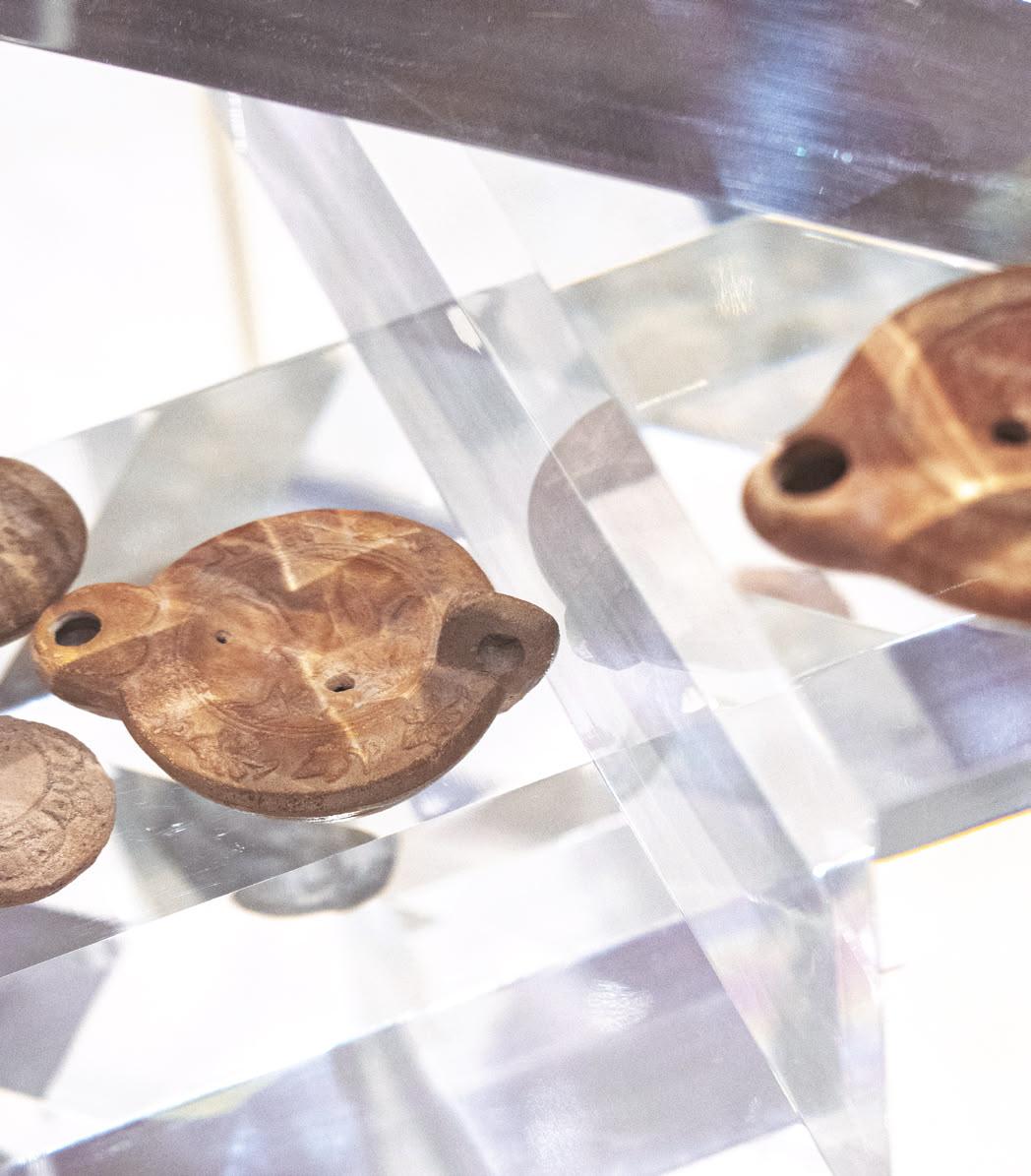
The Carlo Carli Olive Museum is an active member of Museimpresa, the Italian Association of Corporate Archives and Museums, which brings together over 130 Italian corporate museums. The aim of this membership is to help preserve the memory of Italian industry, focusing on the importance of entrepreneurial skills as a driver of sustainable development.
Throughout the year, the Museum took part in various initiatives organised by the association, including “International Museum Day”, the “Itinerari Museimpresa” project in collaboration with the Italian Touring Club, and “Settimana della Cultura d’Impresa”.
These activities strengthen the Carlo Carli Olive Museum’s key role in the promotion of a responsible business culture, integrating the company’s history with innovation and helping to promote the values of the Mediterranean diet, recognised by UNESCO as Intangible Cultural Heritage of Humanity.

95.6%
3 responses provided to customers within 8 hours
minutes average duration of calls to our call centre
50
the people on the Customer Care team who are dedicated to serving customers
51,929 home deliveries of our products made without errors or delays 99.06%
answers provided to customers viae-mail, letter or chat
the rate of returns on total packs sold in 2025 Only 1.2%
3,259
training hours for Emporium and Customer Care resources to better respond to customer needs
4.8/5
the overall rating given by customers on Trustpilot across all markets served
Driven by the aspiration to form a large community of people who identify, listen to and care about each other’s needs, Fratelli Carli undertakes to maintain daily, direct contact with our customers.
This is made possible by the in-house Customer Care team, the network of 24 Emporiums and through the home delivery model, which has always been a hallmark of the company. These meeting methods allow Fratelli Carli to establish a familiar and lasting relationship. A relationship based on listening and attention that allows the company to enter its customers’ homes like “lifelong friends”.
A customised, multi-channel shopping experience that listens to the customer
Fratelli Carli’s outstanding service is the result of constant efforts and innovation designed to offer a simple, pleasant shopping experience able to meet everyone’s needs.
Whether customers place their orders by phone or through the website, or prefer to browse in one of our Emporiums, we always seek to offer a prompt, attentive, quality service.

is to provide an attentive, timely and high-quality service our aim
The Customer Care team, comprising 50 dedicated staff members, is always on hand to take orders and respond to enquiries about products, delivery assistance, suggestions and feedback, with a professional and attentive approach. This is demonstrated by the average call duration of around 3 minutes and the nearly 52,000 responses provided to customers via e-mail, post or chat.
Particular attention is paid to the timely handling of requests and comments received via e-mail and via the company’s websites and digital and social media channels, such as Facebook, Google and Linkedin, or Trustpilot reviews, for which the company has set a target of guaranteeing a reply within 8 working hours in 90% of cases. In 2025, an important result was achieved in this sense, with 95.6% of requests dealt with within this timeframe.
A further indication of both service and product quality is the very low percentage of returns (just 1.26% of the total number of packs sold in 2025), and of deliveries that do not meet the highest standards of punctuality and reliability, accounting for just 0.94% of those carried out in Italy and the other European nations served.
Online, the experience unfolds through six dedicated websites, one for each of the countries served, designed according to criteria of accessibility, responsive design and ease of browsing.
These intuitive portals, accessible from all devices, are an essential point of contact for customers to browse and purchase independently, offering the same care and attention as all the other channels of contact with the company. The websites are a key element in the digital transformation process undertaken by Fratelli Carli, with the aim of offering an increasing complete brand experience able to meet customers’ expectations. With this in mind, we are working constantly to improve and optimise them.
Guaranteed respons within 8 in 95% of cases working hours
dedicated websites, one for each of the countries served, designed according to criteria of accessibility
Attention to service quality also involves the continuous development of the skills of those who work directly with customers. In a context characterised by a highly loyal customer base that is transversal in terms of habits and contact channels, Fratelli Carli maintains an ongoing dialogue both with those who appreciate more traditional methods, such as the paper price list, and with customers who are increasingly focused on digital.
In 2025, 3,259 hours of training were provided to Customer Care and Emporium staff, with the aim of updating their knowledge of products and commercial policies and strengthening cross-cutting skills related to listening, relating to and managing customer needs
This commitment is accompanied by the constant improvement of digital tools, with the introduction of increasingly simple and secure payment methods and the release of an integrated system to provide timely forecasts for individual deliveries both in Italy and abroad, supporting an increasingly reliable and transparent service experience across all channels.
A structured path of evolution of communication and digital marketing also continued during 2025, supported by a significant investment in training of the Marketing and Sales Department.
The project aims to make interactions increasingly personalised, consistent and relevant by optimising digital touchpoints, improving performance analysis and enhancing internal skills.
This approach makes it possible to use digital channels to complement more established communication tools, increasing the number of touchpoints and, over time, enhancing the quality of the dialogue. For customers, this translates into more targeted communications and a progressive reduction in the use of paper channels, with benefits also in terms of reducing material waste, without sacrificing the care, continuity and attention that have always characterised the relationship with the company.
Italy’s Best Customer Service Award 2025-2026 based on a sample of over 15,000 respondents
In confirmation of this commitment to its customers, Fratelli Carli has obtained an average score of 4.8 out of 5 on Trustpilot and has been included among Italy’s Best Customer Service 20252026, according to research conducted by Statista and Corriere della Sera on a sample of over 15,000 interviewees. An award that values a service capable not only of solving, but of listening, accompanying and creating lasting relationships.
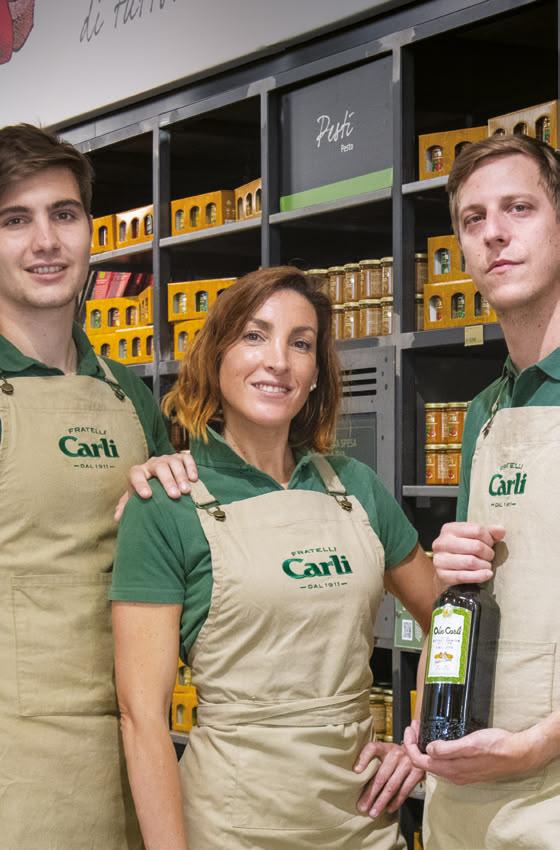
3,259
hours of training dedicated to Customer Care and Emporium staff
organoleptic analyses on batches of Olio Carli More than 300 of Olio Carli batches analysed in our in-house laboratory
100% of Olio Carli bottles feature traceability information visible on the website 100%
15 analyses carried out on all products Almost 3,700
new products developed by the Product Marketing and Development team together with the Carli family

Fratelli Carli devotes the utmost attention to the quality and safety of our products, guaranteeing high standards at all stages of the process, from the selection of the raw materials through to the moment the products arrive in our customers’ homes. This commitment is based on rigorous controls, transparency and an approach focused on continuous improvement.
Safety and quality are fundamental priorities that guide every company decision, starting with the selection of raw materials, chosen according to high criteria, and maintaining stable relationships with trusted suppliers.
The quality assurance system complies with the principles of the Codex Alimentarius, the voluntary international standard for food safety developed by FAO and WHO, and with EC Regulation 852/2004. In addition to the checks required by law, Fratelli Carli performs chemical and physical analyses on all oil samples and 100% of Olio Carli recipes in its in-house laboratory, according to a procedure certified by SGS.
Each bottle is accompanied by a Carli Guarantee Certificate, an “identity card” of the product containing details of all its chemical and physical characteristics. In addition to these checks, more than 300 organoleptic analyses are carried out by the company’s panel of tasters and by the Carli family, to evaluate the sensory profile of the products and ensure they meet the company’s high standards of quality.
In total, almost 3,700 tests are carried out to ensure the compliance and excellence of products.
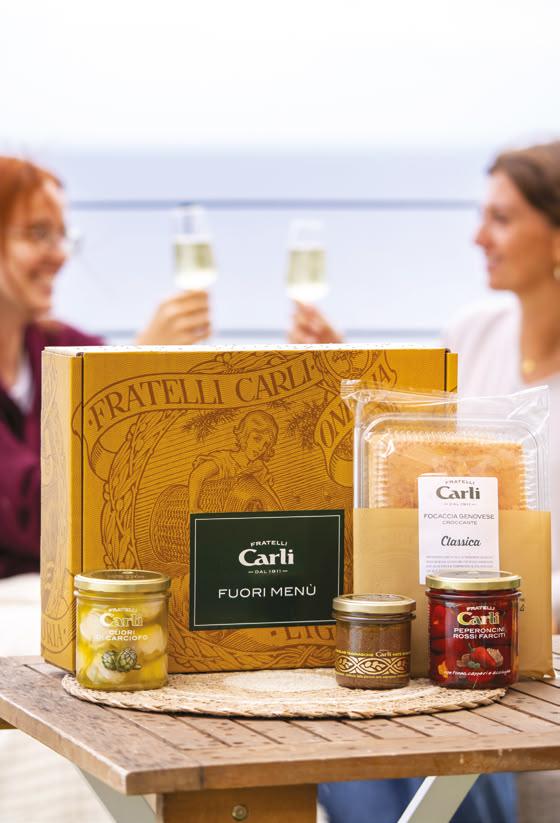
To ensure quality, integrity, and safety throughout the entire supply chain, the Company has long used a robust integrated batch management system for all products, supported by advanced mass balance tools, which allow verification of the correspondence between the quantities of incoming raw materials and those of outgoing finished products. This approach ensures timely traceability and accurate control over all phases of the production process.
During the year, a MES (Manufacturing Execution System) dedicated to the production processes for pesto, spreads, sauces and other jarred food specialities also came on stream. The MES enables significant innovation for production processes in terms of reliability, functionality, traceability, system integration and food safety, ensuring increasingly precise, accurate oversight at every stage of the process
Thanks to these efforts, there have been no episodes with a negative impact on consumer health.
As a family business and a B Corp, Fratelli Carli considers transparency an integral part of its responsibility to its customers. For this reason, it offers every consumer the chance to accurately trace the contents of their bottle of Olio Carli directly on the company’s website. By entering the batch number shown on the packaging, you can view the oil’s origin and consult the results of the chemical and physical analyses set out in the Certificate of Guarantee. A concrete and constant commitment that makes access to key product information simple and immediate, strengthening the relationship of trust throughout the entire supply chain.
Fratelli Carli offers every consumer the possibility of accurately tracking the contents of their bottle of oil
MES (Manufacturing Execution System) designed for the production of pesto, spreads, sauces and other jarred food specialities.
Safety and quality are key priorities that guide every decision made by Fratelli Carli, starting with the selection of raw materials, which are chosen according to high standards and in line with stable, long-standing relationships with trusted suppliers
Fratelli Carli recipes have always been simple and genuine, inspired by home cooking and Italian and Mediterranean traditions. Few ingredients, carefully selected and processed with respect for the raw material, they give life to products with an authentic taste, starting from the element that more than any other represents the company identity: Olio Carli.
short recipes
The Fratelli Carli range is constantly evolving and is expanded every year thanks to careful research into recipes, ingredients and specialities, with the aim of bringing new products to customers’ tables that embody the richness of the Mediterranean diet, the flavours of the Ligurian tradition and authentic Italian character.


In 2025, 15 new products were developed, the result of meticulous work carried out by the Product Marketing, Development and Quality Control teams, in close collaboration with the Carli family.
Every product embodies the company’s history and the values that set it apart: tradition, uncompromising excellence, a focus on people and the environment. The quality and sustainability of the range are also attested to by recognised certifications such as MSC, Dolphin Safe, SQNPI (National Integrated Production Quality System), DOP, DOC, DOCG, IGP and BIO.

In this process, an increasingly important role is played by listening directly to customers, through dedicated questionnaires used to gather feedback, preferences and expectations regarding new products. A tool that helps guide development decisions, reduce uncertainty and strengthen the link between quality, innovation and customer satisfaction
The new features include ready-made recipes and preparations designed to make home cooking easier, alongside sweet and savoury specialities and products that express the link with specific territories and certified supply chains, in line with Italian gastronomic tradition.
This development process cannot be separated from a direct and personal relationship with suppliers, who are carefully selected and fully involved in the company’s sustainability programme, sharing high quality standards, a commitment to the local area and respect for the supply chains7
7 For further information, see the chapter “ Supply Chain” on pages 123–126.
Revamping the range of speciality foods: updating the ranges of pestos, pickled vegetables and pâtés
Alongside the guarantee of an excellent product, Fratelli Carli promotes responsible communication, understood as an integral part of its commitment to quality, transparency and customer protection. The company is committed to providing clear, complete and understandable information on the label and through digital channels, going well beyond mere regulatory compliance to promote informed consumer choices, including through the detailed sharing of nutritional values and product information.
This approach is part of a working method that is now consolidated at Fratelli Carli, defined as sustainability “by design”. Integrating sustainability principles from the earliest stages of each project, leveraging cross-disciplinary skills, mutual understanding, and customer focus. In this perspective the company website is also constantly being developed, designed to offer increasingly clear and in-depth information on each product, strengthening the dialogue with consumers.
It is precisely by following this method that the project to revamp the offer of food specialties continued in 2025, through the renewal of the lines of pestos, pickles and pâtés. A group effort involving the Product Marketing and Development, Purchasing, Quality, Logistics, Production teams and long-standing suppliers, with the aim of highlighting the richness and identity of each range whilst respecting tradition, whilst at the same time integrating criteria of quality, safety and sustainability into design decisions.
The revamping of these lines represents a concrete example of how customer attention, transparent communication and sustainability can translate into coherent and recognisable solutions throughout the product life cycle.
“by design”:
Integrating sustainability principles from the earliest stages of each project, leveraging cross-disciplinary skills, mutual understanding, and customer focus.
A practical example of how product development, attention to people, supply chain responsibility and transparent communication can converge in a decision capable of generating a positive social impact, in the name of sustainability by design, is the project that involved the 200g Carli Tuna in Olive Oil packaging.
comunicazione interna, Customer Care ed Empori
• reducing the impact of transport
• information collected through customer questionnaires
• supply chain certified B Corp
In 2025, work was carried out to redesign the tin for Carli Tuna in Olive Oil, reducing it from 200 g to 175 g, whilst keeping the weight of the tuna unchanged and reducing the amount of preserving oil (from 50 to 25 g) – identified as the optimal amount – without compromising its quality or flavour. The decision stemmed from a joint process of listening and analysis involving Product Marketing and Development, the Quality Department, Marketing Management and Customer Care, and was also guided by feedback gathered through customer questionnaires, which were used to understand customers’ expectations and consumption habits.
• fully Dolphin Safe certified product
• optimising the use of packaging materials
Reducing oil consumption brings a direct benefit to the customer, who has less waste oil to dispose of, without compromising on product quality. At the same time, it helps to optimise the use of materials, packaging, transport, reducing the overall impact of the packaging.
The project has also been developed in close collaboration with the supply chain, based on shared values. The tuna supplier is a long-established company certified as a B Corp, the product is fully Dolphin Safe certified and the partnership is geared towards the continuous improvement of environmental and social practices. To support the change, Fratelli Carli also invested in training and internal communication, so that Customer Care and Emporiums could clearly and consciously explain the meaning of the choice, strengthening the dialogue with customers.
• training and internal communication, for Customer Care and Emporiums
• lower amount of used oil to be disposed of
The weight of the tuna remained at 150 g, while the quantity of preserving oil was reduced from 50 g to 25 g. This was identified as the optimal quantity for correct preservation.
Fratelli Carli’s governance system is based on principles of ethics, transparency, and responsibility, which guide the company’s strategic decisions and daily operations.
These principles are reflected in the company’s Articles of Association, which define the Benefit Corporation’s long-term commitments, and in the sustainability pillars that guide the organisation’s actions along the entire value chain.
The
Ethical business conduct Supply chain
• Maintain an annual average score of ≥ 4.5/5 on Trustpilot, taking into account all countries served Reconfirm ISO 27001 certification annually, as a guarantee of a management system structured to keep information and customers’ personal data safe, in compliance with the strictest international standards
• Continue the ESG mapping of major suppliers, whilst maintaining a coverage of over 75% in terms of spending.
• Increase the share of major suppliers certified as B Corps and/or Benefit Corporations to at least 12% of total spending by 2027
• Complete ESG mapping for 100% of new major suppliers* within the first year of working with them
• Maintain the share of the total procurement budget spent on local suppliers based in Italy at over 70%, while monitoring trends over time in relation to market dynamics
CONTINUOUS


Compliance inspection passed on 19 March 2025
79% coverage of ESG mapping on major suppliers in terms of spending
11.2% of the total sourcing budget spent on B Corp and/or Benefit Company major suppliers
100% of new suppliers mapped with ESG questionnaire
69% of the procurement budget is allocated to suppliers in Italy

Fratelli Carli’s governance system is based on principles of ethics, transparency, and responsibility, which guide the company’s strategic decisions and daily operations.
These principles are reflected in the company’s Articles of Association, which define the Benefit Corporation’s long-term commitments, and in the sustainability pillars that guide the organisation’s actions along the entire value chain.
The promotion of responsible conduct is not limited to a declaration of intent, but is translated into a structured and documented Sustainability Management System, which allows decision-making processes and management methods for environmental, social and governance issues to be made systematic, traceable and verifiable.
Through clearly defined roles and responsibilities, the System ensures coherence between strategy, commitments undertaken and operational activities, promoting effective management of relevant risks and impacts. In this context, the company bases its stakeholder relationships on criteria of transparency, fairness, and responsibility, clearly distinguishing dialogue and engagement with trade associations and industry bodies–aimed at sharing best practices, technical updates, and continuous improvement–from any form of direct or indirect political lobbying, which is outside the company’s practices.
The reports and requests raised by stakeholders are taken into account according to criteria of impartiality, confidentiality and proportionality, with the involvement of the competent functions and with specific measures aimed at preventing conflicts of interest. The most significant critical issues are subject to structured reporting to the company’s governing bodies.
Overall, Fratelli Carli’s governance system aims to ensure responsible and transparent management of the company, through the integration of ethical principles into the Articles of Association, the sustainability pillars and the Sustainability Management System, making concrete participation, reporting and control tools available to customers, collaborators and stakeholders, supported by structured security, integrity and data protection measures.

Completing its governance structure and in keeping with the principles of ethics and transparency that guide its corporate actions, Fratelli Carli implements a structured approach to data protection, information security, and process integrity, essential elements for ensuring reliability and continuity in relationships with all customers, prospects, and other stakeholders.
The company operates in full compliance with the General Data Protection Regulation (GDPR) and has, since 2005, maintained an ISO/ IEC 27001-certified Information Security Management System, which is subject to annual audits and was also confirmed during the inspection in 2025.
ISO/IEC 27001:2022 Certification recognises the company’s commitment to ensuring an effective and structured Management System for the security of customer and prospect data, communications, and information.
The company has also started the process of adapting to the European NIS2 directive, which introduces new obligations to further strengthen cybersecurity and resilience of digital infrastructure in essential sectors. The attention the company devotes to these aspects is also evidenced by the Netcomm seal, which guarantees consumers a secure, transparent online shopping experience that complies with the highest quality standards.
To complement this system, secure and confidential reporting channels are in place, including the whistleblowing system introduced in 2023 and a dedicated channel for reports relating to gender equality, in line with the UNI/PdR 125 Management System. During 2025 no reports were received, confirming the effectiveness of the prevention measures and the positive internal climate.
These corporate governance tools are essential to help strengthen customer and stakeholder trust, ensuring a purchasing and relationship experience based on security, fairness, and transparency.
Below are the business associations the company belongs to:







coverage of ESG mapping on major suppliers in terms of spending 79%

52%
of suppliers involved in the Olive, Goodness and Delivery Codes out of the total number of major suppliers
69%
of the procurement budget is allocated to suppliers in Italy
+60
companies involved in the project to transform the Goodness District into a Benefit District
5
themed working tables on ESG issues shared with suppliers of the Goodness District
61
years since the start of our longest-running partnership with a supplier
In Fratelli Carli, sustainability extends beyond the company, actively involving our entire network of suppliers.

the
This commitment is evidenced in a structured process that aims to spread and boost sustainable practices right along the supply chain, starting from solid foundations and a shared approach to work.
Our dealings with our suppliers are based on sound, lasting relationships, the longest of which stretches back over 60 years. Fratelli Carli particularly values local businesses, and indeed spends 69% of our sourcing budget on purchasing from Italian suppliers. In addition to evidencing the value of the local area, this commitment strengthens relationships based on mutual trust.
This process is supported by a series of specific “Codes” developed together with our suppliers and regarding the food, oil and logistics supply chain. These Codes identify a series of shared values and principles, consistent with the pertinent Sustainable Development Goals, forming a pathway for sustainable growth, with objectives and operational activities.
Proportion of spending on local suppliers (2025) 69% of procurement expenditure allocated to Italian suppliers
In our relationship with the main production chains – which include suppliers of finished products, components, services, logistics and the olive and oil supply chain – the company has embarked on a structured process to integrate sustainability into our processes, pooling good practices and effective solutions based on shared principles and values.
During 2025, Fratelli Carli further strengthened its sustainability integration process along the supply chain by introducing a structured ESG Risk Assessment process for suppliers.
Starting from the experience gained over the years through questionnaires, comparisons and shared projects, the company has developed a model aimed at systematically analysing environmental, social and governance associated with the most important suppliers. The process combines an analysis of the intrinsic risk of the various supply categories with an assessment of the main mitigation measures declared by individual partners, collected through an annual questionnaire and integrated, in cases deemed priority, with documentary evidence, certifications, and direct knowledge gained through relationships with the supply chain.
This approach now allows Fratelli Carli to have a more structured, aware and comparable reading of the risks along the supply chain, proportionally directing monitoring activities and improvement initiatives, and further enhancing the actions developed by the company over the years with its production chain on the themes of Responsible Progress.
Starting from the experience gained over the years through questionnaires, comparisons and shared projects, the company has developed a model aimed at systematically analysing environmental, social and governance associated with the most important suppliers.
9 certified B Corp or Benefit Company suppliers in our supply chain
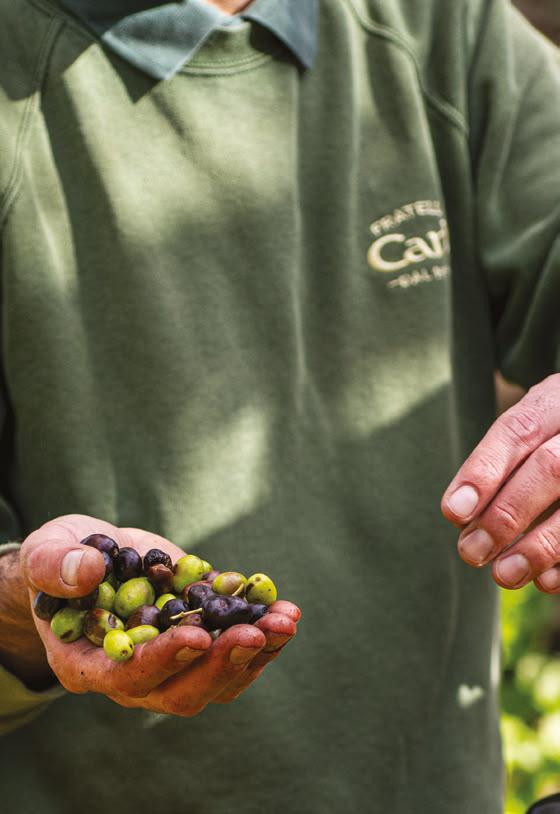
In its work to involve and grow its supply chain, Fratelli Carli has worked over time to develop, within the individual supply districts and together with the partners involved, specific reference Codes through which it shares common values, objectives and commitments, on which the growth work on sustainability issues has been based for over a decade.
As regards the olive and olive oil supply chain, for many years now, the company has been engaging in a direct, constant and personal dialogue with producers from the main olive growing areas in Italy, Greece and Spain.
A relationship built on mutual understanding and trust, which is the foundation for supporting shared and lasting improvement paths along the supply chain.
Another key element is the Delivery District, a distinctive feature of the company’s distribution model. Through the Delivery Code, Fratelli Carli has actively involved its stakeholders in a structured process aimed at improving operational practices that mainly impact consumption and safety-related aspects.
The annual questionnaire shared with the logistics chain once again this year revealed a strong focus on employee safety, proper management and maintenance of vehicles, as well as fuel consumption monitoring and careful route planning. The results collected are a fundamental step towards the path undertaken, which aims, among other things, to detect and offset emissions generated by delivery activities.
The Goodness District represents the broadest and most structured expression of Fratelli Carli’s collaboration model with its supply chain. Started in 2013 around the Goodness Code, the District is made up of suppliers of components, finished products, and services, and is based on the sharing of common values and goals and on an approach that favours discussion, mutual growth, and the construction of a shared vision of sustainability.
A central element of this journey is the Goodness Day, the periodic meeting that brings together the District’s companies in Imperia to discuss, share experiences and develop new paths of evolution together.
Over time, this event has become a space for collective learning and strengthening of a real community of purpose.
For many years now, the company has been engaging in a direct, constant and personal dialogue with producers from the main olive growing areas in Italy, Greece and Spain.
It is this spirit that shaped the project to evolve the Goodness District into a Benefit District, inspired by the principles and modelled on the structure of Benefit Companies. The District’s companies have actively contributed to the definition of the Common Benefit Objectives, focused on production quality, people’s wellbeing and the conscious use of resources, in line with the Sustainable Development Goals (SDGs) identified in the Code.
More than 60 companies united in a common vision
5 dedicated themed working tables
More than 150 practices related to welfare, training and information

Shared values
The Goodness Code as a reference

The purposes
Three common Benefit Purposes inspired by the structure of the Benefit Corporation
Strategic actions
Five shared actions to move forward along the path
The tools
Five themed working groups launched with shared tools and KPIs
When we design and create products we define their environmental and social sustainability criteria and take account of them at every stage of the process
We guarantee the wellbeing of our employees, protecting their health and safety in the workplace and extending the range of welfare services offered. We undertake to foster an inclusive working environment, valuing diversity and offering valid opportunities for professional development
We ensure the use of economical, reliable, sustainable and modern energy systems.
The method
A participatory and continuous path between companies
Within the path of common growth of the Goodness District, themed working tables have been set up. In particular, the working table dedicated to good practices for employees, voted as the main Working Table for 2025, has to date collected over 150 practices shared by the companies in the District relating to welfare, training and information, including initiatives on the issues of diversity, inclusion and gender equality.
At the same time, the Sustainable Procurement Code Working Table led to the completion of the Code and the mapping of the raw materials of the suppliers involved, while the Working Table dedicated to energy has initiated a structured discussion on the issues of efficiency and the responsible use of resources.
The Goodness District is a model of advanced collaboration that strengthens the approach that Fratelli Carli has been working with for years across its entire supply chain, making this path increasingly shared, aware and oriented towards continuous improvement.
We share ideas of sustainable innovation within of the District. Outside of it, we raise awareness among our suppliers, collaborators, employees and customers in our pursuit of all the shared objectives of the 6 SDGs of the District.
Goodness Benefit District

Workers who are not employees, but whose work and/or workplace is under the control of the organization

10 A new Data Warehouse (DWH) has been introduced in this reporting cycle to support the collection and management of sustainability data. This update has required a structured review of the categories for the classification of raw materials and materials, with the aim of improving consistency, traceability and accuracy.
11 Please note that the data referring to the “oil” raw material were affected by the temporary interruption of the refinery activity during the period considered, which had a significant impact on the volumes managed and the pertinent environmental indicators.
14 Categories 1, 5 and 12 of FY 2024 have been revised, in light of an update in the calculation method.
15 The increase in emissions for Category 1 is linked to the fact that from 2025, purchased services will also be considered in addition to goods.
16 Total emissions relating to transport abroad for 2024 have been recalculated. This rectification reflects the updating of data and the adoption of improved calculation methods.
17 The decrease is due to a change in the calculation methods.
18 For the calculation method, see the section “Methodological note”.
To comply with legal obligations and report the impact generated by the company, Fratelli Carli uses the third-party standard B Impact Assessment.
The measurement of the impact for the 2024 reporting year showed a score of 85.3.
The result of the B Impact Assessment is expressed with an overall company score, ranging from 0 to 200, broken down into the five main impact areas considered:
• Governance: matters concerning ethics, transparency and corporate mission;
• Employees: matters concerning health and safety, wellbeing and employee satisfaction;
• Community: matters concerning inclusion, supply chain management and corporate social engagement;
• Environment: matters concerning climate change and natural resource management;
• Customers: matters concerning interaction with consumers.
Fratelli Carli’s B Impact Report, complete and certified by B Lab (a non-profit organisation that supports the B Corp movement internationally), is freely available at the following link: https://www.bcorporation.net/en-us/find-a-b-corp/ company/fratelli-carli-spa/
The organization and its reporting practices
GRI 2-1 Organizational details
GRI 2-2 Entities included in the organization’s sustainability reporting
GRI 2-3 Reporting period, frequency and point of contact
GRI 2-4 Review of information
GRI 2-5 External assurance
Activities and workers
GRI 2-6 Activities, value chain and other business relationships
GRI 2-7 Employees
GRI 2-8 Workers who are not employees
Governance
GRI 2-9 Governance structure and composition
GRI 2-10 Nomination and selection of the highest governance body
The material contained in this Sustainability Report refers to the following GRI Disclosures. Unless otherwise indicated, the disclosures are indicated in their entirety.
Pages 11; 23
Page 8
Pages 7-8
sosteniamoci@oliocarli.it
Compared to the data published in the 2024 Report the following GRIs have been updated: 305-3 Scope 3 emissions (2024) 303-3 Water withdrawal (2024) 303-5 Water consumption (2024)
Pages 155-156
Pages 45-46
Page 133
Page 133
Page 23
Page 23
Disclosure
GRI 2-11 Chair of the highest governance body
Page 23
GRI 2-12 Role of the highest governance body in overseeing the management of impacts Page 25
GRI 2-13 Delegation of responsibility for managing impacts
GRI 2-14 Role of the highest governance body in sustainability reporting
GRI 2-15 Conflicts of interest
GRI 2-16 Communication of critical concerns
GRI 2-17 Collective knowledge of the highest governance body
GRI 2-18 Performance evaluation of the highest governing body
GRI 2-19 Rules regarding remuneration
GRI 2-20 Process to determine remuneration
Page 25
Page 23
Pages 121-122
Pages 121-122
Page 23
The Board of Directors is not subject to performance evaluation with reference to the supervision of impacts on the economy, the environment and people.
Page 25
Page 25
GRI 2-21 Annual total compensation ratio Confidentiality constraints
Strategy, policies and practices
GRI 2-22 Declaration on the Sustainable Development Strategy
GRI 2-23 Policy commitments
GRI 2-24 Embedding policy commitments
GRI 2-25 Processes to remediate negative impacts
GRI 2-26 Mechanisms for seeking advice and raising concerns
GRI 2-27 Compliance with laws and regulations
GRI 2-28 Membership of associations
Stakeholder engagement
GRI 2-29 Approach to stakeholder engagement
GRI 2-30 Collective bargaining agreements
Pages 31-33
Pages 25; 131
Pages 25; 131
Pages 25; 131
Page 131
Page 131
Page 131
Page 47
Page 92
Disclosure Indicator Description
Material topics
GRI 3-1 Process to determine material topics
GRI 3-2 List of material topics
Enhancing local communities
GRI 3-3 Management of material topics
GRI 201-1 Directly generated and distributed economic value
GRI 204-1 Proportion of expenditure to local suppliers
Ethical business conduct
GRI 3-3 Management of material topics
GRI 205-3 Confirmed incidents of corruption and actions taken
Sustainable materials and product eco-design
GRI 3-3 Management of material topics
GRI 301-1 Materials used based on weight or volume
Climate Action
GRI 3-3 Management of material topics
GRI 302-1 Energy consumption within the organization
GRI 305-1 Direct GHG emissions (Scope 1)
GRI 305-2 Indirect GHG emissions from energy consumption (Scope 2)
GRI 305-3 Other Indirect GHG emissions (Scope 3)
GRI 305-4 Greenhouse gas emission (GHG) intensity
Reducing the impacts of production
GRI 3-3 Management of material topics
GRI 303-1 Interaction with water as a shared resource
Pages 37-38
Pages 39-43
Pages 41; 98-99; 124
Page 48
Page 124
Pages 23; 43
Page 122
Pages 42; 74; 76
Page 139
Pages 29; 59-80
Pages 140-141
Page 141
Page 141
Page 142
Page 142
Pages 39; 70; 77-78
Page 71
Disclosure
GRI 303-2 Management of impacts related to water discharge Page 71
GRI 303-3 Water withdrawal Page 143
GRI 303-4 Water discharge Page 143
GRI 303-5 Water consumption Page 143
GRI 306-1 Waste generation and significant waste-related impacts Pages 77-78
GRI 306-2 Management of significant waste-related impacts Pages 77-78
GRI 306-3 Waste generated Page 144
GRI 306-4 Waste not sent to landfill Page 144
GRI 306-5 Waste sent to landfill Page 144
Responsible supply chain management
GRI 3-3 Management of material topics Pages 43;67;123-128
GRI 308-1 New suppliers selected using environmental criteria Page 132
GRI 414-1 New suppliers selected using social criteria Page 132
Employees’ safety and rights
GRI 3-3 Management of material topics Pages 40; 83-96
GRI 403-1 Occupational health and safety management syste Pages 61-62
GRI 403-2 Hazard identification, risk assessment and incident investigation Page 92
GRI 403-3 Occupational health services Pages 92-93
GRI 403-4 Worker participation, consultation and communication on occupational health and safety Pages 92-93
GRI 403-5 Worker training on occupational health and safety Page 92
GRI 403-6 Promotion of worker health Pages 92-93
GRI 403-7 Prevention and mitigation of occupational health and safety impacts directly linked by business relationships Pages 92-93
GRI 403-9 Work-related injuries Page 135
GRI 406-1 In 2025, no incidents of discrimination were recorded
Disclosure Indicator Description
Wellbeing and development of people
GRI 3-3
Management of material topics
GRI 401-1 New hires and employee turnover
Pages 41;83-96
Page 134
GRI 401-2 Benefits for full-time employees not available for part-time temporary employees Page 94
GRI 404-1 Average yearly training hours per employee
Diversity and equal opportunities
GRI 3-3
Management of material topics
GRI 405-1 Diversity of governance bodies and among employees
Food safety
GRI 3-3
Management of material topics
GRI 416-2 Episodes of non-compliance concerning health and safety impacts of products and services
Quality and excellence of the products
GRI 3-3
Management of material topics
GRI 417-3 There were no incidents of non-compliance regarding marketing communications
Respect for privacy
GRI 3-3
Management of material topics
GRI 418-1 Justified complaints concerning breaches of customers’ privacy and loss of their data
Fostering healthy lifestyles by promoting the Mediterranean diet
GRI 3-3
Management of material topics
Customer satisfaction and safety
GRI 3-3
Management of material topics
Page 136
Pages 40; 83-96
Pages 137-138
Pages 42; 112-113
Page 113
Pages 42; 112-116
Pages 43; 122
Page 138
Pages 41; 101-106
Pages 42; 107-110


Fratelli Carli S.p.A. Società Benefit
Via Garessio 11, 18100 Imperia www.oliocarli.it