Welcome to our second edition of the Sustainability Buzz newsletter!
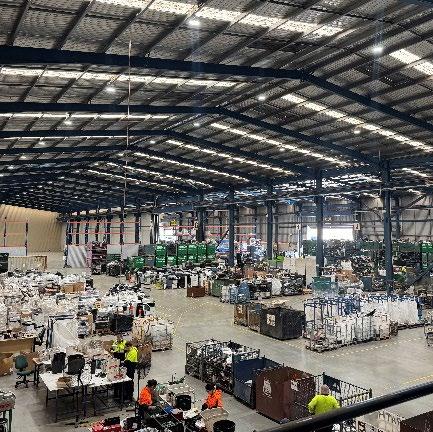
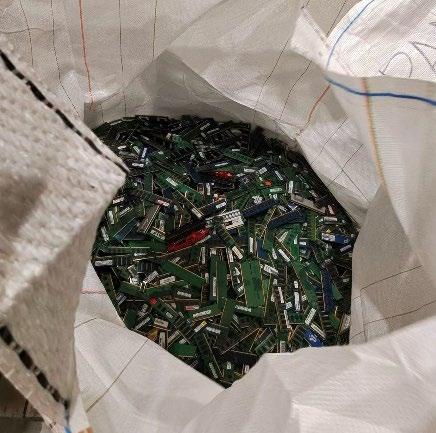
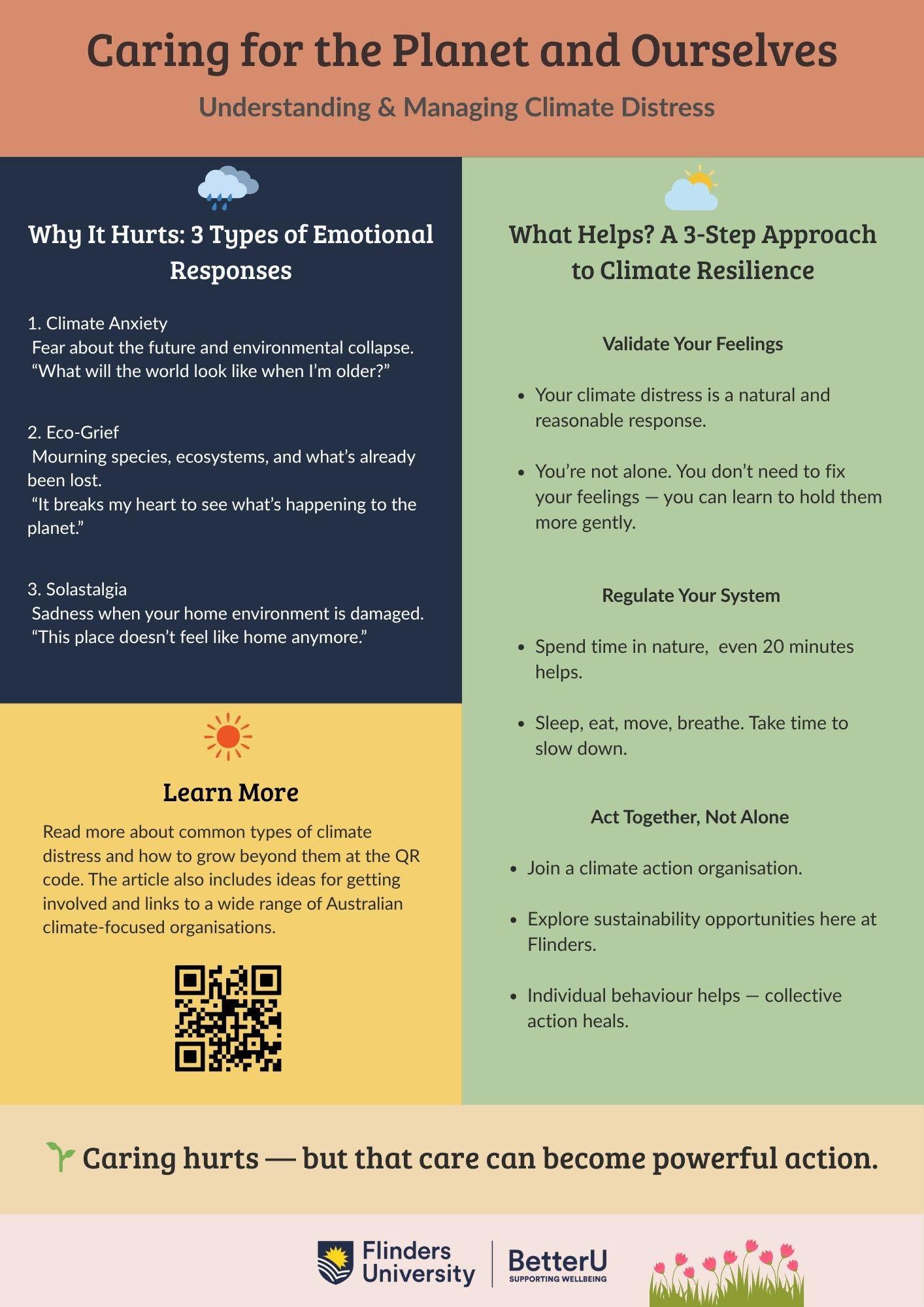
We’ve been buzzing with activity over the past few months, with plenty of exciting projects and new initiatives taking shape. In this edition, hear from PhD student Georgina Tilly-Scholes about her research, discover tips for cycling to campus, learn how to manage climate anxiety, and get a look behind the scenes of e-waste recycling.

Projects and initiatives update
Sustainability Week
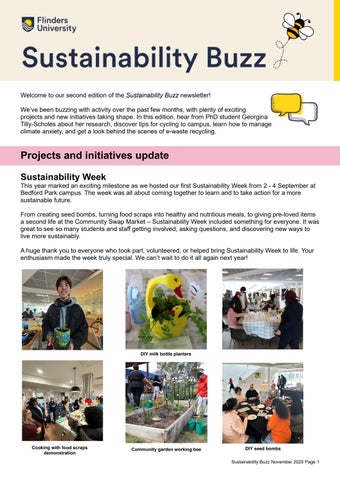
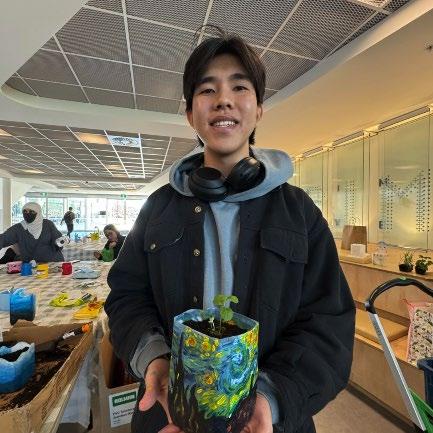
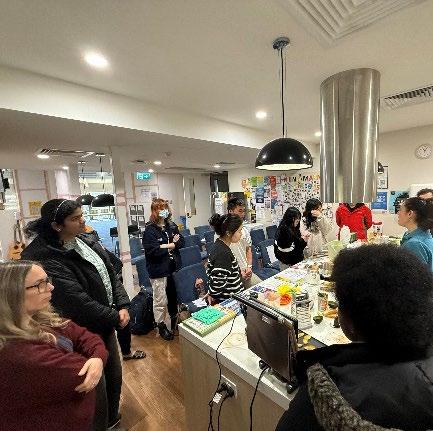
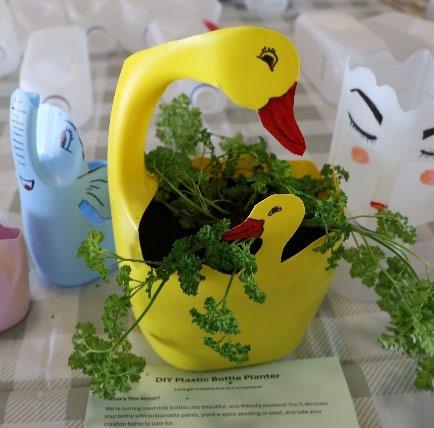
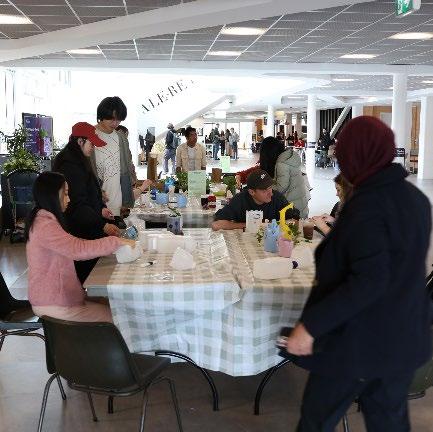
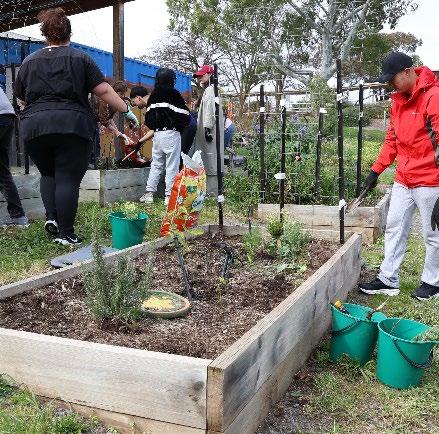
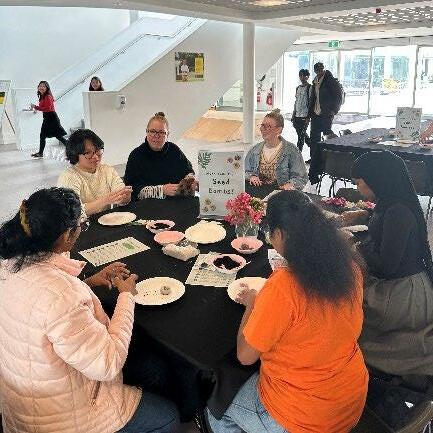
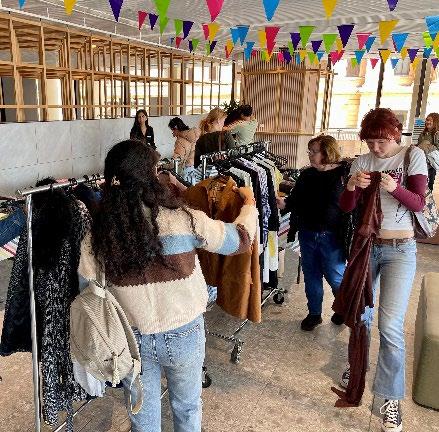
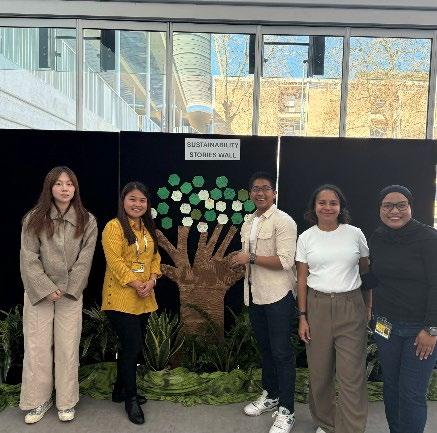
This year marked an exciting milestone as we hosted our first Sustainability Week from 2 - 4 September at Bedford Park campus The week was all about coming together to learn and to take action for a more sustainable future.
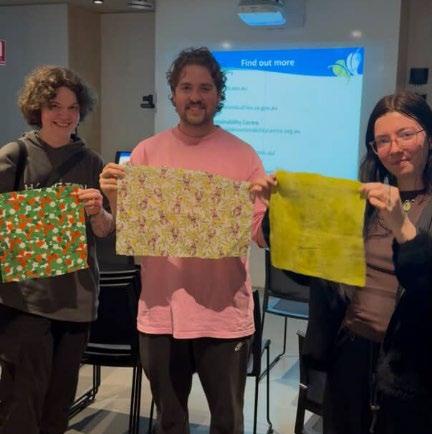
From creating seed bombs, turning food scraps into healthy and nutritious meals, to giving pre-loved items a second life at the Community Swap Market – Sustainability Week included something for everyone. It was great to see so many students and staff getting involved, asking questions, and discovering new ways to live more sustainably.
A huge thank you to everyone who took part, volunteered, or helped bring Sustainability Week to life. Your enthusiasm made the week truly special. We can’t wait to do it all again next year!

Waste audit
Flinders generates approximately 1292.7 tonnes of waste annually from our main waste streams which is equivalent to the weight of 860 cars! Yet we don’t always know how much of it ends up in the right bin.
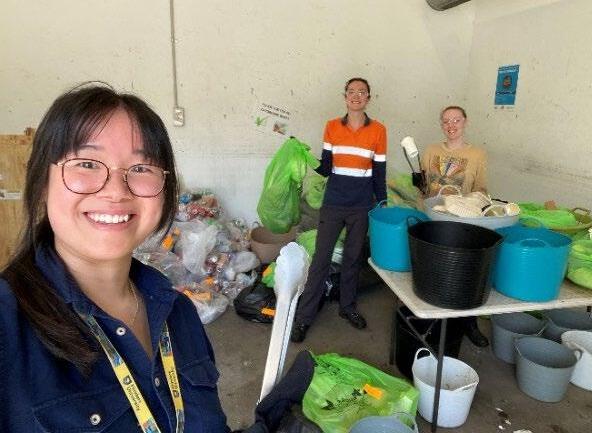
As part of our 2030 Sustainability Strategy commitment to reducing waste by 30% and improving recycling, we’ve been working with KESAB to carry out a waste audit across the Tonsley, City and Bedford Park campuses.
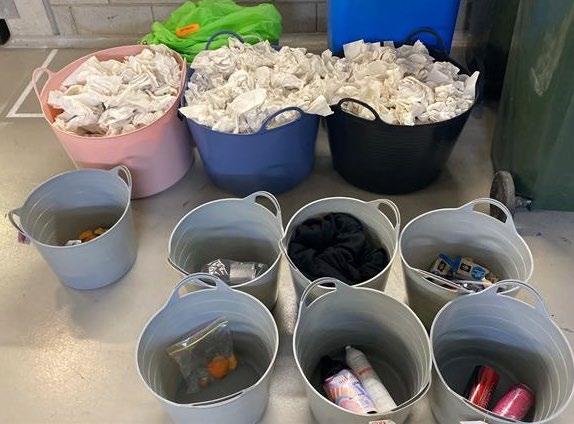
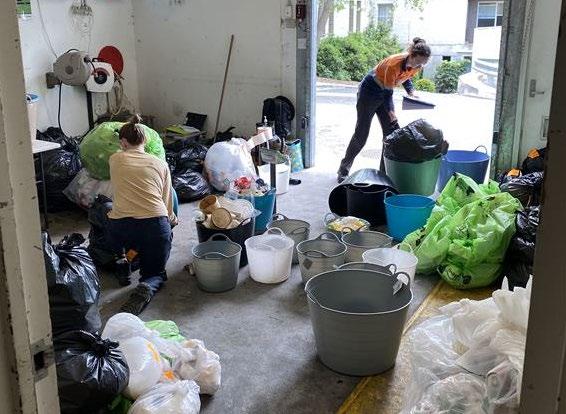
The audit involved physically sorting and analysing samples of 10c deposit recycling, organics, and general waste from different spaces such as student kitchens, outdoor areas, study zones, offices and corridors to evaluate the types, volumes and sources of waste generated.
The results will provide great insights into how well our waste systems are performing and where improvements can be made. For example, the data will help identify contamination hotspots, show patterns in waste disposal, highlight opportunities for better signage, and guide future education campaigns to make recycling clearer and easier for everyone.
Stay tuned for the results!
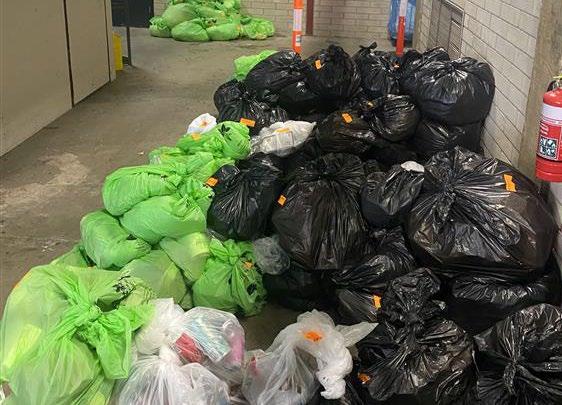
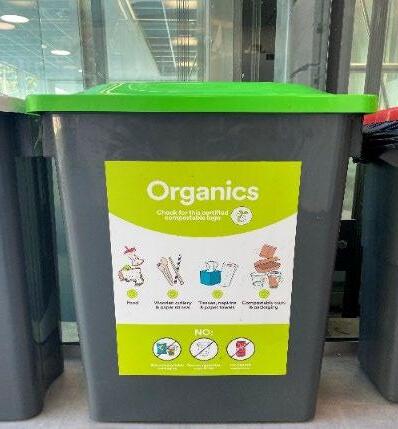
A lot of paper towels end up in the red general waste bin. Did you know they can be placed in the green organics bin instead?

Unwanted furniture rehoming
On campus, we have some usable furniture in storage that is no longer needed. Rather than sending it to landfill, we’re partnering with GreenChair to rehome these items to non-profits, charities, and community groups.
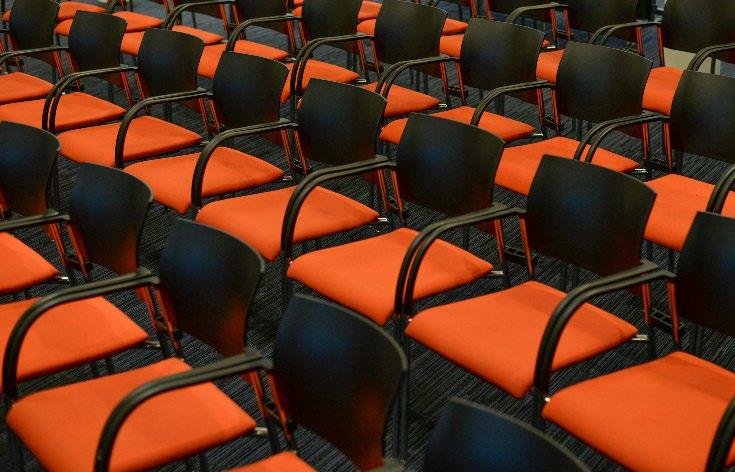
Recently, we were able to rehome 150 old plastic chairs to Pilgrim Uniting Church. The church serves 70–100 homeless people a two-course meal every Sunday evening.
We’re excited to continue this program, helping to reduce waste and make a meaningful impact in our community.
Student Spotlight – Georgina Tilly Scholes
Can you tell us about your research and what it focuses on?
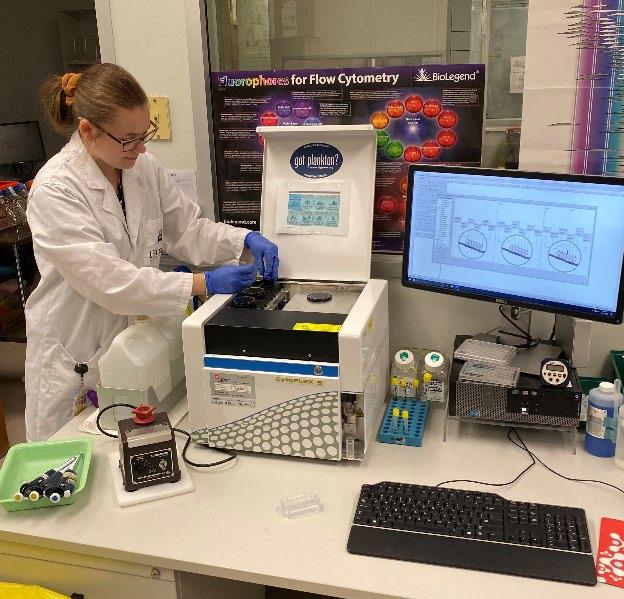
My research focuses on detecting microplastics, plastic particles smaller than 5 mm, by measuring their natural autofluorescence, or “glow”, when exposed to a laser. This autofluorescence comes from the chemical additives that make plastics durable, UV-resistant, and long-lasting, but these same additives can leach out into the environment as plastics break down. For detection I use a technique called flow cytometry, which is traditionally used in medical research and can analyse thousands of particles per second. Using this approach, I’m investigating if microplastics can be identified based on their autofluorescence. In particular, I’m exploring how UV exposure and natural materials such as clay and algae influence autofluorescence, which will help to develop and apply this technique in real environmental samples.
What inspired or motivated you to explore this particular topic?
During my environmental science degree, I learned a lot about contaminants that affect water quality and environmental health, including microplastics. Understanding that these particles are among the most concerning and widespread pollutants of the 21st century sparked my passion for finding better ways to locate and understand them in the environment. Developing an autofluorescence-based method to study microplastics through flow cytometry has been a challenge and opportunity, as method development often involves constant tweaking, setbacks, and fresh starts. While this process can be frustrating at times, it’s also incredibly rewarding and continues to drive my curiosity and problem-solving as a researcher.
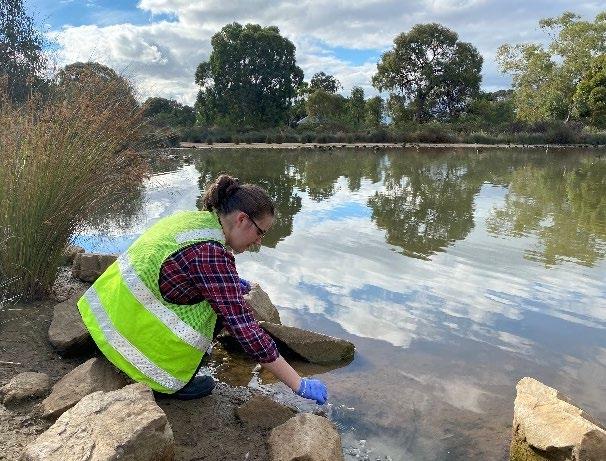
In what ways have you contributed to or participated in sustainability initiatives on campus? I have been involved with Flinders University Sustainability and Environmental Collective (FUSEC) since 2019, serving as secretary, vice president, and later president. In these roles, I represented FUSEC and students through the Sustainability Advisory Group and Sustainable Universities Network (SUN), while also contributing to native revegetation, community garden upkeep, and campus clean-up projects. I also worked with the Embedding Sustainability into Curriculum group to help integrate sustainability principles into teaching and learning across the university.
Which Sustainable Development Goal (SDG) resonates most with you, and why?
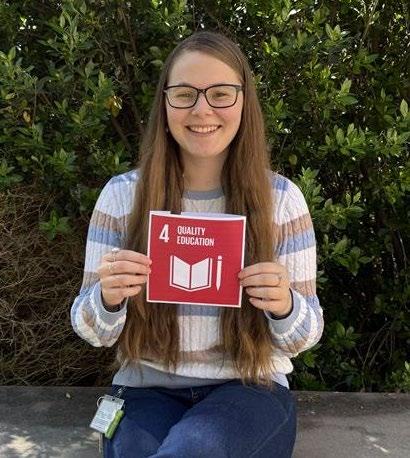
SDG 4: Quality Education resonates most with me as change, big or small, begins with knowledge and awareness. Through my involvement in FUSEC, I’ve seen how quality education can empower people to act on environmental issues. I’m passionate about making science more accessible and helping others understand how research, such as detecting microplastics, can drive real-world sustainability solutions
What are some easy ways that we can help reduce microplastic pollution?
1. Remove single-use plastics from your lifestyle
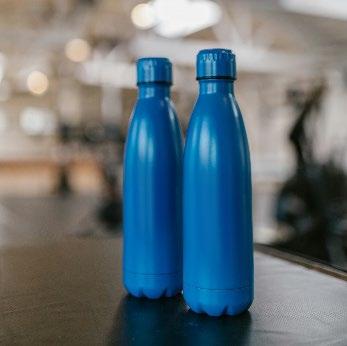
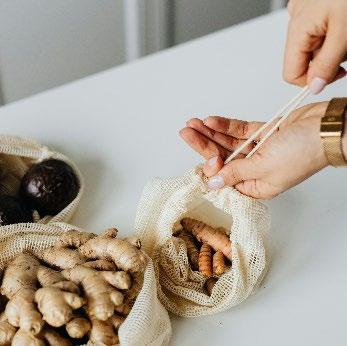
Reusable bottles, containers, and shopping bags significantly cut down on the breakdown of disposable plastics into microplastics.
2. Choose natural fabrics over synthetic
Synthetic clothing such as polyester and nylon sheds microfibres when washed, so opting for cotton, hemp, or wool helps reduce these fibres entering waterways.
3. Support better waste management
Properly sorting recyclables, avoiding littering, and joining local clean-up initiatives all help stop larger plastics from fragmenting into microplastics.
4. Avoid plastic-containing cosmetics
Check labels and avoid products with ingredients like polyethylene (PE) or polypropylene (PP), which indicate the presence of microbeads that can wash directly into the environment.