DIYAutoHealthCheck:ThingsYouCan InvestigateBeforePayingforRepairs
Across busy areas like Atlanta, Georgia, many car owners are becoming more hands-on with vehicle care after seeing how much they can learn from detailed FIXDReviews.Theseinsights reveal that DIY diagnostics aren't just for experts—anyone can perform basic checks that help identify issues early, avoid unnecessary shop visits, and approach maintenance withconfidence. By understanding simple inspection techniques, drivers can stay proactive and protect their vehiclesfromavoidablewearandcostlyproblems.
Interpreting Dashboard Alerts and What They Indicate
When dashboard lights turn on, they're often the first sign that something needs attention. The check engine light, though widely feared, does not always mean a serious problem. It can be triggered by minor issues such as a loose or damaged gas cap, a temporary sensor glitch, or minor emissions irregularities.Beforeschedulingarepair,driverscancheckthegascap,monitor performancechanges,andnoteanyunusualbehaviortounderstandthesituationbetter.
Otherdashboardindicatorsprovideessentialwarnings.Theoilpressurelightindicatestheengine may not be receiving adequate lubrication, making it one of the most urgent alerts to address. The battery symbol, on the other hand, often relates to charging system concerns—including
alternator wear, corroded battery terminals, or weakening battery cells. Observing how the vehicle starts, whether the lights dim, and whether electrical accessories behave inconsistently canhelpnarrowdownthecause.
Additional lights, such as ABS, traction control, transmission warnings, and tire pressure alerts, guide drivers toareasthatrequirequickevaluation.Understandingthemeaningofthesesymbols empowers drivers to take immediate steps, from checking tire inflation to confirming fluid levels. By learning how each indicator functions, vehicle owners make faster, safer, and more informeddecisions.
Using Sensory Awareness to Detect Developing Vehicle Issues
Listening carefully to your vehicle can provide early clues about its mechanical health. Strange noises—grinding, rattling, squealing, or clicking—often signal worn parts or components nearing failure. Squeaky brakes may indicate pad wear, whileclickingduringturnssuggestsCV joint problems. Mapping when the sound happens and how oftenitappearscanhelppinpointits sourcelongbeforetheissuebecomessevere.
The vehicle's feel also provides meaningful diagnostic information. Vibrations in the steering wheel can indicate tire imbalance or alignment issues. A pulsating brake pedal often hints at warped rotors, whereas a drifting sensation might be tied to uneven tire pressure or suspension problems. These sensations help drivers recognize changes in performance that may not be visibleataglance.
Smell adds another levelofdetection.Sweet,syrup-likeodorsoftenindicatecoolantleaks,while burning smells may come from overheatedbrakesoroilcontactinghotenginesurfaces.Amusty odor inside the cabin usually indicates moisture buildup in the HVAC system, often caused by clogged drains or a dirty cabin air filter When combined with other observations, these scents offeraclearerpictureofpotentialissues.
Inspecting Essential Fluids, Filters, and Basic Components
Fluid checks remain among the most reliable DIY diagnostic steps. Engine oil should be inspected for proper level, color, and consistency. Sludge-like oil or metallic particles signal internal issues, while low levels may point to leaks or delayed oil changes. Coolant should remain within the recommended lines in the reservoir, and sudden drops typically indicate systemleaksoroverheatingconcerns.
Transmission fluid, depending on the vehicle, may also be checked for clarity and odor. Burnt, darkened fluid often signals internal wear or overheating. Brake fluid gradually lowers as pads wear, but a sudden or significant drop may indicate leaks that need immediate attention. Power-steering fluid and washerfluidalsoplayessentialrolesinvehicleoperationandshouldbe monitoredregularly.
Filters significantly influence engine and cabin performance. The engine air filter affects fuel efficiency and engine airflow, while the cabin air filter maintains clean interior air and proper HVAC function. Both are easy to access and replace. Tires, too, should be inspected frequently Checking tread depth, inflation levels, and wear patterns reveals alignment issues, punctures,or unevenwearthatmaycompromisesafety
Enhancing DIY Diagnostics with OBD-II Scanners and Basic Tools
Modern DIY car care is more effective thanks to simple diagnostic tools, especially OBD-II scanners. Plugging the scanner into the diagnostic port gives drivers access to trouble codes stored in the vehicle's computer. These codes identify the source of the problem, whether it involves emissions, sensors,ignitionsystems,orothersystems.Withcodeexplanationsavailable through mobile apps, drivers gain a clearer understanding of theissuebeforeheadingtoarepair shop.
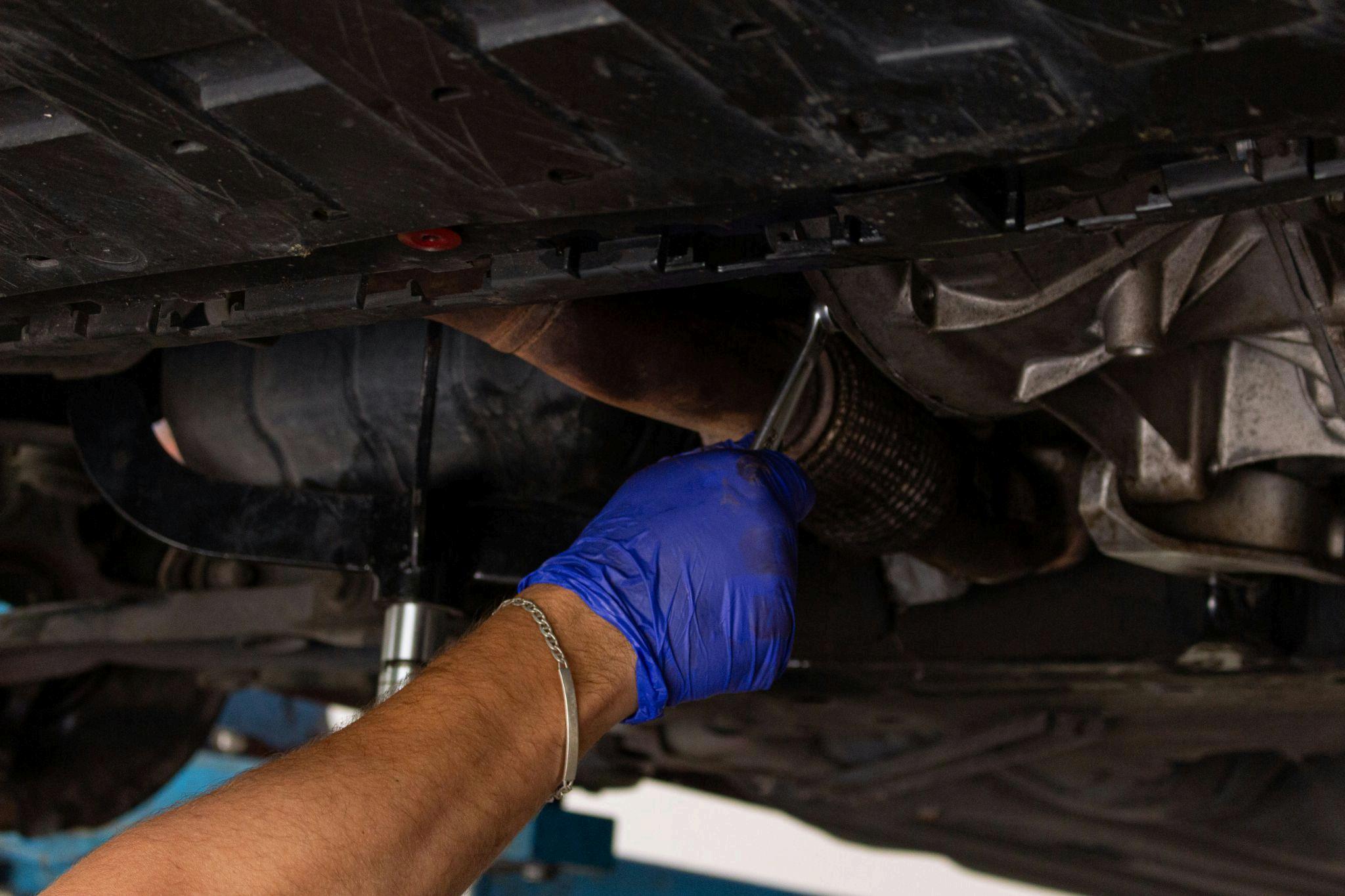
Basic tools also play an essential role. A multimeter helps check battery voltage and alternator output, offering quick insight into potential electrical problems. Tire pressure gauges ensure inflation remains within recommended limits, while tread depth tools help determine if tiresare safe for continued use. A flashlight, gloves, and basic hand toolsmakeiteasiertosafelyinspect enginecomponentsandundercarriageareas.
By learning how to use these tools, drivers become more informed and confident. Rather than feeling uncertain about unfamiliar noises or lights, they can gather helpful information that speeds up professional diagnostics and prevents misunderstandings. This proactive approach enhancesvehiclesafetyandmaintenanceefficiency.
SpottingLeaks,ComponentWear,andVisualWarningSigns
A simple walkaround inspection can reveal several potential issues before they escalate. Fluid leaks underthevehicleareamongthemostobviousclues.Oilleaksleavedark,slickspots,while coolant leaks appear in bright hues—often green, pink, or orange. Transmission fluid leaks typically show up as reddish or brown stains. Noting the color and location of the leak helps determinewhichsystemneedsattention.
Tire condition also offers valuable diagnostic insight. Uneven tread wear usually points to alignment or suspension issues, while bulging sidewalls or cracked rubber indicate tiresthatare no longer safe to drive. Checking tire pressure ensures consistent handling, prevents premature wear, and improves fuel economy. Even occasional tire inspections can reveal problems that driversmightoverlookduringeverydayuse.
Under the hood, visual signs such as frayed belts, cracked hoses, loose clamps, or corrosion around battery terminals indicate early component failure. A worn serpentine belt can affect critical systems such as the alternatorandpowersteering Weakhosesmaysplitunderpressure, causing overheating or fluid leaks. Observing these small but significant details can prevent breakdowns and save money by addressing problems early Incorporating these DIY diagnostic practices allows car owners to assess their vehicles moreaccurately,reducesurpriserepairs,and takeaproactiveapproachtolong-termmaintenance.