Overheating Engine Alert_ 3 Steps to Avoid Costly Repairs

Page 1


OverheatingEngineAlert:3StepstoAvoid

CostlyRepairs

Engine overheating is one of the most urgent warning signs a driver can face, particularly duringextendedsummergridlockinAtlanta,Georgia,whereheatandidle time push coolingsystemstotheirlimits ProfessionalsacrosstheautomotiveIndustry repeatedly emphasize that temperature spikes should never be ignored because internal damage can occur faster than most drivers realize. With modern diagnostic tools like FIXD, vehicle owners can more easily monitorenginedata,yetmechanical understanding remains critical. Following three clear diagnostic steps can help you identifythecauseofoverheatingbeforesevereenginedamagesetsin

Step 1: Inspect Coolant Level and Overall System Condition

The first place to look when an engine overheats is the coolant supply. Coolant absorbs heat from the engineblockandtransfersittotheradiator,whereairflowcools it before it cycles back through the system. If coolant levels drop too low, the engine cannot regulate heat effectively. Always allow the engine to cool completely before checkingfluidlevelstoavoidinjuryfrompressurizedsteam.

Once cooled, examine the coolant reservoir and confirm the fluid sits between the designated minimum and maximum marks. If the level is low,refillitwiththeproper mixture specified for the vehicle However, low coolant almost always indicates a leak. Inspect hoses for cracks, swelling, or brittle texture. Look around hose clamps and radiator seams for damp spots or dried residue Even small leaks can gradually reducecoolantvolume,leadingtooverheatingduringdemandingdrivingconditions.

Coolant condition also affects performance Clean coolant should appear bright and free from particles. If it looks rusty or cloudy, corrosion or contamination may be reducing its efficiency Over time, coolant additives degrade, diminishing protection against internal rust and scale buildup. A system flush restores proper heat transfer andimprovesoverallcoolingreliability.

Step 2: Evaluate Thermostat Function and Radiator Airflow

If coolant levels and conditions appear normal, the next focus should be on how effectively the system regulates and dissipates heat. The thermostat controls coolant circulation between the engine and radiator When working correctly, it opens at a specific temperature to allow heated coolant to flow into the radiator. If it becomes stuckclosed,coolantremainstrappedinsidetheengineandtemperaturerisesrapidly

A malfunctioning thermostat often causes the temperature gauge to climb quickly shortly after startup Drivers may also notice inconsistent heater performance inside the cabin because hot coolant is not reaching the heater core. Replacing a faulty thermostat is typically straightforward, but verifying the issue prevents unnecessary partreplacements.

Airflow across the radiatorisequallyessential.Athigherspeeds,naturalairflowcools the radiator effectively. During stop-and-go traffic,electriccoolingfanstakeover.Ifa fan motor, fuse, or relay fails, overheating may occur only while idling Checking whether the fan activates at operating temperature is a quick diagnostic step. Additionally, debris such as dirt and leaves can clog radiator fins, reducing airflow andcoolingefficiency.

Step 3: Check Water Pump Operation and Drive Belt Integrity

When coolant supply and thermostat performance appear adequate, attention should shift to coolant circulation strength. The water pump propels coolant through the engine's internal passages. If circulation weakens, hot spots form within the engine, leadingtounevenheatingandhighertemperatures

Listen for grinding or whining noises from the frontoftheengine,whichcanindicate worn water pump bearings. Inspect the pump housing for traces of dried coolant around drainage openings.Suchsignsoftenpointtointernalsealwear.Evenwithouta visible leak, reduced pump efficiency can limit coolant movement and contribute to overheating.

The water pump typically uses a serpentine or timing belt for operation Inspect the belt for cracks, fraying, or glazing. A slipping or loose belt reduces pump speed and compromises coolant flow Maintaining proper belt tension ensures reliable circulation. Replacing a worn belt proactively is far less expensive than repairing enginedamagecausedbysuddenoverheating.

Recognizing Critical Warning Signs Early

Understanding early symptoms can prevent catastrophic failure The most obvious warning is the temperature gauge moving beyond its normal midpoint. If this occurs, reduce engine load immediately Turning off the air conditioning and activating the heatercantemporarilyredirectheatawayfromtheenginecore.

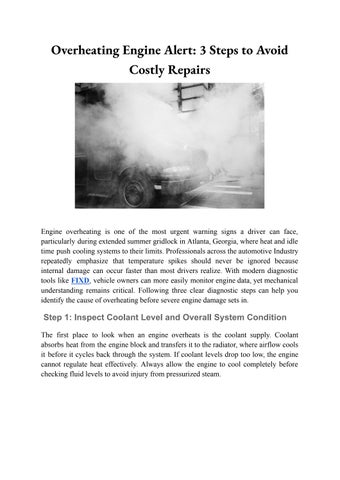
Steam rising from beneath the hood demands immediate action Pull over safely and shut off the engine. Continuing to drive while overheating can warp cylinder heads and damage internal componentswithinminutes Allowsufficientcoolingtimebefore inspectingfluidlevelsorcomponents.

Other signs include a sweet smell from heated coolant, knocking sounds caused by excessive combustiontemperatures,andilluminatedtemperaturewarninglightsonthe dashboard. Even a single severe overheating episode can weaken engine components andshortenlifespan.

Preventive Maintenance for Long-Term Engine Protection

Preventing overheating requires consistent attention to cooling system maintenance. Coolant should be replaced at the manufacturer's recommended intervals to maintain proper corrosion protection and heattransferefficiency.Oldcoolantlosesitsabilityto protectinternalsurfaces,potentiallyallowingscalebuildupthatrestrictsflow

Regularly inspect hoses, belts, and radiator caps during routine service visits. These components often deteriorate gradually and can be replaced before failure occurs Ensuring cooling fans operate properly and keeping radiator fins clean further enhancessystemreliability.

Monitoring engine temperature trends over time provides valuable insight into potential issues Even minor deviations from normal operating temperature should be investigated promptly. By systematically verifying coolant condition, thermostat function, water pump performance, and airflow efficiency, drivers can diagnose overheatingproblemsearlyandprotecttheirenginesfromsevereandcostlydamage.

Turn static files into dynamic content formats.

Create a flipbook
Overheating Engine Alert_ 3 Steps to Avoid Costly Repairs by FIXD Reviews - Issuu