
Twee: Funky Pattern and Flirty Silhouettes
What’s in My Bag? with Julie Kornfeld
Drag Show: Loud, Queer, and Fabulous
Punk Fashion and the Leather Jacket
Sneakerheads: Interview with Brian Janssen and Celestino Limas
The Tights Craze and Societal Evolution
Return of the Surreal in Fashion

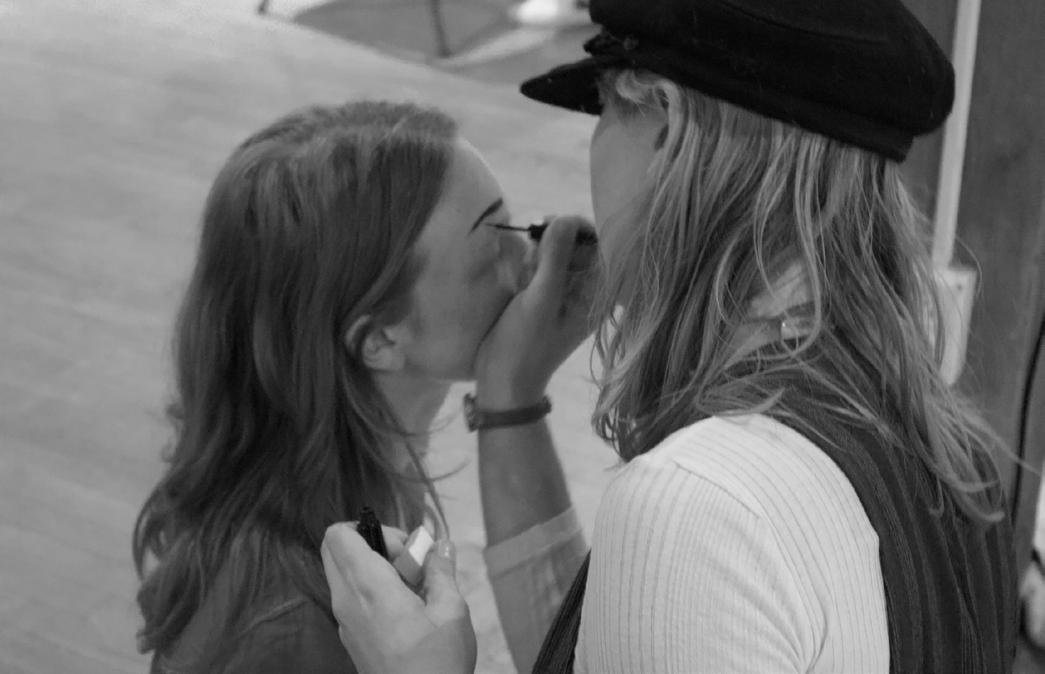
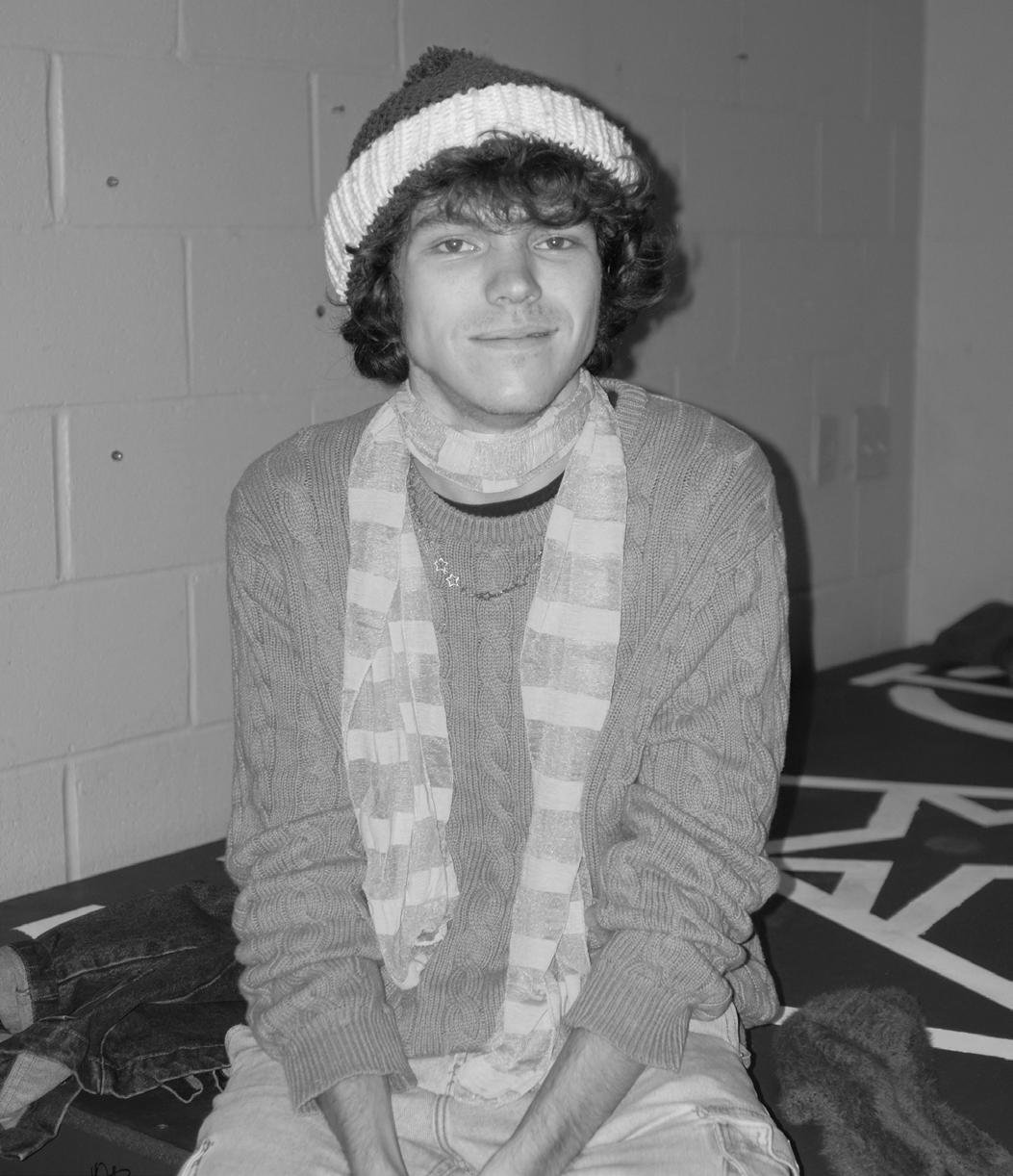
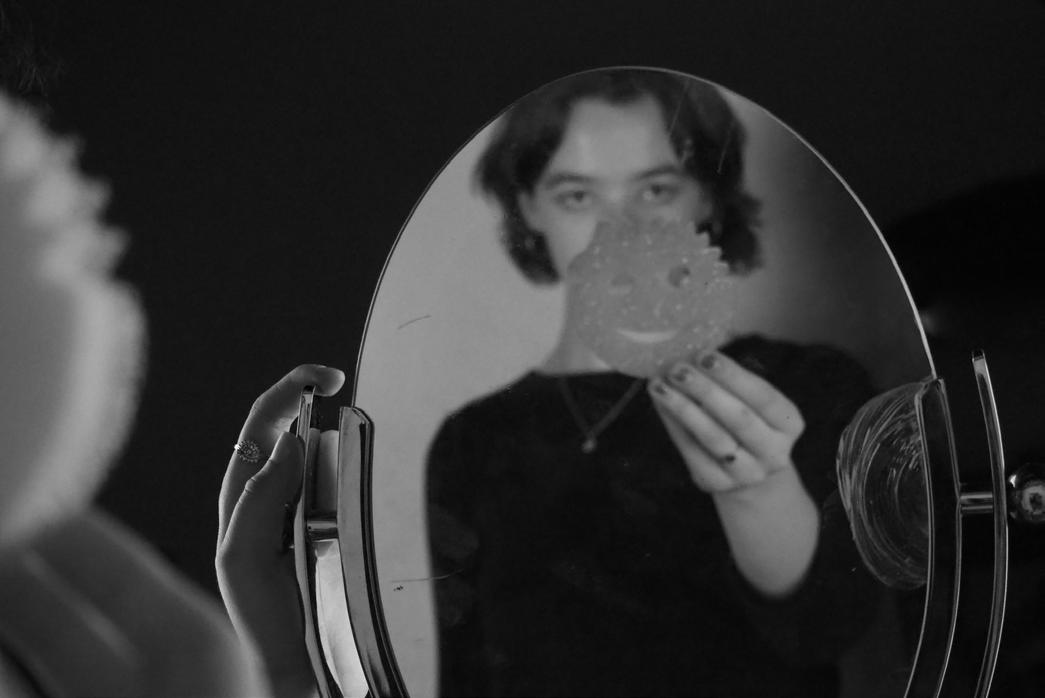
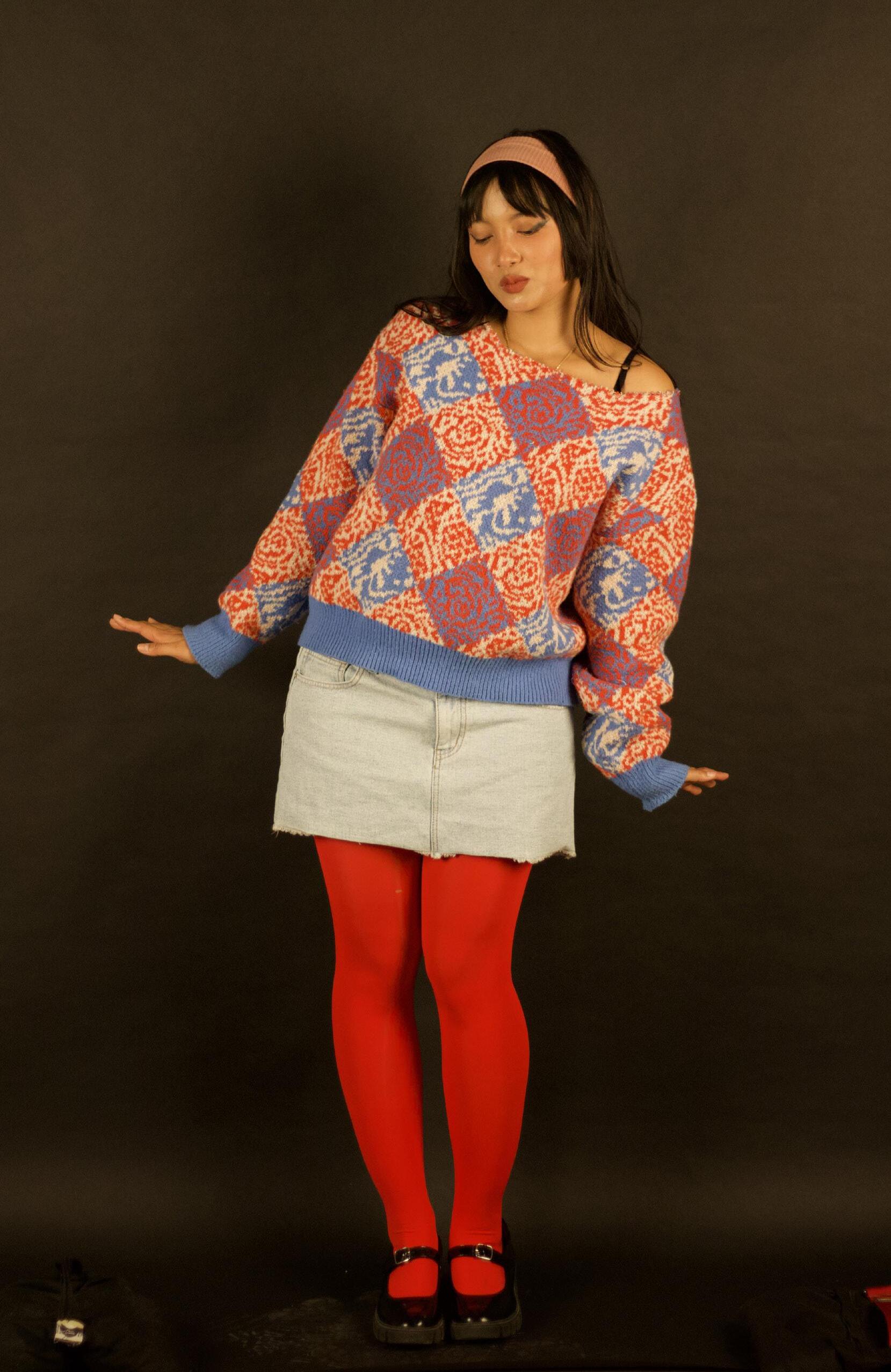
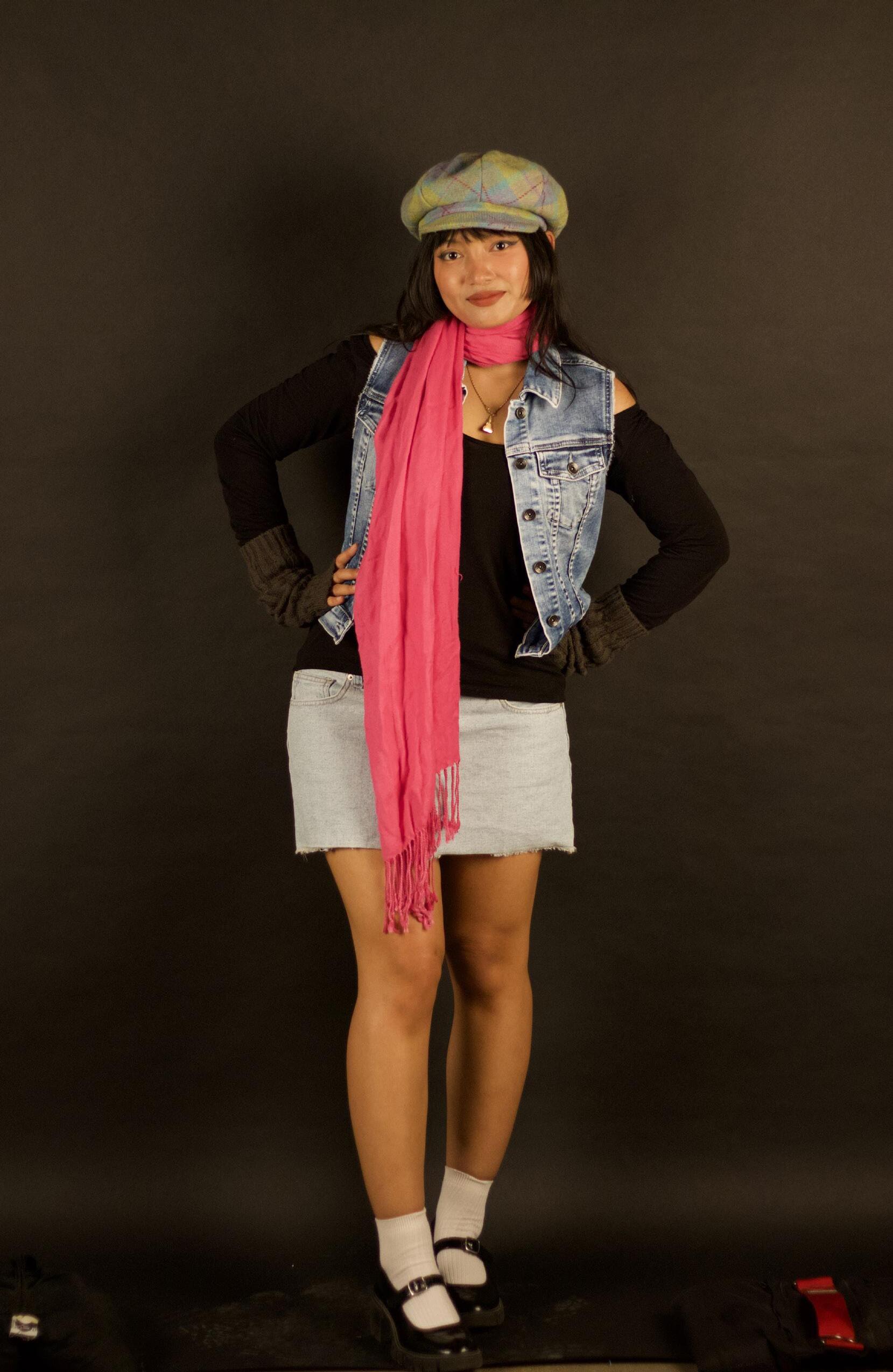
It’s no wonder that at a school known for its eccentric, bookish atmosphere, Kenyon fashion is often marked by a playfulness and willingness to experiment. This makes it the perfect backdrop for Twee fashion—a style that celebrates vintage charm, intellectual whimsy, and a love for all things nostalgic. Walking down Middle Path, you’ll see no shortage of colorful tights, Mary Janes, and cardigans. Fashion is cyclical, and after years of Y2K influences— low-rise jeans, Von Dutch, baby tees, and mini skirts— there is now growing interest in the revival of 2010s style.
Twee, the feminine, artsy aesthetic that emerged out of the mid-2000s Tumblr era, peaked in 2014, when its bright colors, funky patterns, and vintage-inspired silhouettes took over the fashion scene.
by Erin Teal
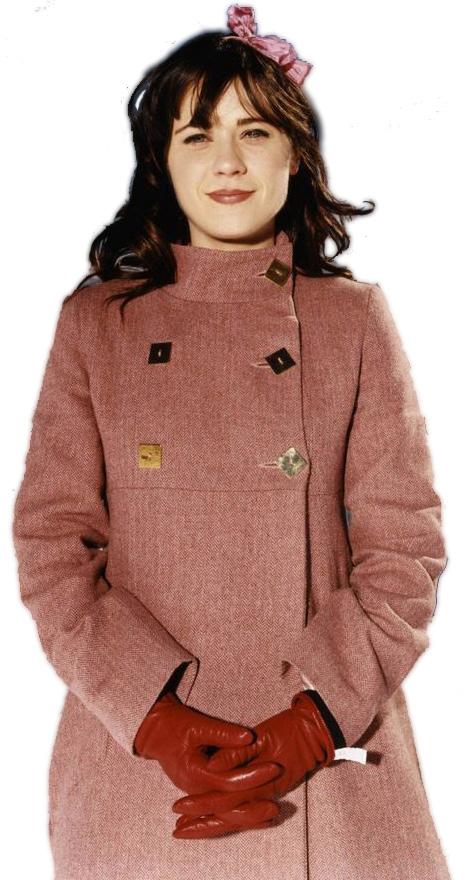
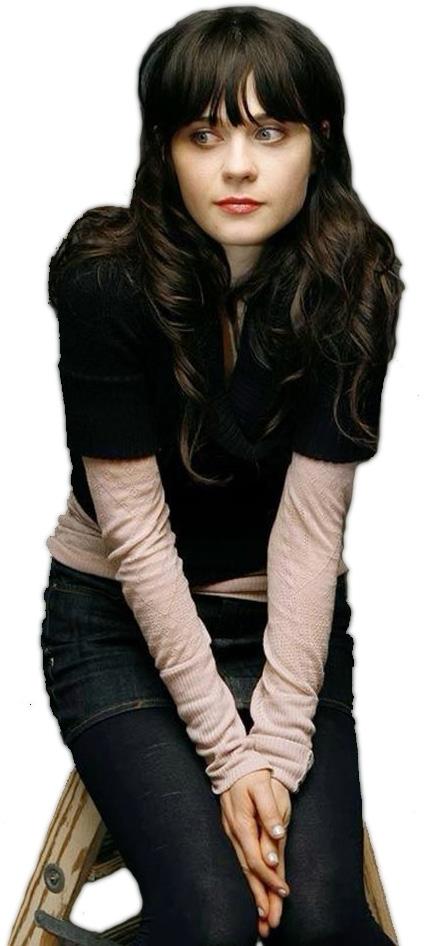
Although the concept began to take root in the late 1990s, Twee fashion only gained real traction in the mid-2010s, post-Y2K era. People traded in their low-rise jeans and cheetah prints for cardigans and polka dots. Zooey Deschanel became the unofficial Twee spokeswoman, sporting her iconic oversized collars, A-line dresses, Mary Janes, and colorful tights. Popular magazines like Refinery29 and Seventeen
called Deschanel a style icon and dubbed her ‘best dressed’.
Twee fashion draws inspiration from many vintage styles. It follows a retro aesthetic that brings back some of the mod silhouettes and shapes of both the 1960s and 1970s; whether it’s a sixties shift dress with Mary Janes or a seventies miniskirt and patterned legwear. Where it diverges is its unique color palette: a focus on bright primary colors, fun patterns, and sometimes muted pastels lean into the fun and quirky style Twee represents.
Twee is not only a fashion scene but encapsulates certain mindsets. Some of our favorite Twee characters like Jess from New Girl come with a bubbly, quirky, and romantic personality that suits their style perfectly. She plays with colors and patterns and isn’t afraid to look a little silly along the way. Similarly, the Twee aesthetic appreciates old-school, even outdated technology like record players and rotary phones, fully embracing that vintage look. Some general trends during 2014 would have fallen into this aesthetic as well. Items such as fairy lights and potted plants highlighted creativity and tapped into the coziness of Twee itself.
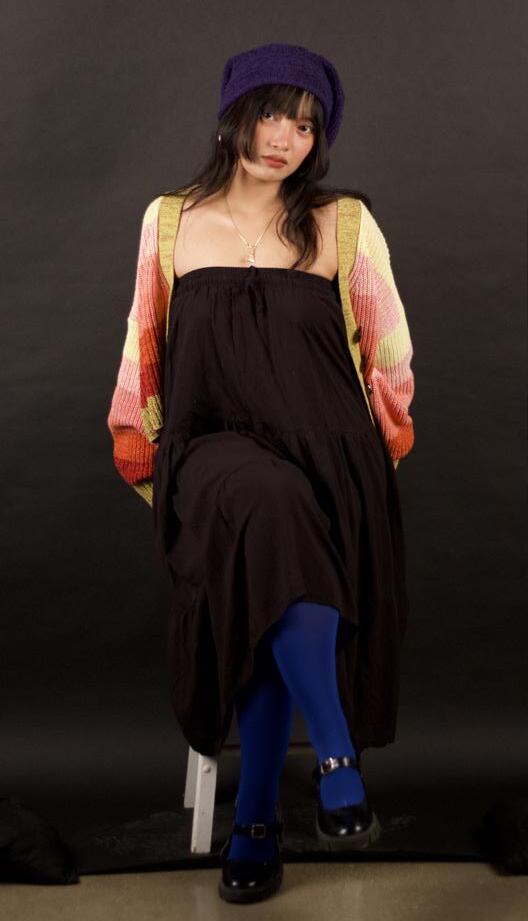
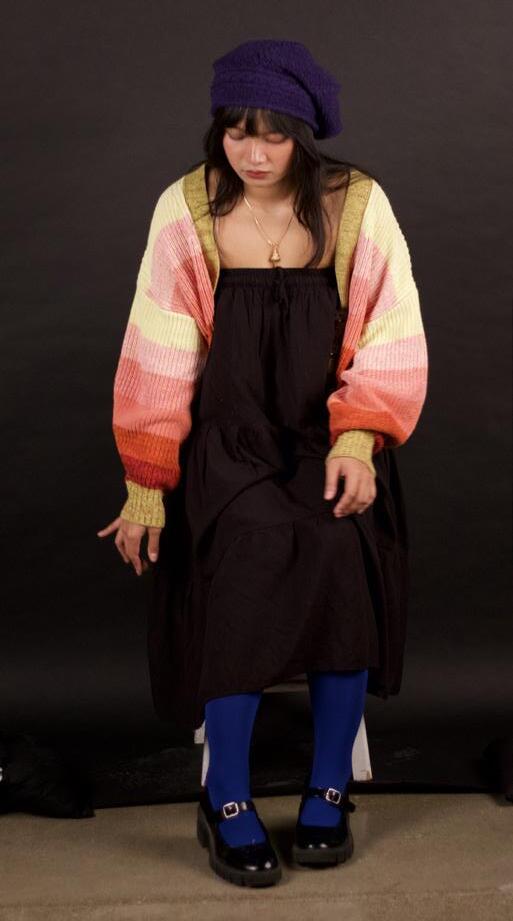


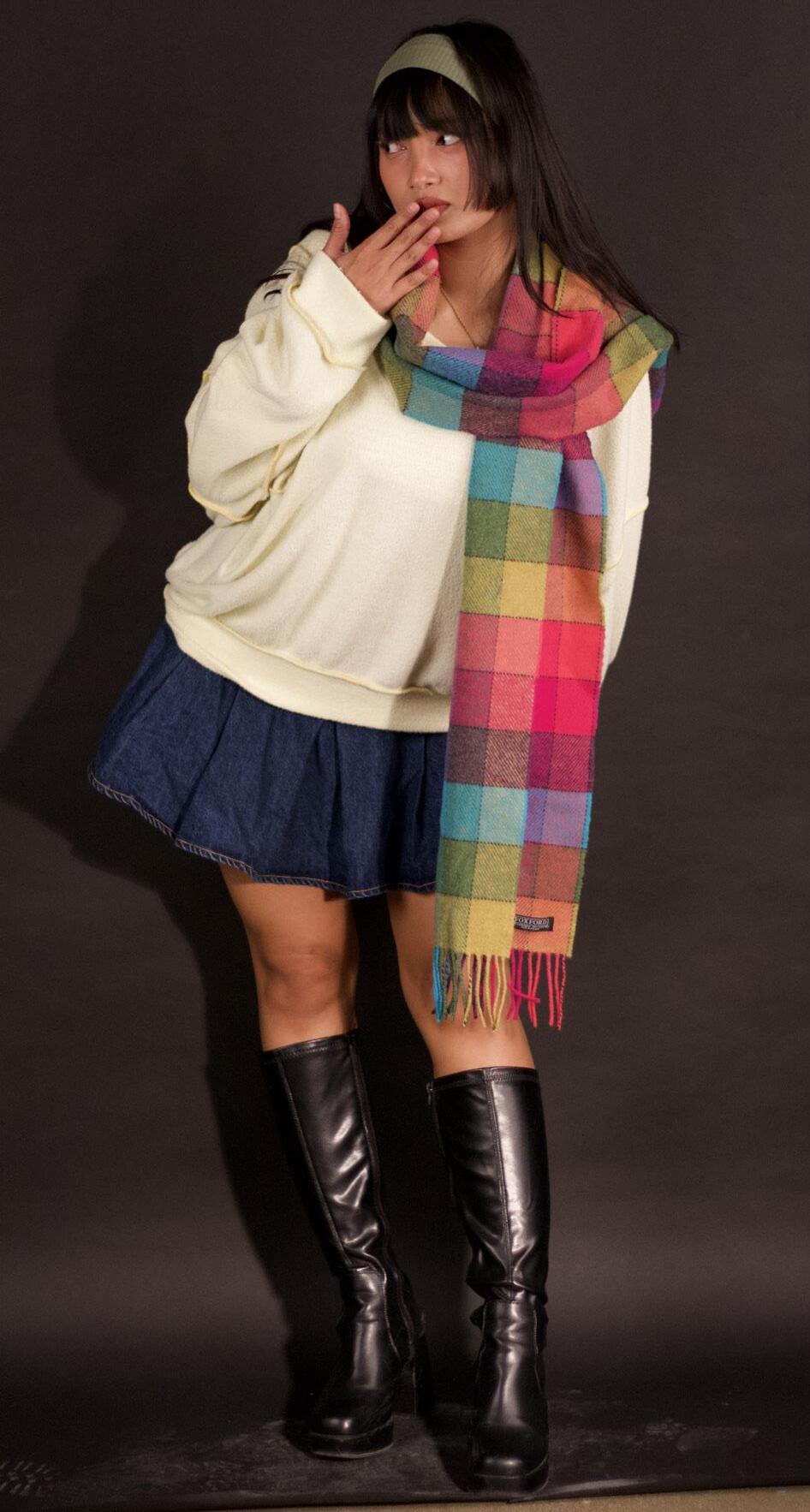
second-hand and vintage-inspired pieces, many people feel as though the style aligns with their values and allows them to express their individuality. Specifically, Gen-Z individuals may find the Twee style appealing with its focus on thrifting and sourcing vintage gems; it can also be considered affordable and leaves plenty of room for personalization, which is something that many people are interested in. In the earlier 2000s, there was a focus on ‘coolness’ defined by following rigid trends. Twee brought forth a new version of ‘cool’ based on authenticity and self-expression, something many people still identify with.
Whether Jessica Day from New Girl or Taylor Swift in 2014 are your style icons or not, Twee paved the way for some of our favorite quirky celebrities and characters in the mid-2010s media. With its funky patterns and bright colors, the joy that Twee brings is something that many would agree is worth bringing back.

Author Profile
My name is Erin Teal and I live in Seattle, but I’m kind of from all over as I spent most of my life growing up in Vienna, Austria! I love to read (anything romance), write, spend time outdoors, go thrifting, and listen to music. While I don’t personally align with the Twee style, I love any outfit that encourages quirky pieces. I’m also a huge fan of vintage clothing and I try to incorporate that into my personal style.
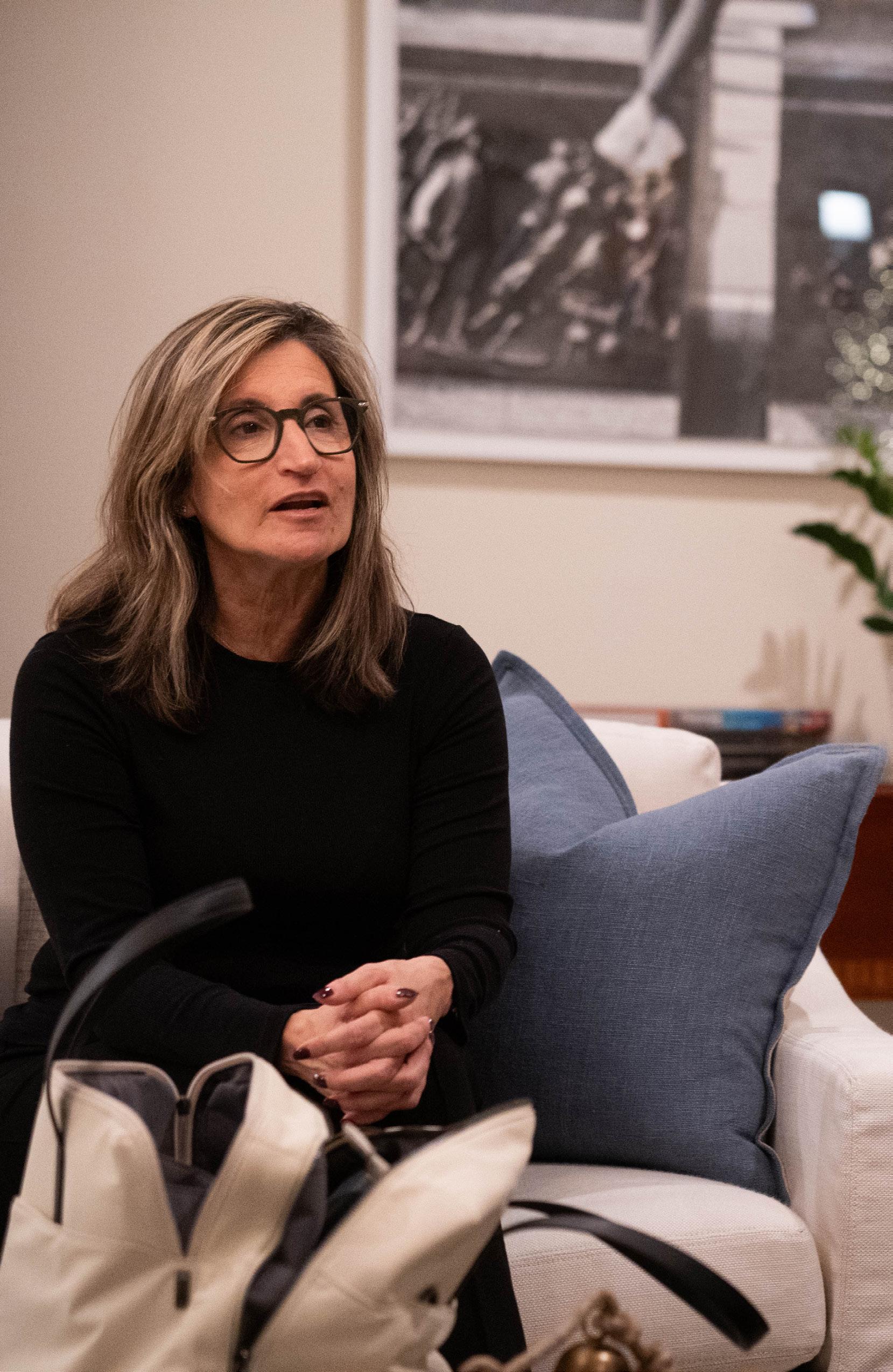
with Julie Kornfeld interviewed by Isabella Kreidler
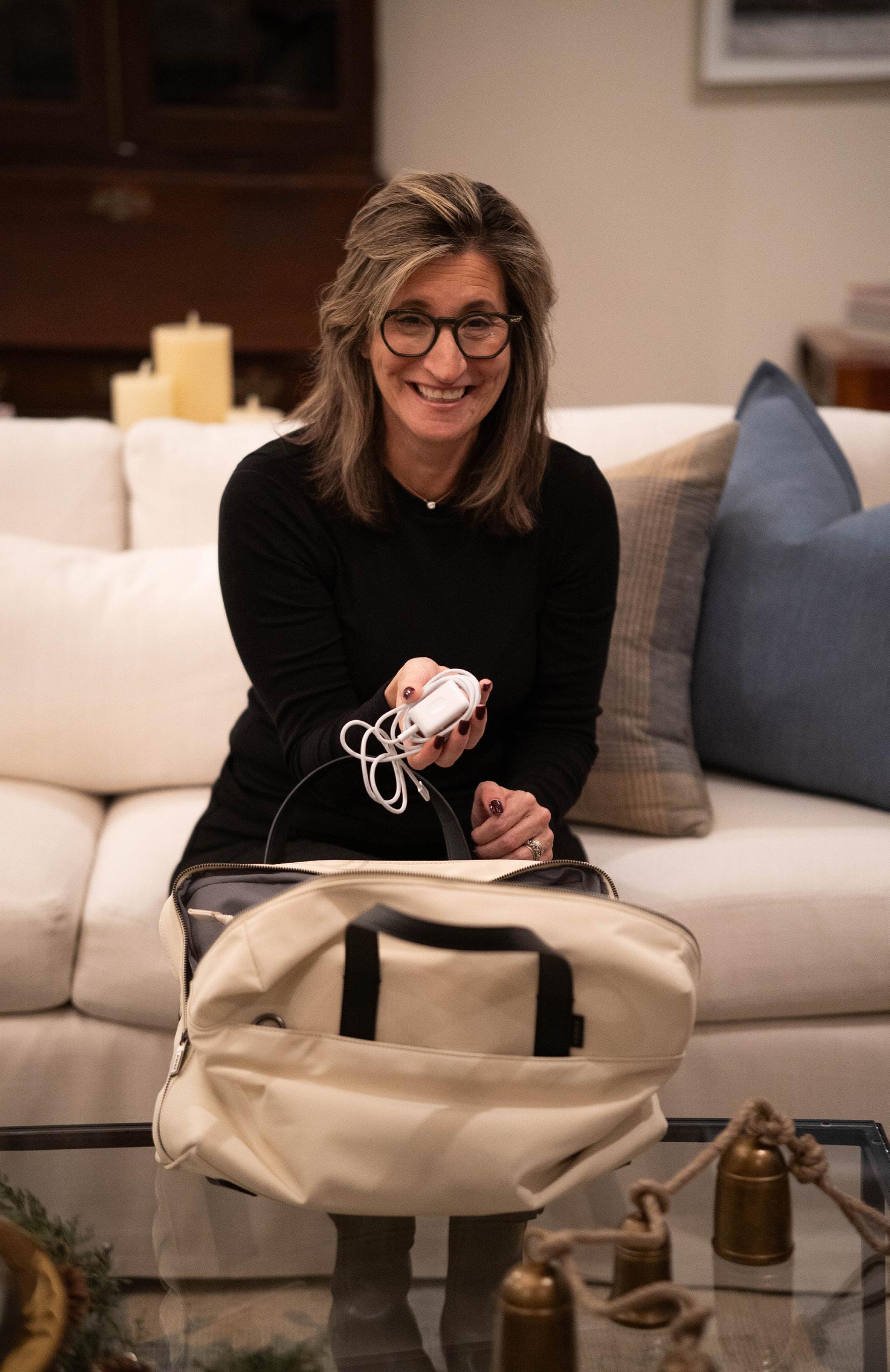
This is actually my travel bag, because it has a thing that I can slide on the back of my suitcase when I’m traveling. So I bought it to be a travel bag. It’s a little big for every day, but because I’ve been traveling a lot, I just have been using it every day. So I’m not using another bag right now. It’s big and heavy, and I use it because it helps me travel with all the stuff that I need to travel with. It matches my carry on bag, for my fashion.
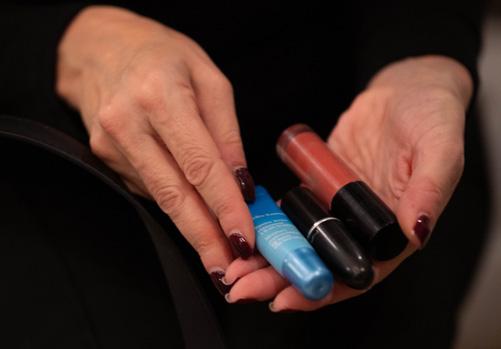
This is my little sack. Here are some important things, like lip gloss and lipstick. And there’s actually, I’m gonna have true confessions here– lots of different ones, of different colors, because I just don’t change them, so they’re all here in my bag.
Also there’s a pen, always. And usually something bright and colorful, for when I’m taking notes, if I need to circle something.
I always travel with tea bags, because I’m a tea drinker. I don’t drink coffee. And so often you go to a meeting and they only have coffee, they don’t have tea bags. And so I usually ask for it. So I always have my own tea bags with me. So I have two here. This one is a chamomile mint herbal blend. Usually I have a black tea because I like caffeinated tea, but it looks like I used the last one. And so these are both the camomile mint. So I do like caffeinated tea. That’s my weakness.
There is a sanitizing wipe here when you need that. And, oh, hair tie, because you never know when you have to pull your hair up. That’s almost it, ID, driver’s license, things of that sort are in here. It’s mostly a bag full of lipstick and lip glosses and a few other amenities.
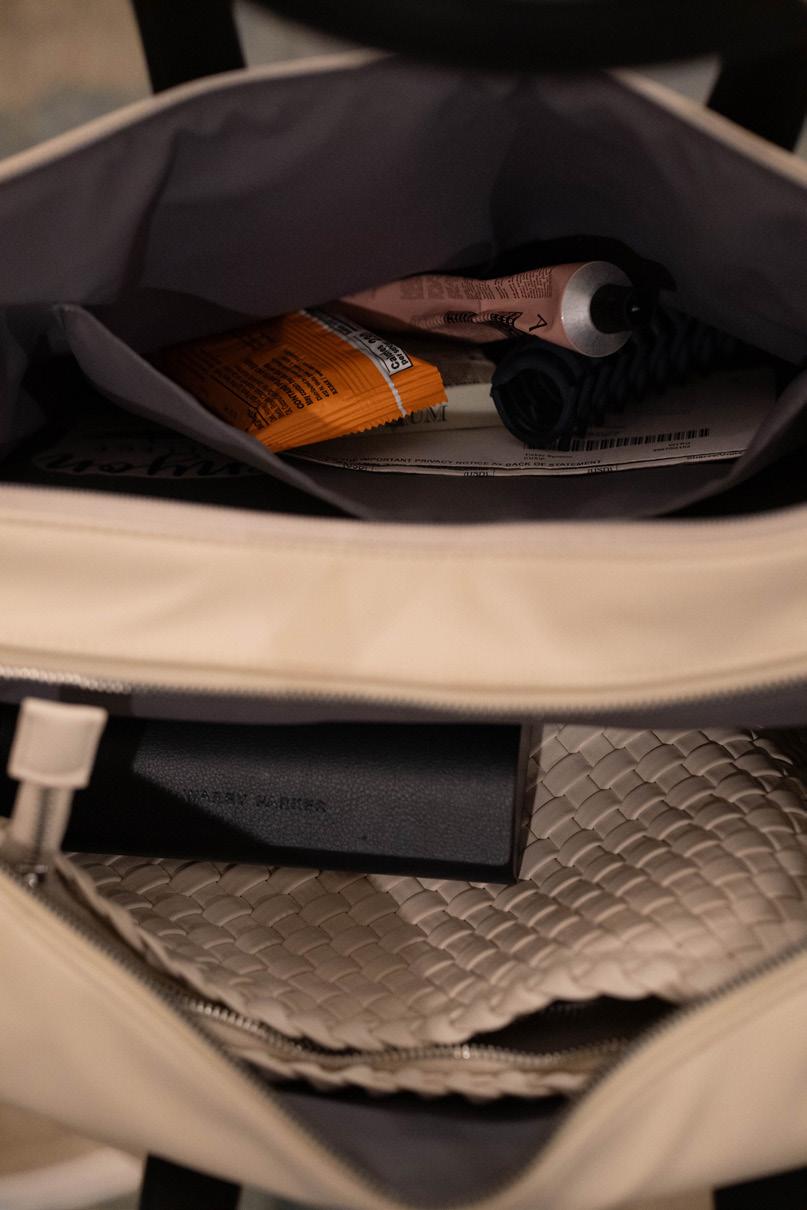
I have sunglasses. My Warby Parker sunglasses, which are my favorite. I had to switch to new glasses when I took this job; because of my eyesight. I used to only wear magnifiers, and then I had to get progressive so I could actually see when I’m talking to people, and they talk back to me.
So I have two pairs now. It’s nice to know that you can see the people that you’re talking to. And now I can!
Hand cream, okay. This was a gift from my future daughter in law over the holidays, and so I carry this around, particularly during the winter.
I almost always have a bar. This is a brand I like. Just in case I don’t eat breakfast and I’m a little hungry, I usually have a bar or two in my bag in case.
Hair clip. Never know when you might need that. I think I stole this from my daughter. She has long hair and she wears these all the time.
This is what I almost never leave without, which is my notebook. It’s kind of messy, but this keeps me organized. I use it for to-do lists, and I also just take notes on it as well. This is a Moleskine notepad, and those are my favorite. My daughter and I have conversations that we like the consistency of them and the thickness of them. So that’s what I almost always have, a moleskine. I panic if I don’t have it with me. It’s something I pay attention to; I make sure that I always have my computer and my notebook in
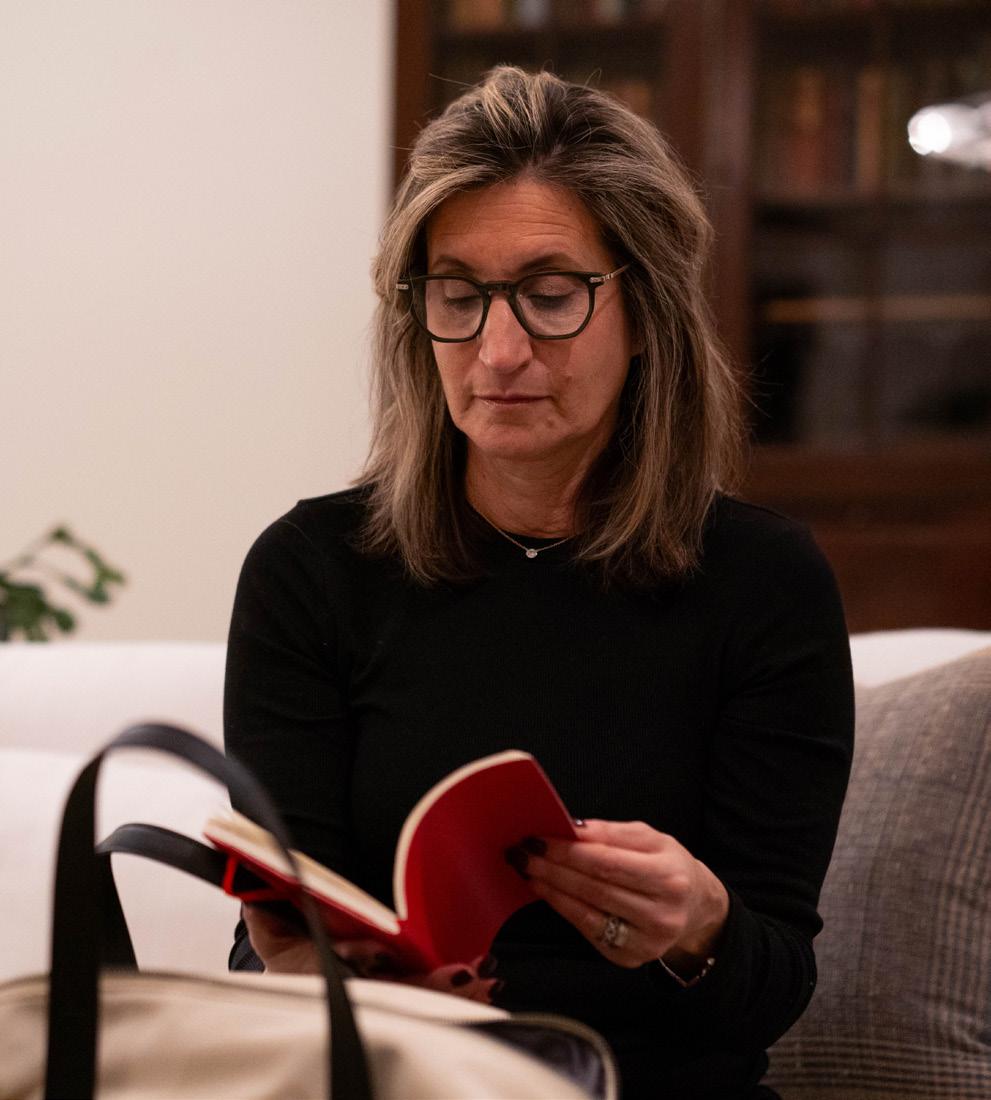
my bag when I’m leaving. It helps me keep track of my life.
Oh, I have my computer. Never travel without that, with my Kenyon sticker on it. I like it, it’s a little subtle.
And then I have papers. This is actually for my class that I’m teaching this semester. So [here’s] a lesson plan for my class. I’m teaching a class in public health science and practice, for mostly juniors and seniors. It’s a class I actually taught at Columbia in the Graduate School of Public Health, and I’m teaching it here for students who are interested in public health. On Tuesdays.
The only other thing that I have here right now are photographs. These are photographs actually from my inauguration weekend that were in my office, and I brought them home because I wanted to frame them and put them around the house. So there’s one with me and several of my friends who came in from out of town, my family, my daughter and I, and my son. I had them sitting on my desk, and I grabbed them the other day. These were some of the professional photographs that they took during the inauguration weekend, and the Director of Special Events made a few copies, sent me some digital files of ones of my family, so we have them printed so I could frame them.
Oh, there’s gum. Trader Joe’s gum.
Very important, my name tag. In case I forget who I am, but when we do events, I usually wear this so I have it with me. I have it stuck in this little bag here.
I think I travel a bit, and when I’m running around, I like to have things that are kind of comforting. So having the pens that I like, the notebook that I like, the tea bags, my favorite lip gloss, those kinds of things make me feel like I can settle in wherever I am.
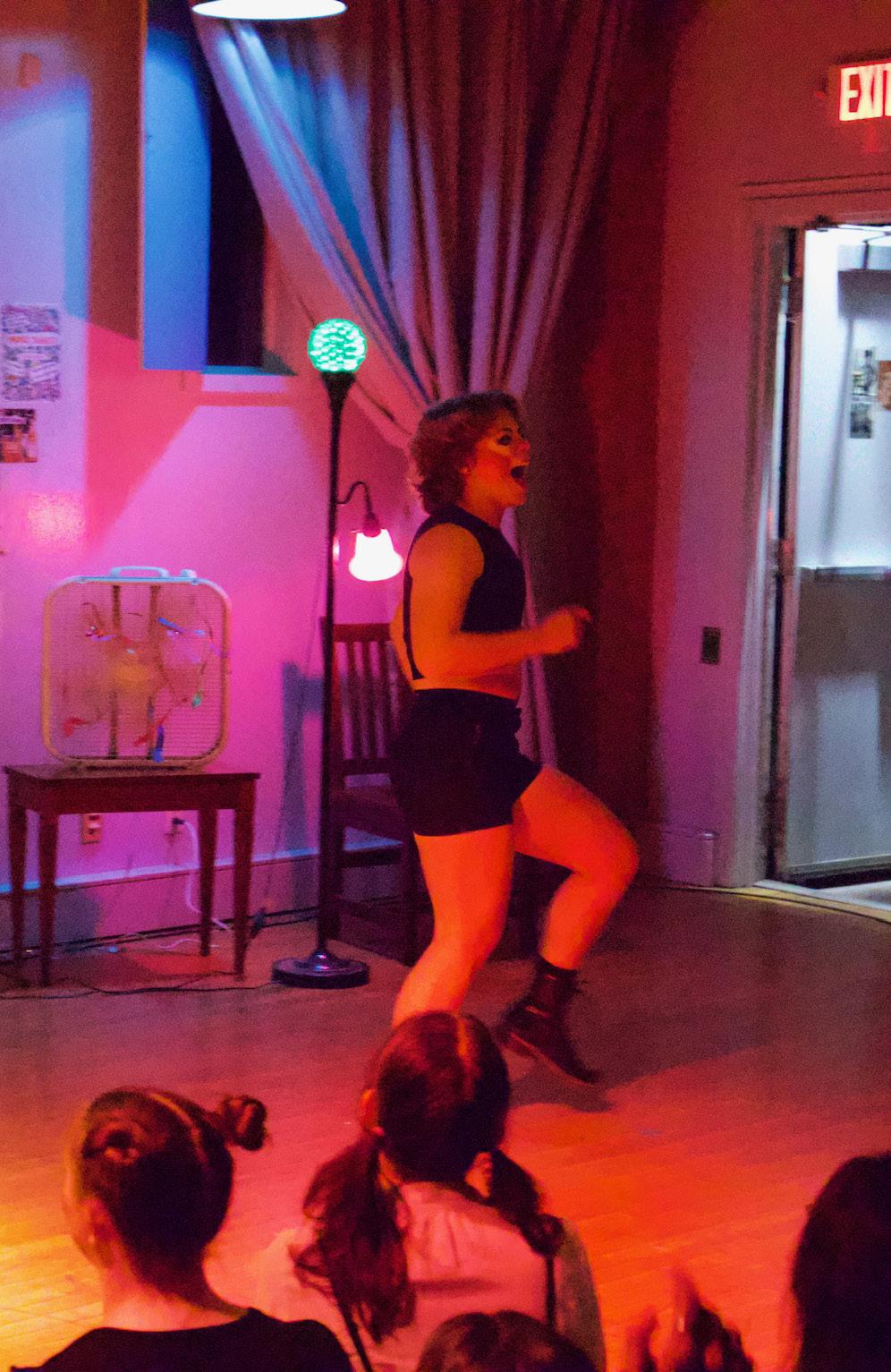
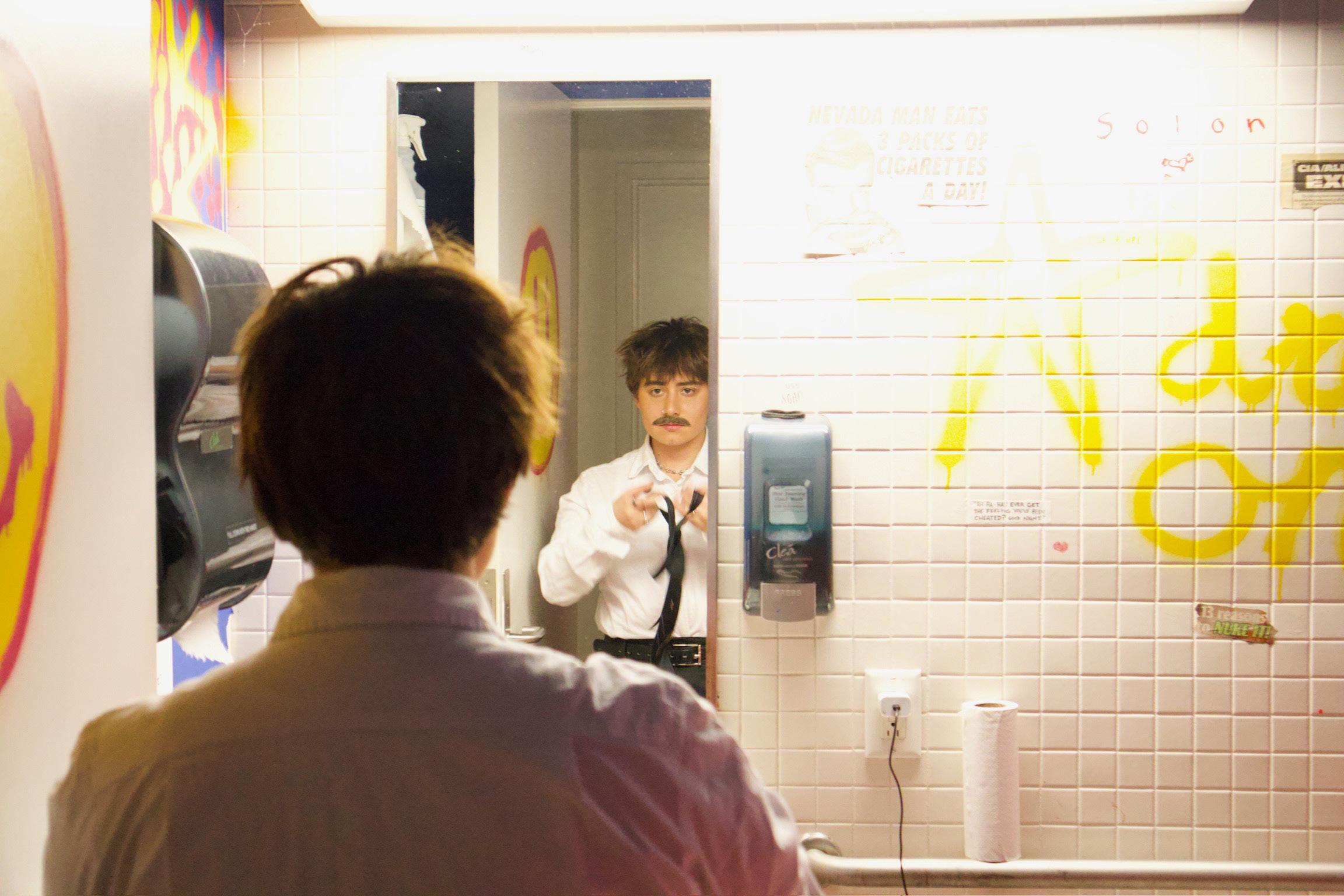
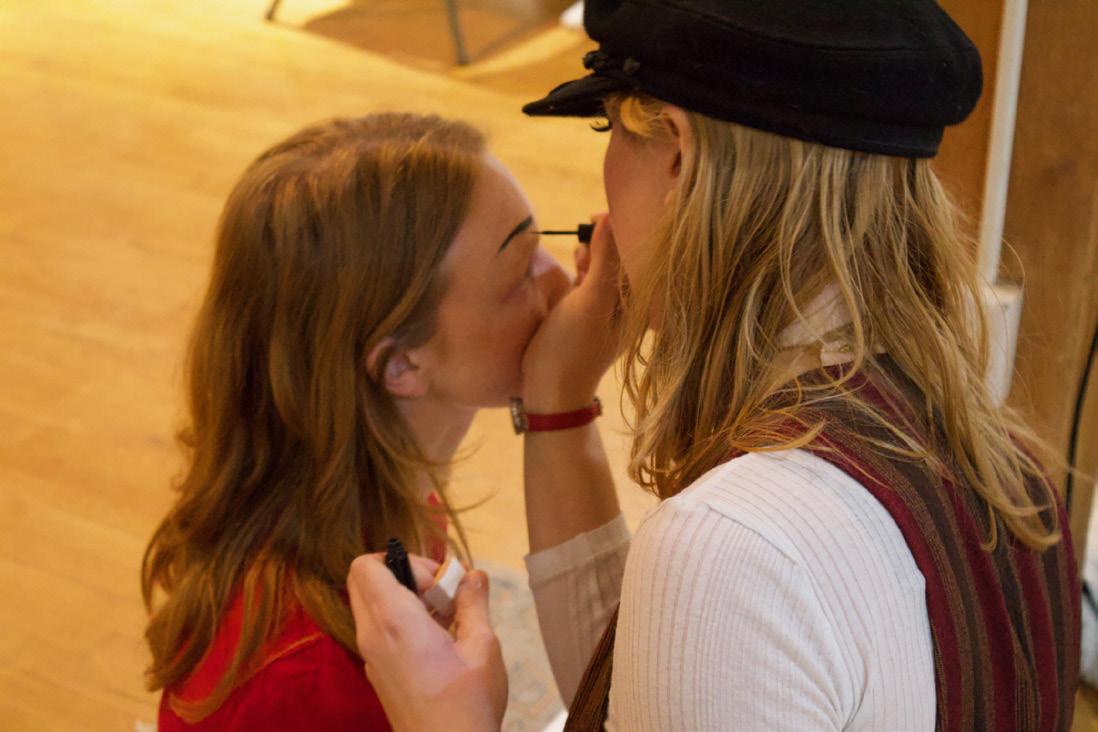
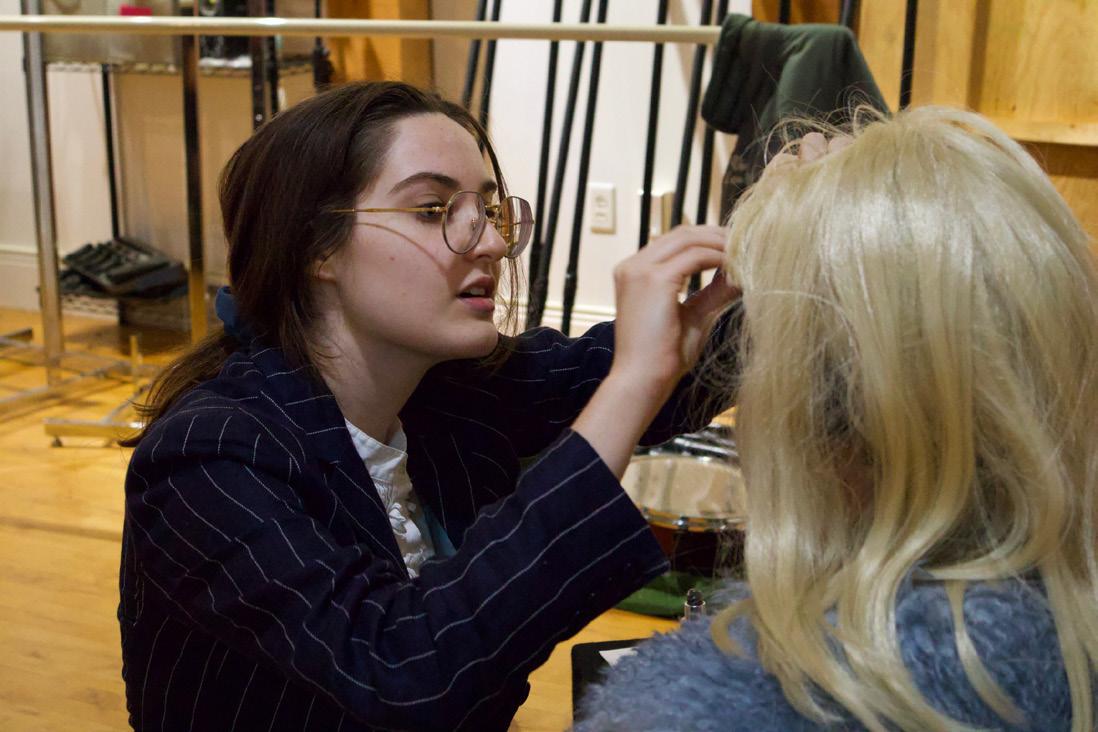
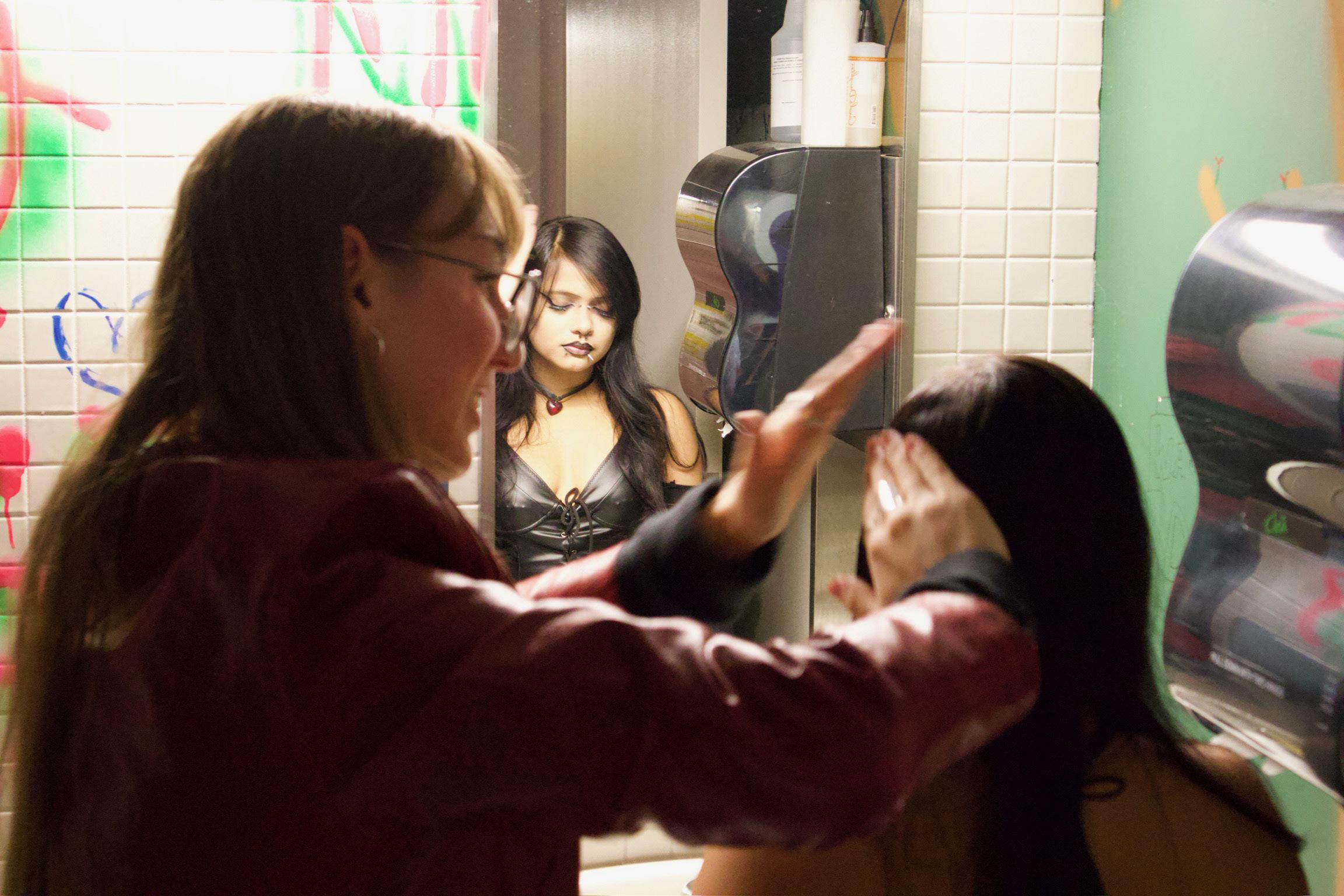
loud, queer, fabulous
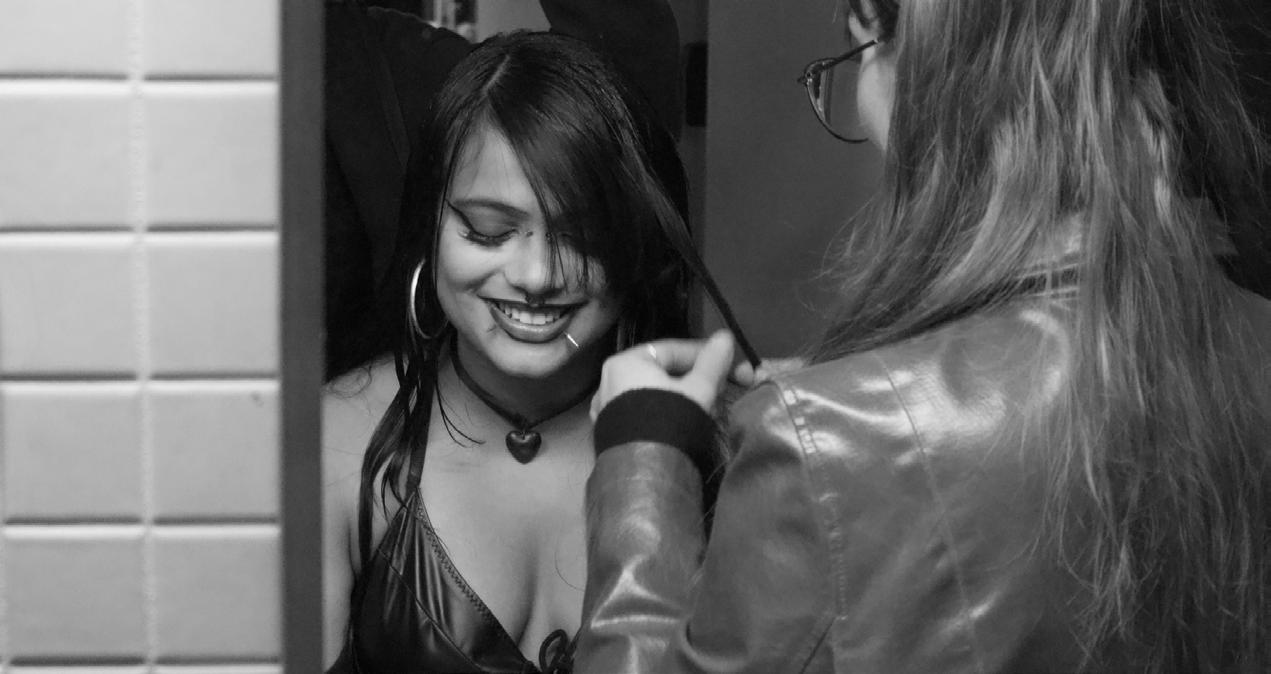
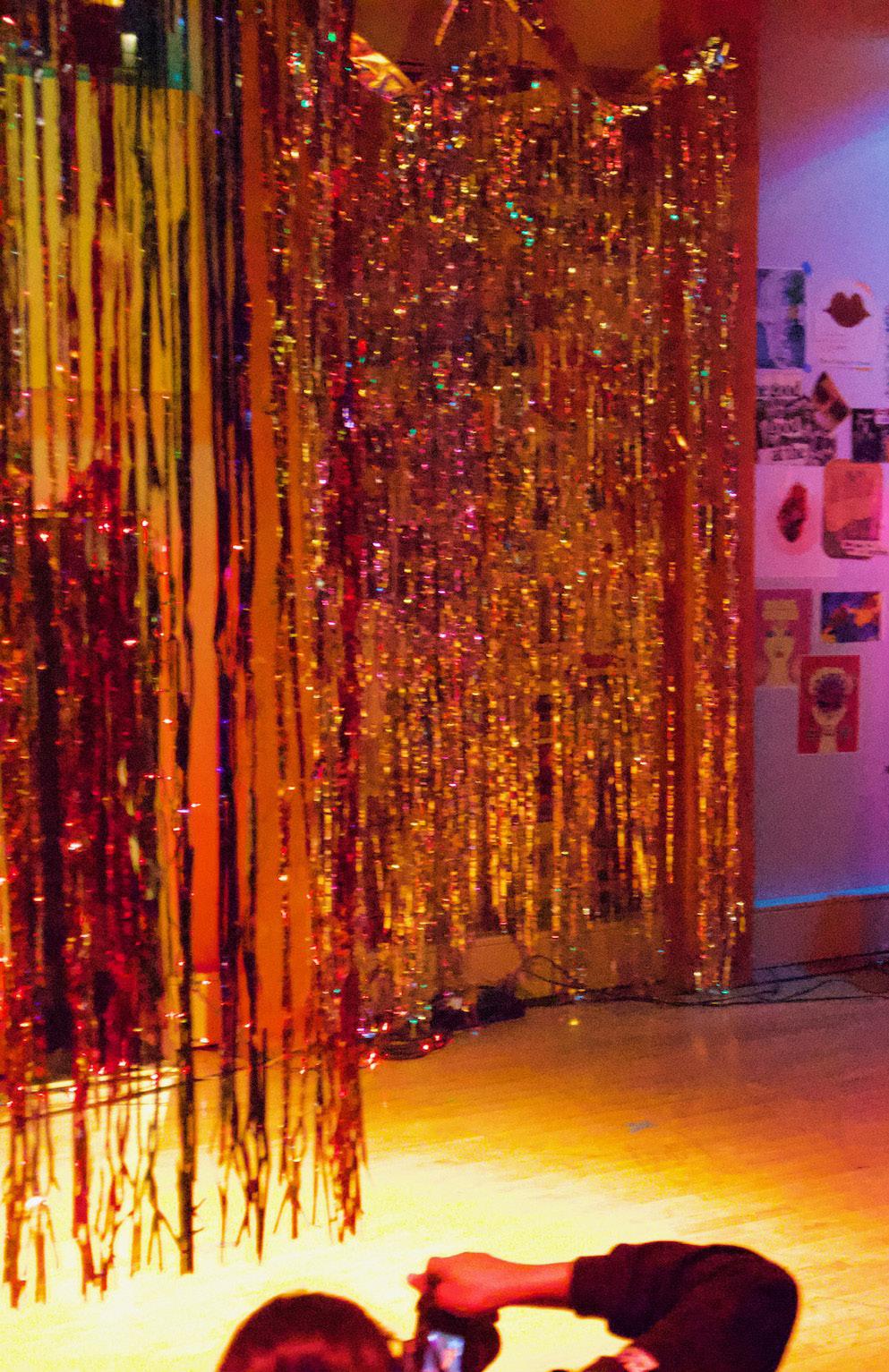
The lower Horn buzzes with anxious energy as the performers prepare to wow the audience upstairs. Makeup, tiaras, and fake nails scatter the floor as each performer primes for the night ahead.
The show starts with the Duke of Tastings (Maya Sherlick ‘27) and Joan of Arch (Jane Barnard ‘27). Their performance combines Maya’s love for drag makeup and Jane’s love for performance. Their inspiration comes from their “Drag Songs” playlist. Their physical performance involves The Duke being dragged, for which Sherlick was excited:
“Literal drag. Not figurative. Okay, literal.”
They describe their performance as hot and dramatic. It features a vampire theme based on their song choice, “Bloodsucker” by
Cil. Their outfits are vintage-inspired featuring quirky patterns like baby-heads on flowers and corsets paired with longer skirts that perfectly match their eccentric makeup. Another performer– Janetzilla– was particularly excited to play a character. They noted the inspiration for their performance comes from “a lot of stand-up comics, like Amy Sedaris and John Waters,
that very weird style of standup is a bit always going to be a big inspiration for me.
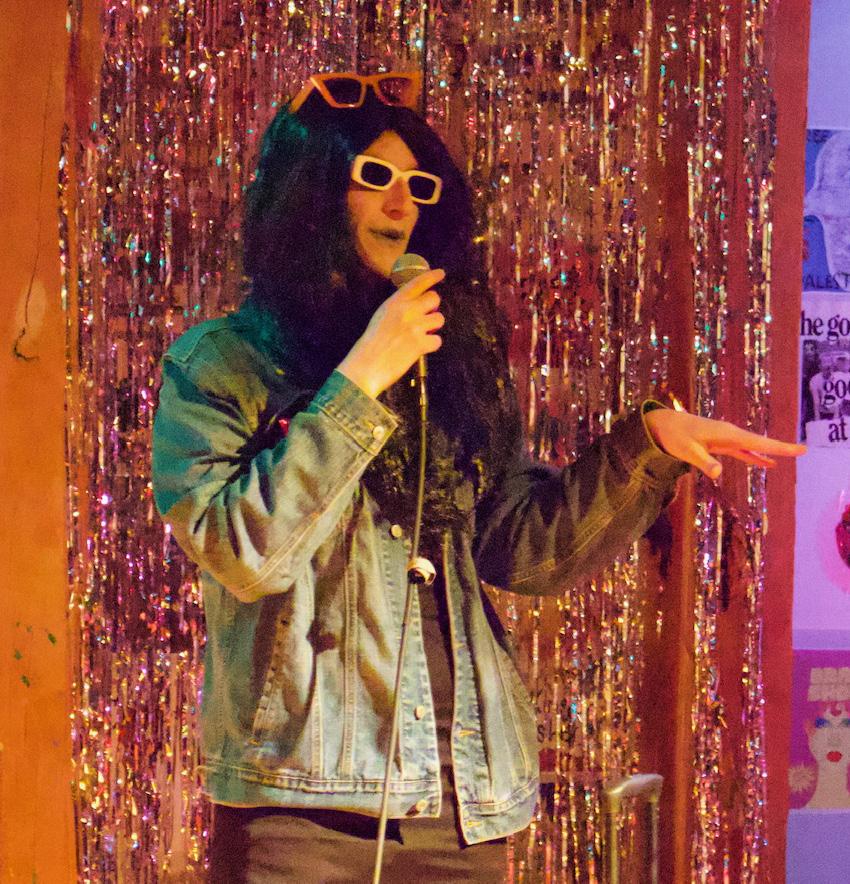

That and a lot of the weirder queens, like Crystal Method, Taya Petty, Lil’ Snell.” In their comedy sketch, self-described as fabulous and slimy, she recounted her trip back from Transylvania.
Shortie Fein (Jordie Fein, ‘27) has the audience singing along with her original song, “Pussy Princess.” She says much of her inspiration “comes from Lady Gaga, Madonna, and Megan Thee Stallion, like number one influences.” She was particularly excited for people to see the accompanying lyric slideshow. “I did a lot of poetry in high school, so there’s some like double entendres in there, it’s some fun stuff,” she tells FIT Magazine.
A sentiment many of the performers share is their appreciation for a space to be themselves. One performer, Maybe Tomorrow, (Mara Thomas, ‘27) tells FIT Magazine they “just wanted to be as loud and trans as possible.” They use light blue, pink, and white paint to showcase the trans colors while on stage, covering their arms, and torso. Another performer, Vio Lincia, takes inspiration from DIY alt scenes and wants to bring that to her performance. She loves performing in drag,
“because it’s just such a beautiful form of queer expression, just being unapologetic in who you are.”
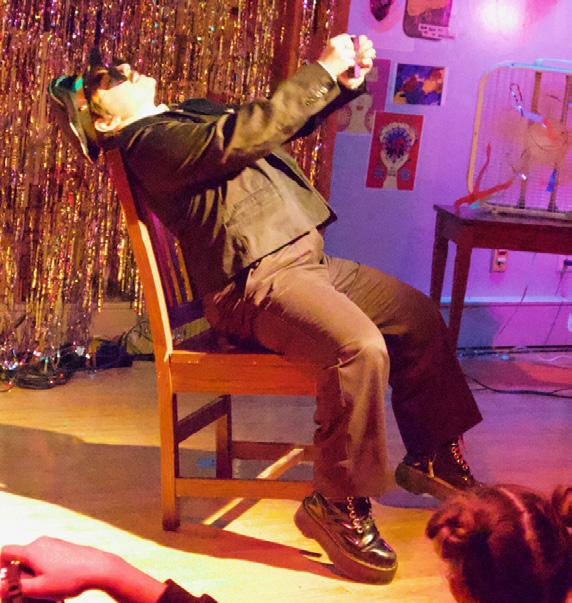
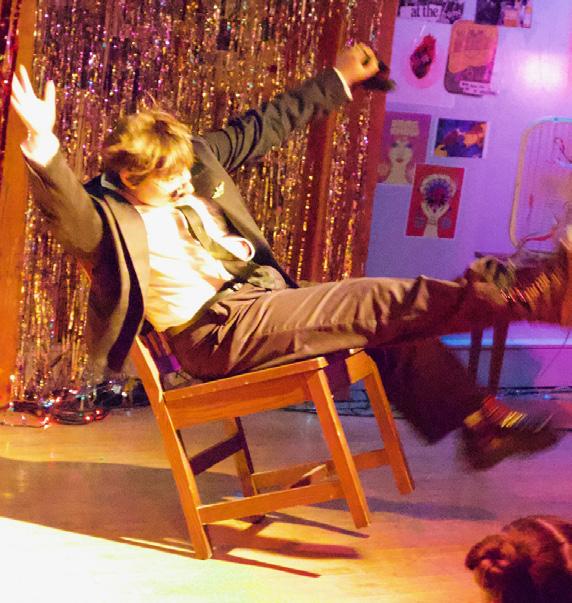
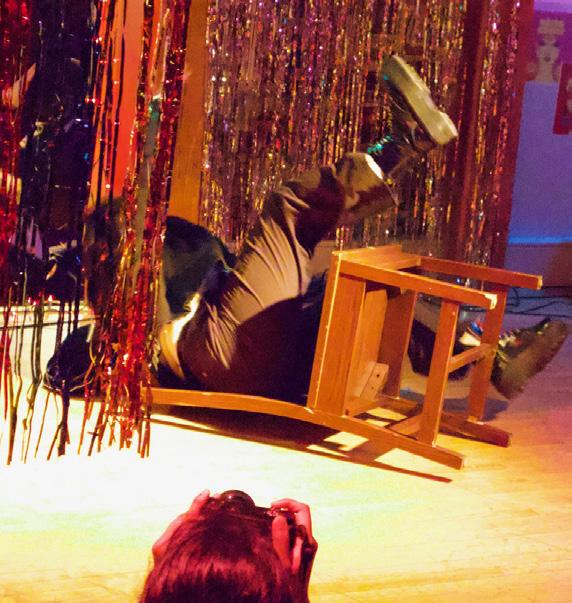
But performers weren’t the only people who gathered at the Horn; photographers couldn’t wait to capture the night. One photographer, Margot Manning ‘28, notes her love for the human aspects of the performance, as she wants to “capture humanity no matter what form it’s in. This is an especially cool opportunity because people are actively changing their forms with intent.” Anusha Rao ‘28 tells us that while she loves photographing pretty much anything, she is excited to be in “a cool place where we can just get really creative with what we take!”
by Erin Teal
by Zoe Berman
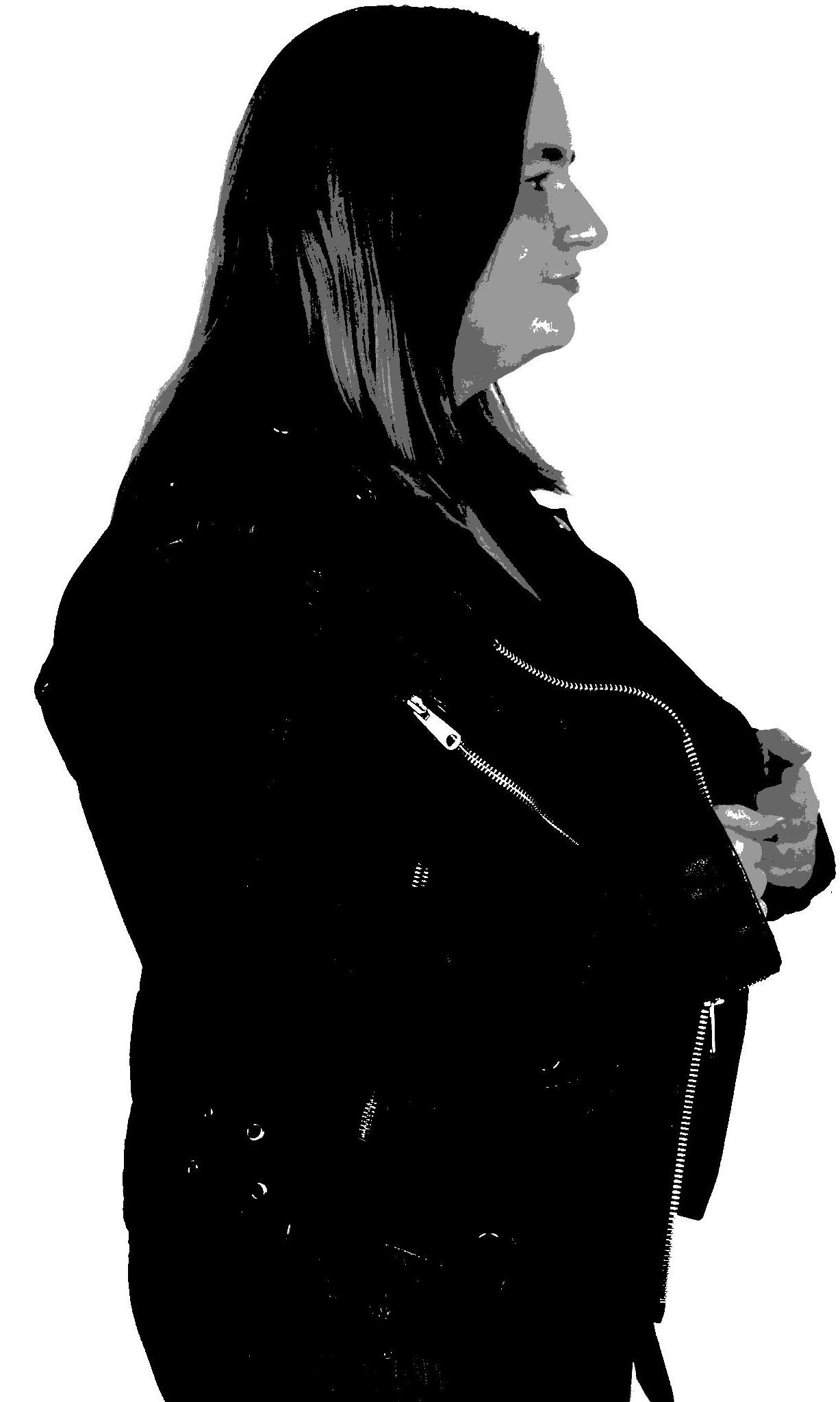
Punk fashion began in the gritty urban landscapes of cities like London and New York, where disenchanted youth found their voices through music and style. Influential bands such as the Sex Pistols, The Ramones, and The Clash not only shaped the sound of punk but also its distinctive look, which served as a powerful visual statement against the norms of mainstream society. Punk fashion was rooted in an anti-establishment ethos, and its distinctive look was crafted from everyday items that challenged conventional beauty standards. Within this article, I will be diving into the staple punk piece, everyone’s favorite, the leather jacket.
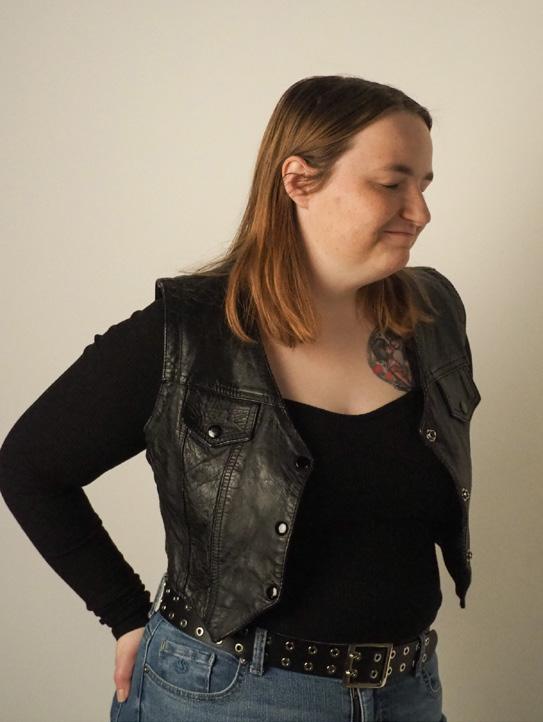
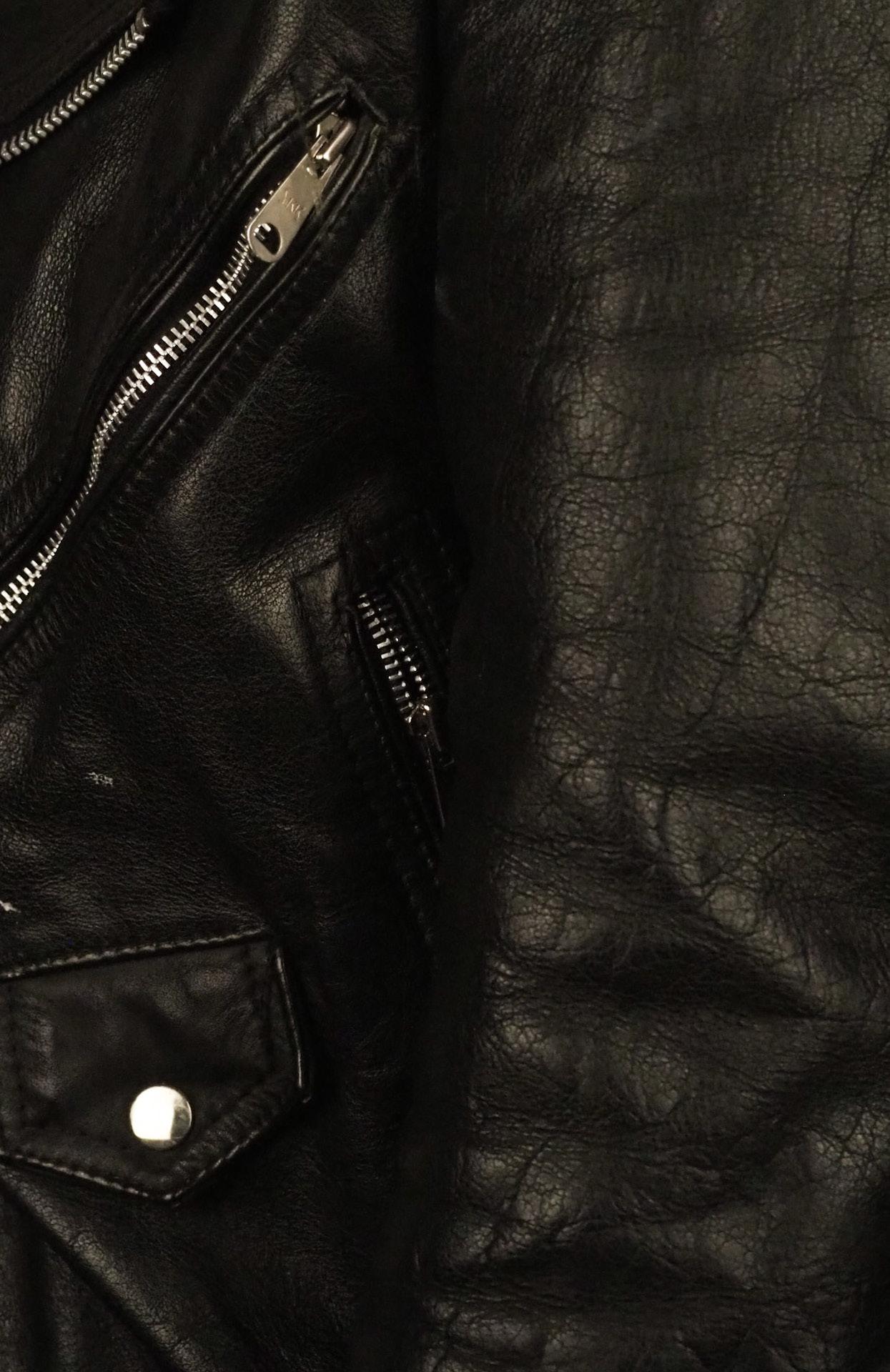
Often adorned with patches, studs, and painted designs, leather jackets served as a canvas for self-expression. Today, the leather jacket has expanded beyond its origins as a symbol of rebellion. It is no longer confined to the realm of motorcycle gangs or rock stars; instead, it has been reimagined and integrated into a variety of modern subcultures and style aesthetics. Among Kenyon college students, the leather jacket has become an emblem of personal expression.
In the context of modern American youth, particularly on liberal-leaning college campuses, the leather jacket is often seen as a fashion statement that reflects a mix of social consciousness, environmental awareness, and a touch of nostalgia. Some people prefer leather alternatives, such as vegan leather or second-hand options, aligning with their own ethical values. This shift is part of a broader movement towards sustainability, where some young people are beginning to reject fast fashion and embrace more eco-conscious choices without compromising on style. The modern leather jacket is also a symbol of the fluidity of gender expression. From the 70s to present day, the garment has been worn by anyone, expanding beyond traditional notions of masculinity or femininity.

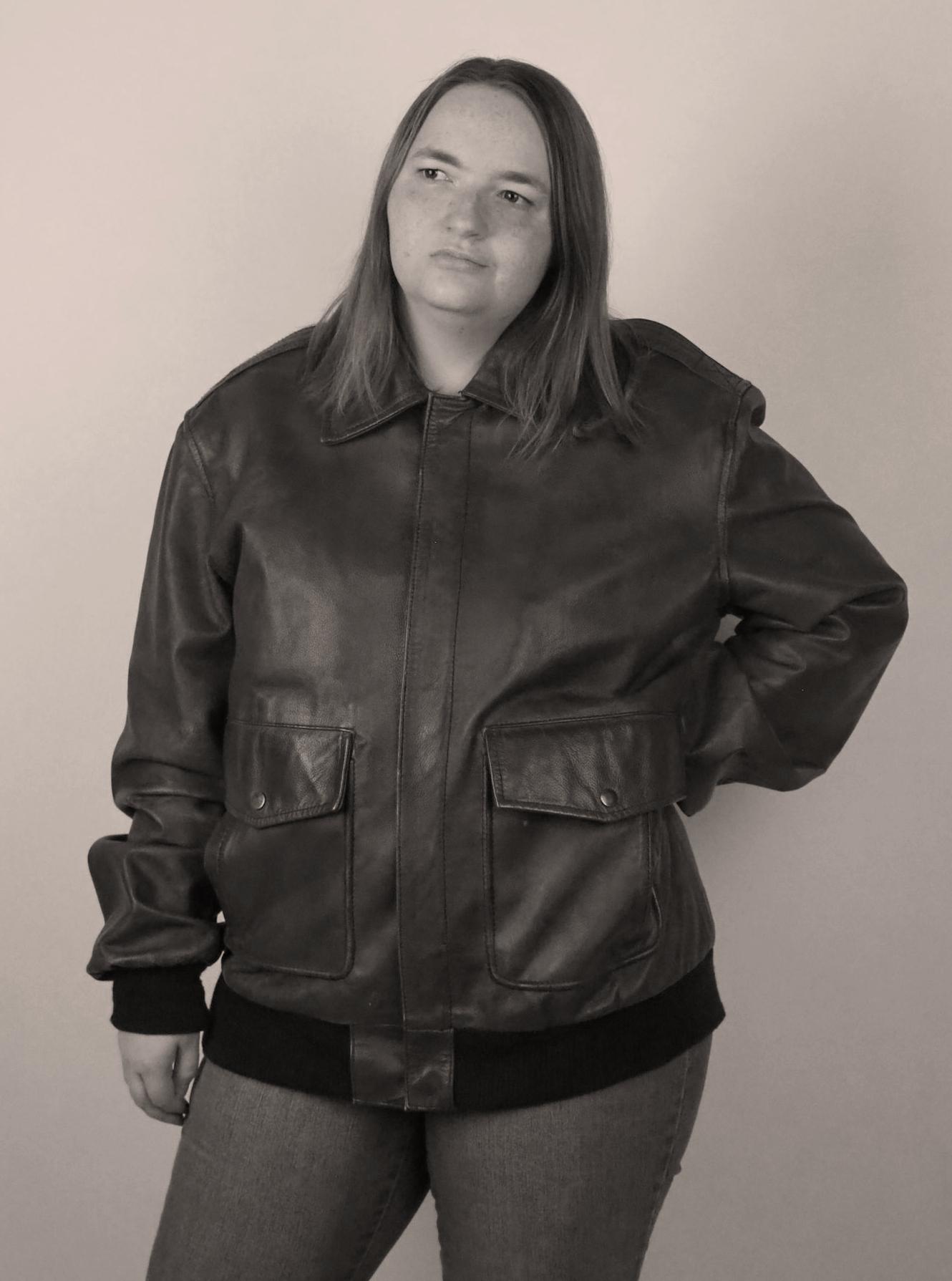

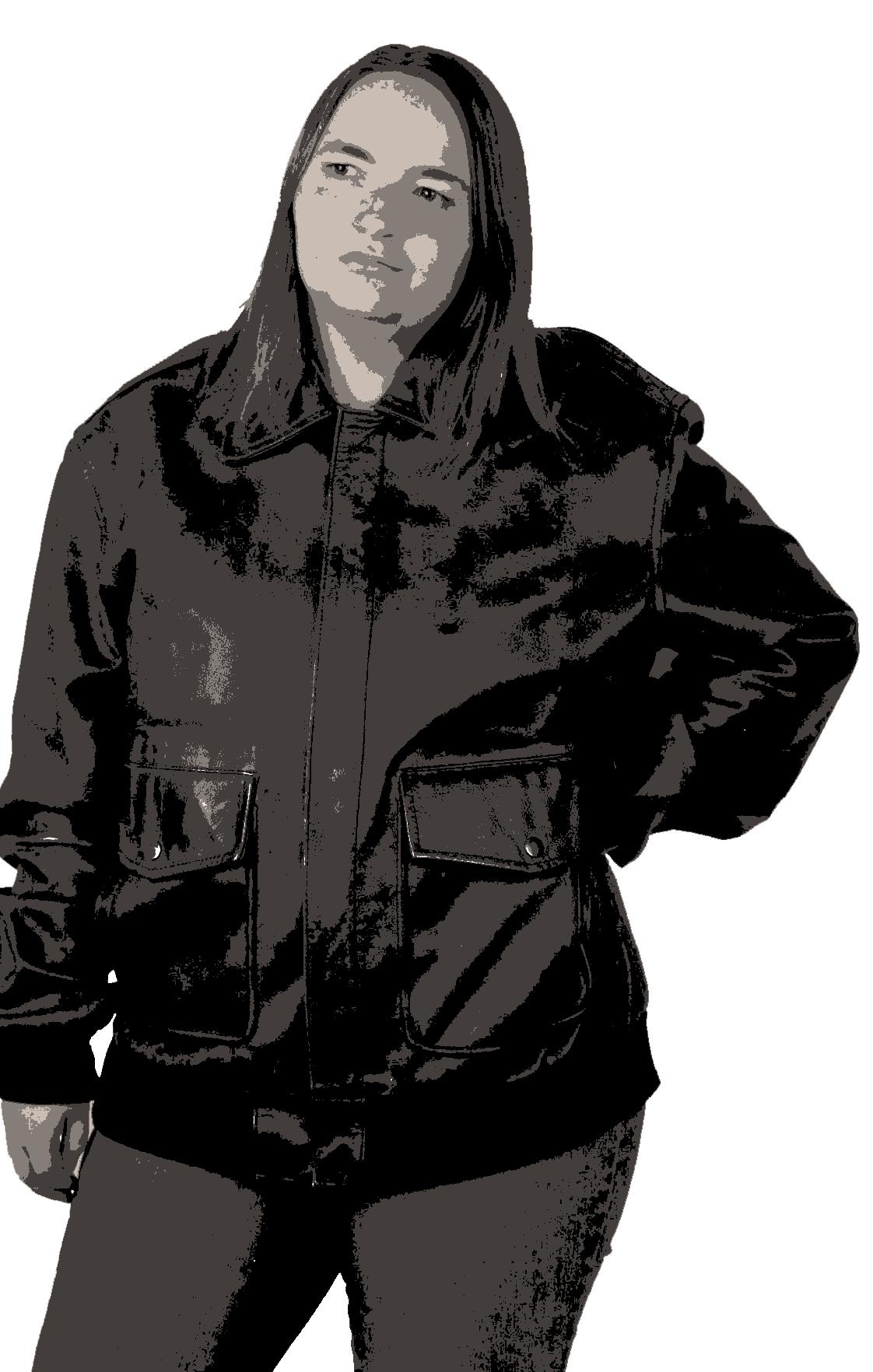
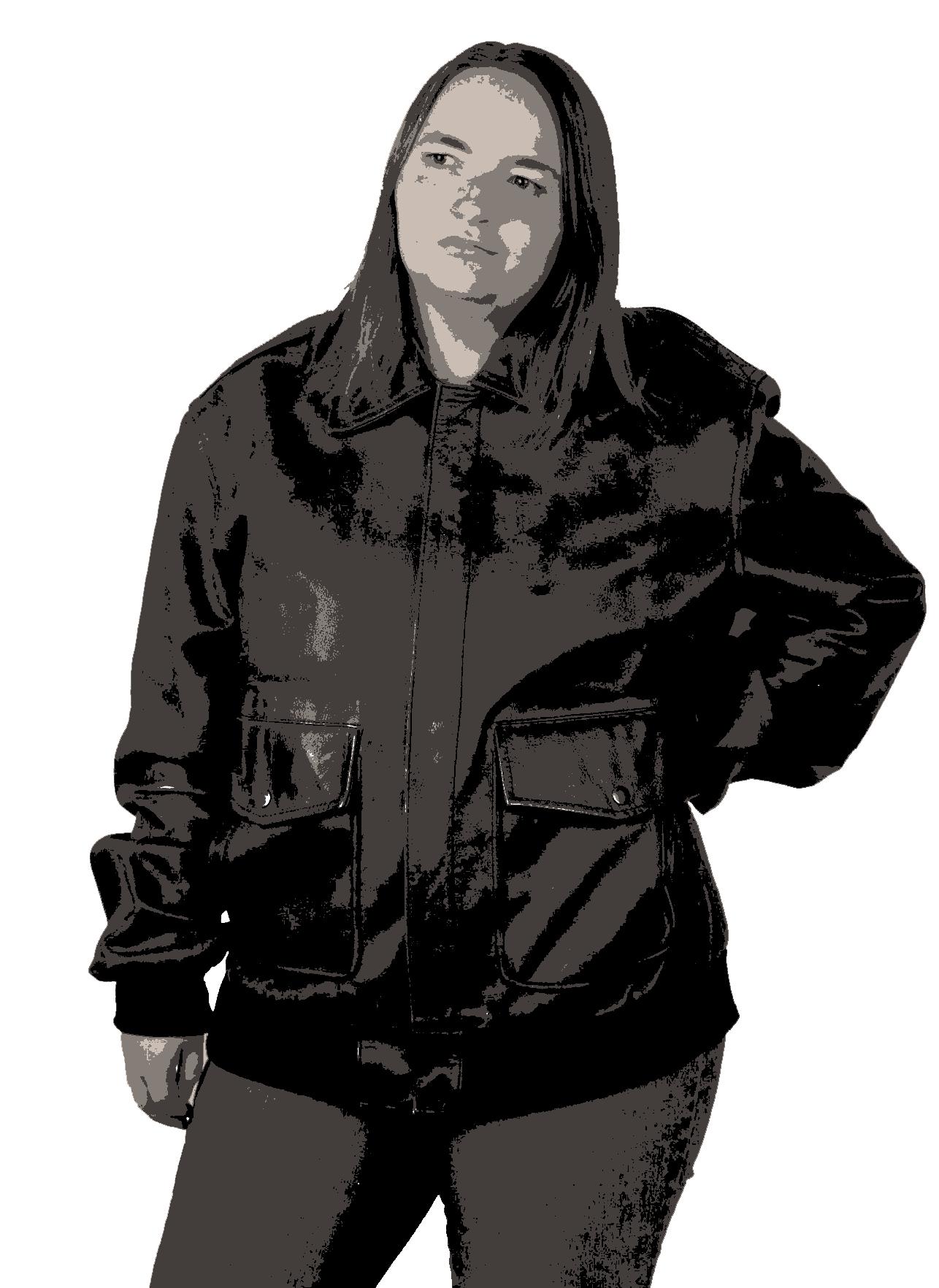
Still, the leather jacket continues to hold its rebelliousness, albeit in a more nuanced form. It is a piece of clothing that allows wearers to project a sense of confidence and independence, while also signaling solidarity with causes they care about. Many students wear their jackets as part of a broader fashion ecosystem that includes messages of inclusivity and activism. For example, leather jackets featuring political patches, embroidery, or phrases like “Climate Justice Now” or “No Human is Illegal” are common on campuses across the country. These jackets are often worn as forms of protest, championing human rights, or simply making a bold statement about the wearer’s values. It’s a garment that can be dressed up or down, worn over a vintage band tee for a concert, or paired with a sweater for a more polished look. The versatility of the leather jacket makes it an easy choice for those navigating the diverse social and cultural landscape of college life.


1) My name is Zoe Berman, I am a sophomore Theater / English major from Chicago! 2) In high school, I was very deep into punk styles. Although my own aesthetic has changed, I still have such a passion for the specifics and interesting aspects of punk fashion, and definitely have seen punk fashion remnants across campus.
Madeleine: How long have you been collecting sneakers?
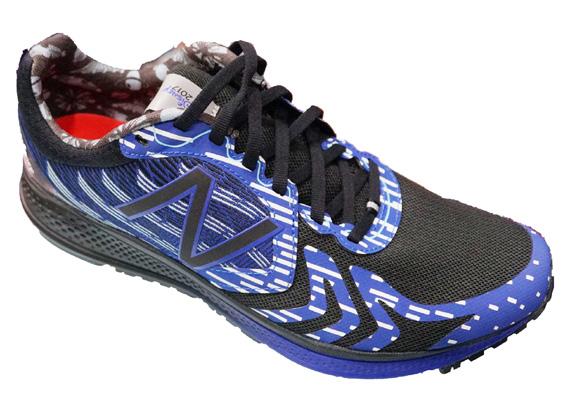
Brian: Almost 12 years now. It started when I used to do many races, like running races. You can go to some of these races, and they have unique shoes that you can only buy at the race if you participate. So, for example, these are Space Mountain shoes from doing a Disney race, right? So you can only buy these if you run the race and participate in the race, at the race.
I started going to these races, and they would have all of these cool shoes, and I thought they were pretty neat. I never really knew that people did this stuff, so that’s kind of how I got into it. I mean, I always liked sneakers as a kid, but to be frank, it wasn’t something that was socioeconomically available to me, so there’s probably a little bit of a Peter Pan complex; I just like sneakers because I have these visions from when I was a kid and other people had them, and I never really had them. But yeah, it’s probably been about 12 years.
Madeleine: And then once you started, did you immediately get one pair and then had to get more?
Brian: Yeah, it’s kind of an addicting thing. And you usually don’t have a ton of extra money hauled back but once in a while, and I’m sure Celestino will talk about this too, you get your eye on something that’s coming up, and you’re kind of like, all right, I have to have that one.
Madeleine: That’s awesome. What about you?
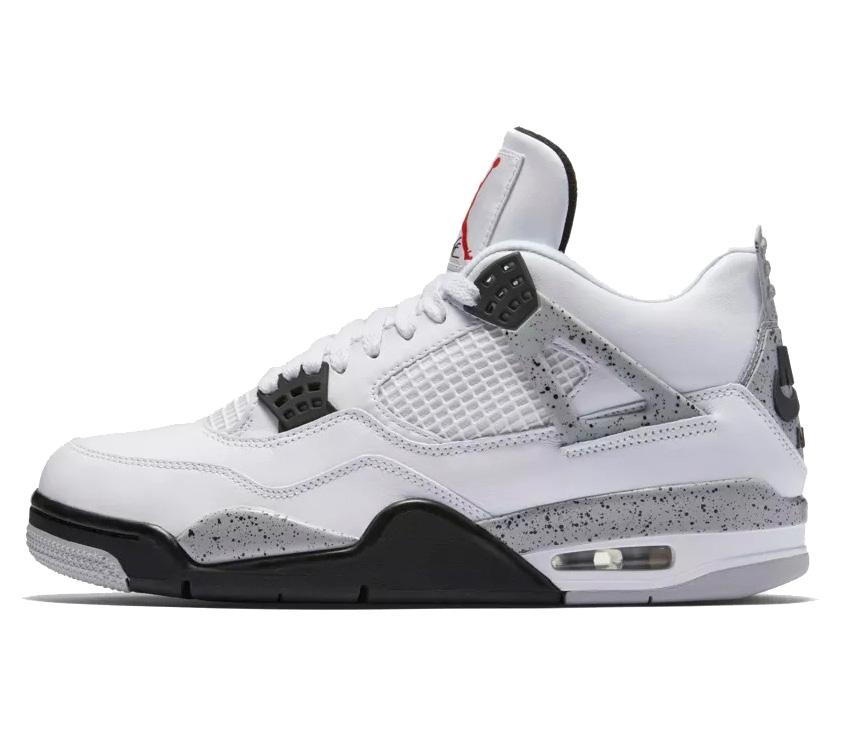
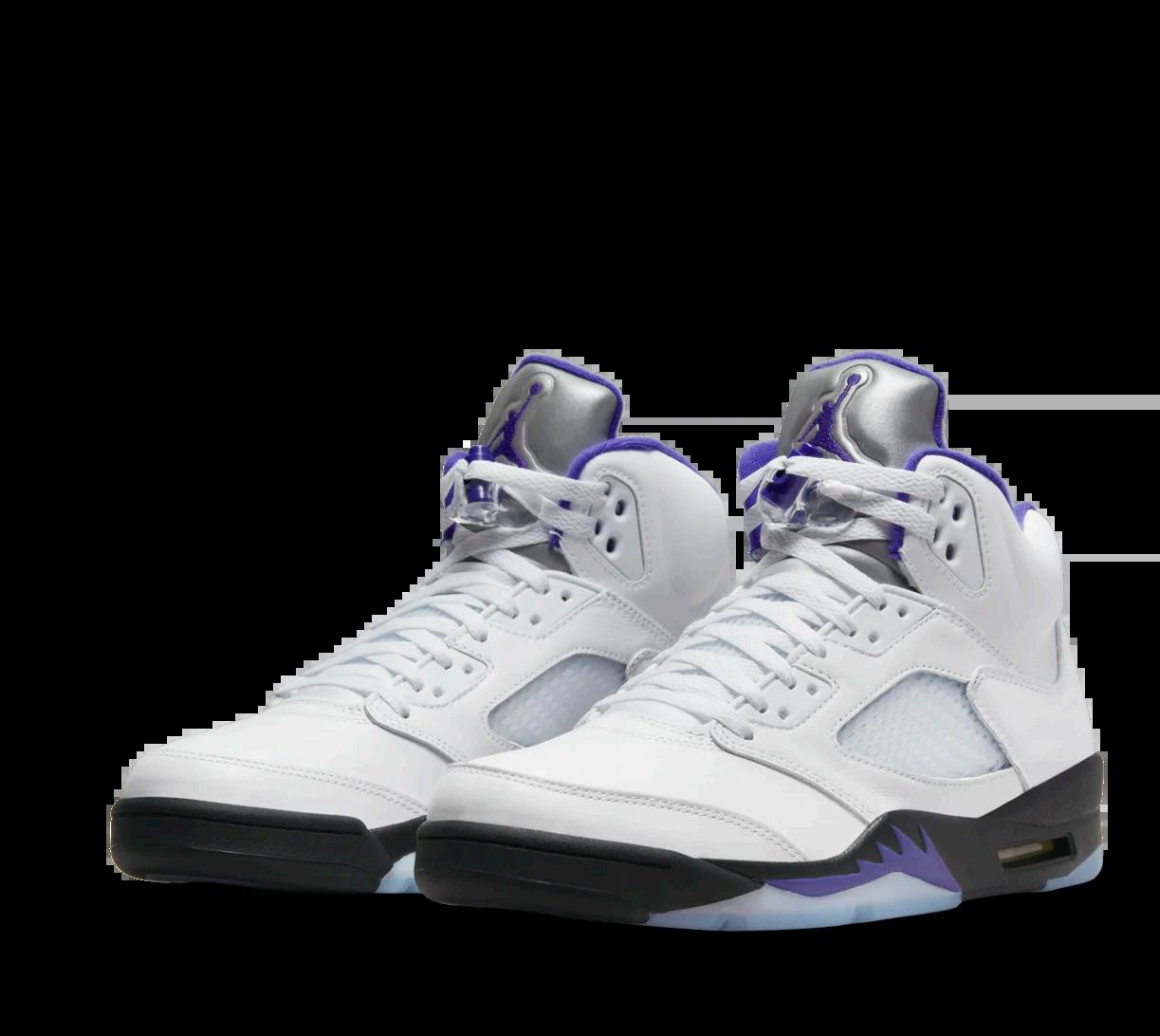
Celestino: I would say that I’ve been interested in them since high school. But like Brian, I think means were always a bit of an issue for my family. So when I did work, that was always kind of the goal: you would save a little bit of money to try and get your favorite sneaker. For me, I think when I was younger, I fell in lovehave you ever seen the movie Do the Right Thing? Spike Lee movie? So there’s a quintessential sneaker [in that movie], and that’s the Air Jordan 4 Cements. There’s a character in the film, Buggin’ Out, who wears those, and they get scuffed. And for me, that still is my favorite sneaker of all time: Cement 4s.
And I think from there; it was really clear to me that there was this neat way that people you looked up to in pop culture, in
music, in movies, were conscious of the same things you were conscious of, in terms of footwear and sneaker wear. And then, as I got a little bit older in college, sneakers became much more mainstream in terms of being worn in professional settings.
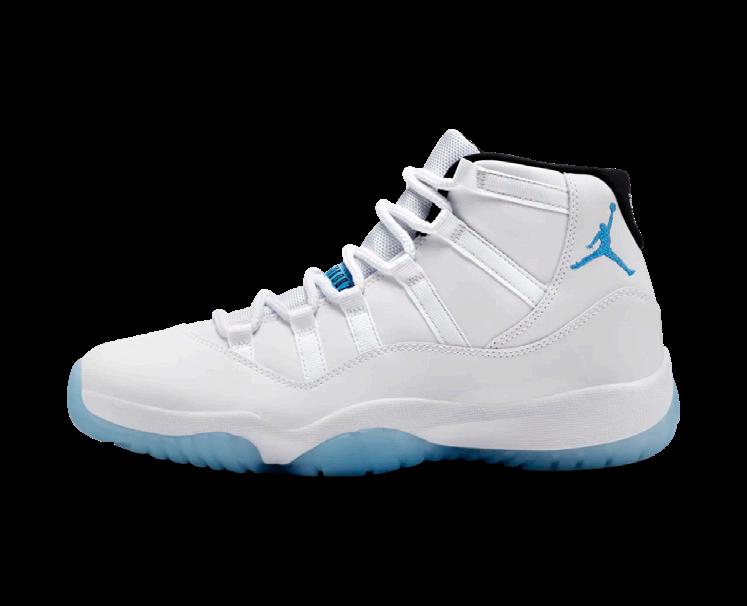
There’s a famous sneaker, the Air Jordan 11. And I remember when it was first released, people thought that people were going to start wearing it as formal wear because of the way it has this patent leather. It’s a gorgeous sneaker. And sure enough, it did.
And then it probably was about that time that [sneakers] became so mainstream, you started to see people that weren’t sneakerheads but just liked the look of something very cool and very sort of well-kept.
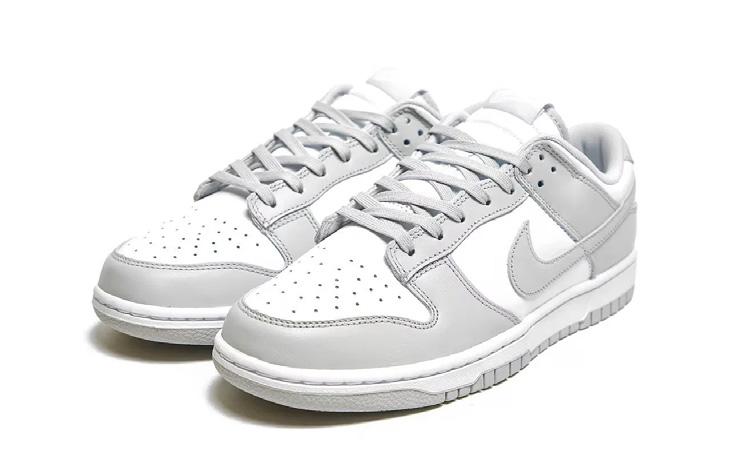
And the thing about Nike sneakers is, I’m a big fan of Jordans and Dunks - that’s what I love, there are so many different options you can do that it can round out your wardrobe in a neat way.
I think, more importantly, I met somebody when I finished my PhD, and we were both
interviewed by Madeleine Oehlers
in the same program. He remarked to me, he was a sneakerhead as well, and he was telling me that as a shy kid when he was in high school, he came to sneakers because he always looked down. He never made eye contact with people, and he would always know people by the sneakers they wore. And that was such a different life experience.
I became entranced by that because there’s something about sneakers. When you see somebody wearing something that you like, you can start conversations, and so much, I think, breaks down. You can be vulnerable by talking about this one fashion element. A lot of sneakerheads, we don’t necessarily think about them as being perhaps fashion forward, but of course they are, and when you think about that element of utilizing fashion to build relationships, it’s a pretty neat thing that sneakers can function in that way for a lot of people.
Madeleine: That’s so true. [Celestino] kind of answered my second question, but what are your favorite sneakers [Brian]?
Brian: So, I wouldn’t say I have a particular favorite. I mean, I have Jordans, I have... It doesn’t matter what the brand is necessari-
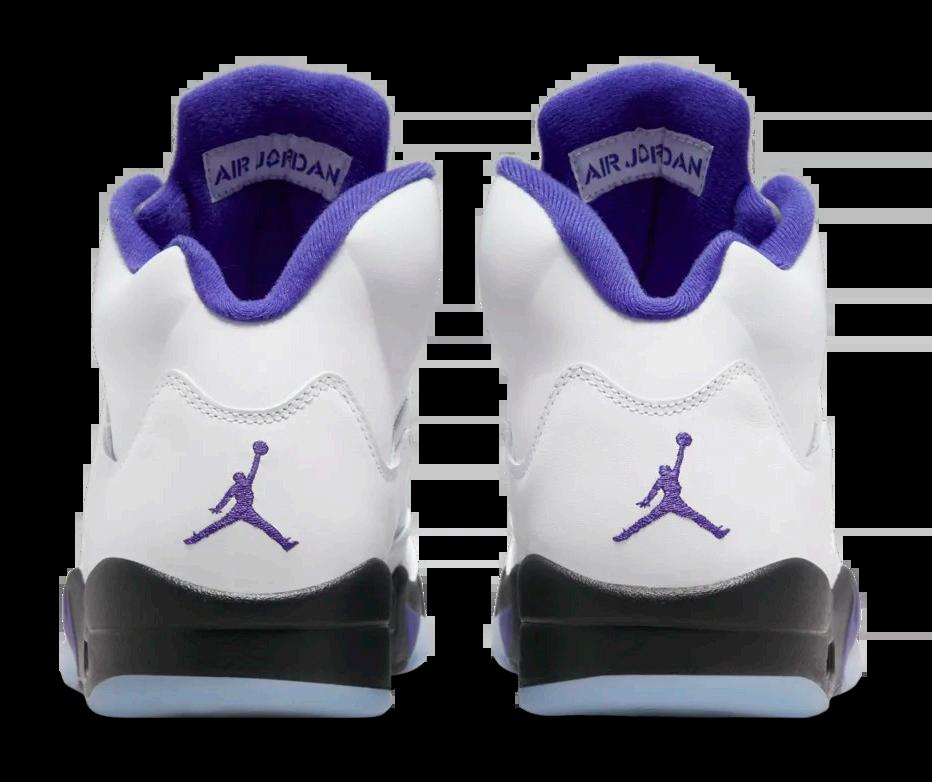
ly because I have some Brooks, I have some Nikes, I have just a couple of other ones. If I was going to just go for Nikes, the older Jordans, like the 4s and the 5s, are probably some of my favorites.
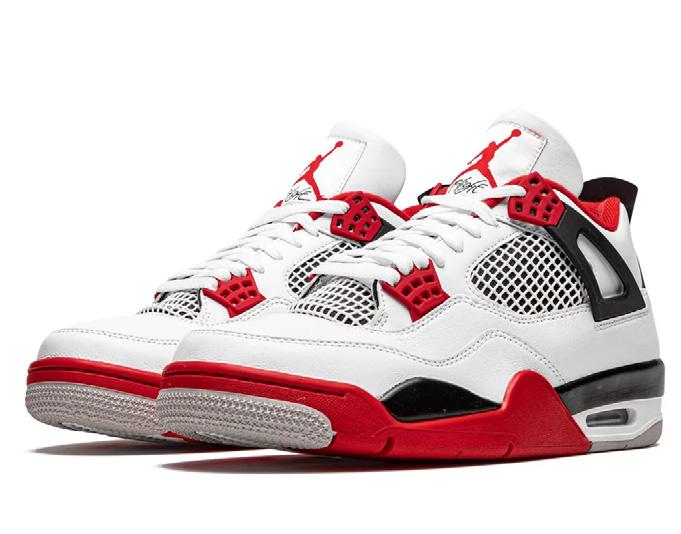
So, I don’t wanna say I have like a particular [favorite], but when I’m scrolling through the drops and looking at stuff, if there’s something that catches our eye, and actually sometimes Celestino, will send them out to a group of us and be like, “who’s gonna get this?” I kind of just like the ones that are eye-catching.
Sometimes there’s functionality too, like we both have a pair of air coinis. and I brought no, I didn’t bring a pair today, but there you can pull them on, they’re maceless. So they’re like they have like this gel around them and they’re really comfortable you can just pull them on so they can look super cool, but they’re also like functional and that like if you just need to run outside or like you
just want a more casual look you just pull them on and they’re pretty neat just goes into the functionality of sinkers too. They’re so fantastic. For a more specific question, ooh, I really like this question because I love really bright pairs of sneakers for the most part.
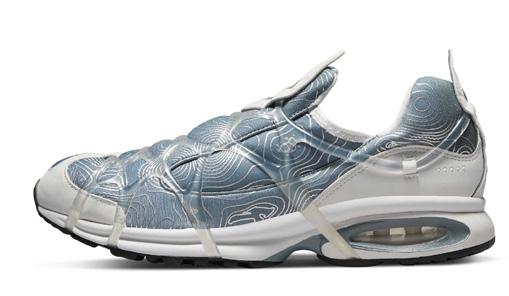
Sometimes there’s functionality too like we both have a pair of Nike Air Kukinis, and you can pull them on, they’re lace-less. They have this gel around them, and they’re comfortable, you can just pull them on. They can look super cool, but they’re also functional in that if you just need to run outside, or if you just want a more casual look, you can just pull them on. And they’re pretty neat, yeah.
Madeleine: Do you have any big takeaways about sneakers?
Brian: I think one of the things I love about sneakers is that you can be as individual as you want. And it can be an expression of who you are.
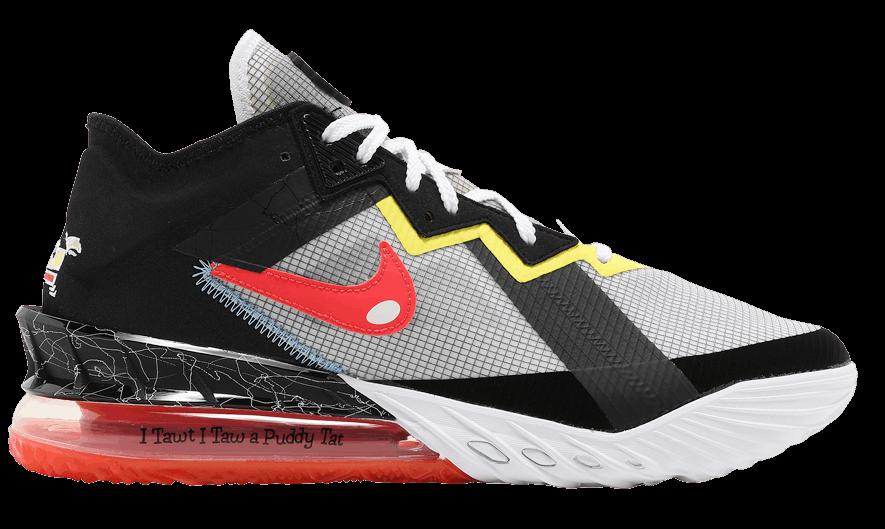
People walking around are like, why is the dean of students wearing a Toon Squad [sneaker] with a Tweety bird on the inside? It’s because outside of [Kenyon], I’m not the dean of students. I’m Brian. I’m a person. And so I do think that there are pieces about who
we are as individuals that can be conveyed through our sneakers and shoes. They can kind of highlight part of your personality that maybe isn’t there all the time. I think your sneakers can speak a little bit for who you are as a person. It’s an important way to be able sometimes to demonstrate who you are.
Celestino: Yeah. That’s brilliant. Just end on that.
(Brian has around 44 pairs of sneakers and Celestino around 60.)
Madeleine: And if you were to give an easy howto for people to get into sneakers, what would that look like?
Celestino: Wow. Well, I would say first, there are plenty of things online you can look at just to get yourself acquainted. Kind of like how whenever you’re doing a paper, do your research, right? You can go to [online resources like] Nice Kicks, Kicks on Fire, and Hypebeast. They’re going to have a cacophony of so many things.

with Brian Janssen and Celestino Limas, interviewed by Madeleine Oehlers
And I also think when you find a sneaker you like, make sure you look at the history of it because, more likely than not, you’re probably catching it in its fifth or sixth iteration. There are other colorways, and it can make you appreciate sort of the genesis and how it’s evolved.
I think being a student, just like all Kenyon students are, is being good in any situation, because you can [learn and] understand the trajectory of how a sneaker that you really like came to be. From there, the neat thing about looking online it’s going to be easykind of like when you listen to Spotify, or you watch a YouTube clip, part of it’s designed to be a gateway towards other songs that you like or other videos you can watch. So, it can kind of feed this perpetual motion of exploring sneakers. The same thing is going to happen on sneaker sites where you’ll see things [sneakers] that are like it [sneakers], or that people have loved this and this one.
But I would say be mindful of your budget because it could get out of hand very quickly. And there’s a difference between admiring sneakers [and buying them], and I think [admiring is] a great place to start. And then, eventually, make an investment in one that you want to get, and then be comfortable with it.
Brian: Yeah, I mean, there’s tons of stuff out there. TikTok videos, YouTube. I mean, you can
learn a lot about sneakers [online]. I would advise anyone to just download the Nike Sneakers app, though, because you don’t have to buy anything. It’s free, it doesn’t cost you anything. And you can just scroll through and see what’s coming up. You can have a little story underneath each one. It might give you a little bit of the heritage or the origin story of it.
That’s kind of how I started when I was looking at Nike. I was just downloading the app and being like... Okay, there are certain ones from my childhood that I rate like, but getting into the newer editions of them, I would just scroll through there and see what was dropping and coming up. So, I think the [Nike] Sneakers app is good. Other [companies also] do it; Adidas has one, too.
Celestino: That’s a really good point that Brian makes, and actually, that’s a good piece [of advice] that people should start from. So, if you download the sneakers app that he mentioned, but then also download the StockX app because, Brian’s right, the Nike app is going to have all the different [shoes] because they launch sneakers multiple times a week. [And] if you want to know what’s on the retail market that’s really hot, you can look at the shoes you really like on StockX, and you’ll know right away. If it’s reselling for the same as retail, not a

lot of people are going after it, but if it’s reselling for five times, six times [the retail price], as a newbie, you can understand that this [shoe is] going to be a really popular model.
Then you can learn why people like this [sneaker so much] as opposed to like other [sneakers]? So I think it can really help your edification of the topic.
THE TIGHTS CRAZE AND SOCIETAL EVOLUTION
THE TIGHTS CRAZE AND SOCIETAL EVOLUTION
THE TIGHTS CRAZE AND SOCIETAL EVOLUTION
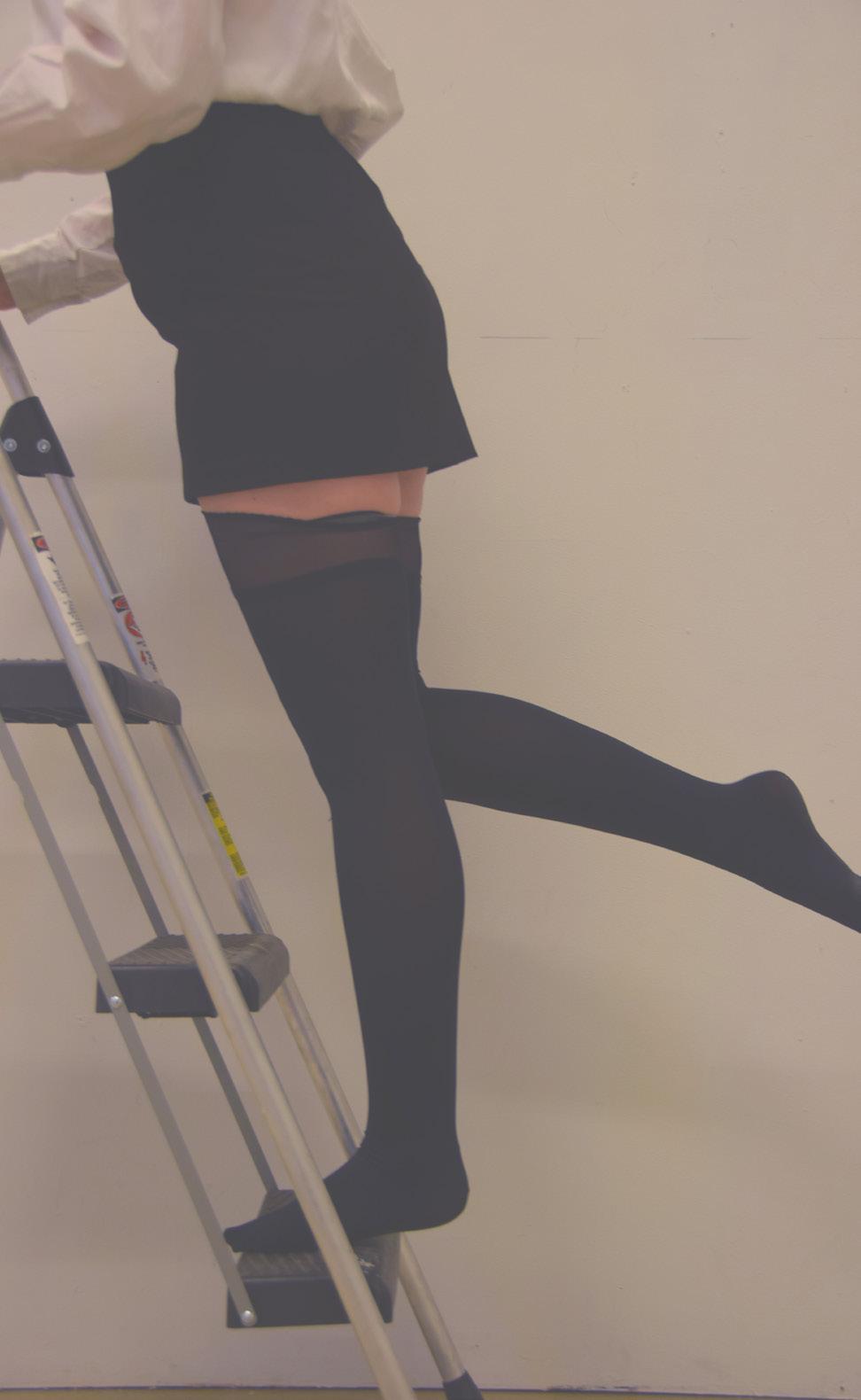
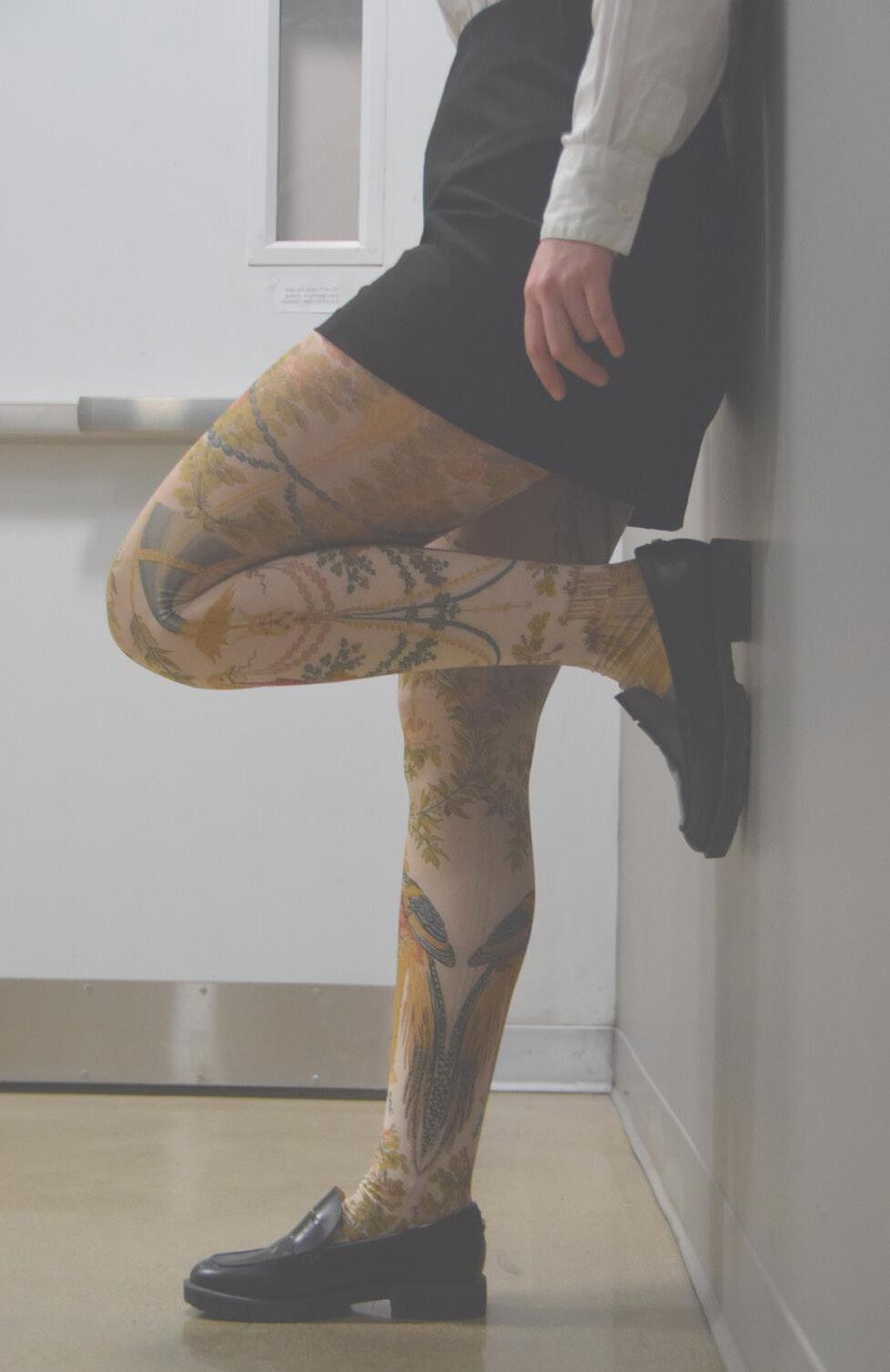
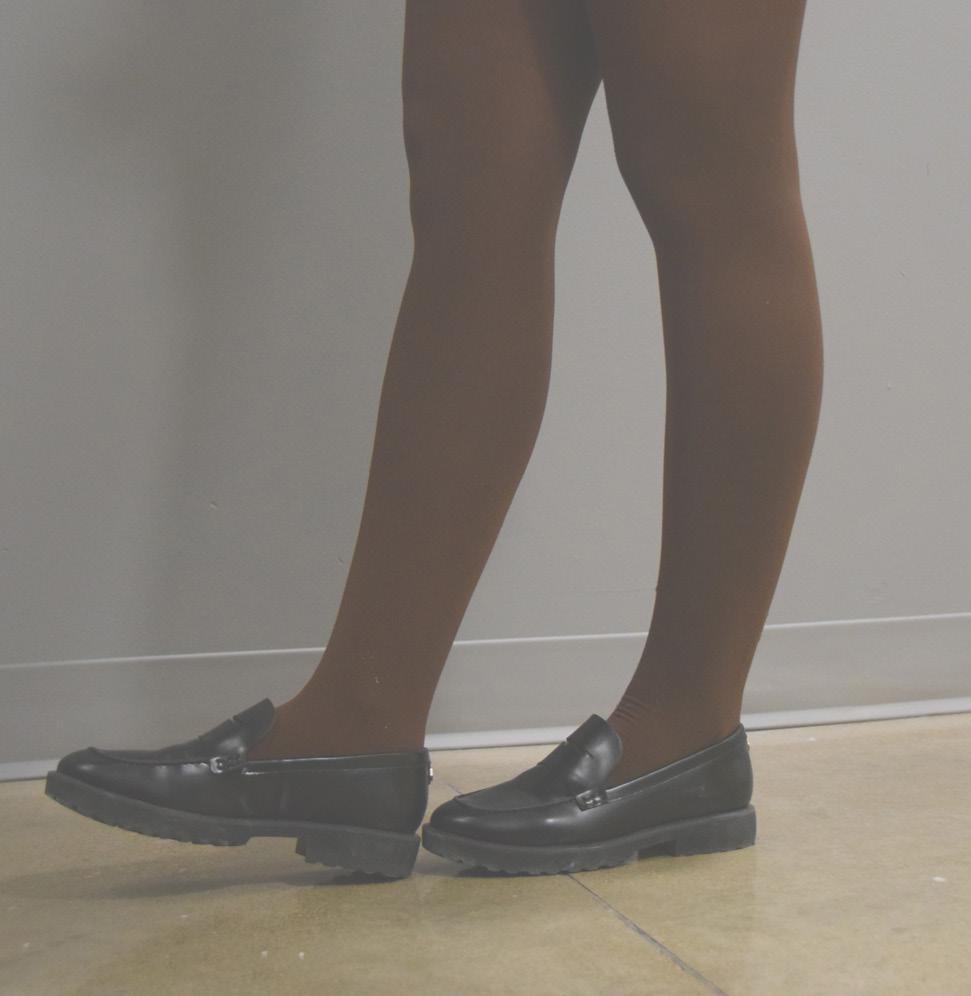
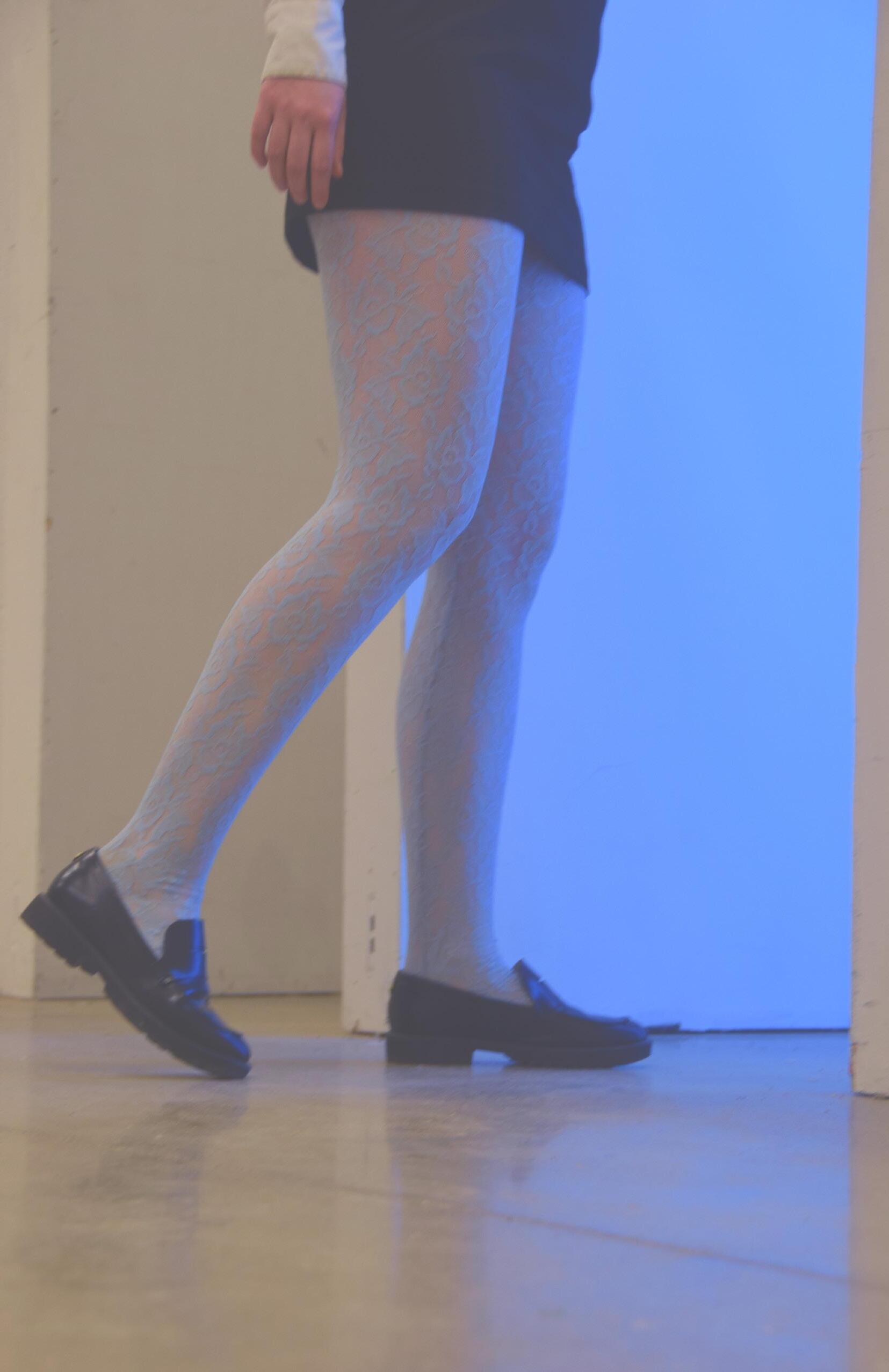
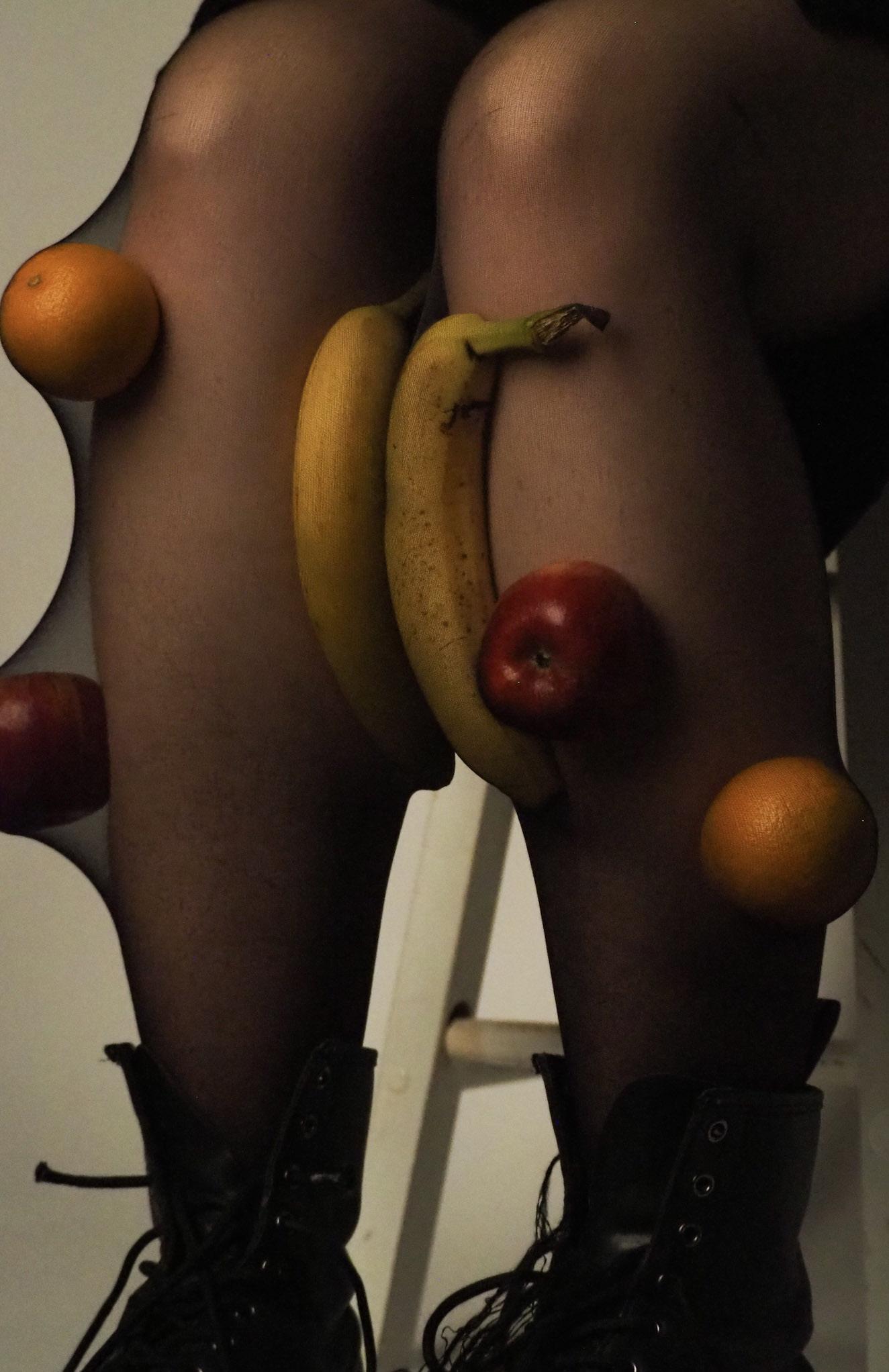
One trend I have loved recently is the statement-tight look. I noticed this trend most notably at Kenyon’s Vaug all-campus. Looking through the room of flashing lights I saw a sea of fishnets, patterned and ripped tights. Most tights were worn underneath a mini skirt or dress while others were the main event, only worn with lacy underwear. But this trend is far deeper than an article of clothing. Through simple, patterned, ripped, and colored tights, there is a symbol of feminism and universal societal change of perspective.
Tights began as a form of conformity rather than expression. When mini skirts came to a rise in the 60’s, tights quickly followed. Women believed that wearing nude or black tights made them look younger and their legs look leaner. Wearing shorter skirts was an empowering shift for women as the shorter garments gave women a more youthful expression. This societal pressure for women to look younger is expressed through tights as they were made mainly to make women look younger. The early 60s were nearing the end of the most conformist period in the United States. The 50s heavily encouraged conformity and perfection, so, it is no surprise that women were looking to break free from the strict gender roles and lack of freedom at this time. Though tights were made because women were gaining more freedom of expression by wearing shorter skirts, it still upheld the belief that women needed to look young to look attractive.
In the 70’s you can see the transition from nude or black tights to vibrant reds and funky patterns. This bold expression is the result of a more vibrant social change for women. Among many other movements in this period, the sexual revolution of the 60s broke free from the confines of sexual social norms in the Western
world. This movement normalized sexual relationships and encouraged sexual freedom for everyone, especially women:“Feminists asserted that single women had the same sexual desires and should have the same sexual freedoms as everyone else in society” (PBS, The Pill and The Sexual Revolution). Through sexual freedom, women began to feel more liberated and powerful in every regard, this was expressed through clothing choices. Tights are often a piece that can be associated with sex because they are considered undergarments, so to take control over this article of clothing, in particular, demonstrates the societal transition to sexual liberty. The 70s was a time of flourishing color and pattern, so many women of the 70s wore patterned colorful tights. This bold and bright expression is a demonstration of the liberty women were able to experience for the first time.
One recent trend that sticks out to me is the ripped tights look of the 2010s. Mainly worn by more grunge alternative styles, this trend is a perfect representation of women breaking free from the confines of societal expectations. The act of ripping apart something that was often used to be a more socially acceptable woman is undeniably a feminist symbol. This trend was also seen in high fashion in the late 2010’s such as Saint Laurent Autumn Winter 2015 in which most models wore this distressed pantyhose look. Putting this feminist symbol on an international platform demonstrates how fashion has become a means of expressing opinions and how tights are more than just a trend, but a symbol of feminism.
In the past couple of years, tights have begun to rise again, this time being a combination of every era of the tights craze. In high fashion, we can see this trend begin to take off as more and more designers incorpo-
rate statement tights into their designs. Huge designers have begun to incorporate the tight trend into their designs and shows such as Red fishnets at Gucci’s AW23 show, Floral tights at the Jacquemus AW23 show, and Coloured tights at Burberry SS24. Through each designer’s unique interpretation of the trend, we can see how tights are a unique form of expression and a trend that
BY ALLYSON BRADY
anyone can enjoy. Designers with large platforms engaging in this trend will give it more traction so I expect to see this trend continue to grow in popularity within the next year.
You can choose to wear classic black tights, bold fishnets, or a funky colorful patterned tight. No matter the choice, tights are not just a fashion trend, they represent a whole lot more about our societal perspectives. Women in this day and age can make the choice of how they express themselves which demonstrates how far we have come from the conformist society in which tights were first developed. Tights are not going away, in fact, we have only just begun to see the potential in this piece of clothing. As we continue to evolve as a society, the tights will as well.
My name is Allyson Brady, and I’m from Denver, Colorado. I am a first year who has always loved fashion and I think it would be really cool to put that passion towards something. I have never written articles before but I am super excited to learn how to get better. In my piece, I do a deep dive into the history of tights through a feminist lens. I love understanding the patterns of fashion trends and how that is representative of our world. After understanding the historical context behind tights, I feel a lot more powerful wearing tights knowing they can be a feminist symbol. It has also made me appreciate that I am not growing up in a time of conformity. In this day and age, we are more free to express ourselves through fashion than ever before. Because of this, I feel a lot more liberated in my expression.
by Nell Corley
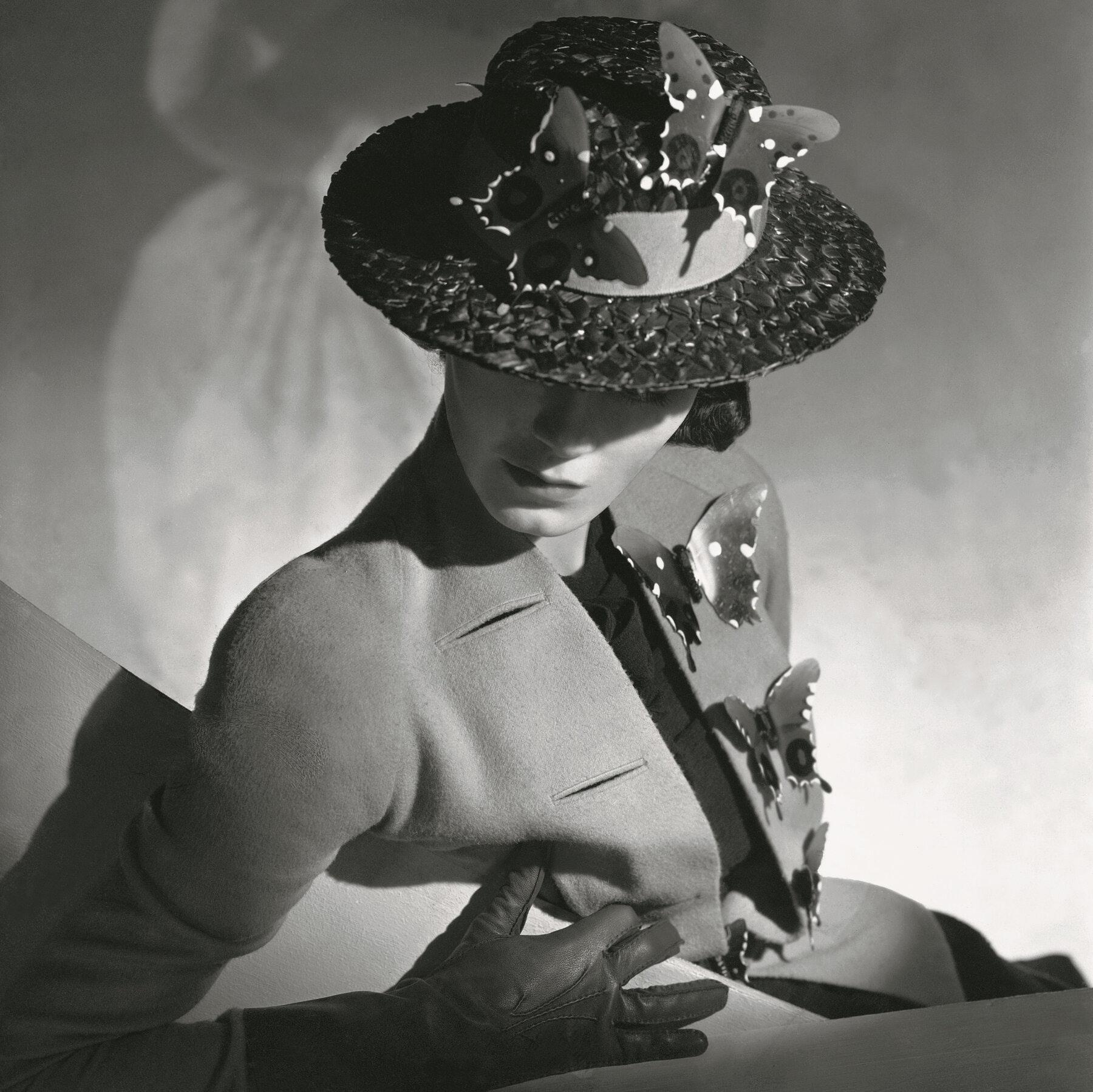
In 1927, an iconic fashion house opened under the staunch creative vision of Elsa Schiaparelli. Both practical and chic, her designs shocked audiences with boundary-defying creativity, and she was propelled into fame by the tabloid press due to her magnetic personality. After World War I, progress was in fashion. Surrealism was on the rise: consumers were interested in art that innovated beyond conformity and redefined its very meaning. Schiaparelli, an artist at heart, capitalized off of the Surrealist movement, collaborating with artists like Salvador Dalí with her iconic ‘Lobster Dress’ as well as Jean Cocteau to make
sculptural broaches and buttons that remain motifs of the brand today.
Artists wanted to work with Elsa because of the way she translated the dreamy, absurd Surrealist vision into physical garments.
Mass-media catalyzed her rise to power in the fashion industry. She was everywhere: from Vogue and Harper’s Bazaar to Hollywood movies (her imaginative and experimental designs were perfect for the film industry), no glamorous woman at the time did not know her name - and her designs were uniquely recognizable because of her inventive nature. One could distinguish a Schiaparelli dress from the careful craftsmanship, artistic motifs, and combination of practicality with humorous disturbance of the norm.
Unfortunately, with the conclusion of the second World War, tastes shifted and Surrealism fell out of fashion. It seems that Elsa gave up: she could no longer entertain her supporters by being herself. She had developed an entire brand based around her
whimsical persona and it was no longer applicable to consumer interests. The brand closed in 1954 and Schiaparelli passed away about two decades later.
Yet Schiaparelli’s legacy was not forgotten. Her unique means of creation continue to represent modernity, engaging with both the beauty and terror of progress.
In an increasingly mass-produced world, she reminded consumers that they still had the agency to present themselves as one-of-a-kind.
Elsa was one of the first female designers to think of her clothes making as an art, completely transforming the conventions of fashion. Nearly sixty years after its closure, the internet enabled digital access to information about her iconic work and there was a demand for the return of her brand. After some missteps in the beginning of its reopening in the early 2010s, the new Schiaparelli found its footing with creative director Daniel Roseberry. Many call him ‘Schiaparelli reincarnated.’ His own designs have sparked the same controversies and adoration as Elsa had always intended from her own. You would probably recognize some of his striking pieces worn by the biggest celebrities of our generation: a bulletproof golden
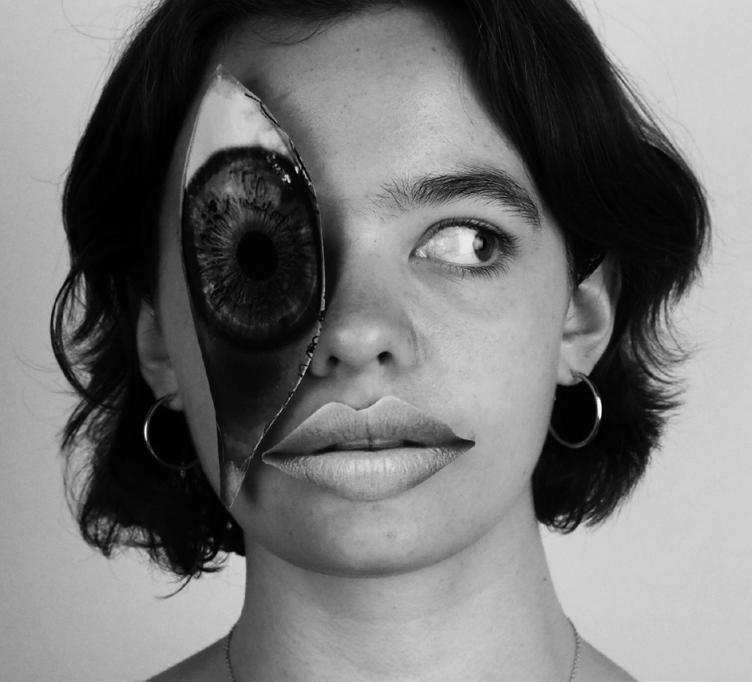
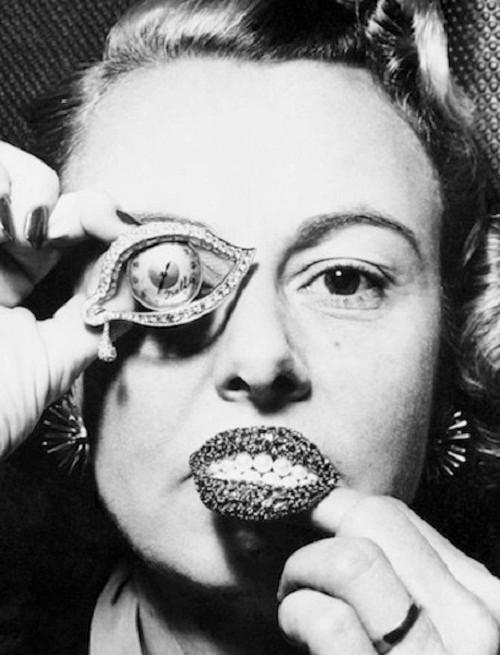
bird worn as a broach by Lady Gaga at President Biden’s inauguration, a controversial gown on Kylie Jenner featuring an almost life-sized stuffed lion head on the shoulder, or perhaps the stunning pair of metallic lungs that Bella Hadid wore to Cannes a few years back. The motifs clearly reference Elsa’s artistic, sculptural pieces, reimagined for a new age. Now, social media enables the bizarre and eye-catching aesthetic of Schiaparelli to be distributed to a new audience.
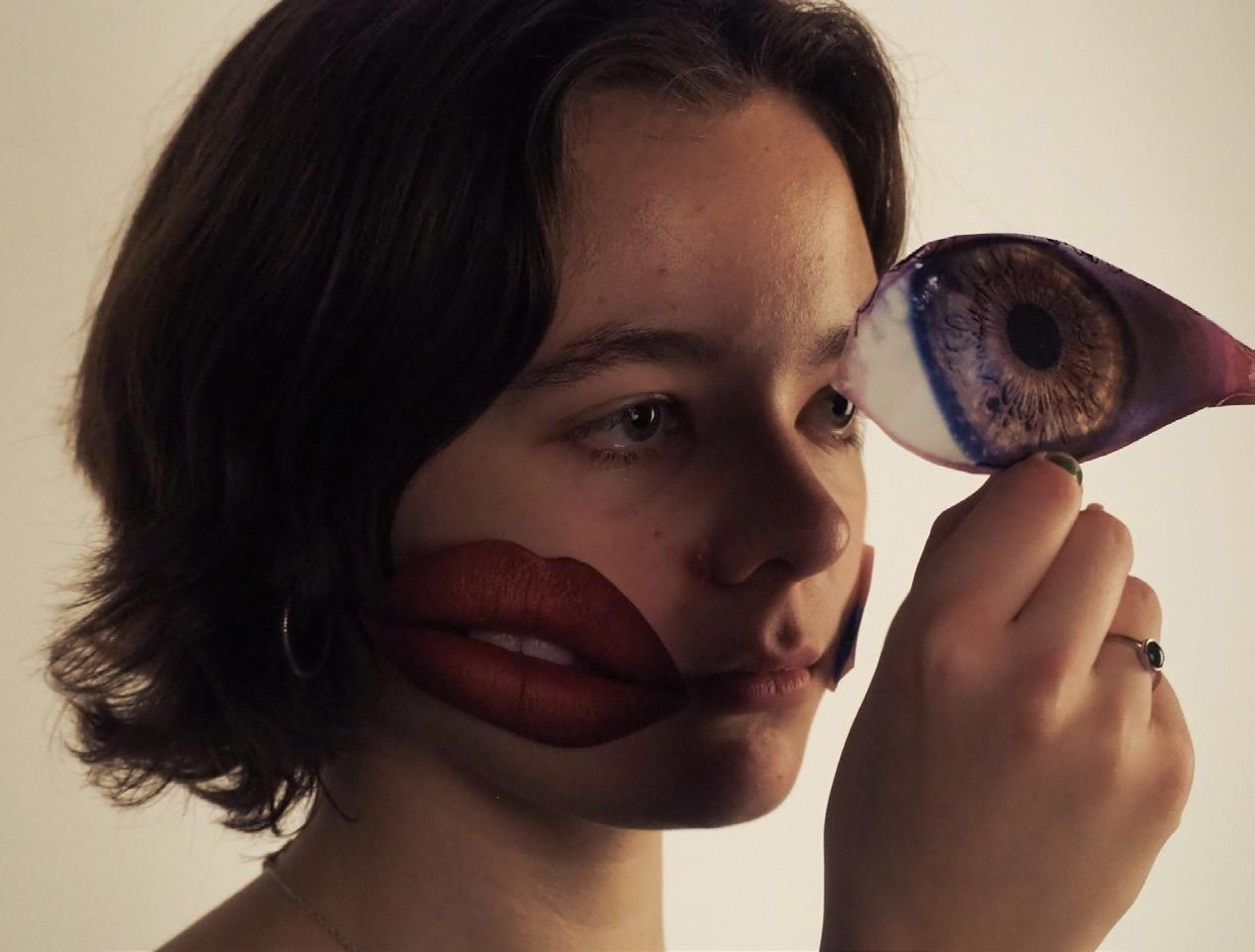
Schiaparelli has only been reopened for approximately a decade, but its impact has been vast. Perhaps the new creative direction of Daniel Roseberry will catapult the brand back to its rightful place in the fashion world as a pinnacle of inventive couture, altered for the contemporary spectator. Schiaparelli’s re-emergence and particular rise in popularity during the COVID-19 pandemic may be a sign that the cycle of trends has moved back to the dreamy, introspective ideology of Surrealism in contrast with the harsh realities of the modern world.
“In difficult times, fashion is always outrageous.”
Officers:
Caton Lee, Co-President
Madeleine Oehlers, Co-President
Ireland Bone, Creative Director/Designer
Celina Torino, Copy/Lead Editor
Writers:
Isabella Kreidler
Zoe Berman
Erin Teal
Madeleine Oehlers
Ally Brady
Nell Corley
Editors:
Celia Torino
Madeleine Oehlers
Emma Smith
Ella Woodruff
Madeline Cassell
Soren Roeser
Lottie Mathew
Bridget Lomax
Photographers:
Isaac Martinez
Tate Jones
Margot Manning
Caton Lee
Prince Davenport
S
Models:
Marissa Phoeung
Claire Clifford Langenek
Kaitlyn Ingersoll
Jane Barnard
Design: Ireland Bone
Social Media: Maya Sherlick
Interested in seeing your name on this list? Scan the QR Code for our interest form!


F.I.T. Magazine’s goal is to show our campus’s creativity through the student’s interests in fashion. We aim to provide a platform for Kenyon students to express their style and engage with the broader fashion community. With the use of editorial content, the design of the magazine, and photography, we hope to connect to readers, educate, and encourage more individuality.