be more.
the great DMO transformation: from mouthpiece to place maker
by Michael Martelon
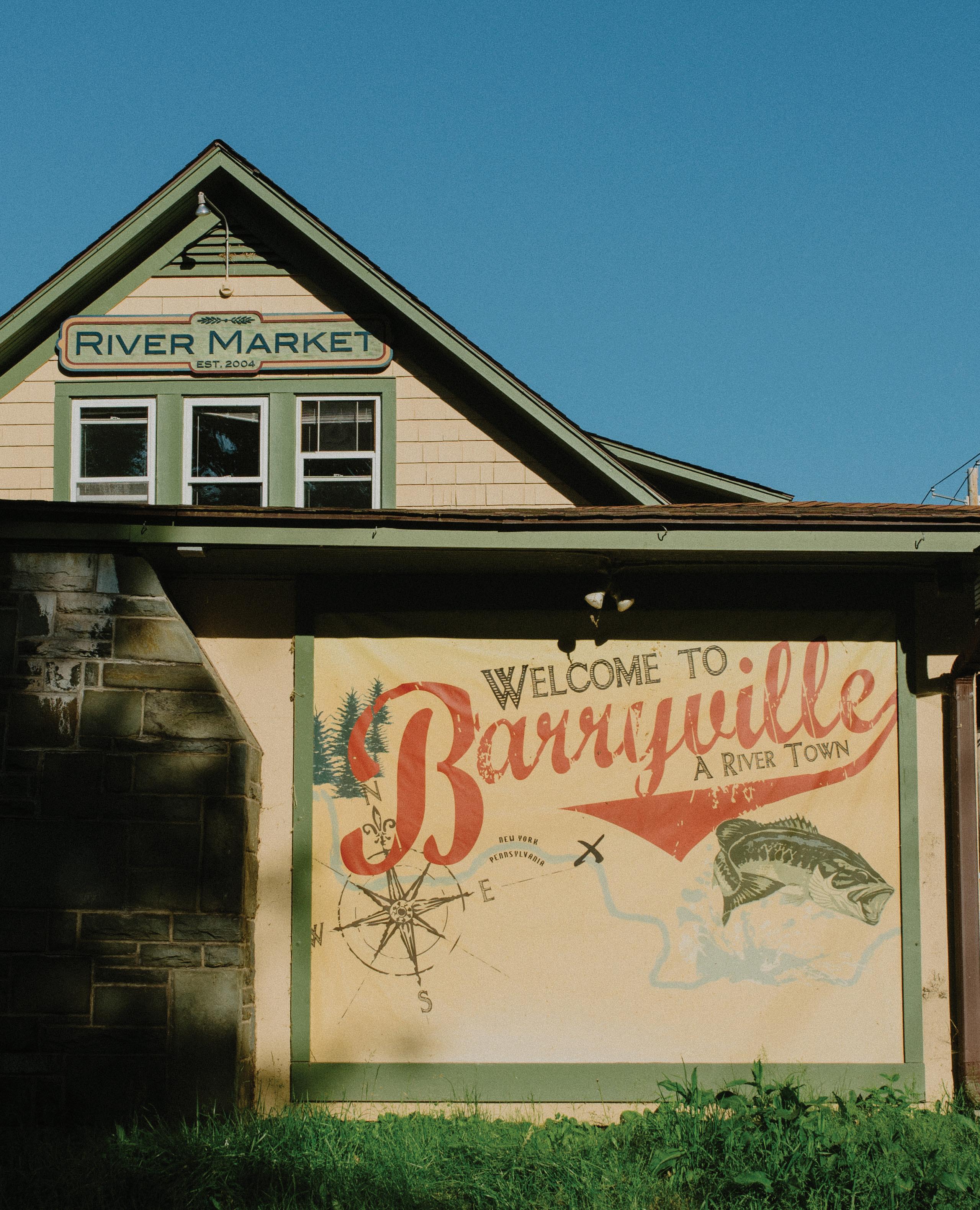
Long before tourism became an industry filled with dashboards, attribution models, and marketing automation platforms, it was something much simpler. A place had a story. Someone told it well enough that people decided, “I should check that out.”
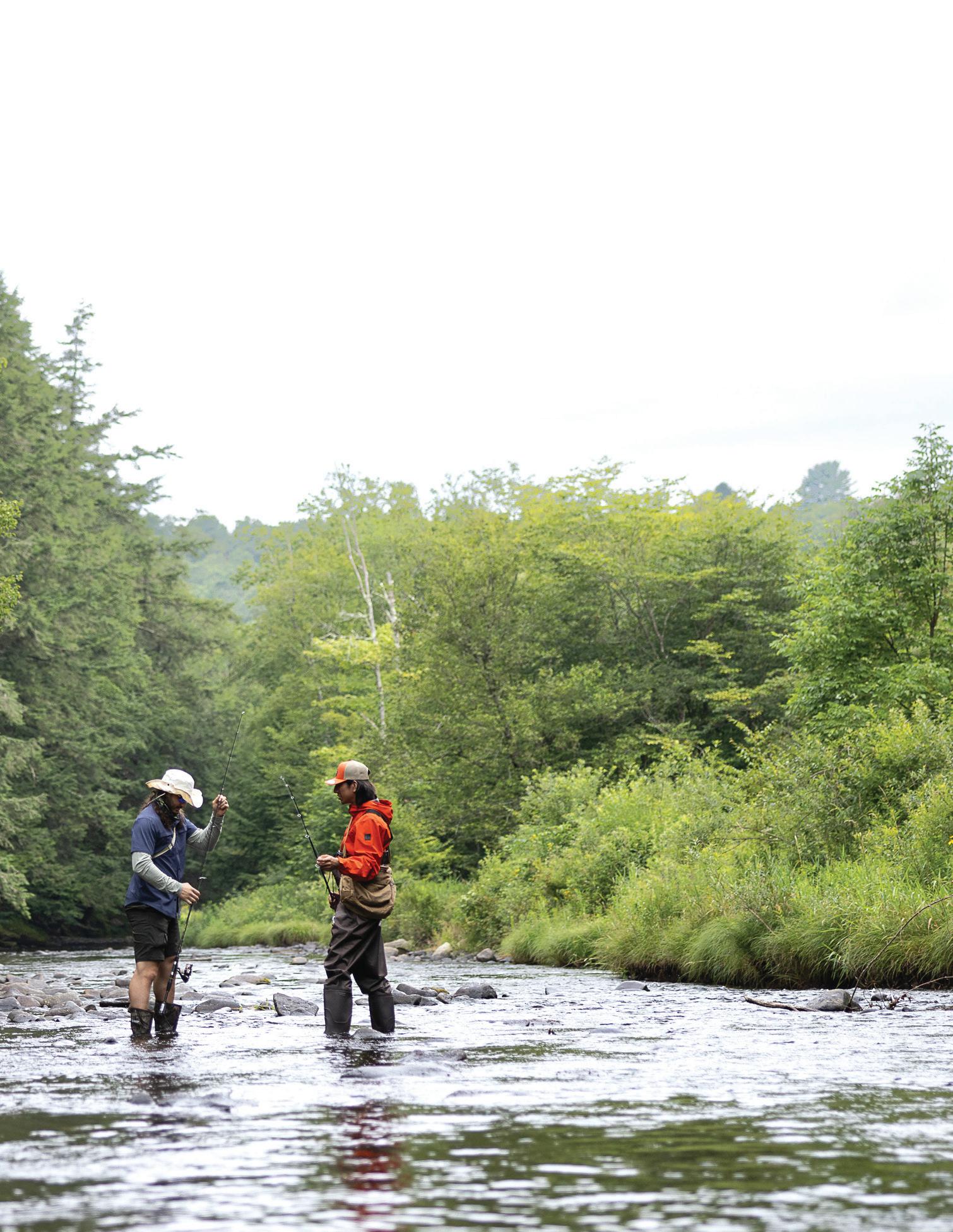
In many ways, the origins of American tourism can be traced to places like Sullivan County, New York. As early as the nineteenth century, travelers from New York City boarded trains bound for the mountains of the Catskills in search of something city life couldn’t offer: clean air, trout streams, and the restorative power of nature. What began as a landscape of mountain houses, fishing

from mouthpiece to place maker
lodges, and rural boarding houses gradually evolved into something much larger. By the early twentieth century the region had grown into a vast constellation of hotels and bungalow colonies, and among them legendary properties like Grossinger’s Catskill Resort Hotel helped transform the Catskills into one of the country’s earliest tourism economies.
Over time the region became known for a particular brand of summer freedom that city life couldn’t provide, each generation discovering its own version of the Catskills. Visitors didn’t arrive because of sophisticated marketing campaigns.
They came because of stories, passed from traveler to traveler, family to family.

Long before anyone coined the term “destination marketing organization,” places like Sullivan County were already doing something essential: sharing themselves with the world. Over time however, the act of sharing evolved into something more formal.
the era of promotion?
In the latter half of the twentieth century, communities across the United States began creating formal tourism promotion organizations.
These groups, often funded through hotel occupancy taxes, were tasked with a clear mission: bring visitors to town.
The formula was straightforward. Produce a visitor guide. Attend travel shows. Place advertising in magazines. Invite journalists. Court meeting planners. Tell the story of the place as widely as possible.
Organizations across the country formed professional networks to support the work. Groups like Destinations International helped codify best practices and elevate tourism marketing into a recognized profession.


For decades the system worked. Tourism bureaus acted as the central storytellers of a destination, translating local culture and landscapes into something that could travel beyond the region itself.
In places like Sullivan County, tourism promotion helped sustain a legacy that stretched back generations. The Catskills’ reputation as a getaway from urban life remained powerful long after the golden age of resort hotels had faded. But as tourism promotion matured, something else began to form around it.
the industry around the industry
Over time, destination marketing developed its own ecosystem. Consultants offered strategic planning. Vendors sold advertising platforms. Conferences and speaking circuits emerged to share ideas and showcase “best practices.”
Measurement became an important part of the picture as well. Firms like Dean Runyan Associates, Longwoods International, and Tourism Economics created models designed to estimate tourism’s economic impact, calculating visitor spending, employment effects, and tax generation.
These
studies helped articulate tourism’s value in numbers rather than anecdotes.
A destination could now say, with confidence, that visitors generated millions, or billions of dollars in economic activity.
Yet even as the numbers grew more sophisticated, the underlying approach remained rooted in the same idea: promotion drives visitation.
Even with that data, the state of Colorado is famous for being the ultimate case study for what happens when destination marketing disappears. In 1993, Colorado lawmakers allowed the tax funding the state’s tourism office to expire, eliminating the
program despite clear warnings from tourism economists and industry leaders. The promotion budget dropped from $12 million to zero, making Colorado the only state without a tourism marketing program. In only 24 months, the state lost about 30% of its domestic tourism market share, and tourism spending fell by an estimated $1–2 billion annually, yes that’s BILLION. Colorado plummeted from 1st to 17th among U.S. summer destinations. The state ultimately reinstated the Colorado Tourism Office in 2000, but it took nearly a decade to rebuild the lost market share.

when discovery moved online
Then the internet arrived and rewrote the rules. Digital technology fundamentally changed how people choose where to travel. Search engines became the starting point for trip planning. Platforms like Google and Tripadvisor placed vast libraries of travel information at a traveler’s fingertips. Soon social media, from Facebook and Instagram to YouTube and TikTok, turned everyday travelers into storytellers, sharing their own experiences with global audiences.
Destinations no longer controlled the narrative in the same way. Visitors were discovering places through reviews, videos, social posts, and personal recommendations shared across the internet.


For tourism organizations, adaptation meant moving quickly into the digital world, building websites, creating social channels, optimizing for search.
But even in this emerging environment, many organizations still operated with a familiar mindset: reach as many potential travelers as possible and persuade them to visit. The internet however, had introduced something far more valuable than reach.
It introduced data.
the emergence of destination intelligence
Every digital interaction leaves behind a trail of information. Website visits reveal what travelers are curious about. Newsletter subscriptions signal deeper interest. Content engagement shows which stories resonate and which fall flat. For the first time, destinations could observe traveler behavior directly rather than relying solely on surveys or macroeconomic models.
Some organizations began building first-party data ecosystems, collecting and analyzing the signals generated by their own audiences. Instead of broadcasting messages outward, they started learning from the people already leaning in.
This shift changes the nature of the work. The destination marketing organization becomes continued
the emergence of destination intelligence
something more than a marketing shop. It begins to resemble an intelligence hub, translating audience insight into better storytelling and more relevant experiences.
Part of that intelligence must also come from the destination’s core tourism economy itself. In New York for example, tourism performance is often measured through tax reporting that may not be fully available until March or April of the following year. By the time those numbers arrive, the season they describe is already long past.
A next-generation destination organization can close that gap by working directly with lodging partners to develop voluntary, anonymized reporting of key accommodation indicators such as occupancy, average daily rate, booking pace, and forward reservations.
For participating operators, the benefit is simple: meaningful benchmarking and visibility into broader market trends.

For the destination, the result is something far more valuable: a timely and defensible view of how the visitor economy is actually performing. Combined with digital audience insight, this creates a far clearer picture of the destination in motion.
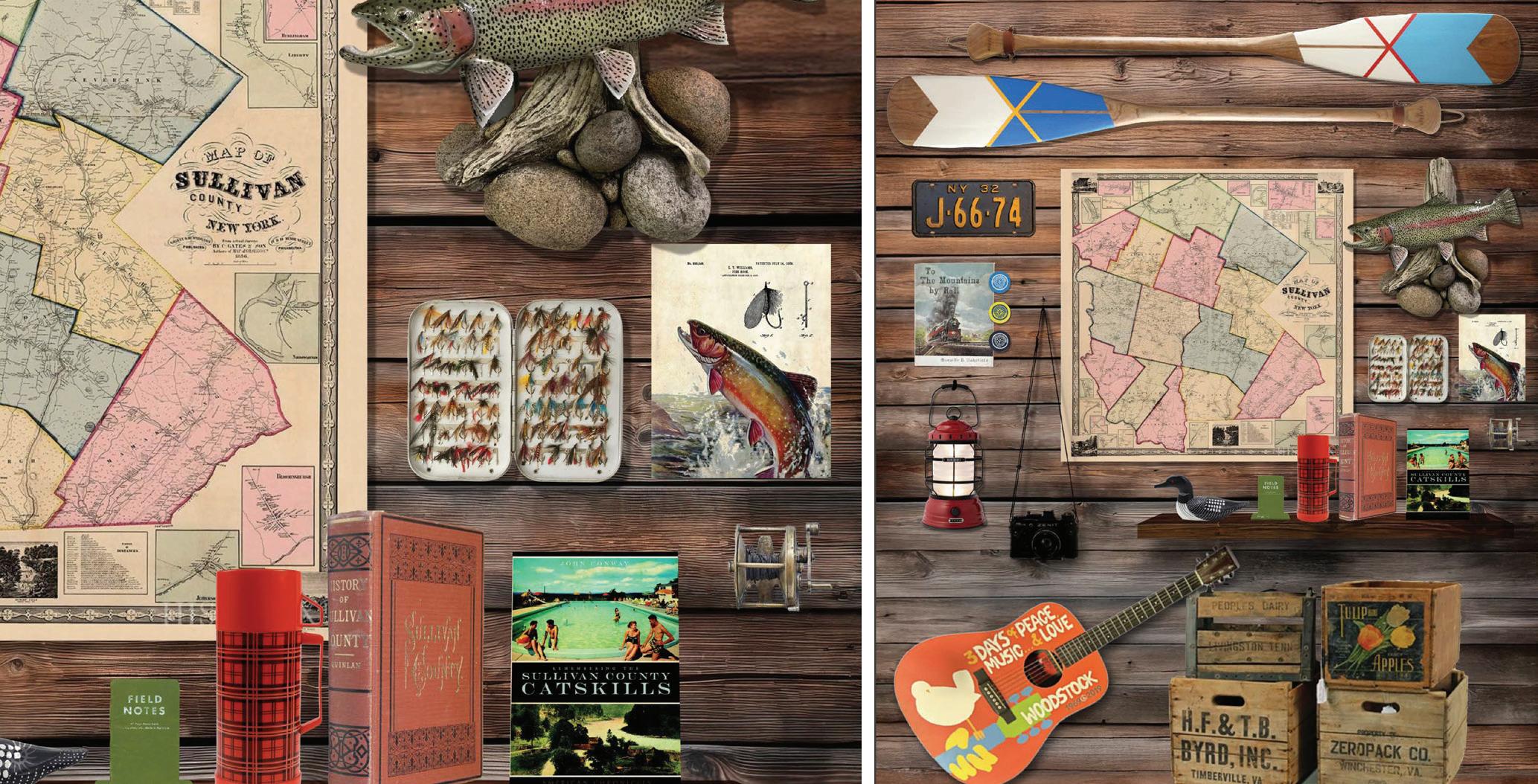
In a place like Sullivan County, the implications are significant. A region with such a deep tourism heritage has an enormous reservoir of stories about its landscapes, its cultural history, its food, its music, and the generations of travelers who have passed through.
Understanding which of those stories resonate emotively with modern travelers becomes a powerful advantage. Just as destinations began learning to work with data, another transformation arrived.

the age of AI discovery

A new layer of technology is reshaping how travelers find information. Large language models, systems such as ChatGPT, Google Gemini, and Perplexity AI, increasingly answer travel questions directly. Instead of sifting through dozens of links, travelers ask a simple question and receive a synthesized response. “Where should I spend a weekend in the Catskills?” The answer depends on the information those systems can find and understand.
In this environment, the most valuable resource a destination can create is deep, authentic knowledge about itself:
stories, guides, and insights that help both humans and machines understand what makes a place unique.

Promotion becomes less about persuasion and more about presence within the information ecosystem. The destinations that thrive in this environment will not necessarily be the ones shouting the loudest. They will be the ones contributing the richest, most reliable and relatable stories.

stop selling. start sharing.
For places with long tourism traditions, this shift can feel strangely familiar. In the early days of the Catskills, the region didn’t rely on marketing automation or algorithmic targeting. People came because someone they trusted shared an experience worth having. In that sense, the future of destination marketing may look a lot like its past. You just “feel different” here.
The economic case for tourism promotion is straightforward: when awareness increases, visitation increases and with it, local tax revenue. But the deeper question for destinations today is not whether promotion matters, but how promotion must evolve in a digital world where attention itself has become the most competitive resource.
stop selling. start sharing.
The next generation DMO will still promote a place, but promotion will no longer be the center of the work. Instead, the organization will act as the steward of the destination’s story and knowledge, building audiences, gathering insight, and ensuring that the richness of the place is visible in a rapidly evolving digital landscape.
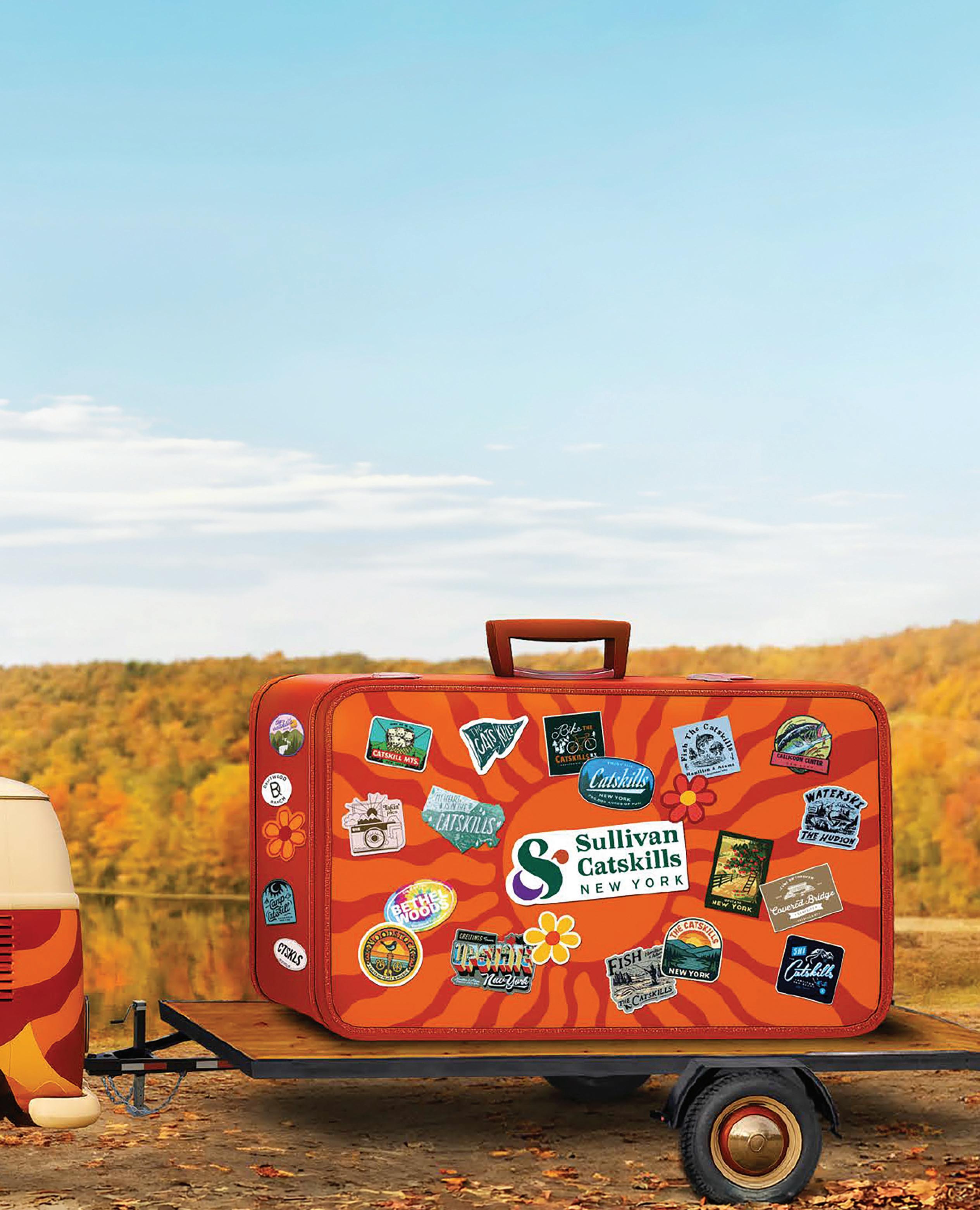
That stewardship can take many forms. Imagine creating mobile visitor centers, experience hubs that travel throughout Sullivan County, the Catskills and beyond, appearing at festivals, trailheads, lakes, and community gatherings.
Part photo opportunity, part storytelling platform, and part connectivity hub, it could provide visitors and residents alike with simple satellite-enabled Wi-Fi access, curated local guides, and an easy way to stay connected with the destination long after their visit ends.
Each interaction becomes more than a moment of service. It becomes part of an ongoing conversation and helping the destination understand its audience while inviting people to share their own experience of the place.
For a region like Sullivan County, NY whose tourism legacy legitimately helped shape American leisure travel, the opportunity is particularly compelling. The mountains, lakes, rivers and cultural history that once drew trainloads of “short-term locals” still hold their power.
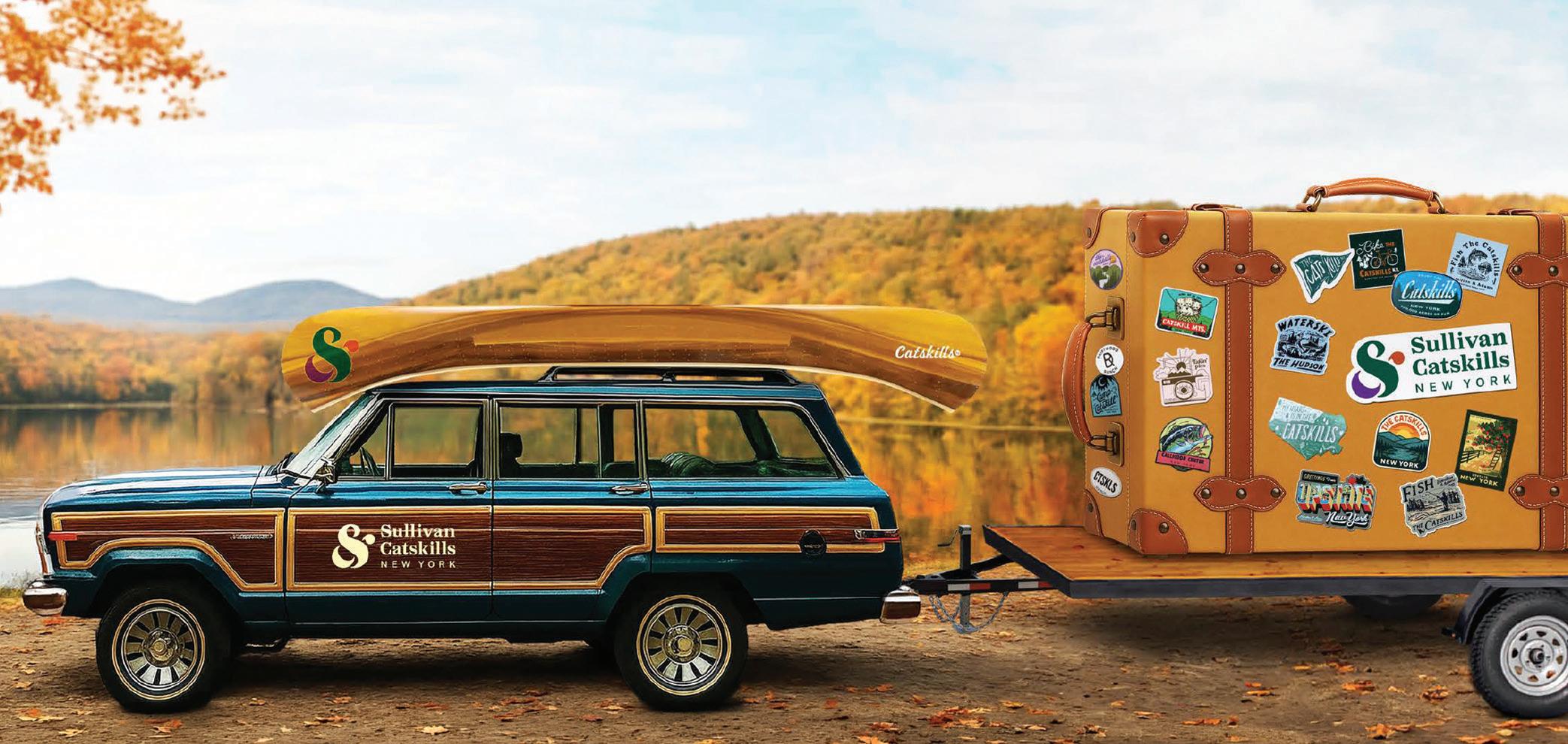
what changes is how those stories travel.
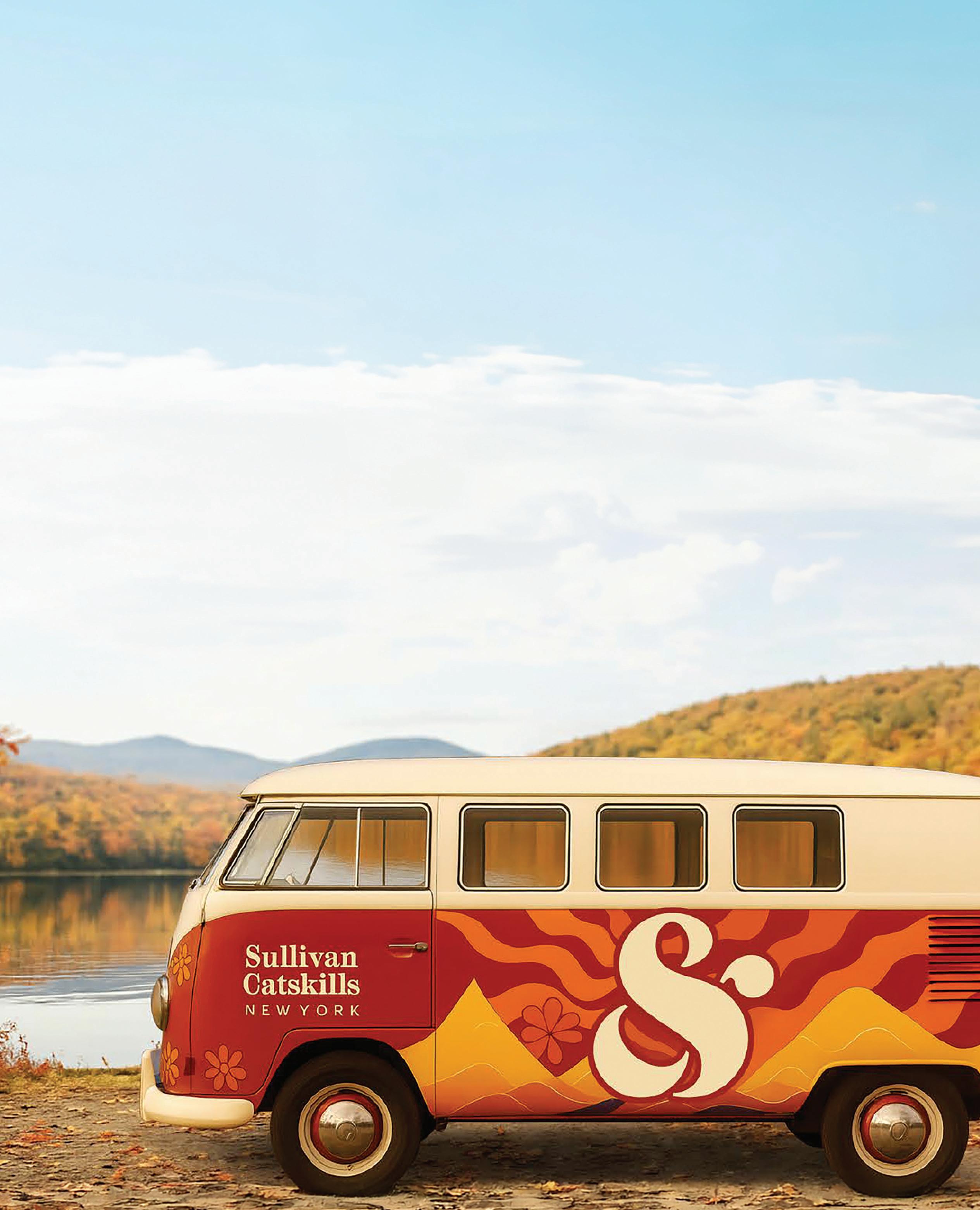
In the end, the evolution of destination marketing may come down to a simple shift in philosophy, one that feels especially appropriate for a place built on generations of hospitality; and, something I’ve been preaching for close to a decade now, “Stop all the hard selling and start authentically sharing.”
Be more of a place maker, rather than a pushy pitch person. By connecting emotively with your audiences, you avoid becoming simply another transaction. Welcome to the new world. Where the modern DMO can do, and be more – for the community, for the visitor and for the industry.